May
22
2013
  • SUBSCRIBE:
  • RSS
  • Twitter
  • Facebook
  • Email
  • Linked in

The Daily Edit
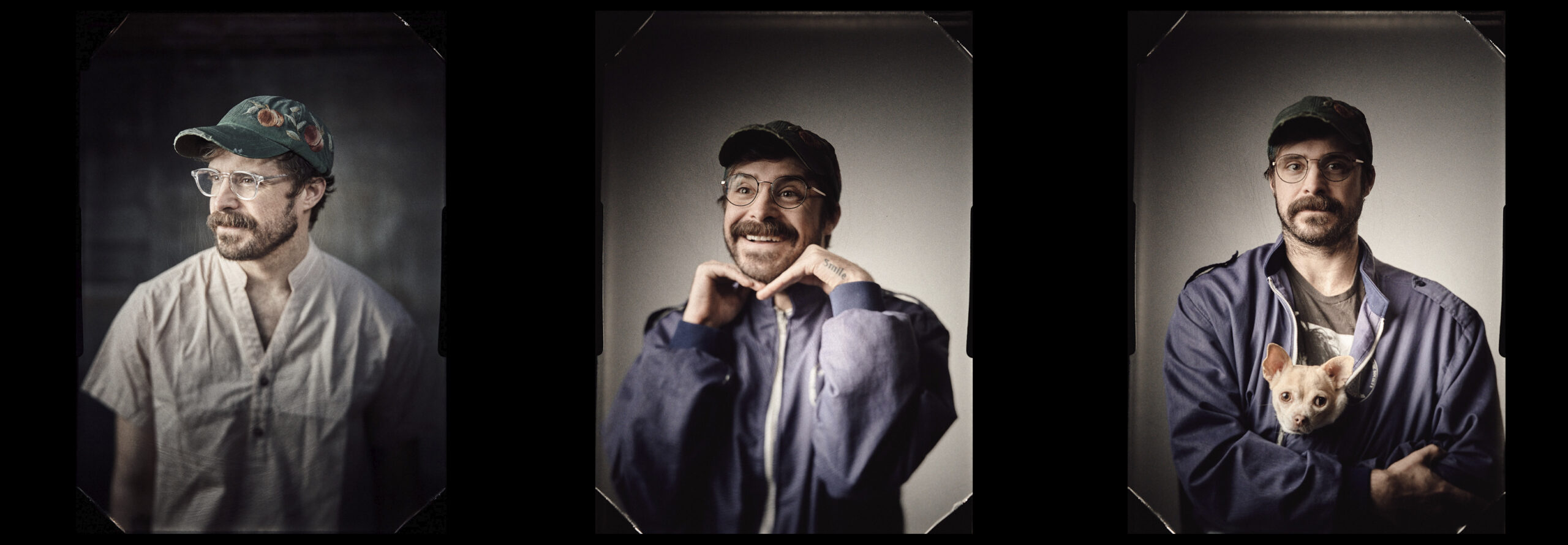
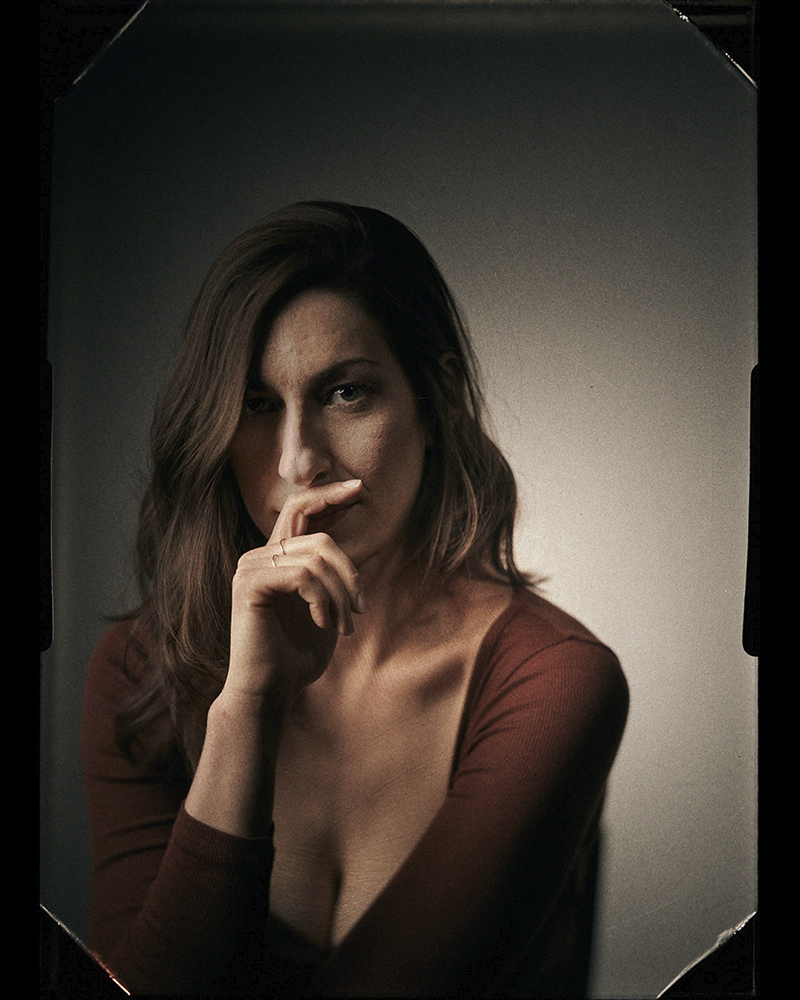
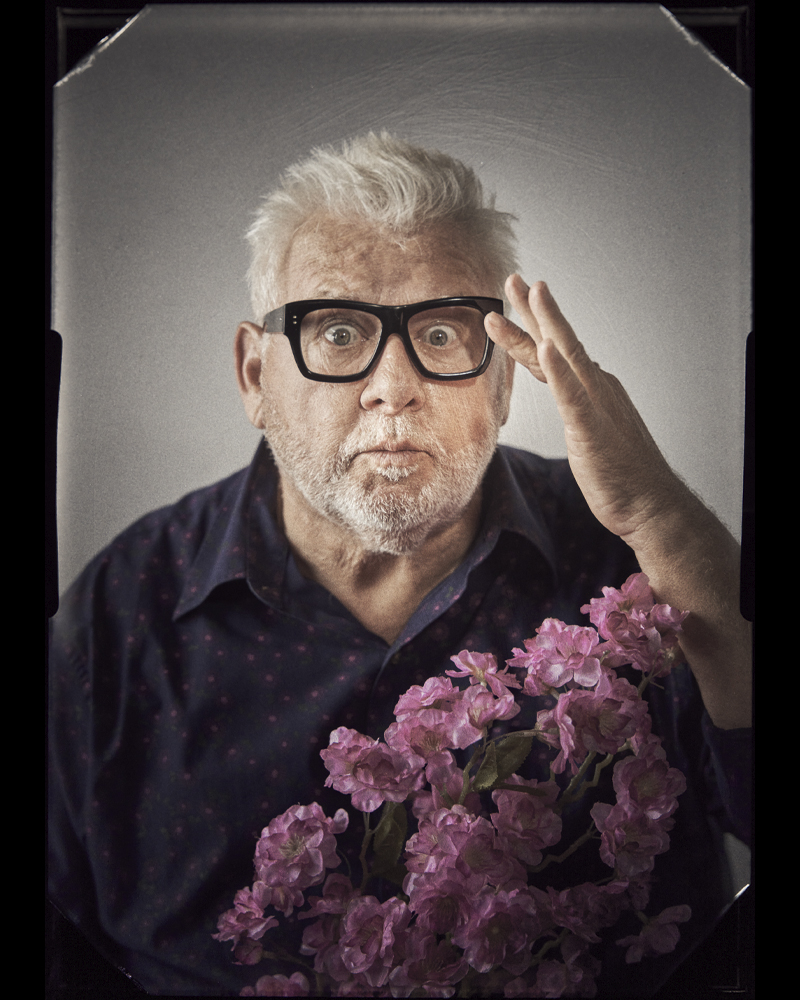
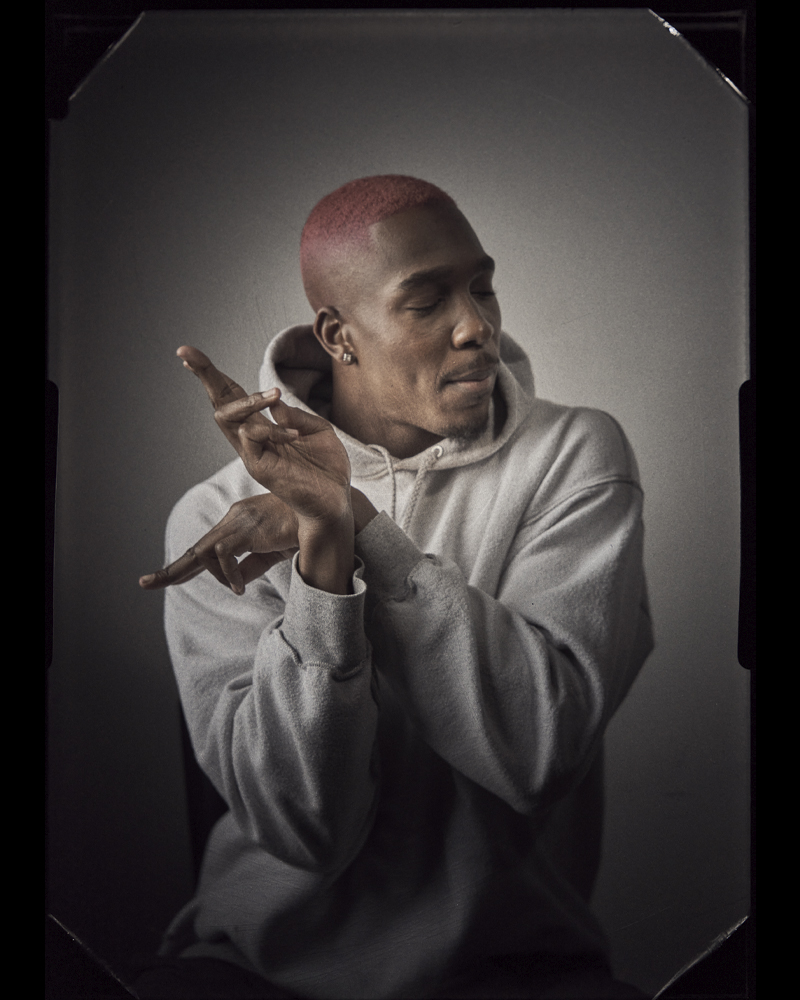
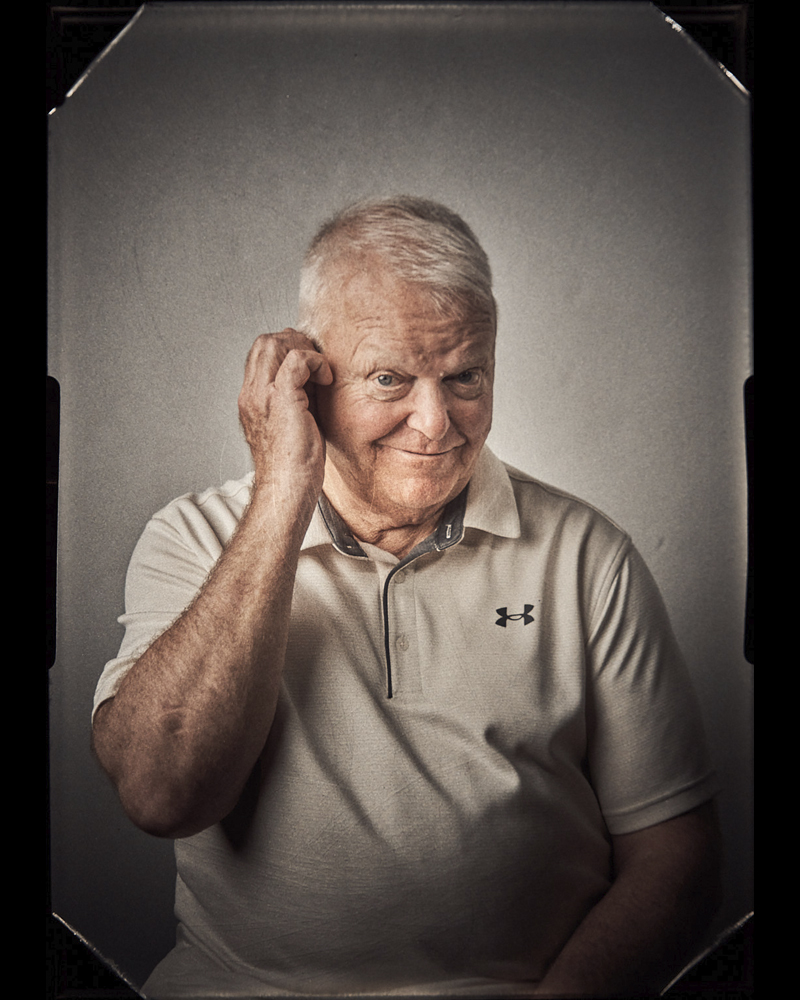
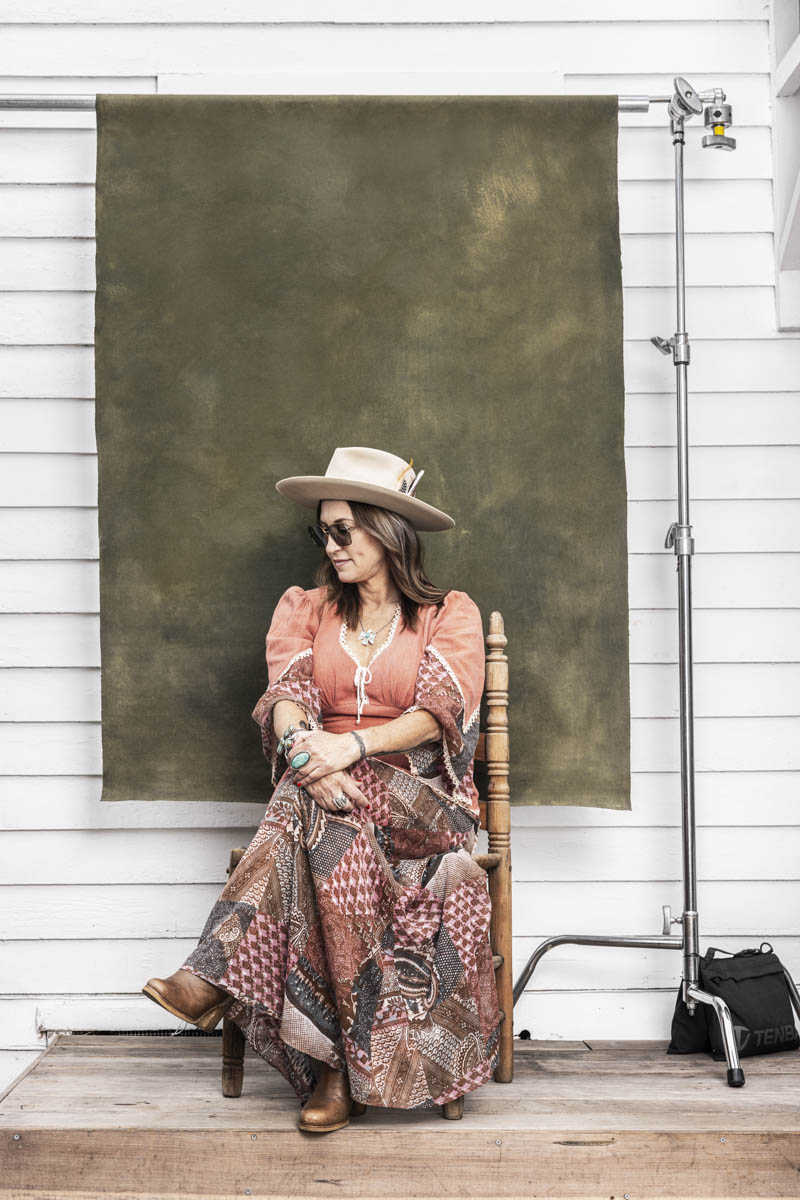
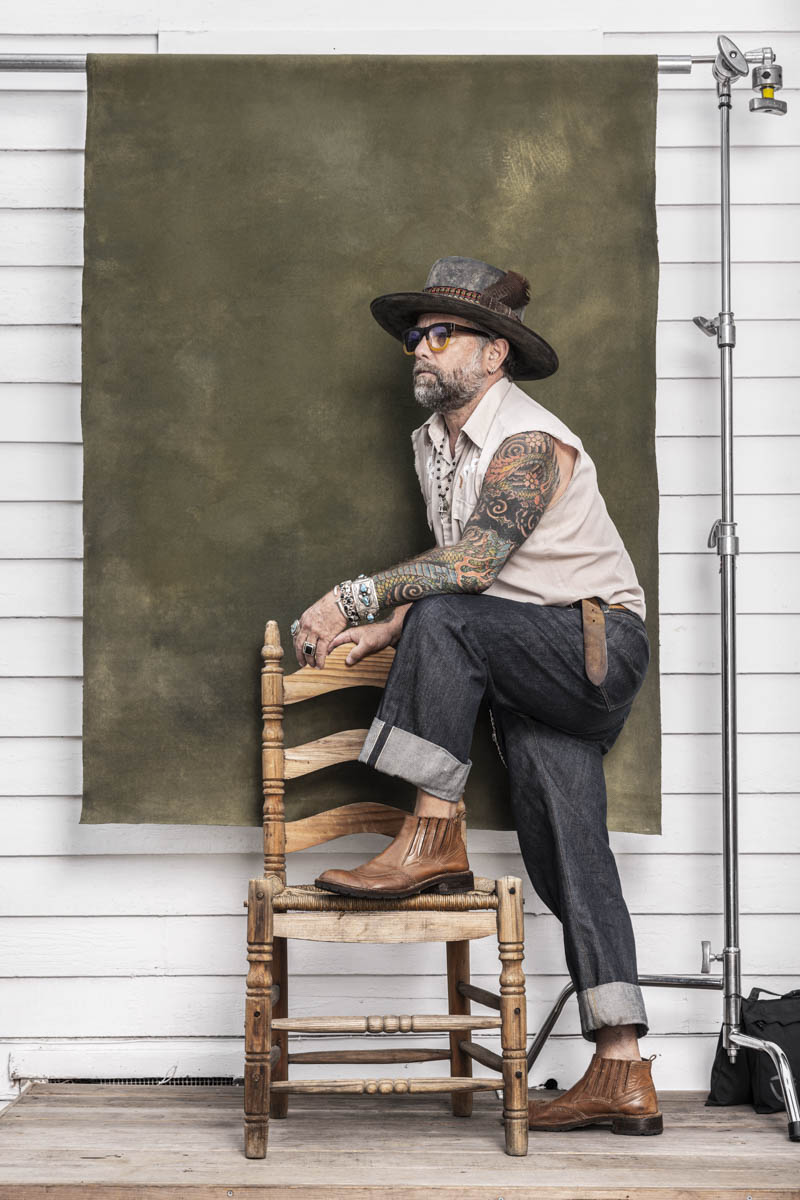
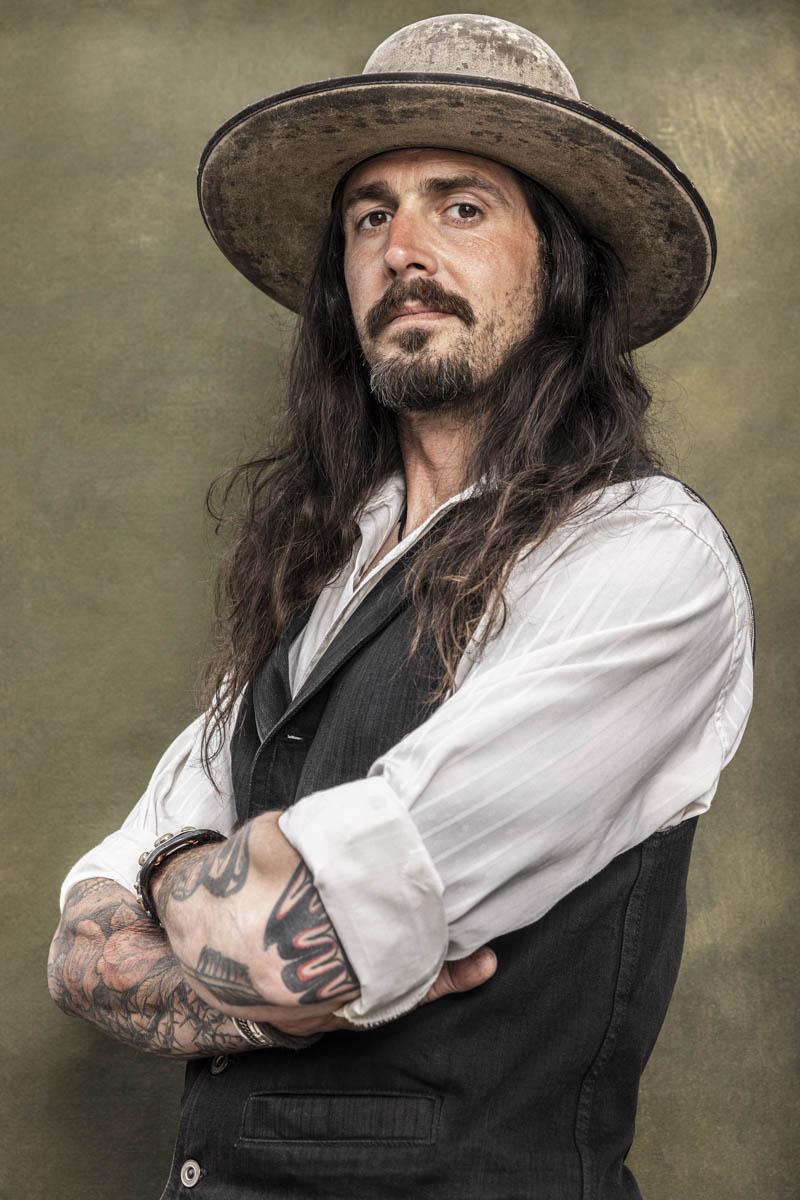
Glamour: Frederike Helwig

Comments on this entry are closed

Tuesday: 4.2.13

Design Director: Geraldine Hessler
Photo Director: Suzanne Donaldson
Art Director: Sarah Vinas
Deputy Editor, Photo Visuals: Julie Stone
Senior Photo Editor: Martha Maristany
Photo Editor: Brian Marcus

Photographer: Frederike Helwig

by Heidi Volpe on April 2, 2013 · 7 comments


Getty Announces 5 Decimal Point Payouts!

Comments on this entry are closed

You heard it right, not five figure, five decimal points. Getty recently announced a rounding error on contributor statements where photographers who should have gotten a fraction of a penny in royalties got zero instead. So, to solve this problem going forward all the payouts will include tenths, hundredths and thousandths of a cent. Here’s the email you may have received:

$0 transactions on your January 2013 Connect statement

Many of you noticed $0 royalty transactions on your first Connect statement (January 2013) where we should have shown the micro-royalties (fractions of a cent).  This was a processing error where some royalties earned under $0.00500 which were inadvertently rounded to $0.  Going forward you can expect to see the royalty amount (out to five decimal points) for each image earned, even if it is under one penny.  All fractional-cent royalties are then summed on the statement and rounded up or down to the nearest cent for payment.

We have calculated any additional micro-royalties due to you for those zero transactions (which were fractions of a cent).  If you are due an adjustment, we will add this adjustment amount to your payment on April 25th, however no royalty statement for this adjustment will be available.  If applicable, you may see a description for that additional amount in your payment remittance advice as “Jan2013 Connect zero adj”.

NOTE: Sorry, this is not an April Fools joke, but it reads like one so you may be fooled.

by A Photo Editor on April 1, 2013 · 22 comments


The Daily Edit
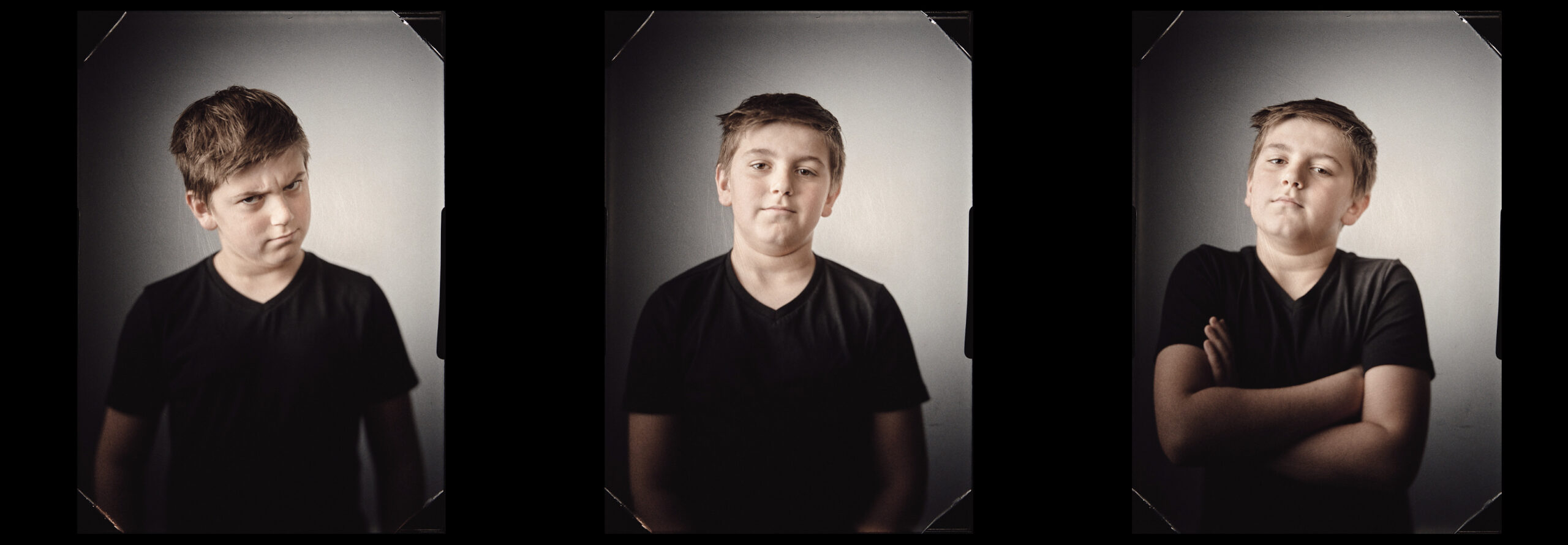
Psychology Today: Henry Leutwyler

Comments on this entry are closed

Monday: 4.1.13

Creative Director: Edward Levine
Photo Director: Claudia Stefezius
Associate Art Director: Yuko Miyake

Photographer: Henry Leutwyler

by Heidi Volpe on April 1, 2013 · 5 comments


This Week In Photography Books – Alyse Emdur

Comments on this entry are closed

by Jonathan Blaustein

The following anecdote is hypothetical. I am in no way claiming it to be true; only instructive. These things do happen, though. And mistakes can be costly.

I was in Amsterdam the other week. Such a great city. There are things there, certain things, that are legal. Things that might be illegal elsewhere. The great state of Colorado has also legalized some of the things to which I refer, but in the United States, Federal law still considers such things verboten.

I enjoyed the opportunity to sample the legal wares in Amsterdam. It’s fun. But I would never, ever take any of those things away from Amsterdam. Like on an airplane. Never, ever would I be that stupid. Leaving town at Schiphol, my friend and I actually saw a poor sap who thought he could get away with it. Bad news. I’m smarter than that.

It was so cold in Holland that I had on every piece of clothing I’d brought. Three sweaters, topped by a down vest, and then a leather jacket. Always, the leather encased my body like a cow-ish second skin, futily trying to keep out the wind. The jacket’s zipper got stuck on our last day in town, trapping the layers below. I only managed to fix it minutes before going through security, flustered. I flew back to London, and then left the next day for the United States.

So imagine my surprise when I reached into my vest pocket on the tube towards Heathrow, and found a tiny bag of something that would be considered illegal in the UK. It was in my possession the entire time, and I was blissfully unaware. (Again, this never happened.) But if it had happened, can you imagine what I might have been thinking?

I closed my eyes, and saw it clearly. The arrest in the airport. The lightbulb dangling from the ceiling above me as I was harangued in Dutch, asking why I would be so foolish. Then, the trial and sentencing. Ultimately, I’d end up in jail.
People like me don’t go to jail. I’m educated, middle-class, from a good family. I don’t even know anyone who is incarcerated. (Which is statistically unlikely, as there are nearly 2.3 million people behind bars in the US, as I hinted at in last week’s column.) But not me. It couldn’t happen to me. Right?

As my “fictitious” example proves, though, stupid mistakes happen. As I leaned against the train wall, I thought about how it would feel to not see my wife and children again. How would I tell them I’d been so careless, and was now trapped in a cell, unable to support them, or give them kisses and hugs? What would my wife say? How old would my baby daughter be before I saw her again? My pulse raced, and I came very close to crying. Which would have been a weird thing to do in public, but no one was paying attention to me anyway.
Fortunately, even in this “farcical” anecdote, I got away with my “crime.” Nobody knew what I had done, and whatever evidence was left, after I had munched a bit, ended up in an airport garbage bin. I might have watched a janitor empty the receptacle, just in case. The evidence, were we to call it that, would now be buried beneath hundreds of tons of English trash.

I was lucky. (Again, never happened.) But many people aren’t. Our jails are overcrowded, with so many victims burned in the wreckage of our mindless Drug War. As many prisons are privatized, there is a financial incentive to keep them that way. Some folks have gotten behind this issue with all their might, like fellow blogger Pete Brook, but I’m just visiting for the day.

Artists have also given to the cause. I’m thinking here of Alyse Emdur, the photographer and writer behind the amazing book “Prison Landscapes,” published by Four Corners Books in… you guessed it…London. I had no idea what lay beneath the plastic when I unwrapped this one, and what a surprise it was; among the smartest and most creatively powerful books I’ve come across in some time.

Ms. Emdur’s brother spent time in a New Jersey prison when she was a youth, so she’s lived with the reality of incarceration’s impact. (As opposed to my bourgeois fantasies.) She knew that in prison, all photographs are taken against painted backdrops- no realistic details allowed. (I only know of such photographic stylings from Jersey Bar Mitzvahs, not lockups.)

The book opens with an excellent description of the project, through which Ms. Emdur, via a pseudonym, became pen pals with inmates around the US, and had them send her photos of themselves, set against a number of paintings. They’d be absurd if they weren’t so poignant. Rarely is art this earnest, while still being gripping.
The book includes letters written by prisoners, including some that were were scanned, to show the penmanship. (Do we still use that word?) There are also photos that Ms. Emdur has taken of the backdrops in prisons, and the use of an artist’s good camera and formal composition makes a fantastic complement to the personal photos of hulking or average looking men, and gussied-up or plain-looking women.
There is also an interview at the end with a prison painter who did the cover image, taken from the State Correctional Institution in Graterford, Pennsylvania. If I can convince someone to let me keep this book, I will forever use the interview as inspiration to my students in the future. You want to know why art matters? Prisoner Darrell Van Mastrigt will tell you. (That name sounds Dutch. You know I love to bring these articles back around.)

If you’re a thinking person who has curiosity about the world, you should consider buying this book. It is the perfect example of photography showing us what we would not otherwise be able to see. I have no idea how many of these people committed heinous crimes, and “deserve” to be where they are. Whatever they’ve done, they’re people with families and friends. Their plight helps us realize that things are always more complicated than we’d like to think.

Bottom line: Brilliantly constructed book with an ambitious agenda

To Purchase “Prison Landscapes” Visit Photo-Eye

Full Disclosure: Books are provided by Photo-Eye in exchange for links back for purchase.

Books are found in the bookstore and submissions are not accepted.


by Jonathan Blaustein on March 29, 2013 · 1 comment


The Daily Edit
Vanity Fair: Peter Lindbergh

Comments on this entry are closed

Friday: 3.29.13

Design Director: Chris Dixon
Photography Director: Susan White
Art Director: Julie Weiss, Chris Mueller
Senior Associate Photography Editors: Sasha Erwitt, Susan Phear

Photographer: Peter Lindbergh

by Heidi Volpe on March 29, 2013 · 4 comments


Art Producers Speak: Young and Hungry: Anais & Dax

Comments on this entry are closed

We emailed Art Buyers and Art Producers around the world asking them to submit names of established photographers who were keeping it fresh and up-and-comers who they are keeping their eye on. If you are an Art Buyer/Producer or an Art Director at an agency and want to submit a photographer anonymously for this column email: Suzanne.sease@verizon.net

Anonymous Art Producer: I nominate Young and Hungry: Anais & Dax

Community - Alexandra Grant. 2010

Zucchini Flowers. 2011

North - Redwoods. 2011

North - Montana. 2011

Kinfolk Vol.2 - Cozy. 2011

Kinfolk Vol.2 - Cozy. 2011

Kinfolk Vol.2 - Cozy. 2011

Kinfolk Vol.4 - Cover (An Ode to Summer). 2012

Kinfolk Vol.4 - An Ode to Summer. 2012

Every Day With Rachael Ray - For The Love of Food. Feb. 2013

Every Day With Rachael Ray - For The Love of Food. Feb. 2013

Huntington Beach. 2012

Community - Rod Hunt. 2012

Ashley Neese, Life Coach. 2012

TOMS - Spring 2013 LookBook

How many years have you been in business?

It will be two years in April since we started working together under the name Young & Hungry. We are starting 2013 with two exciting changes. First we are close to signing with an amazing rep and second we are going to change our name from “Young & Hungry” to “Anais & Dax”. When we started working together Young & Hungry was a good fit what we wanted to shoot and how we felt about it, but our work has grown ever since and we feel that just using our actual first names is more appropriate and honest.

Are you self-taught or photography school taught?

Dax: As a kid, my mother and uncle were into photography as a hobby, and I picked it up from them. When my uncle passed I inherited his Asahi Pentax and took it to college with me, and it inspired me to start shooting more. After receiving a BFA in photography from the University of MT, I moved to Los Angeles and started working as a photo assistant. Photo assisting was probably the best education I’ve ever had, there’s nothing like learning by doing and problem solving on a day-to-day basis.

Anais: I taught myself photography after I borrowed a Canon Nikkormat camera from my mom in highschool and never returned it. I would then spend hours in my neighbor’s dark room. After years of working in the fine art photography business in LA, I decided to treat myself to a photo education and went to ICP in New York. It was one of the best experiences I’ve ever had. My photography education was then enhanced by working as a retoucher for Norman Jean Roy for almost 2 years, before I decided to go on my own.

Who was you greatest influence that inspired you to get into this business?

Dax: The photographers I worked for over the years. They shaped my eye and taught me how to think on my feet and problem solve. They trusted me to help them with their work and that gave me the confidence to become a photographer. It was extremely hard at times being a photo assistant; it really is a humbling job. But it was those relationships good or bad that inspired to want to be in this business.

Anais: If I had to pick one person it would be my grandfather. He passed away when I was 10, but I was very close to him. He was a painter and ceramist, and I grew up spending part of my summer vacations with him and my grandmother, smelling the turpentine in his studio and looking at his charcoal drawings of voluptuous women. He loved what he did, and he dedicated his life to it. I spent 5 years in law school, and then 4 years in the fine art business. After almost 10 years I decided that it was finally time for me to start doing what I love, full time.

How do you find your inspiration to be so fresh, push the envelope, stay true to yourself so that creative folks are noticing you and hiring you?

Dax: I find inspiration from looking at other peoples work, but working with Anais has been the greatest gift for my work. I feel incredibly lucky to have such an amazing partner to bounce ideas off of. We push each other when we shoot. The best feeling in the world is the moment you find the angle, the light, the subject and every frame is looking better than the last. As far as staying true to ourselves we show our work to clients who inspire us and hope we land a job with them. But we are always happy to work with new ideas and new people, as being challenged is always a great way to grow.

Anais: Ha, do I have to say Dax too?! It is greatly helpful to have a partner who can support, but also help me think outside of my own head. I really think that what makes the work fresh is that we do it for ourselves, not for others. It might sound selfish, but in the end it is what helps us be who we are, and that honesty transpires in the images we make. We’re also constantly looking at other people’s work, whether it is editorial, advertising or fine art. But most likely our greatest influence since we have started working together is the city of Los Angeles and more precisely the neighborhood we live in, Venice Beach. It is filled with beautiful and inspiring people, the light is just glorious, the ocean is close and there’s such a great vibe!

Do you find that some creative love your work but the client holds you back?

A & D: Each job is a different challenge, with a different set of creative needs that all need to come together to make a final image, and so we need to learn to be flexible. The creatives help translate the client’s vision and our task is to come up with visual solutions but also technical answers to practical issues. It really is about team work and collective brainstorming. So as long as the client is open to us about his or her concerns, we are there to respond to it along with other creatives. Of course it’s not always easy, but isn’t it the whole point?

What are you doing to get your vision out to the buying audience?

A & D: Editorial exposure has been great for increasing our name recognition. Kinfolk Magazine was coming out with its first issue at the same time we were just starting to build our portfolio and that collaboration has opened many doors for us. It’s a beautiful quarterly publication with originally curated images and layouts. Additionally, we’ve been hired by many of the top mainstream magazines that have wide appeal to the audience. We also take advantage of social media outlets by keeping a Tumblr blog and using Instagram. It gives us a chance to keep showing the work we do, but also our work in progress. We love how blogging and instagramming allows our viewers and followers to get a better sense of who we are, what it takes us to make an image and where we get our inspiration from. It also makes us more accessible, and reminds us of how it is all about human exchange.

We’ve also had great success with face to face meetings. We go to New York twice a year to meet with editors and art buyers, and every time we have a job away from our home base, we always try to squeeze in a meeting or two with local creatives. That’s how we got to meet with art buyers at Wieden+Kennedy in Portland while shooting an editorial there. Our work is a reflection of who we are, so I think it’s been helpful for people to meet us and get a chance to know us.

What is your advice for those who are showing what they think the buyers want to see?

A & D: If you are looking at the art buyers’ past work to try and cater to what they have done before you should stop. In our experience art buyers are looking for something new and fresh. So if you are trying to please them with similar work they are not going to really see your talent and your voice. And of course, shoot a lot, show a lot. Keep in touch. Show that you care, and that you are passionate. Shoot more, accept failure and learn from it. Communicate and be enthusiastic. And above all, just be yourself.

Are you shooting for yourself and creating new work to keep your artistic talent true to you?

A & D: Yes, we need to shoot for ourselves, otherwise we loose sight of why we started shooting in the first place. It is what keeps our ideas and photography alive. It is how we started our portfolio by traveling and shooting in California, Oregon, Montana where one of us is from (Dax), and then in France where the other one is from (Anais). In total, we shot for three months, slept in cheap hotels, stayed at friend’s places. It was exhausting, our bank accounts were pretty much empty (hence the name Young & Hungry!) but at the end we had our first portfolio that we were so proud of. And the response to it was amazing! Aside from traveling to more distant destinations, we also create new work by photographing people from our neighborhood, and stories around California that translate what we appreciate the most in life: travel, good meals with friends and nature.

How often are you shooting new work?

A & D: At least once a month, but it is not always easy to get our idea off the ground while managing our business day to day, but those failed attempts lead to another idea. New work can just be an afternoon portrait session with a friend or model, or a self assigned story and fully produced day or two of shooting concepts that we are passionate about and that we think could appeal to new clients. We also carry film cameras with us on a day-to-day basis, and shoot whatever catches our eye.


Dax Henry and Anais Wade started collaborating under the name Young & Hungry at the end of 2010 when they began to document what they loved most: food, destinations and good friend’s gatherings. After over 2 years of working together, they decided to work under their names as their work had expanded to a wider range of subjects.

Dax was born in Chicago and raised in California and Montana, and graduated with a BFA from the University of Missoula, MT. Anais was born and raised in France and Italy, and graduated from the General Studies Program at the International Center of Photography. They met in Los Angeles, and instantly shared their passion for photography.

They are inspired by California’s visual diversity, enjoy a community based life and love having meals with friends around a simple table. With 4 languages (English, Spanish, French and Italian) and a longstanding experience in the photographic industry, they’re always ready for the next challenge, whether it is at home or abroad. www.anaisdax.com

APE contributor Suzanne Sease currently works as a consultant for photographers and illustrators around the world. She has been involved in the photography and illustration industry since the mid 80s, after founding the art buying department at The Martin Agency then working for Kaplan-Thaler, Capital One, Best Buy and numerous smaller agencies and companies. She has a new Twitter fed with helpful marketing information.  Follow her@SuzanneSease.

by Suzanne Sease on March 28, 2013 · 1 comment


The Daily Edit
Hollywood Reporter: Ruven Afanador

Comments on this entry are closed

Thursday: 3.28.13

Creative Director: Shanti Marlar
Photo Director: Jennifer Laski
Art Director: Peter B. Curry
Deputy Photo Editor: Jenny Sargent

Photographer: Ruven Afanador

by Heidi Volpe on March 28, 2013 · 0 comments


London Trip: Part 1

Comments on this entry are closed

by Jonathan Blaustein

Disposable income. Has there ever been a more ridiculous term? It’s been five years now since the Global Economic Meltdown, and I laugh with derision every time I think of those two words mashed together. Most folks these days are happy just to pay all the bills on time. The idea that there would ever be money to burn? Blasphemous.

I bring this up, as I’m just beginning to get my head together after returning from Europe the week before last. Like many an American, I’m a verified Eurpohile. The ancient architecture, narrow streets, museums on every corner, functioning public transportation, smell of history in the air…it’s intoxicating. Stop me now, or I’ll go off on a rant like Rick Steves, and someone will put me on a PBS pledge drive. (Operators are standing by now.)

I’m lucky-and-old enough to have been able to afford the now-anachronistic American post-college-Eurail-backpacking adventure. While I certainly had fun, I imagine I’d have appreciated it more if I realized the subsequent alphabetical generation (Y to my X) would be more likely to live in their parents’ basement than to galavant around the Continent.

Nowadays, when we get a chance to travel somewhere special, I’m sure we all suck the last bit of juice from the experience. I certainly do. I’d love to punch my younger self in the face, and insist I show more respect for my privileges, but that’s not possible, as far as I know. Instead, I just try to live by the words I spout off in this forum each week.

My most recent bit of proselytizing involved trying new things, exploring new territory, and breaking away from established patterns. Right? Right.

So when I found myself in front of the Man Ray exhibition at the National Portrait Gallery in London recently, (brain fried and exhausted, having slept on the plane,) I decided it was time to shake things up. There is an entrance fee of $22 for the show, in an otherwise free museum. I was fairly certain my friend had a pass to let me in gratis the next day, and I’d already visited one photography exhibition to review earlier that afternoon. (About which I’ll write in the coming weeks.)

In other words, I just wasn’t feeling it. Sure, I knew the show would be interesting. (And it was, but that will have to wait as well.) But in the moment, the desire to experience new things, and not do the expected, was foremost in my mind. So I pivoted on the spot, spinning like a plastic foosball man, and headed in the other direction.

We photographers love to wander, and have honed our instincts for what might be ’round the next bend. But it’s so often in service of the next cool photograph. We search to click the shutter. I’ll advocate here that you keep the process, but flip the desired outcome. Put the camera down, and see what else is there.

In this case, I headed upstairs to the Tudor gallery, to see the centuries old portraits of English royals. The gallery opens with a painting of the recently re-discovered King Richard III, who sits next to Henry VII, who deposed him. They’re followed by Henry VIII and Catherine of Aragon. (Reunited at last.) The 16th Century portraits were flat and stylized, not far from their Renaissance forebears. And while the Europeans out there might say, “so what,” to those of us in the New World, seeing history in its proper environment is mesmerizing.

The following room had a few killer paintings of Queen Elizabeth I, and many of the royal courtiers, hustlers, and power players that were all the rage in her day. Intrigue, insurrection, spying, and all manner of bad behavior in service of Queen and country were discussed in the wall text. The men, rendered on canvas, looked dignified and serious, like they wouldn’t know how to laugh if they were tickled by Chris Farley himself. Fascinating, and totally worth the time.

I left the NPG shortly thereafter, and took ten steps towards the tube to return to my friend Hugo’s flat. Out of the corner of my eye, I saw a beautiful Church across the street, in the opposite direction. Normally, I would have kept going towards a warm bed and a glass of wine. I’d been on the move for more than a day. The easy route was in front of me.

But I learned a valuable lesson in my more lazy, hedonistic days, and that is one never knows what is behind the door in an old European Church. So I mustered the energy to turn around, dodged a few black cabs as they whizzed by, and crossed to the street to see what was up. Thankfully.

I pushed open the heavy door, and found myself in a typical alcove. Having come that far, I pushed through the next door as well, hoping I wouldn’t interfere with anything important. If the Pope’s security force lay ahead, ready to intercept wandering Jews, that would have been no more surprising than what I found.

As soon as the door cracked a few inches, glorious music washed over my senses. The ceiling rose before me, supported by solid columns. Ahead, a string orchestra played for a piddling audience, wedged in the back, like me. They were rehearsing, so the music would stop every few minutes. I wanted to scream out, “More, more,” but it seemed uncouth.

It’s hard to describe how liberated and exhilarated I felt. As you know, I live in a horse pasture, and my local music is restricted to raven squawks and barking dogs. This, however, was a bit of magic. My emotions started to ping around my body like a five year old hopped up on too much birthday cake. I sat down on the stone floor to contemplate, in bliss.

Where was I? It’s called St Martin in the Fields, and it’s just off of Trafalgar Square. The catacombs below house a cafe and a gallery, tucked beneath a brick vaulted ceiling. There are a number of musical programs, from what I could gather, and the next night there was a candle-light concert scheduled. This place is a must visit for all of you Brits, and anyone planning a trip to London as well.

I left after a while, feeling like I could hop over a red double-decker bus without too much trouble. (Fortunately, I wasn’t so delirious as to try.) From there, I’d surely earned the right to descend into the underground. One can only handle so much exhilaration. As I walked towards the Covent Garden station, I couldn’t believe all the boutiques that lined the way.

Seriously, wherever I went in Central London, someone was trying to sell designer goods to Russian tourists. Everyone’s on the hustle these days, and when you know who’s got the cash, it’s your job to try to get it. Or something like that.

I tried to tune it all out and drift into a daydream, when up ahead, I noticed a grand, imposing and beautiful building, towering above the surrounding architecture. It was just so intense and powerful. What could it be? It was less than half a mile beyond the tube stop, and my curiosity would not leave me alone. To whom did it belong? What went on behind those thick stone walls? I had to find out.

As I approached, I felt as if I were a marlin being reeled in by a hungry fisherman. I couldn’t stop the process, and struggle seemed futile. When finally it stood before me, I noticed a small sign advertising a public museum inside the Freemasons’ Hall. Ah, the Freemasons. The famed secret society.

I opened some stained glass doors, marked with a Star of David, and was quickly met by a surprised looking security guard. Clearly, those doors were not often utilized. He directed me to another, more suitable entrance, and told me I’d need to ask for a pass to enter. So I did.

I’m not sure about you, but when I hear the term Freemasons, I think of Homer Simpson and Fred Flintstone, bumbling along in meetings with funny hats. Or maybe the Skull and Bones type stuff they have at Yale. (Any secret society that allows George W. Bush to enter is probably not as exclusive as it seems.) But this building reeked of money and power, and I was curious to see what lay inside.

The Library and Museum of Freemasonry sits at the back of the building, up some stairs and down a long set of halls. I felt not the slightest urge to deviate from the path, as I was sure there were secret security cameras everywhere. At least that’s what my imagination told me. So I did as I was told.

The place is free and open to the public, and you have to go check it out for yourself. There was an exhibit called “Encounters- Artists and Freemasonry over 300 years,” which is up until Sept 20th, 2013. I endeavored to figure out what the organization was all about, but unfortunately, I can’t say I was able to get very far.

It might be because I was tired, but really, all the text seemed to be written in a foreign language. The best I could surmise, it’s a guild or club-type-organization that supports networking among wealthy and powerful people. But as there are branches all over the world, I would imagine there is a range of membership, so really, I don’t know what I’m talking about.

There were sculptures on display, and silver chalices, porcelain plates, odd costumes, paintings, murals and textiles. Strange symbols popped up here and there, but not in patterns I could recognize. I tried to make sense of it, and failed. Fortunately, there was a fantastic photograph on display, thereby making this a photography review after all.

Sitting in an innocuous display case near the entrance, I looked down into the confident eyes of Theodore Roosevelt, the former President of these United States. He had a confidence born of wealth and breeding, and a mustache that screamed math professor. (Or as they say in England, maths.) I looked into his eyes, and heard him speak into my head: “Yeah, bitches, I’m a tough motherf-cker. I eat bears for breakfast. With my spectacles, I can see through your wimpy, plebeian soul.” (The portrait was shot by a fellow Freemason, Alvin Langon Coburn.)

I’m guessing these Freemasons roll at a level I can’t really fathom. But they were very nice to me, and how cool is it that you can visit another world like that, for free? Just make sure not to mess with anything, or you’ll probably end up in the dungeons below, never to be heard from again.

I said my thanks and retrieved my man bag at the front desk, and headed back out into the misty London streets. What a day. Henceforth, the subsequent articles will deal with photography to a greater extent than what you’ve just read. As it should be. But let the lesson here be explicit: when you put the camera down, occasionally, and explore just for the sake of it, wondrous things might be waiting just out of view.

by A Photo Editor on March 27, 2013 · 7 comments


The Daily Edit
ESPN: Andrew Hetherington

Comments on this entry are closed

Wednesday: 3.27.13

No masthead published

Photographer: Andrew Hetherington

by Heidi Volpe on March 27, 2013 · 3 comments


Support The Daily Edit Magazine

Comments on this entry are closed

If you are fans of The Daily Edit you’ll love the new magazine Heidi Volpe created out of all the posts from 2012.

We have two versions available, a wire bound magazine printed on the mag cloud by HP that will be printed and shipped to you for $35:
http://www.magcloud.com/thedailyedit2012

and a PDF (includes links to all the photographers websites) available as a digital download for $15:
The Daily Edit Magazine – Digital Download (PDF)

We would love to see your vote of support for this unique column by buying one of the magazines with all the posts from 2012.

Thanks.

Rob and Heidi

by A Photo Editor on March 26, 2013 · 0 comments


The Daily Edit
W: Karim Sadli

Comments on this entry are closed

Tuesday: 3.26.13

Creative Director: Alex Gonzales
Design Director: Anton Ioukhnovets
Art Director: Anna C. Davidson-Evans
Photography Director: Caroline Wolff
Photo Editor: Jacqeline Bates

Photographer: Karim Sadli

by Heidi Volpe on March 26, 2013 · 0 comments


Who Pays Photographers

Comments on this entry are closed

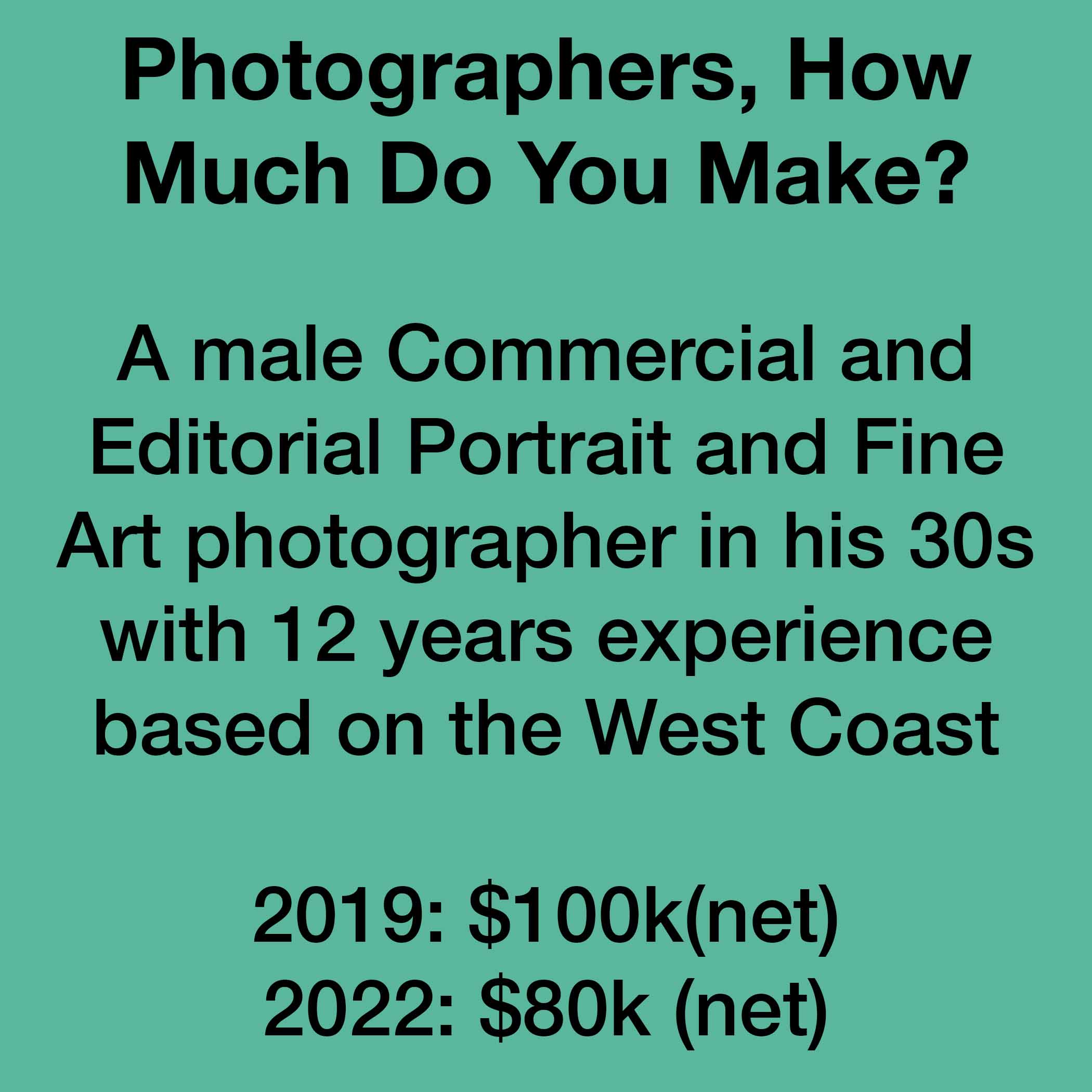
In response to the tumblr “Who Pays Writers” someone created an anonymous version for photographers: Who Pays Photographers?

You can anonymously submit (here) what you were paid to shoot for a magazine along with some of the terms and conditions. There’s a spreadsheet of all the results on the blog and (here). If you’ve been in this business for awhile it’s mostly what you already knew or thought someone paid. If you’re new to photography you might be a bit shocked.

by A Photo Editor on March 25, 2013 · 31 comments


The Daily Edit
Time : Peter Hapak

Comments on this entry are closed

Monday 3.25.13

No masthead posted

Photographer: Peter Hapak

by Heidi Volpe on March 25, 2013 · 0 comments


This Week In Photography Books – David Rochkind

Comments on this entry are closed

by Jonathan Blaustein

All we are saying, is give peace a chance. It’s a great chant, and a catchy tune. A little ironic too, as John Lennon seemed to be such a combative guy. (According to the documentary I saw last year.) Sure, it would be nice to give peace a chance, but I’d also love it if my fingernails tasted like white truffles.

I’m a pretty mellow guy, myself, far from the drunken lout that once smashed a dude’s head into a stone wall during a fight at Duke. I ended up on the ground, punching up, but told myself it was a draw. I can still hear the frat boys screaming for us to beat the shit out of each other. (Classy.)

I realize that I end up talking about violence a lot in this column, which is strange, given how little of it I see. I’m fortunate to live in a quiet place, in a country with a functioning legal system. (Of course, we have an incarceration rate that ought to give Barack Obama an ulcer, but he’s got enough problems, so I’ll leave him alone.)

Back in the early Fall, we brought you a gripping interview with Alejandro Cartagena, who spoke of the realities of living on the front lines of Mexico’s Drug War. I heard him speak the words, and then spent hours transcribing them, and still it was just an abstraction to me. I hope to never know what it’s like from personal experience, living with that degree of fear.

Fast forward six months, and everyone’s talking about Mexico’s impending economic miracle: a terrific growth rate, and a new President who’s more focused on busting monopolies than cartels. (Though I must admit, it does take some guts to go after Carlos Slim.) Alejandro and I discussed the possibility of misdirection, as there were signs that President Peña Nieto would leave the Narcos alone to import guns from, and export drugs to my blessed United States.

So the Drug War has been pushed off the headlines, and it seems as if the death toll is finally on the wane. In a piece about Mexico that I recently read in the Financial Times, the Drug War wasn’t even mentioned until the last paragraph of a very, very long article. Yesterday’s news, apparently. Making money is more appealing than digging up corpses best left to rot.

But I’m not the Financial Times. Hell, I’m not sure I’m even a real journalist. We’ll buck the trend, therefore, and take a look at “Heavy Hand, Sunken Spirit: Mexico at War,” a book by David Rochkind, published by Dewi Lewis in 2012. Here is your warning: this is not for the weak of will or stomach. Mr. Rochkind is a brave man, and he put himself at significant personal risk to bring back these photographs.

Truth be told, I met David at Review Santa Fe in 2010. I saw an early edit in person, and we’ve kept up since. That makes this the first book review I’ve done in which I was able to see a project evolve and improve. There are many photographs in the book I haven’t seen before, and the breath of the narrative has grown organically, and well. In a perfect world, photographic projects should get better over time, and a book ought to be the best-case-scenario. It is here.

This book was really put together with care. The size of the photos vary, with gorgeous full-bleed double-spreads popping up in just the right spots, and scale shifts keeping the viewer engaged. At one point, I did a double-take at the pairing of Evangelical parishioners in fervent prayer, across the page from a junkie mother shooting up. Escape, meet escape.

The use of color and tension is very strong, and enables the pages to turn, despite the graphic and tragic subject matter. Love, of family and God, even makes a brief appearance now and again. Thank goodness. It balances against visions of the dead, the dying, and the victims trapped in a loop of poverty and violence.

Mexico is an amazing country, with lovely people who deserve better. Obviously, we’re all hoping this phase of its history ends soon, and that the future is bright. It is possible. Let’s not forget, the Aztec founders of Mexico City were among the most bloodthirsty psychopaths who’ve ever lived. Fortunately, people persevere.

Bottom Line: Incredible photographs of a story most would rather forget

To Purchase ”Heavy Hand, Sunken Spirit: Mexico at War” Visit Photo-Eye

Full Disclosure: Books are provided by Photo-Eye in exchange for links back for purchase.

Books are found in the bookstore and submissions are not accepted.


by Jonathan Blaustein on March 22, 2013 · 9 comments


Friday: 3.22.13

Creative Director: Patrick Li
Photography Director: Nadia Vellam
Senior Art Director: Aurelie Pellissier
Senior Photography Editor: Jamie Bradley Sims
Photography Editor: Rory Walsh-Miller

Photographer: Serge LeBlon


by Heidi Volpe on March 22, 2013 · 2 comments


Art Producers Speak: Billy Kidd

Comments on this entry are closed

We emailed Art Buyers and Art Producers around the world asking them to submit names of established photographers who were keeping it fresh and up-and-comers who they are keeping their eye on. If you are an Art Buyer/Producer or an Art Director at an agency and want to submit a photographer anonymously for this column email: Suzanne.sease@verizon.net

Anonymous Art Producer: I nominate Billy Kidd

An image from my personal project "Decaying Roses" printed on Cibachrome.

An image from my personal project "Decaying Leaves" printed on Cibachrome.

Pharrell Williams for Blackbook magazine.

An image from my Personal project nudes on polaroids. Shot with Impossible project film.

This was one of my first projects for Blackbook magazine when I first started shooting editorials. My art director wanted to find a way to keep my black and white style but blend in color. So we toyed with the idea of CMYK layering through out the story with Jason Sudeikis.

I enjoy shooting mens fashion. You can always be a little more rough and raw with the style.


I was shooting Poppy Delevingne when this lady in red walked by. I had no clue she was going to pop out so much but it worked out so well.

I constantly shoot for myself. Anytime I have free time I pull models to shoot. I find working with people I don't know helps me learn how to deal with different circumstances.

This is from a 16 page fashion story for Oyster Magazine out of Australia. I love red.

Brayden Pritchard for Numero Homme #26. We juxtaposed the patterns of the fall season with the organic shapes and lines of a leafless forest.

I often shoot to the side for stories. This image is an outtake from a cover story for WWD magazine. It was a story on the science of hair.

I always keep the camera ready to go for those happy little moments when a hair stylist is making changes. This was my opener of Marloes Horst for Oyster magazines issue #101. You never know when it will work out well.

Heather Huey was shot by Billy Kidd. This is an image from my recent show at Clic Gallery. A series of nudes showcasing Heather Huey's body cages and my photography. The series of images show the maturing female body in different states of form.

How many years have you been in business?
I have been shooting professionally for 4 years.

Are you self-taught or photography school taught?
I attended university late in life for computer tech and dropped out shortly after finding photography. I would say self taught since I didn’t fulfill any formal education past a basic photo 101.

Who was your greatest influence that inspired you to get into this business?
There isn’t one person – there are many that inspired me to get into this business. My mother is a painter who has served much inspiration for as long as I can remember. The music of Iron & Wine and Andrew Bird often drive me on set. The works of Irving Penn, Stieglitz, Steichen, Weegee, Helen Levitt, Man Ray, Andrew Kertesz and Jacques-Andre Boiffard have all been incredibly inspirational. I do have to point a finger at my girlfriend Heather Huey for lighting an inspirational fire under me when we met 3 years ago.

How do you find your inspiration to be so fresh, push the envelope, stay true to yourself so that creative folks are noticing you and hiring you?
I actually try to shoot for myself, to create pretty things. I don’t shoot to be noticed or hired. I figure that if I find it beautiful then I’m probably doing something right. In the end, I need to be happy with what I’m creating. Being hired based on that body of work is a byproduct.

What is your advice for those who are showing what they think the buyers want to see?
Aristotle said, “beauty is what I believe beauty to be.” It’s a great quote that, in my opinion, sums up what art buyers are looking for – what you think beauty is. Everyone has different tastes and not all art directors will agree with you, but that’s ok. Some of them will, and those are the ones you want to work with because they think in the same vein and likely share a similar vision.

Do you find that some creatives love your work but the client holds you back?
If they do, I’ve been lucky not to feel it. I’ve always had great art directors. They hear what the client wants, then translate it in a way that I can understand and embrace.

I’ve also had the good fortune of working with clients who not only share the same vision, but also think and feel the same way I do. I just had a wonderful experience in Paris with a client who had such impeccable taste in beauty, that when she did step in to say something, I jumped at it.

Having said all of that, I am young in the business and have yet to experience some of the situations others have. Hopefully I can stay the course I’m on and continue to work with great, creative, clients.

What are you doing to get your vision out to the buying audience?
Social media. Tumblr has been a huge part of sharing my vision with everyone. It played a pivotal role in my early success – that’s how many of my first jobs came about. Even my agent found me through a blog that was linked to Tumblr. Often when my rep sends me to an art buyer, photo editor or creative they have heard of me before through Tumblr/blogs reposting me work.

Are you shooting for yourself and creating new work to keep your artistic talent true to you?
Always. When I’m hired on a project I usually try to shoot a few things on the side, which are often incorporated into the job afterwards. I just wrapped up and showed a series of nudes in Soho, which culminated in a limited edition book designed by Buero NY. I’m also currently working on a project called “Decaying”, photographing various flowers and leaves in the process of wilting. I’ve always had a fascination with flowers and death – how we cut them, love them and then throw them aside when they start to show signs of age.

How often are you shooting new work?
Almost every day. I shoot 2-3 times a week for various clients and then 2-3 times a week for myself.

Billy Kidd is a young photographer based in Brooklyn, NY and represented by Walter Schupfer in NY, LA and Paris.

APE contributor Suzanne Sease currently works as a consultant for photographers and illustrators around the world. She has been involved in the photography and illustration industry since the mid 80s, after founding the art buying department at The Martin Agency then working for Kaplan-Thaler, Capital One, Best Buy and numerous smaller agencies and companies. She has a new Twitter fed with helpful marketing information.  Follow her@SuzanneSease.

by A Photo Editor on March 21, 2013 · 4 comments


The Daily Edit
The New Republic : Alon Skuy

Comments on this entry are closed

Thursday: 3.21.13

Creative Director: Dirk Barnett
Associate Art Director: Erick A. Fletes

Photographer: Alon Skuy

here is a blog piece about him from 2010, no website available.

by Heidi Volpe on March 21, 2013 · 0 comments


Roger Ballen Interview

Comments on this entry are closed

by Jonathan Blaustein

Roger Ballen is among the most talented and successful photographic artists in the world today. He was kind enough to agree to an extensive interview last month, and is also allowing us to publish images from two forthcoming books.

JB: Why did you choose to move to South Africa from the United States?

RB: When I was a young man in my early twenties, in 1973, it was a time of cultural revolution. I guess I was swept up with that. I graduated from University of California, Berkeley, and was quite restless. Previous to traveling from Cairo to Capetown in 1974, two important things happened. One is I got interested in painting for about six months, and the second thing my mother died in early ’73.

My mother had worked in Magnum photos, and also started one of the first photo galleries in the United States, with people like Cartier-Bresson and Andre Kertesz. I’d gotten a real introduction to photography, and had a passion towards the field by the time I was 23. Although at that time, I had a degree in psychology.

Then my mother died in January of ’73, and I began this trip that would take me four and half years, an overland trip from Cairo to Capetown. I got to South Africa, and spent some time here. Then I made an overland trip from Istanbul to New Guinea, and that was about a two and half year trip. During that time, I did
my first photo book, which was called “Boyhood.”

I got to South Africa that way, and then when I got back to America, in ’77 or so, I did a PhD in Mineral Economics at the Colorado School of Mines. Then, I came back to South Africa in ’82. This is an ideal place to practice the business of mining exploration, and anything related to the mineral business. South Africa and the surrounding countries are well-endowed with minerals.

Despite the political problems, I’d liked being here for the first time, and then married a South African lady and stayed here. I’ve been here permanently since 1982.

JB: I imagined it might have something to do with the natural resources. I was raised in New Jersey, in the shadows of New York City, and ended up living in a horse pasture, at the base of the Sangre de Cristo Mountains, in an old Spanish village, because I married a local. So I can relate.

But as far as South Africa goes, co-incidental to this impending interview, I recently came across some information about the place, and thought we could continue to talk about it for a few minutes. Some of the statistics are kind of crazy. According to The Economist, South Africa has the highest rate of income equality in the world, even all these years past Apartheid. I wondered if you might share what that’s like, on the ground level?

RB: South Africa, as you mentioned, is a First World and Third World country. You’re living in this schizoid environment. Where I am right now, speaking to you, could be suburban St. Louis, or Des Moines, or Chicago. With suburbs, shopping centers, and reasonable, suburban houses.

A mile away could be Zimbabwe, or Mozambique. People there are living in poverty and crowded urban conditions. Lots of immigrants from Nigeria and other African countries, mixed up. You hardly would ever see a white person in those places. You have this divided culture, which has been inherent here for two or three hundred years. It’s nothing new. I guess the only difference is, over the last fifteen years, you have a greater amount of very wealthy black people, as well as more middle class black people. But the population is increasing, so there’s still no substantial difference in the unemployment rates, which are still at 40 or 50%.

The gap is not something that’s closed because the government changed. It just hasn’t happened. It was the same before. Or worse before. Or maybe it was even better before? I don’t know.

JB: Do communities build up gates and walls and guard towers? Are places physically cut off from one another, then? Because the violence is pretty horrific, I’ve read.

RB: I guess so. I think most of the violence occurs in these areas that people like myself don’t go into on a regular basis. It’s the violence of people living in poverty, under stressful conditions. You know, you have this in America. You go to urban America and you find the same problems.

It’s really no different. These things are always exaggerated by the media. It’s not a War zone here by any means. You can live your life. There are walls around your house, and you deal with the problem of security. Johannesburg and the other cities have the same problems that any other Third World country might have. A lot of poverty, and a lot of people desperate to survive in one way or another.

I would say, the problems here, they certainly exist, but if you look at the rest of the continent, there are a lot of things that are more positive and dynamic than most of the places in Africa. I am in Africa, not in Europe. It’s relative. What happens here shouldn’t necessarily be seen in relationship to Europe or America. It should be seen in relation to the rest of the continent, which also has significant challenges.

JB: I was curious, because I’ve never been to Africa before. One of the things that I’d read that I thought was hard to fathom, and starts to tie into your work, is that there’s a murder rate of 99 people per 100,000 in the farming communities, in the rural areas, numbers that were off the charts.

I was thinking about the work you’d done in the “Platteland” series, where you were meeting people in the rural communities. I know it was a while ago. I wondered if anything had filtered back to you about people that you knew, of if these communities were now less accessible? If the people that you’d photographed had become victims to crime?

RB: Not really. The countryside is like America. You go down to the South, in the countryside, and things seem relaxed in their own way. The real violence occurs mostly in the urban environments. There are farm murders, but it’s nothing like what goes on in the cities.

Most of the violence here is in the townships, where people are living in difficult conditions. Probably eight out of ten of these murders here occur in these township environments, and most of it is probably related to drinking, and squabbles over women, and money and tribal issues. I’m no expert, but a lot of them have to do with tribal issues.

JB: Why don’t we move along…

RB: I think so, because the media has its own reasons for concentrating on certain places in the world. Somebody’s pushed down the stairs in Tel Aviv, and it will be on the headlines on CNN and the BBC. And if twenty five people are killed in the Congo, it won’t be on TV. It’s where the media is, and how they fabricate the world and create their own political dynamics based on their own ideology, which is based on maximizing their viewer network.

JB: Absolutely. But let’s move, and talk more about art.

I studied Economics in college, before becoming an artist. It’s easy to see the influences in your work, but I didn’t know until I did some research that you had been trained in geology, and worked in the resource extraction industry. I wondered, as you transitioned from that industry to your art career, if you had ever thought about the comparison between the market for precious metals, the way value is constructed for things like platinum and gold and diamonds, relative to the way the market has evolved for contemporary art?

RB: The value is like night and day, trying to compare those two. The value for commodities is very much derived from physical demand, and physical supply. It’s very much a proper market based on actual usage and material consumption. There’s not a huge aspect of subjectivity involved, like there is in contemporary art.

Really, the business of mining, and selling minerals is a much more clearly defined business, a much easier business in nearly every way than being involved in the art market.

JB: At what point in your career did you segue from having a day job to being able to focus exclusively on your art career?

RB: I never really sold any pictures, or offered any pictures in any real way until about 2000, 2001, when my “Outland” book came out. There wasn’t much of a photo market up until the early 90′s anyway. The thing that got the photo market to boil was the technology of large color prints.

The black and white business plodded on. There were some specific collectors who would buy vintage work, historical work, but the average person who wanted to put money into art really wasn’t so interested in photography. And then, somewhere in the mid-90′s, the technology developed to enable people to make larger scale color prints on a fairly regular basis.

Artists could find labs, and get them to produce this type of larger sized work with ease. This equipment started to proliferate, to the point where you can now buy printers, and learn how to print digital photographs in a short period of time.
As a result of this technological shift, large scale color prints then became available to the art market.

I did this purely as a hobby until about 2000. When my “Platteland” book came out in ’94, it caused a lot of controversy, and became a famous book. That gave me the initiative to continue, and from ’94 to 2000, I put a lot more time into photography, but it was still sort of a hobby; a half-profession. When “Outland” was published, it also became a renown book, and I started to sell a lot of photographs. I began to put a lot more of my time into photography, and to see it as a profession rather than a hobby.

JB: Before you were focused on selling prints, books were the final output of your photographic narrative?

RB: Yes, and they still are to this day. I’m much more focused on books. That’s really what interests me. Selling pictures is OK, it’s part of the business, but it’s not a goal in itself. The real goal in my career has always been geared towards making books. Most of these projects take about five or six years to do. I work on them that long, and try to define the aesthetic that comes to mind.

Now, I’m just about finished with a book called “Asylum,” that’s going to be produced by Thames & Hudson early next year. It deals with birds in a Roger Ballen world.

JB: What is it about the book form that is so fascinating to you?

RB: It’s a permanent thing. It’s like getting to the top of a mountain. You’ve actually taken the process through from beginning to end. You’ve made a statement that has a sense of permanency to it. An exhibition comes and goes. Living down here, I don’t spend much time at the shows, if any at all. I get a few newspaper clippings back, but I can’t read half of the newspaper clippings anyway.

And that’s all I get. You think you make a lot of friends during the show, and nine times out of ten, you never see the people again. A book, in a way, is part of you, like your own children.

JB: Of course. That makes plenty of sense. Last week, I was in Texas, and driving home from the airport, which is three hours away, I happened to listen to a Public Radio program called “Afro-pop.” They were focusing on Punk music in South Africa in the 70′s, during the Apartheid era. I didn’t know much about the disappearances, the murders, and the censorship.

The show talked about how Punk came along, and the musicians themselves would challenge the conventional notions, break the laws, and inspire change. Then I also saw that you have a foundation, promoting photography in South Africa, if that’s correct.

RB: Yes, that’s correct.

JB: I was wondering what you thought about the role of art in the 21st Century, and the place of art within culture? I’m not necessarily talking about political or social change, but certainly here in the US, visual art is marginalized compared to cinema and music, and other types of expression.

RB: It’s a good point. I think about it quite often, because I’m quite shocked what I see in the contemporary art market, whether it’s art fairs, or exhibitions. I really scratch my head in disillusionment at people’s choices. Most of the art that I see merely re-enforces what people already know.

I do the art only for myself. I’m not doing it for an audience. I’m doing it to learn more about my own interior. That’s the only purpose. If it weren’t that purpose, then I wouldn’t do it. I’d rather stick to mining, because then it’s just another business.

It’s my own journey into my own life. But if we take that as one point, and then look at the other point: what is the purpose of art for the third party? What do I want my art to do for the other person? To me, art should be making people delve inside. It should be a mirror for their own interiors, as I mentioned for myself. It should open them up from one part of their mind to the other part of their mind. It should be something that maybe even scares them, or gives them a jolt or shock.

Unfortunately, most contemporary art doesn’t do this in any way. The purpose of art is to expand the consciousness of oneself. It’s only through expanding the consciousness of the self that art can have any ultimate effect on a person’s condition.

If we look at art as a political tool, what should art be doing? Art should be liberating the self from the self. It should be helping the person break through his or her repression. I’m a Freudian in some sense. It’s only through liberating our repression do we have any chance of improvement in the world. I’m certainly not optimistic about that happening.

It’s a Freudian interpretation in so many ways. There’s so little art that deals with this. And 99% of the art I see is stuff I’ve seen endlessly before. I might as well go watch a Mickey Mouse film.

JB: I was just about to accuse you of being a Jungian, frankly.

RB: Jungian also. It’s the same sort of stuff. A psycho-analytic interpretation of the mind. It could be like Joseph Campbell. It’s an attitude; a way of life.

JB: It seems like that’s the root of a lot of the symbolic resonance in your work. I read some of Jung’s writings in graduate school, and of course at the time was very impacted by this idea that the Shadow, the dark side, obviously exists within the human condition. Cain killed Abel. Saturn ate his kids.

Jung theorized that when you deny the Shadow, when you repress it, that’s when it comes out in negative and destructive ways, like violence. I suppose others have put this forth to you, but it does seem like your work is a visual manifestation of that idea. Would you agree?

RB: I’m trying to delve into my interior, to mirror the dynamics of that, visually, in some way or another, through a photograph. It’s a process of going down to one’s own shadow zone with a camera and a flash, and once in that place, taking pictures.

I always tell students, on their first assignment, to close their eyes, turn their eyeballs around, and go out and take pictures that reflect what they’ve seen. That’s the sort of thing I’m interested in. These relationships are very complex; very hard to define in words. We’re so obsessed with words, but the better the picture, the harder it is to put a word to it.

JB: Indeed.

RB: To go back into contemporary art again, most of the stuff you can put some silly word to it. I think with my most recent photographs, it’s almost impossible to put a word to it. There are contradictory meanings, there are meanings that there is no word for in the dictionary. The work stands on its own, and has its own essence that is unlike any other essence.

JB: Do you ever censor yourself? Are there things that pop into your mind, and you think, no that’s too hardcore. That’s too dark.

RB: No. My conclusion is the dark is the light. So to me, the darker it is, the more light shines. It means I got down further.

JB: You’ve been able to create the visions you have because, if it’s a part of your psyche, it’s OK?

RB: It doesn’t matter whether it’s a part of my psyche, or a part of anything else. What you see is what’s there. If it’s there, it’s there. If you walk across a dead person in the street, if it’s there, it’s there. If it’s dead, it’s dead. That’s the reality that I come across. It’s not good or bad. It’s reality as you deal with it, like death.

What is death? Is it good or bad? Is it dark? You die. That’s life. It’s not good, bad or anything. It just exists. I just come across things and take them for what they are. I don’t try make value judgements. I just deal with things in front of me, in my own emotional way. Sometimes it has a big impact, sometimes it doesn’t.

But I’m not trying to make political judgements. I feel I need to go further. There’s more to life than having to try to deal with the issue of morality. Life’s a little short for that. I’m not going to solve what’s right or wrong in this world, I can tell you that.

JB: Thank you for sharing. I’ve been wondering these things myself in my growth as an artist. Most readers would probably agree with you about the dearth of quality visions within the world of contemporary art. But whose work, what type of work, which media do you look to, beyond your own experience, for inspiration? Do you have any favorites?

RB: I don’t really work with inspiration. I’ve been working for fifty years, nonstop. I just keep working. It’s like brushing my teeth. If I had to say anything, the thing that inspires me most, by far, is the natural world. Whether it’s looking at the sky right in front of me, watching the sun go down, or looking at a rock in the distance, watching flowers and animals.

That’s why I love geology, because I experience the mystery of the planet and the Universe. To me, that has always been a tremendous inspiration; something that is beyond my own ability to comprehend. It always challenges me. I’d say what inspires me has always been nature.

To go back to art itself, I’m inspired by anything from cave art to the traditional art in New Guinea. And traditional African art is tremendously inspiring to me. But I like artists like Picasso, and some of the Abstract Expressionists. I have a full range of things that I like, and that have had some influence on me. I just take it one by one. If I like it, that’s fine, and it goes in my head somewhere. Maybe it stays there, maybe it falls out. Then I go on to the next thing.

But you know, when I try to make a picture, the key to making the picture can come from a memory I had when I was six years old, or something that happened today. My photographs are made up of thousands of little points. It doesn’t matter, really, that I’m inspired by this or that. I still have to go back to the camera and say, yeah, this picture’s about to come together.

JB: I know inspiration can be a bit of a cliché term, but mostly, I’m asking questions that I want to know. I was curious to see what, within the realm of Art History, resonated with you. I can make assumptions, based upon your work, but the benefit to this conversation is that I get to ask.

For instance, I was at the Menil Collection in Houston last week, and they have a room filled with artifacts from African and Native American art traditions that directly inspired the Surrealists. It was this dark room, all compressed. I was thrilled, as that type of work has had a big influence on me as well. Right outside that room was this incredible exhibition of Surrealist Art, with Max Ernst and others. It was fascinating to get to see the connection between one influence and the other.

RB: You get the jolt, which is what I’m talking about. The things that jolt you are what’s important. You can be inspired, like you said, but then you’re back to square one when it comes to creation. You have to filter what you see, and build on what you’ve done, and something else comes out of it. It’s really hard to know where all this stuff connects. Every time one creates a photograph, one starts from the beginning, like a painter with a barren canvas.

JB: You recently directed a music video for the band Die Antwood. What was it like for you, as an artist, shifting media like that, and collaborating with other artists? What did you learn from the experience?

RB: It was another challenge. It was interesting, I made these installations like I normally do every day. And then I integrated their music within the realm of the installations that I created. So it was a different experience. What I do in a lot of my exhibitions, I just had one in Durban yesterday, I try to make an installation as well as a photo show. I’m expressing my vision in other ways. When people go to my shows, there are not just photos on the wall, there’s an installation that mirrors the place of the photographs.

I think the music video, more than anything else, opened my mind to the size of that market, compared to the size of the photo market. We got 25 million hits on Youtube on this thing. Can you imagine 25 million people seeing a video? Compared to an exhibition, where in a month or two or three, you might have 25 or 30 thousand. But it’s nothing like 25 million.

It was an amazing thing to see the power of music. If you can integrate your work with other fields like that, it’s great, because it propelled what I did into 25 million people’s heads, most of whom would have never seen my work.

JB: That’s why I asked that earlier question. Speaking as a younger photographic artist, I often wonder what we can do to expand the potential audience for our work. I have a belief, as I’m sure you do, that when people experience art objects, that they have the same ability to create a powerful impression in the way that music or cinema does. But our audience has thus far been restricted.

You mentioned your practice earlier, and the rigorous manner in which you work. I was always struck by a quote from Andy Warhol that I once heard in a documentary film. To paraphrase, he said make as much art as you can, as often as you can, as many ways as you can.

I’m attracted to that idea that practice and execution, game-time, if you will, is how you grow. Is that how you came to work as often as you do? To keep the skills sharp and the mind open?

RB: It’s a good question. The first thing is a practical thing. I was fortunate I had another profession, because I never would have survived in this without another profession. That’s the first issue. In fifty years I hardly sold one picture. I had another profession, so I was able to support what I was doing.

If I talk to young people, they have to find the right balance. Because you can’t be expecting to become another Andy Warhol overnight. Your chances of success in this business are much less than almost any other profession as far as making any money. There’s not much of a middle in this business. That’s the first point.

The second point is that, like anything else, practice makes perfect. If you’re an athlete, or a lawyer or a dentist, the more you do it, the better you become at it. I gave a lecture yesterday, and said “What’s the best way of learning about photography? It’s just to do photography. You learn through doing. Furthermore, one needs to rigorously look at your own work and find the holes in it, and close the gaps.”

I don’t think this is any different than any other field. Unfortunately, probably more to do with the economics, a lot of artists can’t do it all the time, because they can’t survive in the business. They have to do other work. It’s not like being a dentist, and being able to get jobs all the time. This is the problem.

Also, it requires a focus on what you’re doing to find new areas to develop into. It’s really difficult. You’re really trying to extend who you are, and find new ways of expressing it. It’s not easy to get on the road and find the path…and stay on the path and disappear into the forest.

JB: Wow. I hate to shift from the metaphorical to the prosaic, but as I know we need to wrap this up, do you have any upcoming projects we can tell the audience about?

RB: The first thing is I’m giving a Master Class at the Palm Springs Photo Festival at the end of April. So maybe some people might be interested in that. And the second thing is I have a show at the Smithsonian Museum that opens on June 19th. It deals with the evolution of drawing and painting in my photography for the last fifty years. It will be up in Washington DC until February of 2014.

Prestel will be publishing a new book of mine in the Summer of 2013, titled “Roger Ballen/Die Antwood: I Fink U Freeky,” and in early 2014, Thames and Hudson will be publishing my latest body of images, titled “Asylum,” that I have worked on for the past six years.

From the upcoming book titled "Asylum"

From the upcoming book titled "Asylum"

From the upcoming book titled "Asylum"

From the upcoming book titled "Roger Ballen/Die Antwood: I Fink U Freeky"

From the upcoming book titled "Roger Ballen/Die Antwood: I Fink U Freeky"


by Jonathan Blaustein on March 20, 2013 · 2 comments