The Daily Promo: Patrick Marinello

Patrick Marinello

Who printed it?
I got my promos printed at Overnight Prints.

Who designed it?
I designed the promos.

Who edited the images?
I edited the photos.

How many did you make?
I originally made 30 but I went the cheap route and didn’t go with the hard-cover for the booklet thinking it would save money, and that it would look fine. When I got the them they looked unfinished so I decided to make another 30 which I was pretty happy with, minus some color issues.

How many times a year do you send out promos?
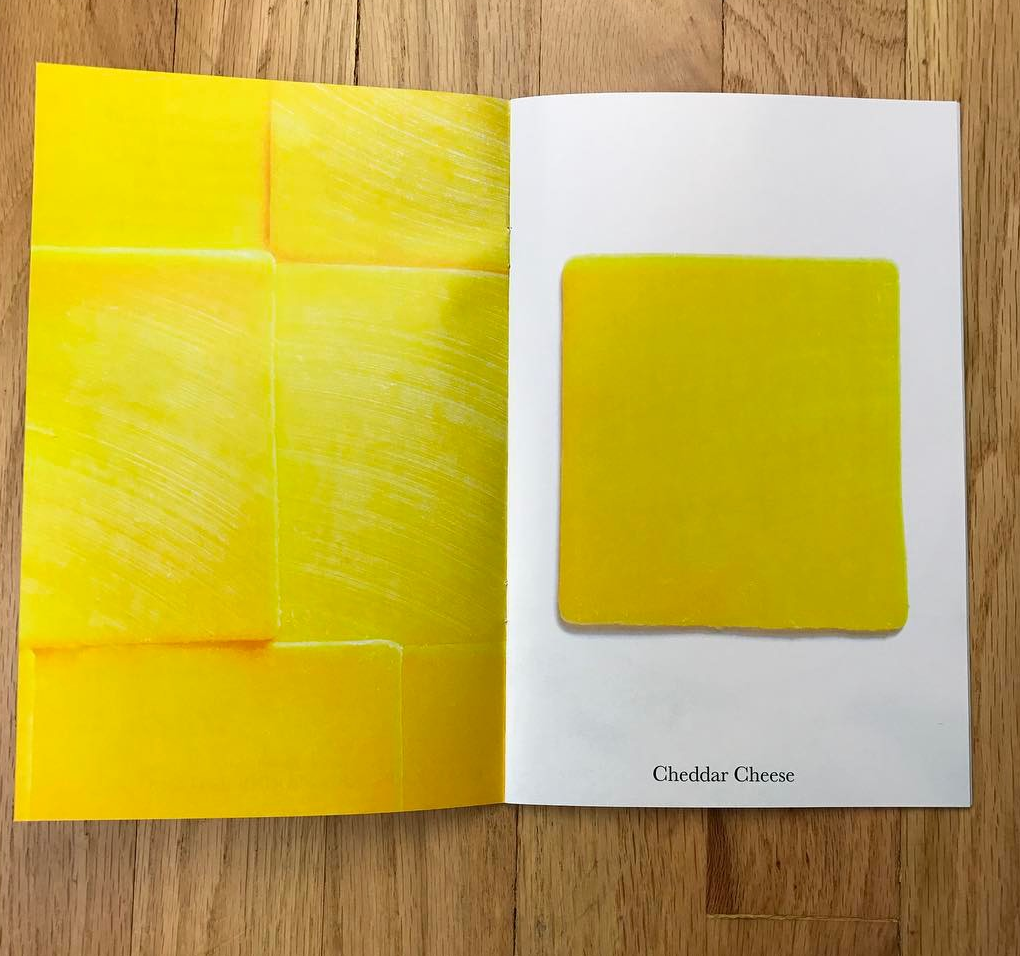
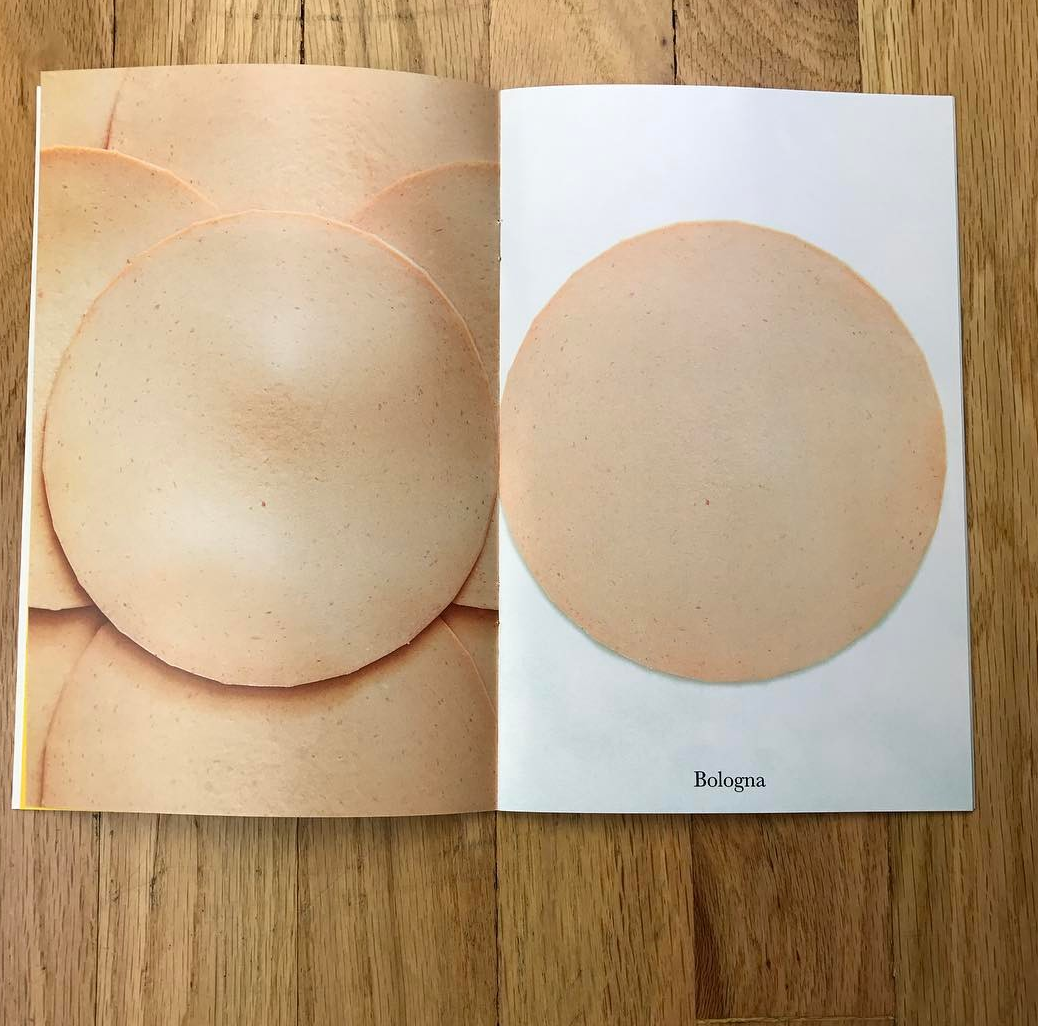
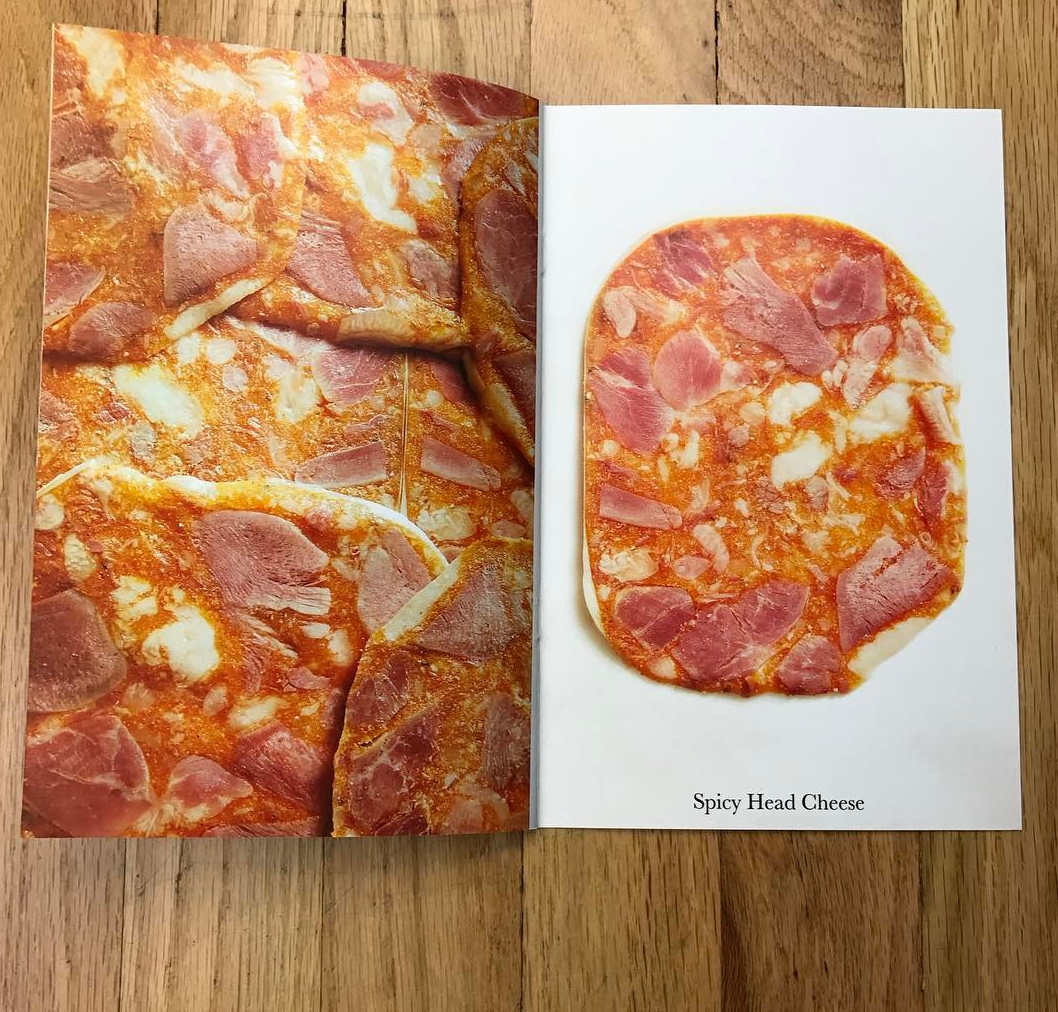
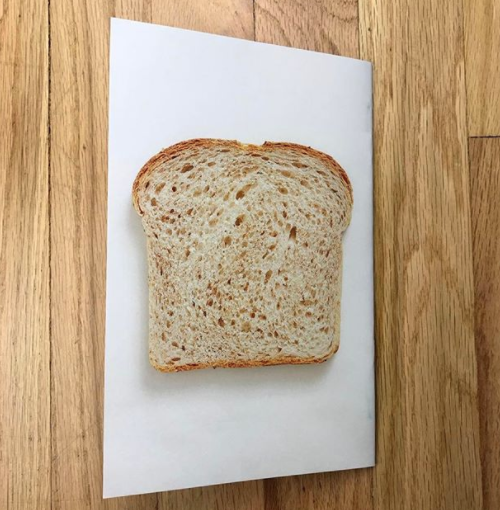
This was the first promo I’ve ever made; I wanted to do something different. I didn’t want to put my best work on a postcard and then have the same images on my website. I wanted to do some something unique and really creative. Plus even if you hate the promo who’s going to forget someone mailed you a booklet that resembles a sandwich?

What made you want to do bread and cheese?
The idea behind the sandwich promo was that I was shooting a photo series on cold cuts. I wasn’t really sure what I was going to do with the series. At the same time I was figuring out how to get paid photo work. I’ve never made a promo before so I came up with this crazy idea to turn the cold cuts into a booklet that resembles a sandwich. I told a few people and they thought it was a great idea so I  decided to make the booklets. I figured photo editors get so many promos, I really needed to stand out.

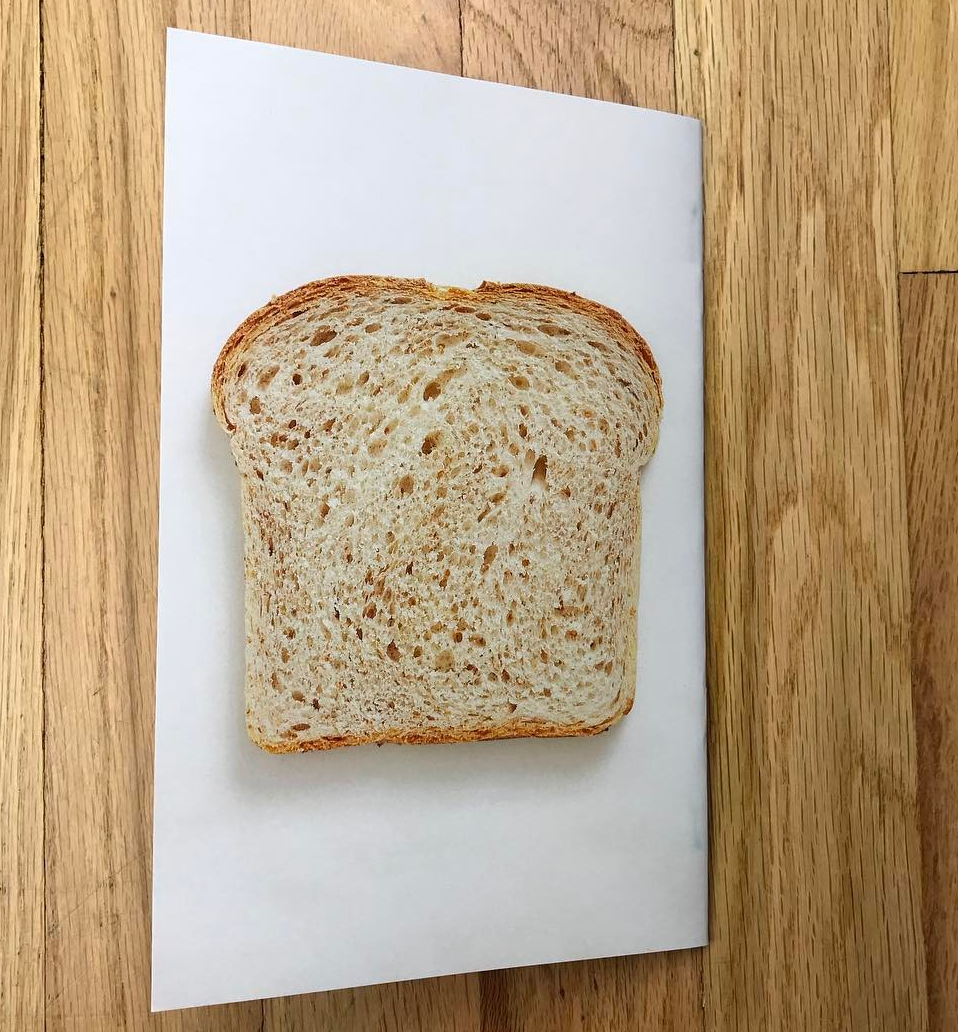
How many slices of bread did you review before picking that one for the closing image?
There is a bakery I go to by my house and I tried 2 styles of bread. A round loaf and a more classic pullman loaf. I shot a couple slices from the round loaf and then a day later I wasn’t happy with the the shape of the bread so I went with the pullman since it’s more of a classic sandwich bread.

This Week In Photography Books: Adger Cowans

by Jonathan Blaustein

Over the last six years, I’ve become addicted to Arsenal Football Club, a soccer team that plays in London. It’s gotten so serious that I even write about the team, for fun, at 7am kickoff, a popular American-run Arsenal blog.

It all started out innocently enough.

After I sold a chunk of photographs, when “The Value of a Dollar,” took off, I was able to buy a nice television, and hook it up to Dish Network. Straight away, they piped in all this international soccer, (for free at first,) and once I was hooked, they yanked it away.

I’ve had to pony up a lot of scratch to maintain the habit ever since.

While I could have ultimately supported a handful of teams, when I first started watching, (and might be happier had I chosen otherwise,) I was successfully charmed by Arsenal’s famed mega-manager, Arsene Wenger.

He’s hard to encapsulate quickly, partly because he’s so multi-talented. He grew up in Alsace, and therefore speaks French and German, in addition to English, Spanish, Italian and a bit of Japanese. He was trained as an economist, is known as a progressive globalist, and brought a certain Continental, Gallic, professorial cool to the thug-life English league in the late 90’s.

He went on to massive glory with “The Invincibles,” his undefeated 2003-4 team, which was immortalized in Nick Hornby’s “Fever Pitch”. Then Wenger, who had previously managed in Monaco and Japan, designed a new stadium for Arsenal, and kept them in the black through years when the club was heavily debt-strapped.

Basically, I became an Arsenal fan, in large part, because Arsene Wenger was “The Most Interesting Man in the World.” Now, though, his temperament is too tetchy. He knows his time is coming to a close, but is battling with every ounce to hold onto his perch.

The short version is that Arsene Wenger is a legend, albeit one whom most fans and pundits feel has hit the retirement zone. He’s good enough to be good, but no longer good enough to be great.

I don’t think he deserves the “MIMITW” title anymore.

Therefore, we need a new “Most Interesting Man in the World.”
Thankfully, I have a proposal for the perfect replacement. You might not have heard of him before, as I hadn’t, but this dude has been involved in SO many interesting things in the 20th, and now 21st Centuries.

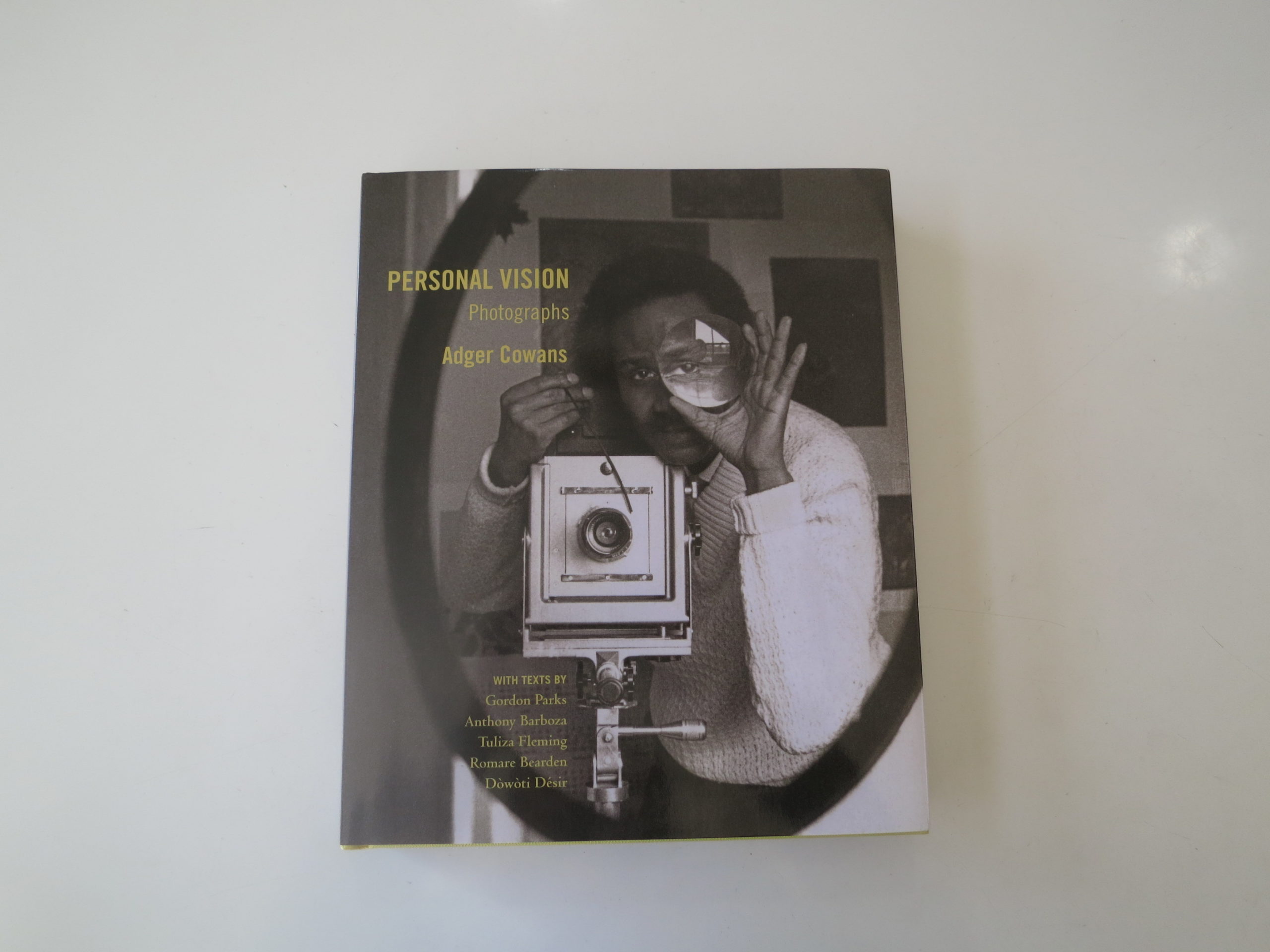
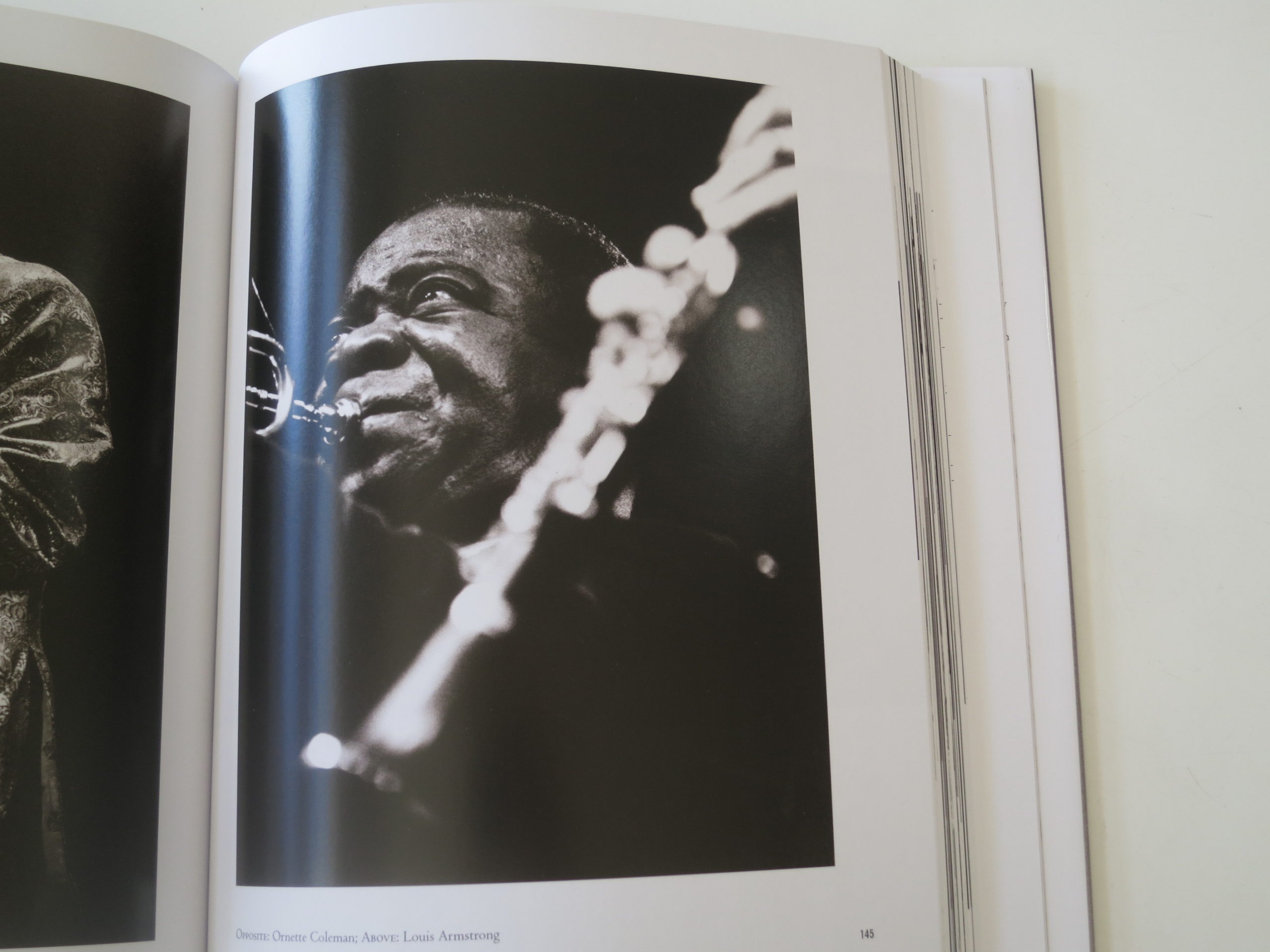
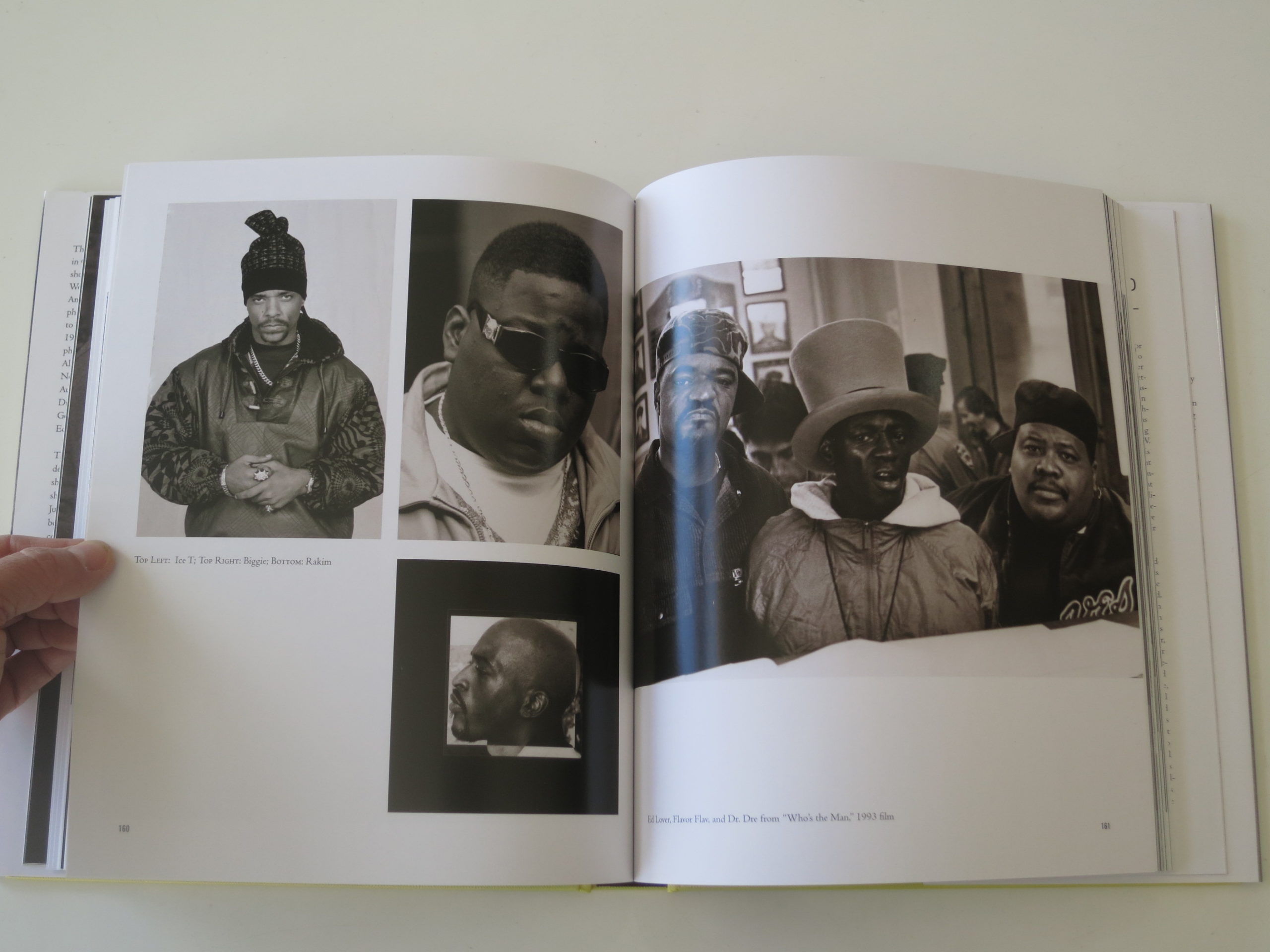
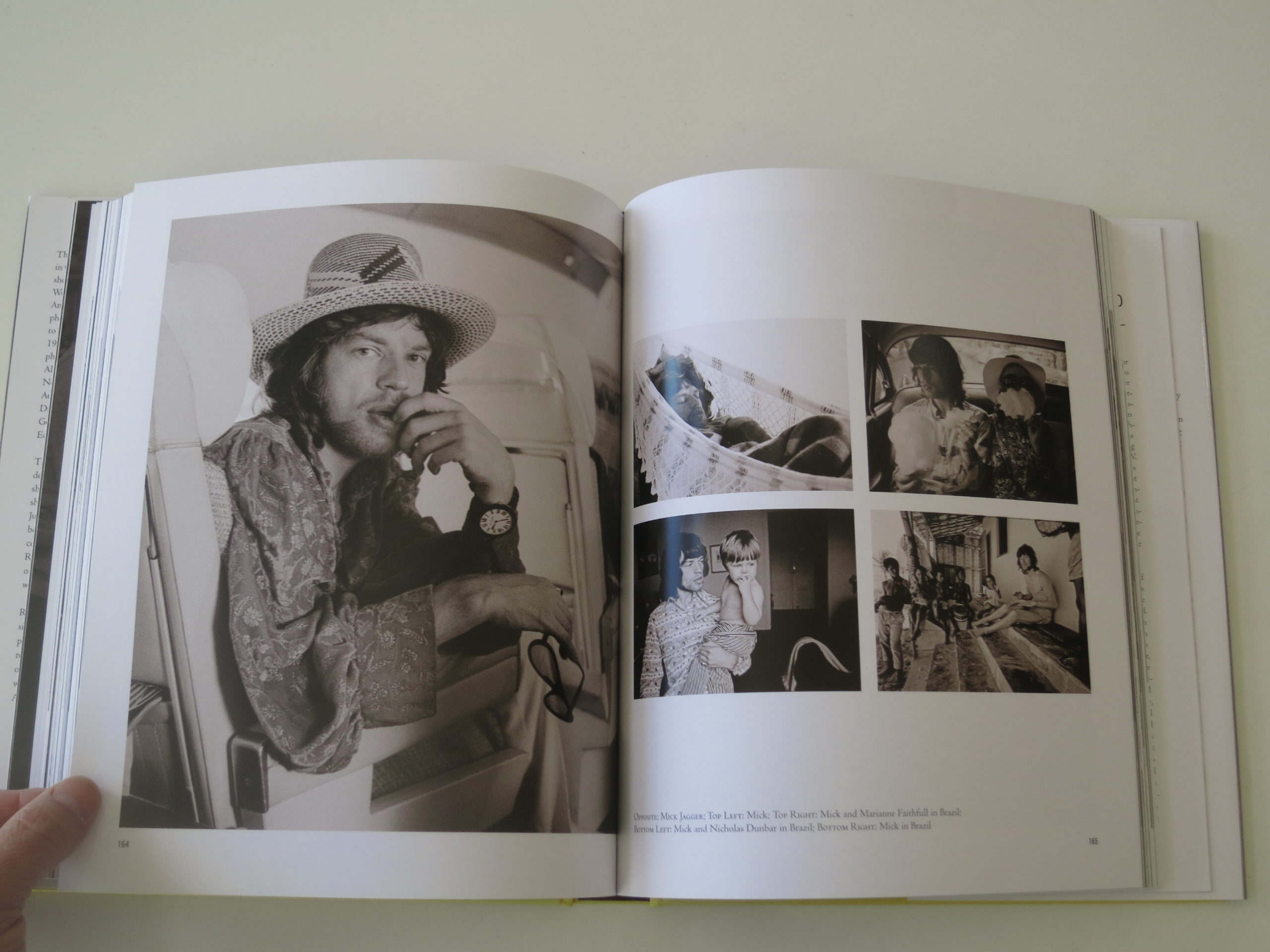
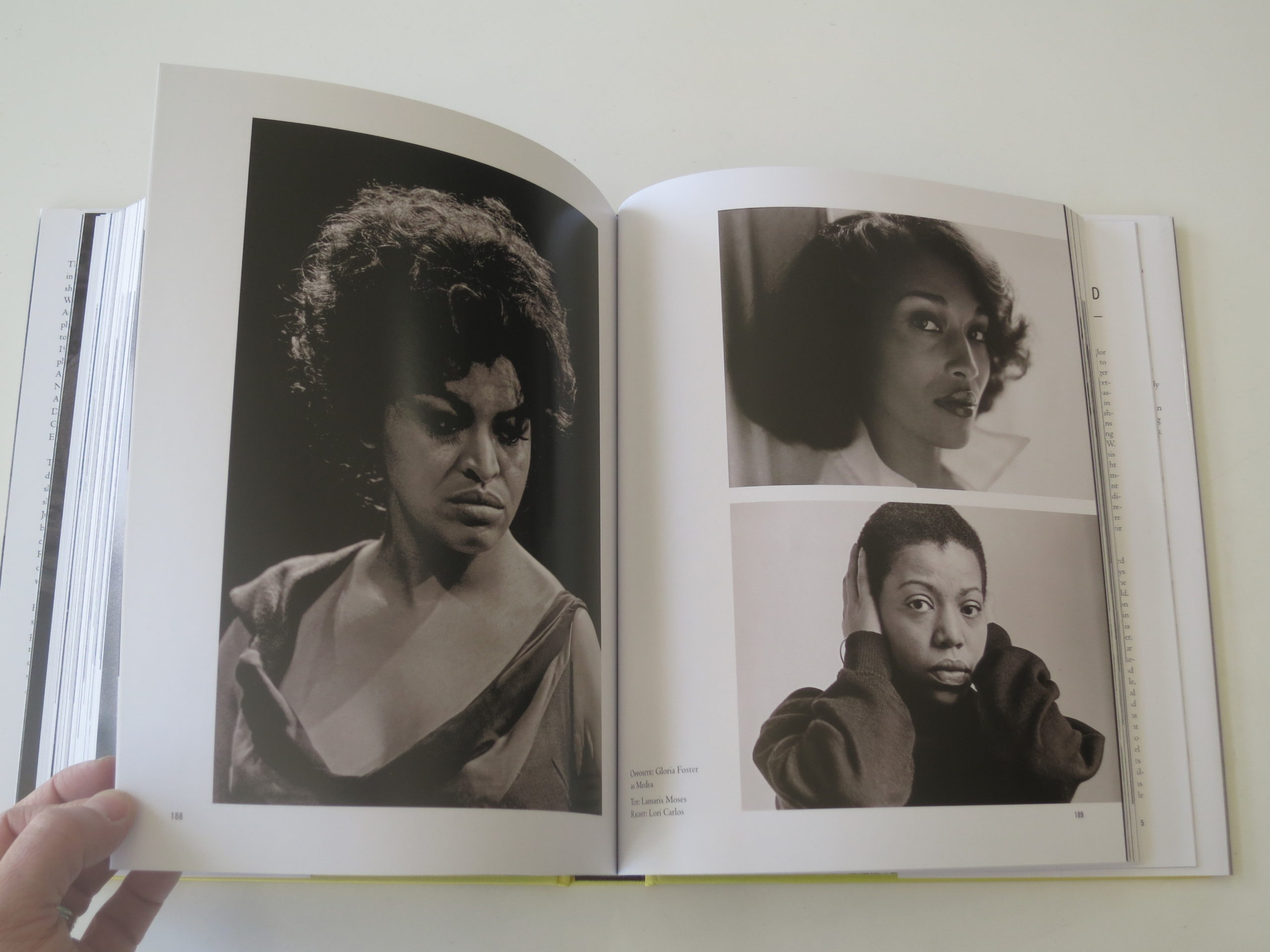
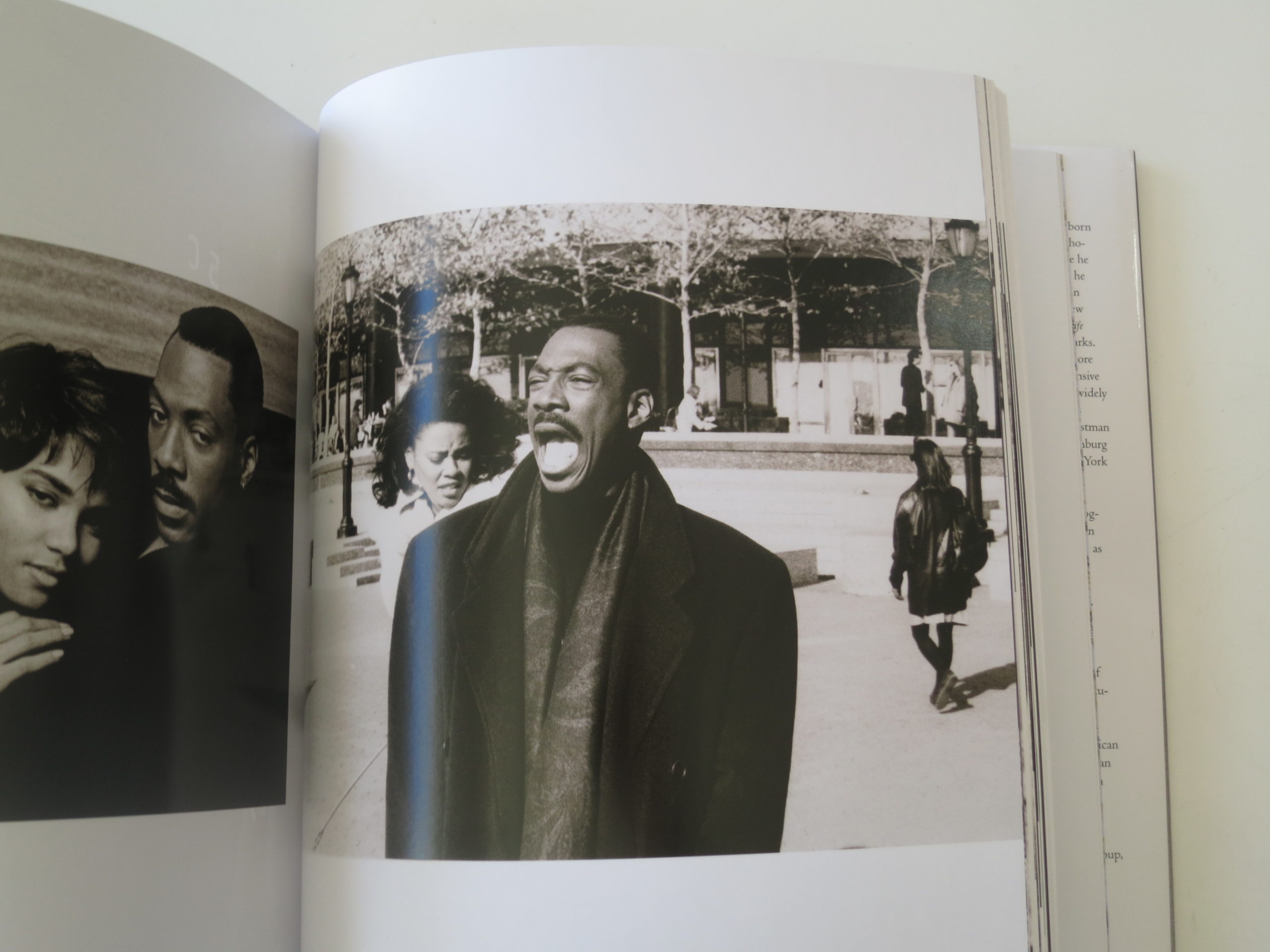
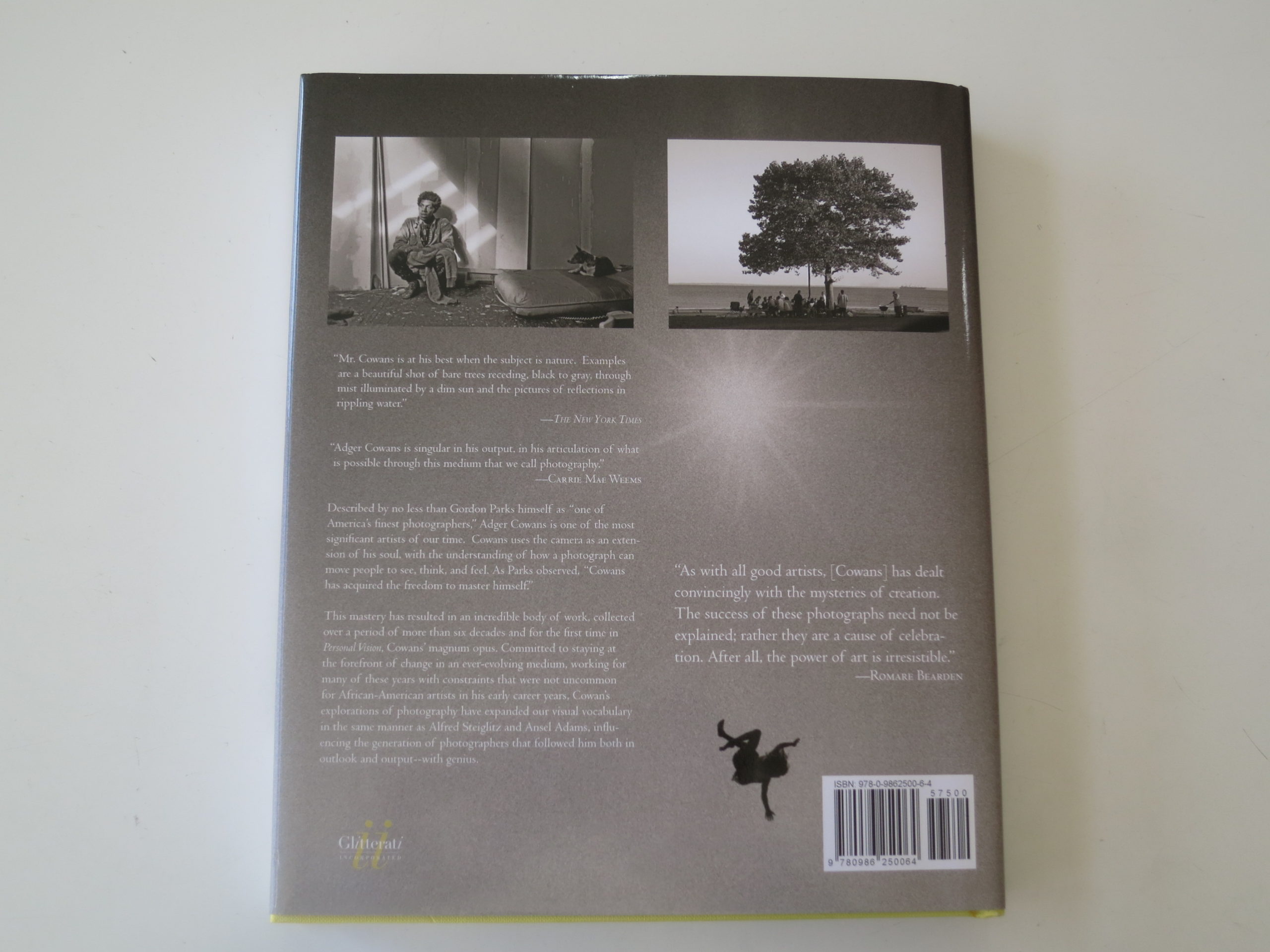
His name is Adger Cowans, and I just finished looking at his new book, “Personal Visions: Photographs,” recently published by Glitterati. Take heed, as Mr. Cowans seems like a genuine candidate for the title, if this book is to be believed.

Adger Cowans grew up in a creative family in Ohio in the 1930’s and 40’s, and was surrounded by art and photography from a young age. There’s context provided for his hyper-productive career, which is then backed up by various statements referring to his massive charisma. Tuliza Fleming, a curator at the new National Museum of African American History and Culture, specifically mentioned she’d noticed the power of his personal “cool.”

Better yet, in an afterward, Dowoti Desir, a writer described by the New York Times as a voodoo scholar and practitioner, writes things about him that can only be described as mystical.

One example: “His sacred counterparts are nested among the forces of the Afro-Atlantic spiritual traditions such as the Marassa, the twins of the Haitian Vodou system.”

Another: “Cowans is the silent warrior on our path, the mayuba or the chameleon whose most powerful attribute is its ability to emulate or recreate the environment around them in every meticulous detail, while remaining true to its core.”

I bet he has your vote for “Most Interesting Man in the World” already, and we haven’t even talked about the pictures yet.

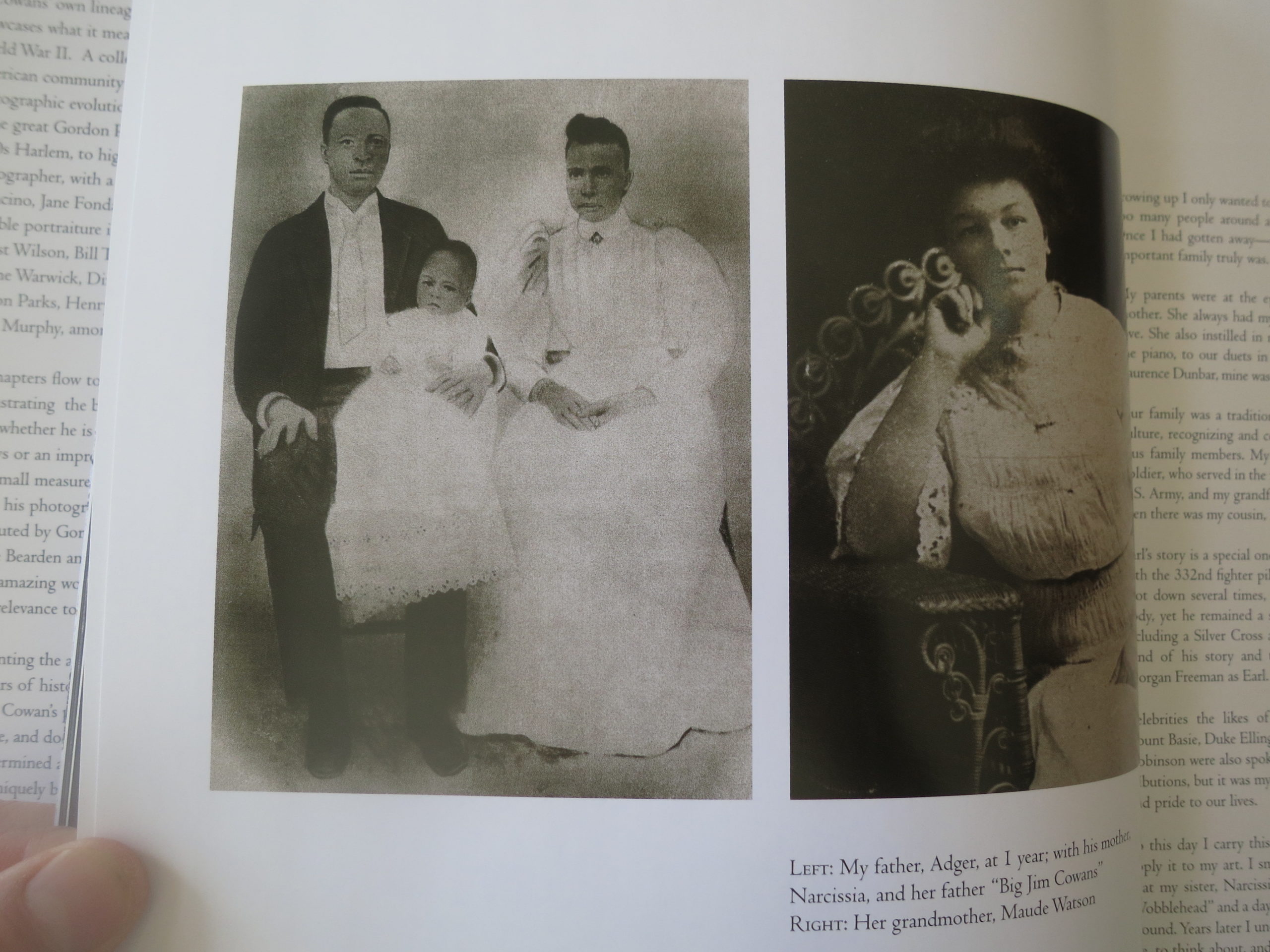
The book opens with essays and a personal narrative, including photographs of his family. (This book is built around his life, as well as his work.) There’s actually a picture at the very beginning, of his father, grandmother, and great-grandfather that is so creepy I almost don’t want to photograph it later. (But I will.)

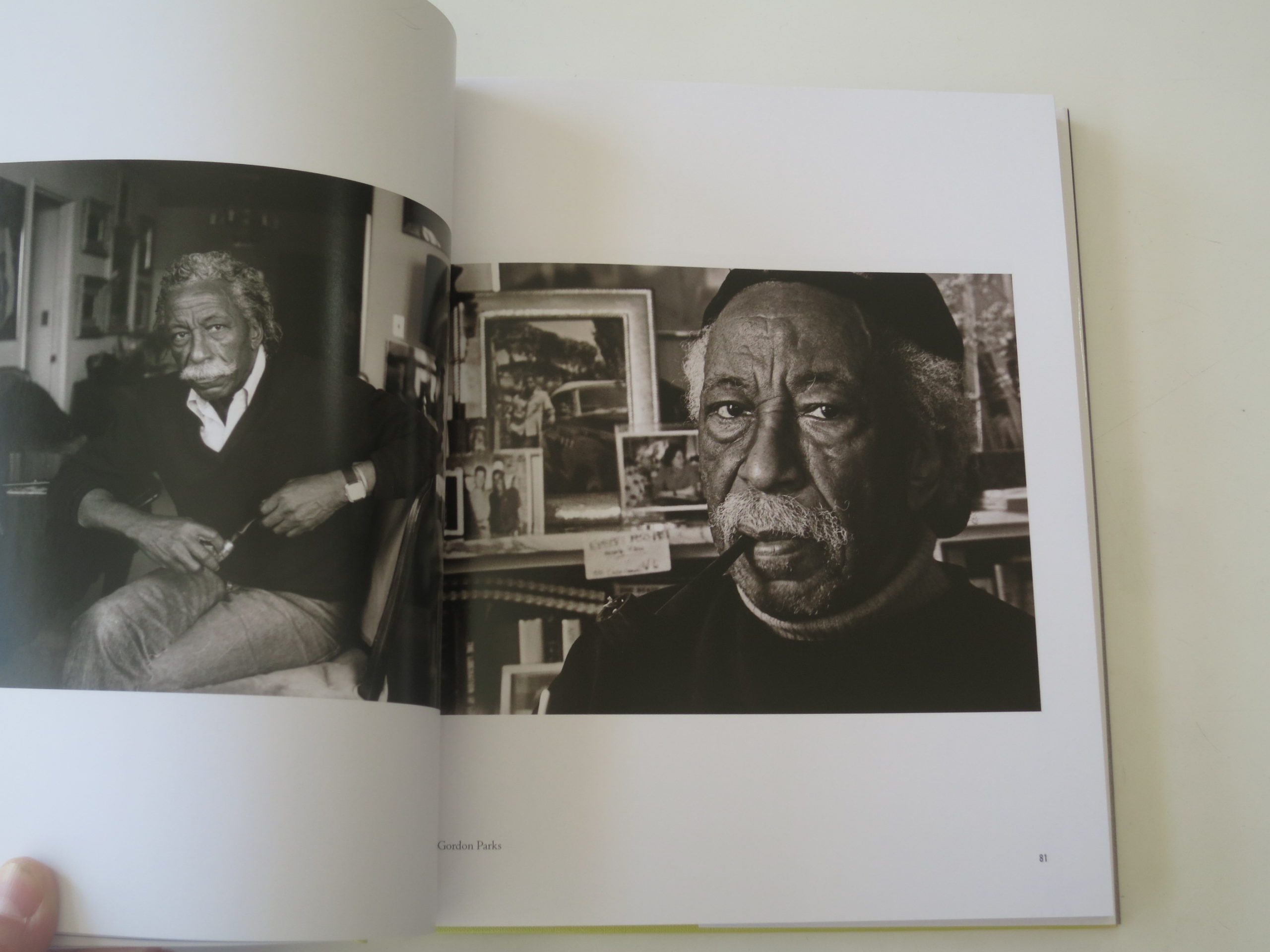
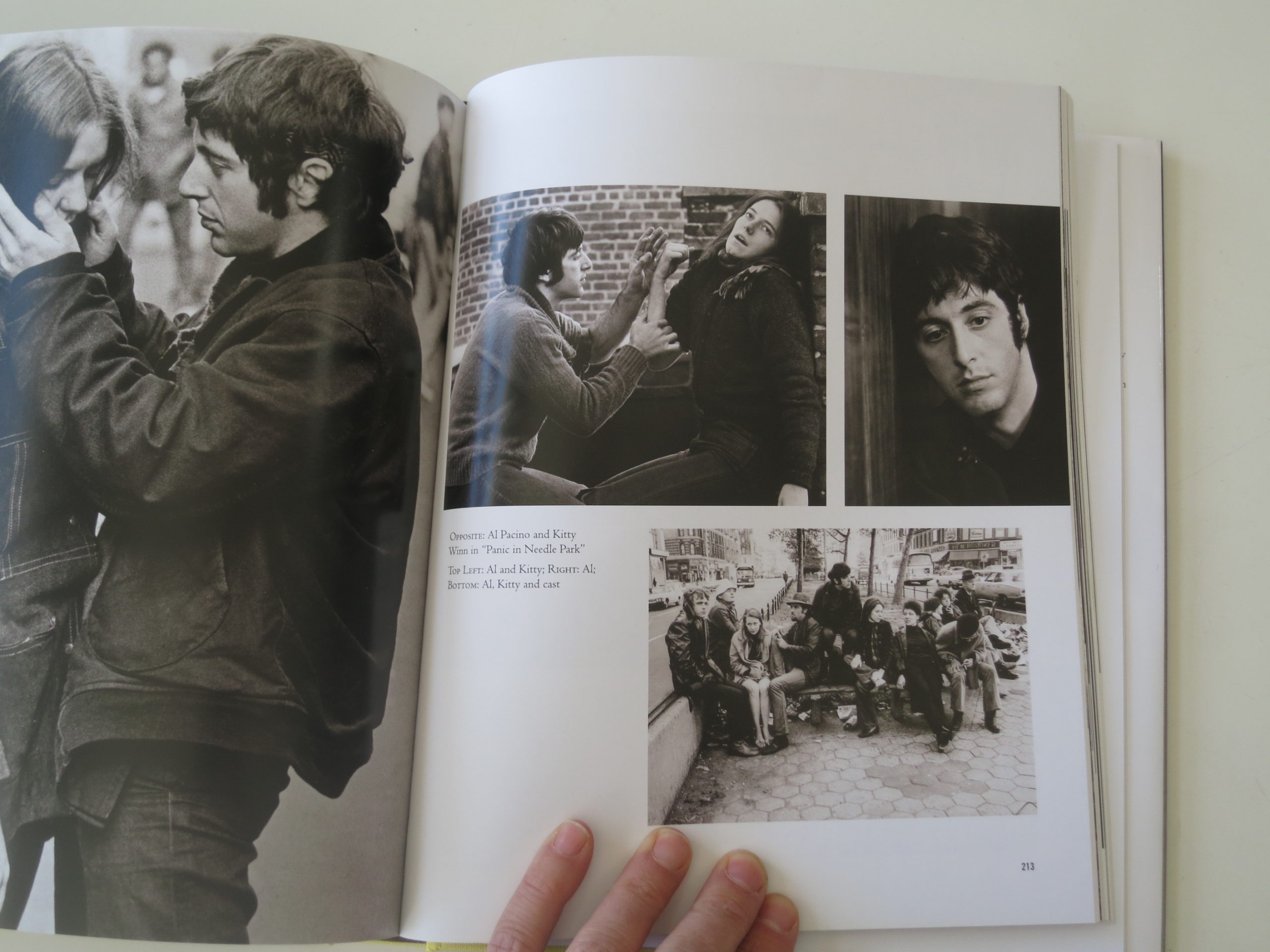
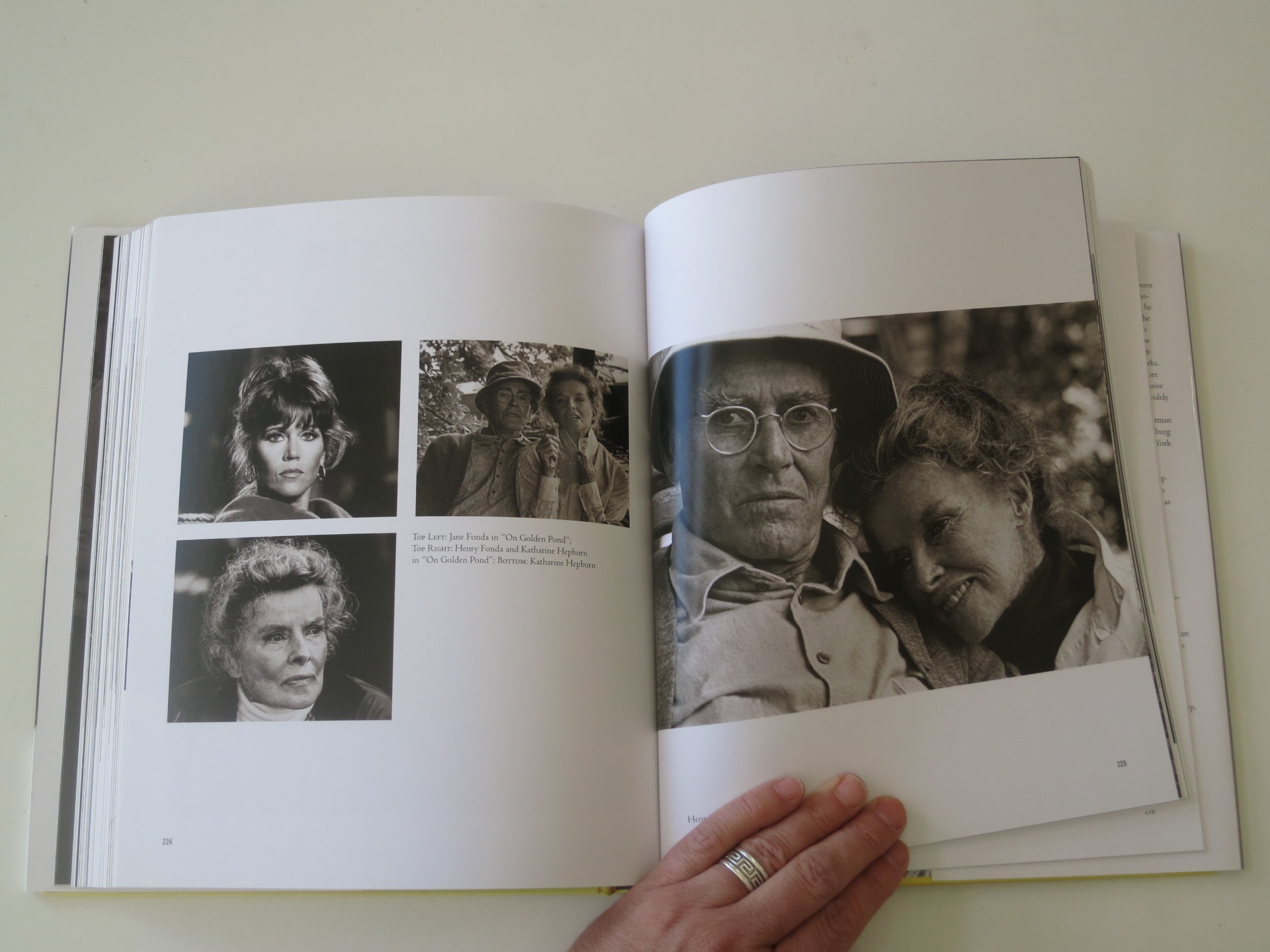
After a stint in the Navy, Adger Cowans went to New York to apprentice with Gordon Parks, have a stint as a street photographer, shoot countless musical celebrities, and work as the set photographer for more than 20 movies in the 70’s and 80’s, including seminal films like “On Golden Pond,” “School Daze” and “Dirty Dancing.”

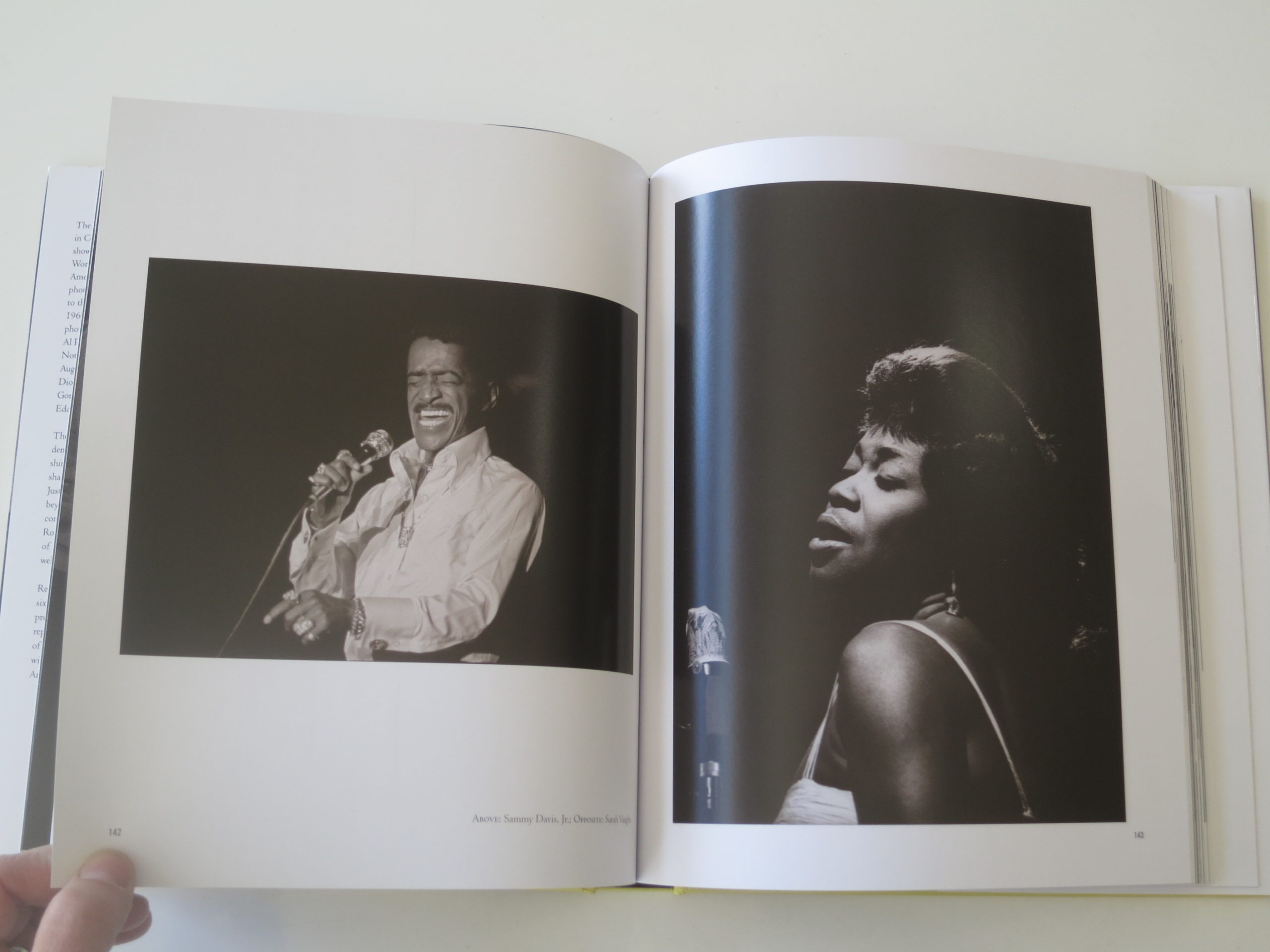
Adger Cowans has photographed Malcolm X, Muhammad Ali, Mick Jagger, Henry Fonda, Jesse Jackson, Samuel Jackson, Louis Armstrong, Sarah Vaughn, Biggie Smalls, Al Pacino, and so many, many more.

The book doesn’t seem to be tied to any current exhibition, so it’s more likely a career-encapsulator, as I think Mr. Cowans is “approximately” 80. I’m not exactly sure of his age, as the book’s only weak spot is that it doesn’t provide dates for any of the photographs.

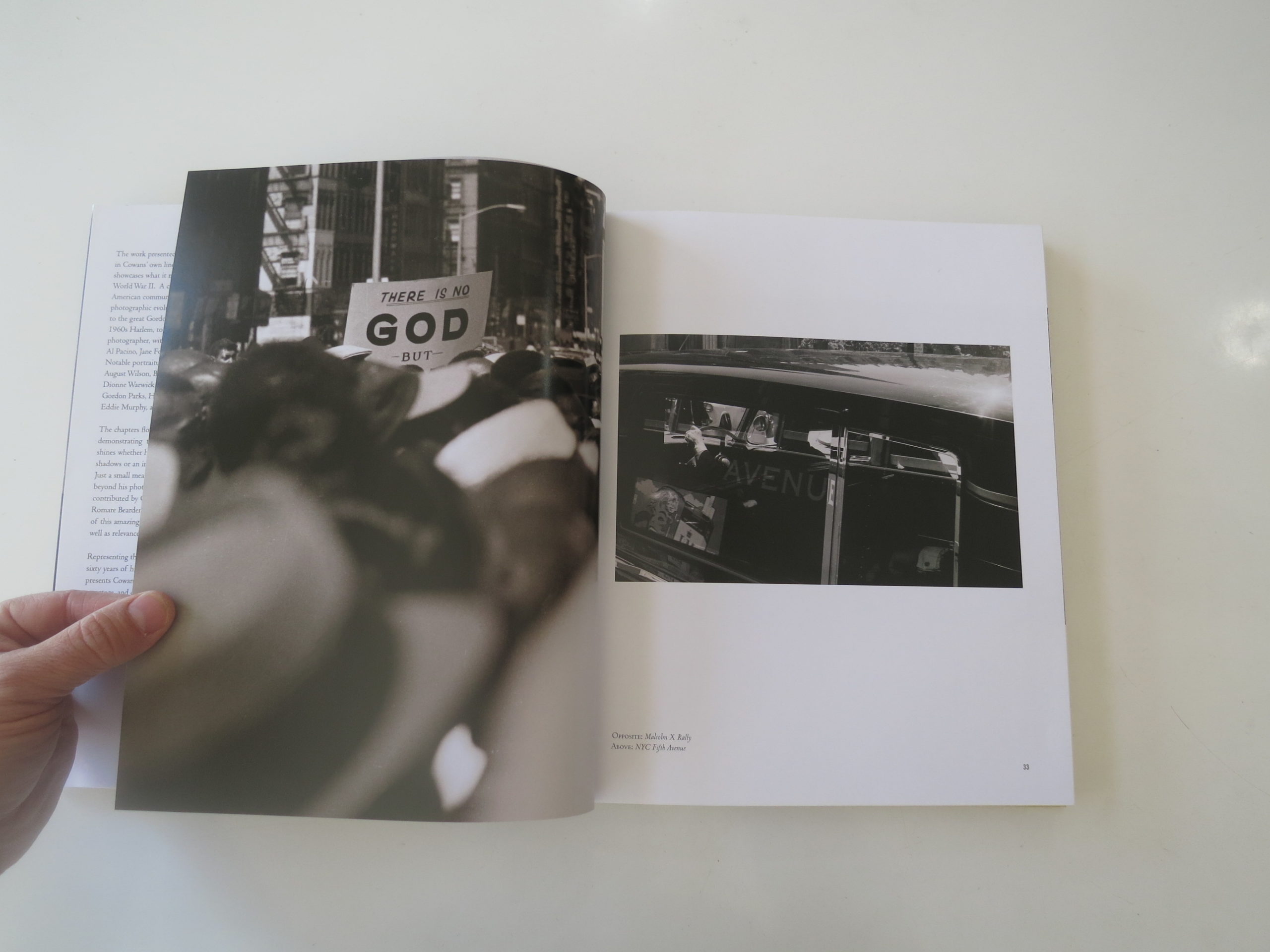
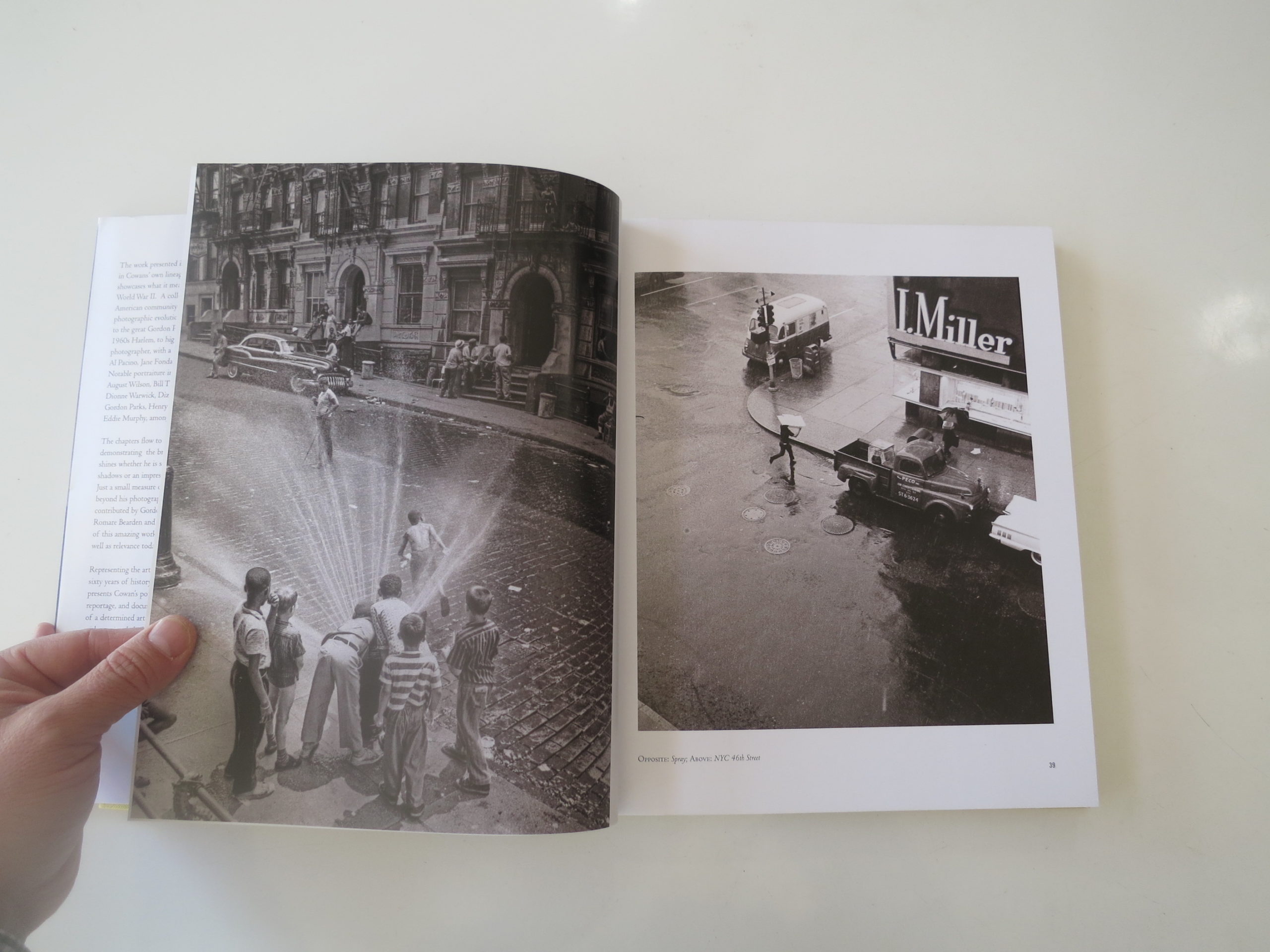
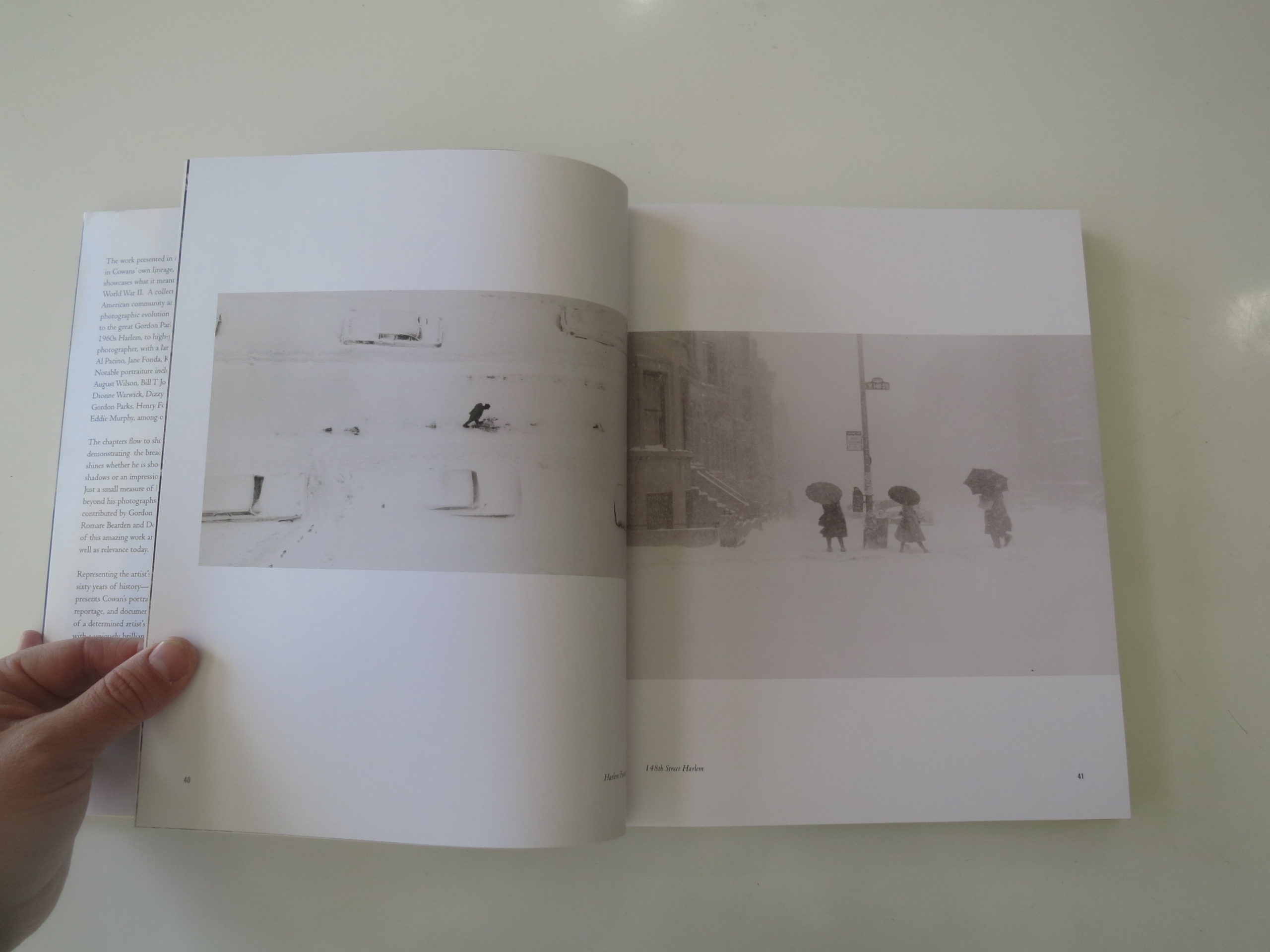
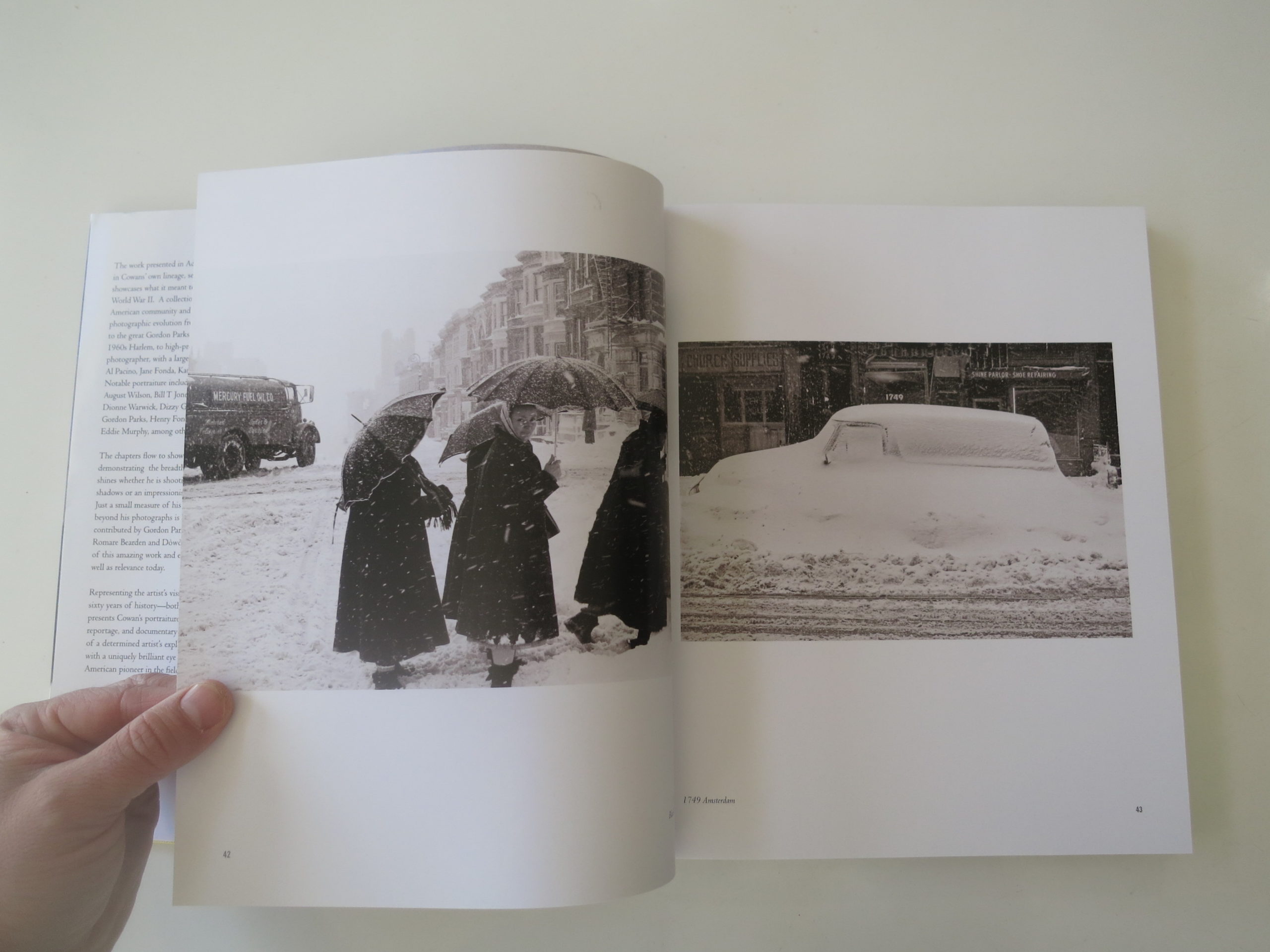
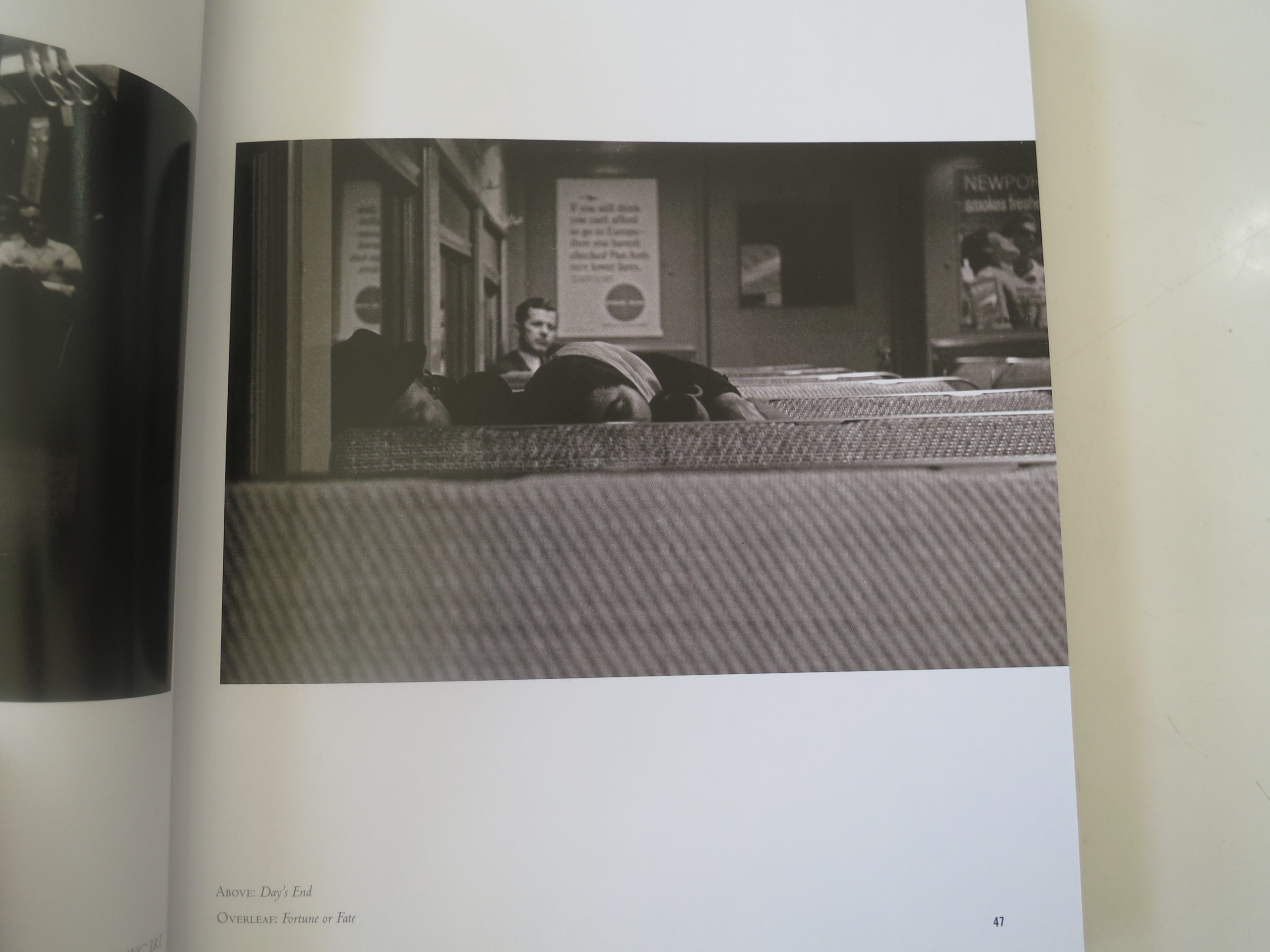
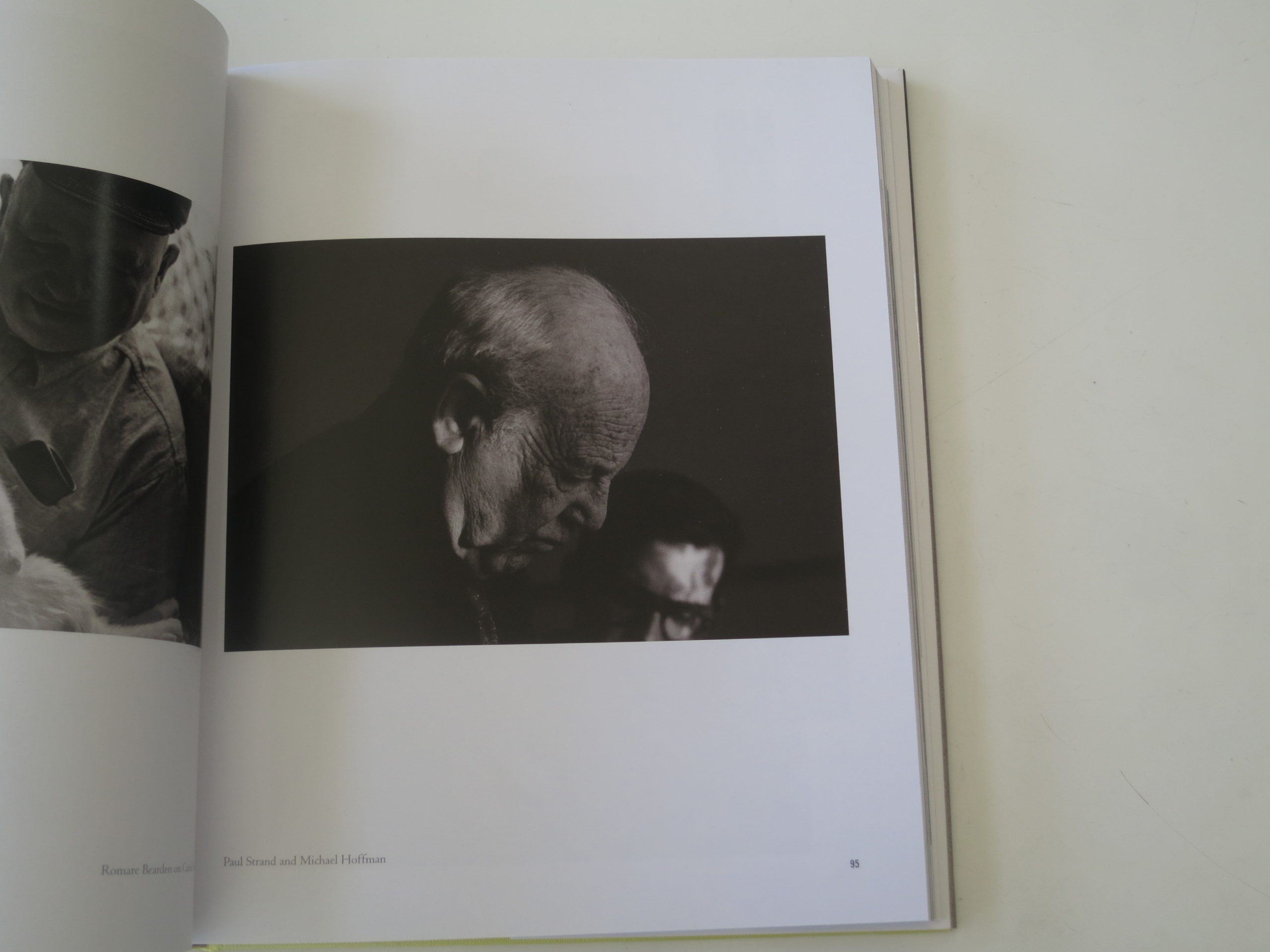
There are multiple sections, and each opens with a quote from an established photography master. (Erwitt, Sander, Weston et al.) The first, featuring street photos from the late 50’s and early 60’s was my favorite, as the best evoke a romanticized version of New York, even though they’ve got uptown street cred. (The snow-covered car and umbrellas-in-the-snow couplet was particularly magical.)

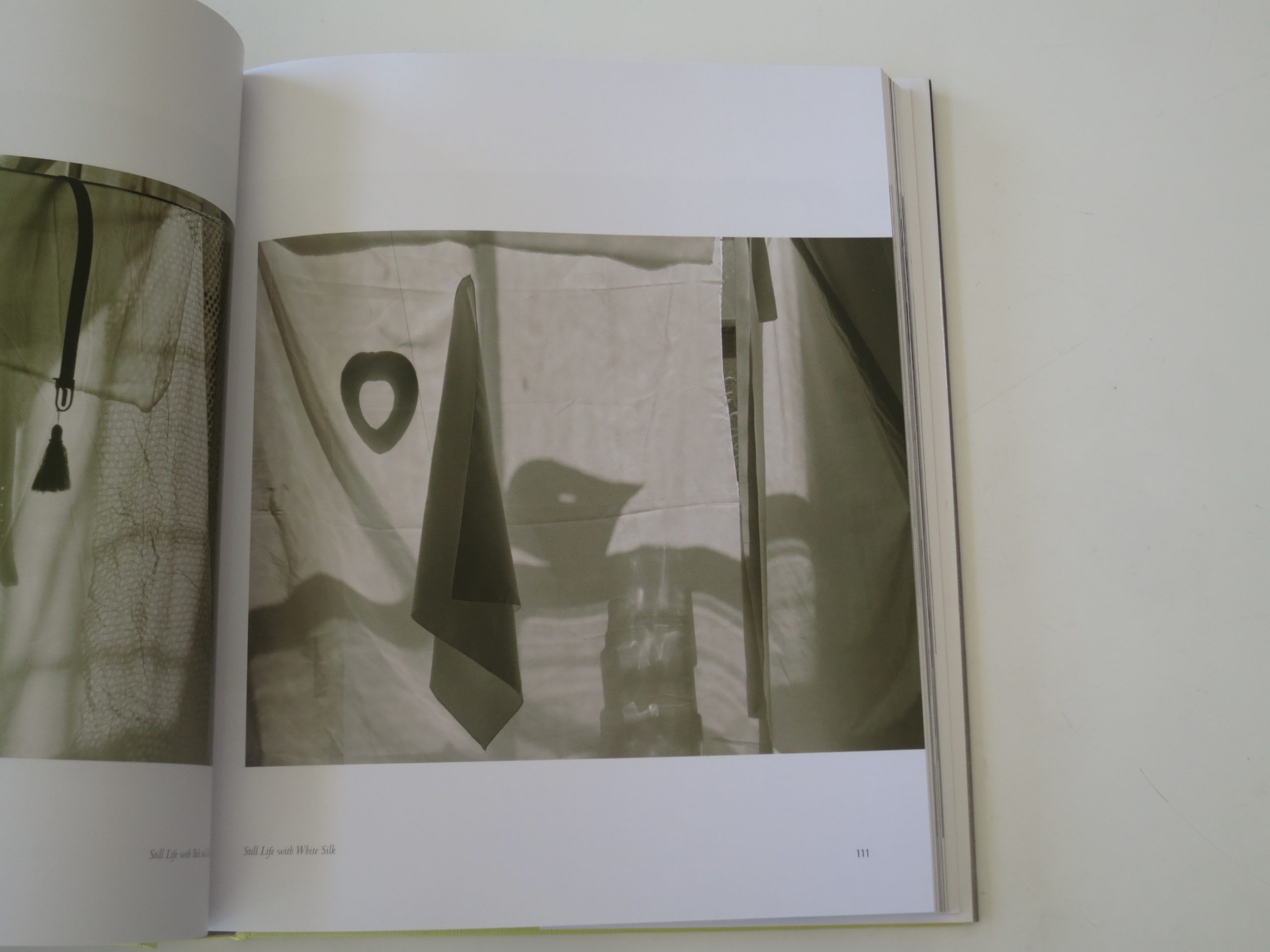
Apparently, Mr. Cowans also paints, makes music, and works with fiber, bolstering his Renaissance Man stature. The book riffs on that distinction, showing different phases of his photography discretely, including digital concoctions, still lives, and experimental imagery.

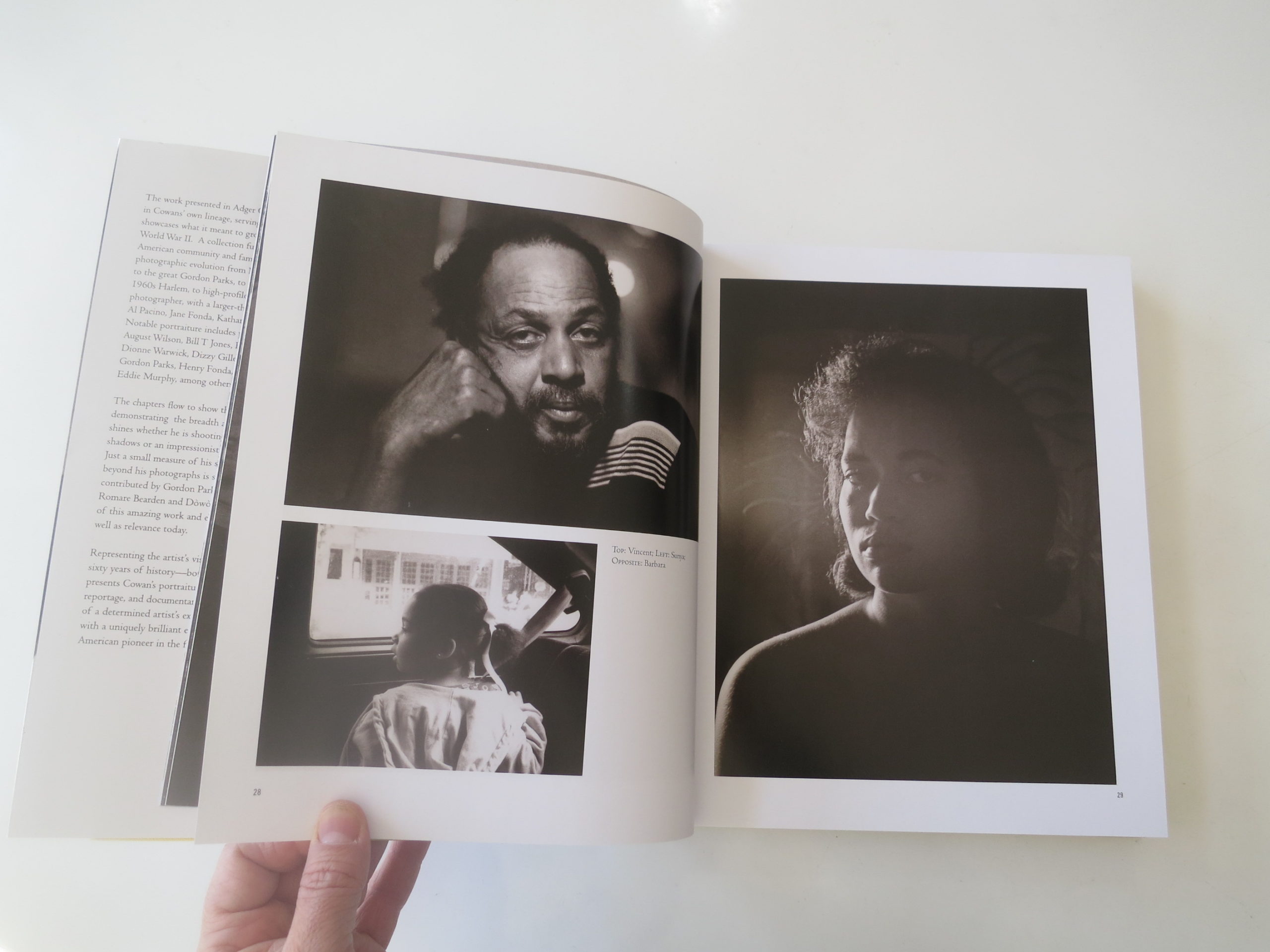
Not all of the photographs are classics, it should be said, but many of them are really excellent. In particular, I loved the early portrait of Barbara, whom I believe is the mother of his son Eden.

It is oddly intimate to have that family-album-element, but it definitely hooked me into this book. By digging in, I learned about elements of the African-American art community of which I was wholly ignorant. (He was a part of two important art collectives, Kamoinge and AFRIcobra.)

My experience writing about this book was unique, as it strangely enticed me to spend more time than I’d originally planned. First, I looked at it, thought it was cool, and then sat down to write, as I always do. I tried and tried, and then gave up after 6 attempts.

That’s never happened before.
Ever.

Instead, I sat down by the fire, and read it cover to cover, then skimmed back over several parts again. I looked at the images few more times as well, to better understand his career arc.

For whatever reason, this book required more of me than a flip-through and a witty response. I’m not surprised though, now that I know Adger Cowans might just be the Most Interesting Man… you get the point.

Bottom Line: A Funky, fascinating lifetime of work by an African American photographic badass

To Purchase “Personal Visions: Photographs” Go Here: http://glitteratiincorporated.com/products/personal-vision-by-adger-cowans

The Art of the Personal Project: Kris Davidson

Personal Projects are crucial in showing potential buyers how you think creatively on your own. I am drawn to personal projects that have an interesting vision or show something I have never seen before. In this revised column, I’ll include a link to each personal project with the artist statement so you can see more of the project. Please note: projects are found and submissions are not accepted.

Today’s Featured Artist: Kris Davidson

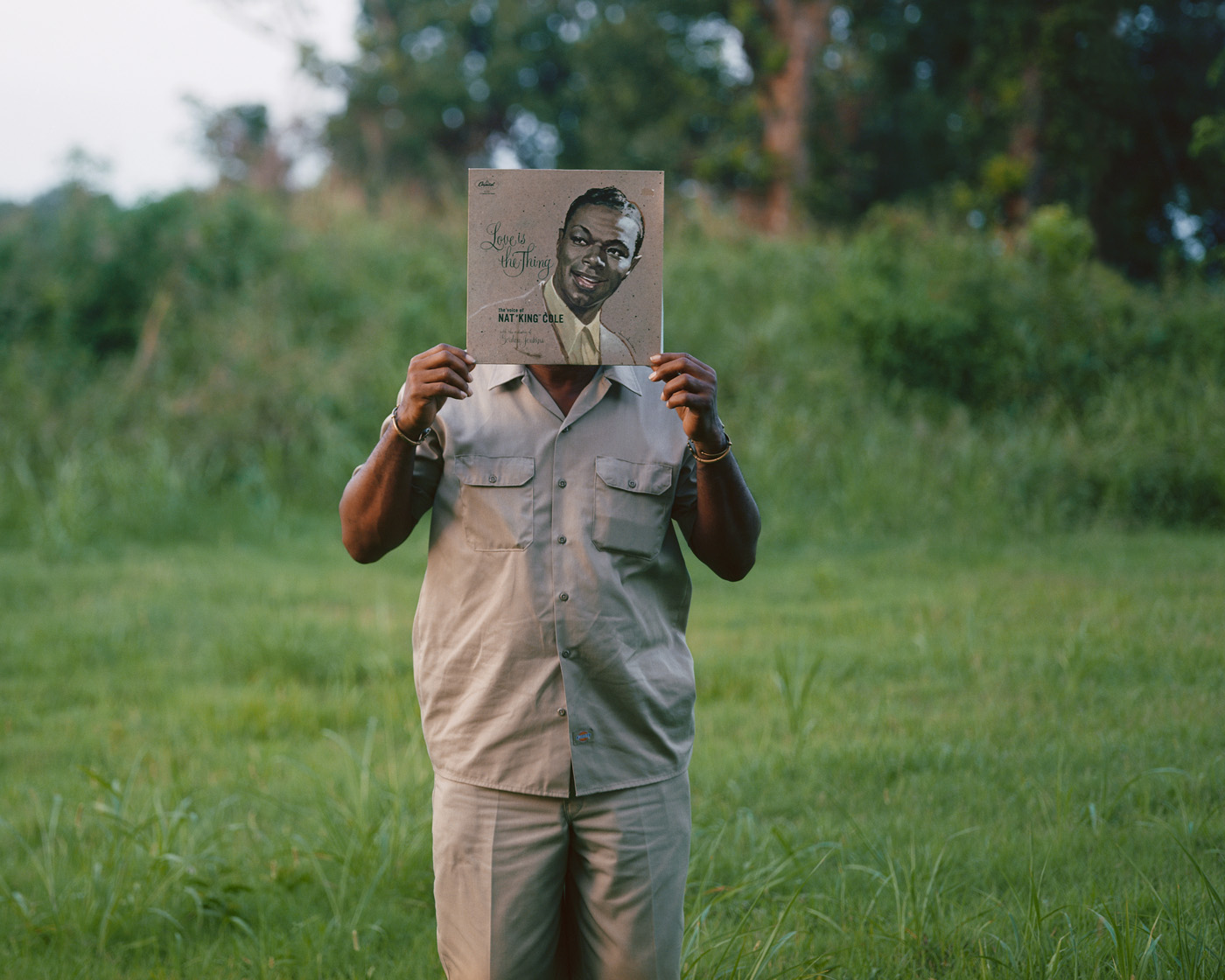
Walter as Nat King Cole (Love is the Thing)
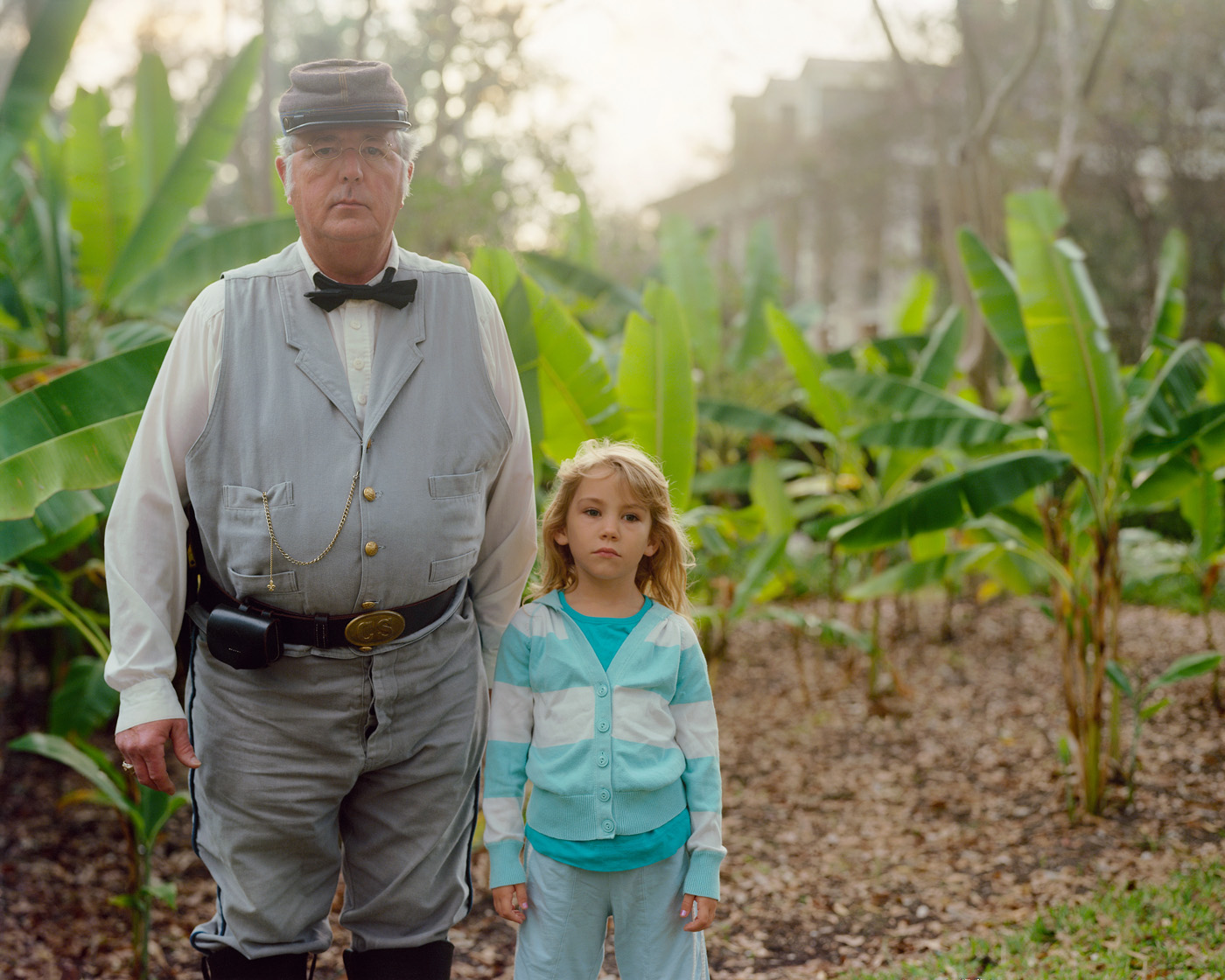
Sasha and the Confederate Colonel
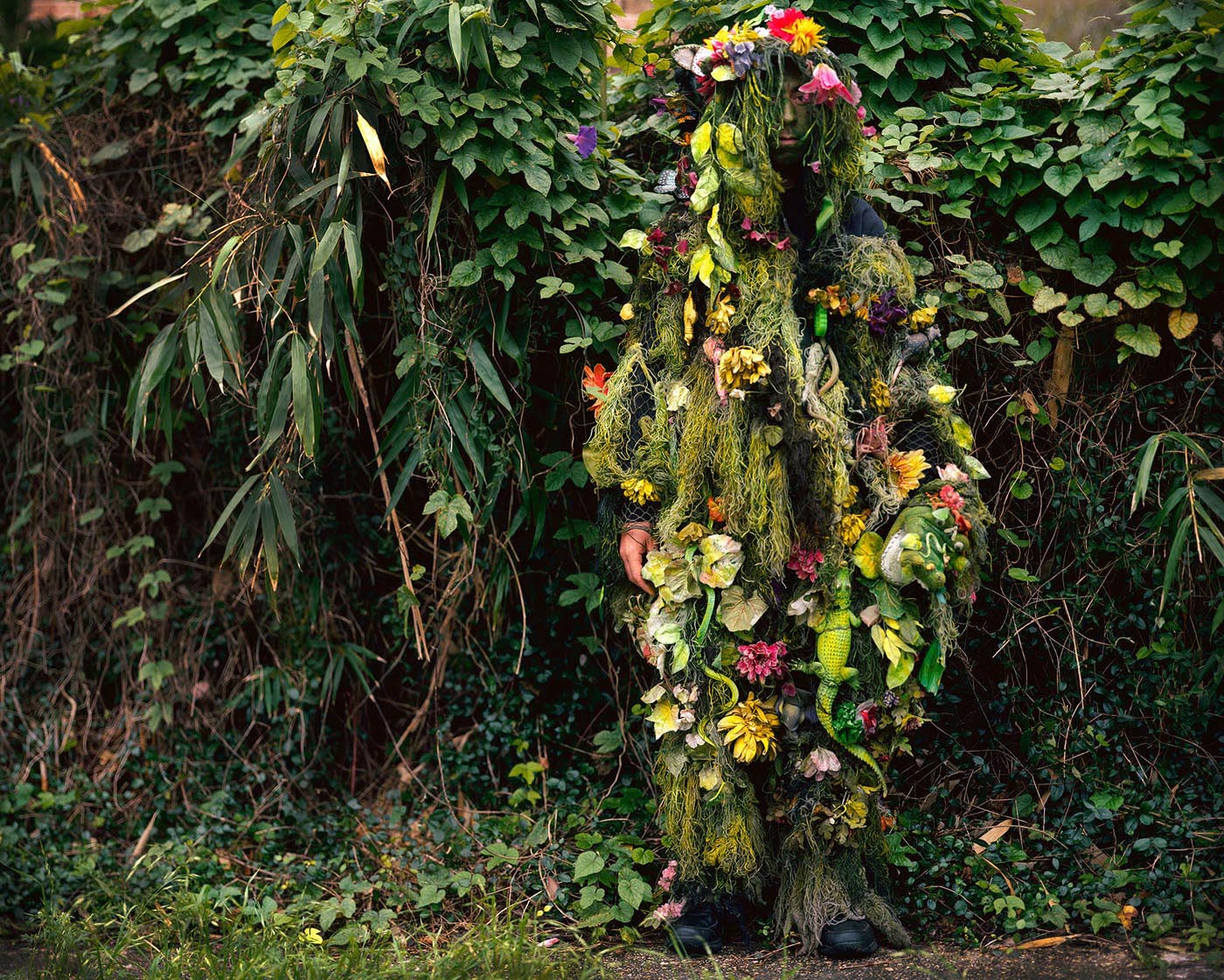
Swamp Thing, French Quarter street performer in New Orleans, Louisiana.
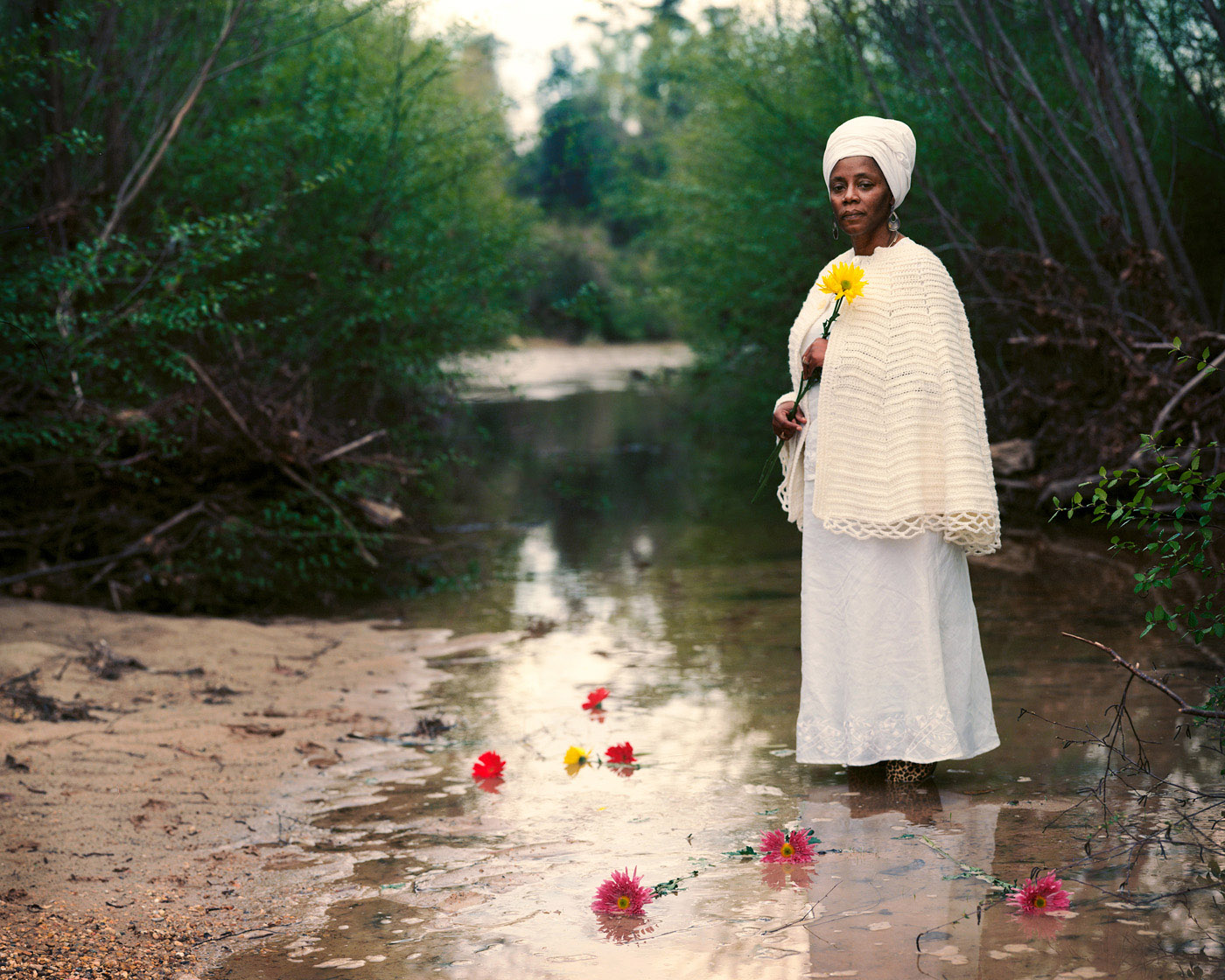
Antoinette, a slave genealogist, performing a commemoration for her ancestors in Kentwood, Louisiana.
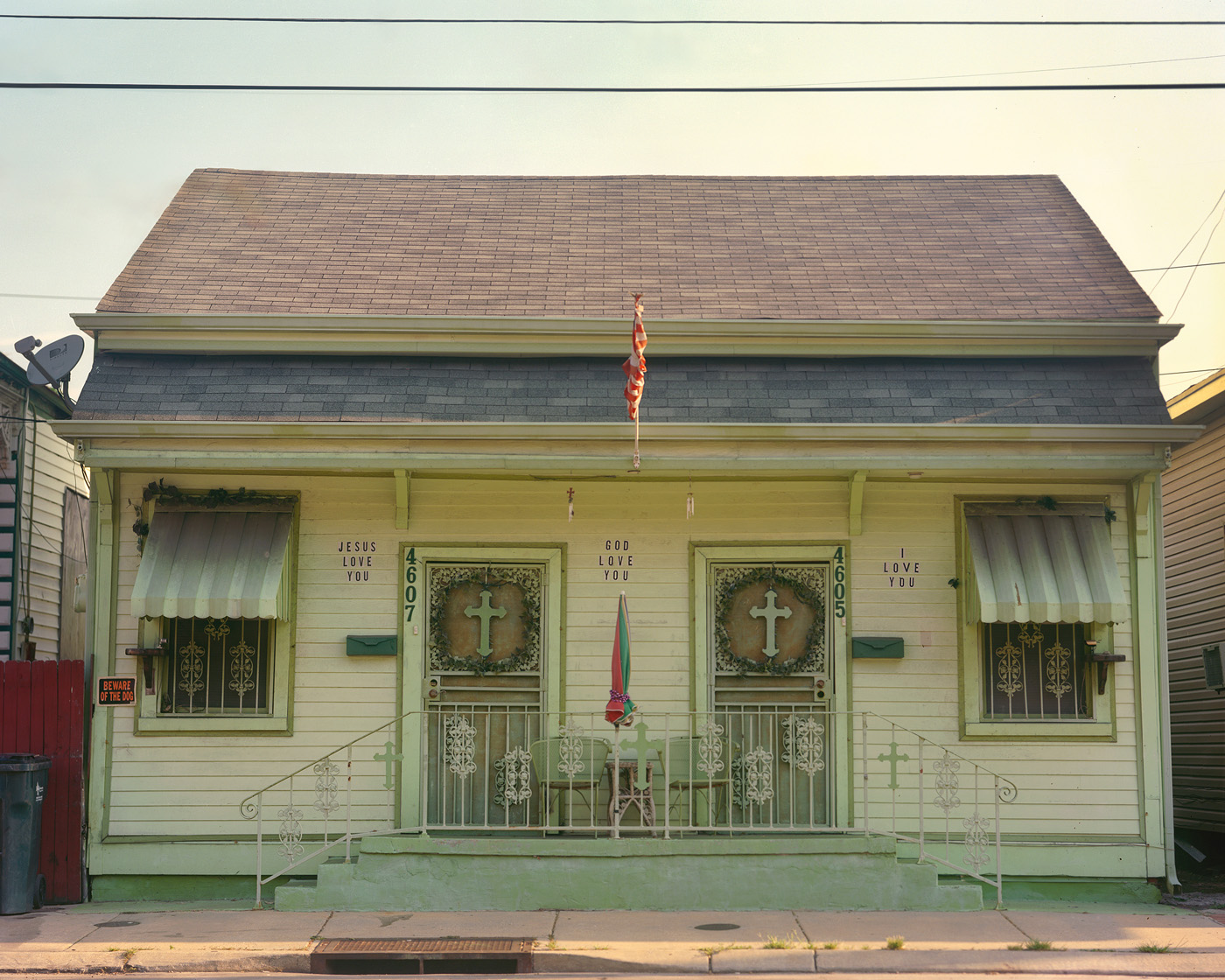
Jesus Love You, God Love You, I Love you – house in New Orleans, Louisiana.

http://www.krisdavidson.com/PROJECTS/IN-THE-SOUTHERN-GARDEN/thumbs

KRIS DAVIDSON // PROJECT STATEMENT // In the Southern Garden
MEDIUM:  20”x 24” and 30”x 40”prints on archival matte paper. 
SUMMARY: In the Southern Garden is a photographic study of how history lives on in the American South; primarily a portrait series, the project depicts southerners from all walks of life wearing their history

“The life of the dead is placed in the memory of the living.” — Marcus Tullius Cicero

In the Southern Garden is an exploration of how individual identity and everyday life continue to unfold in the American South, a place where the past is always present and constantly in a state of revision by the people who tell and re-tell their stories over time. Using a 4×5 view camera, the image-making process is slow, deliberate and collaborative. This project looks at how Southerners understand and wear their own history. 

The American South is lush, green and dominated still by vast expanses of the arable land that gave rise to a slave economy. The idea of a garden serves as a metaphor for the nature of memory, which is seeded and cultivated, and yet, grows wildly when left untended.  The portraits are typically made in garden settings, farming areas or in nature. Some of the portraits feature subjects directly referencing their embraced history (such as Confederate re-enactors or Harriet Tubman) while others are more subtle in every-day dress. It is in bringing all of these portraits together, that history conflates, strangely revealing parallels and intersections of the African-American and white narratives. Every subject is treated with respect. Every subject is an American.

The American South is a place that is tragic, strong, graceful, insolent, optimistic, beautiful, conservative yet wild — teeming with memories that are overgrown and intertwined like untended foliage along the banks of the Mississippi River.

—————

APE contributor Suzanne Sease currently works as a consultant for photographers and illustrators around the world. She has been involved in the photography and illustration industry since the mid 80s. After establishing the art buying department at The Martin Agency, then working for Kaplan-Thaler, Capital One, Best Buy and numerous smaller agencies and companies, she decided to be a consultant in 1999. She has a new Twitter feed with helpful marketing information because she believes that marketing should be driven by brand and not by specialty. Follow her at @SuzanneSease.

Pricing & Negotiating: Athlete Portraits for a Beer Brand

Craig Oppenheimer, Wonderful Machine

Shoot Concept: Portraits of a professional athlete against a solid background captured on location alongside a video production

Licensing: Advertising and Collateral use (excluding out-of-home and broadcast) of up to two images for one year

Location: A stadium in Los Angeles

Shoot Days: One

Photographer: Portraiture and active lifestyle specialist

Agency: Medium in size, based in the Midwest

Client: A beer brand

Here is the estimate:

Creative/Licensing: The agency was in pre-production for a video shoot featuring a professional athlete and they hoped to capture portraits of the athlete alongside that project on the same shoot day. Given the availability of the athlete and the busy shoot day, the agency anticipated that the photographer would have about 30-45 minutes to capture two types of portraits; one posed shot of the athlete holding the product, and another shot of the athlete in action with various equipment. Other than the time constraint, the portraits were rather straightforward, especially considering the agency planned to provide the location, styling and general production coordination through the video team.

Based on the layouts/comps we received, it was clear that they intended to use the images primarily for in-store displays and other collateral pieces, however the requested licensing included use for all advertising and collateral purposes for a year. Based on this, I valued the first image at $8,000 and the second image at $4,000, totaling $12,000. They also asked for an option to extend the licensing to include an additional year, which I priced at 50% of the 1-year rate.

Pre-Production Day: I included one day for the photographer to line up his crew and correspond with the agency and video team to prepare for the shoot day. It’s often expected that a photograhper will bring on a producer when shooting alongside a video team to handle correspondence with the client, agency and video production team, but for this project it was clear that the art buyer from the agency would be filling this role.

Assistants: I included two assistants for the shoot day, both of which would help with lighting and grip equipment while also lending a hand with any last minute needs during the short window of shooting time.

Digital Tech: The digital tech the photographer works with charges $500/day plus $350 for a mobile laptop workstation, which would help the agency/client see the results as they were being shot. We also anticipated the athlete’s publicist would be on site as well, since we knew they’d want to approve the images being captured.

Equipment: This included about $800 for camera bodies and lenses, and $700 for grip, lighting and expendables.

Van Rental: One of the shots required the athlete to jump in the air and land on a large pad. The photographer needed a van to transport this pad (which he already owned) to the shoot, along with his equipment.

Shoot Processing for Client Review: This accounts for the photographer’s time to edit the images and deliver a web gallery for the agency to choose from, as well as the delivery of their two selects. The agency was to provide any retouching, so we didn’t include any additional post processing fees.

Mileage, Parking, and Miscellaneous: This covered parking at the stadium and miscellaneous expenses throughout the shoot day.

Results: The photographer was awarded the project, and the client came back a few months later with another similar project featuring a different athlete.

If you have any questions, or if you need help estimating or producing a project, please give us a call at (610) 260-0200. We’re available to help with any and all pricing and negotiating needs—from small stock sales to large ad campaigns.