The Daily Edit – Max Whittaker

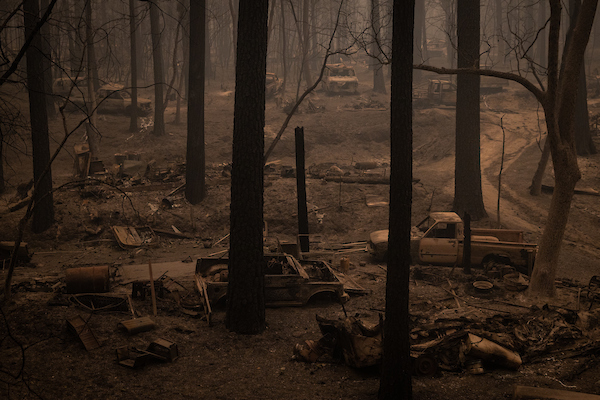
BERRY CREEK, CALIFORNIA – SEPTEMBER 9, 2020: The small town of Berry Creek, California which was destroyed by the Bear Fire, part of the North Complex Fire, on September 9, 2020. The North Complex Fire has burned 254,000 acres. 
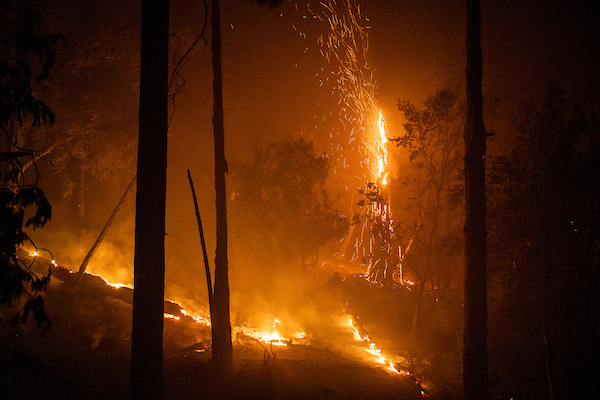
FEATHER FALLS, CALIFORNIA – SEPTEMBER 9, 2020: A tree burns in the Bear Fire, part of the North Complex Fire, on September 9, 2020 in Feather Falls, California. The North Complex Fire has burned 254,000 acres. 
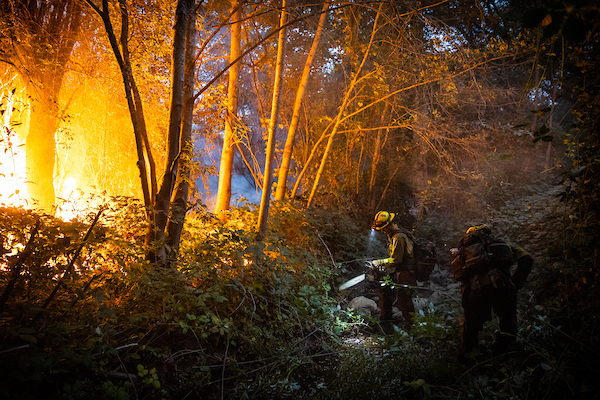
BERRY CREEK, CALIFORNIA – SEPTEMBER 10, 2020: National Guard soldiers cut a fire line on the West Zone fire, formerly the Bear Fire, part of the North Complex Fire, on September 10, 2020 near Feather Falls, California. The North Complex Fire has burned 244,000 acres and killed ten people. 
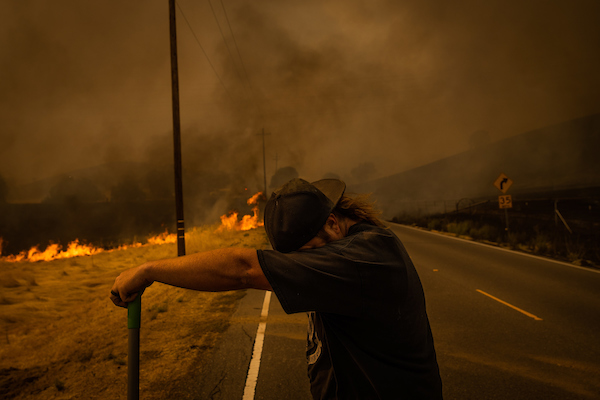
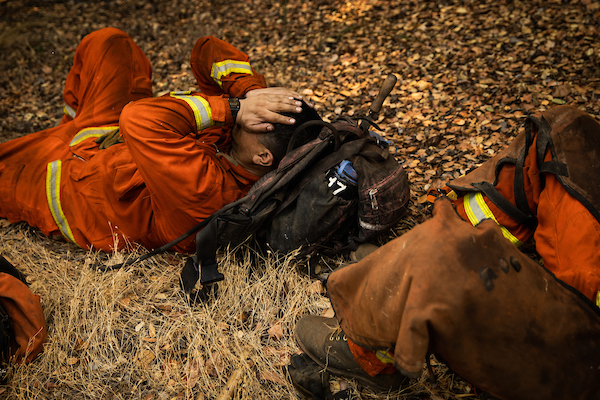
VACAVILLE, CALIFORNIA – AUGUST 19, 2020: Justin Haan wipes his face while putting out spot fires ahead of a wildfire to save his in law’s home in Vacaville, California on August 19, 2020. The LNC Lightning Complex fire has burned over 32,000 acres. 
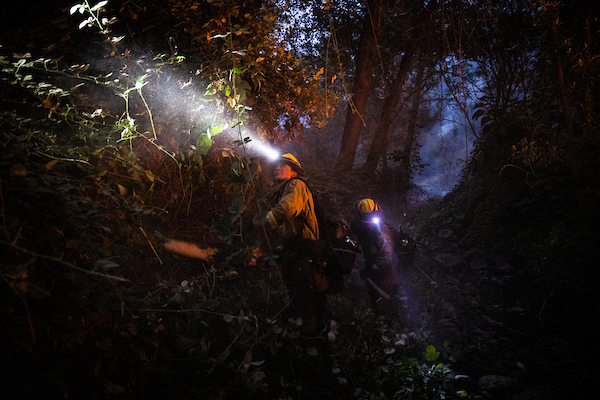
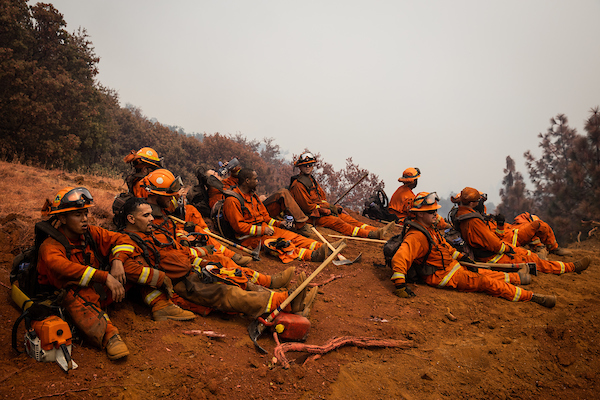
HEALDSBURG, CALIFORNIA – AUGUST 22, 2020: The Delta Conservation Crew, made up of inmate firefighters, takes a break from clearing a fire line on the Walbridge Fire, part of the LNU Lightning Complex, in Healdsburg, California on August 23, 2020. The LNU Lightning Complex fire has burned 341,243 acres and destroyed at least 560 structures. 
HEALDSBURG, CALIFORNIA – AUGUST 22, 2020: The Delta Conservation Crew, made up of inmate firefighters, takes a break while hiking out from clearing a fire line on the Walbridge Fire, part of the LNU Lightning Complex, in Healdsburg, California on August 23, 2020. The LNU Lightning Complex fire has burned 341,243 acres and destroyed at least 560 structures. 
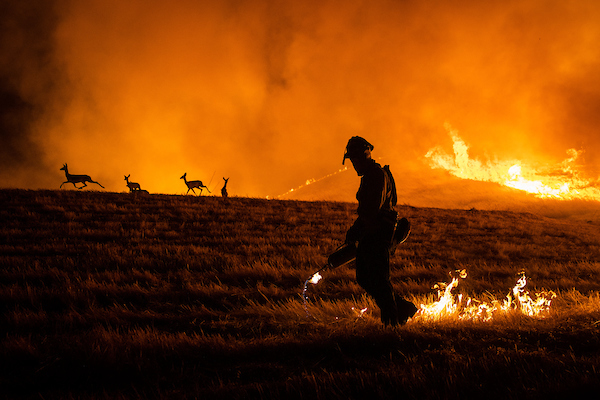
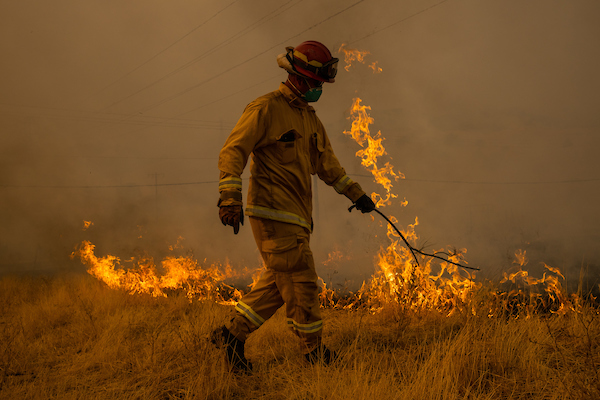
FAIRFIELD, CALIFORNIA – AUGUST 19, 2020: Fairfield firefighter Rex Dorrough burns a hillside to protect a neighborhood from the LNU Lightning Complex as deer flee the flames in Fairfield, California on August 19, 2020. The LNU Lightning Complex fire has burned over 125,000 acres. 
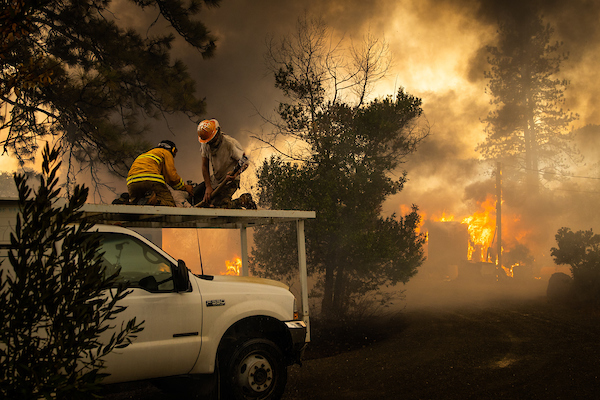
POPE VALLEY, CALIFORNIA – AUGUST 20, 2020: Neighbors help protect a home from the LNU Lightning Complex fire in Pope Valley, California on August 20, 2020. The LNU Lightning Complex fire has burned 215,000 acres and destroyed at least 480 structures. 
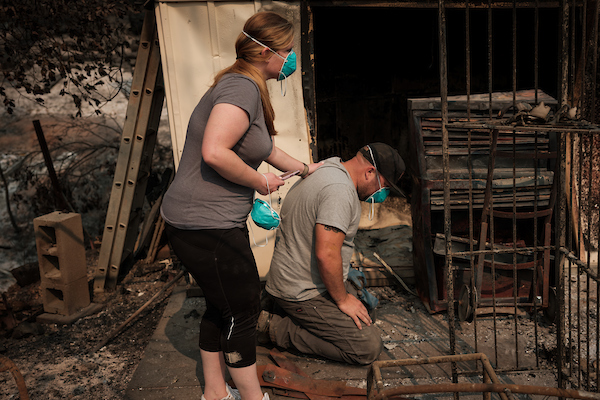
SPANISH FLAT, CALIFORNIA – AUGUST 25, 2020: Andrea Shumate comforts her husband, Josh Shumate, as he sifts through the remains of his grandmother’s home at the Spanish Flat Mobile Villa, which was destroyed by the Hennessy Fire, part of the LNU Lightning Complex, in Spanish Flat, California on August 25, 2020. 
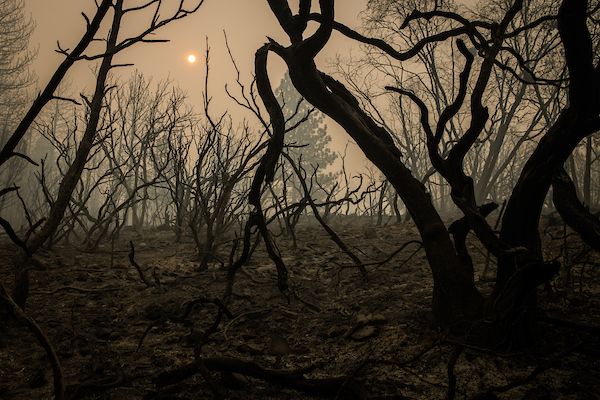
NYTWILDFIRES BERRY CREEK, CALIFORNIA – SEPTEMBER 10, 2020: A forest burned by the West Zone Fire, part of the North Complex Fire, on September 12, 2020 near Berry Creek, California. The North Complex Fire has burned 254,000 acres. 
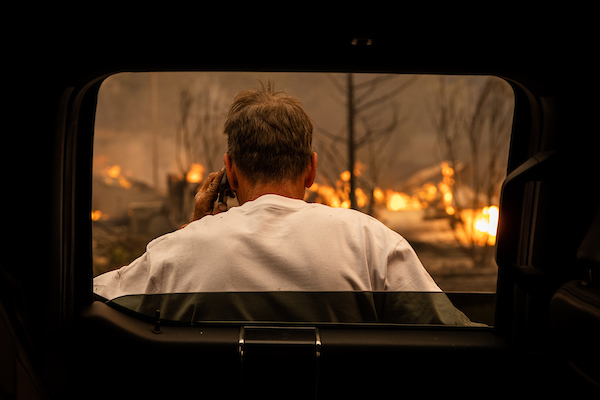
VACAVILLE, CALIFORNIA – AUGUST 19, 2020: Dan Frank calls 911 as his garage and neighbor’s home burns in Vacaville, California on August 19, 2020. The LNC Lightning Complex fire has burned over 32,000 acres. 
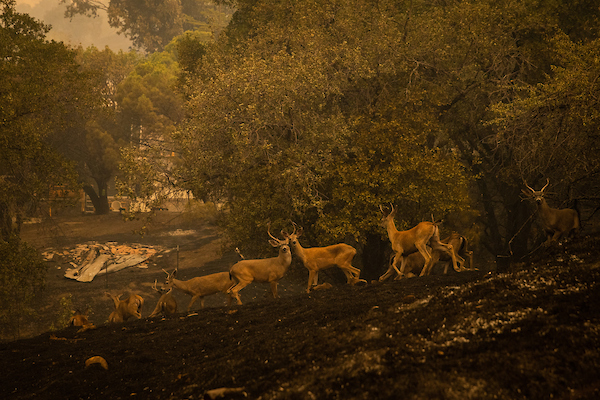
VACAVILLE, CALIFORNIA – AUGUST 19, 2020: Deer flee a wildfire in Vacaville, California on August 19, 2020. The LNC Lightning Complex fire has burned over 32,000 acres. 
VACAVILLE, CALIFORNIA – AUGUST 19, 2020: A firefighter tries to burn out some weeds ahead of a wildfire in Vacaville, California on August 19, 2020. The LNC Lightning Complex fire has burned over 32,000 acres. 


Max Whittaker

instagram

Heidi: You’ve been covering wildfires for the past 19 years, what made this season different?
Max: This season is different because we’ve had so many large, destructive fires so early in the season. We’re just entering the meat of the fire season, which typically only gets going in Southern California in the fall with the Santa Ana winds. California has already had more acres burn in 2020 than any other year, and the fire season isn’t close to being over.

Looking back over those years, what were some pitval moments?
However, I think it’s important to look back a bit further. When I first started covering wildfires in the early 2000s, they were primarily in forests, away from population centers. Isolated homes and small, rural communities would be threatened, but it was still primarily something that happened deep in the forest, typically on public land. Gradually, the fires began to move more quickly and explosively, driven by high winds, high temperatures and dry fuel, and threaten more and larger communities more frequently. The real eye-opener was the Tubbs Fire in 2017. Driven by high winds, the fire jumped six lanes of Highway 101 and burned the very suburban neighborhood of Coffey Park in Santa Rosa, destroying 2,900 homes. Since then, the Carr Fire in Redding and the Camp Fire in Paradise in 2018, continue this trend of wildfires increasingly burning into residential neighborhoods.

How did your love of National Parks influence your work?
I grew up camping, backpacking, climbing and skiing. I still remember the first time I saw the Tetons and later on the same trip, taking my first photo of a buffalo charging, blurred by my mom yanking me back into the car. Our family still spends two weeks every summer exploring National Parks and public lands. I think my love for wild places colors everything about my photography. It’s so inextricably part of me, that I’m not sure it can be separated from me and how I view the world. I feel most comfortable in wild places and more empathetic to those who live and work on the land. I hope that shows in my work.

What type of “training” do you do to stay ready in the off chance you’re out all night?
Honestly, I don’t think there’s much training that helps with sleep deprivation other than get a good night’s rest when you can. That said, I’ve gotten assignments on very short notice that involve a decent amount of physical fitness (in 2019 I climbed Aconcagua for an assignment with two weeks notice), so I do my best to stay in shape despite my ever-varying work schedule and life demands. I’m a firm believer that being in decent shape helps out in all kinds of ways – even if it is just a week or two of sitting in planes and cars, like many assignments.

What drove you to break the rule of staying close to your car for this assignment?
I left my car behind for the day I spent documenting the effects of the CZU Lightning Complex Fire on Big Basin Redwoods State Park mainly because the active fire had passed and the area was just smoldering. Since the area had already burned, it was in many ways safer than areas that hadn’t. Nothing is without risk, but this seemed like a reasonable risk to document the damage to the park and that was the only way to do it with the downed trees blocking the road. In hindsight, I’d underestimated the danger of falling limbs and trees. That’s something I’ll consider more carefully in similar situations in the future.

What type of respect for nature comes from doing this work?
With people there’s negotiation, with nature it’s more observation and keen awareness of the moment, situational awareness….

Fire is natural. It’s a natural part of our ecosystem that’s gone haywire from man’s effect on the landscape and climate. To see fire eat and charge its way through brush, trees and homes is to engender massive respect for the power of nature. You need to be always watching, looking behind you and making sure your escape path is still clear and your vehicle isn’t endangered. But over the years it’s gradually had another effect on me: to view forests as ever-changing organisms, not as a museum exhibit frozen in place for our viewing pleasure. Typically, as humans we can only see a forest or landscape change over a lifetime of observation, a wildfire changes things in minutes or hours. It’s always cool to go back to a burned area the next spring, and see just a few months later how much green growth there is after the winter rains.

I’m no firefighter or scientist, but I have learned to distinguish between the creeping fire that burns brush, deadfall and the understory; and the cataclysmic infernos we’ve seen more of recently, that completely nuke the landscape and leave nothing alive.

How much do you interact with the firefighters and what kind of earned trust is developed?
It’s rare for me to spend more than a few hours with a firefighting crew. I always show respect by asking permission to photograph them, and they’re almost always friendly and very accomodating. If it’s slow, they’re often hungry to chat with someone outside of their crew as they’re often out for weeks at a time, going from one fire to the next. I’m wearing the same PPE they are, do my best to stay out of their way and not become a liability. I think they appreciate that.

Above all, I’ve gained massive respect for firefighters. Being a wildland firefighter is incredibly demanding, physical work. Hand crews hike miles through rugged terrain during the hottest months, lugging hand tools, chainsaws and fuel, all while wearing thick, fireproof nomex clothing. Then they carve a fire line through impenetrable brush and trees, officially working 24 hours straight, but often much longer. They’ll often do this for months at a time, away from their families, who are often living in the very wildland urban interface they’re working to protect.

Do you show your daughter your images?
My eight-year-old daughter has seen my wildfire images in passing. I don’t make a big deal about them and she rarely asks about them. She’s usually just excited I’m home and wants me to play dolls or Legos with her. But my experiences do lead to a more informed discussion when we do come across a burn scar while out hiking.

What are the lessons that these fires teach you, or what is it a reminder of?
I’ve learned lots during my years covering wildfires, but most importantly, I’ve learned how much of an effect man is having on our environment. Although well-intentioned, our decades of fire suppression has only increased the number of catastrophic fires. With one record-breaking fire season after another, the effects of climate change transcends statistics and is plainly evident in the ashes of our forests and communities.

This Week in Photography: The Power of Art


Part 1. The Intro


Hope.

Such a powerful four-letter word.

[ED note: I swear I wrote this before Hope Hicks and Donald Trump tested positive for the Coronavirus.]

As a long-time cultural critic, who discusses American politics and global themes, of course things have been a bit dark here lately.

How could they not be?

Given the colossal shit-show that was the Trump-Biden debate on Tuesday night, and the foul mood it put me into when I woke up yesterday, you’d be right to assume that this column, written the next day, would be pessimistic and fraught.


It would be the obvious move, what with Trump telling the Proud Boys to stand by, like his personal white nationalist army.

Normally, I’d lean into that.

Right?

Well, we all get tired of Doom and Gloom, and frankly, I had the most amazing, life-affirming experience yesterday.

It represented pretty much the best that humanity, and art in particular, has to offer.

So I’m going to write about it for you now.

(No frantic fear today, thankfully.)

We’re going positive, courtesy of some inspiring artists from America, England, France and Germany.


Part 2. The backstory


As you might imagine, writing about photo books as I do, I get a lot of emails from publishers and press agents.

It’s literally part of the job.

Every now and again, one such person begins to seem like a whole, fully realized human, not just an email signature at the bottom of a piece of business.

In this case, I’m thinking of Liv Constable-Maxwell, who does press for MACK, the highly successful, independent photo-book publisher based in London.

The truth is, I’ve been doing this column long enough that I actually interviewed Michael Mack, the titular publisher, on a trip to London back in 2012.

He gave me some great advice about photo books having the potential to be art objects, (when they’re done right,) and I’ve quoted him on that many times, even though we never spoke again.

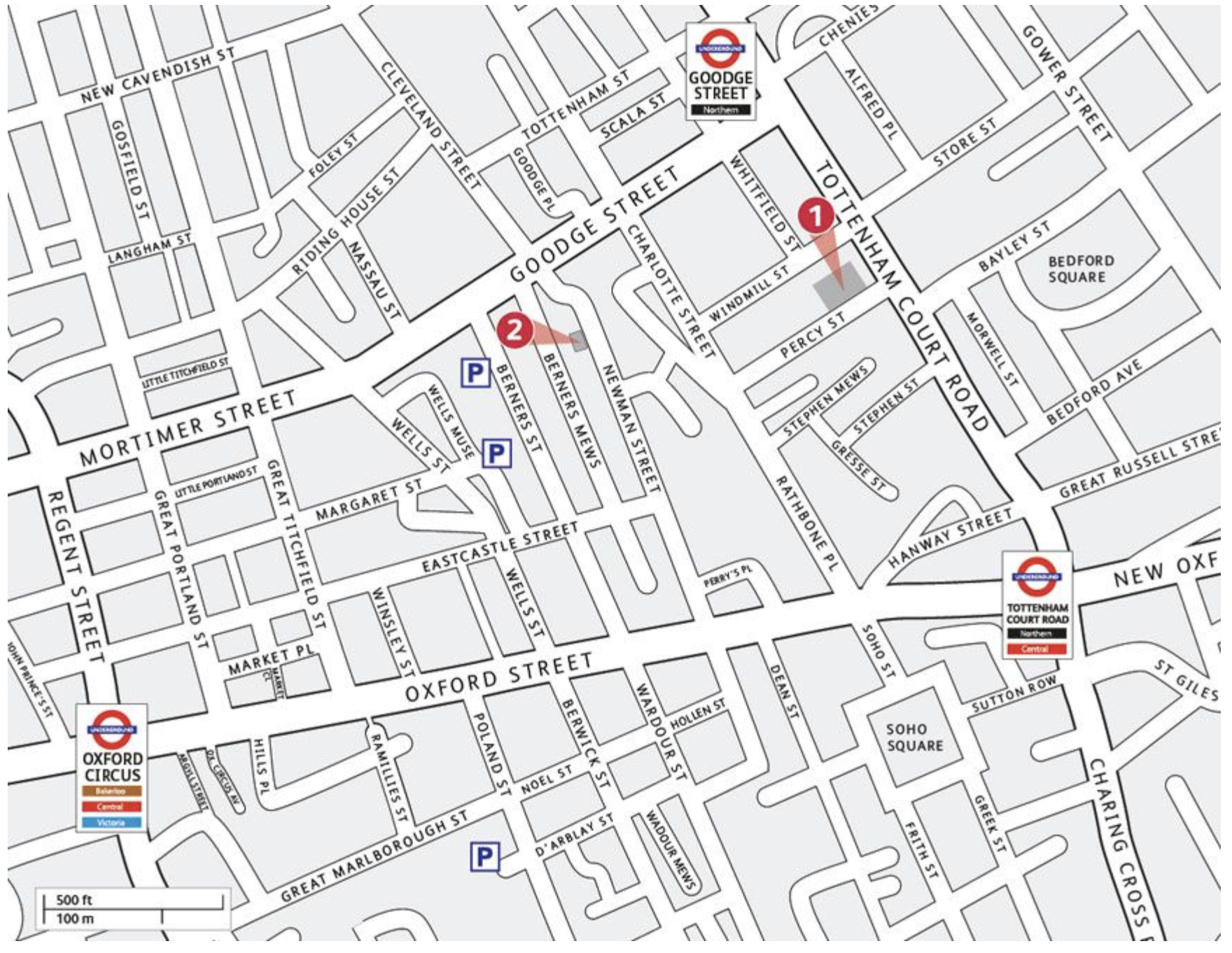
(I turned up at the MACK offices sweaty and late, which was not my finest hour. Sprinting around Tottenham Court Road, looking for an office building without knowing where you’re going, will give the stress sweats to anyone.)

But I’m getting off topic with an unnecessary diversion.

The point is, Liv seems proper cool, and in our back and forth communication about the MACK fall offerings, she invited me to a new-school, hybridized, online event that could only exist in Covid-reality. (Though it was intended to be IRL, and some of the planners actually met on the day before the world shut down.)


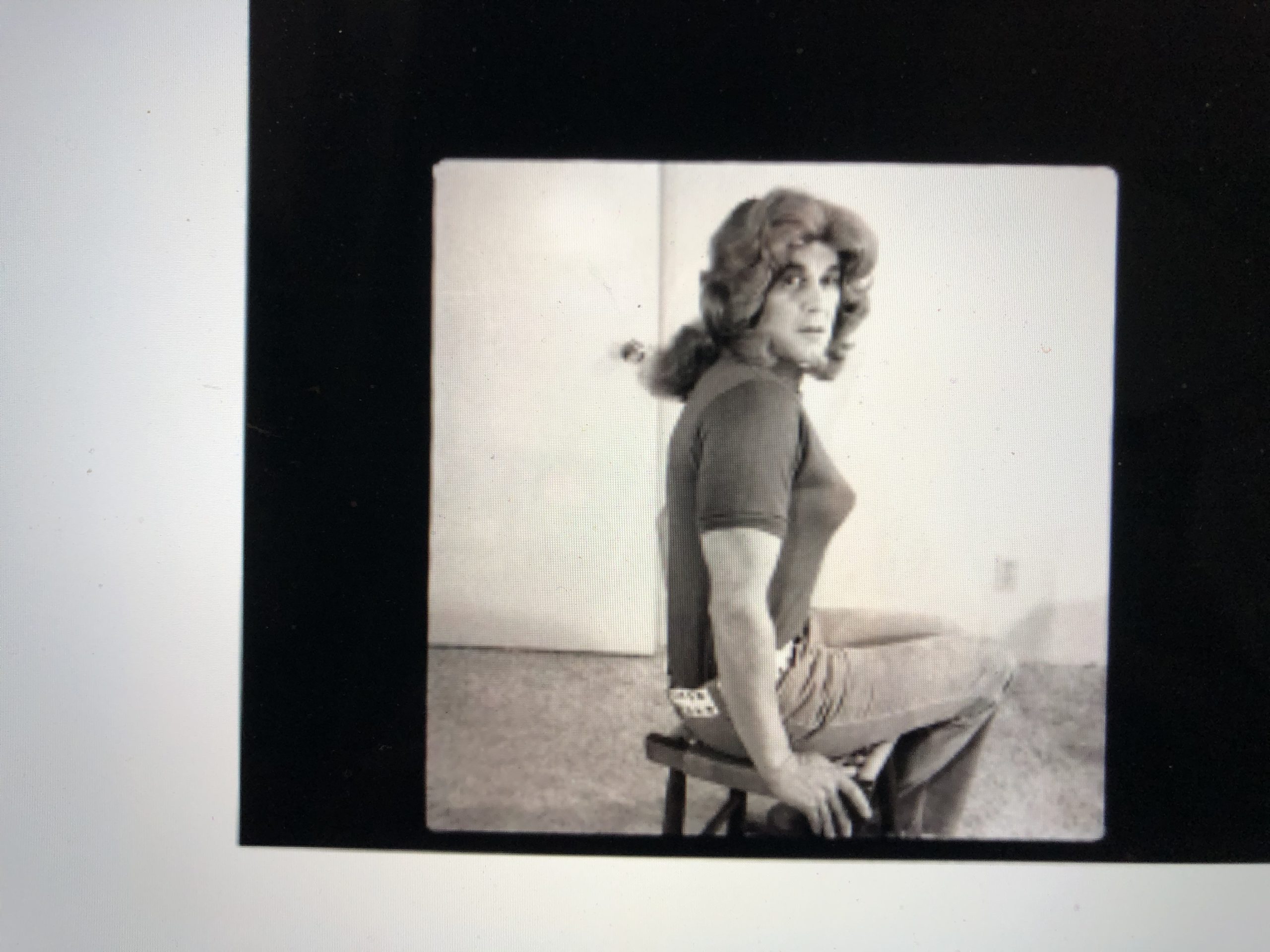
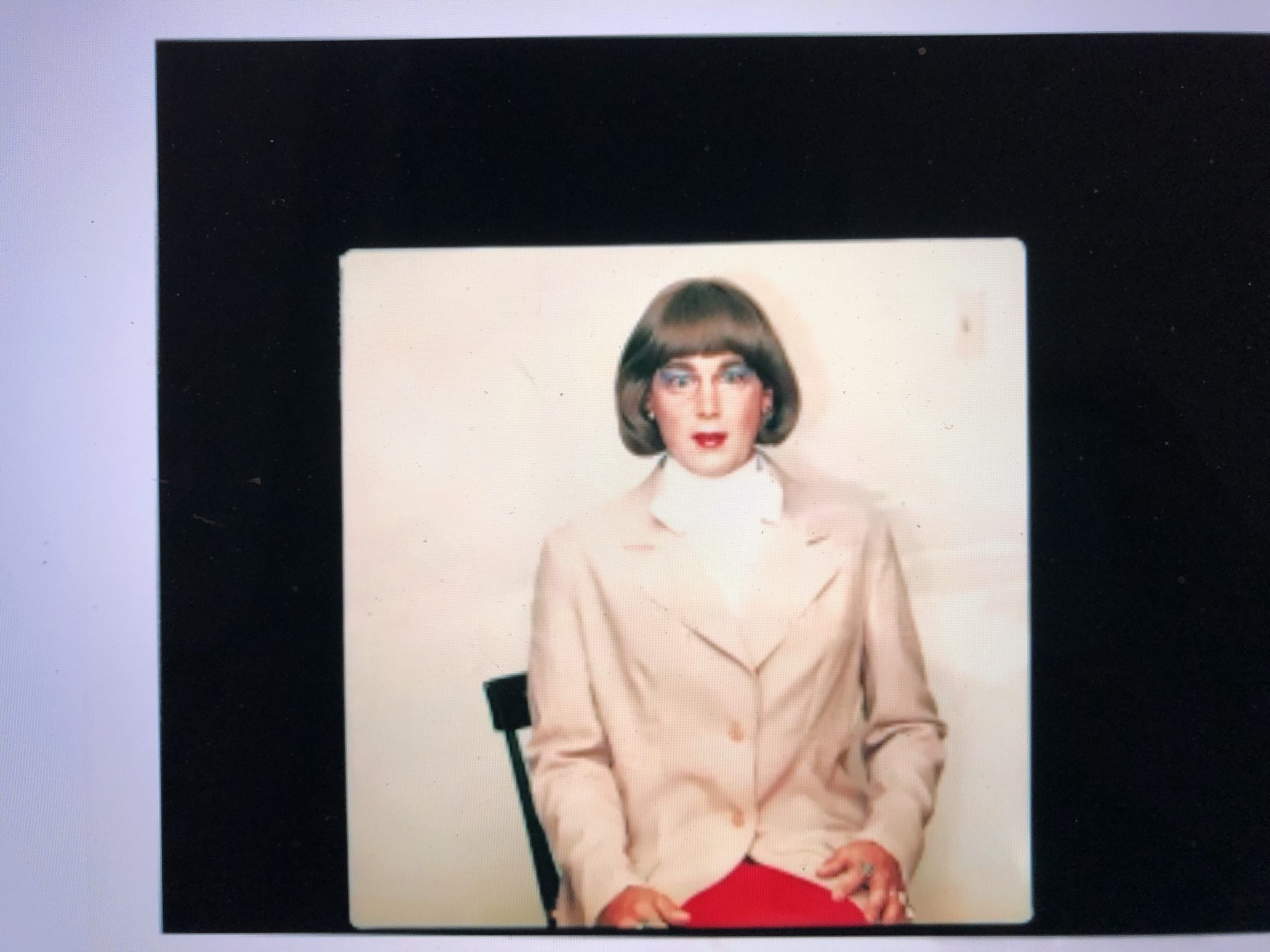
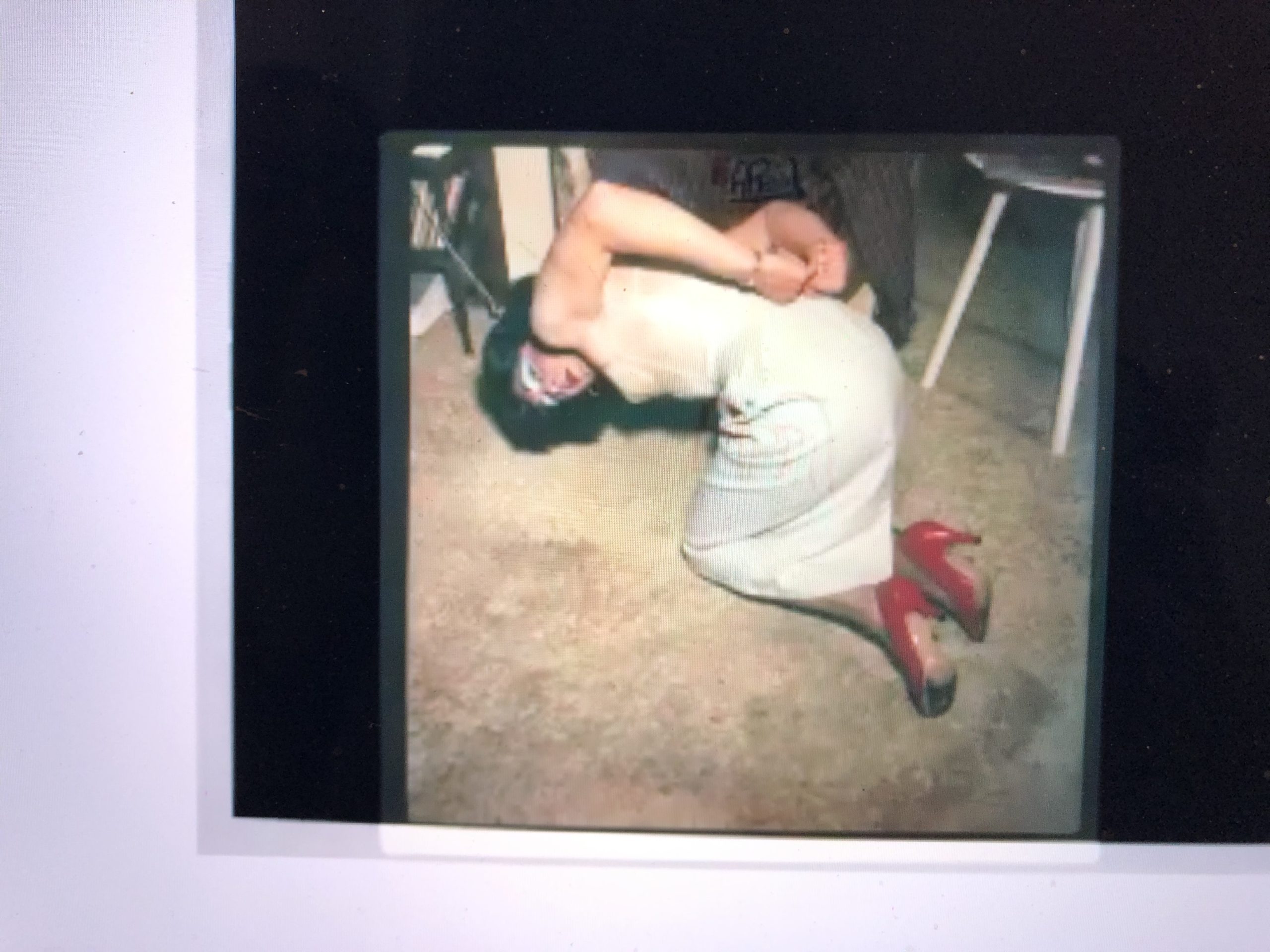
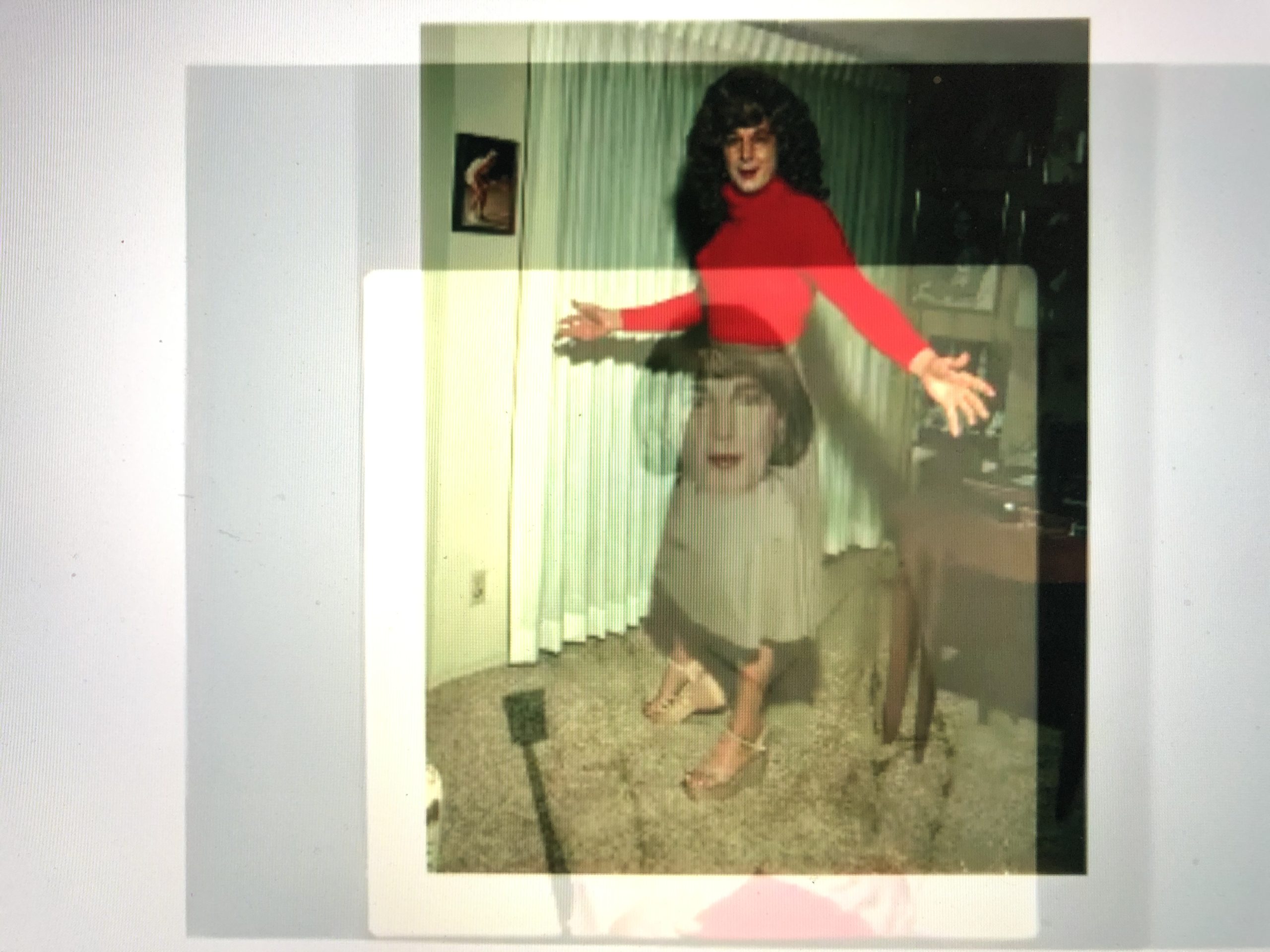
The gist is this: SFMOMA had an exhibition last year, (in San Francisco,) featuring a set of polaroids of a man dressed in drag.

They represented a persona, April Dawn Alison, who was adopted by a Bronx-born, Oakland-based commercial photographer named Alan Schaefer.

Like Vivian Maier, he lived and died unknown as an artist, and when the museum was offered a look at his posthumous archive, which featured more than 9200 prints, they jumped at the chance.


The curator, Erin O’Toole, (whom I once interviewed for the NYT,) put together a show built around the multiple mini-series that April shot, and then did a book on the project with MACK as well.

(So far, it makes sense, as museum shows are turned into books all the time.)

From there, though, things get perfectly #2020.

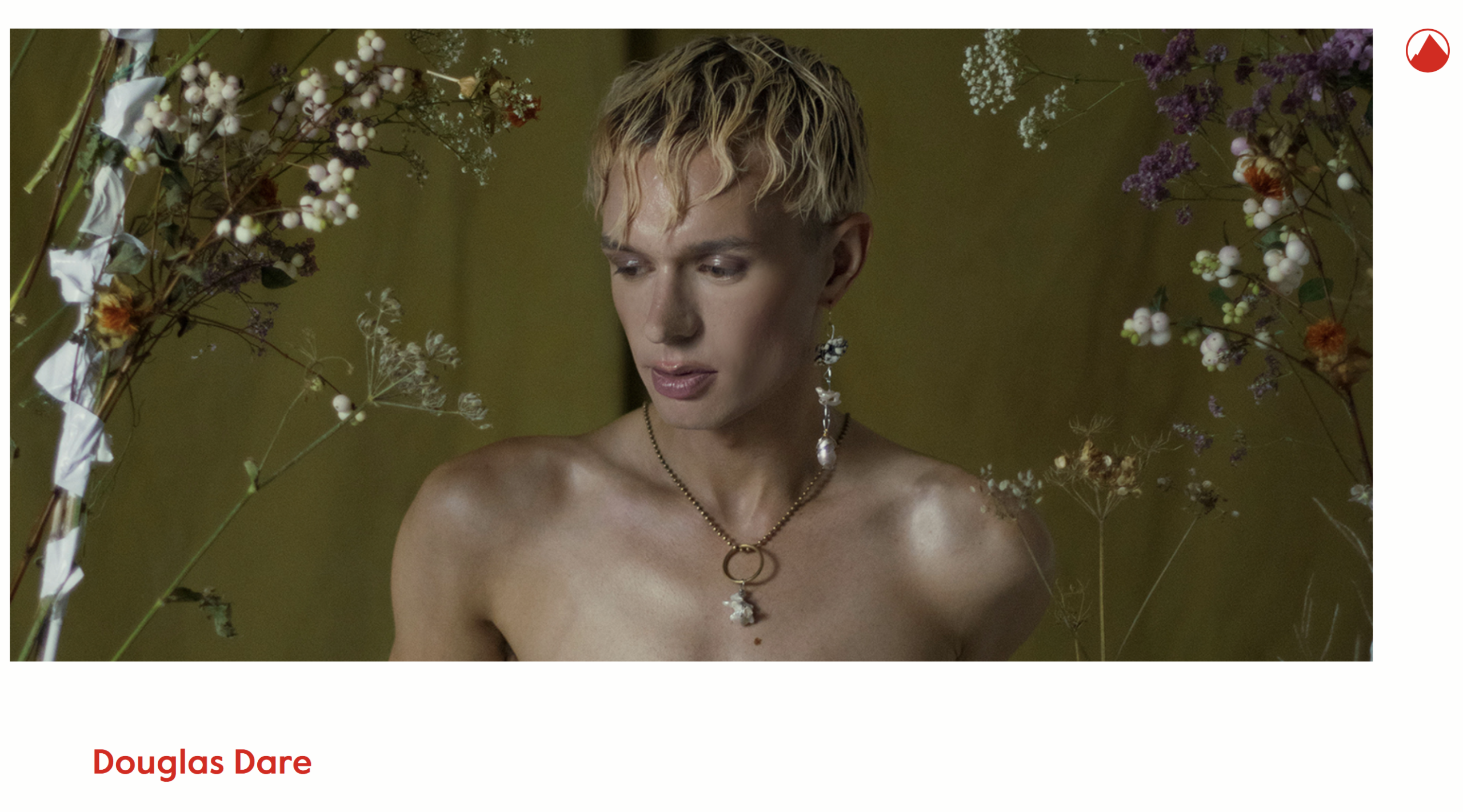
Michael Mack showed the book to Robert Raths, the German-born, London-based head of Erased Tapes, an East London recording label, and he showed it to Douglas Dare, a young, gay singer in his roster. (Who also dresses in drag.)

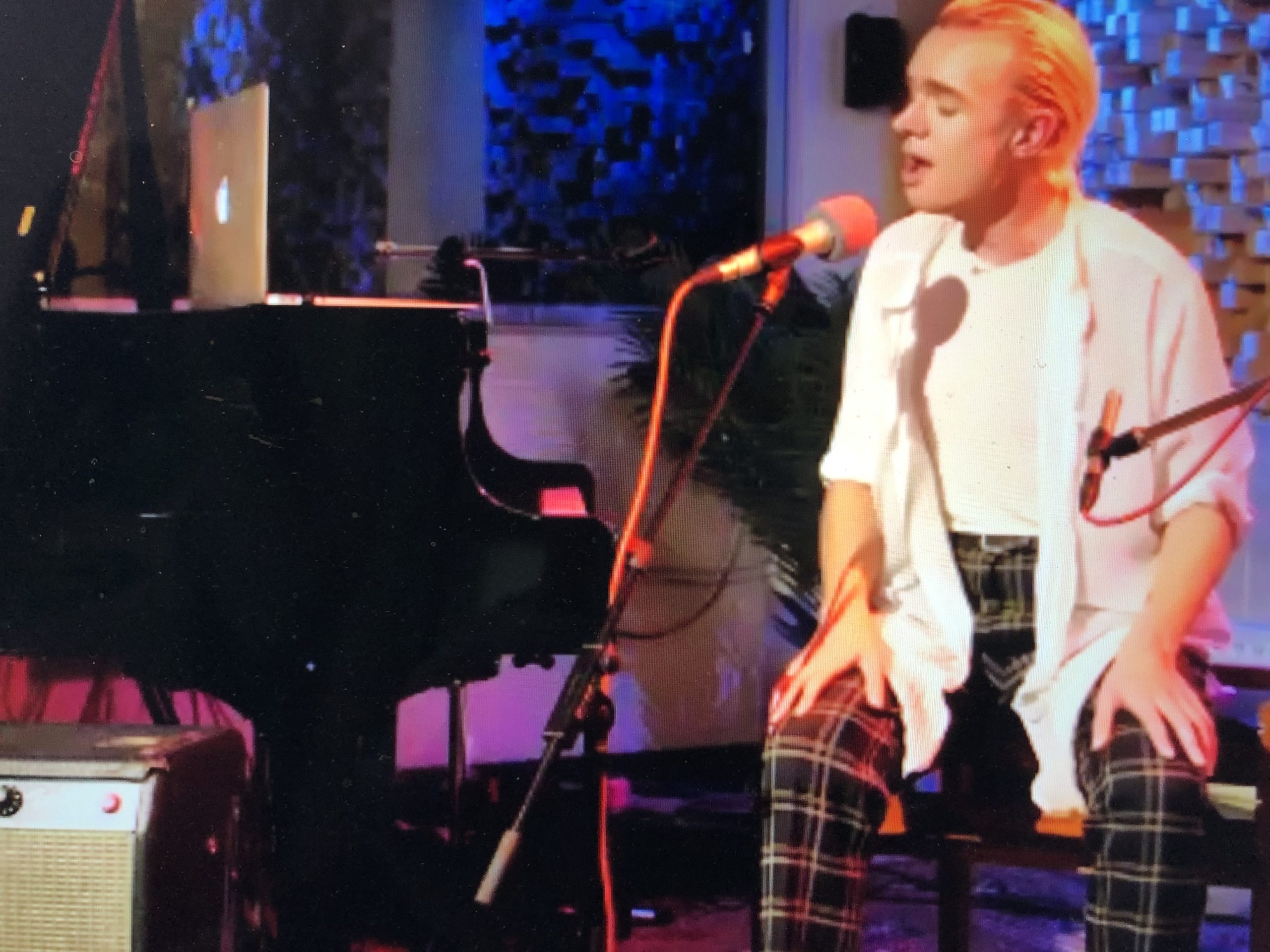
As a result, Douglas wrote three original songs based on the photographs, and yesterday, MACK and its partners put on a live-streamed concert, including a panel discussion, in which Douglas Dare debuted the music to a global audience following along on Zoom.

Which thankfully included me and my 8 year old daughter, who loves to sing and dance, in addition to play the keyboard, strum the ukulele, paint, draw, take pictures and sculpt.


by Amelie Blaustein

(What else is a kid going to do in lockdown?)

Watching the performance, with her on my lap, was one of the best hours I’ve spent this year, and in a world devoid of much creative interaction, (IRL,) this was the next best thing for sure.


Part 3: The performance


I know that Liv played a big part in producing the event, which she said took a year to pull off, which was also partly led by Claudine Boeglin, a French creative director who was on the panel with Michael Mack and Robert Raths.

The sat together, maskless, while Douglas Dare was off to the left at a piano, and Erin O’Toole Zoomed in from SF.

(Liv later sent me this behind-the-scenes image of everyone masked up beforehand. I imagine the panelists might have had Covid tests?)

Courtesy of Liv Constable-Maxwell


I admit I haven’t seen live music in a while, and once wrote of acting like a drunk donkey at a Mississippi Hill Country Blues show in New Orleans, so one might say I was primed for something like this.

But the first song, “April” sent chills down my spine, it was so good.

I hadn’t heard Douglas Dare’s music before, but it was immediately engaging, and, frankly, perfect.


I made some quick videos of the screen, which I’ll be able to share with you via Youtube, and by the end of the song, Amelie was singing along, which I also captured. (She launched into “Who Let The Dogs Out” at the end, which I later learned was because she had just seen “Trolls World Tour”.)


There were interview segments in between, and Douglas said he tried to only go on what he saw in the pictures, and not to make too many assumptions.

“I love writing songs that are stories,” he said. “Getting a picture and then writing the songs feeds my creativity completely. Having the restriction allows you to play a lot with it. With April, there’s so little to go on.”

Erin O’Toole picked up on that thought, in her brief comments. There was no set of instructions left behind with the archive, so she had to make her own moral, ethical, and curatorial decisions about “what it means to show pictures that were once private.”

“The consensus was there was so much they offered to people who were living, who could benefit from seeing the pictures,” she said. “They cried out to be seen. What Douglas has done has reinforced that for me. If we hadn’t put these pictures out into the world, he wouldn’t have made these beautiful songs.”

The second song, “Your Face is Her’s,” was equally compelling, and the way the producers interspersed April Dawn Alison’s images with the concert was super-rad.


It amped up the emotional connection to both artists, as well as the bond between them, one living and one dead.

“She’s become an angel in my mind…and I wanted to do her justice,” Douglas said.

Speaking of the word bond, as some of the images featured symbols of bondage, my daughter asked, of April, “Did he get arrested?”

“No,” I said.

“Then what’s with the handcuffs” she replied?

Ever attuned to shock value, when I asked her at the end what she thought of the April Dawn Alison project, she said, “I thought, stop talking about this guy. So he dresses like a woman. So what? It’s not like he’s nude or anything.”

“Is that what you actually thought, or are you just trying to be funny,” I asked?

“Both,” she said.


Part 4. The Big Ideas


You know by now that I love linking columns together, and it was only two weeks ago that I discussed the male gaze, and the impact that it has on women, even at a young age.

So the above quote by my 8 year old daughter is telling, as she would have found nudity, by a man dressed as a woman, to be a whole other story entirely.

And the question also came up in the Q&A, when someone asked what the panel thought might have influenced Alan Schaefer the most, when he became April?

Erin O’Toole answered she thought it was “based on the kinds of images of women that Schaefer would have absorbed as person living in the US at that time. Images types you would see in noir films, or advertisements in magazines. He was mimicking visual tropes about women that were in the media.”

That her words were beamed from San Francisco, through London, and back to New Mexico via a vast array of undersea cables and internet routers, was never lost on me.

The whole hour was simply riveting.

Douglas Dare sang a final new song, “Camera” which was also terrific, before he ended with a previously recorded song that reminded me a bit too much of Radiohead.


And there was another question in the Q & A that really turned up the inspiration juice, (by asking how Mack and Raths made their creative choices,) as Robert Raths offered up some really great advice about his practice, which I think applies to us all.


“I believe in flow,” he said. “I believe in the natural power that guides my hand and my mind. I’m curious. I try to do as little as possible. I try to observe.”

“To not get involved too much, only when it’s needed. I’m really fine with that. But sometimes it’s really hard work to do almost nothing.”

He continued by saying “when I come across a project or idea, I try to make it as approachable as possible for as many minds.”

Michael Mack challenged him, by stating there was nothing “mainstream” about his record label artists.

“I try to guide people to the subject matter in the most effortless way,” Raths elaborated. “I always go with how my mind works. With what gets my attention. How much information do I need to get curious about something?”

When it was Michael Mack’s turn to answer, he said that he was often asked if he wanted to be more commercial, and his answer was, “I have absolutely no interest in that. It’s almost a luxury to maintain a focus that is on the specific things that interest me. Not to choose things for other reasons.”

“It almost sounds selfish. But that’s true. It’s what I think I can contribute to because I think it’s valid.”

Robert Raths concluded by extrapolating out of his own role, to ours, the audience.

“We all have talents,” he said. “There is no difference between the performer and the listener. Listening is a talent. Being in the moment and being intuitive is very important.

People don’t give themselves time to.”

So that’s where we’ll end today, in this column I couldn’t have dreamed I’d write when I woke up yesterday.

Yes, things are scary right now.

Yes, we don’t know what comes next.

But as I’ve exhorted you many times during the last 6.5 months of chaos and quarantine, get out there and make things. Share your thoughts with the world through your art.

And don’t forget to make time to listen, watch, and think as well.

The quiet can be a powerful teacher.

The Art of the Personal Project: Joe Pugliese

The Art of the Personal Project is a crucial element to let potential buyers see how you think creatively on your own.  I am drawn to personal projects that have an interesting vision or that show something I have never seen before.  In this thread, I’ll include a link to each personal project with the artist statement so you can see more of the project. Please note: This thread is not affiliated with any company; I’m just featuring projects that I find.  Please DO NOT send me your work.  I do not take submissions.


Today’s featured artist:  Joe Pugliese

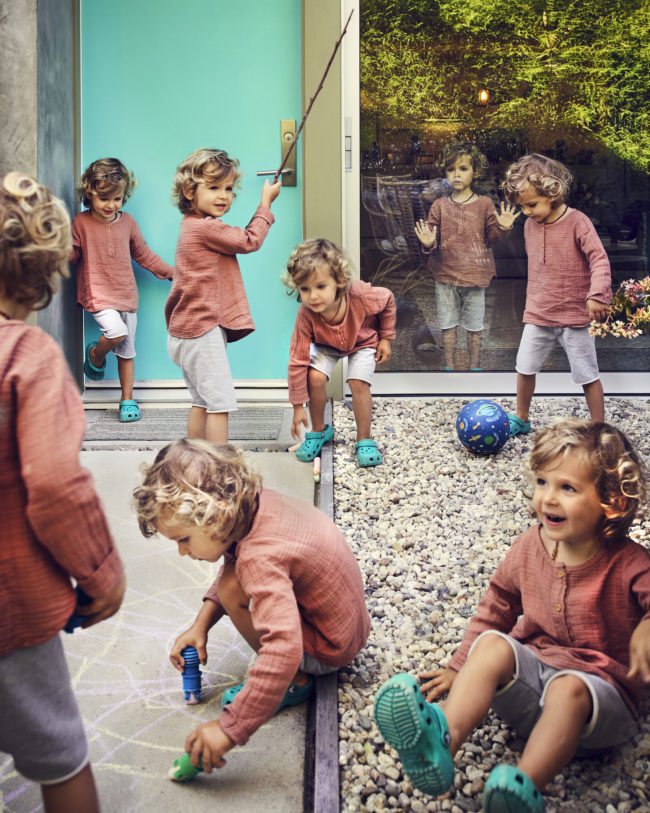
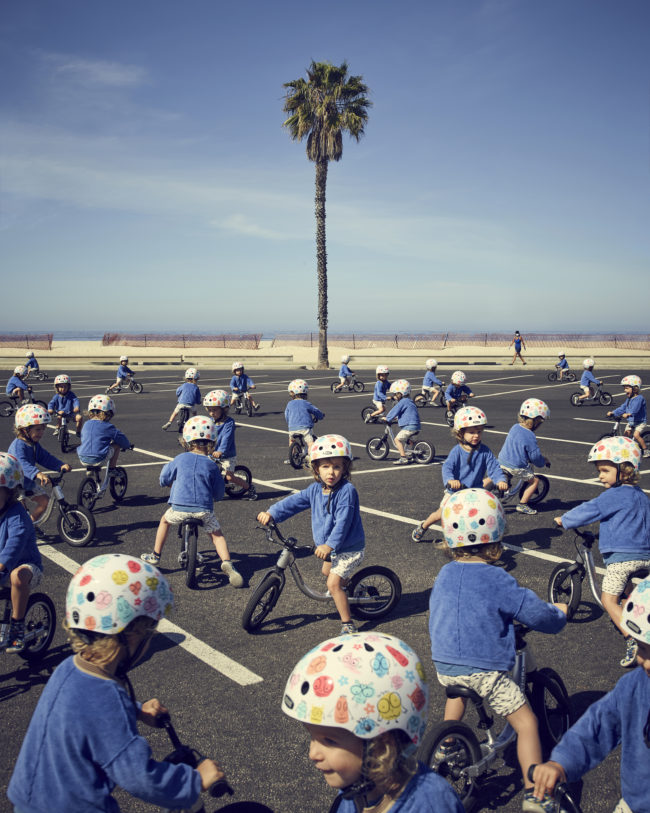
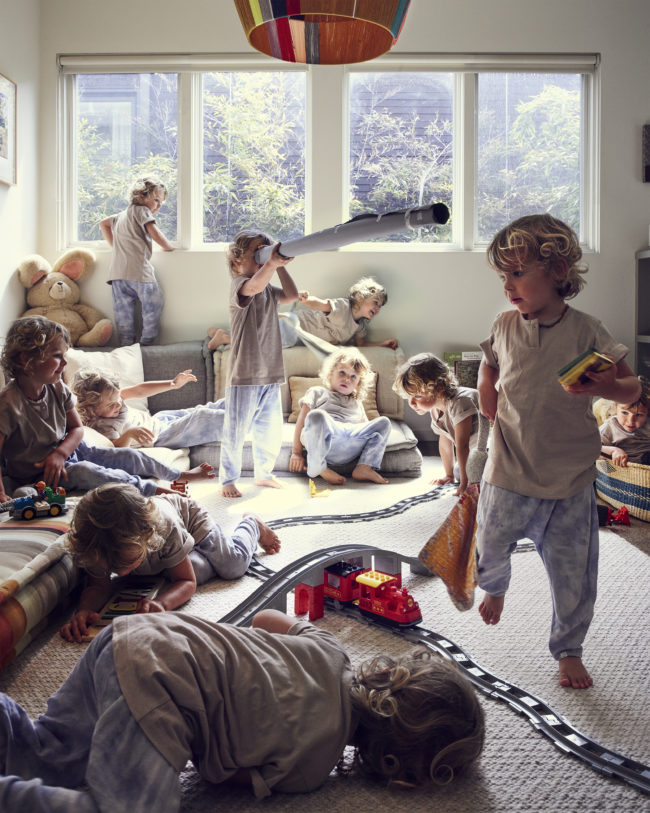
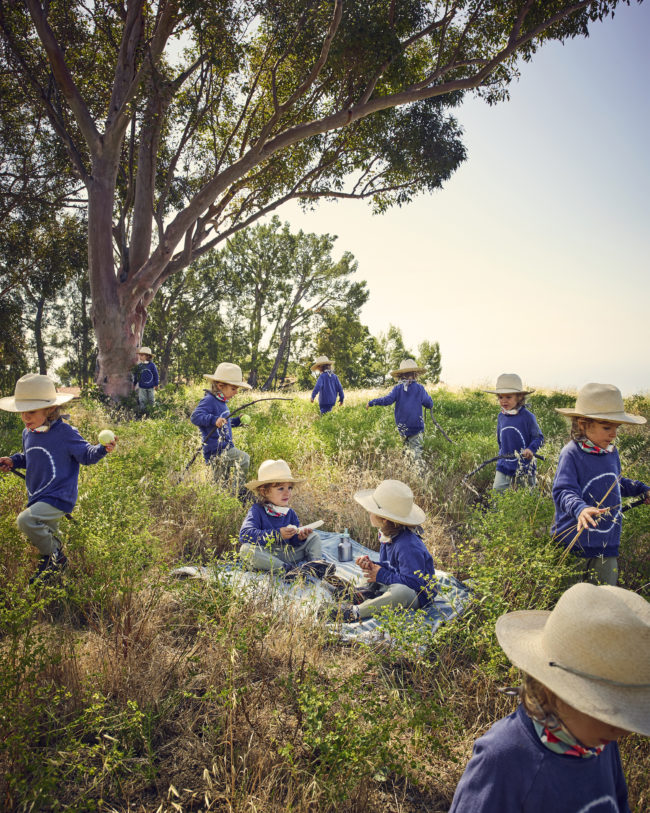
This year has been a most unusual time for photographers that are accustomed to a busy calendar, frequently engaging with human subjects. For me, the slowdown of work gave me space to really witness my three and a half year-old son Lucian. 

Being at home for much longer periods of time made me see his energy in a new way, and I wanted to document it somehow. I thought of the old corny comic strip Family Circus where the sporadic path of a child’s day was marked with a dotted line to show how much ground he covered. I was really impressed by the way Lucian occupies his spaces, playing in every inch of wherever he finds himself. It made me reflect on how sedentary we become as adults unless we’re intentionally partaking in an activity.

I also enjoyed infusing a motion element into this still work, extrapolating a narrative from the confines of a single frame. Often in my commercial work, compositing and stitching together frames is a way to solve problems and fix mistakes. It was nice to approach this series with the purpose of making an entire group portrait of one singular energy, claiming his surroundings and seizing each day.

To see more of this project, click here.

APE contributor Suzanne Sease currently works as a consultant for photographers and illustrators around the world. She has been involved in the photography and illustration industry since the mid 80s.  After establishing the art buying department at The Martin Agency, then working for Kaplan-Thaler, Capital One, Best Buy and numerous smaller agencies and companies, she decided to be a consultant in 1999. She has a new Twitter feed with helpful marketing information because she believes that marketing should be driven by brand and not by specialty.  Follow her at @SuzanneSeaseInstagram

Success is more than a matter of your talent. It’s also a matter of doing a better job presenting it.  And that is what I do with decades of agency and in-house experience.