This Week in Photography: Family Ties


Here we are.

The end of the year.


And 2021 has been one to remember.

(That’s a fucking understatement!)
 

Courtesy of The Times of India


Despite the cynicism I’ve developed the last few years, like a well-earned callus, I’m still hoping for the best.

Hoping we sort out the growing climate catastrophe.

Hoping we heal the political wounds tearing our nation asunder.

Hoping I’ll stay healthy enough to be there for my wife and children as they grow.

(It’s a lot to hope for, I know.)


To be honest, I’m totally cooked.

(Who doesn’t feel like burger meat in the week between Xmas and New Year’s?)

Plus, we’re leaving for a family vacation tomorrow; the first in several years.

And I still need to pack.

Beyond that, the book I just spent an hour reading, and perusing, hits close to home in ways I’d rather not excavate today.

But I promised the book’s author/artist I’d get it reviewed this week, and I’m a man of my word.

So it’s possible I’ll be less honest, or at least less open, about my own experience than I might if I were writing in a couple of months.

When my own wounds are more fully healed.

Compromise, though, is a highly undervalued concept, and I’m all for it.

We’ll review the book, then, to honor my commitment, and for once, I might keep some of my family business to myself.

(There’s a first time for everything, right?)


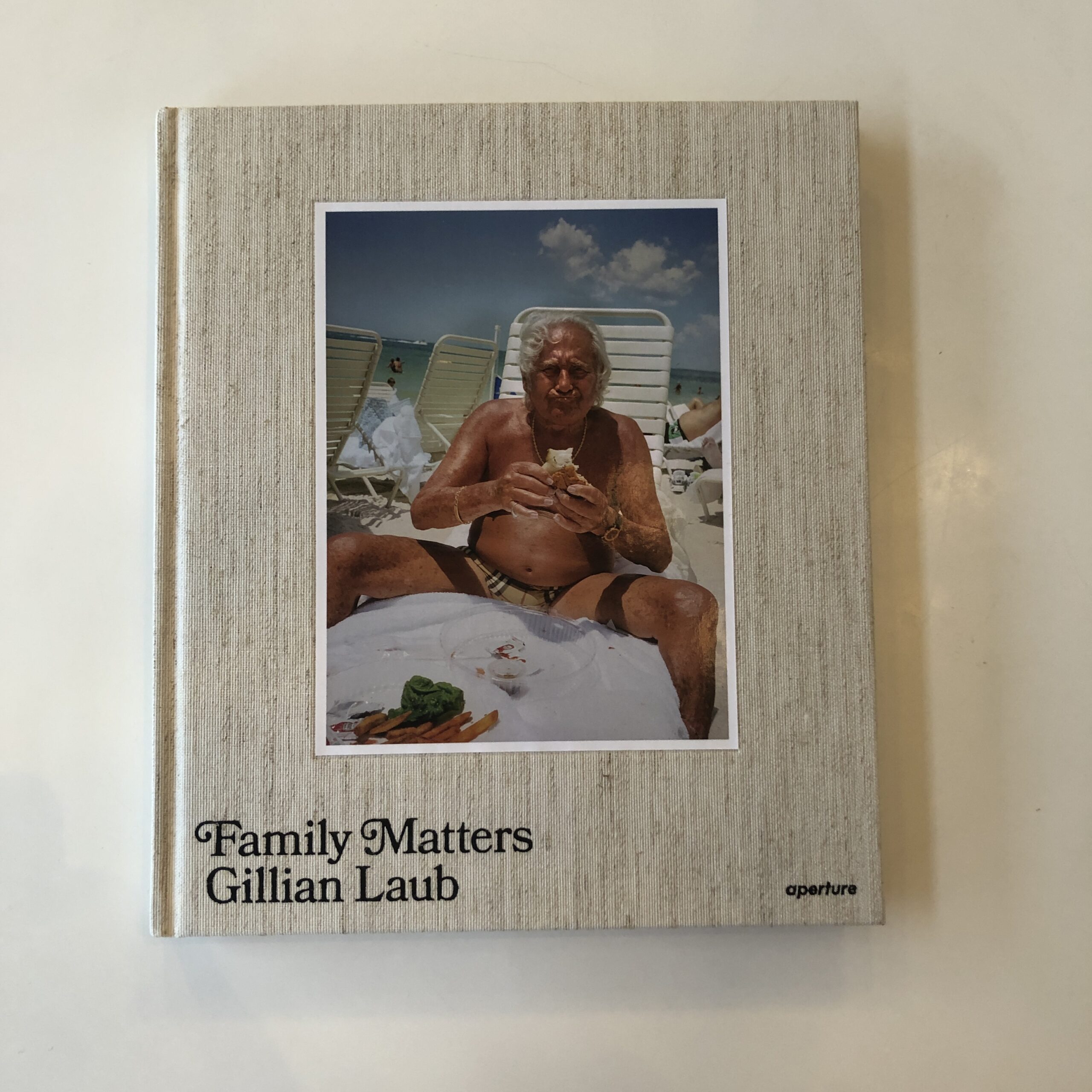
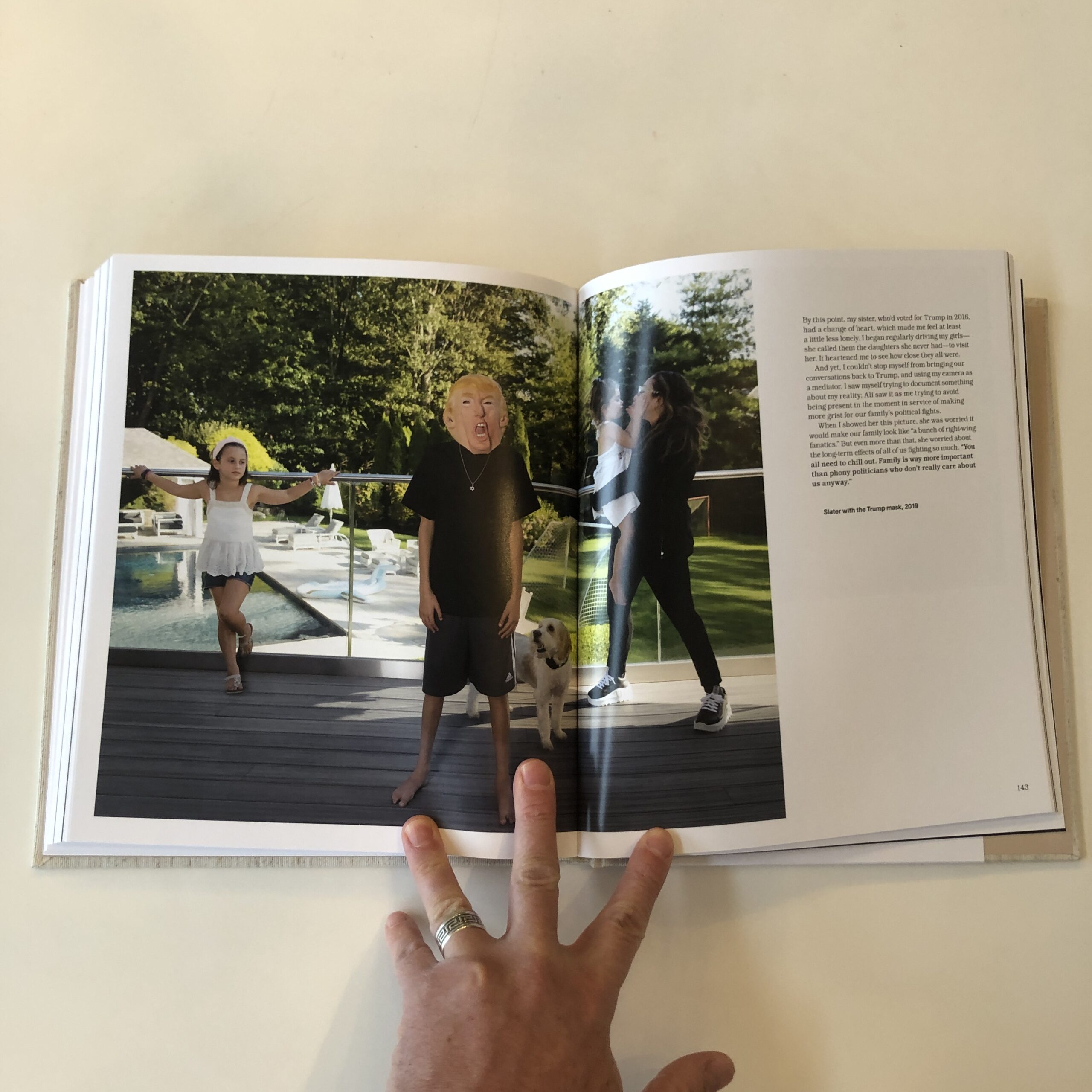
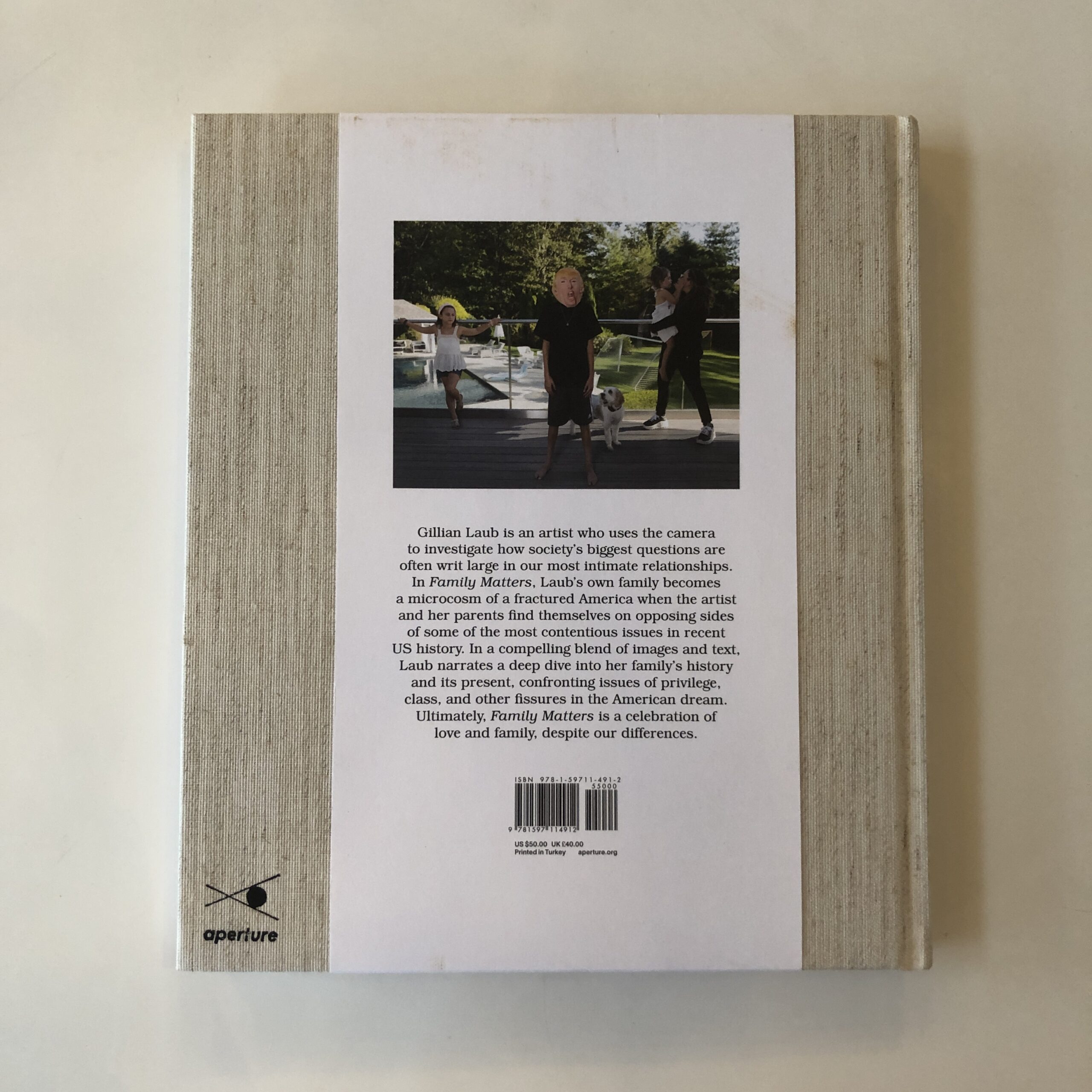
One of my publishing clients told me, a few months ago, that I should check out Gillian Laub’s new Aperture book, “Family Matters.”

With the East-Coast-Jewish-family-culture it mines, and the naked honesty on display, it was suggested I’d love this book.

And I’d likely want to review it.

(Sounds great, right?)

The problem, though, is that, Aperture, the publisher, has never sent me a book, nor seemed to take this column seriously.

All good, as far as I’m concerned, because we can’t be friends with everyone, but I feared I might have trouble getting a copy of “Family Matters.”

Predictably, the Aperture PR person ignored several requests, including when I responded to a press email that THEY sent ME.

(Stay classy, Aperture!)

Normally, I would have let it go, but a few weeks later, I randomly realized I was “friends” with Gillian Laub on Facebook, as I am with some other industry types I don’t actually know.

(I favorably reviewed some of her work in a gallery show in Santa Monica, back in 2013, so maybe we connected after that?)

I’ve never done this before, DM’ing an artist to see if they might send their book directly, after being stymied by the publisher, but I figured, “What do I have to lose?”

Full disclosure: I was flattered when Ms. Laub wrote back quickly, assured me she’d sort things out, and ask Aperture to send me a book straight away.

She made it happen, in a flash, so when she asked me to review the book while her solo show at the ICP Museum in NYC was still on display, I was happy to honor the request.

The exhibition is up through January 10th, and as I’ll be taking my customary Winter week off next Friday, today had to be the day.

(Brain fry be damned!)


It is a terrific book, for sure, and one I’m not likely to criticize.

I admit, at first, when I realized I’d have to read text with each picture, I almost backed out.

I thought about being a punk, for once, and not “doing the right thing,” but I came to my senses.

In fairness, the writing is engaging, and well-edited, so it wasn’t a struggle to make it through the book.

I was riveted, and made to feel uncomfortable by the similarities to my upbringing and family, and also the drastic differences.

That said, I don’t think you have to be a Jewish Gen-X’er to appreciate this one.

It offers what we ask of an excellent photo-book: vulnerability, empathy, wisdom, and character development.


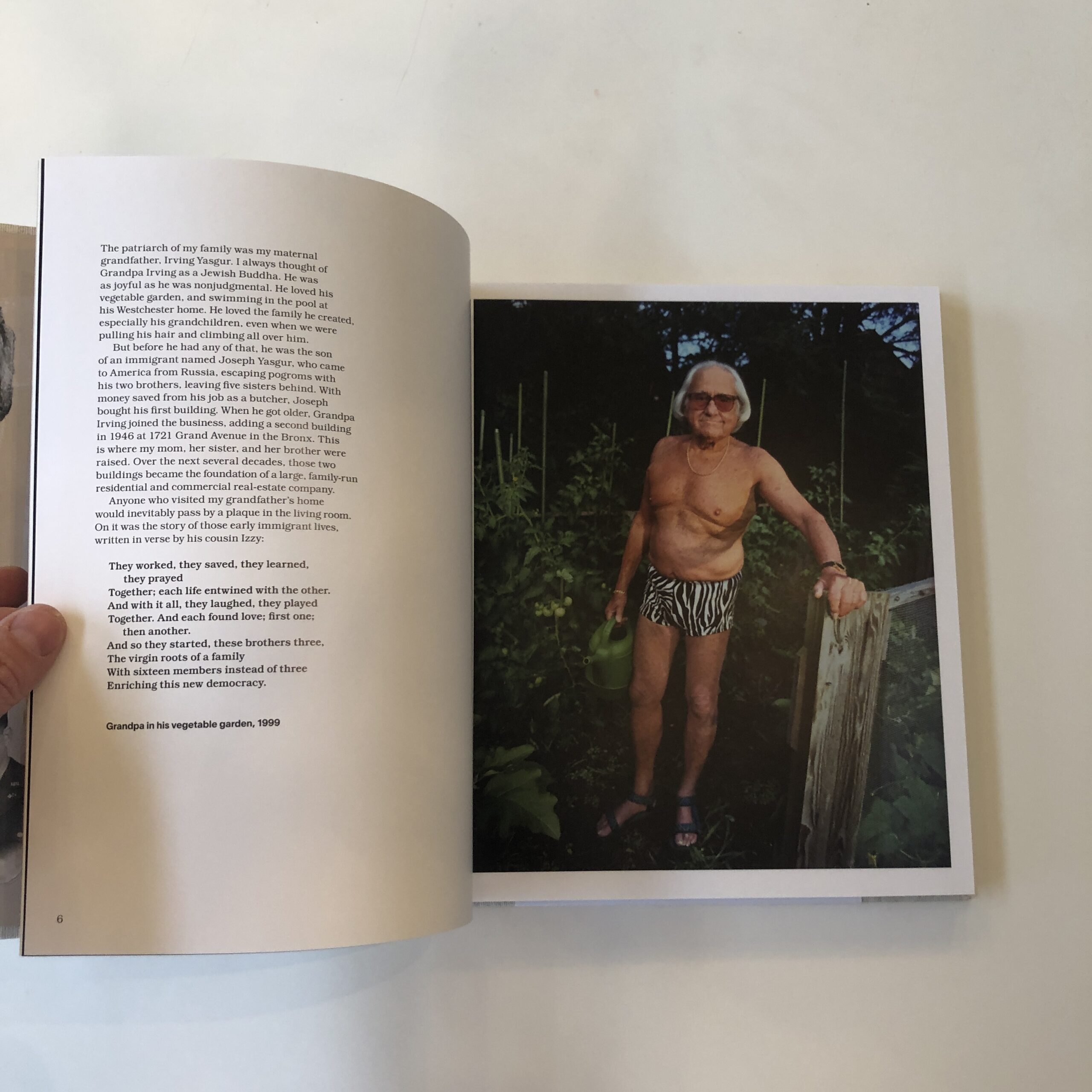
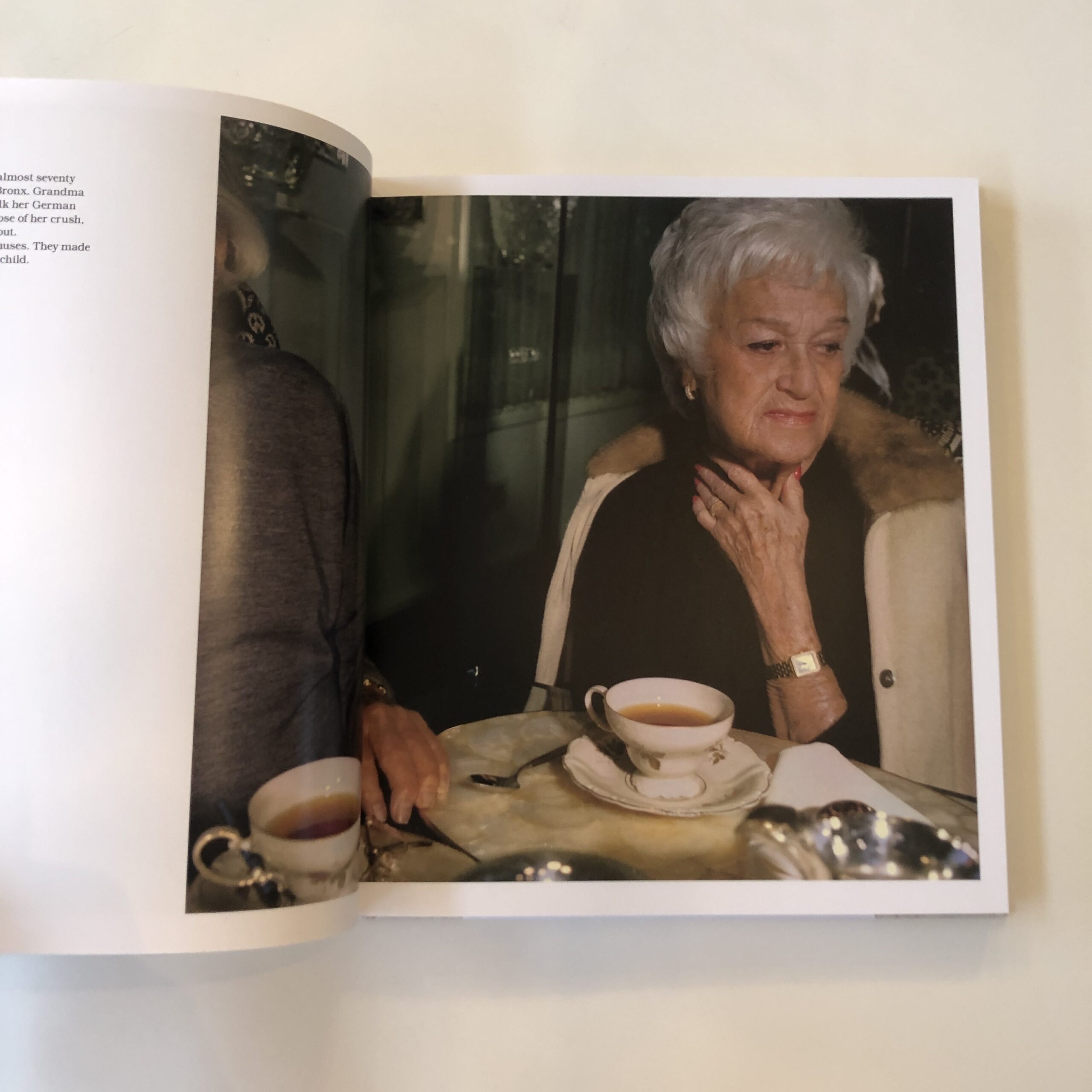
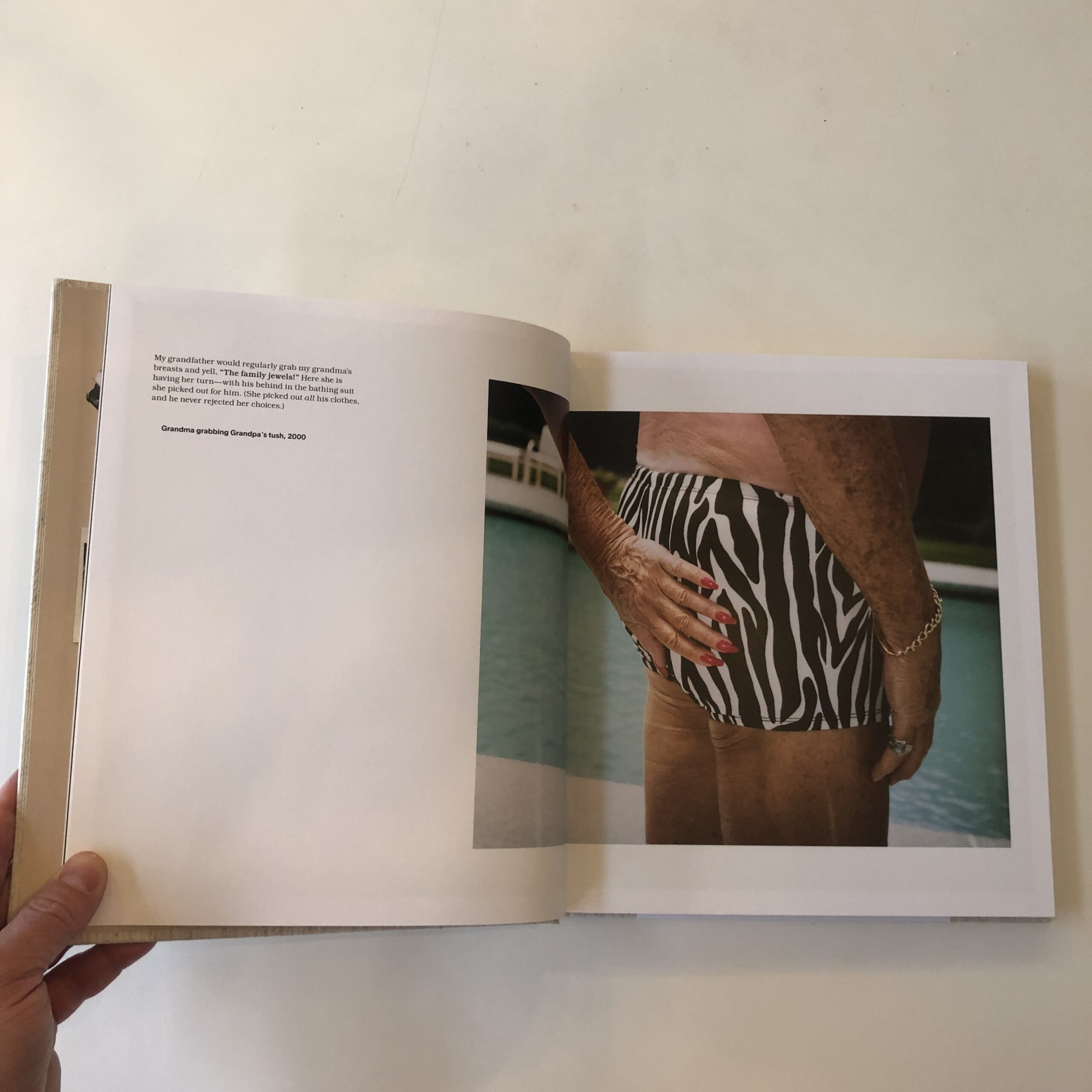
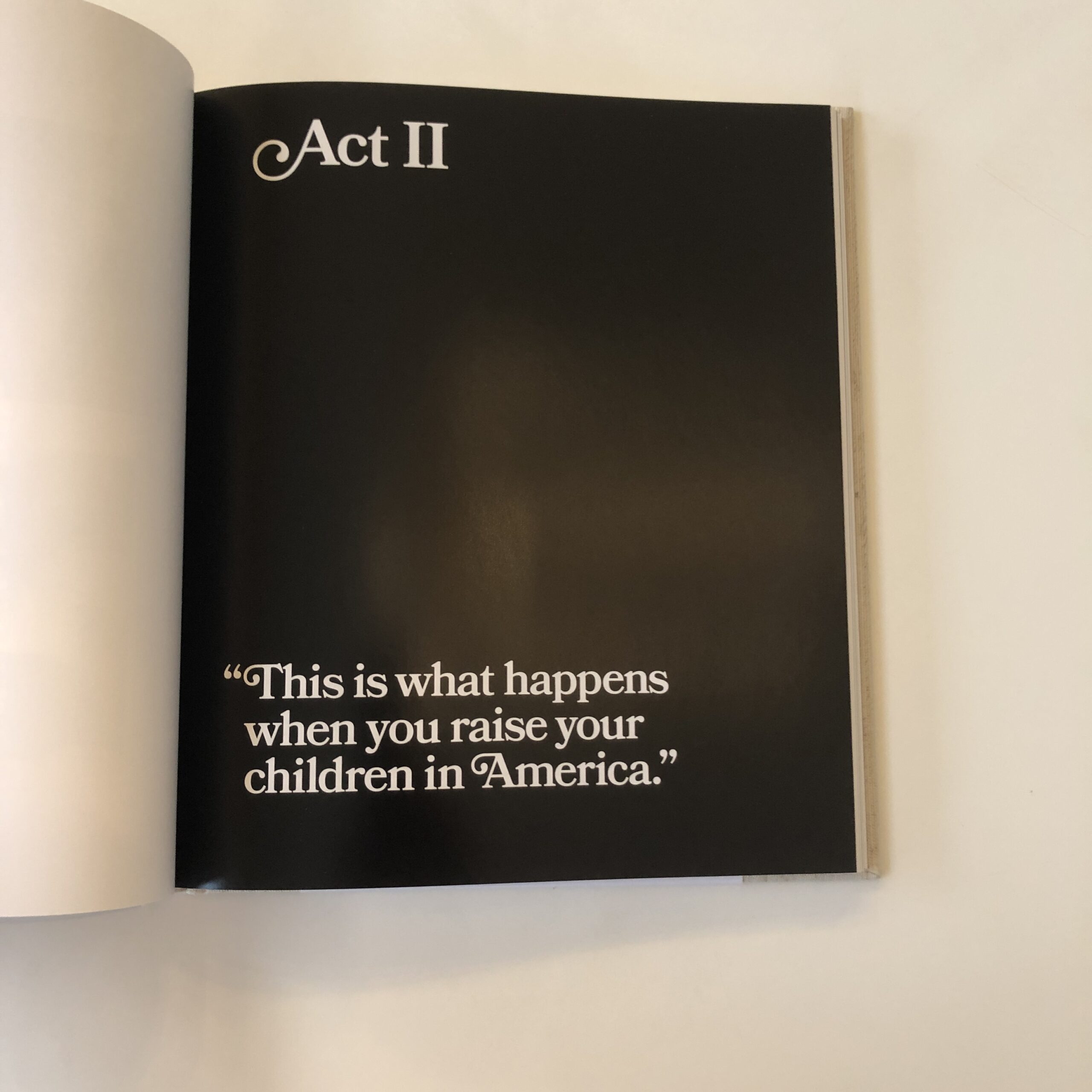
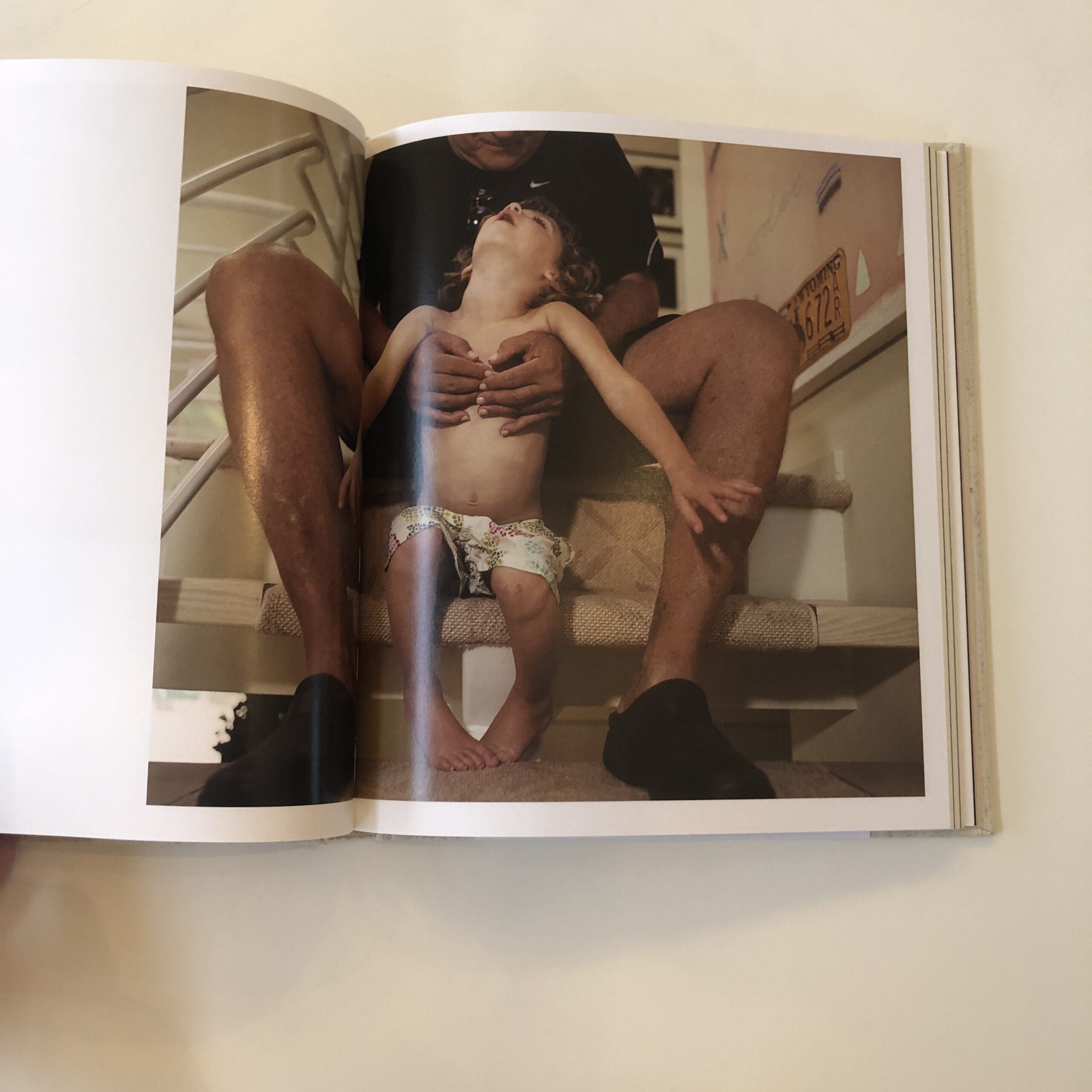
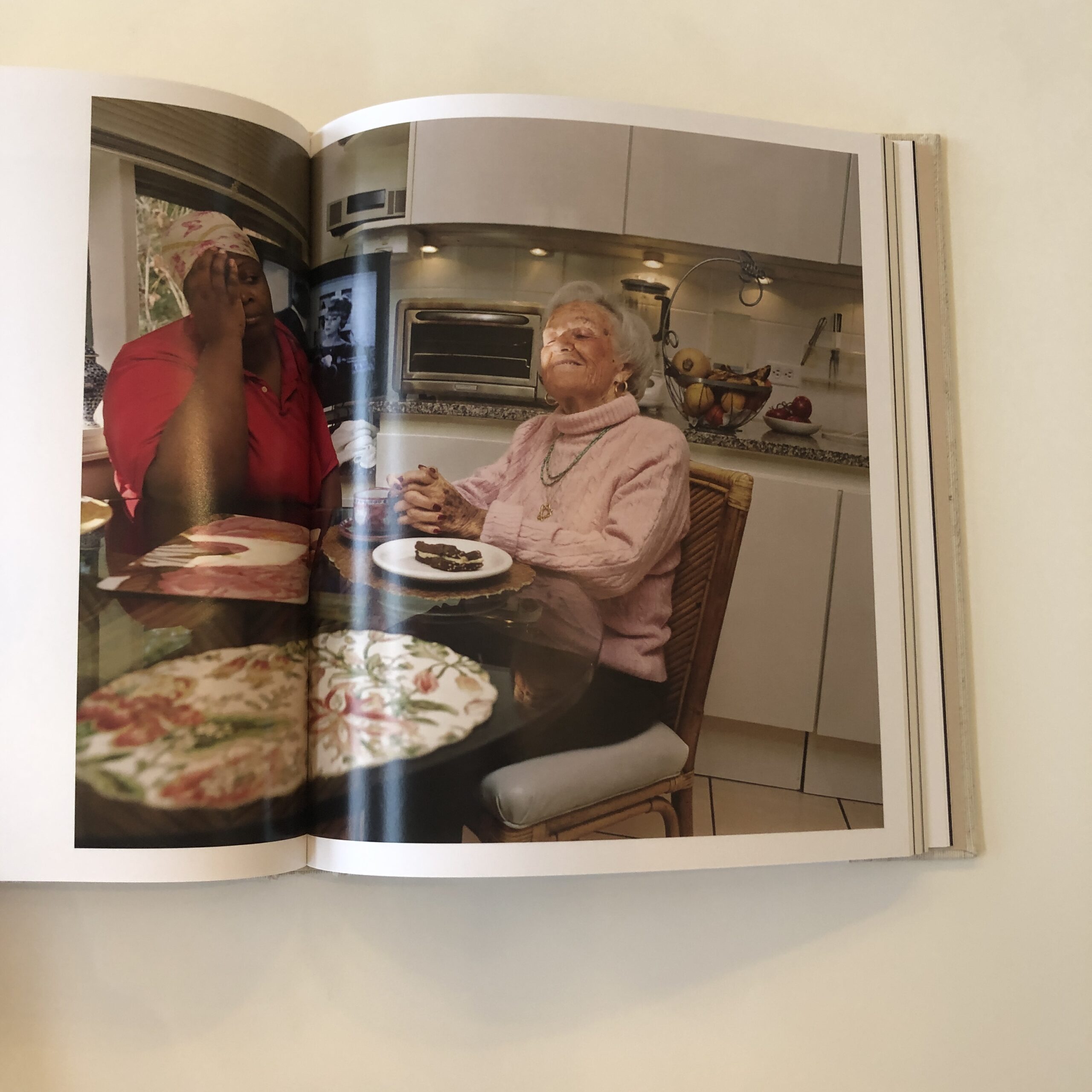
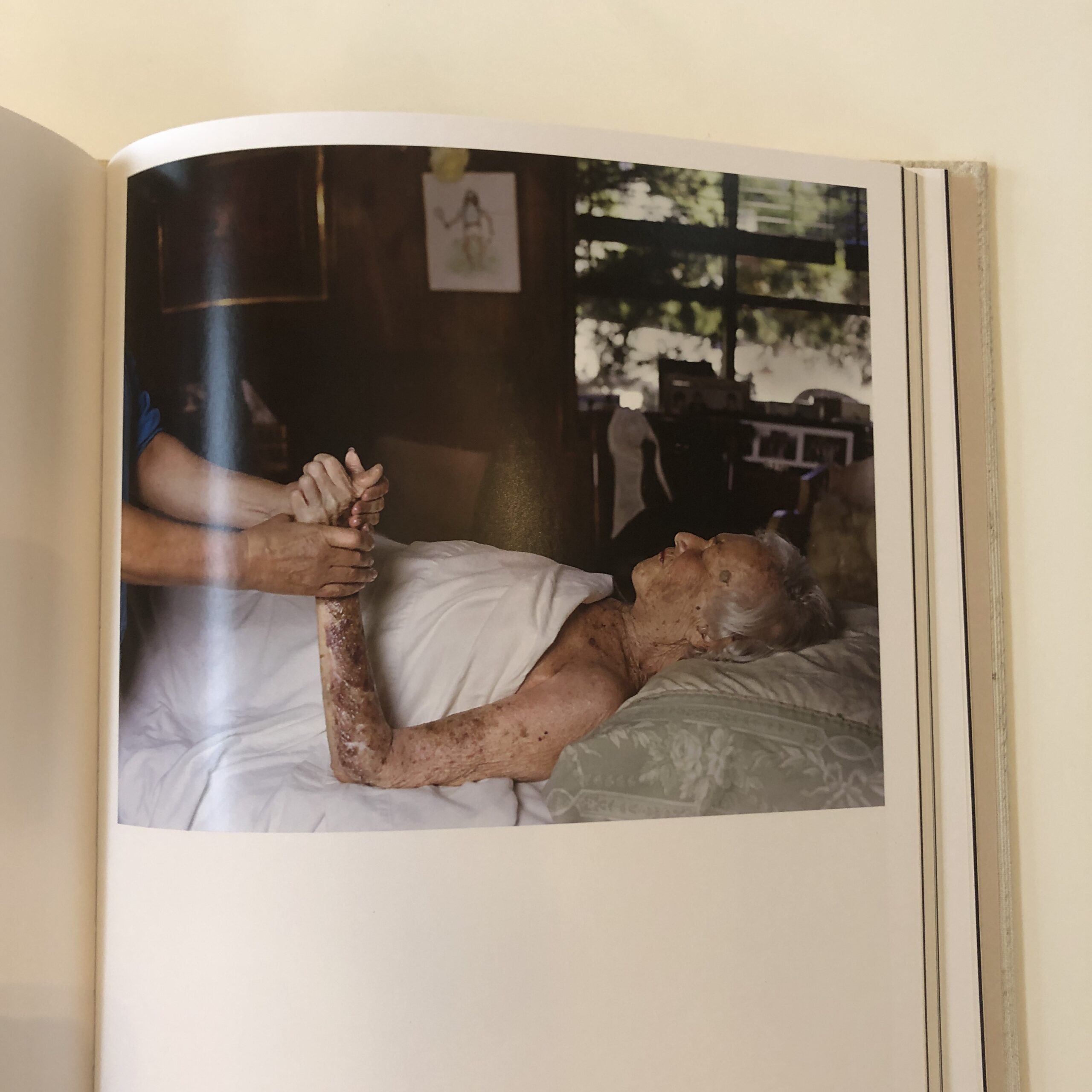
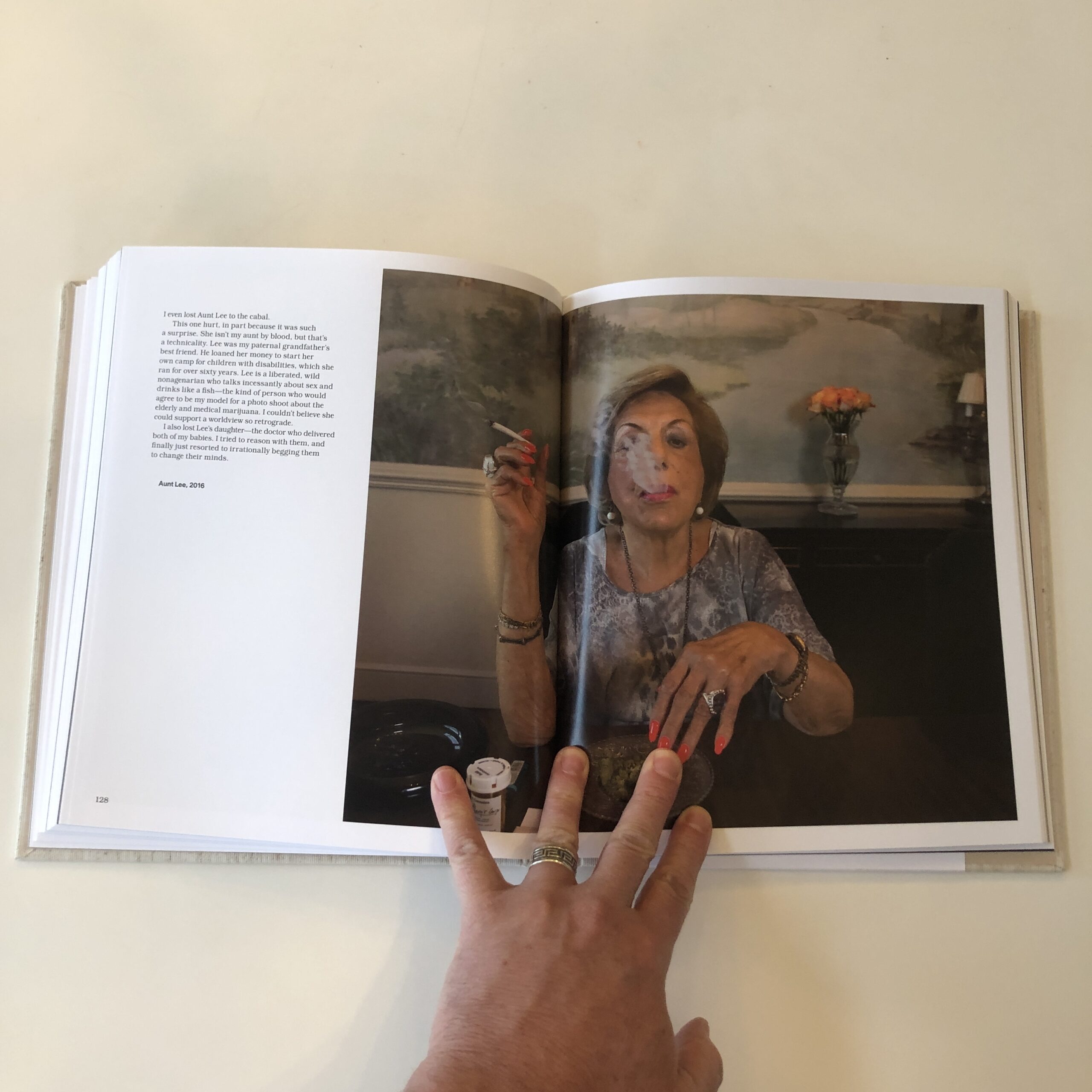
“Family Matters” is written in the first person, and follows more than two decades of growth and change in Gillian Laub’s extended family, up to the present.

From the jump, we learn the family of Ashkenazi Jewish immigrants, (who arrived from Europe when my family did, at the turn of the 20th Century,) became extremely wealthy as real estate developers.

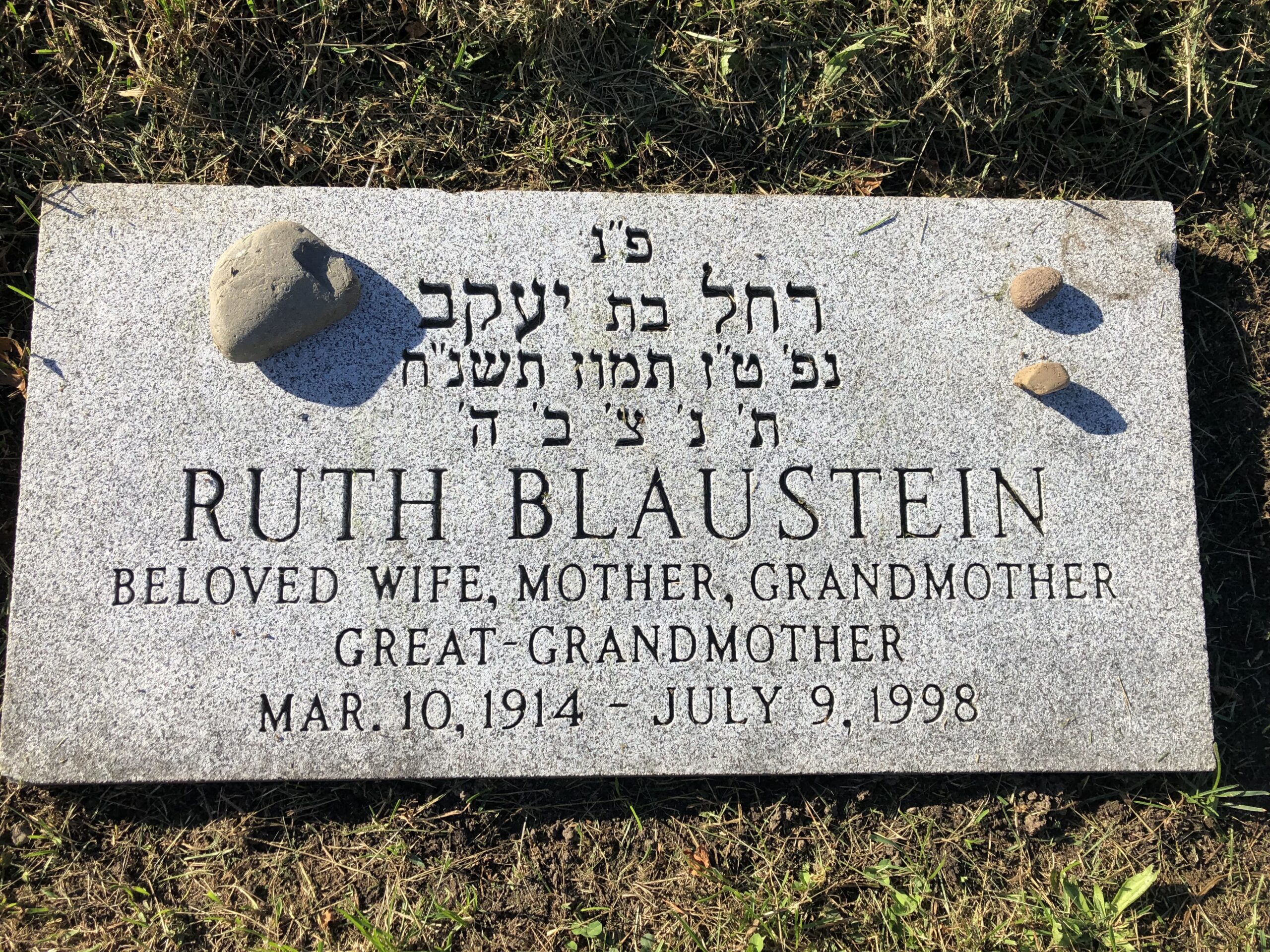
 

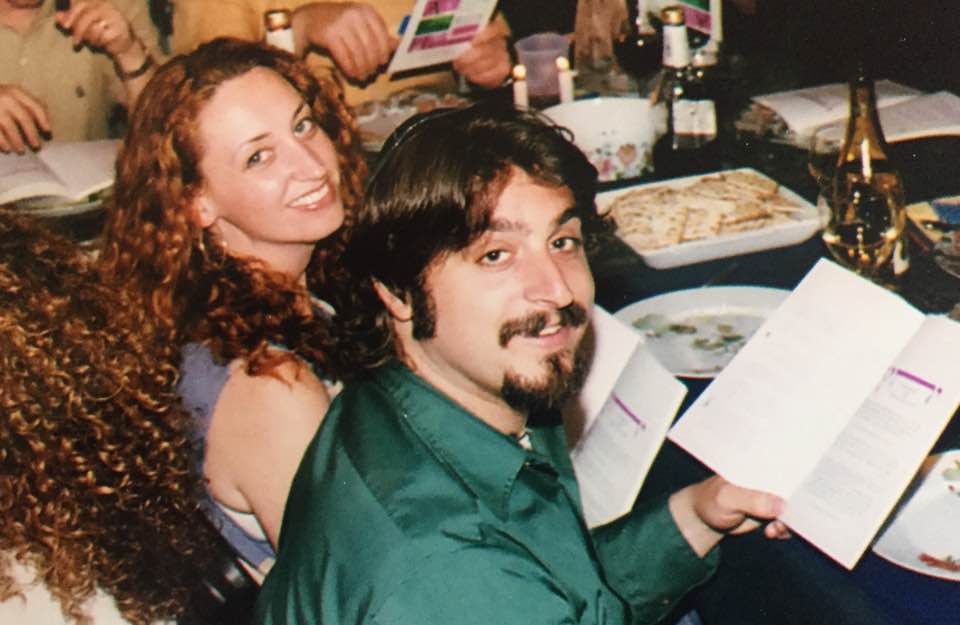
My paternal grandparents’ gravestones, 2021. Both were born here before WWI. Courtesy of Richard Blaustein


Now that I think about it, there’s solid foreshadowing for where we end up later, but I’ll build to that.

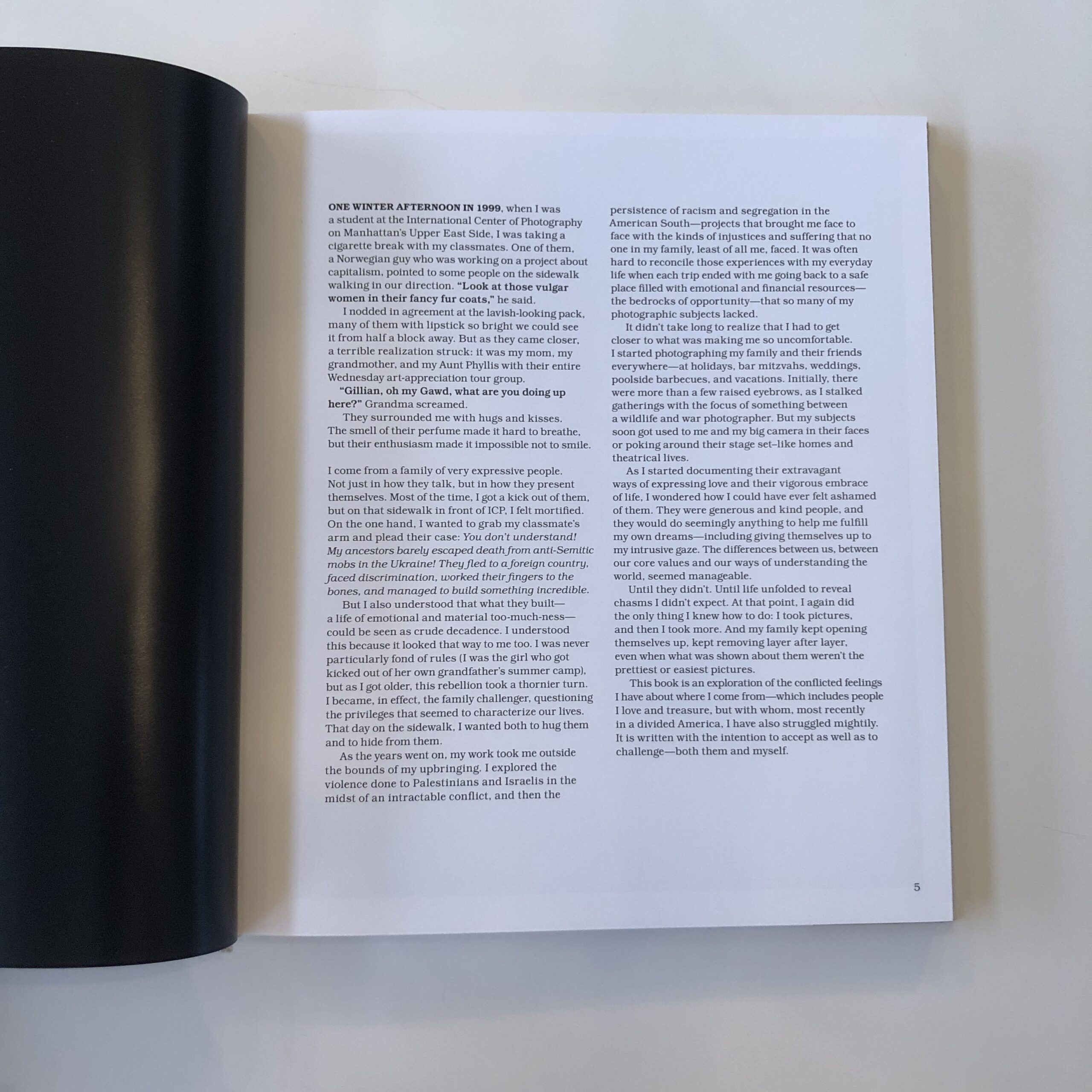
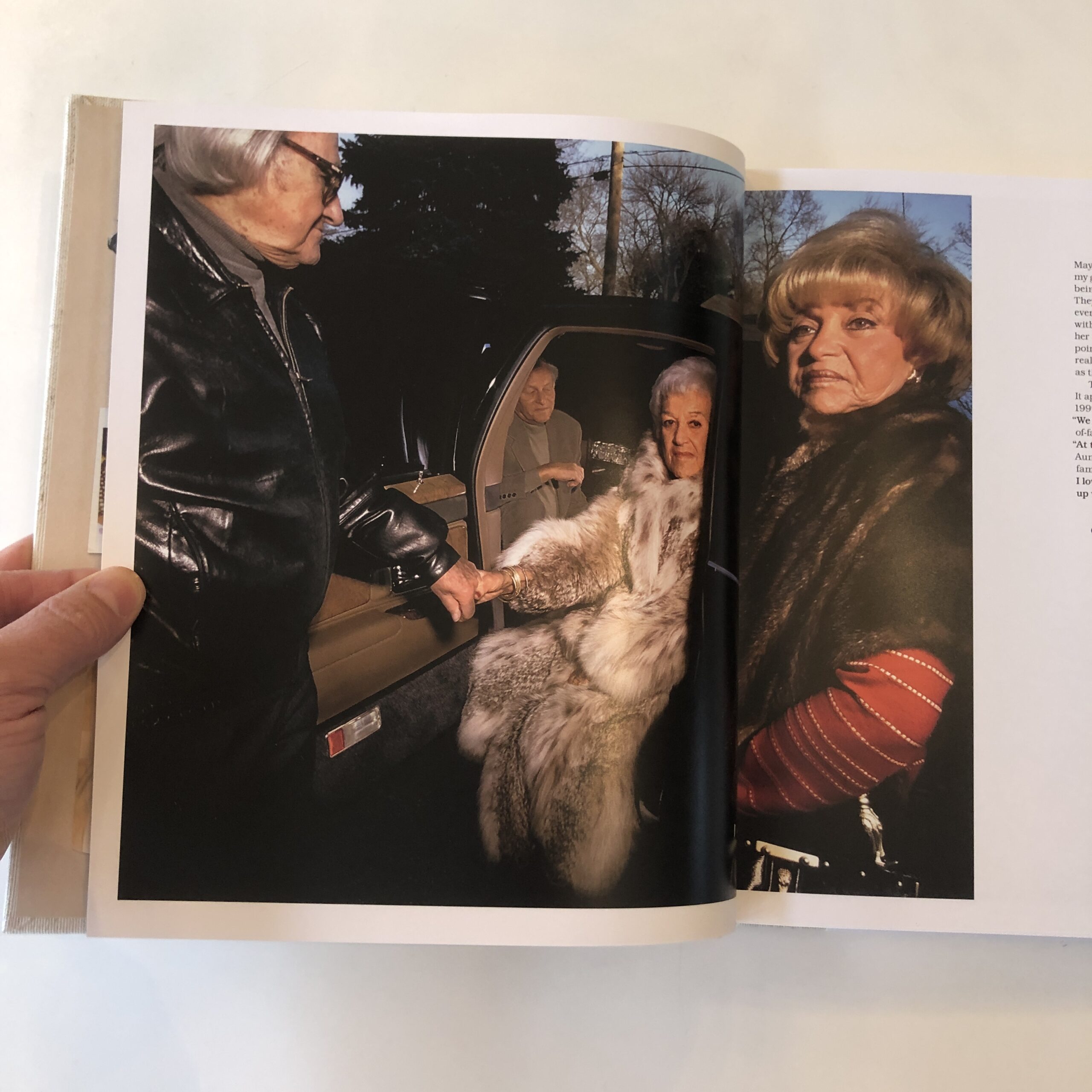
Gillian shares an anecdote of being an ICP student in 1999, chatting with colleagues outside the (then) Upper East Side institution, when some garish older ladies walk by, in full-fur coats, as her companion makes a joke at their expense.

Only for Gillian to realize it’s her family, out on the town, going to see art.

That vein of self-awareness, and airing the dirty laundry, stays with us throughout the book.

And I love it.


Pure coincidence, but I’ve been re-watching “The Sopranos” this week, having only seen it, bit by bit, when it was released in 1999.
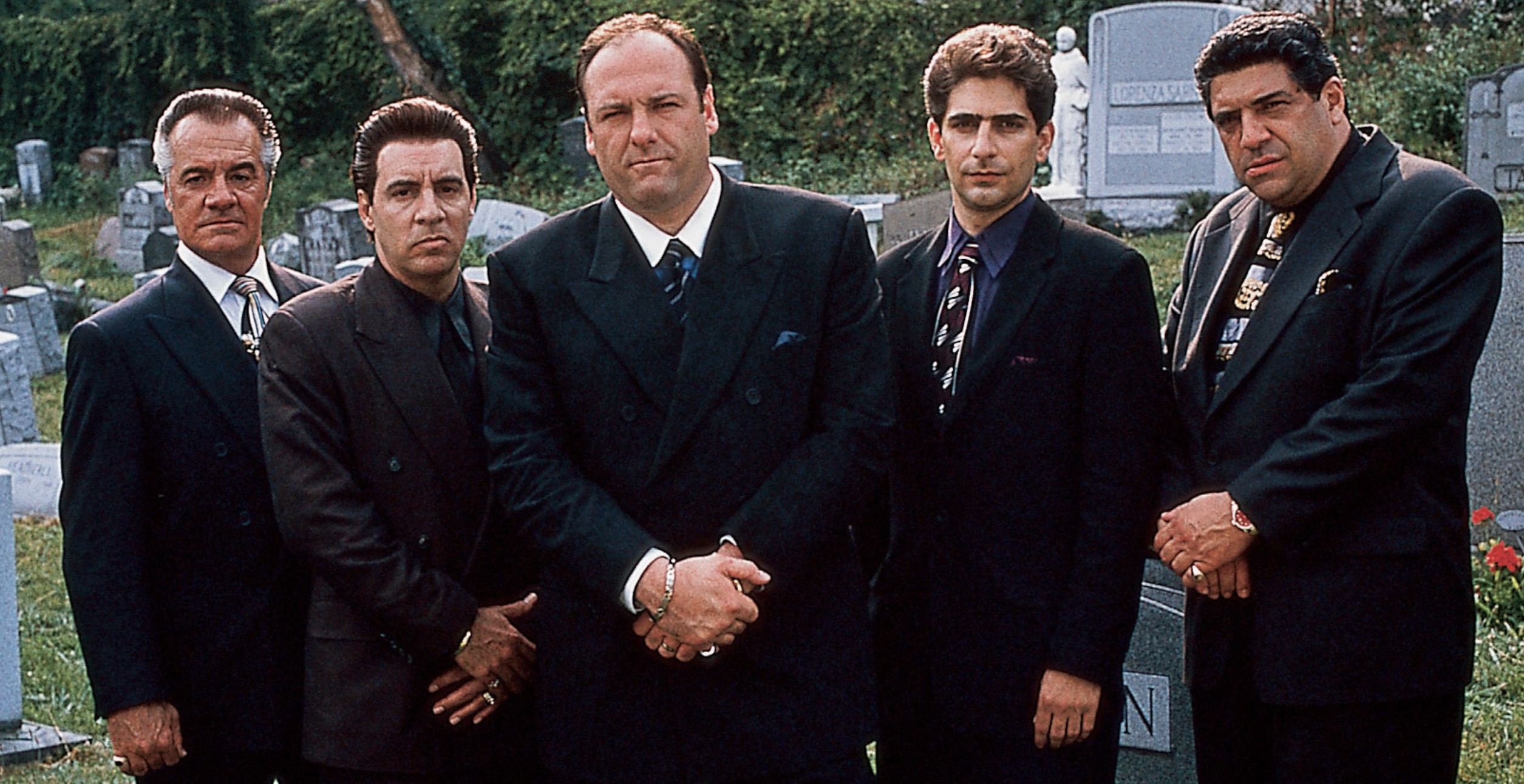
 

Photo by Anthony Neste/ Getty Images, courtesy of GQ


I probably binged it on HBO a few episodes at time, whenever I’d come back to Taos to visit my parents, (and my wife’s parents,) as I was never able to afford HBO myself.

I grew up in a town filled with New Jersey, suburban mafiosi families, and have therefore always related to the show.

(Plus, Italian food feeds my soul, rather than Jewish deli. Honestly, I’d take pizza and chicken parm over pastrami and smoked fish every single time.)

This book reminds me of the seminal, David Chase saga, as the sense of legacy, privilege, and family values pervades the narrative.

Just as Tony Soprano’s life was determined by having a thug dad, and his kids never had the chance to be “normal,” Gillian Laub is pretty clear that her personal privilege dominates much of her life, despite her artistic tendencies and liberal politics.

(Though the New Yorkers in the book might blanch at the comparison to Jersey.)


That immigrant, nouveau-riche, American-dream narrative is cultivated throughout, as Gillian Laub’s clan “made it,” moving to the ritzy, Westchester town that seduced the social-climbing Clintons.

Chappaqua.
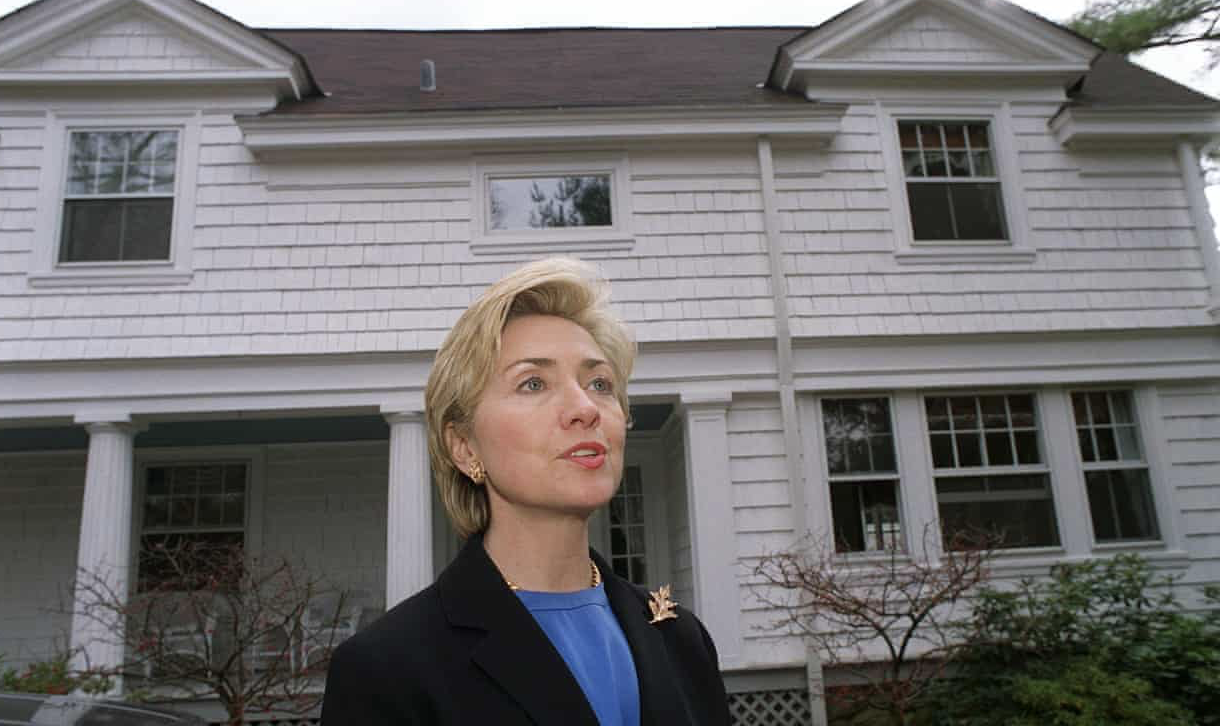
 

Hillary in Chappaqua in 1999. Photo by Steve Chernin/AP, courtesy of The Guardian


Beyond money, though, we continually read of close relationships.

Gillian feels truly loved by her parents.

She is seen, emotionally supported, and understood for who she is, from what I gather.

However, it’s just that sense of deep, rich love that leads to the conflict in “Family Matters.”

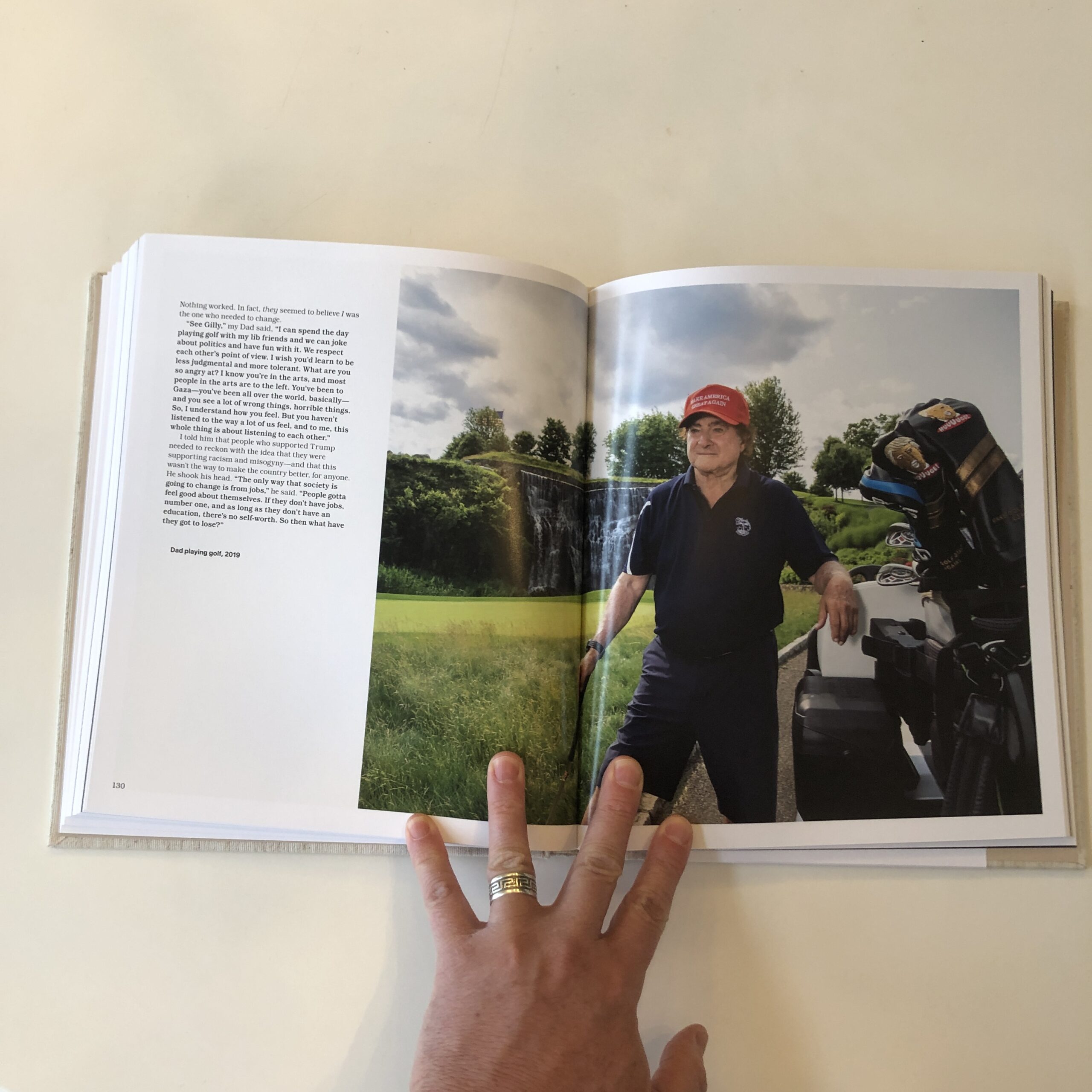
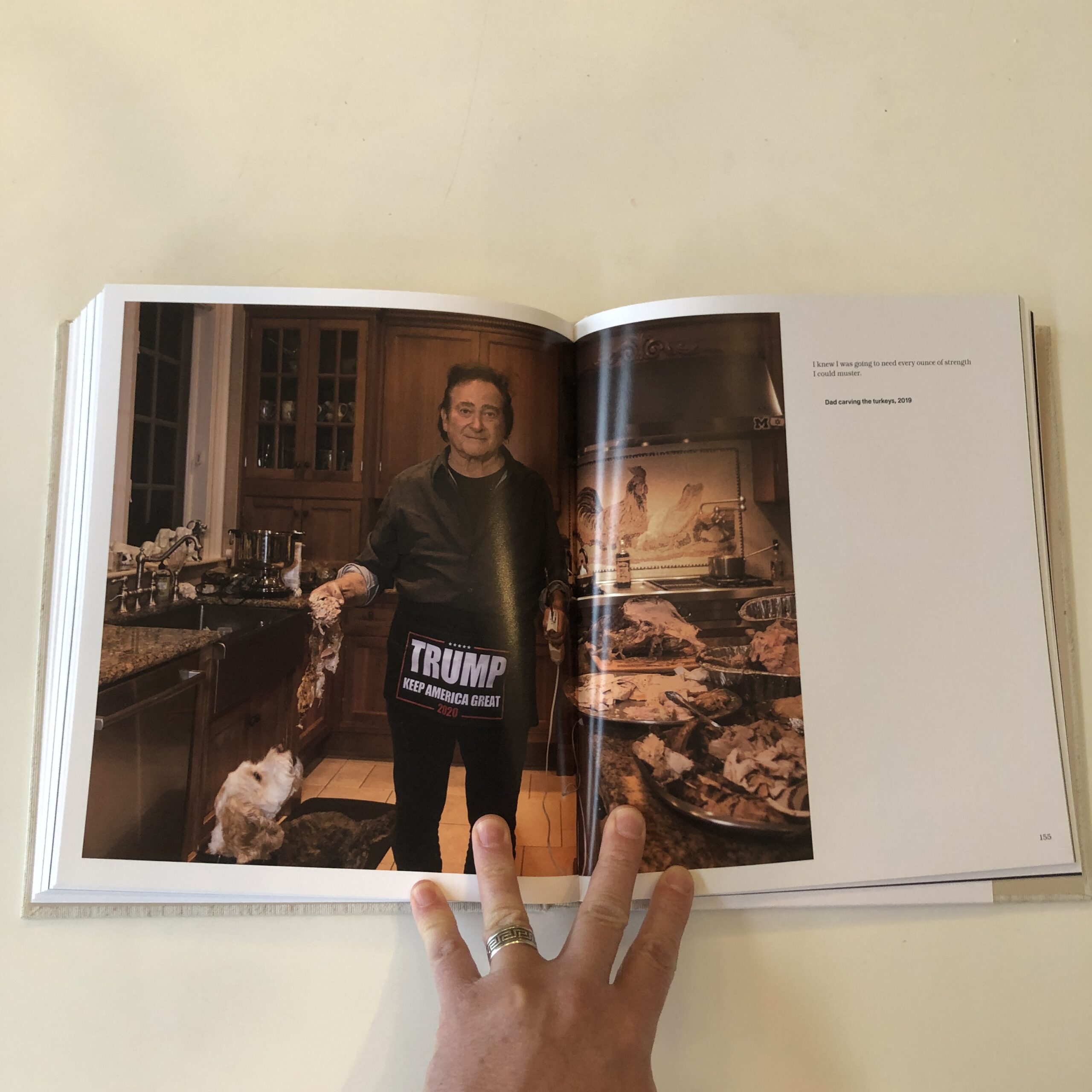
The big reveal, (spoiler alert,) is that Gillian’s parents, and some of her extended family, come out as serious Trumpers in 2016, and it nearly breaks their bonds forever.

That they are so connected makes the political betrayal deeper on both sides, as neither can relate to the other anymore.

Enmity replaces joy.

Anger trumps positivity.

All seems lost.


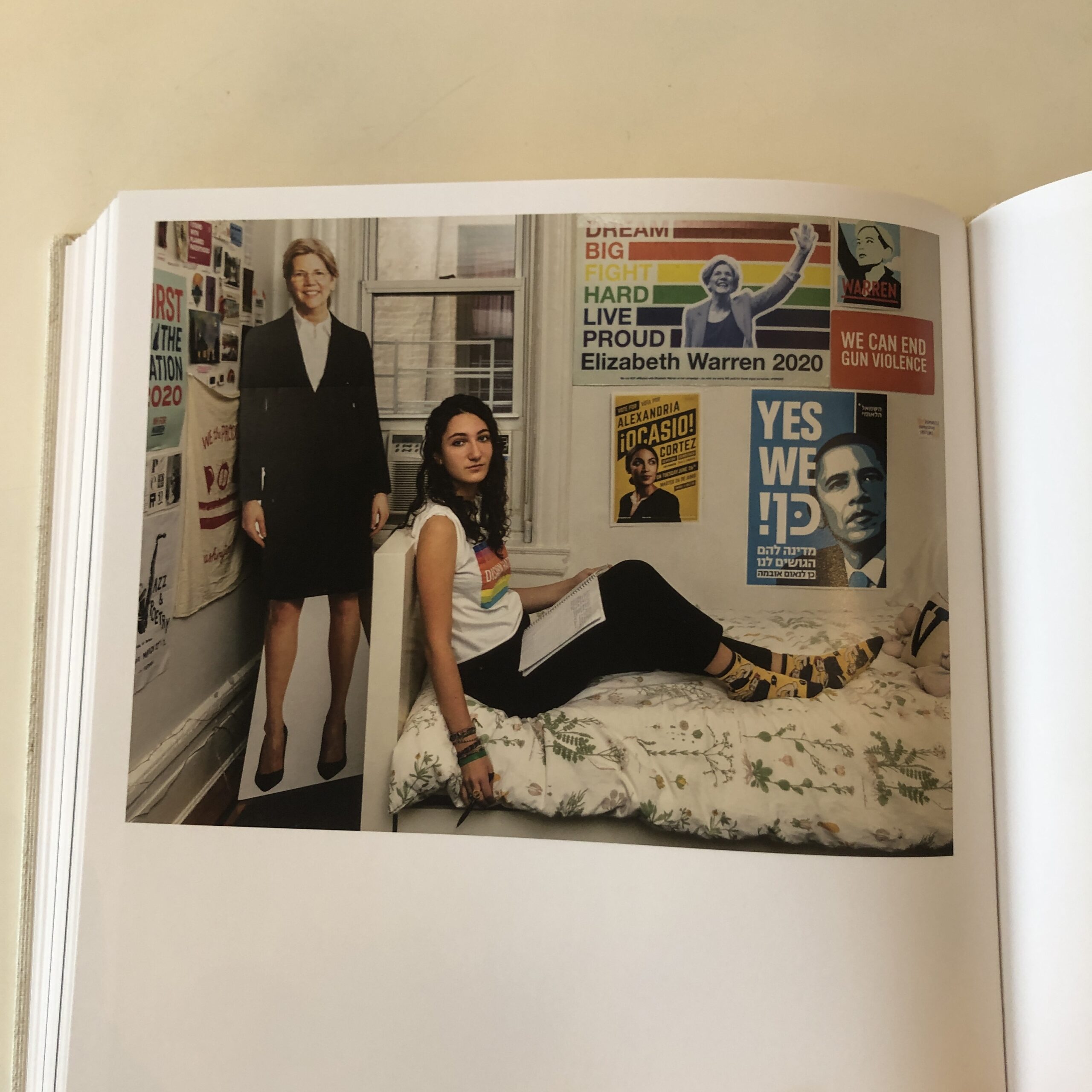
Still, proper rupture never happens, and I applaud the artist’s introspection, admitting while she maintained her progressive political leanings, she still accepted her parents’ money to pay for private school for her children.

(As one who’s spent 10 years sharing my personal life with you, my readers, I found the honesty refreshing.)

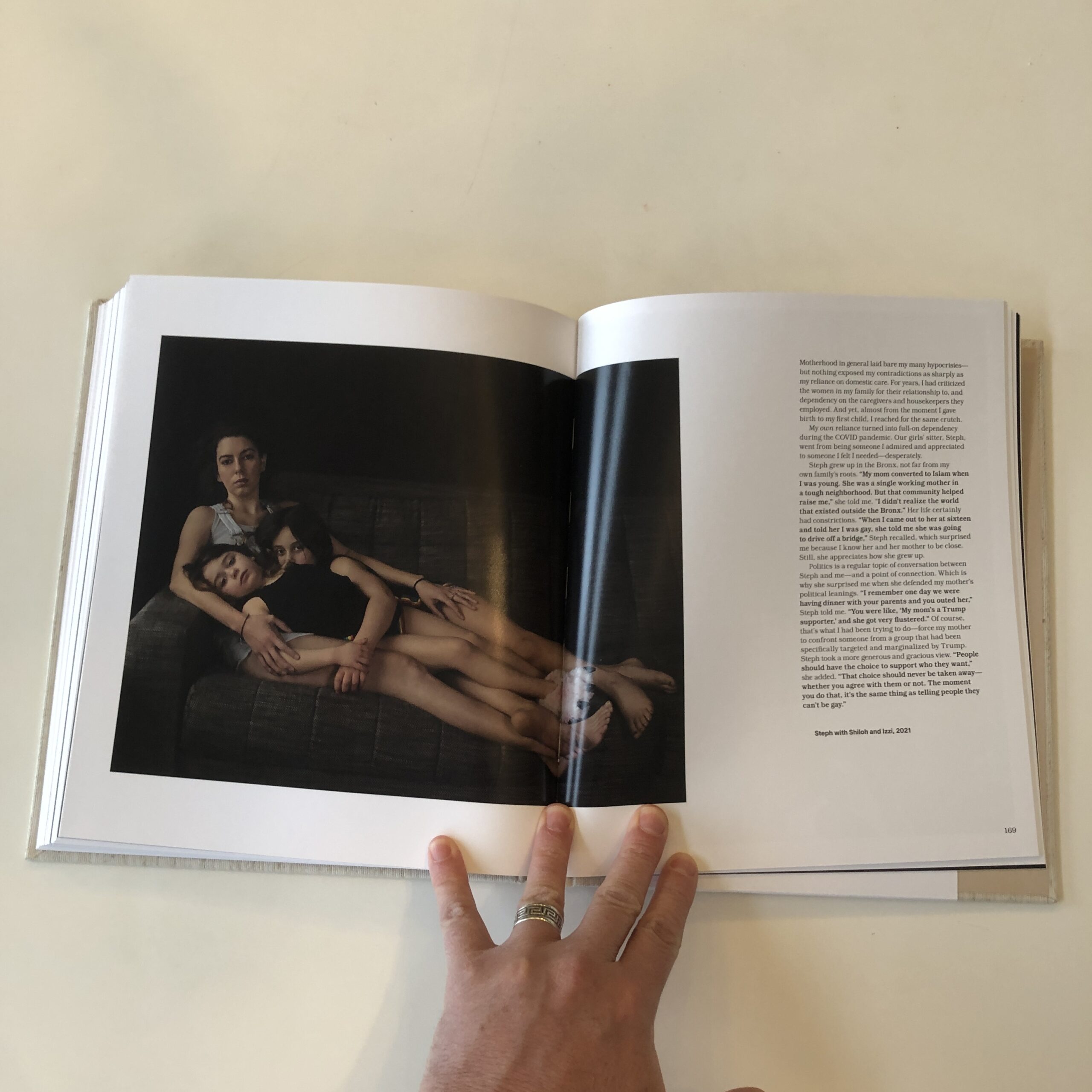
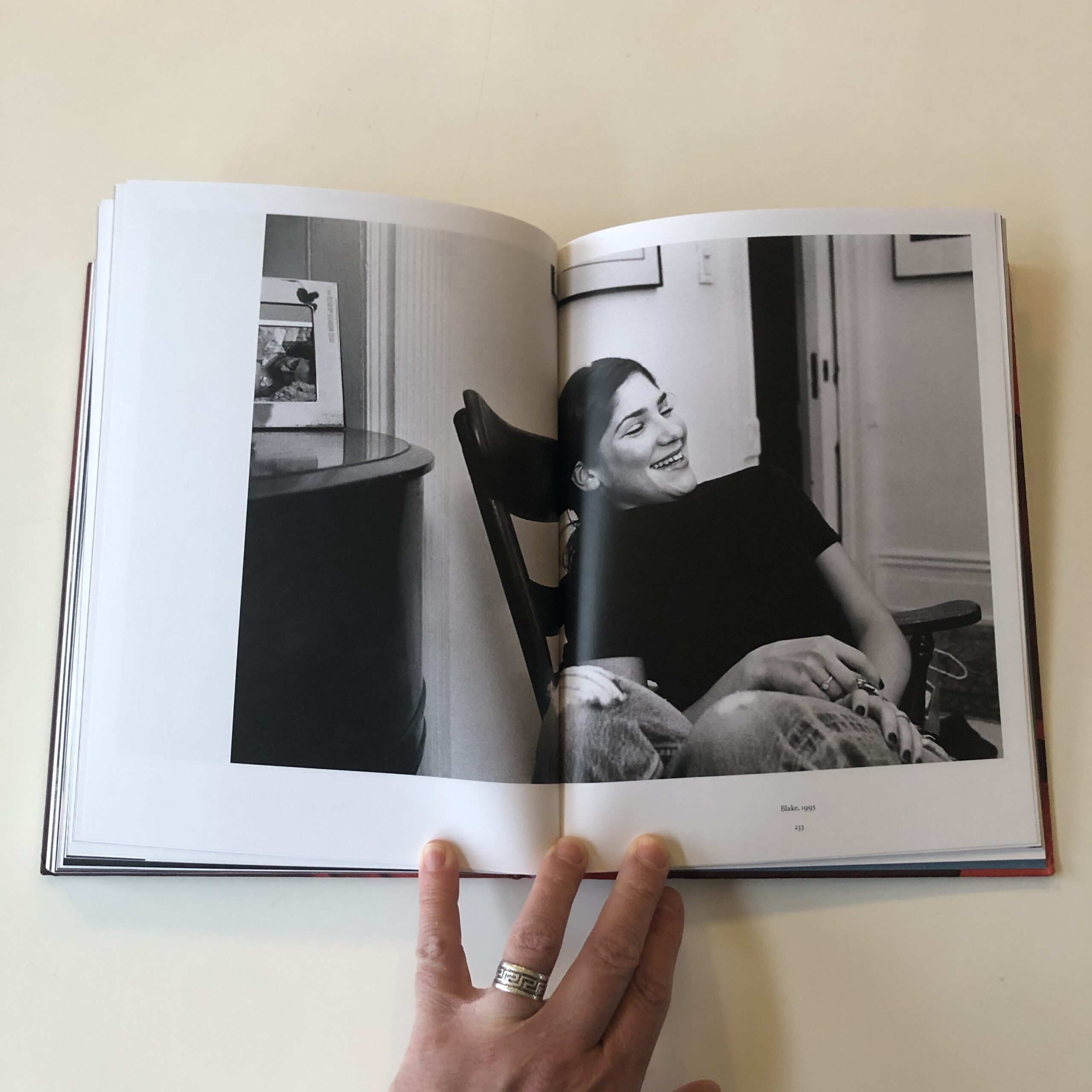
Of course, I should have mentioned the pictures by now, and they’re great.

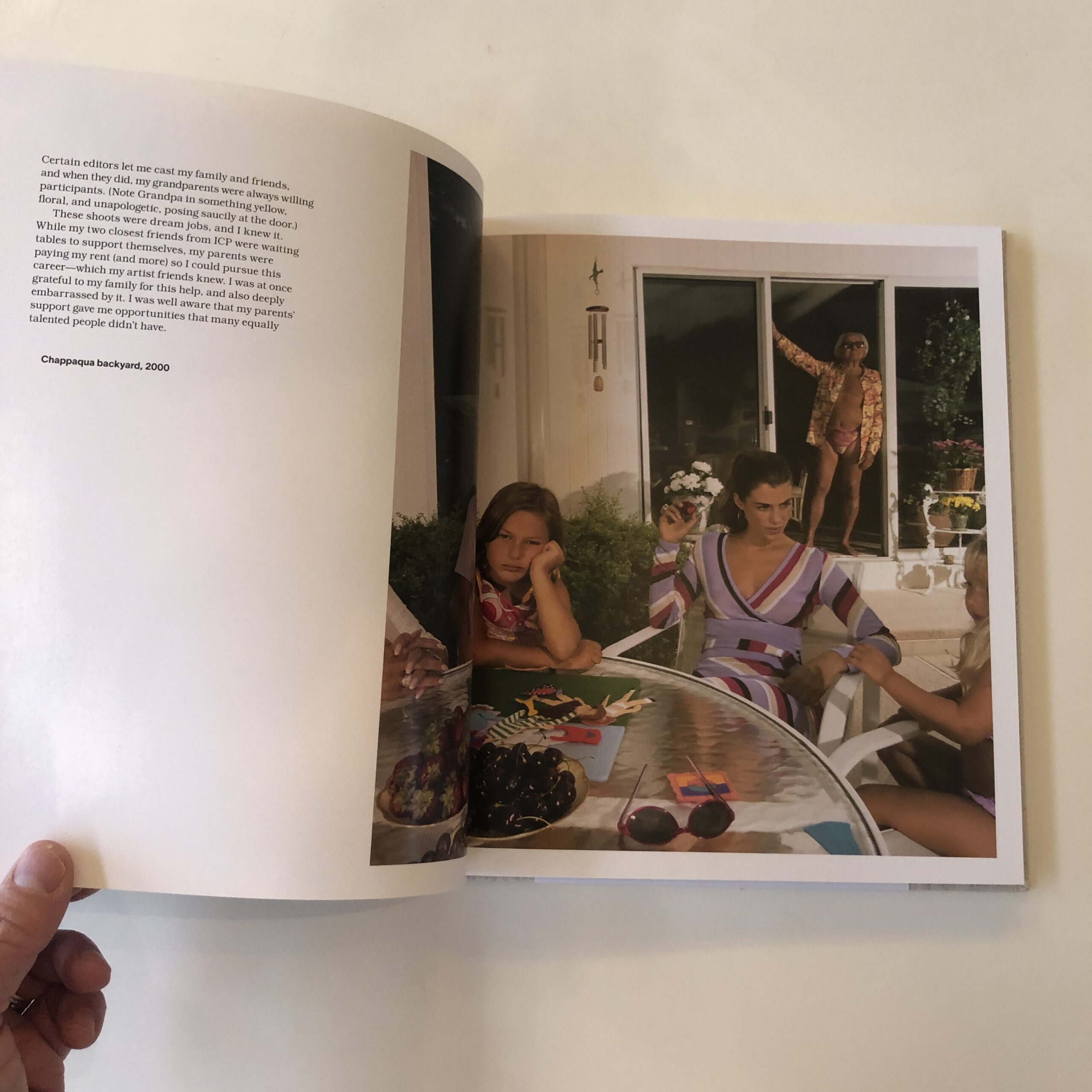
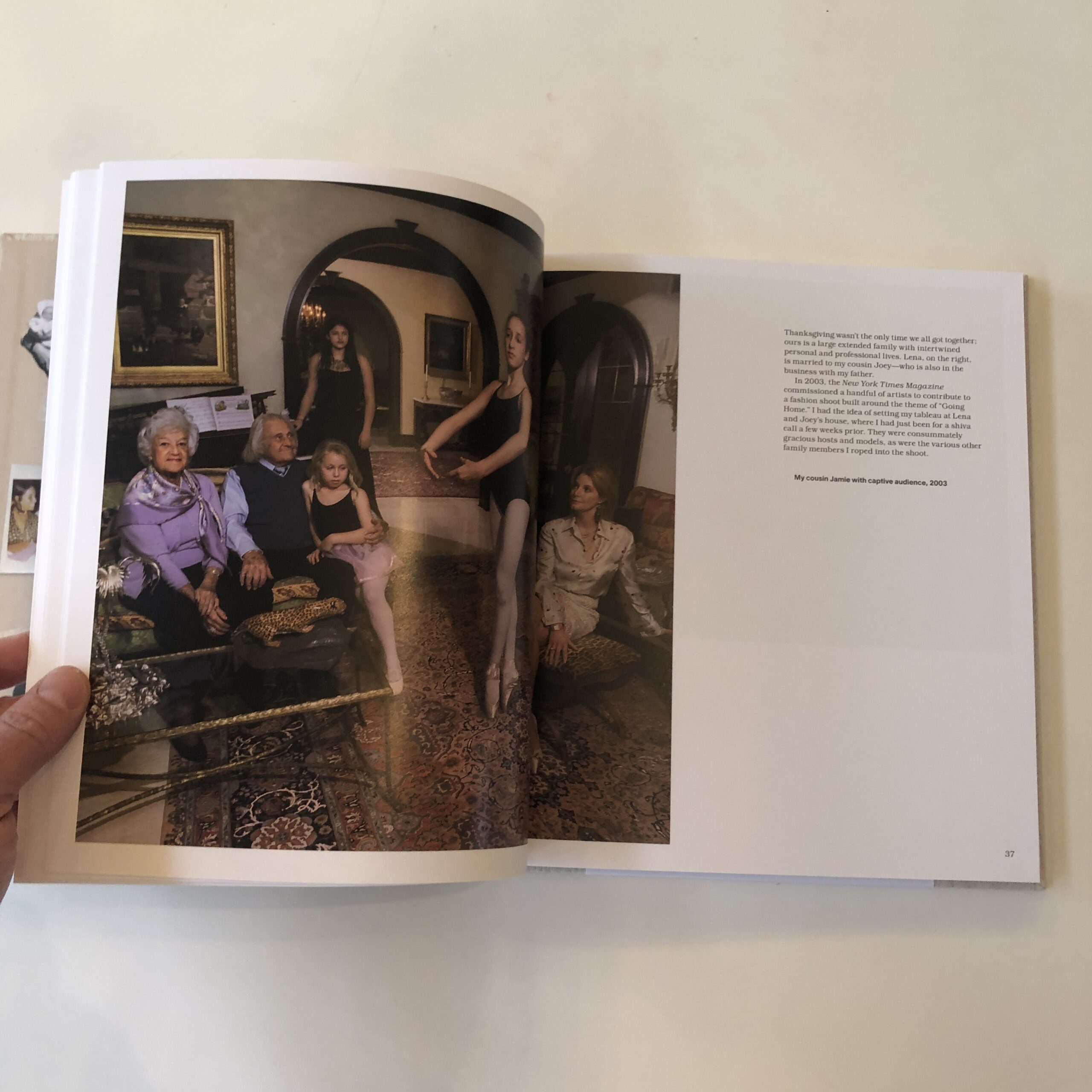
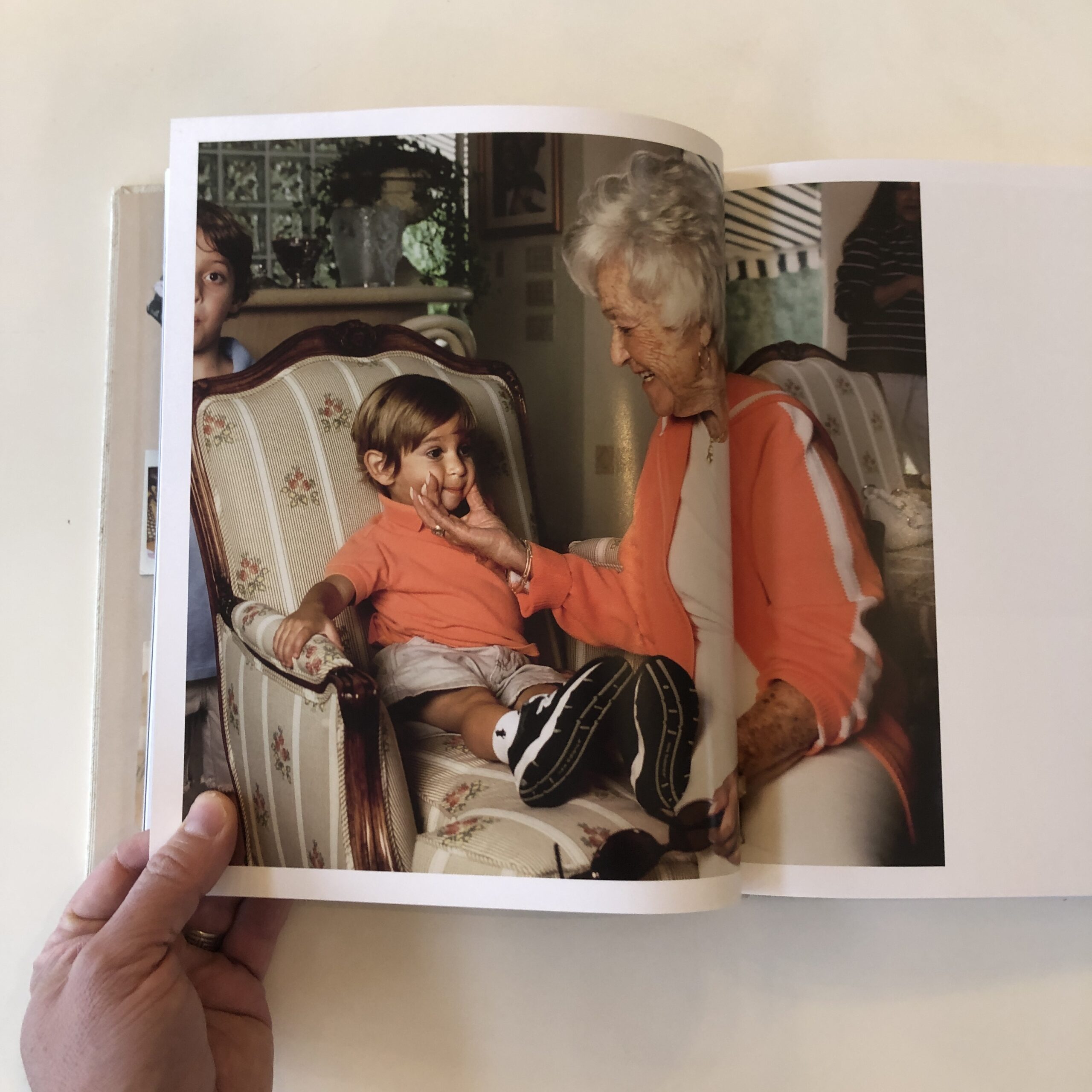
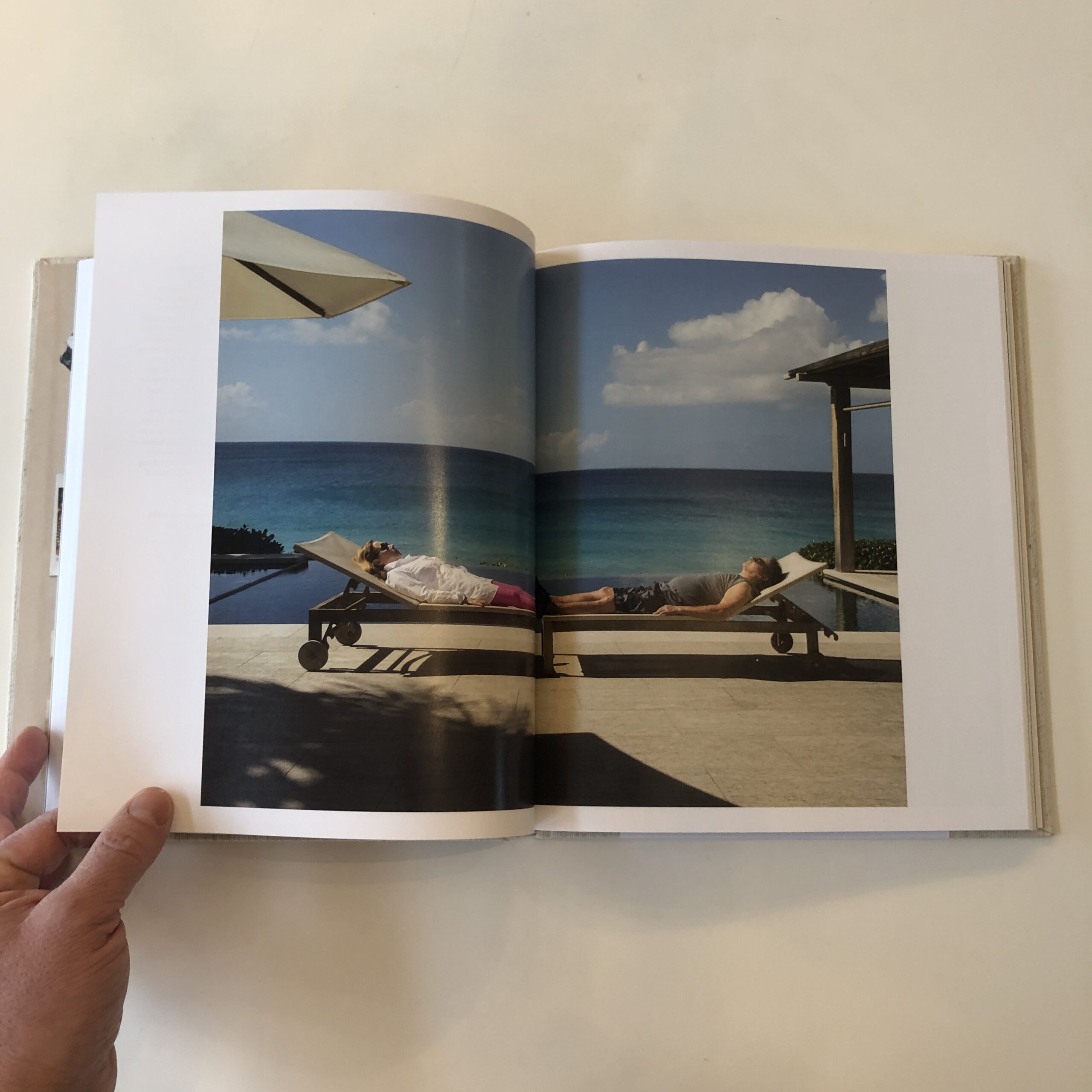
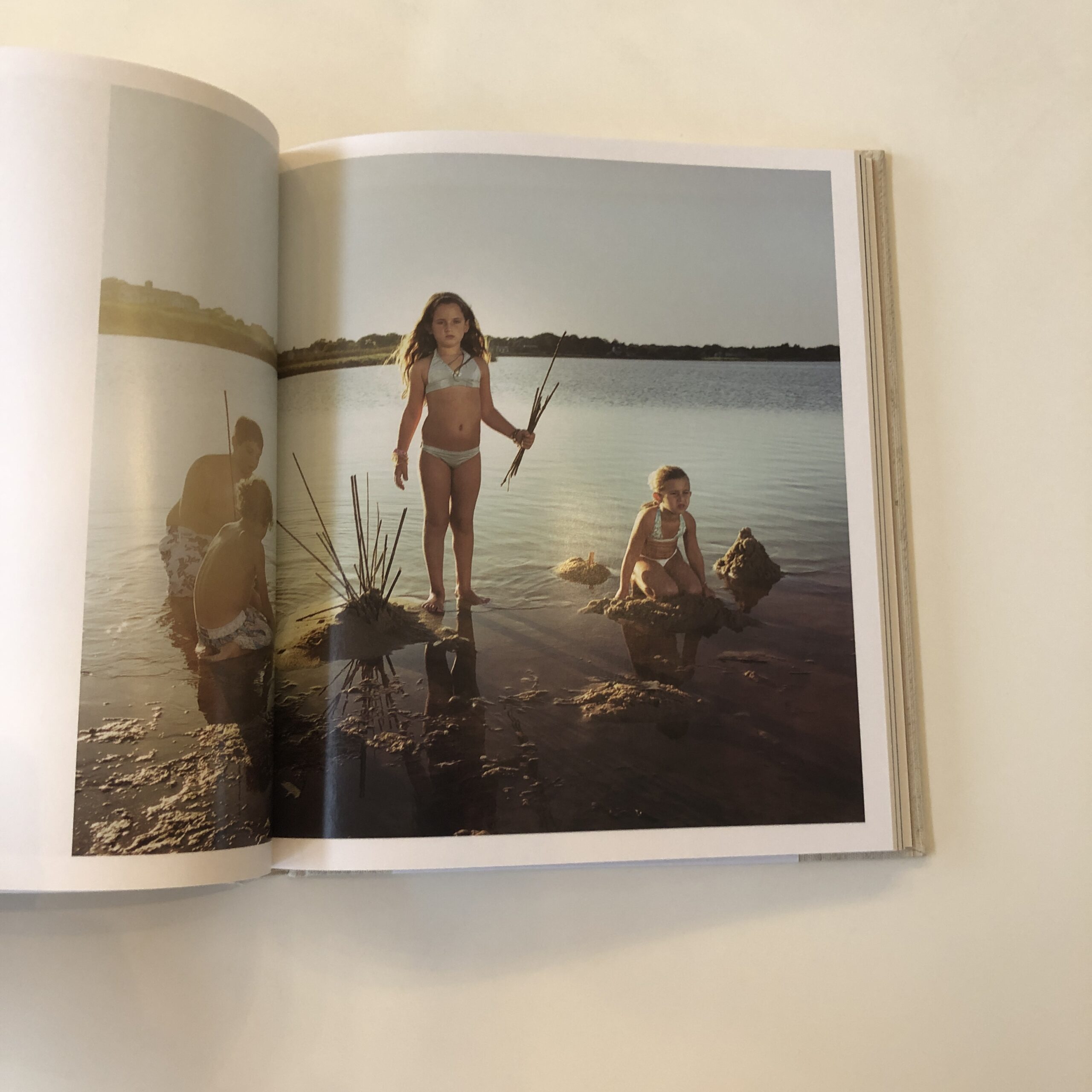
Lots of humor, (sometimes at the subjects’ expense,) but also respect, solid compositions, and razor-sharp exposures.

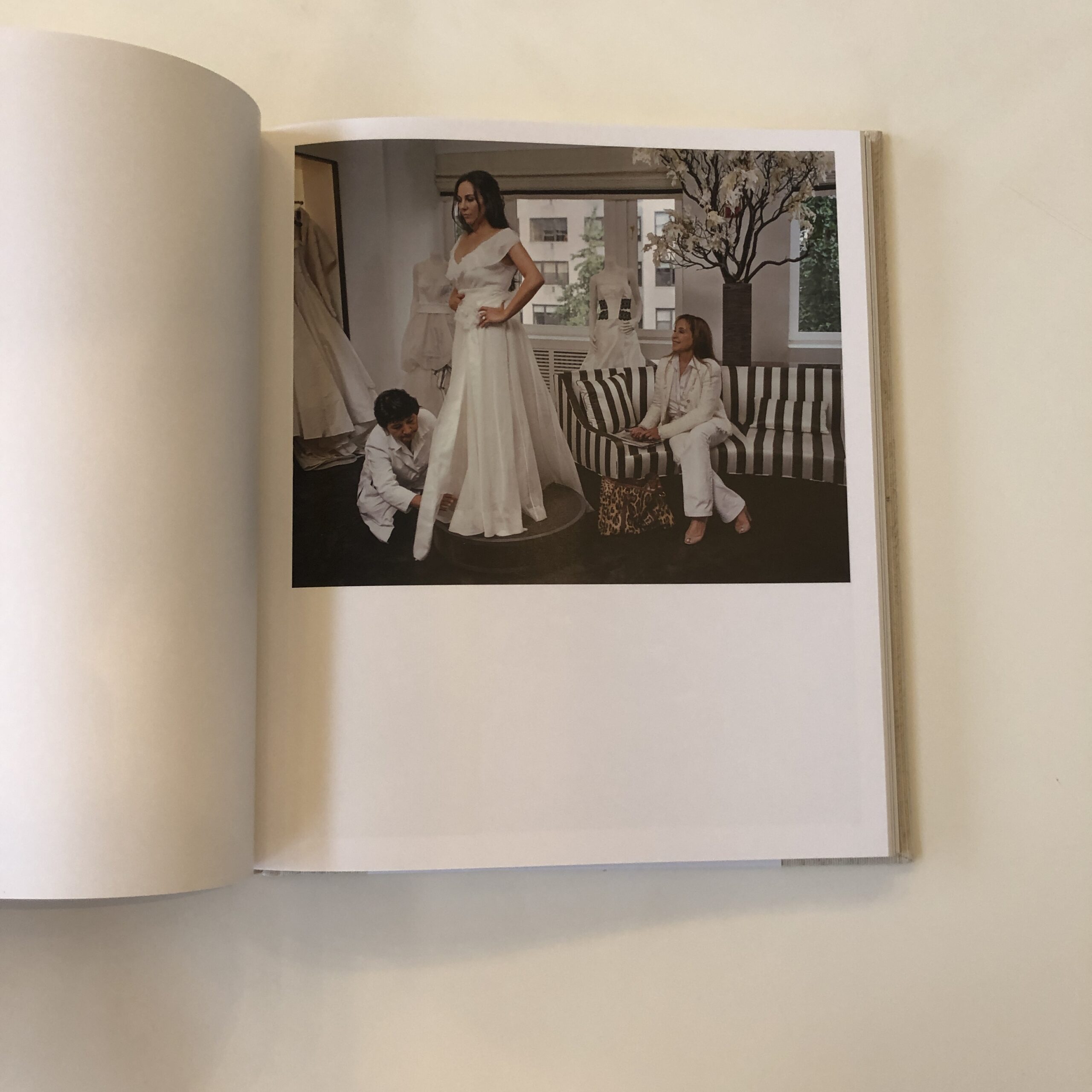
When I saw the photo of the wedding planner, Harriette Rose Katz, I was teleported to that gallery in Santa Monica, 2013, back when Bergamot Station was still going strong, and I was reminded why I liked this work so much the first time I saw it.


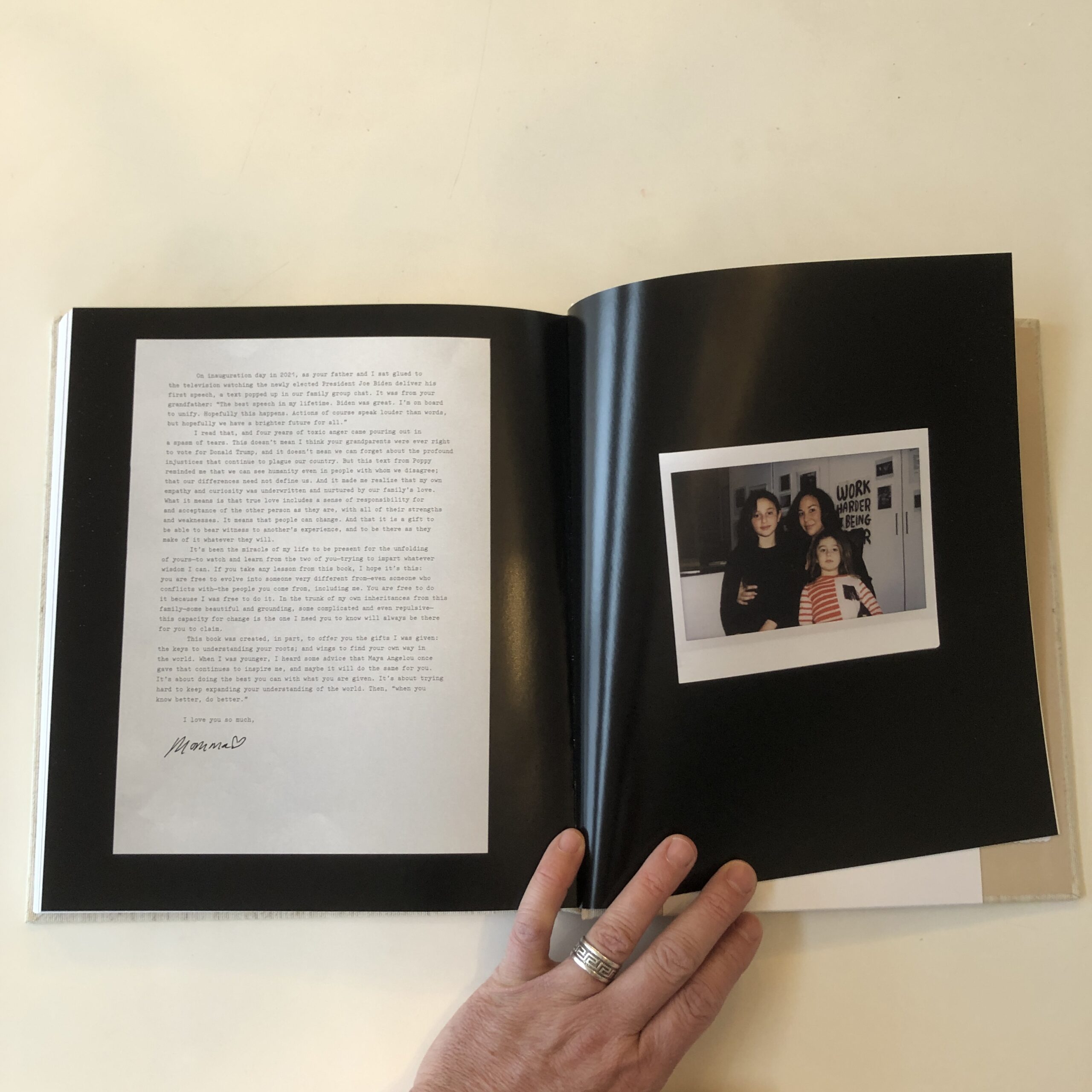
In the end, Gillian’s family reconciles, after Joe Biden is inaugurated, but as I said before, it’s not like they ever formally broke.

They still showed up for the family functions.

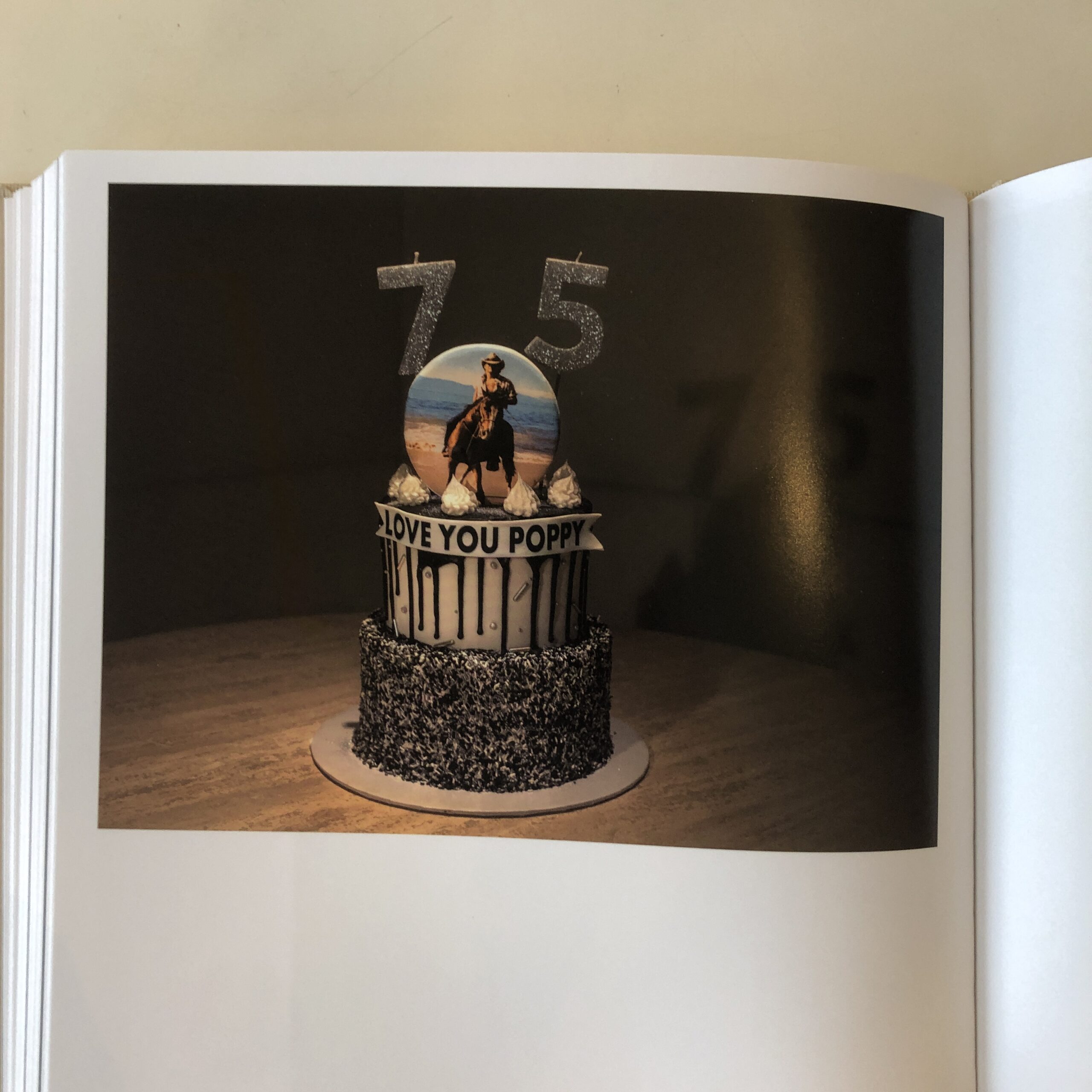
Celebrated the birthdays.

Offered up the backyard for a Mary J Blige photo shoot.

(OK, probably none of us can relate to that last one, but I did wait on her and her then-husband, at Bobby Flay’s restaurant in 2003, and the way MJB’s man made us stay open late, and ordered off the menu, I knew he was a prick. If she had only asked me, I could have saved her a lot of heart-ache.)

This book is one for the collection, and if you live in the Tri-State area, I’d suggest you go see the show at ICP, Downtown, before it closes.

Their museum and school have moved many times, since Gillian was a student on the Upper East Side. (I saw my first-ever photo show there, and then engaged in naughty behavior with my wife in a new, mid-town location several years later.)

Like the photo world in general, ICP changes with the times.

But they stick around, because photography is as relevant now as it’s ever been.

To wrap this up, (so I can go back to packing for my trip,) thank you all for reading, and supporting this column in 2021.

May you and your loved ones have a safe, healthy, and invigorating 2022.

See you in two weeks!


To purchase “Family Matters” click here


If you’d like to submit a book for potential review, please email me at jonathanblaustein@gmail.com. We are particularly interested in books by artists of color, and female photographers, so we may maintain a balanced program. And please be advised, we currently have a significant backlog of books for review. 

The Art of the Personal Project: Todd Cole

The Art of the Personal Project is a crucial element to let potential buyers see how you think creatively on your own.  I am drawn to personal projects that have an interesting vision or that show something I have never seen before.  In this thread, I’ll include a link to each personal project with the artist statement so you can see more of the project. Please note: This thread is not affiliated with any company; I’m just featuring projects that I find.  Please DO NOT send me your work.  I do not take submissions.


Today’s featured artist:  Todd Cole


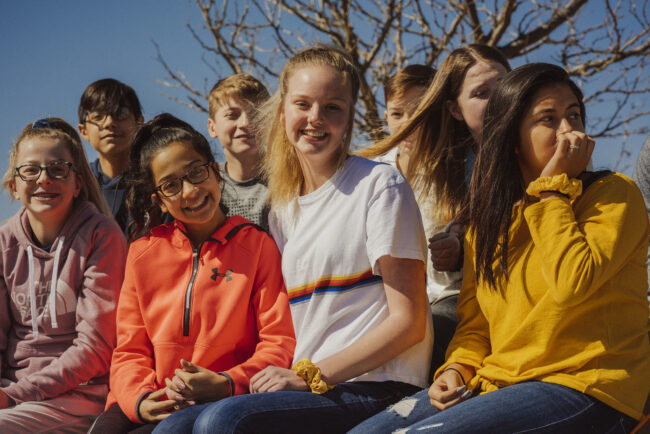
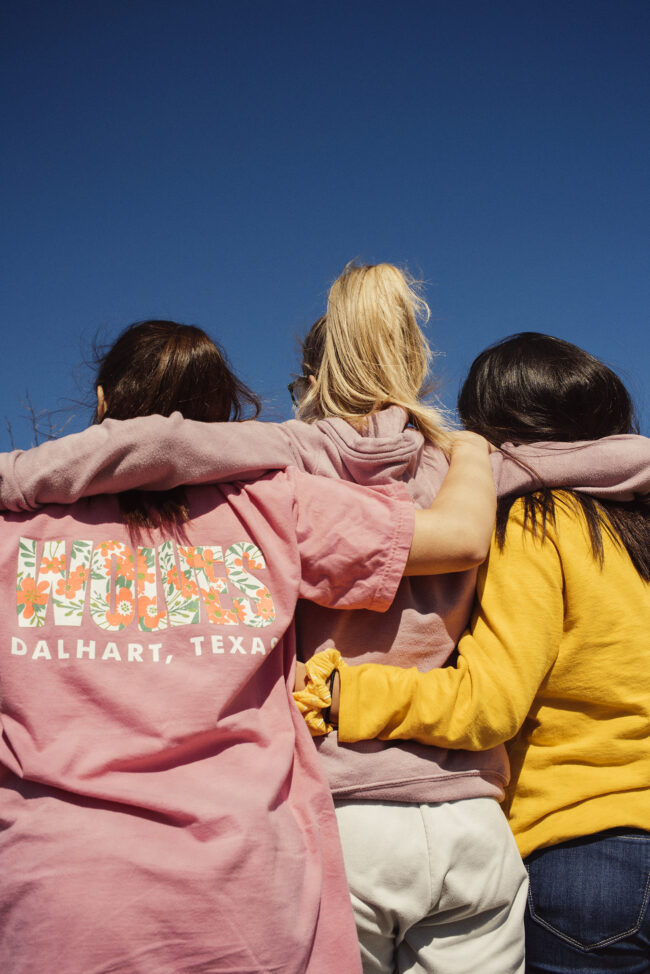
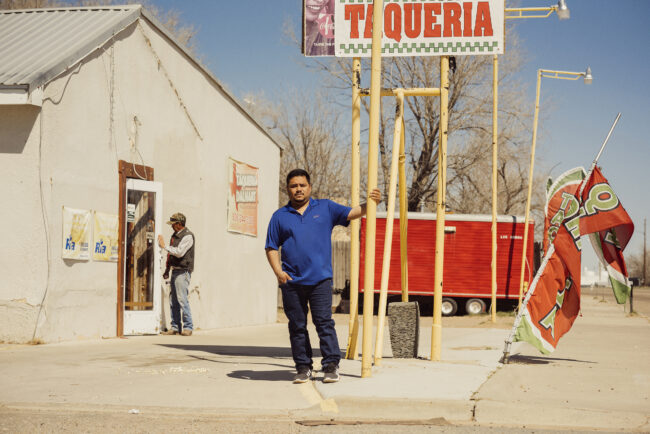
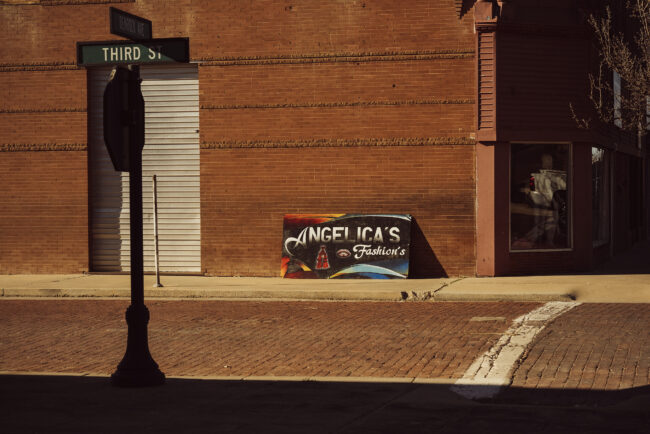
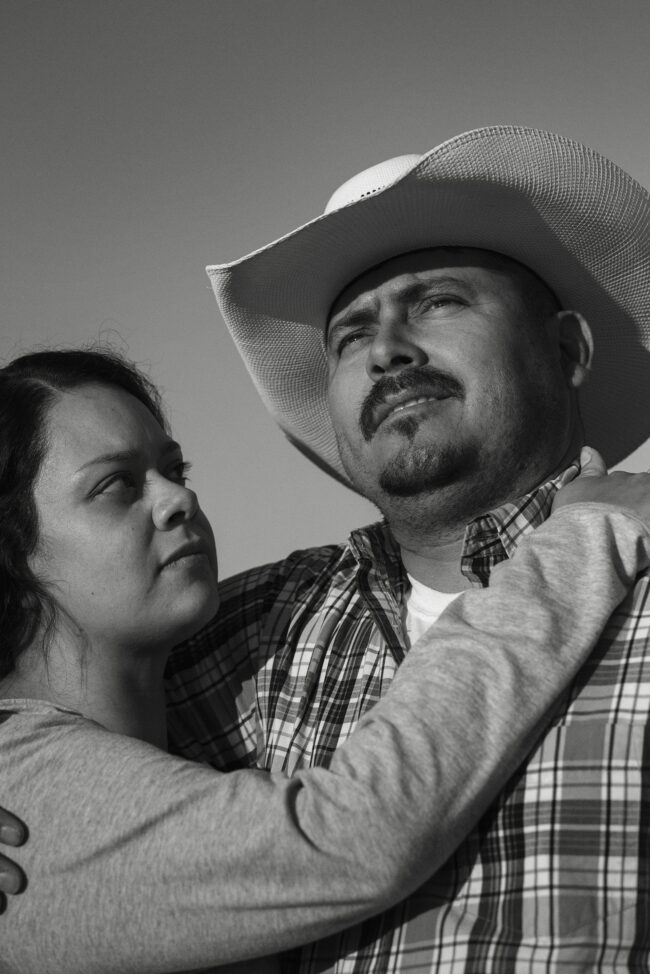
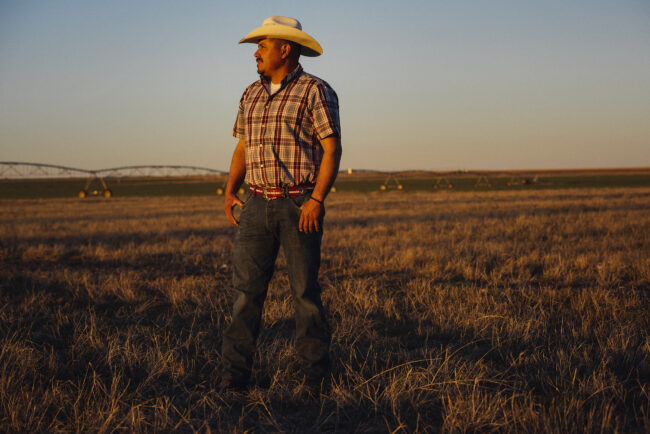
“This project is an exploration into the effects of migrant workers from South America upon the rural, agrarian communities in the Texas panhandle.  Immigrants have helped to transform the once declining Texas towns of Dalhart, Sunday, and Dumas, into thriving agricultural boomtowns.  The laborers work on cattle ranches and dairy farms, as well as own and operate small businesses, such as restaurants, bakeries, and clothing stores in these communities.  These towns have become dependent on this immigrant labor, and as a result the community are now embracing their new neighbors, leading to an open mindedness and integration of shared values.  This project was done in partnership with the Texas Observer and The Emerson Collective.”


To see more of this project, click here.

Instagram 


APE contributor Suzanne Sease currently works as a consultant for photographers and illustrators around the world. She has been involved in the photography and illustration industry since the mid 80s.  After establishing the art-buying department at The Martin Agency, then working for Kaplan-Thaler, Capital One, Best Buy and numerous smaller agencies and companies, she decided to be a consultant in 1999. She has a new Twitter feed with helpful marketing information because she believes that marketing should be driven by brand and not by specialty.  Follow her at @SuzanneSeaseInstagram

Success is more than a matter of your talent. It’s also a matter of doing a better job presenting it.  And that is what I do with decades of agency and in-house experience.

This Week in Photography: Old Friends


Big day today.


It’s the anniversary of the first time I met my wife.

December 23rd, 1997.

(I’m writing on Thursday, as usual.)


Without exaggeration, that was the most important day of my life.

We were young, only 23, and have been together ever since.

(More than half our lives.)

We met as kids, really, and have grown up together all these years.

Through the easy times, the hardships, and the magic of raising a family, Jessie and I forged a steel bond, and I’m lucky to have a soulmate who’s helped me become a better, stronger person.


The two of us, circa 2002. Jessie looks amazing. Me, not so much… courtesy of Keith Karstadt.


Yesterday was a big day as well.

Our daughter packed up her desk, leaving her current elementary school for good.

(She’s switching from the Charter school to the public one in our part of town after break.)

Amelie had an awful experience with Zoom school the prior two years in 2nd and 3rd grade. The same teacher, who mailed it in, simultaneously undermined her confidence at every turn.

When a teacher repeatedly implies a child is dumb, (because of undiagnosed dyslexia,) it eats away at her self-esteem, day by day.

I’m glad Amelie is moving to a healthier environment, (she’s amazing,) but it wasn’t just the education.

She’d known most of her classmates since pre-school; navigating the same social environment since before she could speak. These girls knew how to push each others’ buttons; they knew all the weak spots.

(Is that a mixed metaphor?)


Sometimes, we need a fresh group of friends, because the bonds we make when we’re young aren’t really based on who we are.

Or at least, they’re not based on who we’ll become.

Every now and again, you do run across people who are still besties with their childhood mates.

Some of my female friends from school remain a tight-knit group, supporting each other through all of life’s twists and turns. (Shout out to Chrissy, Michelle, Brooke, Mandi and Caroline!)

Occasionally, our teen-aged, angst-ridden, poetry-writing phase lines up with our friends’ trajectories, and we walk life’s path together.

It does happen.


If you think my musings were random today, you’re wrong.

Sometimes, the rant takes off on at a frozen airstrip in Antarctica, and lands in the sunny, moist jungle outside Cancun.

But not today.

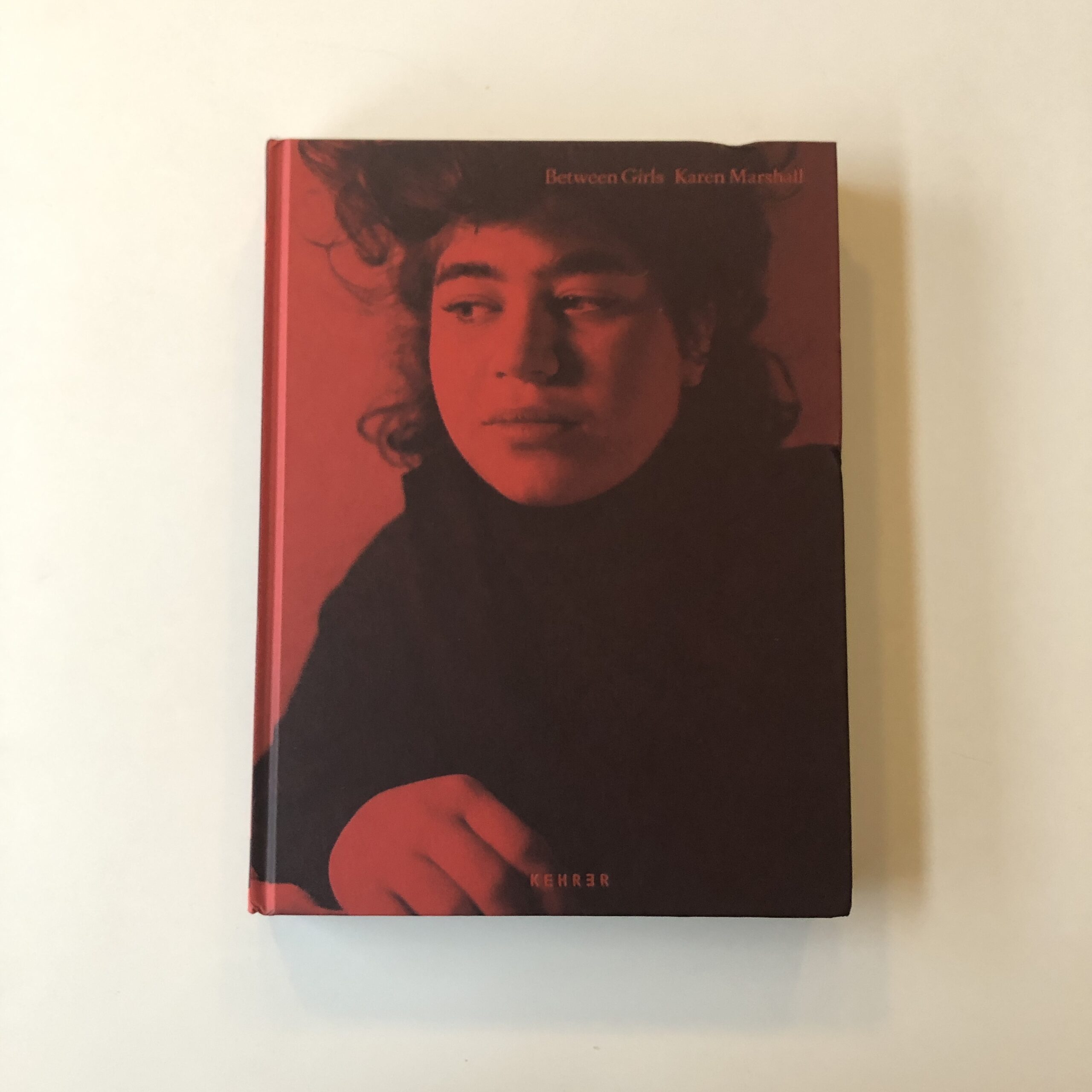
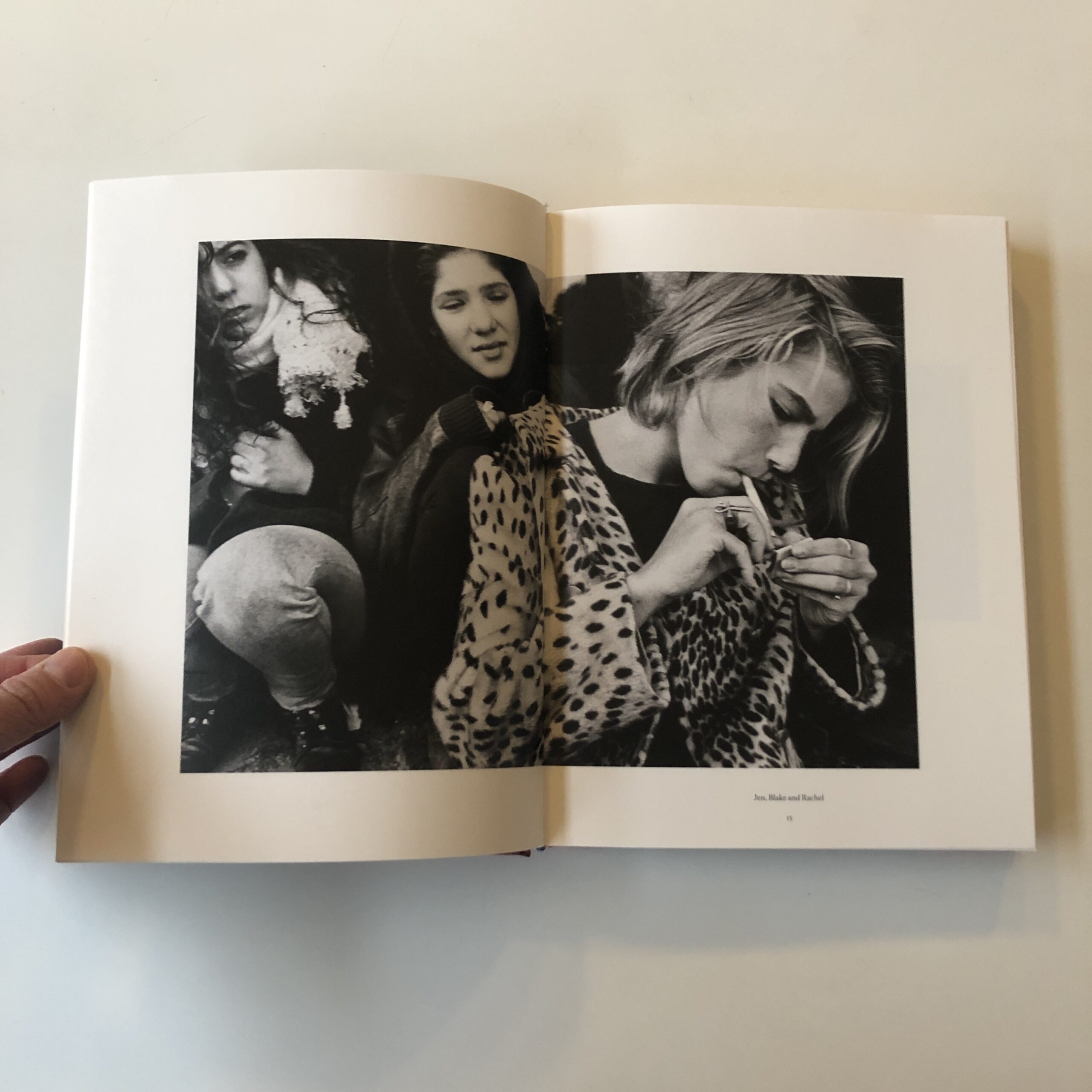
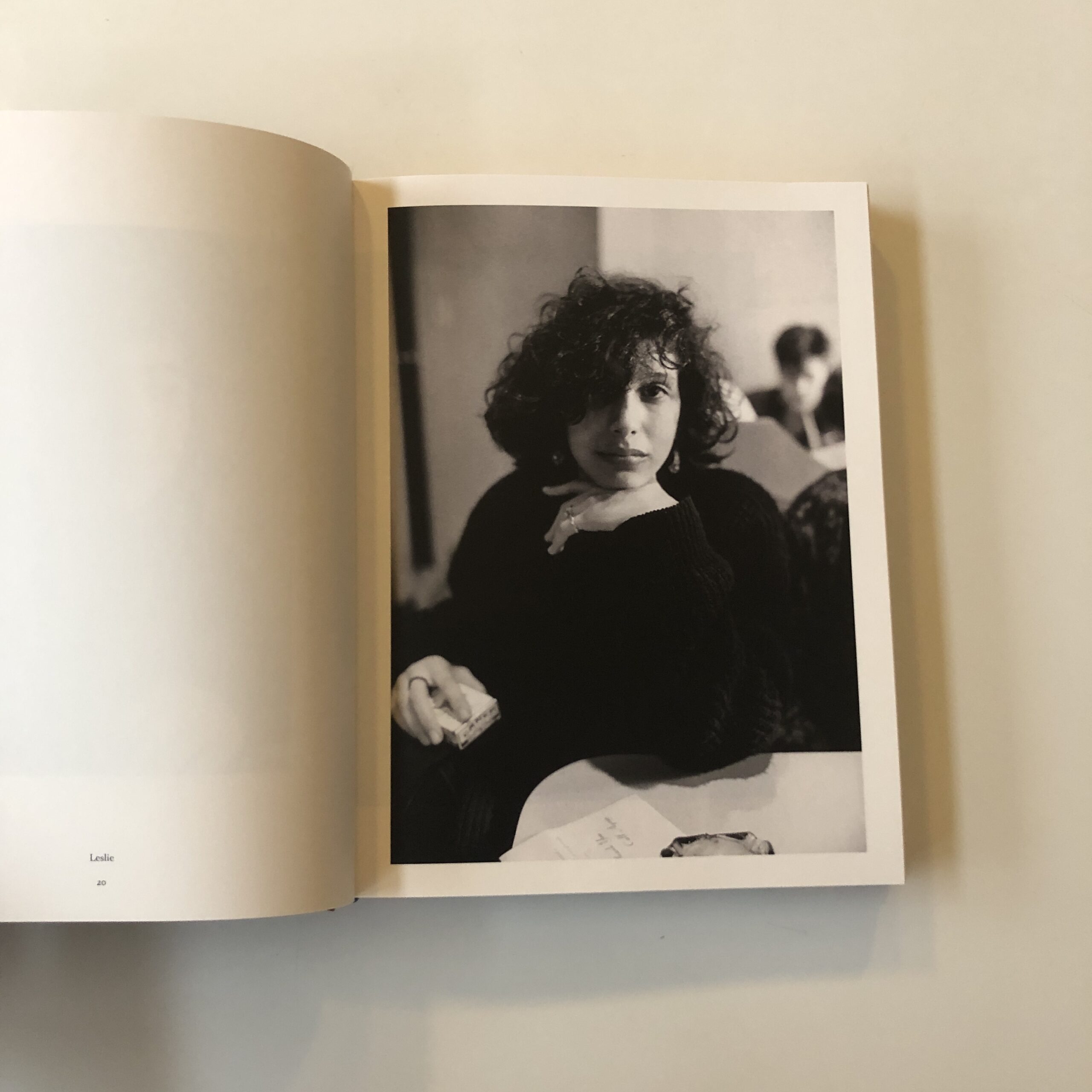
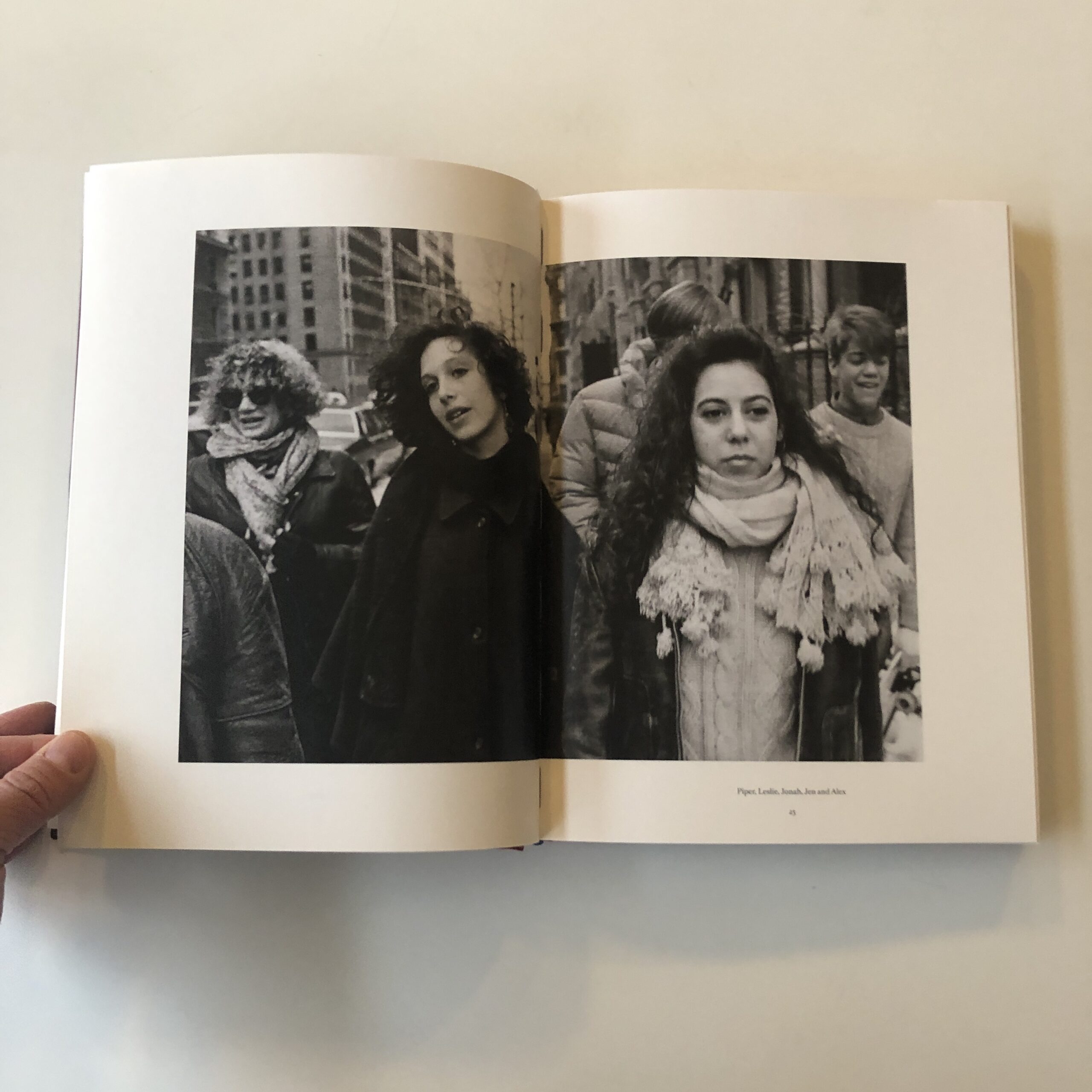
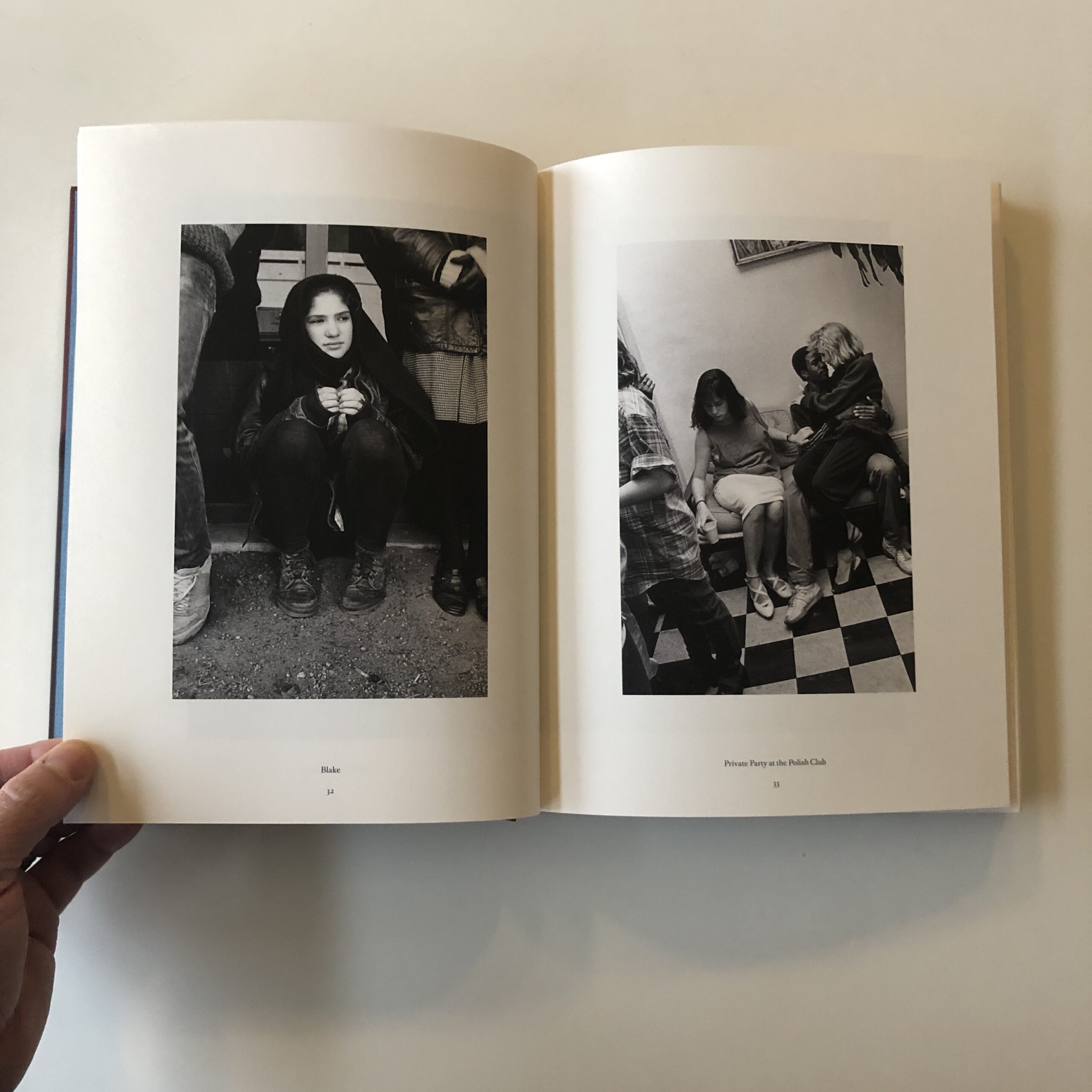
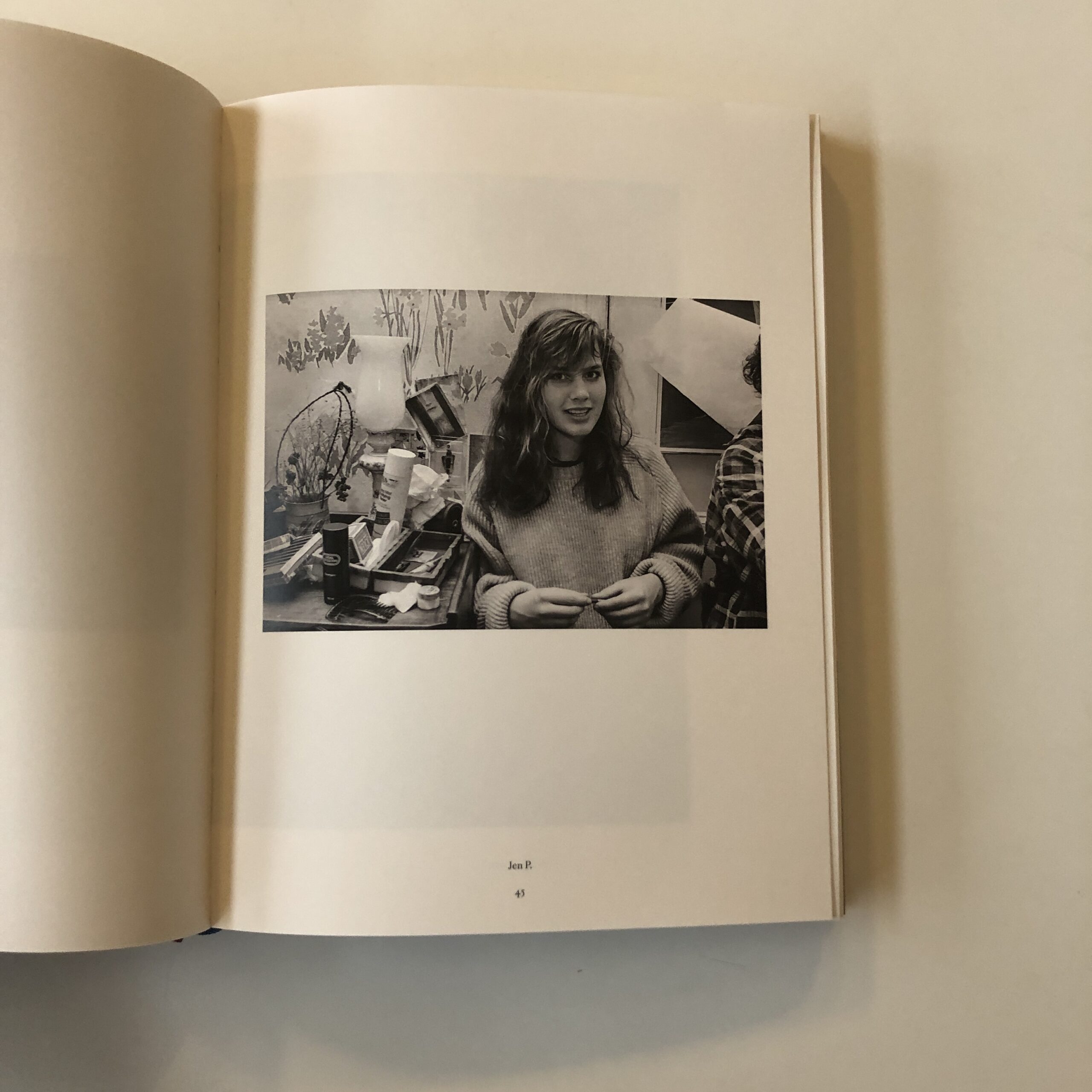
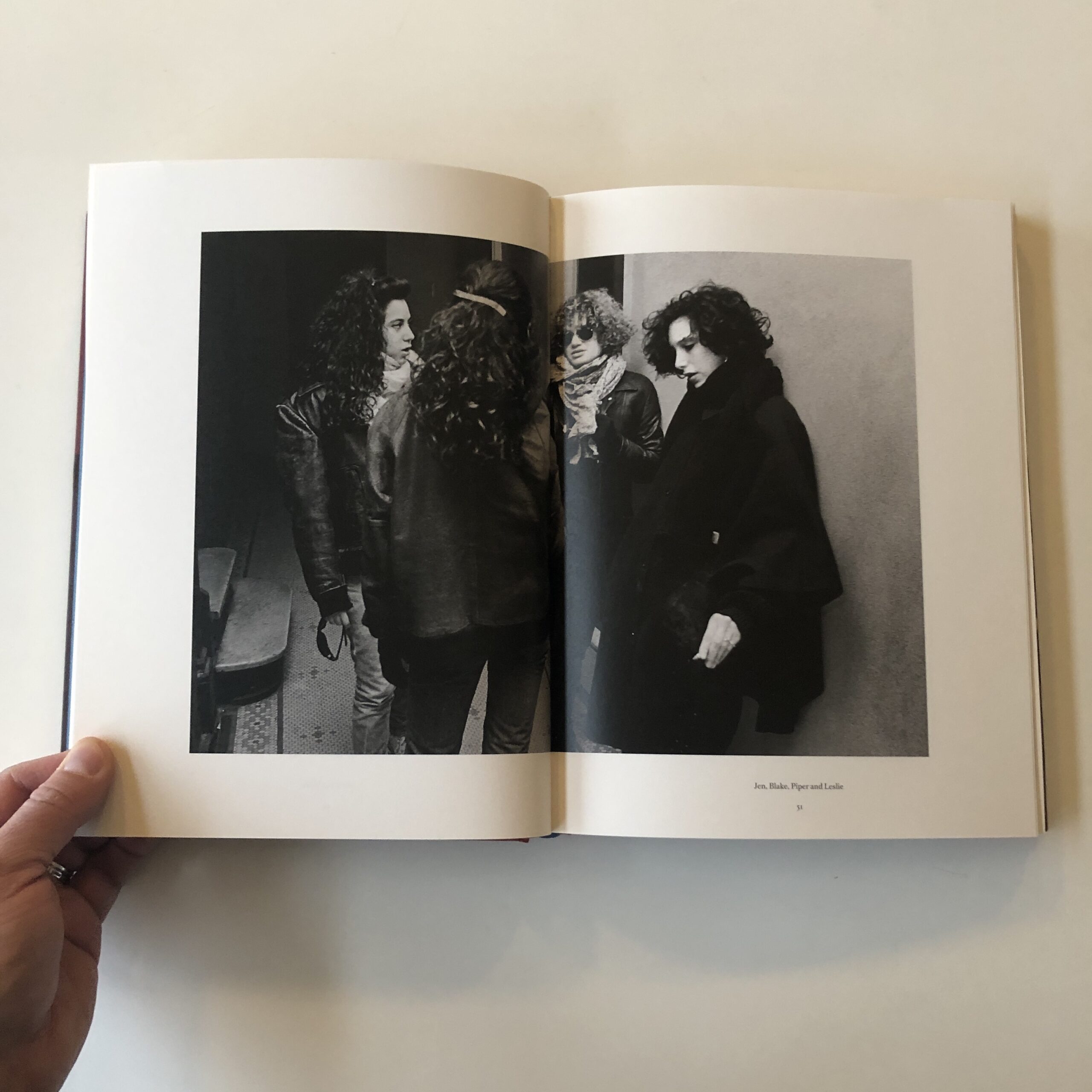
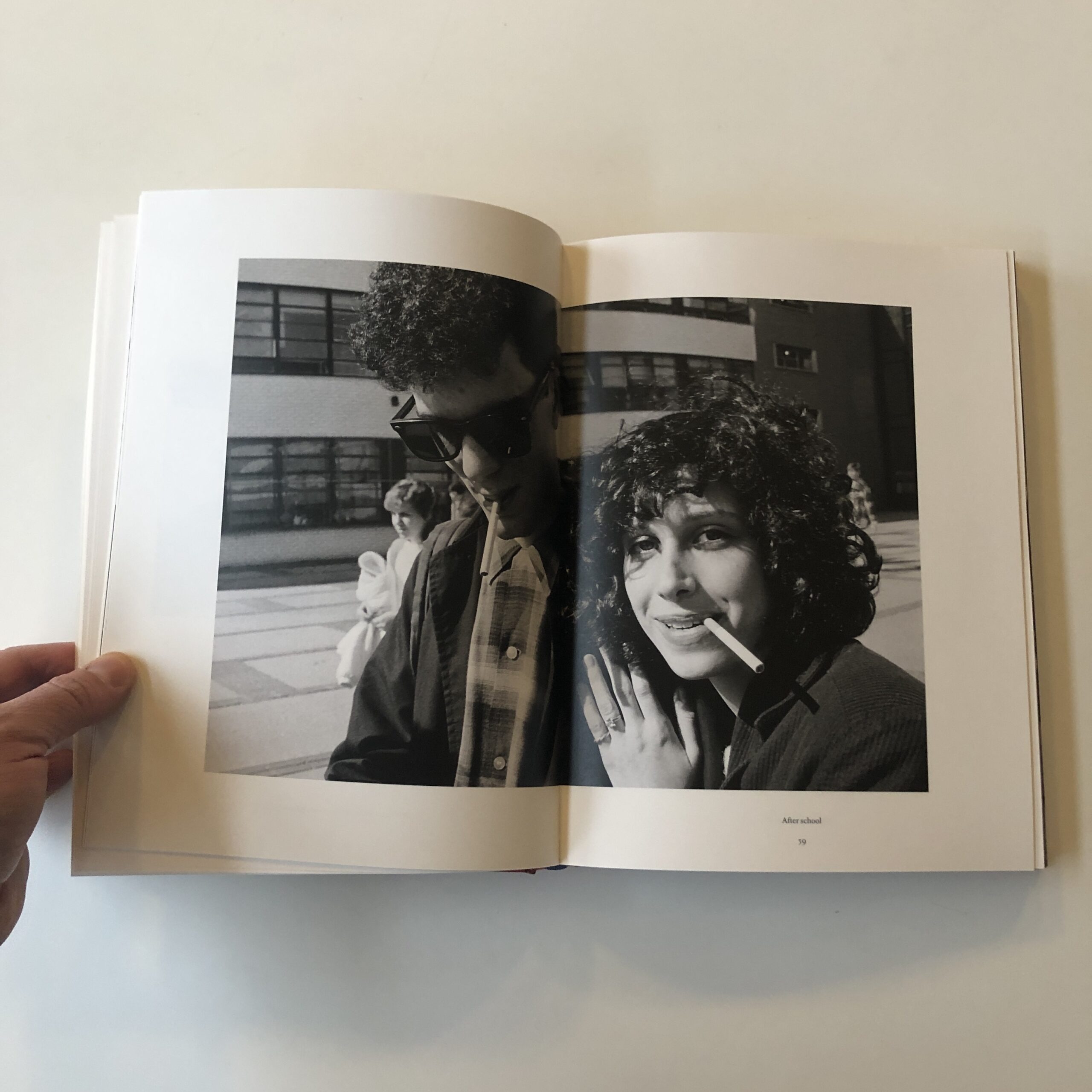
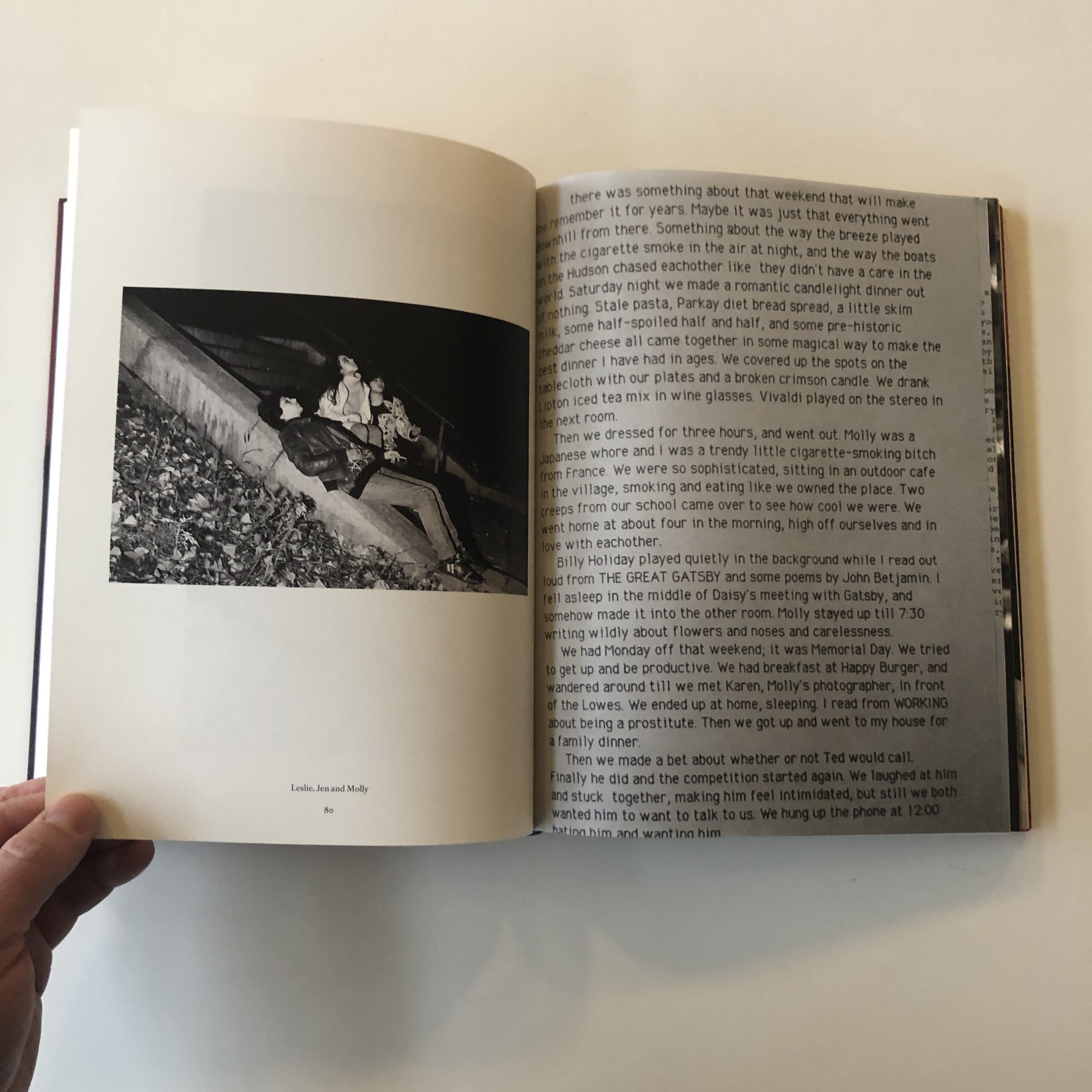
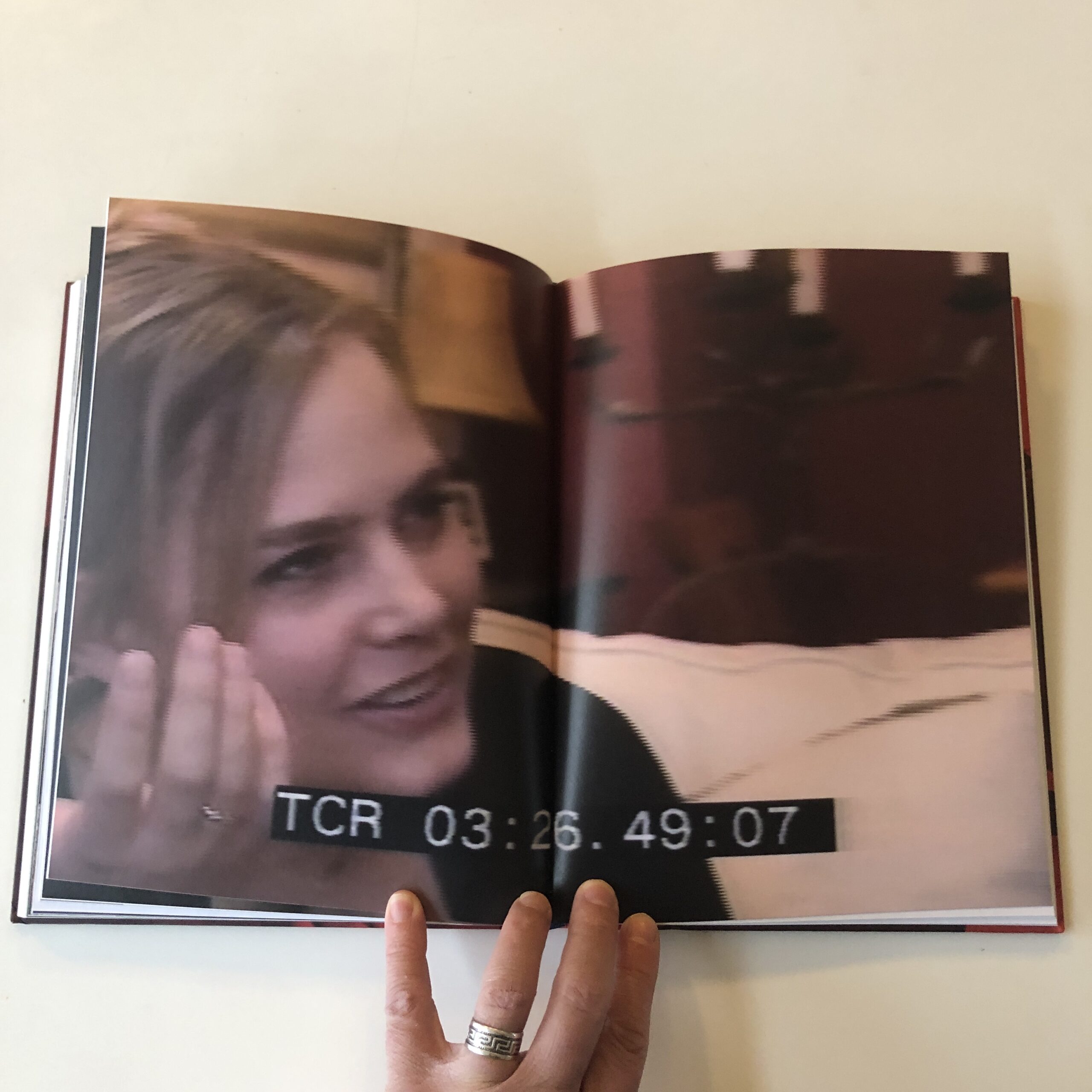
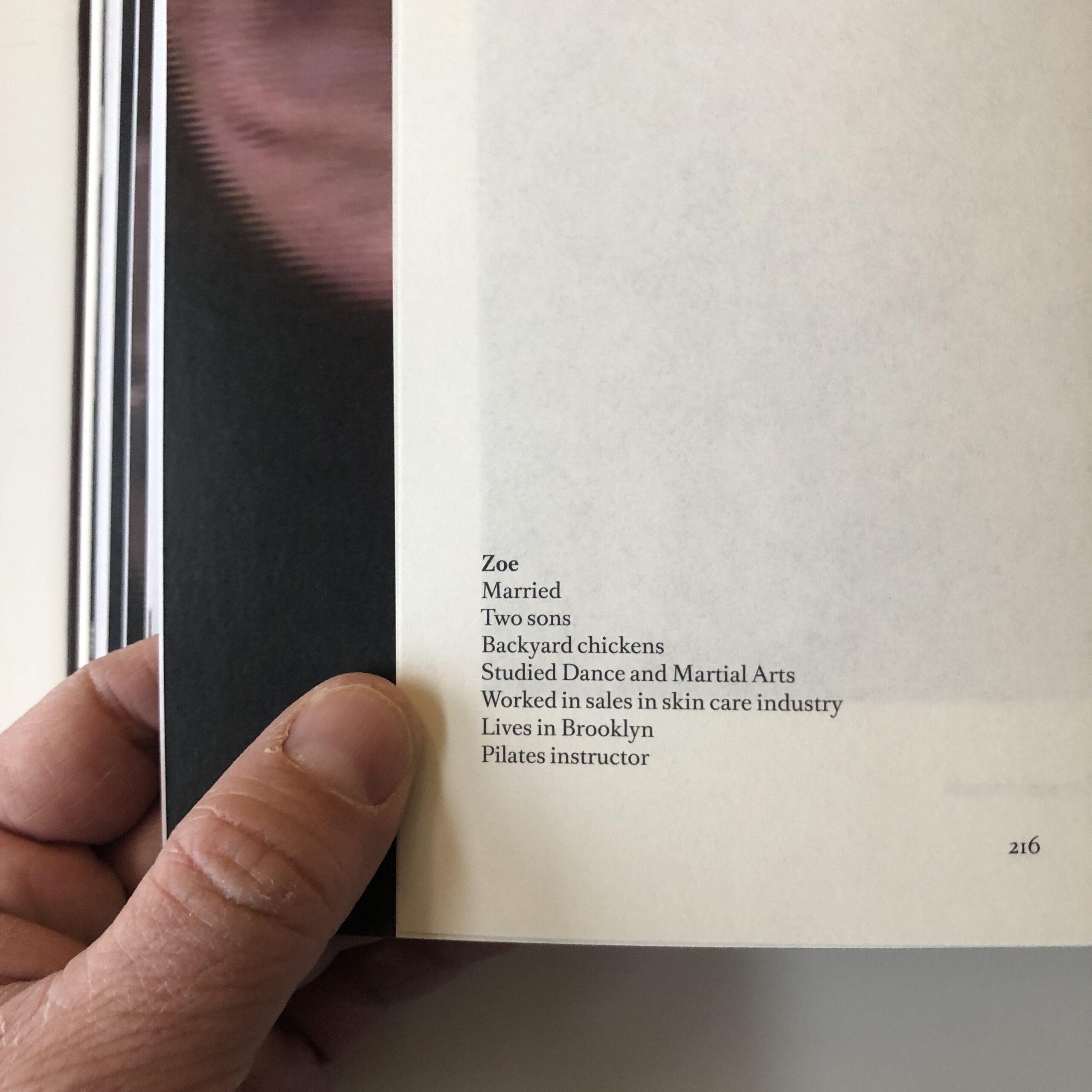
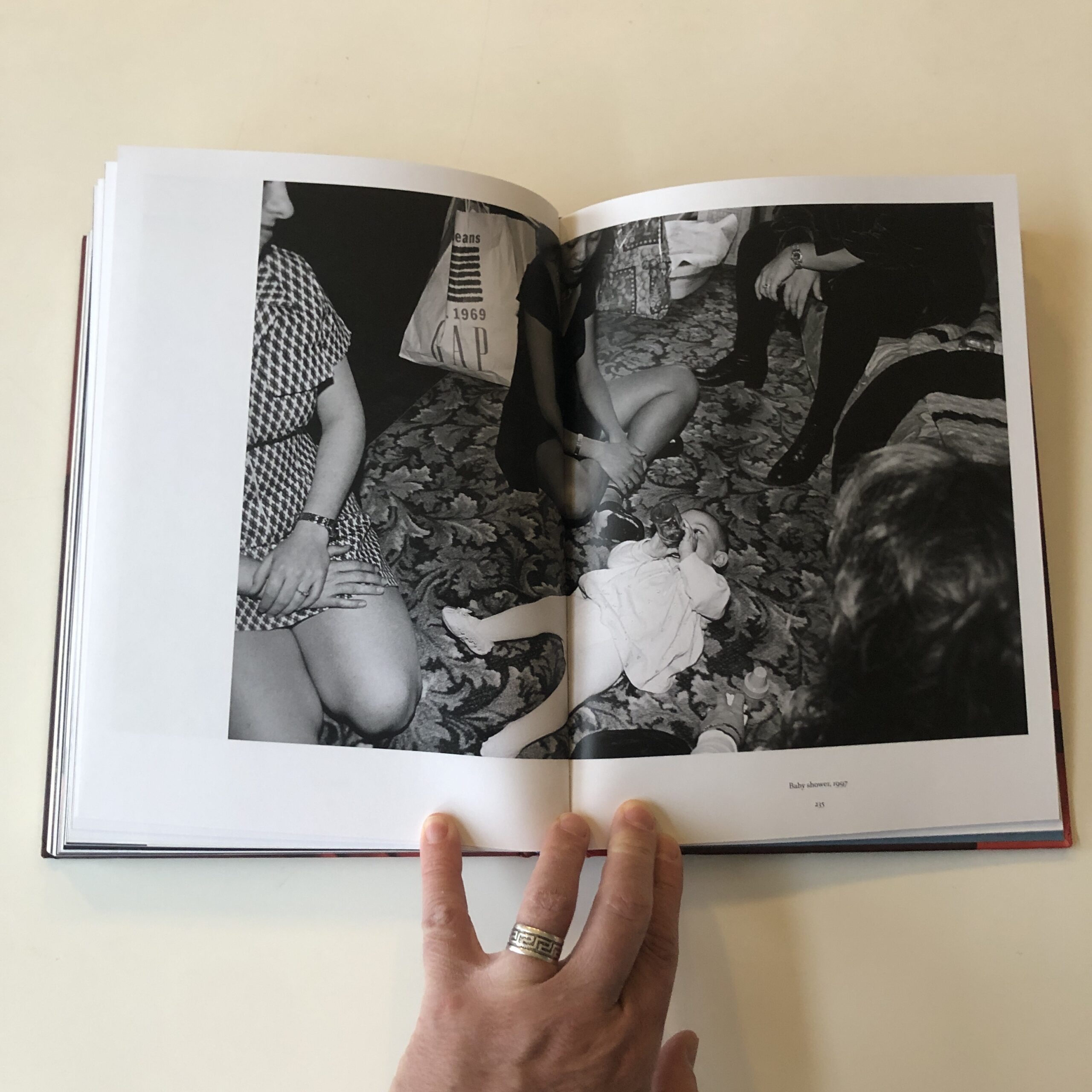
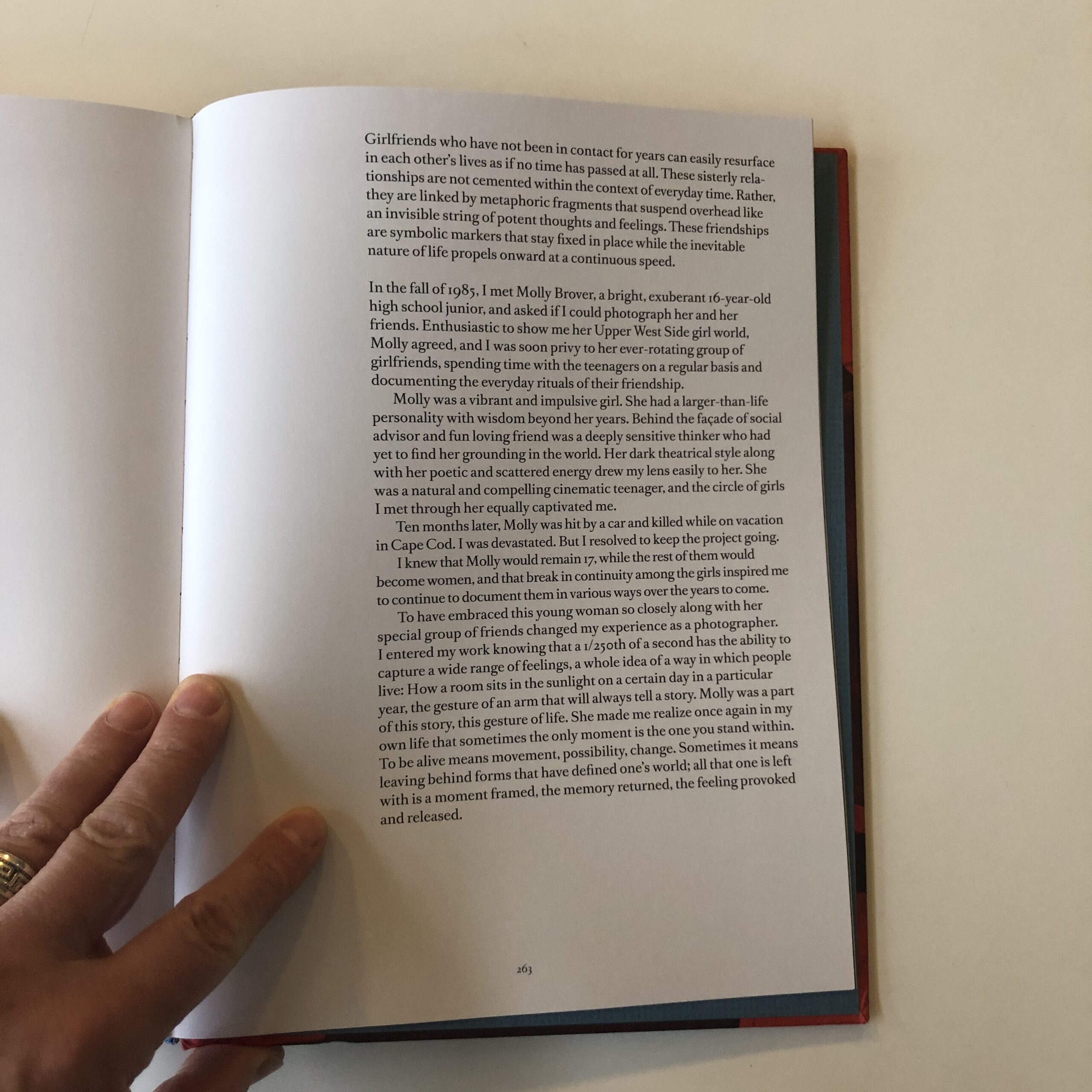
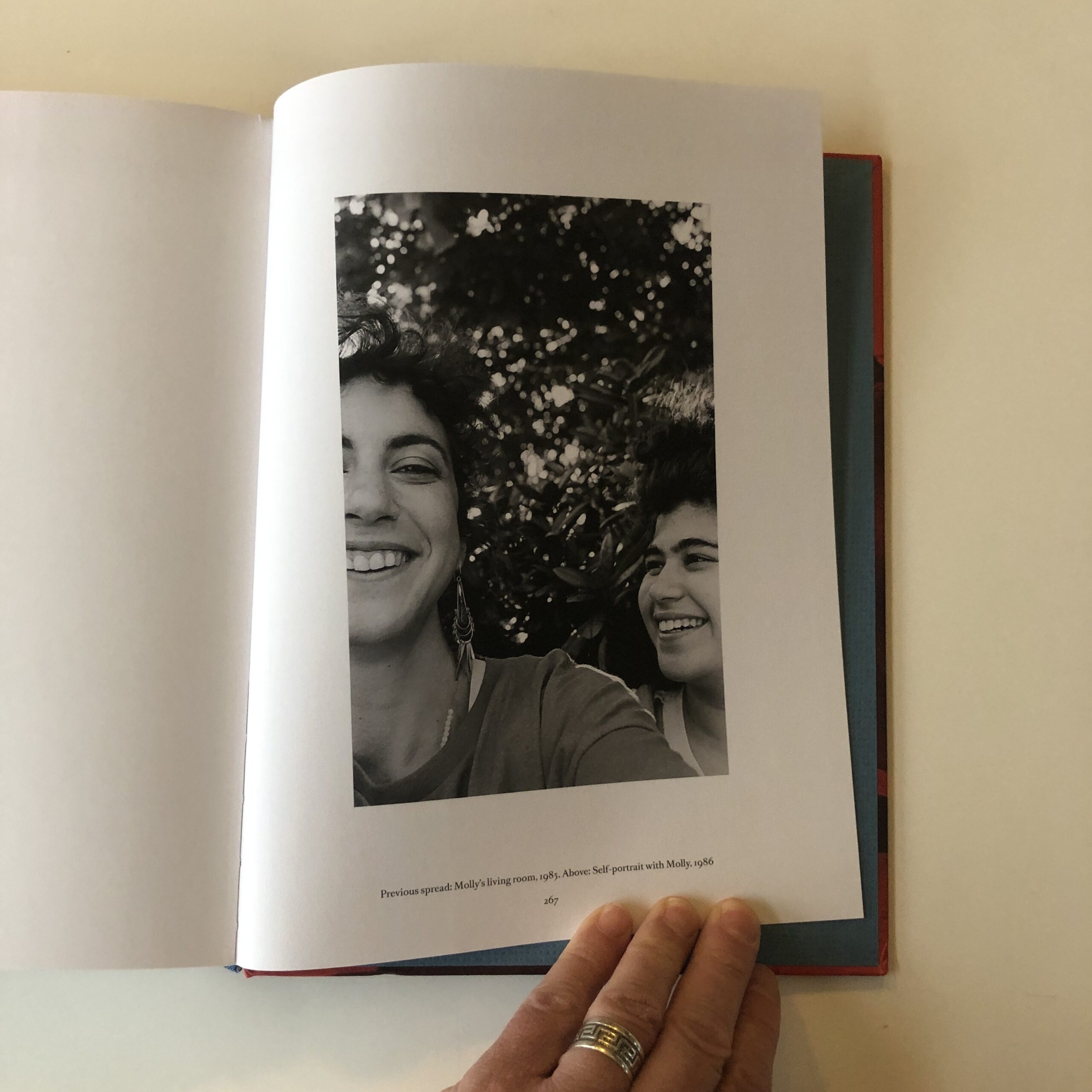
I just finished looking at “Between Girls,” by Karen Marshall, published this year by Kehrer Verlag in Germany, and as you’ll soon see, my intro was on-point.

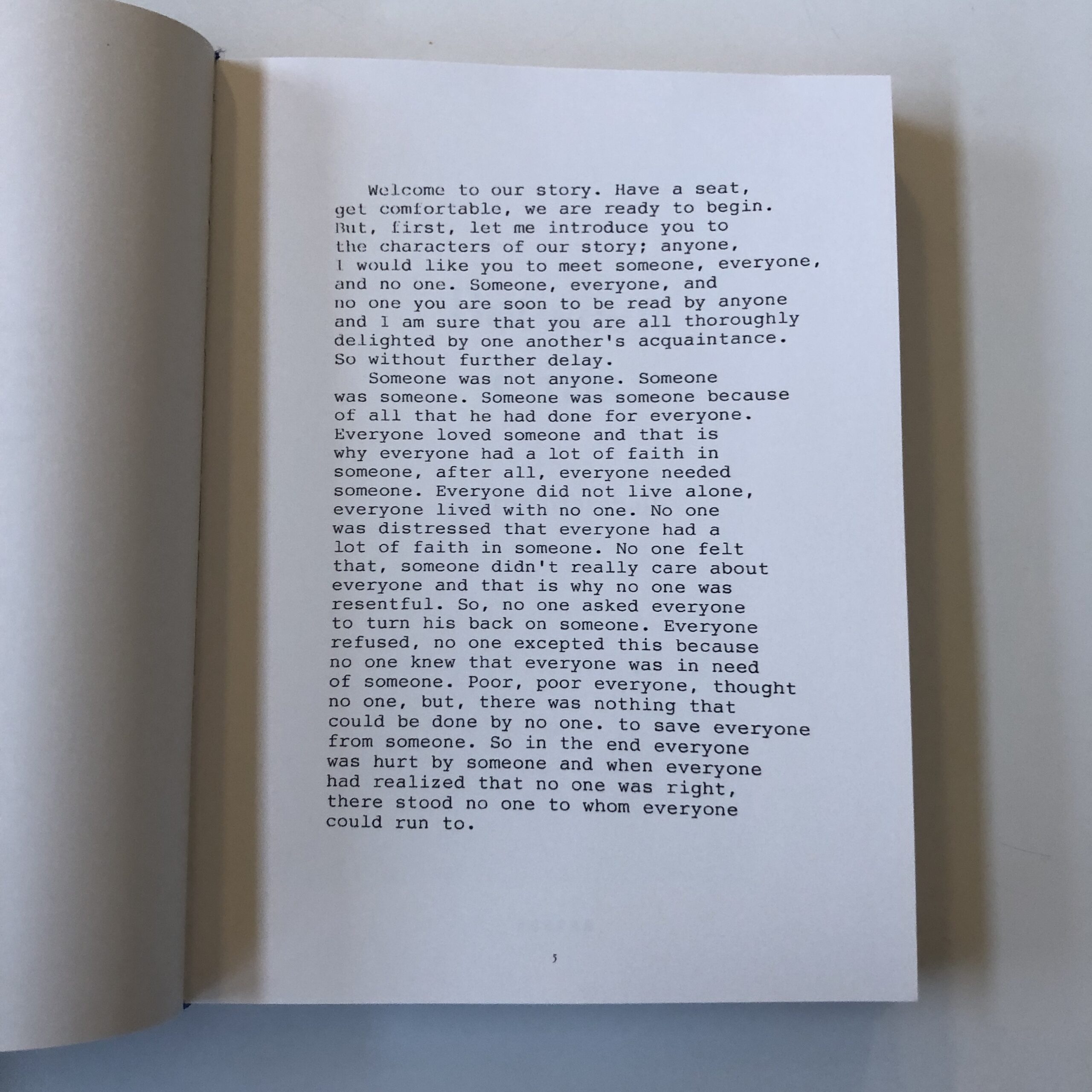
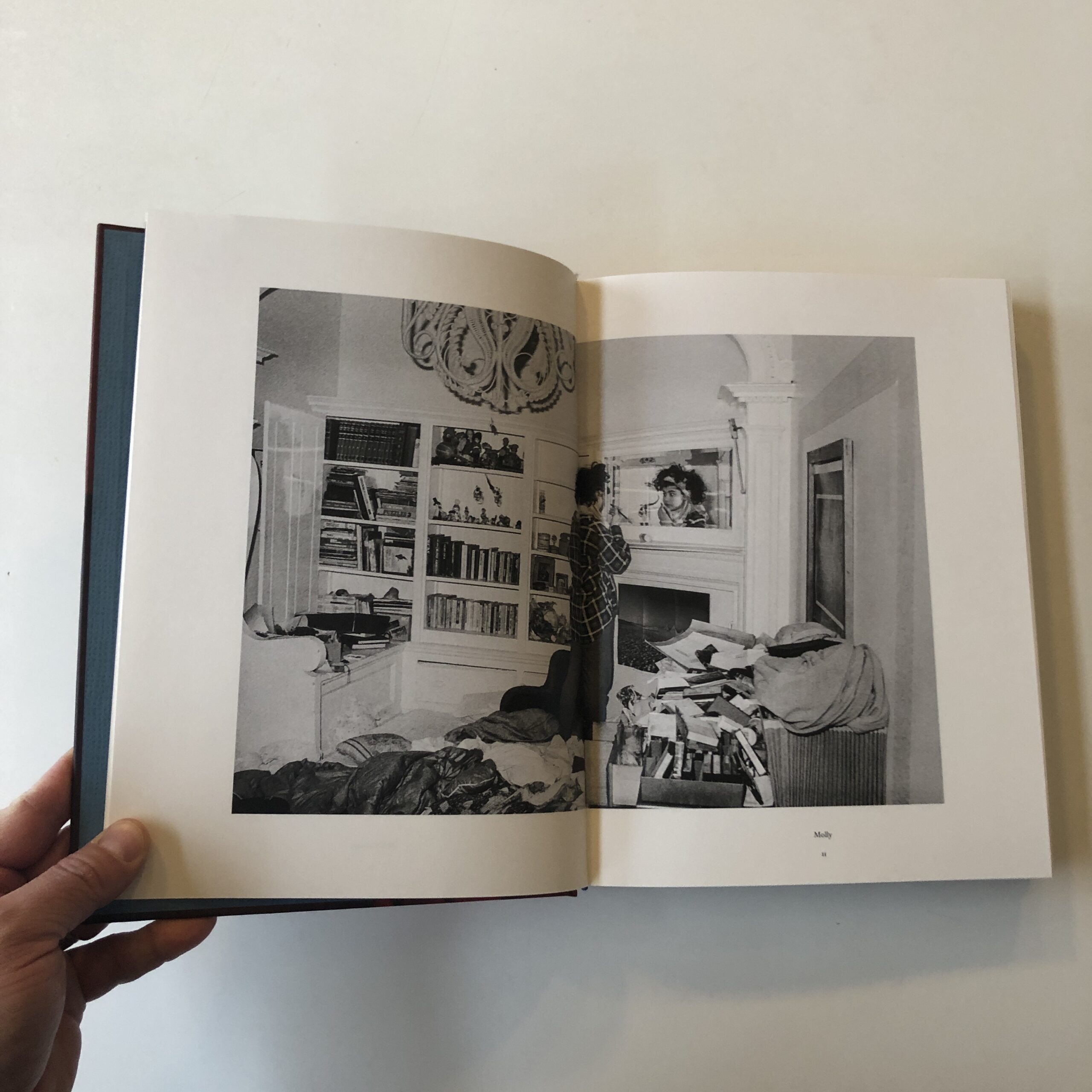
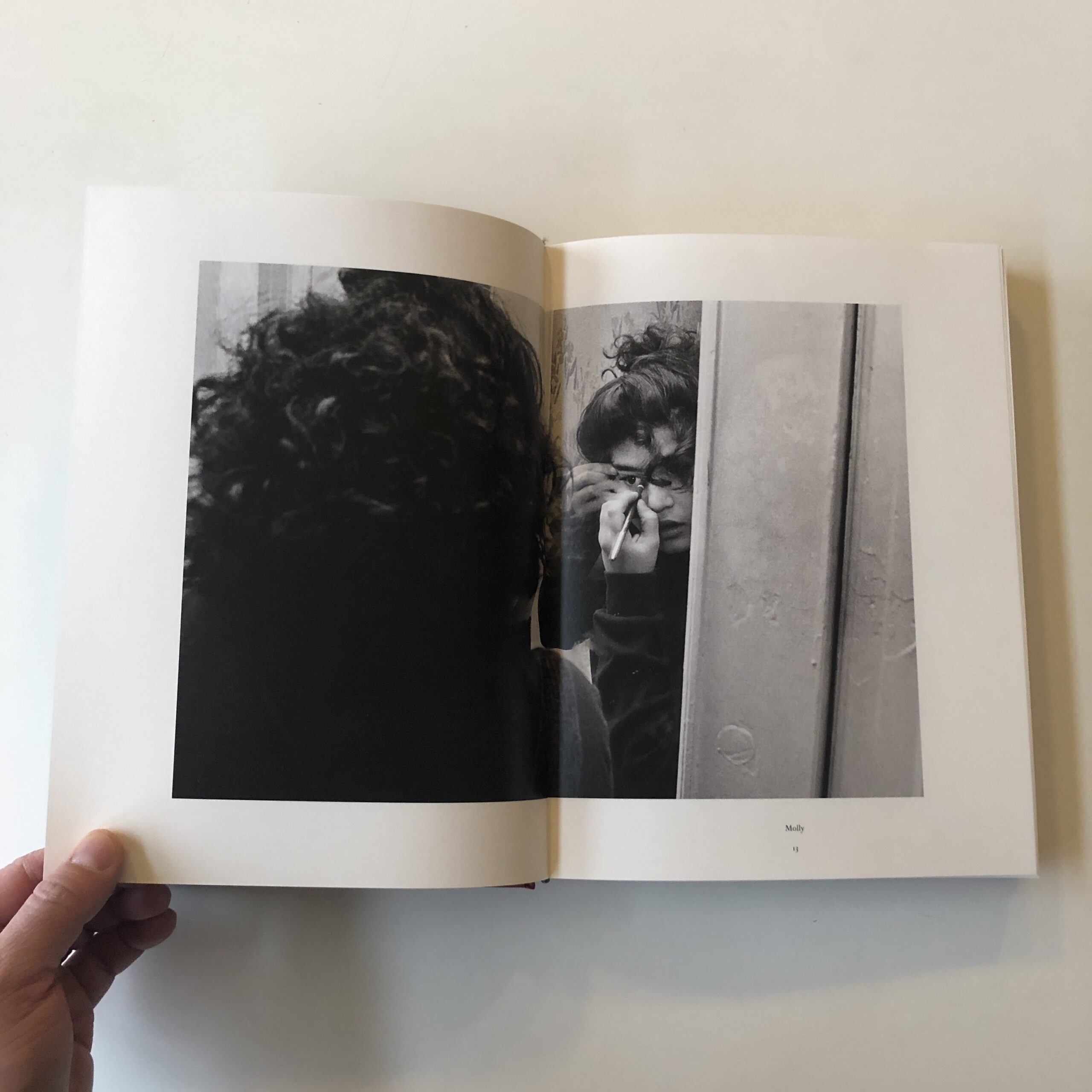
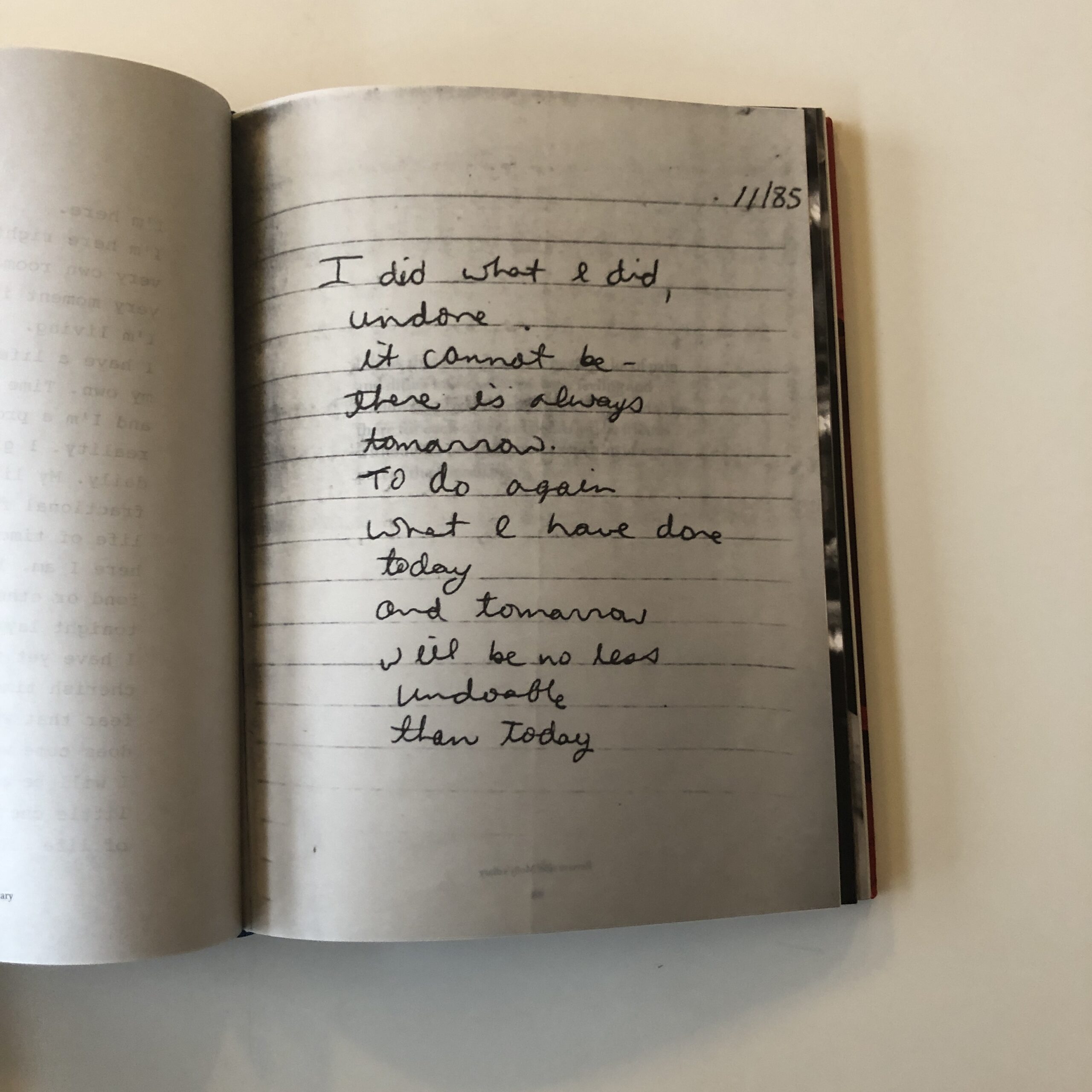
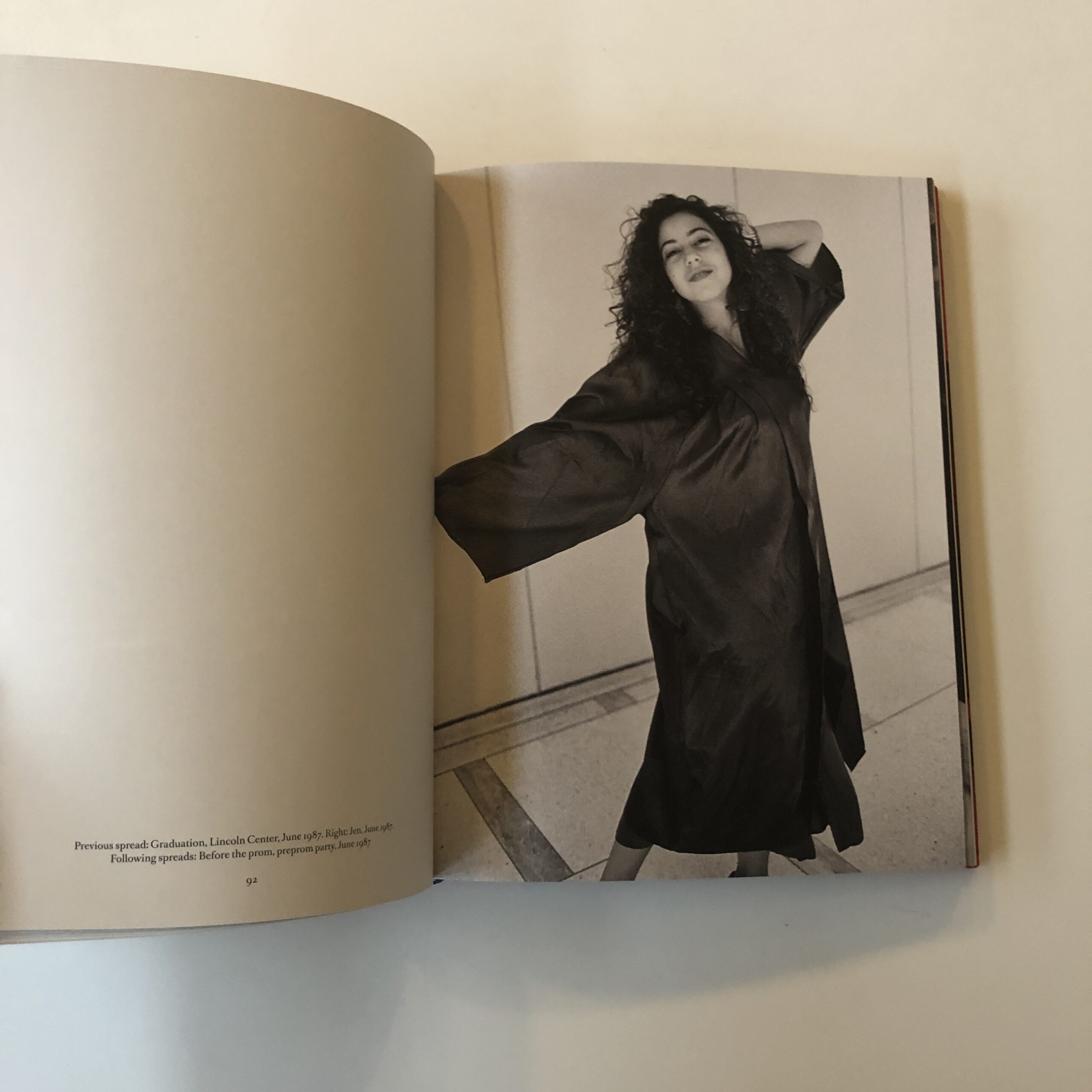
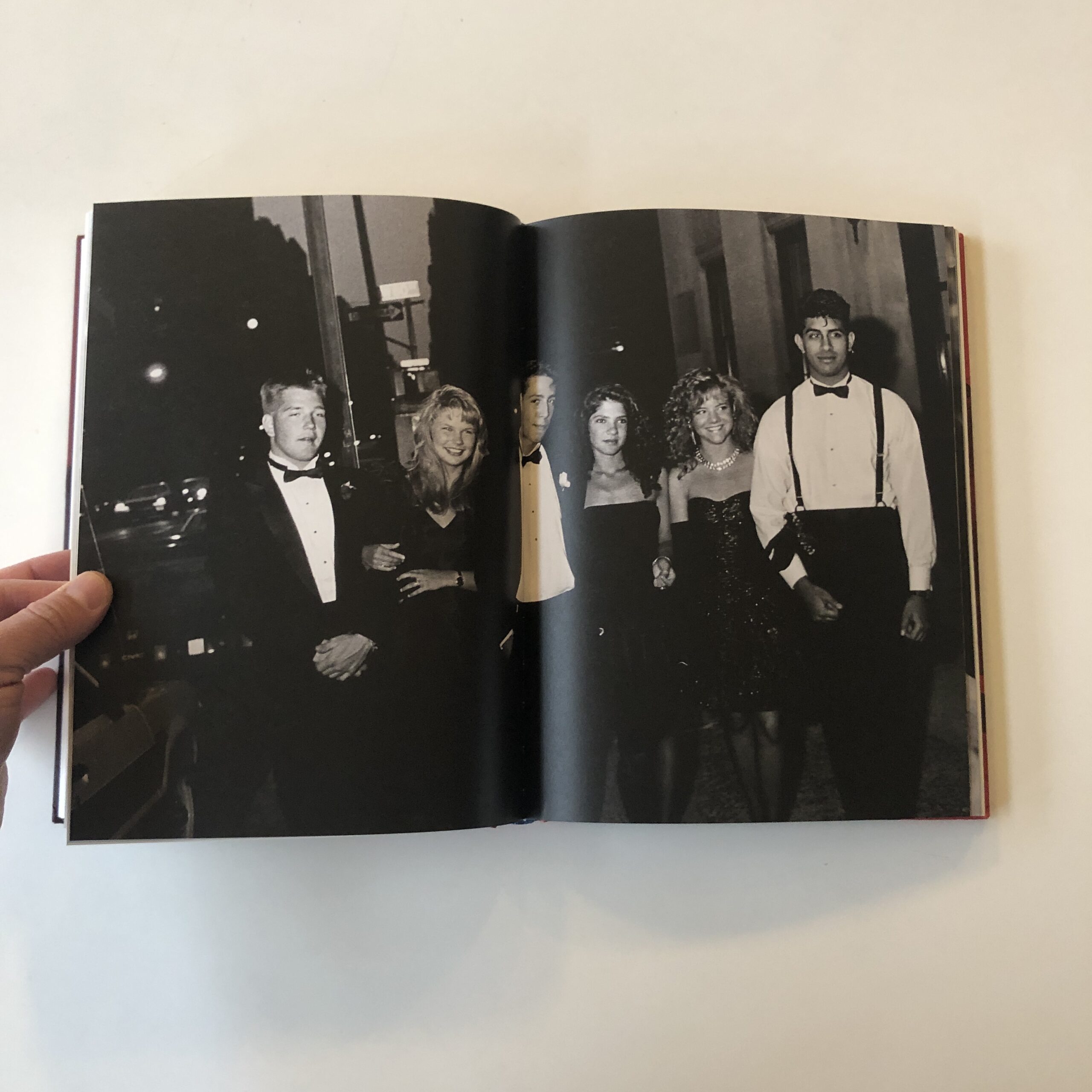
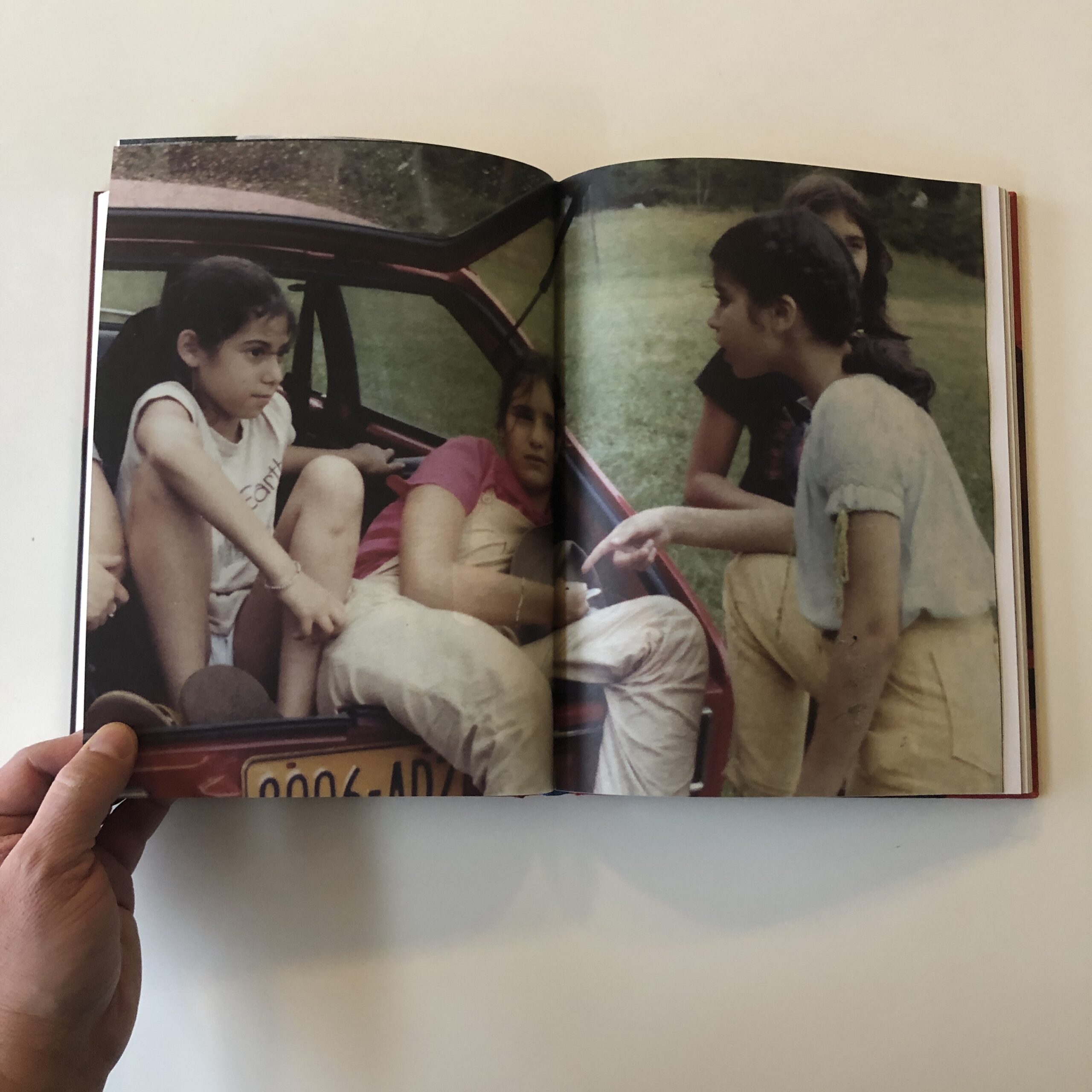
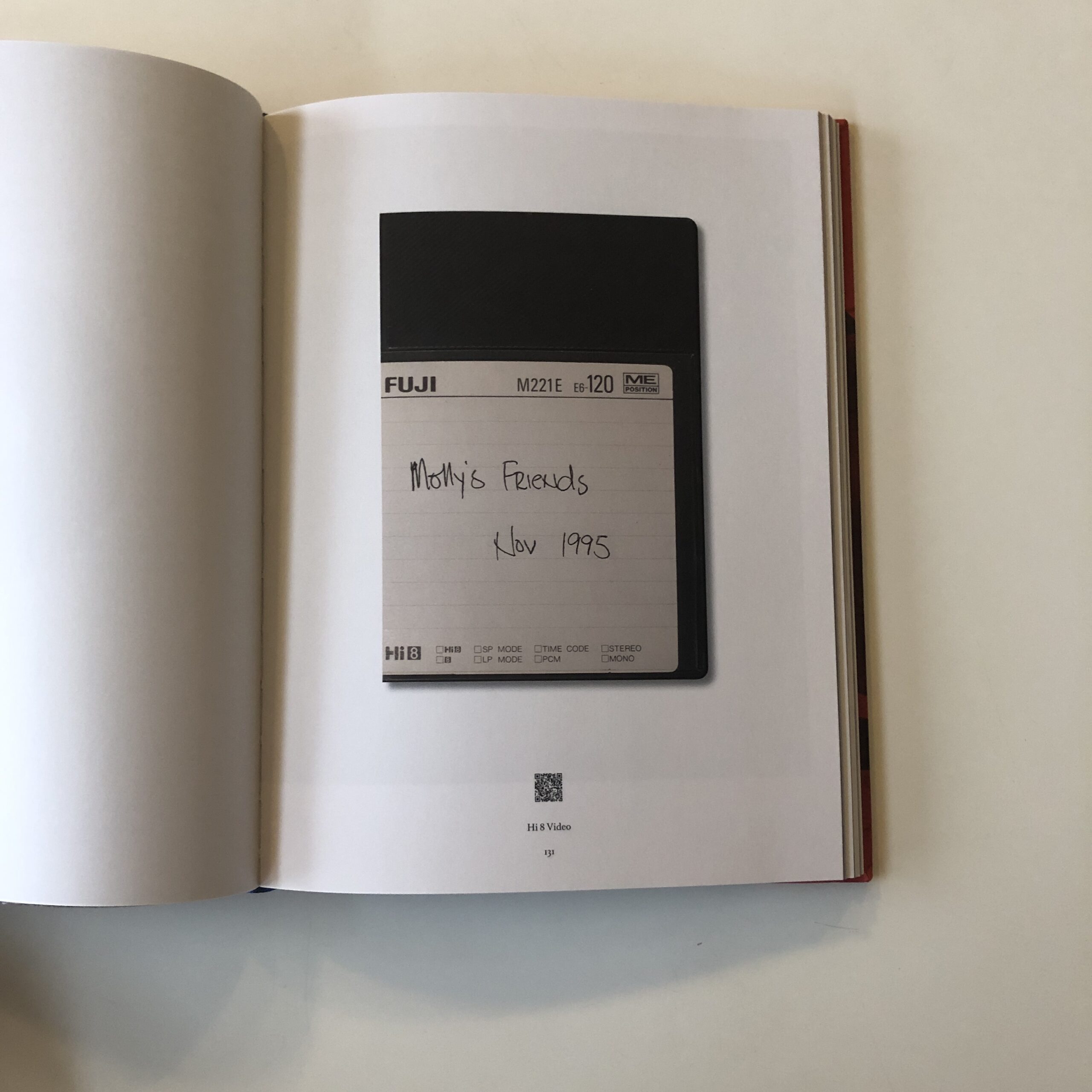
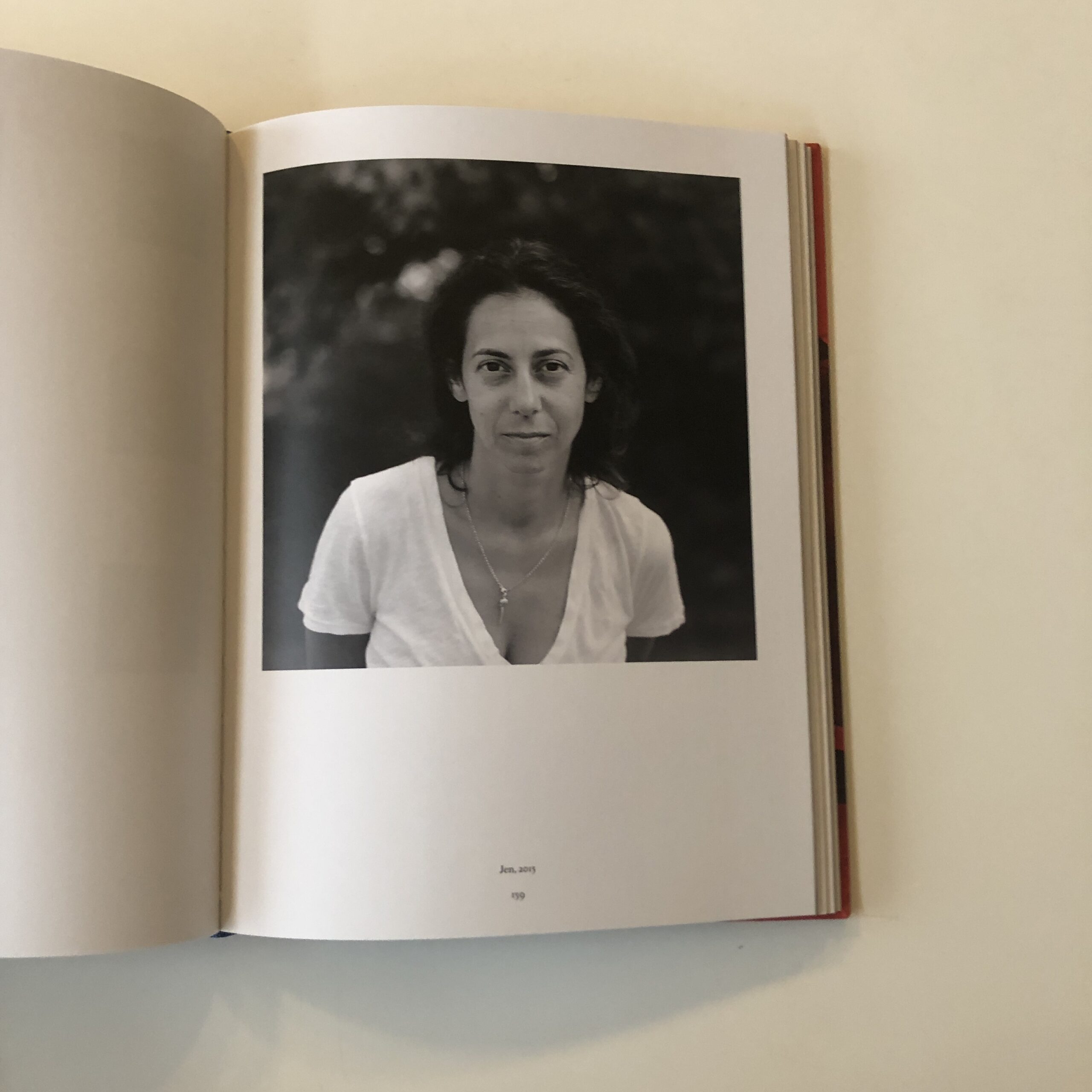
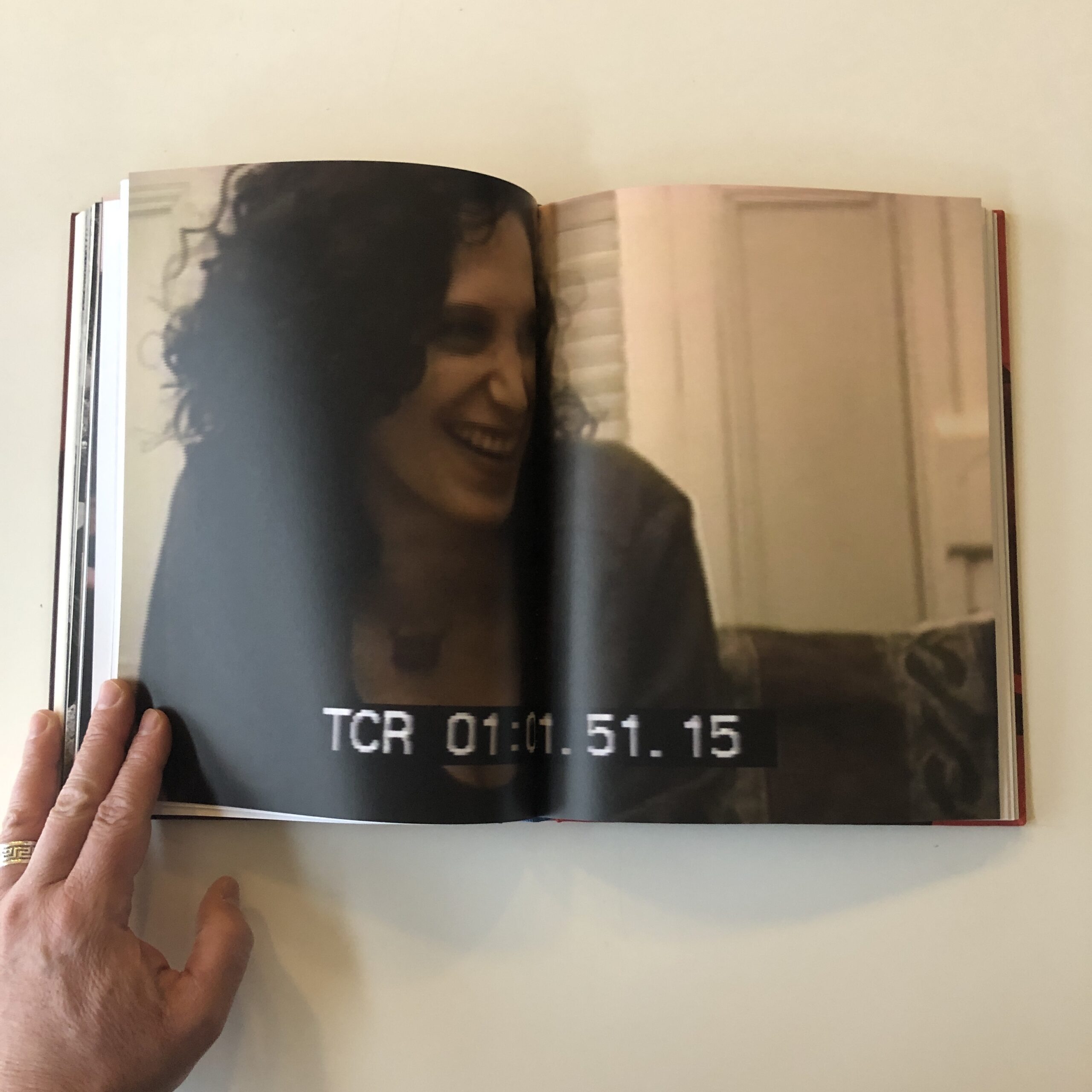
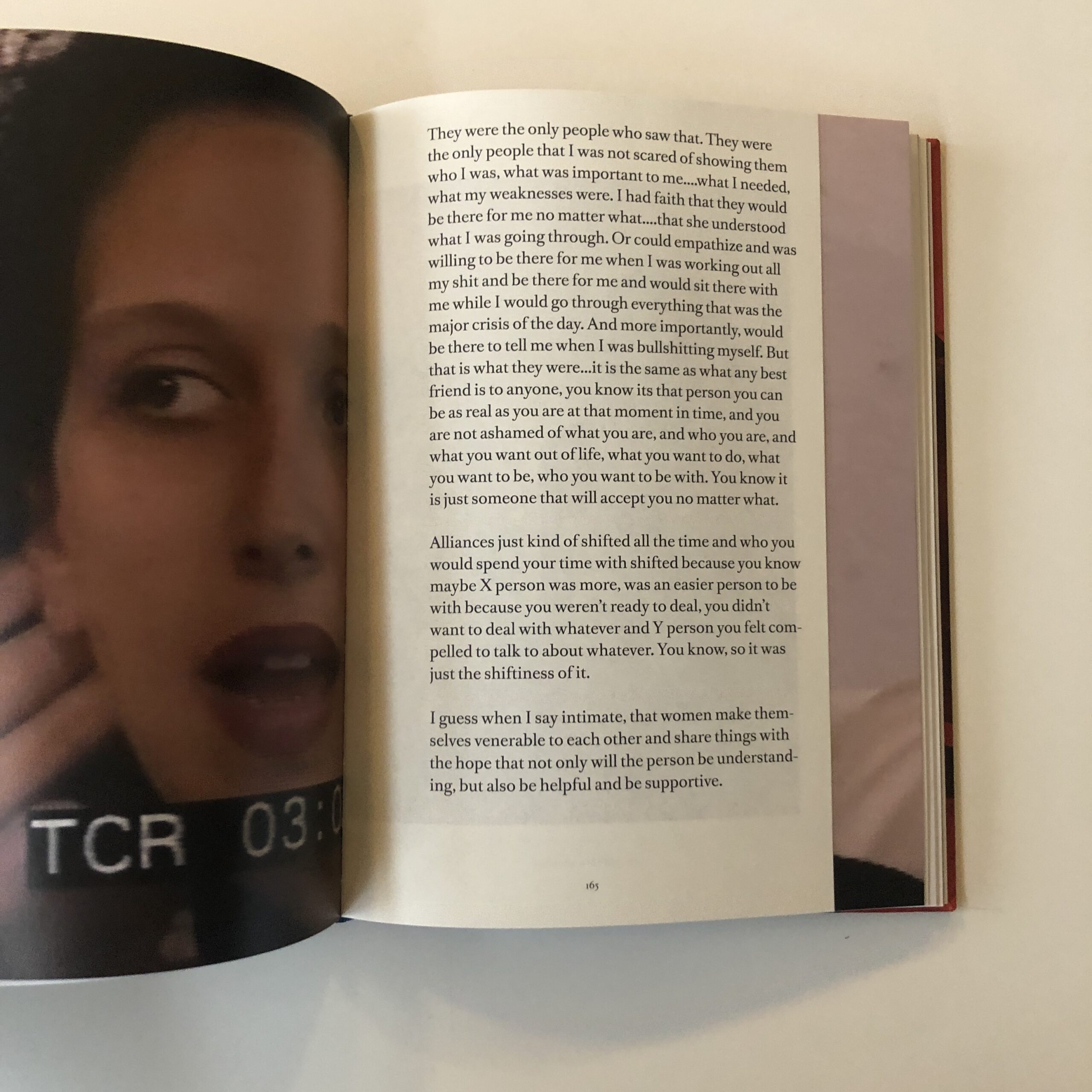
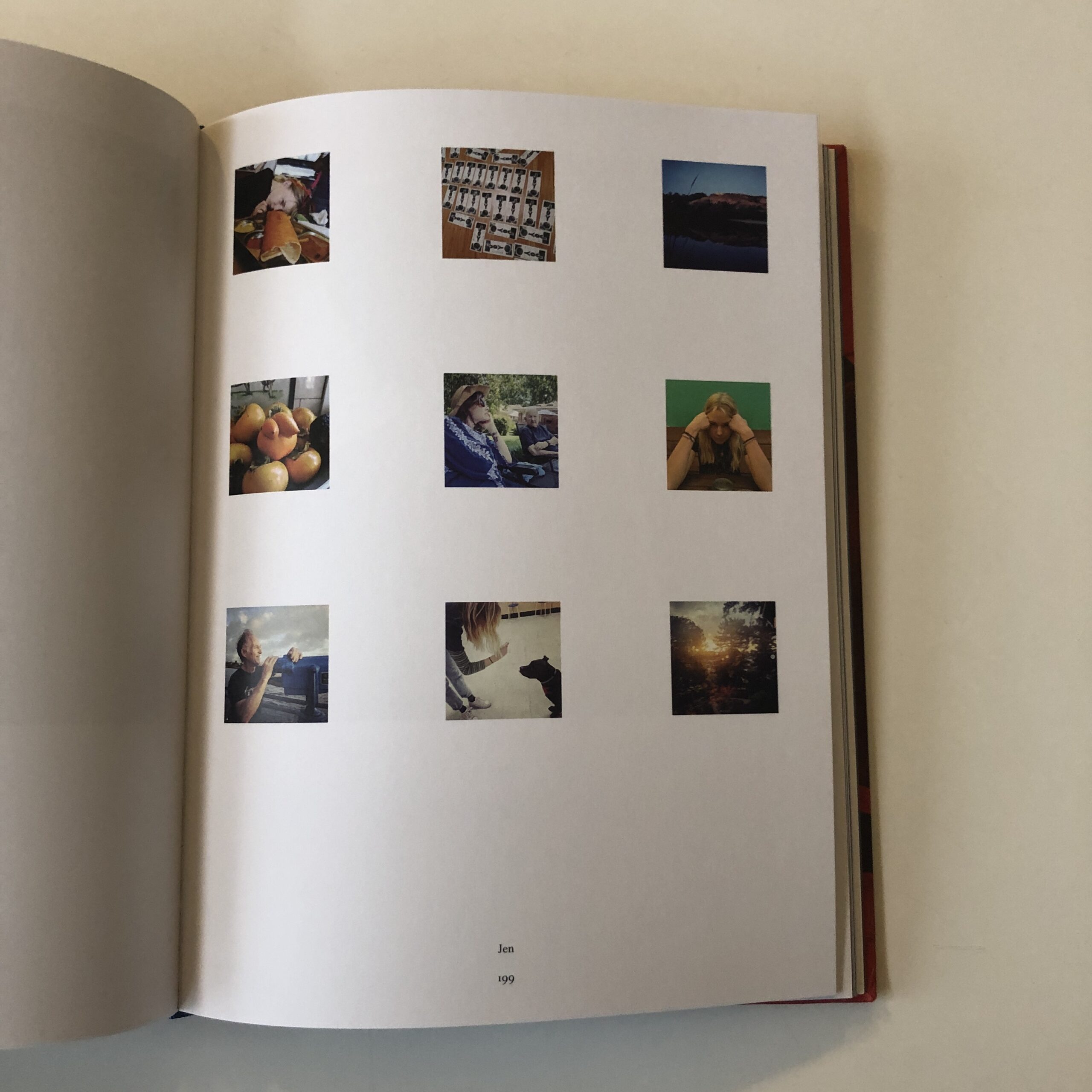
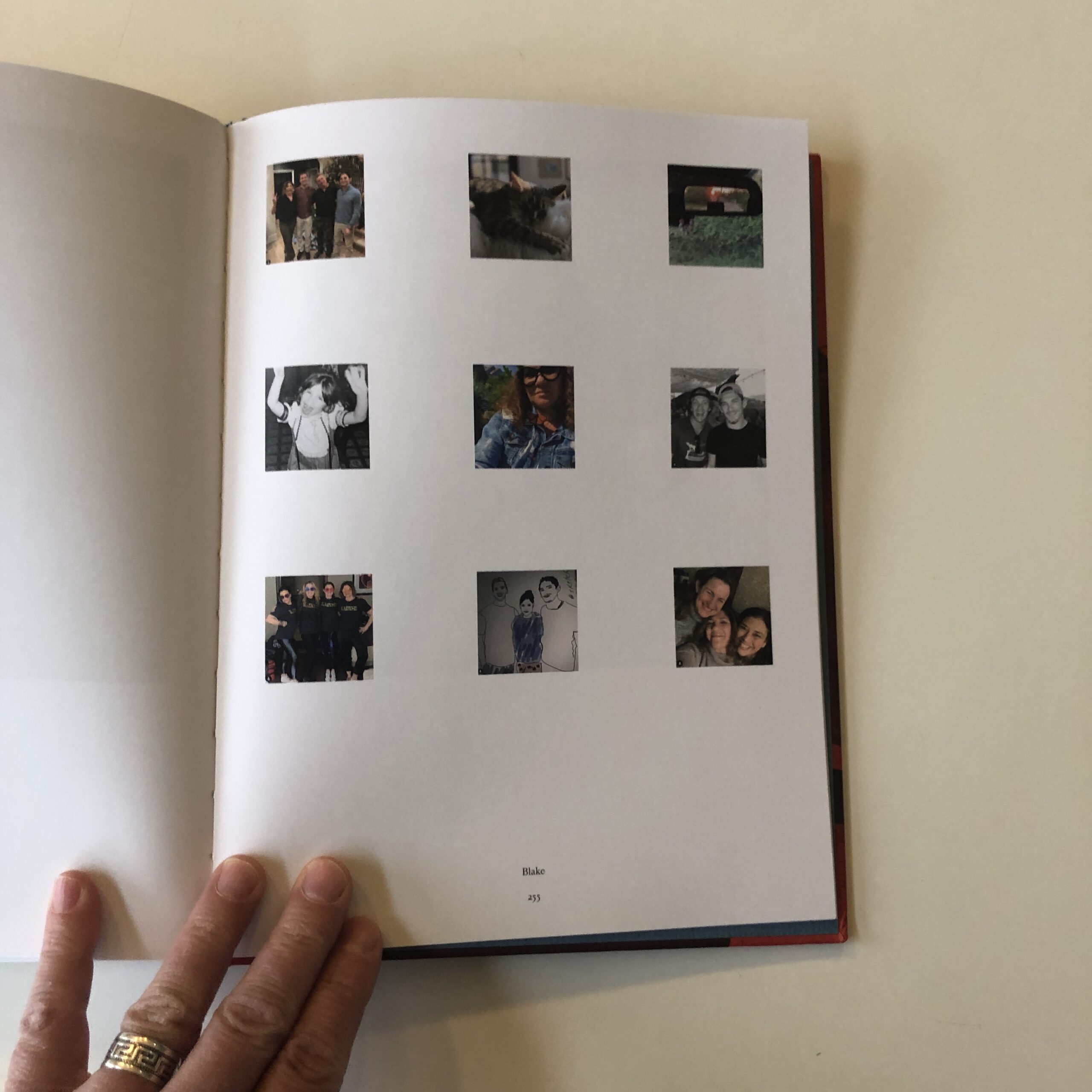
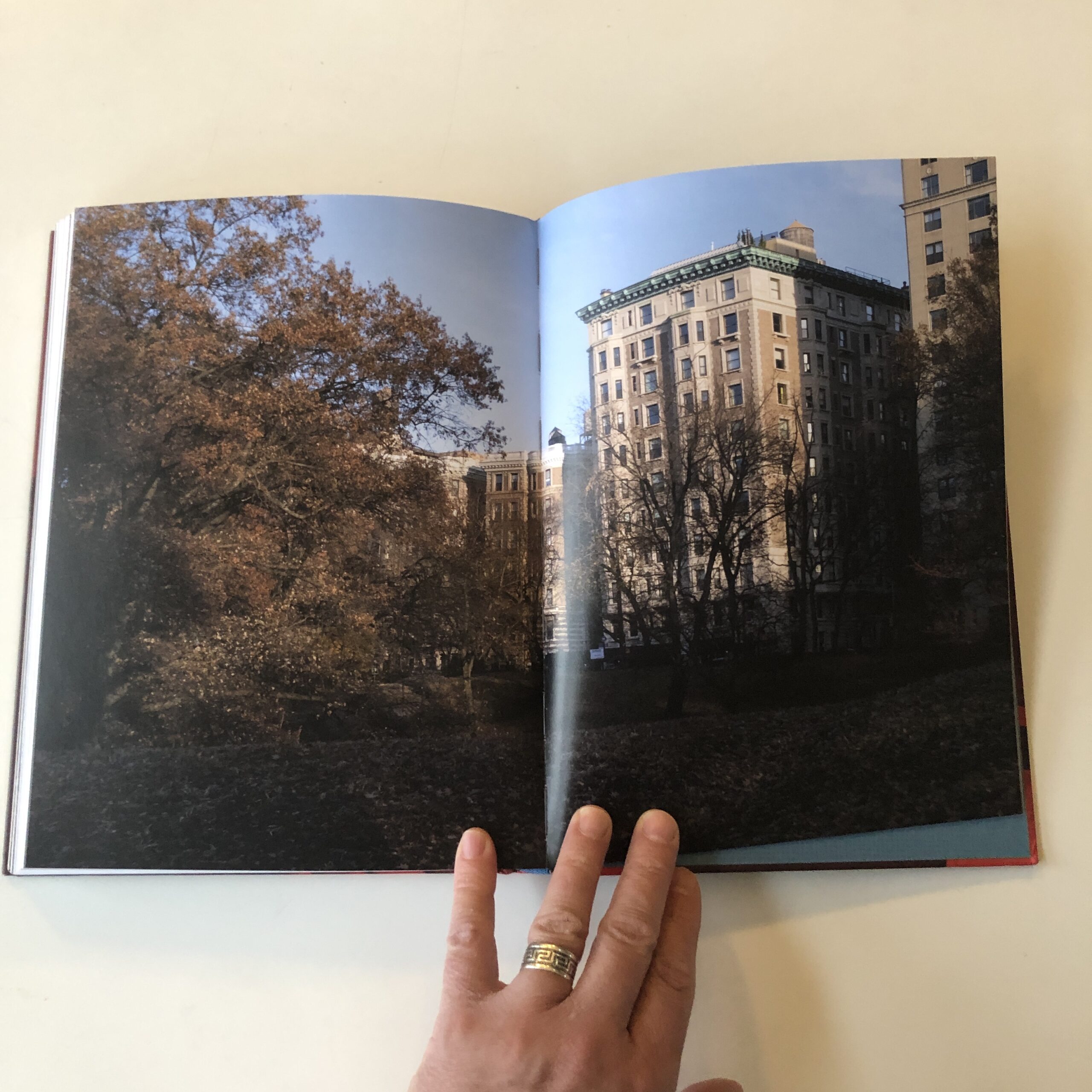
The book is very well-produced, to give it props, as it interweaves black and white documentary imagery from NYC in the 80’s, with diaristic text, video stills, contemporary imagery, and QR codes, while also switching paper stock several times, when the text rolls around.

Cool cover too.

Design-wise, I’d give this book an A+.

As to the narrative, I found it flawed, or at least, more about style than substance.


The story, at first, follows some NYC hipster high school kids, and they bop around the Upper West and East sides.

They describe hanging out downtown.

They talk about boys.

We read bad poetry, (no offense,) but then again, if I ever shared my High School poems with you, you’d laugh longer than the Covid testing lines in NYC, late December 2021.

(Too soon?)

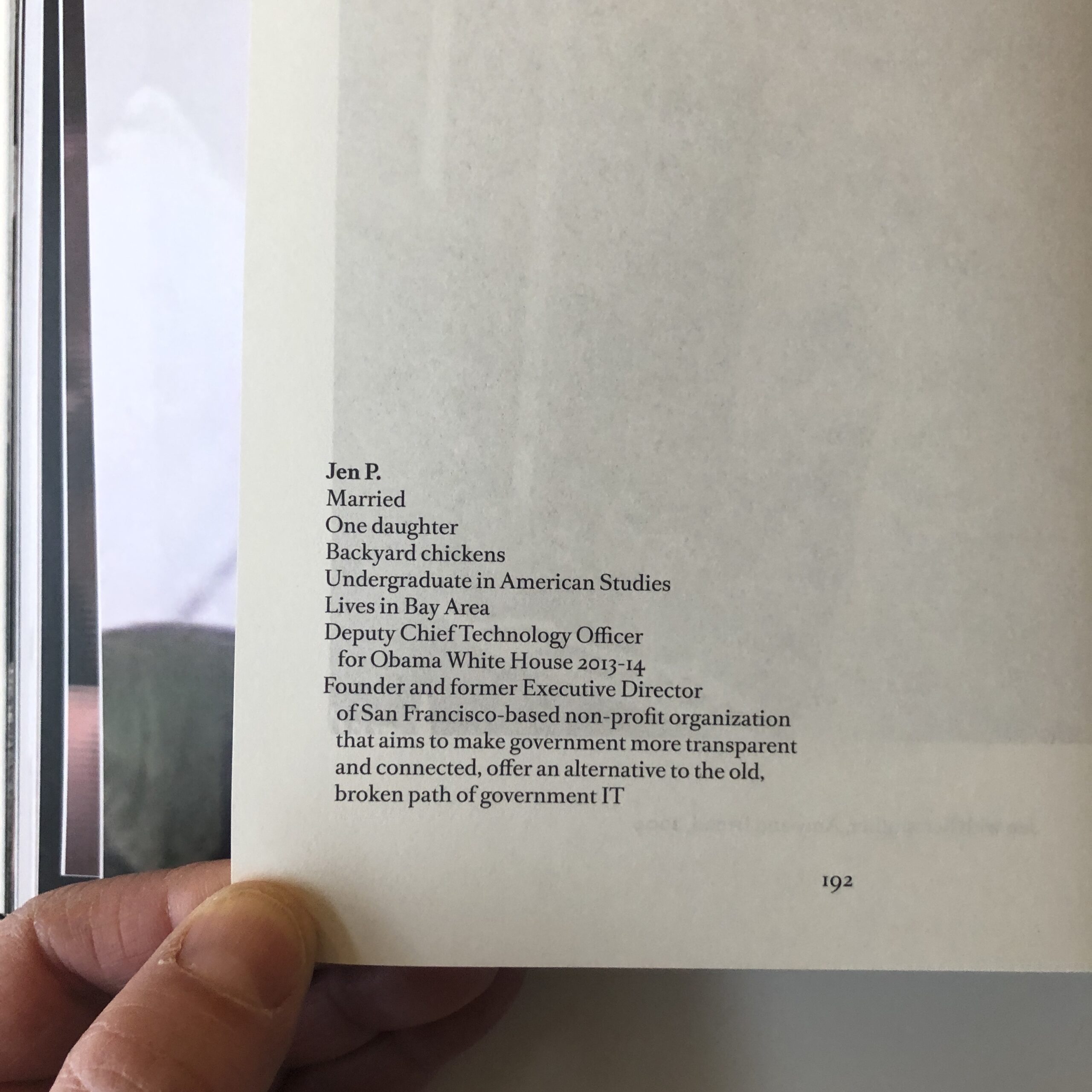
The documentary photos are good, for sure, and after a few images, we can tell Molly from Leslie, but I’m still not sure if there was one Jen, or two?

This is the part of a book where traditionally I’d like to feel a connection develop with the protagonists, as I build empathy and connection as a viewer, but that didn’t really happen.

Soon, (spoiler alert,) we learn that Molly has died, but we don’t find how how or why until the end. (Car crash on vacation in Cape Cod at 17.)

Given the age, and emotional fragility of that life phase, I’d assumed she committed suicide.


Later, cool-looking text blocks tell us several of the women have backyard chickens.

The girls have grown up to become mothers.

They go to work.

They live their lives.


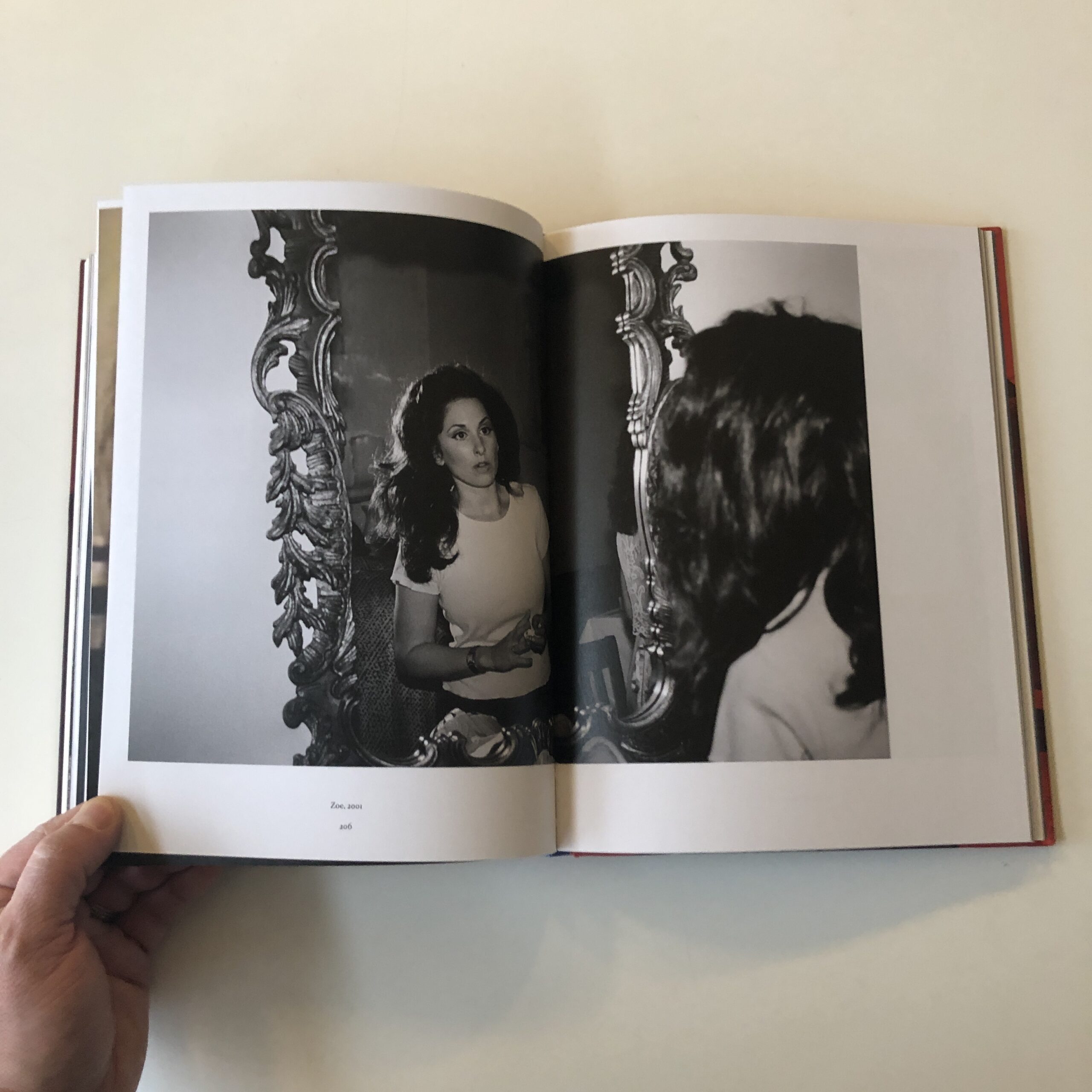
I can’t fault the visual structure, nor the quality of the photographs.

They’re good.

But I found myself wanting to care more.

I wanted to be moved.

To have my soul touched.

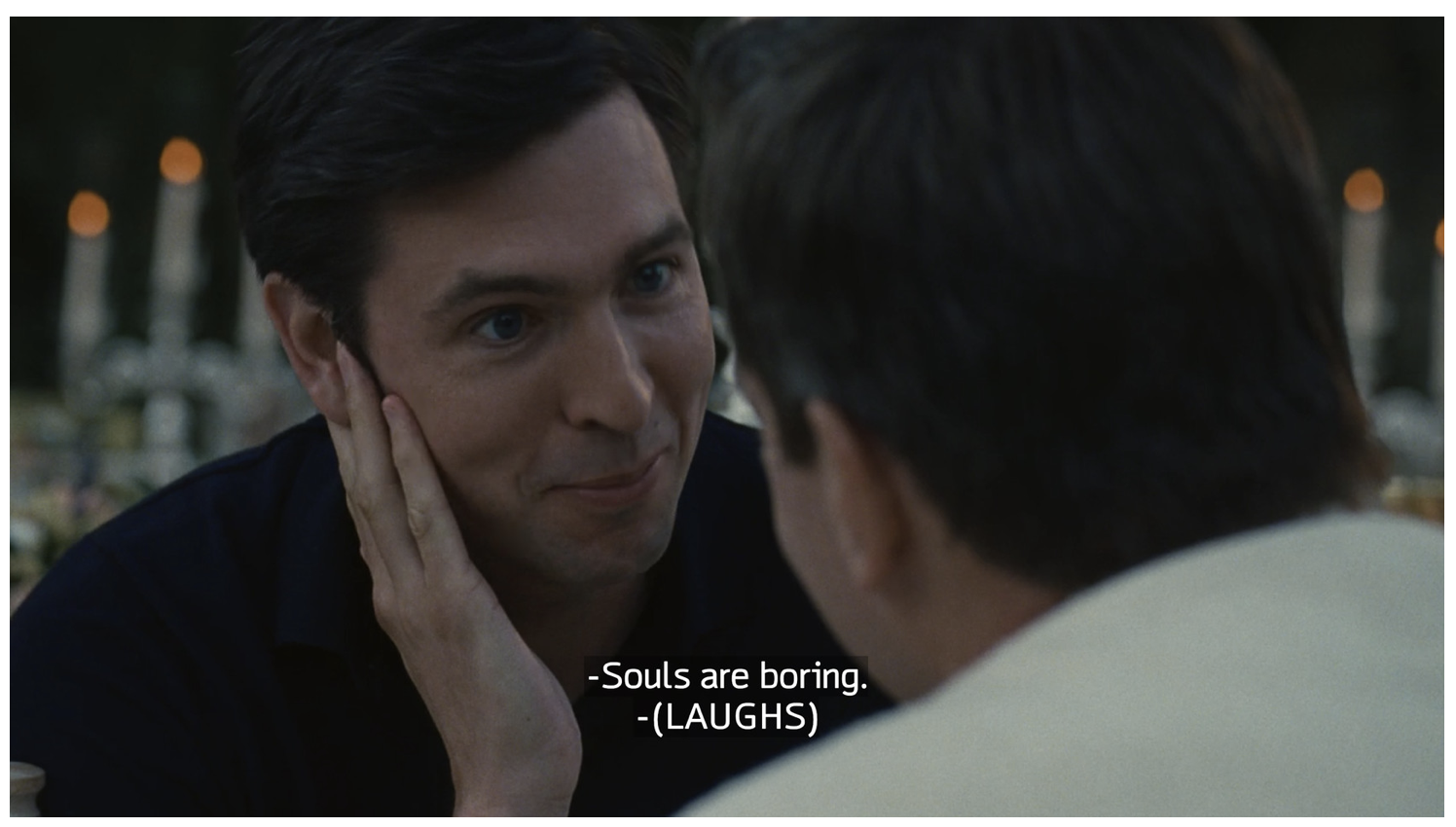
(In the words of “Succession’s” Cousin Greg, “Boo Souls!”)


Courtesy of The Ringer


To me, a book like this screams out for vulnerable, honest, first-person text from the jump.

(Instead, the opening prose was intentionally inscrutable.)

I want to hear from the artist, right away, to tell me what I’ll be looking at.

If I know Molly soon dies, as I’m perusing those first few pictures, it’s so much more poignant.

And then I want my heartstrings pulled by the surviving friends, to push it even further.

Hell, I might have cried.

(It’s happened before, in books about loss.)

But it’s still a job well done for the artist and the production team.

I’m just a tough critic.

See you next week!


To purchase “Between Girls” click here 


If you’d like to submit a book for potential review, please email me at jonathanblaustein@gmail.com. We are particularly interested in books by artists of color, and female photographers, so we may maintain a balanced program. And please be advised, we currently have a significant backlog of books for review. 

The Art of the Personal Project: Jessica Antola

The Art of the Personal Project is a crucial element to let potential buyers see how you think creatively on your own.  I am drawn to personal projects that have an interesting vision or that show something I have never seen before.  In this thread, I’ll include a link to each personal project with the artist statement so you can see more of the project. Please note: This thread is not affiliated with any company; I’m just featuring projects that I find.  Please DO NOT send me your work.  I do not take submissions.


Today’s featured artist:  Jessica Antola

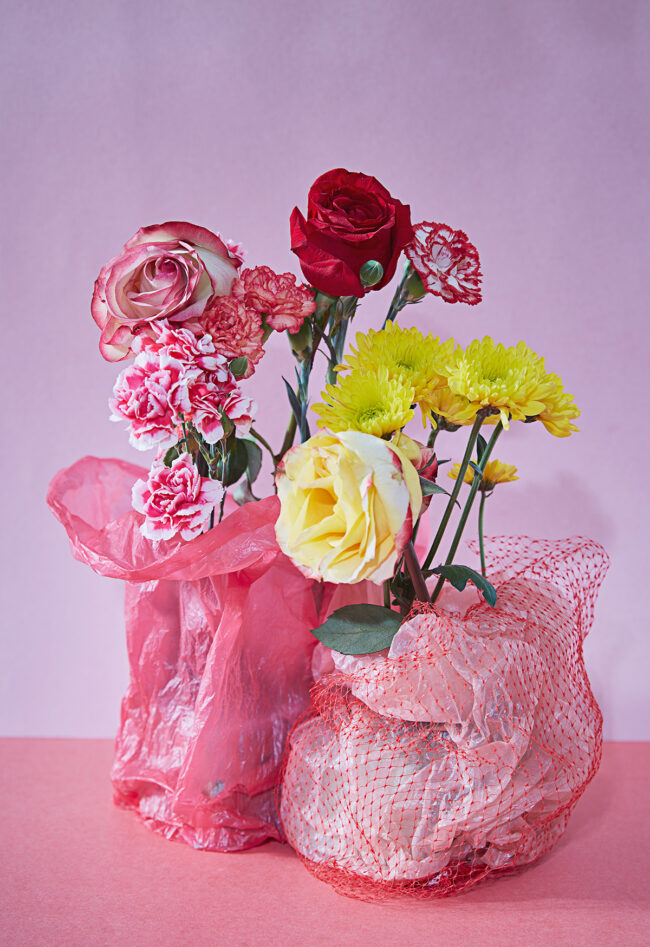
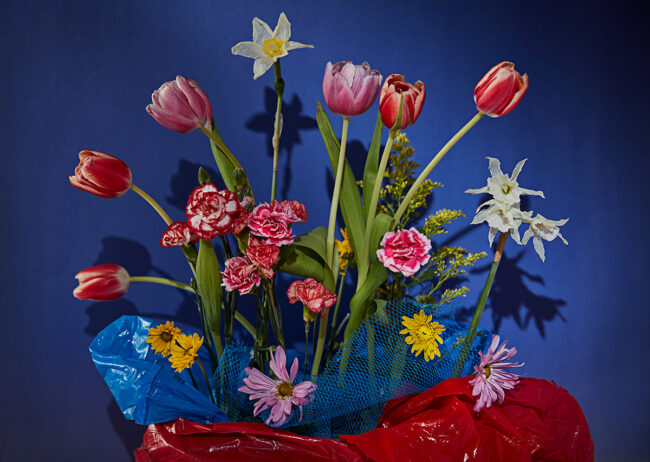
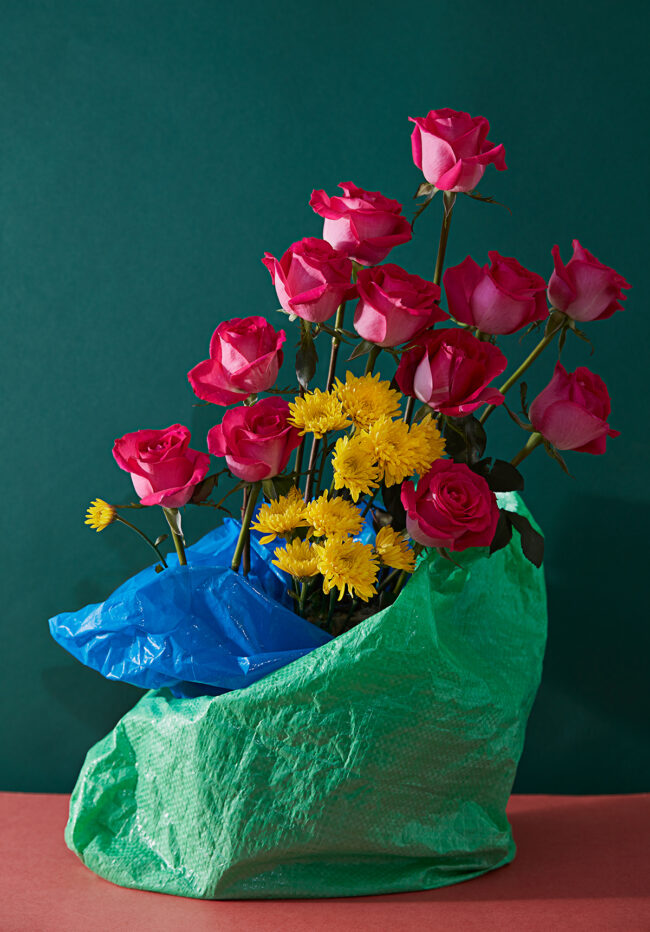
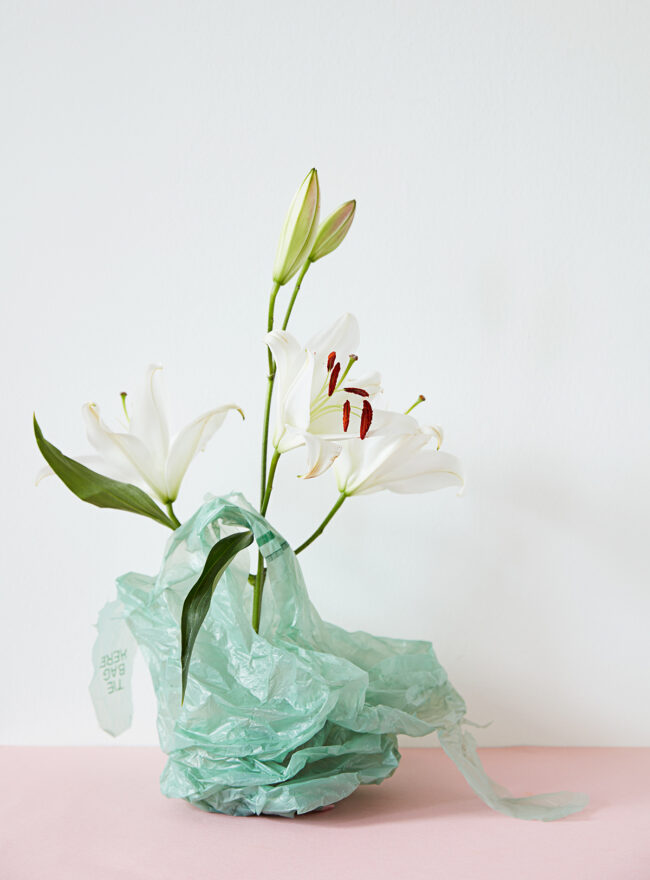
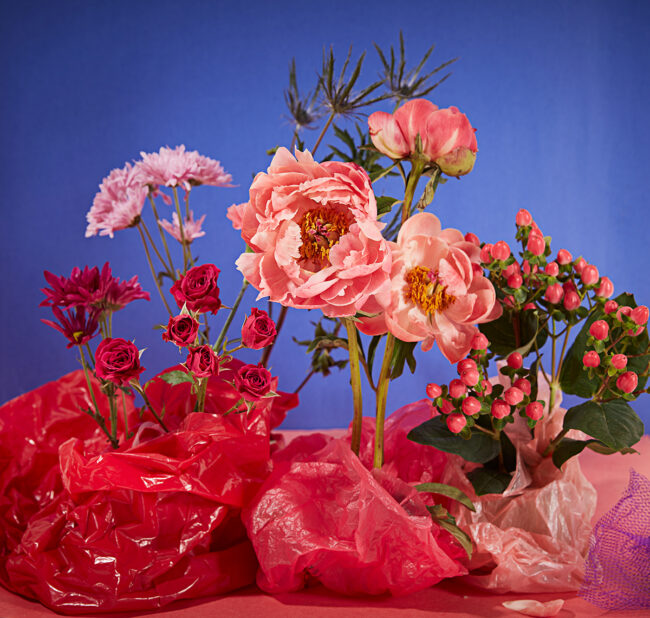
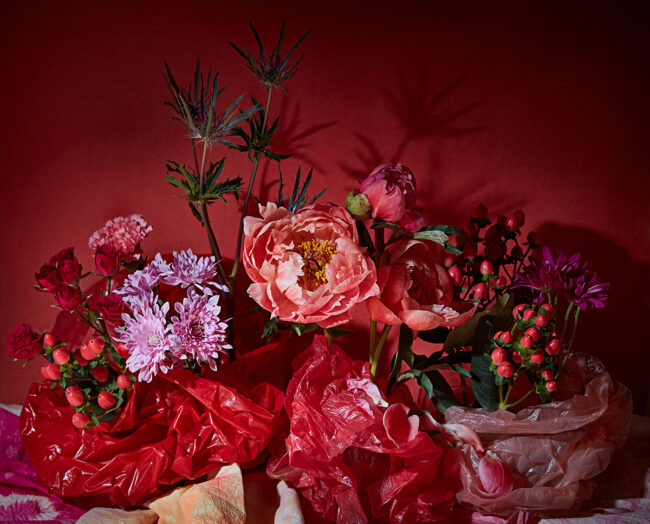
Buying flowers at the bodega is one of New York City’s unsung small luxuries, and it had even more significance during the Covid-19 Pandemic lockdown when we were all so focused on making sure we had basic necessiDes. With this ongoing series of cheap bodega-bought flowers that I styled with plasDc bags, I wanted to create something beyond the bouquets’ literal circumstances. I think of them as a humble symbol of hope.


To see more of this project, click here.

Instagram


APE contributor Suzanne Sease currently works as a consultant for photographers and illustrators around the world. She has been involved in the photography and illustration industry since the mid 80s.  After establishing the art-buying department at The Martin Agency, then working for Kaplan-Thaler, Capital One, Best Buy and numerous smaller agencies and companies, she decided to be a consultant in 1999. She has a new Twitter feed with helpful marketing information because she believes that marketing should be driven by brand and not by specialty.  Follow her at @SuzanneSeaseInstagram

The Daily Edit – Lum Art Magazine: Debra Herrick


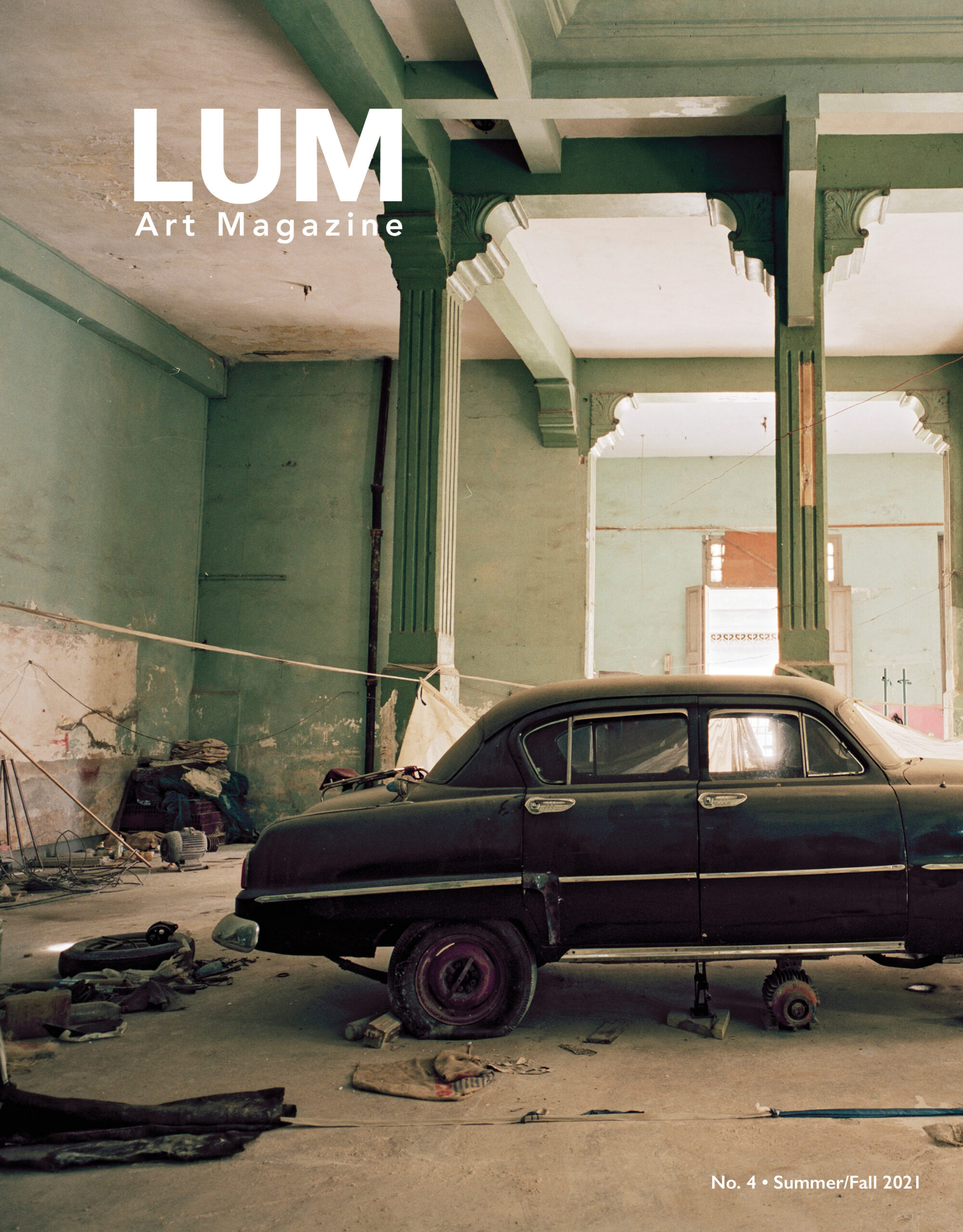
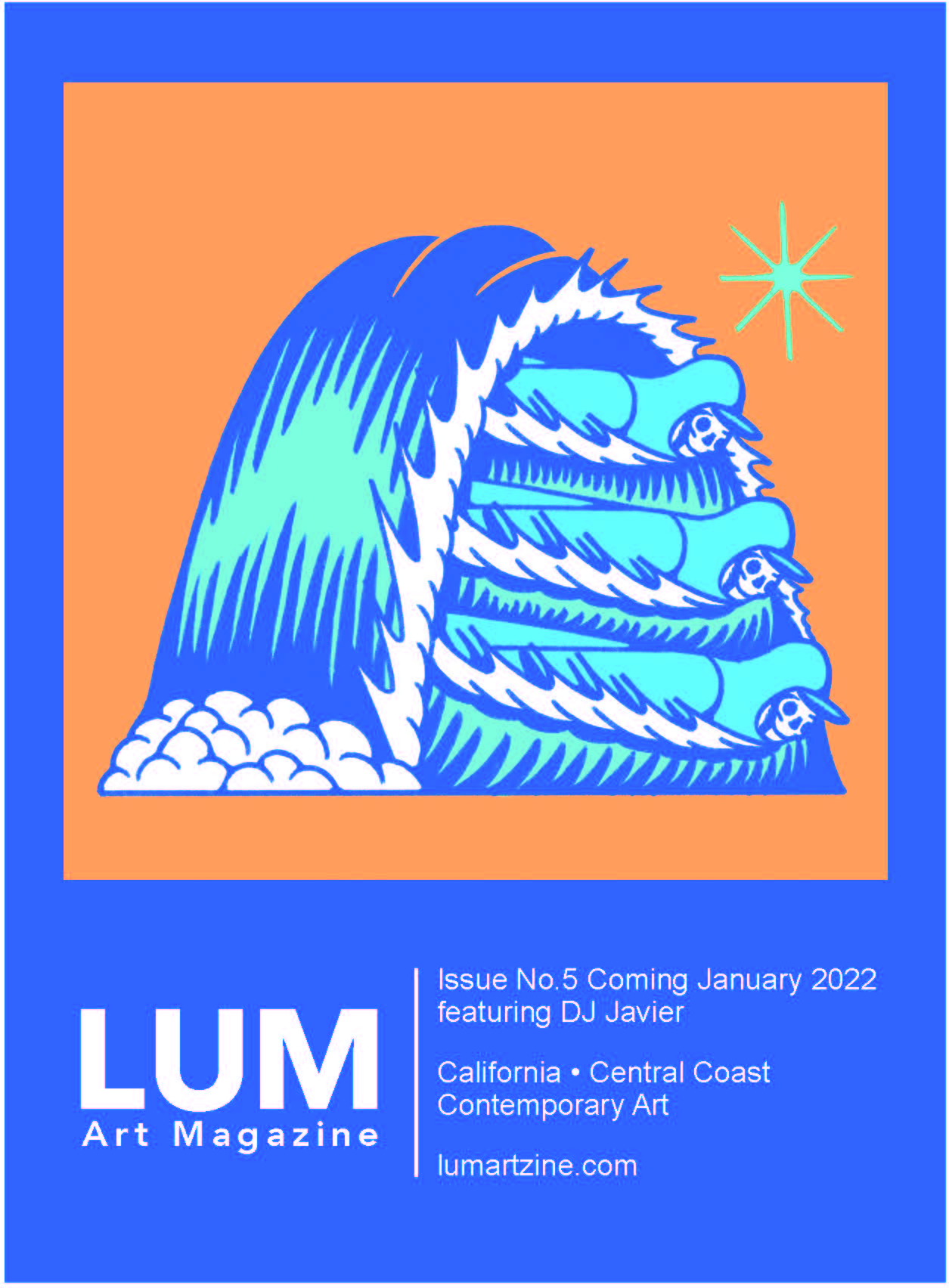
Lum Art Magazine

Editor & Founder: Debra Herrick, PhD

Heidi: You’re about to celebrate your 5th year anniversary of Lum Art, how has this project surprised you and what are your hopes for 2022?
Yes, this coming summer will be five years since we started Lum’s online forum, lumartzine.com. We started publishing the print magazine a bit later, in 2020.

Lum has surprised me in the way that it has found a niche in the community where it really resonates; and in some ways, and I hope this is true, this project my husband Arturo and I started five years ago now has a life of its own.

I’ve also been struck by how many talented people have collaborated with and contributed to Lum. It’s been incredible to be a part of a project that brings together so many different kinds of talent. I think I’m also surprised by how much I’ve personally grown in the process, especially as an arts editor and a publisher.

In 2022, I hope to see Lum continue to have a place in the community and to grow with the current moment.

The forced repose of 2020-2021 impacted all of us, did you see creativity as a coping tool info creating hope?
This is a hard question. I think for some artists, creative endeavors were helpful in coping. I think it was also bittersweet for some who were grateful to have more time and less distractions, but also struggled with anxiety or solitude. In our case, having Lum as a creative project was really grounding during quarantine. I think we benefitted from having purpose and goals as well.

We tried to approach our stories last year with an awareness that times were strange. I think that threadline is palpable in each issue. But I think that if Lum created hope, it was through following through with our plans to publish the biannual print magazine. Many projects – especially in the art world – were being shuttered. We published on a shoestring, but we decided to keep going and stay present. We hoped that Lum would be a source of connection and community for people, especially during a time when many were feeling disconnected.

Who was recently awarded from your latest fundraiser in Santa Barbara? The ping pong competition was a hit!
Our first benefit event was awesome. We threw a Ping Pong Paella Party on Dec. 4, and we raised $10,000 to underwrite our print mag and two new programs: a biannual art prize and an arts writing fellowship, both to be awarded to individuals from historically underrepresented communities including BIPOC and people with disabilities.

Our first art prize winner is Vanessa Wallace-Gonzales and the 2022 arts writing fellow is Ryan P. Cruz.

How many times do you publish? 
We publish the print magazine twice a year. The electronic version can be read on lumartzine.com. The print mag is free and can be ordered in our shop (there’s a cost for shipping & handling) or you can email me for a list of where to pick one up in the Santa Barbara, Ventura, San Luis Obispo area.

How do artist and writers connect with you?
Email is usually best, editor@lumartzine.com.

This Week in Photography: Visiting NOLA, Part 1


Short column today.

I’ve teased easy-breezy-reads before, only to drop 1800 words on you.

But not today.

(I swear.)


It’s Thursday morning, (as usual,) but the last week-and-a-half has been anything but typical.


It began a week ago Tuesday, when I left at 8:30am for ABQ, to catch 2 planes to New Orleans for an evening arrival.

That’s not unusual, a trip taking nearly 12 hours door-to-door, but sure enough, my plane was delayed in Houston, and then cancelled, as they shut the NOLA airport due to fog.

It took two days to get there, and I spent the rest of the week schmoozing, eating, drinking, reviewing portfolios, walking around the city, seeing exhibitions, drinking some more, and having a lot of fun.

I got home Sunday evening, after waking at 3:30am for an early flight, and while I was regenerating brain cells, yesterday morning, we had a wind and ice storm knock out the power and internet for 26 hours.

Right now, I’m barely functional.

I’m asking for a tiny bit of empathy, (as it’s not like we had tornados,) so let’s get the show on the road.


This was my first IRL festival since the world shut in March, 2020, and man was it fun.

I spent much of 2021 on PhotoNOLA’s advisory council, and made my feelings clear, from the jump, that getting people together in-person, (safely,) creates a positive energy impossible to replicate online.

Having cool, creative, hard-working artists in the same room builds camaraderie, and the possibility of new opportunities, which form the backbone of the fine art photo world in the US.

Certainly, I laughed harder than I have in years, drank more booze in a weekend than I do in 6 months of lock-down-life, and was palpably reminded what an amazing group of people we are, as a community.

Kudos to the New Orleans Photo Alliance, and PhotoNOLA, for making this happen!

As usual, I saw a ton of great work, and will write about the best portfolios I saw in a future article.


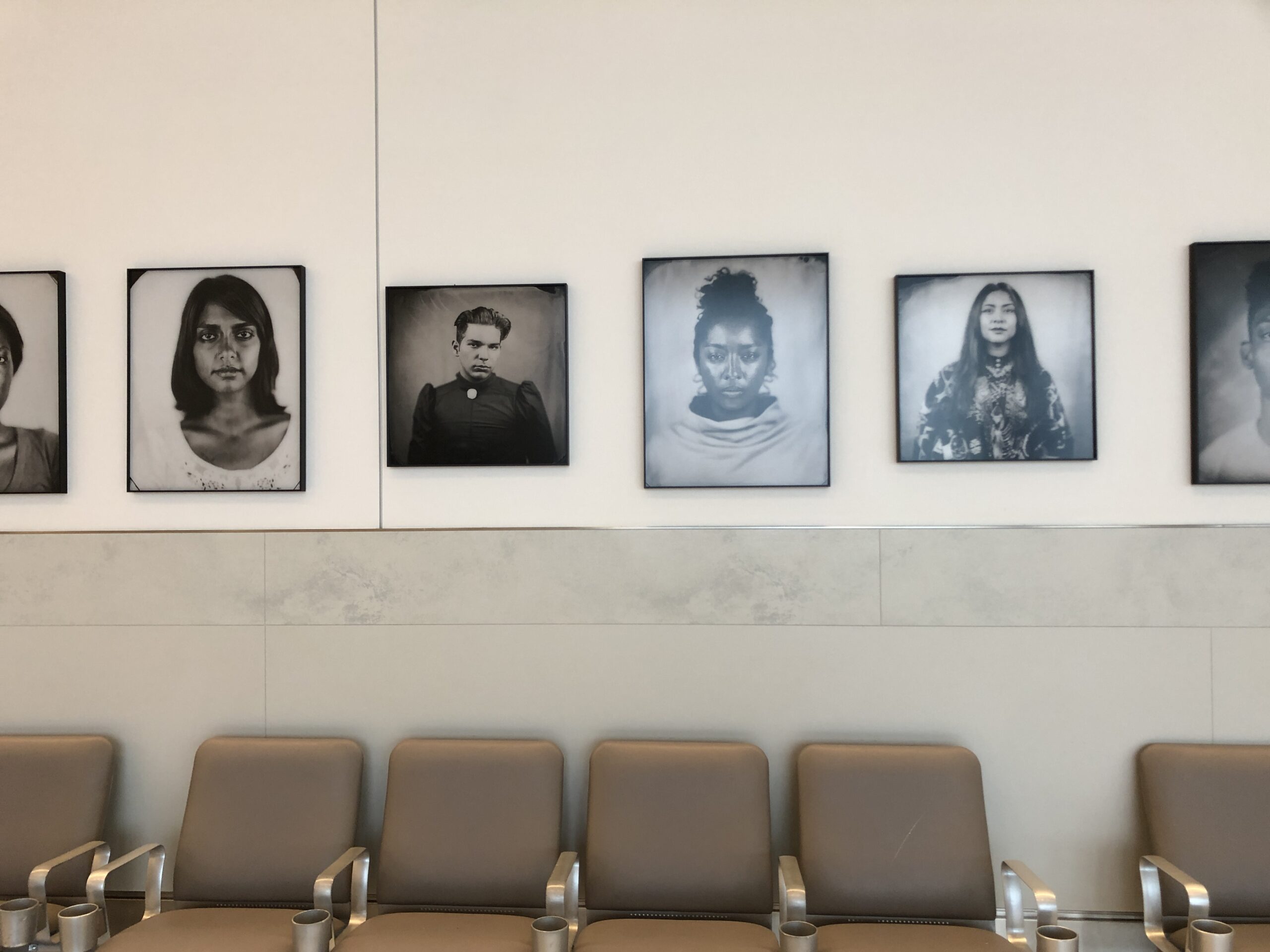
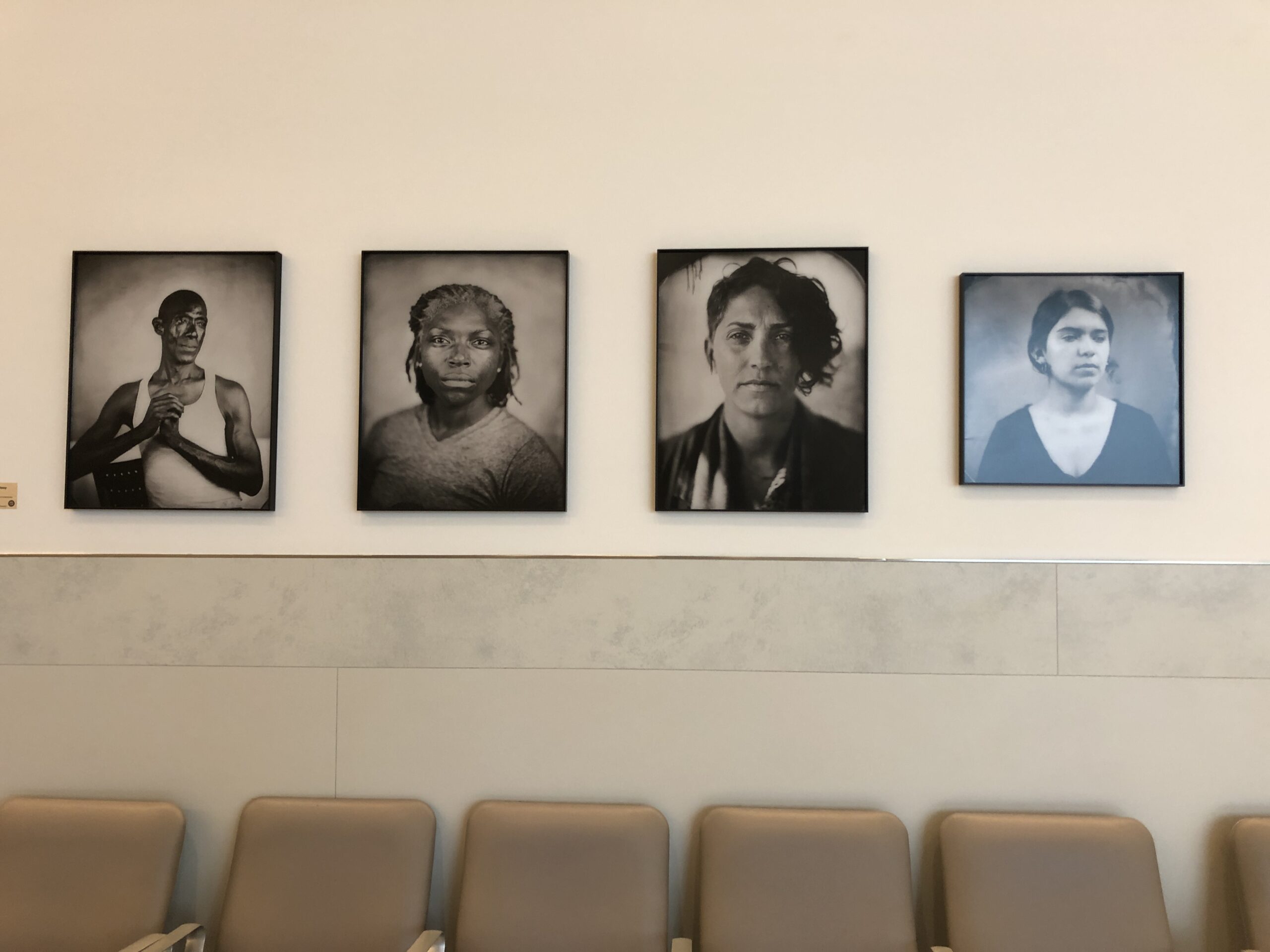
I caught a killer photo installation of wet plate collodion work, in the Houston airport, by Keliy Anderson-Staley, which I’ll share with you here.


“In Passing,” by Keliy Anderson-Staley


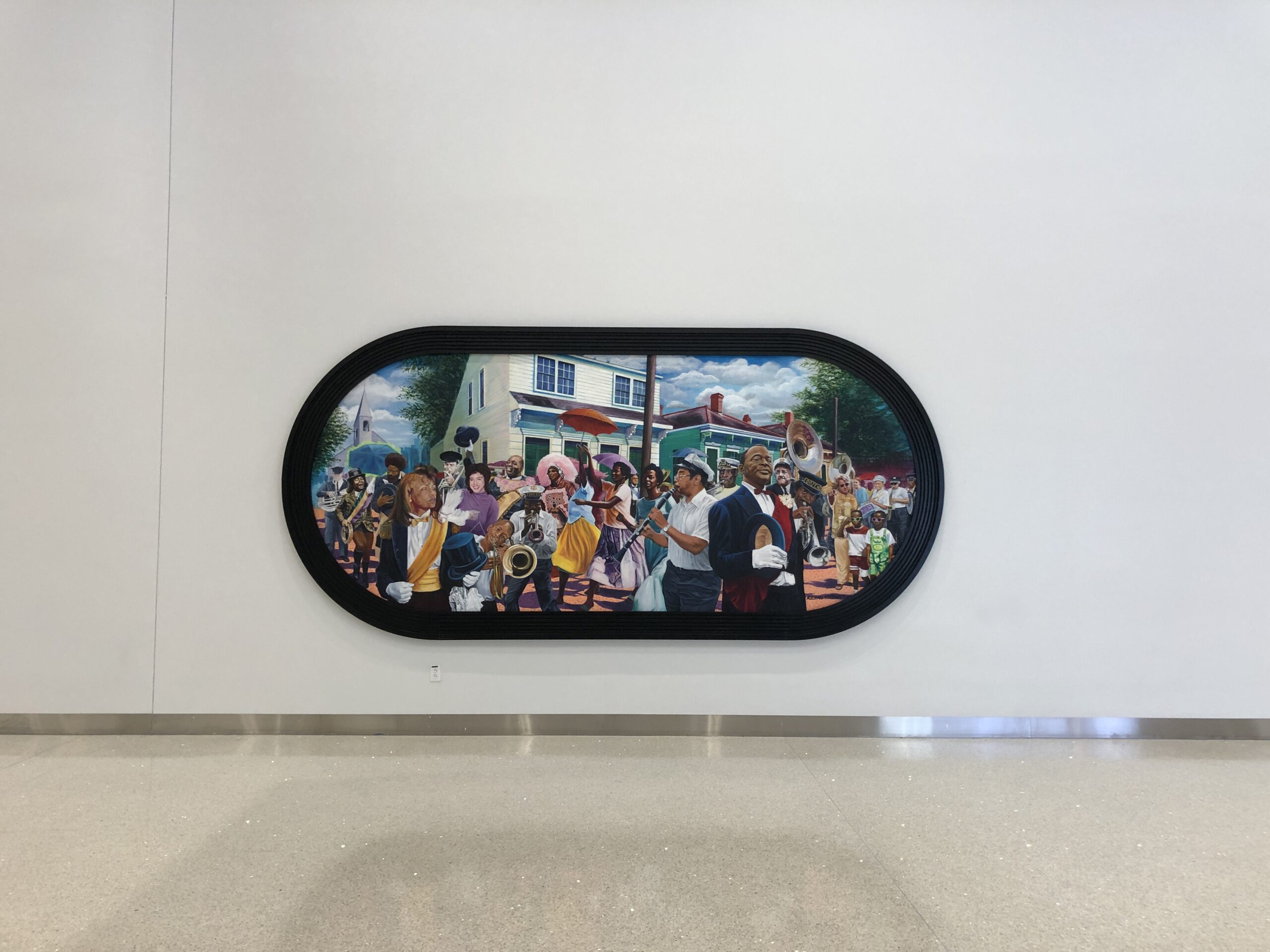
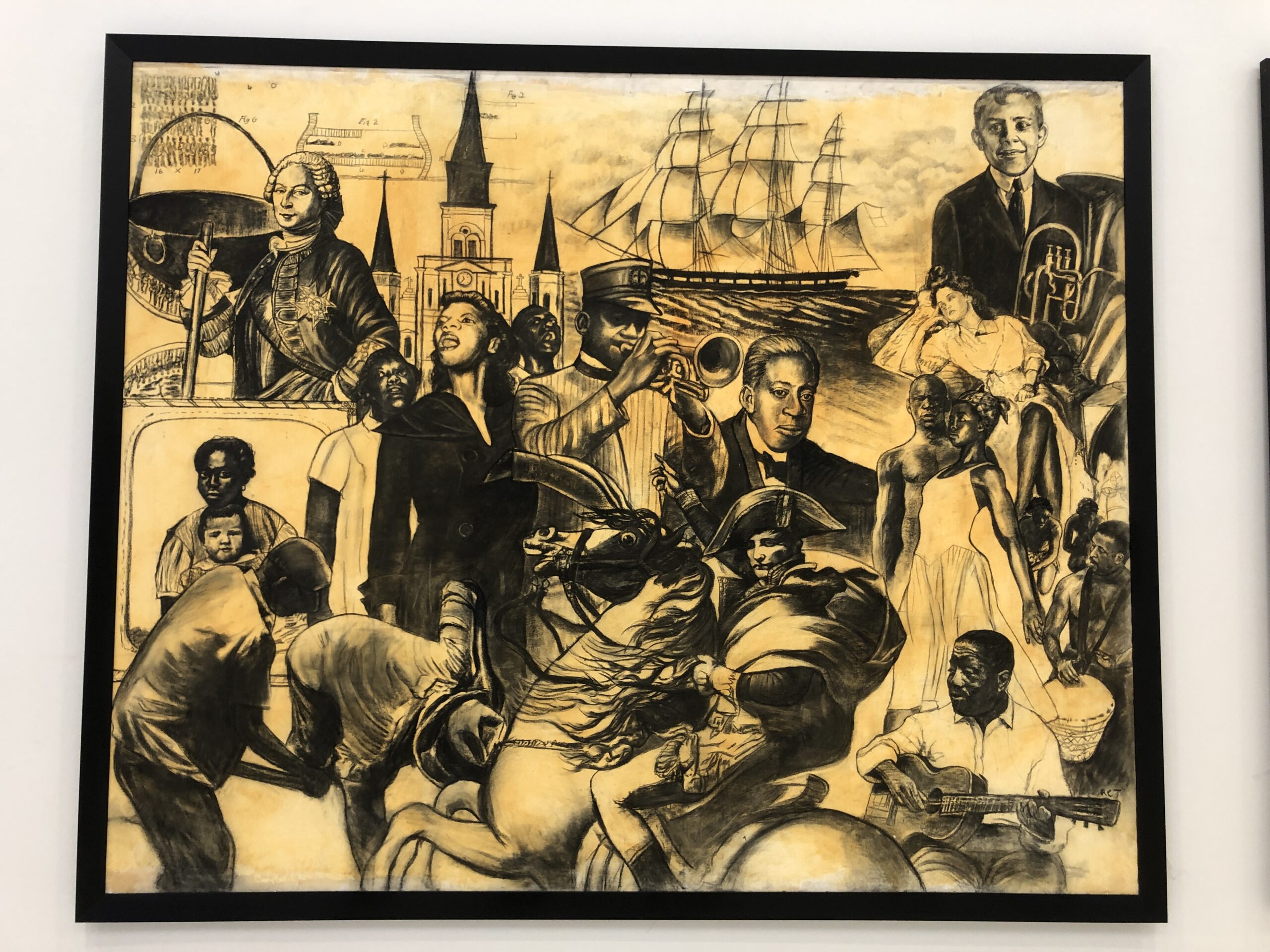
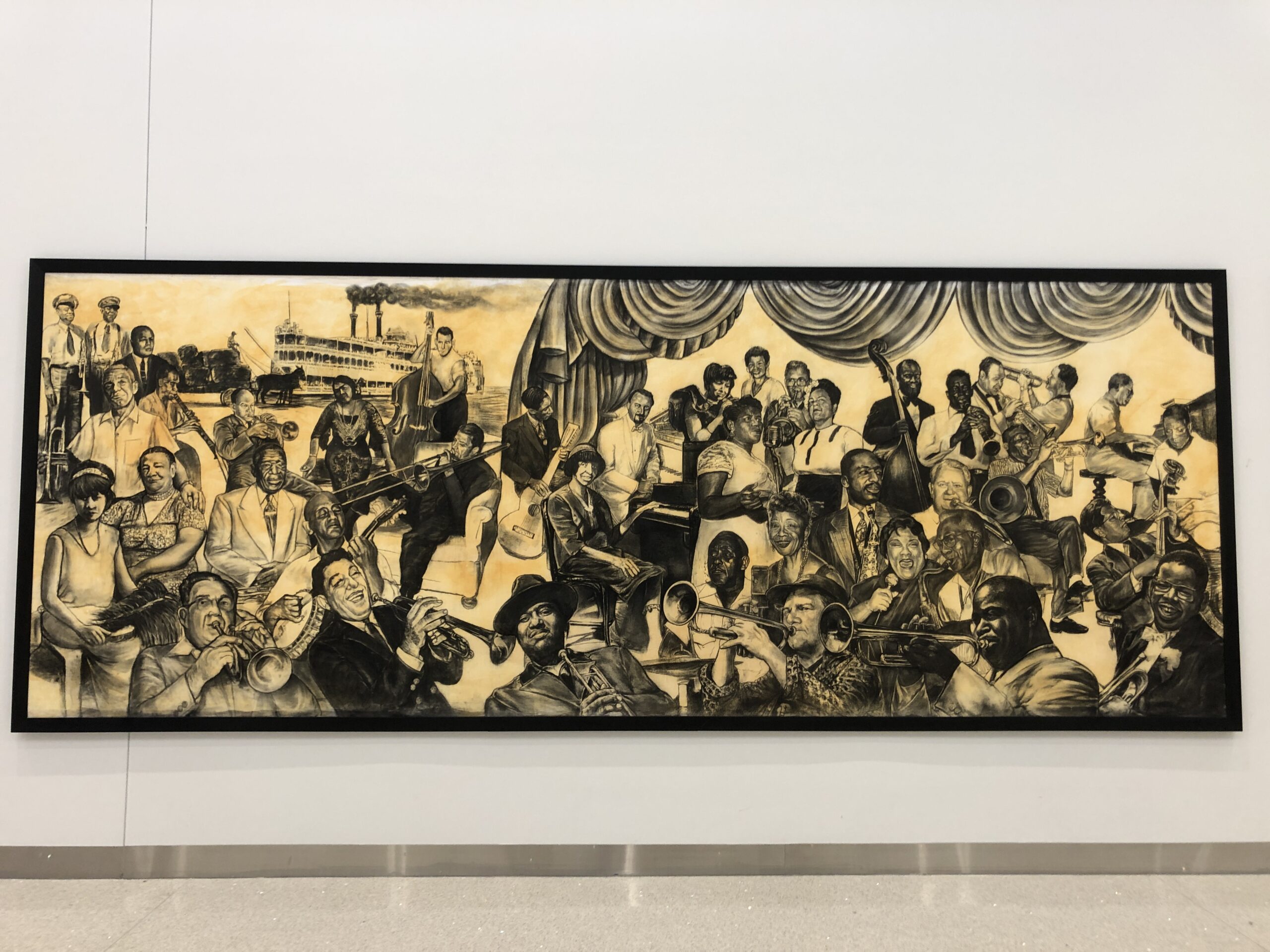
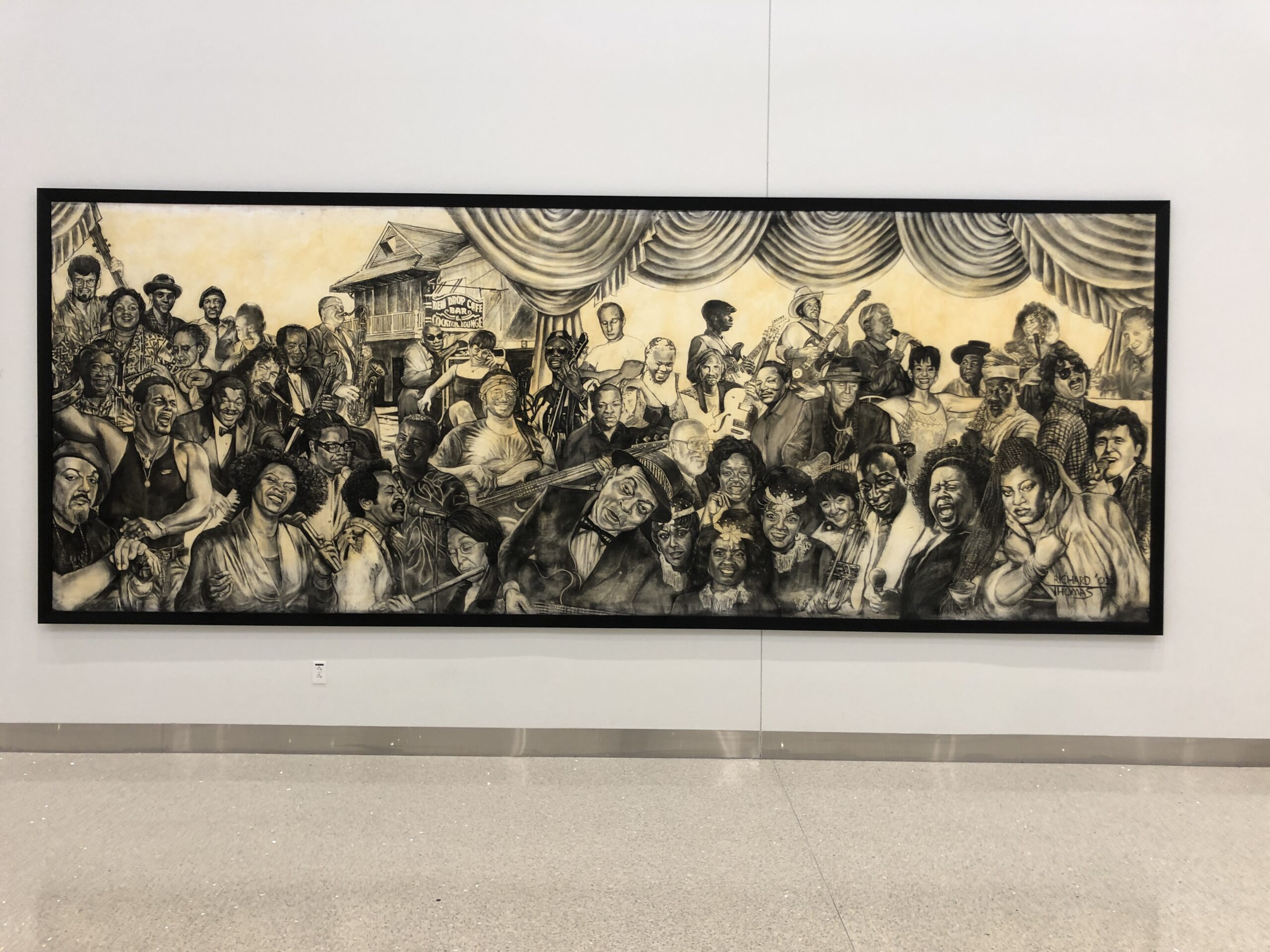
Normally, airport art is forgettable, but I also saw some wonderful paintings in the NOLA airport by Richard C. Thomas on the way home, so let’s drop them into the narrative as well.


Paintings by Richard C Thomas


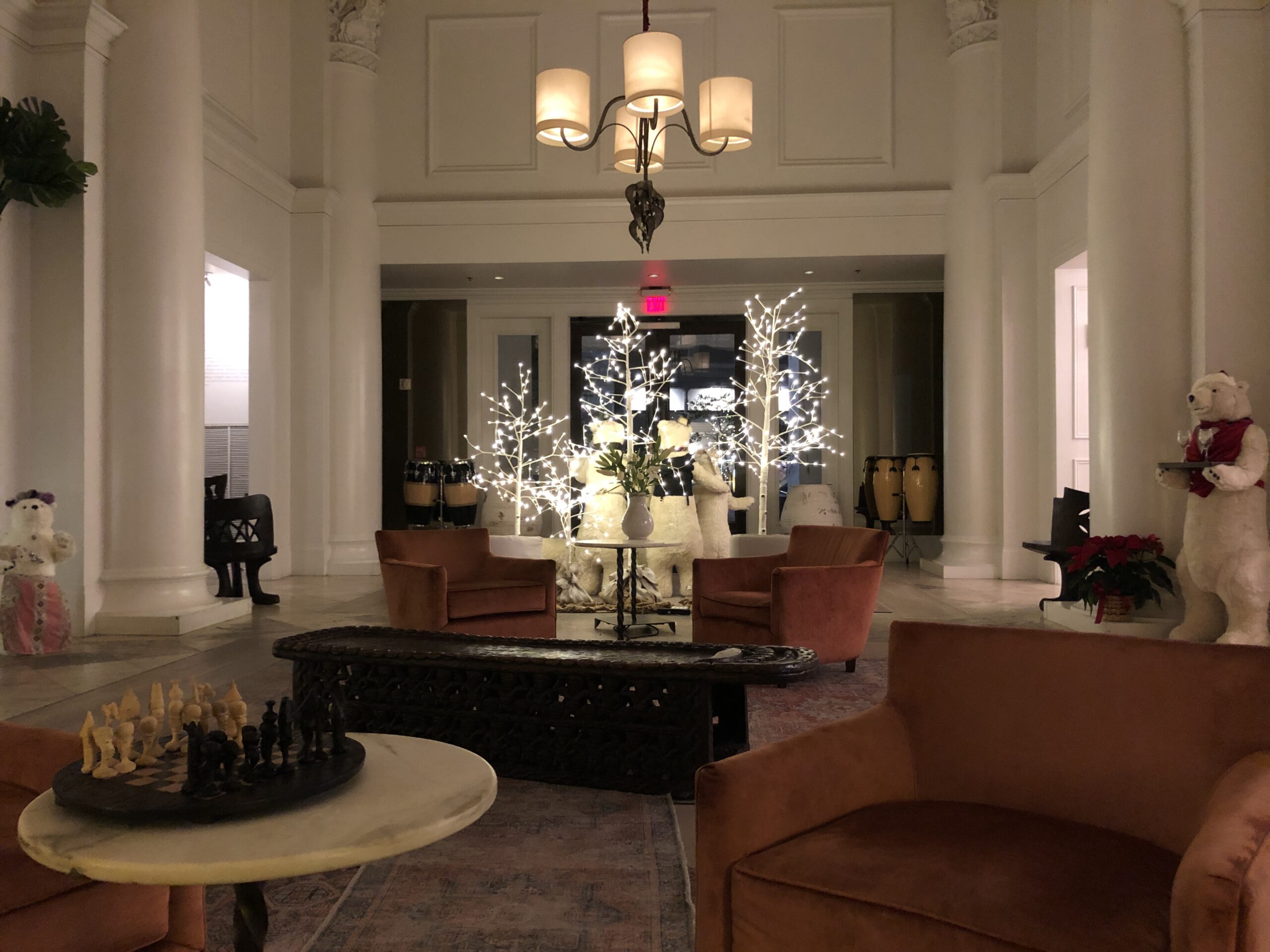
When I first arrived in New Orleans, hungry as a mistreated dog, I walked the two short blocks from the International House Hotel, (which is gorgeous,) to the French Quarter, looking for some cheap, tasty street food.


Hotel lobby


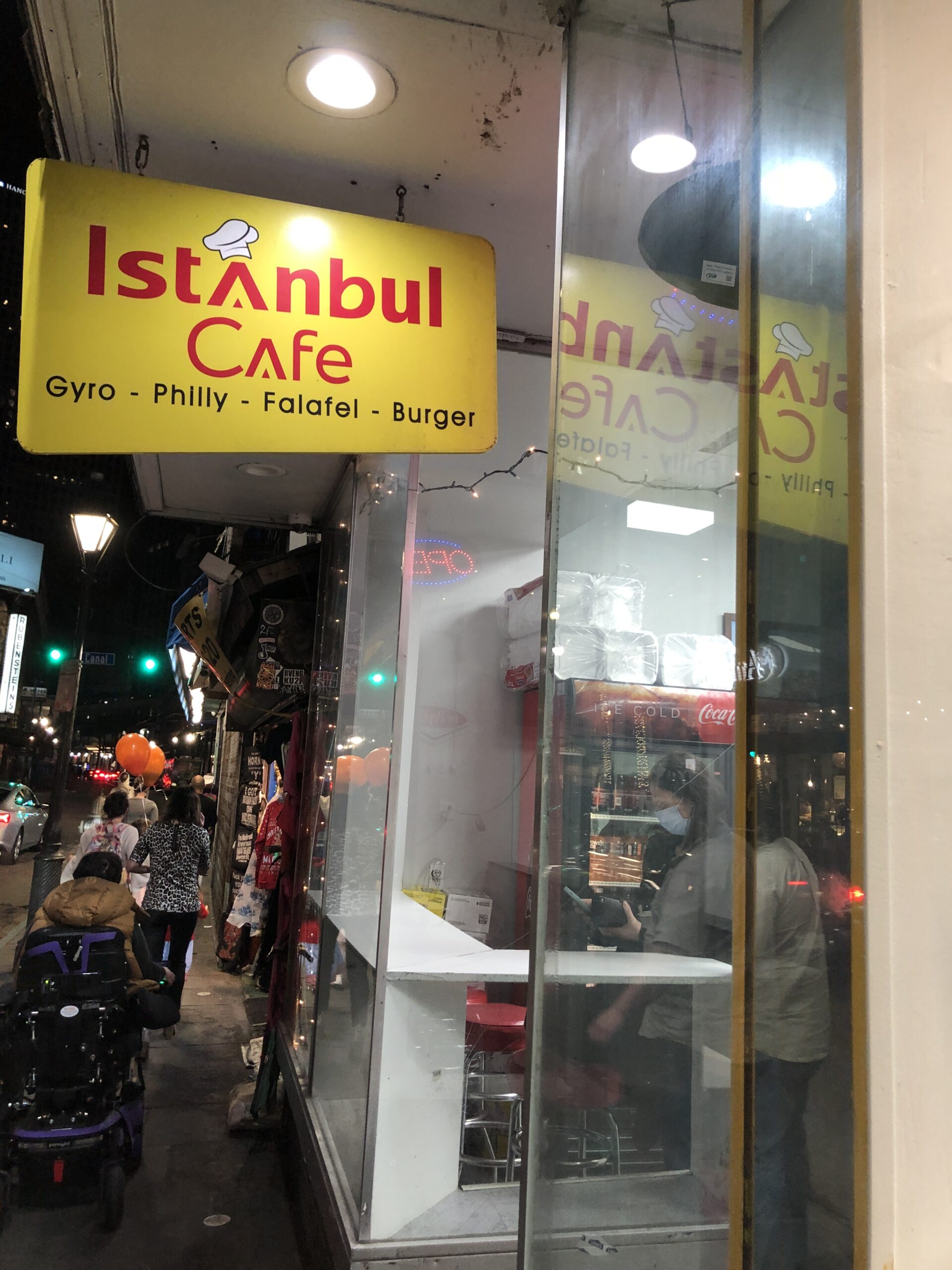
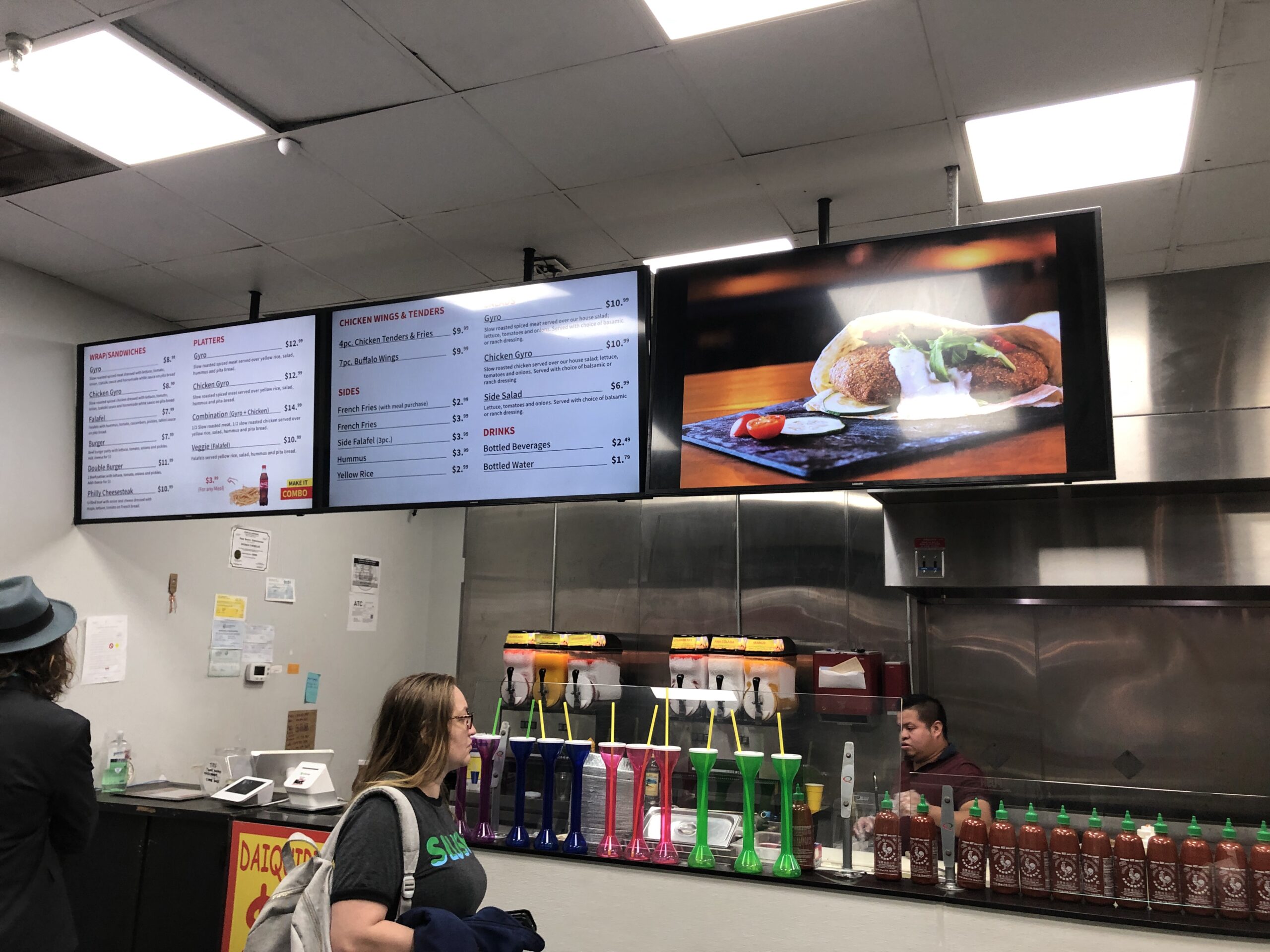
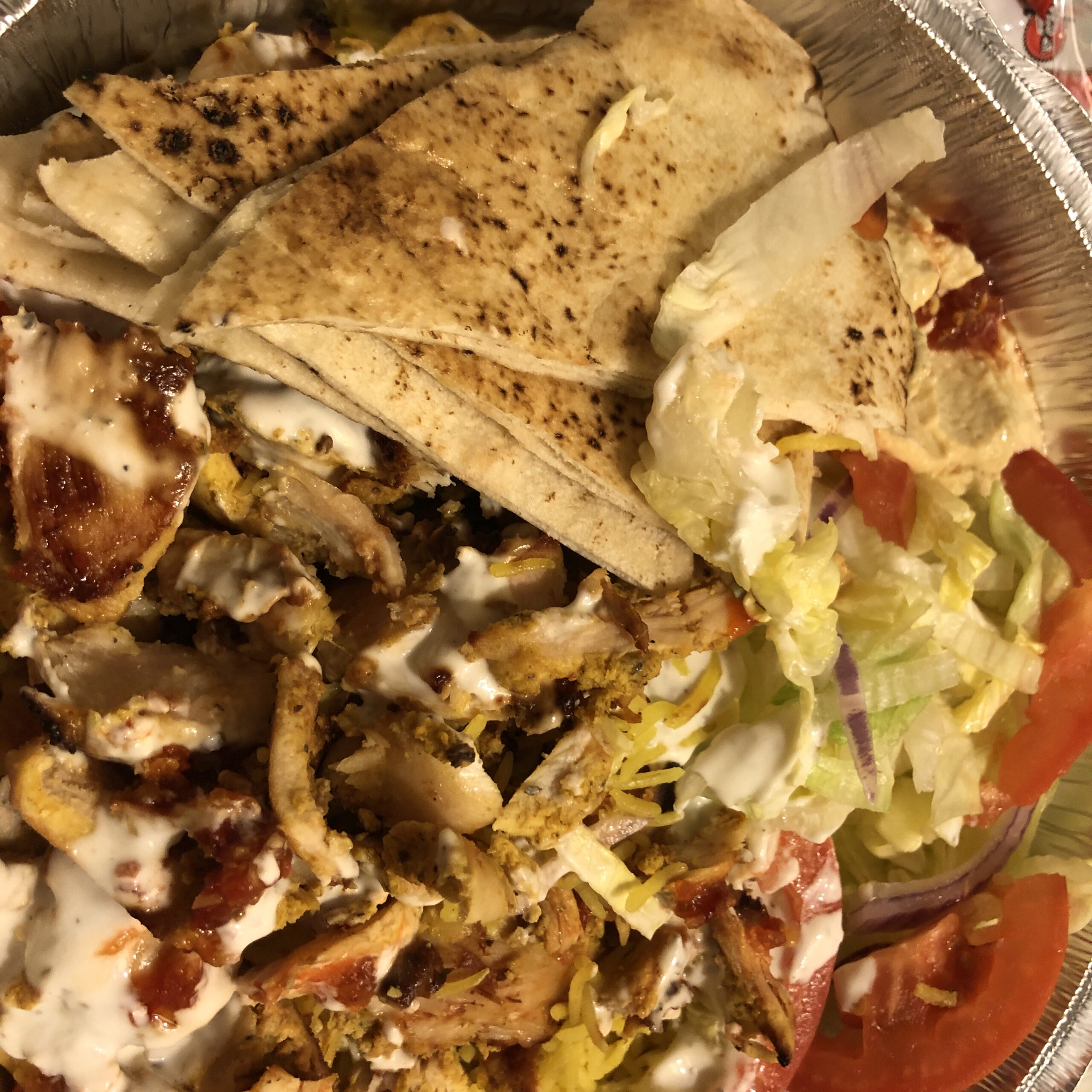
I found the aptly named Istanbul Cafe, where I got an excellent chicken shawarma wrap, which fit the bill, and I went back on Saturday night, to get some dinner that would also serve as breakfast for my early morning.


Istanbul Cafe in the French Quarter

Chicken Shawarma platter. So good!


Next, I headed to Walgreens, for a bottle of room-booze, (Bulleit Bourbon,) and a four-pack of blue Gatorade, because once you hit 47, you don’t want to be drinking heavily without a plan.

When bars charge $15 per shot, getting a full bottle of good whiskey for $24 means you can hit the streets with a nice buzz, hook up your friends for happy hour, and generally manage the hair-of-the-dog situation.

The Gatorade is great for preventing/managing hangovers, as is my nightly ritual of 2 Advil and 1 Benadryl before sleep.

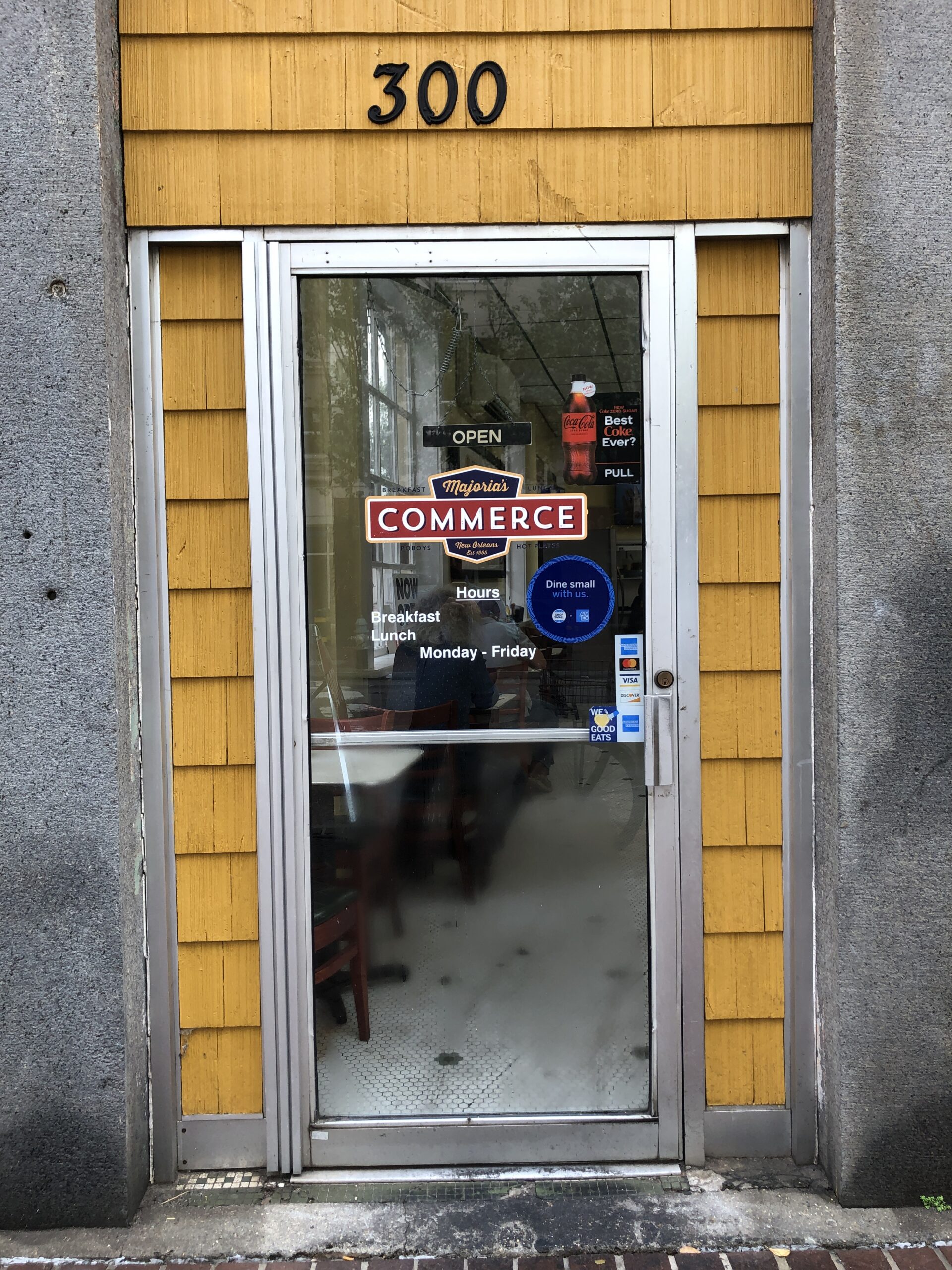
The greasy follow-up breakfast is also key, and I hit the really great Majoria’s Commerce Restaurant each morning, which was literally across the street from the hotel.

Day one, bacon egg and cheese on a homemade biscuit.

So good!

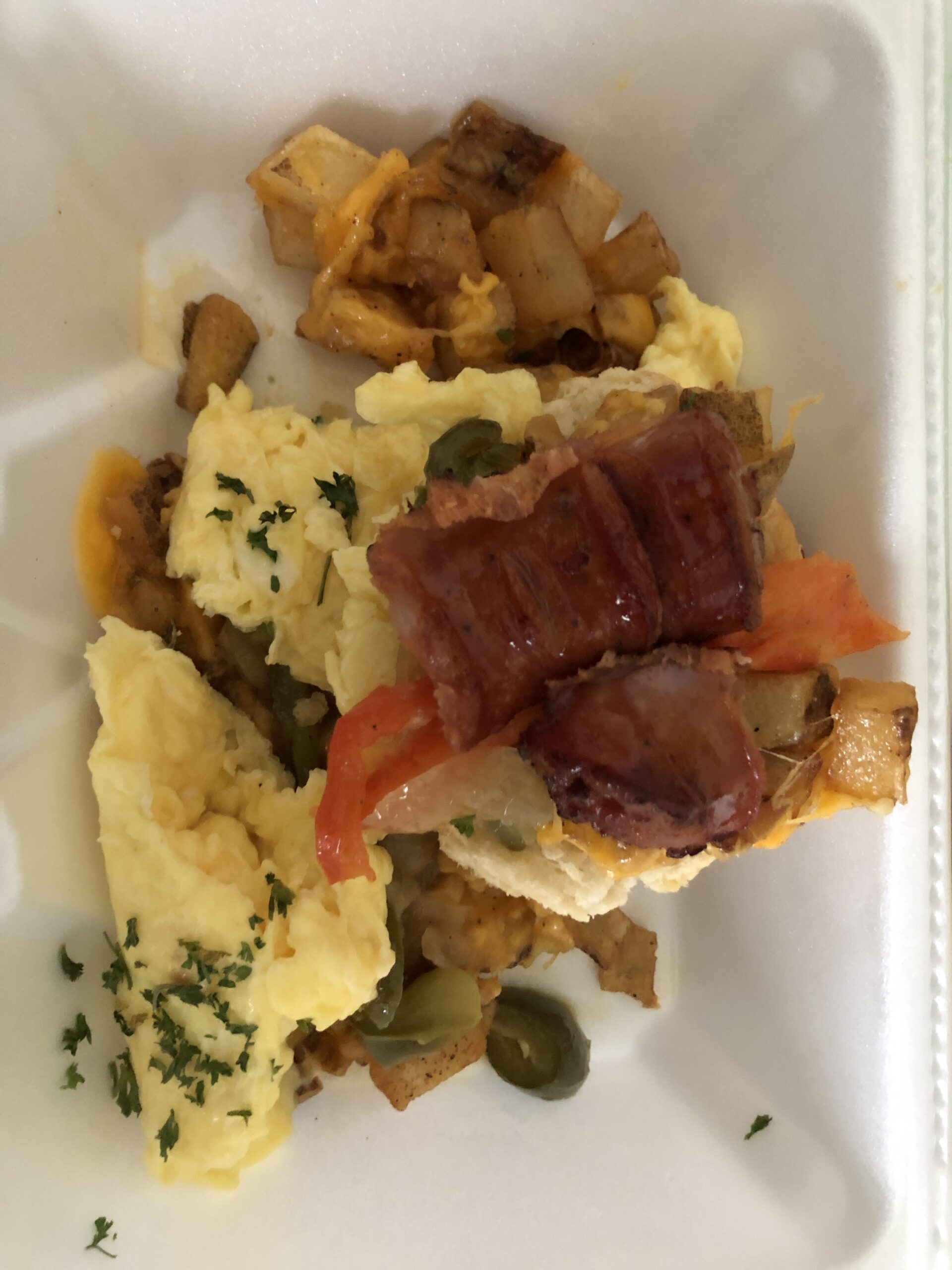
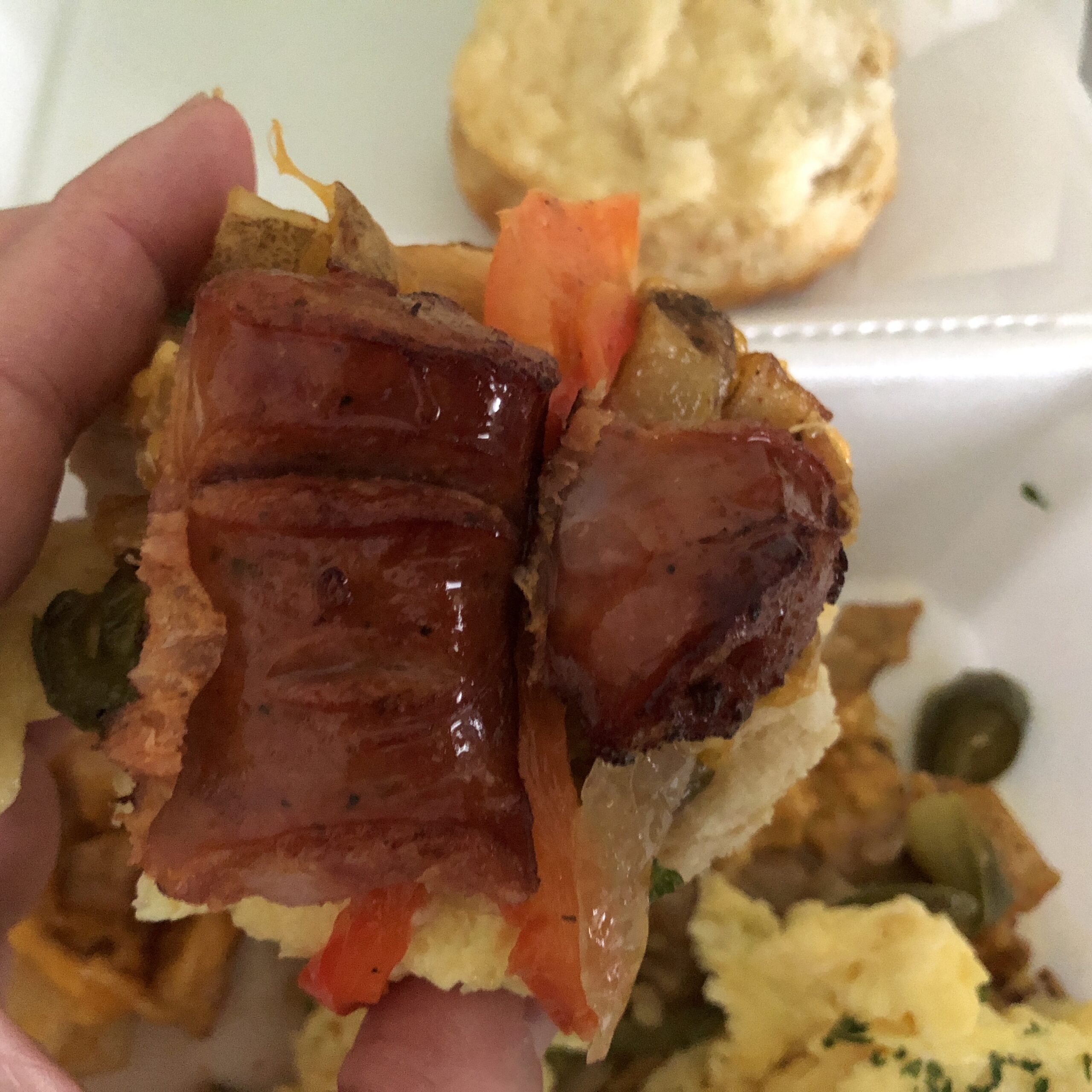
Day two, (the breakfasts got bigger each day, as the hangovers stacked up,) I had their loaded hash-browns, which had cheese, jalapeños and sautéed peppers atop the potatoes, with 2 eggs, a side biscuit, and an extra side of smoked sausage. (A local speciality.)


Commerce. Legit.
Loaded hash-browns with smoked sausage
I don’t normally eat like this…


Day three, all that, plus a side of grits. (Each day, I grazed on the food, a bit at a time, to combat the encroaching hangovers.)

If you’re going to abuse your body for a few days at a time, in a party city like New Orleans, I’m telling you, a solid plan is required.


Yesterday, during the blackout, the kids and I played hangman, and laughed for a solid hour. (When your 14-year-old uses “puta” in-game, you can assume fun was had.)

I shared the phrase “necessity is the mother of invention,” as we lived all day without electricity or internet, and found new ways to amuse ourselves.

I’m glad the power is back, but honestly, that kind of out-of-routine experience is what makes memories.

It’s a lot like traveling, and I’ll remember this NOLA adventure for a long time.

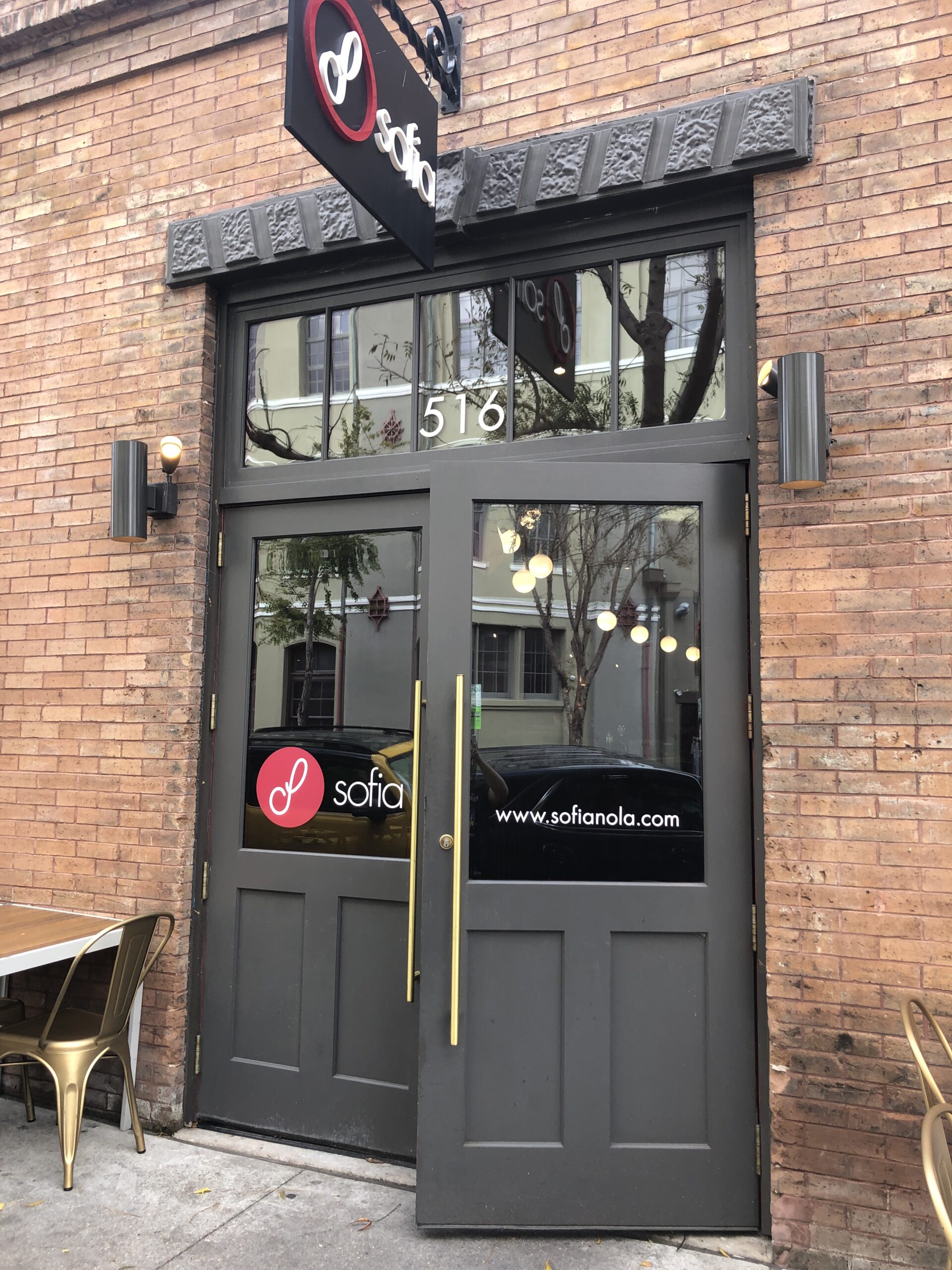
Beyond the hilarious trip on a school bus, (where I was named bus captain, reporting to the driver, Ms. Jackie,) the wonderful parties, and a great visit to the Bayou Beer Garden, I also had dinner with a few friends at the über-trendy, insanely delicious Italian restaurant Sofia.

(Brilliant fresh pasta, fantastic pizzas, great meatballs, and a house-made ricotta, radish and flat bread appetizer that was so much better than it sounds.)


Sofia, the next morning
Enjoying a great meal with my buddy Frances


Art installation on the wall of Sofia


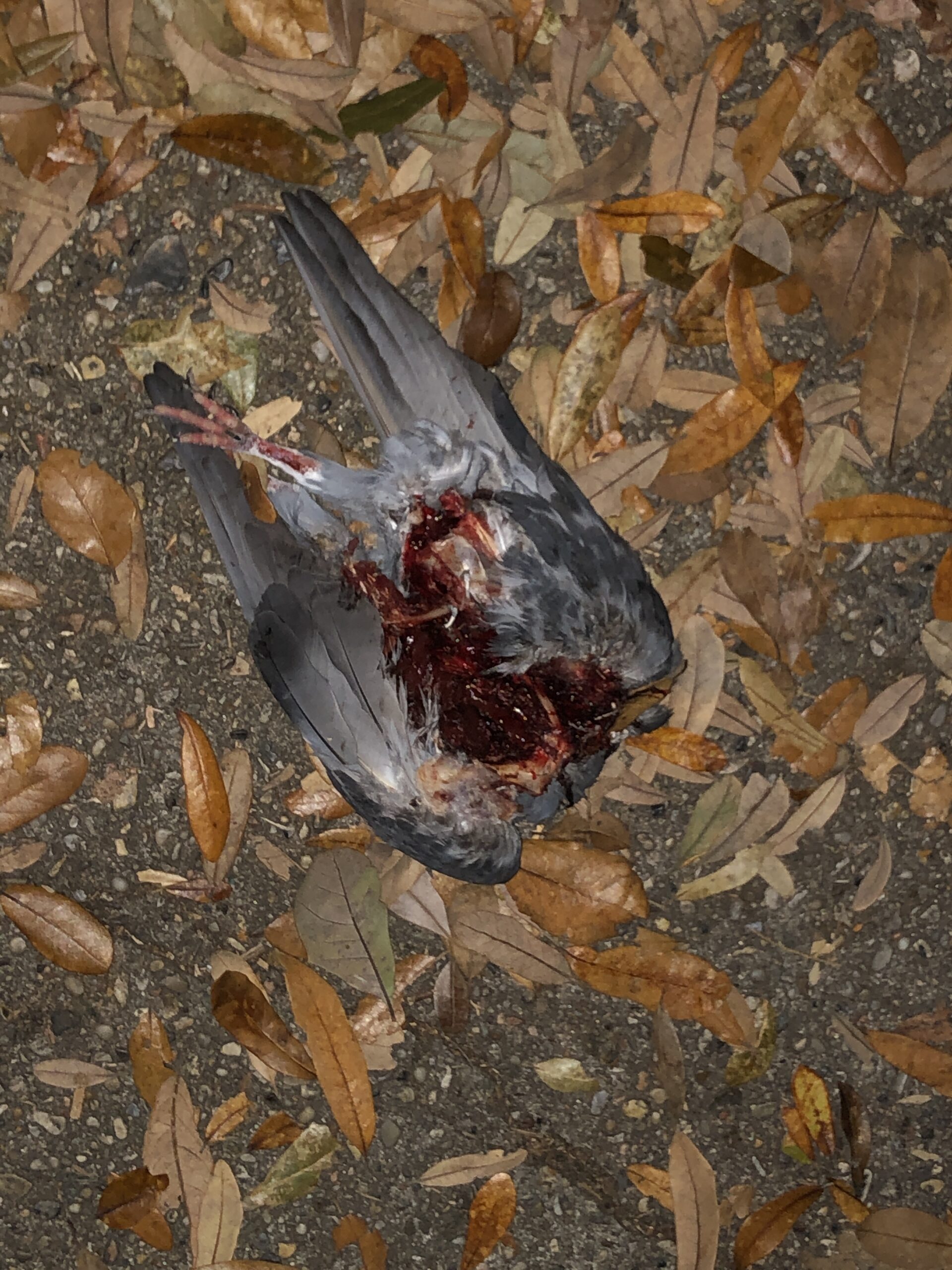
As we walked the streets, a group of 5 revelers, including 4 photographers, we stepped directly over a highly mutilated pigeon, and I was the only one to even notice.

I grabbed a photo for you, (trigger warning, it’s gross,) because that’s a part of the fun of seeing new things.


Extremely dead pigeon


Across the street, a white cathedral glowed in the artificial light.


St Patrick’s Church, 1833


Quite the NOLA juxtaposition.


In a world in which many of us stayed home for a year, not-too-long-ago, I’m here to remind you that travel really does make us smarter, happier, and richer-in-experience.

So get out there, as soon as you can…

I’ll be back next week, and will share more about NOLA when I feature photographic portfolios in early 2022.

Hasta luego!


The Art of the Personal Project: Grace Chon


The Art of the Personal Project is a crucial element to let potential buyers see how you think creatively on your own.  I am drawn to personal projects that have an interesting vision or that show something I have never seen before.  In this thread, I’ll include a link to each personal project with the artist statement so you can see more of the project. Please note: This thread is not affiliated with any company; I’m just featuring projects that I find.  Please DO NOT send me your work.  I do not take submissions.


Today’s featured artist:  Grace Chon


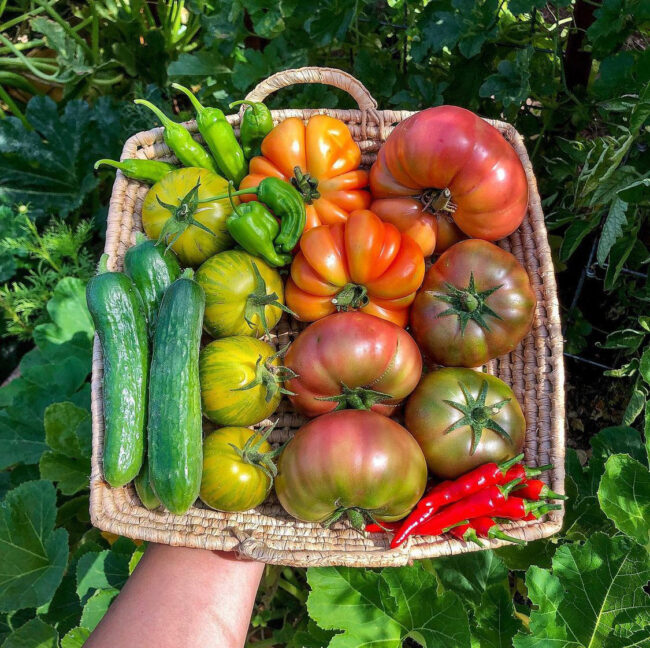
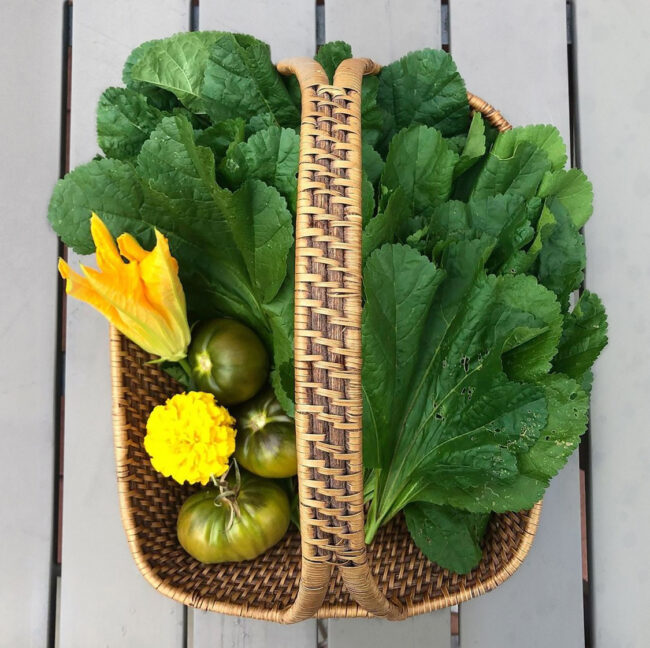
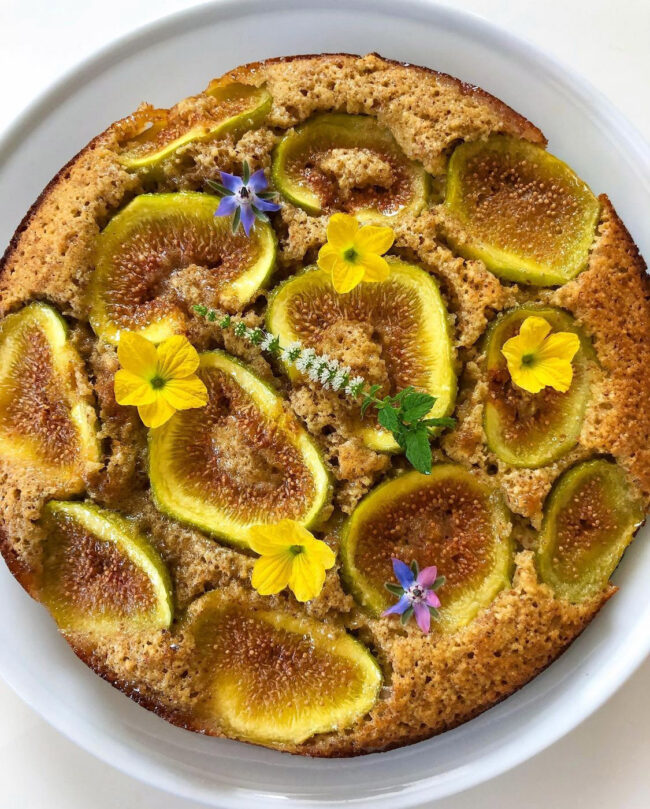
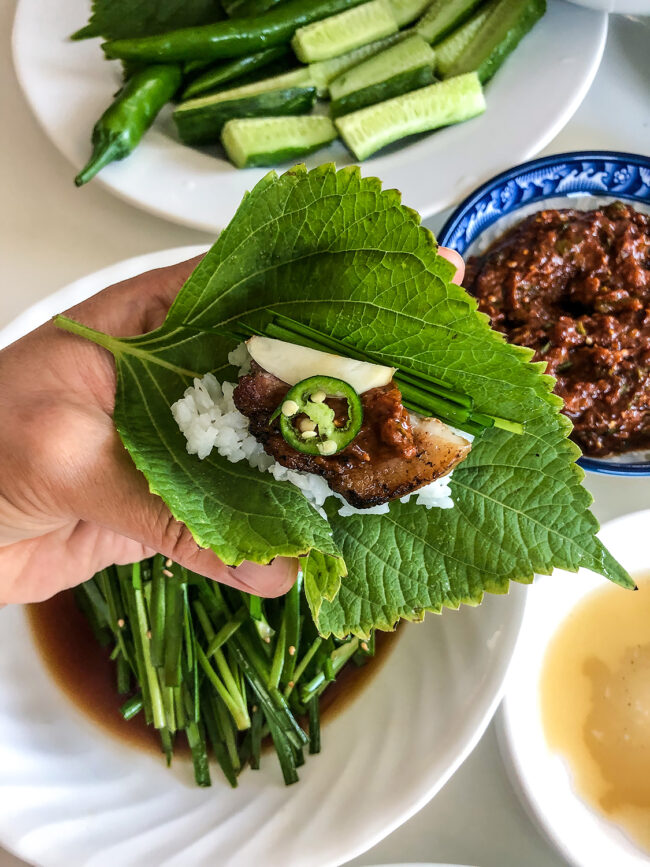
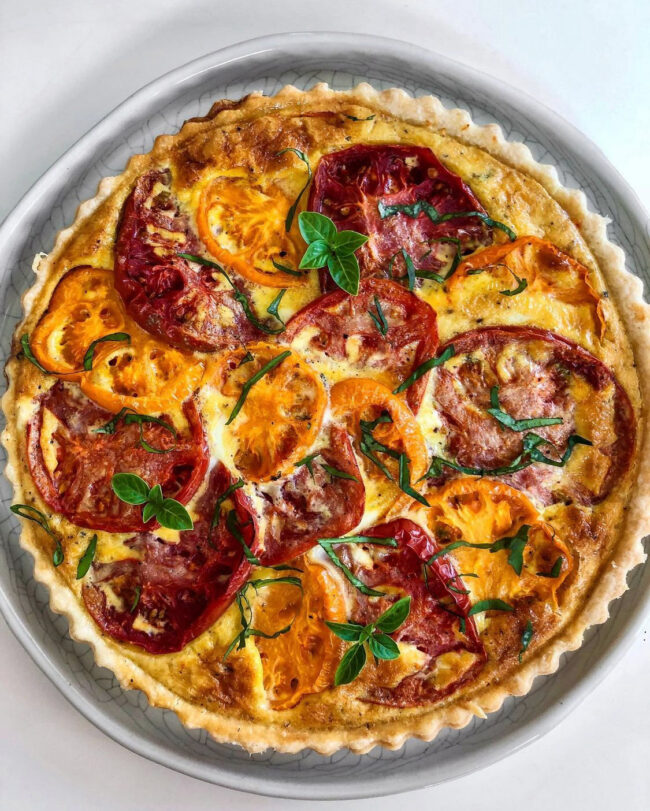
PANDEMIC FOOD

I planted it, watered it, harvested it, cooked it, styled it, photographed it, and ate it.

I started gardening in 2009 not too long after I started my photography business because I was stressed out and needed a hobby.

Over the years as my career got busier and busier, I found myself harvesting tons of beautiful produce but lacking the time to cook and eat everything.

In 2020 when the world came to a screeching halt and I became an unemployed photographer and full time Zoom school teacher to my son, I finally found some time to cook all the beautiful food I grew in my garden. What I thought was a pause on my photography career turned out to be a time of creating something deeply fulfilling while being slow and intentional. These are some of the things I grew and created during my 2 years of lockdown and unemployment, all shot with an iPhone.

To see more of this project, click here.

Instagram

APE contributor Suzanne Sease currently works as a consultant for photographers and illustrators around the world. She has been involved in the photography and illustration industry since the mid 80s.  After establishing the art-buying department at The Martin Agency, then working for Kaplan-Thaler, Capital One, Best Buy and numerous smaller agencies and companies, she decided to be a consultant in 1999. She has a new Twitter feed with helpful marketing information because she believes that marketing should be driven by brand and not by specialty.  Follow her at @SuzanneSeaseInstagram

Success is more than a matter of your talent. It’s also a matter of doing a better job presenting it.  And that is what I do with decades of agency and in-house experience.


The Daily Edit: Ethan VanDusen


Ethan VanDusen

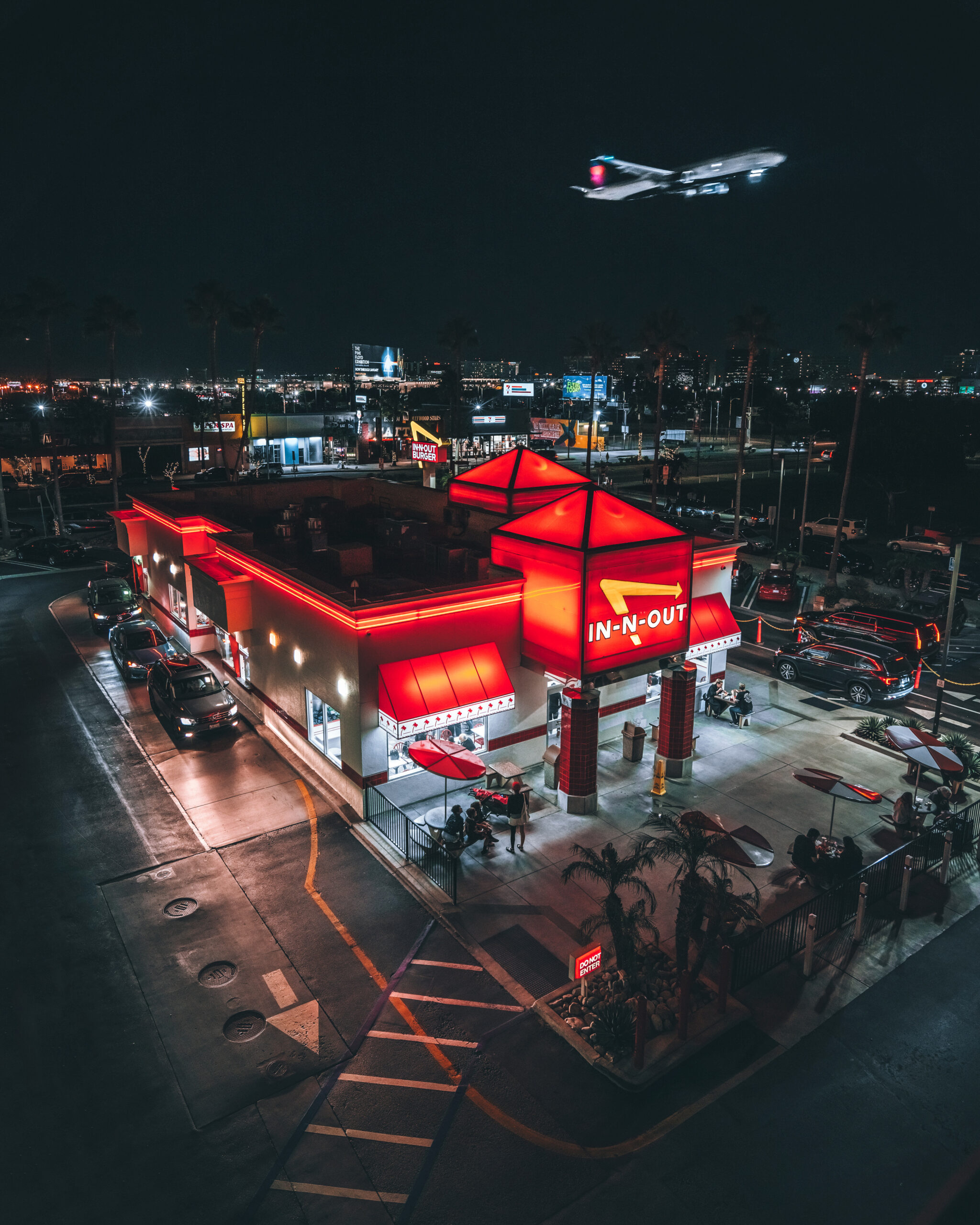
Heidi: For the In n Out image by the airport how much planning went into that?
Ethan: I had seen this image a few times cycle through my Instagram feed from fellow photographers based in the LA area. Growing up in Maine, the possibility of getting a shot like this just didn’t exist. I knew the location of the shot but that was about it. To be honest, not much planning went into this particular shot. It was more just, get there, set up my camera, adjust my settings and shutter speed and wait for a jet to fly over. It took a few tries dialing everything in due to the fact it was well past sunset, getting the jet as motionless as possible was not an option, so figuring out my settings to keep the jet from looking like a blur in the sky took a little time, but I was happy with the result I produced.

What draws you to low light/night photography and who or what are your inspirations?
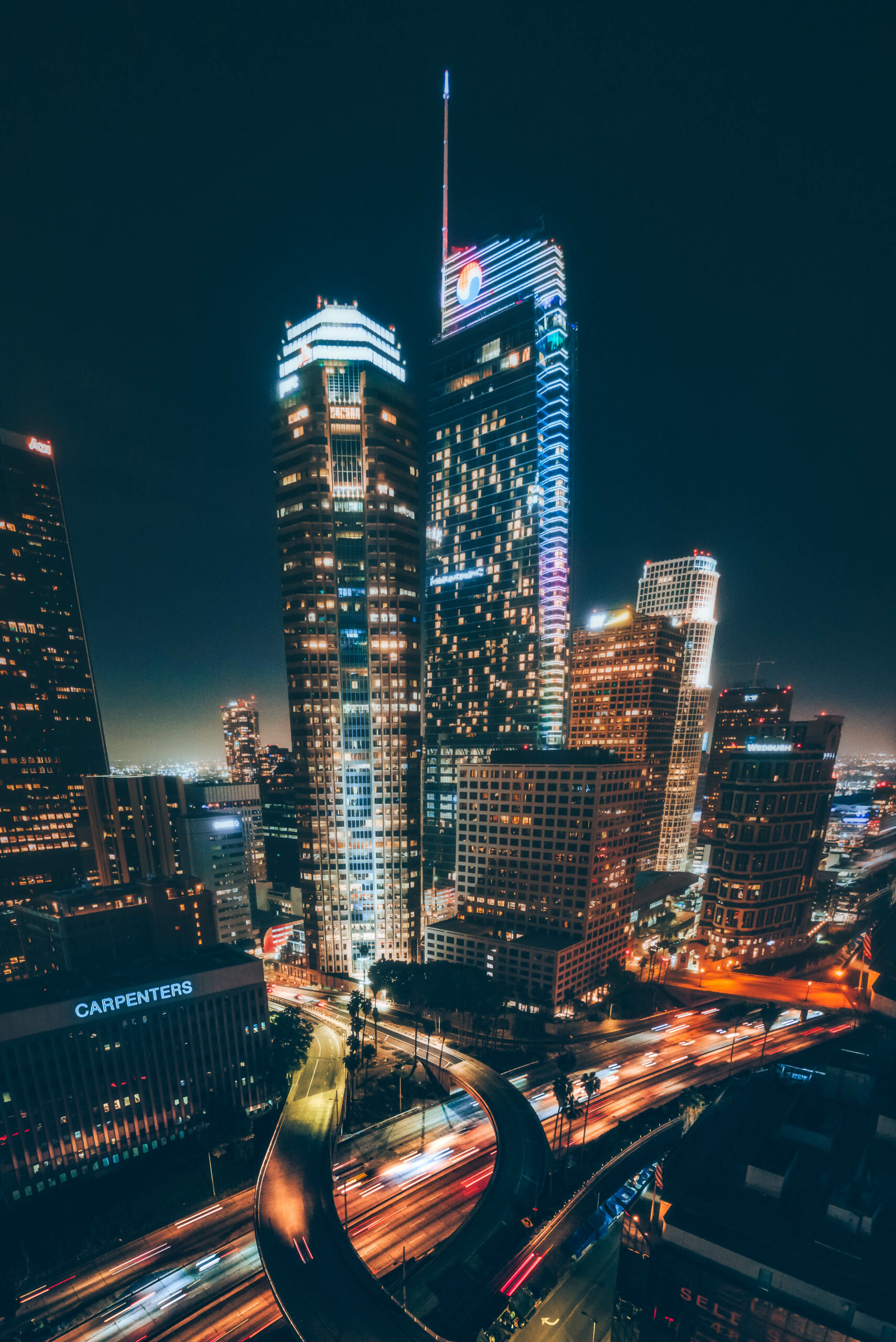
I never really thought of myself as a “night shooter”. I mostly shot landscapes and brand photos before moving to California in 2018. One evening, during the beginning of the pandemic, the cabin fever hit. I needed to get out of the house. I had been to LA a few times before to explore during the day but really wanted to see the city at night. I knew due to the pandemic, the streets would be a bit more calm than normal. So I packed my camera bag, grabbed my tripod and drove down to see what I could find. I got to the heart of Downtown LA right around sunset. There were a few of the classic LA spots that I wanted hit. The Korean Bell of Friendship, the 4th Street overpass and a few others. Upon taking my first photos at a low shutterspeed and seeing the results, I was hooked. The light trails, the somewhat moody, ominous look these photos produced sunk their claws into me and drew me in. I had tried experimenting with light trails in Portland, Maine a few times, but never had much luck. Come to LA and BAM, these were the shots I had always really wanted to take. A few photographers really inspire me in the night photography world, Andrew Wille (@andrewoptics), Kyle Meshna (@meshna), and Mike Will (@m.visuals) are three I think produce amazing content and constantly push me to become a better photographer.

Can you tell us about the lake in Maine water skiing clip, I mean, those conditions…
I was home in Maine for my birthday and was lucky enough to receive a drone as a gift from my family. One night, we were at a rented lake house and there was an absolute banger of a sunset. I hadn’t flown my drone other than a few test flights so I figured I would fly out over the lake and capture the scene from above as the light faded. While I was flying I noticed a slalom water skier being towed behind a boat. I watched for a few moments and as much of the light was gone, the skiers spray was catching all the orange light from the sky, giving a look of flaming water spray. It was the first drone video I ever took, and still my favorite to date. Sometimes things just workout without any planning whatsoever and that was definitely the case that evening.

How did your love of photography come about and how long have you been using drones?
 I took a film photography class in High School. My teacher, Ms. Brown was the first one to really instill that love of photography in me. After that class, I didn’t purse photography much until years later. My dad’s friend gave him an old Nikon D40. It was a pretty old camera, but I loved the ease of digital photography. I shot on that camera for about a year and produced some very mediocre photos. I wasn’t too happy with the photos I was producing so I sold that camera in a yard sale. A few years went by and signed up for a few courses at the Maine Media College in Rockport Maine. One of my professors, Kate Izor (who is now the personal photographer for Roger Waters!) was the one I really credit with putting that deep love of photography in my brain. She taught me some Lightroom basics and showed me how to really use a camera to its fullest potential. I had the itch to start shooting again. I did a little research and decided I wanted to go with a mirrorless camera. The Sony A6000 was my first camera I had since the D40 and that really made a huge difference. I bought Lightroom and the rest it pretty much history. I have been shooting pretty consistently since then and developing my skills over the years.

I have been using drones for only about a year now. That has been a huge help when I’m going through a creative slump. I sometimes get uninspired using my camera but having the option to photograph from a bird’s eye view always re-inspires me. I now like to photograph the same place from both ground and sky, it helps me create different images and sometimes a boring scene on the ground can be stunning from the sky. The water skier is a perfect example of this. From the dock, it looked like every other water skier on the lake, from above, it added so much more beauty.

The drone still that I shared is of downtown LA, it’s a composite of three images taken from different heights. I stitched them together in Photoshop to create a vertical panorama of the skyline downtown. I love this photo just based off the perspective and depth.

What have you learned about the creative journey?
For anyone going through a creative slump, just know we all go through them. I find myself having creative block a lot more than I would like to admit. I always find inspiration from other photographers. It sounds goofy, but when I see creators producing amazing content, I almost get jealous. It drives me to get out and produce content of my own. Just know that everyone experiences these creative slumps, it just takes drive and desire to get back out there and start creating again.

One other thing, nobody picks up a camera and starts taking stellar images right off the bat. Take your time, hone your skills, find a subject matter you love to shoot and focus on that at the beginning. Once you have your skills dialed in that field, branch out and try other styles of photography. Finding a photography community is also a great way to grow your skills, and tips or tricks from fellow photographers are always nice to receive.

Featured Promo – Dave Creaney

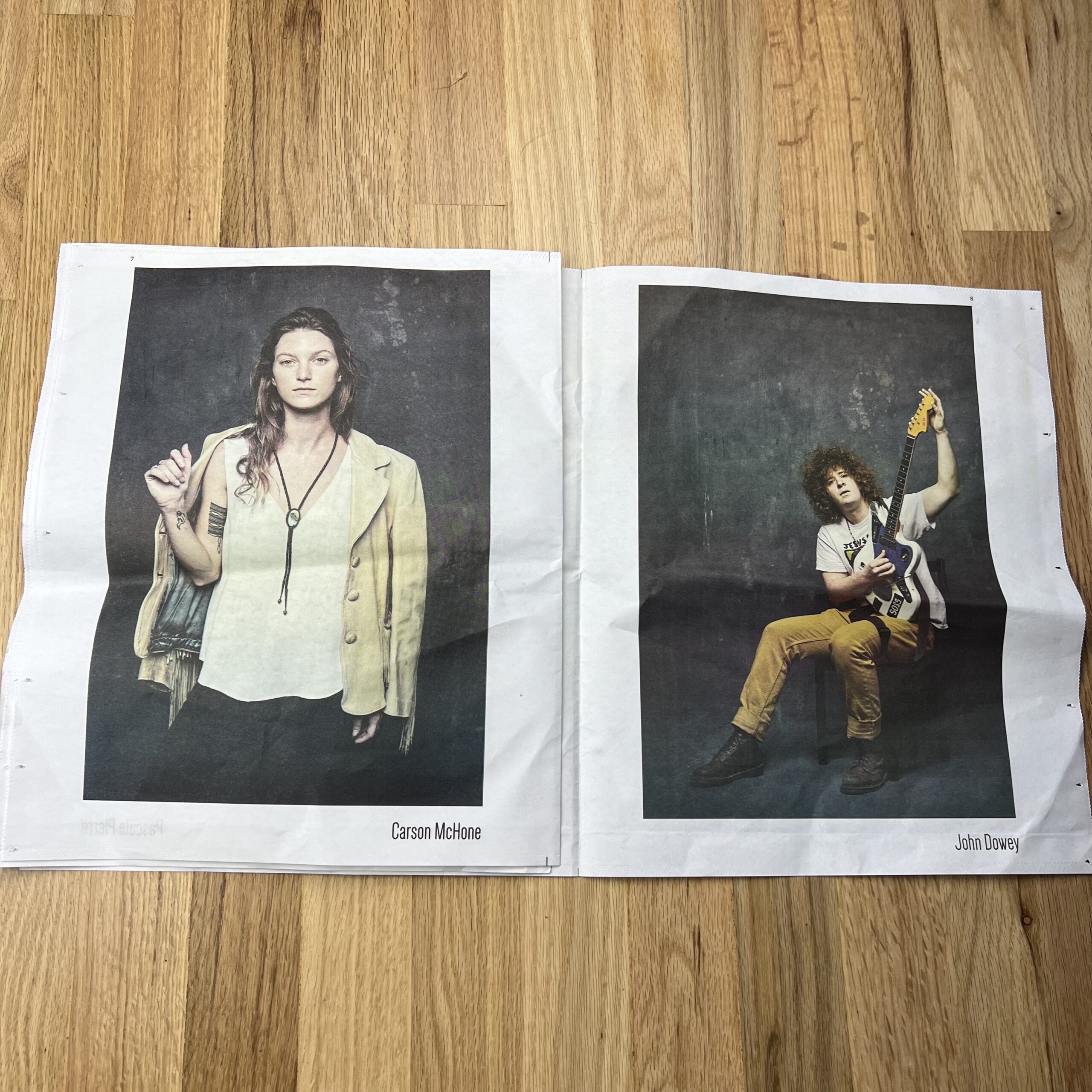
Dave Creaney

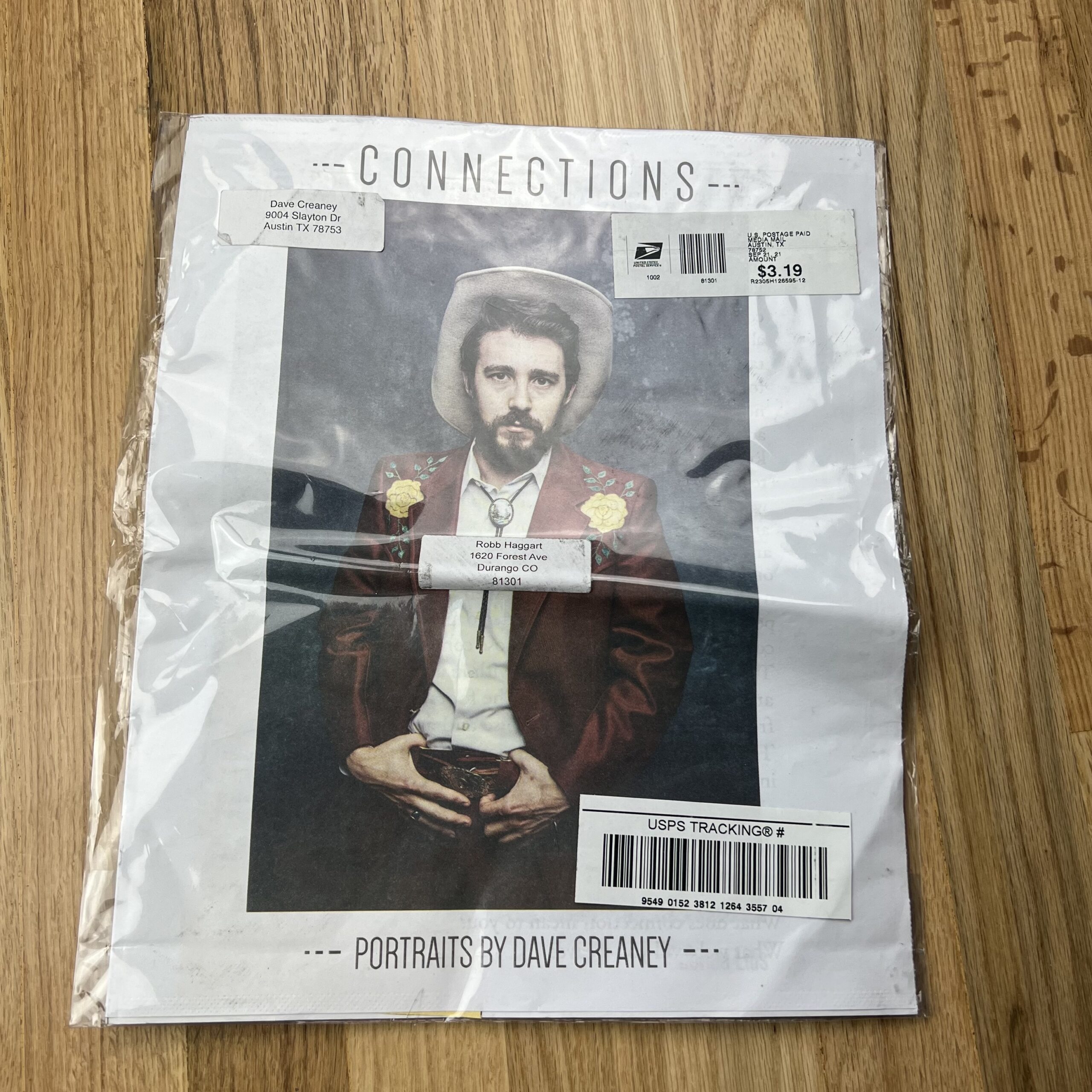
Who printed it?
It was printed at a small web press operation in Marble Falls, Texas. (about an hour outside of Austin) Their website and contact seem to be gone, I fear they didn’t make it through the pandemic.

Who designed it?
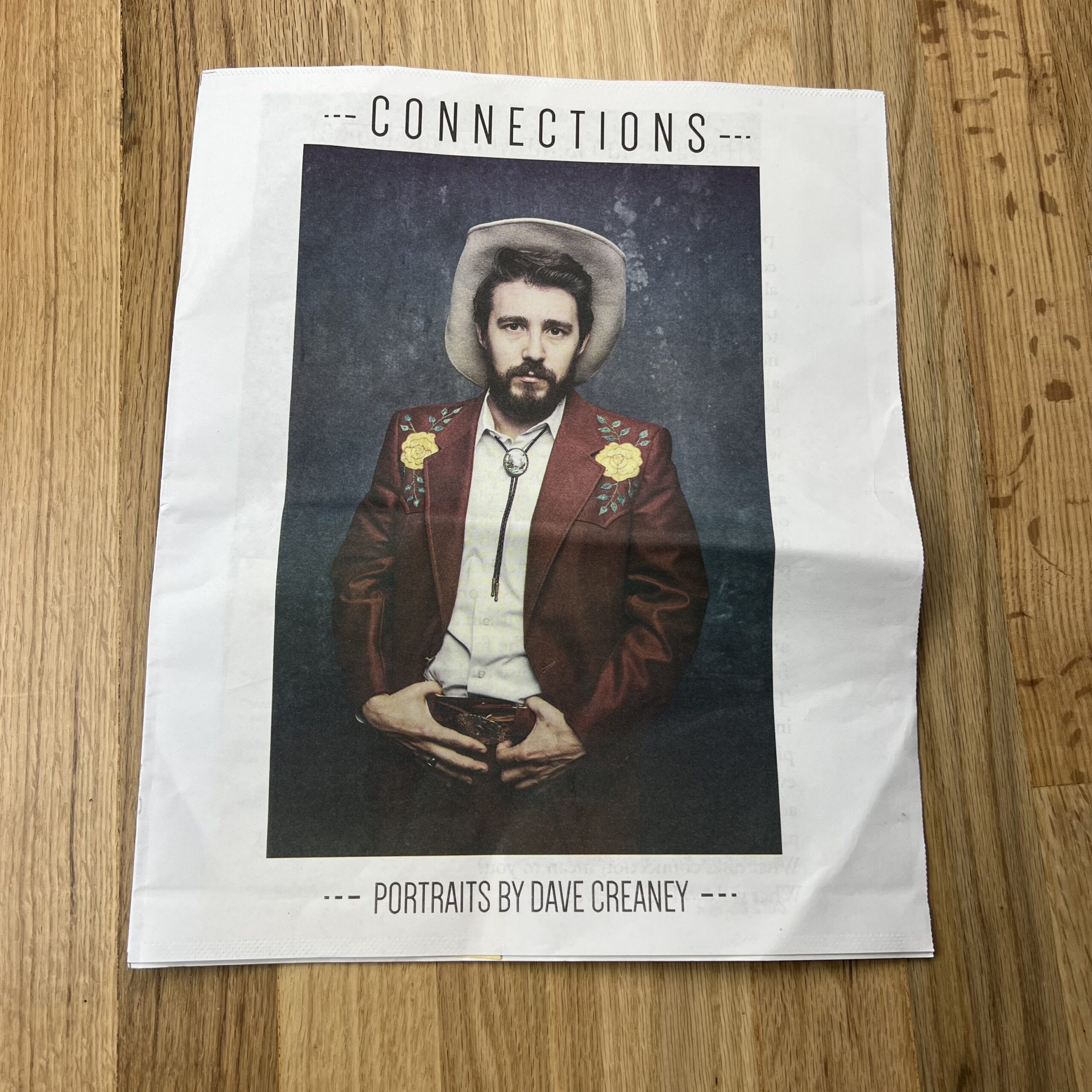
I designed it in photoshop myself but had a friend give me a hand getting it properly laid out in InDesign and press-ready.

Tell me about the images.
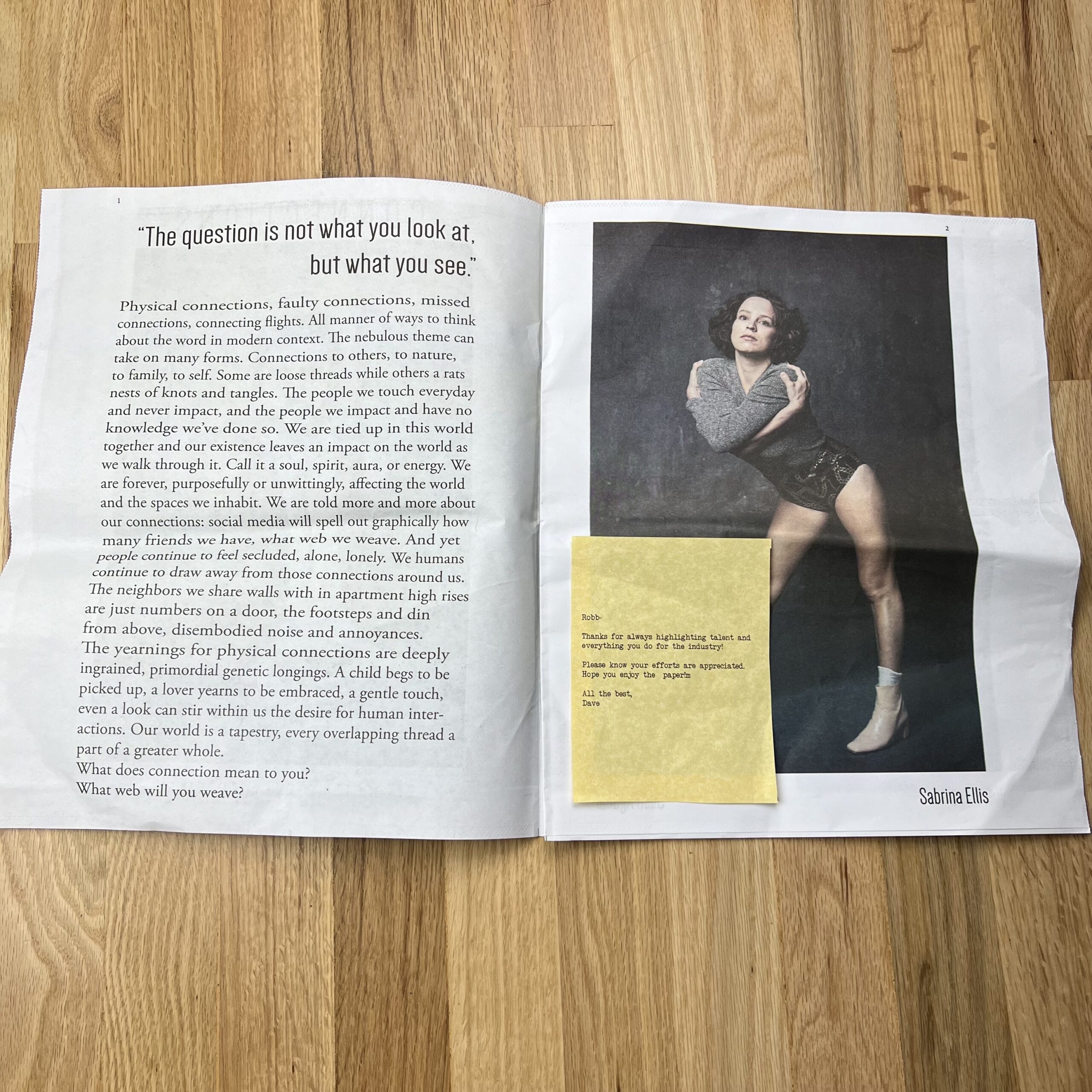
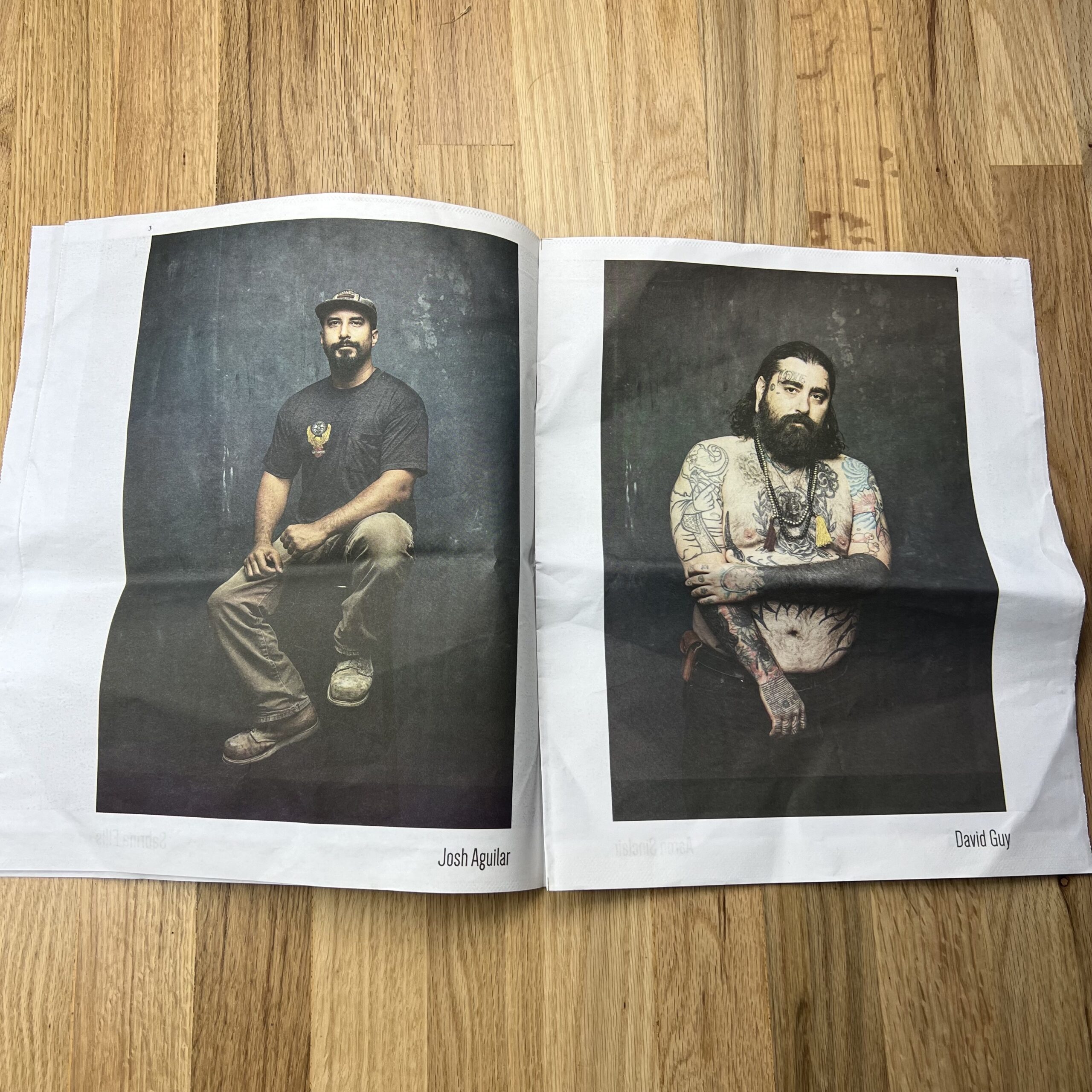
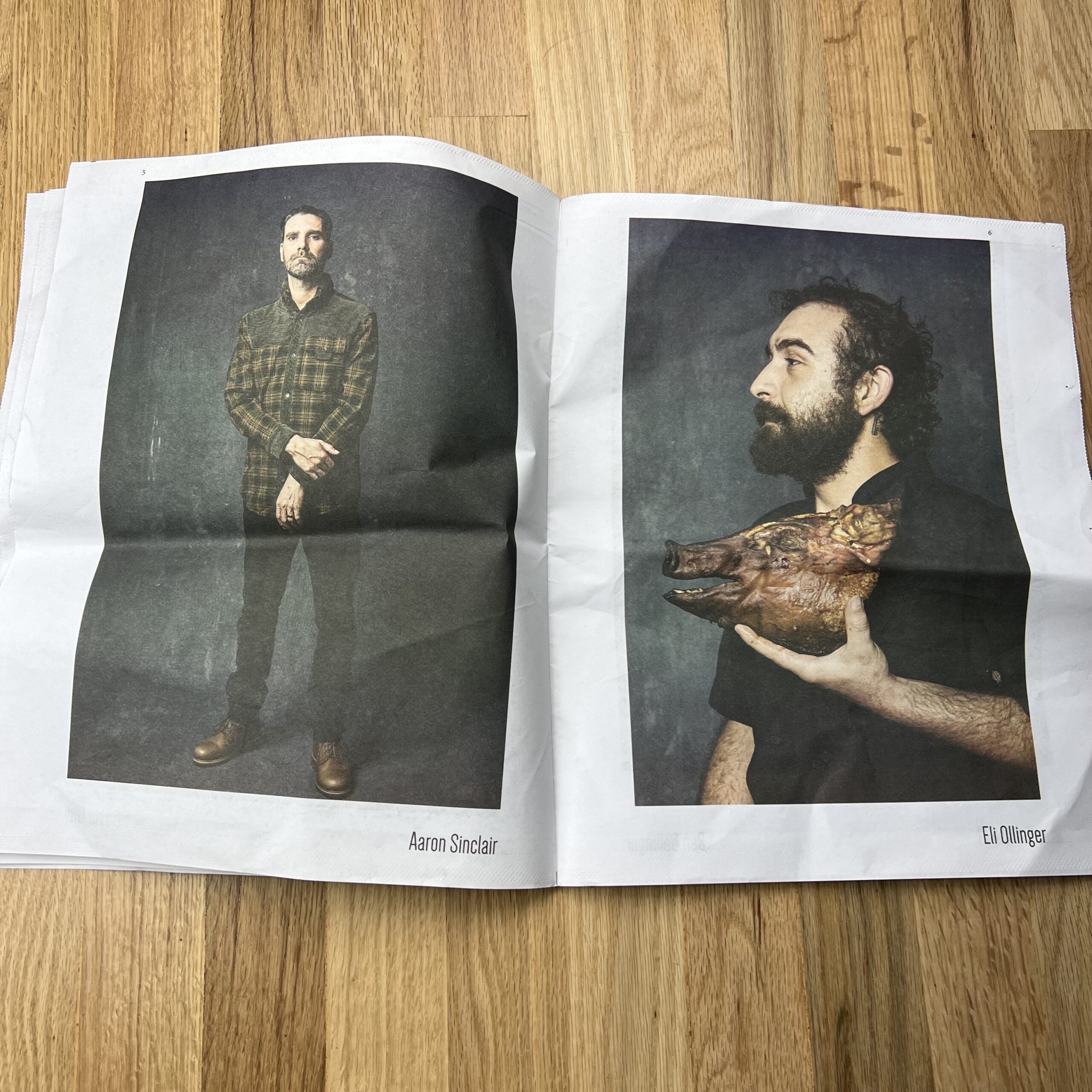
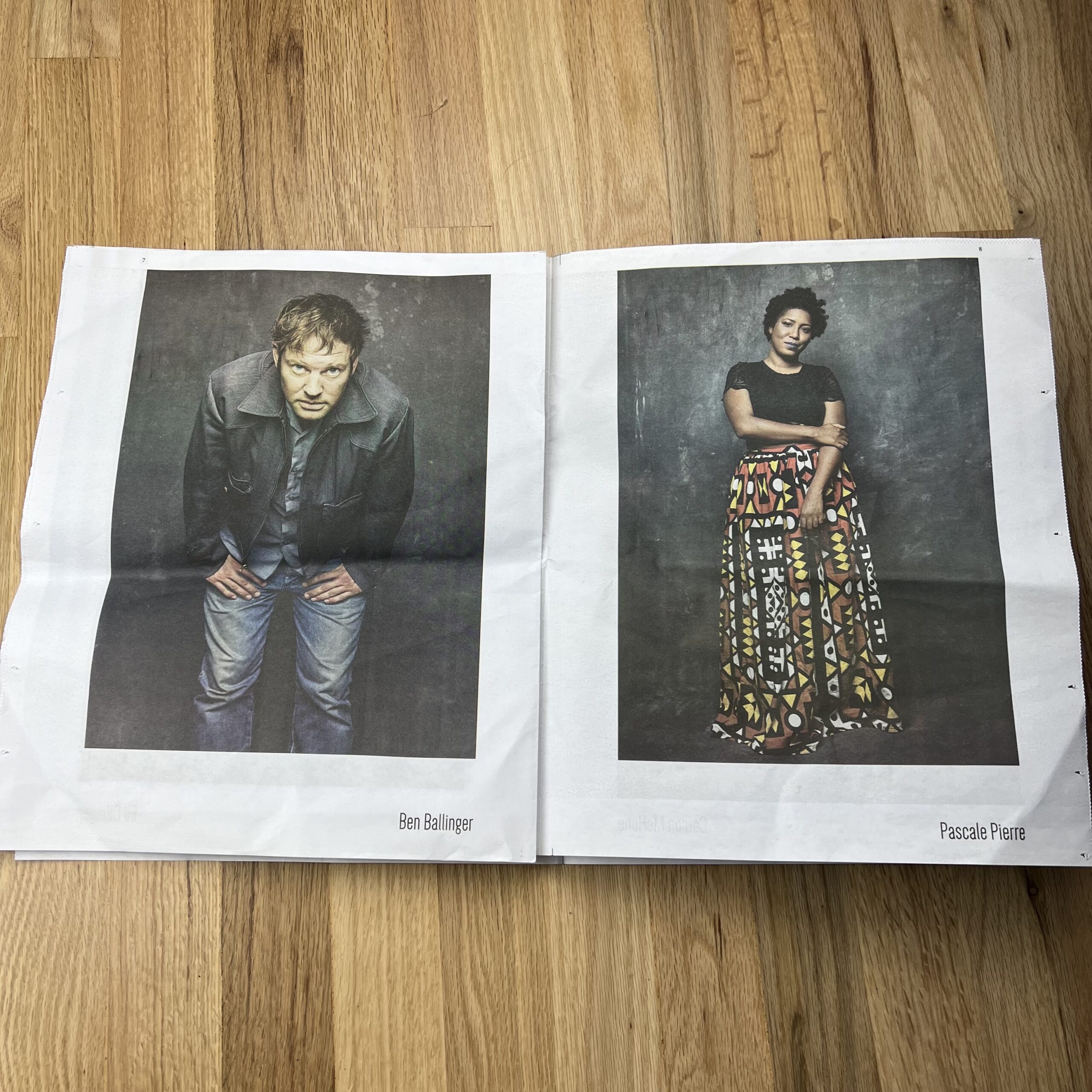
The subjects are all types of folks from in and around Austin. The cover shot is actually a judge out in Bastrop county, the Honorable Charles Carver. He and I worked in kitchens together years ago; one time he chipped my tooth with a microphone during a duet version of ‘My Way’ at karaoke. There are musicians, chefs, tattoo artists: weirdos, and friends of mine. I hand-painted the backdrop in my friend’s driveway and tried to light them all more or less the same.

How many did you make?
Since they were done on a web press, most of the cost was in setup fees. When the owner of the print shop called to quote me for 500 copies, he said the cost for 1000 would be practically the same. So naturally, I went with 1000. I still have a lot to give out though!

How many times a year do you send out promos?
I’m still pretty new to the marketing game. I’ve sent out a handful of postcard-type mailers with different designs before these newsprint ones.

Do you think printed promos are effective for marketing your work?
People are usually very responsive to these if I put one into their hands. It’s hard to judge the mailed versions though. I love printed materials regardless. That’s what’s especially great about these in my opinion – I really don’t have to be precious with them. I leave them in bars and coffee shops and put them into anyone’s hand that will stop long enough to let me.

This Week in Photography: Visiting Chicago Part 2


I’m writing on a Monday.

(Monday morning, in fact.)

I’m not going to lie.

It kind-of sucks.


Thankfully, there’s a good reason for the routine-shake-up.

Tomorrow, I’m off to New Orleans to attend the always-fun PhotoNOLA festival.

It will be my first IRL photo-event since the world shut in March 2020, and I can not wait to see friends, review portfolios, eat amazing food, and stroll around the beautiful French/Spanish/Creole/American city.

(Honestly, up until recently, I didn’t know Spain controlled New Orleans for forty years.)

On Wednesday, PhotoNOLA will be releasing six video interviews I did on their behalf, for the Virtual BookFair, and I was fortunate to speak to a really cool collection of artists and publishers.

I’ll include the link, even though it hasn’t happened yet, (for me,) and it’s already happened, when you’ll read this piece.

(Such a 2021 time-warp. Appropriate for a strange fucking year.)


Between writing on a Monday, still feeling discombobulated from the crazy book I reviewed on Friday, and needing to get my house in order for a big trip, I don’t have many available brain cells at the moment.

Certainly not enough to read/look at a new photobook, process it, think deeply, then spit out an appropriately-intelligent review, as you’ve come to expect these last 10 years.

Instead, we’re going to pivot.

Before I fill my head with a host of new stimuli down in Louisiana, I thought we’d time-jump back to mid-October, when I went to Chicago to eat, drink, be merry, and see some great art.

Thankfully, that last goal was met at the Art Institute of Chicago.

(If you can’t see amazing things there, you’re not trying hard enough.)


I was a bit sad the Hokusai/Hiroshige exhibition closed a few days before my visit, and will openly admit I didn’t do enough homework to know the well-received Barbara Kruger show was happening while I was there.

As a critic, I’ll offer a “my bad,” as I ought to have dialed in the radar, but my goal was to see the André Kertész show, (for you photo geeks,) in particular because my friend Greg was involved in the curation.

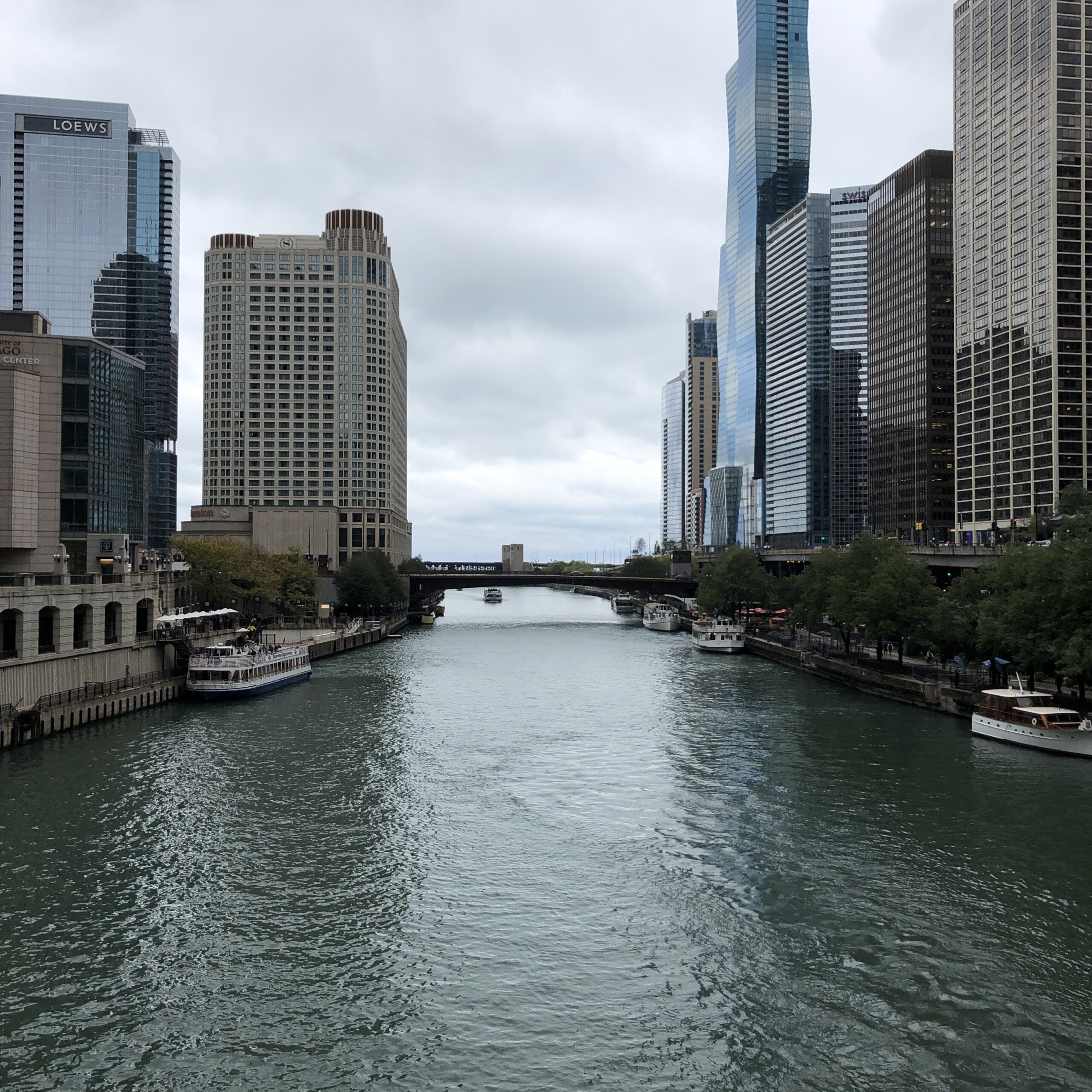
So with that as my action plan, I strolled South a couple of miles along Michigan Avenue, and stopped to take a photo for you, where the Chicago River emerges from the massive Lake.


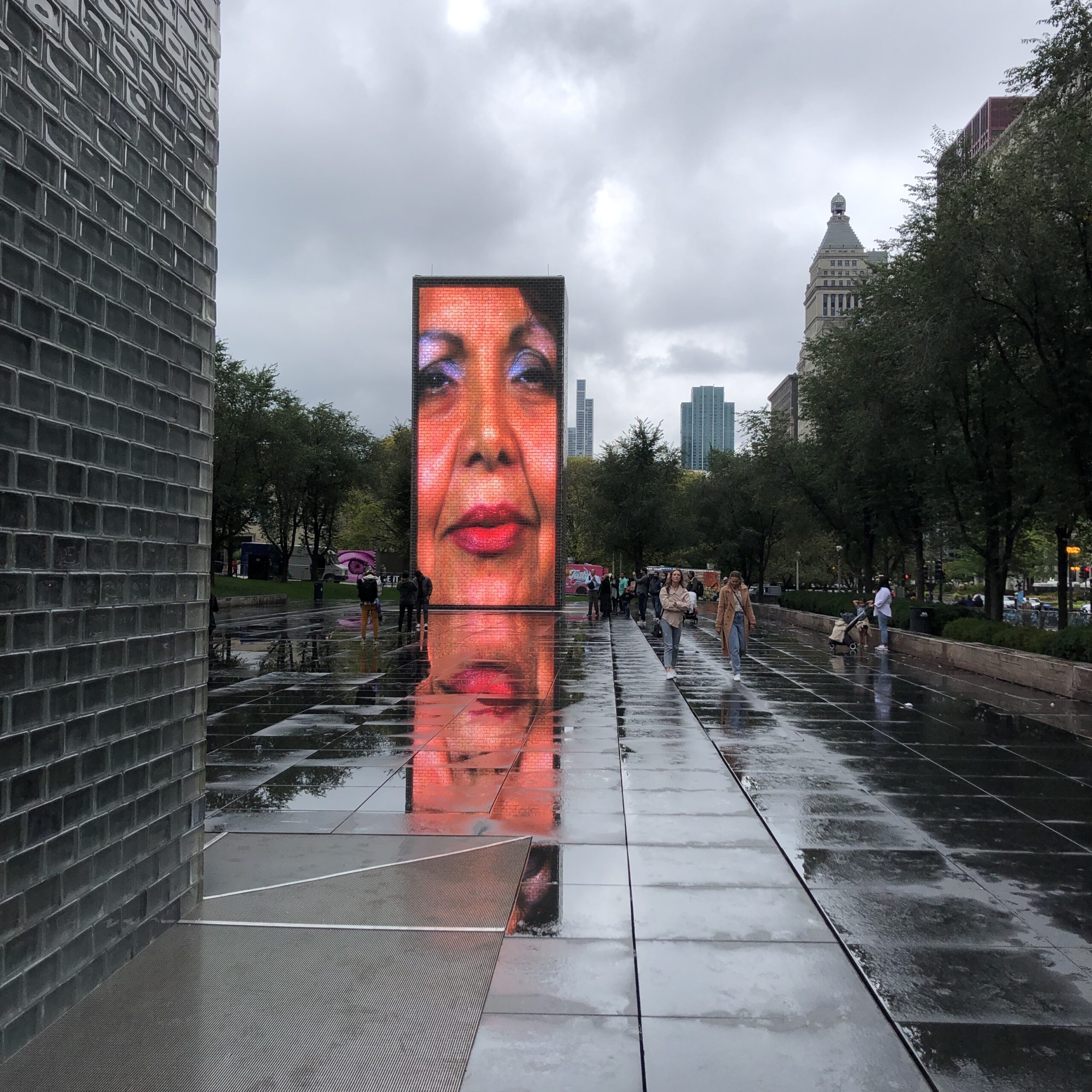
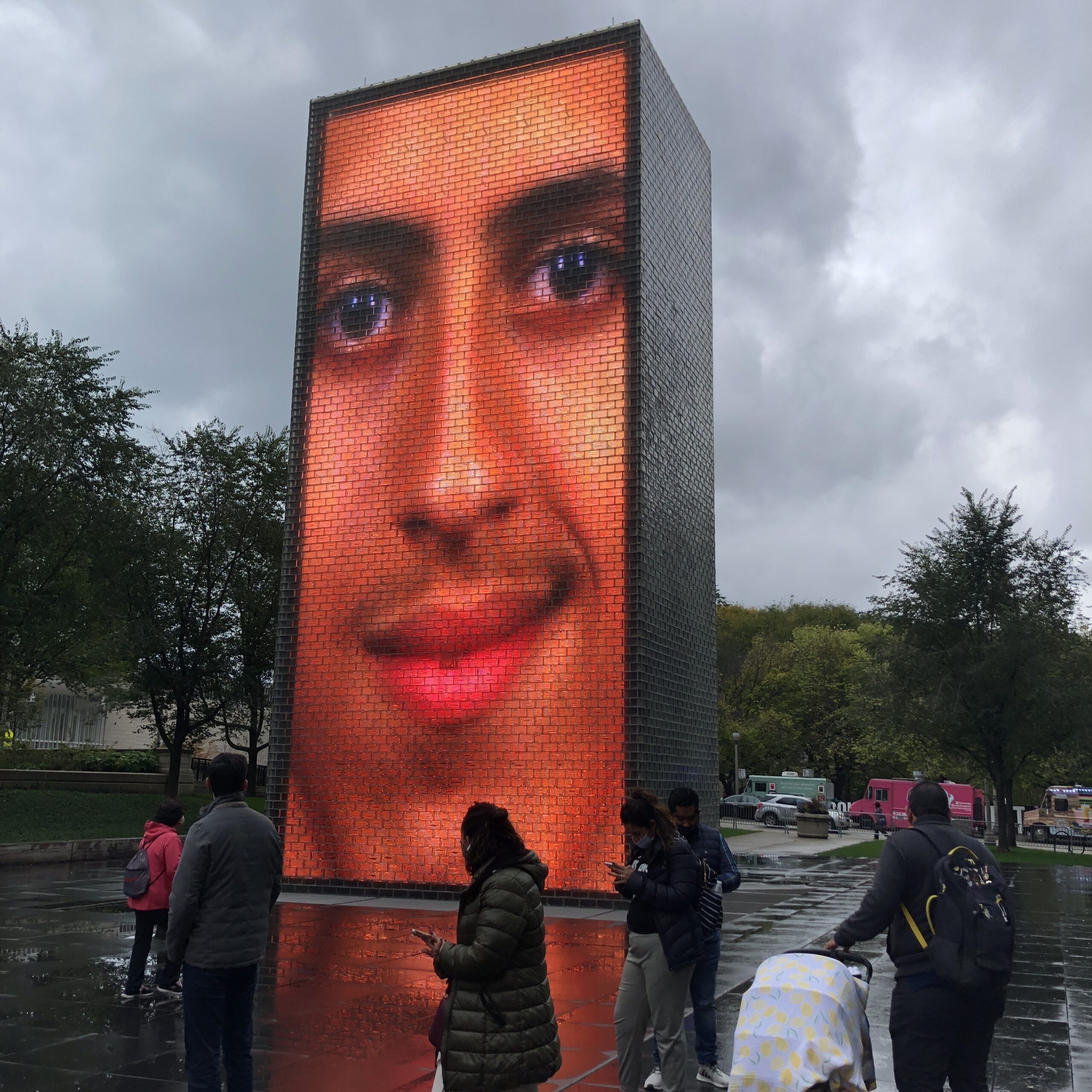
I caught a cool video art installation in Millennium Park, and have since learned it was called Crown Fountain, by Spanish artist Jaume Plensa, featuring images of Chicago residents.


When I got to the museum, I let instinct be my guide, (as I arrived mid-afternoon, and didn’t have much time,) and headed up a floor in the Contemporary wing.

(The Museum is really two buildings connected together, and I’ve been through the historical wing a few times now.)

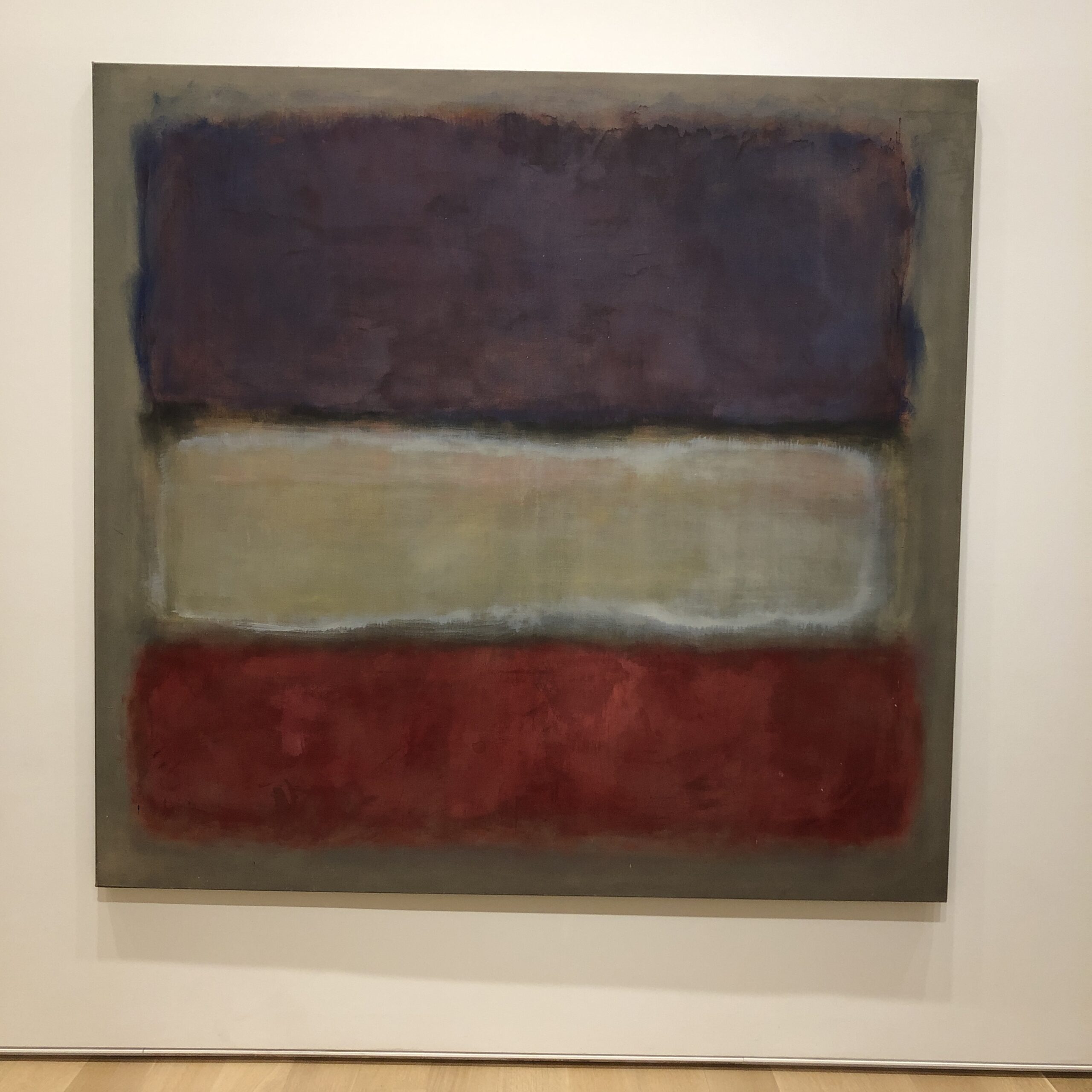
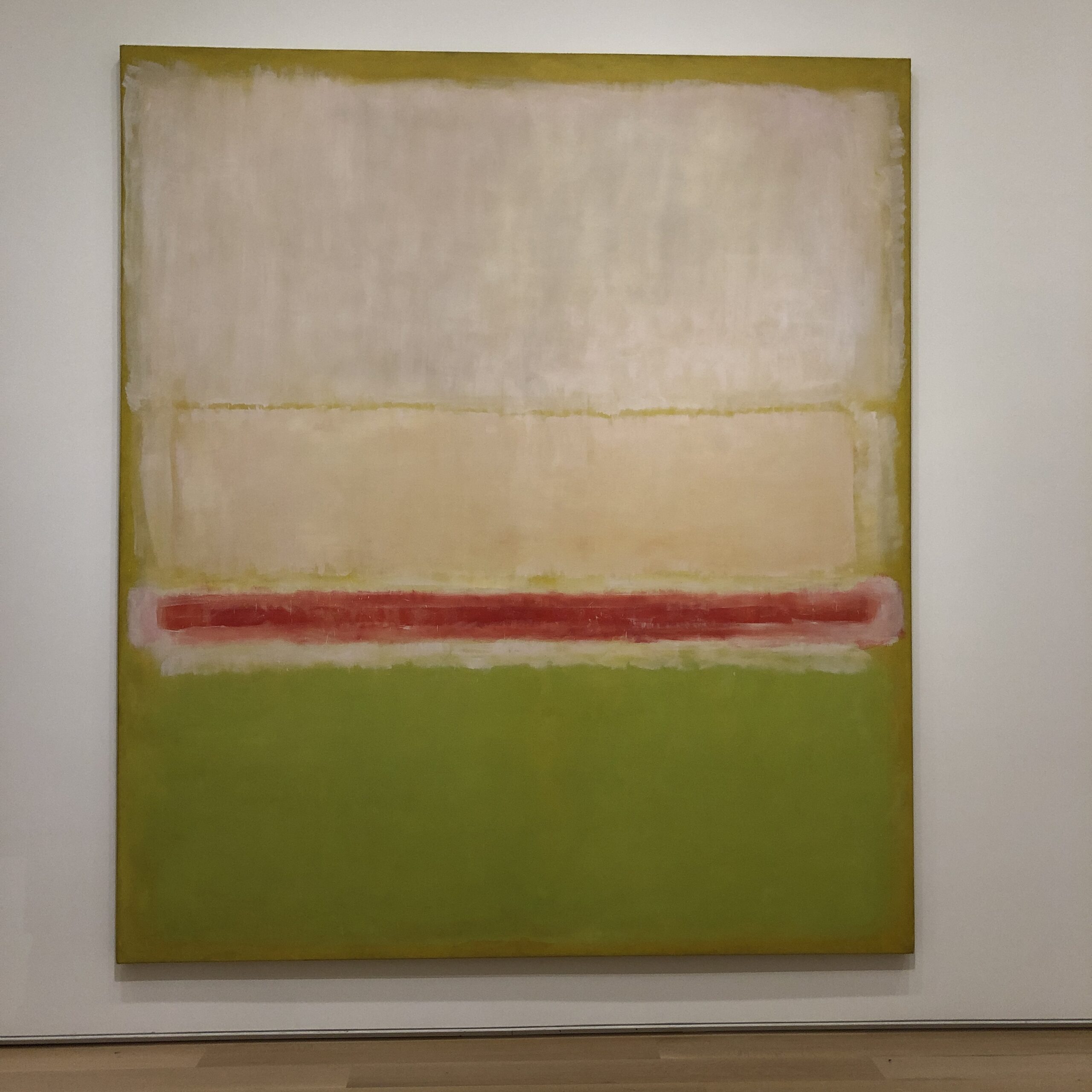
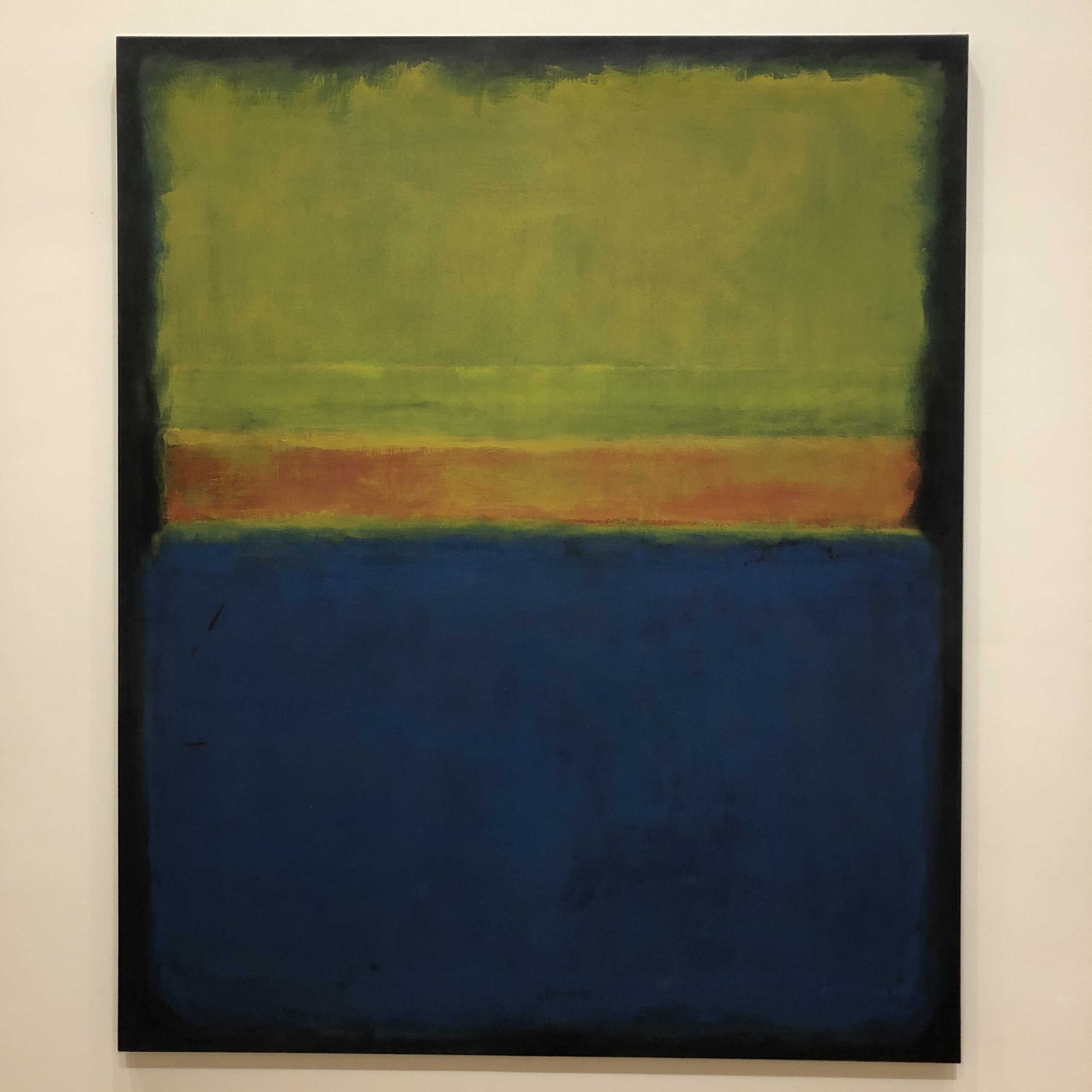
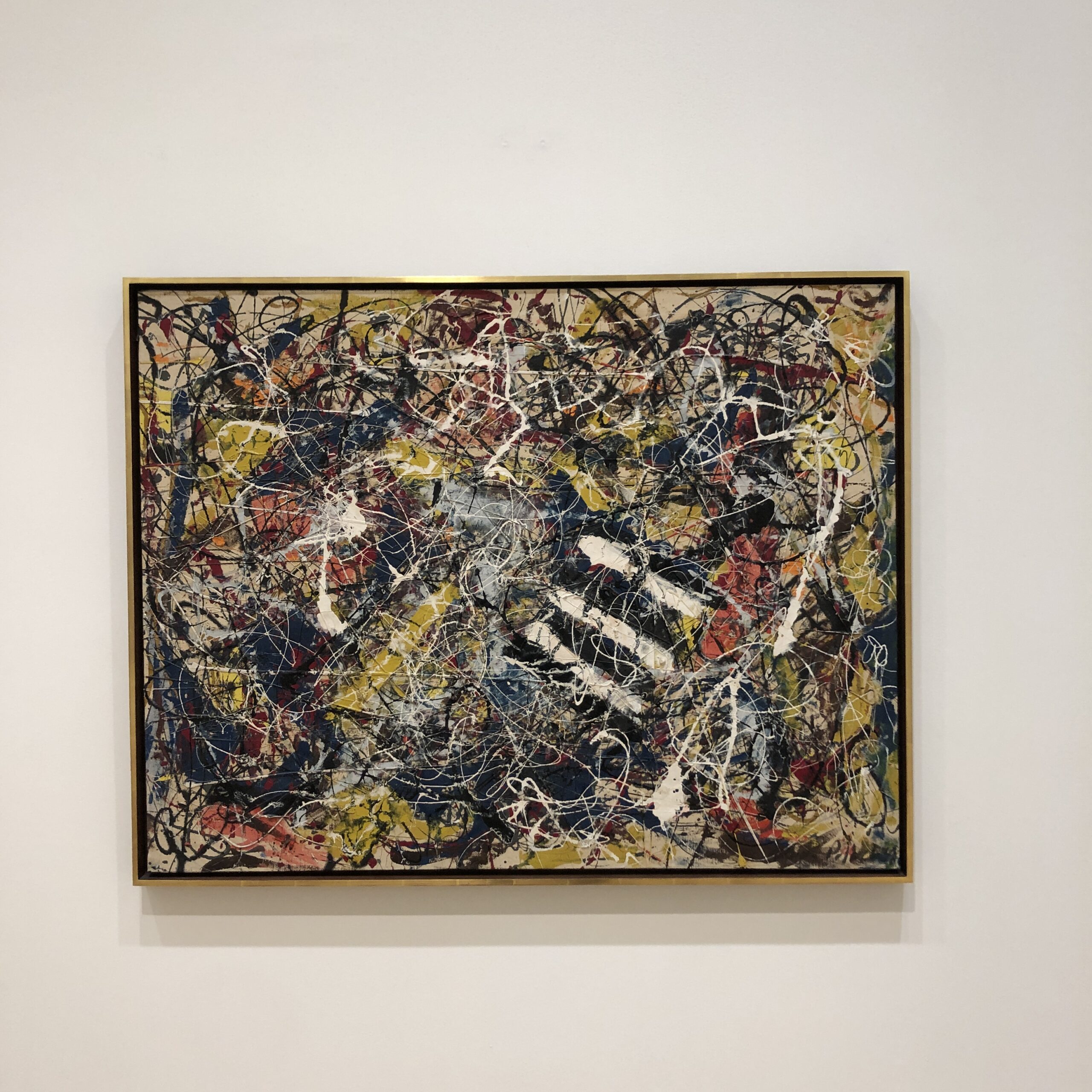
I found the opportunity to commune with some of the true greats of the 20th Century, including a few of my all-time favorites: Jackson Pollock, Mark Rothko and Charles Ray.

As to Pollock and Rothko, there’s not much I can say that hasn’t been written a thousand times.

I’ll admit the work, which is large-scale, and overwhelms the body with emotion, needs to be experienced in person to be understood.


Two Pollock paintings


Abstract Expressionism leans heavily on both words, and the feelings and energy expressed impose on your soul, (in a good way,) which is why museums are so bloody important.

(Sorry for the English slang. I’ve got an Arsenal game coming on in a few hours.)

Standing in the middle of a room full of Rothkos, none of which I’d seen before, is akin to sitting on the sand, staring at the Pacific Ocean.


His paintings are the only art that’s ever made me feel that way, and the experience alone was worth schlepping from Taos to Chicago.

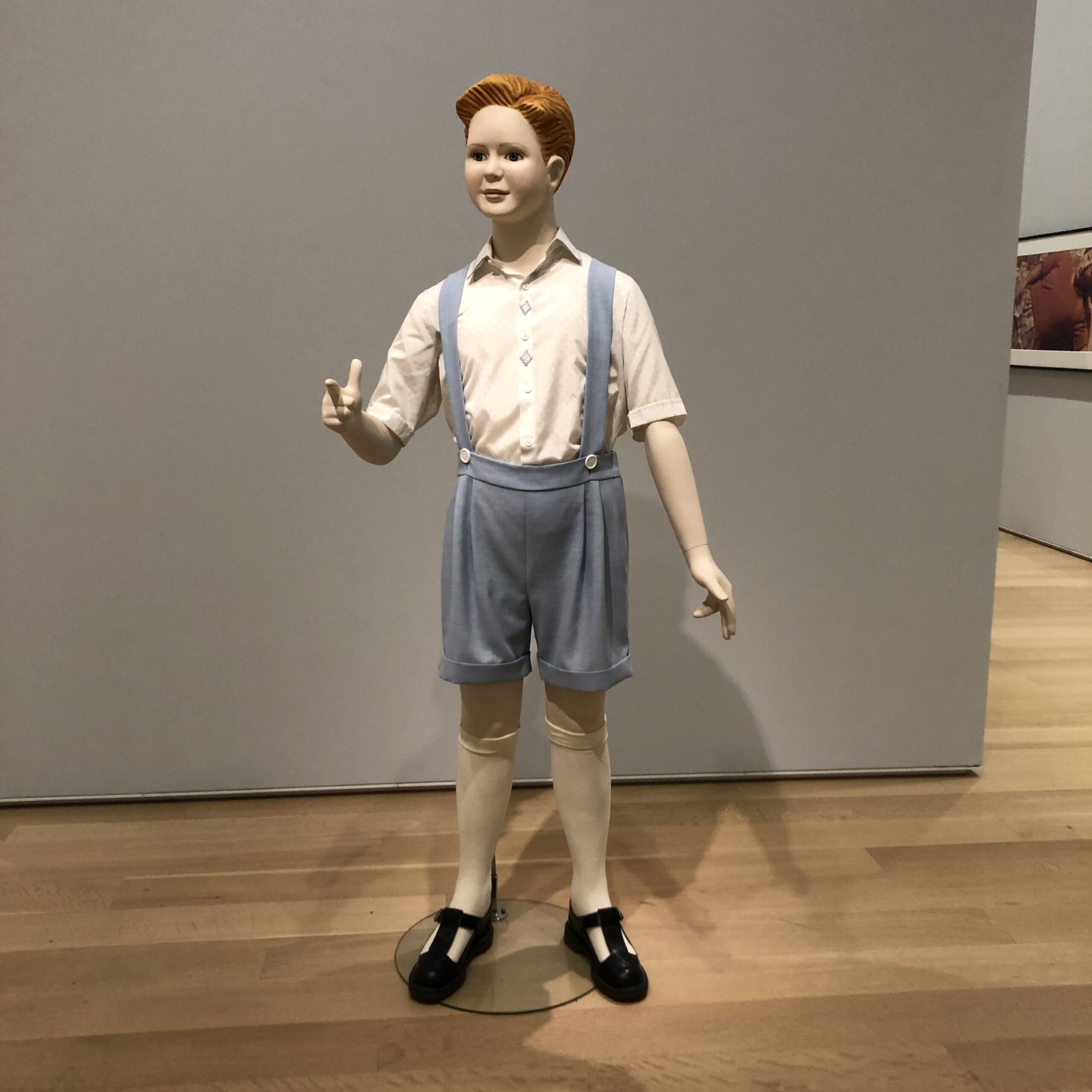
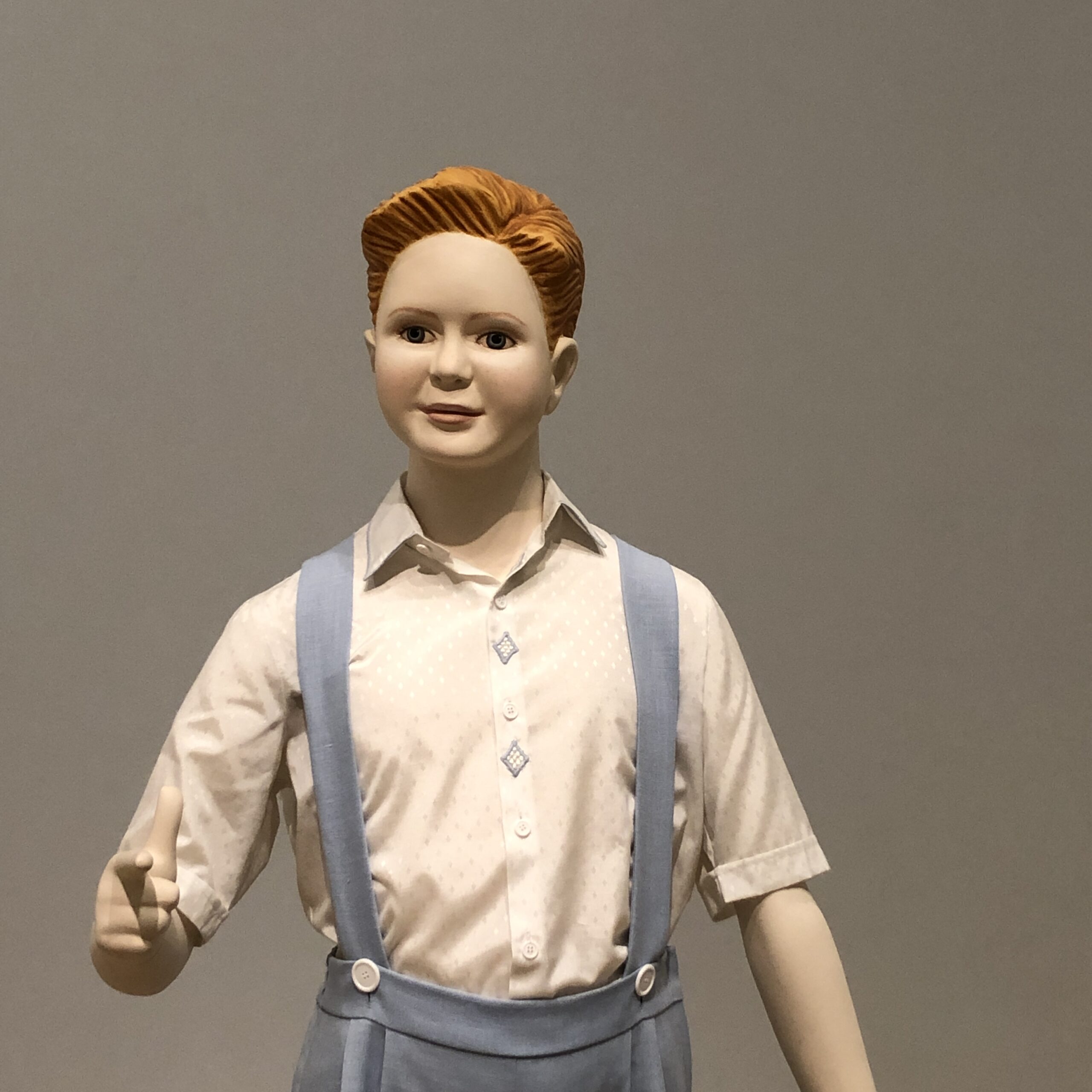
However, I also got to be creeped out by an insane, large-scale boy sculpture by Charles Ray, which also needs no explanation.


Is it Hansel before he gets eaten? The inspiration behind Taika Waititi’s Jojo Rabbit? One of the kids from “The Sound of Music”?

Really, who’s to say?


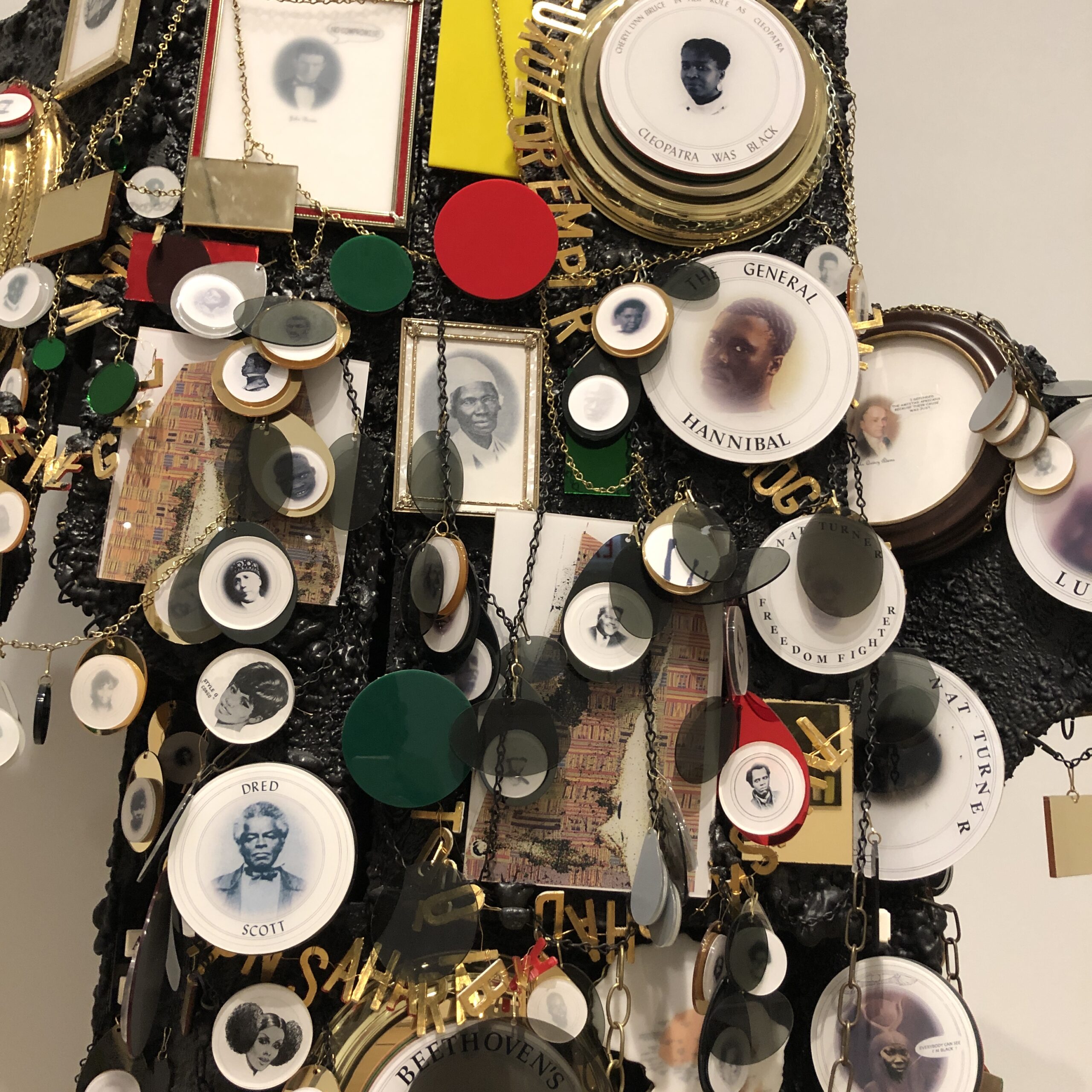
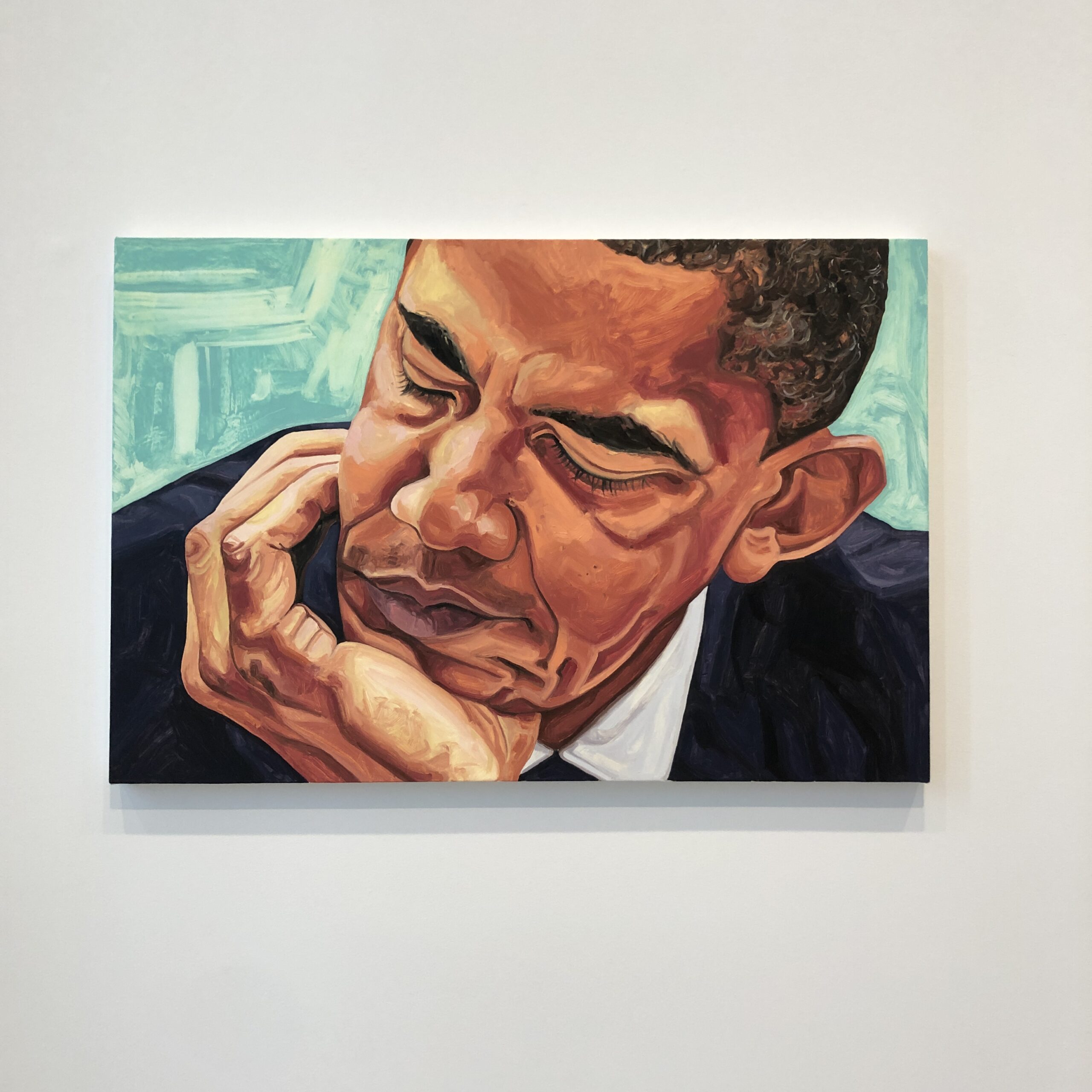
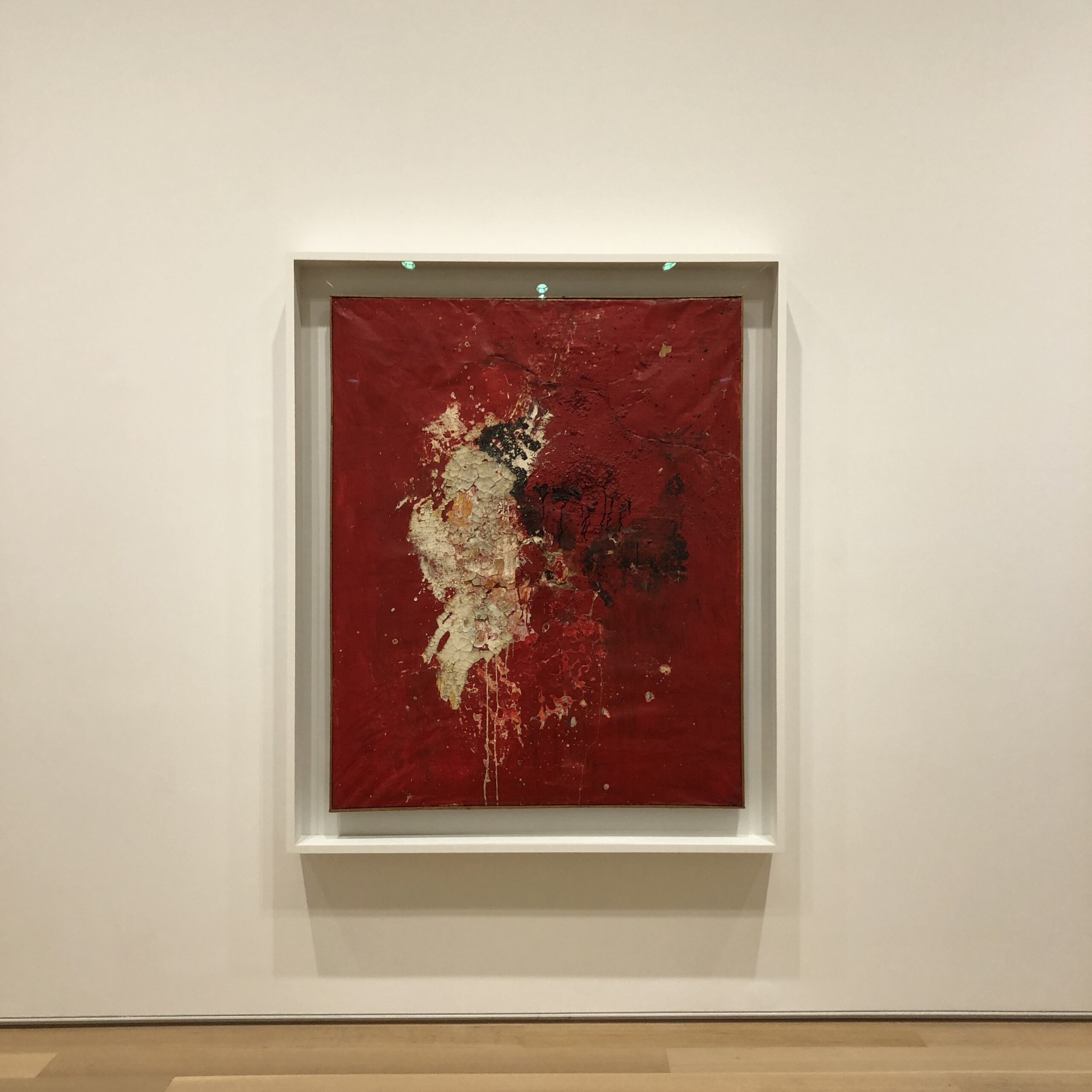
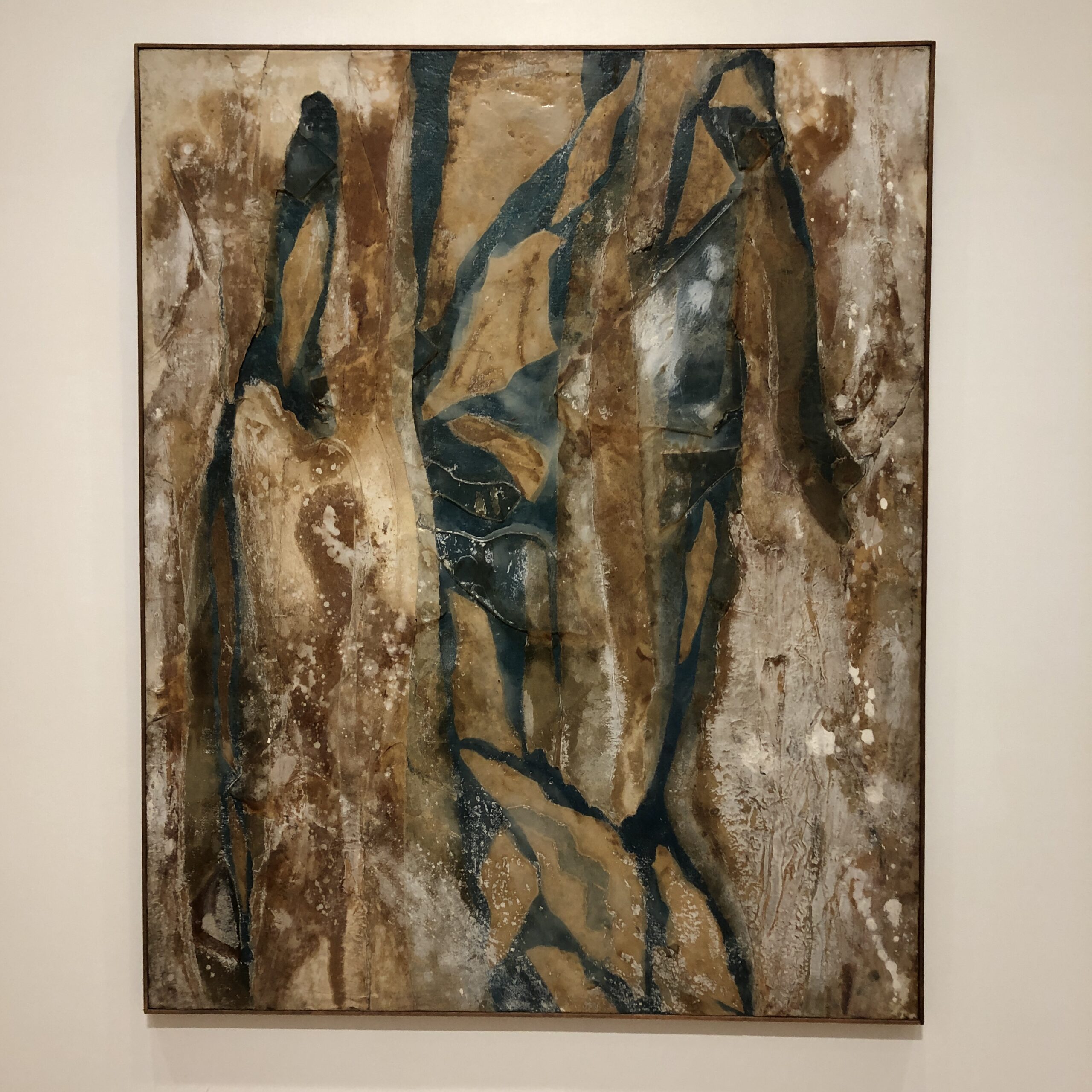
Beyond that, I loved an installation by the brilliant Kerry James Marshall, the beautiful portrait of Chicago’s Barack Obama by Jordan Casteel, and these two super-textural paintings by Japanese artists Shimamoto Shozo and Shiraga Fujiko.


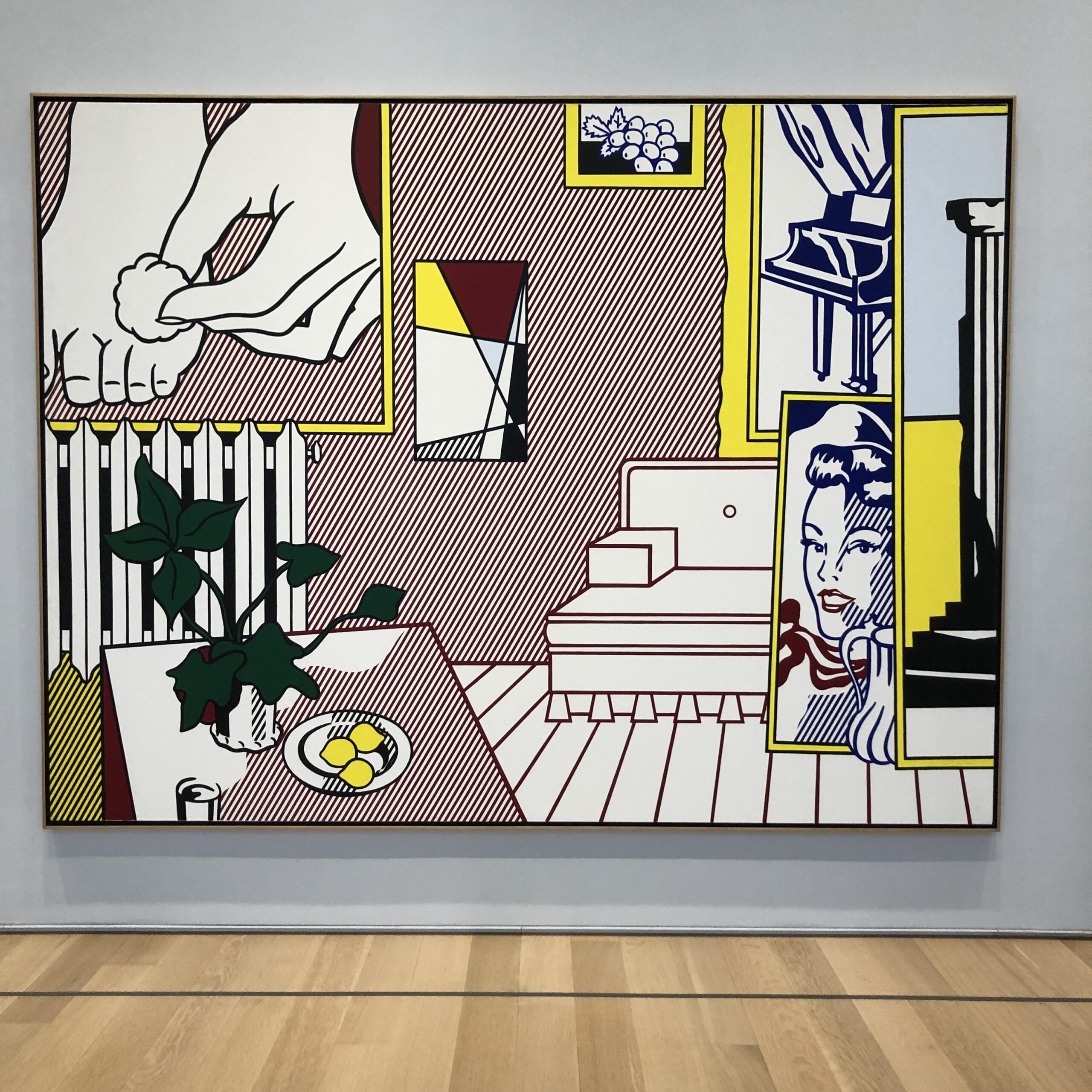
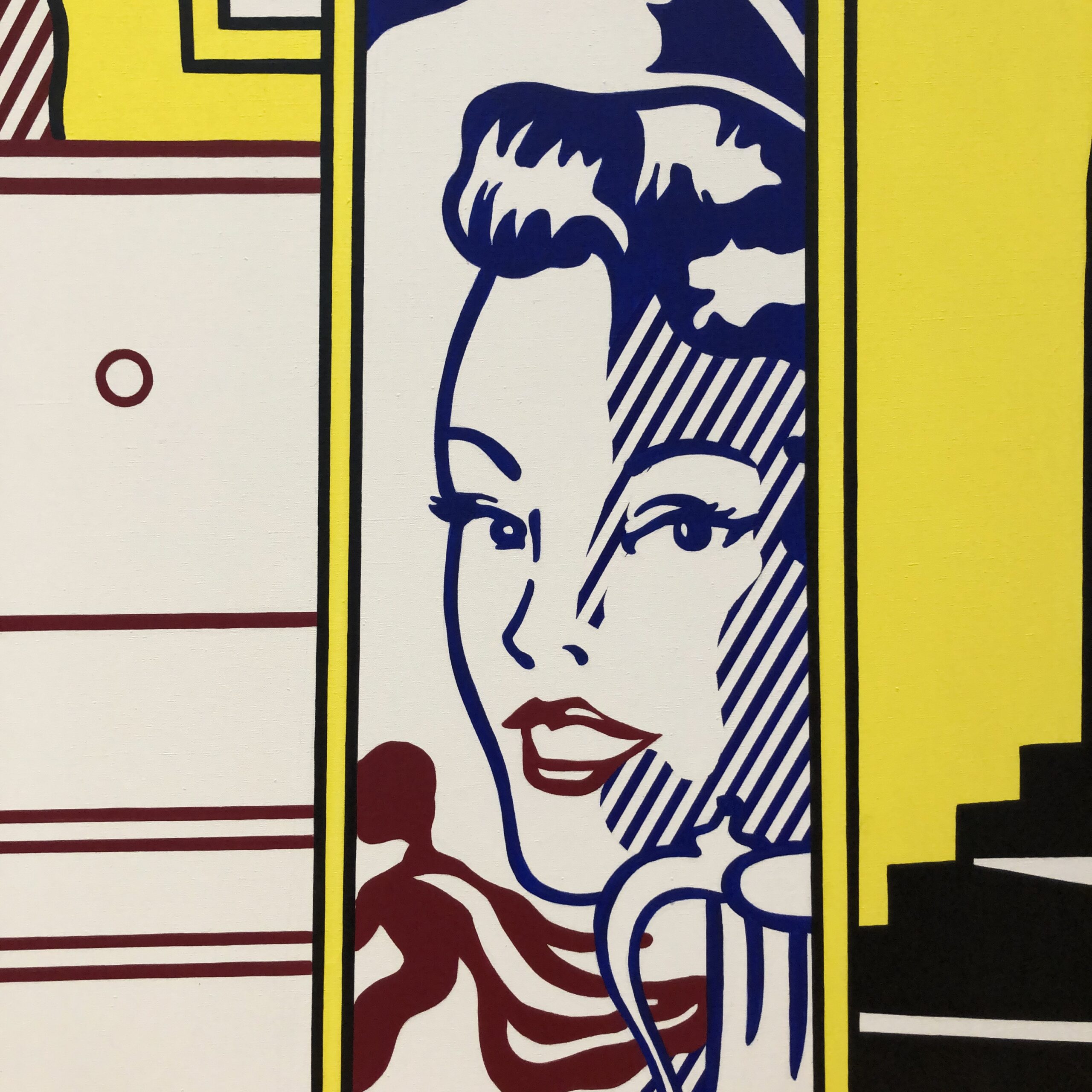
This Roy Lichtenstein painting was bonkers good, and held my attention for 5 minutes or so.


What a joy!

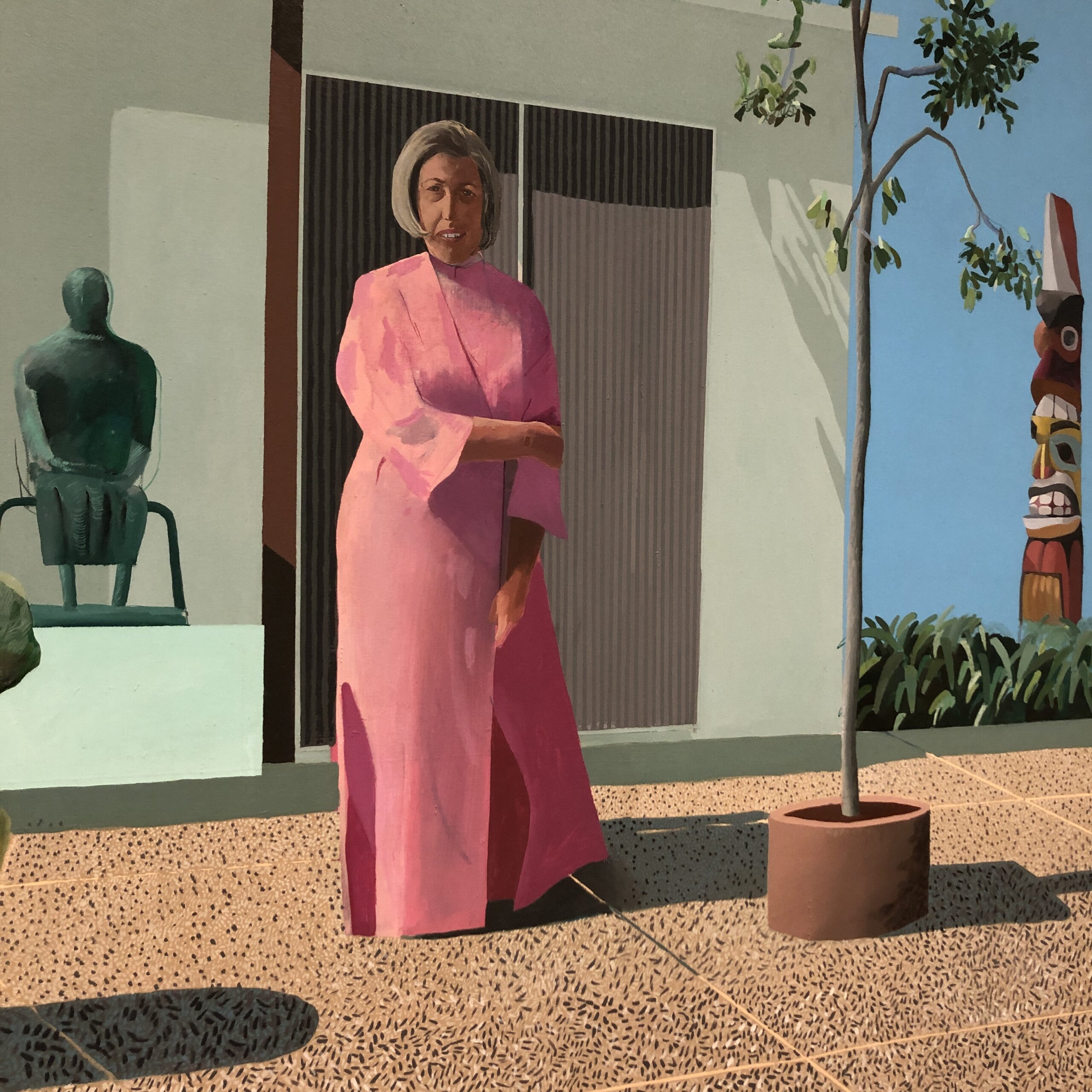
I was also mesmerized by this David Hockney painting, called “American Collectors (Fred and Marcia Weisman,) which I stood before for a good 6 minutes.


It was so seductive, in his SoCal sort of way, but like the Raymond Jonson painting I saw in Albuquerque earlier this Fall, it also felt Anti-Semitic.

When I reviewed that show, it was the first time I’d ever leveled that accusation in my career, but here, I recognized the feeling again.

A clearly unflattering depiction of a wealthy, Jewish art patron.

Is it OK to paint people as unattractive?

Sure, why not?

But when a person within a culture feels a negative emotional reaction to an old trope, (one used to denigrate a people for millennia,) I think it deserves mention.


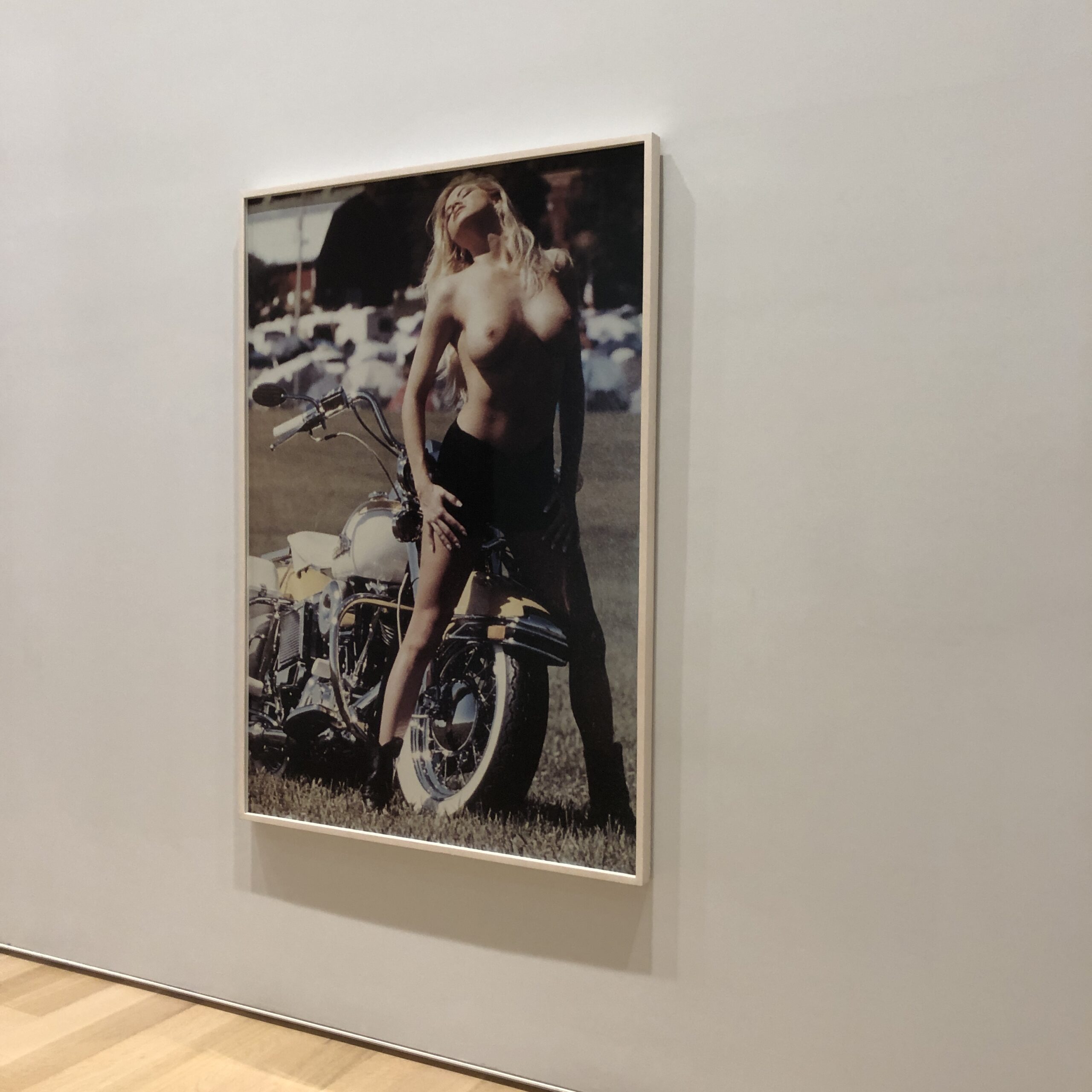
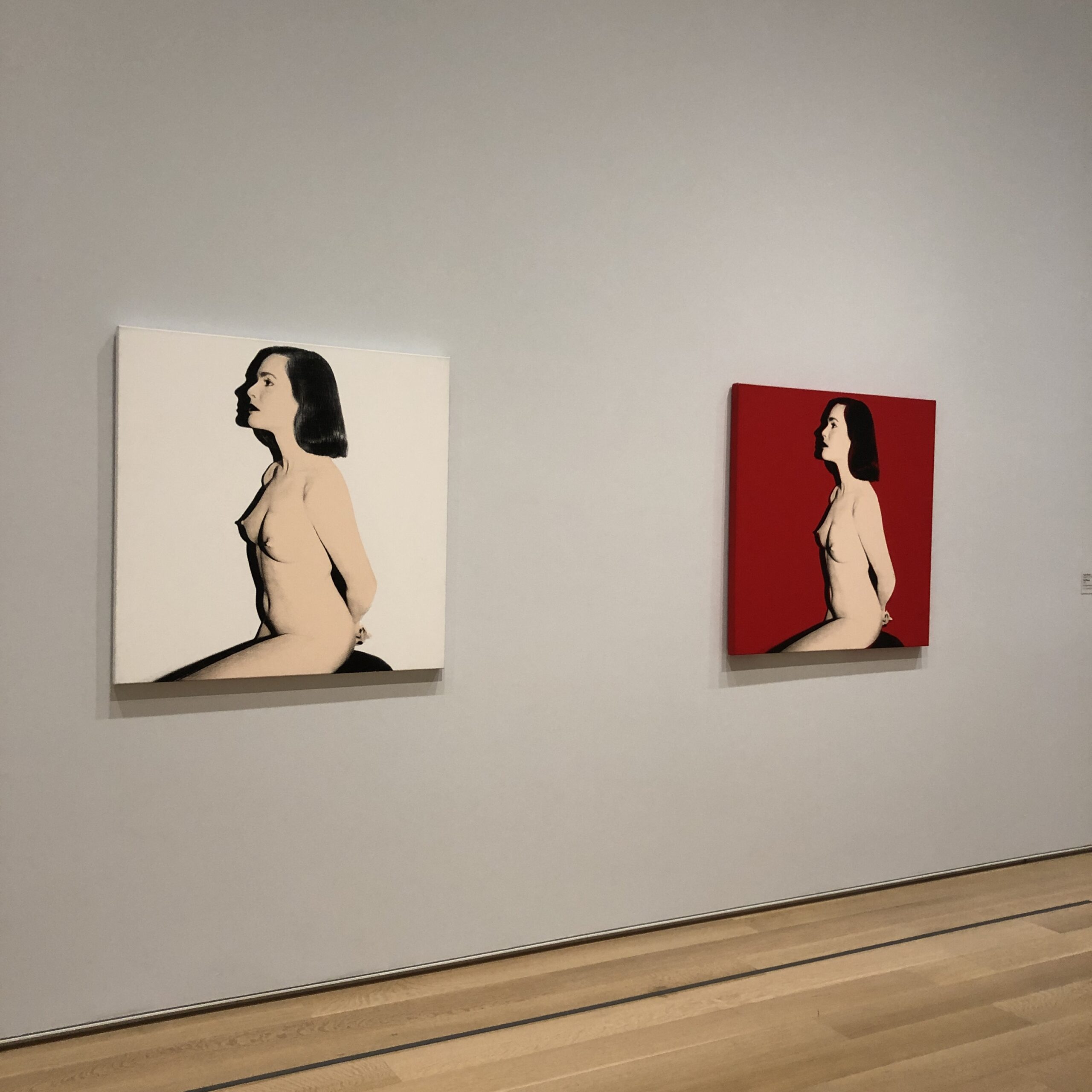
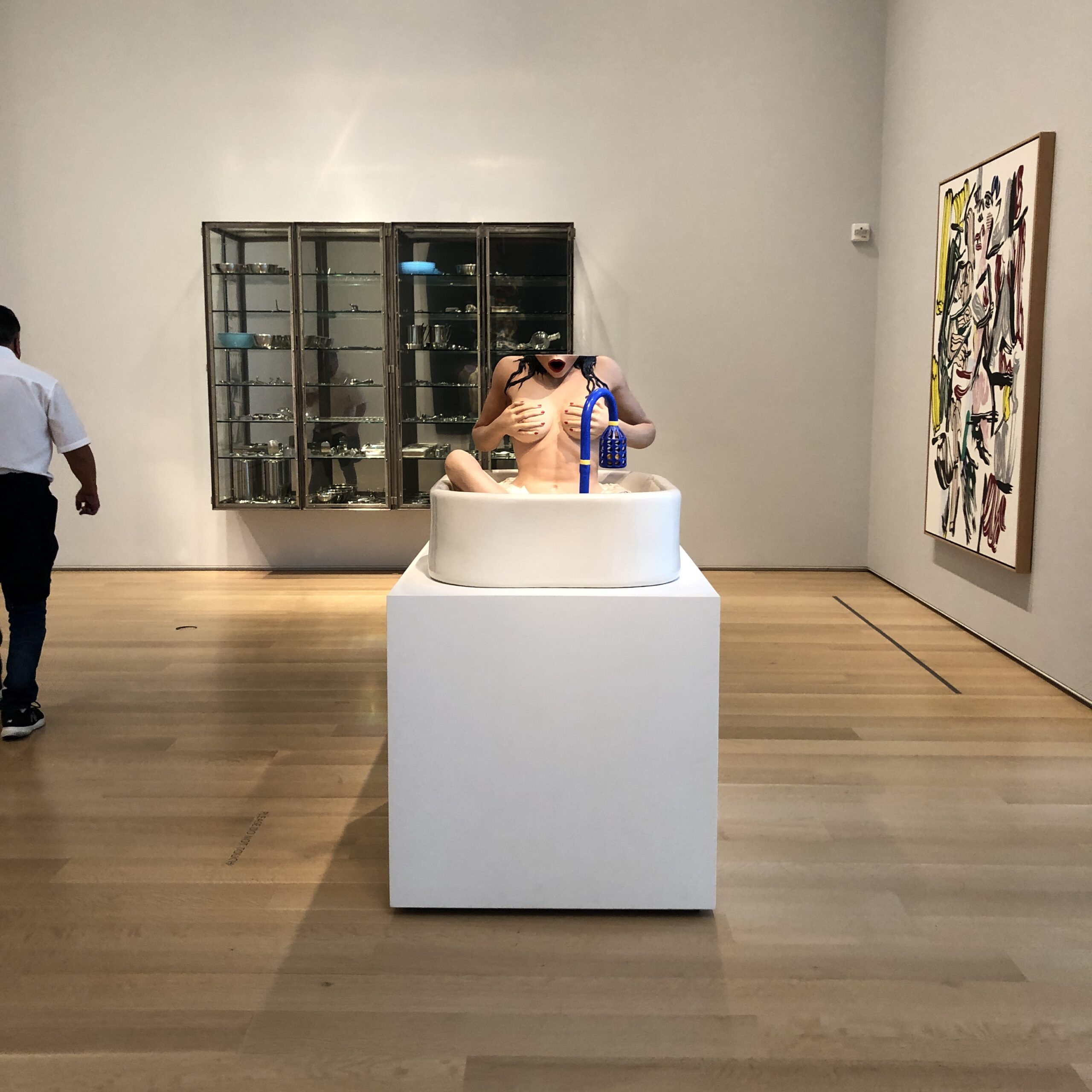
Next up, I’ve got to discuss the issue of the exploitation of the female form by famous, powerful, White artists.

I realize at this point, I’ve been covering this subject throughout the pandemic, and maybe it’s time to let it go.

But I’ll let you be the judge if it’s worth considering today.

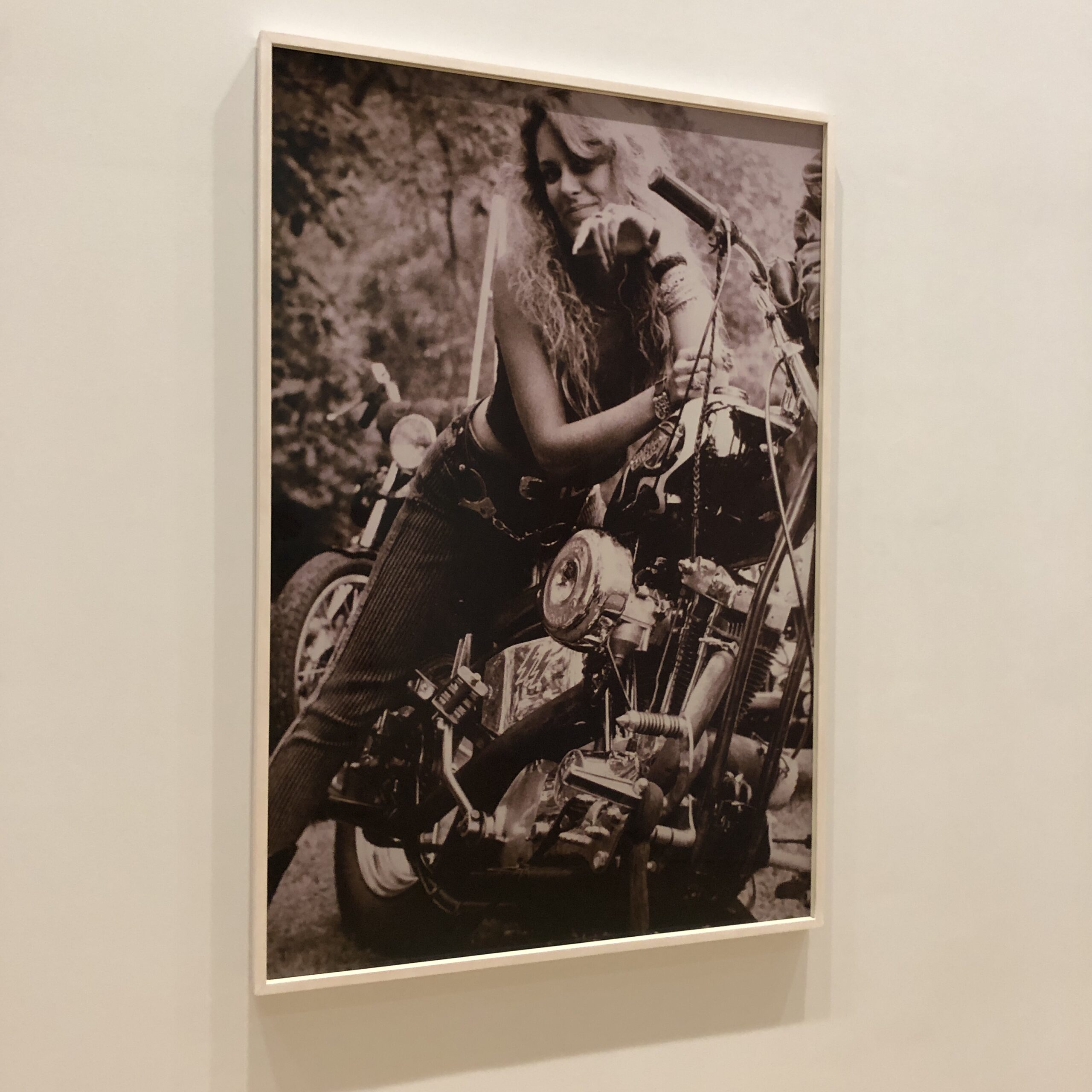
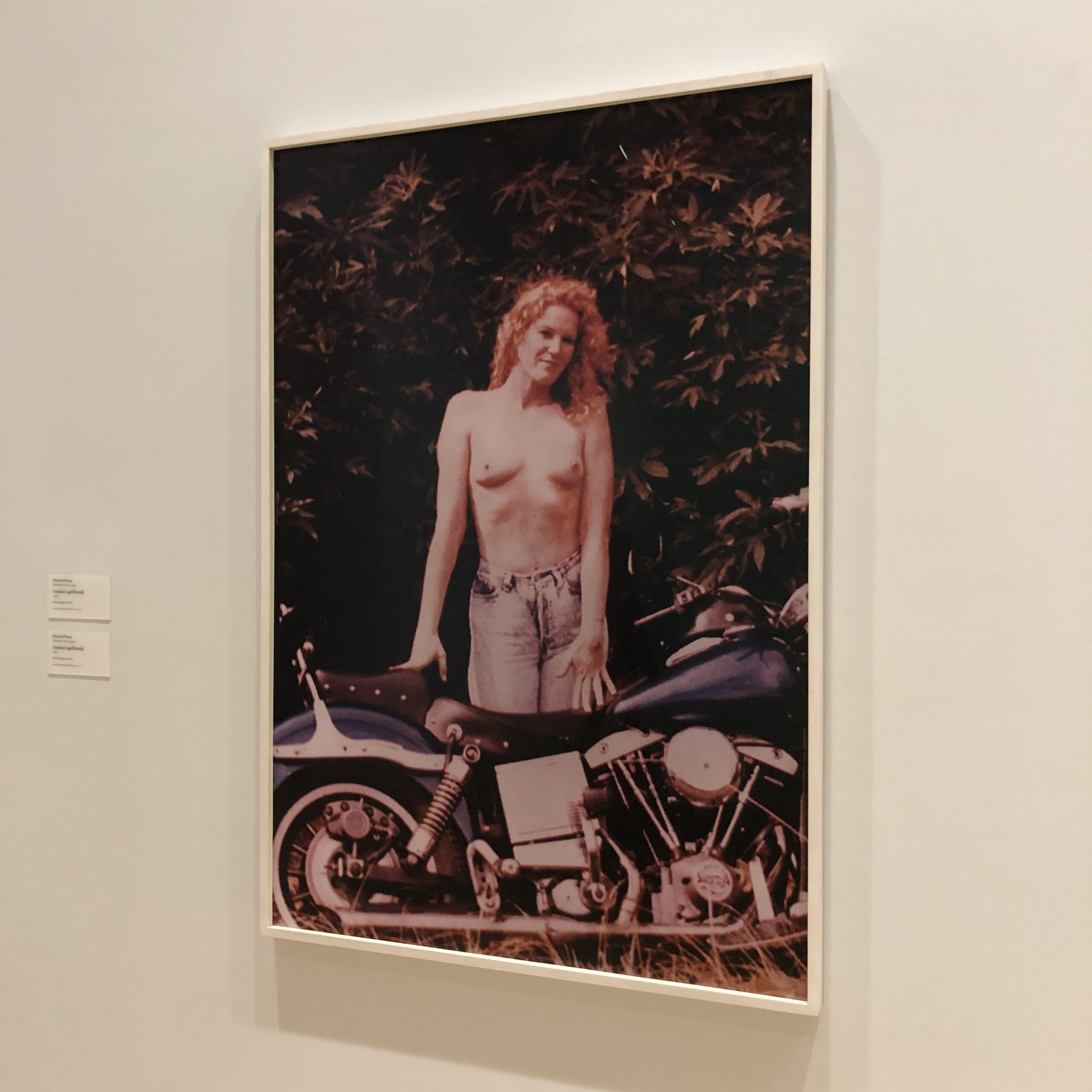
Richard Prince, who’s taken heavy fire from the photo-world for years, based upon his appropriation of Sam Abell’s work, and then Patrick Carou, had some pin-up photos of pretty, topless, young women, and I really thought they were tacky.


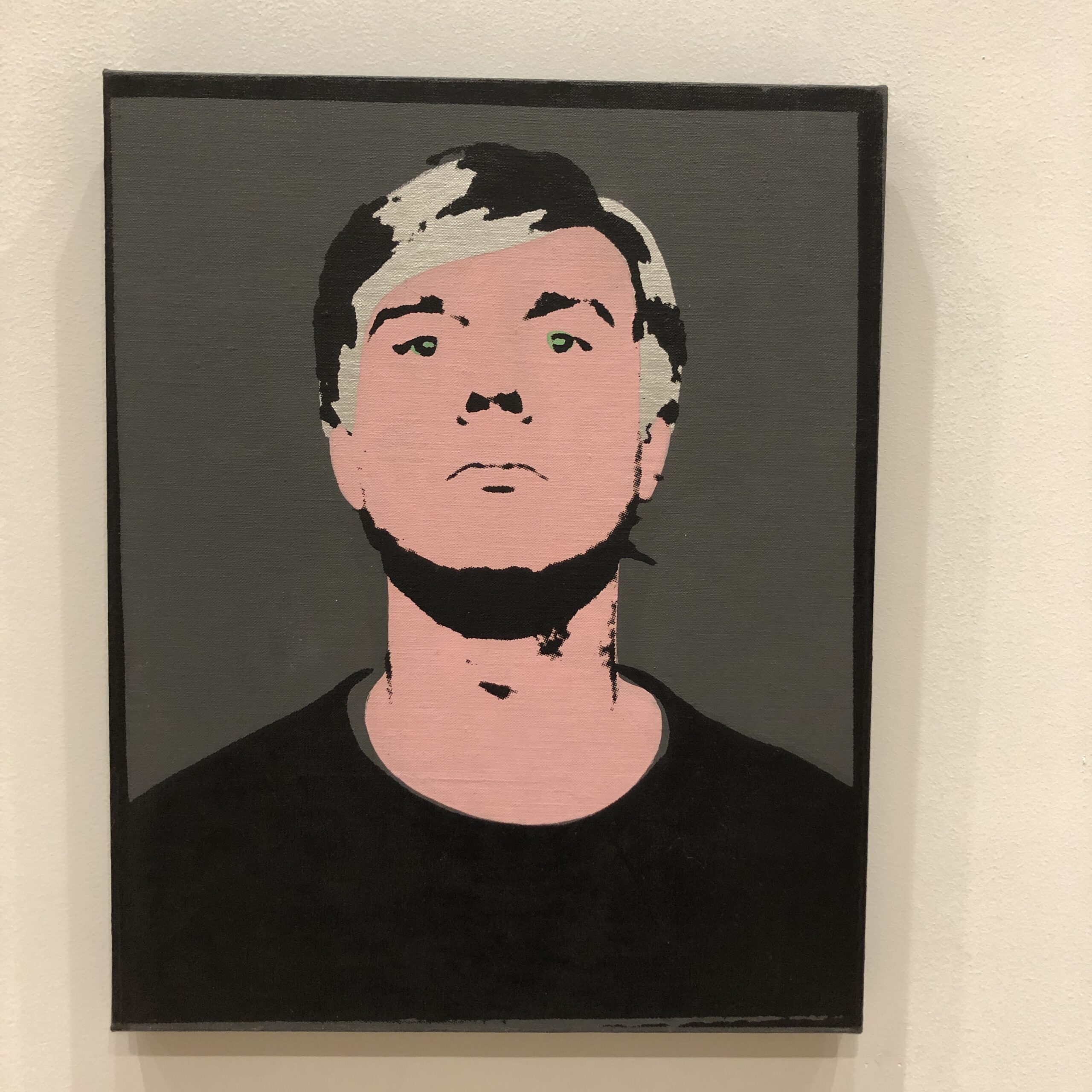
But they were joined by cheesy, exploitative work by Andy Warhol and Jeff Koons.


(I normally love Warhol’s paintings, as he’s been a huge inspiration to me.)


As I stood there, in the museum in 2021, I couldn’t help but wonder if the curators were oblivious to the cultural moment?

Really, is this the time to be flaunting such things, when one has an entire basement filled with genius works?

Do we need to see big, bulging breasts painted/sculpted by rich, old (or dead) White guys?

I say no.

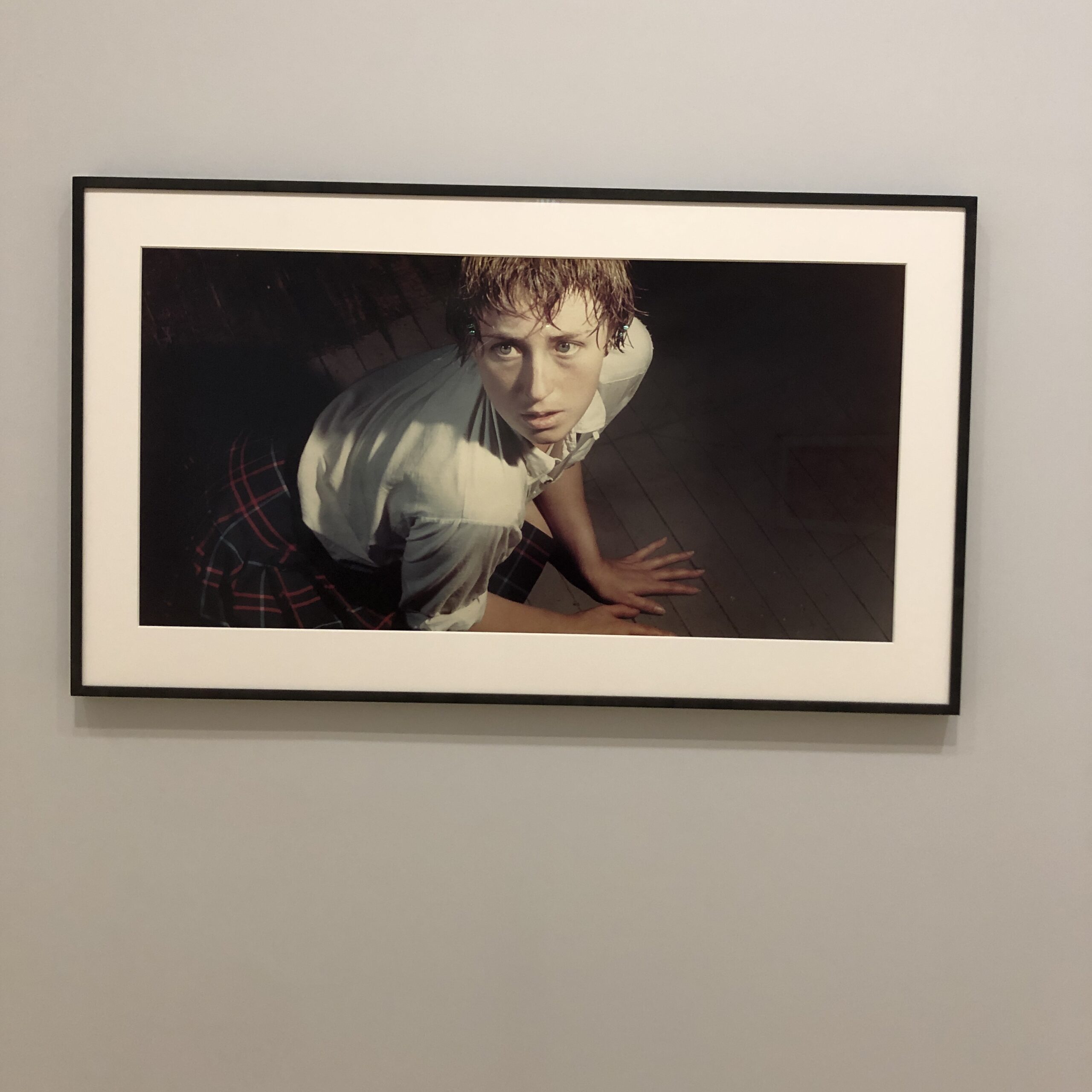
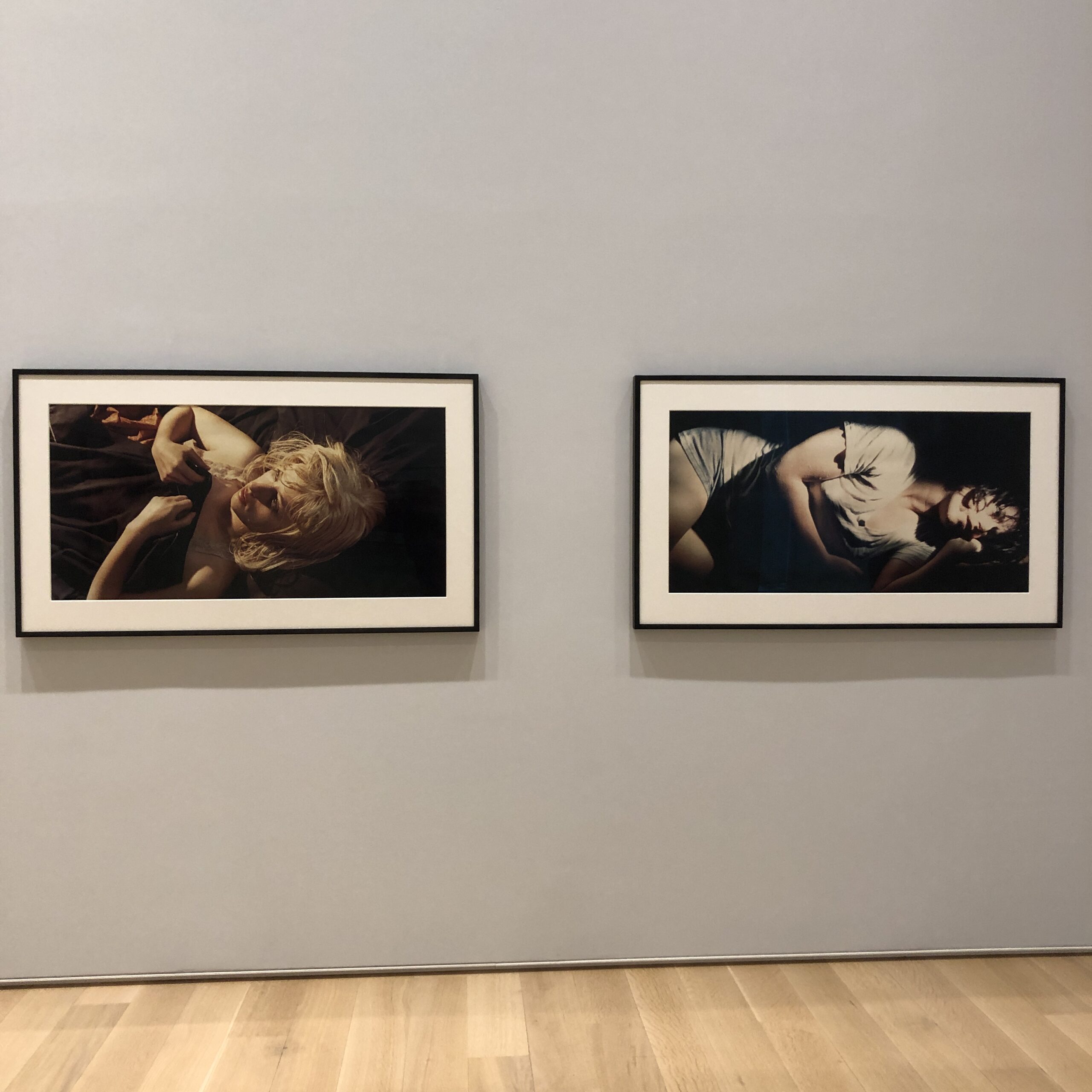
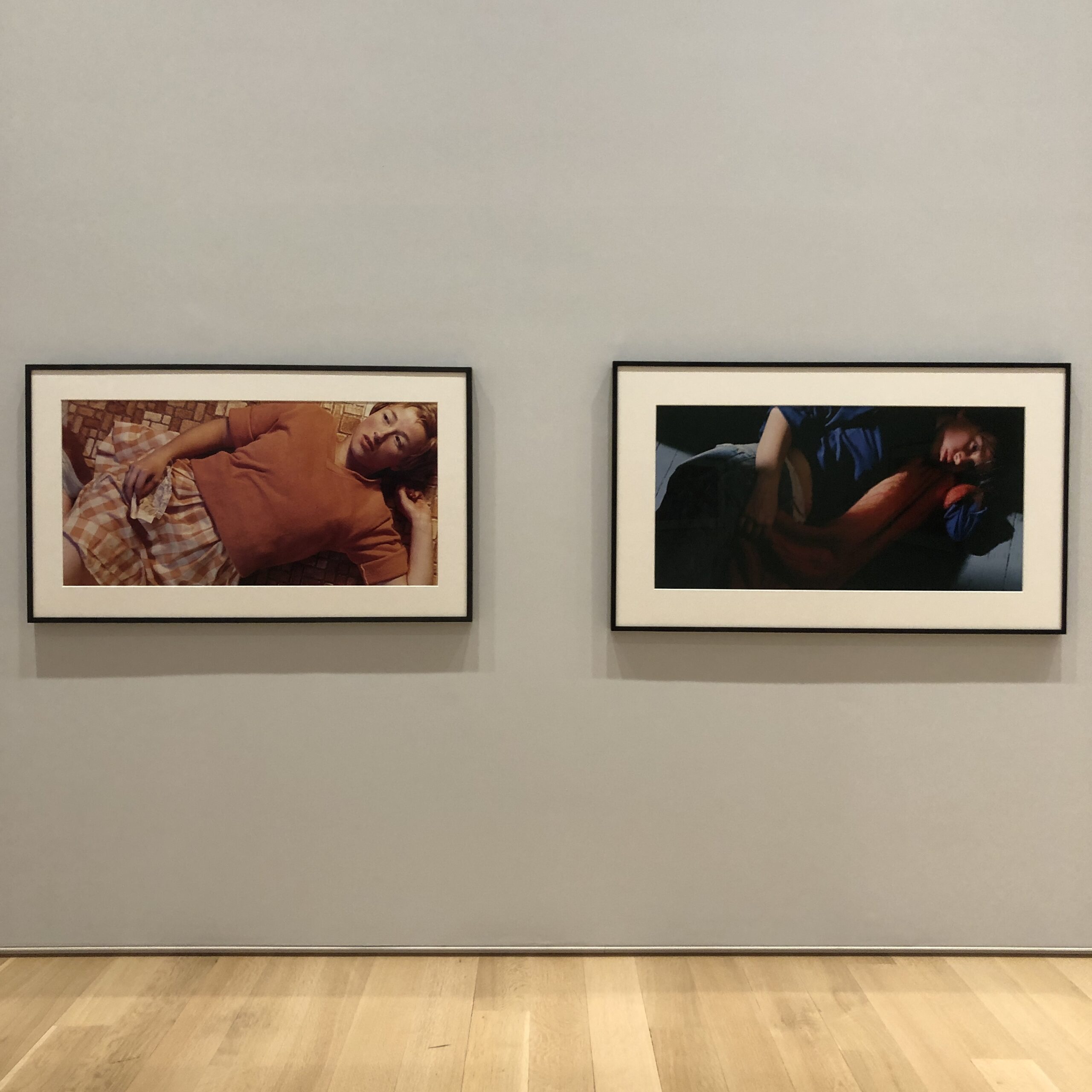
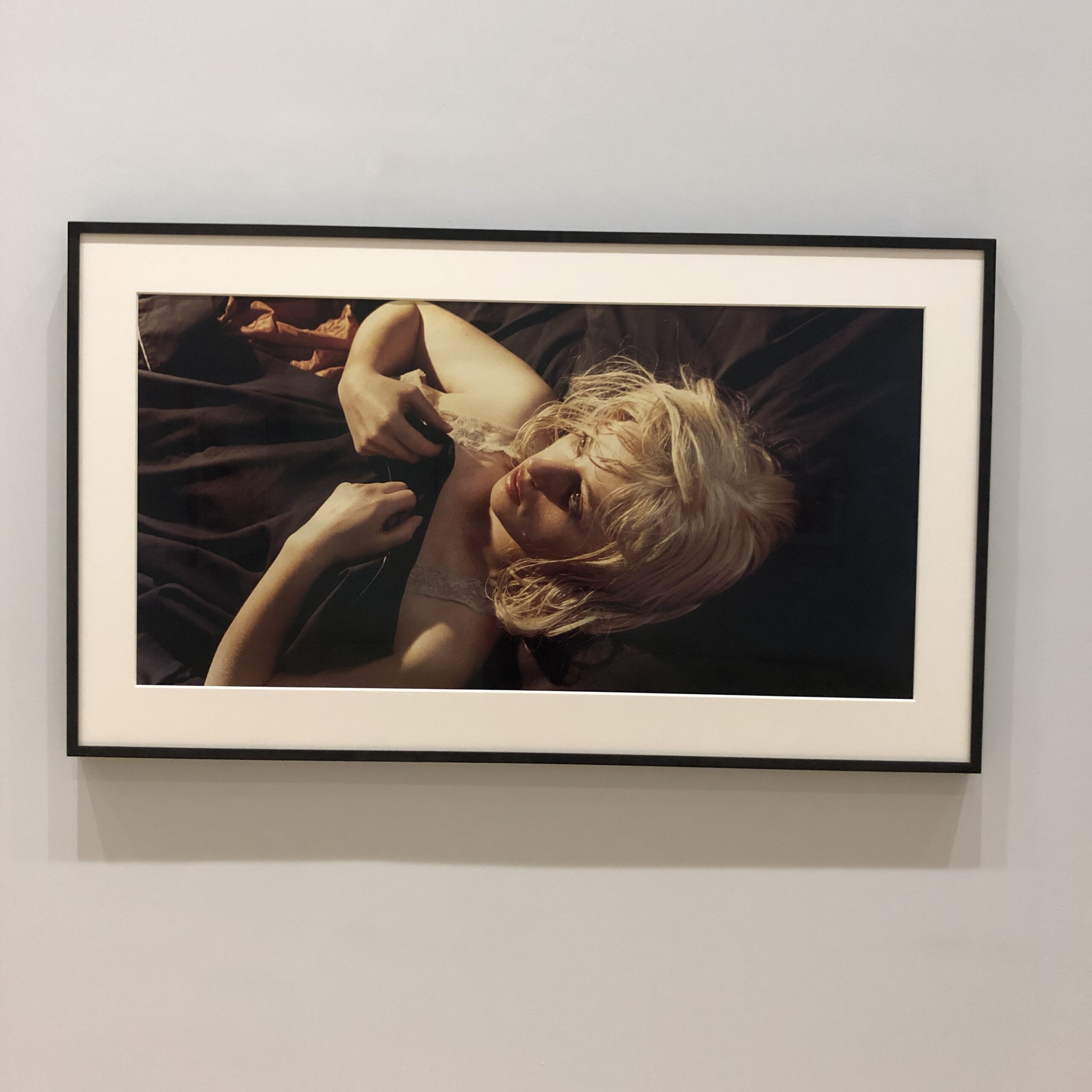
And the only female artist of that level of renown in those galleries was Cindy Sherman, whose images both critique and simultaneously reinforce the stereotype of the young, blonde, damsel-in-distress.


Sure, we all know Cindy was subverting tropes, but the AIC draws plenty of “regular citizens,” and in the context of the Prince, Warhol and Koons work, I suspect Sherman’s subversive photographs are themselves subverted.


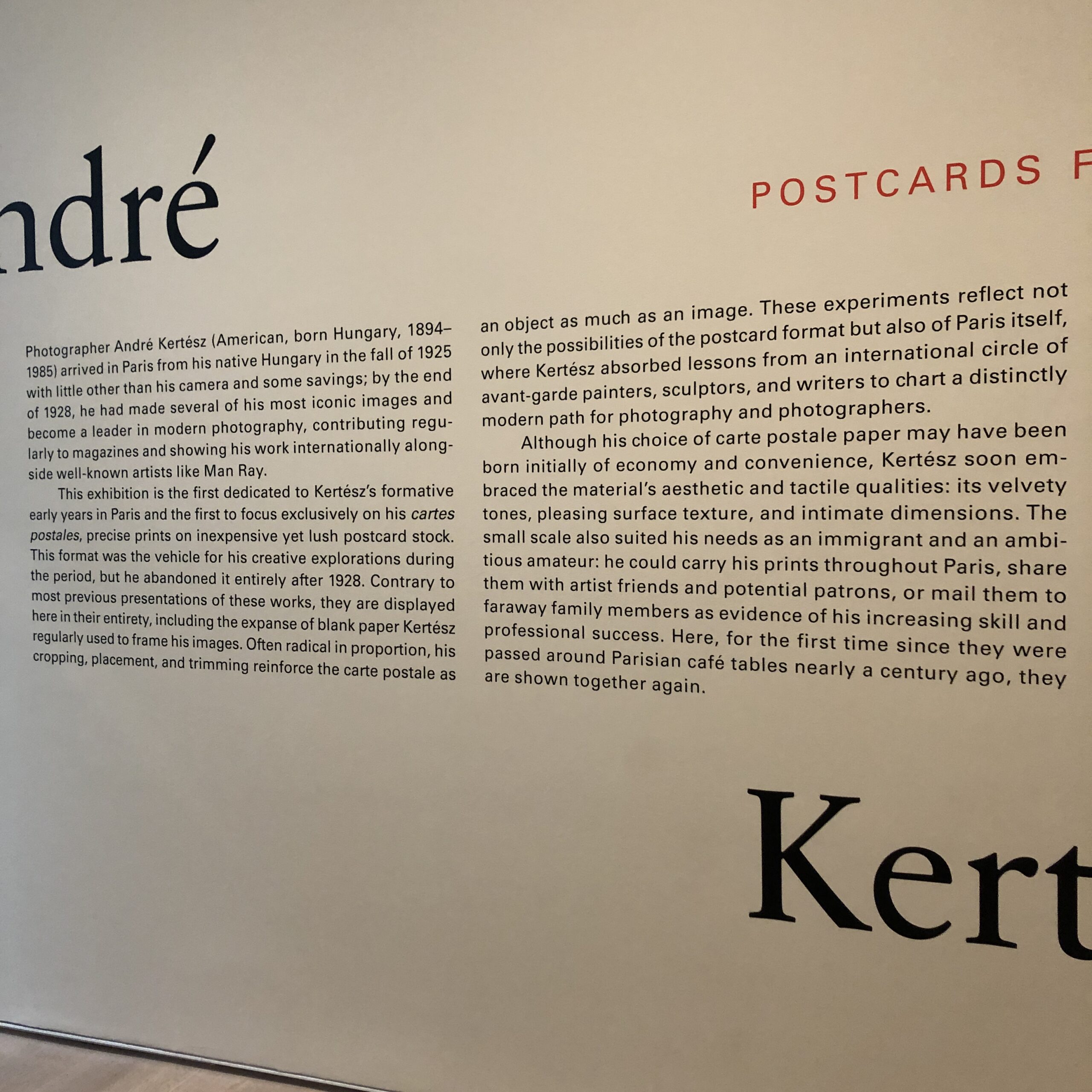
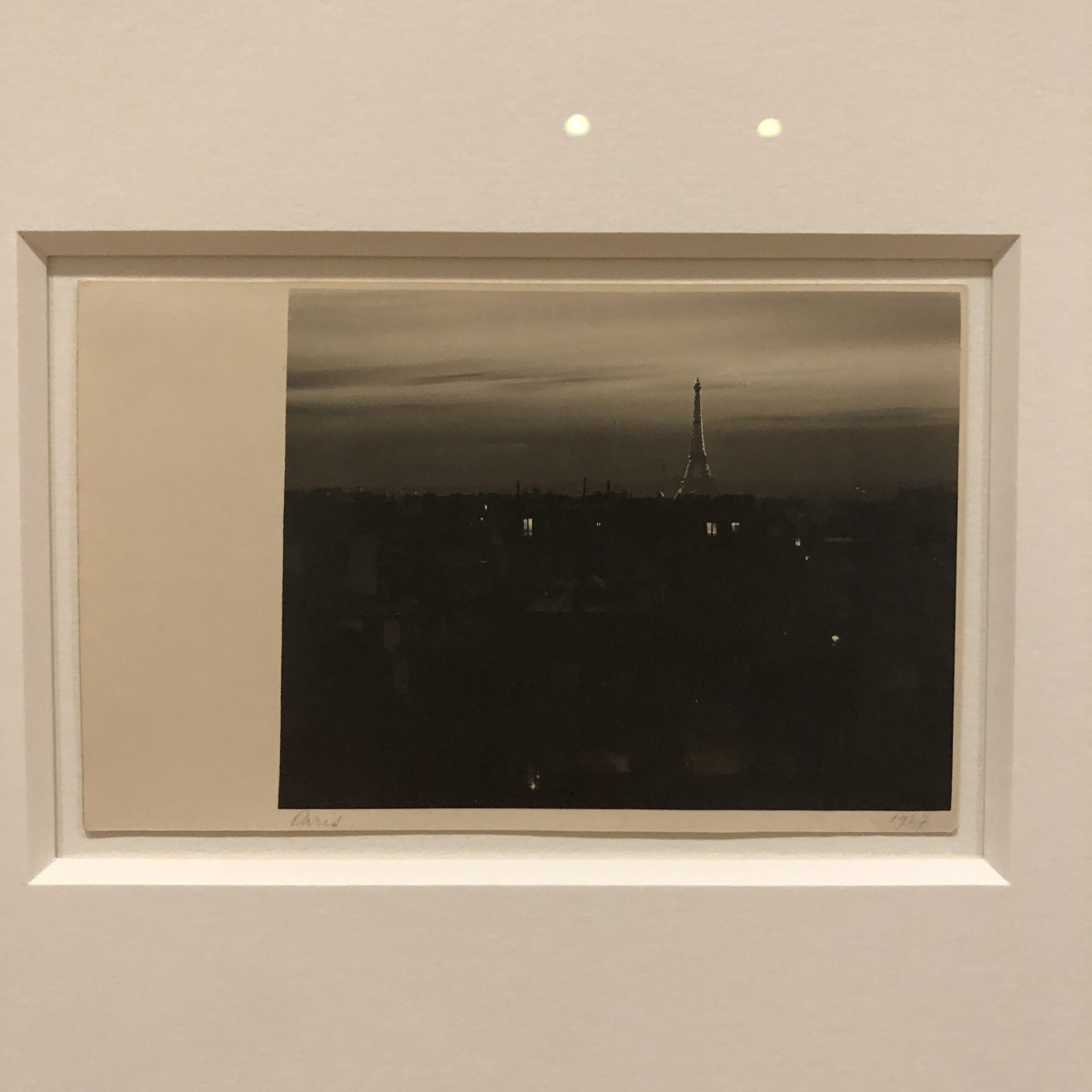
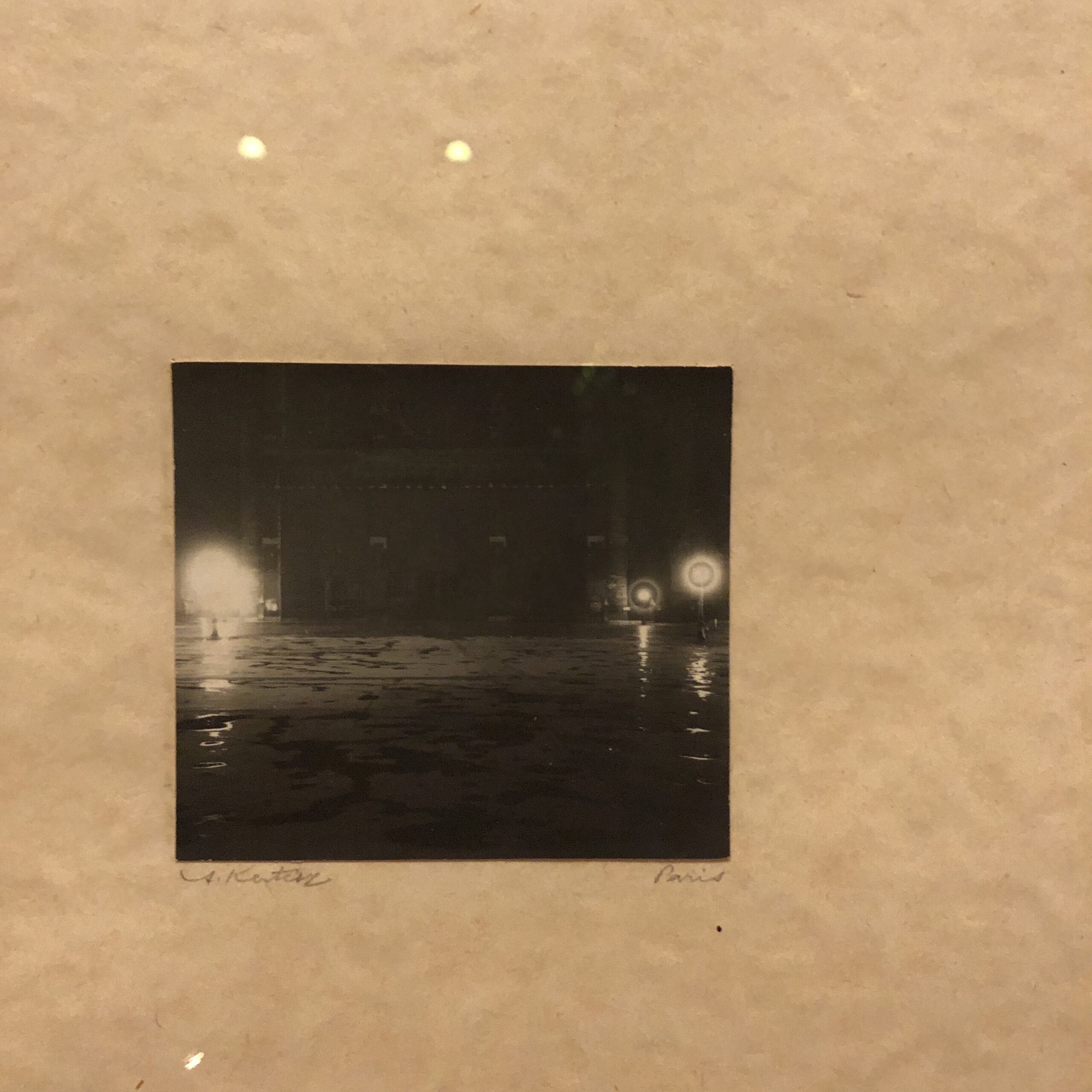
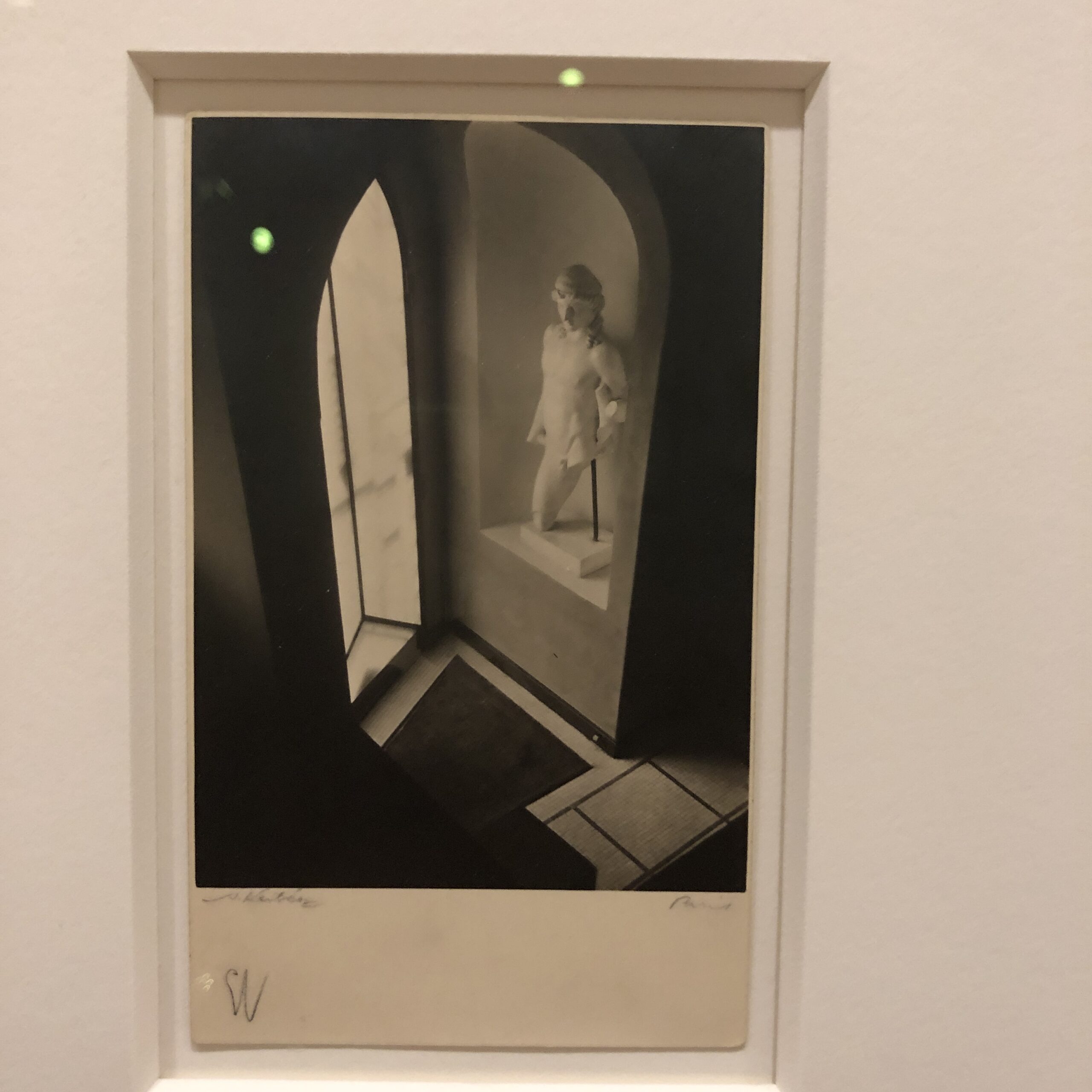
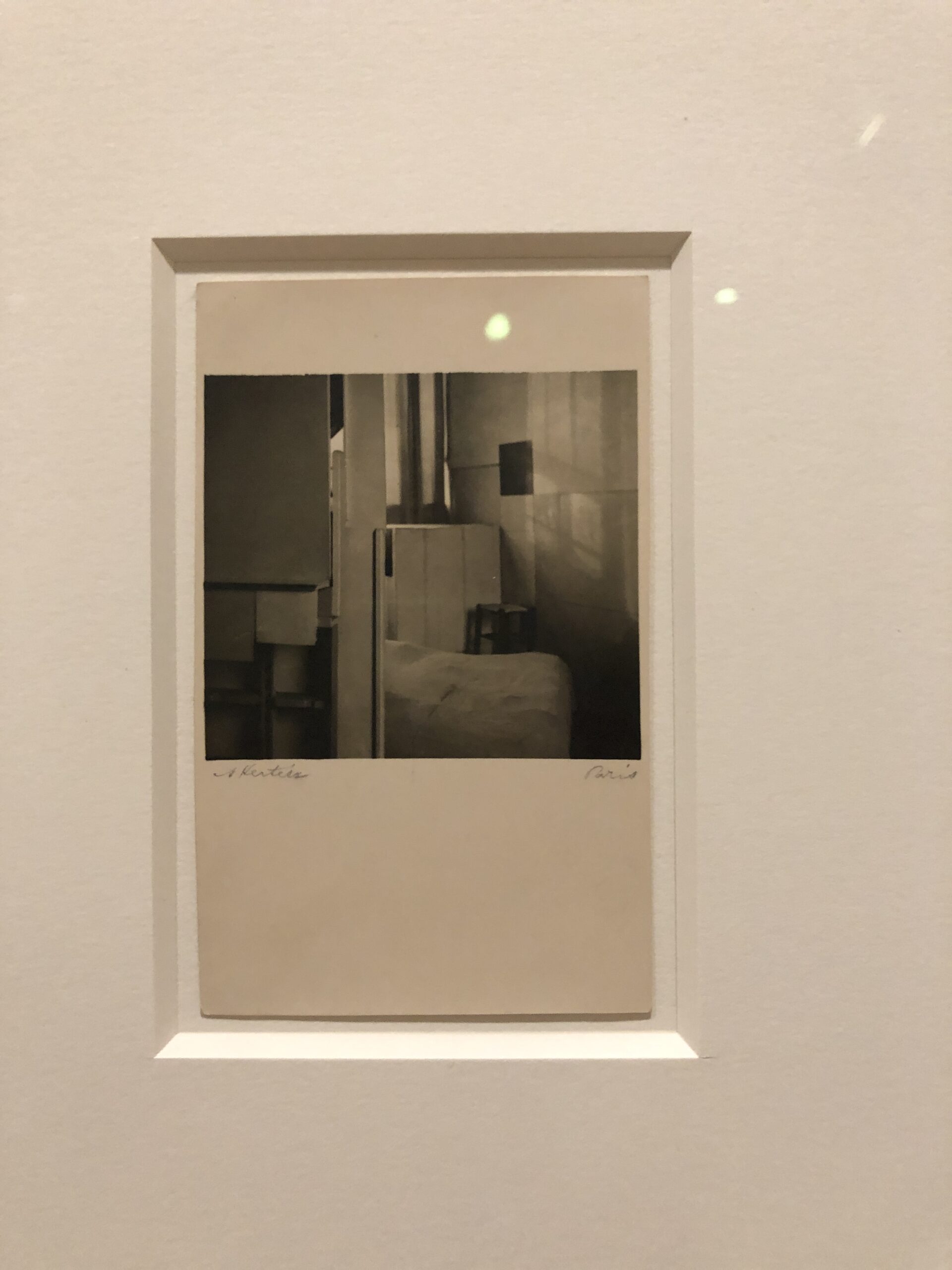
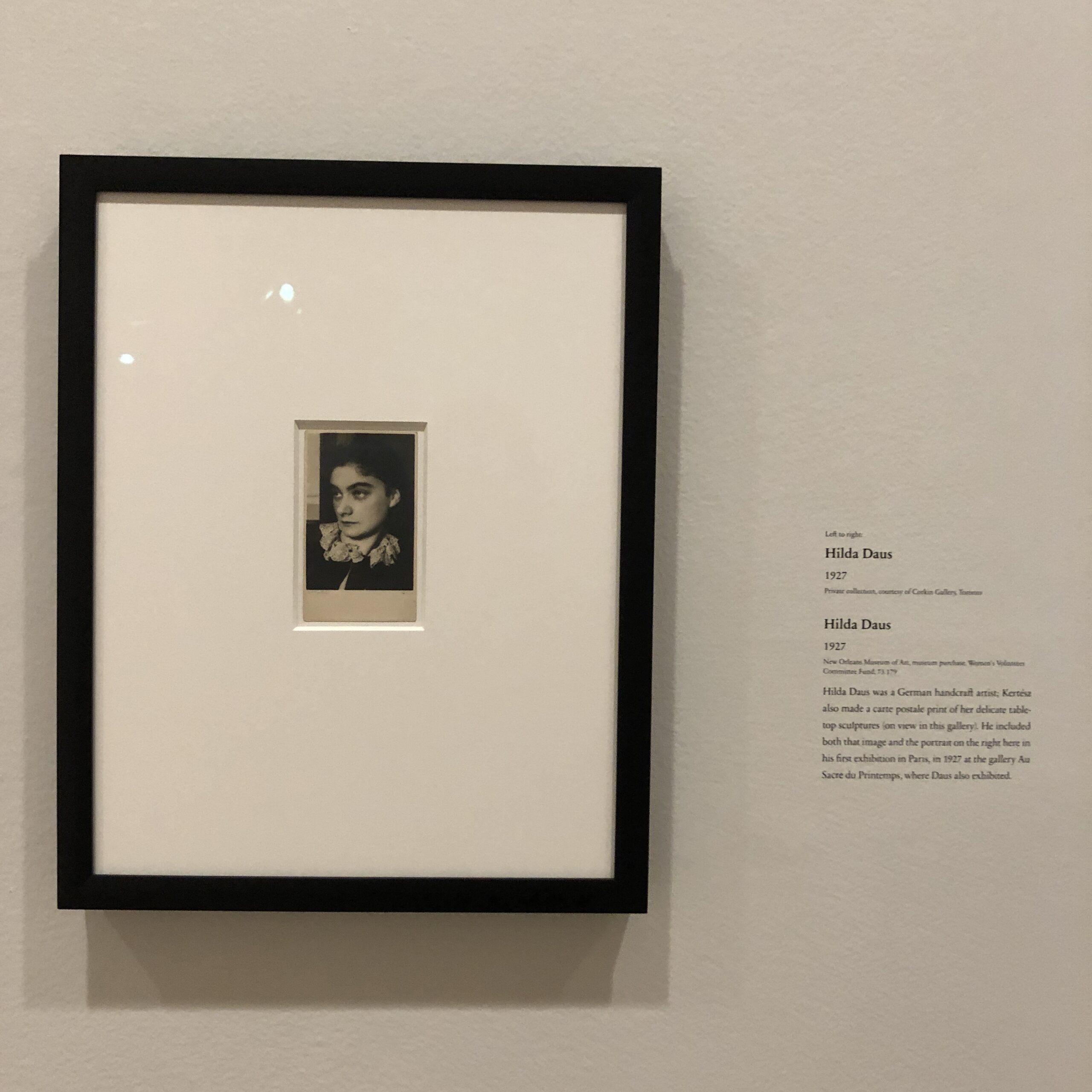
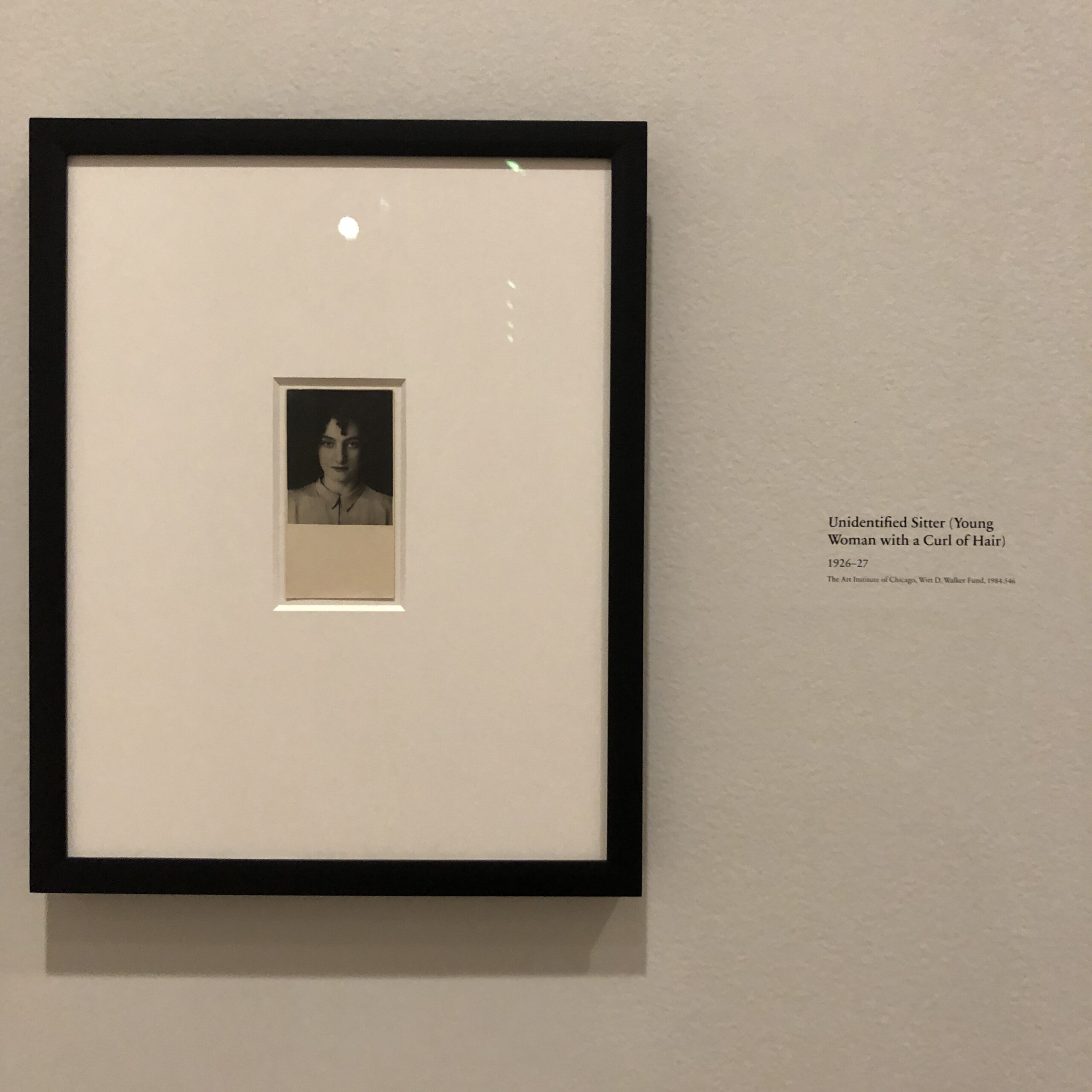
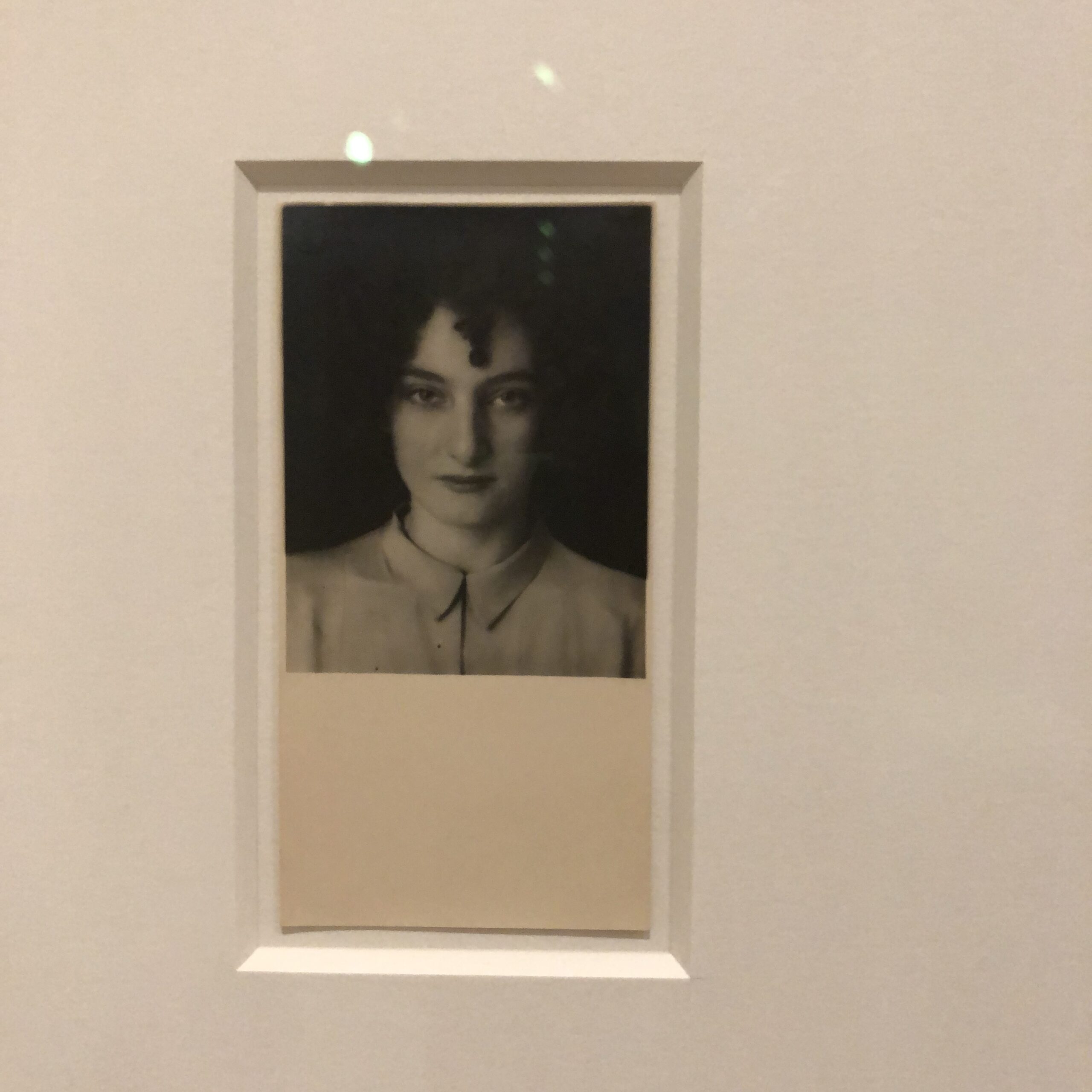
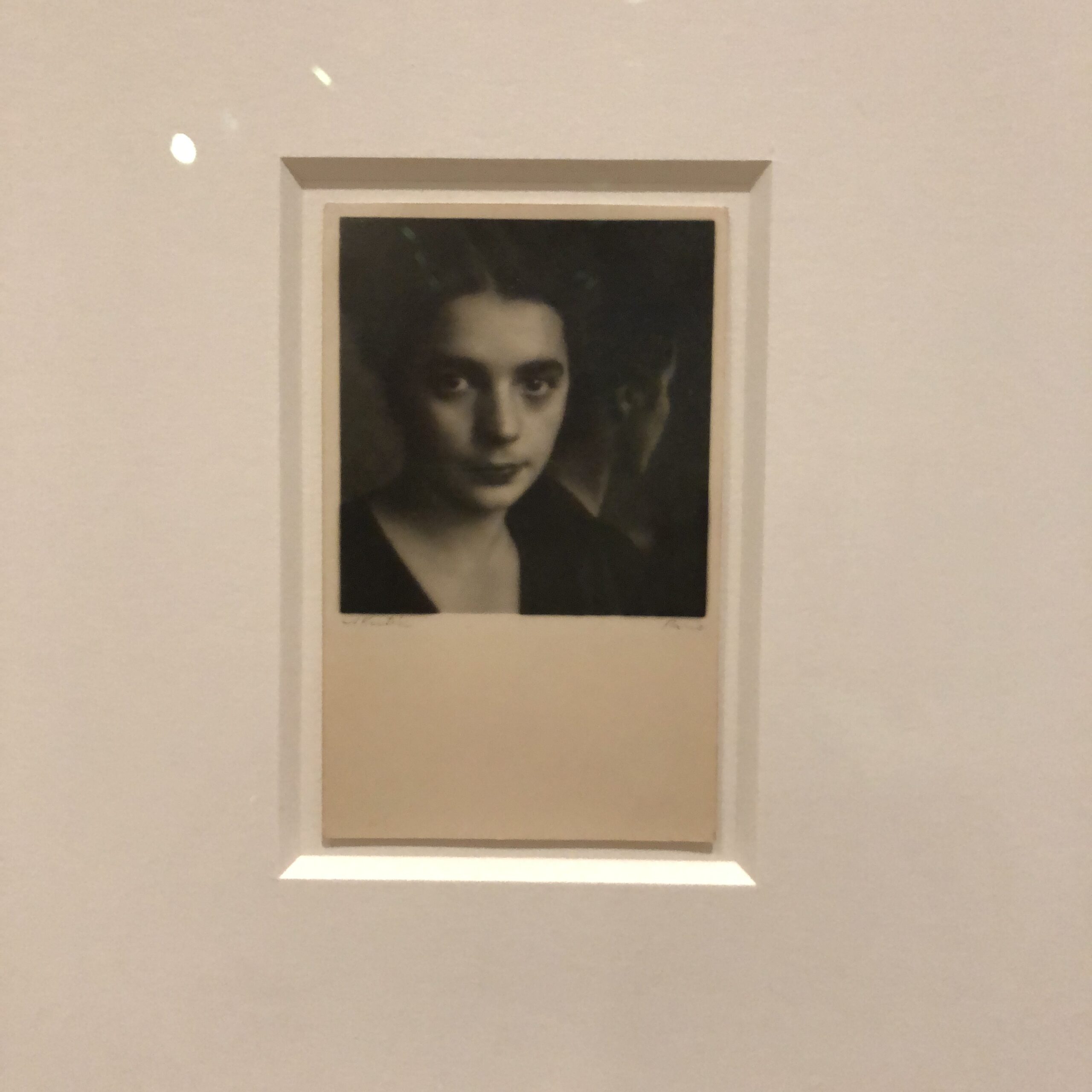
Lastly, I’ll show some images from the André Kertész exhibit, which focused only on small prints he made during stint living in Paris.


Normally, that wouldn’t matter, (the size of the photographs,) but after looking at so much big work, reveling in the power of scale, I admit it was hard to get so close to small pictures to absorb the details.

(The one Mondrian painting included, b/c Kertesz had photographed his studio, was a brilliant touch.)


There were beautiful night scenes in Paris, including images of the Eiffel Tower. (Naturally.)


And we also saw some well-constructed interior photos. (Including Mondrian’s studio, which explains the original painting on the wall.)


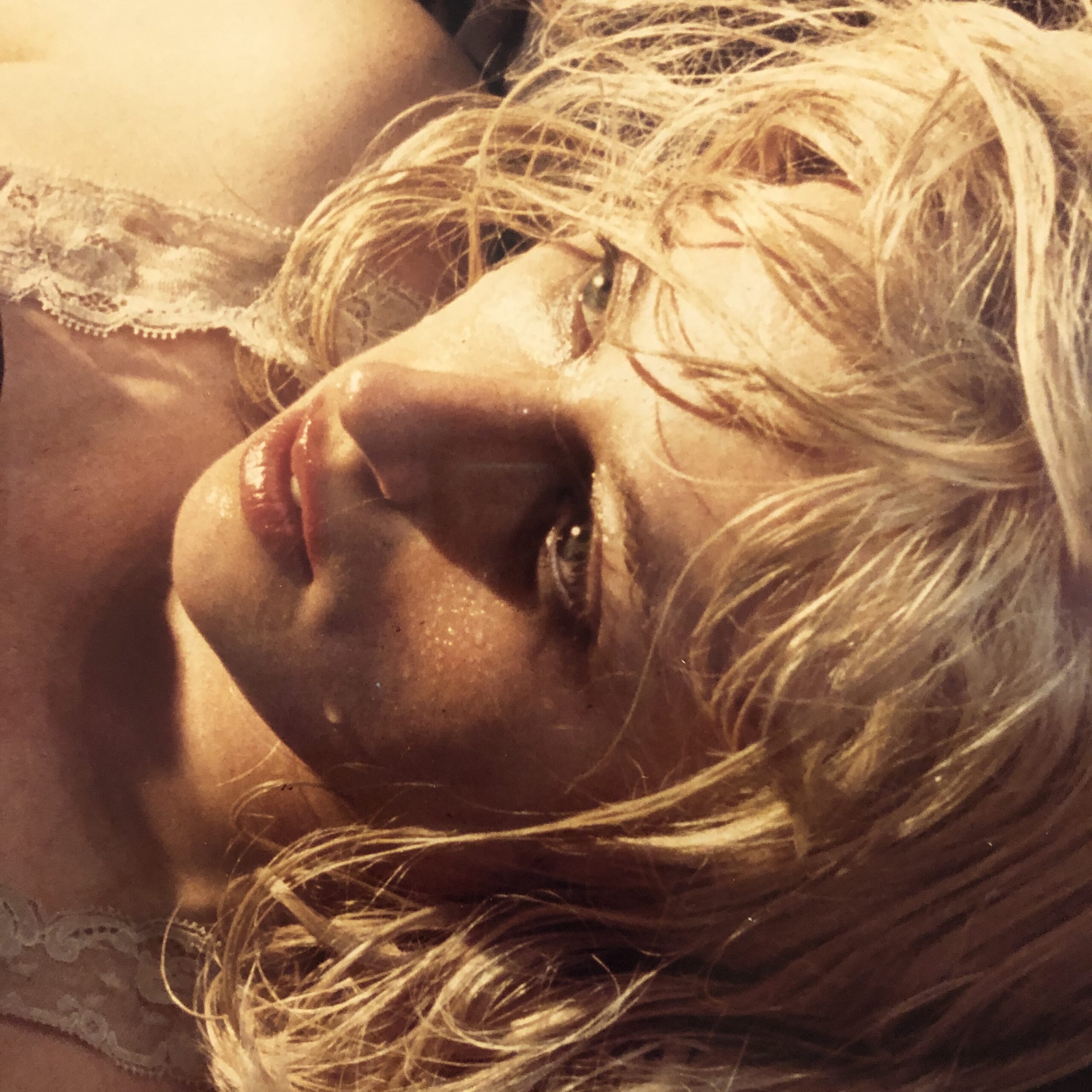
But wouldn’t you know it, one of Kertesz’s prominent subjects, while living in Paris, was shooting pretty and/or striking young women.


Like Paul McCartney admitting in a recent New Yorker article that he got into a band to catch birds, (English slang for girls,) I’m not going to hate on Kertész for gravitating his camera towards attractive women.

So many photographers have done it, and it’s not for nothing that Hollywood, (and the entertainment industry in general,) treats gorgeous young women as such prized commodities.

Certainly, these photographs were excellent, and held my attention while my brain cells slowly rebelled against me. (It was nearly 4pm on a day I walked 15 miles.)

But it is a good place to end today’s column.

When we describe “agency” and “power dynamics” in 2021, it’s within the context of a long history of the exploitation of women by men.

Sure, anyone can photograph anything they want these days, as long as the subject is a consenting adult.

I do think each artist who likes to photograph “hot chicks,” in our new times, should have a pretty compelling reason to do so, given our culture of objectification.

That’s all I’ve got.

Lots of reporting from New Orleans up ahead.

See you next week!


The Art of the Personal Project: Christaan Felber


The Art of the Personal Project is a crucial element to let potential buyers see how you think creatively on your own.  I am drawn to personal projects that have an interesting vision or that show something I have never seen before.  In this thread, I’ll include a link to each personal project with the artist statement so you can see more of the project. Please note: This thread is not affiliated with any company; I’m just featuring projects that I find.  Please DO NOT send me your work.  I do not take submissions.


Today’s featured artist:  Christaan Felber


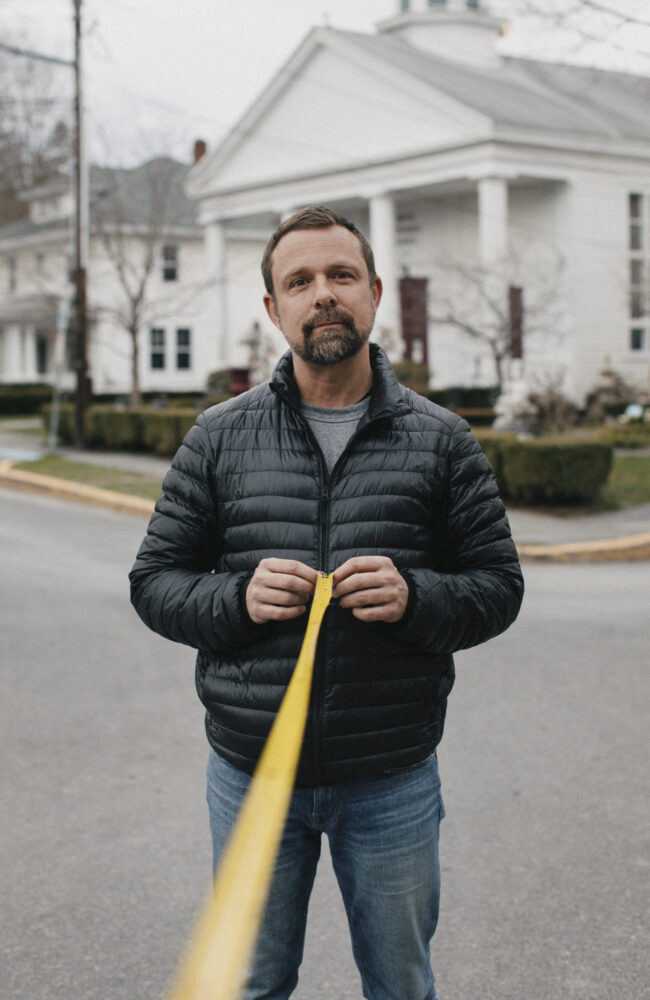
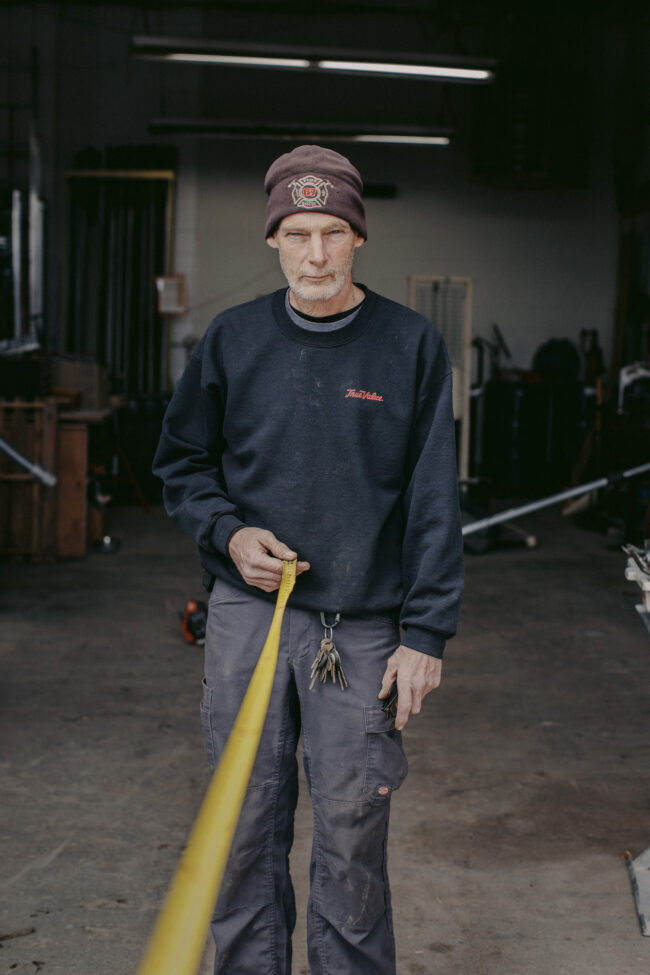
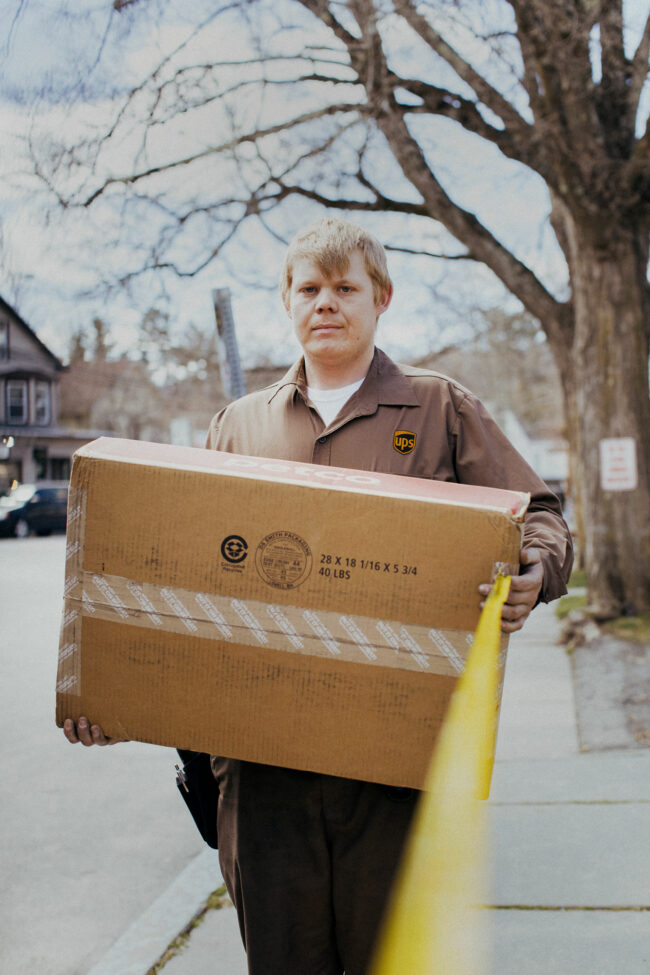
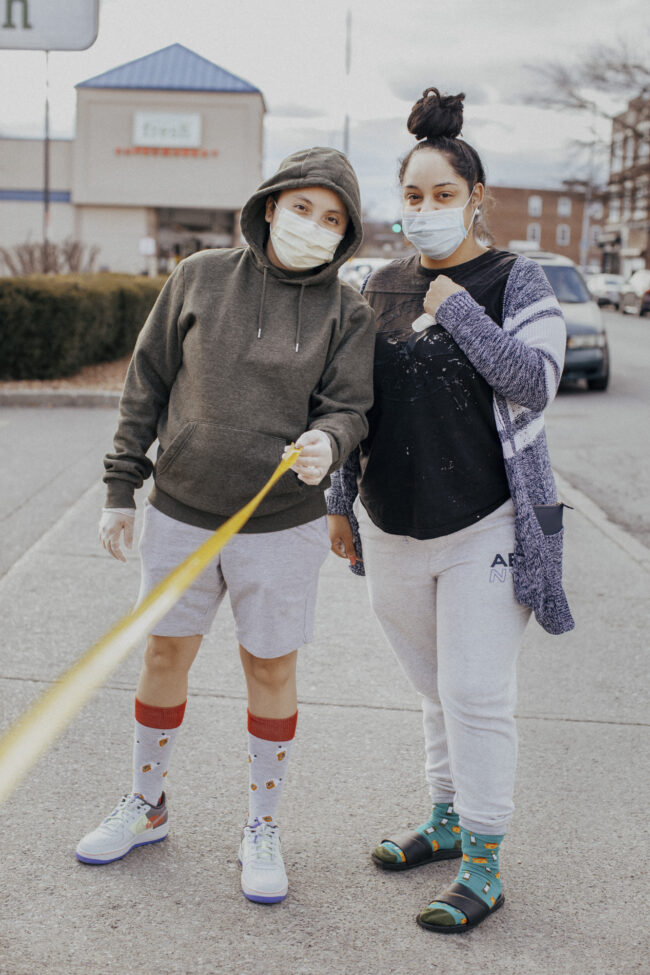
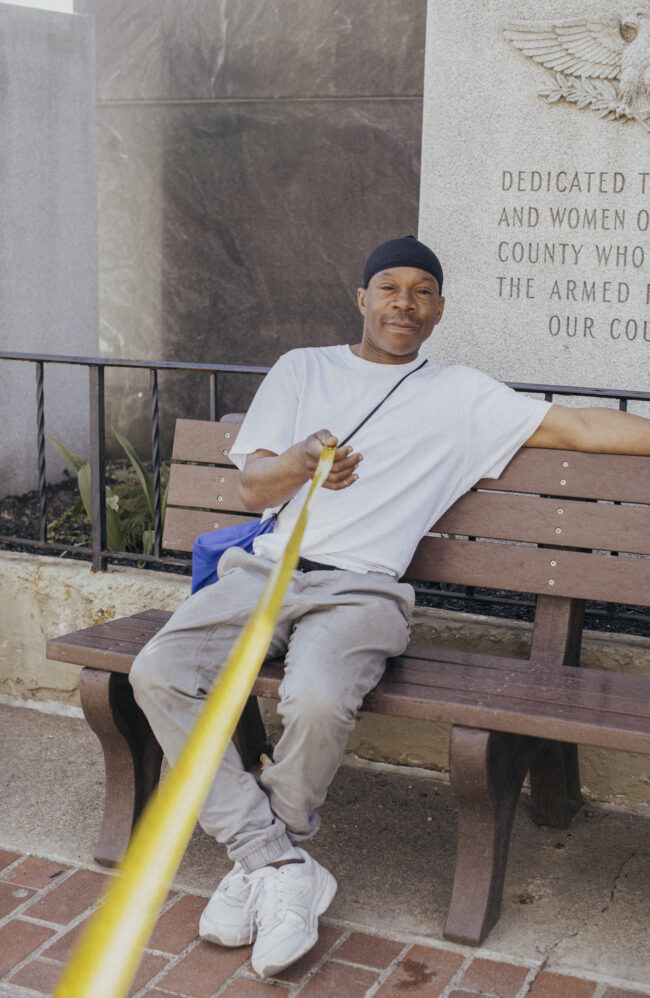
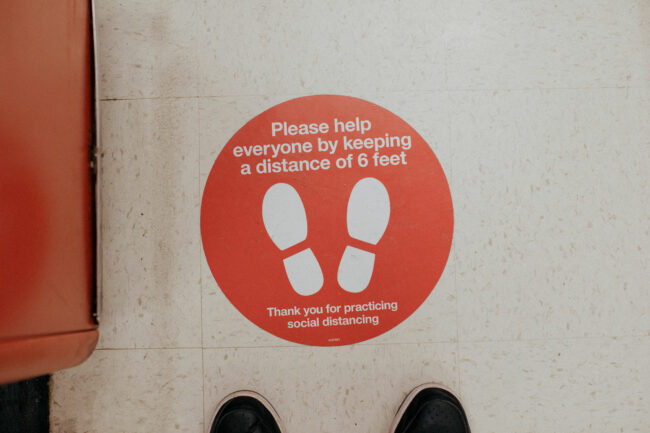
It’s been eighteen months since the global pandemic was first announced. It was a rare time where the machine of society, usually loud and seemingly unstoppable, came to a grinding halt and the resulting moment of silence remained etched in the memory of humanity for a lifetime. The sense of paranoia was dense, like a fog that had wrapped itself around the world. We were all facing an invisible enemy that had the ability to take the shape of anyone: our neighbors, our friends, our loved ones. The crisis also introduced us to a slew of new laws and rules. The most popular being the enforcement of always maintaining a minimum distance of six feet apart from everyone. We were constantly being reminded of this seemingly arbitrary distance just about everywhere. It was written on the floors of grocery stores and announced in the news, on the radio and over PA systems. Unfortunately, it also served to push the symbolic wedge even further between us.

As a human, it was scary and heartbreaking. As a professional portrait photographer, it was devastating. It had seemed we’d completely lost our ability to empathize. We were collectively in fight-or-flight mode and the thought of even approaching a stranger felt impossible and maybe even dangerous. My ability to connect with people and take their portrait, a skill I had constantly been working on and strengthening, had already begun to atrophy. I felt like an Olympic runner who had been damned to a potential eternity in bed. So, I decided to do something.

I wanted to use these circumstances as a challenge to connect with strangers and, by using an outstretched tape measure set at exactly six feet, include a visual representation of the physical and emotional distance that had been set between us. I approached people everywhere I went customers and check-out clerks in department stores, people I’d see walking through town, strangers in parking lots, and UPS workers delivering packages. At first, I was nervous; I didn’t know what to expect, but after some time began feeling more comfortable establishing rapport with people. It almost felt normal. I then realized that by using the very thing that had gotten me into photography to begin with – that of utilizing a camera to connect with people – had allowed me to reestablish trust again and, for a brief moment, for the fog of fear and paranoia to gently part.

To see more of this project, click here.


APE contributor Suzanne Sease currently works as a consultant for photographers and illustrators around the world. She has been involved in the photography and illustration industry since the mid 80s.  After establishing the art-buying department at The Martin Agency, then working for Kaplan-Thaler, Capital One, Best Buy and numerous smaller agencies and companies, she decided to be a consultant in 1999. She has a new Twitter feed with helpful marketing information because she believes that marketing should be driven by brand and not by specialty.  Follow her at @SuzanneSeaseInstagram

Success is more than a matter of your talent. It’s also a matter of doing a better job presenting it.  And that is what I do with decades of agency and in-house experience.


The Daily Edit – Ash Adams: Patagonia

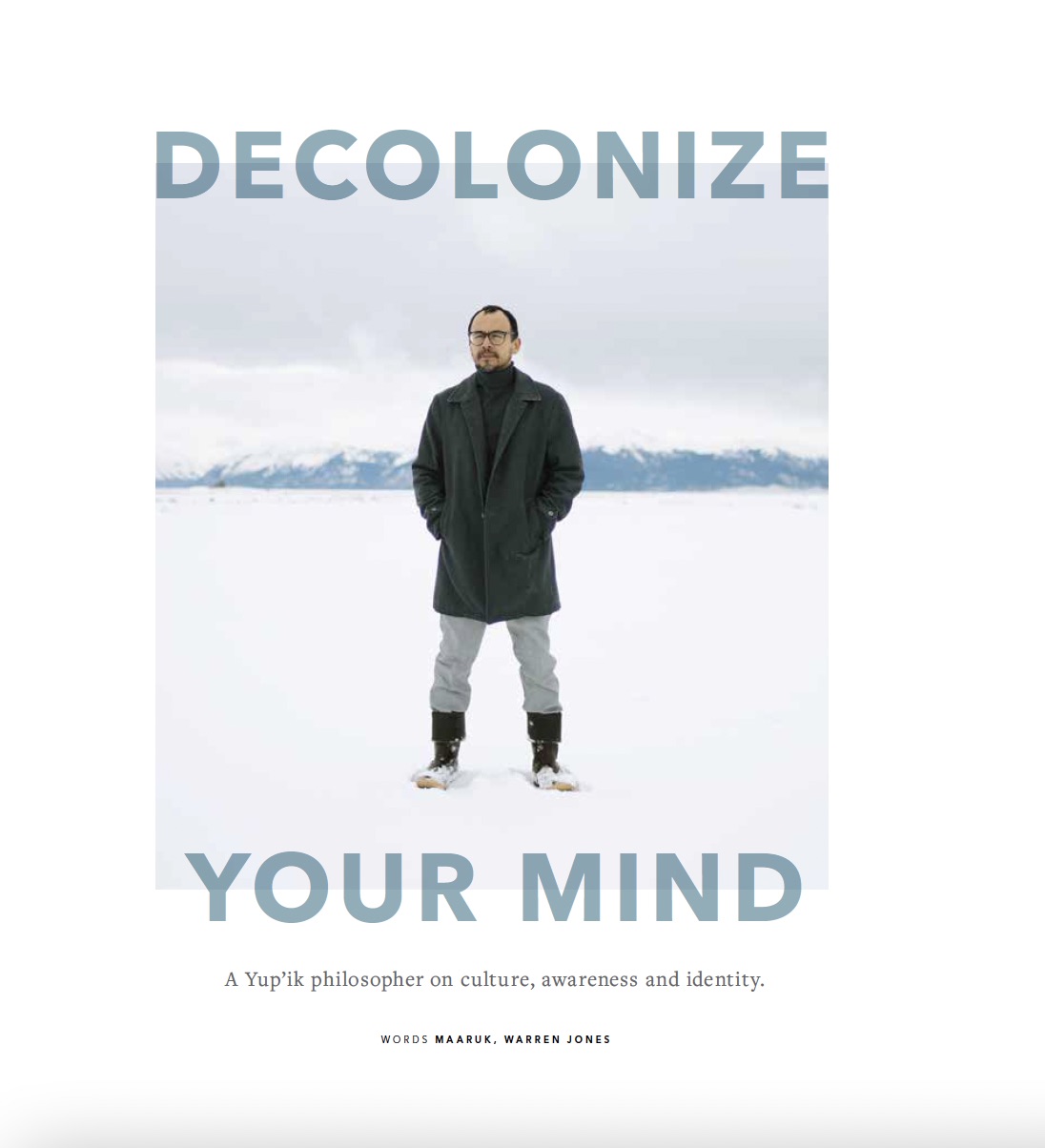
Fall 2021 Patagonia Journal

Photographer: Ash Adams

Assistant: Sarah Pulcino

Photo Director: Heidi Volpe
Art Director: Annette Scheid
Editor: Madalina Preda

Heidi: How long have you been living in Anchorage, what brought you there and why have you stayed?
Ash: I  have been living in Anchorage now for a little over ten years, with a brief year a few years before that before I left for grad school. Honestly, I came up to Anchorage because I was burning out working in cities in the lower 48 and wasn’t making the work I wanted to; being a young journalist is such a hectic, yet formative time, and my personality needed to be somewhere where it could breathe. I felt that in Alaska I could work as a freelancer and really sink into a place. Alaska has very few photojournalists who work for national media to this day, and very few women. So it felt like an opportunity to cover underreported stories and also an opportunity to learn.

I’ve stayed for a number of reasons, but mostly I tell people that I’ve stayed because I love it here, and I do. I love how much space is here, how much wilderness. Before living in Alaska, I had almost no acquaintance with the outdoors; I would need to take a minute anytime I came to “You are Entering Bear Country” sign at the start of even the most trafficked trails. Now, it is not uncommon for me to be backpacking for days (and sometimes weeks) alone. I found a place in the world through becoming comfortable in wilderness that I had no idea I needed. My children, now 7 and 9, backpack with me as well.
I love the people here, and many cultures, foods, and dialects. I love how much I have learned from the people here.

Having my children here, and with a person who is Inupiat, is obviously another pull. Making sure that they are close to and connected to their heritage is important to me, as is making sure that they feel that they have a place in the world, which I think comes from being connected to the land.

You’ve obviously earned trust from the community in order to share their stories in a variety of outlets. I would think this is reciprocal, what has the community taught you? 
The communities within Alaska have taught me so much that this is particularly hard to answer, but Alaska has especially taught me about the concept of community itself. Alaska is an island made up of islands, and so every person in a community matters. It is easier to see the responsibility each person has in a small place and to therefore see your own. People see each other here. After one assignment, I was driving at night and the snow drifts were huge and the roads were slick, so even though I was driving carefully and had the right tires and right car for this, I slid into a bank and was absolutely stuck. I had no cell service and my GPS had died a while back. Within about 6 minutes, a truck came down the road, and two teenage boys hopped out, pulled out a tow rope, and just pulled my car out of the snow, with almost no words (and of course they would accept no money). It is this small act that honestly was huge. And teenagers already knew to do that; they’d been taught to see the people around them and acknowledge that they are part of the story of the world. I think about things like this a lot lately; individualism has a very dark and damaging side, and being a part of a place like this gives my heart hope.
And then there’s languages and cultures; the concept of what real family looks and feels like; the tastes of whale, seal, bear, moose, caribou, and so many other flavors I’d never had before; what resilience looks like–the list goes on and on. I am grateful in every way.
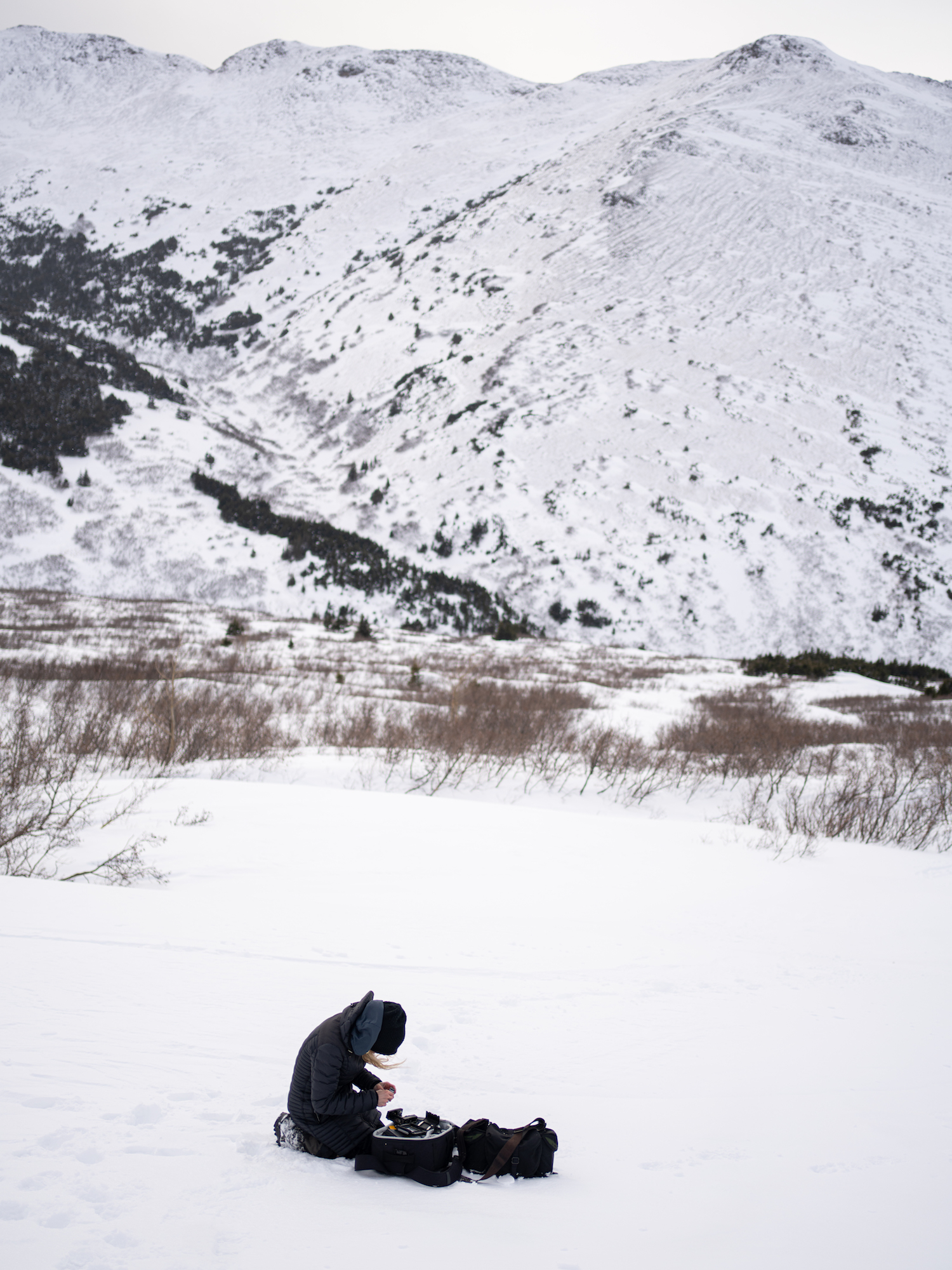
Ash Adams loading film while Photographing Warren Jones for Patagonia./Photo by Sarah Pulcino

Patagonia asked you to find a local assistant for this project, how did that align with goals you already had for mentorship?
Diversity within the photo industry has been a hot topic in the last few years, but it’s been on my mind for well over a decade. I currently am a founder of a mentorship program, Show and Tell Alaska, with my ex-husband and co-parent, Brian Adams, who is both a phenomenal photographer and person, and the program was developed in response to a lack of diversity in photojournalism and in this state. People do not necessarily need a degree to be able to tell their stories to a larger audience, and for many and especially in rural Alaska, that doesn’t make sense; I think aspiring photojournalists need people to show them how to hone skills they’ve already started to elevate their work and then they need contacts within this specific industry that people often come to through educational programs (where people also learn about all of the workshops that will build them up, too). The lack of diversity in the industry is due in large part to just not having access–to mentors, to contacts. There have been many, many photographers who have come to Alaska from outside on $20,000 (or higher) grants to do a weekend workshop on i-phone photography in a village who then use the contacts for their stories and bail, and we wanted to do something that could actually help diversify our industry in this diverse and geographically complex state in a meaningful way.

So, all that is to say that working with Sarah Pulcino (who is currently in the mentorship program, but was not yet at the time), aligns with my values for a number of reasons; there are not many Indigenous female photojournalists in this state, and I want to support her journey in any way that I can. She’s talented and lovely to work with.

Did you know Waren prior to this assignment?
I did, but not well; Alaska is a small-town state, and Warren is a brilliant writer who travels in similar circles, so we had met casually here and there over the years. After this assignment, however, Warren and I (and his family) have become a great deal closer, which was an unexpected benefit from making the work.

You have a love for writing, poetry that come up while photographing Warren?
Warren and I likely talked about his writing during the shoot, though I’m not sure that we’ve ever talked about poetry (in addition to journalism, I publish roughly a couple of poems a year in literary magazines, which is something I started doing in my early 20’s, but it’s such a tangential part of myself that it rarely comes up). We often tend to talk about ideas more than anything, and my recollection of the conversations of the day were no different. His article for Patagonia is a great example of the deep wells that he gets into on his own and that we also get into collaboratively; he is a deep thinker who revels in the way things connect. That we both love words I think becomes a kind of framework but not the subject of conversation. (If that makes sense!)

This Week in Photography: Looking Back


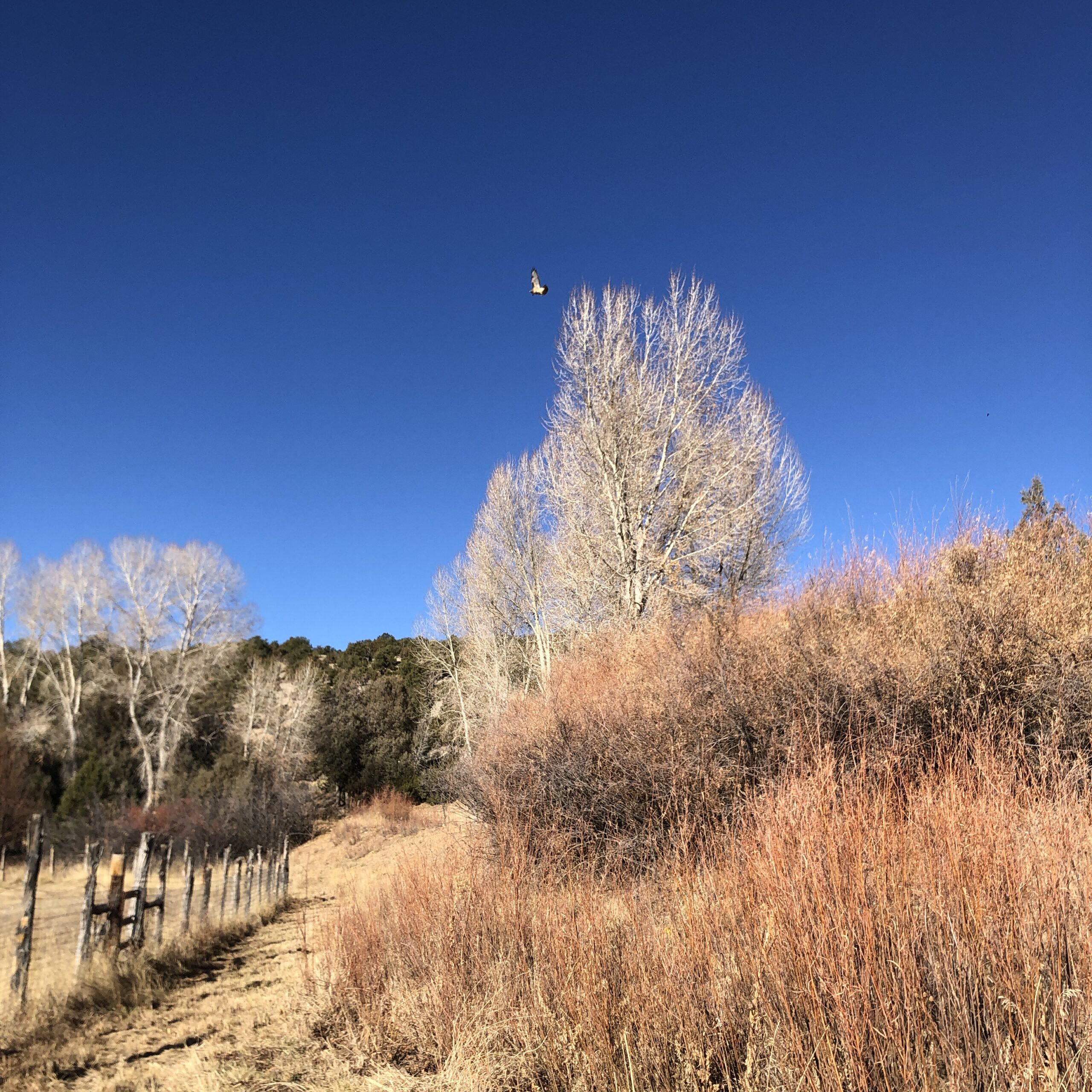
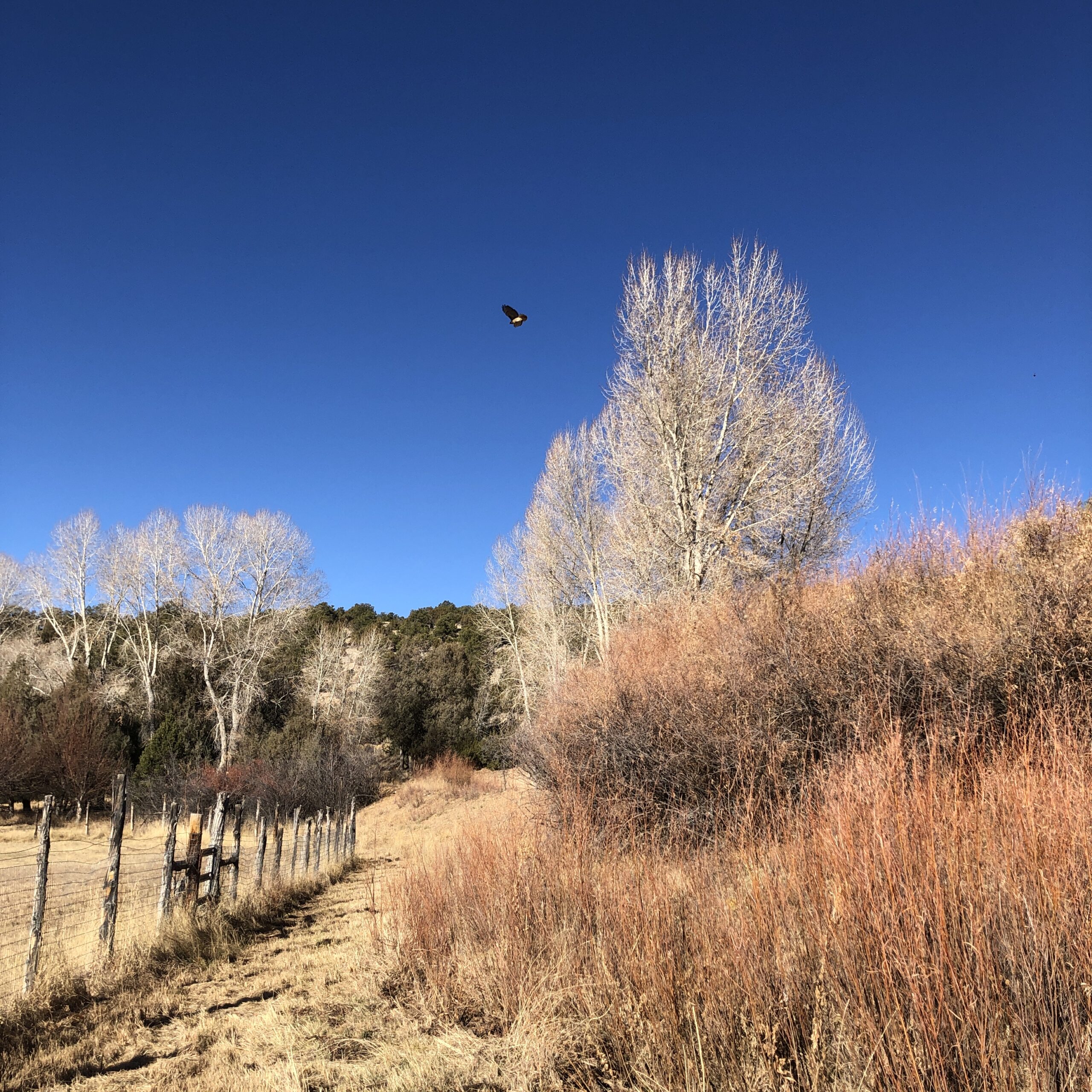
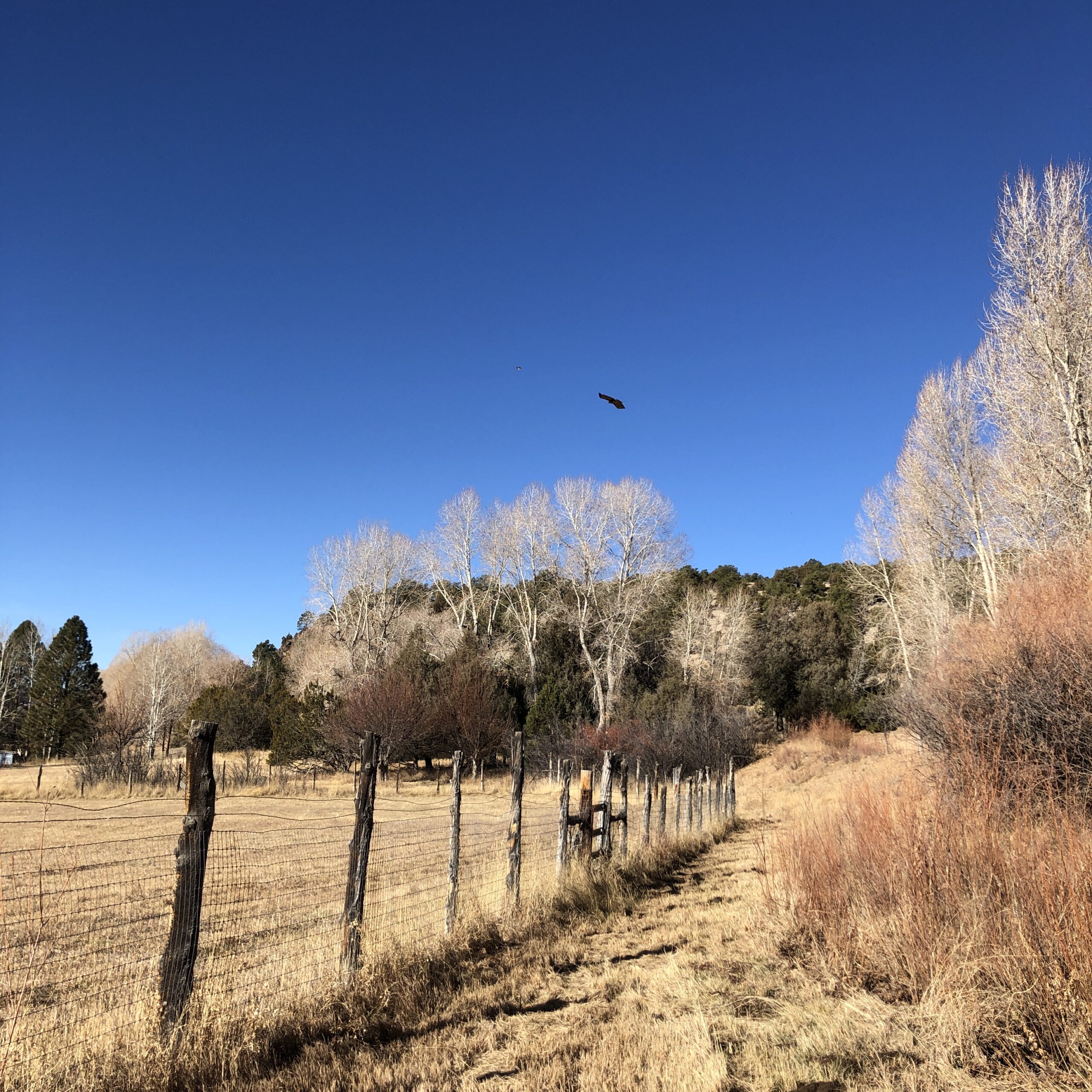
I just saw a massive hawk.

(Up in a tree.)


They’re around a lot, this time of year, the red-tailed hawks.

The brown, dead grass makes it easy to spot prey, so they sit and wait, before swooping with efficient ferocity.

I’ve noticed, over the years, whenever you get too close, the hawks fly away.


It doesn’t matter whether you’re a threat or not.

Either way, as soon as you reach their discomfort zone, off they go.

(That’s nature for you.)


The coyotes are no different.

I’ve seen two this week; their sand-gray coats blending perfectly with the ground color in winter.

(Until the snow comes.)

If you want to appreciate a coyote, and watch the way it moves, you have to stand perfectly still, and if you’re inside, never open the door to get a better look.

They always spook.

Always.

Again, it’s in their nature.

At the merest hint, the faintest whiff of trouble, off they go.

(It’s not for nothing coyotes are such great survivors.)


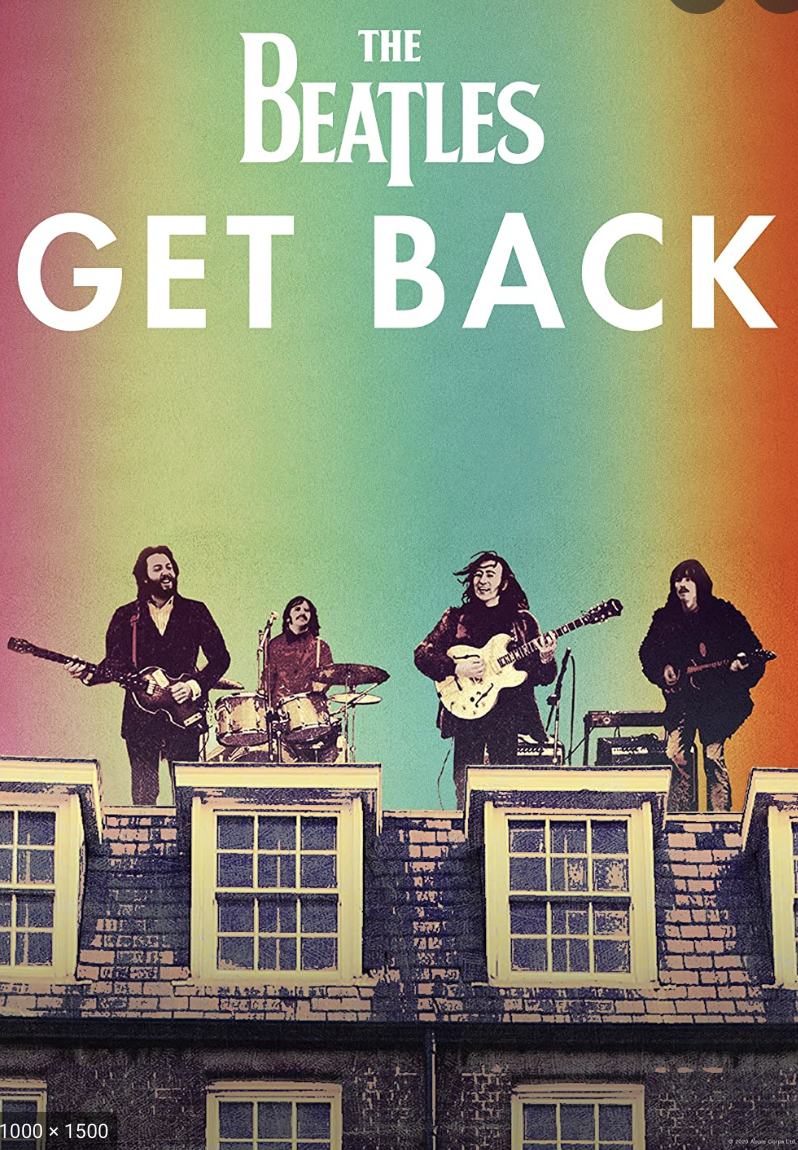
This week, in addition to watching hawks and coyotes, I’ve also been following The Beatles massive new documentary, “Get Back,” on Disney+, by the master of lengthy story-telling: Peter Jackson.

(Trying to explain to my kids why “The Lord of the Rings” trilogy was such a big deal, in an era of digital-effects-ubiquity, was more difficult than I might have imagined.)


Courtesy of IMDb


We’re only halfway through Episode 2, but I needn’t bother with spoiler alerts.

We all know how the story ends.

The Beatles break up.


They go out on top, as their late-stage-music is some of the best ever recorded.

But they also dissolve the group, more-or-less hating each other.

A decade of unhealthy relationship patterns turned the band into a ticking time-bomb, and the only question was when it would go off.

Not if.

There is a phenomenal moment, early in Episode 2, that Sir Paul must have nightmares about, as he correctly predicts in 50 years time, people will shake their heads that The Beatles broke up because Yoko Ono sat on an amp.

(Sidebar: Peter Jackson’s opening disclaimer scrupulously states each person is rendered accurately. If that’s true, Yoko was an inscrutably odd bird.)

Immediately after his prediction, though, the film cuts to a scene in which Paul and John are secretly recorded at lunch. The dynamic duo basically admits they ganged up on poor George all these years, denying him power or agency.

The agree (again, not knowing they were being taped,) that he had a right to be pissed at them.

It gives context to the narrative that George is ready to ride off into the sunset, with his Hare Krishna buddies, who at least show him some GODDAMN RESPECT!


What The Beatles prove, not-quite-exactly 50 years ago, is that unresolved emotional issues in relationships can doom even the most productive, successful, lucrative “family” the world has ever seen.

If you can’t sort out your business, it’s going to blow.

That’s as much a law of nature as spooking hawks.


When a person has tried every way to make things better, and failed, eventually that person will tap out.

Or go down in flames.

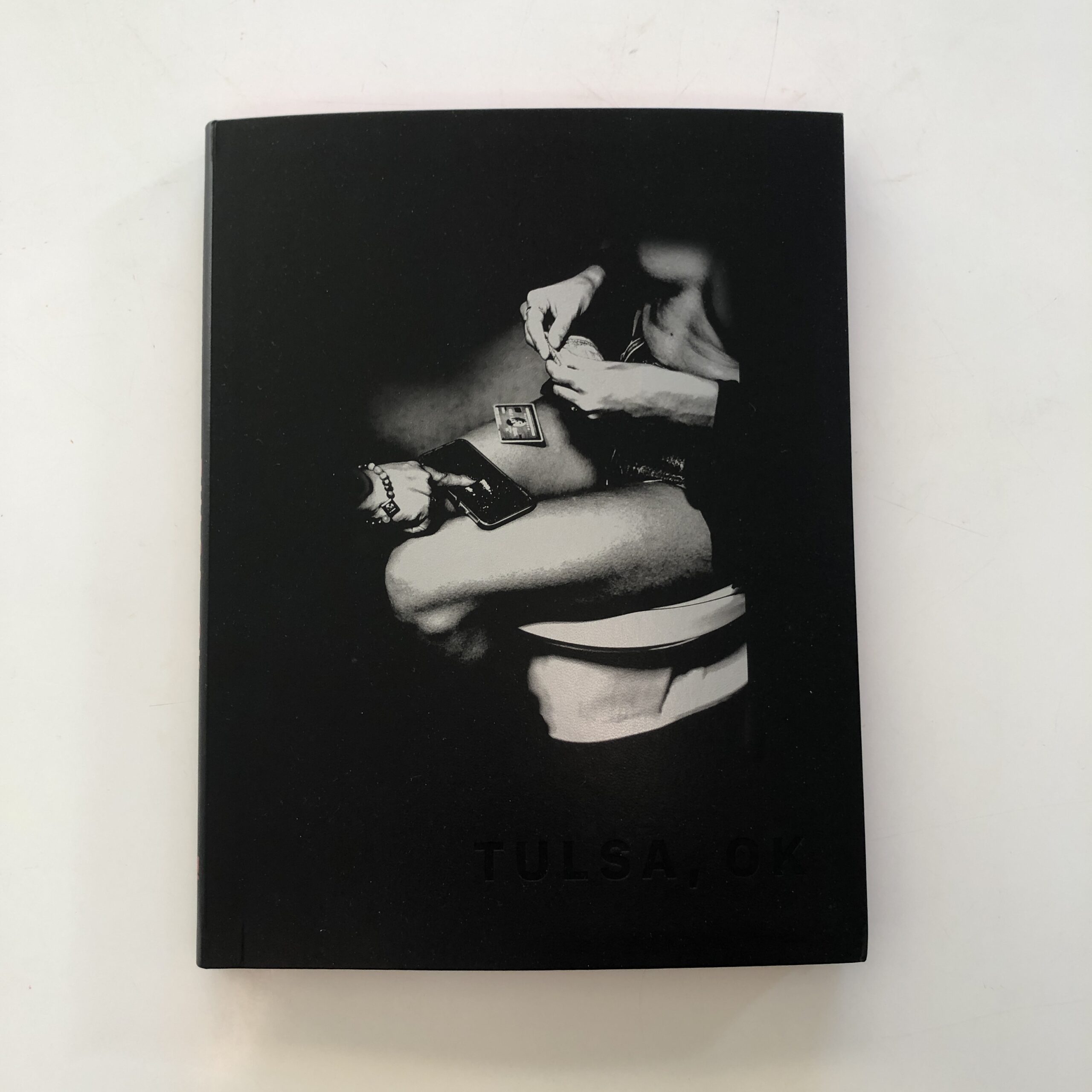
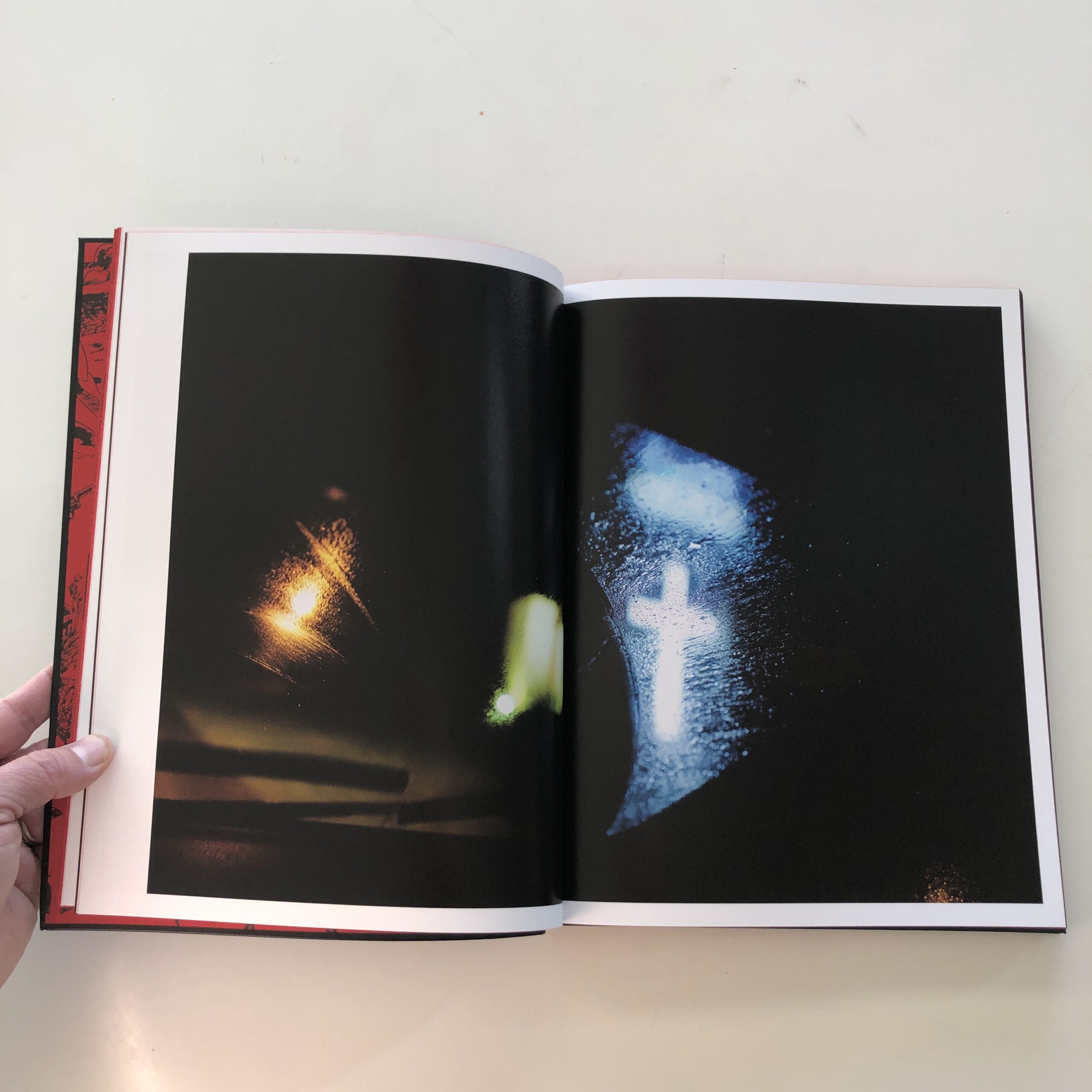
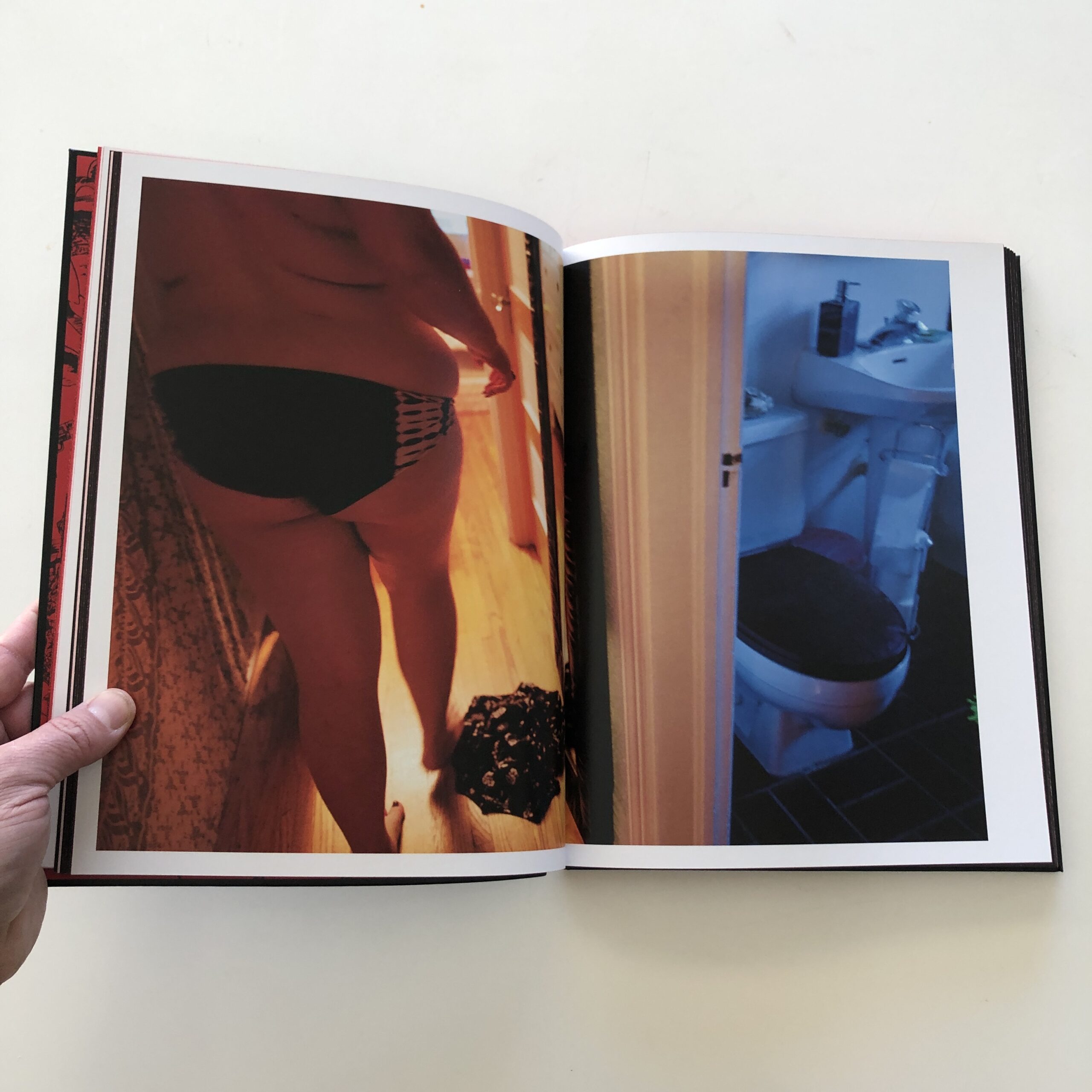
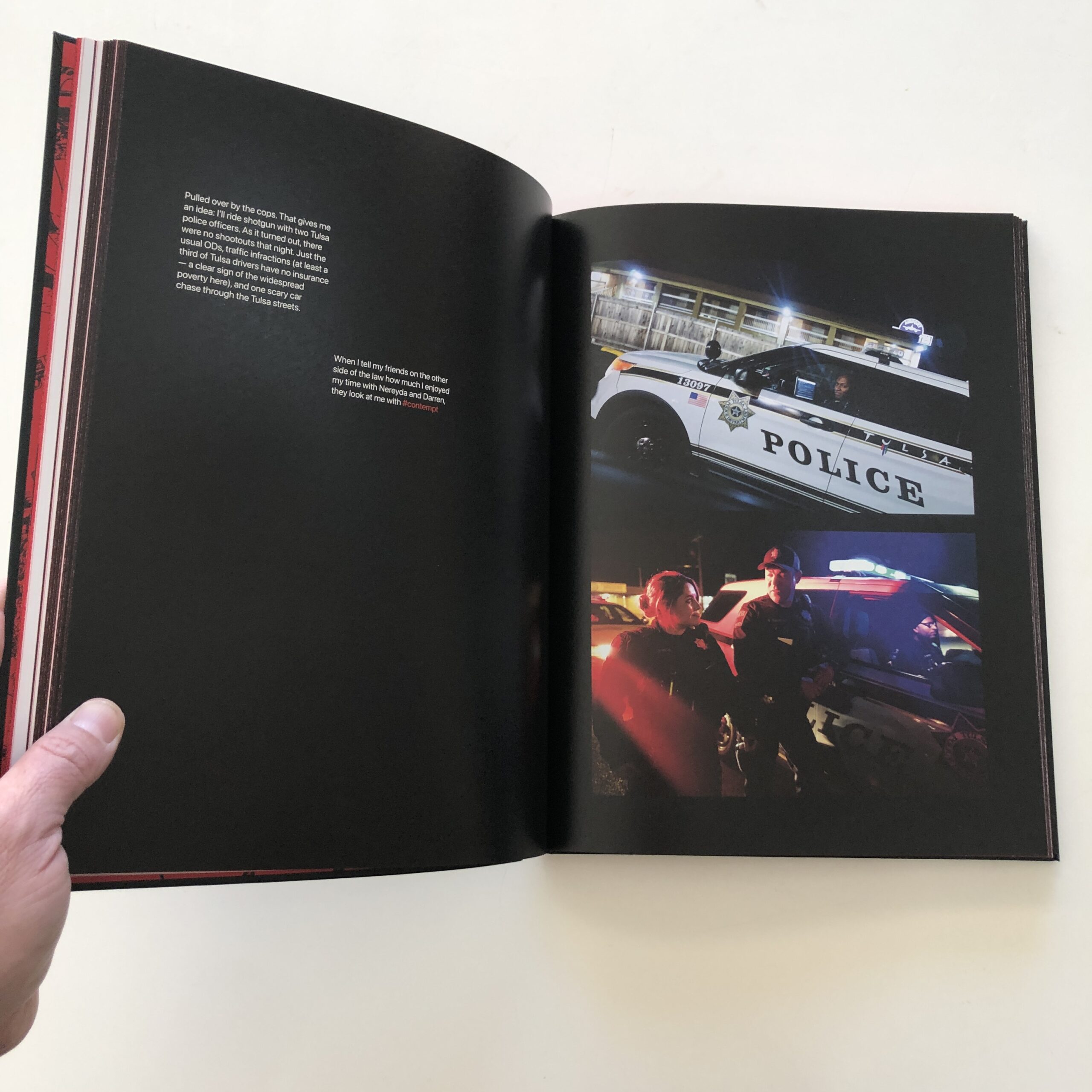
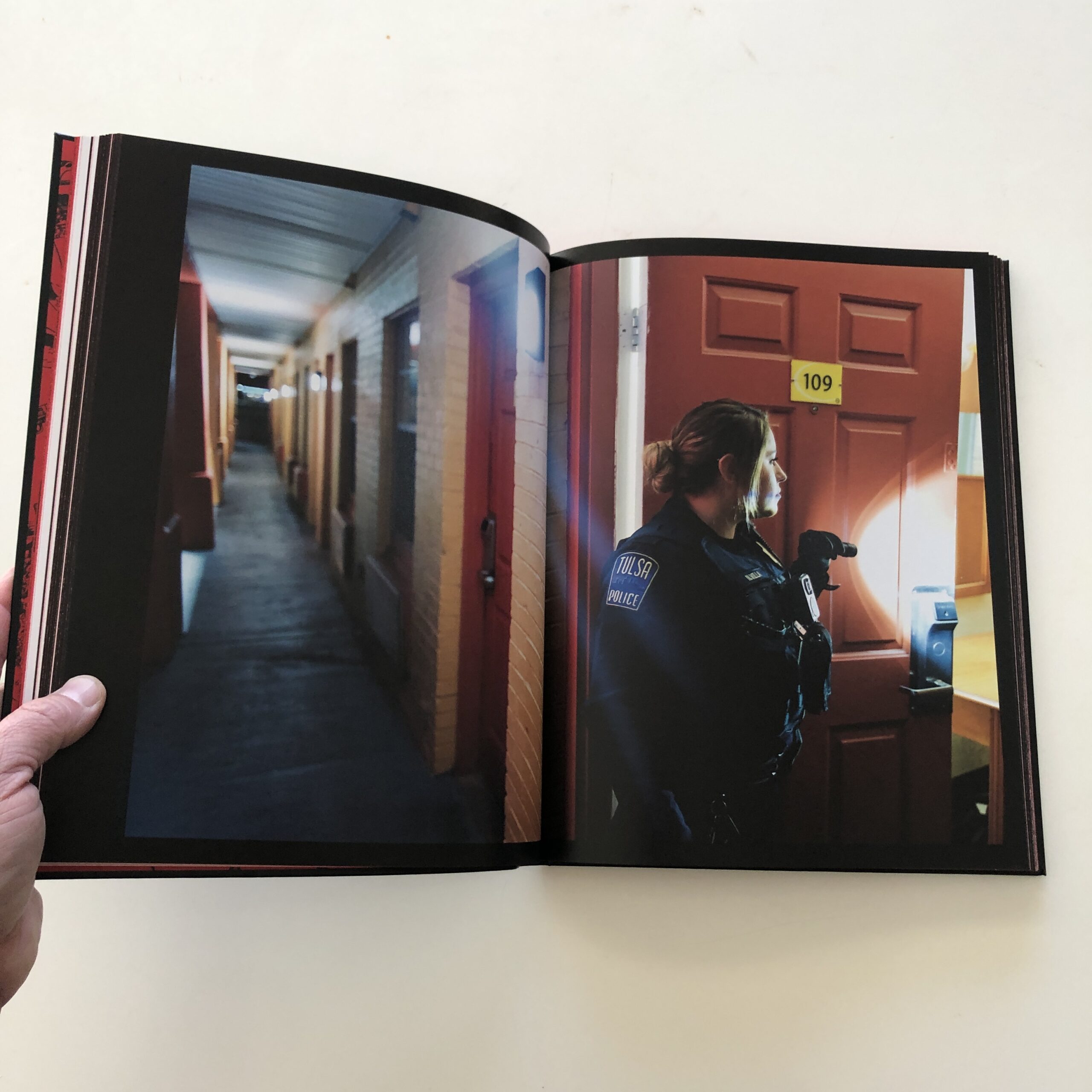
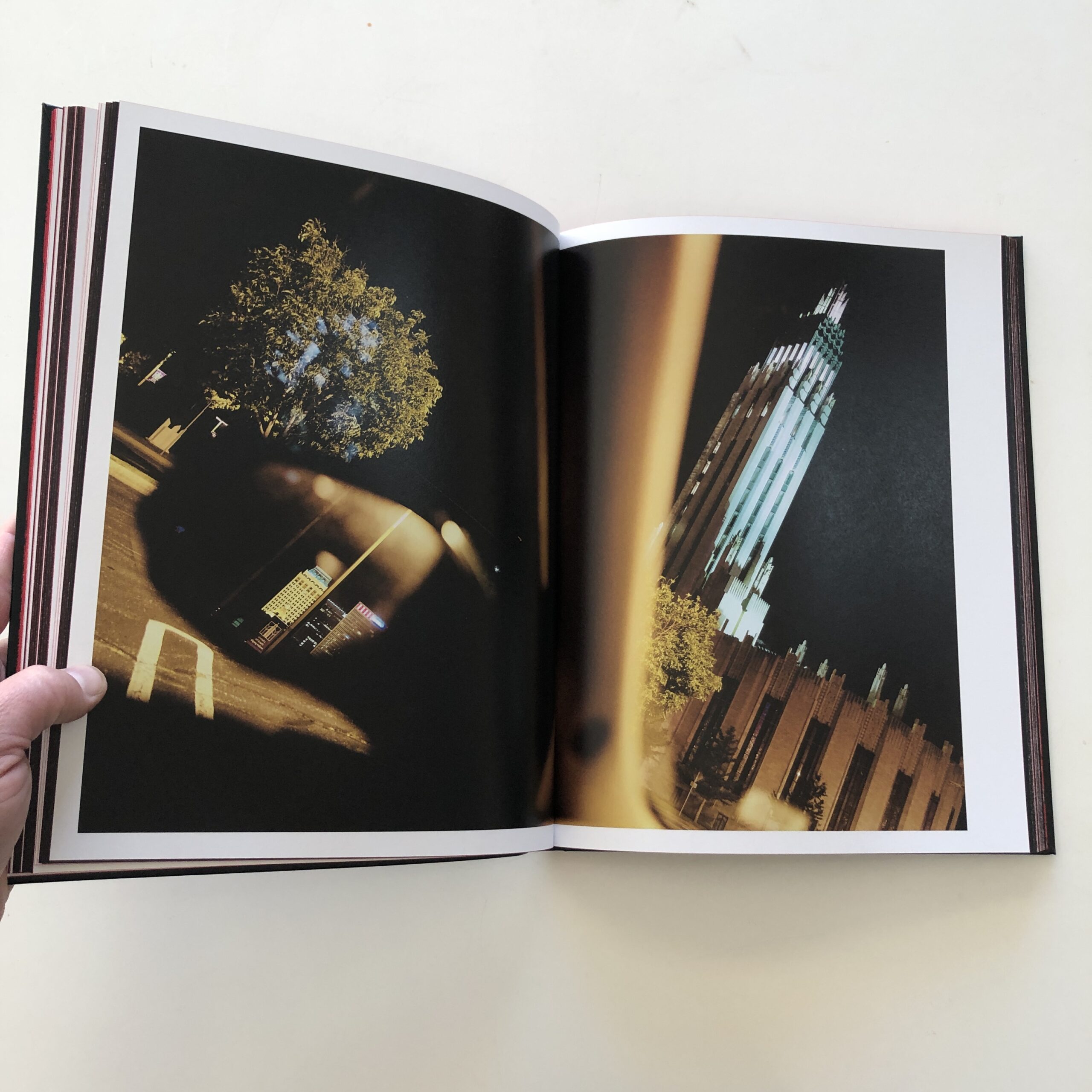
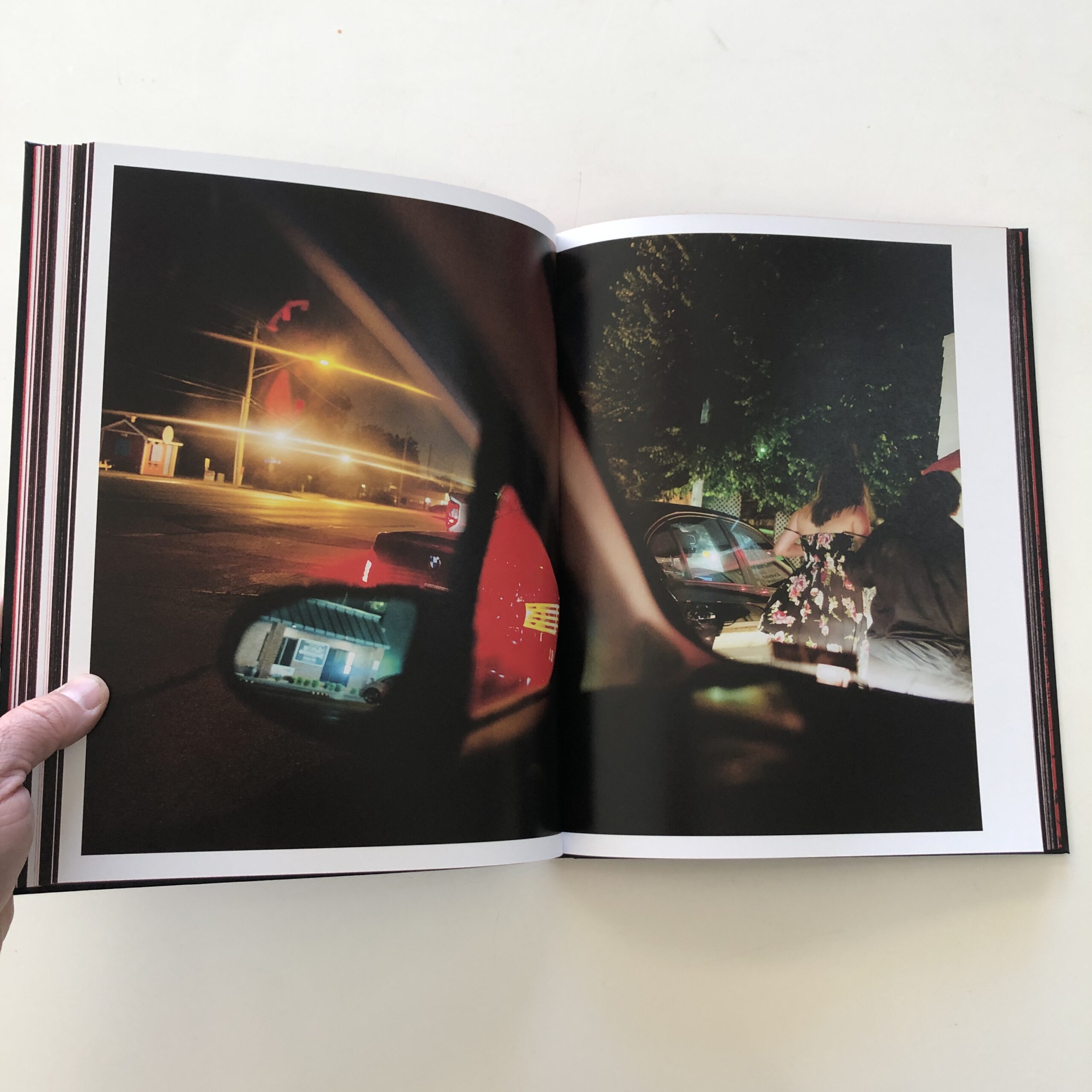
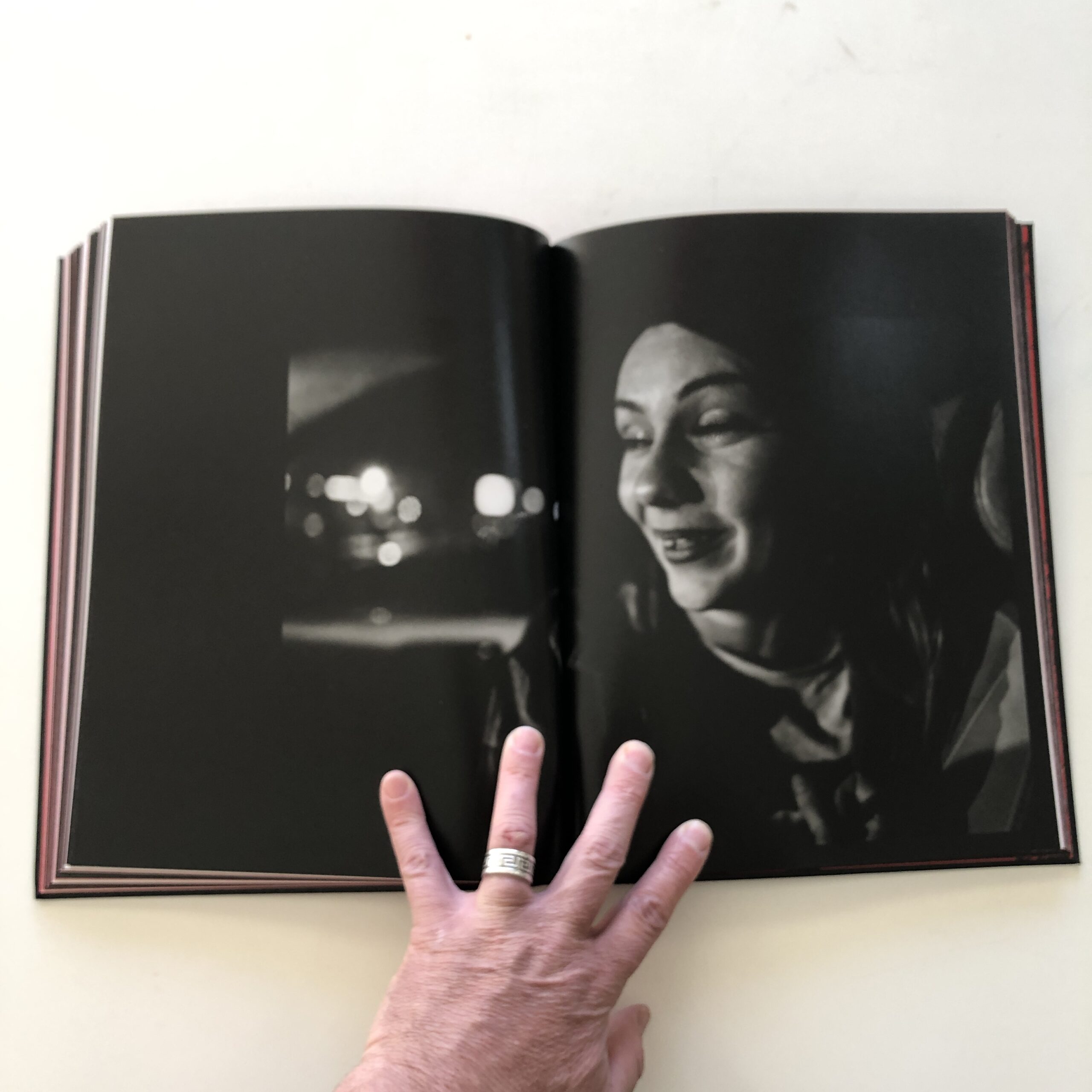
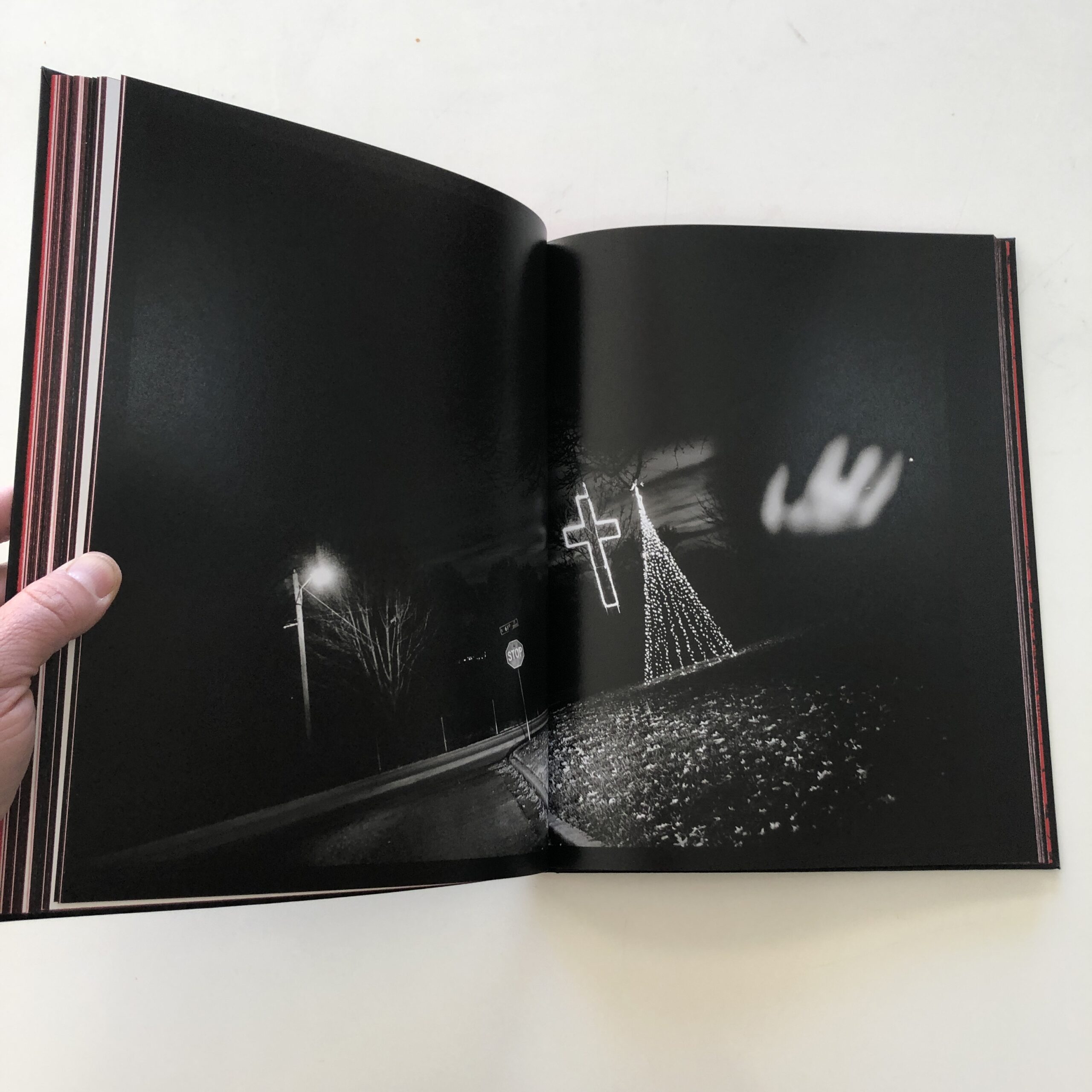
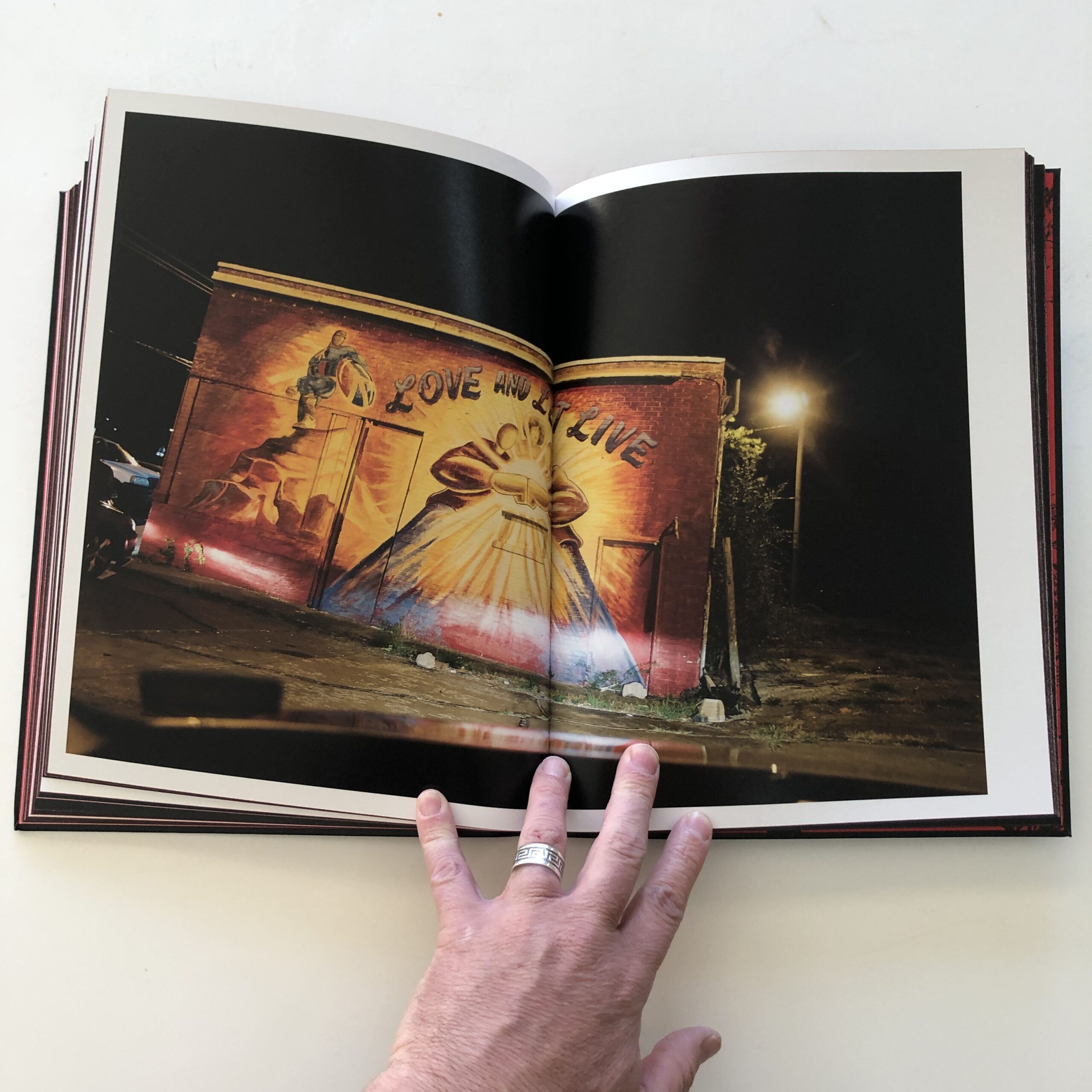
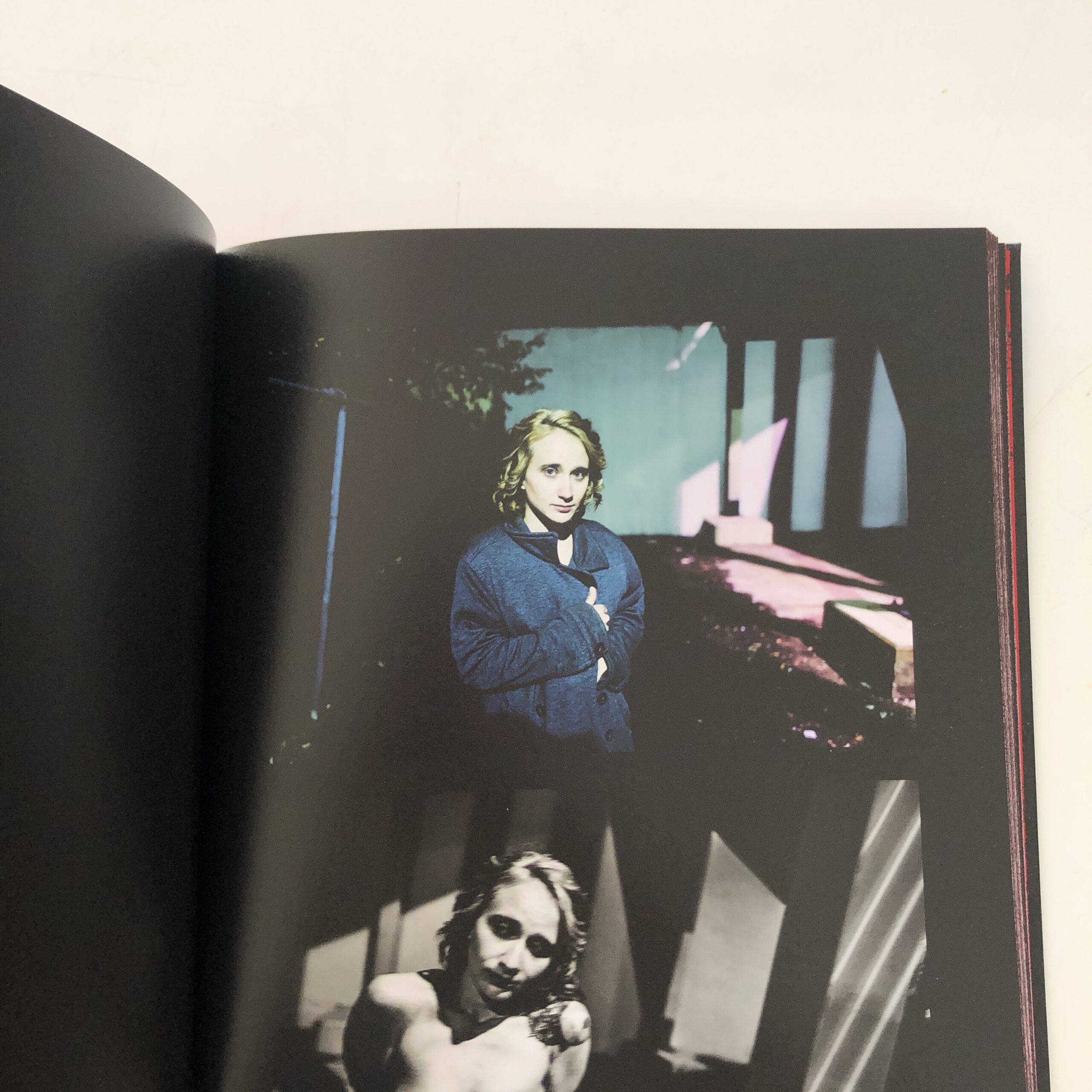
And this week’s book, “Tulsa, OK,” sent in by Victor d’Allant, a French photographer based in San Francisco, makes that point visually explicit.

Page after page.

This one came in Summer 2021, but I bumped it up the pile, as it represents two anniversaries at once.

“Tulsa, OK” was published this year, on the 100th anniversary of the Tulsa Race Massacre, and the 50th anniversary of Larry Clark’s seminal book “Tulsa.”

Speaking as an artist, a critic, and a human, the cold-open “Watchmen” recreation of the Tulsa Race Massacre was one of the most disturbing, riveting things I’ve ever seen filmed.

(Up there with the beginning of “Saving Private Ryan.”)

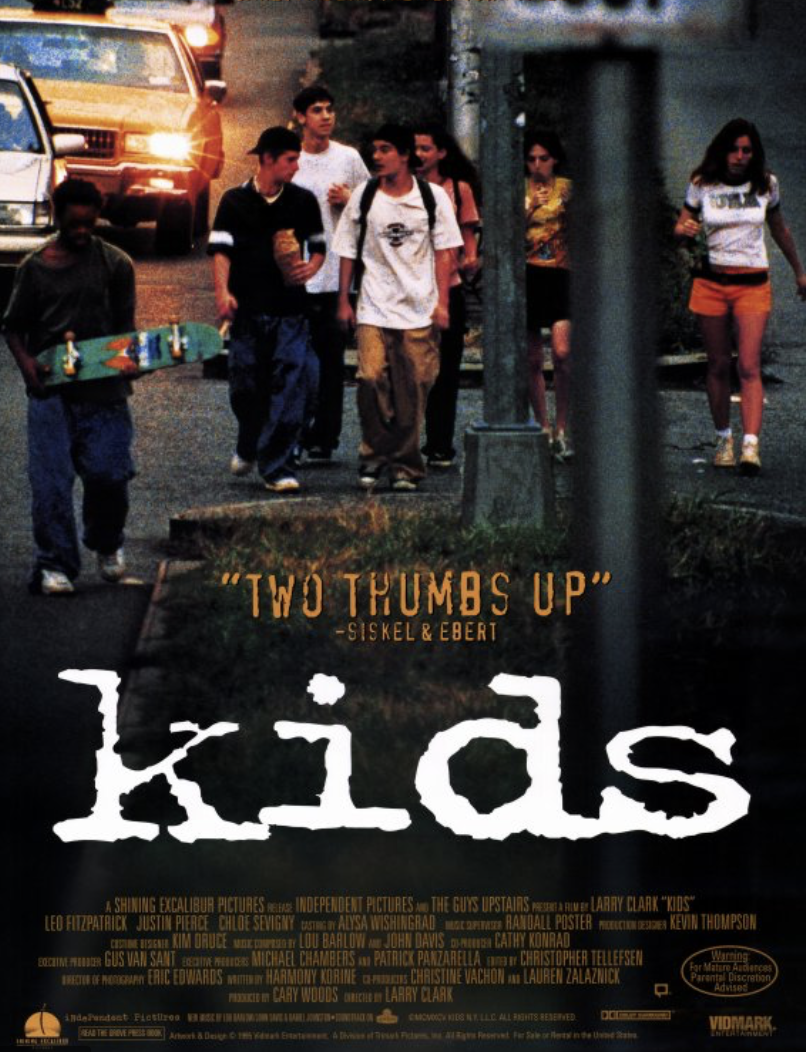
Larry Clark’s “Kids” would also make the short list, as watching poor, young Chloë Sevigny get HIV from her punk boyfriend almost made me vomit. (Should I have said spoiler alert? The movie is 26 years old.)


Courtesy of IMDb


And Clark’s “Tulsa” was one of the first photo books I was shown in class, at UNM in the late 90’s, and until that moment, I hadn’t realized anyone could make art that way.


As the well-written, extensive opening essay in “Tulsa, OK” explains, Larry Clark lived within the world he was documenting, in Oklahoma, and Victor d’Allant did not.

The former was a junkie, making photos of his own world, the latter is a “Visual Anthropologist” with a single-mother-drug-dealer as a fixer, introducing him around the sad, defeated city.

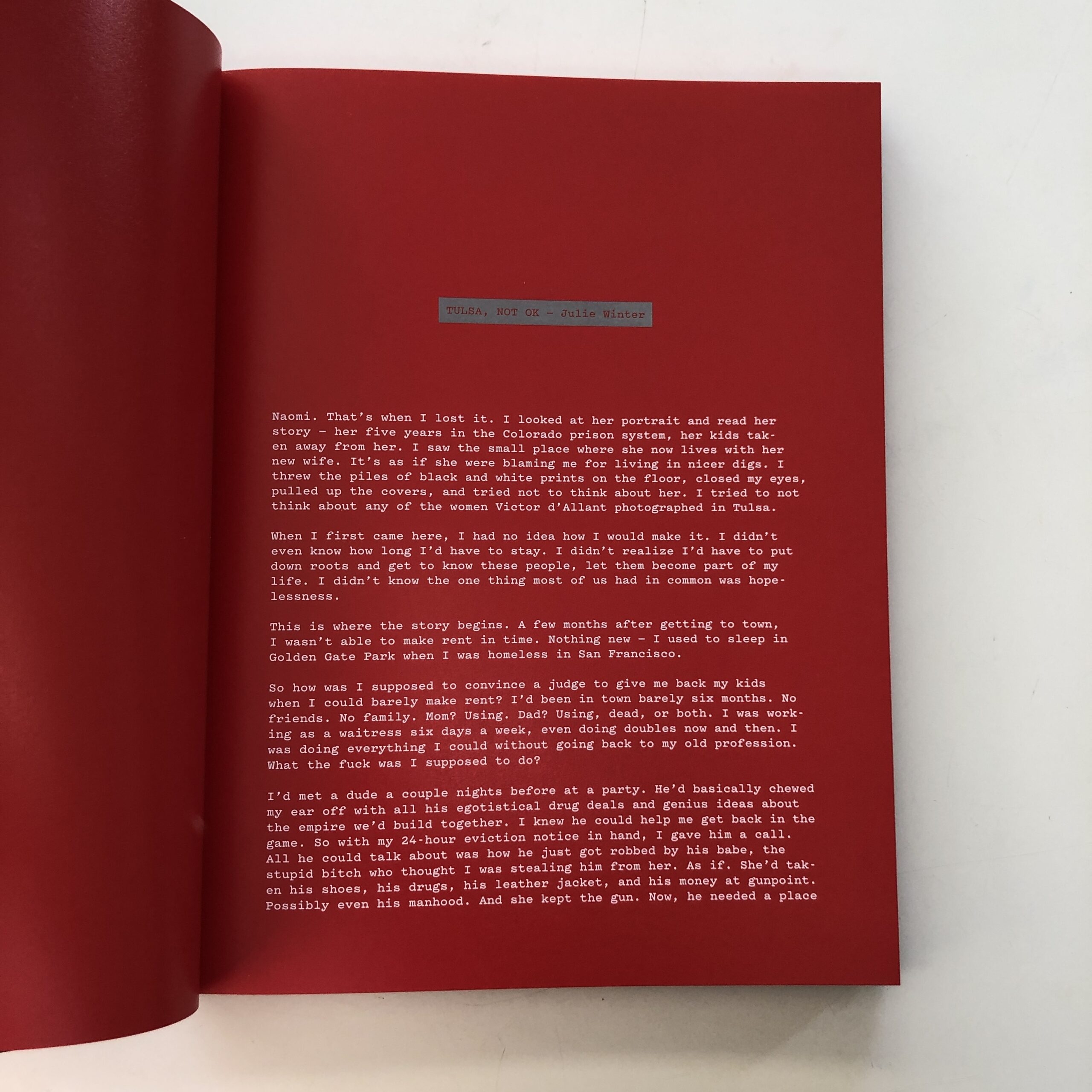
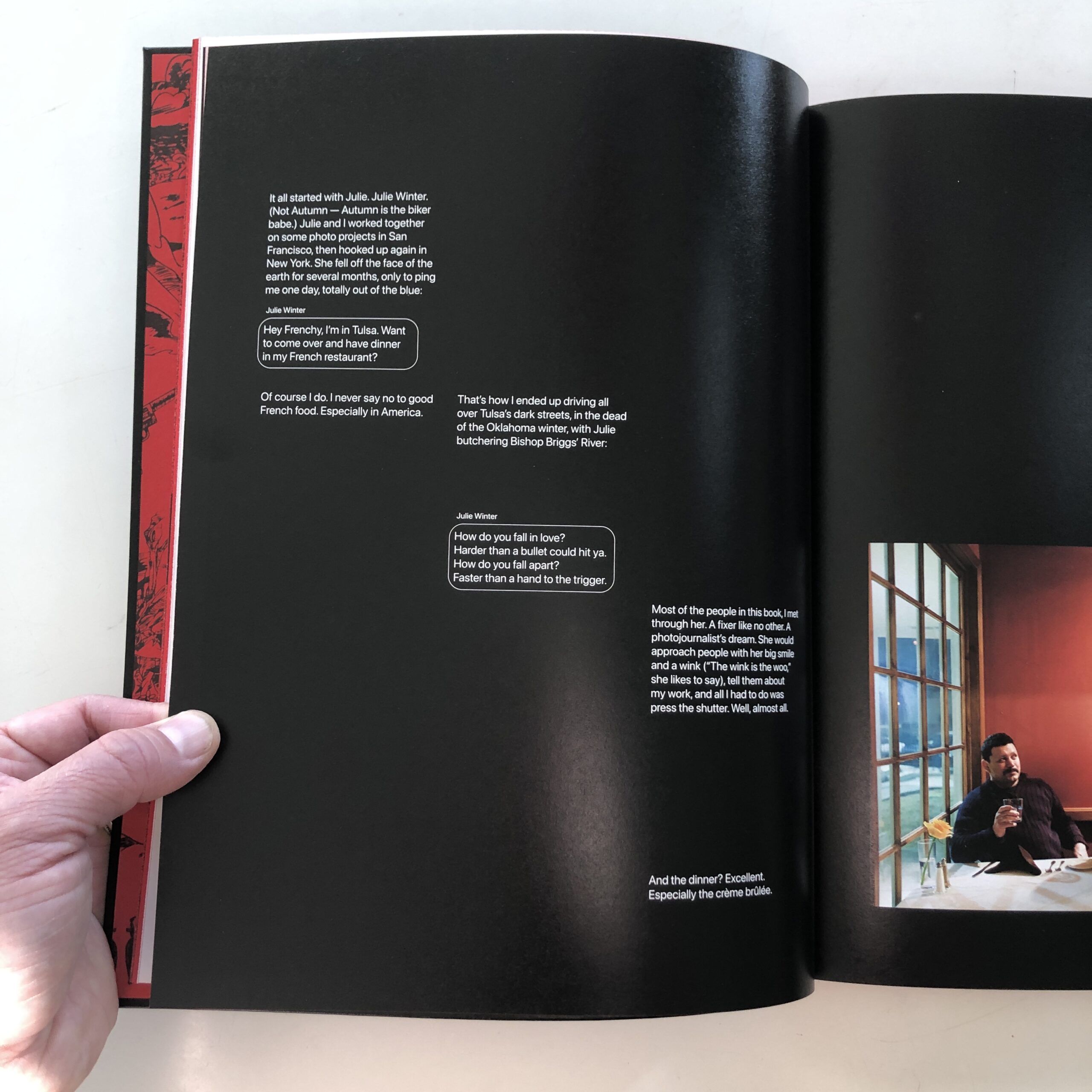
Said fixer, Julie Winter, actually wrote the intricate introduction, in which tells us she knew Victor before she ended up Tulsa, and invited him to come check it out.

Julie refers to this book, (as well as Clark’s,) as “grotesque, terrifyingly awful, full of despair.”

That about sums it up.

The text briefly mentions d’Allant photographs his subjects naked, but I don’t think it really landed in my consciousness when I read it. (At least, not enough to prepare me for what was coming.)

The quote is here:

“Many subjects in both Larry’s and Victor’s books are pretty much naked, as if they both felt their sitters were trying to display some human softness in this awful universe. But in truth, it’s a clever way for the artists to show what would be hidden beneath clothes: cuttings made in desperation, tattoos ordered on some drunken whim, flesh damaged by too many pregnancies…In Tulsa, Victor told me one night as I was trying to fall asleep, ‘nudity shows the fragility of life and the difficulty of survival.'”


I say this now, because it would be impossible not to discuss the elephant in the room, with respect to this book.

Given how much I’ve written about the male gaze in the last year, and the question of when, if ever, men photographing nude women is OK, (because of power dynamics,) I just couldn’t resolve the tension.

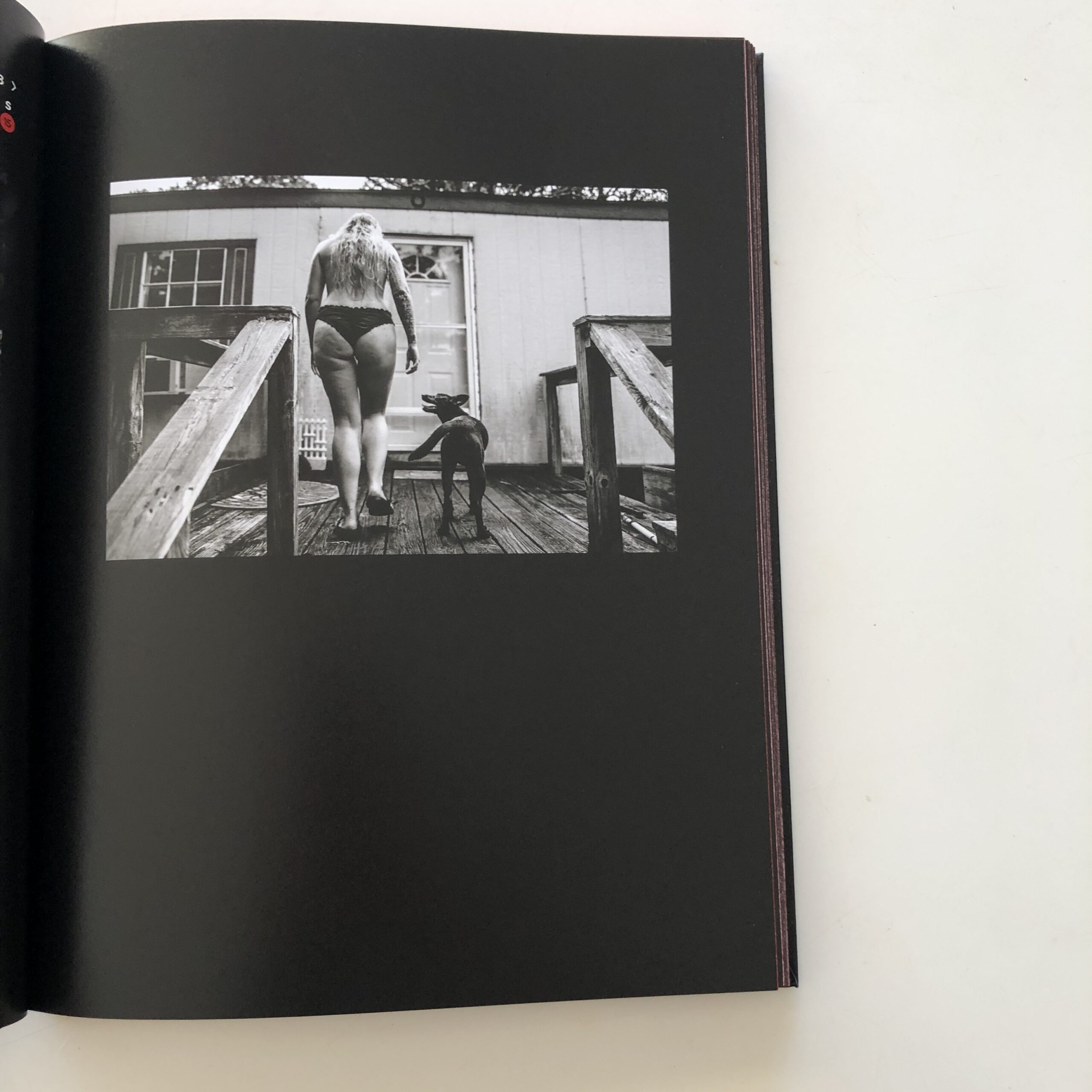
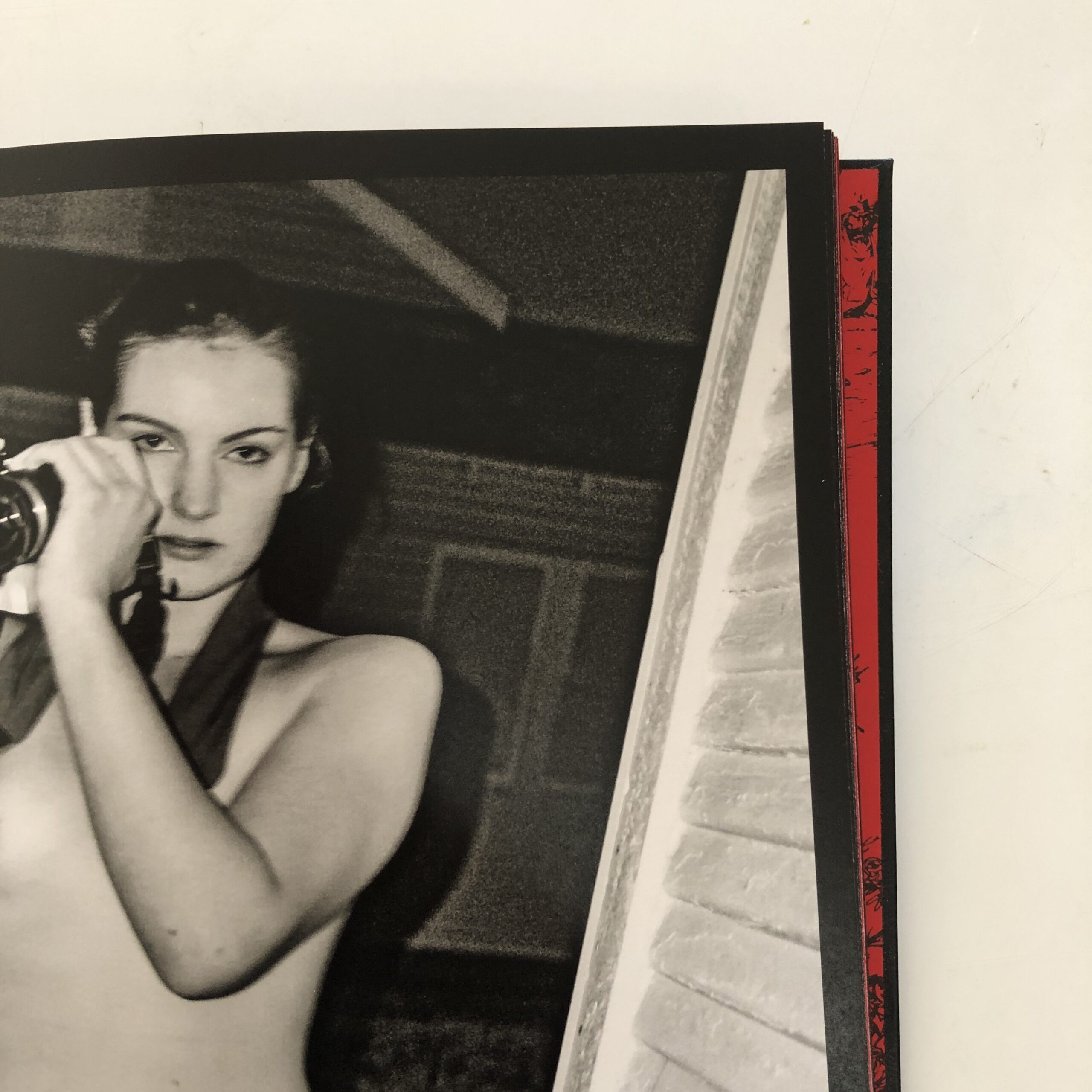
So many of the portraits of down-and-out, attractive young women, topless, or totally nude, struck me as exploitative to the point of obscenity.

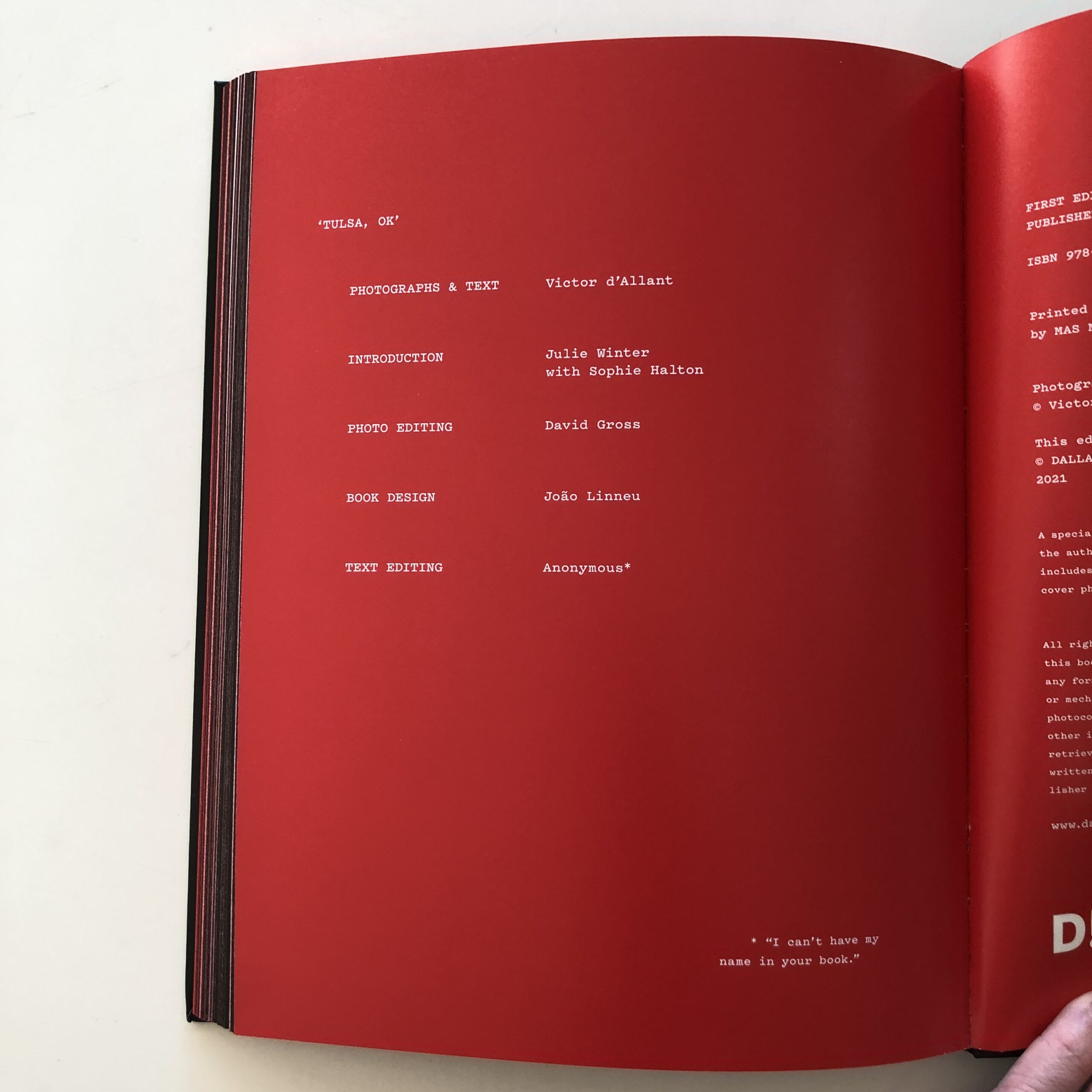
Many viewers would likely dismiss this book immediately, and on the final page, even the text editor is credited as anonymous, because he doesn’t want his name associated with the book.

OK.

I said it.

But when a book is admittedly meant to be “terrifyingly awful,” you need to expect some fucked up shit within.

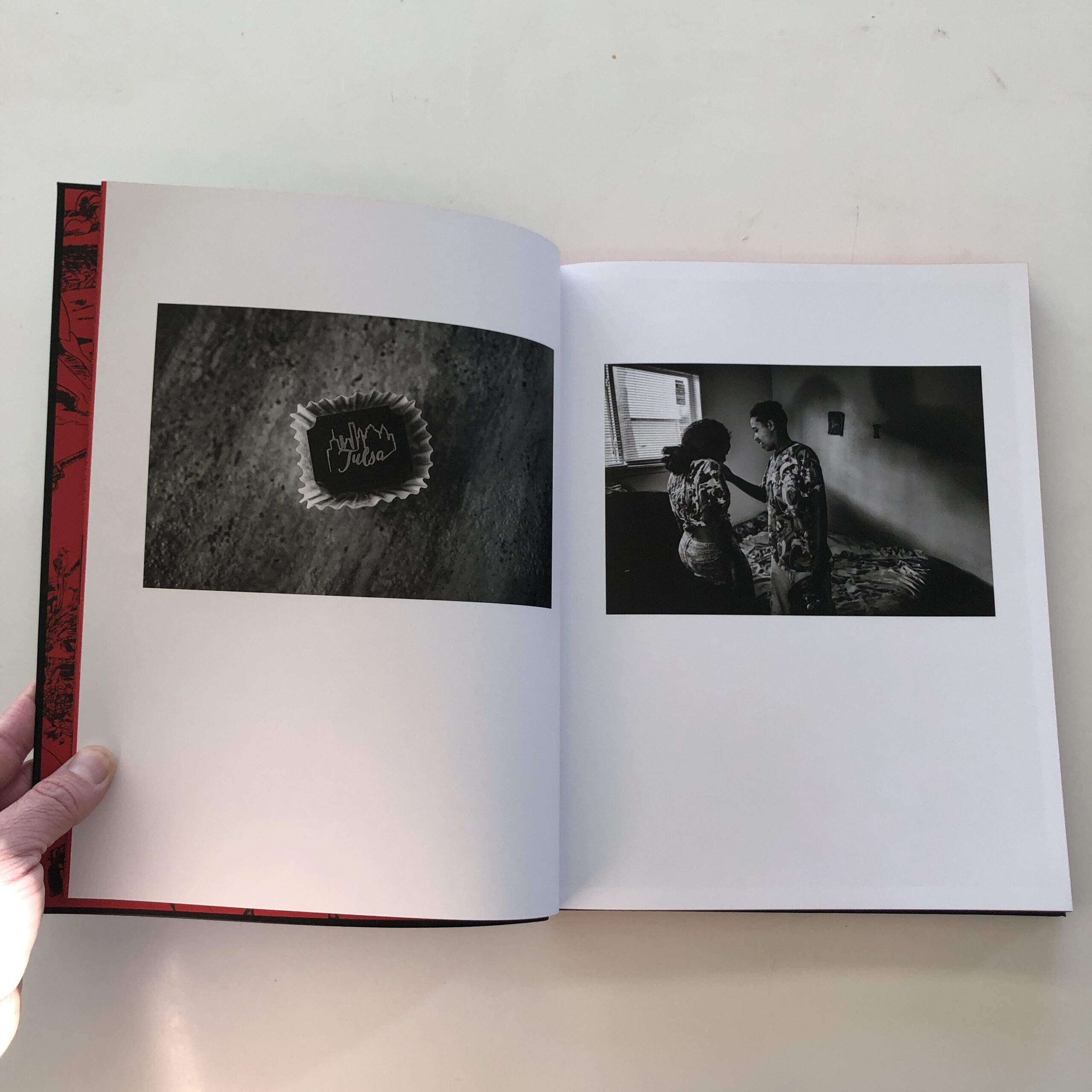
(And I will not be sharing any of the explicit photos below.)


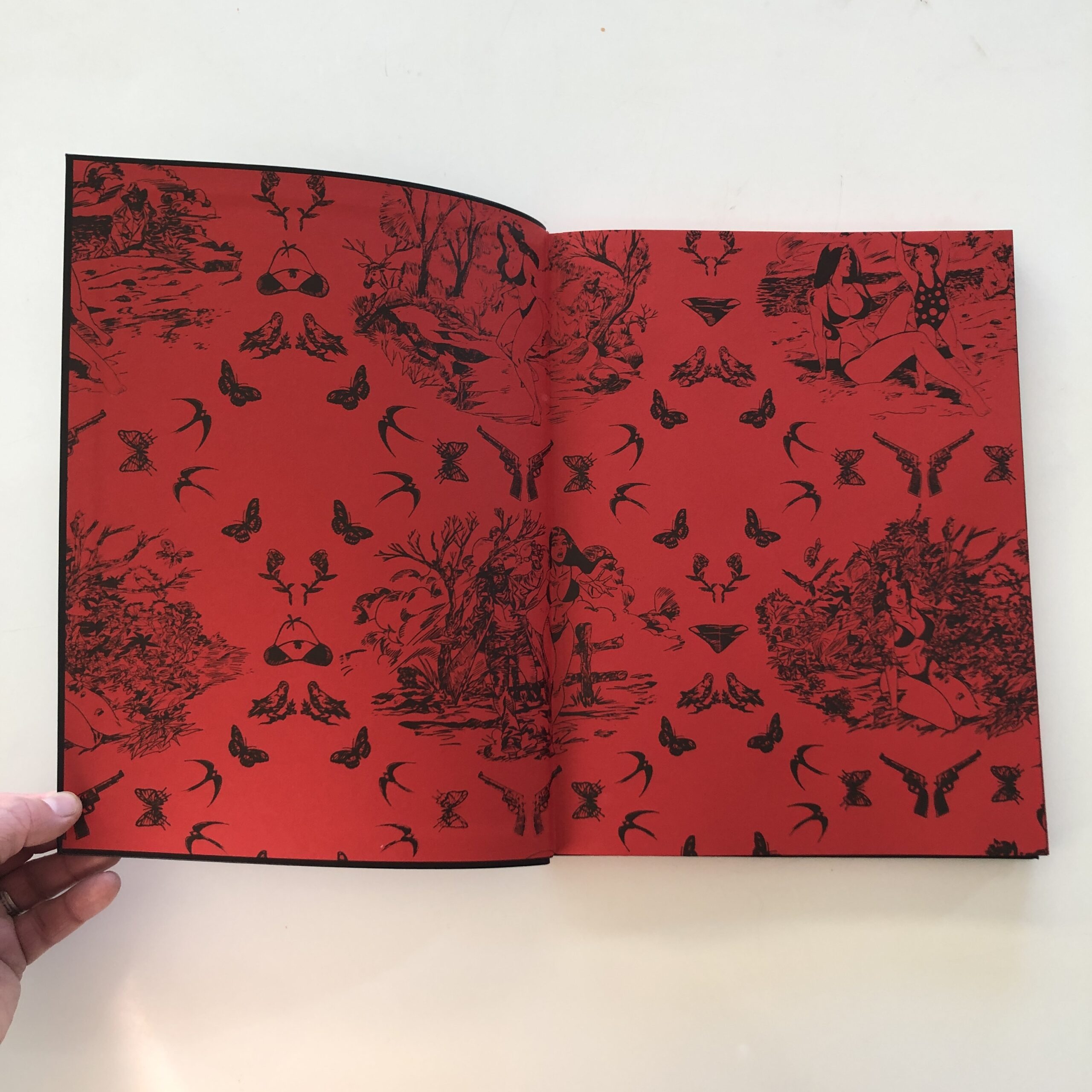
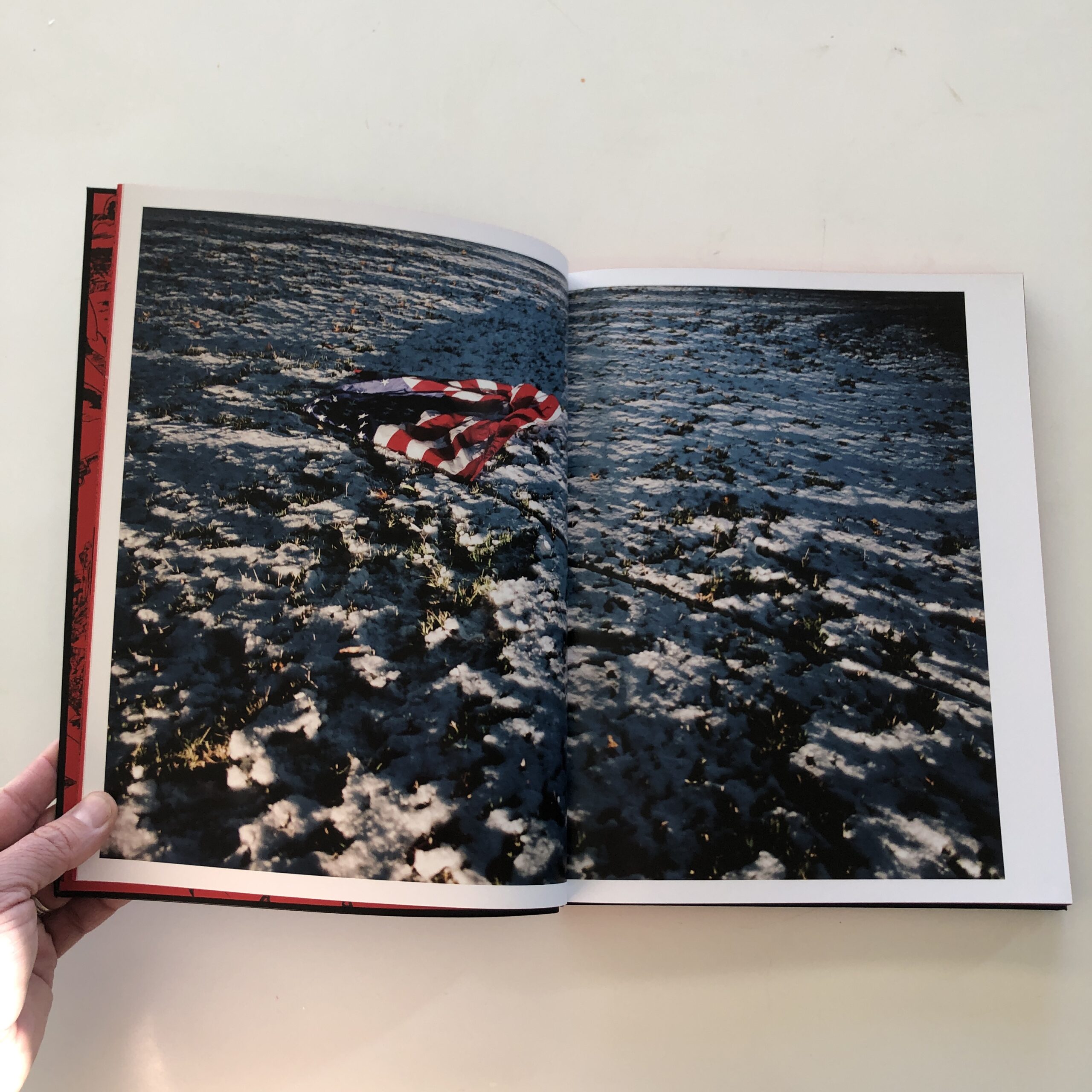
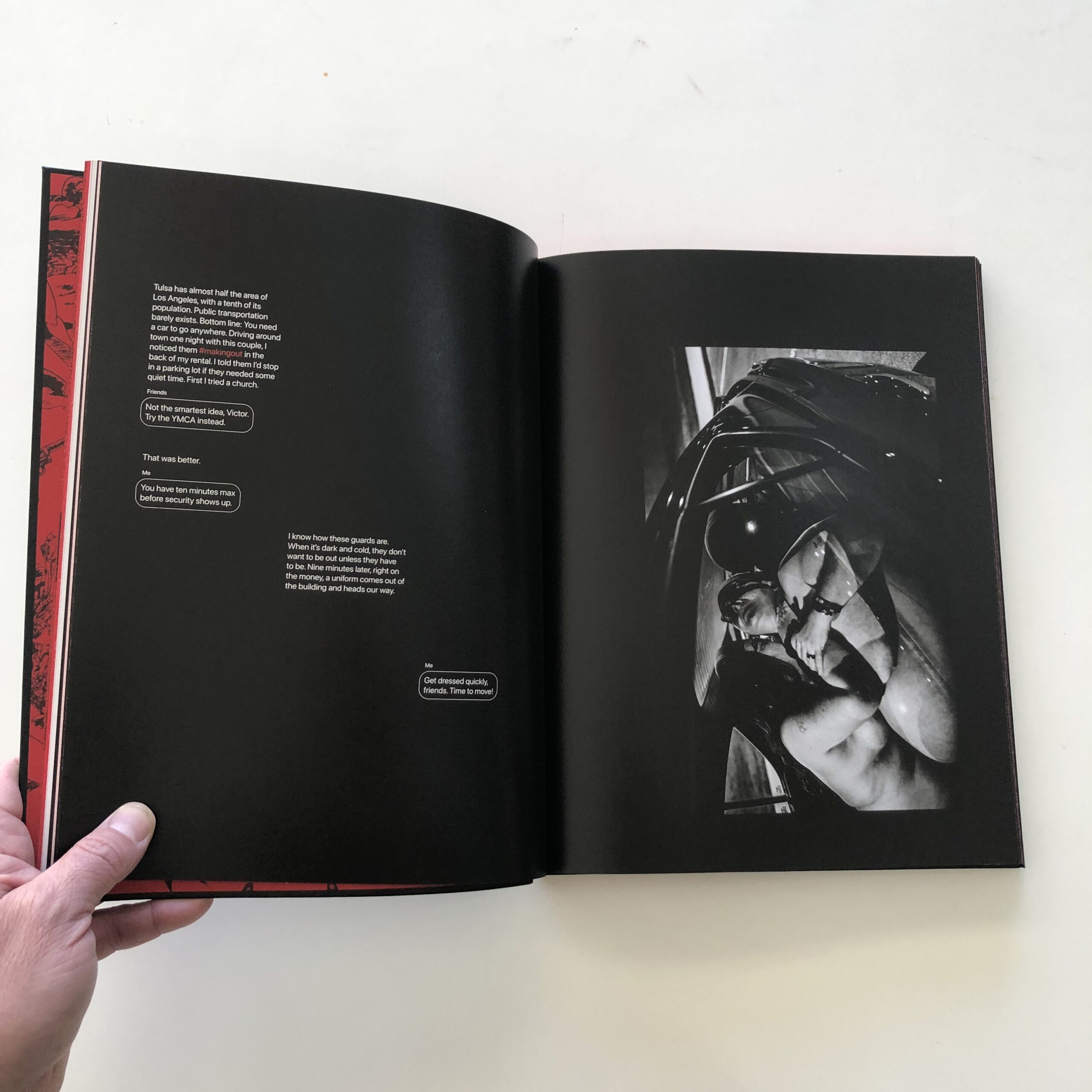
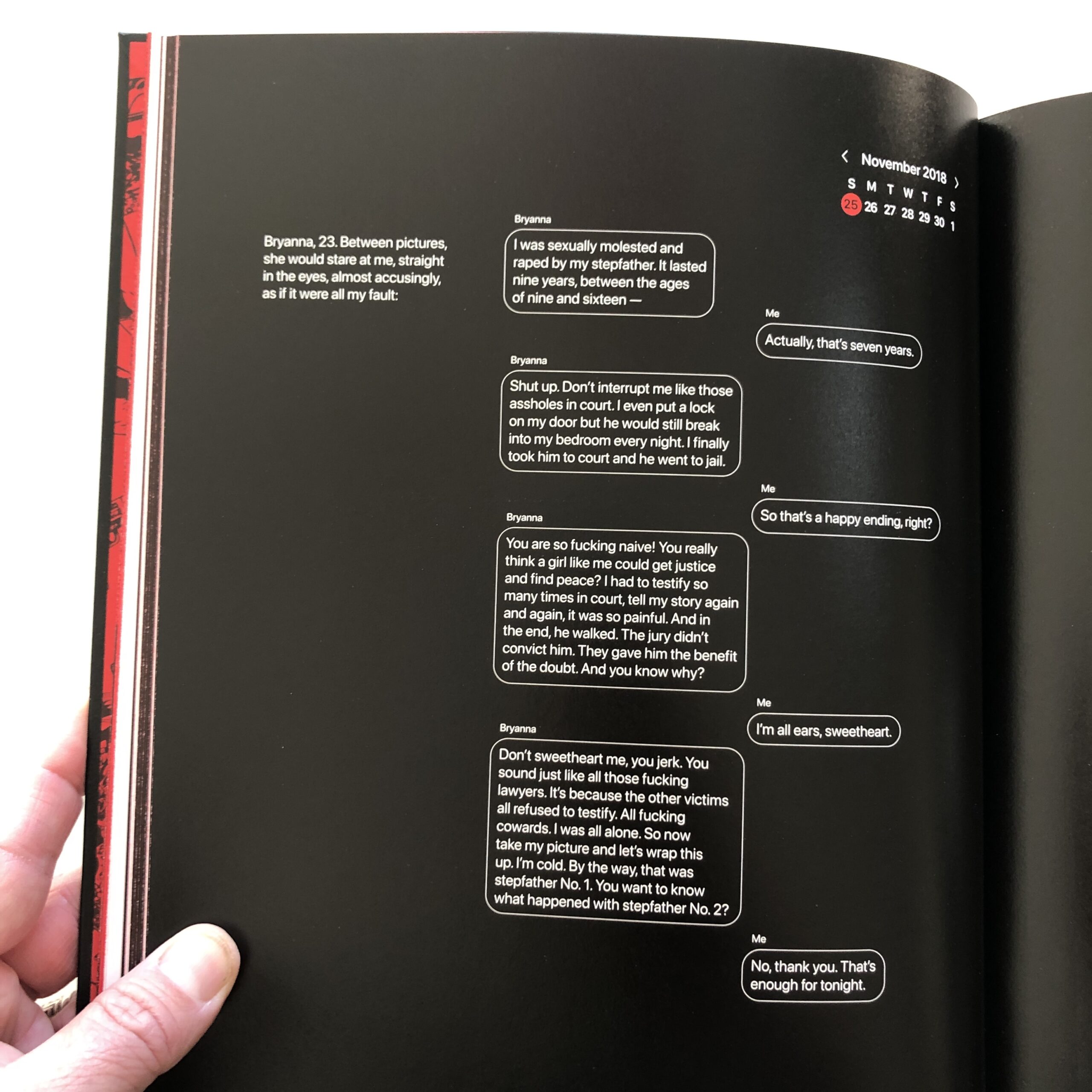
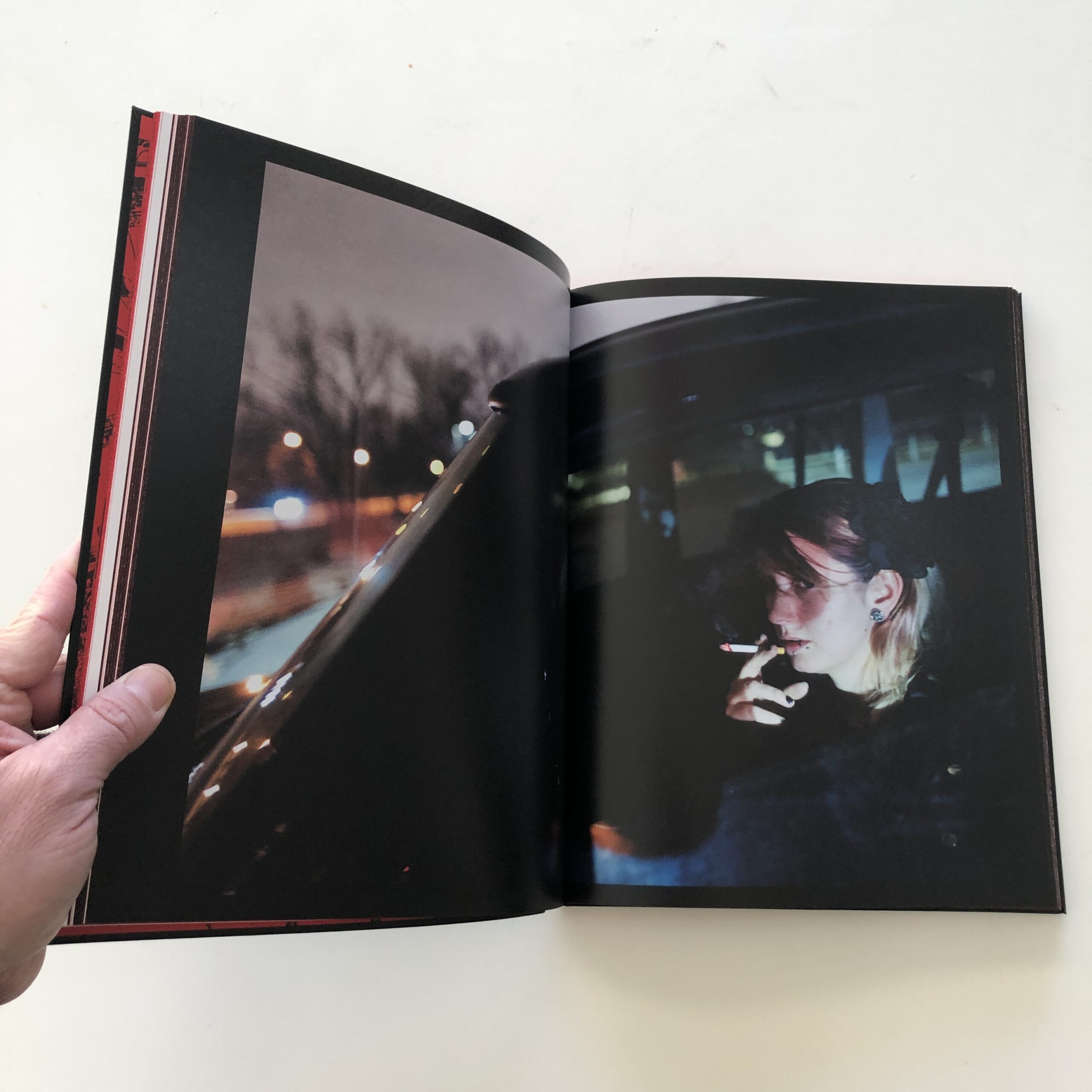
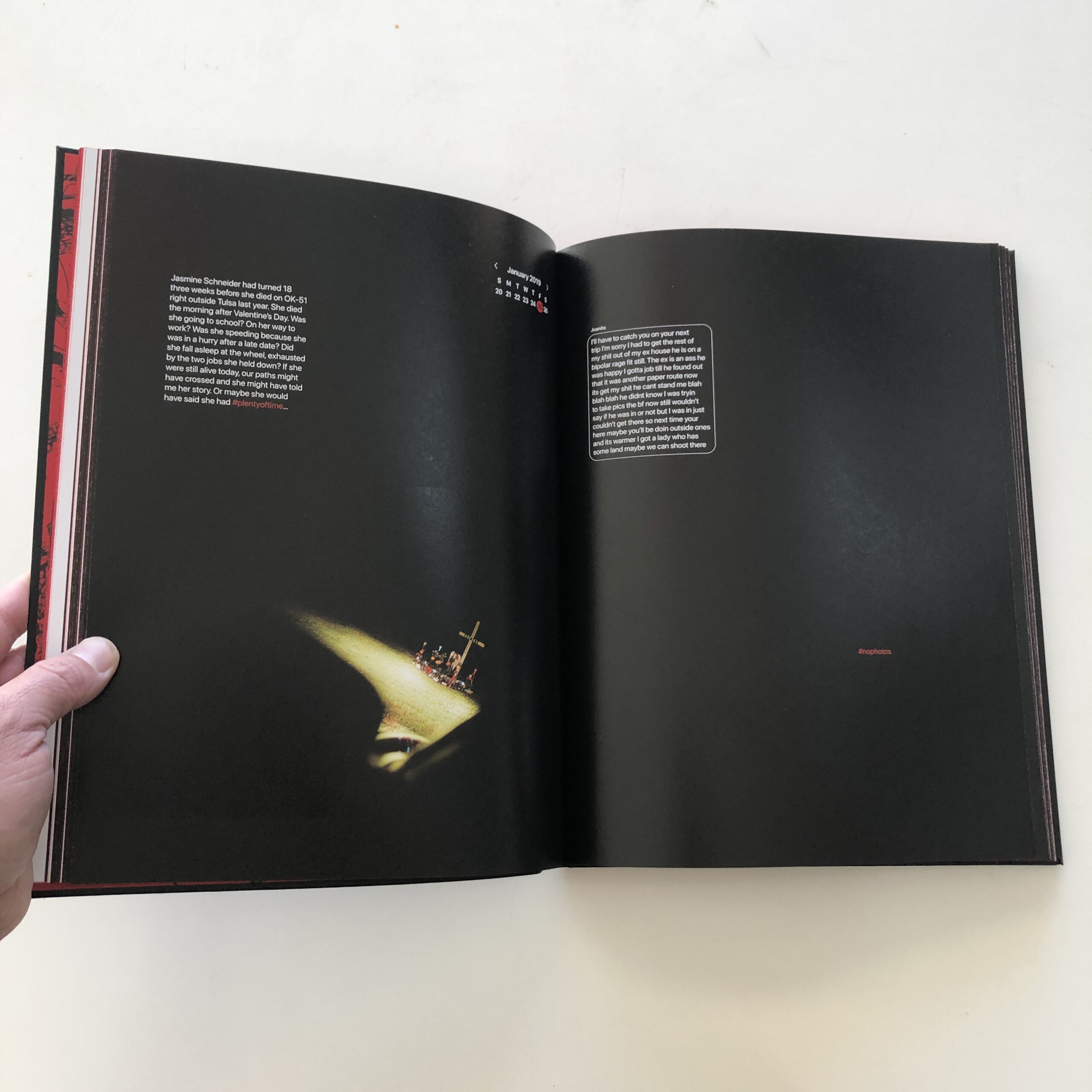
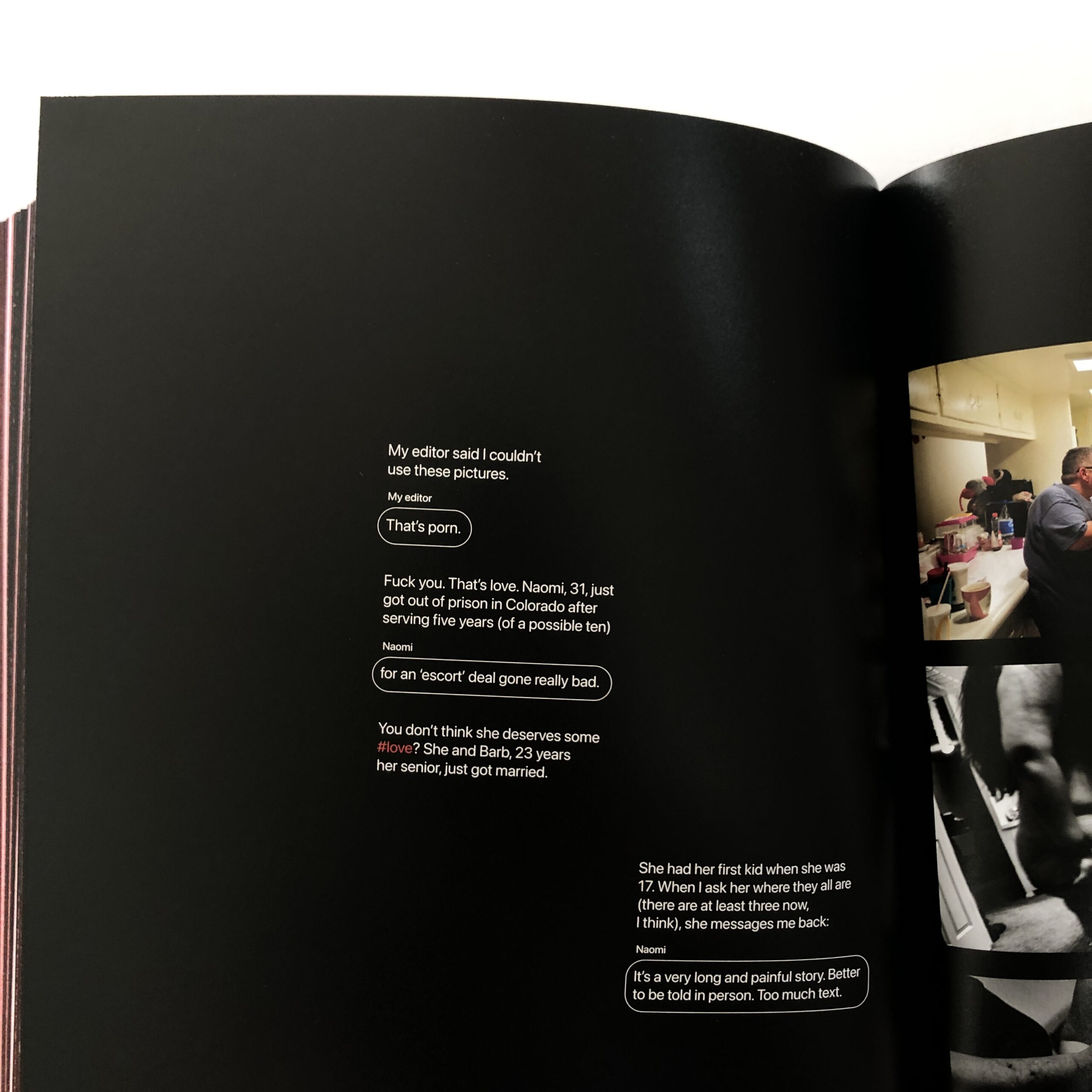
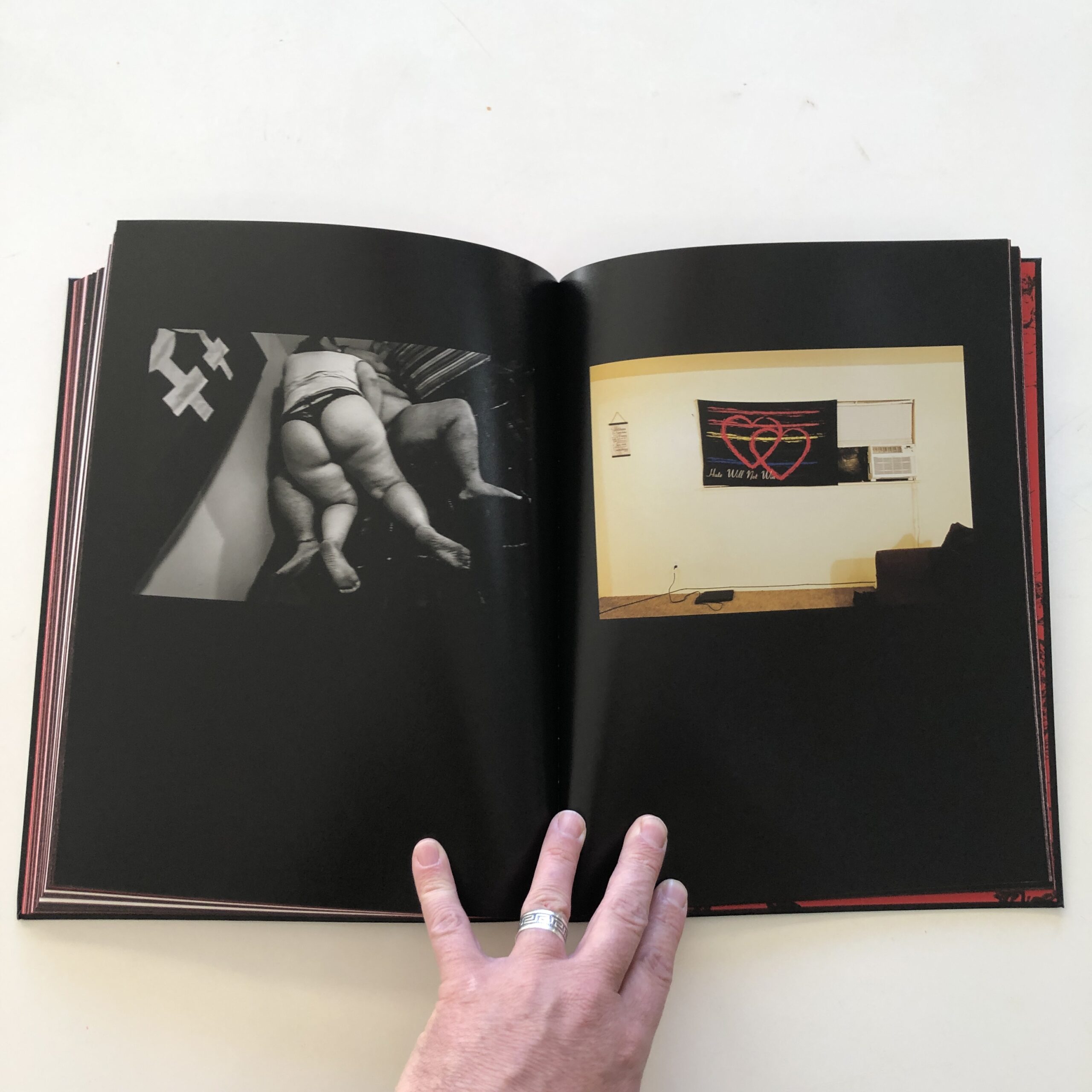
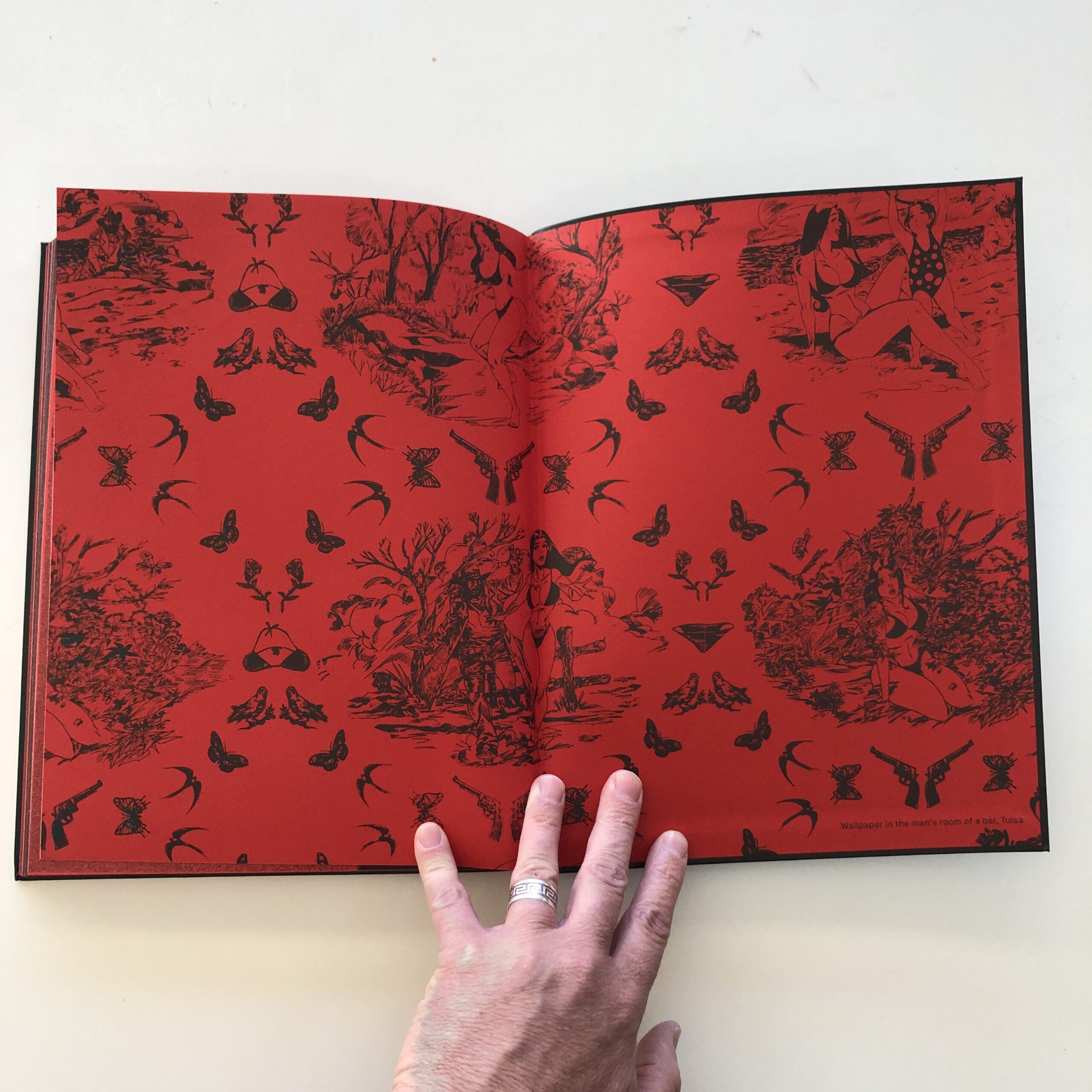
The book is dynamic in its design, featuring messaging-app-style text bubbles, calendars, and really excellent image placement, with respect to the visual path.

There is a fire-engine red throughout, and as Victor is from Paris, I need to acknowledge in every episode of “House Hunters International” I’ve ever seen filmed there, that color has always been included in home interiors.

Always.

To the point that Jessie and I joke about it.

They’re filming in Paris?

We’re gonna see that red…

I guess it represents passion, or desire.

Maybe both.

But the quality of the production here, and the compelling, first-person stories of violence, addiction, depravity and love, within the context of a culture of poverty, kept me glued to my seat.

Page after page, my jaw would drop.

I never got comfortable with why the women were depicted topless, when confronting the camera directly, but there are some images, done in a documentary style, where the action is not directed by the photographer… and yes, the nudity makes sense there.

Trigger warning: one story describes a woman being fisted while she’s having her period, and I really hoped we wouldn’t see that illustrated, but we do, in full color.

Damn!

For a book trying to reflect on the vision of Larry Clark’s “Tulsa,” and the worst racially-motivated massacre in American history, I get that controversy serves a purpose.

(Which is why I’m reviewing this book, and why I don’t think it should be banned, panned, or denied its existence.)

It’s a seriously fucked up book about a seriously fucked up subject.

I’m guessing Victor d’Allant is an edgy dude, and though it might be cliché, the French supposedly consider Americans to be prudish.

The structure of book implies that all the subjects chose to be photographed, but if you’re high as a kite, can you actually offer consent?

(He even does a ride-along with the cops, which pisses off his new-underworld-buddies.)

So there we are for today.

Most of you will probably hate this book.

Some of you will love it.

As my old basketball coach used to say, “Where you stand depends on where you sit.”


To purchase “Tulsa OK” click here


If you’d like to submit a book for potential review, please email me at jonathanblaustein@gmail.com. We are particularly interested in books by artists of color, and female photographers, so we may maintain a balanced program. And please be advised, we currently have a significant backlog of books for review. 

The Art of the Personal Project: 2021 Books to Purchase for the Holidays

The Art of the Personal Project is a crucial element to let potential buyers see how you think creatively on your own.  I am drawn to personal projects that have an interesting vision or that show something I have never seen before.  In this thread, I’ll include a link to each personal project with the artist statement so you can see more of the project. Please note: This thread is not affiliated with any company; I’m just featuring projects that I find.  Please DO NOT send me your work.  I do not take submissions.


Today’s featured artist:  Various Photographic Artist and their published books of photographers I have featured on “The Art of the Personal Project”

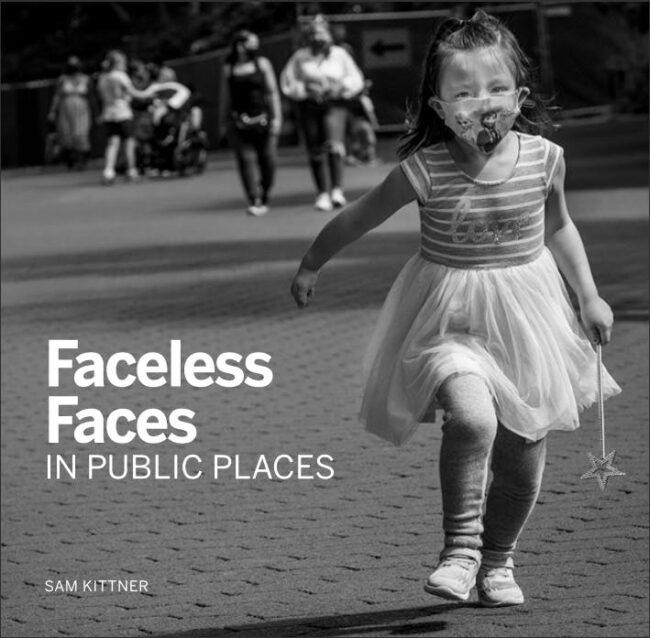
Sam Kittner:

Faceless Faces in Public Places is a curated collection of 80 images made during the pandemic.  And can be ordered here


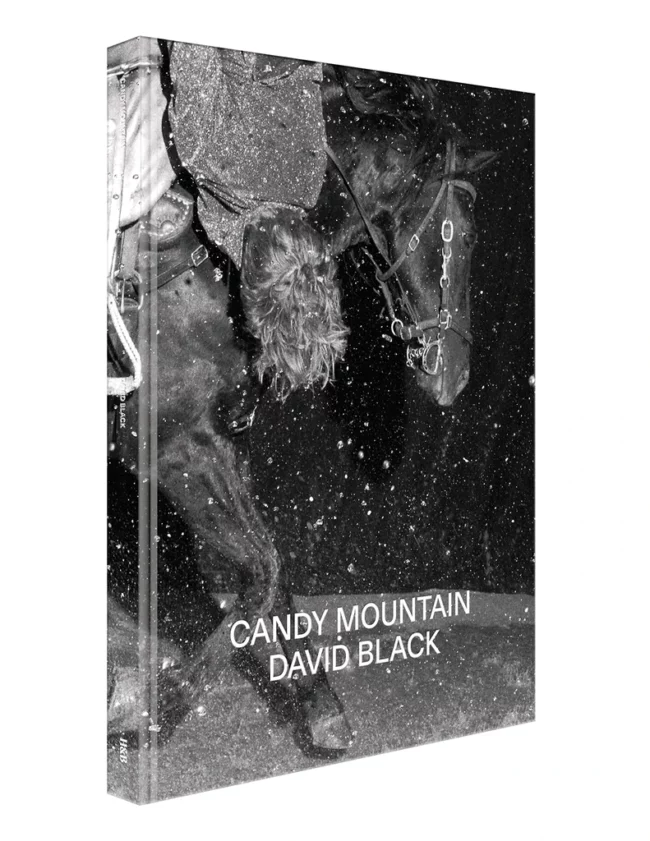
David Black:


Candy Mountain is the final installment in David Black’s trilogy of titles with Hat & Beard Press. It follows his first two volumes, Cerro Gordo and The Days Change at Night, on another magnificent photographic journey, this time through the vast Western landscapes of his childhood memories and current geographical explorations.  Pre-order here


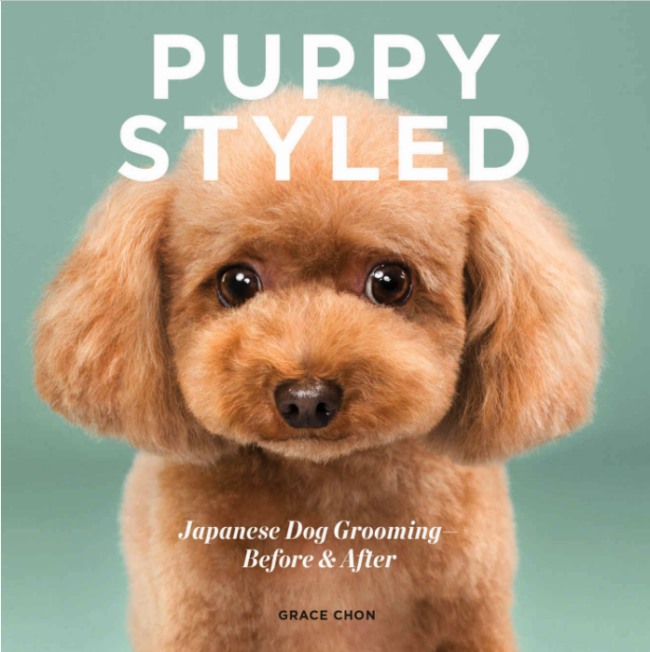
Grace Chon

Japanese dog grooming does not follow the rules of traditional, breed- standard grooming. In fact, it only has one mission―to make dogs look as adorable as possible! With extreme attention to detail and careful consideration of a pup’s best attributes, Japanese dog groomers and salons achieve the perfect transformation by forgetting uniform looks and getting creative.  Purchase this book here


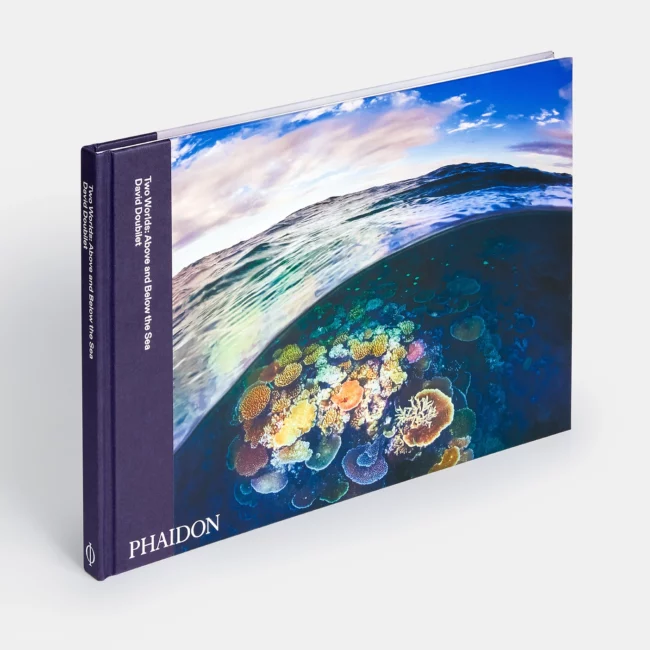
David Doubilet

Two Worlds: Above and Below the Seas.

Purchase here
 

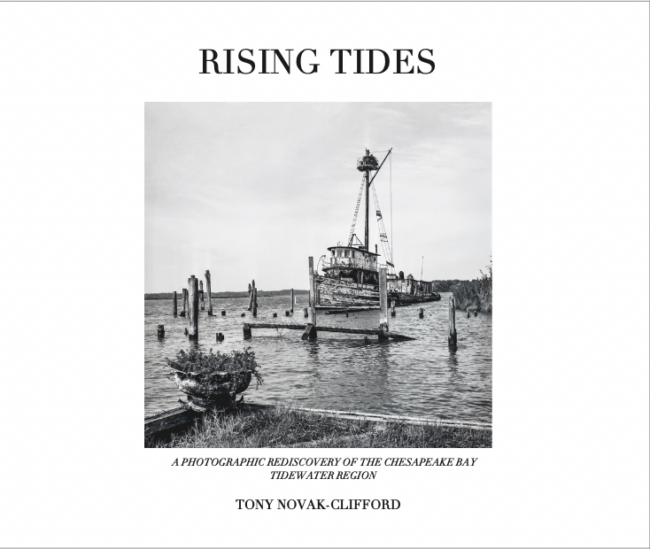
Tony Novak-Clifford

Rising Tides: A Photographic Rediscovery of the Chesapeake Bay Tidewater Region

Purchase here
 

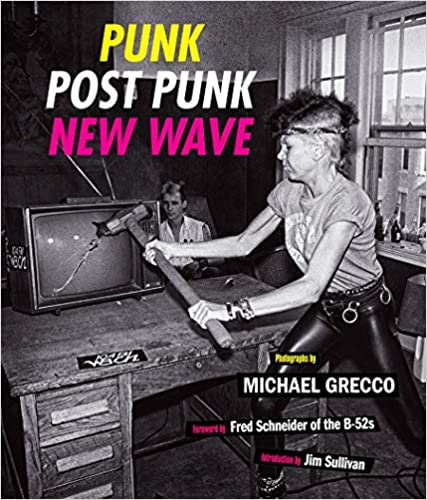
Michael Grecco

Punk, Post Punk, New Wave: Onstage, Backstage, In Your Face, 1978–1991 features stunning, never-before-seen photography from this iconic period in music. Order here
 

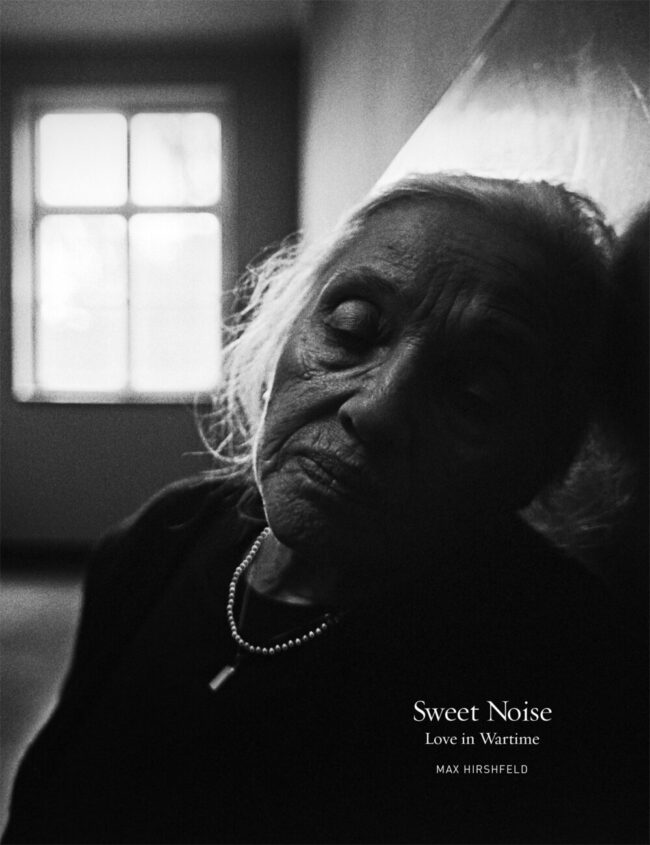
Max Hirshfeld

Though Sweet Noise: Love in Wartime (Damiani – October 2019) features events that began seventy-five years ago, the material is eerily timely.  As Eastern Europe grapples with this horrific legacy, and many countries are reassessing their responses to mass immigration, those in a position to bear witness need a supportive environment wherein art and language serve to remind the world what can occur when hatred and the concept of ethnic cleansing are given free rein.
Purchase this book here


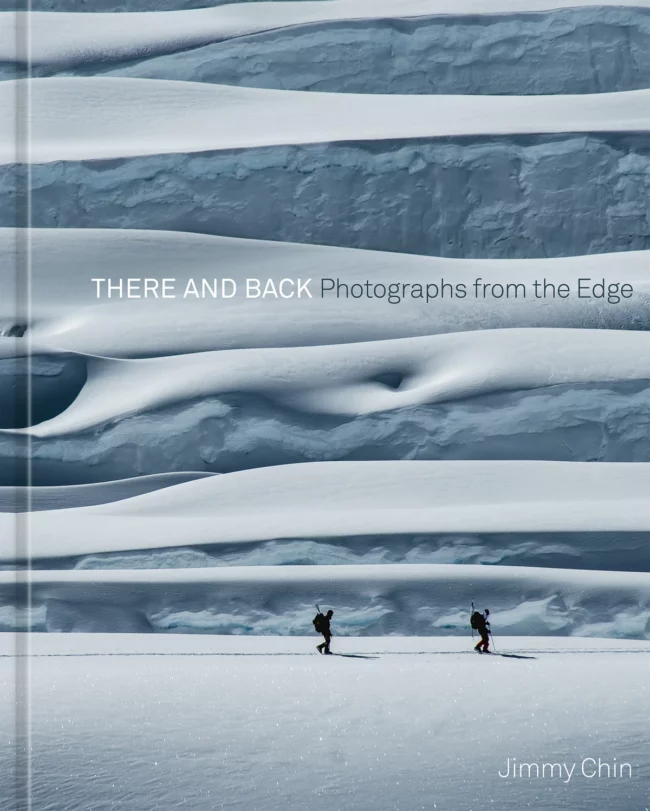
Jimmy Chin

THERE AND BACK: PHOTOGRAPHS FROM THE EDGE

The Academy Award-winning director of Free Solo and National Geographic photographer presents the first collection of his iconic adventure photography, featuring some of the greatest moments of the most accomplished climbers and outdoor athletes in the world, and including more than 200 extraordinary photographs.  Order here


Happy Holidays!


APE contributor Suzanne Sease currently works as a consultant for photographers and illustrators around the world. She has been involved in the photography and illustration industry since the mid 80s.  After establishing the art-buying department at The Martin Agency, then working for Kaplan-Thaler, Capital One, Best Buy and numerous smaller agencies and companies, she decided to be a consultant in 1999. She has a new Twitter feed with helpful marketing information because she believes that marketing should be driven by brand and not by specialty.  Follow her at @SuzanneSeaseInstagram

Success is more than a matter of your talent. It’s also a matter of doing a better job presenting it.  And that is what I do with decades of agency and in-house experience.