Photographers, How Much Do You Make?

I produce a lot of shoots for my clients so my gross is high, with talent, location, HMUA, stylists, etc. My income is 60% product, 30% beauty, 10% fashion/portrait projects. Most are regional / national beauty brands, I have shot for a few Fortune 500 but not consistently. A couple of my clients are based in South Florida, others spread across the nation. Most of my clients are national beauty brands with 10-50 employees, some are B2B some are B2C. A lot of my clients tend to be repeat clients as well, 75% of them book me again down the road.

My wife works with me as a prop stylist and production manager, other than her I have no full-time employees. I usually hire talent as needed for each job, assistants, digi-tech, etc.

I have my own studio space which all in costs me around 65k a year. Most of my work is shot in studio and I prefer to have my own instead of renting a studio when I book shoots. I charge most of my clients a studio rental fee anyhow so it helps cover cost. Other than my studio, my only other costs are gear & maintenance.

I work full time, usually taking 3-4 weeks throughout the year for vacay. I tend to shoot around 100-150 days a year, other time is spent on post production and business management.

My income has increased steadily year over year.

All my income is through my photography business, however I started offering more services to my clients, which allowed my to increase my income. All in all, I’m a one-stop-shop that offers beauty, product, video and production. It definitely keeps me busy, but it increases my fees, makes it easier for my clients, and makes me less replaceable.

Most of my shoots tend to be 1-3 days, capturing different style of content each day:
-Models in studio shooting video and stills.
-Product only, usually in studio Lifestyle content capturing models and product, usually on location.

I spend 1-2 full days culling and editing images to send to my clients. After that, I charge by the image for retouching and outsource it 90% of the time.

My day rate ranges between $2500-4000 and I usually charge usage on top of it. For my smaller clients I pad my day rate and include usage with it. My wife works with me as a prop stylist and production manager, between the two of us our average take-home after is expenses is usually $4-8k per day.

Best paying shoot last year was a 3-day production shooting lifestyle content for a luxury brand. Day rate was $3500, usage was 3 years @ $5000. All-in, my take-away was $17k.

Worst paying shoots for me tend to be editorials for local based regional magazines, I did a portrait feature for a cover shoot that only landed me $500 for a half-day shoot. I often don’t mind working with these magazines because I look at it as a form of marketing that pays me and sends clients my way.

Video is currently only about 10-15% of my income, but I see if increasing in the coming years.

Know your worth and charge accordingly, an under priced production isn’t only hurting you, it hurts the entire industry. In a market where everyone has a camera in their pocket, it’s getting harder and harder to charge for professional photography. Set yourself apart and charge for it, damnit!!!

My income has only grown in the last 5 years, covid didn’t really slow down the home photography sector much.

I aim to book clients on a full day shoot (8 hours shooting + normally 8 hours editing) where licensing terms are pretty generous (print, web and social marketing), editorial publishing is a separate fee to be negotiated by the publisher. Additional licenses can be purchased depending on number of parties interested.

My best recent shoot was a one day $6500 shoot with one day editing with a few licensed users on the shoot.

I don’t shoot video.

I’m honestly pretty terrible at marketing, so much has been through word of mouth. I do minimal (read: lazy) Instagram.

For retirement I use a company called Ellevest that allows me to easily put away money to invest on a monthly basis.

Worst advice I have received was to keep working a full time editing position right out of college because i wouldn’t be able to make much more than that on my own. Some of the best advice was to be open with other photographers in your market about pricing – the only people benefiting from us being secretive about pricing and back end details are those paying us.

Be an active part of / create a community within the photographers in your market. Working solo requires you to make these connections which can be invaluable when seeking out advice, or just wanting to talk about all of the very niche day-to-day within the industry.

I love a creative job, but i find that i most enjoy working with clients that actually respect me, as a creative but as a human being, and working with nice people can sometimes outweigh anything else.

Create work/life balance and healthy boundaries. iI have a separate phone for work/clients that I don’t really check after hours or on the weekends.

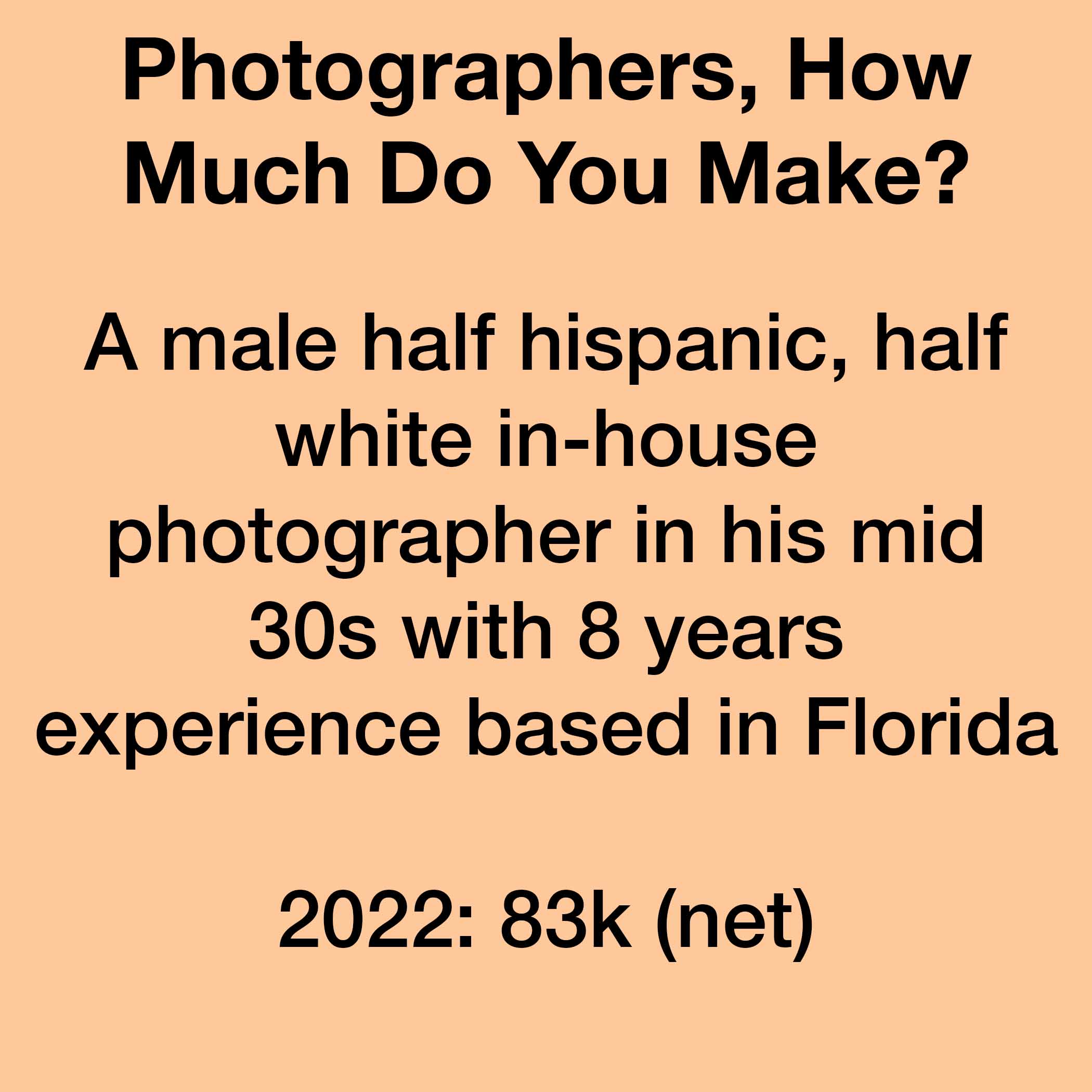
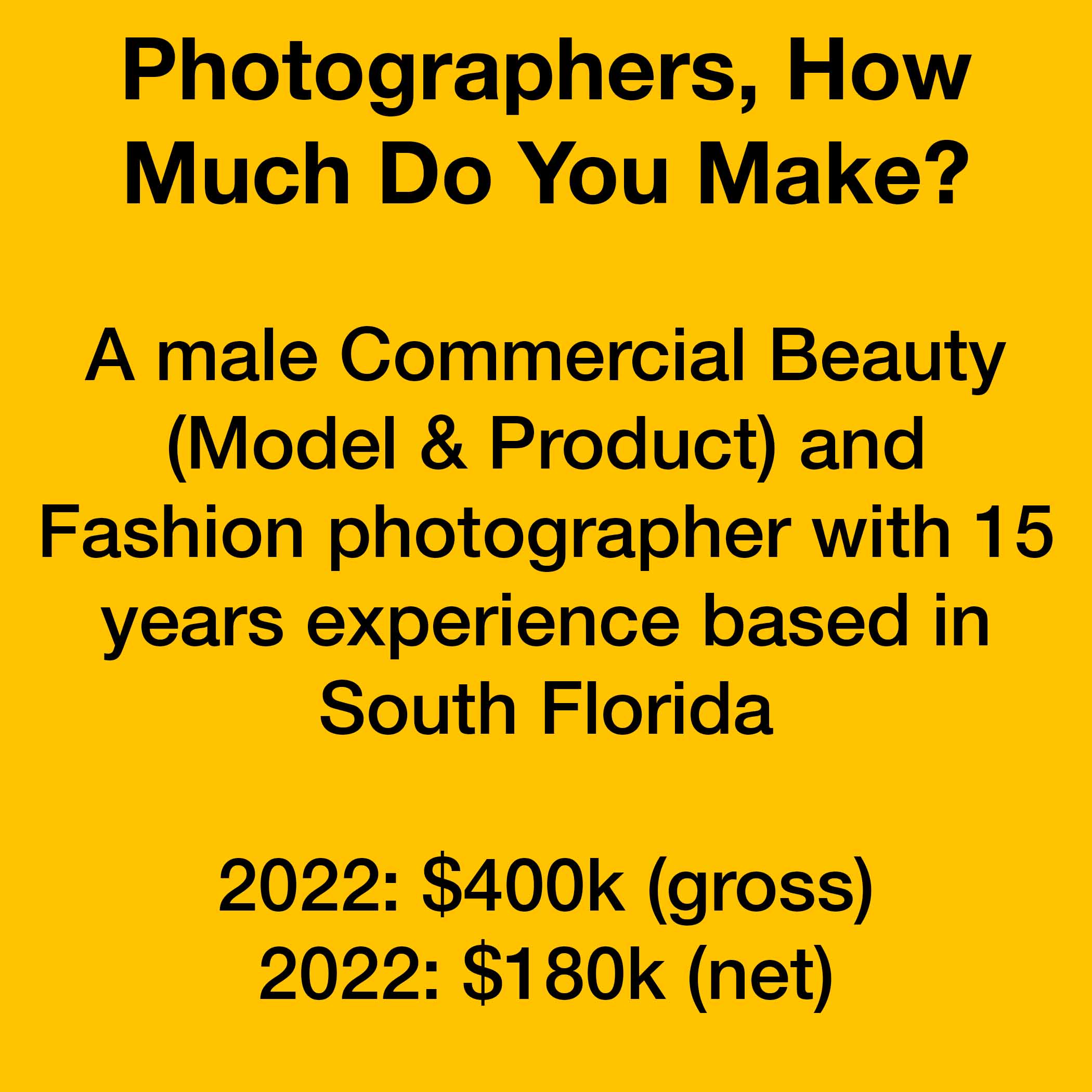
I’m a full-time, in-house photographer for a small-medium sized company in Florida. Total compensation is about $83,000 ($70,000 salary base + $13,000 benefits). I get yearly raises at about $4,000-6,000. Bonuses are also possible in years where company profits are good. Company revenue ranges from 20-25 million annually. I shoot Product and Lifestyle for the company I work for and then some food and real estate on the side.

I don’t use any of my own personal studio equipment. The company purchases all equipment I need to do my work. The company, at my request, bought me a Canon R5 + lenses when I was initially employed. I work out of a dedicated studio at the company’s headquarters.

I’ll work from home on days that I’m editing photos and/or video. I’ll travel abroad for shoots once or twice a year, for no more than 5 days at a time. We usually travel to a large city (Chicago, Miami, etc) for those shoots. I’m always home for the weekends.

I’m part of a small creative team, including a creative director and a producer. Together, we make up an in-house agency of sorts to execute the content needs for the company. We produce everything from simple social content to full-on TV commercials that run nationally.

I work Monday-Friday 9a-5p (paid holidays + 16 days PTO).

The company I work for is wonderful. They’d be a dream client if I shot for them freelance.

I’ll shoot local food and real estate gigs on the side when they come up and when I have time.

I do not own the copyright to any of the work I produce for the company that employs me. That’s one of the defining differences between in-house, salaried photographers and freelance photographers.

The majority of my in-house work is photography, but it’s probably a 60/40 split with video work. Nearly every shoot incorporates both stills and motion. The company may hire a dedicated in-house videographer in the future, but in the meantime, I produce the video in addition to the photography. I came to the company with only some video experience and I’ve learned much since being hired.

Freelance vs in-house photographer: each has its pros and cons. You have to weigh each of the pros and cons and decide which one works for you and your desired outcome and goals.

My income would be pretty low in a big city where cost of living is high. Fortunately, the company I work for isn’t located in a big city and my cost of living is pretty low. It’s one of the many variables you’d have to consider if you were to choose an in-house position.

Don’t be a photographer is simultaneously the best and worst advice I have received.

8 years total, 5 years in-house (making 90k), 3 years freelance.

Most of my clients are small to medium business based on the East or West Coast. A few larger commercial clients.

Between 2-4 shoots a month.

My best shoot was 15k for a two day shoot, 8 hours per day, 3-4 days of post, 1 year licensing.
My worst shoot was 1500 for a 1 day shoot, 10 hour day, 3 days of post, unlimited usage rights.

The Art of the Personal Project: Brian Kuhlmann

The Art of the Personal Project is a crucial element to let potential buyers see how you think creatively on your own.  I am drawn to personal projects that have an interesting vision or that show something I have never seen before.  In this thread, I’ll include a link to each personal project with the artist statement so you can see more of the project. Please note: This thread is not affiliated with any company; I’m just featuring projects that I find.  Please DO NOT send me your work.  I do not take submissions.


Today’s featured artist:  Brian Kuhlmann

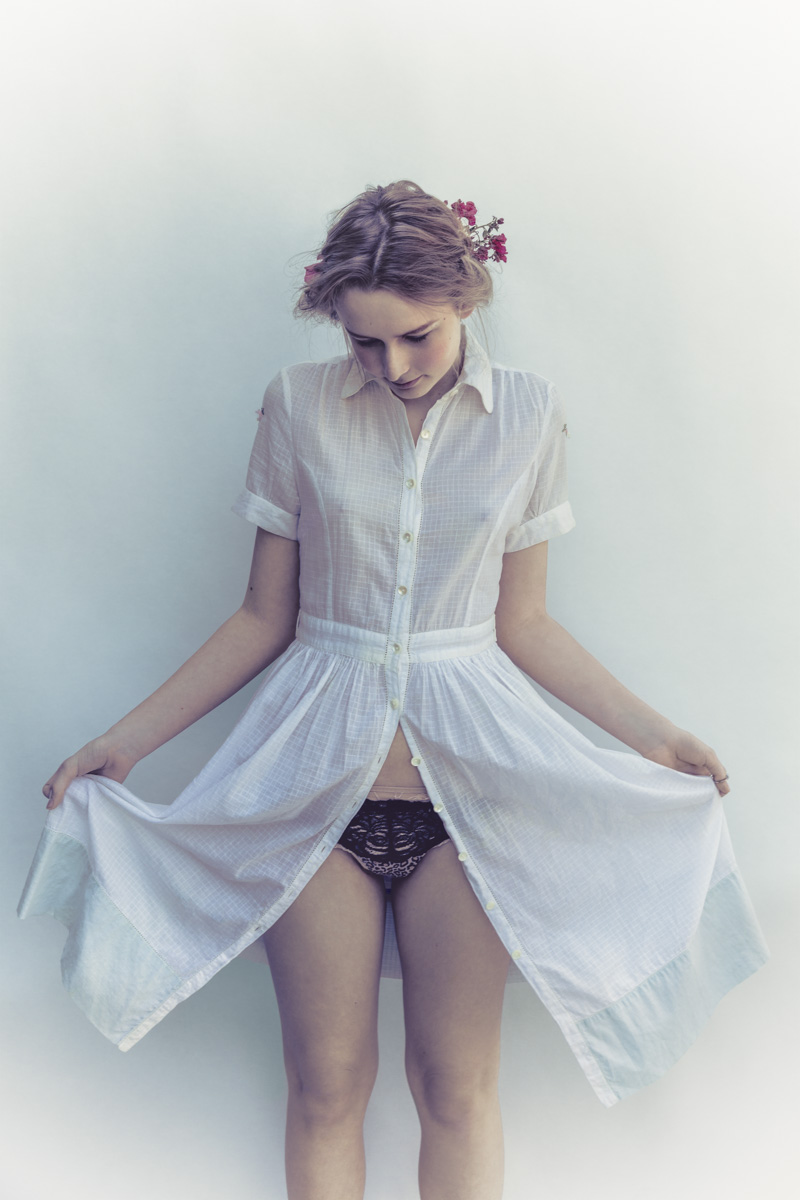
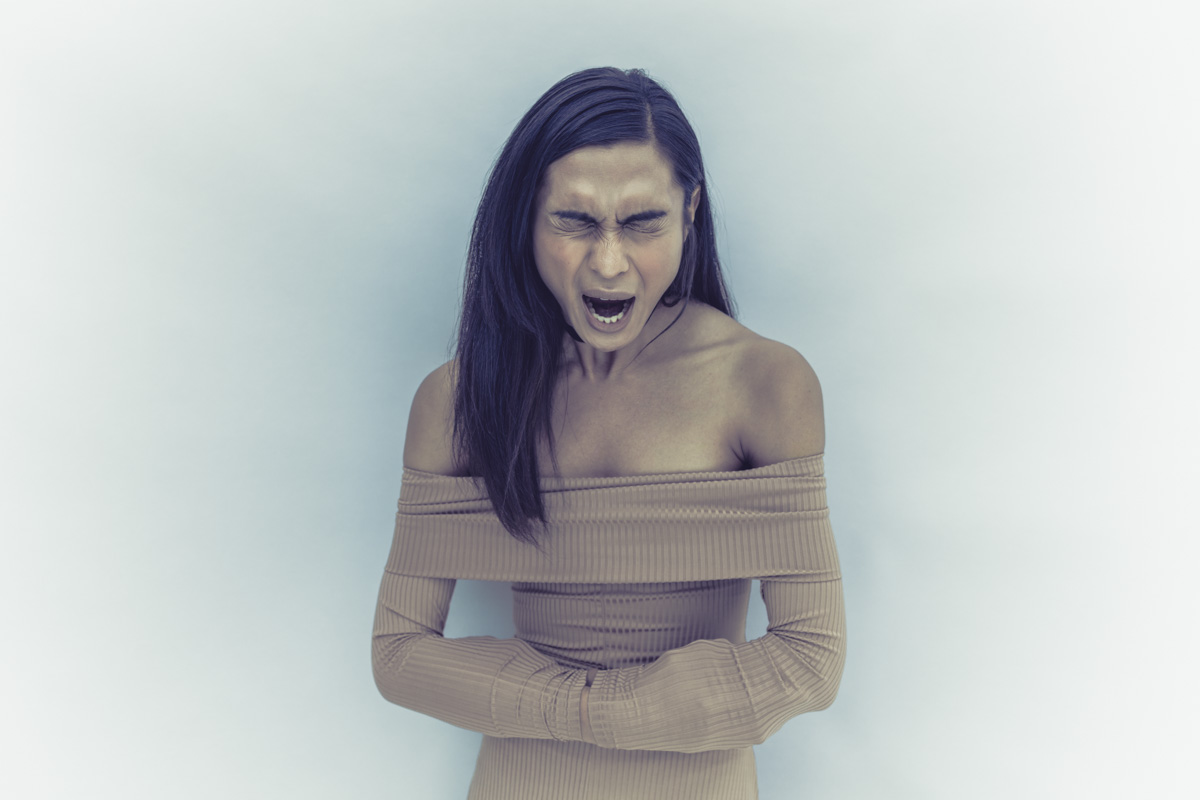
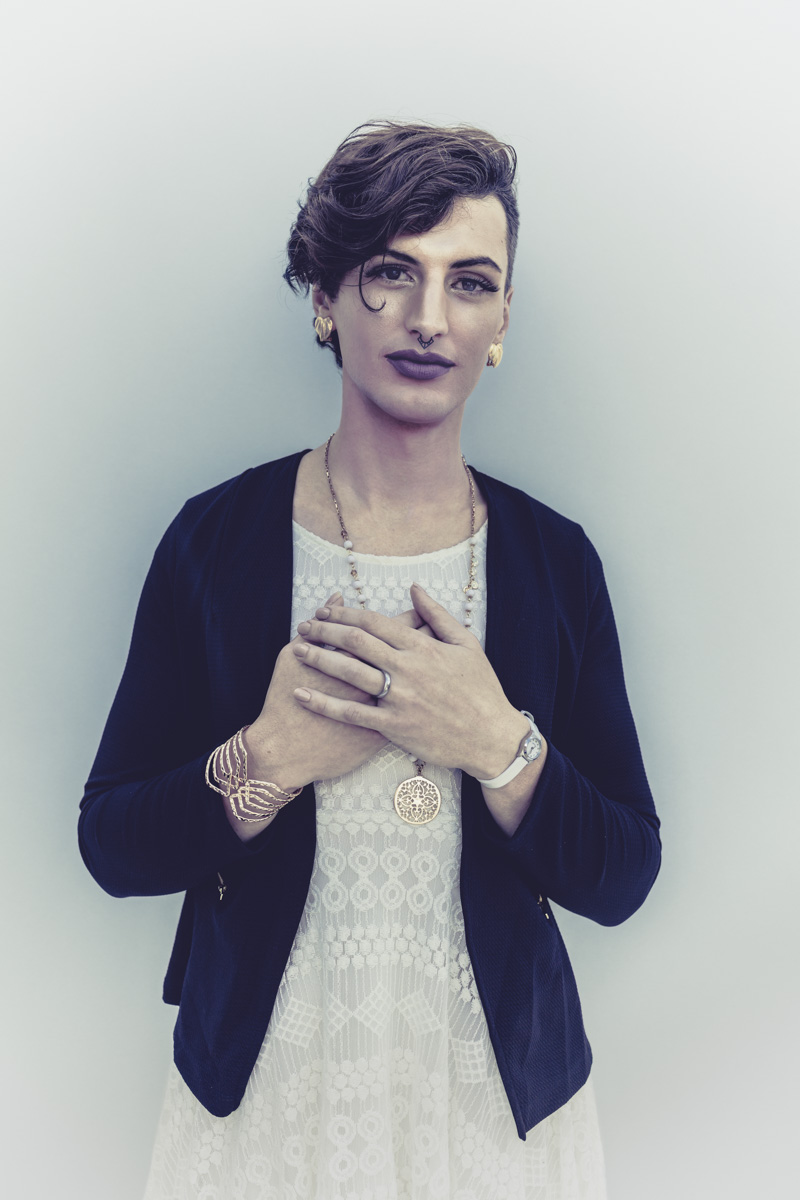
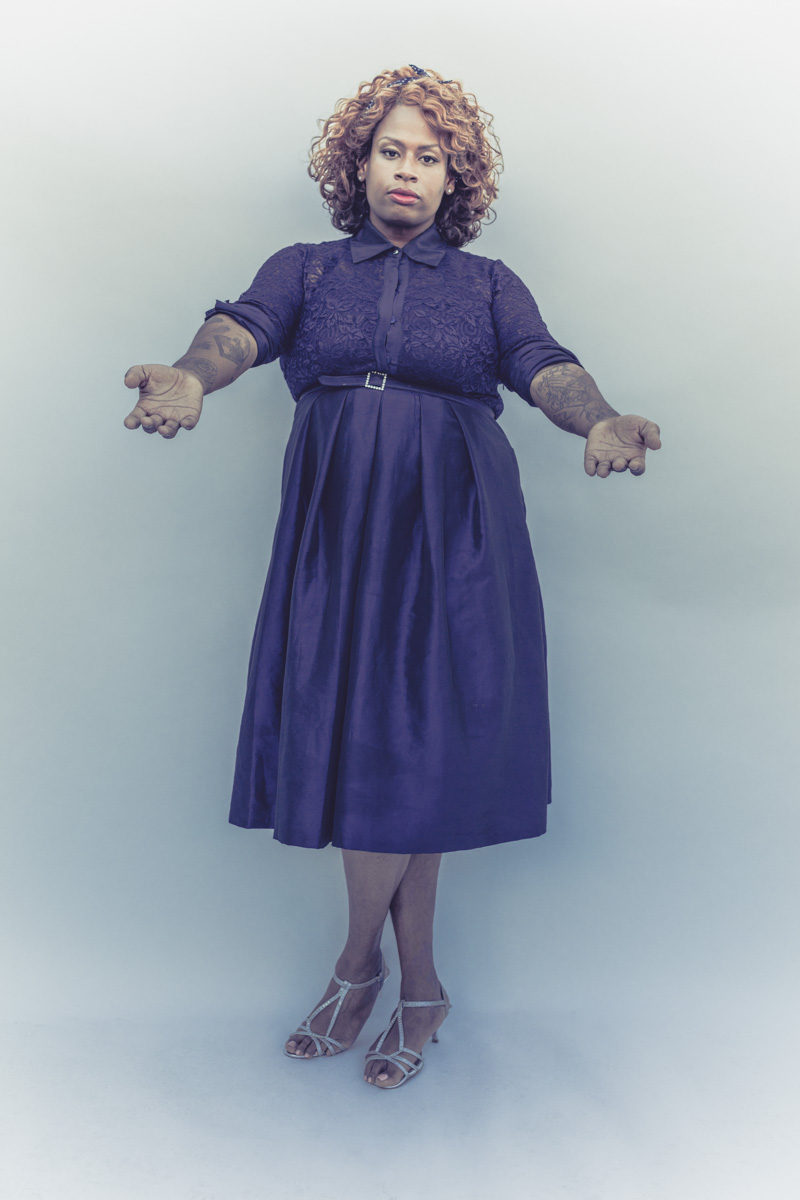
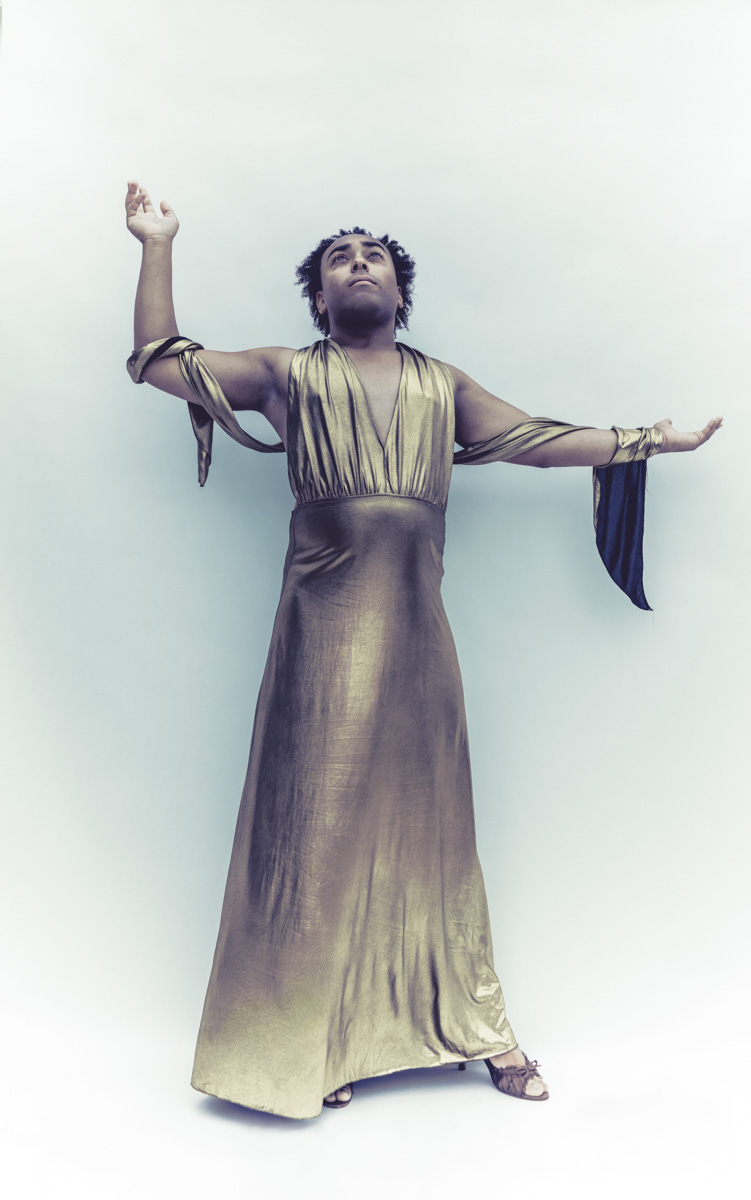
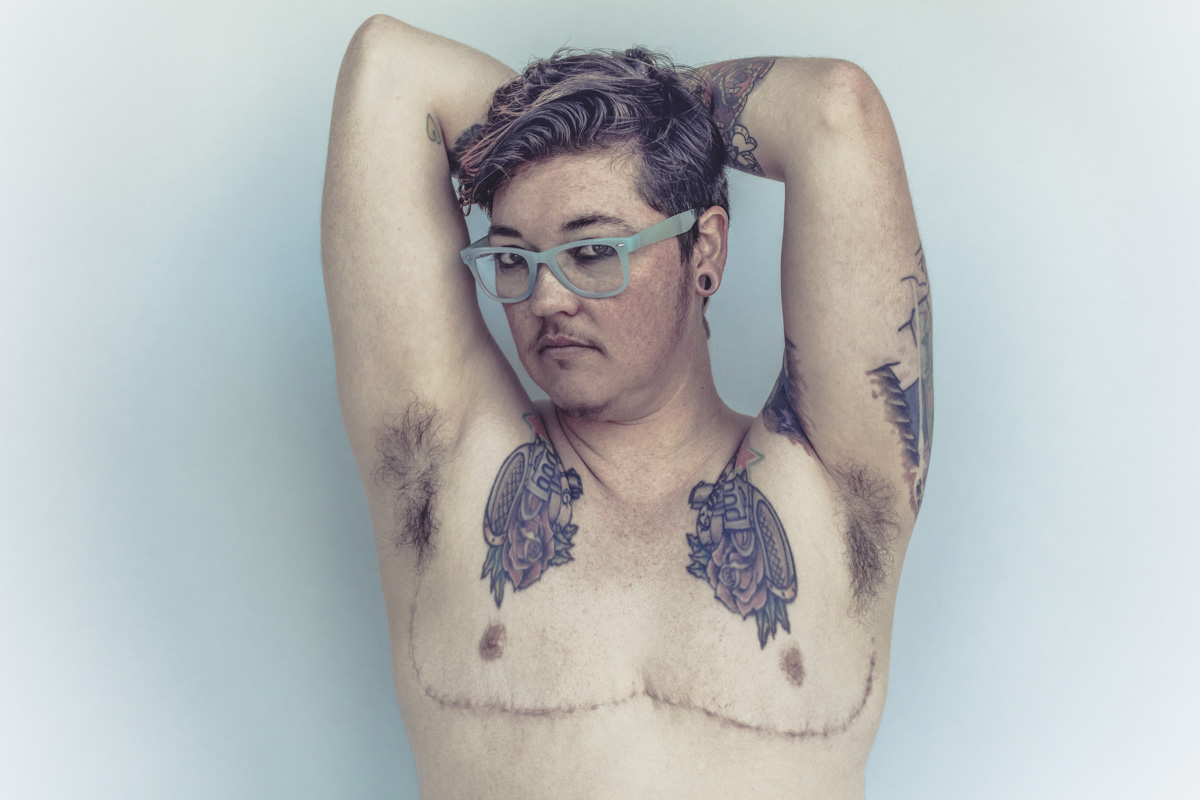
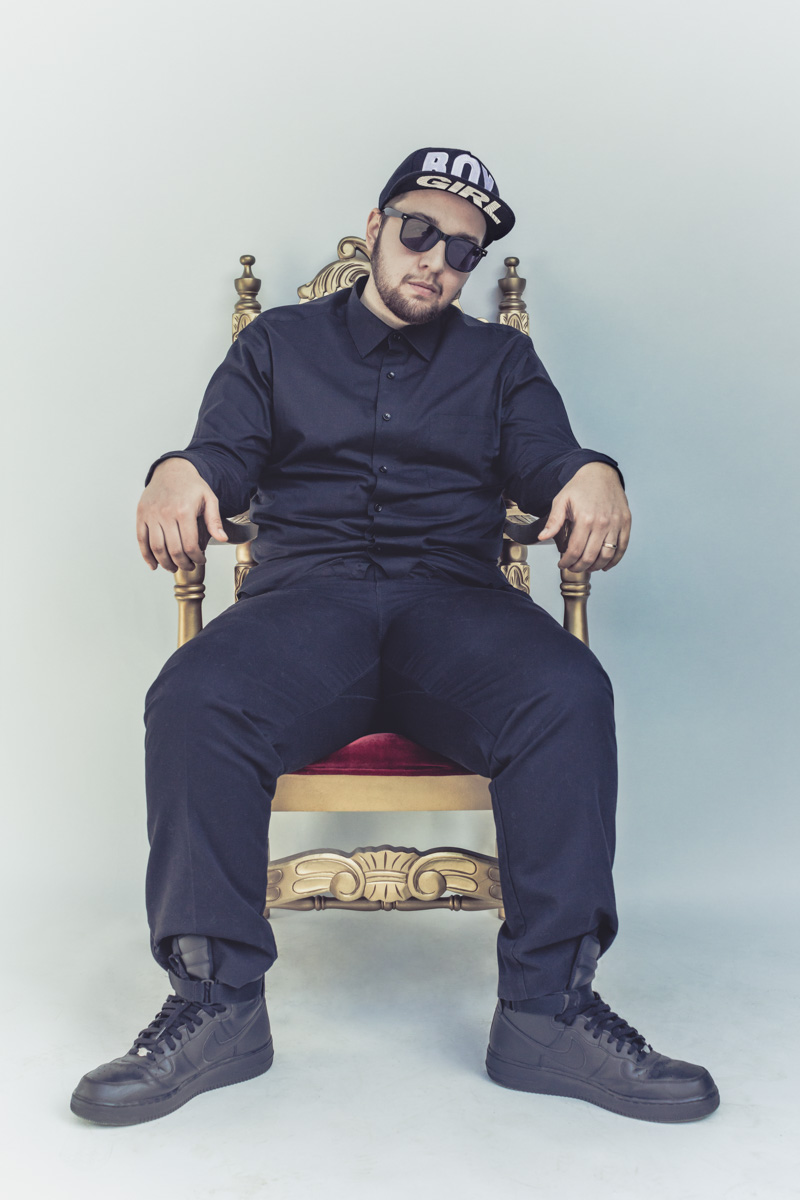
I Am TRANSGENDER

I started photographing transgender individuals in 2015, and the goal has always been to normalize their existence and humanize their stories. Since that time, it is no secret that transgender people have bore the brunt of extreme political whiplash in this country, as well as increasing violence and hostility in the streets. These photographs celebrate freedom of expression, and stand as an act of defiance against attempts to vilify and erase gender nonconformity in the public sphere.

I believe that knowing how we or others identify is important, as are the stories of how we’ve arrived at that place. Before any shutter is clicked, I listen to their stories. We meet, we talk, and get to know each other. What strikes me the most about their stories is the level of abuse simply for being who they are–everything from being disowned, being forced to live on the street, sexual abuse, and even broken bones from assault. And sometimes there’s stories of families coming together, of bonds strengthening, and what it means to discover support.

The resulting portraits are simple and direct, classic yet modern. Choosing to eliminate the background and photograph each person on white forces us to look at them, at who they are and, beyond the ideas we may have, ultimately recognize that we are all humans.

To see more of this project, click here

Instagram

APE contributor Suzanne Sease currently works as a consultant for photographers and illustrators around the world.  She has been involved in the photography and illustration advertising and in-house corporate industry fordecades.  After establishing the art-buying department at The Martin Agency, then working for Kaplan-Thaler, Capital One, Best Buy and numerous smaller agencies and companies, she decided to be a consultant in 1999.  Follow her at @SuzanneSease.  Instagram

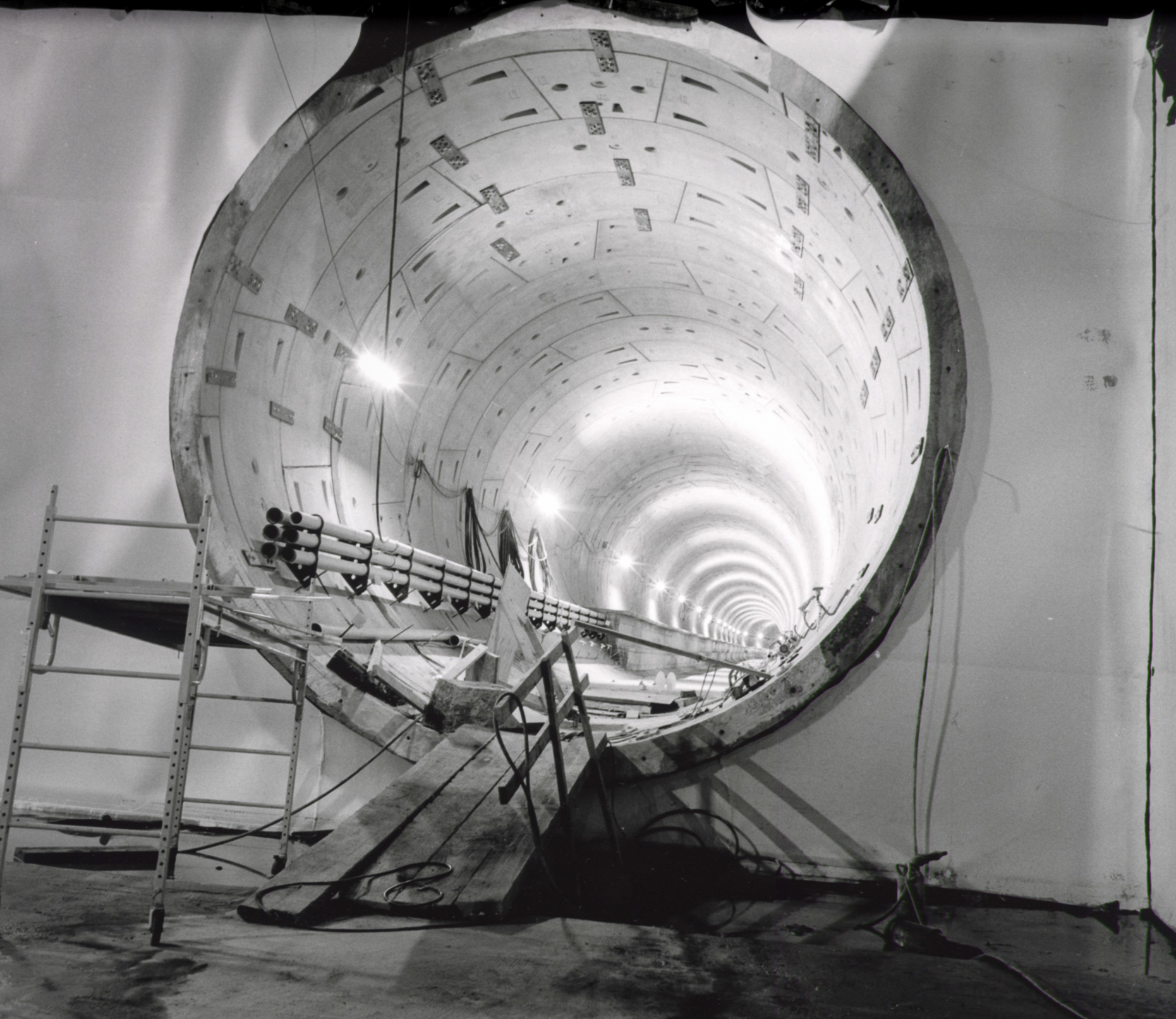
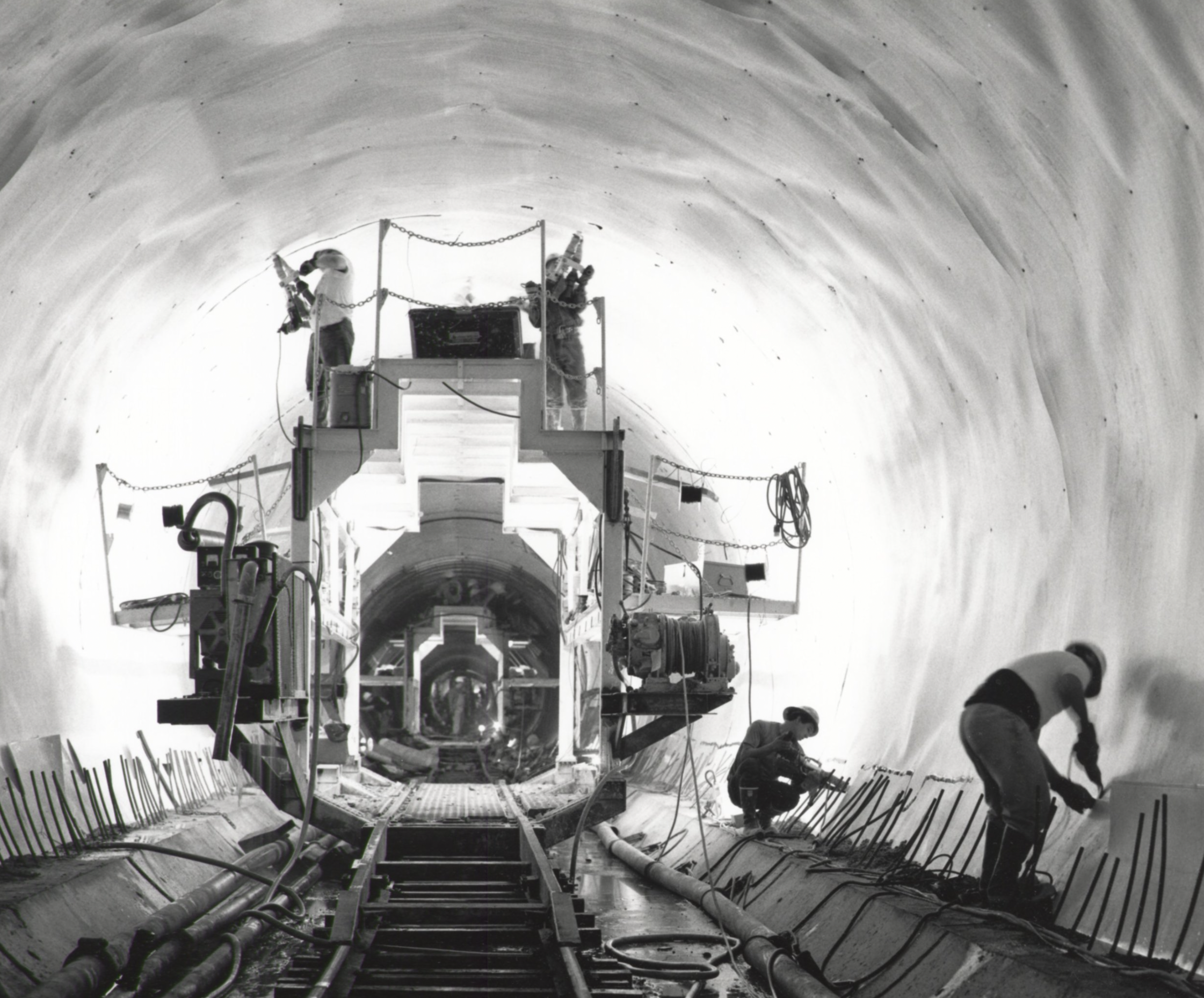
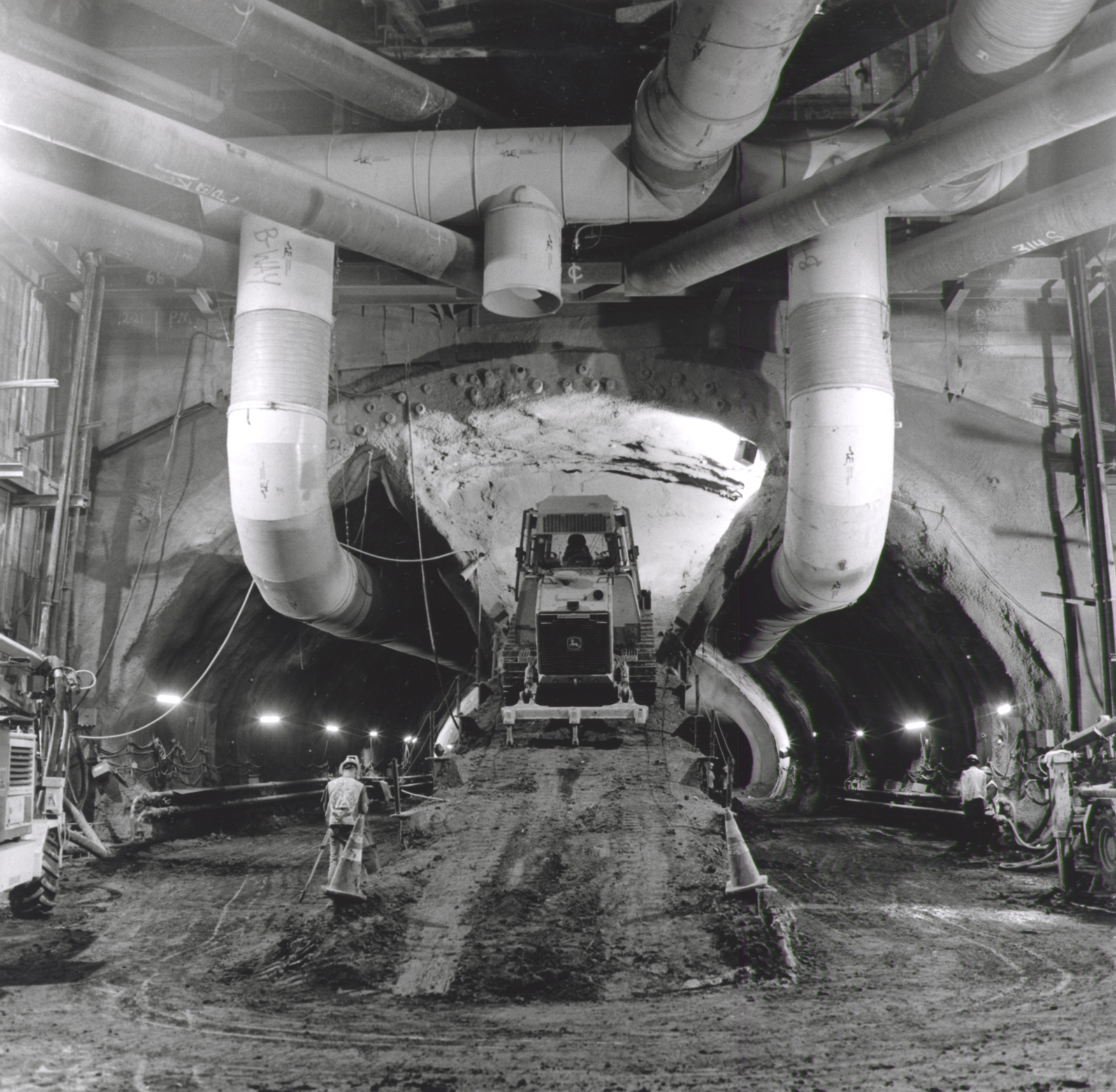
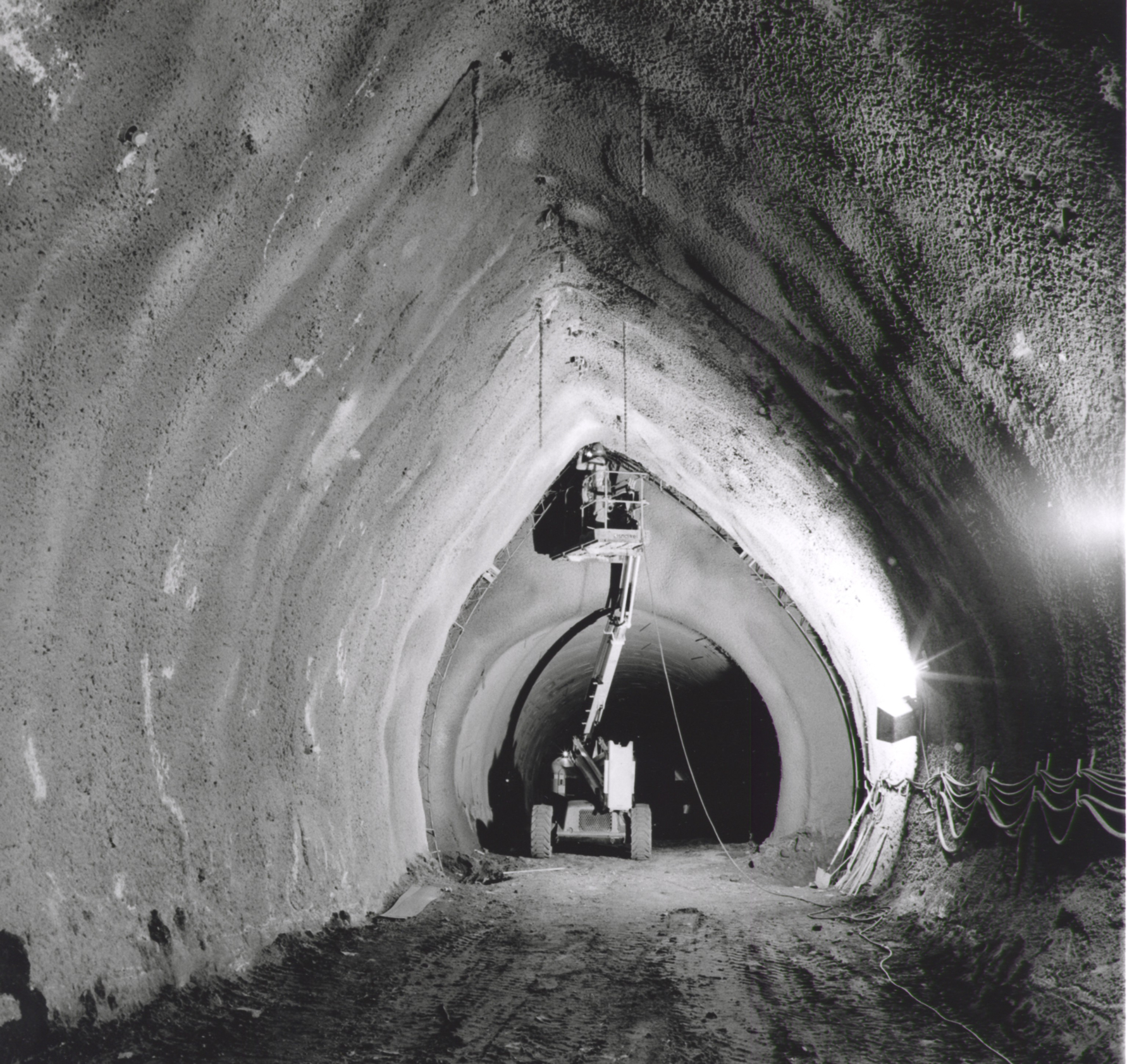
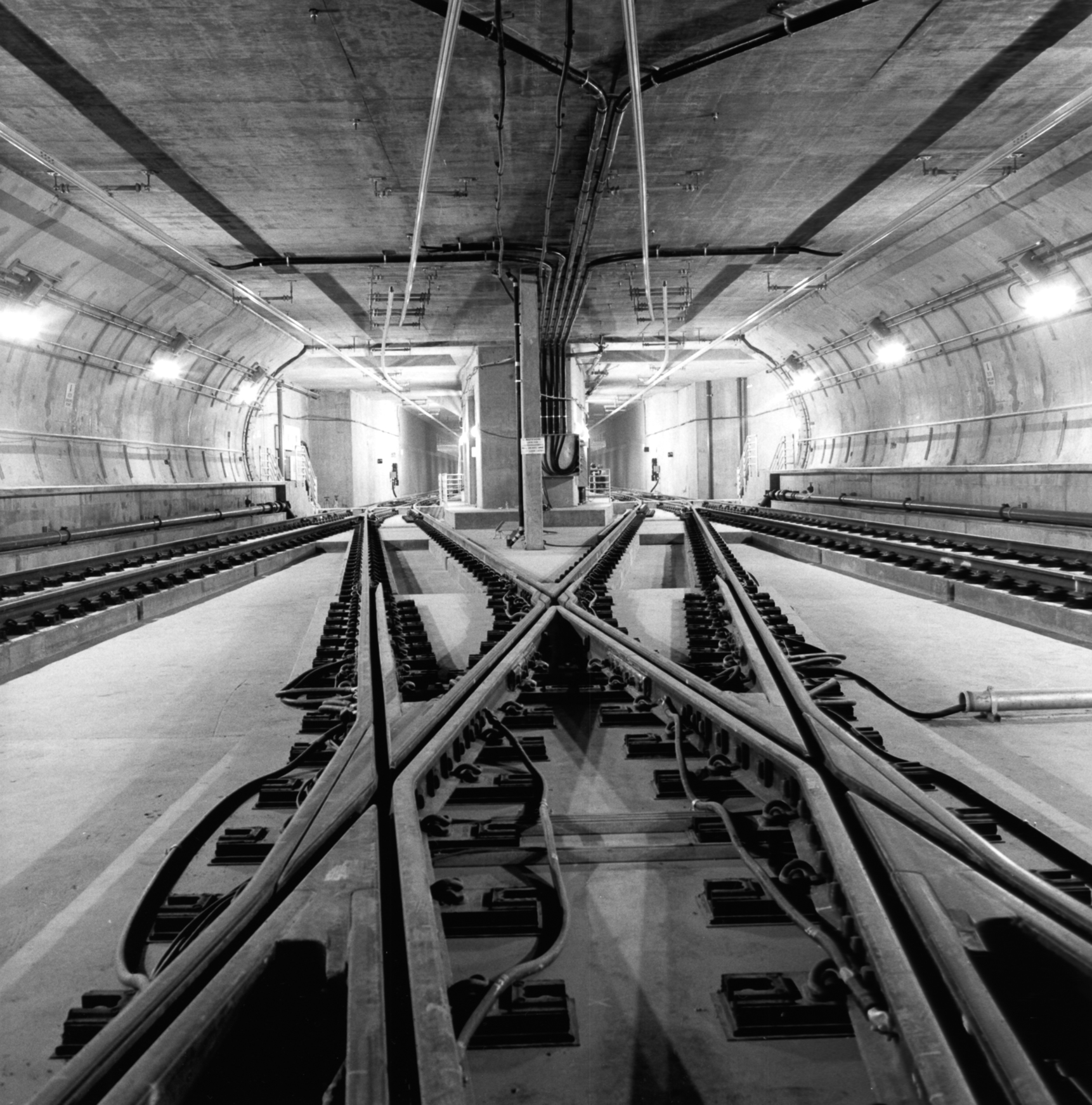
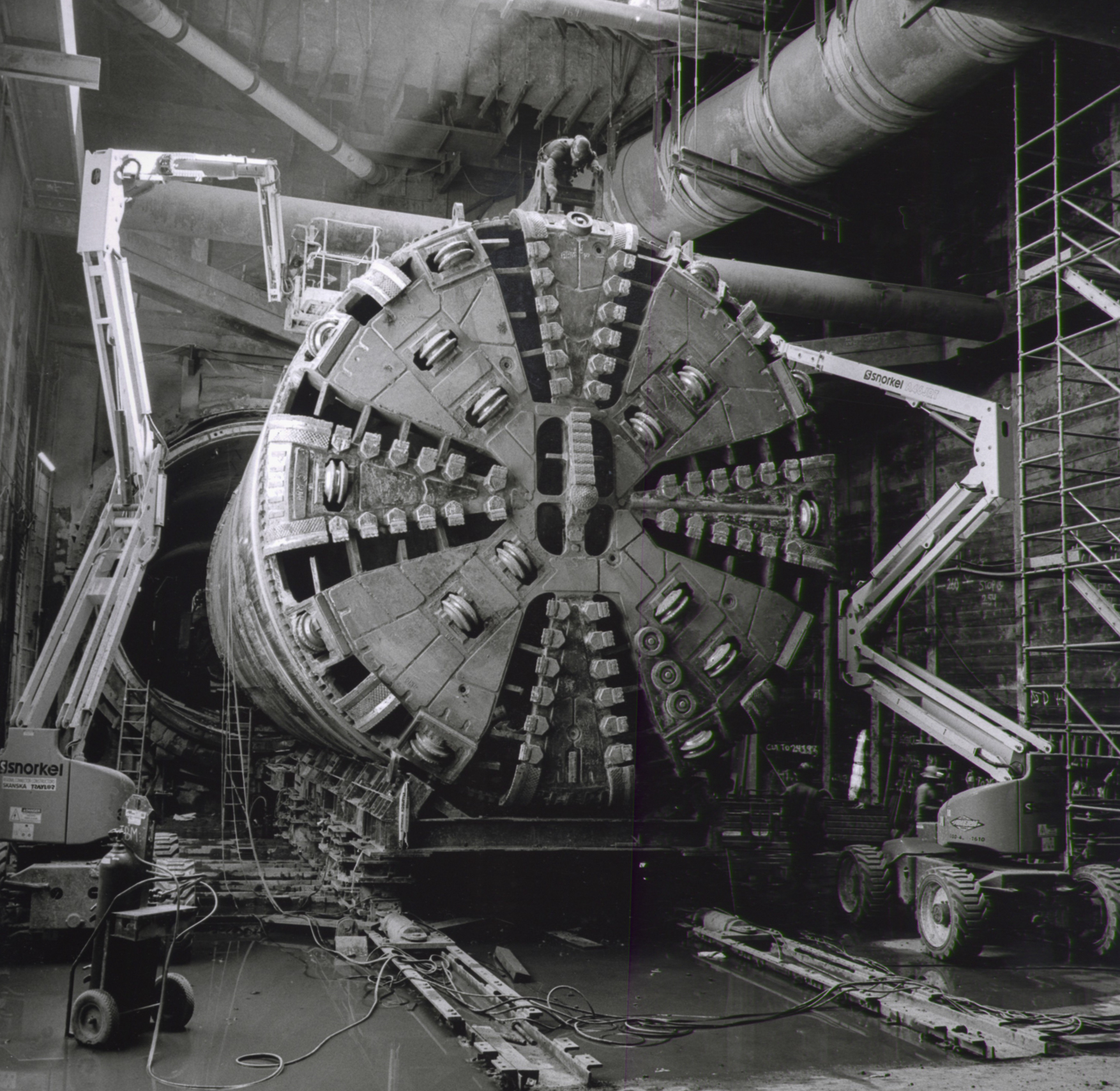
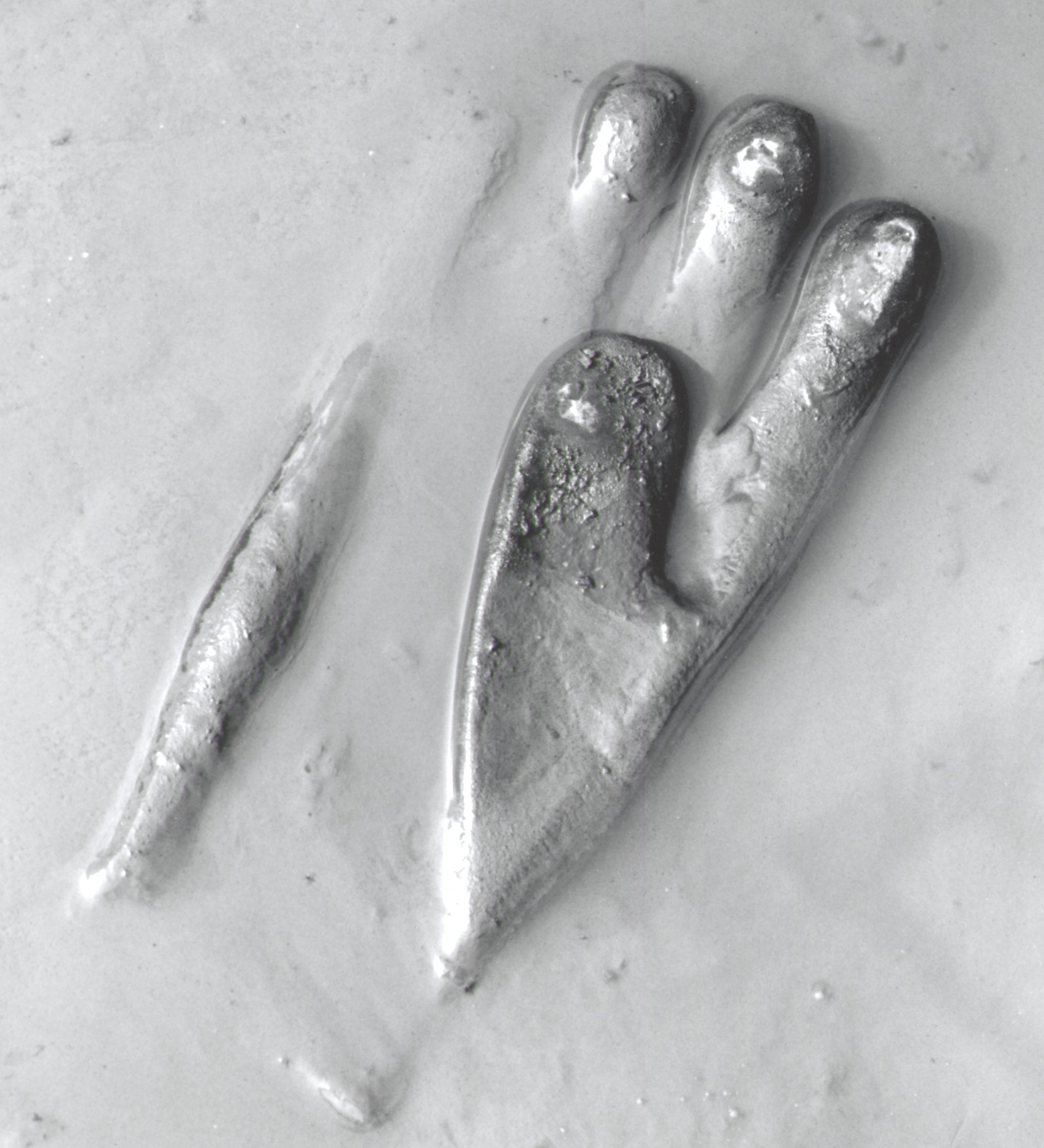
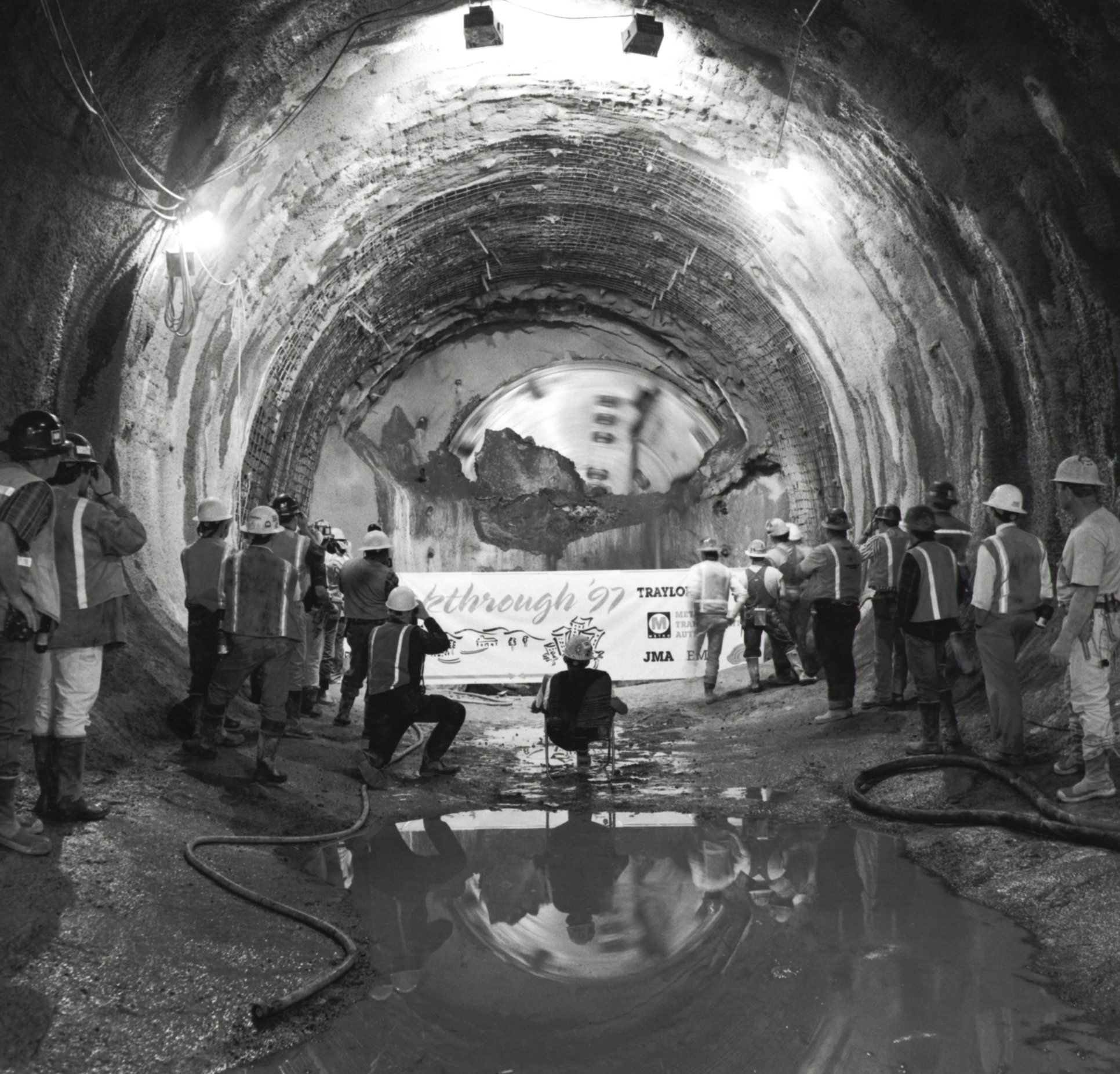
The Daily Edit – Ken Karagozian: Underground Subway Series


Ken Karagozian

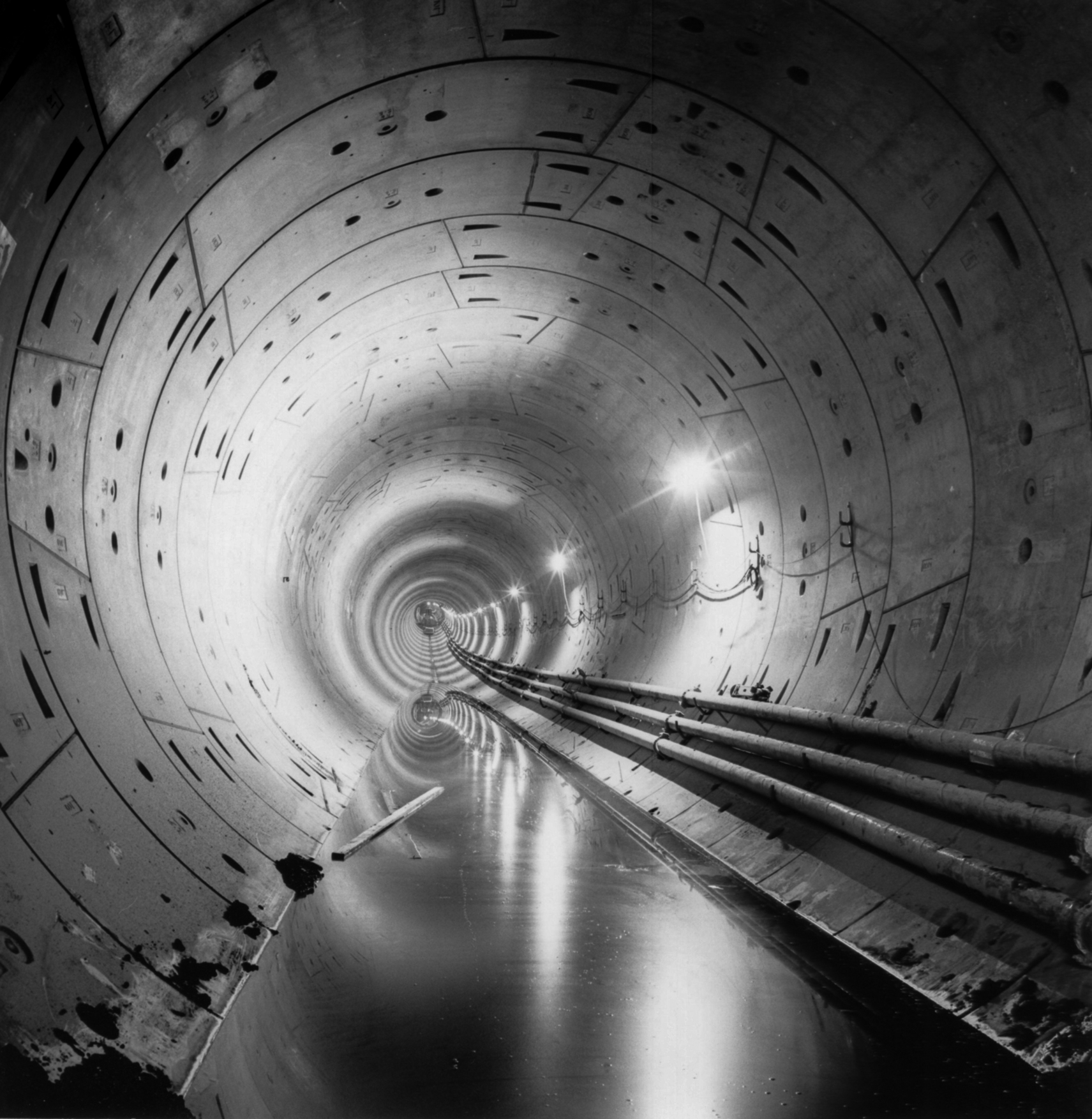
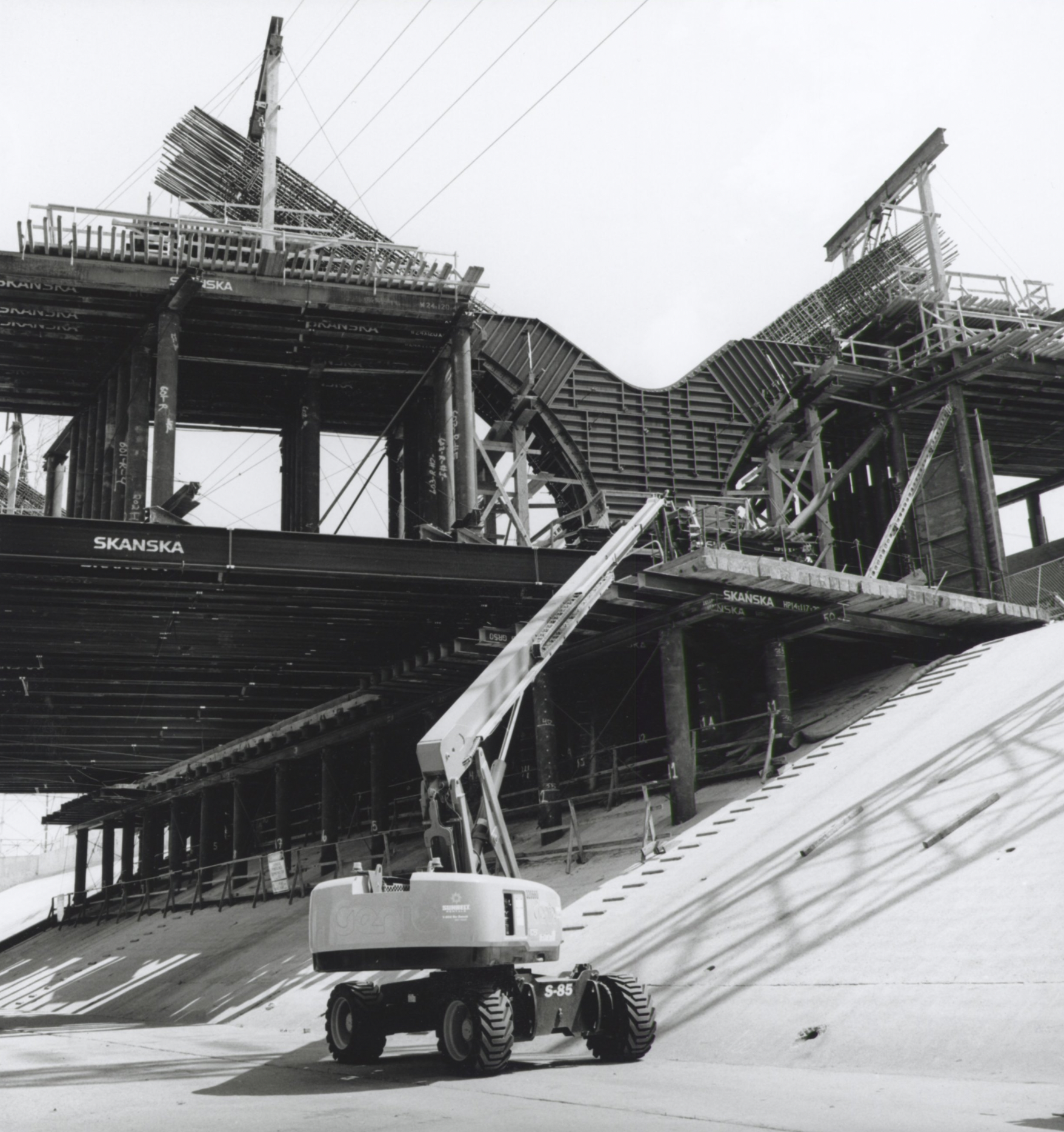
Los Angeles Metro Art website showcases Ken’s work and a PDF around his body of work called Deep Connections

Heidi: Congratulations on your long and rich photo career, you had incredible mentors, what did each of them offer you that you still practice today?
Ken: Ansel Adams had an incredible impact on my interest in photography. On a high school photography field trip in the early 1970’s to visit Ansel Adams studio and darkroom it was my first experience seeing a beautiful B & W landscape print displayed on the wall at his home. I was just amazed the clarity of richness of a fine art print and then thought maybe that it something that I would like to emulate for myself in a making a beautiful print.

Another important factor that I learned in the 1980’s was when taking a workshop with the Owens Valley Photography instructors (John Sexton, Bruce Barnbaum & Ray McSavaney) that when you do a photography project that you have to always photograph in different lighting situations & seasons to really see the different changing of light upon your subject matter.

Another workshop (film & darkroom printing) was with Oliver Gagliani. I remember Oliver told me that when he was a guest instructor at the Ansel Adams Yosemite Workshops Ansel was photographing the landscape while Oliver was photographing the texture of the tents at Curry Village. For myself I enjoy photographing people in their natural environment.

From Bruce Barnbaum he would state that these three human ingredients will combine to produce success in any field of endeavor: Enthusiasm, Talent and Hard Work and that a person can be successful with only two of those attributes as long as one of two is ENTHUSIASM.

My personal photographic project has been photographing Los Angeles Underground Transportation and that has attributed to my Enthusiasm for this project and my love for Black and White film photography.

What was the focus of your photography workshop in Bishop and how did you come to photograph bridges? 
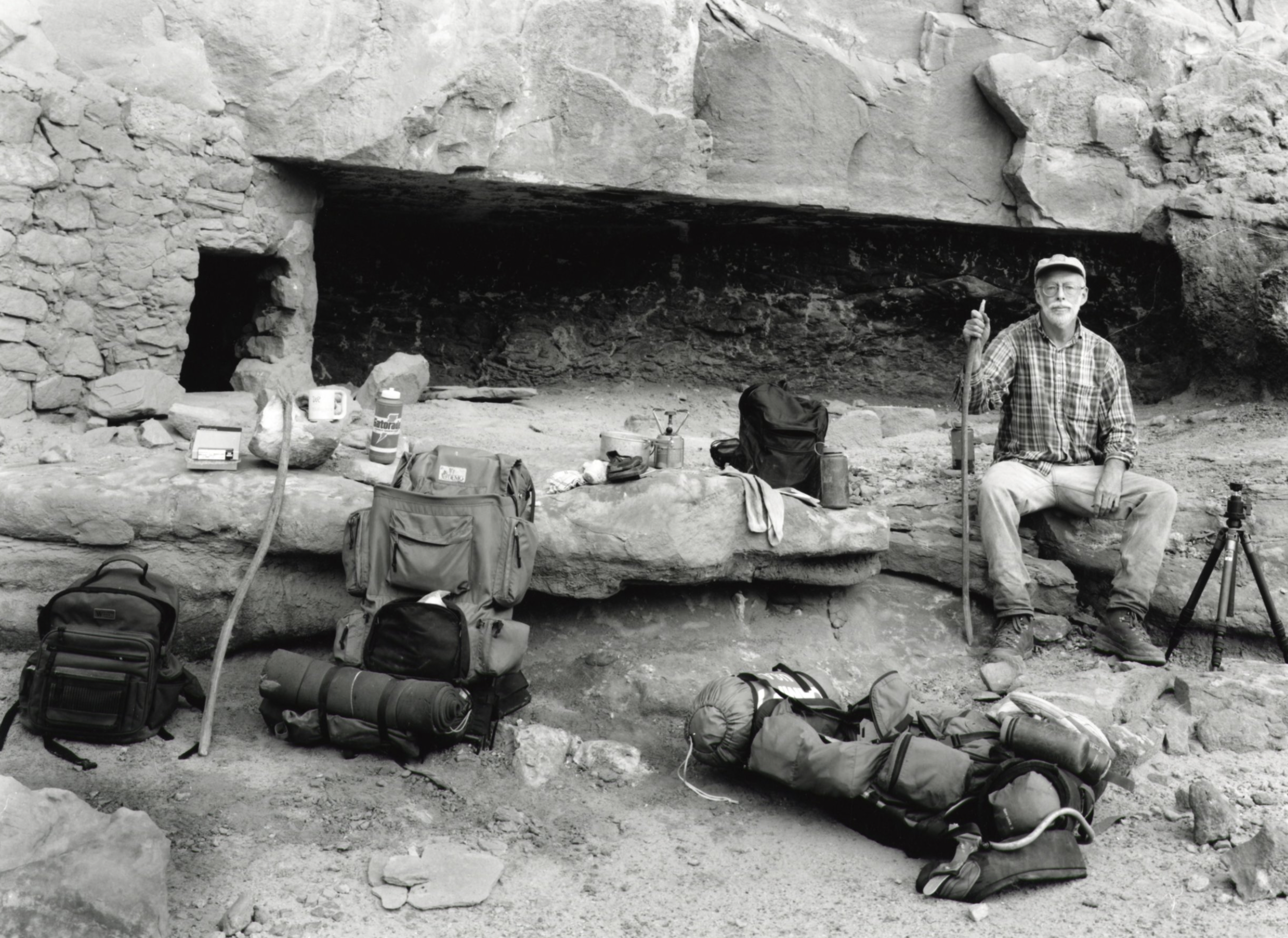
After taking the Owens Valley Workshop I became good friends with photographer Ray McSavaney since he lived in Los Angeles and would do a workshop called Urban Los Angeles where on Friday evening we would meet at his studio and meet the workshop participants and bring some prints to share with the group. On Saturday and Sunday we would then photograph in Los Angeles. Some of those locations would be Victorian Square, under the bridges of the Los Angeles river, Bradbury Building, etc. For myself the first time photographing under the bridges or freeways was this does not look interesting with all the concrete but when I went home and developed my  B&W film the concrete had a glow to it with light underneath.

How did your Underground Subway series begin?
While driving to work everyday on Hollywood Blvd I saw a carwash go out of business and thought that was strange especially with all the cars in Los Angeles. Then saw construction fences going up with a sign saying this is a Federal Funded Transportation Project that included Los Angels County Metropolitan Transportation Authority. I then wrote to the MTA Arts about obtaining permission to photograph. One year later I heard back and they told me I could come for a day and that day turned into over three decades of photographing LA Metro Underground Transportation Projects.

Why was the Huntington Library interested in collecting his work and what was your role in all of this?
I had contacted the Huntington Library about showing them my portfolio from my Underground Subway series and met with Jennifer Watts (Huntington Library Curator of Photography) where some of my artwork is now collected. I mentioned  to Jennifer about looking at Ray McSavaney’s photography and then the Huntington Library started collecting some of Ray’s photographs. Ray passed away the week after I retired in 2014 and John Sexton asked me to help with Ray’s estate where now with help Ray’s artwork, is collected at  Huntington Library, Center for Creative Photography, Portland Art Museum, Los Angeles Central Library and University of Utah Marriott Library.  Explorations is Ray’s book that he self published and is available here.

Ray McSavaney

What would you tell your younger self?
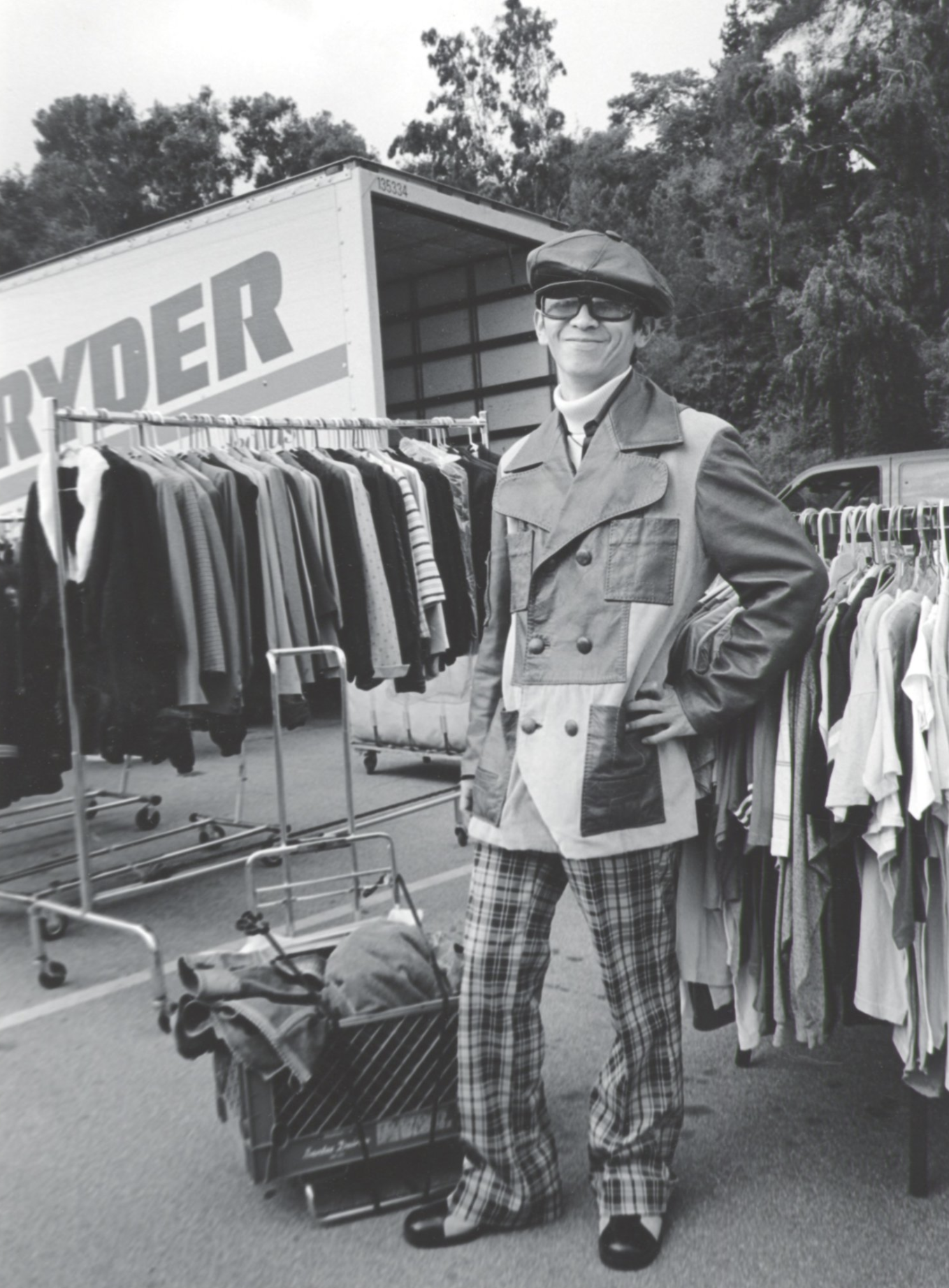
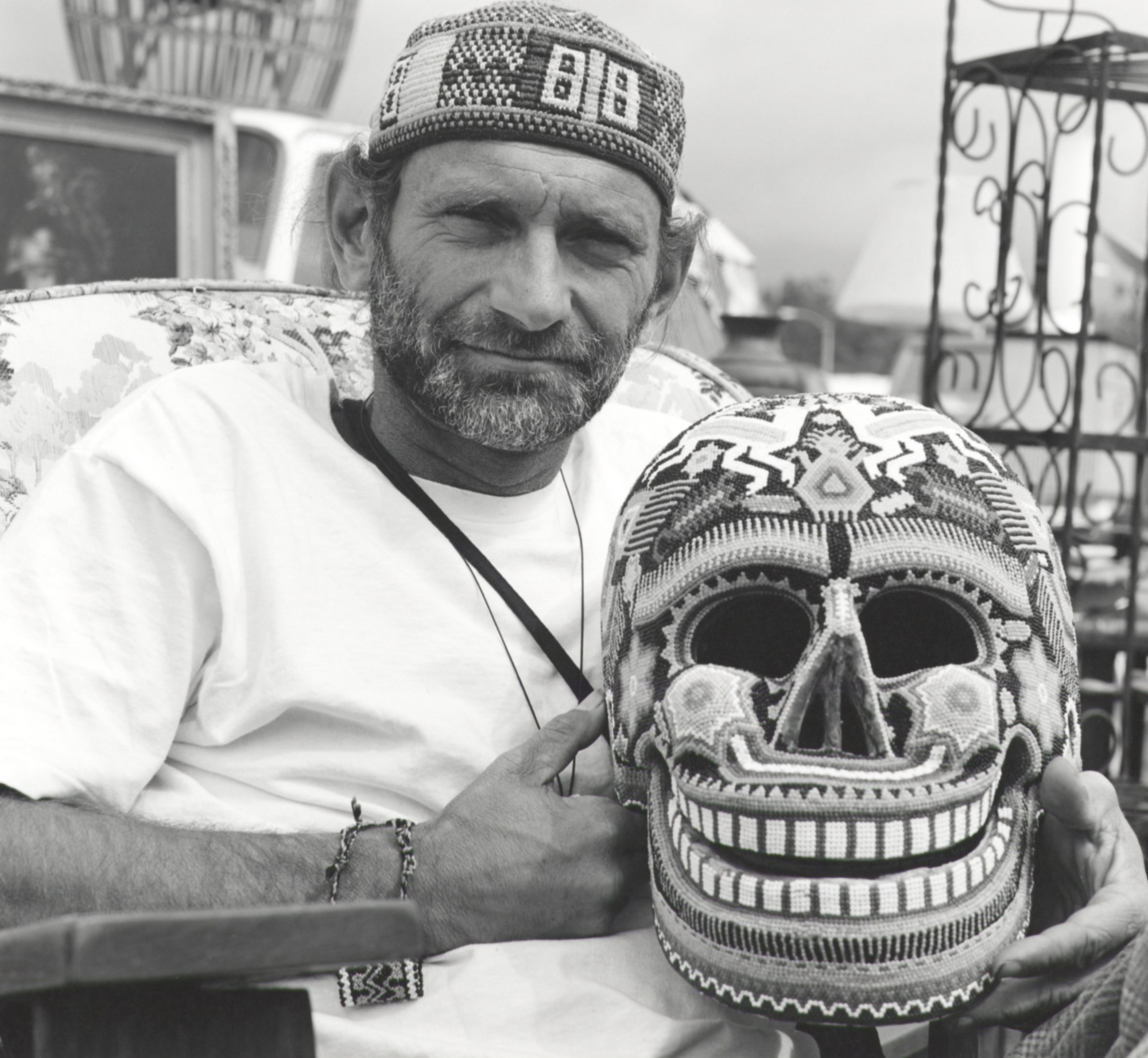
I would probably try to keep up with the digital world taking more classes to better my skills in Photoshop, Lightroom and designing a website. I wish I did more oral interviews with my subject matter. Now I look forward to publishing a book on my different construction projects that also includes the the rebuilding of the iconic 6th St Viaduct. I do have some older projects where I photographed the vendors and buyers at the Pasadena Rose Bowl Flea Market and Harley Davidson Riders.


What are you currently working on?
I’m currently photographing the Underground Construction along Wilshire Blvd where Metro plans to build seven new Subway Stations by the Summer Olympics in 2028

Photographers, How Much Do You Make?

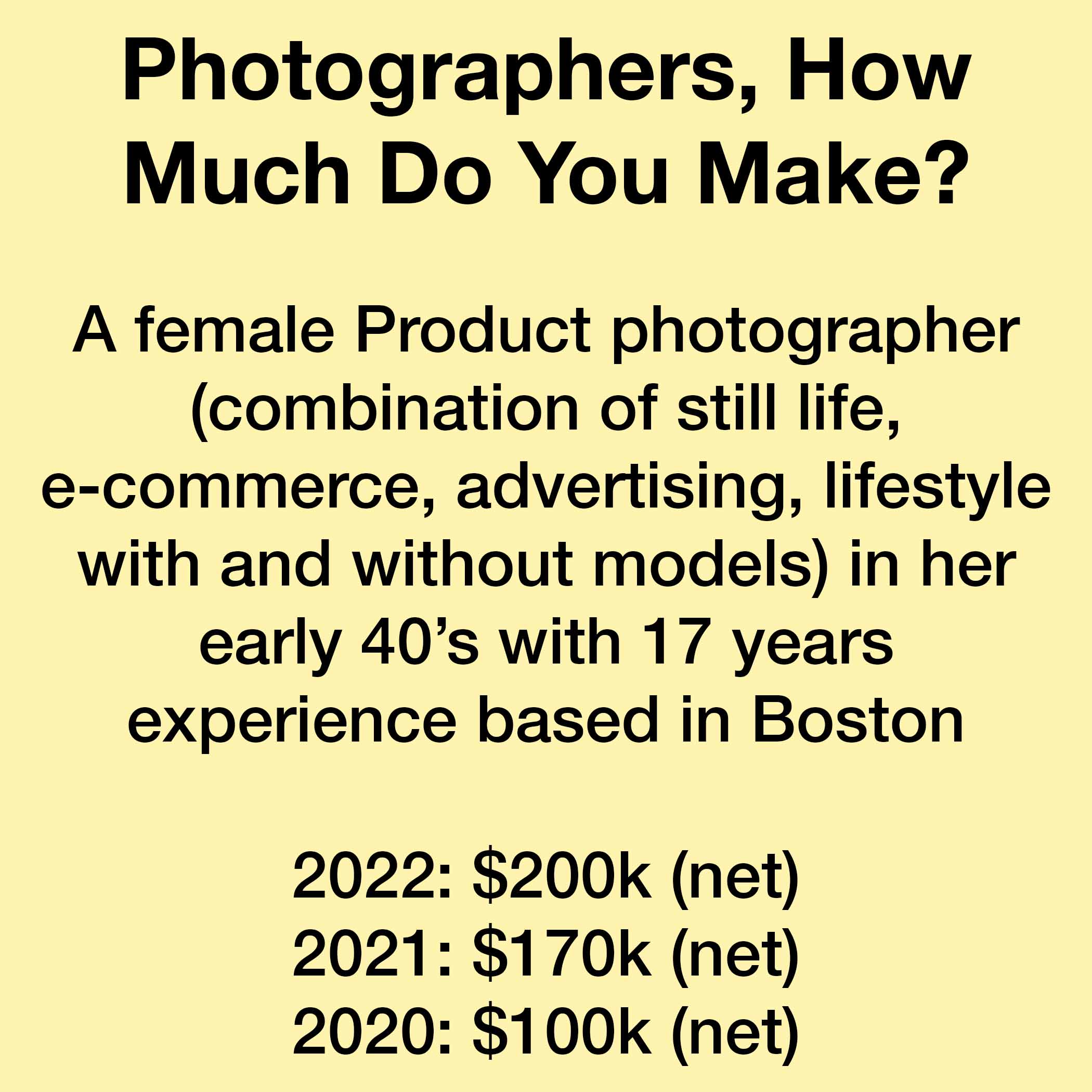
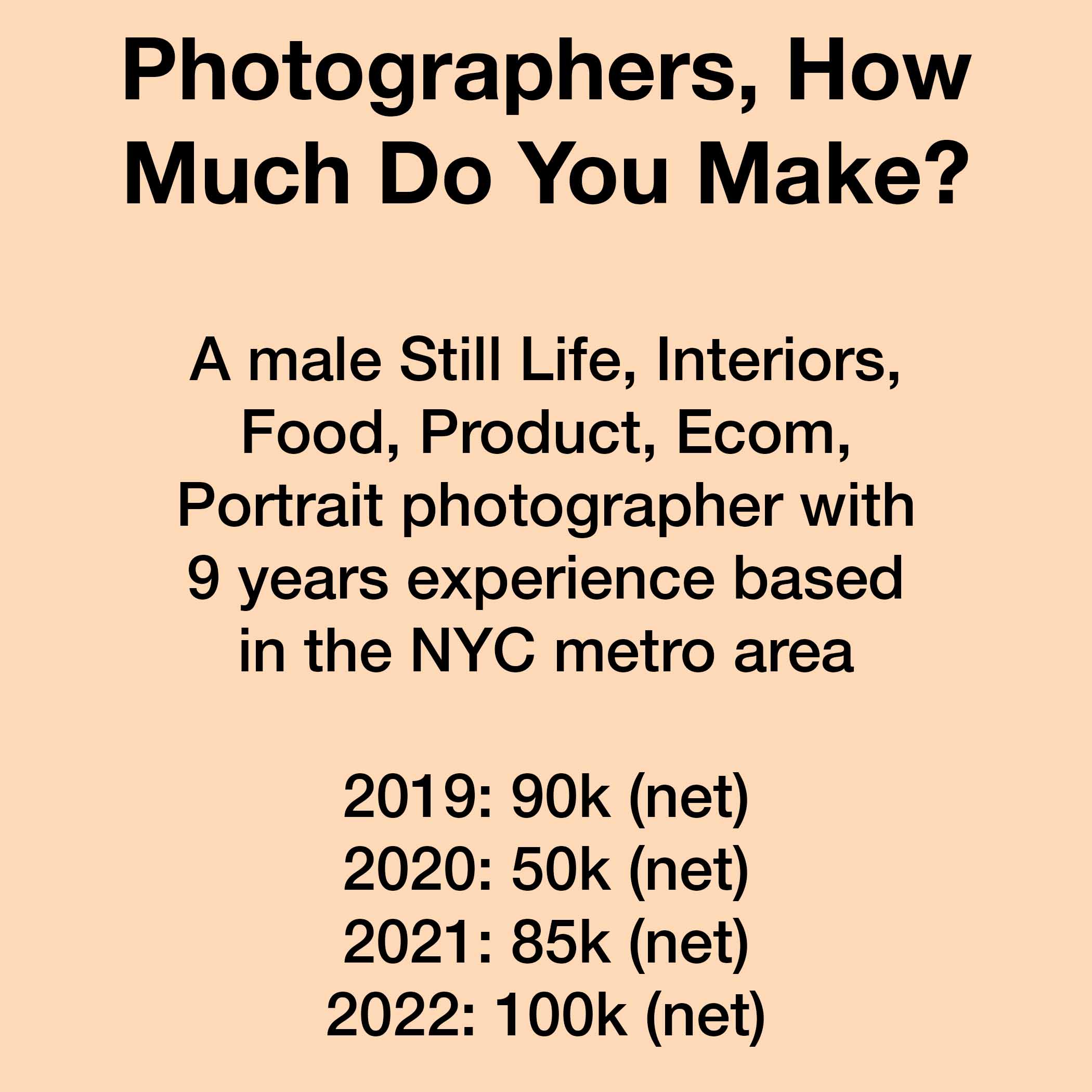
Product photographer is a great style to work in because it’s an umbrella term. So all my work is product photography but I can shoot it in studio, on locations, with talent and without. A guess is 70% of my work is some version of product still life and 30% is product with models/talent.

I’m in the Boston area but my clients are up and down the east coast ranging start ups to well established international brands.

I used to have and agent but currently prefer not to have one because I get to know my clients better.

My overhead is low. My studio rent is less than $1/sqft (I got lucky finding a spot in an artist building during the pandemic when a lot of people left). Most of my costs are production costs since I handle a lot of that myself.

I’d guess my profit is around 80%. Last year I billed $250,000 and my taxes were on $200,000.

I work 35-40 hours a week about 49ish weeks a year. Some weeks, like when I travel, I might have more hours but that’s probably the average. I rarely will work after 5 or on the weekends. I’m a mom and that’s my highest value family time.

Most of my clients are building some type of image library for online usage. There are occasional simple product photos that are also frequent calls which I can do pretty fast. The majority of my clients are repeat. Some book me for a few days every month, others maybe 5x year for their seasonal campaigns and quite a few are 2-3x a year and somewhat smaller companies. The thing they all have in common is I tend to be low maintenance with my clients and run smaller productions. I do a lot of remote shooting where the clients review relevant images as we go so they can stay in their cities, take regular meetings and have a normal, albeit somewhat disruptive, day at work.

Over the last few years my income has been going up consistently. I spent a lot of time in the south and gathered some amazing loyal clients down there but moving to the Northeast was a huge bump for me.

I run most of my shoots almost from top to bottom so I’m often doing the productions/styling/shooting and retouching. When I start to get too busy to do all those, I’ll hire my assistants hourly to do some of this running around. I think it’s been part of my success being involved in all those aspects. I know my repeat clients so well that I can minimize what I need from then to deliver on brand content.

I’ll get an initial shot list and review it with the client. I’ll do the production which will usually take less than a day, maybe 3-6 hours depending on the shoot, (billed hourly). Then we will shoot and after I’ll retouch the files and deliver them. I bill most of my work as hourly with online usage added into the hourly shooting rate (I know about how many pictures we can do in an hour). Extra usage is added per image to the invoices.

My shoots range from a half day to weeks and weeks of shooting so average isn’t really a thing.

The bigger the project the more hours it take and work it is. I have projects that were over $40k by the time I invoice for them but they might have been work that went on for a while. A couple weeks ago I did a shoot where the estimate before retouching was $20k for a week of shooting with fairly low usage. Next week I have a shoot that might be a in the hundreds of dollars that’s 8 pictures of 4 products for a website. By charging hourly I feel like I am accessible to people of all sizes and my motivation as a photographer is to help out whoever I can. I try and be completely fair to everyone in what I charge and if I can squeeze someone smaller in and help elevate their images for them, I will.

My worst paying shoot lately was one the client (an agency) produced and styled. When I got on set quickly what had been discussed as needed on calls was the tip of the iceberg, but I had a creative fee with my day rate on the estimate, based on what they had discussed with me and had been on the shot list. Each shot on the shot list looked was worded as 1 image but on set they realized they had the language wrong and meant for overhead to mean straight on camera angle making it two shots and that each shot was for 1 product with 6 color options and for both the new and old model. So the math on that was what looked like 1 image and was estimated to be usage and time for 1 images was 24 images. There was also a request for the raw files which hadn’t been discussed. It was an ambitious project for a one day shoot before multiplying the shot list by 24 and the day went long. But that wasn’t where issues ended.

I billed as fairly as I could including travel and overtime. The client came back and argued that they were over budget already and I hadn’t ever clarified a day had an hourly limit to it so I couldn’t charge any overtime. I assumed as they were an agency and we had 4 models it was understood that 10 hour days were what we were working off of but I did remove the overtime charges. They also wanted me to take off the travel fee, because a lower level employee never mentioned to them I charged that. Since we did have written discloser of that (despite it being to a lower level employee) I kept that on. I still paid my assistant overtime because obviously I want to do right by my assistant and they shouldn’t be effected by this stuff. Then they were about 60 days past the payment terms when they finally did send payment. I also waived their late fee but honestly, I’ll never work with them again. Lesson learned there.

I think my average cost per delivered shot was one of my lowest in a long time. Also having them style the shoot was a bit hard to watch and there wasn’t time allocated for me to try and fix things for them. I can’t imagine their client was super happy with the results.

I will occasionally do some video but I’m not shooting it. I’ll hire in a team and we’ll work together with me as a director. This is very sporadic though. Most of any motion work I do is created from stills.

Worst advice I’ve received: You have to pick one thing to shoot and perfect it. You can’t move once you have established yourself either.

*So I picked products because I can change what I’m shooting all the time, keep on challenging myself and getting creative. I’ve lived in 4 different cities around the country now. I focused on creating a business model before the pandemic that did remote shooting so I kept most of my clients and moving allowed me to get a presence in more markets.

Best advice I’ve received: Love what you do, have gratitude for every day and experience.

*I will set intentions before my shoots for the best possible outcome or to exceed the expectations of myself and my clients. If things don’t go as planned, allow it and it might surprise you how it works out. But life has too many things that can go astray to let our creative processes become stressful. Being creative in a joyful and grateful state always produces better images for me.

My most effective efforts in marketing are SEO work: optimizing my google listing and being intentional with what my SEO is targeting. I have and had some memberships to organizations like Found and Wonderful Machine but I don’t think they’ve ever really been worthwhile. I have hired photo editors to help me redo my website which I’ll redo every 3-5 years. I moved away from website template platforms like Squarespace that just can’t get their SEO game up to where WordPress is, which is what my site is build in now. I can make the site look exactly how my consultants and I want it to but have all the SEO optimization that the template sites aren’t doing (I know they say they are but they really aren’t as good). A good website with strong SEO is amazing.

My retirement is traditional at the moment, 401K and Roth IRA. I’m exploring passive income streams but haven’t settled in on any yet. Everything I do is B2B and the passive income I keep thinking of is all B2C which I’m not as crazy about yet.

I’m particularly interested in this topic among photographers as it’s often not considered. It’s a question I ask when I meet up with other photographers in my cities (which is something I try and do, I don’t want to compete with them but I want to know who they are, what they are doing and build team mentality if possible as we all bring different skills to what we do and I can often refer work to someone else better if I know them). I collect their plans and have heard everything from selling stock and harvesting usage for years to come to marrying a lawyer!

My thought of what might help photographers is a request of you, actually. I think you touched on it by recognizing that there might be an earning disparity between female and male photographers. I am wondering (and not going to lie, this curiosity is part of what prompted me to participate in the survey) if across the board other photographers are noticing this pattern: 95% of my clients are female. From the 5% that consists of my male clients none of them are from the US. They often live here now but were raised somewhere else.

Of course it is possible that my style resonates with a female audience but I’ve seen this for the last 10 years or so. It’s another question I ask fellow photographers that I become friendly with. When I’ve chatted with friends who are male photographers, they see a good mix of both female and male clients. However my female photographer friends I’ve asked also have a large gender difference not dissimilar to what I am experiencing. It’s peaked my curiosity and I wonder if someone asked photographers about what gender and nationality is hiring you, if this pattern would be widespread or regional. I think adding that question and learning if there is a pattern would help photographers.

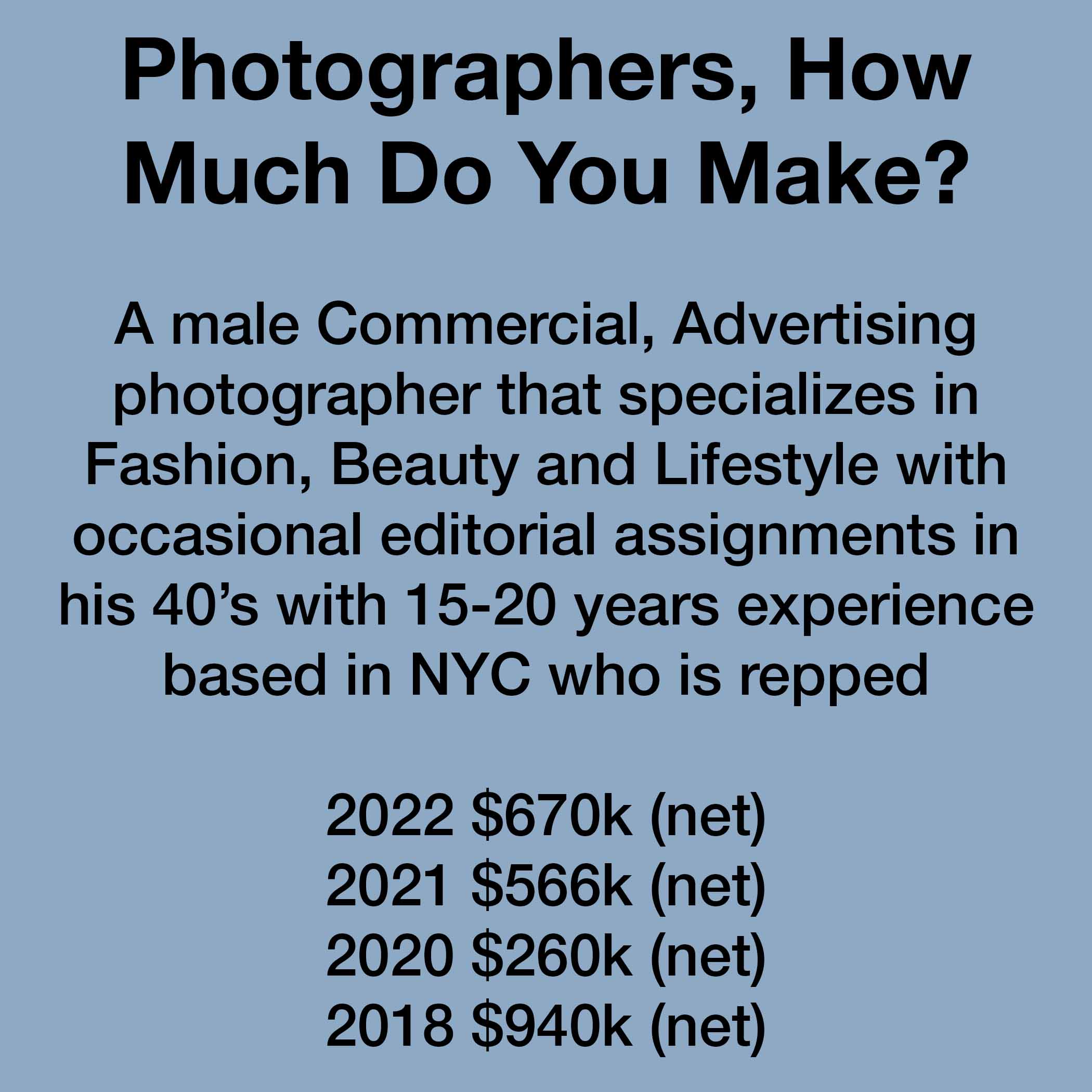
I have a diverse collection of clients ranging from Luxury Brands to Fast Fashion to Beauty Brands. I shoot Advertising campaigns, Editorials, Catalog (both studio and location) Executive portraits, Point of Sale, Branding, Marketing & Web and occasional Video. My personal work is a mix of portraits and landscape photography. My clients are all over the USA. My rep takes 25% of the negotiated day rate.

Before COVID, I had a full time First assistant.

My overhead I try to keep minimal. I have a storage unit, and a small office. My biggest expense would probably be updating equipment & transportation.

I have averaged 50 days of work in 2023 so far (On 3/24/2023). Every year is different, but I try to average 2 to 3 weeks of work per month.

My income dropped significantly due to Covid. I found creative ways to make money in photography and luckily I am so diversified in my work, I had opportunities with a few clients that took me on location but I had to isolate for weeks before I could arrive on set.
In 2022, I rebounded and my income has been slowly increasing since Covid. I suspect there will be a few rocky years ahead.

I have a small production company that I use to sub rent part of my photography equipment and pay my freelance staff. This helps not dipping into my photography rate. This supplements the high cost of updating equipment and paying freelancers a higher day rate than what clients are willing to pay.

Average shoot day on location is 12 hours. I do not charge OT as a photographer. My freelance assistants charge OT after 10 hrs. A lot of clients are reluctant to pay OT to crew. Terms vary for client to client and usually there is a 1 – 2 year embargo on the images. Most fashion clients don’t need to renegotiate usage but occasionally they will for an extended year or two. The biggest renewable usage personally comes from Beauty that want to extend their product packaging. Occasionally, celebrity images can get syndicated and there can be additional money compensated.

My best rate in the last two years was a National Advertising Campaign that paid almost 20k a day (minus commission) and the best usage was a multiple images syndicated for a National Marketing fashion company that paid 32k.

My worst rate in the last few years was a National syndicated Editorial Magazine $600 a page plus expenses limited to 2k.

I’m a Director of video and I also shoot Video. It’s something I’m exploring more and more.

My marketing is primarily relationships and social media.

I hope not to retire, but I have something similar to a 401k plan for freelancers.

The worst advice I’ve received was:
1.Move to Europe.
2.Shoot one thing really well. Specialize in it.

Best advise was:
Own your own Eq and start a LLC.

My biggest advice to photographers is to diversify and learn video.
-Diversity !!!!
-I almost don’t turn down any job no matter the rate. Unless I feel like I’m being taken advantage of.
-If you take the assignment, job – deliver 200%.
-Raise the bar so high that they can never go back.
-Know your worth and how much value you bring to the table.
-Be kind. Always. Take good care of your crew and pay your freelancers more money than what the clients are willing to pay.
-Don’t take things so literal- bring your creative talent to the table but understand what the clients vision is.
-Learn lighting techniques and understand how lighting can really enhance your work without doing it in photoshop
-Have an emergency fund (it was a hard lesson).
-Never take your clients for granted and appreciate every job that is awarded to you.

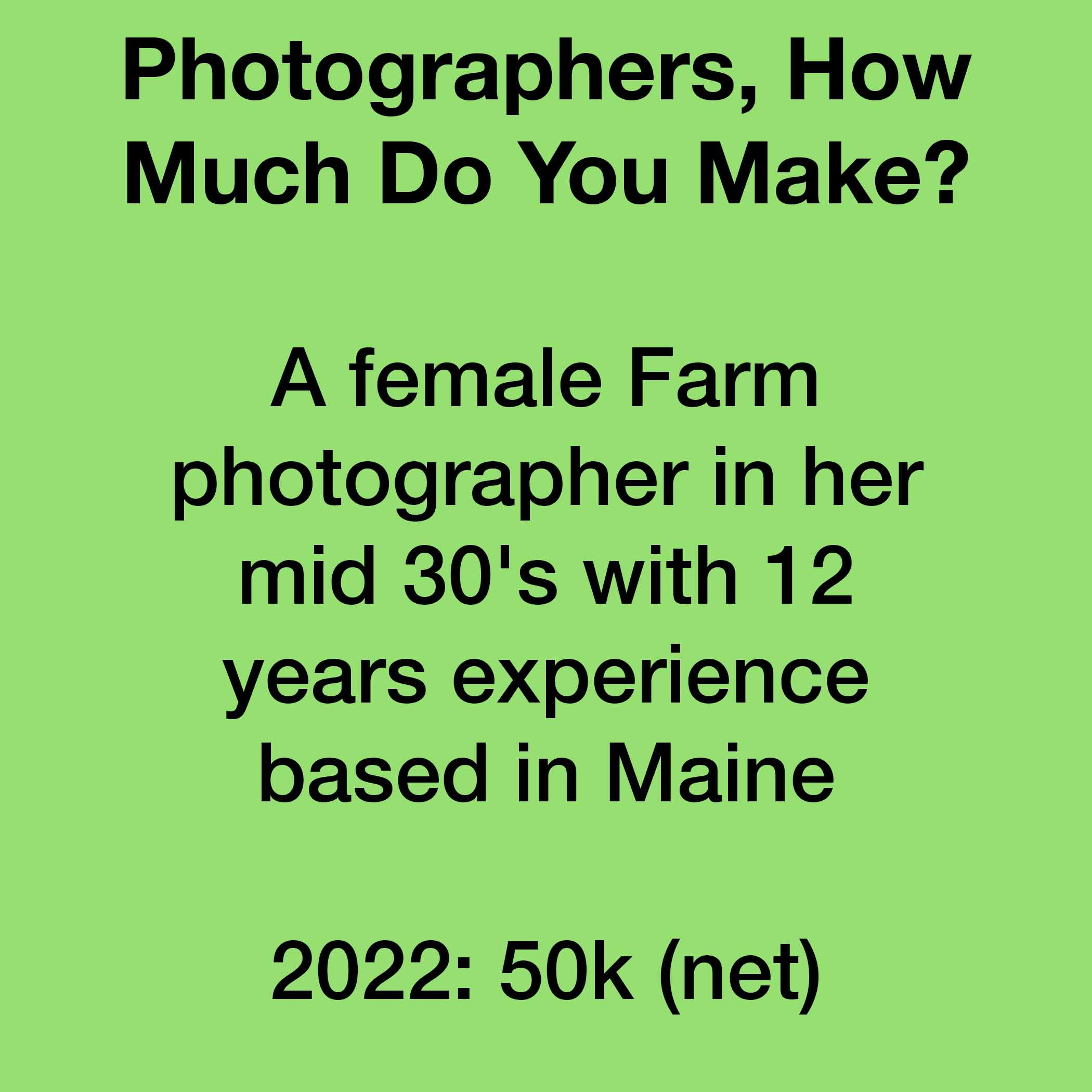
12 years ago I got my first paid gigs and I’ve been working 5 years as full-time photographer.

My clients are small and medium farm businesses, larger food and farm nonprofits, food councils, etc., mostly paying for my work through grant funding. They mostly have a pretty chaotic/sporadic communication style and approach to planning and scheduling (because that’s farming) and that works well for me, too.

Estimates of how my income is derived:
20% Ongoing contracts with just a couple of farms for comprehensive marketing photography including product photography
20% One-time half day doc marketing job for small farm businesses
20% Infrequent but higher paid jobs for food organizations, local food businesses, or food nonprofits
13-15% Assisting/seconding other photographers
10% a seed catalog
10% or less – pickup licensing or publication, random print commissions
10% or less – Editorial assignments. My average pay per editorial job is $600, which I think might even be above average, with most jobs taking multiple days of work.

I do not have a lot of overhead:
$1-200/year on weather gear: boots, socks, rain suits
$30/mo health insurance for me (thanks, lower income bracket)
$300/year on computer maintenance and software
$1K/year on gear & liability insurance
$1-2K/year average on hardware: memory cards, hard drives, occasional lens or body replacement, thumb drives for clients, camera accessories like cleaning stuff and replacements for things I break and lose
The mortgage on my house + utilities comes to around $12k/year, split evenly with my partner (this is the only debt we have)
I have a paid-off used hybrid vehicle who’s gas mileage makes me money after the federal mileage reimbursement. Maintenance + tires is around $500/year
My office is in my home, so utilities for the space are a write-off.

I do not know my profit margin but the goal is to have enough to get to do it again next year.

I work maybe 300 days a year. Networking within my community is a huge part of my work, and that happens when I’m hanging out with friends or shopping, etc. I use social media almost every day, which drives word-of-mouth referrals. I’m always scheming. I work with a camera in hand about 90 days a year, and at my desk about 180 full days a year. The rest of the days I work when the mood strikes. Being able to change plans last-minute is important to my niche.

I’m up about 20% from the first two years going full-time, and pretty steady the past three. I dropped family and event work, which has been awesome for my mental state and endurance, but those were the better-paying jobs. It balances out with new clients because my reputation is still growing.

My other source of income is second-shooting for an awesome high-end wedding photog and I assist for a couple of pro commercial photogs. I make around 6K annually between those. It’s paid professional development!

My partner makes less than me, and neither of us have family money coming in. For indirect income, though, we both get free local food through our work and I love to preserve seasonal produce, so our grocery bill is less than $200/month.

The usual is a half-day for average $900 last year. Usually includes an hour of travel and 3-4 hours of camera work. Then archiving and editing can be another 6-15 hours including paperwork, drives to the library to upload or post office to mail thumb drives, and being at the mercy of being in the right mindset to grind through creative work or do it in small spurts.

First 40 images are usually included. My rural internet upload speeds are atrocious, so only higher-paying clients who need it get galleries to select for licensing. The rest get what I choose. Licensing terms vary by client, sometimes 2 year, sometimes 5 or 10.

In the past I’ve tried to do the math and make sure I’m paying myself at least $50/hr for creative work but I think it’s probably time for an increase.

My best paying recent job was a restaurant group that hired me for authentic doc images of real farms they work with. $4,500 for three half-day shoots, 50 images per day, 10 year nonexclusive license. Take home was over $4K.

Worst paying jobs are always publications. The single worst was a 5am start 90 minutes away in winter (bad weather on roads). I stayed photographing for 2 hours, spent another 2 hours archiving and editing, and two more hours driving to a library and uploading files to deliver (yay rural living). Pay was $225, magazine retains one-time print use and indefinite web use, I can’t re-license for 6 months past publication. It would be great to get fair pay, but I’m glad I did it because the editor is rad and my client base pays attention to the magazine and is impressed by seeing my work there.

I have occasionally shot and delivered raw video footage for client to edit as part of a larger photography job. Not super into it but would do for the right project.

I have a very small retirement plan from a previous day job, plus SSI (I hope) from all the other odd jobs I worked between ages 13 and 30.

For the real pros like most of these interviews, I have no advice except that if you’re able to take a pay cut, doing only the jobs you really want to do is exhilarating! I’m super curious to see how people will respond on here to my lower income and rates.

For newer, younger, or transitioning-to-professional photographers:

If you ever want help or referrals from other photographers, do not ever advertise or mass-solicit free work. Get involved with local businesses or organizations in other ways, become a person people know, and then show that you do photography. You can’t fast-forward community relationships. If you don’t need to make money but want to be a working photographer, charge a fair rate anyway and donate it, or self-publish a photobook.

You need to remember other working photographers are your colleagues, and undercutting them is not only evil but it will hasten the death of the industry you’re trying to get into.

No one talks much about class disparity in photography careers, and the only people who seem to be aware of it are of a lower economic class. In the beginning I was lucky enough to have my health, a stable living situation, low debt, and no dependent family members. I started out working as a second for a wedding photographer I found on craigslist, with a D70, used D300, a $90 50mm and a kit lens. I lucked out again in that she was an awesome mentor who helped whip me into shape. I continued taking small odd photography jobs for people I already knew while working full-time day jobs, buying better equipment with the money from gigs. By 2017 I made around $25k with annual rent of about $6k–another thing that’s really tough to come by now.

After I had a year’s expenses in savings, I quit my day job, and let everybody know I was going full-time on photography. I took a lot of jobs I shouldn’t have because they weren’t work I cared about, but it showed me that the money would come. You don’t necessarily need to be a rich kid or have a higher income partner to be a working photographer, though it felt like that to me all the time as I was trying to get into it.

A lot of what you see other local photographers doing on social media might be an illusion of work or success: publications don’t pay a living wage, and there are a lot of people who frame personal projects as hired work without explicitly saying it. If you love your work, bite down hard on it and don’t let go.

Top three best advice I’ve received for my career:
-Show what you want to do more of, don’t show what you don’t want to do (in your portfolio/website).
-Do the best that you can in the place where you are
-La fruta madura cae – “ripe fruit falls,” which reminds me to let time do its work as I build my career.

Worst advice (for me): Follow the money if you want to make it. I’d be doing wedding videos if I had followed this, not that there’s anything wrong with that. Instead I made up a role for myself and the money followed me.

Knowing my shit about my niche is what sets me apart from other photographers. There are hundreds of photographers here doing top-quality work and running legitimate, professional businesses, but if you’ve never worked in farming yourself, you have no idea how much you don’t know about it. I’ve heard stories of photographers getting sent to local farms and bragging about their contract with a cheap national restaurant chain, publishing non-food safe images that could cost a farmer their licensing if the wrong person saw it, having no concept of the pace or pattern of work on a farm, no understanding of biosecurity between livestock herds, licensing an image of a farmer for a billboard about health insurance in another state, when the farmer themself didn’t even have health insurance, and on and on and on. Local farming is also a super tight and tight-lipped community, so doing an assignment about someone everyone else knows is a real a-hole will reduce your legitimacy. Not being aware of class differences is also a barrier for outside photographers to earning trust.

I lived and worked on a farm here for four years, and have continued to work with the same farms and markets for over a decade. My integrity within the community combined with the quality of my work is my best marketing effort. TLDR: It’s 100% word-of-mouth for me, and it works because I am actually a full-time member of the community I photograph.

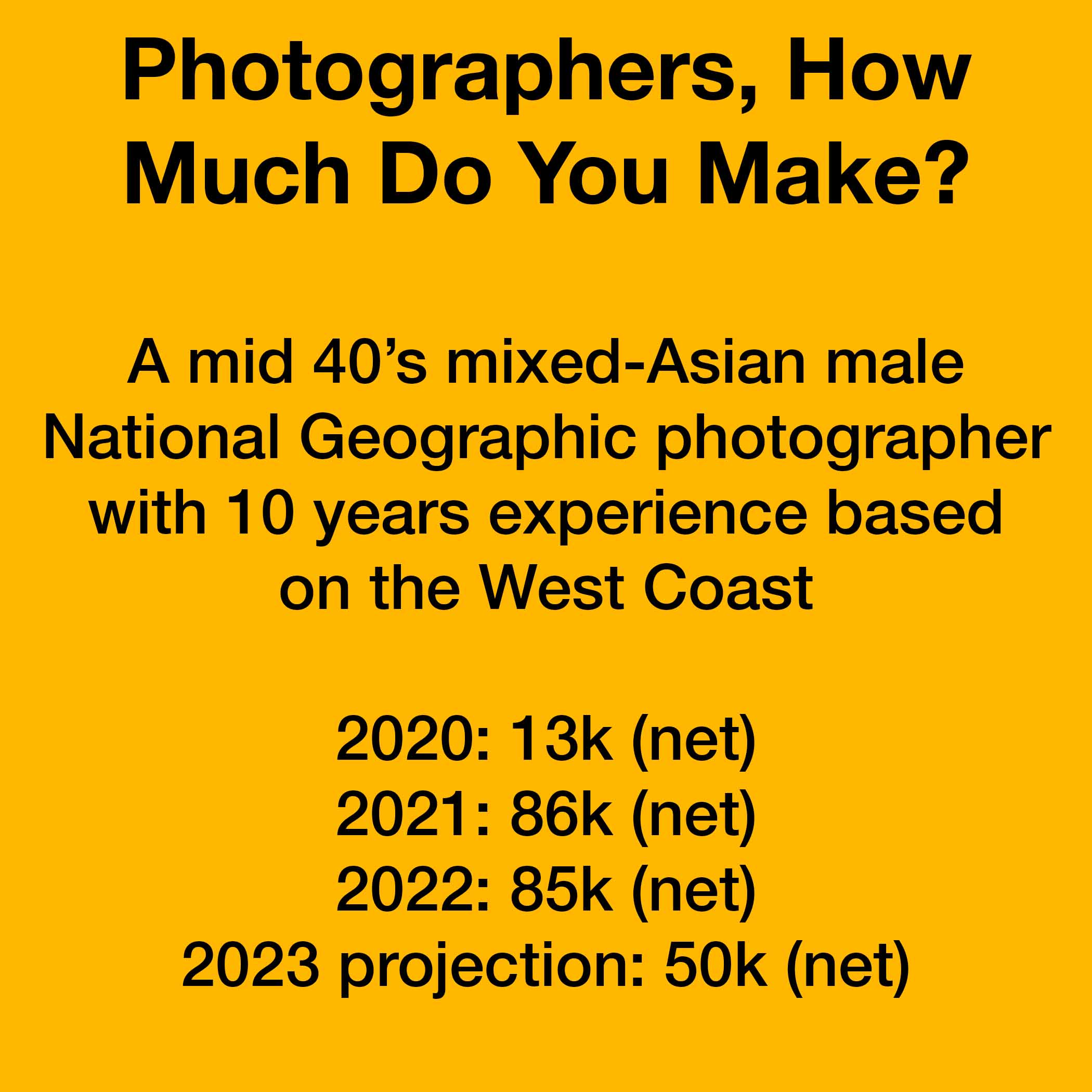
I’m a Editorial, Documentary, Culture, Wildlife, Landscape, Underwater and Travel photographer whose income is 40% from NatGeo Editorial or Grant, 50% from NatGeo Brand Partnerships, and 10% NatGeo Expeditions, Fine Art sales, and Speaking fees.

I have 10 years experience but only the last 4 were exclusively photography.

My overhead is high.
Underwater camera and diving equip- approx 20k/yr
Wildlife specific equipment- approx 10k/yr
Arctic and expedition specific gear- approx 2.5k/yr

My profit margin varies- 30%-60% dependent on grants vs commercial budget.

I work 330 days a year with approximately 280 in the field. National Geographic Magazine – all editorial, long-form multiyear projects, typically 250 days in the field annually. National Geographic Brand Partnerships- on-camera talent, Social Media photo/video, typically 30 days annually.

The last few years my income has been highly variable depending on number of NatGeo commercial brand partnerships, random fine art/nft sales.

For the first 6 years, I also ran a second business making 40k/yr to stay afloat. This career would have been impossible otherwise.

Average National Geographic magazine assignment is 2 years long with a day rate of $650 (now $775), in theory after expenses, but I am aways working many additional assignment days off-record to ensure the quality of the story and images. A better look at the average take-home is amount of income made on grant funding which comes out to about $250/day in the field.

Average brand partnership job is 5 days at $4k/day after expenses.

My best recent job was 9 days with travel, plus 3 days edit/post which brought home $90,000 after expenses. This was for on-camera talent, still photography, and some writing.

Worst paying jobs are grant funded projects for 240 days at around $250/day in the field, $210/day if editing/captioning included (worst but also typical).

I used to do video just for social but it’s now a regular ask as part of the regular job.

The best advice I have received is that it will take longer than you think to succeed in this industry, so make long-term decisions and plan for 5 years before making a living. And to work on personal projects and fund them yourself.

I don’t do any marketing, just the occasional contest entry.

My retirement plan is to work until I die… but seriously I save about everything I don’t invest back into the business.I have few personal expenses because I am always working.

Having a successful long-term career in photojournalism or documentary is difficult. You have to want to be a journalist and be passionate about the good that it can do more than anything else in life.

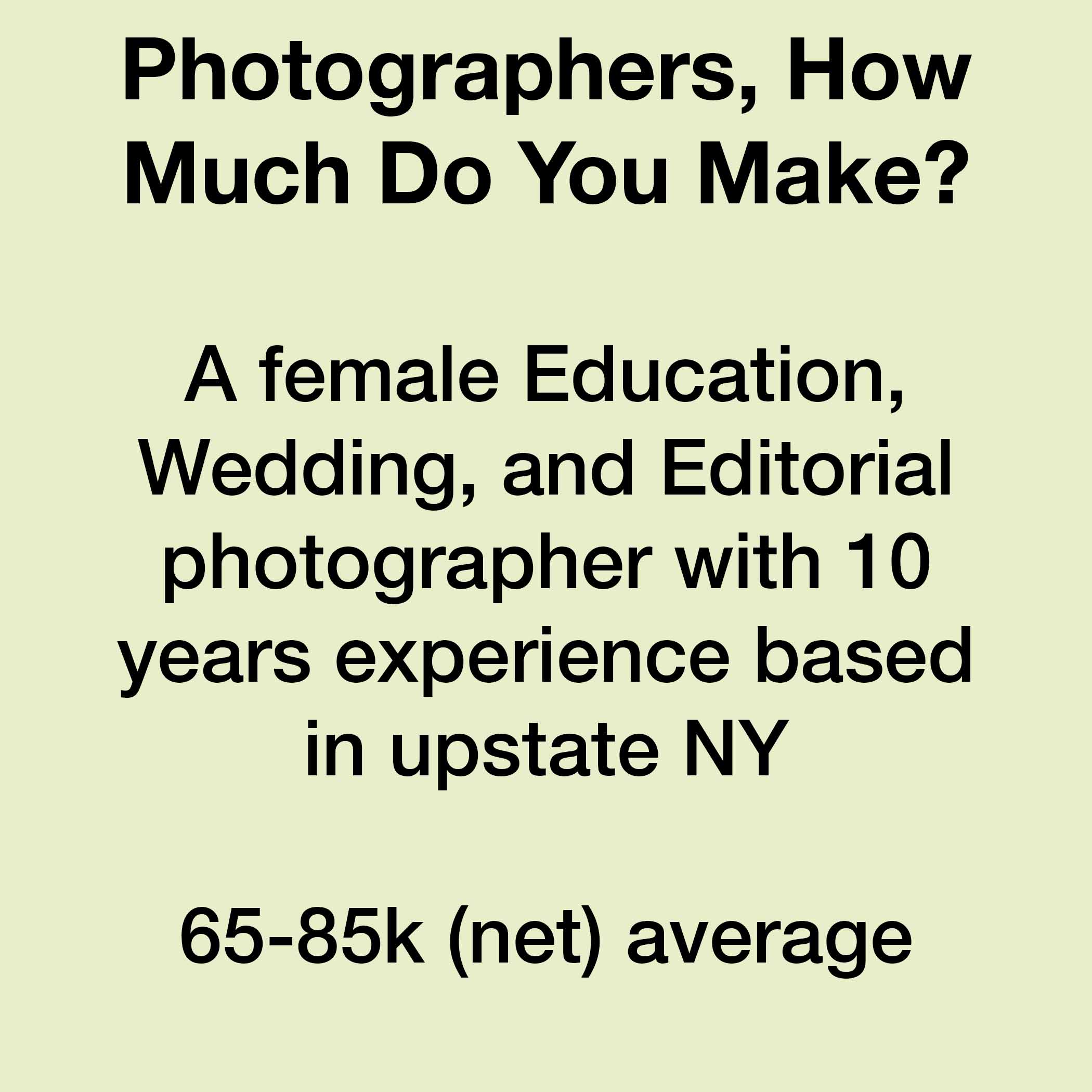
My income is 40% education, 50% wedding, 10% editorial

My clients are Ivy league institutions, plus some small businesses, niche publications, and down-to-earth wedding clients with mid-range budgets.

I have minimal business expenses. I save 22% of every check for taxes, 15% for retirement savings, and 6% for business expenses. So I’m taking home about 57% of my annual gross income.

I work about 150 days a year… 2-3 days / week for my photography business.

My inquiries and workload dropped significantly in 2020 because of COVID, but I was also raising my rates and changing work style, so my income didn’t drop much. I’ve been able to work far fewer hours (I work an average of 10-25 hours / week on my photography business) but maintain the same annual income as I had pre-COVID when I was working almost full-time.

I also do project management for creative studios. I genuinely love this work, it’s not just filler. And it allows me to only do the kind of photography work that I really love. This work is not included in $$ range I quoted above.

Average academic shoot: 6 hours on campus photographing classrooms & research groups in action, some portraits. $300/hour of photography time works out to an $1800 day. I don’t have any shoot-specific expenses (I work alone and I don’t often rent supplemental equipment). This comes with a non-transferable, non-exclusive license for the department or school that I’m working with, though the university is gathering the releases so I don’t have explicit permission to resell except within the university community (which does actually happen frequently).

Average wedding shoot: 8 hours on location, no second photographer. $5,400. +$2k if they want a second photographer. Delivery in an online gallery within 3-6 weeks, digital downloads included, prints and albums at additional cost. If I’ve hired a second photographer, I typically pay $600-800 for the day. Otherwise no shoot-specific expenses.

If we’re talking about best ROI in terms of time, it’s weddings. But outside of that realm, I had an editorial shoot for an alumni magazine that paid $2k, which included features in interior spreads and on the cover. An alumni class president saw the cover image and purchased 150 mounted prints of the photo for the class reunion, which netted me another $7k. Another great ROI in terms of time spent.

I photographed a cookbook with a net of about $10k. I had just had a baby and was otherwise not working, but the cookbook was written by moms and for families, so they were so accommodating and cool with me bringing baby along to many of our shoots. The book focuses on seasonal recipes, so I did 10 days of shooting spread out over a whole calendar year, plus LOTS of coordination, planning, and collaborative editing. The work really speaks to my values and style, but financially it wasn’t a great return on my time.

I don’t shoot video.

I live in a small city where I’m one of the highest paid local photographers in terms of hourly and day rates. I don’t aspire to work outside of my geographic region (I value the work/life balance I’ve been able to build with my young family) so I feel pretty much capped out in terms of raising my rates. But it works for me.

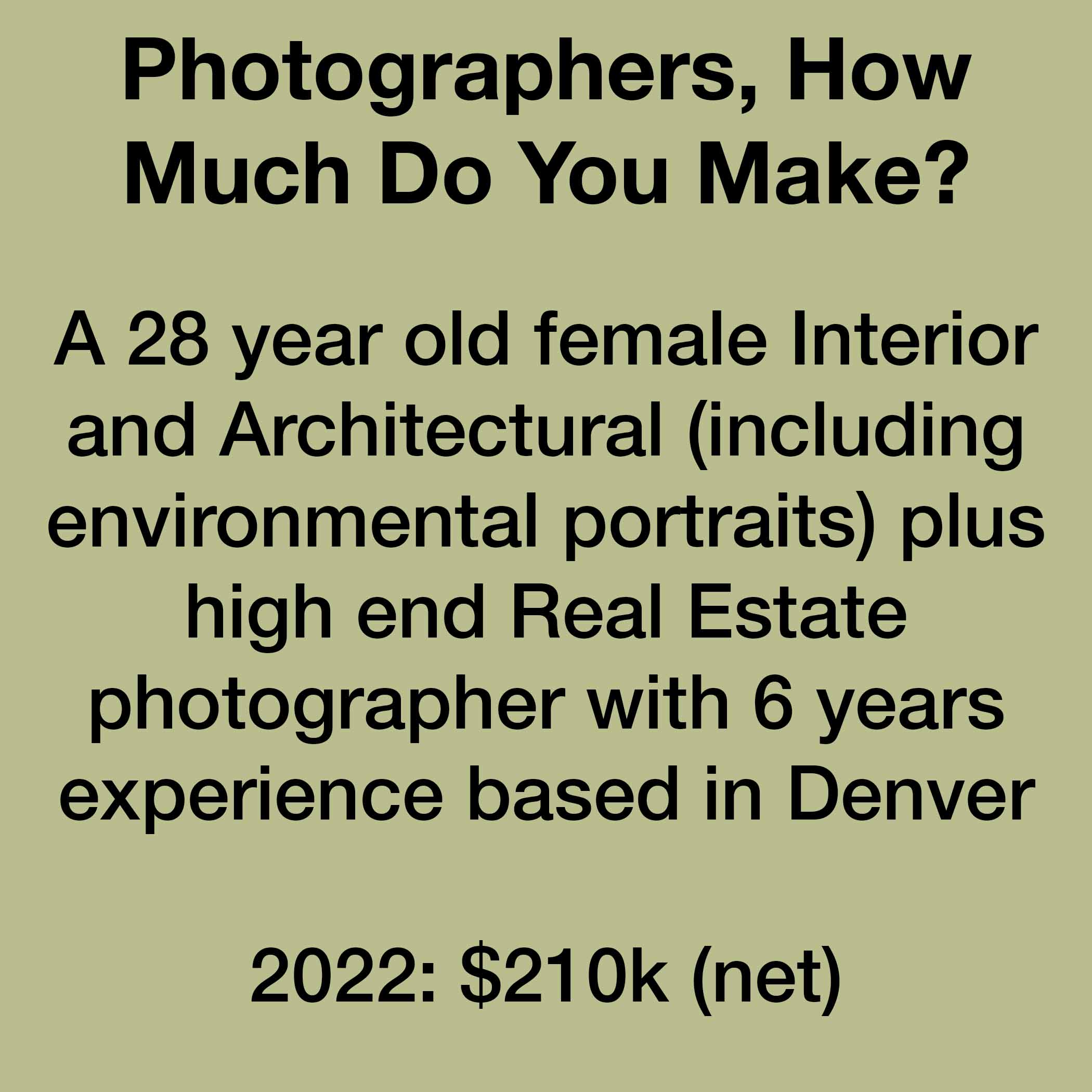
My income is 20% interiors and food from restaurants with a social media presence, 20% from Ecom where I travel to a studio or shoot at my home studio, 40% from a perma-lance 3 day a week gig where I shoot social media beauty images. 20% from one off clients (medical clients… interiors and some portraits, headshots for bands and actors, etc …).

My clients are small to medium and local. Small e-commerce companies, large fashion brands, start ups, independent architects and interiors designers, medical, restaurants, bars, fragrance, beauty.

I use freelance assistants and retouchers, and freelance consultants to help with marketing (how to contact new clients, what images to put in my emails and mailers).

My main overhead is equipment, I’m always needing another few pieces to keep up, sometimes I get to rent them back to myself for shoots and that helps cover the cost. Spent 7k on equipment in 2022 (I also bought a drone and became licensed) I have a home studio so I don’t count that as overhead. Maybe spend 2k on marketing every year (mailers, consultant, social media ads).

My profit margin pre tax is 90%.

I work 4 days a week most of the time.

I went from a staff full time photographer (7 years paid salary bi-weekly), to a freelance photographer when I was laid off March 2020 (Covid). I’ve always wanted to be independent and that time helped me pivot. I have 4 consistent clients every year that make up 60% of my income, assisting and teching is 10%, other clients 30%

I average 3 days every week 9-5 $1200 a week. Ecom work is usually 9-3 @ $500-$1000 day rate sometimes I travel to a studio, sometimes the client sends me samples and I shoot and retouch at home so I can work as needed. My food and interiors work can vary greatly but on average $1200 as a day rate, have to travel with gear, set up, and break down in 8 hours and I do a 1/2 day of editing for these. Bigger shoots I usually clear $3000-$5000 and have a day of shooting with usually two days of editing after. I’ve also started to assist other photographers and teching with my gear that added about $10k last year.

My best shoot last year was a $3500 day rate and $3500 for licensing, I also rented my own equipment, and charged an hourly production fee rather than hire a producer. This took 3 full days to edit and another 2 days to produce, but I had zero overheard and made some money back on equipment purchases. Client paid the crew separately. This would be an ideal way of working but I can’t seem to get more than a couple of these every year.

My worst was shooting Ecom for $350 a day for 8 hour days, plus I had to pay for $20 for parking, $20 for tolls, 2 hours of commuting and work in storage warehouse all day. Sometimes I got a window to look out.

I do some stop motion but no video yet.

I think owning my own gear and having my own space for shoots has been huge in my work. I sometimes go weeks without a day off, and sometimes weeks without having any gigs. I feel like my breadth hurts my brand for bigger clients but it also opens myself up to more smaller clients. My goals are to learn more about the business of photography. I’m just starting to learn about licensing and how I’ve let people over use my work in the past. I feel like I can create with the best, but I can’t seem to reach my target clients, and when I do I have trouble landing the gig because I don’t know how to close the client.
The Art of the Personal Project: Zac Henderson

The Art of the Personal Project is a crucial element to let potential buyers see how you think creatively on your own.  I am drawn to personal projects that have an interesting vision or that show something I have never seen before.  In this thread, I’ll include a link to each personal project with the artist statement so you can see more of the project. Please note: This thread is not affiliated with any company; I’m just featuring projects that I find.  Please DO NOT send me your work.  I do not take submissions.

Today’s featured artist:   Zach Henderson


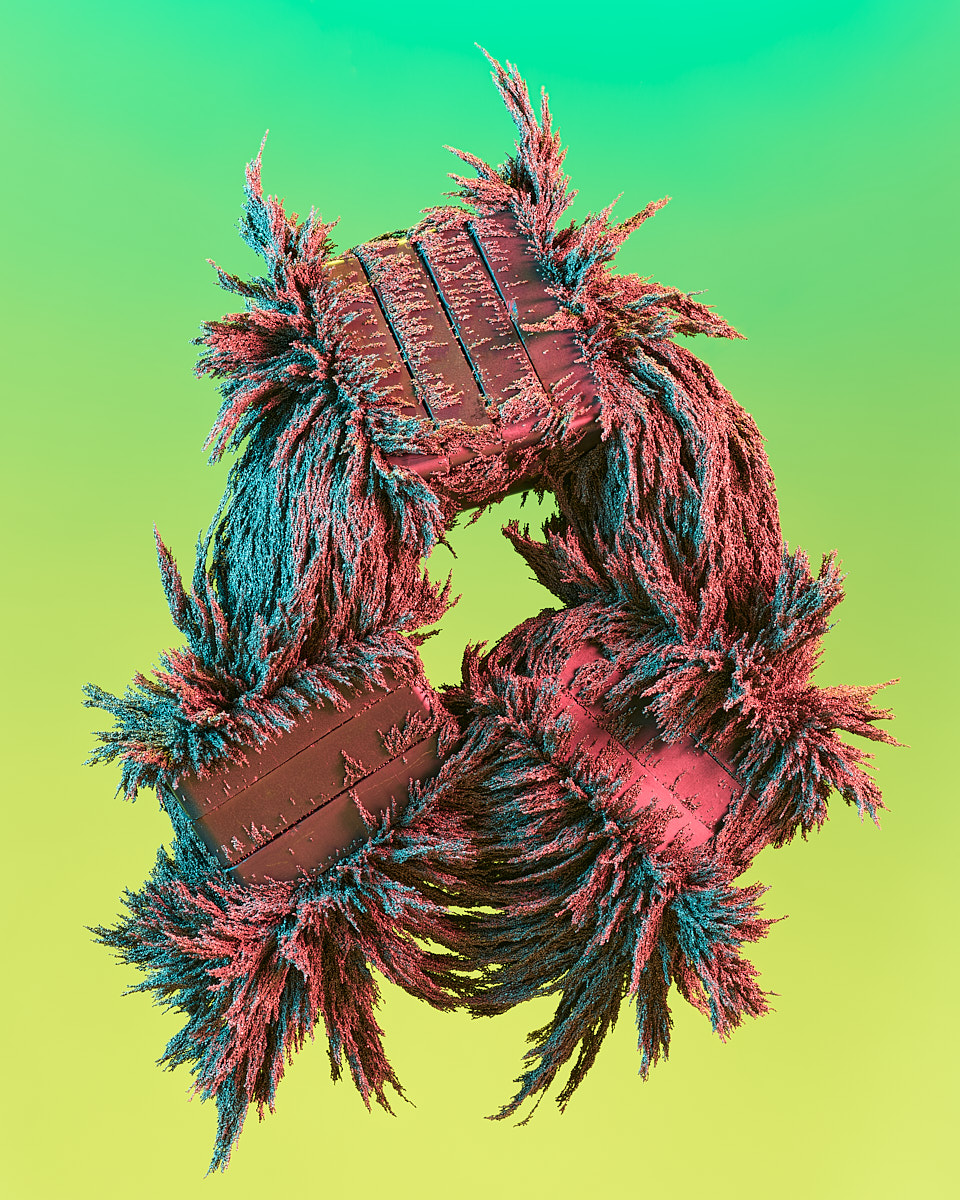
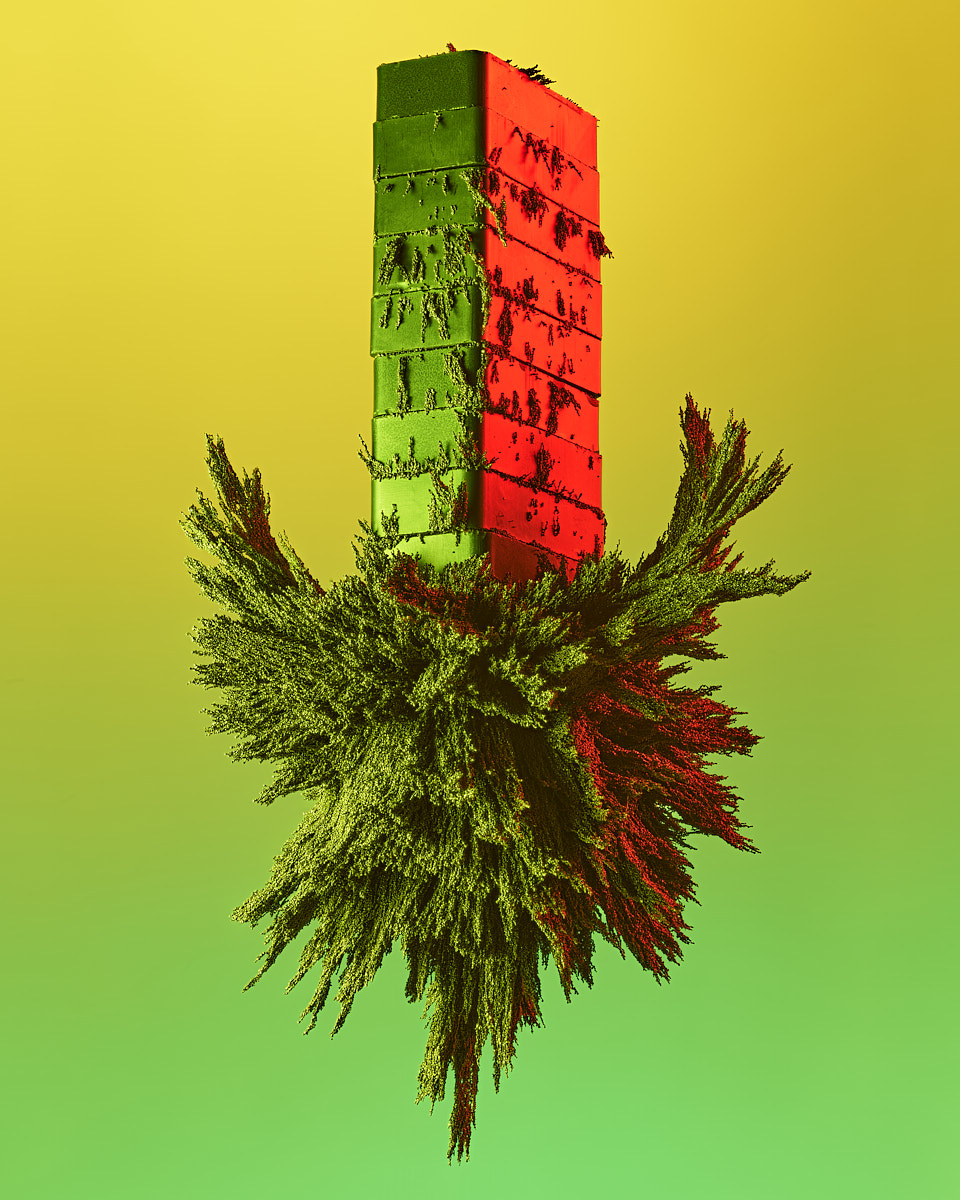
Dark Matter III Artist Statement

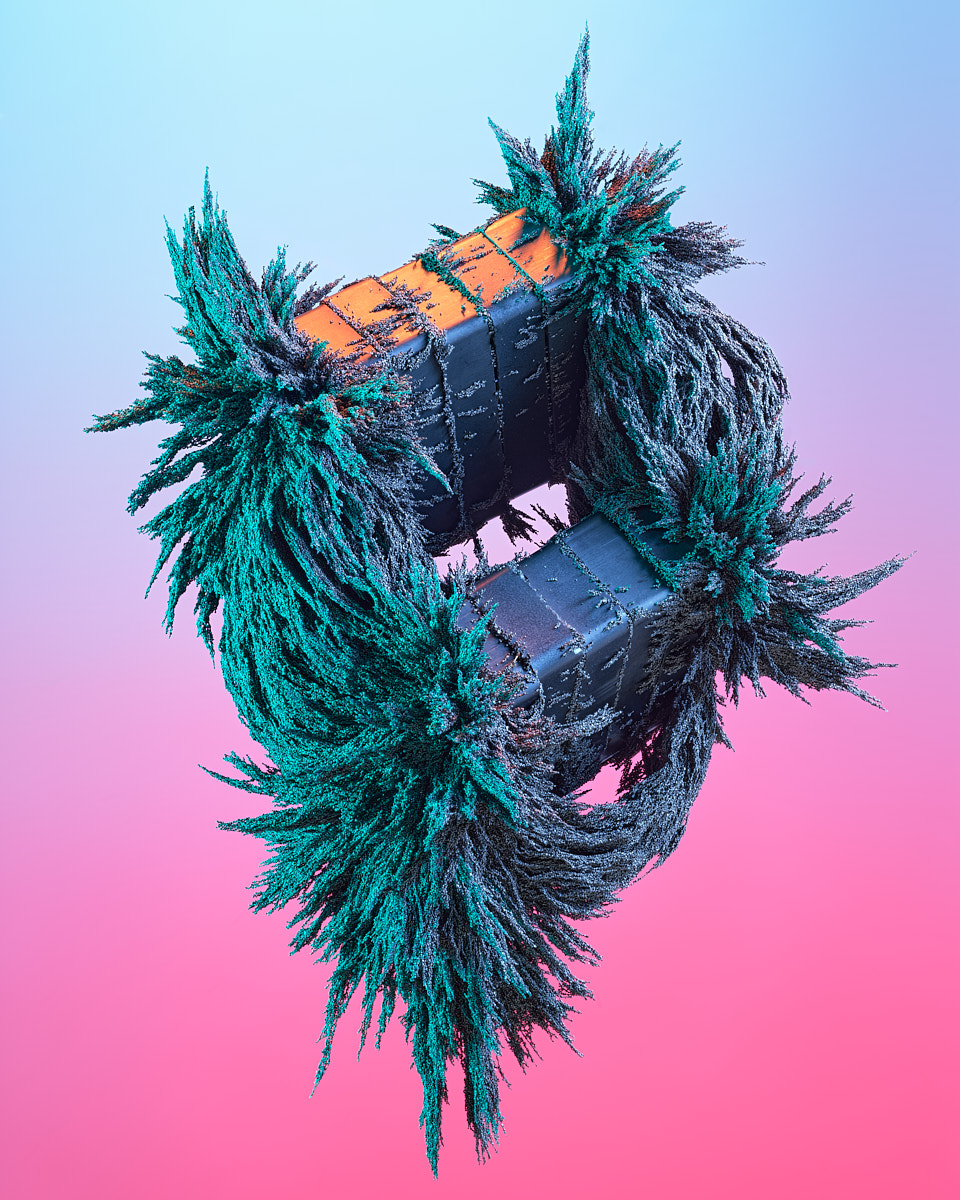
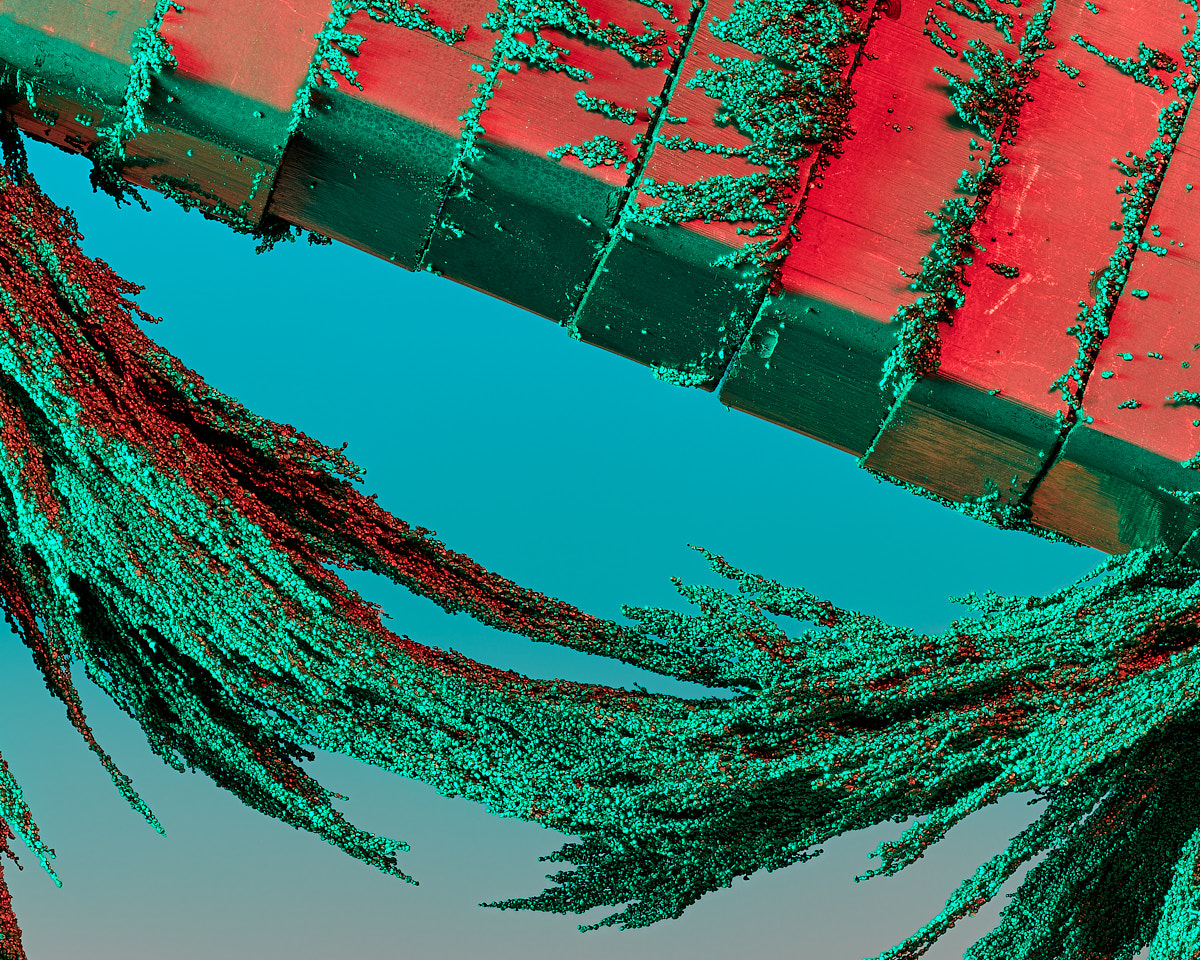
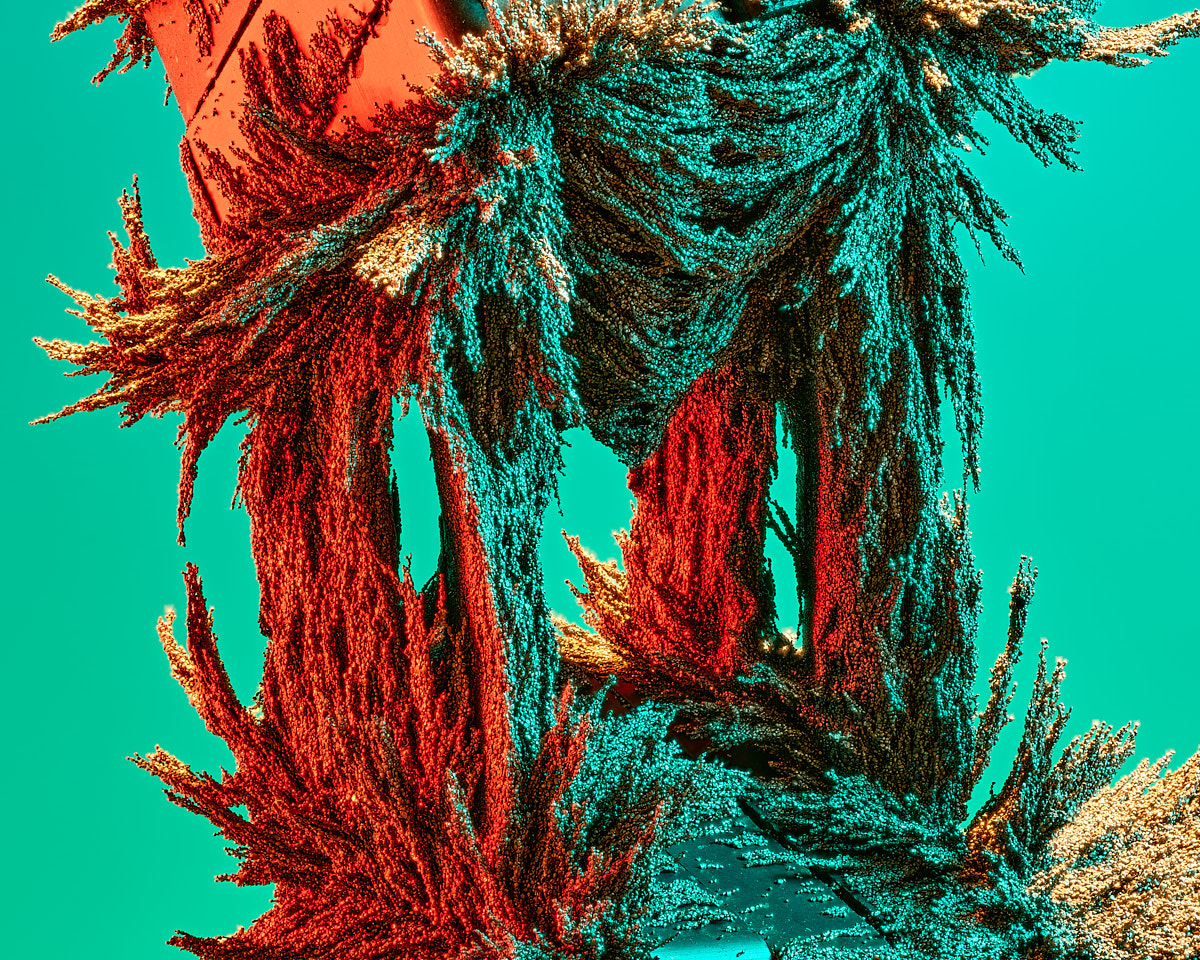
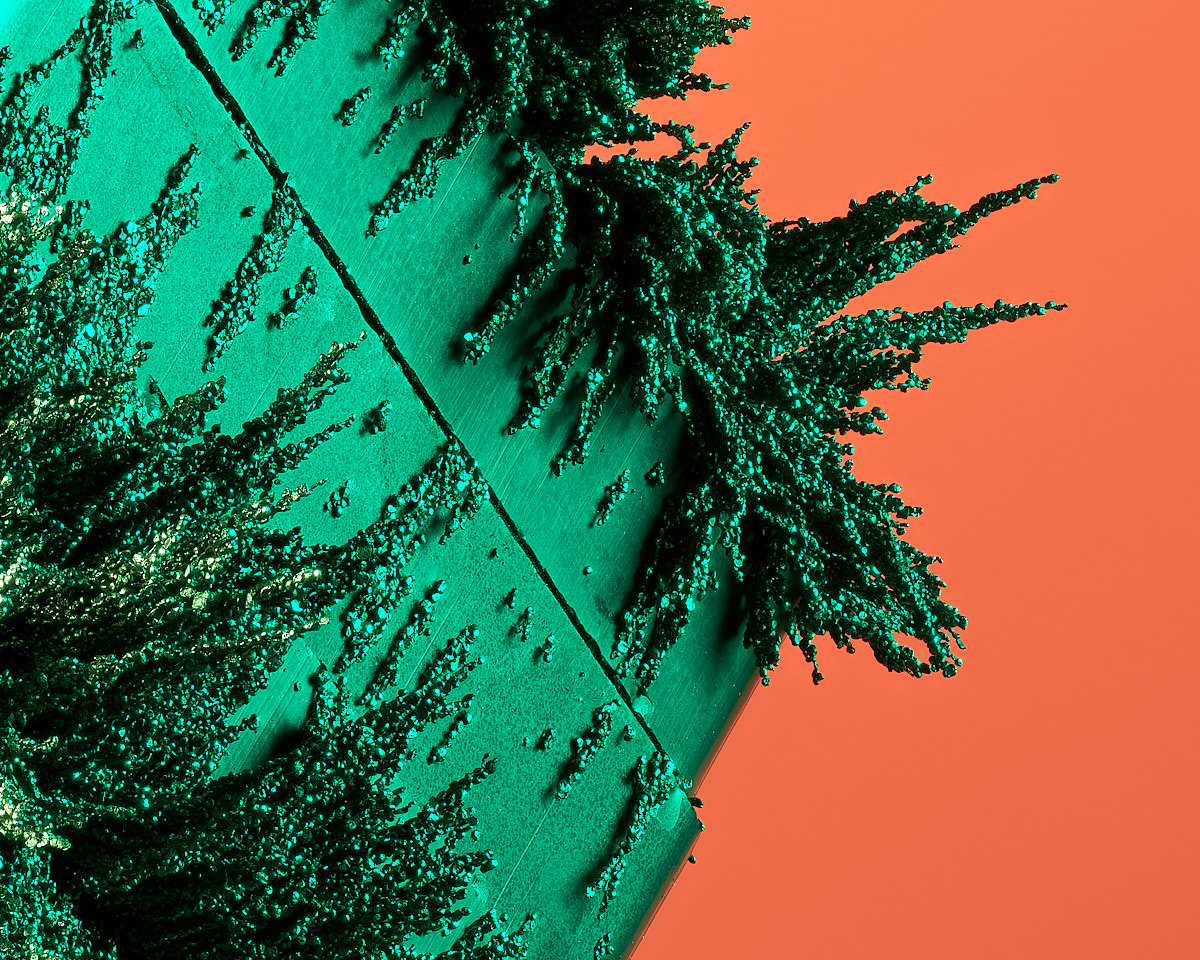
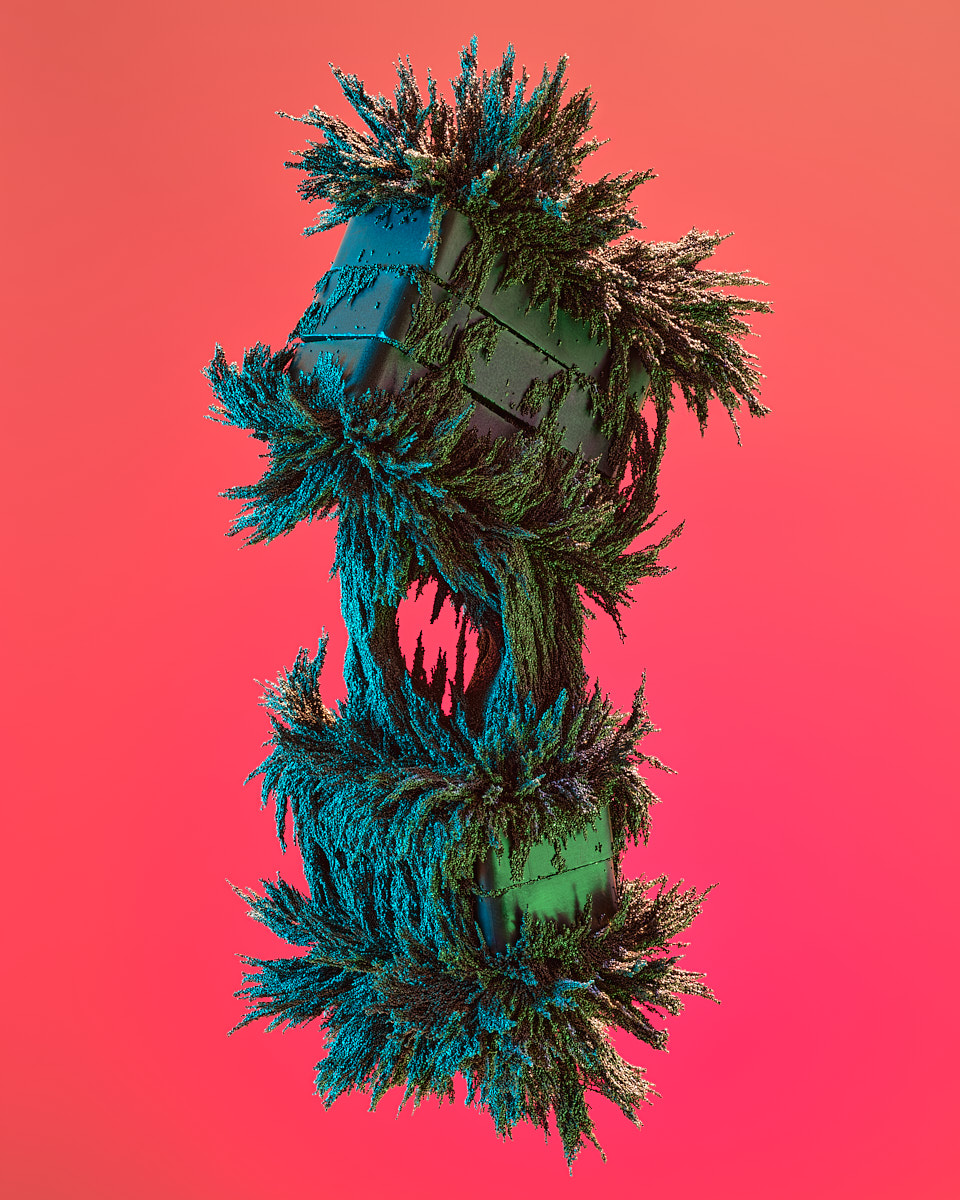
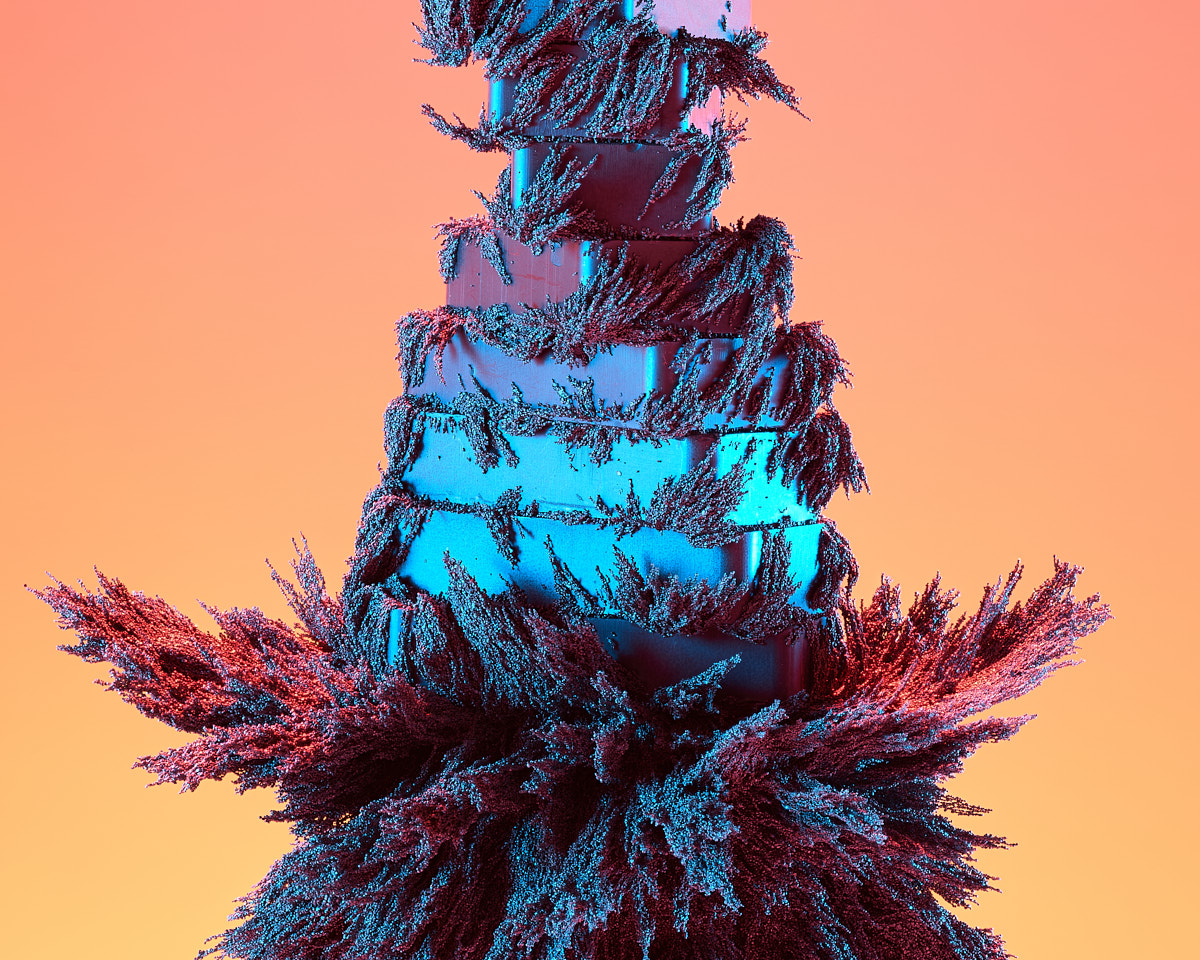
In 2017 I was in the midst of a creative drought. I had no vision, no subject, and no inspiration. I had recently become interested in natural science and was voraciously consuming information on astrophysics, particle physics, gravitational waves, black holes, and anything else I found interesting that a photographer had no business learning about. In an attempt to bring together this interest in natural science with my work, I set out to create an abstract representation of something that, by definition, is impossible to photograph dark matter, a theoretical form of matter which doesn’t interact with the visible spectrum and can’t be directly detected, yet is responsible for keeping galaxies, like our own Milky Way, glued together with its gravity. I began experimenting with ceramic magnets and iron grains, relying on the invisible force of magnetism to coerce the iron grains into unique forms in a way that I imagined dark matter particles interacting with normal matter as viewed from a bulk, in which both are visible. Inspired by science, yet unencumbered by its rigors, I set out to make something visible and tactile from that awe of the nature of reality while still nodding to its intangibility.

Now in its third iteration, Dark Matter is beginning to transcend its original purpose. The sculpture’s ambiguous scale sometimes illustrates itself as massive celestial space stations, suspended in nebulae, able to reorganize themselves depending on the task, and capable of bending spacetime in ways we can’t comprehend. When viewed at their intended size, I recognize a similarity to images created by electron microscope and imagine the structures as odd, microscopic life forms having evolved from a completely separate evolutionary tree, able to thrive in the micro-gravity of space by using magnetism to maintain their composition.

Whatever thoughts come to mind from viewing these images, for me they represent a celebration of the knowable and unknowable forms of nature and their ultimate ability to pluck at the strings of human curiosity.

To see more of this project, click here

Instagram

APE contributor Suzanne Sease currently works as a consultant for photographers and illustrators around the world.  She has been involved in the photography and illustration advertising and in-house corporate industry for decades.  After establishing the art-buying department at The Martin Agency, then working for Kaplan-Thaler, Capital One, Best Buy and numerous smaller agencies and companies, she decided to be a consultant in 1999.  Follow her at @SuzanneSease.  Instagram

Pricing & Negotiating: Marketing Materials For A Medical Device/Software Manufacturer

By Bryan Sheffield, Wonderful Machine

Concept: Multi-day photo/video shoot of medical equipment in use

Licensing: Unlimited use (excluding Broadcast) of all content created for 5 years from the first use

Director/Photographer: Brand Narrative, Technology, and Health Care specialist

Client: Global medical device and software manufacturer

Summary

I recently helped a photographer build an estimate and negotiate a project for a notable medical device manufacturer. The client brief described the need for photography and videography of talent and client technical staff showcasing their machinery and software products. The final use of the content would be primarily used for collateral purposes, as well as advertisements in industry trade publications, and web advertising use.

While reviewing the initial shot list and scope of the project with the client, the photographer estimated this would need to be accomplished over two shoot days, with a tech/scout day prior to visiting the location.

I added a note of Client Provisions to describe what the client was to provide. In this case, they would handle all location(s), machinery and equipment to be photographed, all client-branded wardrobes, all client staff/equipment technicians, and all photography/video post-processing and retouching. Within the Job Description, we added an option to extend the use of the created content for 15 years for an additional $15,000.

Here’s a look a the estimate:

Fees

I put the Photographer/Director’s fees at $20,000 for the 2-day shoot. The photographer had previously worked with this client, and the client was accustomed to the photographer charging $6k per day for still photography and similar use license. While the requested client use was Unlimited, when determining appropriate fees we took into consideration that the intended use wouldn’t contain any direct-to-consumer advertising or pricey media placements. I felt that, with the included video needs, $10k/day was a fair fee for the photo/video work creation and licensing. This was in line with fees I have seen for other projects with similar clients. I added $750/day for the 7 photographer/director pre-pro, tech/scout, and travel days.

Crew

We added a first assistant at $600/day to help with lighting and camera equipment management, and to attend the tech scout day to familiarize themselves with the location and equipment needs. We included the director’s DP at $1,500/day for the shoot days, as well as four pre-production/scout days at $750/day.

We included an assistant camera operator at $750/day to aid the DP, as well as a grip/gaffer at $650/day. We also included a digital tech/media manager to manage the files and display the content to the client while being captured. We added a producer and anticipated 12 days anticipated for the project, and a production assistant for the two shoot days, as well as prep and wrap days. These fees were consistent with appropriate rates in this market.

Equipment

We added $7,500 for camera, lighting, and grip rentals. The photographer and DP brought their own cameras, lenses, and intended to rent a few specialty lenses, as well as all lighting, camera support, and grip from a local rental house. We added $750 per shoot day for the digital tech workstation rental to consist of a laptop, two client monitors, a wireless director monitor, a cart, cables, and any other necessary equipment. We also included $950 for hard drives, and $1,100 for production supplies such as styling racks, steamers, and production book printing.
Styling Crew

A wardrobe stylist was added to dress our five hired talent, and we anticipated wardrobe costs at $900/day. We estimated wardrobe at $900 for the relatively simple scrubs, gowns, socks, and shoes/slippers needed for five models. We also included a combo hair/makeup stylist at $900/day. The director’s vision included a pure white room, and we added an art dept team to cover the floor/walls/ceiling with white materials that would be removable and non-destructive to the location.

Casting & Talent

The client shot list described a wide range of gender, ethnicity, age, and body sizes to be used across their varying markets, we included $3,500 to cast these everyday individuals. We anticipated all five talent on set each day and included $500 plus a 20% agent fee for these day rates. We included $2750 plus 20% as a use fee and all talent usage was guaranteed.

Travel

The traveling party consisted of a photographer/director, DP, and producer. To accommodate this group we included airfare, lodging, airport transfers, local transportation, and per diems for each person.

Catering & Craft Services

We added $3,400 for meals and craft services to cover the 21 people to be on set over the three scout and shoot days.

Covid Safety

Because the crew would be working in a hospital, the client required all on set to be fully vaccinated with proof of a negative PCR test within 24hrs of their first day on set. We added $130 per person to compensate for these test costs and also included $350 for PPE and supplies.

Miscellaneous

We included $850 for insurance coverage and added $500 for the anticipated additional meals, expendables, and other various costs.

Post Production

We added $500 for the photographer to perform an initial edit of all the content and delivery to the client via hard drive. The client would handle all editing and retouching needs.

Results

The photographer was awarded the project, and the production was a huge success. The client came back to the photographer with a retouching order for 18 images, and a separate quote was presented. The video content is currently in edit, and all will be used within the client’s product launch Q2 this year!

The Art of the Personal Project: Arin Yoon

The Art of the Personal Project is a crucial element to let potential buyers see how you think creatively on your own.  I am drawn to personal projects that have an interesting vision or that show something I have never seen before.  In this thread, I’ll include a link to each personal project with the artist statement so you can see more of the project. Please note: This thread is not affiliated with any company; I’m just featuring projects that I find.  Please DO NOT send me your work.  I do not take submissions.


Today’s featured artist:  Arin Yoon

A Korean American connects her past and future through photography  (NPR -The Picture Show)

I arrived in this country when I was 5 and my brother was 7. The first place we visited was Disneyland. I thought we had hit the jackpot. America was even better than I had expected. Soon after, we settled in Warrensburg, Mo., and a new reality sank in. I was transported from the cityscape of Seoul to the American Midwest. I have clear memories of walking through the vast prairie and the mazes of cornfields as a child.

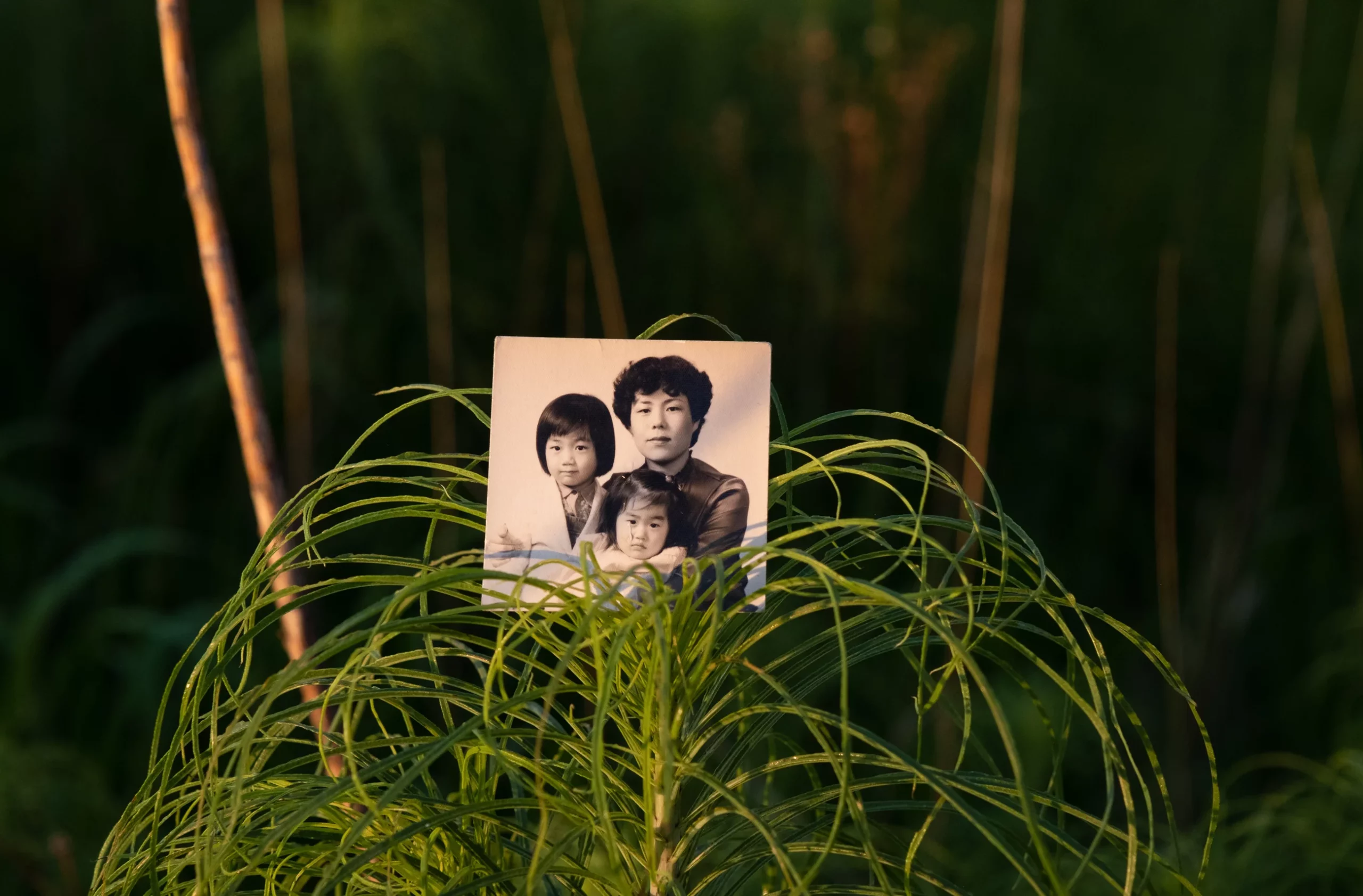
My mom, Young Ok Na, had a studio photo taken in preparation to come to the United States — for her passport and visa applications. My dad was going to graduate school and we had come to visit. We didn’t know that we were never going back to Korea. He didn’t want us to leave. When I made a picture of that photo, it was drizzling. A tiny fortuitous raindrop fell right under my eye. I didn’t realize until I was editing that this had happened. I ask my child self, “Why are you crying?”

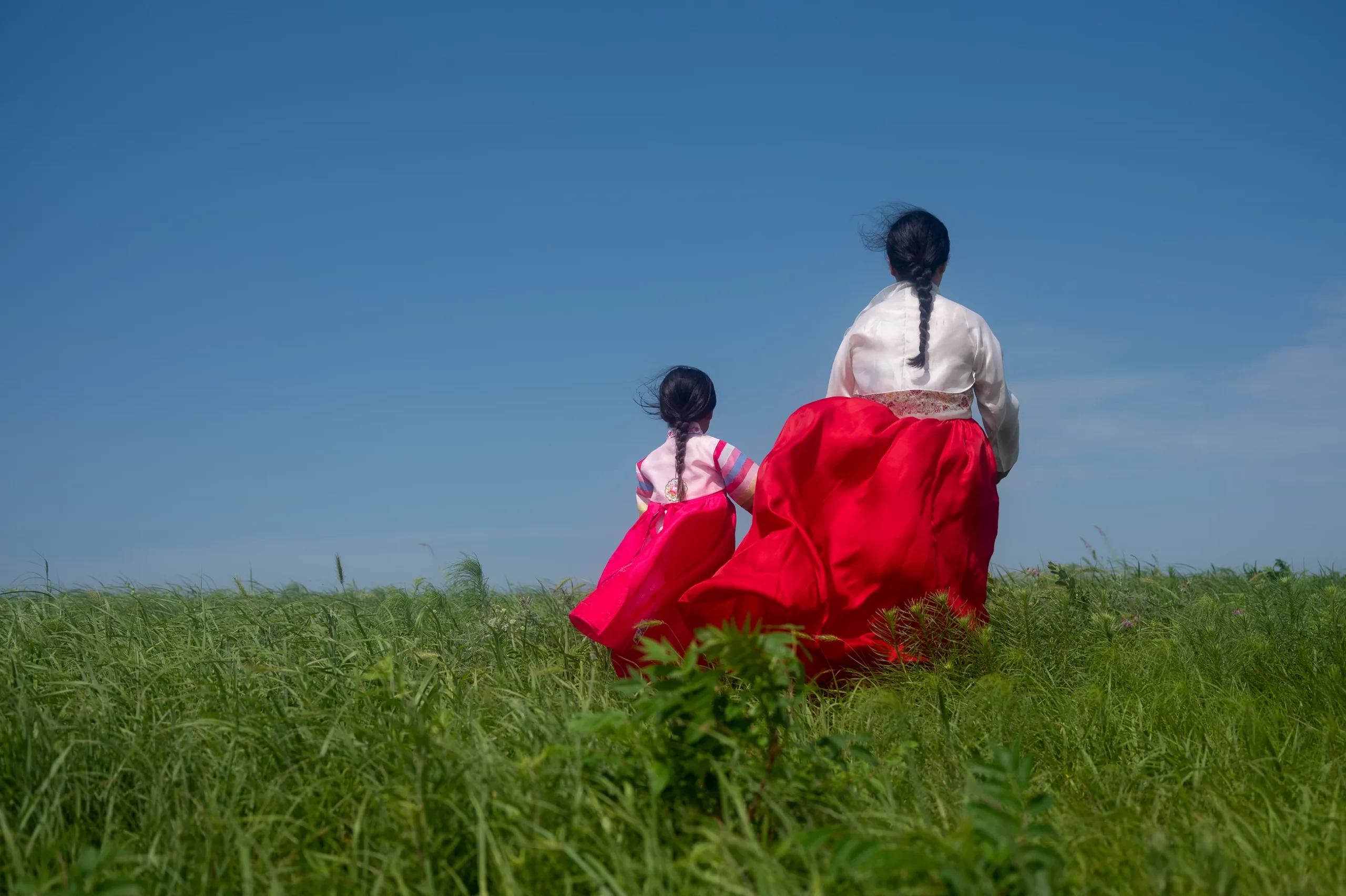
I notice my kids Mila and Teo interacting with nature, playing together and seeing how they create their own worlds and make their own memories. It is when I give in to seeing the world through their eyes that I find it easiest to parent. And then sometimes, their magic seeps into my world, when I let go of trying to be in control. I project my past onto them but I know parts of them remember it too.
In Korea, there is a concept called han, which roughly translates to a collective feeling of sorrow relating to having been colonized and oppressed. It is a sentiment that connects Koreans to each other as well as to our ancestors. For members of the diaspora, han can also relate to the immigrant experience — to feelings of loss and displacement. But we can release some han in making new memories on land that feels more familiar to my children than it did to me at their age. As we walk through the tallgrass prairie, my daughter asks me, “Are we in a dream? Are we?” I wonder if she is starting to remember.
What does this land represent? I think about the house we are staying in — a casita built for Mexican rail workers a century ago, one of the last ones to survive. There are three units in the bunkhouse. From the drawing in the room, it looks like there could have been up to 10 units at one point. I had packed a Mexican dress that was gifted to my daughter, Mila, without knowing the history of the bunkhouse. I feel like it is an homage to those workers. The kids are obsessed with the wild garlic here, possibly brought here by the Mexican laborers. A part of their history continues to grow and nourish.

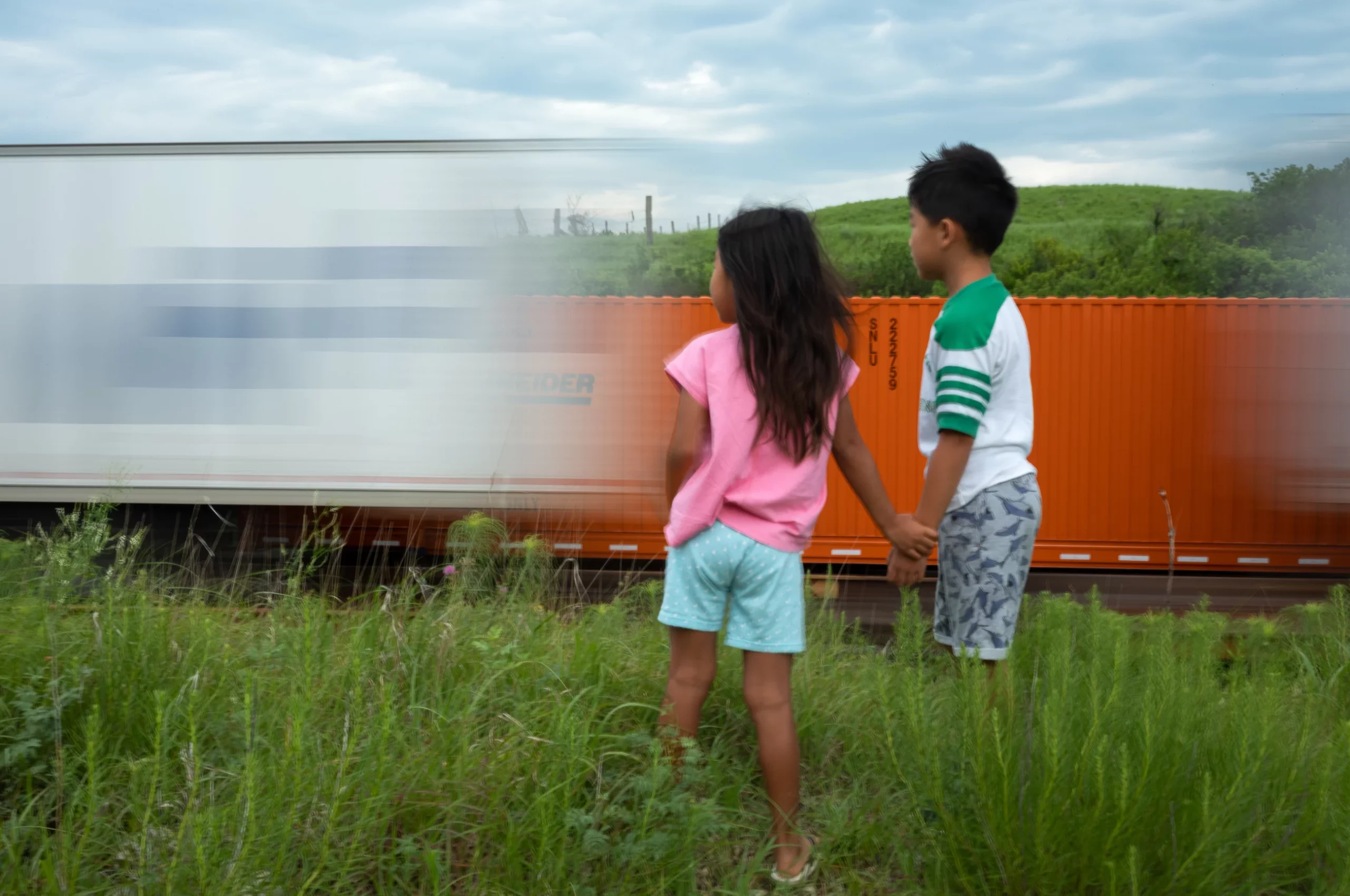
The more trains I watch pass behind the casitas, the more details I notice. I realize the ones carrying oil move more slowly than the ones carrying coal. My children recognize the logos on the trains moving consumer goods across the U.S. after just a few clicks on someone’s phone or computer.

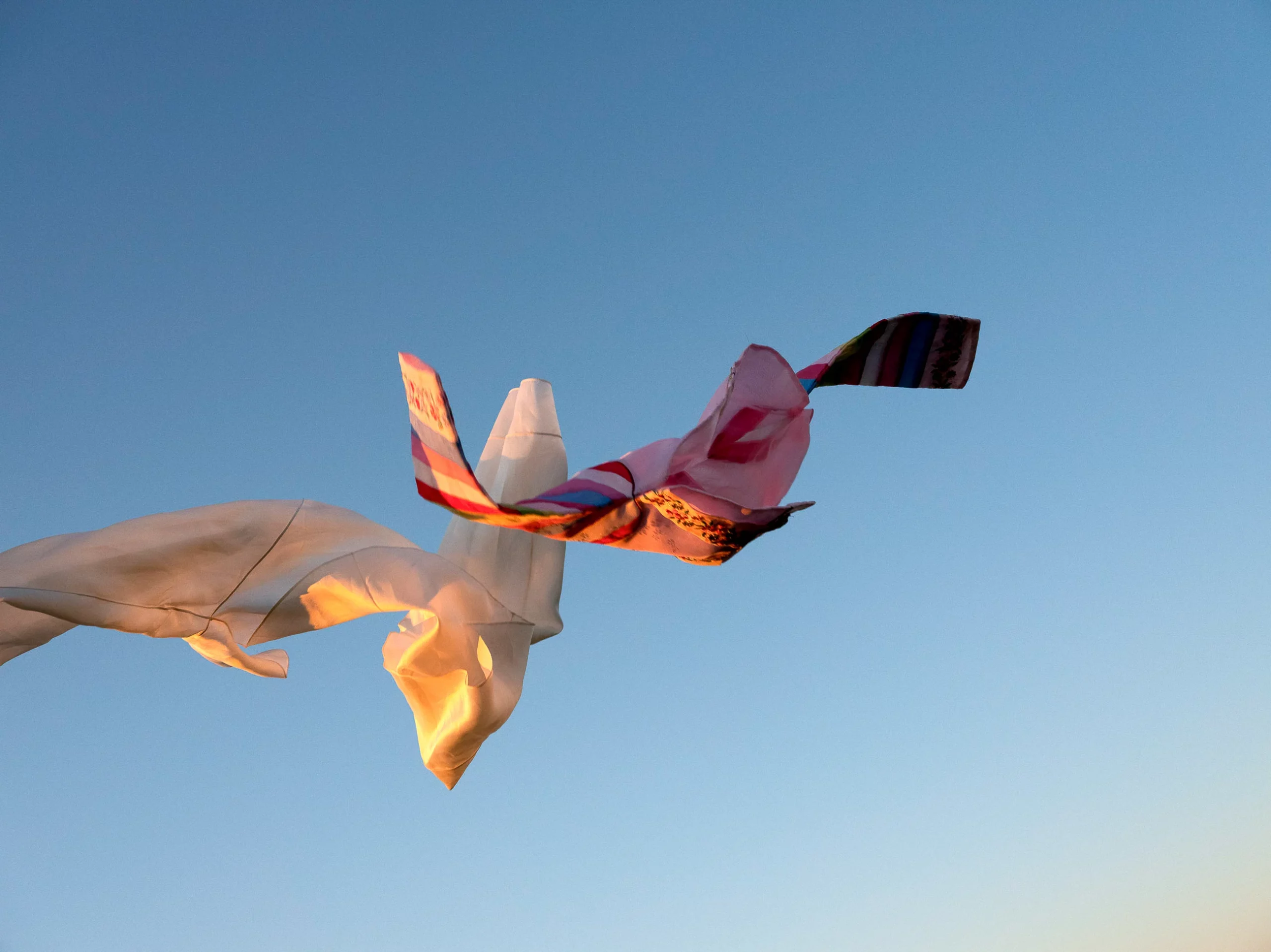
I think about the Chinese rail workers who built the transcontinental railway — how they were omitted from the 1869 photo commemorating the completion of the railroad. Everyone is celebrating, opening champagne as the final golden spike is hammered into the track. How easily have our experiences, as immigrants, been erased from American history. Corky Lee recreated that photograph in 2014 with the descendants of those Chinese laborers, 145 years after the original photo was made. We can take back some of our histories in commemorating the forgotten, lost and erased. Remembering.

Through this work, I re-examine my connection to this land, reconsidering overlooked histories, as I tap into my own forgotten memories, conjuring the past, creating new memories, all while exploring my connection to the natural landscape, to my children, and to our past and future selves.


To see more of this project, click here

Instagram

APE contributor Suzanne Sease currently works as a consultant for photographers and illustrators around the world. She has been involved in the photography and illustration advertising and in-house corporate industry for decades.  After establishing the art-buying department at The Martin Agency, then working for Kaplan-Thaler, Capital One, Best Buy and numerous smaller agencies and companies, she decided to be a consultant in 1999.  Follow her at @SuzanneSeaseInstagram

Success is more than a matter of your talent. It’s also a matter of doing a better job presenting it.  And that is what I do with decades of agency and in-house experience.

The Daily Edit – Alex Buisse


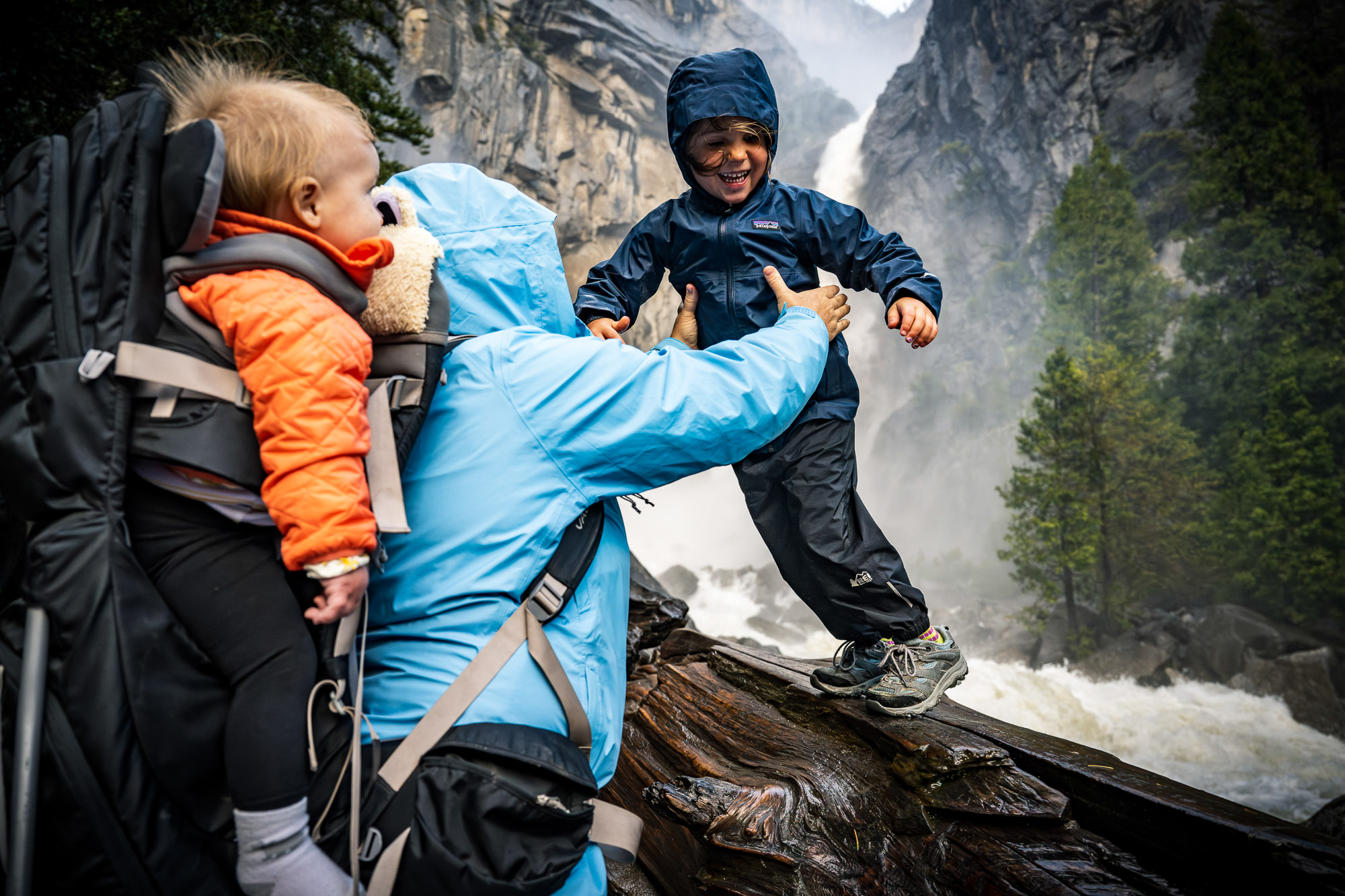
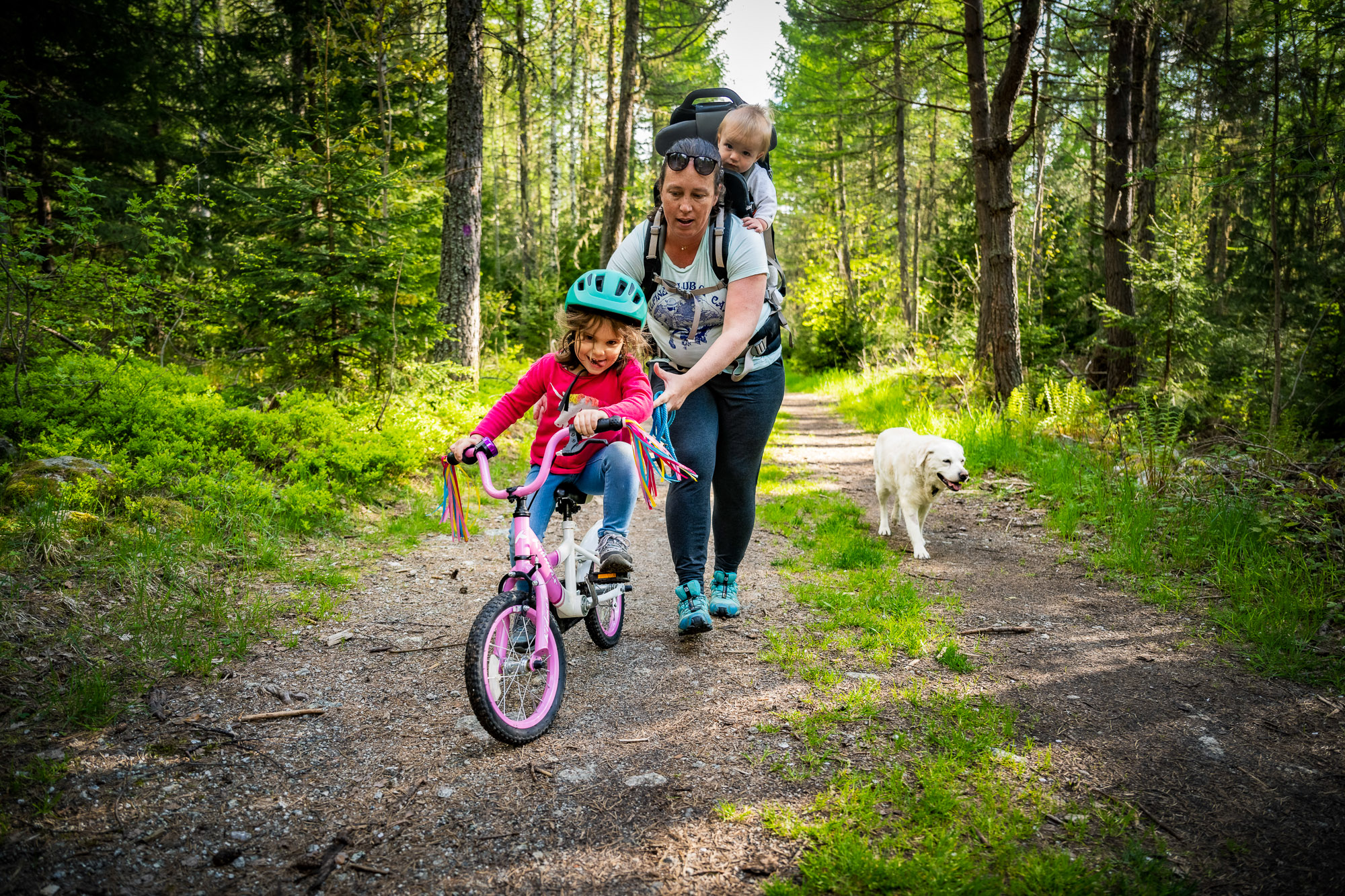
The Buisse family plays in the spray of the exceptionally heavy Yosemite Falls.

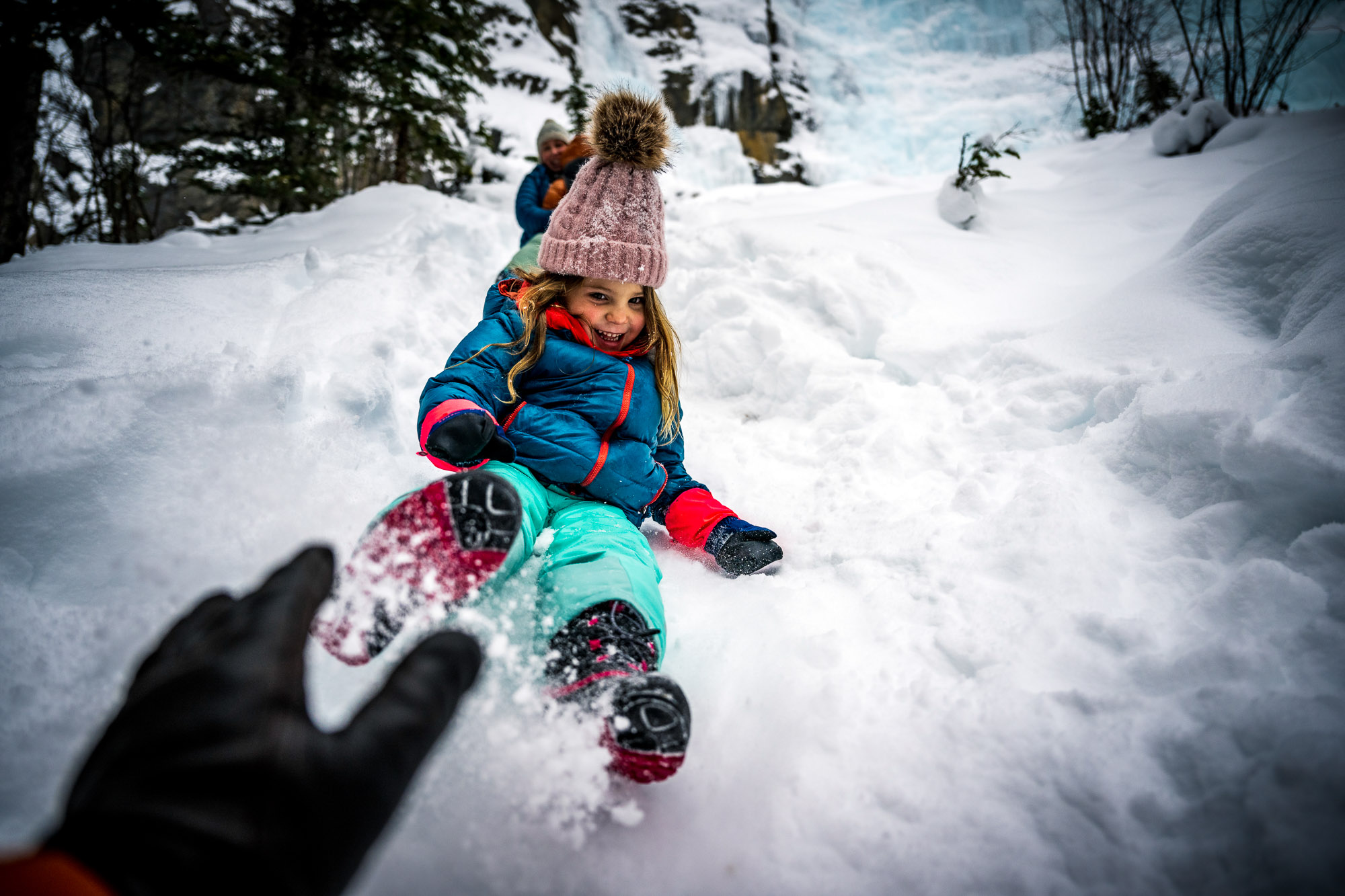
Emma Buisse, 4, slides down snow on the approach trail to the Weeping Wall, Icefield Parkways, Alberta, Canada.
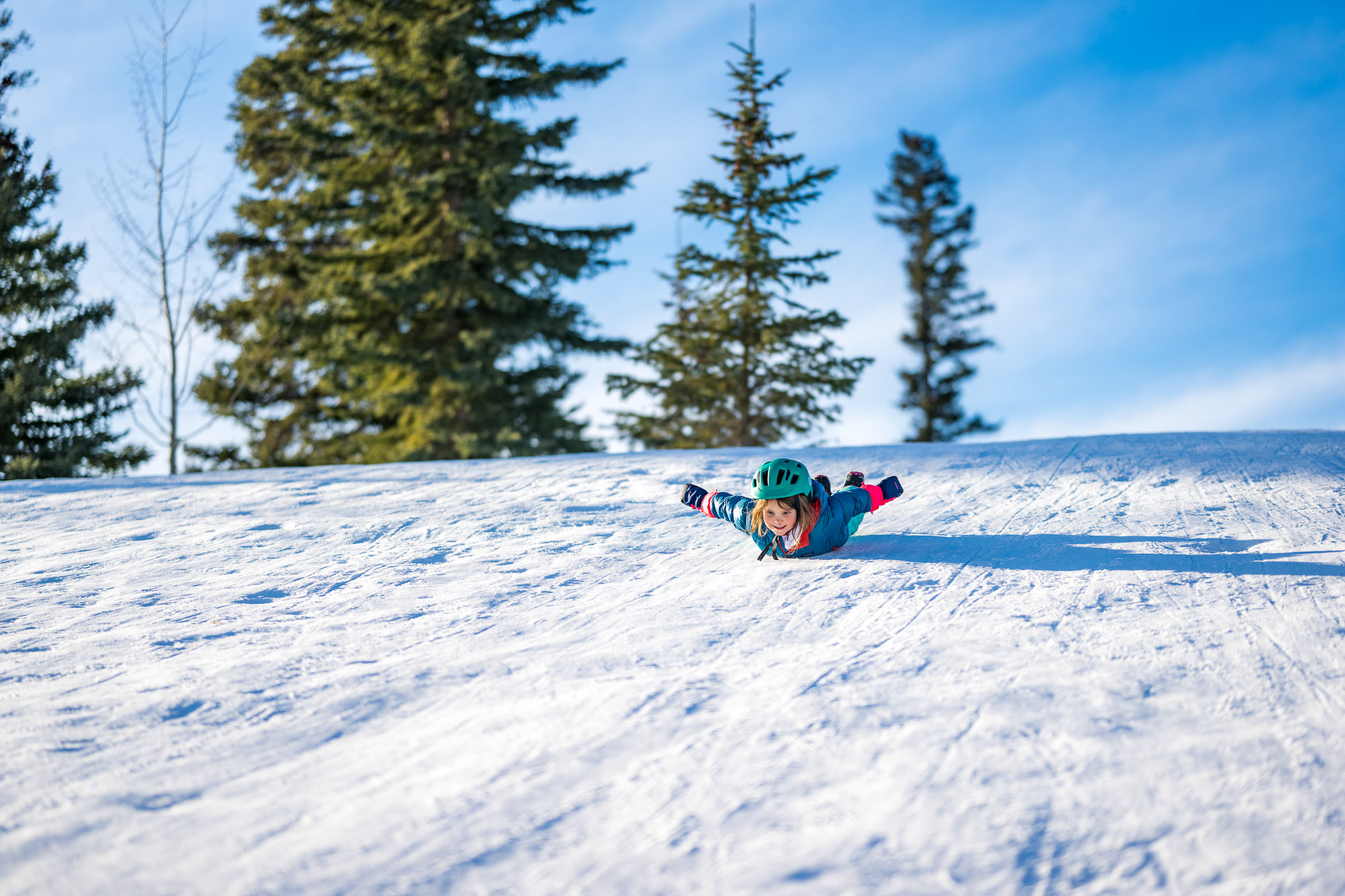
Emma Buisse, 4, sleds (with and without the actual sled) in Canmore, Alberta, Canada.
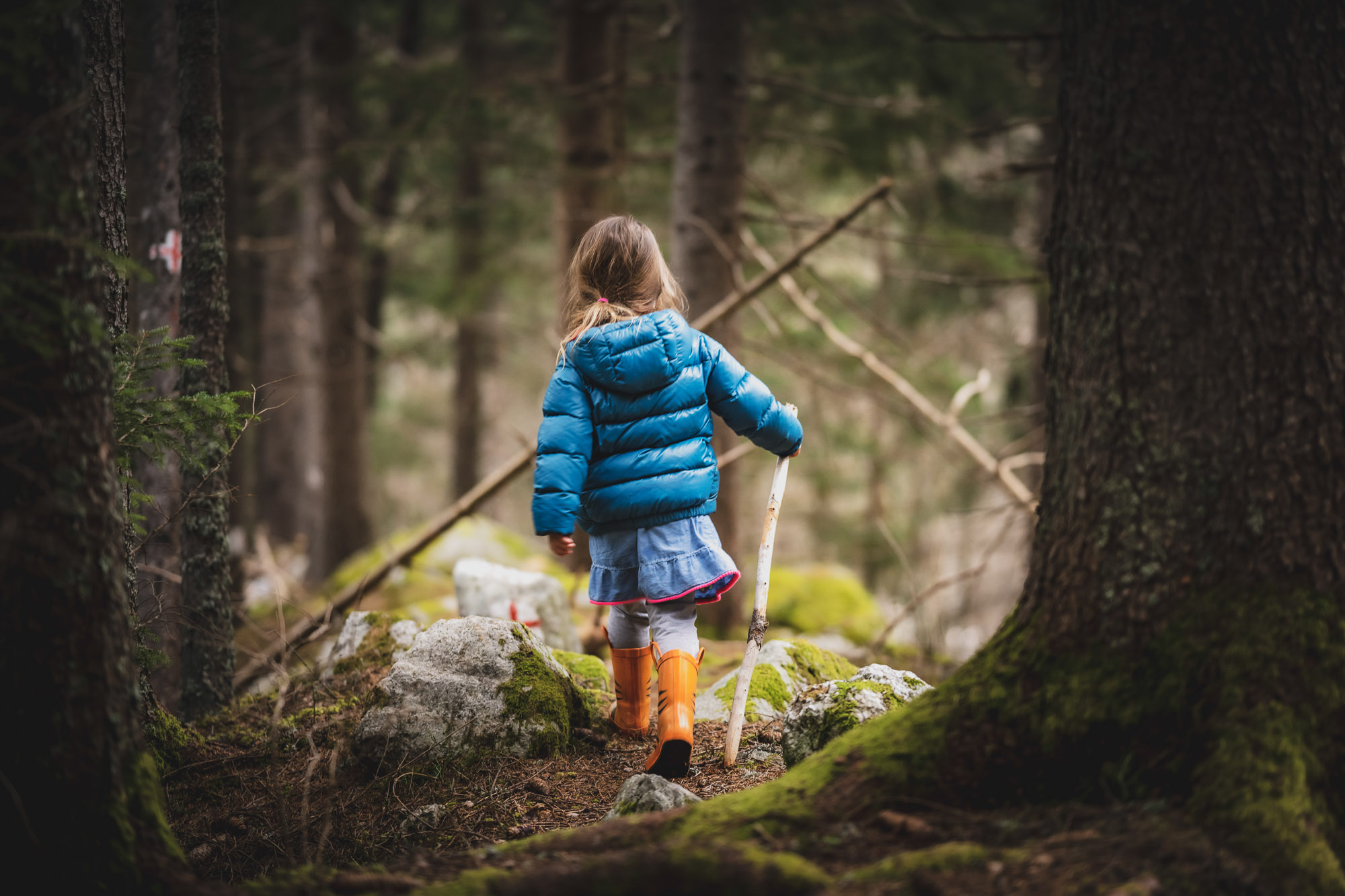
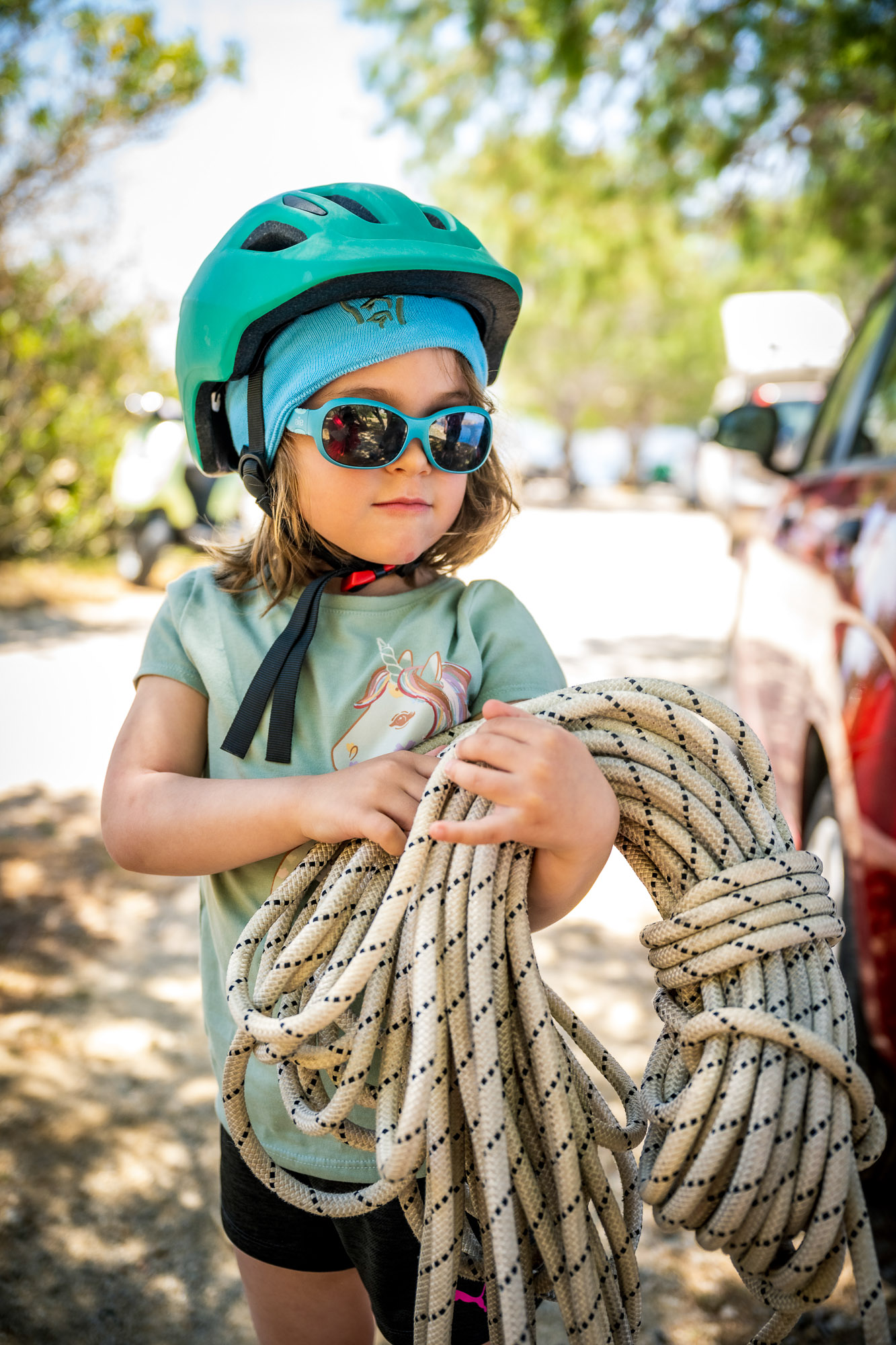
Emma Buisse, 4, hikes and climbs in the woods near her Chamonix home, France.

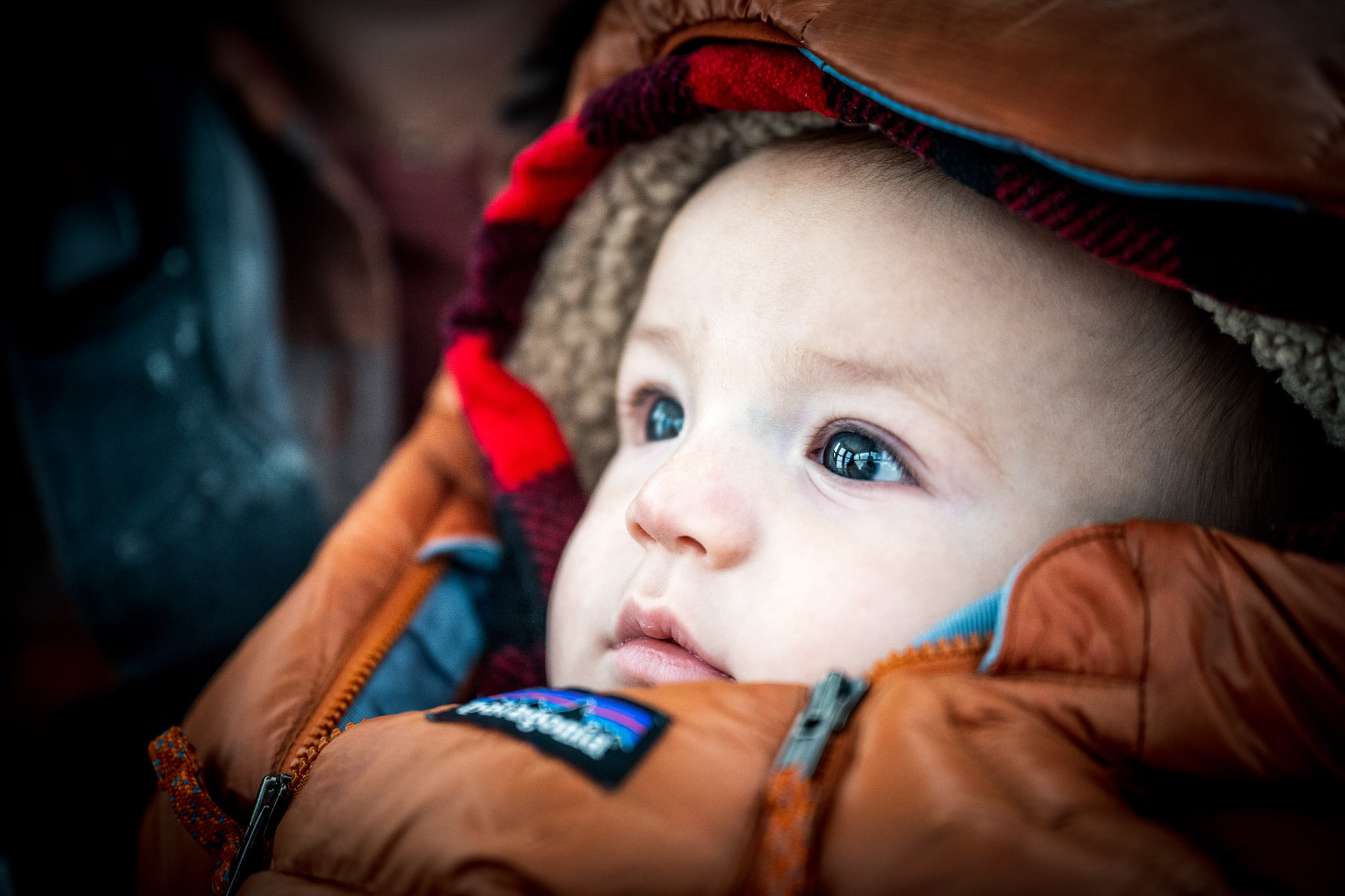
Luca Buisse, 4 months old, heads up Sulphur Mountain in Banff, Alberta, Canada.

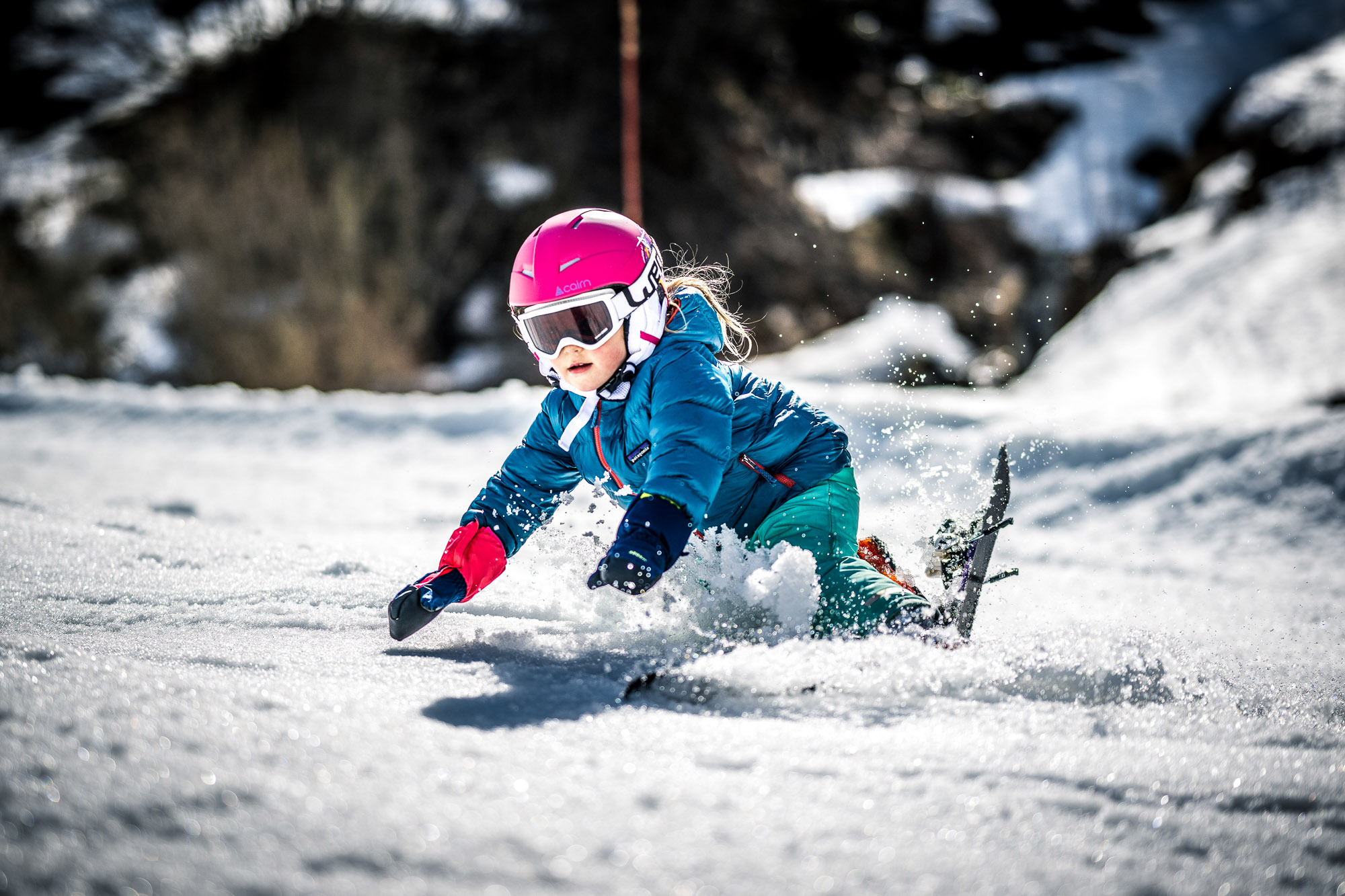
Emma Buisse, 4, skis her first black diamond run, the Grands Montets homerun, in Chamonix, France.


Alex Buisse


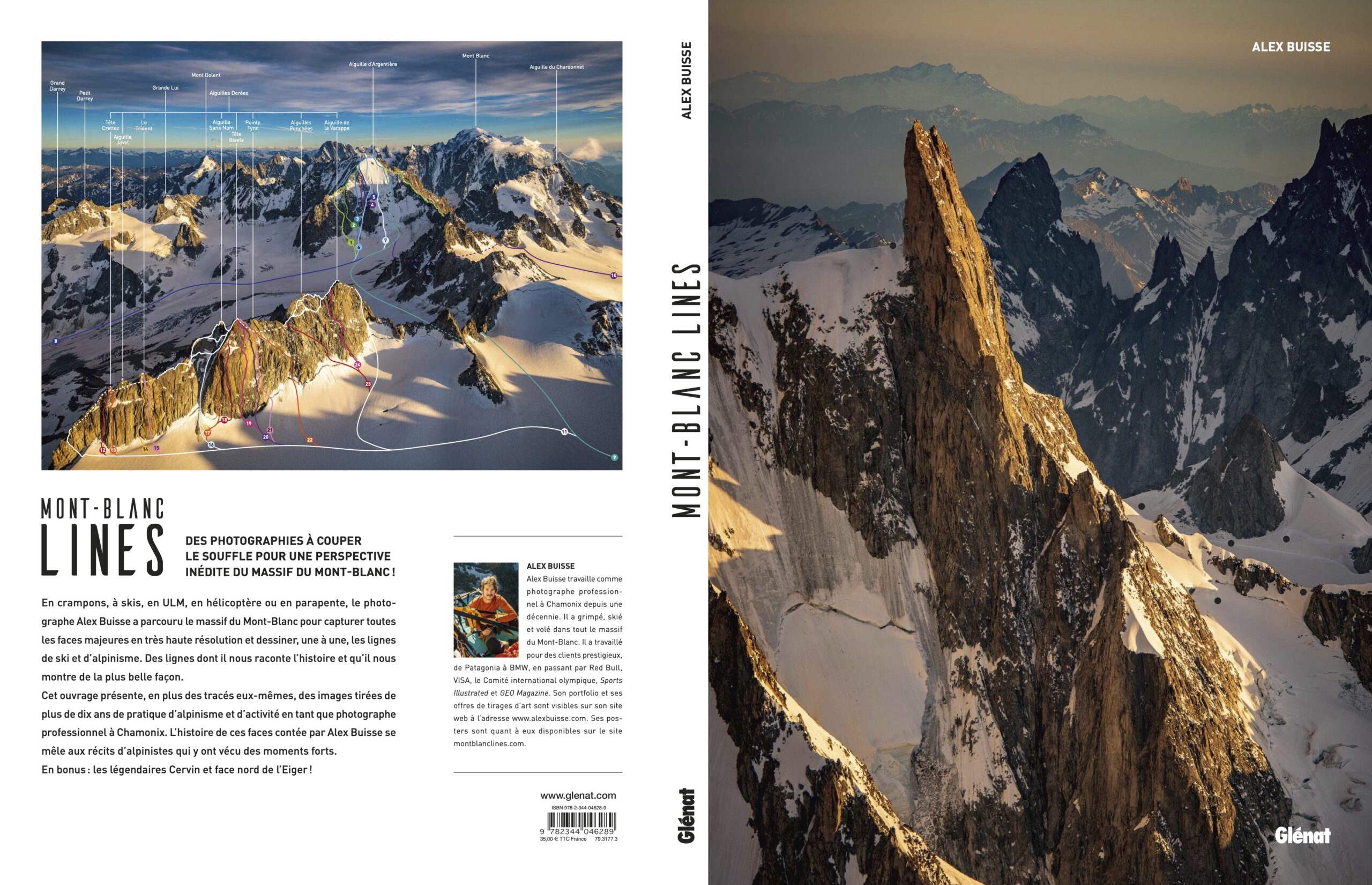
Heidi: Congratulations on Mont Blanc Lines , how did this second book come about?

Alex: After I started the Mont Blanc Lines project (drawing climbing routes on high resolution photos of mountains) during the first covid lockdown, the idea of a book came quickly and felt like a natural progression. It was published in late 2021 in French and Italian, with English coming later in 2022, and was extremely well received, with strong sales during the holiday season.

The French publisher, Glénat, felt like the concept, mixing line drawings, action photography, historical overviews and famous climber interviews, could be extended to other areas than just the French Alps. They floated the idea of a world book several times, but I didn’t feel like I was in a position to say yes. Finally, around Christmas last year, with our lease in the Canadian Rockies coming up for renewal and one last year before our daughter Emma had to be enrolled in school full time, we felt like it might be the right time for a family round-the-world adventure.

Is the photo direction evolving from the first book?
The first book relied on a decade worth of photos I had shot while working as an adventure photographer in Chamonix. For this new book, however, I won’t be able to spend weeks and months gathering landscape and action shots of each location. I have made the decision to focus on getting the best possible base images to draw the lines, and will have to license some images from other local photographers to fill in some of the blanks. Thankfully, there are tons of talented people working in the adventure domain right now.

I know you originally declined, what was your hesitation?
The main hesitation revolved around finding the time to visit and photograph enough places. I didn’t want the world to be the US, Canada and the Alps. Since we decided to spend a whole year on the road, we will have time to see some of the climbing areas everywhere: Namibia, Chile, Venezuela, China, Tasmania, Madagascar, Jordan and many more places are on the list.

We also had concerns about how long it would mean being away from my family, until we realized that it was possible to do almost everything all together, perhaps going solo the last technical mile or two. The main exception would be the Himalayas, as the kids are still too young for trekking at high altitudes.

Two young children, two working parents on a world tour, what were the ingredients to say yes?
The book feels almost like an excuse to go have a grand family adventure. We have done enough traveling already to know that adding the needs of a four year old and a 10 month old, on top of our full time work (and Erin’s PhD!) and all the regular constraints of traveling, is a huge and exhausting challenge. But we also felt strongly that sharing this fast-changing world with our children and having adventurous lives was more important than ever. It’s just that what used to mean skiing to the north pole or going on Himalayan expeditions is now hiking to Lower Yosemite Falls or car camping in Moab.

We also had to find ways to make the logistics work, which means basing ourselves in a single place for weeks at a time rather than constantly be on the move. This allows us to slow down, catch our breath, catch up on work, and get to know the places better. We just have to be laser focused on the important spots, and not try to be tourists and see everything.


How has your photography evolved now that you are a parent?
Even before having children, my photography has been on a steady shift toward the more human aspects of adventure, at times turning away from the grand and wild landscapes to refocus on gazes and emotions. Having children has accelerated that process and forced me to slow down and really take in every fleeting moment. I am still a visual storyteller at heart, but with children am finding myself telling smaller and more intimate stories. I am constantly trying to capture my children just being themselves, and I think there is real beauty in that.

What are your hopes for kids during this time?
Emma loves nothing more than being outside and exploring, getting dirty and occasionally falling down from rocks and trees. We want to encourage that as much as possible, and through the red line of our book as well as our natural inclinations, gravitate to the wild places of the world. Our kids will have plenty of time to sit down in a classroom (or in front of a computer) when they are a little older, but for now we just want Emma and Luca to explore the world with us.

We also want them to meet and interact with people from all different cultures, and prioritize trying to get Emma playing with other kids, even if she has just met them.

How has being with your kids shifted how you approach making images?
To state the obvious, kids don’t take direction very well (mine certainly don’t), and I wouldn’t want them to act differently just because the camera is there anyway. It really is about being in the moment, interacting in a natural way, then noticing the little thing that give me a hint that something might be happening very soon, then managing to get a camera pointed in the right direction.

Before photographing children, I would naturally gravitate to choosing the right background,  usually some epic mountain scene, then finding a way to get my subjects in front of that. With kids, not only is that exponentially harder to achieve, but it doesn’t lead to images that make sense, as they don’t relate to the landscape in the same way as us. When we were in Yosemite last week, El Cap held Emma’s attention for all of 30 seconds, while she spent a solid hour on a 10 foot tall boulder at the trailhead.

I also love hiking has completely changed. We just don’t go very fast, or cover much ground at all, but we notice so much more than I had become used to. And I have also learned that trying to hurry because “papa is going to miss the light if we don’t keep going right now” is not a recipe for a happy family…

How has your career as an alpinist influenced your photo opportunities outside of outdoor photography?
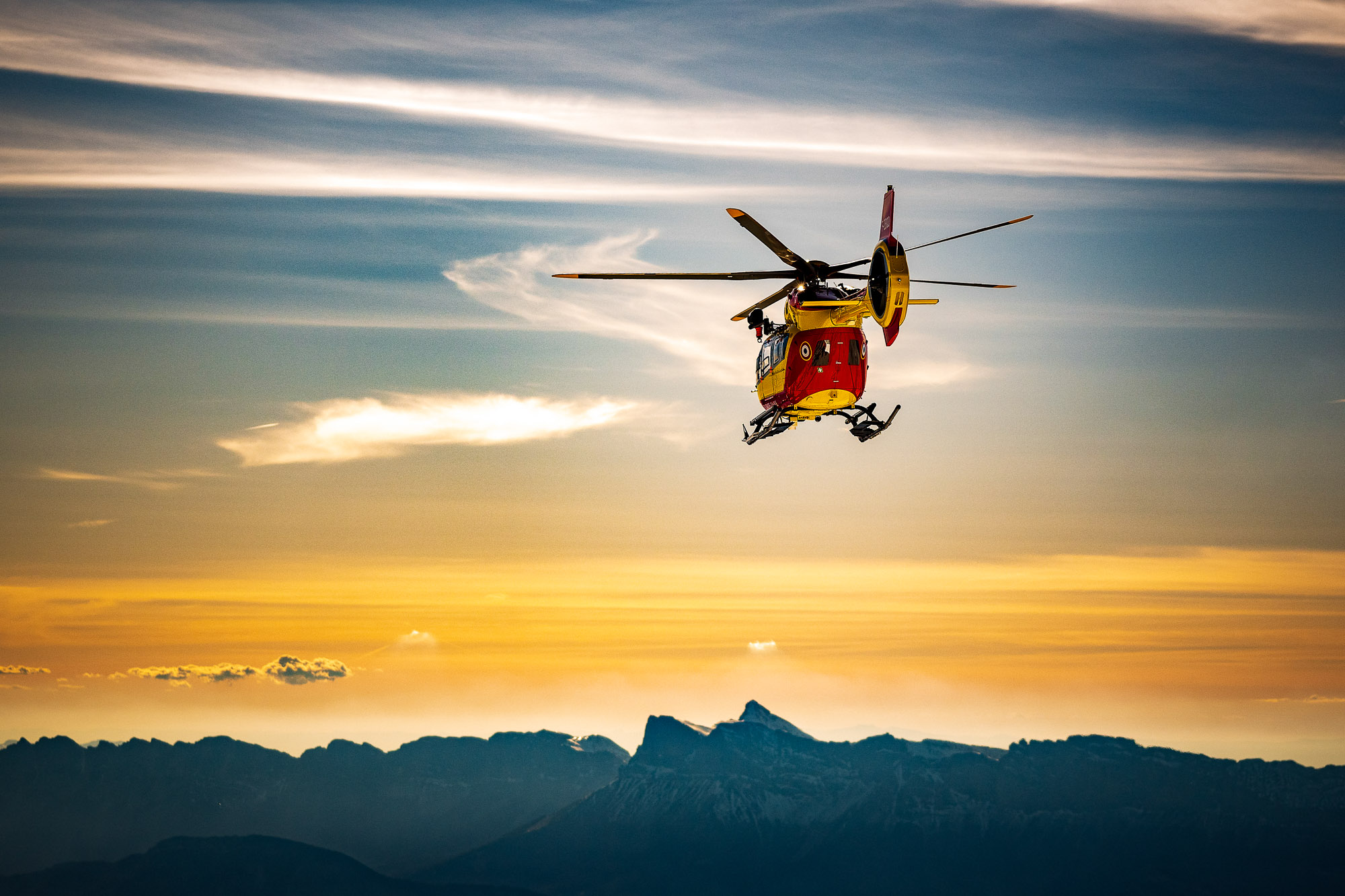
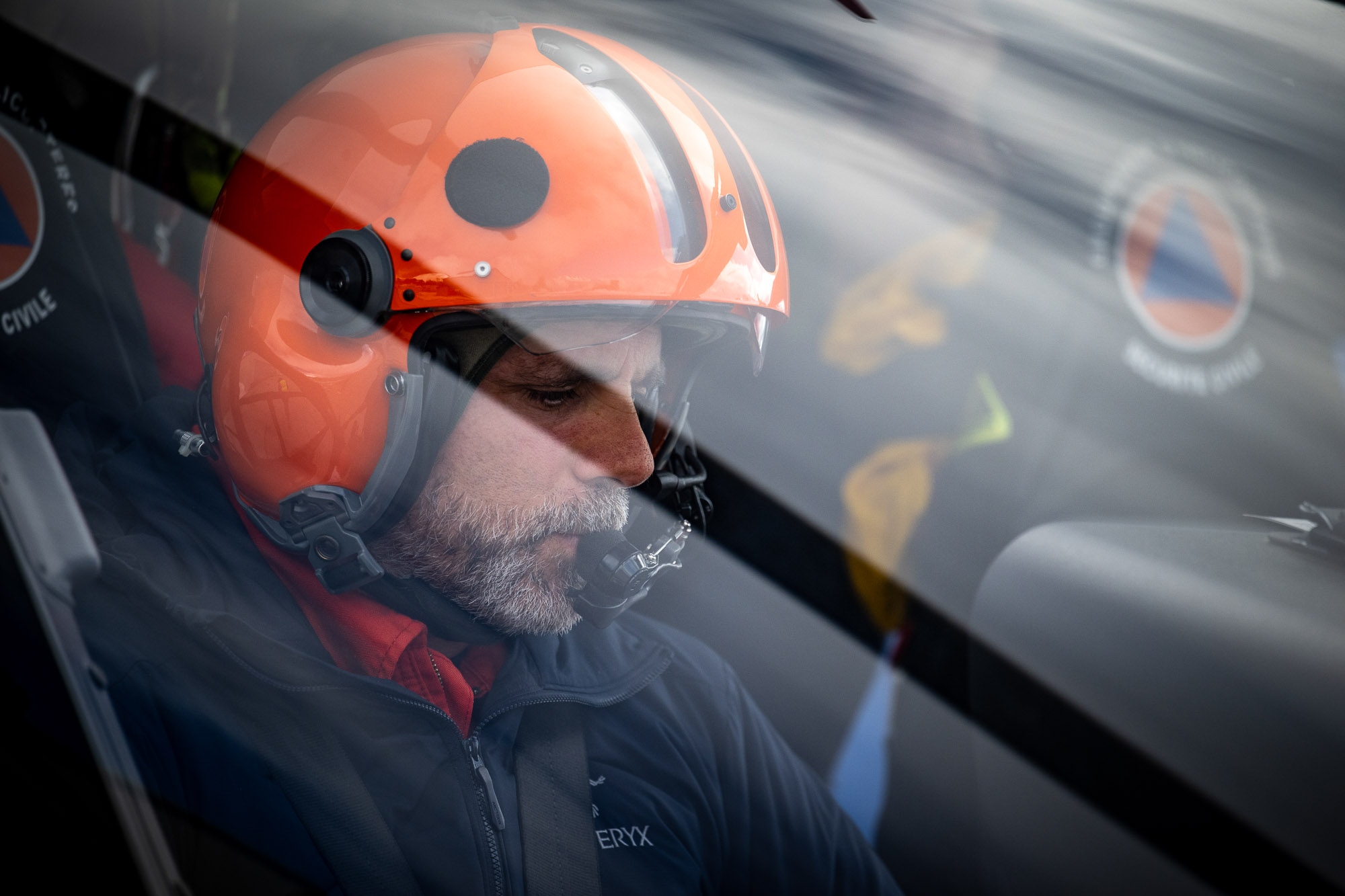
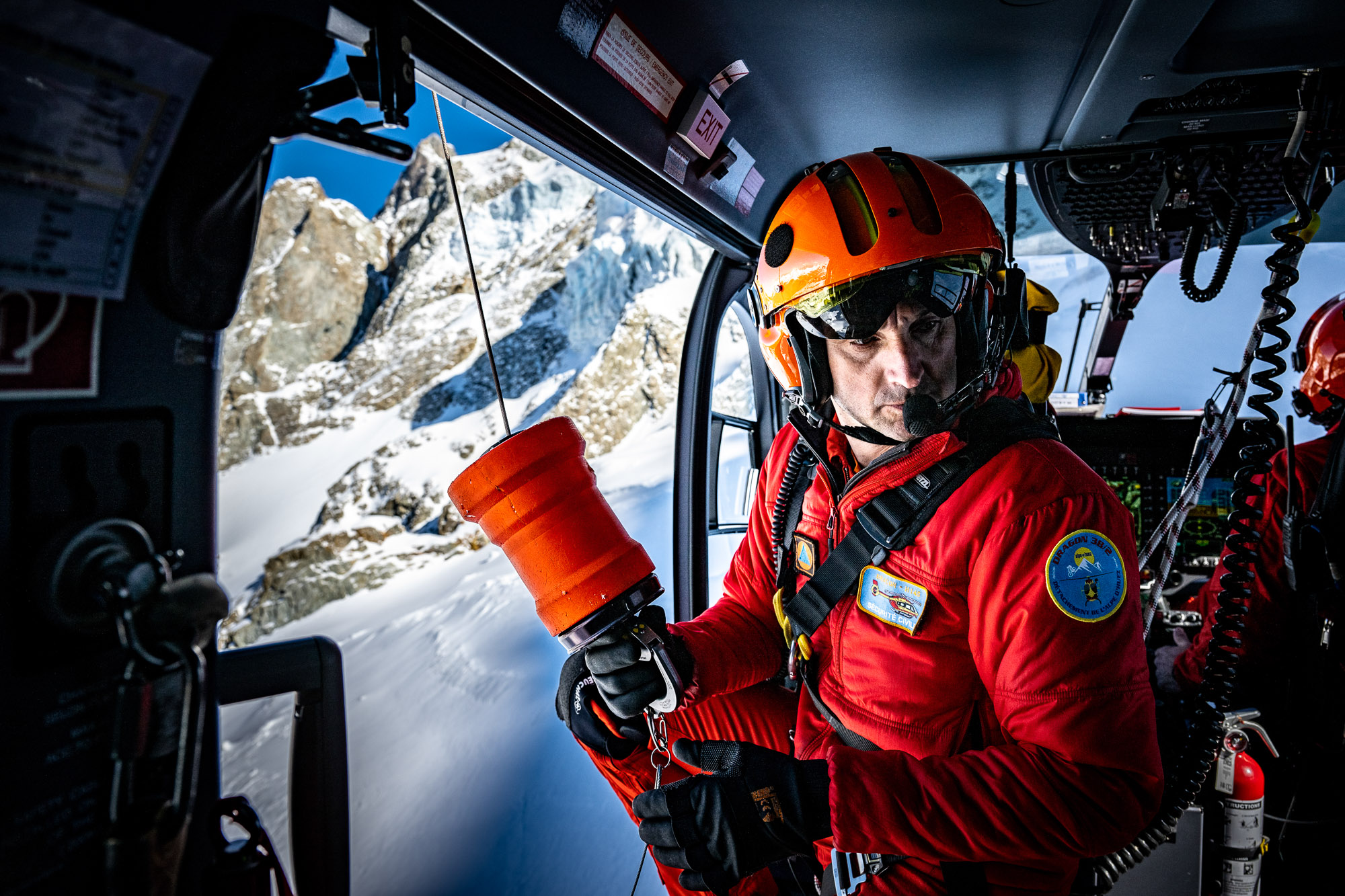
I am always on the lookout for stories that involve the outdoors and are more than about just the adventure itself. One aspect I have been fascinated with for a long time has been mountain rescue, especially as we are lucky to have some of the best trained and most professional units in the French Alps. I started following the PGHM unit in 2015, spending four weeks embedded with them, and am doing a follow up this year. My experience as a climber gives me some legitimacy in this universe, as the rescuers don’t feel like they have to babysit me constantly, and it gives me opportunities to really follow them in the heart of the action. It feels great to flex my photojournalism muscles once in a while, and there is something special about capturing the raw emotions of a dangerous rescue.

In a totally different direction, something else I am trying to push right now is using my climbing skills and comfort working at height to do more industrial work. My ideal goal  would be to focus on the infrastructure of renewable energy, especially wind turbines, as they neatly intersect with my personal values and, indirectly, with conservation and my love of wild places.


The Art of the Personal Project: Maansi Srivastava

The Art of the Personal Project is a crucial element to let potential buyers see how you think creatively on your own.  I am drawn to personal projects that have an interesting vision or that show something I have never seen before.  In this thread, I’ll include a link to each personal project with the artist statement so you can see more of the project. Please note: This thread is not affiliated with any company; I’m just featuring projects that I find.  Please DO NOT send me your work.  I do not take submissions.


Today’s featured artist:  Maansi Srivastava

From NPR Picture Show:  Through her grief, an Indian American photographer rediscovers her heritage

Editor’s note: May marked Asian Pacific American Heritage Month, which celebrates the histories of Americans hailing from across the Asian continent and from the Pacific islands of Melanesia, Micronesia and Polynesia. NPR’s Picture Show will be bringing stories from these communities to our audience this month.

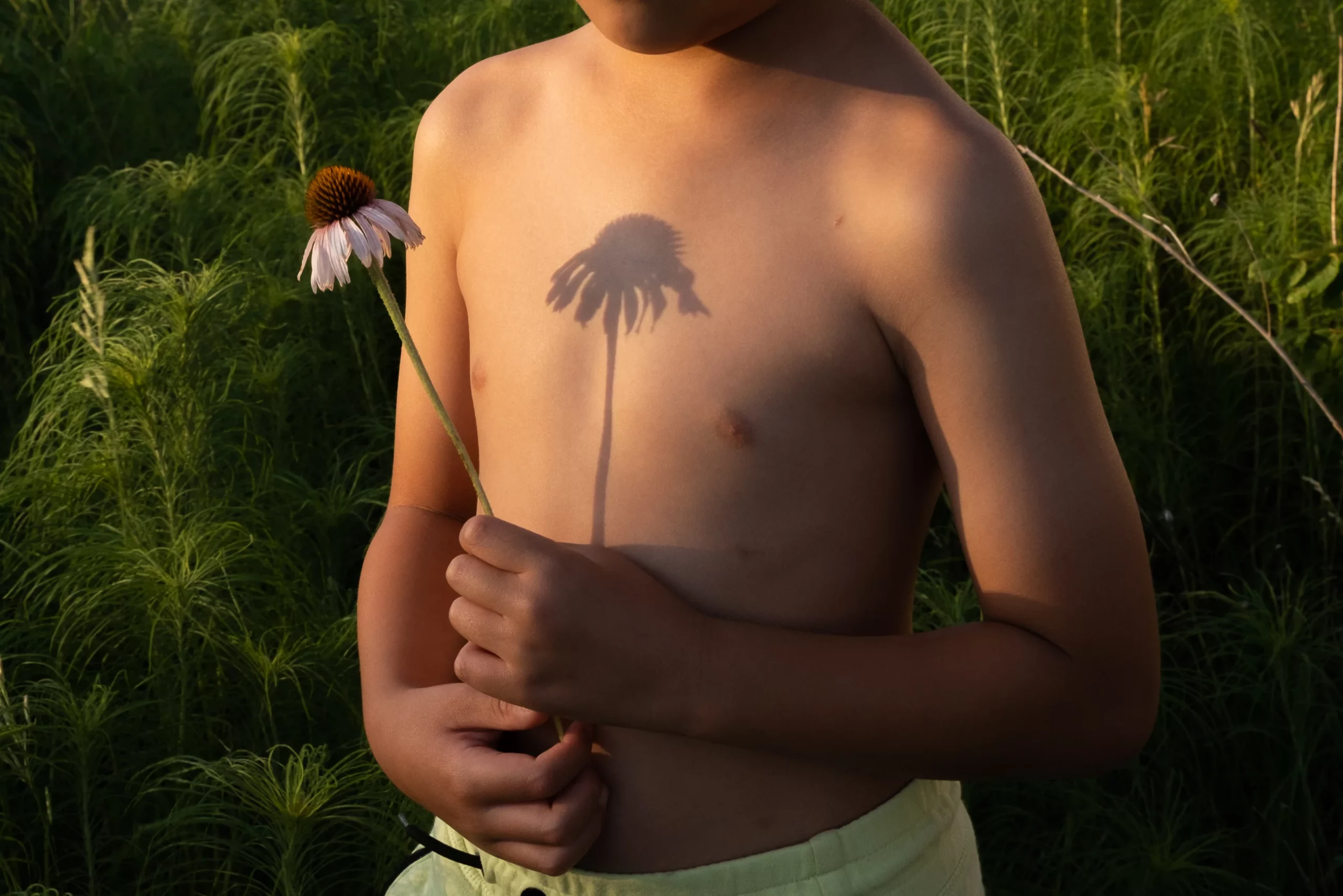
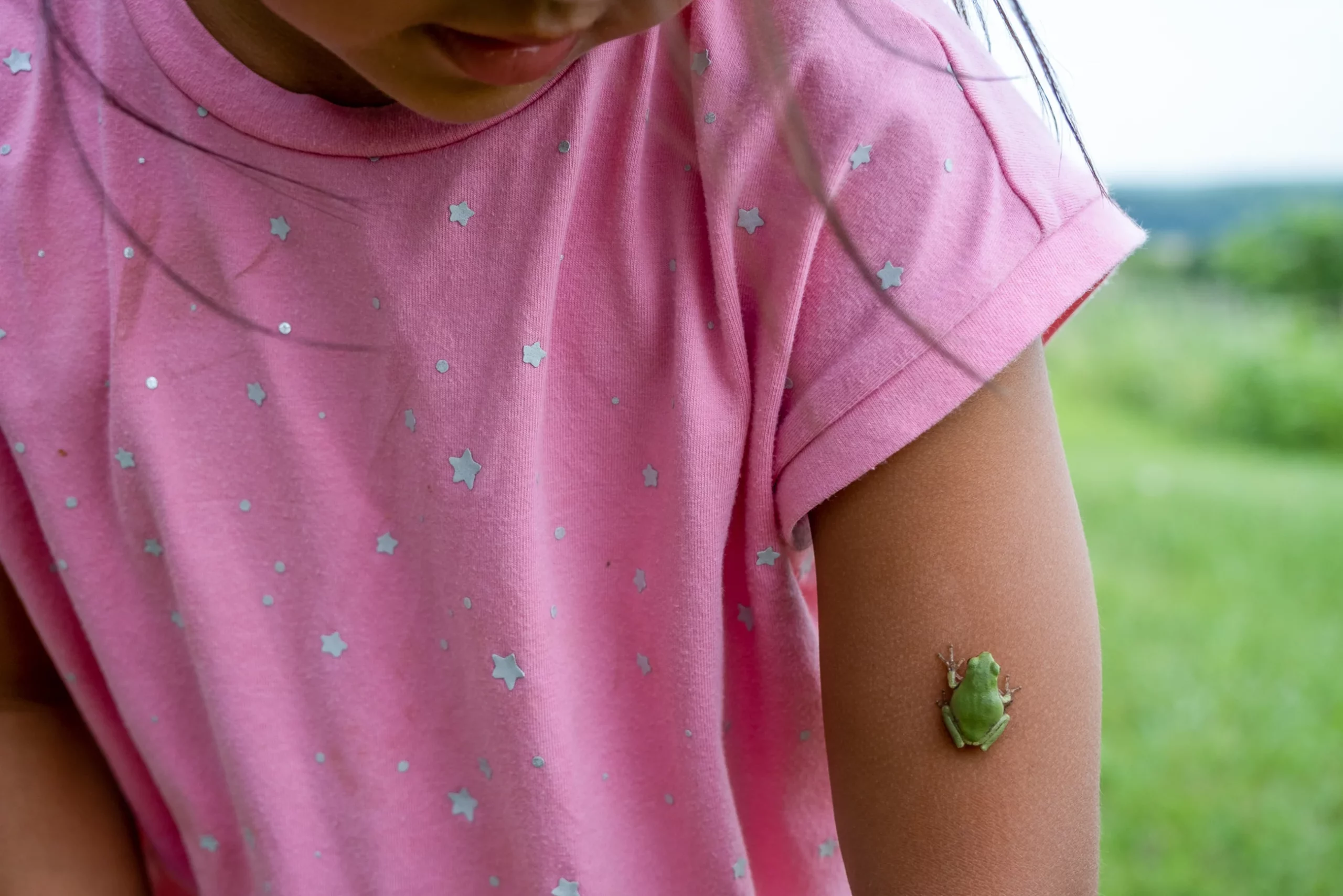
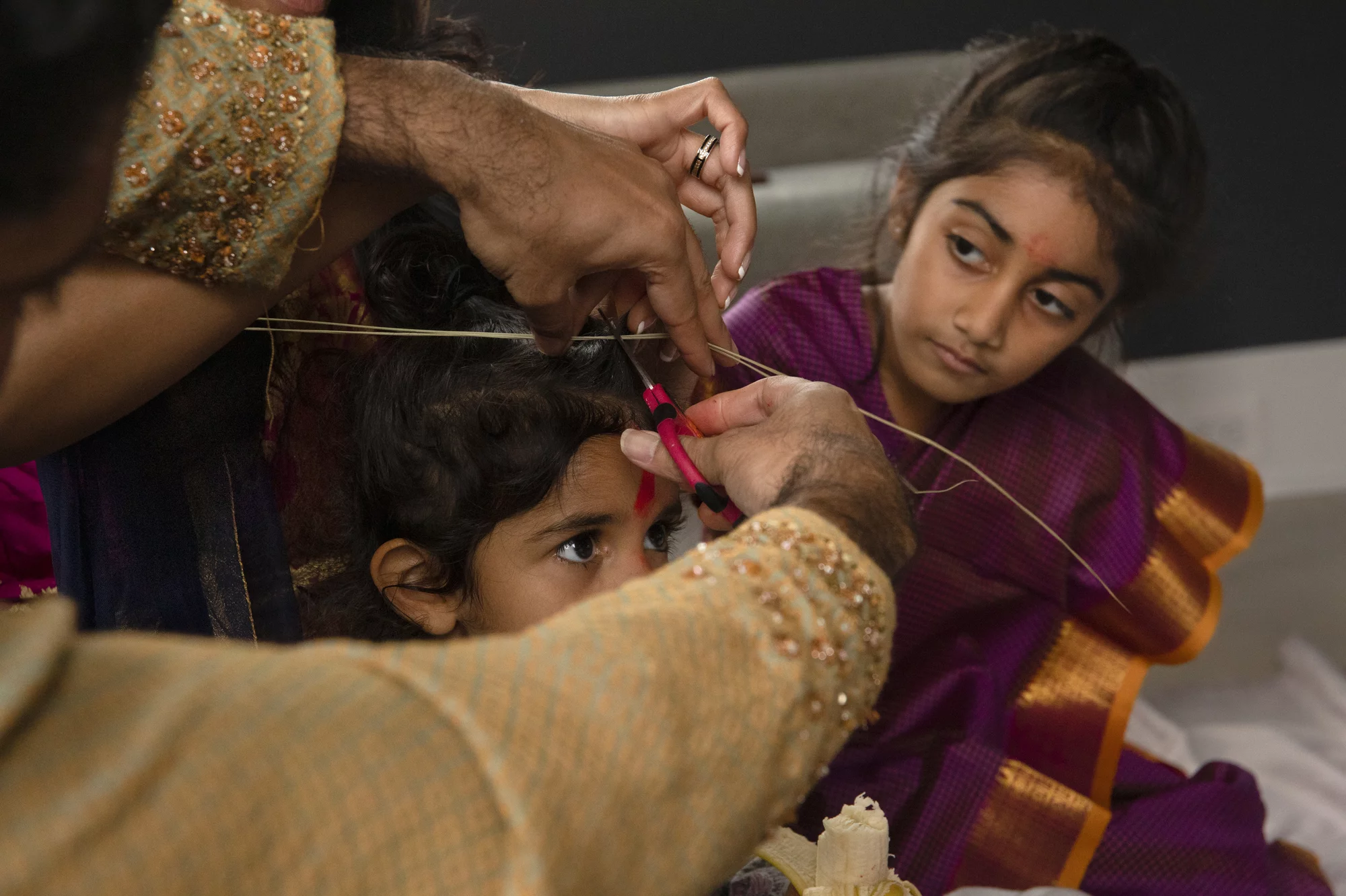
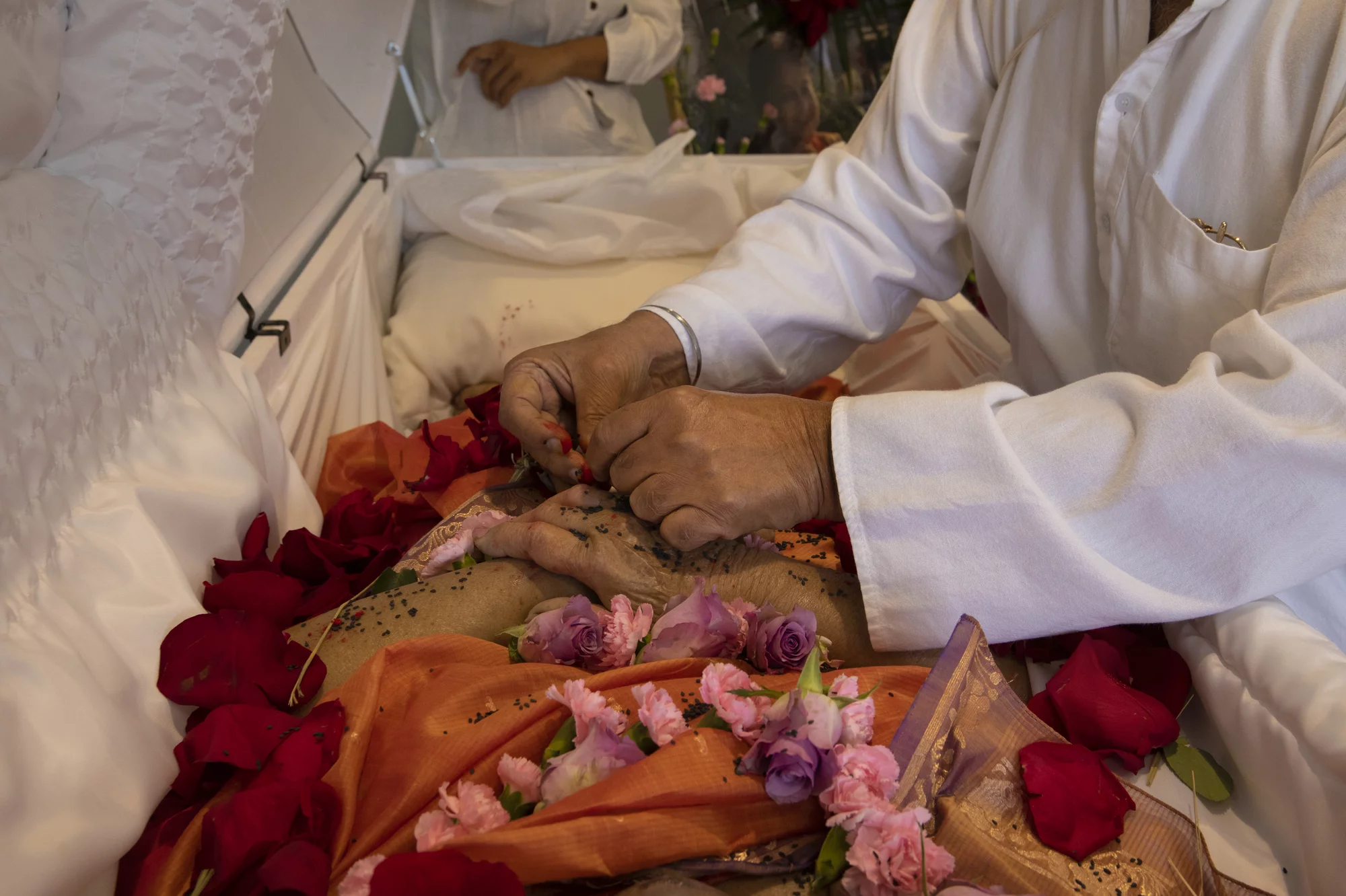
I developed this photo essay, Roots Hanging from the Banyan Tree, over the past three years. Photography became my therapy as I grappled with loss, grief and racial reckoning over the course of the pandemic. Searching for my identity as an Indian American woman became intertwined with the struggle to ground myself after losing my grandmother to COVID-19.

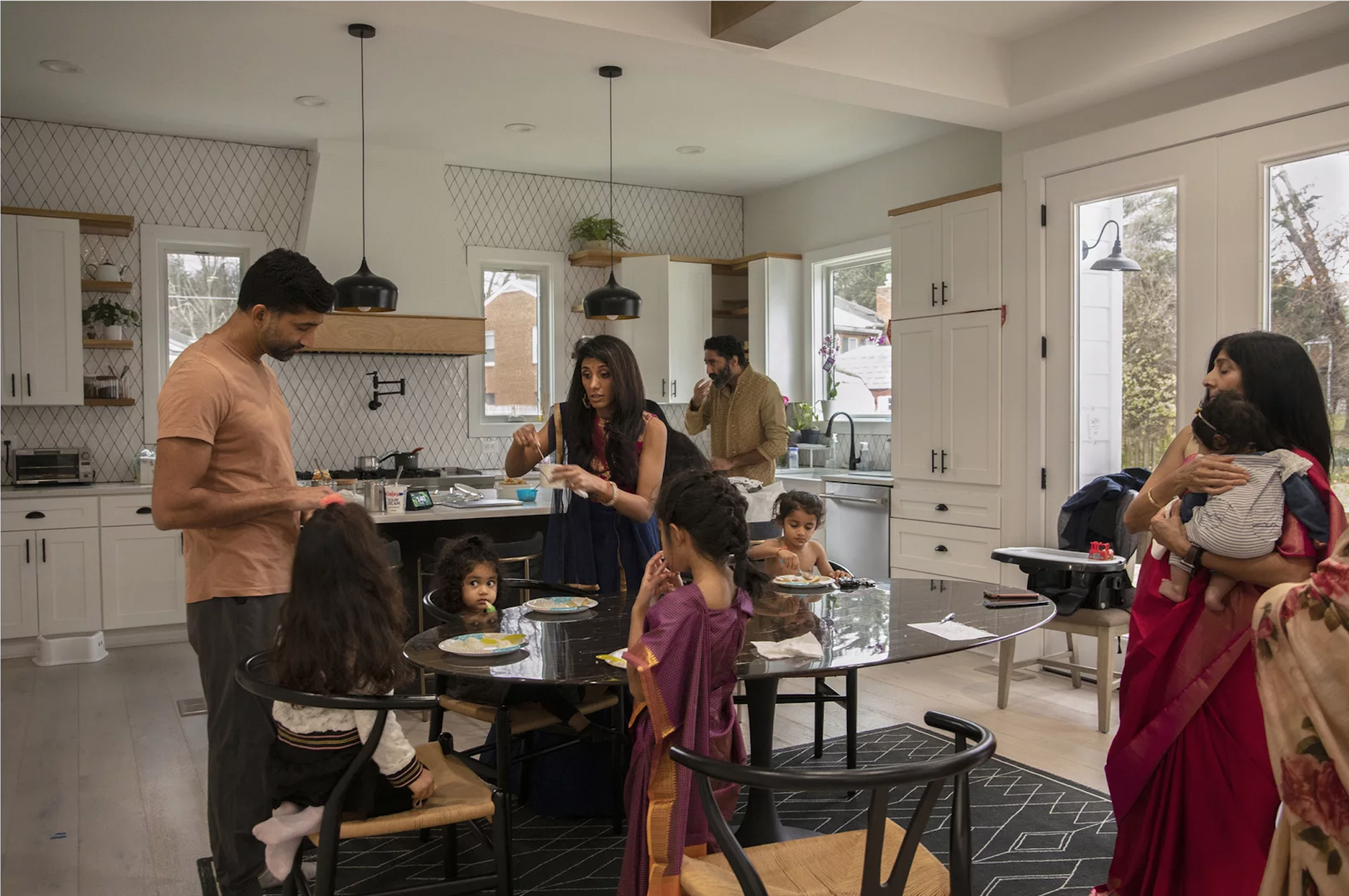
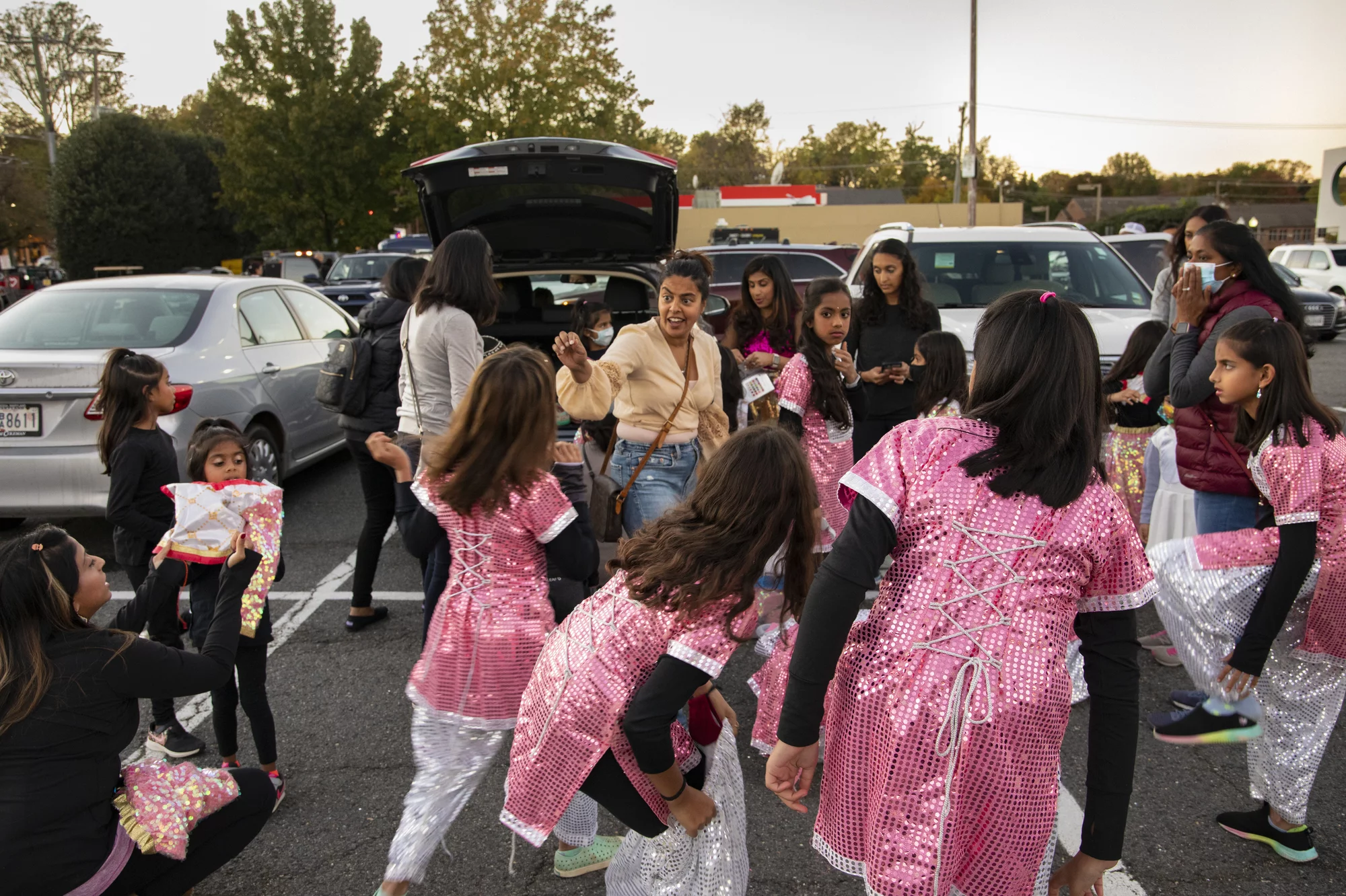
After her passing, my understanding of life and death shifted. In conversations with my mother, I learned that we both felt a sudden severance of our roots. In my grief, I grasped for memories of a simpler time. I connected with the Patil family, hoping to find a semblance of my childhood in their homes. Through documenting their daily lives, recollections of cultural rituals from my childhood began to flood back in. I also found that I was not alone in my experiences and fears of losing my connection with my heritage.

These images represent my experiences growing up between two cultures while navigating girlhood and early adulthood. I saw myself in the Patil family’s young children. While looking back through my old family albums, I found that our shared rituals and experiences were nearly identical. I suddenly felt less isolated in my experience as an Indian American and as a third-culture woman.

In their home, I was able to revisit memories as a young adult and recognize the beautiful aspects of the Indian American experience. What began as my thesis work grew into a labor of love that has shown me that my roots and cultural connection have been with me all along. As children of a diaspora, our cultural roots continue to grow and spread, but the soil is ours — we flourish where we are planted.


To see more of this project, click here

Instagram

Maansi Srivastava (she/they) is an Indian American documentary photographer and photo editor focusing on widespread social issues through a lens of family and community. She previously worked at the Washington Post and NPR. This June, she’ll begin a yearlong photography fellowship at the New York Times. See more of Maansi’s work on her website, maansi.photos, or on Instagram, @maansi.photo.

Zach Thompson copy edited this piece.

Grace Widyatmadja oversaw production of this piece.


APE contributor Suzanne Sease currently works as a consultant for photographers and illustrators around the world. She has been involved in the photography and illustration industry since the mid 80s.  After establishing the art-buying department at The Martin Agency, then working for Kaplan-Thaler, Capital One, Best Buy and numerous smaller agencies and companies, she decided to be a consultant in 1999.  Follow her at @SuzanneSeaseInstagram

Success is more than a matter of your talent. It’s also a matter of doing a better job presenting it.  And that is what I do with decades of agency and in-house experience.

Anatomy Of A Project

A new 8 part miniseries where Ottawa Photographer Tony Fouhse takes us through his new project, from the first photo to the book launch. Tony is an internationally exhibited and collected photographer who was formerly a full time editorial/commercial photographer. These posts originally appeared in his newsletter HYPO which you can subscribe to here to see more of his work visit his website here.

To pre-order Tony’s book go here.

Anatomy Of A Project
Episode Nº 8: The End

This mini-series, The Anatomy of a Project, began nine weeks ago with a post about the genesis of my current project, “The Garden”. The subsequent posts were (with one exception) about the wiggly path the project took, from creating the photographs to the struggle to edit and sequence the images into a cohesive whole, from laying out the book to the method of its launch.

Now I’ve reached the end. “The Garden” was officially launched this past Sunday at a Mini Popup Foto Festival.

I’d planned on concluding this mini-series by writing about that event. But upon reflection realize there’s no real point to that. The end should be the end.

Ending any mini-series is tricky. Do you wrap everything up in a nice package that explains everything that’s come before? Do you end on an enigmatic note, leave it up to the audience to make their own conclusions? For me, in this case, the end calls for rumination rather than description.

What is “the end” anyway?

Does everything just stop? How much do you want (or need) to reflect on the path that brought you to the end? Where do you go from here?

Let me answer those questions . . .

No, everything doesn’t just stop (obviously).

Reflection is good, it illuminates the path forward (unless you dwell, fixate, on the past).

The last question, where do you go from here?, is the trickiest. Do you repeat yourself because what you did was popular? Do you repeat yourself because that’s all you know? Do you repeat yourself because you’re afraid of failure? Do you do something different, informed by what you’ve just done? Do you do something different because it’s a big, multidimensional world? Do you do something different because you’re curious? Or what?

I can only speak for myself. Me, I use the camera as a tool of discovery. I don’t want to impose my “systems” on what I’m photographing. Sure, I have a history and certain ways of looking, thinking, and framing things. But I work hard to ensure the “subject” I’m photographing has some say. I want to meet the world halfway, want to approach the object of my attention (and interest), in a way that allows room for those people, places or things to come to me too. Therein lies discovery.

And I’ve always thought (believed) that discovery, moving forward, embracing risk and failure, was the whole point of being a conscious, alive person.

Now I’m going to step away from my camera until I’m ready to pick it up again. That might be a few weeks, might be a year. Who knows? (Who cares?) I’ll continue to garden, walk my dogs, shop for food and cook it, read, look, think.

When I do resume I’m pretty sure I’ll be looking for something different, looking at the world from a modified perspective. What, and how, that may be is to be determined. But I’m not worried.

I know that sooner or later something will grab me. And that will be a beginning.

My garden
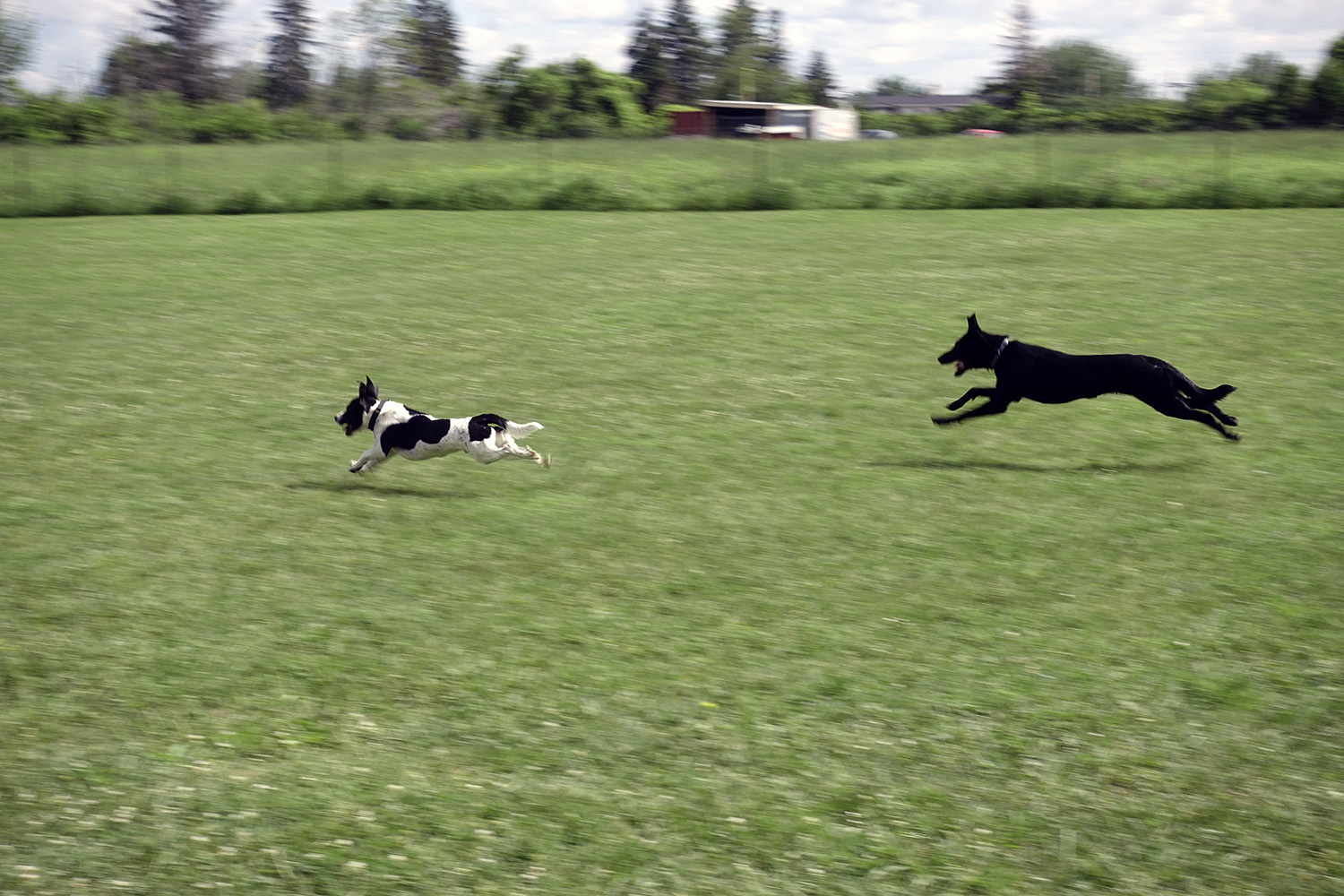
Walking my dogs, Tim and Ellie
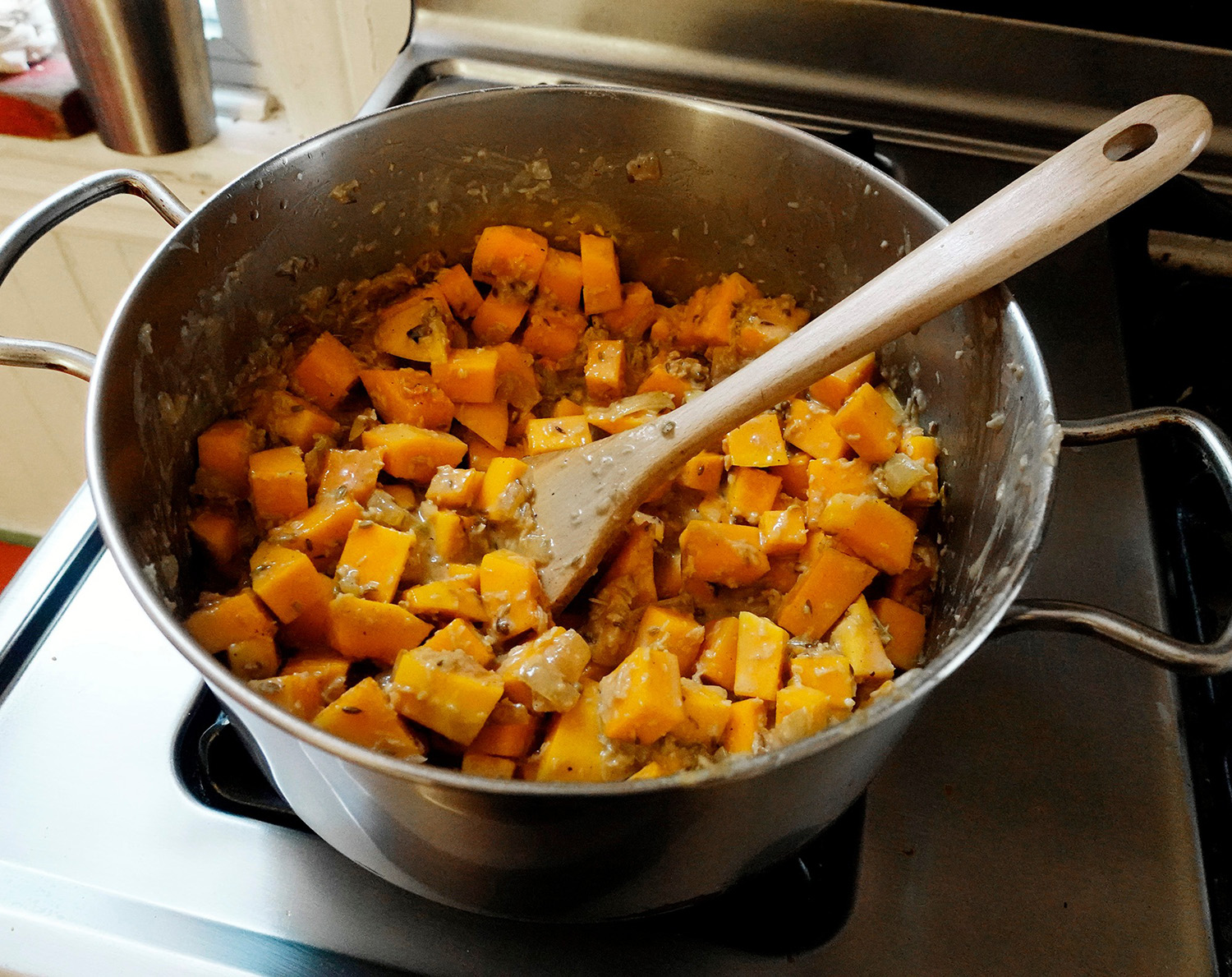
Making West African squash and groundnut stew


The Art of the Personal Project: Gregor Hofbauer

The Art of the Personal Project is a crucial element to let potential buyers see how you think creatively on your own.  I am drawn to personal projects that have an interesting vision or that show something I have never seen before.  In this thread, I’ll include a link to each personal project with the artist statement so you can see more of the project. Please note: This thread is not affiliated with any company; I’m just featuring projects that I find.  Please DO NOT send me your work.  I do not take submissions.

Today’s featured artist:  Gregor Hofbauer

I’m a member of the LGBTQI+ community and attending pride marches and protests to achieve visibility for the community is a must for me. In my first few years of attending these events I expected mainly younger people being active in that matter. But, since I’m eager to look beyond the obvious, I realized that at least here in my hometown, Vienna, the group of supporters showing up at our biggest event – the „Regenbogenparade“ – is quite diverse in age. With my personal work I always like to ask the question, „Did anybody notice this?“.

So with “The Other Vienna Pride Visitors“ I dedicate my time and focus to all the “grown-ups”, who, after quite some time in their life, still find the energy to go out and respect and enjoy what the pride parade stands for.

To see more of this project, click here  (scroll down to The Other Viennese Pride Visitors)

Instagram


APE contributor Suzanne Sease currently works as a consultant for photographers and illustrators around the world. She has been involved in the photography and illustration industry since the mid 80s.  After establishing the art-buying department at The Martin Agency, then working for Kaplan-Thaler, Capital One, Best Buy and numerous smaller agencies and companies, she decided to be a consultant in 1999.  Follow her at @SuzanneSeaseInstagram

Success is more than a matter of your talent. It’s also a matter of doing a better job presenting it.  And that is what I do with decades of agency and in-house experience.