The Art of The Personal Project: Jennifer MacNeill

The Art of the Personal Project is a crucial element to let potential buyers see how you think creatively on your own.  I am drawn to personal projects that have an interesting vision or that show something I have never seen before.  In this thread, I’ll include a link to each personal project with the artist statement so you can see more of the project. Please note: This thread is not affiliated with any company; I’m just featuring projects that I find.  Please DO NOT send me your work.  I do not take submissions.


Today’s featured artist:   Jennifer MacNeill

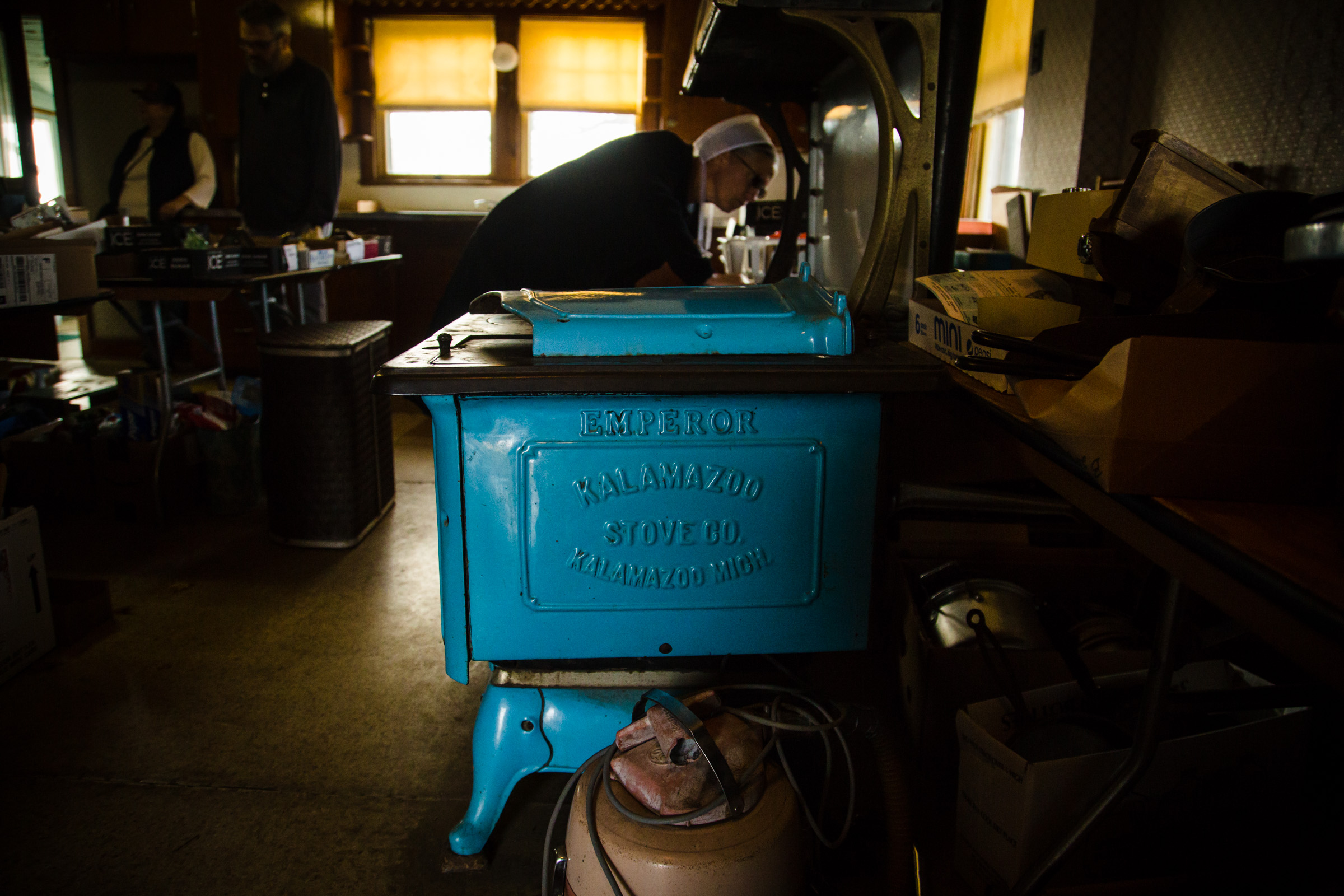
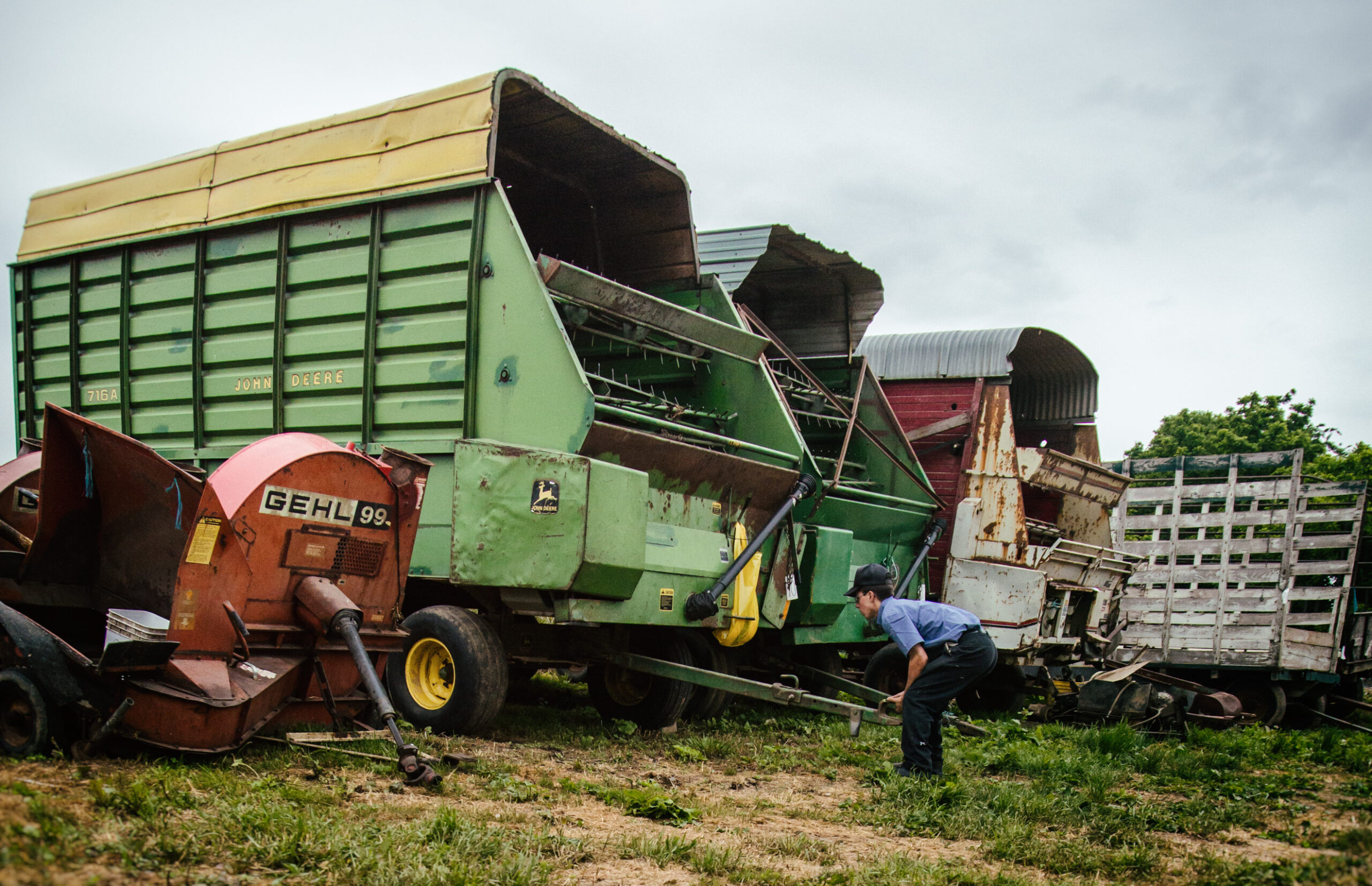
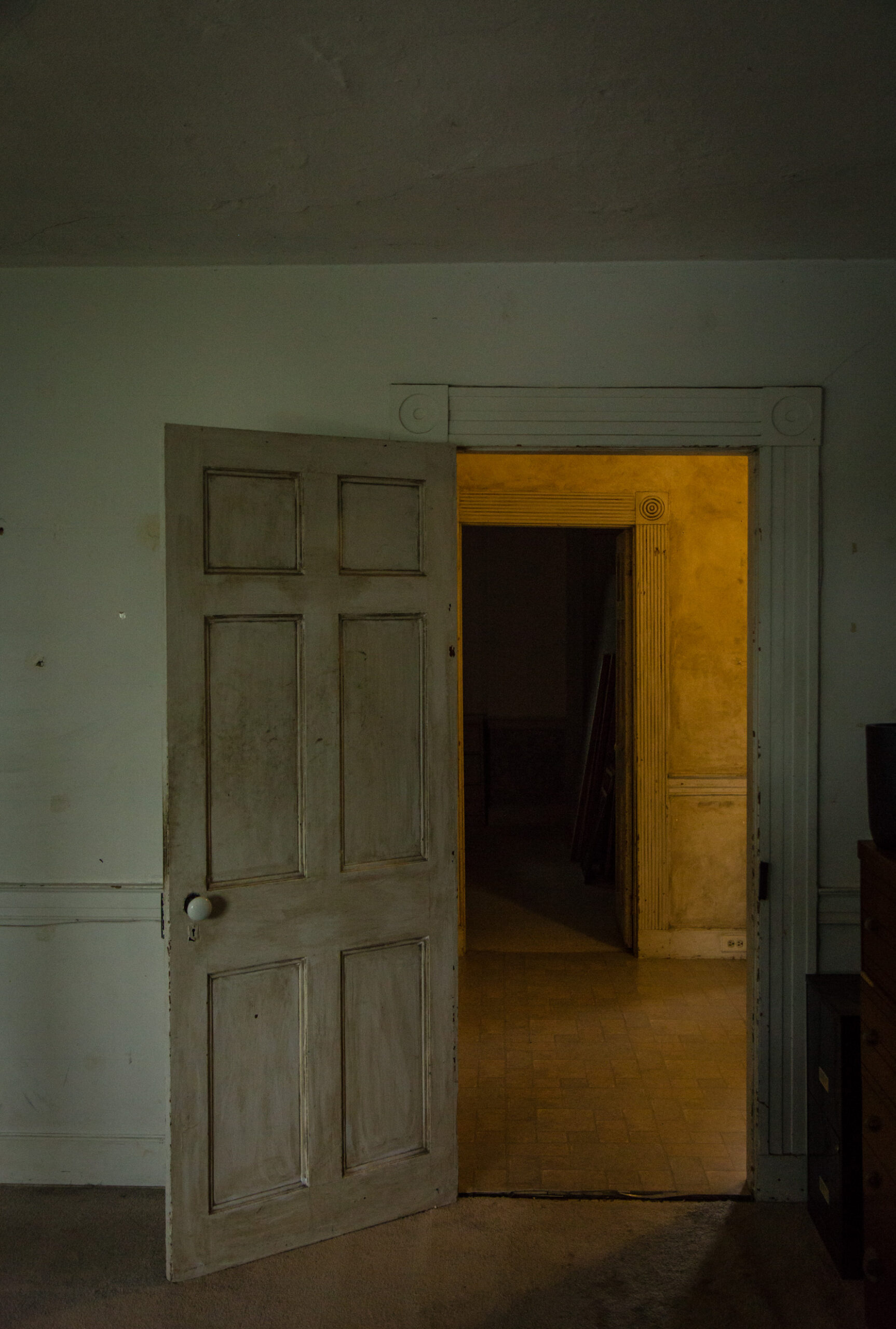
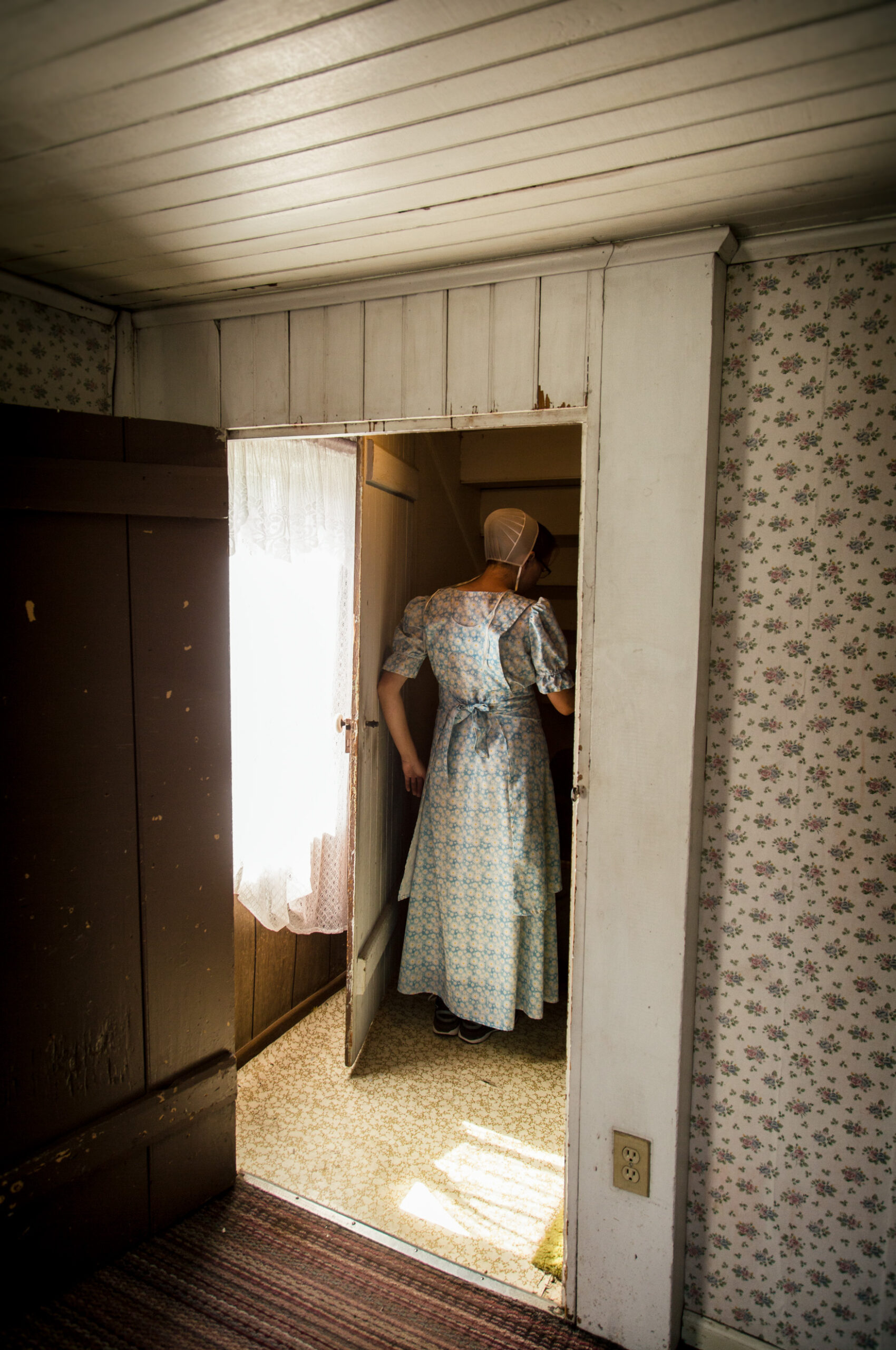
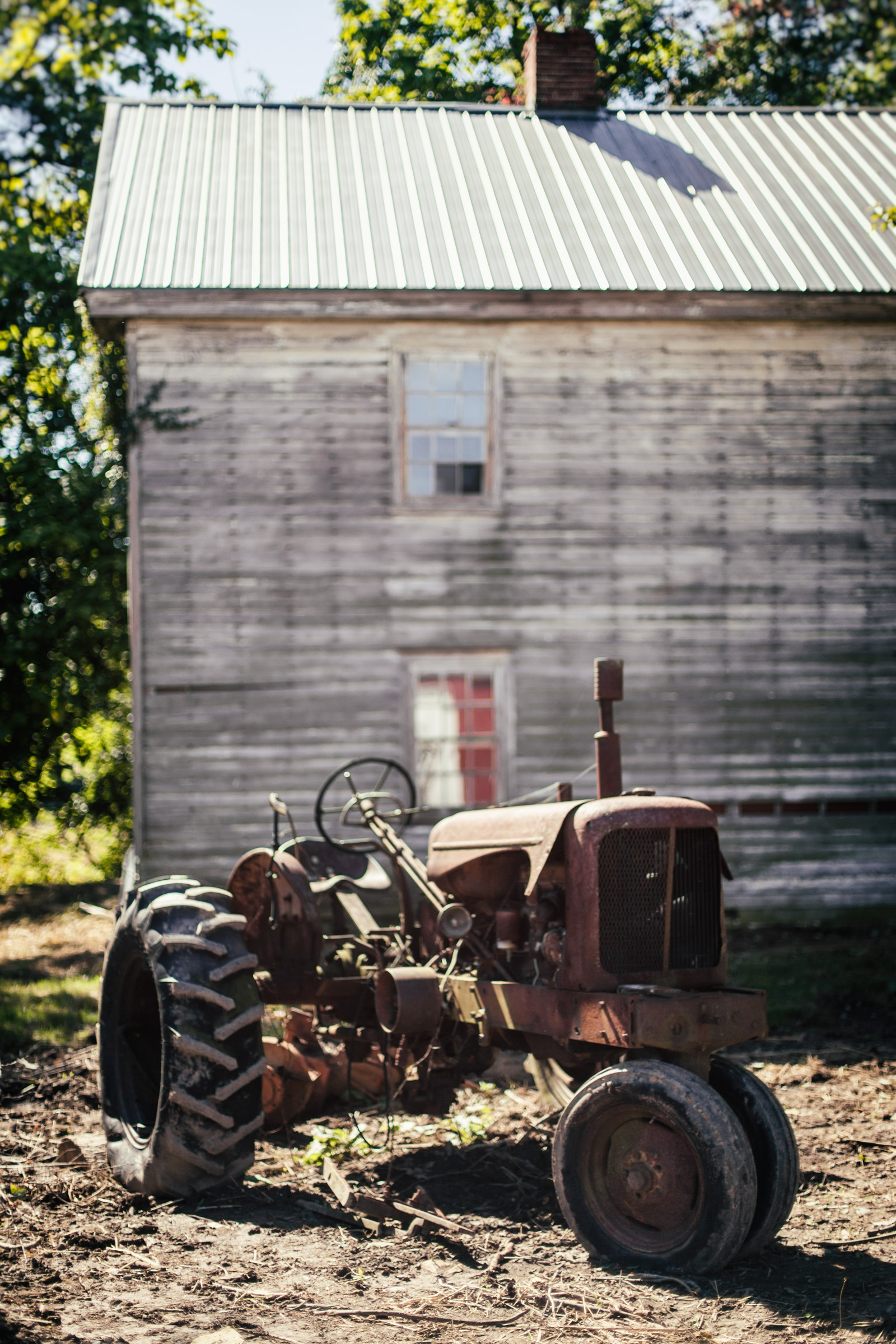
The farm auction project grew from childhood memories of attending the liquidation sale of my stepfather’s family dairy farm and my current interest in local history and desire to gain entry into old barns and homes that surround me in Lancaster County, Pennsylvania. We have some of the richest farmland in the United States and so often our farms are being replaced with housing developments, warehouses, and shopping centers.

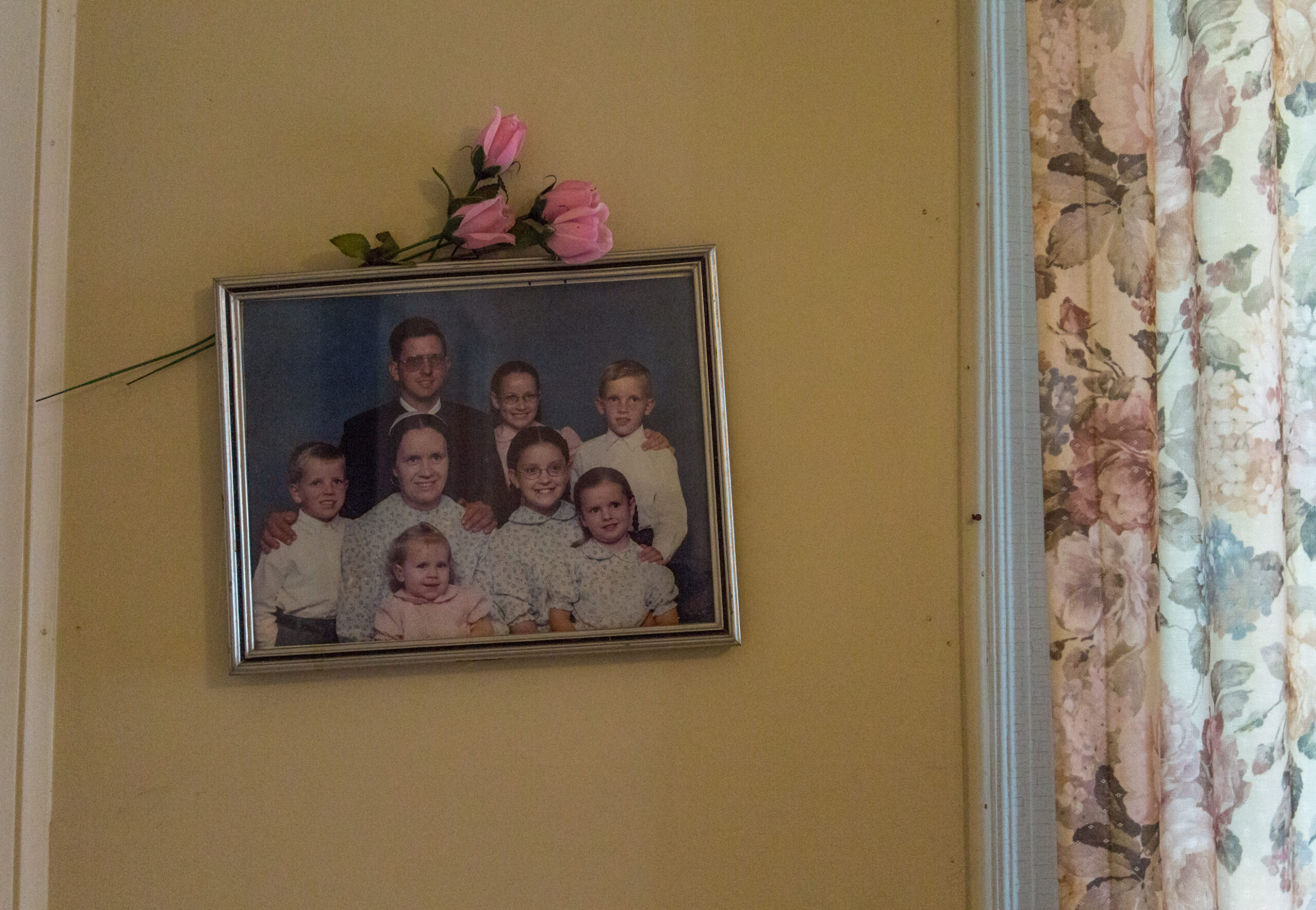
When I started working on the project in 2021, I had little idea that the private worlds I would gain entry into would be filled with so much mystery and tinged with sadness. Many of these auctions are used to settle the estate for a farmer who has passed. They lived a hidden life many of us never even think about.

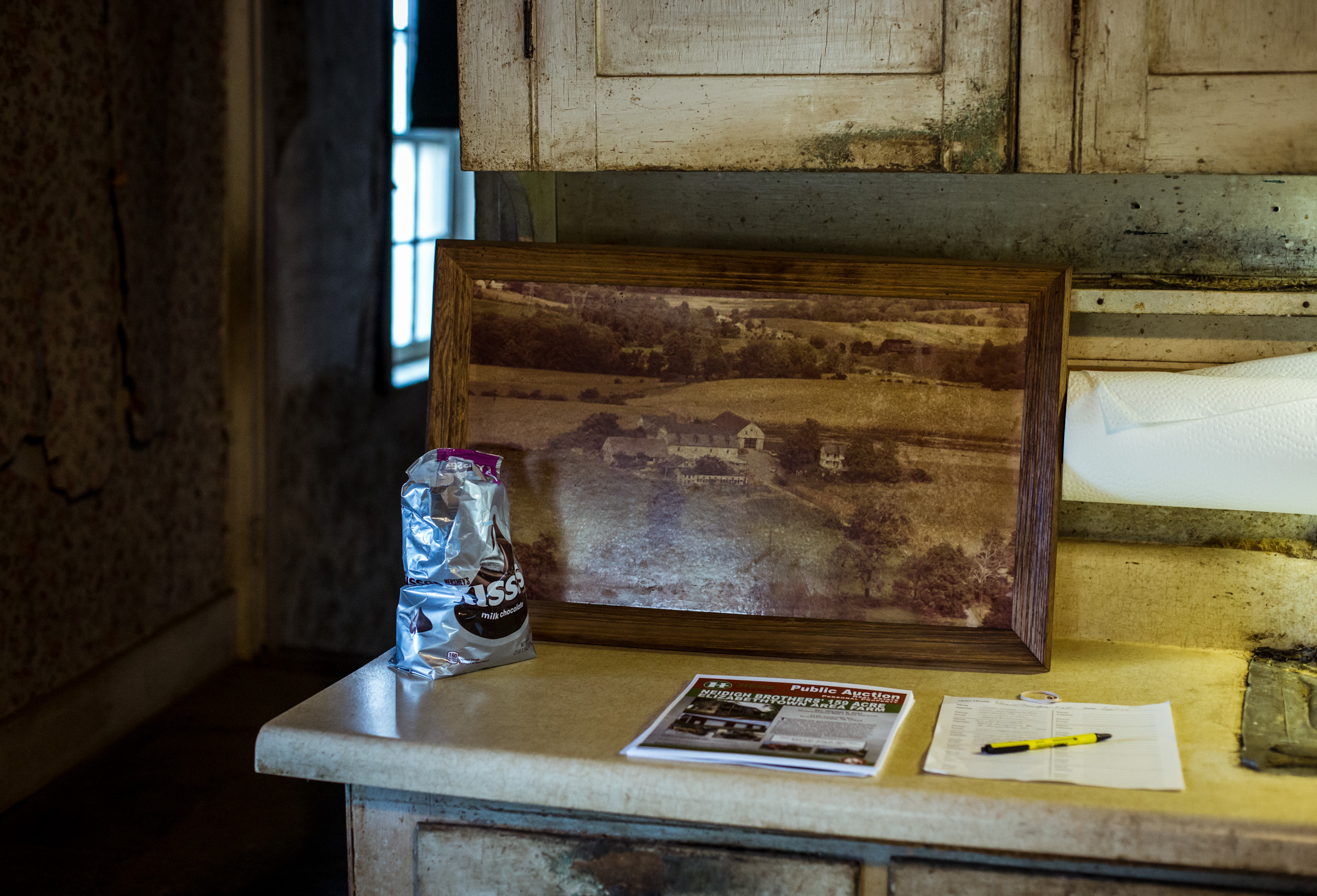
There is a secret thrill in exploring these old houses and barns with little restriction. Studying the architecture, disrepair, and personal belongings to learn about the history of the area in properties dating back well over a hundred years. Mingling with auction-goers and engaging in conversation to further investigate the lives of the people who once lived there, to get a sense of who they were.

Through my images I seek to piece together clues showing how the farm owners lived, the process and people that attend these auctions, and visually preserve a vanishing history.

To see more of this project, click here

Instagram

APE contributor Suzanne Sease currently works as a consultant for photographers and illustrators around the world.  She has been involved in the photography and illustration advertising and in-house corporate industry for decades.  After establishing the art-buying department at The Martin Agency, then working for Kaplan-Thaler, Capital One, Best Buy and numerous smaller agencies and companies, she decided to be a consultant in 1999.  Follow her at @SuzanneSease.  Instagram

The Daily Edit – Conveyor Studio


Conveyor Studio


Co-founder & Creative Director: Christina Labey

Co-founder & Production Manager: Jason Burstein

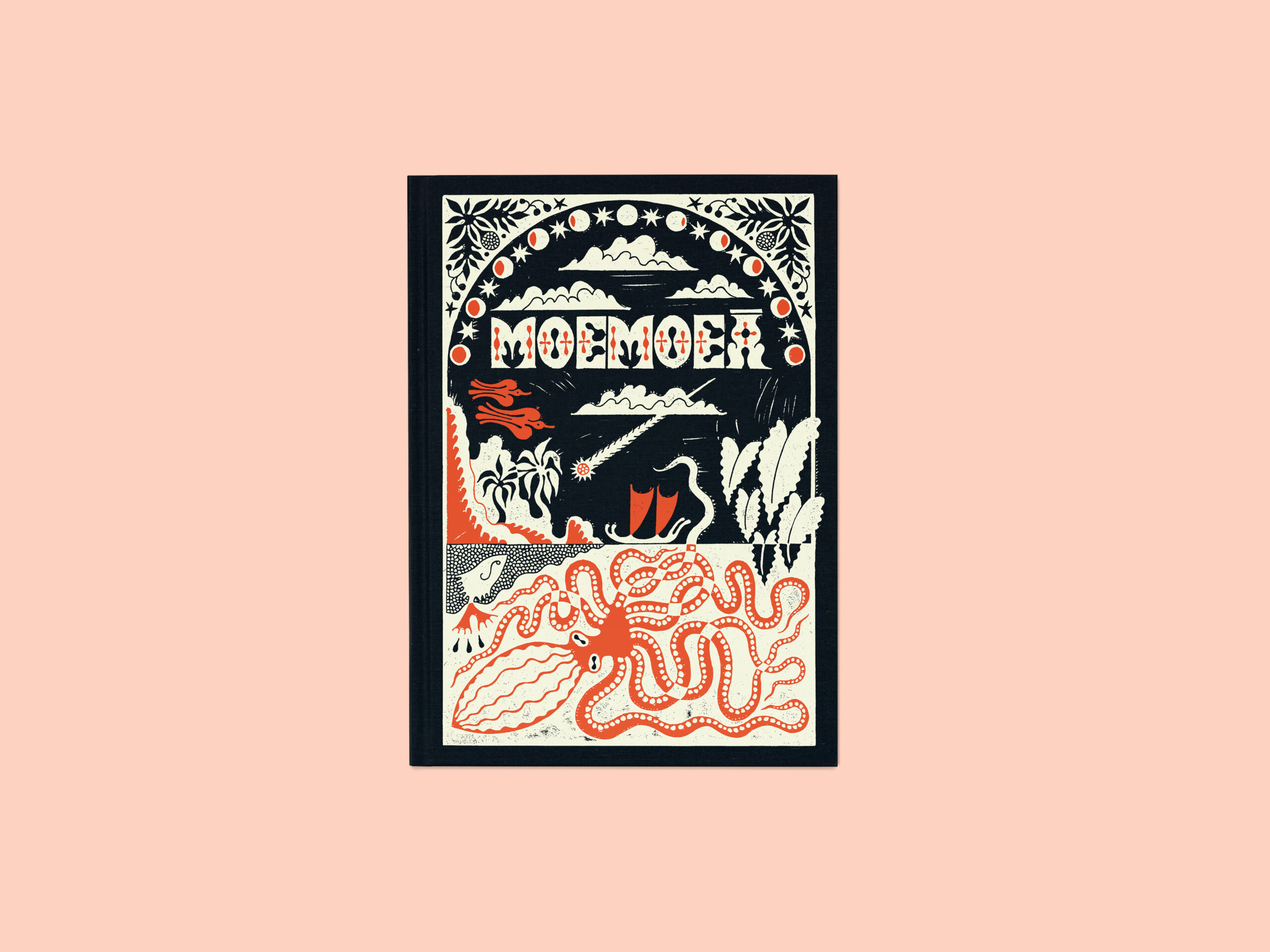
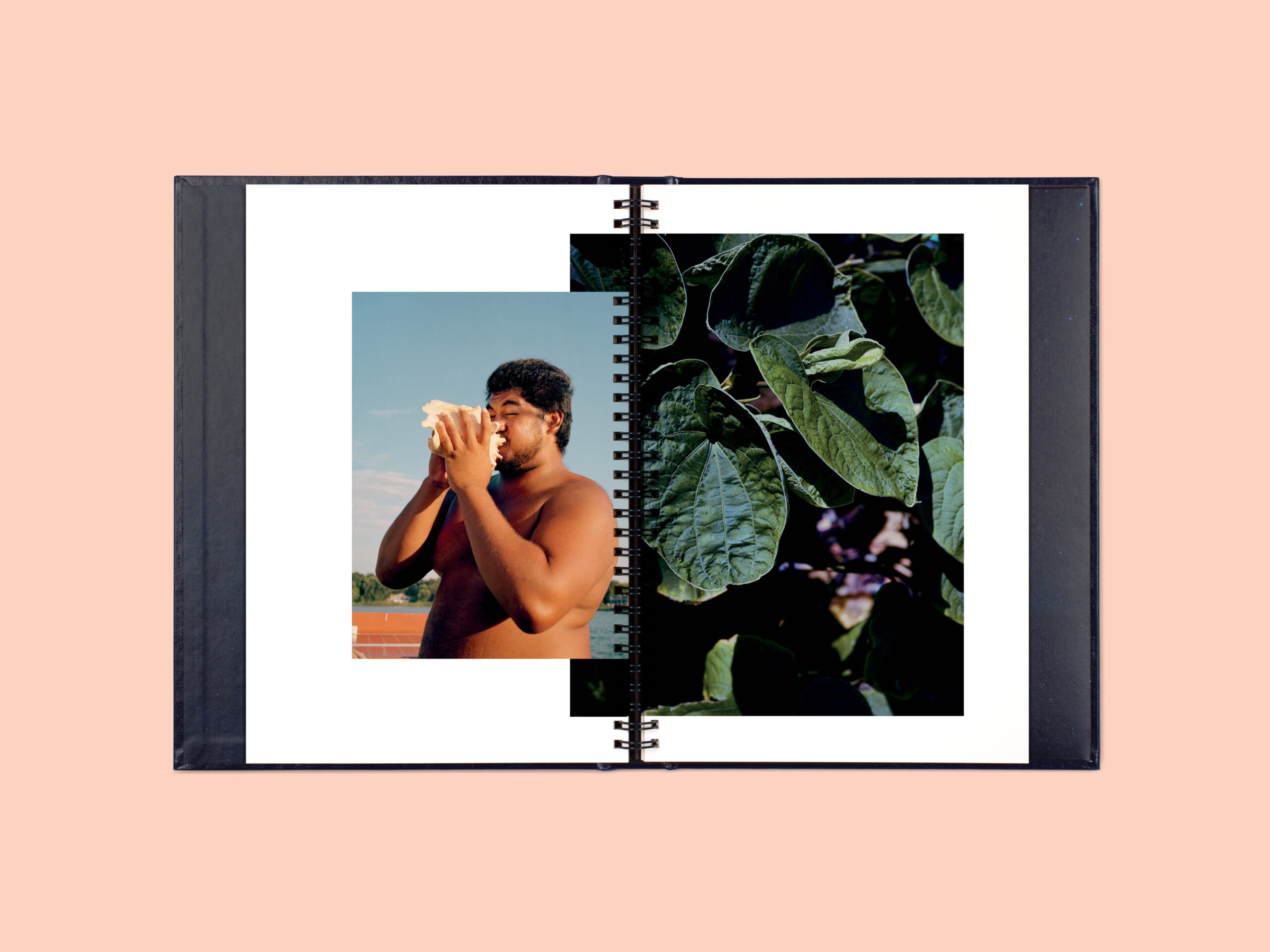
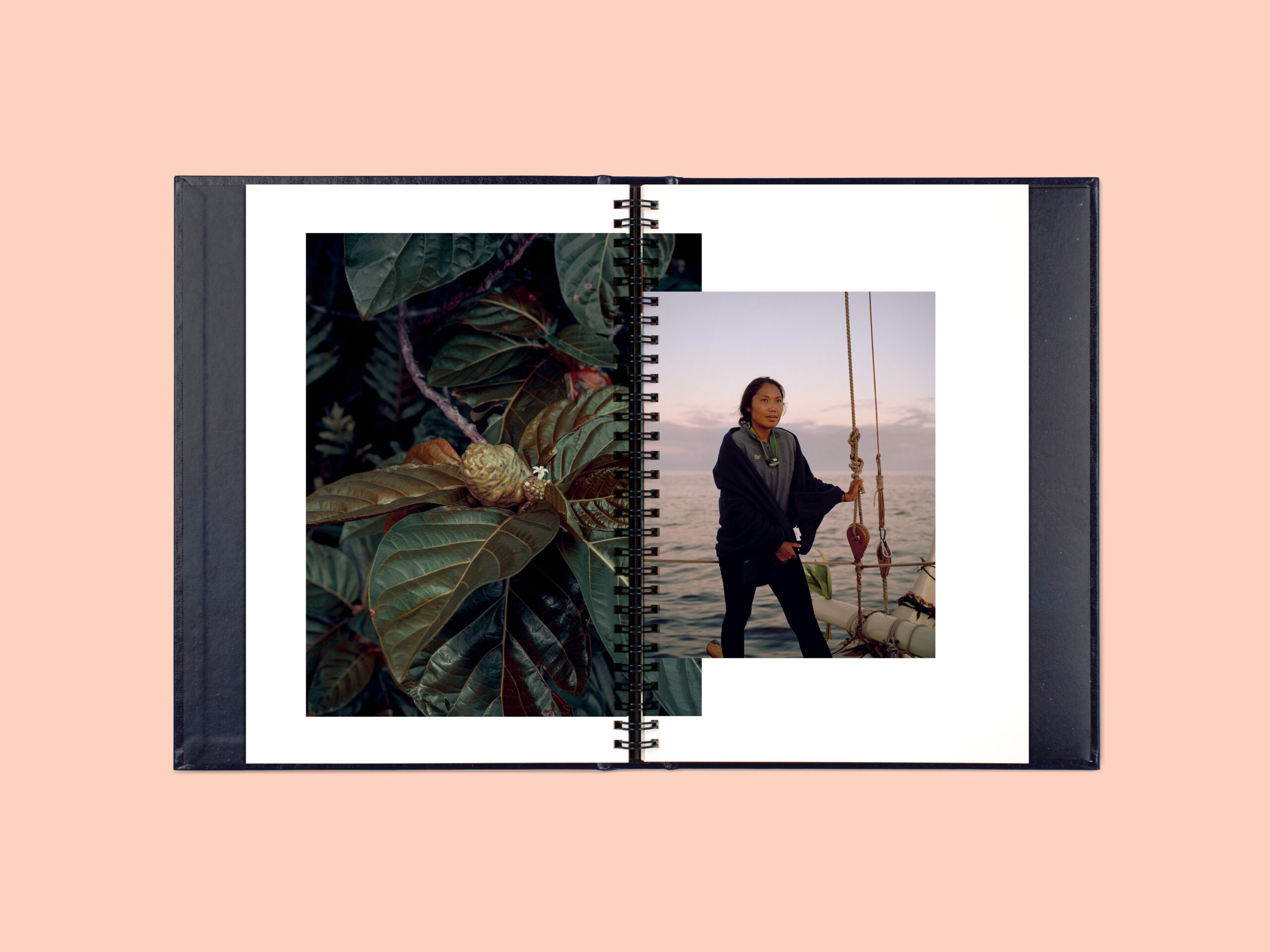
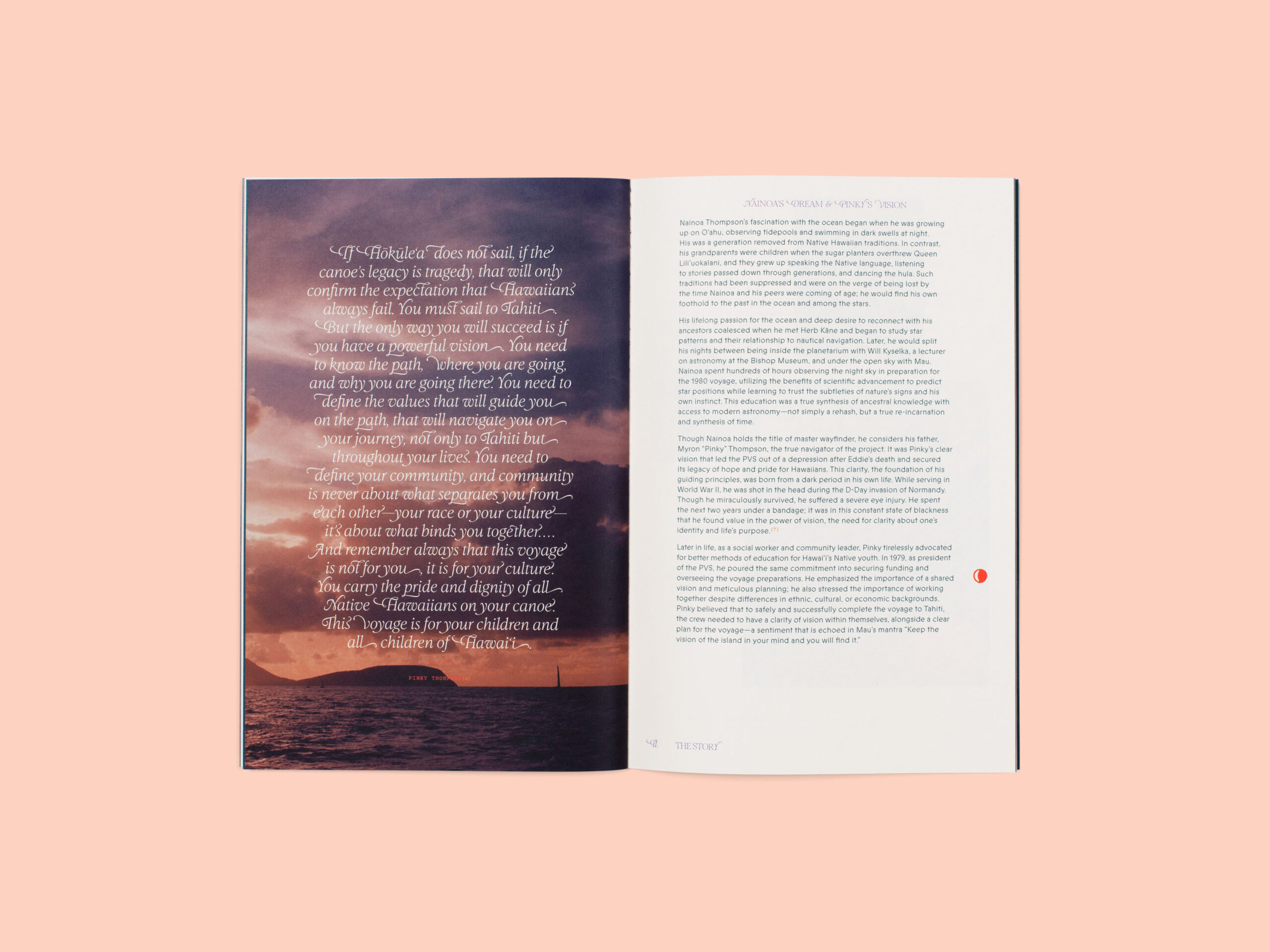
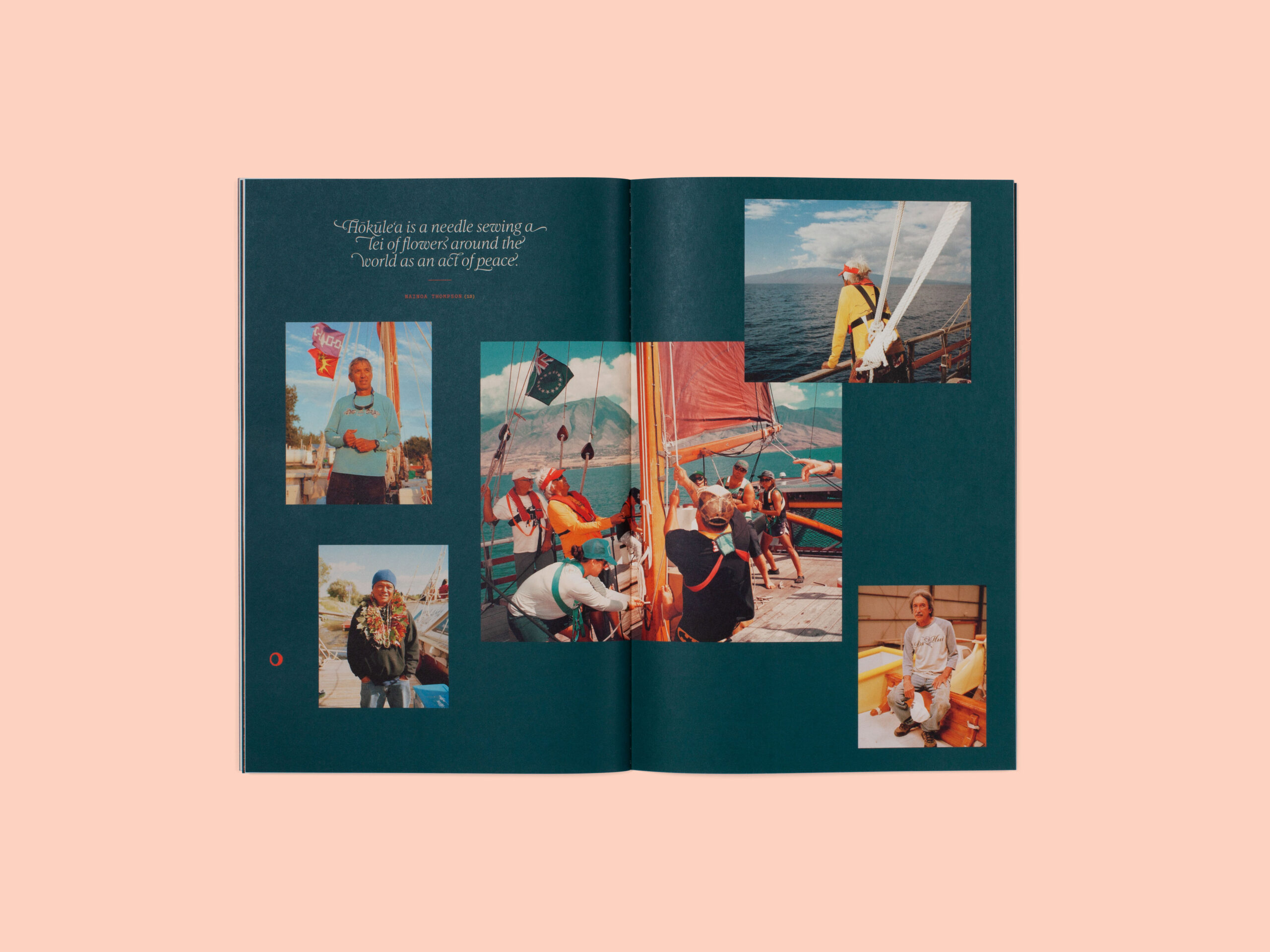
Heidi: You recently published a gorgeous book Moemoeā by Brendan George Ko, along with photography the book included unique type design, illustration, and an essay. What was the essence of creative direction as the photography honors sharing Polynesian knowledge of celestial navigation.
Christina and Jason: When we start a project, I always ask the artist to provide their inspiration as a point of departure for my research rabbit hole on the creative direction. One of Brendan’s inspirations for making this project was a book called Vikings of the Sunrise by Te Rangi Hiroa, so when we started the project I bought a beautiful hardcover copy on eBay. We used the lettering and illustrations from this as a point of departure, alongside a haul books and ephemera we’d recently bought at a used bookshop in Hawaii.

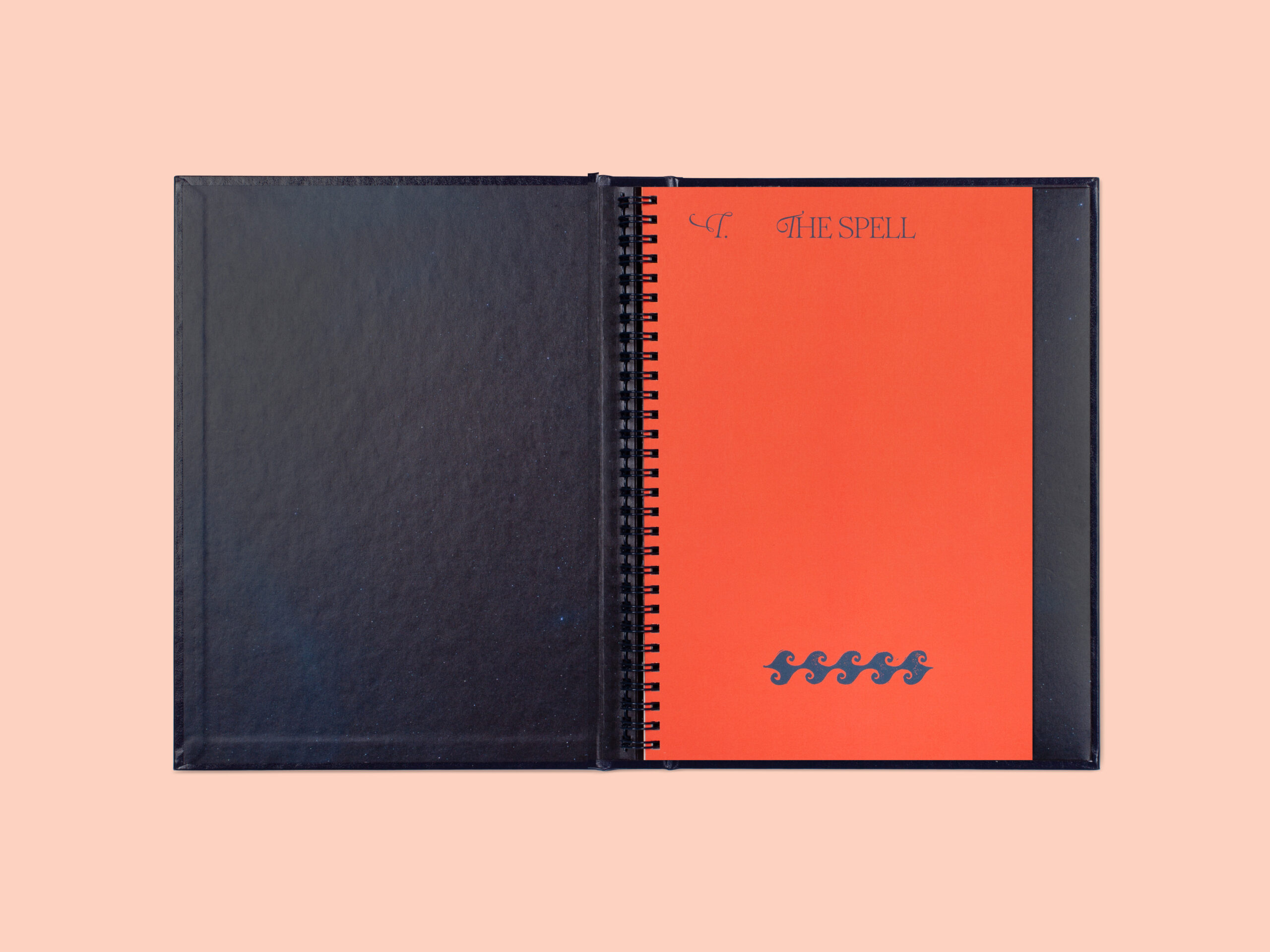
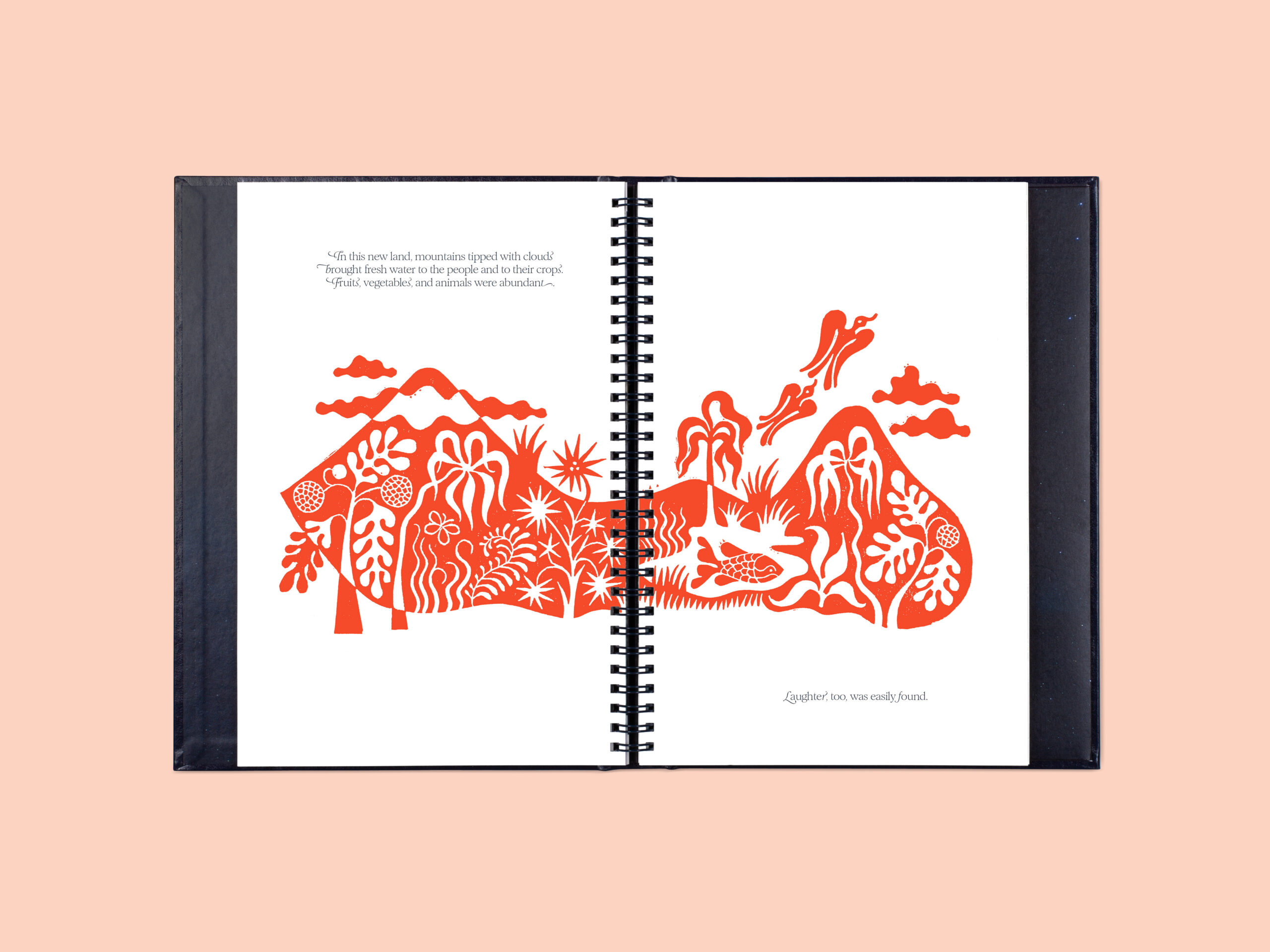
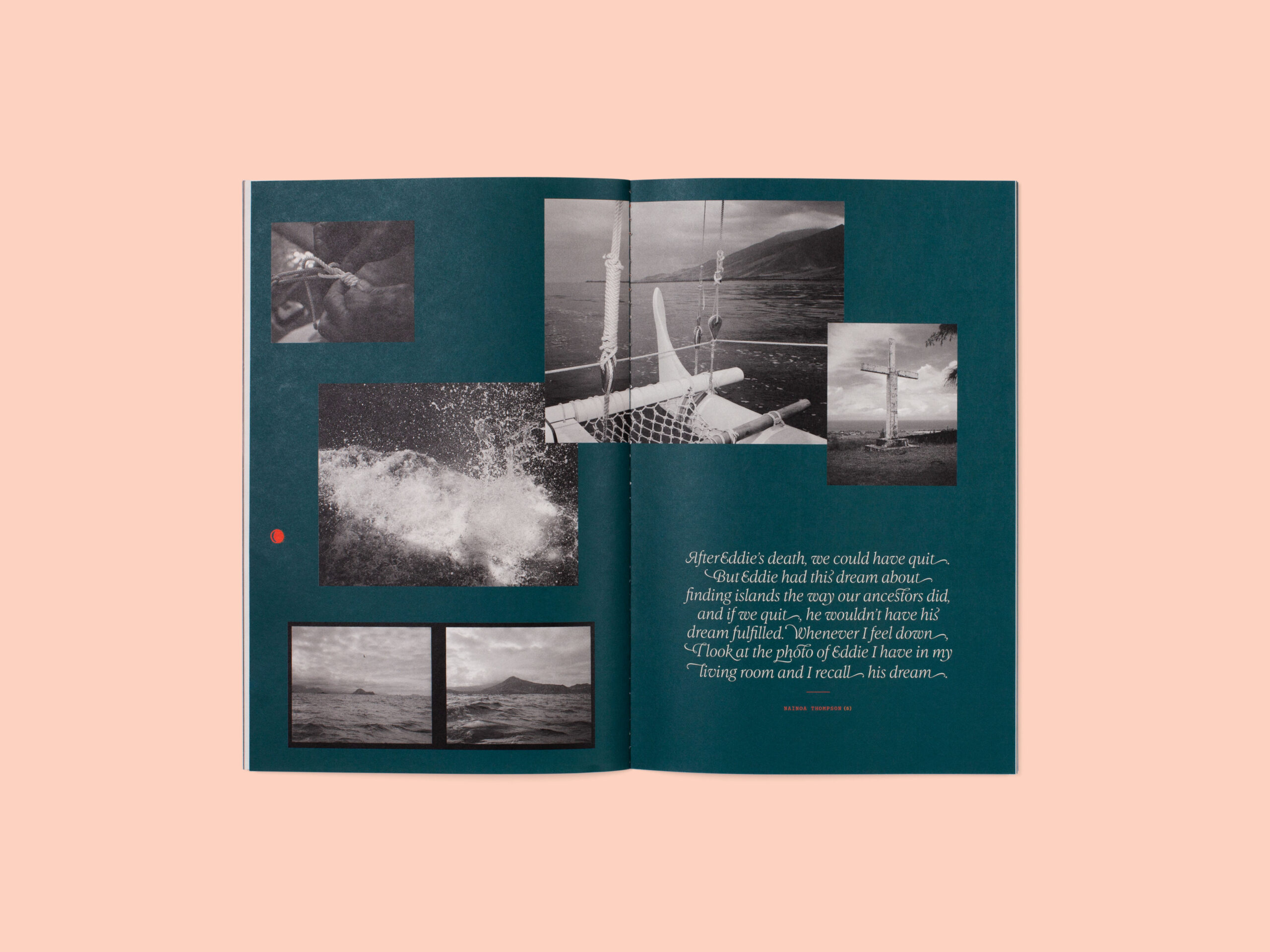
Our designer Elana Schlenker brilliantly suggested that we commission Sophy Hollington—who uses linocut, a relief printmaking process—to create the lettering and illustrations throughout. The geometric patterns on the covers of The Spell and The Story were inspired by Hawaiian tapa designs, a form of printmaking typically made from hand-carved bamboo stamps. In The Story booklet, instead of page numbers we used the phases of the moon to illustrate the passage of time through the book as a nod to celestial navigation and tracking time though natural elements. The illustrations are set in a vibrant vermilion that echoes the color of Hōkūle‘a’s sails and Hawaii’s iron-rich volcanic soil.

The book includes a wire bound and a singer sewn booklet. Why did you choose these particular binding styles for the two parts The Story and The Spell? From the start, we knew the book would have a hardcover case but wanted to something that felt unique to the project, so we chose to wire bind The Spell to give the feeling of a nautical logbook. Practically, we wanted an option that would lay flat and allow us to occasionally insert iridescent paper stock to emulate the sheen of the ocean’s surface or the night sky.

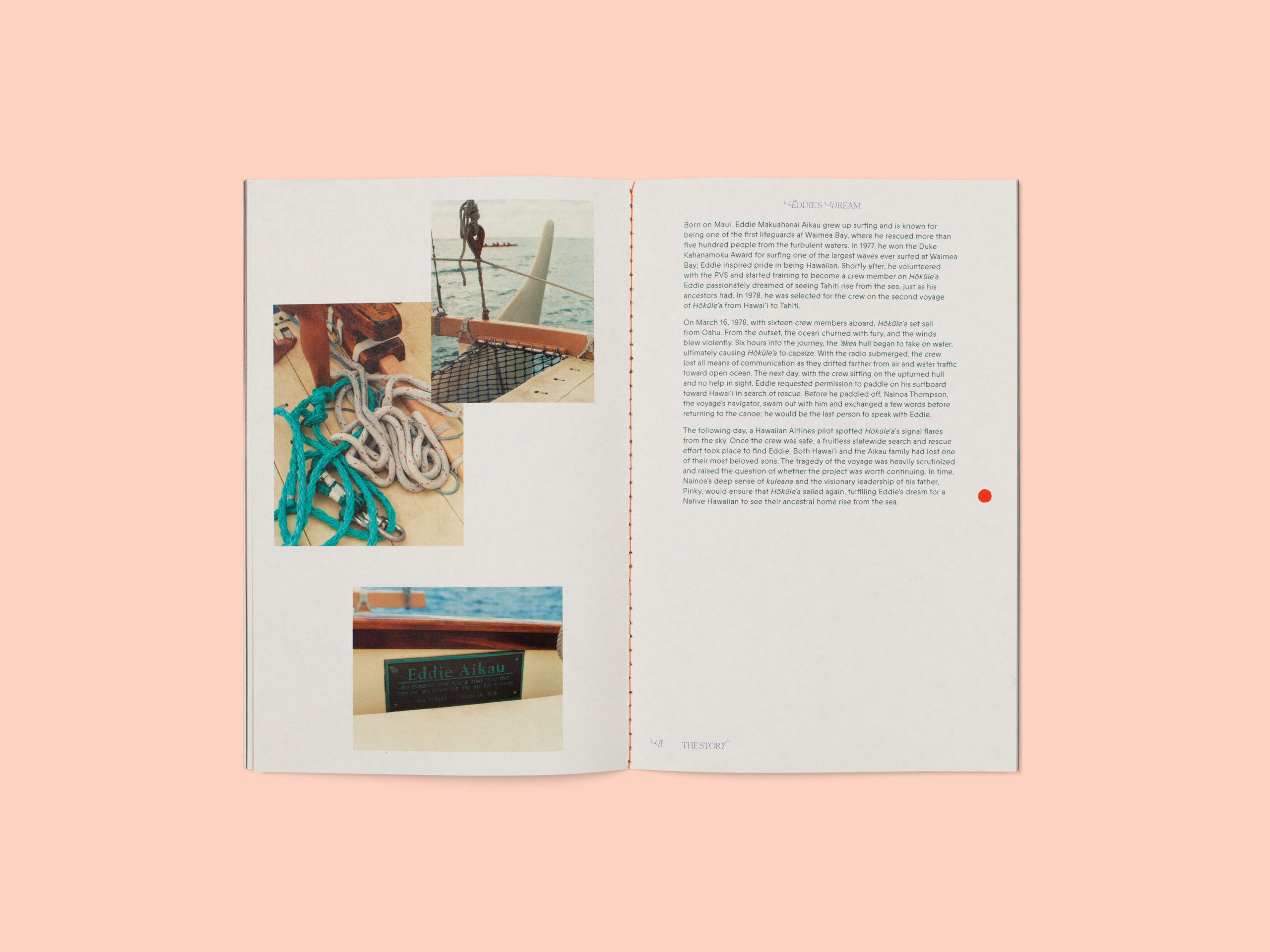
For The Story, the booklet reminds me of a small field guide or scrapbook that provides an objective and historical account after The Spell, which is more of an experiential book. The singer sewn binding allowed us to bring some color into the binding edge and the center spread, it also recalls the color and stitching of Hōkūle‘a’s sail which appear as the opening image.

Roughly, how many books do you create and print annually since you are a bespoke studio honoring craft?
We publish two or three artist books each year in addition to Mercuria, an experimental magazine that explores art and science in chapter form. We typically release one book with an artist we haven’t published before, this takes form in a more ambitious, research-based project that includes significant text and custom design elements. The other books are usually something a little more informal, little to no text, and experimental from one of the artists on our publishing roster.

We went on a bit of a hiatus during the pandemic, it was ideal for reflection and research, but not so great for connecting with our artists, editors, and designers. There is something irreplaceable about in-person design meetings, creative brainstorming, pulling out all the material swatches, and reviewing proofs and prototypes together.

In retrospect, the long pause was beneficial because I allowed myself to embrace the fact that I work slowly. I put a lot of time and thought into each project, when there are a lot of events I feel the pressure to launch new things, but once you publish something it’s forever. Our books will outlive us in libraries and collections, so it’s important that I feel happy with it, and most importantly that it represents the artist’s project in the best possible way. This was the case with Moemoeā, which slowed pace during the pandemic and ultimately took an extra two years because we wanted to commission an essay to include historical and cultural context, we also added a lot of extra production embellishments. In the end, I’m so happy we waited until it felt completely right.

Same Sum is a lovely interactive book full of surprises, what were the challenges with the unique shuffling of the sequences?
It was a really strange experience to try and sequence a book that would also be sequenced by both the reader and by chance as every shuffle and flip-though is bound to be different. It started with the initial edit, narrowing it down to 120 photographs from 400. I find that as an editor you become really familiar with a photographer’s patterns, compositions, and motifs, you start to see how they experience the world through their camera and then present that to the reader. The edit embraces the patterns I find in Peters photographs and lay the groundwork for the reader to make their own connections between images. For example, many images have a central circle or strong angles in the composition, certain pops of color that resonate, a repeated spiral theme, or very similar images made moments apart that occur several times on different panels of the book. It seems random, but it was very considered.

The challenge came when we started to print proofs and prototypes, after I finished a sequence we would immediately print and bind it because it wasn’t possible to experience it on screen, no matter how much we mocked it up to mimic the real thing. We went through five or six rounds of sequencing this way: revise, print, bind, flip, repeat. When we were on press with the final, there were still surprises that popped up from the fact that one book was bound on the left, the other on the right, which shuffled the images further and blew our mind a bit.

What inspired this type of book?
When Peter pitched this project to me, it included 400+ photographs culled from his daily life that were both mundane and magical. He’d experimented with different ways of installing them and was curious if we could make a book from the project. When we begin a new book, the artist fills out a questionnaire—brilliantly created by our long-time collaborator Liz Sales for I Write Artist Statements—so we can identify the themes at the heart of the project before putting together a design proposal. In describing the project, he said “I’ve never been able to effectively lay out the entire deck, extras are always left in small bundles on the table, so while every picture is tangibly together the contents of all pictures are not visible. In this way, the project feels like an epic deck of cards that can never be fully dealt.”

From that moment, I knew I wanted to nod to magic tricks and a card deck, there is a certain sleight of hand that goes into framing and photographing. I also liked how he described the process as a cycle of practice and playing feeding off one another, this made me think of spiral binding and the double-bound format was inspired in part by Amber Gambler by Dylan Nelson.

We published Peter’s debut monograph Half Wild, so I knew this could be a more playful sequel since our audience was already familiar with his work. I also knew that he would be open to experiment with format so long as it doesn’t distract from the heart of the project or the photographs—a principle that is important in all of our publications.

How does the digital age intersect with your work?
The digital age is what makes this all possible, from the Indigo (our digital offset press, which allows us to print books essentially on demand) to social media for sharing our projects or collaborating remotely with artists and contributors. But it does feel like the hours are spent on the screen are endless and never enough, from answering emails, designing books, researching projects, and documenting our work (studio photography and a lot of retouching). We have an amazing team, but we are also still a small studio, so we are hands-on with all aspects!
I think this affects our personal life in that we are drawn to activities that don’t revolve around the screen, our weekends or travels revolve around being immersed in nature or the studio. Our personal studio practices have also evolved away from digital; our foundation is in photography and even though we both shoot film, there is so much time spent on screen from scanning and retouching to designing books or installation ideas. We find ourselves exploring other more tactile and meditative mediums—woodworking for Jason, watercolor and natural pigments for myself—and also thinking about how they can intersect with photography, for example experimenting with custom frames, different materials, and installation ideas.

How has your own artistic background informed your practices at Conveyor Studio?
In a way, my personal practice and my Conveyor Studio practice are so interwoven that it’s sometimes hard to distinguish, they continue to constantly inform one another. When we opened the studio I was just starting the MFA Photography program at Parsons and only beginning to find the direction of my own art practice. Simultaneously, we started experimenting with publishing and started Conveyor magazine, it was my first experience with editing and curating yet it felt really natural. This idea of arranging started to trickle into my personal work which takes form in installations and artist books that mix of images and text, curated from archives and my own writing and photographs. Whenever I start a new project, I inherently think about it in book format, from scale to tactile and temporal experience.

It happens with research topics too, at some point I became very interested in both science and the metaphysical, so naturally the themes for each issue of Conveyor magazine began to reflect similar topics like Alchemy and Time Travel. This continues even further with Mercuria, which explores art and science and is mercurial in format. I wanted the ability to play with the design and format of each booklet, not fit each issue into the same mold. The next volume is going to have the theme of Botany, which is currently a main focus in my own research. I like to think that if I’m going into it with a lot of passion and excitement, it will reflect and spread to the readers.

I also find that design commissions and our publishing projects, even though they aren’t explicitly my personal work, for experimentation and collaborations that are inspiring. I’m lucky in that I get to choose both my design clients and the projects we publish, and usually there is some kind of overlap in areas of research or interest so that I both learn something from their work and can also bring a uniquely, informed element to their book.

As artists, what compelled you to have a studio that celebrates print?
Jason trained as a darkroom and digital printer at Lightwork while studying at Syracuse. He has an extensive knowledge of color management, this combined with his family’s longstanding history in book design and production in the New York City area, started to carve a clear path toward print. In addition to photography, I studied graphic design and art history, which all lend quite well to publishing.

We started Conveyor Studio in a small annex in the book printing and binding factory in Hoboken, New Jersey. Initially, we were just tapping the resources available to us and dove headfirst into printing, publishing, and even curating exhibitions in the space. In the beginning, it was as much about building a community of artists as it was a love of print, and amazingly those things have just continued to grow together over the last decade.
 

The Art of the Personal Project: Zach Anderson

The Art of the Personal Project is a crucial element to let potential buyers see how you think creatively on your own.  I am drawn to personal projects that have an interesting vision or that show something I have never seen before.  In this thread, I’ll include a link to each personal project with the artist statement so you can see more of the project. Please note: This thread is not affiliated with any company; I’m just featuring projects that I find.  Please DO NOT send me your work.  I do not take submissions.
Today’s featured artist:  Zach Anderson

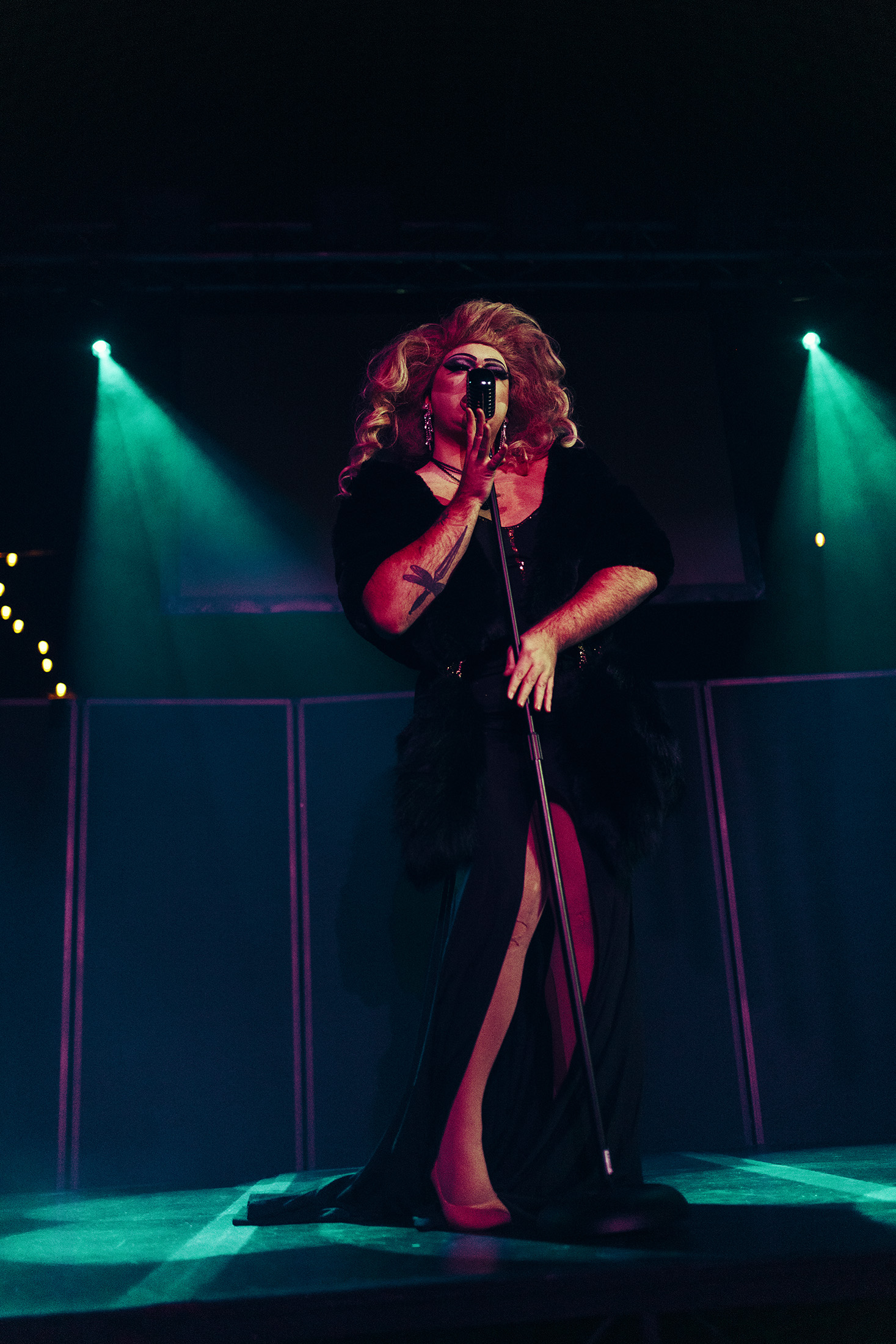
The Millennial zeitgeist is ever shifting, though there is one thread that weaves its way through the fabric of the cohort: acceptance and admiration of uniqueness. Amplified even more by Gen Z, it’s hard to ignore the pursuit of a sense of self among this group.

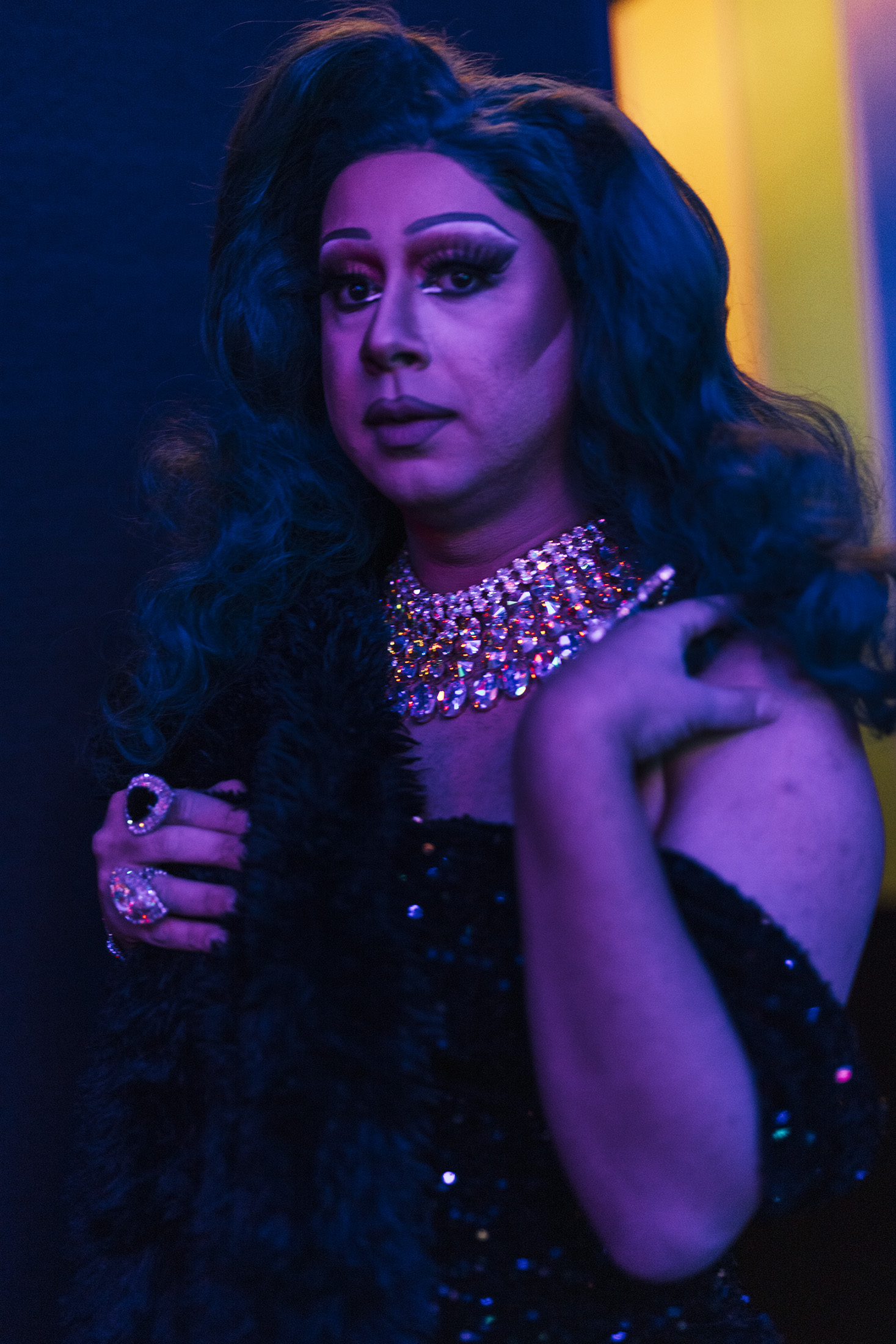
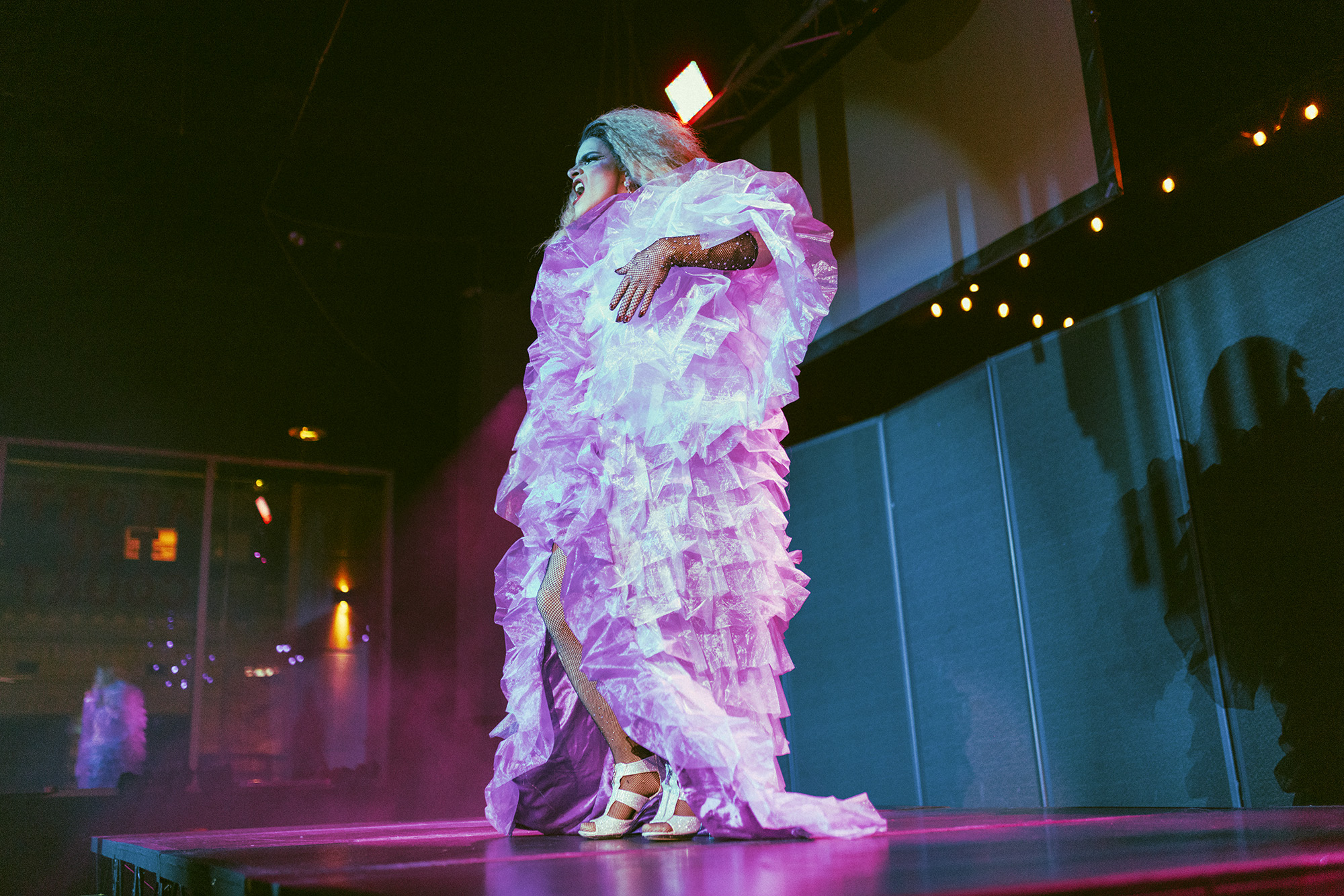
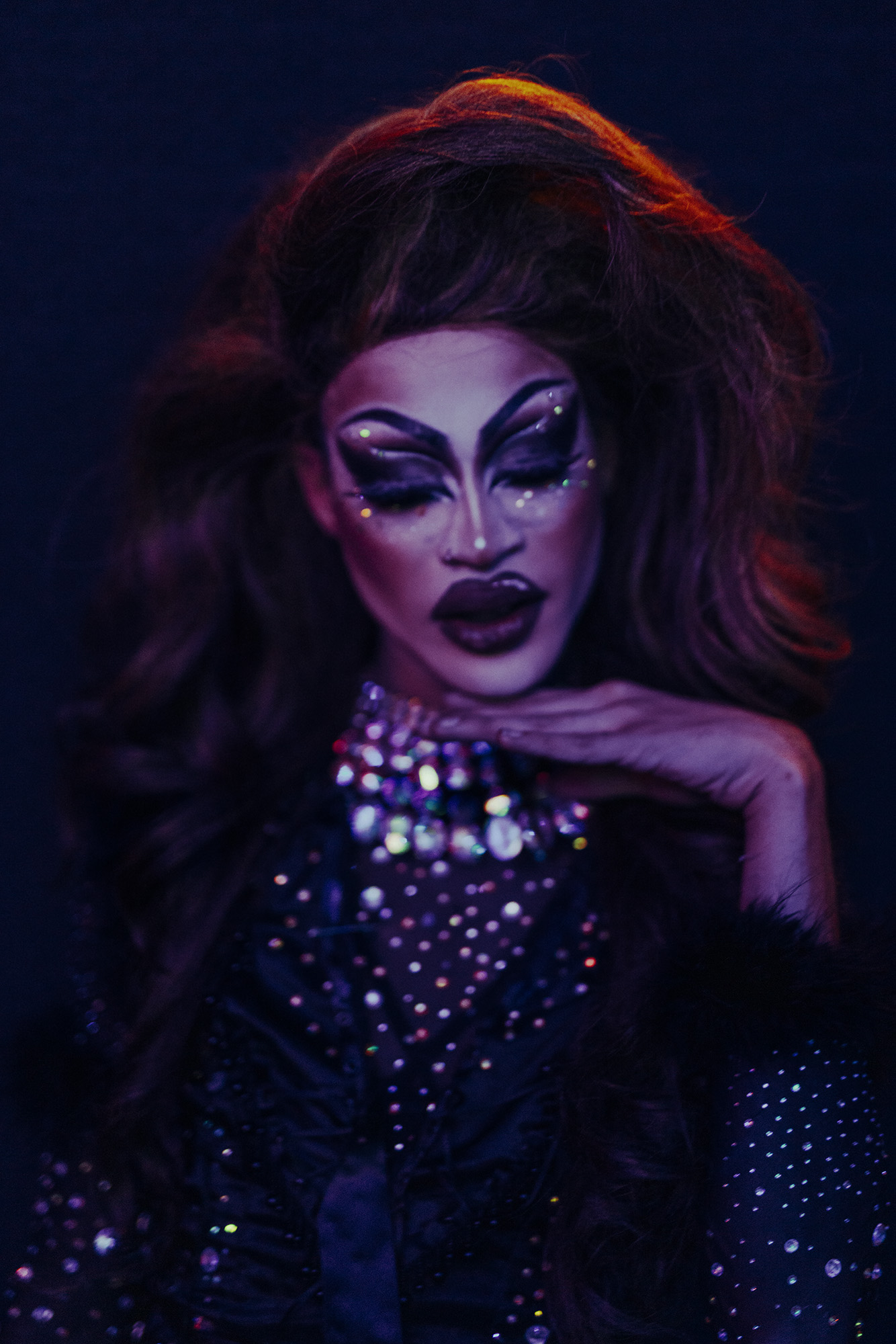
Zach Anderson strives to share his experience and perspective in his photography, including his friends as subjects. His coming of age has shaped his visual aesthetic and can be seen through the attention to color, freshness, and youthful communication through his imagery. And as a Millennial, telling stories of identity through his art is a priority.  

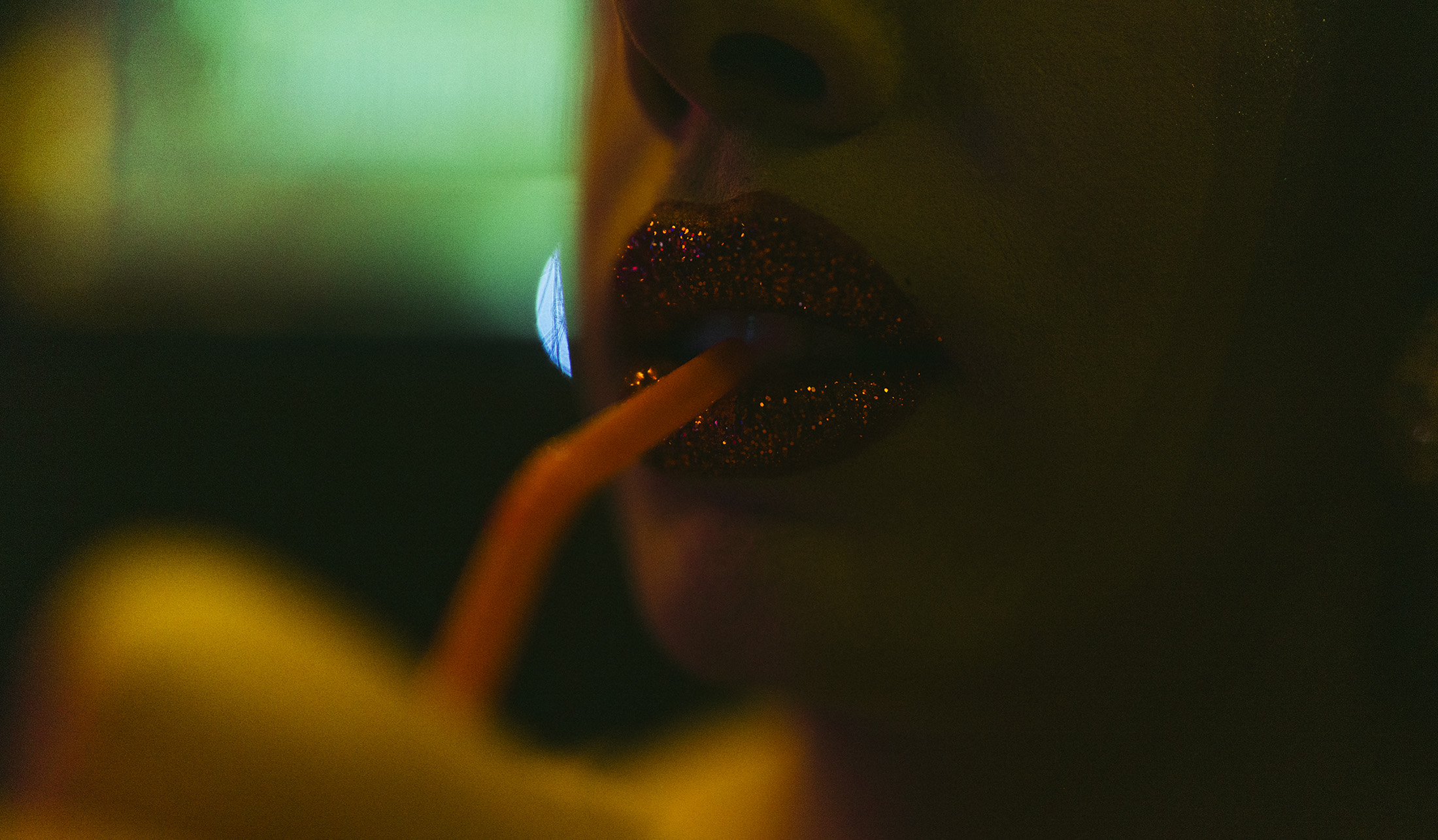
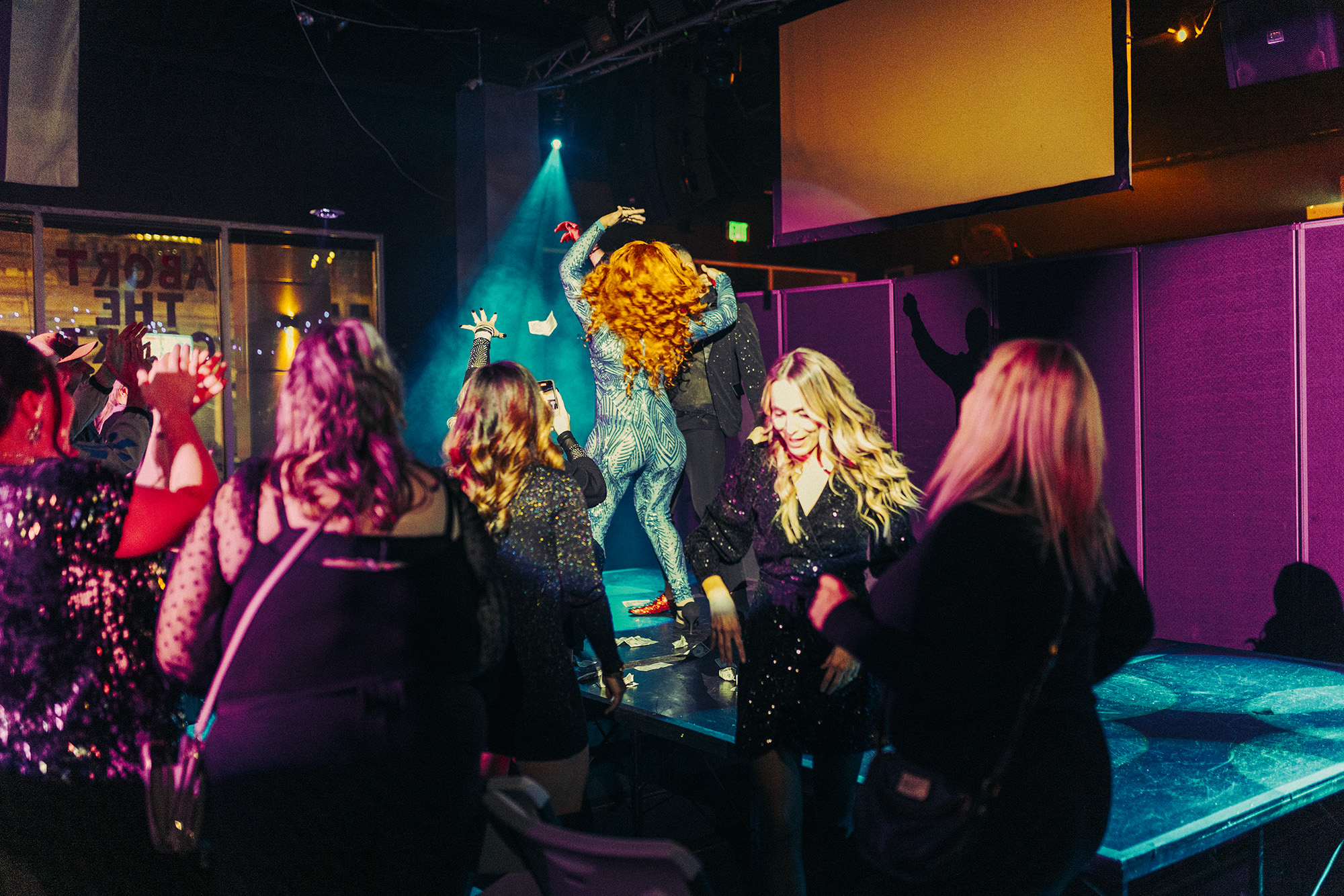
Combining his love of distinctive color to communicate emotion, music as a barometer for feeling and his celebration of the queer community, Zach’s new project highlights Drag Queens in Boise, ID. Sense of self and acceptance at the forefront of this art form, Zach aims to emphasize the talent and effort that goes into each performance.

To see more of this project, click here

Instagram

APE contributor Suzanne Sease currently works as a consultant for photographers and illustrators around the world.  She has been involved in the photography and illustration advertising and in-house corporate industry for decades.  After establishing the art-buying department at The Martin Agency, then working for Kaplan-Thaler, Capital One, Best Buy and numerous smaller agencies and companies, she decided to be a consultant in 1999.  Follow her at @SuzanneSease.  Instagram

The Art of the Personal Project: Kremer / Johnson

The Art of the Personal Project is a crucial element to let potential buyers see how you think creatively on your own.  I am drawn to personal projects that have an interesting vision or that show something I have never seen before.  In this thread, I’ll include a link to each personal project with the artist statement so you can see more of the project. Please note: This thread is not affiliated with any company; I’m just featuring projects that I find.  Please DO NOT send me your work.  I do not take submissions.

Today’s featured artist:  Kremer Johnson

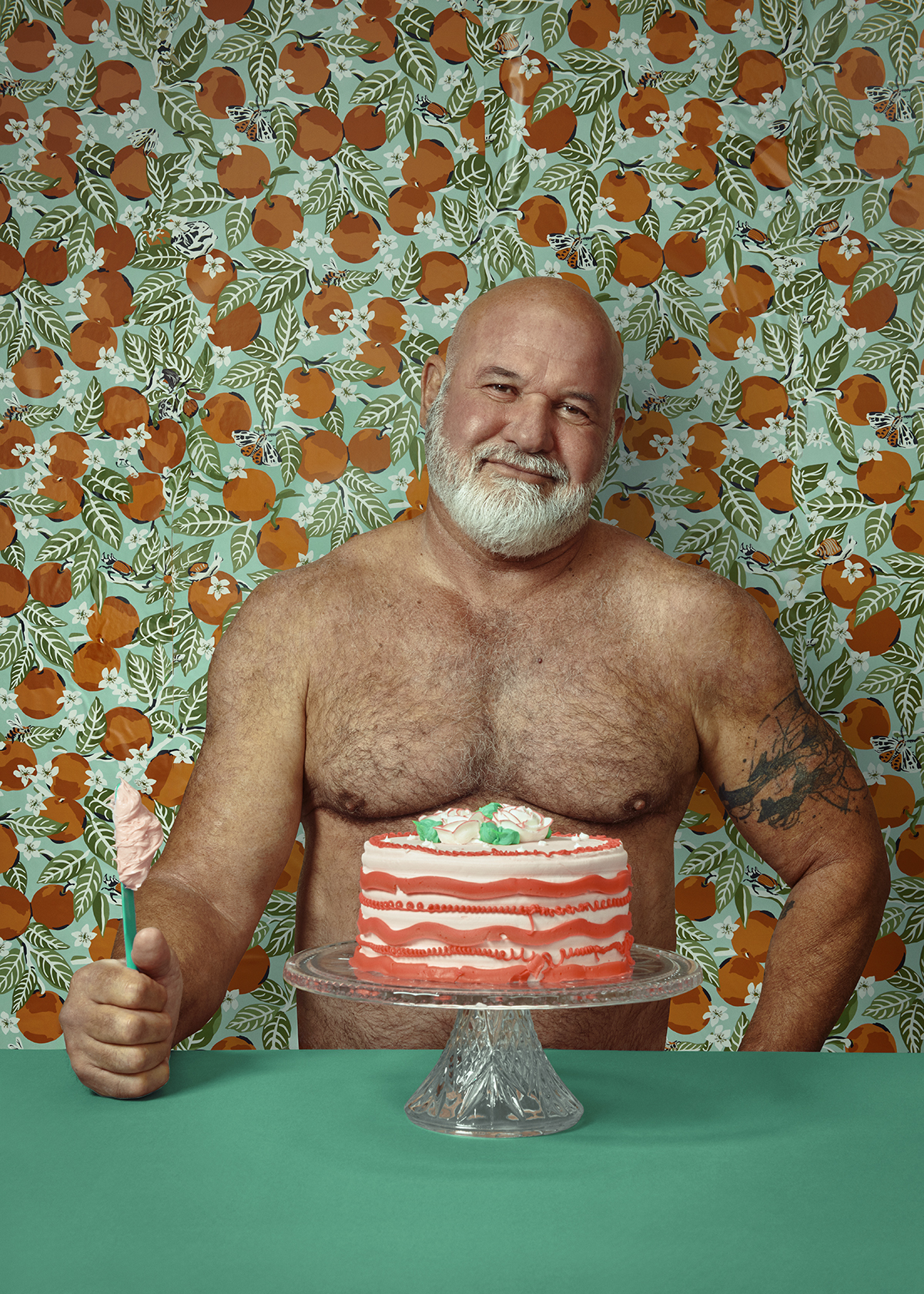
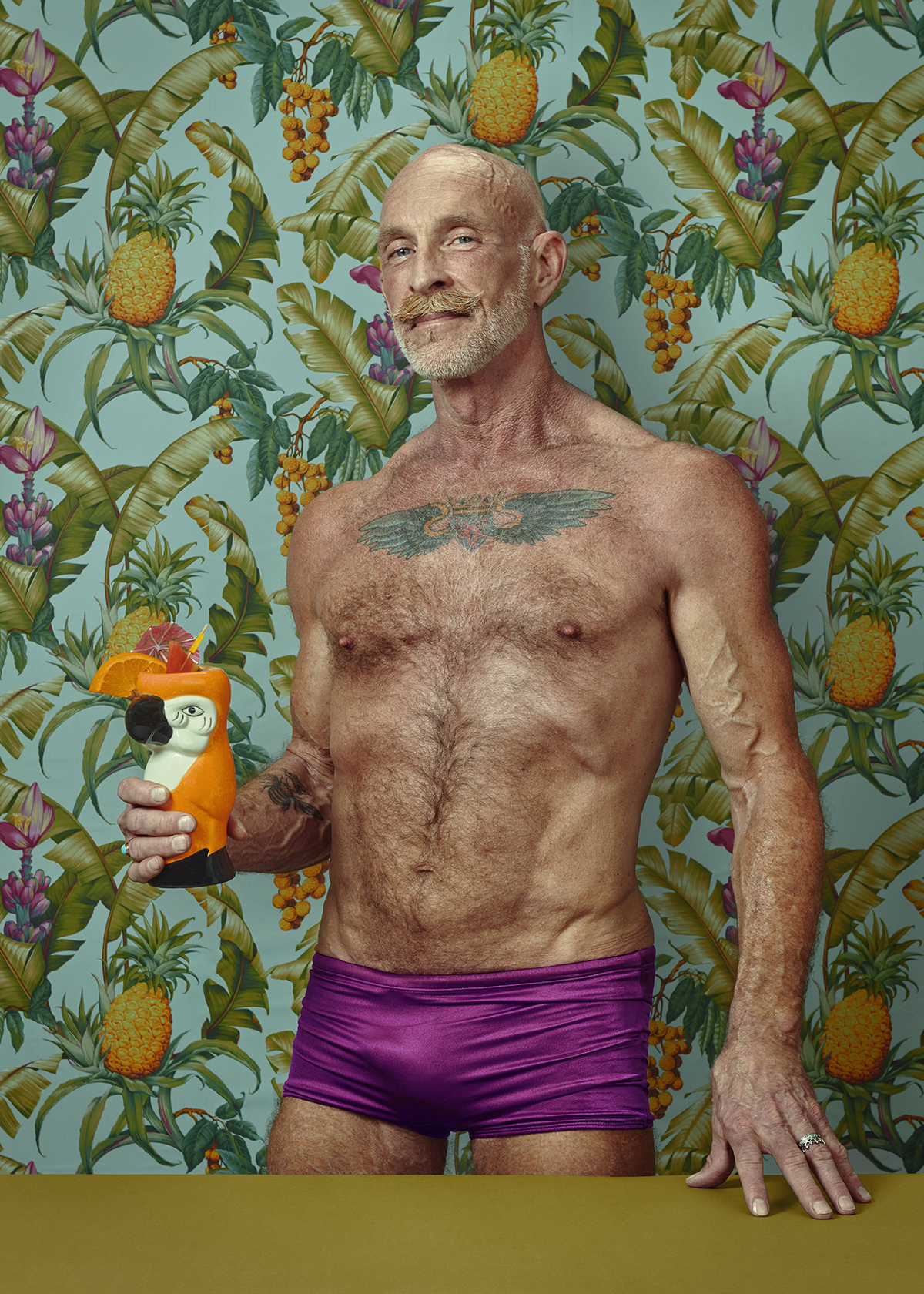
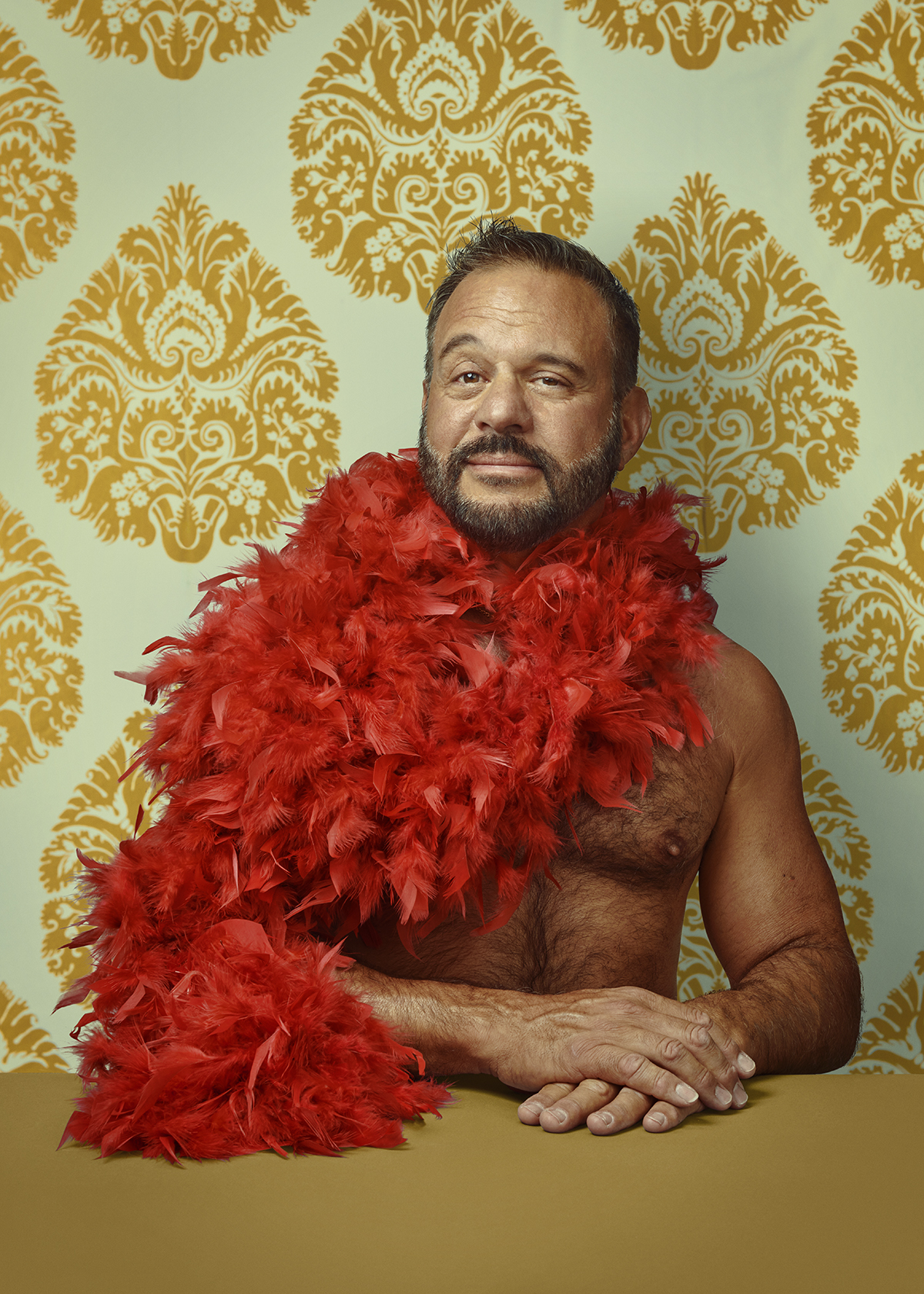
“Palm Springs Bears” – Capturing the Soul of Palm Springs’ Bear Community”

In the vibrant oasis of Palm Springs, a unique culture thrives, embracing an extraordinary sense of community, design, and humor. Within this warm and welcoming enclave, we discovered a profound admiration with a group of individuals known as “bears” – gay men who exude strength, authenticity, and a profound sense of belonging. “Palm Springs Bears” is a photo series born from our deep affection for this remarkable community, a whimsical portrayal of their lives and the spaces they inhabit.
To create this visual narrative, we searched social media, reaching out for potential subjects. The process of casting our subjects through social media platforms allowed us to connect with individuals who were not just willing to participate but eager to share their stories. Their enthusiasm and willingness to be vulnerable in front of the camera opened a door to a world of authenticity, enabling us to portray their lives in an uninhibited light.
Embracing the spirit of innovation and creativity, we rented a house in the heart of Palm Springs, a place that symbolizes a sanctuary for many members of the bear community. Within the living room of this temporary dwelling, we constructed a wall, symbolizing both unity and the protection of a sanctuary. For each subject, we adorned this unique backdrop with distinct wallpapers, carefully chosen to reflect their individual personalities, aesthetics, and stories.


To see more of this project, click here

Instagram

APE contributor Suzanne Sease currently works as a consultant for photographers and illustrators around the world.  She has been involved in the photography and illustration advertising and in-house corporate industry for decades.  After establishing the art-buying department at The Martin Agency, then working for Kaplan-Thaler, Capital One, Best Buy and numerous smaller agencies and companies, she decided to be a consultant in 1999.  Follow her at @SuzanneSease.  Instagram

The Art of the Personal Project: Sara Forrest

The Art of the Personal Project is a crucial element to let potential buyers see how you think creatively on your own.  I am drawn to personal projects that have an interesting vision or that show something I have never seen before.  In this thread, I’ll include a link to each personal project with the artist statement so you can see more of the project. Please note: This thread is not affiliated with any company; I’m just featuring projects that I find.  Please DO NOT send me your work.  I do not take submissions.

Today’s featured artist:  Sara Forrest

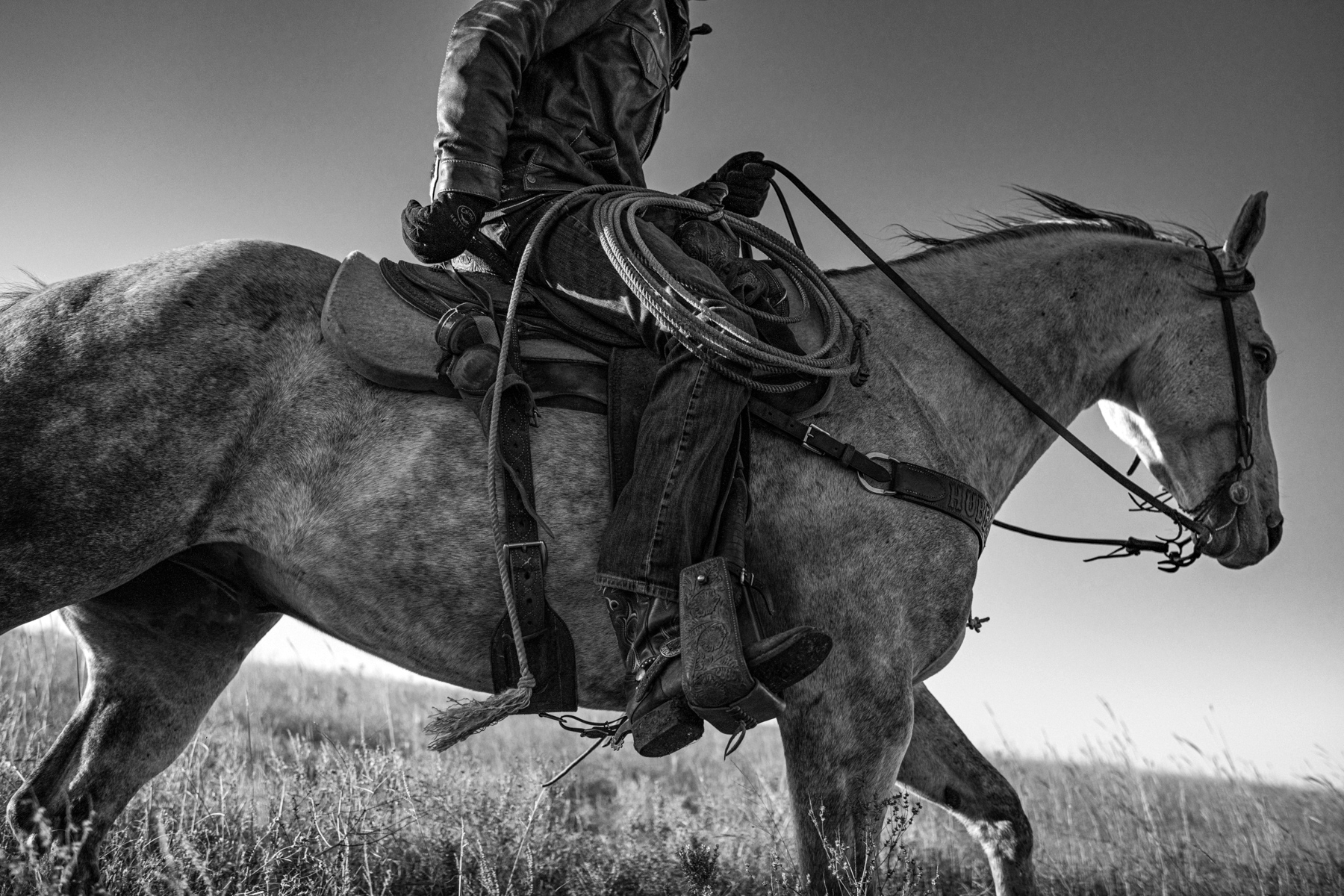
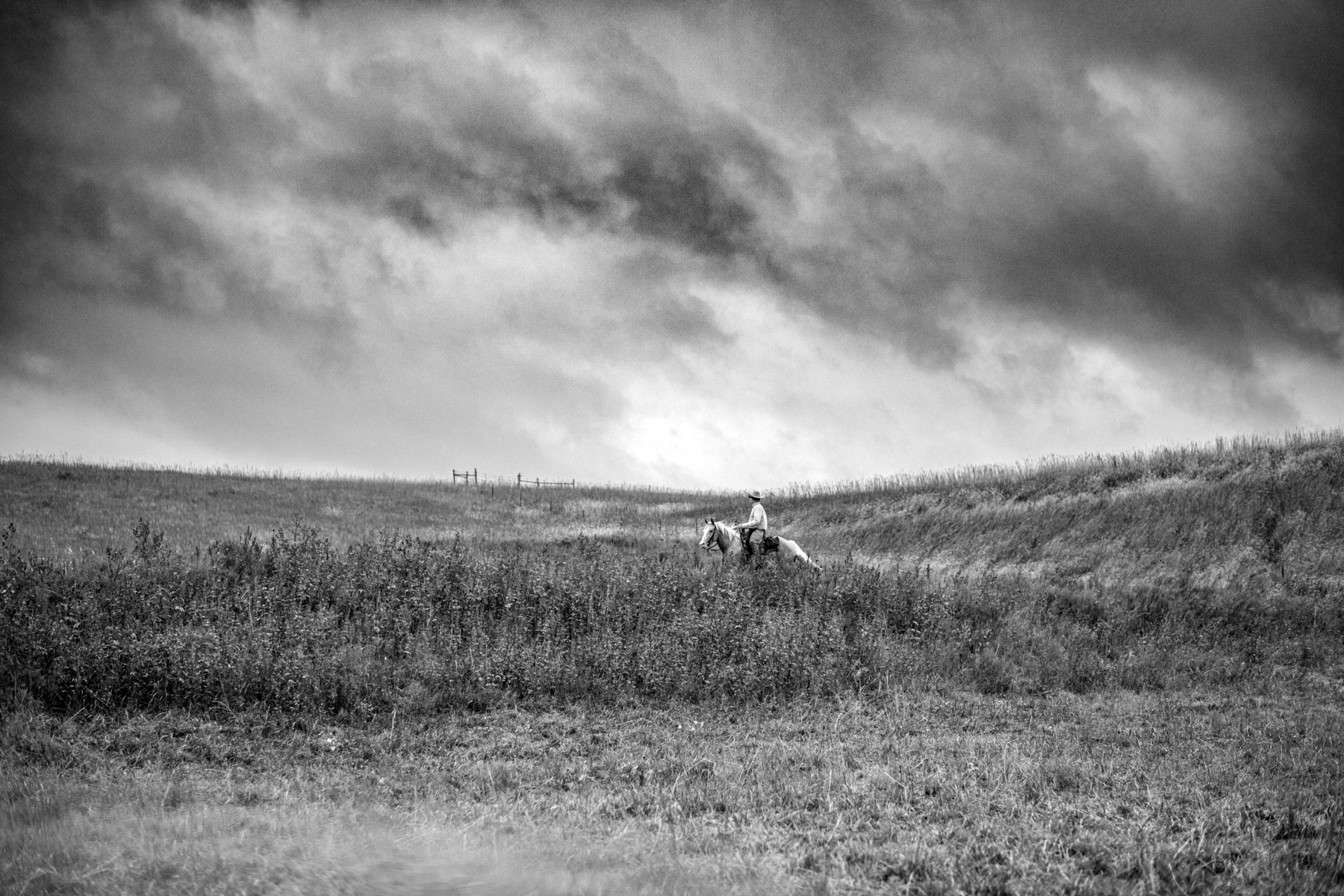
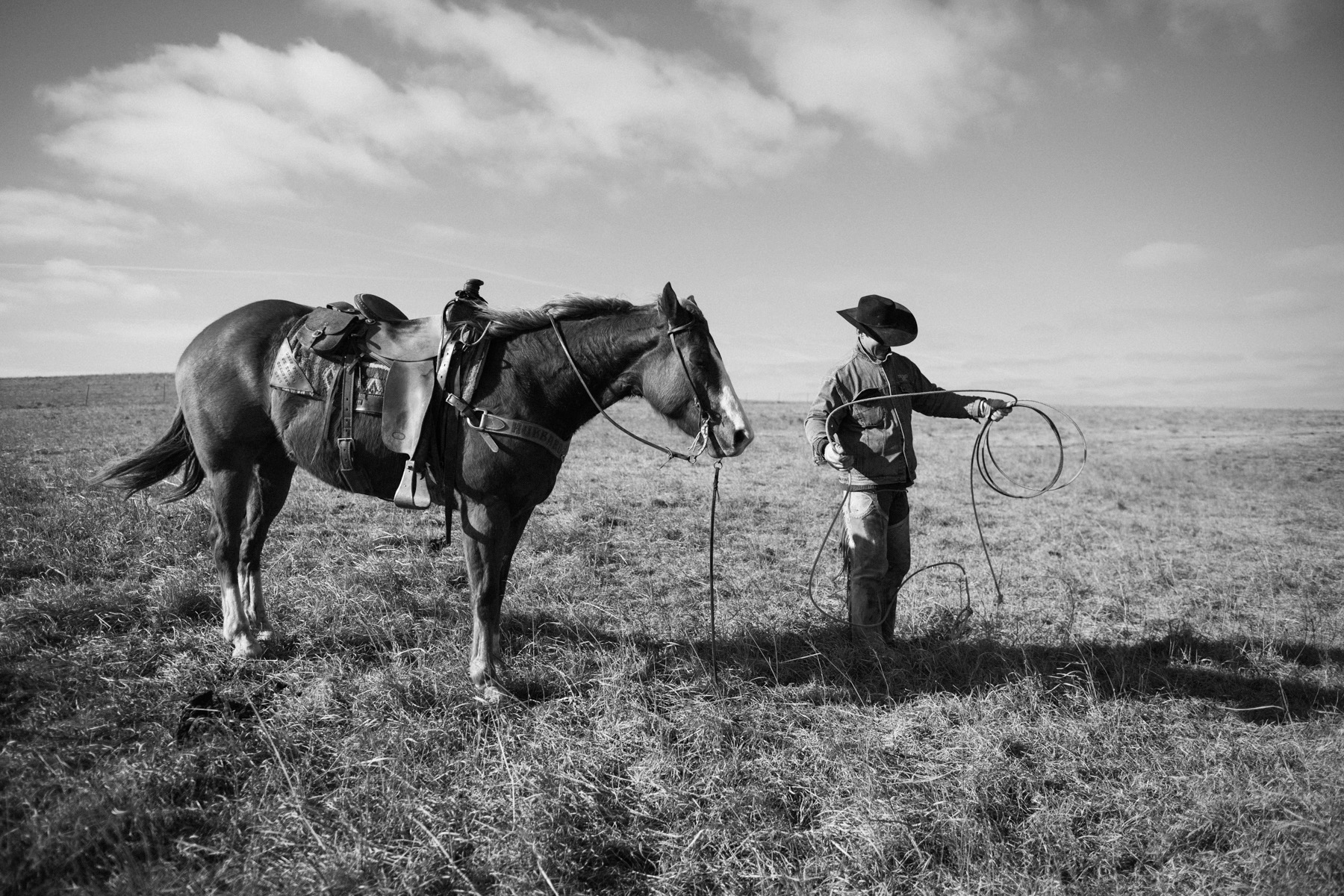
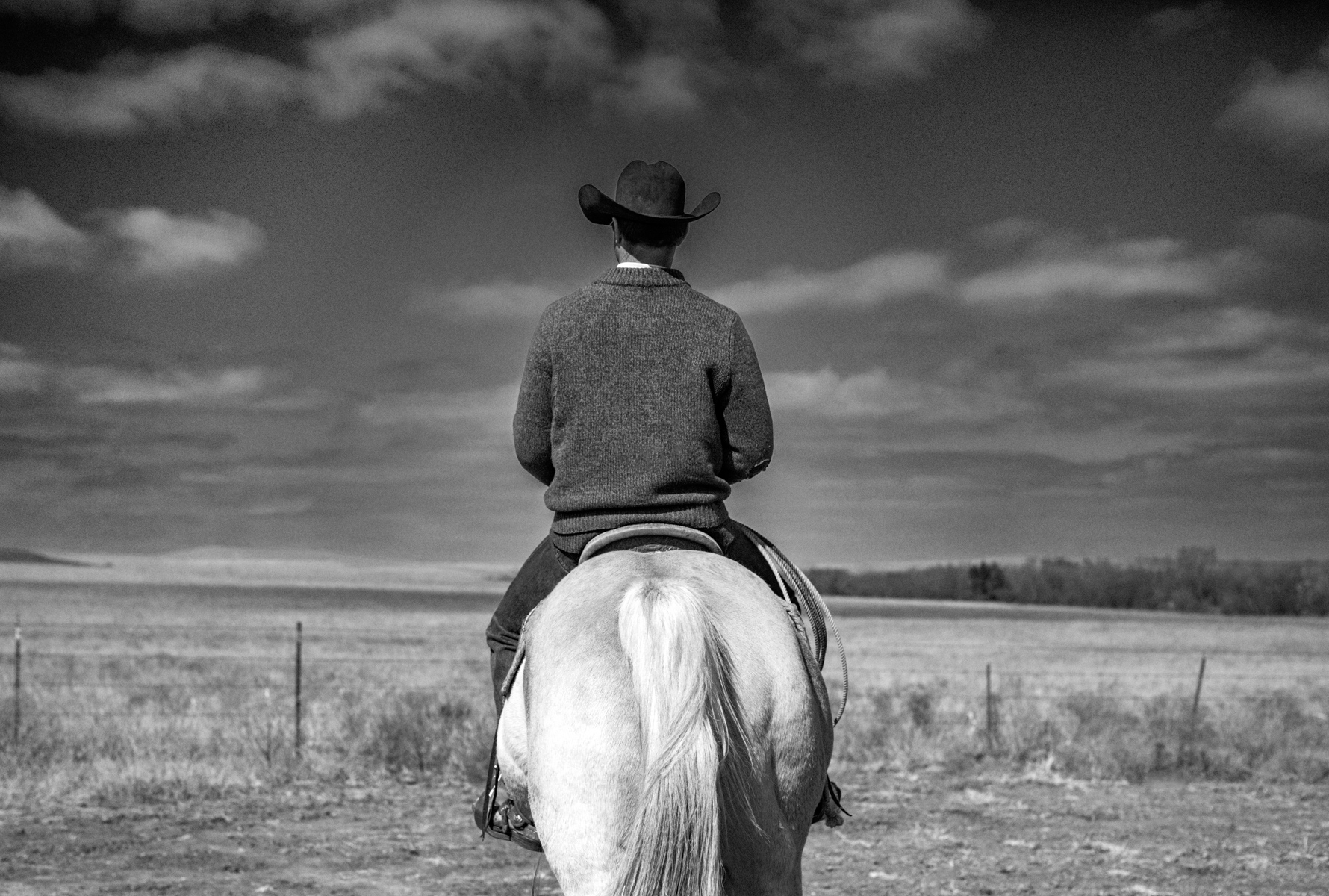
Mention the state of Kansas and maybe you draw a blank and wonder “where is that state anyways” or perhaps you think of the history of the state.  The Brown vs the Board of Education case, Bleeding Kansas or even just the arduous drive passing through on I-70.  For me, it’s memories of wading through creek beds, watching the stars on the hood of the car with curious cows staring at you in the moonlight, chewing on summer clover and taking long drives to nowhere, half enjoying the ride and half keeping an eye open for adventure.  For me, the adventure always found me in the tallgrass prairies.  The land is quiet, some folks from the cities and coasts may even claim desolate.  There’s always a coyote scattering on the horizon or a meadowlark keeping an eye on you from a nearby post.  Late afternoon clouds open and close in the sky like a giant house curtain on nature’s stage.

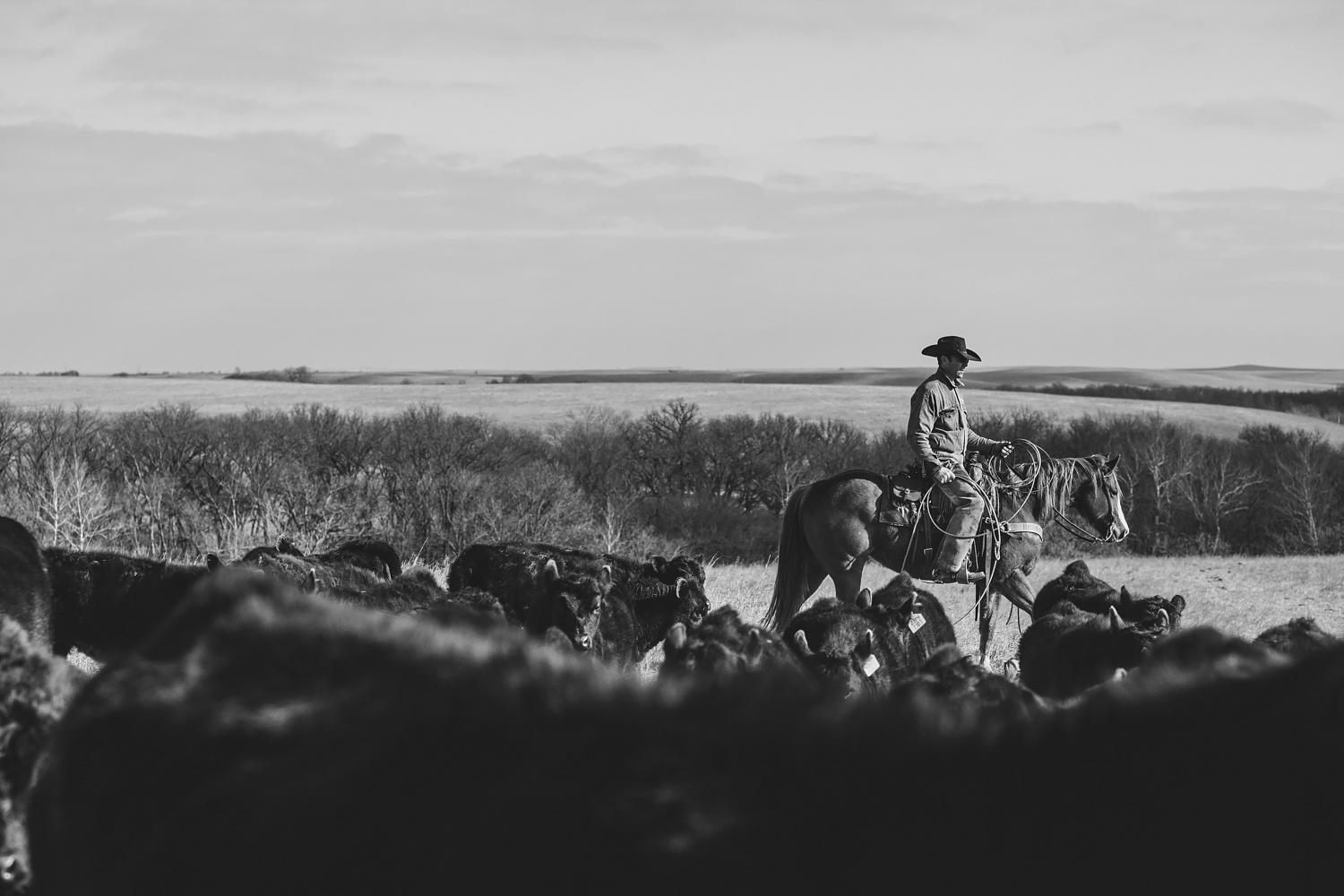
This series of photographs are part of a larger series on family friends and communities in the Flint Hills tallgrass prairies of Kansas.  “Tallgrass prairie once covered 170 million acres of North America, but within a generation most of it had been transformed into farms, cities, and towns. Today less than 4% remains intact, mostly in the Kansas Flint Hills.” (via nps.com).  Every spring, prescribed burns snake through the landscape.  Native Americans were the first people to use prescribed fire, as it attracted buffalo to the new grass for easier hunting.  Research has shown that cattle gain more on pastures that have been burned because the old grass and thatch have been removed.  Without these burns, invasive Eastern Red Cedar would choke out the native grass and use up a lot of the water in the soil.  As you walk the prairies you often see buffalo grazing in the distance.

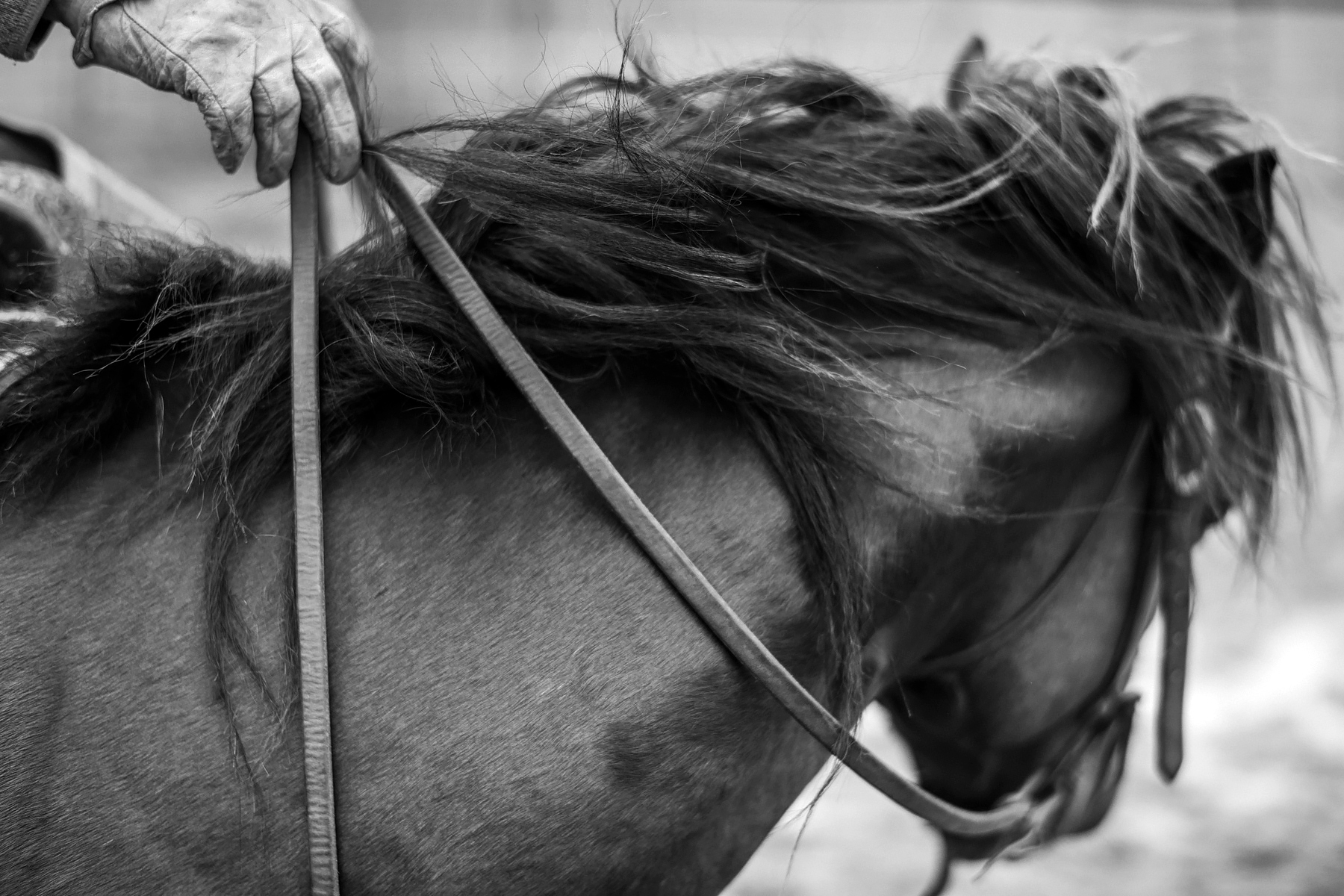
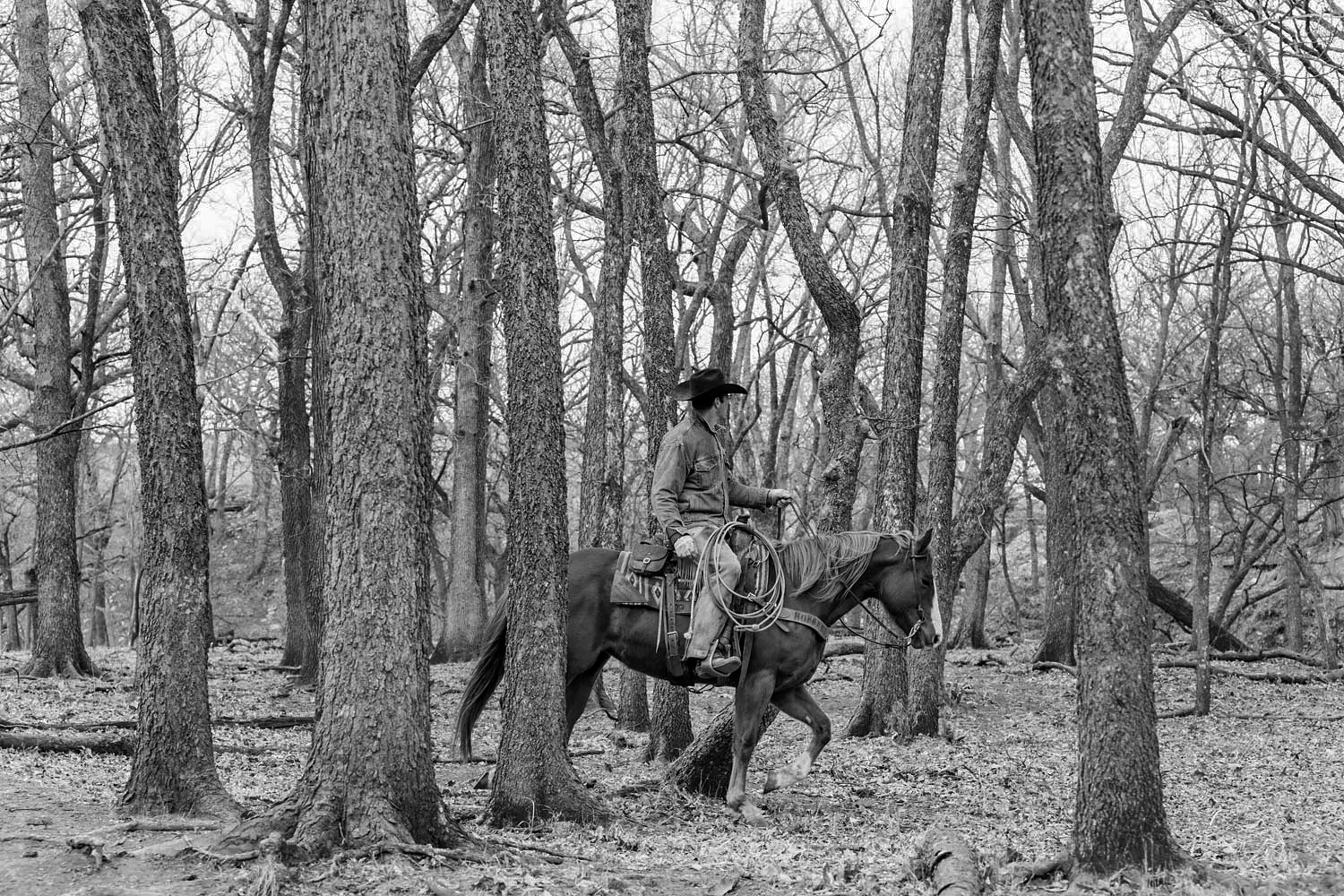
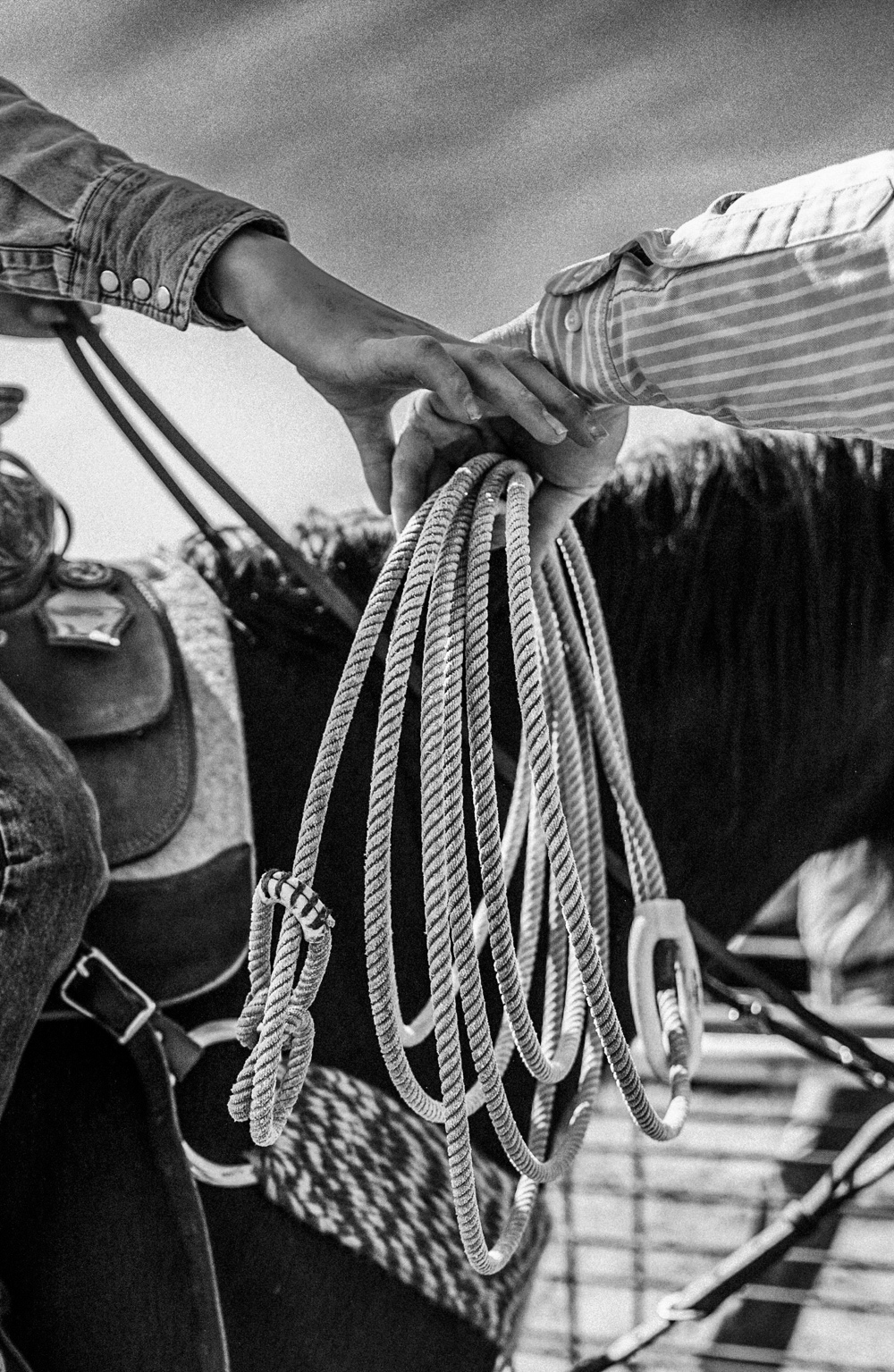
I can not speak to the cowboy way of life, simply because I do not cowboy for a living.  The only way to really get a taste of what that kind of life is like is by getting yourself a good seasoned cow horse, a good mentor and submerging yourself into the lifestyle.  I can throw a rope off my horse and am learning to work cattle, but the demanding, often life or death work in the elements day in and out is not for the faint of heart.  The experience and the opportunity to become friends with and be welcomed into this way of life has not only humbled me, but taught me more about heart, respect, and dedication than anything I have been a part of so far.  These are a few photographs that put a lens behind a typical day of the life of a cattle rancher on the great plains.

To see more of this project, click here

To order prints click here

Instagram

APE contributor Suzanne Sease currently works as a consultant for photographers and illustrators around the world.  She has been involved in the photography and illustration advertising and in-house corporate industry for decades.  After establishing the art-buying department at The Martin Agency, then working for Kaplan-Thaler, Capital One, Best Buy and numerous smaller agencies and companies, she decided to be a consultant in 1999.  Follow her at @SuzanneSease.  Instagram

The Art of the Personal Project: Hugh Kretschmer

The Art of the Personal Project is a crucial element to let potential buyers see how you think creatively on your own.  I am drawn to personal projects that have an interesting vision or that show something I have never seen before.  In this thread, I’ll include a link to each personal project with the artist statement so you can see more of the project. Please note: This thread is not affiliated with any company; I’m just featuring projects that I find.  Please DO NOT send me your work.  I do not take submissions.

Today’s featured artist:   Hugh Kretschmer


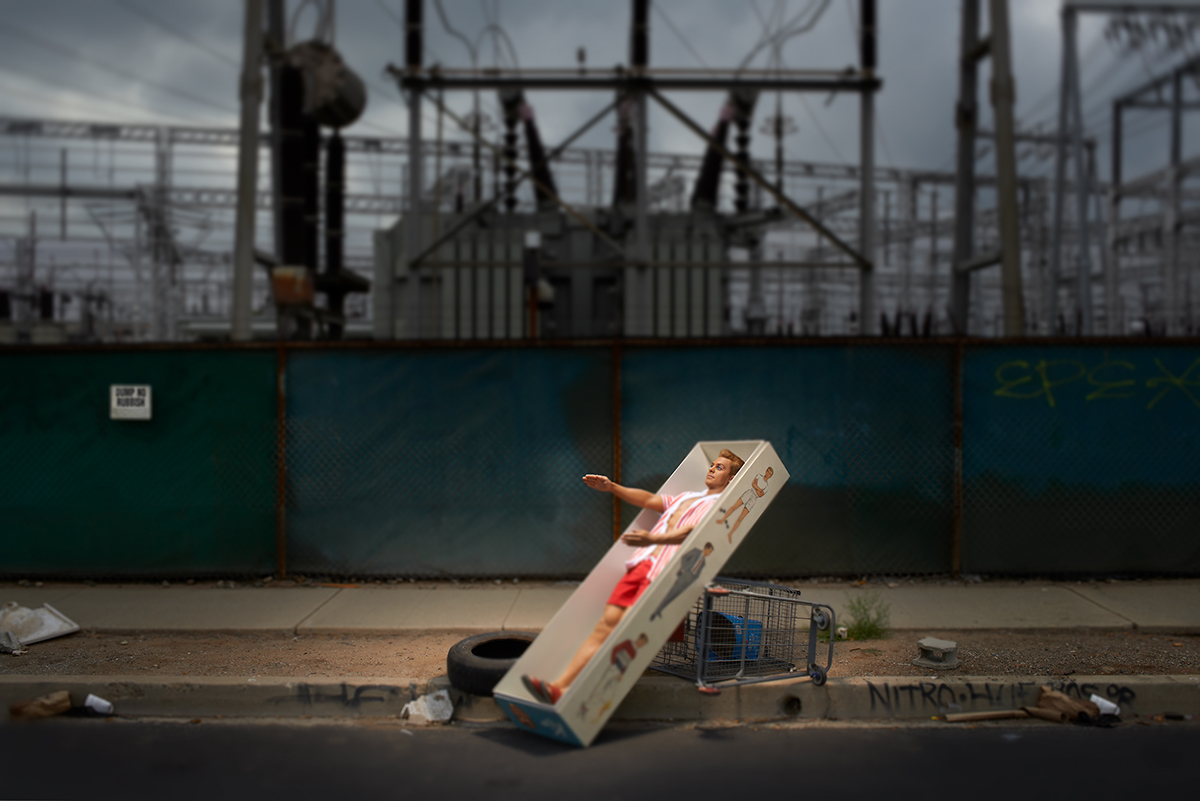
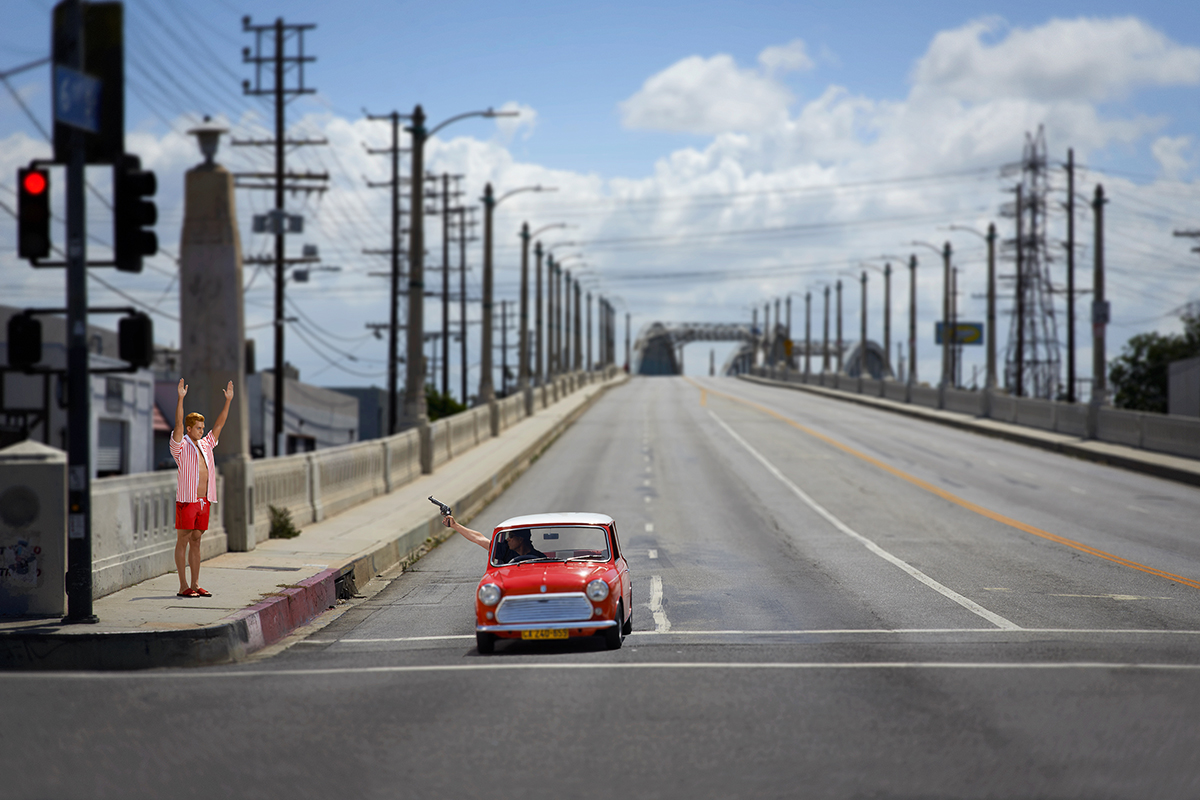
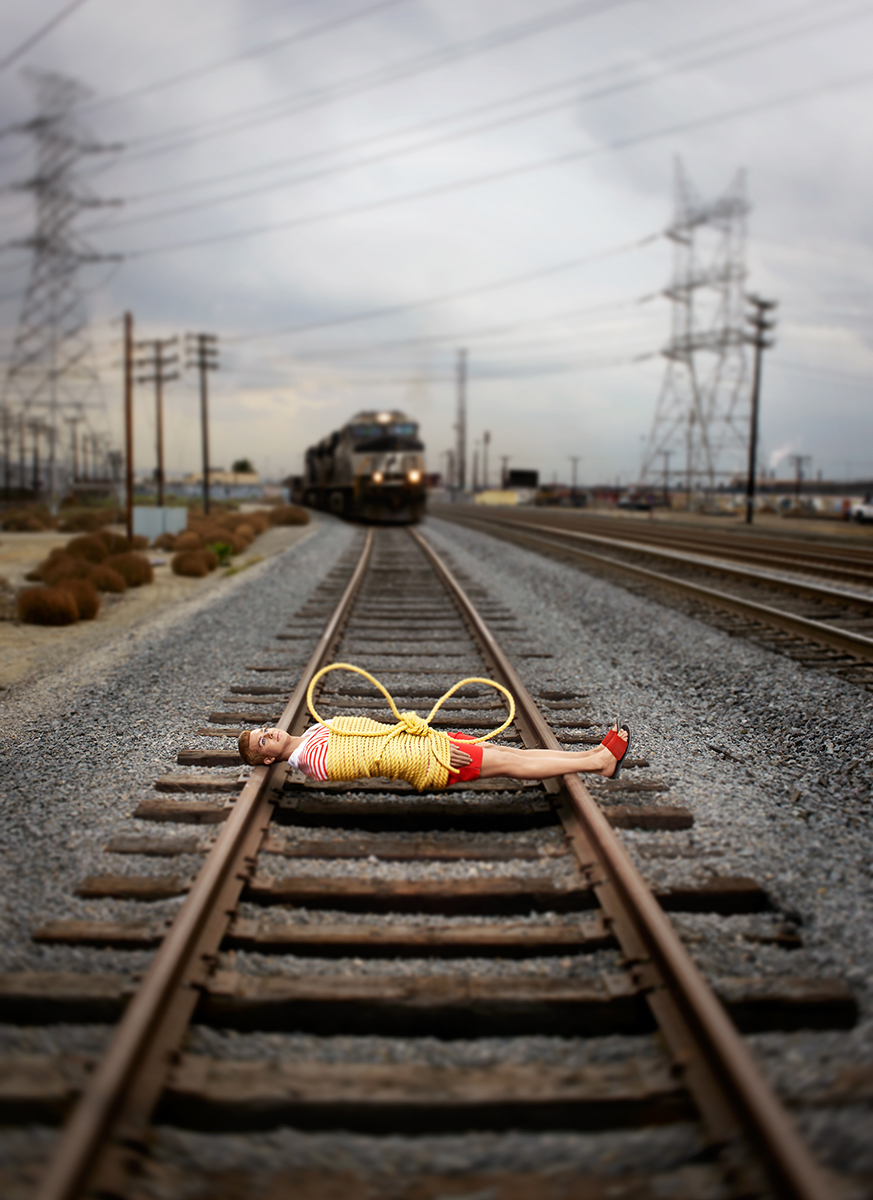
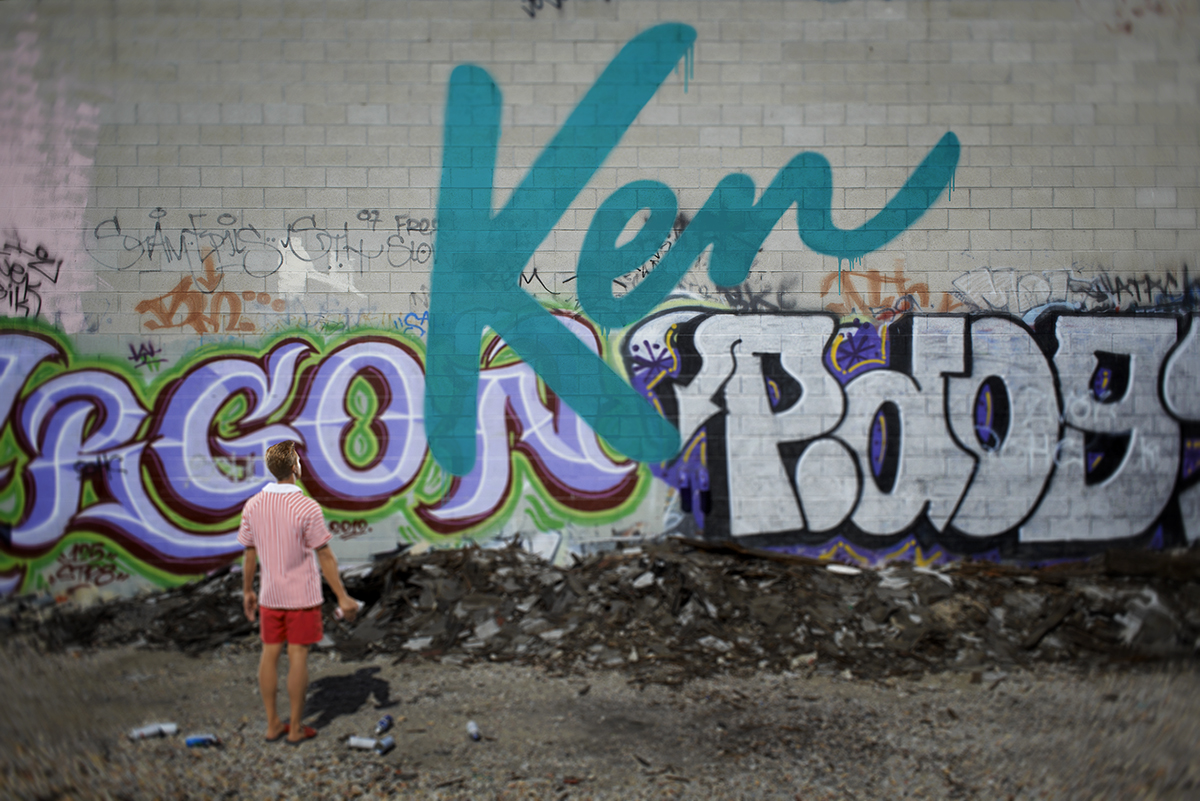
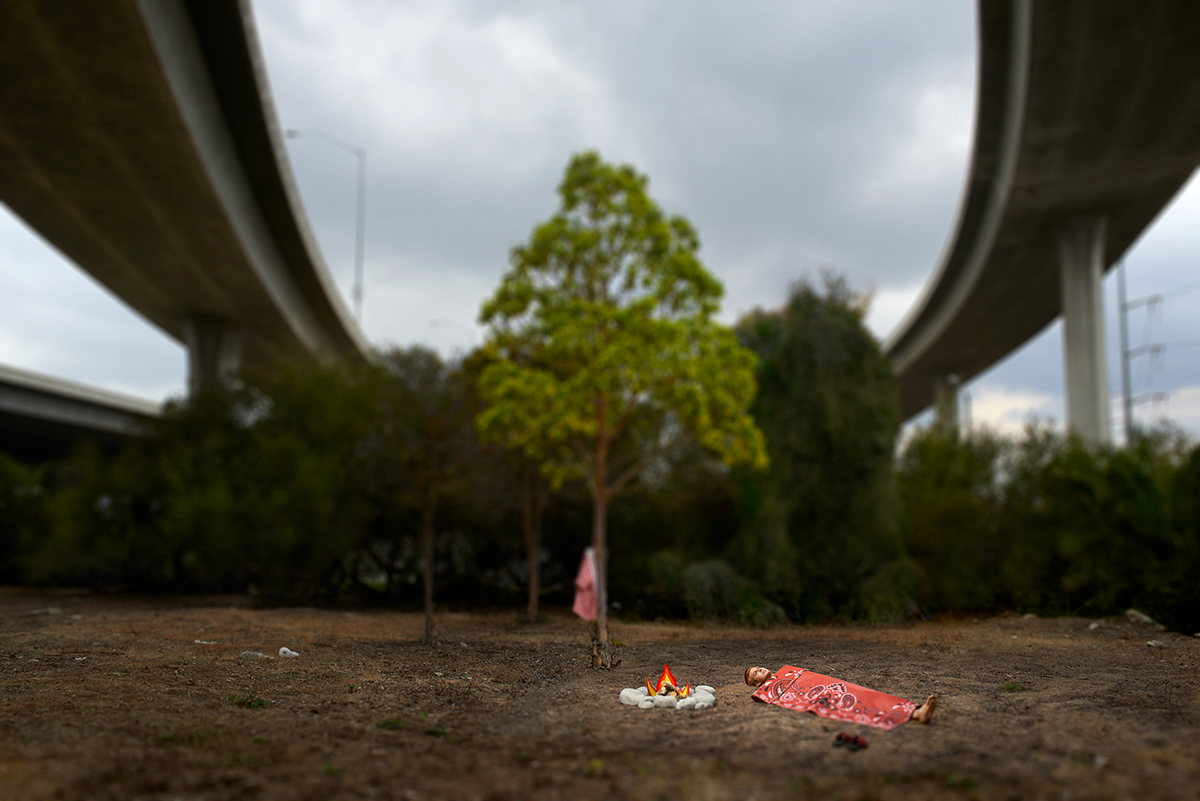
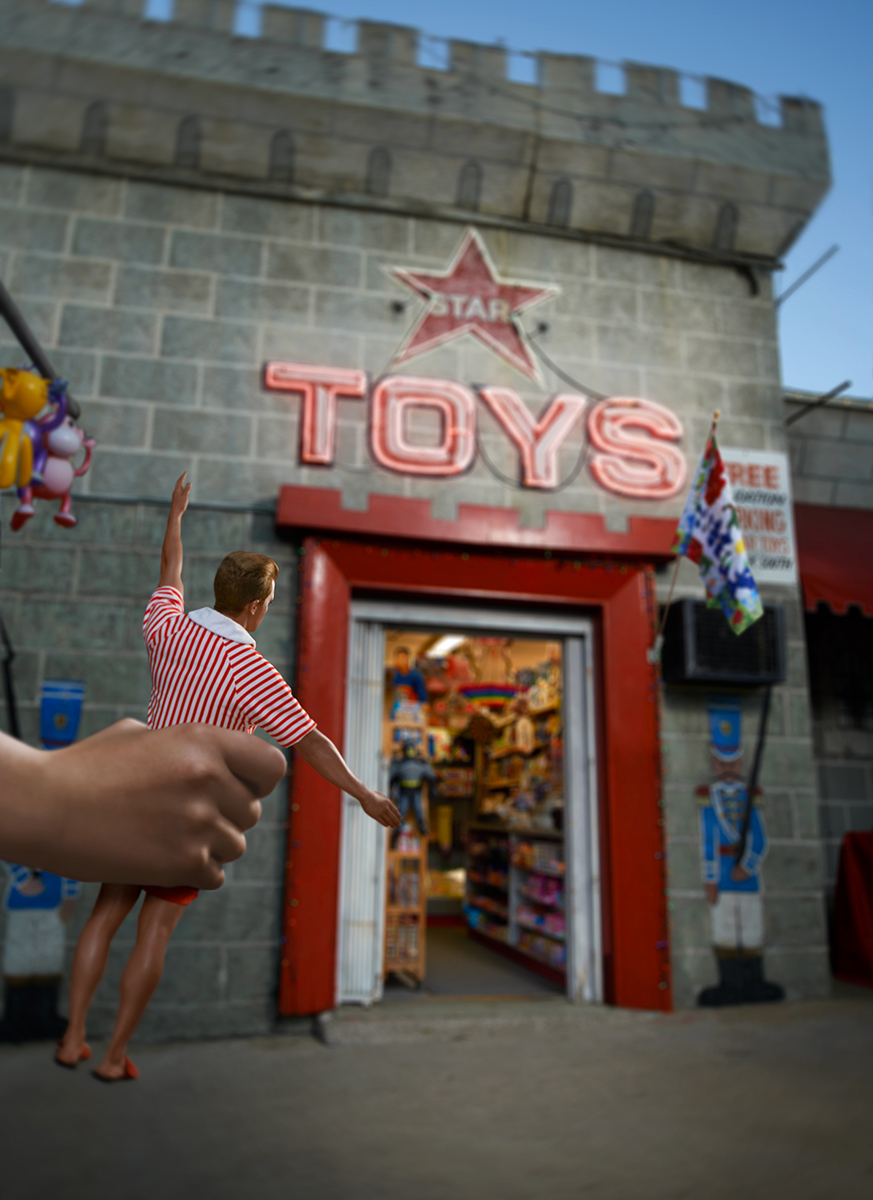
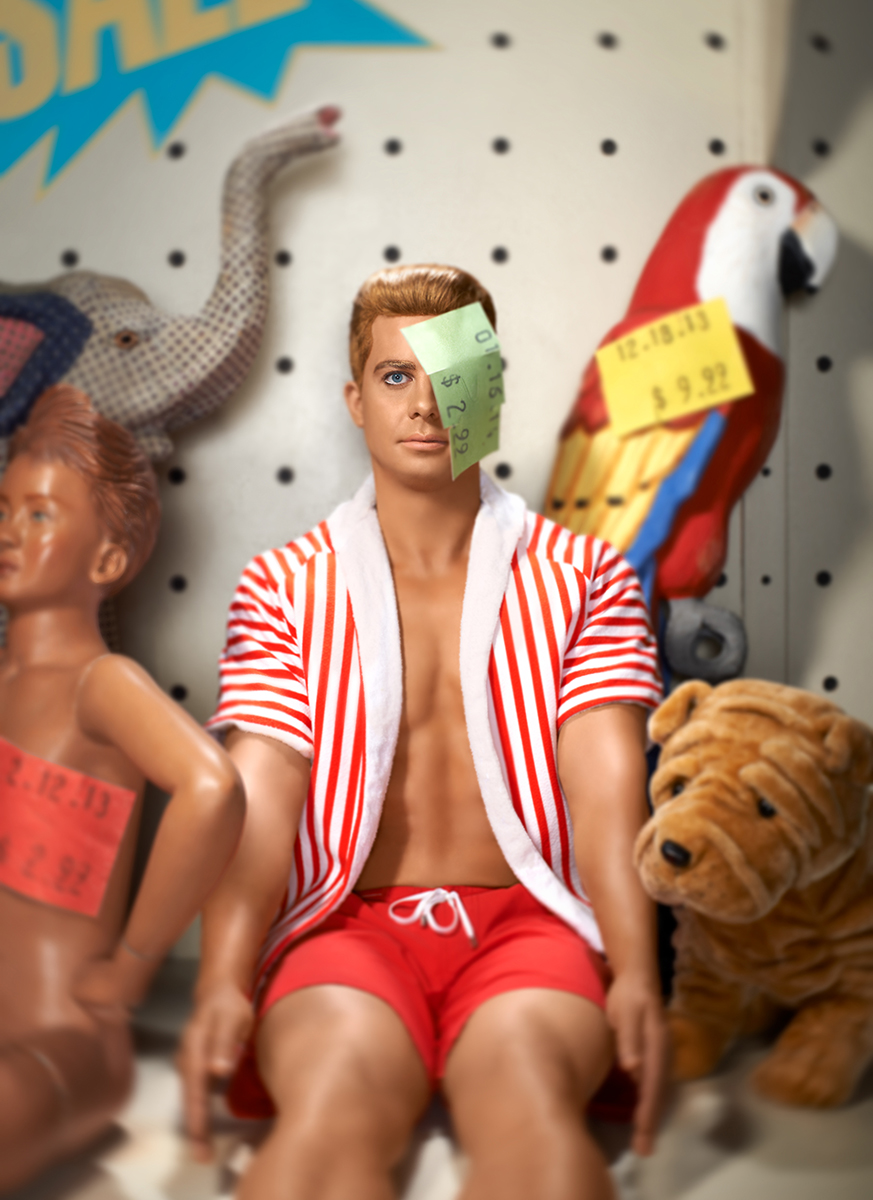
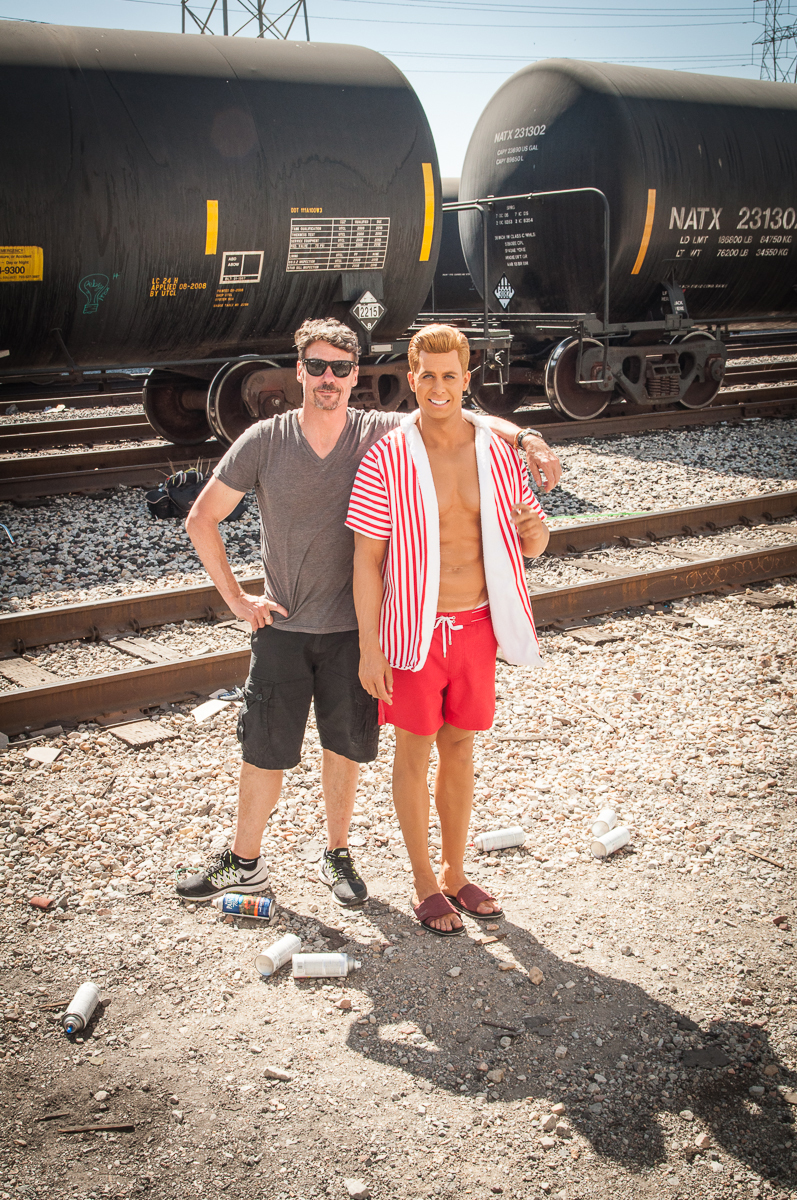
Normally, I steer clear of clichés in my work; it’s a bit of a rule of mine. But there was something about this series titled “The Perils of Being Ken” that was different. The concept relentlessly occupied my mind, inundating me with ideas. The decision to proceed was solidified when fate introduced me to Kristopher Ohlsson, a student who walked into my Portrait Class I was teaching at a local college – the living embodiment of the character in this series. It was an unmistakable sign to move forward, hitting me like a beautiful slap in the face.

This seven-image series is the only exception where my rule clashes with the creative surge. The initial concept sparked a torrent of ideas, resulting in more photos than we ultimately included in the final edit. Some worked well, while others fell short. Yet even the ones that didn’t quite hit the mark inspired new ideas that ultimately brought coherence to the project. Consequently, the shoot stretched over two days, with a six-month gap in between.

The series’ essence hinged on creating a “small world” appearance, achieved through perspective control lenses in real locations across Los Angeles. However, after testing an array of perspective control (PC) lenses on my DSLR under similar circumstances, I found the results weren’t as strong as I had hoped. Dealing with too many uncertainties, I opted to achieve the desired effect through post-processing in Photoshop. This gave me complete control over points of focus and allowed me to guide my audience’s attention precisely.

The production’s success rested heavily on the makeup and wardrobe aspects, making it essential to have the proper support. For this, I turned to the expertise of Make-up Stylist Isaac Prado and Costumer Gillean McLeod, two seasoned veterans with whom I had collaborated multiple times before. Their contributions were the linchpin of the project’s triumph, and their ingenuity and skills left me in awe.

Wardrobe, Gillean McLeod: https://www.instagram.com/gilleanmcleod/

Makeup, Isaac Prado: https://www.instagram.com/pradoisaac/


To see more of this project, click here

Instagram

Hugh Kretschmer’s work has been exhibited in Paris, Berlin, São Paulo, Montreal, Serbia, New York, and Los Angeles and was the subject of a retrospective at the Hoban Museum, Seoul. His photographs are permanently displayed at the 9/11 Museum at Ground Zero and in the Library of Congress archives. His work has been recognized by the International Photography Awards, American Photography, Communication Arts, Graphis, Siena Awards, and Society of Publication Designers. His client list includes Vanity Fair, New York Times, Fortune, National Geographic, Time Magazine, Old Spice, Penn & Teller, Sony, Honda, Purina, and Evian, among others.

APE contributor Suzanne Sease currently works as a consultant for photographers and illustrators around the world.  She has been involved in the photography and illustration advertising and in-house corporate industry for decades.  After establishing the art-buying department at The Martin Agency, then working for Kaplan-Thaler, Capital One, Best Buy and numerous smaller agencies and companies, she decided to be a consultant in 1999.  Follow her at @SuzanneSease.  Instagram

Audience with a Tree: Jana Cruder

Audience with a Tree

Photographer: Jana Cruder

Heidi: How did your connection to trees as a nature based solution to climate change and human connectivity begin?
Jana: I’d like to ask the reader to suspend their known idea of the concept and words “Climate Change“. That is simply too big to grasp and leaves many feeling overwhelmed.  The climate is constantly changing, it is the earth’s regulatory systems constantly seeking balance and self regulating. Rather, I want to encourage an update of terminology to “Environmental Degradation“ from multi-generational post industrialization. That way we can truly understand and start to shape the what, why and how.    

I’ve always had a special affection for trees, as a child I grew up in the forests of western Pennsylvania, running endlessly through them, watching the bears, deers, turkey and building forts. We as a family spent most of our free time in the forest surrounding the home I grew up in.   

In 2010 I went to Germany, that was the first time I witnessed a planted forest. I was on a train from Hamburg to Frankfurt and for what seemed like endless miles I could see straight down the lines of the forests swiftly passing by the window, these forests also void of other life, birds, deer, and other plants.   It was confusing and then I realized all the forests here are planted.  After that trip I did more research and learned about GMO forests and the less than 4% of old growth left in Europe at that time.

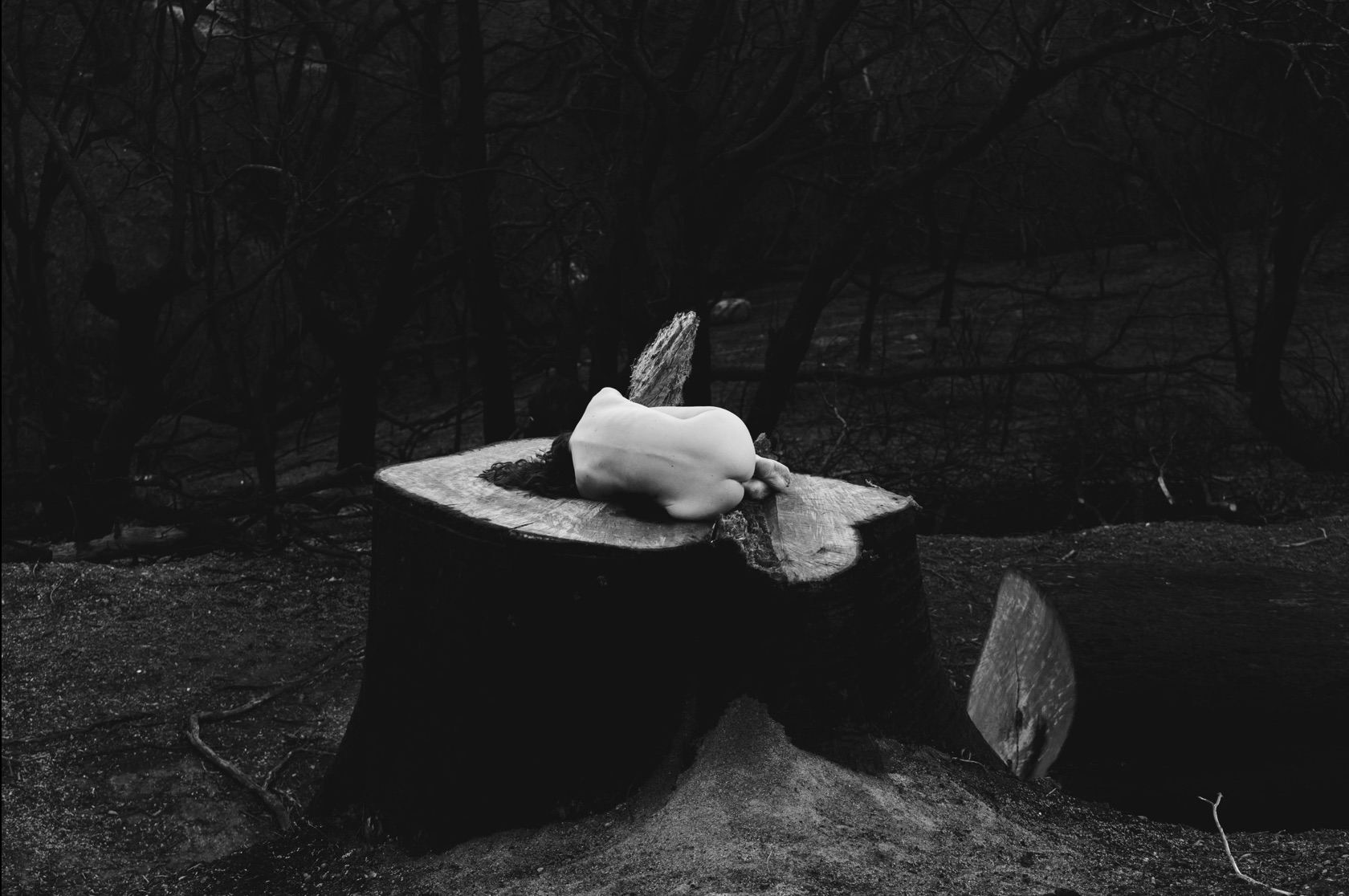
The inspiration for this project came in the summer of 2017 I was deep in a course learning about the ancient system of elemental theory Ayurveda. In this system of thought we are taught we are not separate from the earth that makes up our internal body systems.  I learned that our lungs are the forests of our bodies and the forests are the lungs of the planet.   Making this connection paved the way for the unfolding of this work. While attending the Spiritweavers Gathering, the founder Mea Woodruff had purchased and relocated the gathering to its permanent site amongst a towering collection of old growth cedars and redwoods. I had visited the Redwood forests before and always loved visiting Sequoia and never felt more alive then in the presence of those magnificent magical old growth trees. At the gathering I had the opportunity to meet and listen to Ayana Young speak about her passion for the forest and her then new podcast and project called “ For The Wild “.  I was so inspired by Ayana and her vision for the Redwoods project she planted a spark in my spirit.  The months following the gathering I listened to every episode she had at the time and dove deep into the challenges and stories of the Redwoods and Pacific Coastal first nations and forests.  Later that fall I relocated from Topanga, CA to the northern Bay Area and landed in a community outside Sebastopol.  I had pulled up in the driveway and left all my belongings, gear, and equipment in the car and went into my new room and fell asleep.  Around 4am my new house-mate was pounding on my door telling us all we had to evacuate. I drove to the nearest ridgeline to witness a wall of flames about 10 miles wide making its way towards the house I just moved into.  This fire would initiate a series of evacuations between Northern California and Southern California that spanned the next two years.  After the devastation of the Santa Rosa, and Tubbs fires of 2017 I went out into the fire scorched forests and cities to document the devastation.  I was never the same after those fires, it’s like my eyes opened for the first time to the magnitude of the threat to our forests and our old-growth forests and the important and intrinsic roles the old-growth natural forests play in the balancing of the earth’s climate.  I was overcome with grief mixed with curiosity, and that is when I was inspired to make this image. It is a self portrait of me on a stump scorched after the fires.

What was your first memory of a tree?
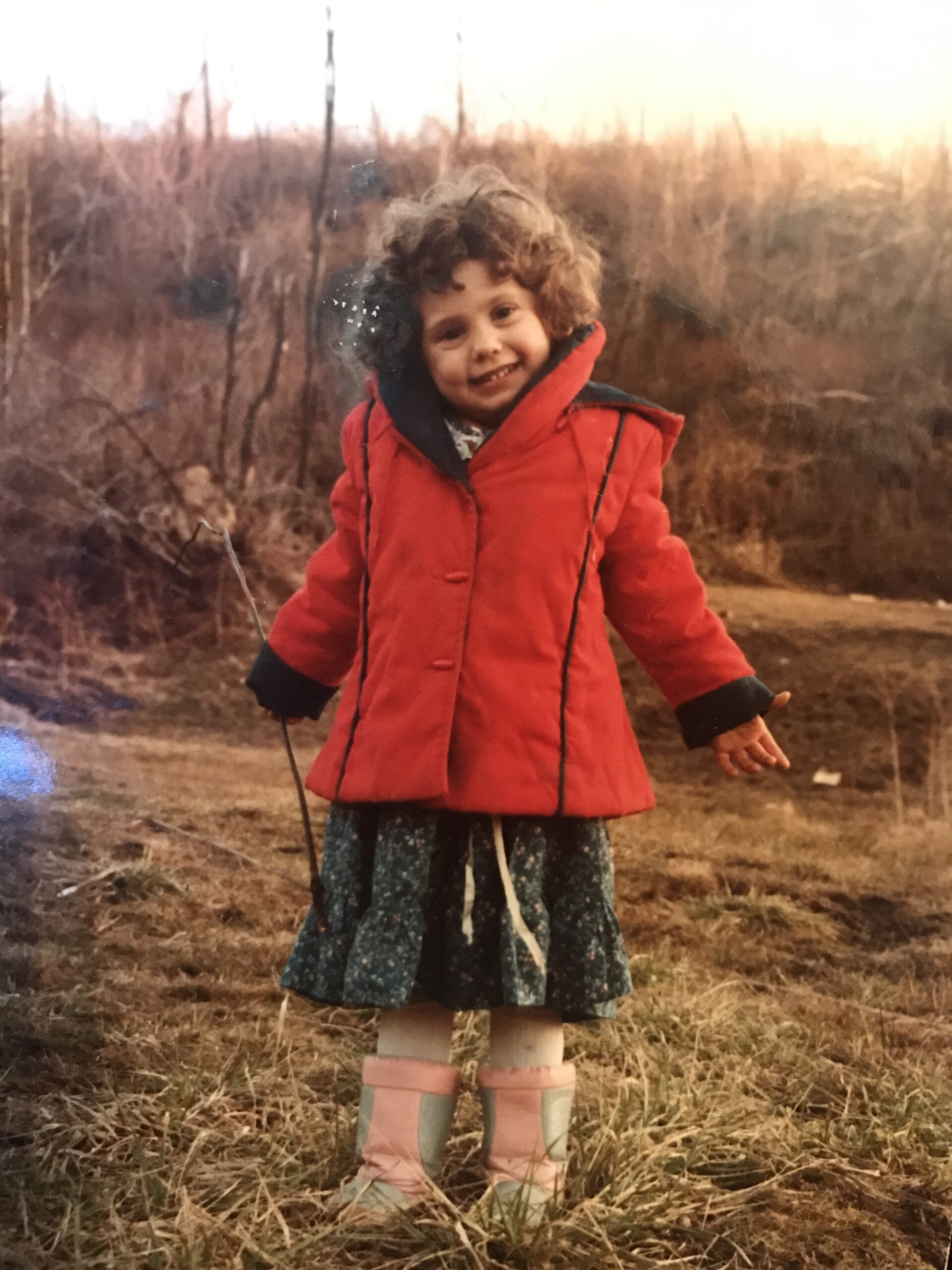
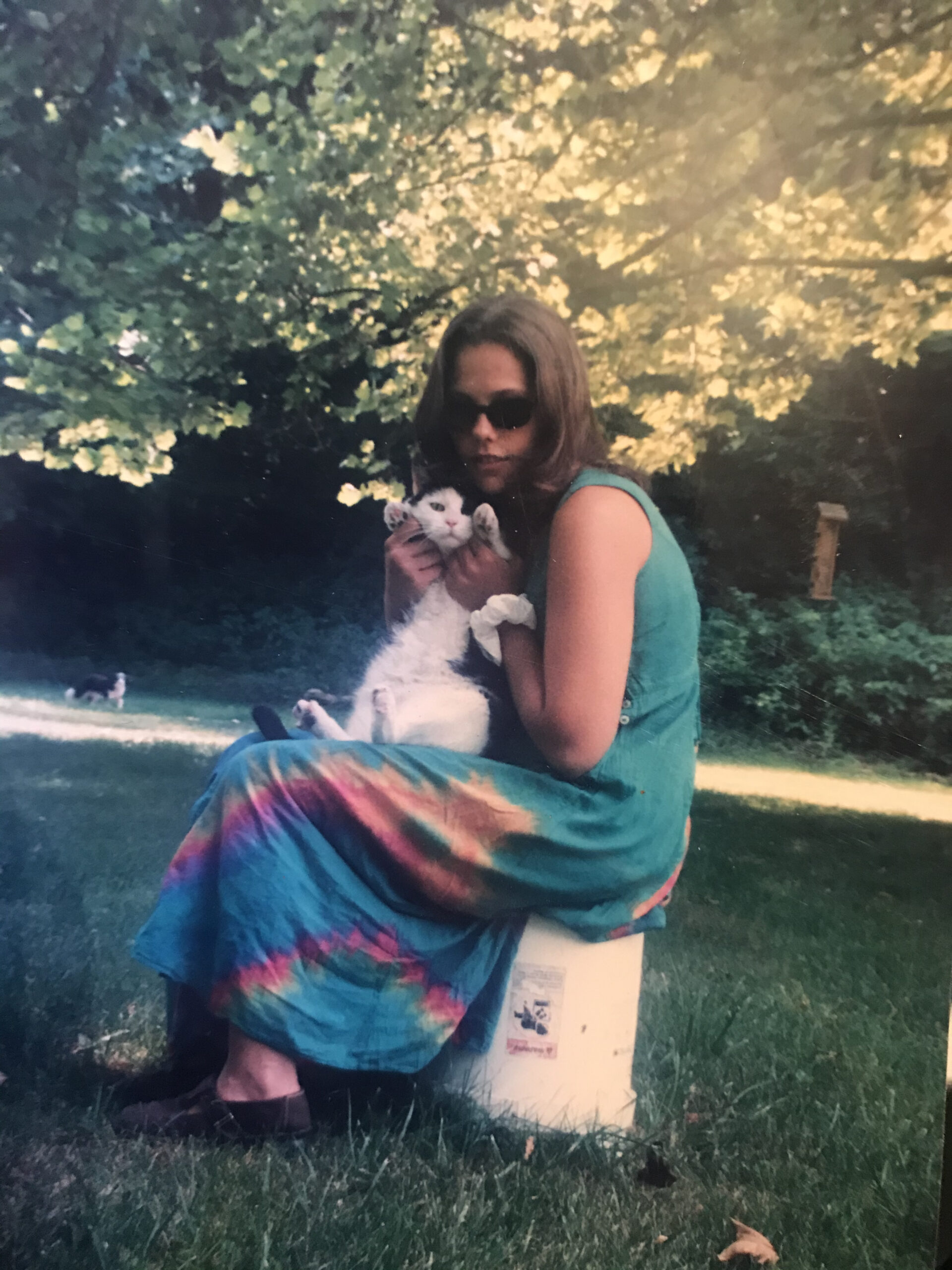
As a child, I grew up in the woods. In front of our home in Greensburg, PA are planted two giant Sycamore trees standing now well over 100ft tall and 10ft in diameter, they are about 80 years old.  Did you know the Sycamore tree is full of drinkable sap. If you’re ever out of water and you see a Sycamore tree you’re in luck. These two trees have stood as pillars for me, the memory of them so strong and so present in my life.   The first picture of me is 1986 in the woods near the lake behind our family home, the second was 1996. I’m sitting on a bucket holding my cat under that giant Sycamore.

Some of your work is based in spiritual practices and anthropomorphization of the tree, can you share more about this?
Nature is spiritual, for me I am at most alive in my being when I am in deep nature. Spend enough time in these places and you’ll understand the interconnectedness of it all. My spiritual fabric is a diverse mixture of philosophies and practices and part of what I bring to every aspect of my life.  In my early 20’s I met and studied with a Navajo medicine man in New Mexico. He started to open me to the realms beyond this physical fabric. He introduced me to the Beauty Way and Red Road, an unfolding of honor that might take my entire lifetime to fully embody.

I anthropomorphize most everything, even as a child.  Partially to create a window of engagement, the other to recognize all things as having life. It is centered around beliefs from Buddhist and also the Native American belief systems. To recognize all things as having life force, taking life force and that is to be respected and not wasted.  These philosophies are hard to balance in a culture where consumerism, and economic gain outweigh the value of other than humans and the health of the environment.

What is your hope with the immersive work?
My latest immersive experience Audience With A Tree, it is my hope that I can reconnect people with the vast  essence of these giant old growth forests. Bring about a moment of reflection and inspire reverence.

Have you ever known something so deeply as a truth in your heart, you just wait for the moment it unfolds into reality on this earth plane? That is how I felt as this project started to take shape, I knew I wanted to use my creative skills and talents for something bigger than me, it’s a walking prayer of mine. To be used, aligned and put into the right space and time for the elevation of these ideas to connect humans to nature at large.  I had at the time two other large experiential fine art installs under my belt and trees seemed like that was my next focus for immersive experience.  I read the book “ The Hidden Life Of Trees “, by Peter Wohlleben.  I was also deep into the realms of plant medicine at the time and kundalini yoga, all practices that open one up to other possibilities and shifting ways of thinking. It was on a medicine journey when I started hearing the root networks of the trees and seeing their interconnected being-ness,  they even started coming into my dreams off the medicine. It felt as if I was being summoned.  I listened and planned a trip to the giant old growth of Redwoods state park – visiting the Grandmother trees in the Redwood state forest all while documenting and listening deeply.   My first trip was a scouting trip, talking to rangers and locals, learning so much about the conflicting agendas for the forest industry, BLM and the state and national park systems. It was on that trip I also learned about the permits auctioned off and some given for free to private enterprise to access state and national lands to harvest resources. I left that trip amped and angry.  I then returned to go deeper into the woods  with my partner Zebu, he himself is a producer and artist. I was sure he’d understand the need to sit at the feet of the Grandmother Trees and listen. He and I took some mushrooms and sat on that beach surrounded by towering old growth Redwoods, that was where I had my Audience With A Tree. I prayed, cried and asked for forgiveness, I then asked for inspiration for what is needed. What can I do? It was quiet for a few moments when I heard loudly the word “ Reverence “ inspire reverence.


As for the mediums, and progression of my craft, I feel I outgrew the label of “ Photographer “ many years ago, when I was learning film and started directing more commercial multi media advertising shoots and branded content creation. I’m identifying now as a multimedia artist and creative director who uses photography and video to create experiences I and my  teams then document.  For my fine-art experience Audience With A Tree, I used both photography I captured in Sequoia National Forest before and after the devastating fires of 2021 as well as images from Redwood National Forest and other Redwood groves along the pacific coast highway. I also used video I captured mixed in with some stock images to create an immersive forest experience.

How have you tried to communicate scale and majesty with your art?
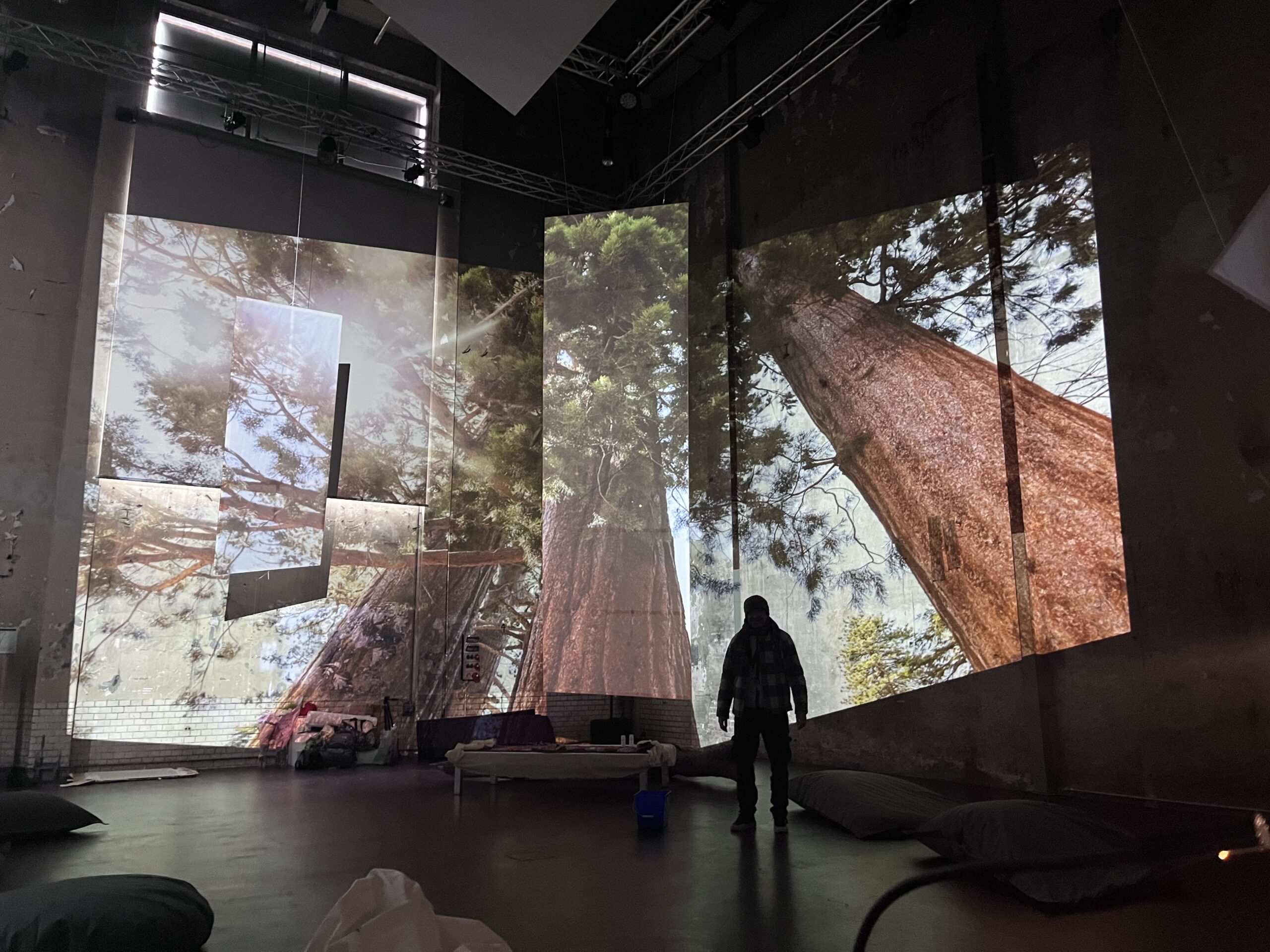
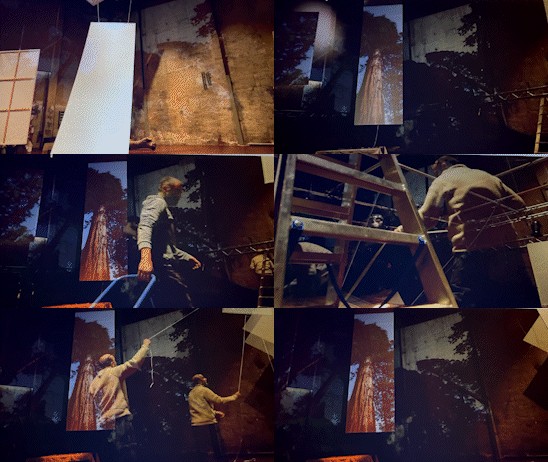
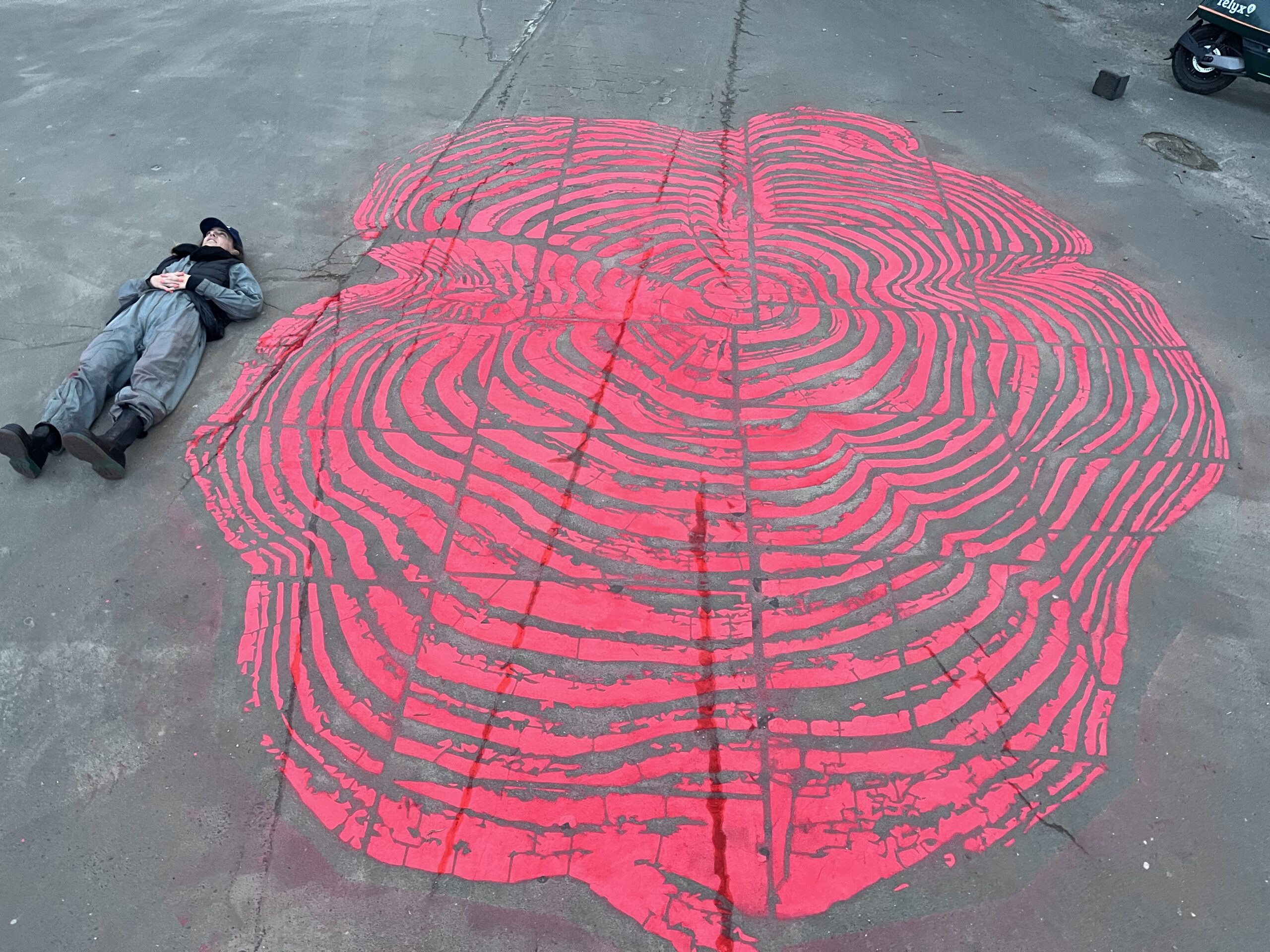
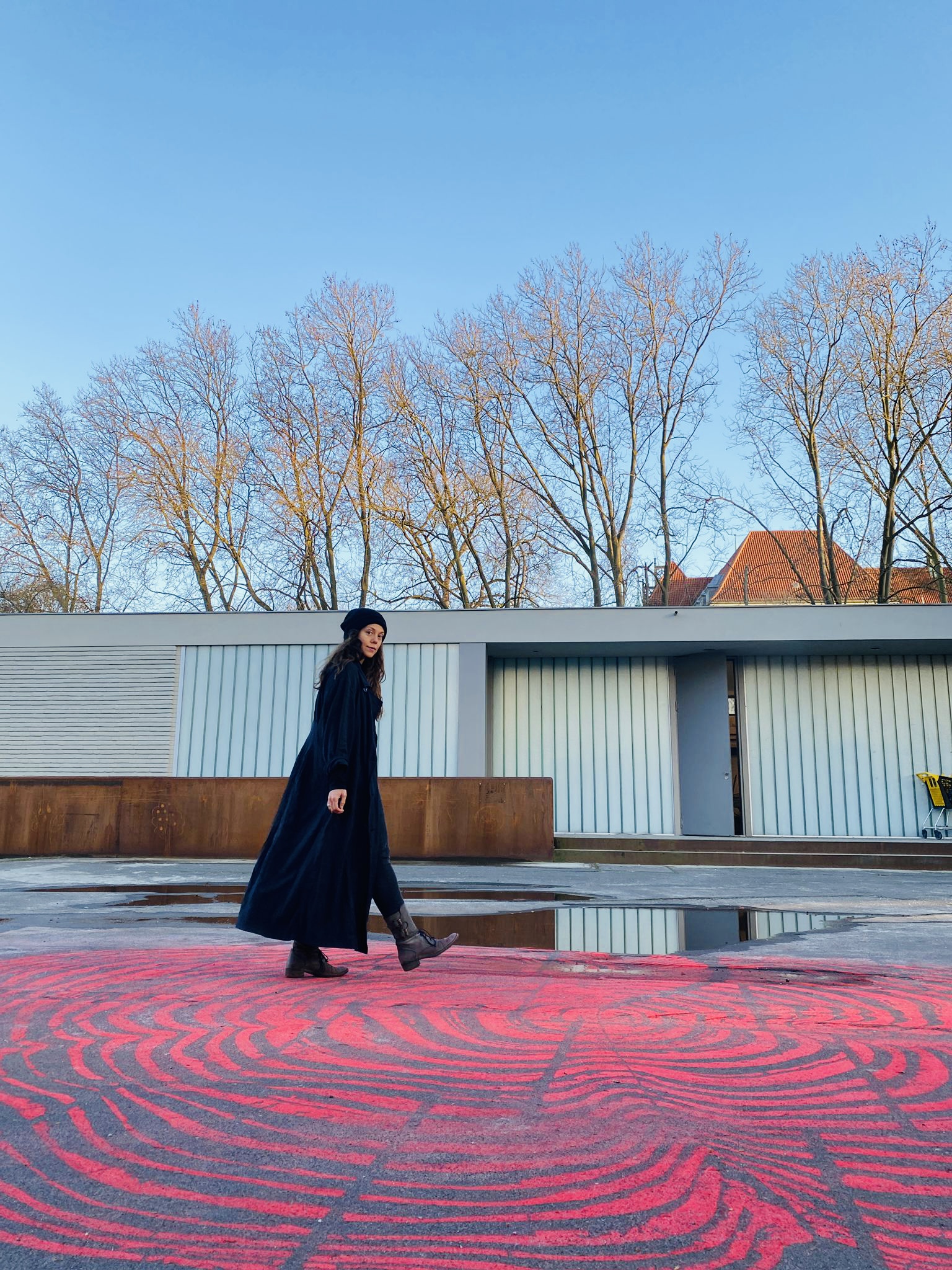
Scale is very important to me, when I created Natural Plasticity I remember when the idea came it was so simple, I wanted to make these pieces so big the public couldn’t ignore them.  That’s how big plastic felt to me, I wanted to create a disruption and for that project scale helped convey that.  I’m inspired by many great artists that have preceded me using scale to make bold statements. In my practice I’m not afraid of scale and I use it to convey feeling. These things are very big for me and visual scale is a way to communicate that. For Audience With A Tree scale is a poignant and impactful way to convey scale of the old-growth. For  the Berlin installation we chalked a 30ft in diameter Giant Sequoia stump print. This not only reflects the actual size of the Sequoias but also stands conceptually for the magnitude of their threat and to call attention to the honoring of the trees that once stood in these very spaces.   Being in California and spending time with these tree beings, I took for granted the opportunity to be in their presence. I assumed others around the world knew about them and how big they are.   While at the Berlin install I remember standing with someone when they made the connection to the scale of the stump print and the projections inside the exhibition.  They couldn’t believe it, they said to see them in a picture then to stand amongst the imprint of scale was monumental.  There was a moment of recognition that I think could not have been had with just an image.  In future installs I envision several of these stump prints making their ways through the city and leading up to the install sites, perhaps honoring various fallen old growth.


Your first proof of concept installation was in Berlin, an industrial concrete environment, are you always planning on installing in cities where trees once stood?
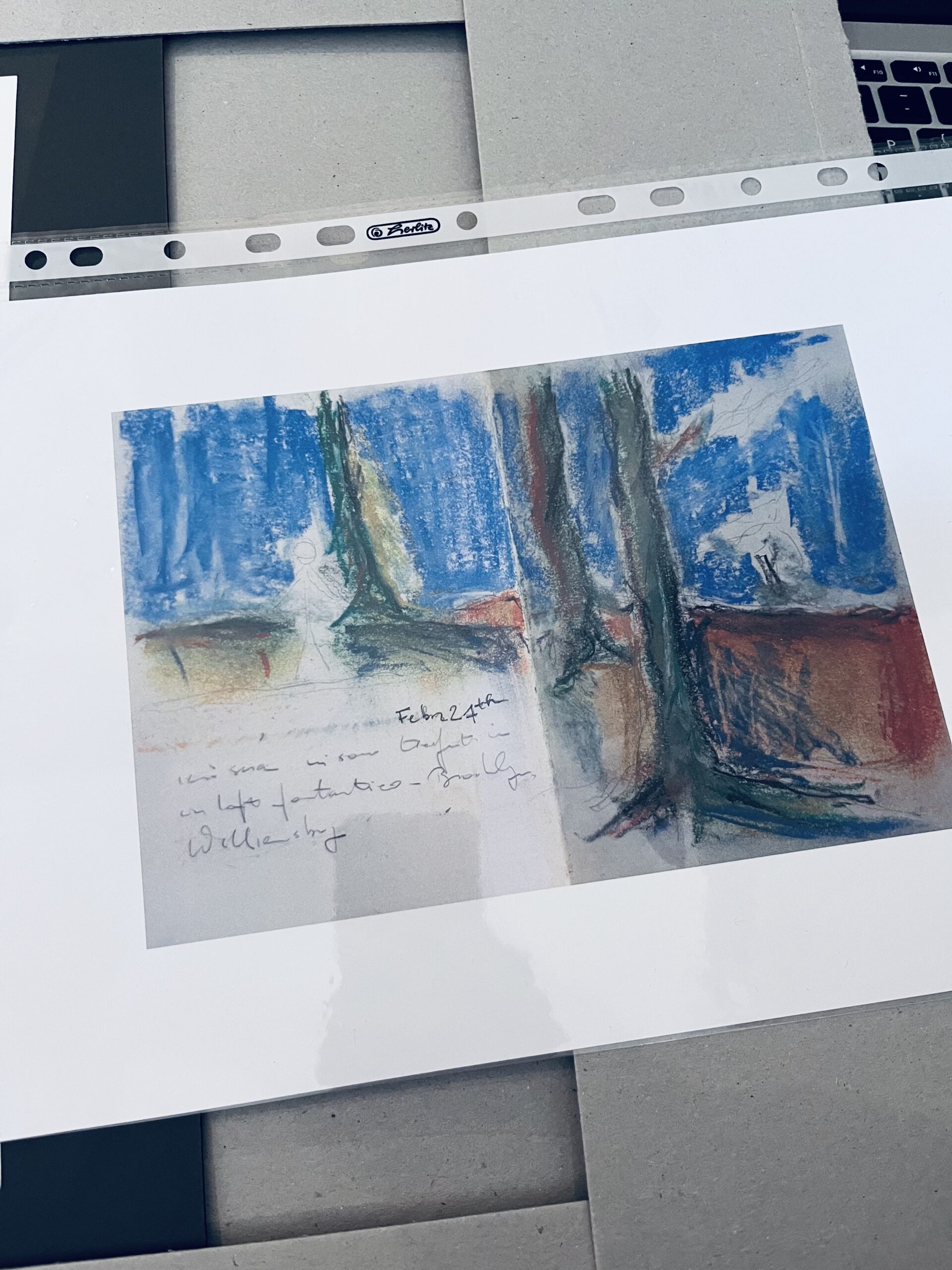
In 2016 I created my install Way Of The Modern Man, this got me recognition in the Vice Creators Project. From that article about a year later  I got an email in my in-box from NY/Berlin based architect Umberto Freddi.   He simply said, my work was brilliant and that he wanted to collaborate in the future.  Later that year when I was in Berlin on a photo assignment, Umberto and I met over coffee and he asked what I was interested in and working on next. I said Trees, I wanted to bring the vast essence of our old growth to dense urban environments to remind people they exist and that we need them.   I shared with him early ideas of what this experience could look like and he took out his sketch book and started drawing. Below is that first sketch of trees and scale.  We kept in touch moving the vision forward over the next many years, applying for funding, and fine tuning the idea.  The vision for me started so big and then finally though distillation and process it was able to be deduced to its essence. To the elements of impact. That is what I shaped and brought to life with the help of Umberto, Ufer Studios the PSR Kollective and The Foundation For Contemporary Arts in NY.    

At the moment I’m envisioning this to be installed in dense urban environments and available to the public to come and sit in Audience.  Installing into cities is ideal for the concept. The contrast of gray, urban, concrete is needed for the impact of the work.  In Berlin the contrast was incredible, we were in a very industrial and concrete part of the city. To have visitors come into a space where it was warm, smelled like the redwoods, with a towering canopy of nature and nature sounds provided a refuge from the hustle and bustle of the city. It was a welcomed reminder and reset space.


What tools did you give the audience to honor the trees?
I don’t want to beat people over the head with fear, the mainstream media and political and corporate agendas do a good job at that already. I’m also not approaching this challenge we face as humanity with fear. I’m most interested in opening a curious and contemplative space of self reflection. Opening a welcoming safe space for different points of view where people can come and touch into these conversations without guilt and fear.  This is a big conversation, it’s a topic we’re all thinking about, affected by and the elephant in the room.

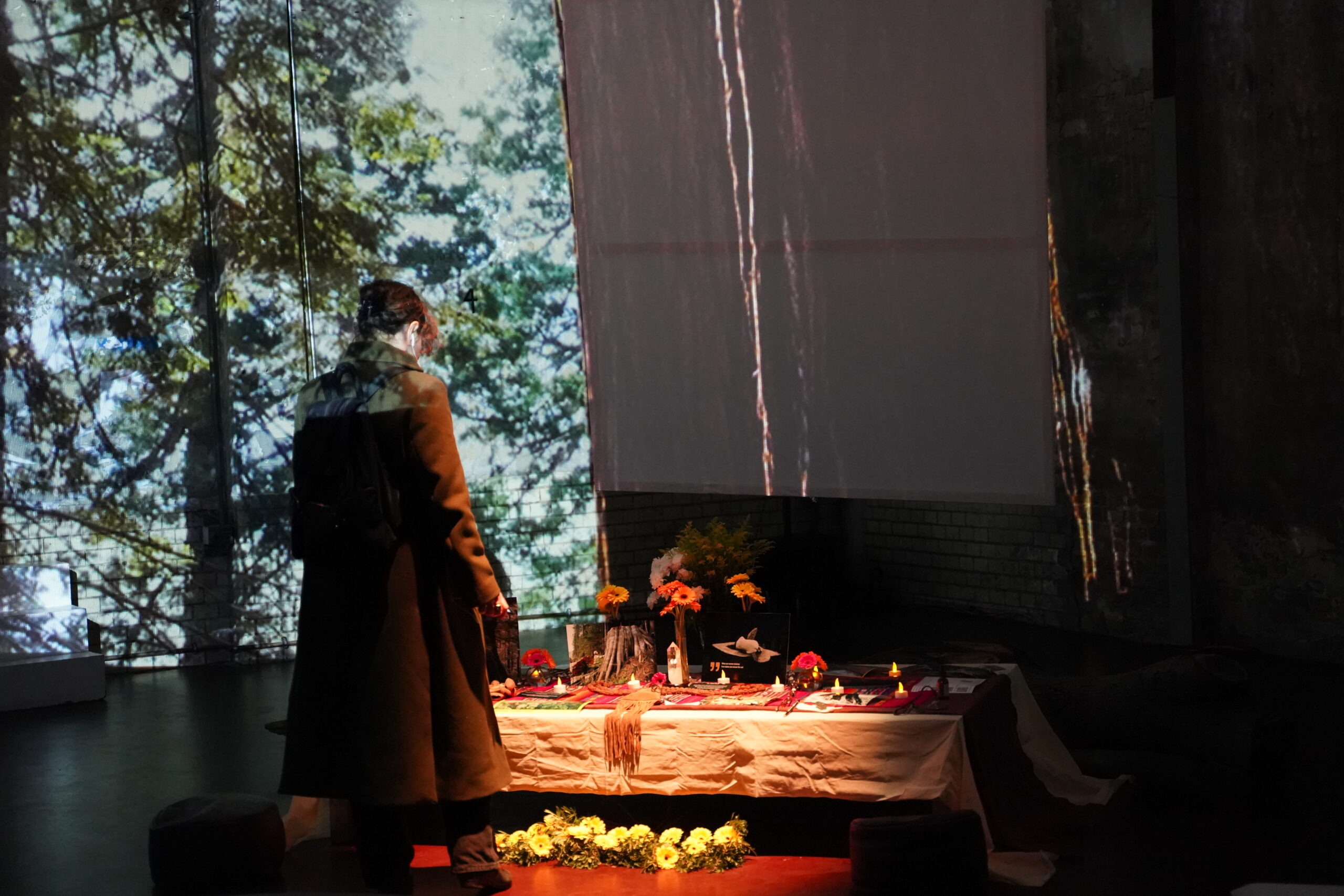
My intention is simple, to inspire reverence. To do that I created a sacred and visually interesting space. I pulled upon the idea that in times past people would bring grievances to the attention of the Queen by requesting an Audience. In Audience With A Tree its almost a reversed request, the trees are asking the public to come and sit in audience with them and learn and listen for answers.  The immersive experience is layers of projections towering above with scents of redwood and cedar in the moist air coupled with the “ Voice Of The Forest “ a guided meditation from the Mother Tree, she brings people into relationship with the understanding of how important mother trees are to the balance of the forest ecosystems and their roles in the forest hierarchy.  When we take these mother trees aka old growth we can permanently alter and scar the health of the entire forest network.  I also brought into this experience an altar. I was very inspired by the great altars to the memory of loved ones at the San Francisco Day of the Dead, also known as Da de los Muertos.  I wanted to create an altar for trees, a space to bring our grievances and concerns about the environmental destruction and changes we are experiencing as a collective and listen deeply for answers.   On that altar I placed sacred items, sage, palo santo, crystals, sacred mala beads, flowers in honor amongst the news clippings about old-growth deforestation, clearcutting for lithium, how governments are selling resources to private companies and the impact of deforestation on our first nation peoples globally.   I worked with photographer Mike Graeme   to present some of his before and after images of the Giant Cedars and the devastation of Fairy Creek, Cayuse wilderness of British Columbia.  I witnessed people come to the altar, and sit in reflection, look around at the projections and then back to the altar. It was a gentle and poignant way to share the why. People wrote messages to the trees, offered a candle and some even a prayer.  It was so beautiful to provide a space for reflection and reverence.


How long is each tree portrait?
The experience is open and rather fluid, the guided meditation lasts about 17 minutes depending on which language it is presented in and the viewers are then invited to sit in the space and reflect. Some rest, on the giant bean bags on the floor listening to the forest soundtrack, some visit the altar. Overall I’d say the average visitor spends about 30 minutes to 1hr in the experience.

What calls you to a specific tree or grove?
It is an absolutely combination of heart and my eyes. Sometimes they come in dreams, or messages. I’ll see something, read something, learn about a group of trees and know I want to go visit them.  It all depends where I am and where I’m collecting images, films and sounds. Sometimes I’ll be driving and see them and immediately have to pull over to visit them. Other times I search them out talking to rangers and locals to find places not often found by everyone.  So far I’ve visited many old growth groves in California, Oregon and Pennsylvania as well as the Amazon in Peru.   It is a big vision for this work to continue and I hope to visit more pockets of old growth on the planet before they are gone, especially the Baobab old growth in Africa.