The Art of the Personal Project: Scott Elmquist

The Art of the Personal Project is a crucial element to let potential buyers see how you think creatively on your own.  I am drawn to personal projects that have an interesting vision or that show something I have never seen before.  In this thread, I’ll include a link to each personal project with the artist statement so you can see more of the project. Please note: This thread is not affiliated with any company; I’m just featuring projects that I find.  Please DO NOT send me your work.  I do not take submissions.

Today’s featured artist:  Scott Elmquist

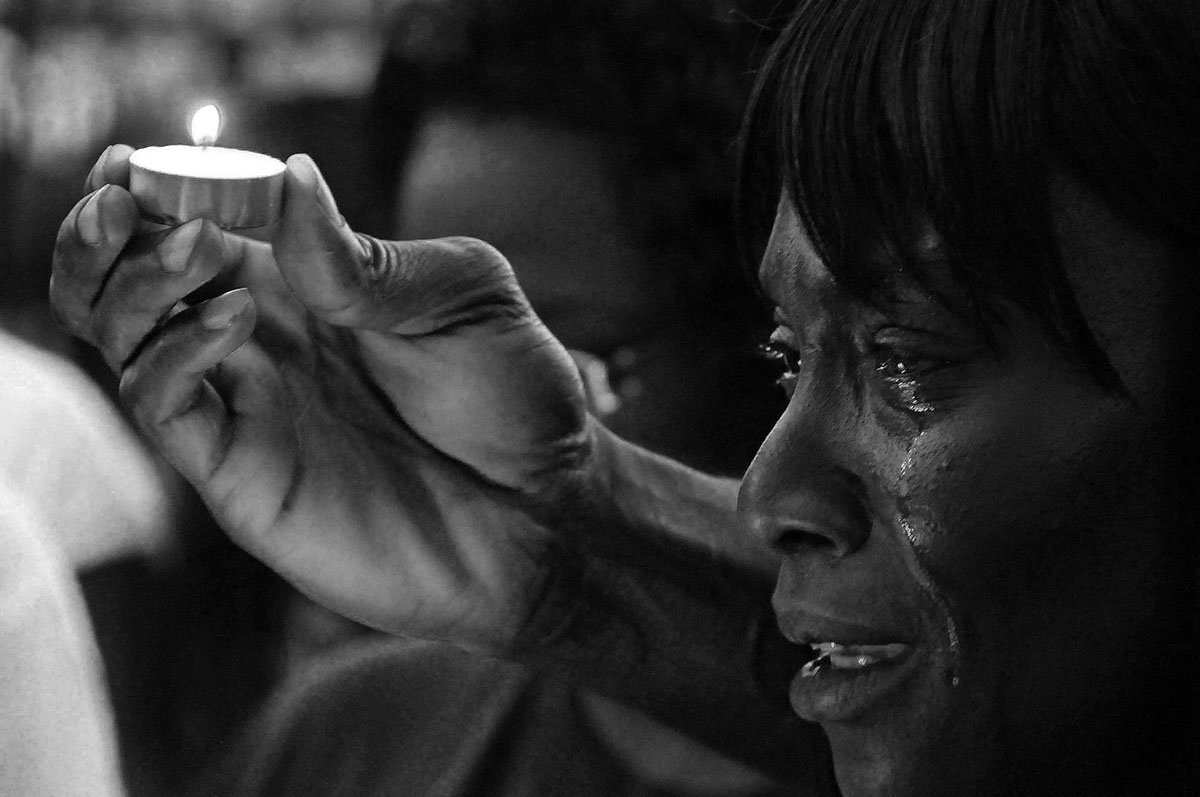
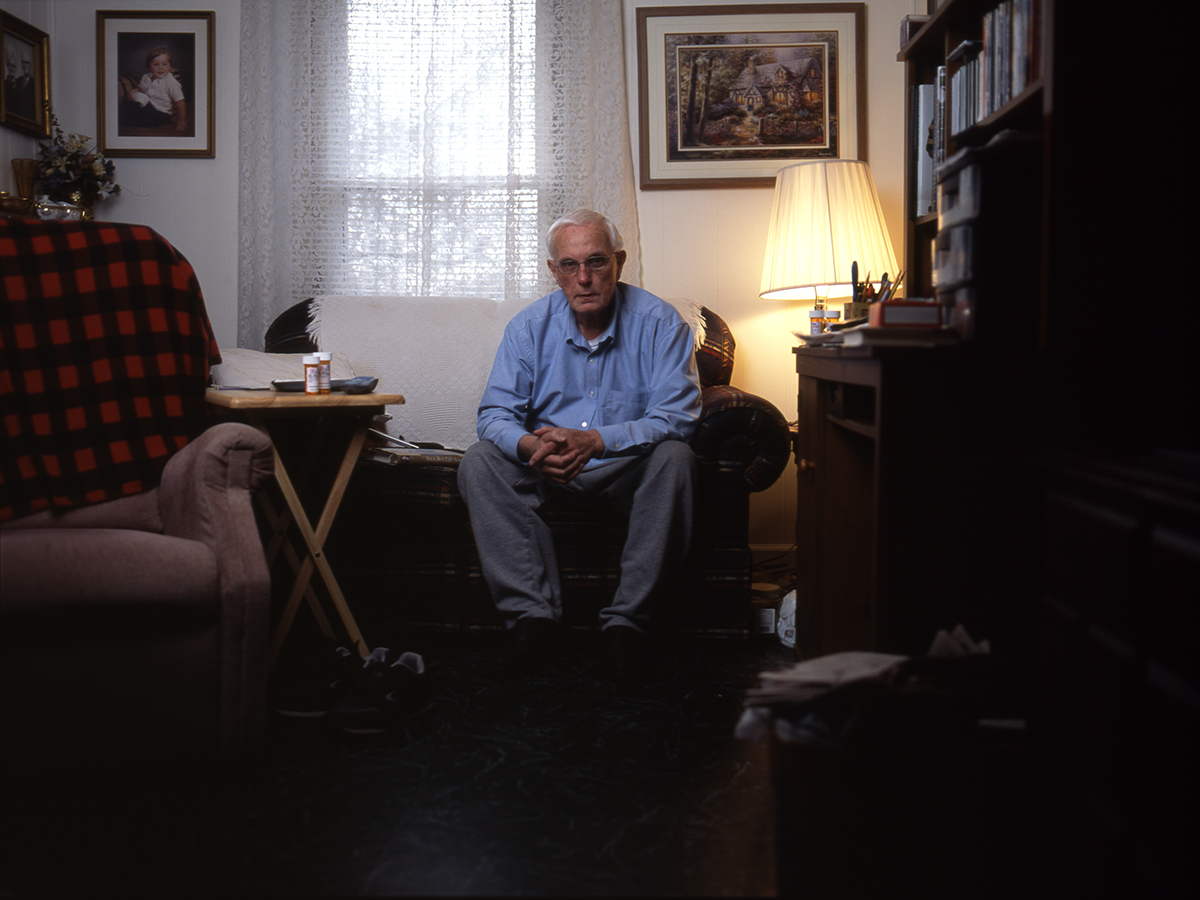
What started as a newsroom assignment in the early 2000’s, became a personal project spanning 25 years. During those years I attended countless community prayer vigils in Richmond, Virginia, generated by unrelenting gun violence. Simply reporting the facts about each murder weren’t enough. I felt compelled to investigate the murder victims, and communicate with the affected families, sharing their stories visually.

Some prayer vigils were often solemn, intimate events, attended by 25-50 people. The larger vigils resembled New Orleans-style wakes, where people preached, sang, marched and prayed. Regardless of the vigil size, family members spoke lovingly about the victims, and although I was possibly witnessing the most painful moments in their lives, they often thanked me for being there to tell the story.

Unfortunately, this grim story continues to unfold. According to the Virginia Department of Health, from 2018-2022, over 1,000 Virginians died each year due to gun-related violence. Gun violence is now the leading cause of death for children in the U.S. The resulting devastation for families is immeasurable. In June 2019, during Gun Violence Awareness month, I partnered with Initiatives of Change, a Richmond based non-profit, to host “I Am Here,” a three-day interactive exhibit to raise awareness and promote healing from the trauma brought on by gun violence. I displayed photographs from those prayer vigils held in the aftermath of homicide. Hundreds of people attended the event, including families of the homicide victims. Families shared stories, grieved together and joined in a healing drum circle, allowing them to remember and celebrate their murdered loved ones. Shelia Hall Green stood and spoke about her son Omar, who she had buried just four days earlier. Another mother, Brenda Rawlings, said it was the first time she felt normal since her daughter’s murder on New Years’ Eve 2018. Deneene Poole said she felt her son, J.J., who was murdered in 2010, hadn’t been forgotten. Providing visual documentation of the vigils offered some hope that these murder victims, and their families, won’t be forgotten.
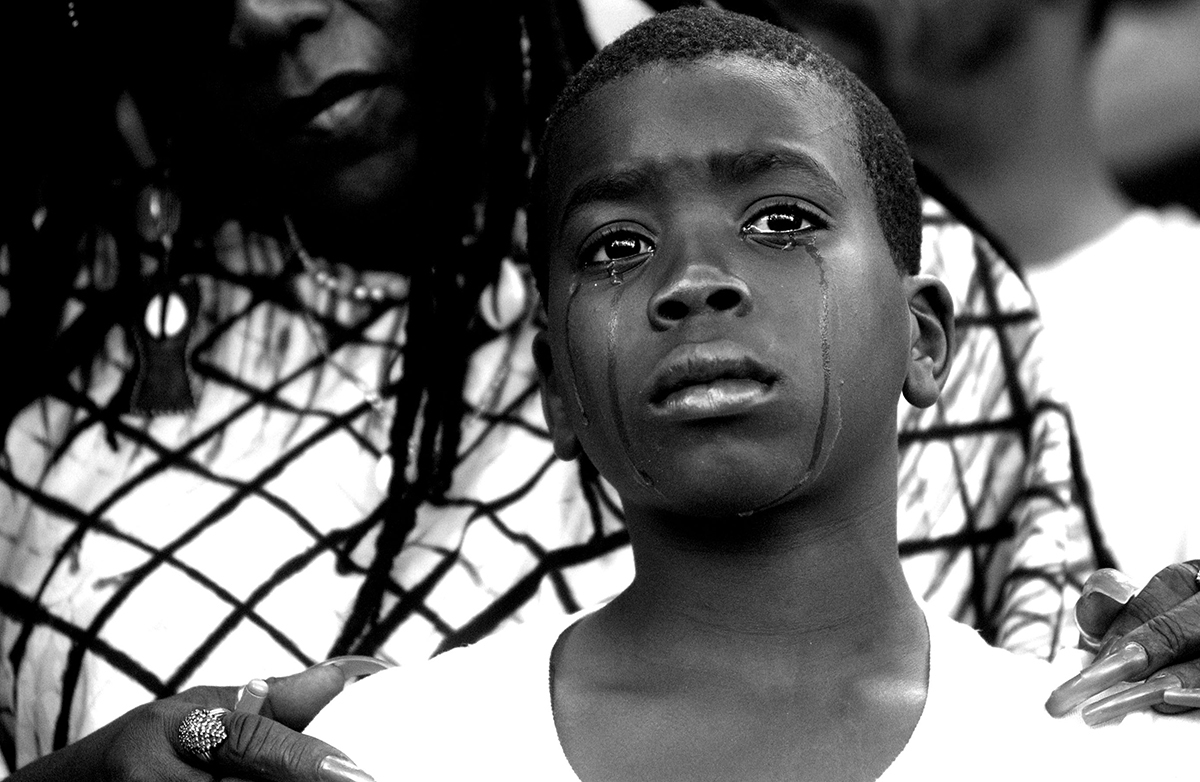
Allan Melton, 9, cries during vigil for his father and uncle who were murdered in a double homicide home invasion on May 28th. He is comforted by Alicia Rasin, the founder of Citizens Against Crime, a group that rallied around the families of Richmond’s 78 murder victims in 2006.
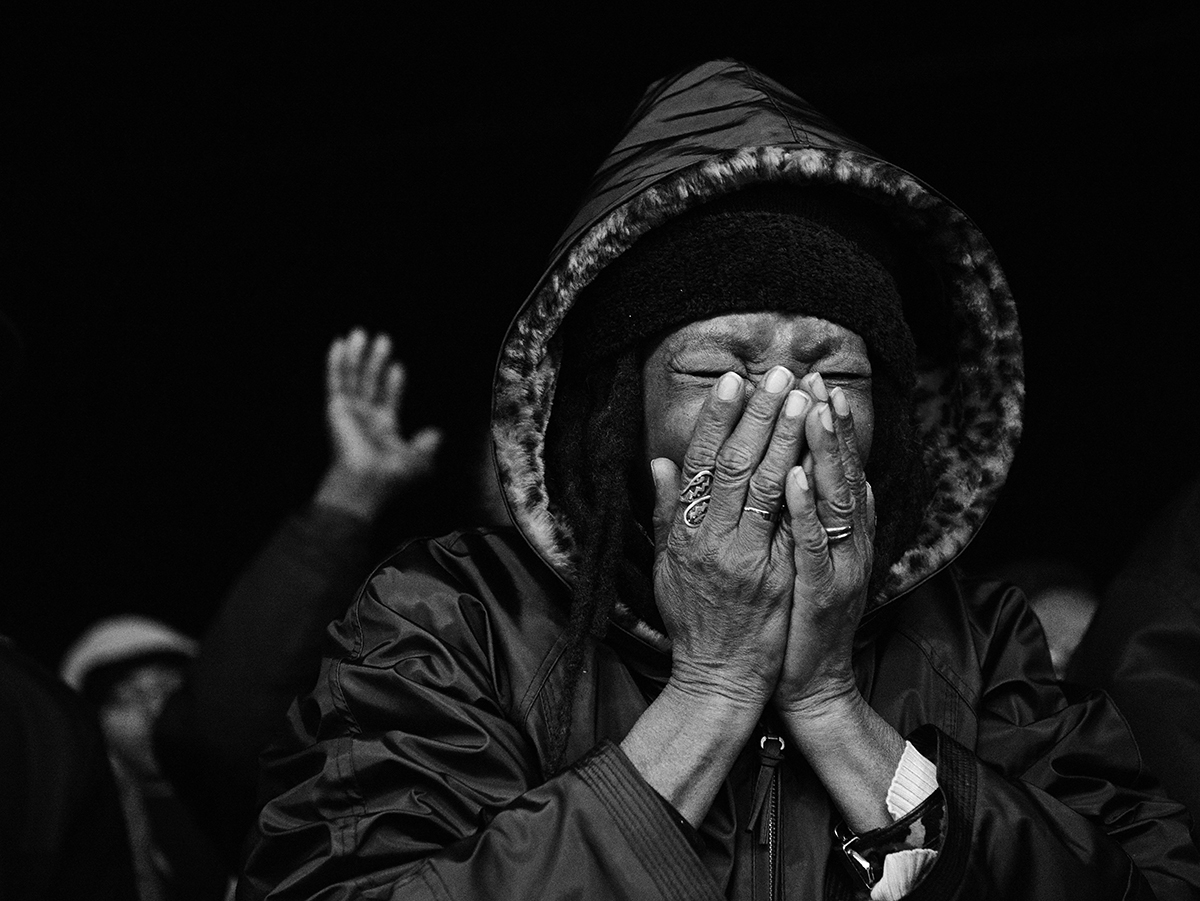
Teddy Parham is among those who gathered on a cold Friday night to remember Farooq M. Bhimdi, the owner of the Express Way convenience store on Mechanicsville Turnpike. He was gunned down inside his store on January 28, 2012.

Ricky Burton, 16, was murdered walking home from his late shift at Wendy’s in August 2008. His aunt (pictured here) and about 100 mourners gathered in Delmont Village to say goodbye.
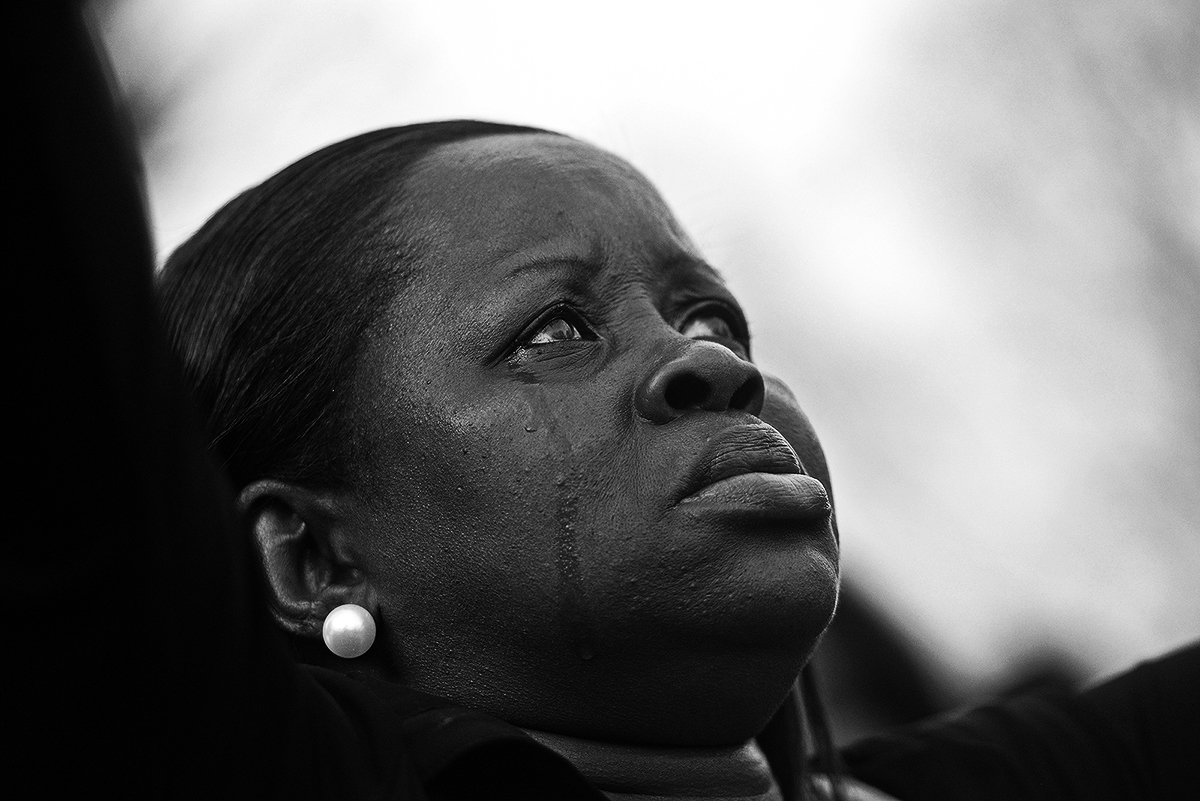
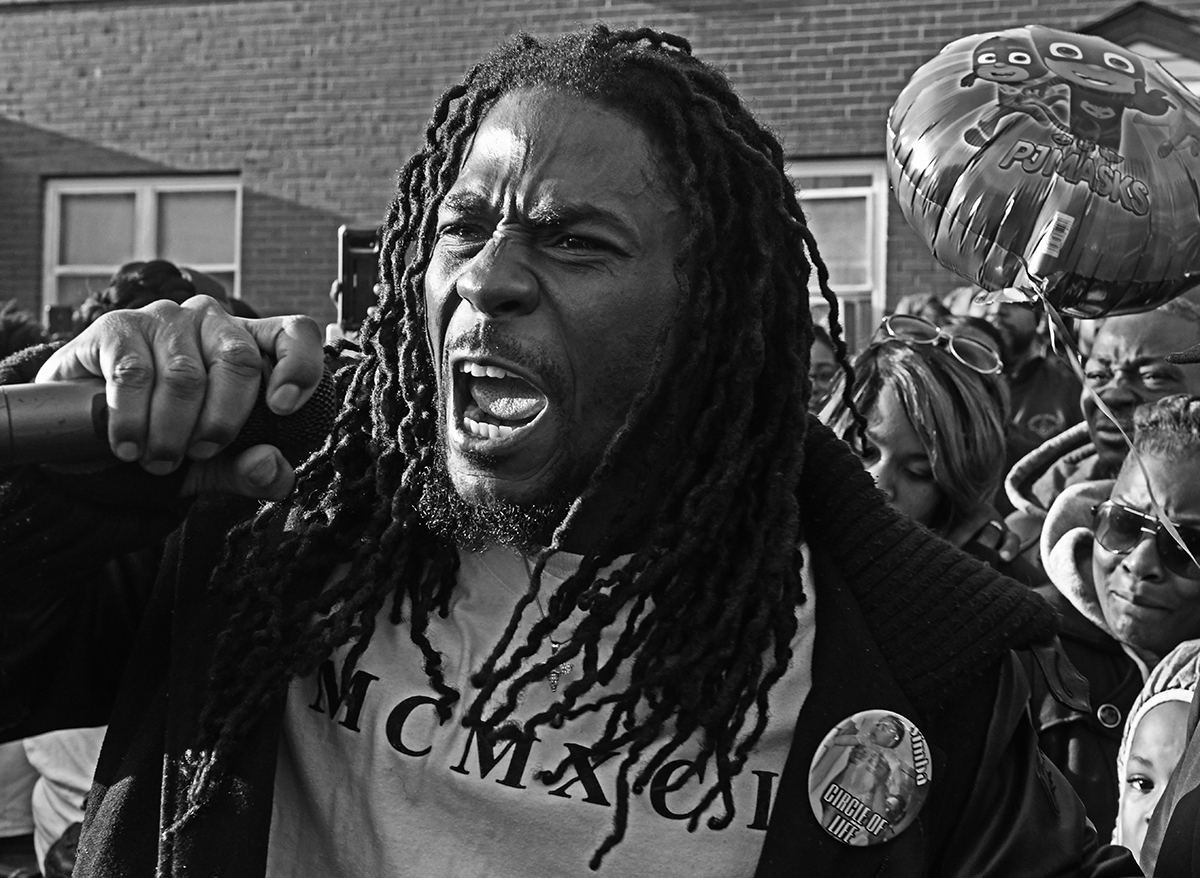
Rotunda Allen of Richmond mourns the death of her friend Kiarri Edwards, 34, at a vigil on Sunday night on Dinwiddie Avenue. Edwards, a father of three, was killed in a triple shooting on the Dinwiddie Avenue on March 31 at 11:16 p.m.

Hundreds of members of the Hillside Court community gathered on the 1700 block of South Lawn Avenue for a vigil in remembrance of 3-year-old Sharmar Hill Jr., who lost his life on February 1, 2020, when he was caught in the crossfire of gun violence outside his home. “This shouldn’t be a war zone — how is your home a war zone?” Shamar Hill Sr. asked, reiterating that his young son was his “hero.”
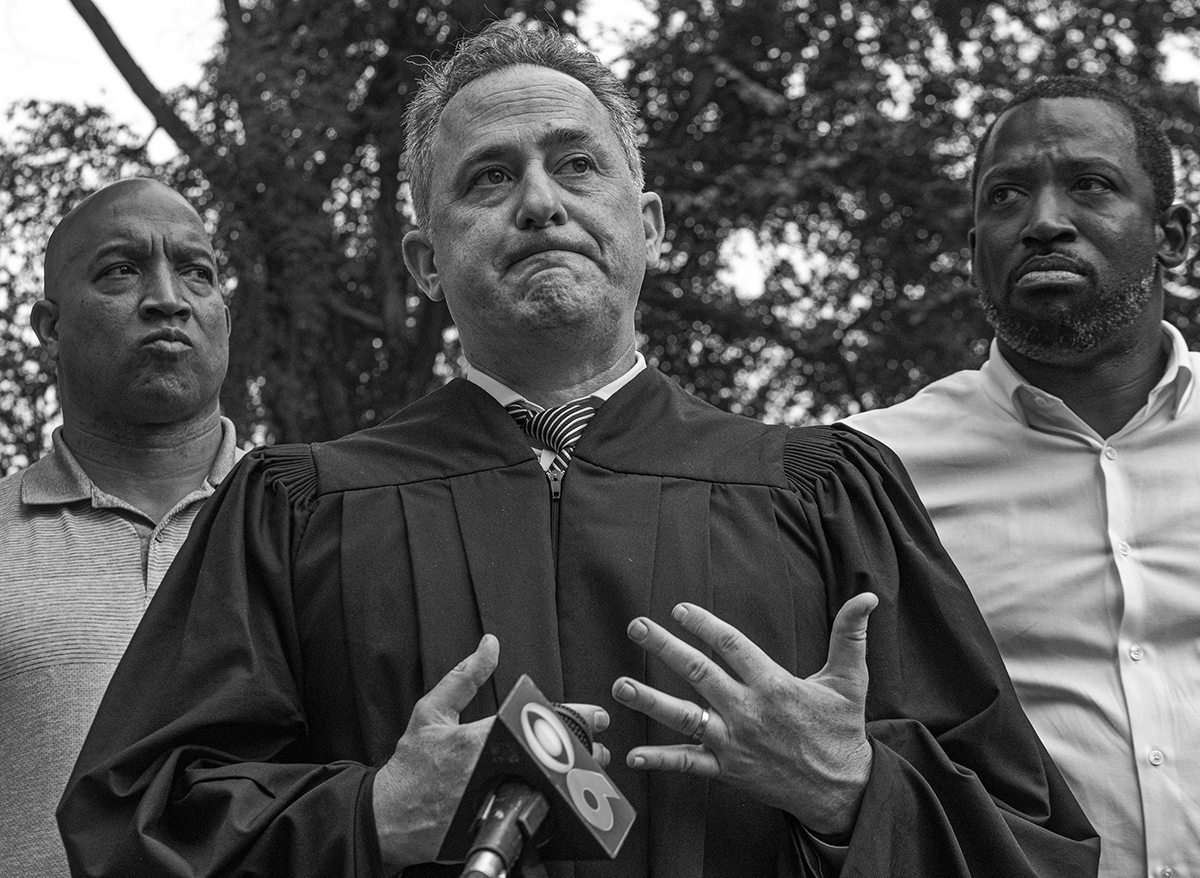
Still wearing a graduation gown, Jason Kamras, Richmond Public Schools Superintendent, who was flanked by city council president Michael Jones and Richmond Mayor Levar Stoney addressed the media after eighteen-year-old Shawn Jackson was shot and killed on June 6, 2023. The incident occurred just after Huguenot High’s School graduation in the Altria Theater.  Kamras said he “can’t shake the image” of Jackson getting CPR while wearing his graduation gown in Monroe Park, just outside the theater where the shooting took place. Jackson’s stepfather, Renzo Smith, 36, also died in the shooting.
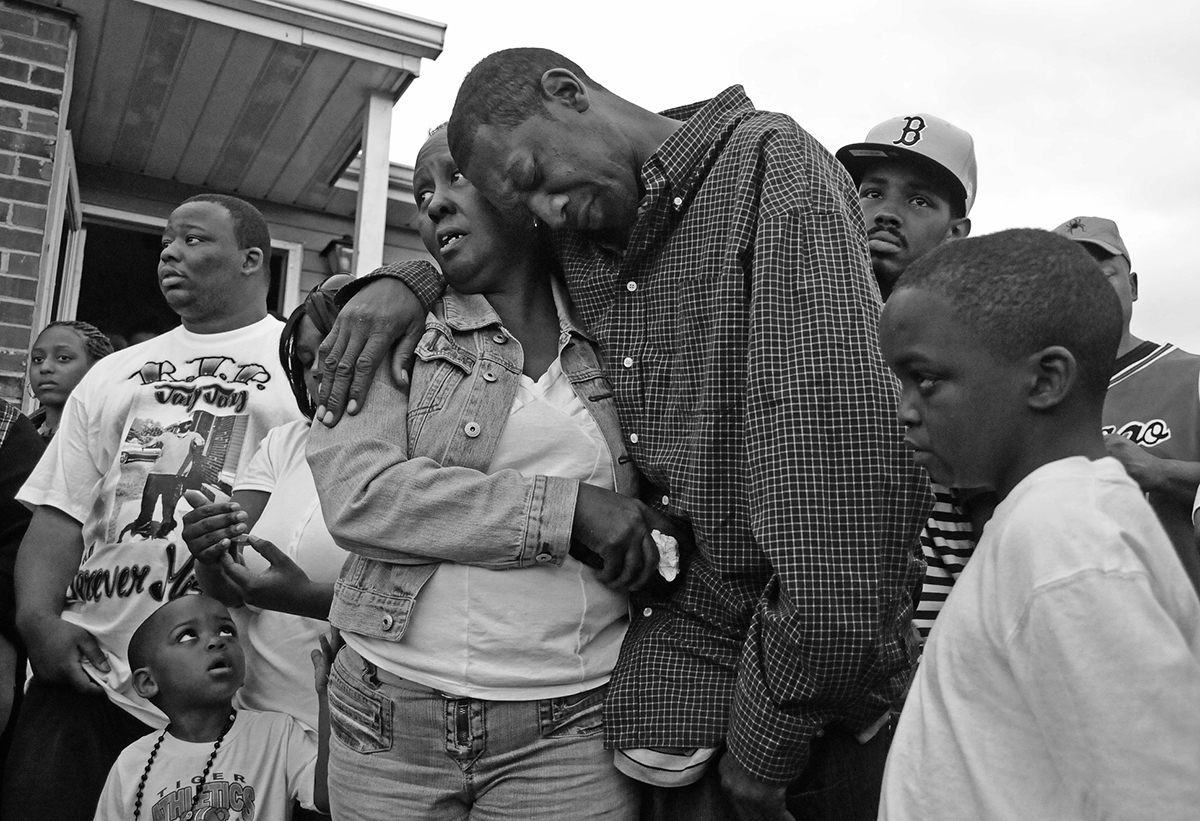
The family of J.J. Poole, 20, stand in disbelief that their family member was murdered near his home in Richmond’s East End in 2009.
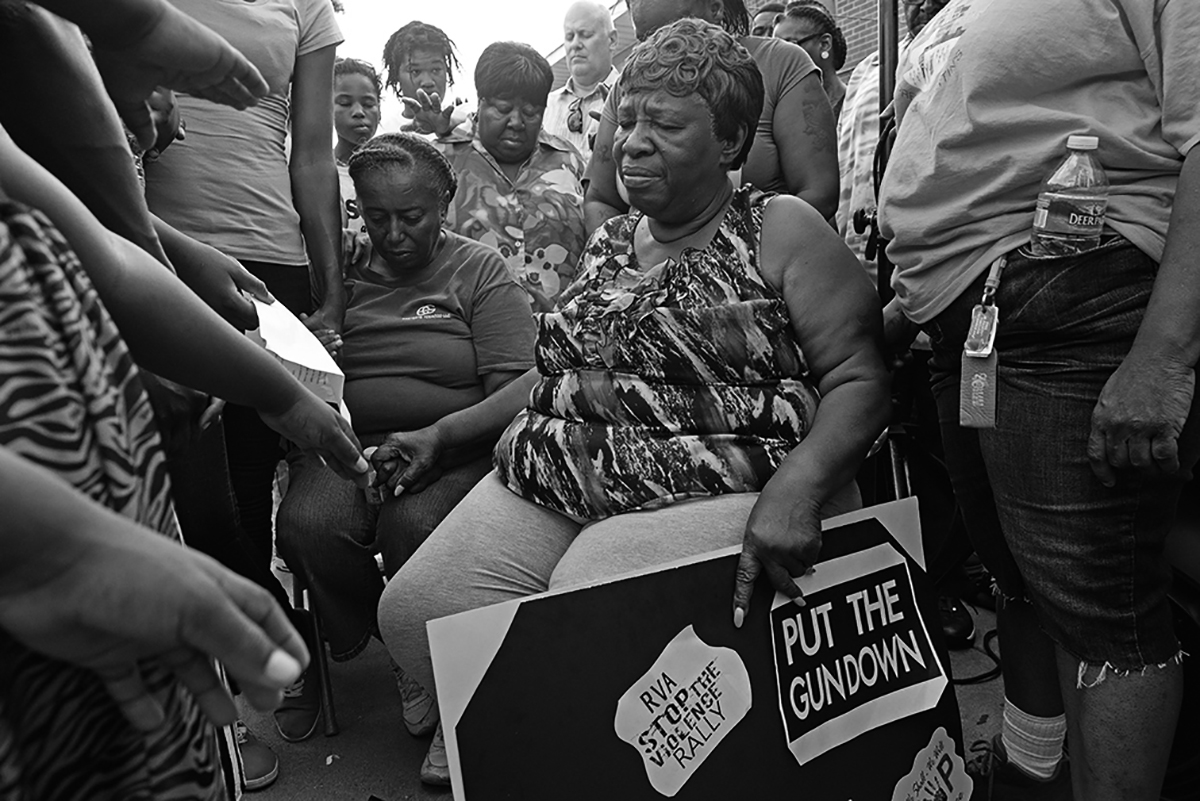
Gun violence activist turned mourner; Joyce Kennedy is comforted during the RVA Stop The Violence rally. Her grandson Ra’Keem Adkins, 22, was murdered in Mosby court in May 2015. Prior to her grandson’s murder, Kennedy often spoke out about gun violence.

BIO: Scott Elmquist is the senior photographer for Style Weekly/VPM News based in Richmond, Virginia. His gun violence images have won numerous awards, including being named the Best Alternative Weekly Photographer in North America in 2019 by the Association of Alternative Weeklies, for a portfolio of gun violence images. He was awarded the Best General News Photo First Place award in Virginia by the Virginia News Photographers Association in 2006 and 2008. He also earned dozens of First Place awards and ten Best-In-Show awards in the annual Virginia Press Association contest 2000-2022.

To see more of this project, click here

Instagram

APE contributor Suzanne Sease currently works as a consultant for photographers and illustrators around the world.  She has been involved in the photography and illustration advertising and in-house corporate industry for decades.  After establishing the art-buying department at The Martin Agency, then working for Kaplan-Thaler, Capital One, Best Buy and numerous smaller agencies and companies, she decided to be a consultant in 1999.  Follow her at @SuzanneSease.  Instagram
Photographers Report Hiding Their Pregnancy For Fear Of Losing Jobs

The Photo Industry Need To Do Better.

“This industry is unkind to mothers, there is no denying that.”

“Leading up to giving birth, I completely hid my pregnancy and never mentioned it to anyone. Even when I became so obviously pregnant, I just never talked about it to clients unless they brought it up.”

“I can’t tell you how many women shooters/assistants have felt they have to hide their pregnancy in order to keep working. The whole topic/concept is so difficult to navigate.”

“I didn’t share it on social media or tell anyone in person until I started to show. I hated it, I wanted to shout my exciting news from the rooftops but I knew the impact it would have on my work, which is incredibly sad”

Here are some comment from a post I made on Instagram: https://www.instagram.com/p/C4yc-K6O-dq/

Leading up to giving birth, I completely hid my pregnancy and never mentioned it to anyone. Even when I became so obviously pregnant, I just never talked about it to clients unless they brought it up. I was terrified of losing a job if someone found out/like I’d be an undesirable person to work with. I did almost lose a job with a very large well known client who found out through word of mouth that I was in my 3rd trimester. They stopped emailing with me and instead called me to ask me very personal questions like when my due date was, if I was physically able to take on the job, etc. it was so sketchy that the woman did it all over the phone.

A week after my son was born, just home from the hospital, my editorial shoots and hustle paid off. I got a call from one of the big three agencies in Boston at the time. The Photo Buyer *gushed* over my work, the creative team loved it! They couldn’t wait to meet me. When can I come in? In my half awake new mom haze I said “I just got back from the hospital with my first baby. Let’s get something on the books in three weeks.” She hung up on me. I never heard from them again and still haven’t shot for them 20 years later.

DO NOT TELL A SOUL. I worked til 37 weeks but could have gone until the day I delivered. The main issue was being uncomfortable driving. I took 2 months “off” but it was extremely slow afterwards and no one hired me for an ad job for another year. If I did it again I’d keep it all a secret, unfortunately I lost a huge IUD pharma campaign because they found out I was pregnant. The irony! Obviously it’s illegal but what can you do?

Luckily I didn’t show and I hadn’t told anyone when Covid lockdowns started so I could kind of hide it through not being outside. Even after having my baby I didn’t really tell any clients or post about it. When my main client found out I had a kid the jobs dropped off dramatically.

During my first pregnancy which was 18 years ago, I had a photo editor tell me straight up when I went to the office after a shoot that she “wouldn’t have hired me if she knew how pregnant I was” – at about 32 weeks. In general I hid my pregnancy for fear I wouldn’t get work.

I kept my pregnancy to myself and did not share publicly or with clients. I just showed up to work pregnant and did my job just as well (sometimes better) than I did not pregnant.

Pregnancy is the easiest part of navigating life as a freelancer (I told clients on a need-to-know basis while pregnant 13 years ago, and happily worked until 39 weeks). The hard part of working in this field really happens once the child is born. I know many female photographers whose careers were sidetracked by the challenging logistics of balancing an unpredictable photo schedule and childcare.

I kept it very private. Nothing on the internet until my daughter was born. Almost 100% of the time, I only told clients once I was already on set because it was visible. I was soooo scared to lose work because I thought people might assume hiring me would be a risk.

I worked until I was 38 weeks pregnant but also didn’t tell any clients that I was pregnant for fear of not being hired. The part I found difficult was after I had the baby, trying to be 100% on shoots after little to no sleep some nights but the pumping was really difficult, having to take a break somewhere private every few hours was very tough.

Never told anyone but also wouldn’t lie if asked. Wore oversized clothes on set and worked up until a month before birth. Booked an extra assistant if needed just to have an extra person to have my back. Was back on set when baby was 8 weeks old which was a bit unnecessary/early in hindsight (for me – everyone’s different). A few clients didn’t book me because I was pregnant but I figured I don’t wanna work for them anyway – it’s my choice.

In my experience as a event and editorial shooter in LA at the time, not telling anyone i was pregnant until it was very obvious was a good choice for me, only because once the clients knew I was pregnant they were all very kind but many were also much more cautious and concerned about me, and acting as though i was much more delicate like I should be doing something at a desk LOL so I had to really reassure more people that i was absolutely fine and capable. And that women have done this since the dawn of humanity and i’d let them know if i was ever feeling not capable.

My boss and management was not supportive at all. I was scrutinized even if I only came in 30 minutes late due to doctors appointments and so I scheduled each doctors is the very first appointment of the day so I could rush to work

This is a really important topic to discuss as a lot of us feel we cannot tell people we are pregnant for fear of not getting booked. I was also one of those people. I didn’t share it on social media or tell anyone in person until I started to show. I hated it, I wanted to shout my exciting news from the rooftops but I knew the impact it would have on my work, which is incredibly sad. I would turn up to shoots and shock people not only because I was pregnant but because I was still very much capable. IMAGINE!? Once the news was out and baby arrived, I did have some clients presume that I wouldn’t want the work we had in the calendar for the coming months and THAT is the problem. The attitude towards pregnant people drastically needs to change

Book pregnant photographers and support them by booking them when they are back to work.

Let’s try and change this crappy narrative, we deserve better!

The Art of the Personal Project: Billy Childress

The Art of the Personal Project is a crucial element to let potential buyers see how you think creatively on your own.  I am drawn to personal projects that have an interesting vision or that show something I have never seen before.  In this thread, I’ll include a link to each personal project with the artist statement so you can see more of the project. Please note: This thread is not affiliated with any company; I’m just featuring projects that I find.  Please DO NOT send me your work.  I do not take submissions.

Today’s featured artist:  Billy Childress

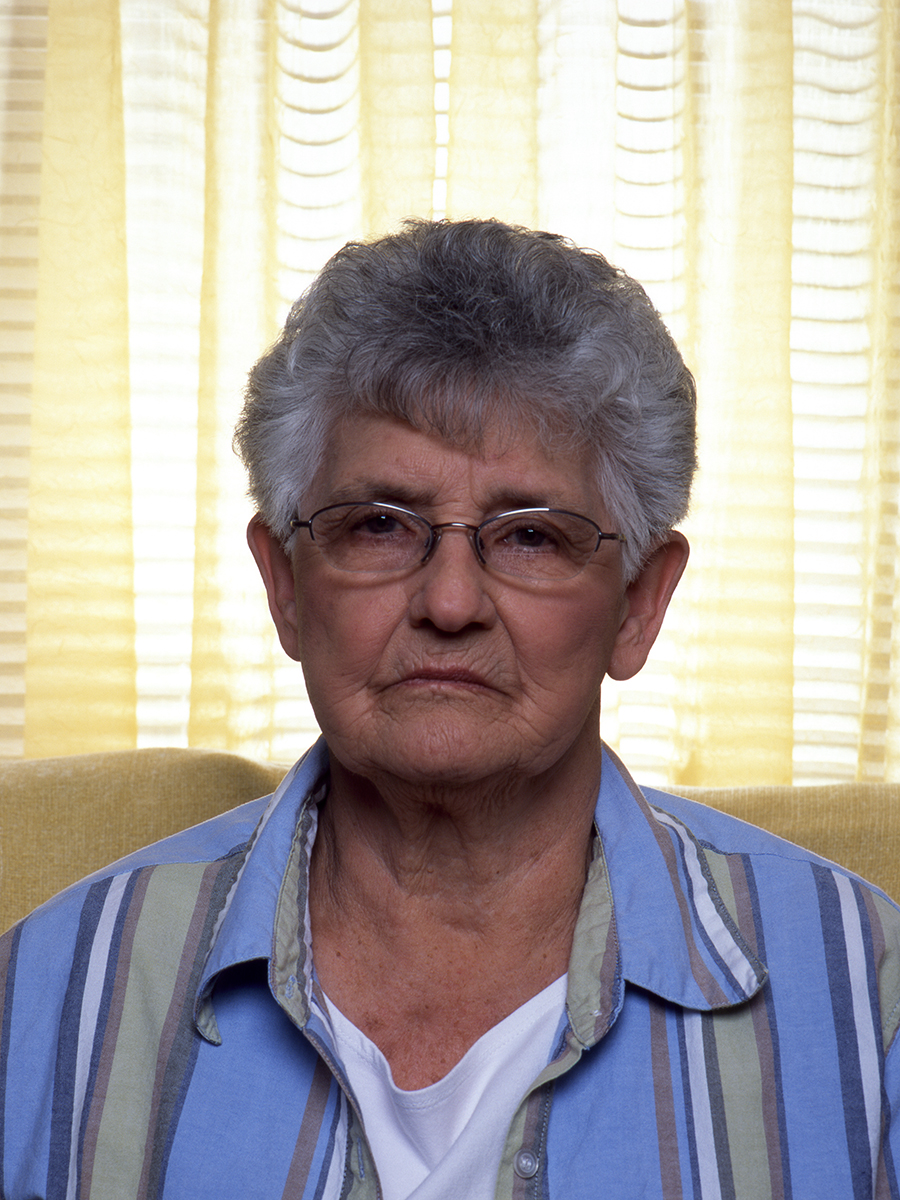
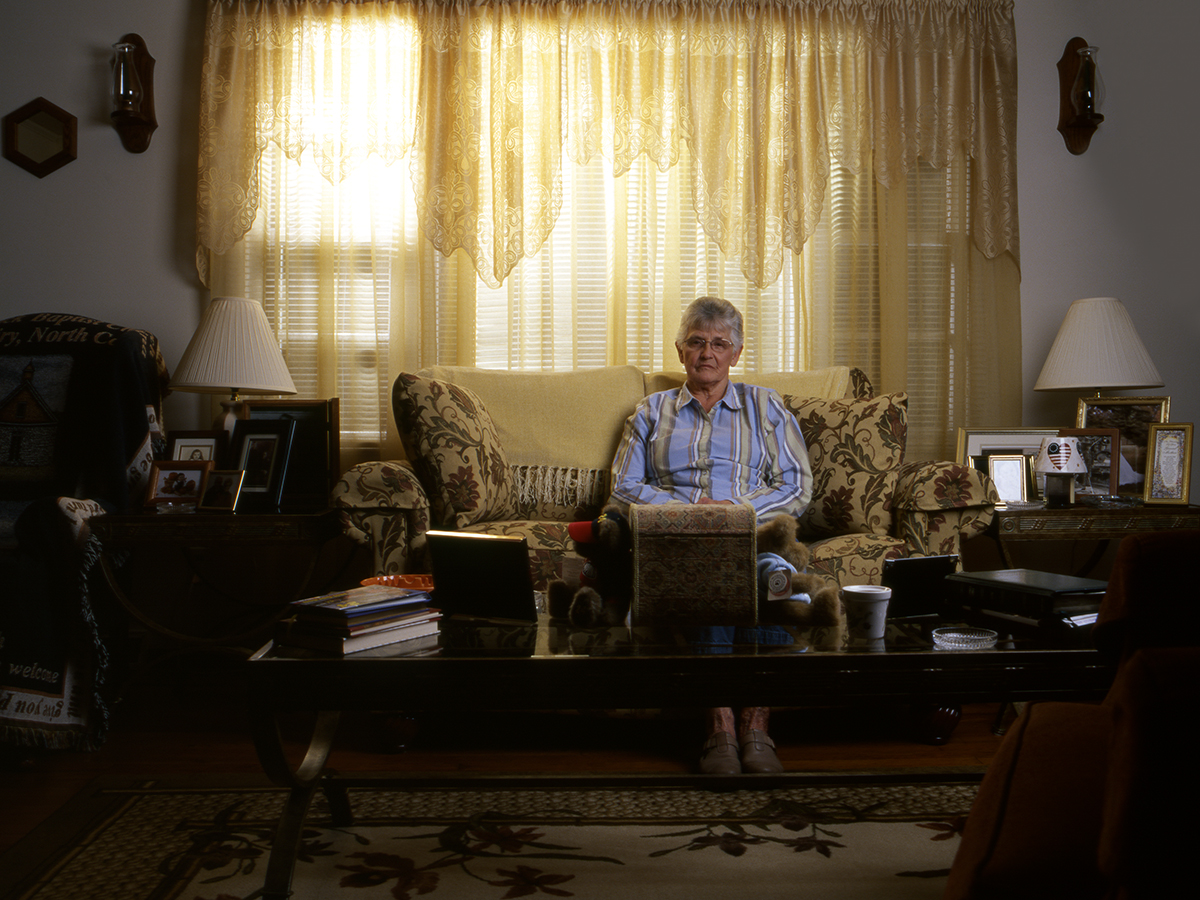
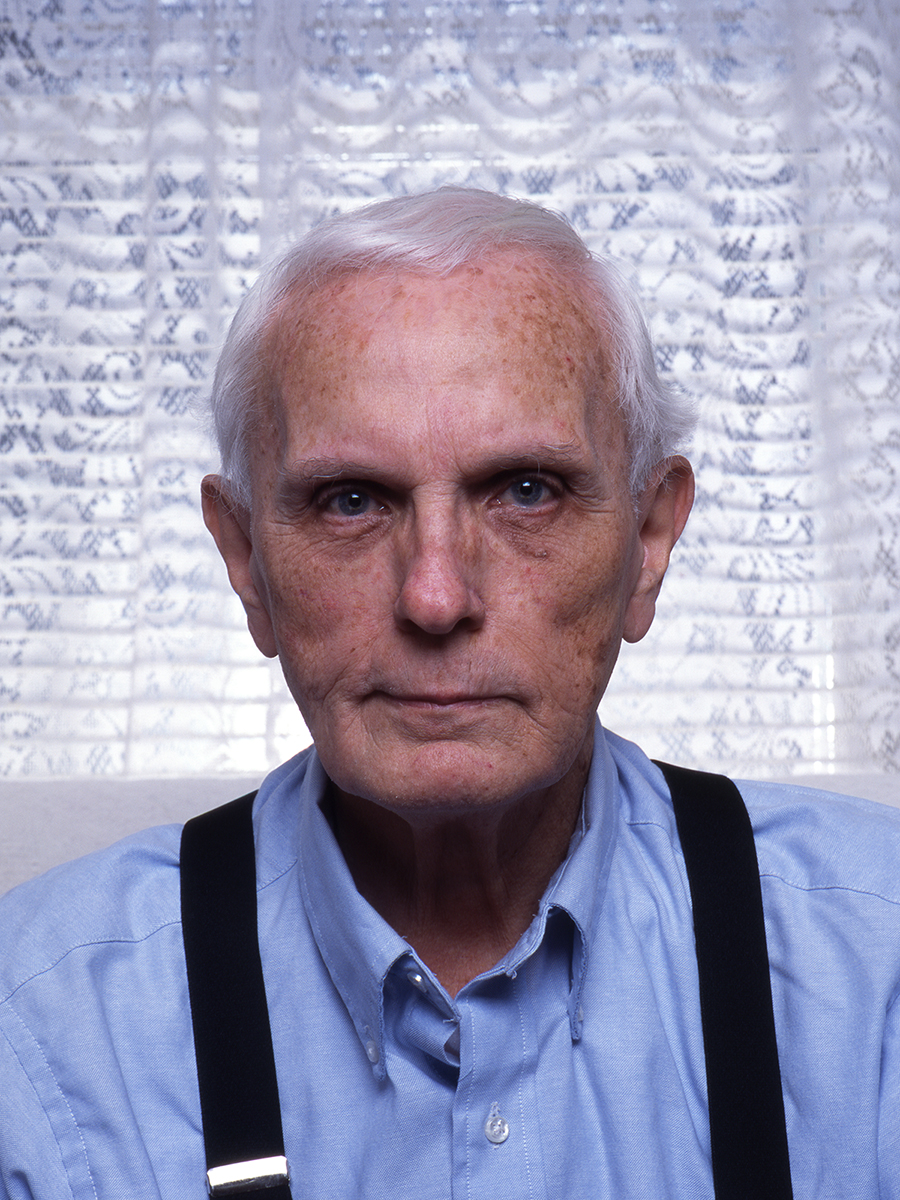
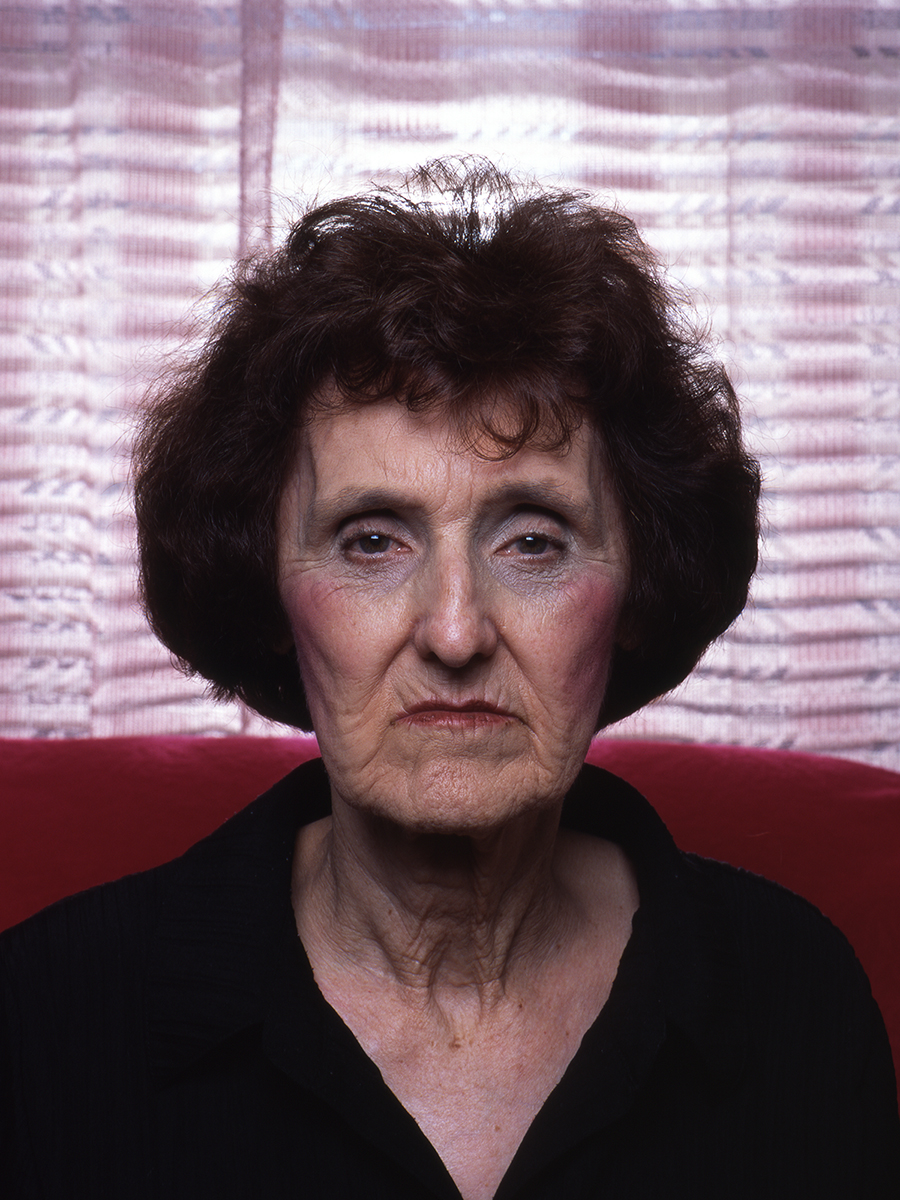
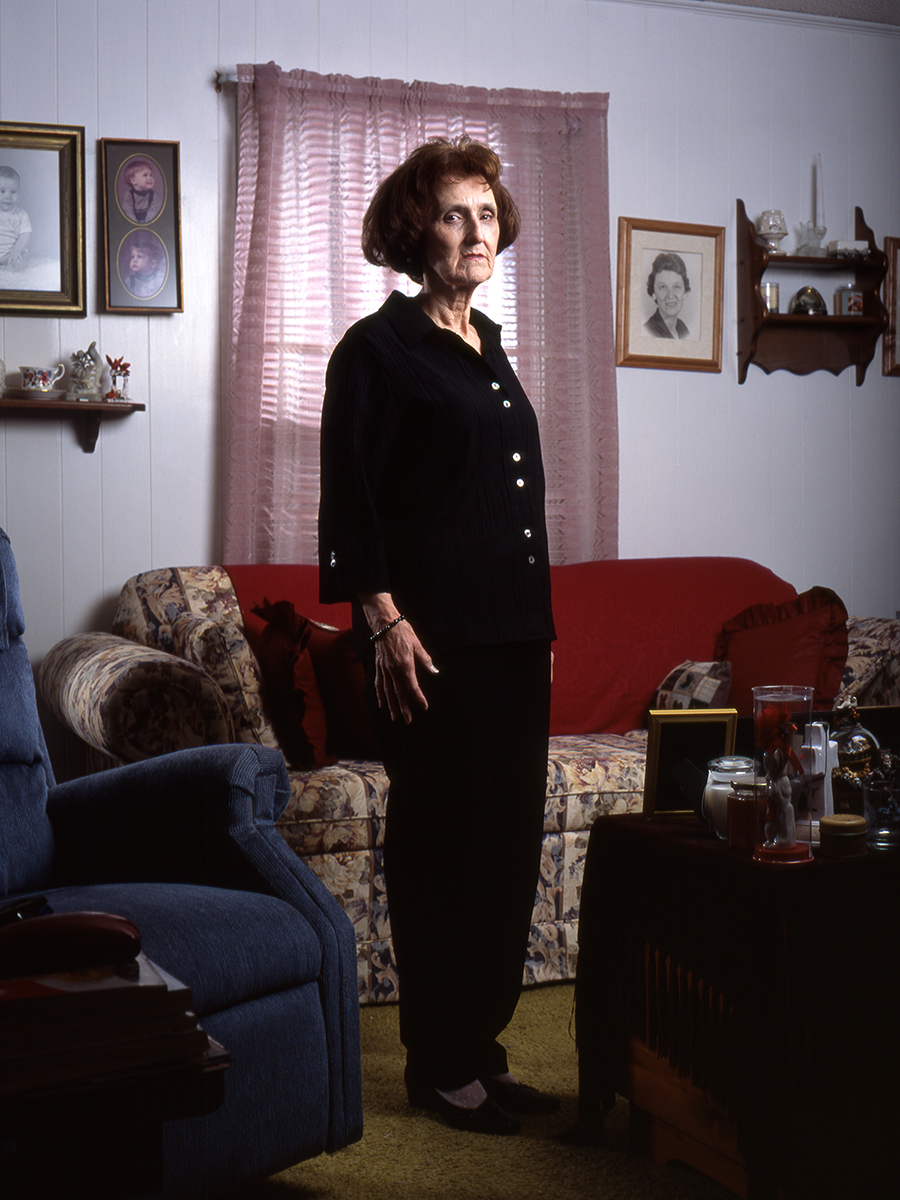
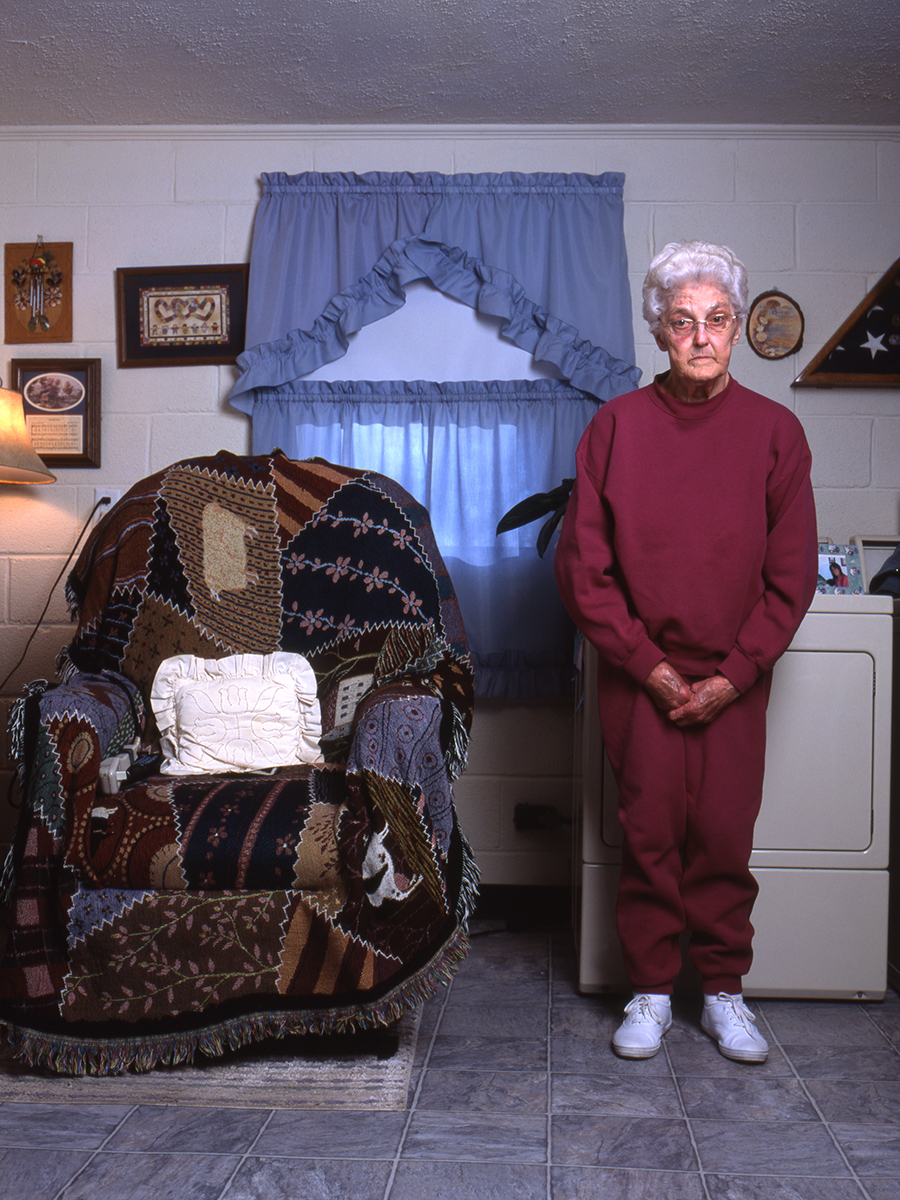
This photographic series originated with my exploration of my grandmother’s siblings, a project that unfolded within the confines of the family homestead. Nestled on 8 acres in rural North Carolina, this ancestral compound was comprised of four houses where each sibling resided at the time.

My grandmother, a pivotal figure in my life, epitomized strength in a way that continues to resonate with me today. Spending countless formative years by her side, I absorbed a wealth of life lessons from her. Above all, her unwavering faith stood as the cornerstone of her existence. Together with my grandfather, they built their home behind the family church where she was raised—a place that now echoes with the memories of raising children of my own.

The path of her life took an unexpected turn when my grandfather sustained a gunshot wound to the head in his forties, leaving him blind and brain-dead. From that fateful day onward, my grandmother devoted herself to his care until his last breath. The love they shared and the grace she exhibited were immeasurable, a demonstration of the resilience that faith and family can inspire.

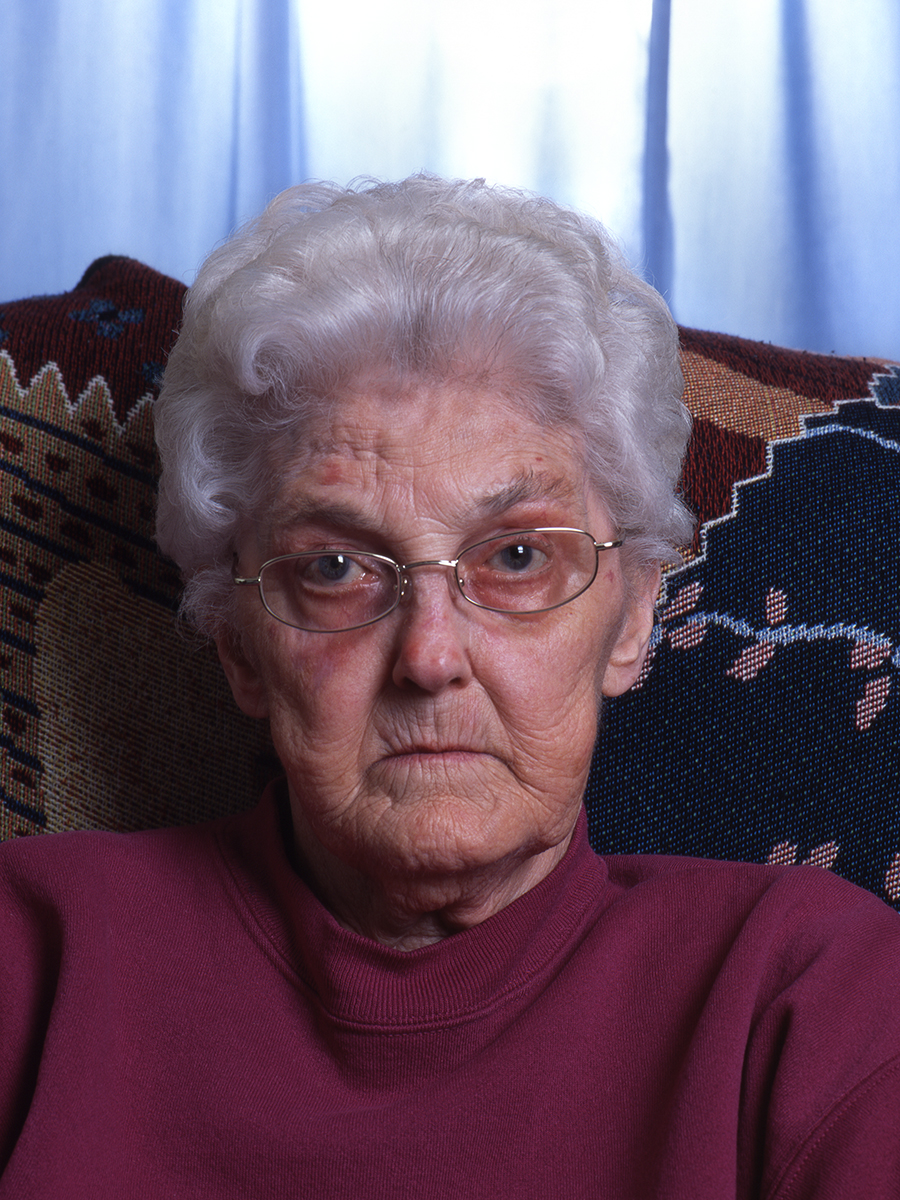
Following the loss of my grandfather, my grandmother drew strength not only from her unwavering faith but also from the familial bonds that surrounded her. She had a unique camaraderie with her siblings. Each one of them navigated their individual struggles with illnesses—ranging from cancer to dementia and the challenges of old age. With the loss of their significant others, they found solace and support in one another. Witnessing this interdependence among siblings underscored the profound importance of family, especially when faced with loss and sorrow.

Throughout this period, I was lured by the power of portraiture. A person’s face can reveal so much—capturing not just their present state but also glimpses of their past. This project compelled me to document them in the very homes they built and, on the land, where their shared history unfolded. The resulting portraits tell stories of resilience, familial bonds, and the enduring beauty of capturing moments in time.

To see more of this project, click here

Instagram

APE contributor Suzanne Sease currently works as a consultant for photographers and illustrators around the world.  She has been involved in the photography and illustration advertising and in-house corporate industry for decades.  After establishing the art-buying department at The Martin Agency, then working for Kaplan-Thaler, Capital One, Best Buy and numerous smaller agencies and companies, she decided to be a consultant in 1999.  Follow her at @SuzanneSease.  Instagram
Pricing & Negotiating: Lifestyle Images For An Athletic Brand

By Craig Oppenheimer, Wonderful Machine

Each month, we pick one of our recent estimates to write about in a Pricing & Negotiating article. Helping photographers build estimates is one of the primary functions of our producers. Redacting the names of the photographer and client allows us to share valuable and educational information that would otherwise be confidential.

Concept: Images of athletes wearing branded apparel playing a sport
Licensing: Unlimited use of up to 16 images in perpetuity
Photographer: Portraiture specialist
Client: Athletic brand

Summary

I recently helped a photographer build an estimate for an athletic brand. From the start, we knew there was a discrepancy between the client’s requested use and their intended use. They asked for unlimited use of 16 images in perpetuity. However, based on the concept and creative brief, it was very clear that the campaign had a shelf life of one year.

Fees

The photographer had an excellent working relationship with this client. We took this into consideration and decided to price their fee more in line with the value of their intended usage duration despite granting them their requested perpetual duration. I initially based the fee on $750/image for 16 images and added $3,000 as a creative fee for the photographer which totaled $15,000. We knew, based on our previous experiences with the client, that this number would be generally palatable.

Crew

We included an appropriate number of helping hands for the photographer in the budget. We would need a producer, who would travel in for the production, two production assistants, a digital tech, and two assistants, who were all hired at rates appropriate for this market. The multiple days for the first assistant and production assistants would cover their pre-production time leading up to the shoot day.

Styling

For this production, we’d be creating an athletic scenario with professional talent. In order to pull this off, we’d need a dream team of stylists to make everyone and everything look awesome. We included a hair/makeup stylist with their assistant for the shoot day to cover five talent. We also budgeted for appropriate shopping, shooting and wrap time for a wardrobe stylist along with their assistant. In total, we anticipated $2,500 in wardrobe to outfit all five subjects. Although we’d primarily be working with the materials at the location, we included a prop stylist to source supplemental items to enhance what we would find on site. We included a $1,500 budget for those items. We also included miscellaneous expenses to cover kit fees, mileage, and extra items related to sourcing the wardrobe and props.

Casting and Talent

In order to find the appropriate talent for the production we knew we would work with a local casting agent. We included their anticipated fee to coordinate both video and still submissions of professional talent, based on specific demographics provided by the client, who also happened to be athletes. The talent session fees were separated from their usage fees, and included appropriate rates for the market as discussed with our casting director.

We capped the usage for the talent at 3 years for two reasons. First, it was necessary to keep the budget in check. Second, many talent agents won’t accept perpetual usage terms. It’s not uncommon for there to be a difference between the usage granted by the photographer, and the more limited usage being granted for the talent in an effort to keep the bottom line reasonable. Oftentimes, however, this detail requires some explanation to clients who don’t understand the nuances of the photography industry.

Locations

We included five days for our location scout to help find the perfect spot. Our location scout would join us on both the tech/scout day and shoot day, where they would manage the relationship between our production and the property owners. This fee was initially appropriate to find an athletic facility that supported the creative brief.

Equipment

We included expenses for cameras, grip, and lighting, as well as a digital tech workstation and production supplies, such as coolers, tents, tables, walkies, etc., based on the going rates from a local equipment company.

Vehicles

While it was possible that the location might have a staging area, we didn’t want to risk it, so we included an RV to ensure we had air conditioning and a private styling area. We also included a van rental to help with picking up and returning equipment and/or personnel.

Meals

I based this on $75 per person.

Miscellaneous

We included a few thousand dollars to cover any unforeseen expenses that might arise, and to account for the insurance coverage the photographer would be providing.

Post Production

We included $500 for the photographer to do an initial rough edit for the client to review and then included $450/image for 16 images for the retouching.

Feedback

After reviewing our estimate, the client told us that they needed to get the bottom line closer to $100k, and we jumped on a call to discuss concessions they’d be willing to make in order to lower the bottom line. I learned they could lower the talent count from five to four, they’d be willing to provide just about all of the wardrobe, they could reduce the image count from 16 to 14, and they’d be willing to limit the usage duration (for both the images and talent) to one year instead of perpetual use.

However, we also found out that the client had one particular location in mind, which happened to come with a significant fee and would require some overtime for the crew to drive there and back in a single day. We made the appropriate revisions based on those notes, while tightening the screws on other items as well to get as close to $100k as we could, and submitted this estimate:

Results

The photographer was awarded the project.

Follow our Consultants @wonderful_at_work.

The Art of the Personal Project: Ellen Jantzen

The Art of the Personal Project is a crucial element to let potential buyers see how you think creatively on your own.  I am drawn to personal projects that have an interesting vision or that show something I have never seen before.  In this thread, I’ll include a link to each personal project with the artist statement so you can see more of the project. Please note: This thread is not affiliated with any company; I’m just featuring projects that I find.  Please DO NOT send me your work.  I do not take submissions.


Today’s featured artist:  Ellen Jantzen

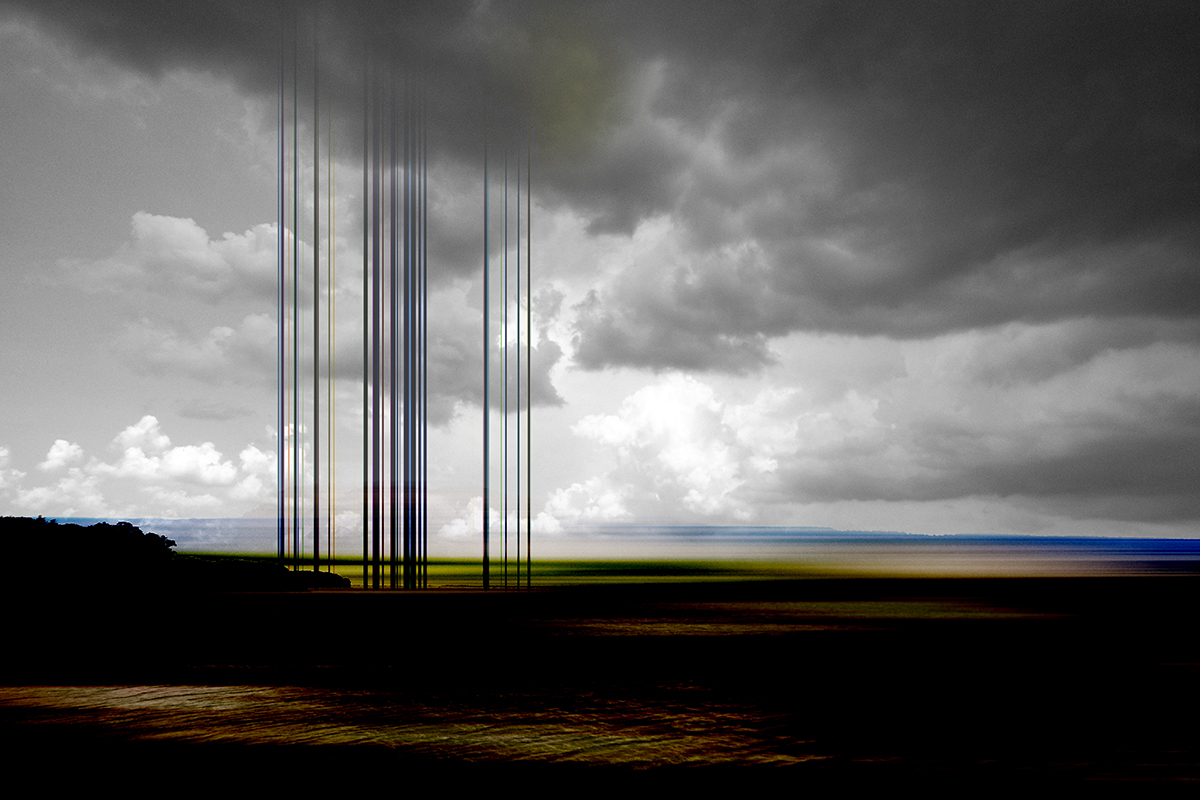
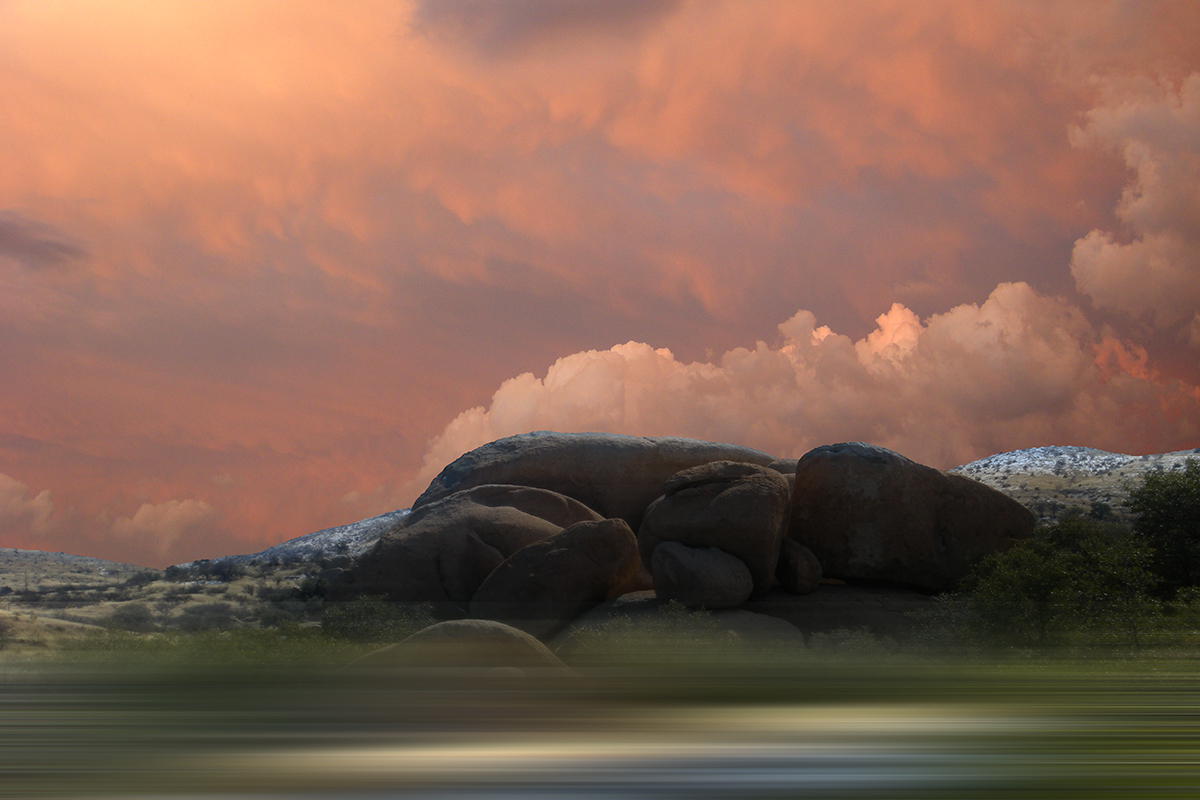
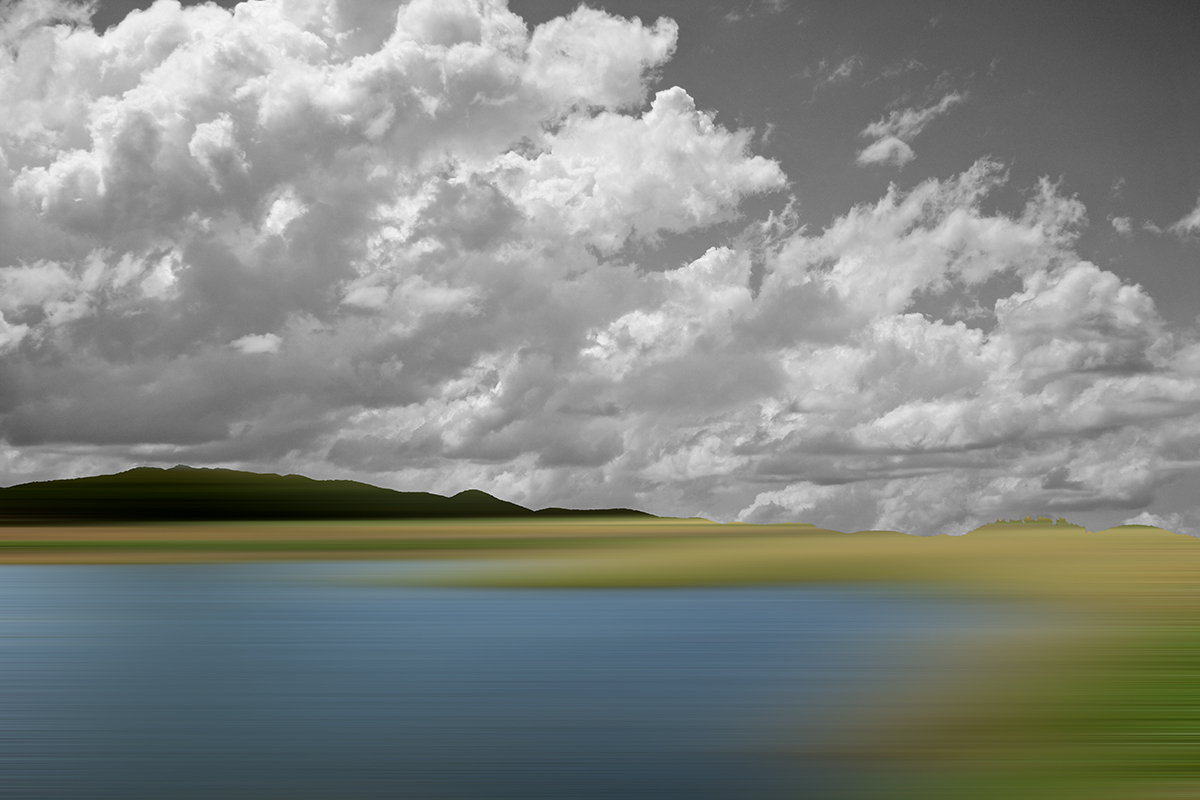
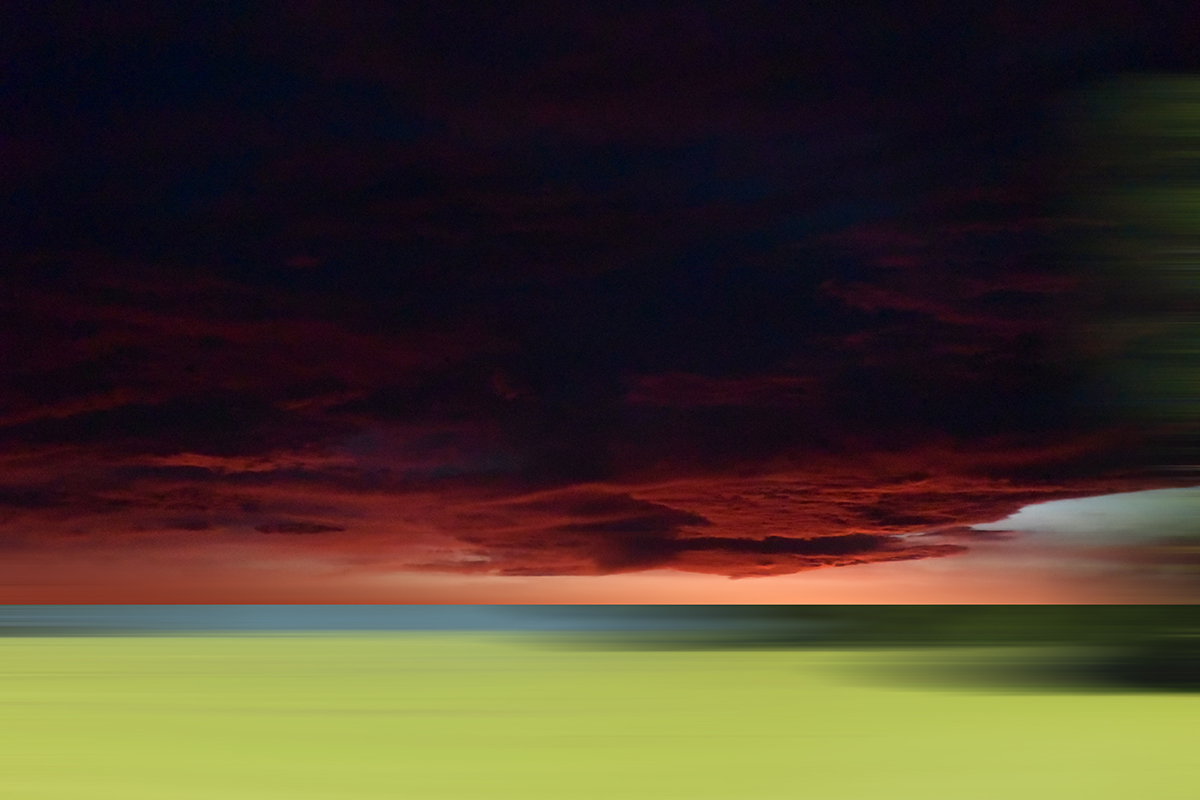
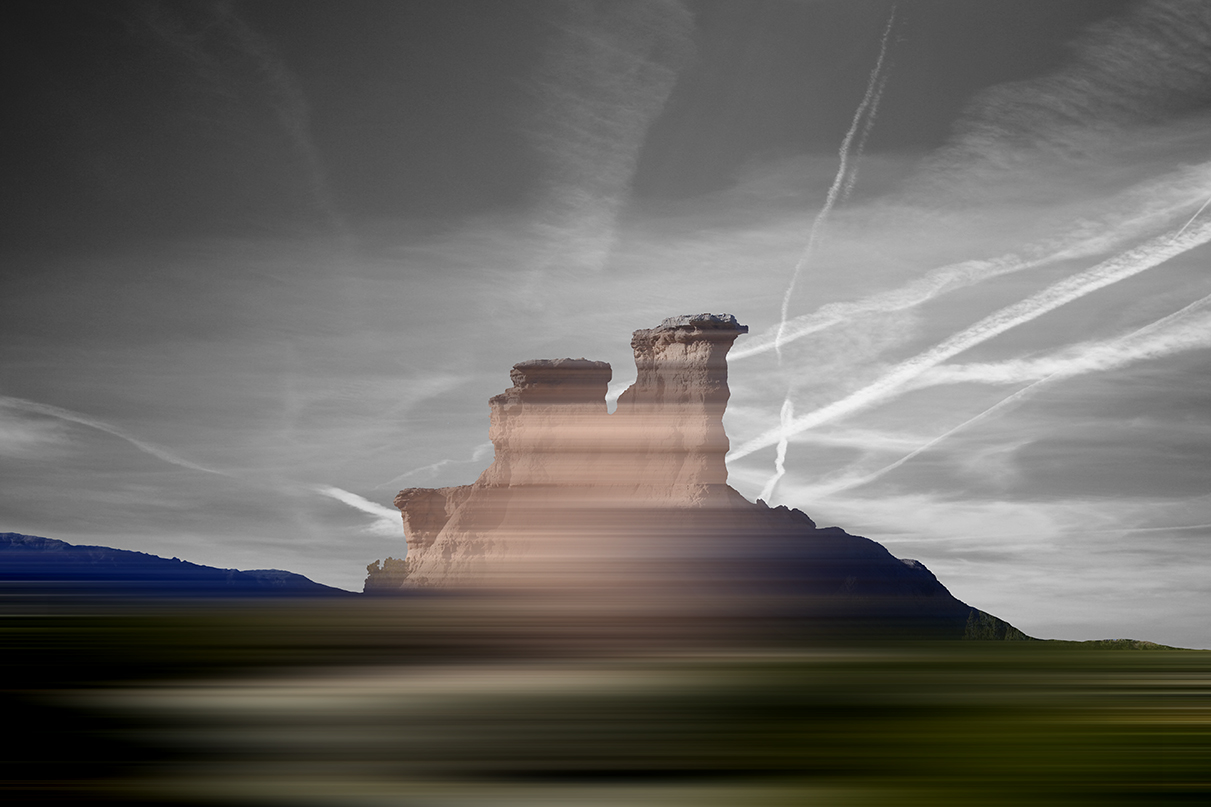
The place of one’s birth greatly influences who they are but through moving, new landscapes await to reshape their very being.

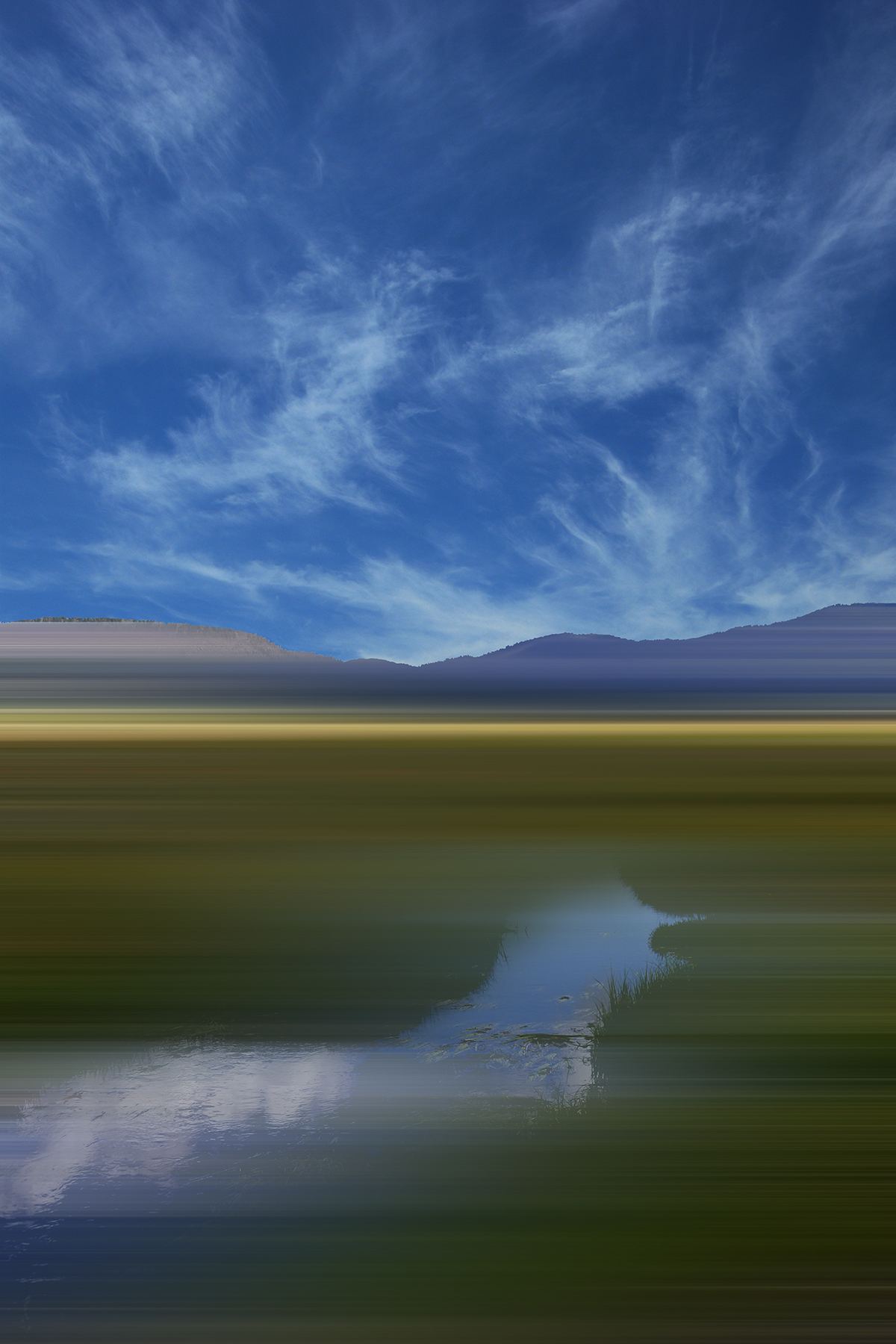
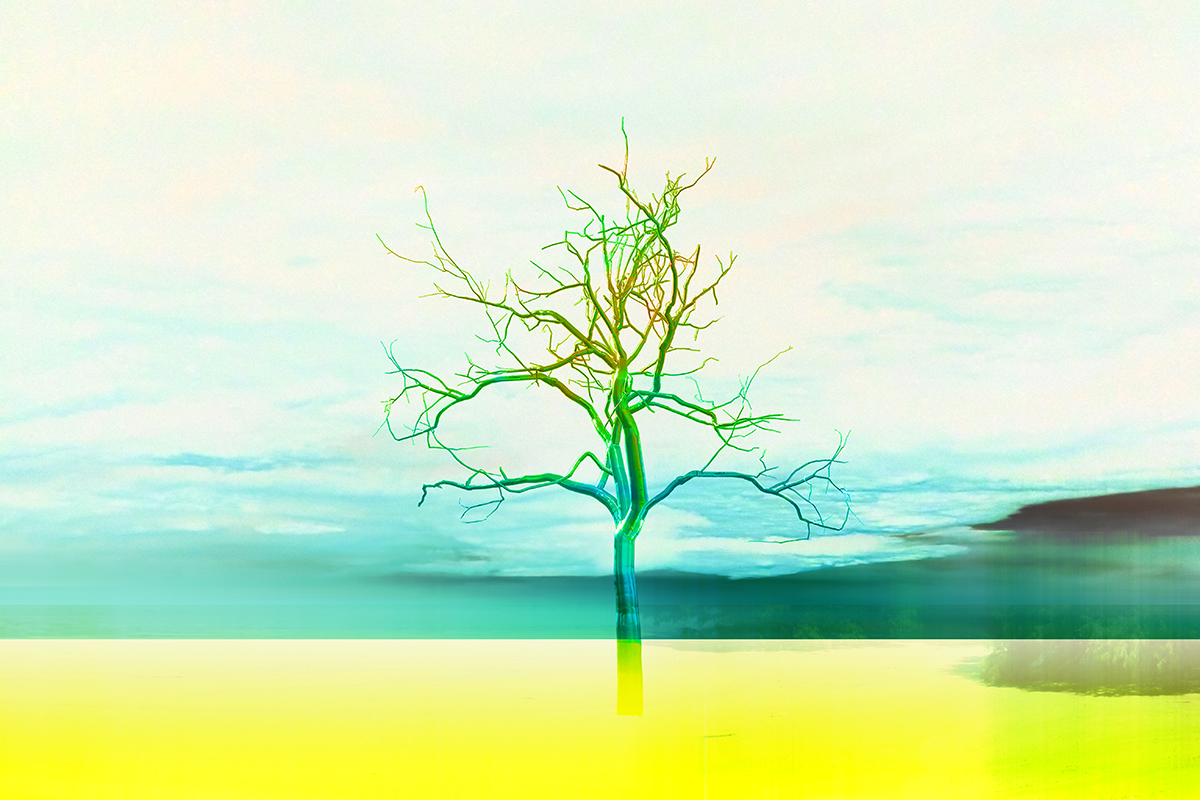
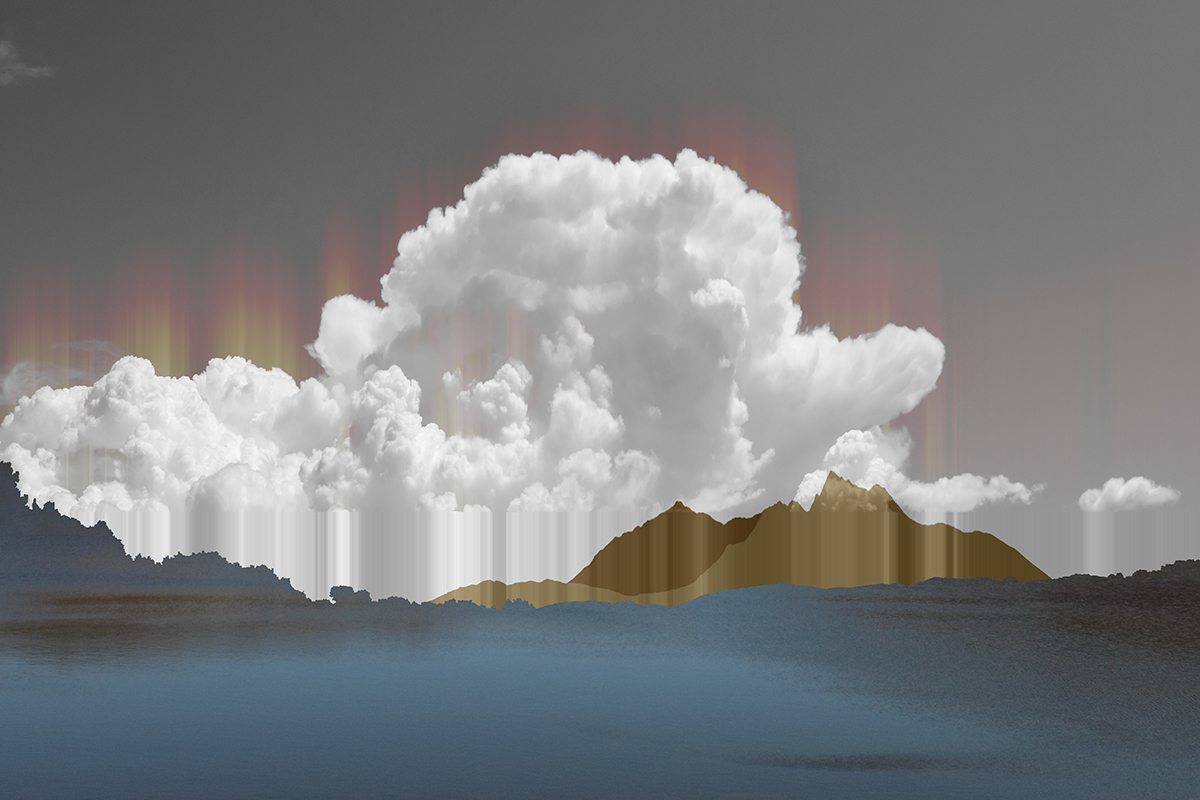
Here I am blending photos from my years in the Midwest (Missouri and Illinois) with current photos I’ve taken while living in New Mexico. During these times of COVID- 19, travel is restricted so this gives me the opportunity of revisiting past photo shoots and creating new combinations, new work.

The landscape looks as if it were moving as though one was quickly driving past, but the clouds seem heavy and still. There is so much of life racing past us these days while our heads are in the clouds. Are we moving or remaining still as abstract land meets the real sky? We are reshaped by our circumstances. We become, in essence, a blending of all former homelands with the present.

To see more of this project, click here

Instagram

APE contributor Suzanne Sease currently works as a consultant for photographers and illustrators around the world.  She has been involved in the photography and illustration advertising and in-house corporate industry for decades.  After establishing the art-buying department at The Martin Agency, then working for Kaplan-Thaler, Capital One, Best Buy and numerous smaller agencies and companies, she decided to be a consultant in 1999.  Follow her at @SuzanneSease.  Instagram
Pricing & Negotiating: Event Photos For A Luxury Fashion Brand

By Andrew Souders, Wonderful Machine

Each month, we pick a recent estimate to write about in a Pricing & Negotiating article. Redacting the names of the photographer and client allows us to share valuable and educational information that would otherwise be confidential.

Concept: One-day stills shoot documenting a high-profile fashion event.
Licensing: Publicity and Collateral use of up to 50 images for 2 years.
Photographer: Documentary and Portraiture Specialist.
Client: High-End European Fashion Brand.

Summary

I recently helped a photographer build an estimate for a well-known European luxury fashion client. The creative brief entailed covering the brand’s event at a location in the southwestern U.S. The images needed to showcase the brand’s products and apparel in a runway show as well as other participants and guests in attendance. The intended use of the images would be primarily for internal Collateral needs, but also Publicity use, servicing the publications covering the event — including print and digital stories in a handful of editorial fashion/lifestyle publications, with a usage duration of 2 years.

We were informed by our client contact that airfare/transportation would be arranged for the photographer, but that we should budget for travel and scout day fees in the estimate. In addition, we were asked to provide up to 50 selects from the event, along with a request for rush delivery of up to 20 images on the same day of the shoot, with the remainder being finalized and delivered the following week.

We included a note that the client must handle airfare, car rental/local transportation, locations, and location coordination. Additionally, the client was responsible for providing the subjects to be photographed and any necessary subject/talent coordination, hair/makeup/wardrobe styling, meals, and any photo releases.

Fees

Typical corporate event coverage might go for around $2,500/day. But, given the prominence of the event and the client, we expected a higher level of expectation placed on the photographer and the photos would likely see wider use. Because of this, I placed the fee at $4,000 and felt this was a reasonable ask even for the narrow use.

Anticipating the need for brief air travel, we budgeted the estimate to include 2 travel days at $500 each. We might normally see a client anticipate a combined travel/scout day here, but in this scenario, they requested a dedicated tech/scout day at the venue so I included an additional $500 for it.

Crew

Since the event photography needs were relatively straightforward and wouldn’t require much in the way of lighting or other equipment management, the photographer was fine with excluding the need for any crew in this scenario.

Equipment

We included a $350 expense for the photographer to travel with his kit of cameras, lenses, and a digital workstation, knowing that he wanted to remain light and mobile during the event without the need to haul around too much equipment. We also included a TBD line item for the purchase of any hard drives/file storage anticipating the possibility of handing over a drive of selects to the client at the end of the shoot day.

Travel

The client informed us that they would cover the photographer’s airfare, baggage fees, and any necessary ground transportation for the trip to the venue. Beyond that, we chose to include $1,050 for 3 lodging stays near the venue, taking into consideration slightly higher rates during this time of year at the shoot location.

Miscellaneous

We decided to absorb the insurance costs for the shoot but included $150 for miscellaneous needs like expendables and supplies, or any parking, tolls, etc.

Post-Production

We included a first edit to allow the client to review and make selects from, bundling in a rush delivery fee for up to 20 same-day selects for $500. Additionally, we added $1,000 for the photographer to provide color correction and basic file cleanup for the images, as well as delivery of the remainder of the selects after the photographer returned home.

Results

The photographer was awarded the project, and reported back later to let us know that the shoot went great!

Follow our Consultants @wonderful_at_work.

The Daily Edit – Emily Sullivan: High Country News


High Country News

Photographer: Emily Sullivan
Photo Editor: Bear Guerra

Heidi: How has your experience as a backcountry guide informed your photography
career, were you an athlete first and then a photographer? No doubt being a
guide took to you some magical places.
Emily: I was a photographer first—I got my BFA at VCU Arts in Richmond, Virginia, where I
fostered a longstanding love of photography and film through large-scale installation
pieces. Much of my time in art school was spent creating imagery that integrated
sculpture into landscapes and vice-versa. I grew up as a city kid, but my passion for
chasing light and landscapes later inspired me to seek out hiking, backcountry skiing,
and other forms of wilderness travel. Working in the outdoor industry as a guide helped
me to develop hard skills that allow me to now travel deeper into the mountains and
other remote locations with my camera.

You’re originally from the South East, what drew you to the vastness and wilds of
Alaska and how long have you been there?
I grew up in Richmond, Virginia, and lived there until I was 22 years old. In my teens, I
was drawn to Alaska with photography in mind—I wanted to experience and document
the unique landscapes that Alaska had to offer. I first came here in early 2010. I didn’t
know a single soul, but I wanted to learn more about the place and experience the land.
I spent the first nine summers guiding hikes and working seasonal jobs in Denali
National Park, then I moved full-time to Anchorage in 2019.

How did you weave your way into the community in AK and eventually, retrace
the (some) steps of the famed naturalist and conservationist, Mandy Murie, a
voice in helping create the Arctic National Wildlife Refuge?
My relationship with the Alaskan landscape eventually inspired me to direct my energy
towards conservation issues. This is how I became more deeply entwined in
community—once I began working on land protections with environmental non-profits, I
became invested and involved with others doing similar work.
I was originally inspired to travel through the Arctic National Wildlife Refuge following
Mardy Murie’s steps to raise awareness for the importance of protecting the
Refuge’s coastal plain from oil and gas development. It wasn’t until later that I began to
understand how integral Indigenous land protectors have been to these issues, though
conservationists like the Muries are more widely celebrated. I also began to learn about
some of the harms of conservation—how designated Wilderness can prevent
Indigenous communities from accessing or hunting in their ancestral homelands.
Since then, I’ve turned my attention and efforts toward uplifting Indigenous knowledge
and stories in conservation work. My last four visits to the Arctic National Wildlife
Refuge has been with Indigenous land protectors involved in a project called the
Imago Initiative, who have taught me so much about the importance of ancestral
reciprocity with lands and waters.

Tell us how you met Deenaalee Chase-Hodgdon and learn about their Smoke
House Collective.
Deenaalee and I met when we both worked seasonal jobs in Denali National Park about
ten years ago. We got to know each other better in recent years—Deenaalee is deeply
invested in land and water protections, so our work would sometimes overlap. Alaska is
a huge state with a small population, so our community is relatively tight-knit.
I learned about the Smokehouse Collective when Deenaalee shared an early fundraiser
to help the Collective purchase a commercial fishing permit. I loved what Ruth and
Deenaalee were aiming to do—reclaim cultural practices while redistributing fish,
berries, and other foods to communities that are experiencing food insecurity due to
colonization and the climate crisis. I wanted to support this work in any way possible.

How many days did you spend with her and what was the conversation in
between photo moments?
I spent a few days with Deenaalee in Interior Alaska, one day with their co-founder Ruth
in Anchorage, and then six more days in Dillingham with Deenaalee. We hadn’t planned
to shoot in such a concentrated manner, but plans changed a few times due to illness
and travel commitments. I was very appreciative of the trust Deenaalee showed me by
inviting me to join them in Dillingham. Shooting in small communities in Alaska requires
trust from the community and awareness of cultural norms and consent.
Deenaalee had established relationships in Dillingham from their time there as a
fisherman, but had just moved there full-time after a long period of nomadic movement
throughout Alaska. Between photo moments, Deenaalee was not only trying to get their
new home set up, but they were attending meetings with funders and partner
organizations, connecting with community members over Smokehouse initiatives, and
doing a lot of the behind-the-scenes work of getting the Collective up and running.
This made for interesting reporting as I got to learn a lot of the background of the nuts-
and-bolts of establishing a grassroots non-profit like the Smokehouse Collective.
Deenaalee and I even attended a local meeting of the federal Subsistence Advisory Council in Dillingham. These “down moments” added a lot of context to the story the
photo essay would tell. The on-the-ground reporting inspired us to run the image
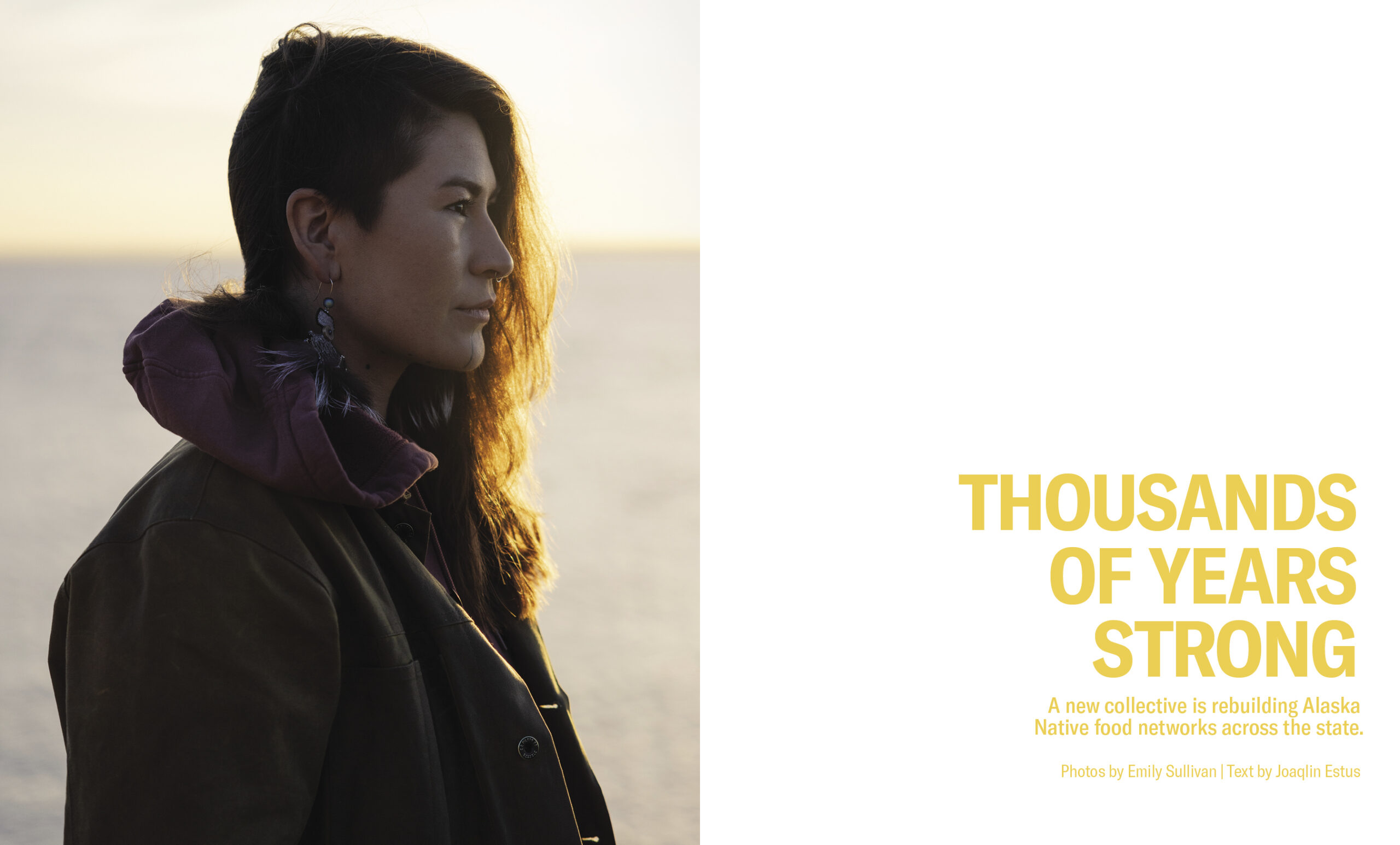
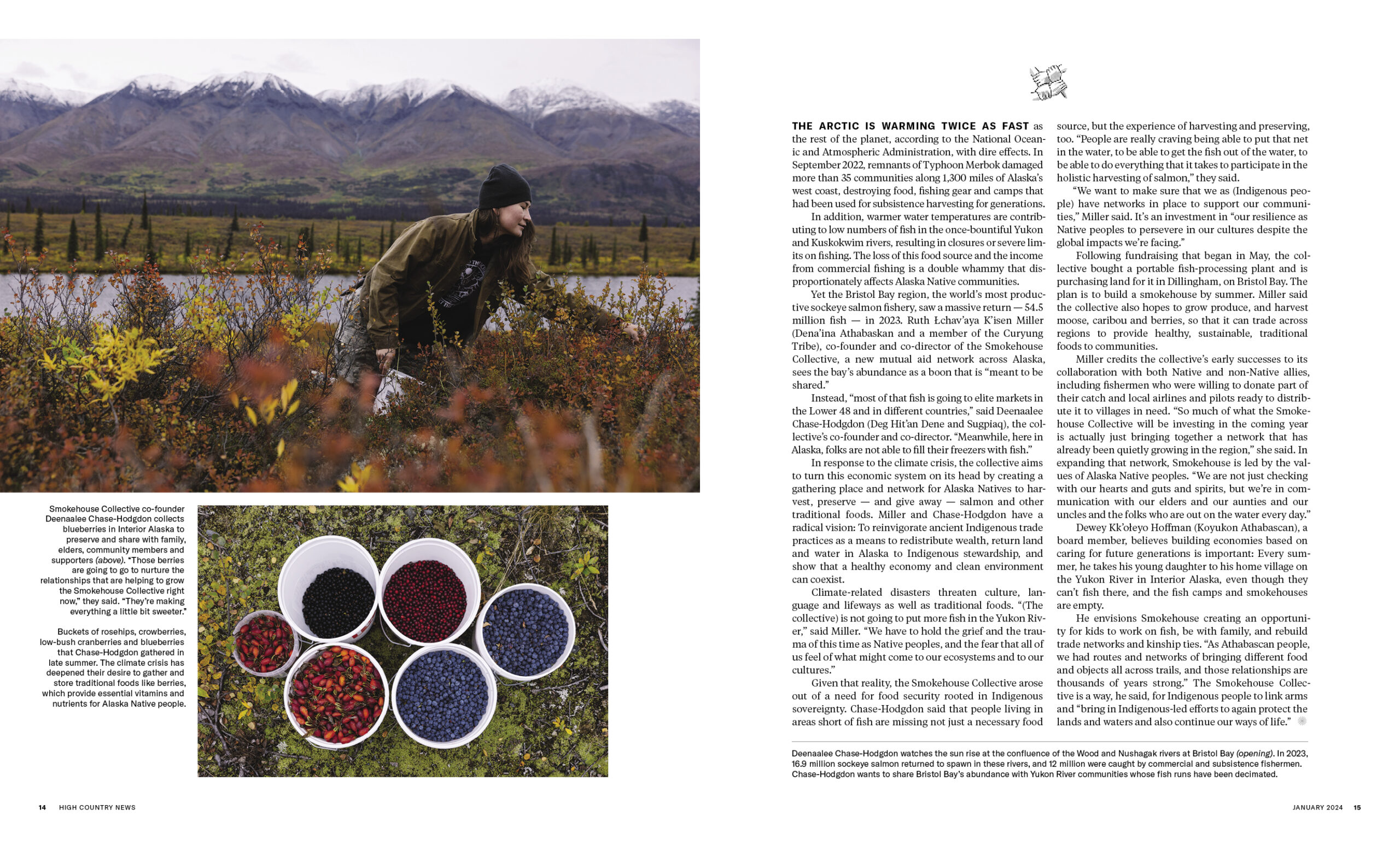
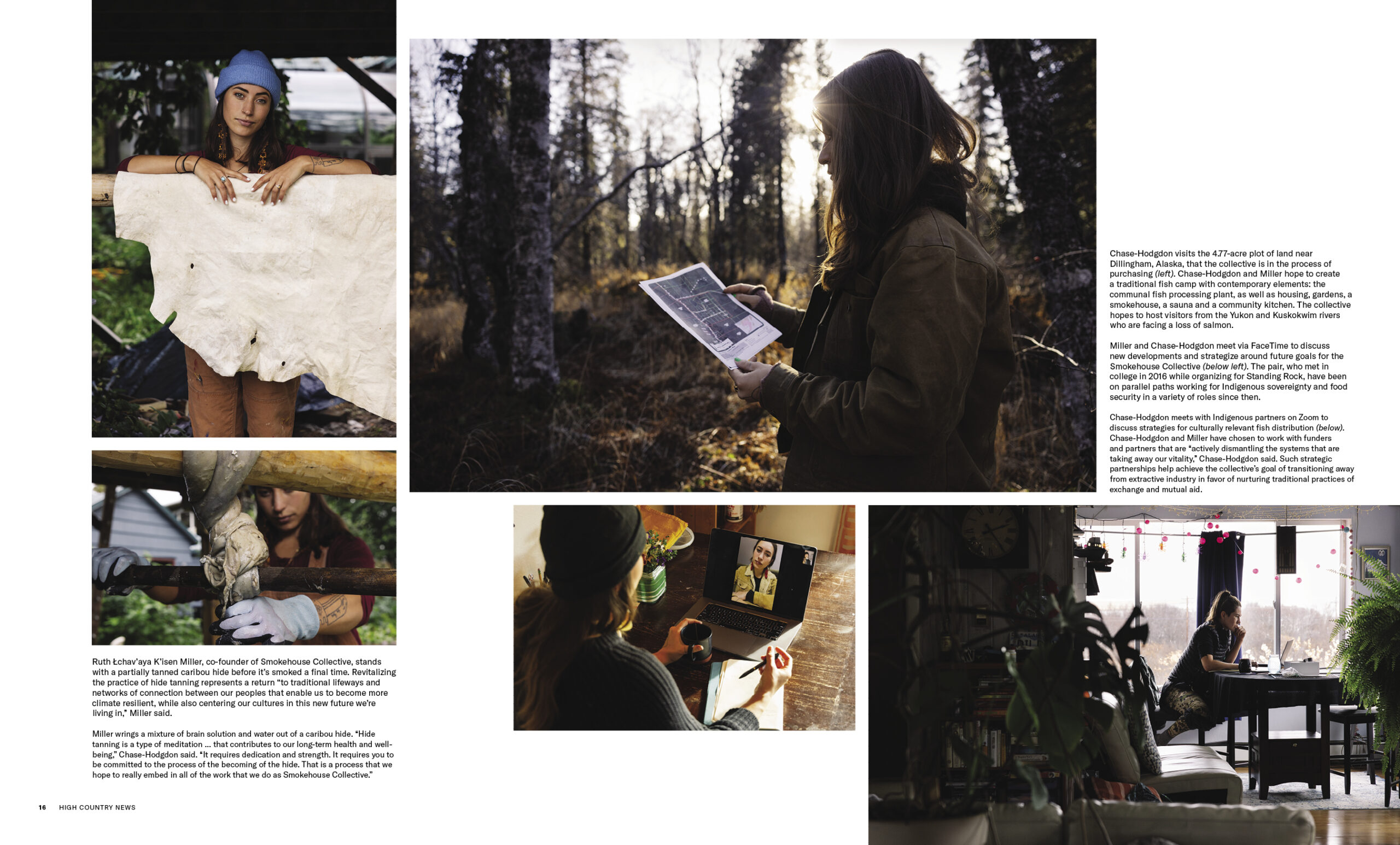
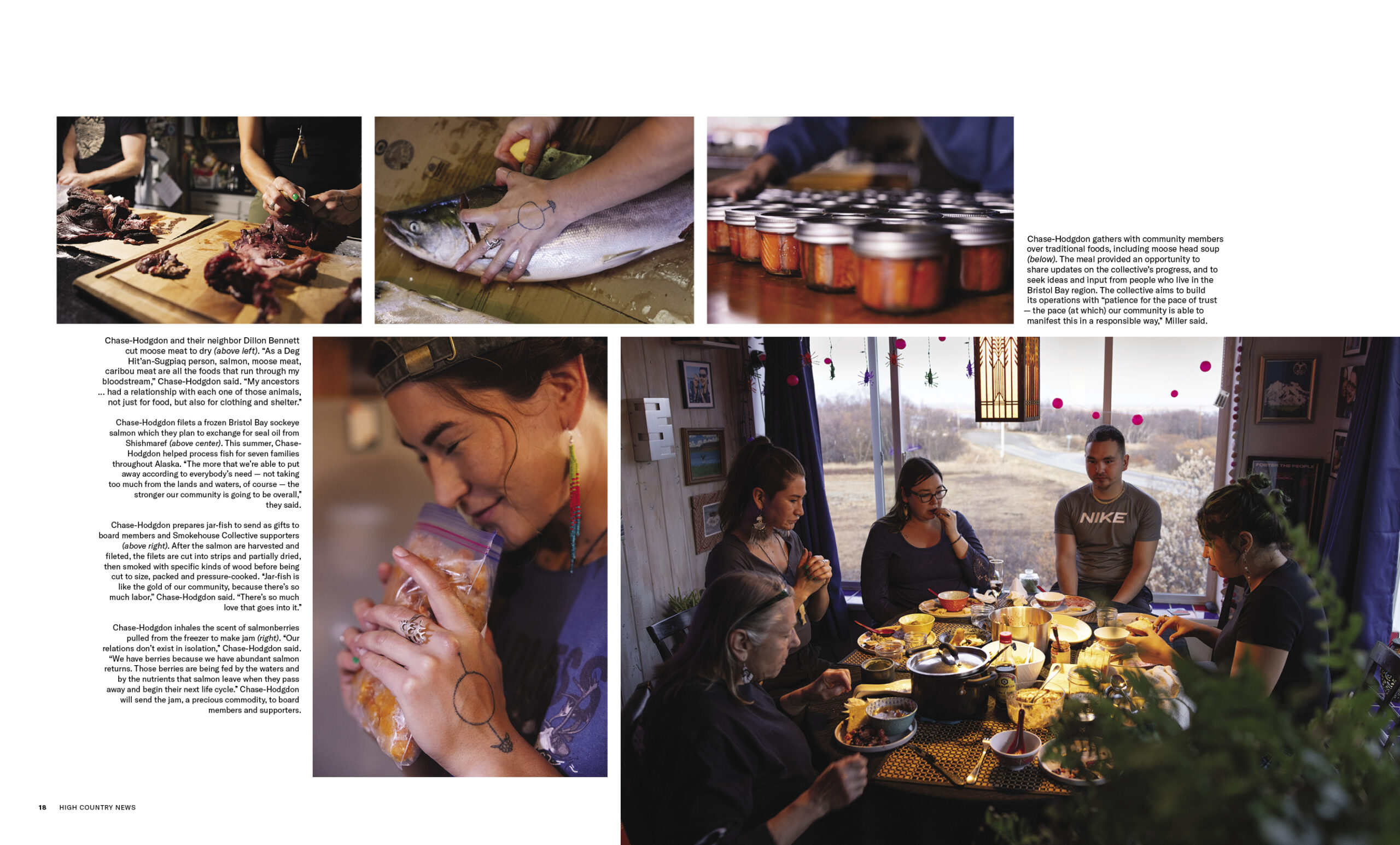
captions in long form, adding nuance to the wonderful written intro by Joaqlin Estus.

How did this project come about and what is the Climate Futures Fund?
In August, I received a call for pitches for a photo grant offered by High Country News,
specifically seeking to tell stories of climate resilience. HCN offers such grants a few
times a year to support assignment-based photo essays for their special issues. The
Climate Futures Special Issue was focused on sharing the message that “it’s not too
late to create a better climate future,” and I thought Smokehouse was a great example
of boots-on-the-ground work towards creating climate resilience in Alaska. I reached out
to Deenaalee for a pre-interview, and then I wrote a 500-word pitch explaining my approach.
In September, I was awarded the grant. The final edit was due in November. HCN and I
agreed that the story would benefit from an Alaska Native writer, and the magazine
assigned the intro text to Tlingit journalist Joaqlin Estus.

What type of direction did you get from the HCN, most notably from the photo
editor Bear Guerra.
I met with photo editor Bear Guerra and issue editor Emily Benson a couple of times
before beginning my reporting, and then I met with Bear several times throughout the
assignment. He prompted me to consider how we could visualize the early phases of
Smokehouse’s resource distribution (Deenaalee jarring salmon), encouraged me to
show the behind-the-scenes work of establishing the Collective (Deenaalee and Ruth
meet on video calls), and helped me think through a number of challenges that arose
during my reporting.
A few of the scenes I hoped to capture were just not possible, so Bear provided
encouragement and was a great thought partner in pivoting towards what was possible.
I came back from Dillingham with more images and scenes than we could use
in the story, so Bear gave me an opportunity to cull and choose my own favorite images
before he curated the final set. I’m really happy with the set of images Bear ultimately
selected, and his input as a photo editor was vital to telling a cohesive story.

The Art of the Personal Project: Stuart Miller

The Art of the Personal Project is a crucial element to let potential buyers see how you think creatively on your own.  I am drawn to personal projects that have an interesting vision or that show something I have never seen before.  In this thread, I’ll include a link to each personal project with the artist statement so you can see more of the project. Please note: This thread is not affiliated with any company; I’m just featuring projects that I find.  Please DO NOT send me your work.  I do not take submissions.


Today’s featured artist:  Stuart Miller

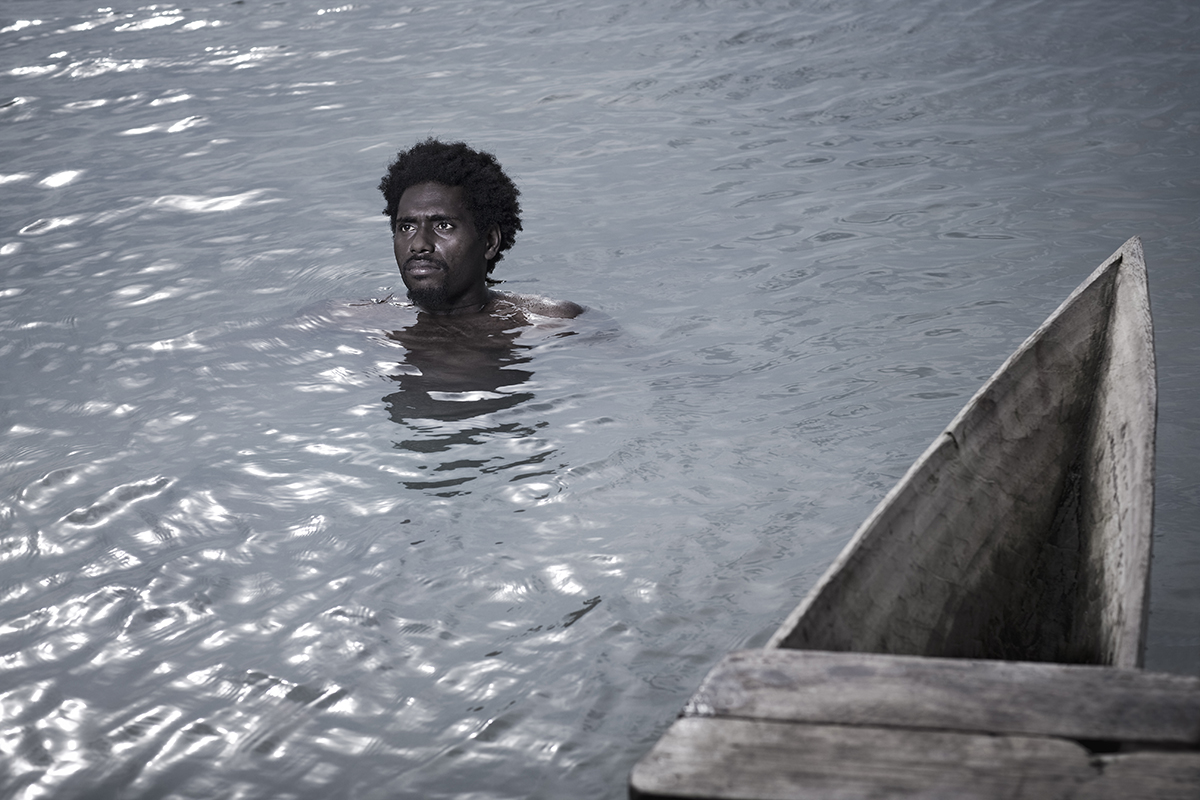
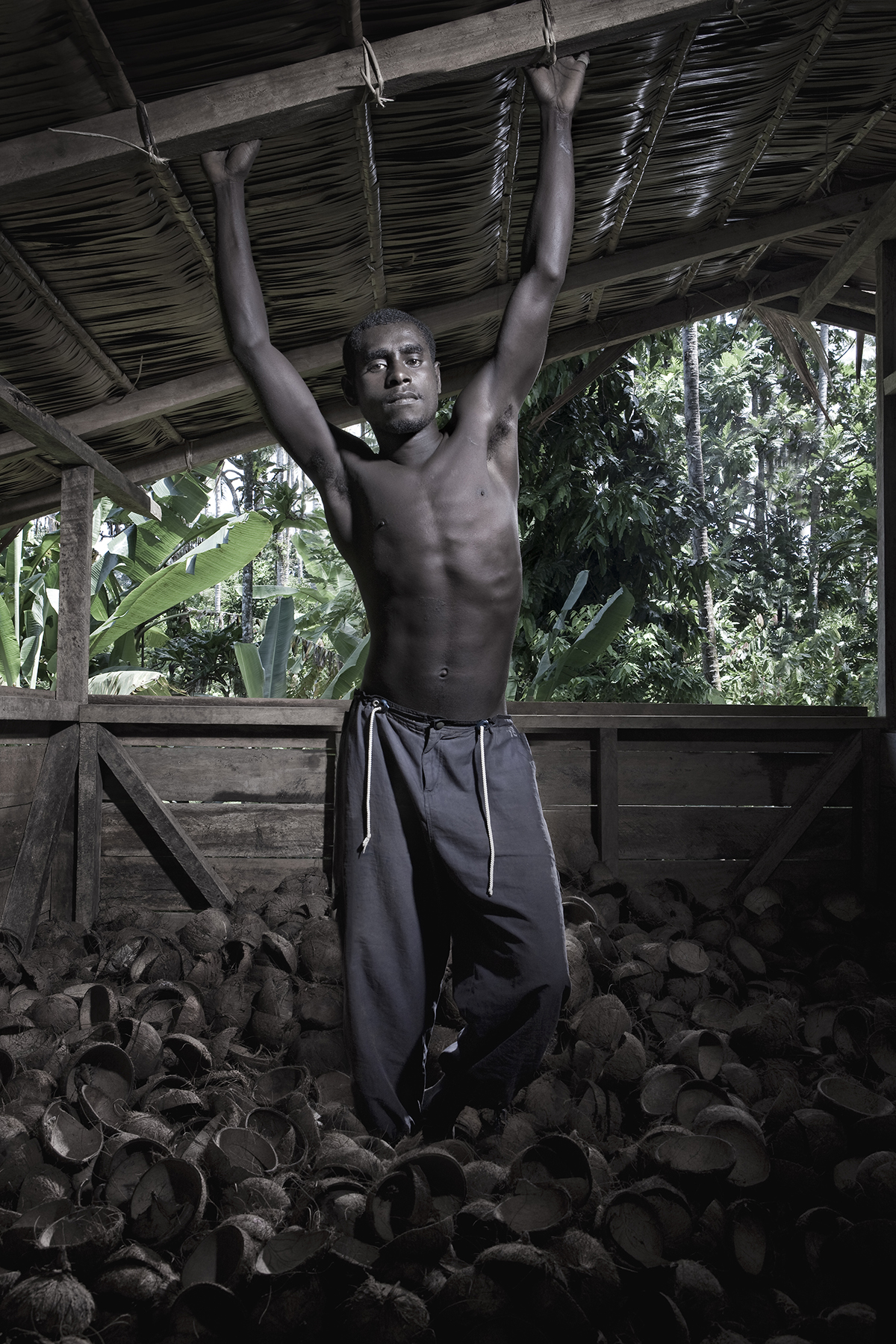
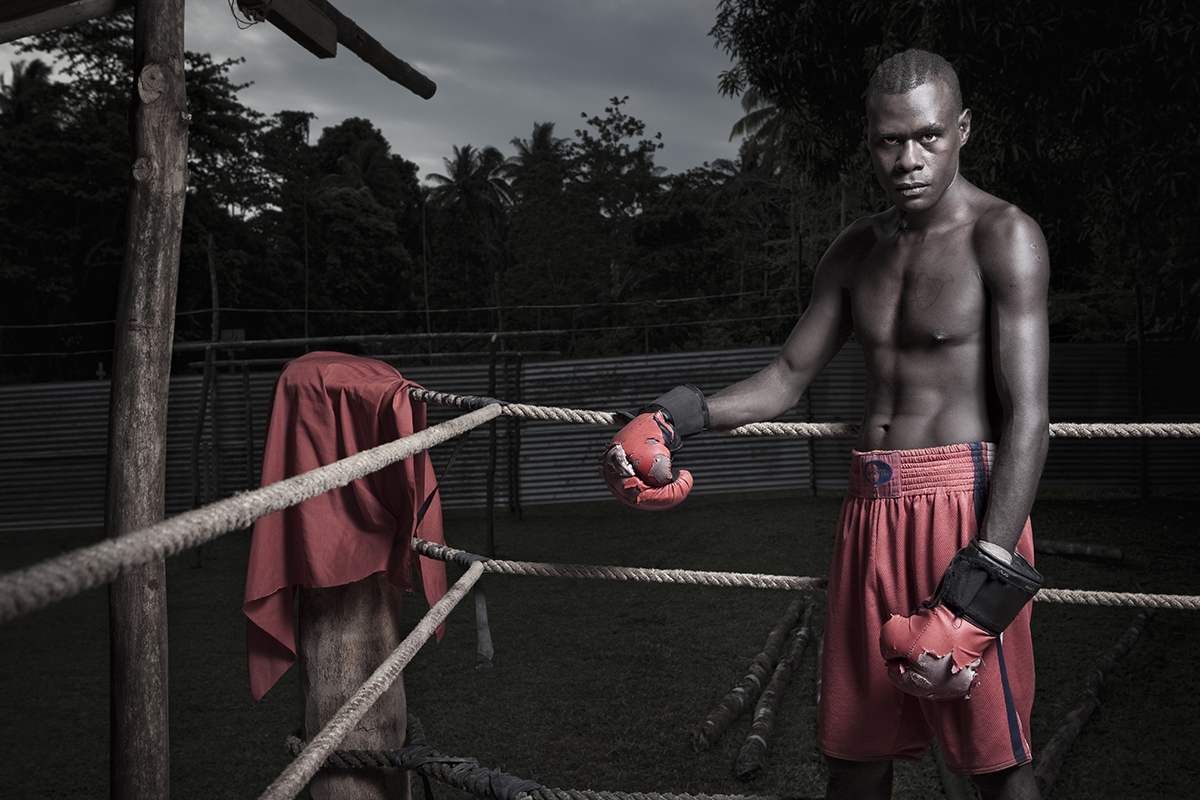
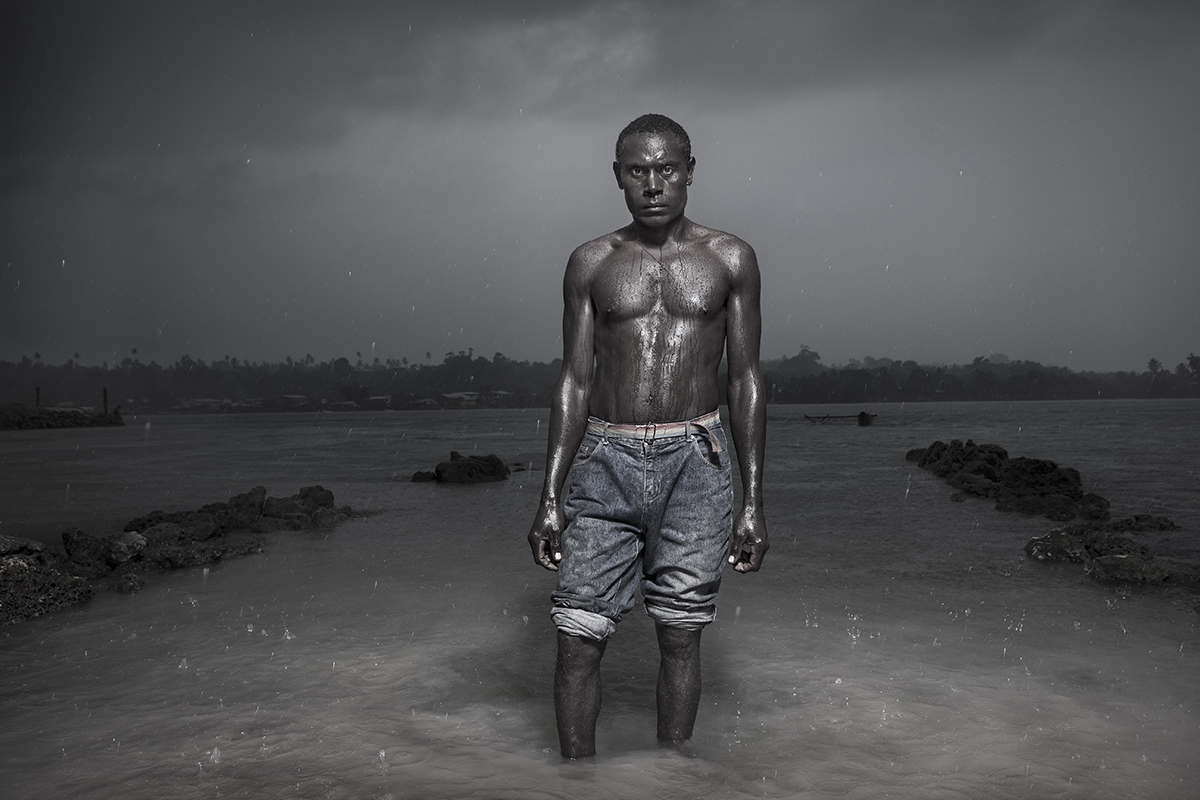
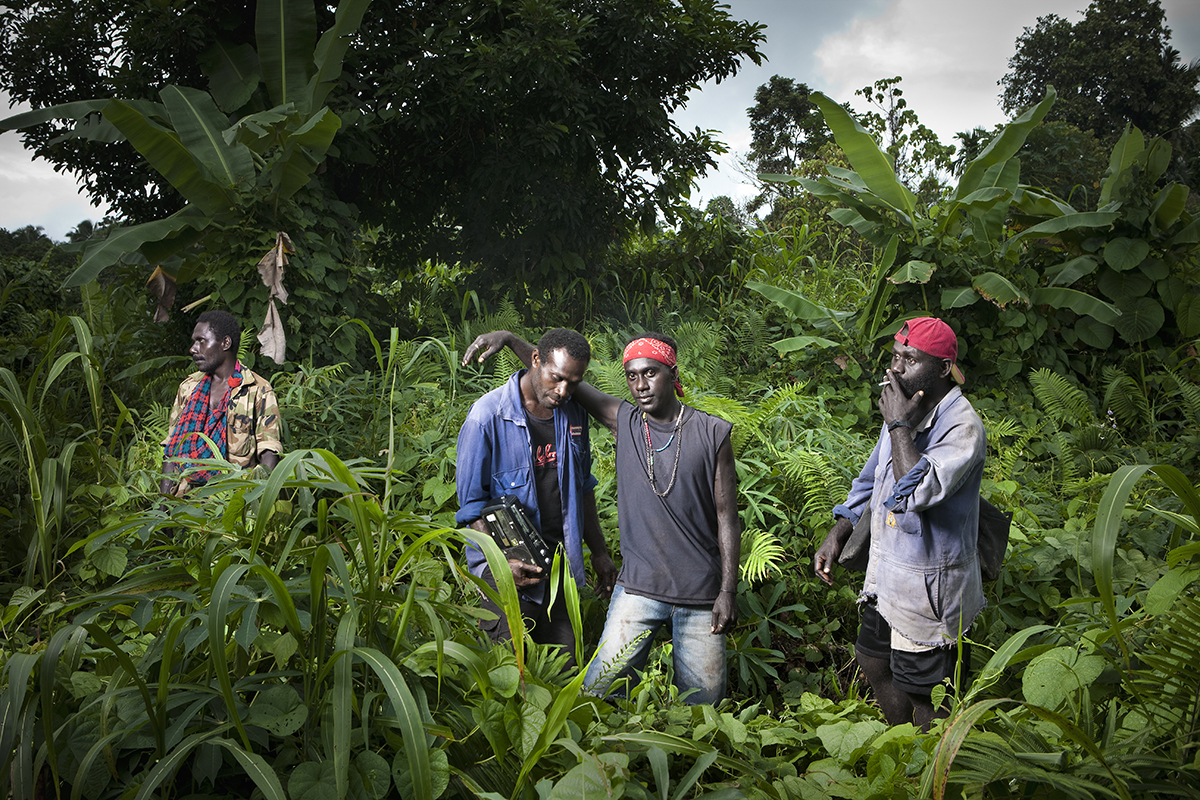
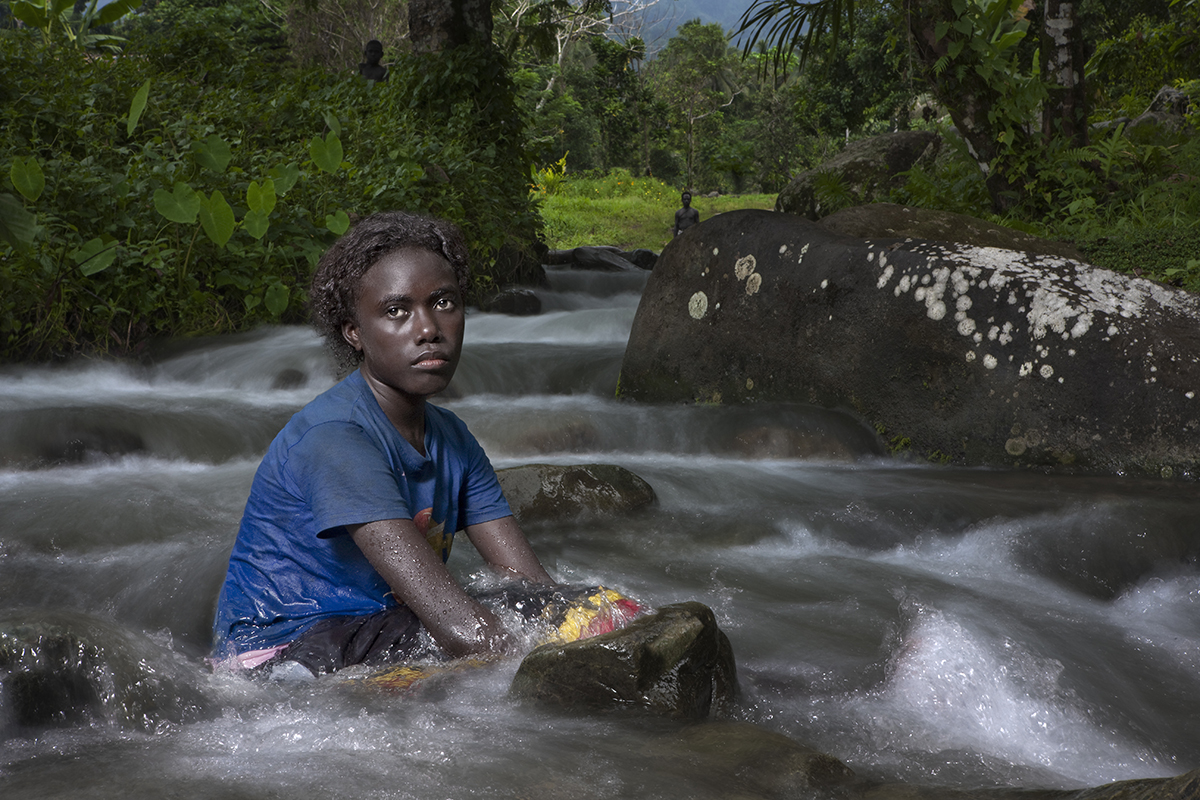
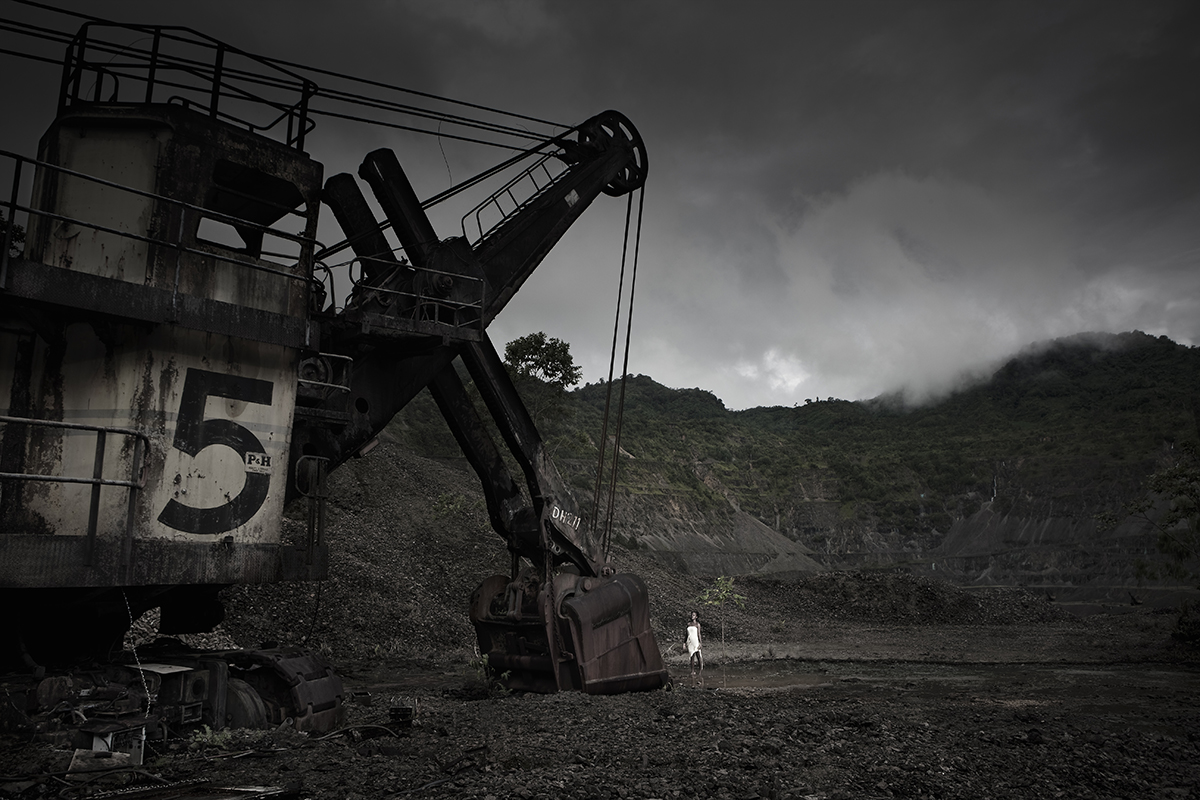
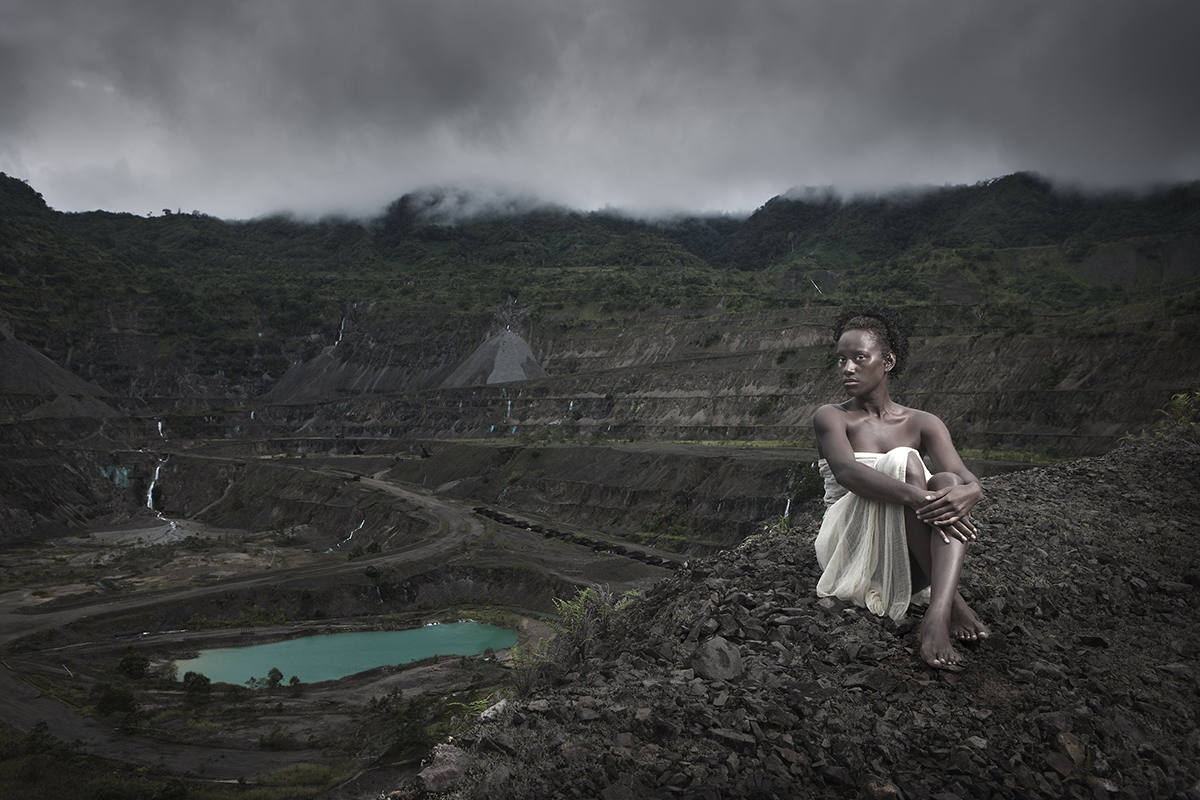
Blood Generation is a collaborative exhibition between contemporary photographer Stuart Miler, and Artist Taloi Havini. Taloi invited Stuart to come and photograph a series of portraits dedicated to a tribe of young people known as the “Blood Generation”.

This is the name that was given to those children who were born into war, triggered from external interests in mining and sustained by acts of local political self-determination.” In 1990, the people of Bougainville lived under air, sea, and military blockade for ten-years with a reported loss of twenty thousand lives. Bougainville’s Indigenous landowners remain disheartened, displaced, and dissatisfied. The issue remains unresolved, and we ask ourselves – who is responsible for the “Blood Generation”

To see more of this project, click here

Instagram

APE contributor Suzanne Sease currently works as a consultant for photographers and illustrators around the world.  She has been involved in the photography and illustration advertising and in-house corporate industry for decades.  After establishing the art-buying department at The Martin Agency, then working for Kaplan-Thaler, Capital One, Best Buy and numerous smaller agencies and companies, she decided to be a consultant in 1999.  Follow her at @SuzanneSease.  Instagram
The Daily Edit – Daniel Beltra: El Pais

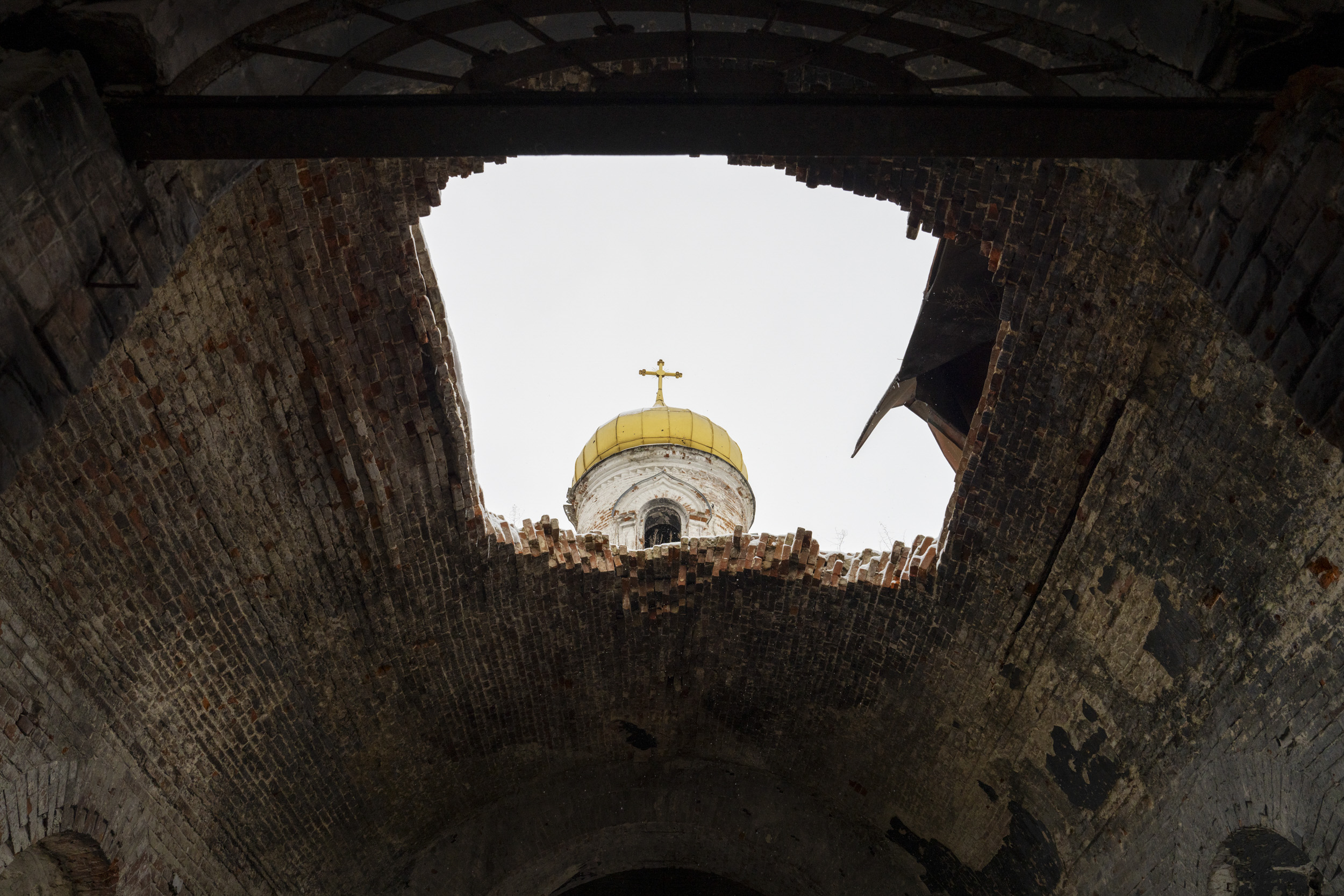
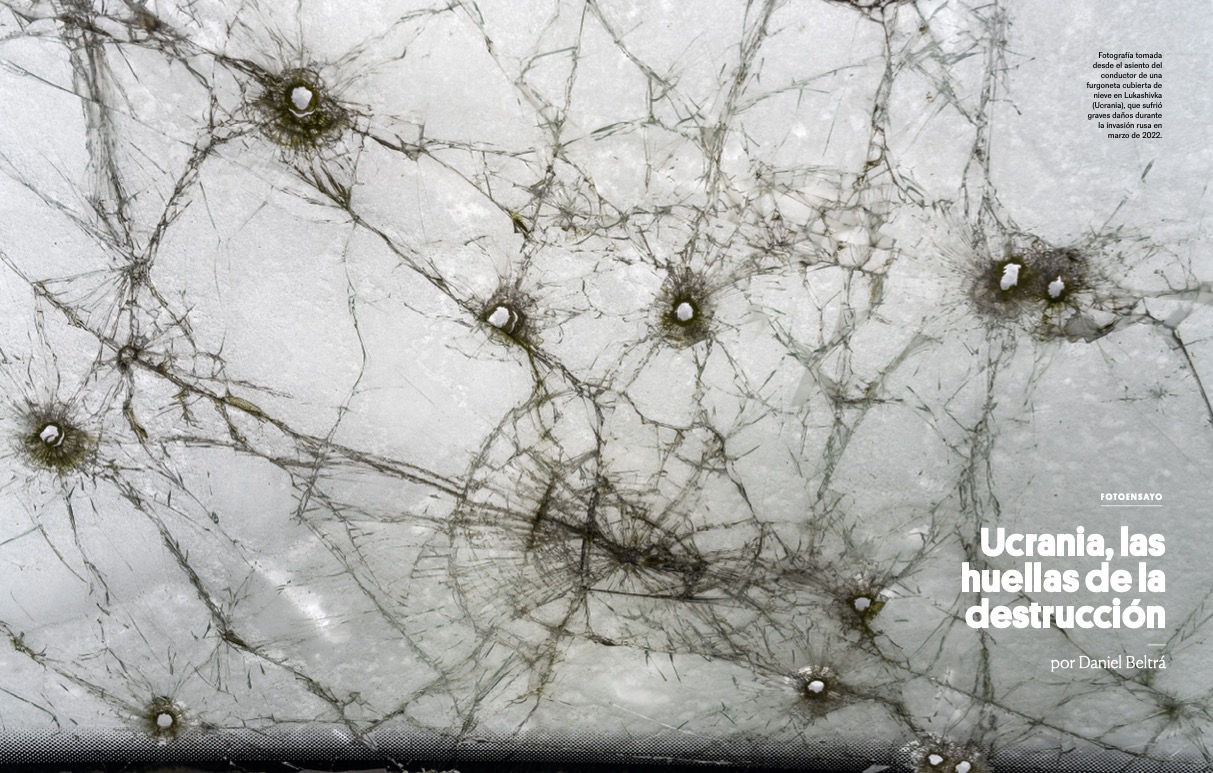
December 2, 2023, Chernihiv, Ukraine. Lukashivka village suffered serious damage during the Russian invasion in March 2022.
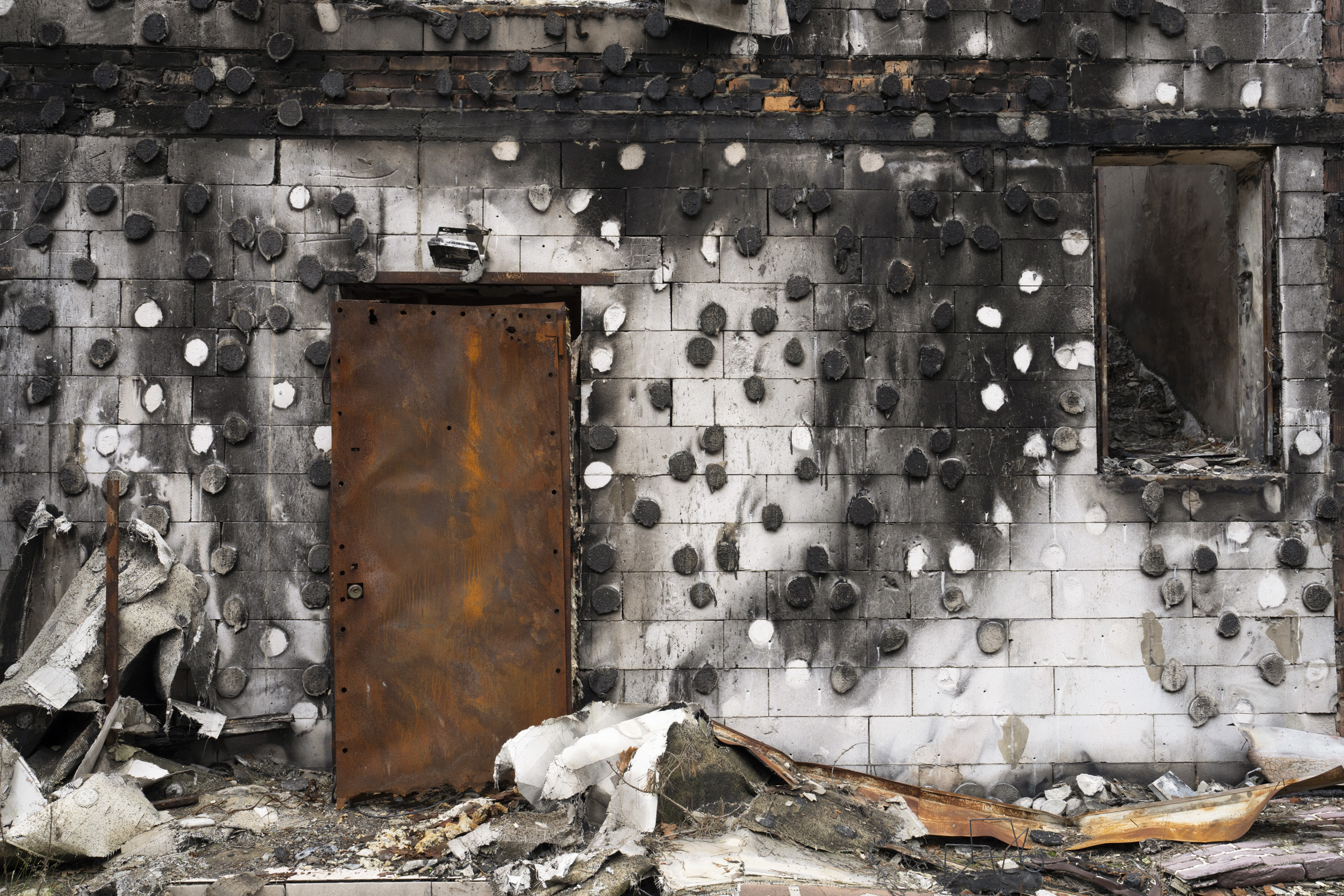
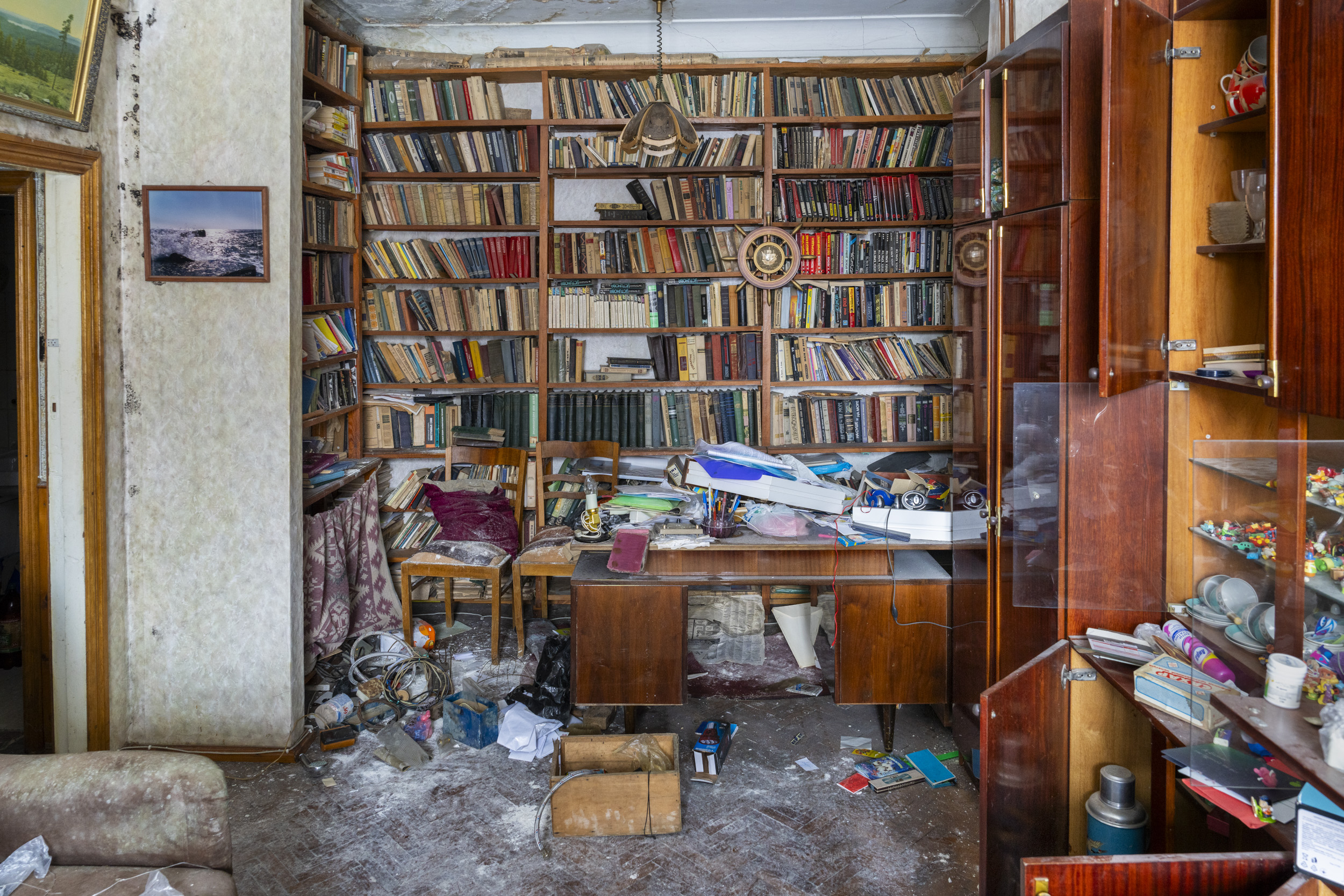
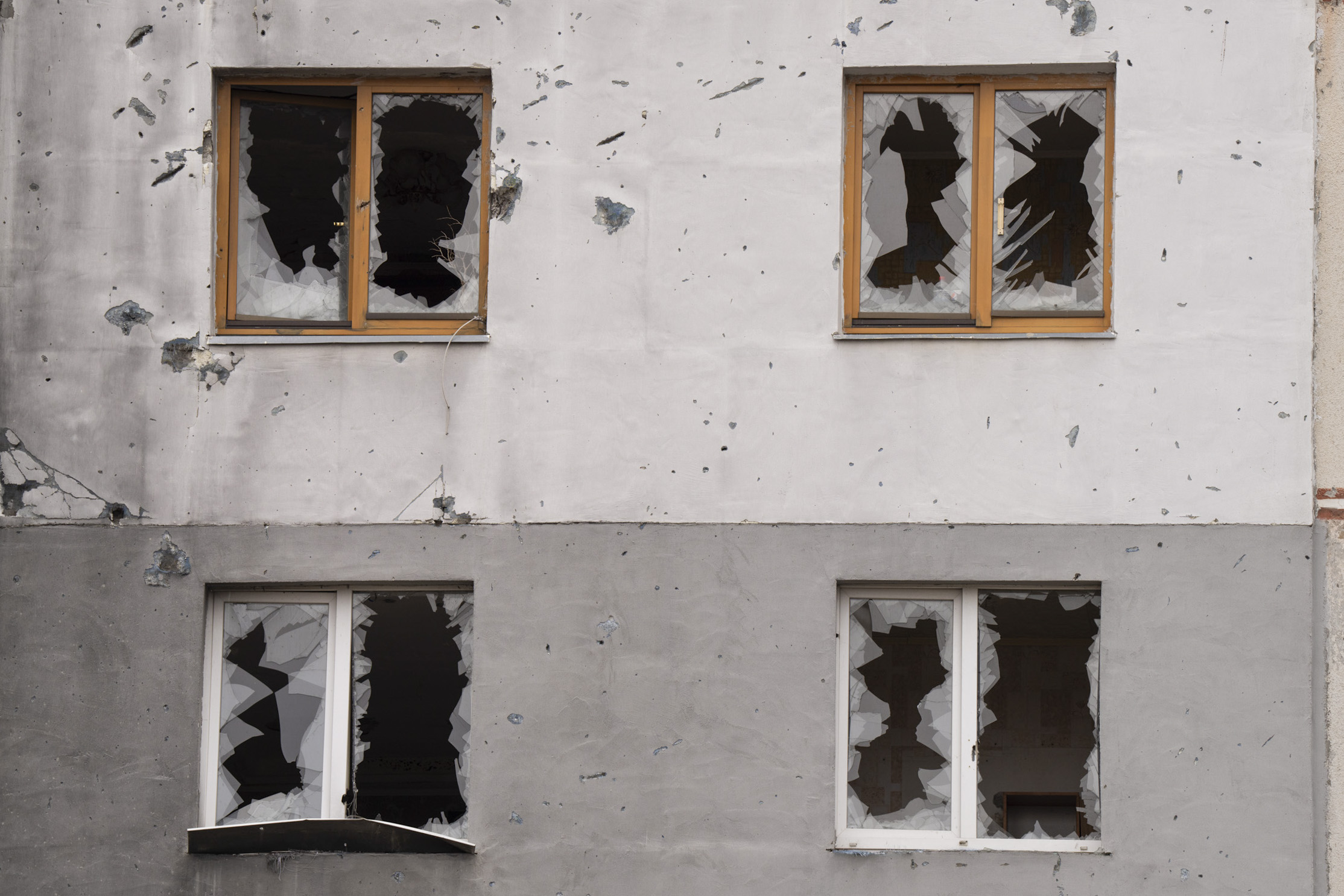
November 18, 2023, Kyiv region, Ukraine. Homes were damaged in Gostomel during the beginning of the Russian invasion in February 2022.
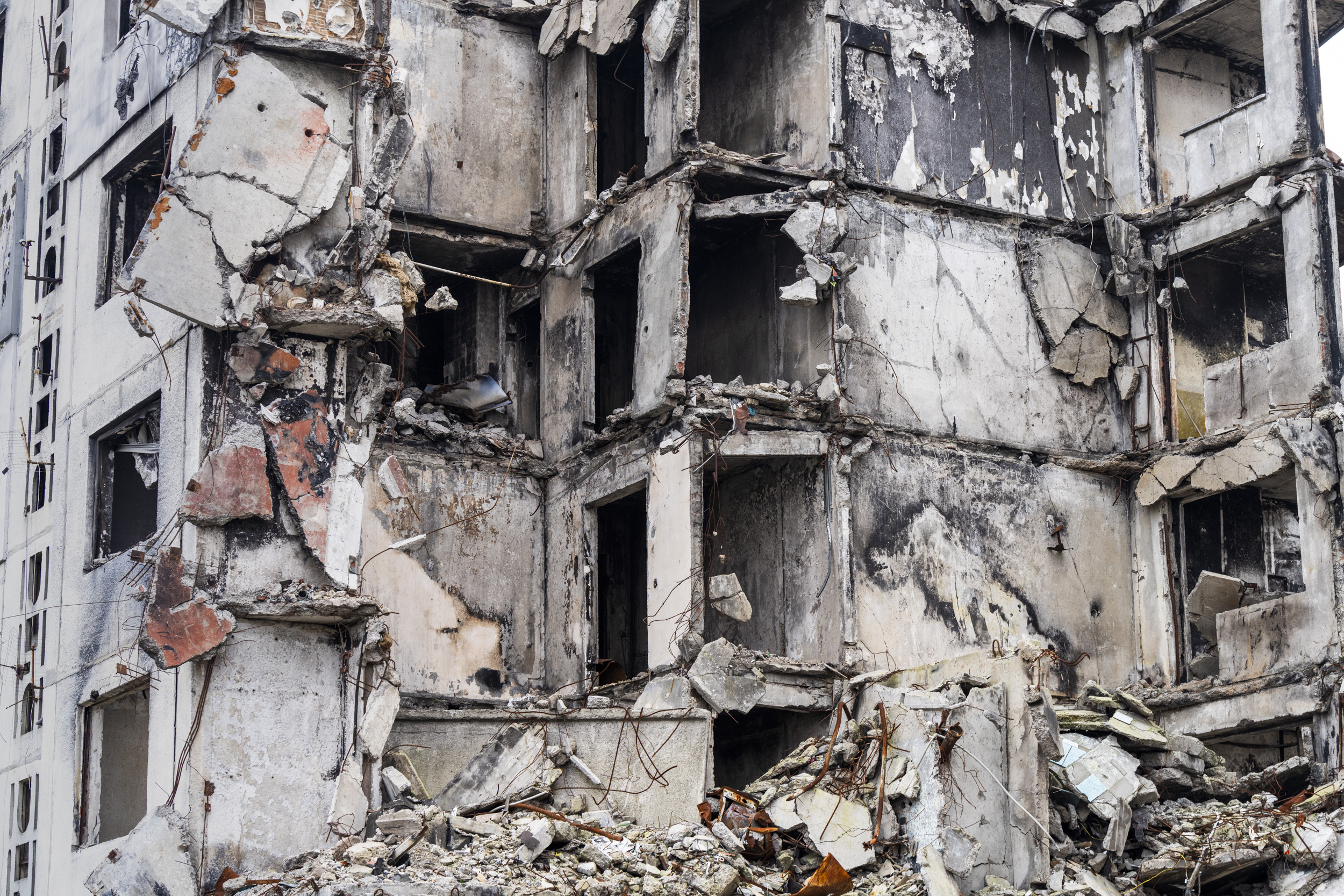
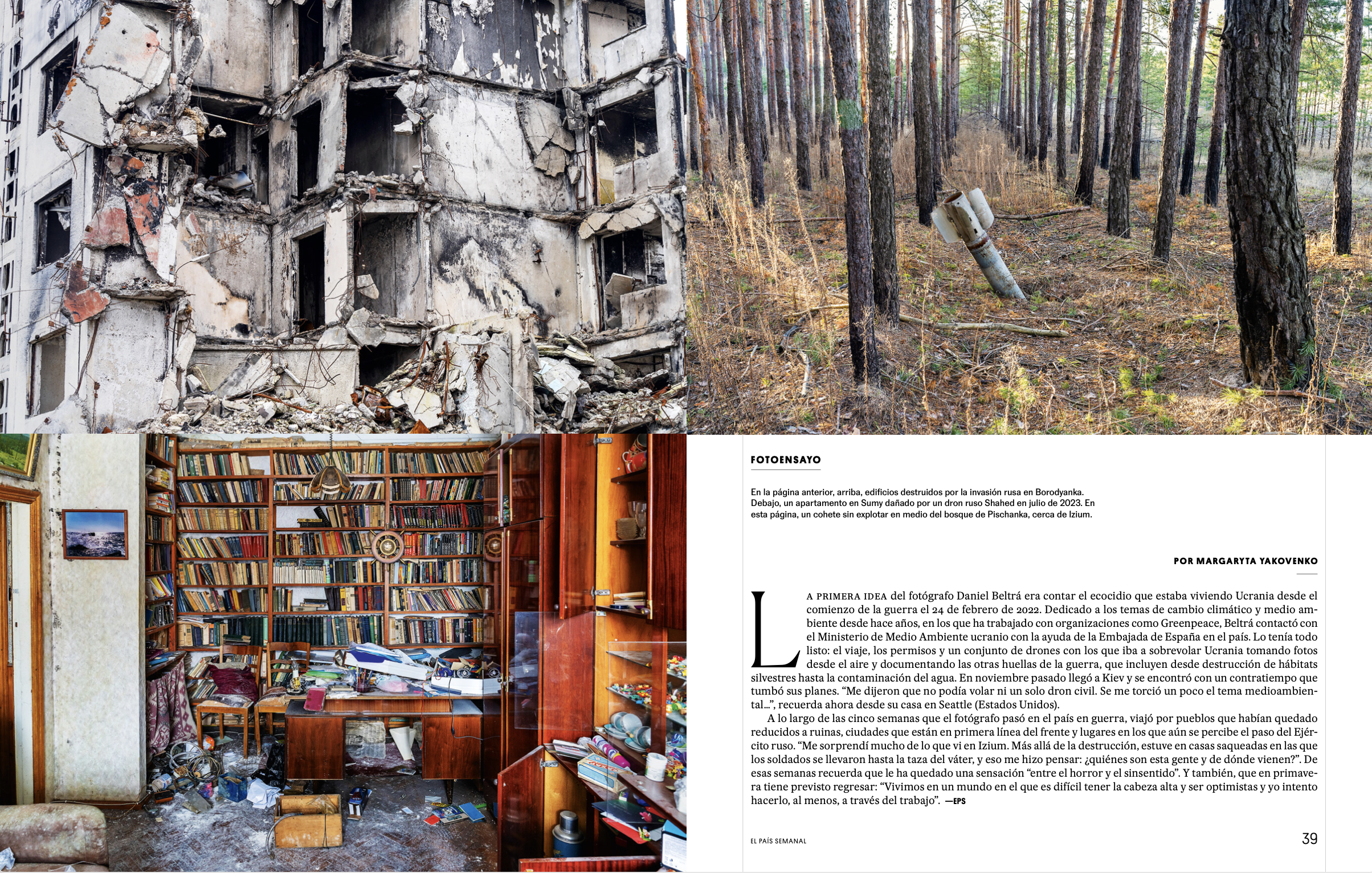
November 19, 2023, Kyiv region, Ukraine. Buildings damaged by the Russian invasion in Borodyanka.
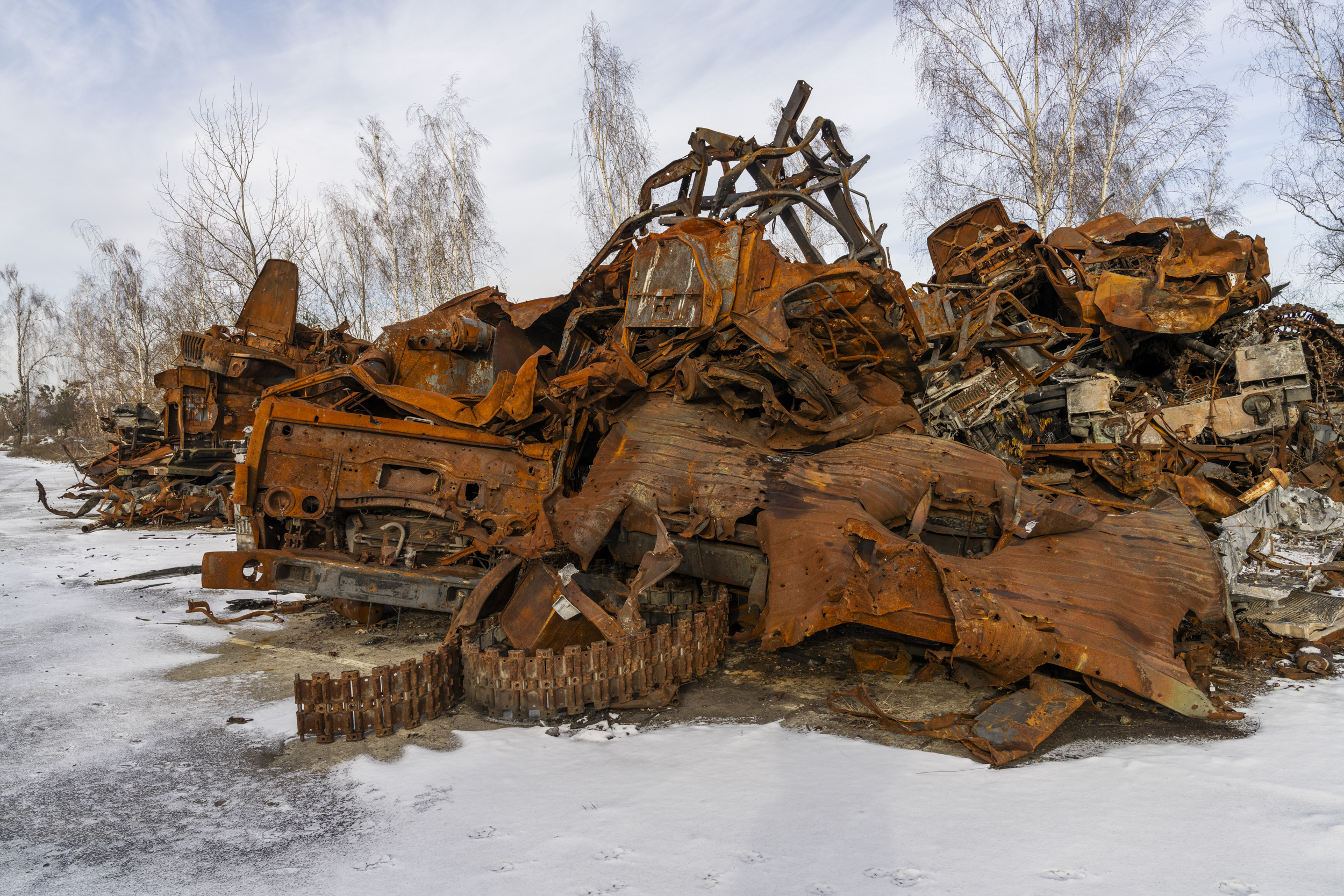
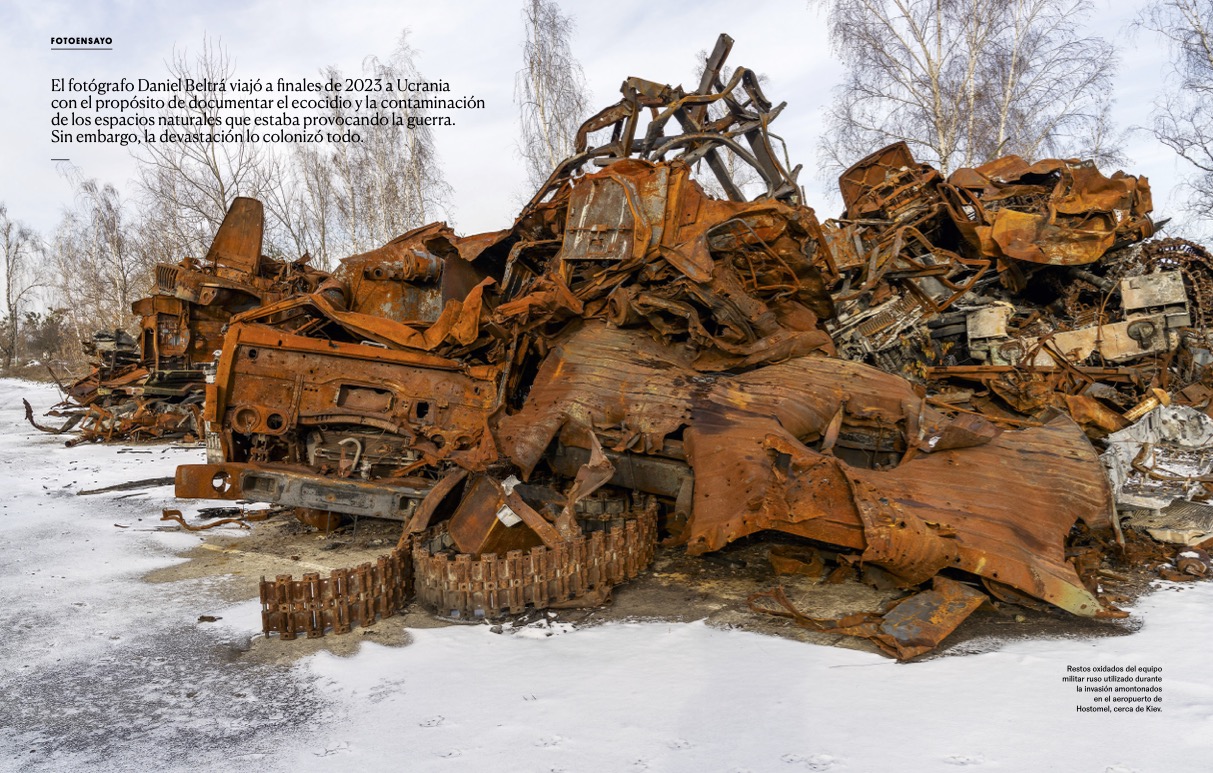
November 30, 2023, Kyiv, Ukraine. What’s left of Russian military equipment used during the invasion.
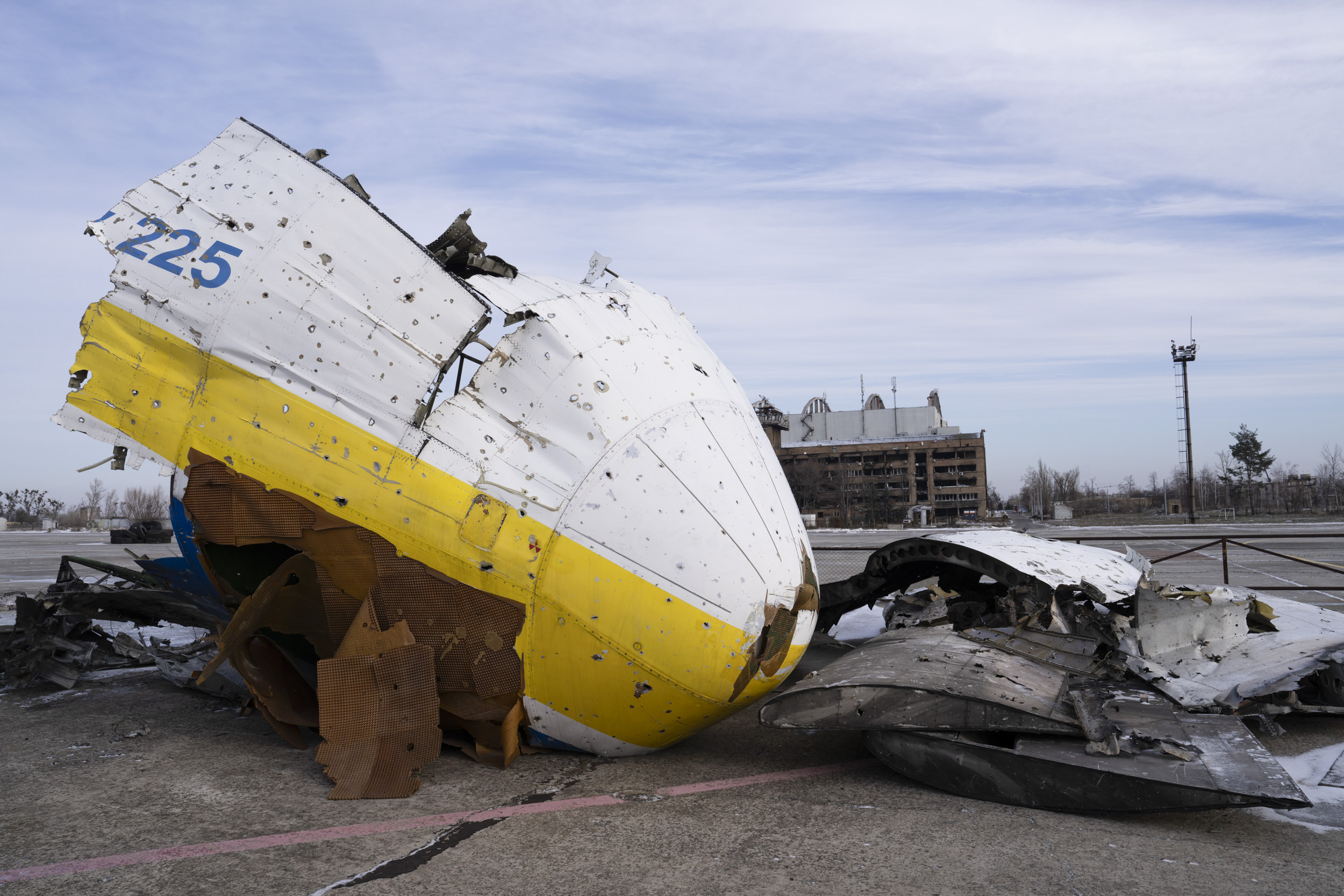
The Hostomel airport is owned by and named after the Antonov aircraft manufacturing company and operated by its subsidiary Antonov Airlines. The destroyed Mriya (the largest plane in the world-An-225) was based here. At the beginning of the 2022 Russian invasion of Ukraine, the airport became the site of an intense battle. It was temporarily held by Russian forces and sustained heavy damage to facilities and aircraft.
November 30, 2023, Kyiv, Ukraine. Parts of the destroyed Mriya (largest plane in the world-An-225). The Hostomel airport is owned by and named after the Antonov aircraft manufacturing company and operated by its subsidiary Antonov Airlines.
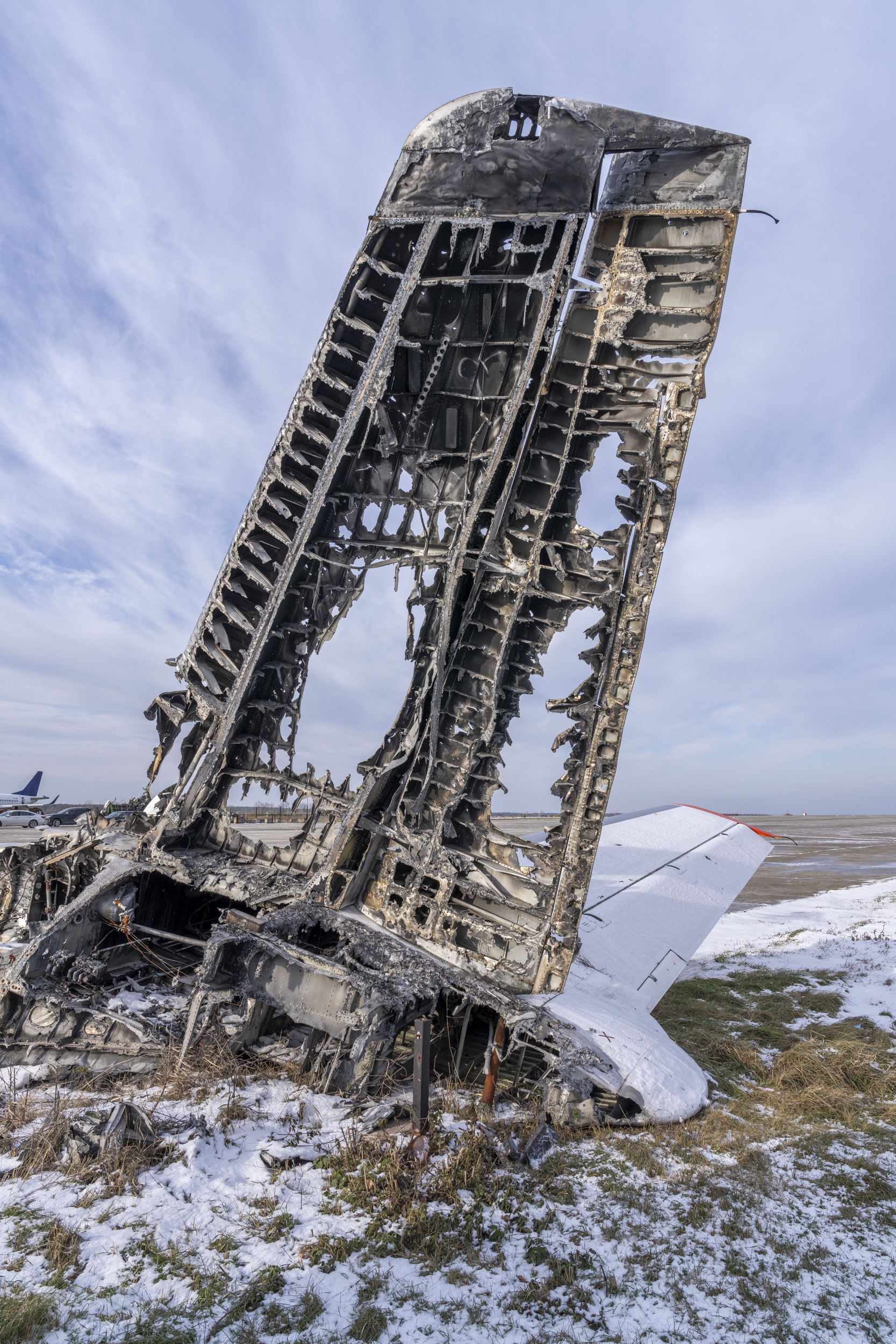
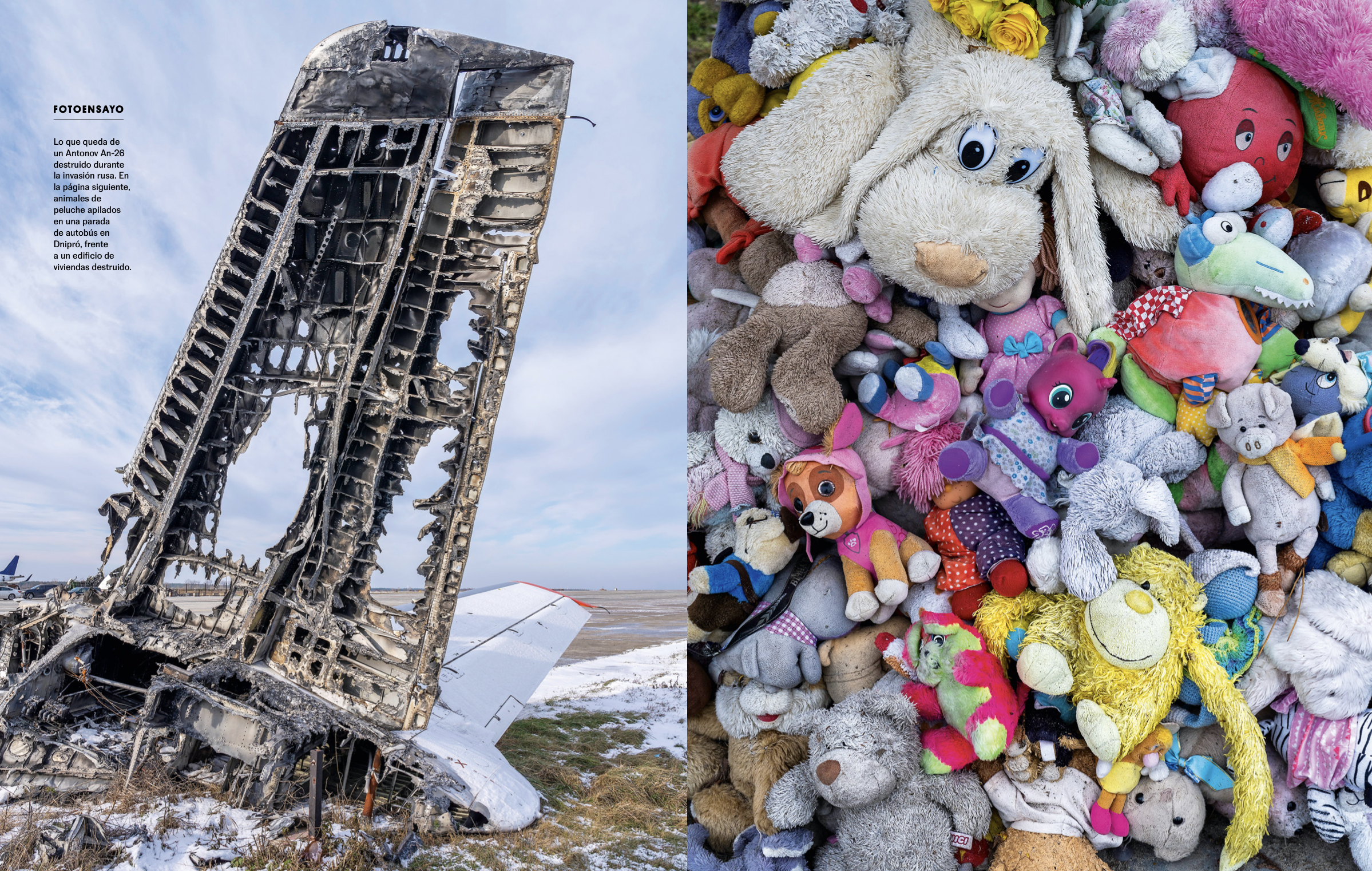
November 30, 2023, Kyiv, Ukraine. What’s left of an Antonov AN-26 destroyed during the Russian invasion.
December 2, 2023, Chernihiv, Ukraine. Lukashivka village suffered serious damage during the Russian invasion in March 2022.
December 4, 2023, Sumy, Ukraine. Apartments damaged by a Russian Shahed drone on July 2023.
December 5, 2023,
Kharkiv, Ukraine.
The neighborhood of North Saltivka was badly damaged by Russian shelling in March 2022.
Before the war it had 400,000 inhabitants. Around 70% of the houses suffered damage.
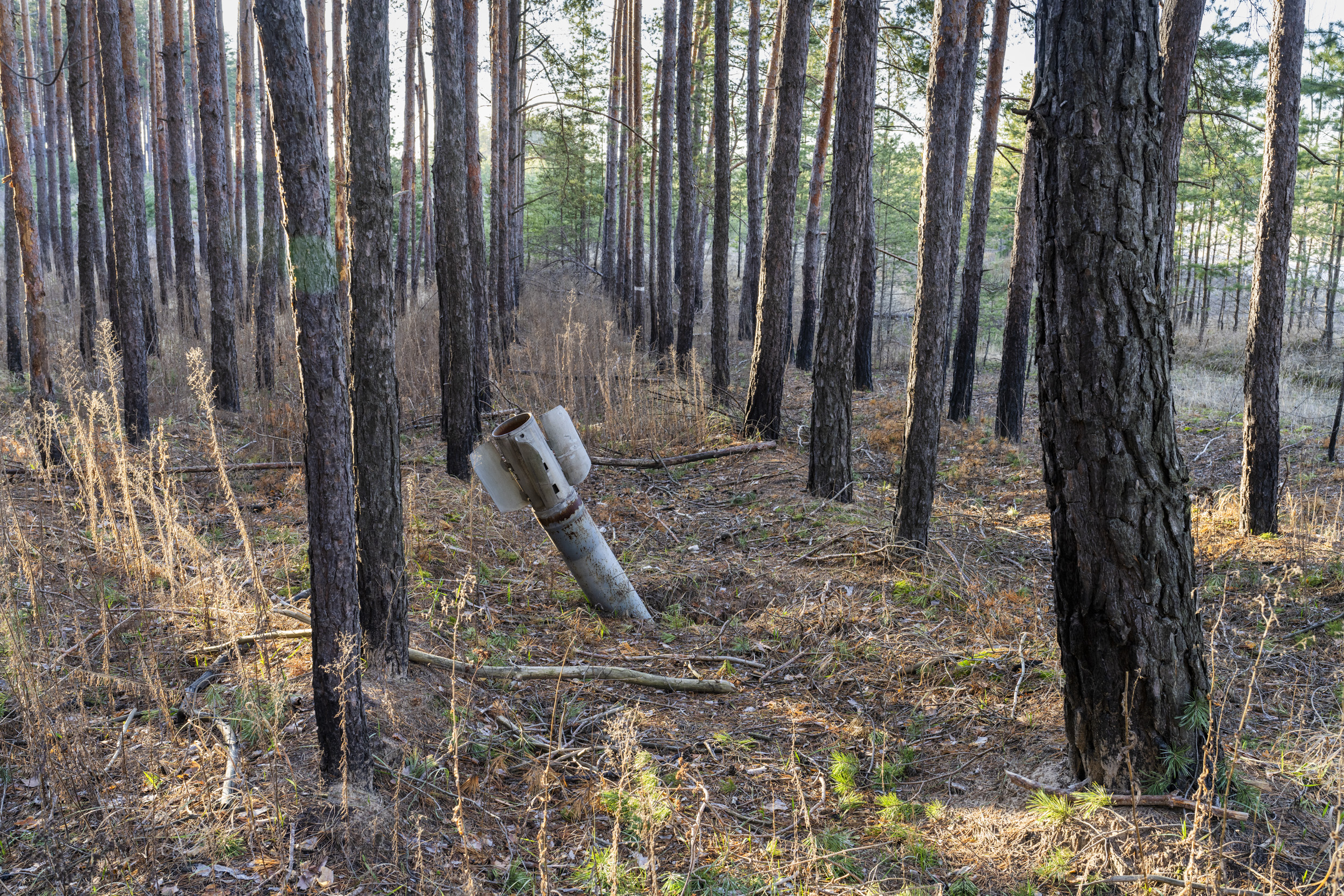
December 6th, 2023, Izium, Ukraine. The Pischanka forest near Izium was partly burned during the Russian invasion. An unexploded rocket amongst reforested pine trees (Pinus sylvestris).
December 7, 2023, Nikopol, Ukraine. Bus stop in Dnipro, across a building damaged during the Russian invasion.
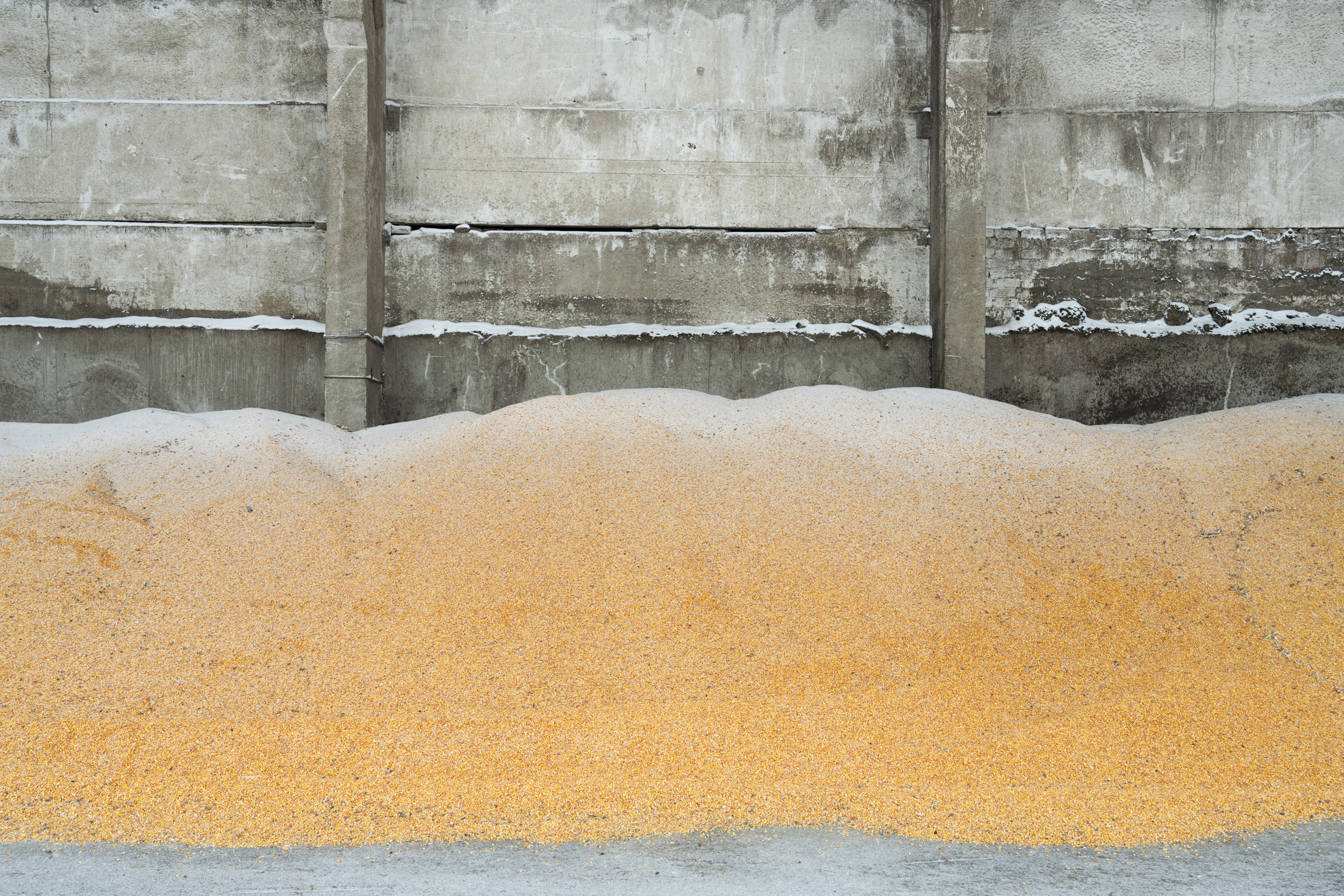
December 8, 2023, Gogoleve, Poltava Oblast, Ukraine. On the night of 28 August 2023, Russian Federation forces launched a missile attack on the company Garant (they produce oil and export grains), Two Bulava missiles hit the factory killing 4 employees that were working the night shift. Reconstruction work is well underway with over 1000 trucks of scraped metal taken from the site.156 employees used to work there. In the picture some corn left after the attack in one of the storage silos.
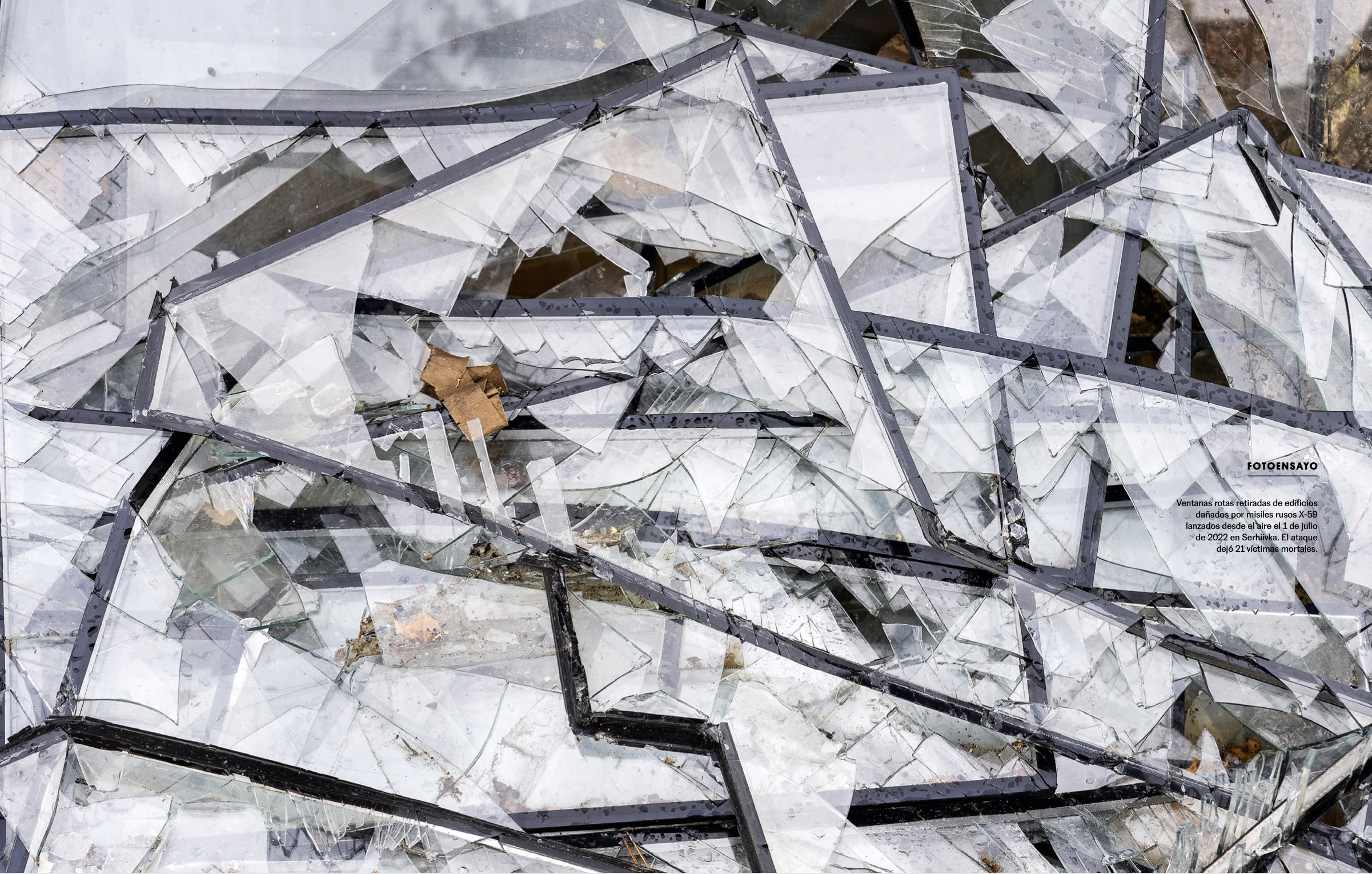
December 13, 2023, Sergiivka, Odessa OblastUkraine. On July 1st 2022, three X-59 missiles were launched from aircraft into Sergiivka, a summer sea side location. They impacted different locations producing a total of 21 casualties. In the picture, the Primoria Spa was also affected

El Pais

Photographer: Daniel Beltra
Photo Editor: Gorka Lejarcegi

Heidi: Your work balances a line between environmental beauty and catastrophe with a focus on
aerial photography. How difficult was it to work from the ground, I know you had planned to fly a drone.

Daniel: Working from the ground was complicated, security is understandably tightened, and lots of different permits needed to be secured. There are also many military checkpoints all over the country.
The main difficulty for me was to wrap my head around the fact that the project I had planned and trained for most of the year (I had never flown drones before) was gone and I needed to get in gear and do what was possible.

Heidi: What foiled those plans and how hard was it to pivot? What was the lesson there?

Daniel: Even though my initial project using drones was supported by the Ukrainian authorities, things changed once I arrived in Kiev. A total ban on any civilian flying was implemented with no exceptions made. For a while, we tried to get special permission without any luck.
Flexibility would be the lesson, I had to adapt. I was concerned and had doubts, but I always told myself that the only way to take photographs was to go out and take them. Too much thinking or worrying is counterproductive. I just had to start working and get a feel for it. Now, almost three months after my return, I’m happy with the results.

Heidi: There’s an abundance of imagery covering the destruction in Ukraine, what drew you there?

Daniel: There are so many talented photographers showing the direct and brutal impact of the war.
The project I was trying to execute was different: documenting the war’s environmental impact from the air had not been done, at least not on a larger scale.
As horrible as the consequences of this terrible war were for Ukrainians, I wanted to show that there were other long-term consequences.

Heidi: Tell us about the planning and what support you had going into this trip.

Daniel: My project was sponsored by the Embassy of Spain in Ukraine and the Spanish Agency for International Cooperation and Development (AECID). I also got a couple of private donors to help.
Organizing a project like this remotely is challenging. The team at the Embassy in Kiev was crucial to get the planning going. It was them who made all the connections with the Ukrainian Ministry for the Environment. I also consulted with Greenpeace (I have a very long relationship with them) and they helped suggest locations to photograph. Between all these parties we came up with a list of locations that we thought were interesting. We then had to get the permits to be able to access them. Many were not available due to their proximity to combat zones.
Heidi: You mentioned working with the military who was juggling 100s of journalists’ requests a day – how did you hope your imagery would stand out?
Daniel: As I previously mentioned, the ecocide (environmental impact of the war) had not been covered extensively. I am not a war photographer, in fact, for this project, I had no access to the current front lines.
The final set of images diverted from that original goal. They show some of the scars the war is leaving in the country.

Heidi: Your images are haunting and absent of the human element – but indicate humanity, was that always the plan?
Daniel: That was part of the original plan. A lot of my work is done from the air. This unique perspective helps emphasize the impact we are having on the environment.
That was not an option in Ukraine. More artistic and abstract images helped give a different perspective, less harsh than pure photojournalism but also efficient to convey the ongoing tragedy.

Heidi: Knowing your work and plans for this project,  I thought the first image was land scars shot from above – I was wrong. Tell us about the image.

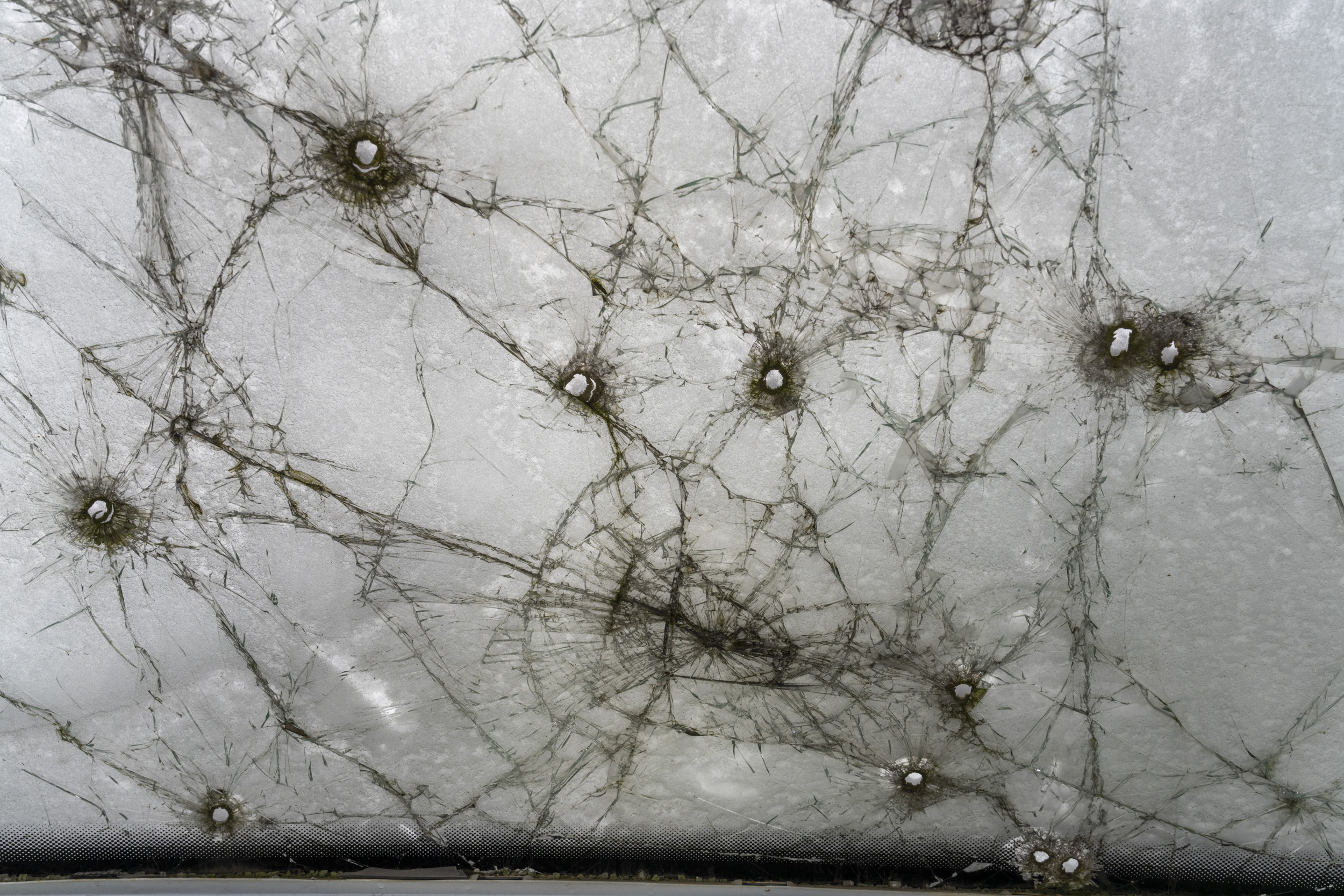
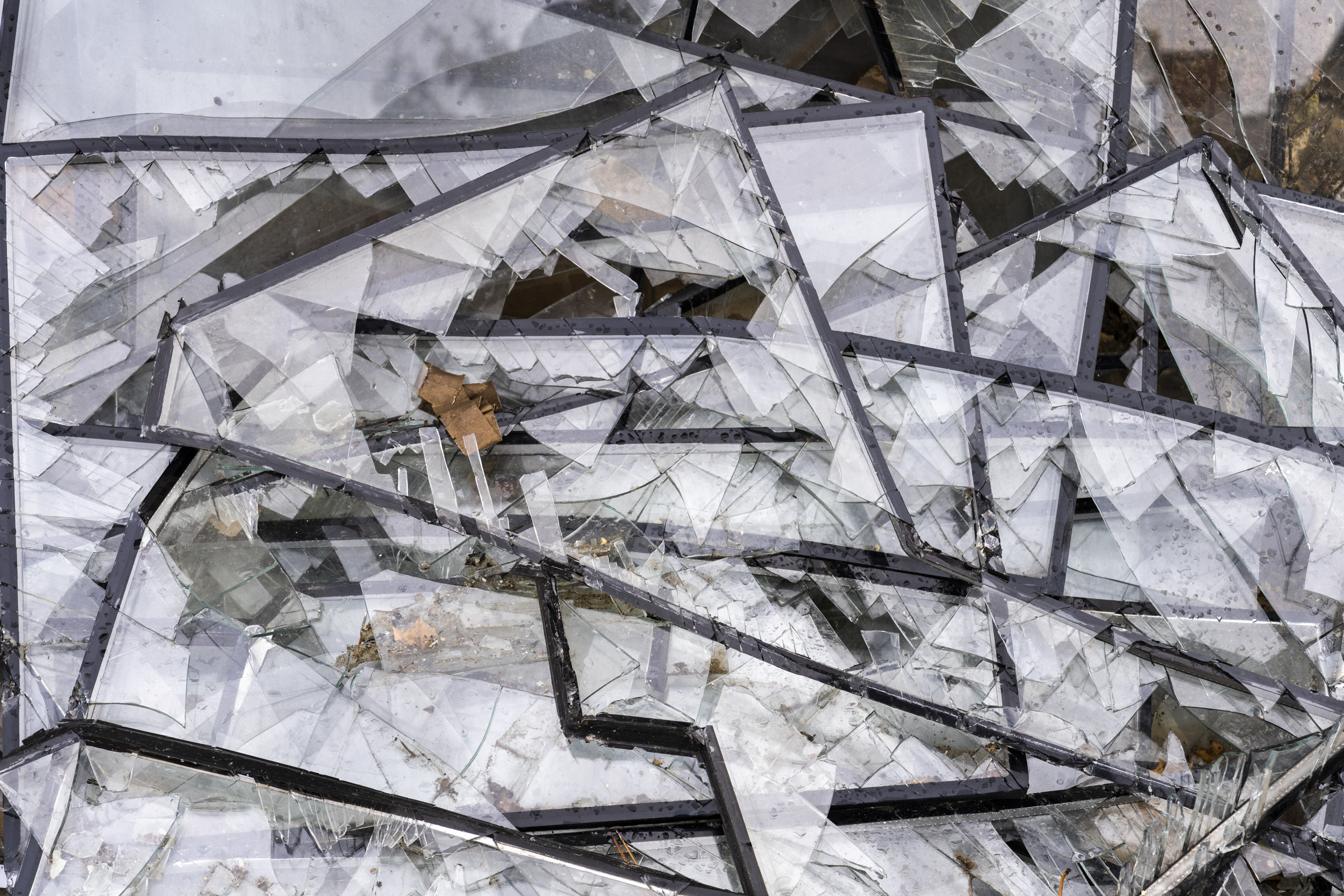
Daniel: I like images that can be confusing on a first approach, where the viewer needs to go an extra step to understand what’s on the frame. Through that tension, I hope to inspire some reflection. This particular photograph shows the snow-covered, bullet-ridden windshield of a van damaged during the battle in the small village of Lukashivka. I shot the image from the inside of the vehicle, what happened to the occupants? It’s a haunting frame.

Heidi: Do you have plans to return?
Daniel: Hopefully before this summer, working on that right now.

The Russian invasion of Ukraine began in 2022, what were your observations on how daily life has adapted since then?
We just passed the second anniversary of the invasion. I was amazed by the Ukrainian’s resilience, despite the daily missile and drone strikes and the endless air raid alarms.
Most of the nights I was there the alarms were going off, even on multiple occasions on a single night. One day a Ukrainian friend asked me if I went to the refuge during the air raid.  When I answered I stayed in bed, and she replied you are Ukrainian now.  It made me reflect on how tough it is to be living constantly under threat and how humans manage to adapt to almost anything.