The Daily Edit – Joao Lutz: Baptism

Documentary Program at the International Center of Photography
Joao Lutz: Baptism


Heidi: You came to NYC as a filmmaker with a handful of international clients. What drew you to the Documentary Program at the International Center of Photography?
Joao: My transition from film to stills was driven by a desire to explore a different form of storytelling. As a filmmaker, I was used to working with motion and sound to convey narratives. However, I became increasingly fascinated by the challenge of telling compelling stories through single frames and the magic space that breathes in the gaps between them. Photography offered me a new way to capture moments and emotions more intimately and immediately

In filmmaking, I often create stories, but with photography, I had the opportunity to discover and reveal the unexpected narratives that exist in the world around us. This element of surprise and discovery is exciting. The amazement of realizing situations a documentary project can take you is extremely fulfilling.
I was drawn to ICP because it provided an opportunity to deepen my understanding of visual storytelling through real-life narratives. The program’s emphasis on developing a cohesive narrative through still images resonated with my desire to hone my skills. Although I transitioned to still photography, I haven’t stopped working as a filmmaker. I continue to pursue both fields. I believe they don’t have to be set apart and are exceptional tools to create rich, multidimensional approaches to storytelling.

How did the Baptism project come about?
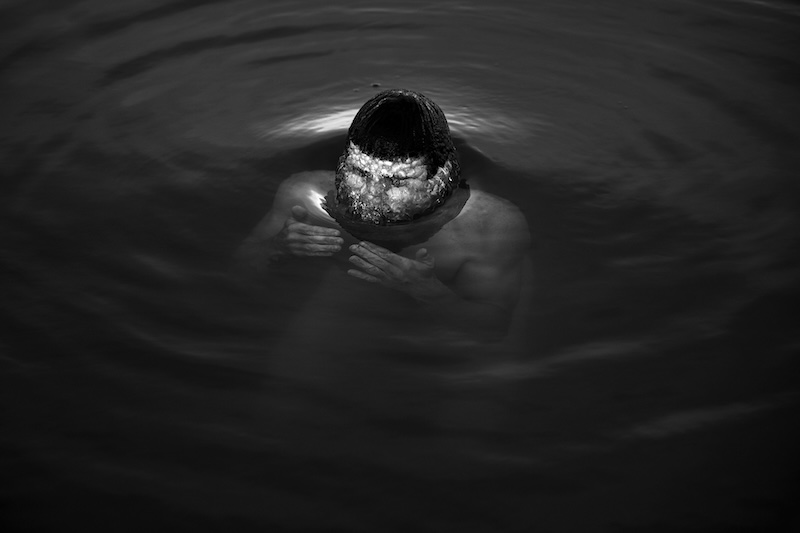
Baptism began from my fascination with the resilience and dedication of open water swimmers in Brighton Beach, New York, during the winter months. Growing up in Brazil, I spent most of my time on a farm or in a small town by the ocean. When I moved to New York, the beach became a place of comfort and familiarity. It made sense for my first documentary project to focus on a location where I felt somewhat at home. The project involved waking up at 3:30 AM two to three times a week to be at the beach by 6:00 AM to photograph these swimmers.

Initially, I was drawn by the extreme nature of their practice and the stark contrast between the bustling city of New York and the serene, spiritual connection these swimmers found with nature at Brighton Beach. This juxtaposition of city life and nature’s tranquility fascinated me. As I spent more time with them and engaged in deeper conversations, I realized it was much more than that. The project evolved to capture a community of people who come together to find spiritual solace and connection in the water.

Was it difficult to connect with the group of swimmers during their swim ritual?
Initially, there was a gradual process of building comfort and familiarity, both for myself and the swimmers. As with any natural human connection, it took time for us to get to know each other and for me to understand their ritual and stories. By consistently showing up and respectfully observing, I gradually gained their trust and became more familiar with their practices. Engaging in conversations, sharing my intentions, and showing genuine interest in their experiences helped build a rapport. Once they understood my goal was to document their journey authentically, they became more open and enthusiastic about participating in the project. I needed to approach the project with sensitivity and respect for their personal and often meditative practice.

How did the ocean inform your photography; what did you learn from this project?
The ocean and the elements played a significant role in shaping my approach to this project. The ever-changing conditions of the ocean and the weather influenced the mood and composition of my photographs. When I started, it was cold but still sunny, and as time went on, it became cloudy, snowy, and extremely windy. Adapting to these conditions was an incredible learning experience. I also began getting into the water myself, which helped me connect with the swimmers on a deeper level. By putting myself in their shoes and feeling the cold water on my skin, I gained an understanding of their experience. This project reinforced the importance of being present and responsive to the environment, allowing the natural elements to guide the visual storytelling. Most importantly, I learned that the practice for these swimmers is not just about physical endurance but a spiritual journey through their connection with the ocean and their surroundings.

What made the most impact for you at ICP? What surprised you?
The most impactful aspect of my time at ICP was the exposure to diverse perspectives and the rigorous critique process. Engaging with a community of passionate photographers and educators pushed me to refine my vision and technique. Coming from a filmmaking background, where I worked for five years, I had never worked on a documentary project. Moving to New York and starting ICP, where I had to work on a long-term documentary project, was challenging. I was used to creating stories rather than finding them in the world.

I struggled with going around and finding stories, which made it challenging. However, jumping into the “Baptism” project made sense because of its connection to my background. Once I opened myself to the project and trusted the process I was fascinated. I felt lucky to have access to such a new world. The more I do it, the more grateful I am to have a camera. It almost feels like a free pass or a passport to stories that I would never be able to see or live.

I was pleasantly surprised by the collaborative spirit and the depth of feedback I received at ICP. The opportunity to learn from industry professionals and peers alike was invaluable. The critiques, though challenging at times, helped me grow as an artist and understand the importance of narrative and emotional connection in my work.

How did the portfolio reviews go?
The portfolio reviews were an enriching experience. I received valuable feedback that validated my efforts and provided me with new directions for my work. Reviewers appreciated the storytelling and visual metaphors in my “Baptism” project, and I gained insights into developing and presenting my work.

How did you prepare for the reviews?
To prepare, I curated my portfolio carefully, ensuring it showcased a cohesive narrative and represented my artistic voice. A significant part of my preparation involved studying who my reviewers were, and understanding their backgrounds, interests, and the kind of work they do. This allowed me to adapt what I showed and how I presented my work to better connect with each reviewer. Knowing and planning how to engage with each person was crucial since every reviewer comes from a different background and interests.

What’s next for you?
I plan to continue exploring subcultures and communities that come together for unusual reasons. My work focuses on capturing these unique groups and the beautiful stories that emerge from their interactions. One of my ongoing projects, “Wheelie,” documents the city stunt bikers in New York City. I’m excited to dive deeper into this project and continue discovering and sharing the compelling narratives within these communities. I also look forward to potential collaborations and assignments that challenge and inspire me to grow further as a photographer.

The Art of the Personal Project: Dana Damewood

The Art of the Personal Project is a crucial element to let potential buyers see how you think creatively on your own.  I am drawn to personal projects that have an interesting vision or that show something I have never seen before.  In this thread, I’ll include a link to each personal project with the artist statement so you can see more of the project. Please note: This thread is not affiliated with any company; I’m just featuring projects that I find.  Please DO NOT send me your work.  I do not take submissions.

Today’s featured artist: Dana Damewood

I grew up in the town of Wahoo, NE, population 2,000. I lived on the family farm and went to a one room school in the middle of a corn field. When we moved into town, I spent most of my time at my grandmother’s house. When she decided to move at the age of 97, I wanted to preserve the feeling and memory of the space that always felt like home to me. I remember the way the light came in through her windows and loved that nothing changed there as long as I can remember. I used my vintage Rolleiflex camera to photograph her home and some of the places around town that once seemed mundane but now have great meaning for me.

To see more of this project, click here

Instagram

APE contributor Suzanne Sease currently works as a consultant for photographers and illustrators around the world.  She has been involved in the photography and illustration advertising and in-house corporate industry for decades.  After establishing the art-buying department at The Martin Agency, then working for Kaplan-Thaler, Capital One, Best Buy and numerous smaller agencies and companies, she decided to be a consultant in 1999.  Follow her at @SuzanneSease.  Instagram

The Daily Edit – The Mirror Wall: Ben Ditto


Patagonia Spring Journal

Photographer: Ben Ditto
Read the story here

I caught up with Ben Ditto after Patagonia featured his work in the Spring 24 Journal, he was currently in the center of Nevada at a little cliff he’d been climbing on for a few years – and was kind enough to share a few thoughts- the best office is a mobile one.

You have a category on your site called, The Wild Bunch, which looks like a good time. Who are these fellows and how did this trusted merry band come to life?
Ben: Myself, Nico Favresse,  his brother Olivier, and Sean Villanueva O’Driscoll were dubbed by Captain Bob Shepton before our 2010 Greenland big wall and sailing adventure for which we won the Piolets d’Or. Bob must have seen some early videos from Nico and Sean such as the ‘Power of Jam‘ and ‘Free South Africa ‘in which there was a lot of music and light-hearted antics all while sending the gnar.
Previous to that trip we had been climbing together for years, initially meeting Sean while staying at Miguel’s Pizza at the Red River Gorge in the early 2000’s.  Visitors can see an old newspaper clipping on the wall where I’m walking a slack-line, and Sean is in the background.

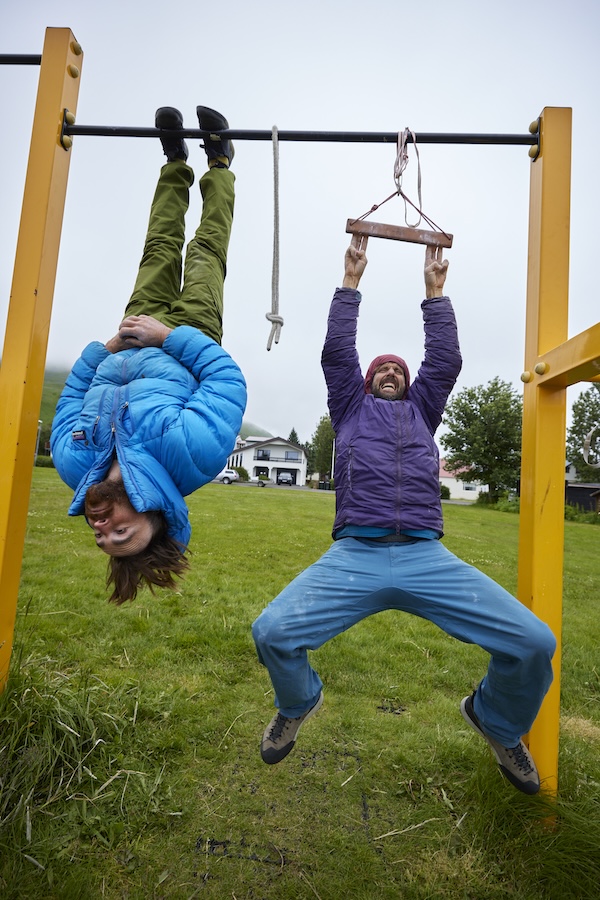
Iceland has some of the best public playgrounds for Serious training for Sean (L) and Nico (R)

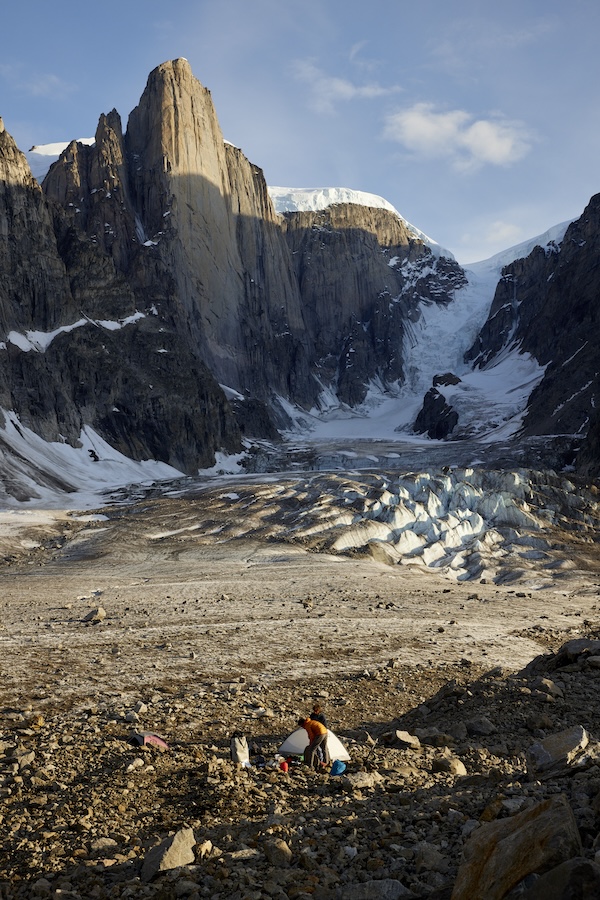
You recently were on a team that headed to Greenland, the objective was a 4,000 ft slab of granite: The Mirror Wall – how did that come about and what made you say yes to this ambitious trip?
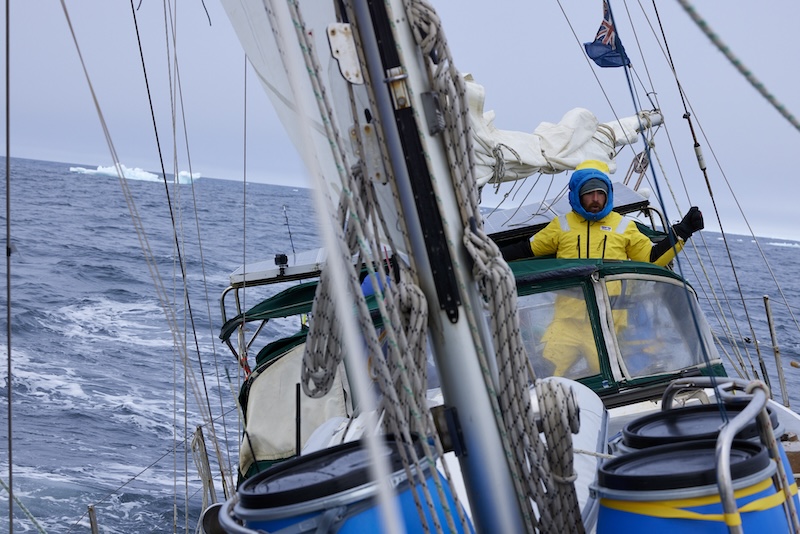
Well, this was to be our third trip together sailing in Greenland and climbing big walls, so when the offer arose it was hard to say no to. Again, we have Bob Shepton to thank for instigating the 2023 trip to Greenland. Bob, in his 80s, has long since sold his sailboat, the Dodo’s Delight, but he’s not out of the adventure game yet. Turns out Bob had met a young British skipper named Mike Brooks
who owns the steel sailboat, Cornelia. Mike is a keen adventurer and offered to take our group of climbers to the Arctic.  After a few phone calls daring each other to go, we decided to try to climb the mirror wall.  

I stay in touch with Nico and Sean and all their exploits but it’s been years since I’ve done an expedition with them. However, I wasn’t too surprised to get the call to join them as the photographer on the trip. It does take a special sort of appreciation for adventure, climbing, sailing, and hardship.  It was tricky deciding whether or not to join this expedition, but ultimately my summer was free and I was psyched to go.  

Since our other expeditions, my work and life have taken on a different form.  For most of my 20’s and 30’s I was constantly on the move, now I’m usually staying closer to home.  Part of me thinks that if I’d had other work during that same time, I might’ve missed out on all the good fun we had in Scoresby Sound.  

Previous expeditions to Mirror Wall used helicopters for the approach, you guys green-pointed instead. This round-up isn’t for the faint of heart.

  • 7 days of prepping the boat in Scotland
  • 16 days of Sailing and 5 days waiting on a storm in the Faroe Islands, then another 14 days in Iceland waiting for the ice pack to clear.
  • 10 days of strenuous hiking, and 9 days of challenging climbing
  • How much pre-prep goes into a trip like this? (both physical and mental) 

Ha ha yes, the stats are pretty dizzying, especially when you consider we went through all that to climb approximately 1/2 of a big wall FA.  I lost track along the way but there must have been over 30 glacial river crossings to add to the list.  We all stay in good climbing shape, covering all the bases of hiking and physical strength you need to do an expedition like this.  But there’s a lot of it you can’t train for. The things that take a beating are your feet from the jagged glacial surface and your hips from wearing backpacks and harnesses.  A non-climber would probably wonder why to bother going to these difficult-to-access places; let alone humanly powered. Packing three months of food and climbing equipment for seven people is no small task. We have Nico to thank for accomplishing that task. We usually share a few spreadsheets and take care of finances on TriCount.

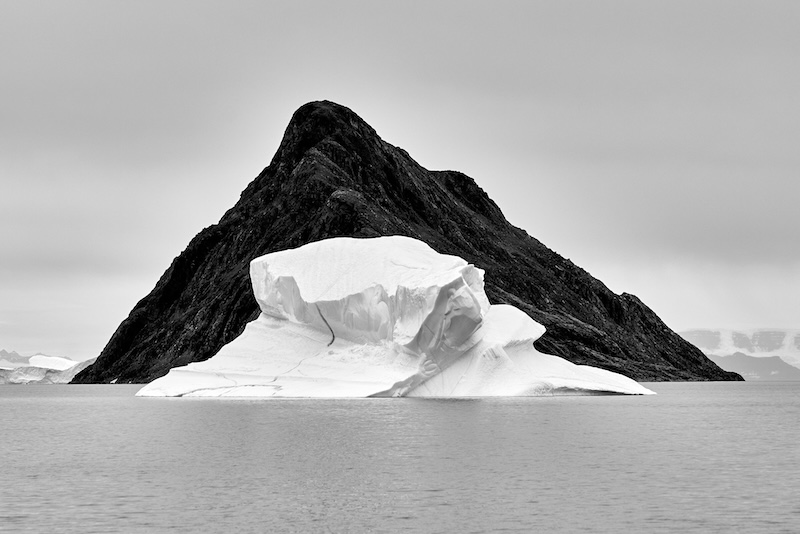
Cornelia and the lads sailed from Scotland in June and picked me up along the North Coast of Iceland, before continuing North to Scorseby Sound.  For our team, part of the experience is overcoming uncertainty and being in the moment that sailing provides.  We never knew if the pack ice would provide passage until we pushed into it.  Similarly, we didn’t know what the Mirror Wall would yield until we started climbing.

Sean at the helm while crossing Denmark Straight among the first icebergs of the trip.


I’m forever impressed with the athletes who mastermind these missions – however, the photographers are equally as impressive. You’re on a dual track – athlete and creative, how hard is that to manage?
I think everyone’s career is balanced with everything else that’s happening. I’m not suggesting that being a climbing athlete is the same as being a parent, for example, but similarly, I have to juggle a few priorities.  

I find myself operating in distinct modes. I’m either a photographer or a climber on any given day, but I rarely mix the two unless work requires it.  You know, as photographers were constantly multitasking to solve problems and it’s nice to be able to simplify and just go climbing now and again.  

 What was it like to photograph the “featureless, shield of granite?” for the first time – what was running through your mind?
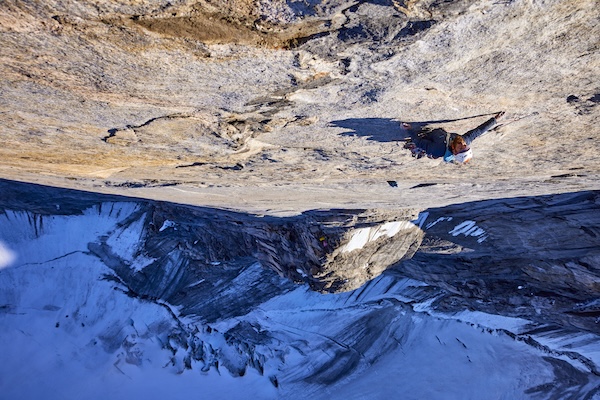
Approaching the wall I found it impossible to avert my gaze.  It was like a puzzle to solve:  where is the line we will climb? Where are the cracks in the mirror?!

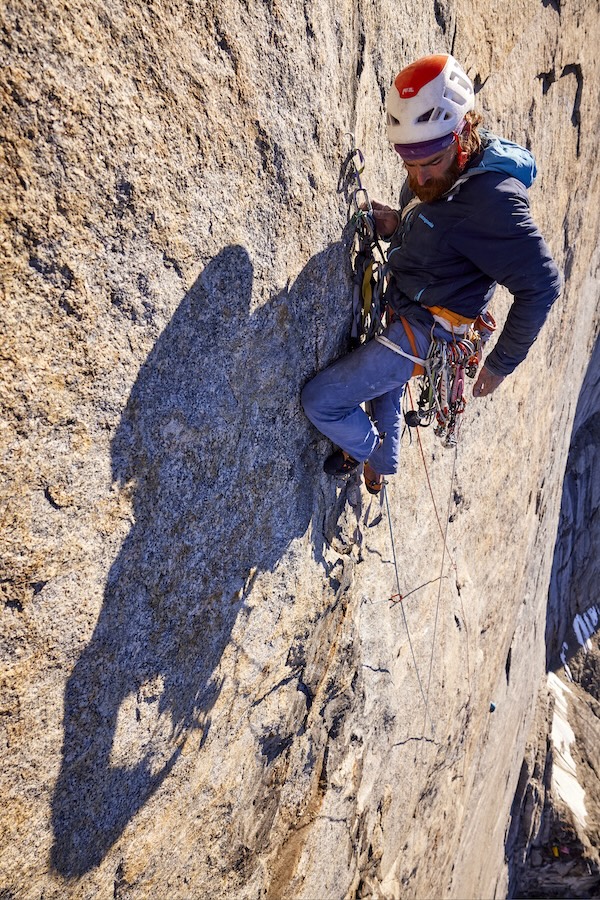
As a climber, I have a deep sense of appreciation for climbing at the highest levels.  Watching Sean pour everything into this line on the mirror wall was pretty much the greatest show on earth, and I was the only one who could see it.  The photographs (and footage) are my way of sharing this performance with the world.  

How much camera gear did you carry and was it hard to shoot in the frigid conditions, any gear failures, this area is known as the “Arctic El Cap”
On the boat, I took two camera bodies, two drones, a bunch of batteries, hard drives and cards. But for the actual load carrying and big wall ascent, I had to pair everything down to one camera 2 lenses, and one drone.

It pains me to say it, but I had a problem with my DJI drone while we were up on the wall.  Due to our remote and un-connected location, I couldn’t log into my account and my drone would only fly a couple hundred feet away from me at any time.  It was a pretty frustrating feeling because I had tried to find a workaround for the DJI log-in issue and ultimately couldn’t find anything that would work. 

Can you tell us the average temps?
We were on land most of August and sometimes on the load carries it would be very warm, which was good because of all the water crossings.  It seemed impossible we’d see a polar bear in those temperatures.  ( we didn’t see any).  

The wall faces North and only gets a couple of hours of sun each day, which can feel pretty nice.  However, in the shade average temps hovered just below freezing most of the time.  

Looking back on the trip now, what comes up for you?
On an expedition like that, there are innumerable challenges we’re forced to face each day.  However, with time, most of that stuff fades into the background and I’m left feeling lucky to experience such an incredibly wild place with an amazing group of characters.  

How long have you lived in Bishop and how has that influenced your photography?
I moved to Bishop in 2010 from SLC. Ultimately, I chose to live close to the mountains rather than close to work or clients.  I still travel for work, it just takes a half day longer to get to an international airport.  

However, The Eastern Sierra is a desirable place for productions of all sorts and we see everything from commercials to feature films shot nearby.  For those shoots, my work has transitioned into location management, but I often wear several other hats.  It’s always appreciated when a producer understands the value a local can bring when working in a faraway place.  

How long have you been working on the Great Basin project?
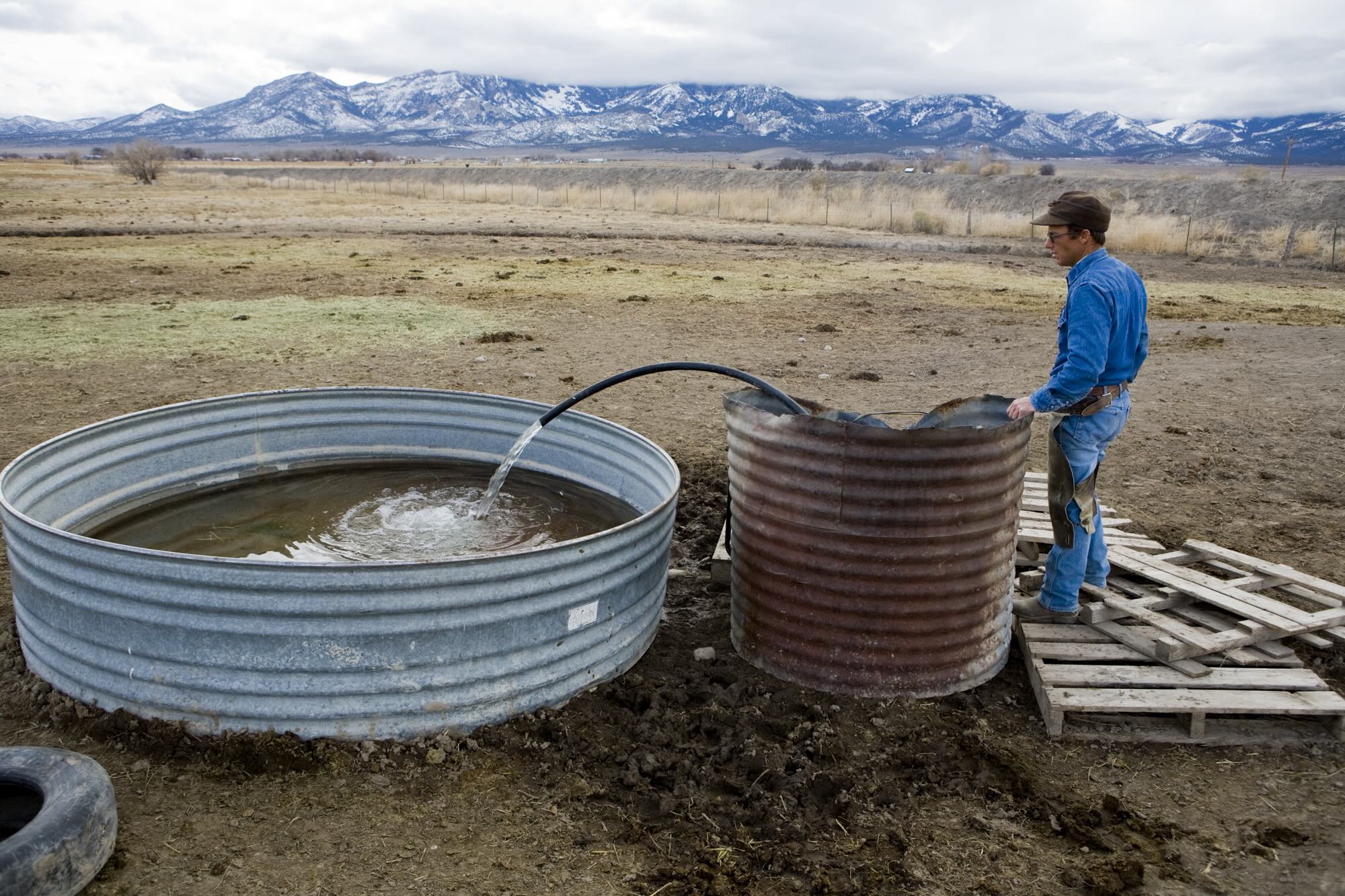
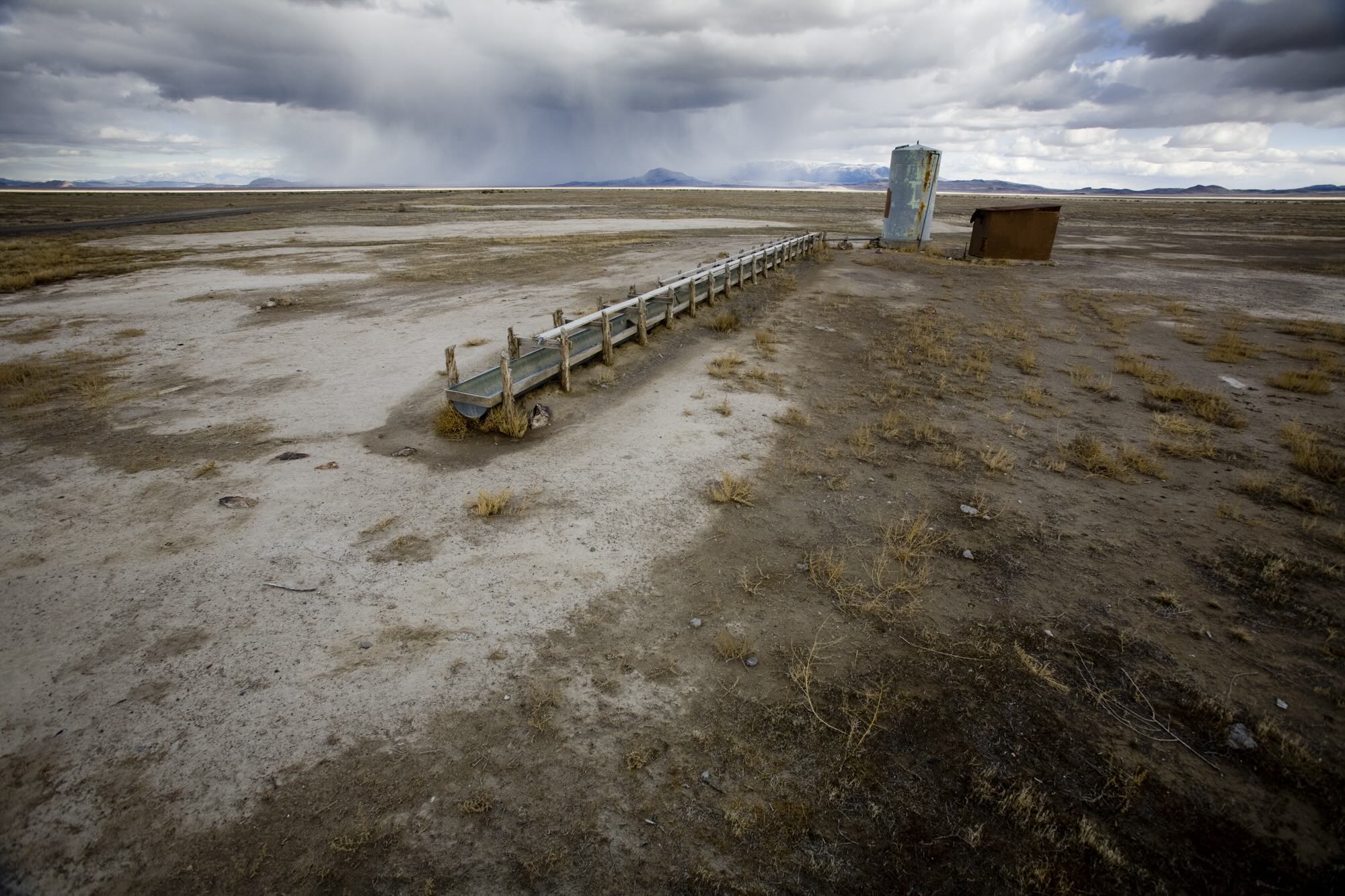
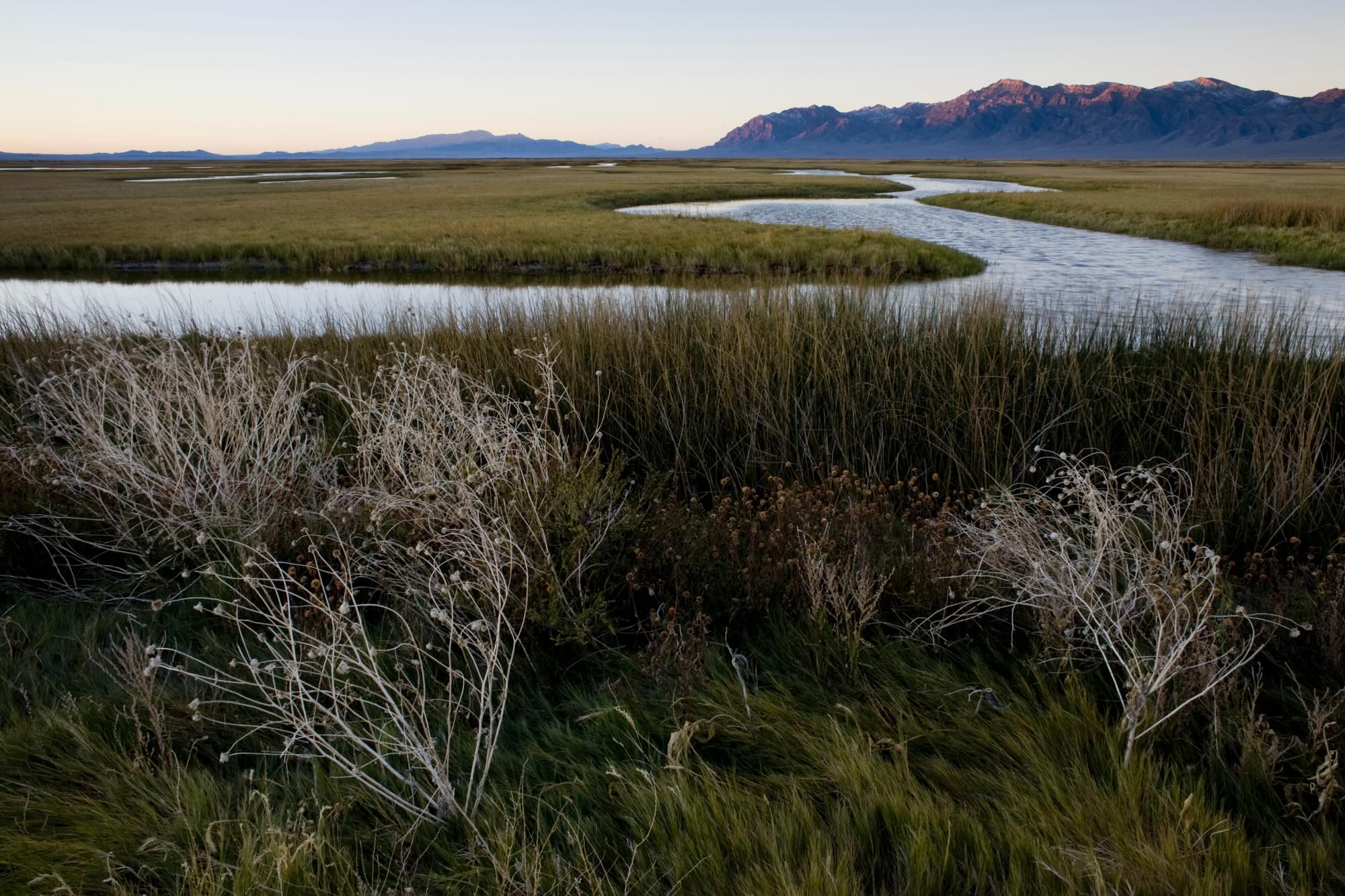
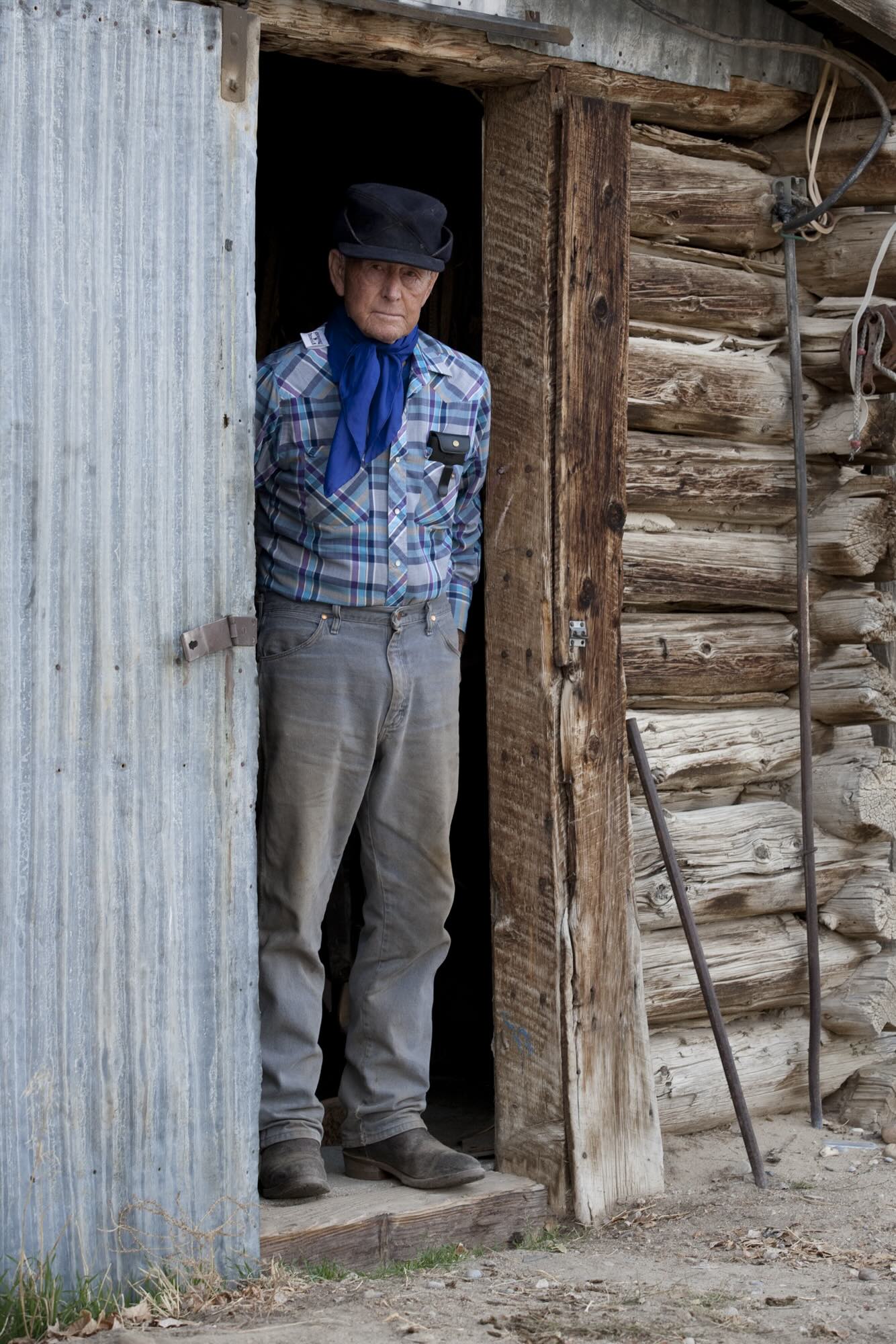
While studying photojournalism at the University of Utah in the early 2000’s I became aware of ranchers in the Great Basin who were fighting against the SNWA ( southern Nevada water authority) to keep their water rights secure from exportation to Vegas. 

This story is still unfolding.


What excited you about studio photography? It’s the antithesis of raw nature.
In college, I assisted a product photographer (shout out to Butch Adams!) where I learned to love lighting portraits and products.  Our property in Bishop includes a commercial office building where I keep my studio. It’s great to have a place where I can make a big mess and then leave it for the night without anyone caring.

As a yearbook photographer in High School, I learned that a camera was my ticket to freedom.  With a photo assignment in my pocket, I could wander the halls, leave school early, and generally be on my program. Climbing is also known as ’the freedom of the hills’ so really it’s a perfect combo for me.  


The Art of the Personal Project: Geert Detaeye

The Art of the Personal Project is a crucial element to let potential buyers see how you think creatively on your own.  I am drawn to personal projects that have an interesting vision or that show something I have never seen before.  In this thread, I’ll include a link to each personal project with the artist statement so you can see more of the project. Please note: This thread is not affiliated with any company; I’m just featuring projects that I find.  Please DO NOT send me your work.  I do not take submissions.


Today’s featured artist: Geert De Taeye

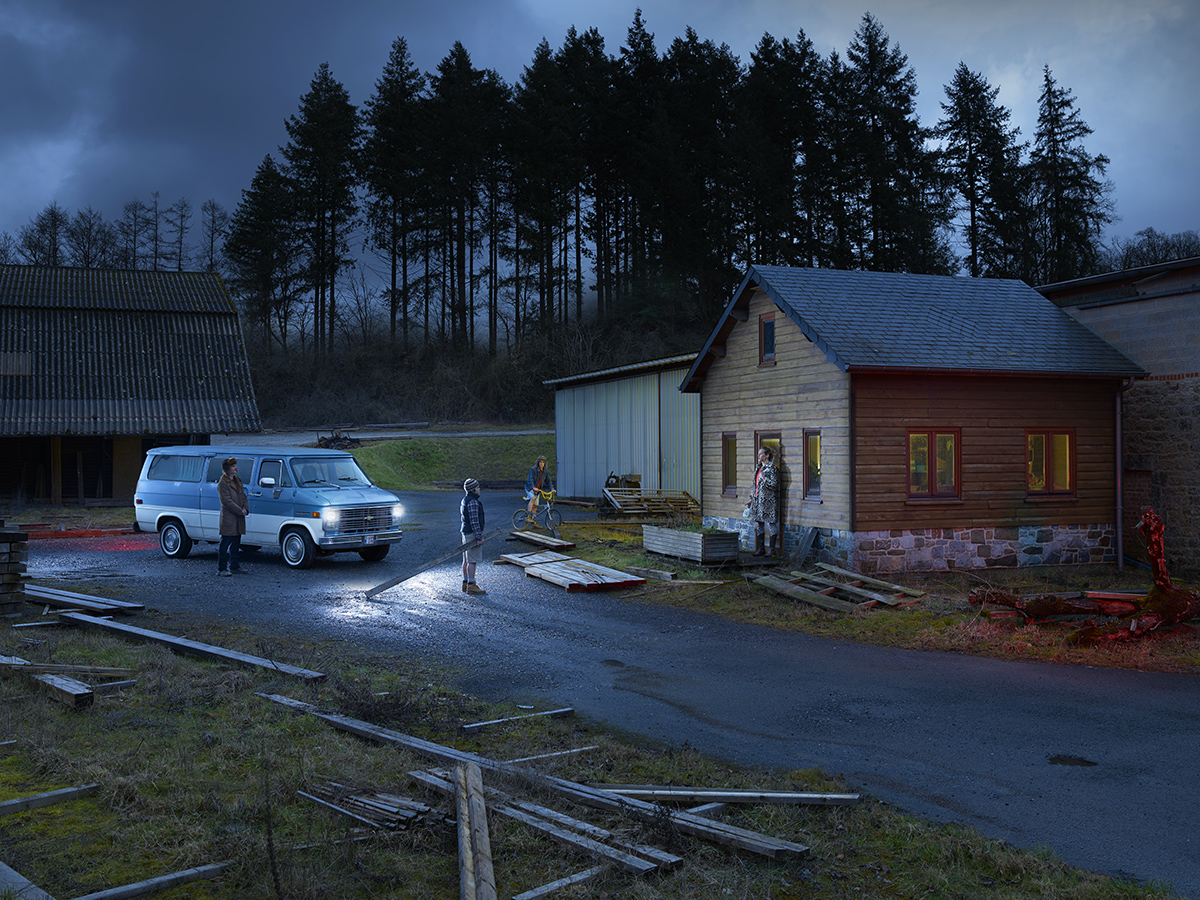
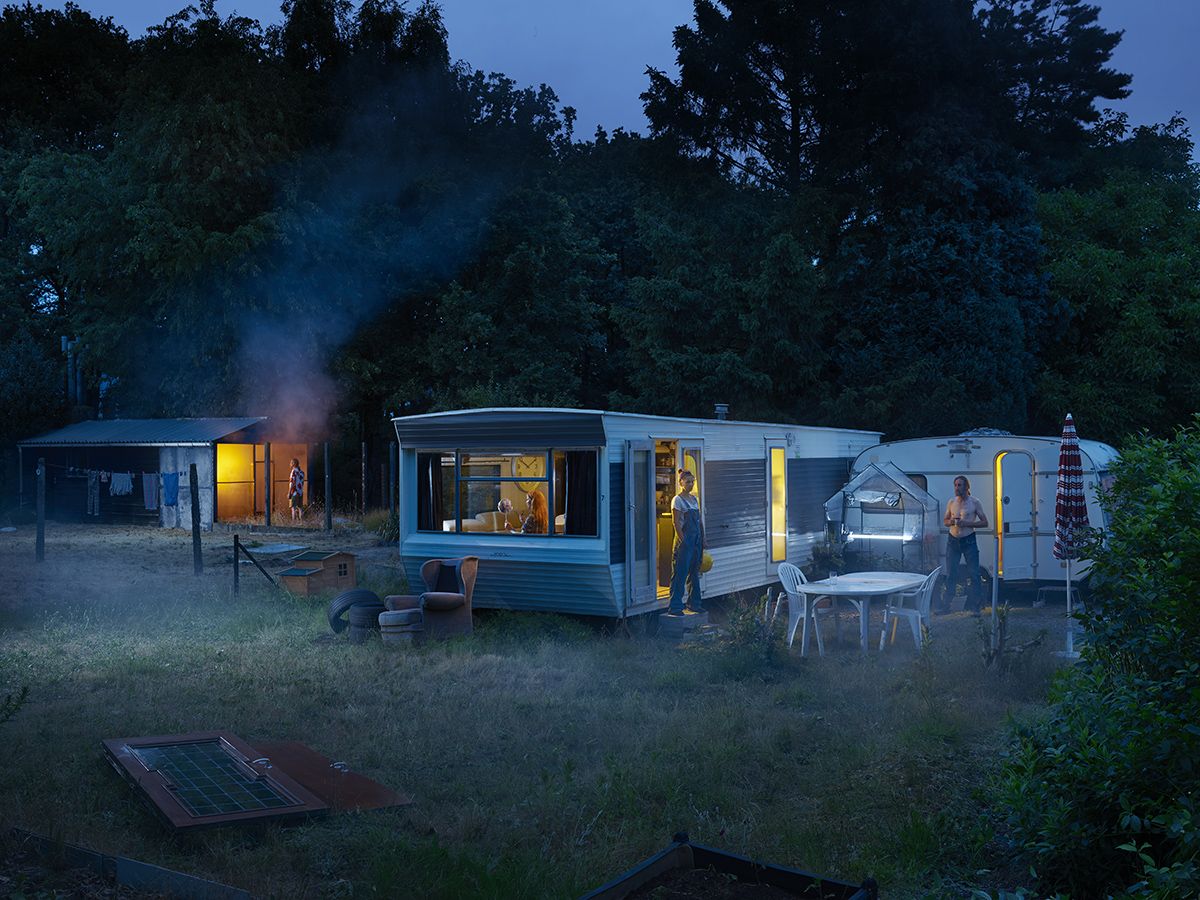
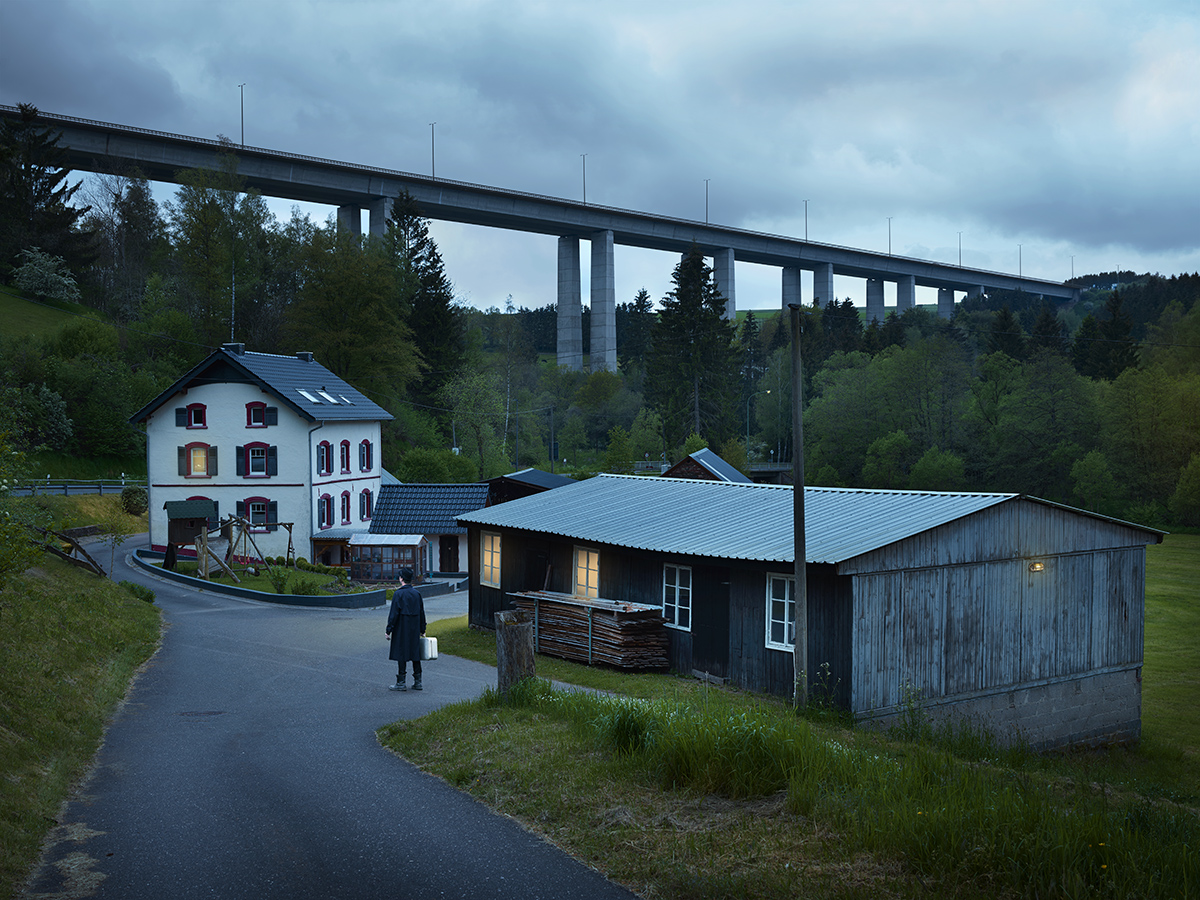
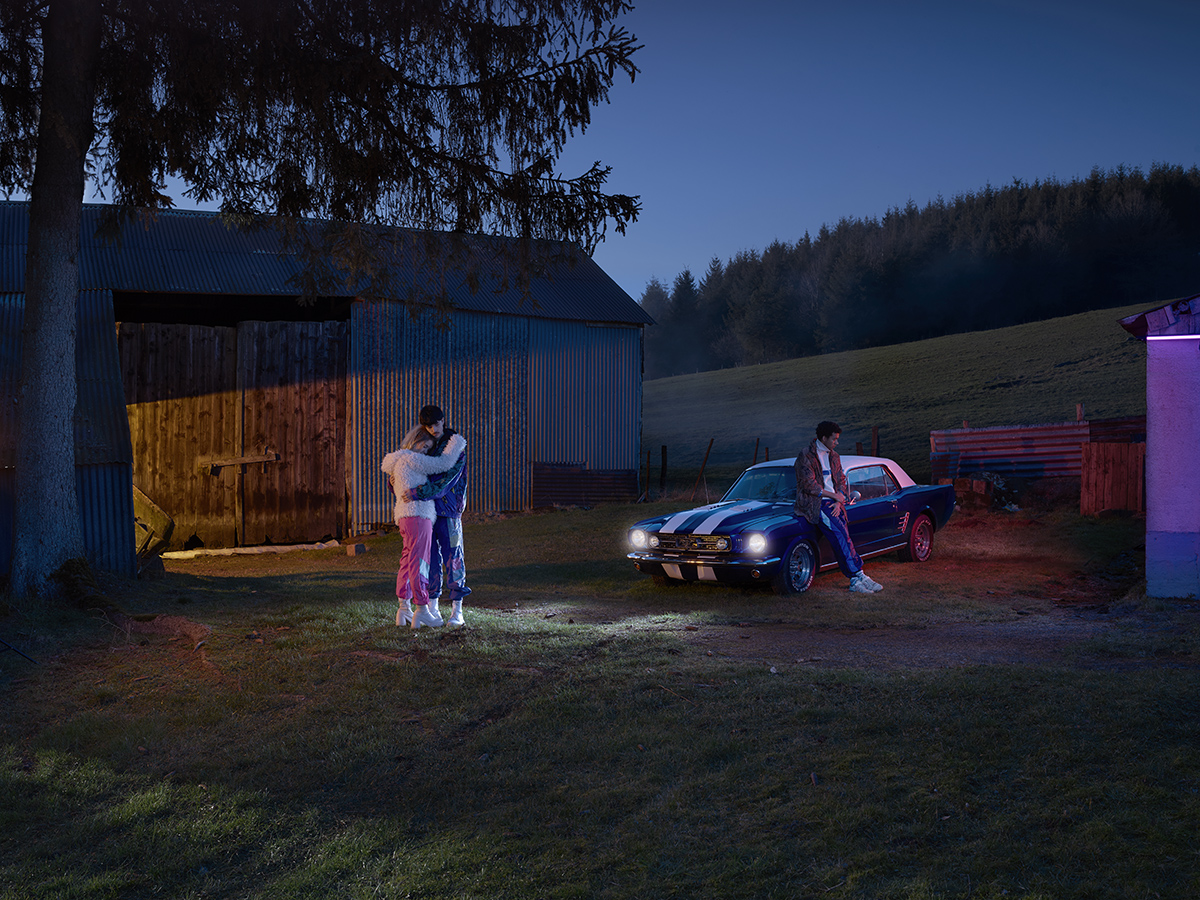
In this photo series, I embark on a journey through inspiring locations that have the power to ignite the imagination. Guided by the virtual lens of Google Street View, I find myself wandering through the digital corridors of the world, embarking on endless virtual walks. Like a spy plane soaring above, I observe the landscape from different angles, seeking out wooded areas, specific architectural styles, and mysterious structures that exude a captivating atmosphere. These locations serve as the foundation upon which I build my narrative.

However, the initial allure of these virtual discoveries often gives way to reality when I visit them in person. Changes in the environment or alterations to the building itself can leave me disappointed. Just as Google Street View captures a moment in time, my photographs also freeze a specific instance. Yet, in their evolution, they reveal the loss or emergence of certain character traits unique to each location.

Every place undoubtedly harbors a story, a history waiting to unfold. These stories become the seeds for my photo series. Approaching with an air of naivety, I engage with the owners of farms, houses, and other inhabited places. My initial intention is to seek permission to capture their residence in an image. With a genuine curiosity, I ask them to share a personal story that resonates deeply with their home. An event or memory that has left an indelible mark and is intimately intertwined with their dwelling. It’s as if I am selecting a still from a movie, immortalizing a moment frozen in time.

The residents’ personal stories form the foundation of my images. Drawing inspiration from their narratives, I create and stage new situations that expand upon the truth, allowing room for interpretation and exaggeration. The resulting photographs, The Nearest Truth, are grounded in true stories yet venture beyond simple documentation. Nothing is quite as it seems, as I aim to create a world where reality and imagination blur together, beckoning viewers to question their own perceptions.

Through this approach, I hope to uncover the hidden narratives embedded within these captivating locations. The fusion of personal stories, carefully constructed staging, and the inherent magic of photography allows me to delve into the depths of human experience and create visual moments that resonate on multiple levels.

In The Nearest Truth, reality dances with the imaginary, prompting viewers to delve deeper into their own interpretations and immerse themselves in a world where tales are told through the lens of a camera.

To see more of this project, click here

Instagram

APE contributor Suzanne Sease currently works as a consultant for photographers and illustrators around the world.  She has been involved in the photography and illustration advertising and in-house corporate industry for decades.  After establishing the art-buying department at The Martin Agency, then working for Kaplan-Thaler, Capital One, Best Buy and numerous smaller agencies and companies, she decided to be a consultant in 1999.  Follow her at @SuzanneSease.  Instagram

The Art of the Personal Project: Gabriele Galimberti

The Art of the Personal Project is a crucial element to let potential buyers see how you think creatively on your own.  I am drawn to personal projects that have an interesting vision or that show something I have never seen before.  In this thread, I’ll include a link to each personal project with the artist statement so you can see more of the project. Please note: This thread is not affiliated with any company; I’m just featuring projects that I find.  Please DO NOT send me your work.  I do not take submissions.

Today’s featured artist: Gabriele Galimberti

Half of all the firearms in the world that are owned by private citizens for non-military purposes are in the United States of America. The overall number, indeed, exceeds the Country’s population: 400 million weapons for 328 million people. This is not a coincidence, nor is it a market-related issue: it is rather a matter of “tradition” and constitutional guarantee established with the Second Amendment, ratified in 1791. This law reassures the inhabitants of the newly independent territories that their Federal Government would not be able, one day, to abuse its authority over them, and they are guaranteed the right to bear arms.

Two hundred and fifty years later, the Second Amendment is still ingrained in all aspects of American life.

Gabriele Galimberti has travelled to every corner of the United States – from New York City to Honolulu – to meet proud gun owners and photograph them and their weapons.
He has photographed people and guns in their homes and neighborhoods, even in places where no one would expect to find such arsenals.

These often-disturbing portraits, together with the accompanying stories based on interviews, provide an unexpected and uncommon view of what the institution of the Second Amendment really represents today.

To see more of this project, click here.

Instagram

APE contributor Suzanne Sease currently works as a consultant for photographers and illustrators around the world.  She has been involved in the photography and illustration advertising and in-house corporate industry for decades.  After establishing the art-buying department at The Martin Agency, then working for Kaplan-Thaler, Capital One, Best Buy and numerous smaller agencies and companies, she decided to be a consultant in 1999.  Follow her at @SuzanneSease.  Instagram

The Art of the Personal Project: Amy Selwyn

The Art of the Personal Project is a crucial element to let potential buyers see how you think creatively on your own.  I am drawn to personal projects that have an interesting vision or that show something I have never seen before.  In this thread, I’ll include a link to each personal project with the artist statement so you can see more of the project. Please note: This thread is not affiliated with any company; I’m just featuring projects that I find.  Please DO NOT send me your work.  I do not take submissions.

Today’s featured artist:  Amy Selwyn

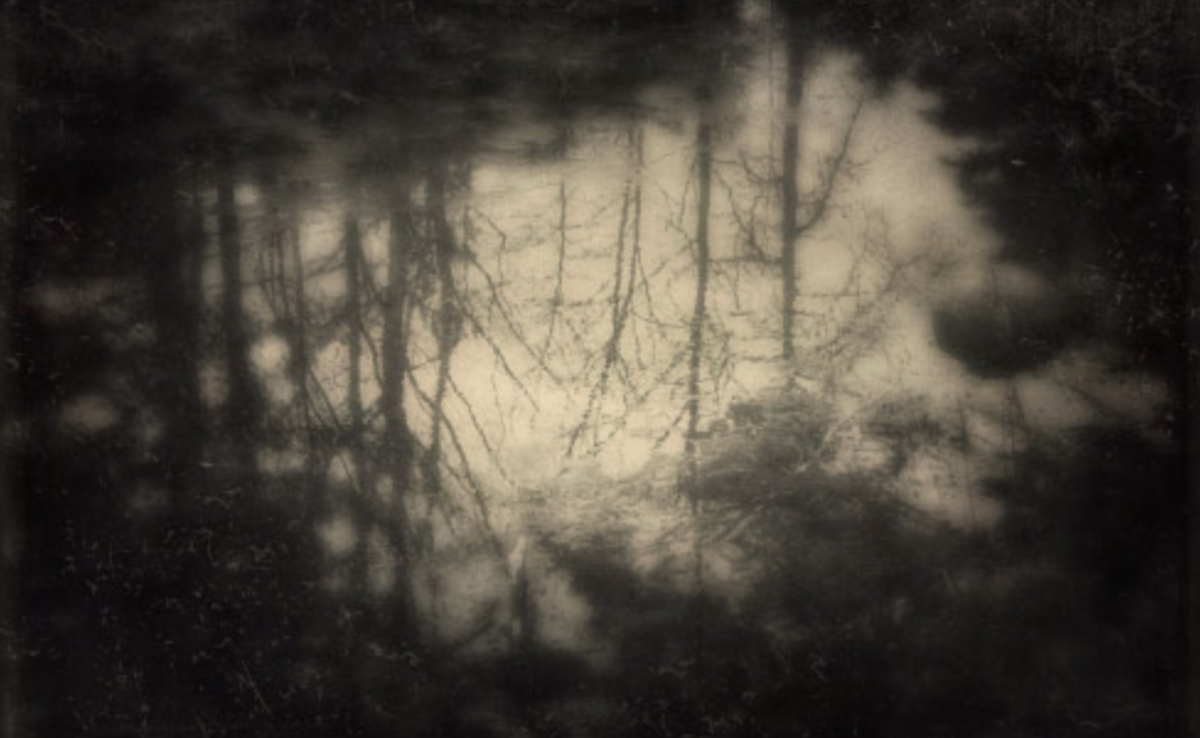
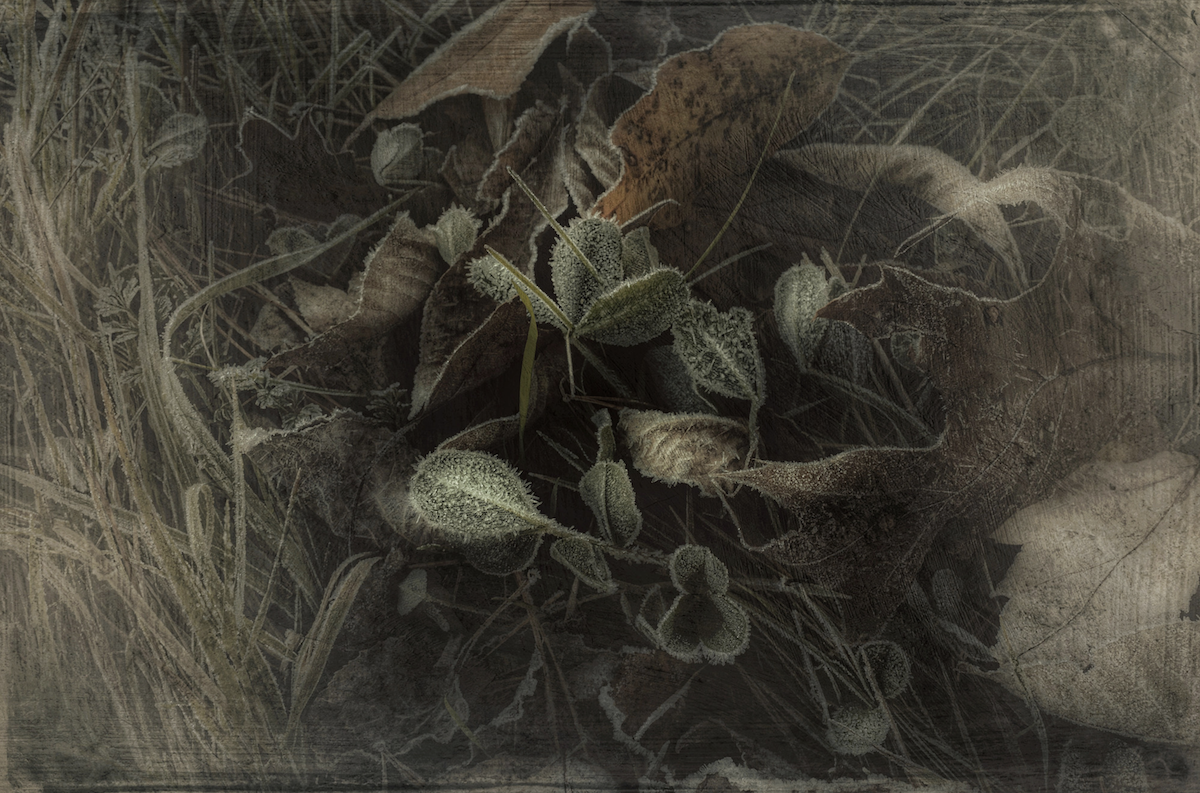
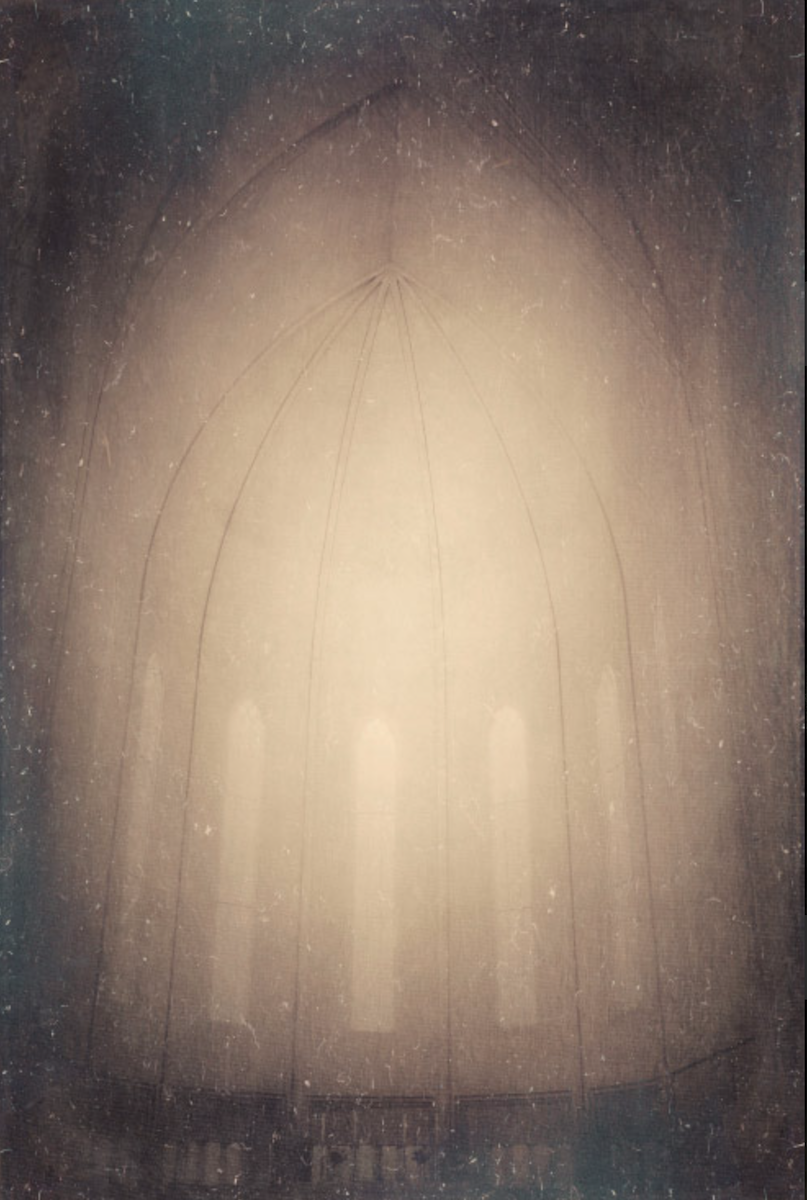
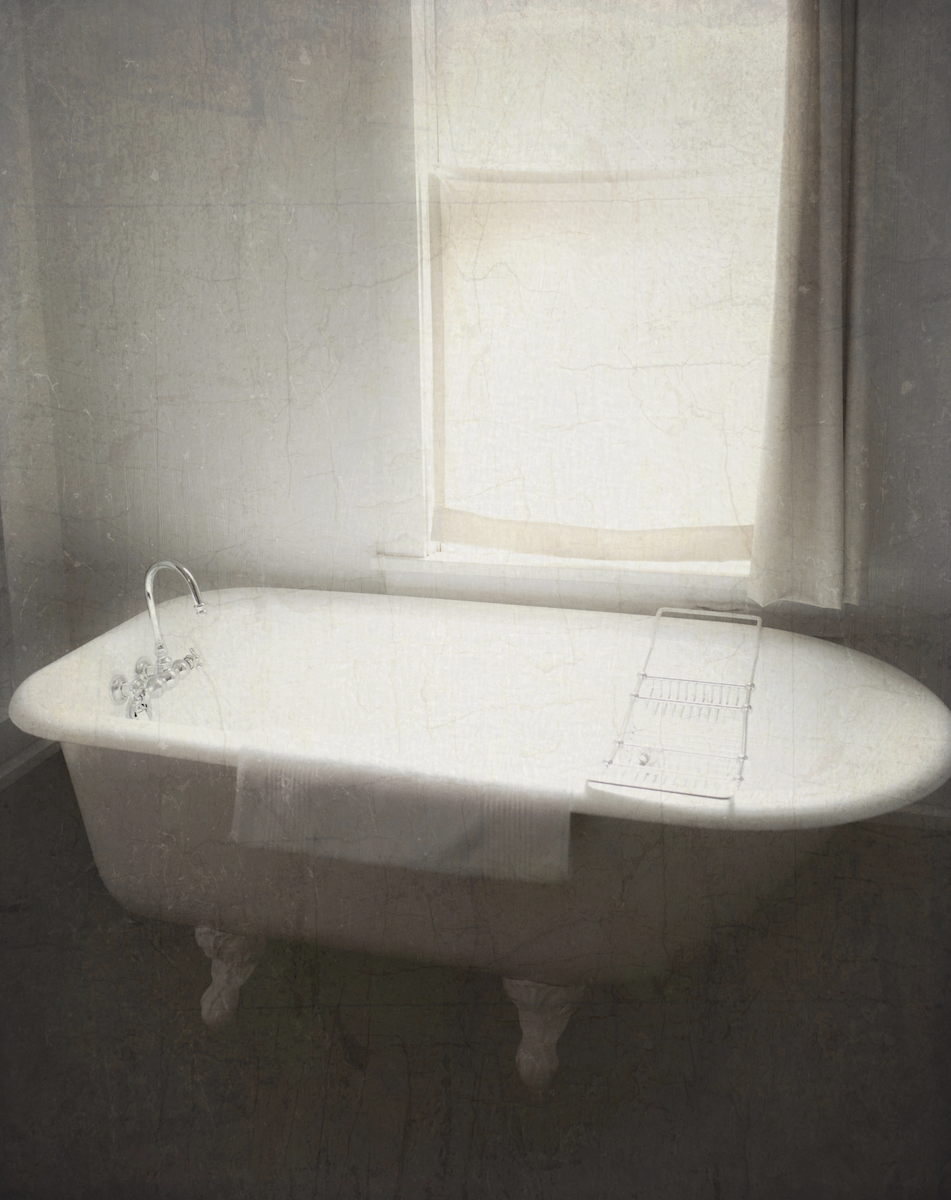
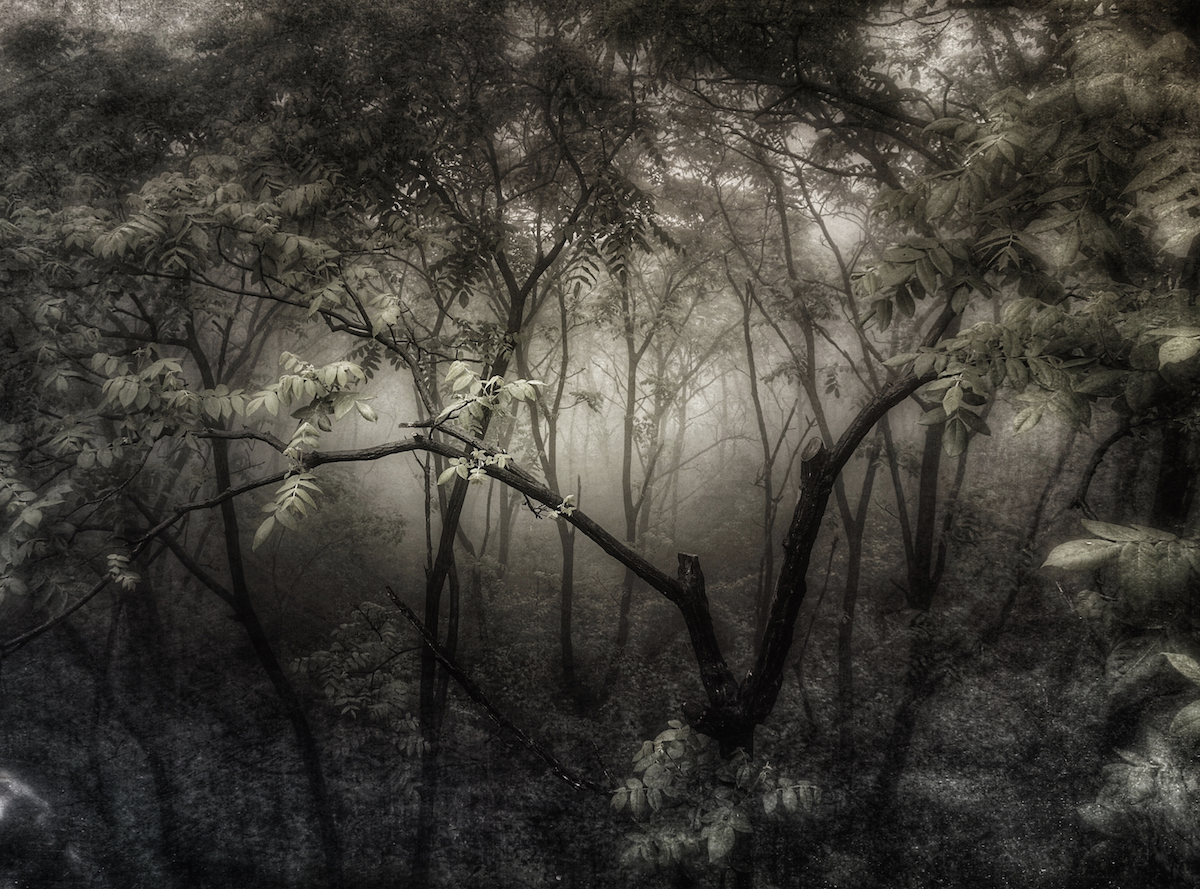
With mostly monochromatic hues and an aesthetic that hints at time’s passage, Amy Selwyn’s images invite the viewer into a realm where light and shadow dance in a slow and expressive duet. Each photograph, though distinct in its subject — a cathedral’s vault, a fog-wrapped forest, a solitary bathtub, and a church standing sentinel in a hazy expanse — shares a common thread of contemplation and consideration.

The cathedral’s arching lines reach toward the mysterious of the heavens. The forest scene, veiled in mist, speaks to the enigma of nature’s beauty, her paths less traveled, and the quiet introspection such a world elicits. The soft solitude of the bathtub, framed by morning light, mirrors the intimacy of moments when we confront (welcome?) the naked self.

Collectively, these works are a meditative exploration on solitude, reverence, and the search for meaning amidst the ephemeral. They stand, Selwyn believes, as odes to the quietness in life, the spaces between breaths, the silent stillness that defines our existence. Within these silent vignettes, the artist extends an invitation to pause, to reflect, and to find solace.

To see more of this project, click here

Instagram

APE contributor Suzanne Sease currently works as a consultant for photographers and illustrators around the world.  She has been involved in the photography and illustration advertising and in-house corporate industry for decades.  After establishing the art-buying department at The Martin Agency, then working for Kaplan-Thaler, Capital One, Best Buy and numerous smaller agencies and companies, she decided to be a consultant in 1999.  Follow her at @SuzanneSease.  Instagram