The Art of the Personal Project is a crucial element to let potential buyers see how you think creatively on your own. I am drawn to personal projects that have an interesting vision or that show something I have never seen before. In this thread, I’ll include a link to each personal project with the artist statement so you can see more of the project. Please note: This thread is not affiliated with any company; I’m just featuring projects that I find. Please DO NOT send me your work. I do not take submissions.
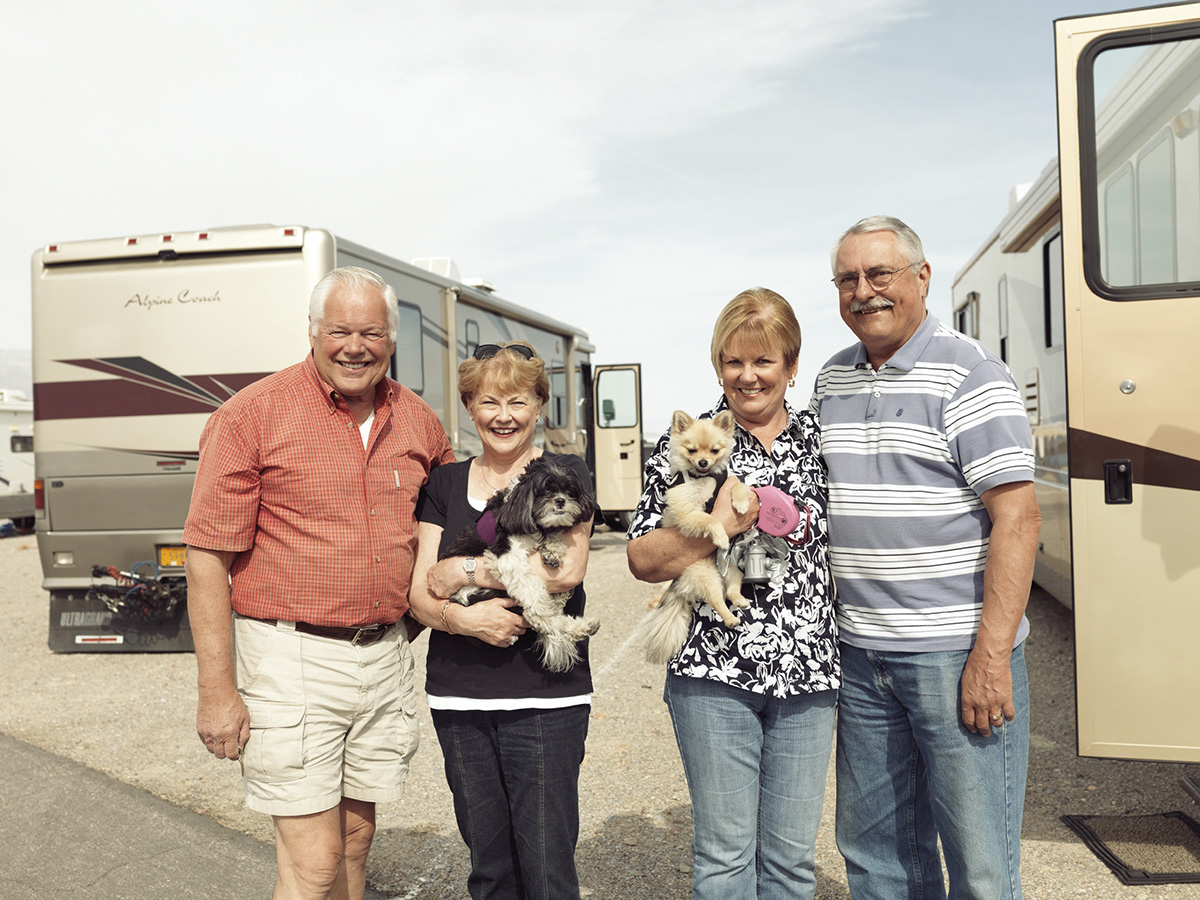
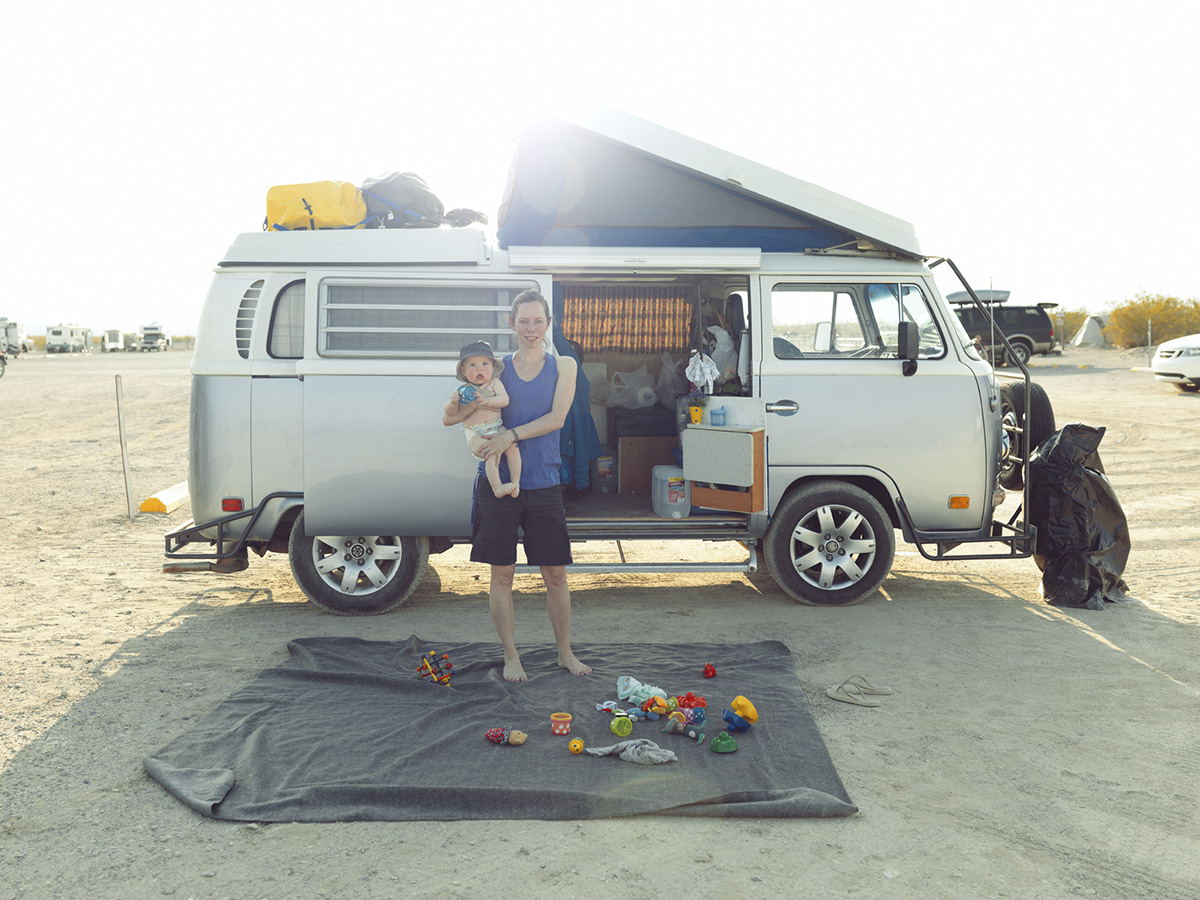
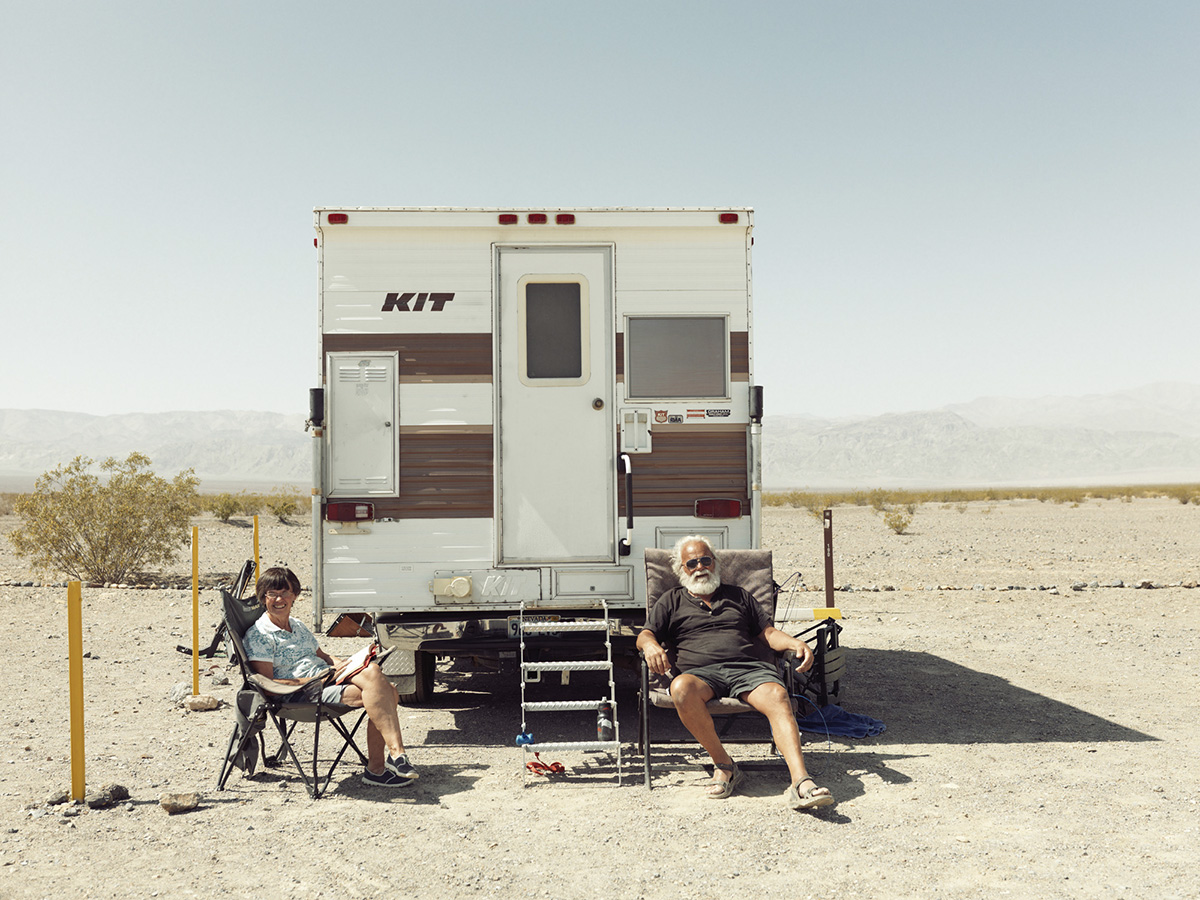
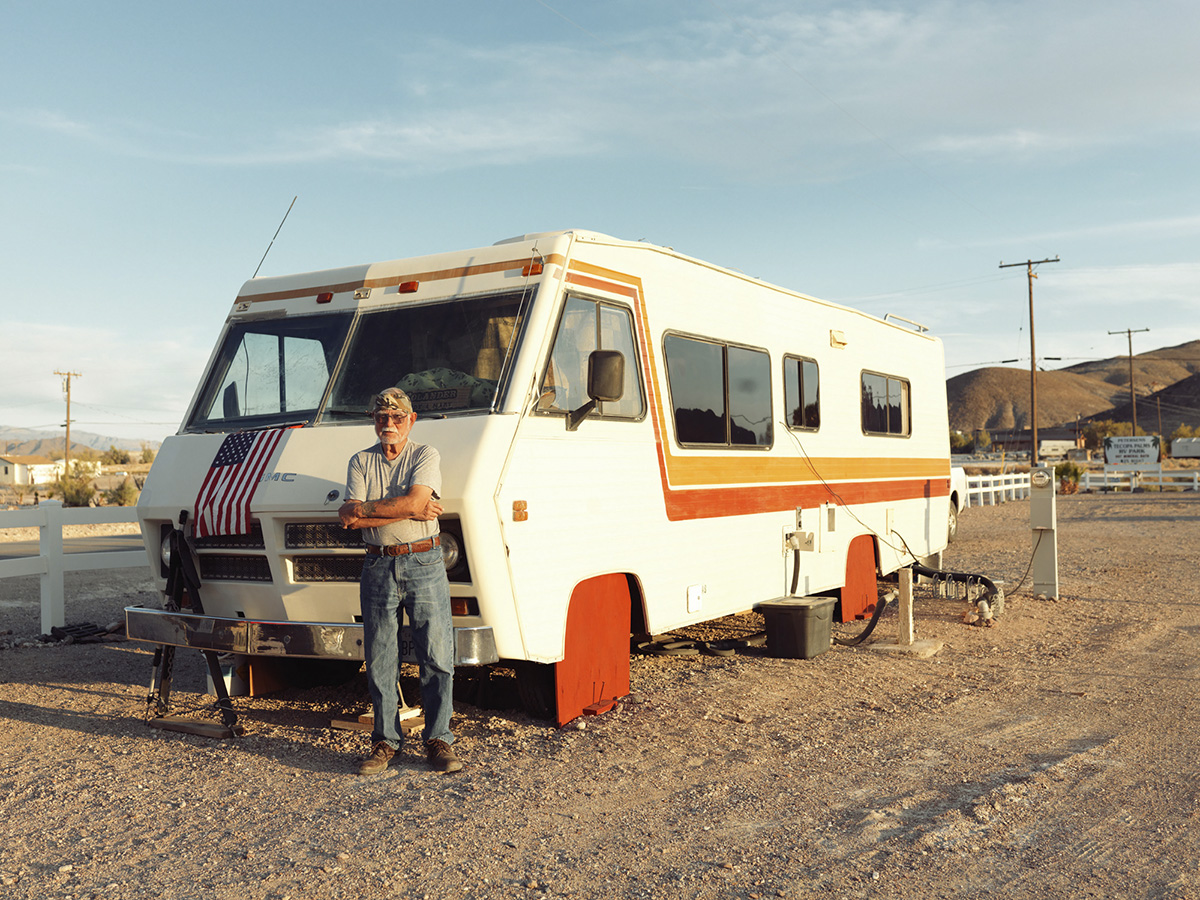
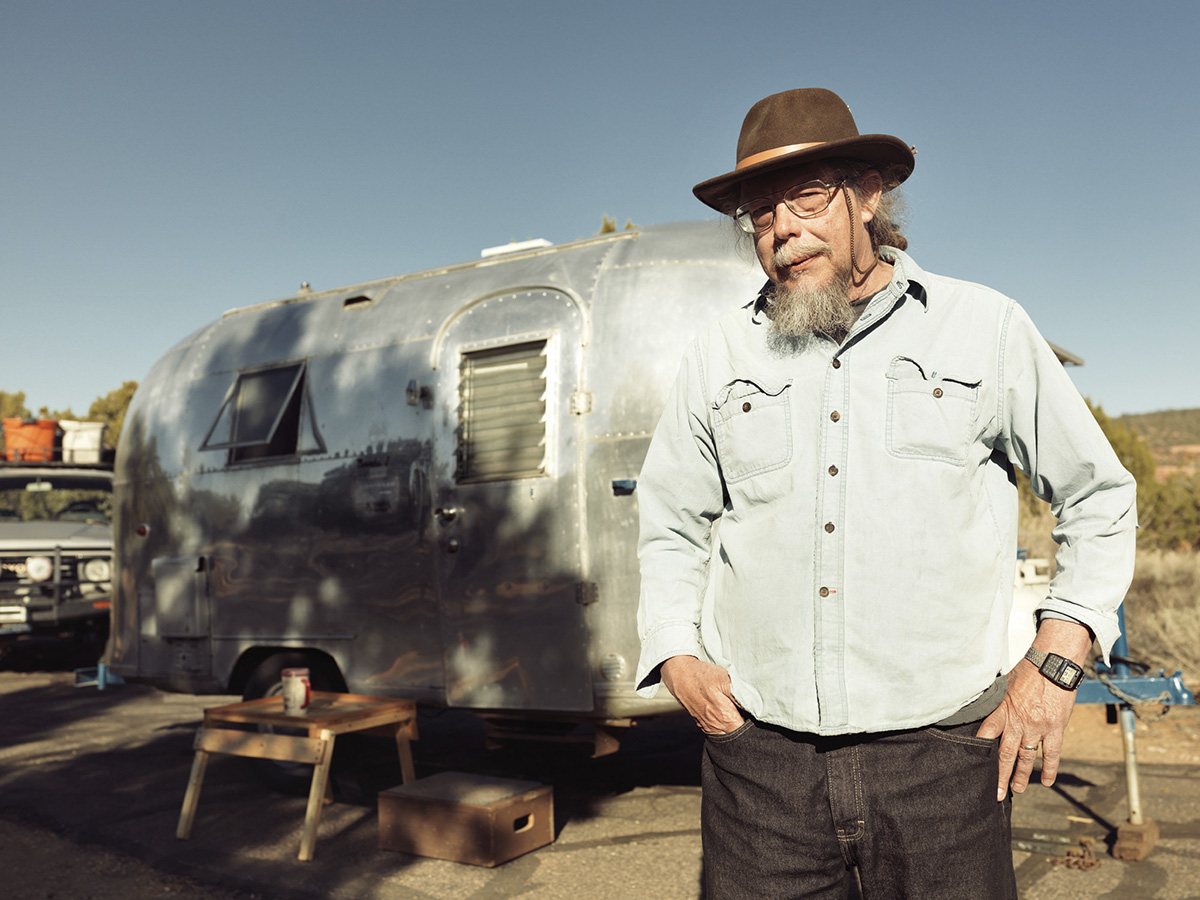
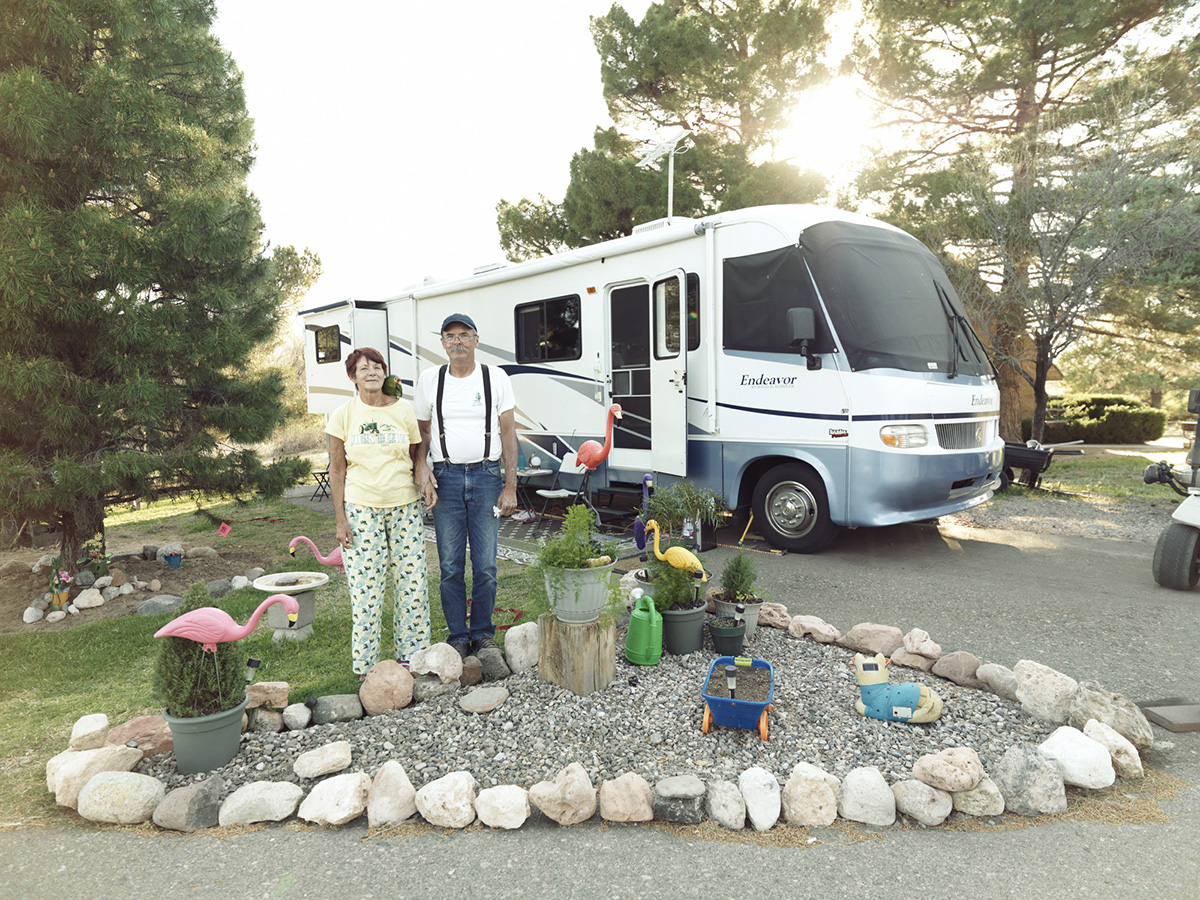
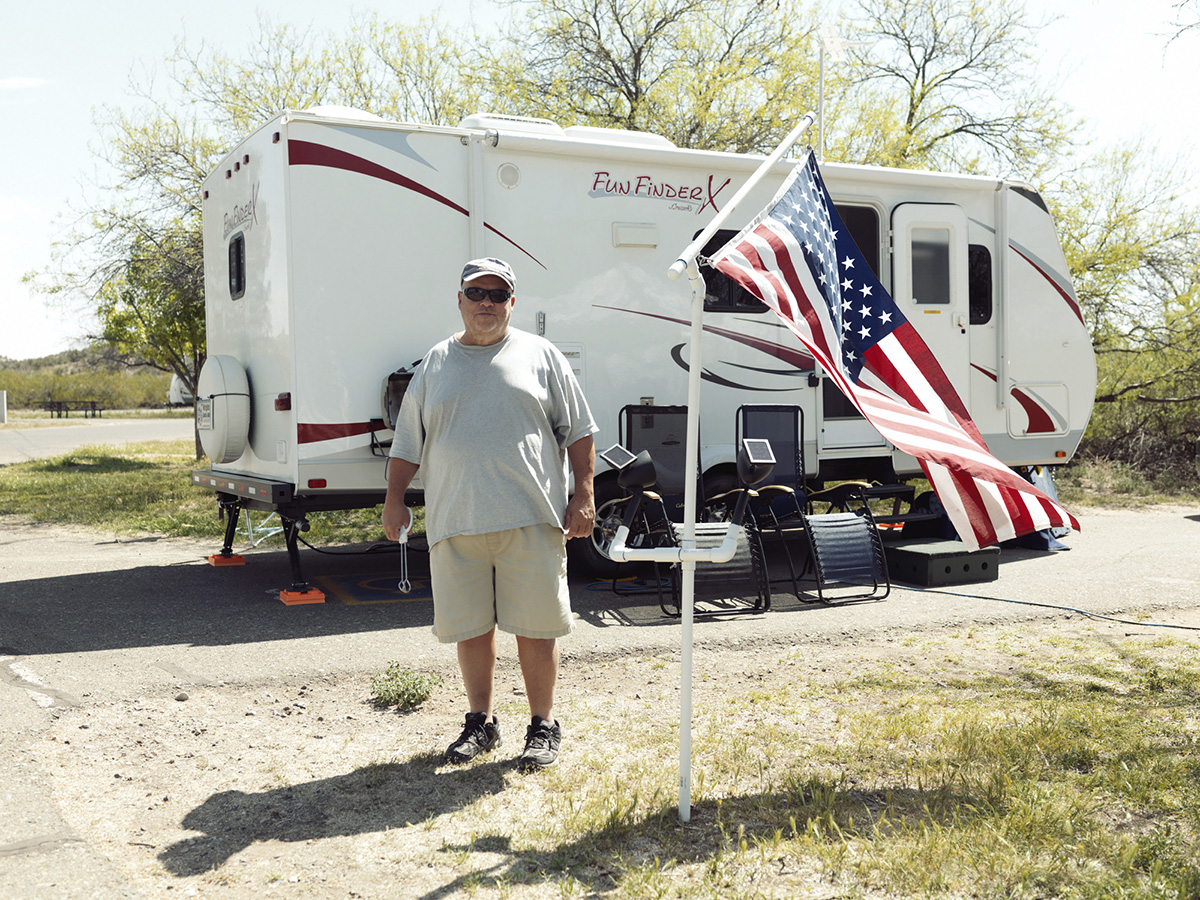
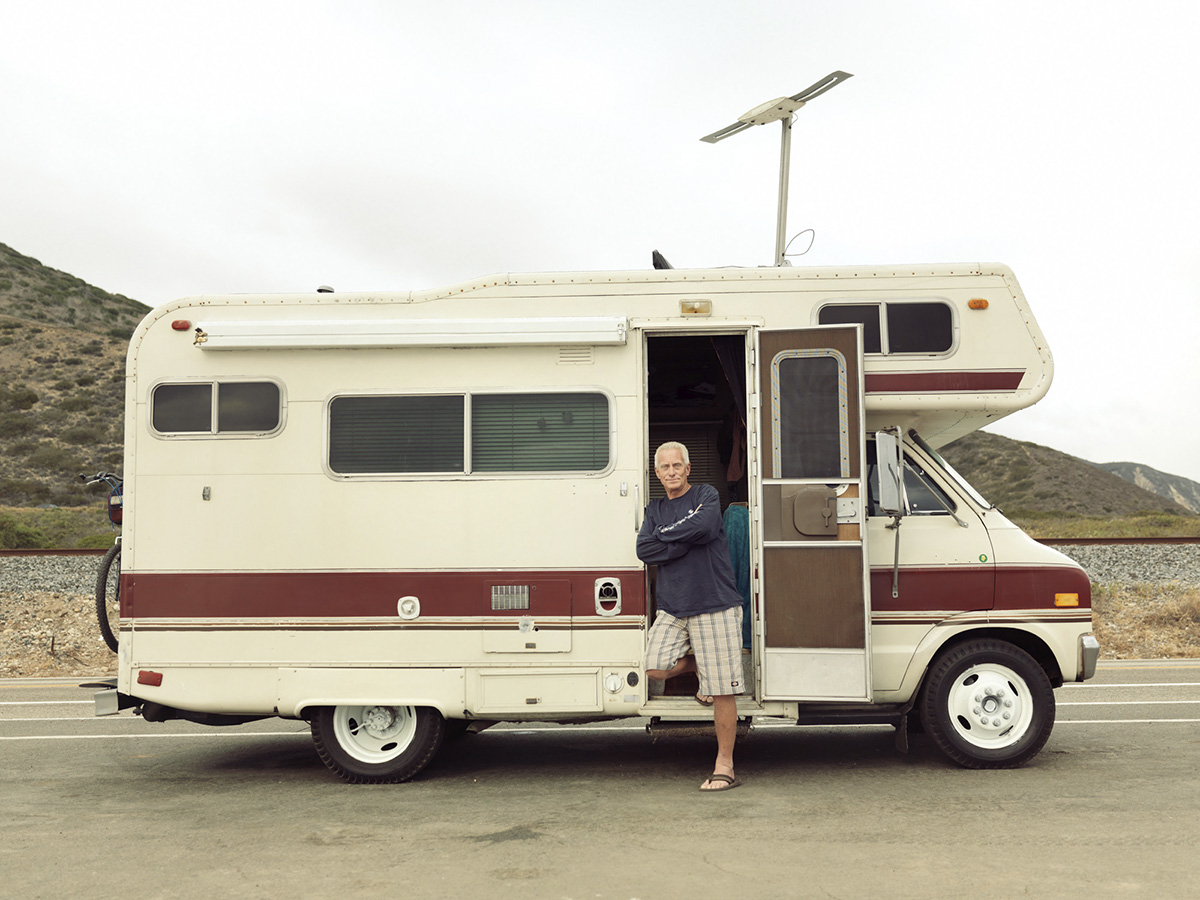
So, the Happy Campers project … It really is a very personal project as I started it purely for fun, for documentation purposes and a to get a look into the world of other campers and their vehicles and ideas and thoughts about camping and a life on the road. It was in 2012 that I spent two months living and traveling out of a 1971 VW van with my wife Katrin and our just 8 months old son in the US Southwest (they are included in the series too ;-)) and whenever we pulled up to a campground, we looked around for interesting vehicles and people. In the evenings or mornings, I grabbed my Hasselblad H4D-50, and we took a casual walk as a family around the campsite. With our old van in the back and a baby on the arm it never was hard to start a conversation, and, in the end, I often took a few portraits of the owners and their rides. I naturally felt most drawn to other vintage motorhomes and the supersize ones that were just the opposite of how we were travelling.
APE contributor Suzanne Sease currently works as a consultant for photographers and illustrators around the world. She has been involved in the photography and illustration advertising and in-house corporate industry for decades. After establishing the art-buying department at The Martin Agency, then working for Kaplan-Thaler, Capital One, Best Buy and numerous smaller agencies and companies, she decided to be a consultant in 1999. Follow her at @SuzanneSease. Instagram
Each month, we pick one of our recent estimates to write about in a Pricing & Negotiating article. Redacting the names of the photographer and client allows us to share valuable and educational information that would otherwise be confidential.
Concept: Architecture/Interiors and Brand Narrative content of an upscale medical center’s treatment facility in an affluent area of a major U.S. city
Licensing: Perpetual, Unlimited Use (excluding Broadcast) of up to 35 images
Photographer/Director: Architecture and Interiors specialist
Agency: High-end Public Relations Agency
Client: Medical Center
Summary
I recently helped a photographer build an estimate for a client seeking brand narrative and architecture/interiors photography of their upscale medical center and specialized treatment facility.
The client brief described atmospheric interiors, and stylized content of the location for use in the brand’s marketing and advertising efforts. The shot list consisted of 35 images created through eight unique set-ups within the location. The final use of the photography was described as client web and social placements, as well as advertising within trade and select consumer publications. We called this Unlimited use (excluding Broadcast).
The client wanted to handle all the location coordination, location styling, employee/staff talent and talent coordination, wardrobe/hair/makeup styling, crew meals and crafty. Therefore, we included a Client Provisionssection within the Job Description to note who would be handling these items.
The client had a prescribed shot list of what they wanted to capture. And so, based on the client, our budget range conversations with the PR agency, and the intended content use, I advised a Creative/Licensing fee of $12,000 for up to 35 images. This equated to $2,500/day for the shoot and an additional $9,500 ($271/image) licensing fee. The photographer was happy with the suggested fee and we were both under the assumption that only a handful of images would be used within any paid placements. It should be noted that this fee was significantly higher than other Architecture/Interiors projects the photographer had worked on (albeit those licenses were mostly only for Collateral and Publicity use), and the photographer was initially apprehensive about the fees total, based on the rates of their competition.
Our estimate included a line stating the cost of additional images to be $1,250/each (including up to one hour of retouching). This additional image fee was purposely created to be significantly higher than the other images. I also added $750 for the photographer to scout the location in advance of the shoot.
Crew
We added a First Assistant at $600/day for both the tech scout and shoot day. Then we added a Second Assistant on the shoot day for an additional hand with lighting and camera equipment management to help to expedite the day. In addition, we included a Digital Tech at $750/day. These fees were consistent with previous rates the photographer had paid their crew on past productions in this city.
Equipment
We included $1,400 for cameras, lighting, and grip rentals. This would all go to the photographer as they anticipated bringing their own cameras, lenses, and basic lighting kit. Another $650/day was then added for the digital workstation rental. Finally, we also included a line for hard drives at $0 to be included with the production. We have found it always helpful to note items to be included, even if $0, to let the client know the photographer is considering all needs, and in this case the need to back up the images on site.
Misc
For insurance, we included $450, and we added $325 to cover taxis, additional meals, and any unforeseen expenses.
Post-Production
The photographer would perform a First Edit for Client Review and deliver roughs to the client for $500. We also included a retouching fee for the 35 images at $100/hr. The photographer would be doing the retouching themselves, and this hourly rate is consistent with their previous projects.
Results
The photographer was awarded the project. The client loved the work and returned about a month later to license an additional image at $1,250. The final images are gorgeous, and are currently in use on both the client’s web/social pages and the photographer’s portfolio!
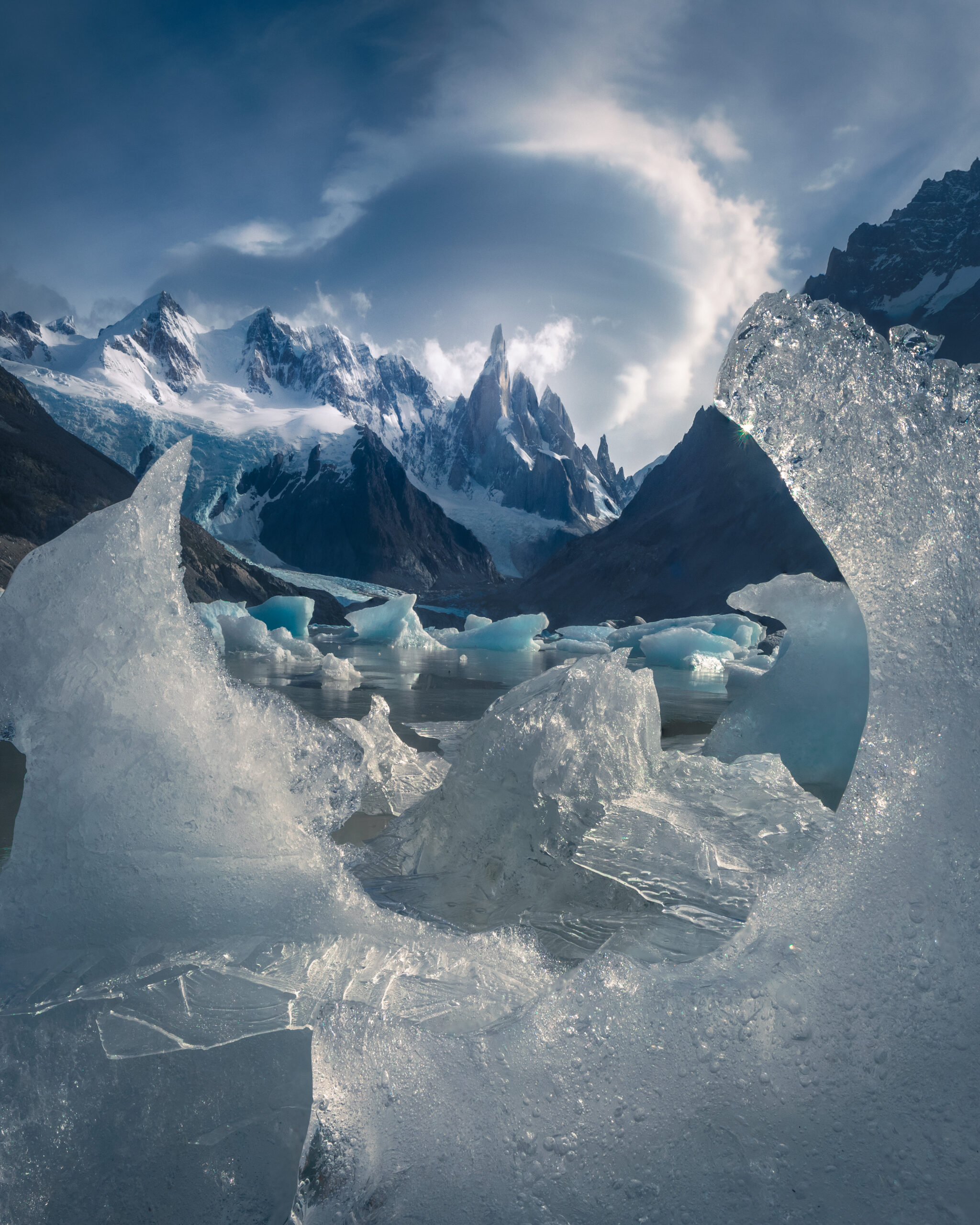
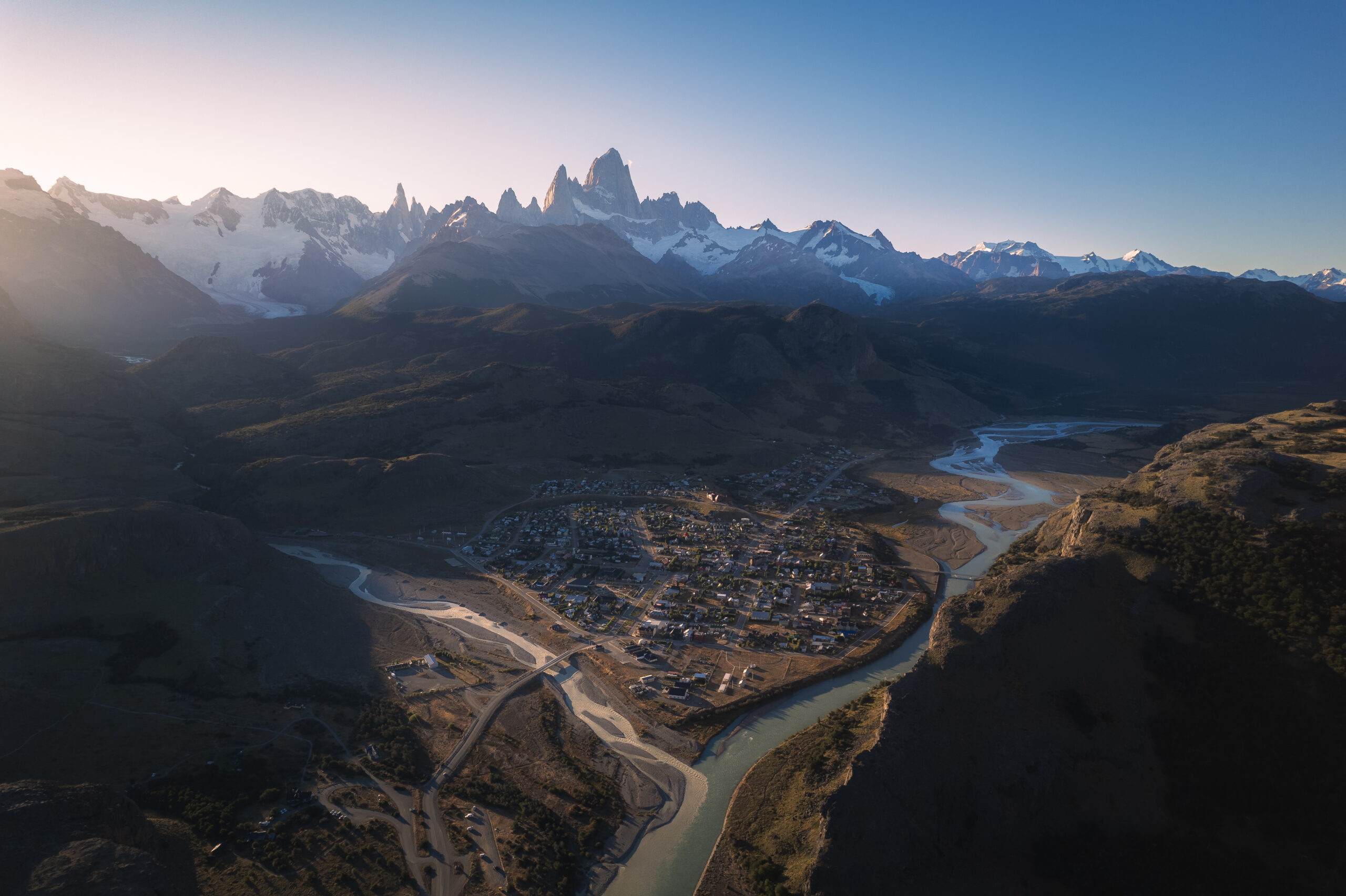
Heidi: How long have you been living in Chaltén? Tyler: I have been on and off for around 5 years now. It all started with a three-day trip, and then the following year, I returned for the entire three-month climbing season. Each year, I returned for the season February – April, and finally, two years ago, I pulled the trigger on moving here full-time. It’s been around 1.5 years straight and over 2.5 years cumulative. I just can’t get enough of this place.
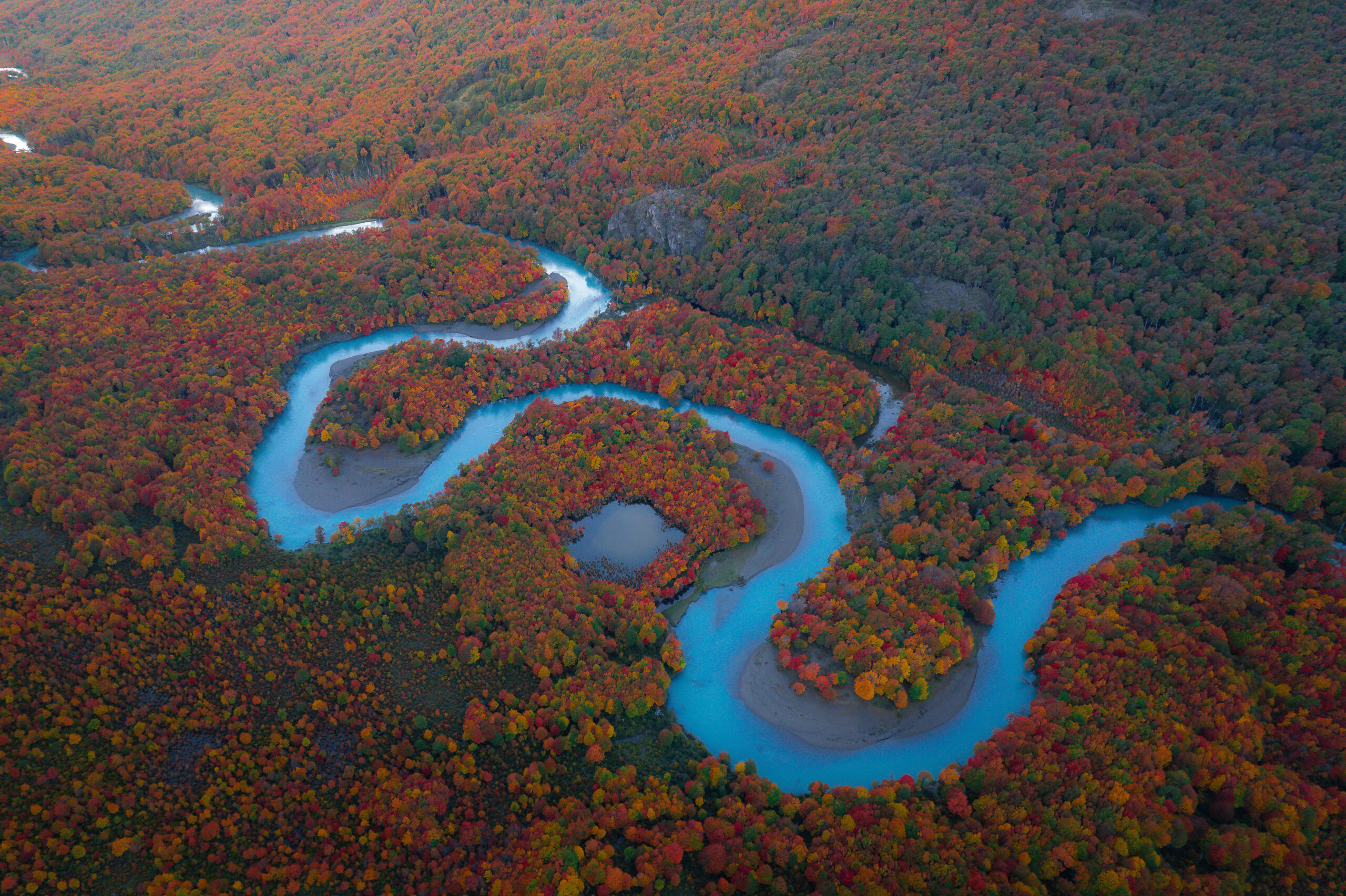
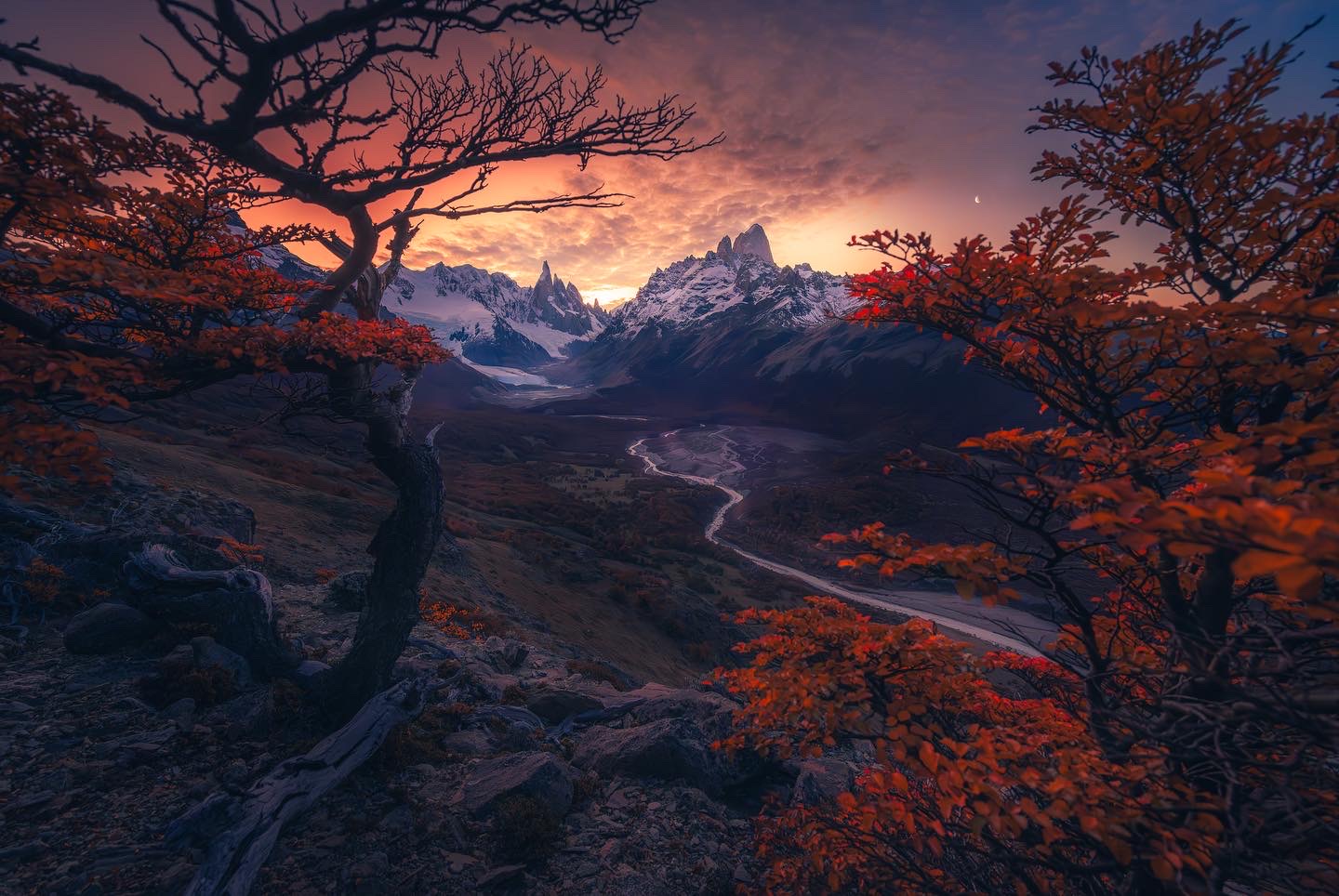
Do you study local flora and fauna to see the changes year after year? Yes, I have spent 5 fall seasons here in Chaltén over the years, and it’s fascinating to see the difference in when the leaves on the Lenga and Ñire trees begin to change to their fall colors. On my first trip, we didn’t even plan for the fall foliage back in 2018, but we were here during the perfect week—it was April 4th, and the colors were at their peak. It’s interesting that I’ve seen the colors last until late April and even into early May, depending on the season. It really does vary from year to year. How did you integrate with the community? It took a few seasons to really get involved with the locals. Coming here only for the Autumn photo season, and good weather, it was tough to meet people because I was always out in the mountains hiking and shooting. It wasn’t until I really moved here and spent the winter season that I felt my experience changed. Getting involved with the local Asado cookouts and getting to know the climbing and ski community, who go to the mountains every chance they get, was really special during my first winter season. It’s a small community, and everyone knows each other. I love that everyone helps each other and is always there to lend a piece of gear or help with beta when needed. The climbing community has welcomed me with open arms, and while I’m still getting more experience, I feel at home among them. We all share the same love for these peaks, and being present and lending a hand when needed goes a long way in this place.
How has your love of nature informed your eye, and when did 360-degree photography enter your kit? When I first started, it was all about the adventure, and my love for nature grew deeper as time went on. The idea of hiking into a place like Los Glaciares National Park with everything you need to survive for a week, all to capture dramatic photos, is what truly excites me. There’s an element of unpredictability—you never really know what’s going to happen. Chasing the right weather conditions has made me appreciate this place even more. Through a lot of trial and error, I’ve learned what to look for when capturing images here.
One day, while flying my drone, I realized that a 180-degree panorama just wasn’t wide enough to capture the full scope of the landscape, so I decided to try a 360-degree shot. I had no idea at the time that this would become my obsession over the next two years.
Still images offer a moment and leave the rest up to the viewer—360-degree photography is immersive and allows anyone to travel. What were you trying to convey with this work? When I first started taking 360 images, I didn’t initially think about how impactful they would be when viewed through a VR headset. But the first time I experienced it, I realized the incredible potential it had. You’re not just looking at a photograph—you’re transported into the scene, feeling like you’re truly there. The ability to bring people to these remote places especially those who might never have the chance to visit in person, is something really special.
While sharing photography has always been rewarding, seeing someone’s reaction when they put on the headset and are fully immersed in the landscape is on another level. It’s deeply gratifying and makes all the effort worthwhile. Beyond the immediate experience, I believe these 360 shots will serve as valuable references for years to come, particularly in glaciology and environmental research. They document the glaciers and landscapes in a way that traditional photos can’t, showing the impact of climate change on these mountains over time. This work is not just about capturing beauty—it’s about creating an immersive, educational experience that can inspire a deeper connection to nature and greater awareness of our environmental challenges.
Was this a straightforward response to the shift towards moving content these days? After years of doing traditional landscape photography, diving into 360-degree photography felt like a breath of fresh air—something new and exciting to offer. The response has been overwhelmingly positive; people really seem to love the immersive experience it provides.
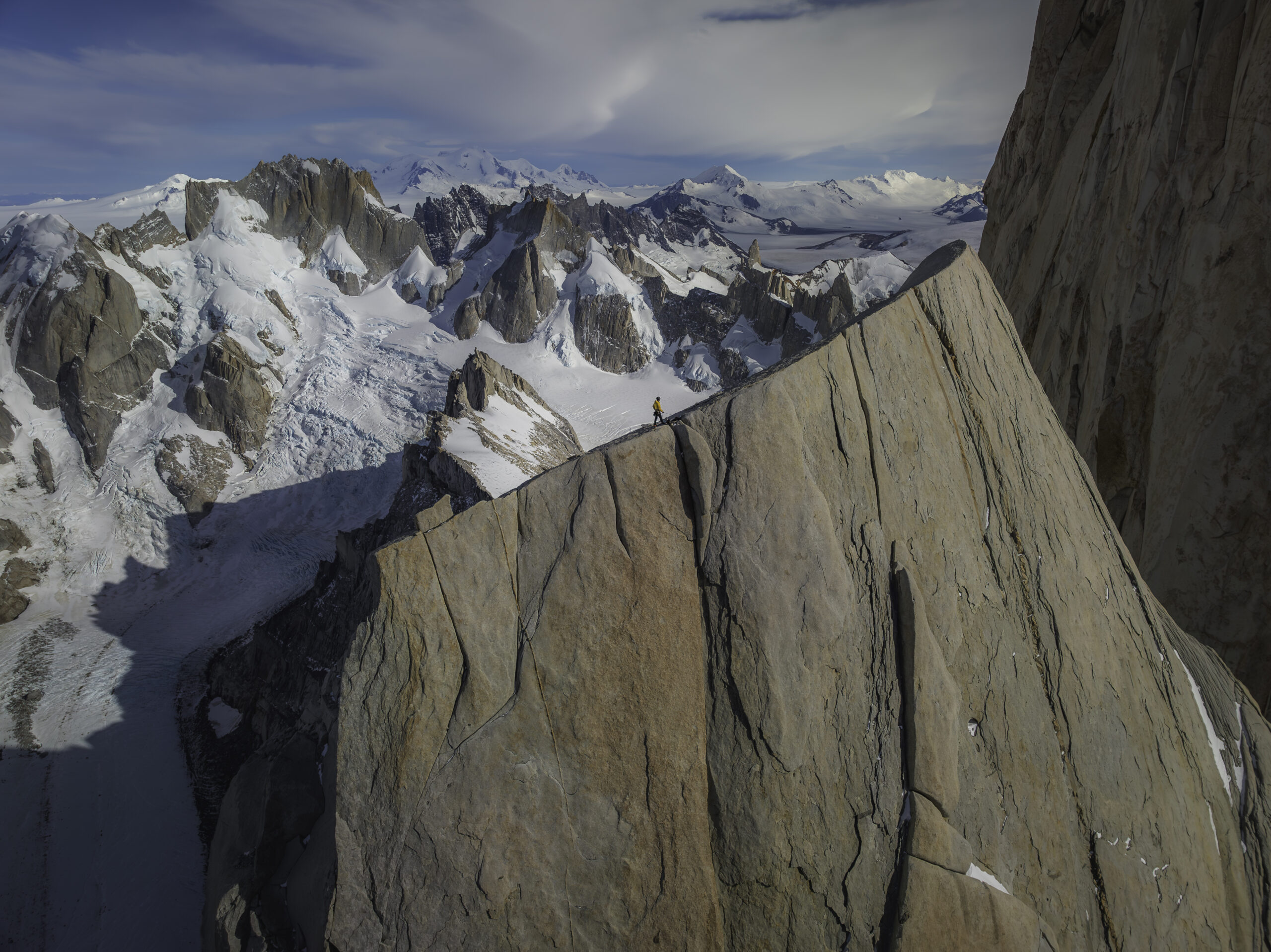
Once I captured those first few 360 images, I became obsessed with the possibilities and started building an archive of them from all over the Chalten Massif. This technology not only allows people to explore these remote landscapes as if they’re actually there, but it also opens up these incredible places to a much wider audience. The accessibility of these images is what drives my passion for this project—they make it possible for anyone, regardless of where they are, to experience the beauty and majesty of these mountains. I’d love to hear the backstory about your first climb… I have been doing novice mountaineering trips for a few years now, slowly learning the skill set. This past May, a good friend, Kiff Alcocer—a fellow North American and experienced climber/mountaineer who also lives here full-time—took me up Cerro Doblado. This was my first time on an ice mushroom. It was a three-day adventure, and we reached the summit with a view over the Patagonia Ice Field that stretches for hundreds of miles. I’m fortunate to have friends who take me to the mountains and to places I wouldn’t yet be able to visit on my own.
Chaltén draws the best alpinists in the world. Tell us about your first experience with friends on the mountain. It all comes down to the experiences and the people you meet here. I’ve now gotten to know many of the world’s best alpinists who come and go each year, and I’ve realized that they’re all here for the same thing: the love of these unique peaks. Chaltén is a special place, and there’s really nothing like it in the world. My first experience in Chaltén was a three-day trip with a bunch of new backpacking gear in 2018. A friend and I didn’t even know how to set up the tent, but that short trip was all I needed to spark my return. We saw peak fall foliage and even a puma on that first trip, making it very memorable. I didn’t grow up with an outdoor background, so there is alot to learn, especially living here.
How has living in Chaltén pushed you both as a photographer and a newer alpinist? Chaltén has absolutely pushed me as a photographer. Every spot here has its challenges, and there’s so much to do around here. All of the approaches are long, and with all the gear, there’s been a lot of learning. Plus, Patagonia—and especially this area, Los Glaciares National Park—is known for its crazy, unpredictable weather. Getting your butt kicked by the wind firsthand is really the only way to learn. Chaltén has always taught me that you just have to be out there. You can’t get too comfortable in town; if you want the shots, you’re going to have to go out there and wait for the right conditions. Anything can happen here at any time and you need to be prepared.
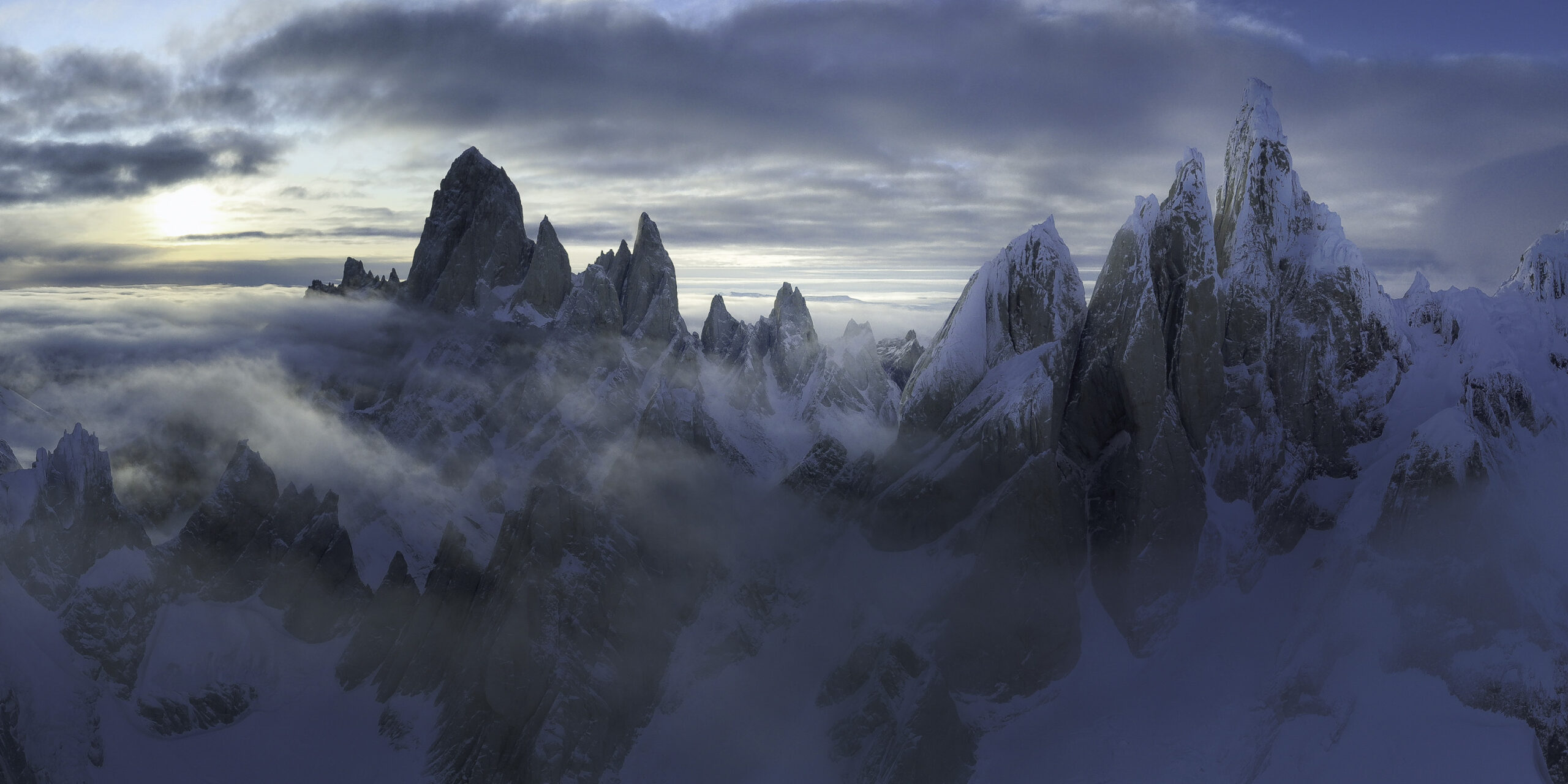
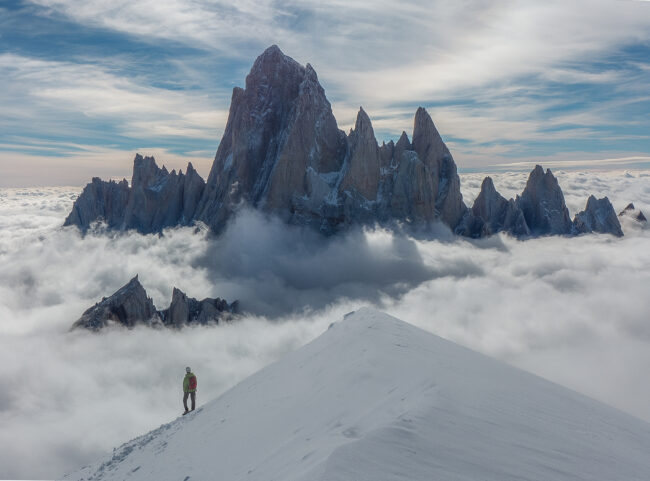
What inspired you to spend the winter in El Chaltén? Winter images, especially with snow-covered peaks, have always held a particular allure for me. There’s something about seeing these mountains dusted with snow that amplifies their beauty. I was especially inspired by an image captured by Dörte Pietron, which featured Rolo Garibotti—a central figure in the climbing community here in Chaltén. This image was from the summit of Domo Blanco during a winter cloud inversion. These happen a few times a year in the winter and to be up there with the inversion above the cloud was something else. It really made me want to spend the winter season and try and capture this spectacle. Rolo has been an incredible resource for me, always willing to offer weather advice, beta, gear, or just be a friend. His Patagonia Vertical guidebook has been a huge source of inspiration, filled with images from all around the massif that you wont see anywhere else.
How would you describe your first winter experience in El Chaltén, and how does it compare to the summer season? My first winter in El Chaltén was truly special. It was during this time that I really got to know the locals and had my first real taste of winter camping. Before this, apart from a few chilly days in autumn, I hadn’t experienced much snow. Teaching myself the ropes of winter camping was both challenging and rewarding. There’s something about winter that I find captivating, the conditions are more dramatic and moody, which adds a unique depth to the landscape.
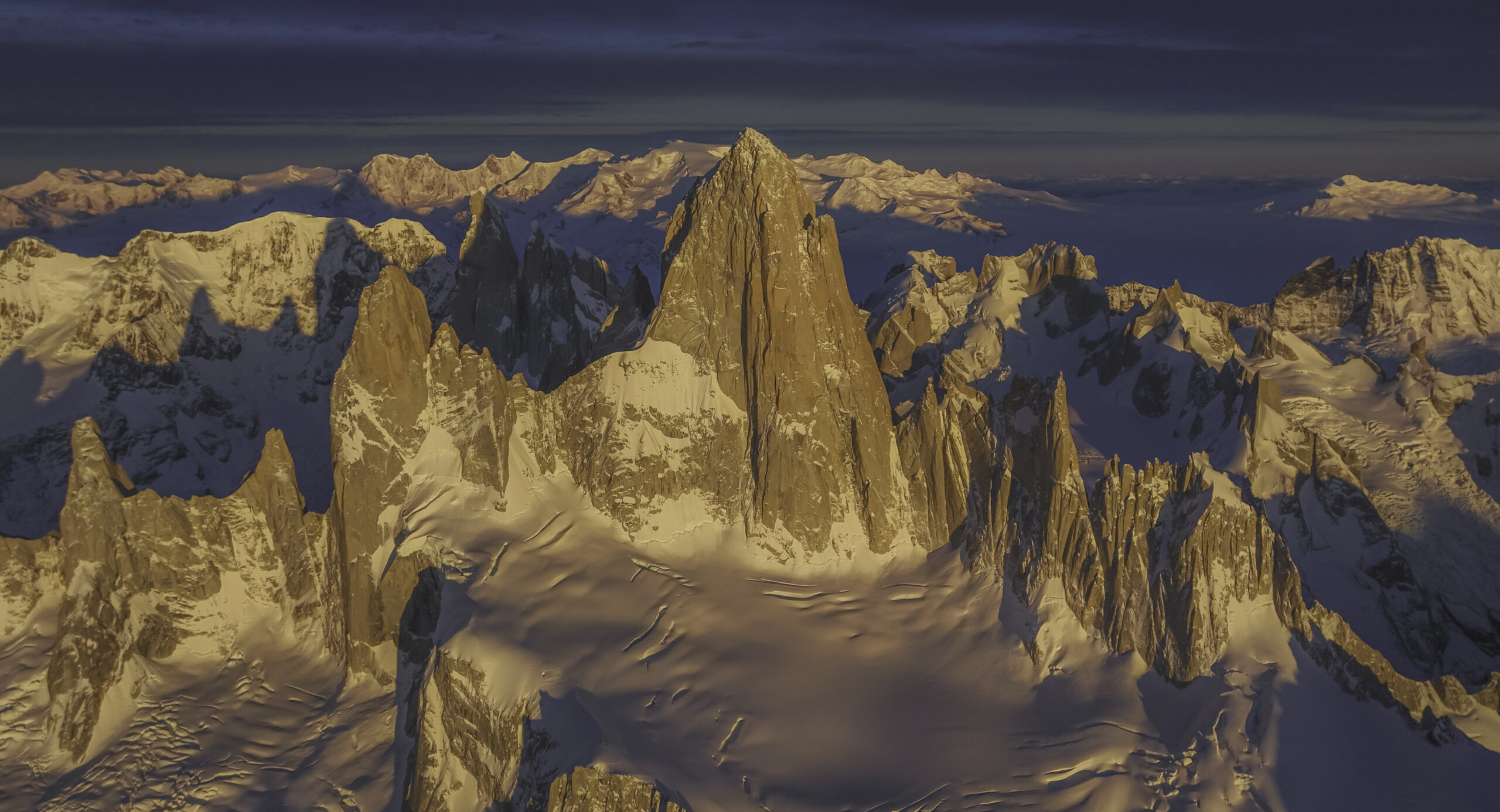
Last winter, I became obsessed with a spot called Filo del Hombre Sentado (Sitting Man Ridge) on the west face of Cerro Chaltén (Fitz Roy). I made three week-long trips there, and we were blessed with amazing weather, week-long windows with no wind, despite the -20°C temperatures. This spot is particularly special because it lies outside the national park, making it a perfect location to fly the drone. It’s where I created most of my 360 VR series and experienced a few days out there with the cloud inversions of winter. This was the highlight of my season.
Last winter, I became obsessed with a spot called Filo del Hombre Sentado (Sitting Man Ridge) on the west face of Cerro Chaltén (Fitz Roy). I made three week-long trips there, and we were blessed with amazing weather, week-long windows with no wind, despite the -20°C temperatures. This spot is particularly special because it lies outside the national park, making it a perfect location to fly the drone. It’s where I created most of my 360 VR series. Compared to summer, winter here offers a completely different atmosphere. The solitude, the snow-covered peaks, and the small community of the Ski community makes it really special. You’re up in unique and turbulent airspace, how many drones have you crashed? Are you 3D printing any parts (blades)? The wind is such a challenge here. I’ve learned to study the weather reports and read the wind at different elevations, which has really helped me plan the 360 photos. I’ve crashed around four drones but was luckily able to recover them. It really pays to have insurance from DJI to get a replacement. I’m not using anything special when it comes to drone blades, but I am painting them all bright orange in case of a crash theyre a bit easier to find. I am using a drone that can go up to 1,000 meters, which helps with the height of these peaks.
The Art of the Personal Project is a crucial element to let potential buyers see how you think creatively on your own. I am drawn to personal projects that have an interesting vision or that show something I have never seen before. In this thread, I’ll include a link to each personal project with the artist statement so you can see more of the project. Please note: This thread is not affiliated with any company; I’m just featuring projects that I find. Please DO NOT send me your work. I do not take submissions.
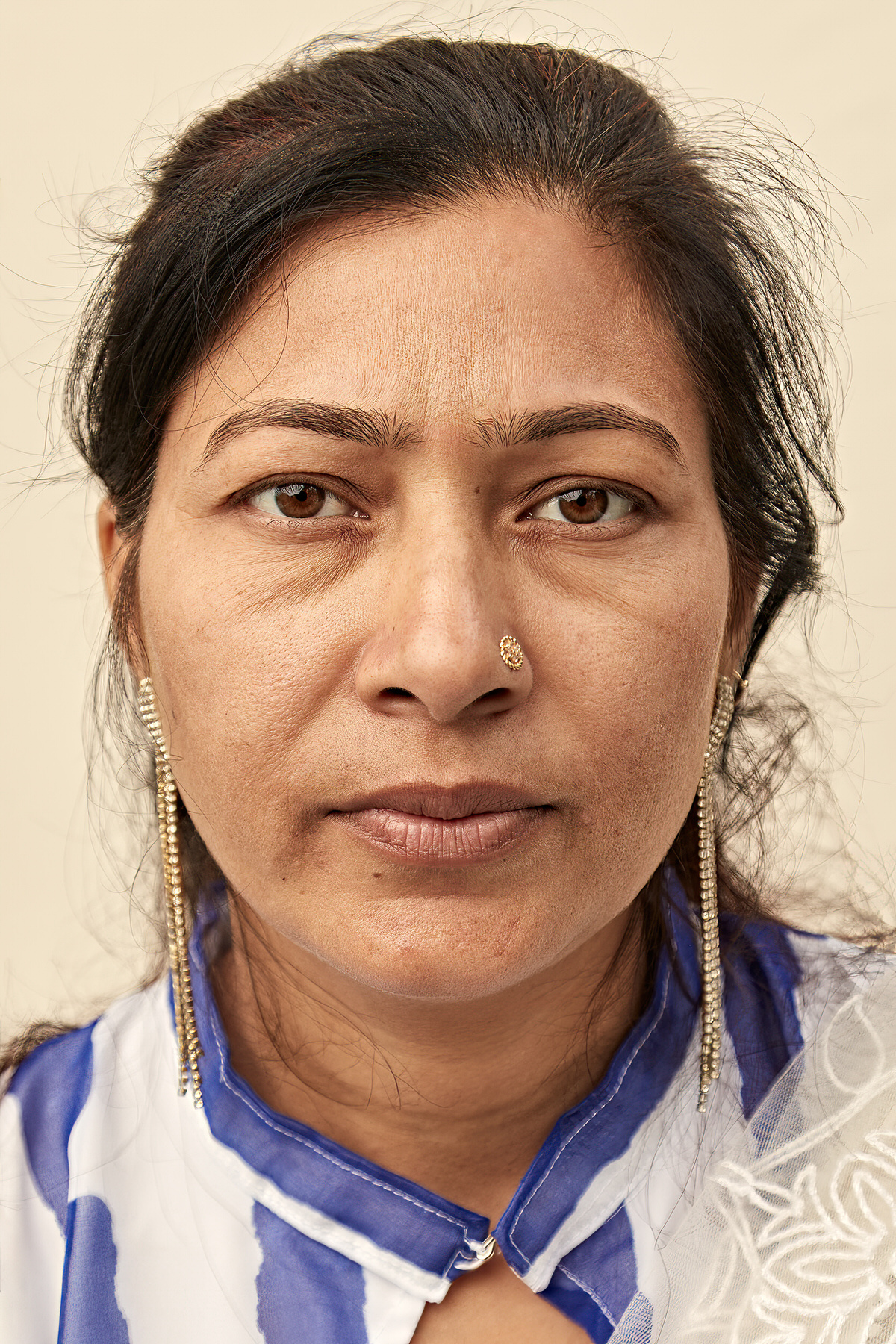
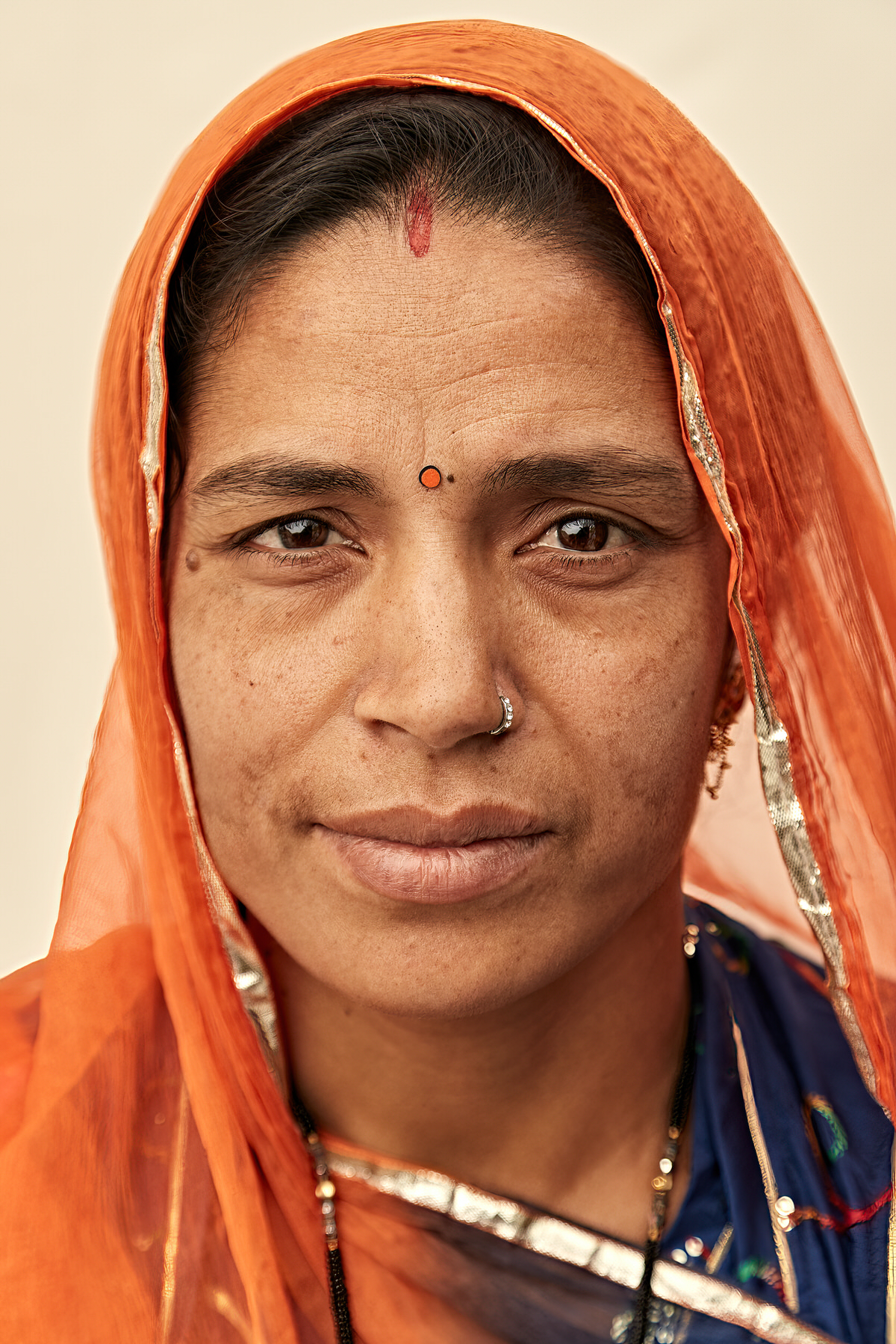
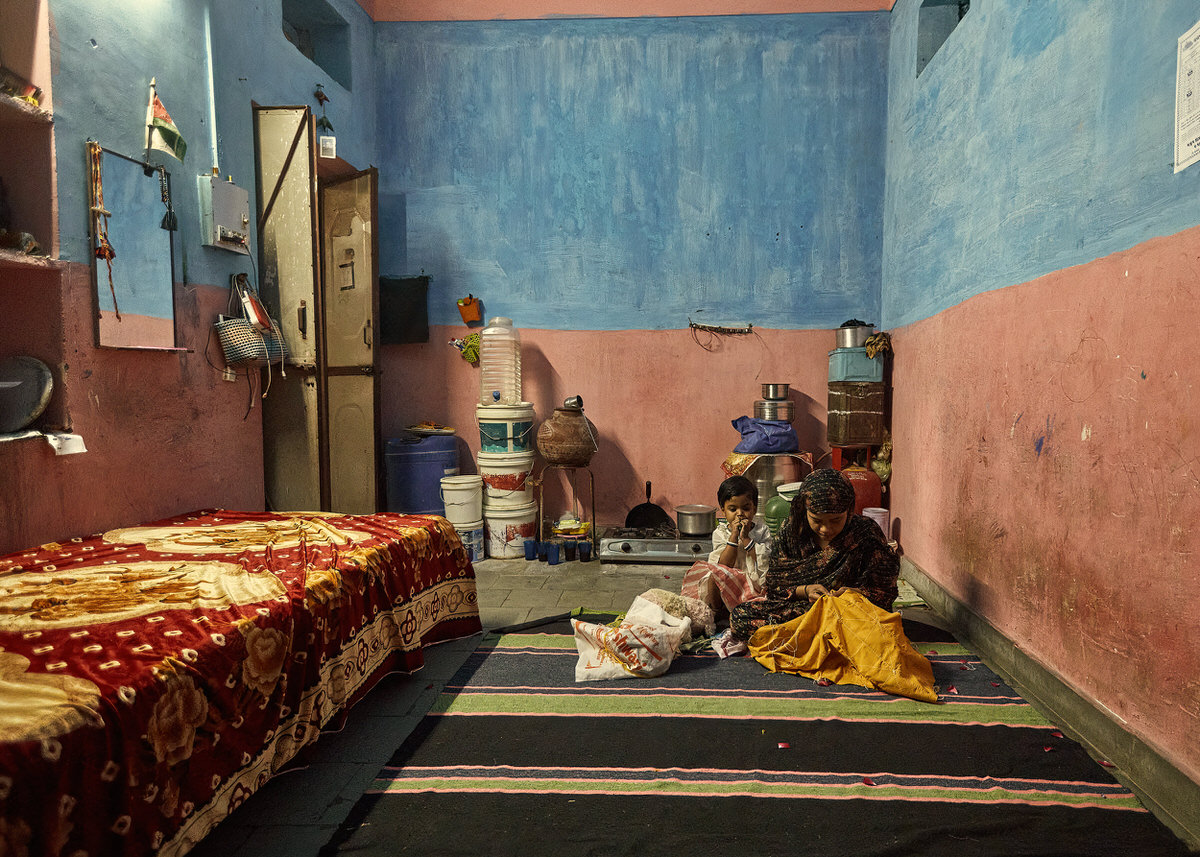
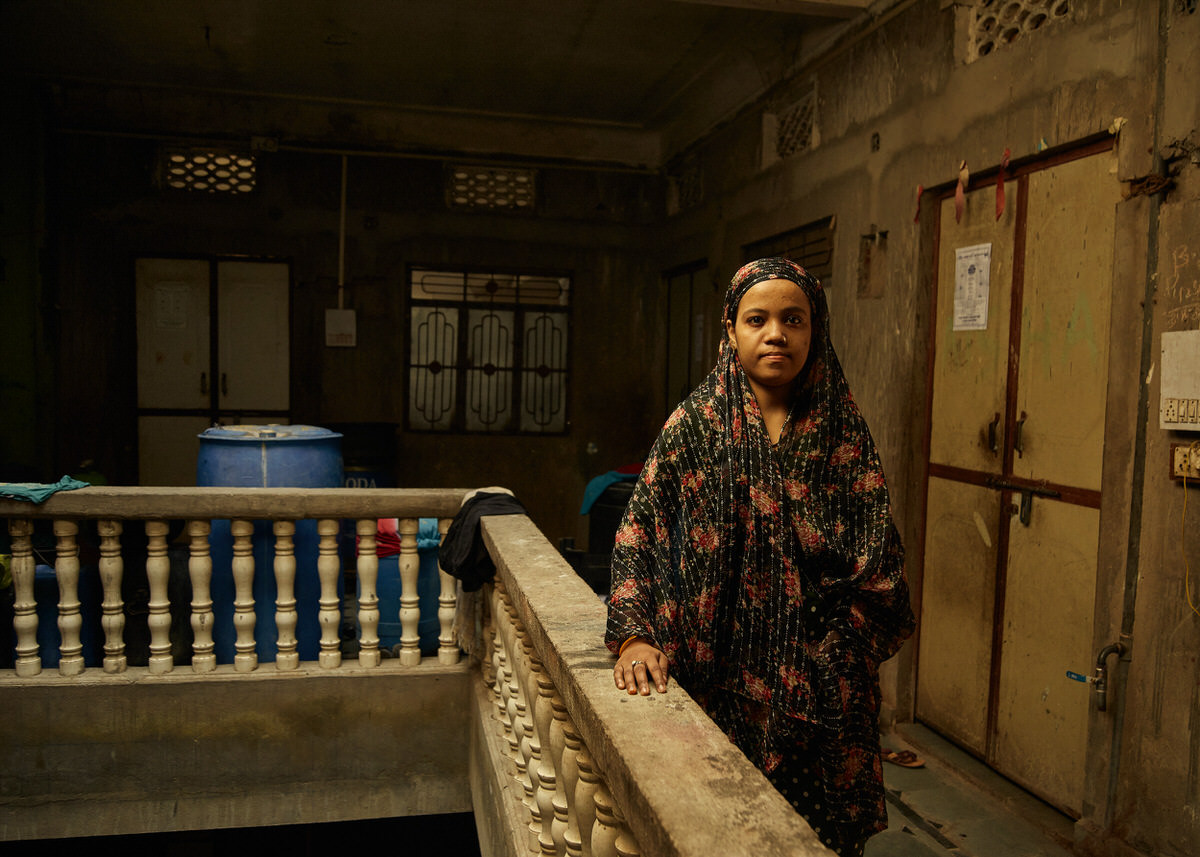
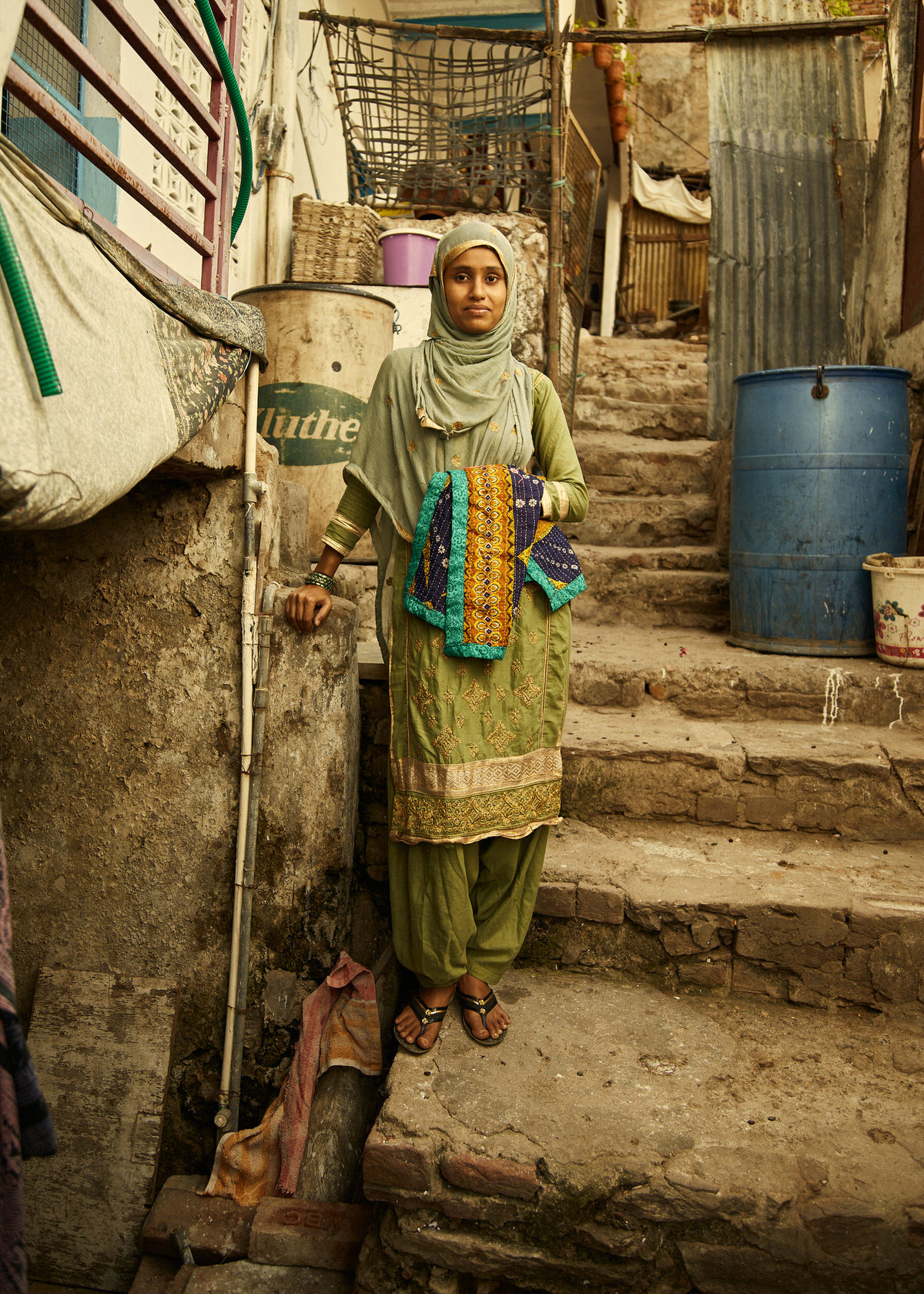
Today there are over 30,000 commercial sex workers in Ajmer, India. They originate from marginalized segments of Indian society and are forced into the commercial sex trade due to poverty, gender inequality, lack of education, and limited skills. These women dream of escaping abusive relationships, moving their families to safety, feeding their children, investing in education, and giving their families a chance at a better life.
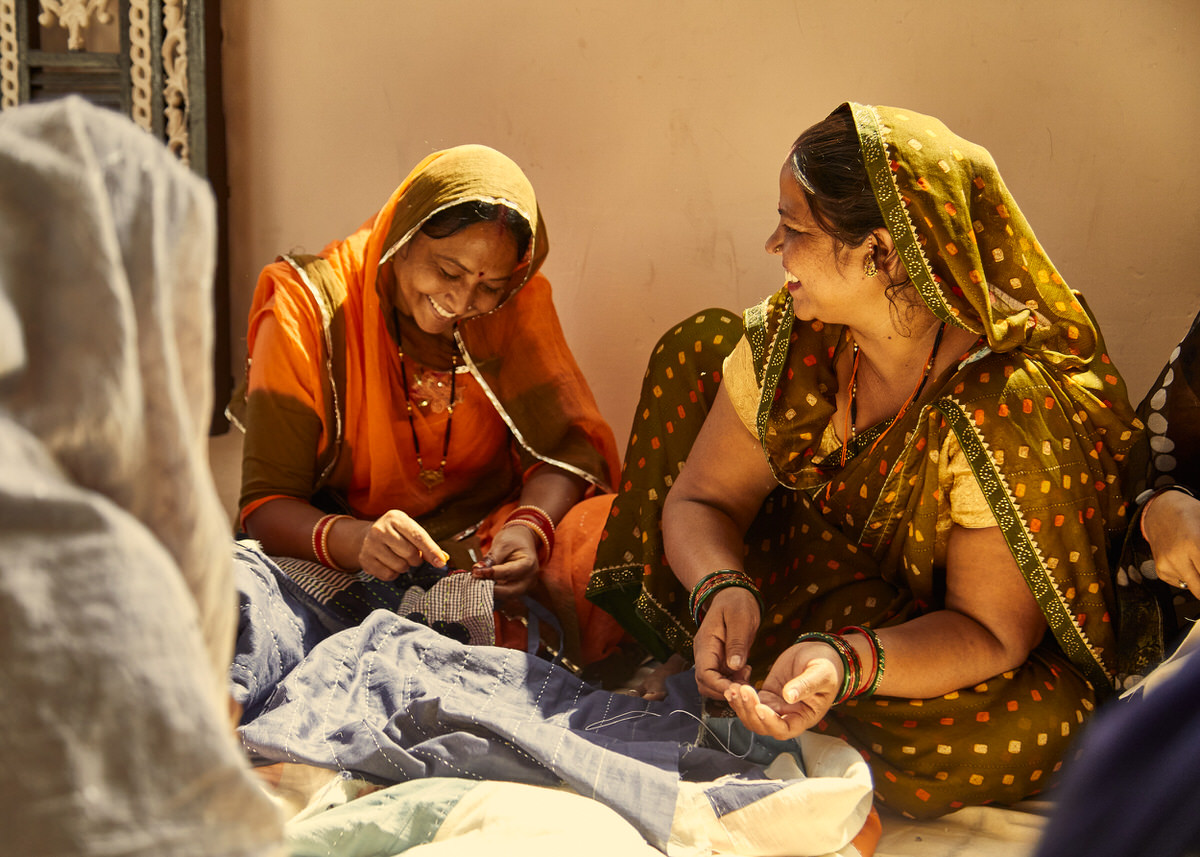
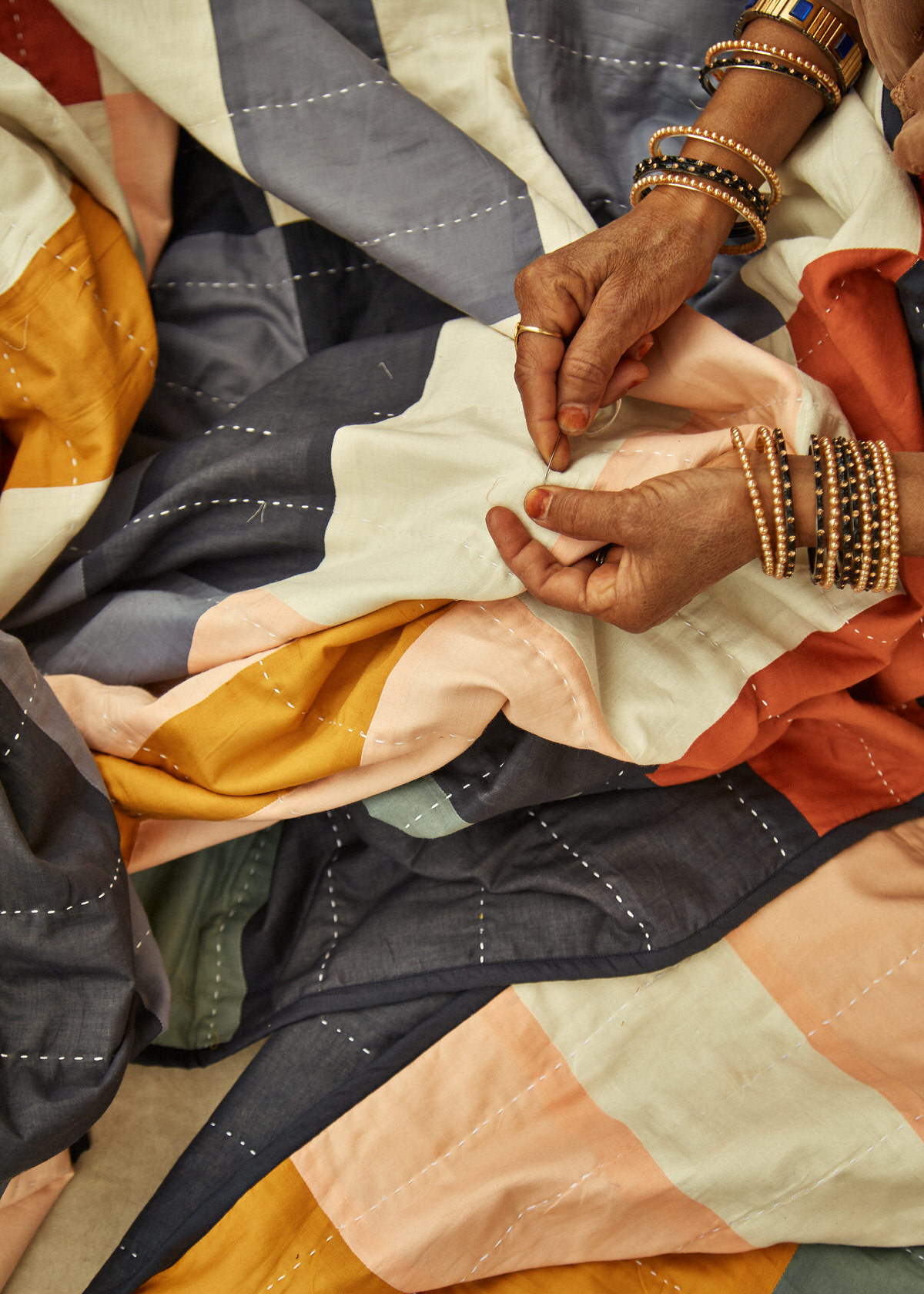
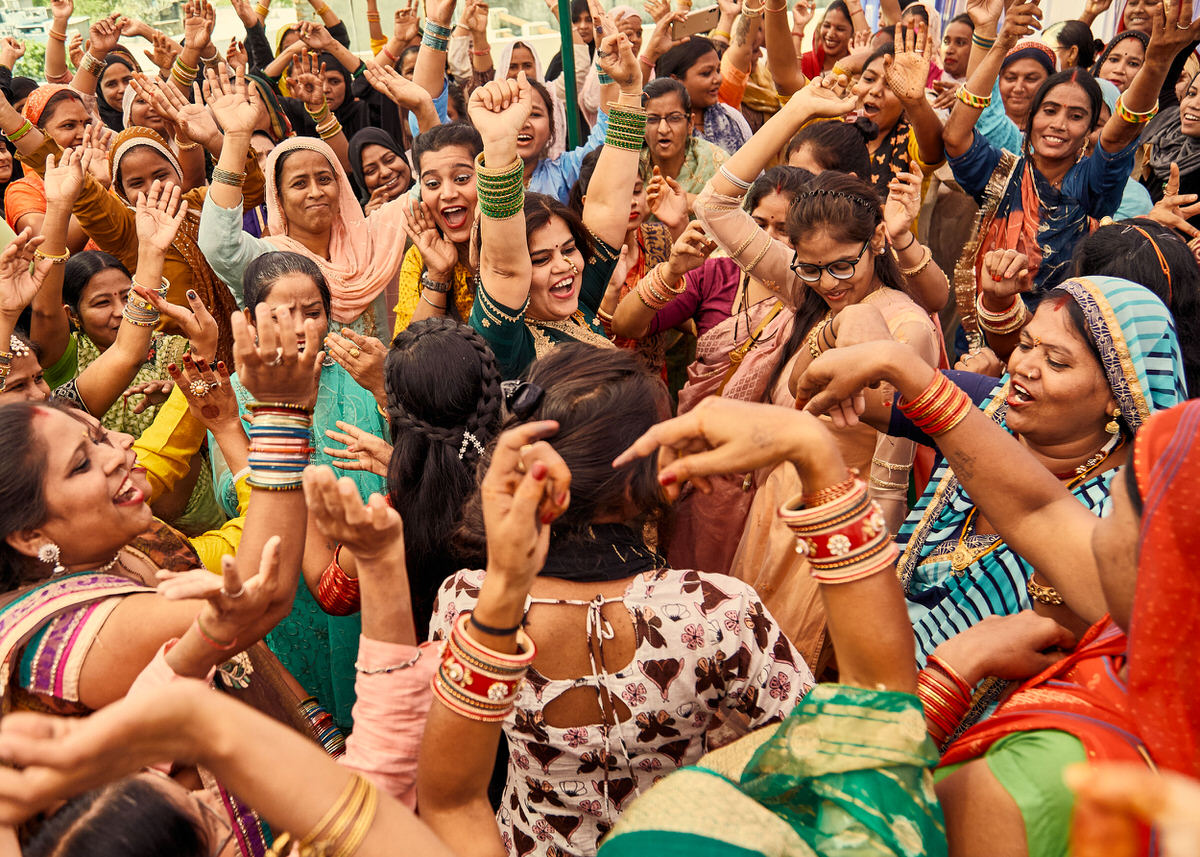
‘Stitched In Strength’ is a personal project that dives deep into the lives of women who have been championed through difficulty, supported through craft, and given a chance at a better life with the help of the award-winning non-profit, Anchal. My goal is not only to portray the impact of Anchal but to also shine light on the dedicated artisan women who give it life.
Artisans make 25%-100% more than they did before working with Anchal. This salary increase has led to 70% of the Artisans becoming the primary breadwinners of the family, the purchasing of first homes, and healthcare for themselves and their families. For 65% of artisans, Anchal is their first legal, recorded career. Anchal employs artisans but also conducts monthly workshops to teach skills such as entrepreneurship, leadership, women’s health, self-defense, and stress management that go beyond Anchal and promote further opportunities in their lives.
This project is an invitation for viewers to reflect on the power of social entrepreneurship, where creativity and compassion converge to create a lasting impact. The vision of Anchal extends far beyond a quilt. It symbolizes a thread of opportunity and community that can mend and enrich the lives of women worldwide.
APE contributor Suzanne Sease currently works as a consultant for photographers and illustrators around the world. She has been involved in the photography and illustration advertising and in-house corporate industry for decades. After establishing the art-buying department at The Martin Agency, then working for Kaplan-Thaler, Capital One, Best Buy and numerous smaller agencies and companies, she decided to be a consultant in 1999. Follow her at @SuzanneSease. Instagram
The Art of the Personal Project is a crucial element to let potential buyers see how you think creatively on your own. I am drawn to personal projects that have an interesting vision or that show something I have never seen before. In this thread, I’ll include a link to each personal project with the artist statement so you can see more of the project. Please note: This thread is not affiliated with any company; I’m just featuring projects that I find. Please DO NOT send me your work. I do not take submissions.
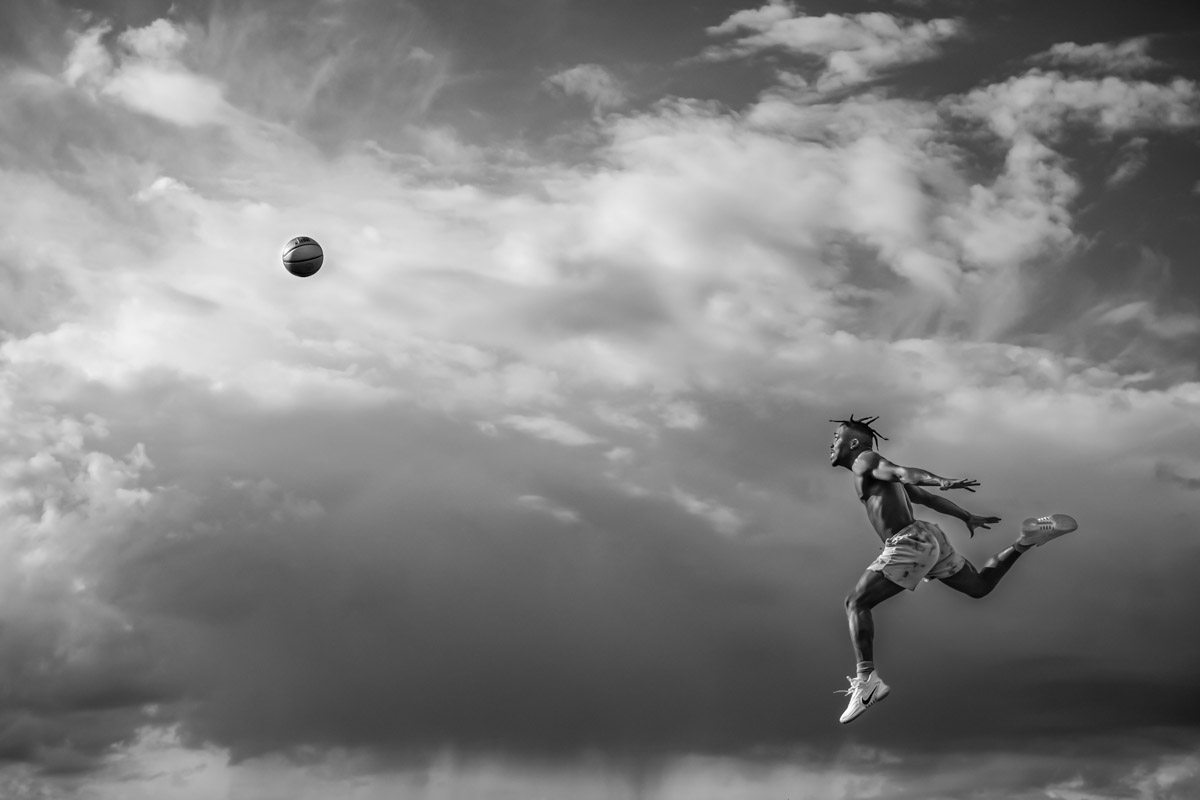
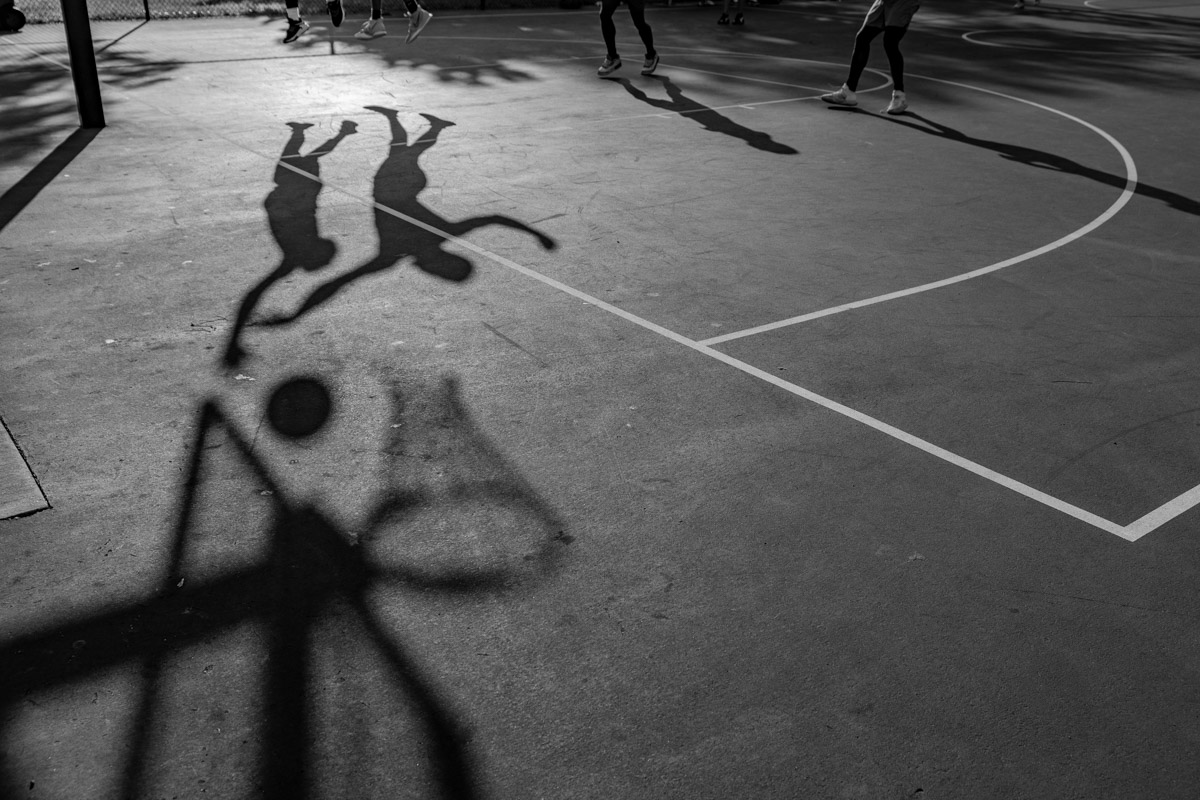
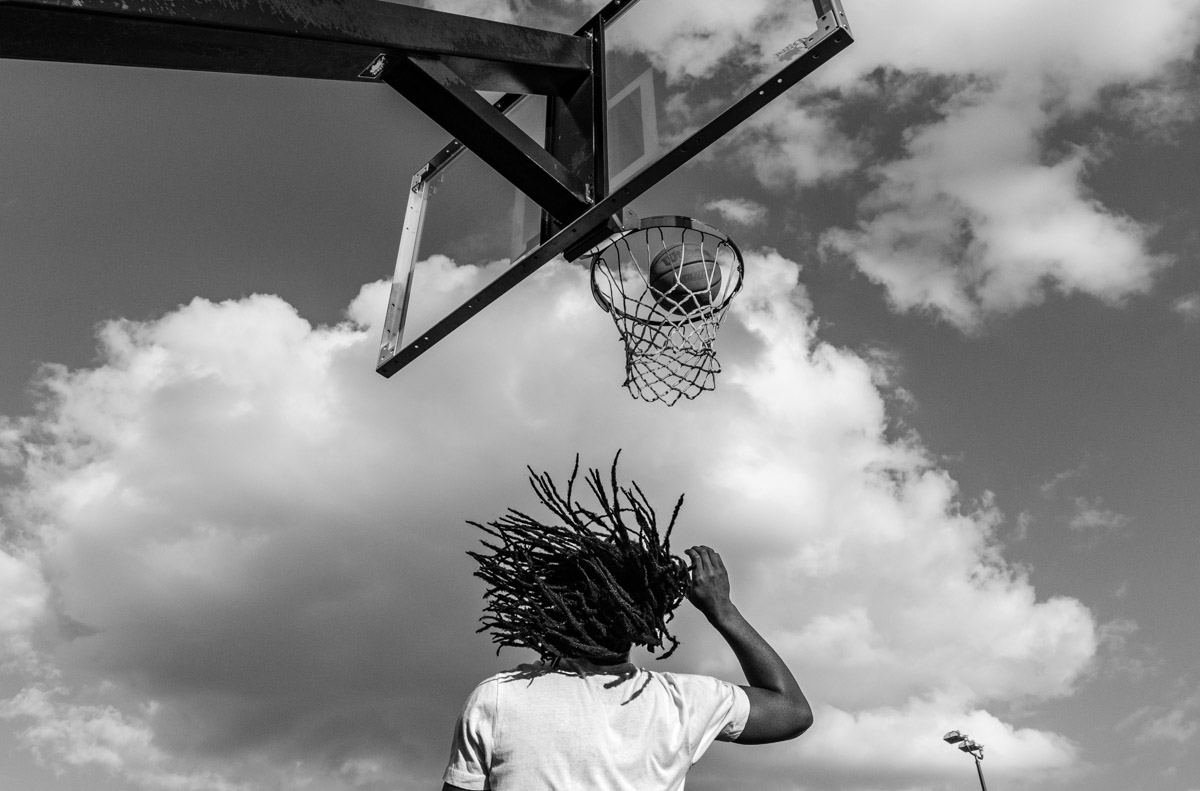
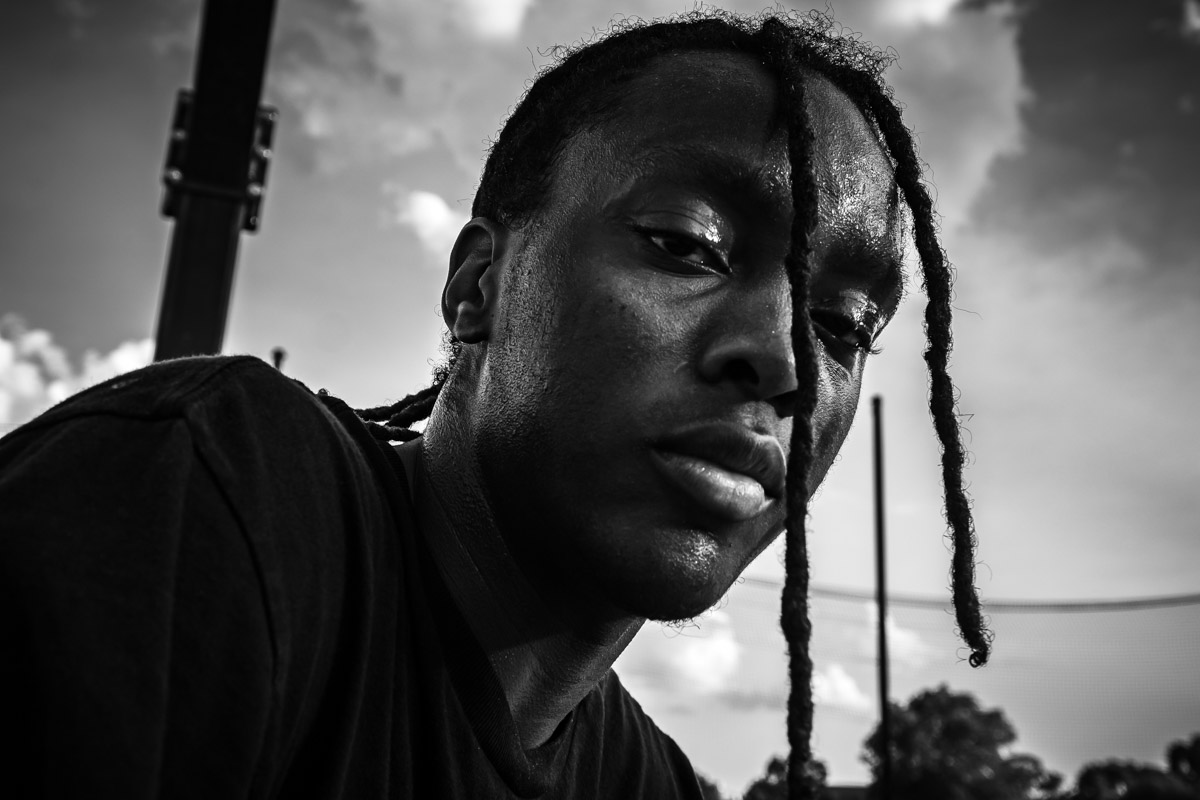
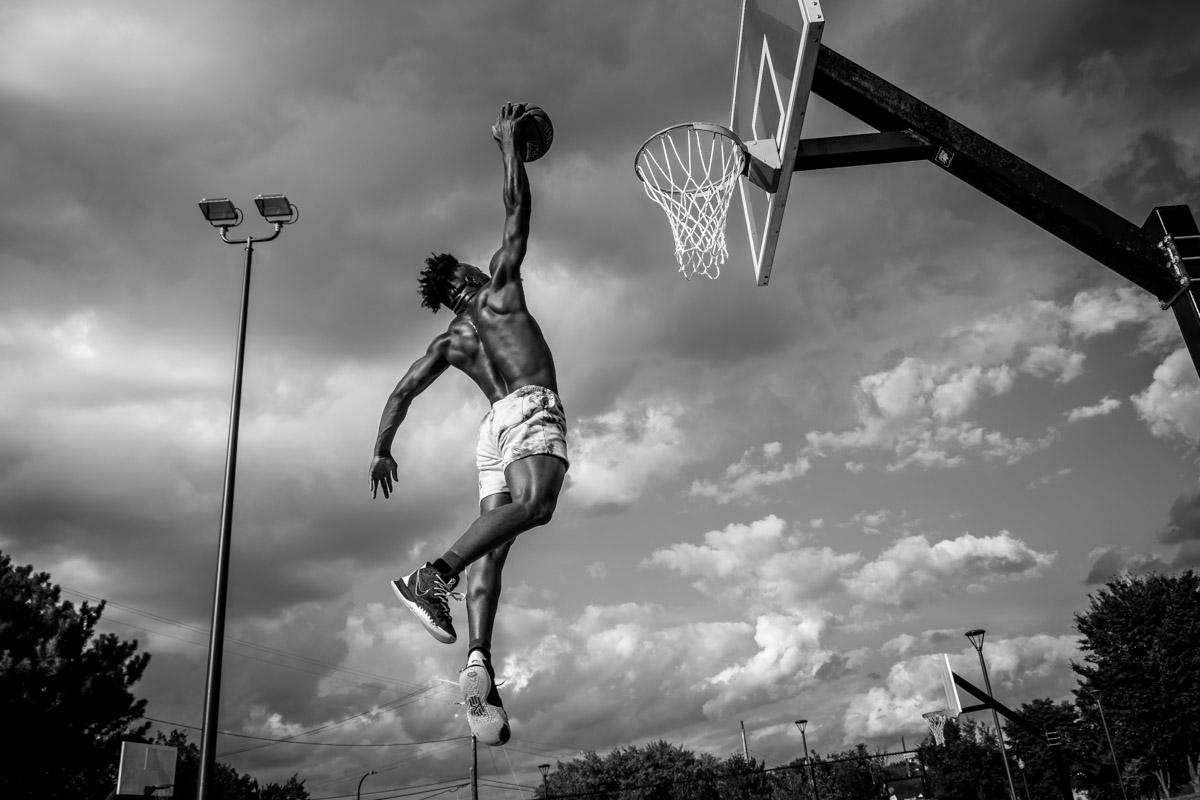
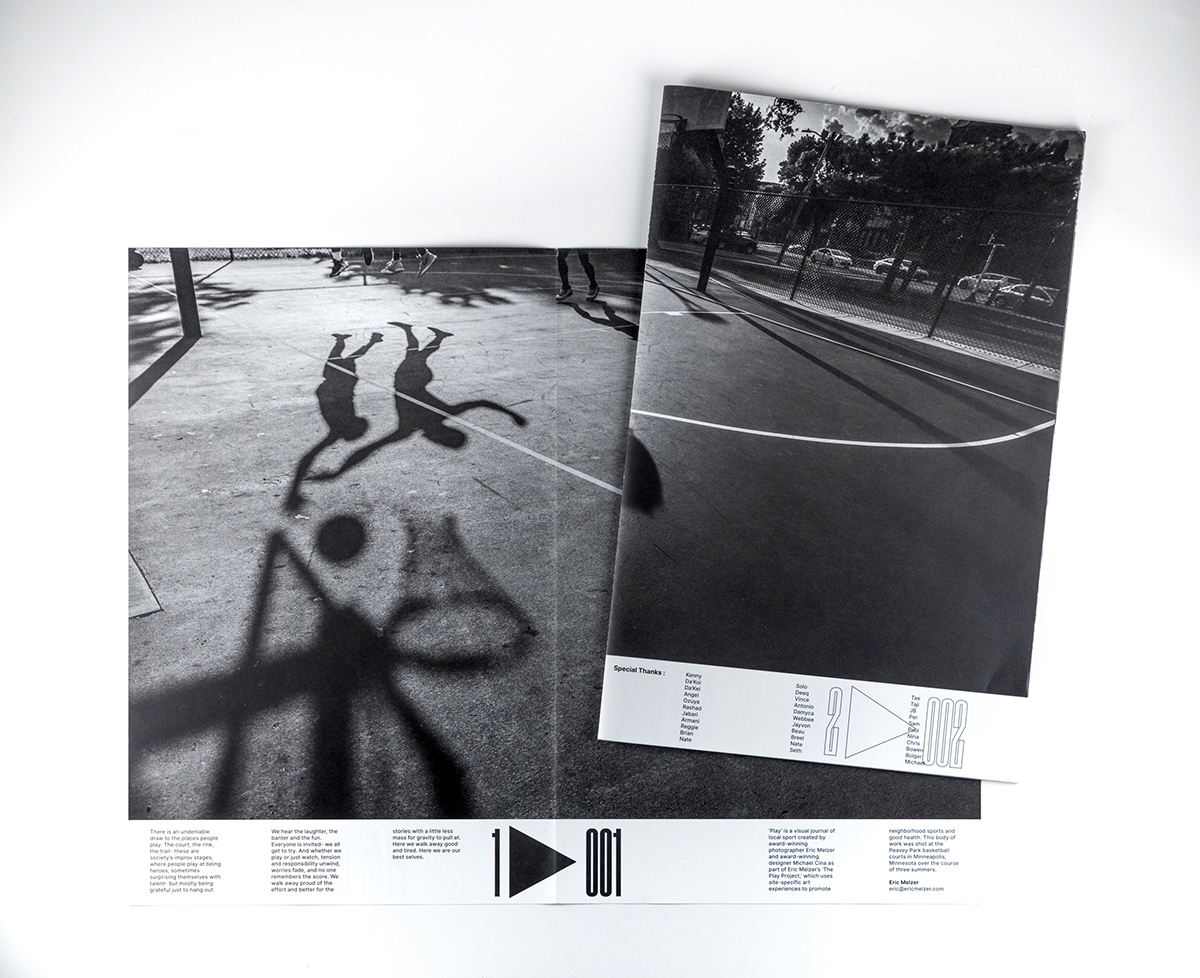
I created ‘The Play Project’ to celebrate neighborhood play and good health during the isolation of the pandemic. I challenged myself to build a photographic project around outdoor fun within a five-mile radius of where I live. That took me to the Peavey Park basketball courts in Minneapolis about a mile from my house.
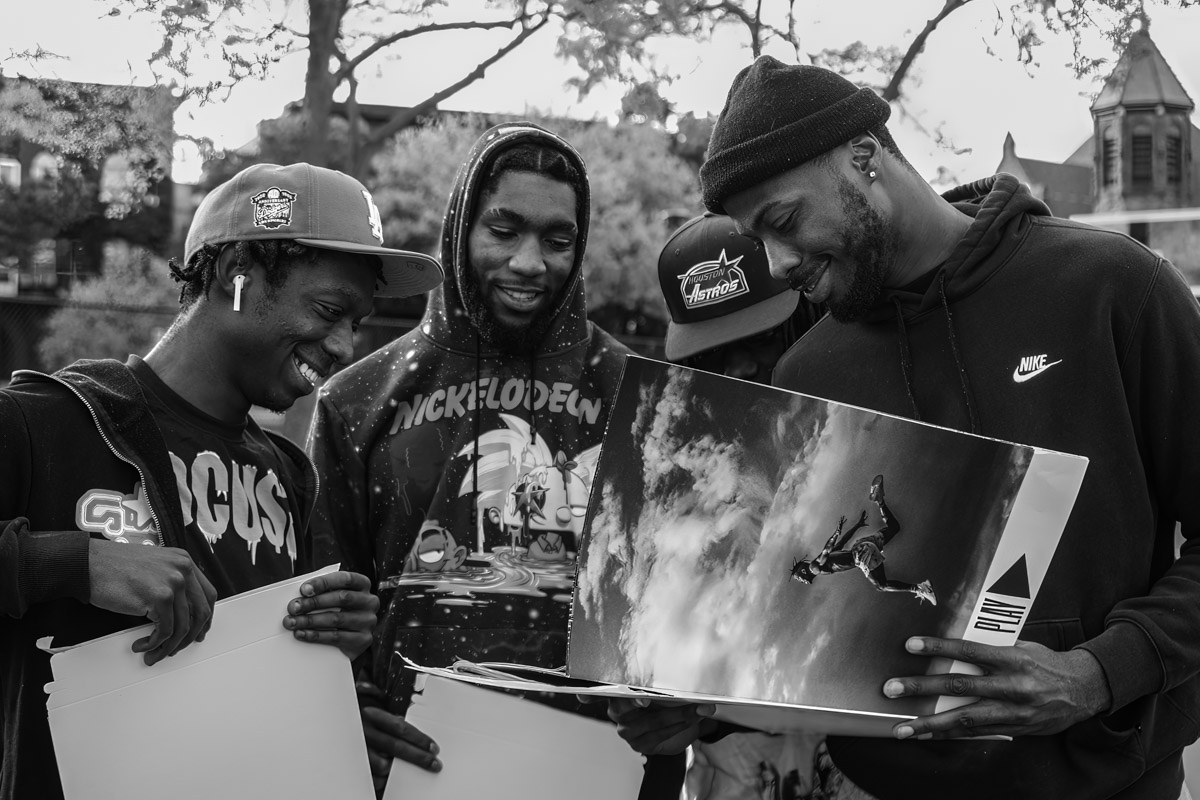
I’ve shared these images with the players in both print and digital forms. The work earned a grant that I used to create a custom, unbound, tabloid-sized, poster book so players could share and display large images of themselves using inexpensive slip frames. I also created custom basketball cards and fine art prints for each player.
Images from this body of work have earned ten photography awards to date in Graphis, Communication Arts, IPA, American Photographer IA/IP and ASMP. The tabloid also just won a Gold award in the Graphis Design Competition.
I like pro sports and competitions like the Olympics because they give us heroes to look up to – but they are exclusive of most of us. The inclusive nature of neighborhood pick-up sports means everyone gets the ball, has fun, gets exercise, and builds friendships.
Photography really can build communities and help people feel seen. A quote from one of the players, Kenneth Walton, sums it up:
“Honestly when seeing the photos I felt a huge sense of accomplishment, community and pride. A lot of times when we play together outsiders look in with negative perceptions of us guys at the park. The pictures shine a positive light on the family we’ve built around Play!”
APE contributor Suzanne Sease currently works as a consultant for photographers and illustrators around the world. She has been involved in the photography and illustration advertising and in-house corporate industry for decades. After establishing the art-buying department at The Martin Agency, then working for Kaplan-Thaler, Capital One, Best Buy and numerous smaller agencies and companies, she decided to be a consultant in 1999. Follow her at @SuzanneSease. Instagram
Heidi: You shot Super 8 movies and animations in 5th grade – that’s ambitious for a kid! Carlos: Like many from my generation, the 1970’s and 1980’s’s sci-fi movies like the original Star Wars or Close Encounters were the catalyst into the visual arts. It was the first time seeing all the behind the scenes TV specials and making of stills in magazines like Starlog and Fangoria that showed us kids how these filmmakers problem solved and came up with creative solutions. My early super-8mm films were mostly claymation with sci-fi themes, as well as creating short animated films on subjects like “The Amoeba” for school science fair projects. Everything was shot in sequence in camera until I as able to get my hands on a reel to reel super8 viewer, where I was able to tape spliced scenes together. Later on, I was able to get a Sears branded 35mm Ricoh camera and darkroom kit, and taught myself how to process B&W negatives and printing.
Did you also skate? Yes. I was heavy into the skate scene in South Florida if you could even call it a scene. This was the era when all the skate parks from the 70’s and early 80’s had all shut down, and no one was paying attention to skateboarding. Skating was mostly underground, on vert halfpipes in backyards, and of course street skating.
How did looking at urban geometric space, sequences, and movement in skateboarding impact your photographic style? Interesting question…. as skaters, we were always sizing things up that could possibly be used to skate on. Miami didn’t have a lot of those above-ground drainage ditches like they do in the western states, and unless a swimming pool was built pre-Second World War, the transitions were too tight to skate. Because of that, we were always on the lookout for what could work, or what we could scrape together to build. It was the quintessential “Skate and Create” vibe. Also, a few of the backyard ramps we would visit were owned by some of the older guys who were already in high school and just entering college age. Those guys were doing really interesting stuff with photocopy punk skate zines, creating art and photography — the real D.I.Y. stuff. Being exposed to that, really inspired me to pick up a camera and try to emulate what was happening in those zines, as well as the great skate photographers from Transworld and Thrasher magazines like J. Grant Brittain and Dave Swift.
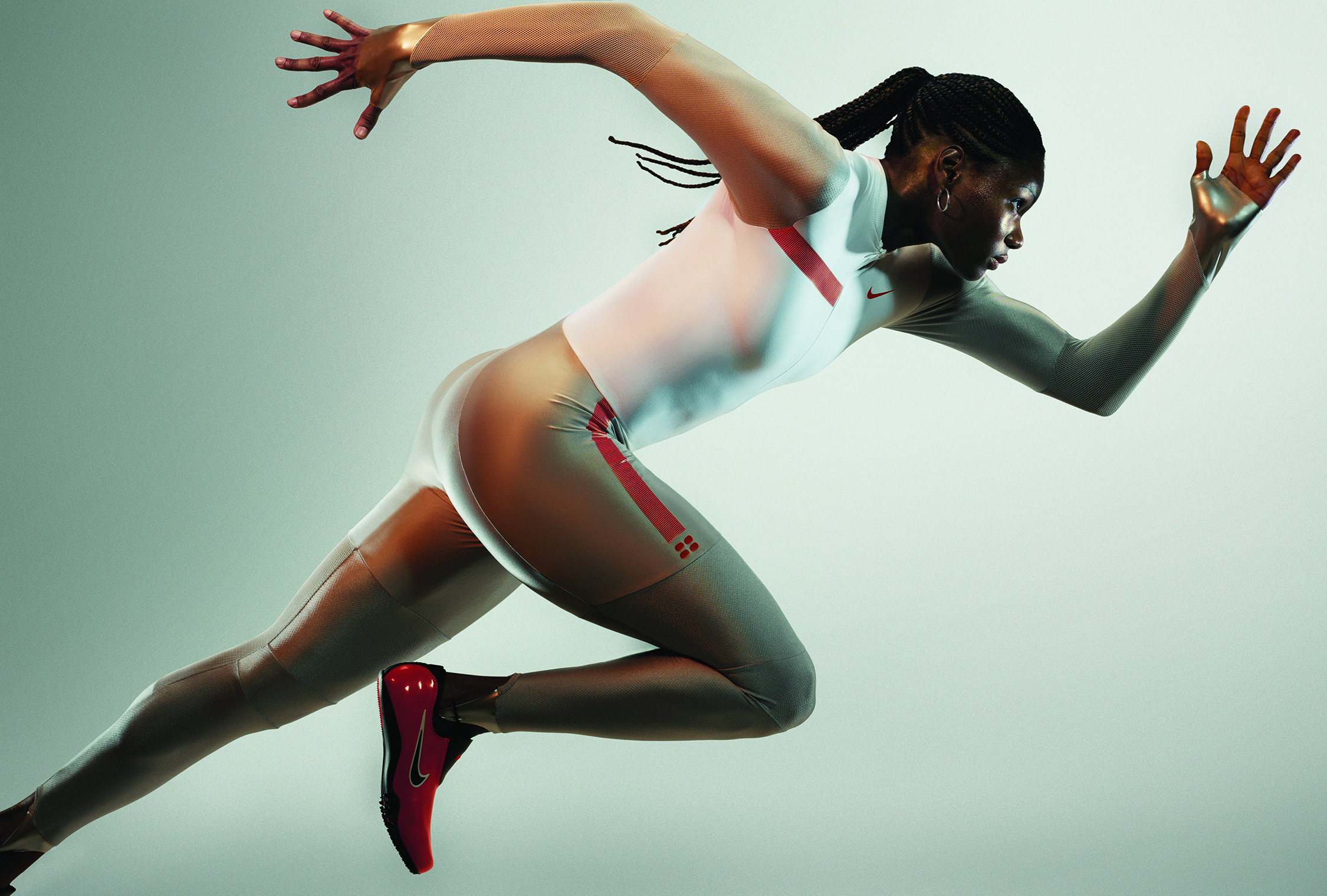
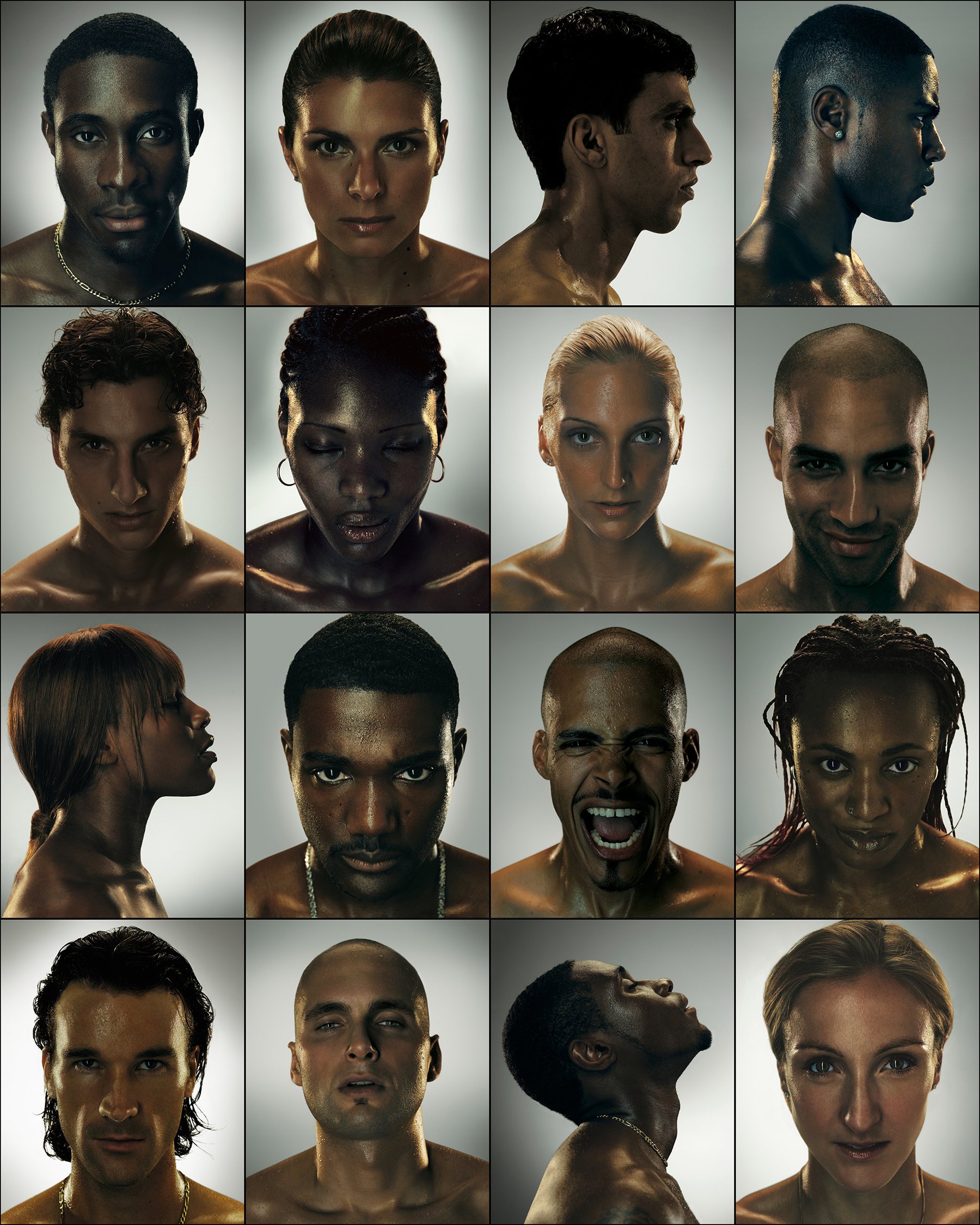
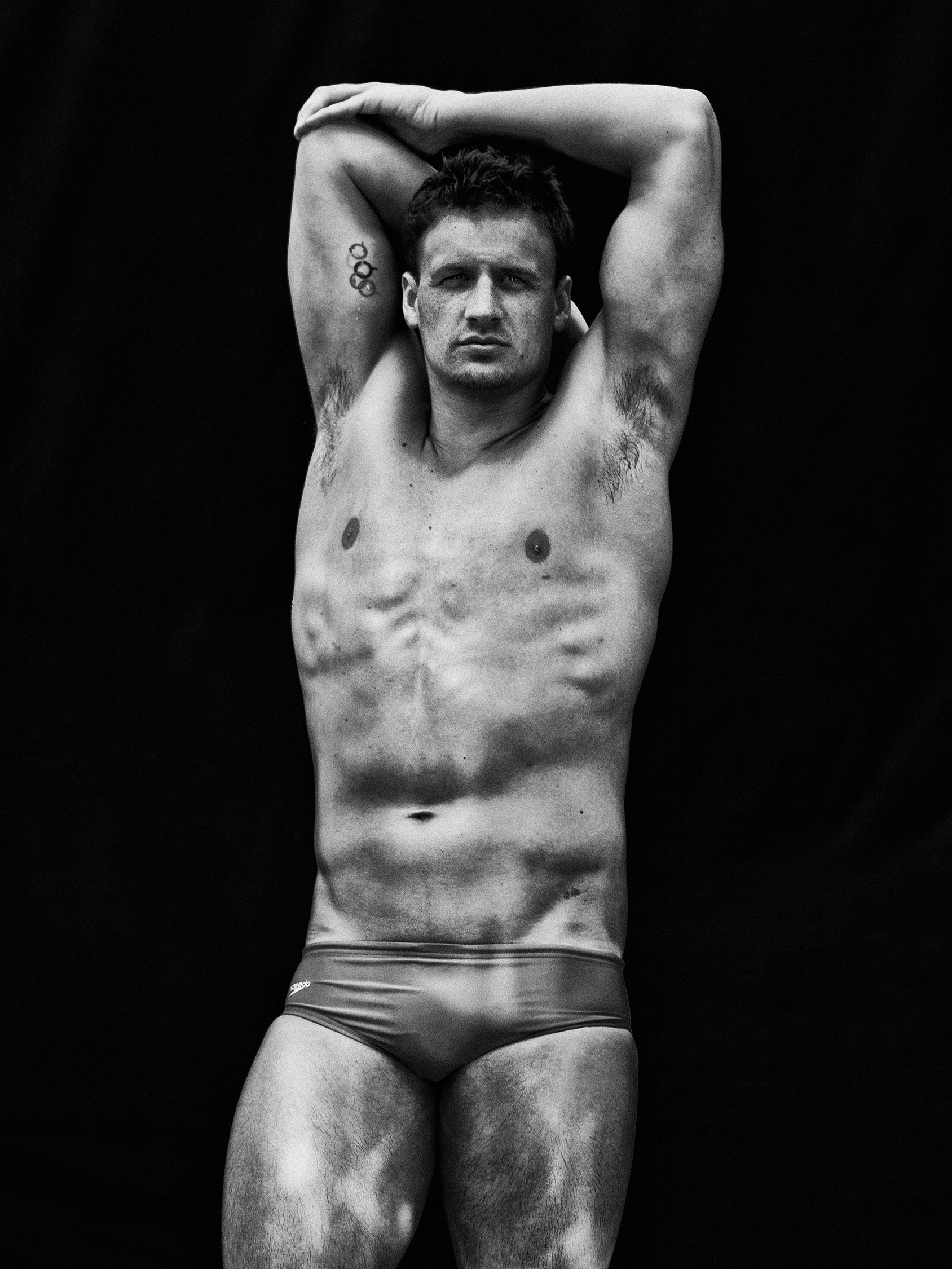
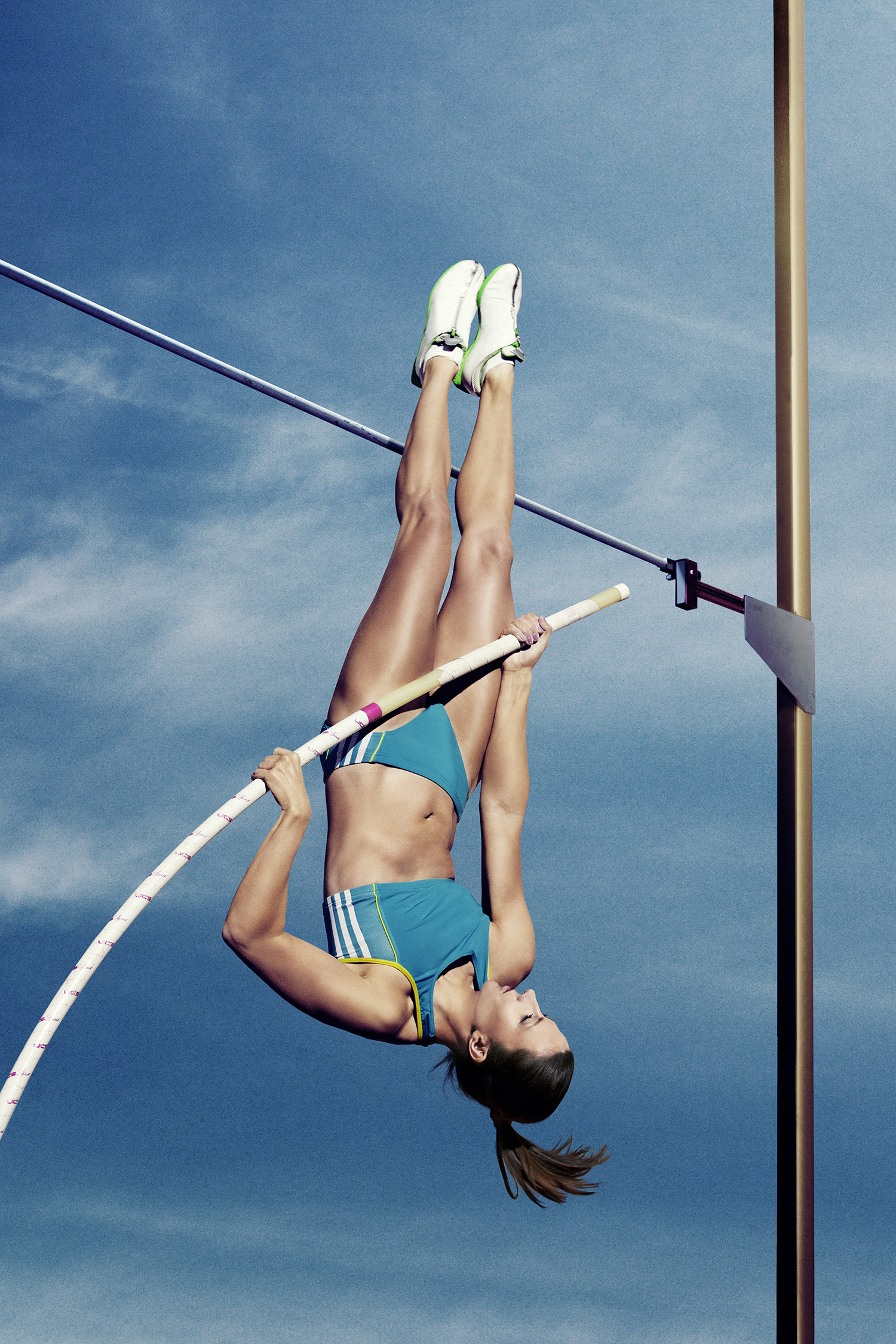
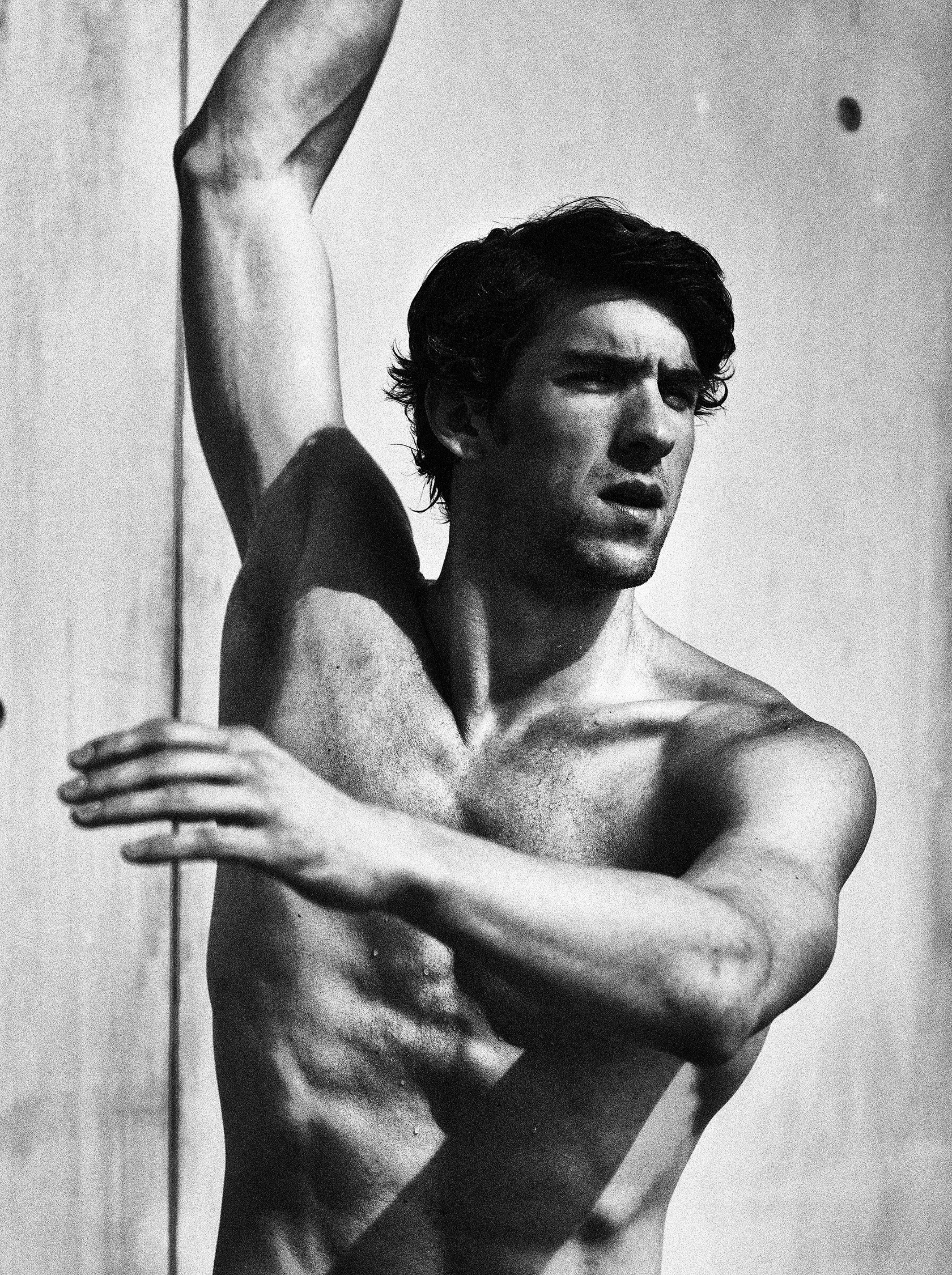
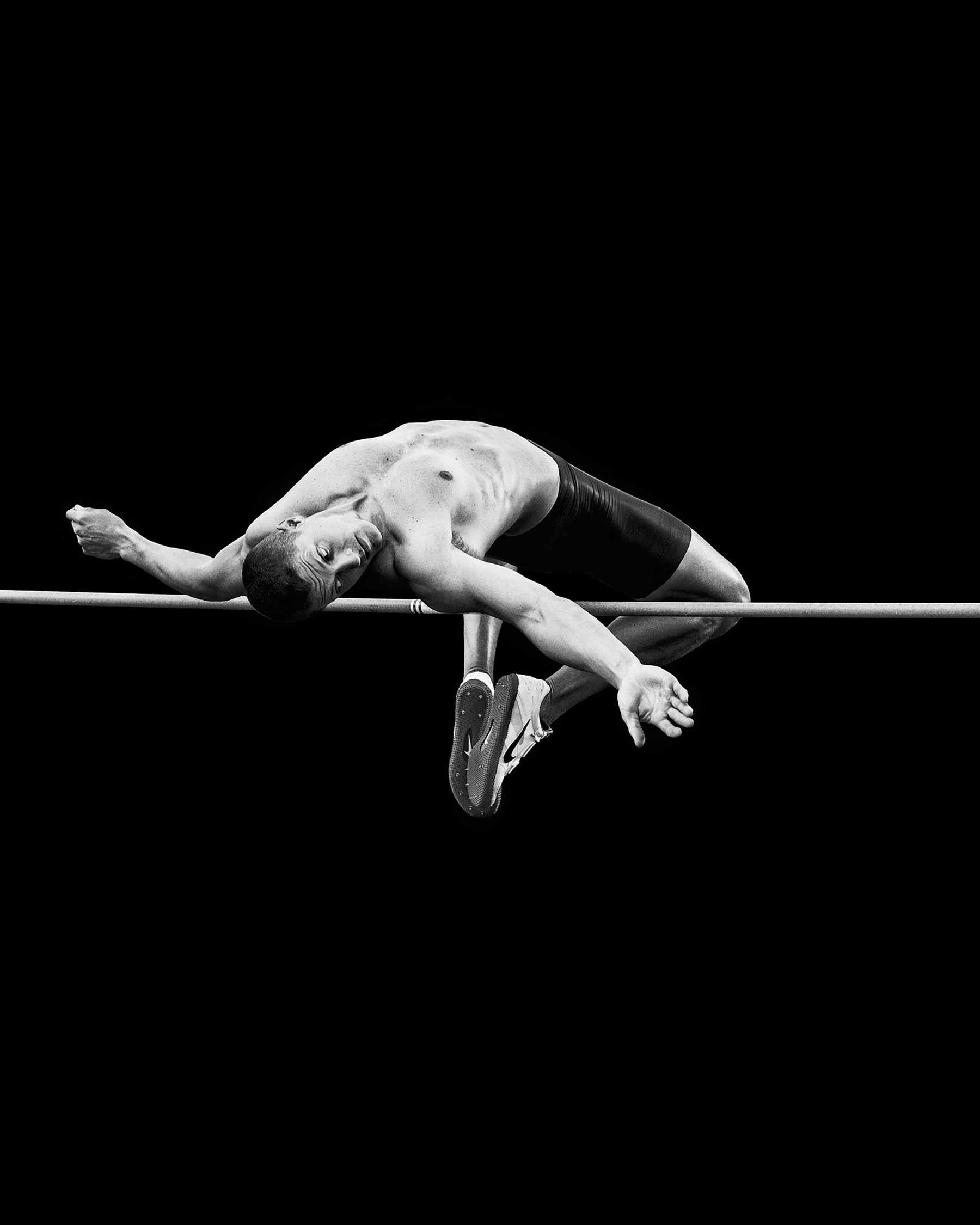
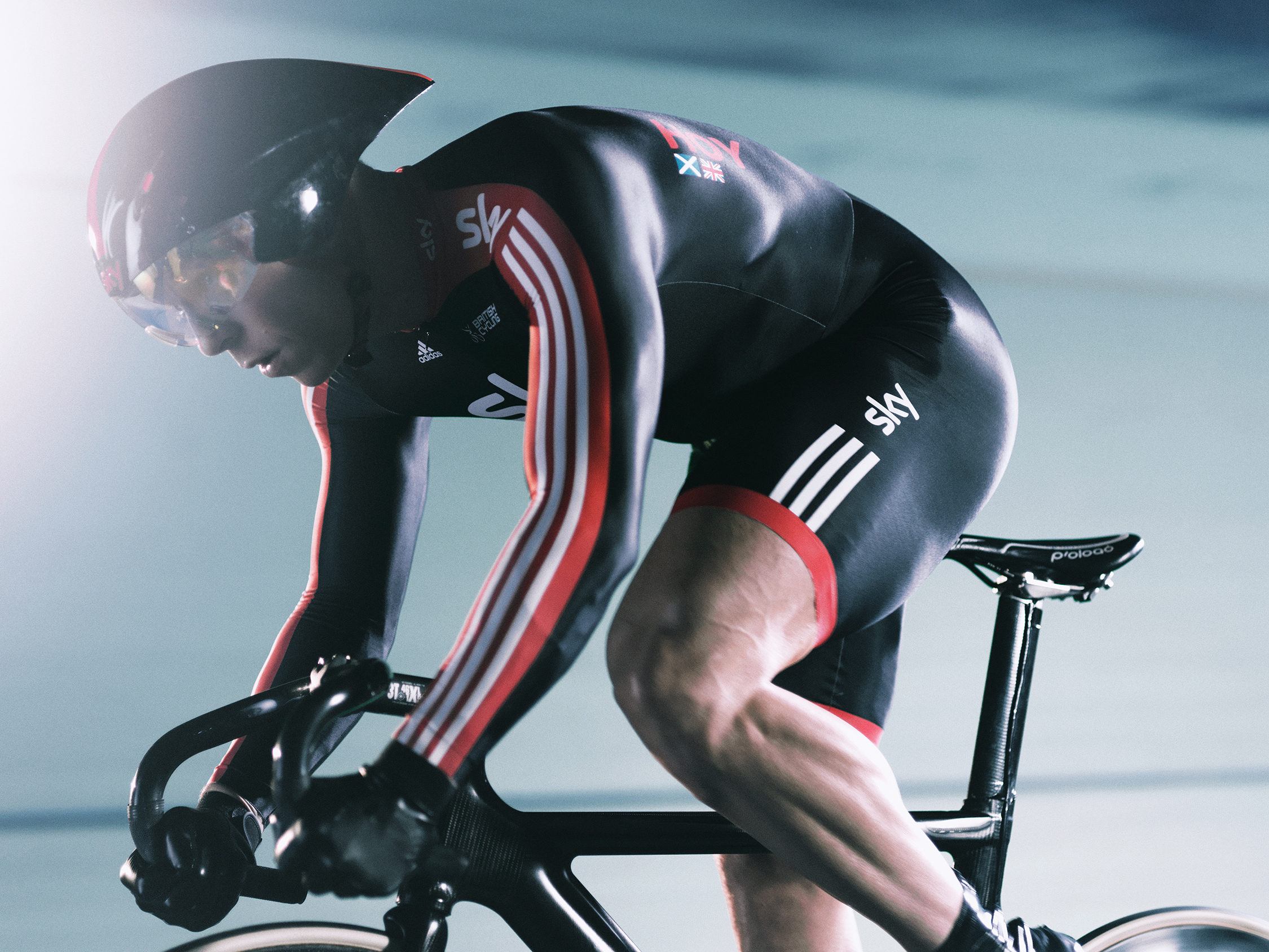
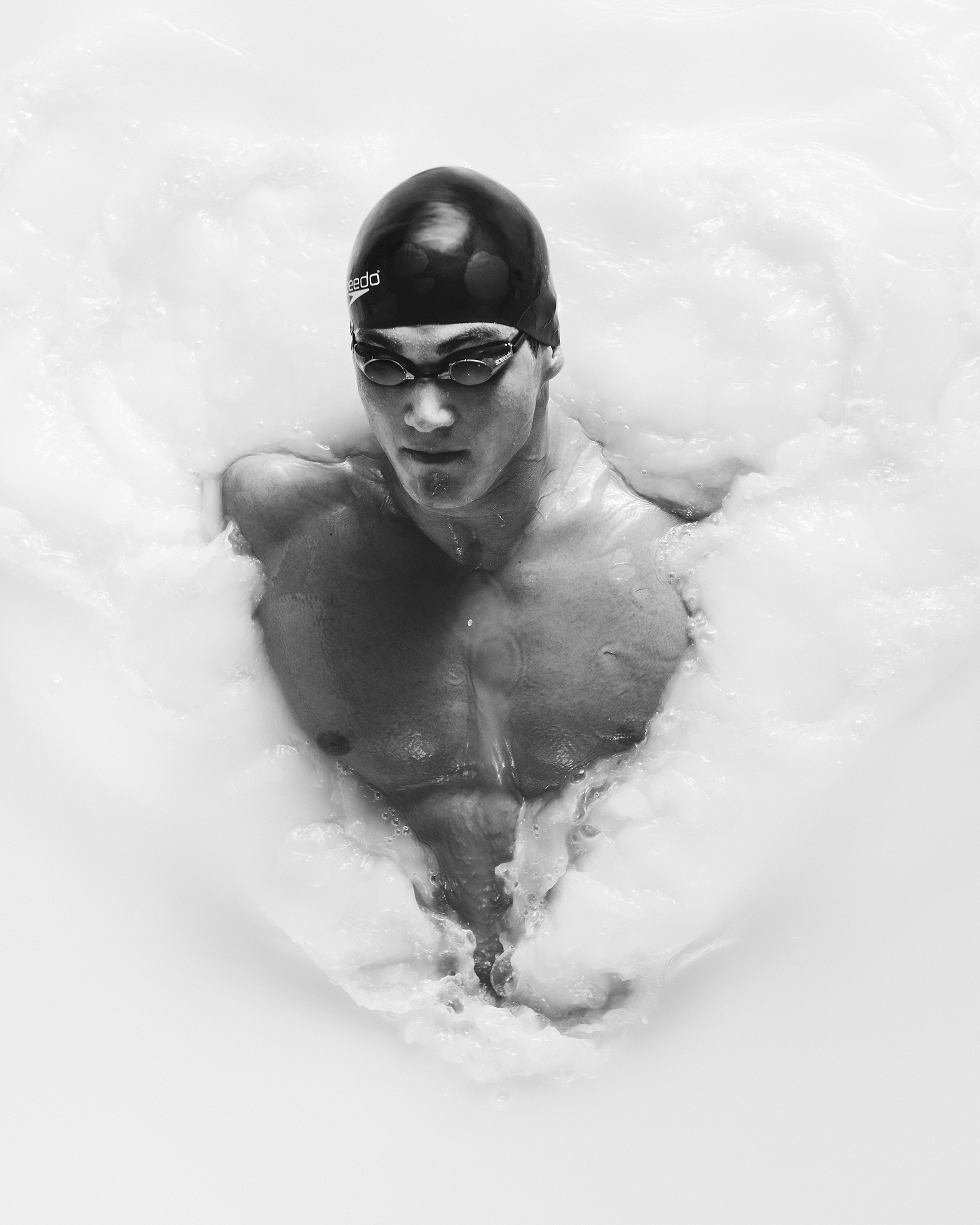
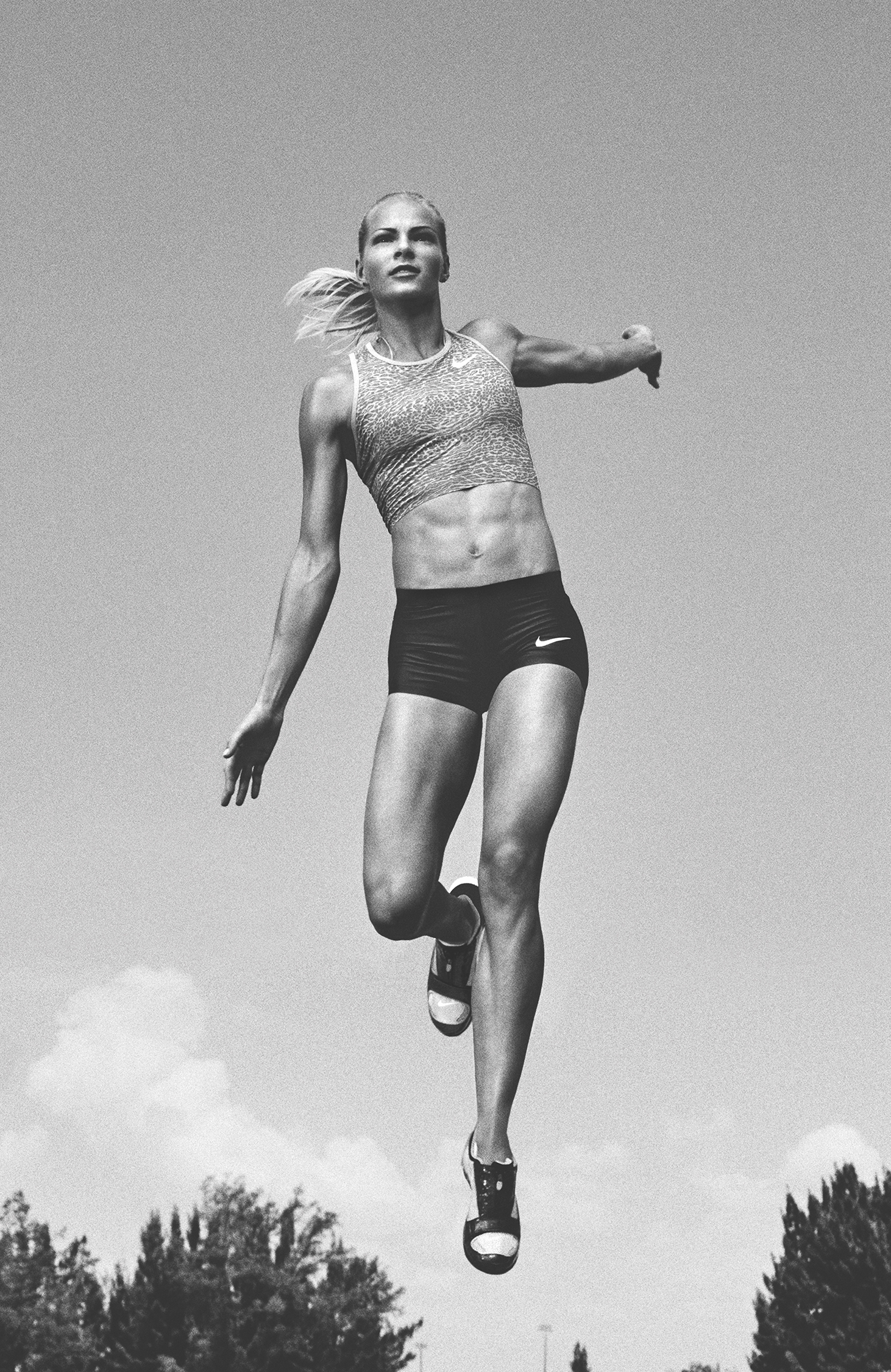
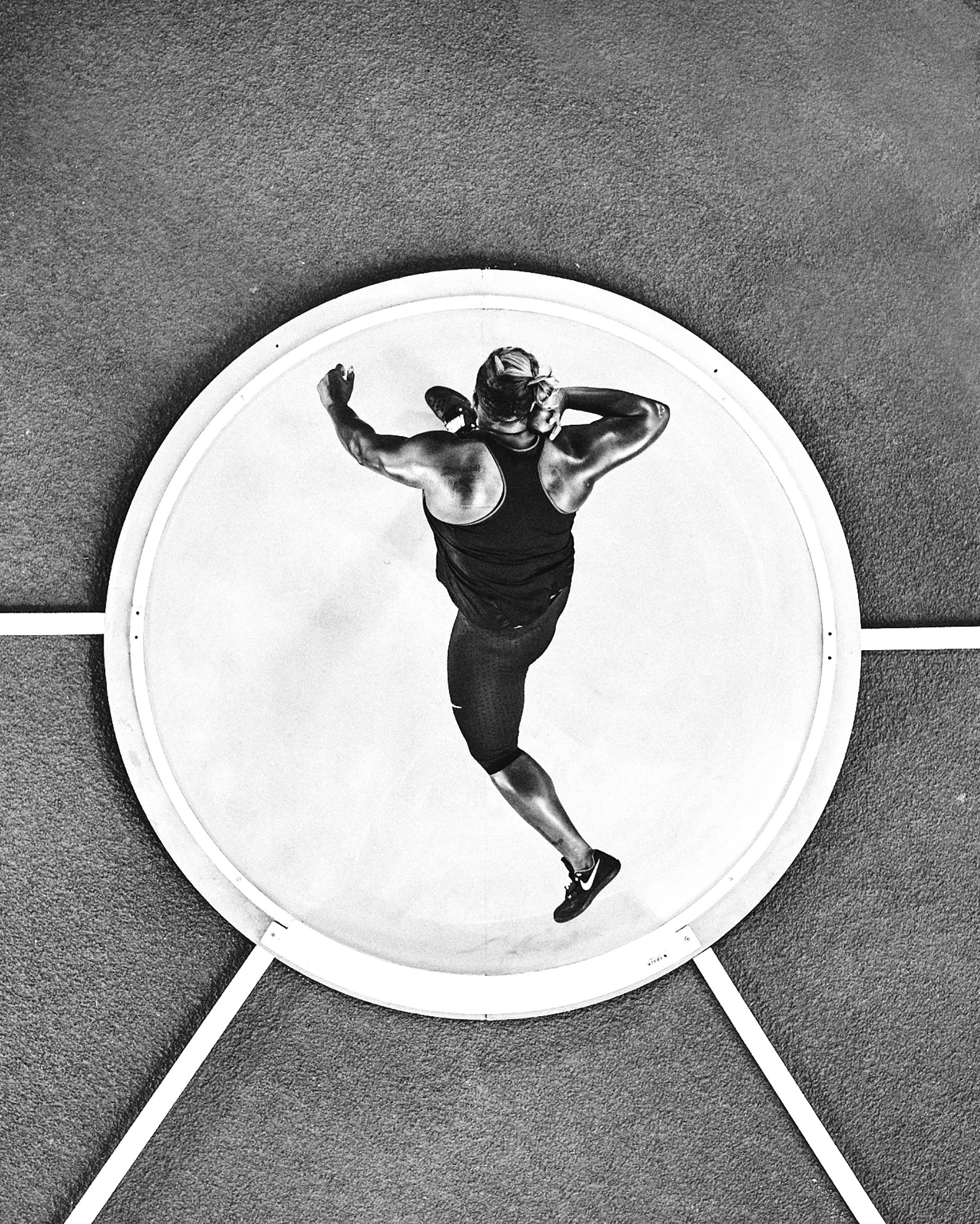
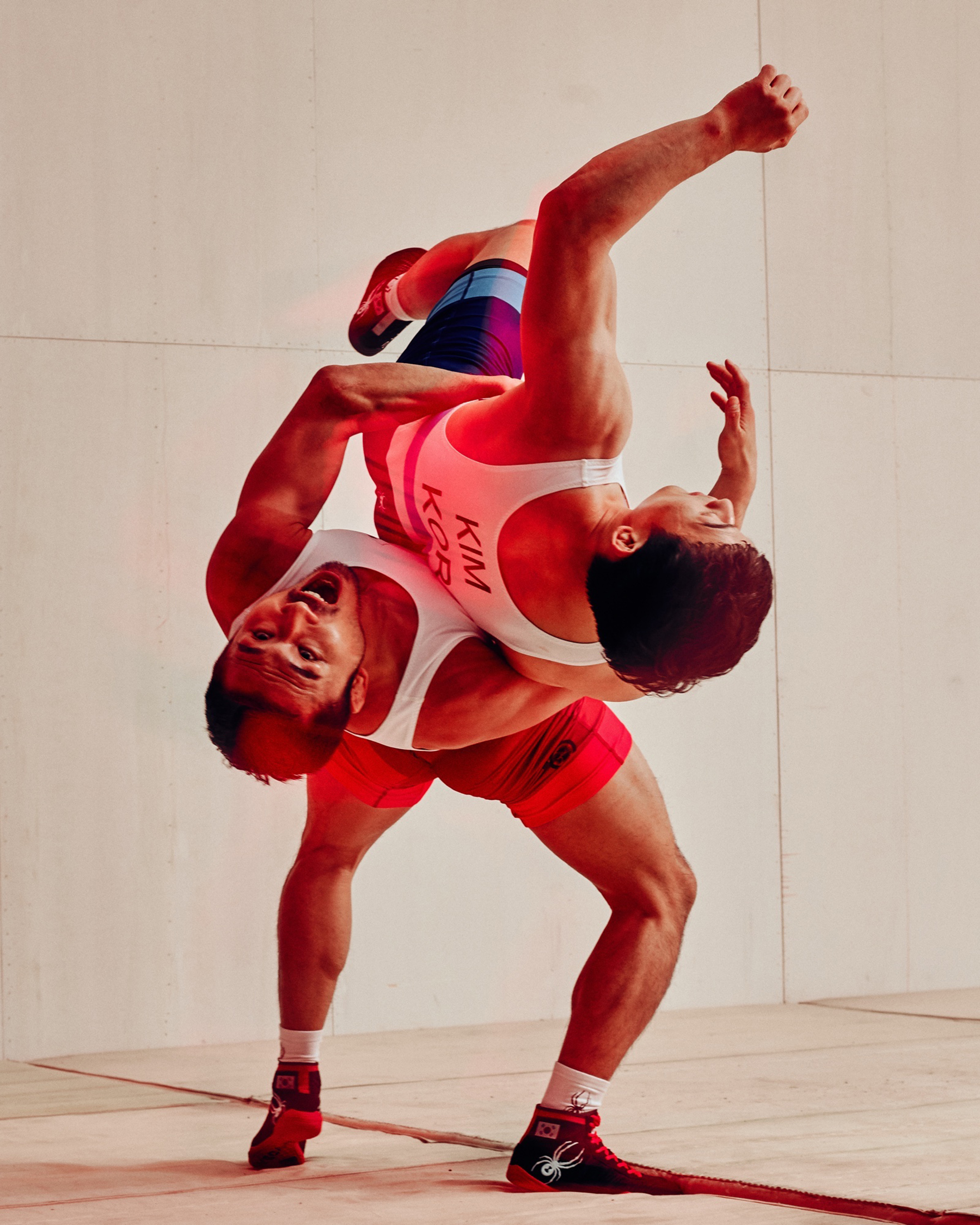
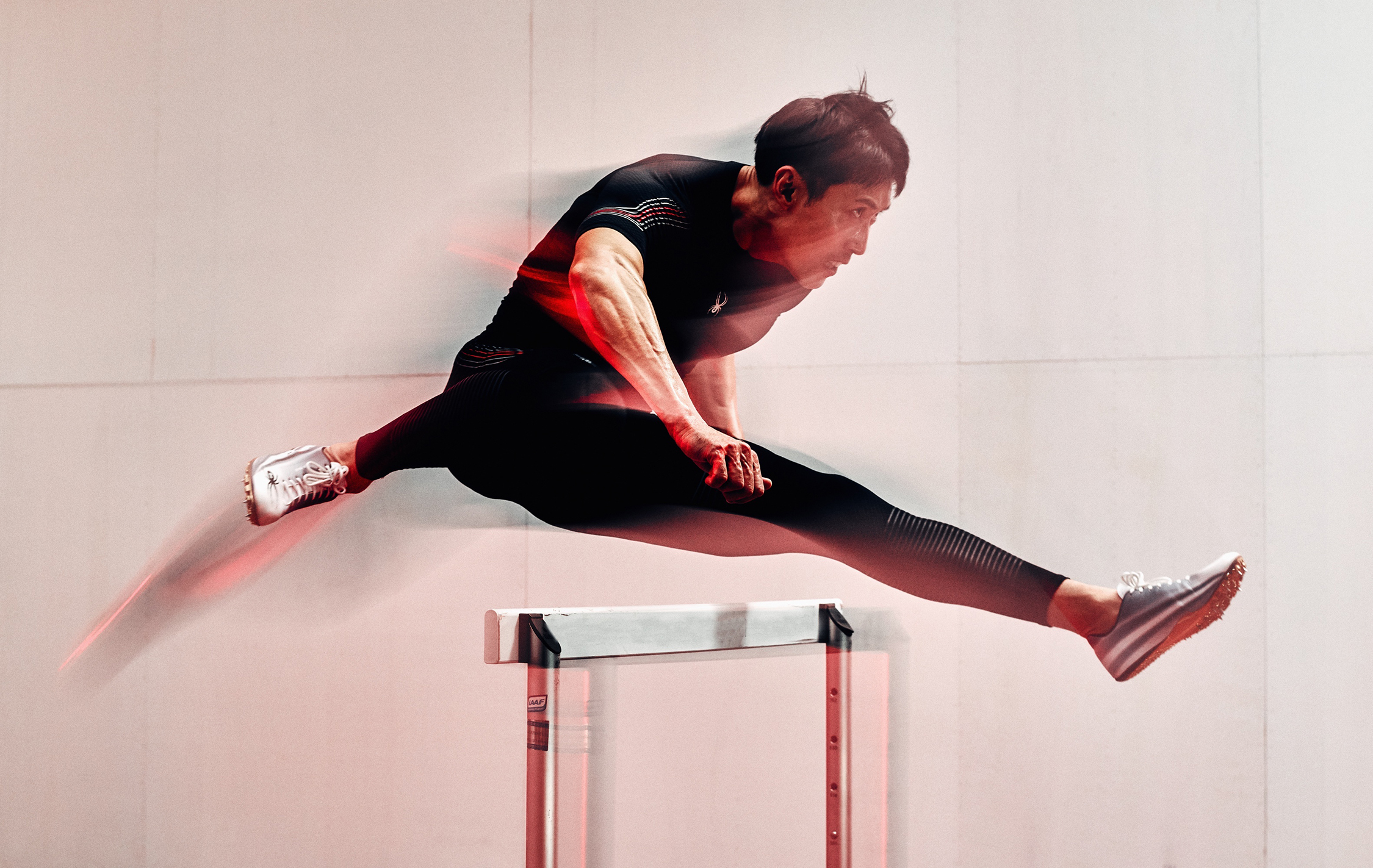
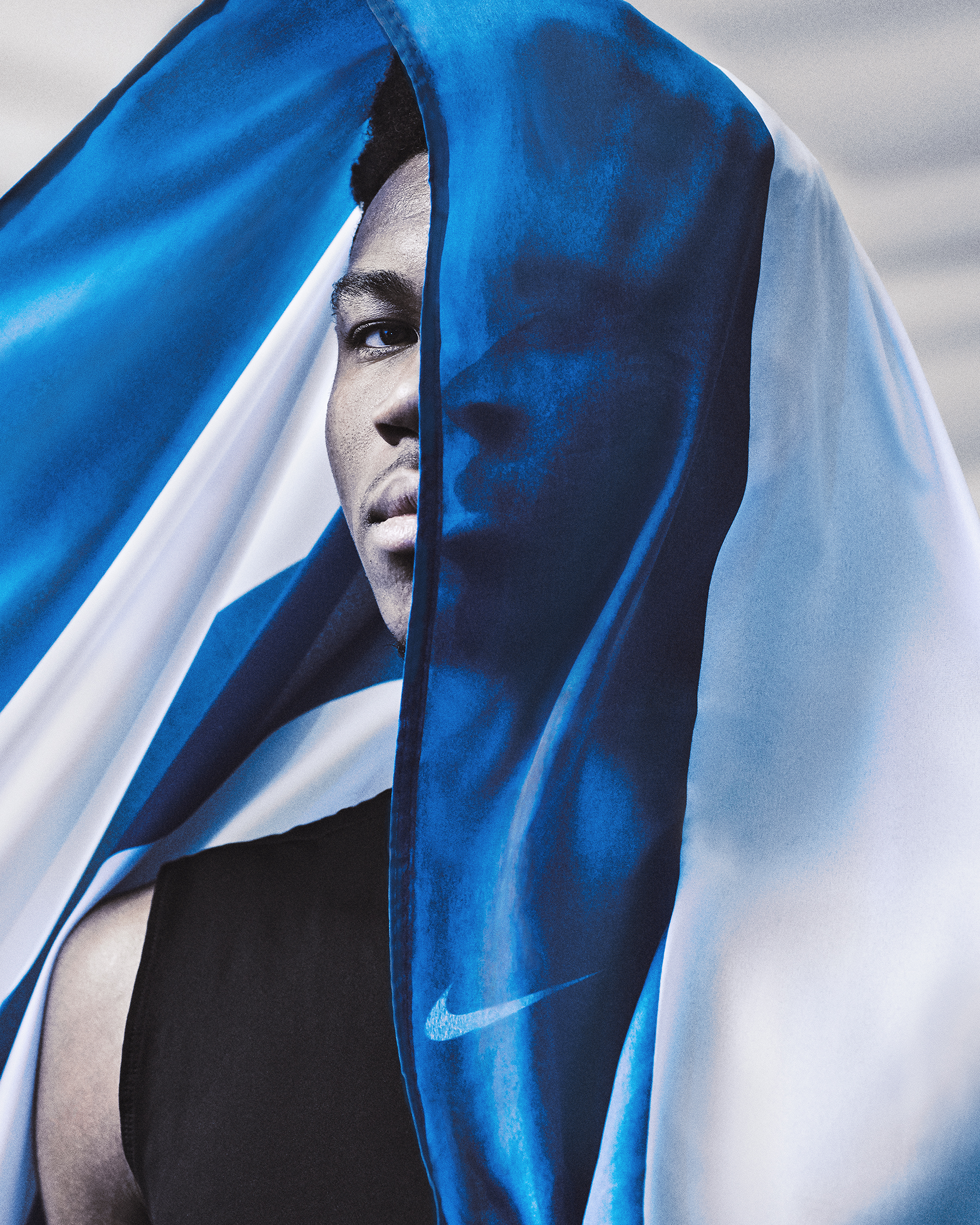
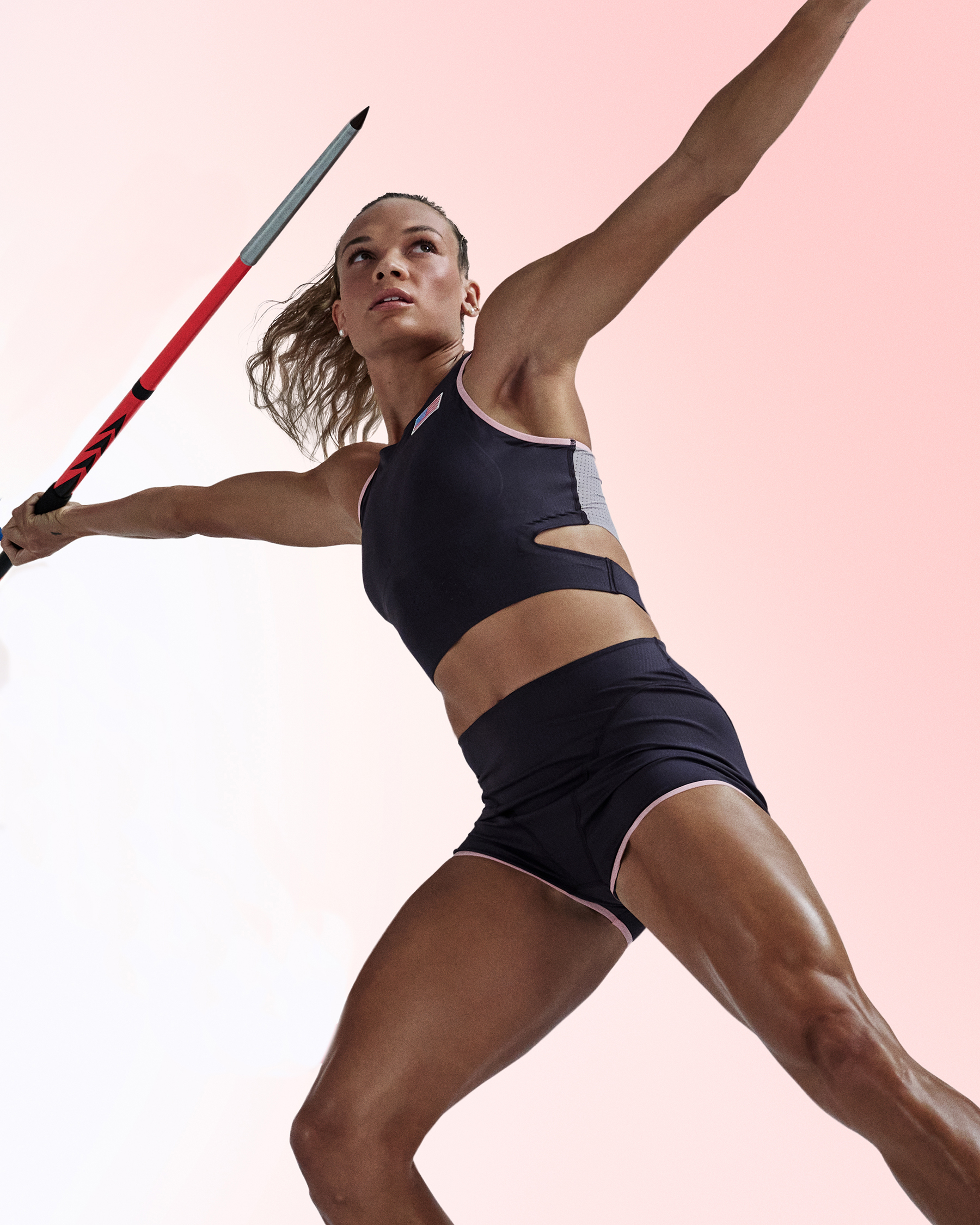
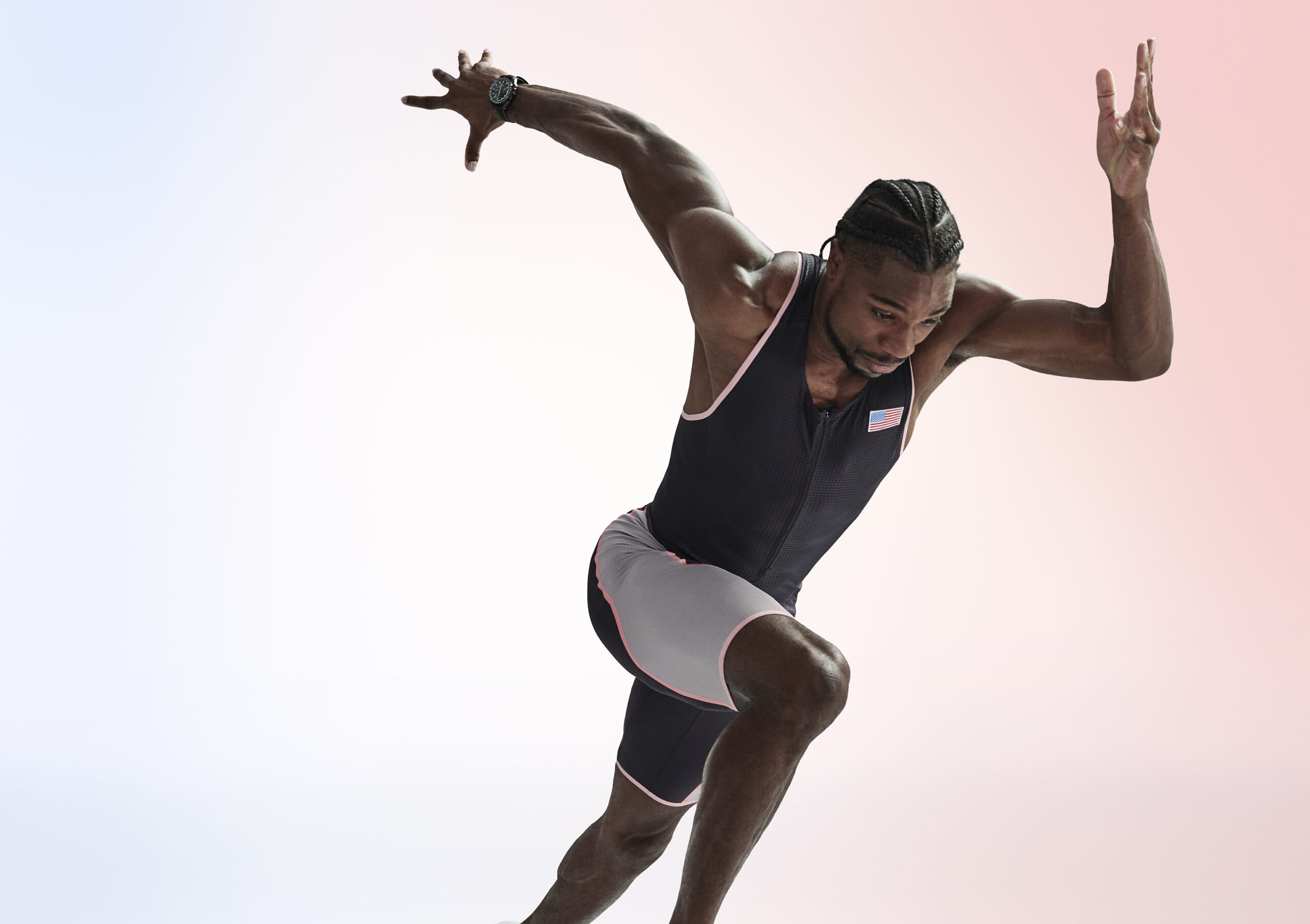
Fast forward to a 20-year history of photographing Olympic athletes kicked off by shooting Nike’s 2004 Speed Campaign – looking back on that project can you share a few important creative moments? At that time, I was starting my career, and I wasn’t shooting a lot of sports. I was mostly focused on portraiture and fashion editorials for more independent magazines like Paper Magazine and a few smaller apparel lookbook shoots for brands. At the same time, Nike was starting to hire some fresh, young art directors, and in their words, were moving away from a lot of “runners in fleece photographed motion blurred running thru the forest” imagery from the 1990’s. They were interested in experimenting and creating photography that would be much more aligned with fashion editorials with more of a controlled studio lighting scenario while merging that look and feel with sport. The perception at that time was that “fashion photographers” would shy away from anything that wasn’t deemed “high-end apparel”, and that those sportswear brands were strictly for sports-focused photographers. That impression seemed to shift after the global recession around 2008-2009, when we suddenly started seeing those deemed as higher profile fashion photographers expanding their genre and work for these types of brands. Nowadays, with mutual branding, it’s extremely commonplace. For the Nike 2004 global Olympic campaign, Heather Amuny-Dey, a young art director at Nike, approached me to collaborate with her on this project. She had seen some of the lighting from a fashion studio shoot I did and thought the look would be a good fit for the creative direction of the campaign. Six months before we started the Nike Speed campaign, we did a preliminary shoot with a few athletes in the summer of 2003. This allowed us to experiment with the lighting and create a proof of concept for her clients. This portion of the project was shot on film. One thing that I quickly realized, was that these elite athletes only have a finite amount of energy they can expend per day during their rigorous training schedules, not to mention the concern of injury. Because of this, we might only get one, or two takes to capture whatever respective sport action. This limitation helped hone my timing in looking for the athlete’s body’s “tell”, that would happen a faction of a second before the peak of action. We also had to work little hacks with the strobe lighting packs and transmitters available at that time, to achieve the highest flash duration to freeze the action. Because it was shot on film, and also while traveling to different countries, there was a little bit of frustration in waiting a few days to get the film back from a lab before knowing if we had gotten the shot. The main campaign started ramping up in February 2004, and by that time a few viable digital camera systems had finally hit the market. I had shot with one in the interim on a small fashion brand project, and although I wasn’t fully impressed yet with the color look of the raw files, I thought this would be a perfect tool for the Speed campaign since we could instantly see if we got the shot. The art director had expressed concerns, as she had done a shoot a few months earlier with a different digital system, and the resolution and quality was subpar for their uses. The client requested we do a test shoot with this newer digital system we were proposing. We emailed the test jpegs in real-time during their project meeting in the Portland offices, and after seeing the results, they were sold on this approach. The only stipulation was that we traveled with backup film in case we encountered technical issues. The digital backs at that time were wildly expensive, so we could only afford to lease one to travel with. Nike had come out with the “speed suit” which was novel in that the apparel is like a second skin that covers the athlete head to toe. We wanted to emphasize the sleek form of the apparel, as well as the musculature of the athletic bodies in action. We explored this by edging the lighting with a hint of a warm, red tone that was focused on the trailing end of the athlete’s body, like a glowing meteor trail. We kept all the action either straight on, or profile to keep the shapes graphic. We started the shoot in early March of 2004 in a sound stage in Amsterdam. We then continued throughout the US to the various cities that the athletes were training in, then wrapped it up in Paris and London. It was encouraging to hear that all the creative teams back in the Nike global offices were excited and giving great feedback from the sample of images we were sending from the road.
Shortly after that campaign the book: Beauty of Speed featuring 37 global athletes was published by Nike – what was your biggest takeaway from creating that book? The book was a surprise, as I had no idea they were going to collate all the athletes we shot into a book. I think it was something that wasn’t on the table until the work came back and everyone was stoked on the results.
How did your sport work transcend into fashion and portrait work? As mentioned above, it was kind of the opposite, as the fashion work first transcended into these early sports campaigns. The only downside was once that campaign came out, clients and photo editors tended to pigeonhole me, and suddenly I was only being considered for the “athlete kicking ball in studio” shoots. It was lucrative and allowed me the budget to continue to learn more lighting techniques, but it took me a while to come across photo editors who could see past the sport angle and realize that the work could be applied to non-sport portrait or fashion photography.
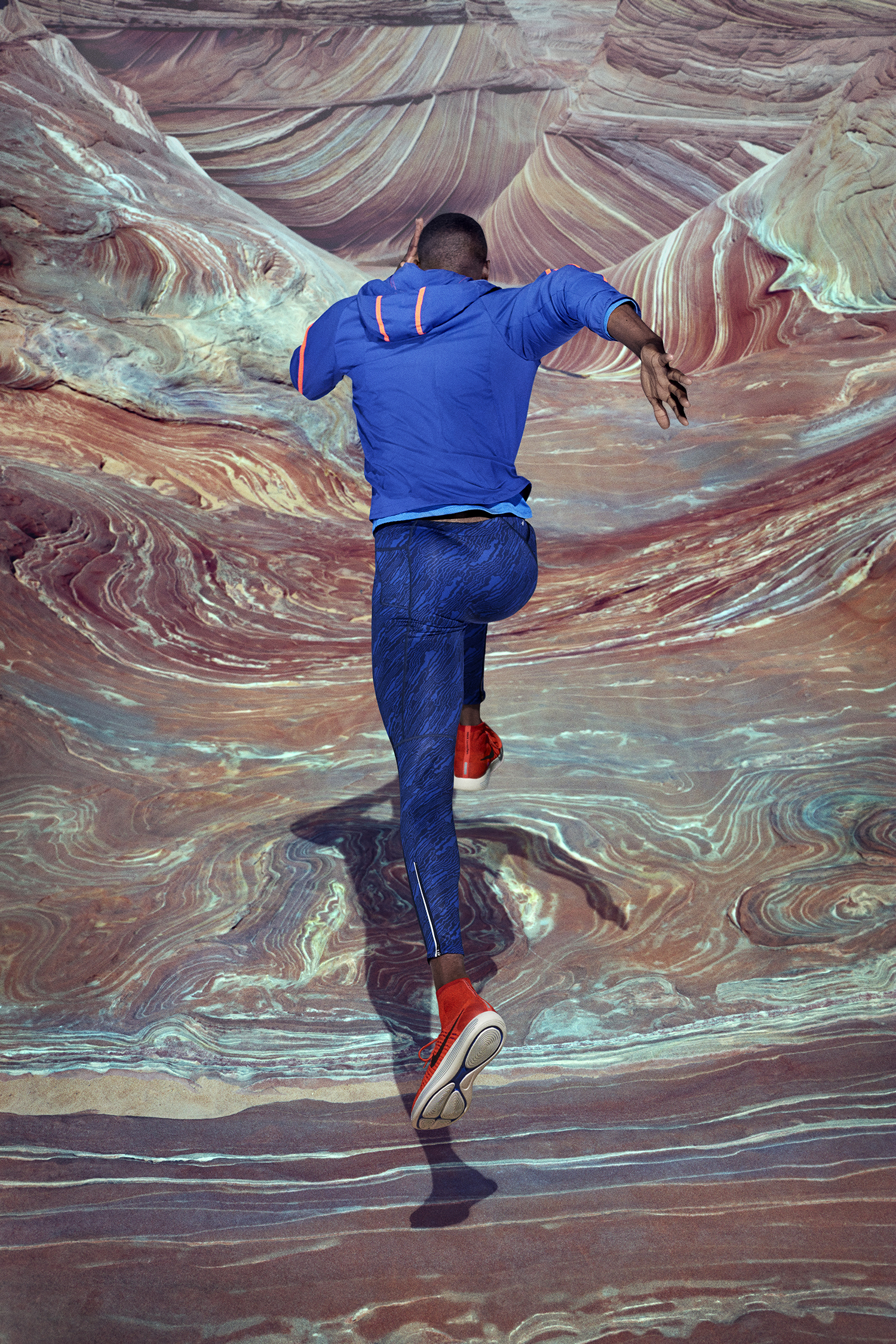
Your use of color and shadow has a surreal, visceral quality (I’m struggling to define it – the viewer emotionally plugs in and there are no words) – where did that aesthetic stem from? Thanks! That’s a hard question, as I’m not sure where the aesthetic came from either! It’s probably a bit silly, but I pride myself in knowing how to light and doing things really D.I.Y. Perhaps at times that approach has been detrimental, like not hiring out a DP. For me, researching and experimenting with the lighting is still part of the fun. I can’t wrap my head around some of the stories I hear of high-end photographers that don’t know how to light themselves, or worse those who don’t even push the shutter button, as that’s a whole different world! I think I’m always trying to mix the pragmatic of what lighting will work to achieve high shutter speeds, but also be subtle enough to feel simple and just a little more elevated, yet feel real and organic.
How did your collaboration with Monica May come about? My partner Monica May is a great photographer, her work feels thoughtful and considered. The first collaboration we did together was in 2008, for an Esquire fashion story. The magazine wasn’t asking for a motion asset, but it was a nice editorial with male models in suits on a dry lake bed, the type of fashion story that pretty much shoots itself! Monica shot super 8mm, and since it was natural light, she was able to get the look cohesively with the stills. We got the film processed, scanned it, and fumbled a bit learning the editing software. We turned the final edited film to the magazine along with the stills, in case they wanted showcase the film on their website. It was extremely well received, and Esquire began to ask for these companion film pieces for our commissioned fashion shoots. Being editorial, the budgets could only allow little to no compensation for this additional asset, so they were mostly a labor of love. We used these types of shoots to learn and experiment with different processes. Eventually, we started bringing in higher quality motion cameras onto some brand ad campaign shoots (again on our own dime), and continued to hone these skills. We would do all of our own editing, not only for cost, but for the learning process as well. Editing can still be an exciting component for us because it’s like working on a complex puzzle.
Around this time, we were also getting ad jobs where on set timings would be shared with a TVC campaign. For whatever reason, the crews on the TVC motion teams were always a bit hostile and flexing some weird competitiveness with the stills team, even though we were all working for the same clients. We weren’t even taking on projects that required us to use their same set, but even with being completely autonomous, there were unnecessary complications thrown at us. We started thinking it might benefit these types of projects, especially in these pro athletes’ shoots, to school ourselves in continuous lighting that would allow us to capture both stills and motion simultaneously. The client began to see the potential and the benefit of hiring us as a team to capture both.
Tell us how you two harmonize creatively through the process. We’re both technical, but as mentioned, she’s probably the more thoughtful one in her approach. I might be quicker to jump in and try to problem-solve along the way. Monica works with the motion cameras and her team, while I mostly handle the lighting and still photo aspects so it’s seamless between the stills and motion. Sometimes we cross over. Both of us tend to be highly involved with the production process, as we tend to get a lot of the more complicated timings and multiple asset request projects. We both work the logistics as well. While on set, we are either able to capture certain scenes at the same time due to the consideration of the lighting, or able to bounce the subject’s attention back and forth between my lens and hers. We both love to edit when the project allows, and we have developed a nice workflow where Monica usually takes the first pass and creates a “trim bin” of her favorite takes, then I take that and begin to assemble an edit, then we bounce it back and forth during this process. We also found we love working with music composers and sound design collaborators, since sound can evolve and reinterpret things for these short form projects.
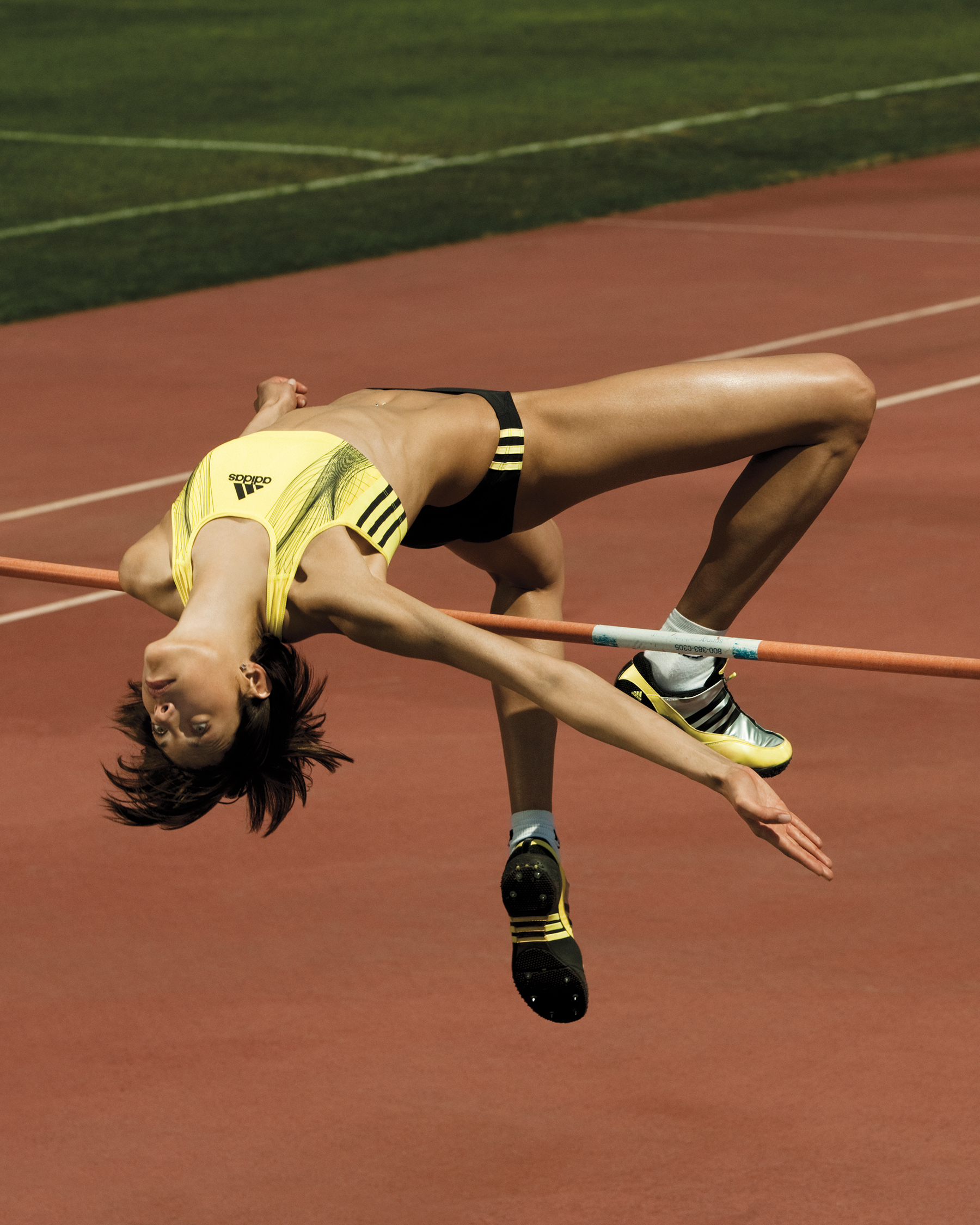
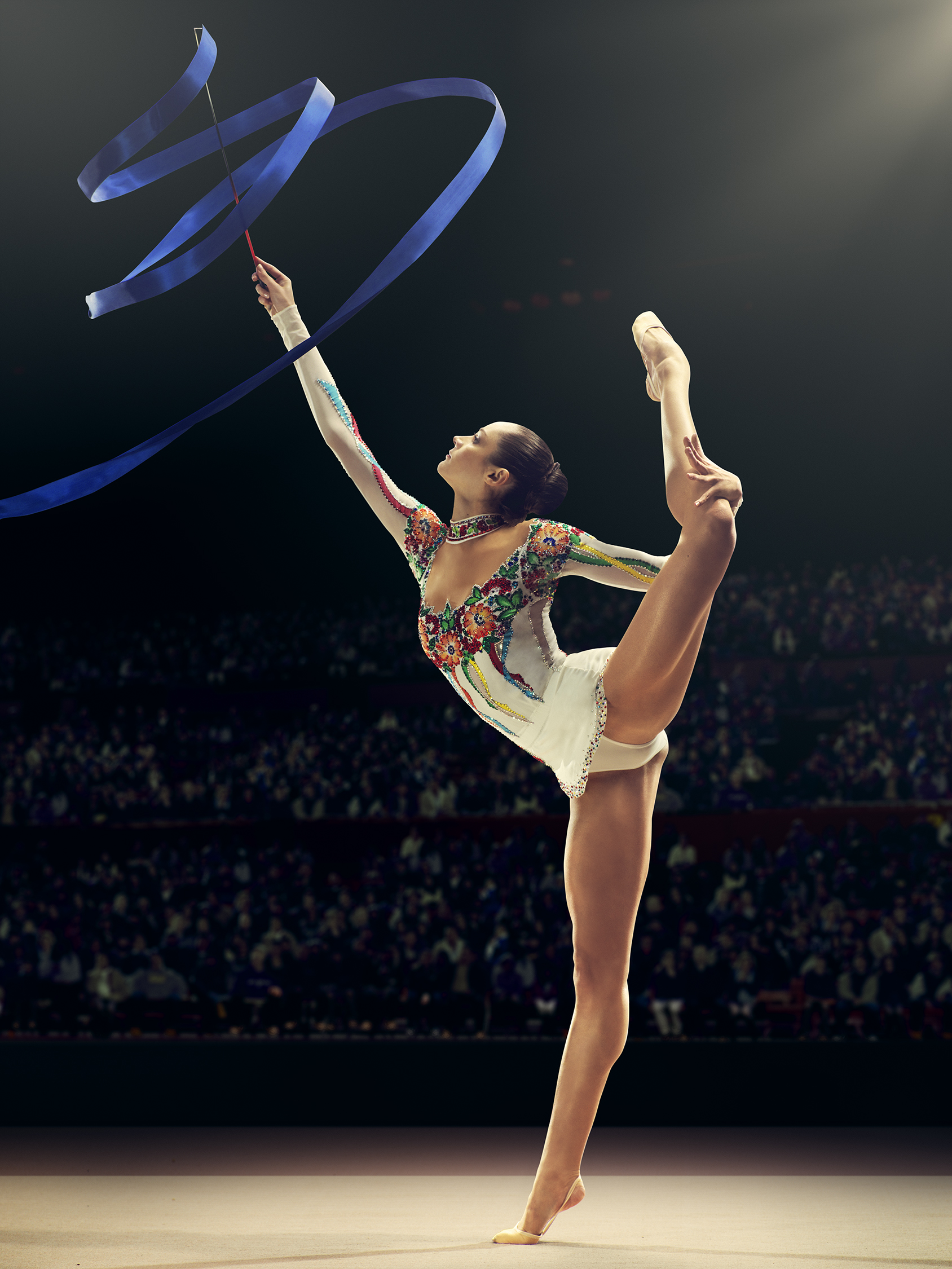
Is The 20 Years of Olympic Imagery a good example project. I don’t consider the 20 years of Olympic imagery as a project per se. It actually came about spontaneously over the first weekend of the 2024 Paris Olympics. I’m not a huge fan of social media, or the focus on “self branding”, but for better or worse, it’s obviously just another tool to showcase work. I’ve been reluctant to share older imagery, or ones that are heavily sport specific, with concern that the style of imagery might feel dated, or again get pigeon holed with the perception that I only shoot sports. I think the catalyst to share this work was seeing some recent Olympic campaigns with a similar aesthetic to the 2004 Nike Speed campaign, and realizing that the style within photography had once again come full circle, as trends tend to do.
I quickly edited the one minute collage film on the first Sunday of these Olympics, while watching the start of gymnastics and swim competitions, and posted it on the first Monday of the games. I didn’t have a plan going into it, so every night while watching the competitions, I would collate and resize imagery for the next days post. By not calling out brands, or the clients that these images were created for, I instead, wanted the focus to be solely about the athletes and the photography.
Life can be broken out into seasons, how would you describe your current season? I’ve been fortunate enough to have a long career so far. No huge breakouts, and I’ve never considered myself a critic’s darling, just slow and steady. I can look back and see specific projects that were stepping stones, like the aforementioned 2004 Speed campaign, and those that were fulfilling and allowed us to discover, or learn something new. With all of that, I still find that I am excited to learn new things, hopeful for what the next project will bring, and confident in the experiences that have come with the years of work. So perhaps it’s a hybrid of all of life’s seasons!
What has changed the most – you, your process, or the Olympic Games, or photography itself? That would take up another whole interview! I can attest that the landscape has changed so much since I started out, and moved even quicker in the last few years due to the sheer amount of photographers, directors, brands, social media, etc. With regard to the Olympics and photographing professional athletes, many of the changes I see are with the athletes themselves. Most of these young athletes have grown up with social media and self-branding. That can be an asset, as many understand all the publicity and brand asks of being a sponsored athlete. However, there are times I’ve seen all the self-branding and the focus of social media become a hinderance. There are also a lot more agents and PR representatives now then there used to be, and while it is necessary to have someone looking out for the athlete’s best interest, some come on set already with that “power flex”. They tend to forget that everyone is there to execute great imagery, while also creating a safe environment for the athlete. There are also a lot more brands besides athletic wear companies that sponsor the Olympics, like credit card companies, insurance companies, etc, that normally don’t shoot athletes, which limits access and timing further.
What are you excited about moving forward? I think moving forward Monica and I want to continue doing these types of projects, but we are also looking to hone the work to showcase some more simplified and graphic work, as sometimes less is more, in the hopes that not every shoot needs to be a huge science project!
The Art of the Personal Project is a crucial element to let potential buyers see how you think creatively on your own. I am drawn to personal projects that have an interesting vision or that show something I have never seen before. In this thread, I’ll include a link to each personal project with the artist statement so you can see more of the project. Please note: This thread is not affiliated with any company; I’m just featuring projects that I find. Please DO NOT send me your work. I do not take submissions.
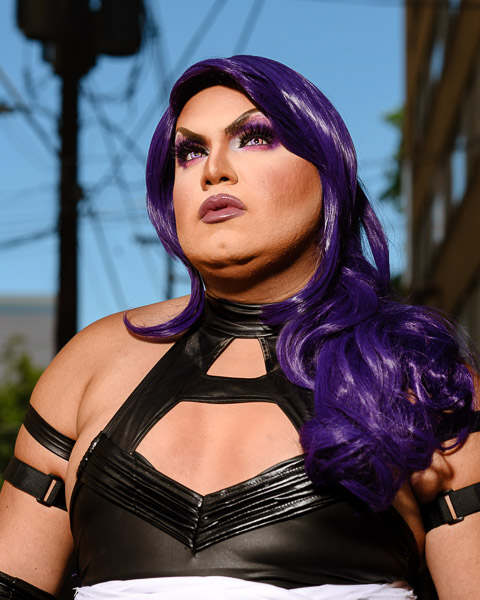
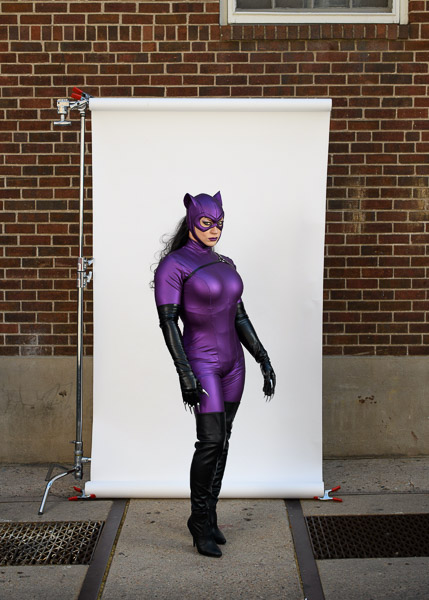
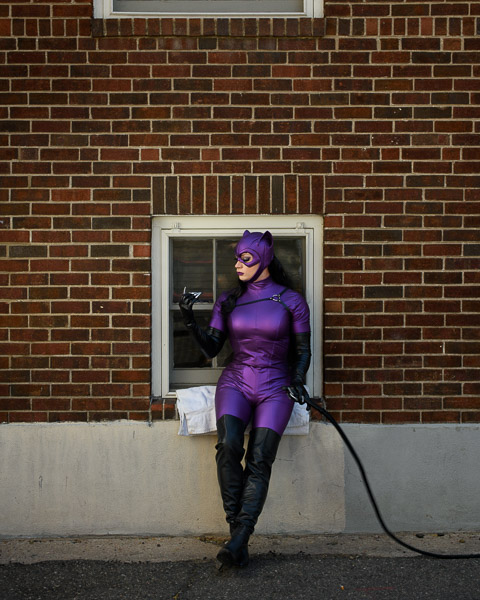
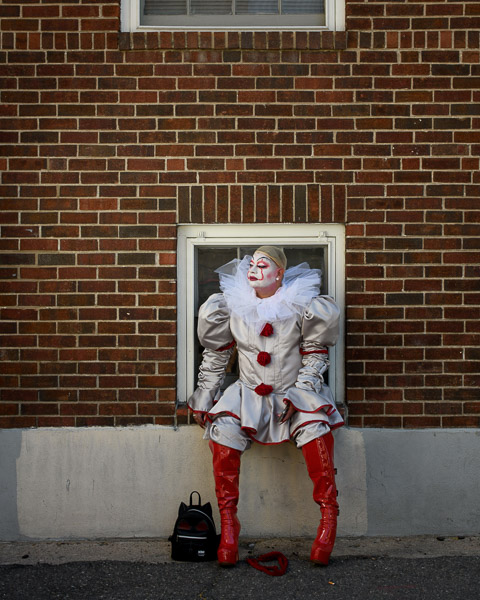
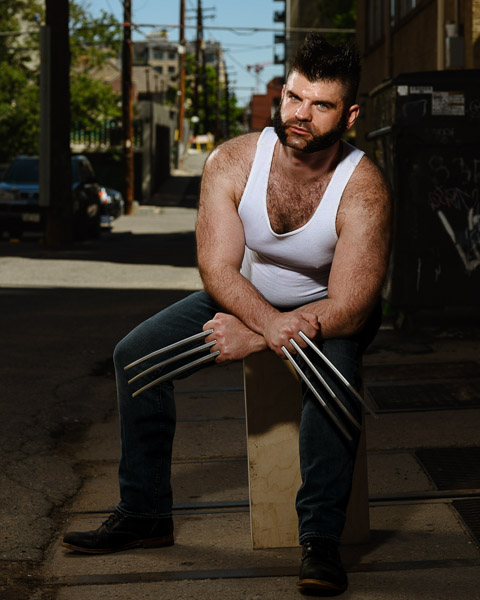
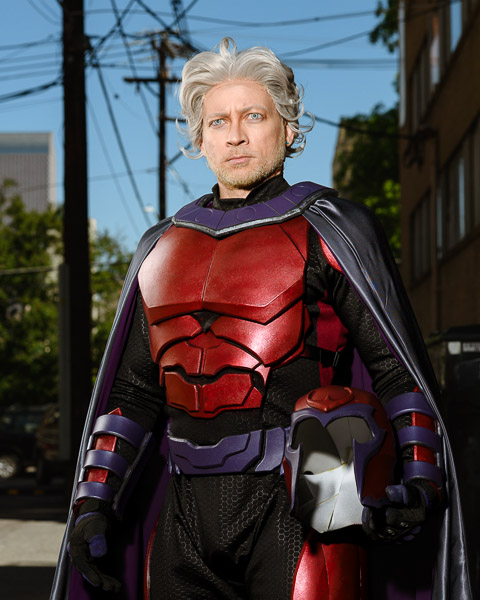
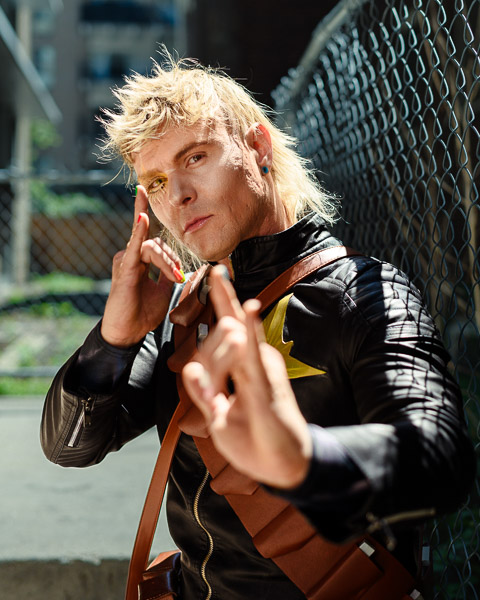
For a few years now, I’ve been very interested in the concept of human identity, specifically how people perceive and express themselves. The way we dress is often a reflection of how we feel about ourselves and who we want to be. Cosplayers take this to the extreme, literally transforming into comic book characters, superheroes, and video game stars as a way of exploring different facets of their identities.
I began photographing cosplayers during Comic Con in Denver as an exploration of the metamorphosis from ordinary people to fantasy, while still remaining human.
This is an ongoing project, and if you’ll be in costume for Denver’s Comic Con in 2025, please reach out. I’d love to photograph you.
APE contributor Suzanne Sease currently works as a consultant for photographers and illustrators around the world. She has been involved in the photography and illustration advertising and in-house corporate industry for decades. After establishing the art-buying department at The Martin Agency, then working for Kaplan-Thaler, Capital One, Best Buy and numerous smaller agencies and companies, she decided to be a consultant in 1999. Follow her at @SuzanneSease. Instagram
The Art of the Personal Project is a crucial element to let potential buyers see how you think creatively on your own. I am drawn to personal projects that have an interesting vision or that show something I have never seen before. In this thread, I’ll include a link to each personal project with the artist statement so you can see more of the project. Please note: This thread is not affiliated with any company; I’m just featuring projects that I find. Please DO NOT send me your work. I do not take submissions.
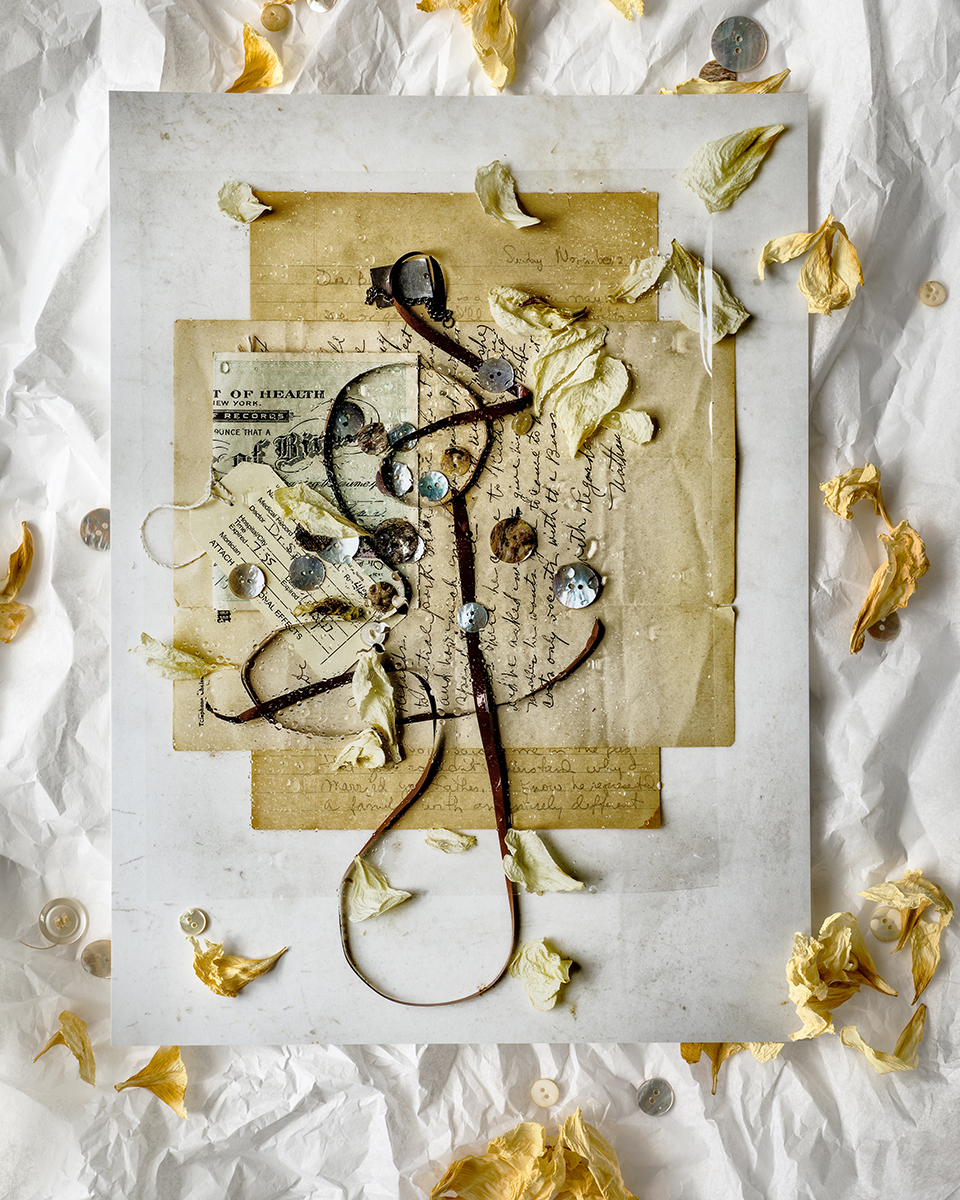
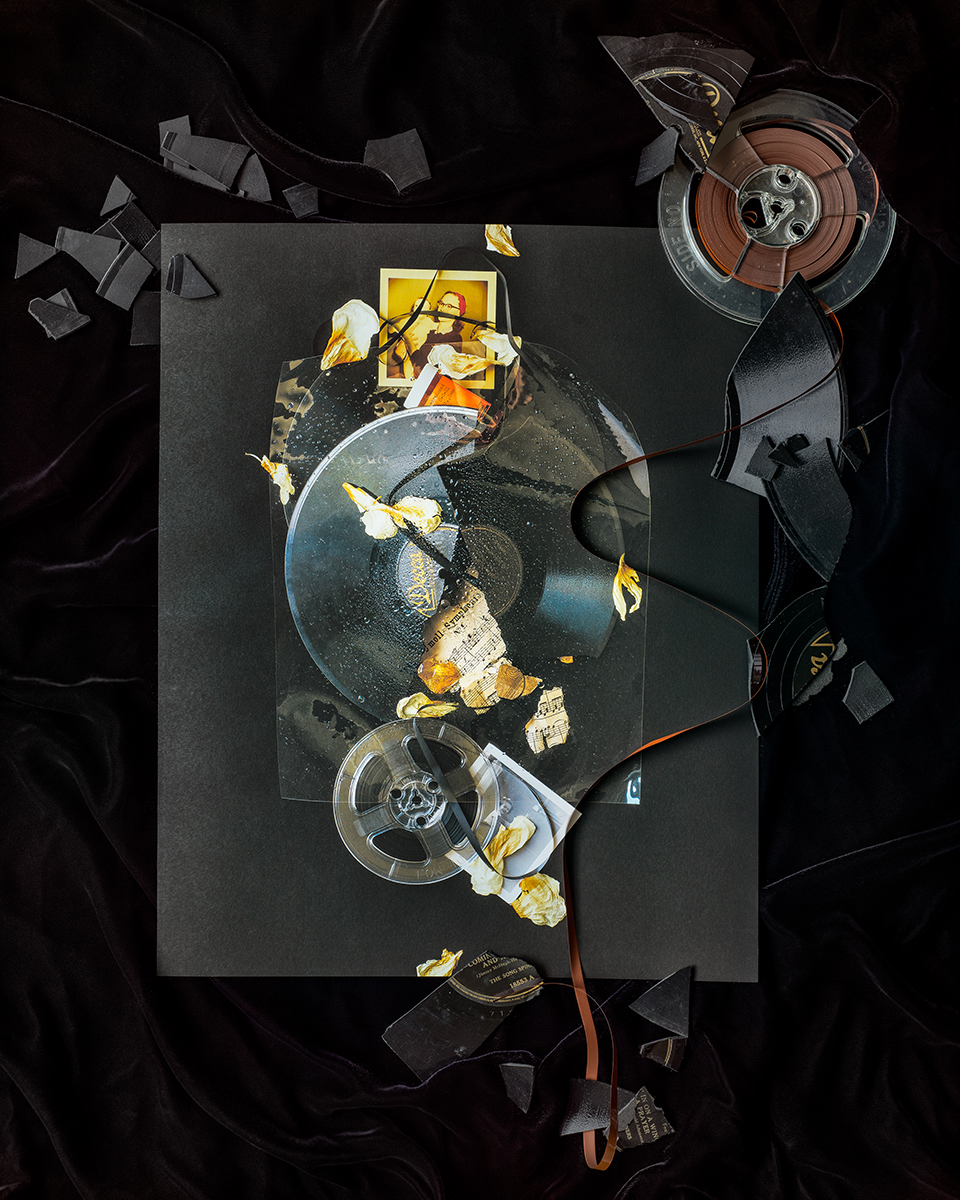
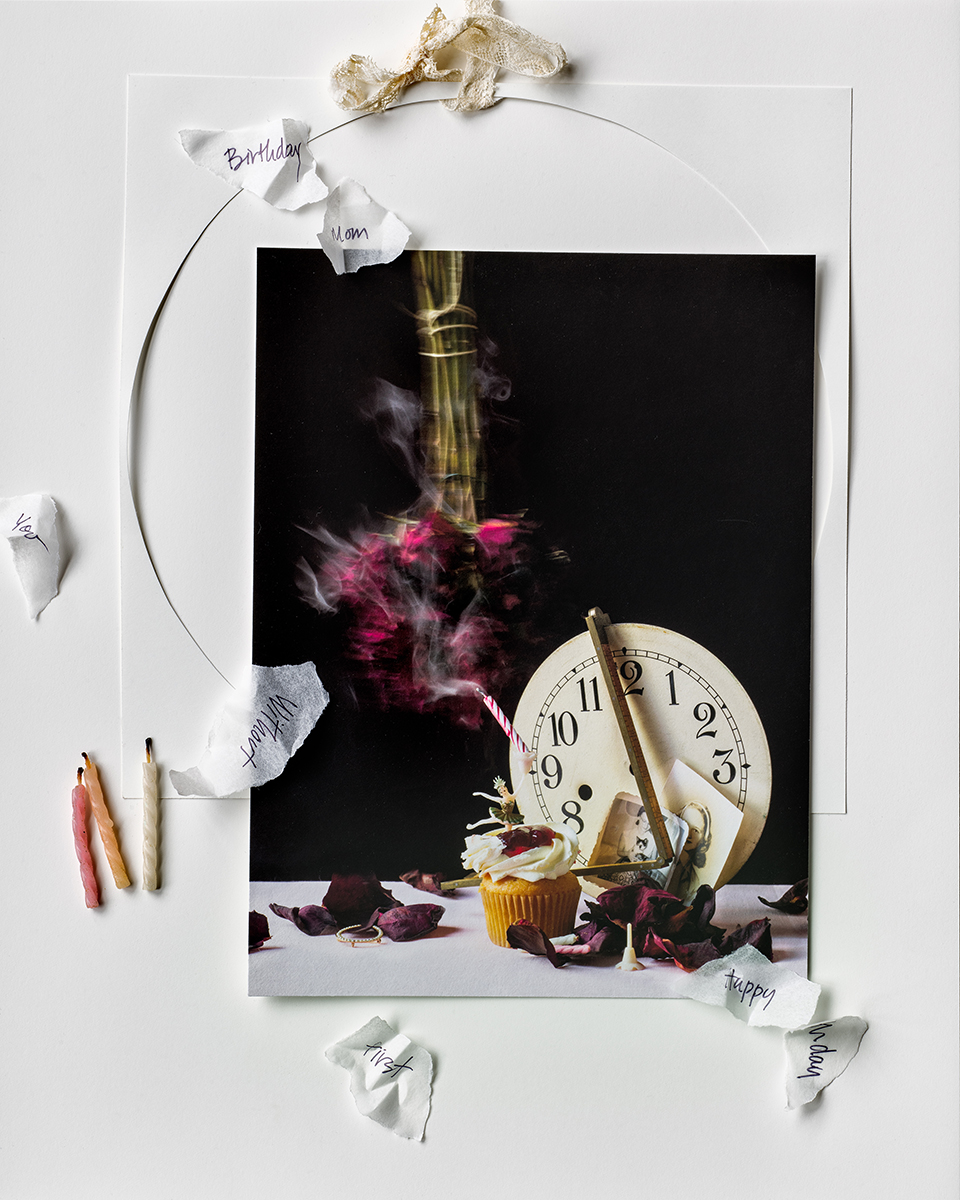
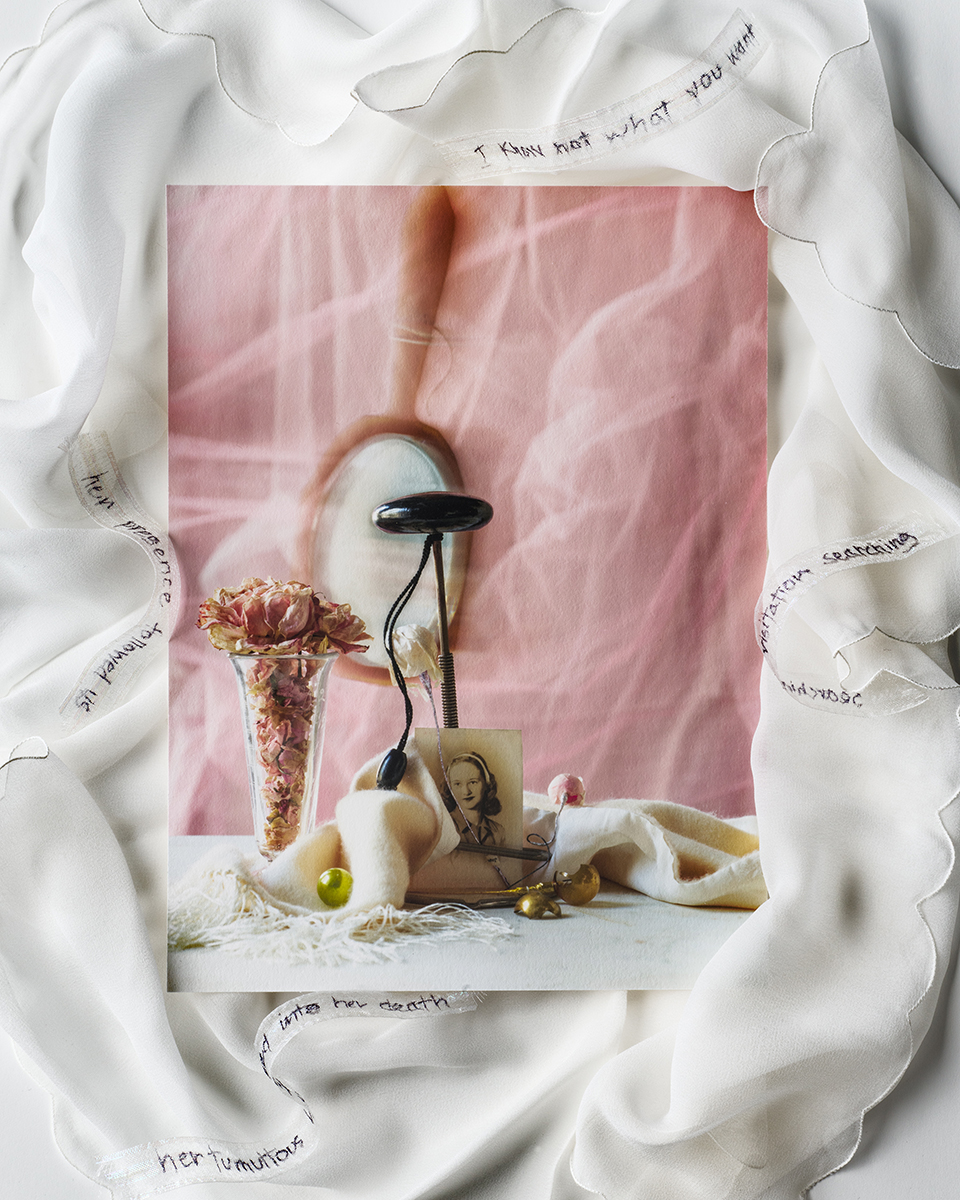
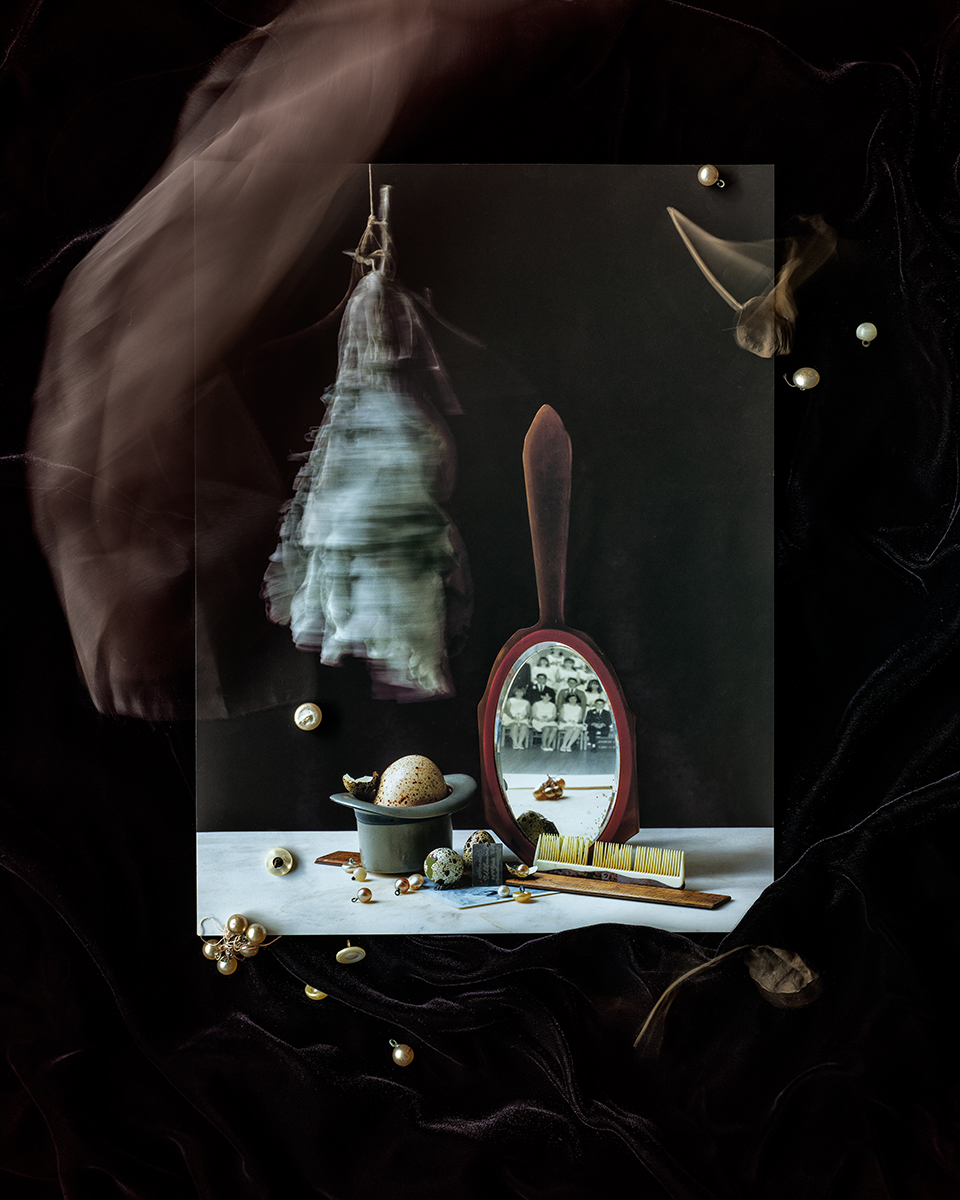
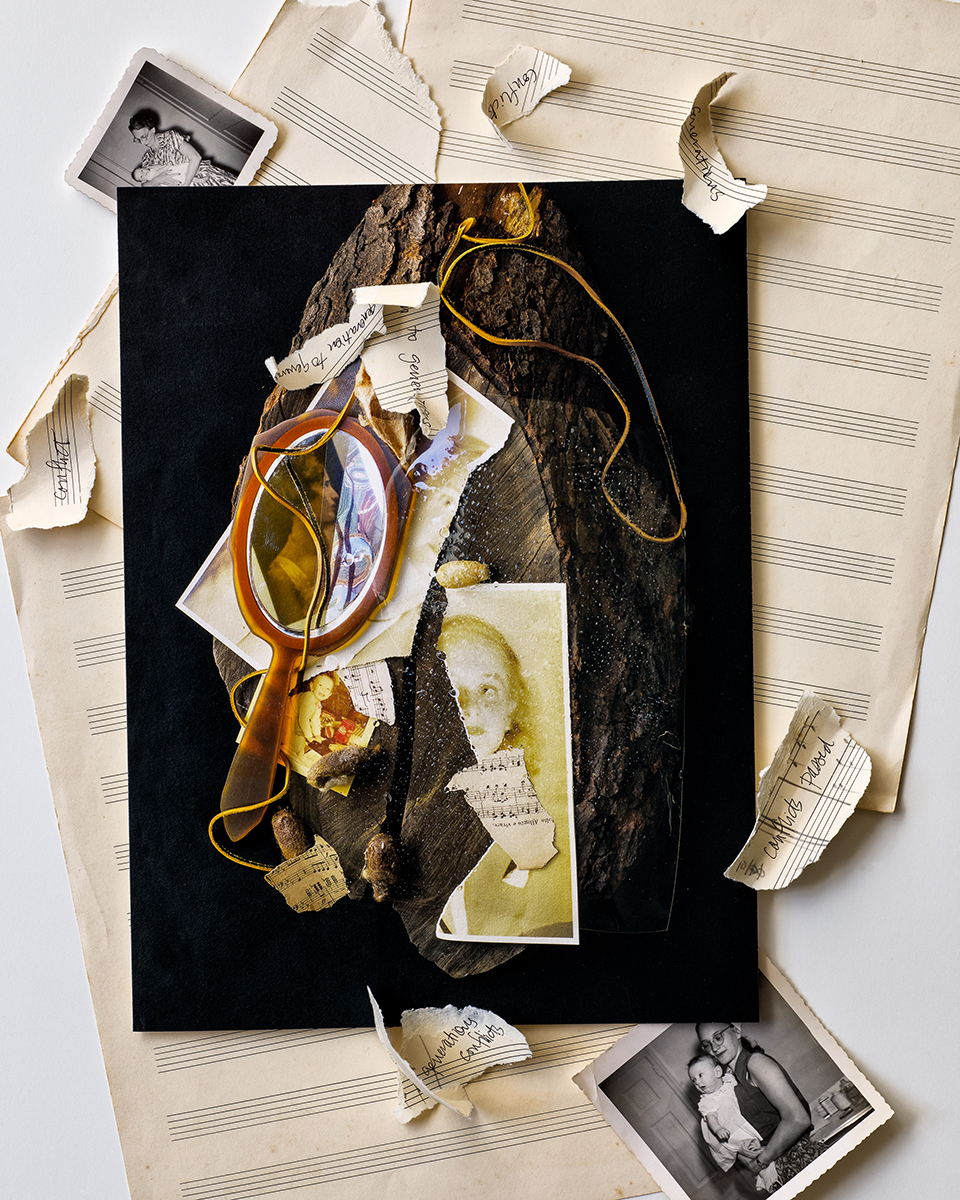
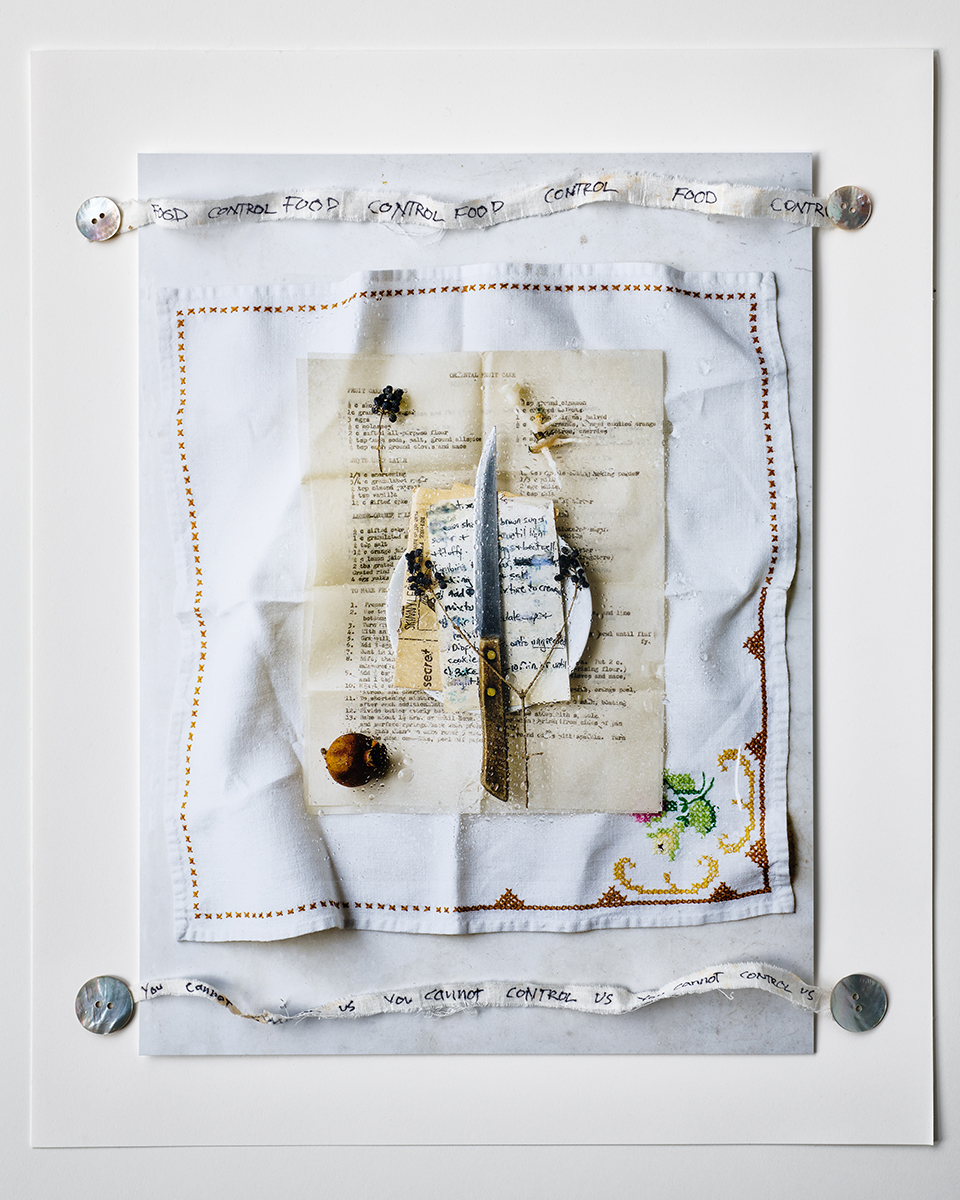
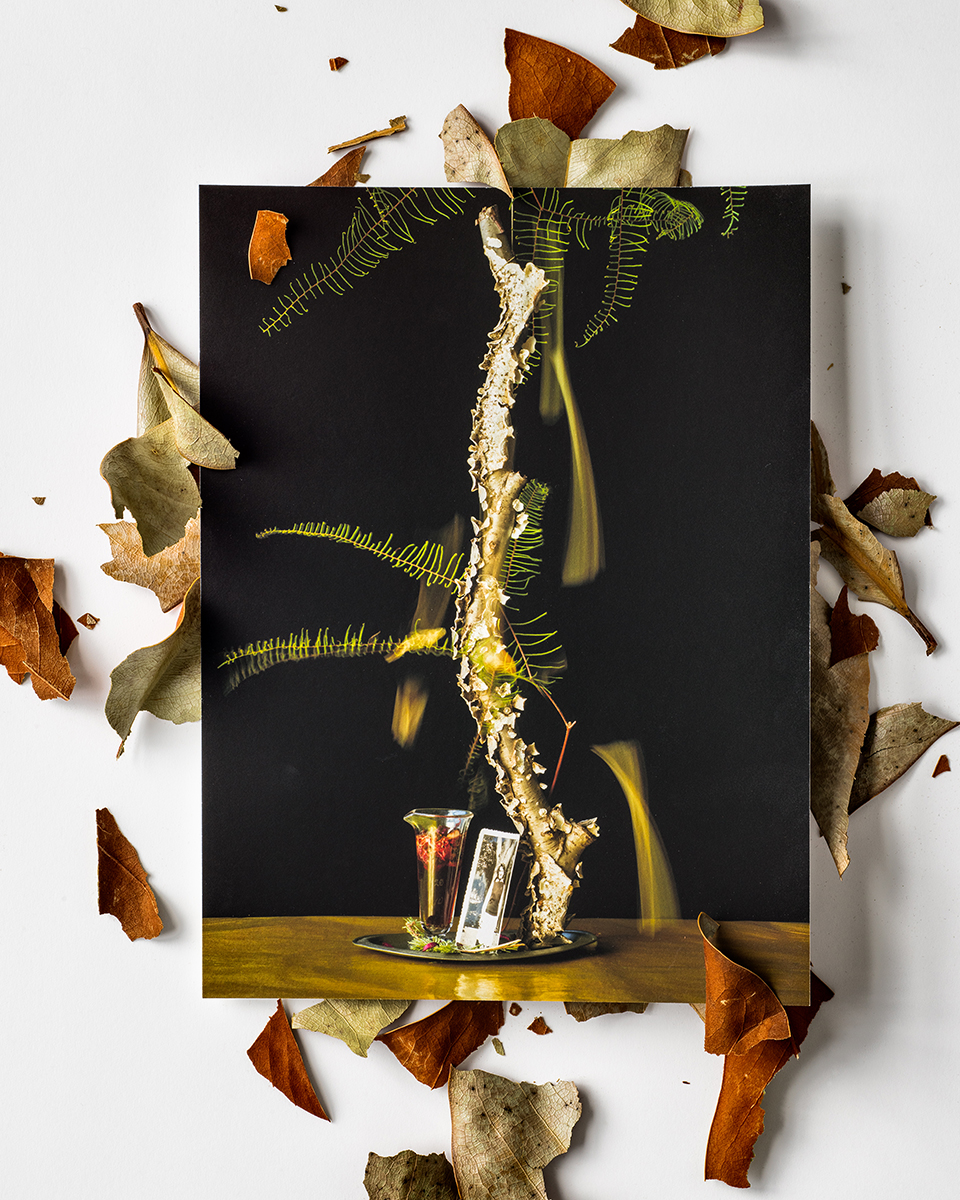
So much of who we are is passed from generation to generation—our genes, our behaviors—molded by our family. In 2017, my mother and father—who had not lived together for 50 years—died within three days of each other. I discovered many artifacts from my life of which I had no memory.
In this series, I combined botanicals with objects and photographs that I found, in order to convey a sense of memory and loss. The organic and volatile botanicals serve as a reminder of the ever-changing nature of memory and emotions—an unstable and profoundly unreliable process.
My creative process is to compose and photograph botanicals with the collected objects I have gathered from my mother’s home. I then print out the image and create yet another still life by layering more objects with the print and re-photograph it. This creates a further sense of the complex and layered emotions found within family dynamics.
APE contributor Suzanne Sease currently works as a consultant for photographers and illustrators around the world. She has been involved in the photography and illustration advertising and in-house corporate industry for decades. After establishing the art-buying department at The Martin Agency, then working for Kaplan-Thaler, Capital One, Best Buy and numerous smaller agencies and companies, she decided to be a consultant in 1999. Follow her at @SuzanneSease. Instagram