The Daily Edit – Douglas Marshall: Marshall Gallery

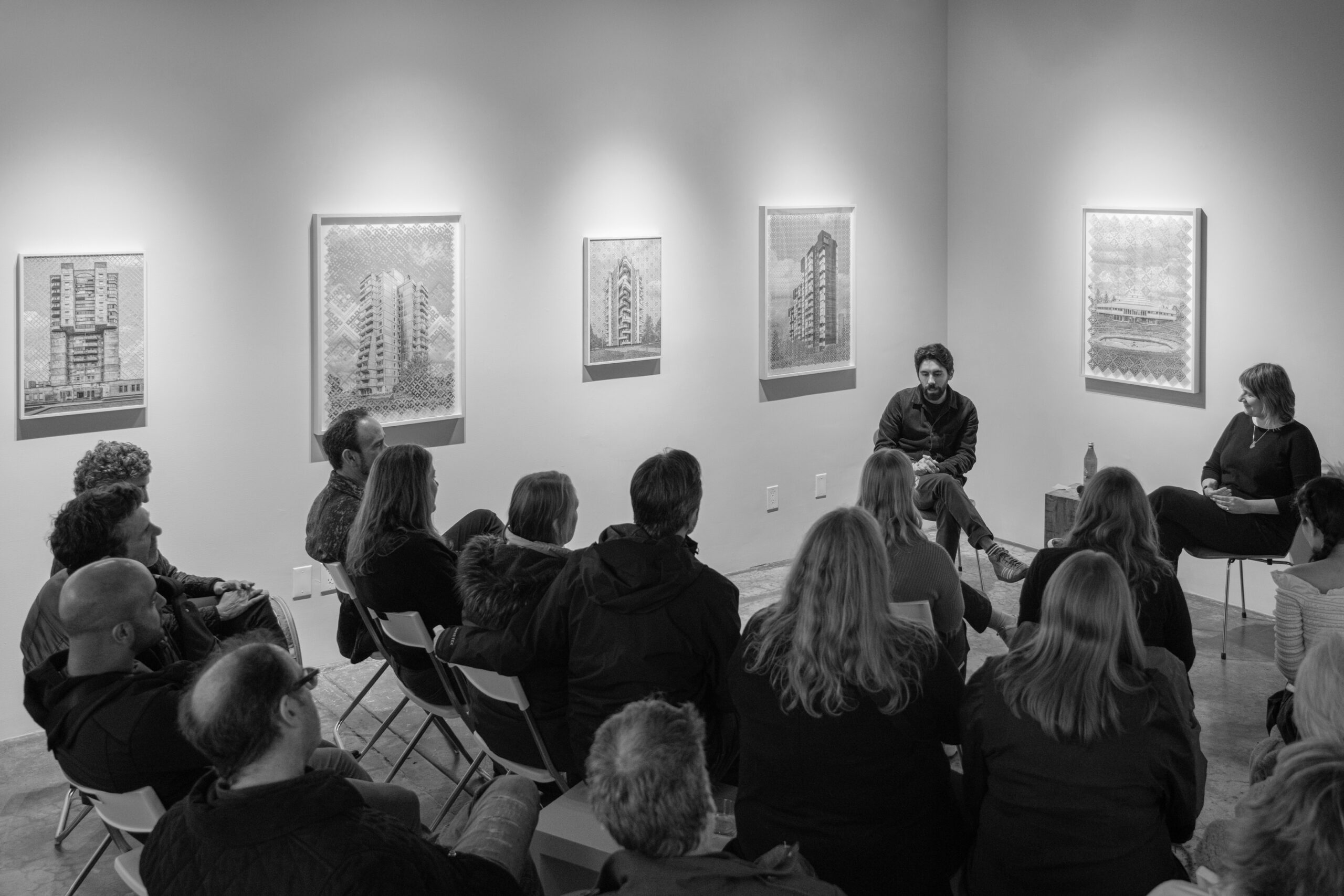
Artist Talk with Krista Svalbonas

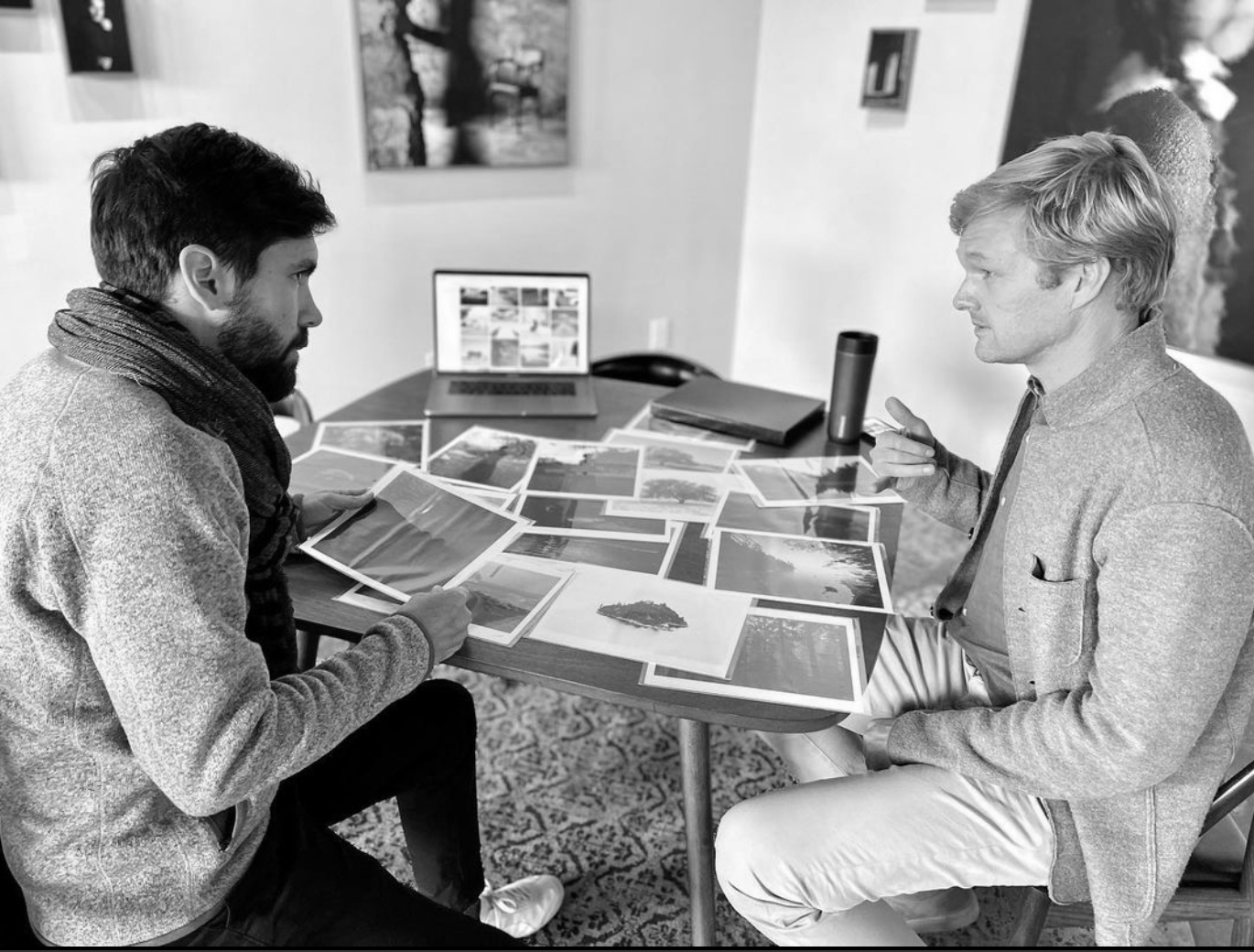
Artist Consultation with photographer Michael James Hillman

Founder and Curator: Douglas Marshall
Marshall Gallery
Current Exhibition

Heidi: How long have you been doing portfolio reviews?
Douglas: Well, I’ve been doing reviews overall close to a decade now I guess. I’ve done many of the review festivals around the country as well as looking at countless portfolios in the galleries over the years. But for the last 2 or 3 years I have been doing the private portfolio reviews, meeting with artists one-on-one either online or at my Santa Monica gallery. These started in response to the ubiquity of the standard 20m-minute tabletop review format. Many people on both sides of the table relate to a form of speed dating. I found many artists felt unsatisfied, understandably, never getting to any depth in such a short meeting. So these longer private meetings allow us to go there. And that many artists had nuts and bolts questions about the gallery world which can often be murky and gate kept. Like commission percentages, production costs related to exhibitions, pricing, etc.

What form do you like to review photography work? Formed or unformed – one is open to possibilities, the other you build together as the discussion unfolds.
As far as the state of work we review… The work can be at any stage really, I just put myself in a position to help in whatever way is useful. It can sometimes be like a therapy session haha!  Sometimes the work is raw and unformed and it’s editing people want to go through and general framework development… what’s working, what’s not. Other times they are finished portfolios with which people want to discuss things like pricing, editions, printing, and gallery relationships. The former, for me, is more my background as a once-upon-a-time artist myself and the latter from my 15 years in the gallery field having worked for four galleries before starting my own. But I always try to be honest and direct with the artists. No one just wants a pat on the back, they are there for the fair criticism. There is so much BS in the art world, people appreciate honesty.

I do prefer to look at prints, when possible, but of course virtual meetings open the reviews to many more artists around the world. In person always allows for deeper connections and when artists ask about doing festival reviews, I always encourage to do in-person only. This business is all about relationships, and you can’t accomplish quite the same thing online.

Your gallery has a specific focus, was that in response to seeing beyond the medium – looking towards the hybrid of where photography and art intersect? Reframe photography?
Yes, the gallery focuses primarily on what I often refer to as process-based photography. That is to say, that for me and my curatorial focus the physical or conceptual act of how the photograph is made is of equal weight as what it visually records. So many of the artists whom I present use experimental analog processes, unique printing techniques, mixed media with painting, embroidery, etc.

The focus of which is probably three-fold in origin. My background in school and early in my career was all black and white humanist photography. Street, documentary, etc. But as I got exposed to the wider photo world primarily through visiting international art fairs, I began to see a growing prevalence of these experimental practices from contemporary artists and their origins in art history. I also have a love for the “traditional” fine arts, like painting and sculpture, so it sparked my interest to see the boundaries between them and photography blurred in contemporary work.
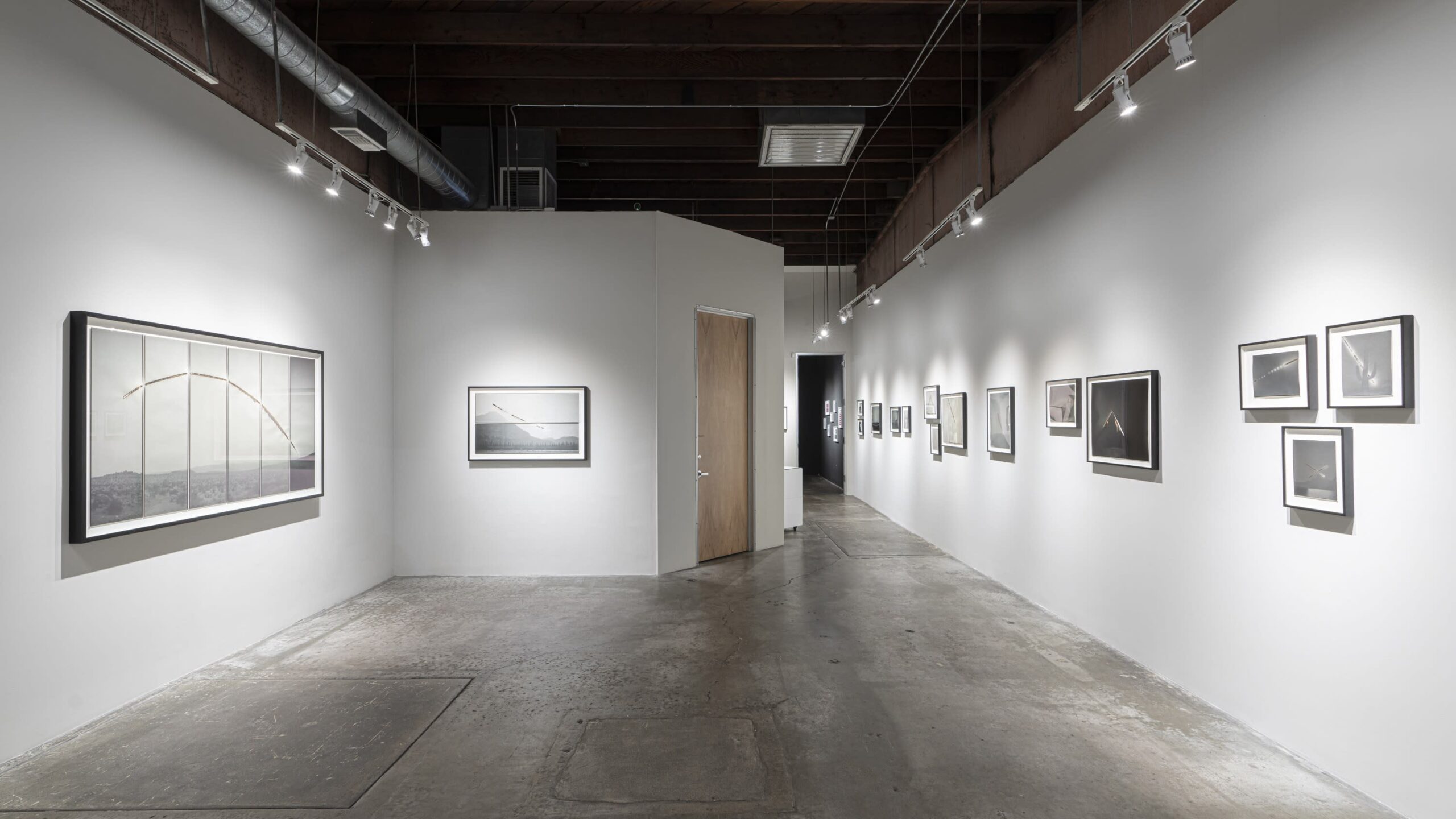
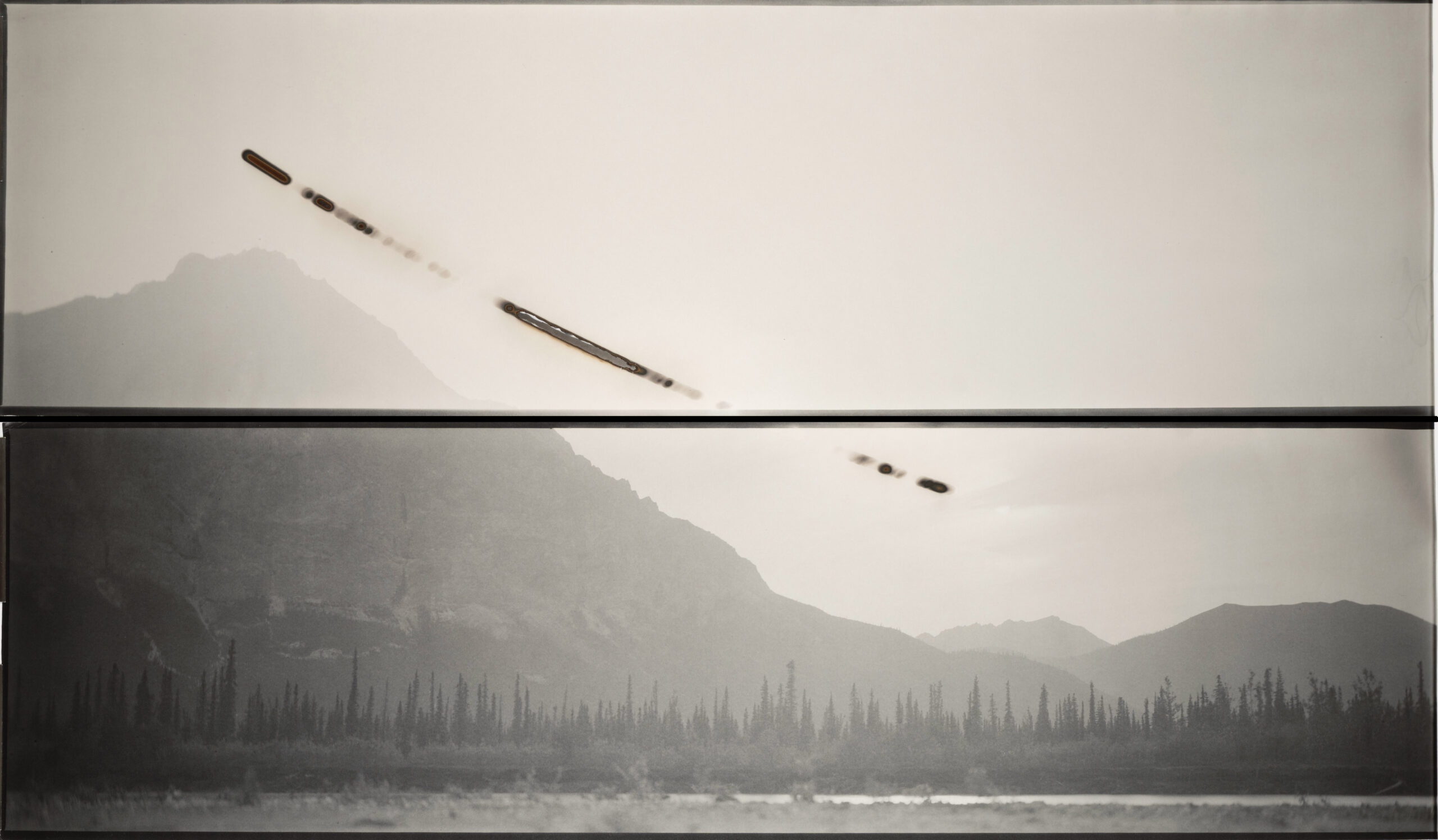
Sunburned GSP#1076 (Dietrich River, Arctic Circle, Alaska), 2015. two 12″x 41″ unique gelatin silver paper negatives

For the artists, my thinking is that it’s somewhat of a reaction, conscious or otherwise, to the mass consumption and ubiquity of digital images. Mass even seems an understatement with some billions of images produced daily. To see the work of an artist like say Chris McCaw, our current exhibition, who is creating real objects with his method of photography is so refreshing in a world drowning in pixels. We are just tired of staring at screens and want to get our hands dirty like painters, there is something quintessentially human about working with material while still loving the documentary / story-telling potential of the camera. And then for me, realizing there were few if any galleries focused on this intersection, I decided that my gallery would do so, but it’s always evolving.

We met when your studio was on Abbot Kinney, fast forward to today – what has changed, and how has your gallery evolved beyond showing work?
I’m not sure too much has changed. Even in the 500 sq ft shoebox in Venice where we met I was trying to produce exciting and ambitious shows. Now I just have 3x the space to do so. But certainly, Bergamot Station has a certain legacy of galleries and especially with focus on photography. So being here allowed me more access to collectors, curators and foot traffic by proximity with my gallery neighbors, many of whom I have worked with over the years.

But I am happy to say with certainty the gallery’s capabilities and awareness has grown exponentially since then, having recently exhibited in the most important international photography fairs and making regular acquisitions with major museums, both important signifiers that something we’re doing here is working.

Beyond the exhibitions, we of course host the private consulting appointments as well as quarterly critique nights that we call “Static Fire” where we invite four photo-artists to show work in progress with about two dozen guests and just have a fun night looking at work. We sell tickets for these events to cover costs and afford a small donation to various local art non-profits like Las Fotos Project and Venice Arts, both of whom are doing great work for LA youth. These have been fun and for me less pressure than the requisite salesmanship that is required for the exhibitions.
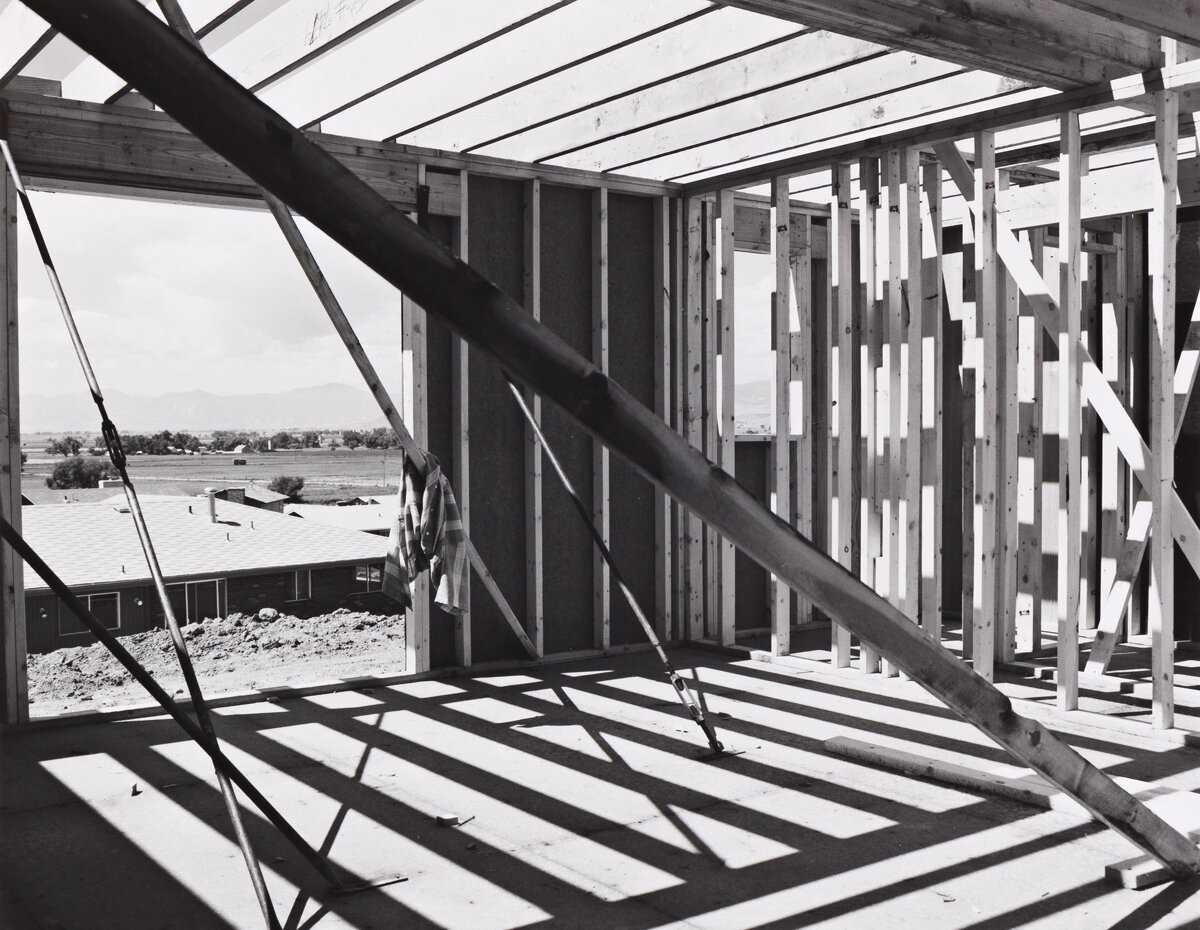
Robert Adams, House Construction, Colorado. 1975 Vintage silver gelatin print 6 x 7 1/2 in.
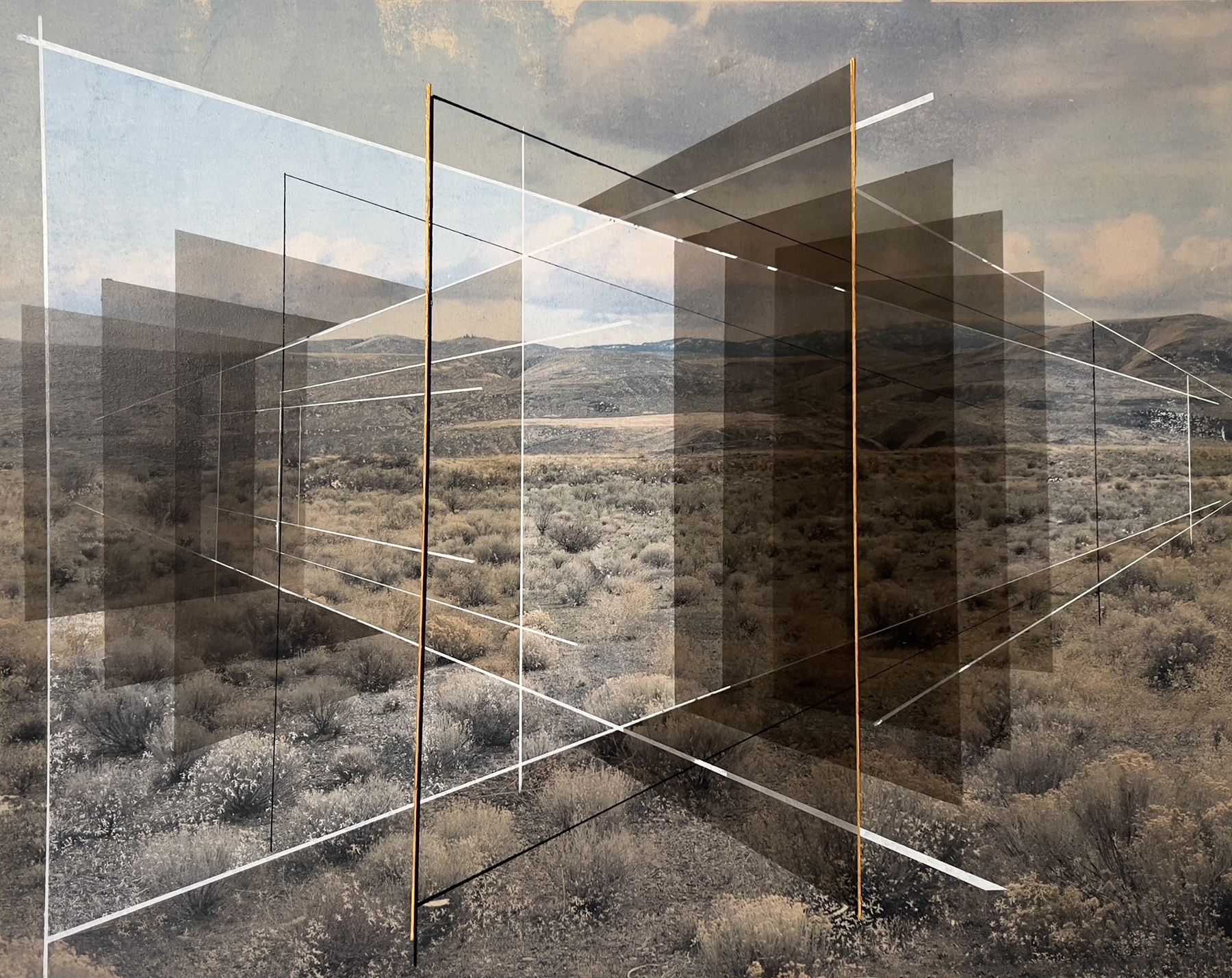
Rodrigo Valenzuela, New Land, 2024. Toner ink on canvas with acrylic. 36 x 48 in.

How you are defining the two sets of artists you are showing?
Well, most of my career pre-Marshall Gallery was in showing 19th and 20th Century work which has a strong market and thus many legacy galleries focus there. So, while the main exhibitions at Marshall focus on contemporary work, I really enjoy putting their work in conversation with vintage works which I source from a network of collaborative collectors in LA. For example, a recent show juxtaposed UCLA Photo Professor Rodrigo Valenzuela’s mixed-media works from his “New Land” series with vintage prints from the 1970s New Topographics movement such as Robert Adams and Henry Wessel. Both had conceptual angles of thinking about land use in the American West. It also helps to bridge the gap to contemporary work for collectors who may typically only be interested in vintage works. Many collectors are wary of the edition systems of contemporary photography, so I think it helps when works are one-of-a-kind due to the physical process of the artist.

Ultimately, I love the history of the medium and revere so many of our bygone photo-heroes, so I do love to show them when it makes sense with the contemporary show on view. But certainly, most of my energy goes to the artists working today. I keep close relationships with my artists, it’s like a sort of creative marriage.

The Art of the Personal Project: Winnie Au

The Art of the Personal Project is a crucial element to let potential buyers see how you think creatively on your own.  I am drawn to personal projects that have an interesting vision or that show something I have never seen before.  In this thread, I’ll include a link to each personal project with the artist statement so you can see more of the project. Please note: This thread is not affiliated with any company; I’m just featuring projects that I find.  Please DO NOT send me your work.  I do not take submissions.

Today’s featured artist:  Winnie Au

Seen on CNN:

It can be quite the sad sight: the family pet, recovering from surgery, having to wear that awkward cone on their neck to keep them from licking at their stitches.

They look miserable. They look silly.

But Winnie Au is hoping to flip the script with her new photo book, Shame. “In these portraits, dogs are wearing fashionable collars that they can be proud of.

“I wanted to take that post-surgery humiliation — that saddest moment for every pet — and twist it into something beautiful and majestic,” Au says in her book. “I wanted to take the shame out of the cone.”


Note: Images reprinted from Cone of Shame by Winnie Au © 2024, designs by Marie-Yan Morvan © 2024. Published by Union Square & Co. @winniewow @marieyan @unionsqandco

To see more of this project, click here

To purchase her book “Cone of Shame here

Instagram

Note: Images reprinted from Cone of Shame by Winnie Au © 2024, designs by Marie-Yan Morvan © 2024. Published by Union Square & Co. @winniewow @marieyan @unionsqandco

APE contributor Suzanne Sease currently works as a consultant for photographers and illustrators around the world.  She has been involved in the photography and illustration advertising and in-house corporate industry for decades.  After establishing the art-buying department at The Martin Agency, then working for Kaplan-Thaler, Capital One, Best Buy and numerous smaller agencies and companies, she decided to be a consultant in 1999.  Follow her at @SuzanneSease.  Instagram

The Art of the Personal Project: Vlad Sokhin

The Art of the Personal Project is a crucial element to let potential buyers see how you think creatively on your own.  I am drawn to personal projects that have an interesting vision or that show something I have never seen before.  In this thread, I’ll include a link to each personal project with the artist statement so you can see more of the project. Please note: This thread is not affiliated with any company; I’m just featuring projects that I find.  Please DO NOT send me your work.  I do not take submissions.

Today’s featured artist:   Vlad Sokhin   ( featured in NPR Picture Show)


Their lands are oceans apart but are linked by rising, warming seas of climate change

Editor’s note: As the 2021 U.N. Climate Change Summit convenes, NPR’s Picture Show is taking a look at work by artists and visual journalists that highlight climate change.


Charles Maynes

Vlad Sokhin’s interest in climate change came from his own global upbringing.

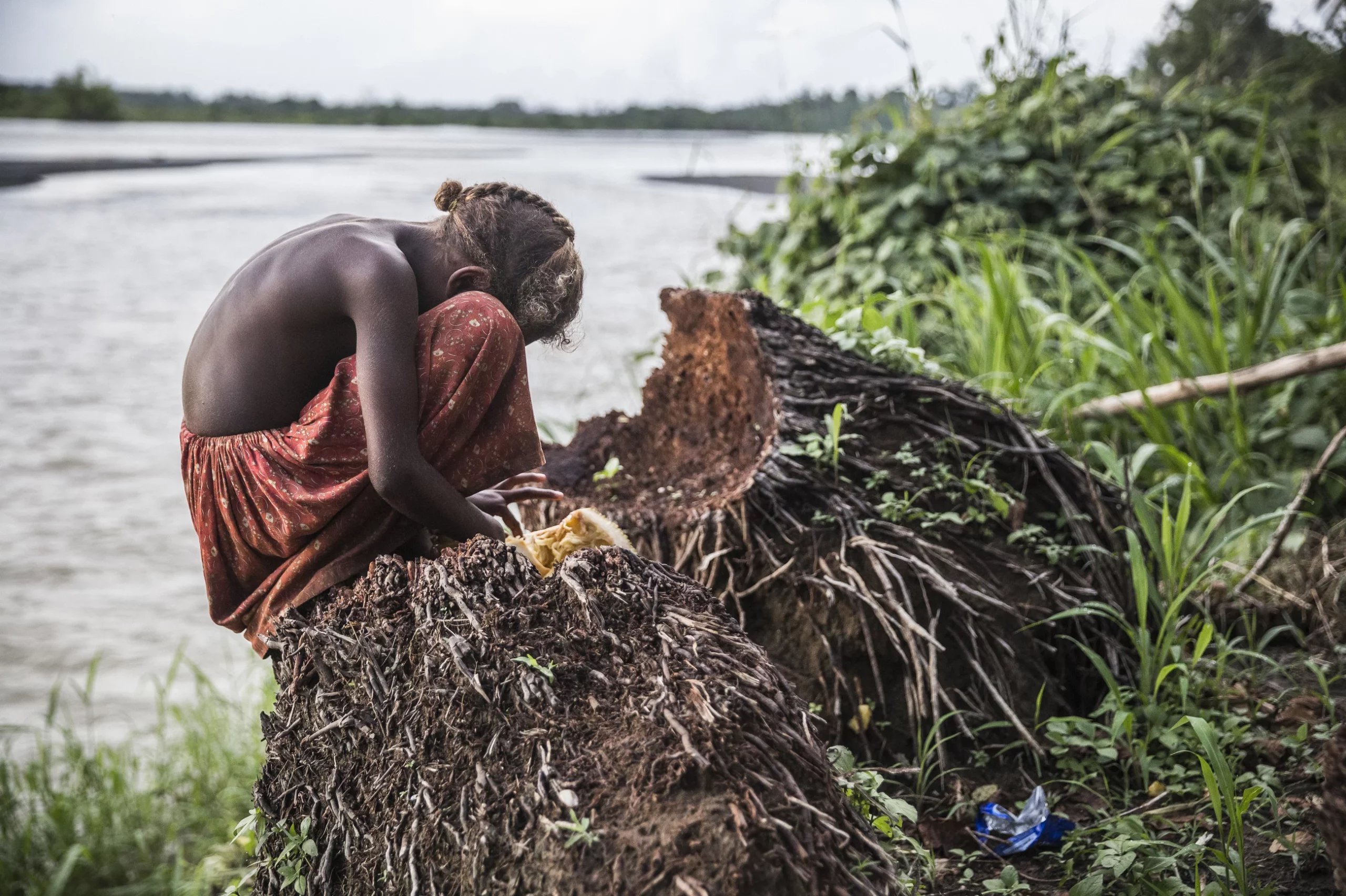
Born in Russia, and having spent formative years in Portugal, Sokhin made a career as a documentary photographer capturing health and human rights issues in Europe, Africa and Asia. Yet it was a 2013 assignment to cover deforestation in Papua New Guinea that convinced him to train his lens on humanity’s impact on the planet.

“I saw how the environment was changing because of illegal logging,” Sokhin tells NPR. “But the big picture wasn’t there. I thought, ‘What if I extend a little bit?'”

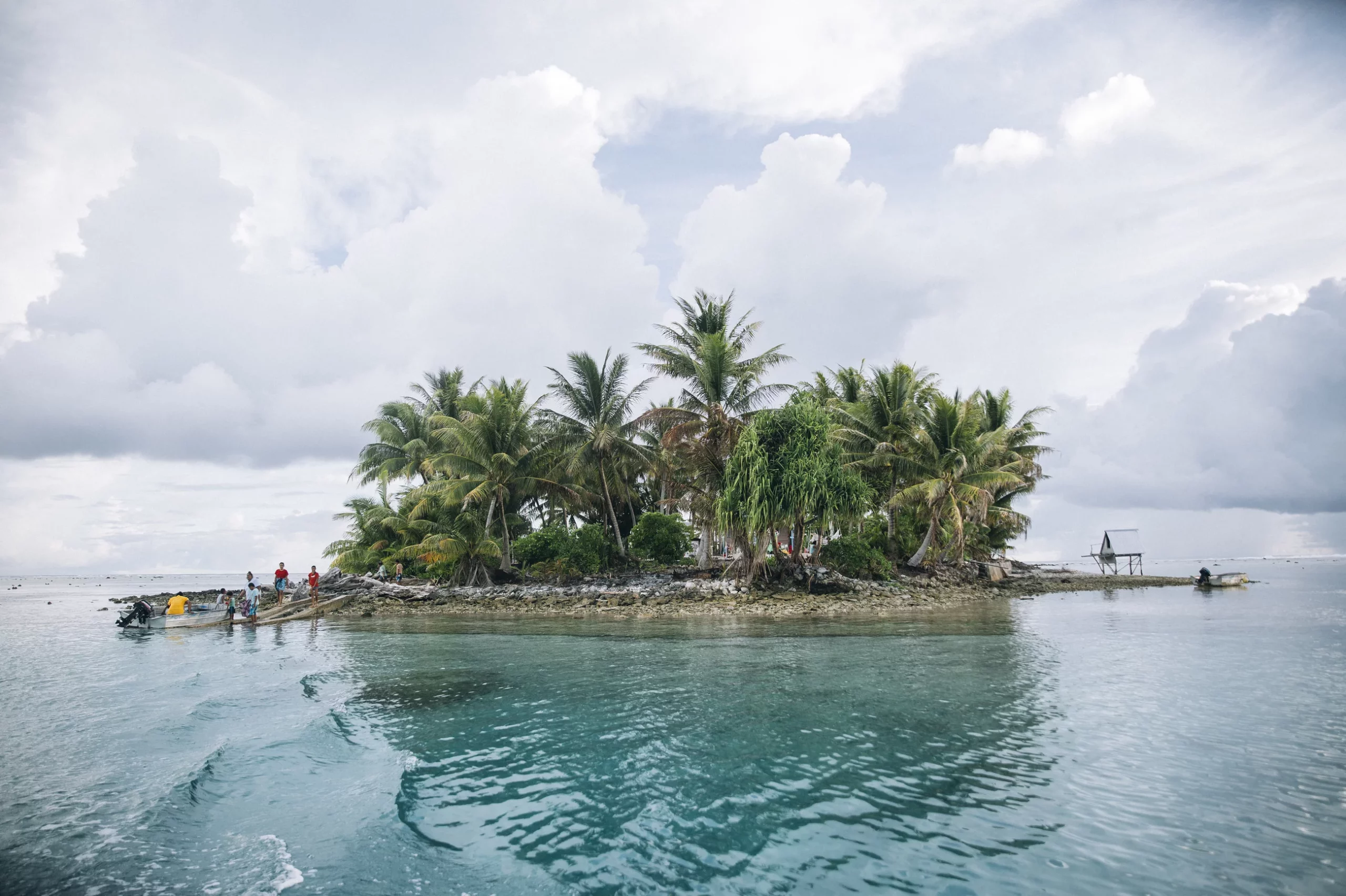
Eight years and thousands of miles later, the result is Warm Waters, (Schilt Publishing, 2021) an exploration of climate change traveling across 18 countries and off-the-map territories seen by seldom few.

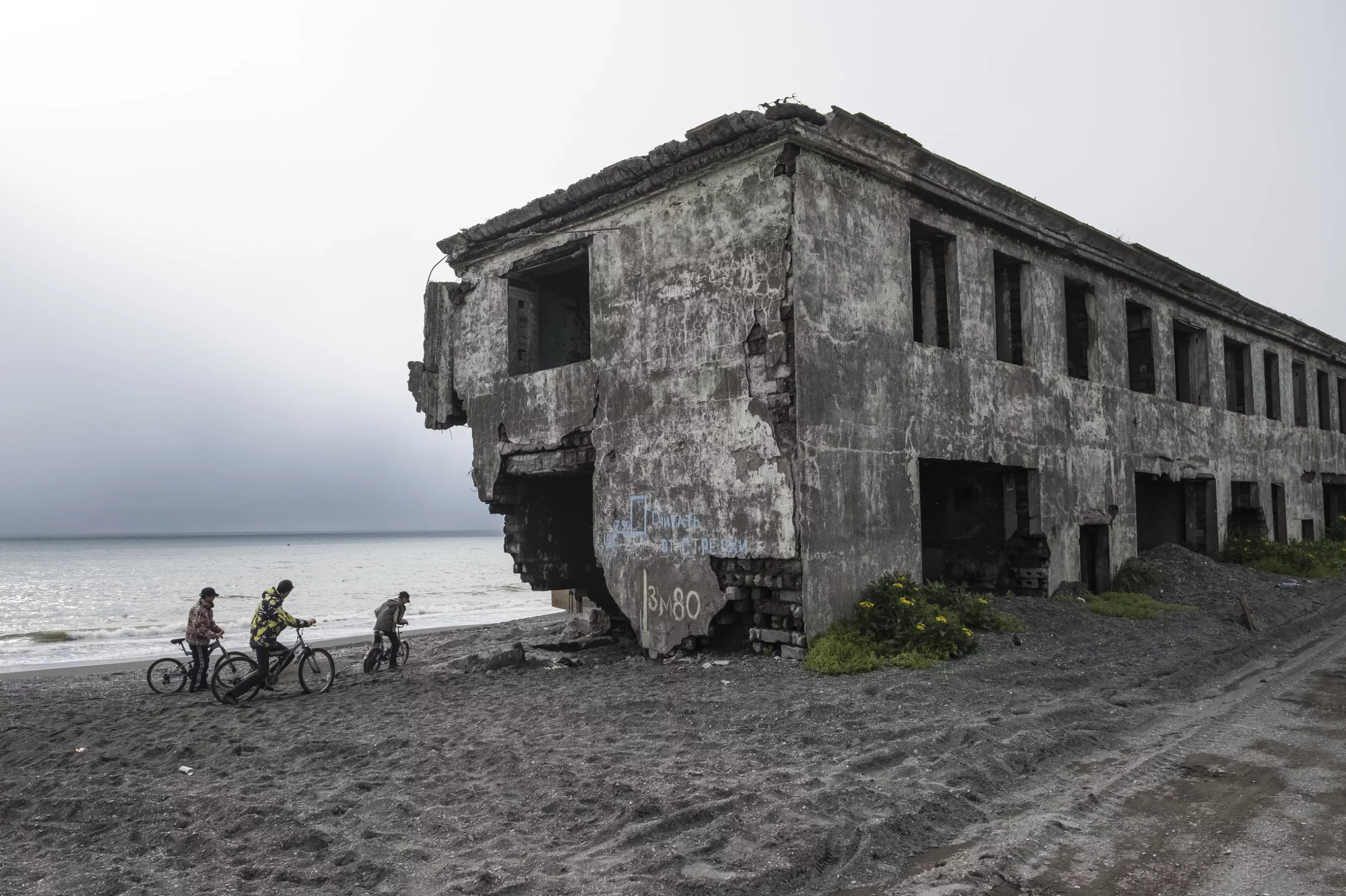
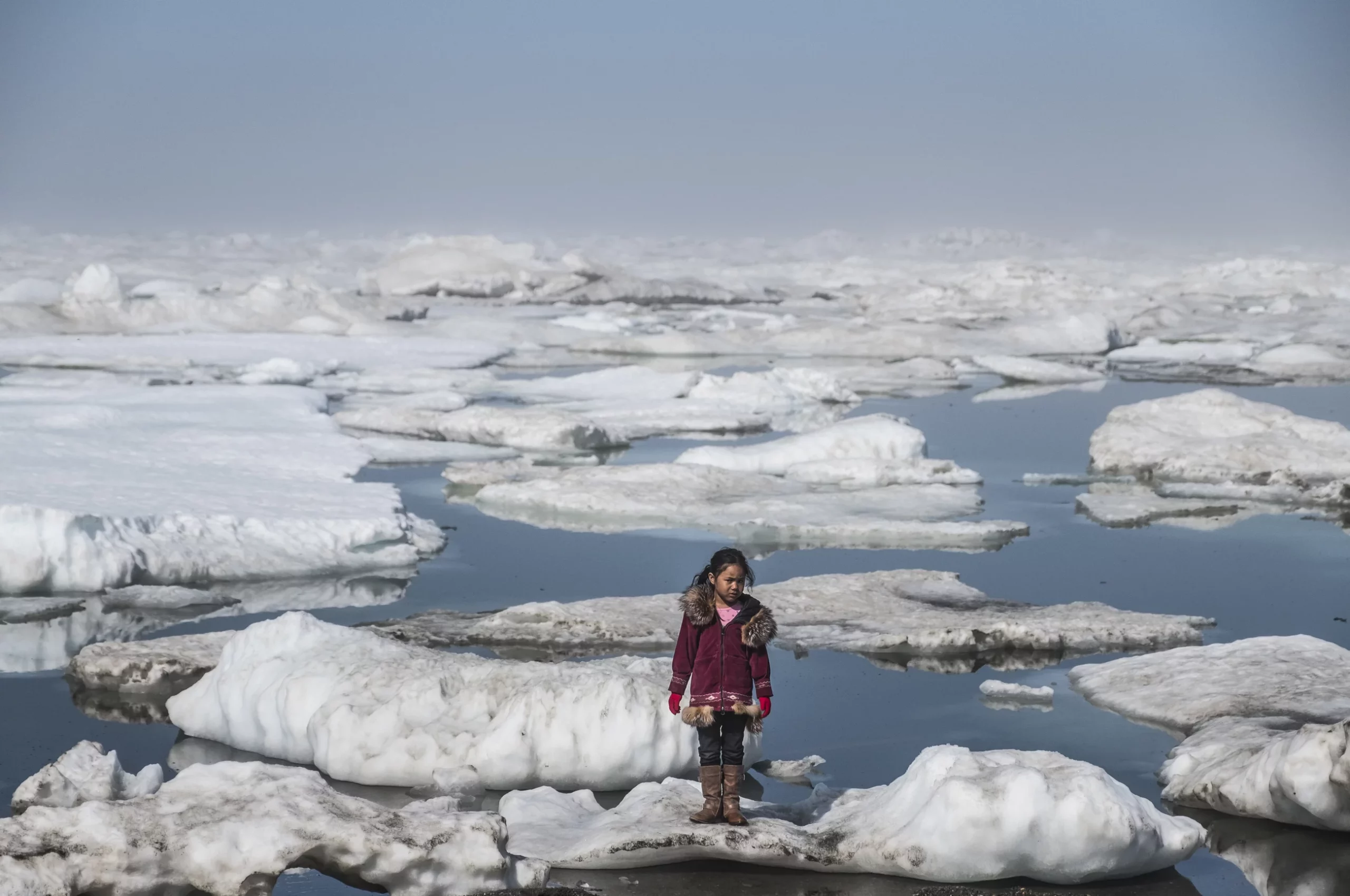
Within his native Russia, Sokhin, 40, spends time with communities on the Kamchatka Peninsula. Across the Barents Sea, he photographs native Inupiat and Yupik settlements in Alaska. Both are confronting the same coastal erosion and melting permafrost — the once-frozen soil layer now fast disappearing throughout the Arctic region.

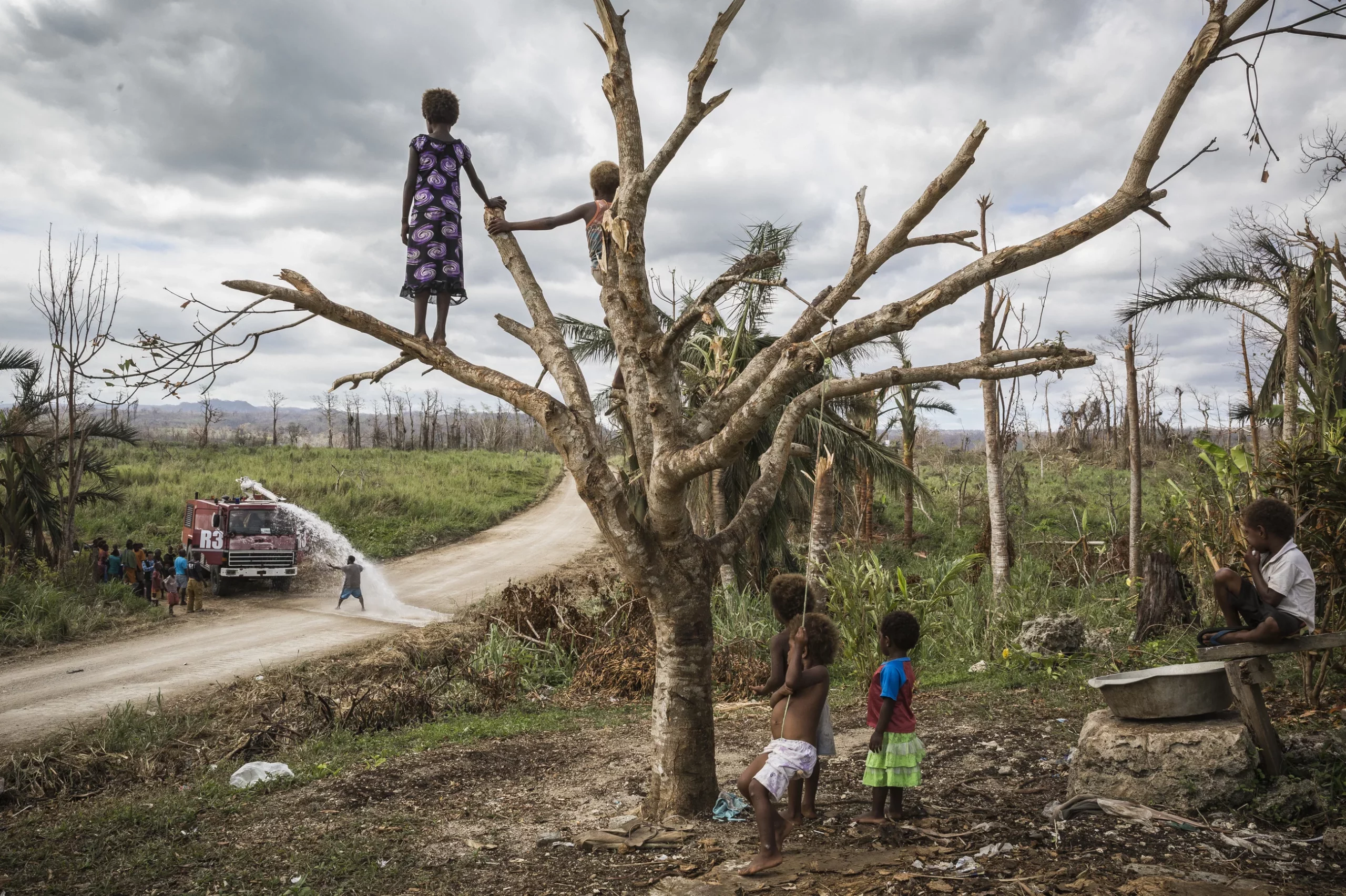
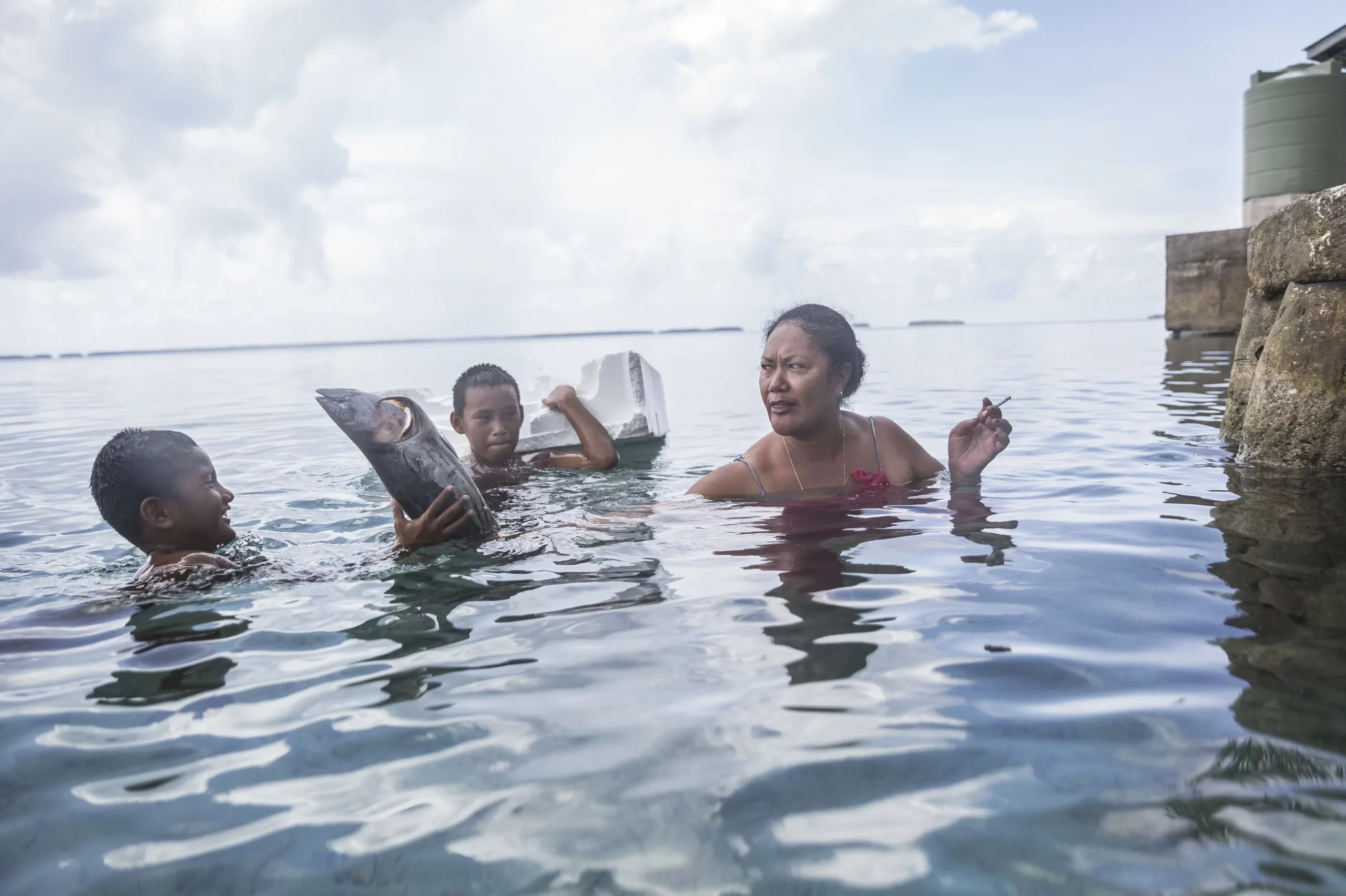
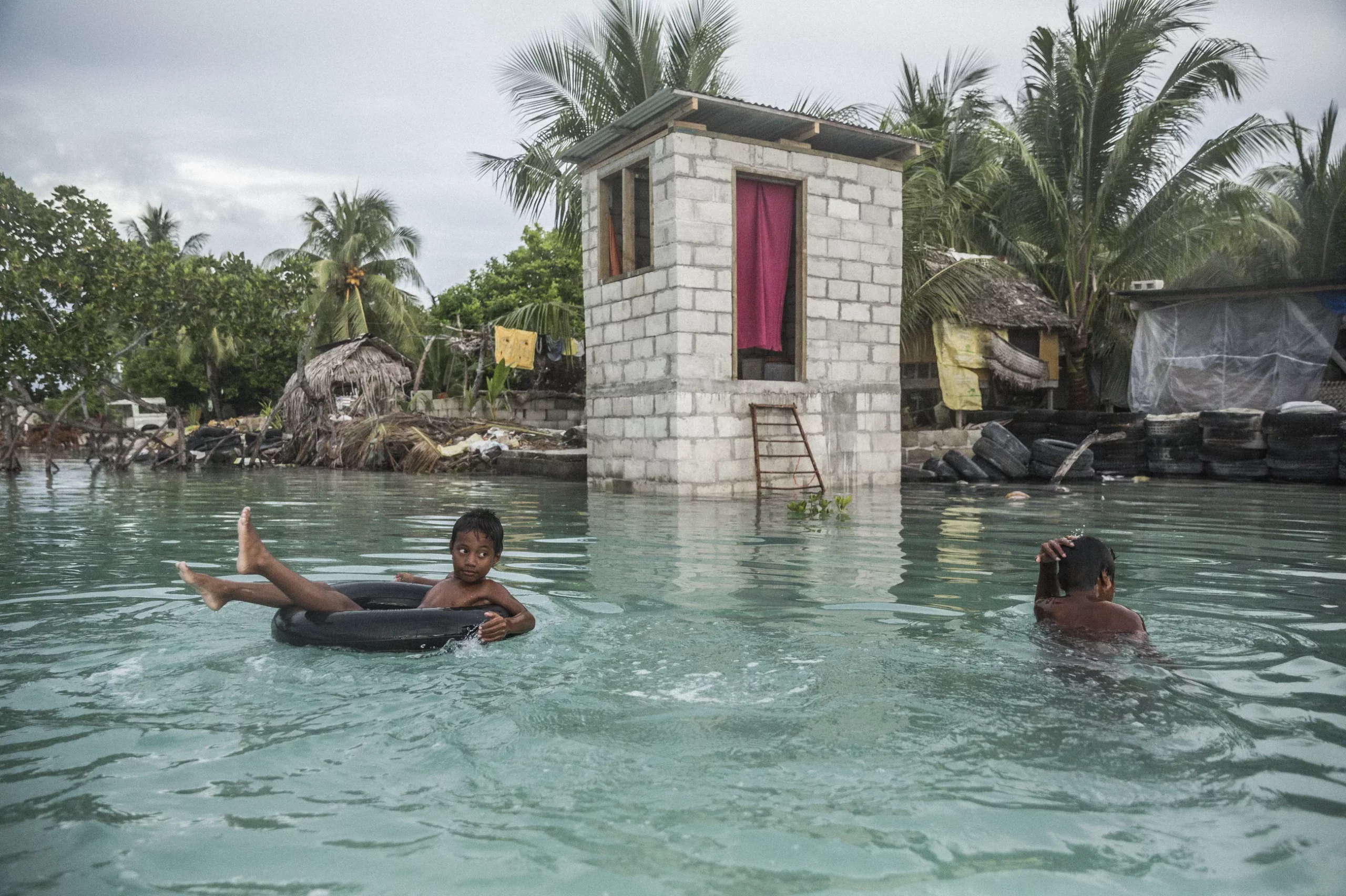
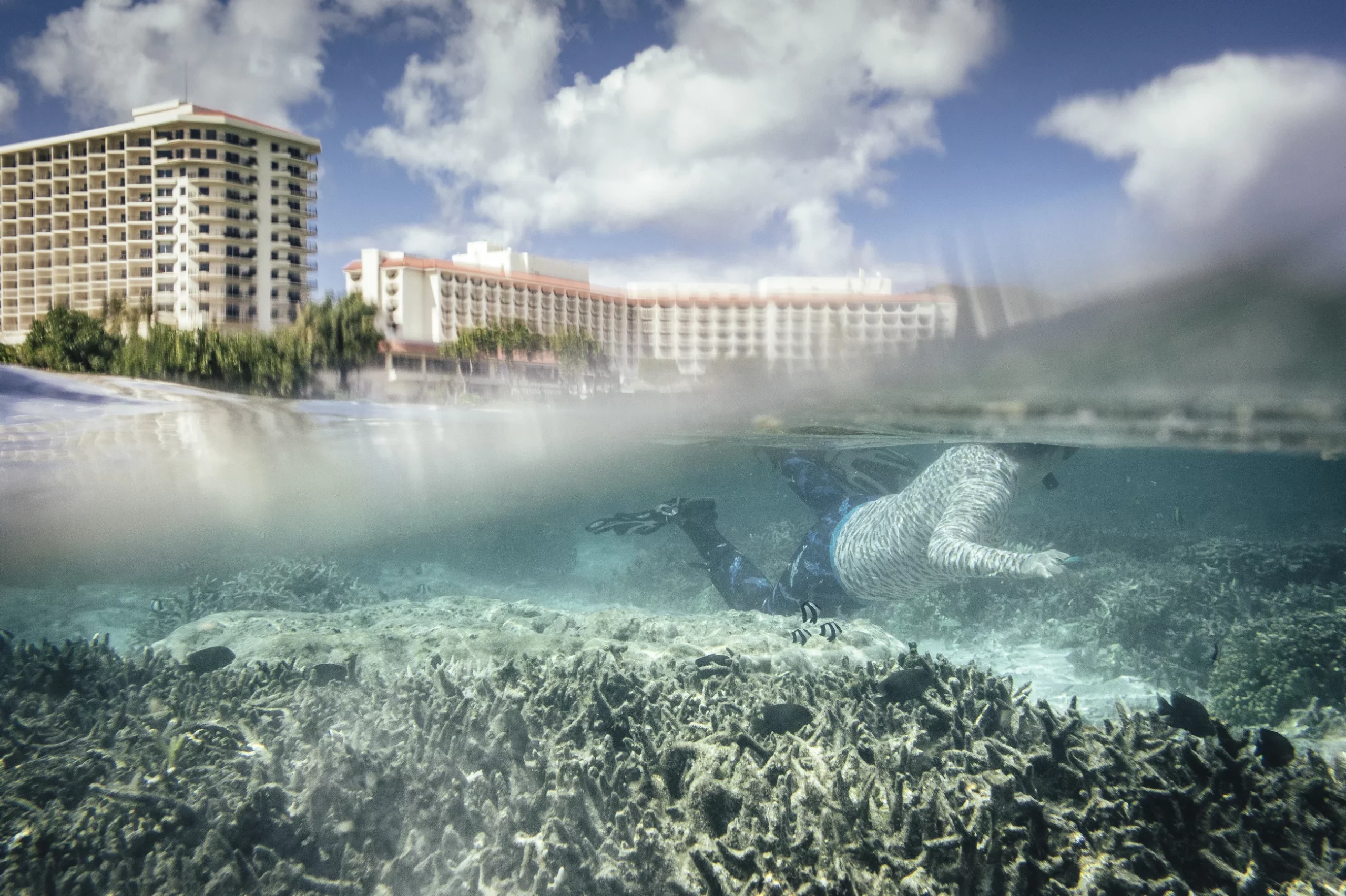
Mostly, Sokhin explores Oceania — the South Pacific — where rising tides have inundated communities in places like the Aleutian Islands, Micronesia, Kiribati, Vanuatu and Tuvalu. Some may recover, others may soon be lost to the sea forever. Yet Sokhin’s lens is constantly drawn to locals trying to adapt the best they can.

As a book, Warm Waters is no straightforward travel narrative. Sokhin eschews the traditional format of photos with captions and location information, and instead opts for what he calls “tonal narratives” — unexpected visual connections across cultures, countries, and, of course, bodies of water.

“You can see what’s happening there and it doesn’t matter which island it is,” says Sokhin. “This is affecting everyone.”

At its core, Warm Waters is one photographer’s attempt to show how global warming is connecting seemingly disparate lives across vast distances.

What Sokhin finds is cause for extreme worry, of course; but also, moments of resilience and wonder.

To see more of this project, click here.

Instagram 

APE contributor Suzanne Sease currently works as a consultant for photographers and illustrators around the world. She has been involved in the photography and illustration industry since the mid 80s.  After establishing the art-buying department at The Martin Agency, then working for Kaplan-Thaler, Capital One, Best Buy and numerous smaller agencies and companies, she decided to be a consultant in 1999. She has a new Twitter feed with helpful marketing information because she believes that marketing should be driven by brand and not by specialty.  Follow her at @SuzanneSeaseInstagram

Success is more than a matter of your talent. It’s also a matter of doing a better job presenting it.  And that is what I do with decades of agency and in-house experience.

The Daily Edit – Marshall McKinney: Garden & Gun


Creative Director: Marshall McKinney

Heidi: In our last interview in 2008 you had just taken the helm at Garden & Gun, a national magazine about a regional lifestyle – fast forward to 2024, tell us about this magnificent, long run as Creative Director.

Marshall: It all began in April of 2008 for me at G&G. What a run. Sixteen years! That’s like ten plus six years. That’s like 5,843.88 days according to Siri. This means I’ve lumbered through 192 weeks of closings (that’s 3.68 years of deadlines for those still doing the math). Can you believe it? Nope, neither can I. So many long days and nights sussing out and sorting through big ideas, prose, pictures and sketches to build a print brand unlike any other. Then, we were a small scrappy crew of misfits. Seriously, like eight of us. Some with no magazine experience at all. Didn’t matter. Within us burned the intangibles: heart, drive, determination, spirit, resourcefulness and f@#ing energy to burn, baby! Today, the foot is still hard on the gas and without a doubt, the brand, driven by the passions and minds of its people, is hurtling headlong into a bold new future. Unfortunately, this is where I get off. August, 2024. Adios.

T’was a thrill ride. In my professional career, I never thought I’d be so blessed as to work with the finest, sharpest minds in all of “Magazine-dom,” both internally and externally. I’ve watched interns come up through the ranks to become some of the best writers, editors, and photo editors in the business. I’ve seen editors and art directors go on to become VPs. Watched publishing prophets hail the coming of the iPad only to see it snuffed out like some ole Camel Light. To be sure, I’ve seen it all. Done it all. Er, won it all, #athankyouverymuchg&g. And, I wouldn’t change or trade a damn thing.

G&G’s success is, and always will be, directly connected to the creativity, fire and gusto that resonates in the youthful souls of the folks who bring it to life. Each person I interacted with there, young or old, was a remarkable teacher and I am grateful for the experiences shared and learned.

So, now that I’m slowly gliding into this next phase of my professional life, and can take a breath, if only for a minute, I have the luxury of hindsight. Thus, I’ve agreed to tackle a few questions from APE. An exit interview if you will. Buckle up. Here goes

What are your three favorite covers and why?
I not picking these covers on technical acumen or whiz-bang execution but rather on the “feels and vibes” and times associated with the experiences shared while nabbing them. I thrive in that space where ideas are manifested and sketched over morning coffee—together—before jumping in the car or on a plane to get them in the can. I adore all my photographers and I’m 100% sure I dig 98% of my covers. There are outliers but like red-headed children we tolerate them all the same—even when they do look a little kooky and act funny.

I only partner up on covers with people I trust.  I know them on a personal level and usually we have a deep rapport. Heck, all my lensmen are brilliant, empathic, whip-smart artists, technicians and masters at their craft. So again, I’m only picking these three covers through gauzy reflection, and like children, I don’t really have a “favorite” or three favs but here goes:

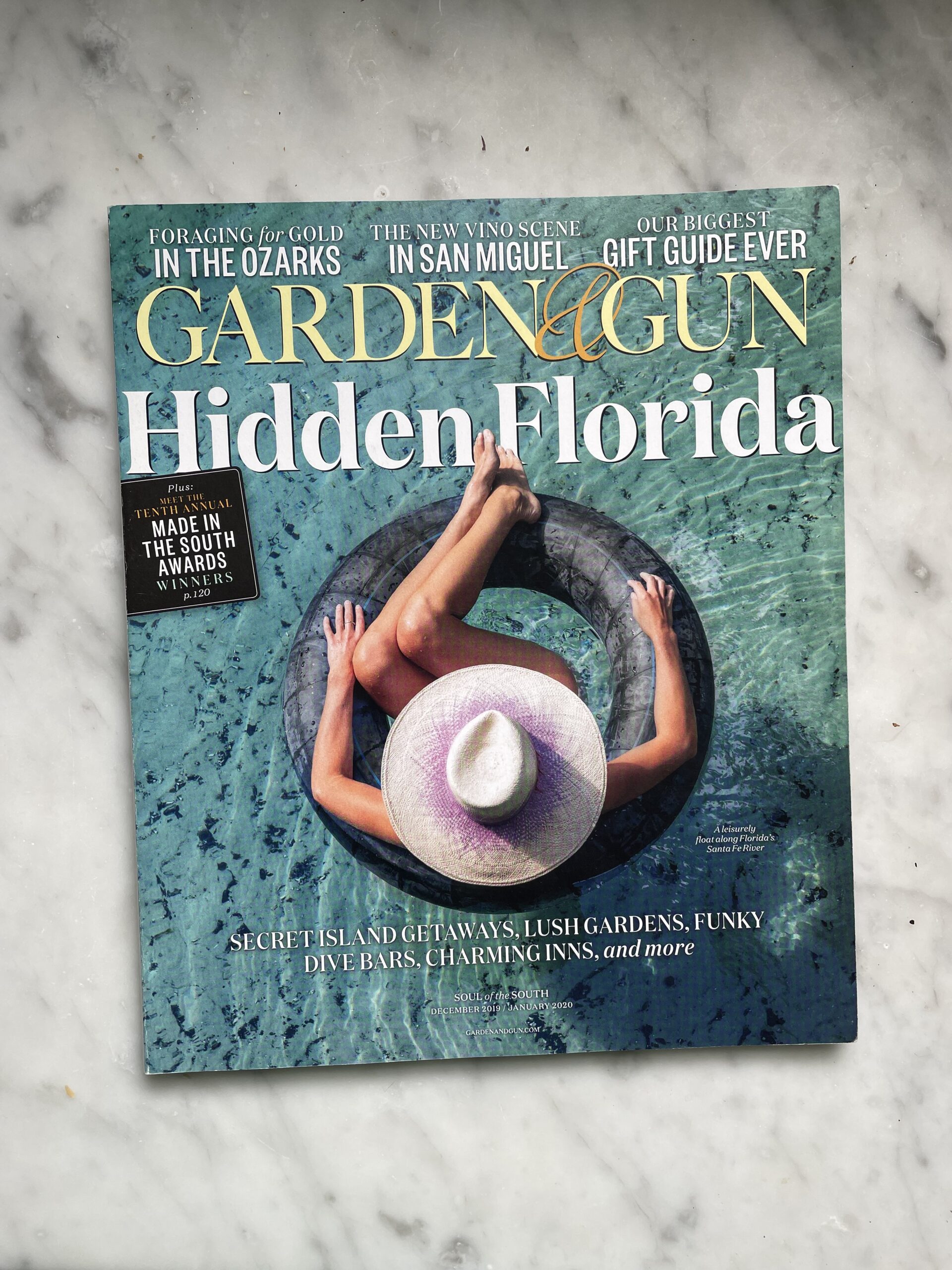
1. Dec 2019 – Jan 2020 Photographed by Gately Ben Williams

Keep it stripped down when you can.
This cover shoot was quite simply a fun trip with one of my best friends, Gately Ben Williams and his new, lovely and talented bride (and one-time co-worker of mine), Hunter. The idea was to take a road trip down to the Santa Fe river in Florida and get something that felt warm for a winter issue.

My mind, where covers are concerned, always leans toward the graphic and composed. If that happens to come off “arty” occasionally, well, so be it. My intention is not to be “arty” which I associate with fey, contrite or, worse yet, cute. Finally, my experience with newsstand covers is simple: don’t fuck around trying to be something you’re not. Be definitive. Be uniquely yourself and true to brand. Always and in all ways.

I want my G&G covers to be two things: direct and filled with as much subtext as possible. Meaning, the image has to hit on the reader’s senses (taste, smell, sound, etc). Get them to feel the coolness of the water for example or stop for a moment to reflect on the sounds they might have heard the last time they went tubing. I want to trigger a memory of, say, spending time with their spouse in their younger years at some watering hole of their own. Maybe it gets them to reflect on their own daughters growing up? The point is, subtext to me is leveraging the power of the form.

We are busy people living busy lives. As a creative director a big part of my job is to choreograph moments that give pause in the service of sparking fantasy or aspirations. So, back to Florida. After a long day of trying a number of ideas, which rendered shots that were great but perhaps too sexy or pinup-ish, at dusk I went back to the original sketch, the first big idea. You don’t ever have the luxury of time on a cover shoot. Making the manufactured feel authentic is an art unto itself. In order to pull that off, I highly recommend sketching out your ideas long beforehand.

On this day there were a bunch of kids in the springs splashing and playing along a dock, not the best situation for what I wanted the image to communicate, solitude and stillness. But, as the day waned, they slowly—mercifully—left the area. That’s when Ben and I were able to move to the end of the dock and shoot down on Hunter.

I love this image for a lot of reasons. One, Ben and Hunter gave me so much of their energy throughout the day. They gave me so many variations that could be used in the interior of the magazine, and that’s something I value. Two, everything we do as creatives, at its best, is a partnership predicated on balance and trust. I trusted Ben to give me a number of stellar solutions and, in turn, he trusted me and gave his all to my sketched idea. Three, the image is graphic. It plays with repetition of form. It’s tranquil and calm which lends to the narrative I wanted to achieve. The water is clear. The image has essence and to my eye it’s a catalyst for subtextual think. That being: I could use some stillness. I could use a vacation in warm waters. I’d love to be somewhere fun with my wife and daughter. Finally, this image reminds me of all the cocktails and conversation that flowed with these two lovebirds after we wrapped the shoot. Truly, it was a wonderful couple days work all around.

I’ve taken on many a cover mission like this with shooters including: Rob (and Lisa) Howard, Michael Turek, Brie Williams, David McClister, Robby Klein and others. All mega talented, affable, easy spirits that are a joy to behold and work alongside especially when it’s a stripped down scenario like this and not some big ass production.

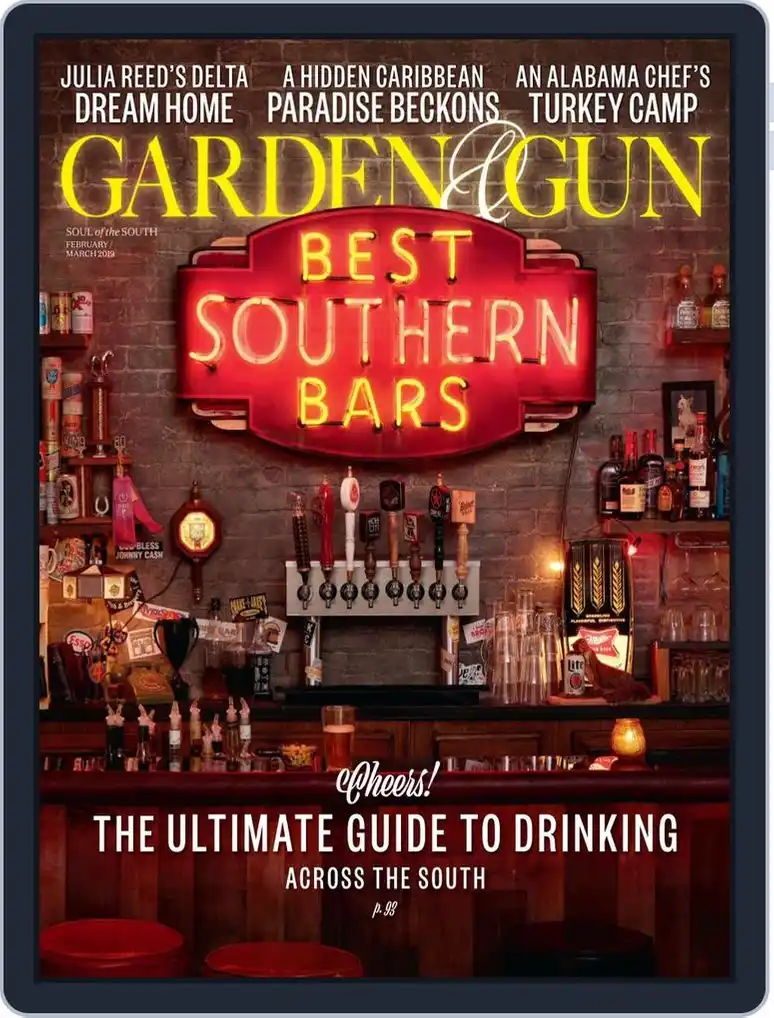
2. Feb/March 2019

Throw the kitchen sink at it whenever you gotta and just build the damn thing.
What you see here is a bar we built in The Voorhes studio by some of the most baller, open, gracious, energetic and creative people in the business. Adam and wife Robin, assisted by the incomparable, Nicki Longoria took a sketch I made and ran with it a hundred times farther than I could have ever hoped. We had a custom neon sign made. We had working beer taps. We had a stuffed squirrel drunk on Miller Lite. This was devised at a time in publishing when covers needed that extra wink in order move the needle on digital newsstands—talking to you Apple. So of course I wanted everything to be analog and made of hand whenever and wherever possible.

Could we have shot this in some cool bar somewhere? Mmmmm, maybe? With that comes a whole host of other problems which I won’t go into now. Trust me, they are many. This to me felt like the only solution and it all started with a sign maker and the energy and can-do spirit Adam and team brought to solving the conundrum.

I’m not sure what’s in the water down there in Texas but if you head that way knock on The Voorhees or Darren Braun or Fredrick Broden’s door. No telling what you might find going on behind it.


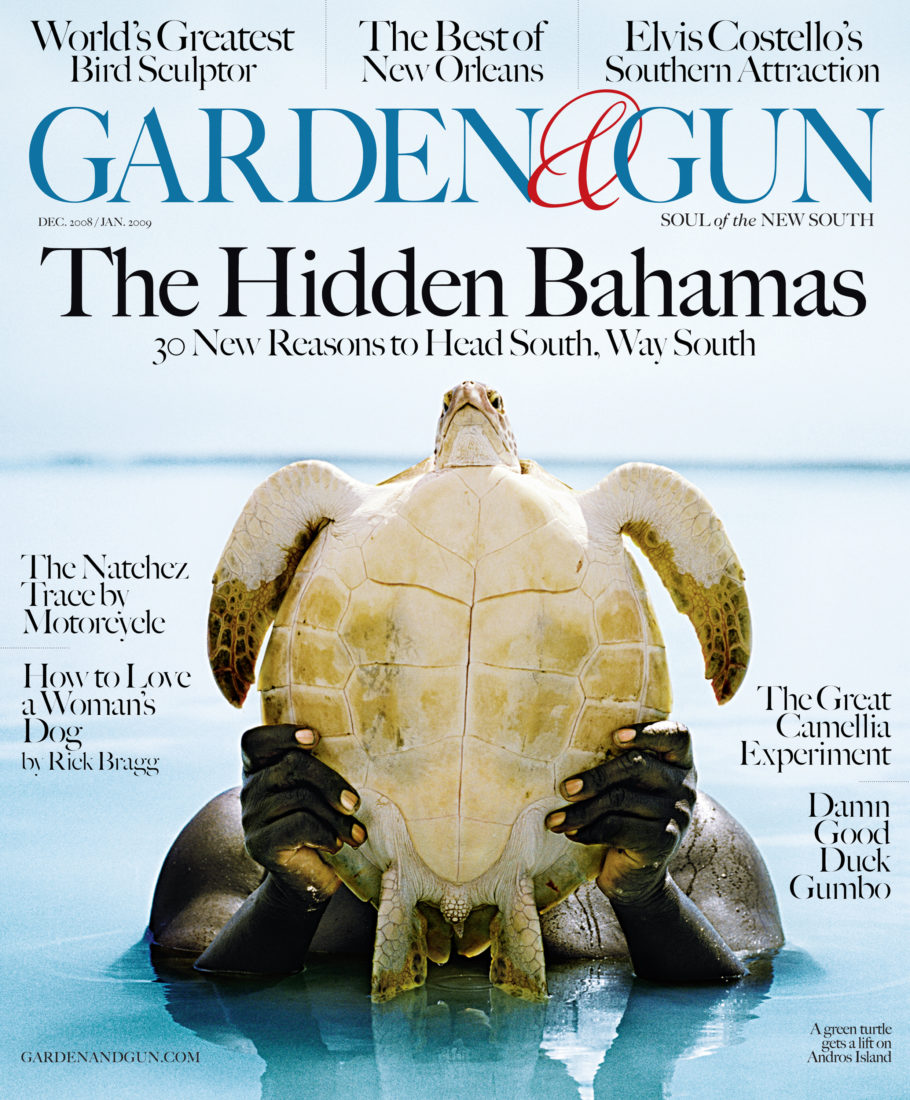
3. Dec 2008 / Jan 2009.

This cover by Andy Anderson was a revelatory moment for me. Affably nicknamed, “Turtle Junk,” after the New York Times wrote a review—a positive one!—of our brand, it was the impetus that got my head screwed on tight as to how best to feature and approach subjects on G&G’s coves. It’s so singular and unique. It’s composed. It’s direct. It’s awash in story, cultural richness and wonder. It’s simple and in that way it’s elegant and timeless. Mostly though, it wasn’t until I put eyes on the image that I knew how we were going to visually stand apart.

Up until that moment G&G was kind of wobbly, like a newborn giraffe, the way a lot of new launches are in the beginning. It took seeing that image for me to begin to understand what the brand was telling me it wanted to be. For better or worse I’m not one to immediately suggest what I think any brand should be. I have instincts but I ain’t no Mussolini. I like to listen to the market and the material, then I like to react to what I think they’re suggesting to me. I can’t stand it when people march in on their high-horse talking so much shit about what they think this or that is. I’d rather saunter in on a turtle’s back—that way they never see you coming—and build something beautiful and solidly stable, together.

Further, where covers are concerned, were it not for the talents and eye of photographers Peter Frank Edwards, Squire Fox, David McClister, Andrew Kornylack, Johnny Autry, Brie Williams, Brent Humphreys, Amy Dickerson, Jim Herrington and Dan Winters G&G wouldn’t be here today. Truly, it’s all about the company you keep and they are the finest.


Do you have a favorite spread?
That’s impossible for me to answer. Not because I like so many but rather I have so few. Still, I’ll give you one I like a lot. It’s pretty simple but I just dig it.

Here’s the backstory: We asked Dan Winters to shoot musician, James McMurtry for us down in Texas. I spoke with Dan on the phone about how much I liked James’ music and about what he meant to me as a blue-collar genre-bender out there pounding stages night after night after night. I told him I felt a kinship with him. Perhaps Dan felt the same way because almost an hour had passed and we still hadn’t spoken about the shoot. Of course that didn’t matter to me because, well, Dan’s the man as they say. And I tend to agree.

Couple weeks later the images arrive in classic Winter’s style. Stoic. Iconic. Proud. Singular. Then, it occurred to me, oh shit, I gotta figure out what the fuck to do for the design. It was late in the cycle. I needed to turn this one around fast. Yet, I couldn’t. I felt helpless. I just wasn’t locking in on something worthy or original. It was torture.

I’m thinking to myself, this guy Winters is best buddies with all the great art directors and editors across the land. What the hell can I do that he’s never seen before? Am I even capable of hitting a high-taste level that honors a hardworking man like, James McMurtry? Oh, shit.

After an excruciating battle with self-doubt and worry, while sipping a couple of bourbons, it’s 1 a.m. and I’m still sitting at my desk in the office twiddling my thumbs. Part of the problem might have rested with the edit team. Maybe they were feeling the same way about the headline as I did about the design? They didn’t seem to have much cooking yet or, maybe they did and it just felt flat? Dunno, can’t remember. The one recollection I do have was that I put on McMurtry’s version of a tune called, Choctaw Bingo. I cranked that motherfucker up as loud as my i-mac would go and I stood up and danced. Right there in the middle of my office, which I shared with Maggie Kennedy, my photo editor, I shook my ass. Then, thoroughly awash in spirit, I cranked out a giant “J” with a guitar’s sound hole in the middle along with some filigree that felt a bit like McMurtry’s hair blowing in the breeze. With that I yee-hawed and went home to bed.

The next day I showed it to Sid Evans, my editor at the time, thinking he’d blow it apart because there was no definitive headline. Instead, he looked at it and nodded. Print it. We did. Not that we had a lot of other options because we were out of time and my hangover was setting in pretty good.

What would you tell anyone getting into the magazine business today?
To would be publishers:The sweet spot is somewhere between a mass newsstand magazine and a coffee table book. Do something deliberate and focused and beautiful. Do it on the best stock you can afford, no more than four times a year. Believe in your dream. Never give up. Don’t let obstacles stop you. Then, I’d advise them to buy a lottery ticket every couple weeks.

To journalists and editors: Tell the truth. Your currency and value is in your candor. Be your authentic self and find your own voice. Also, learn to think like an art director.

To photographers whom I fucking adore!: My best advice is to study a few masters, really lock in on them. Learn how to compose images that are graphic and expressive. Play. Write. Sketch. Work to become a natural born salesman, philosopher, psychologist and light-hound. Become proficient in the language of the trade. And, when you sense a trust building with an art director or fellow creative lean in and partner up. It’s amazing how far you can go, together. Lastly, pay close attention to all the others on the periphery of your craft. Explore the subtleties of make-up, watch what the stylists are doing and why, educate yourself on food propping and styling and acquire skill in interiors, exteriors, portraiture, reportage and more. Give yourself a wide base of knowledge then slowly tighten the focus on what you find the most interesting. NEVER STOP. NEVER GIVE UP.

What would you tell your younger self?
To my younger self I’d just say this: Stay resilient, hombre. Trust the process. Stay true to yourself and to those who are offering you their hard-earned knowledge. Make those folks an ally. While acumen can get you to the doorstep it’s experienceresolve and connection that’s going to define you and carry you across the threshold. Hold on tight Bubba! It’s gonna be a weird and bumpy ride.

The Art of the Personal Project: Stephen Wilkes

The Art of the Personal Project is a crucial element to let potential buyers see how you think creatively on your own.  I am drawn to personal projects that have an interesting vision or that show something I have never seen before.  In this thread, I’ll include a link to each personal project with the artist statement so you can see more of the project. Please note: This thread is not affiliated with any company; I’m just featuring projects that I find.  Please DO NOT send me your work.  I do not take submissions.


Today’s featured artist:  Stephen Wilkes

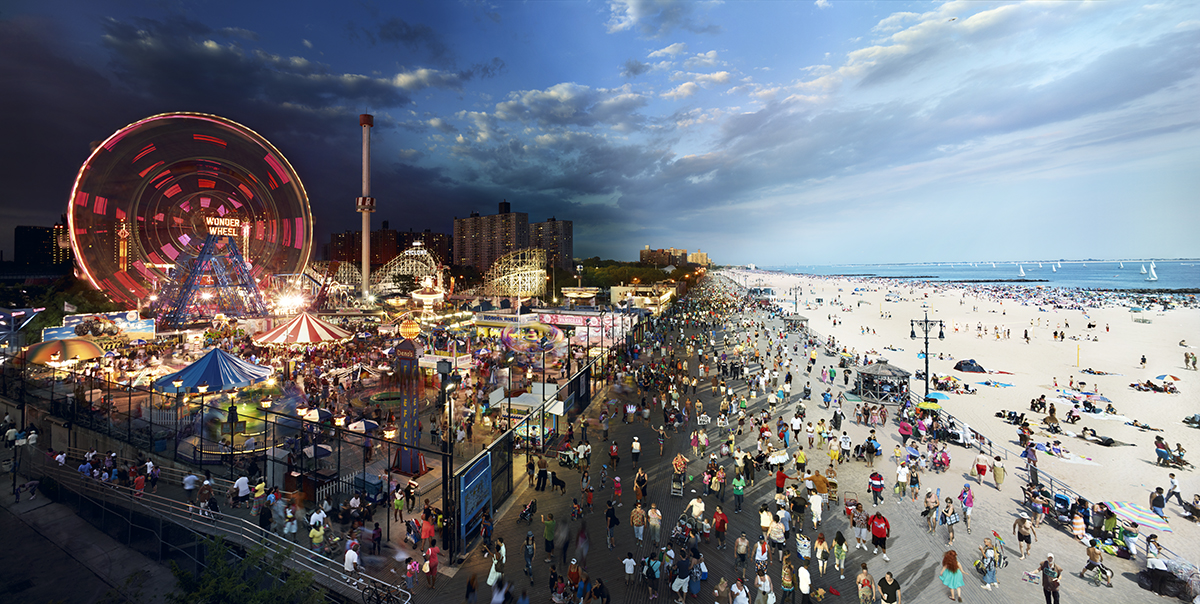
Coney Island, Day to Night™, 2011

Coney Island in Brooklyn, NY is home to one of the most iconic boardwalks and amusement parks in the United States. I photographed from a crane 40 ft. above the boardwalk, for 18 hours. It was a beautiful summer day in July, and the beach was filled with people. My favorite part of creating this photograph was simply the people-watching. Coney Island has an incredible mix of people; and as a street photographer, floating above that boardwalk is the best seat in the house.

“To me, every hour of the day and night is an unspeakably perfect miracle”.

-Walt Whitman

Day to Night is a 14 year personal journey to capture fundamental elements of our world through the hourglass of a single day. It is a synthesis of art and science, an exploration of time, memory, and history through the 24- hour rhythms of our daily lives.

I photograph from locations and views that are part of our collective memory. Working from a fixed camera angle, I capture the fleeting moments of humanity and light as time passes. After photographing as many as 1500 single images, I select the best moments of the day and night. Using time as my guide, all of these moments are then seamlessly blended into a single photograph – a visualization of our conscious journey with time.

In a world where humanity has become obsessively connected to personal devices, the ability to look profoundly and contemplatively is becoming an endangered human experience. Photographing a single place for up to 36 hours becomes a meditation. It has informed me in a unique way, inspiring deep insights into life’s narrative, and the fragile interaction of humanity within our natural and constructed world.

-Stephen Wilkes


To see more of this on going project, click here

Instagram

APE contributor Suzanne Sease currently works as a consultant for photographers and illustrators around the world.  She has been involved in the photography and illustration advertising and in-house corporate industry for decades.  After establishing the art-buying department at The Martin Agency, then working for Kaplan-Thaler, Capital One, Best Buy and numerous smaller agencies and companies, she decided to be a consultant in 1999.  Follow her at @SuzanneSease.  Instagram

The Art of the Personal Project: Josh Huskin

The Art of the Personal Project is a crucial element to let potential buyers see how you think creatively on your own.  I am drawn to personal projects that have an interesting vision or that show something I have never seen before.  In this thread, I’ll include a link to each personal project with the artist statement so you can see more of the project. Please note: This thread is not affiliated with any company; I’m just featuring projects that I find.  Please DO NOT send me your work.  I do not take submissions.


Today’s featured artist:  Josh Huskin

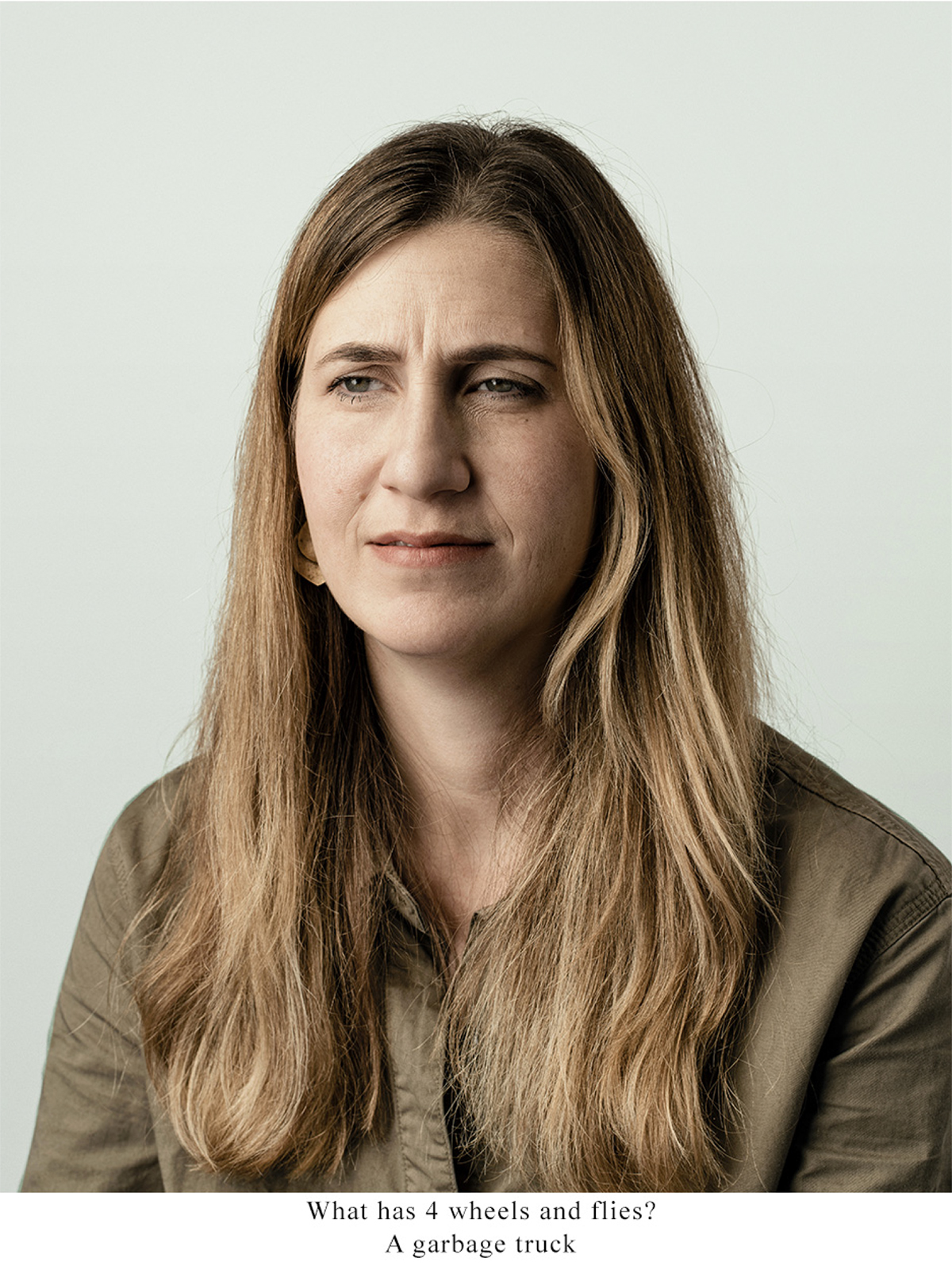
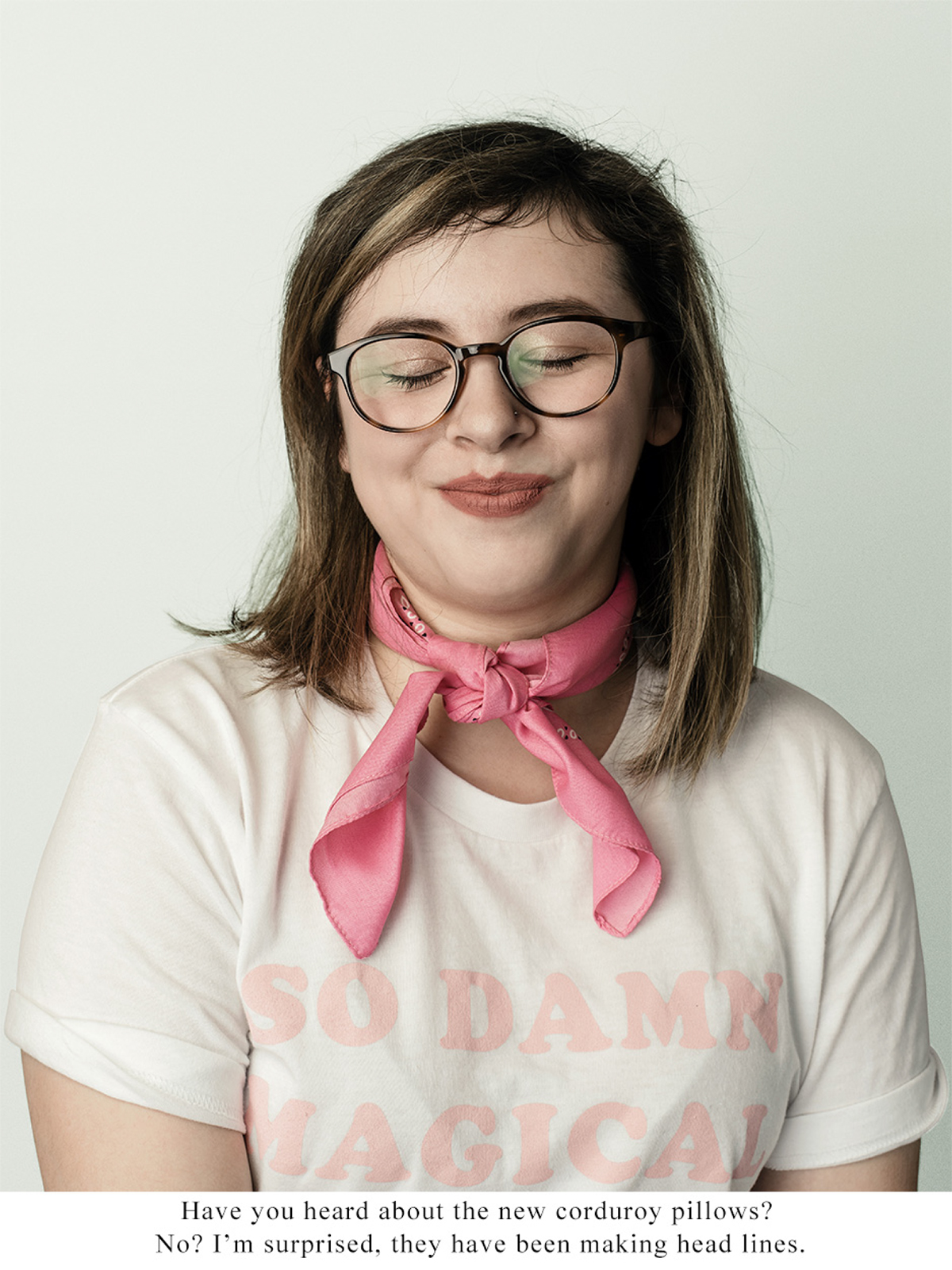
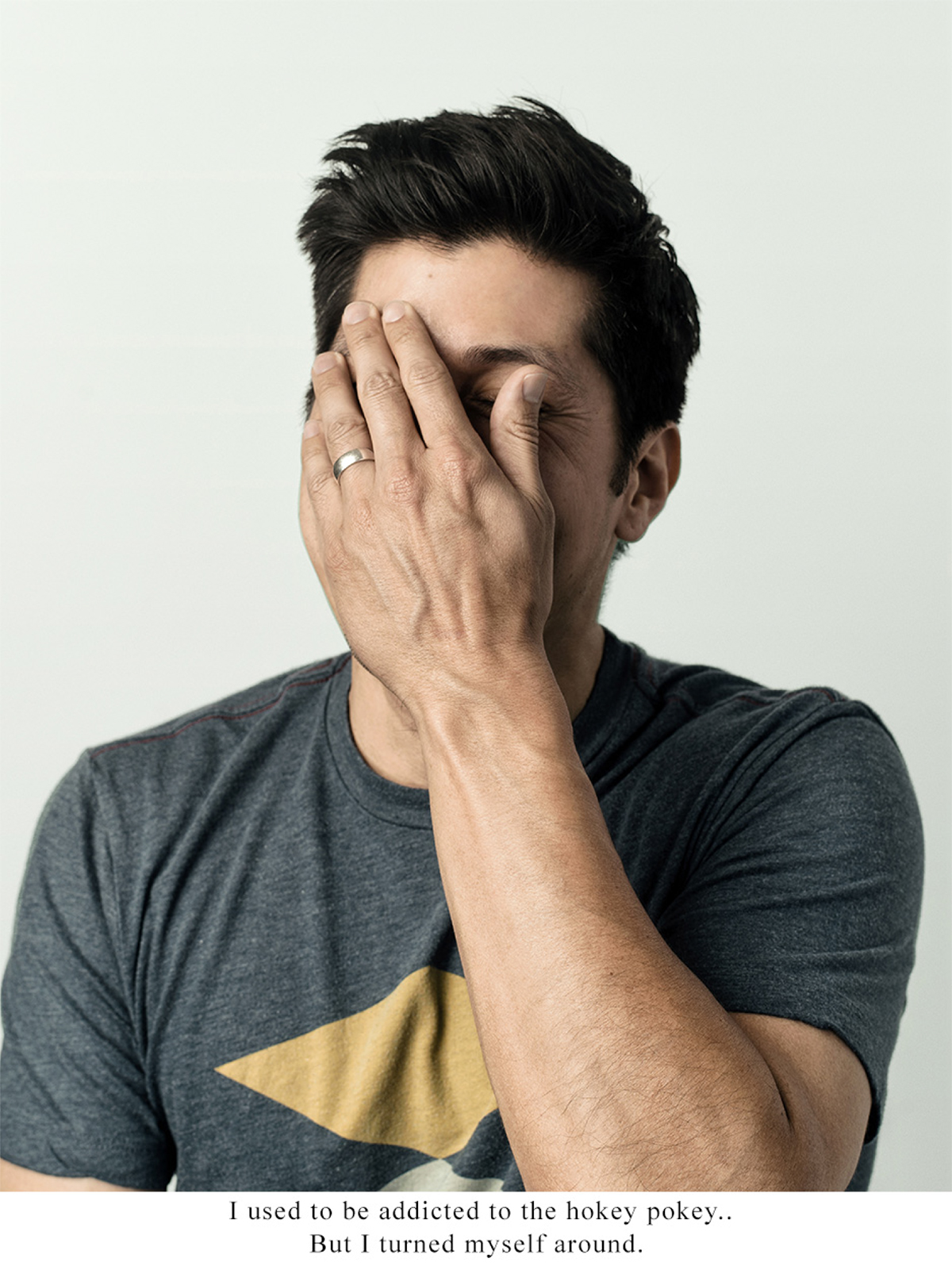
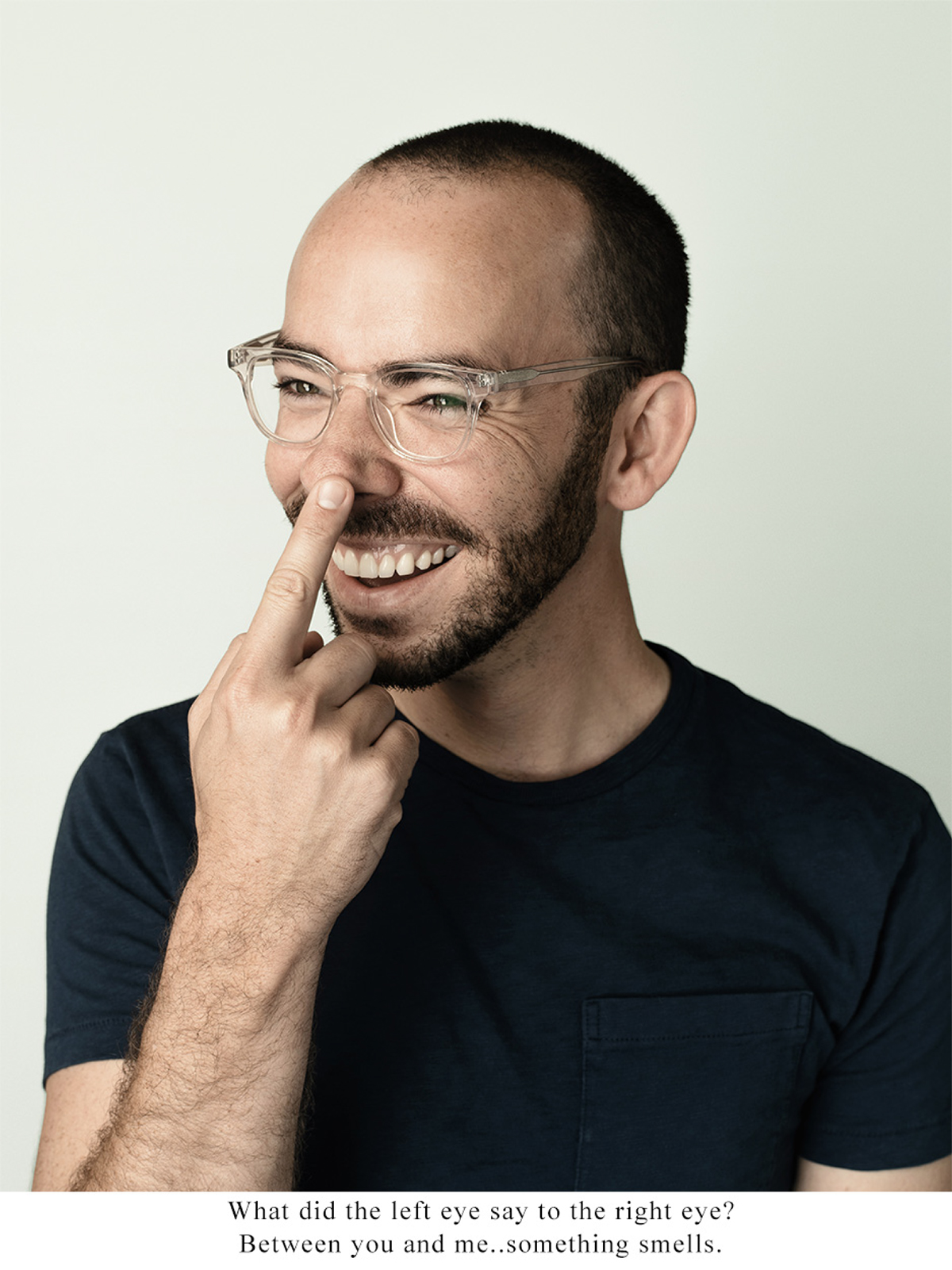
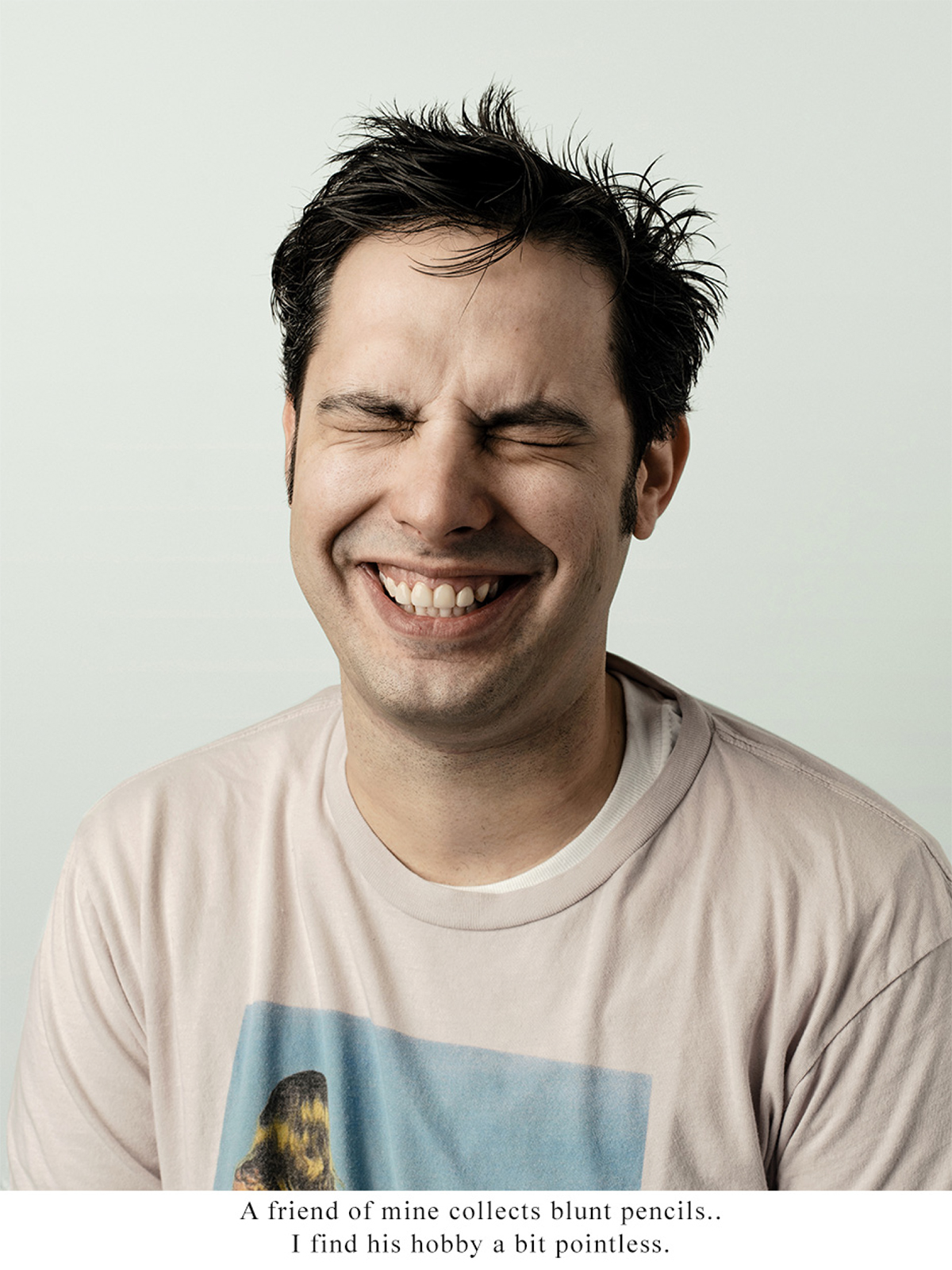
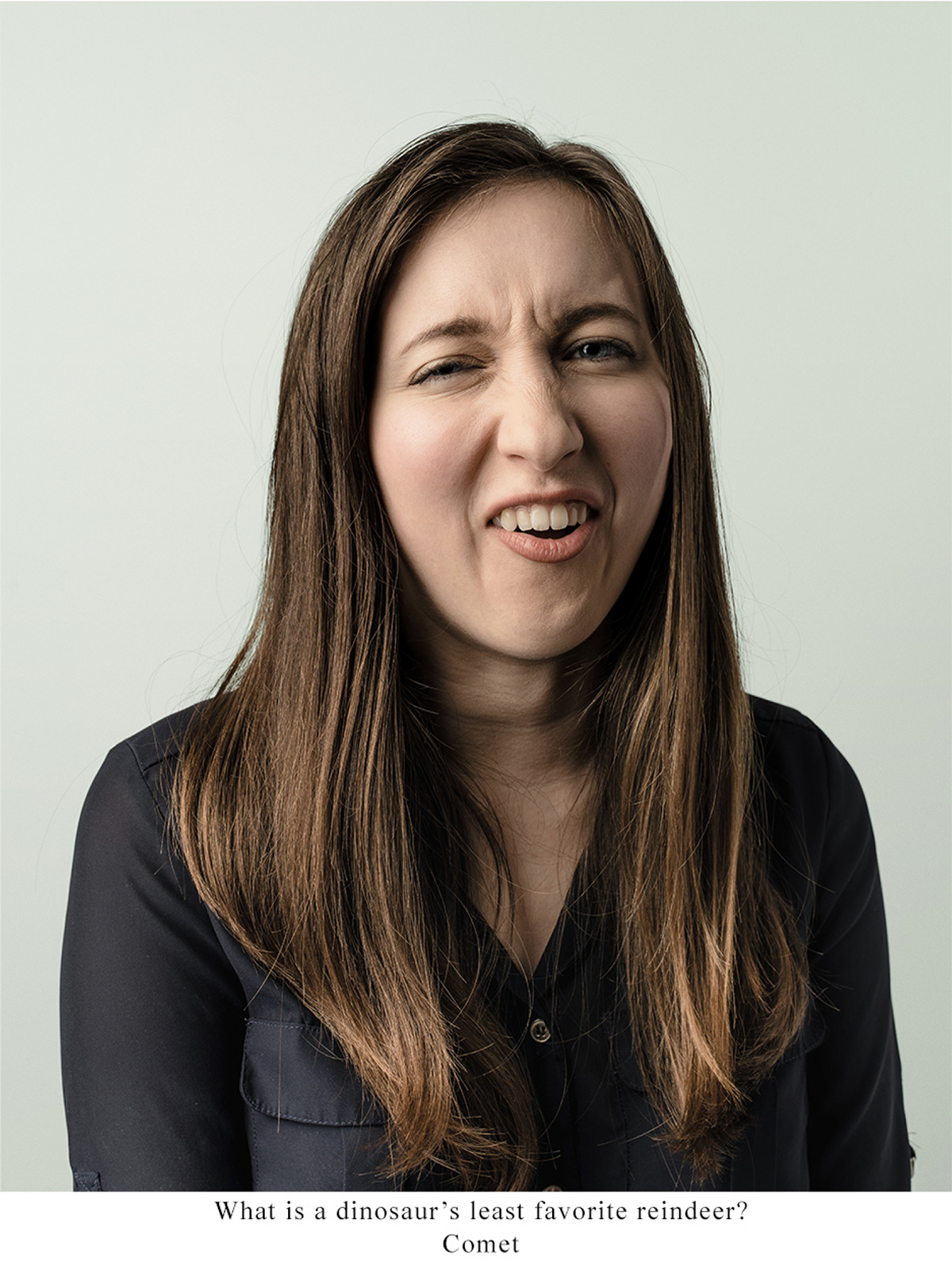
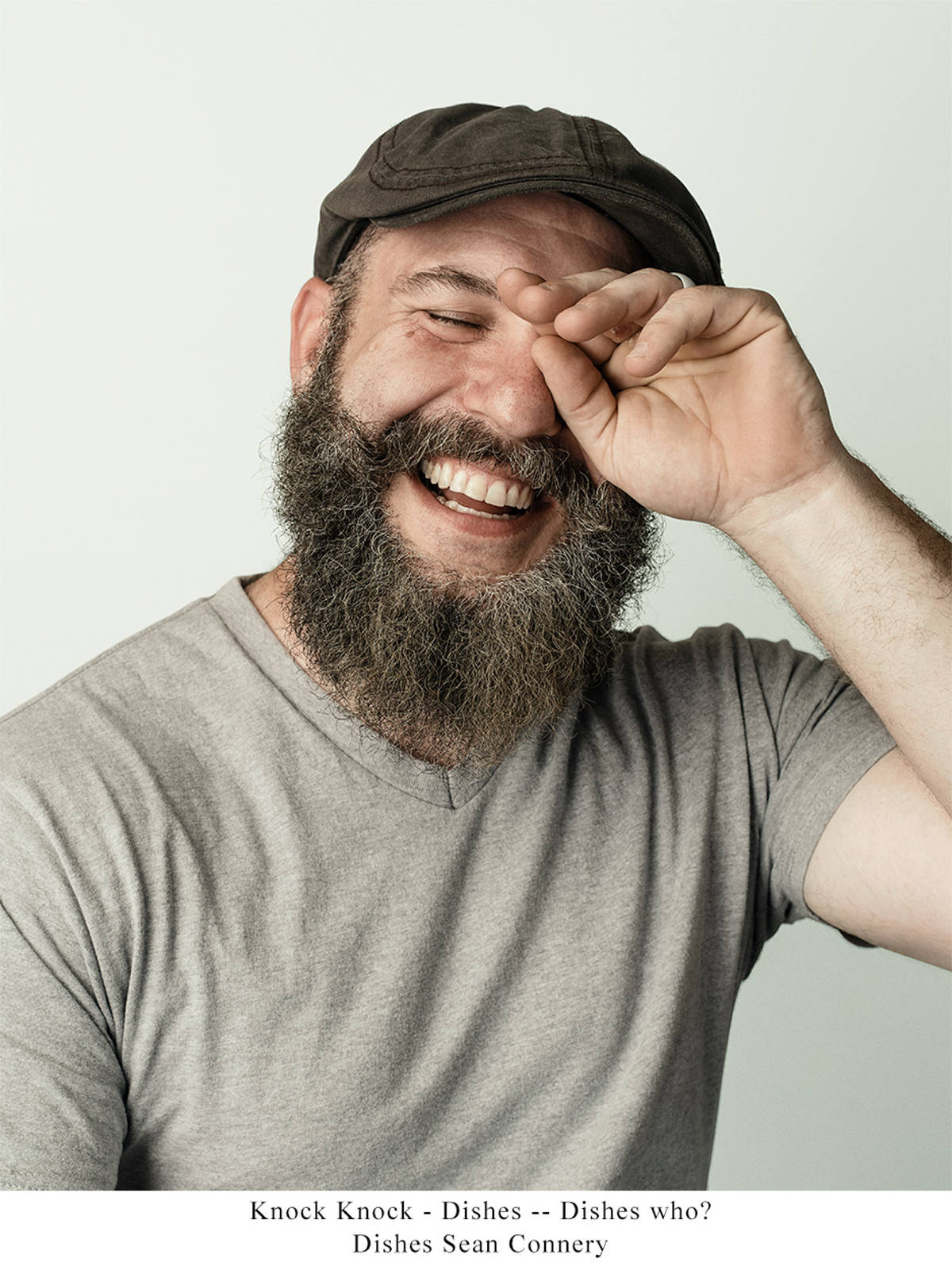
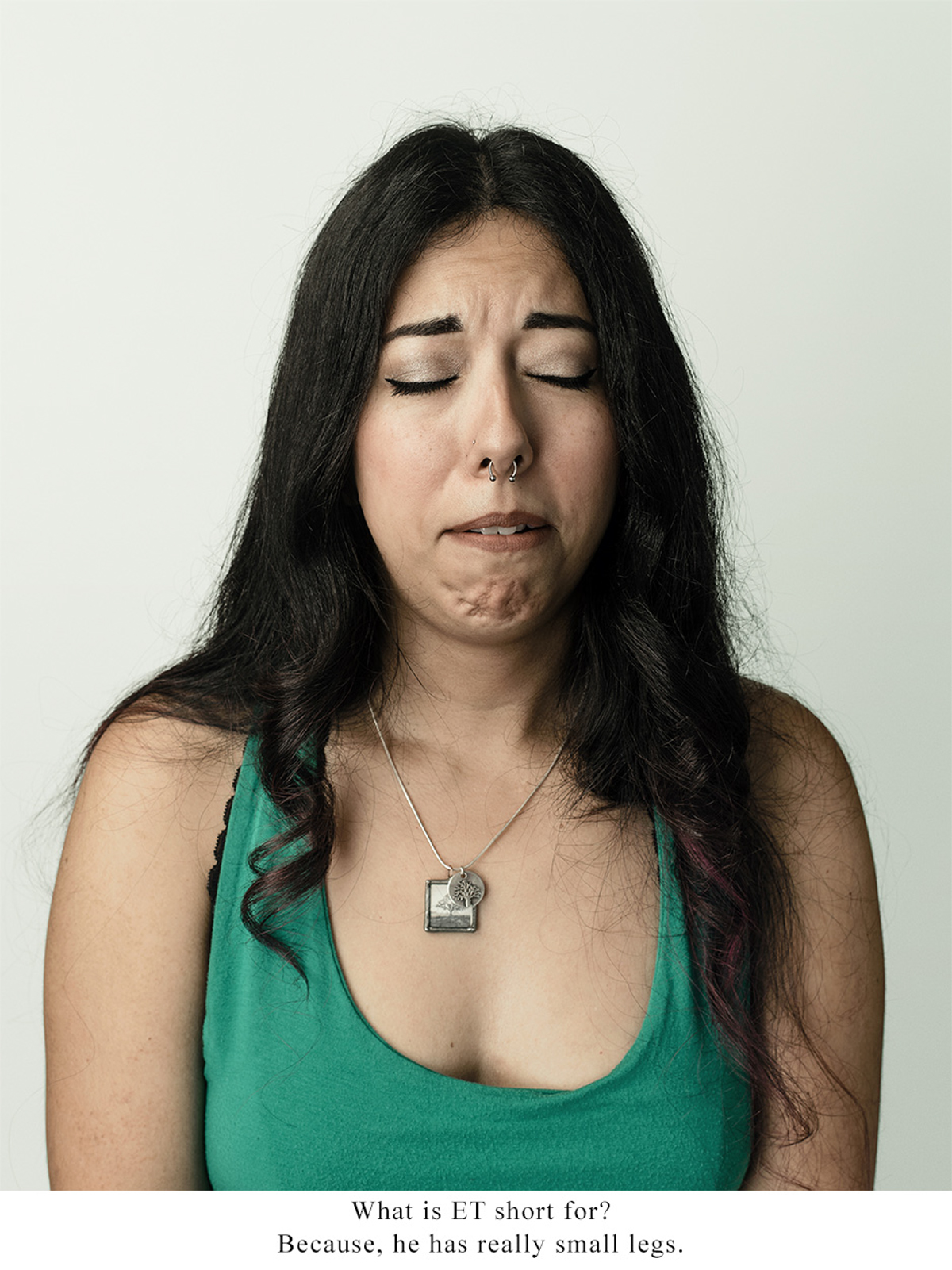
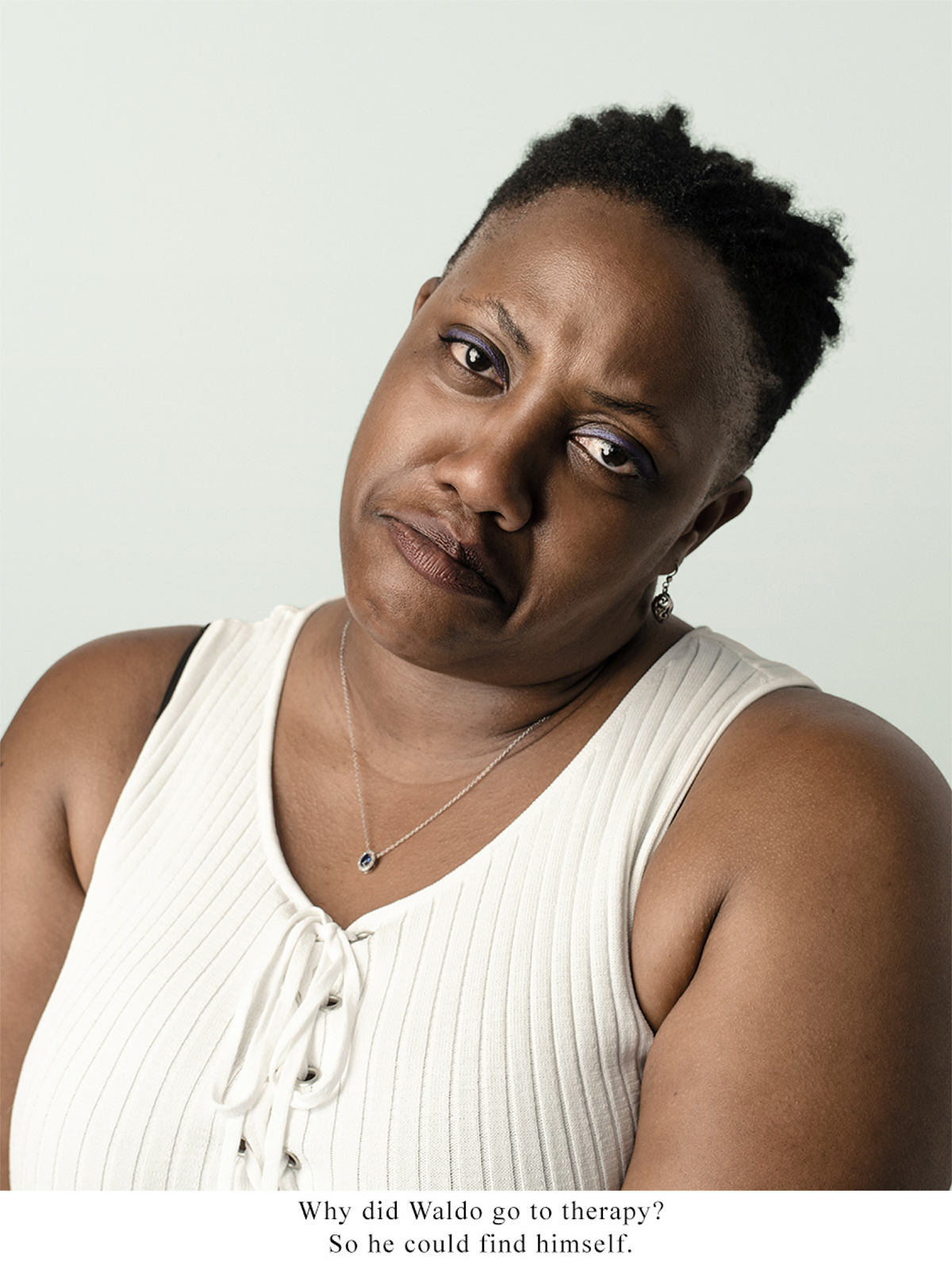
Dear Finley,

I created Dad Jokes in preparation for becoming your Dad. For 9 months I invited friends and       strangers alike to sit while I told them my best Dad Jokes while capturing their reactions.                                        My purpose is to juxtapose  “just got your nose’ against the gravitas of fatherhood. I now feel fully prepared to embarrass you in front of your friends, and collect many sighs and eyerolls

Love,

Dad

To see more of this project, click here

Instagram

APE contributor Suzanne Sease currently works as a consultant for photographers and illustrators around the world.  She has been involved in the photography and illustration advertising and in-house corporate industry for decades.  After establishing the art-buying department at The Martin Agency, then working for Kaplan-Thaler, Capital One, Best Buy and numerous smaller agencies and companies, she decided to be a consultant in 1999.  Follow her at @SuzanneSease.  Instagram