The Enhanced Games: Vanity Fair
Photographer: Mateusz Stefanowski
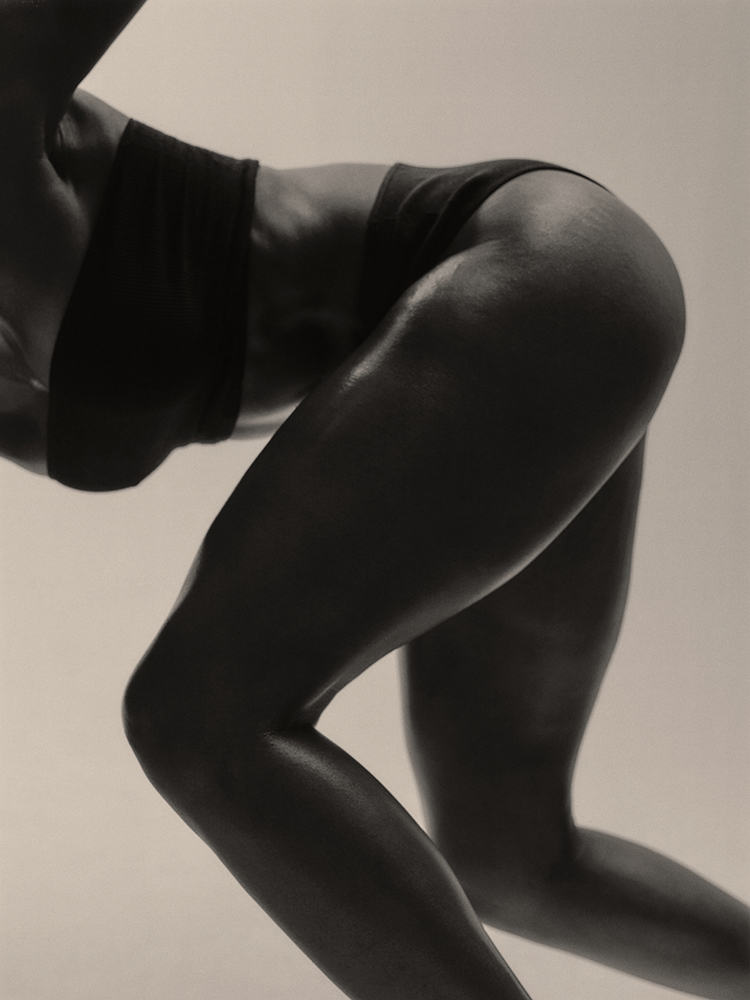
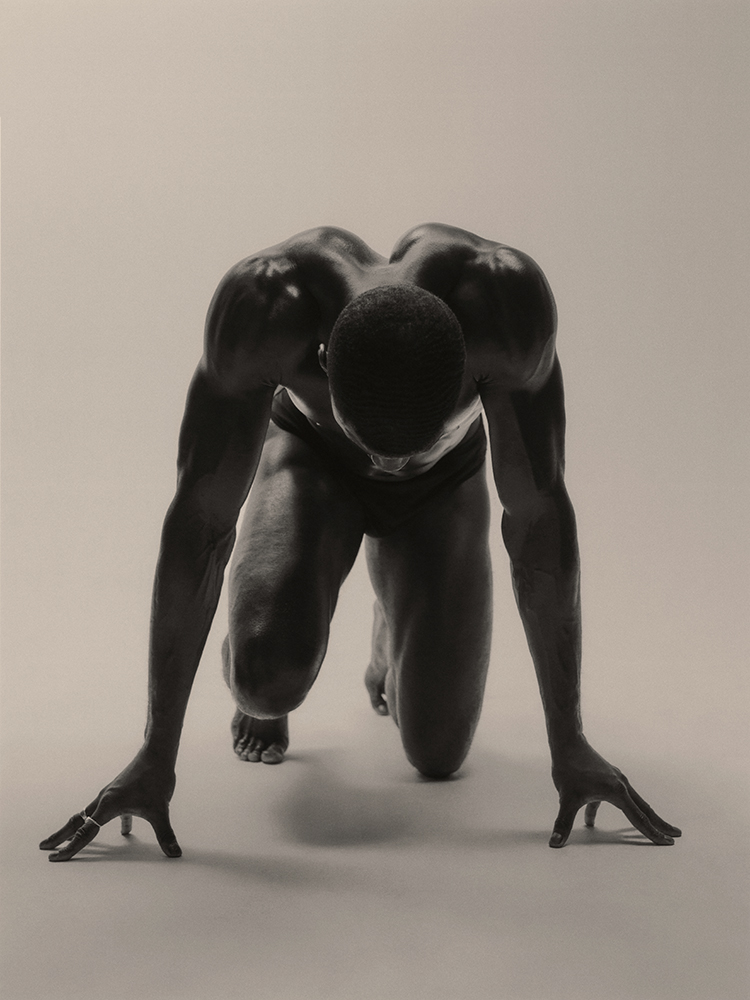
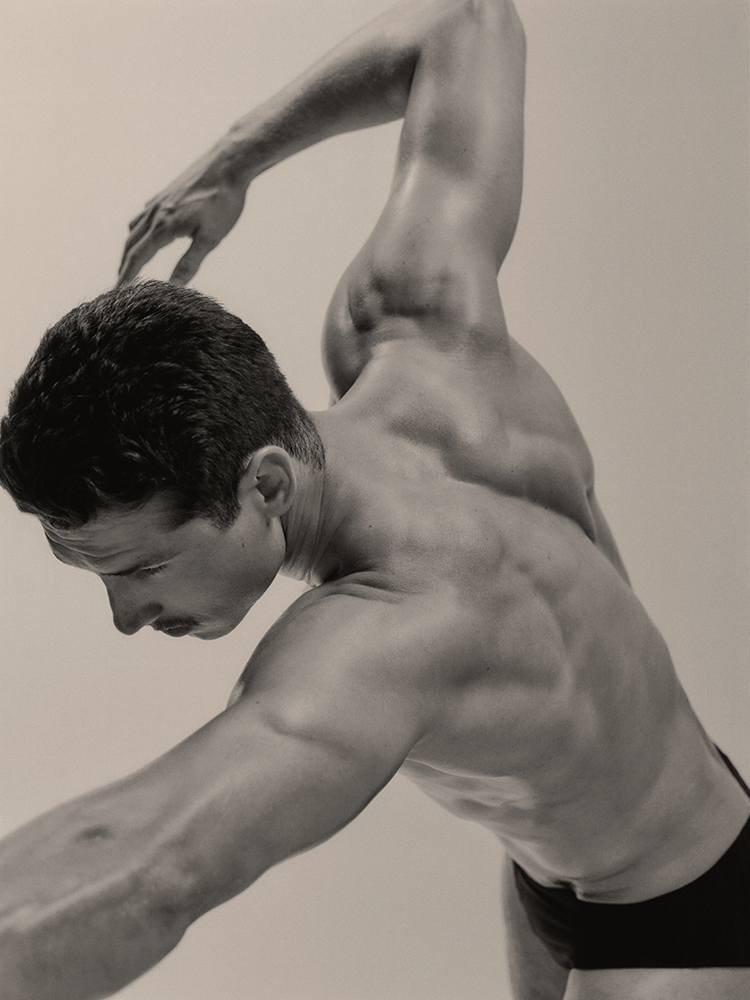
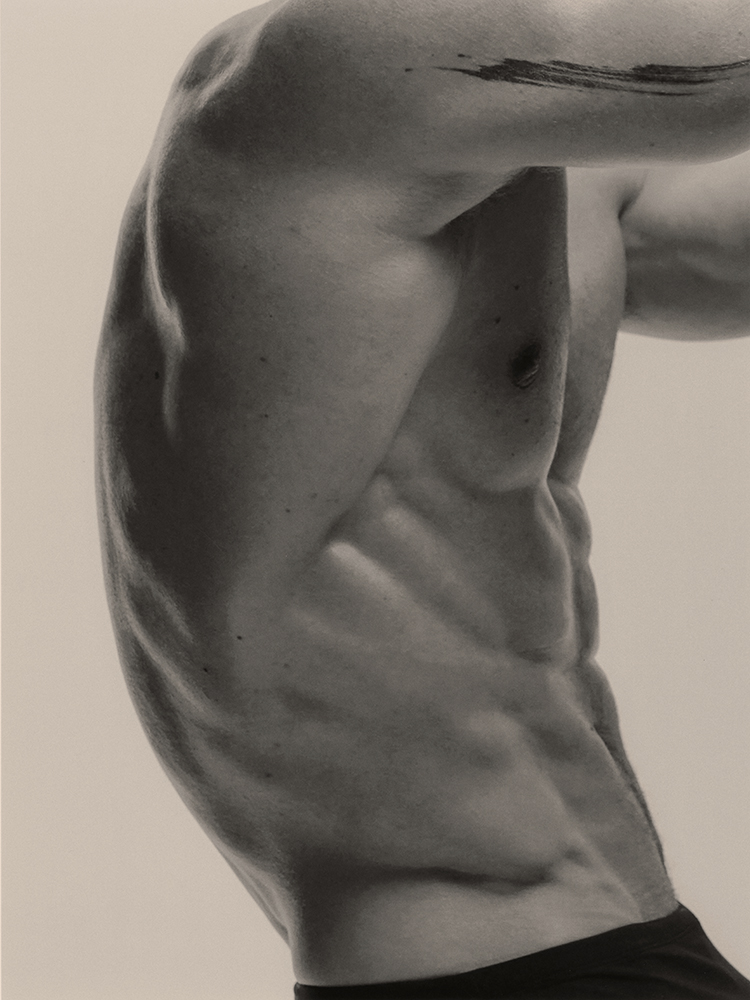
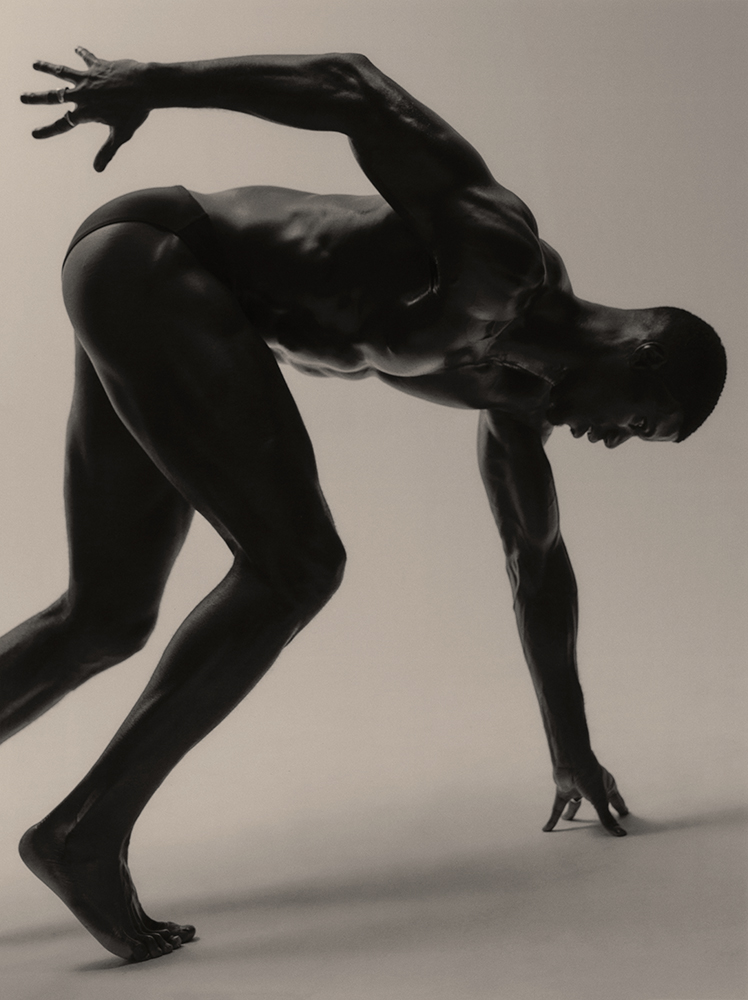
My personal work is largely about slowing down and observing, finding the extraordinary in quiet, overlooked moments. With the Enhanced Games athletes, I tried to bring that same attention into the studio. We shot in Dubai, in a space that felt controlled and almost clinical on the surface, but what I was looking for was something underneath that, the texture of skin, the weight of a body at rest, the way muscle holds tension even when someone is still. Nature has always taught me to look closer. That’s what I was doing here.
Why did you choose tight framing?
Because I wasn’t interested in the spectacle. These athletes exist in a world of performance and spectacle already. What felt more honest and more interesting to me was proximity. Getting close enough that you stop reading someone as an athlete and start reading them as a human body. Tight framing forces that shift.
How much were you influenced by sculpture or terrain in this body of work? What type of direction did you get from the magazine?
The moodboard VF sent was heavily rooted in classical sculpture, Greek and Roman forms, the Discobolus relief carvings. That language made complete sense to me. These athletes are already pushing the body toward something almost architectural. The brief gave me a clear foundation: artful, dignified, focused on form. Within that, I had real creative freedom, which I appreciated.
These athletes are participating in something both futuristic and deeply primal. How did you approach the photo direction, and what type of direction did you give the athletes on set?
I tried not to over-direct. My instinct was to start by just watching them, how they hold themselves, where they naturally go when they’re not being told what to do. Athletes have an incredible relationship with their bodies, far more sophisticated than most people. So I mostly created conditions and then followed. I’d ask for stillness, for weight, for them to settle into themselves rather than perform for the camera. The futuristic element was already there in the context, I didn’t need to add it.
What was the conversation like on set?
Surprisingly relaxed. I think because we stripped away a lot, minimal styling, minimal set. When there’s less to hide behind, people either close up or open up. These athletes opened up. There was curiosity on both sides. I was learning about their world, they were navigating being photographed in a very different register than they’re used to.
The story questions where the boundary between natural and engineered bodies now exists. How did that translate into your images?
I didn’t want to answer that question with the pictures; I wanted to hold it open. The images are studies, not verdicts. What drew me to this project was that ambiguity of these bodies, which are both completely natural and deeply intervened upon, and visually, you often can’t tell where one ends and the other begins. I found that genuinely fascinating rather than troubling.
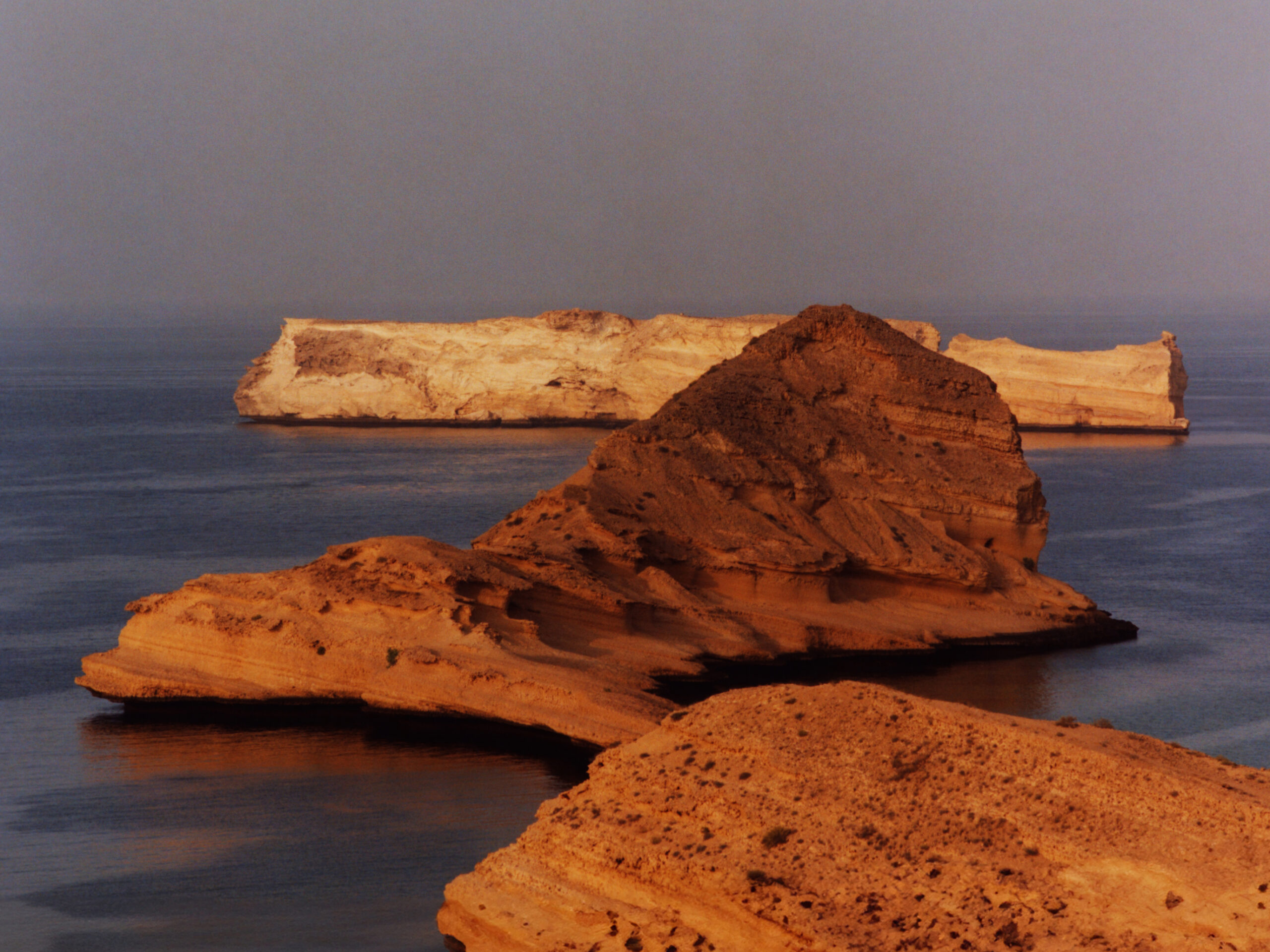
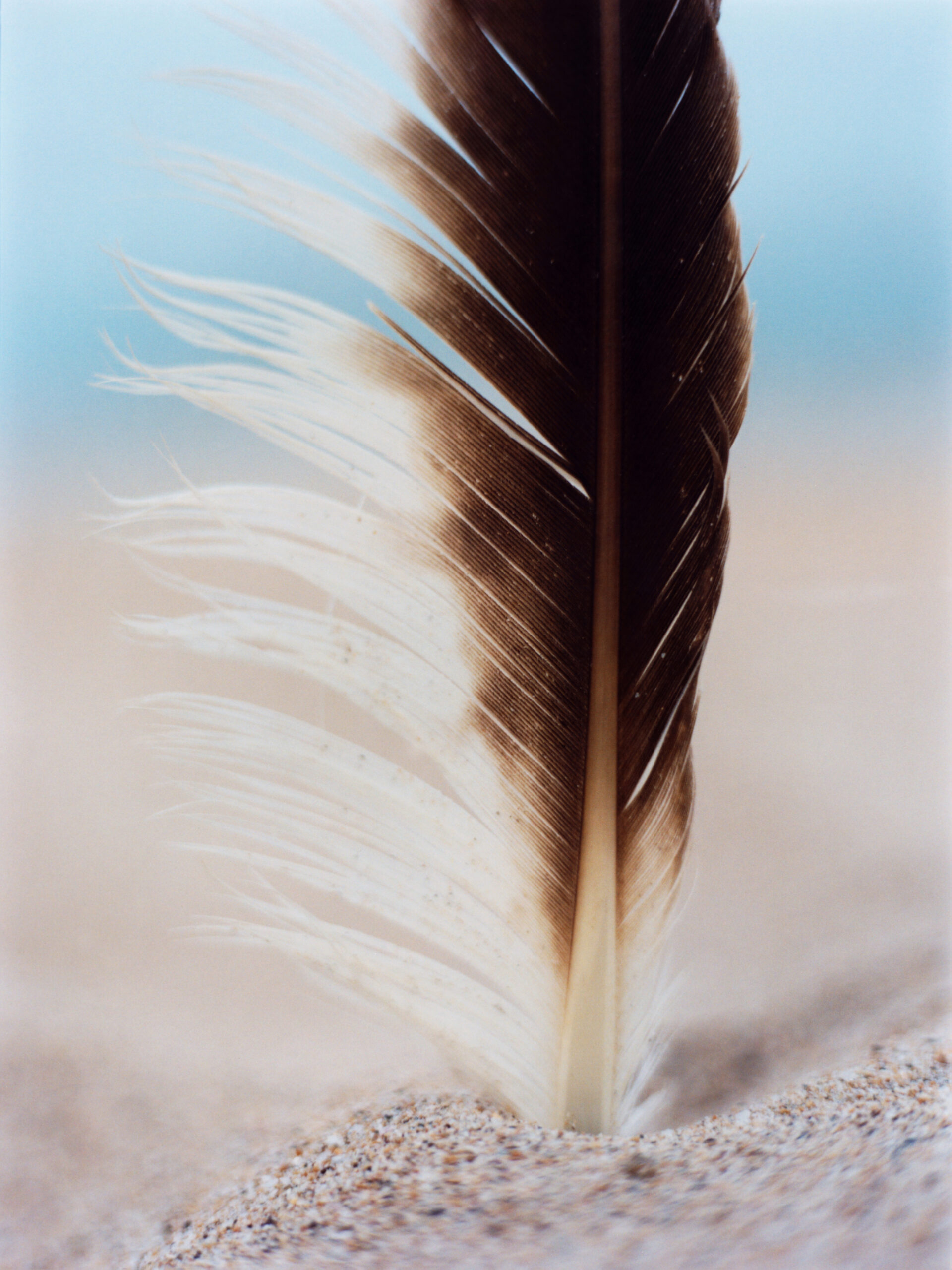
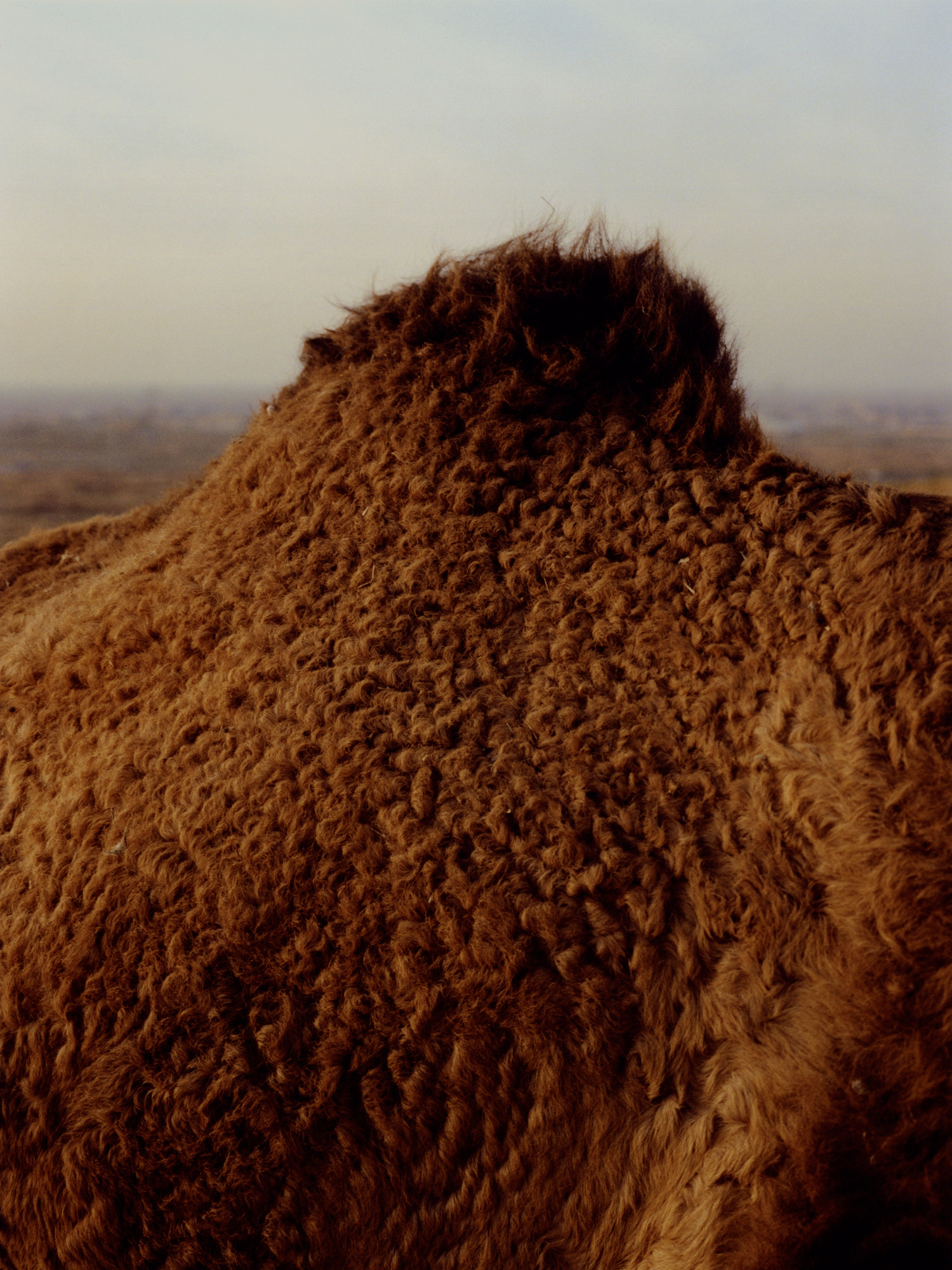
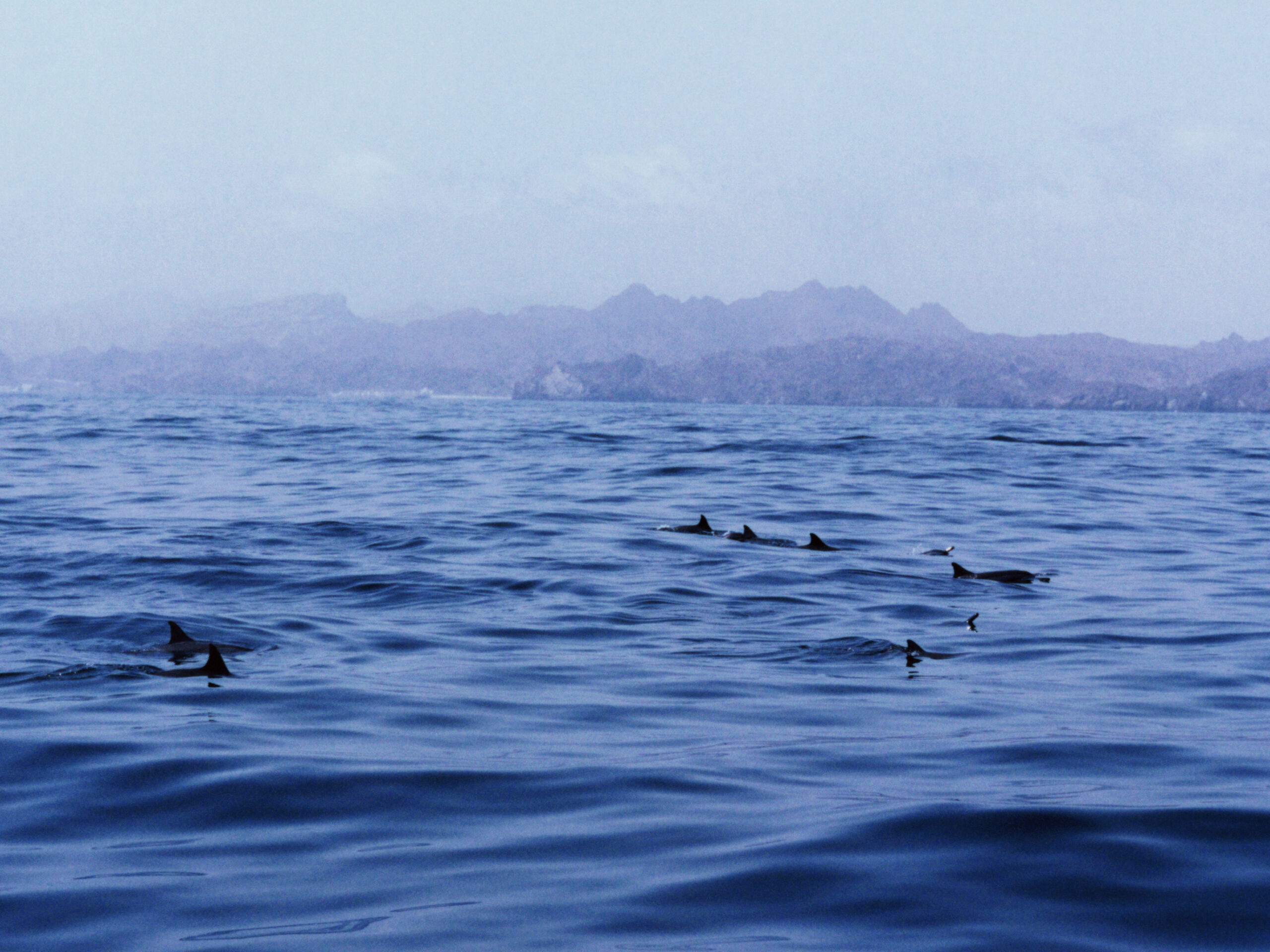
Rhythms of Light and Desert Allure feel deeply observational compared to commissioned editorial work. Were these series created in the spaces between assignments?
Yes, exactly that. I’ve been spending a lot of time in the UAE and Oman over the past few years, Desert Allure grew out of the period when I was based there during the pandemic, traveling with my wife across parts of the country most people never see. Rhythms of Light came from time I spent at Muscat Bay, just watching crabs building sand towers, birds diving, and dolphins. These projects are how I stay connected to the reason I picked up a camera in the first place. The commissioned work feeds one part of me; the personal work feeds something quieter and more essential.