The Daily Promo – John Hafner

john hafner_2
john hafner_11
john hafner_9 (1) john hafner_7 john hafner_5 john hafner_4 john hafner_3

John Hafner

Who printed it?
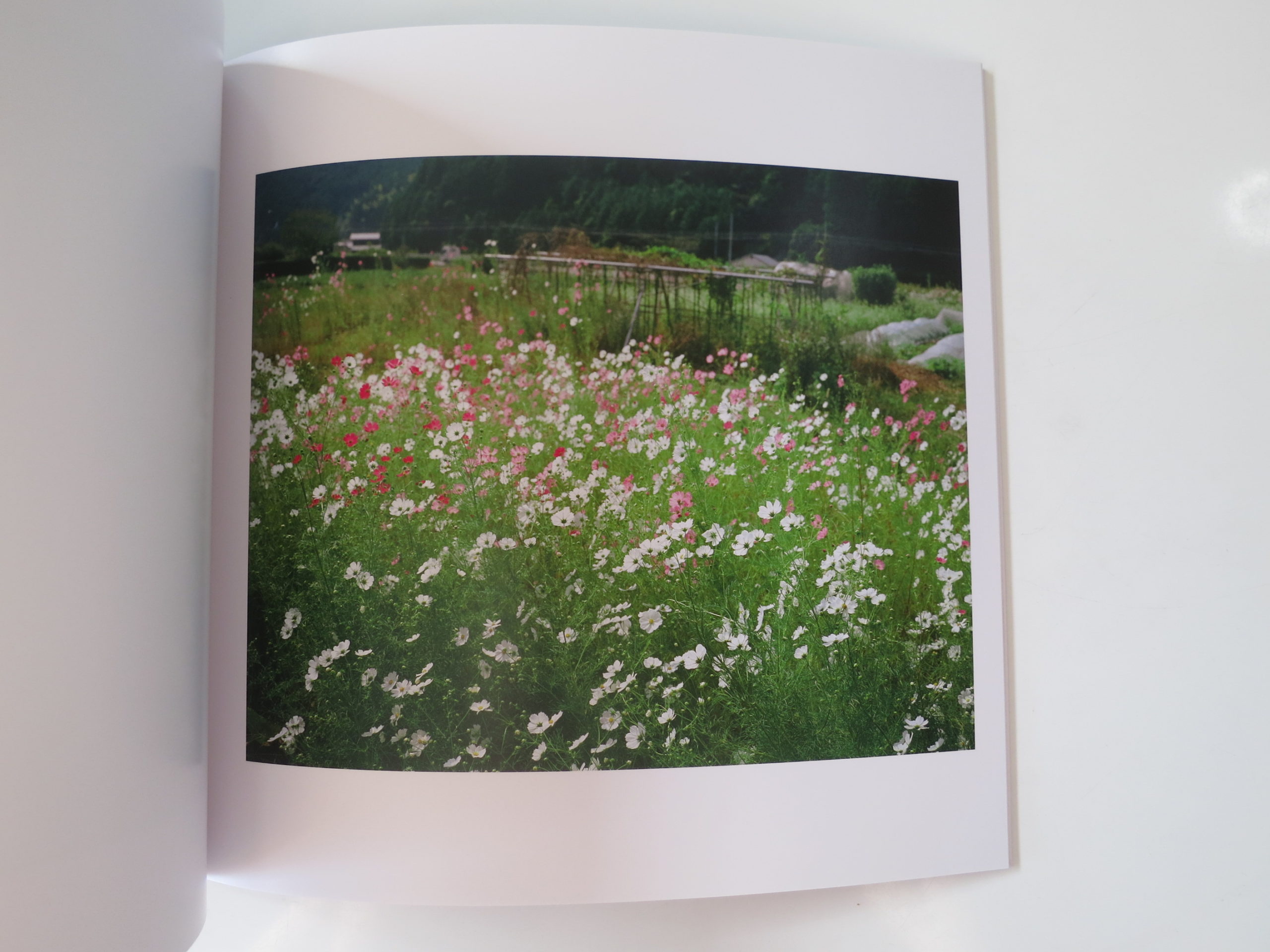
My promo book was printed by Blurb. It’s a Trade Book, 6X9.

Who designed it?
A graphic artist friend of mine, Paul Allen, in Missoula, Montana designed it.

Who edited the images?
Paul and I both edited the images. I did an initial edit, and then had him weigh in on which pics would make the strongest presentation. It’s really tough to edit objectively, and it’s important to
have a neutral set of eyes to narrow the selections. Just because a pic might be one of my favorites doesn’t mean it would add any value to my promo. The end result is, I think, a good mix of product/studio shots, people/portraits, wildlife and documentary that conveys the scope of what I shoot.

How many did you make?
This was actually my first hardcopy promo. My marketing and promo work has largely been digital. I’ve sent out several PDFs and e-books, which have been quick, cheap, simple and very effective. But this year, I wanted to have something more substantial; something that was portable yet impactful that my clients, and prospective clients  would hang onto and reference.

How many times a year do you send out promos?
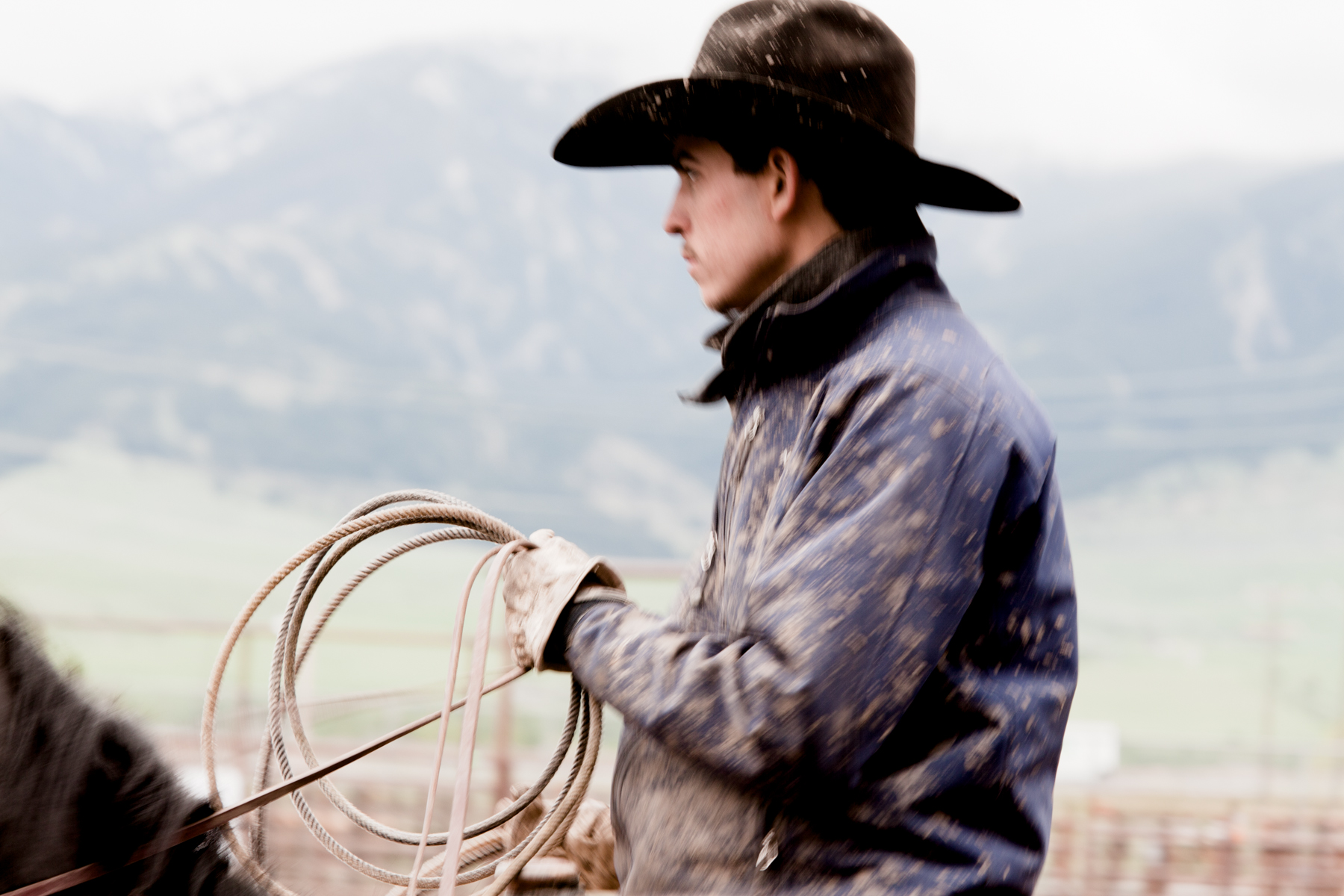
The promo features some of my best work from 2014. I chose to include a pic of me in the field to give clients a sense of who I am and how/where I work. I primarily shoot for hunting and fishing markets, and my clients need to know that I, too, am an outdoorsman. This gives them the assurance that I know the industry, their brand and their customer. It’s vital that I can tell my clients’ stories not just creatively but also authentically.

What shoot is the opening spread from and whose paw is that?
The opening spread features some pics from a shoot I did last December with the guys from Duck Dynasty. Not only was it one of the more memorable and fun shoots from 2014, it’s great to have their super-famous facial hair in my portfolio. I also included a partial client list to give prospective clients a sense of my experience in the outdoor industry. And I included client and location info. for each pic in the book.

And yes, that’s my Golden Retriever/office manager/page turner/paw model, Shiley, in the promo pics.

This Week In Photography Books: Alexandra Huddleston

by Jonathan Blaustein

Today is Tuesday. The day I’m writing this. Tuesday.

But it’s also Friday. Because that’s when you’re reading it. Friday. Strange, no? The existence of twin temporalities? It’s enough to give me a headache.

Fortunately, that prospective malady will be the only one I complain about today. Because I’m finally feeling better. It only took 3 weeks, but hey, who’s counting?

Today (Friday) is no ordinary day, though. It’s Good Friday, which is holy in the Christian tradition, because it was first holy to the Jews. Jesus’ last supper was a Seder, because he was Jewish, which explains why Passover and Easter always seem connected.

They are.

If you were here in Northern New Mexico today, (Friday) and you drove along the highway, you might see pilgrims walking along the side of the road. There are hordes of them who head from all directions towards Chimayo, where they’ll convene to pray, and commune with the seemingly-sacred healing dirt.

I don’t know much about it, to be honest. But I do know that I’m sitting here in a mostly empty classroom, today, because many of my students celebrate. Some of them are even on a pilgrimage of their own, walking South from Costilla, on the Colorado border, to Questa, 20 miles away.

I should have asked them why they do it, but it didn’t cross my mind at the time. 20 miles is a long stretch, if you ask me. So I’d guess the suffering relates to the nasty business Jesus faced at the end of his life.

People often feel the need to walk until their bodies are begging to give out. To push their flesh to the breaking point, in the hope that their spirits will ascend to new knowledge planes. I’ve been known to drive to the Post Office, a mile away, so I’m clearly not one of those people.

But Alexandra Huddleston is. And she’s a New Mexican to boot. So perhaps we might learn a thing or two from her experience.

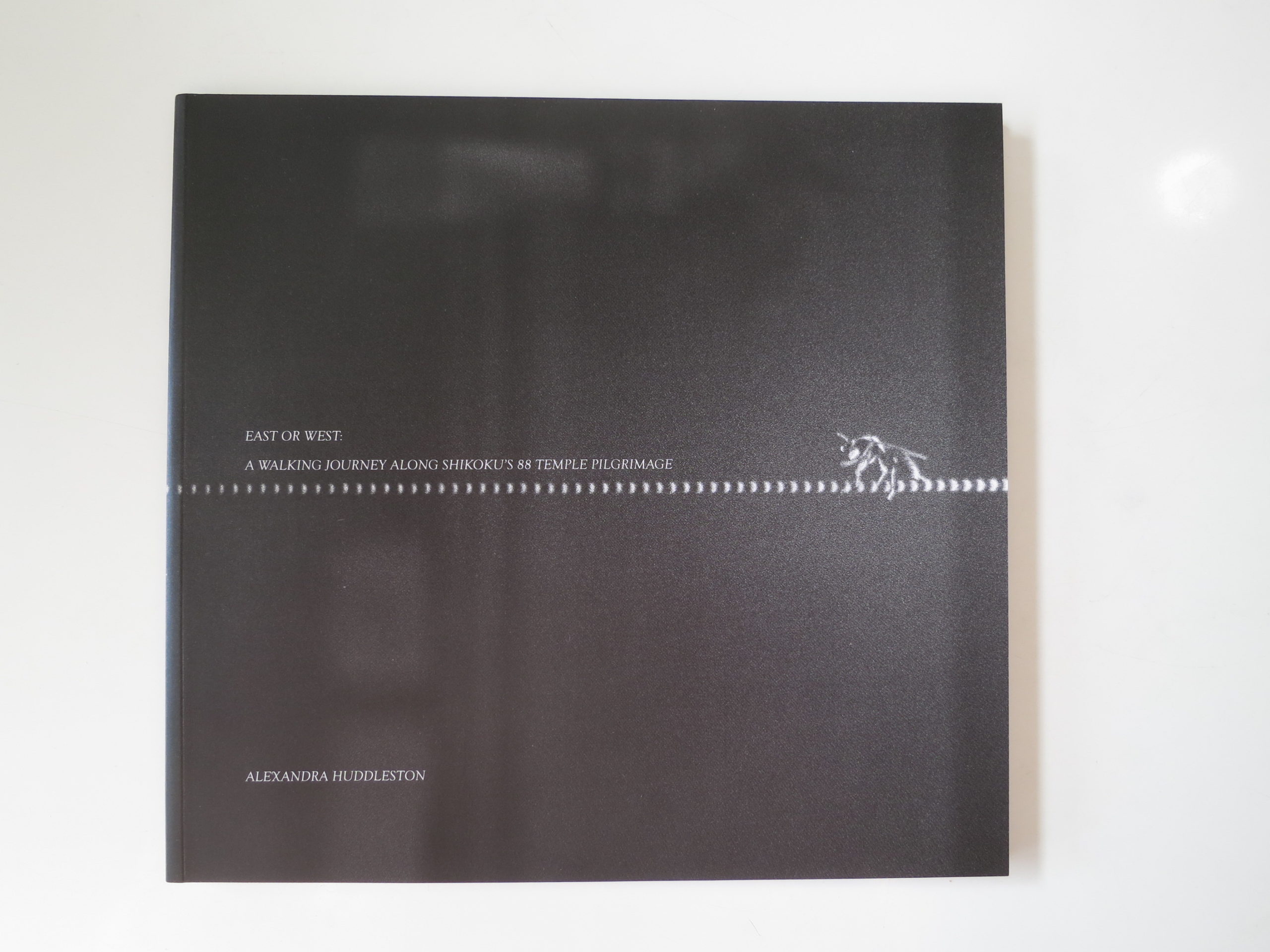
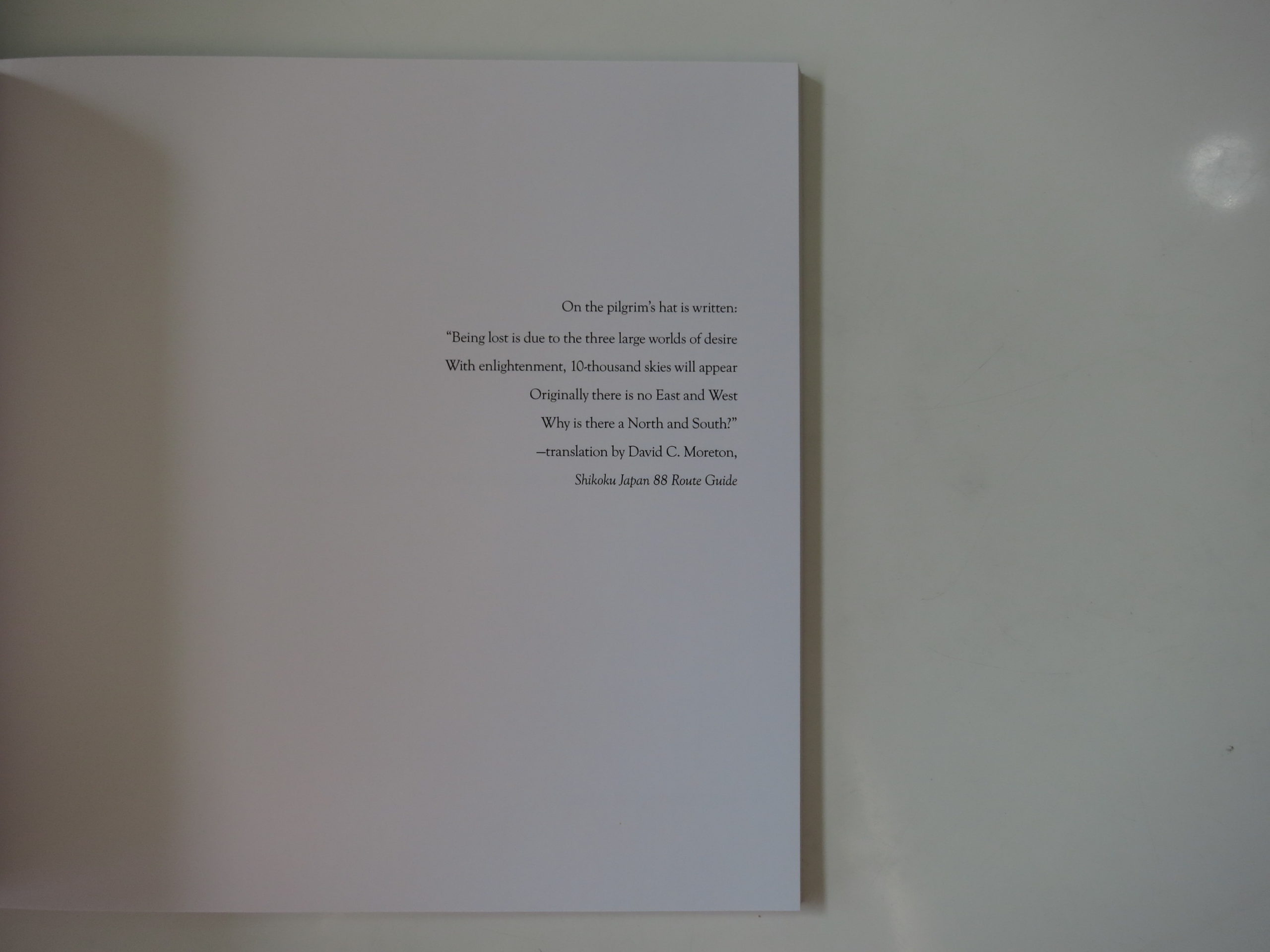
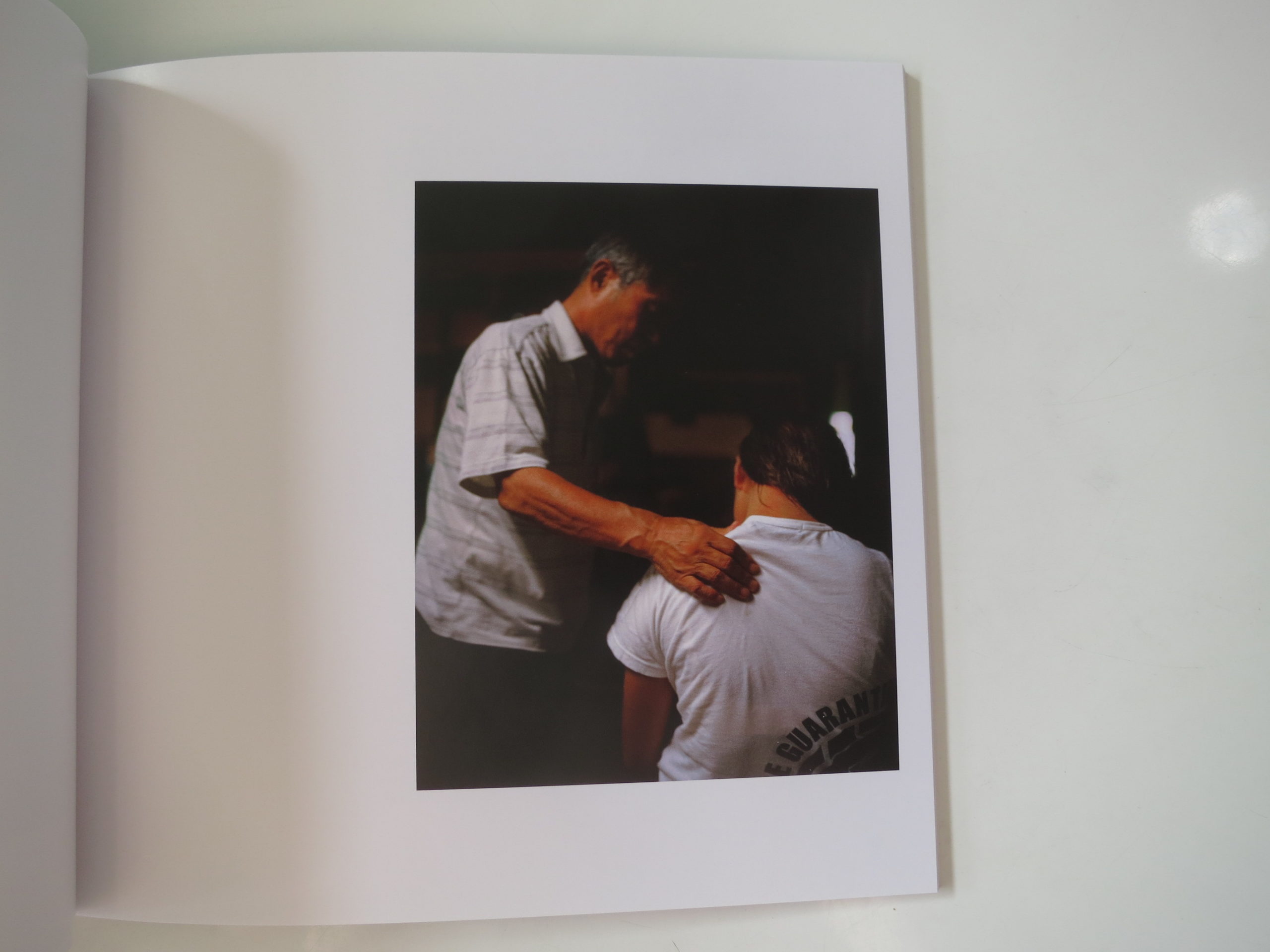
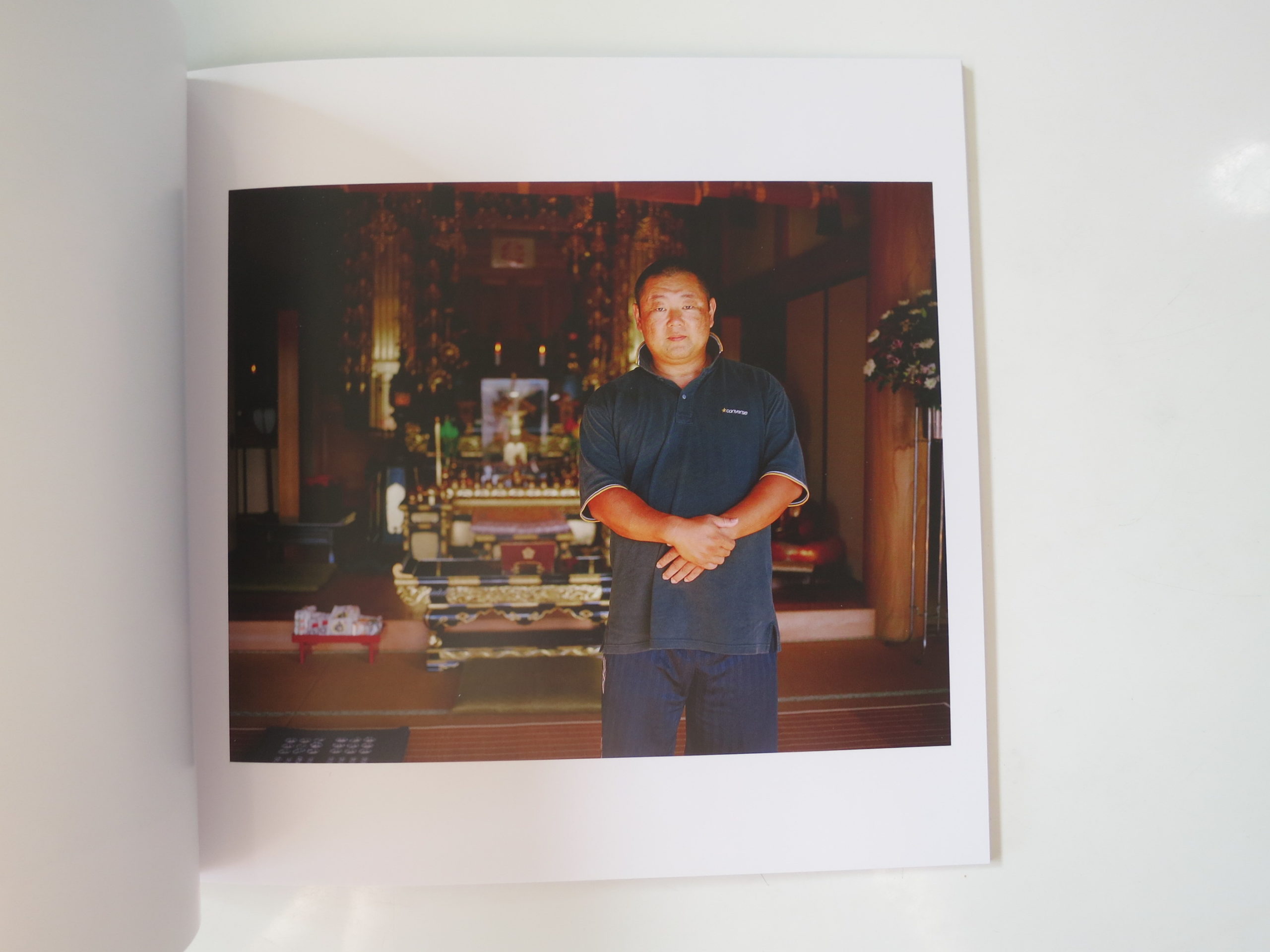
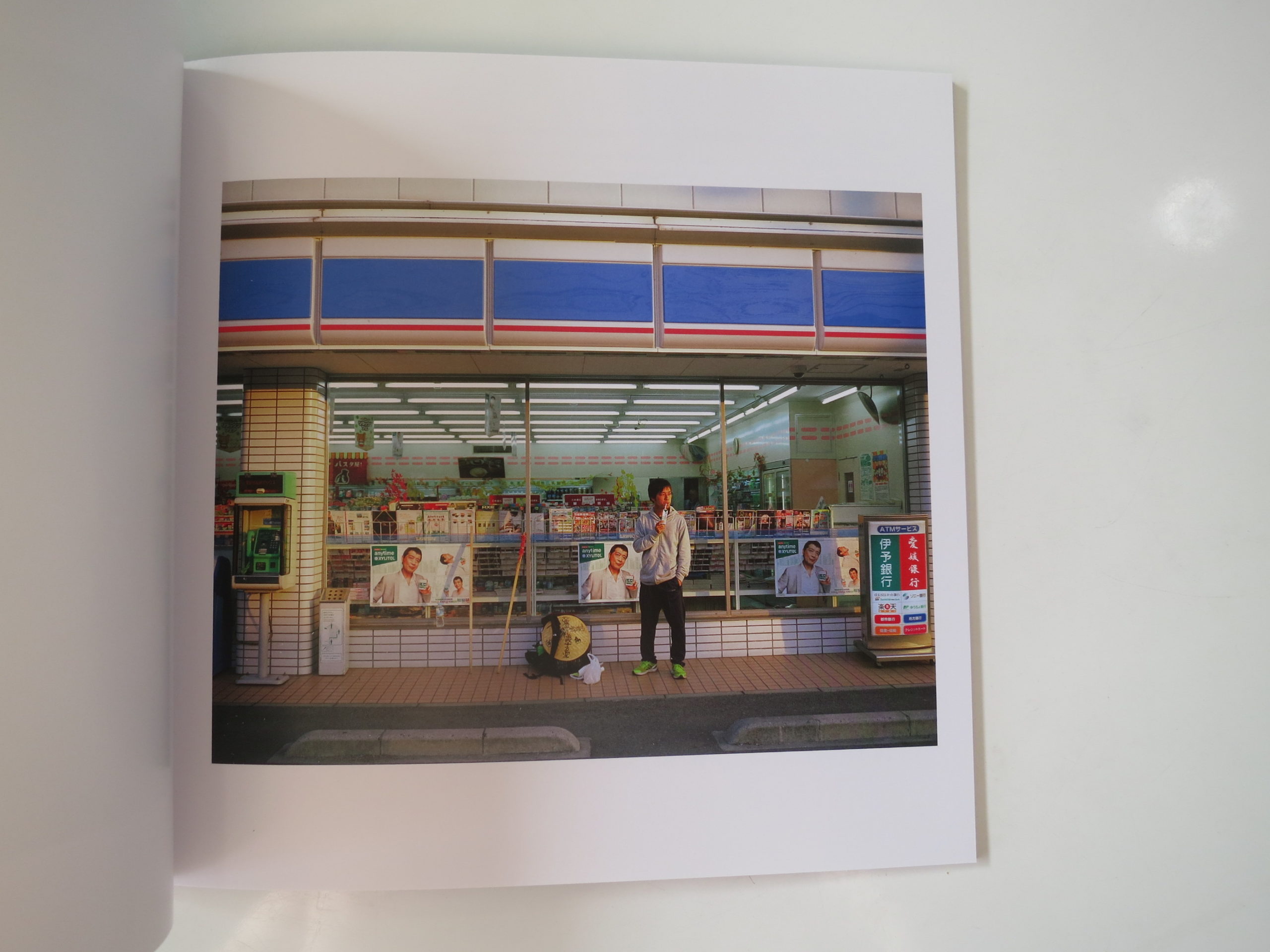
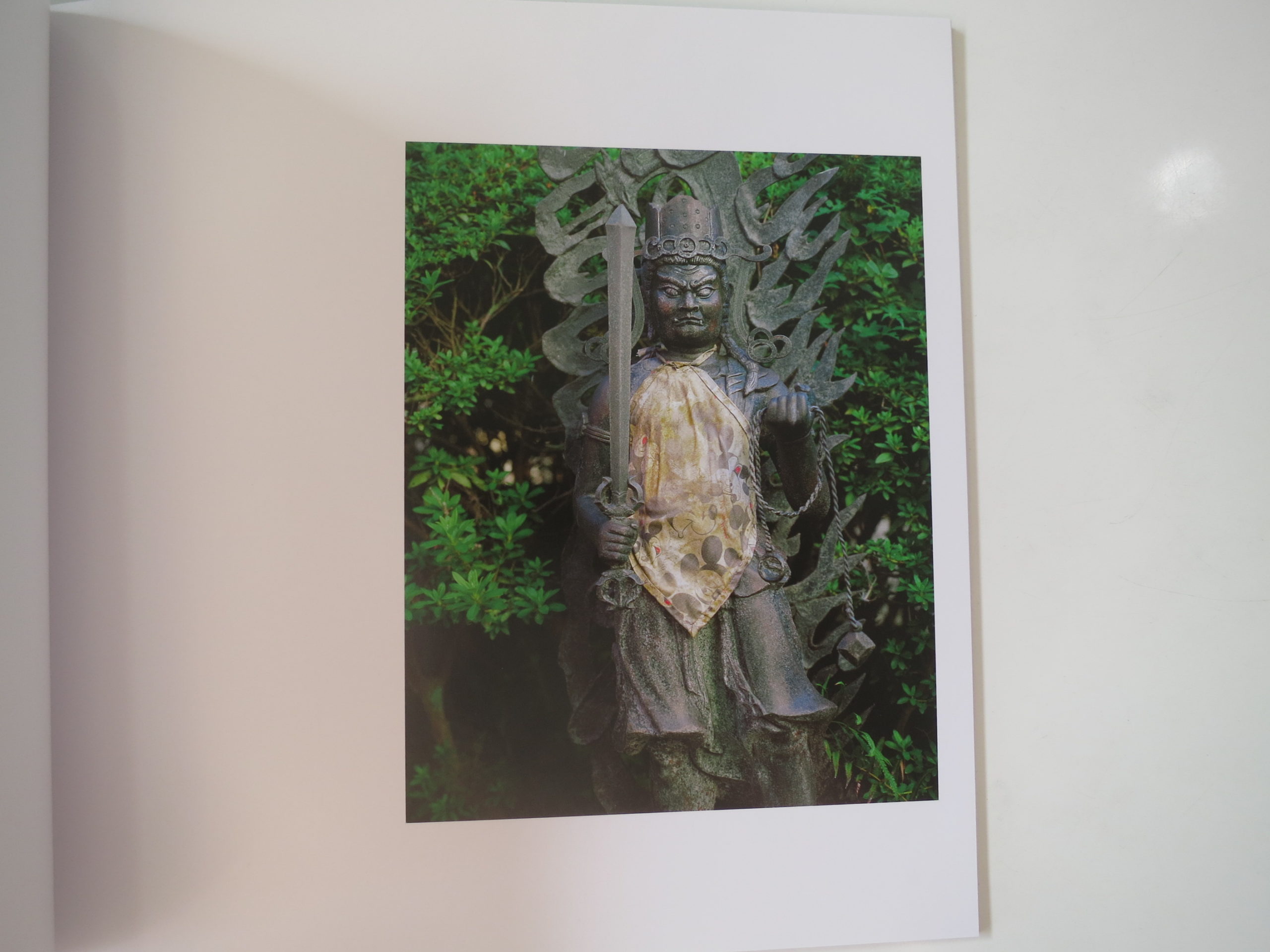
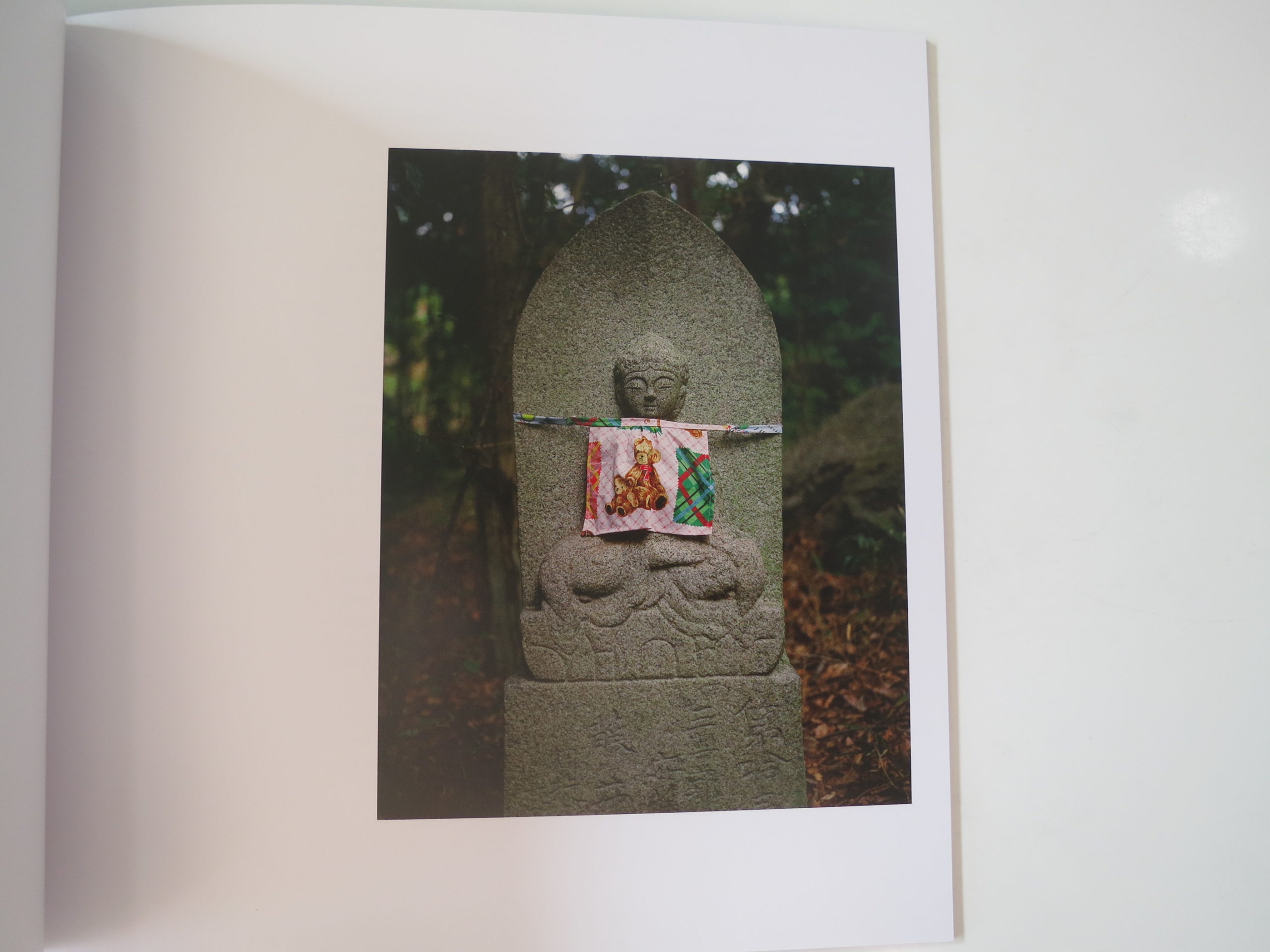
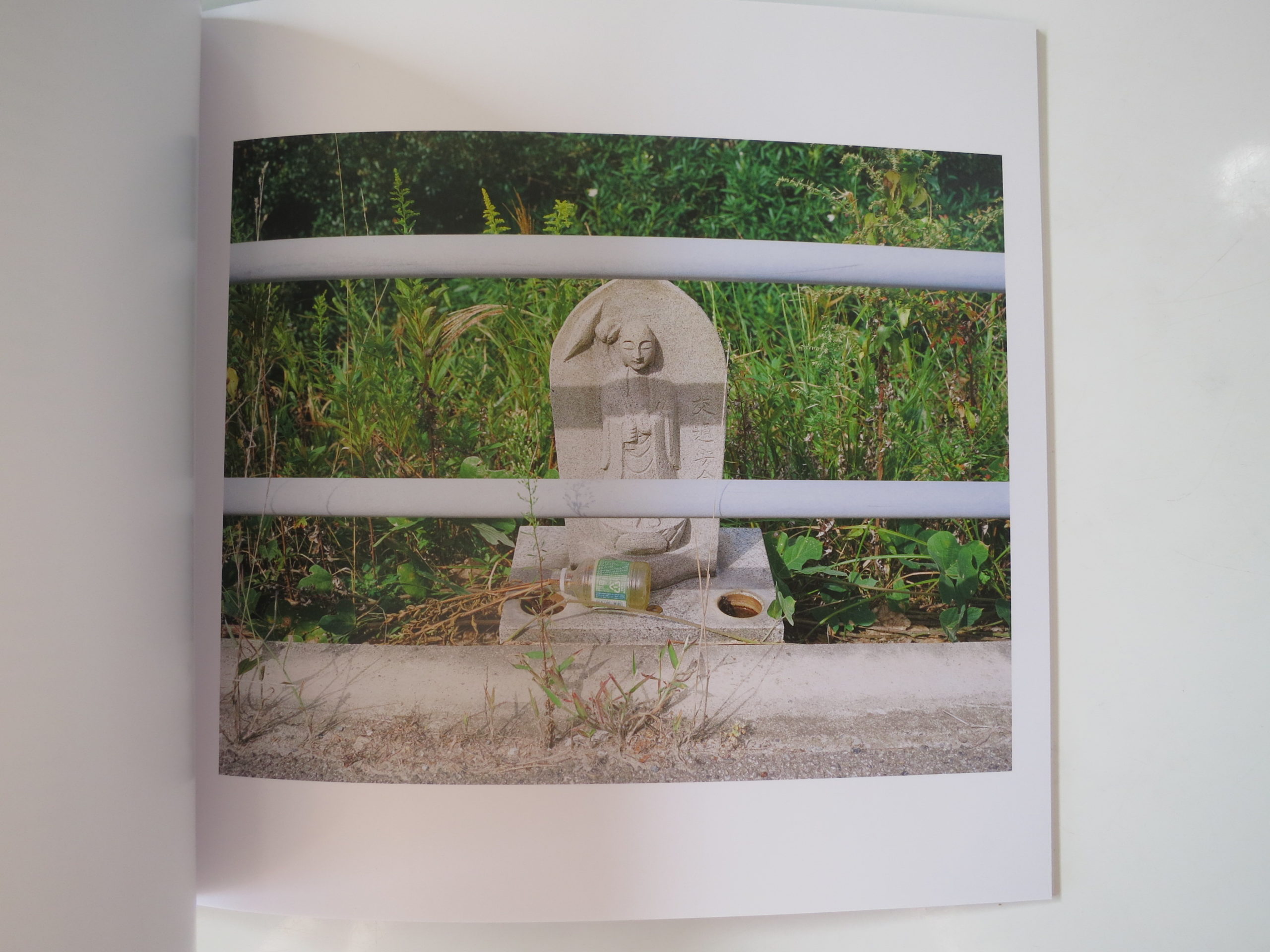
I know this having just looked through “East or West: A Walking Journey Along Shikoku’s 88 Temple Pilgrimage” her new book, published by Blind Cat Valentine. As I said earlier this year, I’m trying to expand my definition of a reviewable book, and this one helps me do just that.

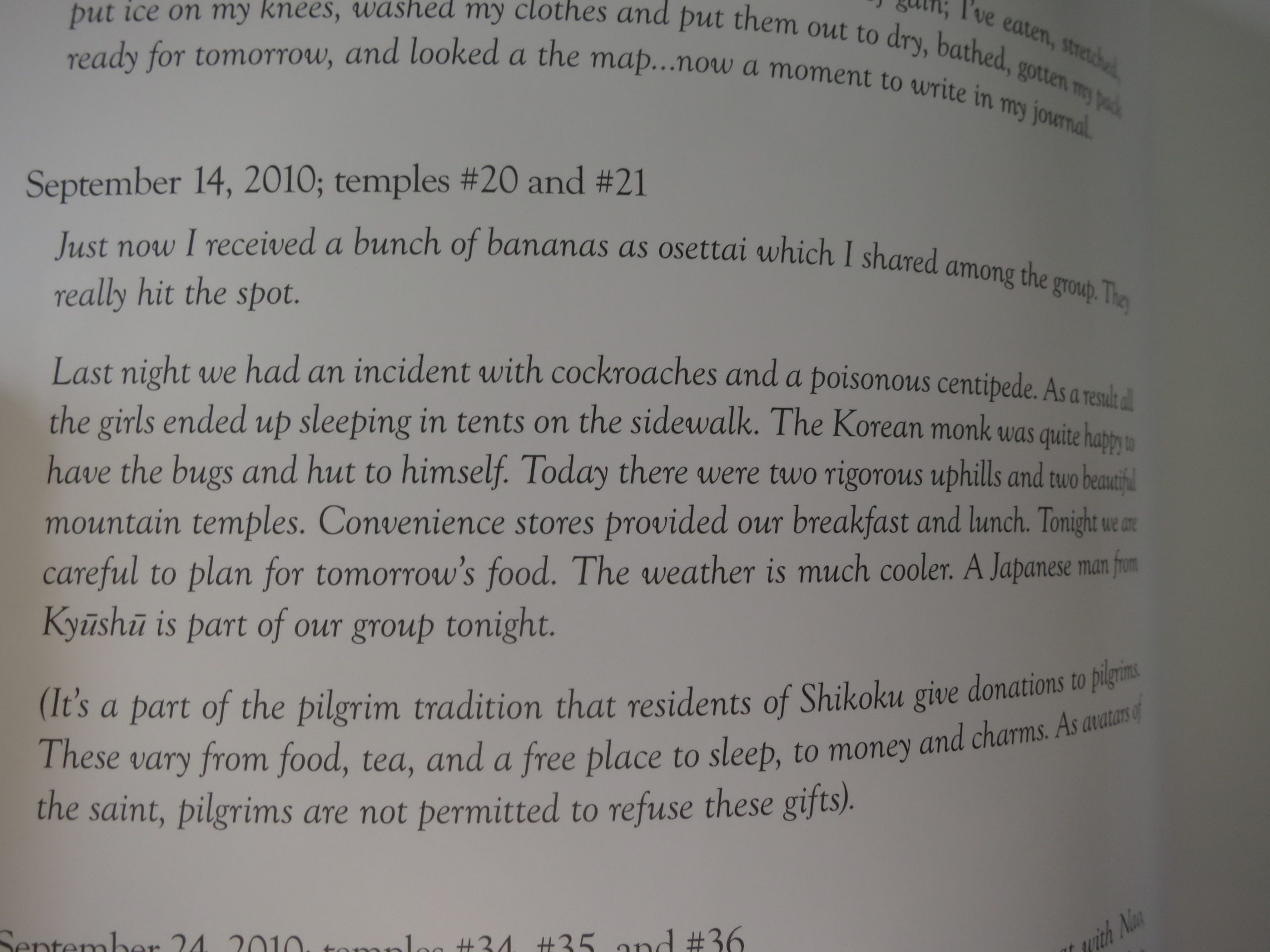
Apparently, in September of 2010, Ms. Huddleston set off on an 800 mile walk around the Japanese island of Shikoku, so she could follow the Buddhist pilgrim’s trail to the aforementioned 88 temples. Her diary entries, which are included within, seem to indicate that she made the trek over 7 weeks time. Which means her feet must have been really f-cking tired, when all was said and done. (Her blisters must have had blisters.)

The intro text also mentions that she completed the 500 mile Camino de Santiago pilgrimage in Spain the year prior, which means 1300 miles all told, in search of understanding in two religions. East and West.

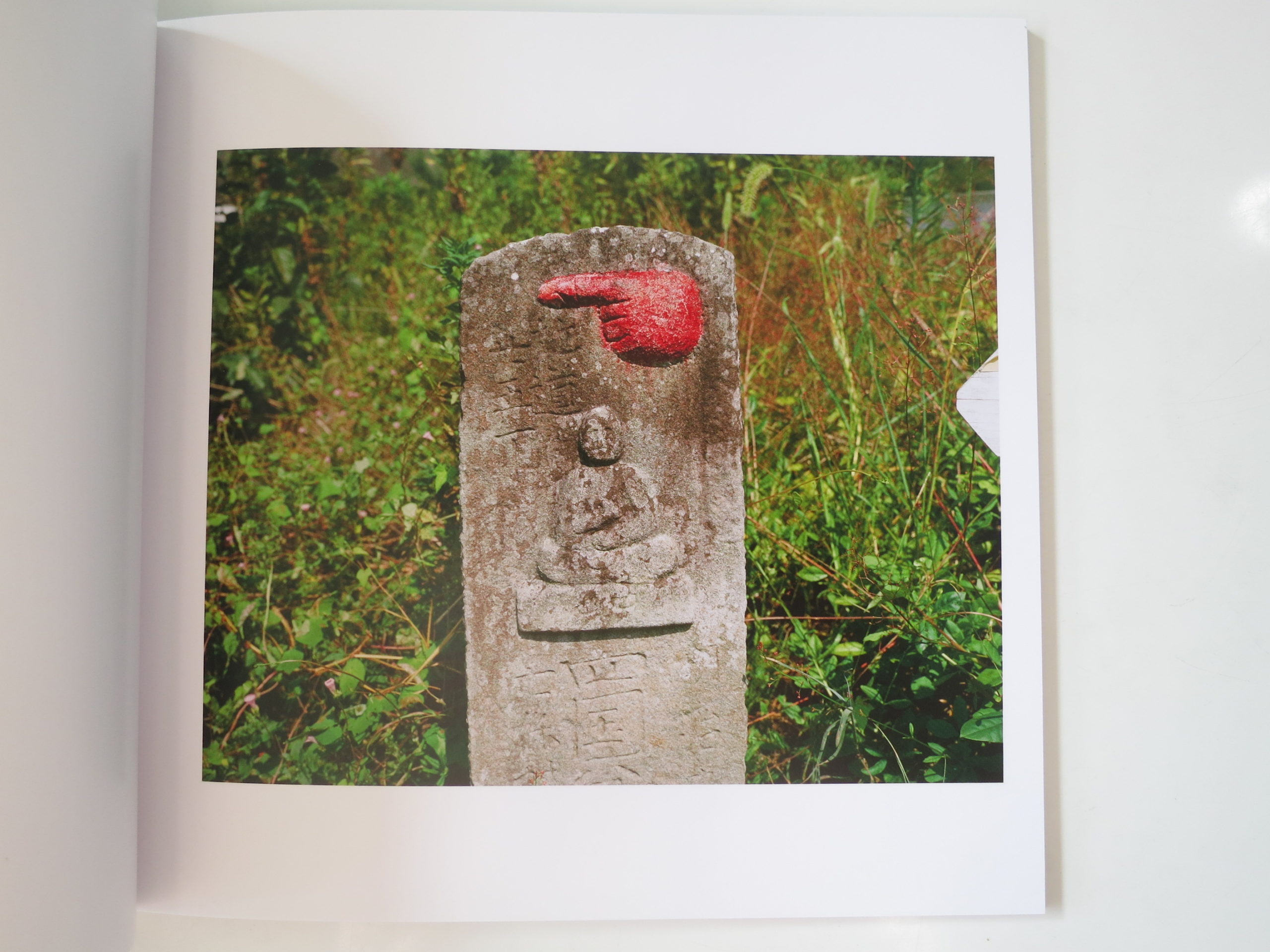
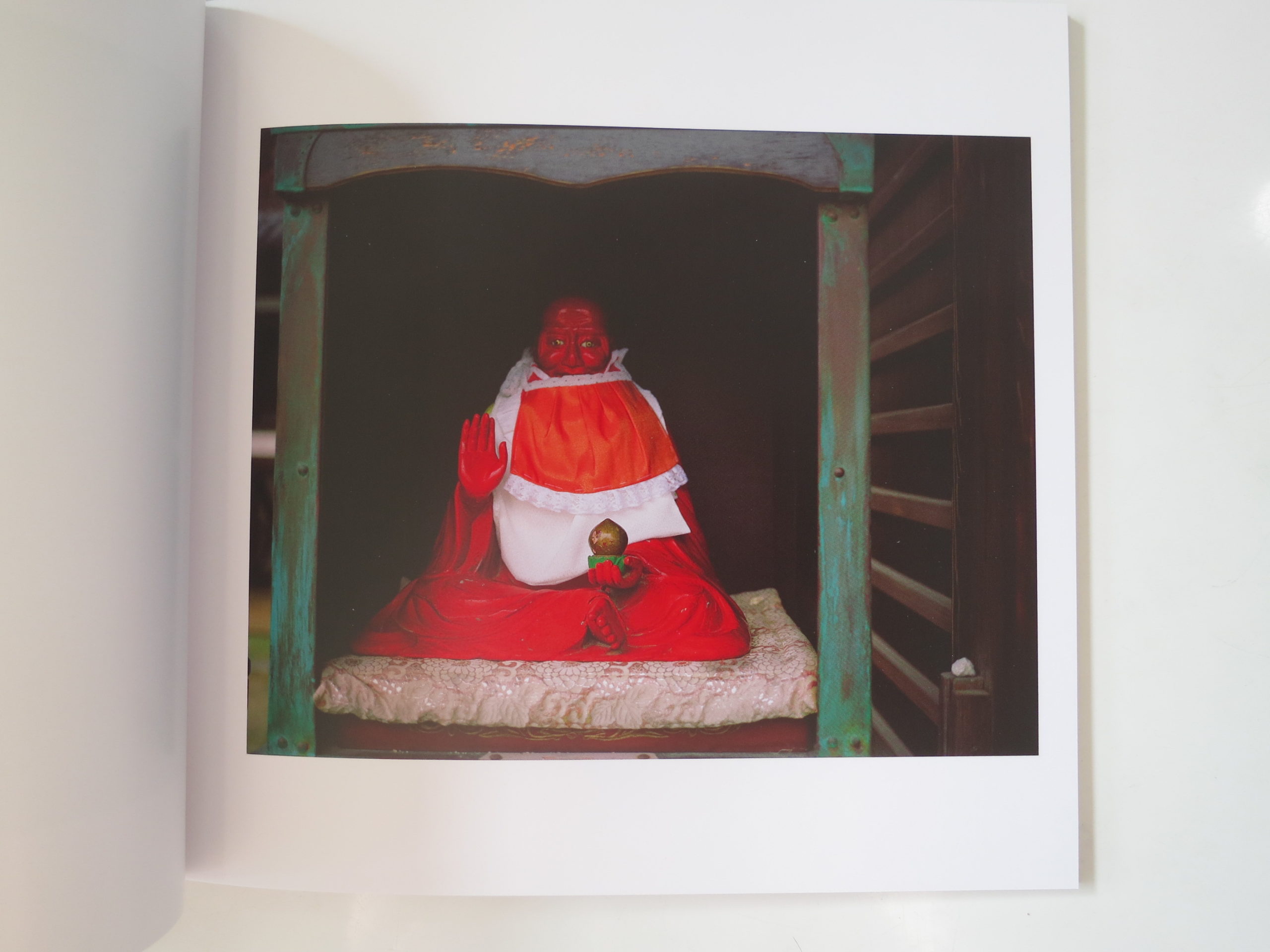
Now, the reason why I’d normally not review this book is that the pictures are not amazing. They’re very good, for sure, but I normally prefer a shade more pizazz. More oomph. More edge.

But they are personal, and in conjunction with the diary entries, which tell tales of poisonous centipedes, Korean monks, and free mochi, I get a real sense of who Ms. Huddleston is, and what she’s searching for in this life.

The book is intimate, and thoughtful, and it feels like something she’s sharing with the world, even though it was really meant for her. A way to flesh out her thoughts, to codify her memories, and to honor her journey.

That’s my takeaway, at least, and I felt that it was worth sharing with you, today (Friday? Tuesday?) so that we could acknowledge the power of other peoples’ beliefs, and wish them well as they pray, walk, and ponder.

Bottom Line: A personal, pilgrim’s journey around a Japanese island

Go Here To Purchase “East or West: A Walking Journey Along Shikoku’s 88 Temple Pilgrimage”

IMG_0462

IMG_0463

IMG_0464

IMG_0465

IMG_0466

IMG_0467

IMG_0468

IMG_0469

IMG_0470

IMG_0471

IMG_0472

IMG_0473

IMG_0474

IMG_0475

IMG_0476

IMG_0477

The Art of the Personal Project: Paolo Marchesi

As a former Art Producer, I have always been drawn to personal projects because they are the sole vision of the photographer and not an extension of an art director, photo editor, or graphic designer. This new column, “The Art of the Personal Project” will feature the personal projects of photographers using the Yodelist marketing database. You can read their blog at http://yodelist.wordpress.com. Projects are discovered online and submissions are not accepted.

Today’s featured photographer is: Paolo Marchesi

_MG_7372

_MG_7584

_MG_7617

_MG_7638

_MG_7833

_MG_7884-Edit-Edit

_MG_7942

_MG_7948

_MG_8070-Edit

_MG_8094

_MG_8102

_MG_8253

_MG_8349

_MG_8388

_MG_8597

_MG_8704

_MG_8736

How long have you been shooting?
20 years

Are you self-taught or photography school taught?

I went to Brooks Institute of Photography

With this particular project, what was your inspiration to shoot it?
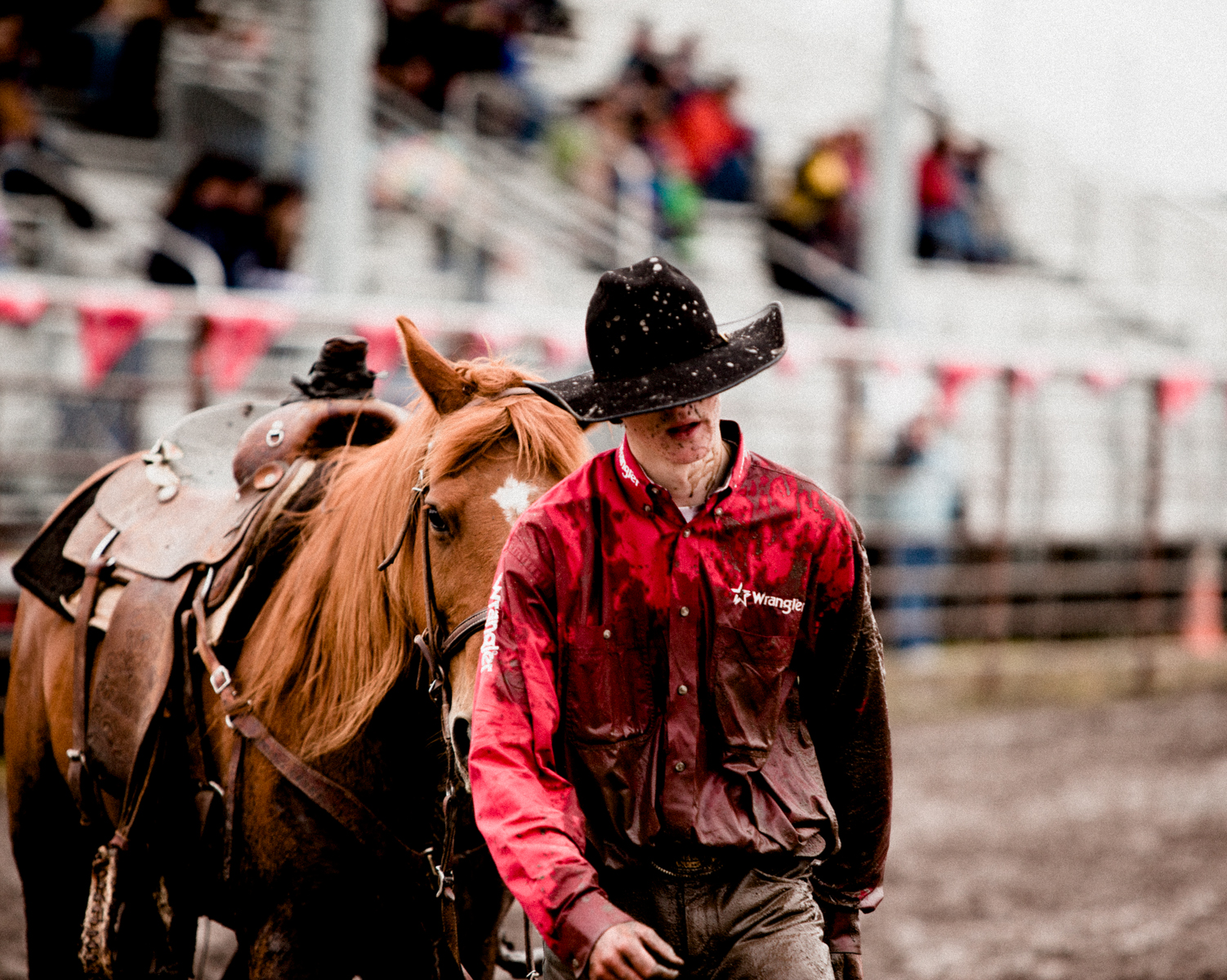
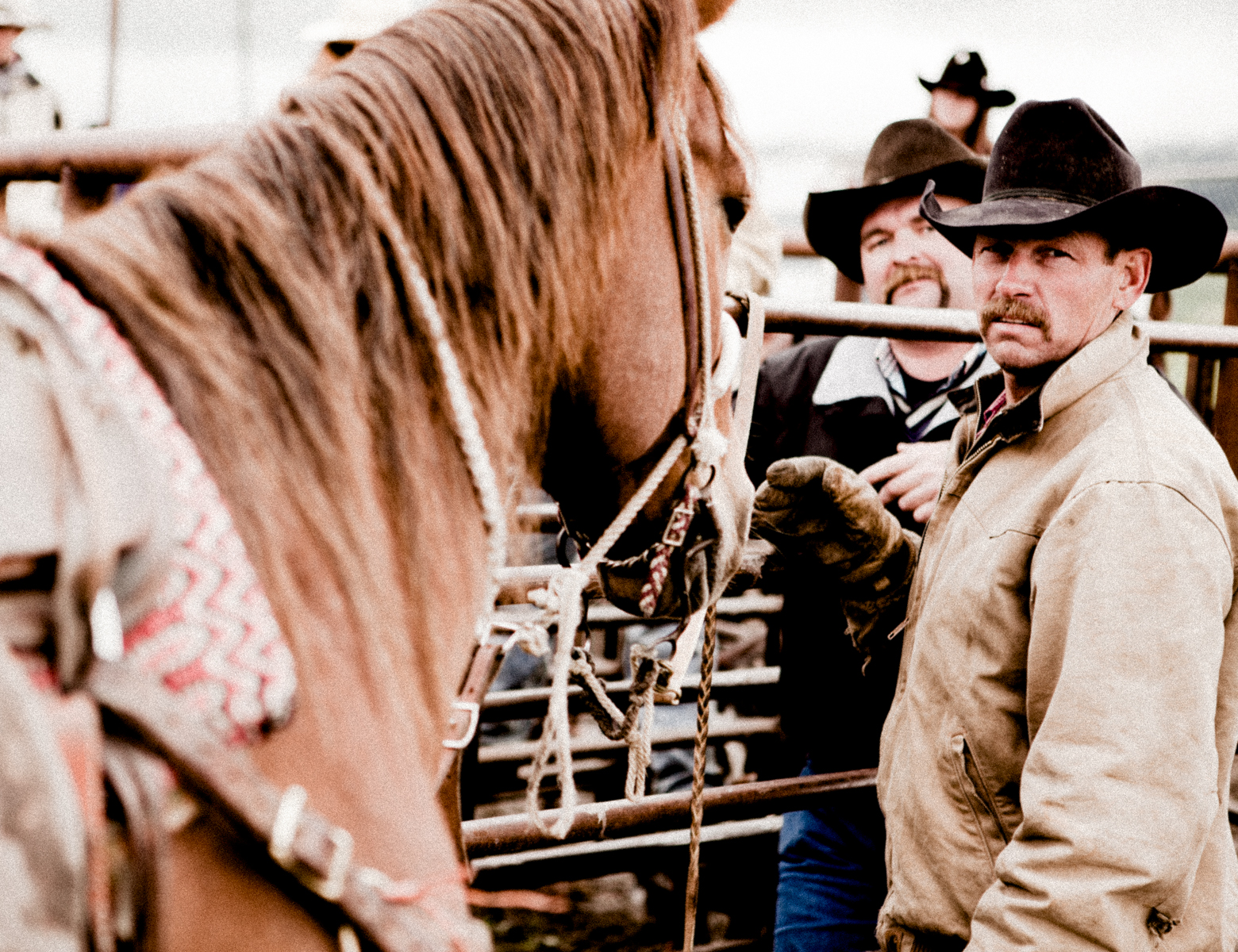
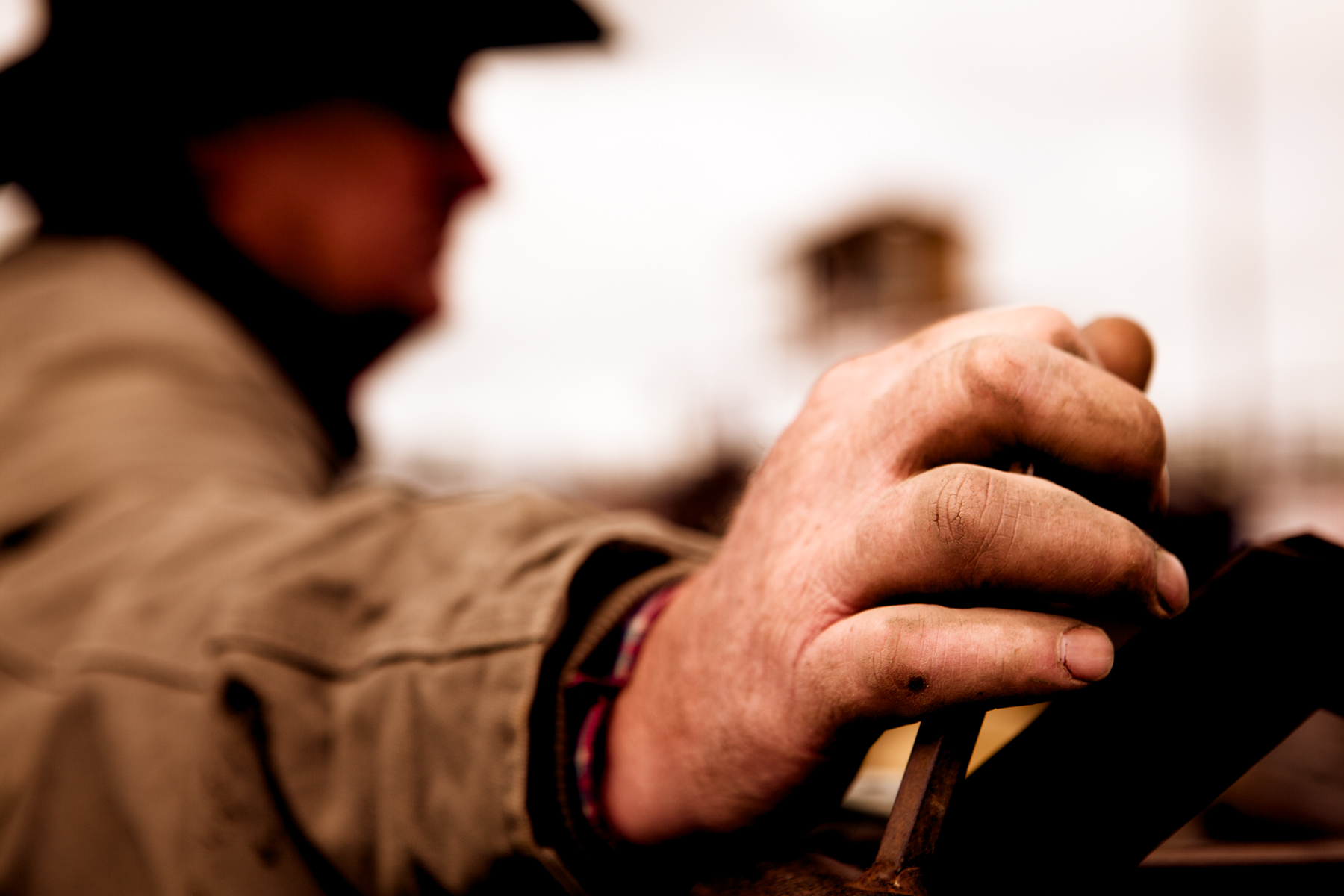
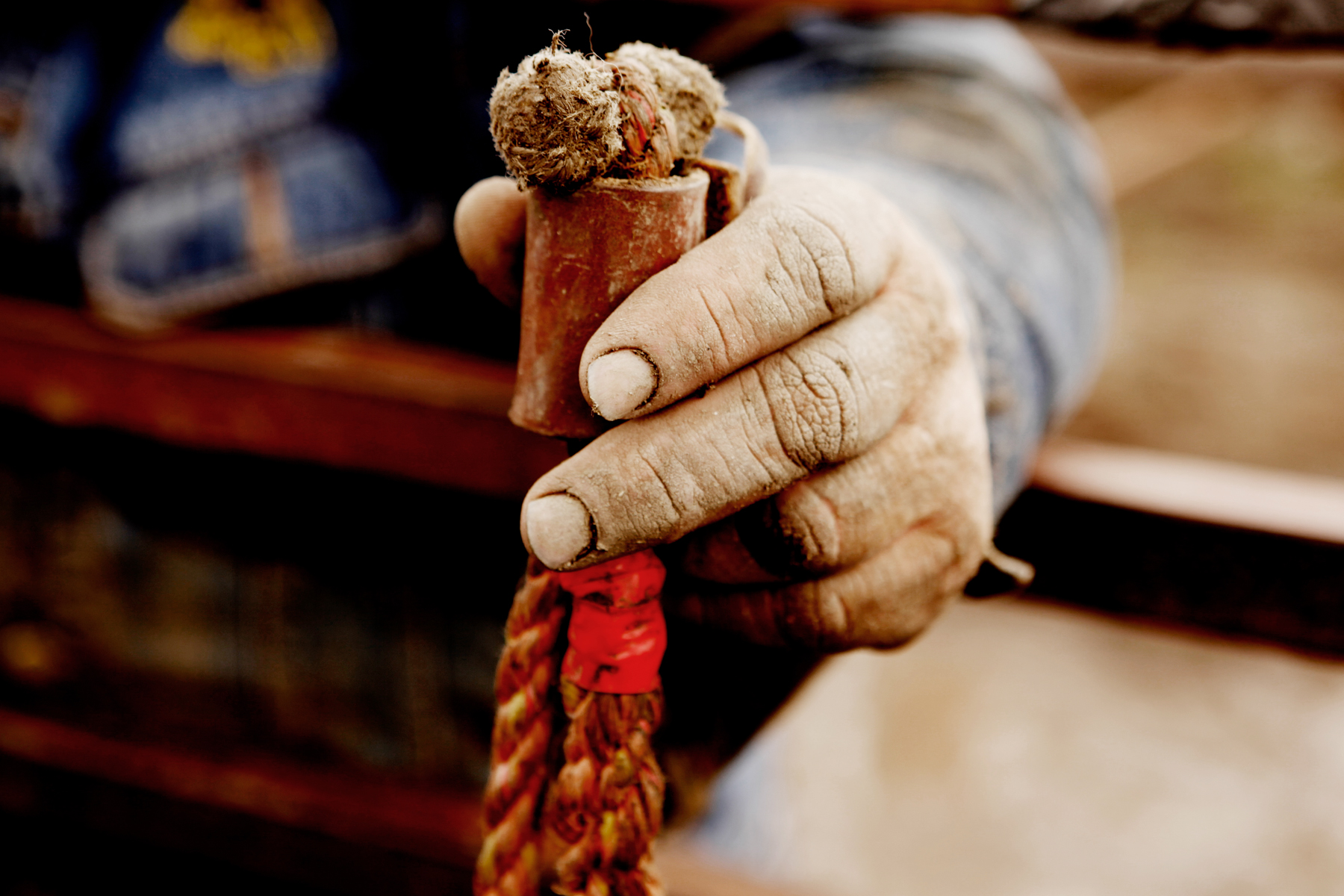
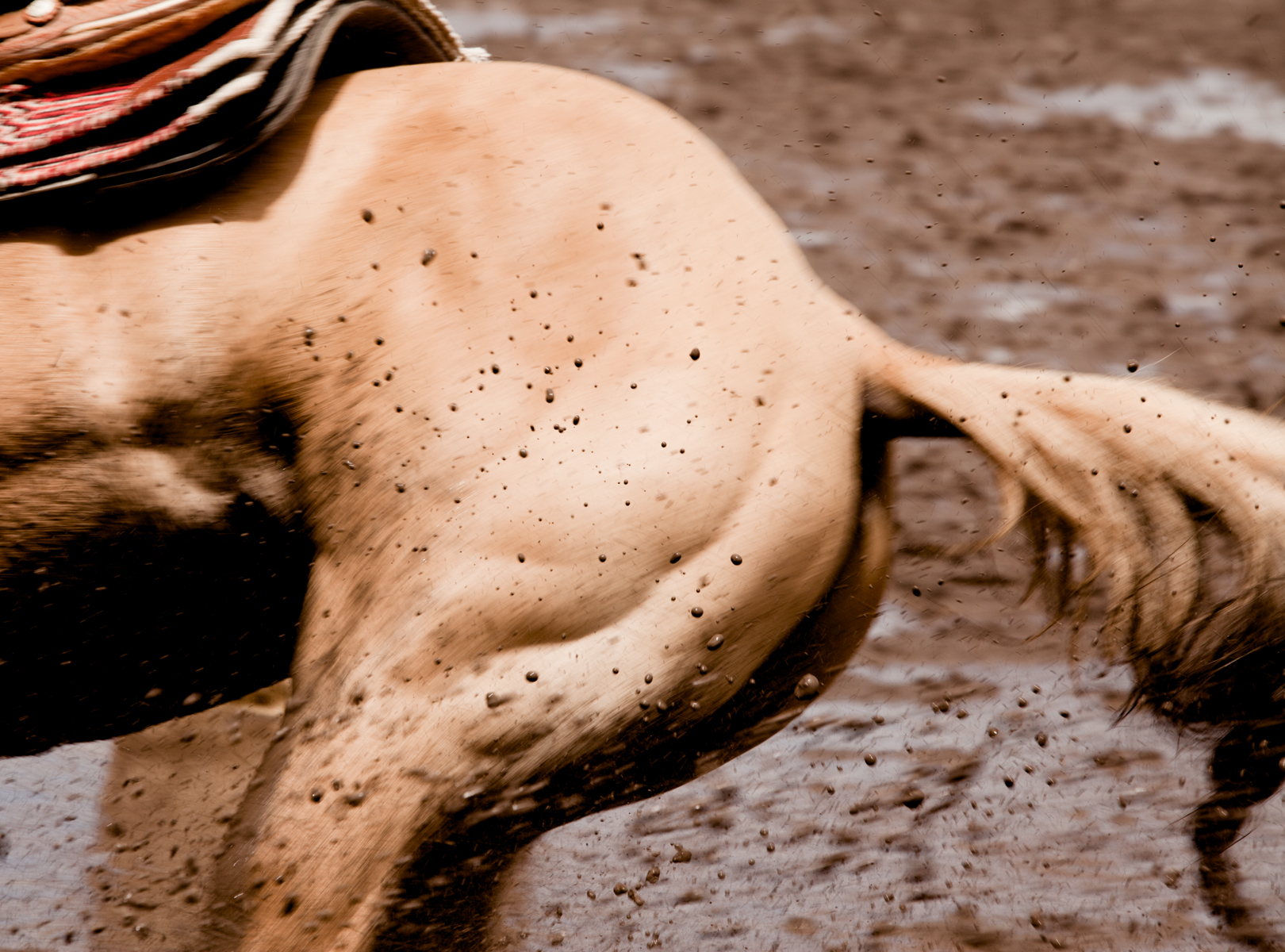
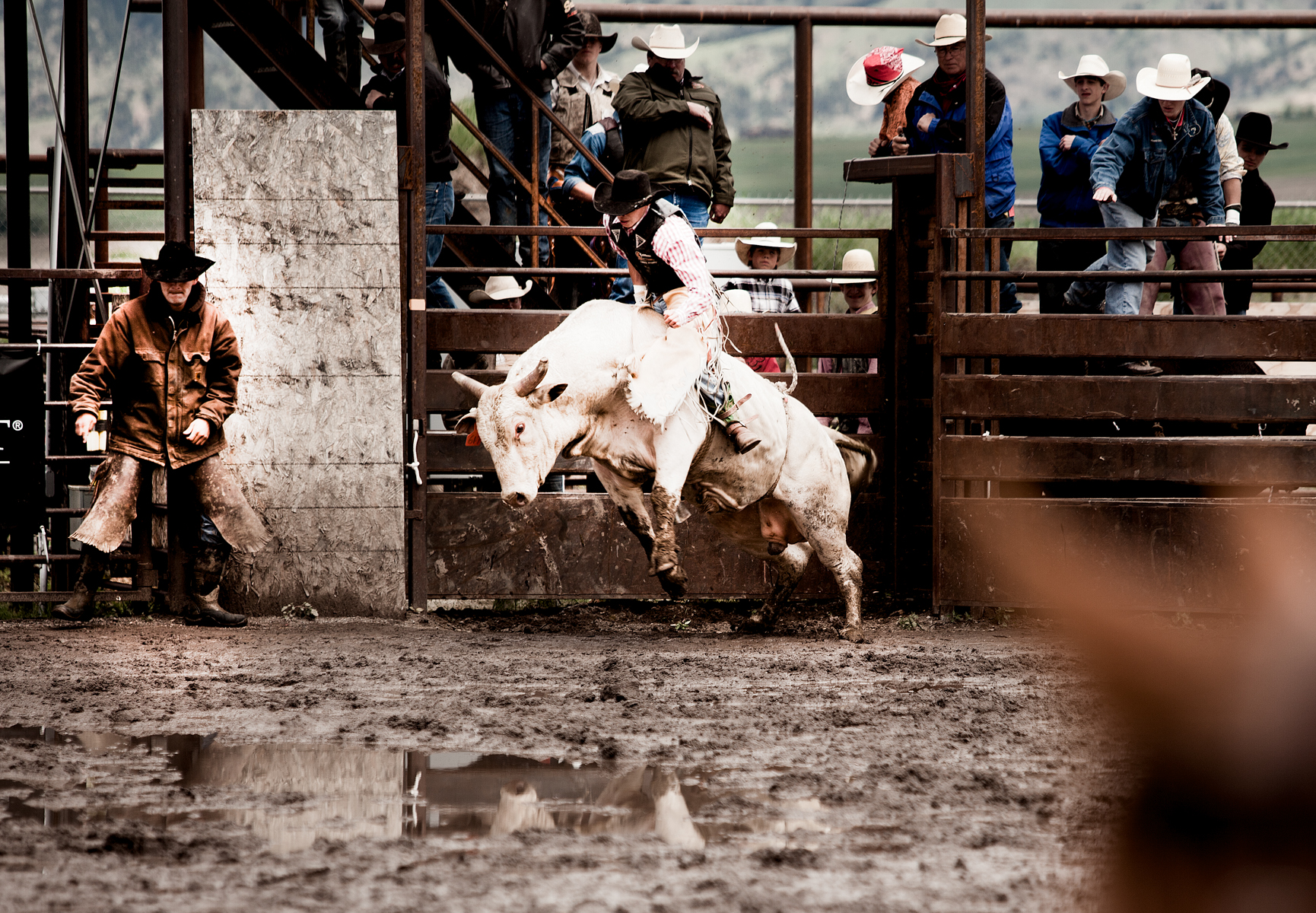
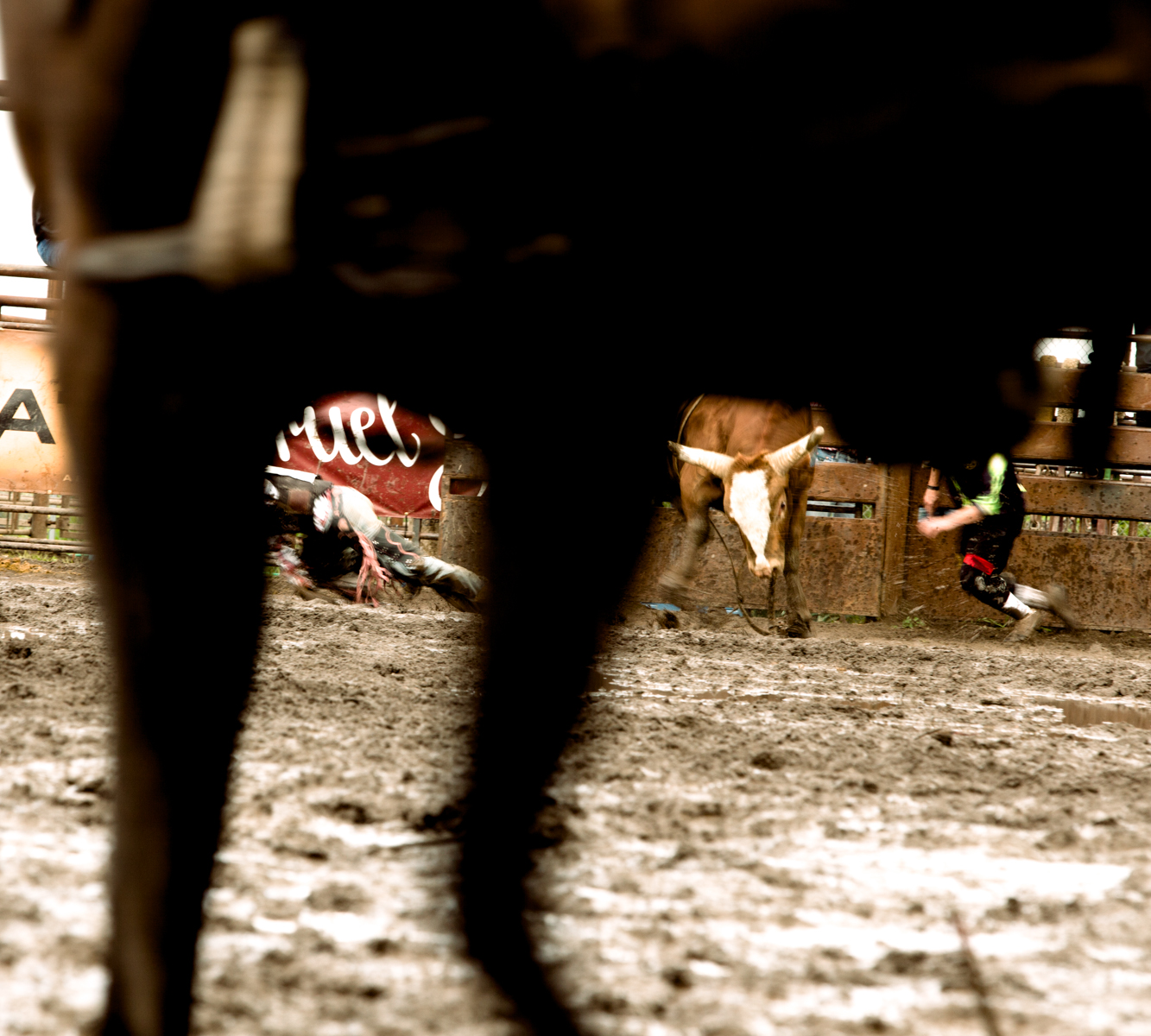
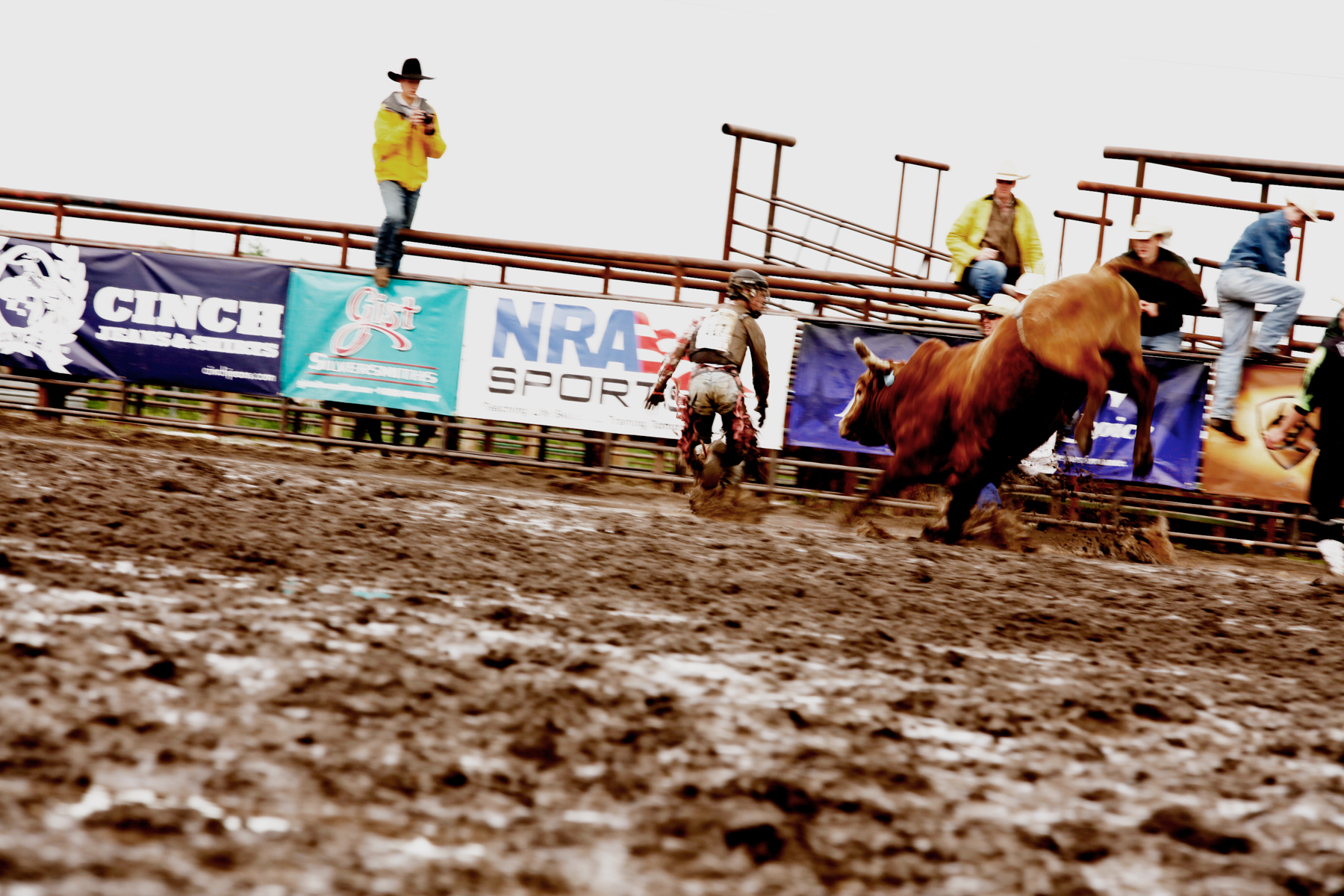
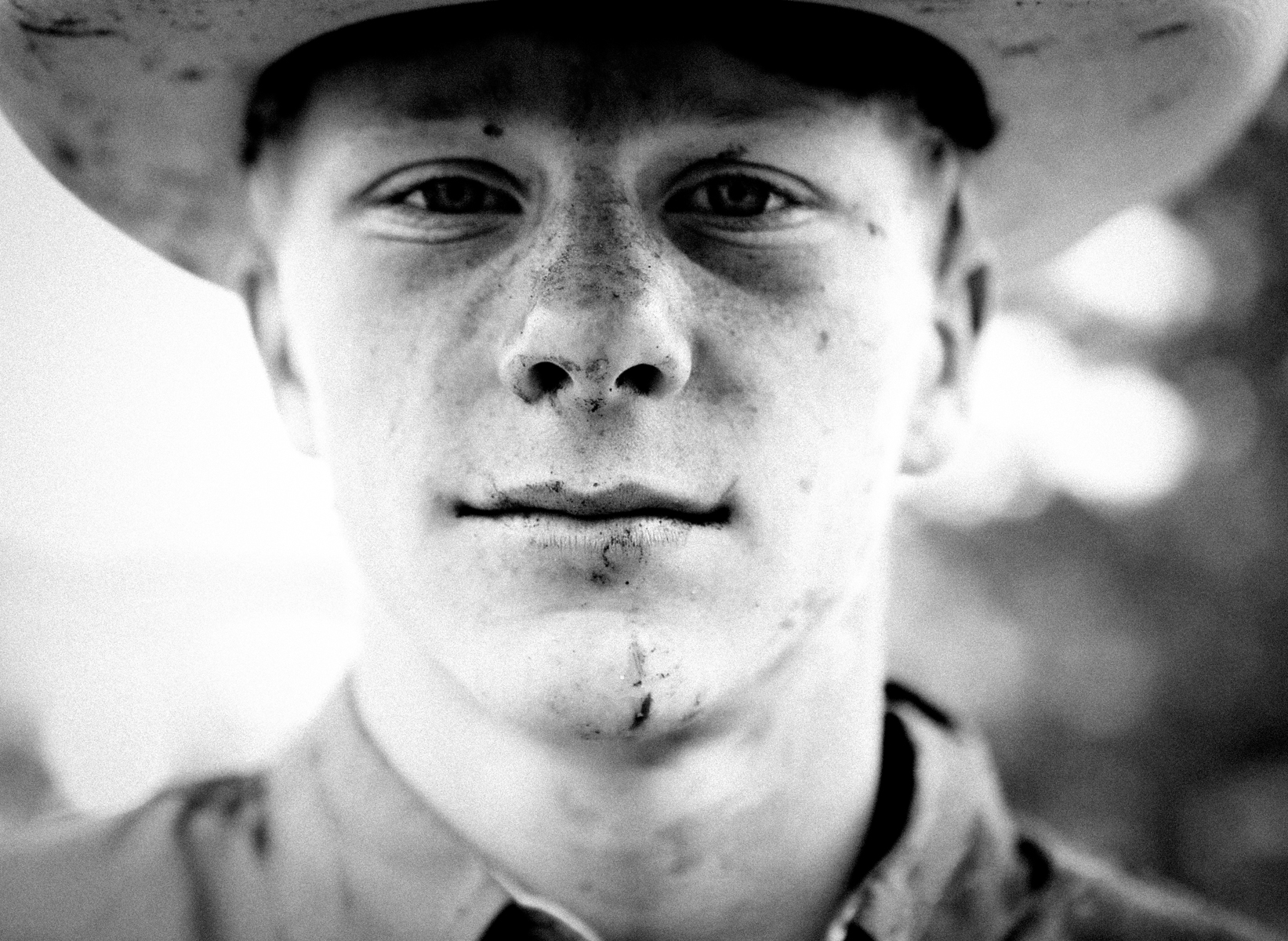
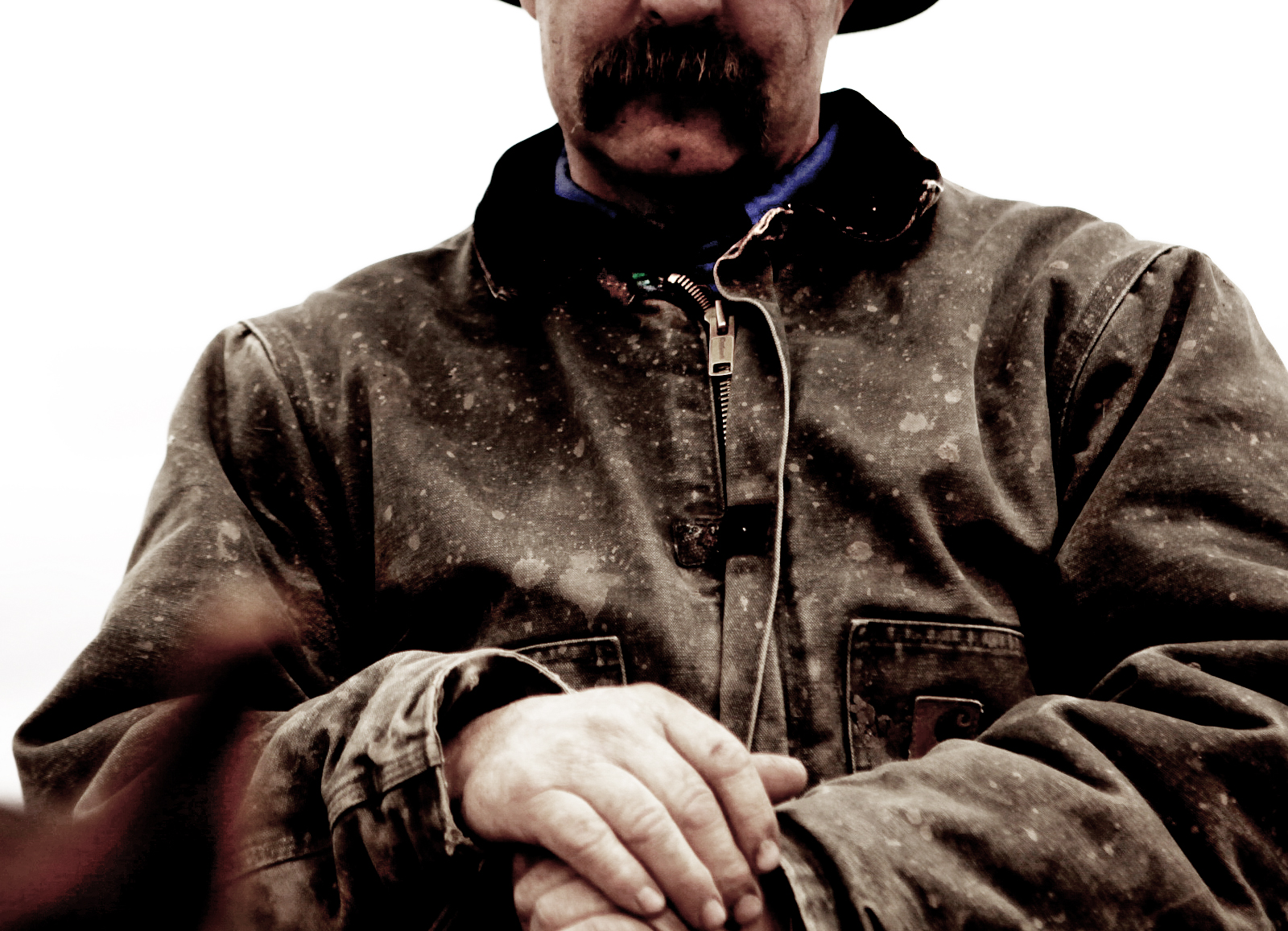
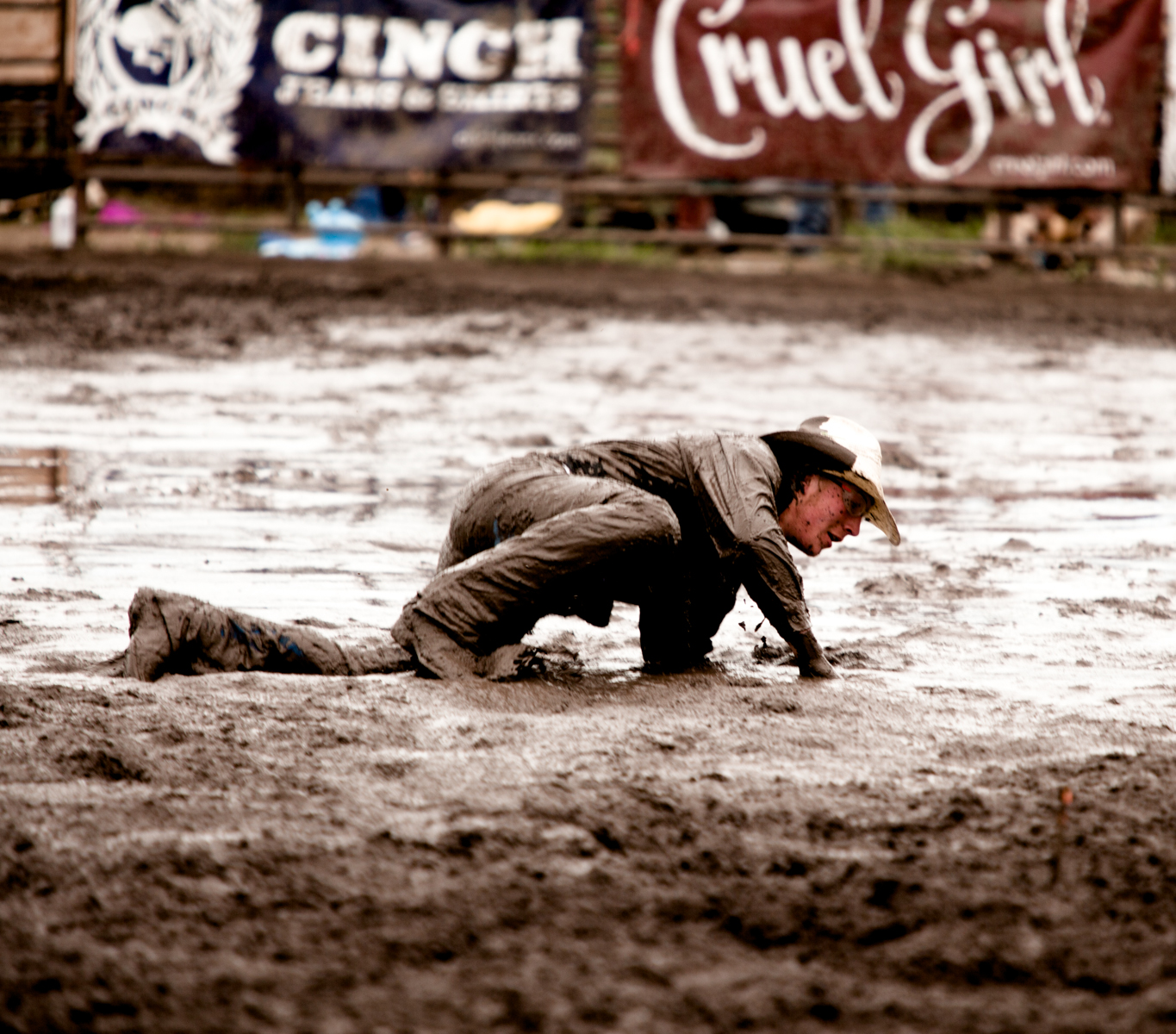
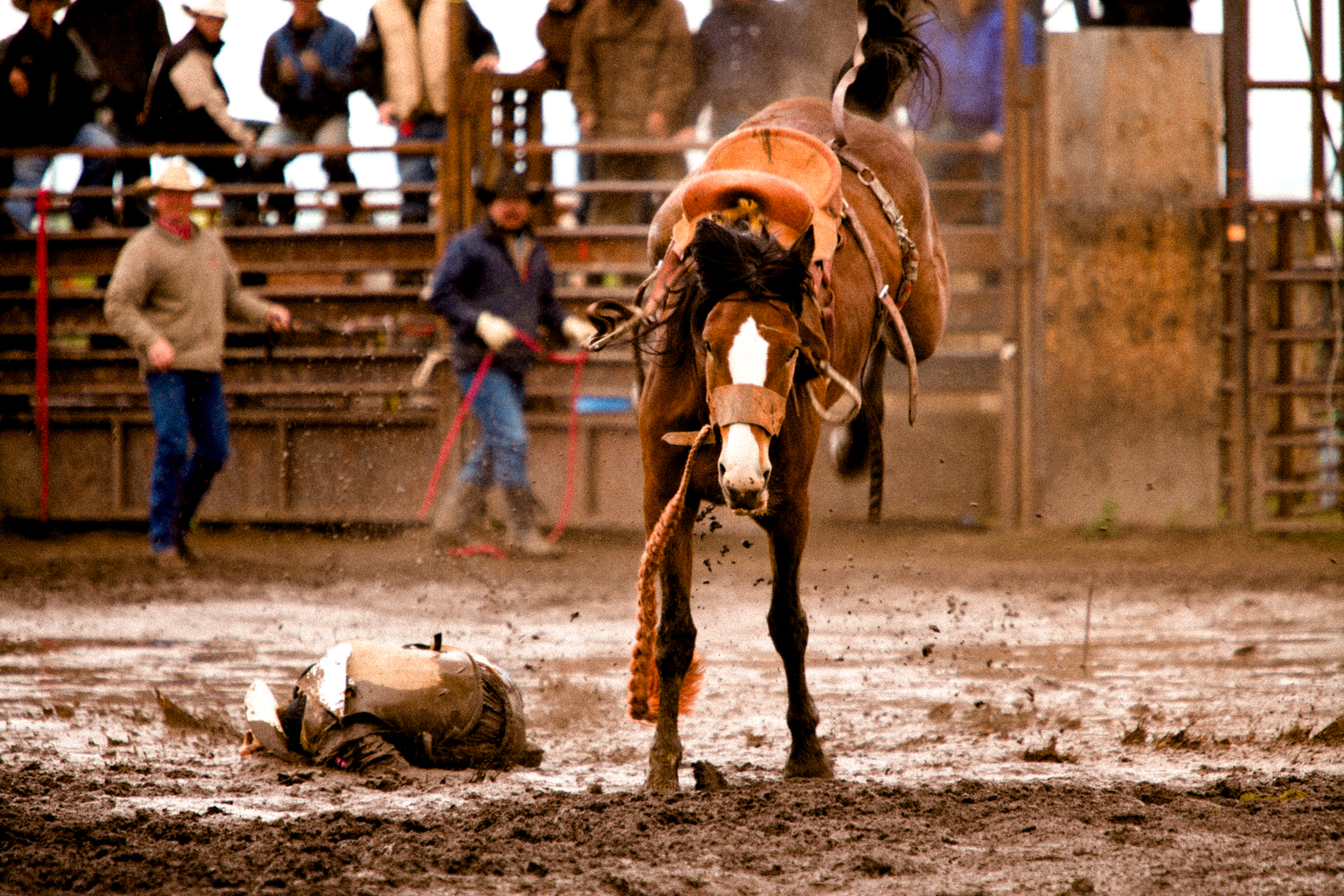
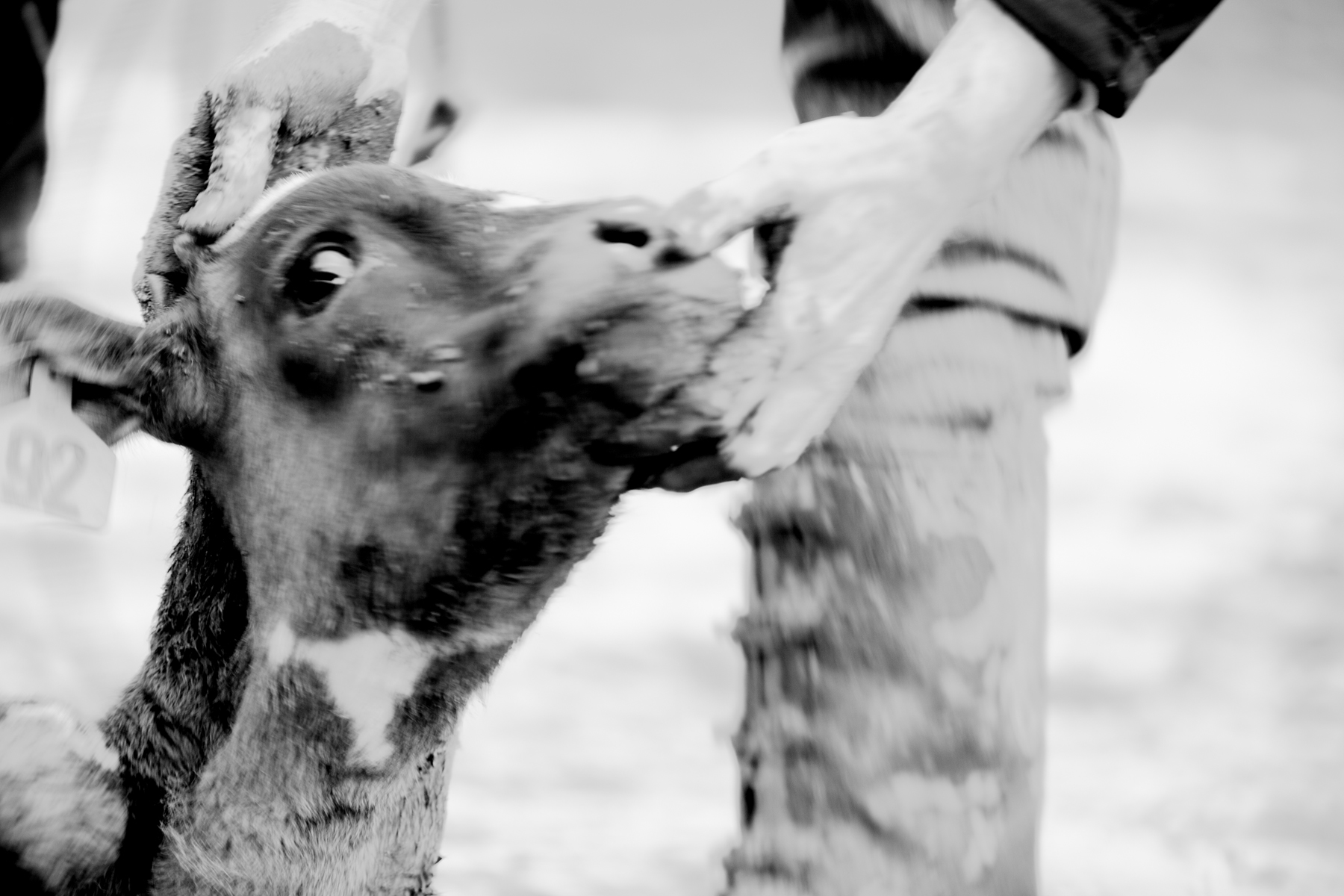
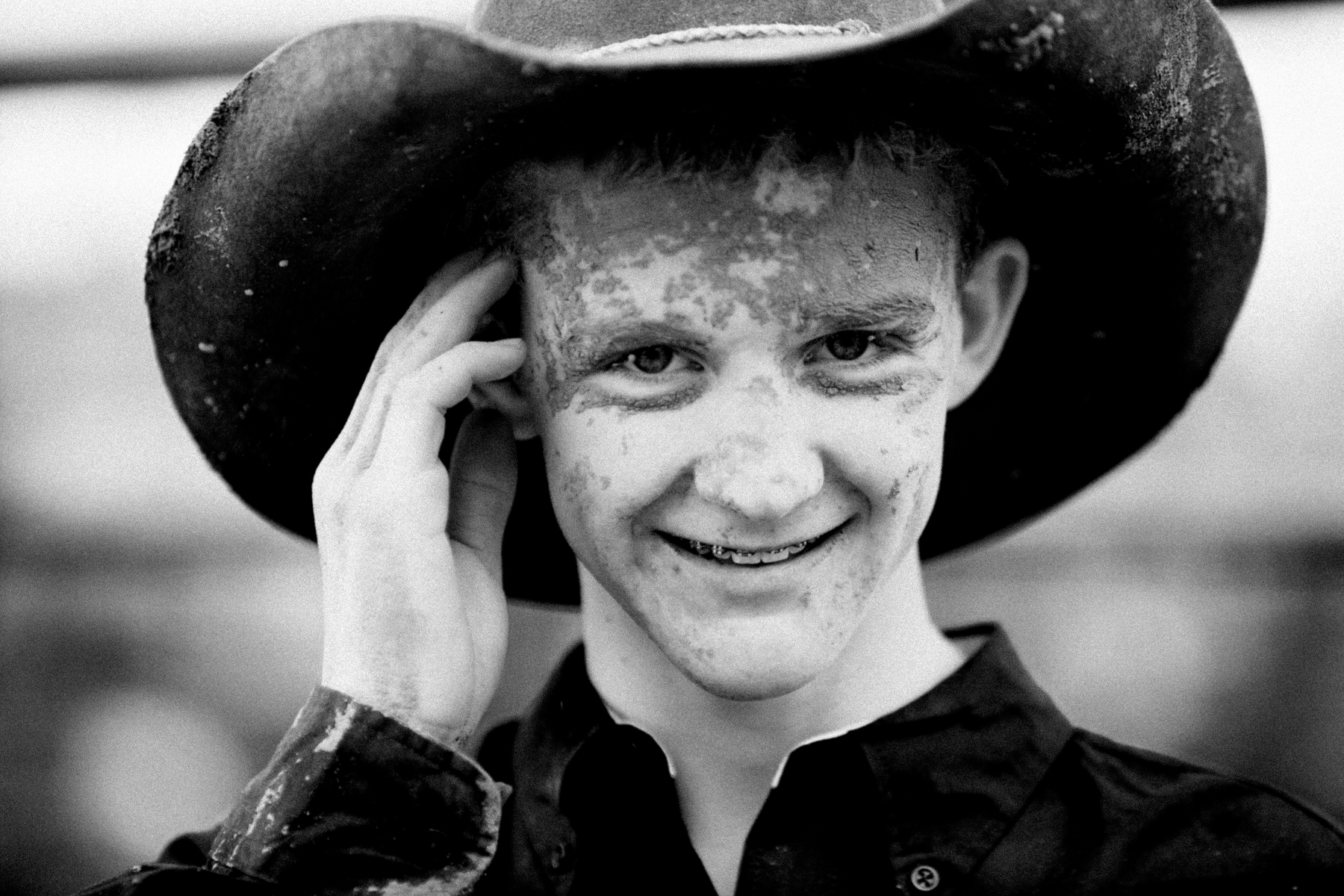
Living in Montana I had seen many rodeos, some smaller and others bigger and more commercialized. I find the bigger, more commercialized, rodeos to eventually get repetitive and not so interesting. Shooting the high school rodeo took all the commercial aspect out and it made it for a true experience. I was blown away by how good and tough these kids were. They are the real deal cowboys.

How many years have you been shooting this project before you decided to present it?
I had shot many rodeos over the years of living in Montana but none touched me as much as this one. You could truly feel the tension and energy. These kids and their parents put their soul into it and it showed.

How long do you spend on a personal project before deciding if it is working?
I tend to get distracted too easily by my many interests. I find it difficult to shoot the same thing over and over. I usually move from personal project to personal project. I like to experience it all and if you look at my body of work it shows. At times it can be detrimental as people like to see photographers who specialize.

Since shooting for your portfolio is different from personal work, how do you feel when the work is different?
I never shoot for my portfolio, my personal work is my portfolio. Since the beginning of my career as a photographer I only photographed things that I was passionate about or involved in. I never specifically photographed subjects that might sell or get me a job. If I am not interested in them I don’t shoot them. I became a photographer by documenting my lifestyle and activities I participate in.

Have you ever posted your personal work on social media venues such as Reddit, Tumblr, Instagram or Facebook?
I post on facebook and instagram. I started writing short stories in chapters on Instagram and has been fun. I love story telling using images and words. I just finished three stories about my dogs that had quite some success. You can check them out on Instagram @marchesiphoto

If so, has the work ever gone viral and possibly with great press?
Yes, I had a picture of a trout jumping and a river surfing story I wrote and photographed that went viral. For sure great press but I can’t associate much monetary gain from it.

Have you printed your personal projects for your marketing to reach potential clients?
Yes, I have printed them as promos.

————-

It all started with that trout at age 4. It was a beautiful morning on the Sesia River in the Italian Alps. Who would have known that a fish could change someone’s life forever. Many years and more fish went by before I graduated in Design from The Istituto Europeo Di Design, in Milan. I worked as a Junior Art Director in Paris and as a designer in Italy until I picked up a camera. It didn’t take long to realize that T squares and rulers weren’t for me. I grabbed the camera and flew across the Atlantic to move to Santa Barbara California where I graduated from Brooks Institute of Photography with a Degree in Commercial Photography. Upon graduation I packed my bags and moved to San Francisco. San Francisco is a cool city, and no one can deny it but every time I drove to Hat Creek or the Owens River to fly fish or the Sierras to climb something happened inside me. The peace and beauty of rivers and mountains inspired me and raised many questions. I had been working in the city for 5 years, doing mostly digital and studio photography until one day stuck in traffic on the Bay Bridge on my way to Yosemite I asked myself why? I watched the driver next to me honk in anger at the stranger in front of him and asked myself why again? I asked myself why many times until in spring 1999 I packed everything and moved to Montana. I wanted to be closer to my cold blooded friends and nature, away from stress and a crowded existence. A few years later, while visiting my brother in Indonesia, I discovered surfing and rekindled my passion for the Ocean. I realized I needed surf and Ocean in my life to have a complete picture. I decided to buy a house in Todos Santos, Mexico and have been splitting my life between the two places. Working worldwide from Mexico and Montana focusing my photography on the outdoor activities I love to do and being outside in nature in search for a new adventure. Couldn’t do it any differently…


APE contributor Suzanne Sease currently works as a consultant for photographers and illustrators around the world. She has been involved in the photography and illustration industry since the mid 80s, after establishing the art buying department at The Martin Agency then working for Kaplan-Thaler, Capital One, Best Buy and numerous smaller agencies and companies. She has a new Twitter feed with helpful marketing information believing that marketing should be driven by a brand and not specialty. Follow her on twitter at SuzanneSease.

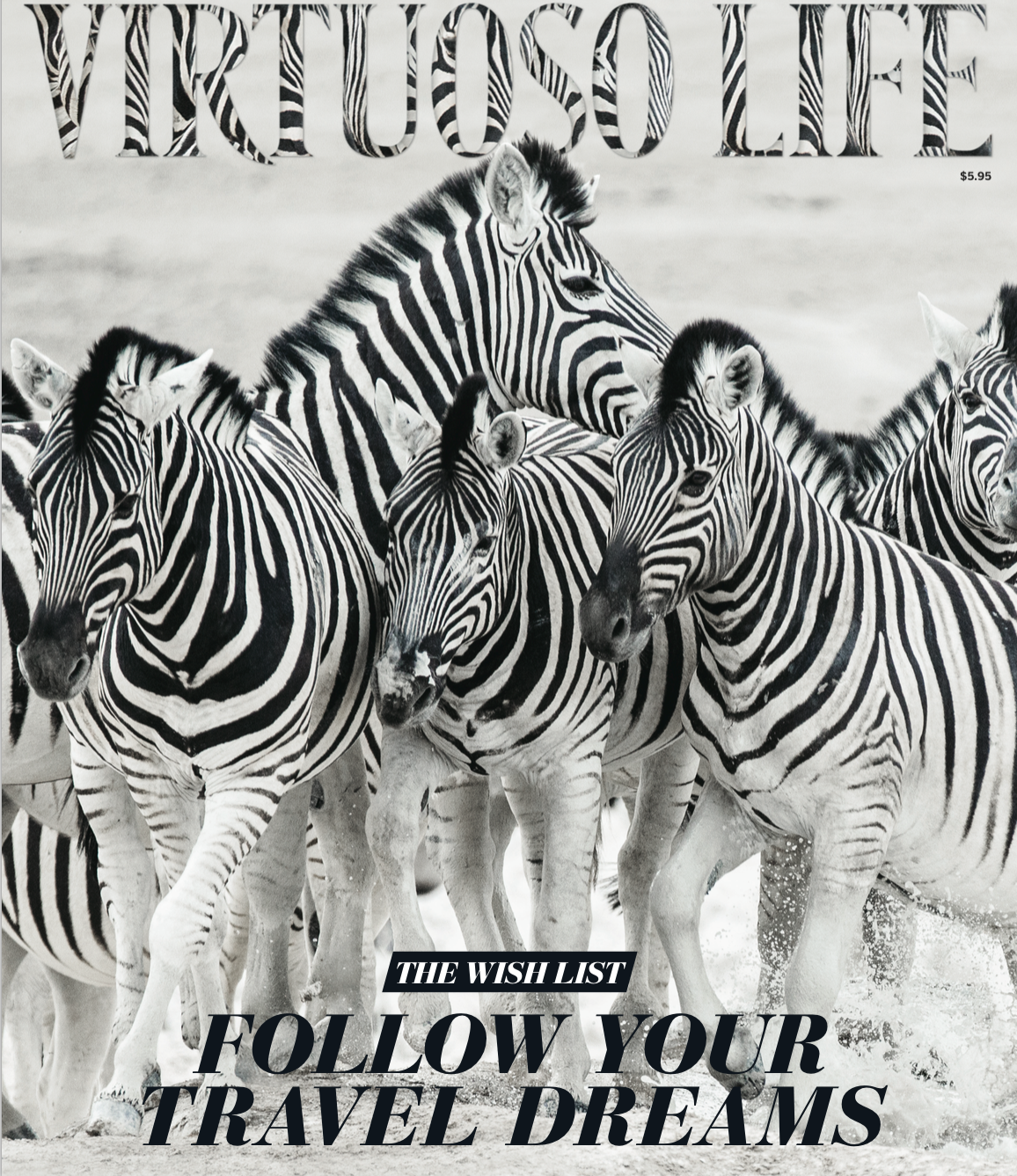
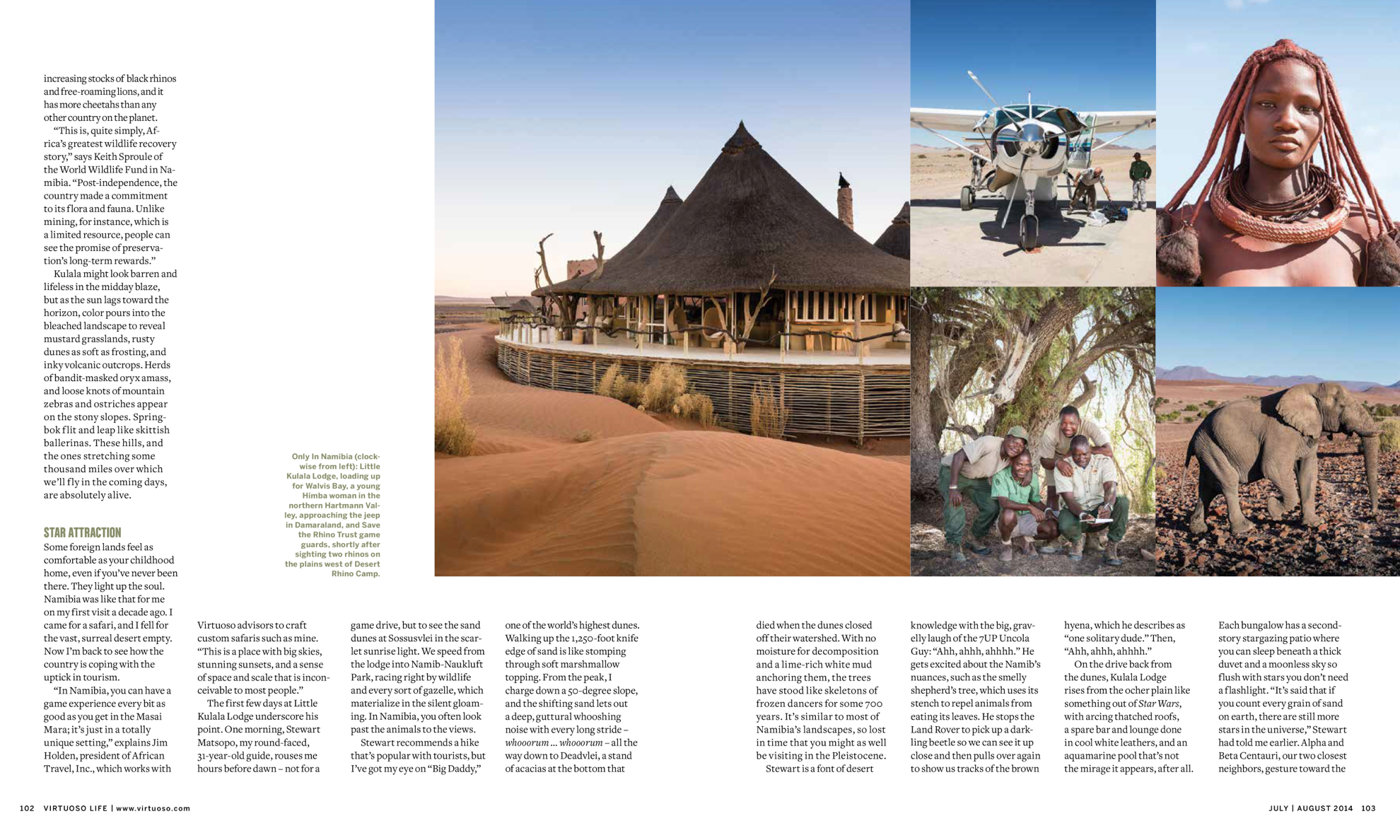
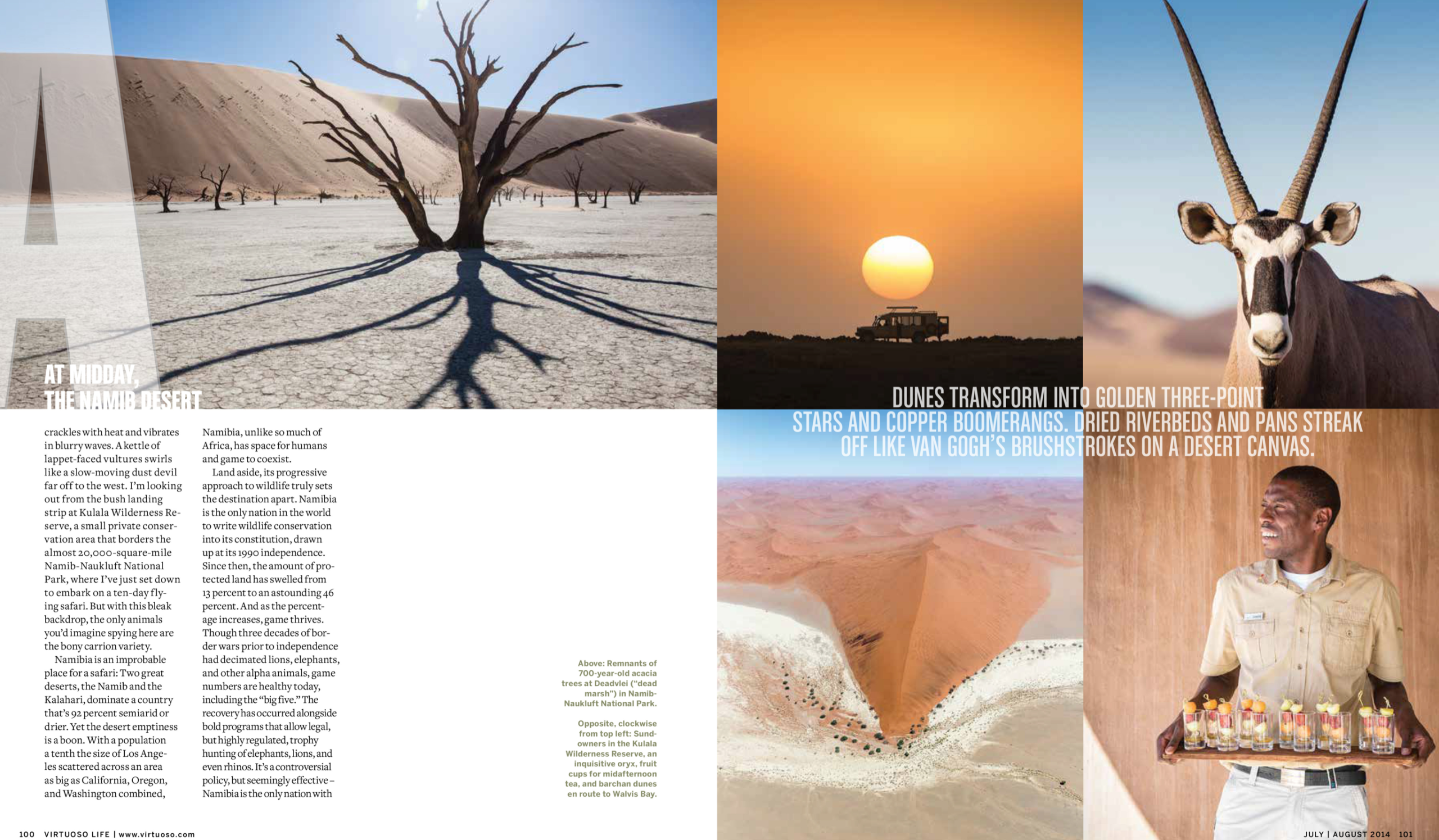
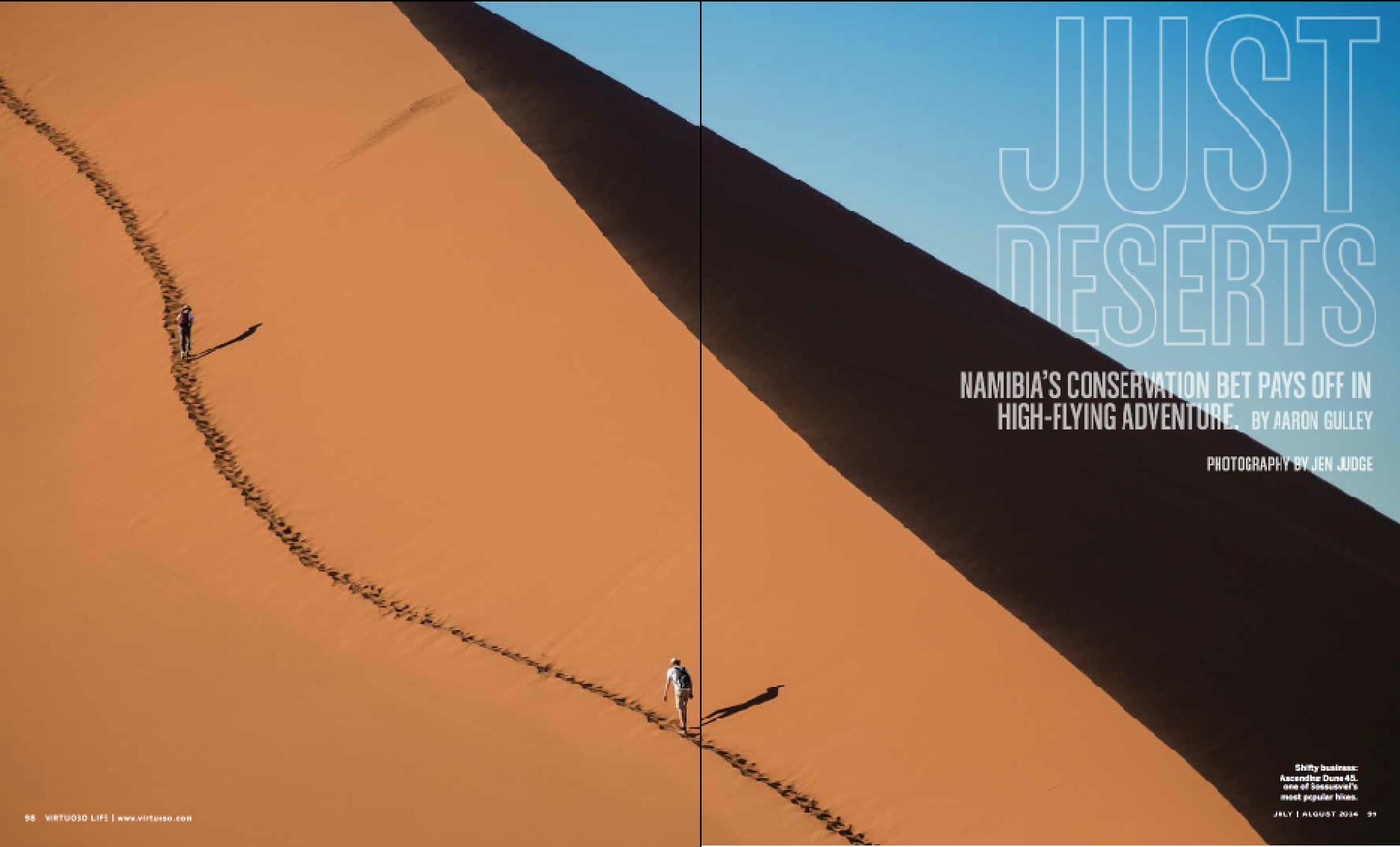
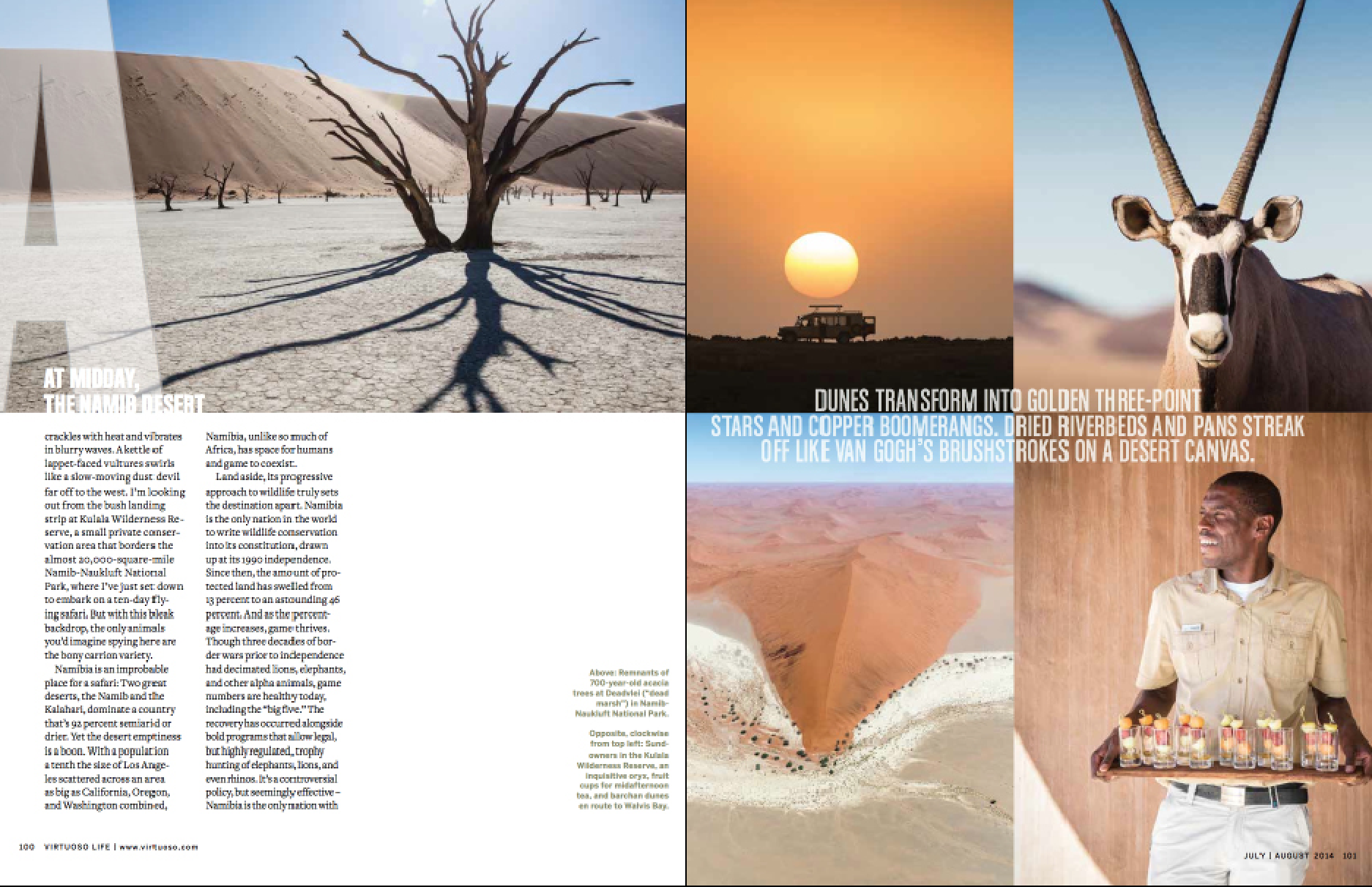
The Daily Edit – Jen Judge: Virtuoso Life

Screen Shot 2015-03-11 at 2.55.46 PM


Screen Shot 2015-03-26 at 9.13.11 AM

Screen Shot 2015-03-26 at 9.13.43 AM

Screen Shot 2015-03-26 at 9.13.36 AM

Screen Shot 2015-03-26 at 9.13.22 AM

Virtuoso Life

Art Director: Melanie Prasetyo Fowler
Photo Researcher: Mary Risher
Photographer: Jen Judge

Heidi: How often do you and your husband get hired as a team, are you promoting yourselves that way?
Jen: It’s something of a work in progress. Aaron and I have been working together on and off for about ten years. In the beginning, we found that most editors wanted the freedom and flexibility to hire writers and photographers independently. But as we’ve built relationships with editors over the years, they’ve learned that we produce really good work together (and we’re not just trying to score freebie trips). So we’ve been working together more and more, probably about 30% of the time. With the changing media world, we’re also taking steps to begin formally promoting ourselves as a team.

How did this assignment come about?
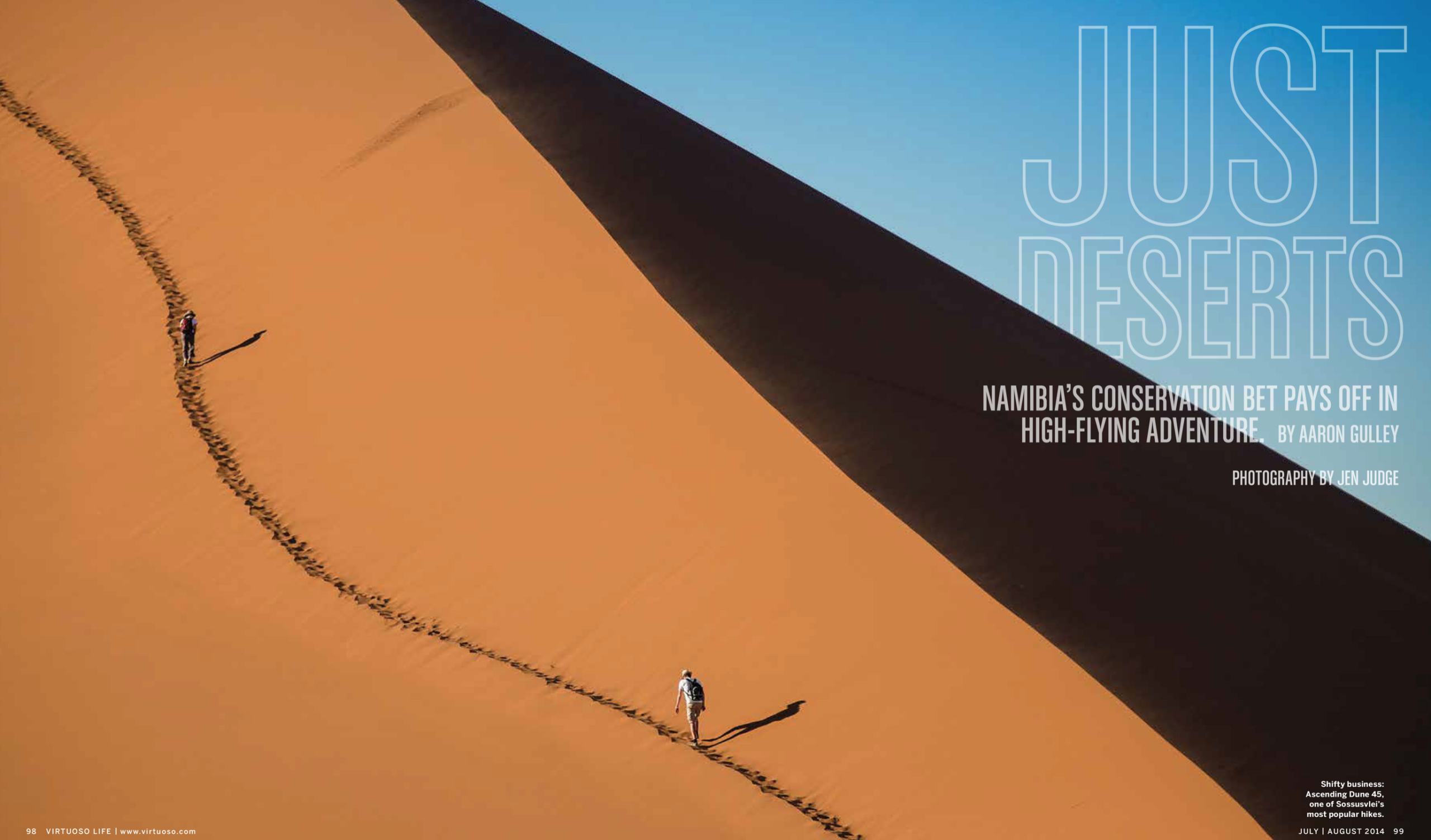
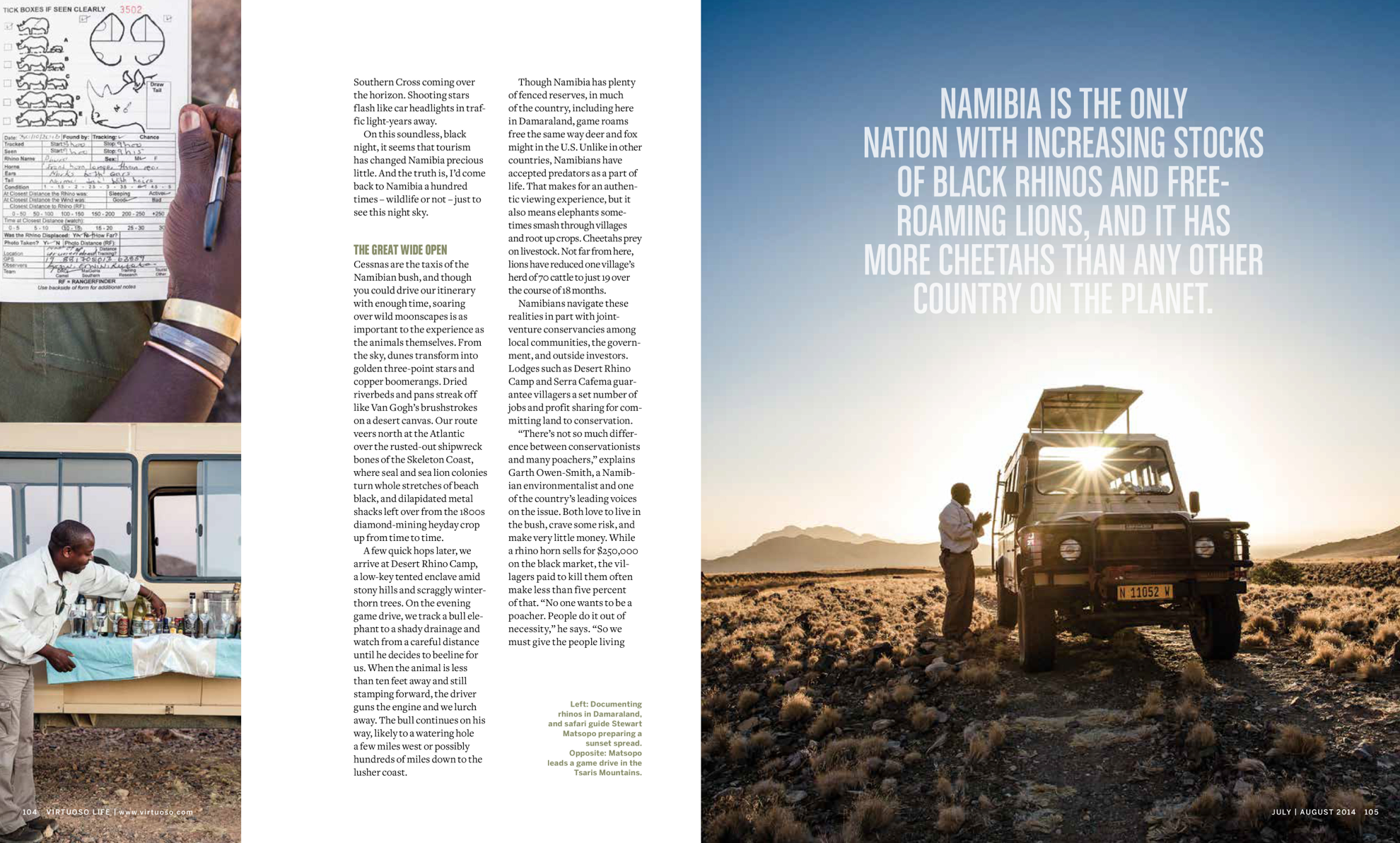
This is a story that Aaron has been wanting to write since our first trip to Namibia in 2005, and the country’s investment and dedication to wildlife conservation in the last few years had him looking for timely opportunities. Sometimes it’s just a matter of patience and persistence to get a story placed. So when the Adventure Travel Trade Association (ATTA) announced its annual conference in Namibia, we took it as the perfect opportunity, and he pitched the story to Virtuoso Life, a publication we regularly work for as a team and they loved the idea.

What was the biggest obstacle you faced with this project?
This was my first “re-assignment.” I had some anxiety about this trip for a number of reasons.

In 2005, Aaron was working as an editor and staffer at Outside magazine and had a story in Namibia for their travel title, Outside Traveler. At the time, I had a full time job in marketing in Santa Fe but was trying to return to my work in photography. So we convinced Outside to let me go with him and photograph the story. The only caveat, since I was a complete unknown, they wouldn’t assign it but would buy stock if they liked what I shot. Upon my return, they liked the images, but my employer didn’t like the time I’d taken off and fired me. Outside hired me for a Las Vegas feature a few months later, other publications saw my work, and the the rest was history. The idea of going back to a place that was the pivotal moment of my photography career was scary and exciting at the same time. I was curious to see how my vision had changed, but I was also nervous about trying to shoot the same thing over again. The fact that Aaron and I both independently won national magazine awards for this feature means a lot.

Travel assignments are the crown jewel for most photographers, what’s your best advice for someone wanting to break into this market?
Travel. You can’t get travel assignments if your work only show cases “local” travel work. Editors need to know you can handle yourself in foreign countries. Language barriers and local customs can be tough to deal with and can often make or break getting a great shot. Being able to adapt to your surroundings and set locals at ease is key.

How many days were you there traveling? and did you have a guide /driver?
Twelve days including travel to and from Namibia via South Africa. We were nine days on the ground. There was no driver, but a pilot flew us about the country.

How difficult was the edit and how many images do you typically turn in?
Edits are always hard. I love making photographs but I get a little stir crazy sitting in front of my computer for hours. I wouldn’t say this edit was any harder than others. The story and the length of time on the ground usually dictates how many images I shoot for a given story. This story was longer than most, so I shot more, about 5,000 images in total. I only like to turn in images I’m really excited about, so I typically submit about 200 and specifically call out about 50 of my favorites.

Does the job usually cover any type of shots, visas, immunizations?
It depends on the destination. As American citizens, we have a lot of flexibility and relatively easy access to other countries, which helps tremendously. For example, in Namibia visa’s were obtained on arrival and no immunizations were required. By contrast, Senegal required a long list of vaccines, and I’ve actually had to turn down two assignments to Brazil because I couldn’t get a visa in time. So every story and country is different.

With so much beauty and intrigue in front of you, is it hard to put down your camera? You must be constantly shooting since everything appears to be beautiful. How do you decide what to photograph (aside from the magazine’s shot list, if there is one)?
Since I was traveling with my husband (and writer), I didn’t get any shot list. We were creating the shot list as we went. In some ways, it’s harder to shoot in tandem with a writer. It means I have to cover everything we do because it’s all a work in progress and you don’t yet know what will or won’t be in the story. In those cases, I am always on.

Over the years, though, I’ve really had to learn to make myself step back. If I shoot constantly, I get overstimulated and don’t produce my best imagery. So I really work hard to conceptualize a few great shots a day and then go out and get them. It’s my way of being proactive and creating what I want versus running around and making mediocre pictures of a lot of things. Ultimately, I aim for variety and continue to check my image library each night to make sure I’m hitting all the bases. Great landscapes, people, architecture, lifestyle and culture, food, flora and fauna—and all at a variety of focal lengths.

Best local food and drink you enjoyed?
Any wild game is amazing, but in particular I love oryx. It’s the most tender, deep red, lean, and flavorful meat I’ve ever had, and I could eat it daily, washed down with a local brew of Windhoek beer, of course.

The Daily Promo – Josh Ritchie

Screen Shot 2015-03-12 at 6.26.38 PMScreen Shot 2015-03-12 at 6.26.56 PM

Josh Ritchie

Heidi: Who printed it?
Josh: After searching around for a reasonably priced printer, since I was getting 1200 prints done at an odd size, I decided to go with a local print house, Dale Laboratories in Hollywood, FL. They were fast (they printed it same day within 3 hours), cheap, and most importantly their quality was exceptional.

Who designed it?
It was sort of a design by committee. It start with a chat with Andrea Maurio who edits a lot of my material. After we came up with a single image idea I tossed it around with fellow freelancer and very close friend Melissa Lyttle. She suggested that I turn the single image idea into a 12 image calendar. From there we both brain stormed both ideas for the images and the presentation until we came up with something I felt fit me while being sleek and functional. I ended up designing and constructing the wooden stands myself spending more that a week covered in sawdust in my driveway cutting, sanding and recutting just to get the perfect 4 x 4 block of wood. My wife began to think I was more of a lumberjack than a photographer.

Who edited the images?
This again was done by committee. Melissa Lyttle, Ed Linsmier, David Holloway, and many other photographer friends all weighed in on what they thought worked best. There was a lot of back and forth on what holidays to use and what techniques to shoot with as well as what final images to use.

How many did you make?
In total I made 100. I gave out a copy to everyone who participated and ended up sending out like 85 to potential clients.

How many times a year do you send out promos?
I send out an email promo 6 times a year, a print promo 6 times a year, and one special promo each year.

Did the calendar idea emerge from wanting to have a functional promo?
The thought behind the calendar was that I wanted a way to keep my images in front of potential clients as long as possible. After the initial idea grew into a calendar I knew it would allow me to do two things : First it would allow me to allow me to explore the making of the images a little deeper than I did when I first shot them at the Eddie Adams Workshop, and second it would allow me to keep my work in front of clients for a full year.

Did you match certain images with the months?
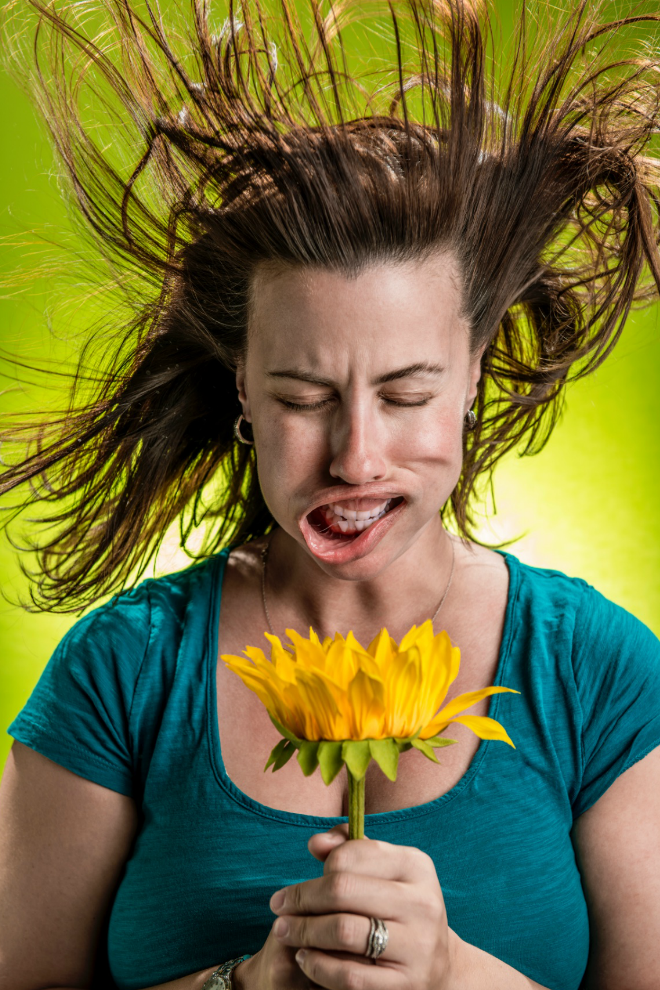
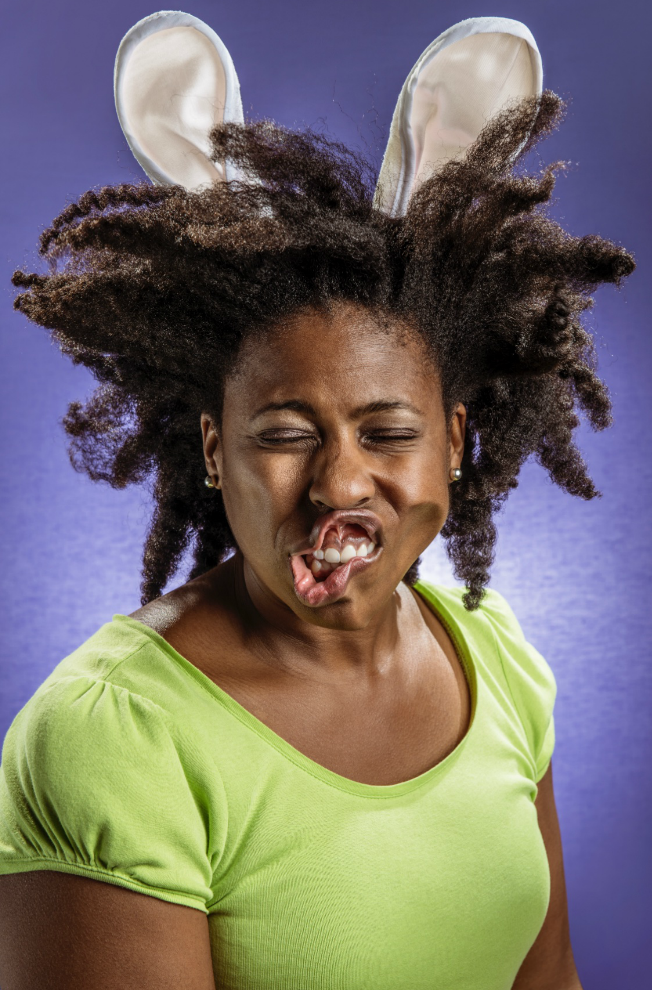
Yes. Once I decided to do a calendar I wrote out all of the months and started brainstorming for images ideas. Some months like December, January, October were easy. Other months like May, June, September were a bit harder. For any month that did not have a well known holiday I started writing down ideas and then looked from props that would fit my budget. For May the ideas was May flowers. September was the start of football season. June was BBQ season. After I had the idea’s firmed up I then went out and bought backgrounds in various colors to try and match a color to the time of the year. I then recruited friends and family for the shoot.

Screen Shot 2015-03-30 at 6.40.46 AM Screen Shot 2015-03-30 at 6.40.32 AM Screen Shot 2015-03-30 at 6.40.22 AM

Where did the idea for the leaf blower come from?
The idea for the leaf blower came from some shots I had seen from an ad campaign. Off hand I forget what campaign it was but I like the idea and I stashed it away for a rainy day.

Here’s some BTS and one more.

How did you pitch this to talent?
My friends and family are pretty awesome so it didn’t take much convincing, although I did get some strange looks. I told them the plan and for the most part everyone bought into the idea right away. The ones who were on the fence jumped in with both feet once they found out they would be able to use the leaf blower on someone else. It is amazing what you can get people to do if you tell them they will be able to make someone else look foolish as well. I guess we all have a dark side

This Week In Photography Books: Ingvar Kenne

by Jonathan Blaustein

I often reference movies in this column. Have you noticed? You must have. Otherwise, you haven’t been paying attention.

What’s wrong with you? Why would you bother coming here, every Friday, if you weren’t going to pay attention?

What’s that? You do pay attention? I’m making unfair accusations? Jumping to conclusions based upon spurious assumptions?

I’m sorry. Forgive me. After 17 days of being under-the-weather, I’m grumpier than an alcoholic-undercover-Russian-soldier, fighting in Eastern Ukraine, after the daily vodka ration’s run out.

But I often find a good photo book will make me think of a film, and once the idea’s in my head, the fingers dance upon the keyboard like a Spring Break frat boy trying to impress a bevy of pretty ladies. (Sadly, it’s all in the hips, but most meat-heads are not flexible enough to move them.)

The movie I’ve got in mind at present is “Groundhog Day.”

Such. A. Classic.

Harold Ramis, RIP, had all sorts of Buddhist motivations, but nobody laughs in Meditation group, so he clearly needed Bill Murray’s genius to make this one fly. What a scenario. You wake up every day, and it’s the same day all over again.

How long did it take Bill Murray’s character, Phil Connors, to turn to a life of crime and perpetual suicide? Not that long. Monotony is a killer, even if you CAN fill your day torturing groundhogs, eating pancakes, or chasing after peak-hotness Andie MacDowell.

In the end, we all learn a valuable lesson, through Phil’s evolution towards enlightenment: Life without growth and change is meaningless. Even fun stops being fun, when that’s all you know. (When you’re trapped in a pleasure prison of your own making.)

Where is this coming from? Clearly, I’m not talking about me, because you already know I’ve been sick for two-and-a-half weeks. No, I haven’t had much fun at all.

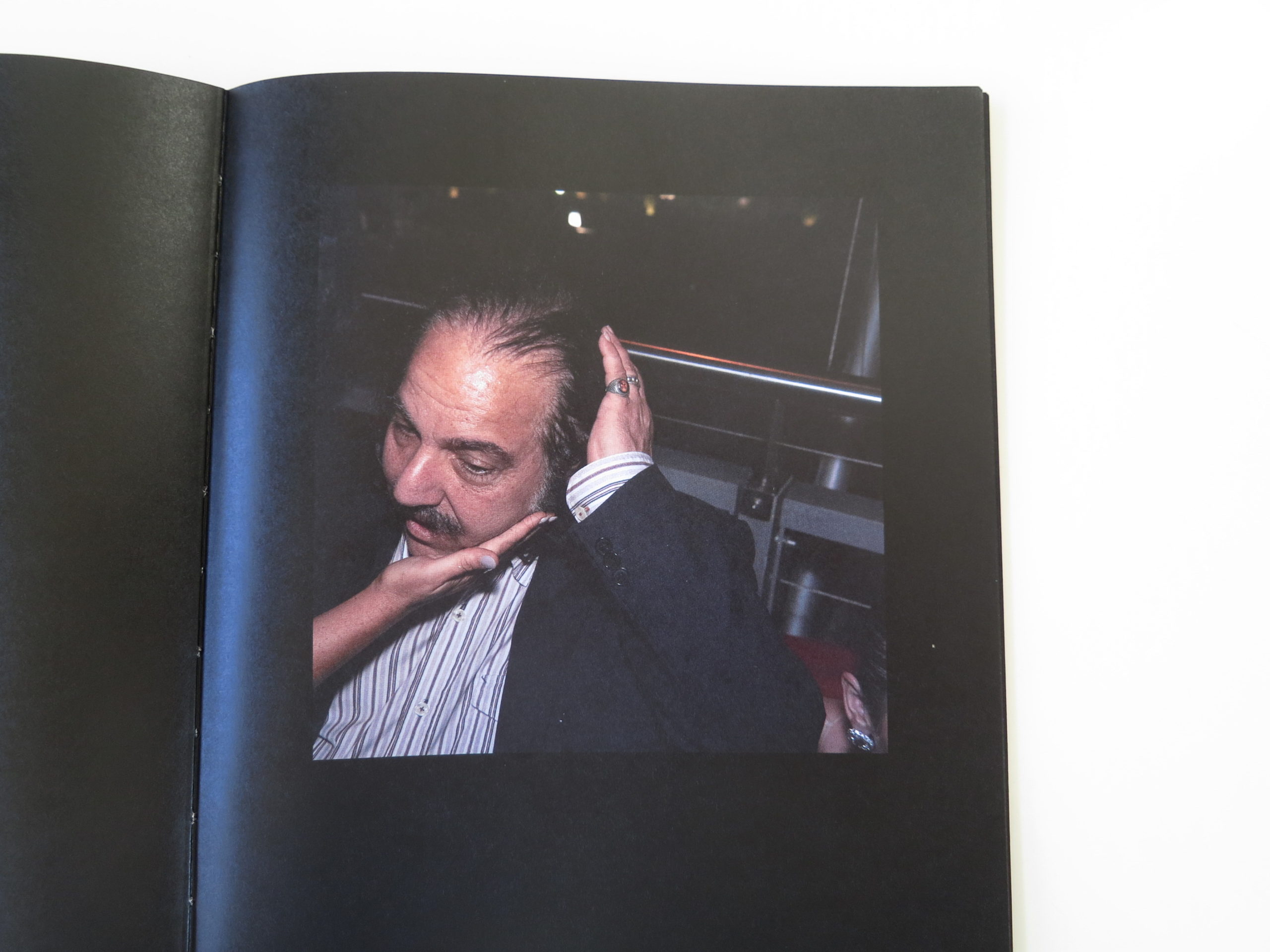
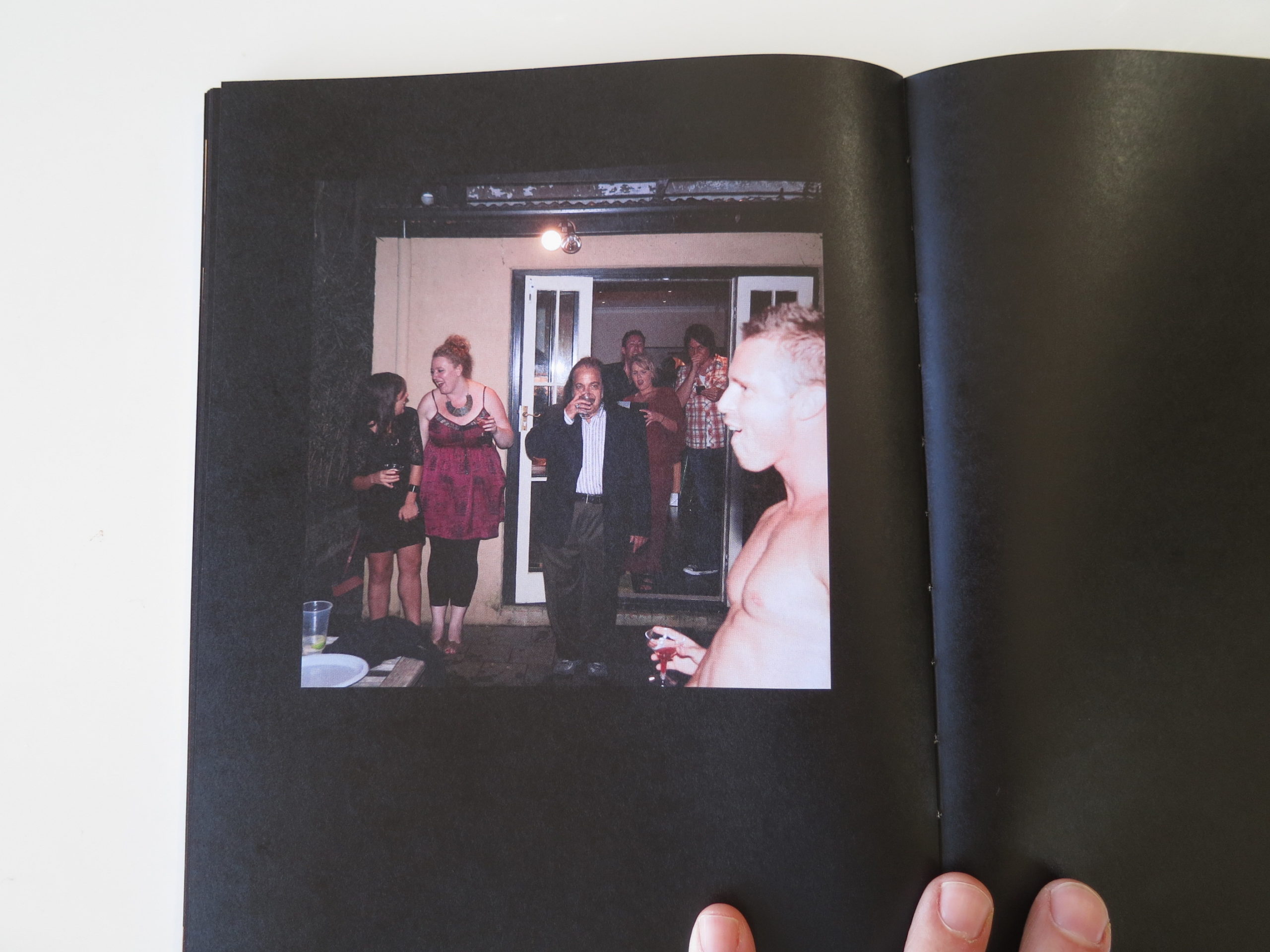
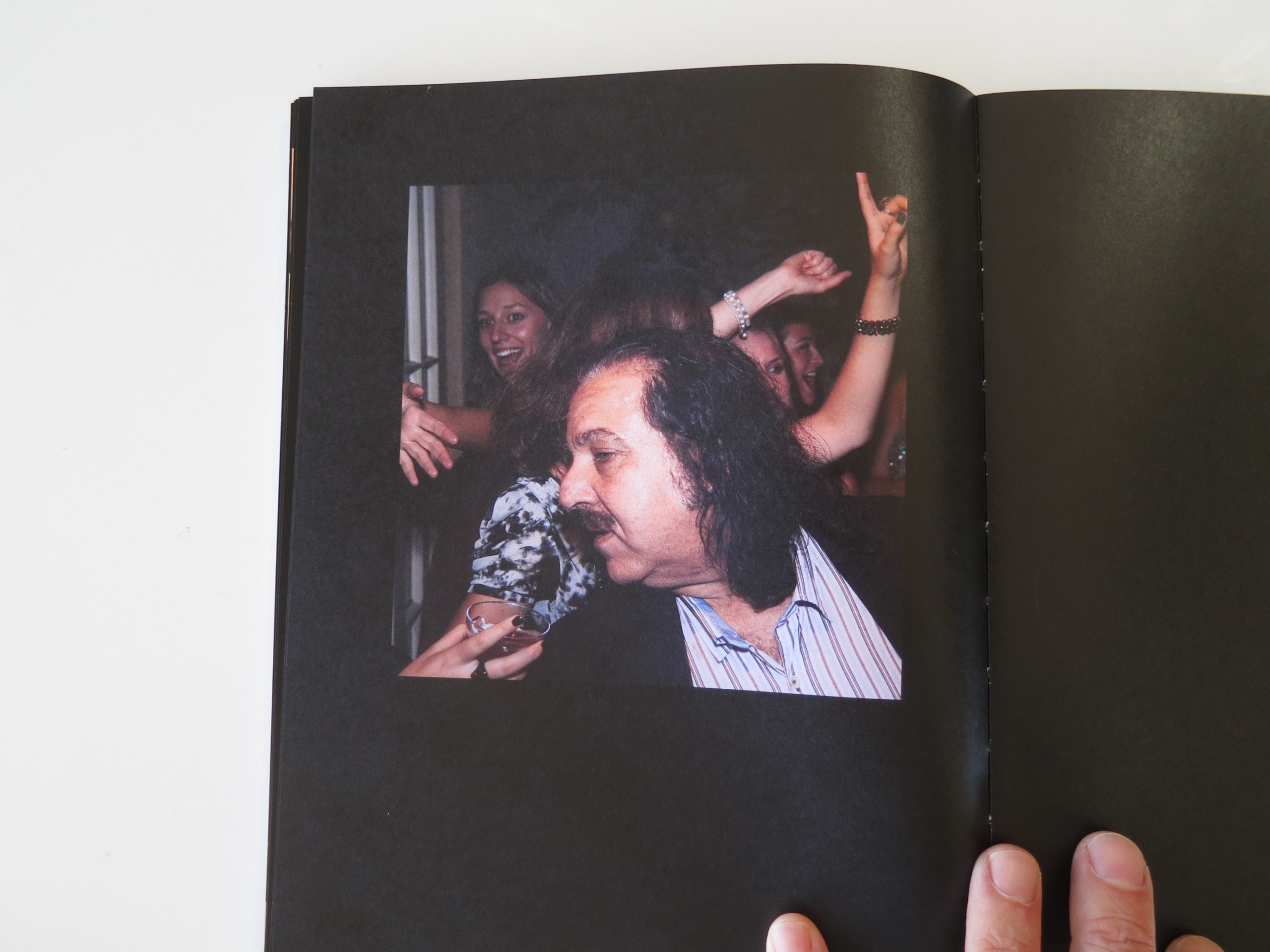
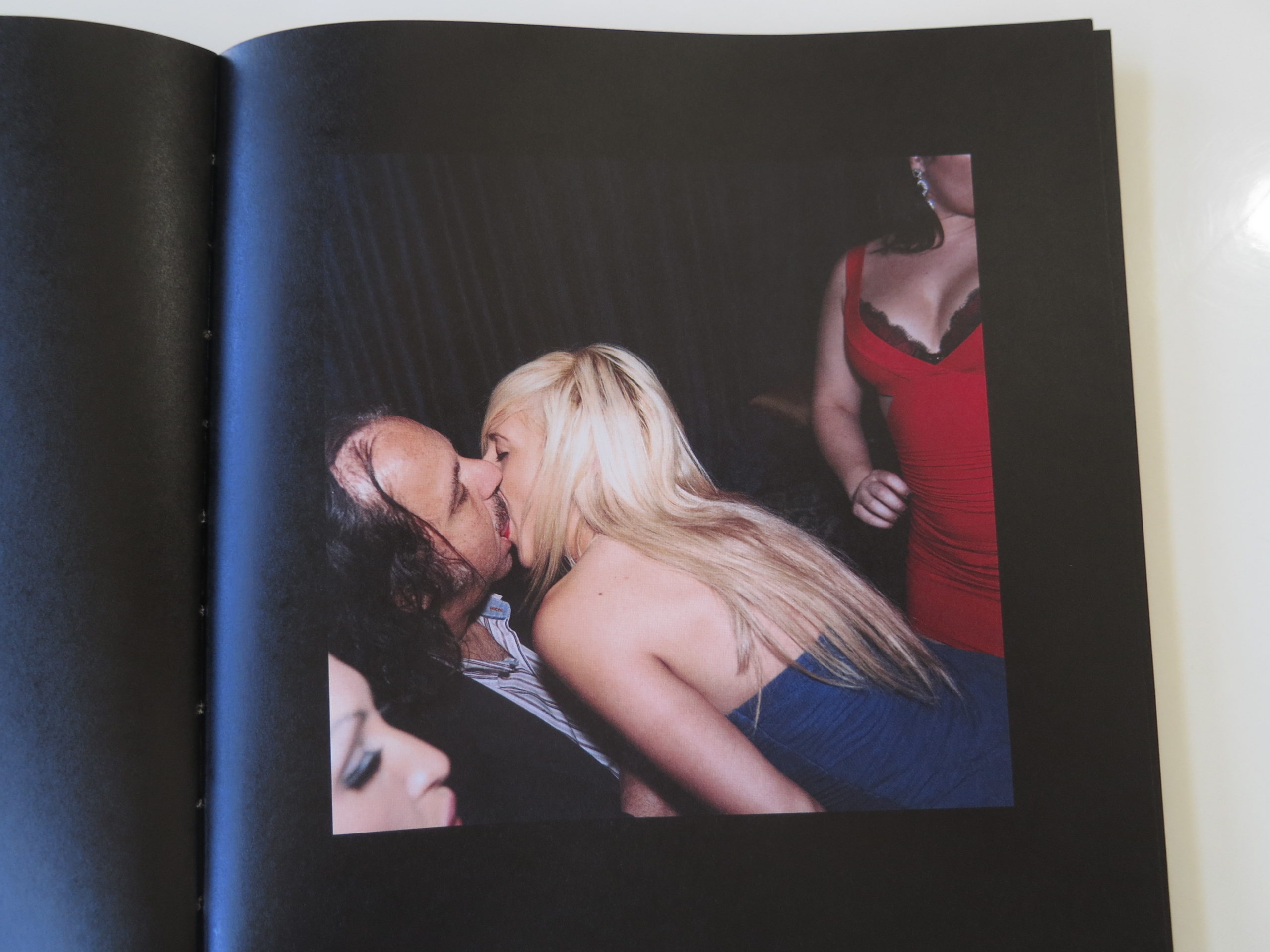
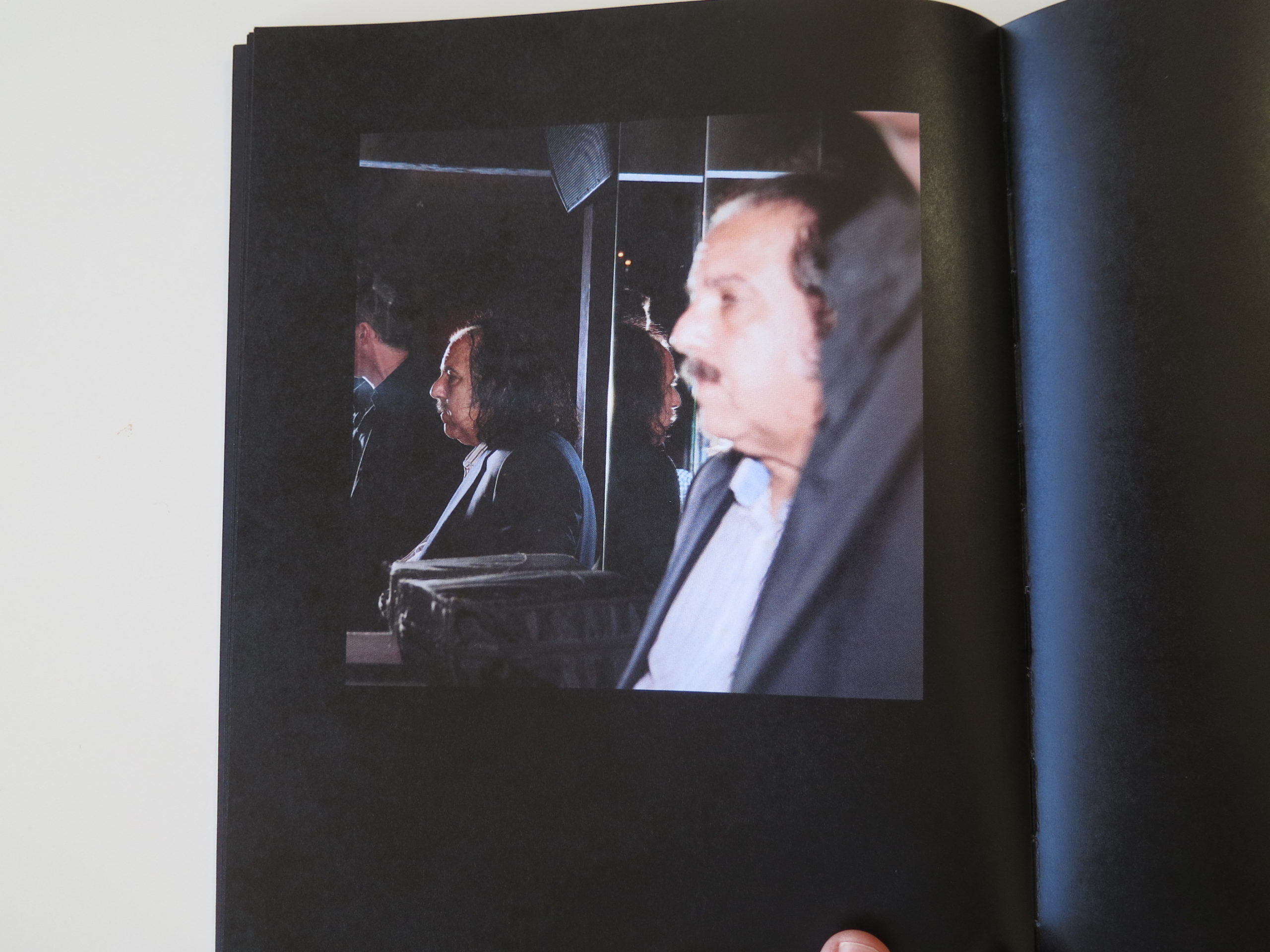
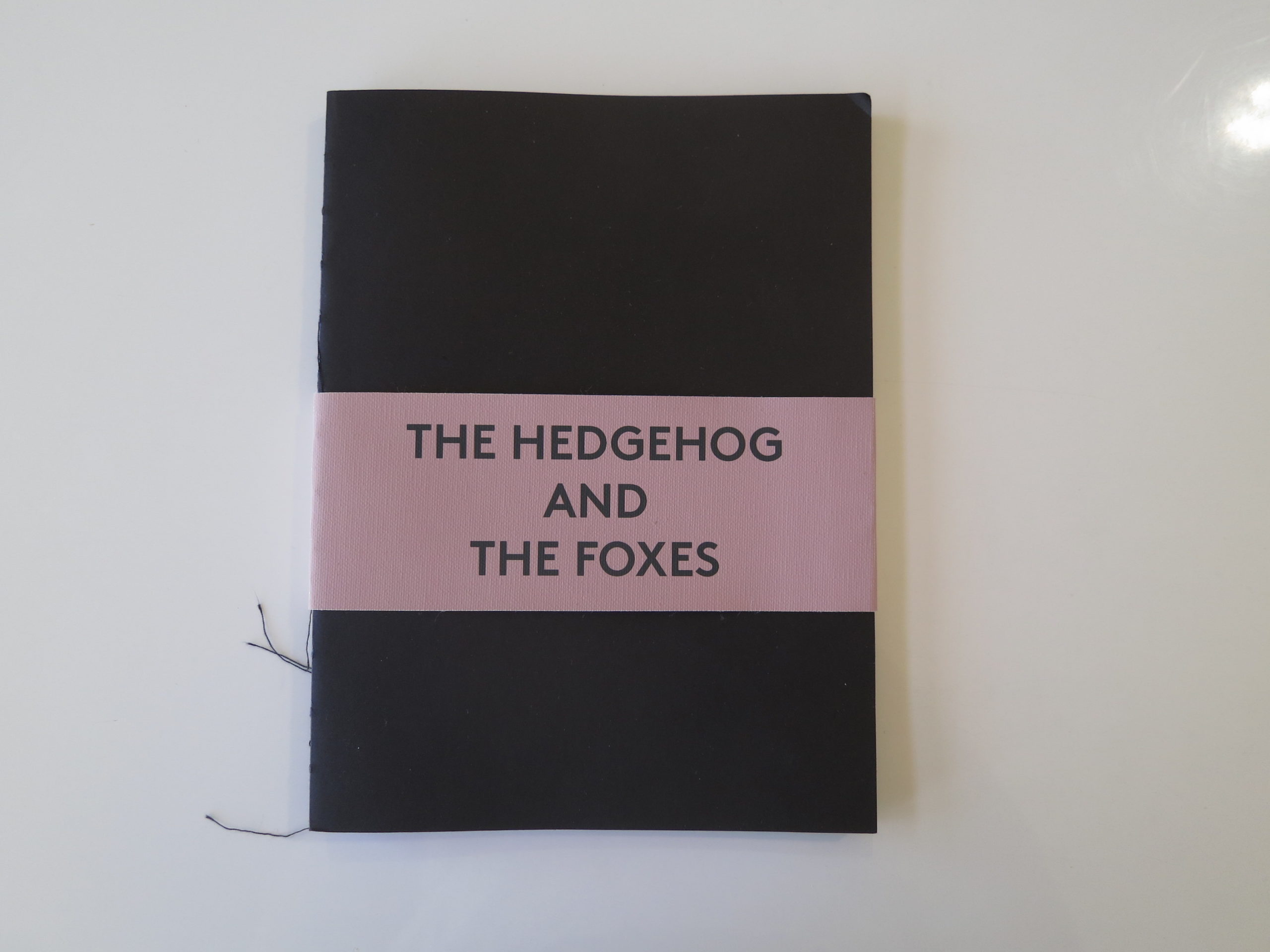
I’m thinking, rather, of “The Hedgehog and The Foxes,” a new book that turned up in my mailbox recently, all the way from Australia. It was made by photographer Ingvar Kenne, produced by the MAUD design studio, and forced me to ask the questions, above, for reasons I will elucidate for you. Now.

This book is about the legendary porn star Ron Jeremy. He may be the man living the oddest existence on Earth, or at least, the one with the least-expected life.

Have you ever seen Ron Jeremy?

I’d like to think we all have, but then again, not a safe assumption. Though this is the second book I’ve reviewed this year that delves into pornography, I should probably mention I’m no expert on the subject. But I’ve certainly seen Ron Jeremy’s ugly mug in the past, and I might have even seen his private parts.

The story is that his johnson is so prodigious that he’s had a long-standing career sticking it into various orifices, for money. It was never about his looks, or his sad sack physique. Always, it was about his penis.

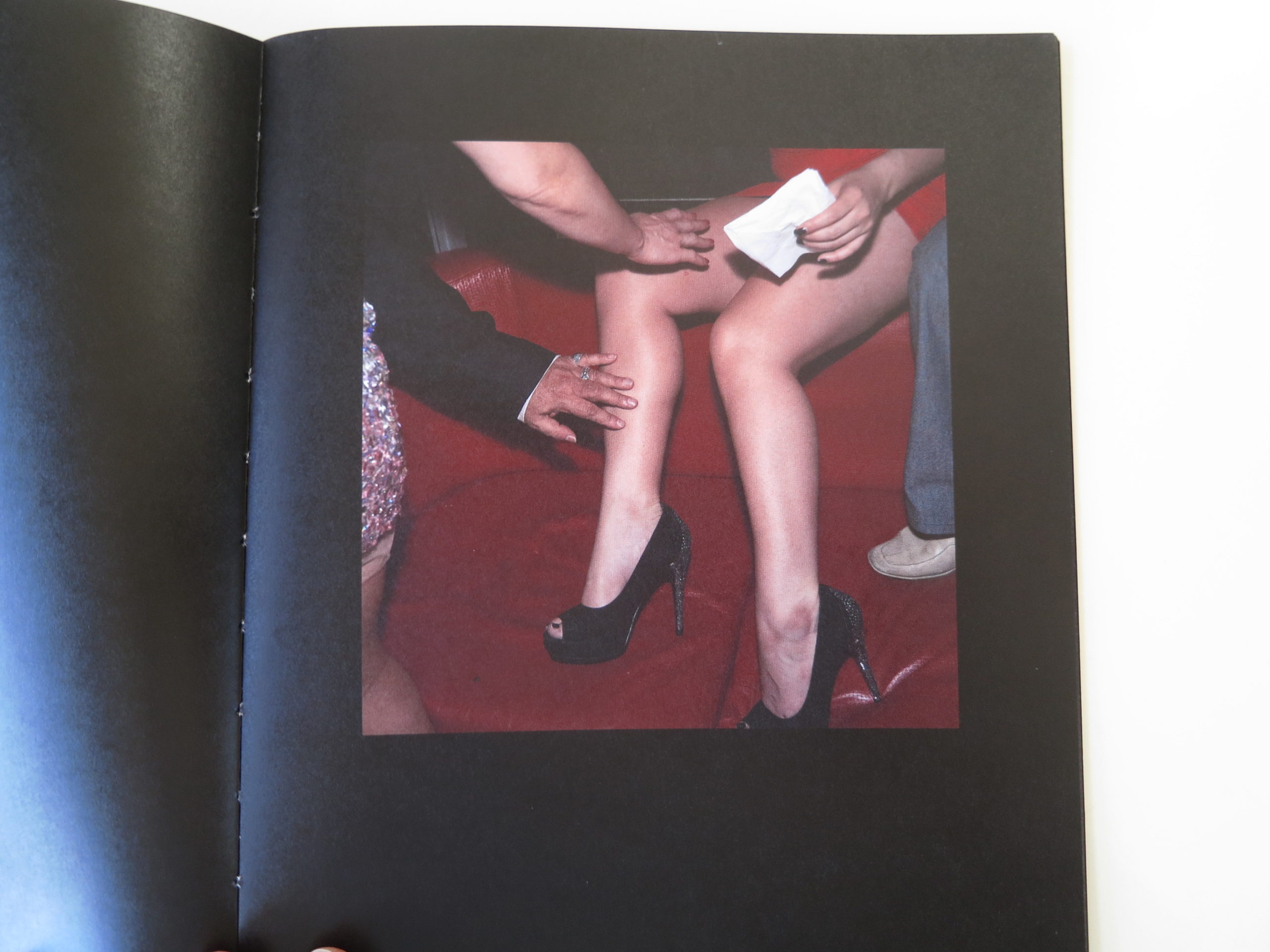
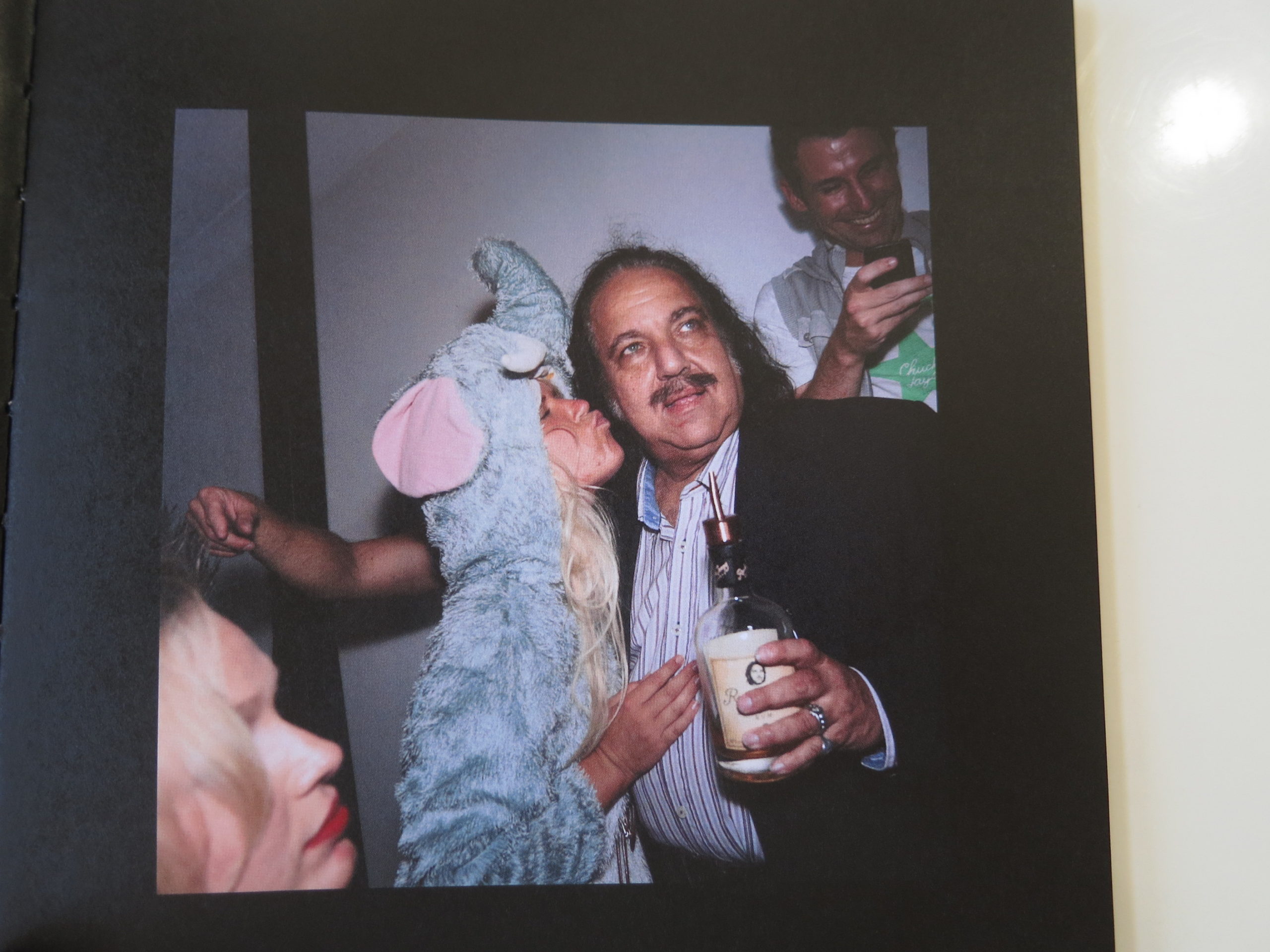
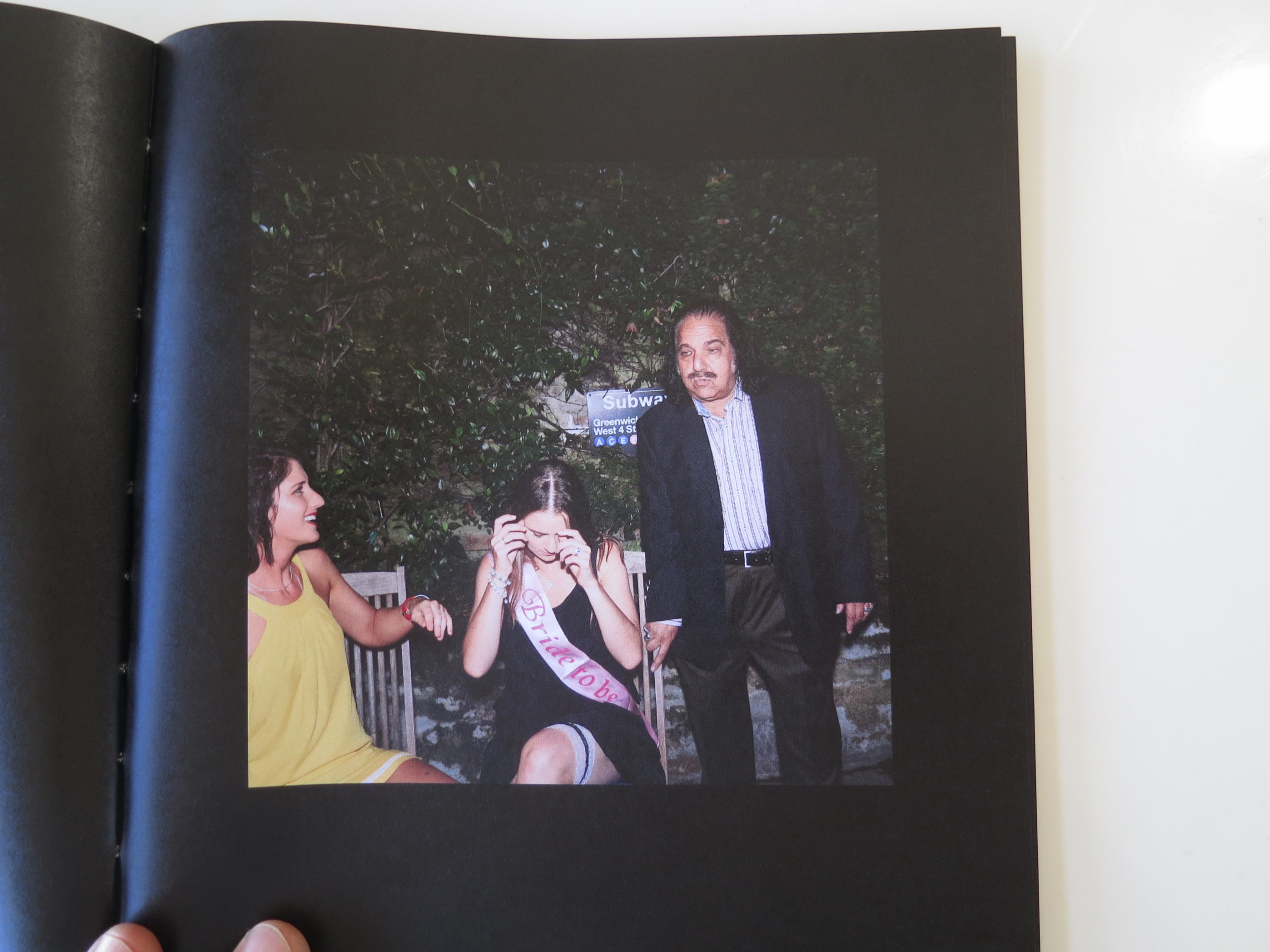
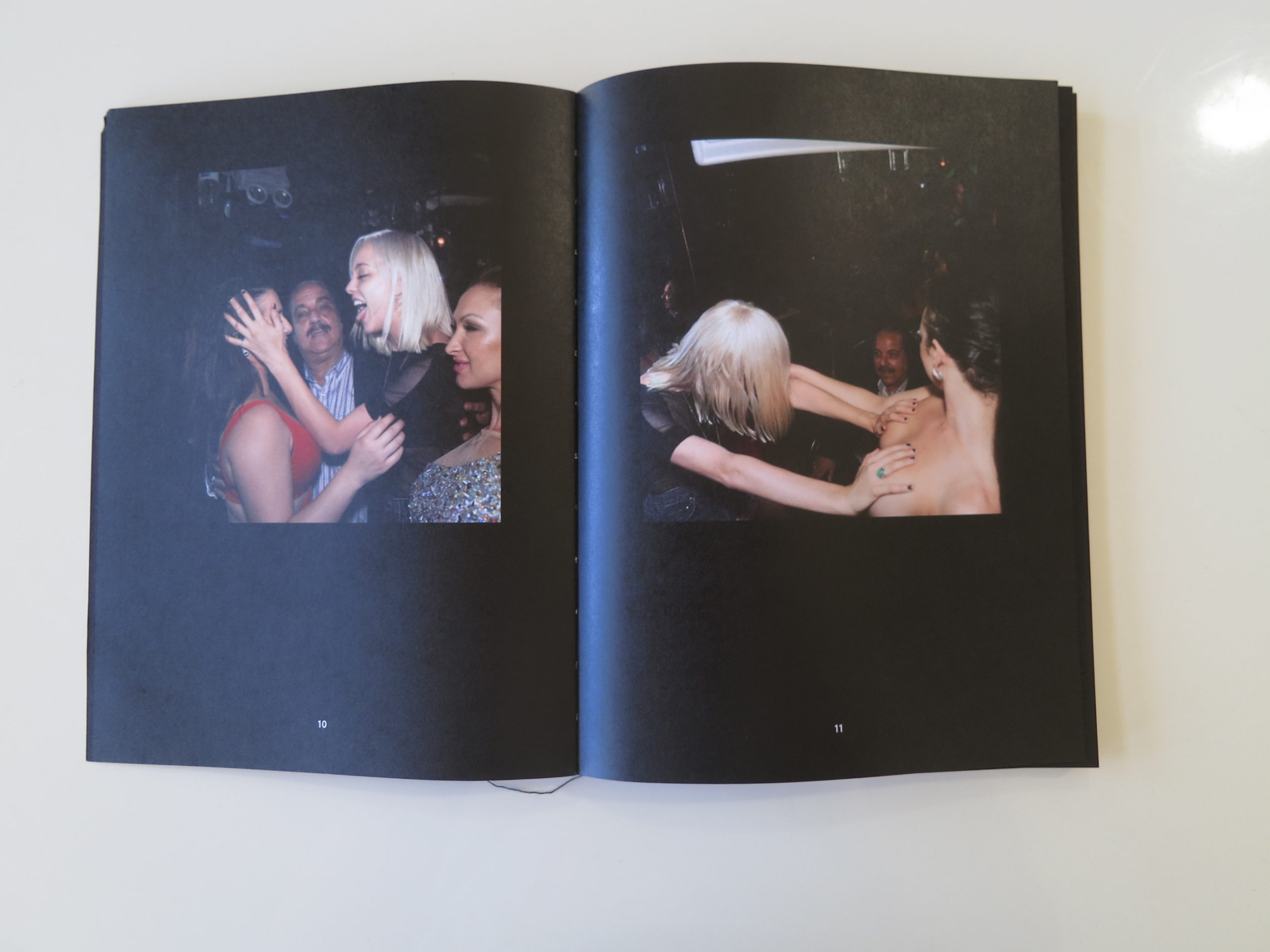
Mr. Kenne got to spend some quality time in the presence of “The Hedgehog” as he bounced from one vapid party to the next. He seems to have always been in the company of ladies, some of whom are very attractive. He signs boobs with sharpies, and shoves his hands up women’s pants, presumably at their request.

Through it all, Ron Jeremy exudes an Angst that would chill Vladimir Putin’s soul, if it weren’t already in cryogenic territory. Wow, do I feel bad for this guy. He seems so depressed, amongst the depravity, that I doubt he’s even capable of crying anymore.

Trapped in a world of his own making. A scenario many men would kill for, so I’m told. Getting paid to have sex with pretty women. But I wouldn’t trade places with “The Hedgehog” for all the money in the world.

Kudos to the artist for really showing no boobs or butts or cocks at all. The book is essentially clean, focusing on the emotional tenor of the tale, rather than the dirty goodies. We see the story unfold with lots of black-page-breaks, enhancing the noir quality.

In the middle, Mr. Kenne manages to zoom in and zoom out at the same time, as the contact-sheet-style gives us smaller images, but many more of them. It makes it feel like we’re there for every moment, rather than just the best shots.

There’s a sad poem at the end, which gives words to those emotions. Apparently, all Ron Jeremy ever wanted was to be a serious actor. To be known for his talent, rather than his member. A letter, which the artist included in his packet, states that despite being in each other’s company for close to 24 hours, “no show of human interest and interaction took place between” Ron Jeremy and the artist. (Again, the pictures gave that one away too.)

Apparently, there’s a short documentary video that accompanies the book, and a Limited Edition too, but I’m not sure what they’re about. I don’t want to know, really. Because I need to put on a stupid movie, right now, to wash the bad taste out of my mouth.

Bottom Line: Very well made book that shows us the road to Hell is paved with good intentions

IMG_0460

IMG_0459

IMG_0458

IMG_0457

IMG_0456

IMG_0455

IMG_0454

IMG_0453

IMG_0452

IMG_0451

IMG_0450

IMG_0449

IMG_0448

IMG_0447

IMG_0446

IMG_0445

IMG_0444

IMG_0443

IMG_0442

The Art of the Personal Project: Agnes Lopez

As a former Art Producer, I have always been drawn to personal projects because they are the sole vision of the photographer and not an extension of an art director, photo editor, or graphic designer. This new column, “The Art of the Personal Project” will feature the personal projects of photographers using the Yodelist marketing database. You can read their blog at http://yodelist.wordpress.com. Projects are discovered online and submissions are not accepted.

Today’s featured photographer is: Agnes Lopez

Agnes-Lopez-Photo-Grape-Grain-Exchange-0001

Agnes-Lopez-Photo-Grape-Grain-Exchange-0002

Agnes-Lopez-Photo-Grape-Grain-Exchange-0003

Agnes-Lopez-Photo-Grape-Grain-Exchange-0004

Agnes-Lopez-Photo-Grape-Grain-Exchange-0005

Agnes-Lopez-Photo-Grape-Grain-Exchange-0006

Agnes-Lopez-Photo-Grape-Grain-Exchange-0007

Agnes-Lopez-Photo-Grape-Grain-Exchange-0008

Agnes-Lopez-Photo-Grape-Grain-Exchange-0009

Agnes-Lopez-Photo-Grape-Grain-Exchange-0010

Agnes-Lopez-Photo-Grape-Grain-Exchange-0011

Agnes-Lopez-Photo-Grape-Grain-Exchange-0012

Agnes-Lopez-Photo-Grape-Grain-Exchange-0013

Agnes-Lopez-Photo-Grape-Grain-Exchange-0014

Agnes-Lopez-Photo-Grape-Grain-Exchange-0015

Agnes-Lopez-Photo-Grape-Grain-Exchange-0016

Agnes-Lopez-Photo-Grape-Grain-Exchange-0017

Agnes-Lopez-Photo-Grape-Grain-Exchange-0018

Full disclosure Agnes is a client of mine.

How long have you been shooting?
Professionally since 2003. Many years before that, my brother-in-law bought a Minolta Maxxum 9000 for me from a pawn shop as a gift because he knew I was interested in photography.

Are you self-taught or photography school taught?
Self-taught. I got my start as a stylist for commercial photographers, so I picked up a lot on set. I would watch the photographers closely to see how they worked and then go off and practice on my own with local models, taking my film to Walgreens to get developed and scanned. I also took some classes at the local community college, where I learned how to use a darkroom and print my work. Cutting my teeth shooting film still influences the way I shoot today. I tend to be very calculating and specific when I finally hit the shutter.

With this particular project, what was your inspiration to shoot it?
In the past three years I’ve made a move into photographing food and food lifestyle images, though mostly for editorial, so I wanted to prove to myself that I could produce a full concept from start to finish.

How many years have you been shooting this project before you decided to present it?
I shot the project early last year and presented it about a month after the last day of shooting.

How long do you spend on a personal project before deciding if it is working?
When I plan a project, I spend a day or two scouting and a few days laying out my vision. I’ll break down the day into a detailed schedule so I can get the absolute most out of my time.

On the day of, I just try to feel it out. I shoot a few frames and don’t try to force it. Since it’s personal work, I give myself the freedom to move onto the next shot if a particular setup isn’t working.

Since shooting for your portfolio is different from personal work, how do you feel when the work is different?
Shooting personal work is more about the process for me. What I ultimately get from the shoot doesn’t have to be a set of portfolio images; I want to learn and grow from something outside of what I do every day.

In my day job shooting for a monthly magazine, I’m usually given a short amount of time and specific parameters for the images I’m producing. With personal work, I’m able to take as long as I need and can experiment with different lighting setups and compositions. The hope is always to bring what I do with my personal projects into the other work I do.

Have you ever posted your personal work on social media venues such as Reddit, Tumblr, Instagram or Facebook?
Occasionally. I will be posting more of it this year after I finish the project I’m working on now.

If so, has the work ever gone viral and possibly with great press?
Not yet, but I plan to do more of it and keep putting it out there for people to see.

Have you printed your personal projects for your marketing to reach potential clients?
Some of the images from this shoot are in my current portfolio, which is primarily my food work.

Artist’s Statement

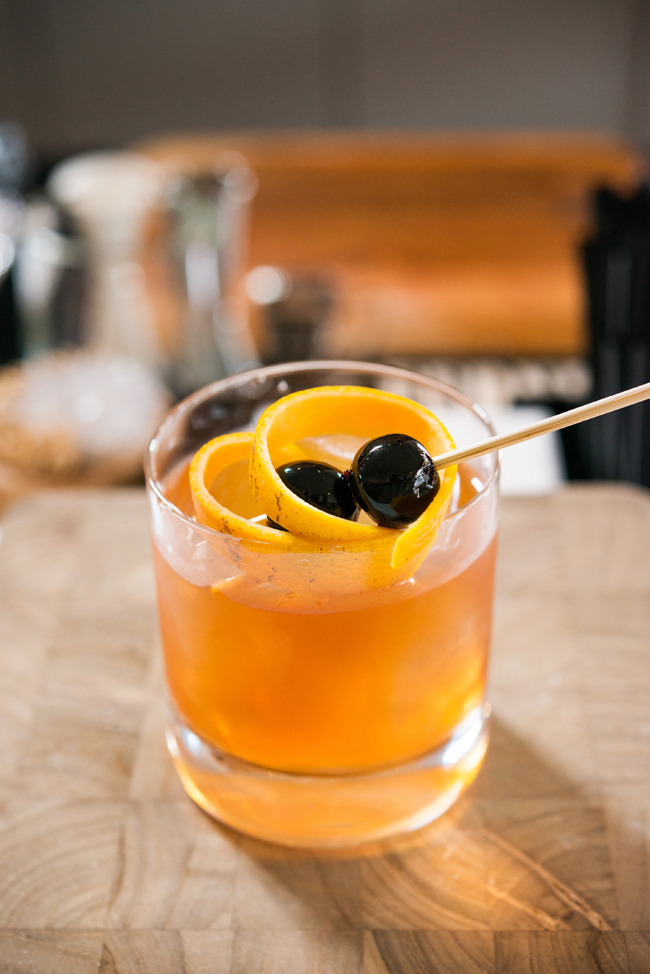
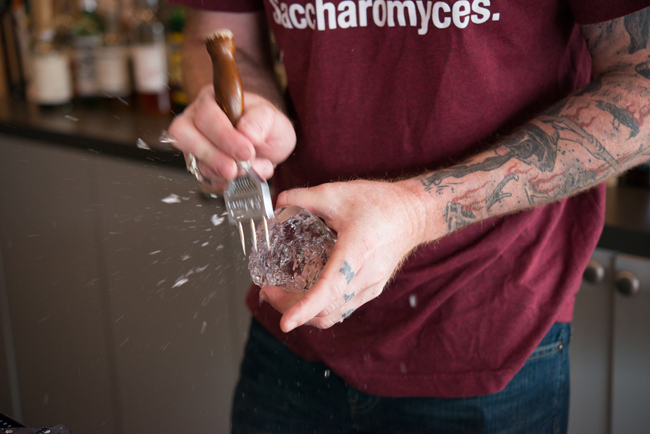
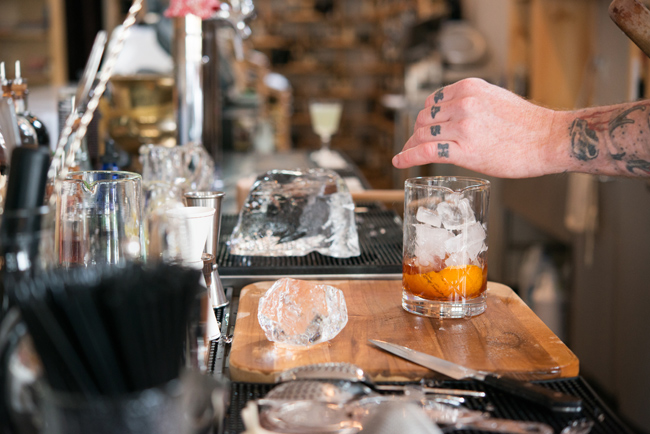
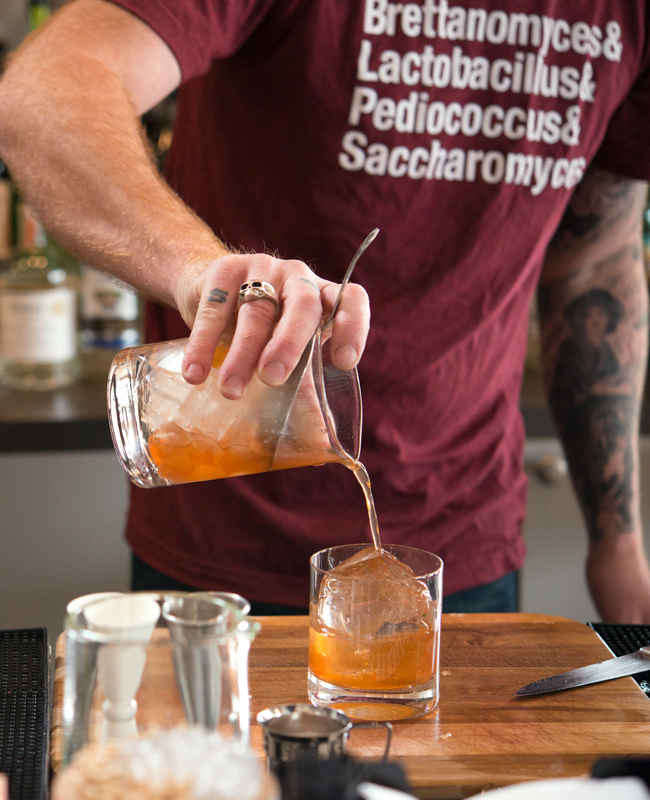
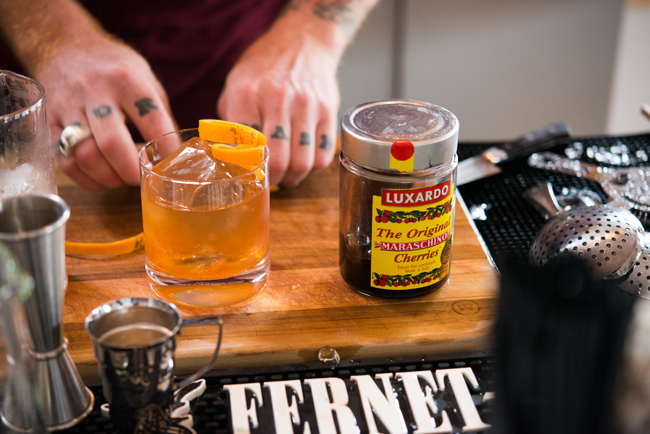
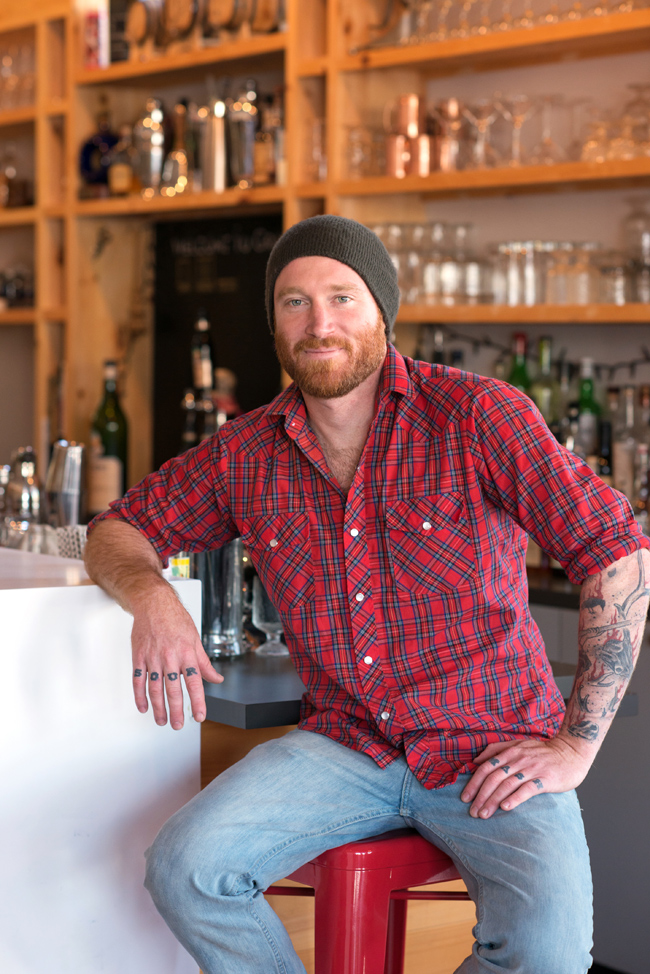
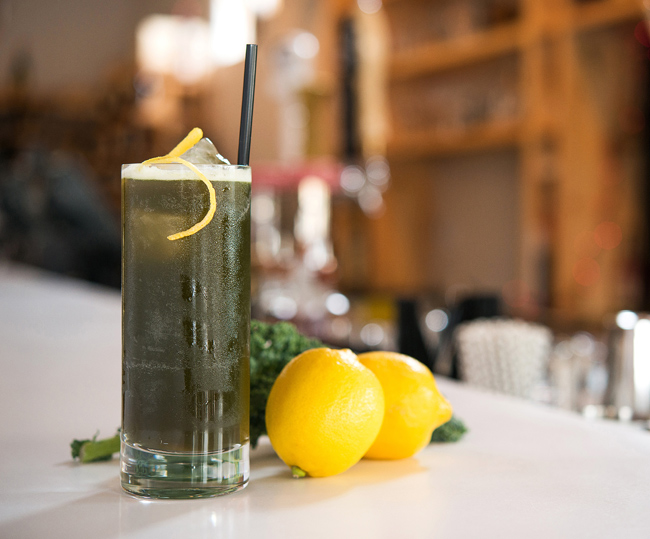
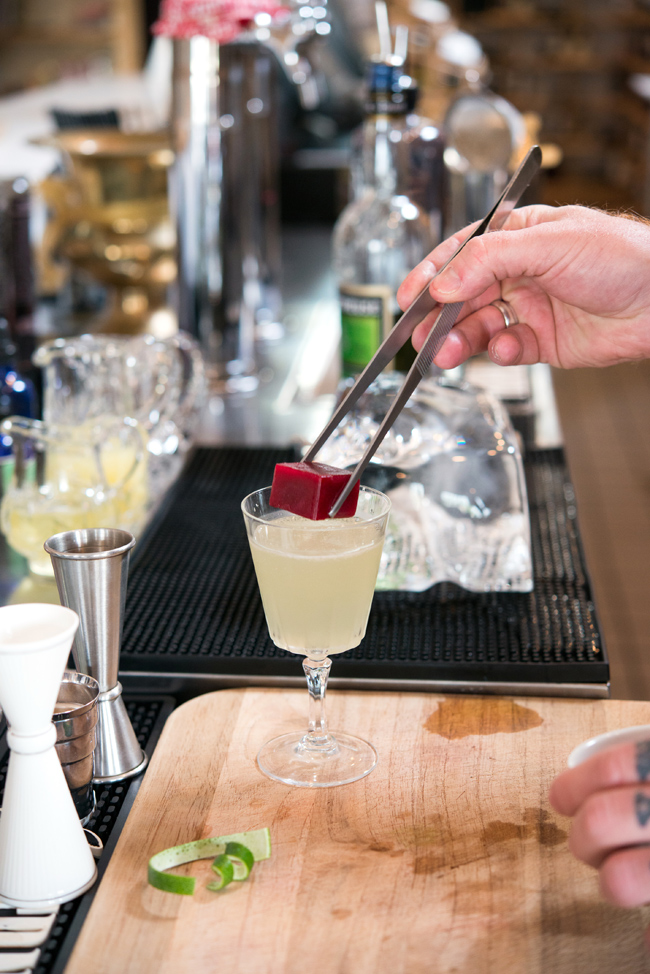
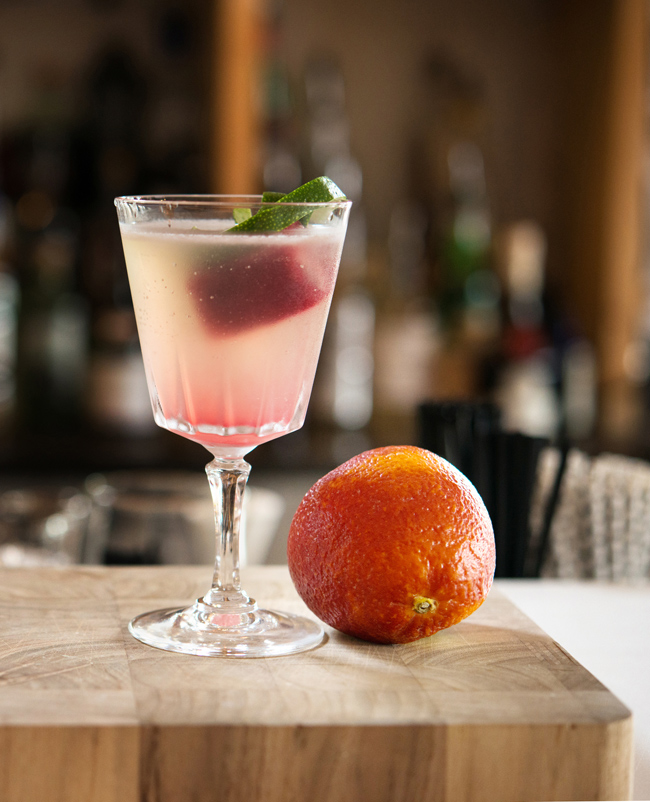
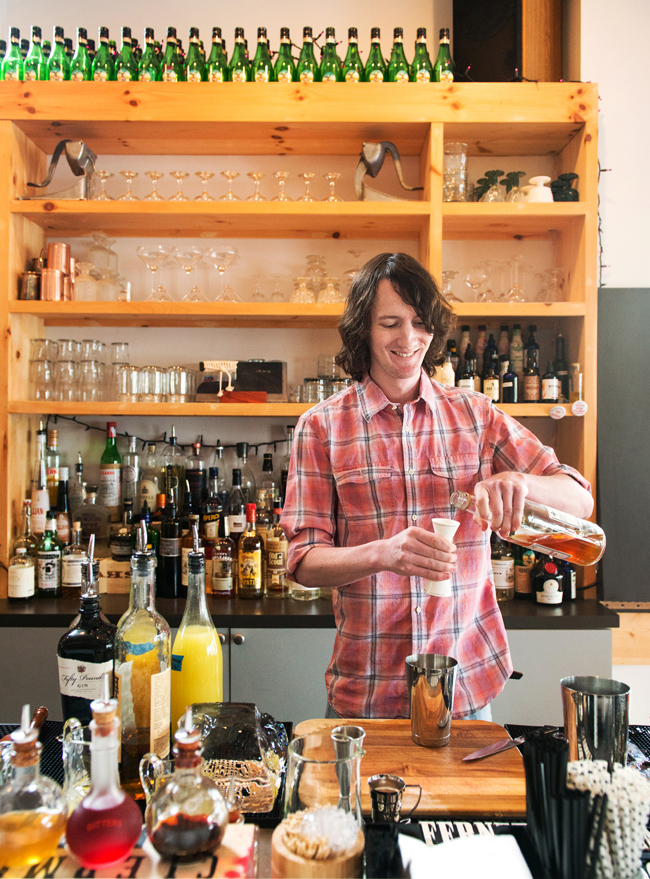
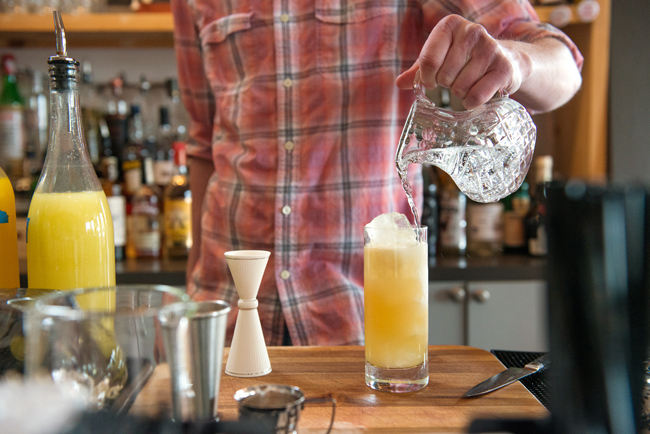
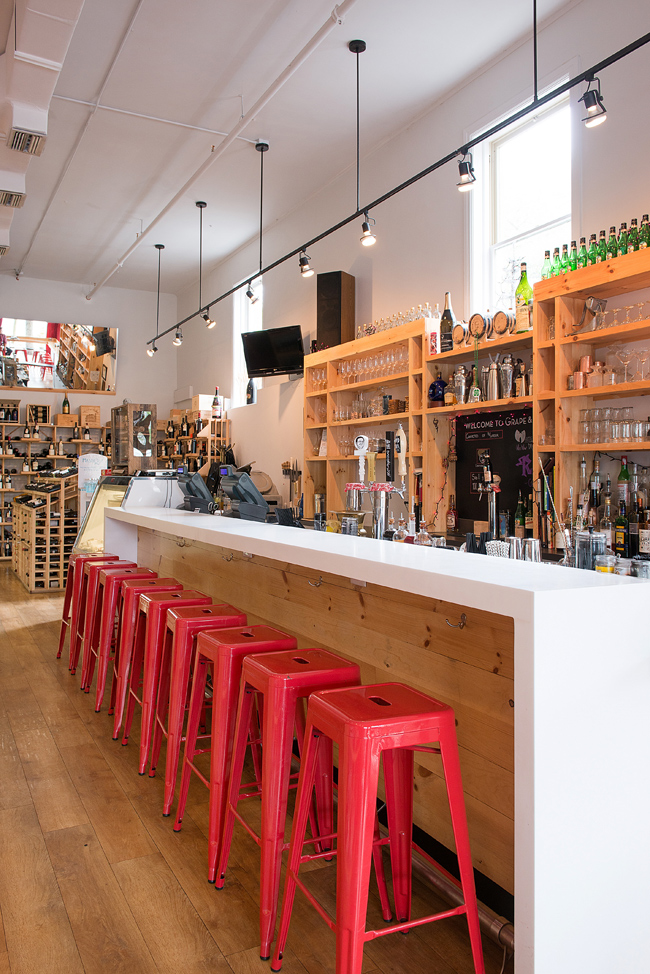
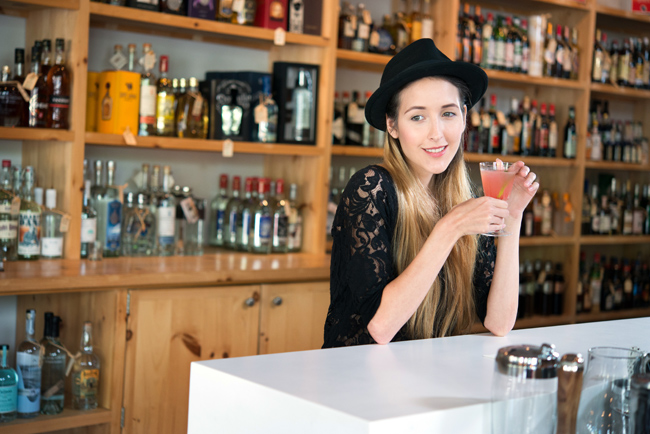
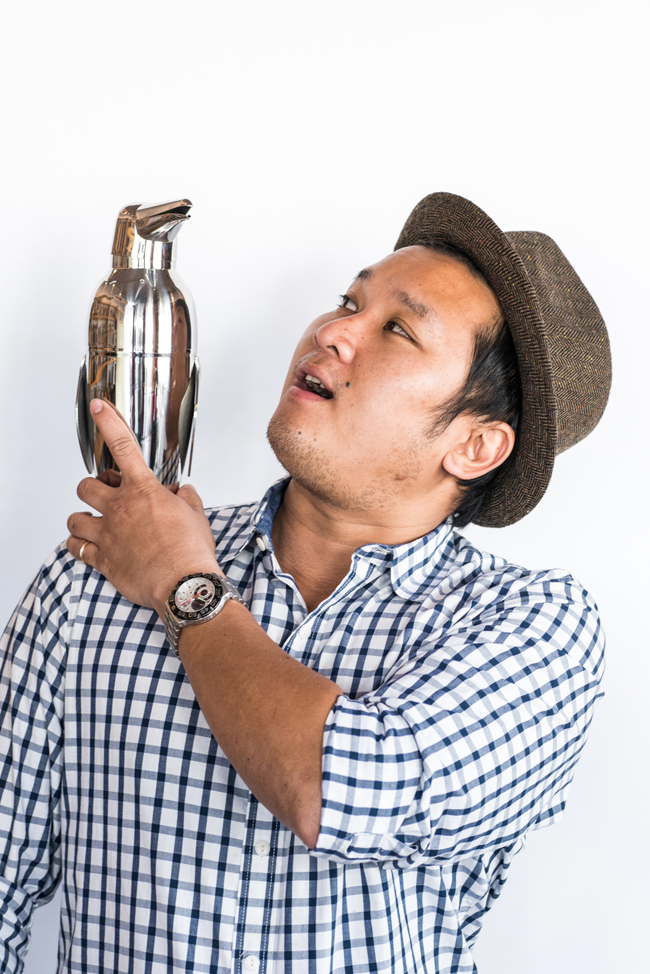
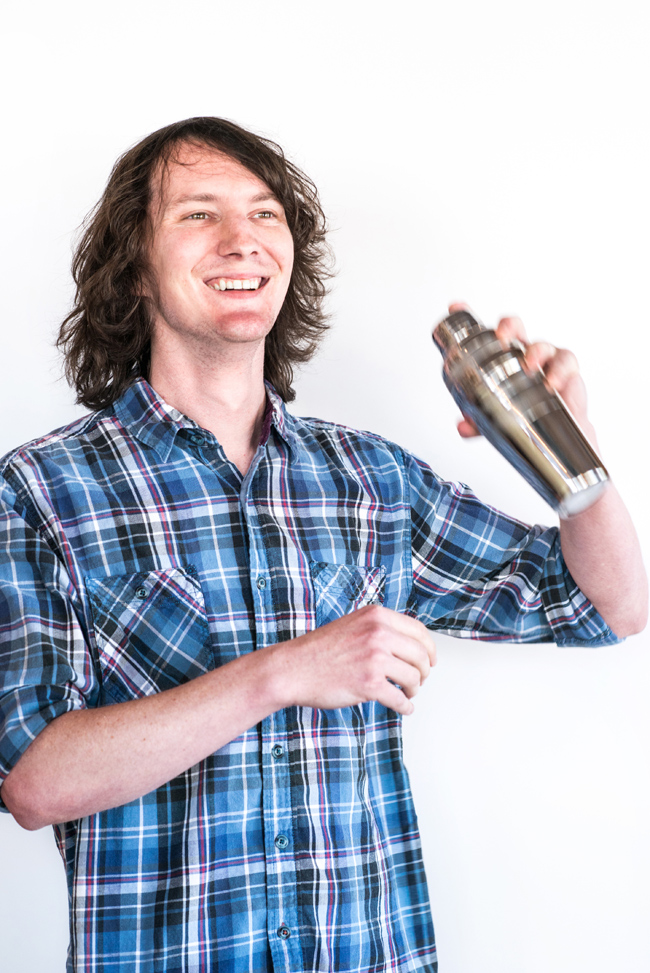
I had this idea to focus on cocktails and how bartenders make them. I pitched my idea to a package store in my area, the Grape and Grain Exchange, which sells small batch liquors and has a bar up front where they offer really unique drinks.

The bartenders are serious about what they do but they’re also funny guys. My goal was to show the bartenders in their element and how their personalities go into the drinks they make.

————–

Agnes is an editorial and food lifestyle photographer with a home base in the historic Riverside-Avondale neighborhood of Jacksonville, Florida and is available for assignments worldwide.

From documenting the effort that goes into preparing a pop-up dining event or photographing the fine cuisine of a AAA Five Diamond Award-winning restaurant, Agnes traverses the Southeastern US and beyond with her camera in search of inspiration and exceptional meals.

Her work can be seen regularly in the pages of Jacksonville Magazine and its other publications, Taste, Home, and 904 Magazine.


APE contributor Suzanne Sease currently works as a consultant for photographers and illustrators around the world. She has been involved in the photography and illustration industry since the mid 80s, after establishing the art buying department at The Martin Agency then working for Kaplan-Thaler, Capital One, Best Buy and numerous smaller agencies and companies. She has a new Twitter feed with helpful marketing information believing that marketing should be driven by a brand and not specialty. Follow her on twitter at SuzanneSease.

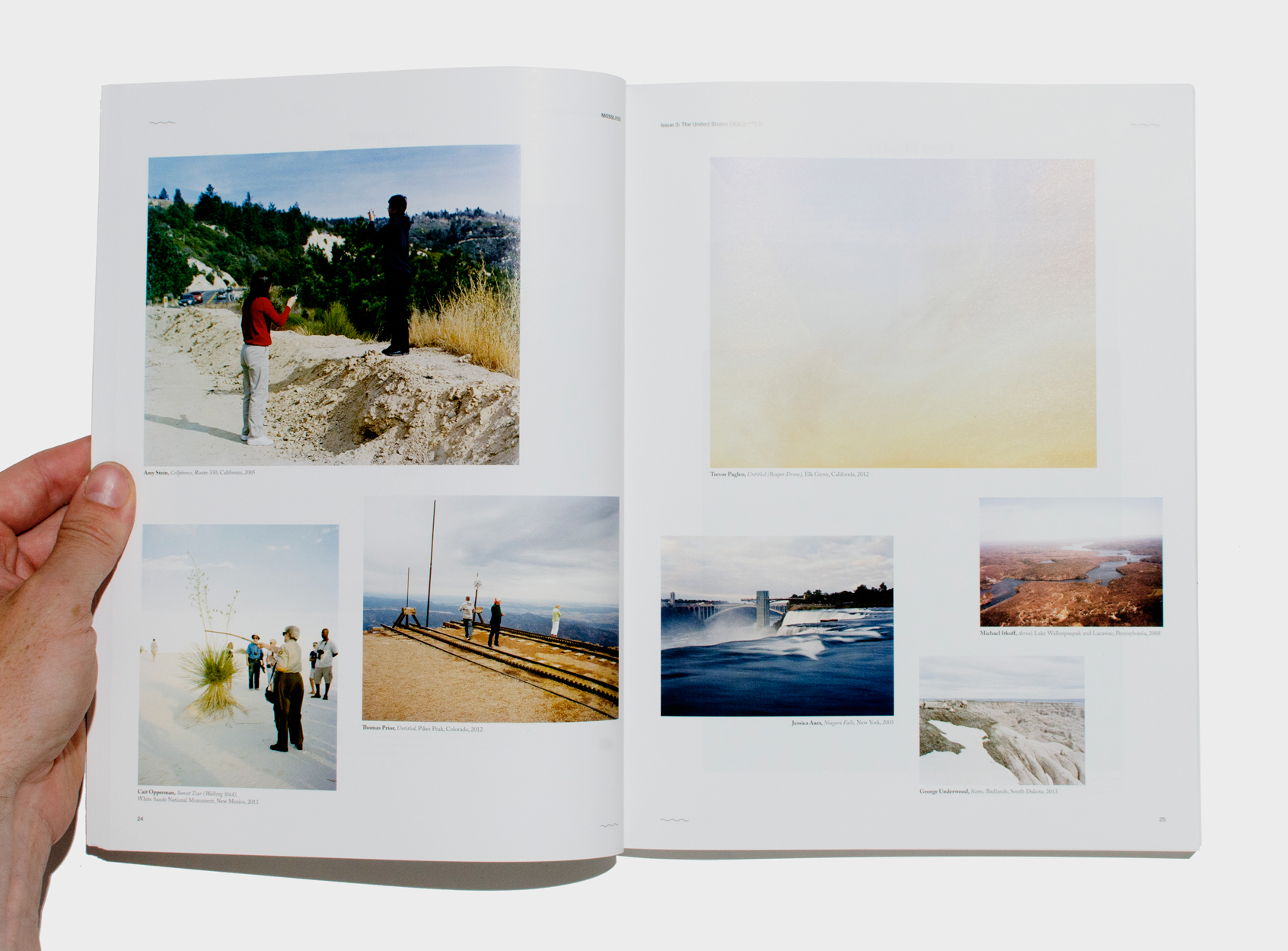
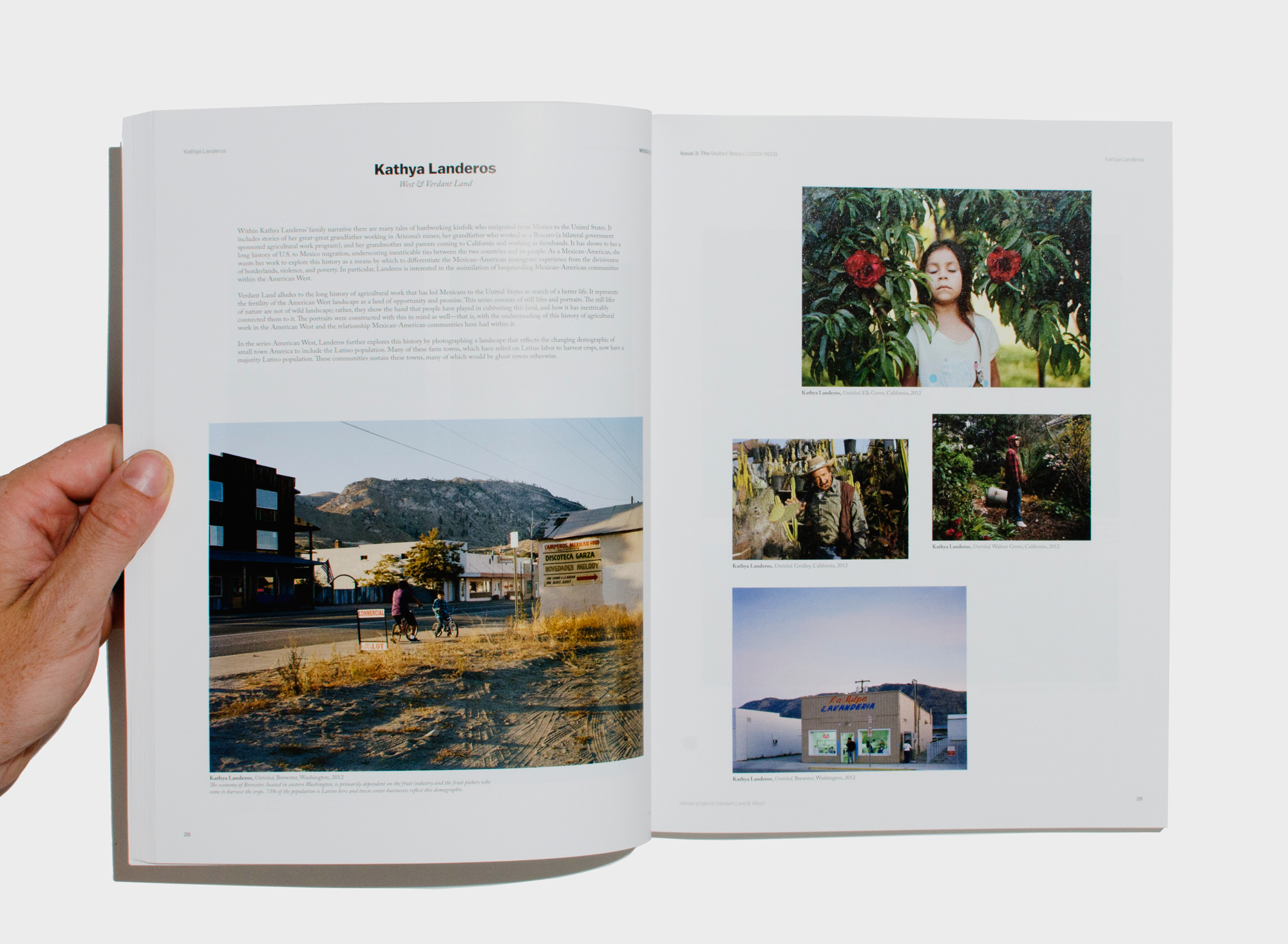
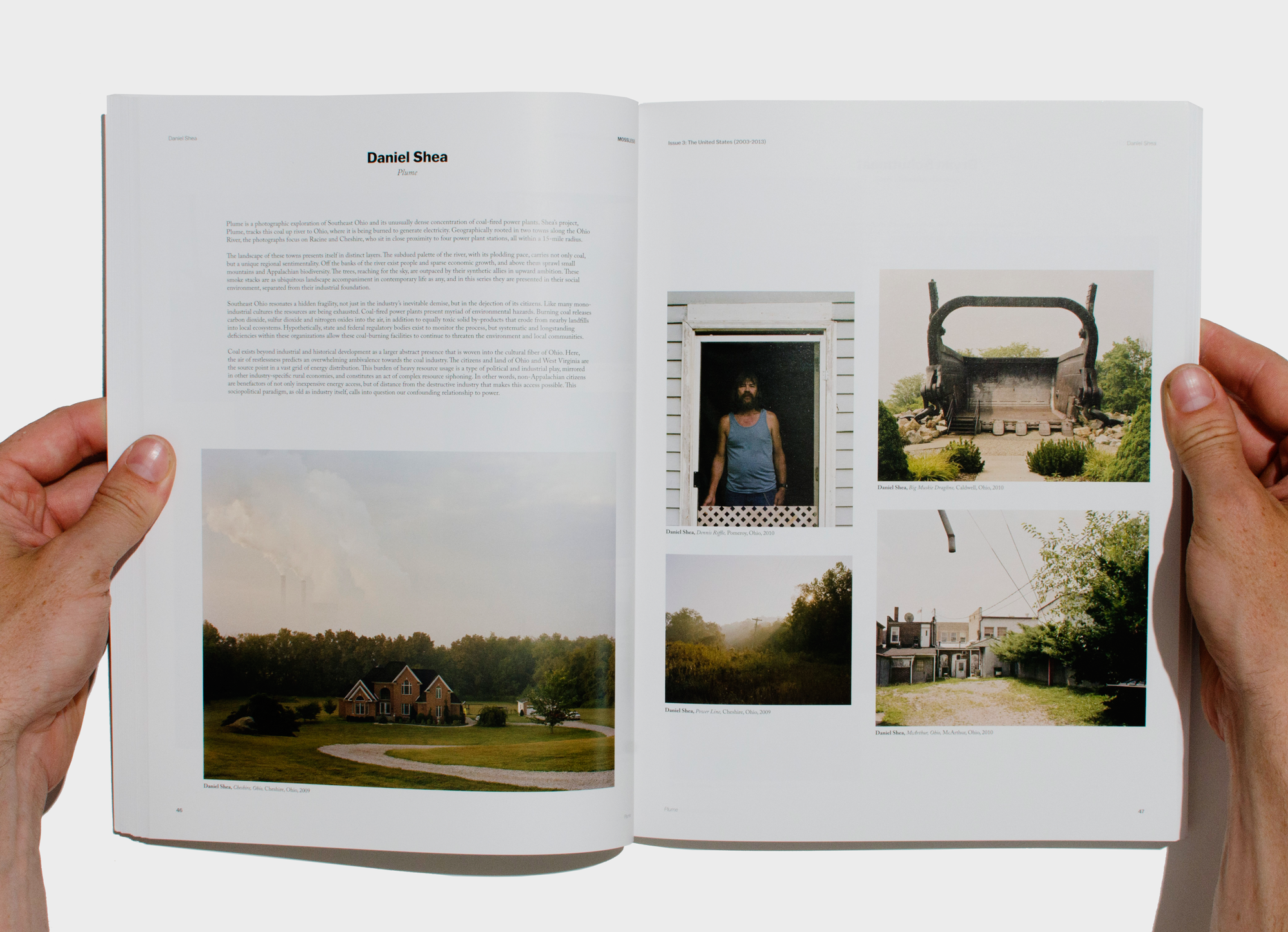
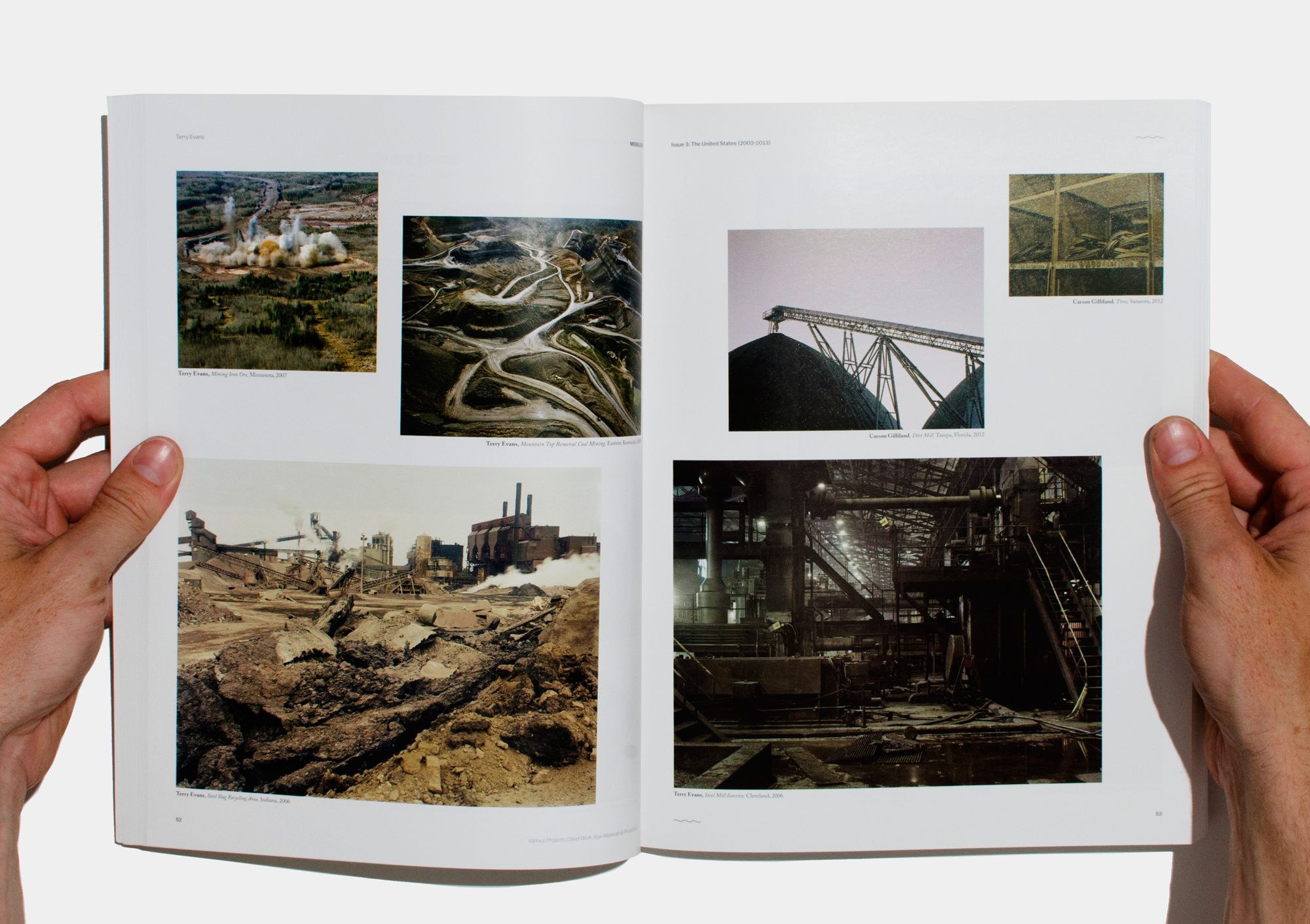
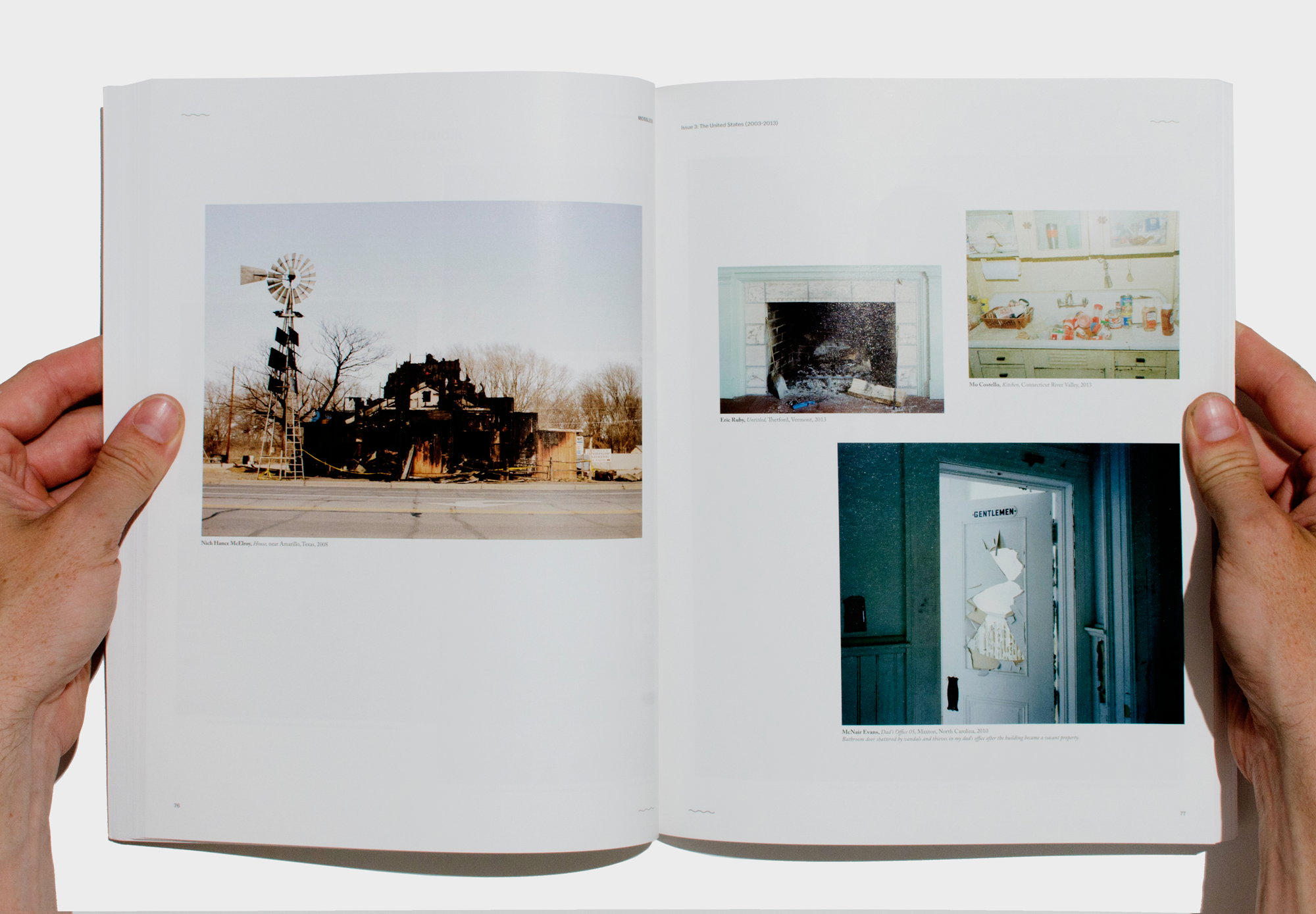
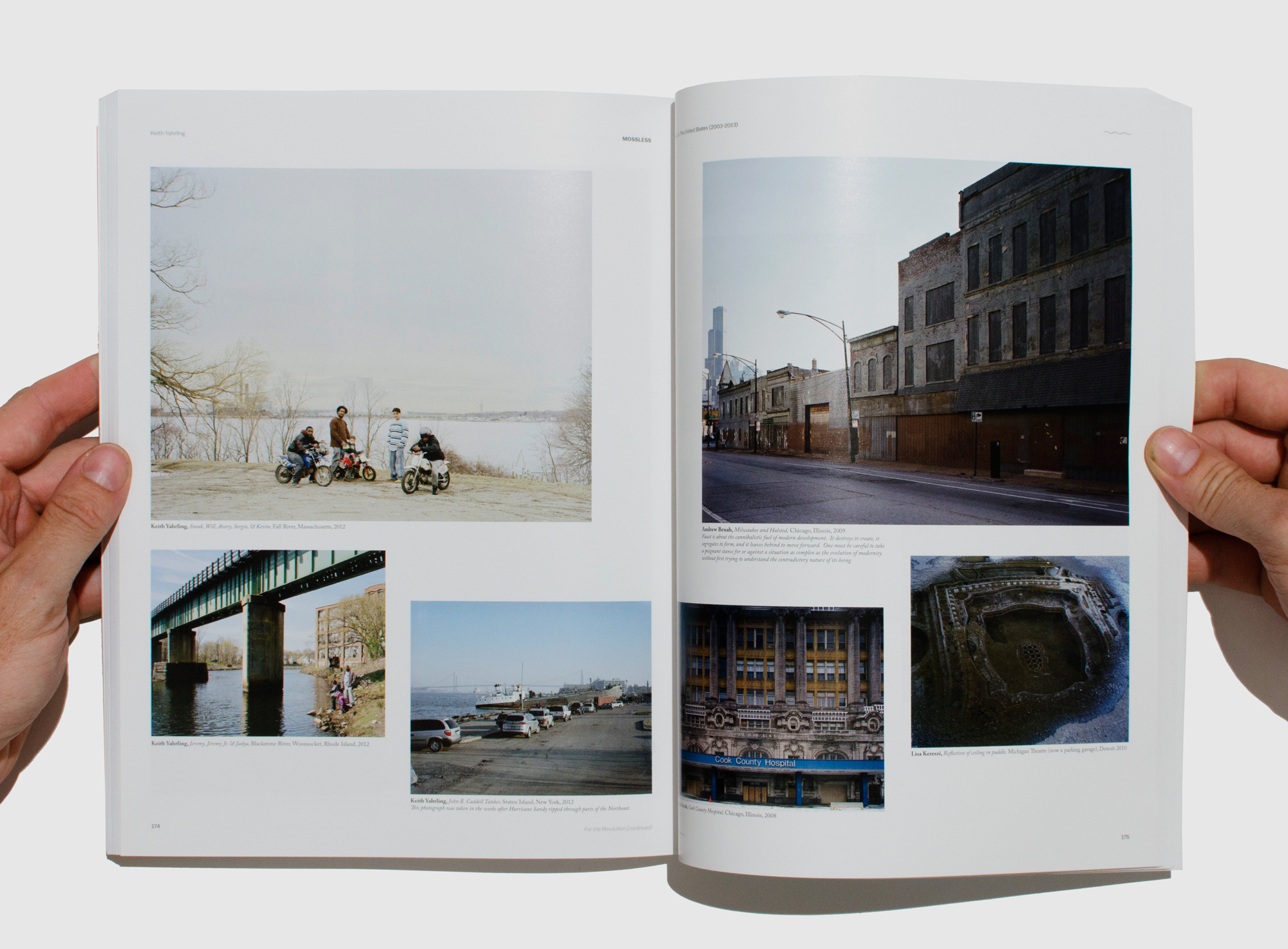
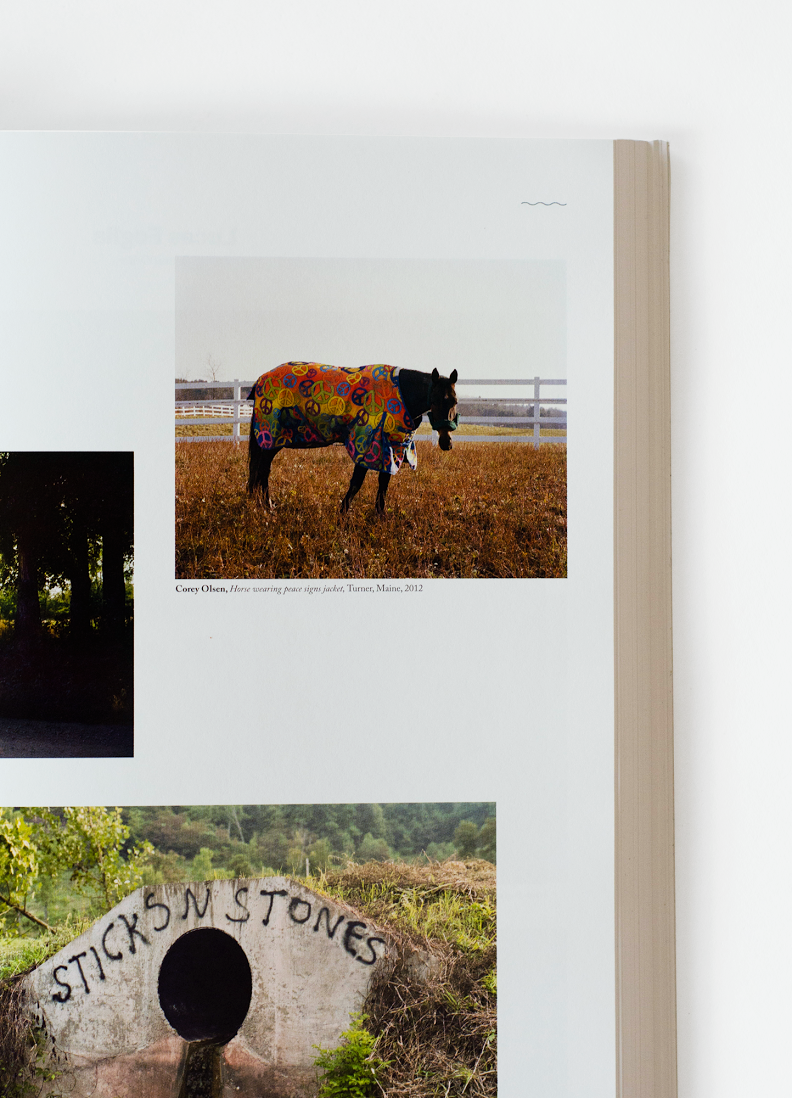
The Daily Edit – Mossless: Romke Hoogwaerts/ Grace Leigh

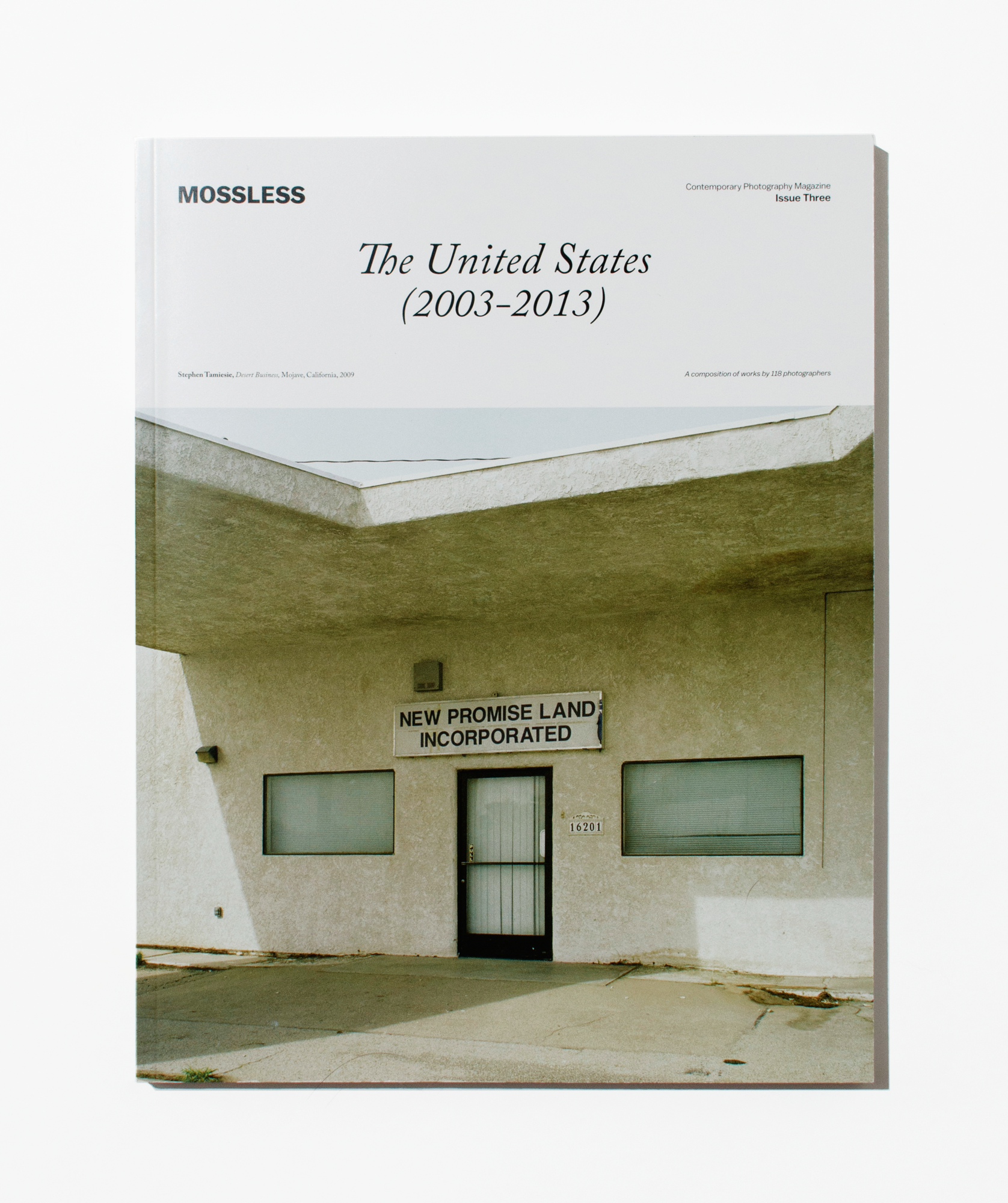
1 cover copy

Stephen Tamiesie

3 ~man&nature copy

( left to right ) Amy Stein, Cait Opperman, Thomas Prior, Trevor Paglan, Jessica Auer, Michael Itkoff, George Underwood

4 Landeros copy

Kathya Landeros

5 ~mining,Kaneps copy

( left to right )  Suzanna Zak and Justin Kaneps

6 Shea copy

Daniel Shea

7 Evans,~industry copy

 ( left to right ) Terry Evans and Carson Gilliland

9 Foglia copy

Lucas Foglia

10 ~domesticdebris copy

( left to right ) Nich Hance Mcelroy, Eric Ruby, Mo Castello, McNair Evans

19 Yahlring,~desolation copy

( left to right )  Keith Yahrling, Andrew Bruah, Lisa Kereszi

unnamed

 Corey Olsen


Mossless

Founder: Romke Hoogwaerts
Partner: Grace Leigh

Heidi: What brought about Mossless magazine?

Romke: As a kid growing up abroad I had become attached to various online communities, one of which was photography. I loved photography, had wanted to be a photographer but I saw early on how hard of a career path it would be, regardless of talent. I wanted to study cinematography, but I also wanted to work in publishing. Once I realised that it would also be very hard for me to even get my foot in any door in publishing if I were to go down this other path, it struck me that I might as well try to develop my own. So I started a blog and soon interviewed a photographer every two days, preparing for a day where I might print a book of someone else’s photos.

Grace: I joined Romke in Mossless in February of 2012 when we started seeing one another. At first just to help packing and shipping copies of the first issue, which had just been released. I quickly became very interested in the project, being somewhat new to New York and the contemporary photography scene—I was raised by two documentary photographers—and found it to be an incredible crash course in everything from daily scouring the internet for content to book design and binding to handling distribution of our print issues. It’s been an incredible learning experience.


What is the best way for online and print photography to complement each other?

Romke: That’s a great question! A lot of newspapers and magazines would sure love to know the answer. I don’t know if I have it either but I do know that since it’s still hard to monetize web content, one should refrain from putting valuable work on there… unless you have some cunning secret interface that has it figured out. I think it’ll take a bit of a change of perspective on the value of content access across the whole internet before this conundrum is really solved. And who knows, some day soon our access to the internet may no longer need backlit screens, maybe then the internet will look more like it’s on paper, which could make physical books totally redundant!

In your mind, what are the differences between imagery that exits online vs print and what are the benefits to each? 

Grace: I find that seeing images online is generally more of a passive act, the images come to you through whatever host you happen to be using (tumblr, Flickr, etc) and can easily get buried or overpowered by the multitude of images moving past your eyes. For that reason in particular I think it’s an excellent place to get acquainted with different trends and movements and for sourcing work to put together collections of images. The appeal of print for me is the tangibility of it and the sort of ritualistic act associated with looking through a book or a magazine. By choosing to leaf through a collection of images you are taking a much more active role in viewing, it’s deliberate. There are so many amazing images online, print just gives them a place to live so they can be revisited again and again.

Romke: It’s a thrill to explore images online, as long as you know where to look to find stuff that will surprise and reveal new things, which isn’t too hard considering how many people across the world take part. With print, it’s a thing of ownership, or belonging and solidarity to a mentality. People buy books so that their contents can become a part of them in some way. It’s a potent feeling that is impossible to have online. Beyond the feeling of ownership and belonging I’d say that main difference is simply in an image’s illumination and resolution. Some images look spectacular backlit, others are best found matte and on paper. Some photos lend well to a calculated sequence, controllable in print, others suit the chaos online. It makes for quite a neat contrast. What really tips the balance, though, is exposure to the public. Books are limited in number, resources and by tangibility. An image online is at once at risk of being seen by no-one and by the whole world.

How many images did each photographer submit for the magazine?

Romke:  We didn’t really take submissions, we requested specific photos that we saw on their websites or blogs. We invited them to add any others they thought would be fitting. I think that most photographers sent an average of about six or seven photographs. Some sent just two or three, some sent about twenty.

What was your editing criteria?

Romke:  Once we had our huge folder of photos, we printed them all out, labeled them, and tried to organize them by loose categories like commerce, industry, rural, urban, and so on. We used those loose categories as groupings that we could move through and we tried to find ways to connect the different themes in a visual way. We had requested a number of photographs that would fall under  “on the road” which we used quite a bit to connect these themes. It was really hard. We created a few rules for ourselves and we broke them frequently in this mad goal of finding some kind of pure sequence.

Overall what was your theme for this issue?

Grace: The theme was photographs taken in the United States over a ten year period, as seen by a chorus of different photographers. It was our goal to create a survey of new american photography so we published a range of works from amateur  photographers we found on flickr to professional photographers with already published works, our only strict criteria that it be taken between 2003-2013 and that the work had already been published online. 

I know you’re developing a fly-on-the-wall/interview type video, which may be turned into a series, when can we look forward to that and how would we find it?

Grace: Yes! We’re really excited about our new project. We’re currently editing that video, which should go online within the next month. I wish I could say more, but I really shouldn’t!

The Daily Promo: Ryan Nicholson

_NP_4600
_NP_4606 _NP_4608

final-LWH_NP_0161

final-LWH_NP_0180

final-LWH_NP_0415

final-LWH_NP_0425

Ryan Nicholson

Who printed it?
It was printed by Spangler Graphics in Kansas City where I am based.

 Who designed it?
Designed by Kirk Lakebrink a Kansas City based designer.

Who edited the images?
Edited by myself and JP Perlmutter an artist consultant.

How many did you make?
We printed 275 copies of the piece and I mailed out 220. I will use the remaining pieces as leave behinds at portfolio shows, etc…

How many times a year do you send out promos?
For the past two years I have sent out 6 direct mail pieces a year (basically one every other month) and this year I am going to do them quarterly.

Where did your idea of women and hoops come from?
It is a long story on how I ended up shooting the piece but I will try and summarize. I played high school and college basketball. I graduated with a history degree and started my professional career as a high school history teacher/basketball coach. I taught and coached in Moore, Oklahoma then in Kansas City, Missouri and finally out in Phoenix, Arizona. The last year that I taught in Phoenix I actually switched from teaching history to photography but through a combination of teaching burnout and revitalized interest in photography (my father was a photographer) I decided not to renew my teaching contract and to give photography my full time attention. I started as a stringer for a couple small newspapers in Phoenix and my business has grown and shifted in a variety of ways over the past ten plus years. I am now based in my hometown of Kansas City, Missouri shooting a mixture of editorial and commercial work.

Despite my career change away from coaching I have always maintained a love and interest in basketball and decided over this past year that I wanted to dedicate some time and attention to shooting it specifically. I had a trip scheduled to New York for portfolio shows last summer and was digging around for information on the street basketball scene in the city. I found a documentary on NYC street basketball called “Doin’ it in the Park” on Netflix which led me to their Facebook page. I was looking at the film’s Facebook page and saw a post about a group of women that play pick up ball every Sunday at Goat Park in the upper west side. I found that “Ladies Who Hoop” Facebook page and sent a message to the organizer asking if I could come and photograph them while I was visiting. The organizer Amber Batchelor welcomed me with open arms and I spent a good portion of a Sunday photographing the group while I was in town.

The second part of my interest in photographing the women was my desire to create images of women in a manner that shows them as strong, athletic, etc….I have two young daughters and any opportunity that I have to use my time and talents to document women that are strong and pushing boundaries I consider time well spent. I have to say watching the women take over one of the courts in a prominent New York City park was really cool to watch and document. I am in the planning stages of another trip there and will definitely go back and photograph the group again.

Read more in SLAM Magazine here
 

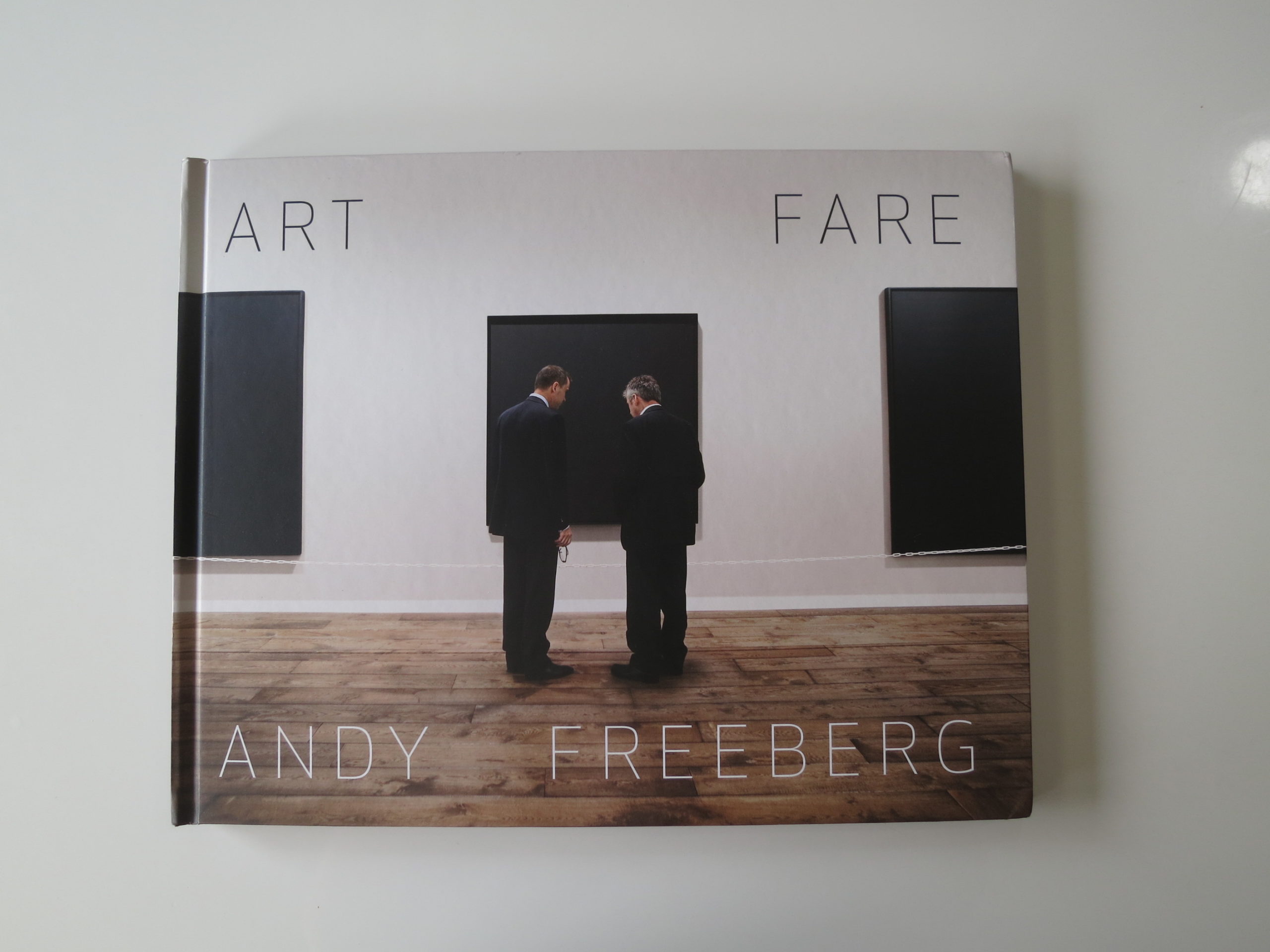
This Week In Photography Books: Andy Freeberg

by Jonathan Blaustein

I got a lot of good feedback on last week’s review. Honestly, I wasn’t that surprised. Who doesn’t love to read the ramblings of a slightly deranged mind?

It was as if I were Raskolnikov for a few moments. Fleetingly crazy, only without the menace. Who knew what I might say? I could have written the whole thing stark naked, having a laugh at everyone’s expense, and no one would have been the wiser.

This week, however, I’ve moved past the pain-killer phase of this particular illness. As two of my students correctly predicted, it migrated from my throat to my chest. Now, I have bronchitis, which is less painful, but more annoying.

All day long, I’ve been hocking up phlegm.
Cough. Cough. Chest boogers.

Not. exactly. sexy.

And yet, as I said last week, the trains must run on time. Books must be reviewed. Content must be produced. It is the way of the 21st Century, and who am I to question reality?

(Were I still in the Dostoyesvky-impersonating phase, I might do just that. “The world. It is bleak. People. They are dark, miserable animals. Happiness is an illusion. We are all capable of murder. Why go on living? What is the point? I really should kill myself. Or better yet, someone else. They don’t deserve to live. I hate them. I love them. I am thoroughly confused.”)

Are you confused? Shall I make things less complicated for you?

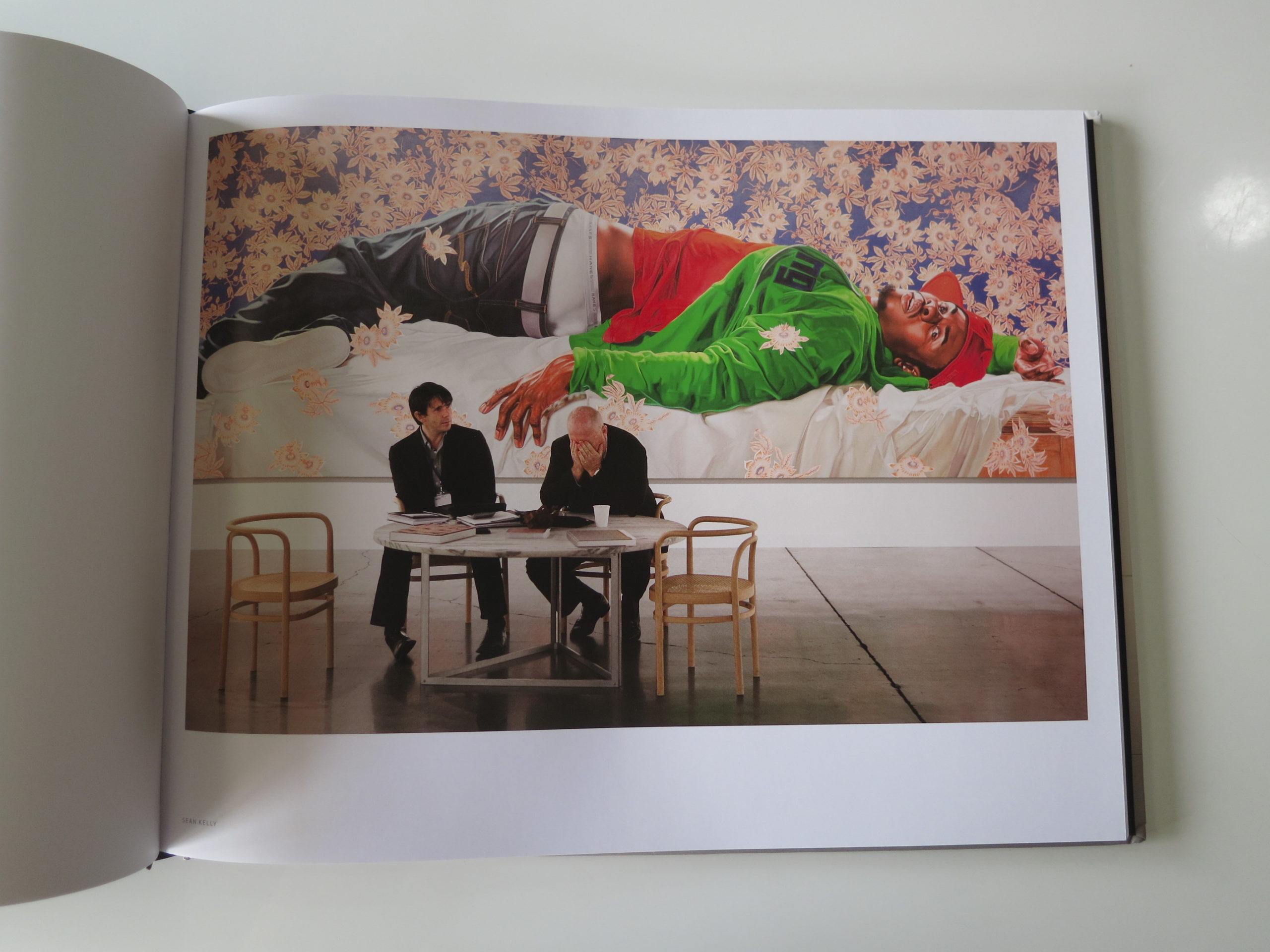
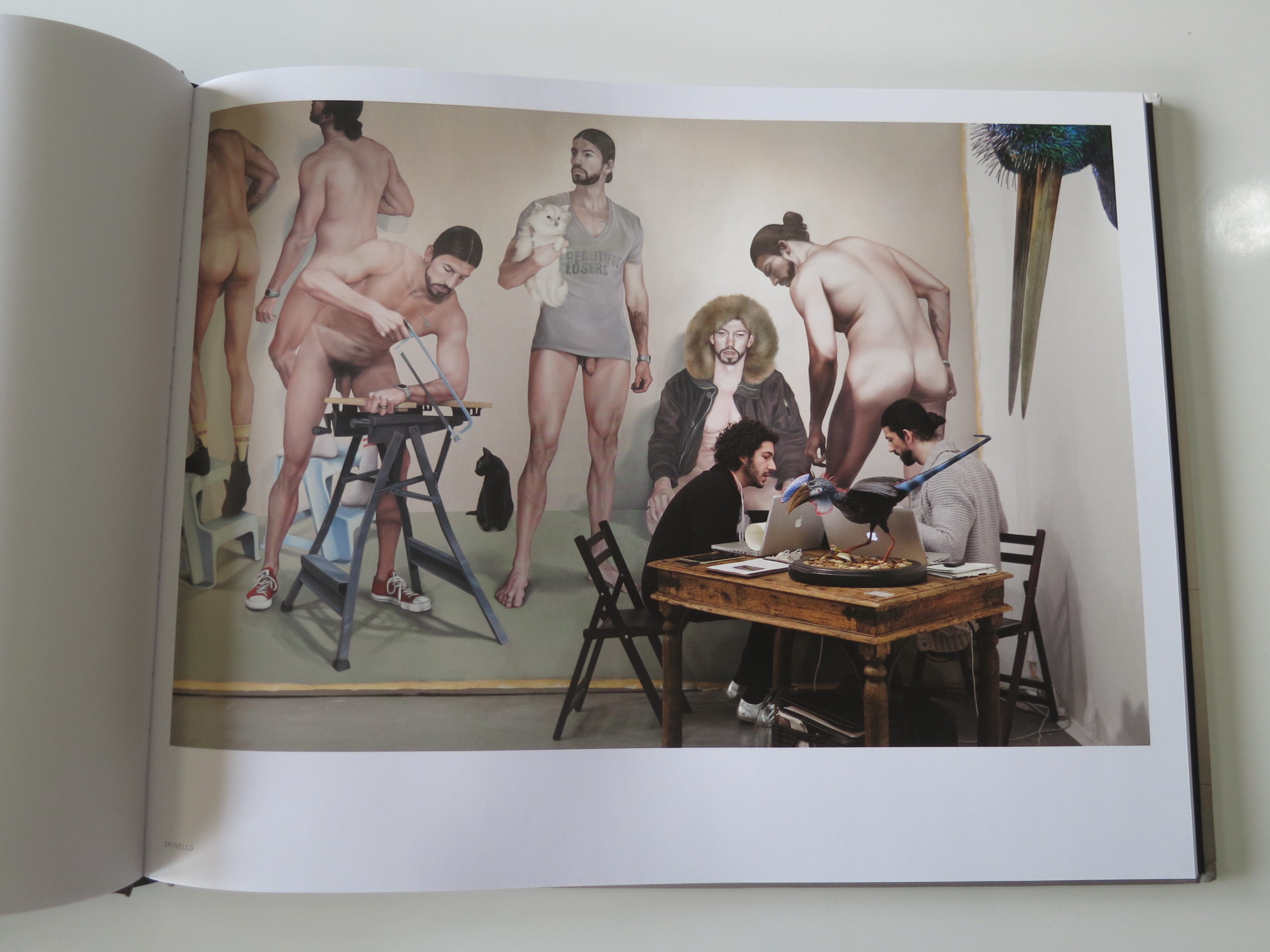
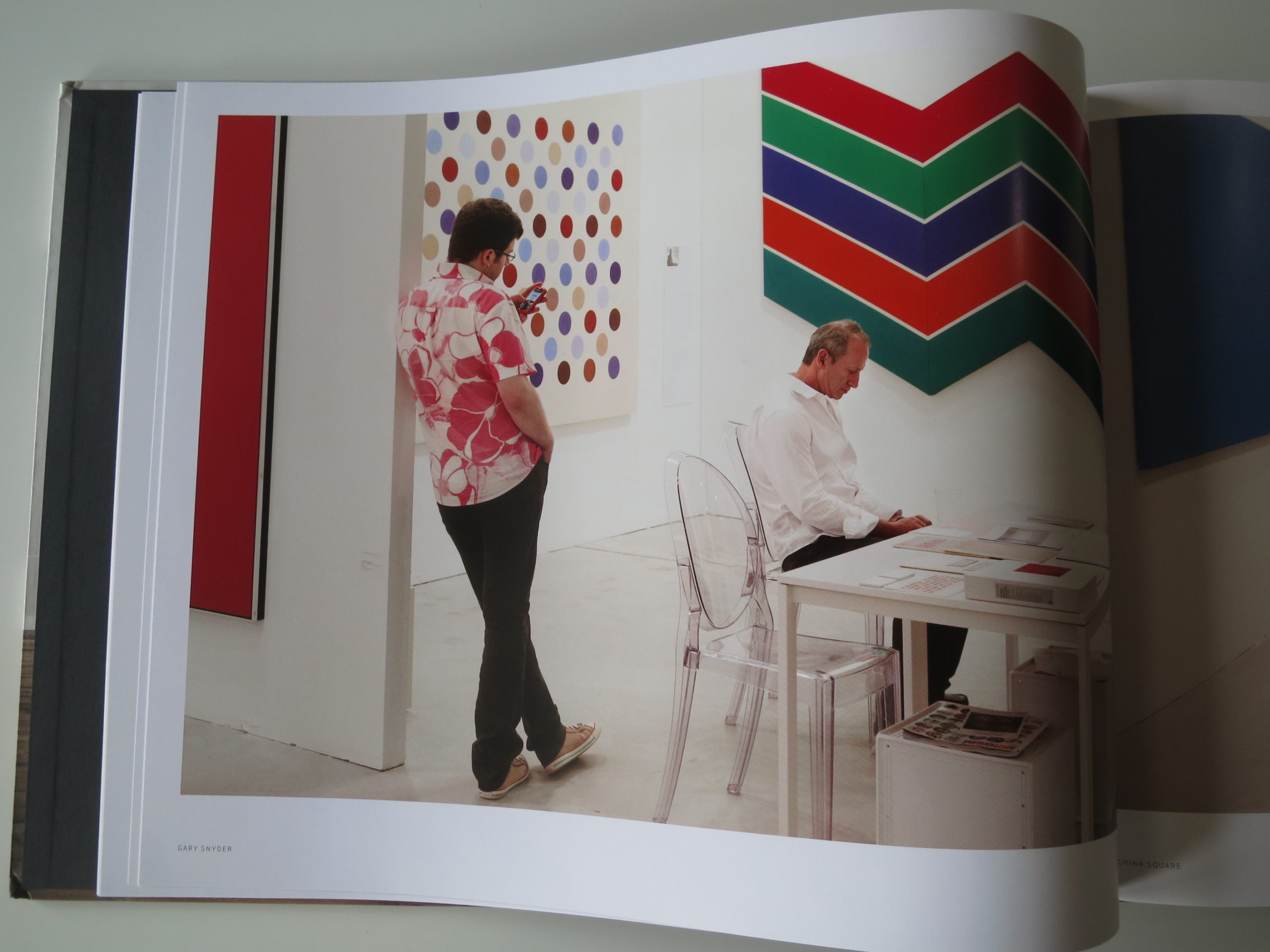
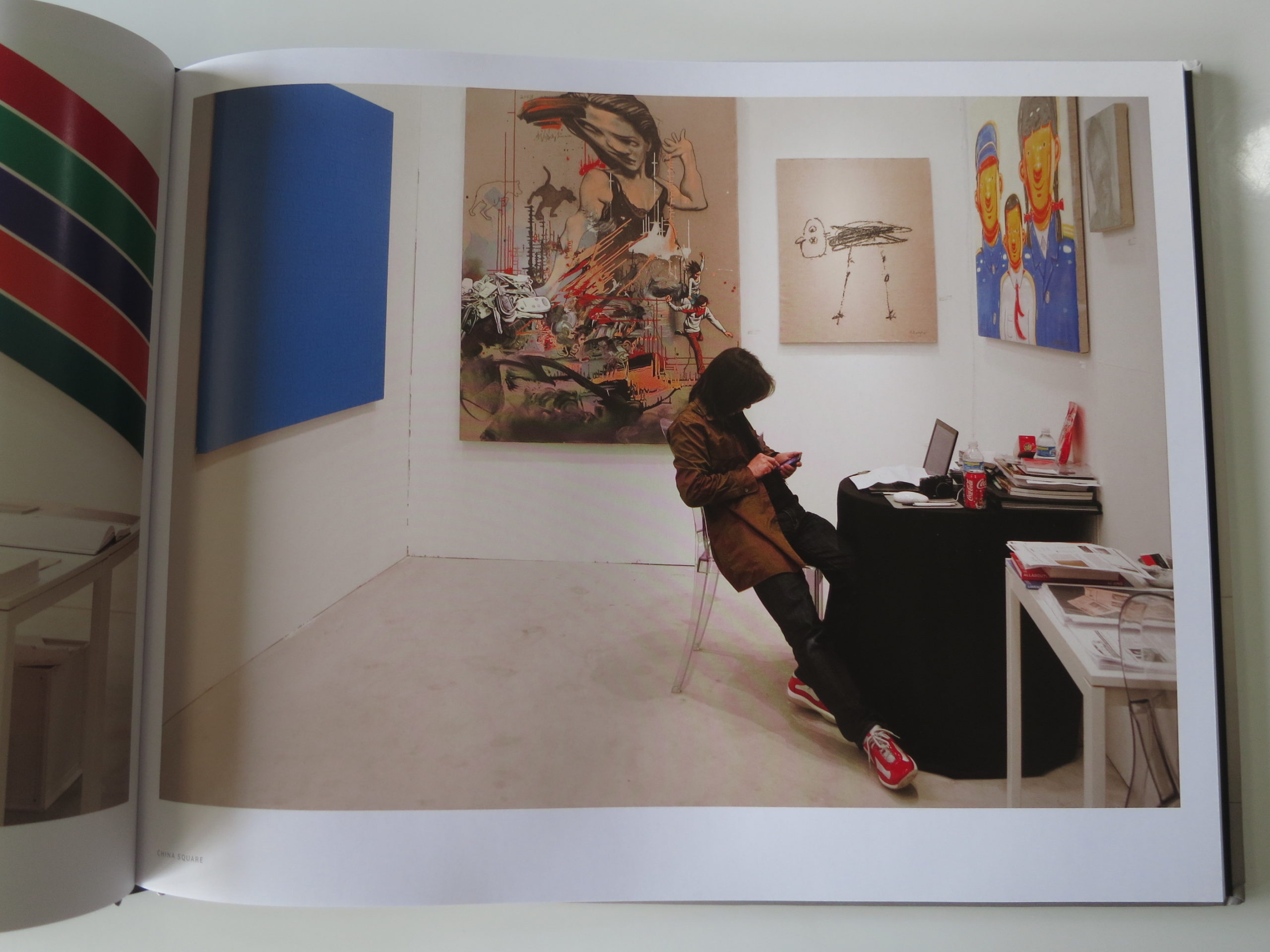
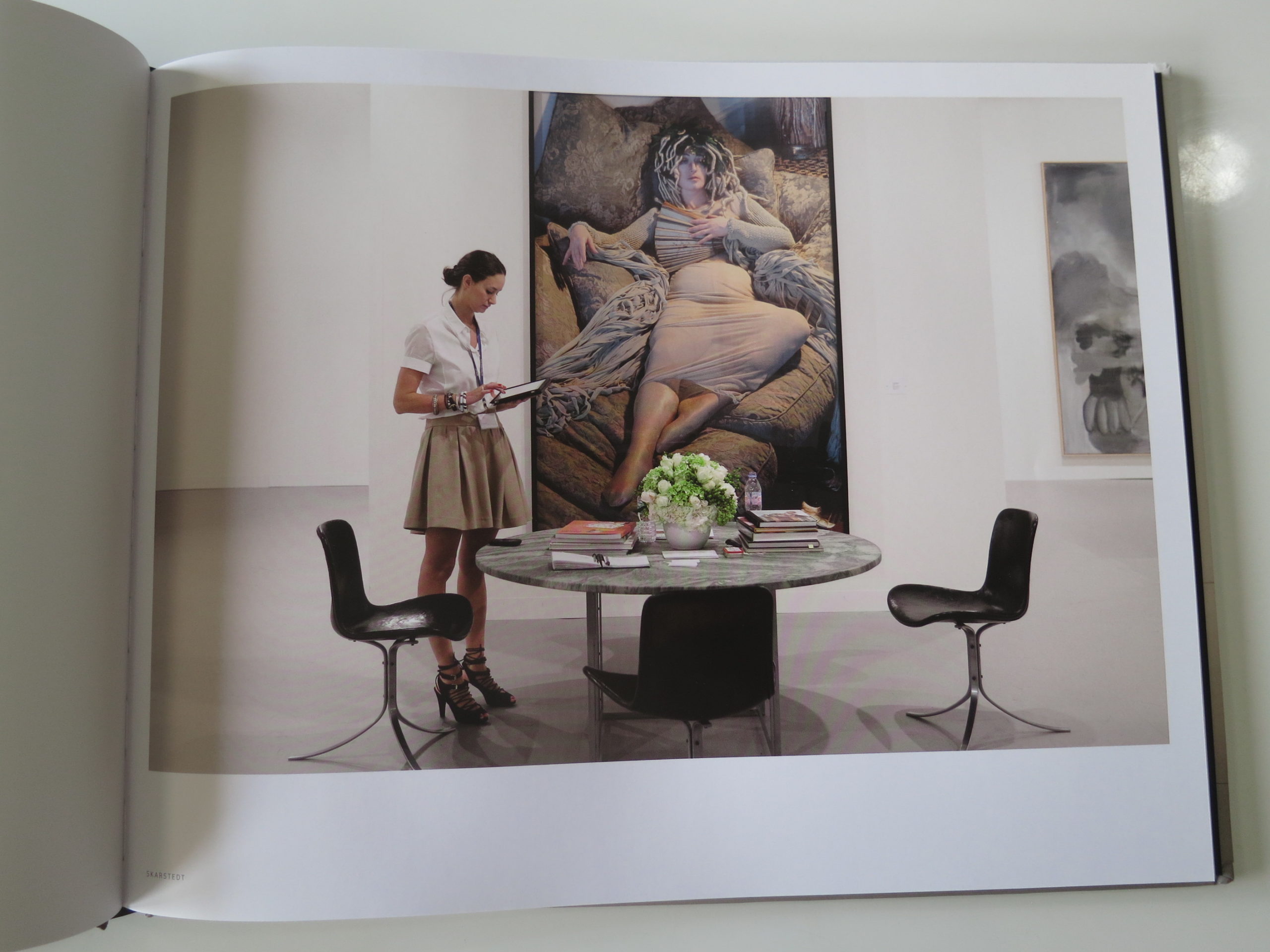
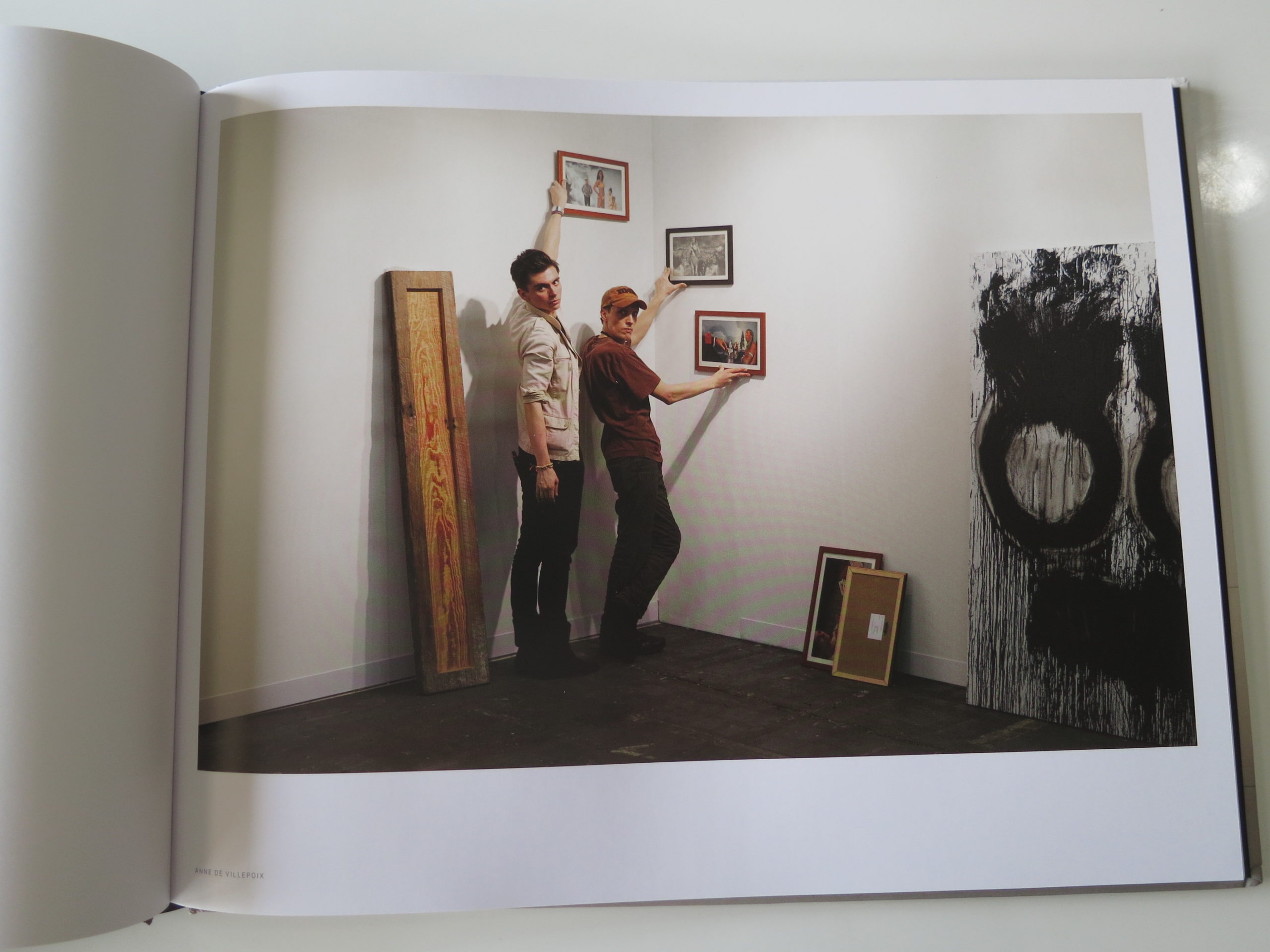
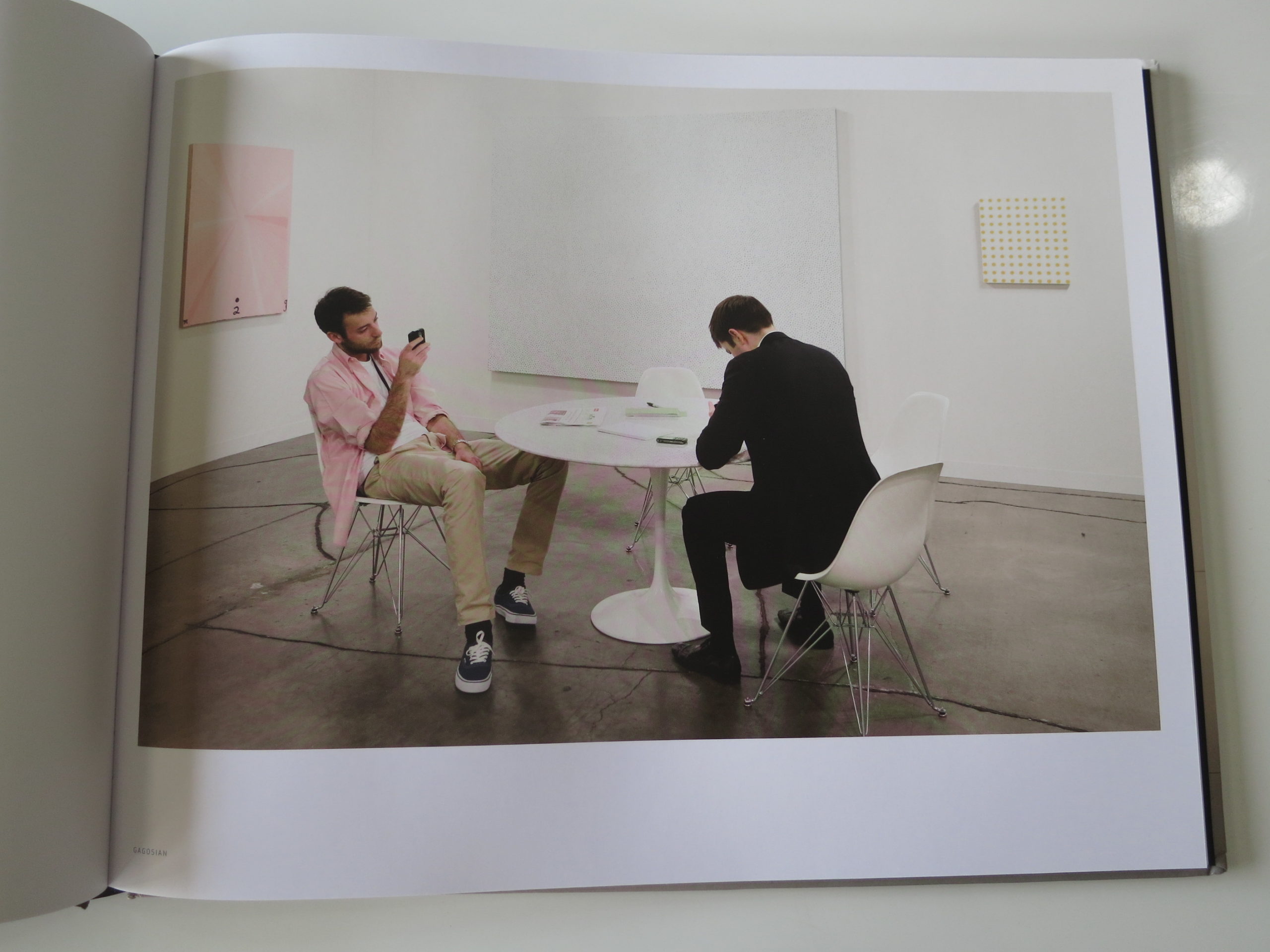
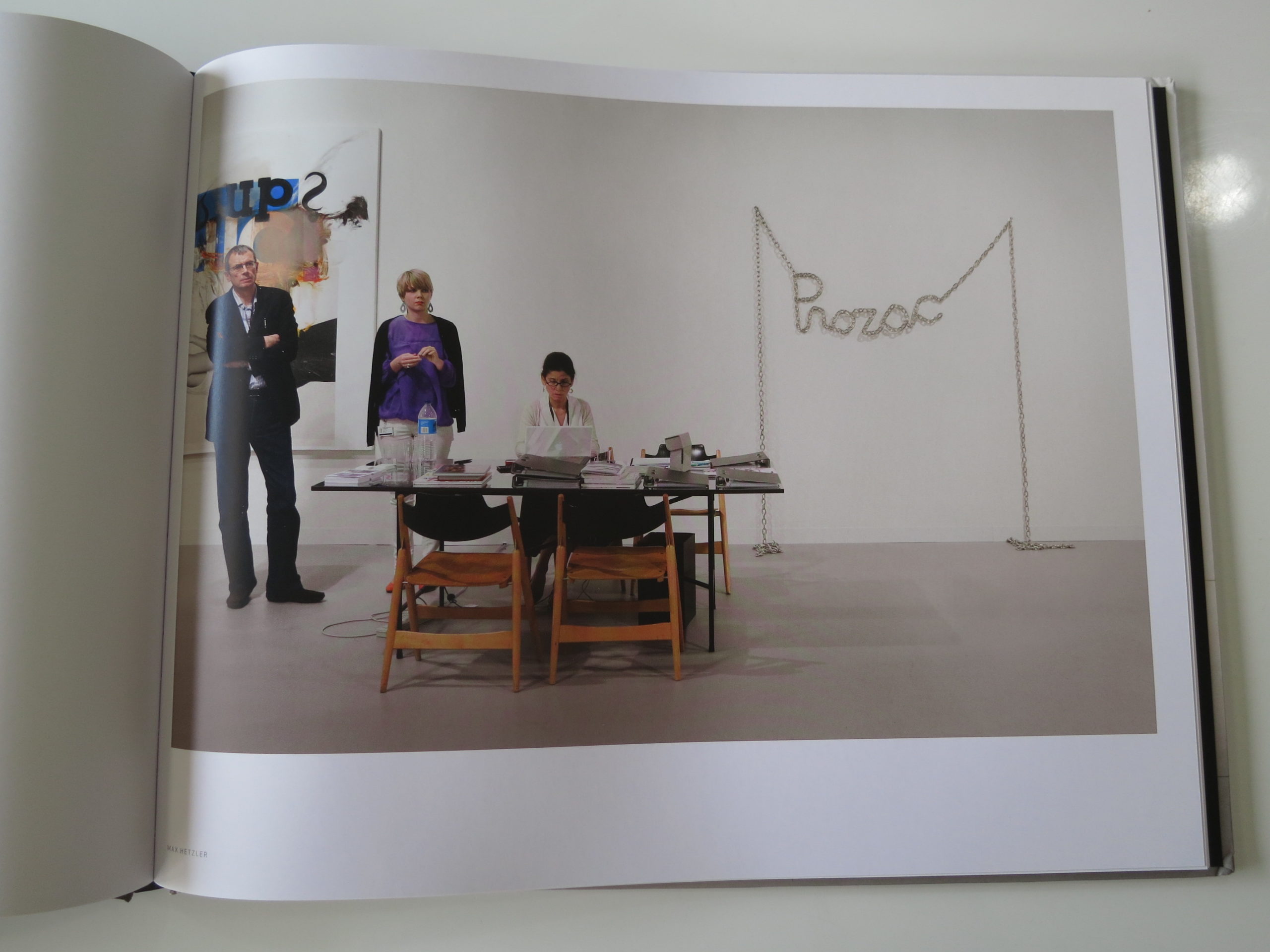
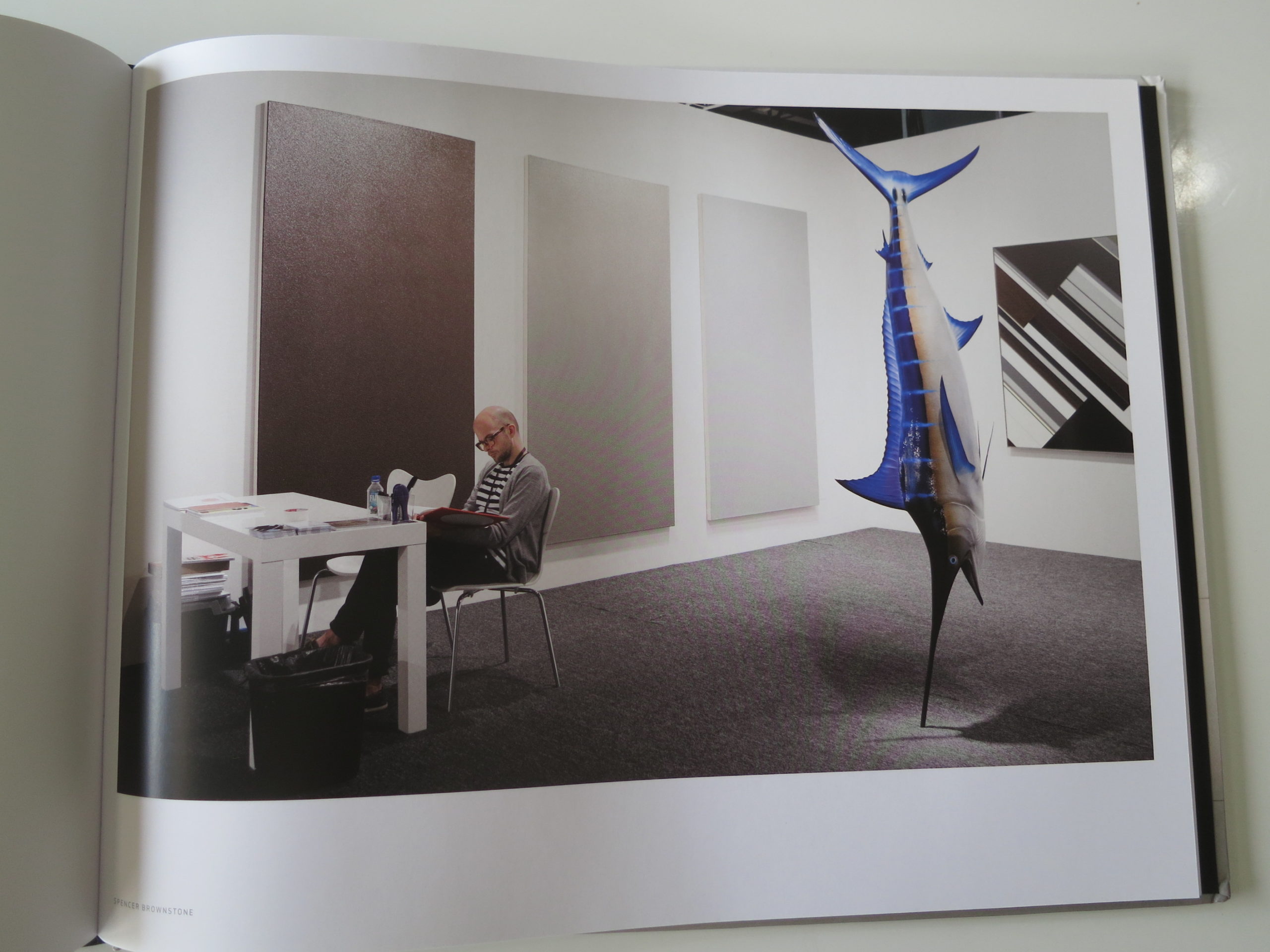
How’s this? Andy Freeberg’s new book “Art Fare,” published by Sojourn, is awesome and hilarious, in a dry, insider-kind-of-way. He laughs at the type of powerful, humorless people that normally intimidate the shit out of regular folks like us: Contemporary Art Dealers, and their bespectacled minions.

This book requires little explication, which is why it is perfect for today. The pictures below will amuse you, for certain, and allow me to wrap this column up quickly, so I can go back to my obnoxious, Russian-level suffering.

Cough. Cough. Chest boogers.

The pictures were made in the Miami Art Fairs, and feature gallery owners and workers in front of the goods they buy, sell and trade. Not much to figure out.

There are connections between the people and the art, occasionally. Like the guy in front of his own painting, with his wiener hanging out.

But what I really loved was the fact that almost all of these people have adopted the kind of affected, bored-of-the-world, I’d rather check my Iphone than stare at a wall, I’m-better-than-you-are kind of postures. It makes you want to punch them in the face, collectively, but then, not really. They’re just flawed human beings, as are we.

Everyone gets bored, I suppose, and if you stare at the art too long, perhaps your mind will explode.

I’m sure they’re secretly insecure, these Art World Denizens, and trying to fit in, like the rest of us. So they wear faded black T-shirts, like their buddies do, and pretend not to care. (Like their buddies do.)

Bill Hunt, who writes an essay, is also featured in a photograph, at his former gallery Hasted Hunt Krautler. In fairness, his pose affects no such ennui. (Which really ought to be a Russian word, instead of French. Don’t you think?)

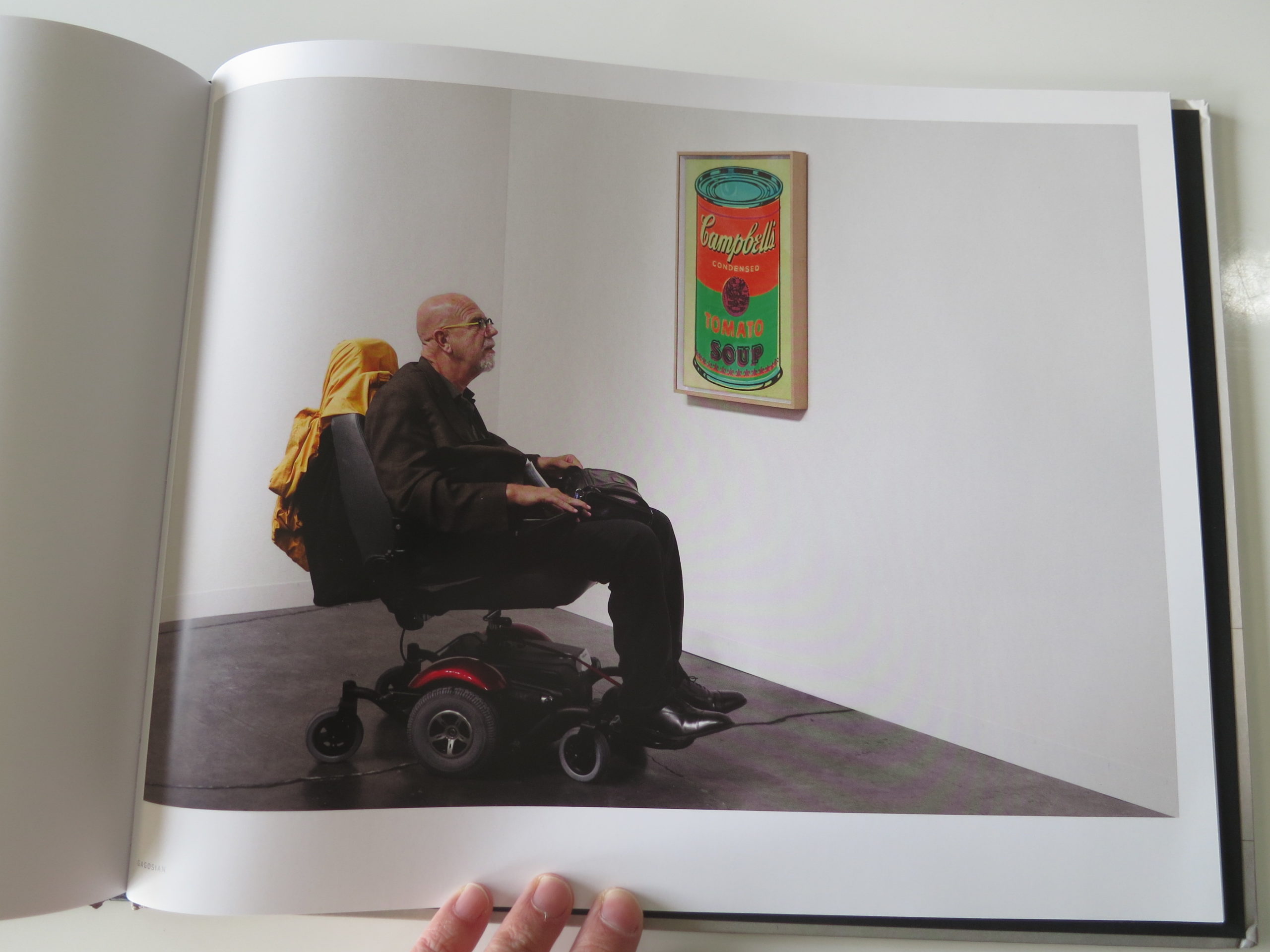
He ends with Chuck Close, in his wheelchair, looking at an Andy Warhol “Soup Can” on the wall. What a great way to “close” a book. Perfect, really.

Blaustein out.

Bottom Line: Hilarious, well-observed investigation of the Art-World-Gorillas in their natural habitat

To Purchase “Art Fare” Visit Photo-Eye

IMG_0425

IMG_0426

IMG_0427

IMG_0428

IMG_0429

IMG_0430

IMG_0431

IMG_0432

IMG_0433

IMG_0434

IMG_0435

IMG_0436

IMG_0437

IMG_0438

IMG_0439

IMG_0440

IMG_0441

Books are provided by Photo-Eye in exchange for links back for purchase.

Books are found in the bookstore and submissions are not accepted.

The Art of the Personal Project: Dennis Stevens

As a former Art Producer, I have always been drawn to personal projects because they are the sole vision of the photographer and not an extension of an art director, photo editor, or graphic designer. This new column, “The Art of the Personal Project” will feature the personal projects of photographers using the Yodelist marketing database. You can read their blog at http://yodelist.wordpress.com. Projects are discovered online and submissions are not accepted.

Today’s featured photographer is: Dennis Stevens

56853f5ac9c9cd9899c9a77046d77e89

0423689e74497094d560ad945b540e95-1

20141223-Day 3IMGL3302

20141227-Day 5IMGL9809

20141227-Day 5IMGL9844

AllMenAreBornEqualThenAHandfulBecomeFirefighters

Batallion61OnScene

DreamBigandDareToFail

IntoTheSmokeWeGo

MorningDuties

StayLowMoveFast

T61ToWinterPark

TheMinuteBeforeYouGoIn

VentEnterSearch

YouNeverKnowIfTheNextCallWillBeYourLast

How long have you been shooting?
I have been shooting for close to eight years now with three of those being professional.

Are you self-taught or photography school taught?
I am completely self taught through experimentation.

With this particular project, what was your inspiration to shoot it?
Growing up, I always had a strong fascination with firefighters. Last summer I took the initiative to speak with the local fire chief about my photography and he granted me the privilege of working alongside his firefighters. I spent nearly a week trying to get a sense of how I was going to capture such a powerful subject, but in the end it turned out fantastic.

How many years have you been shooting this project before you decided to present it?
This project began last July, and I released the first set of images in mid-august.

How long do you spend on a personal project before deciding if it is working?
It truly depends on the subject that I am capturing. Traditionally, I will spend around three days to determine if I connect with the subject, if not I normally abandon the idea until a later date.

Since shooting for your portfolio is different from personal work, how do you feel when the work is different?
I am very selective in the work I choose to publish in my portfolio. Portfolio work for me has to be perfect in quality, while my personal projects don’t have too high of standard since I am just expressing myself.

Have you ever posted your personal work on social media venues such as Reddit, Tumblr, Instagram or Facebook?
I present my work on different venues depending on the subject matter. For example, I posted this project nearly everywhere I could including the firefighting sub-reddit.

If so, has the work ever gone viral and possibly with great press?
My work with first responders has gone viral within the firefighting community. As of January 2015, my series had received over half a million views as a result of social media sharing. Although with a lot of viral images out there, only a couple thousand of viewers knew that I was the photographer.

Have you printed your personal projects for your marketing to reach potential clients?
At this point, I have not. Although, I plan to create multiple promotional pieces that I will distribute to agencies this summer to introduce my brand.

—————-

Dennis Stevens is an eighteen year old photographer based in Orlando, FL. He specializes in lifestyle, advertising, and performance photography with a hard focus on first responders. He is network driven and loves to create work with new clients. He has been shooting commercial photography freelance for the past three years while attending high school. He has been regarded by the greats of his industry as ambitious and someone who will make his mark.

His work with first responders has been widely recognized in the first responder industry. His continuous series highlighting the Winter Park Fire Department has been viewed by nearly half-a-million people worldwide as a consequence of social media sharing. His most recent campaign with Honeywell International received the attention of nearly twenty-thousand viewers within the period of a work week.


APE contributor Suzanne Sease currently works as a consultant for photographers and illustrators around the world. She has been involved in the photography and illustration industry since the mid 80s, after establishing the art buying department at The Martin Agency then working for Kaplan-Thaler, Capital One, Best Buy and numerous smaller agencies and companies. She has a new Twitter feed with helpful marketing information believing that marketing should be driven by a brand and not specialty. Follow her on twitter at SuzanneSease.

I Don’t Object To Staging – The Honesty Lies In My Ability To Understand

I remember your picture of a Spanish woman throwing water into the street. Was this staged?

A. I would not have hesitated to ask her to throw the water. (I don’t object to staging if and only if I feel that it is an intensification of something that is absolutely authentic to the place.)

Q. Cartier-Bresson never asks for this…. Why do you break this basic rule of candid photography?

A. I didn’t write the rules — why should I follow them? Since I put a great deal of time and research to know what I am about? I ask and arrange if I feel it is legitimate. The honesty lies in my — the photographer’s — ability to understand.

Q. Why do you print your own pictures?

A. The same reason a great writer doesn’t turn his draft over to a secretary… I will retouch.

via Discussing Honesty in Imagery – NYTimes.com.

The Daily Edit – Portland Monthly: Michael Novak

Screen Shot 2015-03-15 at 3.30.26 PM
Screen Shot 2015-03-15 at 3.30.43 PM

Portland Monthly

Art Director: Michael Novak
Photographer: Andy Batt

How often do you have celebrities on the cover? Is this a unique cover story?
This is actually almost unheard of for Portland Monthly. As a city mag, our covers tend to stick to standard tropes such as Best Restaurants, Travel, Schools, Real Estate, etc. Occasionally we experiment with more “newsy” subject matter, but those covers have typically fared poorly on newsstand. And more specifically, our covers almost never feature actual people, except in cases where they’re fairly anonymous, eating in a restaurant or hiking a mountain; our readership responds better to more tried and true reader service. In the 8 years I’ve worked here, we’ve published only three celebrity covers—so it was definitely an experiment to try this approach.

Is this an an annual theme: exceptional Oregon women?
We’ve never done this topic before. The subject was championed by one of our executive editors, Rachel Ritchie, and embraced by our founder, Nicole Vogel, who had experienced plenty of sexism herself in the process of raising capital to start this magazine 12 years ago. Nicole wrote an essay in the issue, about the disrespect she encountered in a city considered a bastion of liberalism.

What makes an exceptional woman for your title?
We chose women across multiple industries and geographies—all of them bravely innovating in their given fields. Our criteria was really just that the women included be doing impressive work that our readers didn’t necessarily know about. We wanted each profile to feel both surprising and inspiring, from the chief of staff for the Governor to a death row investigator to Portland’s first female head brewer.

How did the concept evolve, was it hooked on the idea of these women being pioneers?
The concept was always tied to the pioneering spirit of Oregon women; from a journalist’s perspective, it’s just such a rich subject with so much material to work with. The feature’s evolution was mainly due to our selection of individuals to profile and the format those profiles would take. We could’ve easily made a whole magazine on this subject—we started with a list of more than 100 women to whittle down to 10—so the real challenge was smartly editing our aspirations and limiting the feature to the 13 pages available.

What made you choose Andy Batt for this project?
Andy brings the right skills to the table. He’s worked on many Portland Monthly projects over the years, from shooting a school bus of screaming 7-year olds (never try art directing 7-year olds!) to ballerinas to the March Fourth marching band. He always comes to a project looking to try something new, and though he’ll always execute the client’s ideas, he also brings his own. In the case of the Carrie Brownstein shoot we only had an hour with her, so we had to figure out an approach that was simple enough that we could get options for both the cover and the interior. We had conceived of a Northwest referencial set, with Carrie standing on the stump of a tree with a rough-hewn wooden background. But when I got to the set on the day of the shoot, Andy had commissioned a prop builder to assemble a green background made out of fanned fern leaves, another powerful NW visual. And in the end we went with his fern idea because it just made a better visual.

Do you ever have photographers from out of state shoot for you?
Typically no. Occasionally I’ll have someone from Seattle shoot for me, but honestly our coverage is tightly Oregon-focused and we are blessed with an abundance of local talent so I almost never have to hire from out of state. I often joke that Portland is where photographers come to retire. We seem to have more of them per capita than NY and LA. That’s probably not strictly accurate, but it’s gotta be close!

What’s the best way for photographers to get in touch with you?
The can email me at mnovak@pdxmonthly.com.

The Daily Promo – The Morrisons

Screen Shot 2015-03-02 at 11.09.45 AM


Screen Shot 2015-02-25 at 9.09.06 PM

The Morrisons

Who printed it?
The foil stamped folders were printed by a great local printer, Mr. Lam at Candid Bindery.  He’s been foil stamping with expert precision forever.  The nine double-sided image cards were printed by Shapco in Minneapolis.

Who designed it?
We worked with Studio Lin here in New York.  They have a great eye for detail, materials, and color, and we loved some of their previous work (check out the cat calendars for United Bamboo on their site.

Who edited the images?
We always go through extensive rounds of edits ourselves before enlisting the expert eye of consultant and artist Melissa McGill.

How many did you make?
This was our first promo working officially as a team, and we wanted to introduce ourselves in a thoughtful way, favoring quality over quantity.  We printed 500, which was thankfully just enough.

How many times a year do you send out promos?

We hope to mail promos once or twice a year.  We love working with designers and producing something from start to finish.  It’s a luxury and can be great fun.

This Week In Photography Books: Carolyn Drake

by Jonathan Blaustein

I didn’t sleep well last night. Forgive me if I ramble on. I’ve got no other options.

That’s the thing with a weekly column. The deadline is always there. Over the years, you learn to live with it. Rather than a demarcation of stress, the looming responsibility becomes a comfort, as my young daughter always clings to her fuzzy pink blanket. (Which she calls Cokie.)

It’s been years now, that I share my musings and life experiences with you: the nameless audience. You’ve been around for my ups and downs. As I write, some of the downs come back around again, like a decrepit ferris wheel in a faraway carnival.

The cages creak, in need of oil. The rust has overtaken the paint. Soon enough, it will all be a cacophony of textured brown. Like the desert, if it were only slightly darker in color.

Why didn’t I sleep last night? Because I’ve caught one hell of a wicked virus. The kind that makes my throat feel like a thousand tiny knives are puncturing my skin, every time I swallow. I had one of these bugs a few years ago, and wrote about it then. (Do you remember?)

Now, I’ve gotten another. Not two seconds ago, I swallowed, and the scratchy pain flooded my brain with cortisol. Yet the ferris wheel keeps spinning, and the book pile looms in the background, filled with goodies about which I expound, for your pleasure, every week.

What about today? Can you tell that I’m half-bonkers? Does it matter? What if I found a book, on my very first try, that matched my loopy mood perfectly, like yin abuts yang, forever in harmony?

Would it be possible? What would such a book look like?

I’m glad you asked.

“Wild Pigeons” is a new book by Carolyn Drake, recently produced by Colour & Books. That is was one of two books in my stack with pigeons in the title seems beyond coincidental. That it is the second book in a week that dares to “Put a Bird on It” is less surprising, as there would not be a cliché, there would be no smoke, without the fire.

I didn’t know it was Ms. Drake’s book though. Her name, and the title, are on the spine only, and I didn’t bother looking. So all I got was three white birds on a white cover. Honestly, such a book could be about anything. Presumably birds, but last week’s bird book was about the aftermath of the Japanese earthquake, so I was curious.

Oh yes.

It opens with a section of pages that are shorn shorter than what will come later. Two text pages greet us, the second states “I cannot tell if I am dreaming or awake.” Which is exactly how I feel at the moment, hopped up on honey tea and pain killers.

Then, we see a grave, below prayer flags, in a desert. After, a portrait on a wall: four boys with their heads covered with a certain kind of hat, like a yarmulke, only bigger. Then, more desert. And more desert still. A brown-skinned man on a motorcycle. A woman on the ground. A boy perched upon wires, tied by rope to a man on the ground.

Where are we? What is going on?

Time to guess, I thought. I supposed we were in Central Asia, though Mongolia did pop in my mind as well. Not enough grassland for Mongolia, though. We see headscarves, and farmers, yet lush things grow as well.

The words “fever dream” popped into my head, but that’s really not a phrase I ever use.

We get to the wider pages, and the orientation shifts entirely. You flip the book sideways, and are met with collage images. Some have text written on them. It is trippy, this book, and I like it very much. Very much indeed.

At some point, I see the word Uyghour, and then it makes sense. The asiatic features. The vast deserts. The head scarves. We are in Western China, I realize, and it has all been hinted at perfectly, so far.

Eventually, the pages shrink again, and we are back to straight photography. Apple carts, and pit bulls lunging. Cow throats slit in the streets, blacksmiths, and billiard games too. There are still blacksmiths in 2015? (Of course, silly American. Of course.)

Holy shit. This book is wild. If I were in a normal state of mind, I’m sure it would induce a sort of temporary insanity. As I am already temporarily insane, I feel like this book was made just for me.

The pages widen again, the orientation flips. Again. And now the photographs are at night. The close of the story. When the bats fly, and trouble canvasses the streets like a beat cop trying to avoid boredom.

Eventually, we reach the end text. A long story, translated for our benefit. A statement by the artist, who explains that the collages were her way of getting the local Uyghurs in Xinjiang to participate in her project. Anonymously. (She spent years visiting the place, and dug deep into the culture.)

Stranger still, there is a brief interview between the artist, an old grandfather, and an interpreter. Why is it stranger still? Because it’s printed on the back cover.

Somewhere, the ghost of Jack Kerouac is reading this review. He is judging me, and unfortunately, I’ve come up short. (“Listen, man. I get the vibe you’re grooving for. I do. I do. But it doesn’t feel quite right to me, man. Like, maybe you were trying too hard? Or maybe you weren’t on enough drugs? You know what I’m saying? The book though… it’s pretty hip. Hip, man. Hip.”)

Bottom Line: Amazing, innovative, mind-altering book made in the true hinterlands of Earth

To Purchase “Wild Pigeons” Visit Photo-Eye

IMG_0407

IMG_0408

IMG_0409

IMG_0410

IMG_0411

IMG_0412

IMG_0413

IMG_0414

IMG_0415

IMG_0416

IMG_0417

IMG_0418

IMG_0419

IMG_0420

IMG_0421

IMG_0422

IMG_0423

IMG_0424

Books are provided by Photo-Eye in exchange for links back for purchase.

Books are found in the bookstore and submissions are not accepted.

The Art of the Personal Project: Matt Odom

As a former Art Producer, I have always been drawn to personal projects because they are the sole vision of the photographer and not an extension of an art director, photo editor, or graphic designer. This new column, “The Art of the Personal Project” will feature the personal projects of photographers using the Yodelist marketing database. You can read their blog at http://yodelist.wordpress.com. Projects are discovered online and submissions are not accepted.

Today’s featured photographer is: Matt Odom

Matt Odom Photography-3493

Matt Odom Photography-3499

Matt Odom Photography-3501

Matt Odom Photography-3505

Matt Odom Photography-3524

Matt Odom Photography-3526

Matt Odom Photography-3535

Matt Odom Photography-3539

Matt Odom Photography-3548

Matt Odom Photography-3550

Matt Odom Photography-3562

How long have you been shooting?

I’ve been shooting for eight years. I started shooting after being laid off of my old job in television and experienced a close family member’s death. I used photography as a way to alleviate the pain. I had always wanted to shoot but I didn’t have resources to get a camera when I was younger because I just couldn’t afford one.

Are you self-taught or photography school taught?

I’m completely self- taught. I come from the school of YouTube and Books. I read, read, and read some more to get the technical aspects down. I used to gobble up every YouTube video I could find on lighting. For business I searched for podcasts and listened to anything that had to do with the business and marketing for photographers. As I grew in photography I began to follow photographers like Miller Mobley, Jeremy Cowart, Tim Tadder, Tom Hussey, Joe McNally, Seth Hancock (who I owe a lot of this to), Jeffery Salters, and Derek Blanks. I just studied their work and deconstructed their lighting and went from there. I almost did art school at UGA but having already graduated from a private university I didn’t want to incur any more debt. To me this is a constant learning process and I strive to improve all the time. You are only as good as that last photo!

With this particular project, what was your inspiration to shoot it?

As a child I used to be mystified by huge exotic animals and I drive by a local taxidermy almost every other day. I decided that I wanted to spend half a day with a taxidermist and photograph the way the work. I felt that it presented such a weird art form they we aren’t used to seeing on an everyday basis.

How many years have you been shooting this project before you decided to present it?

This was one of my shortest projects it took about two months to get everything narrowed down. I’m in progress of doing a BBQ Project and that is more than likely going to be a year and a half in the making. 


How long do you spend on a personal project before deciding if it is working?


I’m pretty nitpicky, so it varies on if I feel the project is something unique and provides the viewer with a perspective that they have not taken when looking at the subject matter.

Since shooting for your portfolio is different from personal work, how do you feel when the work is different?

Personal work allows for full creativity and the opportunity to put your touch on something that you just can’t get on some commissioned jobs.

Have you ever posted your personal work on social media venues such as Reddit, Tumblr, Instagram or Facebook?


I have just become a huge blogger and I am always posting personal work to Tumblr. A lot of my photographer friends talked me into instagram and I’ll admit it’s pretty addictive normally I post a lot of behind the scenes stuff on there. I love the exposure that comes with social media!

If so, has the work ever gone viral and possibly with great press?


Haven’t had that experience just yet! I will say that my Taxidermist project has began to pick up steam. The Kings of the Rings project is another one that has become pretty popular too.

Have you printed your personal projects for your marketing to reach potential clients?

I actually just printed a small booklet of my Taxidermist project to go out in a few weeks to art directors, editors, and potential clients.
I received my copy and absolutely love it. Nothing beats seeing your work in print.


Artist Statement:

The Taxidermist project was done to provide people with an inside view of the hard work and art that goes into creating these larger than life replicas of nature’s most graceful and sometimes dangerous creatures.

———–

Matt is an award-winning editorial portrait, commercial, sports photographer out of a town just a few minutes south of Atlanta called: Macon, Georgia. He holds a Bachelors Degree from Mercer University. Back in the day, he tried his hand in television as a commercial TV producer and sports TV reporter. During that time there he shot local news and a little photography (he stuck with the later). When he’s not on assignment, he’s more than likely watching his favorite soccer team Arsenal Football Club, coaching soccer or listening to jazz.


APE contributor Suzanne Sease currently works as a consultant for photographers and illustrators around the world. She has been involved in the photography and illustration industry since the mid 80s, after establishing the art buying department at The Martin Agency then working for Kaplan-Thaler, Capital One, Best Buy and numerous smaller agencies and companies. She has a new Twitter feed with helpful marketing information believing that marketing should be driven by a brand and not specialty. Follow her on twitter at SuzanneSease.

Pricing & Negotiating: International Hospitality Shoot For A Luxury Hotel Chain

by Craig Oppenheimer, Wonderful Machine

Shoot Concept: Environmental lifestyle and landscape images as well as b-roll video of cityscapes and hotel properties

Licensing: Advertising, collateral and publicity use of all images and video captured in perpetuity

Location: Three hotel properties in three different countries

Shoot Days: 13

Photographer: Lifestyle and travel specialist

Agency: Large international ad agency

Client: Luxury hotel chain with 70+ properties worldwide

Here is the estimate:

Blinkbid  Blinkbid  Blinkbid

Creative/Licensing: As with many projects, the agency presented a creative brief that included a great deal of inspirational vocabulary while being quite vague on what they wanted to specifically capture. We knew they wanted to create content at three hotel properties in three different countries, and generally speaking, they wanted images featuring people interacting and enjoying the hotels, landscapes of the properties and cityscapes of the surrounding areas. Without a specific shot list or more dialed-in ideas regarding the scenarios they hoped to capture, we knew that we’d have to make a lot of assumptions for the first round of the estimate, and then later revise it based on additional information regarding creative direction and budgetary constraints.

Typically, I’d determine the creative/licensing fee by analyzing the total number of shots/scenarios, and then take into account the usage and duration. Since the total number of shots and scenarios were unknown, I based the fee on my experience with similar productions in the past. Based on our correspondence with the agency, it was clear that they wanted to take their time throughout the shoot and didn’t want to rush anything. As a starting point, we planned to shoot three scenarios in and around each property per day, which would allow the photographer to generate about three final hero images per day, plus variations. This was a fairly conservative estimate, and depending on the final creative concept, the photographer would likely be able to capture much more on a given shoot day.

Using this as a starting point, I figured that the first hero image created on a given day would be worth about $5,000 and the second and third would be worth $2,500 each ($10,000 total) for one-year usage. In this case, the client’s requesteduse was for an unlimited duration, despite the fact that the creative brief made it very clear that their intended use was for a campaign that would most likely be used for one year. Given this information, I used $10,000/day as a starting point, which was in line with what we have previously estimated on similar projects, and was justified based on the idea that they’d be hiring the photographer for 13 shoot days. As for the b-roll video, based on my conversation with the agency, it was clearly an afterthought of the creative brief, and the responsibility would essentially be put on an additional camera operator who the photographer would bring along. I therefore didn’t put much value on it in the photographer’s creative/licensing fee, but rather in the day rate included for the camera operator listed in the expenses.

Photographer Tech/Scout/Production/Travel Days: Over the course of our correspondence, we were provided a tentative schedule that the client and agency hoped to use as a starting point to shoot three properties in three countries back-to-back-to-back. While we discussed how preliminary scouting and preparation would take place before the photographer’s arrival (which I’ll note later), the agency requested a significant amount of time on the ground in each location to scout the property and surrounding area and prep prior to the shoot (mostly due to an undefined shot list). This included five prep days on the ground before five shoot days at the first location, four prep days prior to five shoot days at the second location, and four prep days prior to three shoot days at the third location. On the front, back and in between those days we included six travel days (some of the international flights required two days worth of travel), and three additional prep days for the photographer prior to heading out for the project. The travel days are billed at a lower rate since they are typically less intense and require less focus and dedicated than the tech/scout/production days on the ground.

Primary Expenses: Rather than provide a laundry list of expenses that may seem unorganized and confusing, I decided to break out the expenses into four sections. The first set of primary expenses included all of the items related to traveling crewmembers and expenses like equipment and processing. The other three expense categories correspond to items that relate to a particular location.

First Assistant: This included two prep days prior to departure, 13 tech/scout days on location and 13 shoot days. We broke out the first assistant’s travel days separately and charged half their day rate for each of the six travel days. I don’t typically break out an assistant’s travel days and charge reduced rates, but given the total days they’d be booked for, the photographer’s assistant was willing to offer up the discount.

Producer: The photographer had a producer he worked closely with, who also planned to travel along for the length of the project. We included 10 prep days, 13 tech/scout days on location and 13 shoot days. Separately we included six travel days at half the daily rate.

Camera Operator: While labeled as “camera operator”, this person would really be the videographer in charge of capturing the b-roll video of cityscapes throughout the shoot. We included 13 tech/scout days on location and 13 shoot days in addition to breaking out their 6 travel days separately.

Airfare: I used Kayak.com to find estimated one-way flight rates from the photographer’s home city to each consecutive location and then back. Not surprisingly, flights ranged from a few hundred dollars for the short flights to a few thousand dollars for the longer flights including baggage fees. I multiplied the total cost by four to account for each person traveling and rounded up.

Meals, Per Diems, Carnets, Communications, Misc.: This covered all traveling meals, laundry services, international transaction fees, currency conversion fees, carnets, necessary visas, international cell phone plans and any other unforeseen travel related expenses.

Equipment: I included $1,000/day and used a loose rule of thumb that most equipment rental houses charge three days for a weekly rental, and I knew the shoot would span over about five weeks. The photographer would actually be bringing his own gear, but this rule of thumb was helpful to determine an appropriate rate. While he would likely bring more than $1,000 worth of gear, the photographer was satisfied with the overall $15,000 fee to cover the wear and tear on his gear throughout the trip.

Shoot Processing for Client Review and Delivery of Images/Video by Hard Drive: I included $500 for each of the 13 shoot days for the photographer to color correct and provide web galleries for each day of shooting, and an additional $1,000 to cover the cost of a high-capacity hard drive (and a backup) and the shipping costs to deliver it to the agency.

Insurance: Since the locations, scenarios and general scope of the project were still a bit unknown, it was hard to determine exactly the amount of insurance the photographer would need. It was possible that his current international policy would cover the production, but just to be cautious, we included an extra $5,000 in case he needed to increase his policy and add additional coverages. We noted in the delivery memo that this could fluctuate based on the agencies potential requirements.

Expenses for locations one, two and three: For a project like this with a lot of unknowns in multiple international locations, it’s always a good idea to get some hard numbers from local people in each location. I reached out to multiple production companies in each city, and while each line item and overall quotes fluctuated from production company to production company and from city to city, there were a lot of common threads that helped me calculate estimated expenses. I cautiously leaned towards the higher end of the numbers I received, while including some additional items that made me confident that the overall budget would afford us any production company in each city, even if the funds for each estimated line were allocated differently than how I presented them.

Production Coordinator: While a producer would help to manage the entire project, we included a production coordinator in each city that could help with location-specific tasks, and who, perhaps most importantly, was fluent in the local language. The production coordinator days included the shoot days in each city plus the prep days the traveling team would be on the ground beforehand to prep in each city.

Second Assistant: We included a local second assistant to lend an additional set of hands on each shoot day in each city, and included a day before and after each shoot to help pick up and return any necessary additional gear or help with pre-production tasks.

Location Scout and Location Fees: The first two properties would be photographed along with the surrounding cityscapes, but the last location would exclusively be shot on the hotel property. In the cities requiring locations outside of the hotel property, we included four days for a local scout to find and secure permits for public spaces, street scenes and perhaps local shops/businesses. Since all of these locations were a bit undefined when we were estimating the project, we included a placeholder of $3,000 to cover the permits that might be needed. On one hand, this could have been much more than what would be required if the locations were all public spaces, but on the other hand, $3,000 offered flexibility in case a more robust or private property was needed.

Hair/Makeup/Wardrobe Styling: I’d typically separate the responsibilities of hair/makeup styling and wardrobe styling to two different people, but the agency and photographer were hoping to keep the crew footprint as light as possible (easier said than done for a project like this). So, we put these tasks on to one stylist who would have an assistant. In addition to the shoot days, their total days included shopping and return time as well as a talent fit day. The wardrobe costs were calculated by assuming $300 per talent in non-returnable wardrobe for up to four adult/child talent per shoot day.

Casting and Talent: Each shoot would require a casting day arranged by the local production company, and as noted in the estimate, the casting days included a studio, crew, equipment, talent booking and miscellaneous expenses. We anticipated needing a family of four (two adults, two children) for each shoot day and for each location/property. Additionally, each of the talent would come to a day where they’d be fitted for wardrobe, for which we estimated $1,500 per talent. I relied on the local production companies to quote appropriate talent rates, and I noted that the usage would be limited to five years rather than perpetual use. I did so because we’ve received pushback lately from talent agents who won’t convey perpetual use due to potential talent exclusivity conflicts down the road.

Drivers and Transportation: I figured on a driver at $200/day (for each day the traveling crew would be on the ground) plus a $700 fee for a rental van.

Miles, Parking, Meals, Misc.: While I accounted for per diems and meals for the traveling crew previously, I also wanted to include similar expenses for the local crew, even though the client would be providing catering throughout the shoot. As I did previously, I included $50 per person per day for the local production coordinator, scout, stylist, stylist assistant and talent. Additionally, I included and additional $100 per shoot day for miscellaneous expenses. These rates varied between the first two locations and the third location due to the number of days and crew involved.

Production RV: The hotel would offer up staging areas for the shoot days on its property, and I included a production RV as a TBD line item as an option for each location since I thought it may be valuable for some of our cityscape shooting. I also wanted the agency to know we were thinking about such items as an option.

Production Management Fees: Most production companies include a percentage of the overall expenses as a management fee to take on the responsibility of the project including managing the payment process for all subcontractors booked for the job. These percentages varied between the production companies in each city, but 15 percent of the city specific expenses was an appropriate fee based on various quotes I received.

Tax: Interestingly, the first city did not require tax to be added (which I did look further into after the local production company mentioned this). The second two production companies included their required tax percentages on their quotes, which I then included in our estimate. Tax requirements vary greatly from project to project and location to location, and it’s best to check with an accountant and/or local tax authorities.

Feedback: Not surprisingly, our estimate reached a bit too far over the client’s budget. I anticipated that this would be the case, but it was important for us to first show the agency the potential costs for what they were asking for in order for them to help their client determine a budget and dial in the scope of the project. Not too long after submitting our first estimate, the agency came back with a budget of $200,000, and their client was willing to make a few sacrifices. First, the third location was scrapped from the project and they wanted to limit the second location to three shoot days (this meant there would be 7 shoot days rather than 13). Second, they were willing to do without the b-roll video. Third, they were willing to reduce the licensing to three years. Those were great starting points, but after some quick calculations, we realized that some of the travel expenses, talent fees and a few other items were still putting us over that budget. Here is how we further reduced the estimate:

– One strategy was to have the photographer’s producer lay out the logistics of the shoot remotely, and to actually not travel while relying on the local production companies to execute the shoot on site. After taking the producer’s travel expenses out, we adjusted accordingly to reduce their overall days, while still including an appropriate amount of time for them to coordinate everything remotely.

– The most significant way we were able to reduce the cost was by removing the talent fees. Since the shot list wasn’t determined, the agency agreed for us to simply note what the fee per talent might be, and then they’d decide how many talent they’d ultimately need (or not need) in each city as the project progressed. It was possible that they’d rely on hotel staff and actual hotel residents to be unrecognizable talent, and while it was a big TBD cost that would ultimately be added back on later, it helped us bring the estimate under 200k and ultimately helped the agency sell the project to their client.

– For the photographer’s fee, I felt that a reduction to $4,000 for the first image per day and $2,000 for each additional image was appropriate given the licensing duration restriction.

– We reduced the shoot processing for client review to $250 per shoot day, and dropped the hard drive including delivery to $500 since they wouldn’t need as high of a capacity drive without the video.

– The client agreed that the talent would provide their own primary wardrobe, and the stylist would only be responsible to supplemental wardrobe options. This helped to reduce the number of shopping days and bring down the wardrobe budget.

– We reduced each casting day to $3,000, which would still be adequate based on the quotes I received from production companies. As I mentioned, I originally leaned on the higher end of the quotes I received to be safe.

-We slightly reduced the drivers and transportation in each city.

Here was the final estimate:

Blinkbid  Blinkbid  Blinkbid

Results: The photographer was awarded the job.

Hindsight: While we hope every estimate should be the start of a healthy negotiation, sometimes clients seem to assume that an estimate represents the only approach, and one that can’t be finessed or reduced. However, maintaining a thorough correspondence during the estimating process and working closely with agency counterparts to help calculate a budget can go a long way. I knew that our first estimate would be much more than they hoped to spend, but that document helped the agency put a number on what their client was requesting, even though the agency also probably knew it would be too high. With all of the documentation and correspondence with local production companies in our back pocket, it was easy to have an educated conversation with the art buyer about the potential fluctuations in the estimate, and help them understand that there were many ways to reconfigure the project once a certain budget was determined…and thankfully the art buyer was able to explain to their client that they’d have to offer up some flexibility on their end to make it work as well.

If you have any questions, or if you need help estimating or producing a project, please give us a call at (610) 260-0200. We’re available to help with any and all pricing and negotiating needs—from small stock sales to big ad campaigns.

The Daily Edit – Bloomberg Businessweek: Angie Smith

Screen Shot 2015-02-27 at 1.11.48 PM Screen Shot 2015-02-27 at 1.11.57 PM Screen Shot 2015-02-27 at 1.12.05 PM

Bloomberg Businessweek

Creative Director: Rob Vargas
Deputy Creative Director: Tracy Ma
Director of Photography: Clinton Cargill
Photo Editor: Romke Hoogwaerts
Photographer: Angie Smith
Read the story here

Heidi: How did this story idea come about? Why the Gem show?
Angie: The idea began when I went with a writer friend to the Natural History Museum in Los Angeles. We walked through the Gem and Mineral Hall and became completely mesmerized by all of the incredible minerals on display from the Congo, Afghanistan, Morocco, Brazil, China, Arizona etc. We realized that we had a common mineral obsession and a mutual desire to attend the Tucson Gem and Mineral Show, the largest mineral festival in the world. We plotted to pitch a story on it, or if anything, just travel to Tucson and experience it for ourselves. As the festival date drew closer, I began further research wrote drafts of the pitch and carefully decided whom I’d send it to.
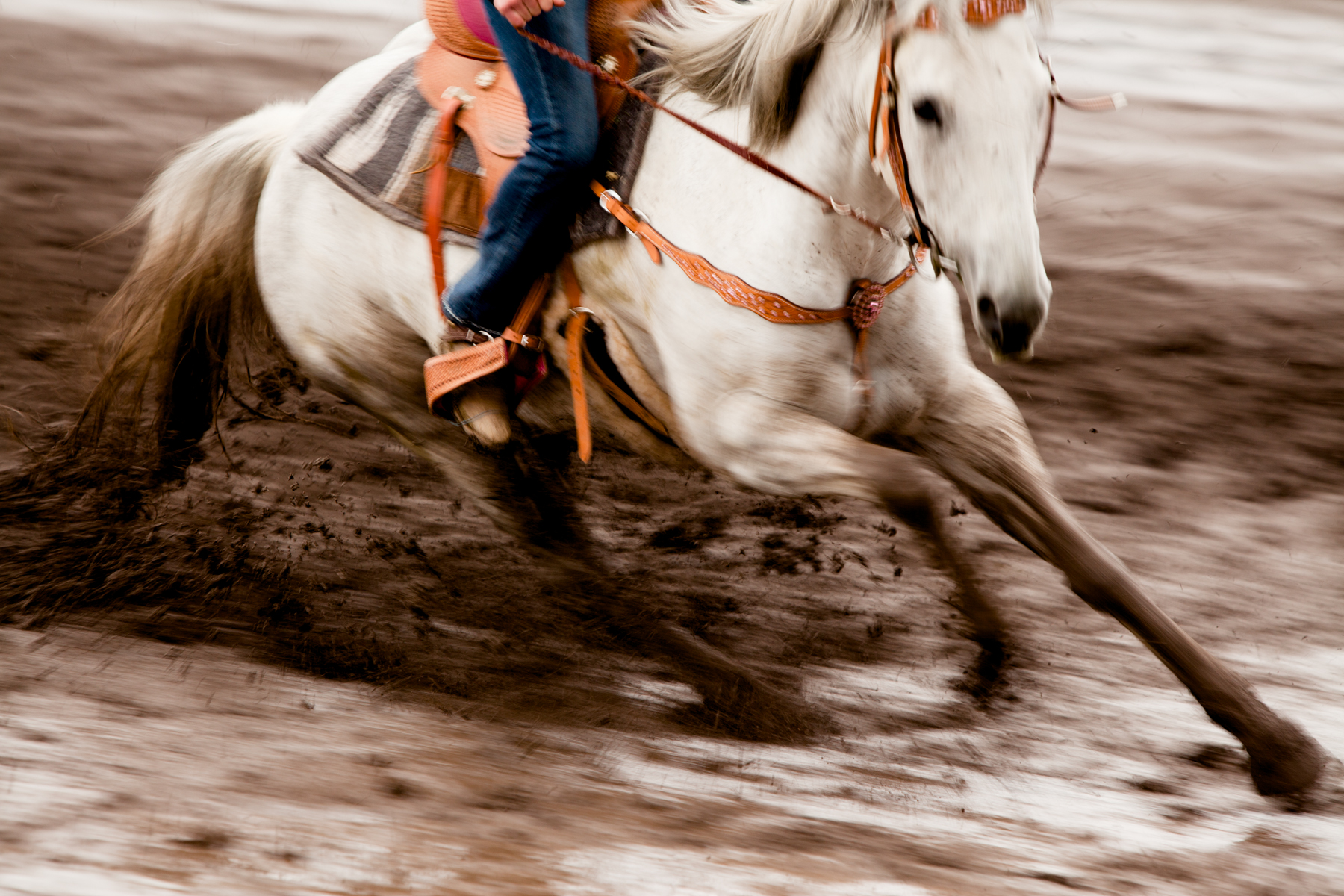
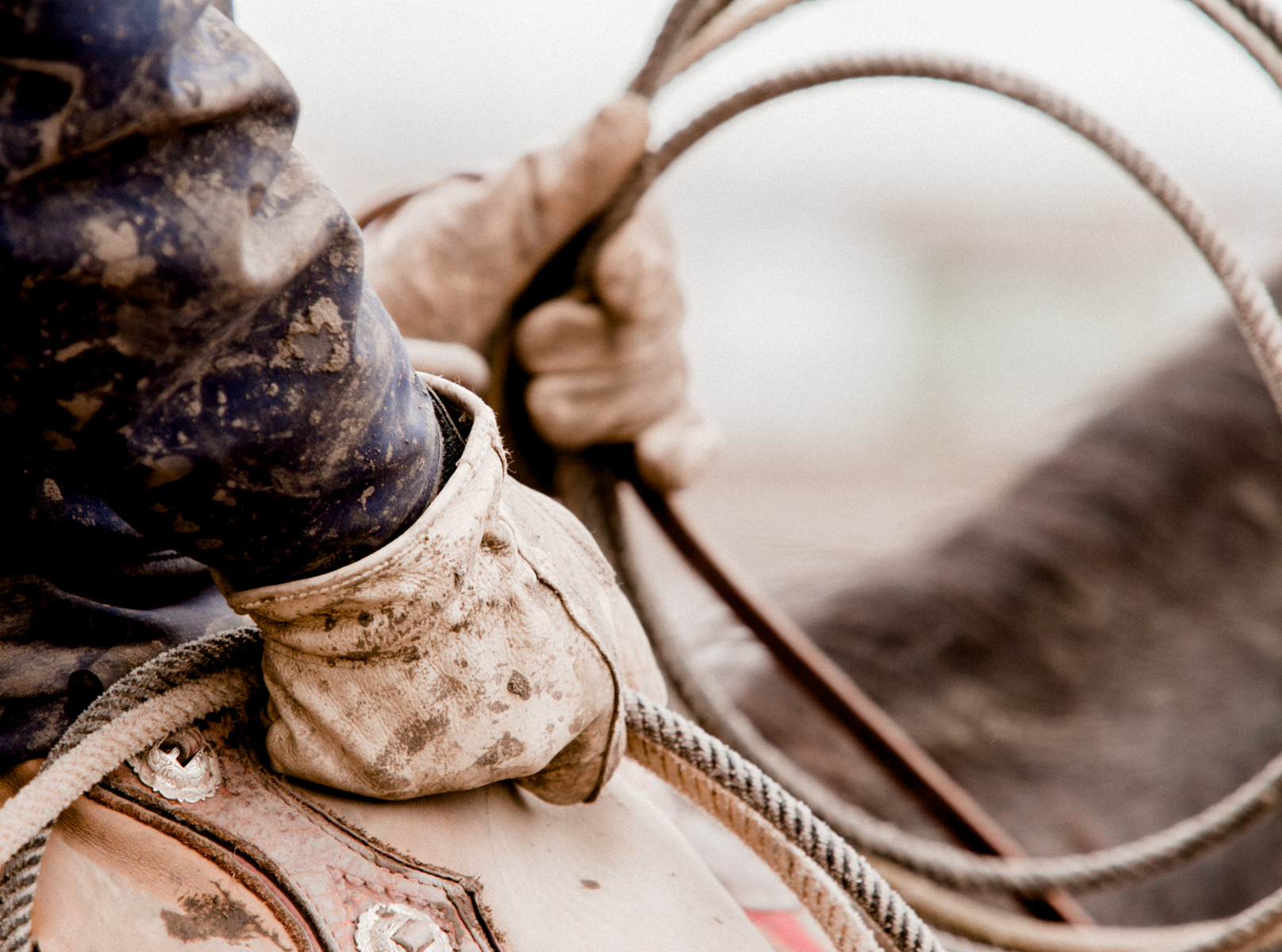
My top choices were: Bloomberg Businessweek, The New York Times Magazine and California Sunday. Synchroncity was on my side as right before I sent it to Bloomberg, I received a package in the mail containing a book called Mossless that I had been published in. The man who edited and produced Mossless was Romke Hoogwaerts, who also coincidentally become a photo editor at Bloomberg Businessweek a few months before. I realized that the timing was perfect for me to reach out to him and introduce the story idea. Romke replied immediately, telling me he loved it and he would pass it along to Clinton Cargill, the Photo Director. Over the next 10 plus days I spent my days interviewing significant figures involved in mineral show, gaining a better understanding of how the whole festival worked, identifying who the key players were, making sure I could get the access that I needed – and then communicating that back to Clinton. I found out the story was a go and I was on my way to Tucson within a week.

How did you make the pitch stronger?
After I initially sent the pitch out to a few photo editors, I realized that my timing was a little bit off (this was right between Christmas and New Years) and I knew that I could make the pitch stronger simply with more clarity in my writing and waiting until after the holidays. I worked with my good friend and Photo Consultant Meredith Marlay on the structure of the pitch. She helped me tighten my writing into 3 concise paragraphs describing what The Tucson Gem and Mineral Show was, the story angle for the magazine that I was pitching to, and how I would approach the story aesthetically. Lastly, I included images that I found from Google image search showing what the festival looked like and the types of exotic minerals and people that could be found there.

E88A8497

What direction did the magazine give you?
Clinton and I decided that the best and most interesting way to approach this festival was from a documentary/reportage approach, capturing not only the minerals and the people who attend this festival, but the entire context in which it exists- which is very bizarre. One of the most interesting aspects of this festival is that many of the dealers set up shop in hotel rooms for several weeks at a time. Mattresses were stacked and leaned against the walls to make way for tables and cases displaying rocks of all kinds. Dealers are not only selling from their hotel rooms but they are sleeping in these rooms. With just a peek behind a mineral case, you can see slightly disheveled hotel beds that have recently been slept in and bathrooms full of personal items, its very strange. Many of the high-end mineral dealers would show clients minerals privately – but the only place to do this was in the hotel bathroom. I often found myself and my assistant squeezed into a hotel bathroom photographing a dealer and a client examining a specimen worth hundreds of thousands of dollars. A $500,000 mineral from the Congo would be sitting in a box next to a can of coke, some granola bars and a bunch of travel sized soaps and shampoos from the hotel. It was so strange and incredible to photograph.
After each day of shooting, I would send Clinton screenshots of the key images from that day and we would discuss how the story was shaping up as a whole. It was really helpful to talk with him and get an outsider’s perspective on how clearly I was communicating what it was like to be at this festival.

How long were you in Tucson working on this?
I spent about 9 days shooting the festival, then Bloomberg decided to run it immediately, so I spent a couple of extra days there gathering the caption info and getting the final images retouched and submitted. The story went to press as I drove back to Los Angeles.

E88A8405_AngieSmith

Was there any security involved since the gems and minerals were so valuable? Who attended this show?
Most of the shows took place in hotels, convention centers or large tents set up in parking lots. There were security guards at all of the shows- but not as many as I would have expected. People were walking around these hotels with thousands of dollars in cash in their pockets, carrying expensive minerals in boxes. One of the most interesting facets of this shoot was the people who attend- there were geologists, museums curators, miners, dealers, retired “rock hounds” or rock collectors, metaphysical types, traveling hippies- everyone was from all over the world- there were some real characters. A general observation that I made was that all of these mineral enthusiasts, whether high end or low end, all shared a deep passion and appreciation for the aesthetic and raw beauty of minerals that come from the earth. Many of these people have extensive scientific knowledge about the formation of minerals- and they appreciate not only the beauty of these specimens, but have an in depth understanding of how they were formed within the context of the earth’s geologic history.

E88A7280

E88A7484

E88A7744

E88A7769

E88A8025

E88A8245

E88A8906