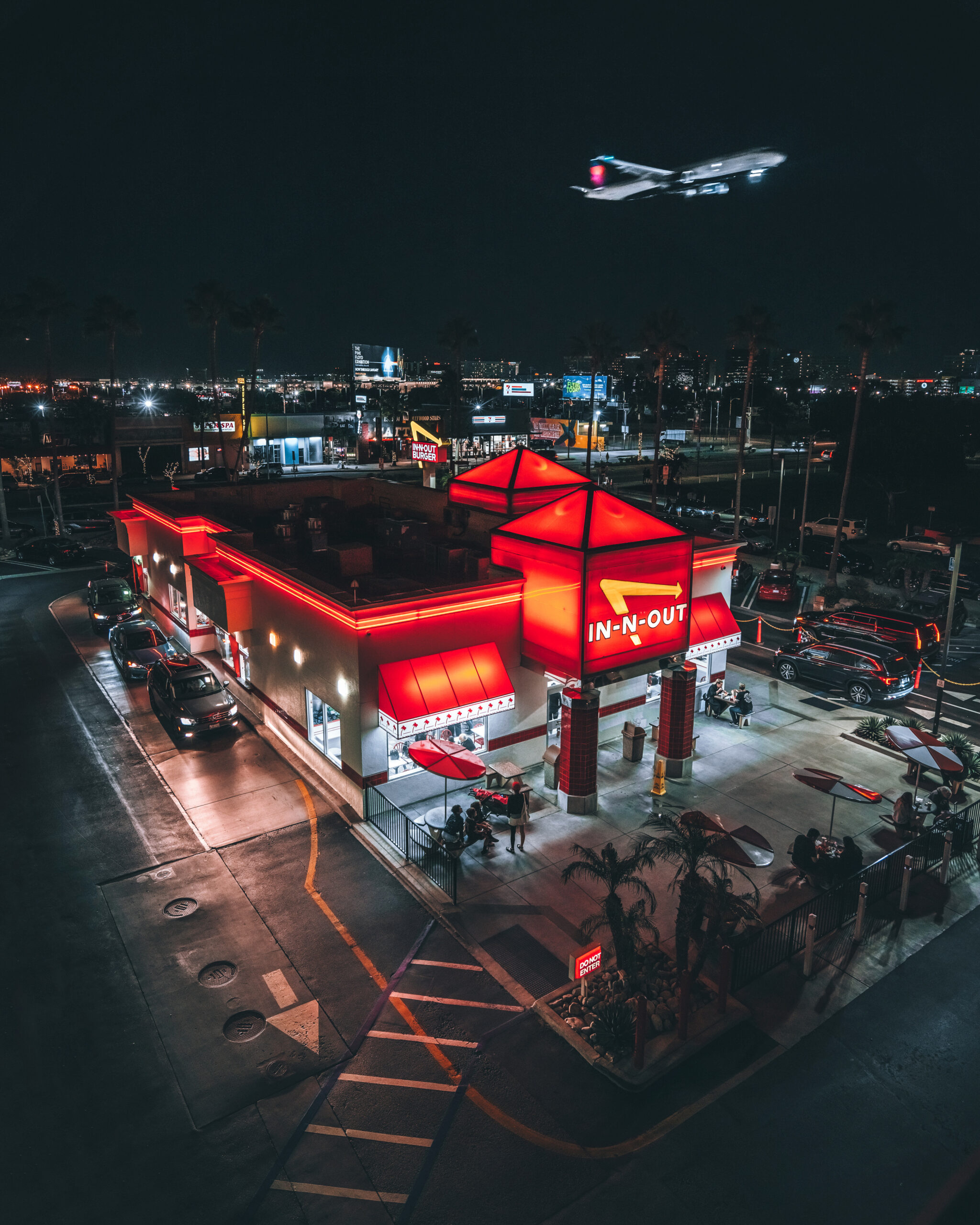
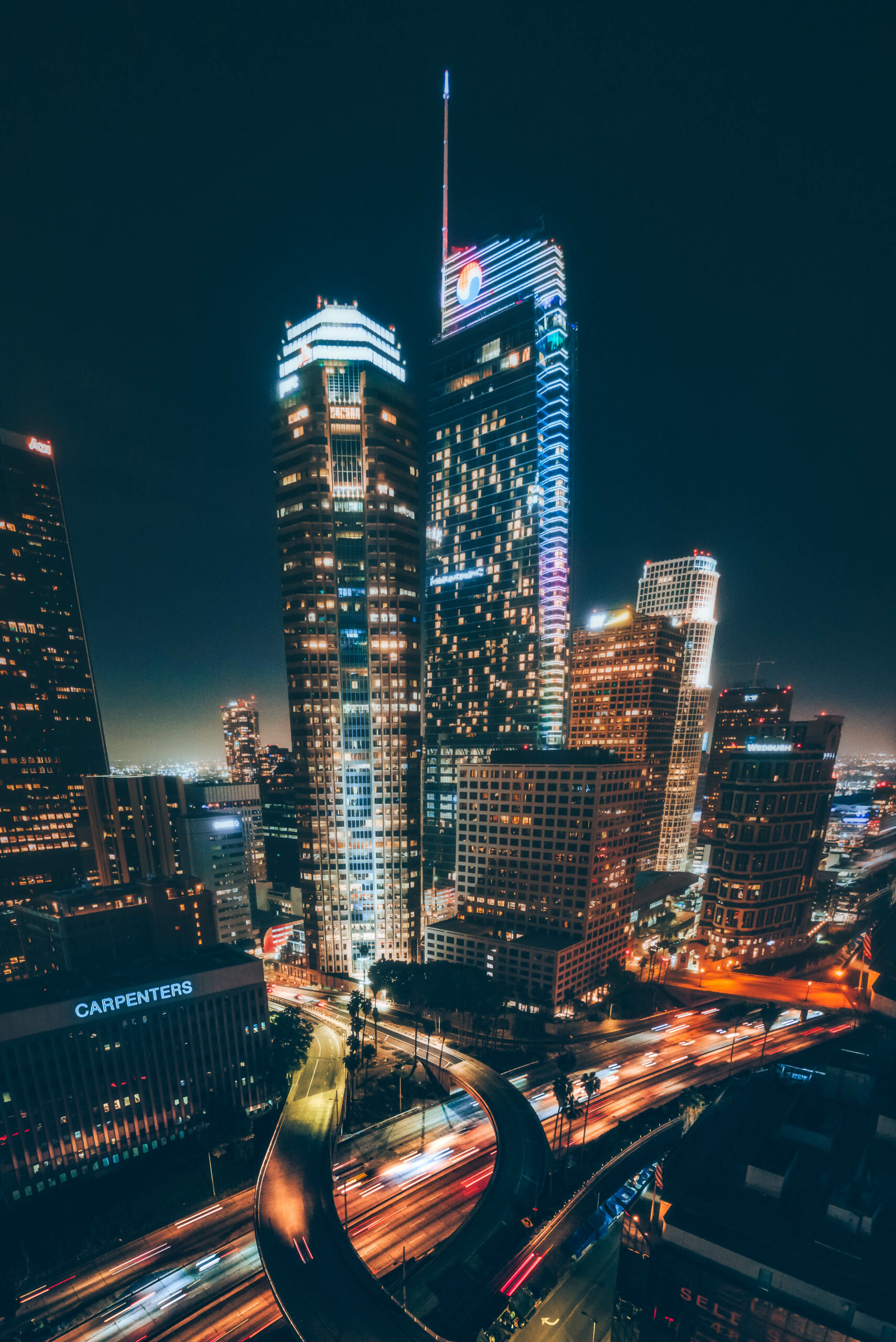
The Art of the Personal Project: Aldo Chacon

The Art of the Personal Project is a crucial element to let potential buyers see how you think creatively on your own.  I am drawn to personal projects that have an interesting vision or that show something I have never seen before.  In this thread, I’ll include a link to each personal project with the artist statement so you can see more of the project. Please note: This thread is not affiliated with any company; I’m just featuring projects that I find.  Please DO NOT send me your work.  I do not take submissions.


Today’s featured artist:   Aldo Chacon


THE PROJECT

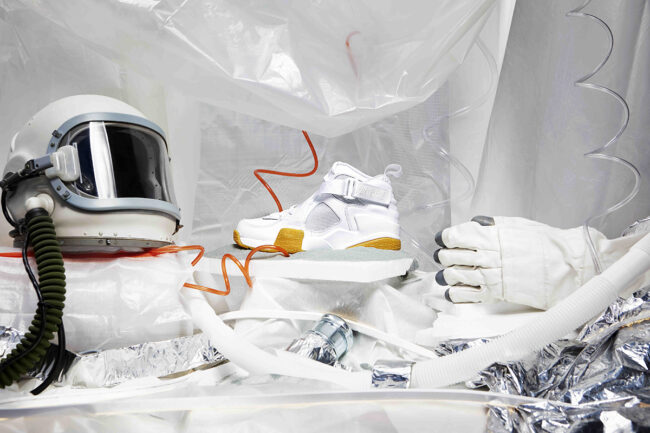
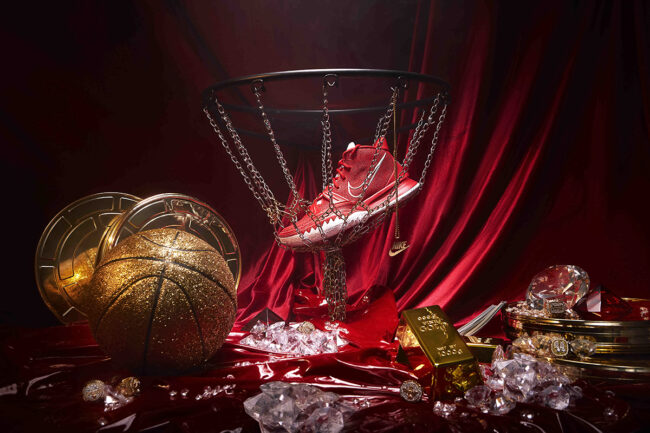
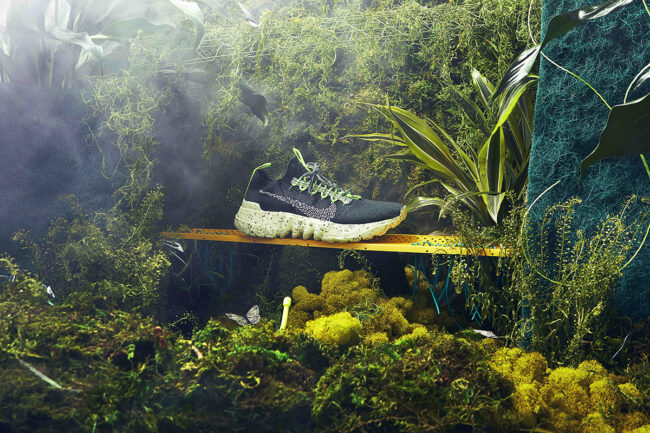
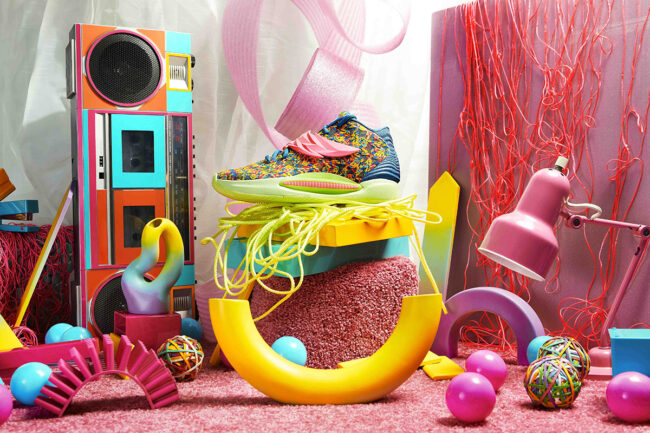
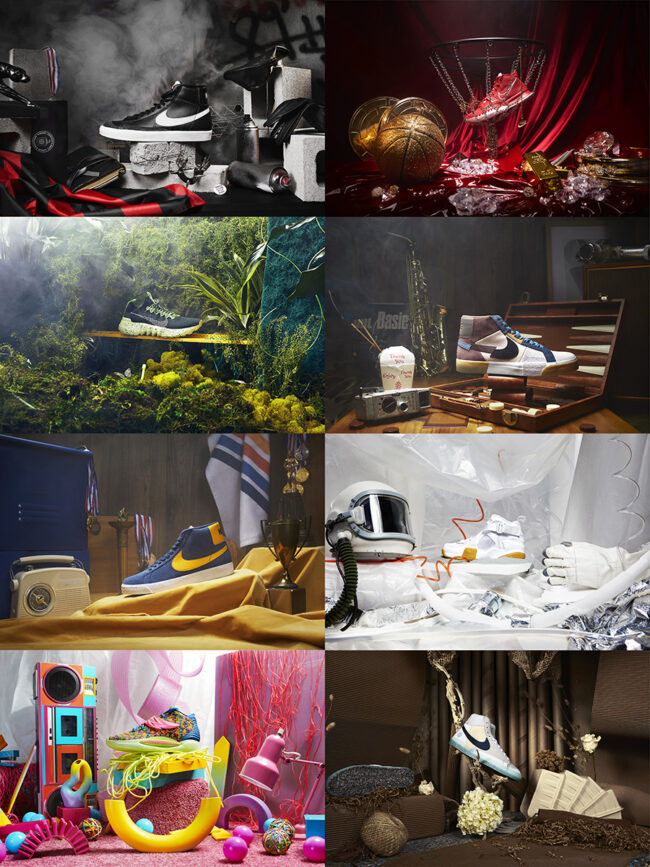
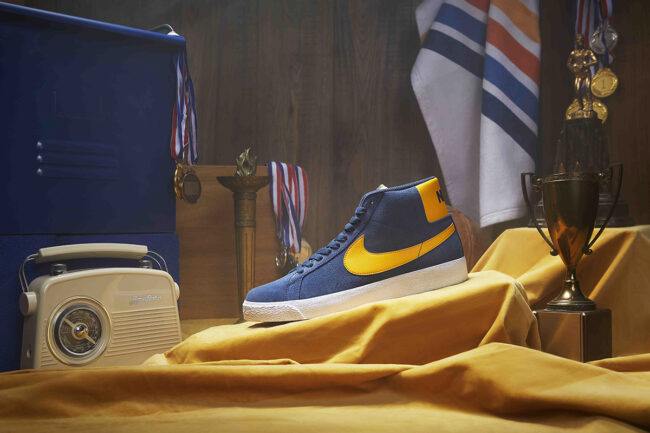
Nike’s World is a personal project inspired by different periods of time in our history, technological advancements, global warming and nature related subjects as well as social and political issues and of course sports.

The idea for the project was to tell stories through materials and objects. The reasoning for using Nike shoes as the main “subject” for the photo series was to include a sense of iconography and pop culture to draw people’s attention to specific ideas and have that as a hook for exploration. I wanted to use sneakers as my main subject as a way to tell a story and transport the viewer to a world without the prejudgment of having a person as the main subject and just let their imaginations decide who’s the owner of that shoe.

Nike also was a big inspiration because they have such a wide range of sneakers and shoes that every shoe made me think of a time period, an idea, or a material that I wanted to experiment with. 

Each material and color palette has a direct relationship to an idea and a time period. This series is deeply inspired by a sense of eclecticism and the goal to create images that feel global.   


BACKSTORY

This project came about in a very unusual way. I mostly shoot sports, portraits and fashion and I had been wanting to make some “funky” sets for a personal portrait project, but I found it hard to make it happen because of resources, delayed materials and also Covid, so I thought about how could I still shoot something without getting the least amount of people involved. I’ve always been a big Nike fan because of the graphic aspect of their clothes and the way they mix fashion, streetwear, and sports. I had an original idea of showcasing different moments in history through sneakers, like the Moon landing or the fall of the Berlin Wall, so I went back to that idea and mixed it with the “funky” sets vision I had. I started researching the Nike website for different sneakers and every shoe spoke to me in different ways. I started imagining those moments in history and sort of thinking what sneakers would people involved in those events wear. Some styles seemed more retro, some more modern, or futuristic, some spoke to me more in a material or texture way, some in color palette and some more on an ideology. It was hard to choose because there are hundreds of styles, I could have made 100 more sets!  I decided to go with Nike shoes because of iconography, I wanted to use an icon that everyone knows and that has been used in pop culture to bring attention to the different subjects and make it more of an homage to the swoosh. I really love how the swoosh looks in different types of shoes and how there are many different styles and colors, but they are all united by that simple icon.

The set design was one of the most important things of the project since it was going to be what told the story around the shoe. I worked with my creative partner Sal on this. I had the original vision and the materials I wanted to use for each set, I wanted to use a lot of found objects or things that could be found in our daily lives for each set, and I also wanted to have each set with a color palette that was unique to each shoe. We ended up renting some props from prop shops in LA and sourcing materials from Home Depot, toy stores and some junkyards. We built, styled and decorated the sets between the two of us in my backyard. The project was funded by Wild Goats Creative. 
 

To see more of this project, click here.

Instagram

APE contributor Suzanne Sease currently works as a consultant for photographers and illustrators around the world. She has been involved in the photography and illustration industry since the mid 80s.  After establishing the art-buying department at The Martin Agency, then working for Kaplan-Thaler, Capital One, Best Buy and numerous smaller agencies and companies, she decided to be a consultant in 1999. She has a new Twitter feed with helpful marketing information because she believes that marketing should be driven by brand and not by specialty.  Follow her at @SuzanneSeaseInstagram

Success is more than a matter of your talent. It’s also a matter of doing a better job presenting it.  And that is what I do with decades of agency and in-house experience.


The Daily Edit: Wink Face Photography: Wendy Domanski


Wink Face Photography

Photographer: Wendy Domanski
Instagram

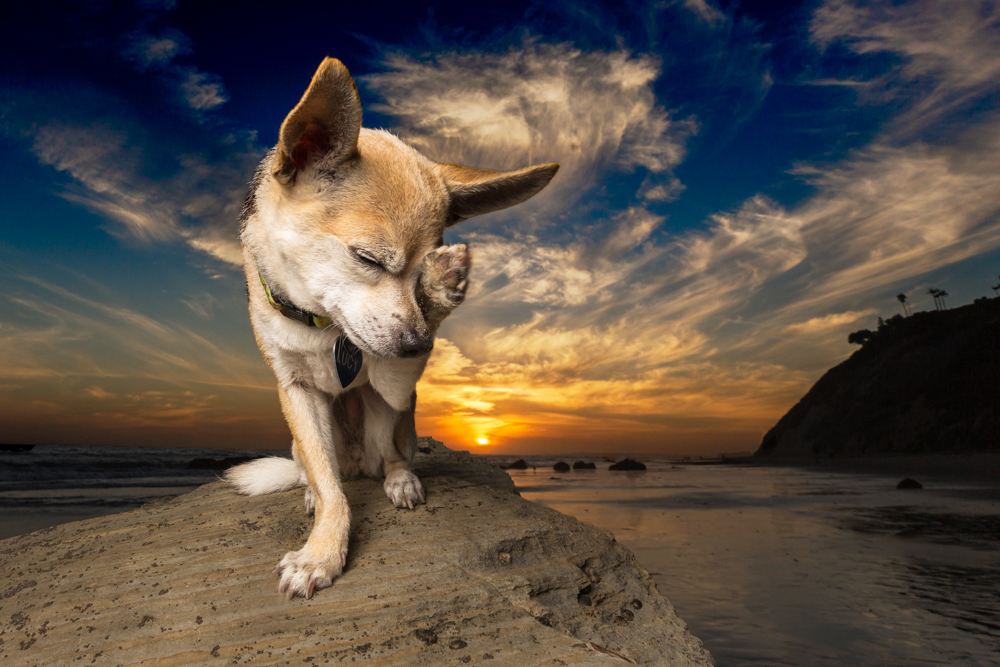
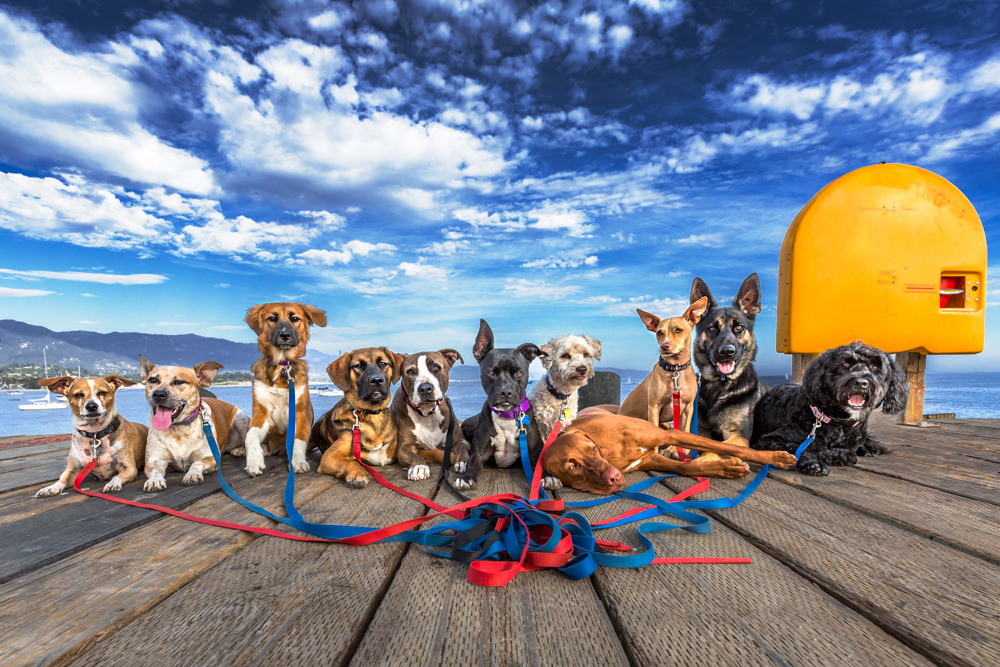
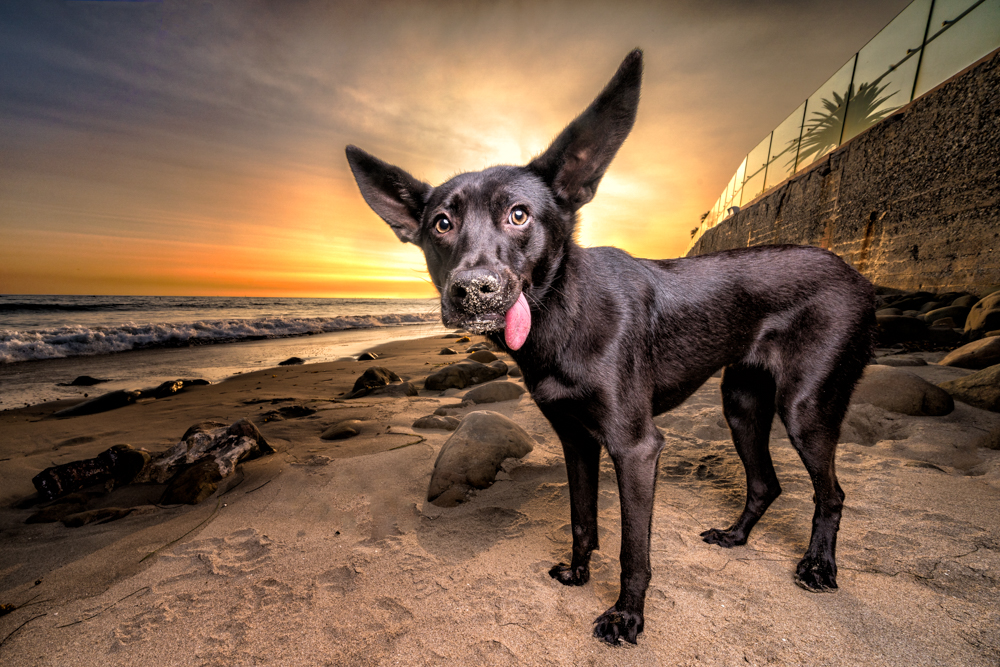
Heidi: Who is more nervous on set, the dogs or the owners?
Wendy: It can be a combination of the two scenarios. Sometimes the dogs are a little shy when they see the camera or hear the shutter. If I am using off camera flash some dogs can be a bit nervous with the bright flashing lights. I always take extra time with the nervous dogs and start to desensitize them with treats if they are food motivated. The dogs are rewarded with a treat every time the shutter is pressed so they view it as a positive experience. The is especially true for dogs at the shelter that are often coming from a loud and stressful environment. The key is to go slow with them and help build trust before you can even think about bringing the camera out.

For the 2-legged people on set, a lot of times they’re worried or anxious about their dogs not behaving perfectly. I always try to have a conversation with them prior to the session and communicate with them that not everything is going to go perfectly and that’s okay. They are dogs or cats or whatever pet it is. There is a lot that is going to go wrong. I always tell them, if I wanted to photograph perfect dogs I’d be a stuffed animal photographer and what’s the fun in that?!  If the owners are stressed the dog will pick up on it and it will ultimately translate to a stressed-out dog which clearly doesn’t make for great photos. I want it to be a fun experience for the dogs and the humans so I’m always very reassuring and joking with the owners to help put them at ease and laugh a lot at the “bloopers” so they know it totally normal and part of the experience. At the end of the session I hear more often than not from the owners they had so much fun.

What are some of the creative ways you have to engage the dogs?
Every dog is different and it’s important to learn what motivates them. The best way to do that is to have a conversation with the owners prior to the session. For dogs it could be a ball, a treat, their favorite toy, or maybe certain words they react to. I’ll ask the owners if their pet is nervous around new people, loud noises, whatever it might be. The more information you have on the dog in advance the better it is so you can be prepared for the session. Noises are also a great way to get their attention.  I always have my bag of every noise maker in the world including whistles, squeakers, and duck noise makers to name a few. I’ve also perfected a lot of silly noises myself to help get the dog’s attention. I often get a of strange looks from the owners and anyone observing the session wondering where the crazy sounds were coming from — “Did your camera make that noise?!” which always makes me laugh. I wish my camera made all those sounds and it was so easy.  My dolphin noise is a classic example. You have to be prepared to do whatever it takes to get the dog’s attention and not care how crazy you look.  I find that this helps to put the humans at ease too. If they’re also in the photos I’m getting genuine smiles from people laughing at me and having fun and I’m just fine with that.  An important point to make with the noises however is that you must be prepared to the take the photo right after making the noise as each sound will only work once, maybe twice and then it’s time to go to the next trick in your bag.

How has this type of work informed your photographic eye and you as a creative?
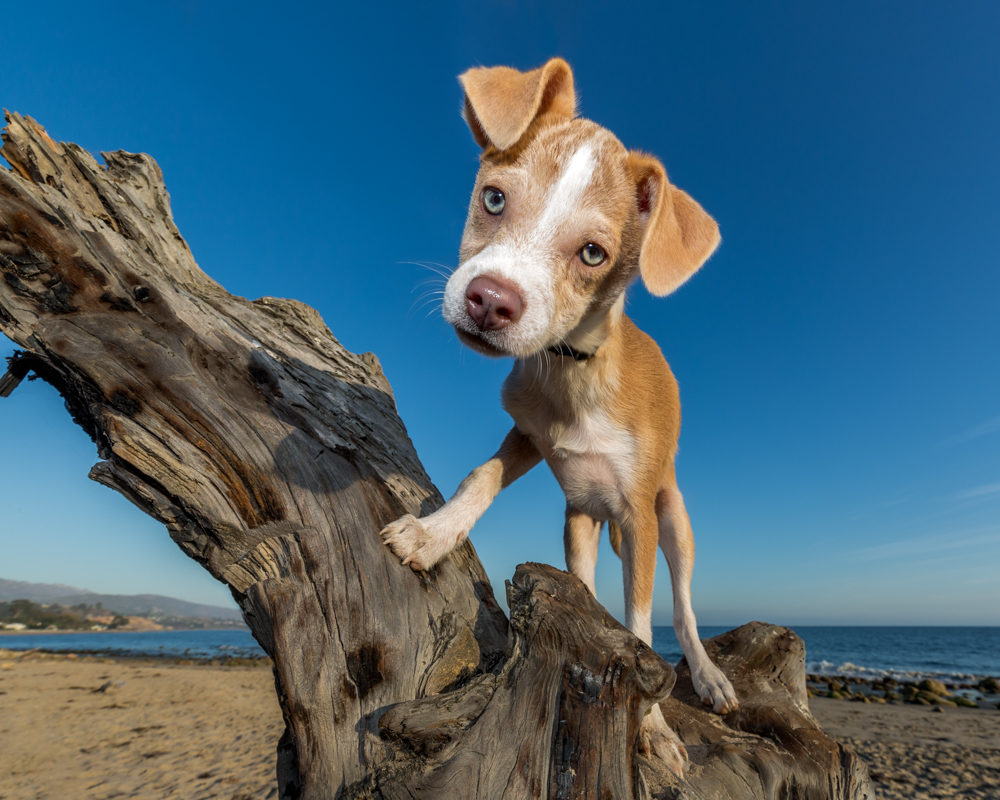
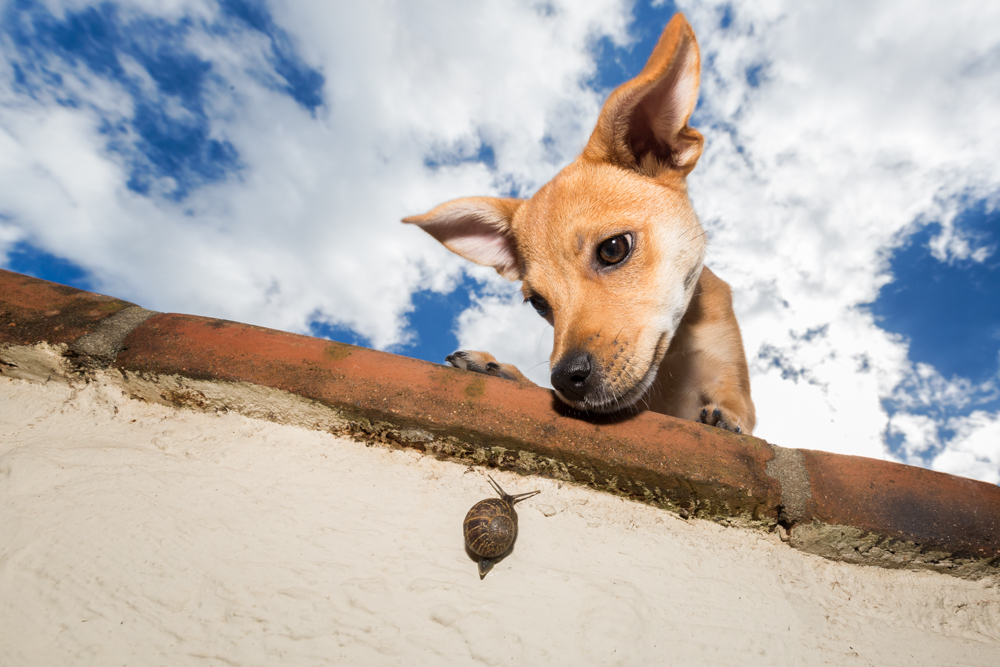
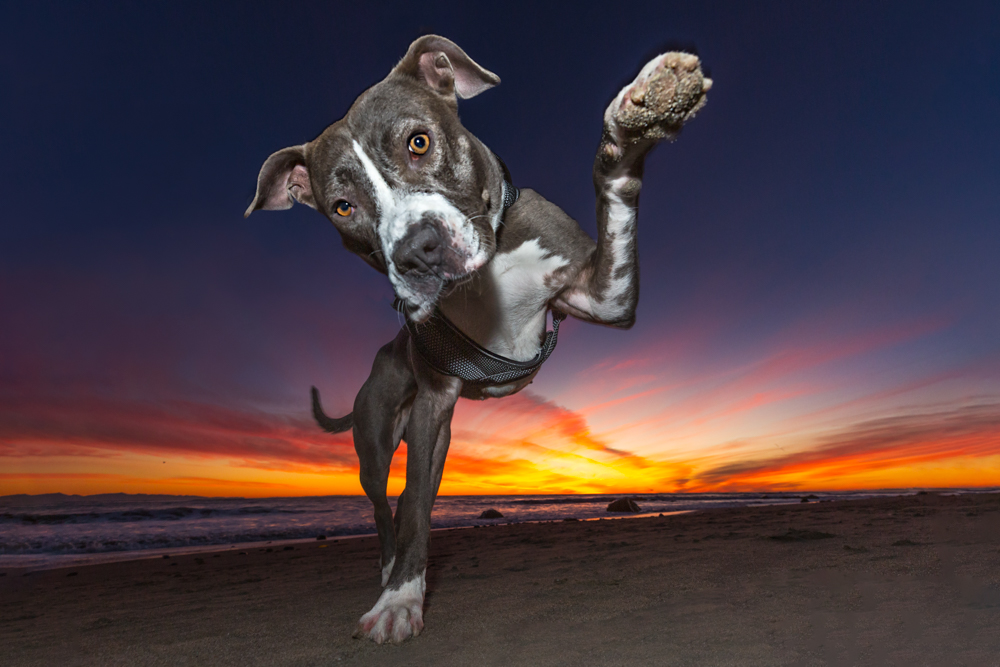
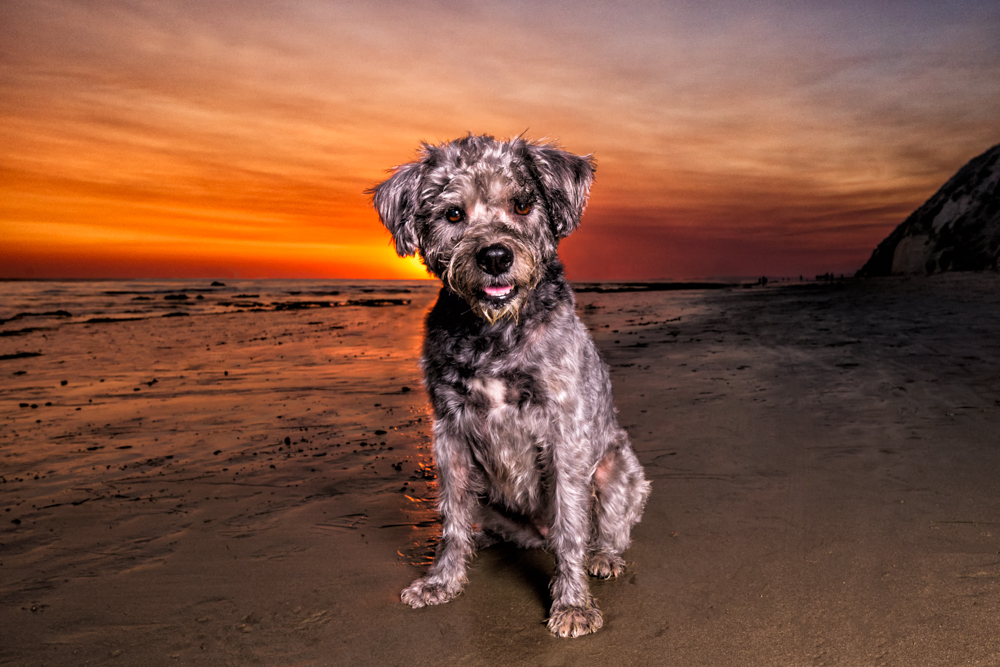
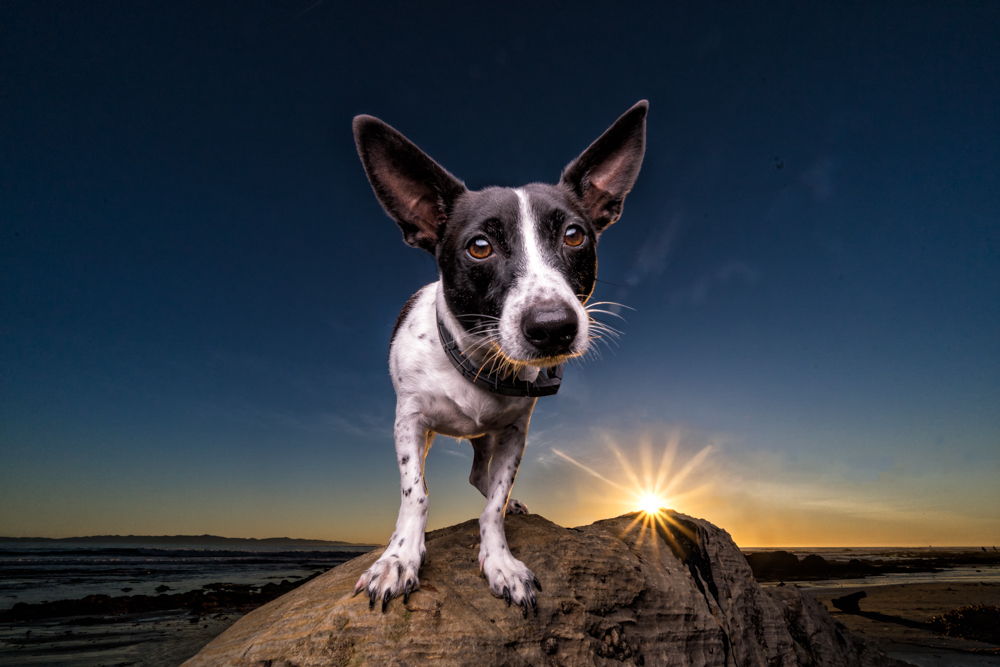
The key to pet photography — especially dog photography — is to engage with the dog and bring out their unique personality. If a dog is happiest at the beach and running and jumping in the water then naturally we will pick a beach setting and we will do action shots. If a dog is nervous around other people or pets we may choose a quiet park.  Based on how the dog is reacting and I may help put them at ease by choosing a longer lens so I can give the dogs more space.  For the happy go lucky dogs that are playful and quirky I will often use my wide angle lens and get up close and personal to show off their funny expressions. This is often my favorite lens for pet photography not only because it helps bring out their fun features, but also to help incorporate the background or sky that is often an important element in my photos.


Your photography also involves outreach and rescue, how did that come about?
I’ve been very active in animal welfare and rescue long before I became a pet photographer. In fact, it was the main reason that I became a pet photographer. I wanted to help take beautiful photos of the dogs at the shelter to help get them noticed and adopted faster. At that time I was in medical device sales and had no idea how to use a camera nor did I even own a fancy camera.  I decided to take a leave of absence from my job and attend photography school in Montana the summer of 2015. While I was there I volunteered at the local Humane Society and Animal Control photographing their adoptable dogs and cats. This not only helped the shelters but it gave me valuable experience photographing animals and learning the craft of pet photography.

I fell in love with photography so much that when I returned home I took a leap of faith, quit the sales job and pursued pet photography full time. Keeping true to my mission of helping animals in need, in addition to booking regular client sessions I continue to donate a substantial amount of time photographing animals at local shelters as well as donating photography sessions to benefit numerous animal welfare agencies including C.A.R.E4Paws in Santa Barbara, CA.

What type of change have you seen since the onset of the pandemic?
The biggest change has been the amazing number of people who have adopted or welcomed pets into their homes. I have had an increase in client sessions wanting to photograph their new family members. Sadly, as people are going back to work many dogs are ending up back at shelters and shelters across the country are filling up once again.

What is the main difference for you photographically, beside verbal (words) between dog and people portraits? and how are they similar.
For me the main difference between photographing people and dogs is that people often require a lot more direction and posing. They look to the photographer for more guidance and can be self-conscious about their appearance.  They may want techniques to help minimize whatever their perceived issue is or ask me to “Photoshop it out” if possible. But it’s exactly the opposite with a dog — whatever makes them different is what I want to capitalize on. If the dog has big ears then perfect, I want to get those ears in all their glory. If it’s a dog with a big head, long tongue whatever it is that is unique to them, I want to show it off. I feel like more people should embrace those unique things that make them so different.

Regardless if it’s a dog or human that I’m photographing, the most important things to do are to make a connection with them, put them at ease, and always have fun. I don’t want any forced smiles. For people that may mean I’m using my Midwestern sarcasm to make them laugh. For the dog, I’m probably doing something odd or funny or making the dolphin noise which many times works for both.


This Week in Photography: Mask Up?


I didn’t sleep well last night.

(Really strange dreams.)


Me, grumpy and cold, after a shit night’s sleep


It began like any normal night.

We had dinner, watched a little family TV, got the kids off to bed, and then climbed in ourselves.

Normally, we catch something on the Food Network, or an episode “House Hunters International” before turning in, and last night was no exception.

(Today being Thursday, as usual.)

I did a work Zoom before dinner, which amps me up, so that might’ve had something to do with it, or it could have been the offensive grub we saw on “Diners, Drive-Ins and Dives.”

We just added it to the pre-bed rotation, as that Guy Fieri has the kind of charm that creeps up on you, like a joint you think is milder than it actually is.

But what I saw last night shook me. (As a cultural critic, currently trapped in a cynical worldview of America.)

At an Alabama-style BBQ joint in Colorado Springs, (a notoriously conservative part of a now-purple State,) Guy watched the chef prepare a sandwich symbolic of so much that’s wrong here in the US.


The sloppy pig


First, slow-smoked-pulled-pork with BBQ sauce, and really, that’s typically a winning way to get going.

But then, he added some grilled kielbasa on top, (greasy, Polish pork sausage,) followed by a few slabs of bacon.

That’s right.

Three forms of artery-clogging pig, one on top of the other.

Then, they finished the monster with mayo-filled pimento cheese, creamy cole slaw, (gross!) and some fried-onion-strings.

These days, they say one hot dog takes 36 minutes off your life-span, so I joked to Jessie this aberration-of-a-sandwich must deprive each eater of a good 5 hours of existence.

It’s about as “Red State America” as it gets, and the world wonders why we have such high obesity rates?


Then again, the dreams might have been sparked by a confrontation I had with an anti-masker, in the bathroom of the mid-mountain lodge at Taos Ski Valley earlier in the day.

To be clear, New Mexico has had an indoor mask law for most of the pandemic, with only a slight gap after last Spring’s false hope.

(It was quickly re-instated when Delta showed up.)

It is literally the law.

TSV has “Mask Up” signs clearly posted, and I even saw a vaccine requirement to eat in the on-mountain restaurant where I stopped in to pee. (A first, in my experience here in NM.)


As I was washing my hands, post-pee, (TMI?) a short, early 60-something Baby Boomer strolled in, maskless, and got ready to do his business at the urinal. (Again, TMI?)

I pointed at my mask, gave him the stink eye, and said, “There’s a mask mandate here in New Mexico, and also at Taos Ski Valley.”

(I stopped trying to act like the mask police months ago, but it was just him and me, alone in a basement restroom, and he had that cocky, ant-vaxx look in his eye.)

“It’s a hoax,” he yelled at me.

“Don’t be an asshole,” I replied.

Then I thought about it for a minute, amped up my mad-dog-look, pivoted in my ski boots, and walked out.

But what I really wanted to say was:

“You don’t think the law applies to you, and you don’t mind giving me Omicron, should you have it.

You’re literally telling me you don’t care if I live or die, and you think laws are for suckers.

Fuck you!

But you assume I’ll obey the law, and not kick the living shit out of you. Which I can easily do.

Why is that?

Why is it OK for you to ignore the law, because you’re above it, but we both know if I elbowed you in the face, and broke your nose, you’d go crying to the cops like the little bitch that you are?”

(End imaginary quote.)

I wanted so badly to say that, and even more, I really wanted to beat his ass.

But I didn’t.

Because right now, this country is bifurcated, with one side feeling constrained by the bonds that hold society together, while the other taunts, trolls, baits, and bothers.

It’s a seriously messed up situation.

No lie.


So halfway through the night, I dreamed of my mother-in-law, who’s been non-communicative, due to her advanced Alzheimer’s, since last summer.

Hearing her voice, as she spoke to me, healthy again in my subconscious, was more than I could bear.

It was like being visited by a ghost.

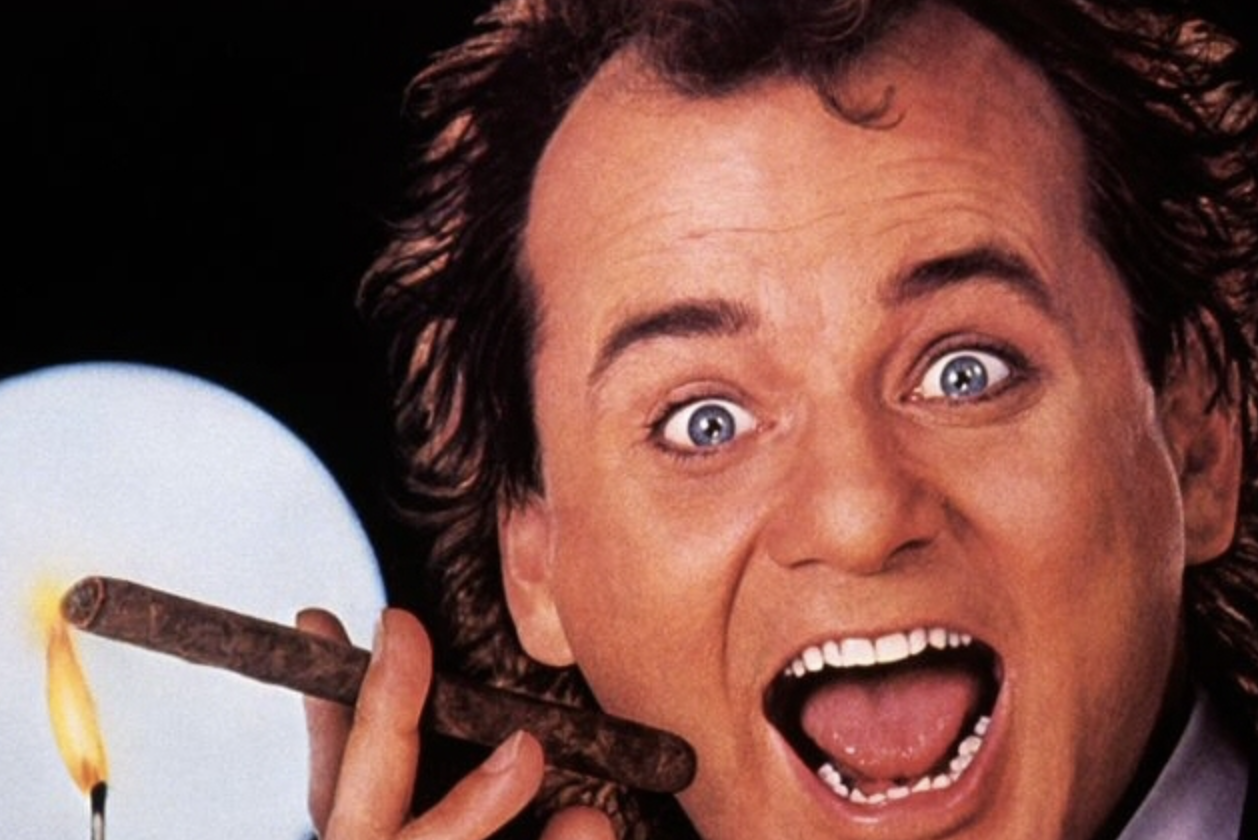
(Does that make me Scrooge?)


Bill Murray in “Scrooged,” courtesy of Den of Geek


So I woke myself up, at 3:30am, then tossed and turned for an hour.

Honestly, it’s only some very strong coffee allowing me to write at the moment.

But here we are.


These are strange times for American democracy, and for the stability of the global geo-political order.

(As Russia prepares to invade Ukraine, with Tucker Carlson cheering them on.)

As a guy who named his book “Extinction Party,” I can’t say I’m surprised.

But I am horrified, and saddened.

With two young children, I want so badly for the world to right itself, so they can grow up and have long, healthy lives.

(I wonder, though.)

And yes, my musings today are partly inspired by a photo-book, as usual.


Just last week, I ended the review by stating I hadn’t seen much work yet, made during the pandemic, that was more than obvious.

Sure enough, as this column often takes on patterns I never anticipated, I reached into the stack today and grabbed a self-published, Blurb book that arrived in March 2021.

(It takes so long to get to the books these days, but does give us the benefit of hindsight.)

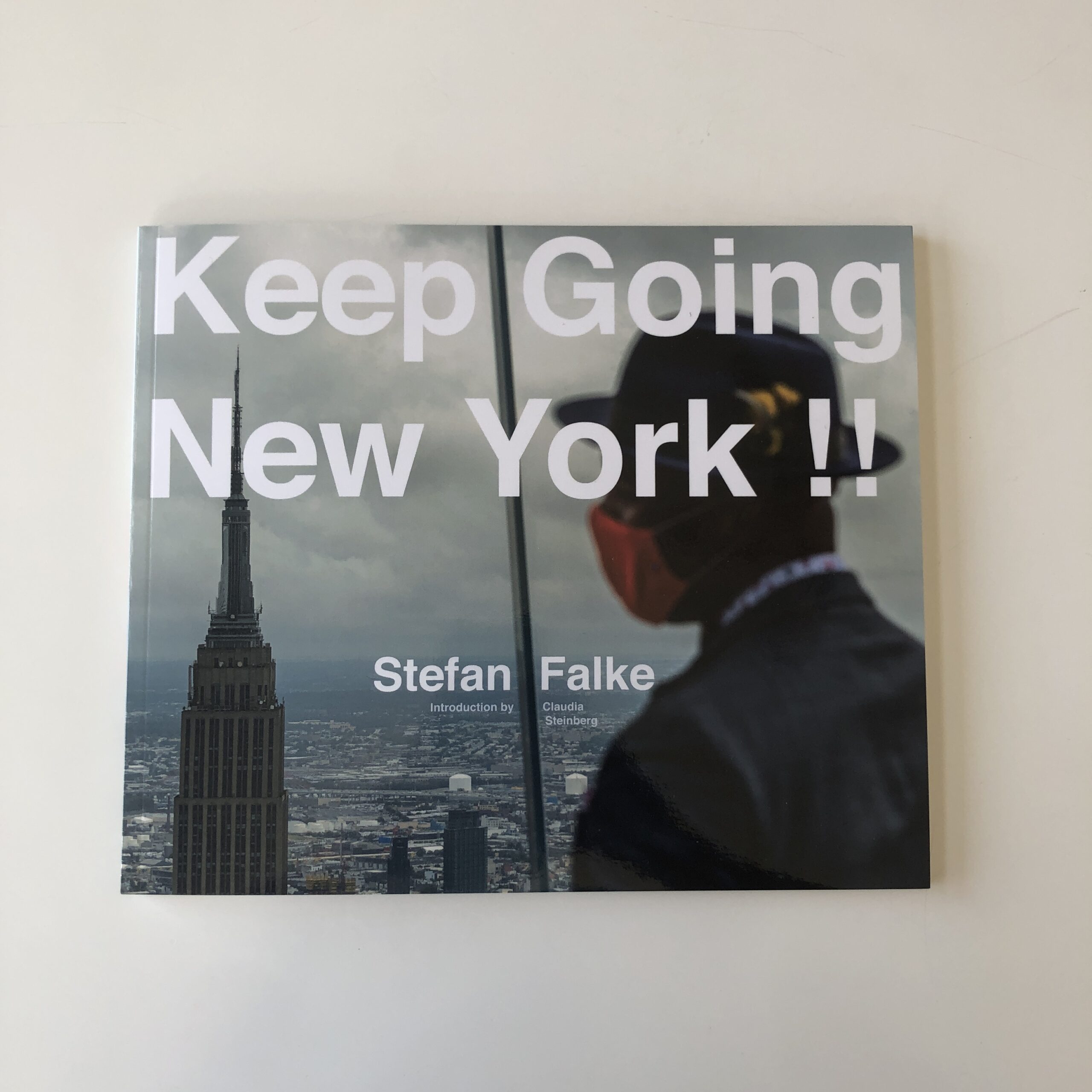
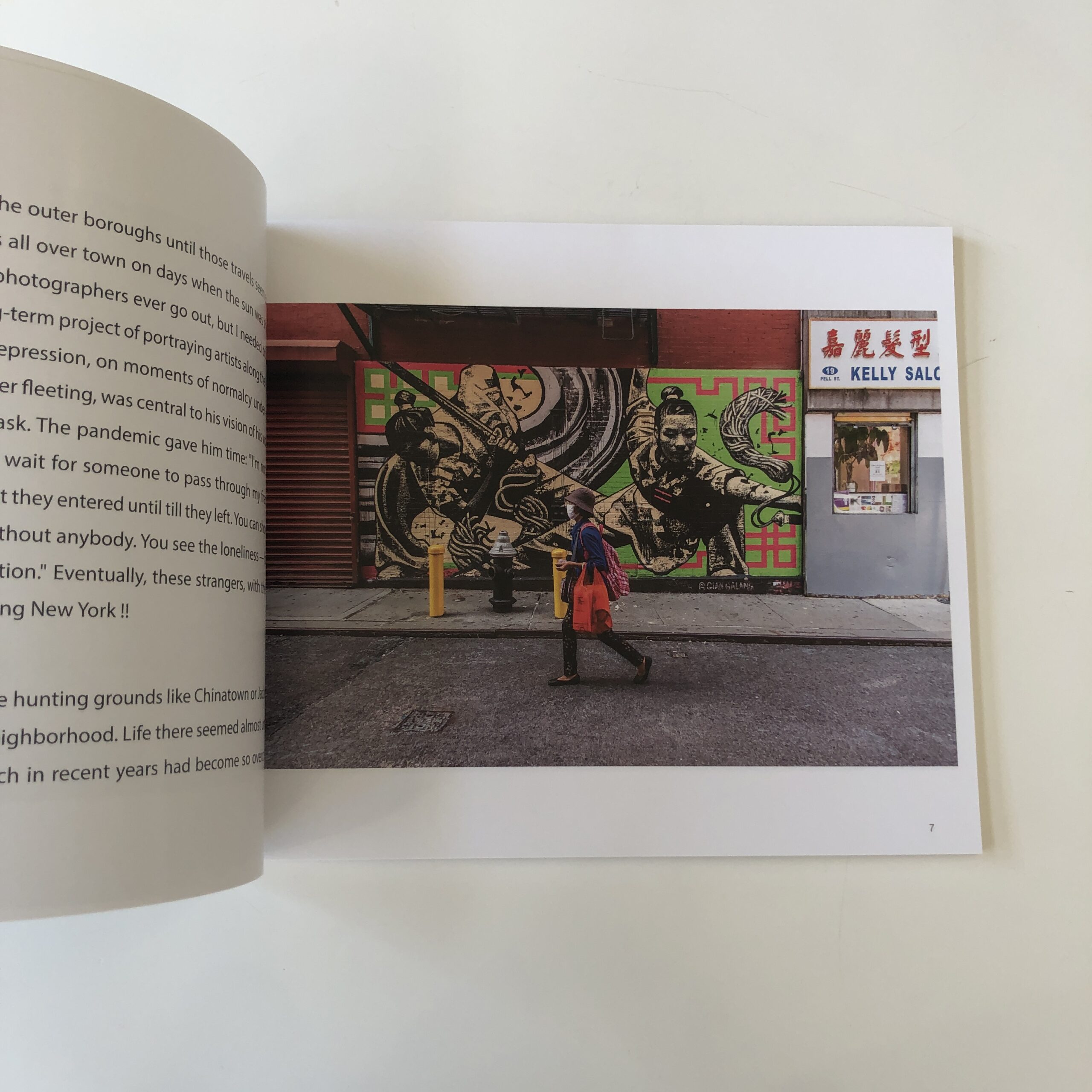
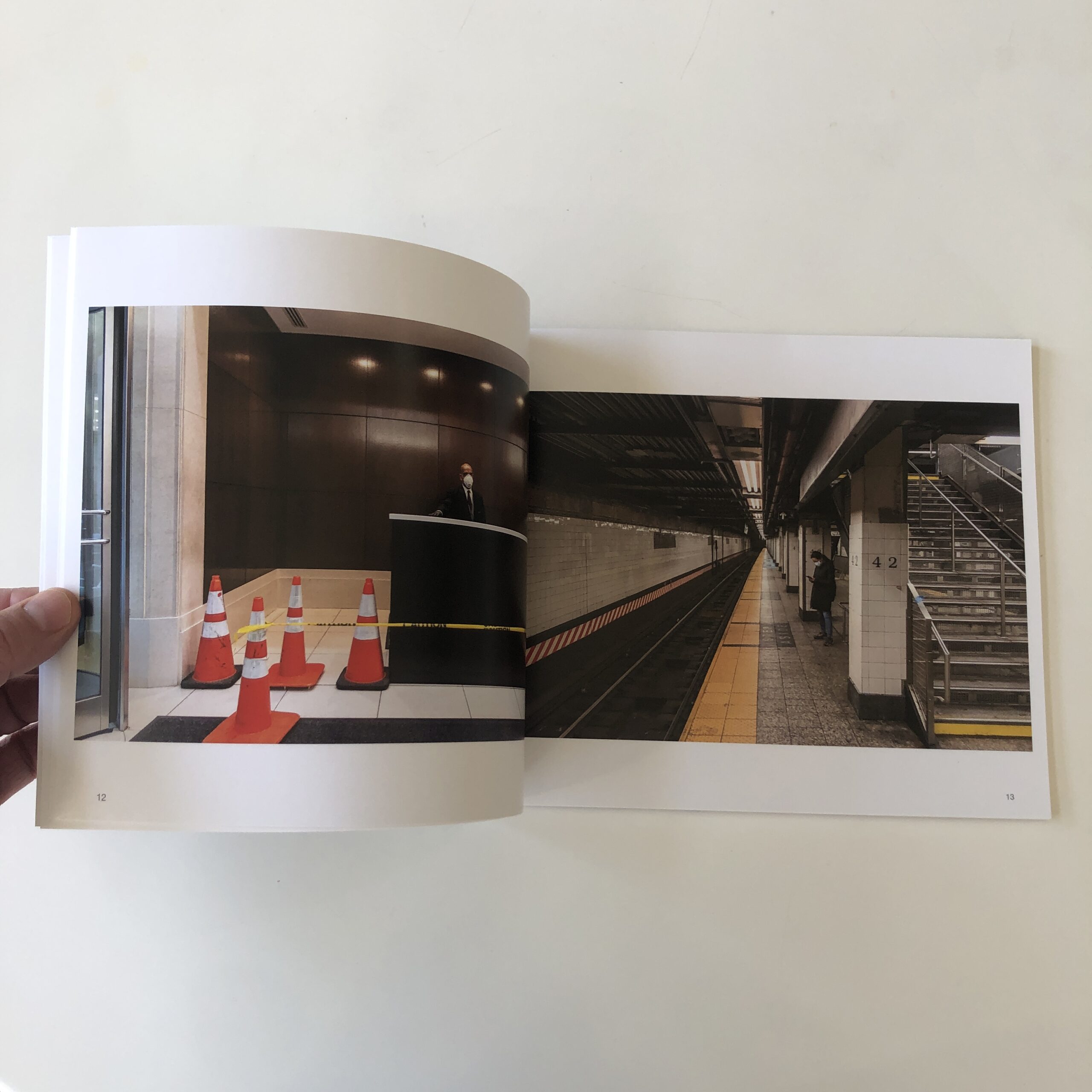
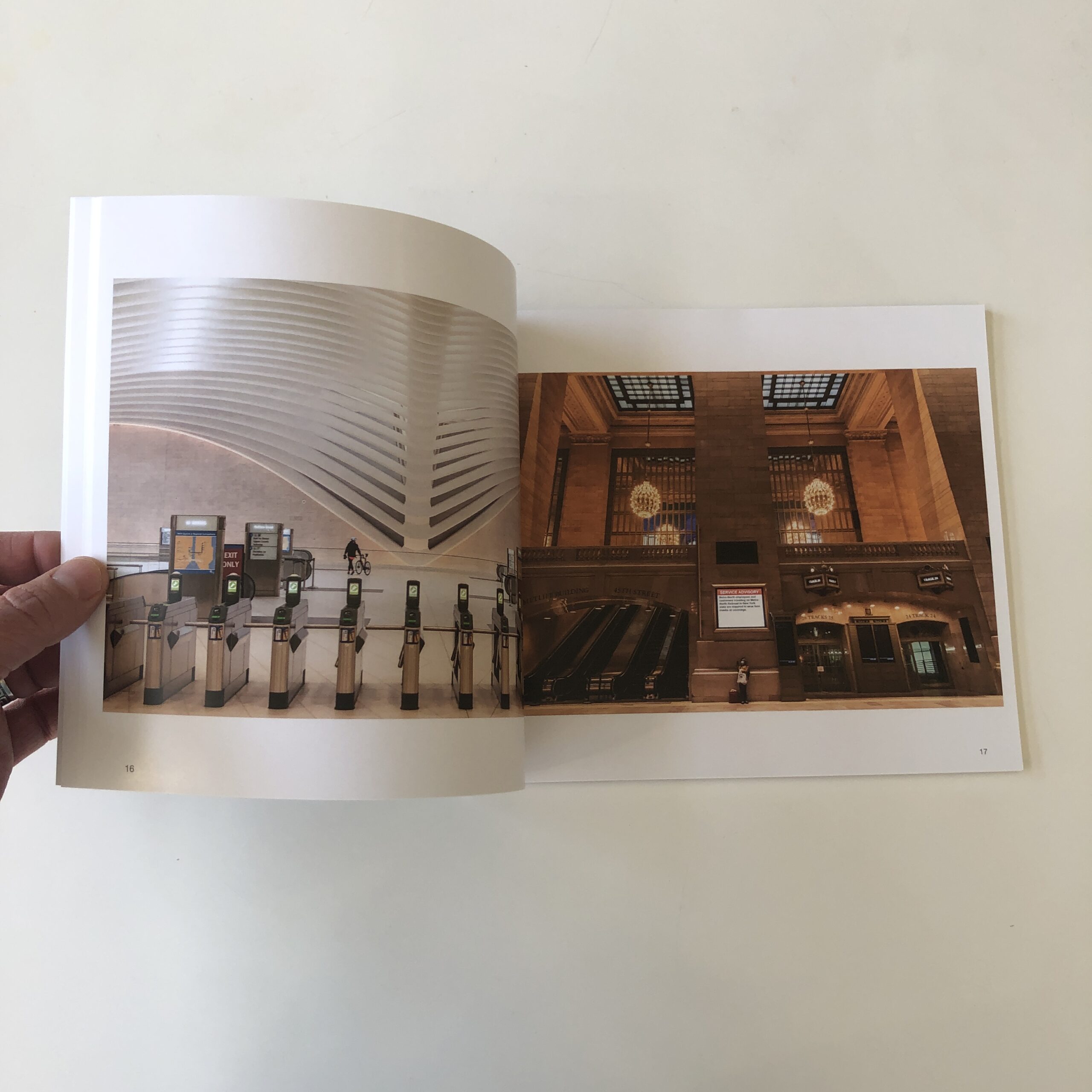
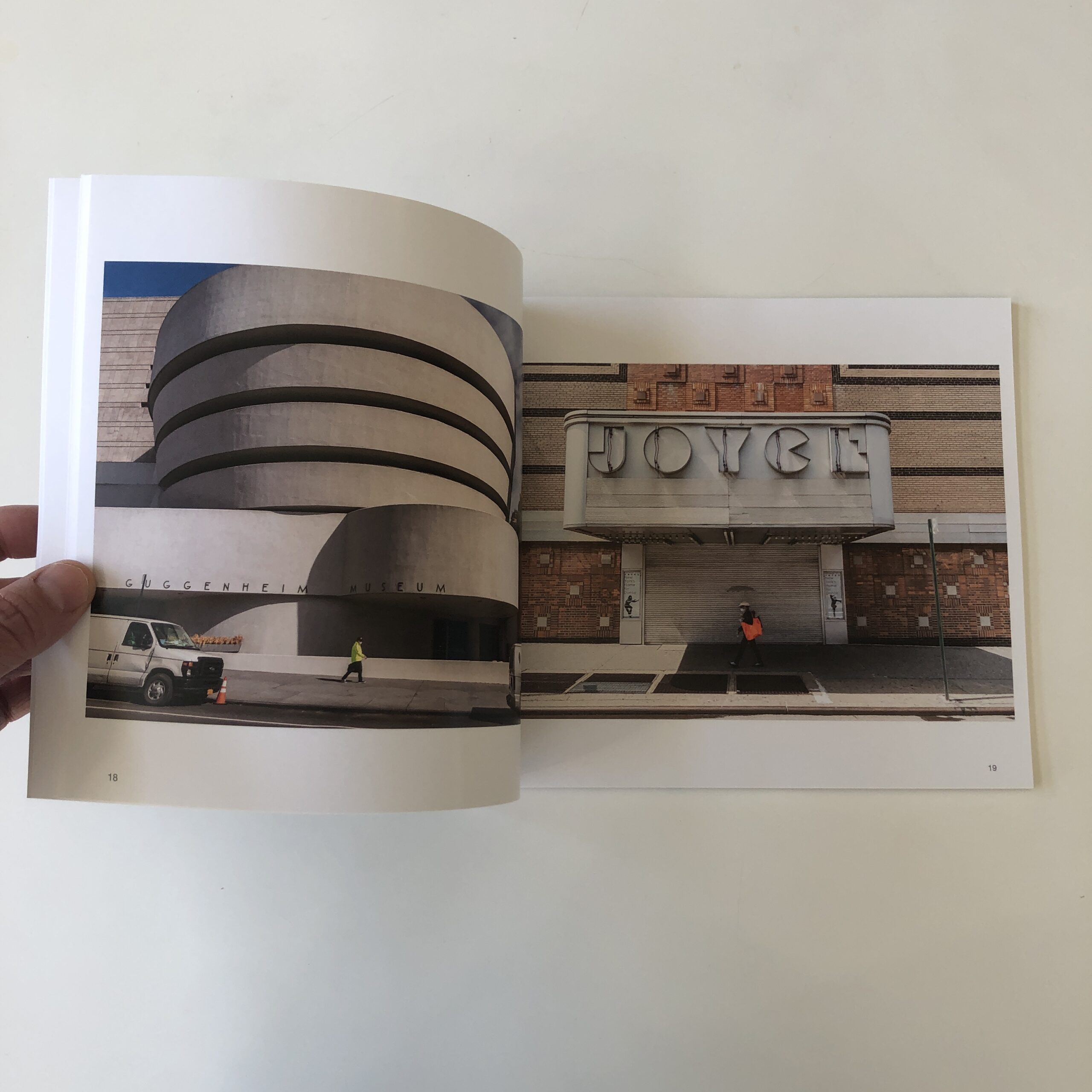
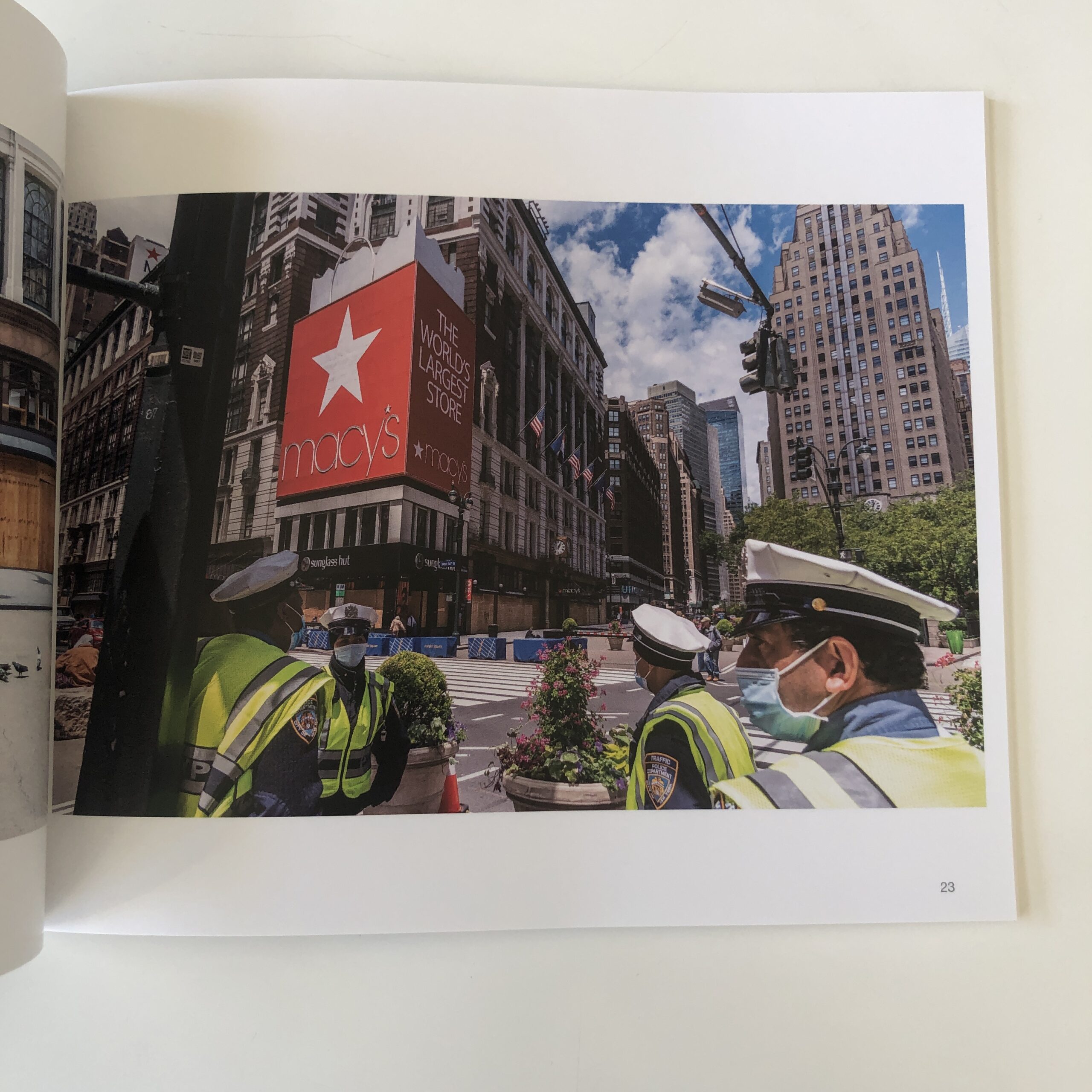
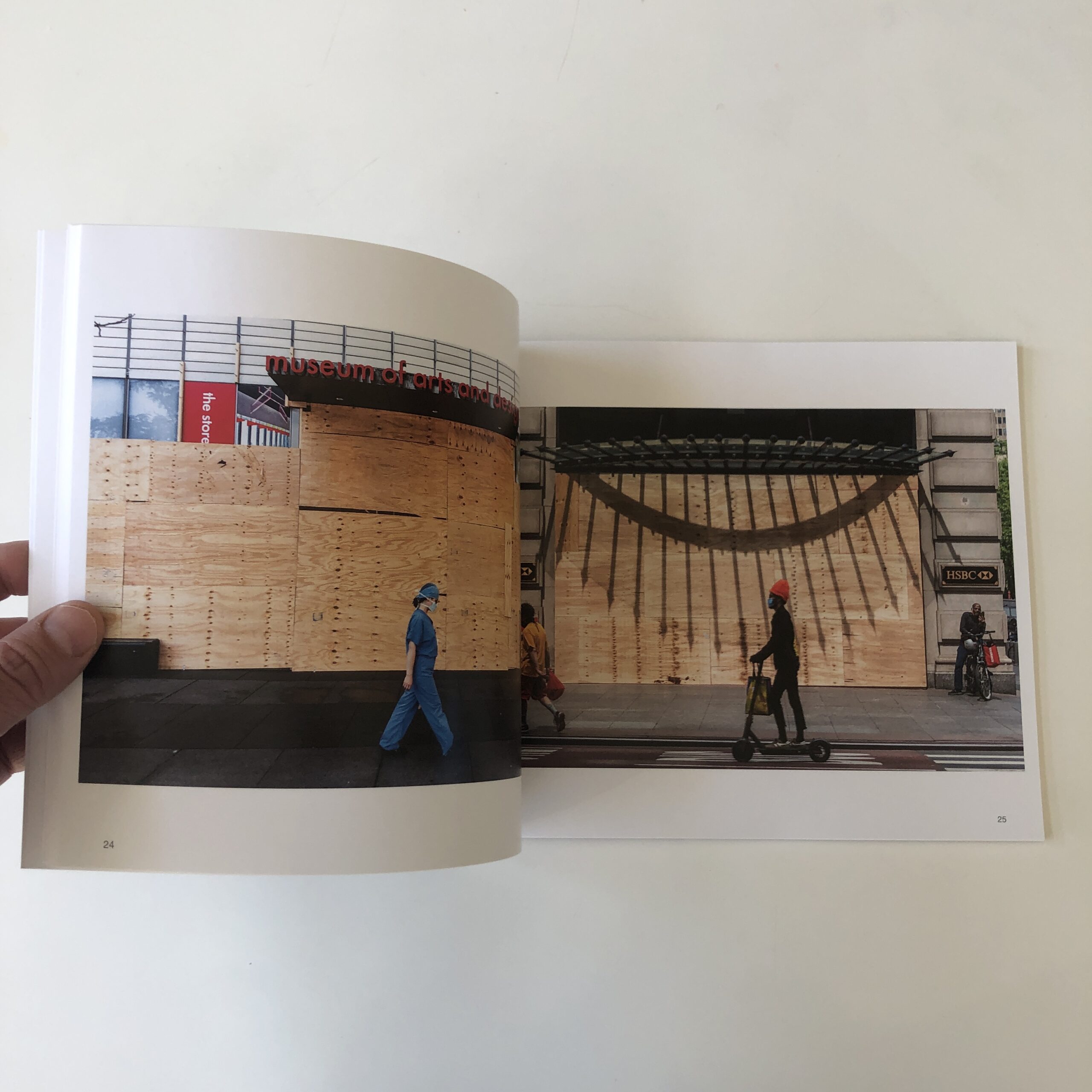
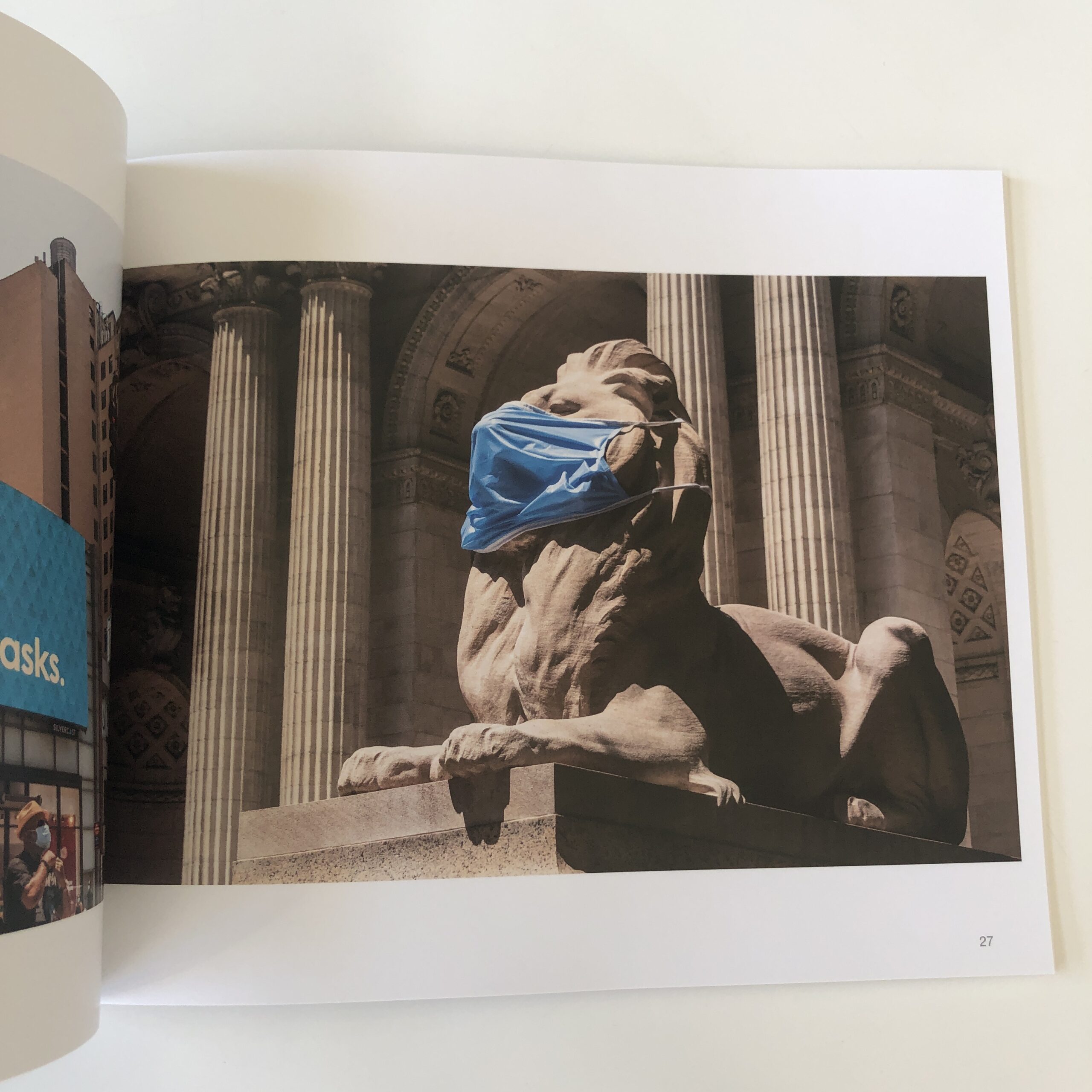
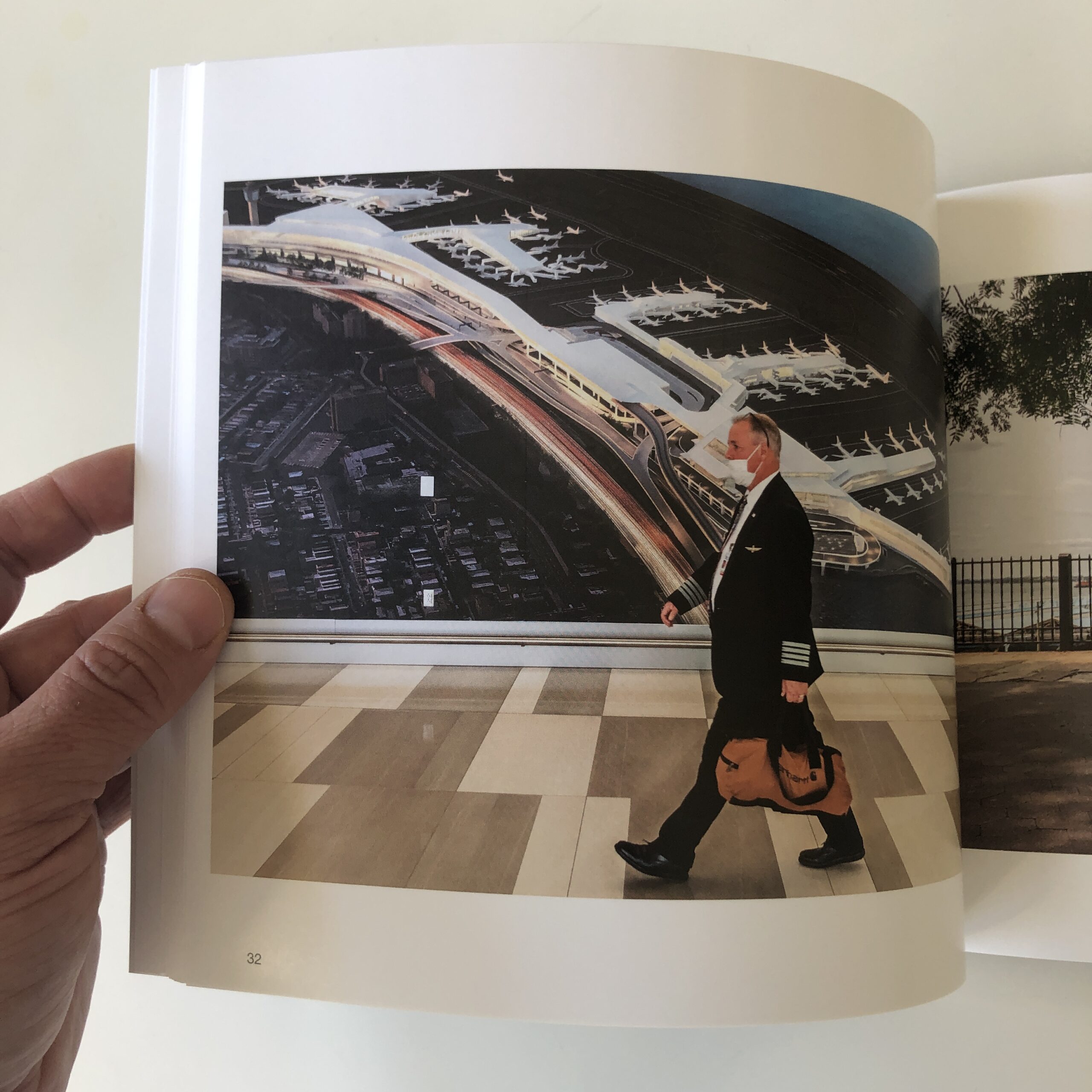
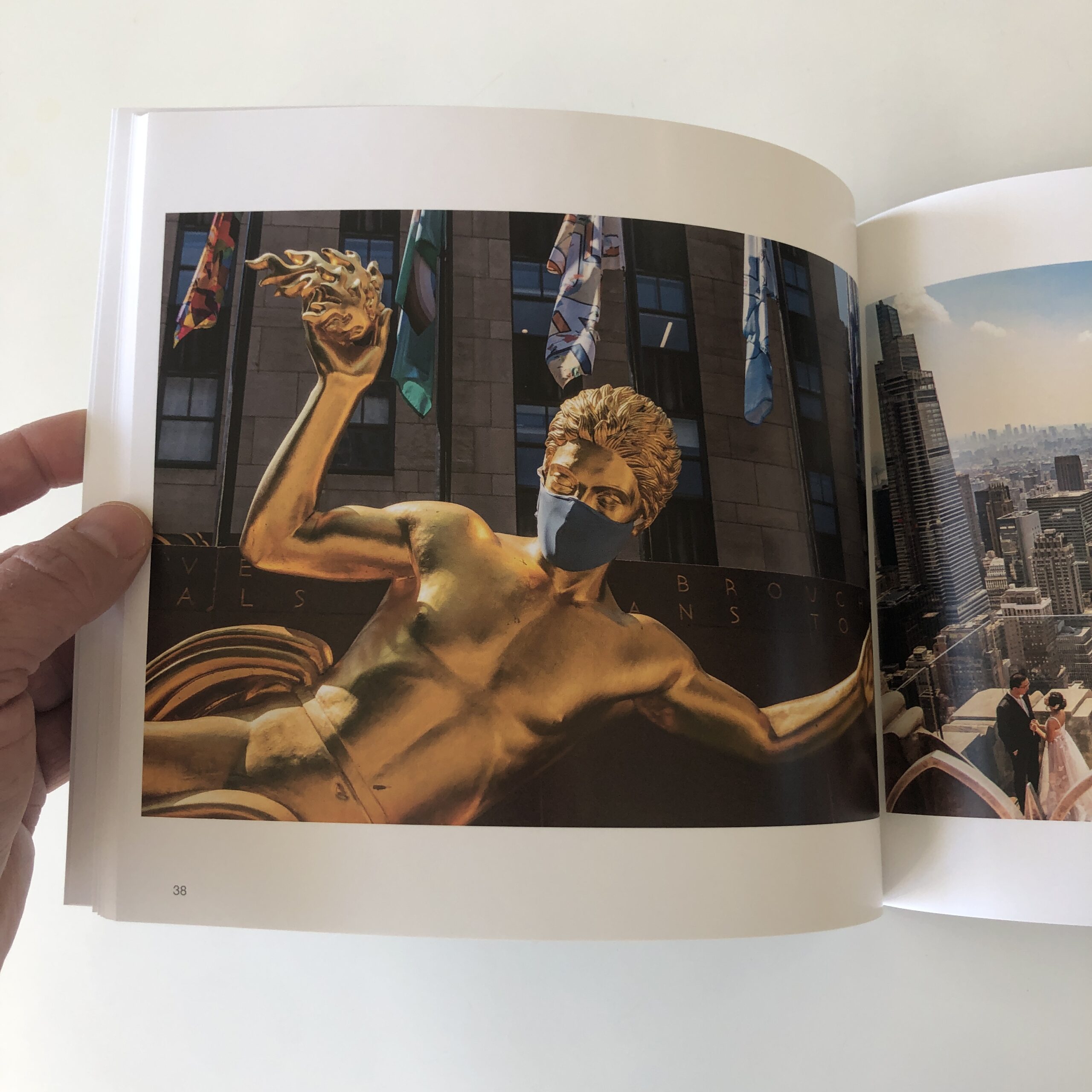
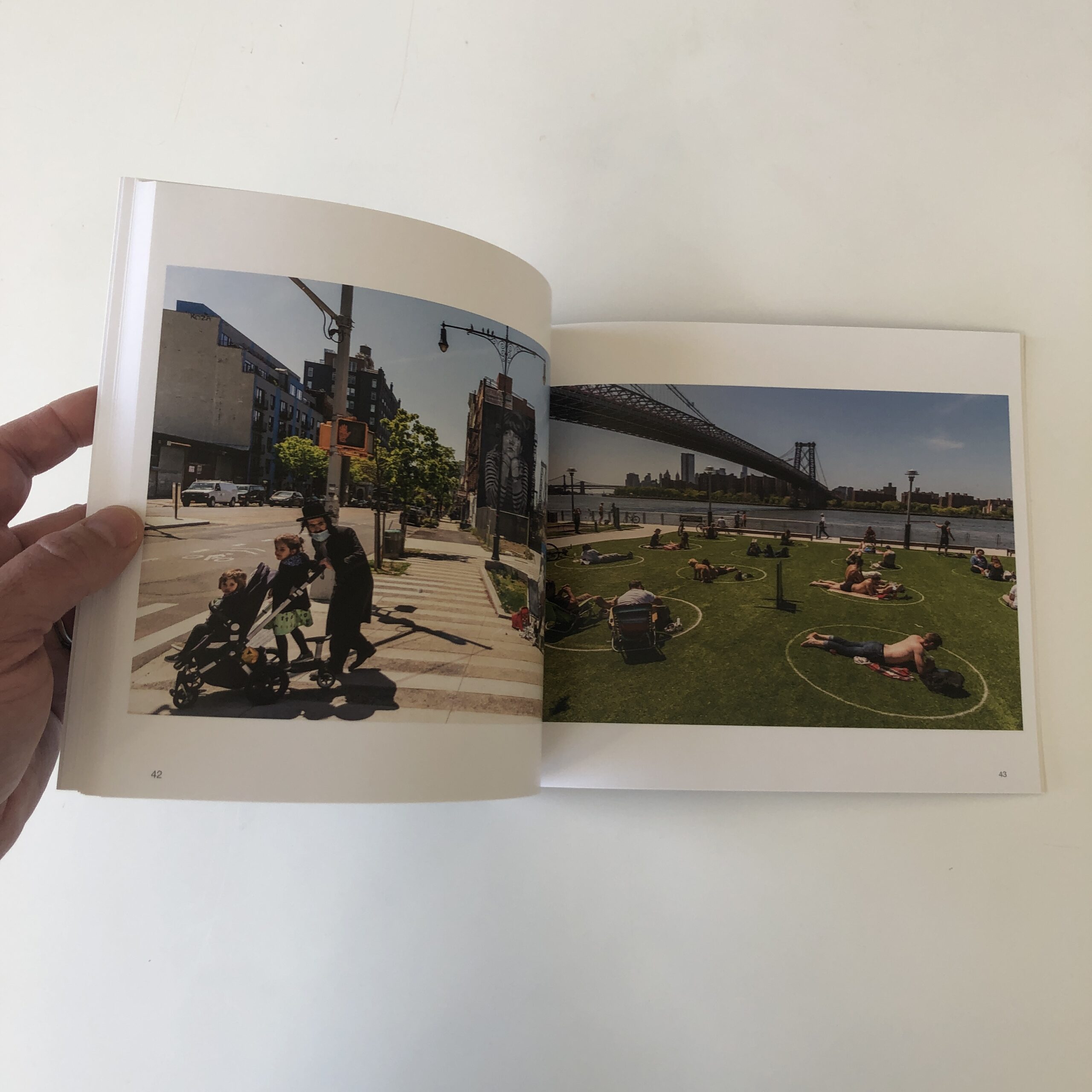
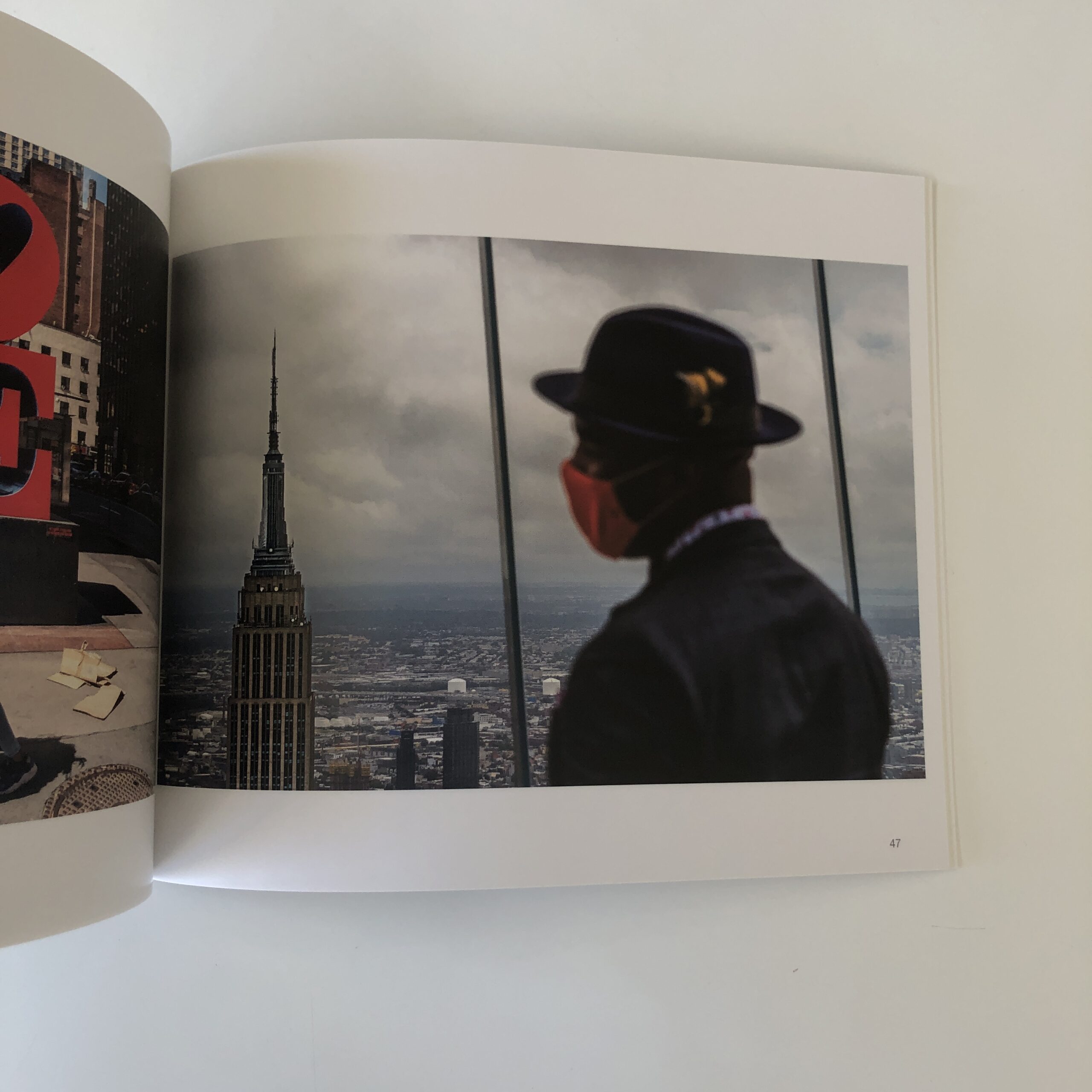
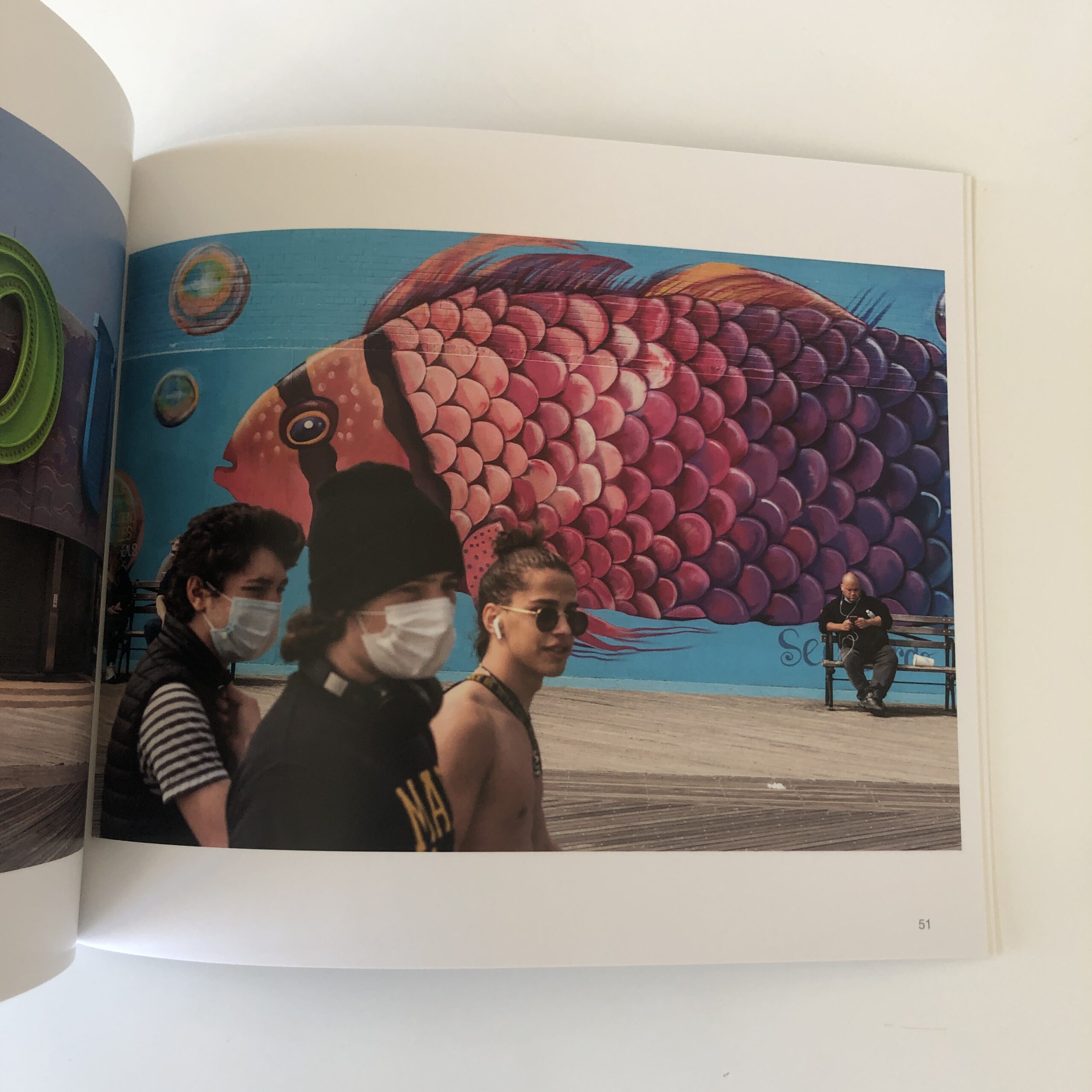
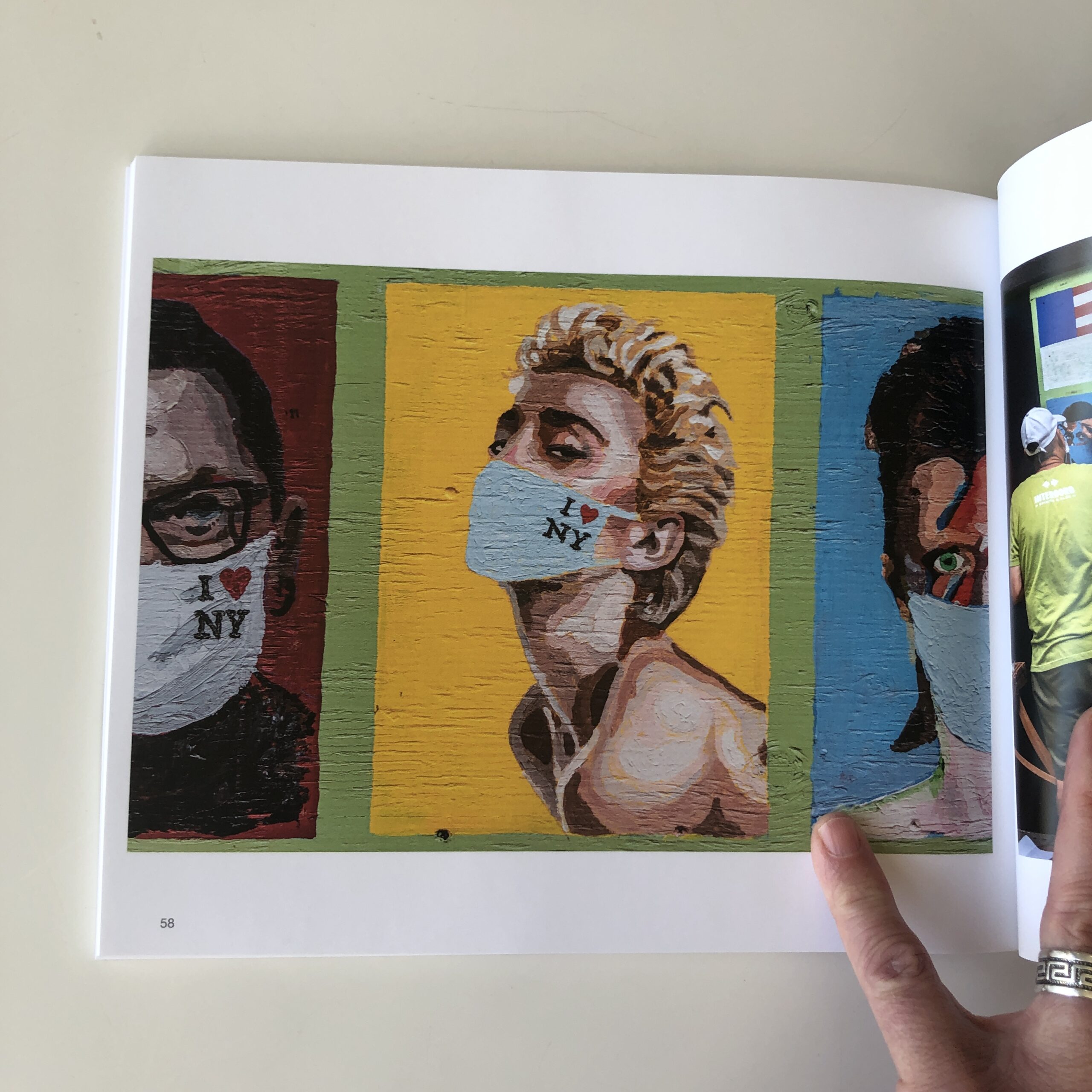
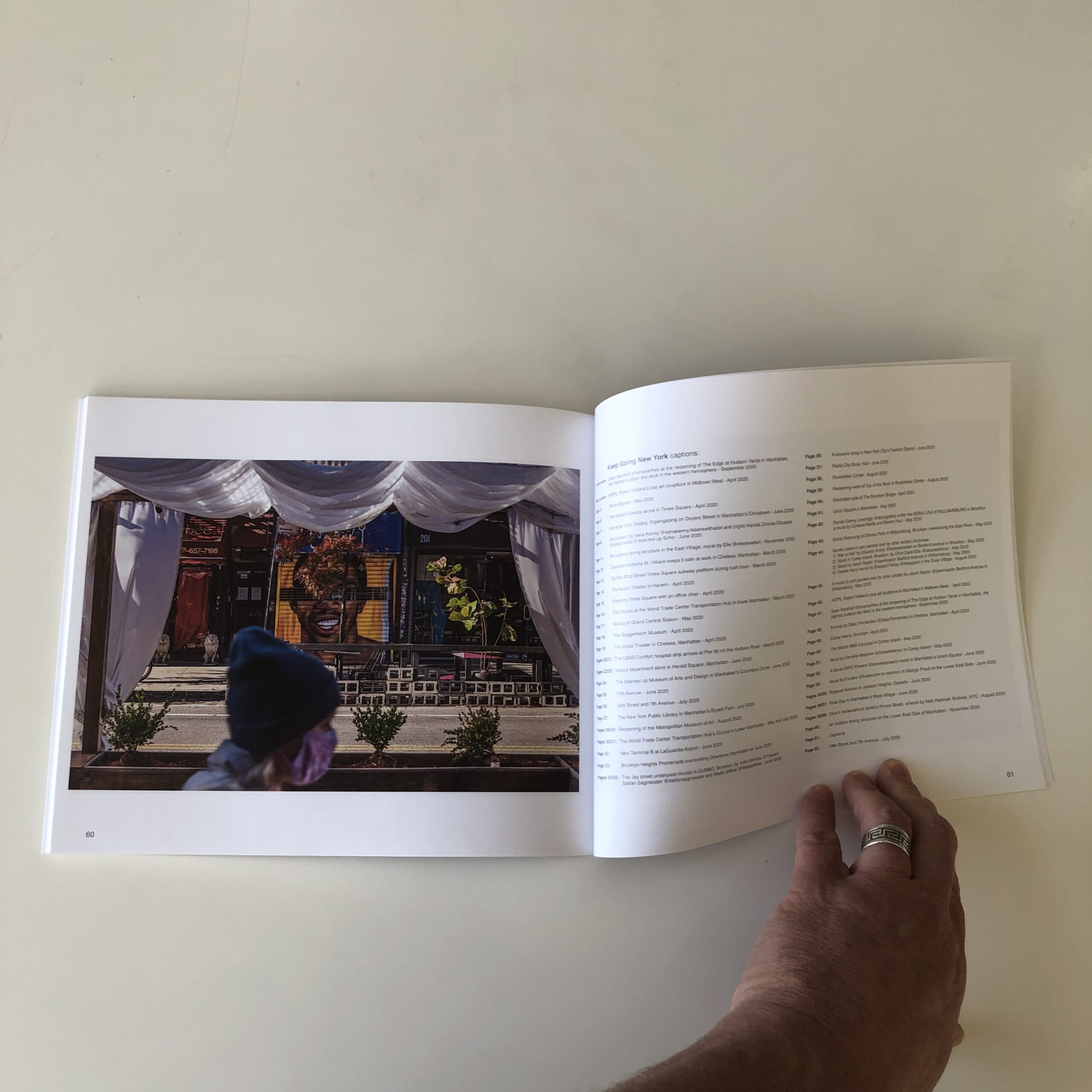
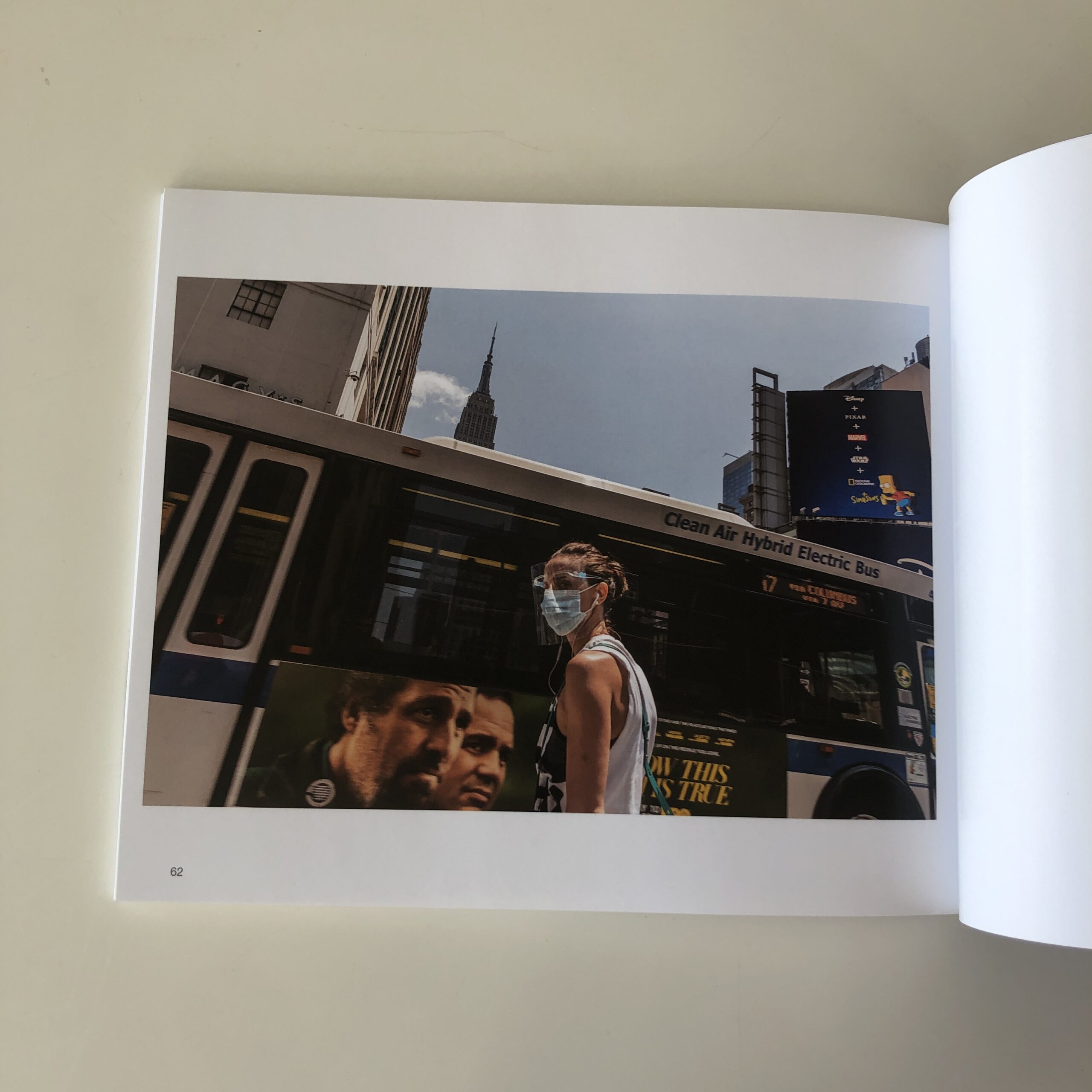
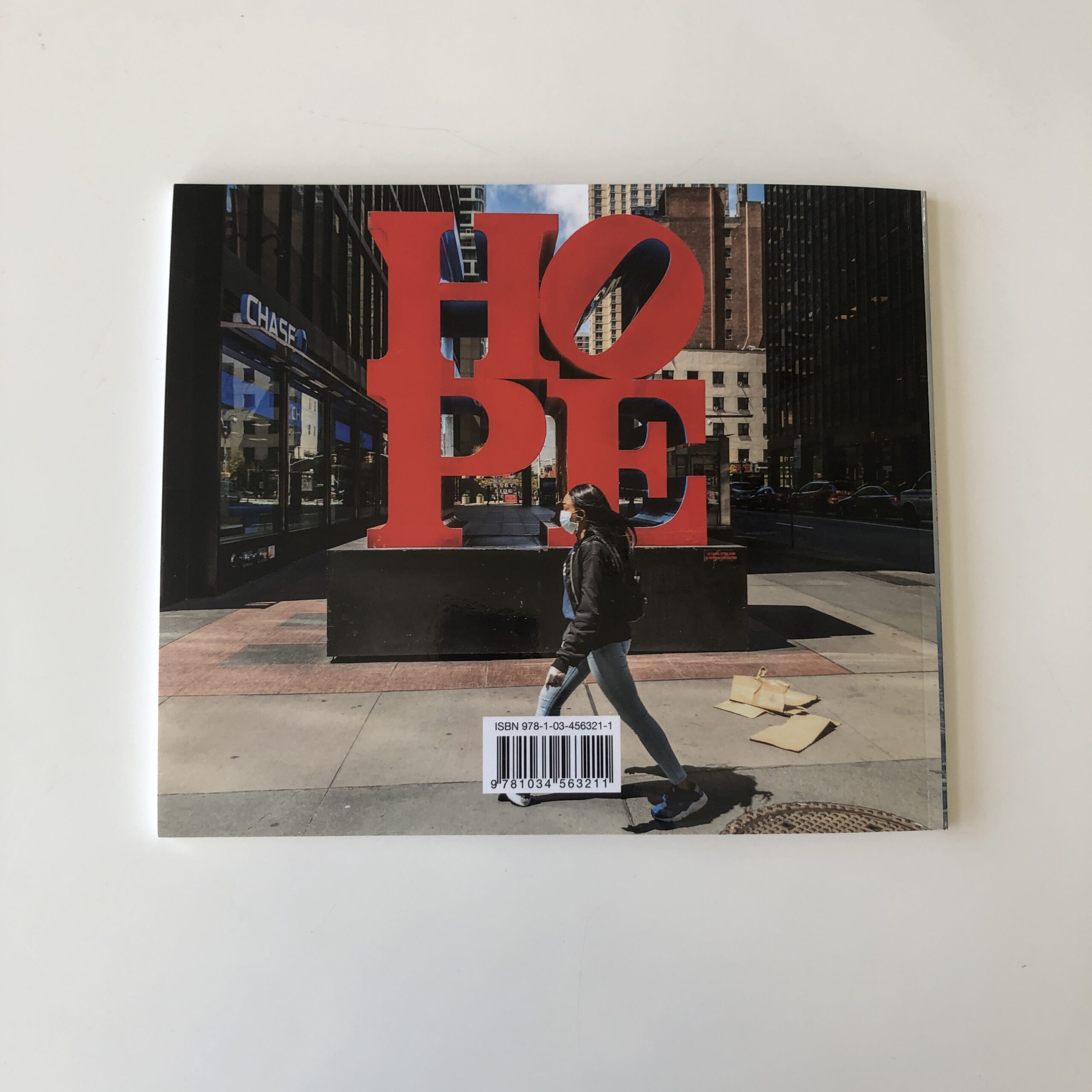
I opened up the cardboard, having no idea what was inside, and was treated to “Keep Going New York!!”, by Stefan Falke, a German-born photographer based in NYC.

And yes, it was made in the city, during the pandemic, over the course of #2020.


The text, by Claudia Steinberg, tells us Stefan roamed the outer boroughs, not just Manhattan, and shot at mid-day, as the bright sunshine helped run off his blues, and intensified the colors he sought to shoot.

So we see very bright murals, (in many cases,) often with lone figures in front.

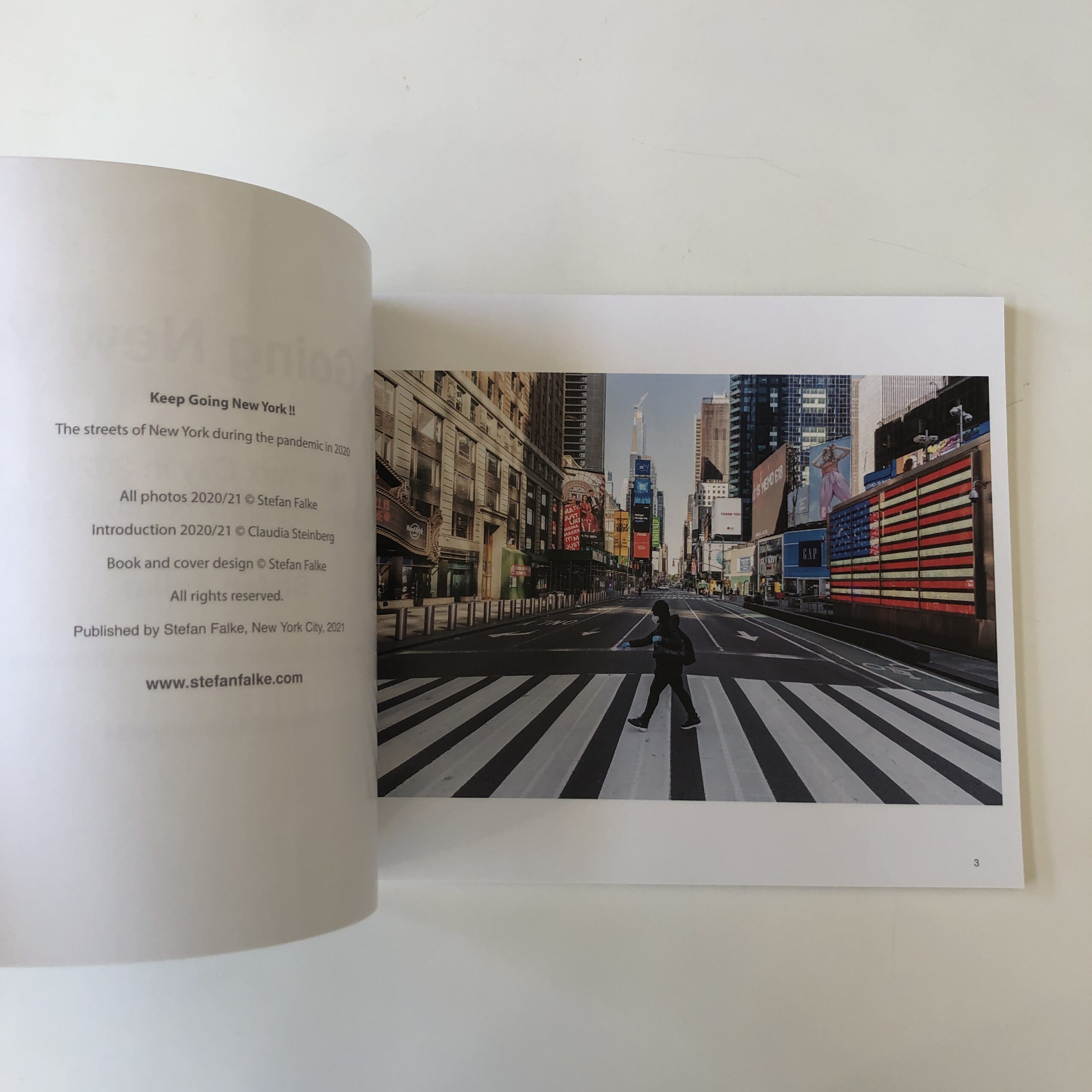
(As the text also informs, he prefers to have at least one person in the frame, and stands waiting for them, rather than just shooting empty cultural landscapes.)

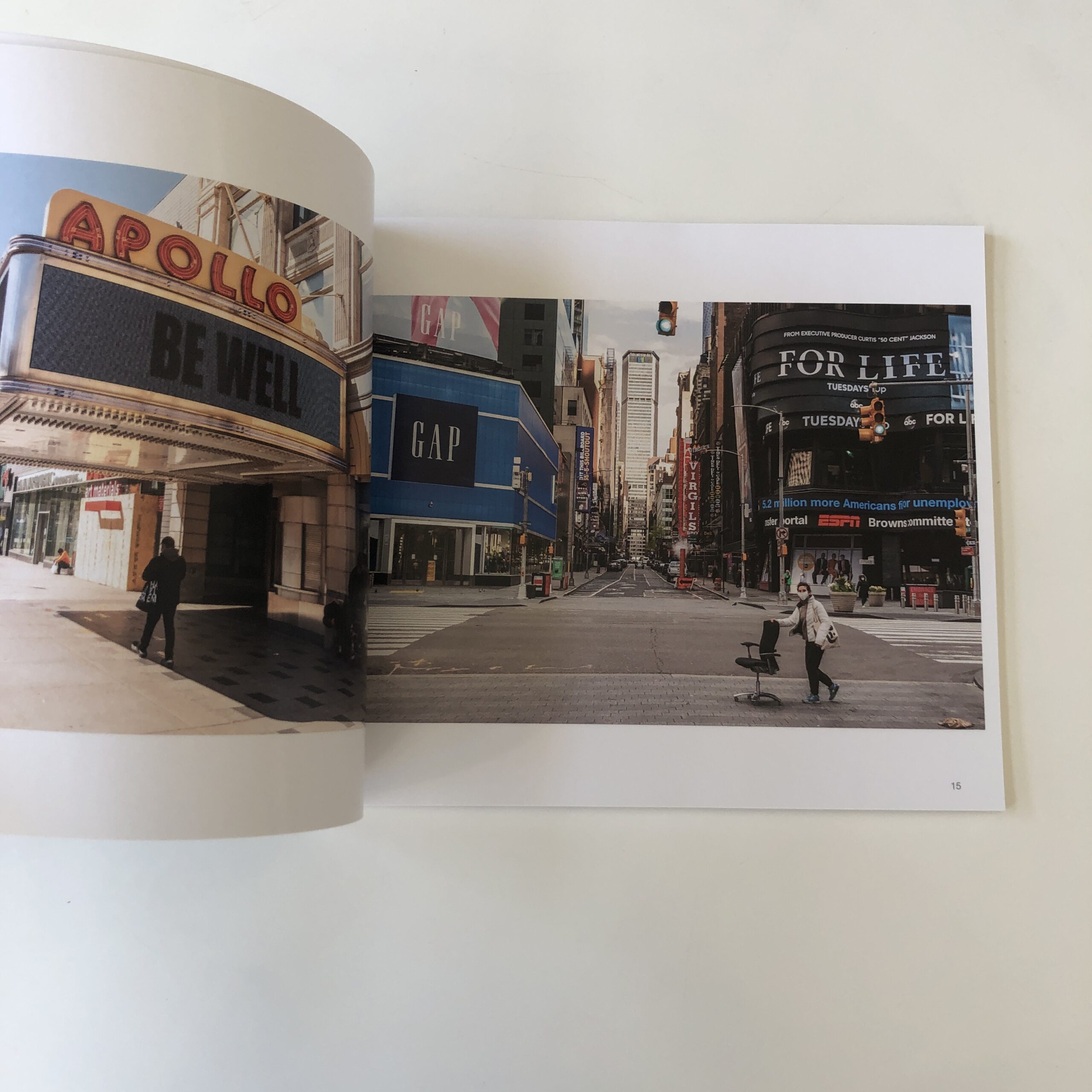
Hopefully, we’ll never again see the city this empty during the day.

It’s not right, though over the course of the book, there are other images that show at least some form of collective human congregation.

Do you remember when they drew circles in parks, so people stayed in their own pod?

I’d forgotten that already.

Some of these are properly dynamite, like the image of the Black gentleman wearing a cool hat, in the foreground, shot with shallow depth of field, set against the top of the Empire State Building.

Or the woman dragging an office chair through an empty Times Square.

But it’s the overall sense of having captured a place in time, (and a shocking time at that,) which forced me to write about this book.


So yes, that’s two #2020, pandemic photo books in two weeks.

(Not my intention, as I said.)

And in this one, there are several images that show people mis-wearing masks, or fully maskless, in the company of those who are masked up.

{ED note: Just this morning, now that it’s Friday, I saw a front page NYT photo of two Black Senators, on opposite sides of the mask divide, by Sarahbeth Maney.}

We can thank DJT for politicizing such a hyper-important public health issue, though you may have noticed I try not to mention him anymore.

But he’s looming out there.

(You know it, and I know it.)

Stay tuned, and see you next week.


To purchase “Keep Going New York!!” click here 


If you’d like to submit a book for potential review, please email me at jonathanblaustein@gmail.com. We are particularly interested in books by artists of color, and female photographers, so we may maintain a balanced program. And please be advised, we currently have a significant backlog of books for review. 

The Art of the Personal Project: Brad Torchia

The Art of the Personal Project is a crucial element to let potential buyers see how you think creatively on your own.  I am drawn to personal projects that have an interesting vision or that show something I have never seen before.  In this thread, I’ll include a link to each personal project with the artist statement so you can see more of the project. Please note: This thread is not affiliated with any company; I’m just featuring projects that I find.  Please DO NOT send me your work.  I do not take submissions.


Today’s featured artist:  Brad Torchia


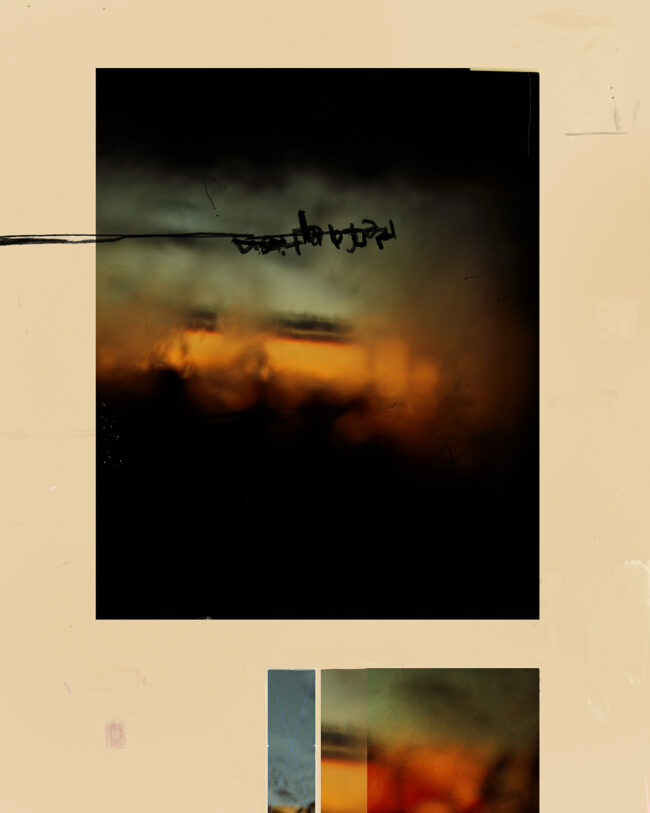
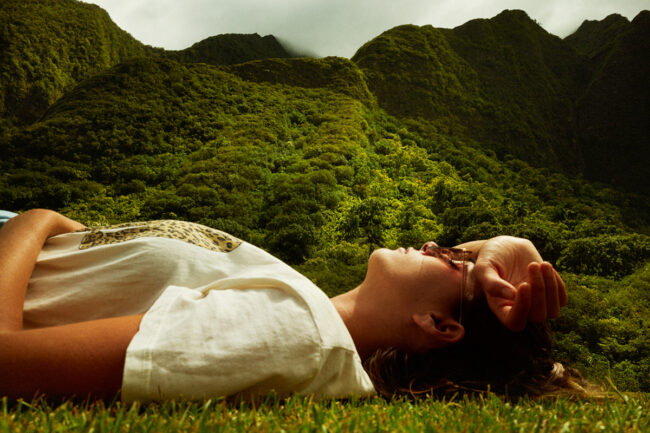
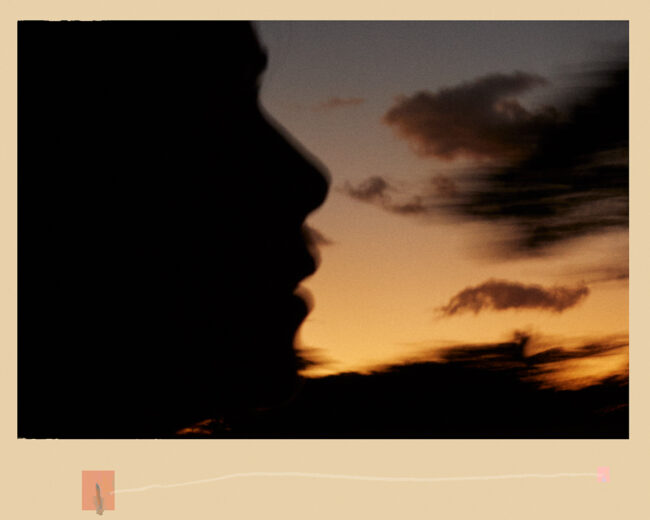
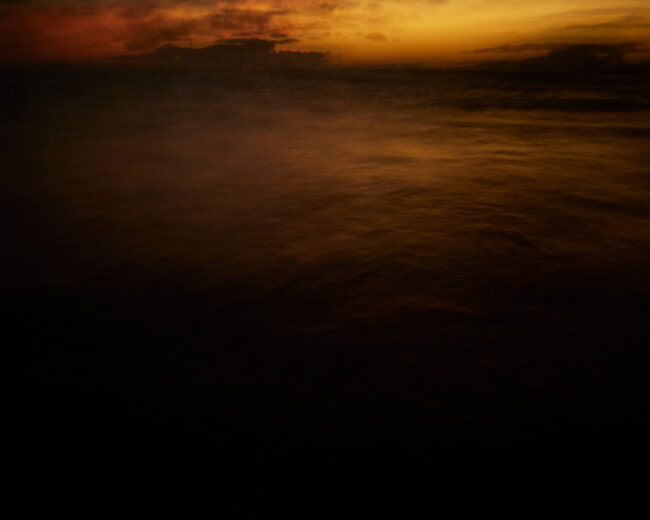
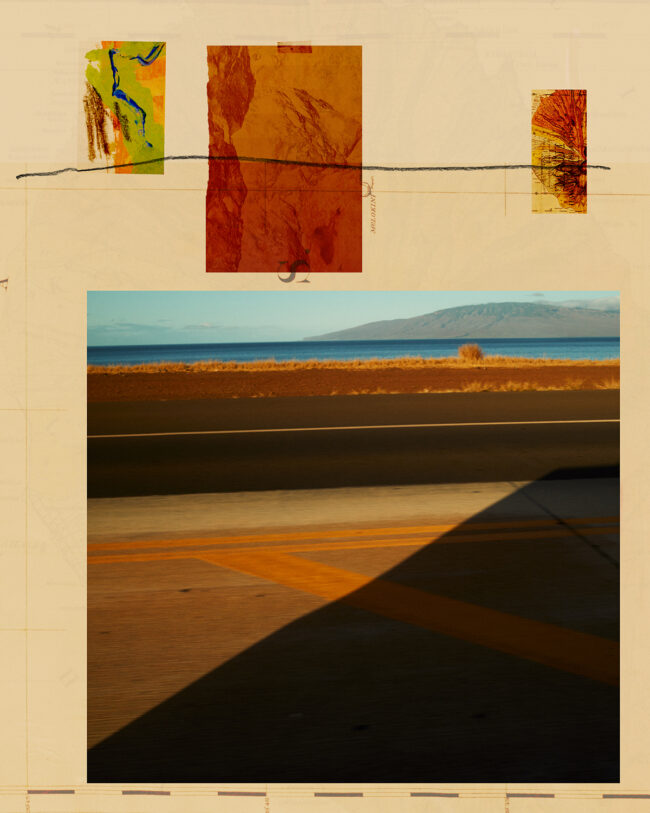
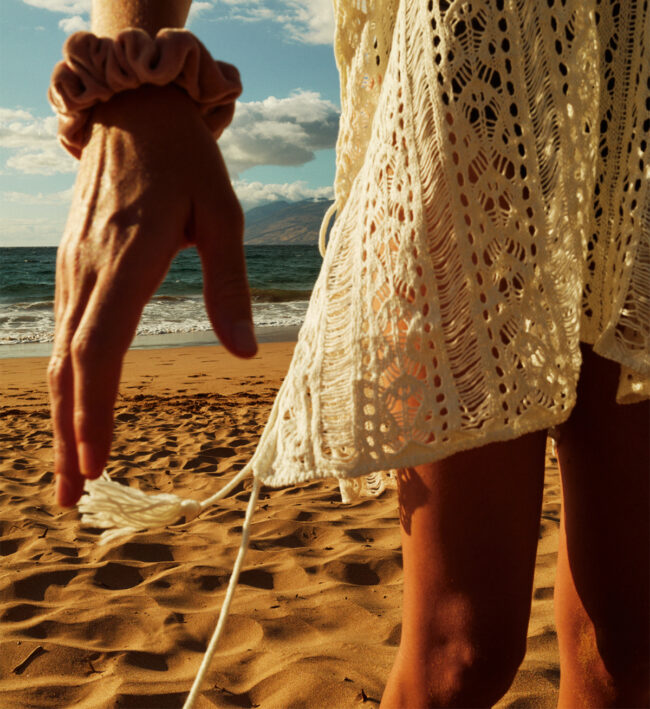
This is a recent collection of photographs and collages, from a few days of traveling on Maui.  Whether I’m on the road or home in LA, I’m after it constantly.  The color, the light, the evidence. How much of the experience can I let in? Circling in my head lately: staying open, staying loose. The possibilities seem endless.

To see more of this project, click here.

Instagram


APE contributor Suzanne Sease currently works as a consultant for photographers and illustrators around the world. She has been involved in the photography and illustration industry since the mid 80s.  After establishing the art-buying department at The Martin Agency, then working for Kaplan-Thaler, Capital One, Best Buy and numerous smaller agencies and companies, she decided to be a consultant in 1999. She has a new Twitter feed with helpful marketing information because she believes that marketing should be driven by brand and not by specialty.  Follow her at @SuzanneSeaseInstagram

The Daily Edit – Patagonia Fall 2021 Journal: Paris Gore

Patagonia Fall 2021 Journal

Photographer: Paris Gore
Photo Editor: Jakob Reisinger

Heidi: How did you expand as a creative and photographer while working on this story, “Child of the Setting Sun” for Patagonia?
Paris: Working on this story was very personal as I was part of the accident and close to the family. Most of the projects I’ve worked on in my career I’ve felt close to or always have some sort of tie to the story but this was just on another level. Knowing everything that went on and being so keen to show this piece the way I felt it should be showcased really drove my creativity out to shoot a certain way I felt I had never photographed before. I usually pull inspiration from New Yorker style photo pieces and wanted to really bring out a lot more emotion than what I feel like I normally do.

Where did you take this portrait?
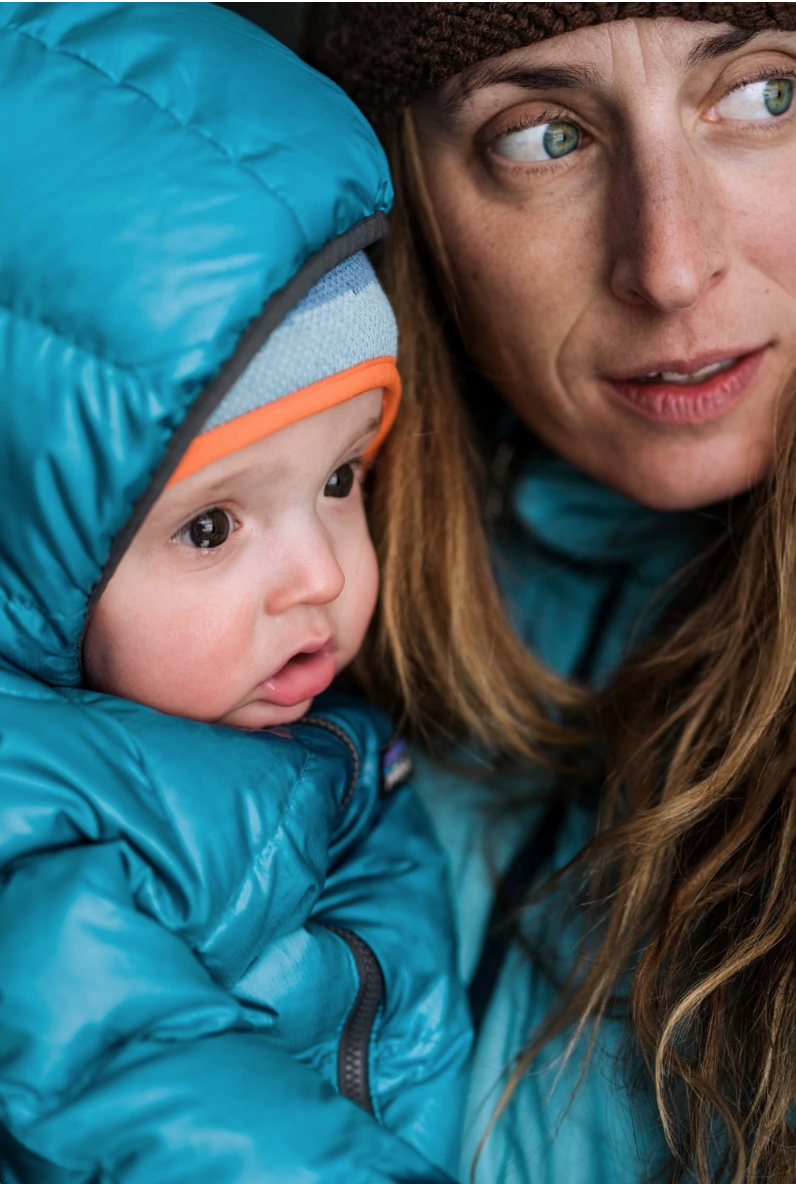
The portrait I took of Stephanie Bennett to accompany her story had to really be powerful. At her house she had a barn that was walled with metal siding so it gave off a metallic reflection, also being an open door it provided us a really great location for the portraits. Holding her young child Robbie, squirming and looking in different directions posed some challenges but to be honest Robbie is very stoic. His eyes have a mature gaze that look deep. Stephanie too, her eyes are beautiful and could pierce your soul. We photographed for about 20 min, having them look out towards the house together and I really did know on this frame it was a special photo. Stephanie was giving me a hard time about not liking her portrait being taken but she really photographed so well and I truly did shoot some of the most powerful portraits in my career I felt.

It’s a monumental moment of resilience, courage, and the full spectrum of life, how did you know when to pick up the camera to capture those moments?

Our weekend shooting at Stephanie’s place was really fun and never felt any moment was forced. We just shot Steph and Robbie doing their thing and had a great time doing so. I also just feel so close to Robbie that any moment with him is a real gift so it’s pretty easy to have the camera out most of the time being an over zealous “Uncle Paris”.

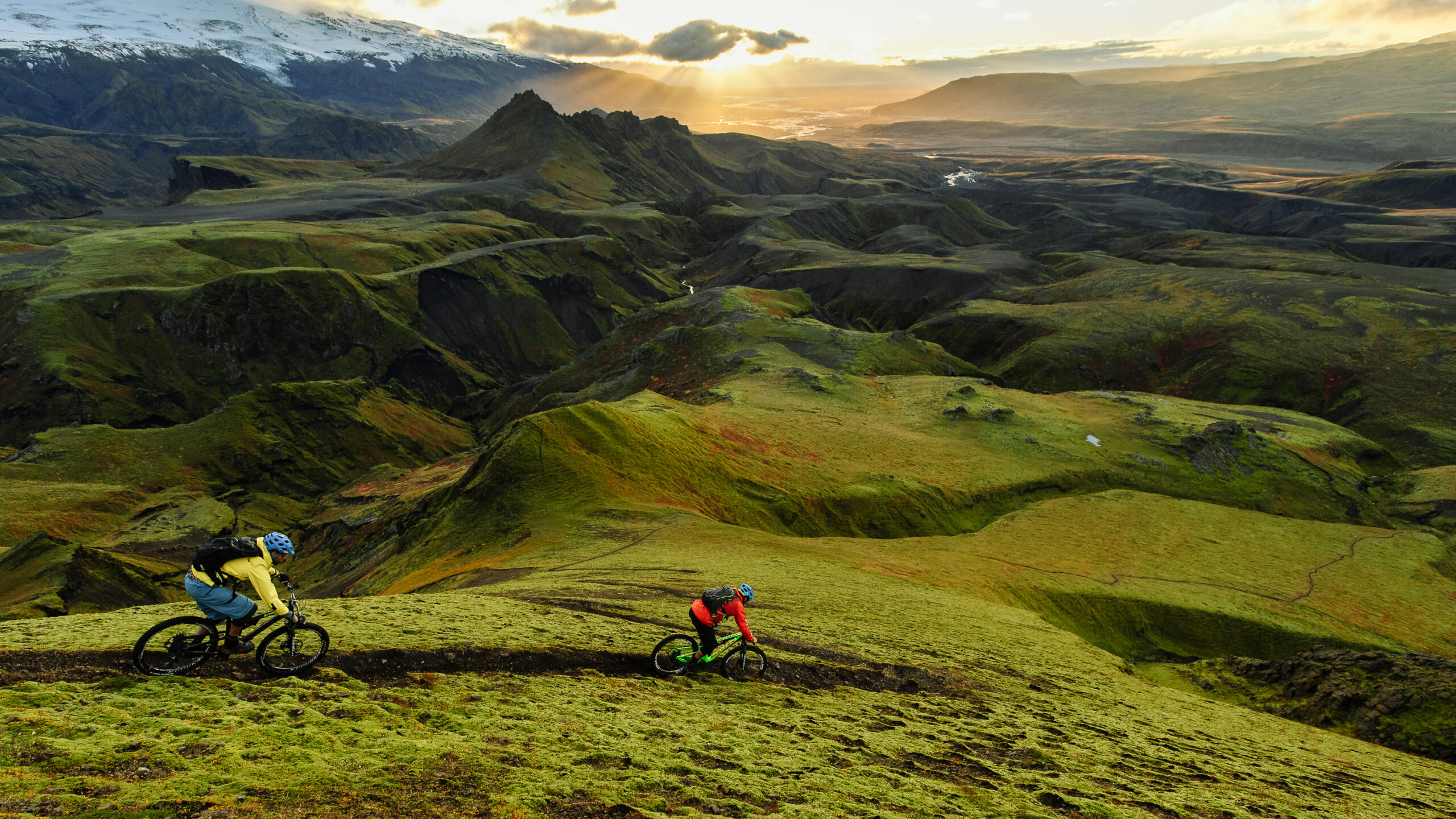
KC Deane and Geoff Gulevich in Þórsmörk, Iceland down a trail that is rarely ridden and never had been photographed for mountain biking. It’s always exciting to be somewhere and know you are one of the first to photograph MTB in the location. We lost the light behind the clouds which I was a little bummed about but it actually turned out for the better.
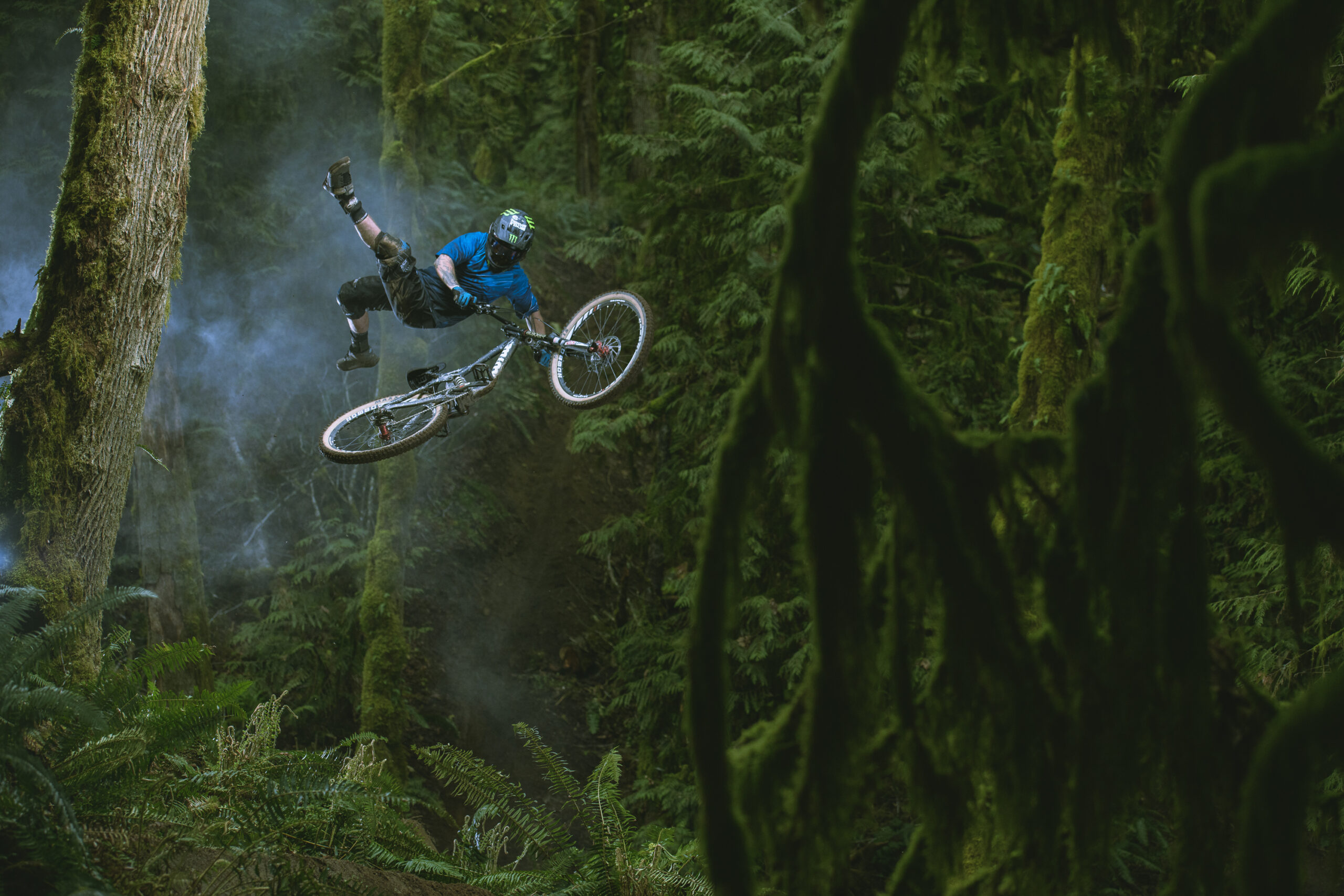
Graham Agassiz in Bellingham, WA during a production for Dakine clothing. This is one of my more intricate lighting rigs that I’ve ever done on a job. We ended up hanging a softbox in a tree to get a top down light affect using arborist gear. Was pretty wild to put together and execute a shot like this deep in the woods where getting all the gear up was quite the challenge.

You were a mountain bike rider that evolved into a photographer, when did you know photography was your path?
I got into photography pretty early on in high school but was mainly focused on shooting content for the yearbook and school sports not really thinking about applying it to mountain biking. Then one day me and a buddy went out to shoot some bike photos and had my a-ha moment. I had so much fun and just realized it was something I could possibly do for a living because at that point in my life there wasn’t much else in the way of a career I would have gone for.

How do you stay stoked and inspired?
A lot of people know me as a bike photographer and I do love it but any advice I can give is to have a passion outside of your work. I really enjoy snowboarding for example and I do photograph snow sports from time to time but it allows me to shoot it with pure enjoyment and not treat it as my “job”. Having an outlet just to go enjoy without the pressure of bringing a camera is so important to me and I work really hard to not taint that. Burnout is real and having the separation has really helped me appreciate the bike world and everything I’ve worked for!


This Week in Photography: Year of the Beast


My dog just got trolled by two coyotes.


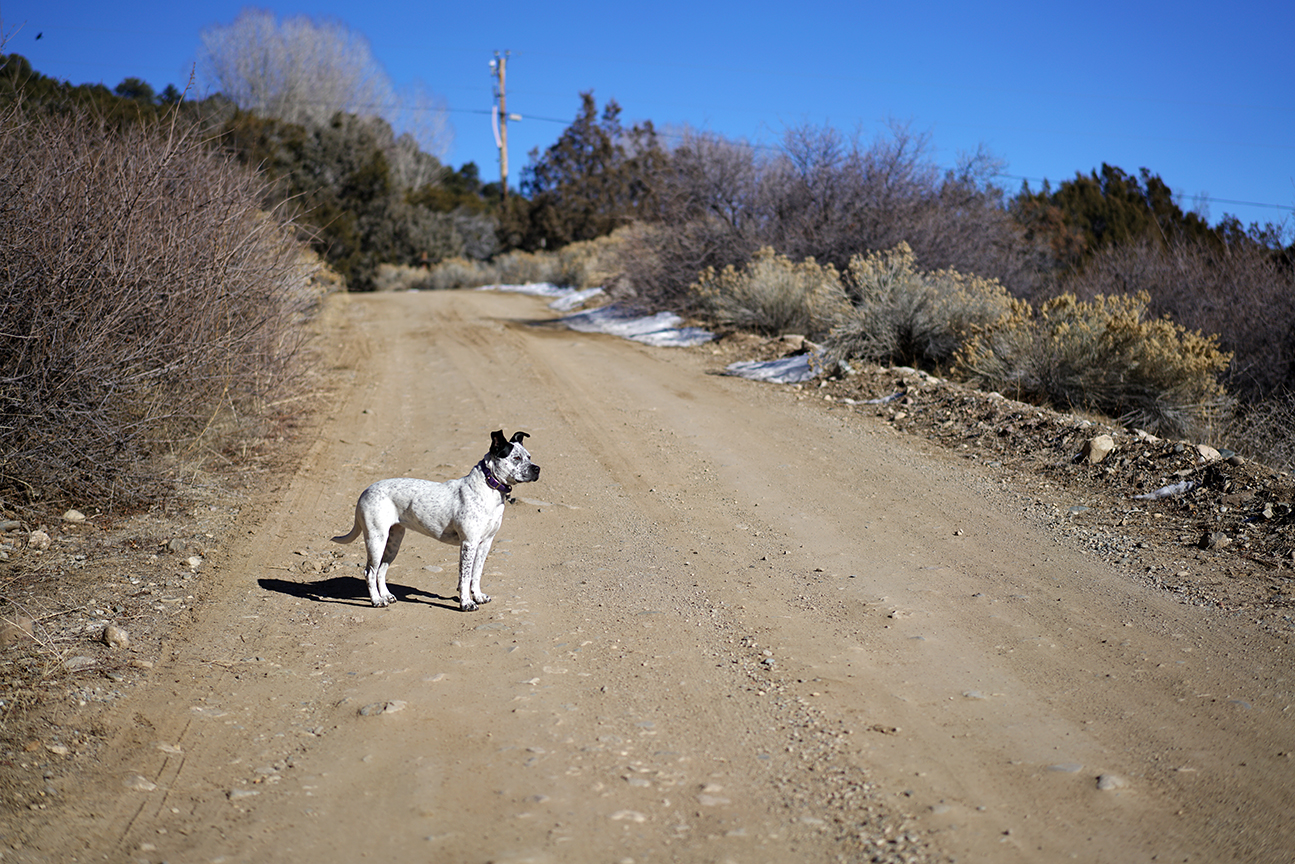
Haley on the road, 2021


I was sitting in my writing chair, wondering where to take today’s column, as Haley was lazing in the sun, just outside the sliding glass door.

All of a sudden, she leapt up and started barking.

(The full-throated, “I mean business” kind of bark.)

And this is one of the quietest creatures you’ll ever meet.

She can go all day without making a sound, unless she drops a little whine outside the front door when she wants to come in.

Barking, for her, is serious.

So I got right up, to see what was going on.


Just yesterday, (when she was away on a walk with my wife,) a massive coyote came strolling through the yard, practically prancing through Haley’s territory.

I called out to the kids, (who are home Zoom-schooling, b/c of Omicron,) and we all watched the gorgeous coyote for a good two minutes.

My son even captured a video, and I’ll post it here, if he’s up for sharing.


So today, my first thought was not psychopathic burglar, when the dog went ape-shit, but that it was probably the coyote coming back.

I was close, as this time, it was two.

Now, I’ve seen Haley tear off at full speed, determined to chase off her wild relatives, and maybe catch them if she can.

She must be a bit older and wiser, because despite her ferocious jaws, (she’s half-pit-bull,) Haley would be no match for two full-grown coyotes.

This time, she ran about ten paces, and then stopped, content to scream at them in dog-language.

I imagine she was saying something like, “Hey, assholes, get the fuck out of here! This is my turf! What’s your fucking problem? You don’t belong here! I’m in charge, not you! Leave! Now!”

I stood at the window, watching her body quake, giggling at the subtext of her unhappy barking, and then I decided to watch the coyotes.

They looked at her, only for a second, and then just pretended she wasn’t there.

It was an epic troll job.

They stood their ground, and went back to sniffing around, without the tiniest hint of hurry, or bother.

Then, and I swear this is true, one at at time, each had a leisurely poop, and then kicked at the dirt around the excrement with their hind legs.

You can’t make this up!


Living in a horse pasture in the heart of the American West, I admit life can be lonely, and almost boring, if you can’t take pleasure in watching the birds, the deer, the aspen leaves shaking in the breeze.

(And sometimes, the isolation does drive me crazy, especially since Covid began.)

But just now, in the last few minutes, I felt like the natural world was putting on a play, just for me.

In the end, the coyotes loped off, slowly, in their own good time.

They mocked Haley with their indifference, daring her to charge them.

Thankfully, she understood simple math.

2 coyotes, 1 dog.

Not a fair fight.


I bring this up, partly because it just happened before my eyes, as I sat with my computer on my lap, wondering what to write.

But also, (you know me well,) because I had a book in mind to review for today, and the coincidence is just uncanny.

Tara Wray published a photo-book a few years ago, “Too Tired For Sunshine,” which I reviewed favorably, though in my experiential fashion, I had no idea it was really a treatise on using photography to combat depression.

Remembering what I wrote, I did wonder about the title?

Why would someone be too tired for sunshine?

And I was impressed by the search for rich, deep color, and powerful moments, as it seemed to have a hidden drive behind it.

The book became the basis for a movement, both on Instagram and IRL, with a series of group photo exhibitions around the world by other artists who also suffered from depression.

The phenomenon culminated in the formation of a non-profit organization, the Too Tired Project.


(Pretty badass, if you ask me.)


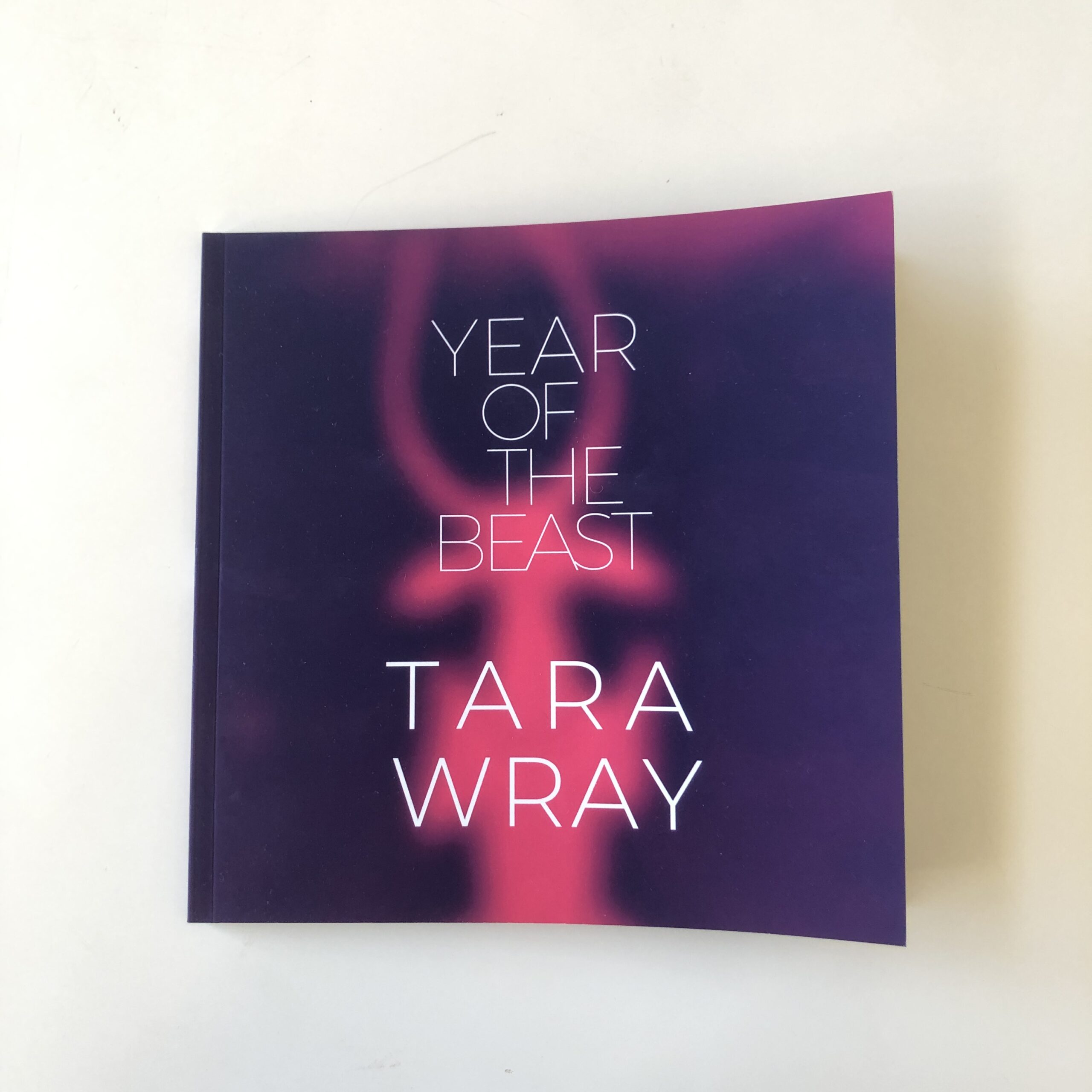
In early 2021, Tara kindly send me a copy of her new book, “Year of the Beast,” which was made during the first pandemic year.

(Hence the title.)

This one was published by her own imprint, Too Tired Press.

The artist lives in the mountains of Vermont, in an isolated, rural existence, much as I do. (Though I’d kill to be able to get to Boston or NYC in half a day, instead of Albuquerque.)

I found this set of images to be a bit looser, perhaps not as locked-in as the previous work, but still, it’s a compelling project.

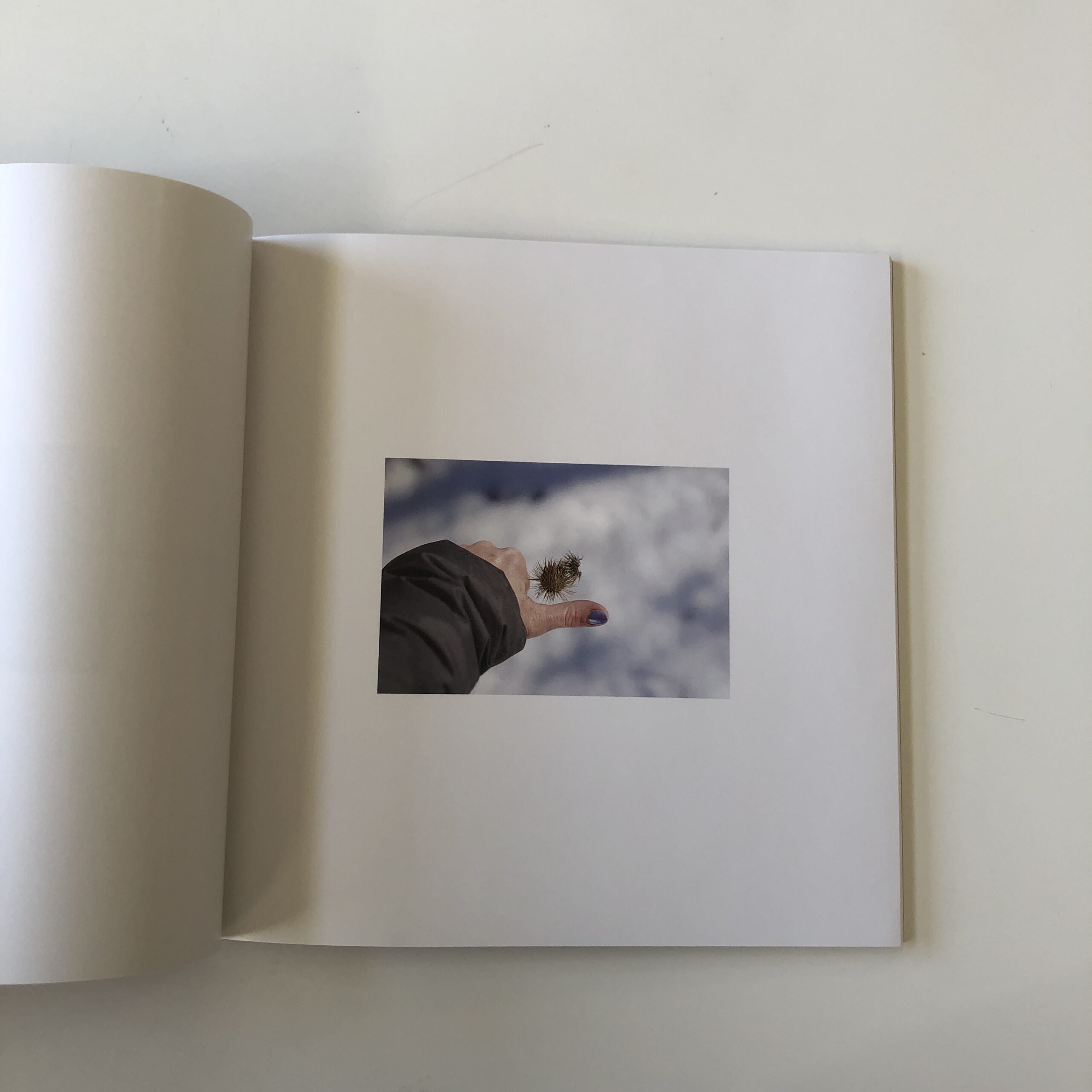
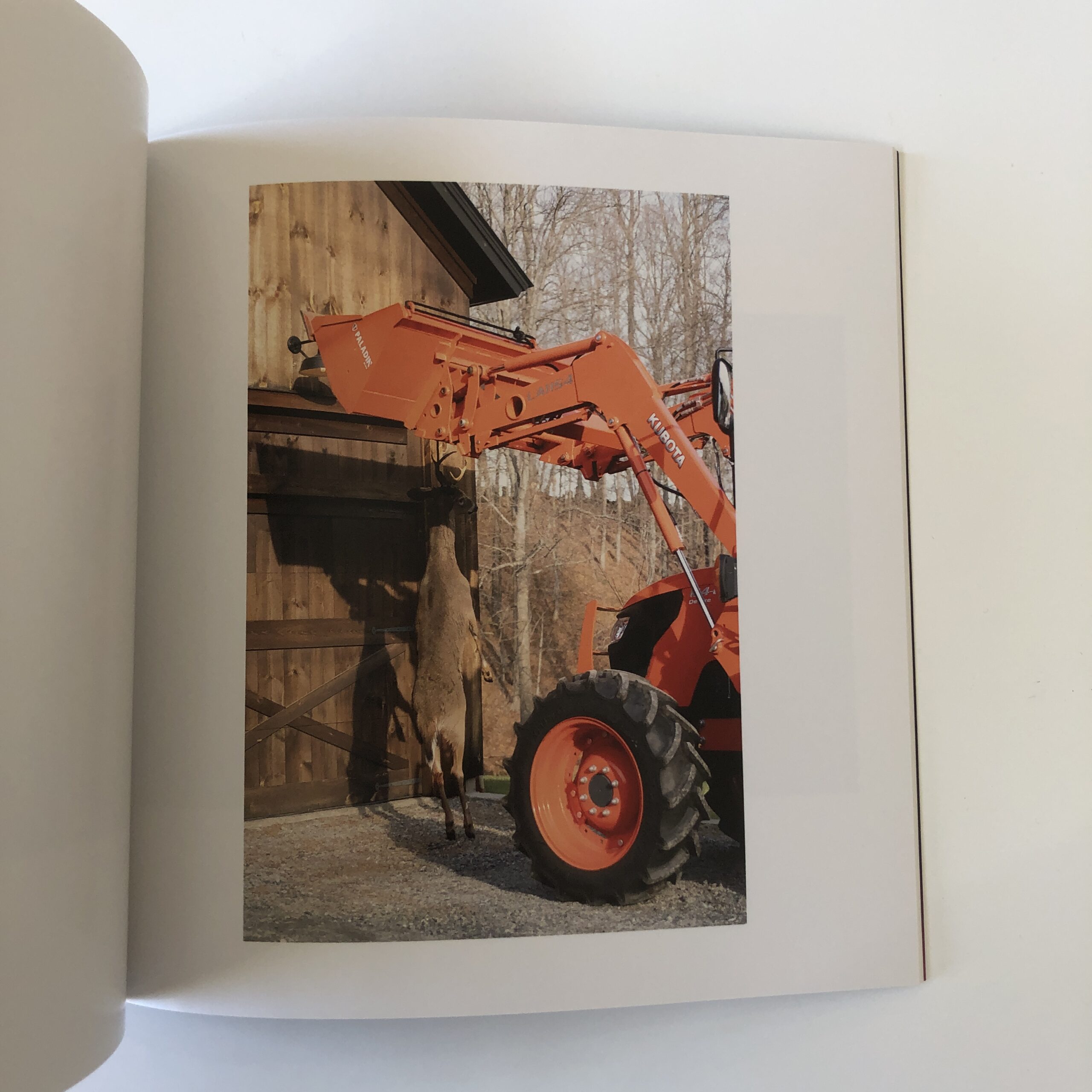
We see her children, in various guises, and lots and lots of animals.

Frankly, it was that connection with the natural world which I couldn’t shake from my brain, after the coyotes walked away.

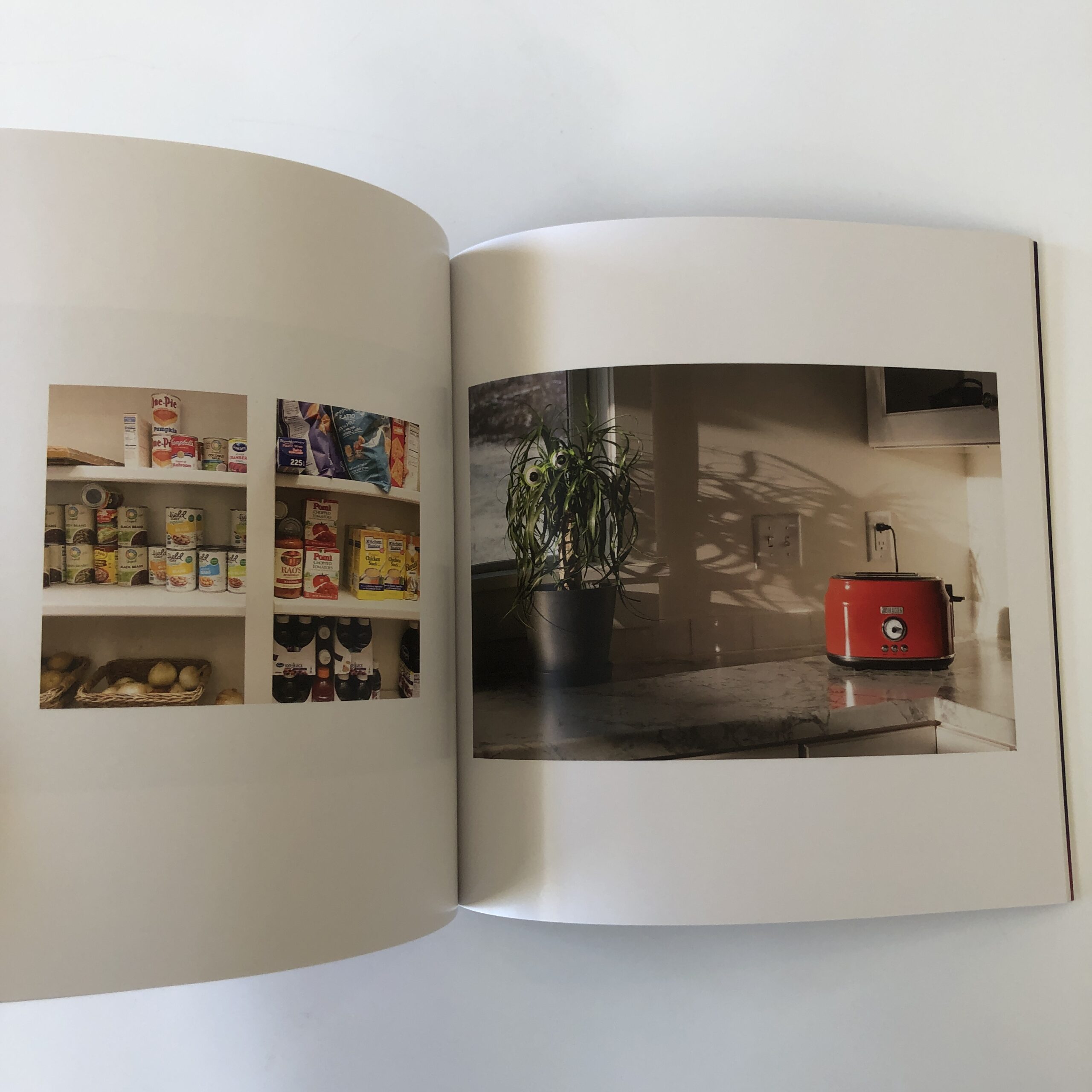
There are only a few clear, symbolic references to the pandemic, like the fully stocked pantry image, and I dig the subtlety.

Other than Bo Burnham’s genius Netflix special “Inside,” which I’ve shouted out before, I don’t think I’ve seen much art directly ABOUT the pandemic that had enough nuance not to feel “too soon.”

So I appreciate this book is not didactic.

I was fortunate to interview Tara for the PhotoNOLA Virtual Book Fair, about both books, the way she uses art to battle depression, and the movement that popped up in her wake.

You can check it out here, if you’d like.


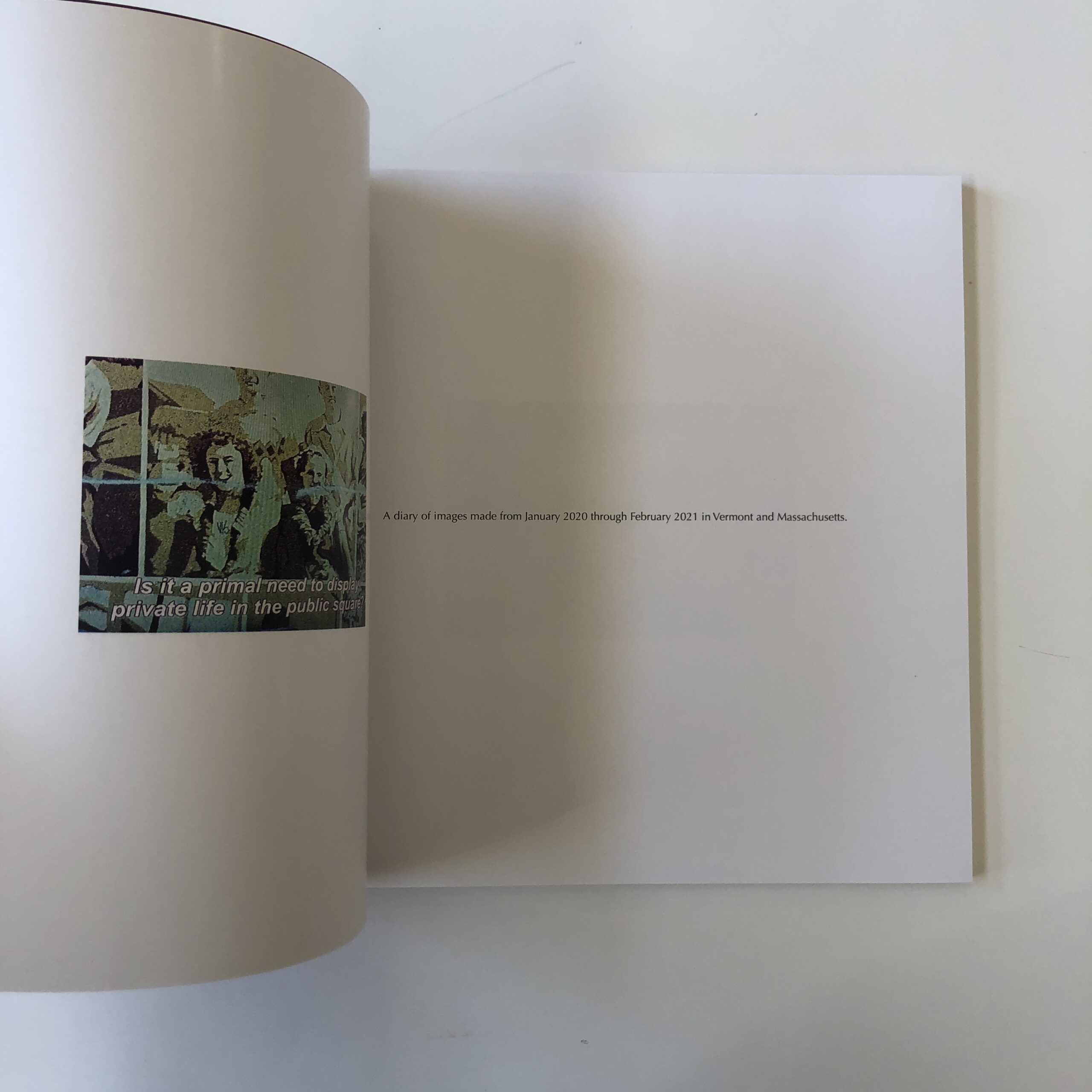
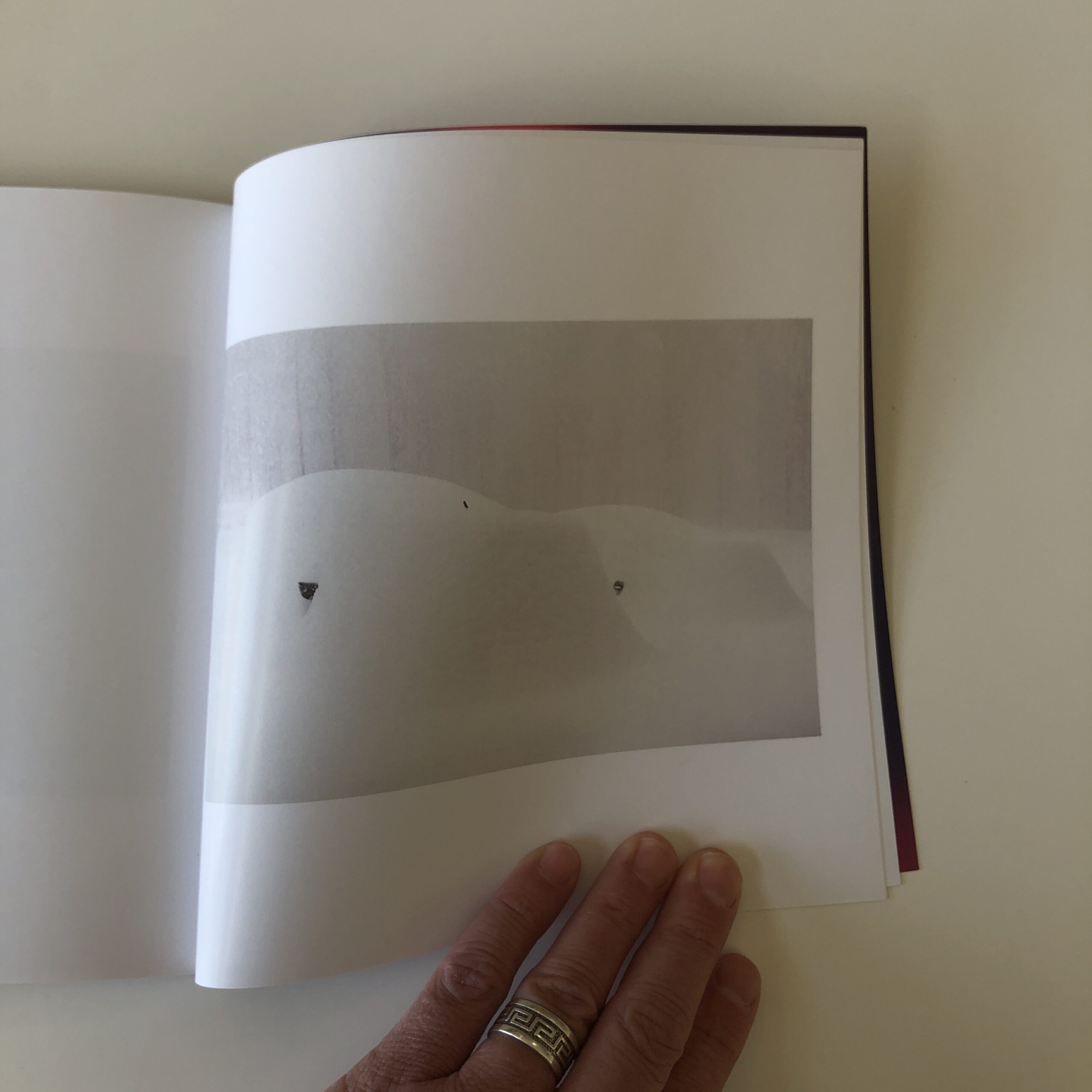
The images in “Year of the Beast” are displayed in the order in which they were shot, so the narrative plays out in real time.

It’s a tactic many of us consider with our documentary style photo series, but so often we opt for sequencing with intentional rhythm, creating runs of images based upon color, symbolism, texture, or emotion.

As 2022 has just begun, now the third year of this public health crisis, I thought it appropriate to kick off the column with a book that shows us one artist’s vision of 2020.

The Year of the Beast indeed.


To learn more about “Year of the Beast” click here


If you’d like to submit a book for potential review, please email me at jonathanblaustein@gmail.com. We are particularly interested in books by artists of color, and female photographers, so we may maintain a balanced program. And please be advised, we currently have a significant backlog of books for review. 

The Art of the Personal Project: Beth Galton

The Art of the Personal Project is a crucial element to let potential buyers see how you think creatively on your own.  I am drawn to personal projects that have an interesting vision or that show something I have never seen before.  In this thread, I’ll include a link to each personal project with the artist statement so you can see more of the project. Please note: This thread is not affiliated with any company; I’m just featuring projects that I find.  Please DO NOT send me your work.  I do not take submissions.


Today’s featured artist:  Beth Galton


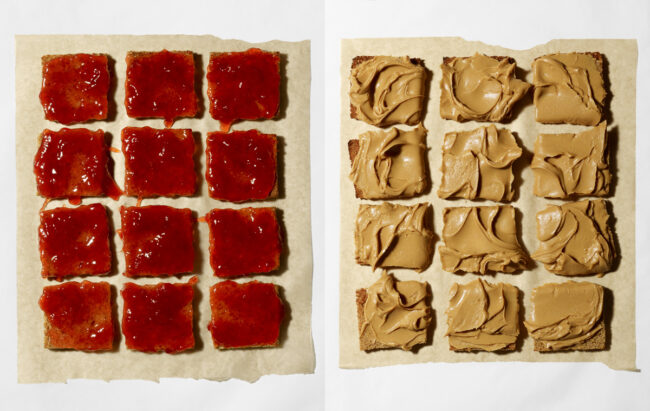
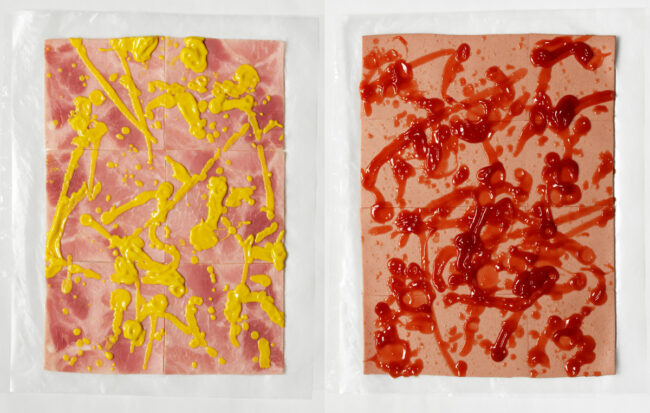
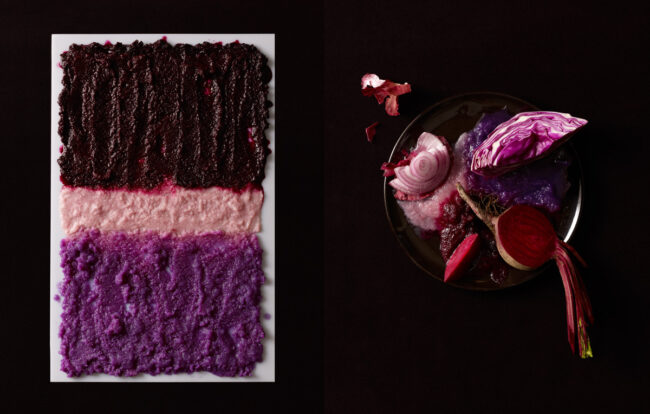
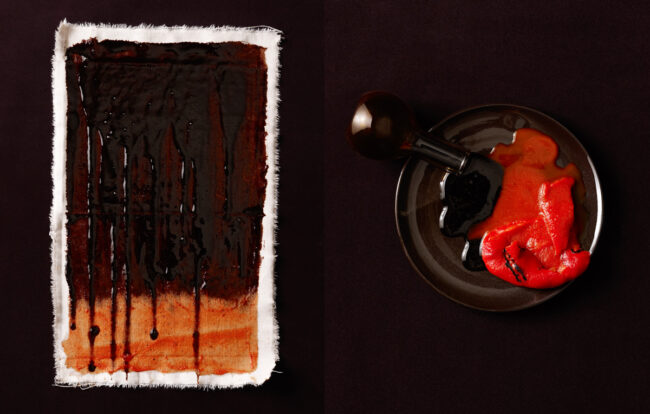
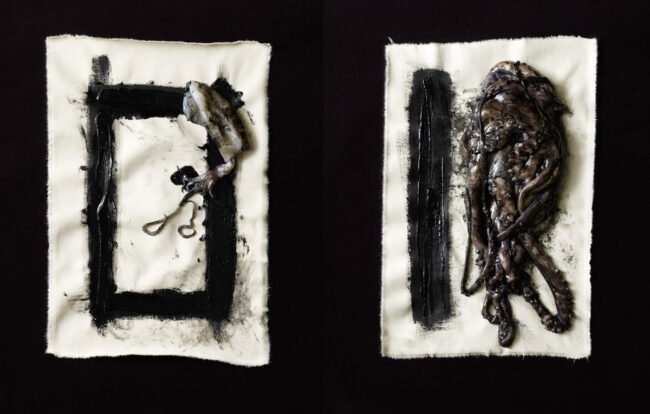
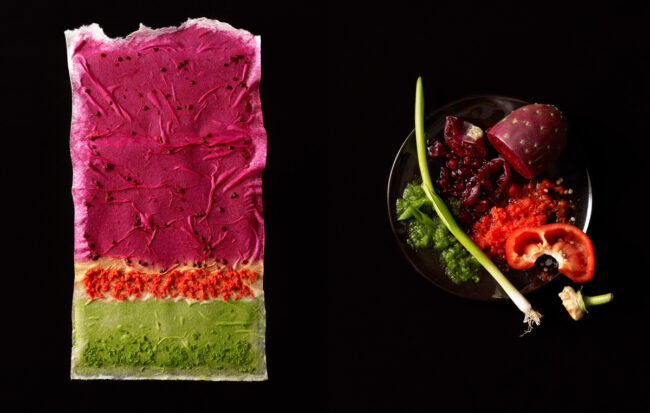
The Series of Textures was inspired by Robert Rymans series of white paintings which hang at Dia Beacon. Food stylist Charlotte Omnès and I had recently seen them and began discussing how we might interpret these paintings using food as the medium rather than paint. We drew further inspiration from Mondrian, Franz Klein, Rothko and Matisse – and set about creating this ongoing personal series.

Rather than purposefully arranging the food to appear appetizing as the primary visual goal, we focused on the textures, shapes and forms that the food was able to represent with some manipulation. We worked with a variety of surfaces as our canvass. I chose to light the series with a hard light bringing out the texture of the application of the food as well as the depth of the ingredients such as the jam and the catsup.  By using this lighting technique, I hoped to further distance the food from its appetite appeal and allows the viewer to experience the piece for its form, color, and texture. The final images are graphic compositions that are both whimsical and structural.

As a food photographer, I instinctively set out to present food in all its yummy glory. I typically want viewers to see my food images and feel their stomachs growl or mouths fill with water. Taking on this project has allowed me to break with those constraints and play with my food. These images are abstract – but they make me hungry! Inspiration is everywhere.


To see more of this project, click here.

Instagram

Beth has recently signed with Candace Gelman & Associates 


APE contributor Suzanne Sease currently works as a consultant for photographers and illustrators around the world. She has been involved in the photography and illustration industry since the mid 80s.  After establishing the art-buying department at The Martin Agency, then working for Kaplan-Thaler, Capital One, Best Buy and numerous smaller agencies and companies, she decided to be a consultant in 1999. She has a new Twitter feed with helpful marketing information because she believes that marketing should be driven by brand and not by specialty.  Follow her at @SuzanneSeaseInstagram

Success is more than a matter of your talent. It’s also a matter of doing a better job presenting it.  And that is what I do with decades of agency and in-house experience.
 

The Art of the Personal Project: Collin Erie


The Art of the Personal Project is a crucial element to let potential buyers see how you think creatively on your own.  I am drawn to personal projects that have an interesting vision or that show something I have never seen before.  In this thread, I’ll include a link to each personal project with the artist statement so you can see more of the project. Please note: This thread is not affiliated with any company; I’m just featuring projects that I find.  Please DO NOT send me your work.  I do not take submissions.


Today’s featured artist:  Collin Erie

“How we perceive and make sense of the world around us is becoming challenging. As our reality becomes more and more influenced by our screens, I wanted to find a way to visualize this subjective human experience in our contemporary culture.”


To see more of this project, click here

Instagram 


APE contributor Suzanne Sease currently works as a consultant for photographers and illustrators around the world. She has been involved in the photography and illustration industry since the mid 80s.  After establishing the art-buying department at The Martin Agency, then working for Kaplan-Thaler, Capital One, Best Buy and numerous smaller agencies and companies, she decided to be a consultant in 1999. She has a new Twitter feed with helpful marketing information because she believes that marketing should be driven by brand and not by specialty.  Follow her at @SuzanneSeaseInstagram

Success is more than a matter of your talent. It’s also a matter of doing a better job presenting it.  And that is what I do with decades of agency and in-house experience.
 

The Daily Edit – Visura.co: Adriana Teresa Letorney

Photo by Nipah Dennis

Photo by Terra Fondriest

Photo by Linda Kuo

Photo by Karen Toro

Visura.co

Founder: Adriana Teresa Letorney
Co-founder: Scout Film Festival

Heidi: How long has Visura been publishing and how has the last two years informed how you’ve run your business?
Adriana: Visura was launched in 2016 as a networking platform for freelance visual journalists to build their online presence and connect with each other from one central place. The tech platform was built from the ground up as an alternative to the traditional systems used by visual journalists looking to connect with the global marketplace. During that time, the main problem we were aiming to address was the lack of platforms for freelance visual journalists worldwide that fostered inclusivity, sustainability, professional skill development, and equal and merit-based access to the global marketplace.

In time, editors wanted to use the platform to search, view stories, and directly connect with freelance visual journalists who were part of the global Visura community. This led us to also create an Editor’s account for visual researchers, editors and buyers to be able to search, connect and manage a growing list of freelance visual journalists and storytellers based on location, expertise, skills, and experience.

Our goal has always been to elevate media literacy by empowering a growing global community of publishers and freelance visual journalists with a central platform where they can connect, share work, and transact. During my studies, I learned how technology plays a significant role in the market of visual content. and ask these questions: Will this tool unite or divide? Is what we are doing fostering understanding and empathy, or inciting division? Is our service empowering or exploitative? Are the resources we are offering solving a problem for our community?

These questions leave room for debate, opportunity to connect with new thinkers, visionaries, leaders, and professionals looking to tackle some of the biggest challenges in media and journalism.

What were your hopes coming to New York from Puerto Rico?
I was born and raised in Puerto Rico. I came to New York with the dream of offering new perspectives about what it means to be Puerto Rican. I thought what I saw in the news or in films was biased and unfair. Never in a million years did I think I would build technology to tackle discrimination in the media and journalism industry. I was just a kid that loved being from Puerto Rico, and I thought, if the world had better access to the incredible work and talent that is being produced in my country, people would change their minds about who we are. I never imagined that my concern was a global problem. As soon as I realized it was—I chose to dedicate my professional career to tackling the systematic challenges that lead to more discrimination, abuse, biases and violence. And since, I have found hope in dedicating all these years to finding ways to empower the freelance community of visual journalists and storytellers, who just like me, want to share their stories and findings to offer new perspectives.

Your site has robust features such as maps and directories. Did you always have an interest in technology?
To be honest, I learned to use tech to solve a problem. And most of what we have developed was created by years of customer discovery. At Visura, our team serves its community. I don’t have a light bulb that turns on with some magic solution. Everything we have built has been the result of listening to understand our community, and their needs, we are thankful for community.

How and when did this idea come about, did the Scout Film Festival come shortly after?
Prior to Visura, I had launched an exhibition space, a magazine, and a self-publishing platform with a goal of highlighting a growing community of freelance visual journalists and storytellers worldwide. By the time Visura.co launched its first version in 2016, I had learned from the community of primarily freelance photographers from around the world that what they needed was tools to build their website and connect with the global marketplace to further their work and career.  So, we worked really hard to build this for them.

Scout founder Anna Colavito and I met in 2014 at an Art Gala event. She shared with me the idea of launching a nonprofit organization called Scout Film Festival that aimed to support teen filmmakers. I loved the idea, and overnight we decided to join forces to realize her vision. When it launched in 2015, I joined as co-founder of the 501(c)3 organization. Throughout the years, Scout has evolved into an international festival supporting filmmakers aged 24 and under with resources, tools and opportunities to highlight their short films and further their careers.

Scout specifically highlights artists under 24, why is that?
That’s a great question! At the time, Scout became the first festival focused on emerging talent. Initially, we began by supporting teens. With time, we expanded the community to include college students because many of the initial filmmakers were aging out, and they expressed wanting to remain a part of the community as undergraduate students. So, we expanded to welcome filmmakers aged 24 and under. In the future, we hope to continue expanding further. Ultimately, the mission of Scout is to support, empower and connect diverse filmmakers worldwide. Throughout the years, the organization has become a premier destination for the professionals in the film industry to find new talent, particularly directors, screenwriters, and producers.

There are several collectives that emerged this past few years, what makes this one different? 
Visura is not a collective. Visura is a market network that leverages technology to empower a growing community of freelance visual content creators with tools to manage their online presence and connect with the global marketplace. The way we envisioned the tech that would power the platform stems from our belief in the power of community. So, we are a media-tech platform that fosters professional development, inclusivity, equal and merit-based opportunities, enabling environments for media and journalism.

At Visura, professional photographers, filmmakers, photojournalists, journalists, arts, and other visual content creators can build their website interconnected to a networking platform that is used by editors, researchers and buyers to discover new work and talent. The platform is proprietary. It is not built on Squarespace or WordPress, or any of those platforms. We built our own technology platform to better serve our international community with the tools they need to connect, collaborate, and in the future transact.

Visura also offers editors access to exclusive stories, lightboxes, advanced search, image briefs, maps, and other tools to search by location, skills, expertise, and experience. More importantly, editors have direct access to a database of over 6000 professional visual storytellers worldwide. Any editor can access the creators’ profile which highlights their bio, contact, website, social media links, clips and samples of their work. They can contact the members or save stories or profiles in lightboxes for future references.

Sustainability goes beyond making lists, how are you creating a sustainable way forward? 
Absolutely it does. I believe that the Visura platform serves to bridge the gap between visual content creators and buyers, and it does so in a way that does not exploit the talent or their work. This is very important. We are also very focused on streamlining merit-based opportunities. Quality is never at risk when you create an inclusive work environment. On the contrary, it elevates and enriches the space. And as a female woman of color, I strongly believe that publishers will further grow engagement if they can easily connect with a global community of professional visual journalists and storytellers ready to be hired.

How can I join as a contributor?
Start with a free account or download the Visura App that is now available on the Apple Store for free. Upgrade if you want to submit exclusive stories to the archive, or build one or more websites via Visura.

How do I join as an art buyer?
Start by requesting an account,  to access the advanced search, exclusive stories, contact info, lightboxes, and brief tools, amongst other things. Then download the Visura App that is now available on the Apple Store for free. In order to protect the community from spammers and hackers, editors need to request an account.

How can access make a difference and what are your hopes for the future of the industry?
There is a lot that we need to do to empower the media and journalism industry with better systems to power the marketplace. Over 70% of visual storytellers today are freelancers, publishers need better access to this incredible talent pool and we need to think carefully about how we approach these issues.

Over time, we’ve seen that relying on social media or spreadsheet lists as the primary solution to highlighting talent is unsustainable and in the long run, ineffective.

We need solutions that unite and foster career growth versus what is a marketing or social media strategy that serves the organizers in the name of “community”.

With a conglomeration of information, audiences demand authenticity and truth in content without being “sold to.”  As a result, publishers are realizing the value of unique, in-depth, and compelling visual stories by diverse visual storytellers worldwide. We learned that in order to facilitate better access to quality visual content, we needed to re-envision the systems that power the marketplace and create access for breaking news, stock, and unique visual storytelling.

90% of the information that the brain retains is visuals; and publishers grow engagement much faster when they feature unique, compelling visual stories. I foresee that freelance visual journalists will hold the power in the future of this marketplace.

We strongly believe that technology can facilitate the tools they need to manage and grow their career. The best path forward is removing the gatekeepers and giving power back to the creators with a toolset to manage their online presence, connect, get hired, and sell their work.

I don’t have all the answers. I have failed much more than I have succeeded. But at this stage in my life and career, I am on a mission to continue finding ways to re-envision the marketplace and future of media and journalism

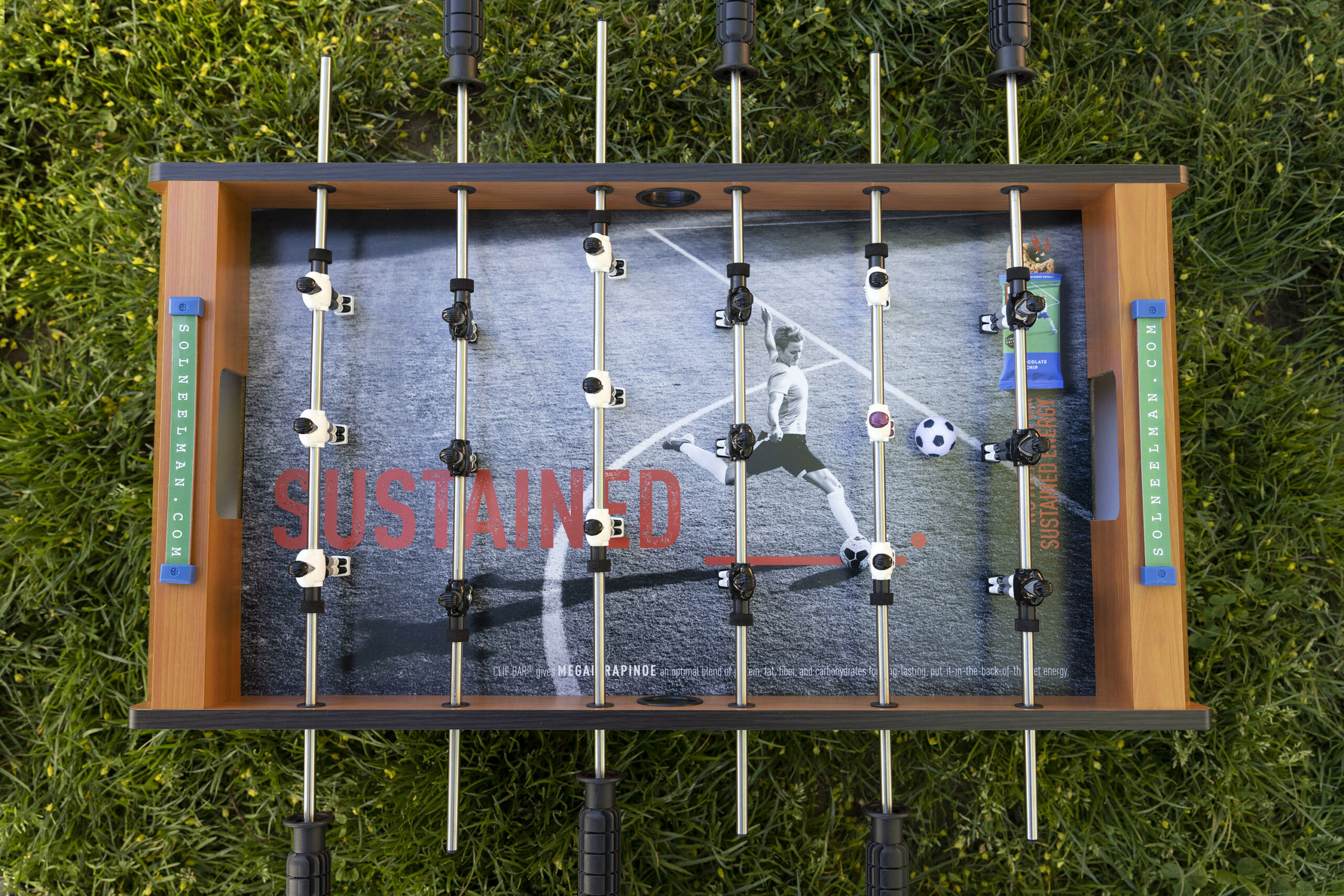
Featured Promo – Sol Neelman

Sol Neelman

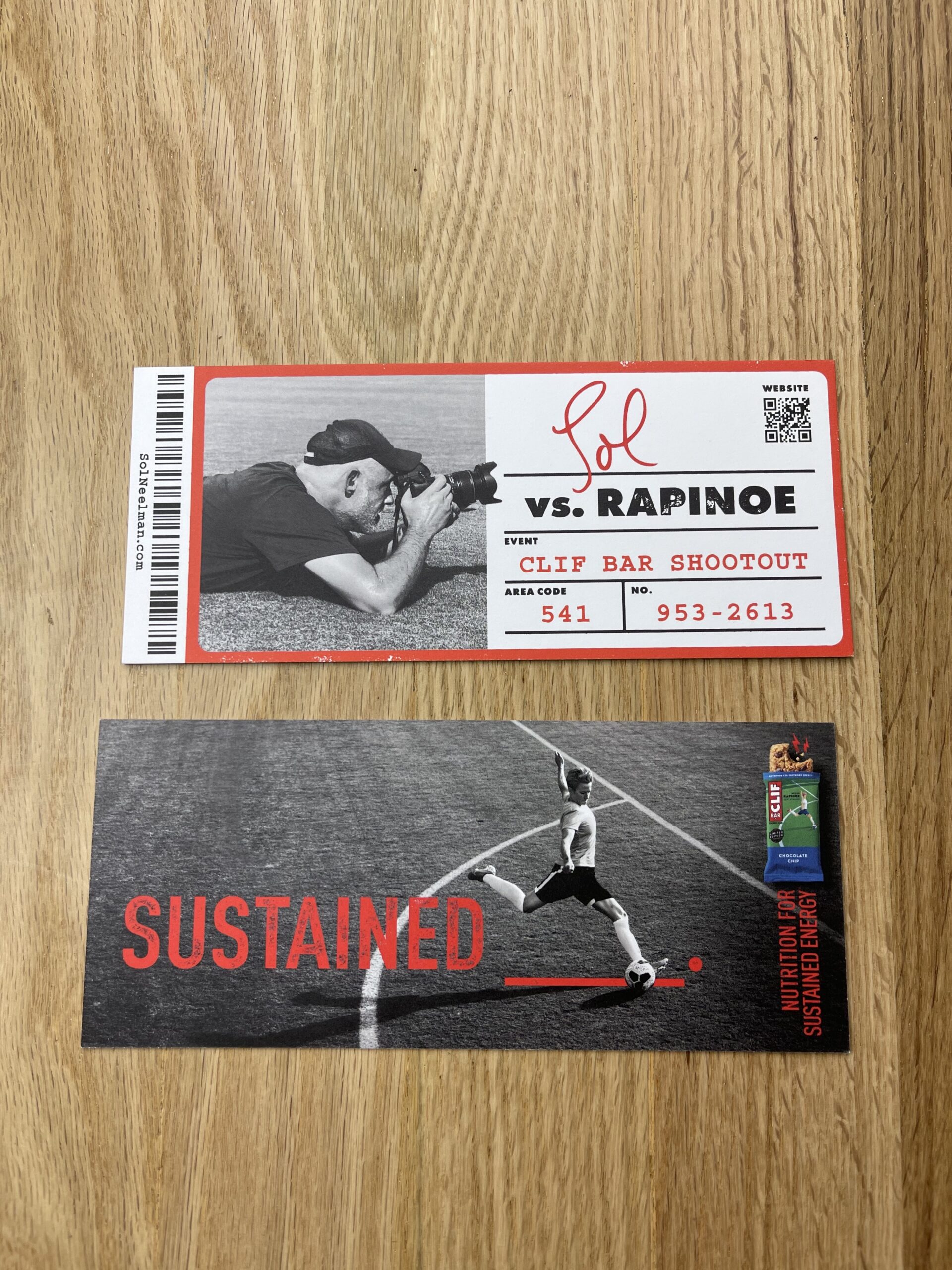
Tell me about the promo you sent me. I had assumed it was something CLIF Bar made as a promo of their own.

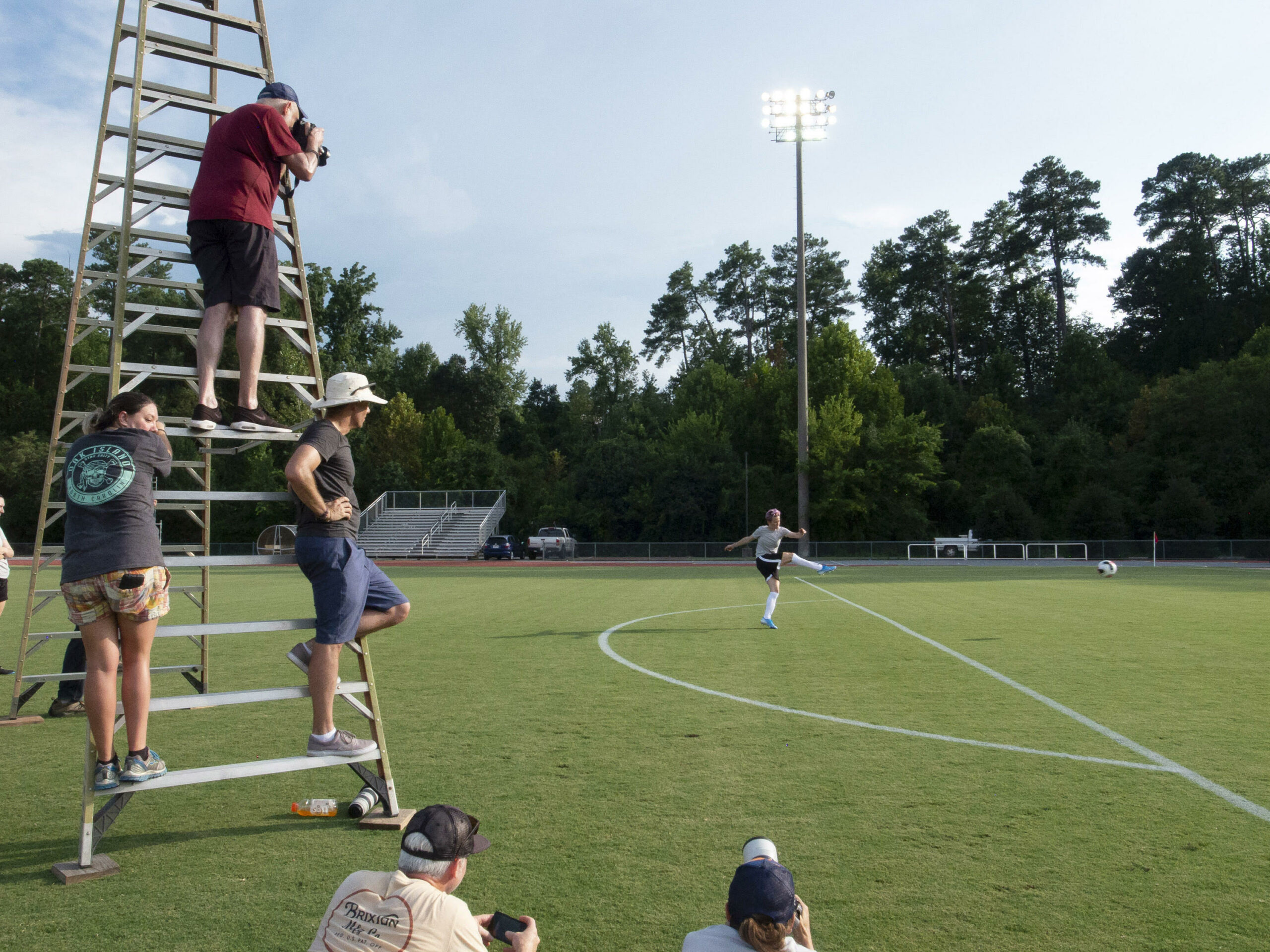
The last big print campaign I worked on before the pandemic featured soccer superstar Megan Rapinoe for CLIF Bar. Fresh off the Women’s World Cup title, Megan was to be one of a handful of CLIF-sponsored athletes promoted internationally ahead of the 2020 Summer Olympics.

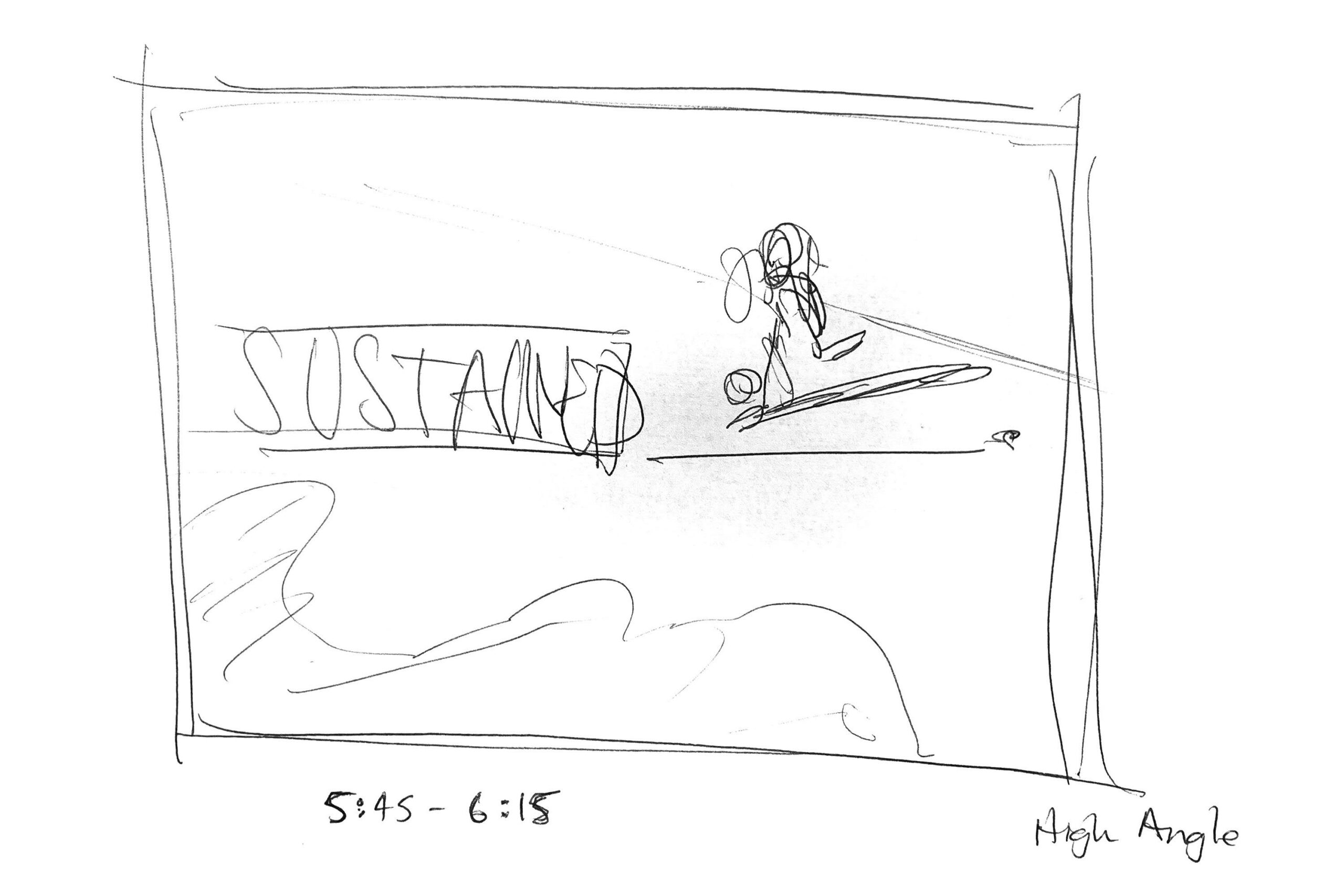
While the last-second logistics was a little nuts, my art direction was pretty straight forward: take photos of Megan kicking a soccer ball. Megan was great to work with, client was really happy with selects and we wrapped up early. It was a good day. To me, the best part of the entire experience was collaborating with fun and talented creative directors and photographers I also consider close friends.

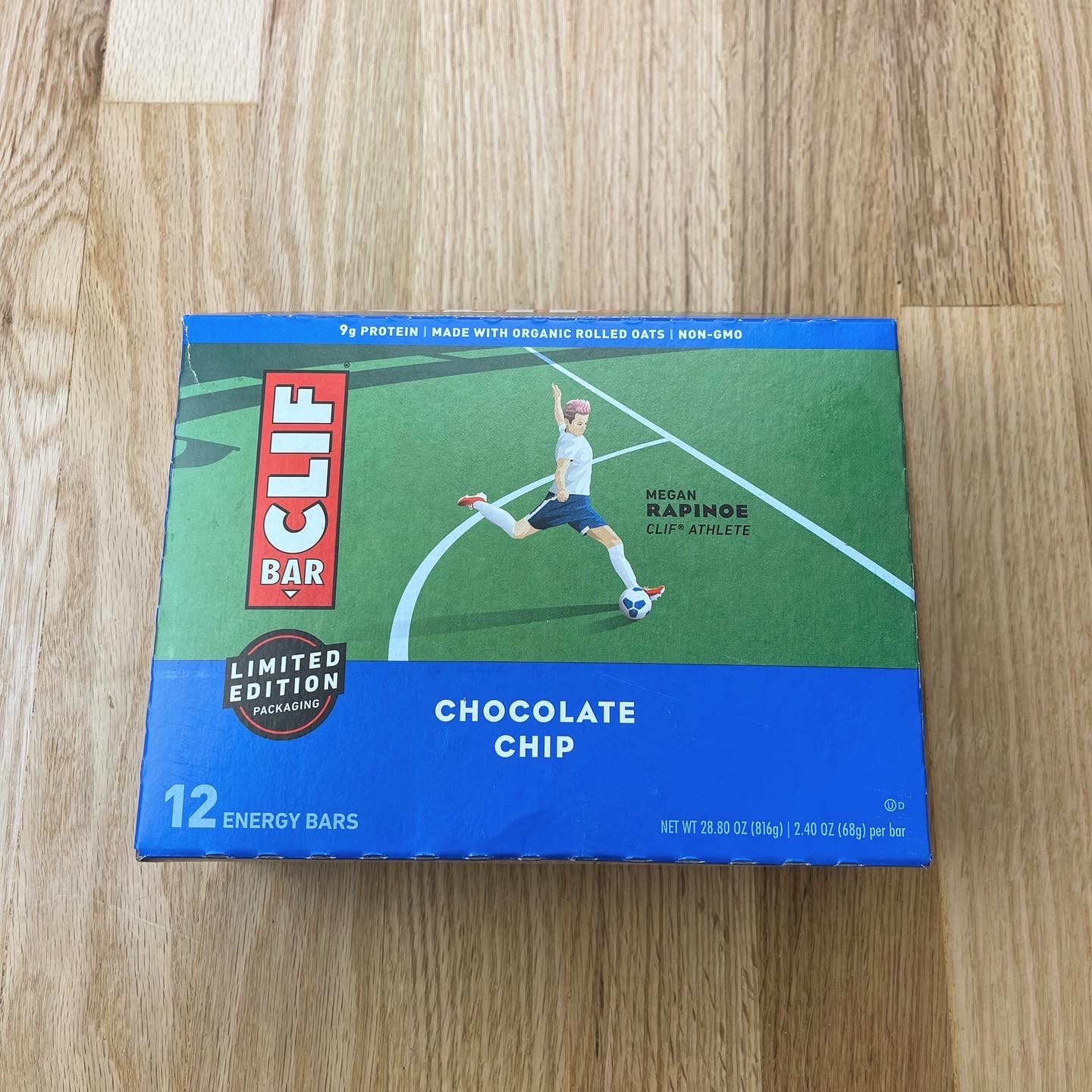
I don’t know who remembers REGGIE! candy bars, but I was stoked to learn my photo of Megan would be inspiration for a limited edition CLIF wrapper. Pretty surreal and fun. When the bars launched in early March 2020, I was excited to share what I had been a part of. Then the pandemic hit, and the print spots were held back with the Olympics on hold.

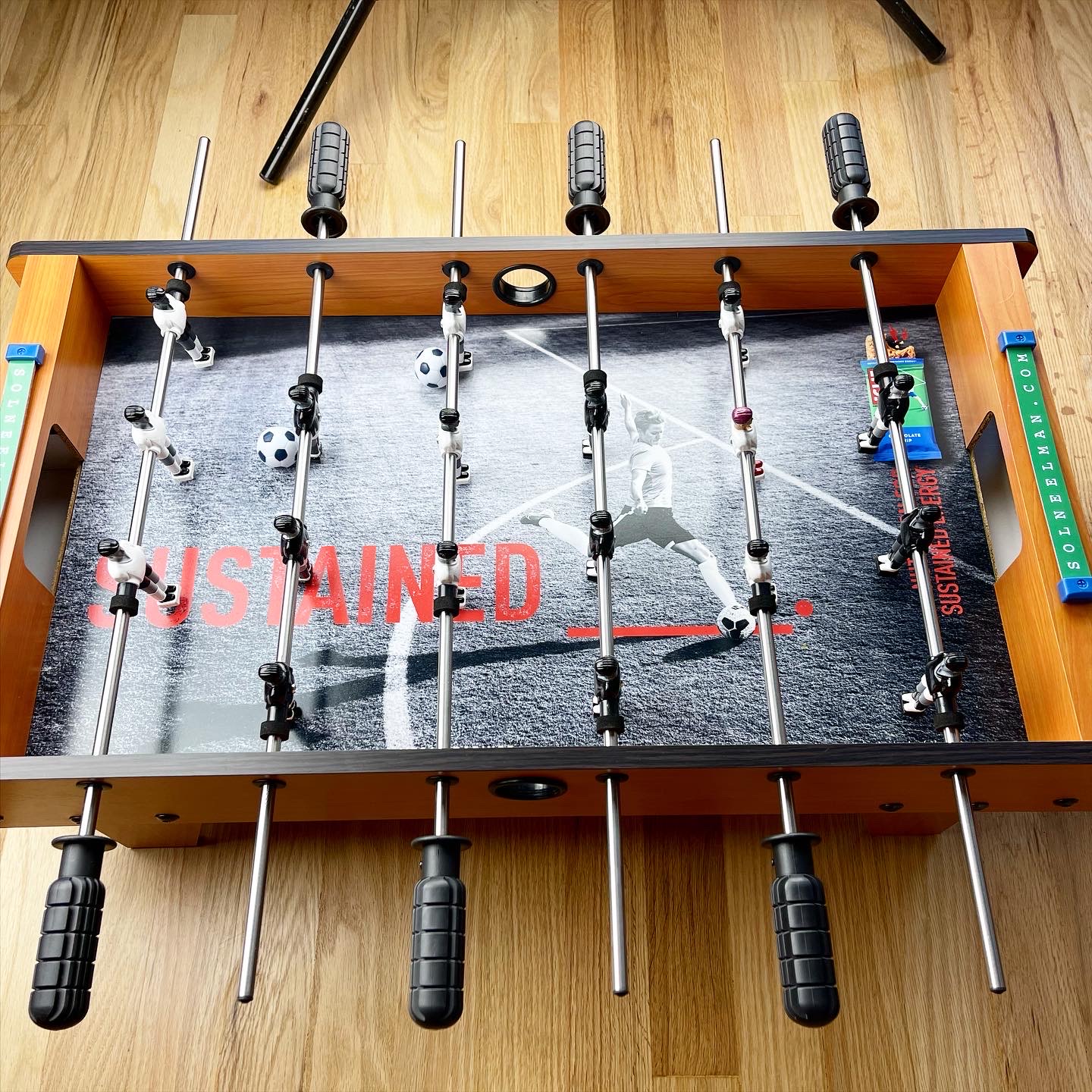
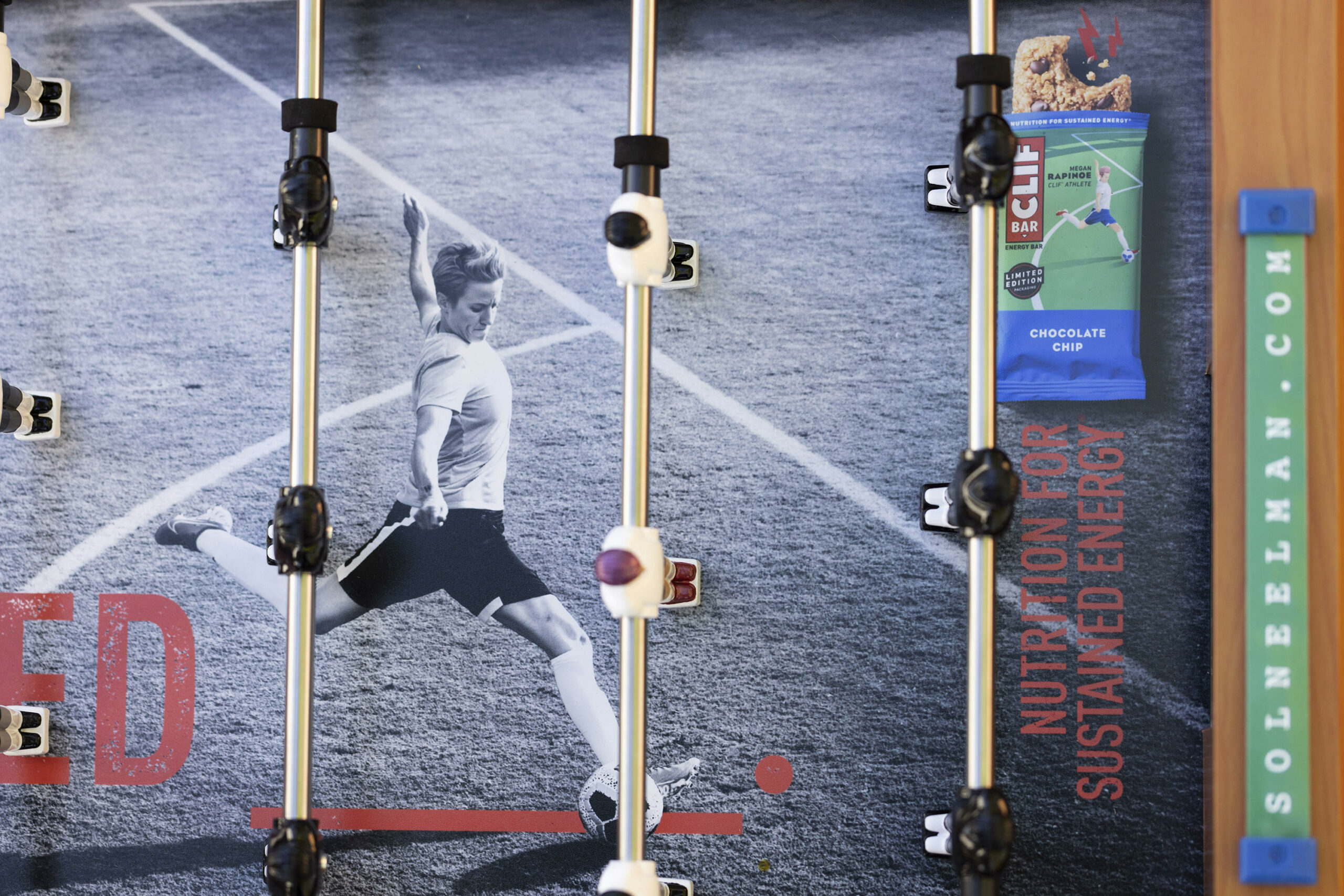
With the Summer Games officially back on, now for 2021, I was finally able to share the entire ad campaign. I had been noodling on soccer-themed promos, something that an art buyer would use/keep/share. I like producing fun promos that are unique and hard to toss. I kept coming back to customizing a miniature foosball table.

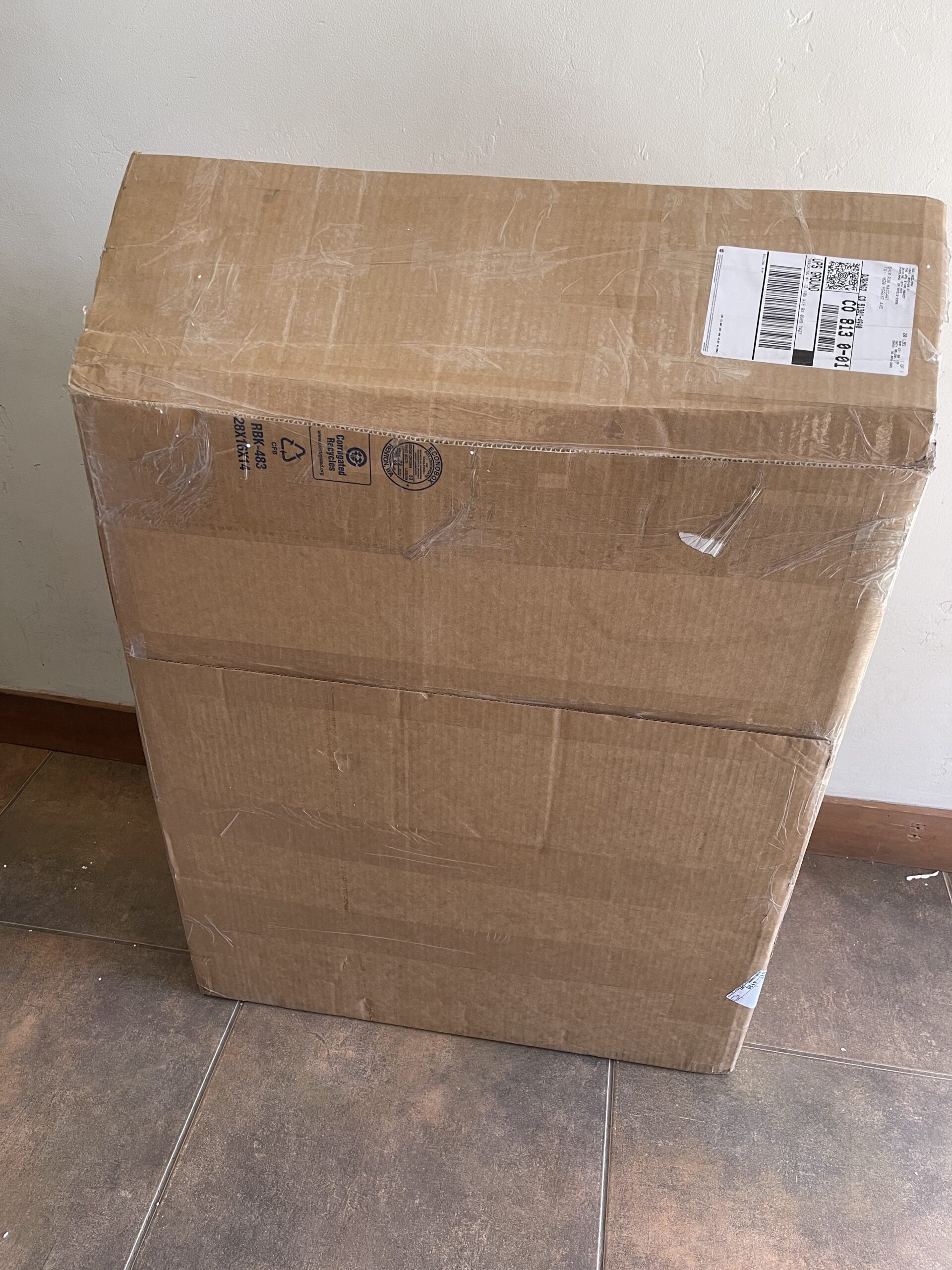
The problem, of course, was that no one was working in an office, let alone having in-person meetings. No point in spending a ton of money on a full promo campaign. But you, Rob, have a very large social media presence (44k followers on Instagram and 133k on Twitter). Many of the clients and photo agents I was hoping to reach follow you. So I decided to invest in a single, one-off foosball table and send it your way.

Despite what some might think, the entire promo wasn’t really that expensive – or that large. The 27” travel-size table was about $40 on Amazon, plus a few bucks for modeling paint, adhesive spray and a print of the ad. The s/h was the most expensive part, but again, I only had to ship one. I tossed in a couple double-sided tickets with my contact info and a fresh box of Megan’s CLIF bars.

For the record, I don’t think promos need to be expensive. Almost all of mine involve plenty of cheap DIY crafting. I do think promos need to be worth the time and effort of producing and delivering them. And I think they need to properly represent your work and personality. My brand is literally fun and games, so a kid-sized foosball table totally worked for me. This is really a continuation of what I’ve created in the past, like with my custom Weird Sports trading cards.

I’m not going to lie: I wasn’t sure whether to warn you or not about a massive box landing on your front doorstep, Rob. But I also wanted it to be a surprise. Love that you originally thought it was a CLIF-produced promotional gift, instead of something hand-painted and assembled on a dining room table in Portland. Pretty flattering. Thanks, Rob. I appreciate you for sharing my work.

This Week in Photography: Family Ties


Here we are.

The end of the year.


And 2021 has been one to remember.

(That’s a fucking understatement!)


Courtesy of The Times of India


Despite the cynicism I’ve developed the last few years, like a well-earned callus, I’m still hoping for the best.

Hoping we sort out the growing climate catastrophe.

Hoping we heal the political wounds tearing our nation asunder.

Hoping I’ll stay healthy enough to be there for my wife and children as they grow.

(It’s a lot to hope for, I know.)


To be honest, I’m totally cooked.

(Who doesn’t feel like burger meat in the week between Xmas and New Year’s?)

Plus, we’re leaving for a family vacation tomorrow; the first in several years.

And I still need to pack.

Beyond that, the book I just spent an hour reading, and perusing, hits close to home in ways I’d rather not excavate today.

But I promised the book’s author/artist I’d get it reviewed this week, and I’m a man of my word.

So it’s possible I’ll be less honest, or at least less open, about my own experience than I might if I were writing in a couple of months.

When my own wounds are more fully healed.

Compromise, though, is a highly undervalued concept, and I’m all for it.

We’ll review the book, then, to honor my commitment, and for once, I might keep some of my family business to myself.

(There’s a first time for everything, right?)


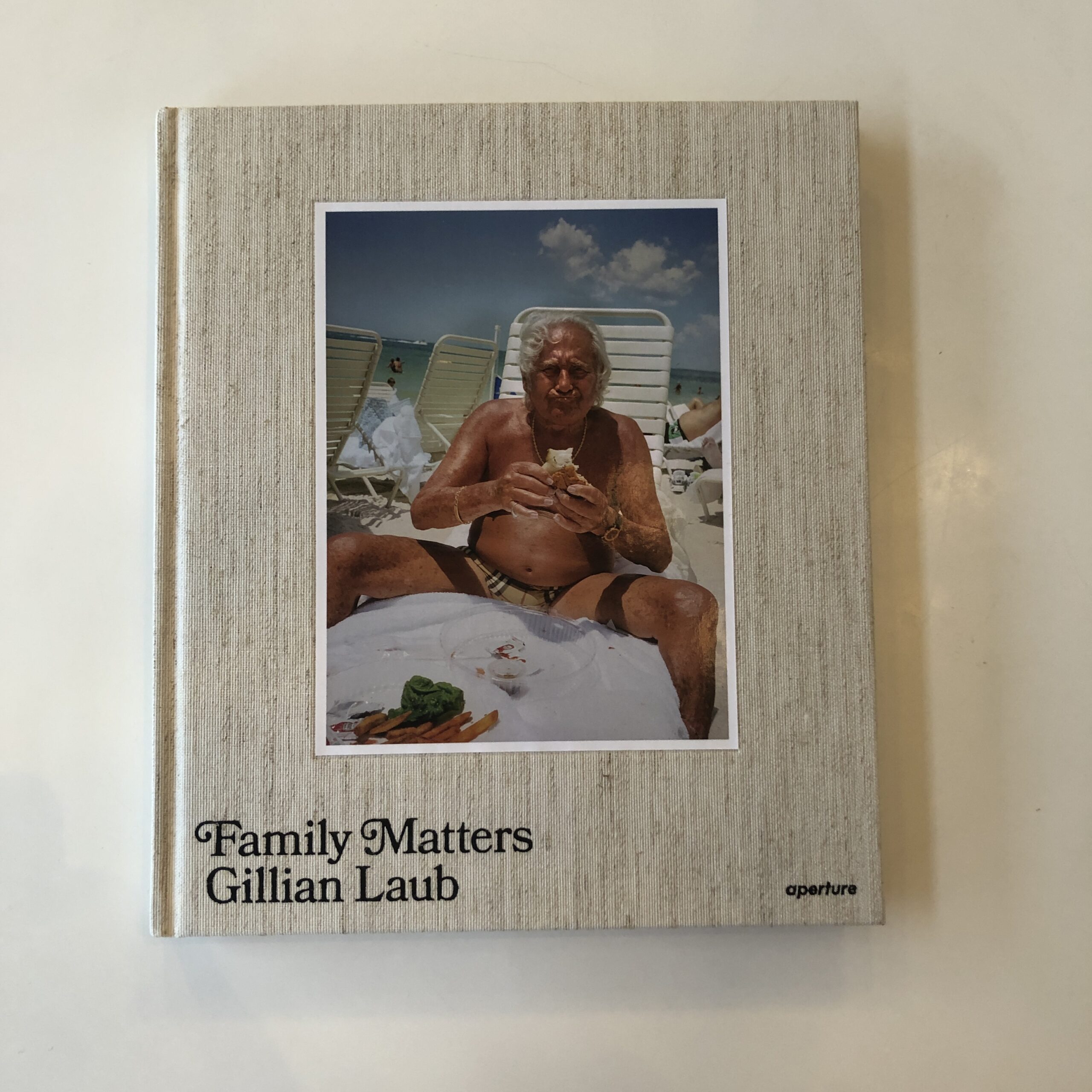
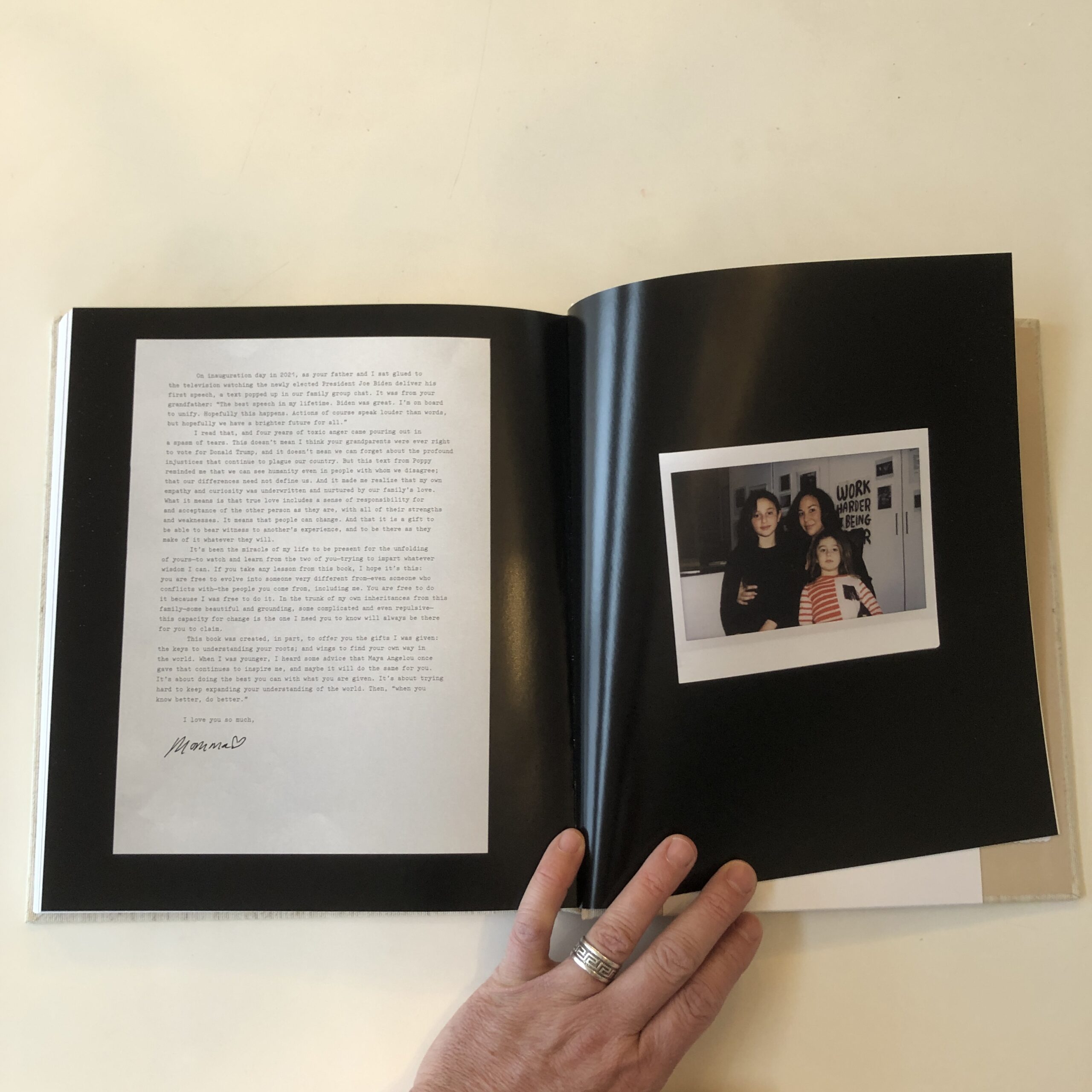
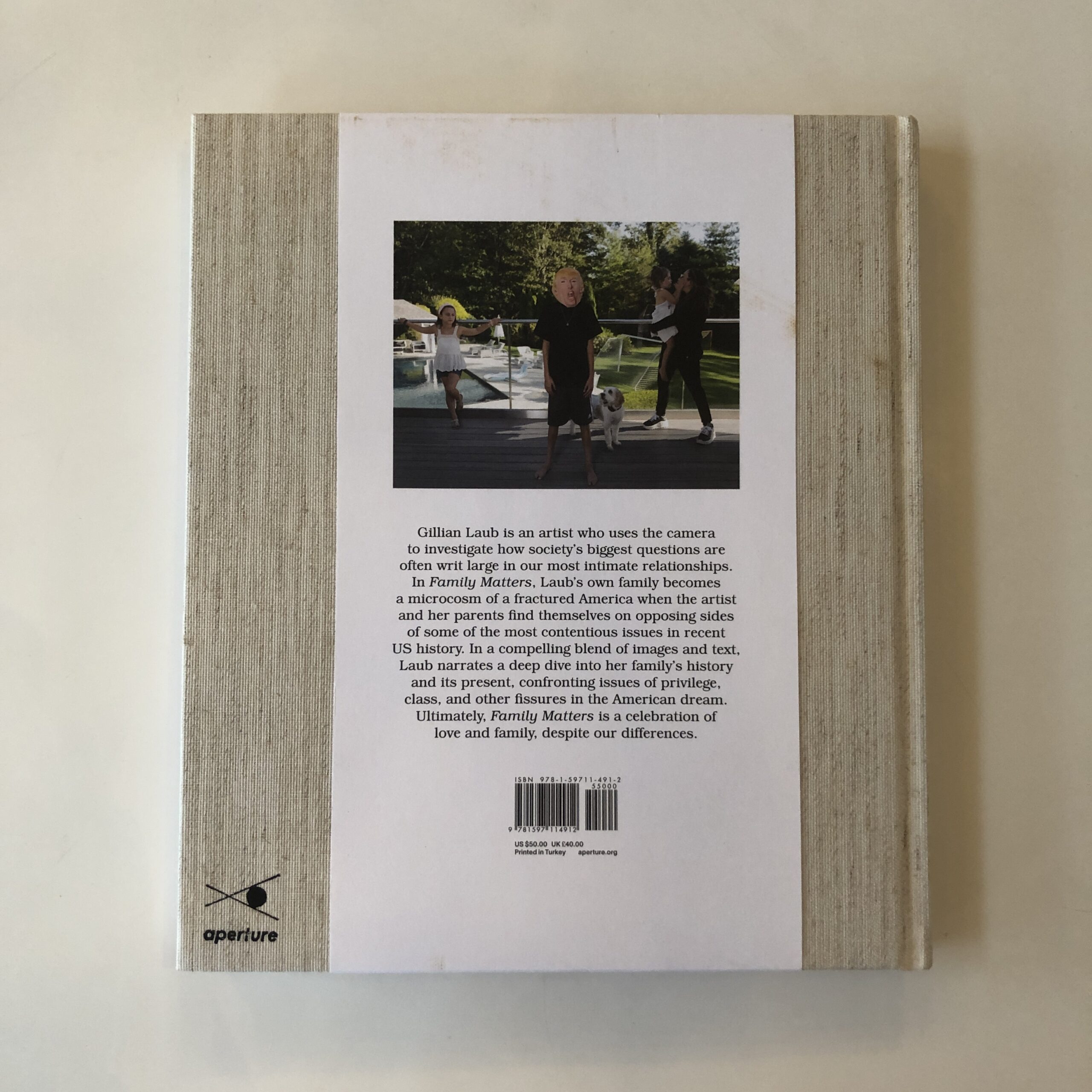
One of my publishing clients told me, a few months ago, that I should check out Gillian Laub’s new Aperture book, “Family Matters.”

With the East-Coast-Jewish-family-culture it mines, and the naked honesty on display, it was suggested I’d love this book.

And I’d likely want to review it.

(Sounds great, right?)

The problem, though, is that, Aperture, the publisher, has never sent me a book, nor seemed to take this column seriously.

All good, as far as I’m concerned, because we can’t be friends with everyone, but I feared I might have trouble getting a copy of “Family Matters.”

Predictably, the Aperture PR person ignored several requests, including when I responded to a press email that THEY sent ME.

(Stay classy, Aperture!)

Normally, I would have let it go, but a few weeks later, I randomly realized I was “friends” with Gillian Laub on Facebook, as I am with some other industry types I don’t actually know.

(I favorably reviewed some of her work in a gallery show in Santa Monica, back in 2013, so maybe we connected after that?)

I’ve never done this before, DM’ing an artist to see if they might send their book directly, after being stymied by the publisher, but I figured, “What do I have to lose?”

Full disclosure: I was flattered when Ms. Laub wrote back quickly, assured me she’d sort things out, and ask Aperture to send me a book straight away.

She made it happen, in a flash, so when she asked me to review the book while her solo show at the ICP Museum in NYC was still on display, I was happy to honor the request.

The exhibition is up through January 10th, and as I’ll be taking my customary Winter week off next Friday, today had to be the day.

(Brain fry be damned!)


It is a terrific book, for sure, and one I’m not likely to criticize.

I admit, at first, when I realized I’d have to read text with each picture, I almost backed out.

I thought about being a punk, for once, and not “doing the right thing,” but I came to my senses.

In fairness, the writing is engaging, and well-edited, so it wasn’t a struggle to make it through the book.

I was riveted, and made to feel uncomfortable by the similarities to my upbringing and family, and also the drastic differences.

That said, I don’t think you have to be a Jewish Gen-X’er to appreciate this one.

It offers what we ask of an excellent photo-book: vulnerability, empathy, wisdom, and character development.


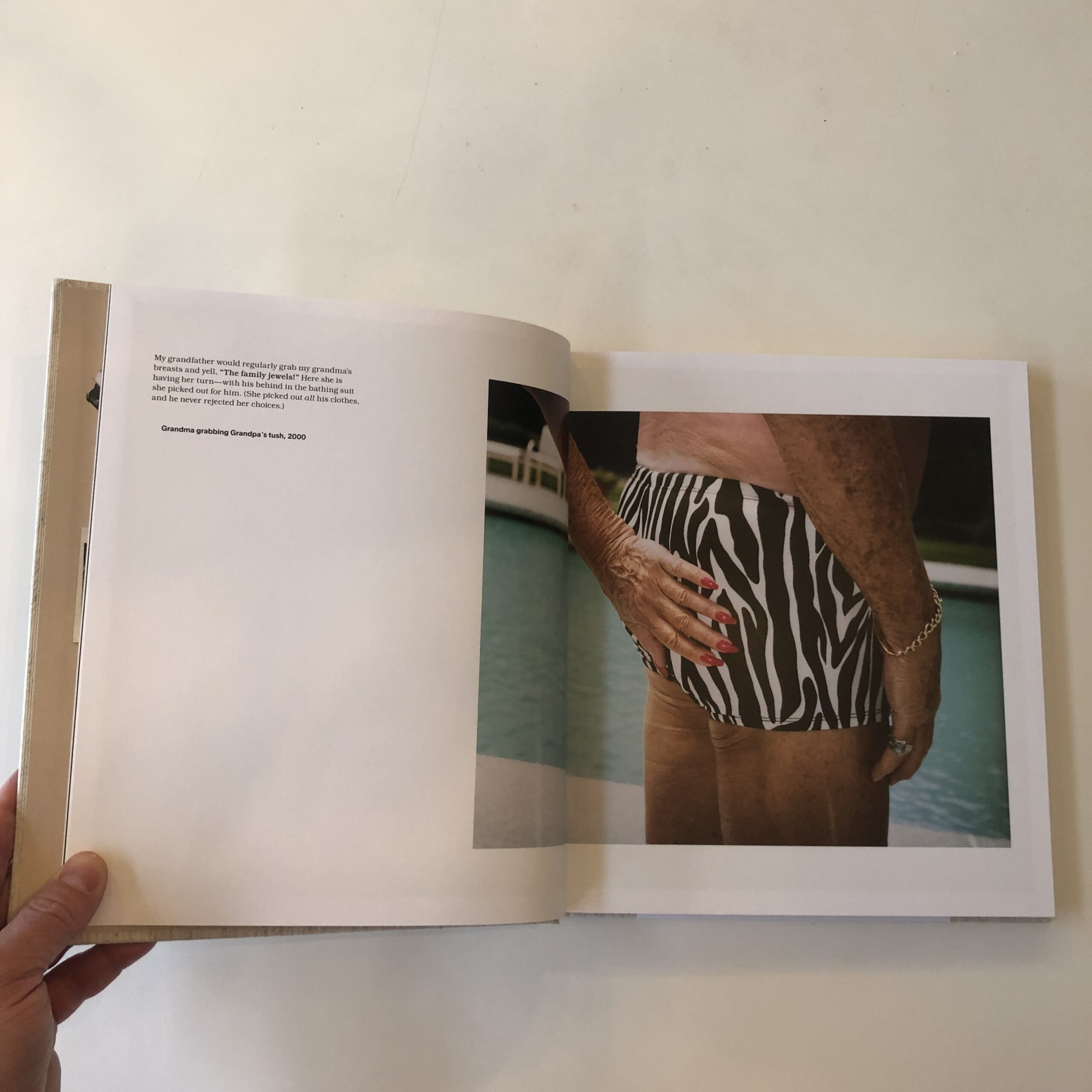
“Family Matters” is written in the first person, and follows more than two decades of growth and change in Gillian Laub’s extended family, up to the present.

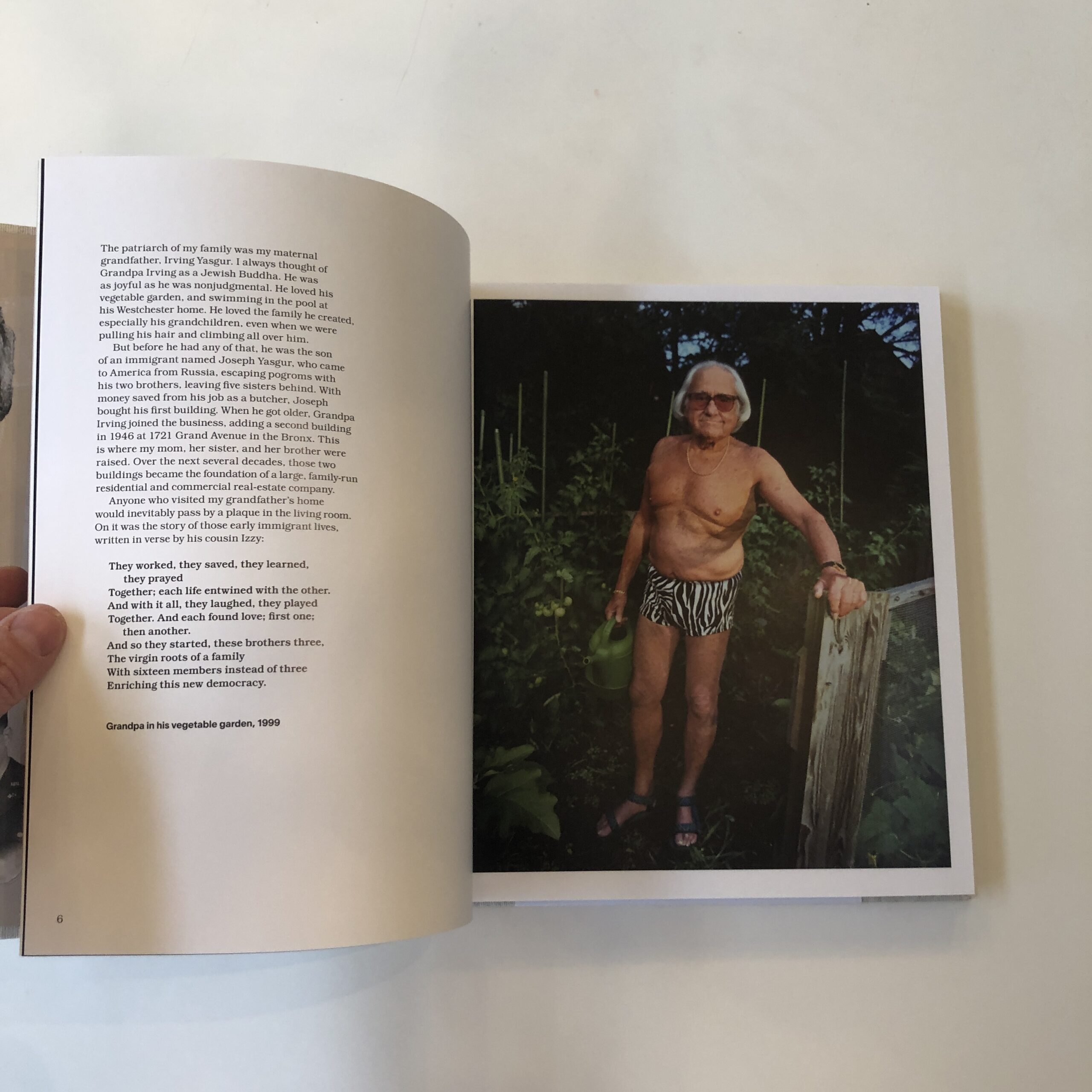
From the jump, we learn the family of Ashkenazi Jewish immigrants, (who arrived from Europe when my family did, at the turn of the 20th Century,) became extremely wealthy as real estate developers.


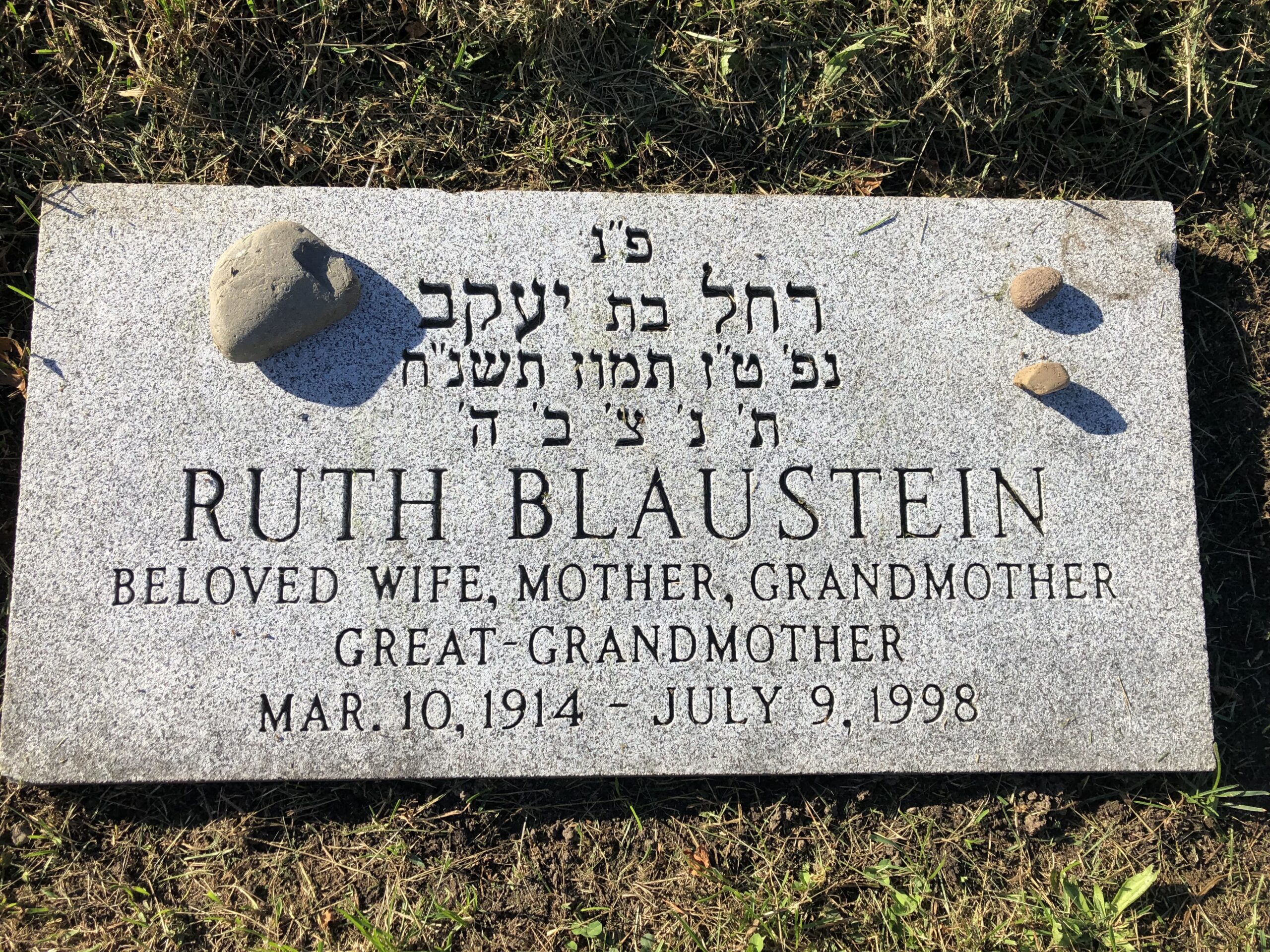
My paternal grandparents’ gravestones, 2021. Both were born here before WWI. Courtesy of Richard Blaustein


Now that I think about it, there’s solid foreshadowing for where we end up later, but I’ll build to that.

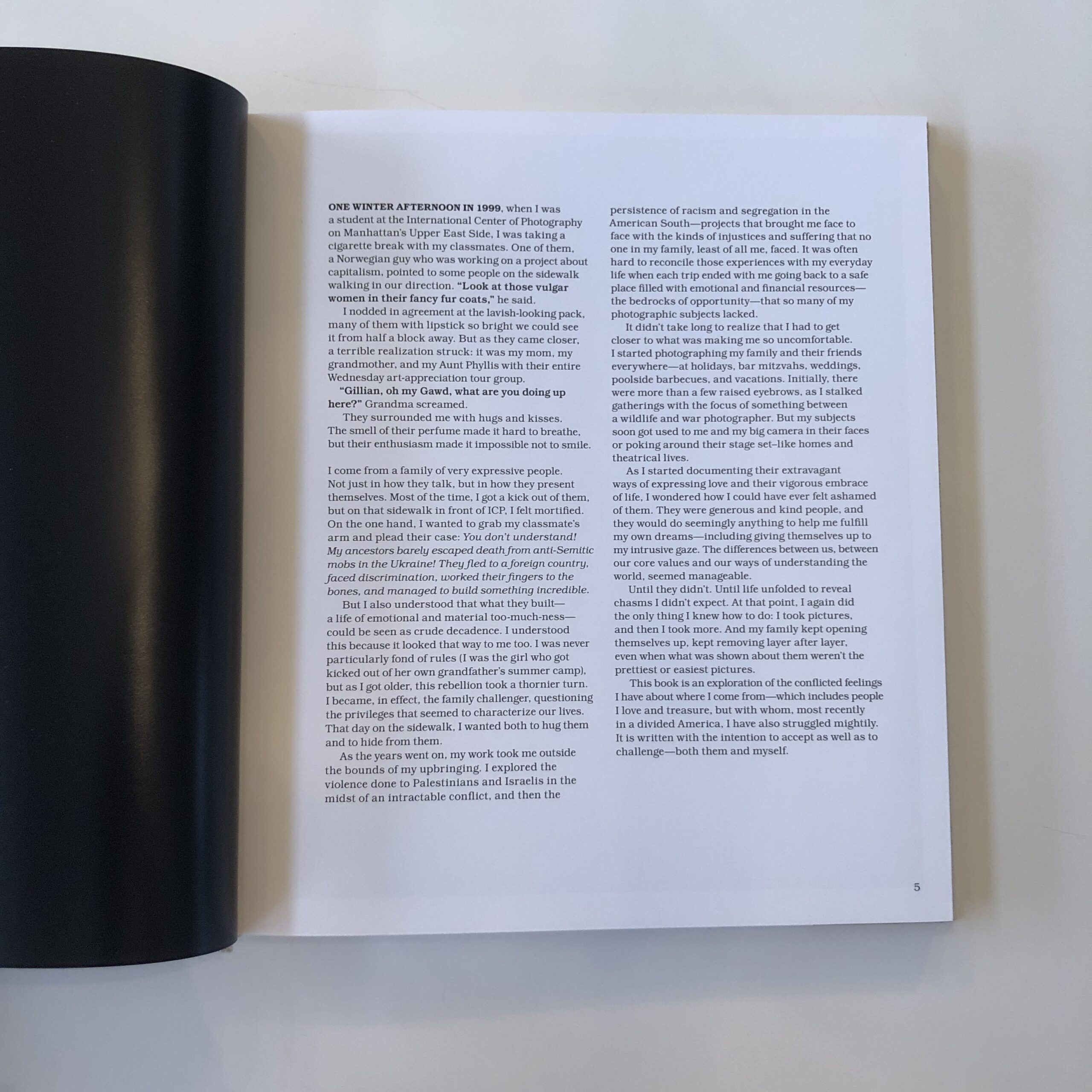
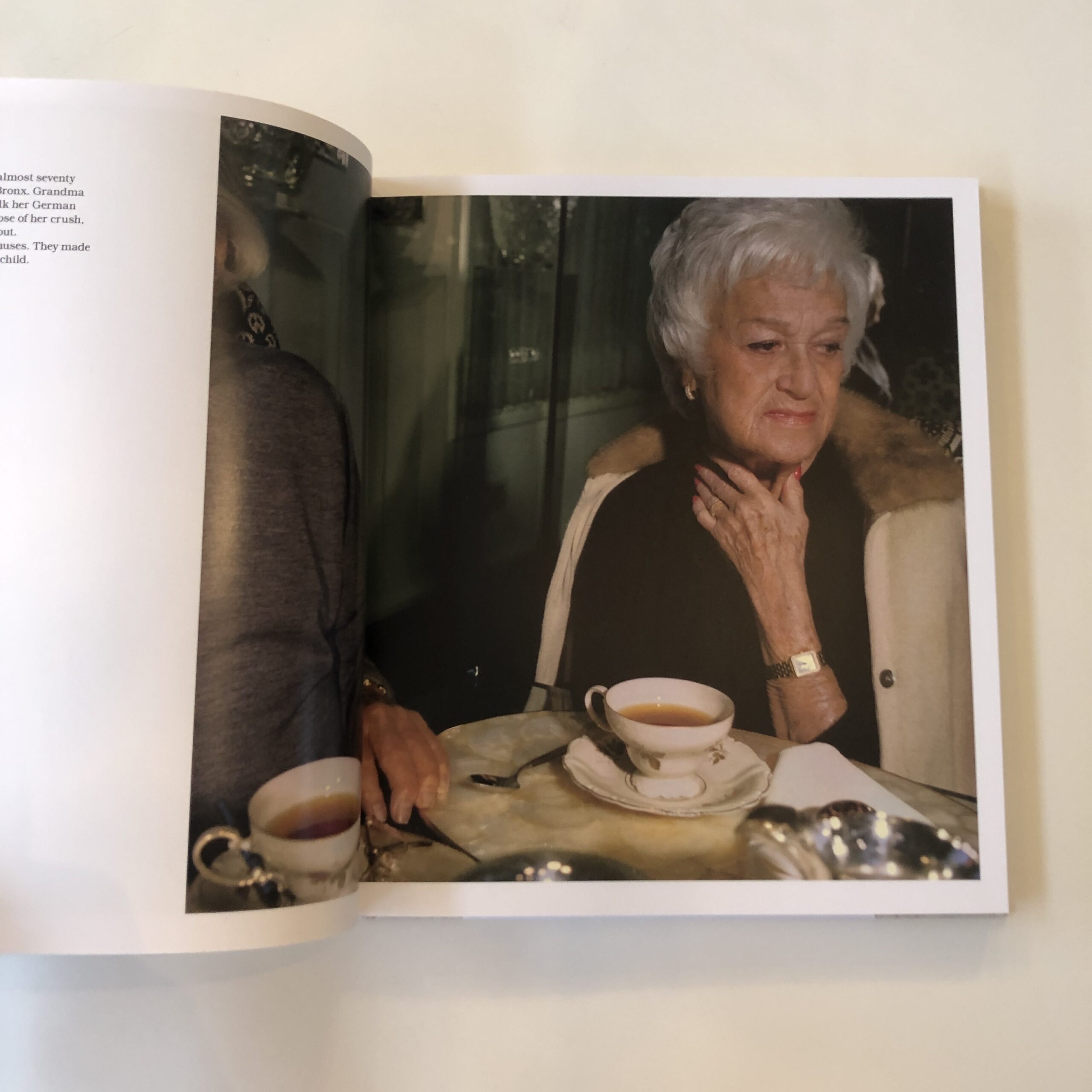
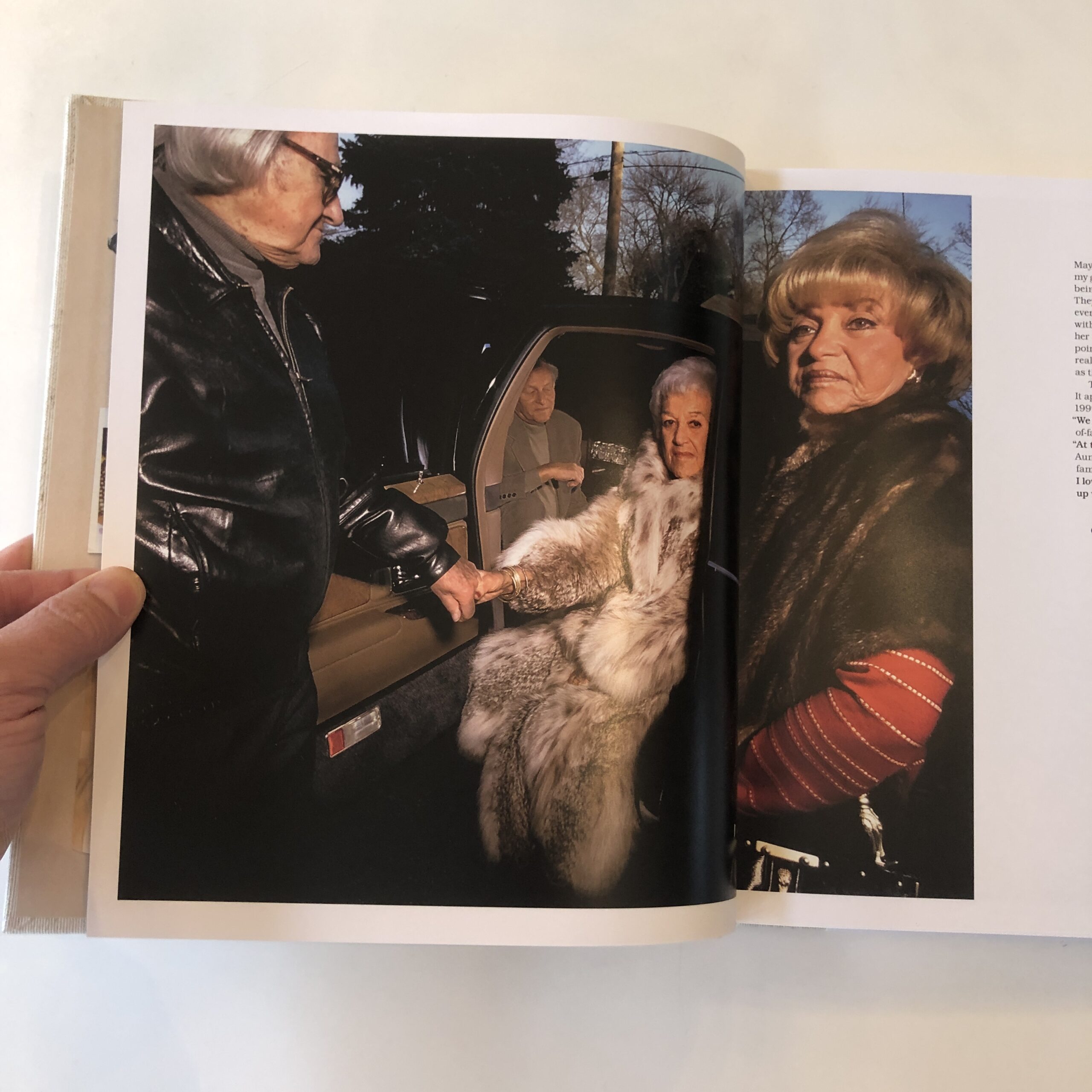
Gillian shares an anecdote of being an ICP student in 1999, chatting with colleagues outside the (then) Upper East Side institution, when some garish older ladies walk by, in full-fur coats, as her companion makes a joke at their expense.

Only for Gillian to realize it’s her family, out on the town, going to see art.

That vein of self-awareness, and airing the dirty laundry, stays with us throughout the book.

And I love it.


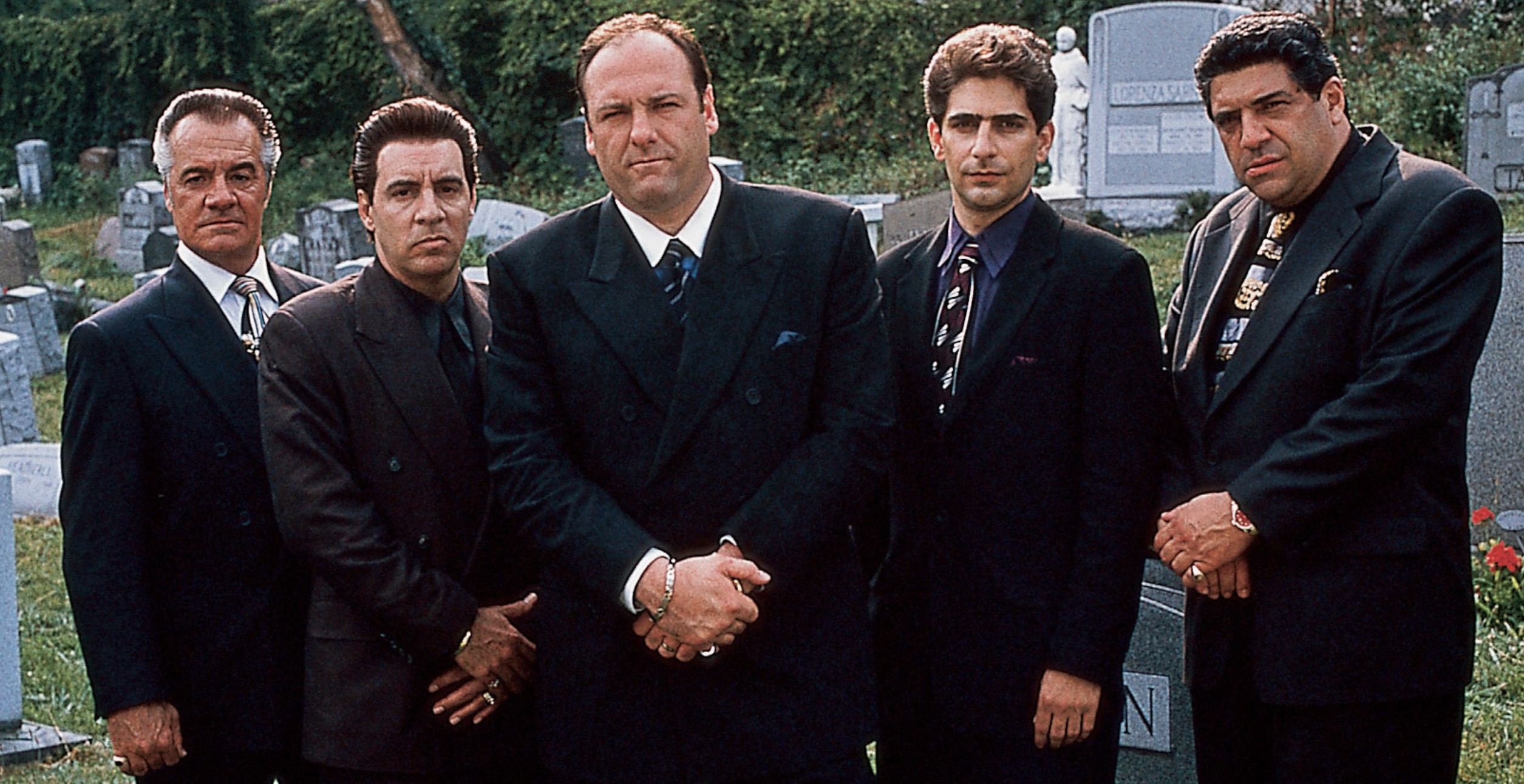
Pure coincidence, but I’ve been re-watching “The Sopranos” this week, having only seen it, bit by bit, when it was released in 1999.


Photo by Anthony Neste/ Getty Images, courtesy of GQ


I probably binged it on HBO a few episodes at time, whenever I’d come back to Taos to visit my parents, (and my wife’s parents,) as I was never able to afford HBO myself.

I grew up in a town filled with New Jersey, suburban mafiosi families, and have therefore always related to the show.

(Plus, Italian food feeds my soul, rather than Jewish deli. Honestly, I’d take pizza and chicken parm over pastrami and smoked fish every single time.)

This book reminds me of the seminal, David Chase saga, as the sense of legacy, privilege, and family values pervades the narrative.

Just as Tony Soprano’s life was determined by having a thug dad, and his kids never had the chance to be “normal,” Gillian Laub is pretty clear that her personal privilege dominates much of her life, despite her artistic tendencies and liberal politics.

(Though the New Yorkers in the book might blanch at the comparison to Jersey.)


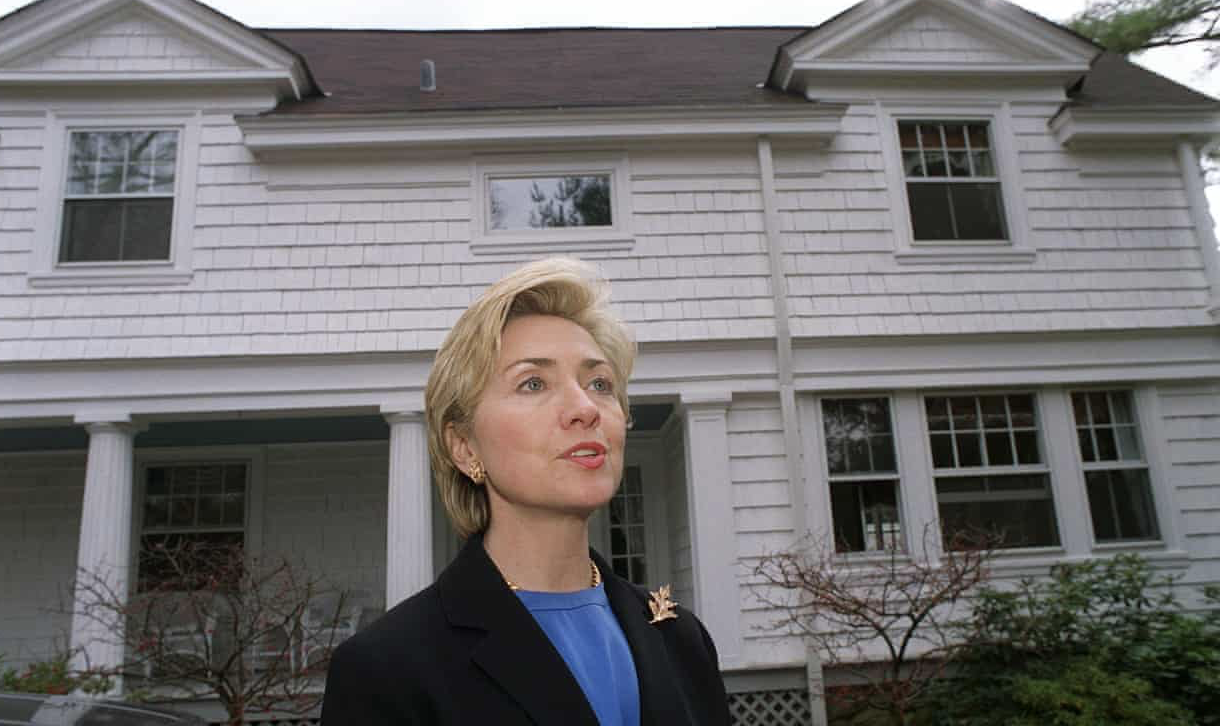
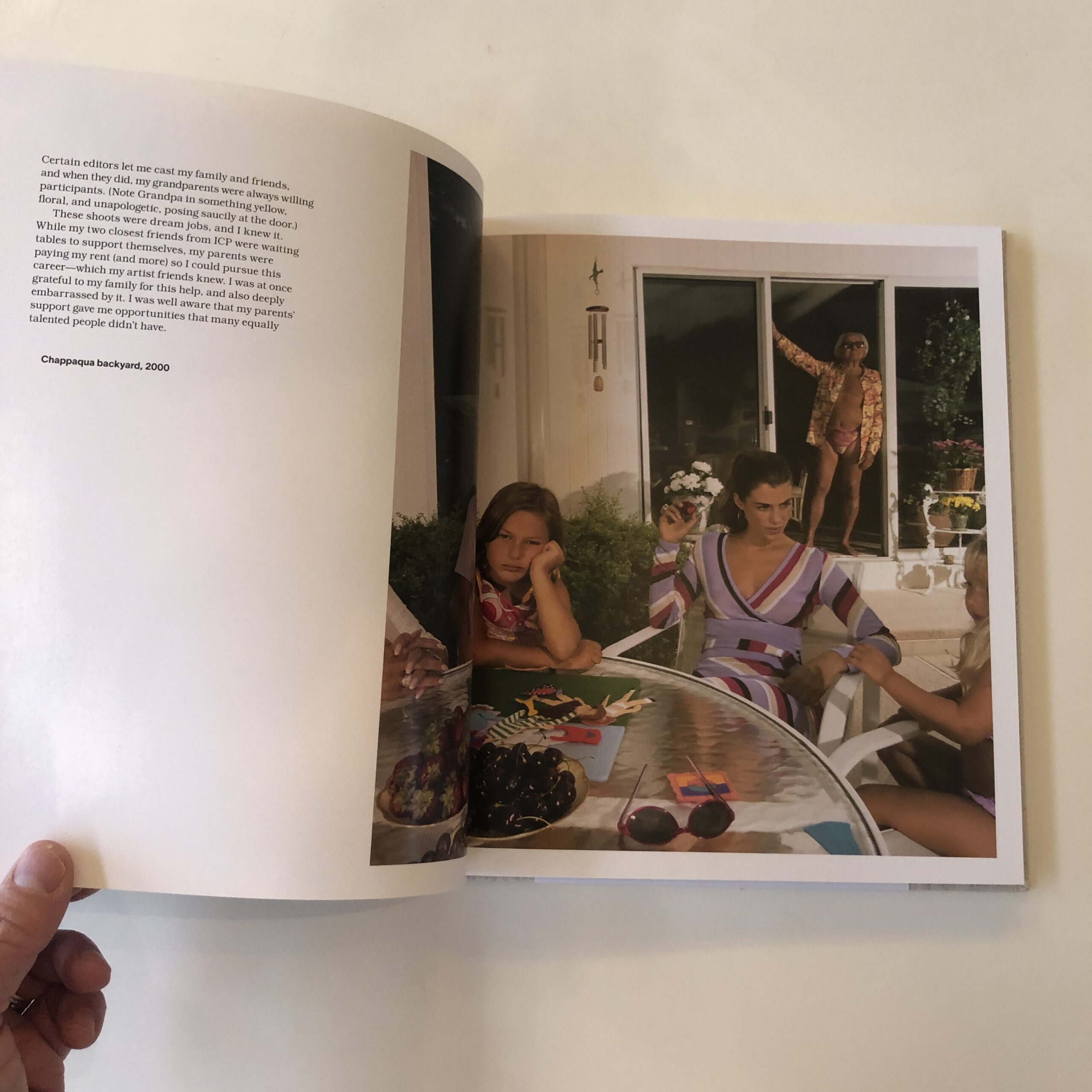
That immigrant, nouveau-riche, American-dream narrative is cultivated throughout, as Gillian Laub’s clan “made it,” moving to the ritzy, Westchester town that seduced the social-climbing Clintons.

Chappaqua.


Hillary in Chappaqua in 1999. Photo by Steve Chernin/AP, courtesy of The Guardian


Beyond money, though, we continually read of close relationships.

Gillian feels truly loved by her parents.

She is seen, emotionally supported, and understood for who she is, from what I gather.

However, it’s just that sense of deep, rich love that leads to the conflict in “Family Matters.”

The big reveal, (spoiler alert,) is that Gillian’s parents, and some of her extended family, come out as serious Trumpers in 2016, and it nearly breaks their bonds forever.

That they are so connected makes the political betrayal deeper on both sides, as neither can relate to the other anymore.

Enmity replaces joy.

Anger trumps positivity.

All seems lost.


Still, proper rupture never happens, and I applaud the artist’s introspection, admitting while she maintained her progressive political leanings, she still accepted her parents’ money to pay for private school for her children.

(As one who’s spent 10 years sharing my personal life with you, my readers, I found the honesty refreshing.)

Of course, I should have mentioned the pictures by now, and they’re great.

Lots of humor, (sometimes at the subjects’ expense,) but also respect, solid compositions, and razor-sharp exposures.

When I saw the photo of the wedding planner, Harriette Rose Katz, I was teleported to that gallery in Santa Monica, 2013, back when Bergamot Station was still going strong, and I was reminded why I liked this work so much the first time I saw it.


In the end, Gillian’s family reconciles, after Joe Biden is inaugurated, but as I said before, it’s not like they ever formally broke.

They still showed up for the family functions.

Celebrated the birthdays.

Offered up the backyard for a Mary J Blige photo shoot.

(OK, probably none of us can relate to that last one, but I did wait on her and her then-husband, at Bobby Flay’s restaurant in 2003, and the way MJB’s man made us stay open late, and ordered off the menu, I knew he was a prick. If she had only asked me, I could have saved her a lot of heart-ache.)

This book is one for the collection, and if you live in the Tri-State area, I’d suggest you go see the show at ICP, Downtown, before it closes.

Their museum and school have moved many times, since Gillian was a student on the Upper East Side. (I saw my first-ever photo show there, and then engaged in naughty behavior with my wife in a new, mid-town location several years later.)

Like the photo world in general, ICP changes with the times.

But they stick around, because photography is as relevant now as it’s ever been.

To wrap this up, (so I can go back to packing for my trip,) thank you all for reading, and supporting this column in 2021.

May you and your loved ones have a safe, healthy, and invigorating 2022.

See you in two weeks!


To purchase “Family Matters” click here


If you’d like to submit a book for potential review, please email me at jonathanblaustein@gmail.com. We are particularly interested in books by artists of color, and female photographers, so we may maintain a balanced program. And please be advised, we currently have a significant backlog of books for review. 

The Art of the Personal Project: Todd Cole

The Art of the Personal Project is a crucial element to let potential buyers see how you think creatively on your own.  I am drawn to personal projects that have an interesting vision or that show something I have never seen before.  In this thread, I’ll include a link to each personal project with the artist statement so you can see more of the project. Please note: This thread is not affiliated with any company; I’m just featuring projects that I find.  Please DO NOT send me your work.  I do not take submissions.


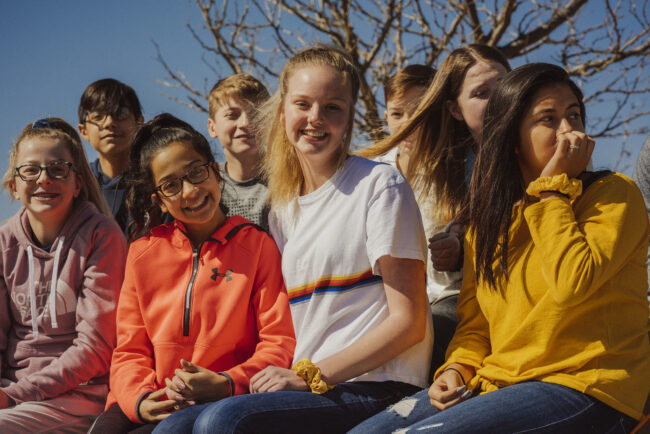
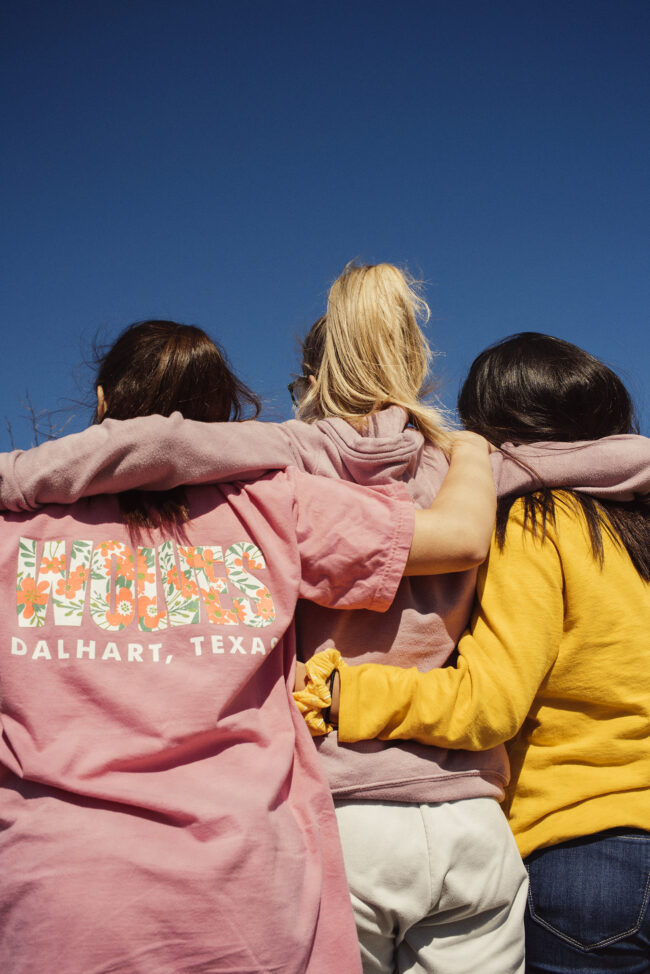
Today’s featured artist:  Todd Cole


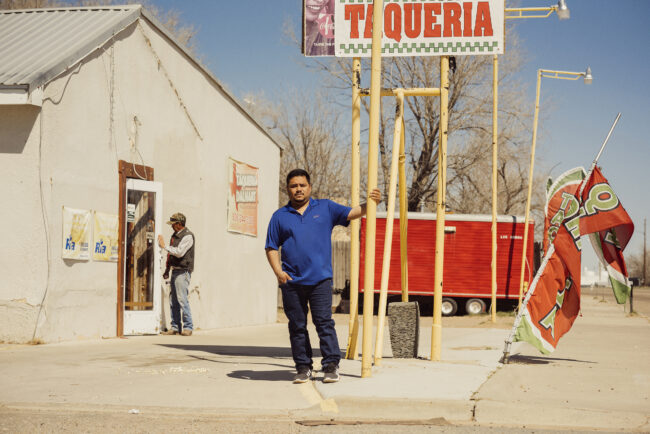
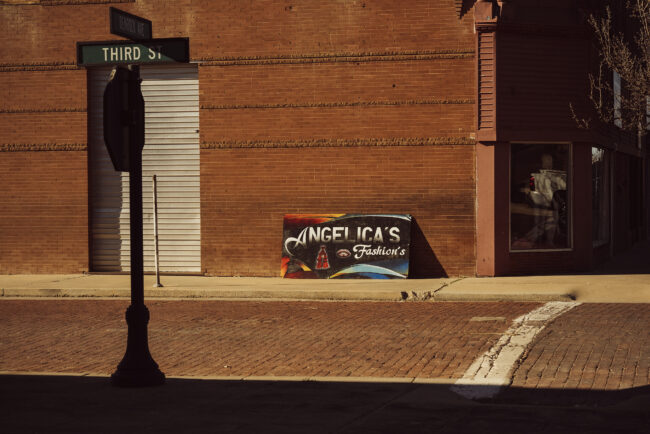
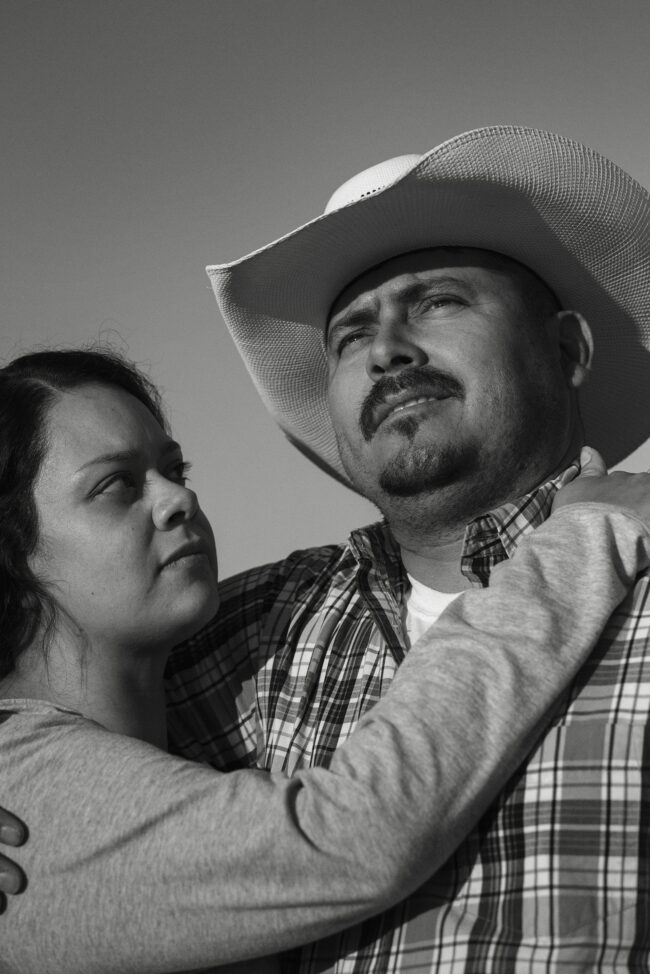
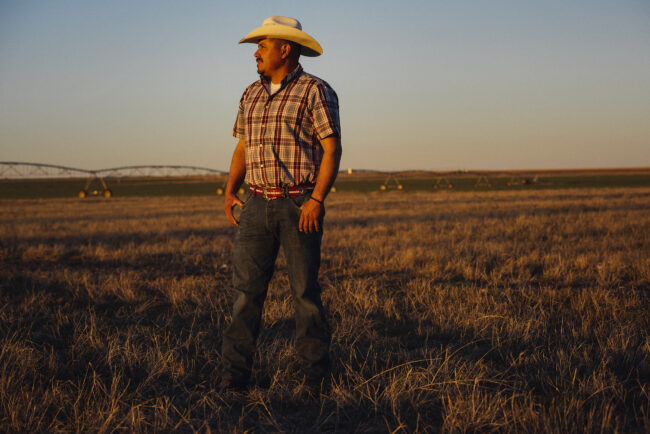
“This project is an exploration into the effects of migrant workers from South America upon the rural, agrarian communities in the Texas panhandle.  Immigrants have helped to transform the once declining Texas towns of Dalhart, Sunday, and Dumas, into thriving agricultural boomtowns.  The laborers work on cattle ranches and dairy farms, as well as own and operate small businesses, such as restaurants, bakeries, and clothing stores in these communities.  These towns have become dependent on this immigrant labor, and as a result the community are now embracing their new neighbors, leading to an open mindedness and integration of shared values.  This project was done in partnership with the Texas Observer and The Emerson Collective.”


To see more of this project, click here.

Instagram 


APE contributor Suzanne Sease currently works as a consultant for photographers and illustrators around the world. She has been involved in the photography and illustration industry since the mid 80s.  After establishing the art-buying department at The Martin Agency, then working for Kaplan-Thaler, Capital One, Best Buy and numerous smaller agencies and companies, she decided to be a consultant in 1999. She has a new Twitter feed with helpful marketing information because she believes that marketing should be driven by brand and not by specialty.  Follow her at @SuzanneSeaseInstagram

Success is more than a matter of your talent. It’s also a matter of doing a better job presenting it.  And that is what I do with decades of agency and in-house experience.
This Week in Photography: Old Friends


Big day today.


It’s the anniversary of the first time I met my wife.

December 23rd, 1997.

(I’m writing on Thursday, as usual.)


Without exaggeration, that was the most important day of my life.

We were young, only 23, and have been together ever since.

(More than half our lives.)

We met as kids, really, and have grown up together all these years.

Through the easy times, the hardships, and the magic of raising a family, Jessie and I forged a steel bond, and I’m lucky to have a soulmate who’s helped me become a better, stronger person.


The two of us, circa 2002. Jessie looks amazing. Me, not so much… courtesy of Keith Karstadt.


Yesterday was a big day as well.

Our daughter packed up her desk, leaving her current elementary school for good.

(She’s switching from the Charter school to the public one in our part of town after break.)

Amelie had an awful experience with Zoom school the prior two years in 2nd and 3rd grade. The same teacher, who mailed it in, simultaneously undermined her confidence at every turn.

When a teacher repeatedly implies a child is dumb, (because of undiagnosed dyslexia,) it eats away at her self-esteem, day by day.

I’m glad Amelie is moving to a healthier environment, (she’s amazing,) but it wasn’t just the education.

She’d known most of her classmates since pre-school; navigating the same social environment since before she could speak. These girls knew how to push each others’ buttons; they knew all the weak spots.

(Is that a mixed metaphor?)


Sometimes, we need a fresh group of friends, because the bonds we make when we’re young aren’t really based on who we are.

Or at least, they’re not based on who we’ll become.

Every now and again, you do run across people who are still besties with their childhood mates.

Some of my female friends from school remain a tight-knit group, supporting each other through all of life’s twists and turns. (Shout out to Chrissy, Michelle, Brooke, Mandi and Caroline!)

Occasionally, our teen-aged, angst-ridden, poetry-writing phase lines up with our friends’ trajectories, and we walk life’s path together.

It does happen.


If you think my musings were random today, you’re wrong.

Sometimes, the rant takes off on at a frozen airstrip in Antarctica, and lands in the sunny, moist jungle outside Cancun.

But not today.

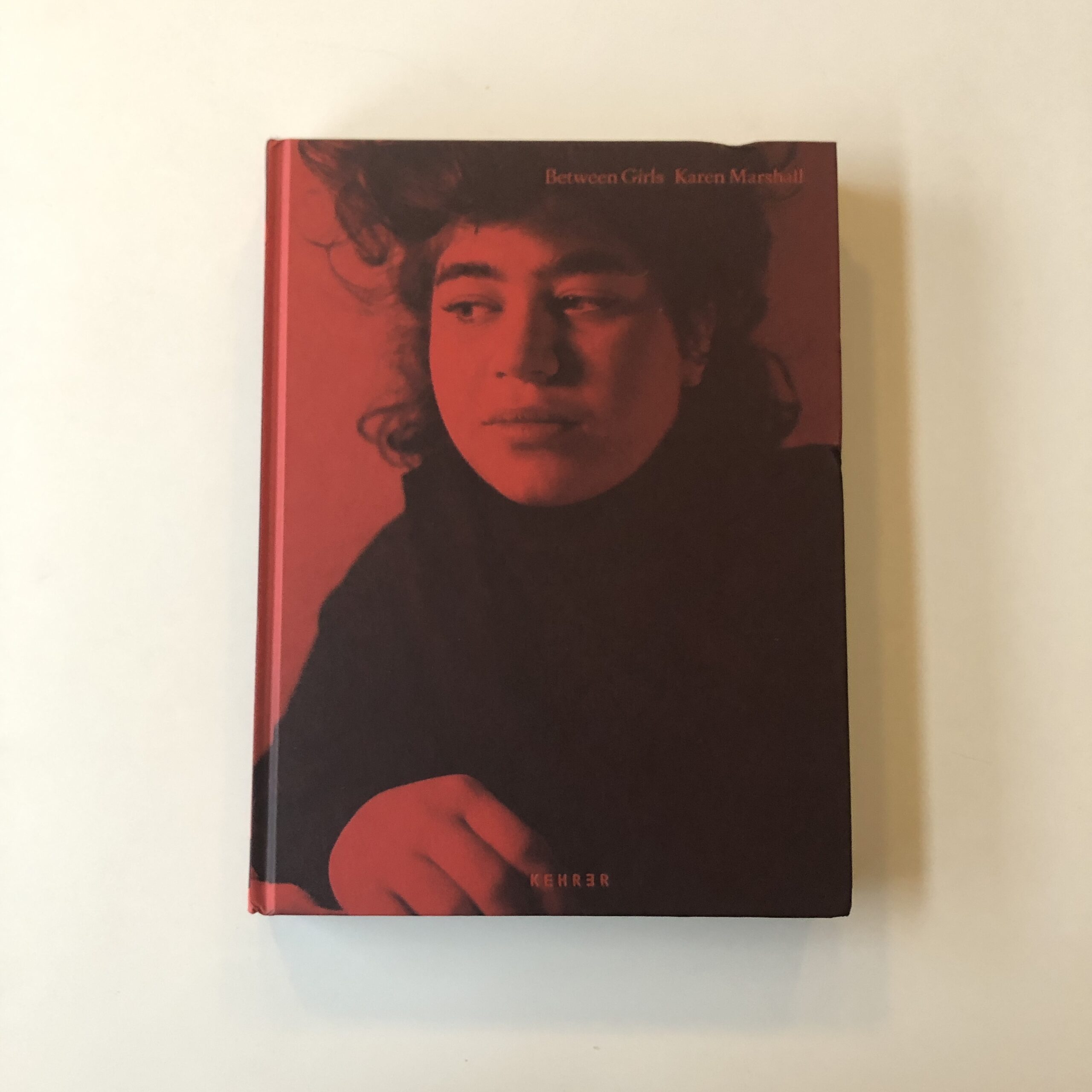
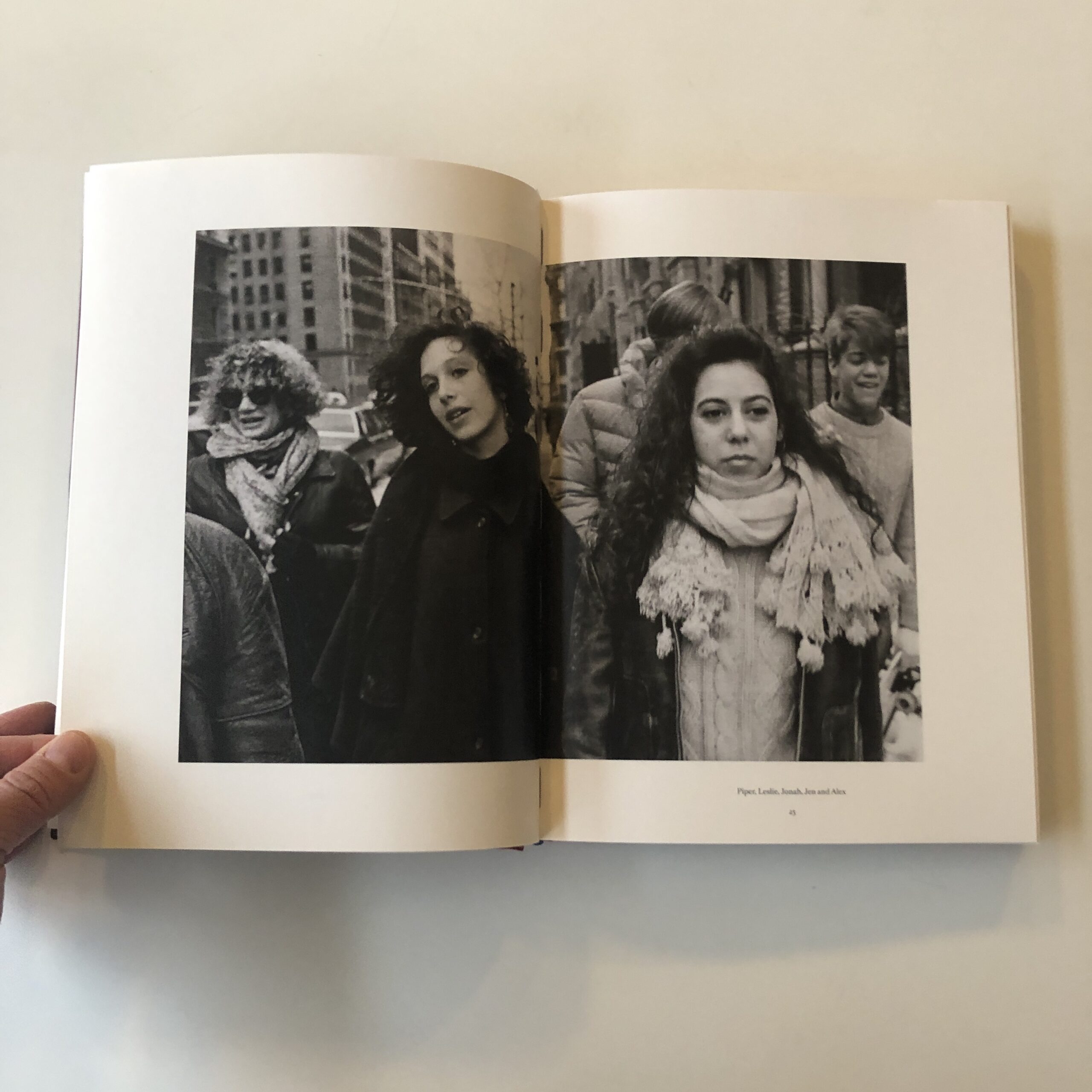
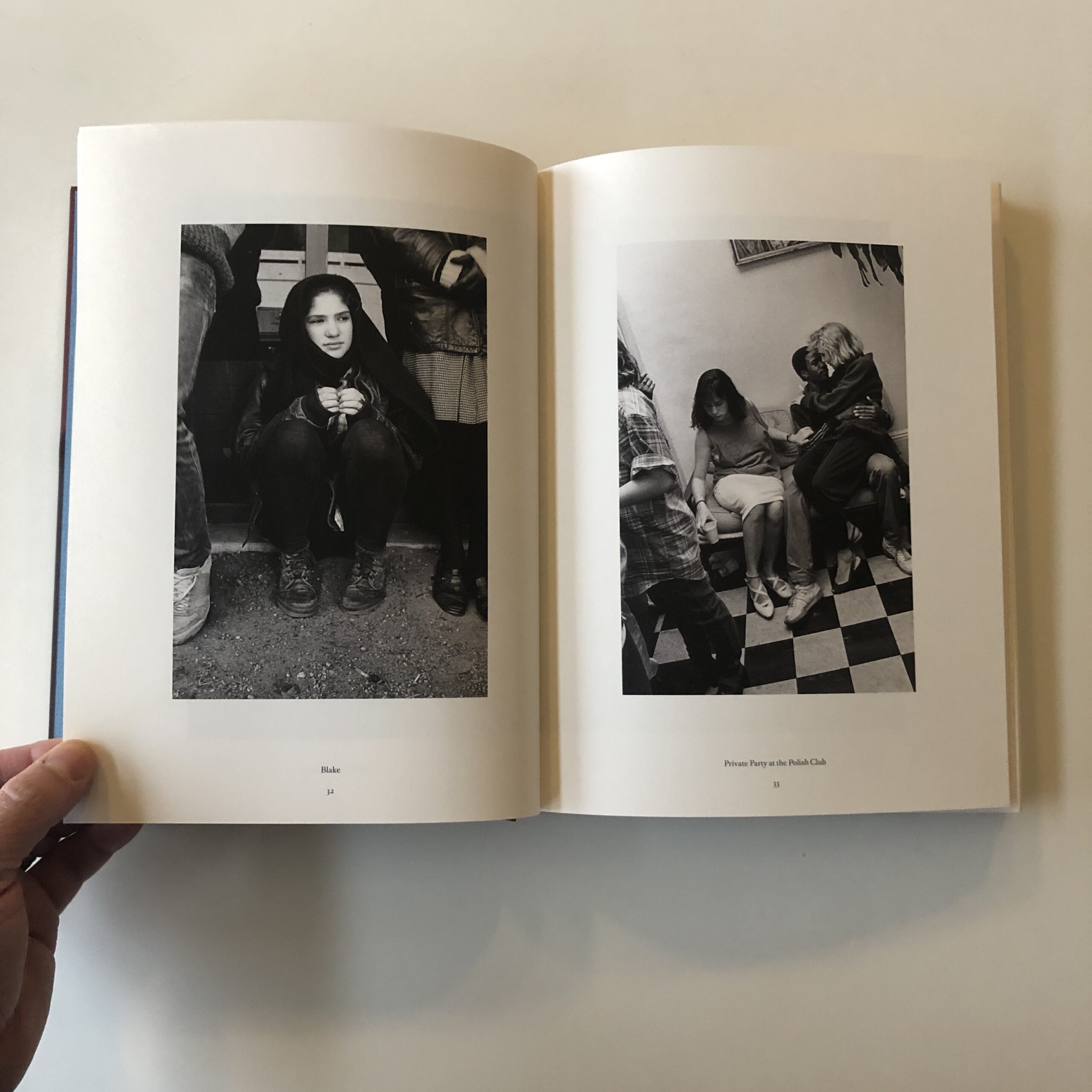
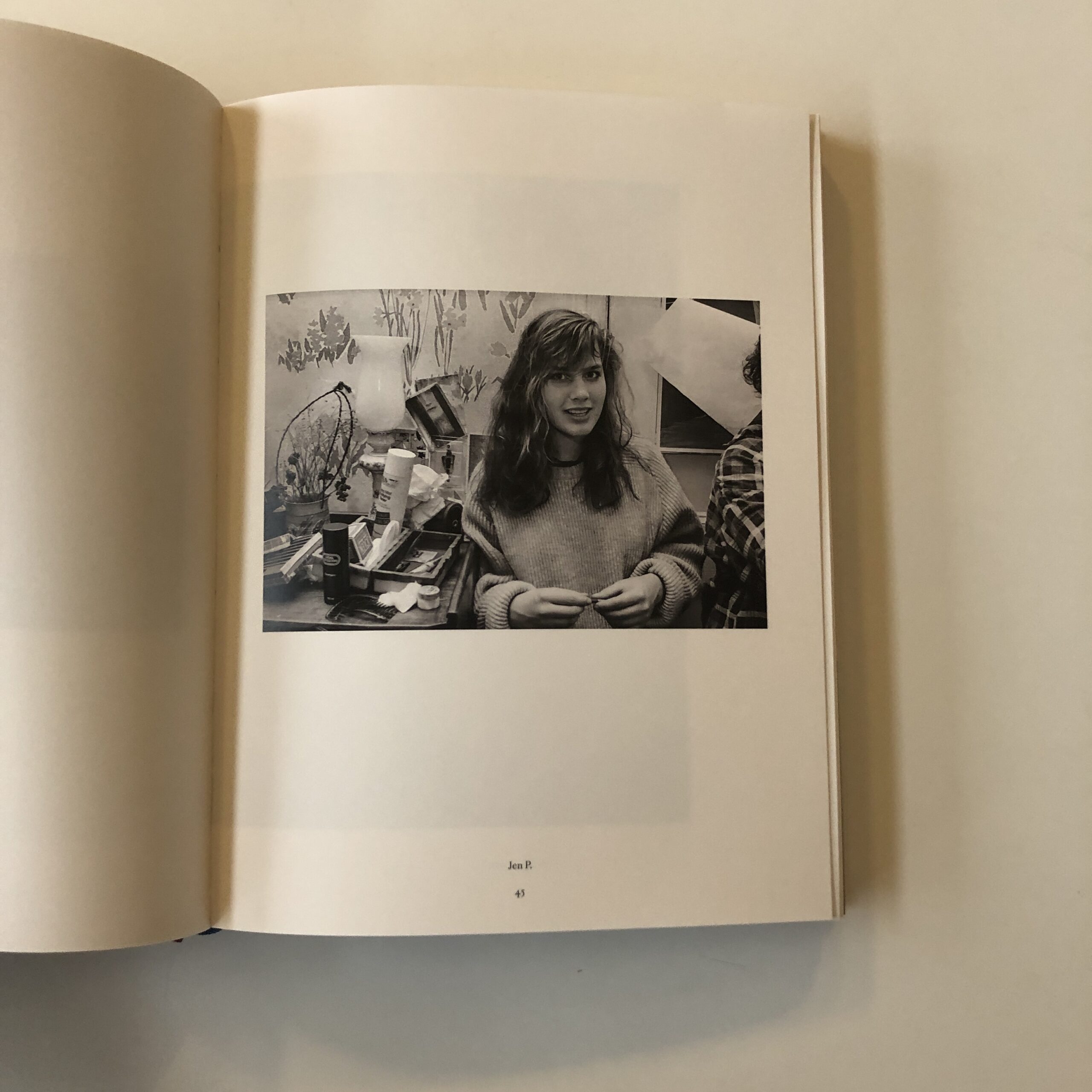
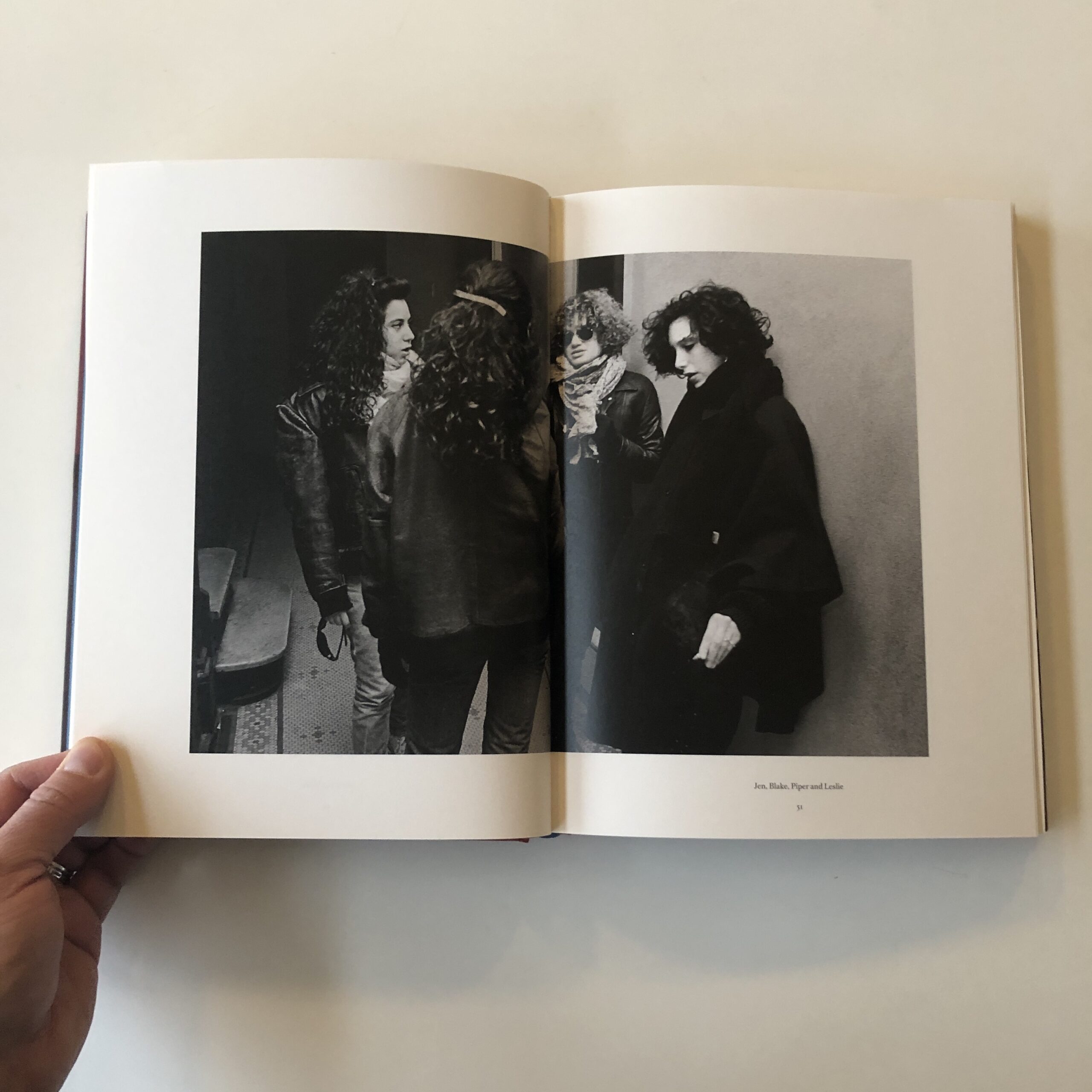
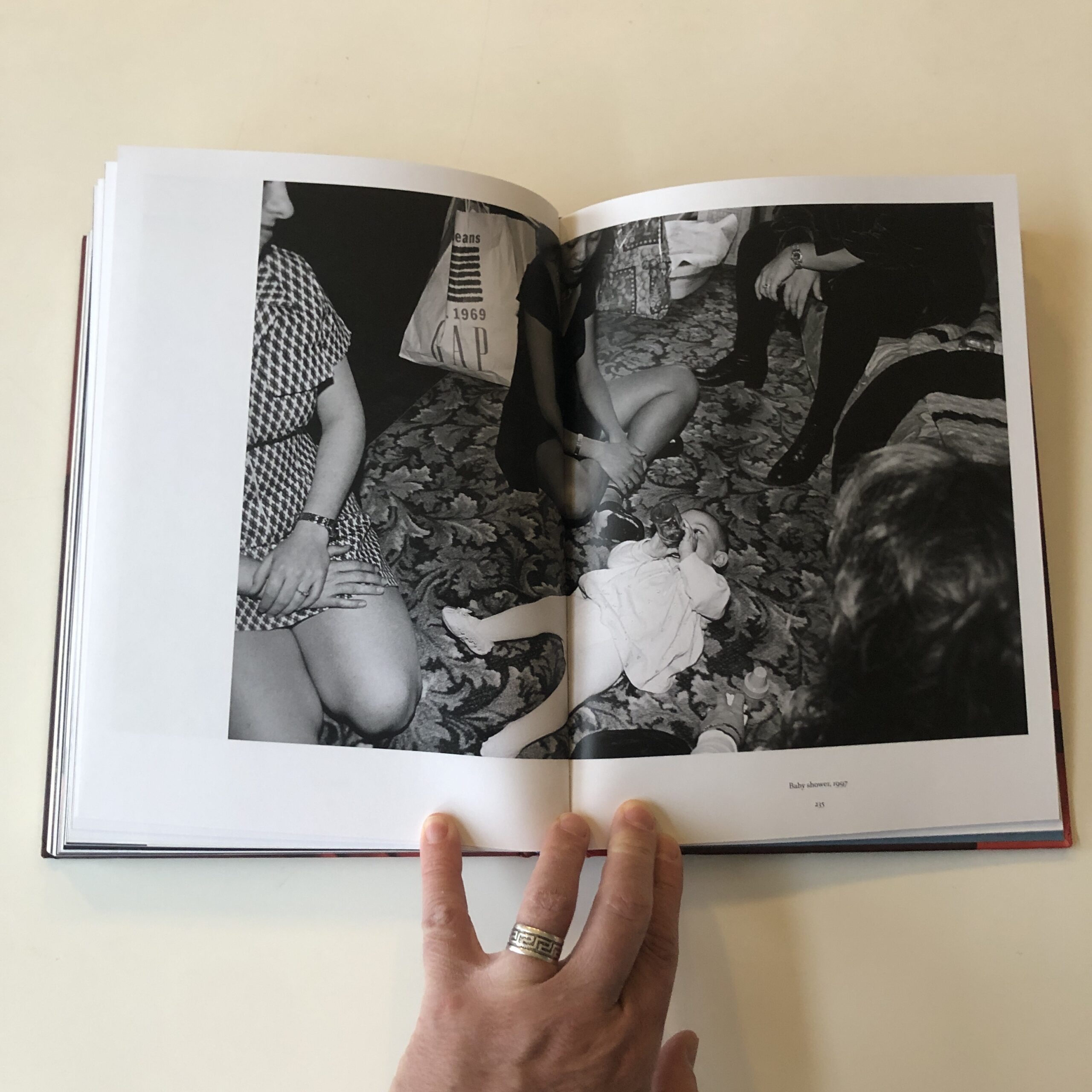
I just finished looking at “Between Girls,” by Karen Marshall, published this year by Kehrer Verlag in Germany, and as you’ll soon see, my intro was on-point.

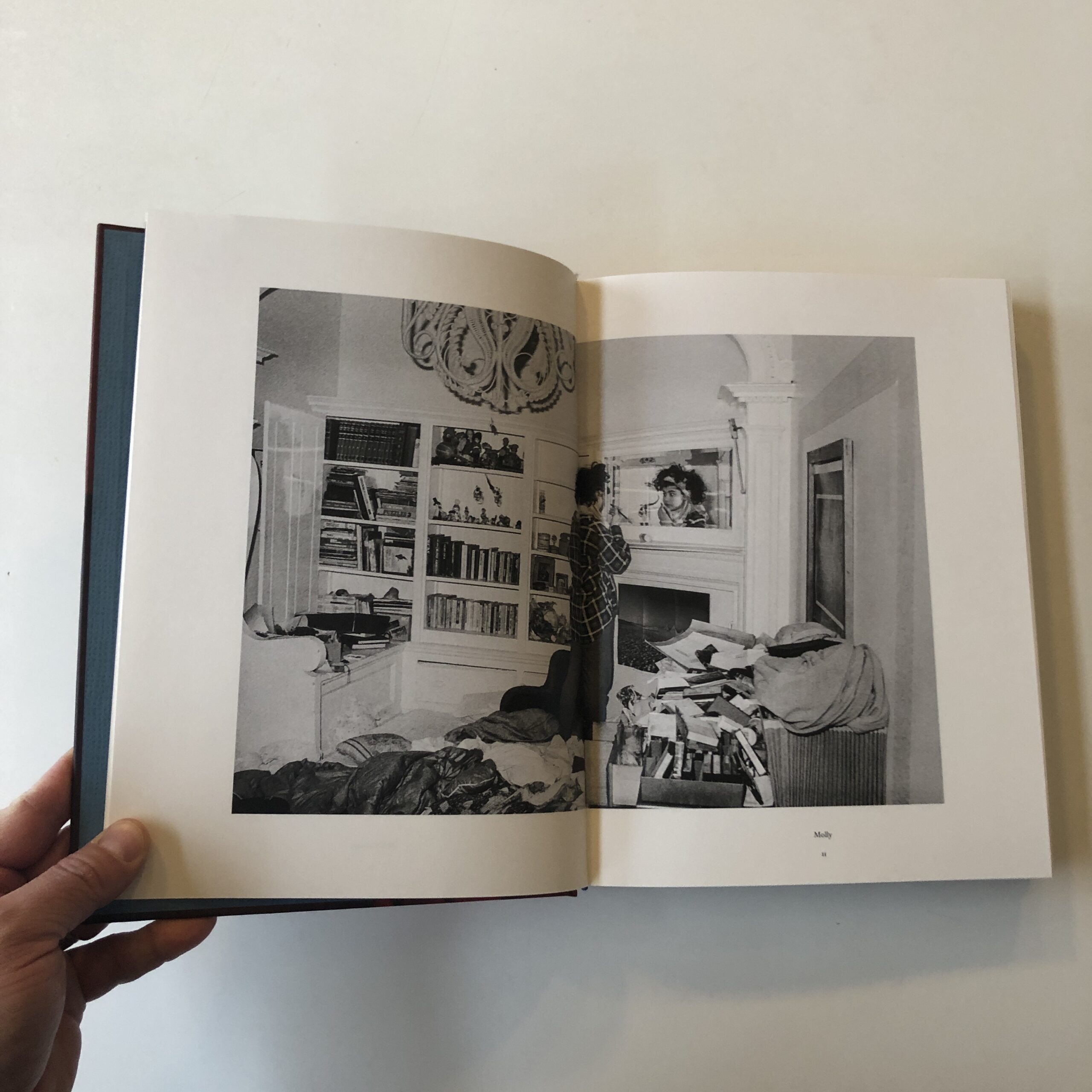
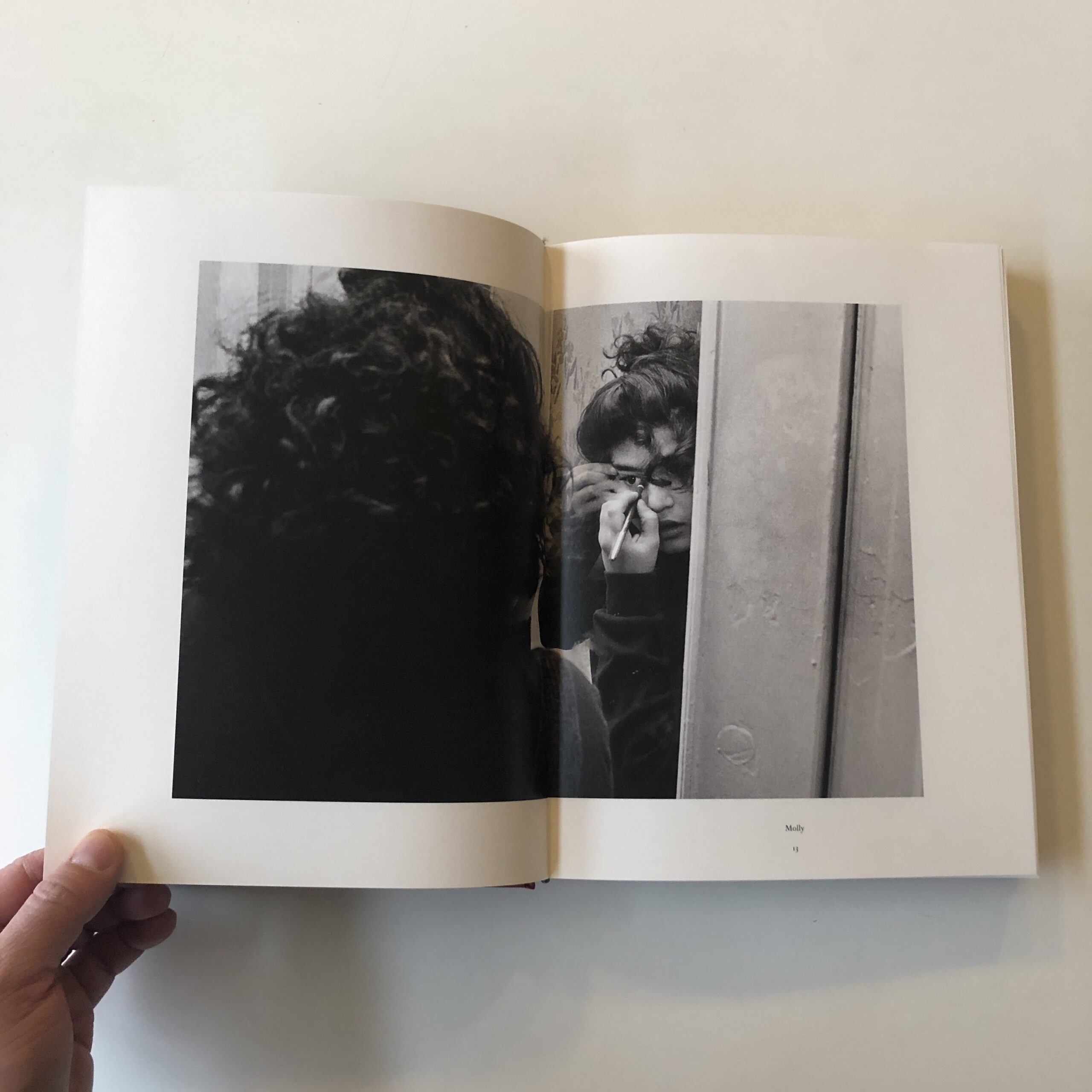
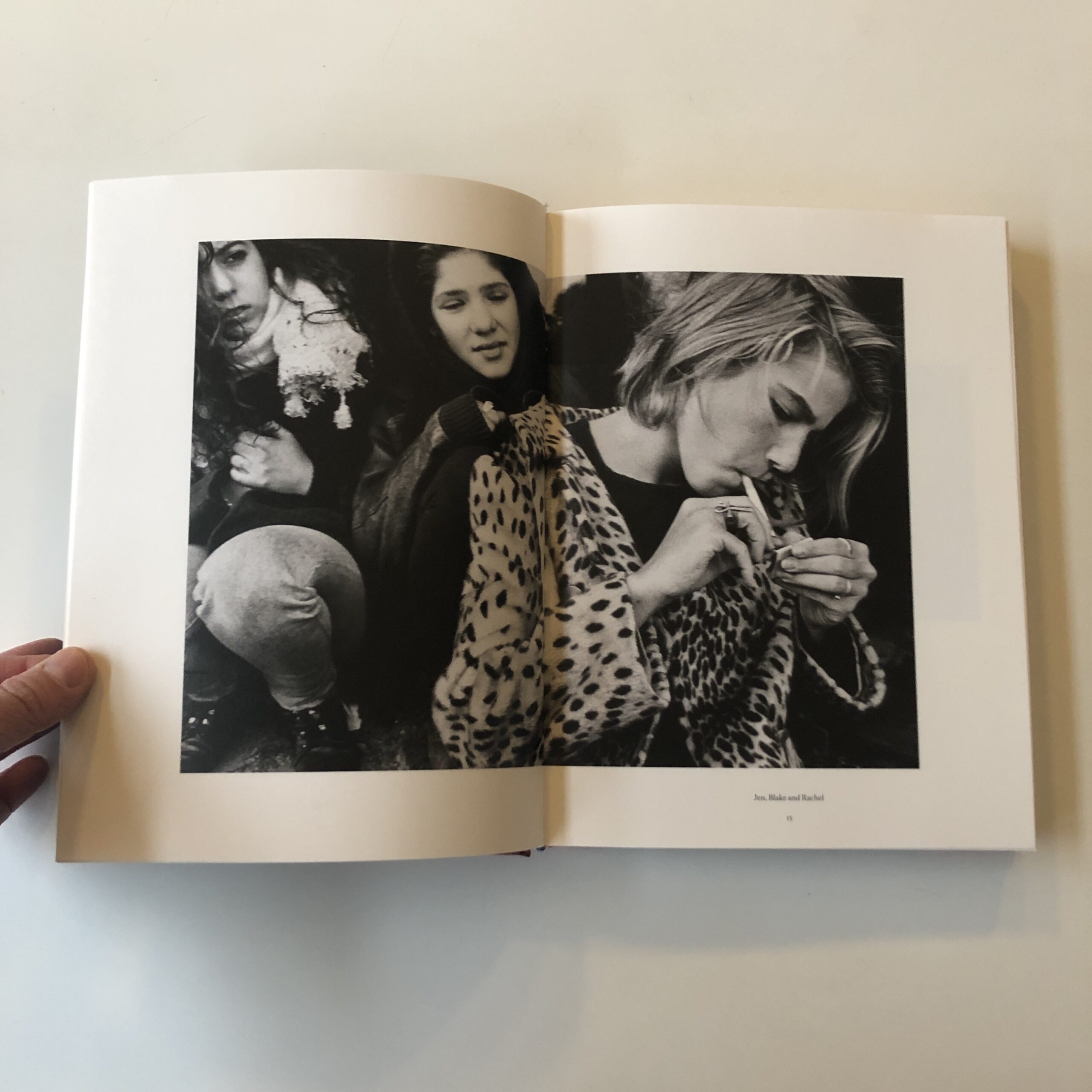
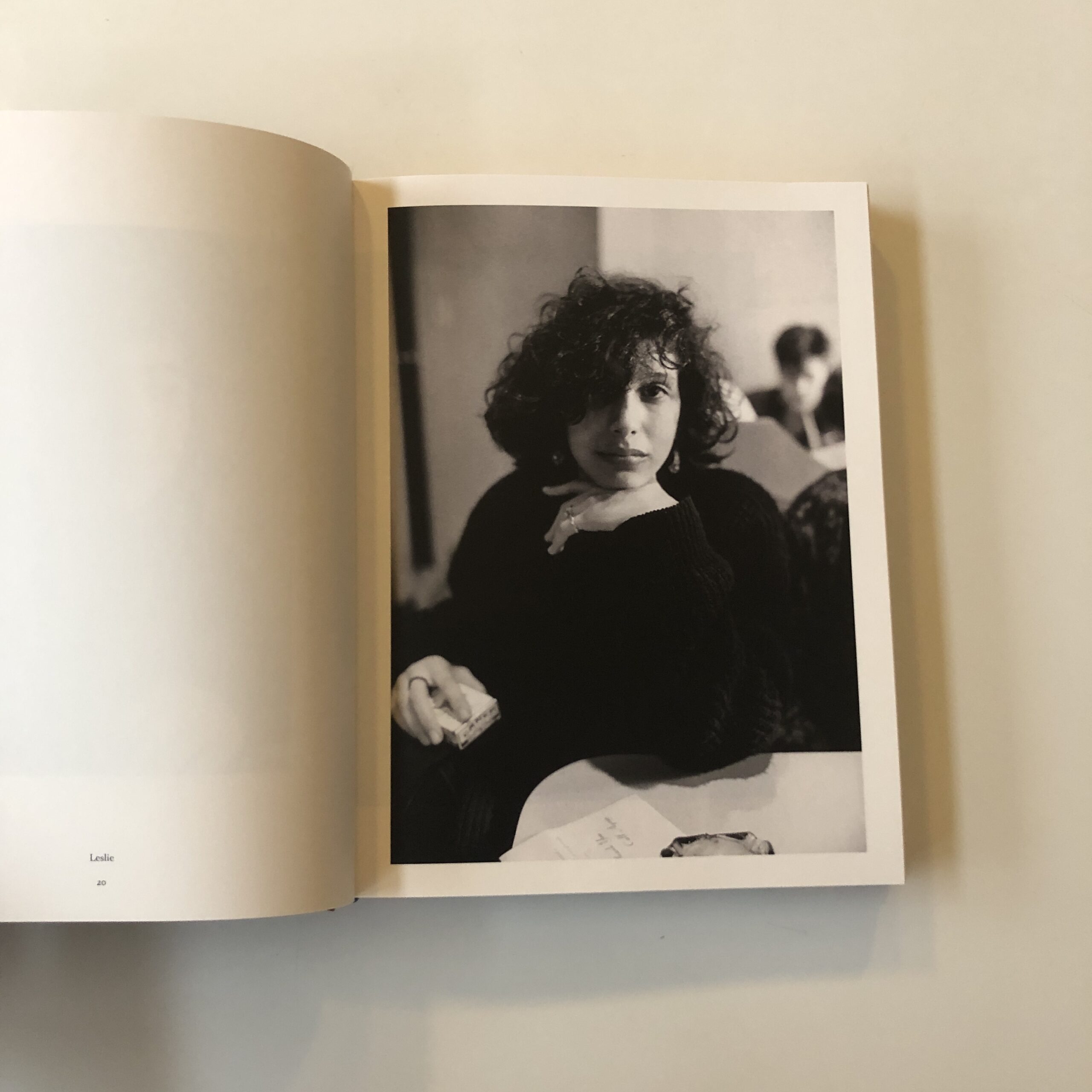
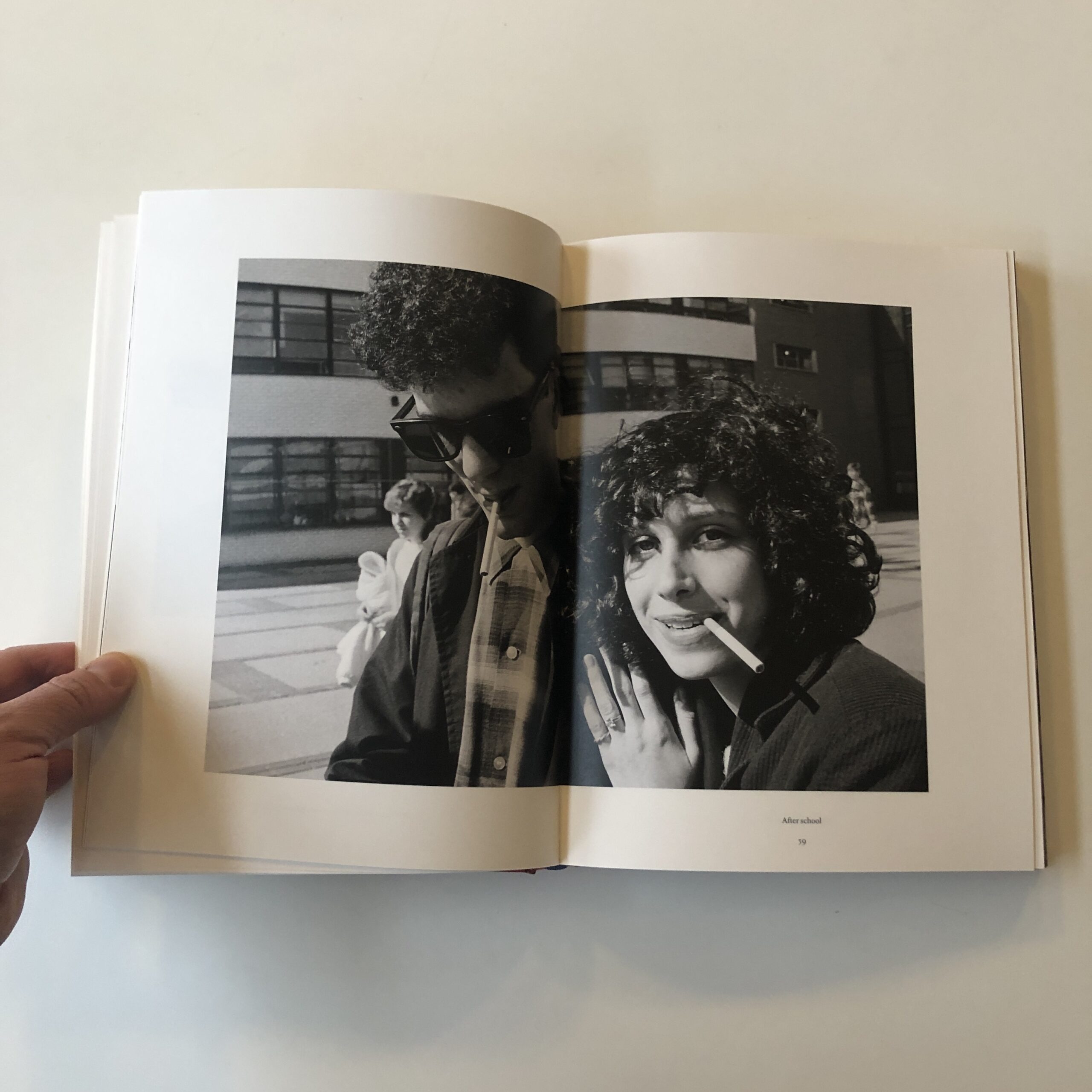
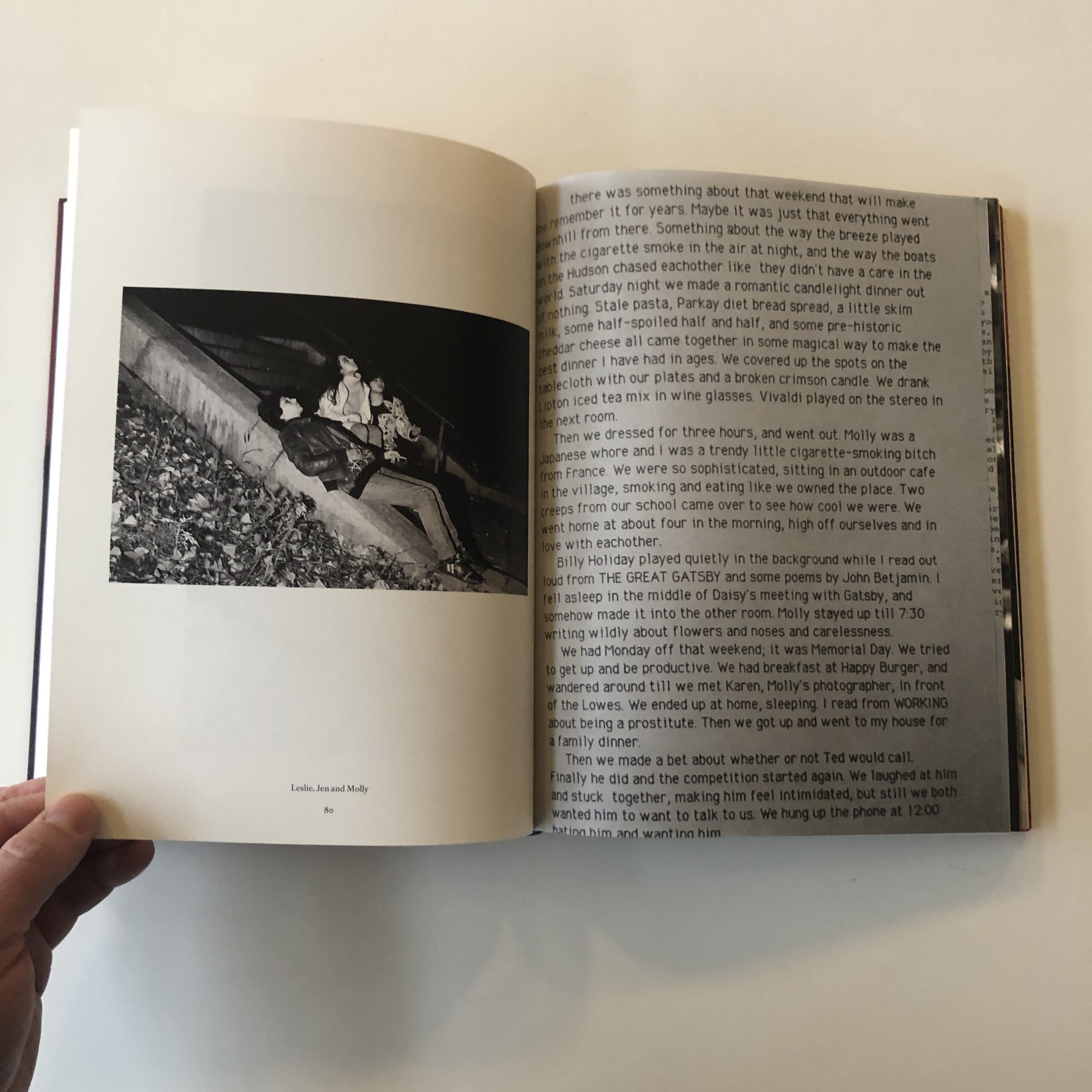
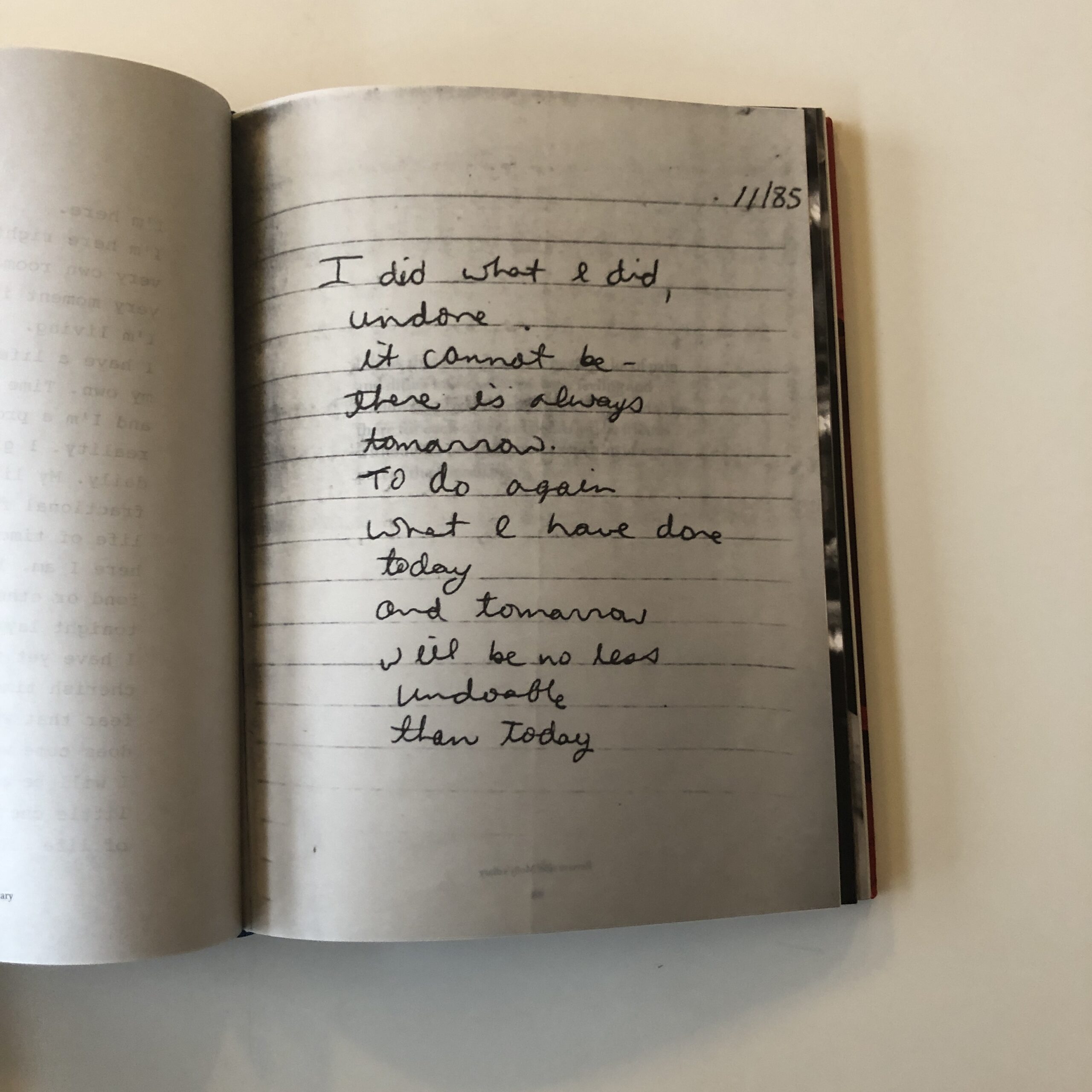
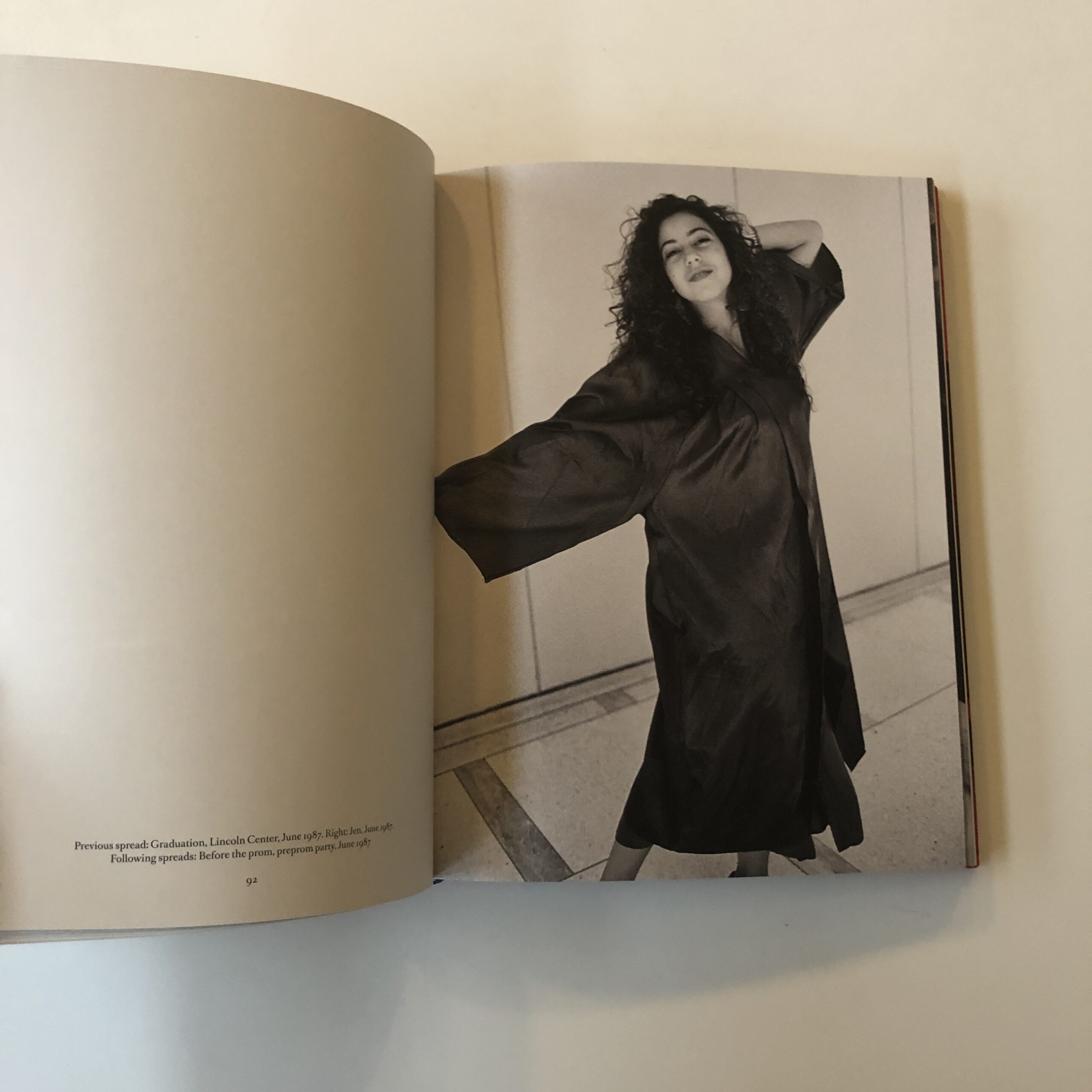
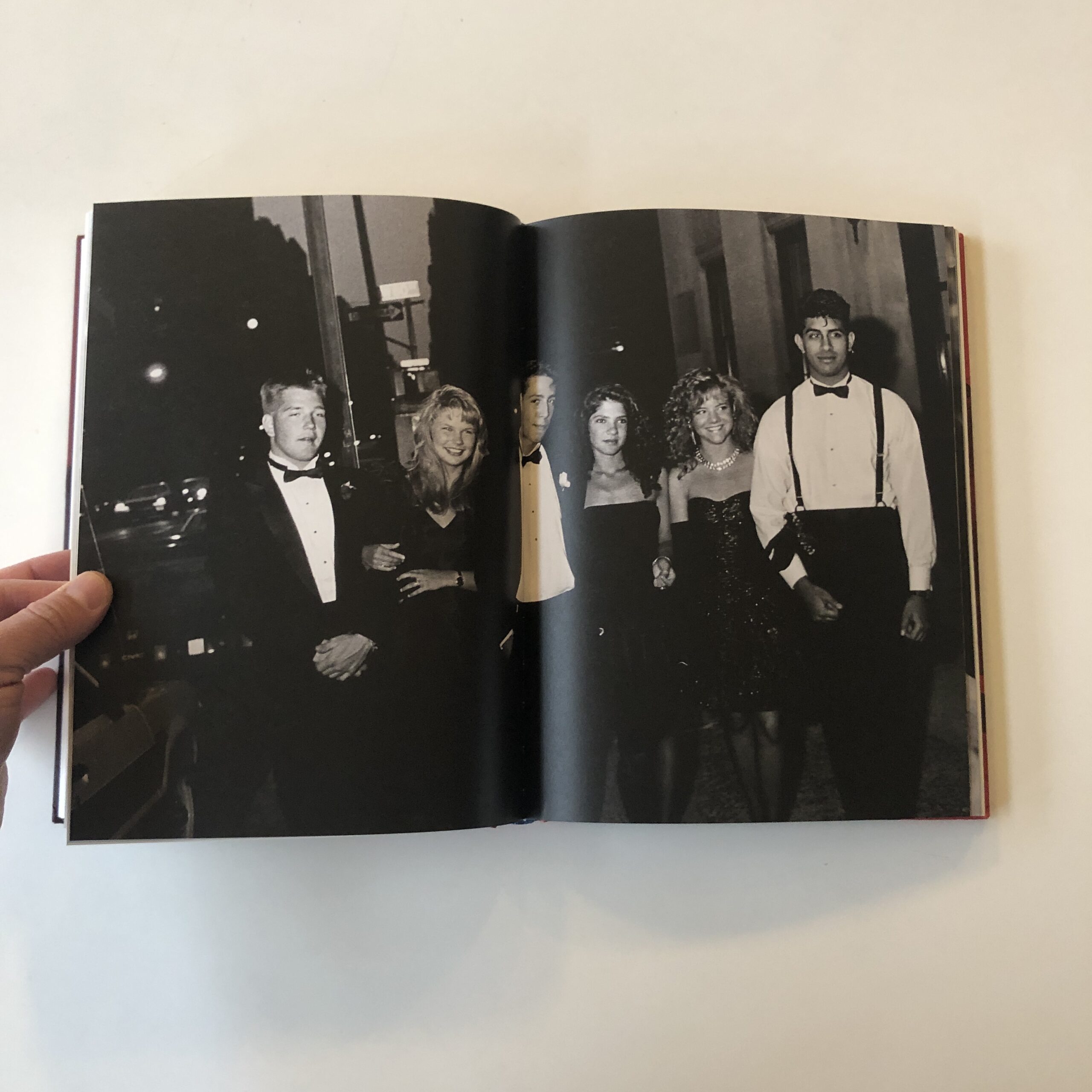
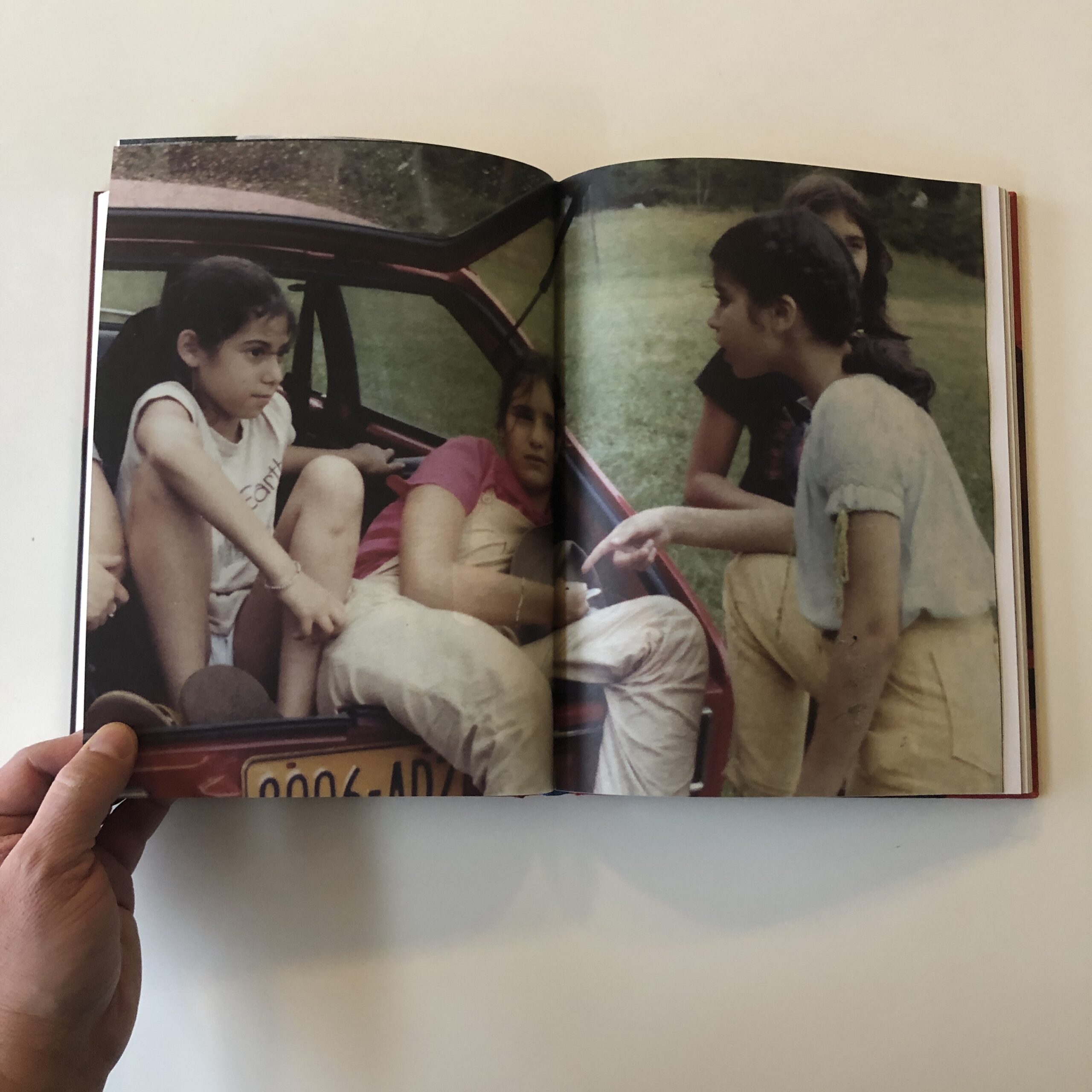
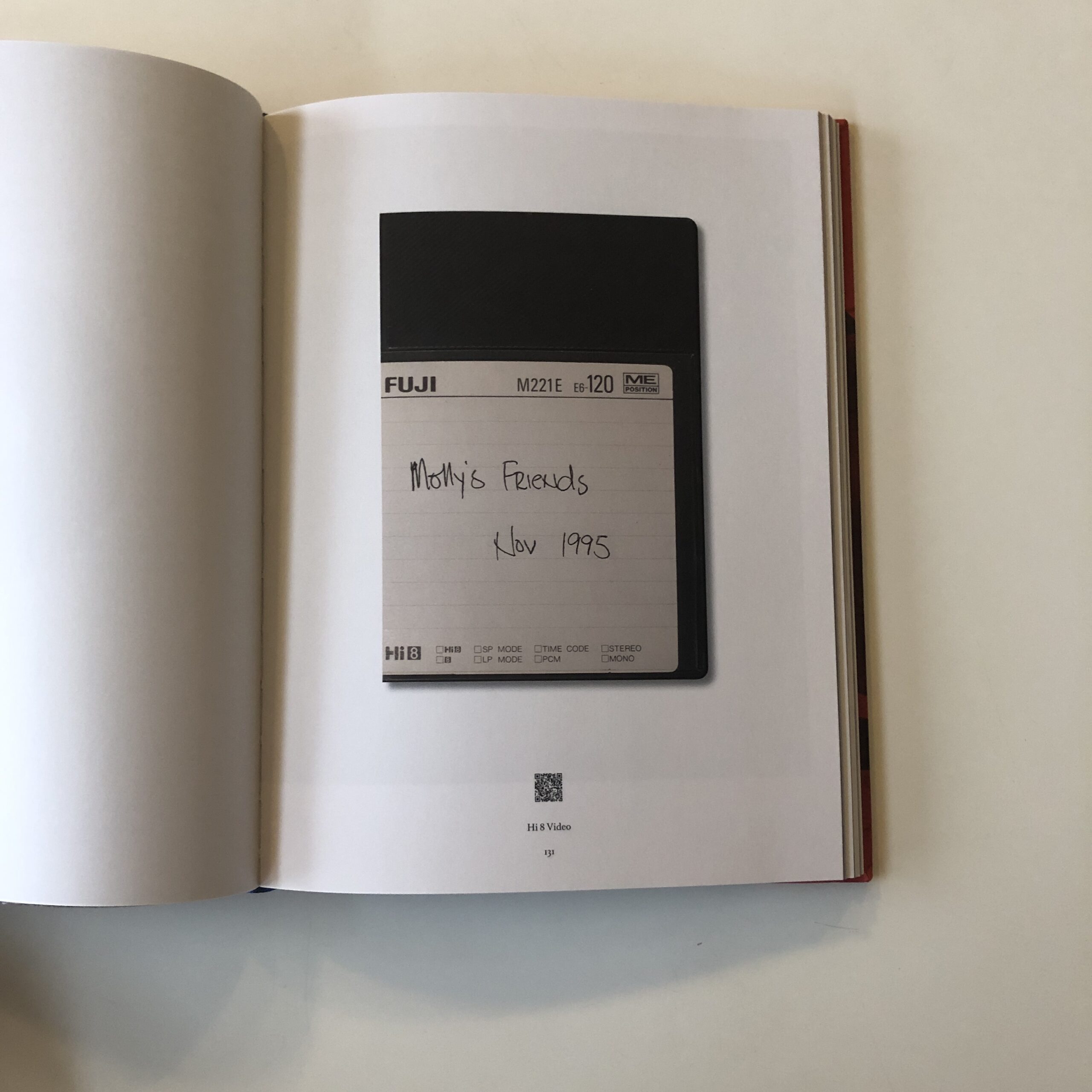
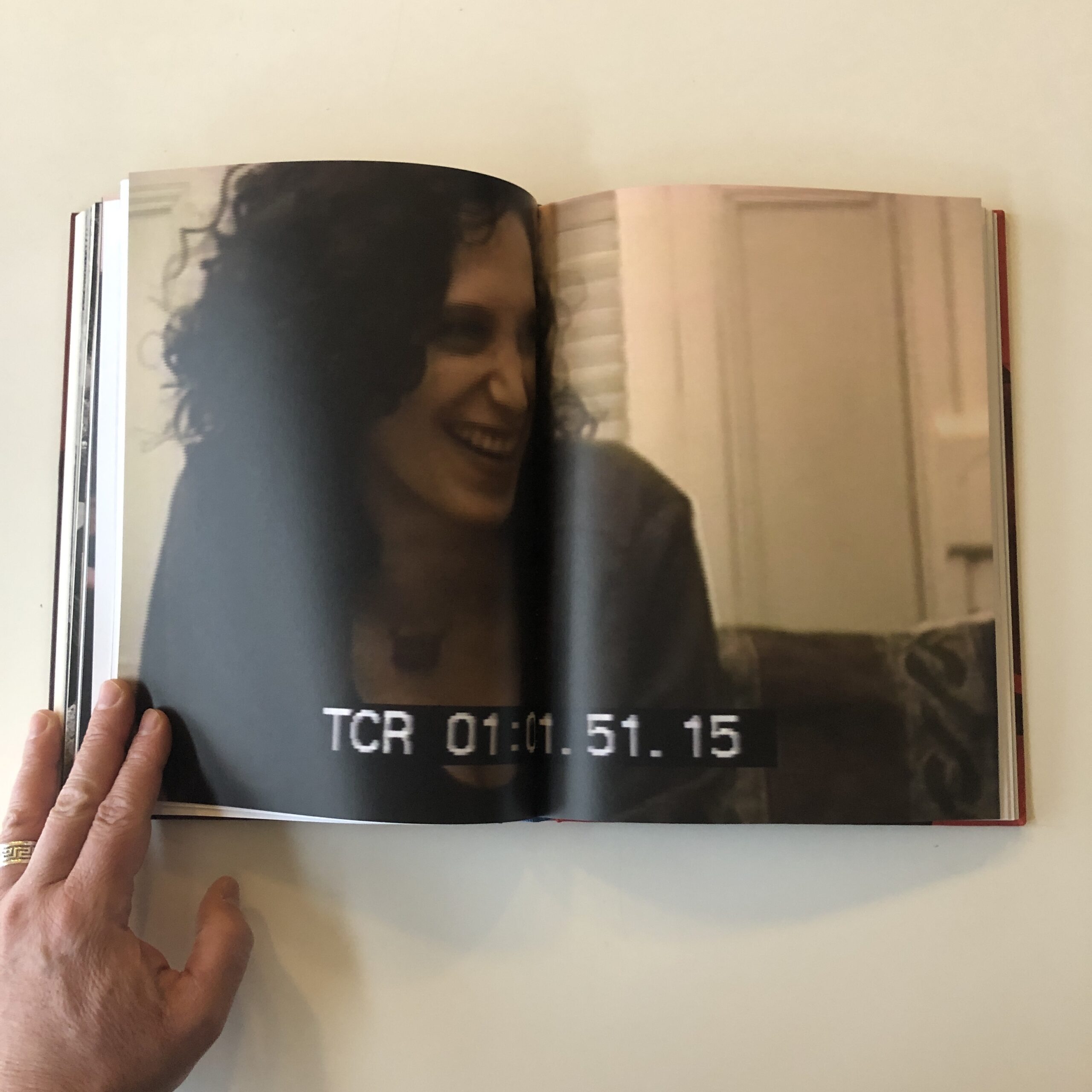
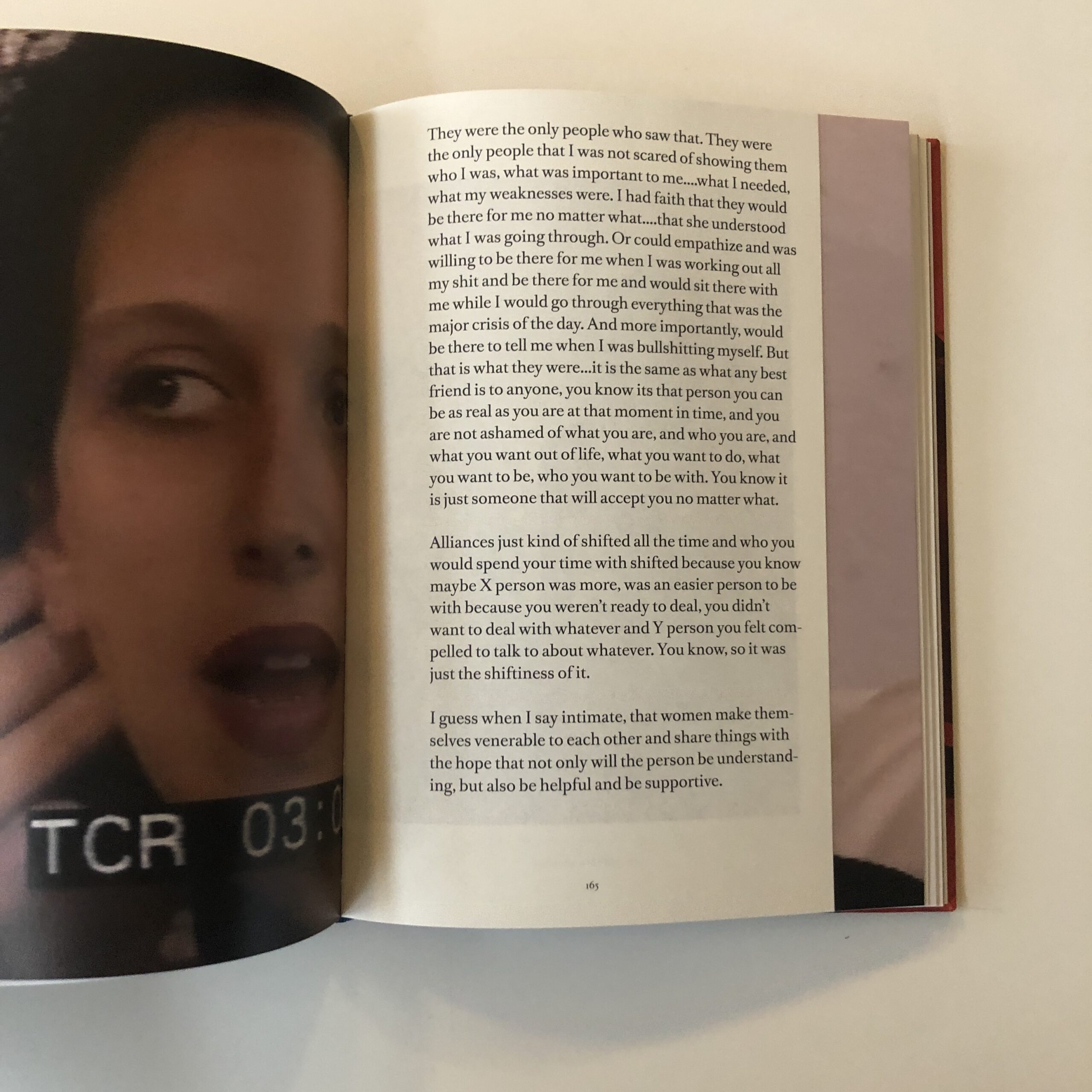
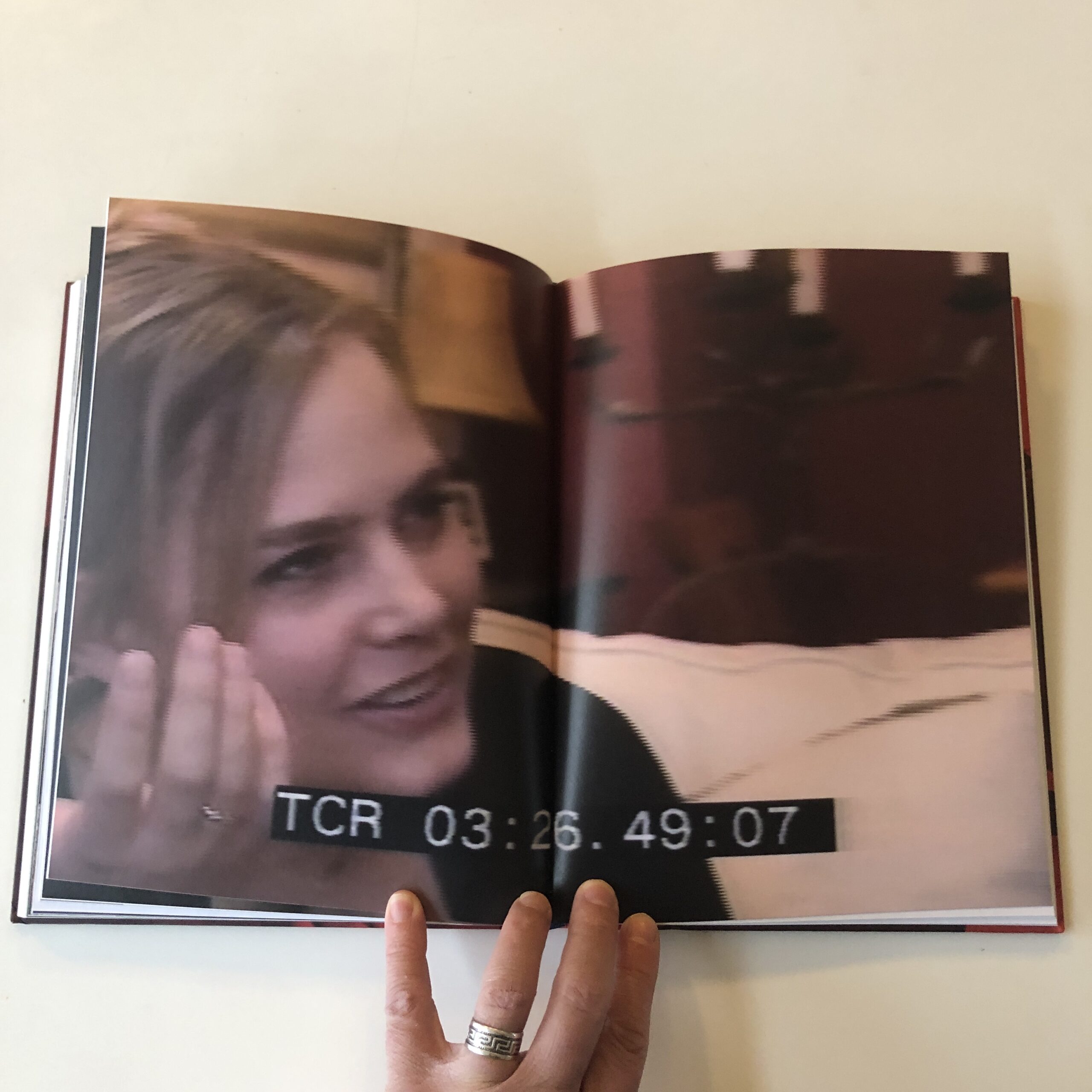
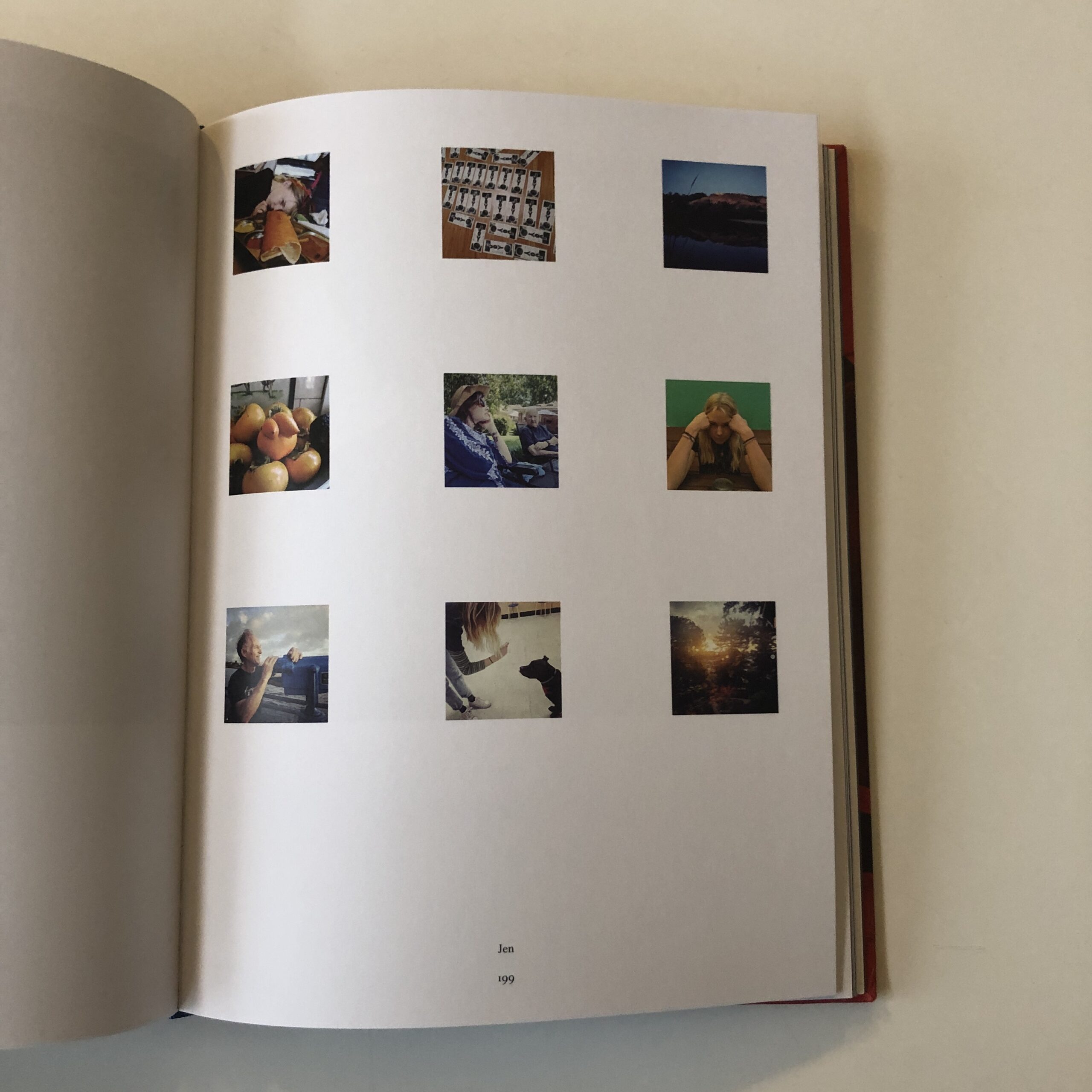
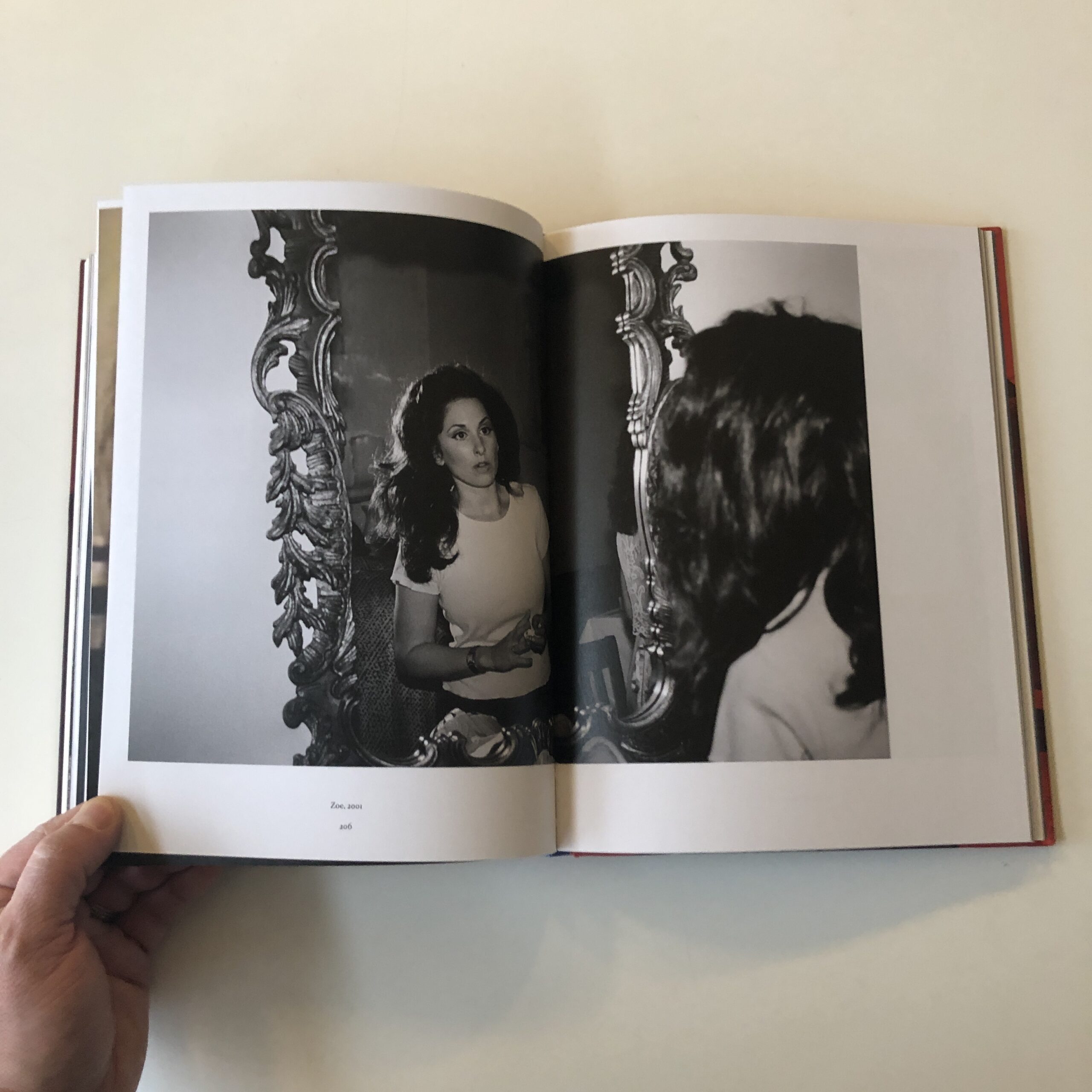
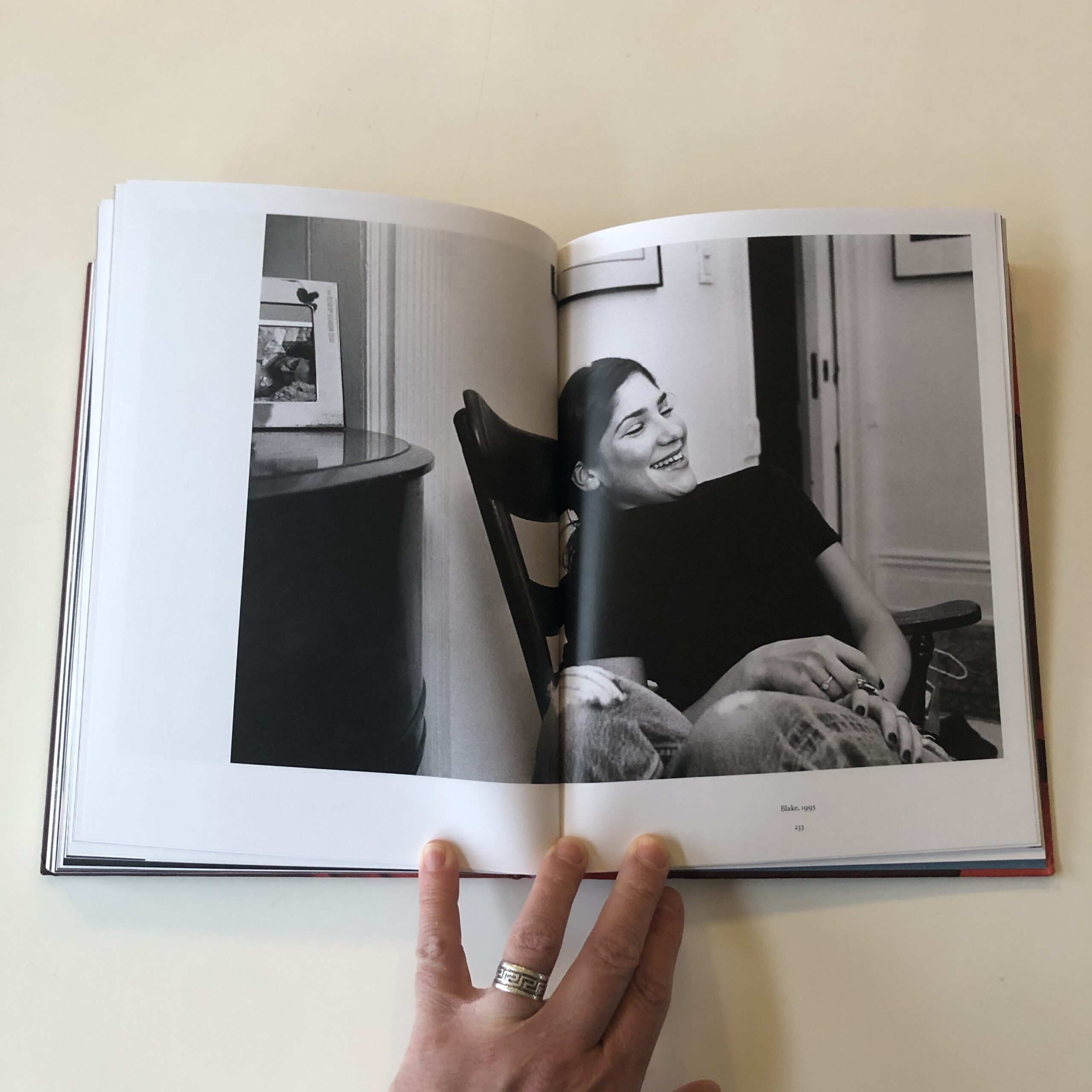
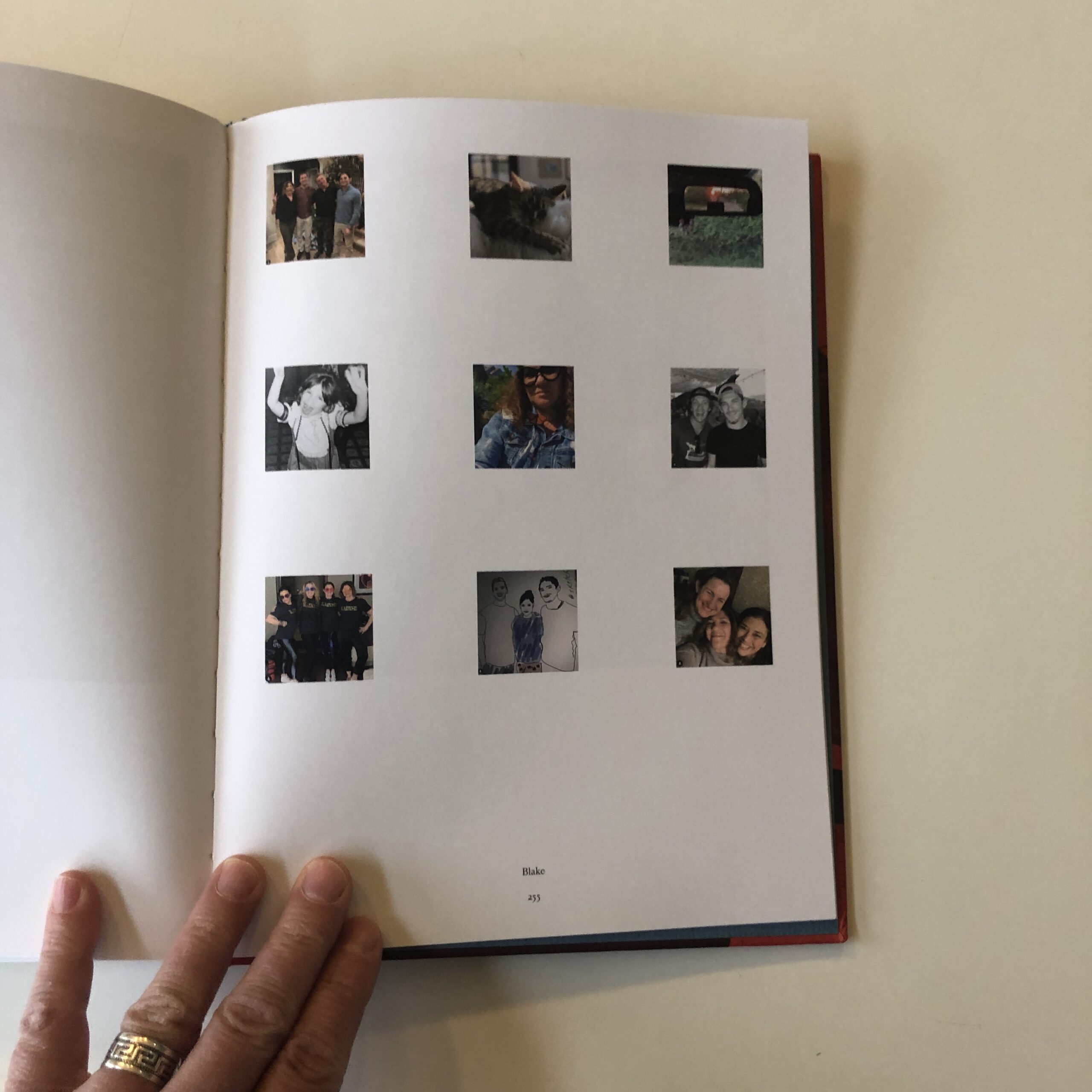
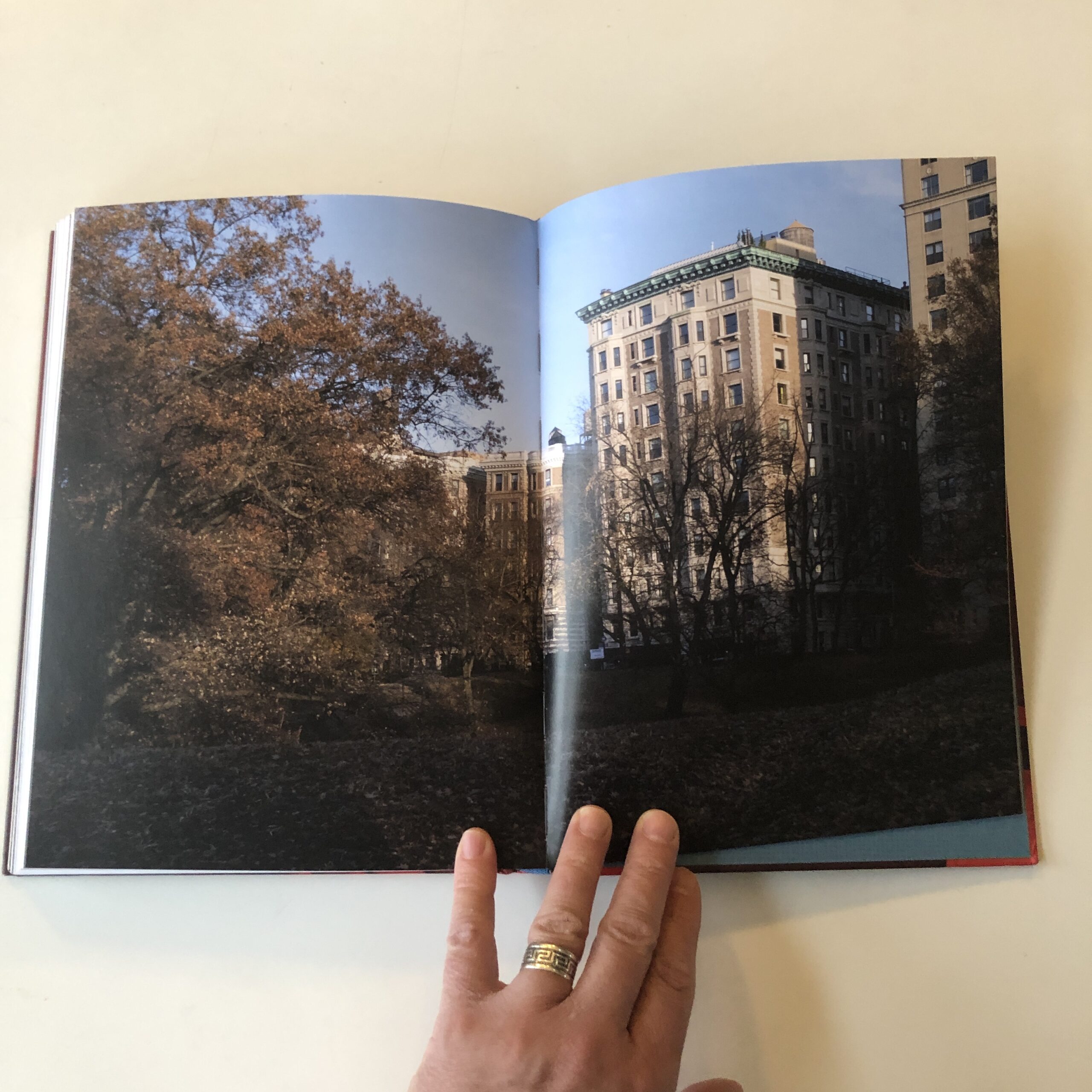
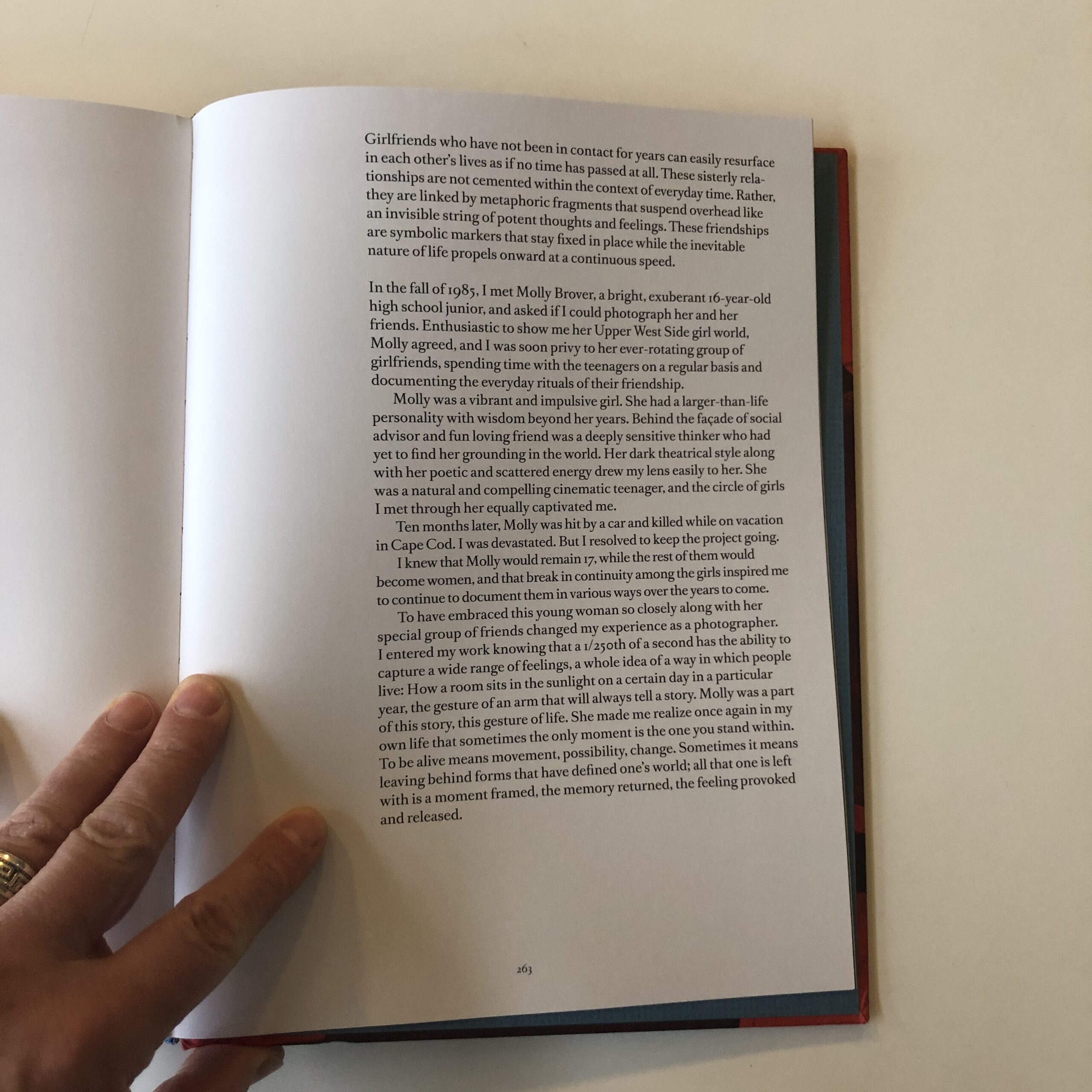
The book is very well-produced, to give it props, as it interweaves black and white documentary imagery from NYC in the 80’s, with diaristic text, video stills, contemporary imagery, and QR codes, while also switching paper stock several times, when the text rolls around.

Cool cover too.

Design-wise, I’d give this book an A+.

As to the narrative, I found it flawed, or at least, more about style than substance.


The story, at first, follows some NYC hipster high school kids, and they bop around the Upper West and East sides.

They describe hanging out downtown.

They talk about boys.

We read bad poetry, (no offense,) but then again, if I ever shared my High School poems with you, you’d laugh longer than the Covid testing lines in NYC, late December 2021.

(Too soon?)

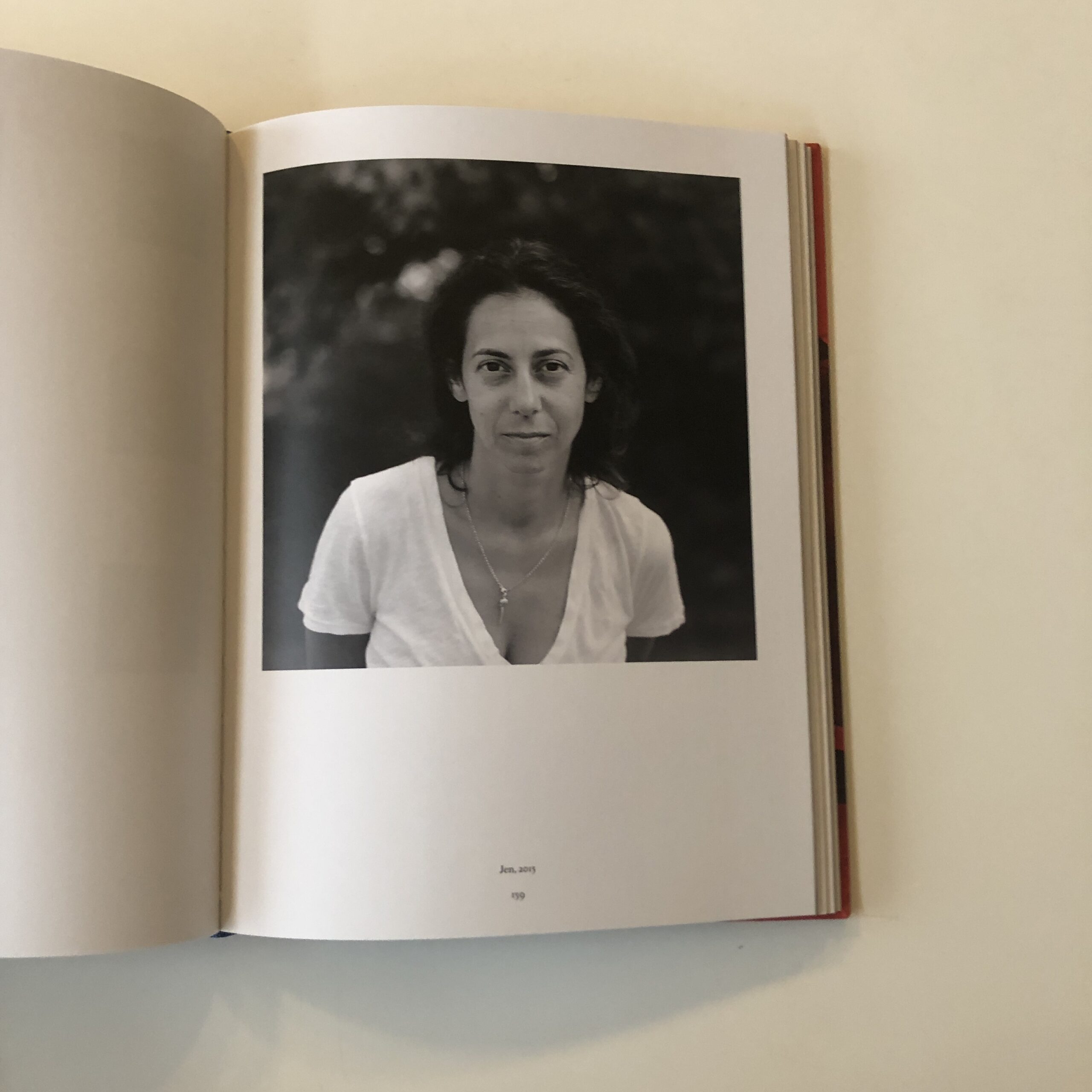
The documentary photos are good, for sure, and after a few images, we can tell Molly from Leslie, but I’m still not sure if there was one Jen, or two?

This is the part of a book where traditionally I’d like to feel a connection develop with the protagonists, as I build empathy and connection as a viewer, but that didn’t really happen.

Soon, (spoiler alert,) we learn that Molly has died, but we don’t find how how or why until the end. (Car crash on vacation in Cape Cod at 17.)

Given the age, and emotional fragility of that life phase, I’d assumed she committed suicide.


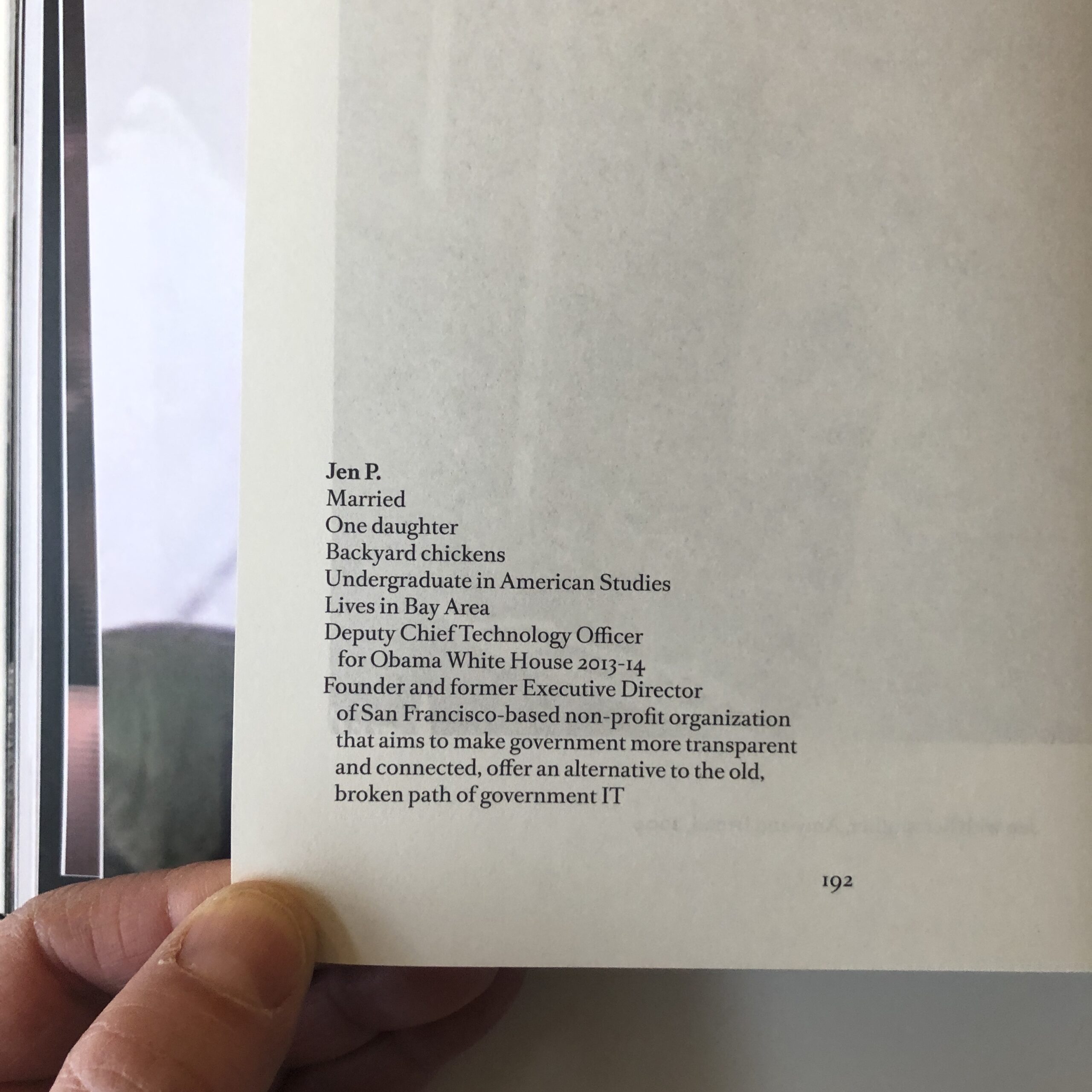
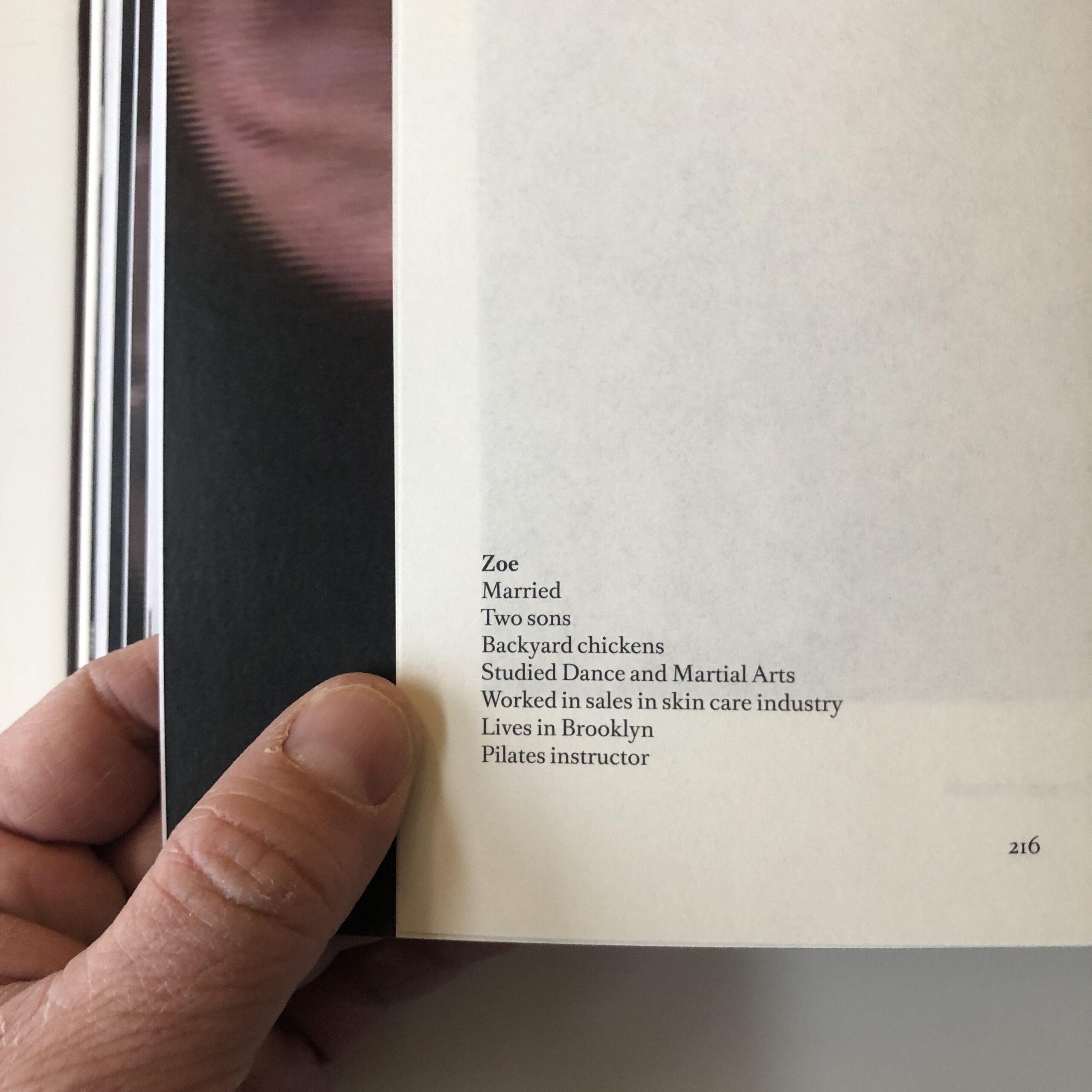
Later, cool-looking text blocks tell us several of the women have backyard chickens.

The girls have grown up to become mothers.

They go to work.

They live their lives.


I can’t fault the visual structure, nor the quality of the photographs.

They’re good.

But I found myself wanting to care more.

I wanted to be moved.

To have my soul touched.

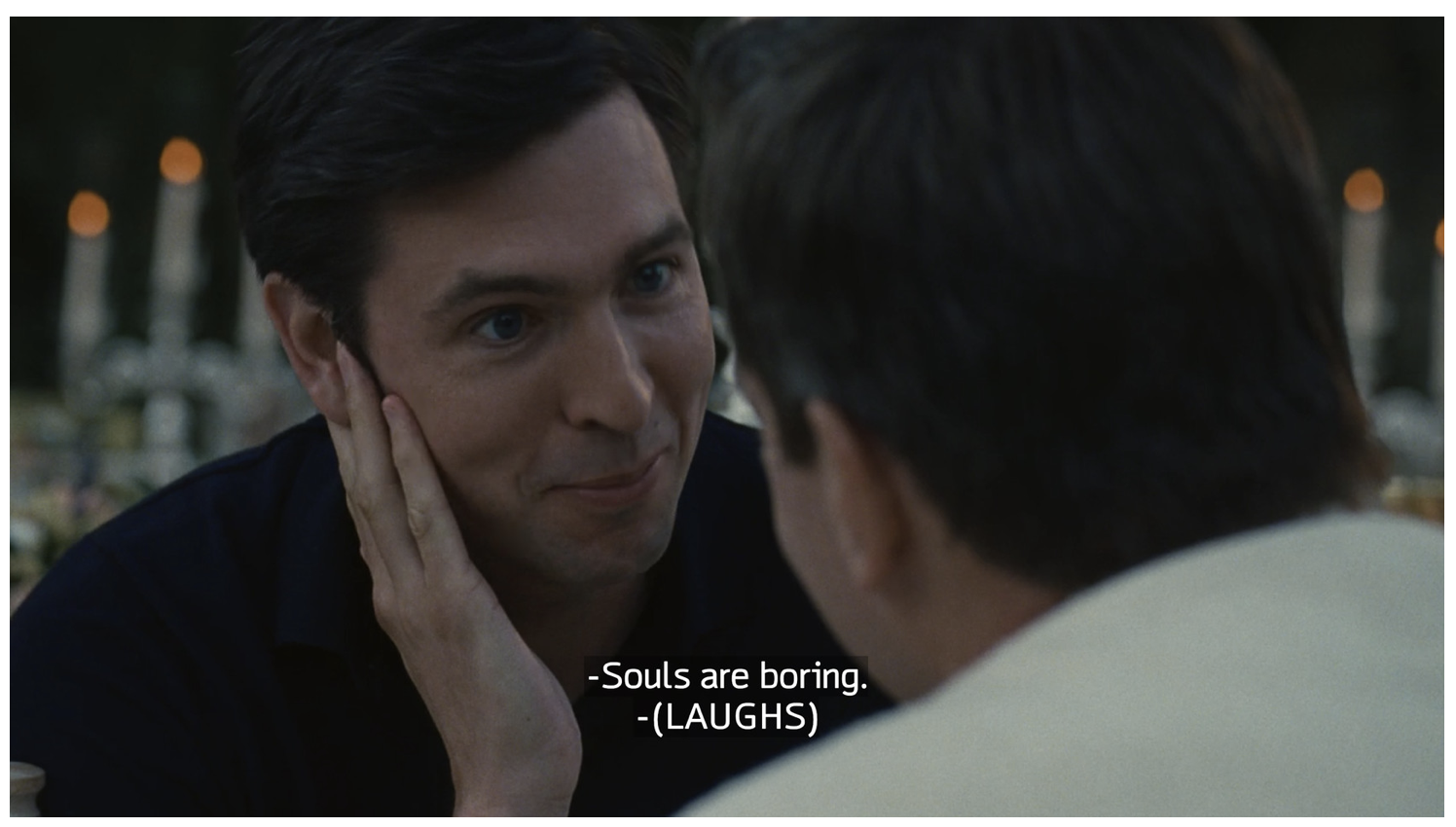
(In the words of “Succession’s” Cousin Greg, “Boo Souls!”)


Courtesy of The Ringer


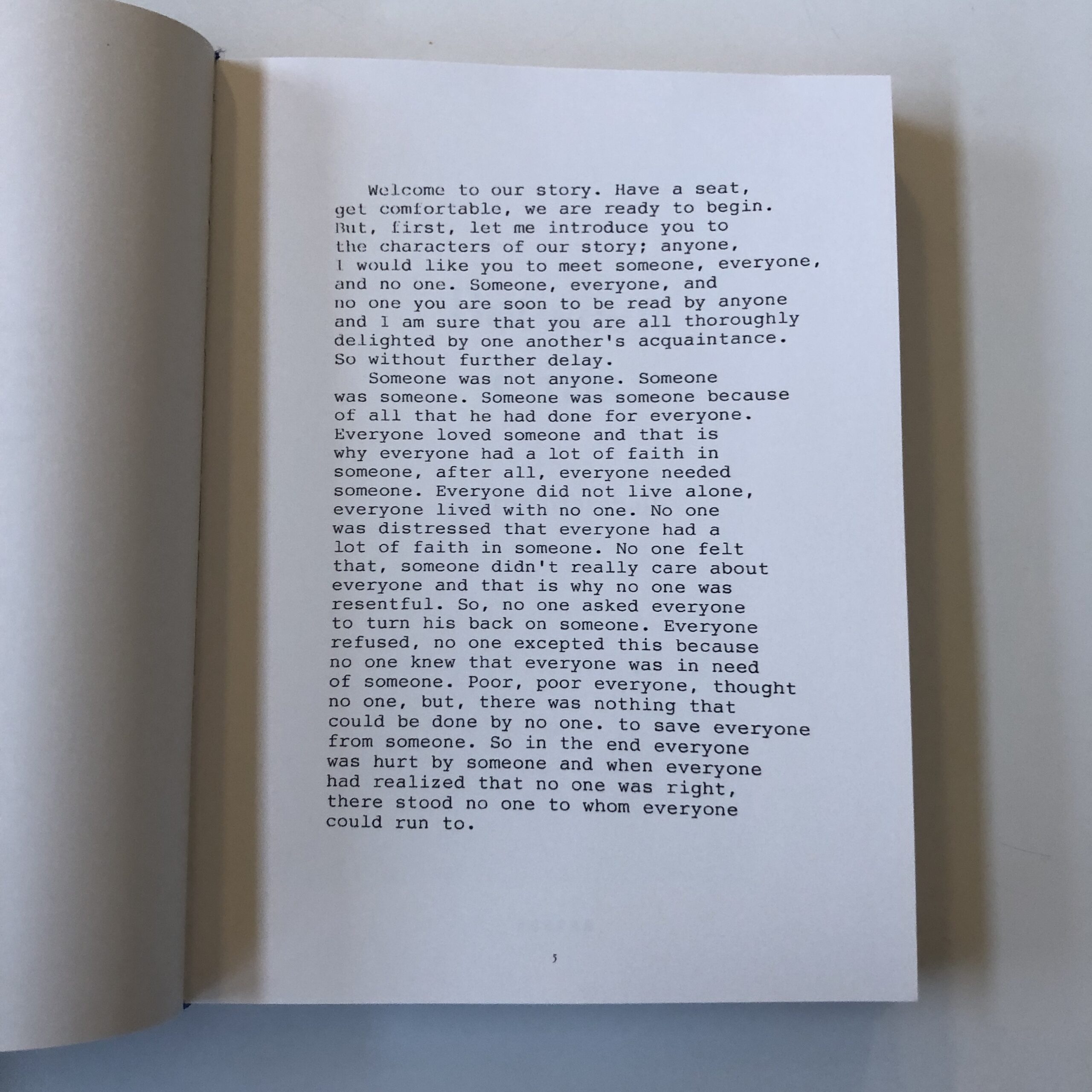
To me, a book like this screams out for vulnerable, honest, first-person text from the jump.

(Instead, the opening prose was intentionally inscrutable.)

I want to hear from the artist, right away, to tell me what I’ll be looking at.

If I know Molly soon dies, as I’m perusing those first few pictures, it’s so much more poignant.

And then I want my heartstrings pulled by the surviving friends, to push it even further.

Hell, I might have cried.

(It’s happened before, in books about loss.)

But it’s still a job well done for the artist and the production team.

I’m just a tough critic.

See you next week!


To purchase “Between Girls” click here 


If you’d like to submit a book for potential review, please email me at jonathanblaustein@gmail.com. We are particularly interested in books by artists of color, and female photographers, so we may maintain a balanced program. And please be advised, we currently have a significant backlog of books for review. 

The Art of the Personal Project: Jessica Antola

The Art of the Personal Project is a crucial element to let potential buyers see how you think creatively on your own.  I am drawn to personal projects that have an interesting vision or that show something I have never seen before.  In this thread, I’ll include a link to each personal project with the artist statement so you can see more of the project. Please note: This thread is not affiliated with any company; I’m just featuring projects that I find.  Please DO NOT send me your work.  I do not take submissions.


Today’s featured artist:  Jessica Antola

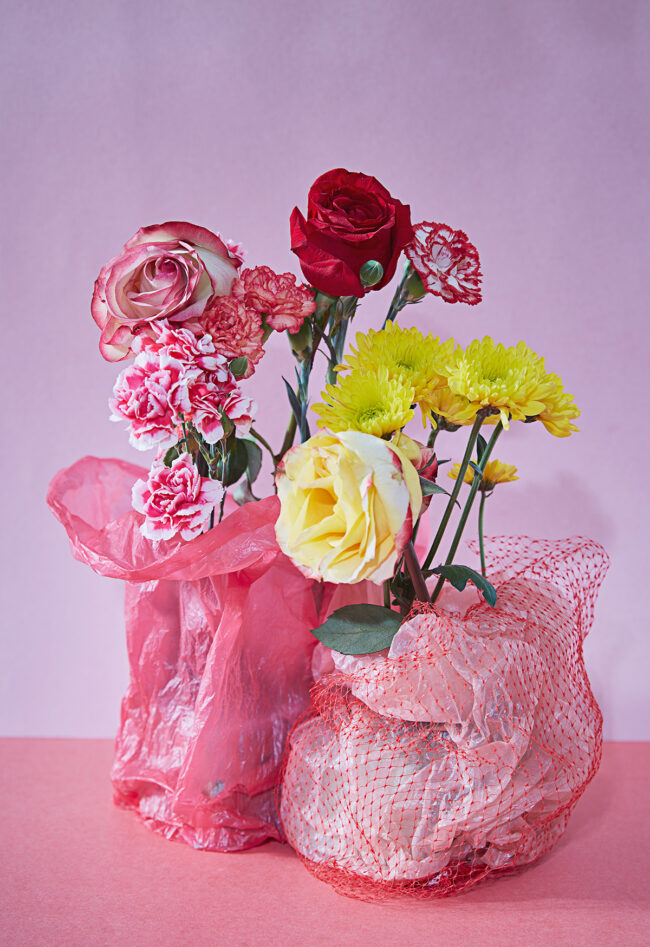
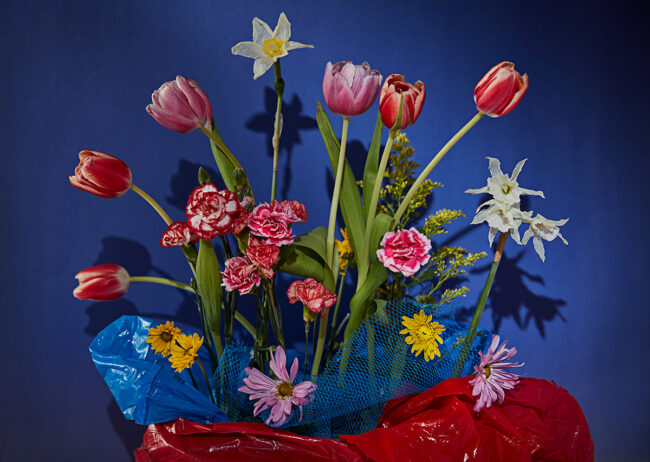
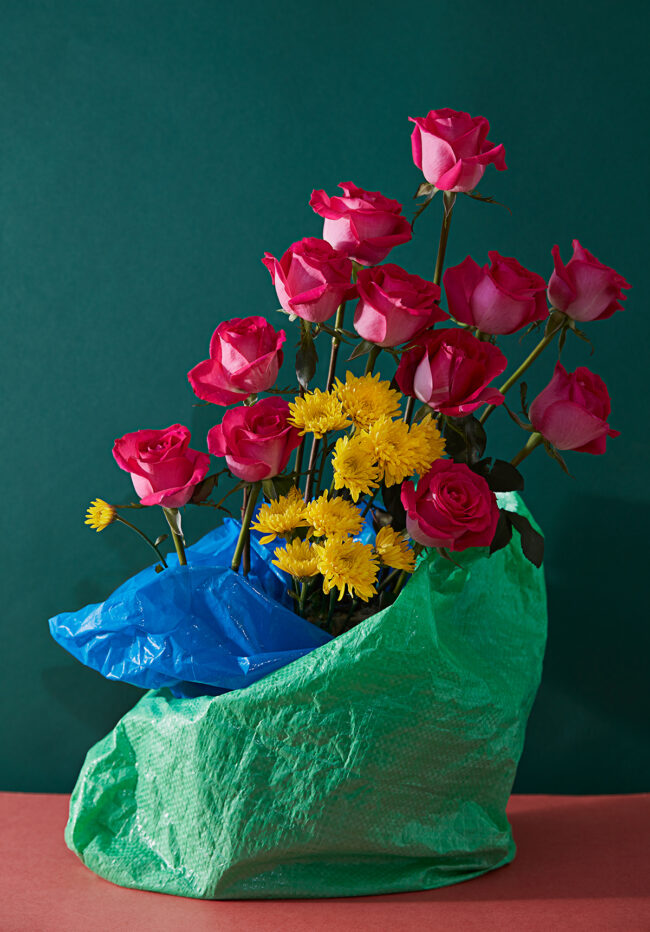
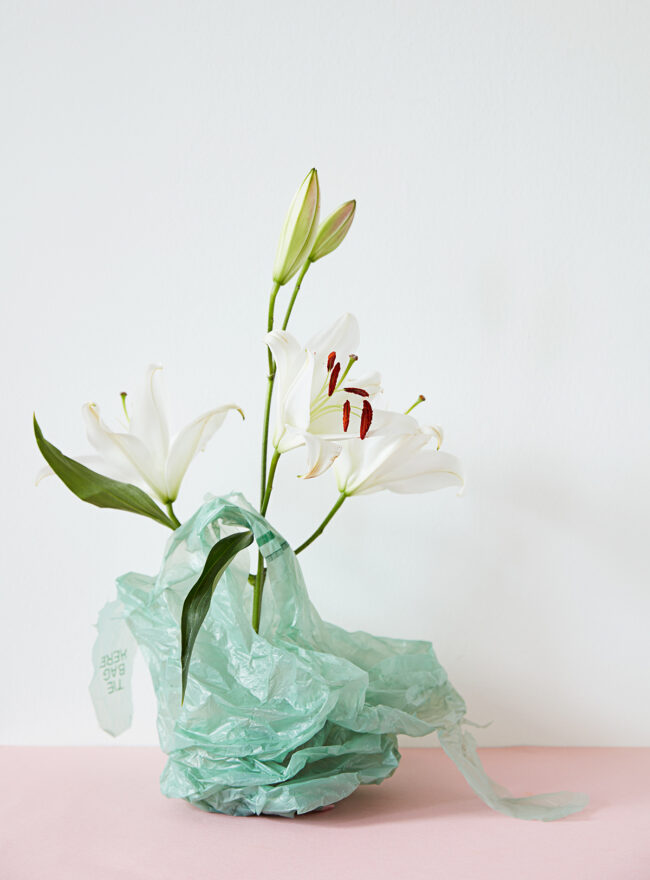
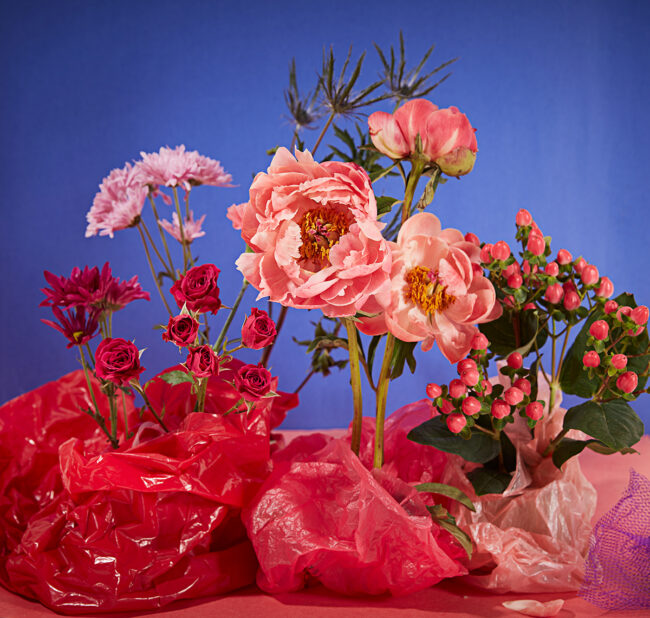
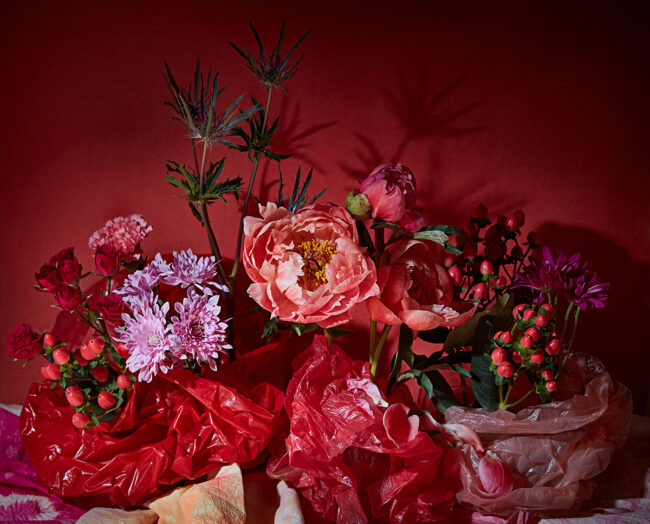
Buying flowers at the bodega is one of New York City’s unsung small luxuries, and it had even more significance during the Covid-19 Pandemic lockdown when we were all so focused on making sure we had basic necessiDes. With this ongoing series of cheap bodega-bought flowers that I styled with plasDc bags, I wanted to create something beyond the bouquets’ literal circumstances. I think of them as a humble symbol of hope.


To see more of this project, click here.

Instagram


APE contributor Suzanne Sease currently works as a consultant for photographers and illustrators around the world. She has been involved in the photography and illustration industry since the mid 80s.  After establishing the art-buying department at The Martin Agency, then working for Kaplan-Thaler, Capital One, Best Buy and numerous smaller agencies and companies, she decided to be a consultant in 1999. She has a new Twitter feed with helpful marketing information because she believes that marketing should be driven by brand and not by specialty.  Follow her at @SuzanneSeaseInstagram

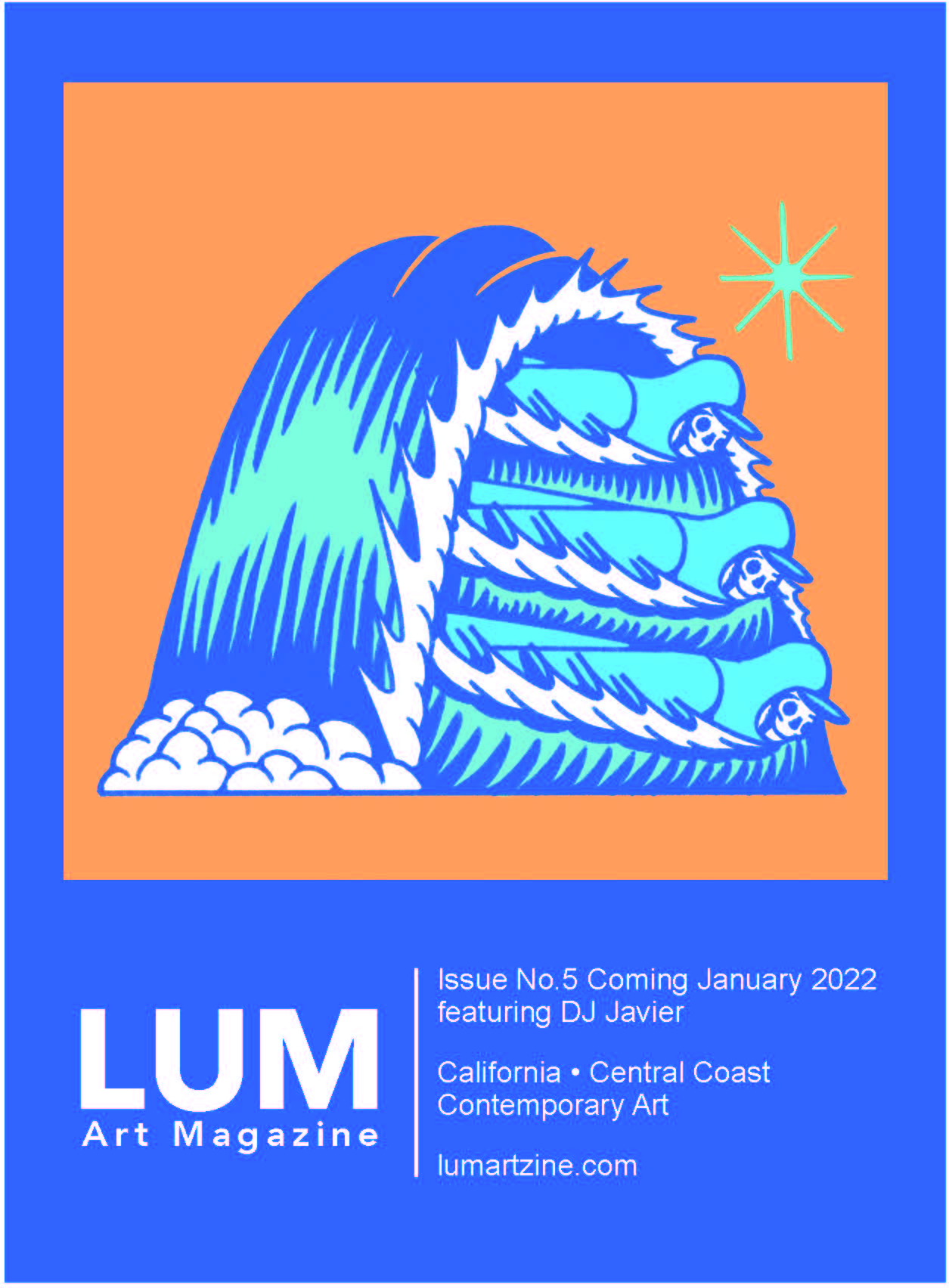
The Daily Edit – Lum Art Magazine: Debra Herrick


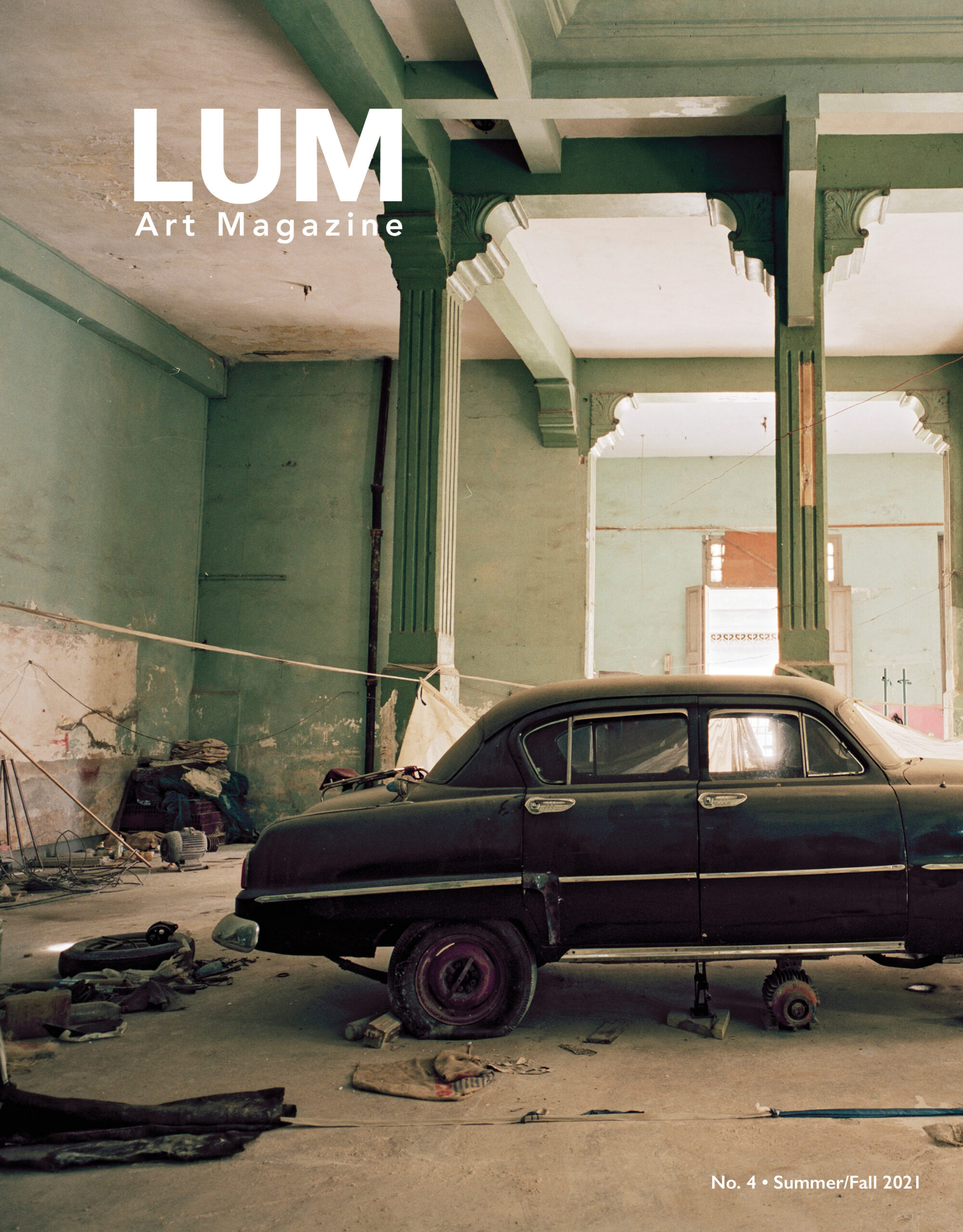
Lum Art Magazine

Editor & Founder: Debra Herrick, PhD

Heidi: You’re about to celebrate your 5th year anniversary of Lum Art, how has this project surprised you and what are your hopes for 2022?
Yes, this coming summer will be five years since we started Lum’s online forum, lumartzine.com. We started publishing the print magazine a bit later, in 2020.

Lum has surprised me in the way that it has found a niche in the community where it really resonates; and in some ways, and I hope this is true, this project my husband Arturo and I started five years ago now has a life of its own.

I’ve also been struck by how many talented people have collaborated with and contributed to Lum. It’s been incredible to be a part of a project that brings together so many different kinds of talent. I think I’m also surprised by how much I’ve personally grown in the process, especially as an arts editor and a publisher.

In 2022, I hope to see Lum continue to have a place in the community and to grow with the current moment.

The forced repose of 2020-2021 impacted all of us, did you see creativity as a coping tool info creating hope?
This is a hard question. I think for some artists, creative endeavors were helpful in coping. I think it was also bittersweet for some who were grateful to have more time and less distractions, but also struggled with anxiety or solitude. In our case, having Lum as a creative project was really grounding during quarantine. I think we benefitted from having purpose and goals as well.

We tried to approach our stories last year with an awareness that times were strange. I think that threadline is palpable in each issue. But I think that if Lum created hope, it was through following through with our plans to publish the biannual print magazine. Many projects – especially in the art world – were being shuttered. We published on a shoestring, but we decided to keep going and stay present. We hoped that Lum would be a source of connection and community for people, especially during a time when many were feeling disconnected.

Who was recently awarded from your latest fundraiser in Santa Barbara? The ping pong competition was a hit!
Our first benefit event was awesome. We threw a Ping Pong Paella Party on Dec. 4, and we raised $10,000 to underwrite our print mag and two new programs: a biannual art prize and an arts writing fellowship, both to be awarded to individuals from historically underrepresented communities including BIPOC and people with disabilities.

Our first art prize winner is Vanessa Wallace-Gonzales and the 2022 arts writing fellow is Ryan P. Cruz.

How many times do you publish? 
We publish the print magazine twice a year. The electronic version can be read on lumartzine.com. The print mag is free and can be ordered in our shop (there’s a cost for shipping & handling) or you can email me for a list of where to pick one up in the Santa Barbara, Ventura, San Luis Obispo area.

How do artist and writers connect with you?
Email is usually best, editor@lumartzine.com.

This Week in Photography: Visiting NOLA, Part 1


Short column today.

I’ve teased easy-breezy-reads before, only to drop 1800 words on you.

But not today.

(I swear.)


It’s Thursday morning, (as usual,) but the last week-and-a-half has been anything but typical.


It began a week ago Tuesday, when I left at 8:30am for ABQ, to catch 2 planes to New Orleans for an evening arrival.

That’s not unusual, a trip taking nearly 12 hours door-to-door, but sure enough, my plane was delayed in Houston, and then cancelled, as they shut the NOLA airport due to fog.

It took two days to get there, and I spent the rest of the week schmoozing, eating, drinking, reviewing portfolios, walking around the city, seeing exhibitions, drinking some more, and having a lot of fun.

I got home Sunday evening, after waking at 3:30am for an early flight, and while I was regenerating brain cells, yesterday morning, we had a wind and ice storm knock out the power and internet for 26 hours.

Right now, I’m barely functional.

I’m asking for a tiny bit of empathy, (as it’s not like we had tornados,) so let’s get the show on the road.


This was my first IRL festival since the world shut in March, 2020, and man was it fun.

I spent much of 2021 on PhotoNOLA’s advisory council, and made my feelings clear, from the jump, that getting people together in-person, (safely,) creates a positive energy impossible to replicate online.

Having cool, creative, hard-working artists in the same room builds camaraderie, and the possibility of new opportunities, which form the backbone of the fine art photo world in the US.

Certainly, I laughed harder than I have in years, drank more booze in a weekend than I do in 6 months of lock-down-life, and was palpably reminded what an amazing group of people we are, as a community.

Kudos to the New Orleans Photo Alliance, and PhotoNOLA, for making this happen!

As usual, I saw a ton of great work, and will write about the best portfolios I saw in a future article.


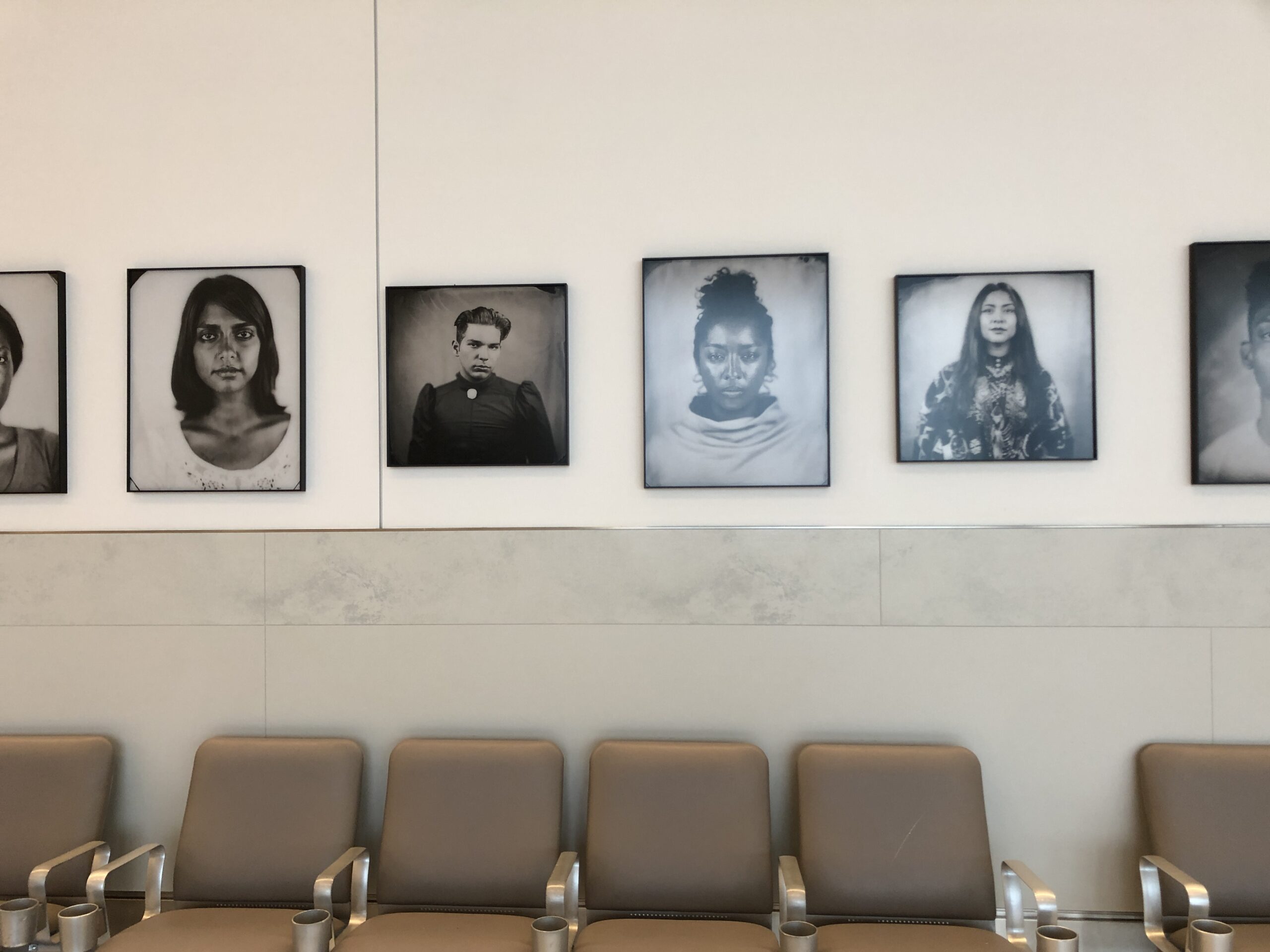
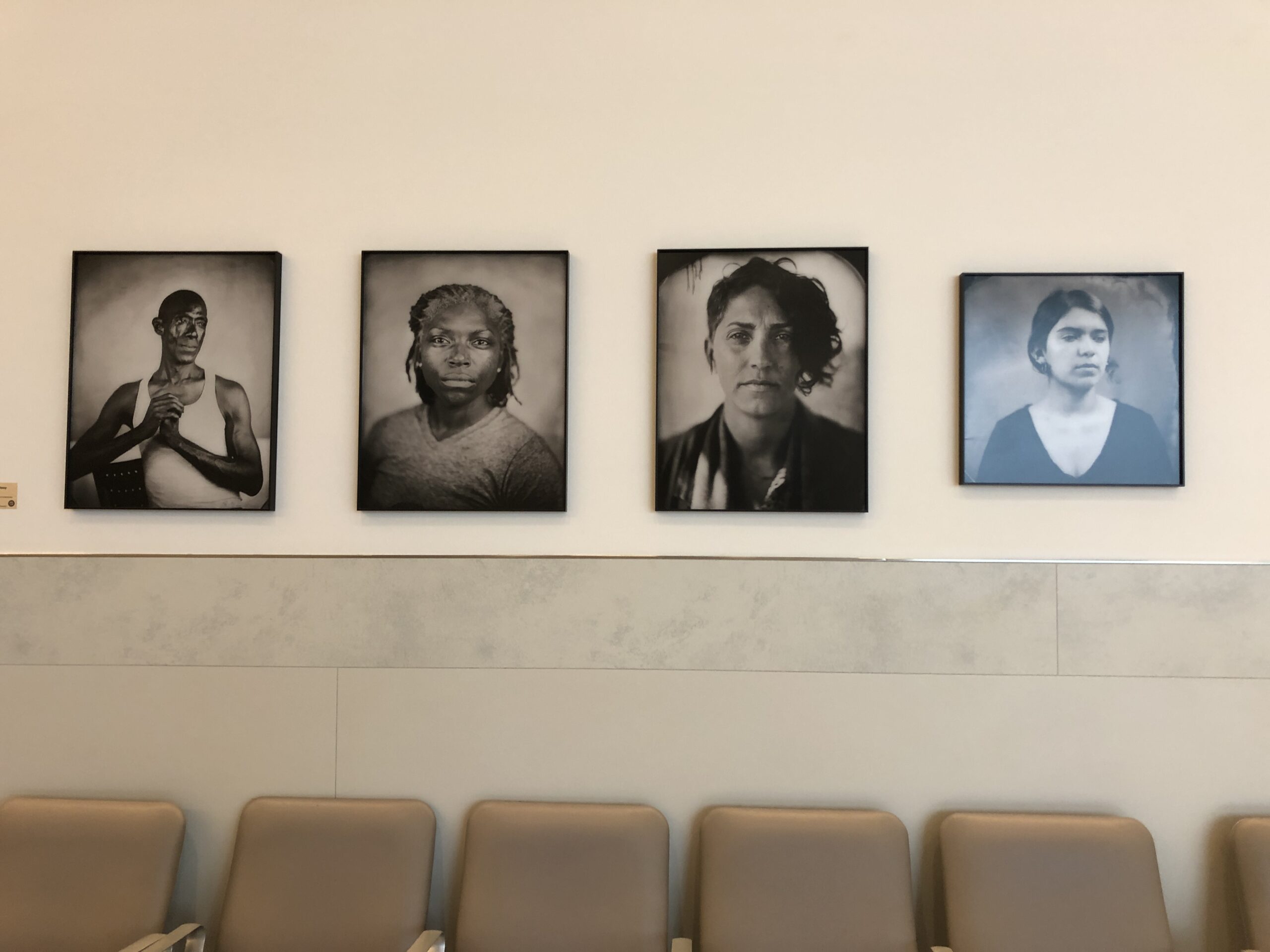
I caught a killer photo installation of wet plate collodion work, in the Houston airport, by Keliy Anderson-Staley, which I’ll share with you here.


“In Passing,” by Keliy Anderson-Staley


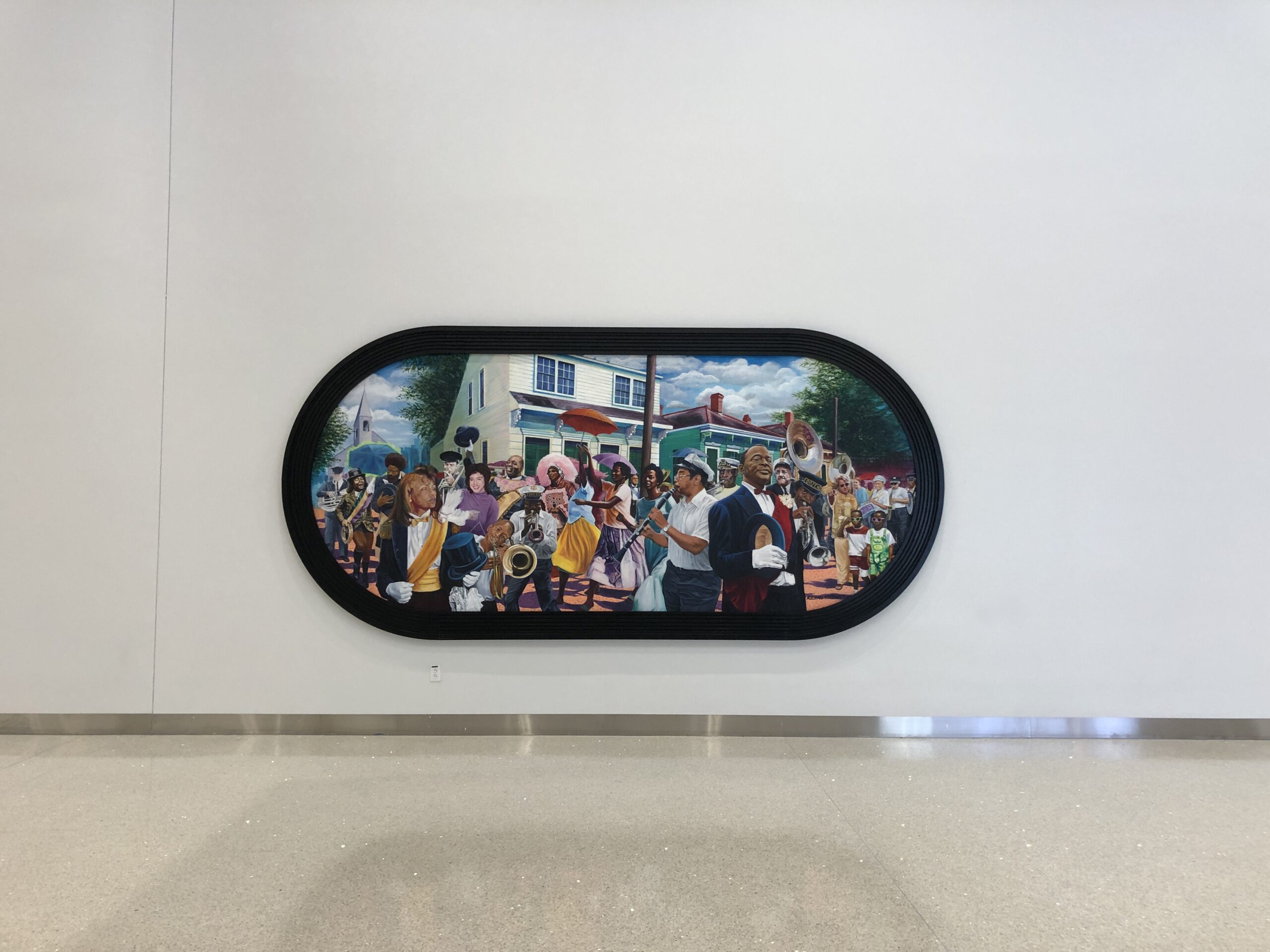
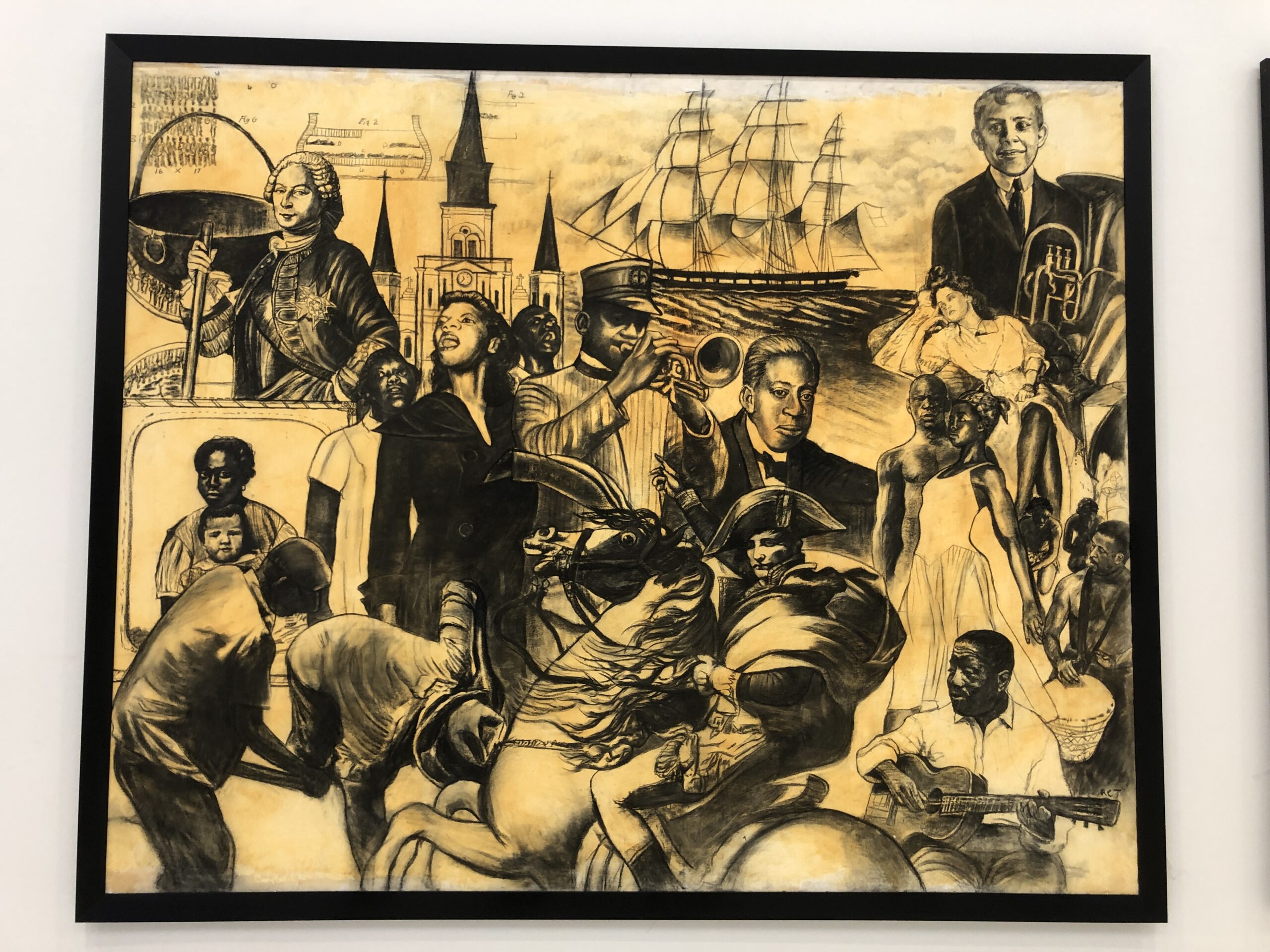
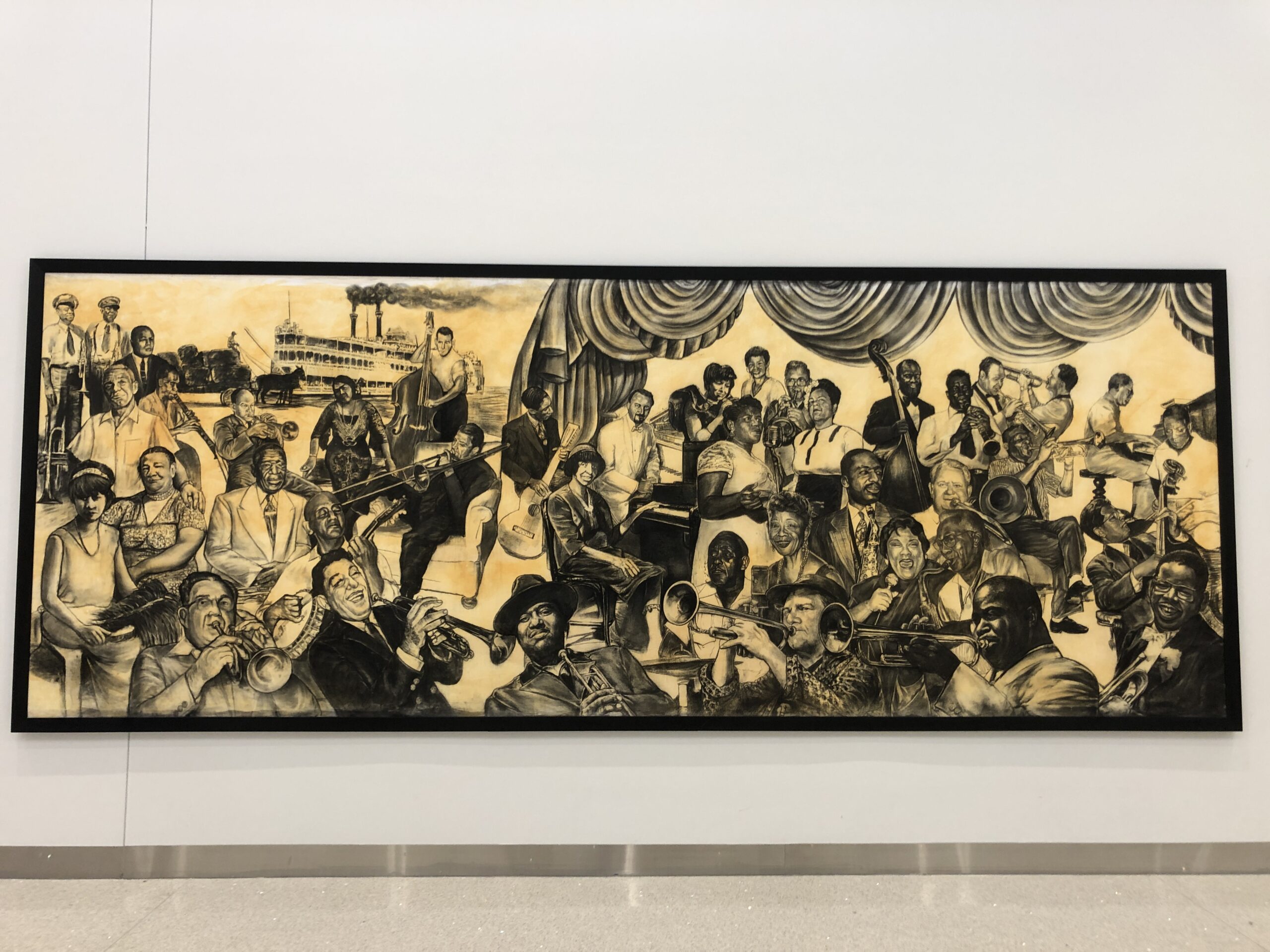
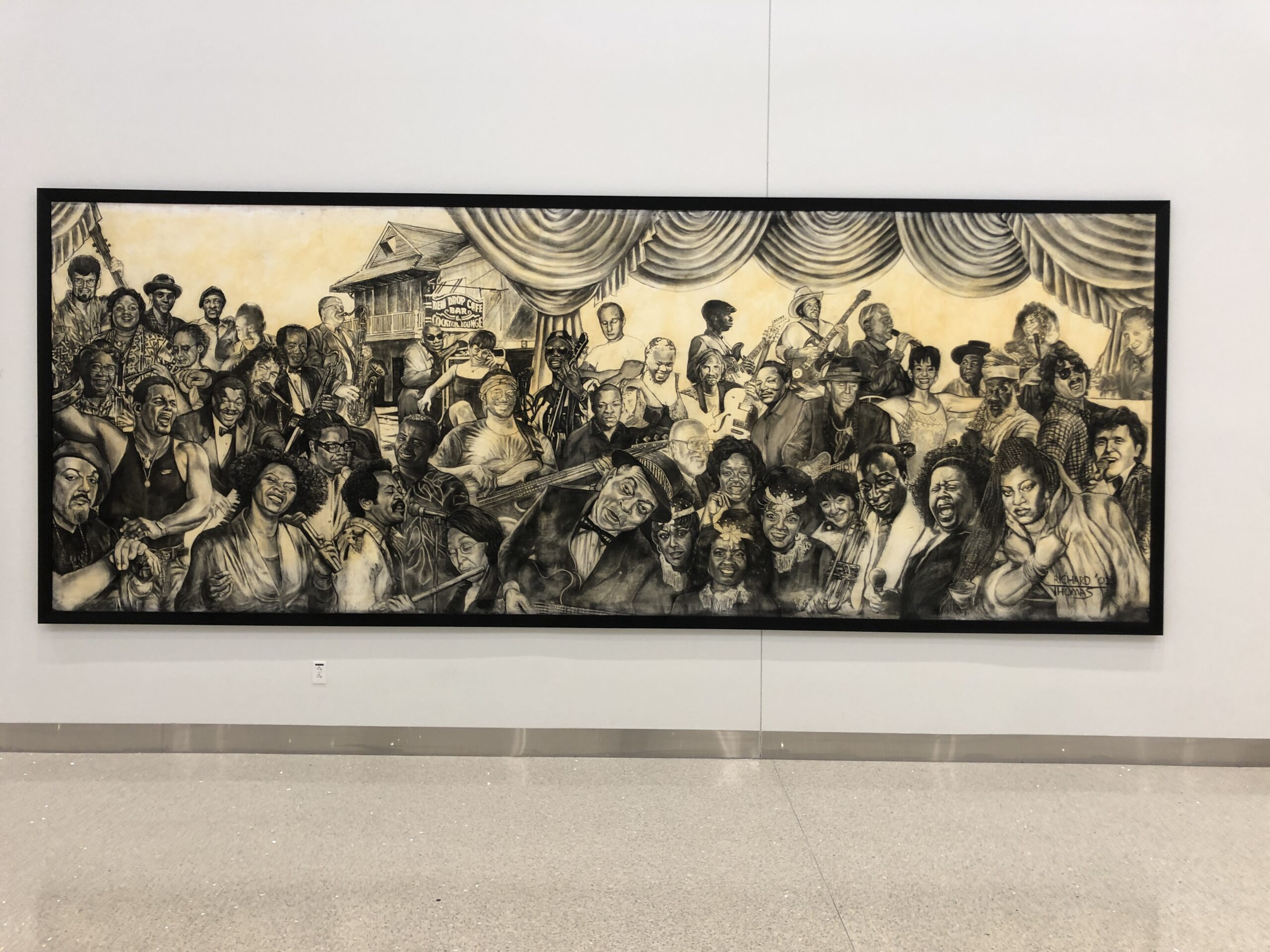
Normally, airport art is forgettable, but I also saw some wonderful paintings in the NOLA airport by Richard C. Thomas on the way home, so let’s drop them into the narrative as well.


Paintings by Richard C Thomas


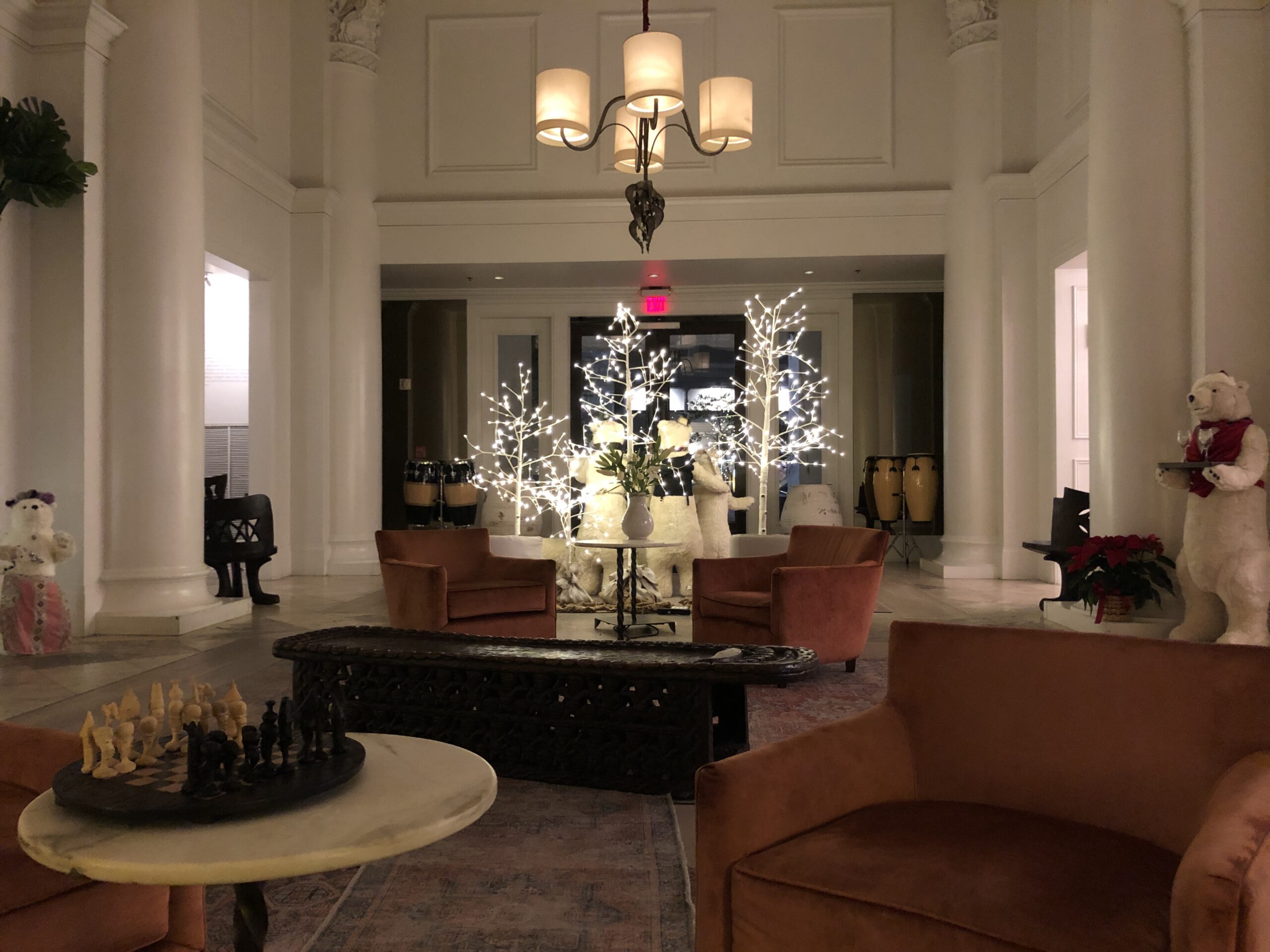
When I first arrived in New Orleans, hungry as a mistreated dog, I walked the two short blocks from the International House Hotel, (which is gorgeous,) to the French Quarter, looking for some cheap, tasty street food.


Hotel lobby


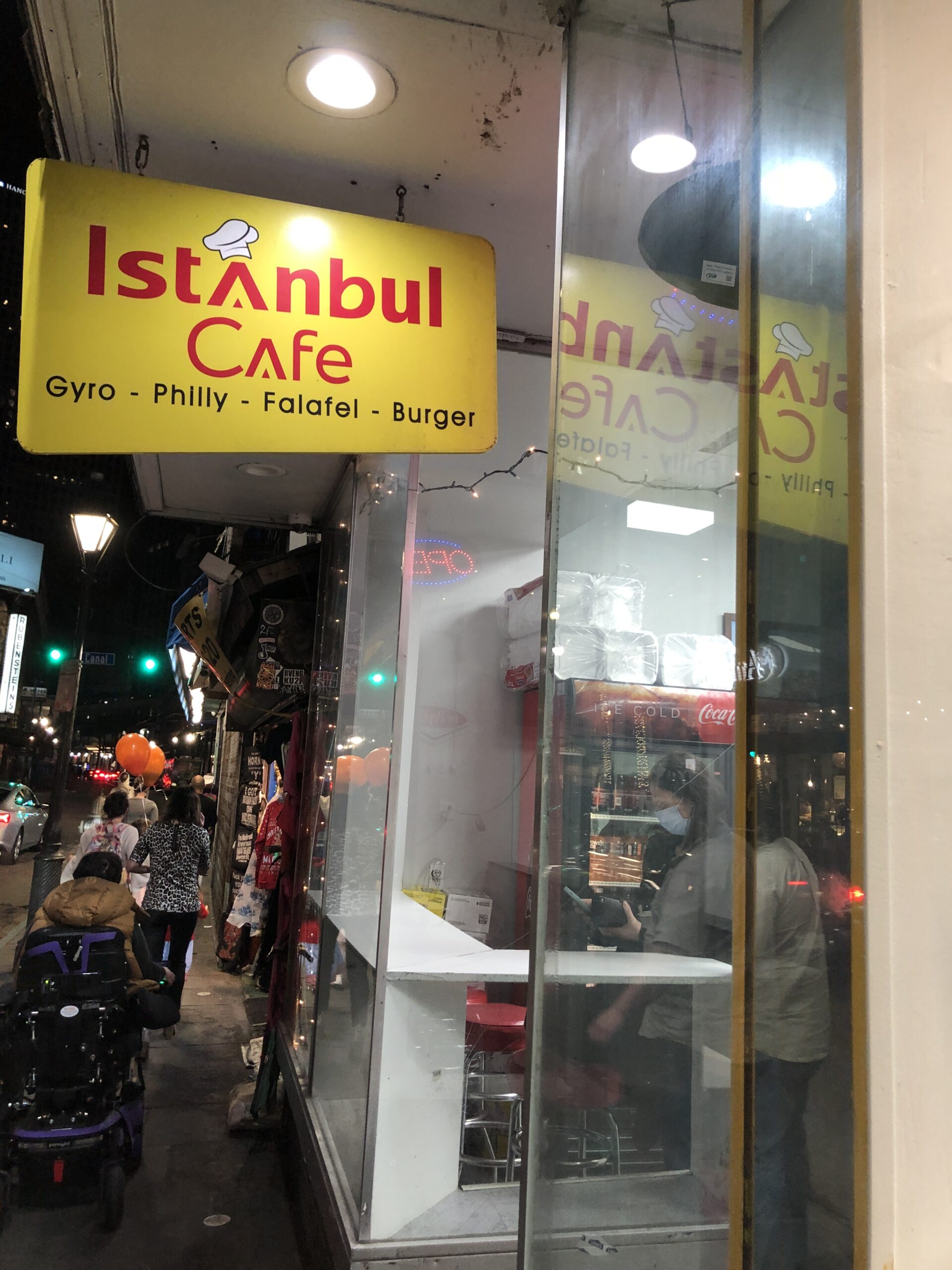
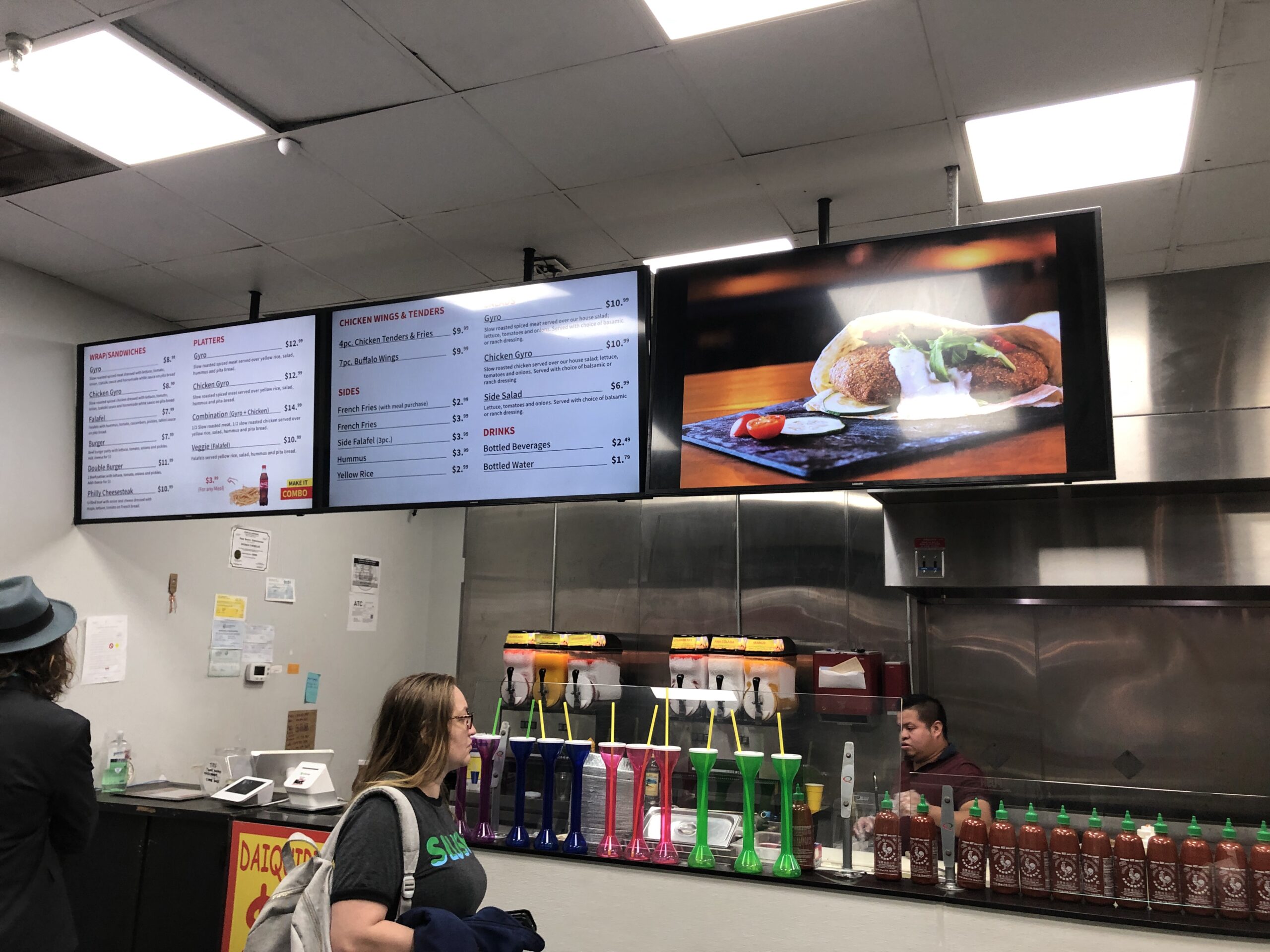
I found the aptly named Istanbul Cafe, where I got an excellent chicken shawarma wrap, which fit the bill, and I went back on Saturday night, to get some dinner that would also serve as breakfast for my early morning.


Istanbul Cafe in the French Quarter

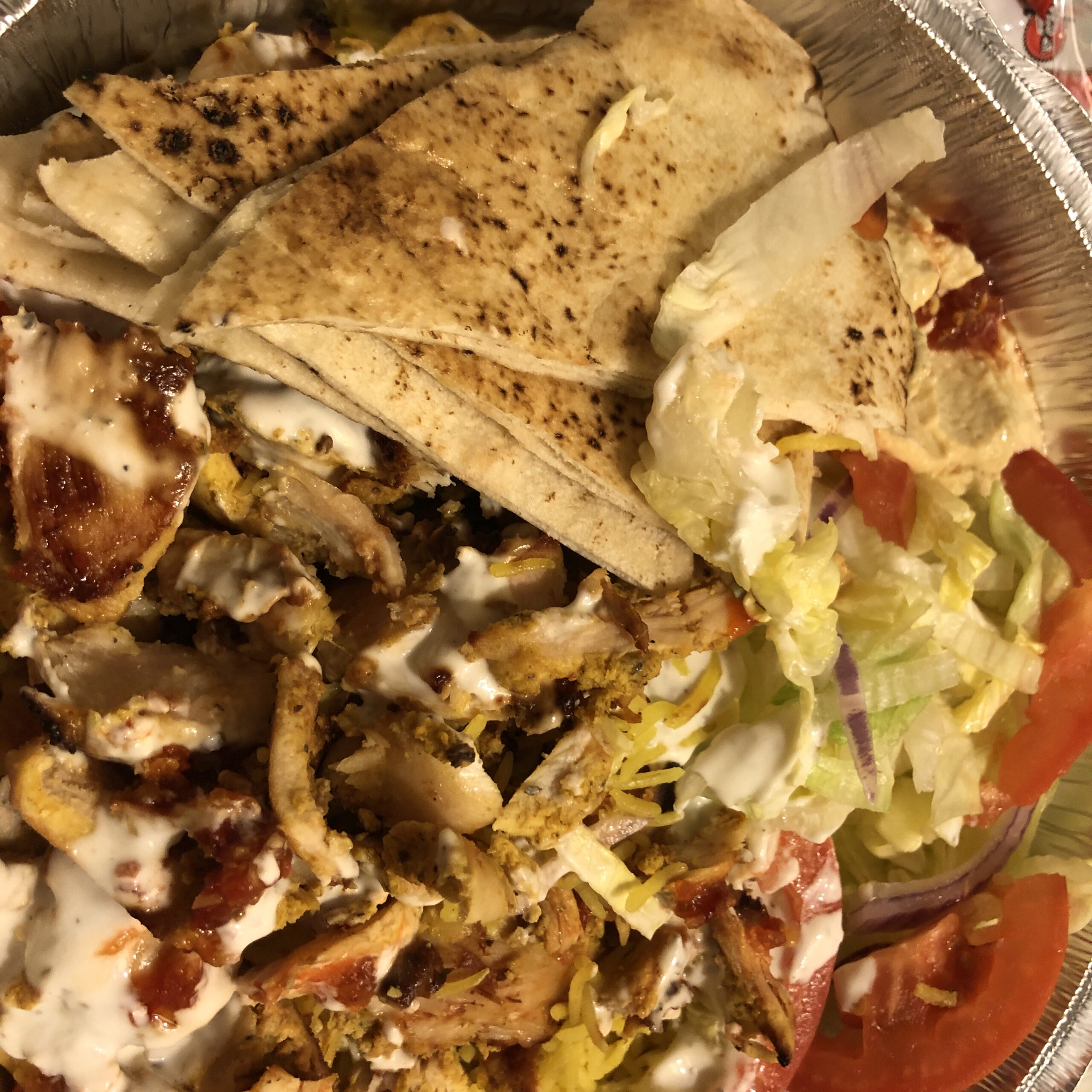
Chicken Shawarma platter. So good!


Next, I headed to Walgreens, for a bottle of room-booze, (Bulleit Bourbon,) and a four-pack of blue Gatorade, because once you hit 47, you don’t want to be drinking heavily without a plan.

When bars charge $15 per shot, getting a full bottle of good whiskey for $24 means you can hit the streets with a nice buzz, hook up your friends for happy hour, and generally manage the hair-of-the-dog situation.

The Gatorade is great for preventing/managing hangovers, as is my nightly ritual of 2 Advil and 1 Benadryl before sleep.

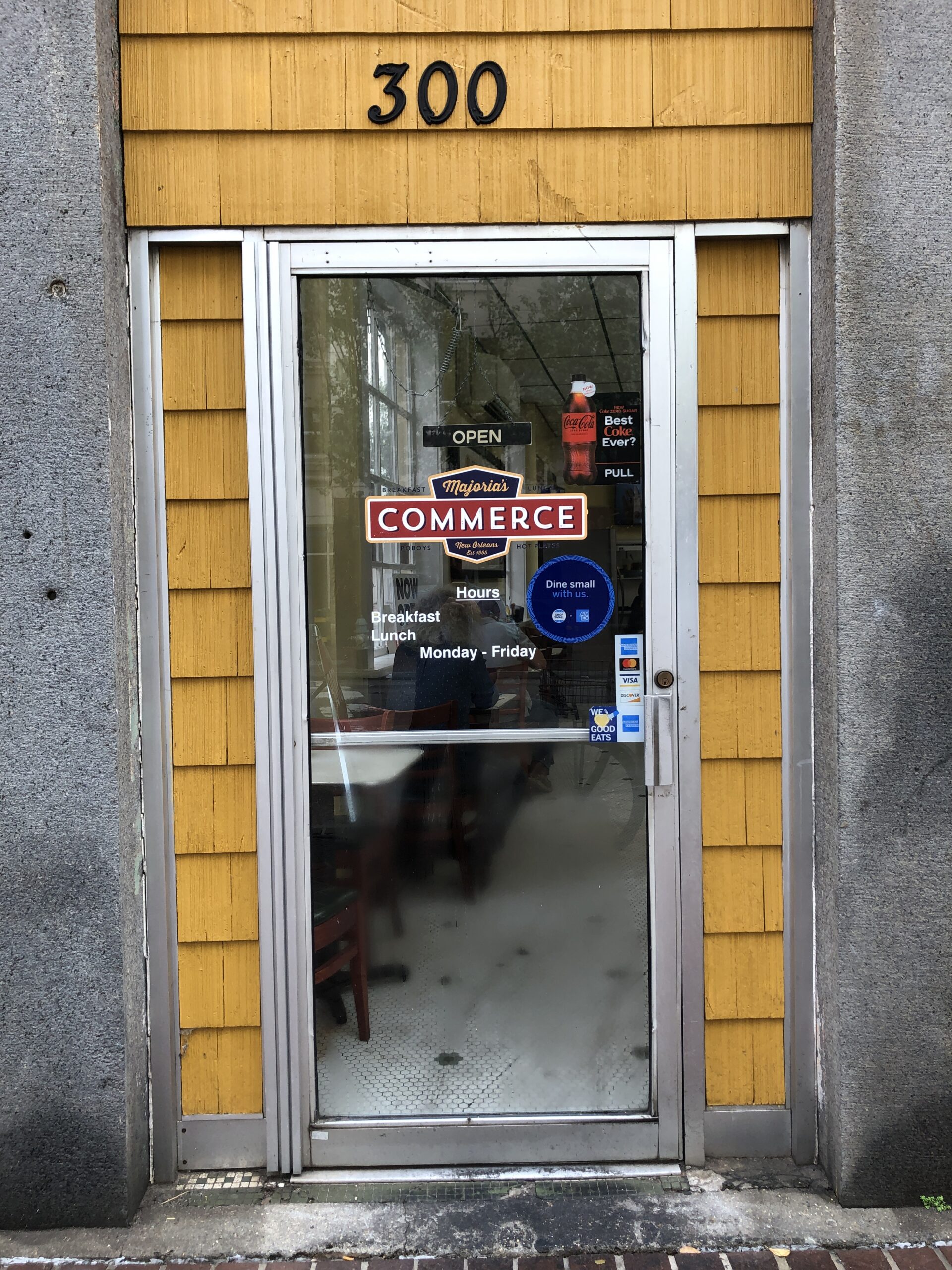
The greasy follow-up breakfast is also key, and I hit the really great Majoria’s Commerce Restaurant each morning, which was literally across the street from the hotel.

Day one, bacon egg and cheese on a homemade biscuit.

So good!

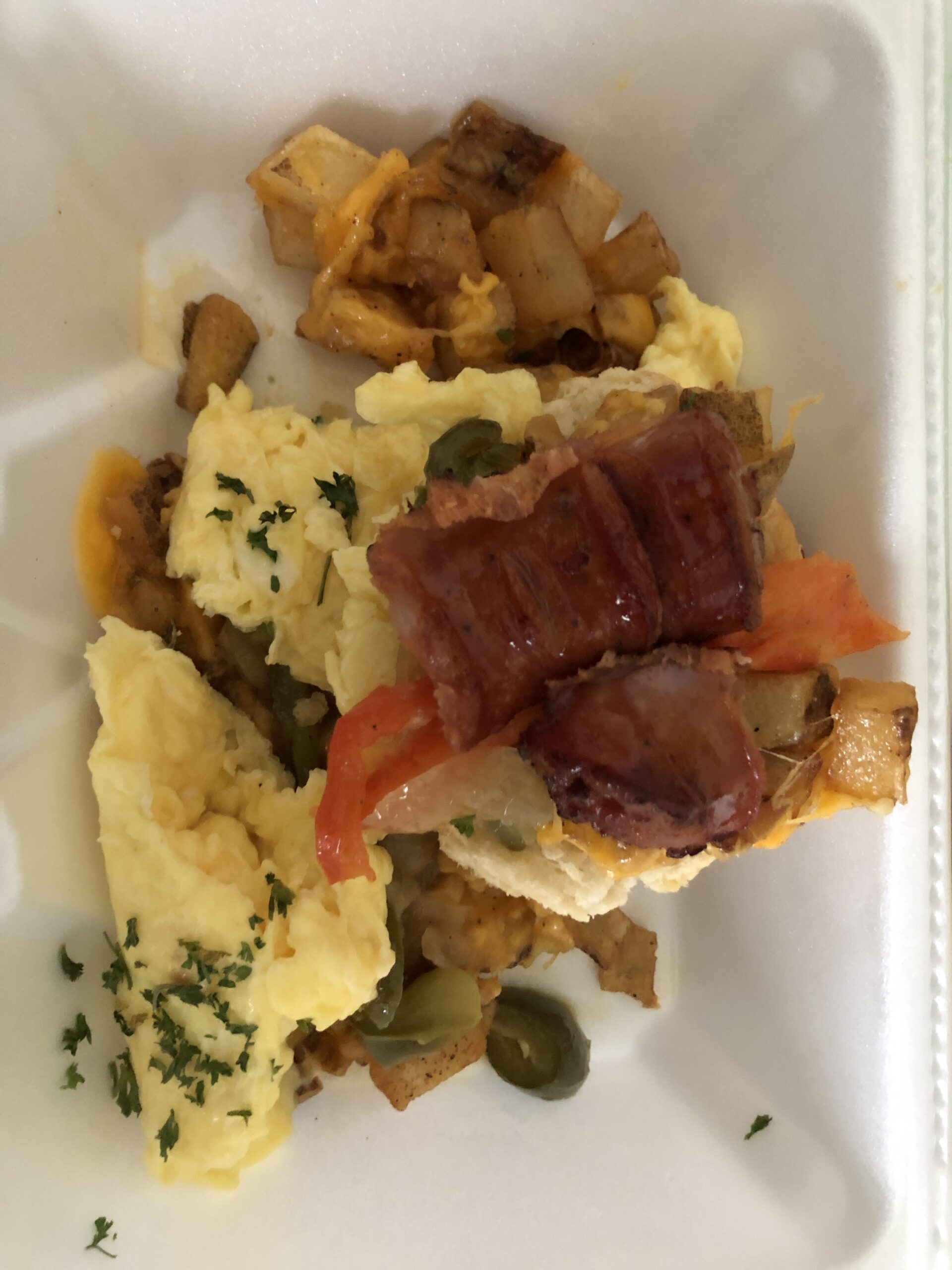
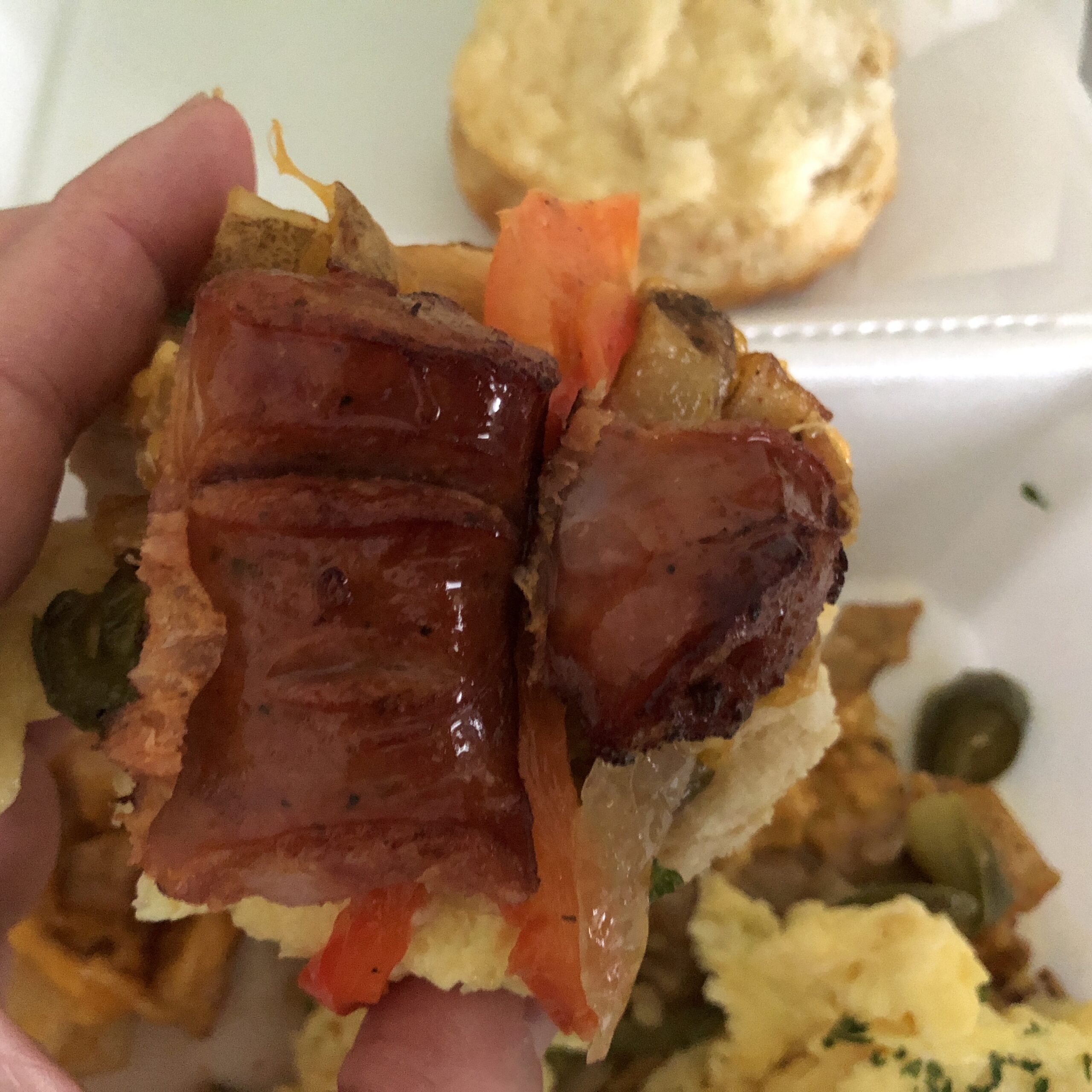
Day two, (the breakfasts got bigger each day, as the hangovers stacked up,) I had their loaded hash-browns, which had cheese, jalapeños and sautéed peppers atop the potatoes, with 2 eggs, a side biscuit, and an extra side of smoked sausage. (A local speciality.)


Commerce. Legit.
Loaded hash-browns with smoked sausage
I don’t normally eat like this…


Day three, all that, plus a side of grits. (Each day, I grazed on the food, a bit at a time, to combat the encroaching hangovers.)

If you’re going to abuse your body for a few days at a time, in a party city like New Orleans, I’m telling you, a solid plan is required.


Yesterday, during the blackout, the kids and I played hangman, and laughed for a solid hour. (When your 14-year-old uses “puta” in-game, you can assume fun was had.)

I shared the phrase “necessity is the mother of invention,” as we lived all day without electricity or internet, and found new ways to amuse ourselves.

I’m glad the power is back, but honestly, that kind of out-of-routine experience is what makes memories.

It’s a lot like traveling, and I’ll remember this NOLA adventure for a long time.

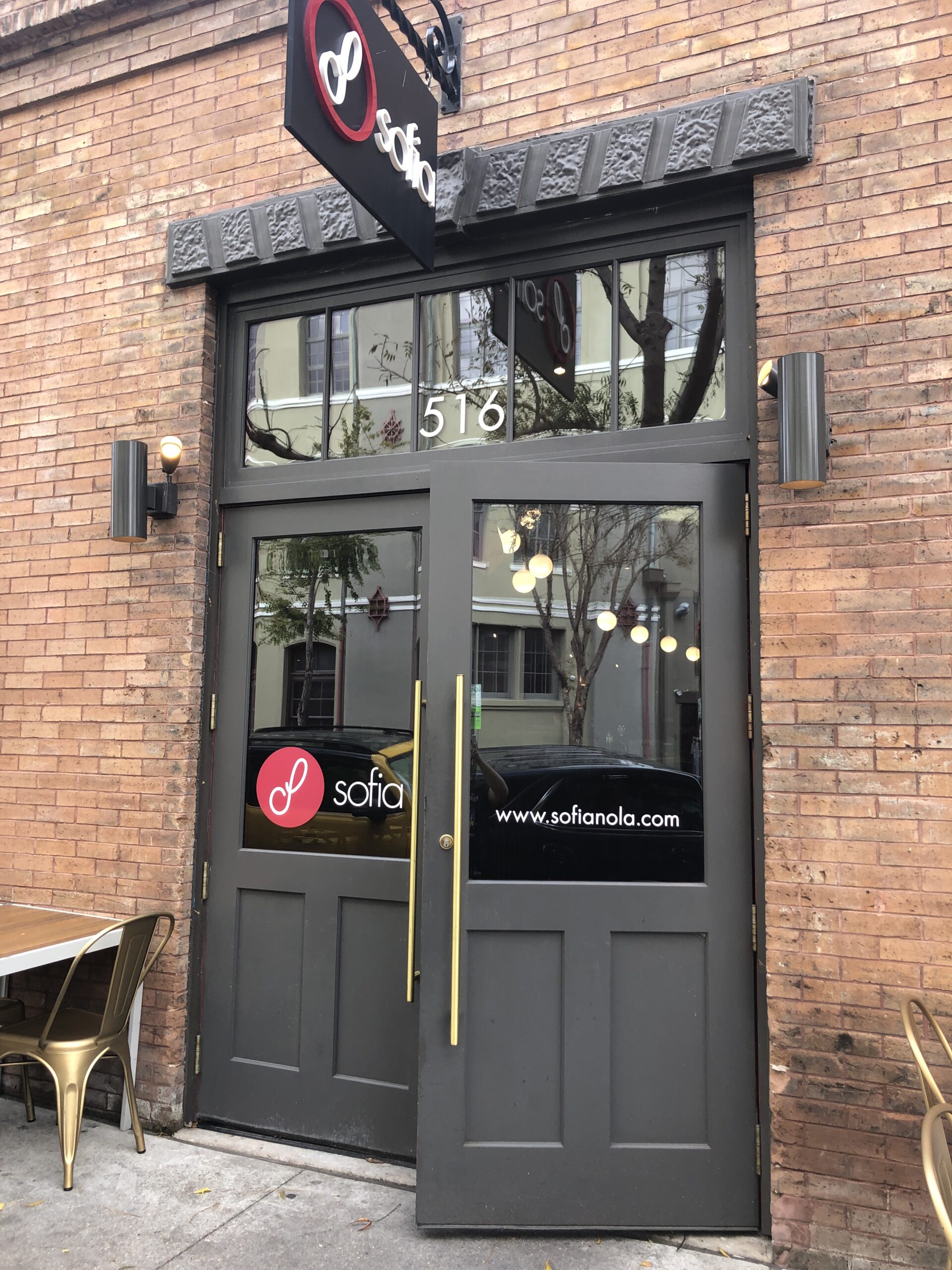
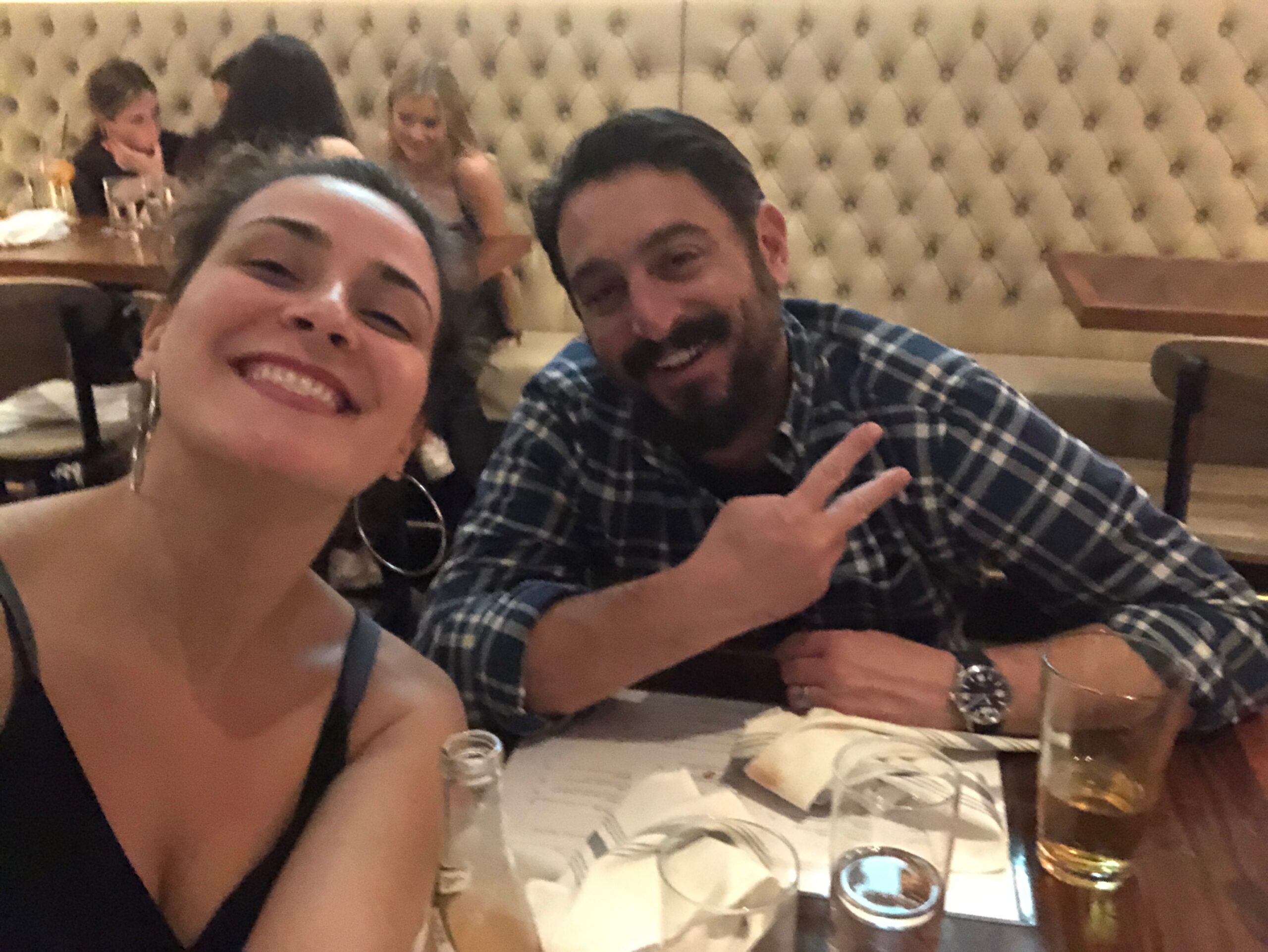
Beyond the hilarious trip on a school bus, (where I was named bus captain, reporting to the driver, Ms. Jackie,) the wonderful parties, and a great visit to the Bayou Beer Garden, I also had dinner with a few friends at the über-trendy, insanely delicious Italian restaurant Sofia.

(Brilliant fresh pasta, fantastic pizzas, great meatballs, and a house-made ricotta, radish and flat bread appetizer that was so much better than it sounds.)


Sofia, the next morning
Enjoying a great meal with my buddy Frances


Art installation on the wall of Sofia


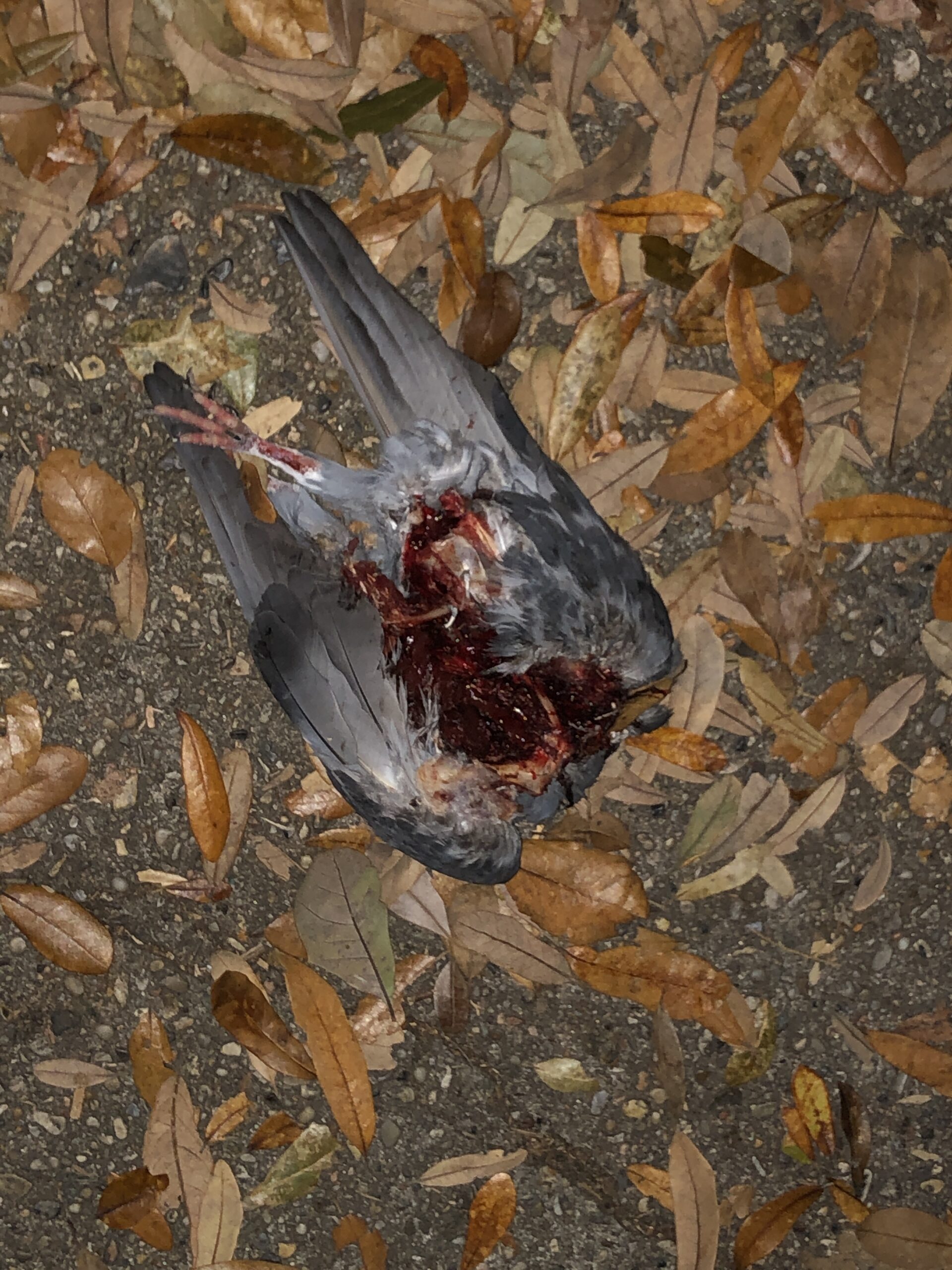
As we walked the streets, a group of 5 revelers, including 4 photographers, we stepped directly over a highly mutilated pigeon, and I was the only one to even notice.

I grabbed a photo for you, (trigger warning, it’s gross,) because that’s a part of the fun of seeing new things.


Extremely dead pigeon


Across the street, a white cathedral glowed in the artificial light.


St Patrick’s Church, 1833


Quite the NOLA juxtaposition.


In a world in which many of us stayed home for a year, not-too-long-ago, I’m here to remind you that travel really does make us smarter, happier, and richer-in-experience.

So get out there, as soon as you can…

I’ll be back next week, and will share more about NOLA when I feature photographic portfolios in early 2022.

Hasta luego!


The Art of the Personal Project: Grace Chon


The Art of the Personal Project is a crucial element to let potential buyers see how you think creatively on your own.  I am drawn to personal projects that have an interesting vision or that show something I have never seen before.  In this thread, I’ll include a link to each personal project with the artist statement so you can see more of the project. Please note: This thread is not affiliated with any company; I’m just featuring projects that I find.  Please DO NOT send me your work.  I do not take submissions.


Today’s featured artist:  Grace Chon


PANDEMIC FOOD

I planted it, watered it, harvested it, cooked it, styled it, photographed it, and ate it.

I started gardening in 2009 not too long after I started my photography business because I was stressed out and needed a hobby.

Over the years as my career got busier and busier, I found myself harvesting tons of beautiful produce but lacking the time to cook and eat everything.

In 2020 when the world came to a screeching halt and I became an unemployed photographer and full time Zoom school teacher to my son, I finally found some time to cook all the beautiful food I grew in my garden. What I thought was a pause on my photography career turned out to be a time of creating something deeply fulfilling while being slow and intentional. These are some of the things I grew and created during my 2 years of lockdown and unemployment, all shot with an iPhone.

To see more of this project, click here.

Instagram

APE contributor Suzanne Sease currently works as a consultant for photographers and illustrators around the world. She has been involved in the photography and illustration industry since the mid 80s.  After establishing the art-buying department at The Martin Agency, then working for Kaplan-Thaler, Capital One, Best Buy and numerous smaller agencies and companies, she decided to be a consultant in 1999. She has a new Twitter feed with helpful marketing information because she believes that marketing should be driven by brand and not by specialty.  Follow her at @SuzanneSeaseInstagram

Success is more than a matter of your talent. It’s also a matter of doing a better job presenting it.  And that is what I do with decades of agency and in-house experience.


The Daily Edit: Ethan VanDusen


Ethan VanDusen

Heidi: For the In n Out image by the airport how much planning went into that?
Ethan: I had seen this image a few times cycle through my Instagram feed from fellow photographers based in the LA area. Growing up in Maine, the possibility of getting a shot like this just didn’t exist. I knew the location of the shot but that was about it. To be honest, not much planning went into this particular shot. It was more just, get there, set up my camera, adjust my settings and shutter speed and wait for a jet to fly over. It took a few tries dialing everything in due to the fact it was well past sunset, getting the jet as motionless as possible was not an option, so figuring out my settings to keep the jet from looking like a blur in the sky took a little time, but I was happy with the result I produced.

What draws you to low light/night photography and who or what are your inspirations?
I never really thought of myself as a “night shooter”. I mostly shot landscapes and brand photos before moving to California in 2018. One evening, during the beginning of the pandemic, the cabin fever hit. I needed to get out of the house. I had been to LA a few times before to explore during the day but really wanted to see the city at night. I knew due to the pandemic, the streets would be a bit more calm than normal. So I packed my camera bag, grabbed my tripod and drove down to see what I could find. I got to the heart of Downtown LA right around sunset. There were a few of the classic LA spots that I wanted hit. The Korean Bell of Friendship, the 4th Street overpass and a few others. Upon taking my first photos at a low shutterspeed and seeing the results, I was hooked. The light trails, the somewhat moody, ominous look these photos produced sunk their claws into me and drew me in. I had tried experimenting with light trails in Portland, Maine a few times, but never had much luck. Come to LA and BAM, these were the shots I had always really wanted to take. A few photographers really inspire me in the night photography world, Andrew Wille (@andrewoptics), Kyle Meshna (@meshna), and Mike Will (@m.visuals) are three I think produce amazing content and constantly push me to become a better photographer.

Can you tell us about the lake in Maine water skiing clip, I mean, those conditions…
I was home in Maine for my birthday and was lucky enough to receive a drone as a gift from my family. One night, we were at a rented lake house and there was an absolute banger of a sunset. I hadn’t flown my drone other than a few test flights so I figured I would fly out over the lake and capture the scene from above as the light faded. While I was flying I noticed a slalom water skier being towed behind a boat. I watched for a few moments and as much of the light was gone, the skiers spray was catching all the orange light from the sky, giving a look of flaming water spray. It was the first drone video I ever took, and still my favorite to date. Sometimes things just workout without any planning whatsoever and that was definitely the case that evening.

How did your love of photography come about and how long have you been using drones?
 I took a film photography class in High School. My teacher, Ms. Brown was the first one to really instill that love of photography in me. After that class, I didn’t purse photography much until years later. My dad’s friend gave him an old Nikon D40. It was a pretty old camera, but I loved the ease of digital photography. I shot on that camera for about a year and produced some very mediocre photos. I wasn’t too happy with the photos I was producing so I sold that camera in a yard sale. A few years went by and signed up for a few courses at the Maine Media College in Rockport Maine. One of my professors, Kate Izor (who is now the personal photographer for Roger Waters!) was the one I really credit with putting that deep love of photography in my brain. She taught me some Lightroom basics and showed me how to really use a camera to its fullest potential. I had the itch to start shooting again. I did a little research and decided I wanted to go with a mirrorless camera. The Sony A6000 was my first camera I had since the D40 and that really made a huge difference. I bought Lightroom and the rest it pretty much history. I have been shooting pretty consistently since then and developing my skills over the years.
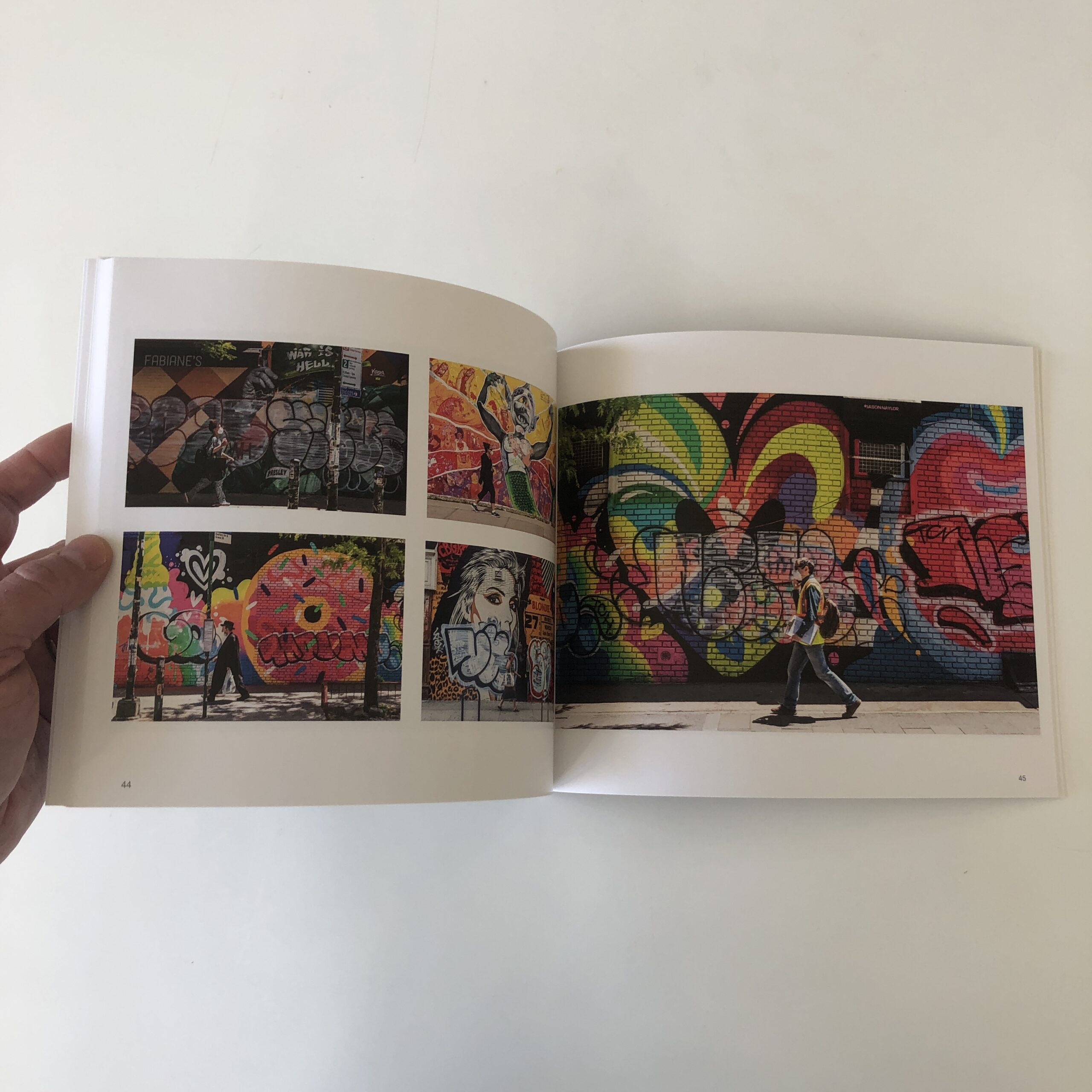
I have been using drones for only about a year now. That has been a huge help when I’m going through a creative slump. I sometimes get uninspired using my camera but having the option to photograph from a bird’s eye view always re-inspires me. I now like to photograph the same place from both ground and sky, it helps me create different images and sometimes a boring scene on the ground can be stunning from the sky. The water skier is a perfect example of this. From the dock, it looked like every other water skier on the lake, from above, it added so much more beauty.
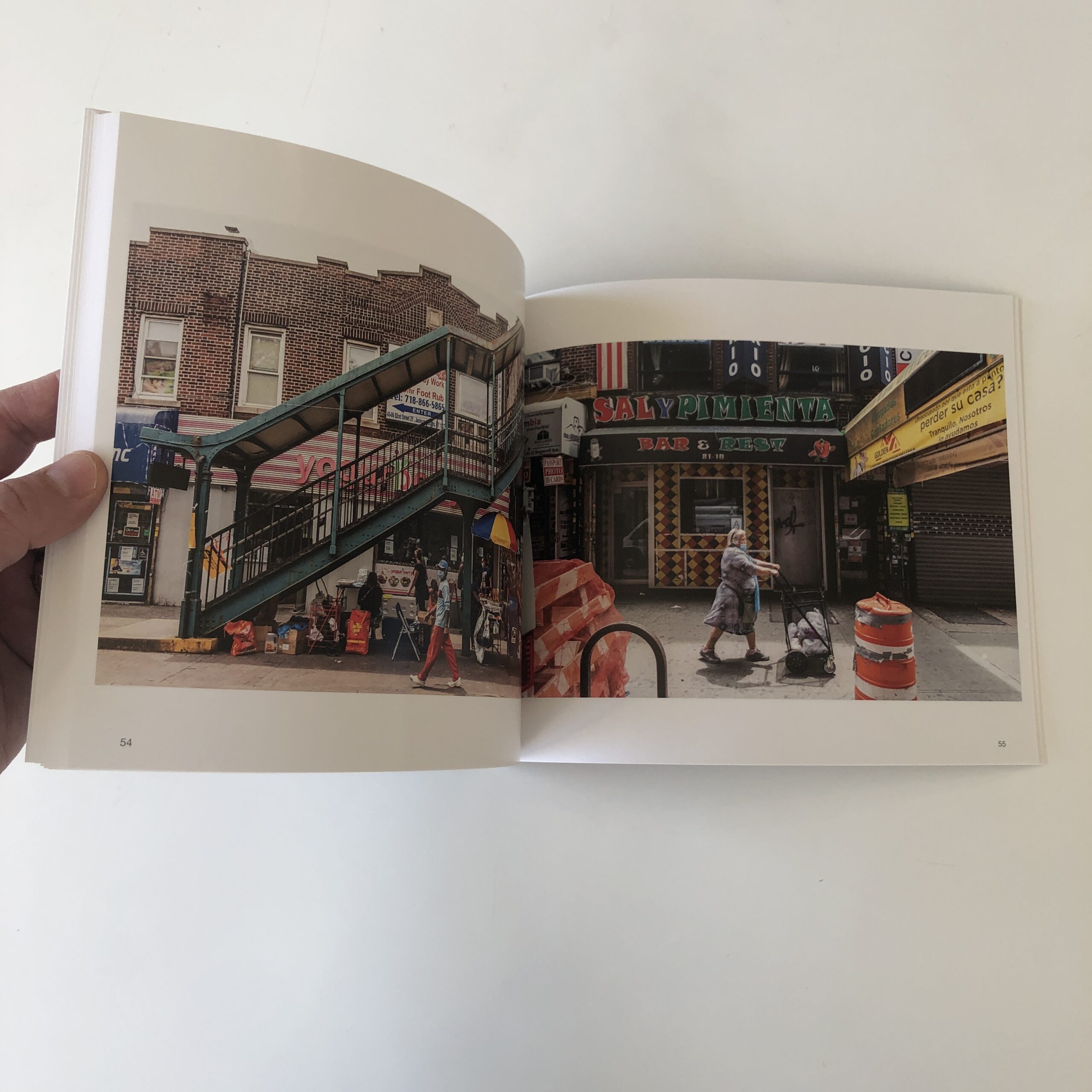
The drone still that I shared is of downtown LA, it’s a composite of three images taken from different heights. I stitched them together in Photoshop to create a vertical panorama of the skyline downtown. I love this photo just based off the perspective and depth.

What have you learned about the creative journey?
For anyone going through a creative slump, just know we all go through them. I find myself having creative block a lot more than I would like to admit. I always find inspiration from other photographers. It sounds goofy, but when I see creators producing amazing content, I almost get jealous. It drives me to get out and produce content of my own. Just know that everyone experiences these creative slumps, it just takes drive and desire to get back out there and start creating again.

One other thing, nobody picks up a camera and starts taking stellar images right off the bat. Take your time, hone your skills, find a subject matter you love to shoot and focus on that at the beginning. Once you have your skills dialed in that field, branch out and try other styles of photography. Finding a photography community is also a great way to grow your skills, and tips or tricks from fellow photographers are always nice to receive.