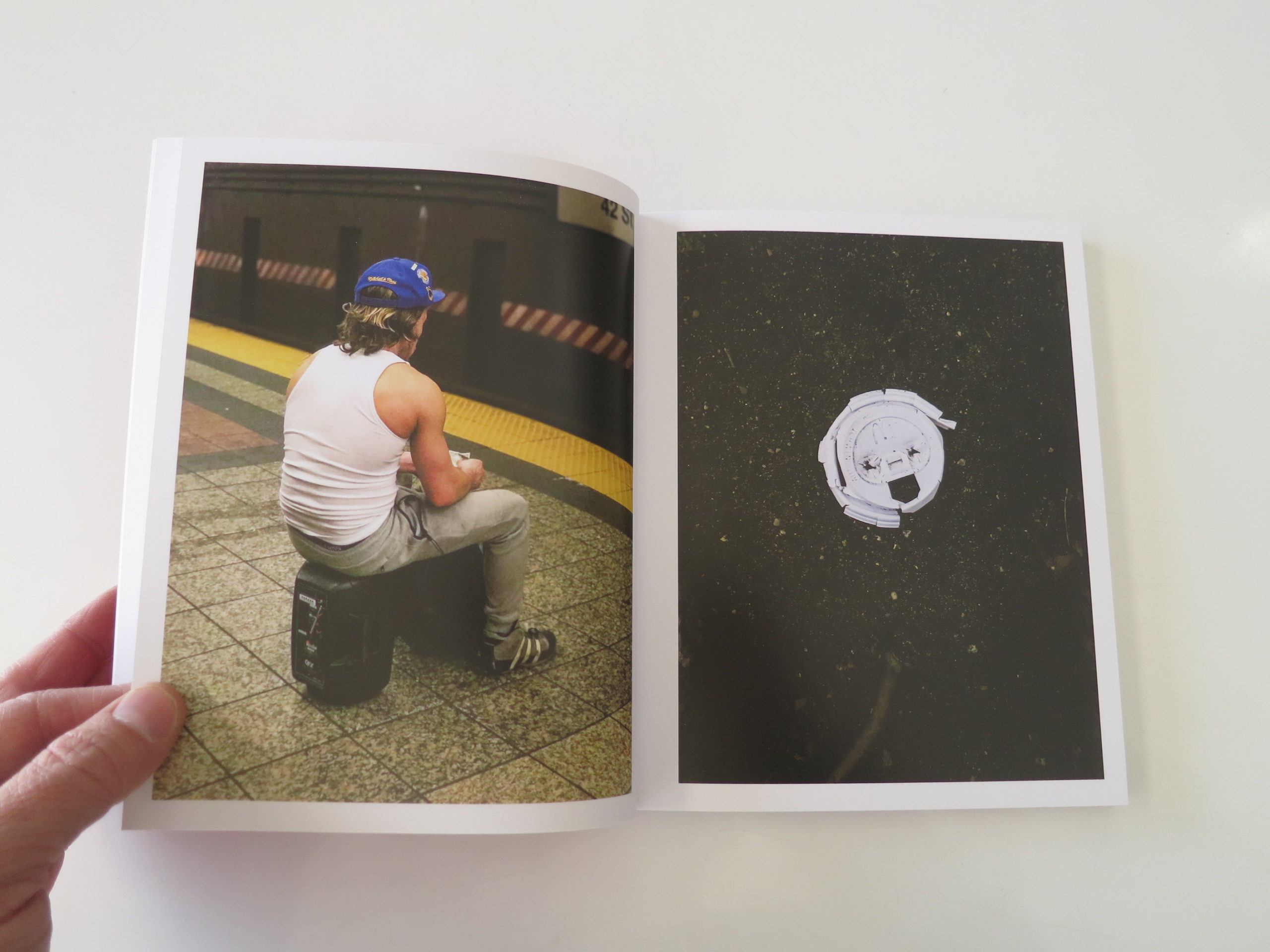
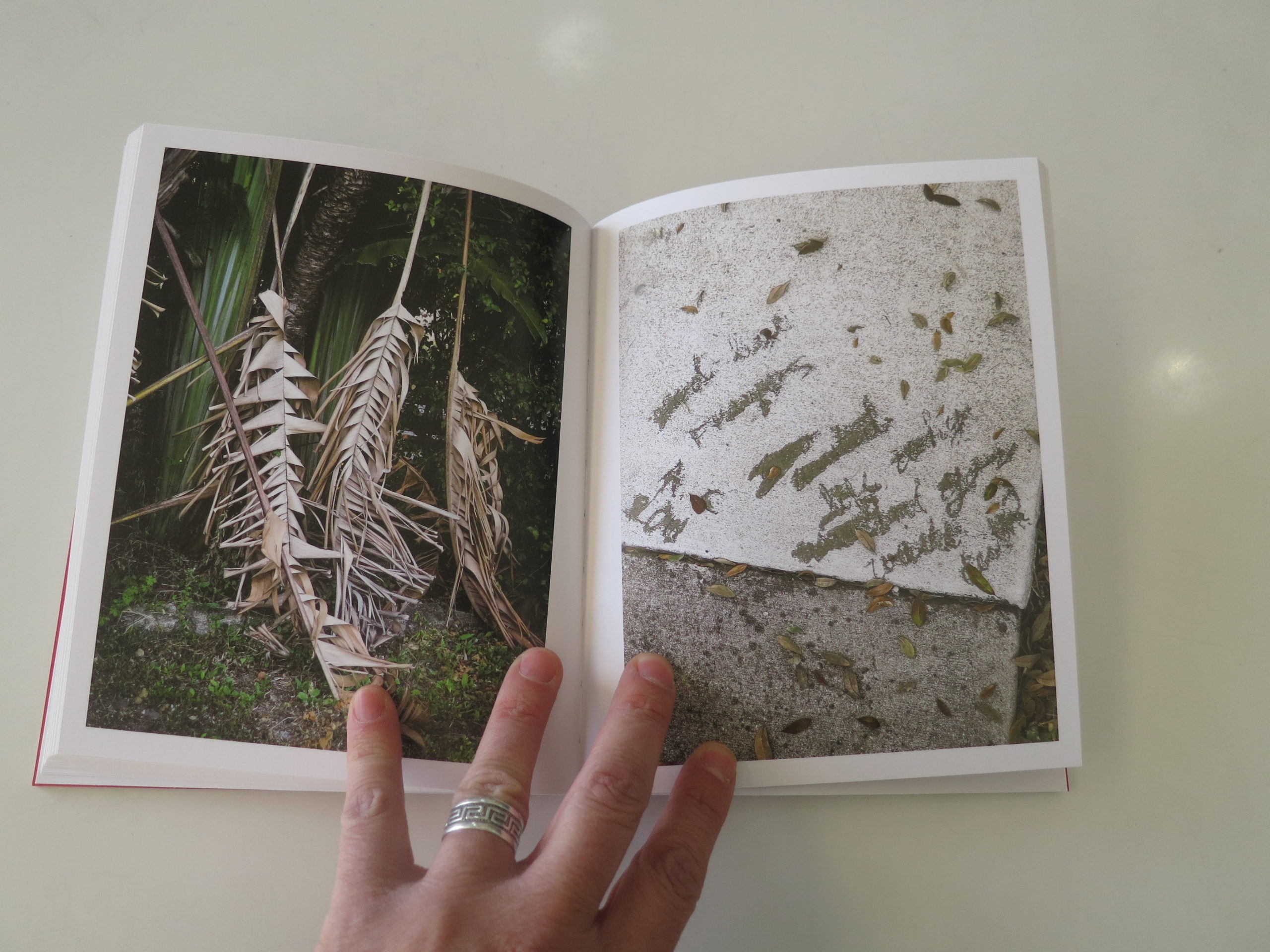
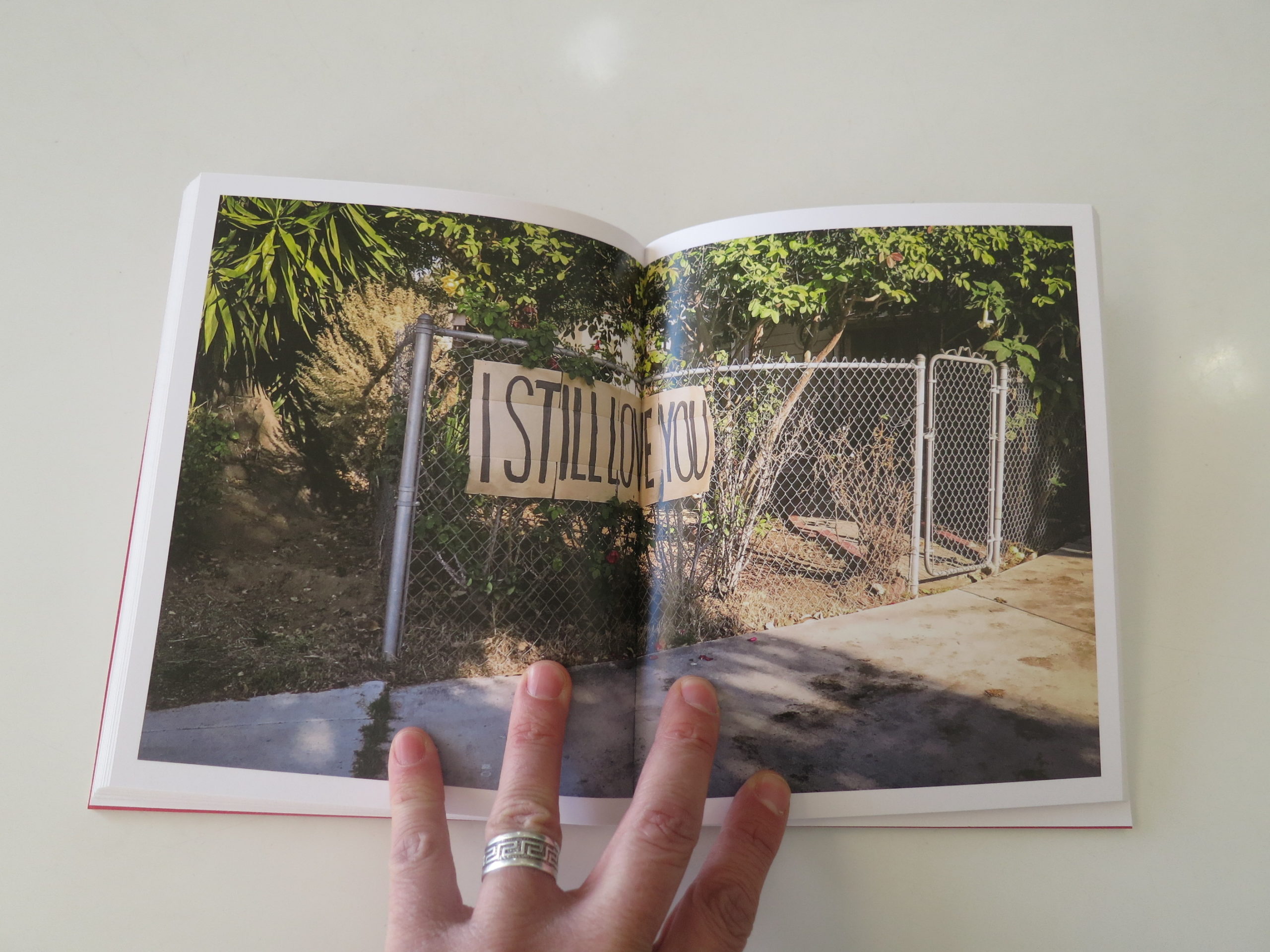
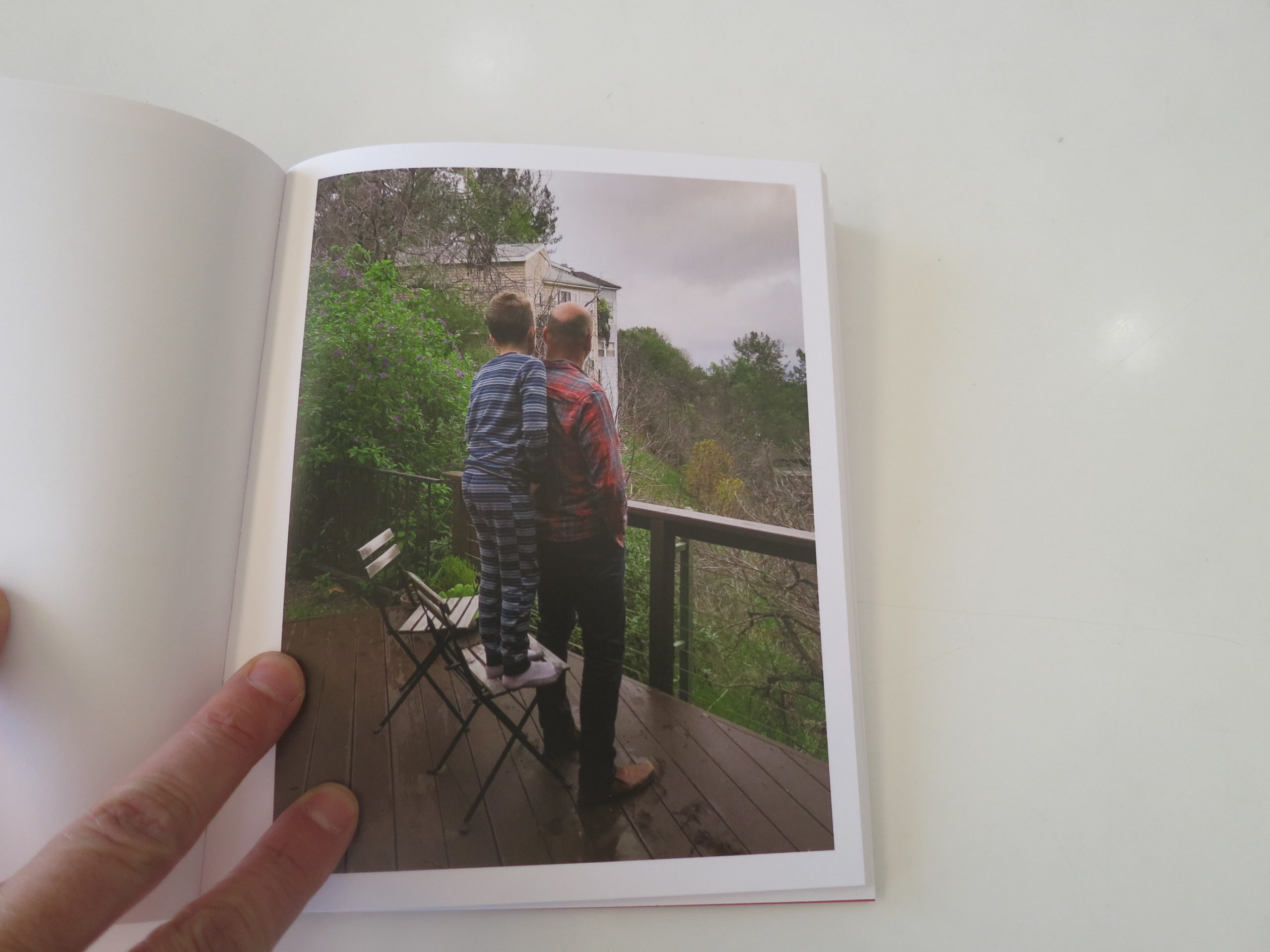
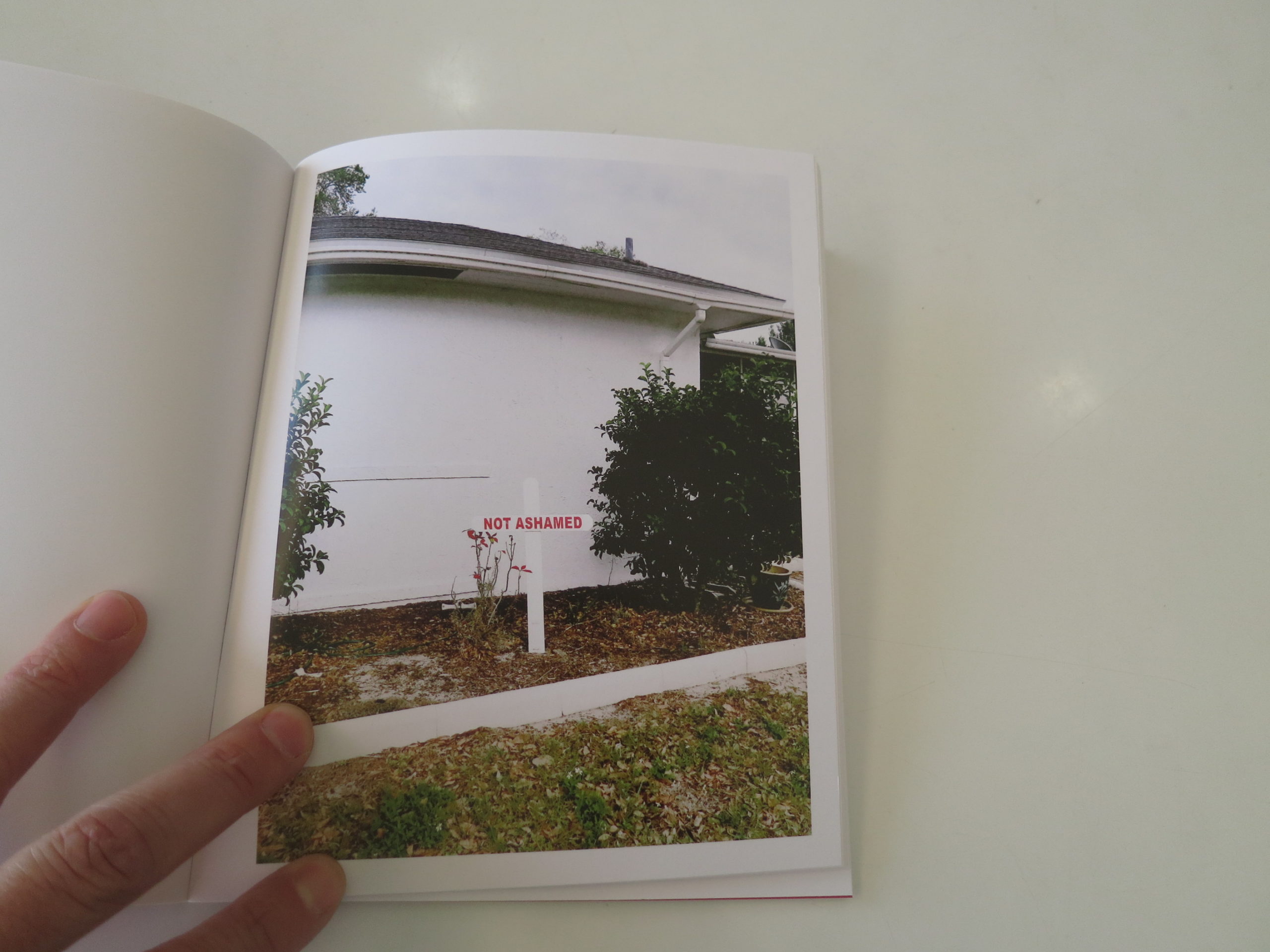
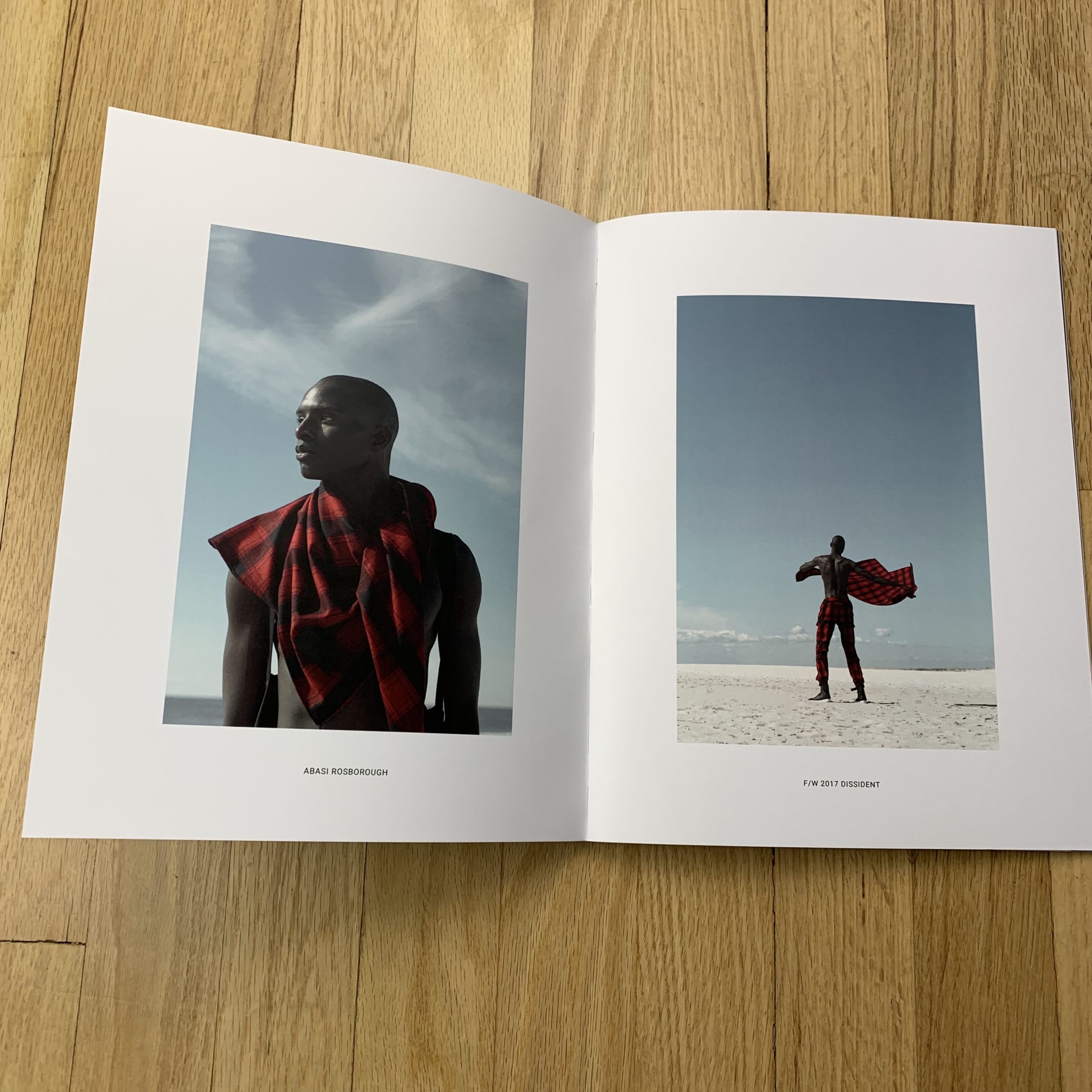
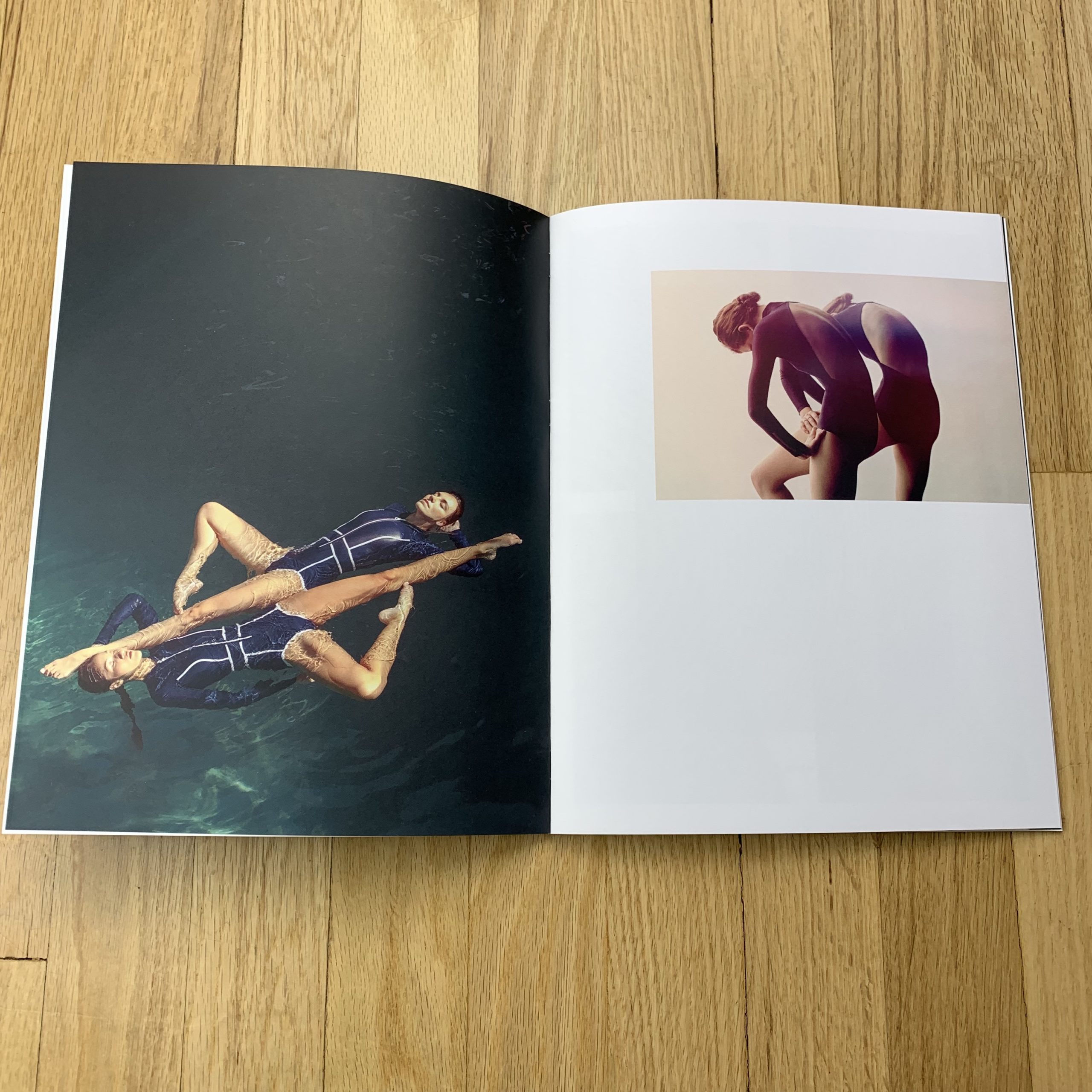
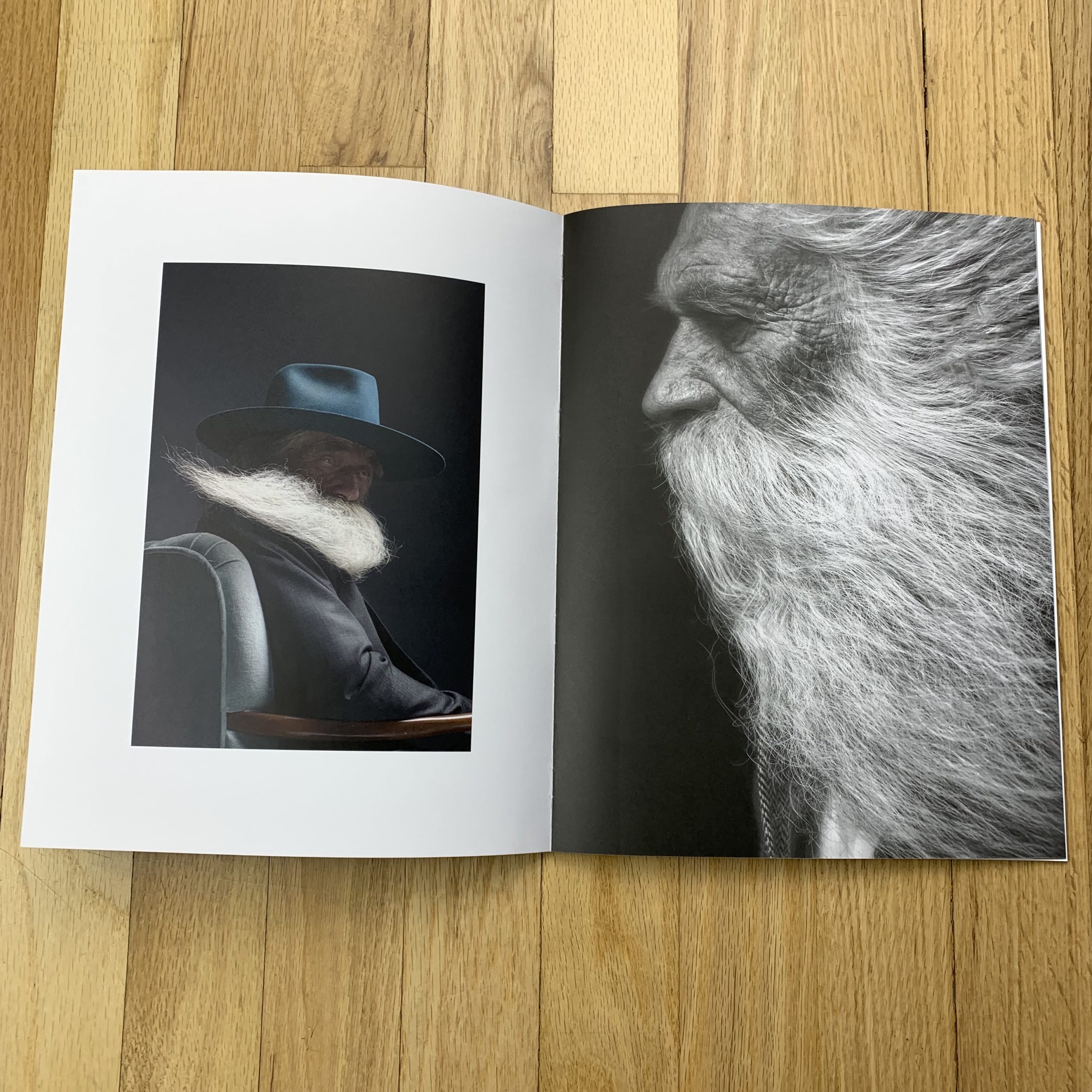
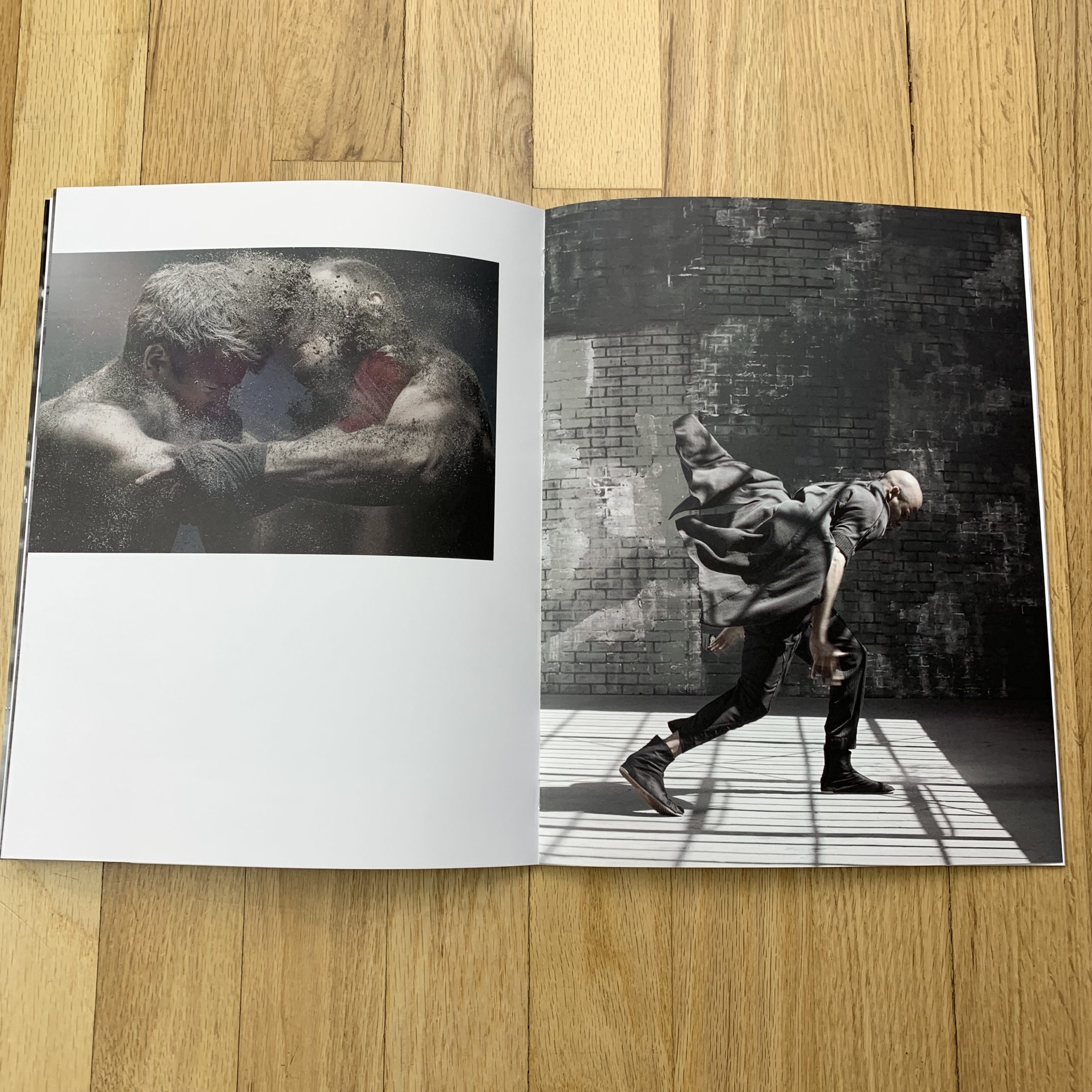
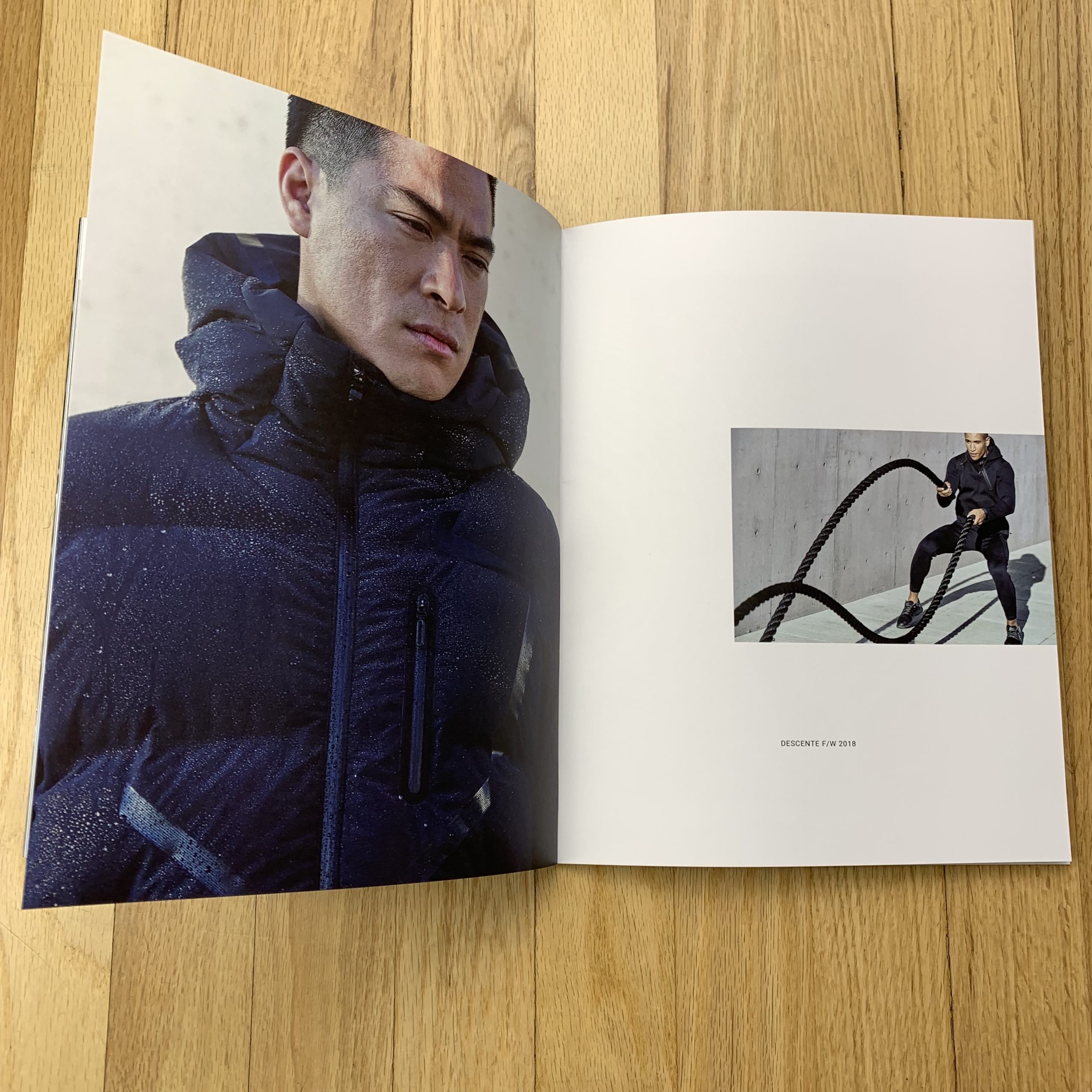
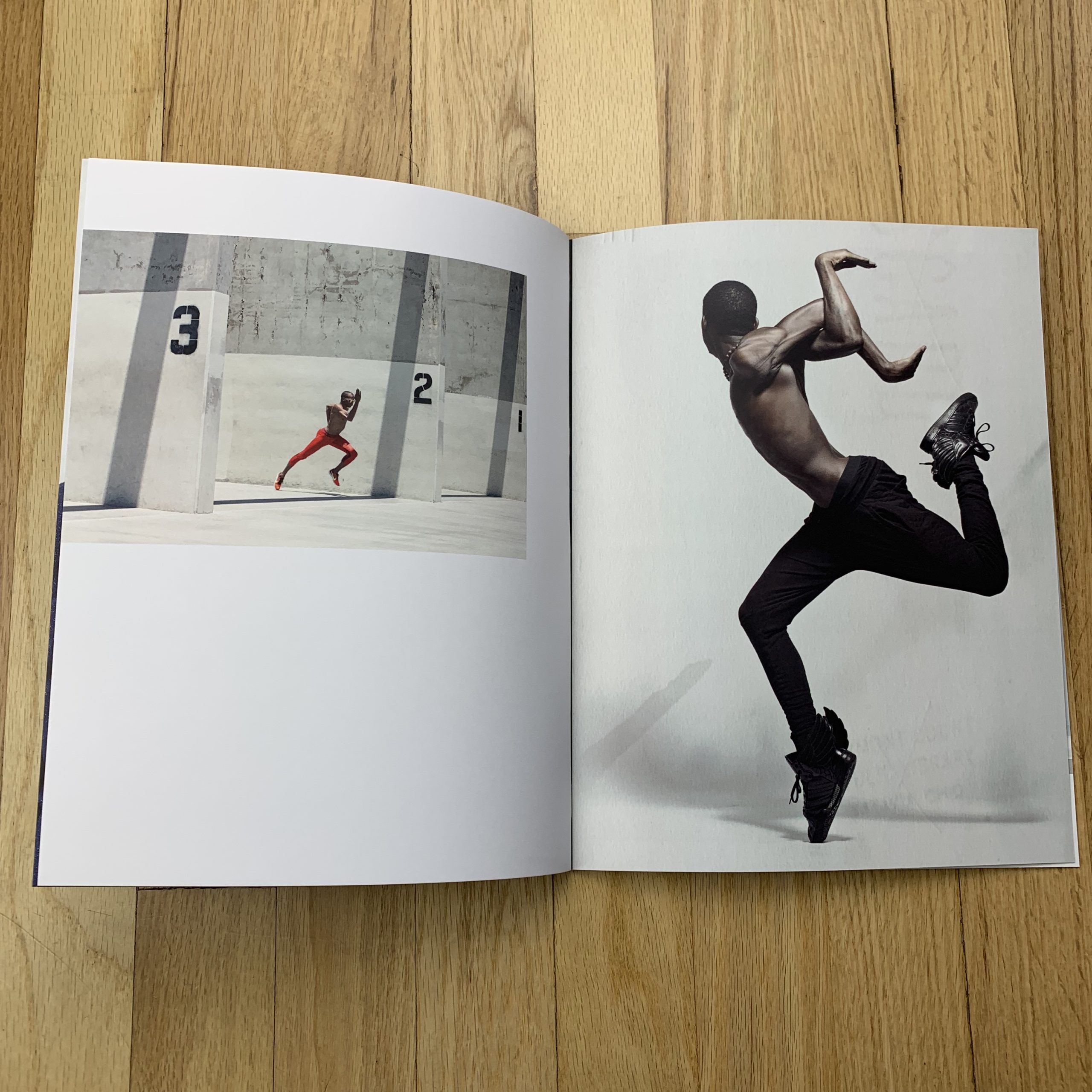
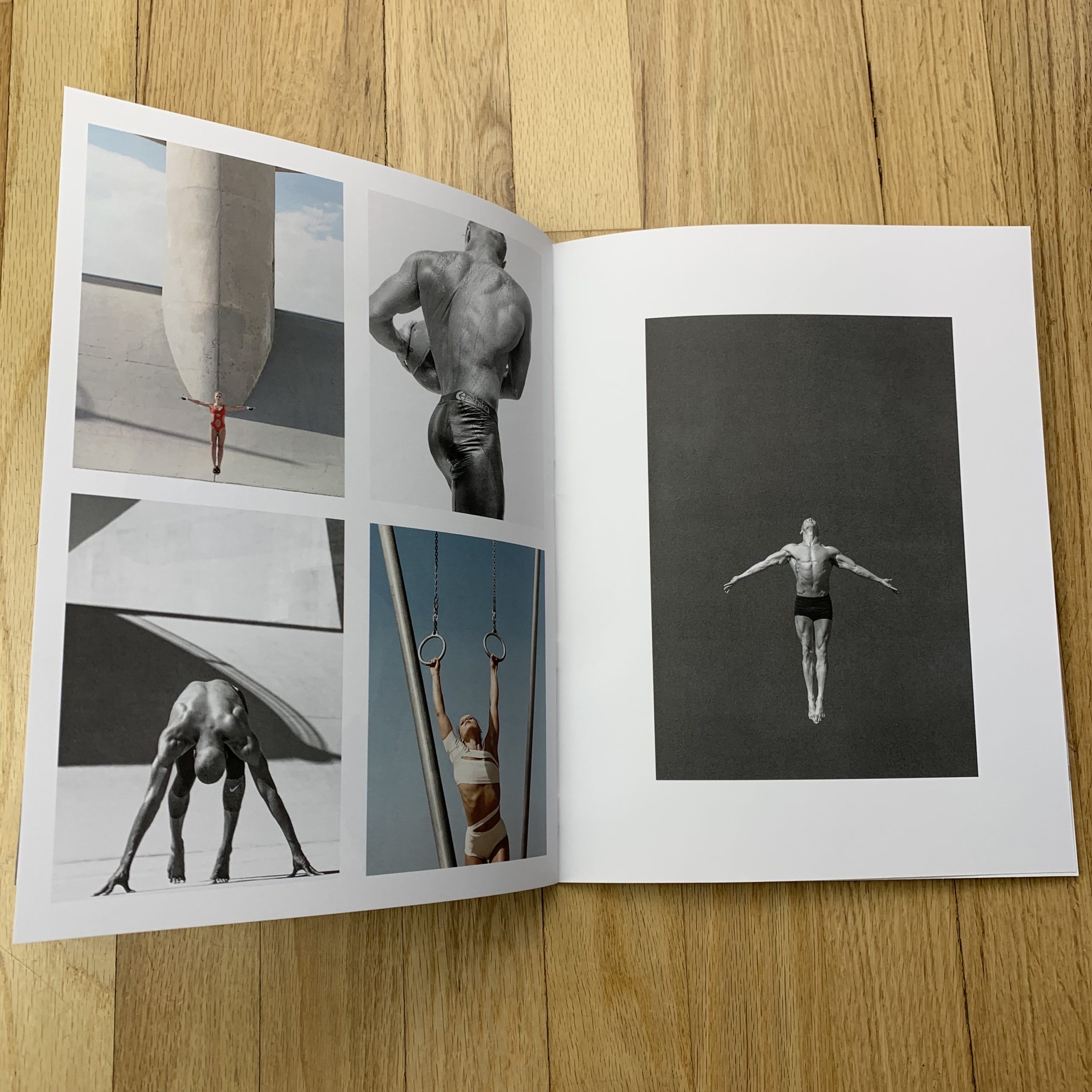
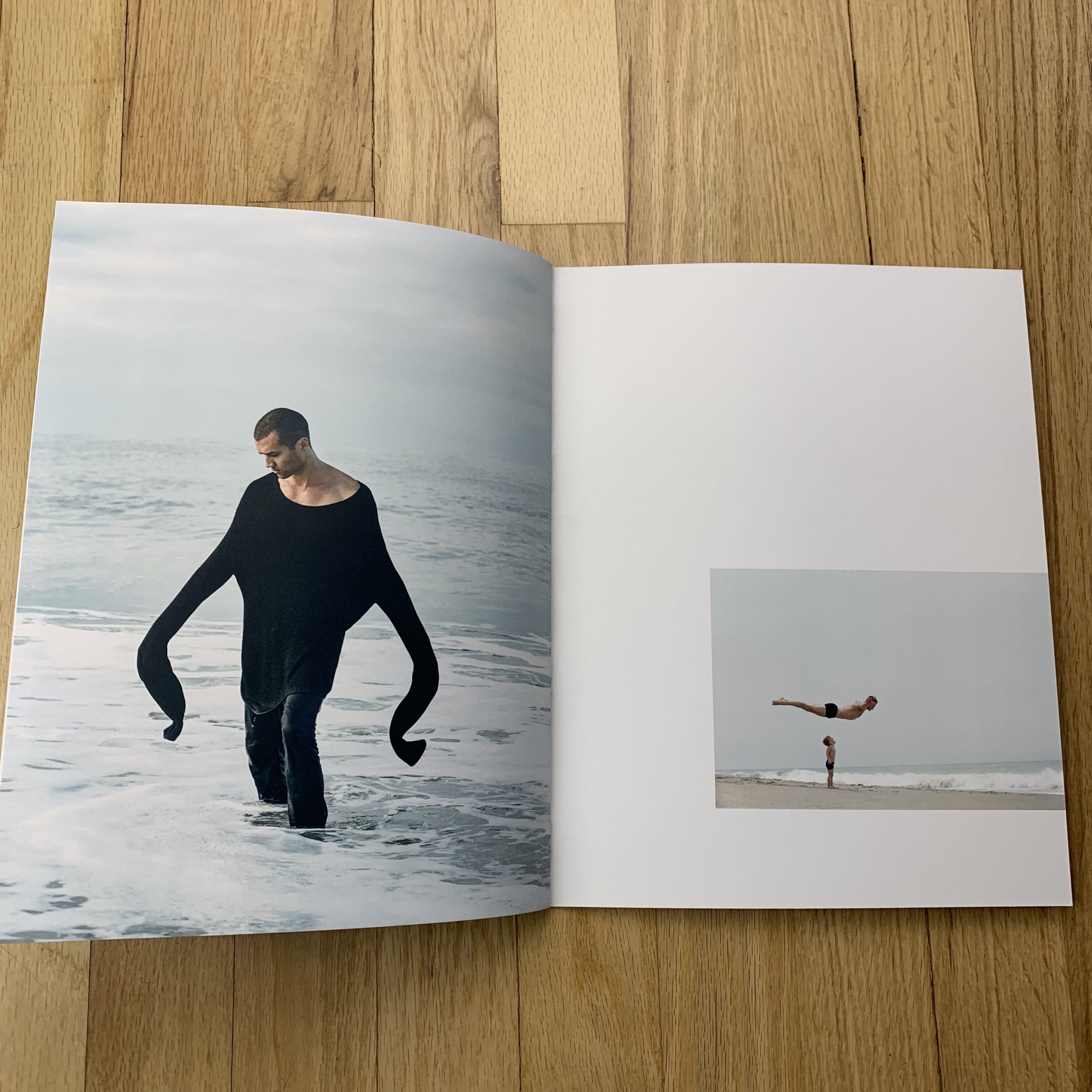
The Daily Promo – Ramona Rosales

Ramona Rosales

Who printed it?
AW Litho x Clear Image

I use a broker (AW Litho) who finds the best partners & sourcing materials (with budget in mind). Clear Image was the best fit for this project, They have previously printed my promos and I can always count on them for the best equipment and care for detail.

Who designed it?
Boyfriend.Studio

This was in conjunction with a redesign of my website. The partner team designed the new website, promo booklet, and logo. There is an additional poster is production.

Tell me about the images?
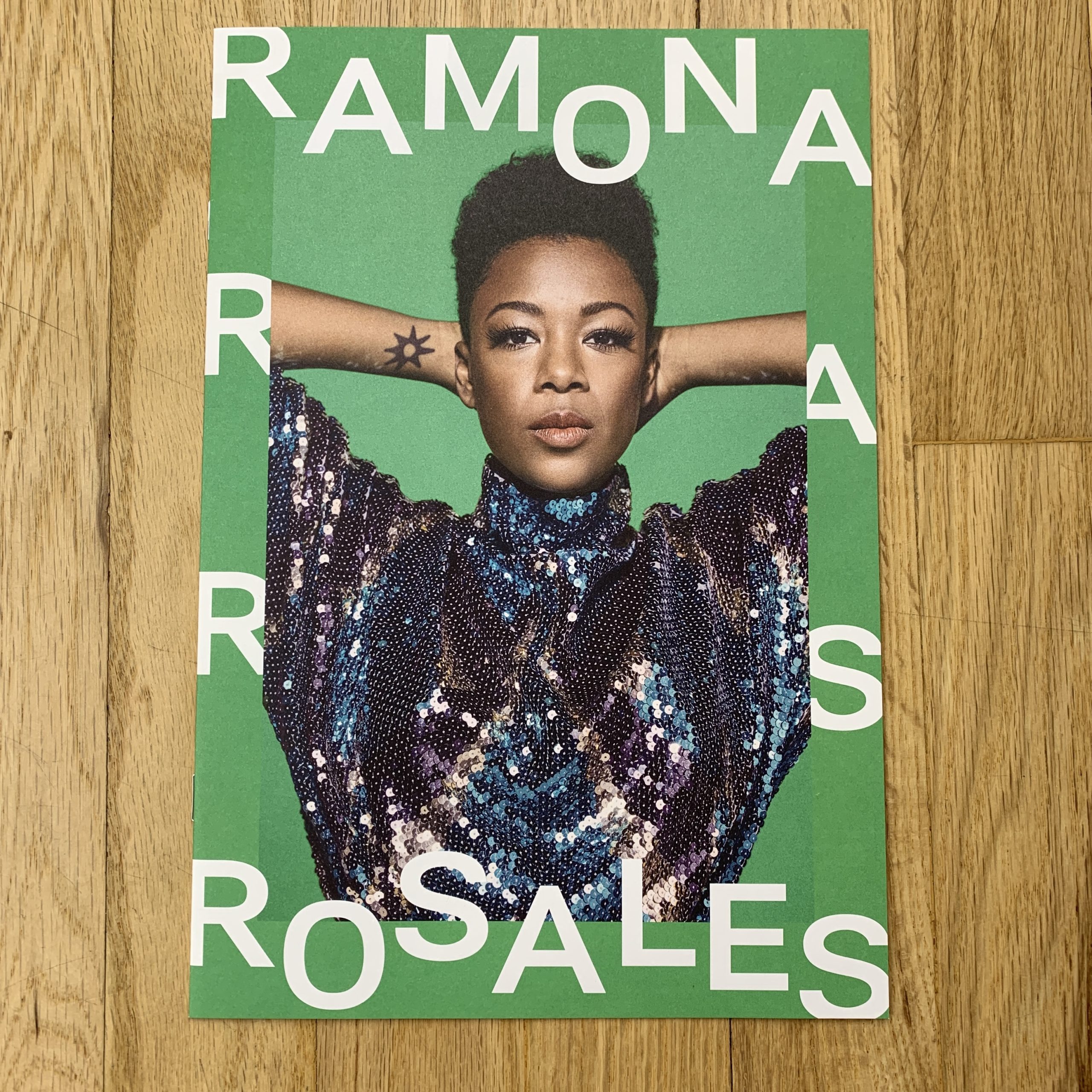
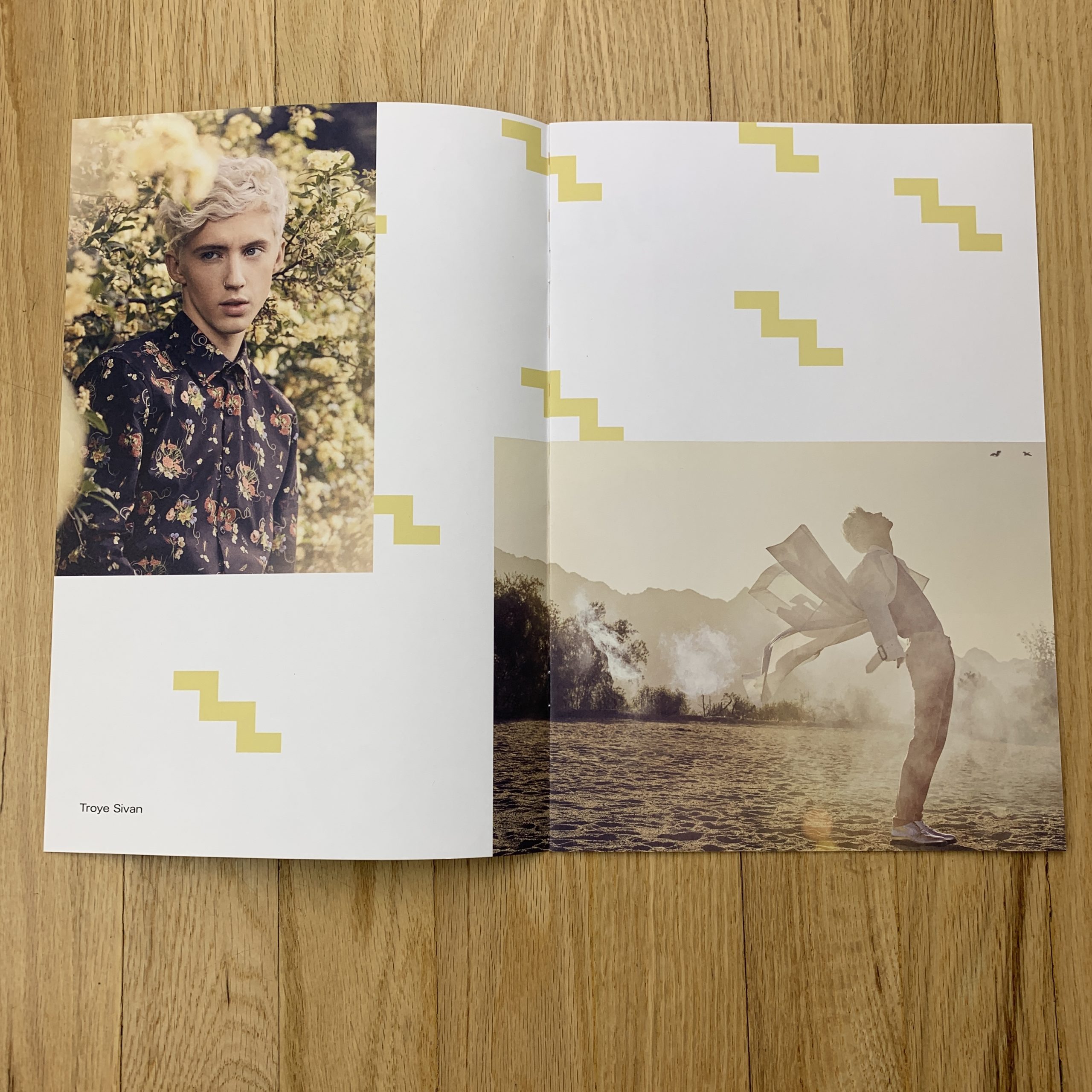
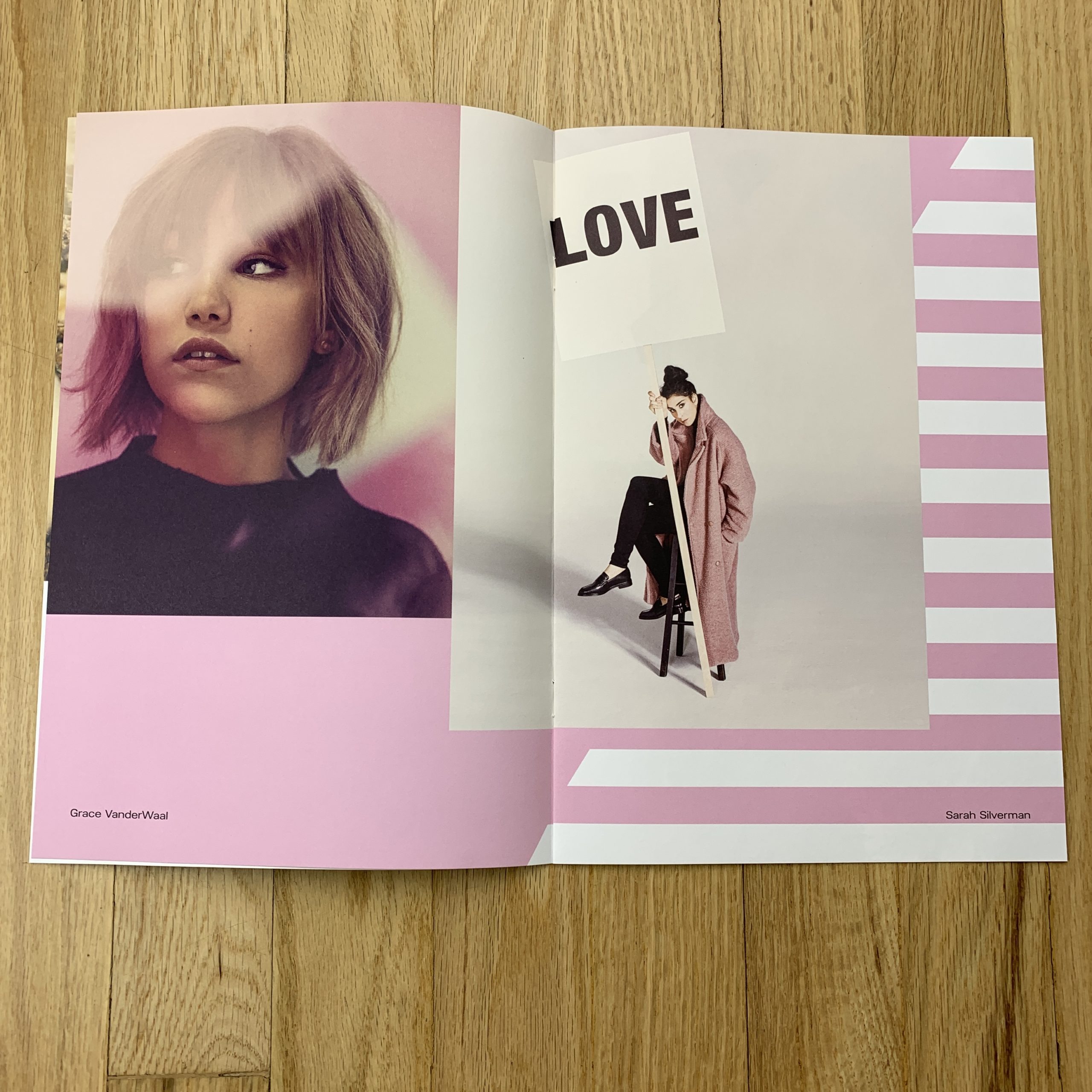
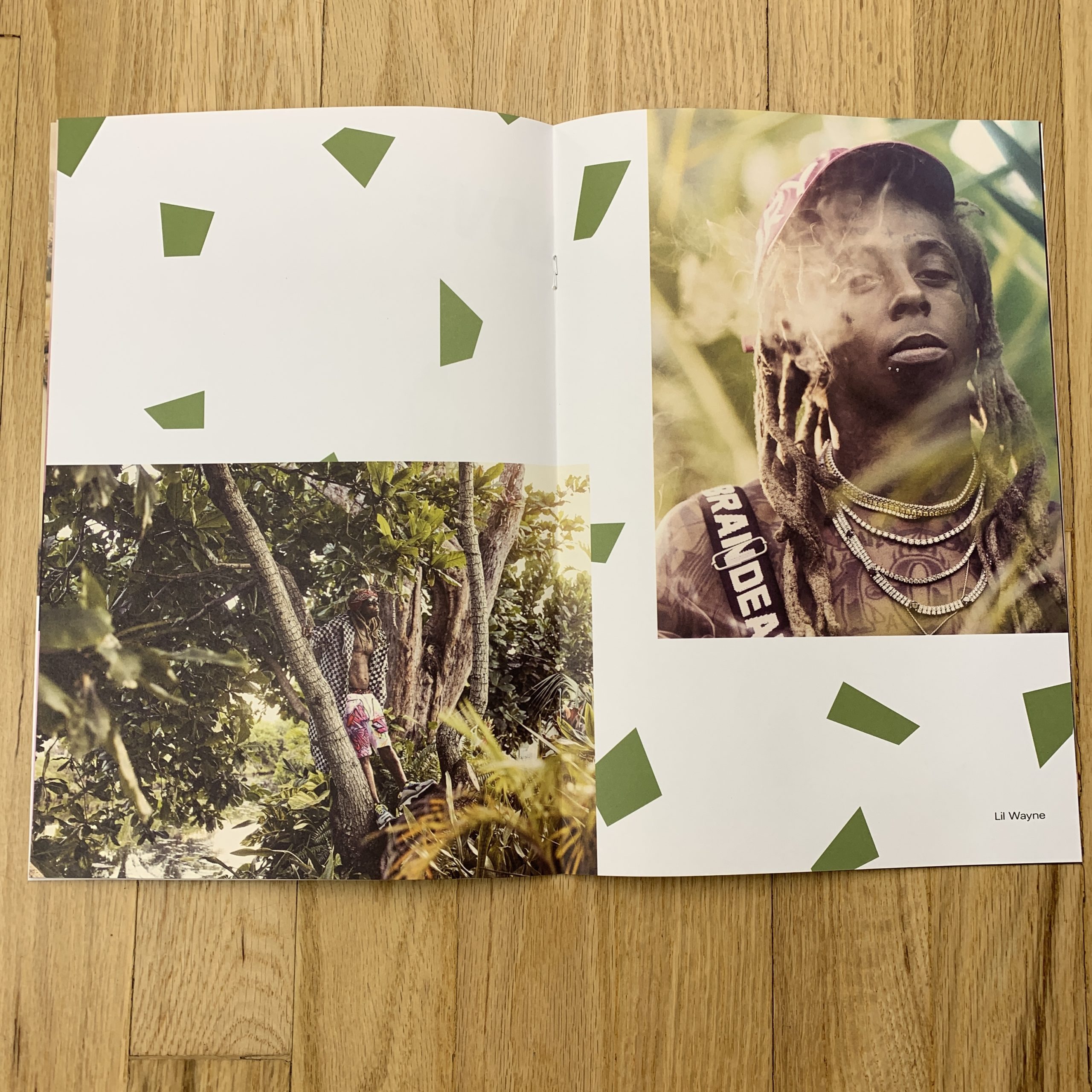
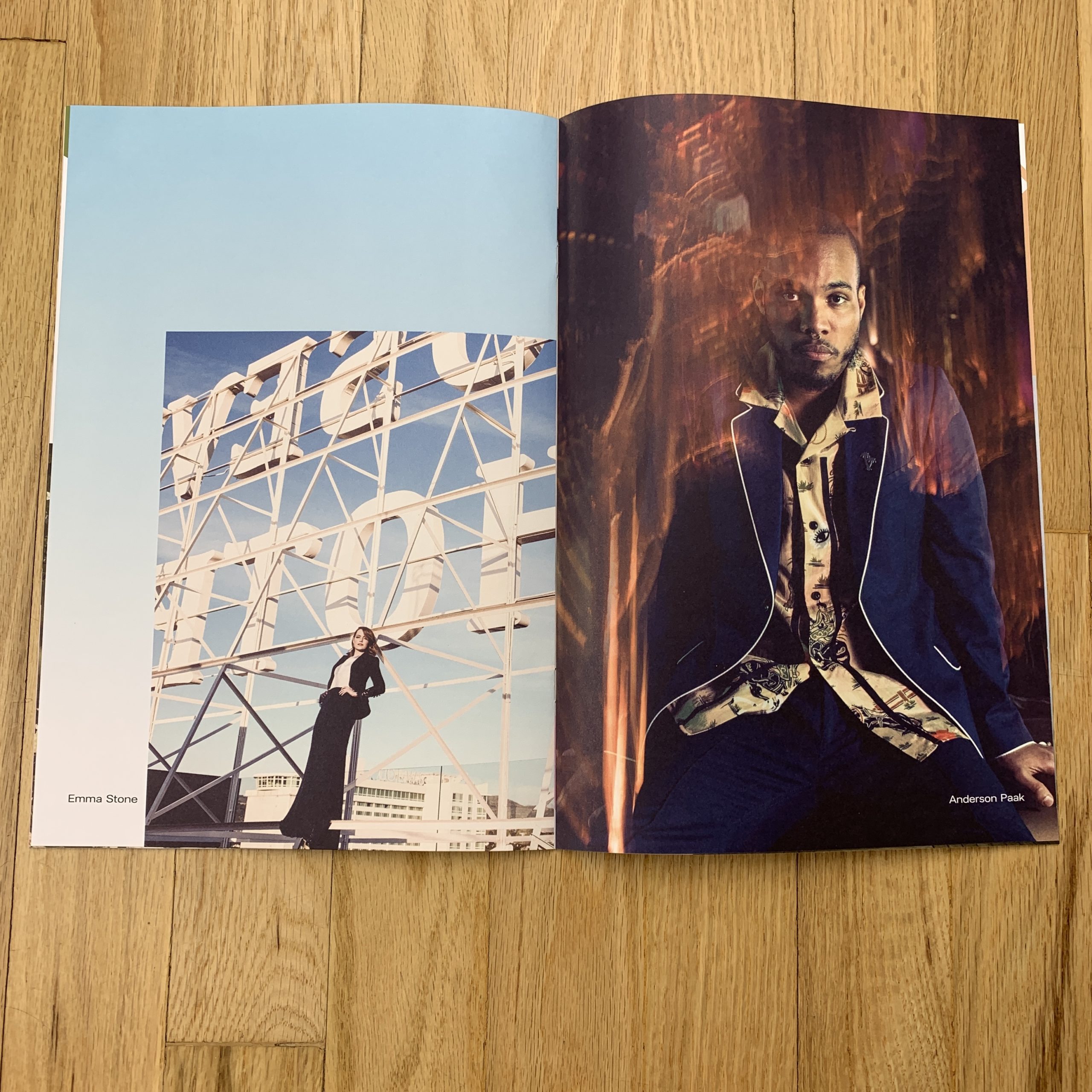
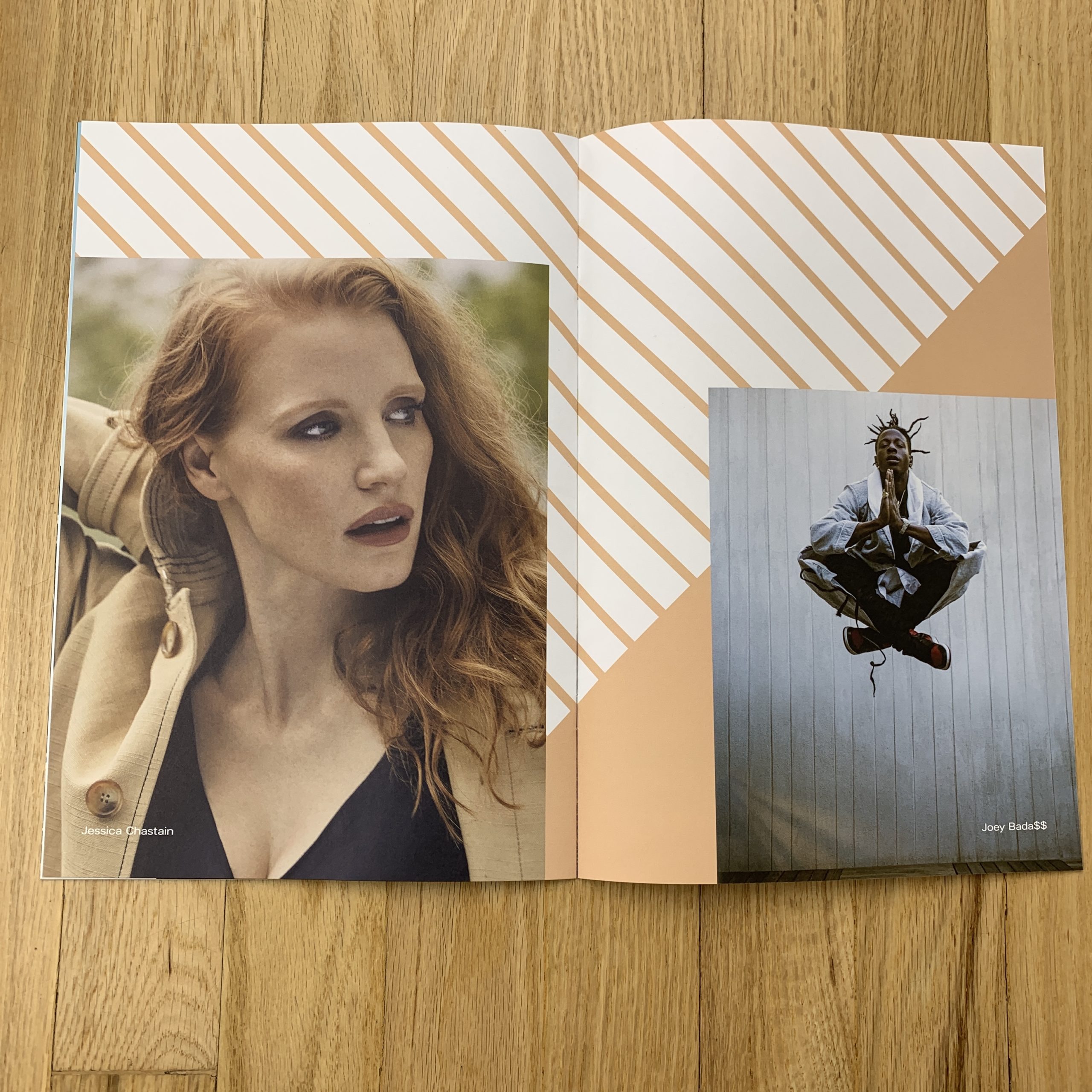
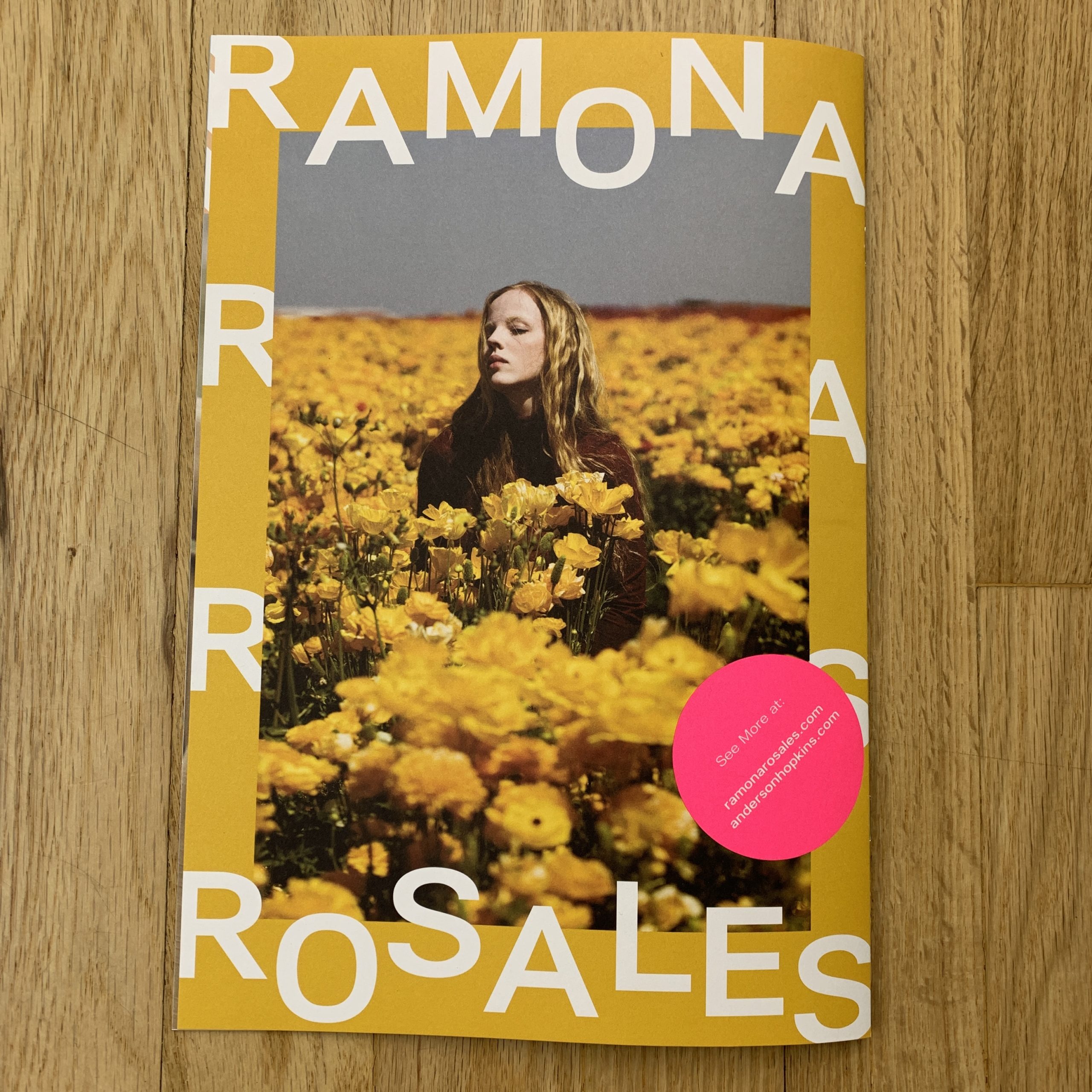
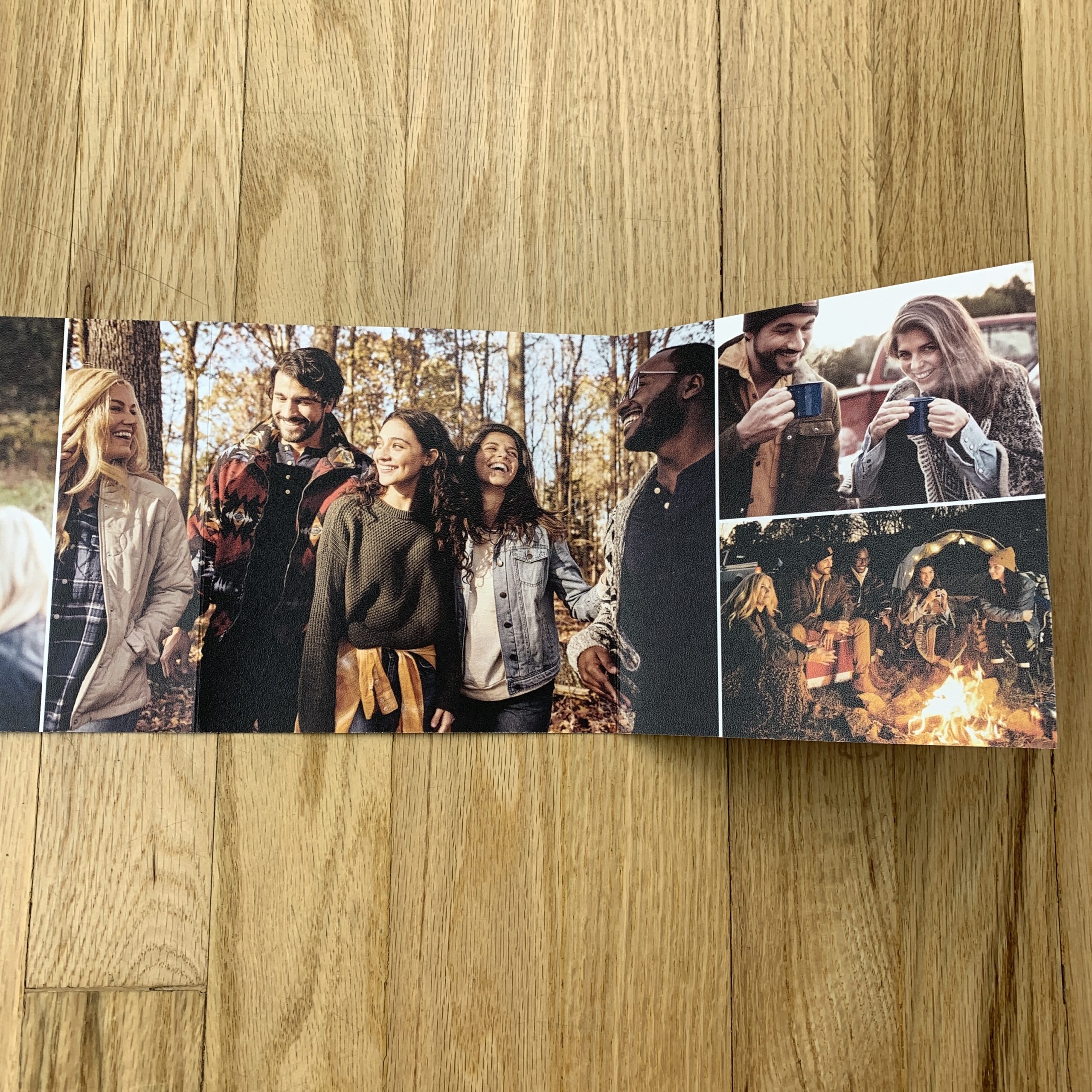
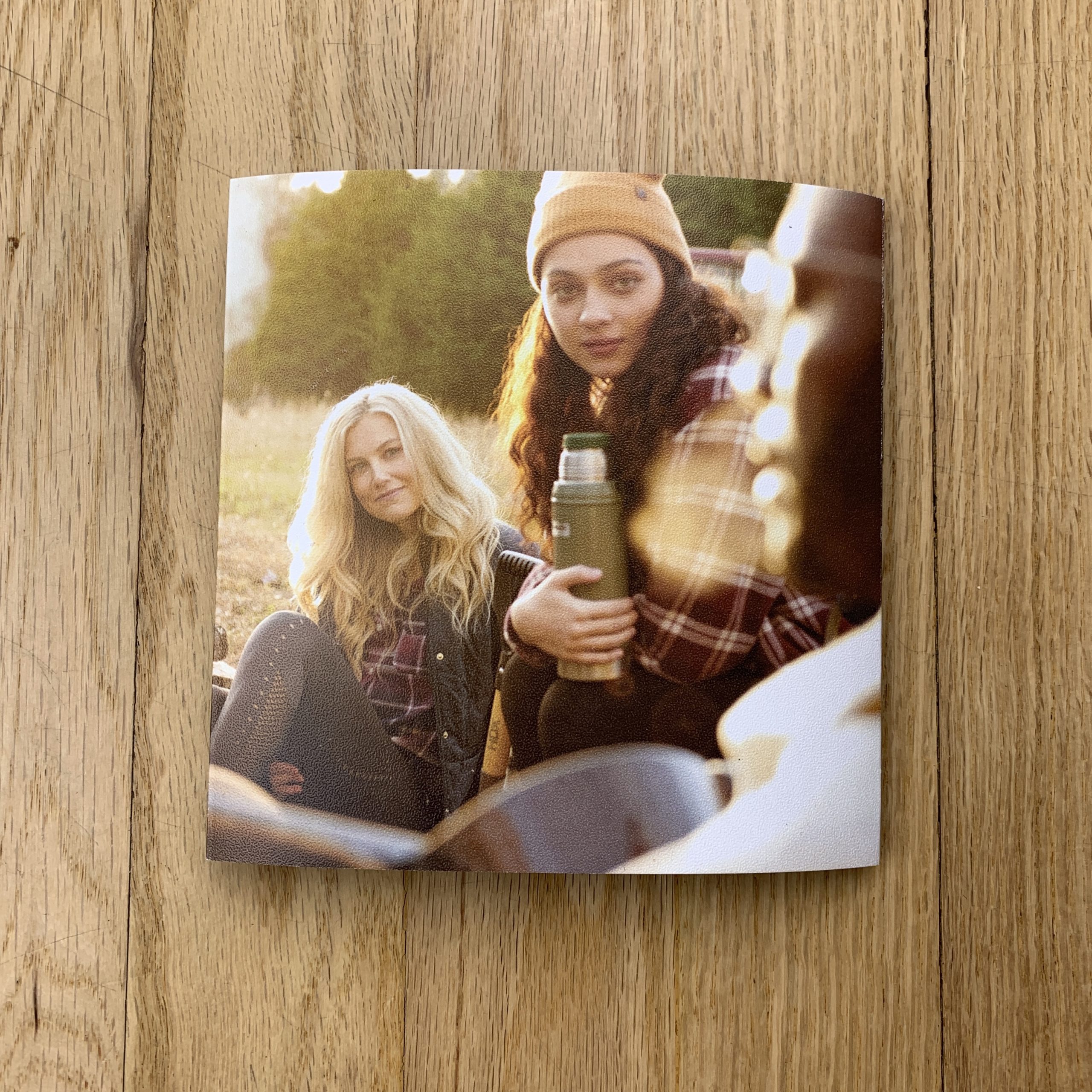
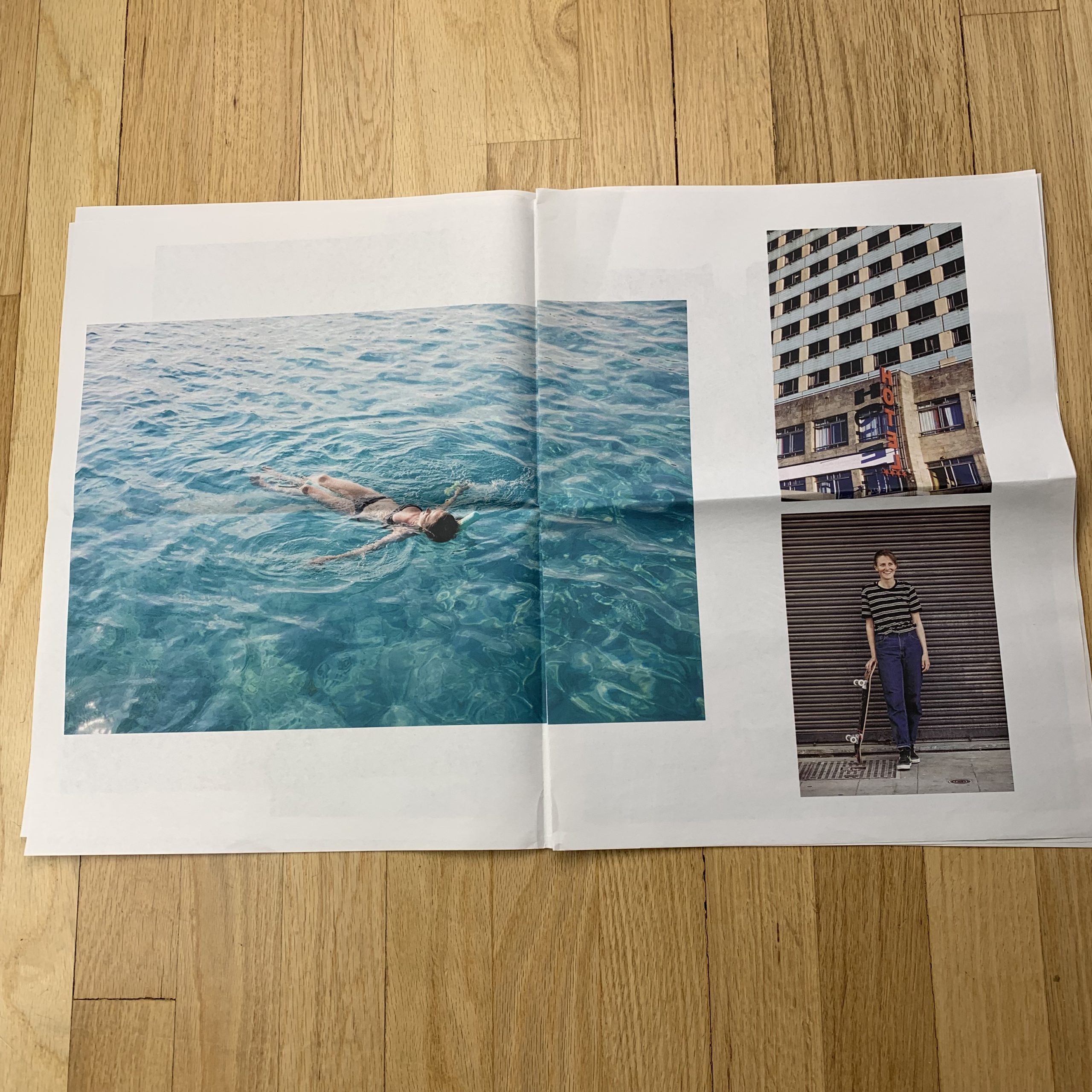
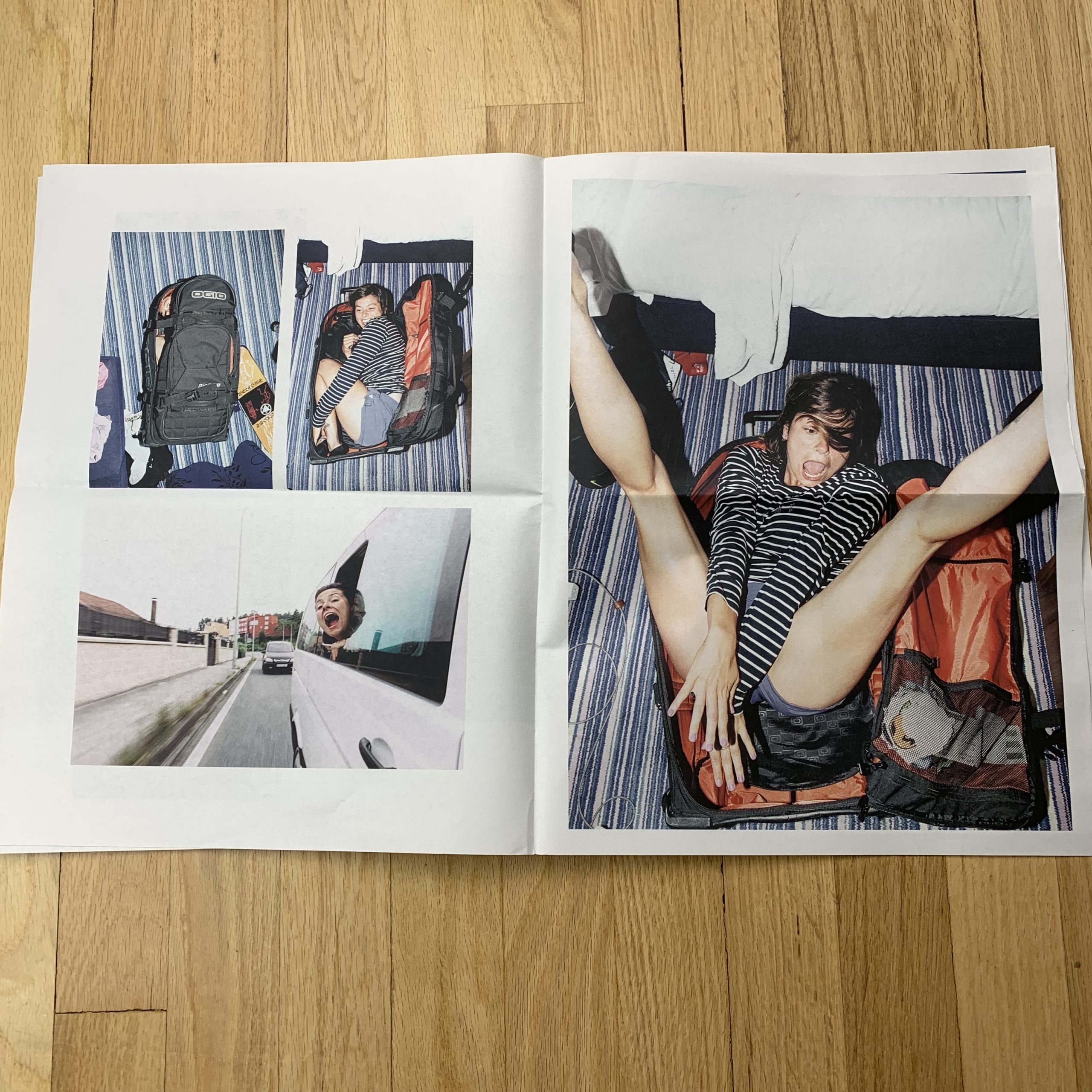
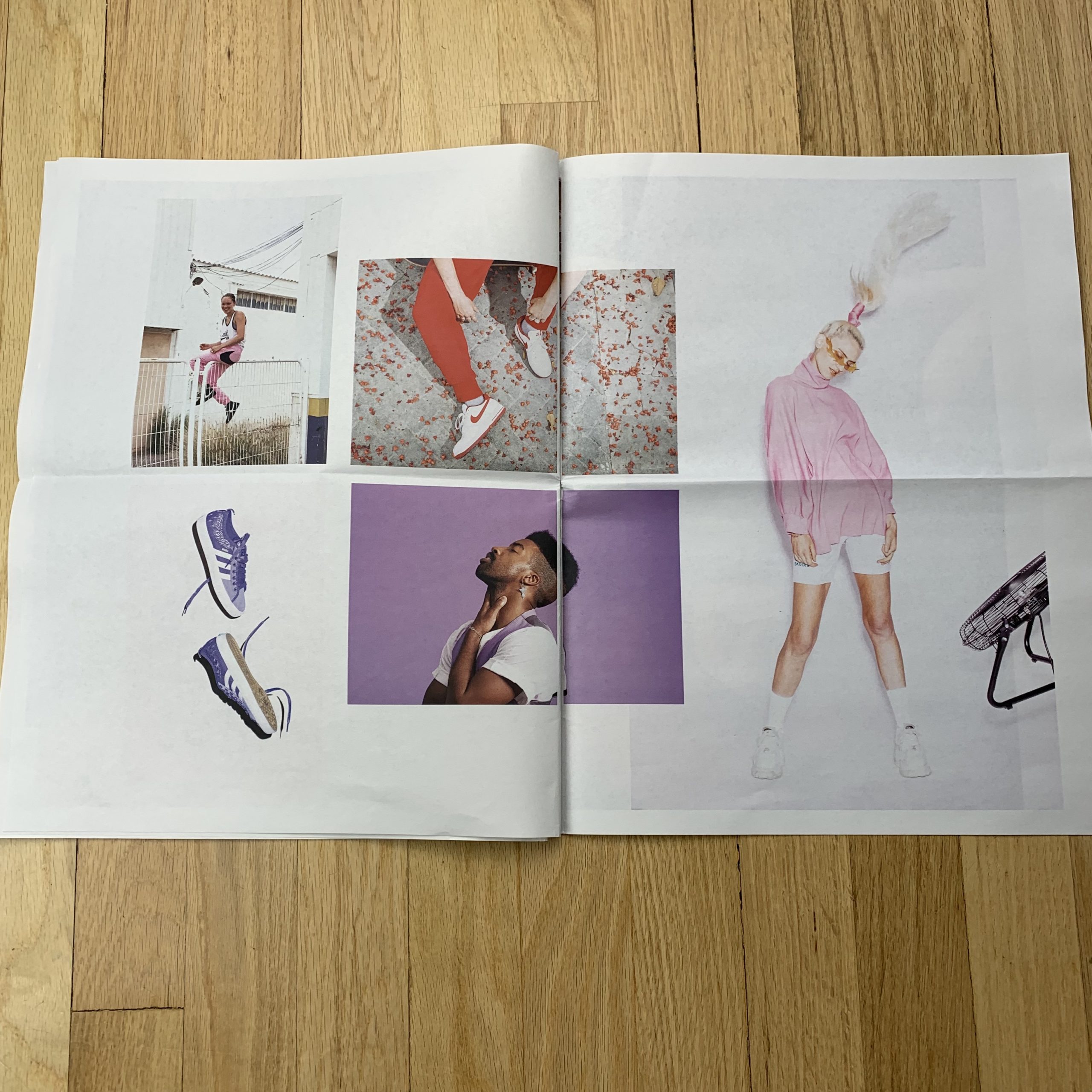
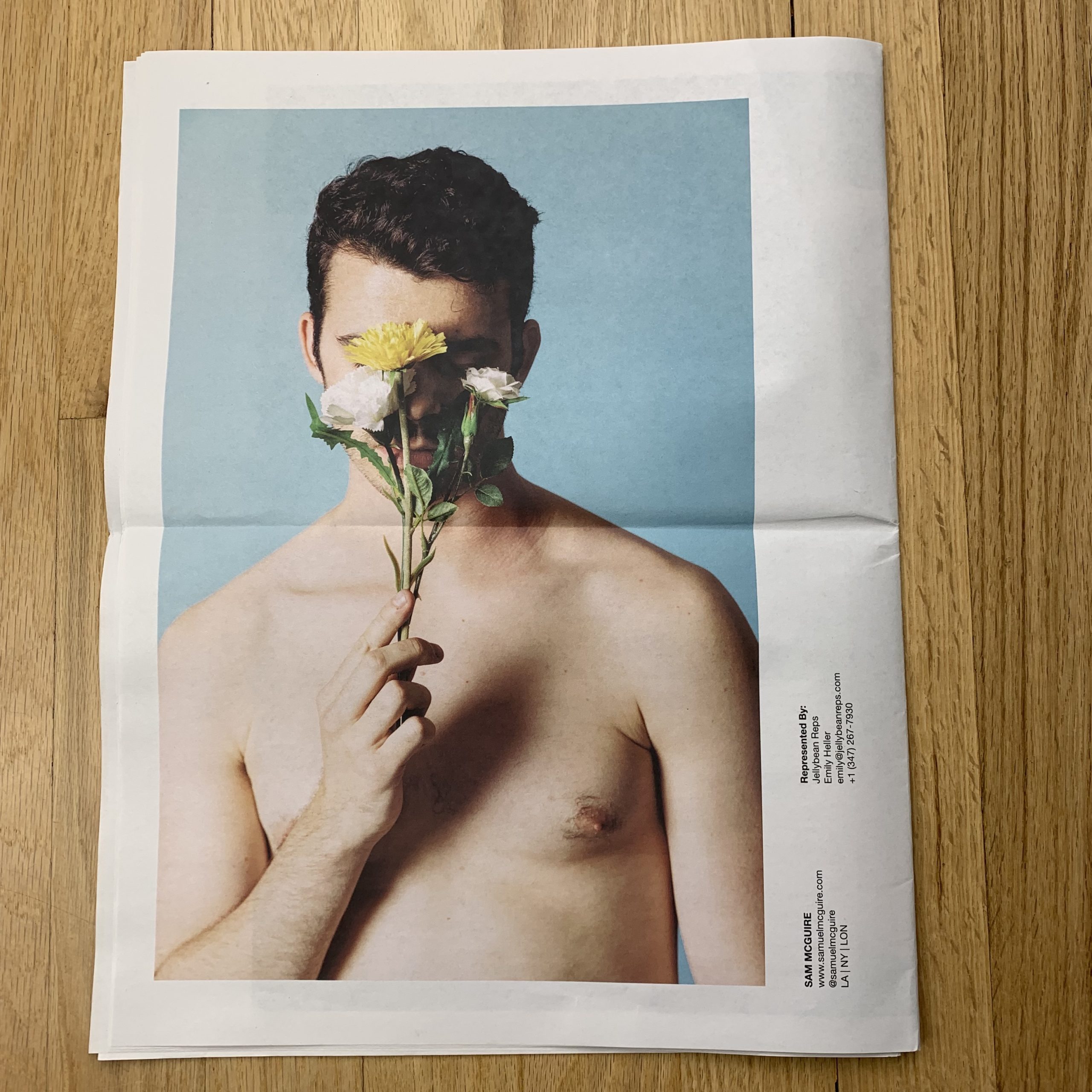
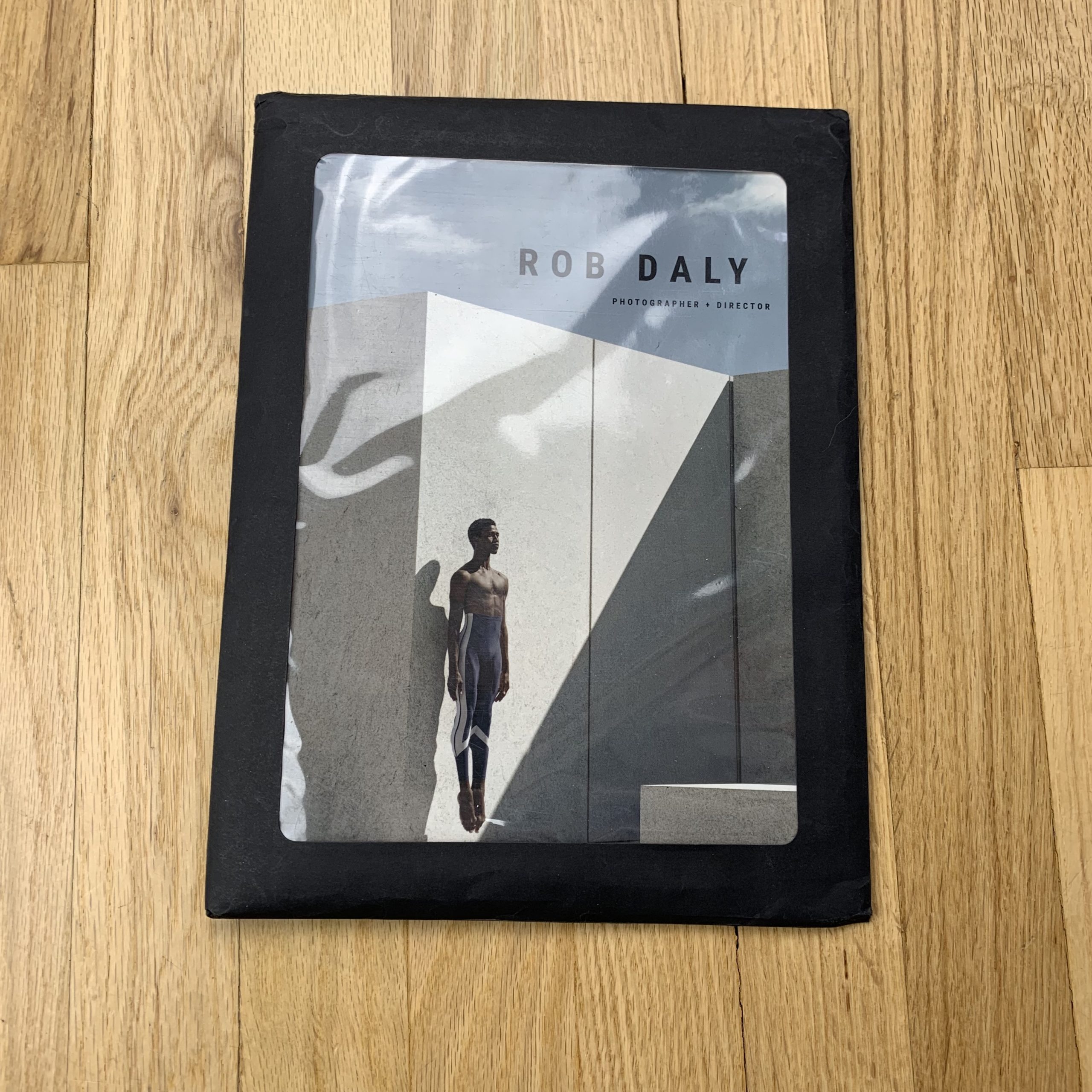
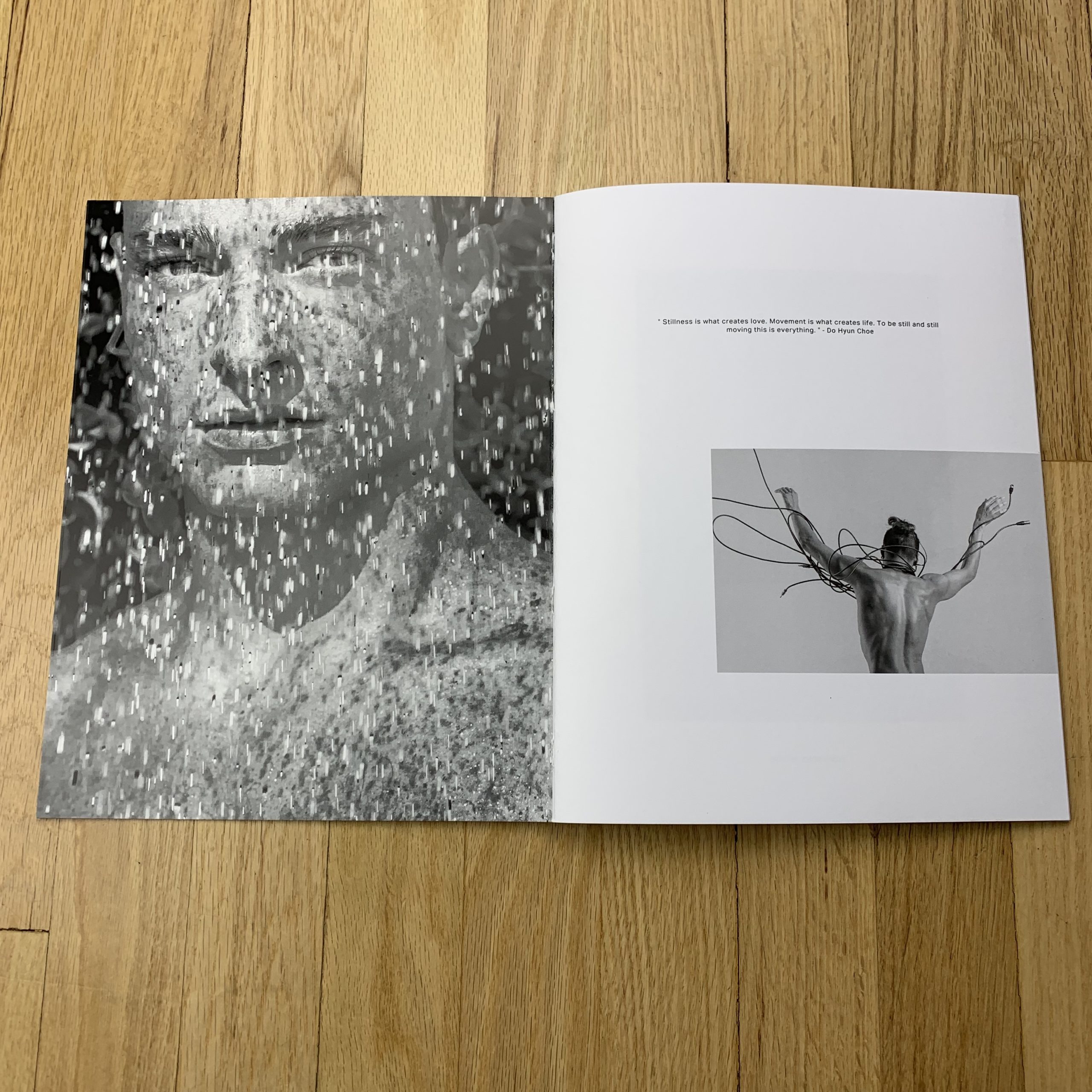
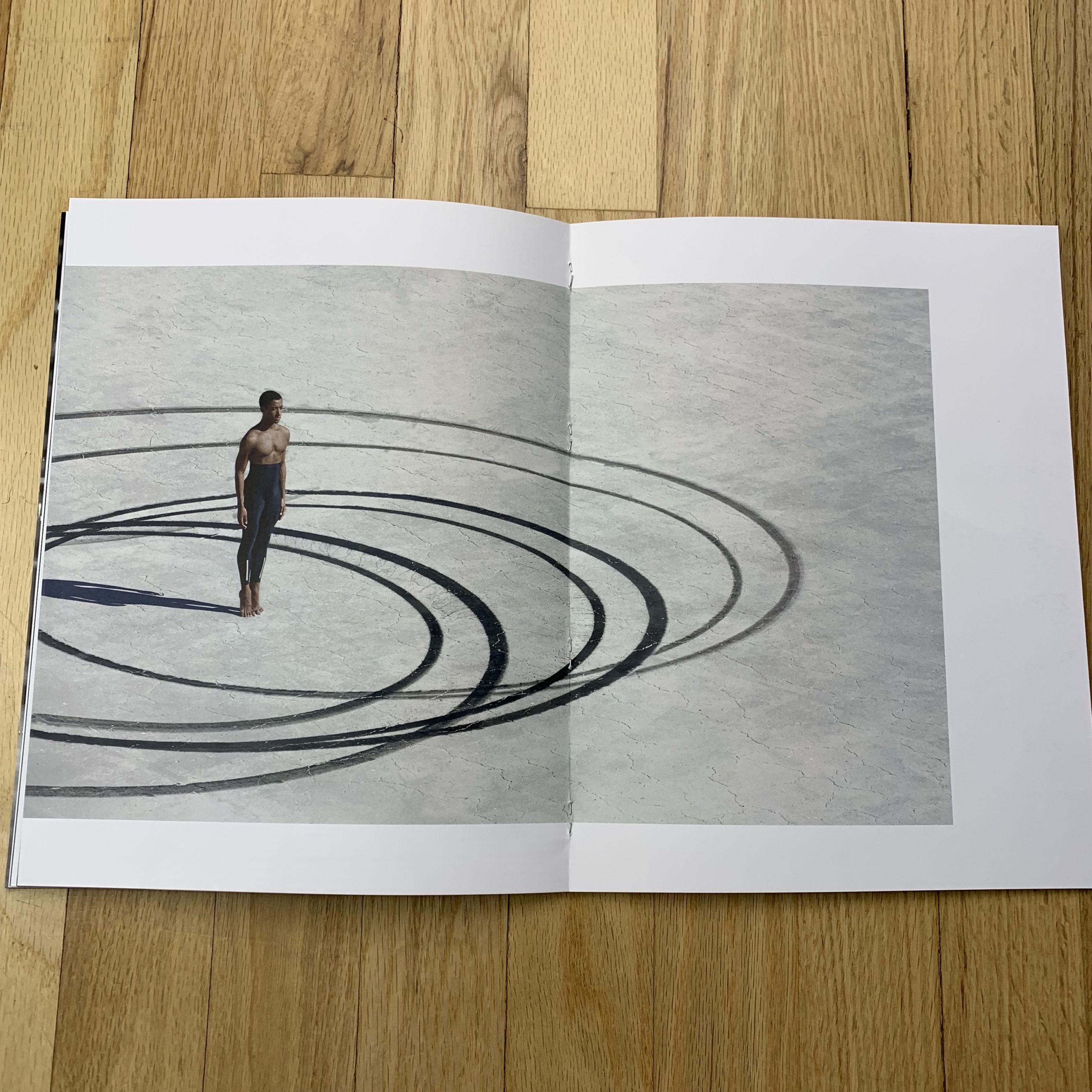
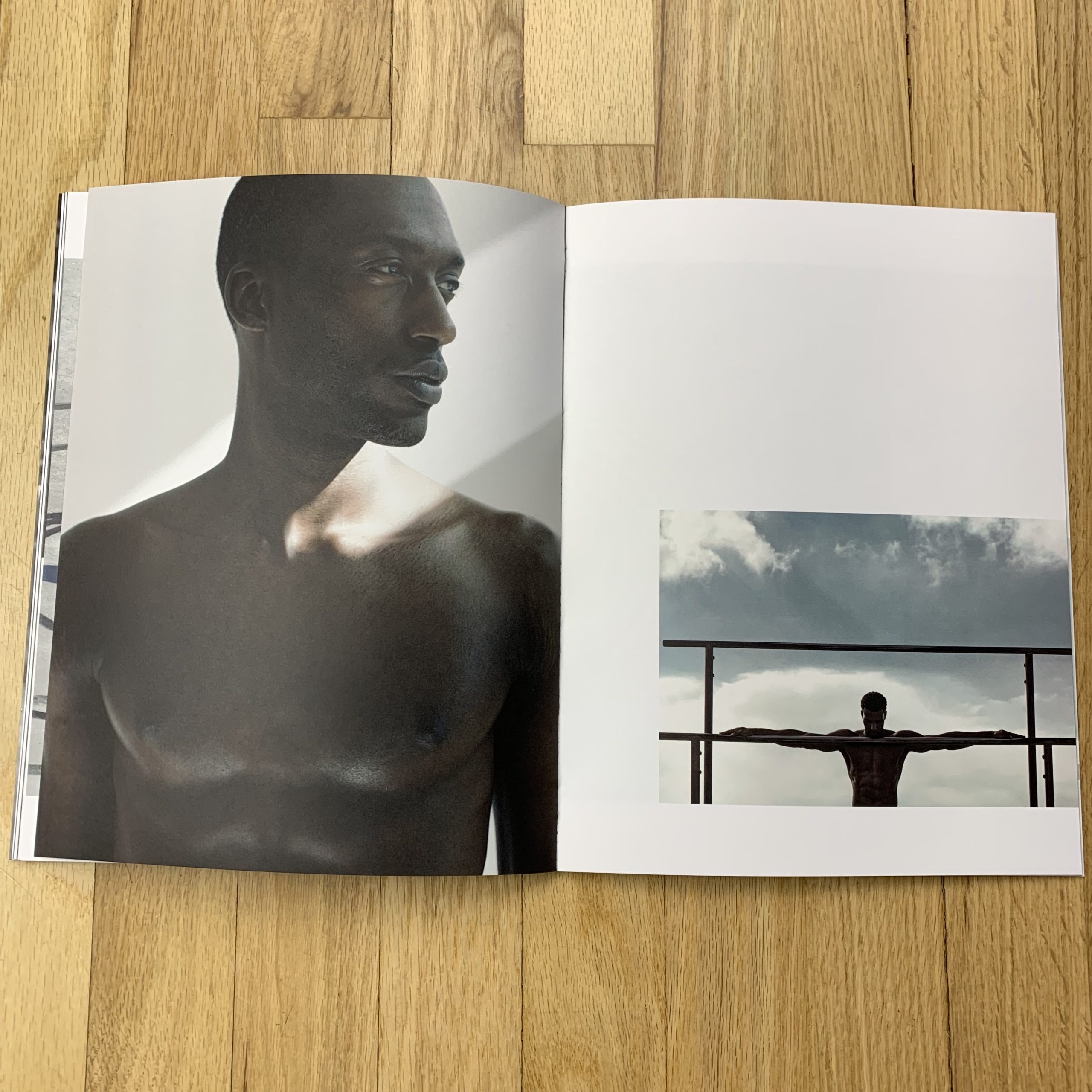
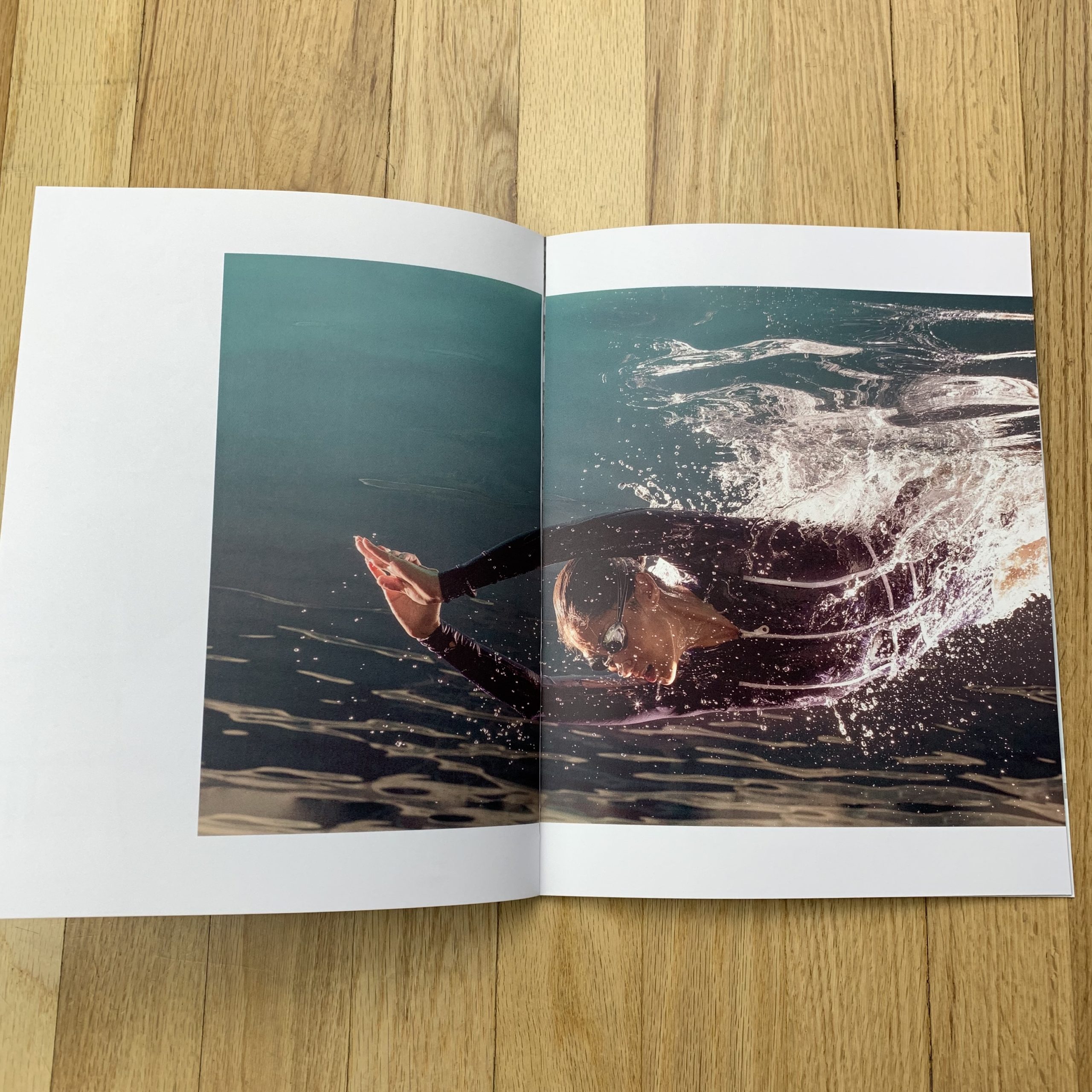
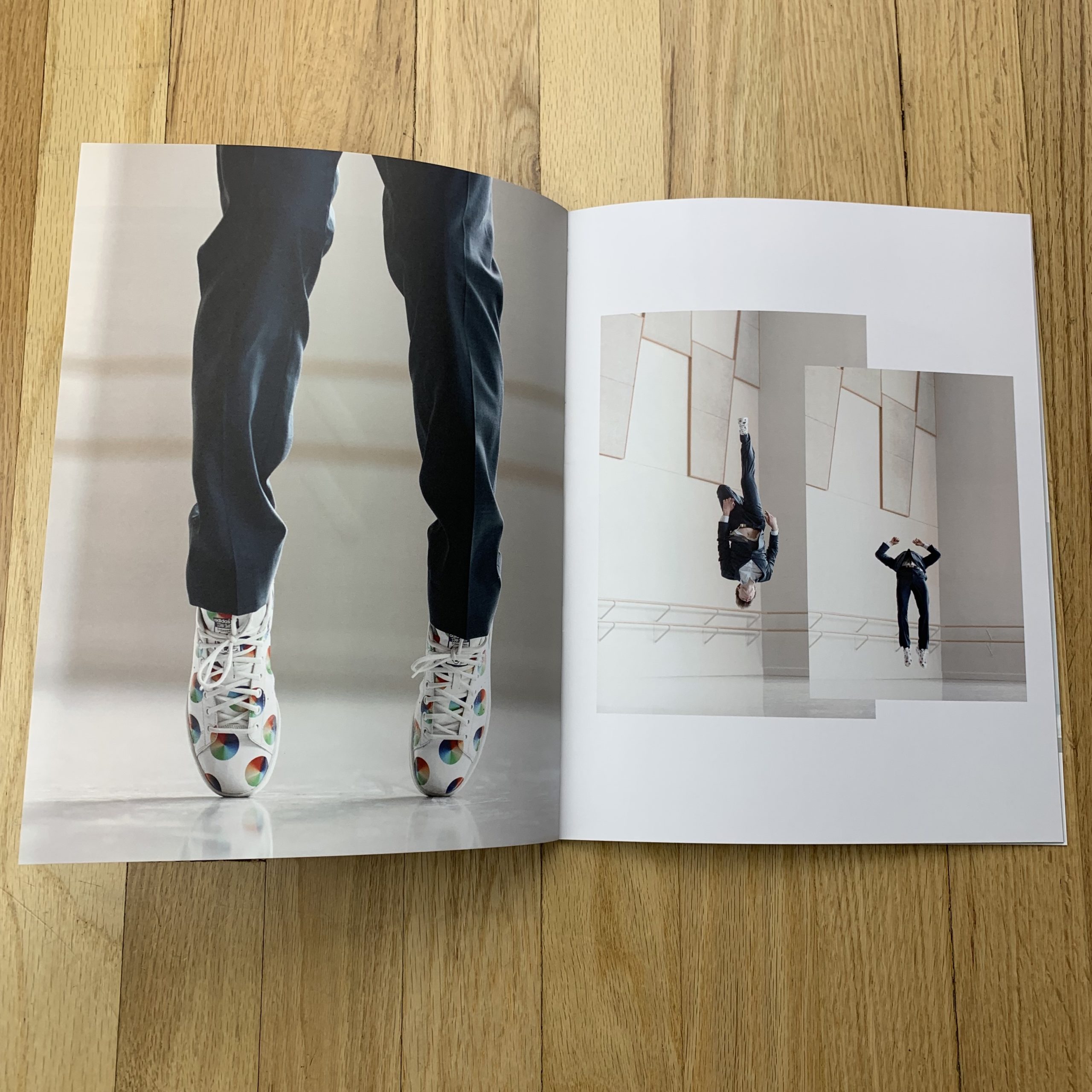
I made a selection of my favorite new work that best showcases what I do and illustrates the type of projects I hope to do in the future. I love to weave color narrative within my promos which is an approach I use for my website, printed portfolio and social media feeds. All of the images are from recent editorial assignments, except for the back cover which is a personal project. The cover is of actor Samira Wiley (shot for Bustle), I wanted to start with a strong image and she just draws you into her gaze. I follow this with two images of Troye Sivan and Grace Vanderwaal, both shot for Billboard Magazine, next to comedian Sarah Silverman (for Bust Magazine). Using design elements in each layout we took take cues from the color used in each image, including the green from the outdoor location featuring rapper Lil Wayne and the sky gradation with the portrait of Emma Stone. Keeping things asymmetrical but simple, we included an image of Grammy-nominated musician Anderson Paak followed by Jessica Chastain and Rapper & Actor Joey Bada$$. Majority of my assignments are entertainment and celebrity based. It’s my priority to share my approach to portraiture and versatility with talent.

How many did you make?
1700, 1500 sent to handpicked contact list made by rep and my own research. 200 are hand given at meetings and at promotional events my rep attends.

How many times a year do you send out promos?
1-2 year

Do you think printed promos are effective for marketing your work?
I think any attempt at getting your work in front of creatives is effective, its another opportunity for your name and your work to be seen by potential clients. With the over saturation of social media, a tangible piece is almost a breath of fresh air, especially to creatives still working with printed production. There are some things that can’t be achieved digitally and this approach has so much potential to spark interest on a different level, beyond scrolling up a feed. I believe creatives are receptive & appreciative of good design and images, especially if you target people who you are aligned with your type of photography & aesthetic. A little bit of homework can go a long way to save you time (and money) by researching your list of clients who you estimate are a good fit creatively.

This Week in Photography Books: Lorena Turner


I used to know Keanu Reeves.

It’s true.

Back in the 90’s, I worked on a couple of movies in New York, just before moving back to New Mexico. One of them, a major Warner Brother production, was called “The Devil’s Advocate,” and starred Keanu, Charlize Theron and Al Pacino.

I got hired as an office intern, was soon promoted to office PA, and then got a second promotion to location assistant. (Before I was fired in winter so they could hire a much more qualified person for the job.)

Because I answered the phones, made the coffee and took out the trash well before shooting, I was around to hear the gossip, pick up on the undercurrents, and generally make myself a part of the furniture.

Surprisingly, my fellow intern Sarah, who’d just gotten a film degree at NYU, told me she wanted to date Keanu, and then she went ahead and made it happen.

So it wasn’t that odd, in the end, to hang out in Keanu’s trailer and shoot the shit while he smoked, or keep him company while he was waiting for an actress to come in and test opposite.

The strangest thing was, though, that Keanu Reeves was insanely charismatic in person. He would do voices, and crack jokes.

Personally dripped off the guy.

But then, as soon as the cameras started rolling, he’d become stiff and wooden, and his line-readings made me cringe more than once. (Once a day, maybe. He was really bad.)

It was odd to see him behave one way IRL, but then freeze up, or shut down, once it was time to do his job.

At that point, in 1996, he was still known as the cute guy from Bill and Ted’s who couldn’t act for shit. (And I had to admit the reputation seemed appropriate.)

Then, after “The Matrix” came out, all of a sudden, he was a Sci-Fi action superstar, and his subdued on-screen persona made more sense. It’s hard to re-create the feeling of awe many of us had, seeing that film for the first time, but it obviously never would have worked with another actor.

Seemingly, after that, he went into another fallow period, and got super-into martial arts, so much that he directed a film about a Tai Chi fighter, and acted in an awful Japanese sci-fi Samurai film that ended in mass Seppuku. (Mercifully.)

Fast forward to 2019, and the world is eagerly awaiting the third “John Wick” movie, because Keanu managed to reinvent himself yet again, and his laconic, restrained acting is just perfect, when surrounded by the absurd, almost campy, but extremely-well-done action filmmaking.

While we all grow and change in life, (hopefully,) it seems to me like Keanu Reeves just can’t be understood outside of the context in which he’s seen.

Is he really a better actor as John Wick than he was as Neo, or Kevin, the literal son of the Devil?

I’m not so sure.

And what about that amazing personality of his? Does it change one’s perception of his wooden on-screen-persona to know he’s a hoot as a real guy?

I’m not sure of that either.

But my point today, if you haven’t gotten there yet, is that context really does determine most of how we receive our information, and make the judgements that imbue us with individuality.

It’s why you’re more likely to trust the same story published in the NYT over Fox News. (Or vice versa, if you’re conservative.)

Or why some people, who watched “The Apprentice” for many years, came to believe that Trump was a competent, intelligent, corporate titan. (If you haven’t, read the New Yorker piece on Mark Burnett, which offers a pretty fascinating context in which to view our President.)

Photo books, of course, the subject of this long-running column, rely heavily on context. In fact, I find myself telling students that if they don’t consider it properly, they have no shot at making a good book, much less a great one.

The way a photo book releases its information, teases out its narrative, and gives you what you need to know is as important, in my opinion, as the pictures themselves.

It’s what really separates an exhibition, in which you look at the pictures, (most likely big,) and then try to understand them as objects, from a book, which as I’ve written many times is an experience.

In fact, I was just talking with a book-designer-friend about the fact that even the number of pictures included will determine if a viewer looks at a book in one sitting, ingesting the entire message, or flips through a few pages, puts it down, and then picks it up another time and does the same thing.

Think of a photo book as a story, with a beginning, middle and an end, and the whole process makes more sense. (Unless you love non-sensical, non-linear video art, in which case, go crazy and make whatever weird shit you see in your head.)

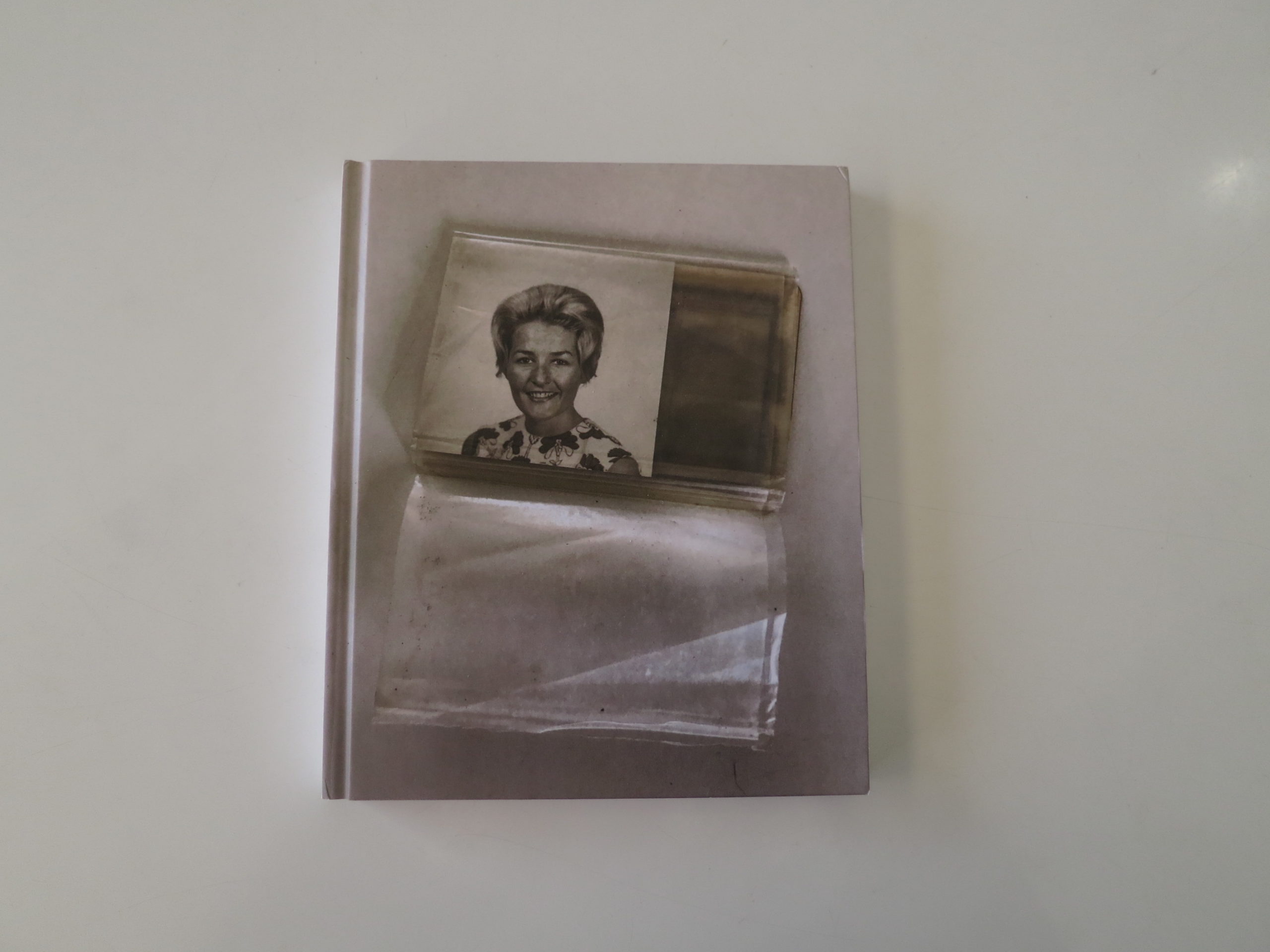
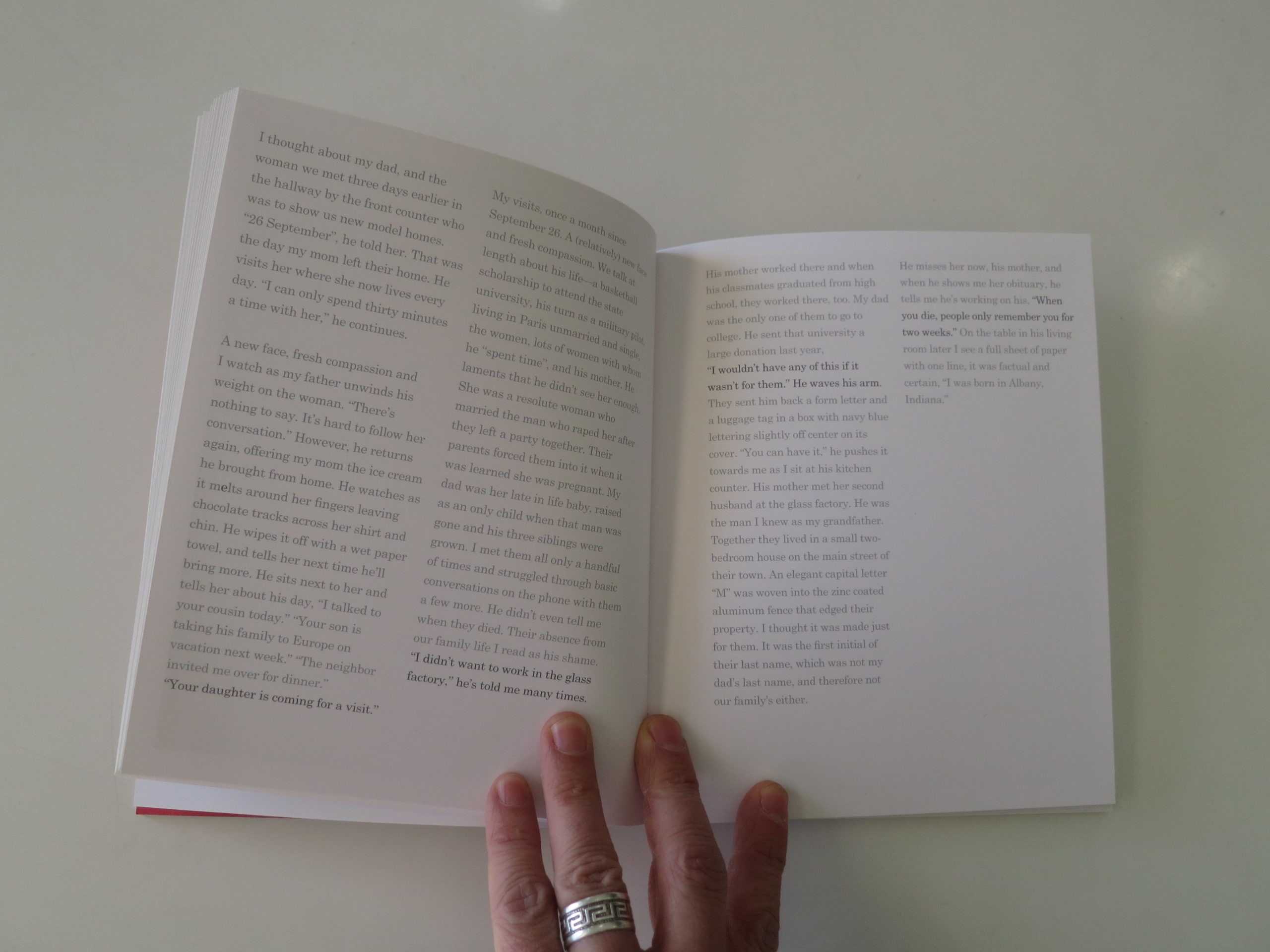
I mention all of this because today, I spent some time with “A Habit of Self Deceit,” a self published book by Lorena Turner that showed up in the mail, unsolicited, last fall.

It’s important to me that we now show women and men equally here, as it allows us to present a much broader perspective than when I was mostly showing guys, because that’s what showed up in the post. (Let me say it again here folks, outreach is necessary to make change.)

But just as I don’t normally plan the themes that carry over from week to week, I’ve noticed lately that I’ve been a bit critical of some of the books I’ve reviewed by female photographers.

I doubt anyone else has picked up on it, (and my review of Josée Schryer’s book was glowing,) but as this is a column that embraces criticism, I guess it’s fair game.

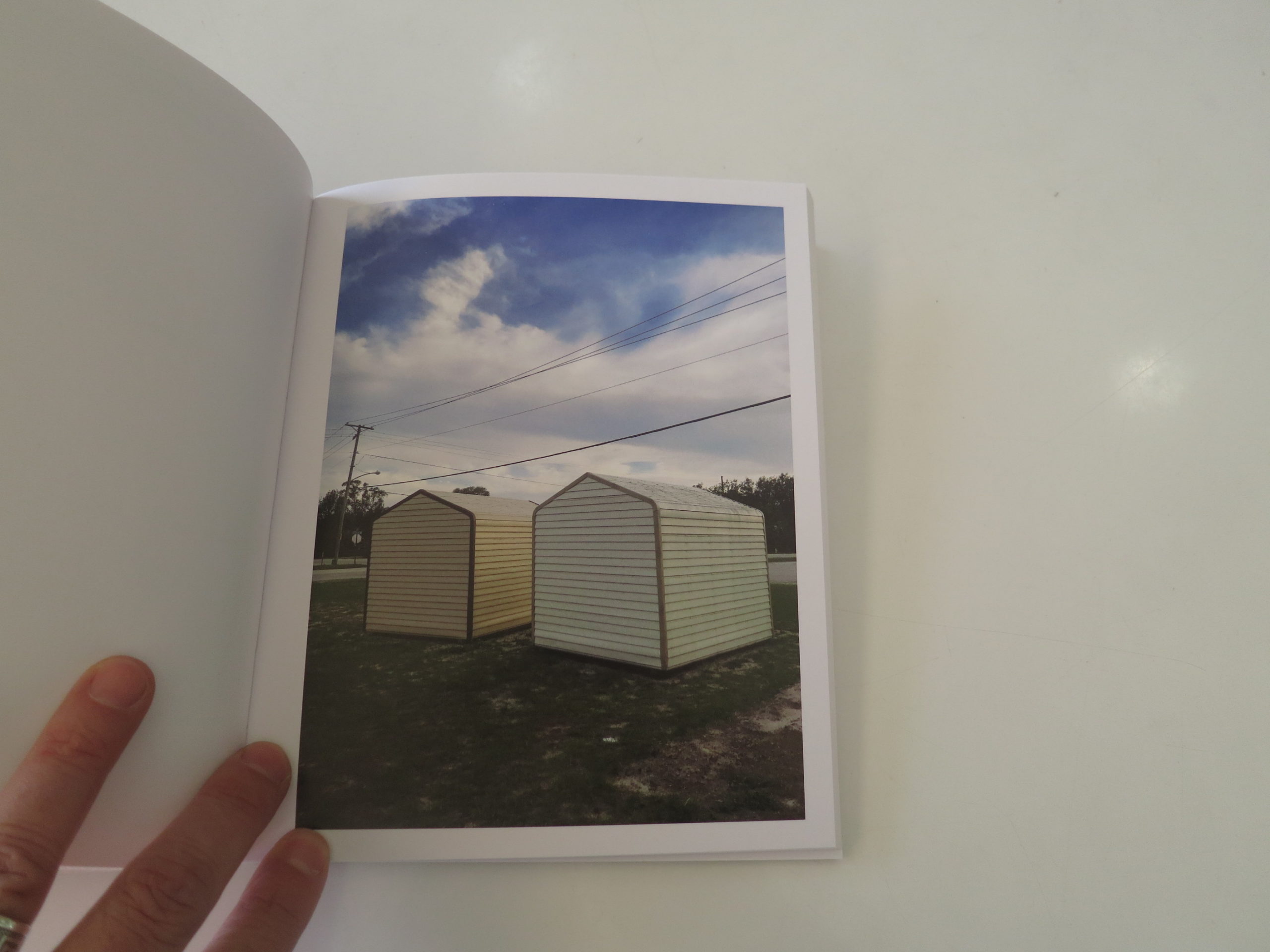
This book fits the theme, because the individual images, and the style in which they’re shot, are pretty generic for 21st Century fine art photography. Just as I lambasted the Hartford-MFA-style earlier this month, there is a certain type of dry-but-poetic color photography that makes projects indistinguishable from one another, and I’m sure you know what I’m talking about.

Based purely on the pictures, I’m not sure I’d review this book.

But as I said before, just looking at the pictures misses the point.

“A Habit of Self Deceit” is sad, and as soon as you get into the narrative, that context envelopes the experience like a shrink-wrapped house.

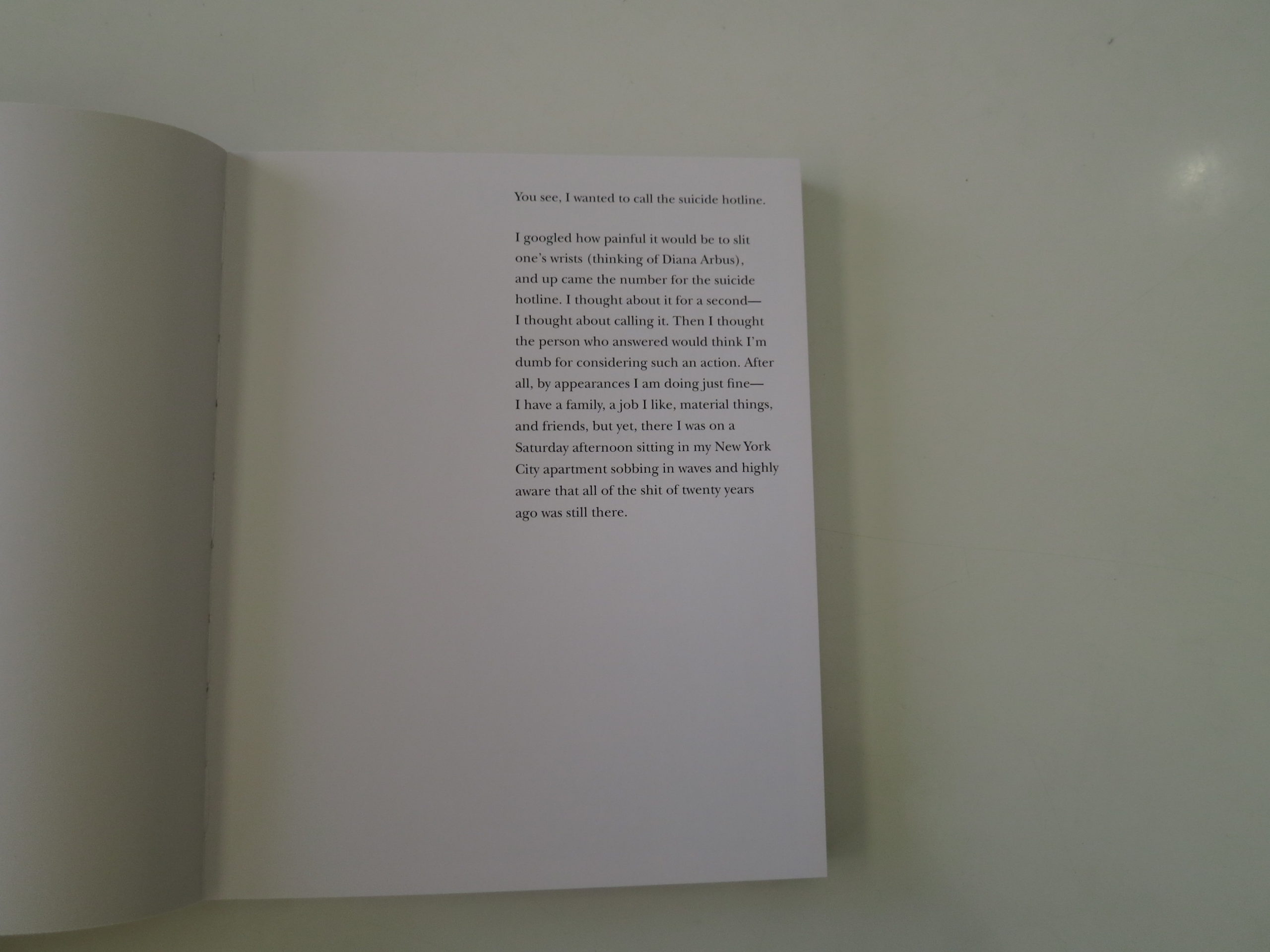
It opens with a short statement in which the artist admits to having contemplated suicide, almost calling a hotline for help, before abandoning the idea. (The piece also misspells Diane Arbus’s name, which I took to be intentional, but what is that supposed to imply?)

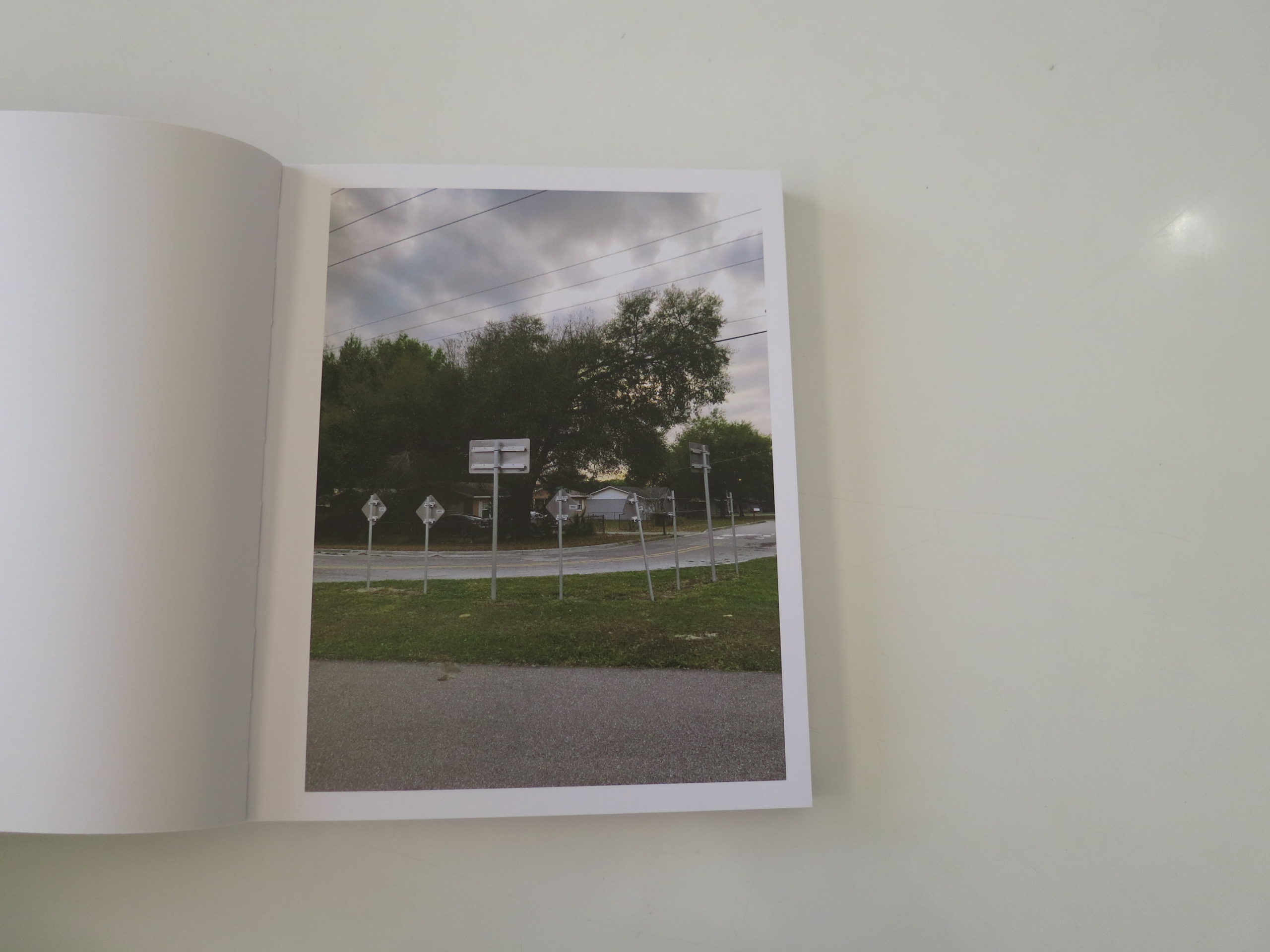
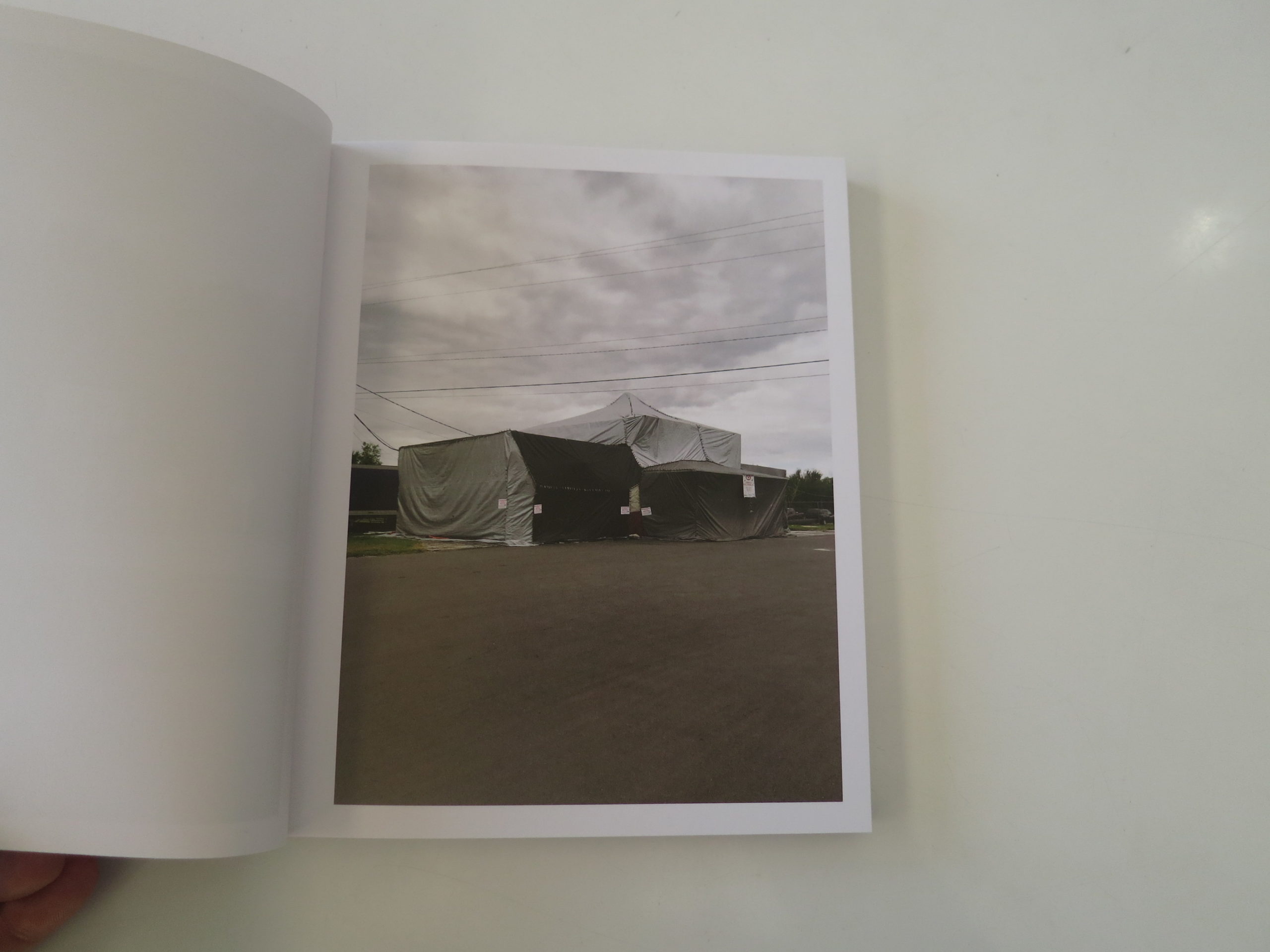
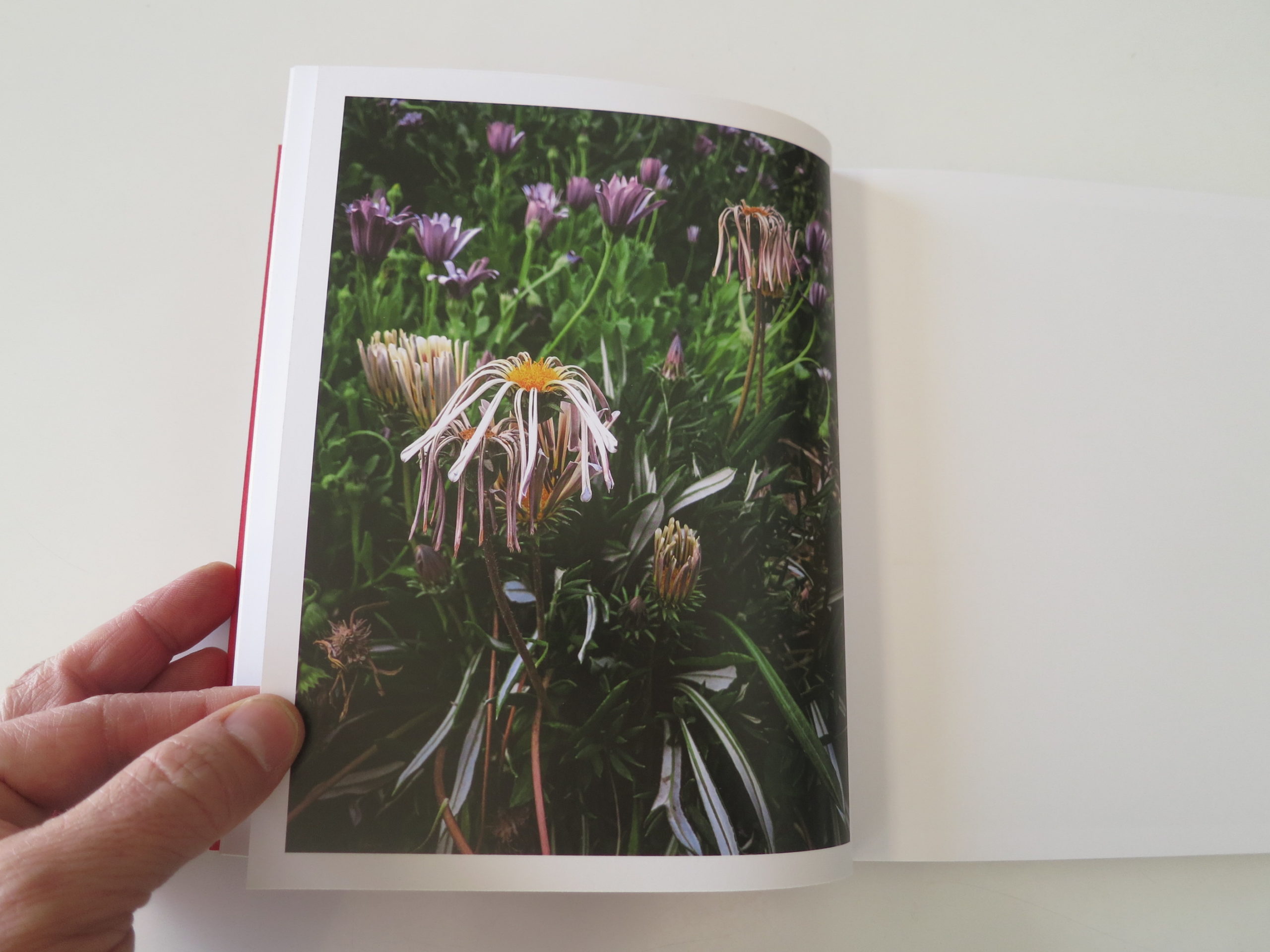
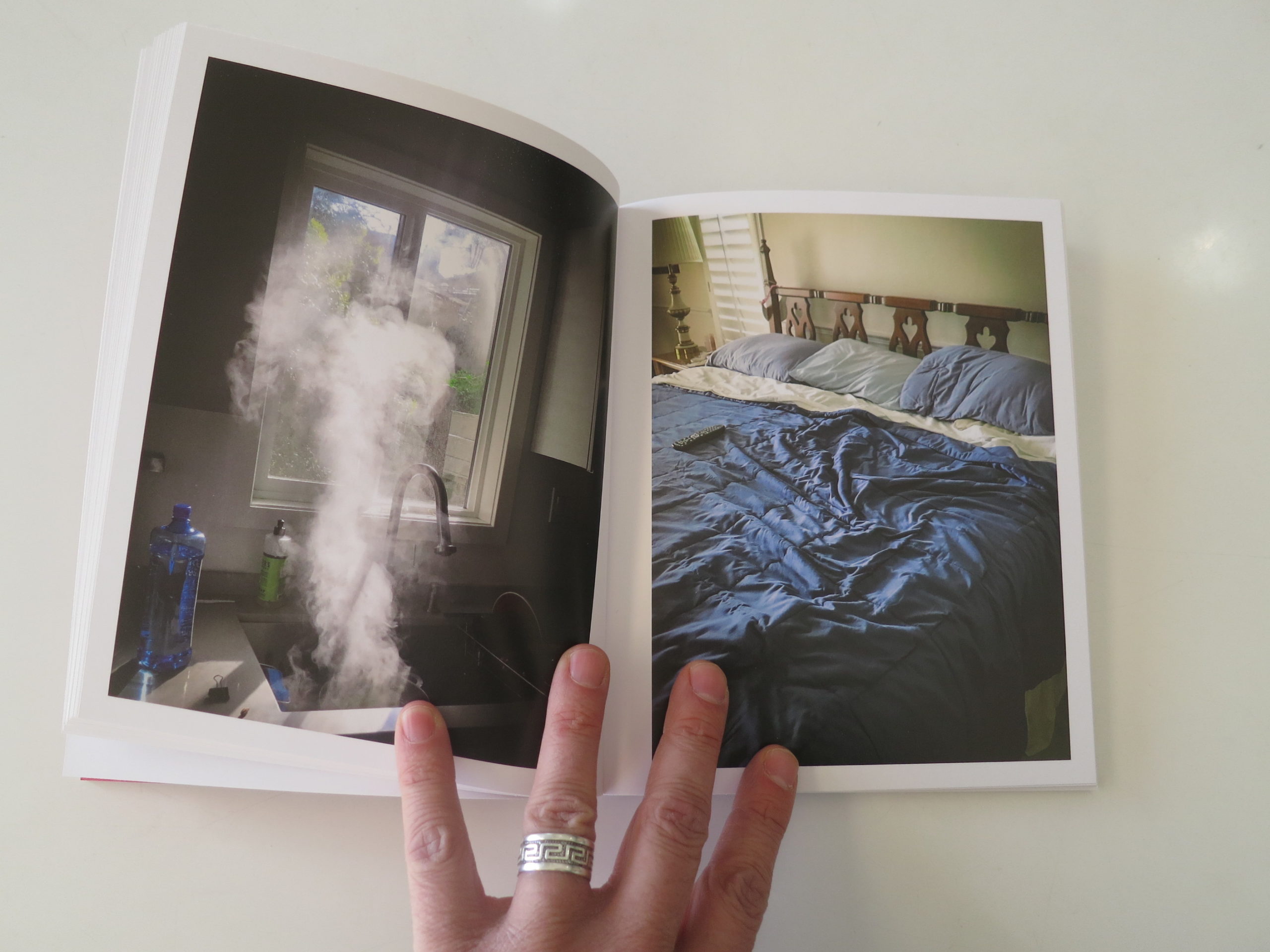
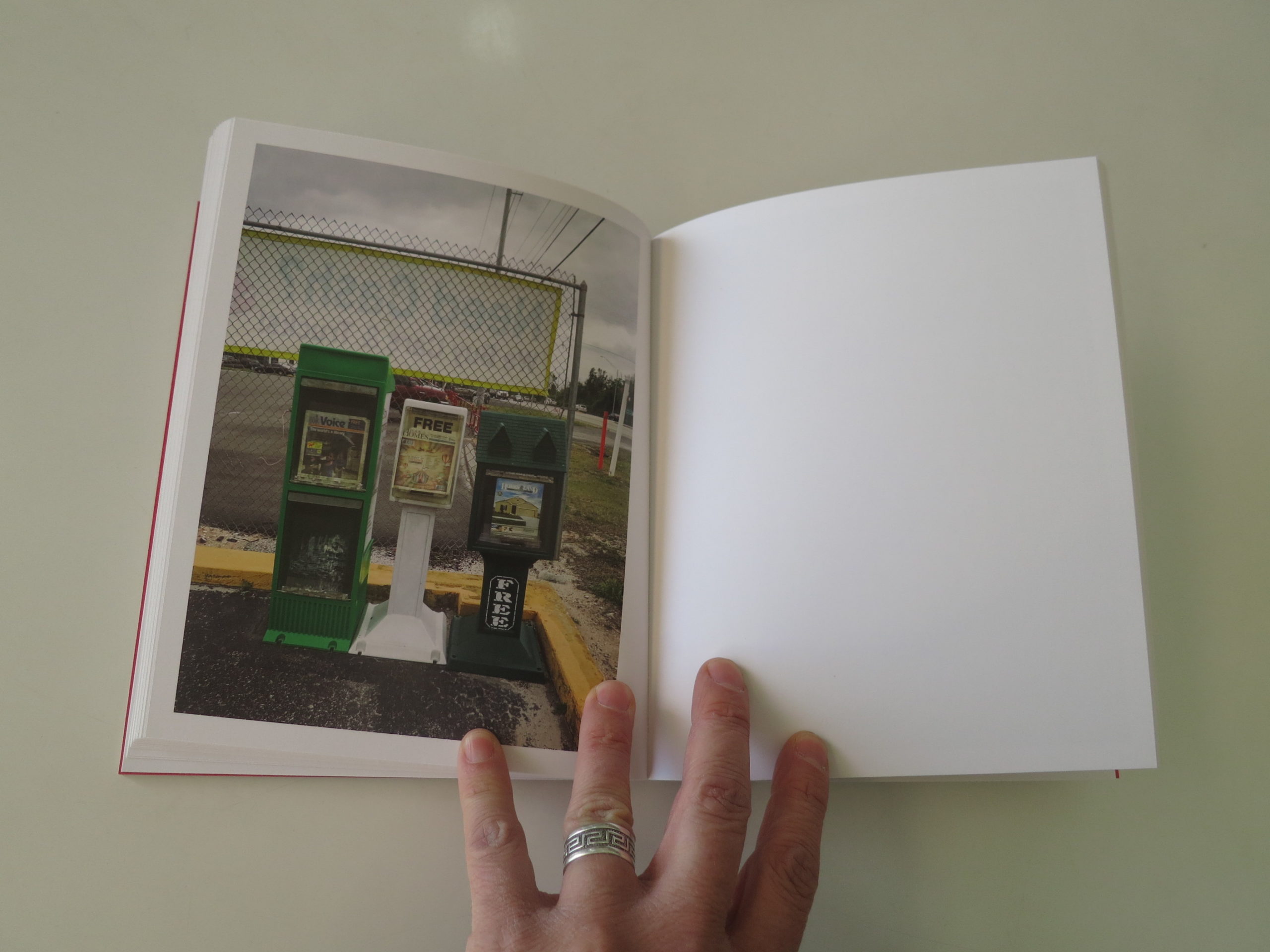
The writing is immediately followed by a series of bleak-light pictures featuring things hidden, covered, wilting, and alone.

Boom!
Emotional tenor established.

There are more textual interruptions, each very-well-written, which share that the artist was estranged for her adopted mother for years, but now she visits her in a home for the aging and demented, as her mom no longer knows who she is.

We read a story about how her Dad is likely lonely, living on his own in a new home, and how he visits his wife each day. The story tells us that his own mother married her rapist, and that the family history is not happy in general.

The heavy tale weighs down the pictures, throughout, in the best possible way.

And then, at the end, there’s another text piece that discusses the book’s title, which derived from Jean-Paul Sartre and Simone de Beauvoir. (Obligatory intellectual street cred established.)

Add it all up, and I really enjoyed my time with this book, even though it’s sad, and made me feel glum until I took nice walk in the sun.

If I open it up again, and randomly pick a page, I immediately think, “That picture’s nice, it’s good, but it’s nothing special.”

Really though, so what?

In my personal and professional opinion, I judge the entire book not by it’s cover, but by its gestalt.

And this one is pretty good, all things considered.

Bottom Line: A poignant tale of family and loss

To purchase “A Habit of Self Deceit” click here 

If you’d like to submit a book for potential review, please email me at jonathanblaustein@gmail.com. We currently have a several month backlog, and are particularly interested in submissions from female photographers so we may maintain a balanced program.

The Art of the Personal Project: Hugh Kretschmer

The Art of the Personal Project is a crucial element to let potential buyers see how you think creatively on your own.  I am drawn to personal projects that have an interesting vision or that show something I have never seen before.  In this thread, I’ll include a link to each personal project with the artist statement so you can see more of the project. Please note: This thread is not affiliated with any company; I’m just featuring projects that I find.  Please DO NOT send me your work.  I do not take submissions.

Today’s featured artist:  Hugh Kretschmer

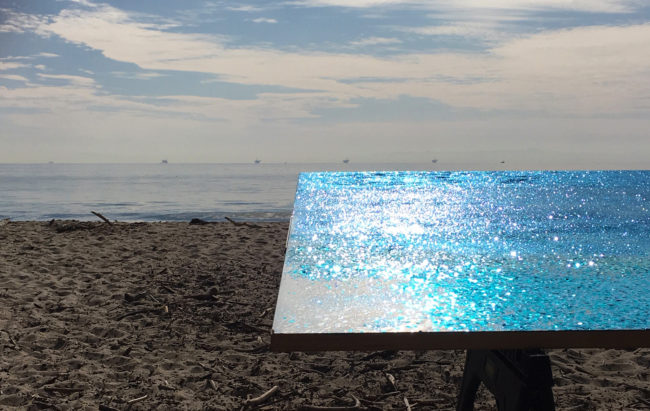
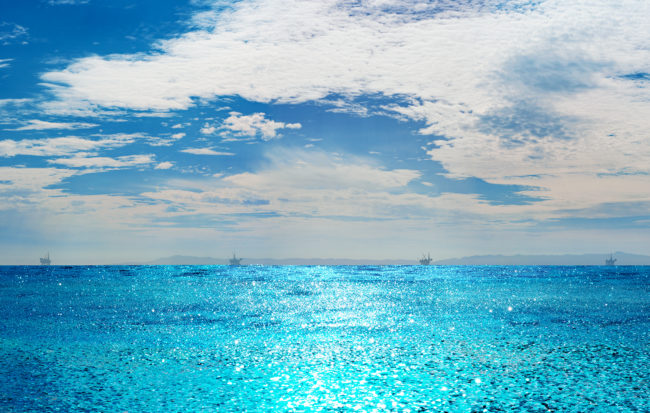
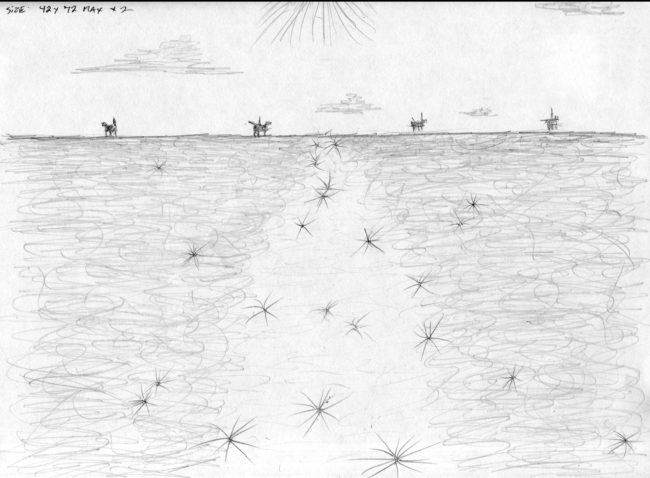
I first noticed a change when I moved back to LA from New York after twelve years.  It seldom rains, and the weatherman is struggling to figure out when El Niño is supposed to arrive; a weather phenomenon that brings heavy rain to this part of the world every seven years. We’re past the seven-year mark.  I remember as a kid looking at the weather page of the newspaper on an El Niño year and seeing in the satellite photo one rainstorm after another coming from Hawaii.  It looked like they were on a conveyor belt, and they actually had a nickname for it – The Pineapple Express. Fire storms are more common than rainstorms, and I’ve been evacuated twice because of brush fires.  And then there are oil derricks out in the bay, a lot of them, and there is a faint smell of crude and a rainbow sheen on the ocean surface.  Like a siren call, it is alluring to the eye but toxic to the touch.

And, if all of this is happening in my home city, I can only imagine what the effects are elsewhere around the world. Add to the mix a prediction by experts that future wars will be waged over water, it is hard to sit on my hands and leave it to the experts, “more qualified than me”, to do something about this.

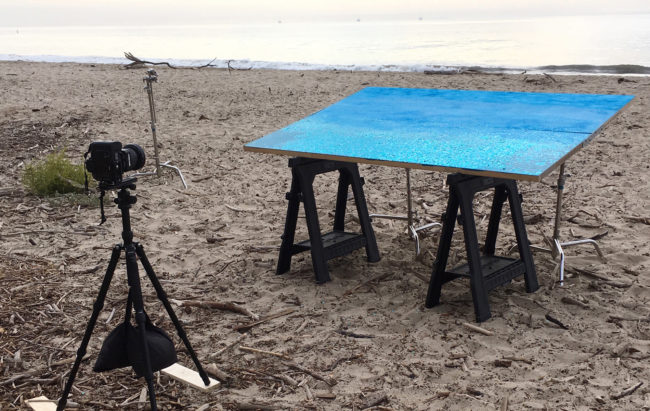
Then the idea came to me: create photographs around the subject of water but have not a drop of it in the images.  It sat in the back of my mind until I was interviewed by an Arab arts and culture magazine while teaching workshops in Dubai. It dawned on me why this project was gnawing at me when she asked, “Have you ever considered having your work serve a purpose?”  That one question brought it all together as if the universe was telling me to start the project.

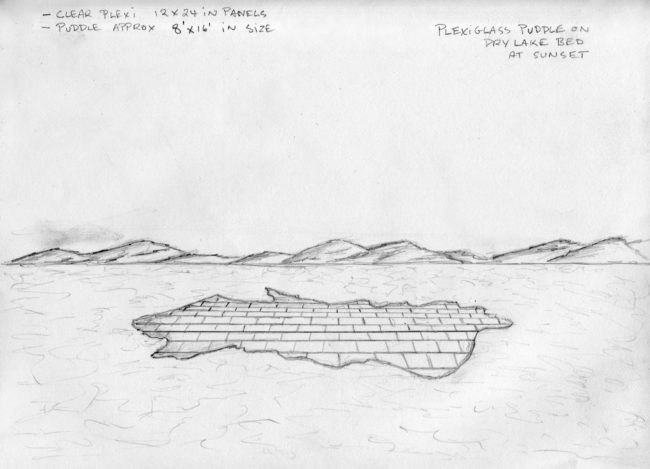
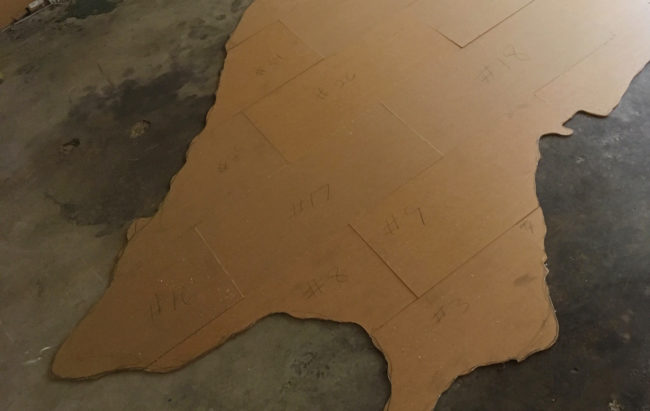
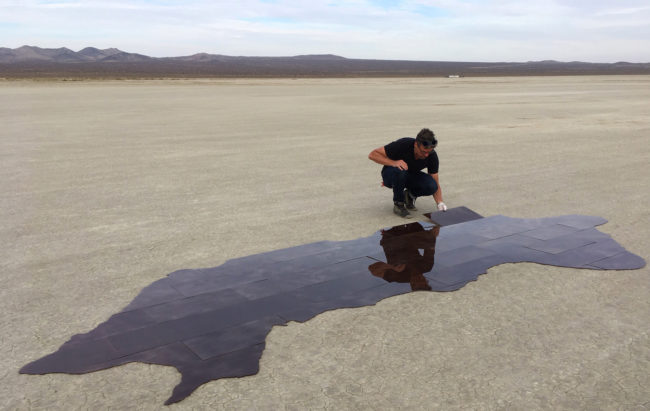
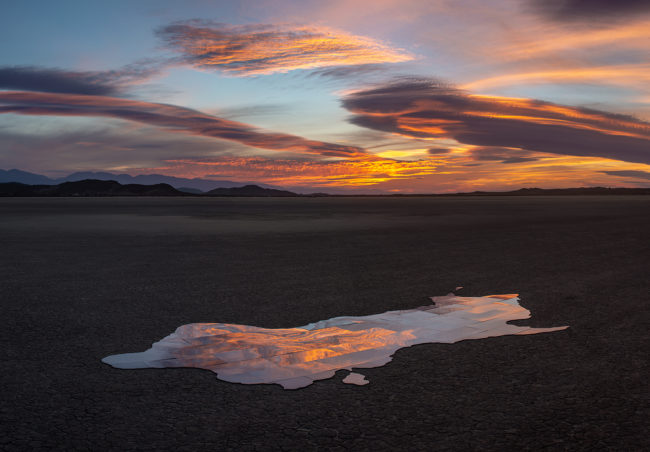
“Mirage” has a double message: bring water back to where it once flowed and was pristine; and take a glimpse into dystopian future where the only way to see water in its purest form would be through artificial means. Think museum diorama!

My vision for this project is to ultimately expand my vistas beyond California to the rest of the country, and eventually other parts of world where natural water systems are in peril.  By way of gallery exhibitions, print sales, and an eventual book, I will donate a portion of the proceeds to a non-profit organization dedicated to water conservation — come hell or high water.

To see more of this project, click here.

APE contributor Suzanne Sease currently works as a consultant for photographers and illustrators around the world. She has been involved in the photography and illustration industry since the mid 80s.  After establishing the art buying department at The Martin Agency, then working for Kaplan-Thaler, Capital One, Best Buy and numerous smaller agencies and companies, she decided to be a consultant in 1999. She has a new Twitter feed with helpful marketing information because she believes that marketing should be driven by brand and not by specialty.  Follow her at @SuzanneSeaseInstagram


The Daily Edit – Wired UK: Christie Hemm Klok

Wired UK

Creative Director: Andrew Diprose
Photo Director: Dalia Nassimi
Acting Photo Director: Cindy Parthonaud
Photographer: Christie Hemm Klok


Heidi: What type of direction did you get from the magazine?

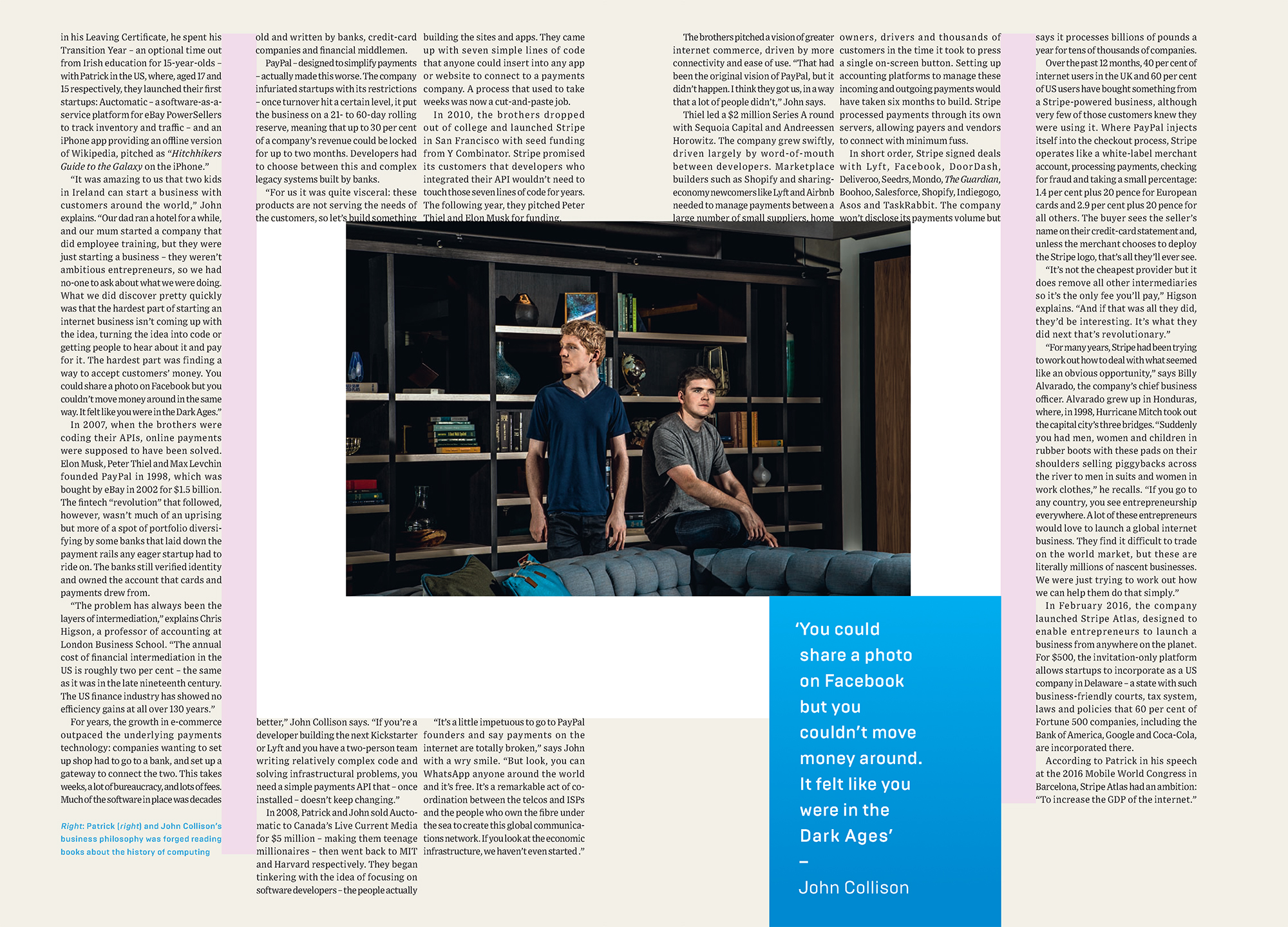
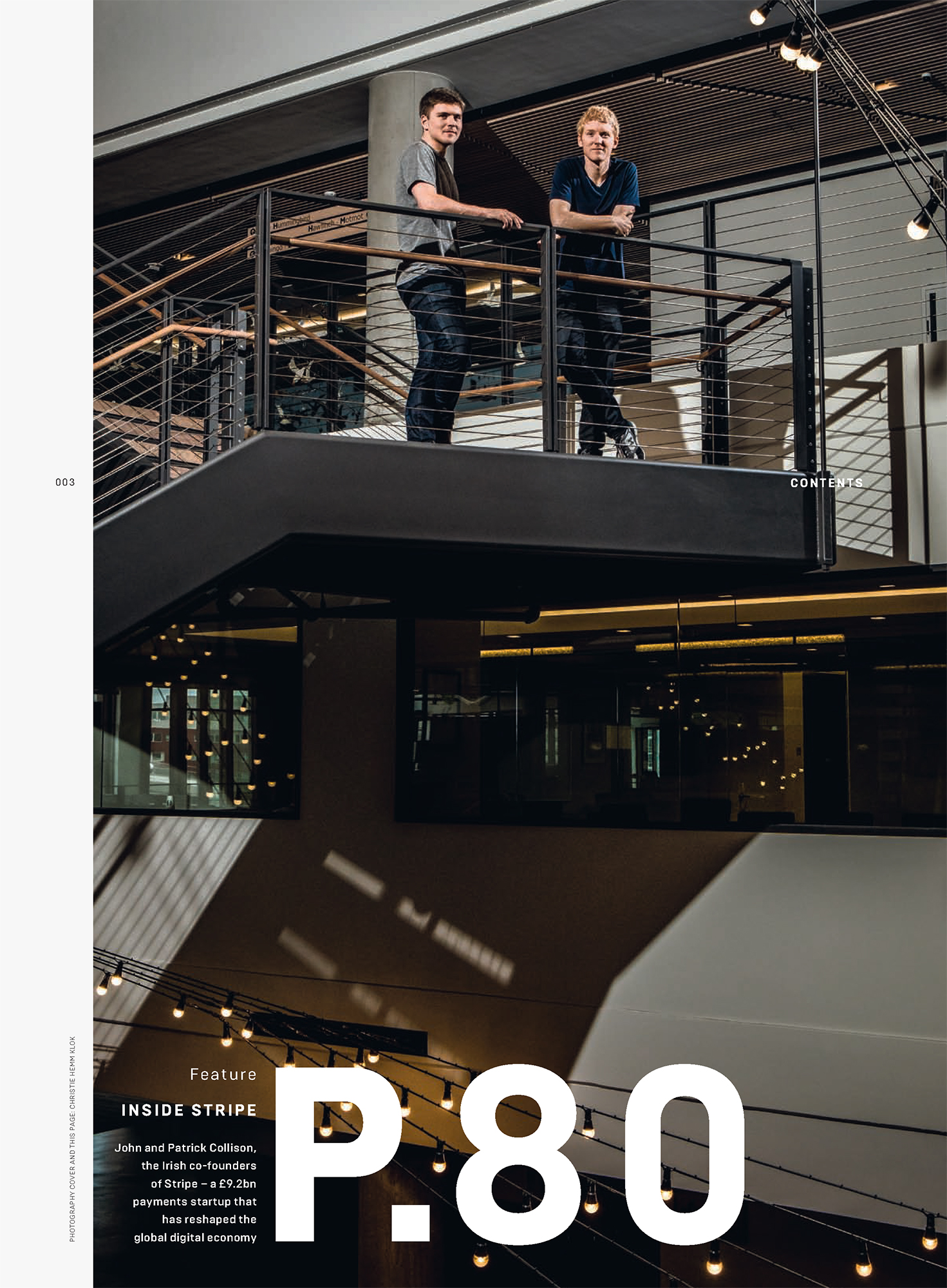
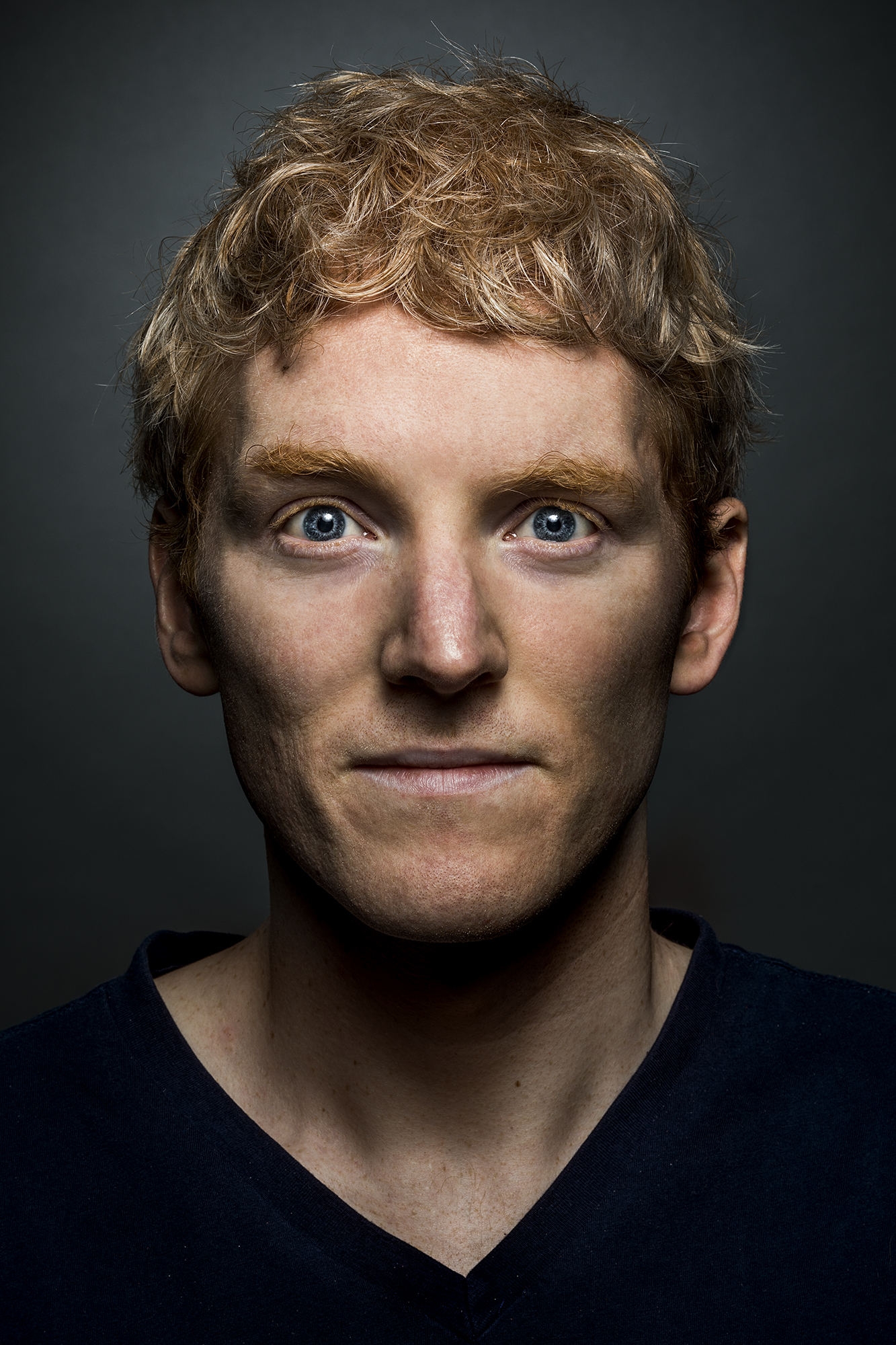
Christie: I got a lot of direction from the magazine. When Cindy Parthonaud, the acting photo director at the time, approached me about the shoot she had a pretty clear vision in mind. She referenced an image that I had taken for WIRED US back when I worked in house for them of the young actor Abraham Attah. The creative team worked up a mock cover using that image of Abraham and we went from there. It was so helpful from the get go to understand their vision and have what that wanted communicated to me so clearly. I had been wanting to do some moody portraiture and this was the perfect opportunity.

How did the idea to utilize the gutter come about?
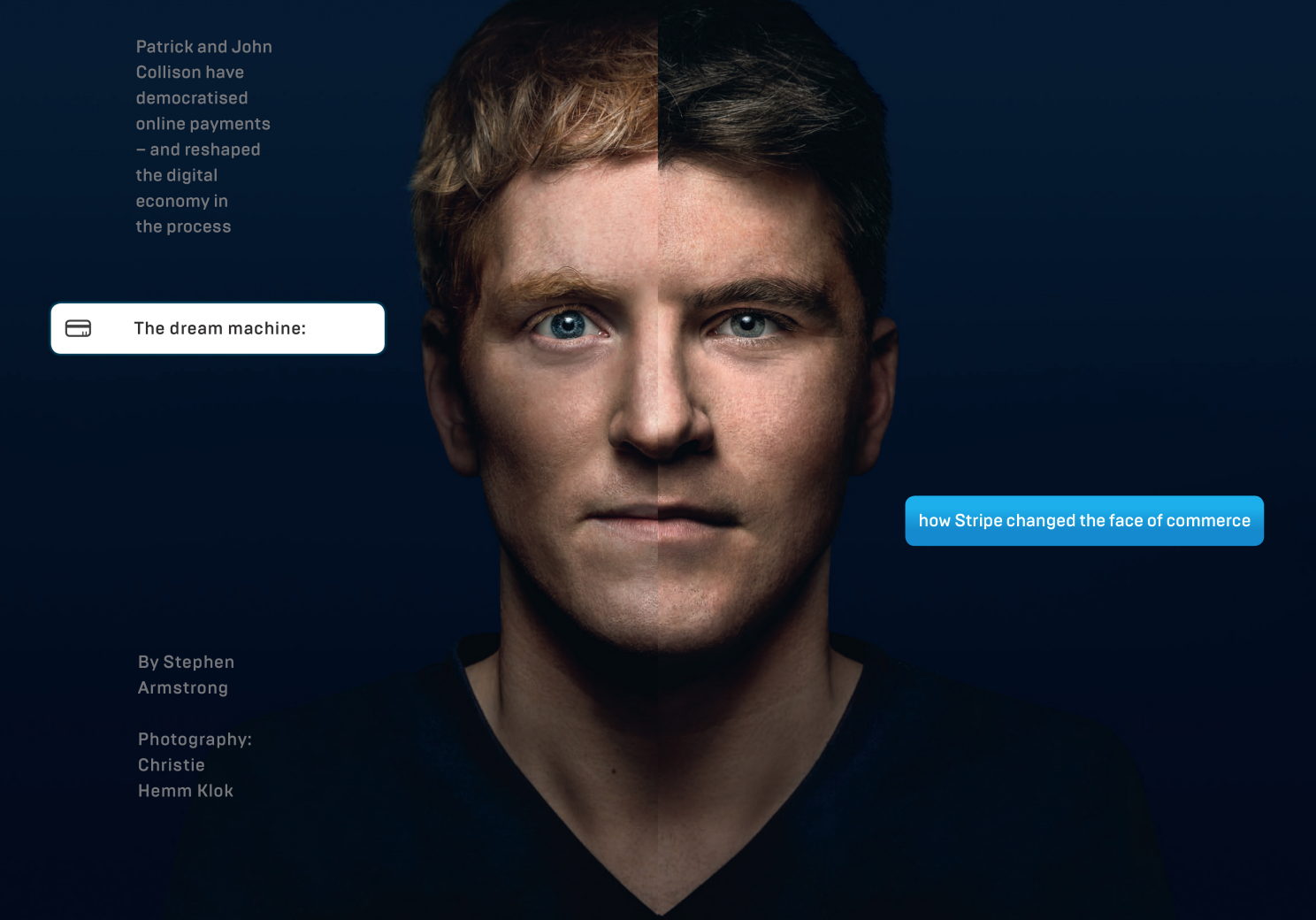
I can’t speak to how the use of the gutter came about but Cindy or the CD over at WIRED UK came up with. We had always planned to photograph each person individually and piece together the cover but the use of the gutter was entirely the idea of the art team. I love that opener so much.


How difficult was it to schedule the shoot and how much time did you have?
The shoot was difficult to schedule and the time frame was incredibly tight. Although this is the case on most shoots this one was especially tough to pull off in such a small timeframe since we needed more shots in order to fill out a cover story. We had the guys for about an hour, although I think it ended up being closer to 45 min. I got there about 2 hours early to scout and set up. When I know I have a tight time frame I walk through the space with my assistant and map out a game plan. If we all know where to go next the shoot can happen a lot more smoothly. Since we set up a mobil studio and 5 environmental shots we needed to move quickly though each.

How much did you direct them in terms of styling and on set?
I directed them a lot. Since we knew what we wanted for the cover it was just matter of portraying that clearly to them. I tried to fit as many environmental shots as I could in our tight timeframe and knowing what I wanted out of each location was key. My assistant and I tested out positioning when we were setting up so I had those in my mind when I approached each location.

What type of energy do the two of them have that you were trying to portray?
Both of them were pretty quiet and reserved. They seemed to get along really well and have a very close relationship. Stripe is an incredibly successful company and the brothers are very young so we wanted to show that confidence and strength.

Are they aware of their impact and did that come through while you were interacting?
Honestly they were both a bit distracted the entire shoot. They are both clearly very busy so they were on their phones a lot answering emails. Despite their tight schedule and heavy workload we were able to accomplish a really successful shoot.

The thing about shoots like these is that it takes so many people to make it successful. Without my assistant, Cayce Clifford and the Photo Director, Cindy it really could not have happened the way it did. We ran up and down flights of stairs testing out each location and at least 40 min fine tuning the lighting for the cover.

The Daily Promo – Jason Myers

Jason Myers

Why did you decide to make a non-traditional promo?
I’ve always felt like I’m a pretty diverse photographer when it comes to genre, however, most people associate me as a portrait photographer. Having shot editorial and advertising work for many different clients over the years I was realizing I was missing more lifestyle opportunities recently and wanted to be sure clients knew I could shoot and enjoyed shooting lifestyle type work. We planned a personal Fall camping shoot at a friends farm just outside of Nashville and with the help of talent, wardrobe styling, prop styling and HMUA from AMAX a local agency, we shot a full day in November 2018 for fun to have something for my book and to show potential clients that I was capable of more than what they had seen previously. I enjoy shooting and collaborating period. I wanted my past clients, current clients, and future clients to know I could create the lifestyle imagery they often asked for but hadn’t seen much of in my portfolios.

After the shoot, Laurel and I decided very quickly that there was more to this shoot than simply getting images and tossing them on a print mailer or adding to the website. When I moved to Nashville in 2014 I made (with the help of some very talented friends) the “Fresh from Florida” promo announcing my move from Florida. It was ambitious but it paid off, getting me additional looks at my site, meetings beyond the people I sent the promo too and ultimately work.

This was a similar goal. Package the work in a way that was consistent with the shoot, my brand and get as many industry eyeballs on it as possible.

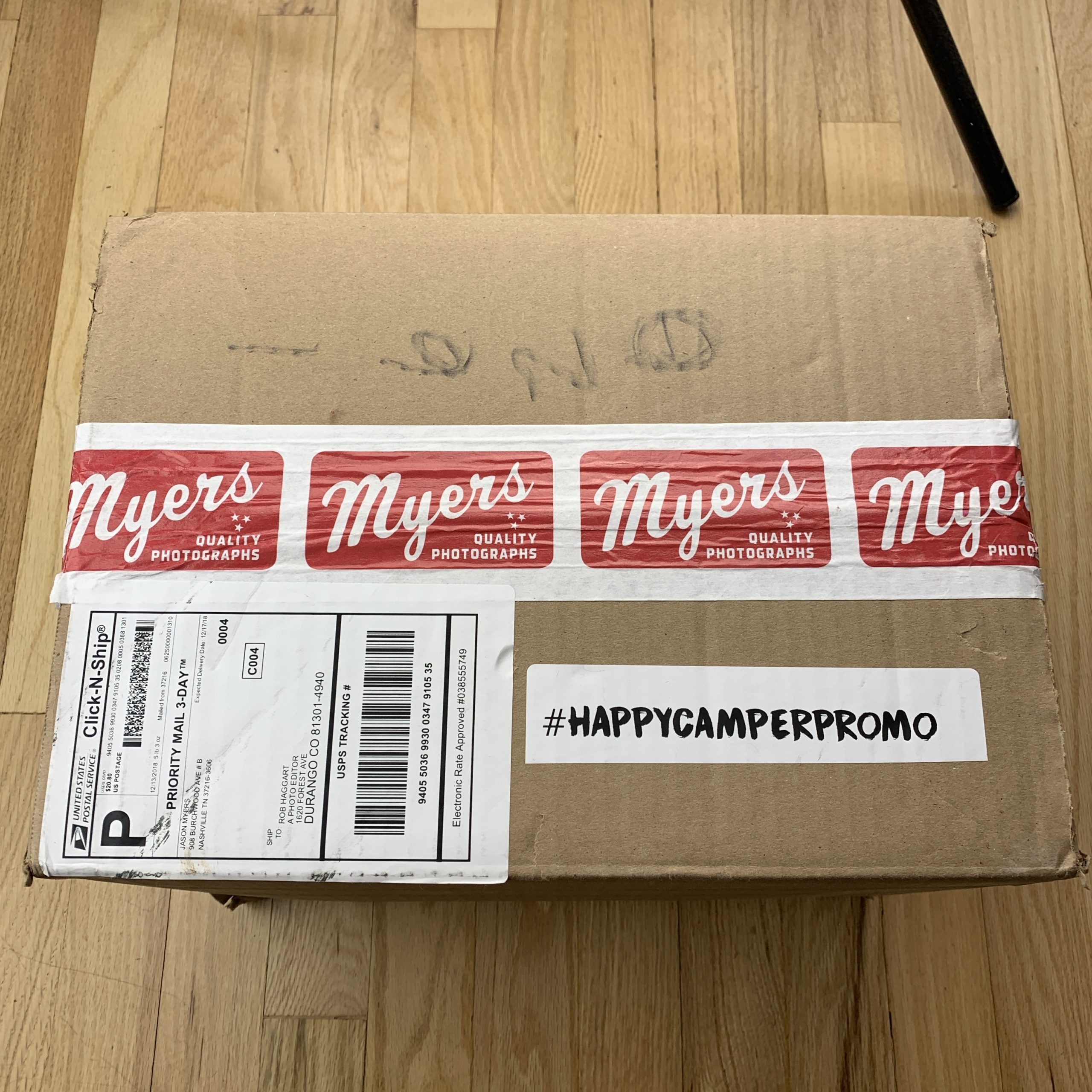
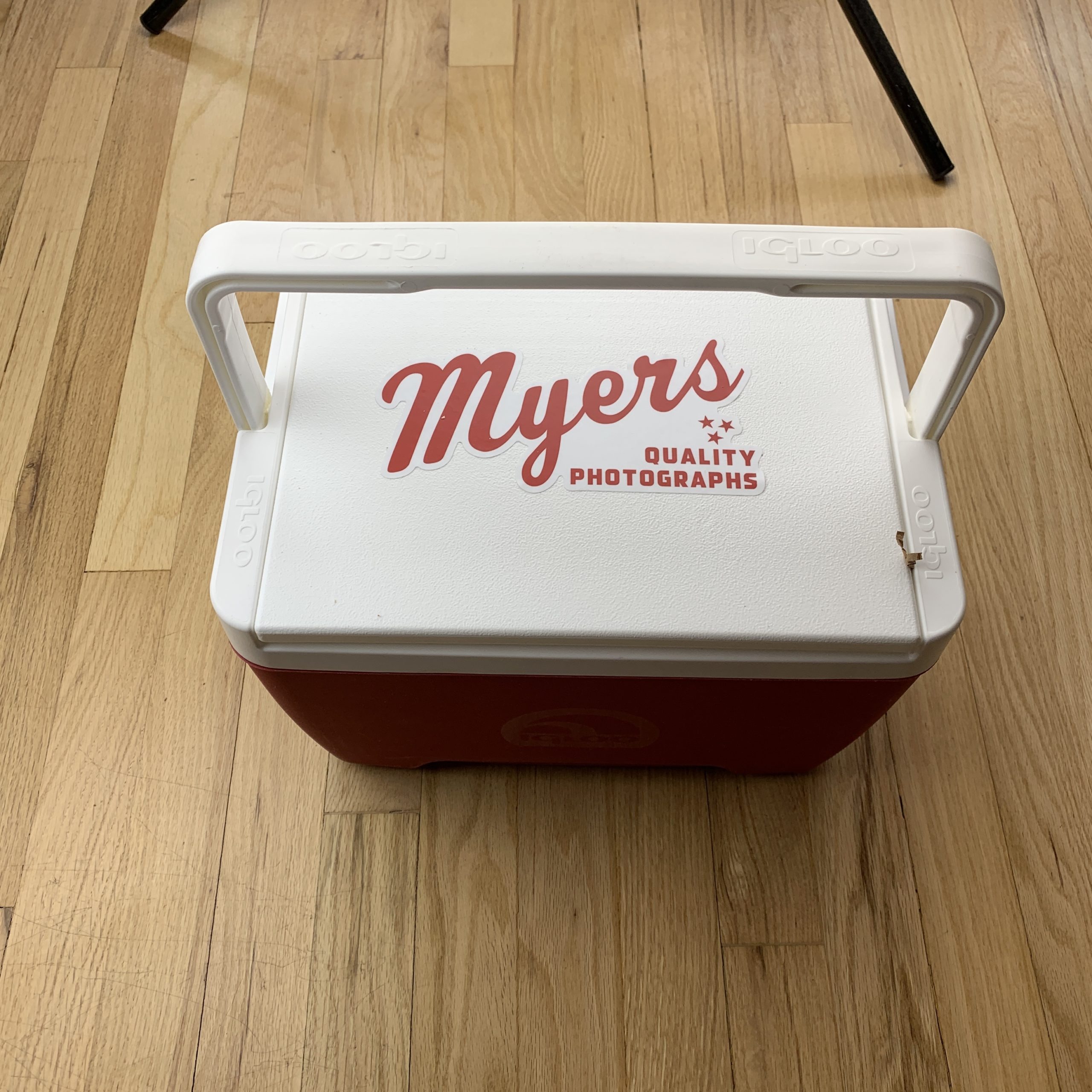
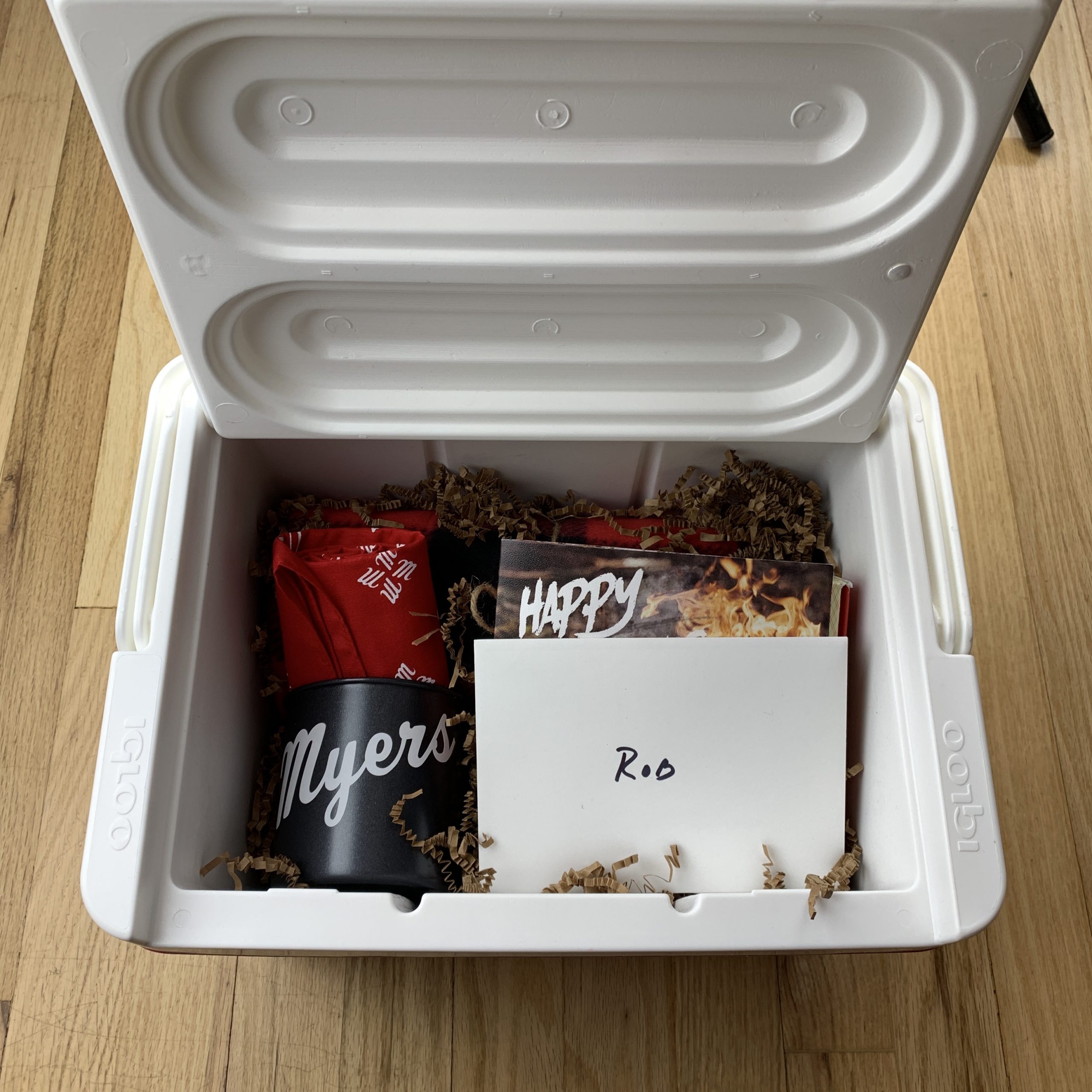
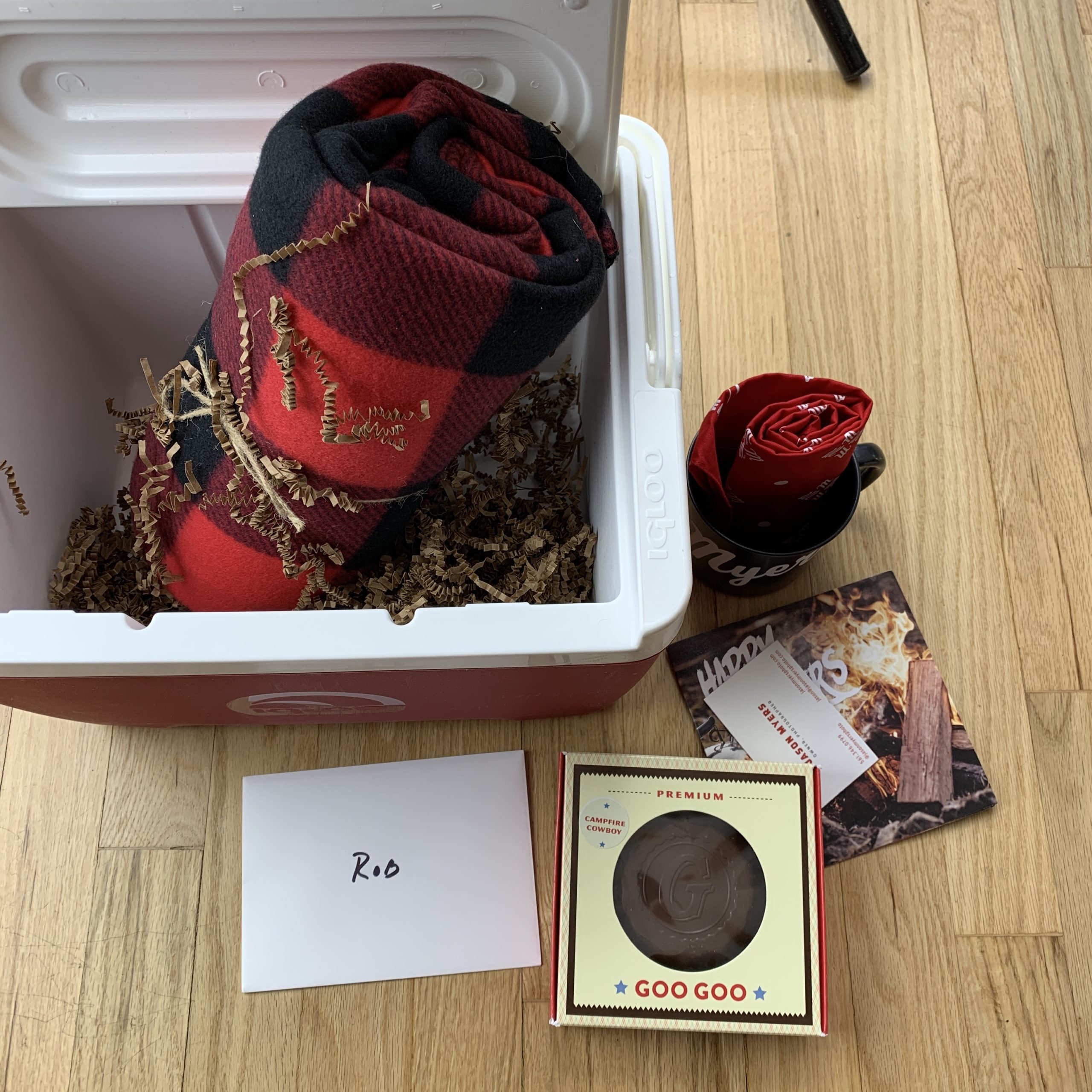
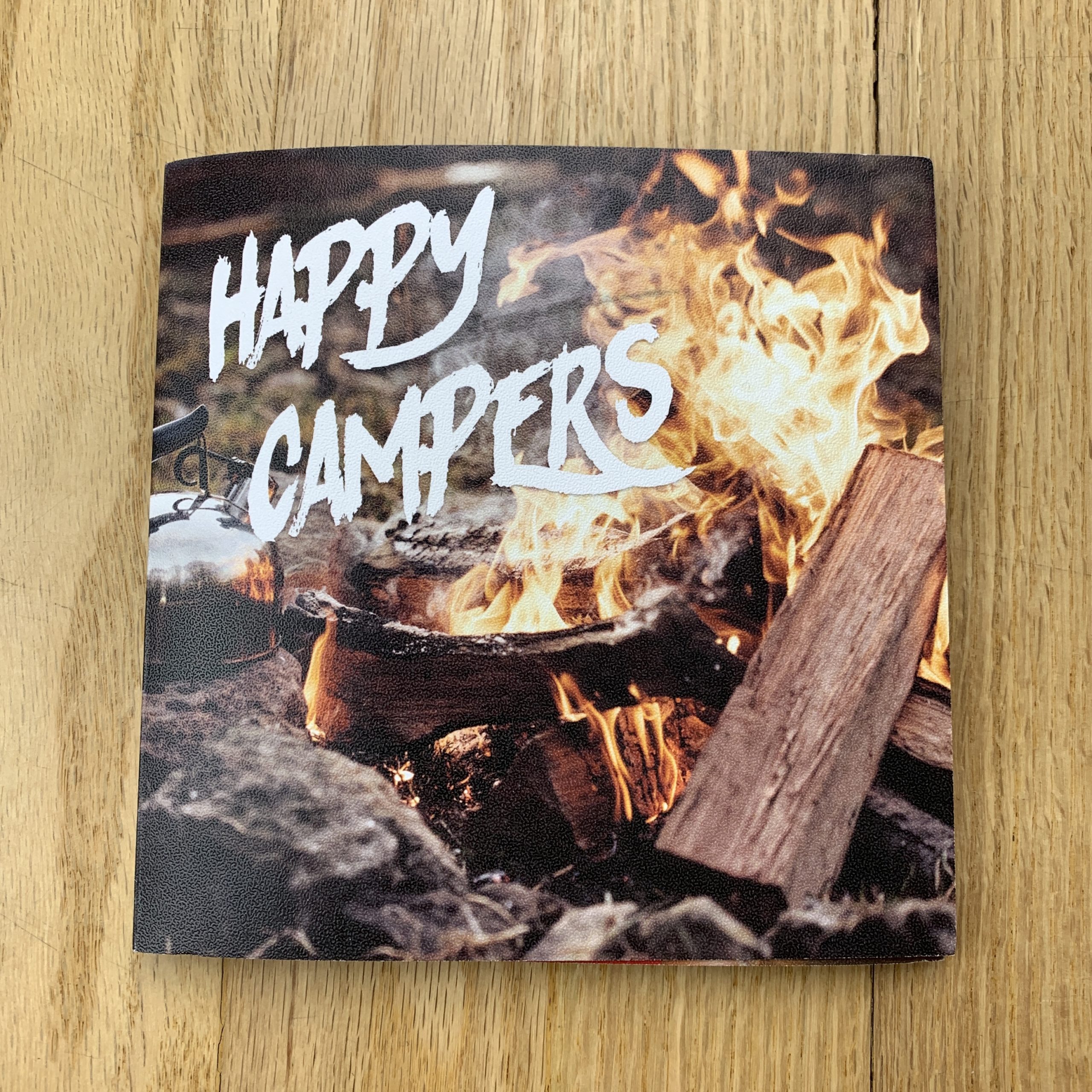
Laurel came up with the cooler idea and it’s red/white colors similarly matched my brand/logo. We worked with a local printer for the 5×5 folded promo (JIVE) and the custom bandanas designed by Lure Nashville and printed by Friendly Arctic. The Goo Goo Clusters which was founded in Nashville in 1912 was custom made with a smore’s flavor to compliment the campfire vibe. Inexpensive blankets were sourced from Academy Sports & Outdoors and the tin/metal cups from Amazon. All stickers were made by Sticker Mule.

At the end of the day, the goal was simply to break through the noise for just a minute and provide some folks with a fun gift to compliment the sharing of new work. We shipped the promos out on December 13th.

Who printed it?
The printed promo was done by a local printer here in Nashville called JIVE, A Printworks Studio.

Who designed it?
The layout and design of the actual the printed promo were done by my studio manager/assistant Laurel Higman. Overall concept and ideation were done by myself and Laurel.

Tell me about the images?
The promo images were shot towards the end of the day and we had started getting low on light. An earlier couple setups just didn’t have the camping feel I was going for. This end of day vibe was what I had envisioned and worked perfectly for my needs. Everything was pretty organic once our prop stylist, Angel Beddoe from AMAX set everything up. We shot all day and the crew and talent were equally enjoying themselves which was also a goal for everyone involved. As someone who typically uses a lot of strobes and likes to shape and craft light, this was a fun change of pace. We shot a lot but the edit is very tight.

How many did you make?
We made 50 “Happy Camper” promos that were sent to 48 individual art buyers/producers across the country. The other two were sent to A Photo Editor and PDN. The decision of whom to send these too was strategic also as I wanted them to get to people whom I thought I’d be an asset for or be an asset for them again if I’ve worked with them previously.

How many times a year do you send out promos?
I haven’t sent out a promo like this for a few years and honestly have backslidden a bit on sending print mailers also. I feel like staying on top of mind for clients is the goal and this year I’m focused to do that in any unique way possible.

Do you think printed promos are effective for marketing your work?
I believe in traditional mailed, printed promos however I want my clients to know I’m thinking a little outside of the box and willing to take the extra risk to ensure we get something great if we work together. There’s a place for the traditionally printed mailers, I just wanted this to be something talked about for a while longer.

What about the return on investment for an expensive promo like this?
Hopefully, someone is reading this right now or received the promo and wants to give me an opportunity so I can say the return was directly related to the promo. Please feel free to hire me! That said, as most folks know a single mailer, email blast or promo isn’t likely to get you immediate work. It’s the continual efforts to stay on top of mind and do something unique showcasing your work that gets people to associate with your brand. Folks always want to know the costs. These cost about $28 dollars each plus shipping (largest single cost averaging about $16 each). So yes, this was not a cheap endeavor however I see it as an investment. I could have bought a new lens or gear but wanted to invest in my marketing. Will that gear get me new clients? Doubtful. Will these promos get me new clients? Possibly.

I’m not afraid of risk when that risk is shooting something for myself and sharing it in a fun way with other creatives. That’s an immediate reward for me and I’m proud and thankful of the career I’ve built by rolling the dice every once in a while on showcasing my work.

This Week in Photography Books: Douglas Ljungkvist


For whatever reason, I’ve never been to Sweden.

(Though I’m sure it’s a lovely place.)

I’ve been to Copenhagen, though, so the sum total of my knowledge of Scandinavia amounts to smoking insanely good hash in the commune of Christiania, watching my brother annihilate my friend Pappy in several games of backgammon.

(Yes, he beat me too.)

Something tells me, though, there’s more to Scandinavia than hippies and board games.

I may not have been to Sweden, it’s true, but my neighbors down the street growing up, the Kappy’s, were half-Swedish, and proud of it.

This is probably the first time I’ve thought of the Kappy’s in twenty years, but Alma Kappy was 100% Swedish, and her extremely-blonde children carried on the stereotype as well.

I vaguely remember that Ed Kappy bought a Porsche at some point, as he was a successful orthopedic surgeon, but I’m absolutely certain they always had a Volvo in the garage.

Always.

Back before the internet, you learned about a country from International Day at school, (it was a thing,) the Encyclopedia Britannica, or from whatever heritage pride your neighbors exhibited.

(The Su’s across the street were Chinese-American, the Carducci’s to our left were Italian-American, and the Whiteman’s across the street from them were Jews.)

Discovering Volvos (and then Saabs) was a way of understanding that there were other places in the world, far from New Jersey, that made cars with different shapes and features. (The Swedes, apparently, were safety-conscious.)

Our cars may have gone from oversized hunks of metal with no seat belts to computers that do everything while we sit there numbed out on Spotify and Sirius radio, but their main purpose is still the same: to take us places.

Out here in the mountains of New Mexico, a car is pretty much a necessity.

Other places, though, cities with good public transportation and ubiquitous Ubers, can make car ownership seem a bit silly these days. (So say the Millennials.)

When I lived in Brooklyn, early this century, I had my trusty old Chevy Blazer, but almost never used it in daily life.

Good Ol’ Blazer brought me and Jessie to Jersey for the occasional weekend getaway, but other than that, I mostly just moved it across the road on street cleaning days.

Honestly, the whole city-car-ownership thing was less stressful than I’d imagined it would be, but then again, I never drove in the city.

Too damn stressful.

Mostly, Blazer sat there on Diamond St, waiting for me to come say hello.

I guess lots of people in Brooklyn park their cars and forget about them. Forlorn, alone, these pieces of vehicular sculpture await the observant passer-by who might ogle the proper Datsun, GTO, or Camaro.

The kind of passerby who might have a camera, perhaps, (not just a smartphone,) and who might appreciate the inherent beauty of, oh I don’t know, let’s call her Molly.

Molly got waxed and everything, put on her best face, but what does her owner do?

That’s right.

He bought a fuckin’ bike!
The nerve a this guy!

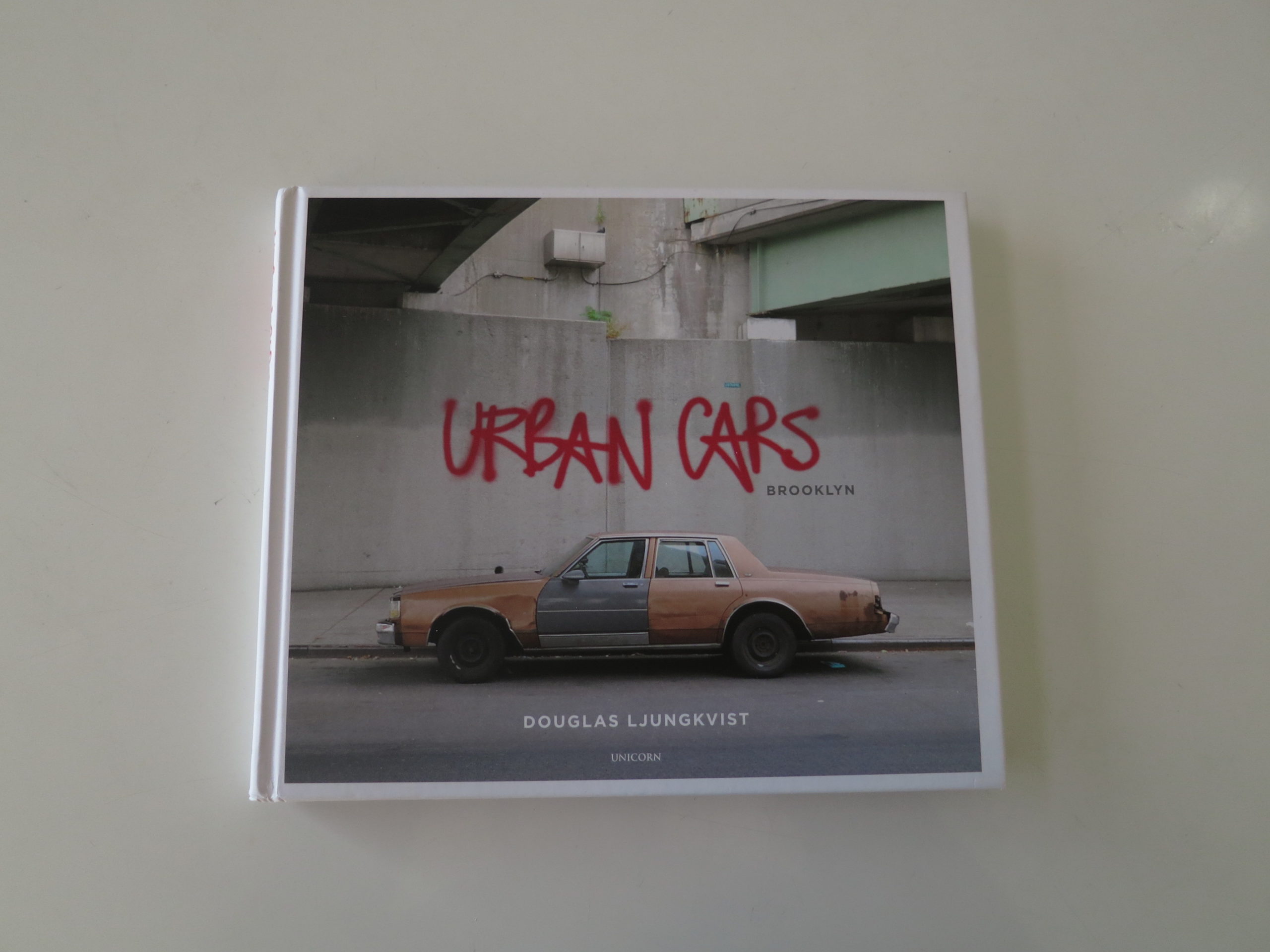
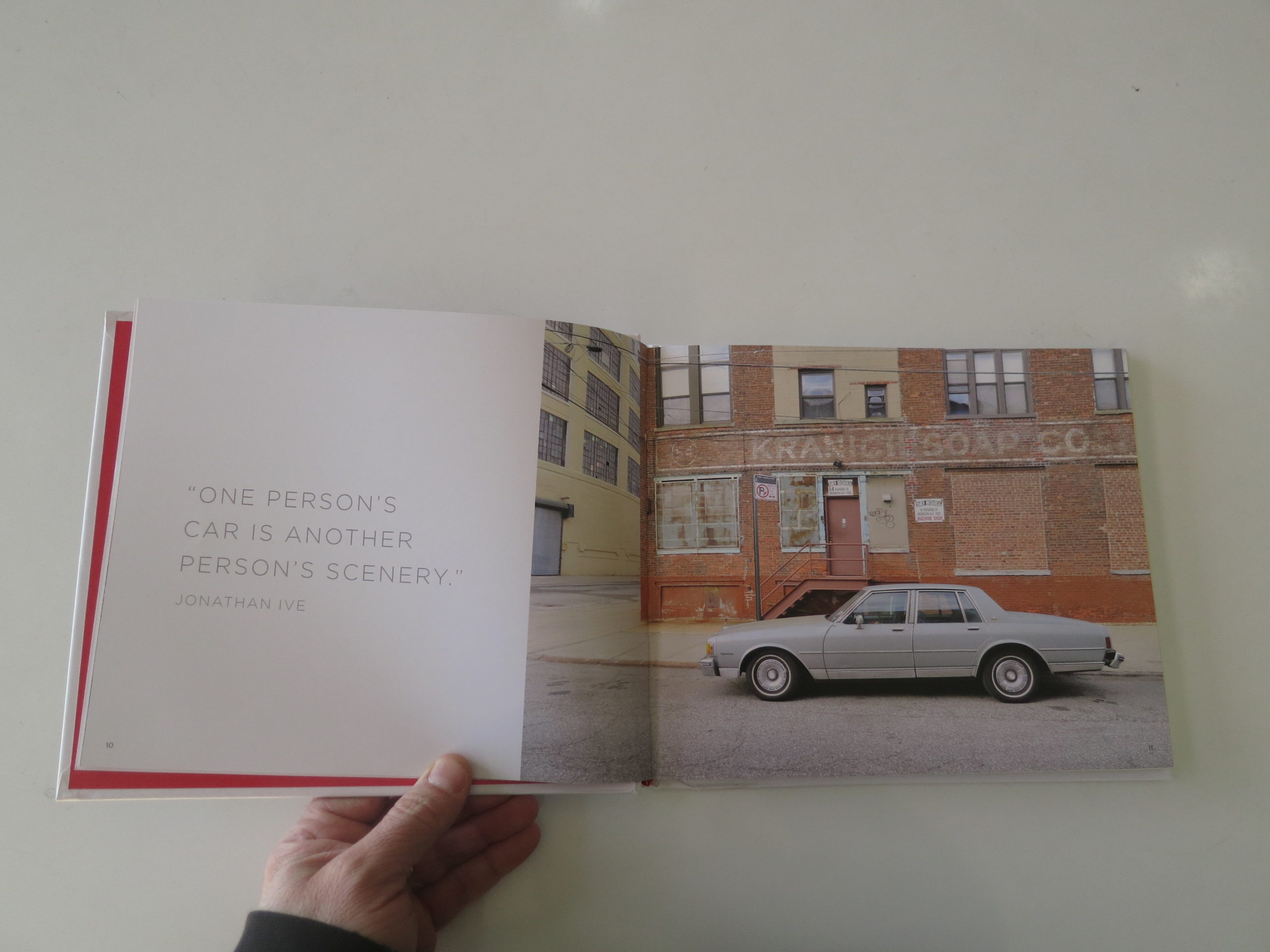
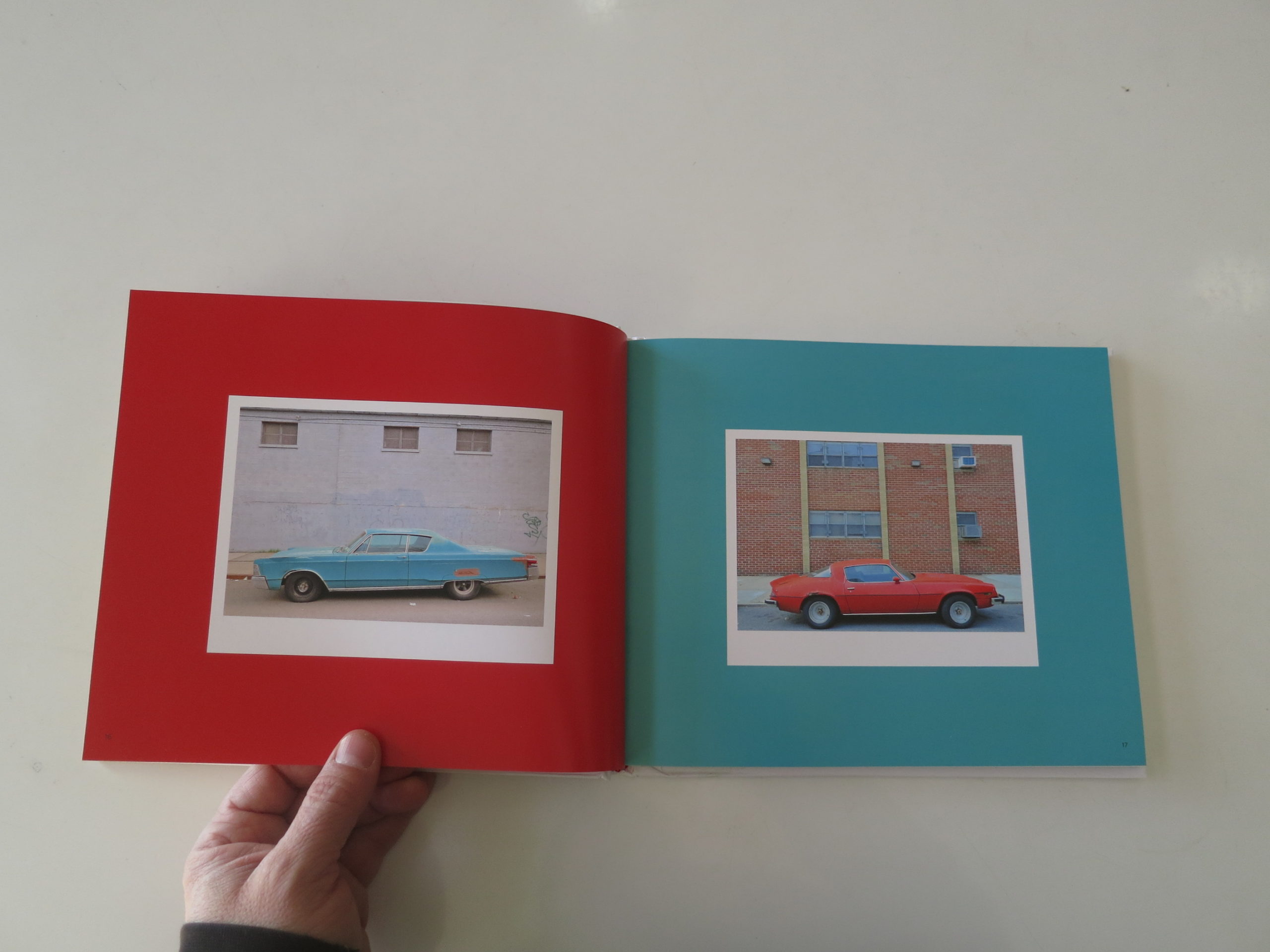
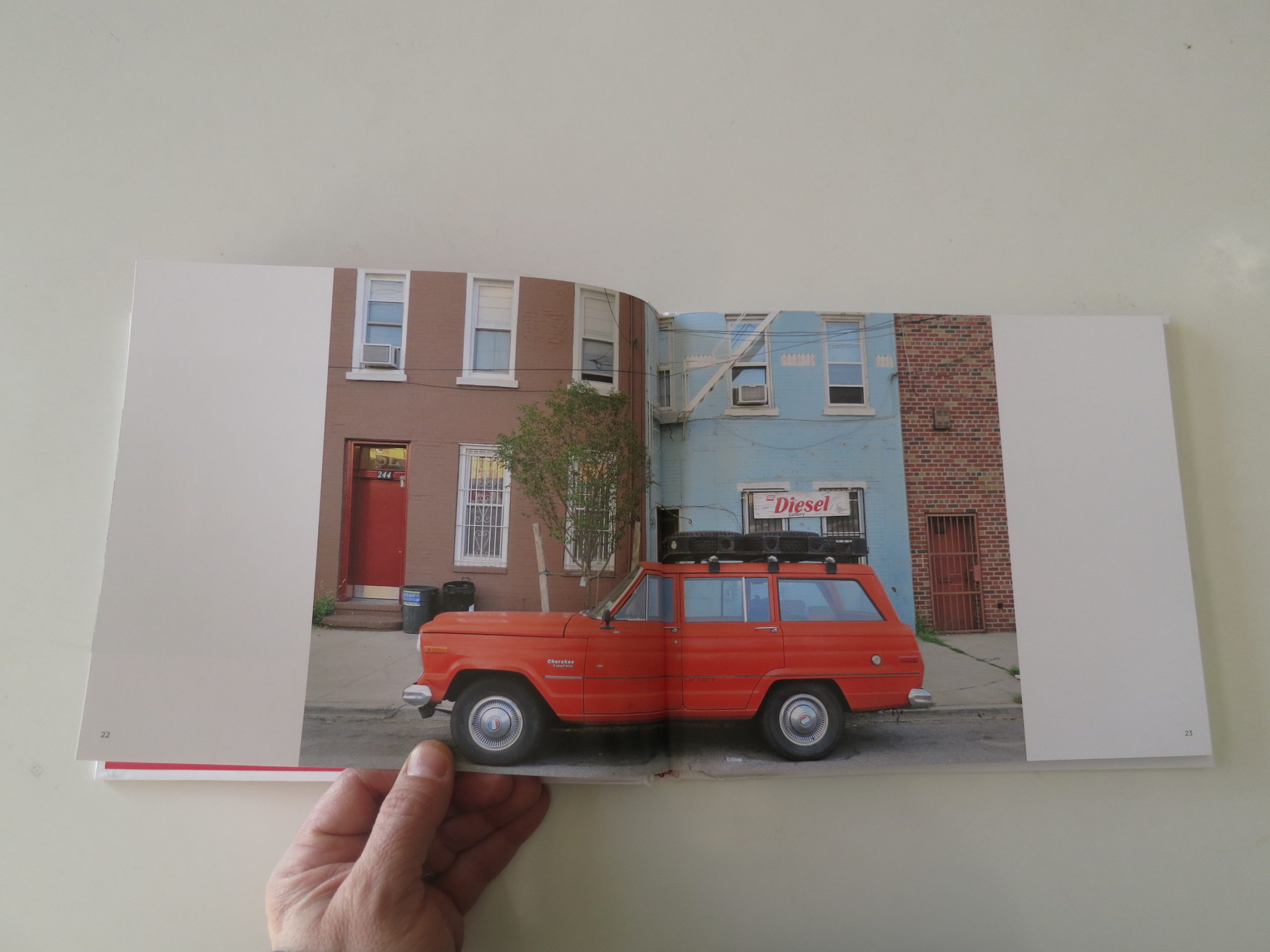
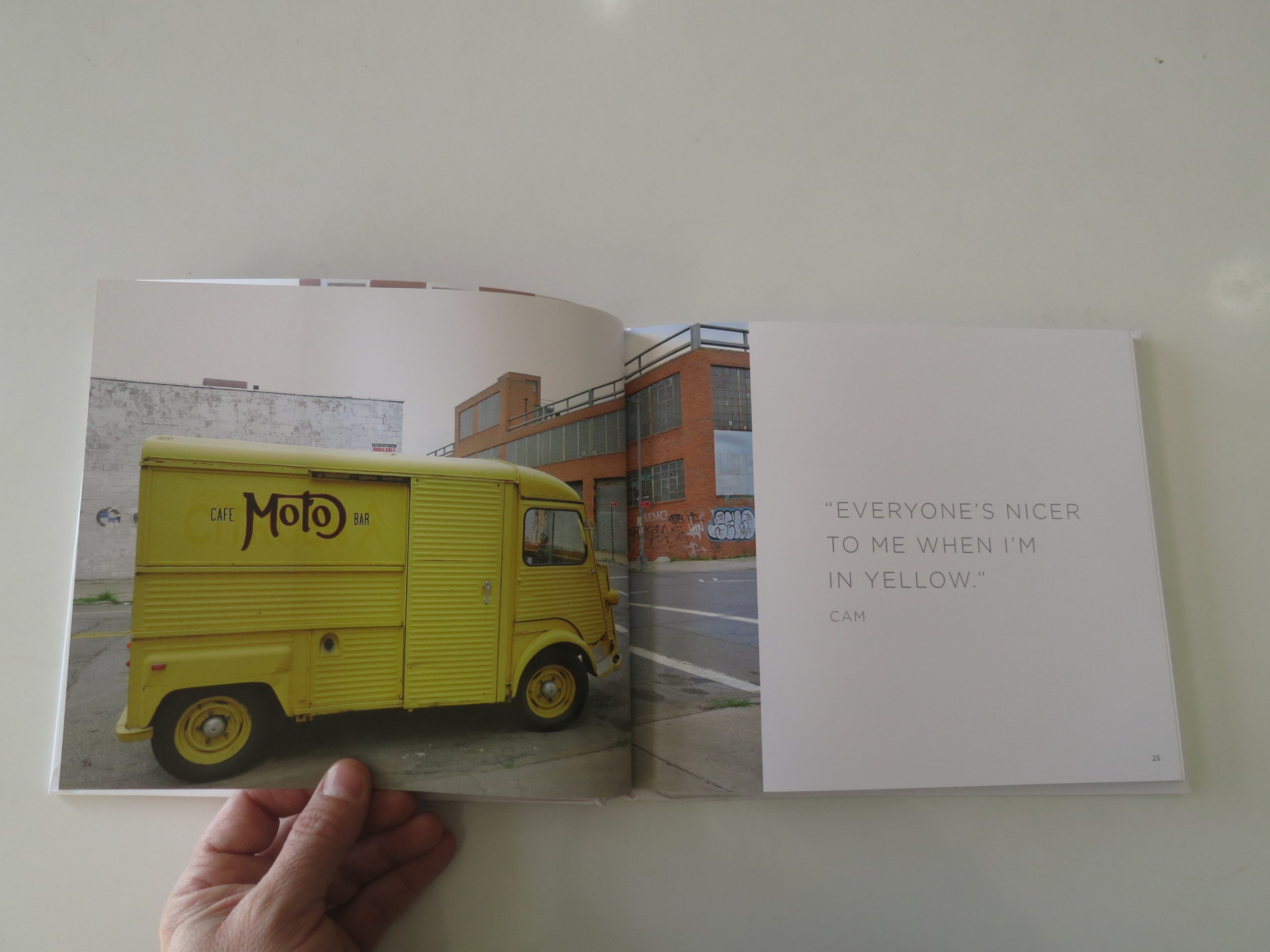
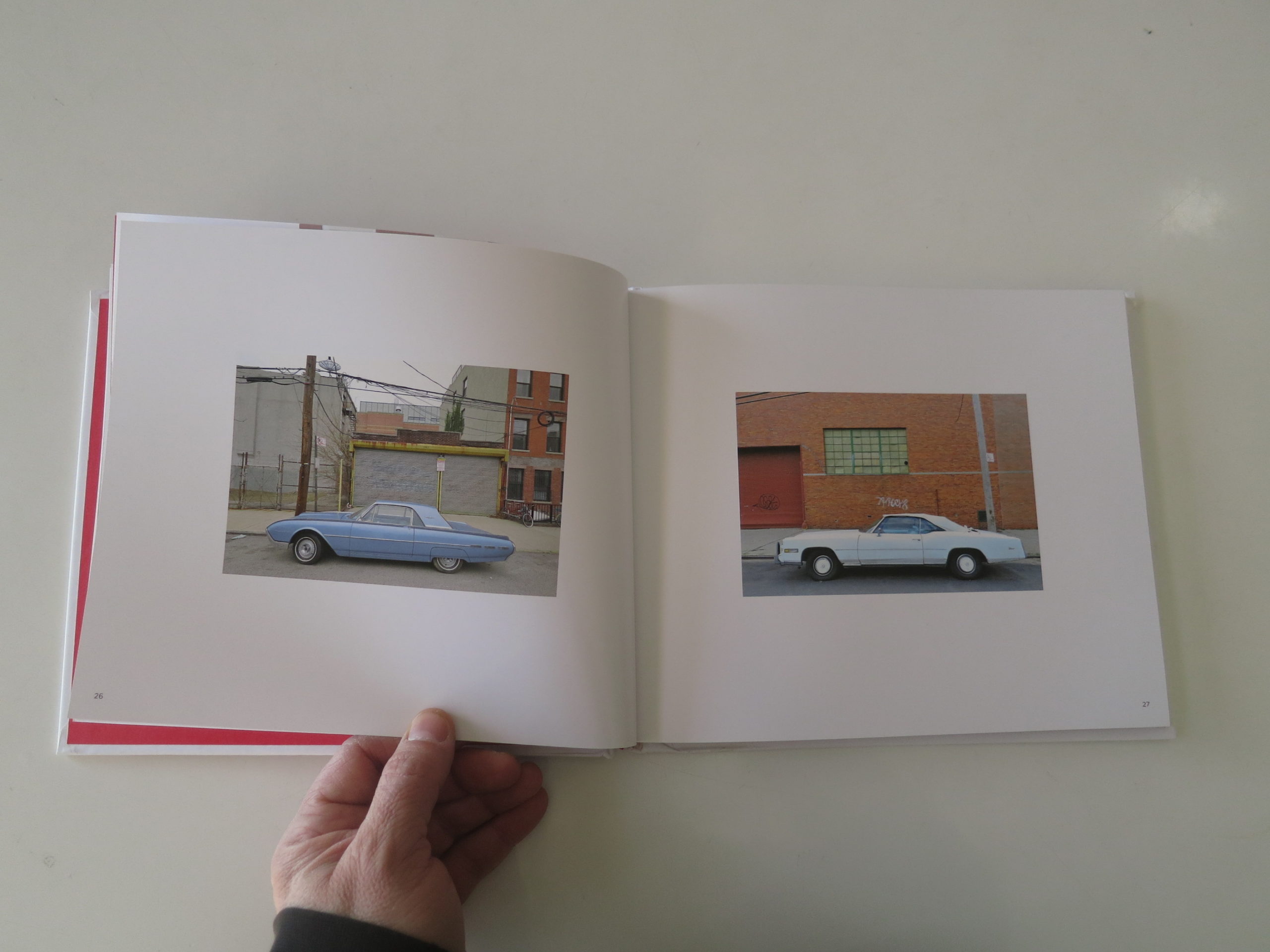
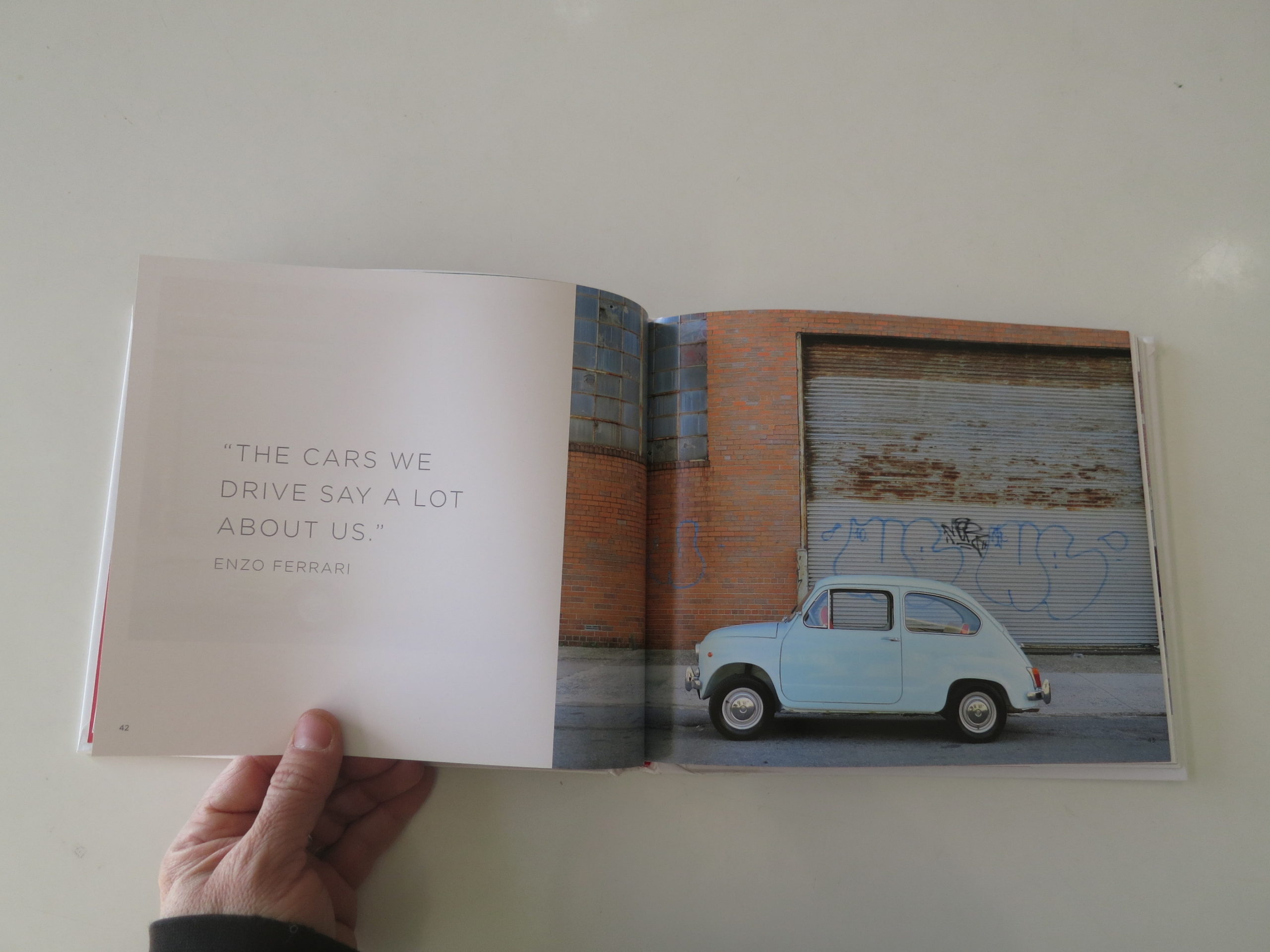
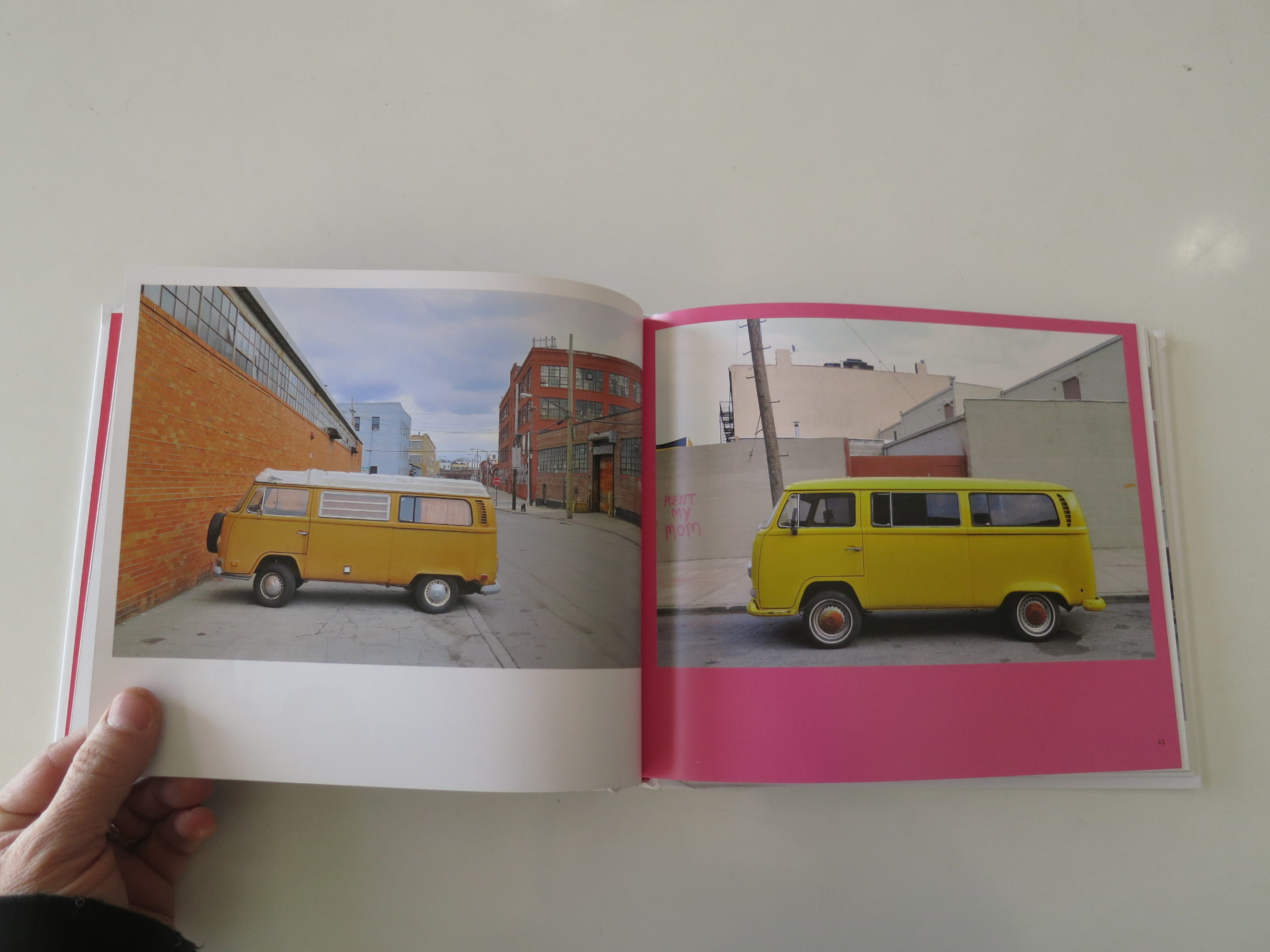
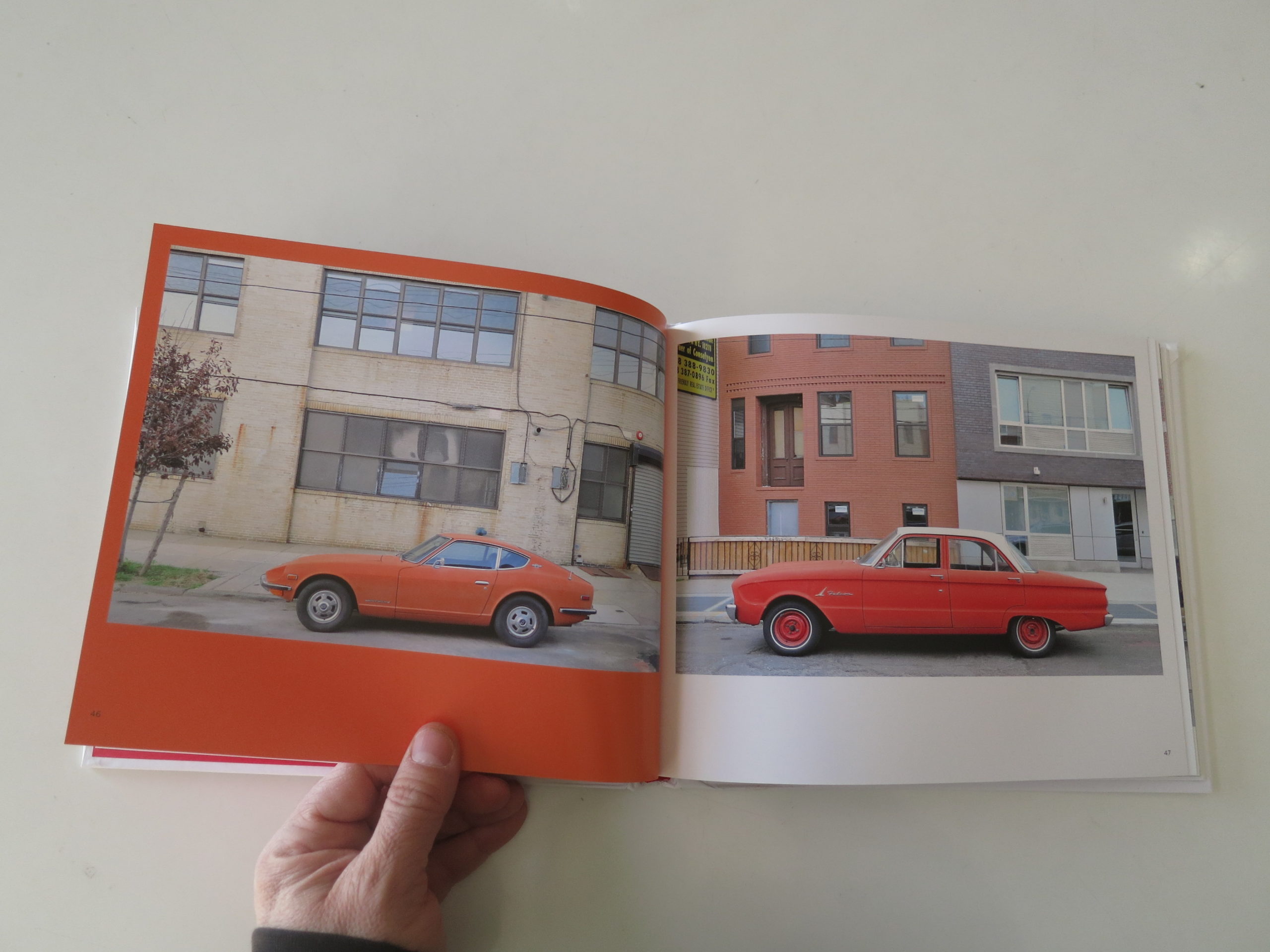
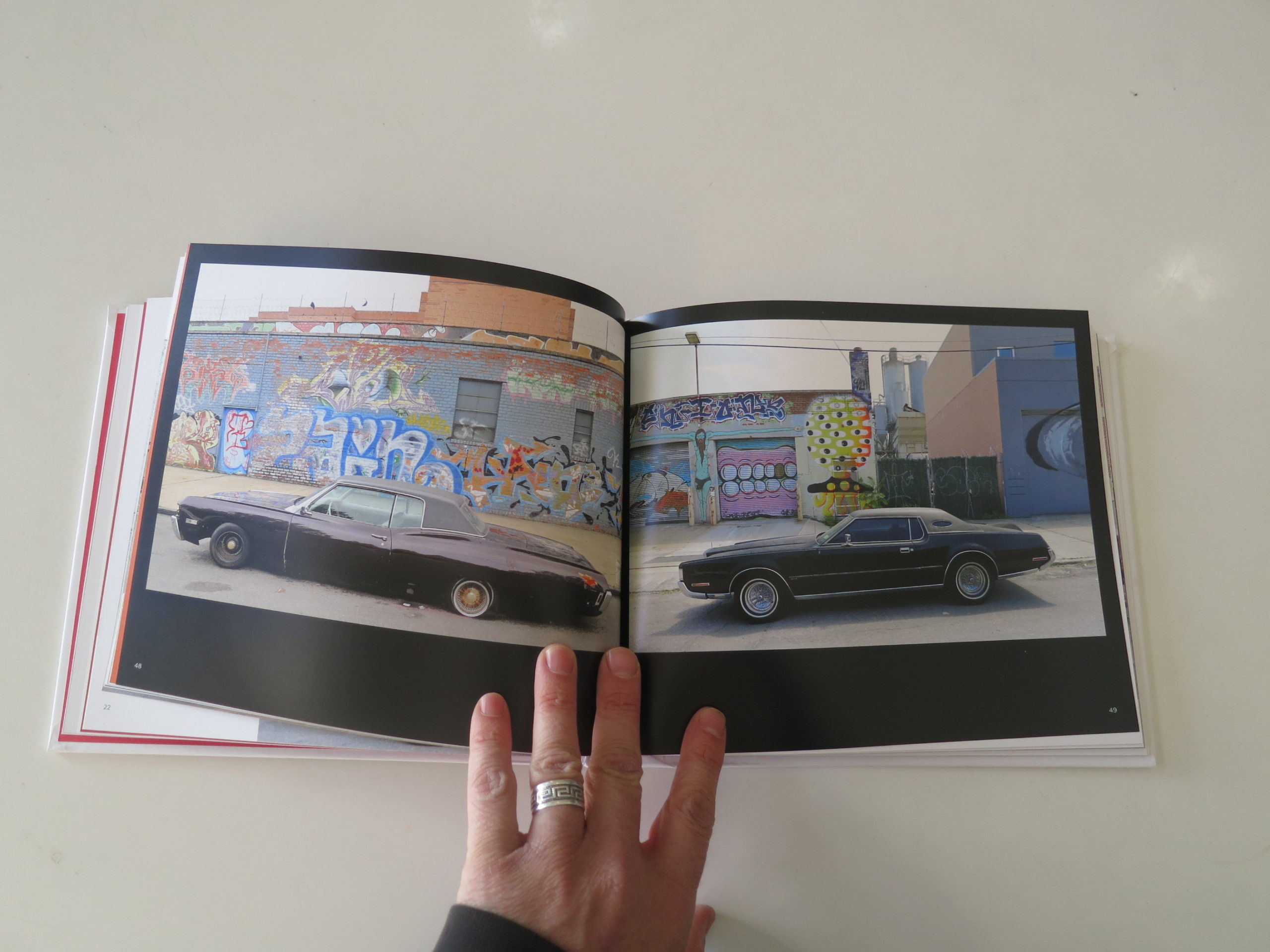
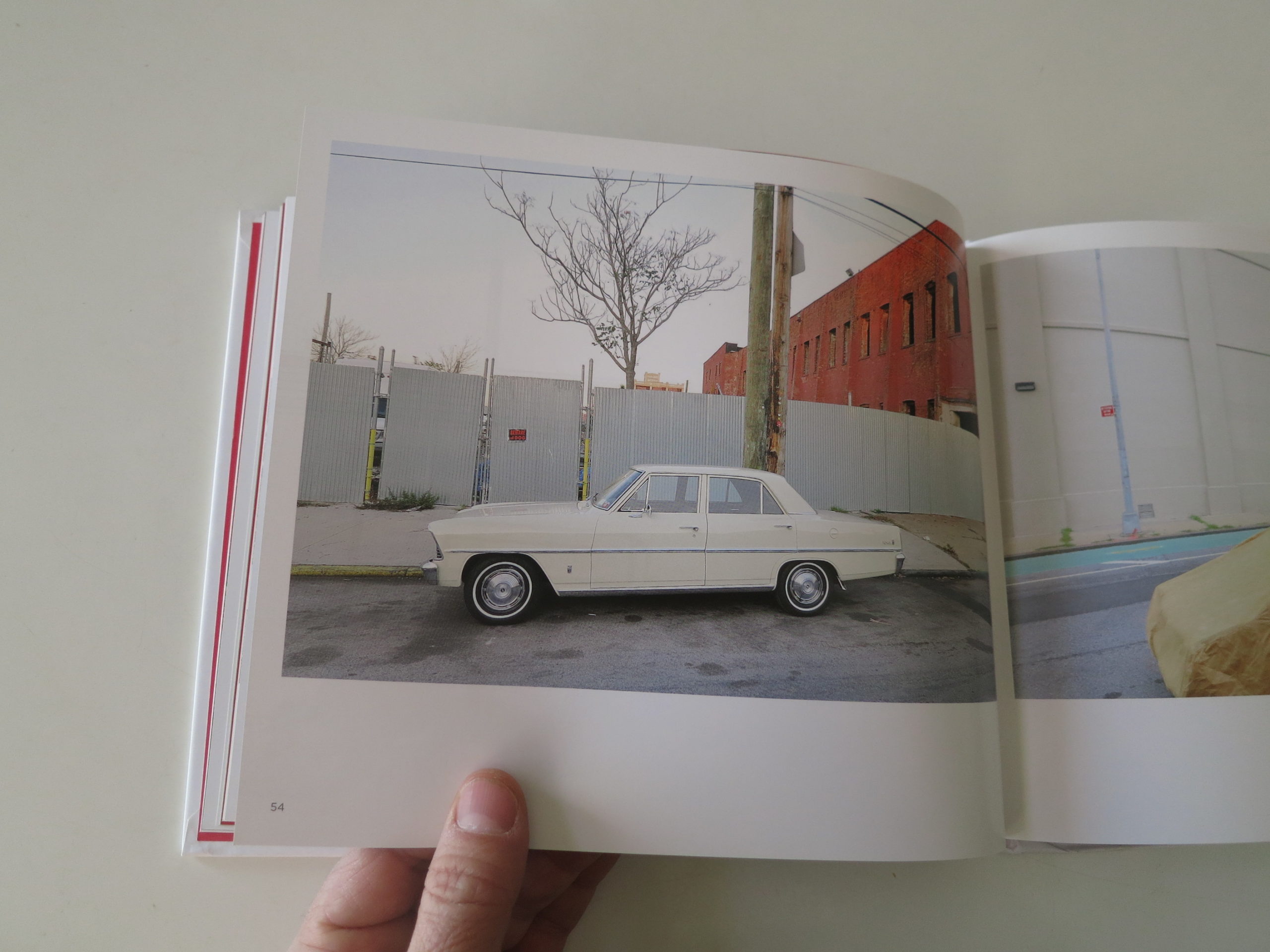
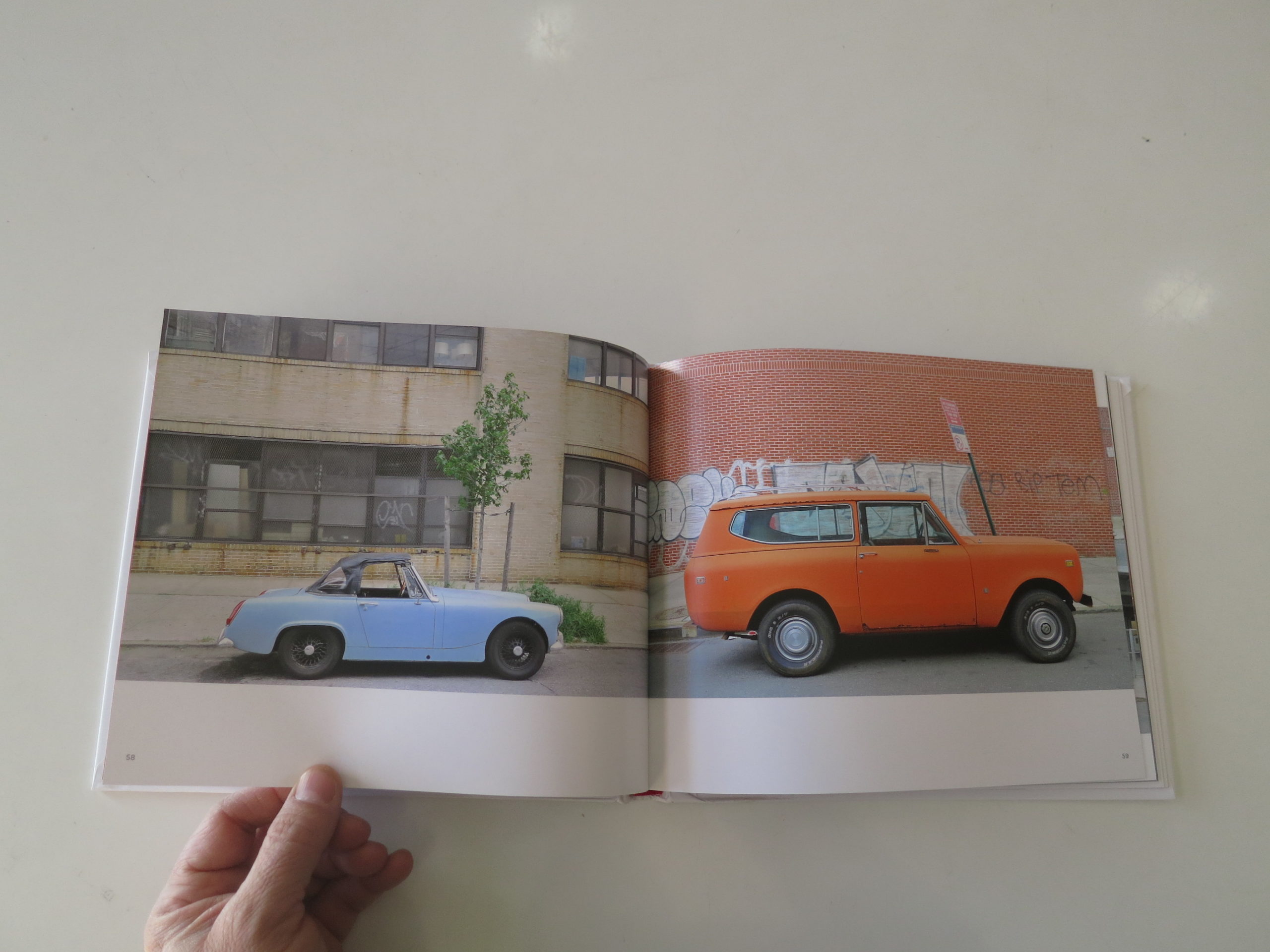
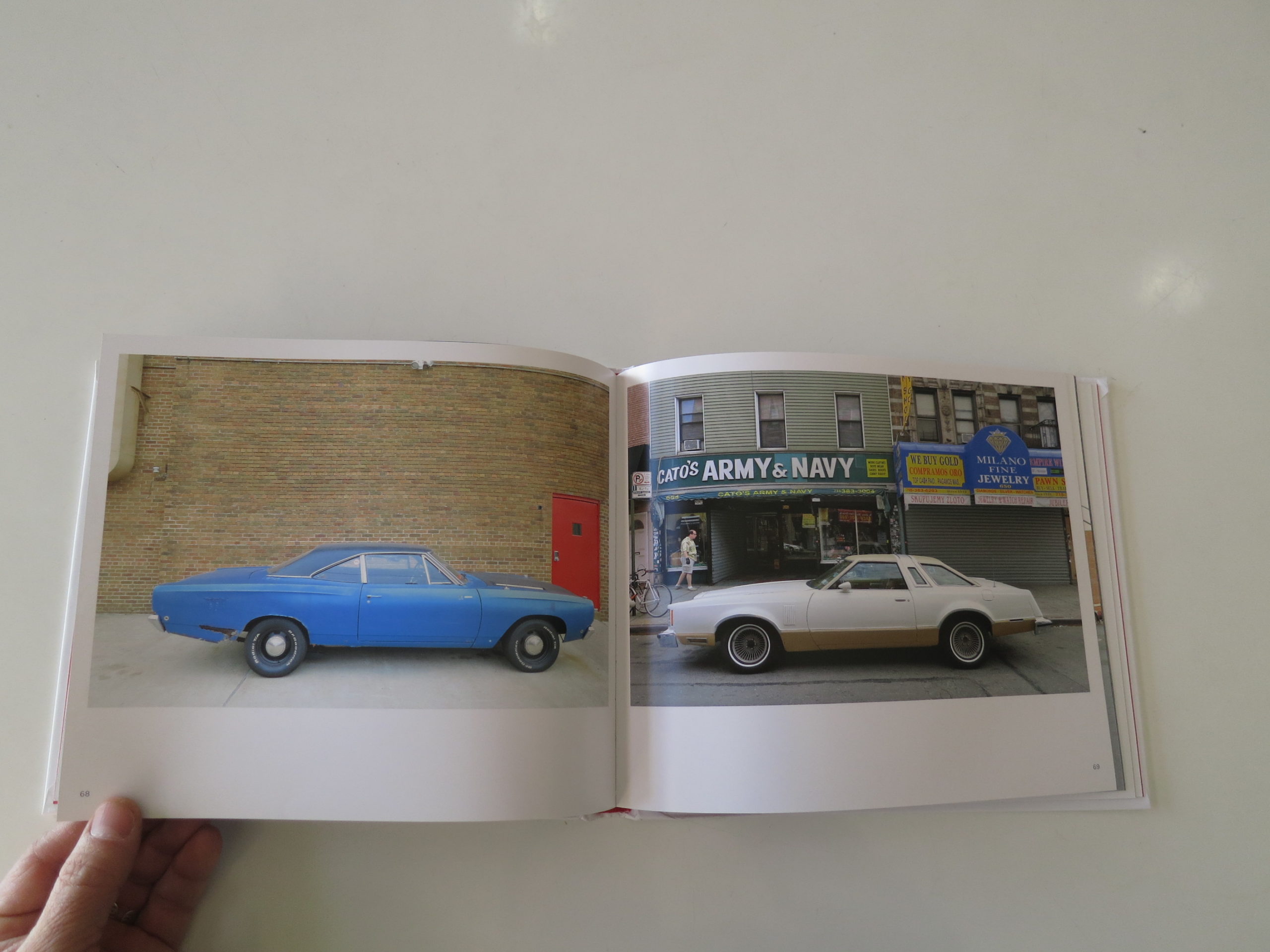
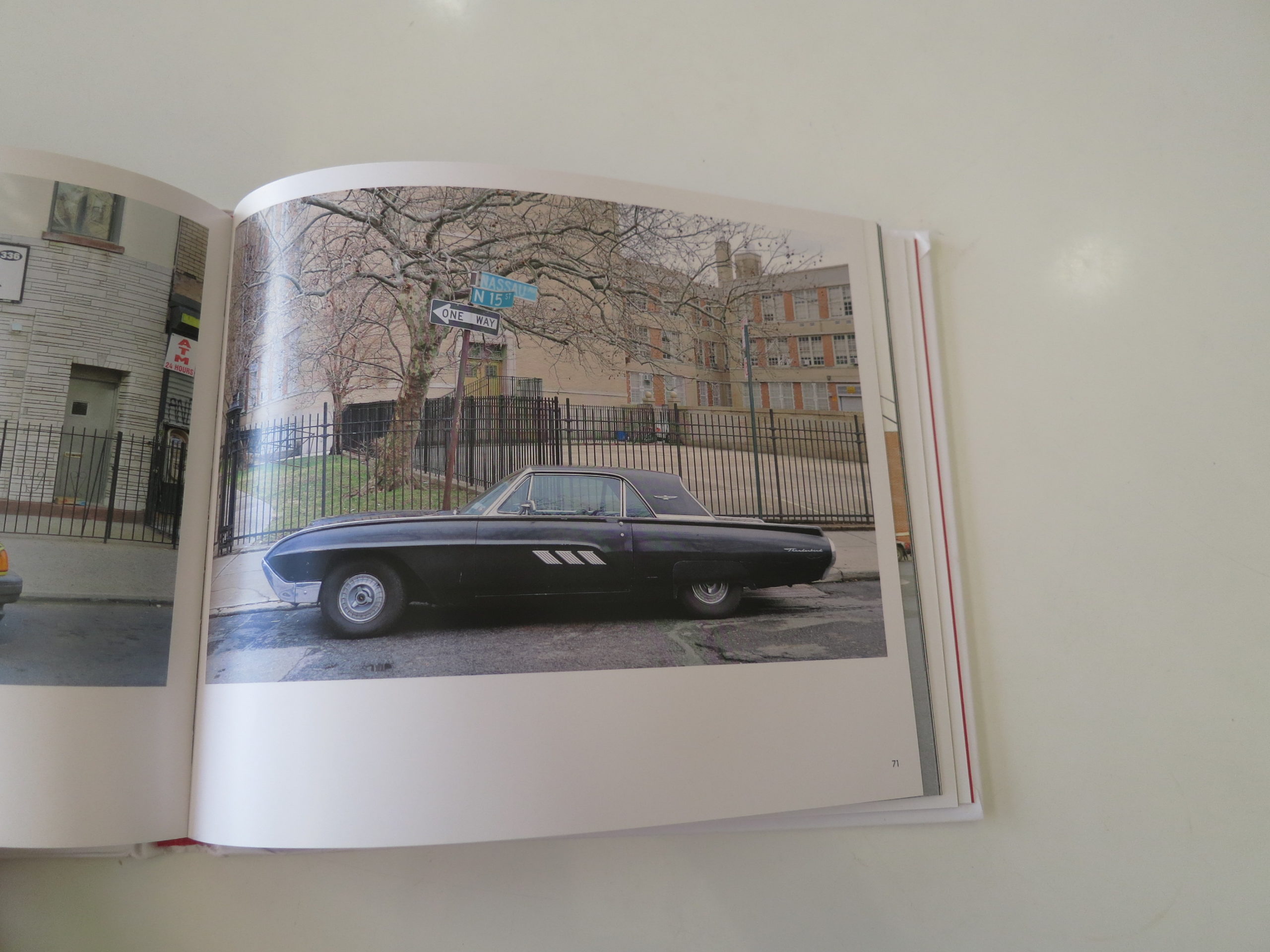
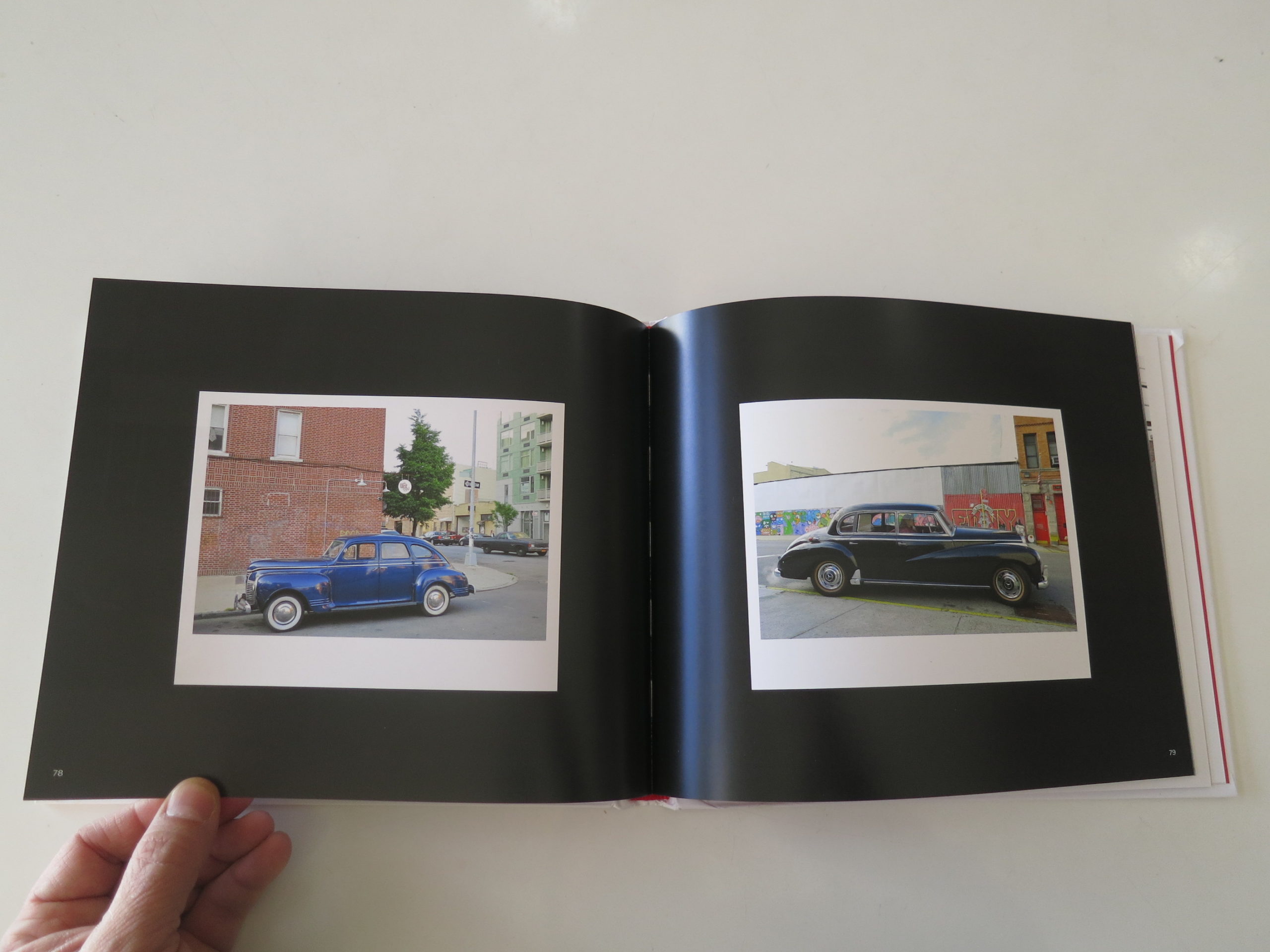
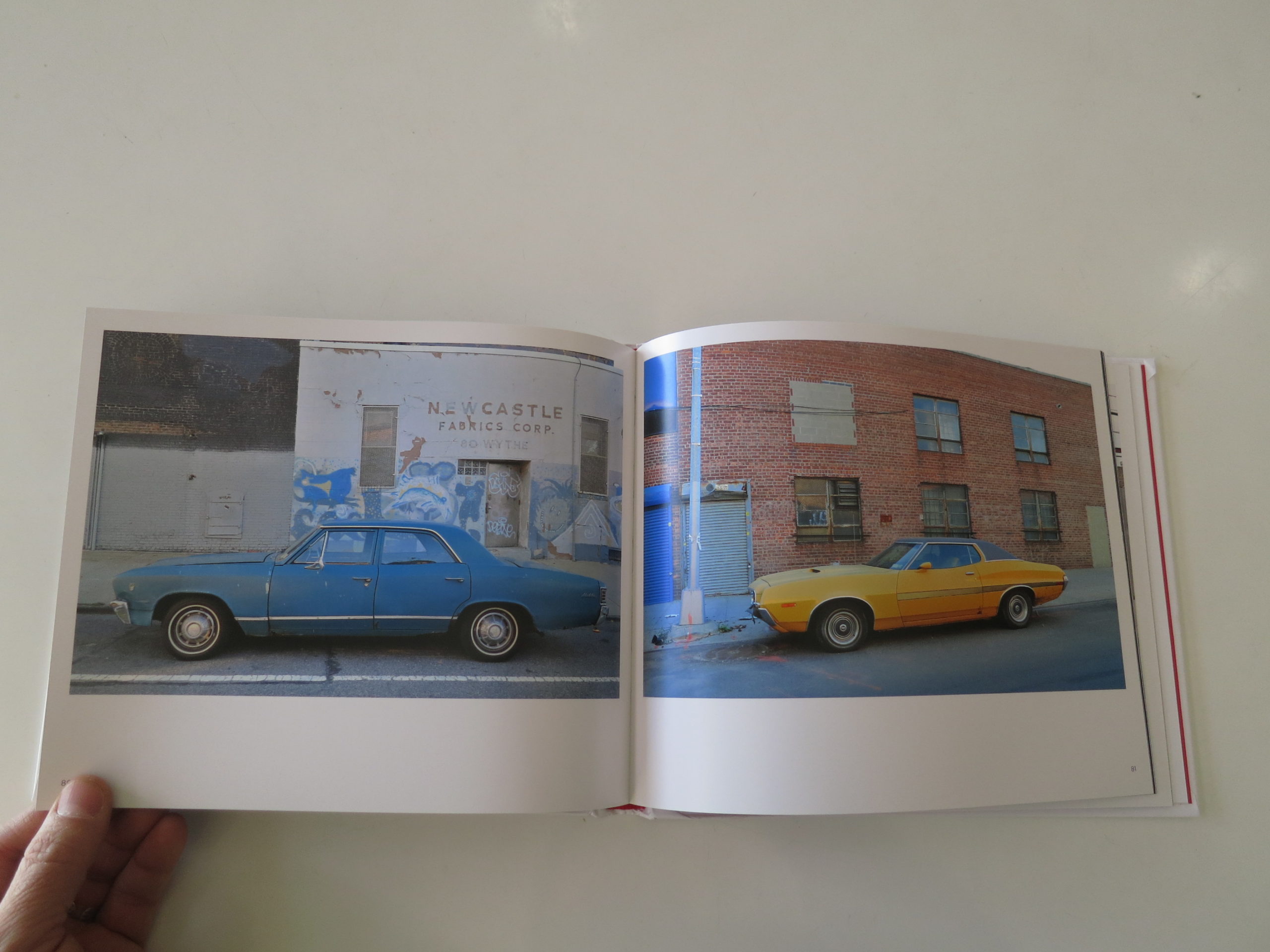
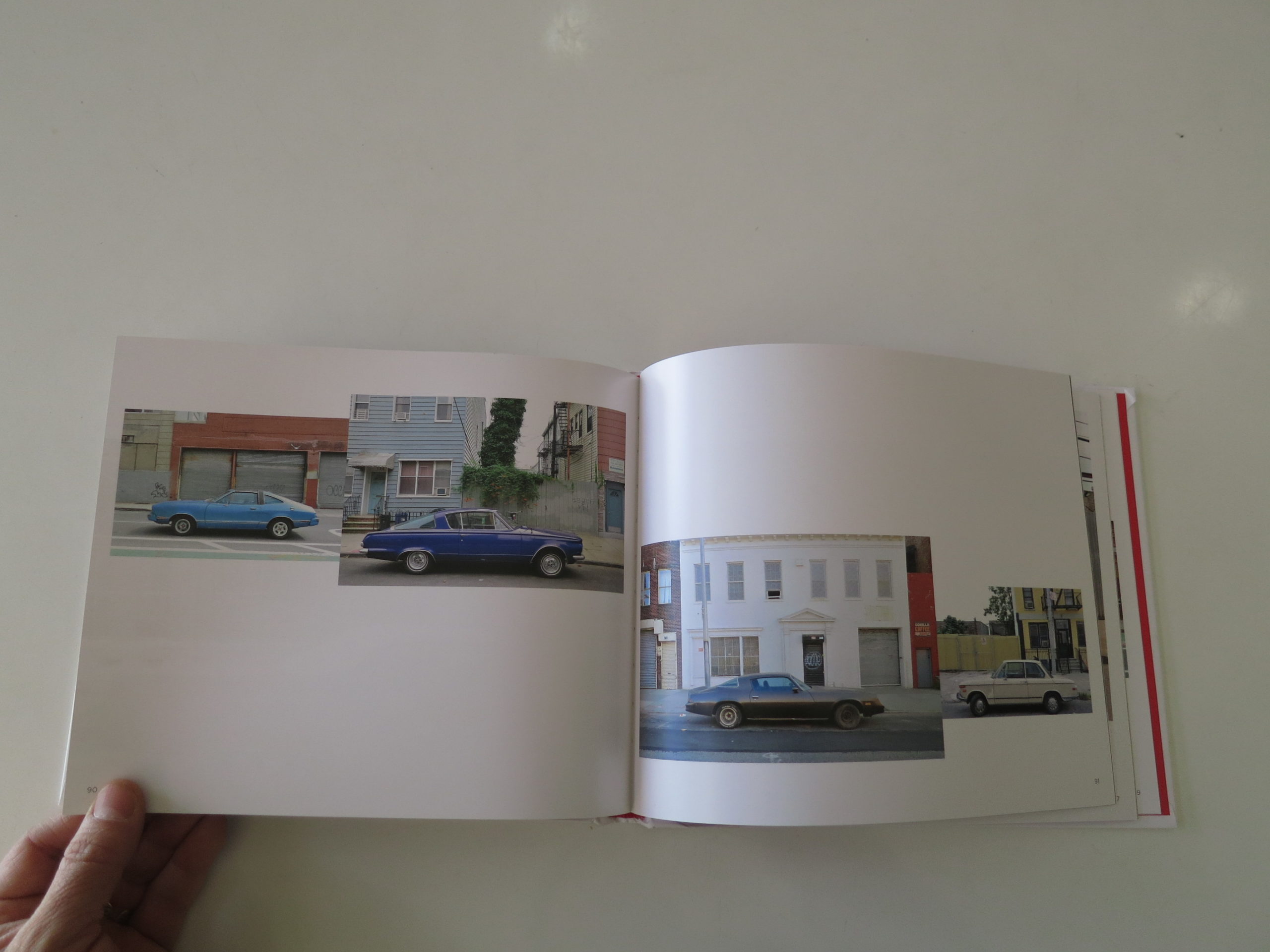
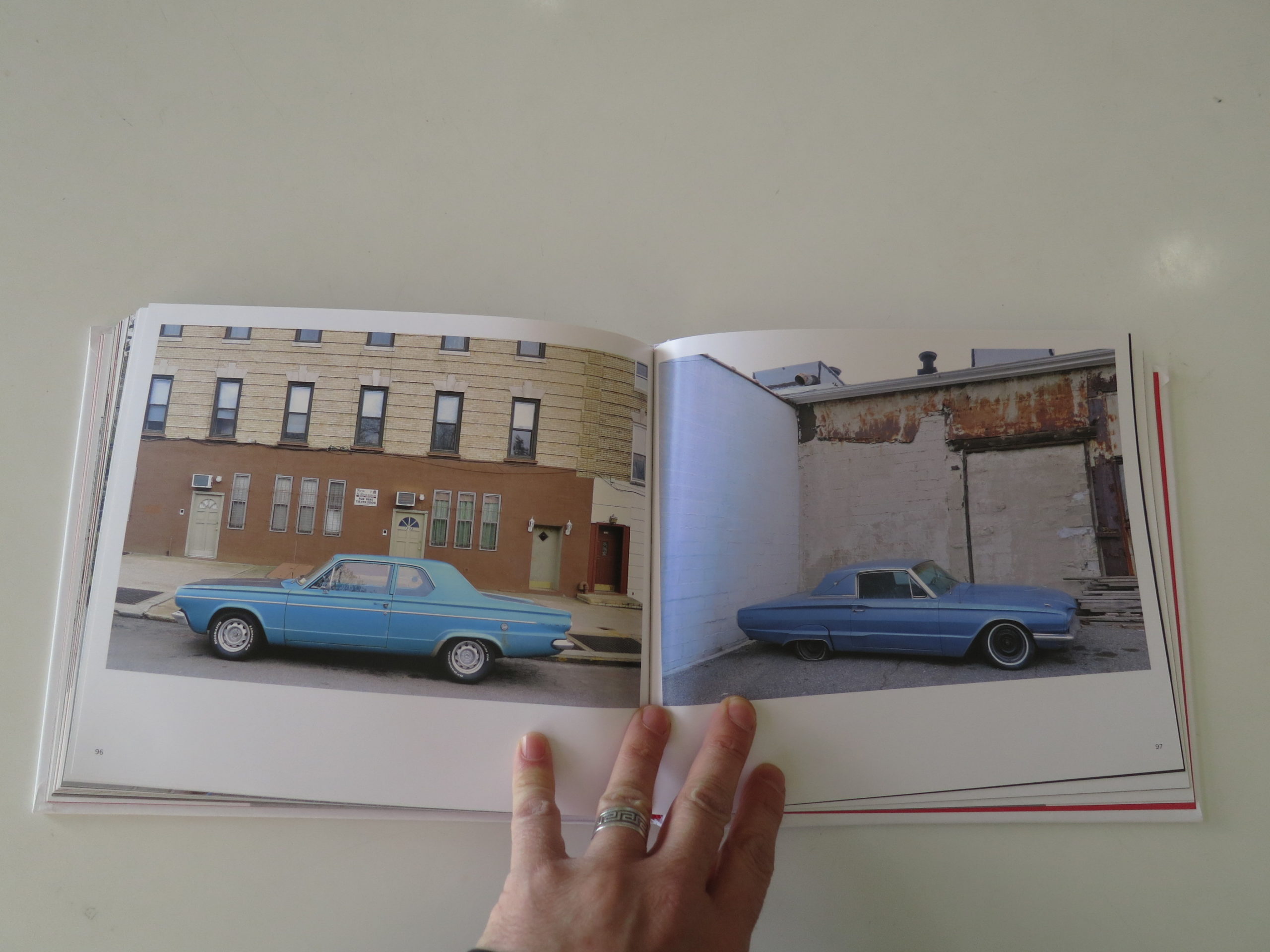
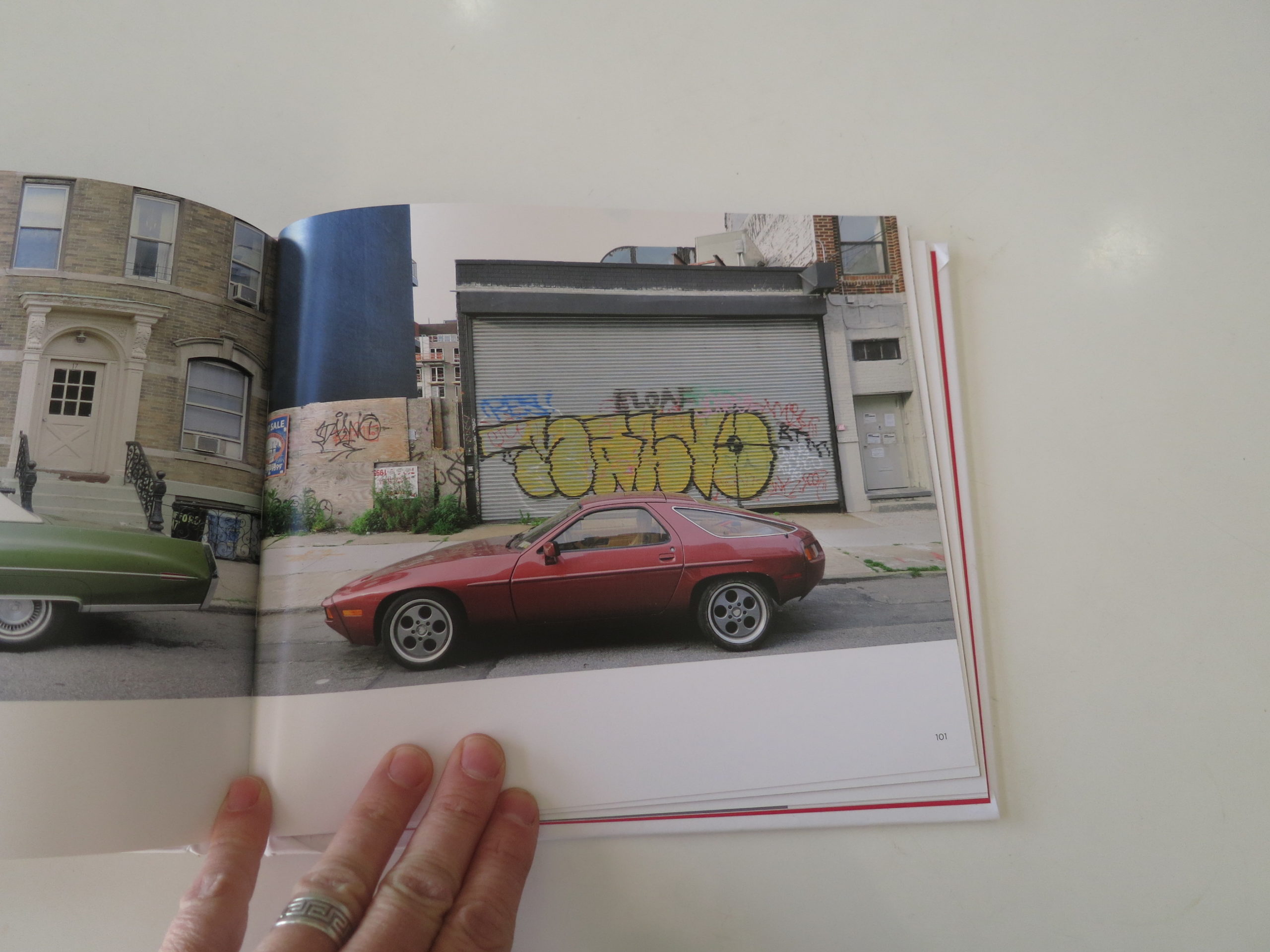
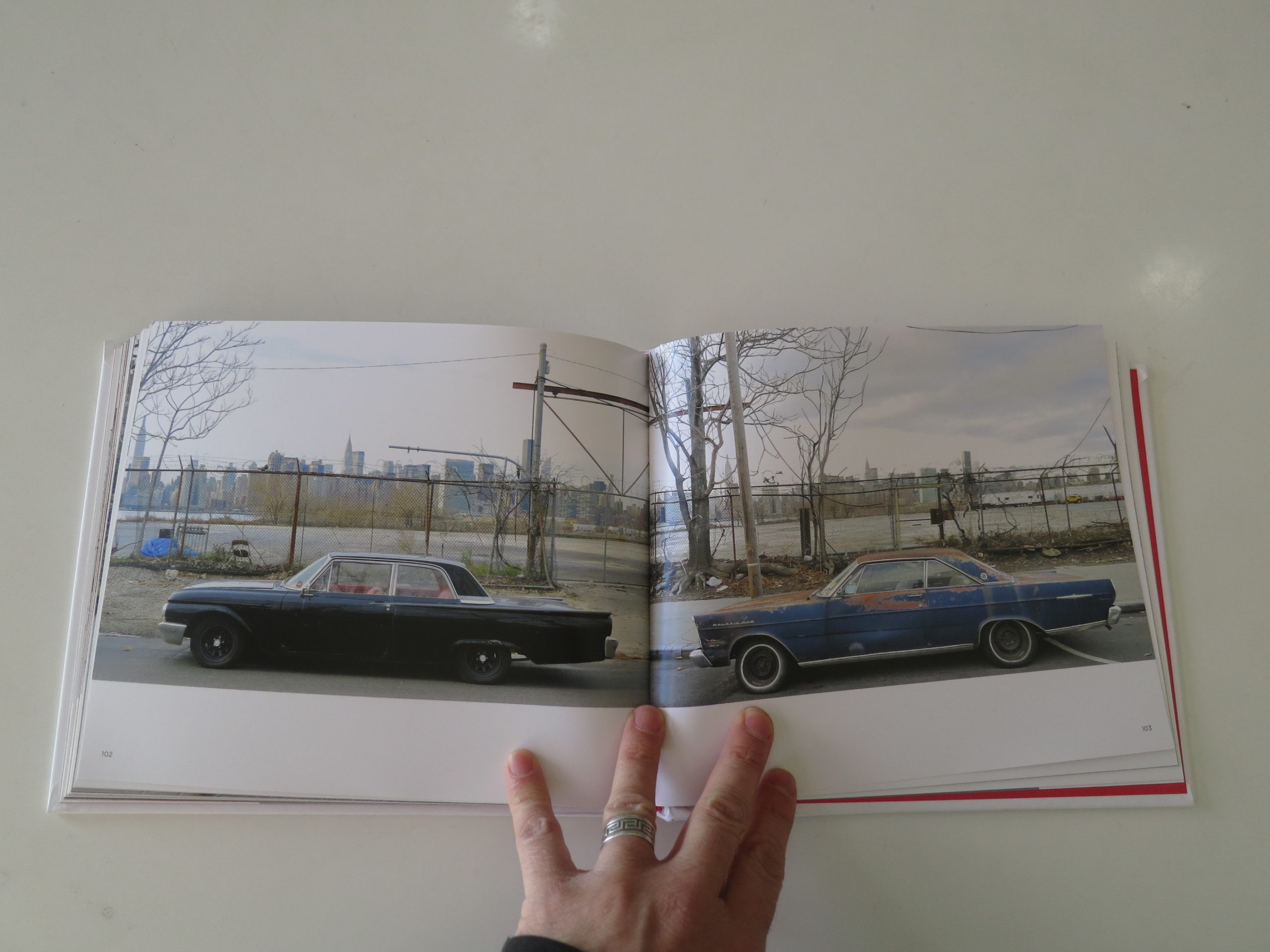
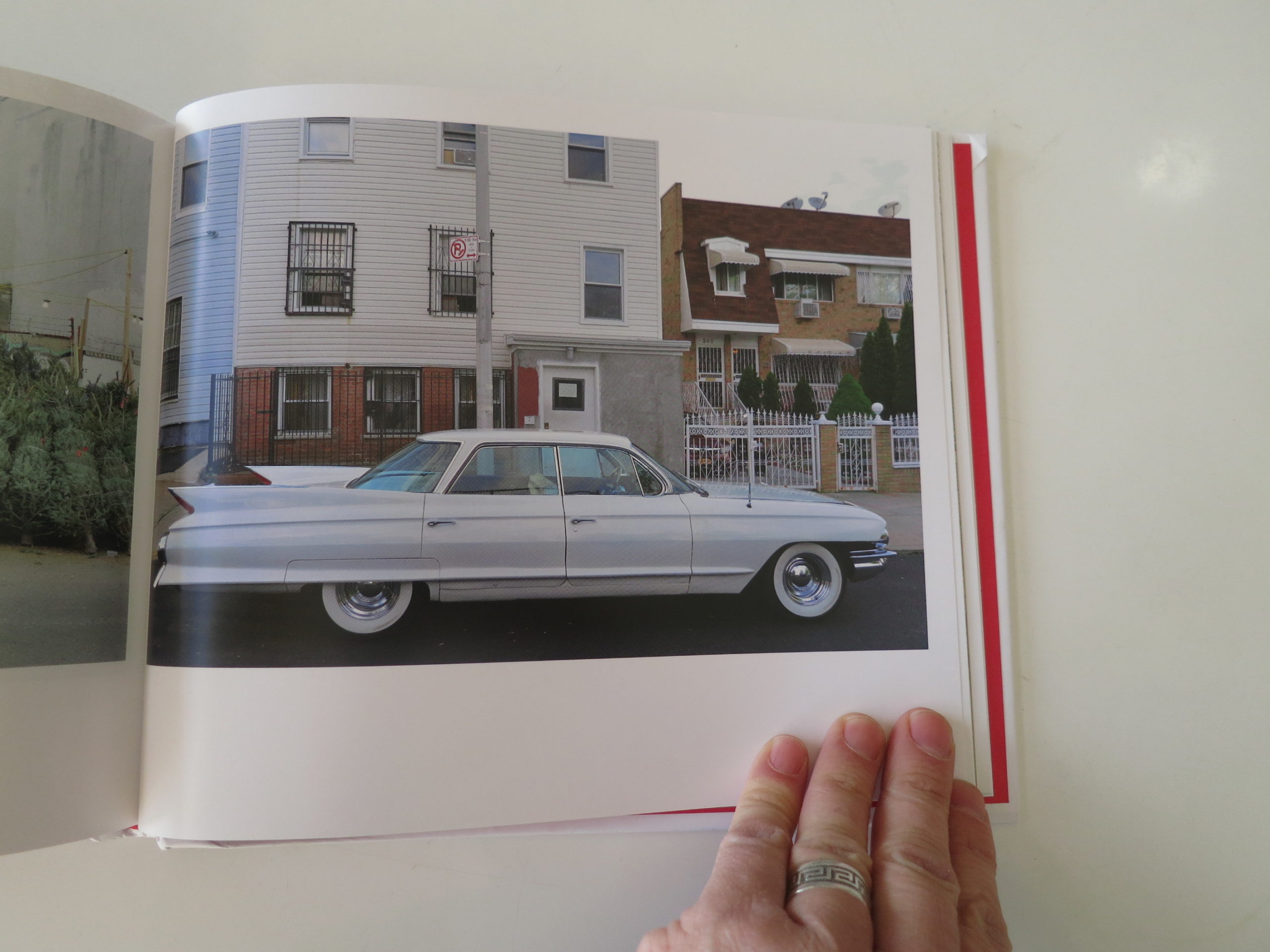
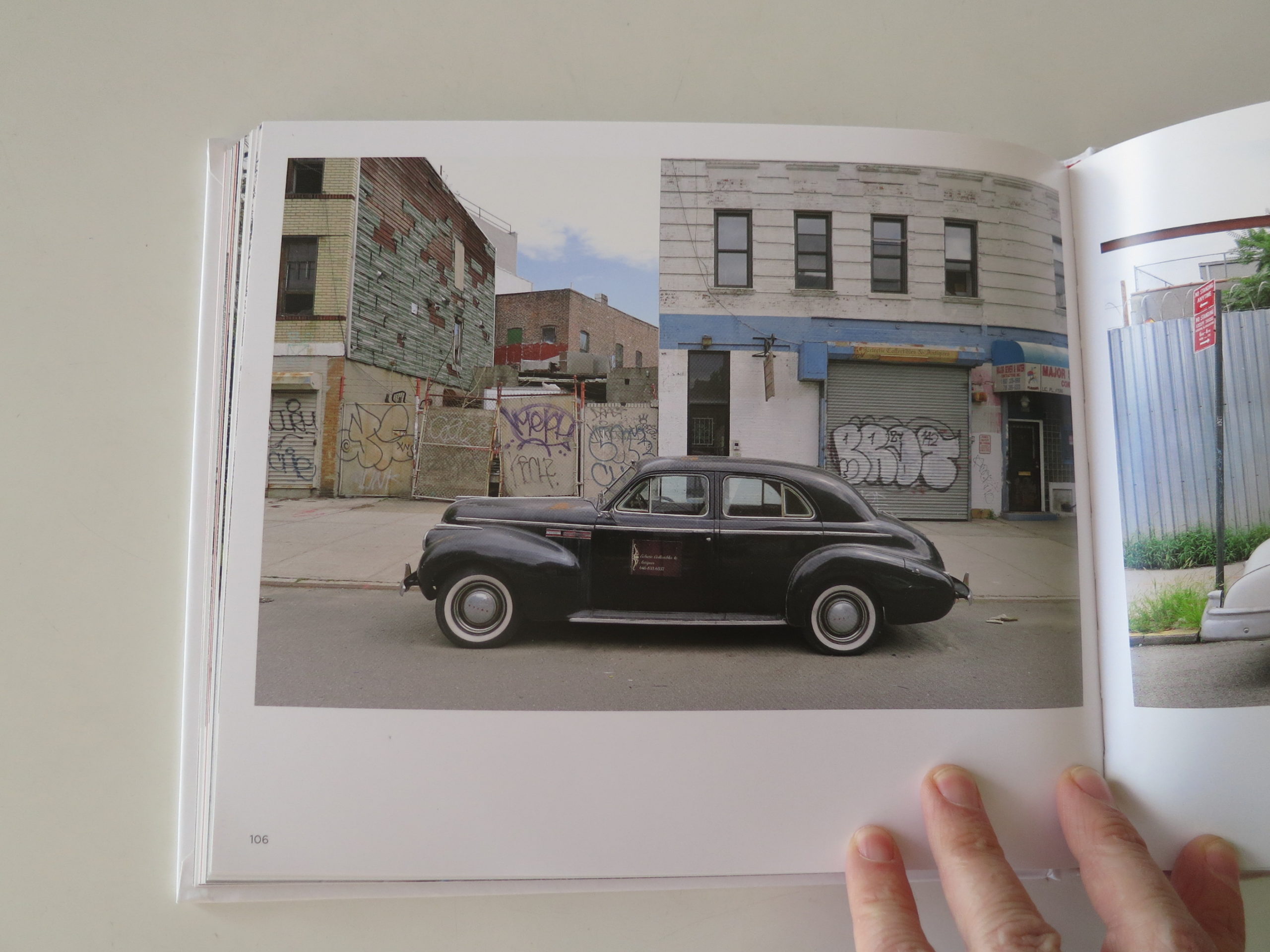
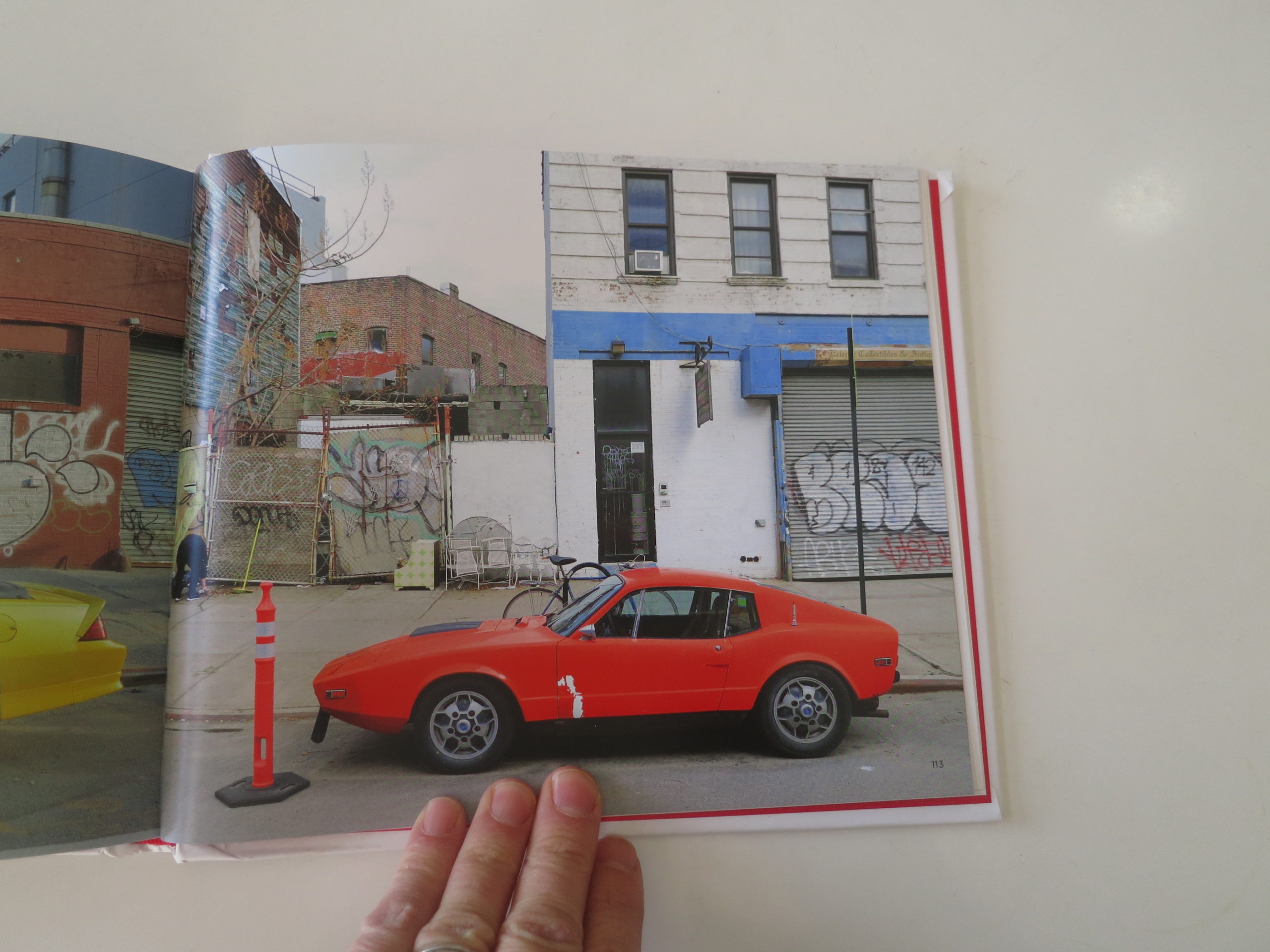
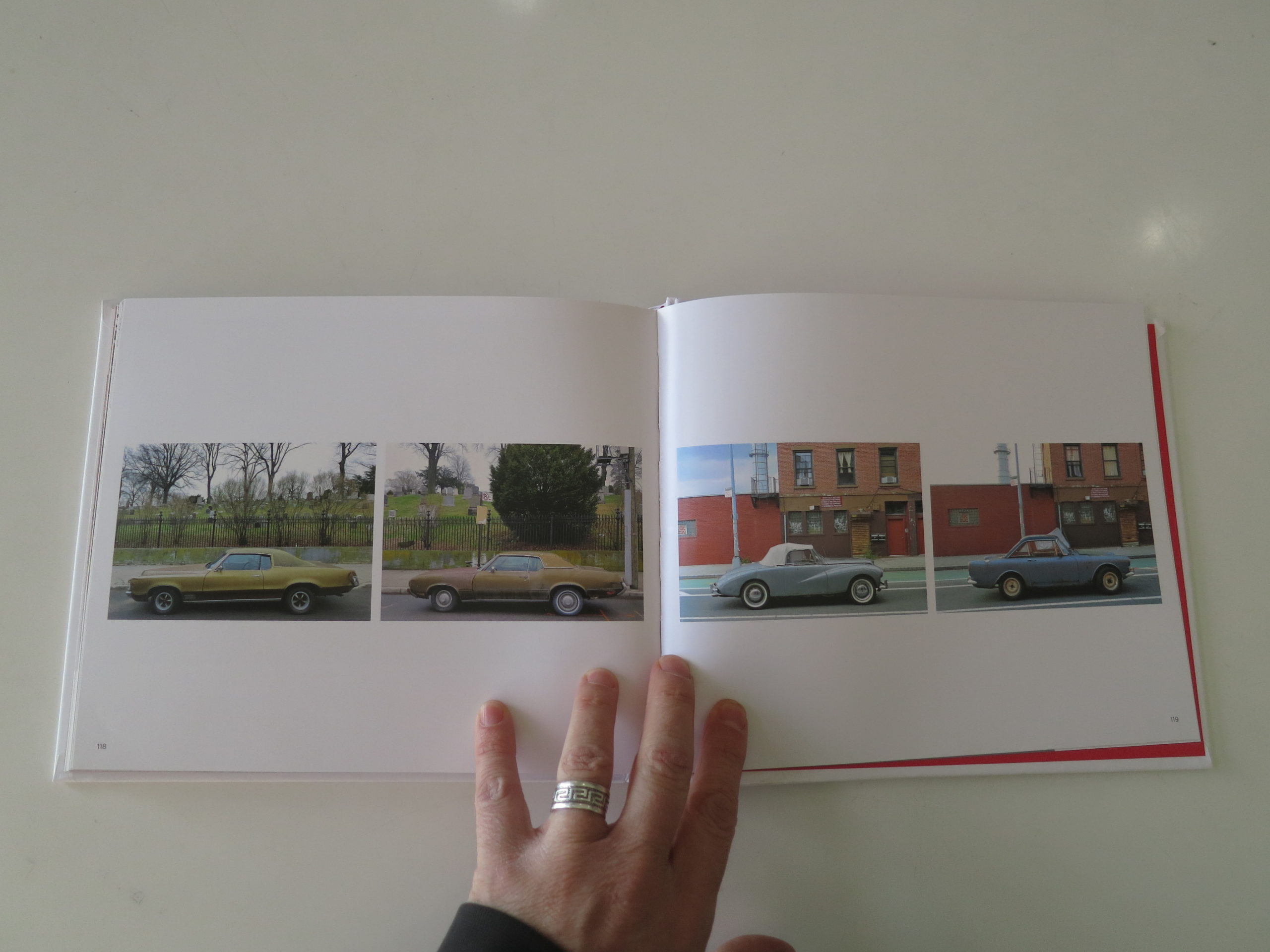
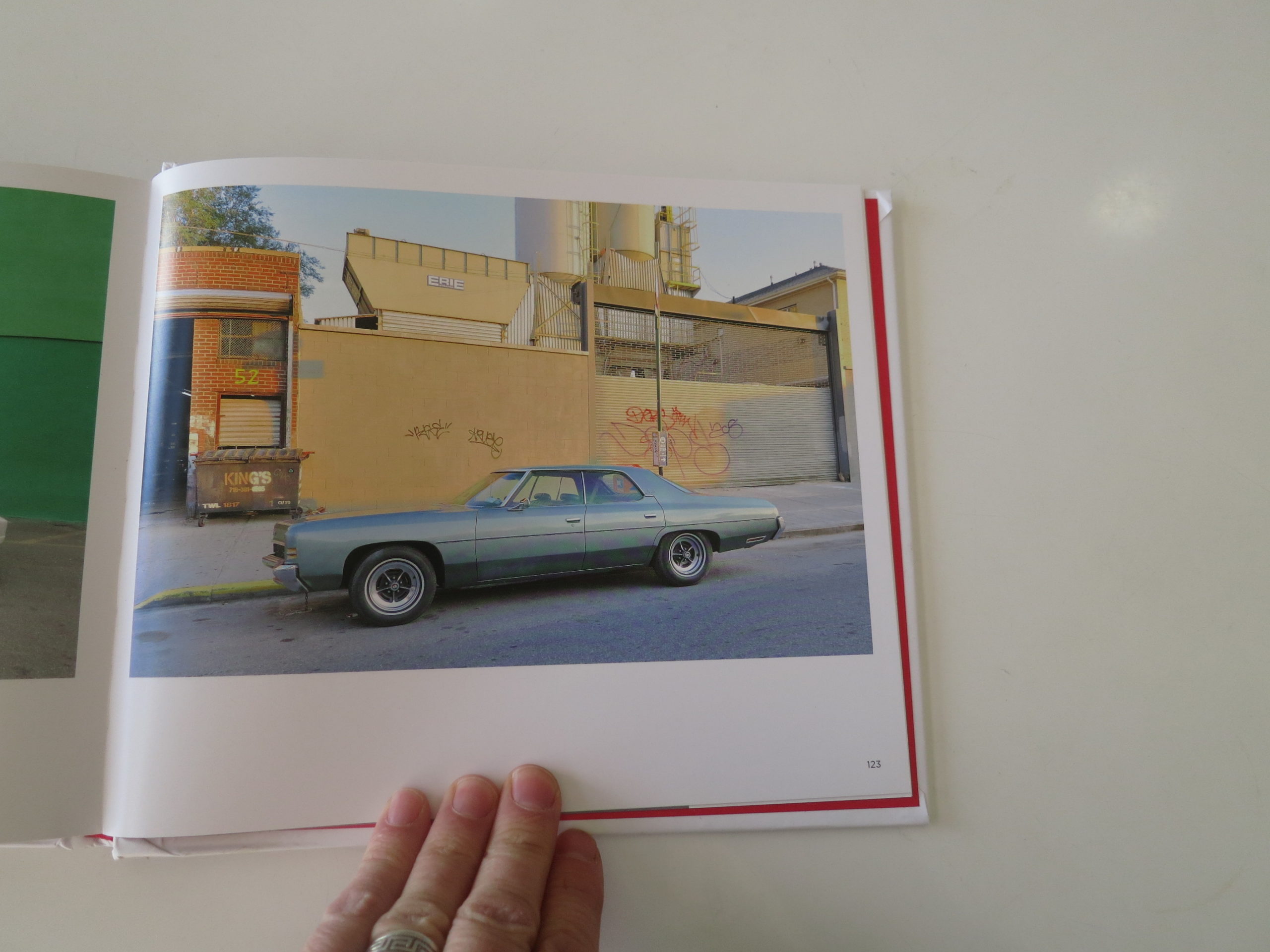
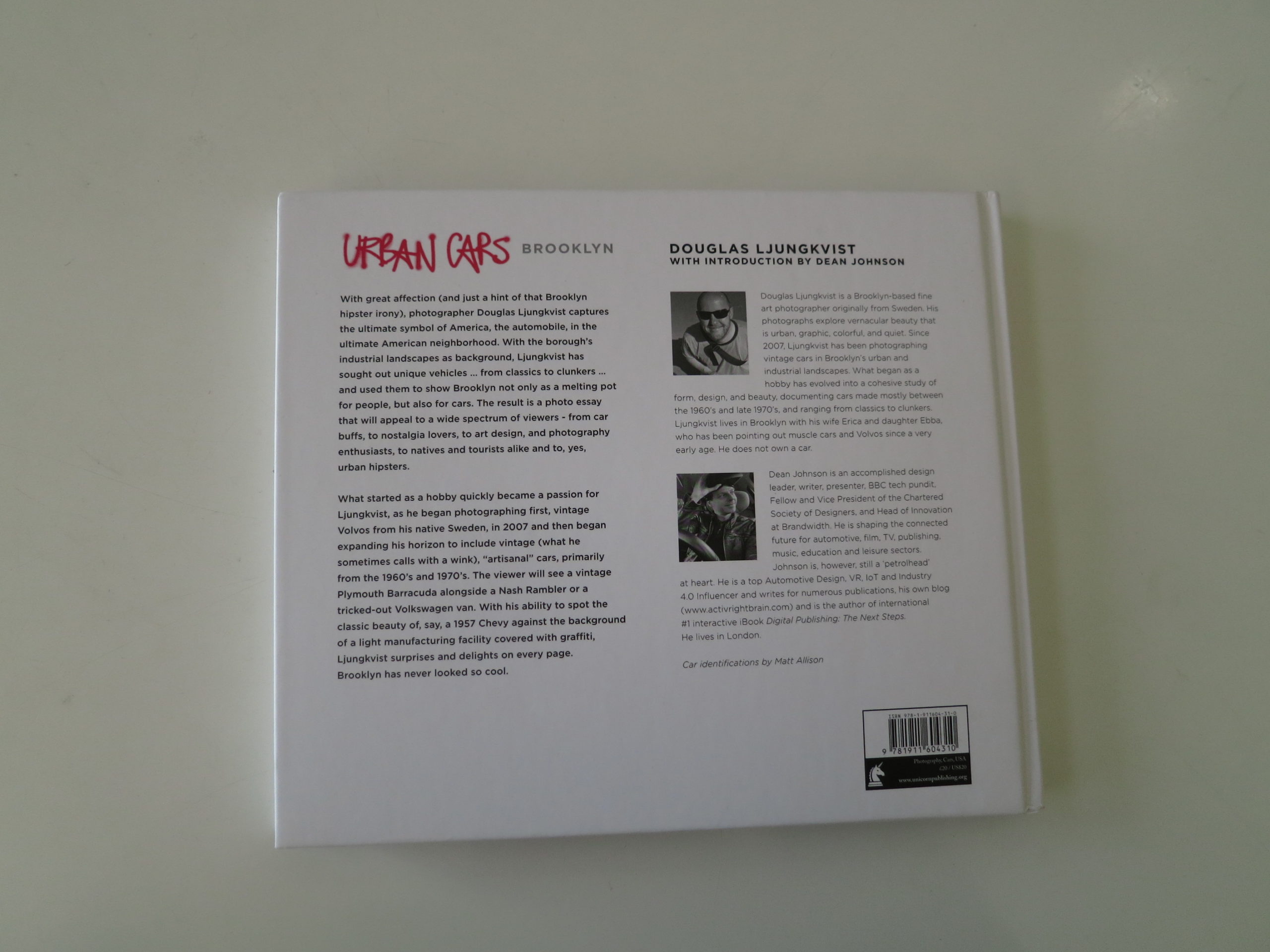
I name my cars, and would be willing to wager that many, if not most of the cars inside Douglas Ljungkvist’s “Urban Cars,” (the fun and cool photobook released last year by Unicorn in London,) are named too.

Orange Crush.
Yellow Betty.
British Blue.
The Undertaker.
Blue Velvet.
Zebra Benz.
Super Bee.

(That last one was real. The rest I made up.)

I’ll cut to the chase on the review here, and just tell you that I really like this book.

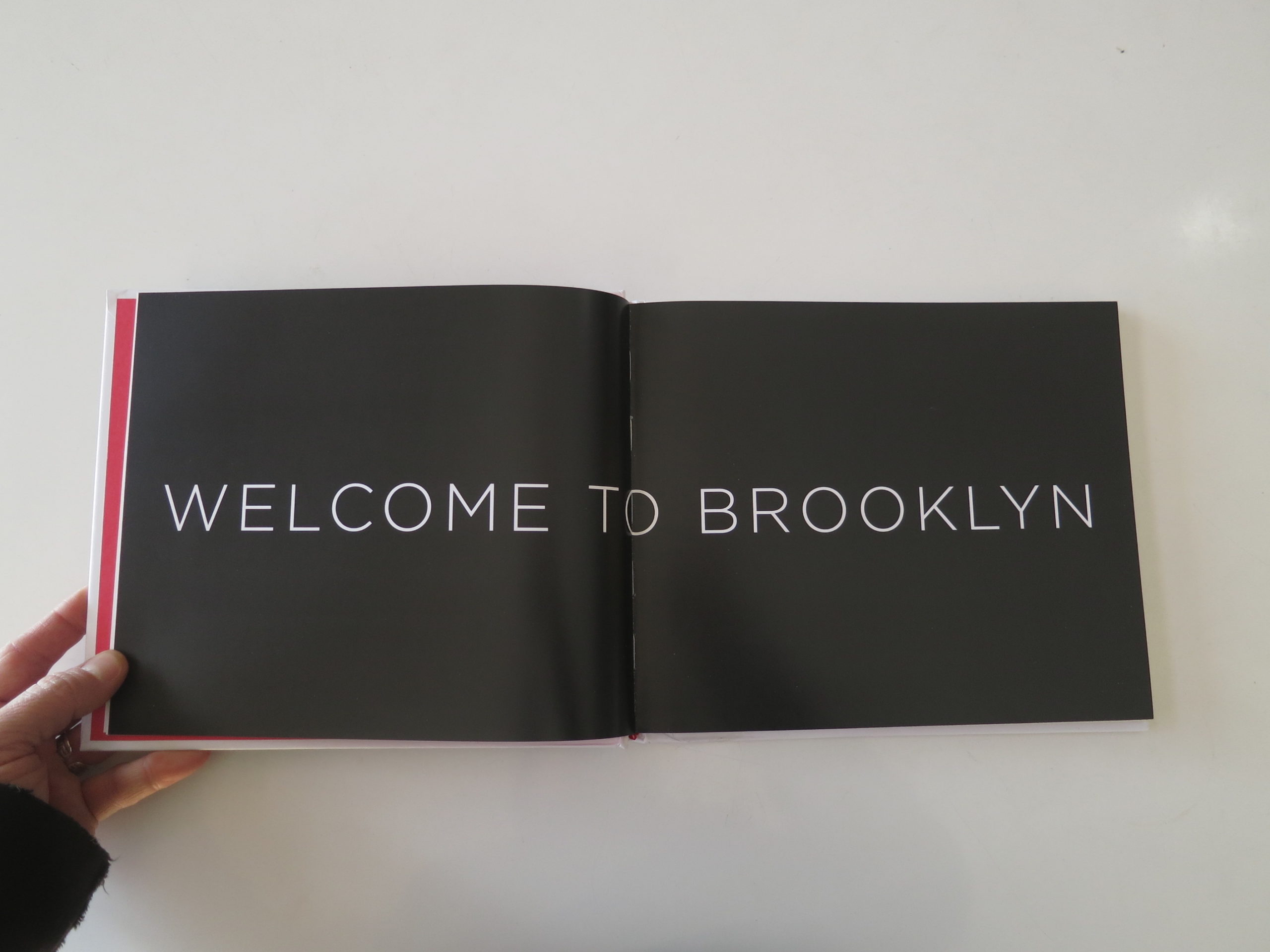
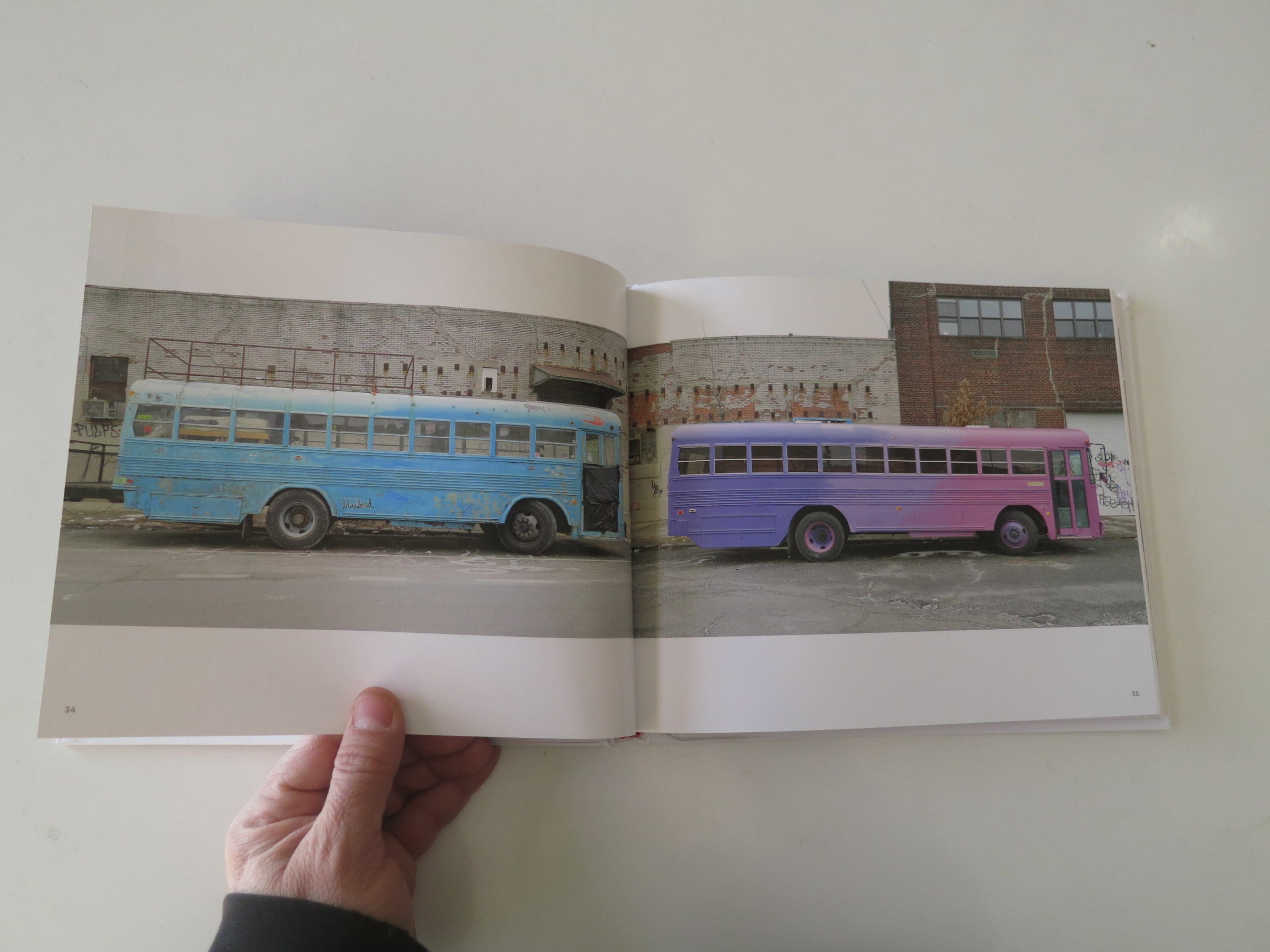
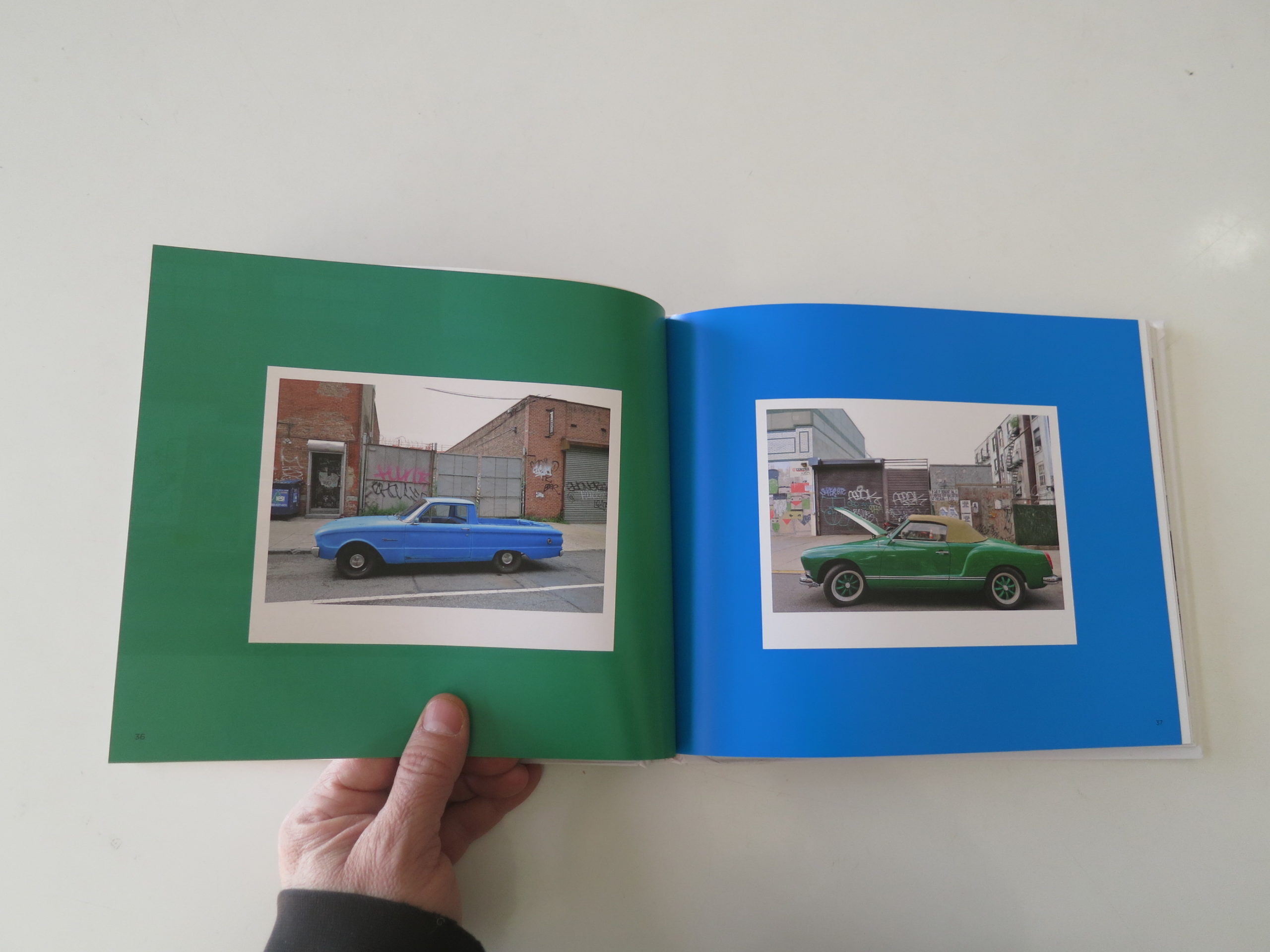
They made some great design choices, like the theme of printing a color complimentary to the car’s color on the background page.

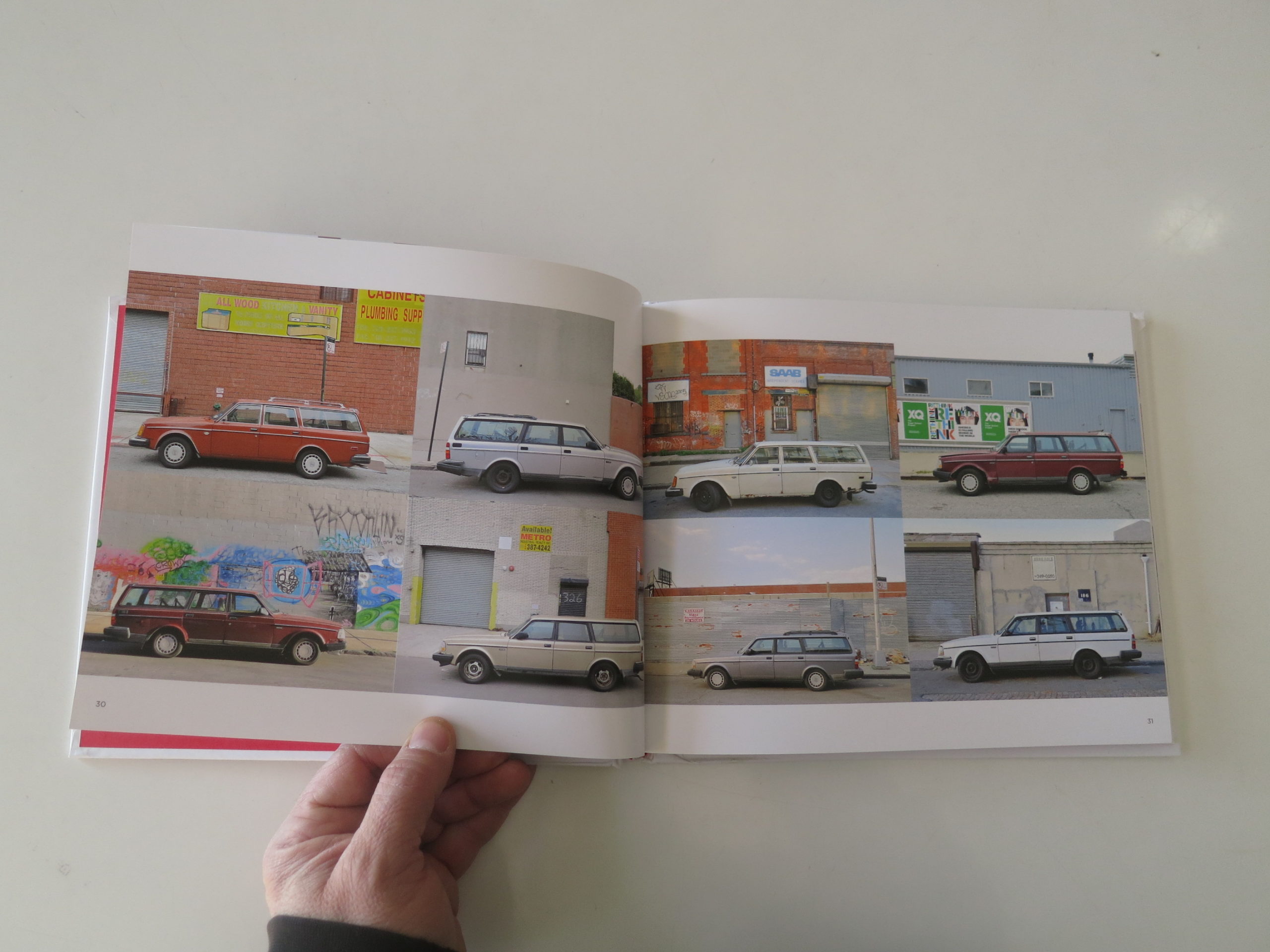
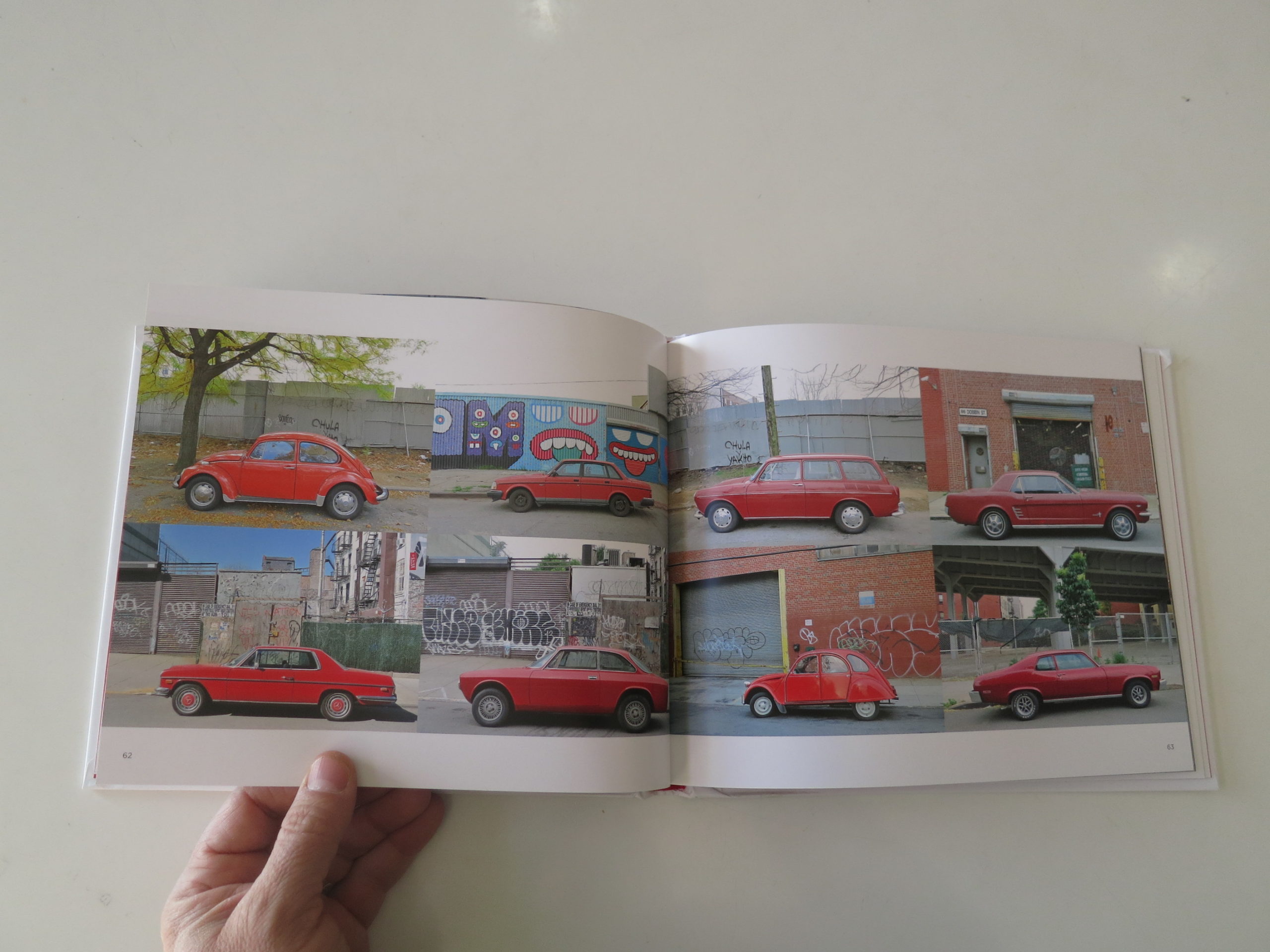
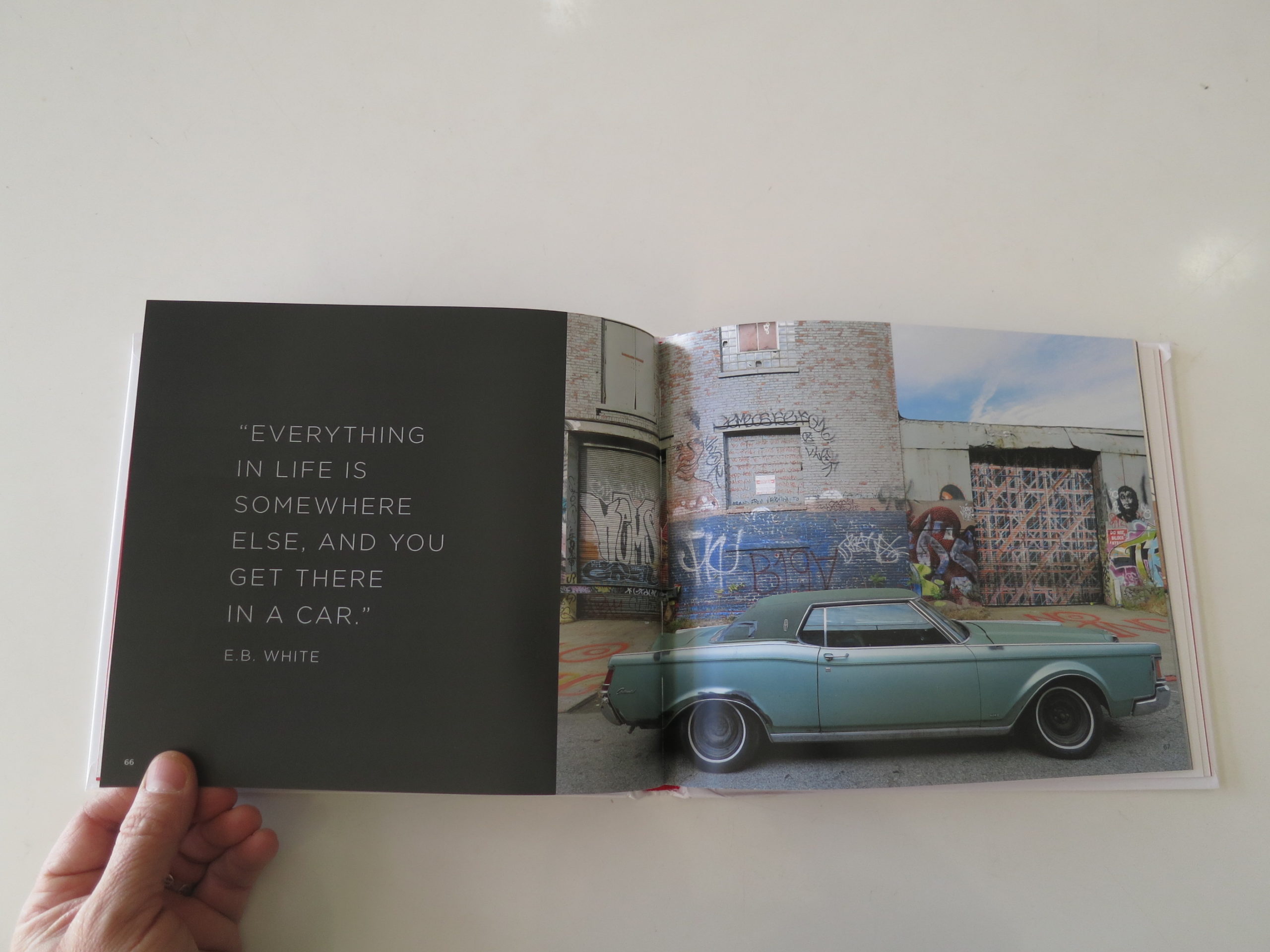
Or the regular use of multiple image panels to break up the narrative, in addition to a few short quote pages, including this one by Jonathan Ive: “One person’s car is another person’s scenery.”

There’s an introduction by a guy named Dean Johnson, but they don’t tell you who he is, and I didn’t know. There’s an implication he’s European, (he says so,) and funny enough, Douglas is a Swede himself, so the whole story on Brooklyn cars takes on an international flavor. (When I turned the book over, I discovered a Dean Johnson bio on the back cover.)

Beyond the great design, smart pacing, and well composed photographs, I’m inclined to believe these pictures also serve as something of a time capsule.

Their purpose for being “saved for the future” as a book makes sense, as they lock in likely an 80 year stretch of global car design, and place it firmly in a place in time.

Namely, Brooklyn, New York, USA at the end of the second decade of the 21st Century.

I know much of it was shot around my old neighborhood, and adjoining Williamsburg, and recognized the place, in particular the Army Navy store on Manhattan Avenue, which is fronted here by a sweet, two-tone cream 80’s Thunderbird.

There’s lots of graffiti art, and other small tags, including the genius “Rent My Mom.”

Now that I think about it, the severe, geometric, modernist compositions are definitely a nod to Scandinavian design, and probably help the book stick the landing.

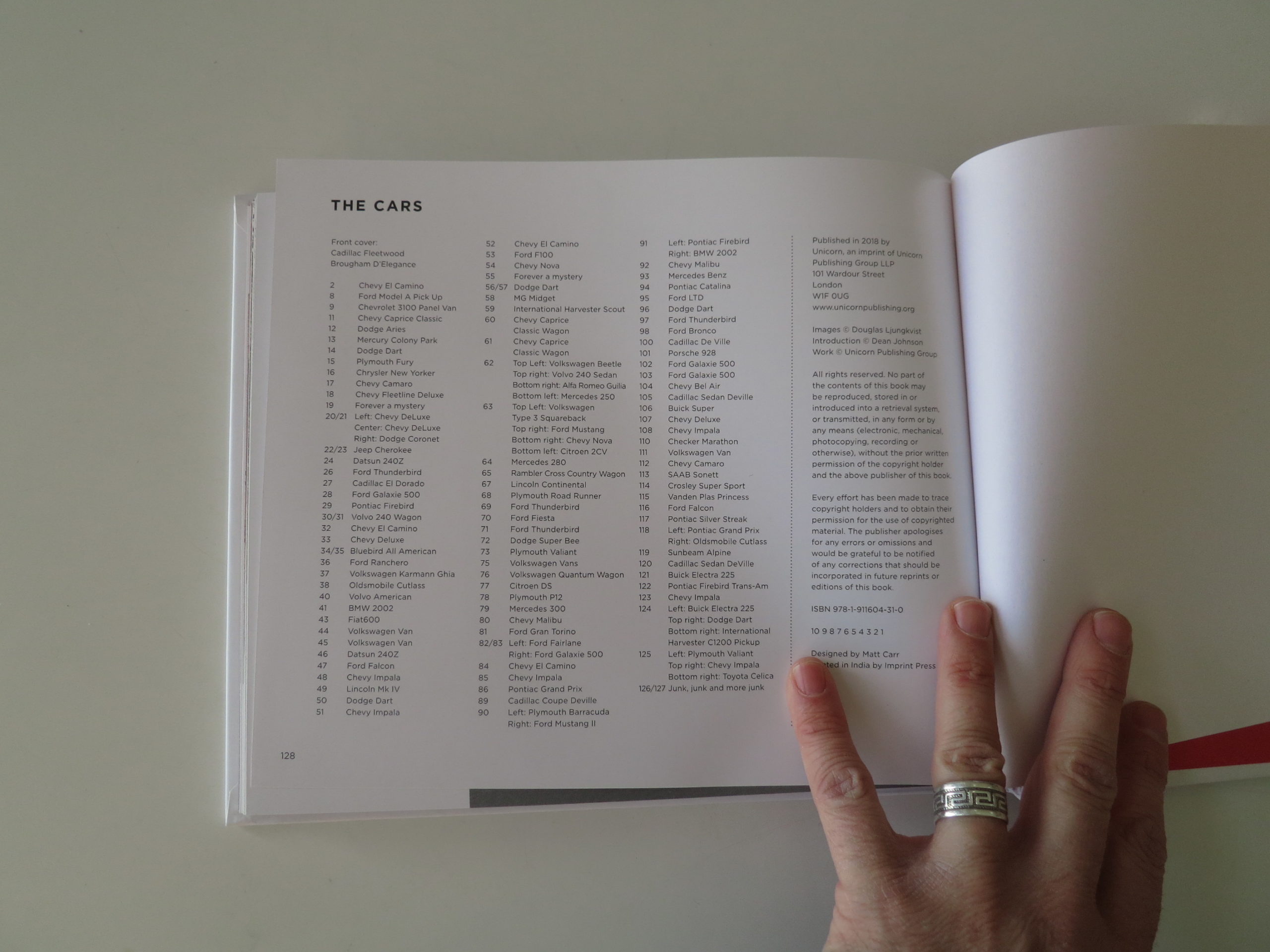
I love that the car makes and models are listed at the back, and that there’s a multi-image panel of Volvos as a shout out as well. Hell, the one old sports car I couldn’t place was actually a Saab, so the Swedes won the day here for sure.

(Actually, the Chinese own Volvo now, and Saab doesn’t make cars anymore, so maybe we’ll call it a draw.)

Bottom Line: Awesome, fun book of car portraits in Brooklyn

To purchase “Urban Cars” click here 


If you’d like to submit a book for potential review, please email me at jonathanblaustein@gmail.com. We currently have a several month backlog, and are particularly interested in submissions from female photographers so we may maintain a balanced program.

The Art of the Personal Project: Mark Hanson

The Art of the Personal Project is a crucial element to let potential buyers see how you think creatively on your own.  I am drawn to personal projects that have an interesting vision or that show something I have never seen before.  In this thread, I’ll include a link to each personal project with the artist statement so you can see more of the project. Please note: This thread is not affiliated with any company; I’m just featuring projects that I find.  Please DO NOT send me your work.  I do not take submissions.

Today’s featured artist:  Mark Hanson

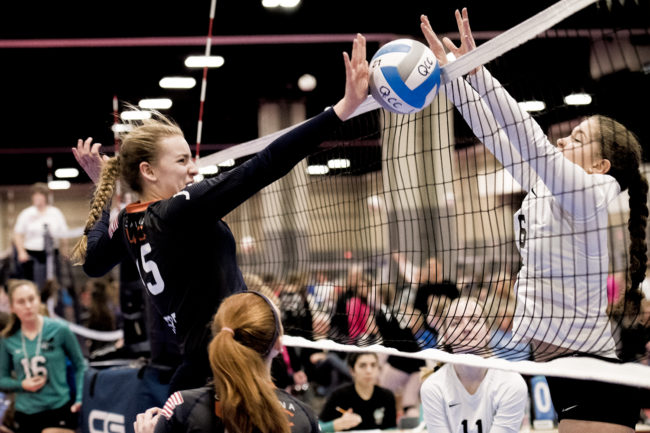
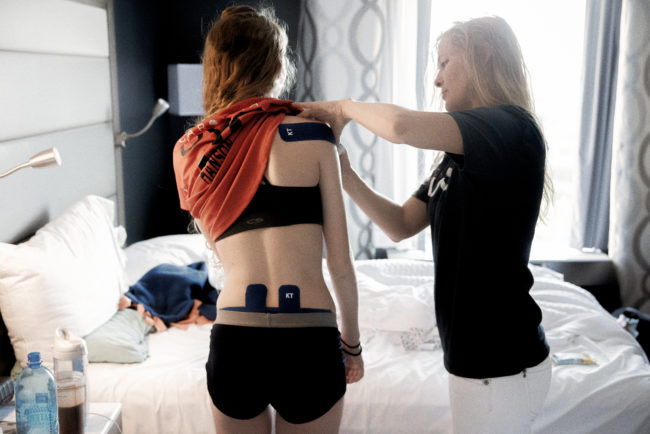
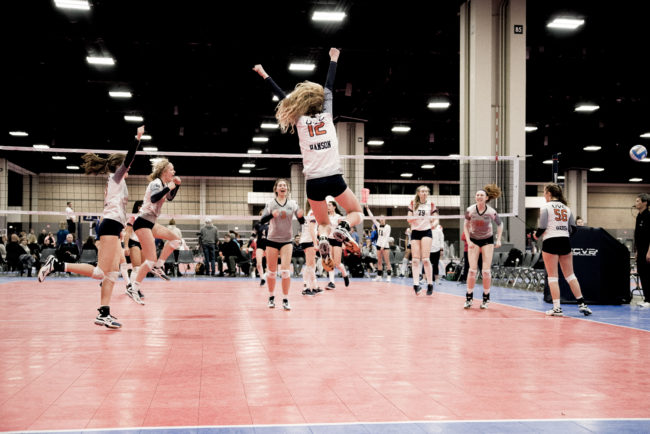
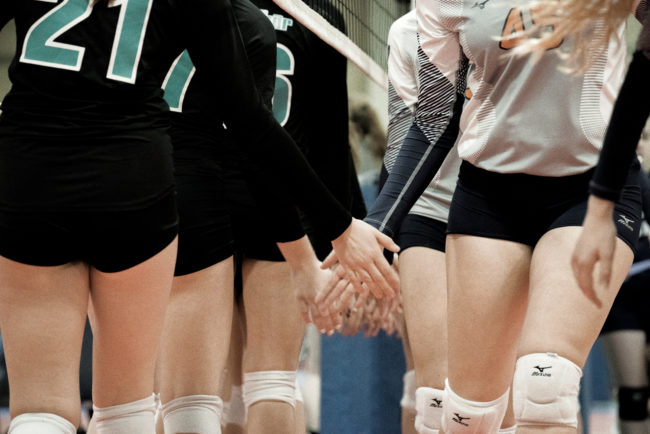
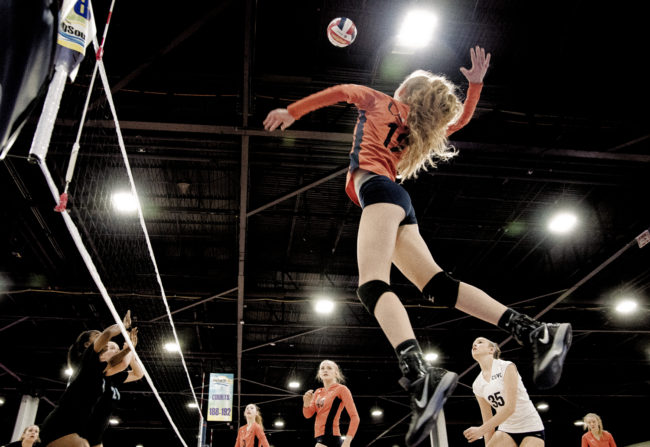
I’ve been a lifestyle/fashion and commercial photographer my whole career, working with National and international clients, my job requires that the shoots I photograph or video, are planned out, stay in budget and are delivered on or before a deadline. But I’ve always enjoyed spontaneously capturing a moment, whether it’s an off guard moment on set, people on the street in another country or during a sporting event, such as football or volleyball. So when my daughters began playing volleyball, I started bringing my camera to all of their matches. At first it was just shooting my daughter when she hit, dug a ball or blocked. After a while those images all started to feel similar, just a different location or color of uniform. Then I started to shoot what was happening off the court and the moments between plays. I also started to experiment with shooting different angles while they were playing and using different focal lengths. I became obsessed with getting different images, getting that exact moment of the block at the net, or the celebration of the team when they got a huge win.

I spent three years shooting my daughters and their teammates at every tournament. Always looking for those shots I wanted but hadn’t had the opportunity to capture just yet. In my work with commercial and fashion clients, I can always control the images and direct the models so I can get the shot I want or the images my clients need, but you can’t stop a volleyball match, go out onto the court and ask the teams to do that again. A block at the net or a massive dig from the back row happen in a fraction of a second, so I have to be able to anticipate what the players are going to do and exactly when things are going to happen, but that’s all part of what makes it fun, that’s the challenge!

My youngest daughter still plays volleyball, so once again, this season; I’ll have my camera with me. I may not be as obsessed with taking pictures of everything that goes on this year, but I know I’ll always be looking for the next shot that will be different or more amazing than anything I’ve shot before. That’s what keeps it fun, and it helps keep me from stressing during those tight matches where they might lose.

To see more of this project, click here.

APE contributor Suzanne Sease currently works as a consultant for photographers and illustrators around the world. She has been involved in the photography and illustration industry since the mid 80s.  After establishing the art buying department at The Martin Agency, then working for Kaplan-Thaler, Capital One, Best Buy and numerous smaller agencies and companies, she decided to be a consultant in 1999. She has a new Twitter feed with helpful marketing information because she believes that marketing should be driven by brand and not by specialty.  Follow her at @SuzanneSeaseInstagram


The Daily Edit: Better Homes&Garden: Gabriela Herman

Better Homes & Garden

Art Director:Jarret Einck
Associate Photo Editor: Holly Pruett
Photographer: Gabriela Herman

Heidi: Was this your first shoot with the magazine?
Gabriela: It was my first shoot for Better Homes and Gardens and I felt like it was such a good fit for me based on many previous garden and flower stories I’ve shot for Martha Stewart Living.

How long were you at the garden?
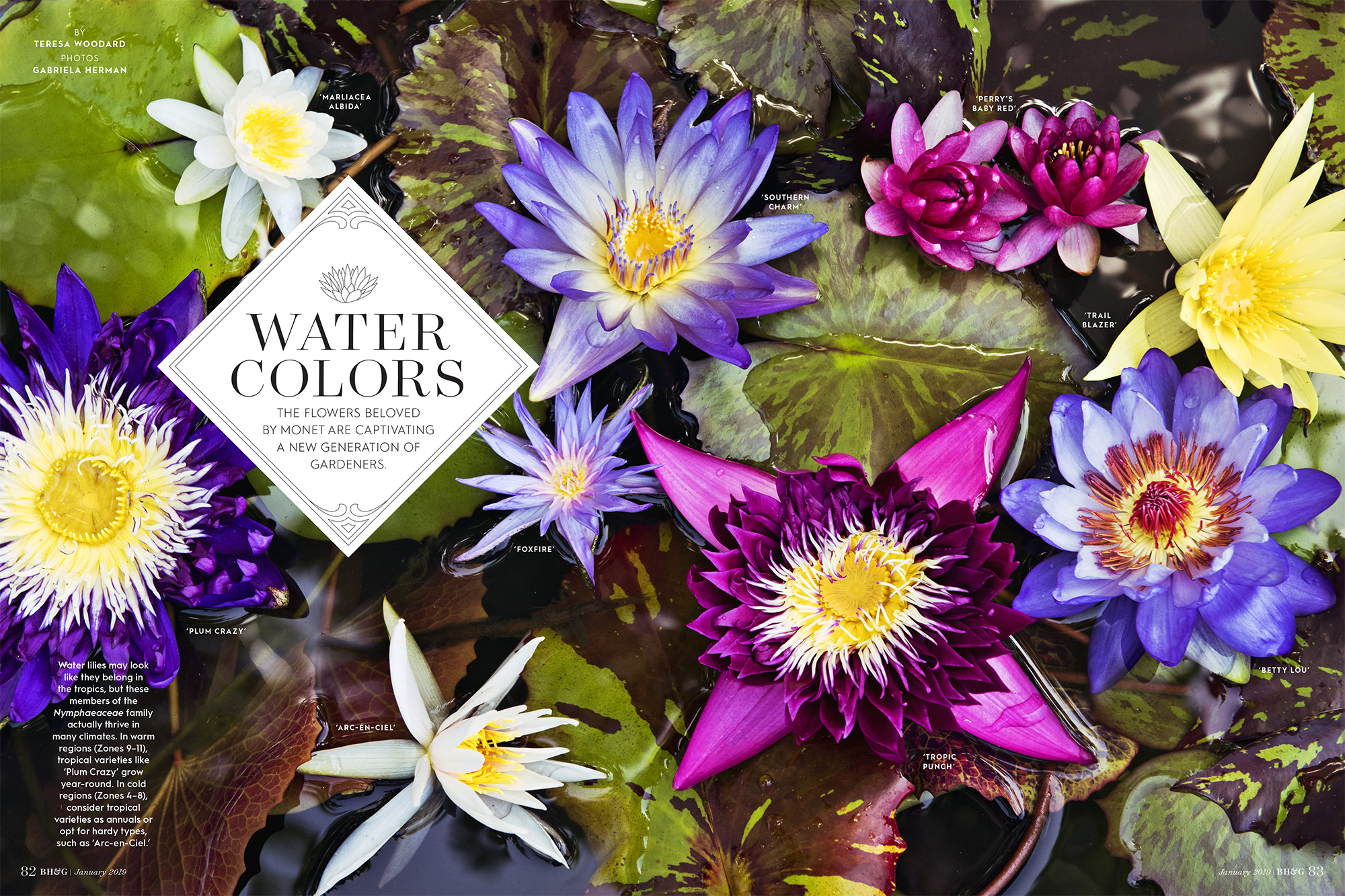
We went down to the Naples Botanical garden where this was shot and had a glorious, (and sweltering!) 3 days documenting all the different varieties of water lilies.

What made this shoot stand out for you?
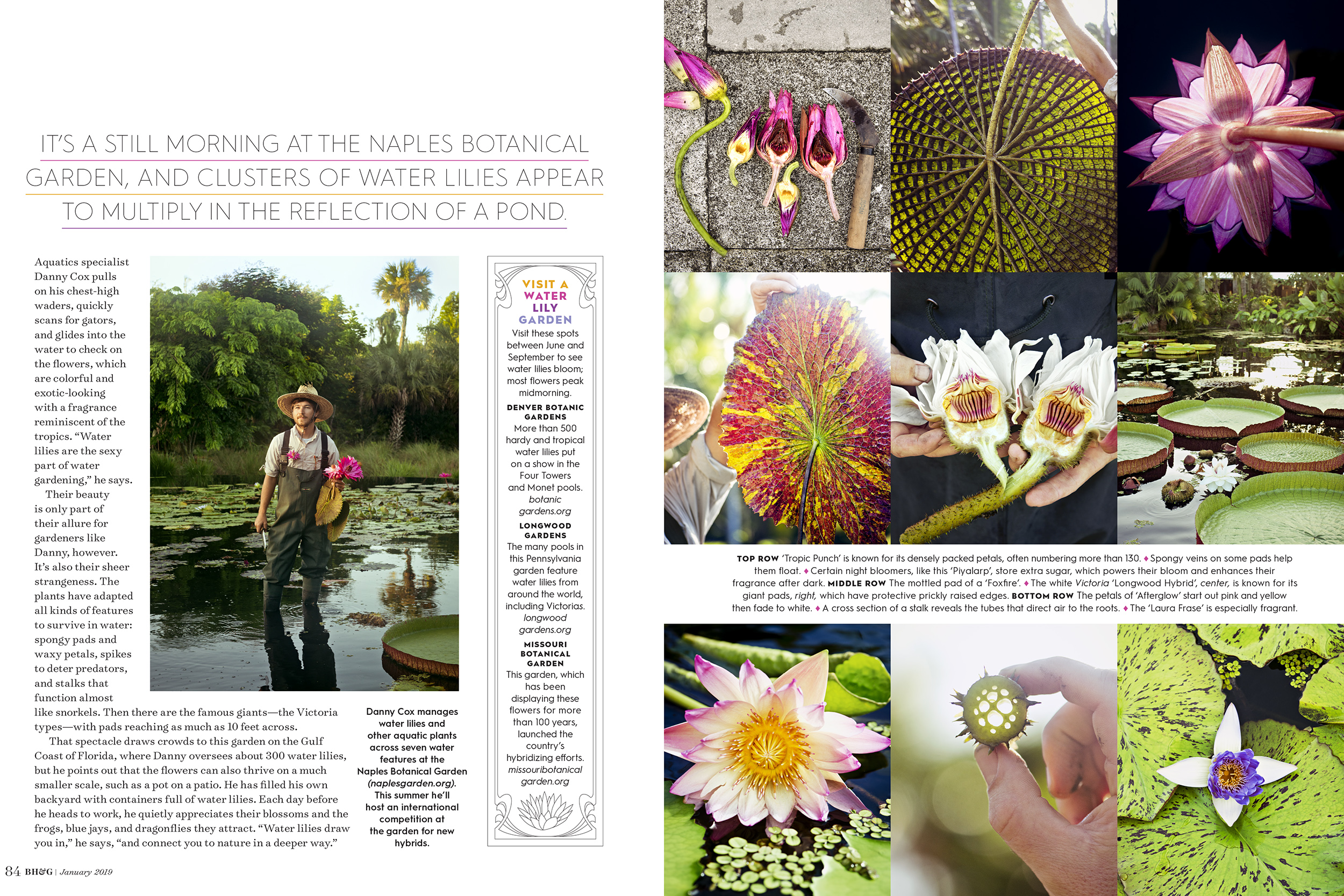
Besides just learning everything about water lilies and aquatic plants which I knew nothing about, one thing that stood out for me was meeting Danny Cox, the aquatics specialist at the garden, and seeing someone so young have such passion for his plants. “Water lilies are the sexy part of water gardening” he’s quoted in the article saying. While still in high school he got a part-time job at the garden and got obsessed with water gardening, went on to get a degree in environmental studies and now oversees over 300 water lilies on the property.

How did you get so close to the delicate flowers and manage the variety of bloom times?
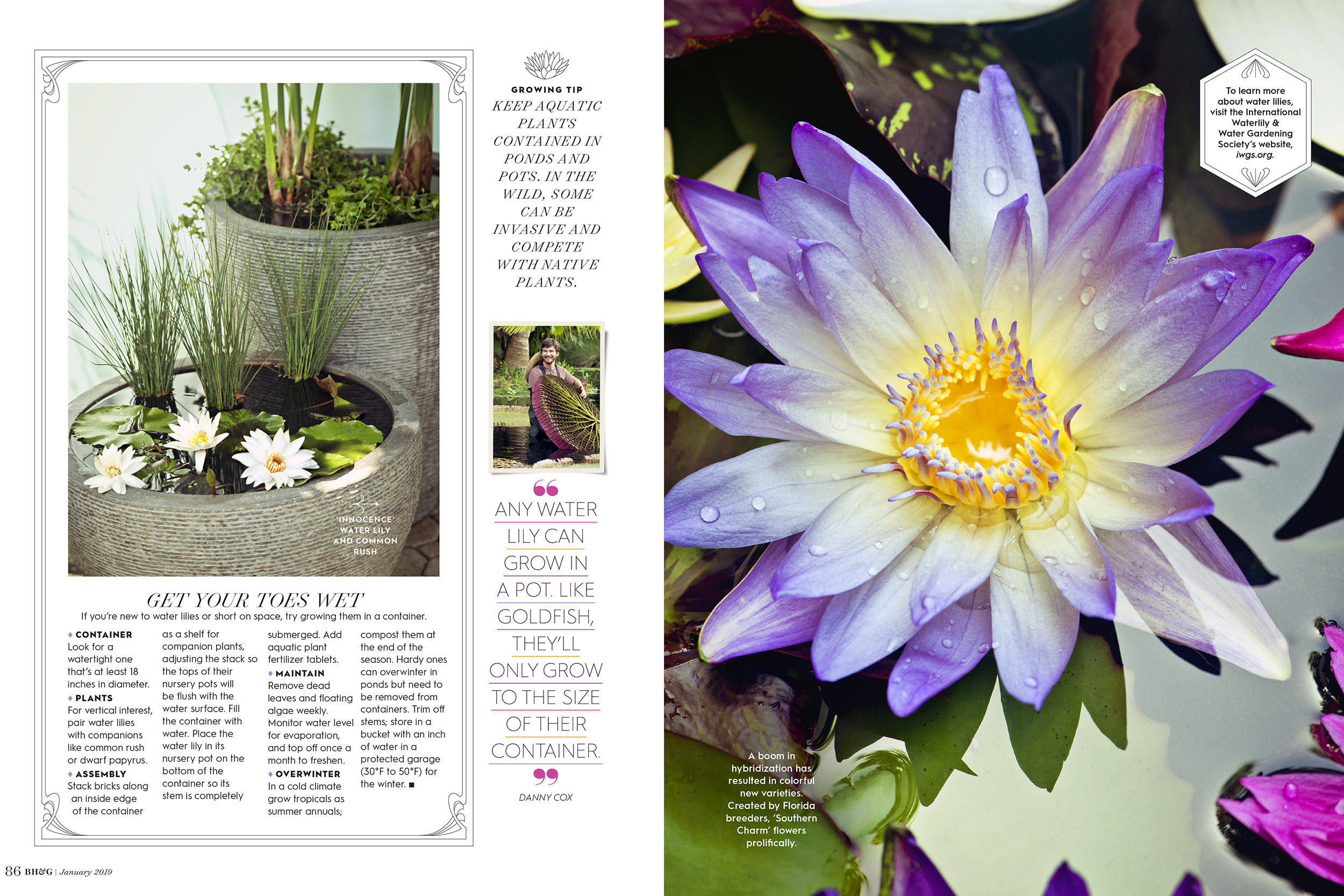
I loved getting in waders and walking through the different ponds to approach the most prized lily. Some were only knee-deep, but a few we were up to our waists while shooting. It was also nice to have the luxury of time for this shoot to be able to approach the flowers at the exact time of day when they would be open to their fullest and the lighting would be best, including the night-bloomers which we caught early morning.

How did hurricane Irma effect the garden?
The story is actually kinda bittersweet, because a few days after we left, the entire garden was completely destroyed by hurricane Irma. I believe after much cleanup and recovery, they were able to open the garden back later that fall, but the President noted that it would never look exactly the same as it did before the hurricane. The power of photography becomes even more evident in a scenario like this, where through these images, the garden as it once was can be remembered.

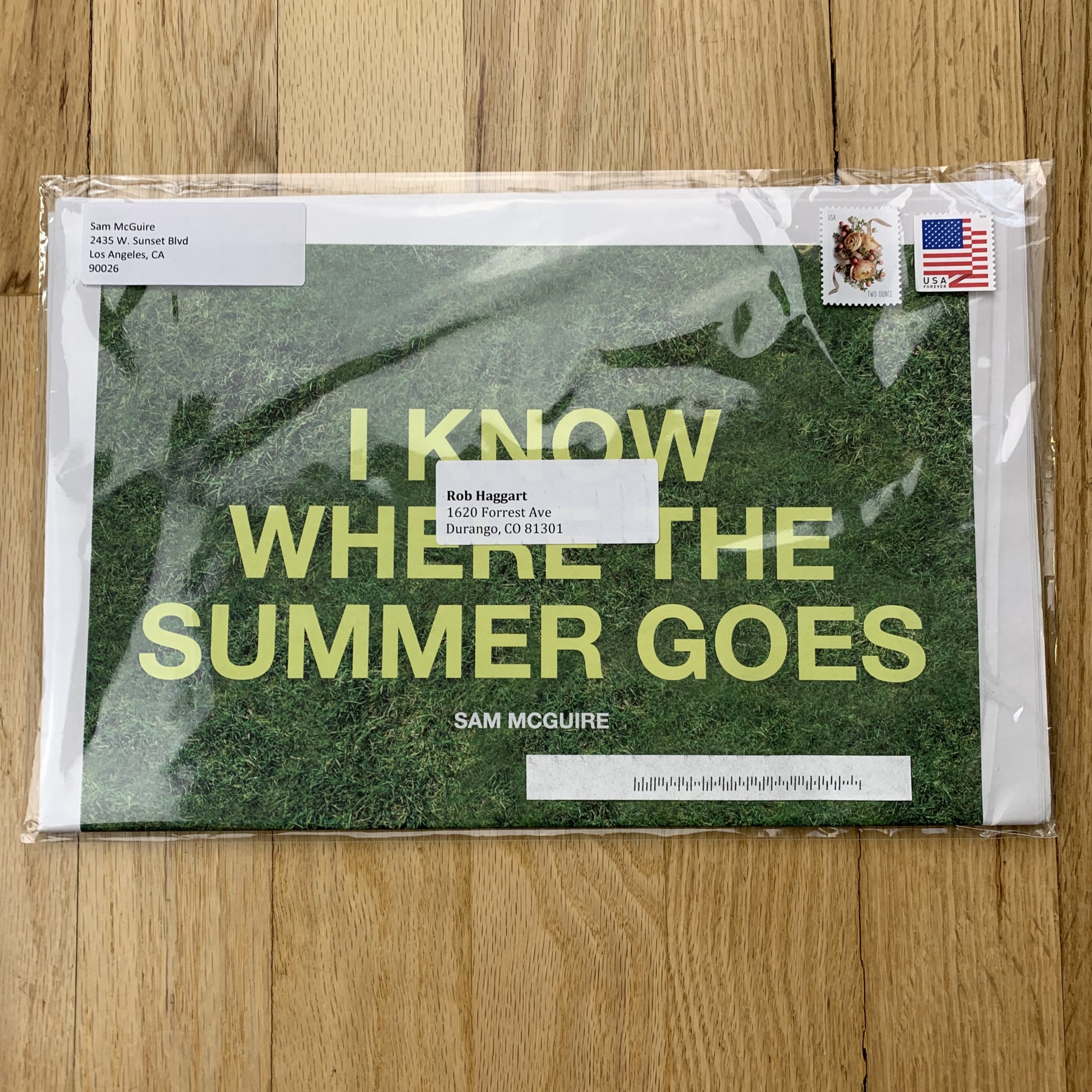
The Daily Promo – Sam McGuire

Sam McGuire

Who printed it?
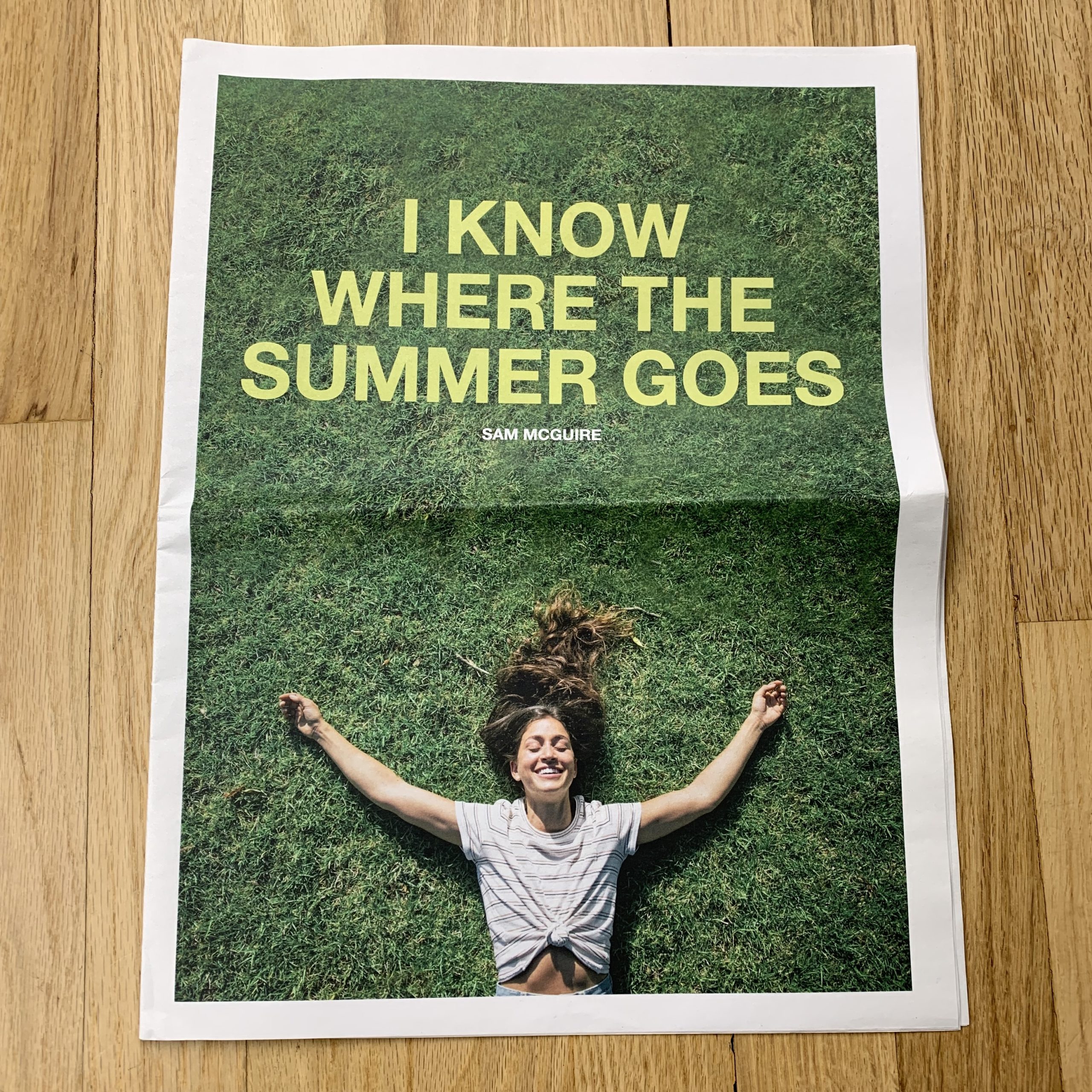
Newspaper Club (Digital Tabloid, 55gsm paper). I got a test done of the 90gsm bright and it looked really clean and amazing but the 55gsm added some nice contrast and a bit of grain, plus the paper has some grit to it and this nice paper smell… as dumb as that sounds.

Who Designed it?
My friend Jon San Nicolas at The Line Four – @jonsannicolas @thelinefour and then my rep Emily Heller @jellybeanreps helped with the photo editing.

Tell me about the images?
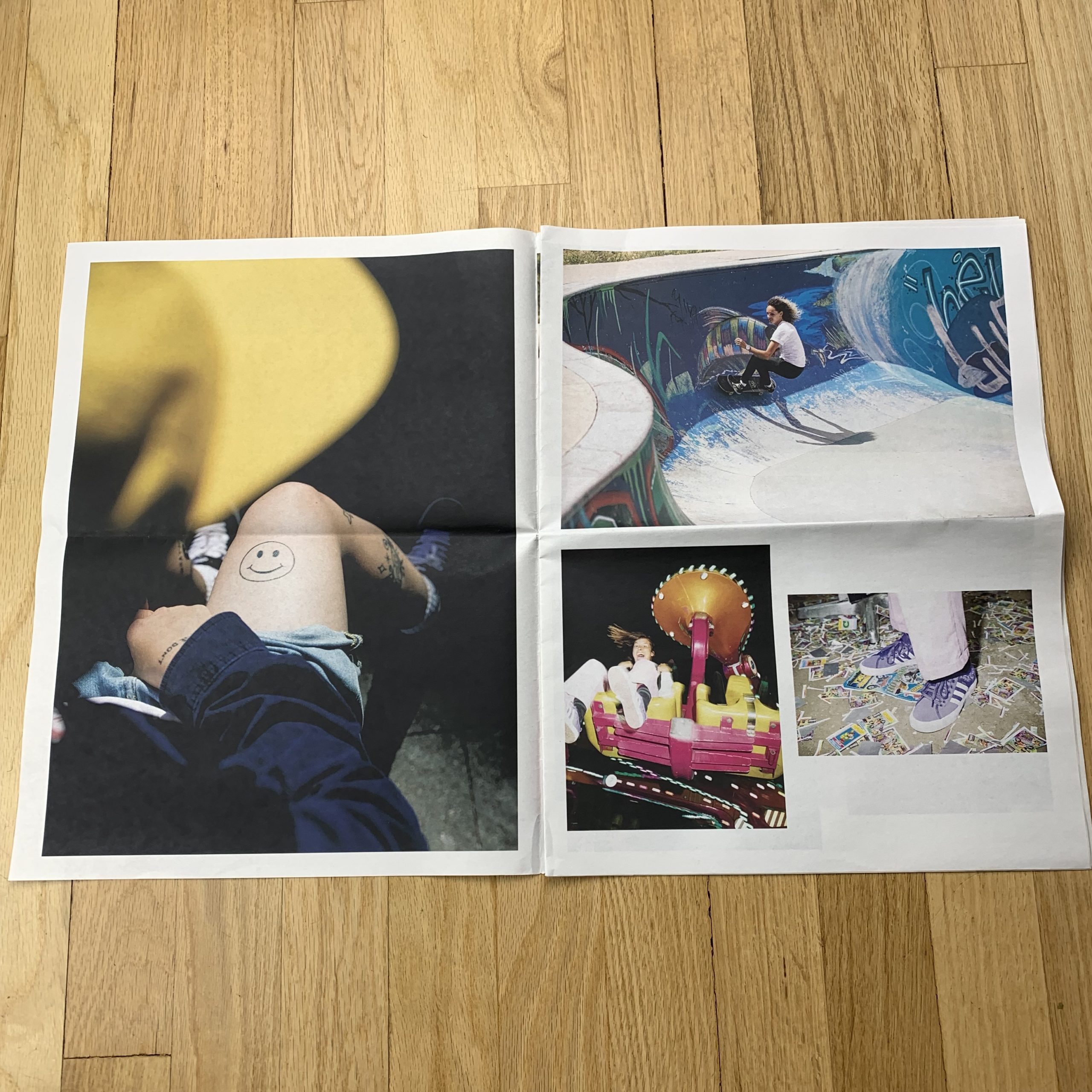
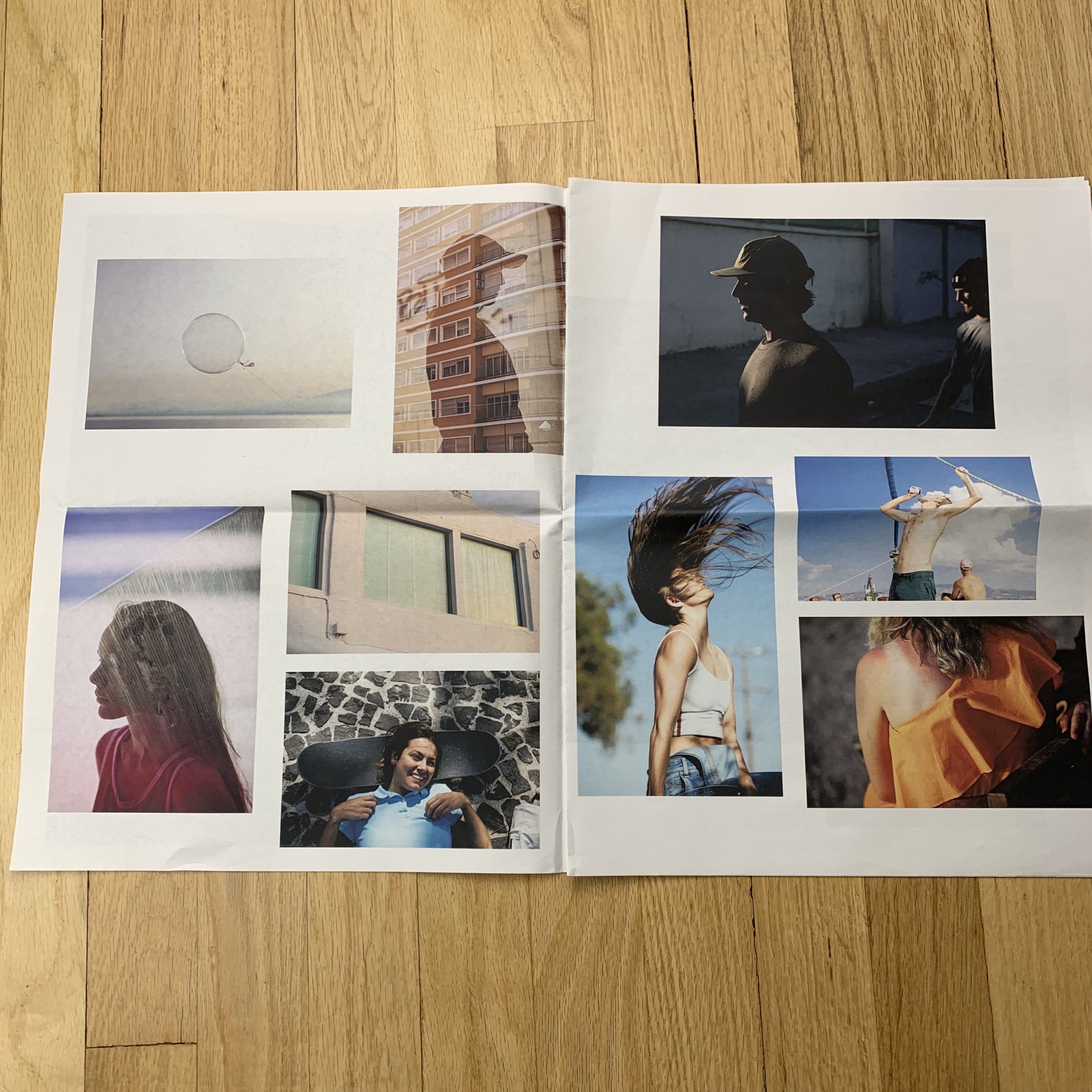
I spent most of my life shooting for magazines and making ‘zines. I would see other people’s promo’s and try to emulate it but had trouble wrapping my head around a handful of images that didn’t correlate with each other as part of a story or an assignment. I’d try, get frustrated and ultimately talk myself out of sending it. I would see other people’s promo’s on this website, and other places and think wow those look so cool I’m gonna try again and I’d piece together some stuff and it would just frustrate me and off to the bar I’d go.

I recently signed with a new agent and the ‘ole promo talk came up and I just tried to think of it in a different way this go around so I just came up with doing a promo sort of like a ‘zine I’d make as a kid and have it revolve around a season and have one of my favorite songs as the title/theme. I feel like music is similar to photography in that it can capture a moment without literally describing it and I really love the Belle and Sebastion song “I know where the summer goes.” It’s just a song that embodies this meandering summer feeling like in August where it’s just hot, stagnant and a part of you is exhausted from doing so much so you’re a bit lazy, a bit nostalgic, and a bit knowing you need to take advantage of the waining weather. It helped put a mood to a promo, and give it direction as if it were an editorial/commercial assignment. So I’d go on shoots, put some images aside from the shoot, sometimes there’d be a moment I’d think “oh this could be good for the promo…” and go shoot. Don’t know why giving it a theme helped but it really did.

How many did you make?
I made 500.

How many times a year do you send out promos?
Honestly, this is the first promo I’ve ever done. I would do email promos to clients I’d worked with maybe once every two months to check in but, always got stuck on the printed promo. I want to send some version of one every season, so four a year. Some maybe not this big but, not sure. I love seasons, I grew up in Iowa, life changes so much season to season and so I think it works as a cool theme for a zine/promo.

Do you think printed promos are effective for marketing your work?
For sure. I had a meeting at an ad agency and when I left I just gave the photo producer a copy and you could tell she was excited to have a printed thing. She said “oh great I’ll share this with the other creatives,” and then a few of the creatives got in touch and I just don’t know if stuff like that would happen with an email. I ended up getting a great response which has been amazing and surprising.

I just got burnt on emails, and I’ve been trying to grow my client base and get new work and so, I got a bit burnt trying to reach out, getting places but very slowly. I would shoot so much, and there’s only so much room on a website so, I just wanted to make something I was hyped on and then send it out and see what would happen. I think with a printed piece you can use your voice much more. If this were printed in glossy it would be a totally different promo – but you can’t do that with emails like you can’t make an email glossy, matte or newsprint, there just all the same.

The Best Work I Saw at the Medium Festival of Photography: Part 2


I never set out to be an opinion columnist.

It’s true.

Hell, before 2008, if you’d told me I’d become a professional blogger, much less do the job for nearly 9 years, I’d have taken you for a crazy person.

But everything realigned 10 years ago, in the eye-teeth of The Great Recession, and frankly, I don’t think the world has been the same since.

It’s funny, reading the papers, following the discussions about whether the 10 year bull market has finally turned bear.

Will the stock market’s tumble, or the government shut down, or Trump’s stunning incompetence, finally derail the strong American economy, and lead to a recession?

I find those articles patently absurd, and my guess is, you do too.

I’m glad the stock market has gone its run, sure, but in every other way, it feels like America is still not back to where it was before the mix of horrible home loans, and the toxic derivative instruments built upon them, created a financial bubble that finally burst in September 2008.

By January 2009, of course, the economy was in pure free-fall, and America inaugurated its first African-American President, tasked with putting the pieces back together. (Tough luck, Barack. You needed the crisis to get elected, I’d imagine, but it meant you spent your best years putting out another man’s fires.)

I admit, knowing it was exactly 10 years ago has been on my mind lately. I first approached Rob Haggart, my long-time editor, because he put out a call looking for Great Recession images in early 2010.

(He complimented the ones I emailed him, pictures from Southern Colorado I’ve mostly scrubbed from the internet, which I’m now re-visiting nearly a decade later.)

Since we were corresponding anyway, I pitched Rob on writing a couple of articles for him, gratis, as I was a fan of the blog, and had been writing on a small-time blog with friends for nearly a year by then.

At that point, when I wrote him, it was spring 2010, and my small commercial photography/printing studio in Taos had seen its business evaporate. I mean, I went from having clients to having none, all within a few months.

The tell-tale sign, I discovered, was I was getting hired a lot, near the end, to do Canadian passport photos, because all the Canadians wanted to make sure they could get the hell out of the country.

Pronto.

Going into the Great Recession, I was an unknown artist doing all sorts of photo and printing services to make a living, while also running the studio as a gallery. (I sold next to nothing.)

Afterwards, I was a somewhat-known artist, a professional blogger, and a college professor.

But all these years later, I’m just about making what I made before the career-changes happened.

Truth be told, I love the career exchange, and would make it every time, if I could. I get a lot of satisfaction and pleasure out of the work I do, despite the grind of permanent freelance living.

My wife makes more money now, as she went into private practice as a therapist, (after years of working in a local school,) so that helps for sure.

As I’m said, I’m personally very happy, but in no way do I think that things are “better” in the world than they were before the Crash, and in many ways they seem worse.

Seeing all the income growth go to such a small percentage of Americans wears away social trust, as once people believe a game is rigged, they have much less interest in maintaining said system.

And of course while Obama was left to clean up W. Bush’s mess, the real legacy of The Great Recession was Donald J. Trump.

I’ve been a vocal critic of the now-President here for years, and even I’m stunned to read that the FBI actively investigated whether Trump might be a Russian asset.

(And that he bought a room full of McDonalds and Wendy’s for the Clemson football team.)

This truly unstable world, I believe, was first born in the ashes of the Global Economic Collapse.

All of a sudden, America stumbled.
Hard.

Even worse than in Vietnam.

The extreme elements in our Capitalistic system wiped out extraordinary amounts of wealth, for ordinary people, and in many cases literally kicked them to the curb.

In the end, essentially no bankers went to jail.

Foreclosed Americans were left to pick up their own pieces, and American taxpayers paid the bill for bailouts.

Are we really surprised that so many people, doing so poorly in depressed areas, would fall for Trump’s con, feeling their pain and promising to bring their jobs back?

Or that other major nations, like China and Russia, would see our inherent weakness, and push that much harder to take our mantle of power, geo-politically?

I haven’t written a political column in a while, because I try to balance the style and tenor of these articles. It’s one way that I’ve managed to keep it interesting, given that the format is essentially unchanged all these years.

But as it’s early in 2019, and 10 years since that evil 2009, I felt it was a good time to go in this direction.

This story will ultimately be about the second batch of photographers I saw at the Medium Festival of Photography in San Diego last October.

And last week, I wrote my spiel about the city, and gave you all some advice to get out there and hit up the festivals, or travel more this year.

This column is meant to build upon that, if you can believe it.

Because beneath the super-structure of the political critique, (I can’t believe I’m explaining my own meta-level writing,) what I really meant to say was: reinvention is painful.

Change is hard.
And yet it’s always worth it.

One of the cardinal rules of being an artist is that once you realize how deeply you’re embedded in your comfort zone, it’s time to jump out of bed.

Doing these things is much harder than saying them, and pretty much no one chooses to change.

It’s normally forced upon us by life circumstances.

But knowing that you eventually have to shake things up, and then having the guts to make the tough call, these processes lead to growth, as a human and an artist.

I live by my own advice, I swear.

Just the other week, I gave up my beloved Wing Chun Kung Fu, and switched to Aikido, because I knew I needed a new teacher, and a new beginning.

It hurt, but I did it anyway. Because that’s how I was trained at Pratt.

Many of the artists I meet at events like Medium don’t have the MFA degree. They didn’t go to art school, and some haven’t even taken a formal class.

Many of the photographers had a first career. They didn’t follow their passion, initially, but when given the chance later in life, they took workshops, joined critiquing groups, and threw everything they had at their new career as an artist.

Other times, I let my opinions fly, and I might be sitting across from an MFA photographer. Or even better, sometimes, I’ll be critiquing a professor from a really established school.

This visit, a photographer came up to me to re-introduce herself, as I’d been really strong in my advice, during a previous review at Medium. (I insisted that she change her paper type from matte to a photo surface.)

I published her work here, and never thought about it again. But apparently, the woman told me, I’d gotten under her skin, as she resented the advice at first, but then had finally done what I suggested, and found success with the change.

Another person verified that this professor had told the story many times, as I was the “paper guy,” and it had been a big deal in her life.

Honestly, I can’t keep giving beginning-of-the-year-advice-columns much longer. February is right around the corner, and anyway, after today, it will be enough.

The best I can say to you is to try to embrace some change, in 2019, and push yourself hard.

Try a different medium. Go somewhere new. Sign up for a class at a local community college. Switch to black and white. Make a video.

Times of upheaval have a way of re-writing the rules of the game, and why not make yourself stronger, and pick up some new skills, for the decade to come?

Enough said, now we’ll look at the second batch of the Best Work I Saw at the Medium Festival of Photography in October 2018. (As always, they’re in no particular order.)

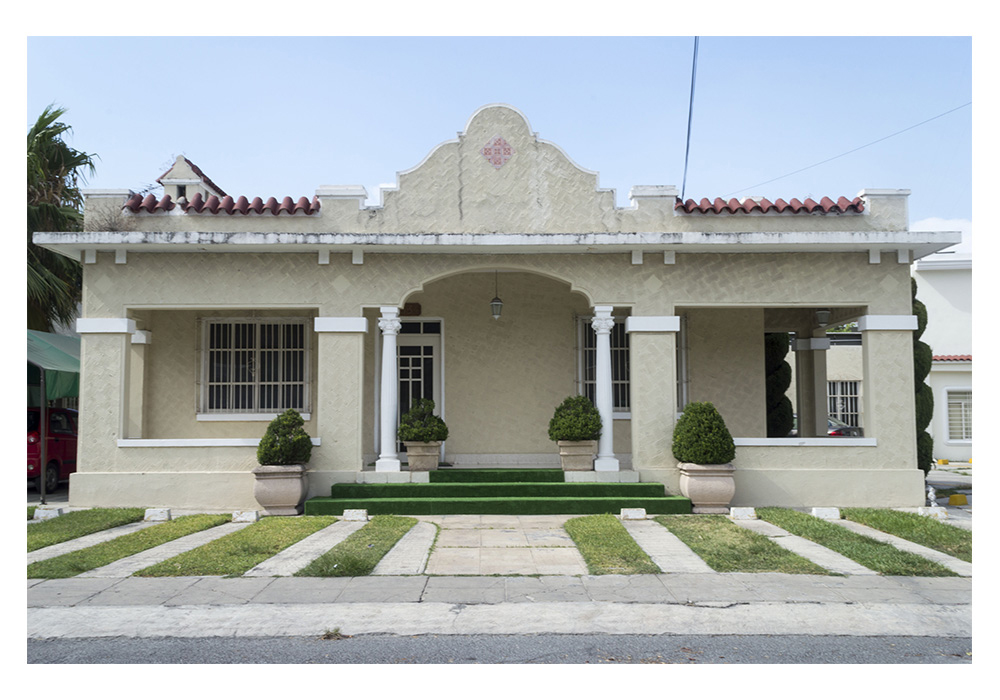
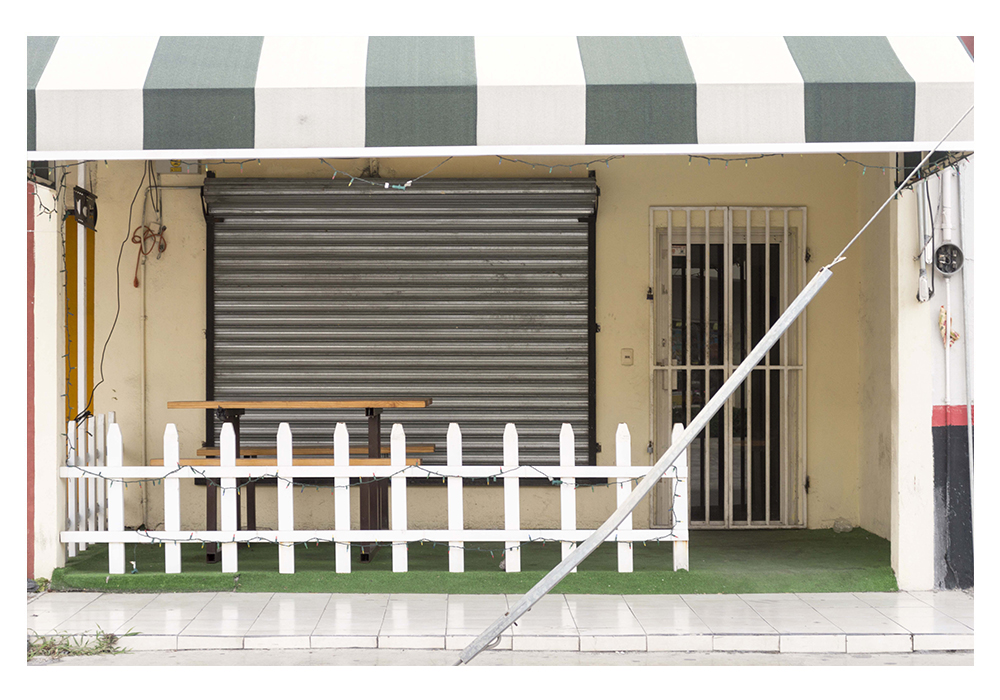
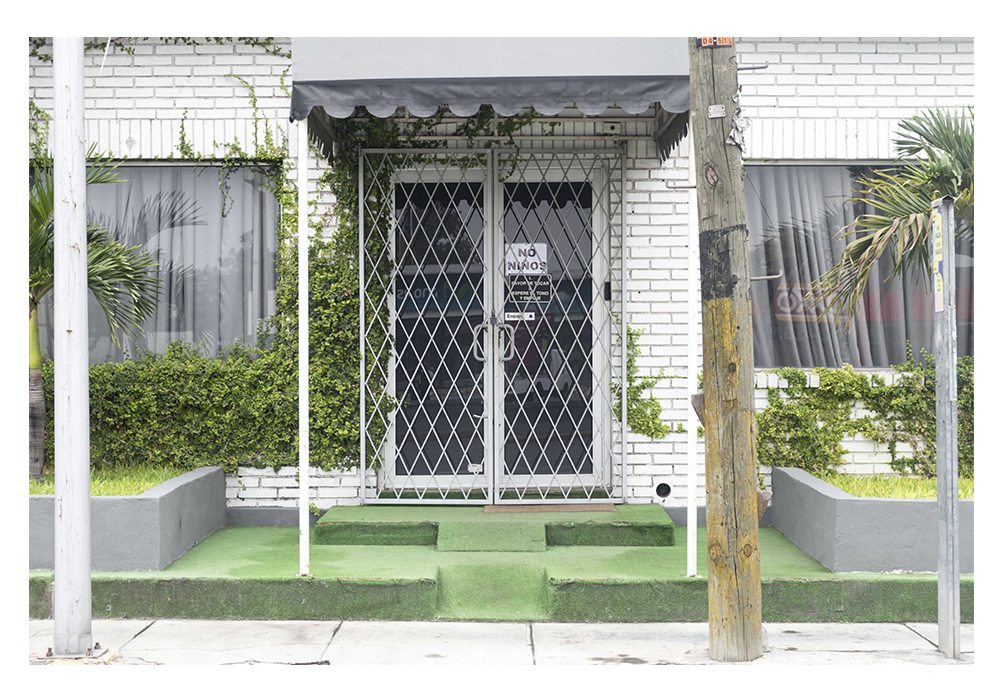
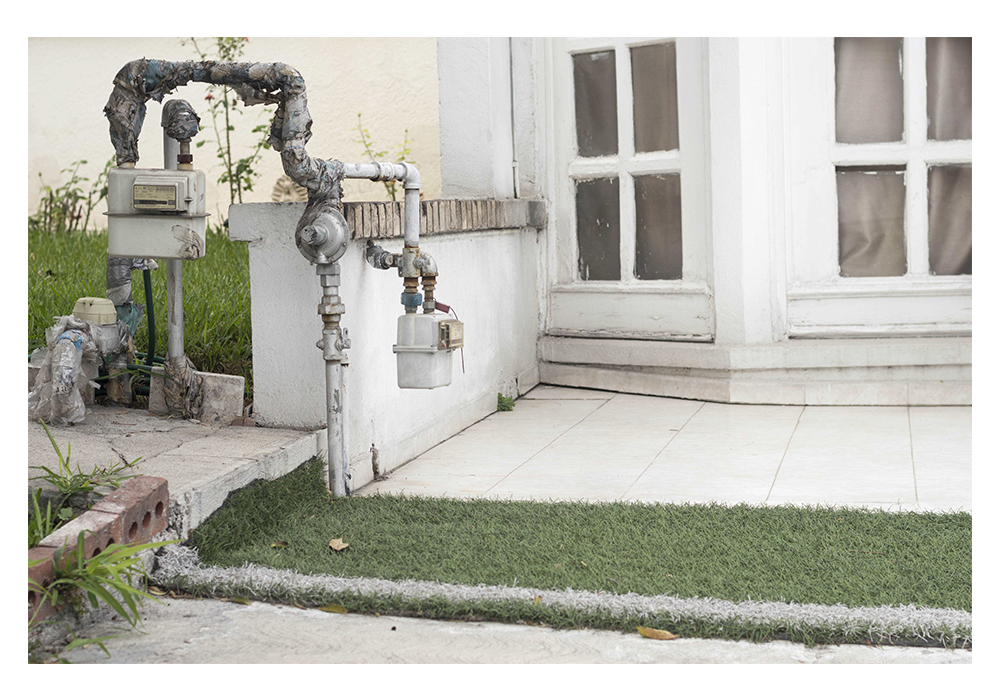
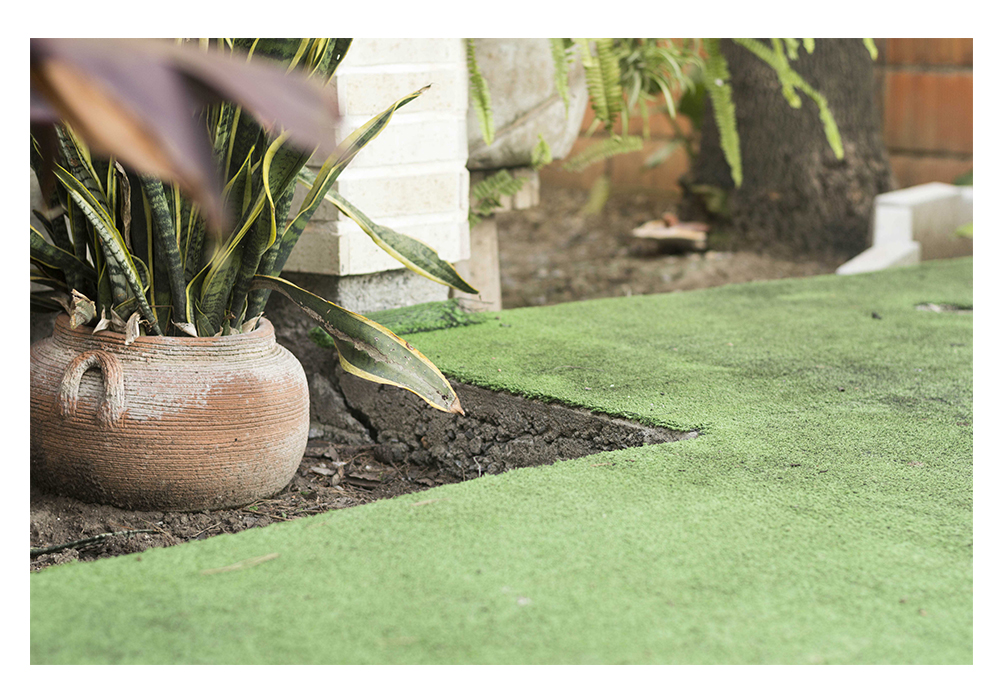
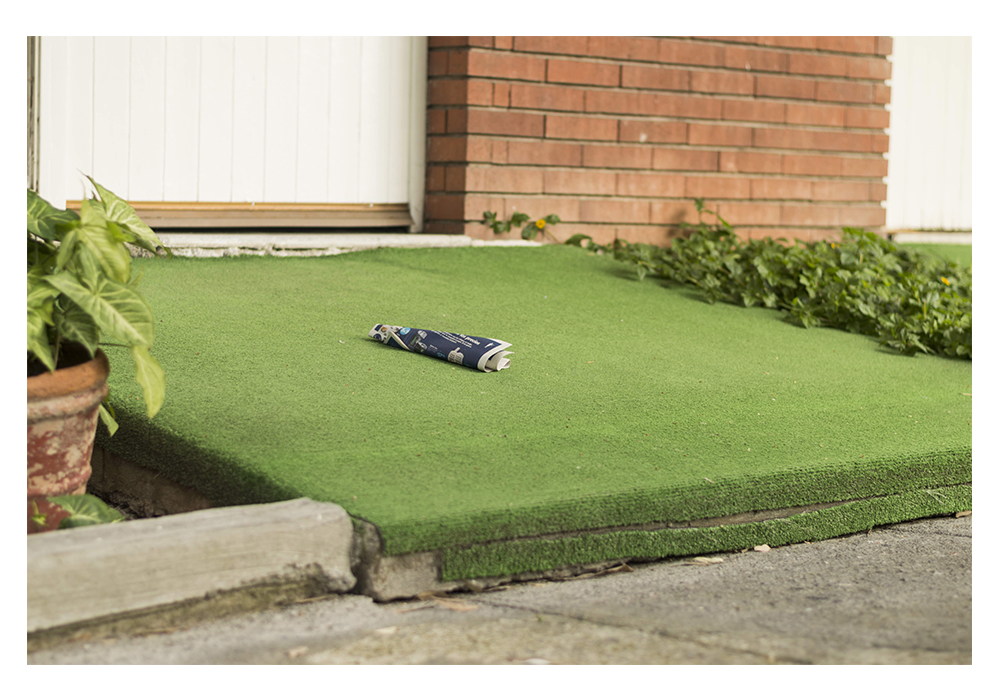
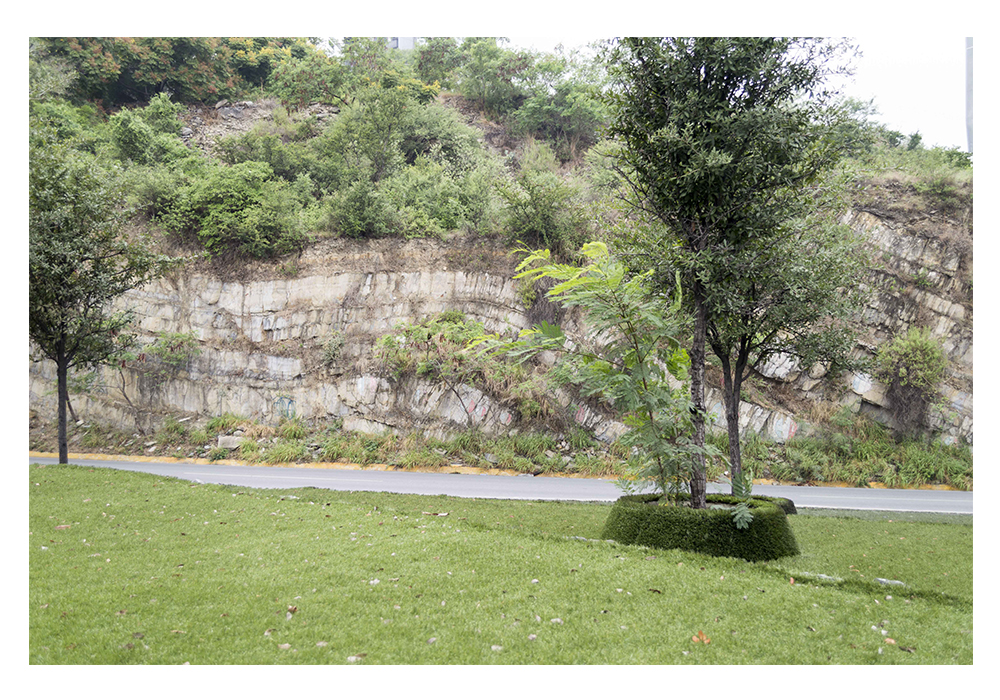
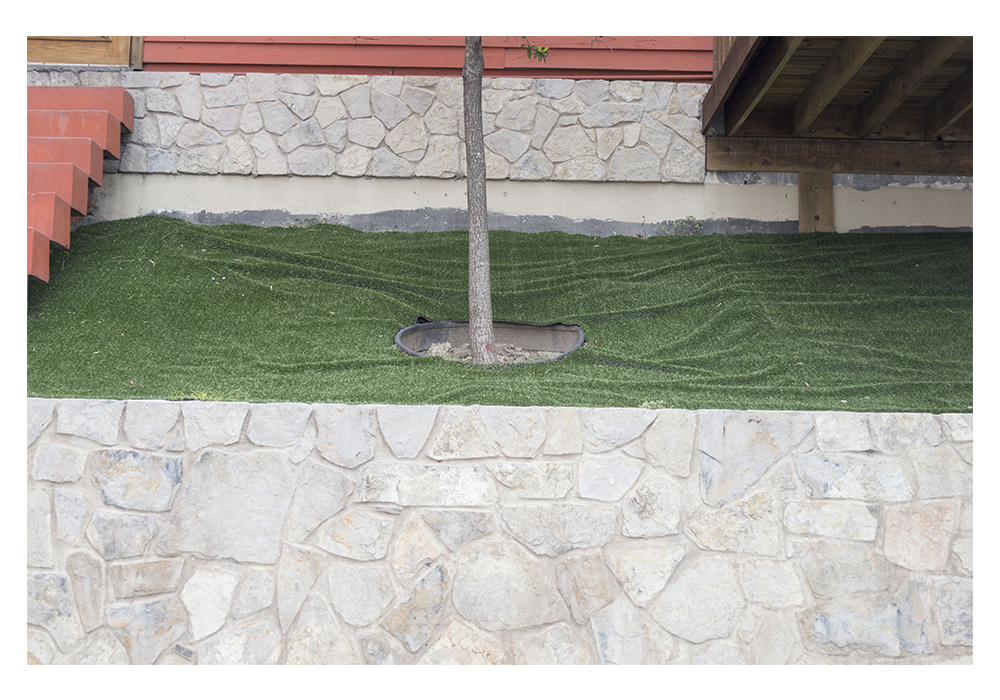
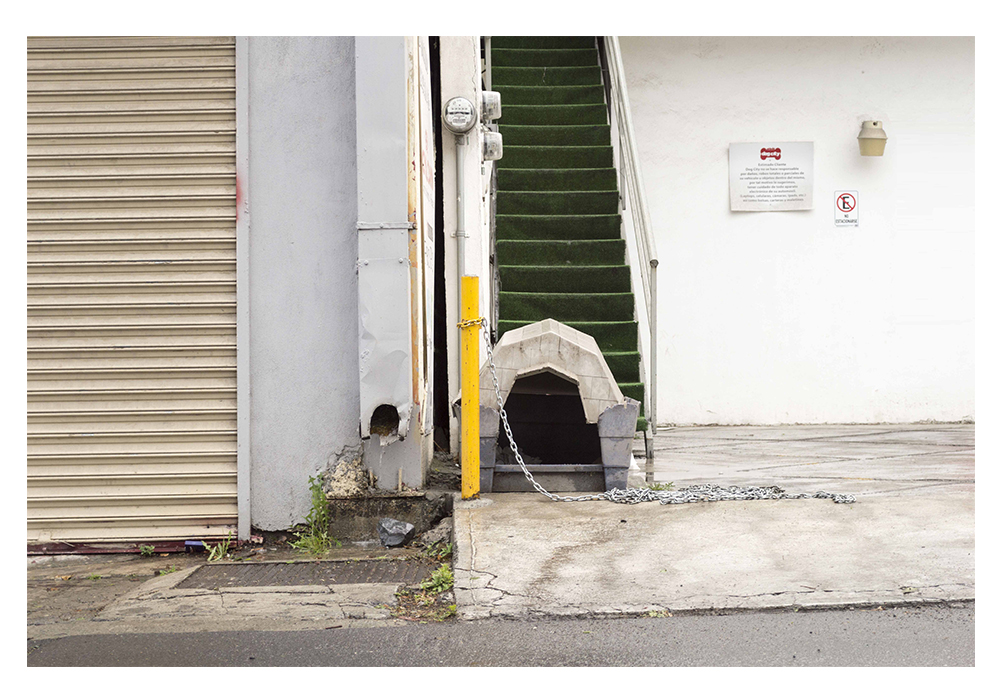
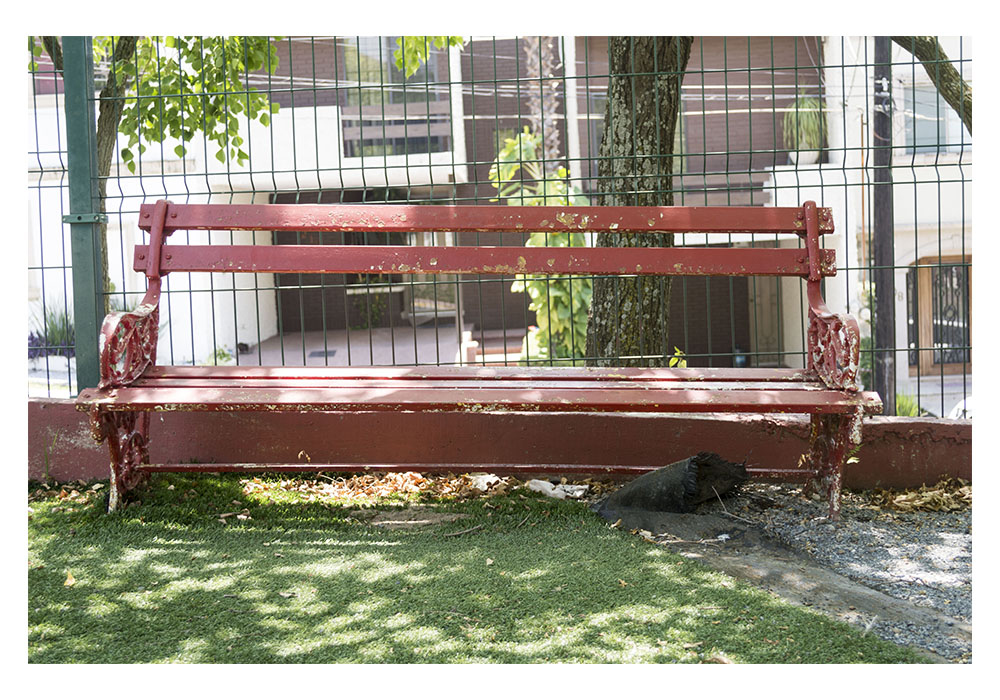
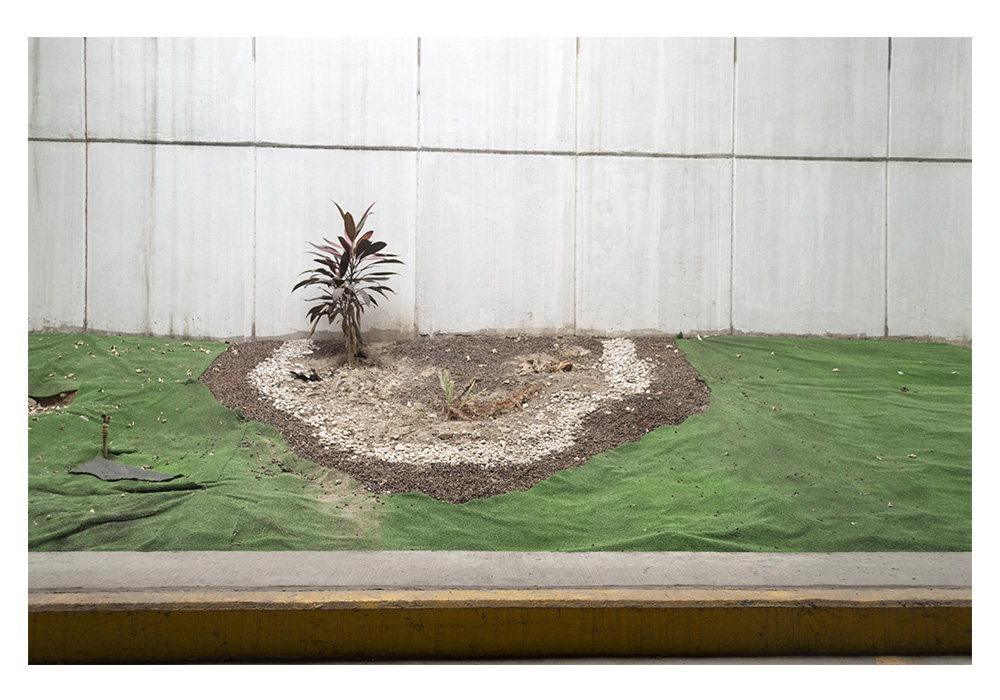
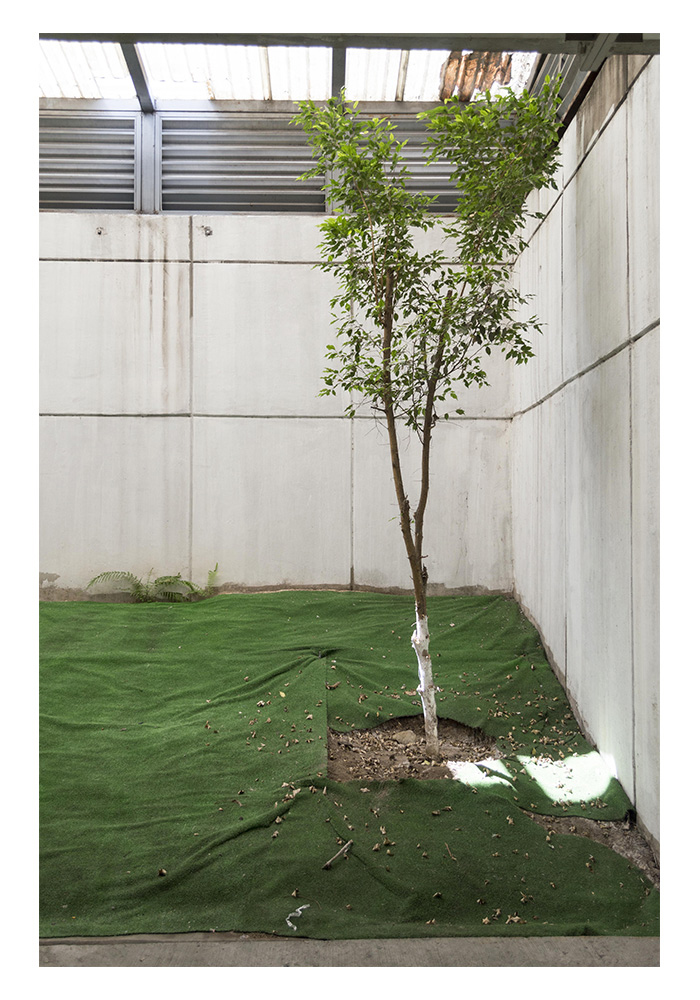
Victoria Fava was visiting from Monterrey, Mexico. She studied art as well as photography, and we spent much of our chat discussing what the optimal medium would be to express her ideas.

She’s been interested in the fact that astroturf, a chemical product developed by Monsanto, is highly utilized there, and oddly is often featured in wealthy homes. (From an American perspective, it seems downscale.)

I like the photos, but personally thought creating installations, making mock-outdoor-scenes indoors, might be the way to go. (Easy for me to say. That’s much harder to pull off than making a photograph.)

CJ Pressma is one of the types of people I alluded to above, as he’s been involved with photography at a high level since before I was born. CJ was visiting from Louisville, where he ran a residency program for many years.

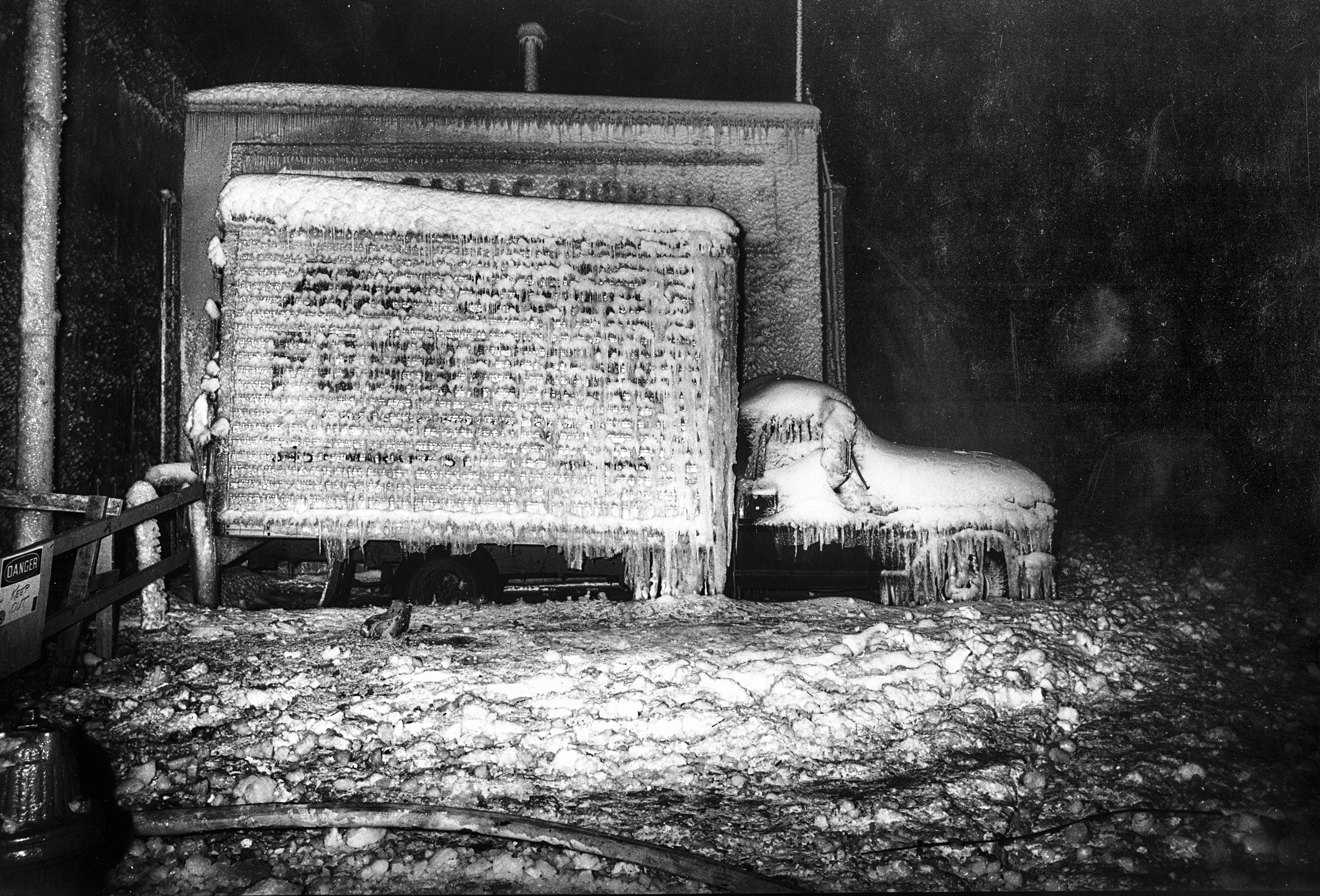
He’s was also a master printer, doing portfolios for people like Meatyard, and my colleague Brian Clamp even mentioned to me during the festival that he had vintage prints that CJ had made back in the day.

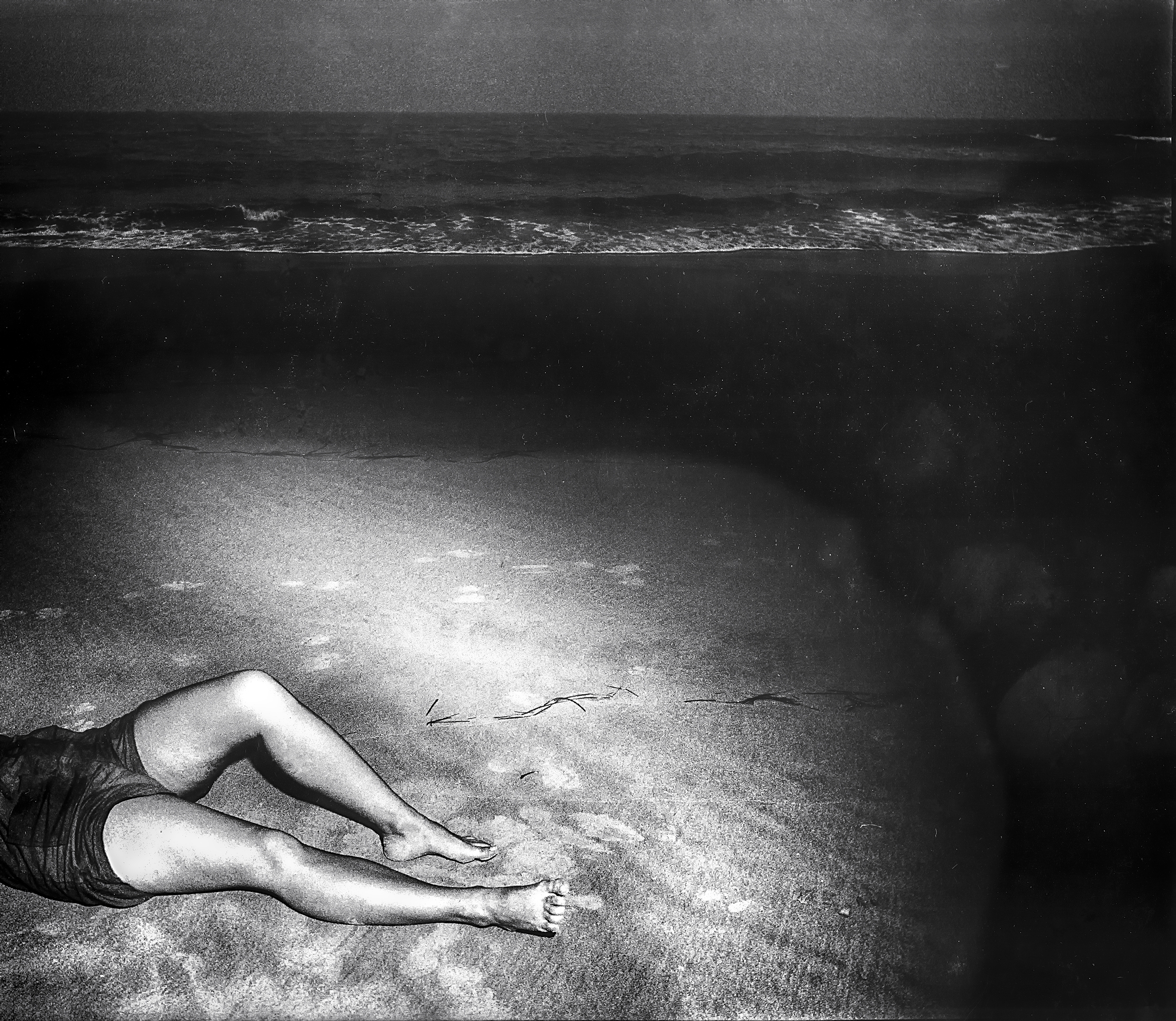
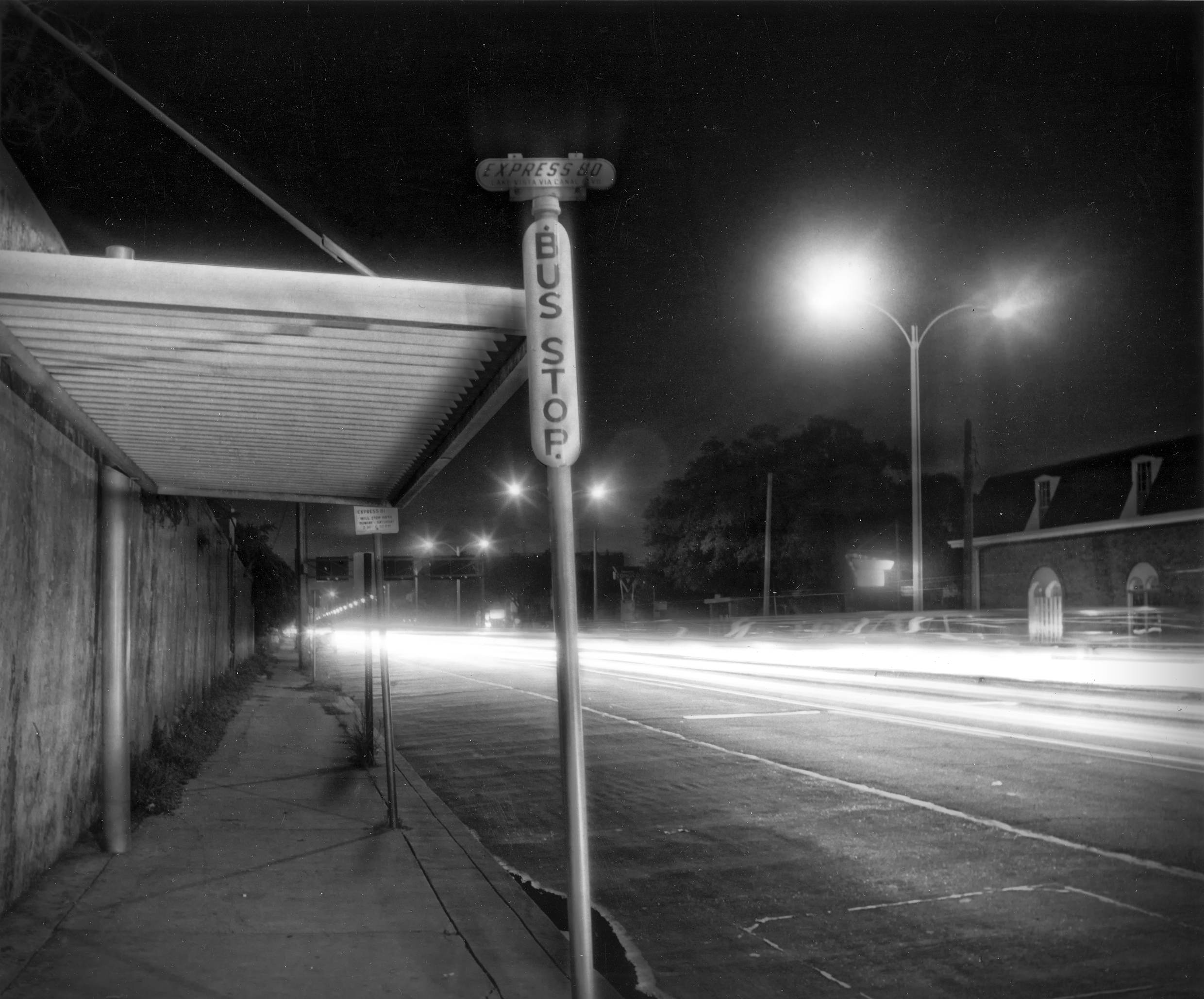
At Medium, CJ showed me a book he’d made pairing (mostly) night photographs with faux dream diary statements he’d asked his friends to contribute. The one image of the frozen truck was probably the best single image I saw that week.

Bil Zelman is one of the few people in the world who make me jealous, as he lives in Encinitas, my favorite beach town in California. (Though all of North County is pretty cool, IMO.)

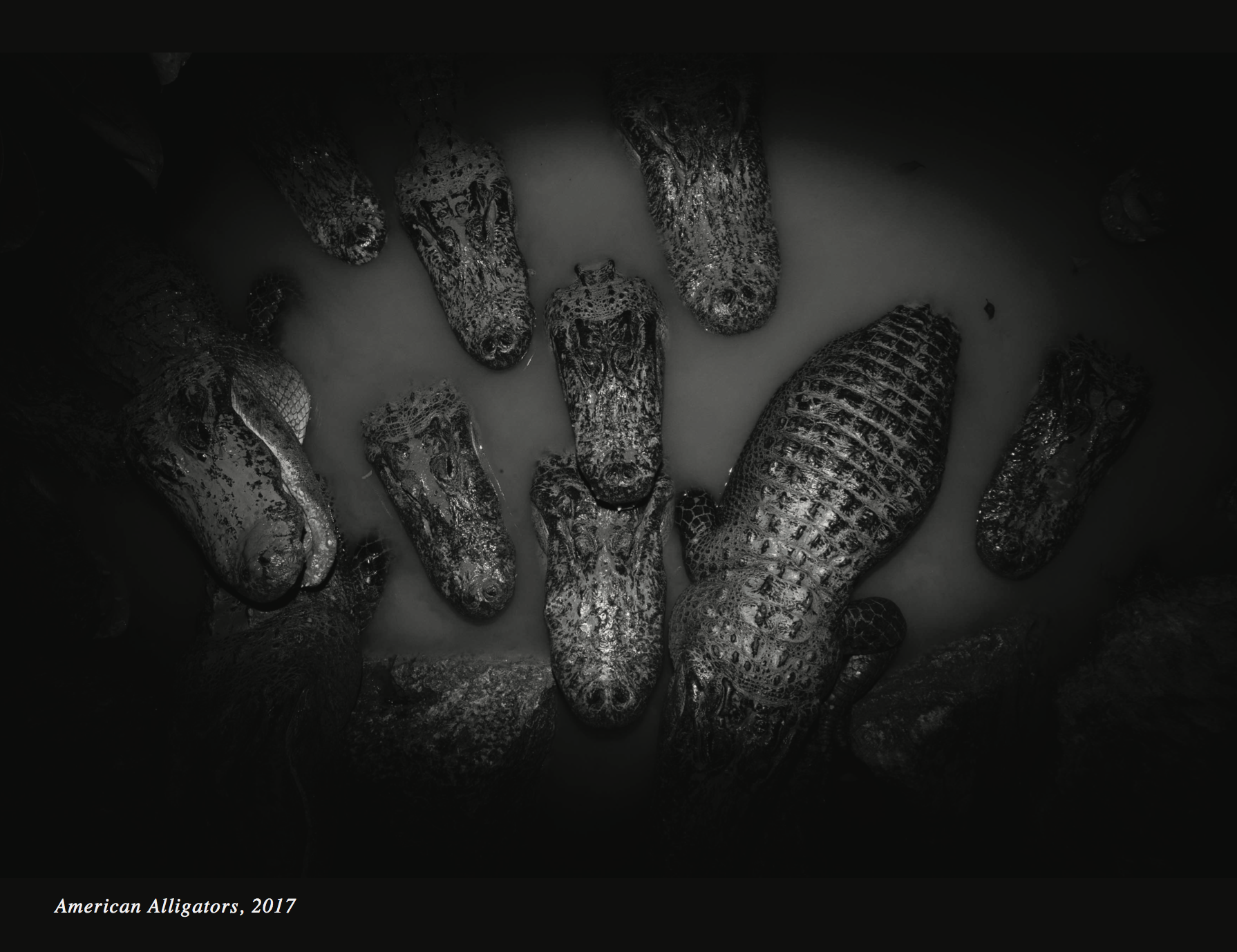
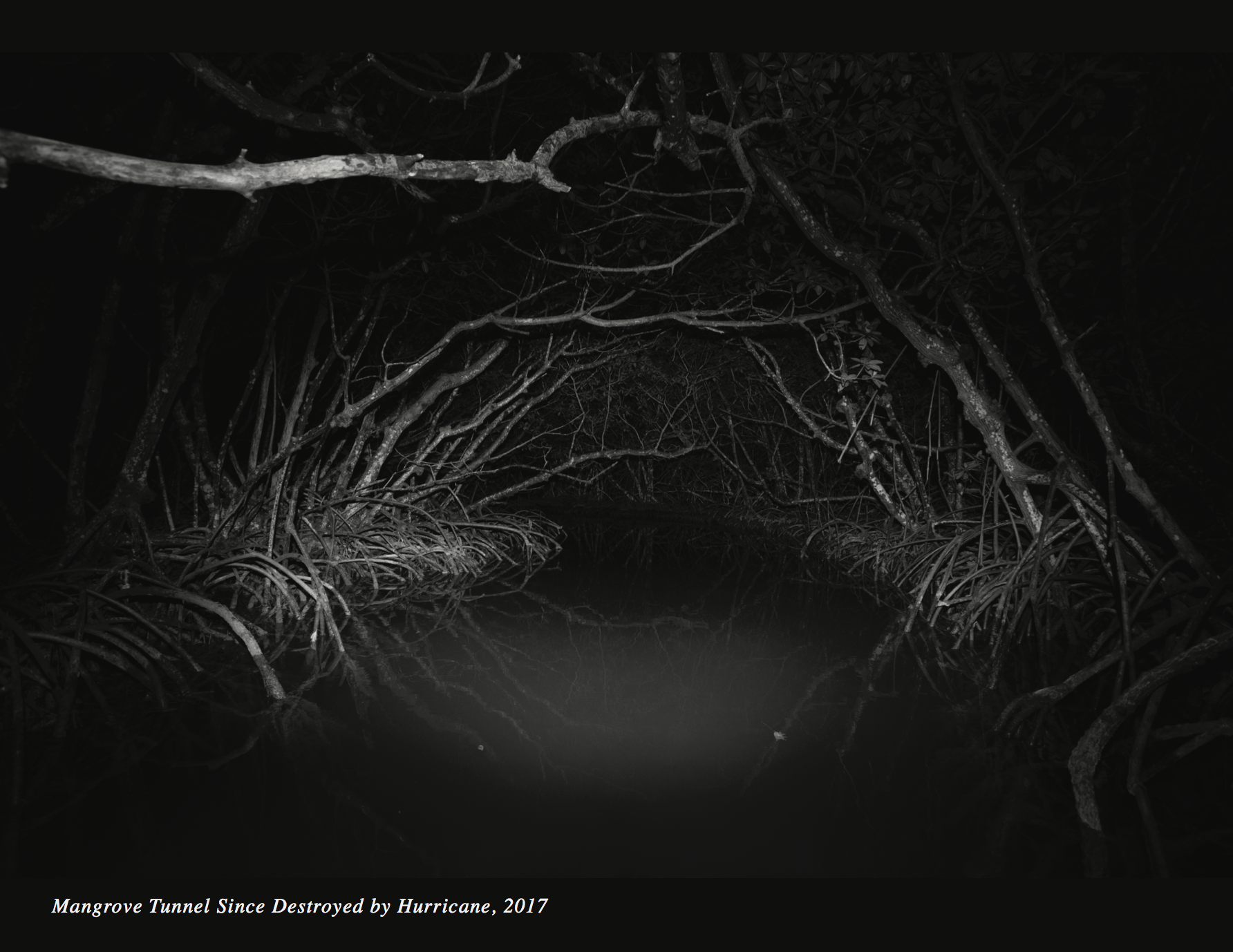
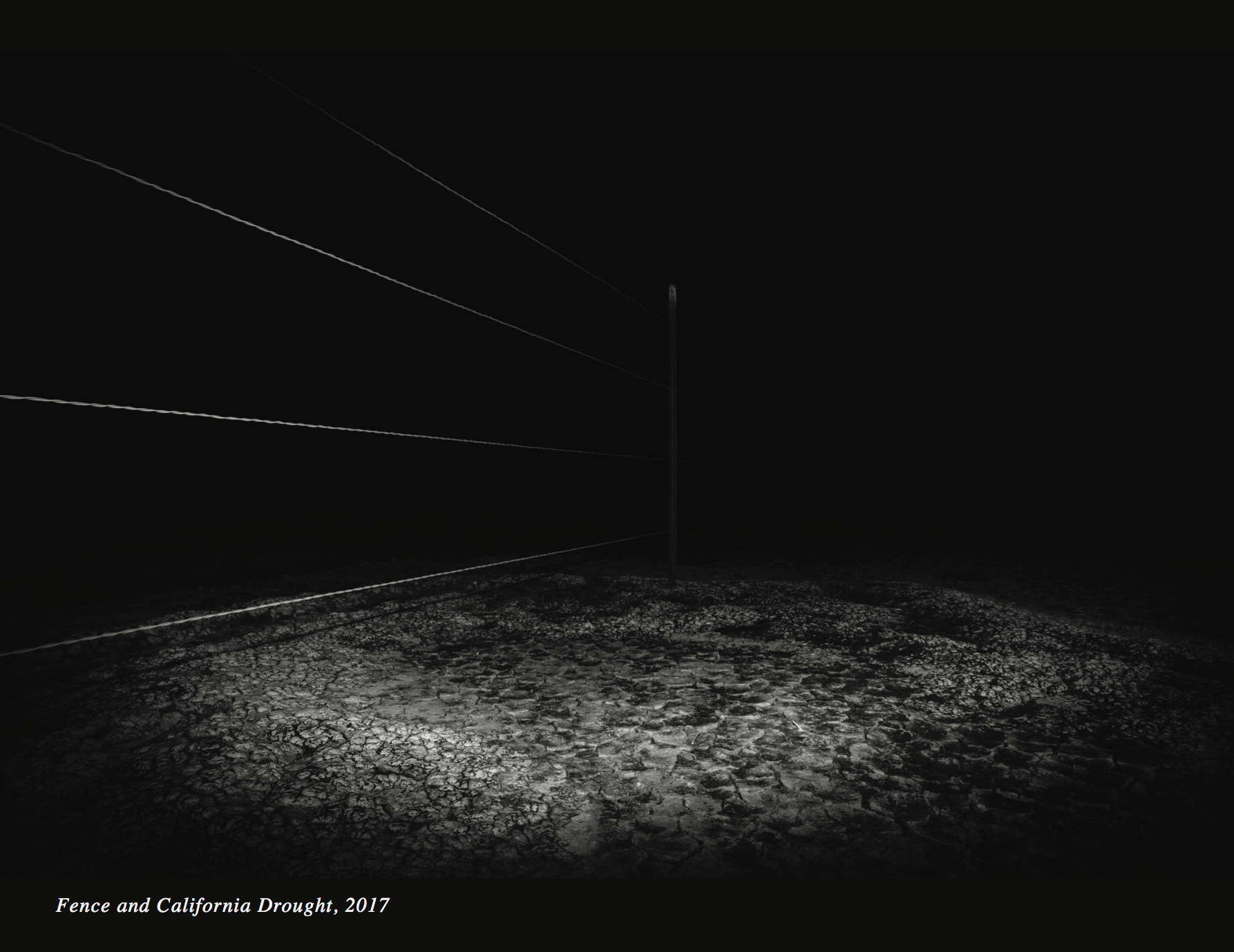
He’s primarily a commercial and editorial photography who self-financed a personal project looking at elements of the landscape that reflect our anthropocentric times. (Non-Native species, non-native trees, etc.)

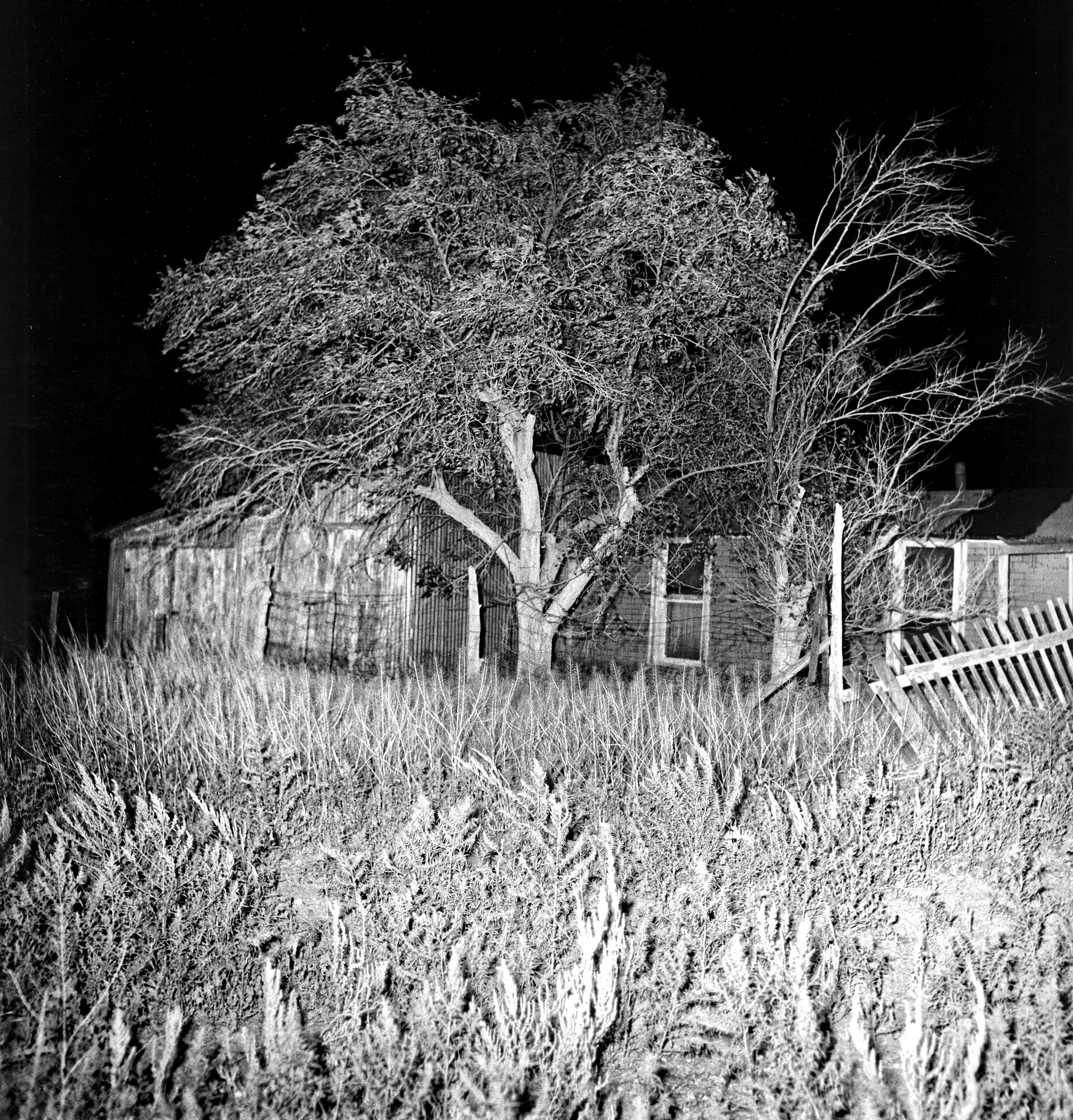
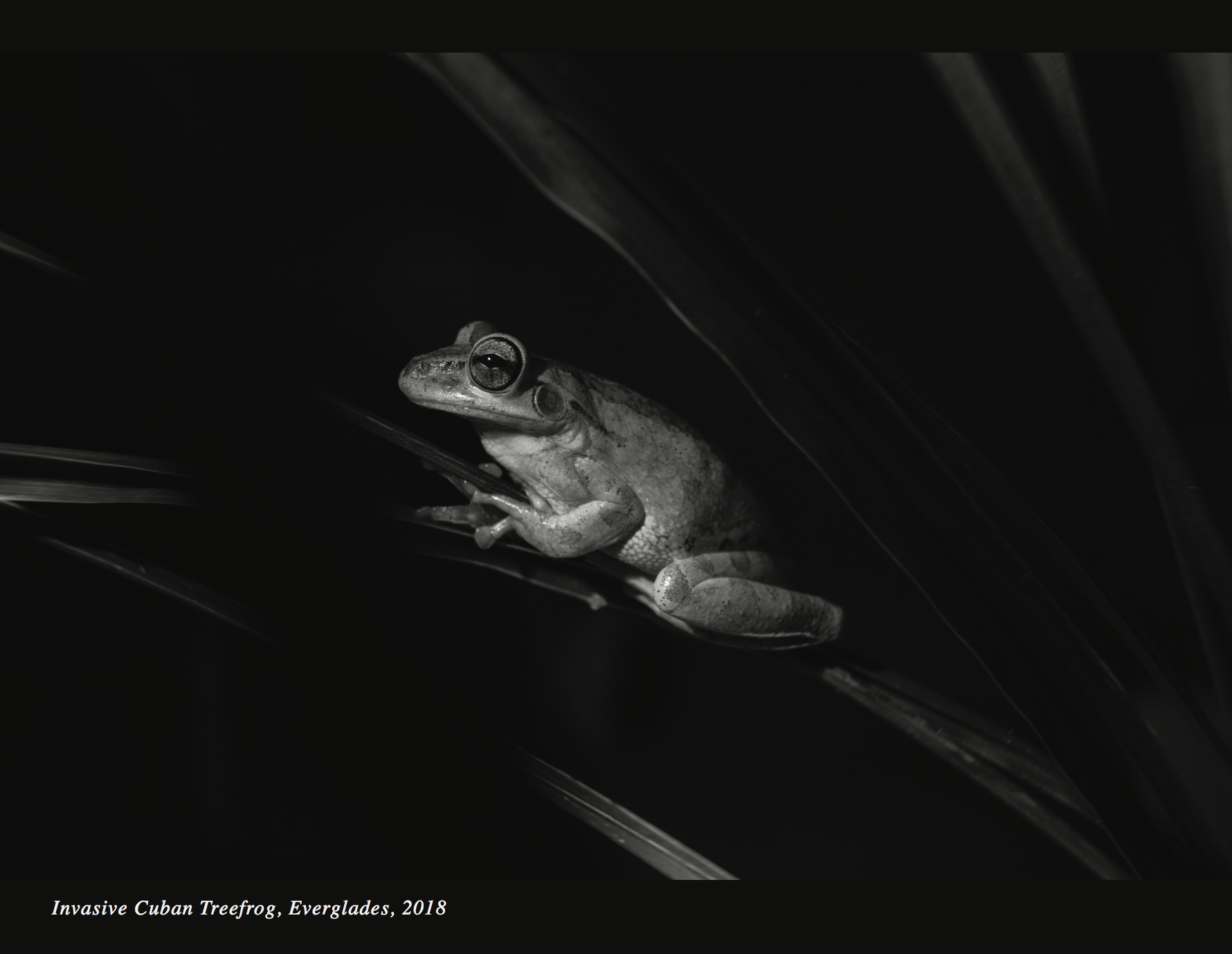
Given the high flash at night, they’re super dynamic. And I had to lay it on hard to convince Bil that he shouldn’t lead with 15 tree pictures before showing the alligators and Burmese python.

Never bury the lede!

But Bil told me he mixed it up for later reviews, and received some really great responses.

Justin Nolan is another example of one of the types I mentioned above. He’s a professor at the University of Central Florida in Daytona, and he got his MFA at UNM in New Mexico not too long ago.

Once I knew his training, I pushed him pretty hard, and asked some difficult questions. I never would have gone down that interrogative rabbit hole, though, with someone who was new to the field, or hadn’t been trained in the critique process.

Needless to say, I didn’t love one of his projects, but found his take on Florida, his new home, to be witty and great. I make fun of Florida a lot on Twitter, (as does anyone paying attention to what happens down there,) but I liked that Justin’s subtle style contrasted with that over-the-top reputation.

Finally, we have Sheri Lynn Behr, whom I met at Photo NOLA back in 2012. (See what I mean about going to festivals. You can stay in touch with so many people.)

Sheri mentioned to me, in the hall before the review, that she’d heard I was tough, and that she wanted a tough critique. I knew her work was doing well, as she’d just had a solo show at the Griffin Museum in Massachusetts.

Sure enough, though, she showed me a bunch of projects that were mixed together, and printed on different paper surfaces. It was one of those crits where she had an answer for most of my issues, and was fairly wedded to her process, so I let it drop.

Her meta-project, which she made into a book, is called “BeSeeingYou,” and is all about surveillance culture. This one vertical piece stood out to me so powerfully that I’m going to show it by itself.

That’s it for today, and we’ll be back to the book reviews next week. I am planning to hit up a few festivals in 2019 though, including Photo Lucida in Portland, which will be my first time.

So I’ll be sure to report from the field again as soon as I’m able.
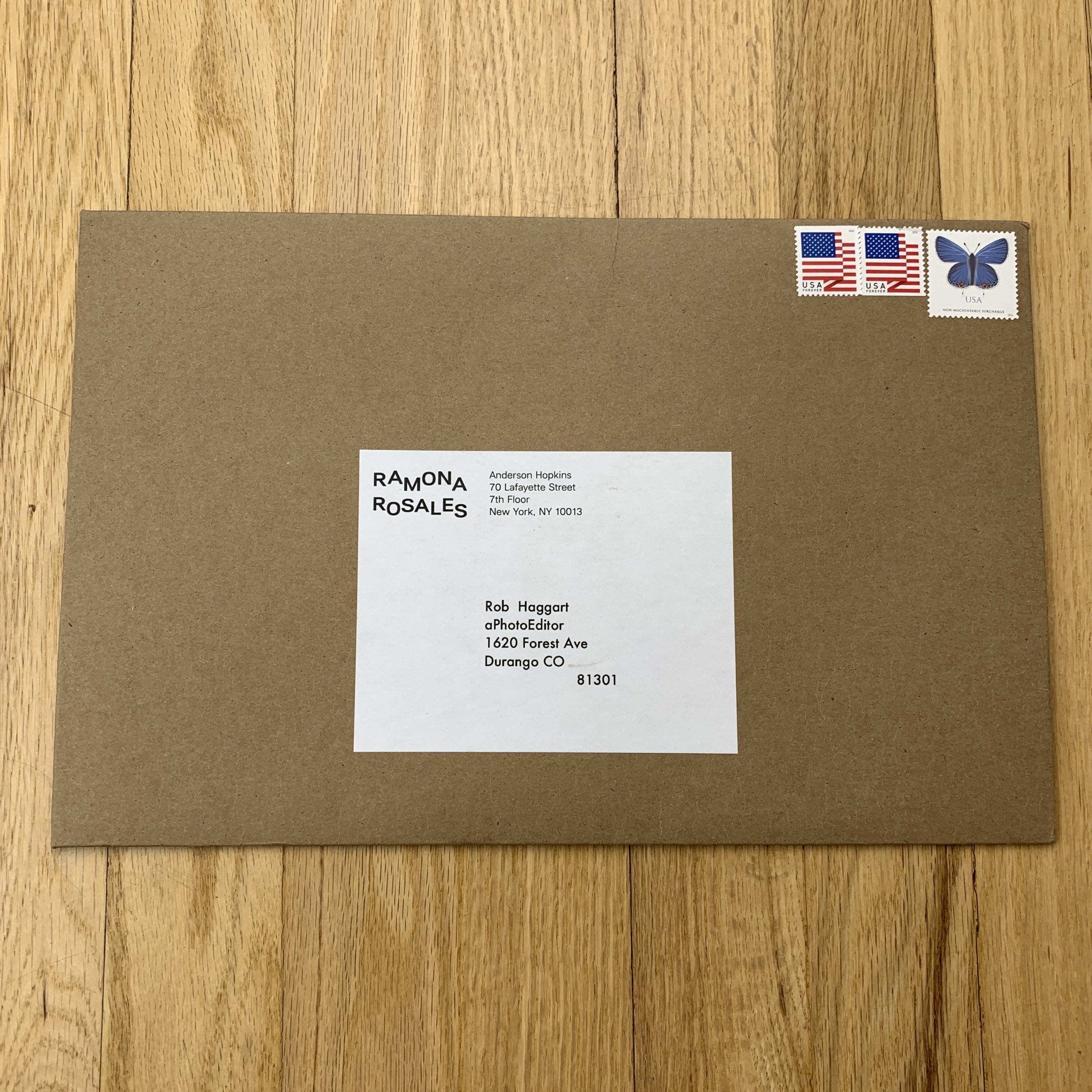
The Art of the Personal Project: Liz Von Hoene

The Art of the Personal Project is a crucial element to let potential buyers see how you think creatively on your own.  I am drawn to personal projects that have an interesting vision or that show something I have never seen before.  In this thread, I’ll include a link to each personal project with the artist statement so you can see more of the project. Please note: This thread is not affiliated with any company; I’m just featuring projects that I find.  Please DO NOT send me your work.  I do not take submissions.

Today’s featured artist:  Liz Von Hoene

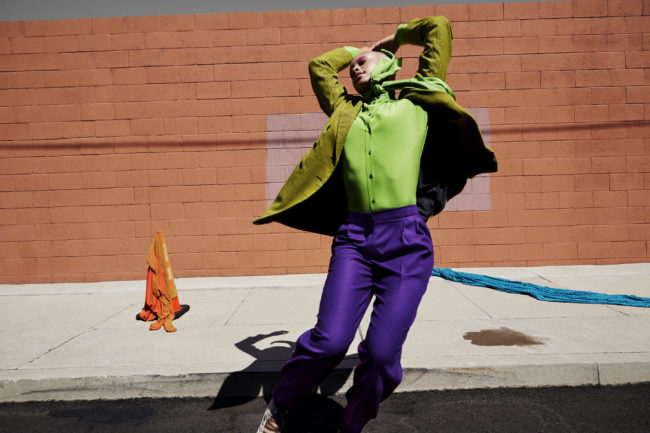
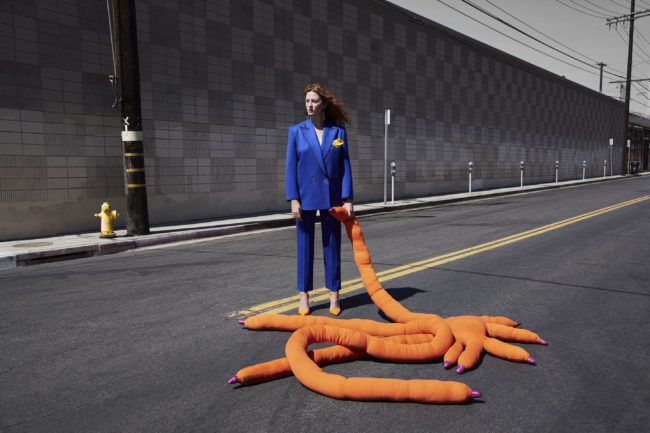
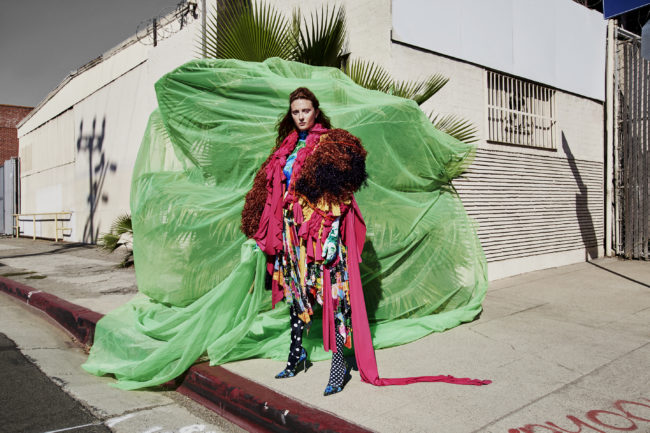
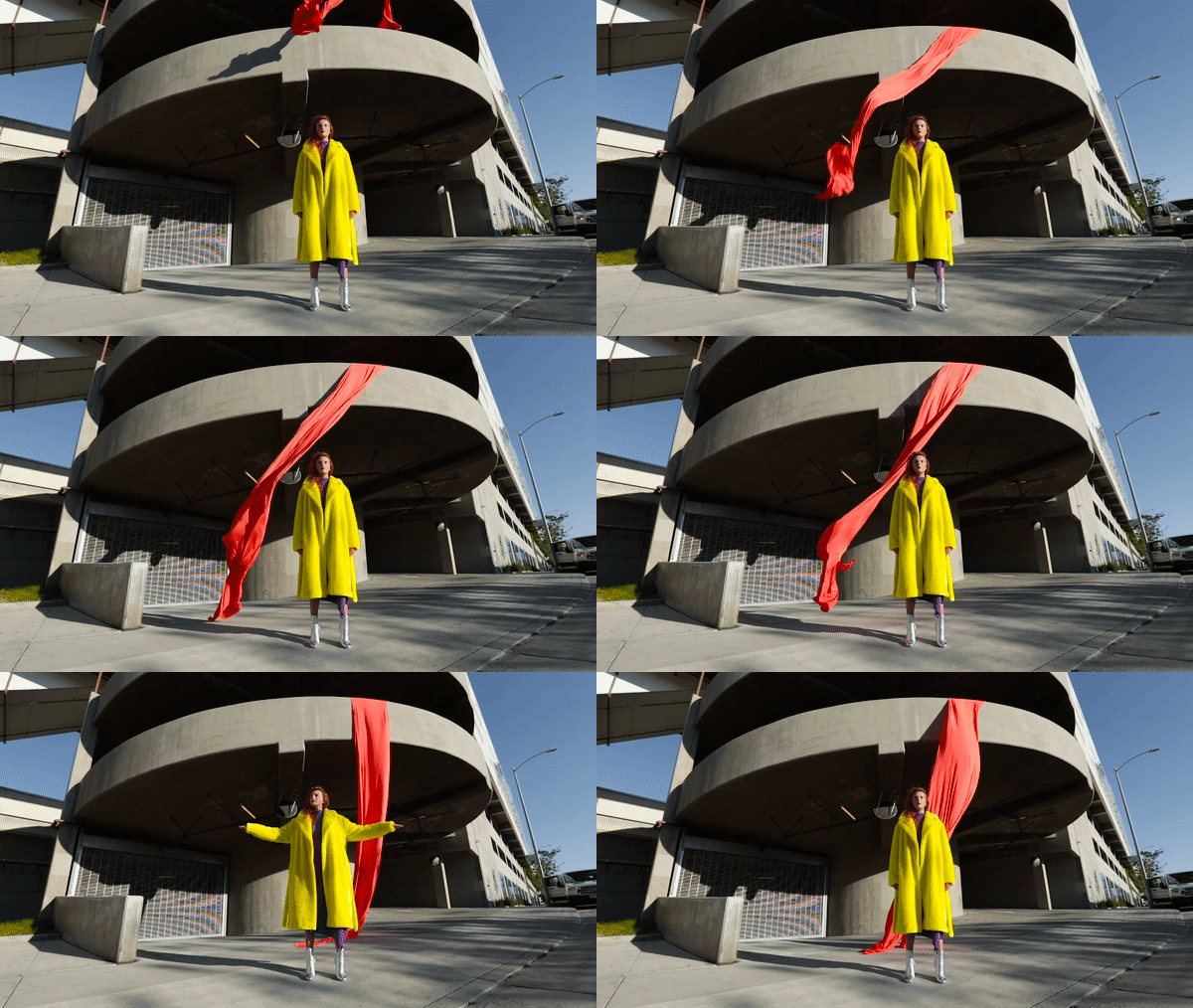
A print and motion collaboration centered around LA Artist Mimi Haddon’s textured fabric sculptures and brought to life between highly creative and visionary women. Wear The Wild Things Rgives you a glimpse into an eerie urban world of vibrant colors and odd shapes where model, wardrobe and sculpture delicately play off one another to become one. The graphic simplicity to the environment and shaping of light and shadow made for the perfect playground and helped further celebrate this surreal and wild vision.

To see more of this project, click here.

APE contributor Suzanne Sease currently works as a consultant for photographers and illustrators around the world. She has been involved in the photography and illustration industry since the mid 80s.  After establishing the art buying department at The Martin Agency, then working for Kaplan-Thaler, Capital One, Best Buy and numerous smaller agencies and companies, she decided to be a consultant in 1999. She has a new Twitter feed with helpful marketing information because she believes that marketing should be driven by brand and not by specialty.  Follow her at @SuzanneSeaseInstagram

The Daily Edit – The New York Times Sunday Magazine: Jamie Chung

New York Times Sunday Magazine

Design Director: Gail Bichler
Director of Photography: Kathy Ryan
Photo Editor: Stacy Baker
Art Director: Matt Wiley
Deputy Art Director: Ben Grandgenett
Concept by: Declan Company/Pablo Declan
Props: Pink Sparrow
Photo Illustration: Jamie Chung

Heidi: How many people collaborated on this cover?
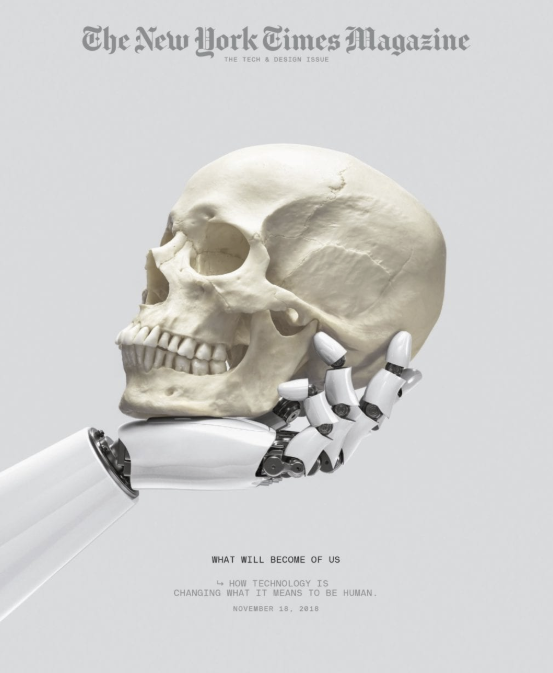
Jamie: The New York Times Magazine hired Pablo Delcan to concept the story. Then the prop make by the company Pink Sparrow. Then it was my turn to make Pablo’s sketches come to life. In addition to the camera work I also handled the retouch. New York times designer Ben Grandgenett came to set, we worked on tailoring the photography to meet his layout ideas. Photo Editor for the Times, Stacey Baker produced the project, overseeing the whole process.

Was the process long?
The entire project from concept to printed magazine happened super quick- one of the exciting things about a weekly magazine.

What was the most creative obstacle for the cover?
We shot the cover image with a variety of lighting scenarios and a various backgrounds. Ultimately we picked a clean, minimal treatment. We shot a stand in arm/ hand for placement and shadow, then the final robot hand was created in CG- I love it when the process and concept align.

How many options did you shoot?
For the cover image there was 14 options, but some of the variations were slight- like bottom jaw on/off, little rotations, background tones, etc.

The Daily Promo – Hannele Lahti

Hannele Lahti

Who printed it?
smartpress.com

Who designed it?
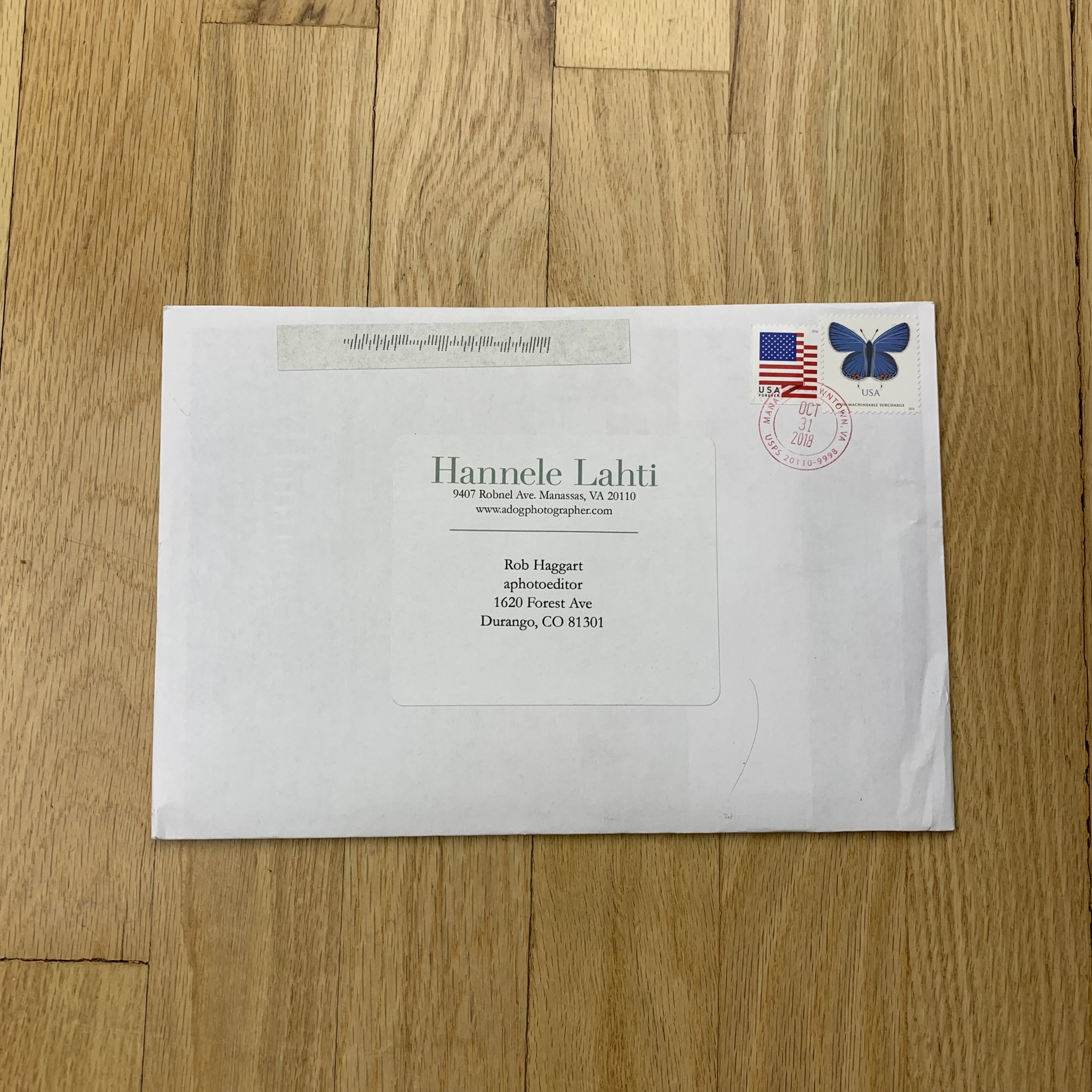
David Labrozzi, my in-house designer/artist/husband, put it together. Nadia Hughes and Lori Franklin, from the Nat Geo Image Collection, helped me edit the images.

Tell me about the images?
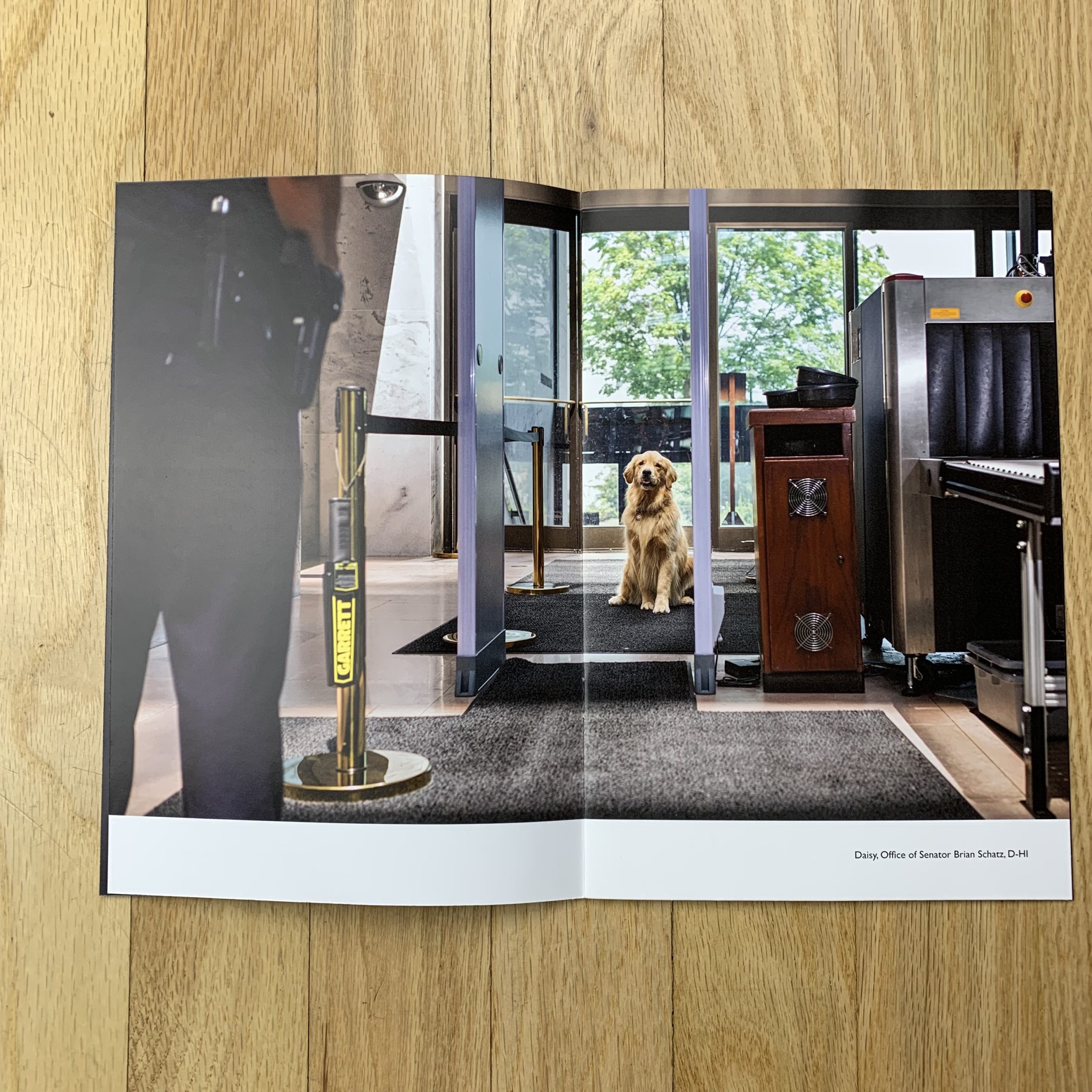
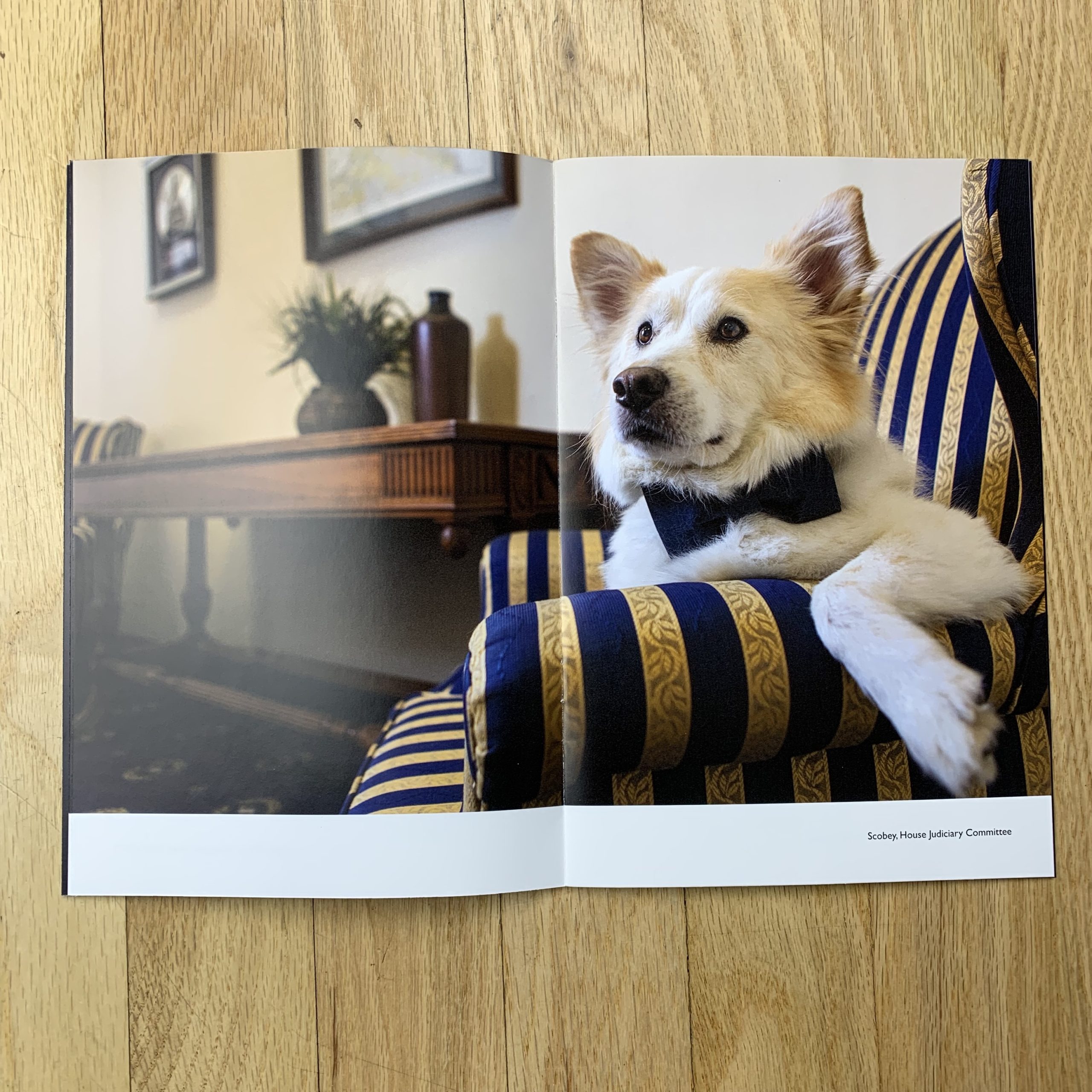
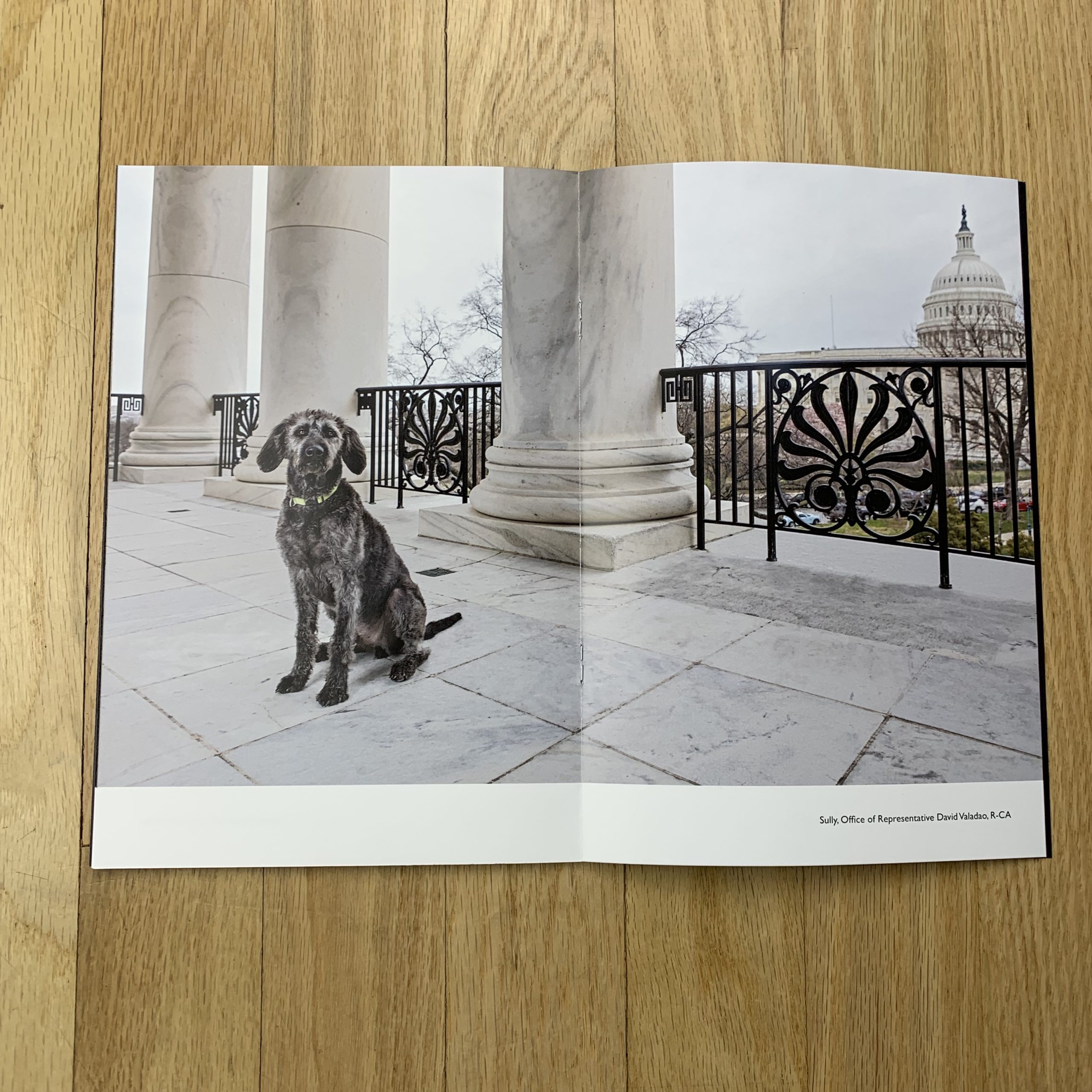
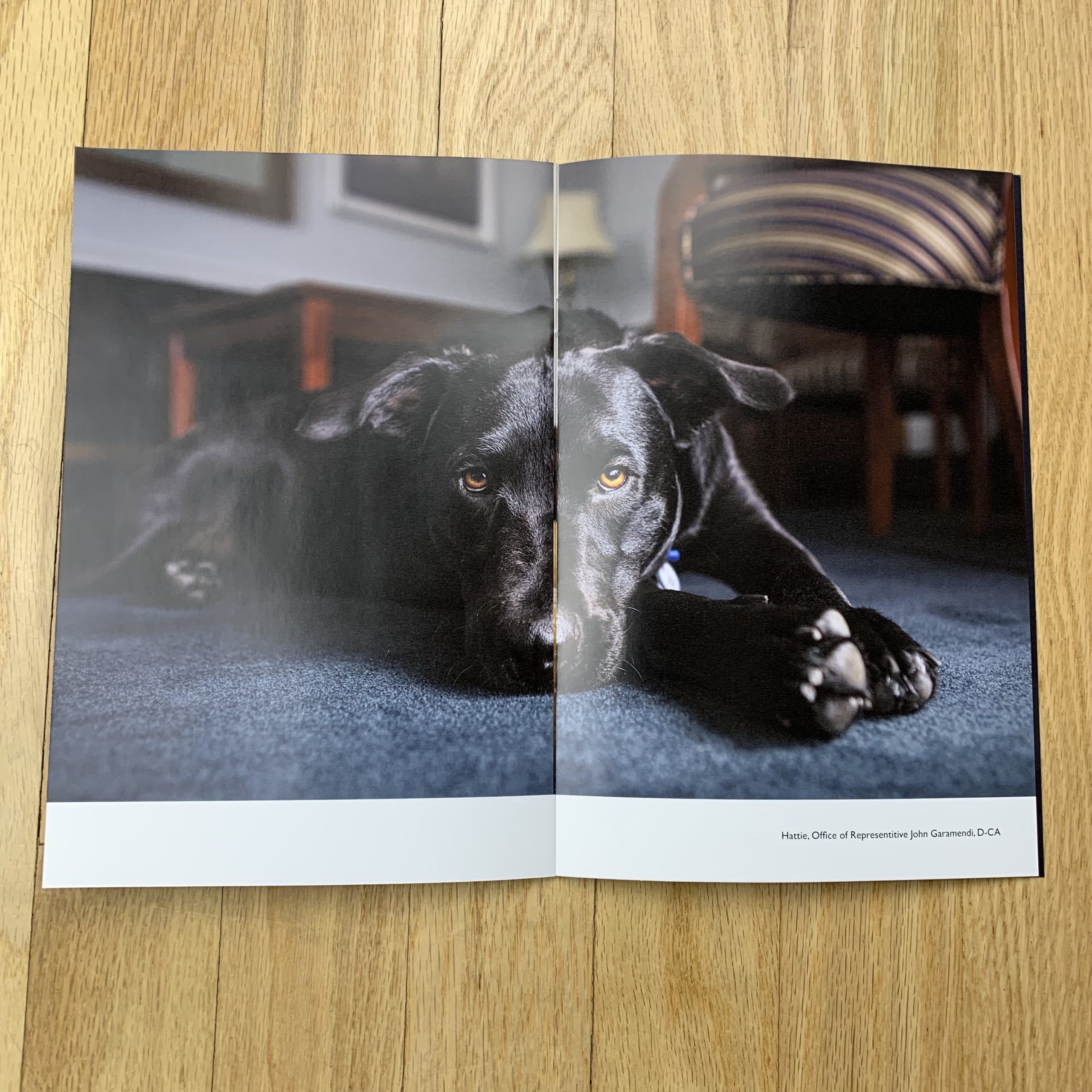
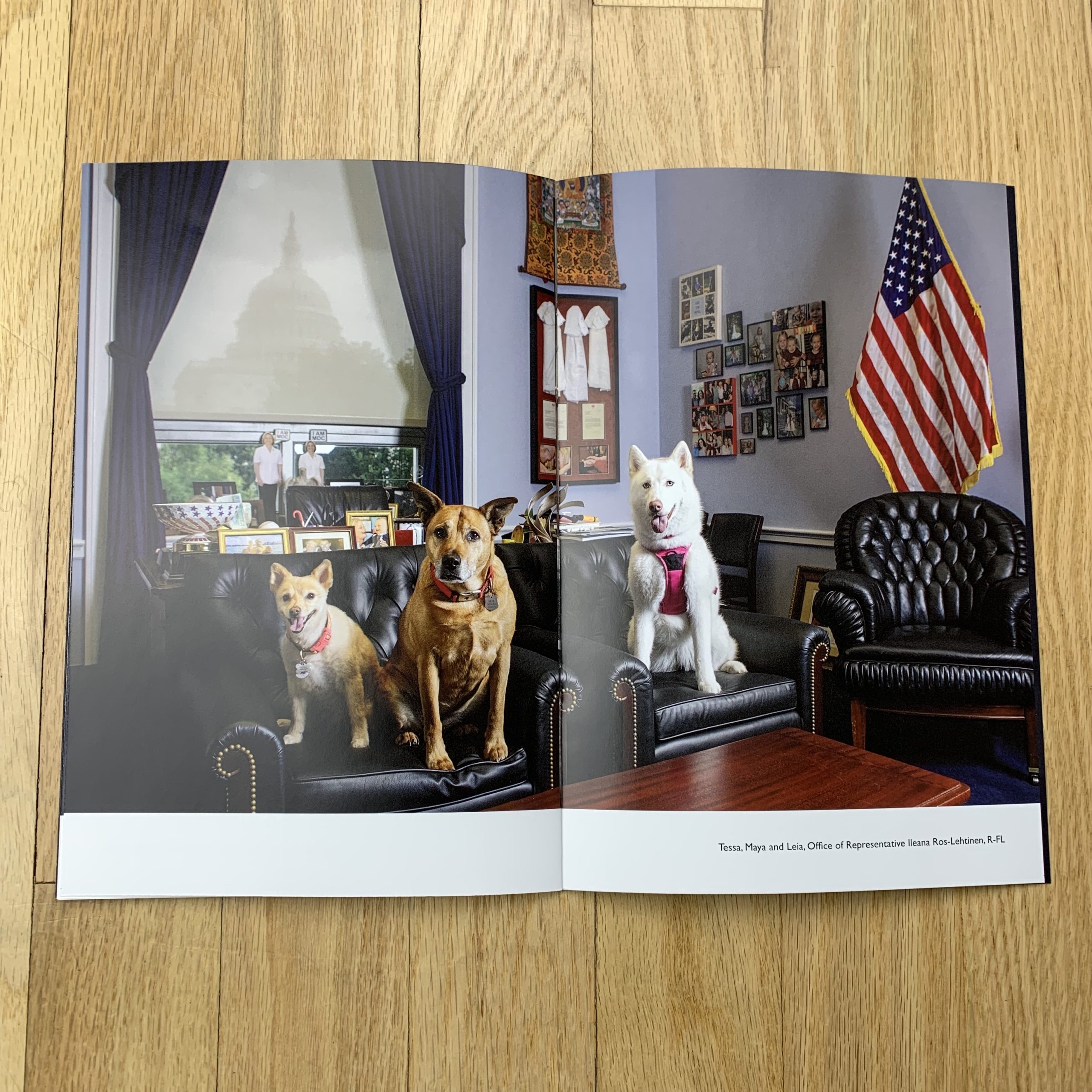
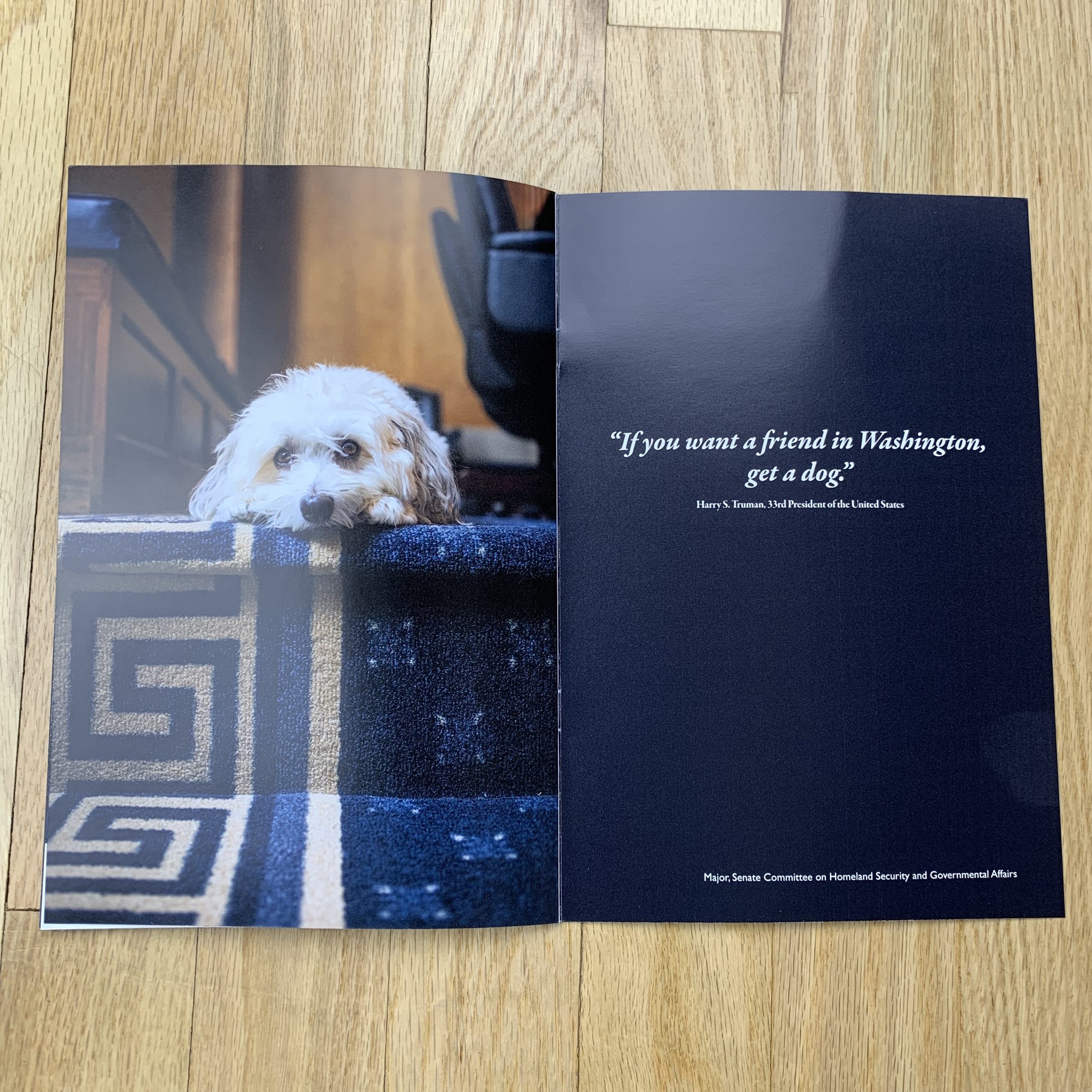
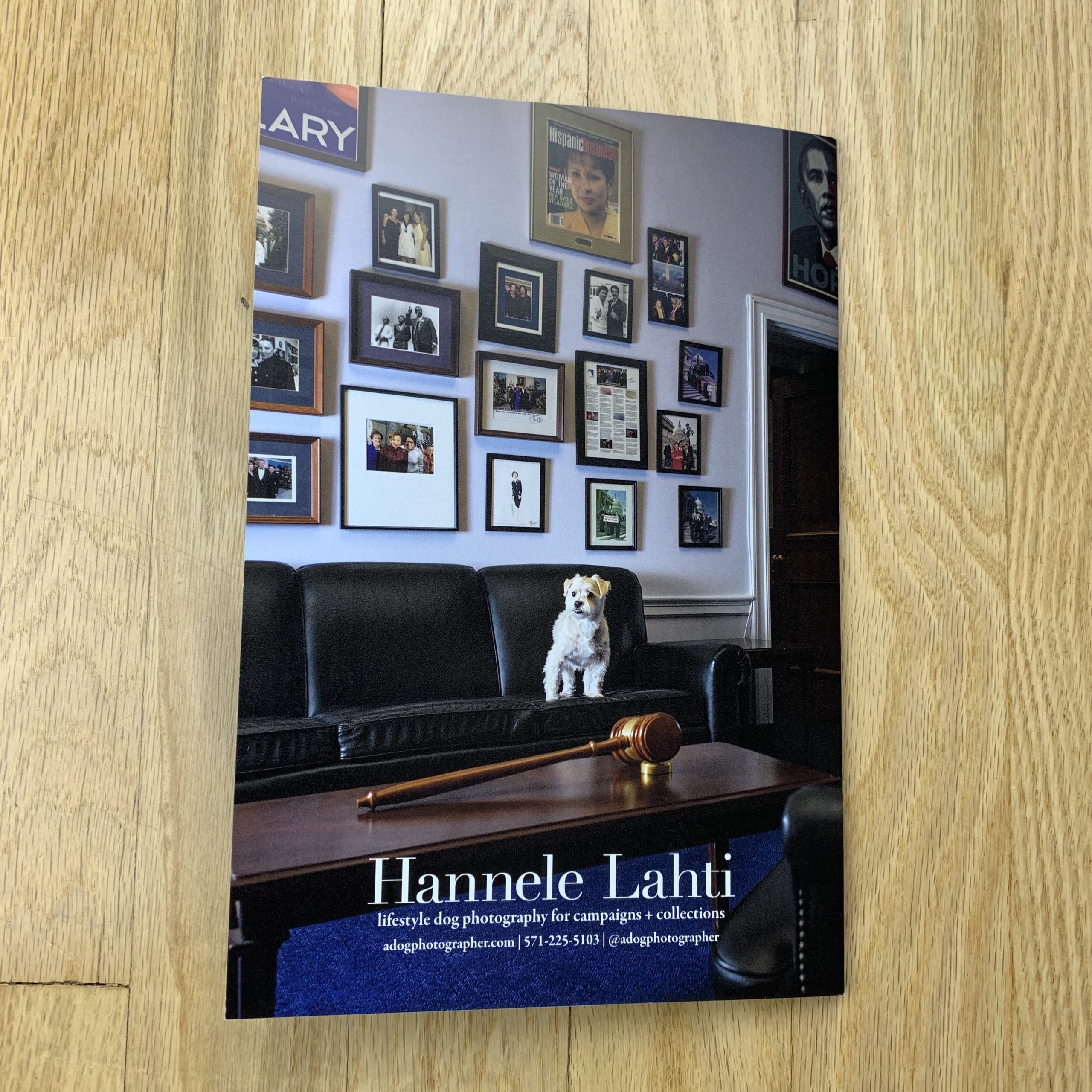
The images are from my most recent personal project: The Office Dogs of Capitol Hill. The project came about after the 2016 election and my curiosity about culture on Capitol Hill. I’ve lived in DC for my entire career but never spent much time photographing politics. Since I specialize in animal photography, mainly dogs, this subject matter was a perfect fit and gave me access to Congressional offices. Everyone loves dogs, even politicians. The full project can be viewed here: https://www.adogphotographer.com/Projects/Political-Pups

How many did you make?
I made 100 copies and sent out 65. The rest I’ll hand out at portfolio reviews and client meetings. I keep my mailing list small and specific.

How many times a year do you send out promos?
I typically send out postcards 2-3 times a year and a more involved promo, like this booklet, once a year.

Do you think printed promos are effective for marketing your work?
I think they are an effective part of a marketing plan that also includes e-mails/newsletters, social media, and in-person meetings. It depends on who you are trying to reach.

The Best Work I Saw at the Medium Festival of Photography: Part 1


My kids are 6 and 11.

Right in that sweet spot where all the older people you meet say, “Cherish this time. It goes by so quickly.”

Seriously.
I’ve heard that a lot.

My wife and I are trying to appreciate it, but as my son told me the other day, (with respect to the natural beauty that surrounds him in Taos,) it’s hard not to take it for granted.

One thing I’ve discovered, one trick to make it last, is to try to make more memories.

To do it on purpose.

As a photographer, I’ll be honest, I don’t mean taking more pictures. (I might regret not doing more of that, I suppose, but whenever I have the camera out, I feel like I’m not living in the moment.)

Rather, traveling with my kids makes memories.

When we’re out of our natural environment, our senses sharpen, and we imprint more memories in the brain.

My wife and I realized that so much of our existence, living on the farm with the kids, was about the day to day. It was fun to go through, but not much stuck up in the cerebral cortex. (I’m guessing. It’s likely another part of the brain that stores memories, but I was lazy and didn’t bother to look it up.)

A couple of years ago, we made a conscious effort to plan more trips, even if it was staying overnight in a hotel in Albuquerque. (No offense, Burque.)

Visiting cousins in Colorado is an easy one, so we do it more.

Whether it was the Barbecue place we discovered off I-25 in Colorado City, (Shout out to Obies,) or the October blizzard on Theo’s birthday, or that great Thai joint we found in Boulder.

More experiences, more memories.

Along that line of thinking, for the first time ever, this past October, I had the idea to invite Jessie and the kids along on my trip to the Medium Festival of Photography in San Diego, and somehow we made it work at the very last minute. (Really cheap flights being the main reason.)

I’d already booked a rental car, and a hotel in ABQ to leave for an early flight, so it didn’t take much to make it work.

I did forget one minor detail though. (But we’ll get to that.)

This now the fourth time I visited Medium, at the Lafayette Hotel in North Park, and 5 years ago, it seemed like a transitional neighborhood. It’s inland, so it was less shiny than all the other parts of the city I’d seen.

In late 2018, though, there were gleaming-modernist-condo-projects everywhere, and a sparkling gentrification vibe that was unmissable. There were still some homeless people, as it’s a California-wide-problem I’ve written about many times before, but the overall impression is now of hip-trendy-neighborhood.
(For example, parking went from free to $5 to $10 to $18 per day.)

As I’ve said before, there are many excellent, affordable restaurants in the immediate vicinity, so if you visit Medium, you can eat very well on a budget. (Shout out to Mama’s Lebanese, Luigi’s pizza, and Bahia Tacos, all on El Cajon Blvd.)

Regarding my problem…I mentioned that I had it all planned out…but for some reason, I just assumed I’d get a room with two beds.

It was crucial to my delicate plan, yet I’d made no preparations at all.

So I checked in to the hotel, agreed to pay the parking, and just as I turned to leave, with my family smiling behind me, I casually asked, “The room has two beds, right?”

And I turned back to the front desk.

“No, sir, it doesn’t,” he said. “I’m afraid those rooms are booked.”

I stopped.
Crestfallen.
Downcast.
Uncertain.

“But, but, they’re here. My family. I’ve never brought them along to anything, ever. But this time I did. And I never thought to ask about the beds. How stupid of me. Can you please help?”

The young, Latino man behind the counter was handsome, and polite.

But there’s one key detail I may have left out.

His name was Jesus.

“Can you help me, Jesus,” I asked?

I swear.
I’m not making this up.

Jesus looked at me, with beneficent eyes and said, “Let me see what I can do.”

His hands flew across the keyboard, gracefully.

Tap. Tap. tap.
Tap. Tap. tap.

“Well, would you be OK with a family suite out by the pool? It’s all I have. No charge.”

“Thank, you, Jesus,” I said. “Thank you.”

And sure enough, there was a chalkboard on the wall for the kids to draw, two big rooms mere steps from the beautiful pool, (one with a bunk bed,) two bathrooms, two TV’s.

I’d say that Jesus was the nicest person in San Diego, but that might be an overstatement. Because there are so many nice people in San Diego, it would be hard to just pick one.

Honestly. They’re that nice.

As this is the first of two pieces about Medium, I’ll come right out and say it: San Diego might be the nicest place I’ve been in America.

The weather is great. The people are friendly. The beaches are gorgeous. The food is amazing. The views are spectacular. The traditional Mexican-American and other immigrant cultures are strong.

Honestly, if you set aside my general-California-critiques that I won’t reiterate here, there is nothing not to like about San Diego. (You could say traffic, sure, but the apps these days let you know what you’re in for, and suggest alternate routes, so even that is not quite so depressing as it used to be for me.)

In the end, I got my family memories, thank you very much. It all worked out just right.

(Normally I’d give you details, but I’m keeping those bits for myself.)

The point, rather, is that when we get out of our routine, out of our towns, and our regular lives, we enrich ourselves, and keep a more detailed record in our memory banks.

So as a New Year’s resolution, get out there and visit a festival in your local area in 2019!

Photo festivals like Medium are great places to make friends and create networking opportunities, to hear artist lectures and see exhibitions.

It’s a no brainer.

As usual, when I go to these events, I reviewed a slew of portfolios, and gave critical feedback when I was asked. Sometimes I might help photographers brainstorm about what to do with a project.

But I always write an article or two for you guys, so you can get a sense of what I’m seeing at the portfolio review table.

Which brings us to this part of the story, where I show you the best work I saw at the Medium Festival of Photography in October 2018.

As usual, the portfolios are in no particular order, and the projects ranges in style dramatically, which is always the most interesting thing of all.

Daniel Kariko is a professor at ECU in North Carolina, and was the first person I met, if my memory serves me. (It’s weird writing three months later, I must admit, but I’m good with the recall, and took solid notes.)

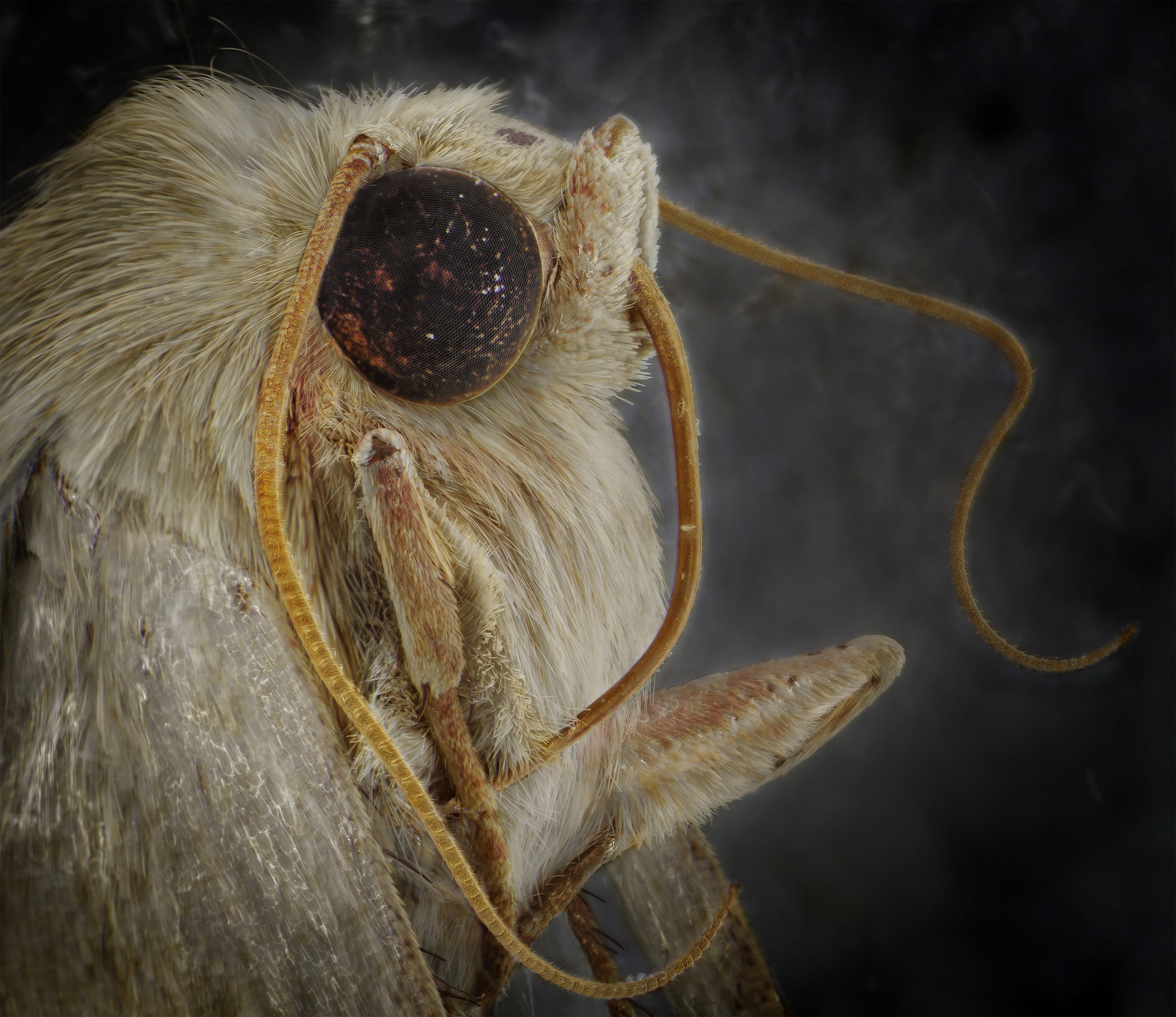
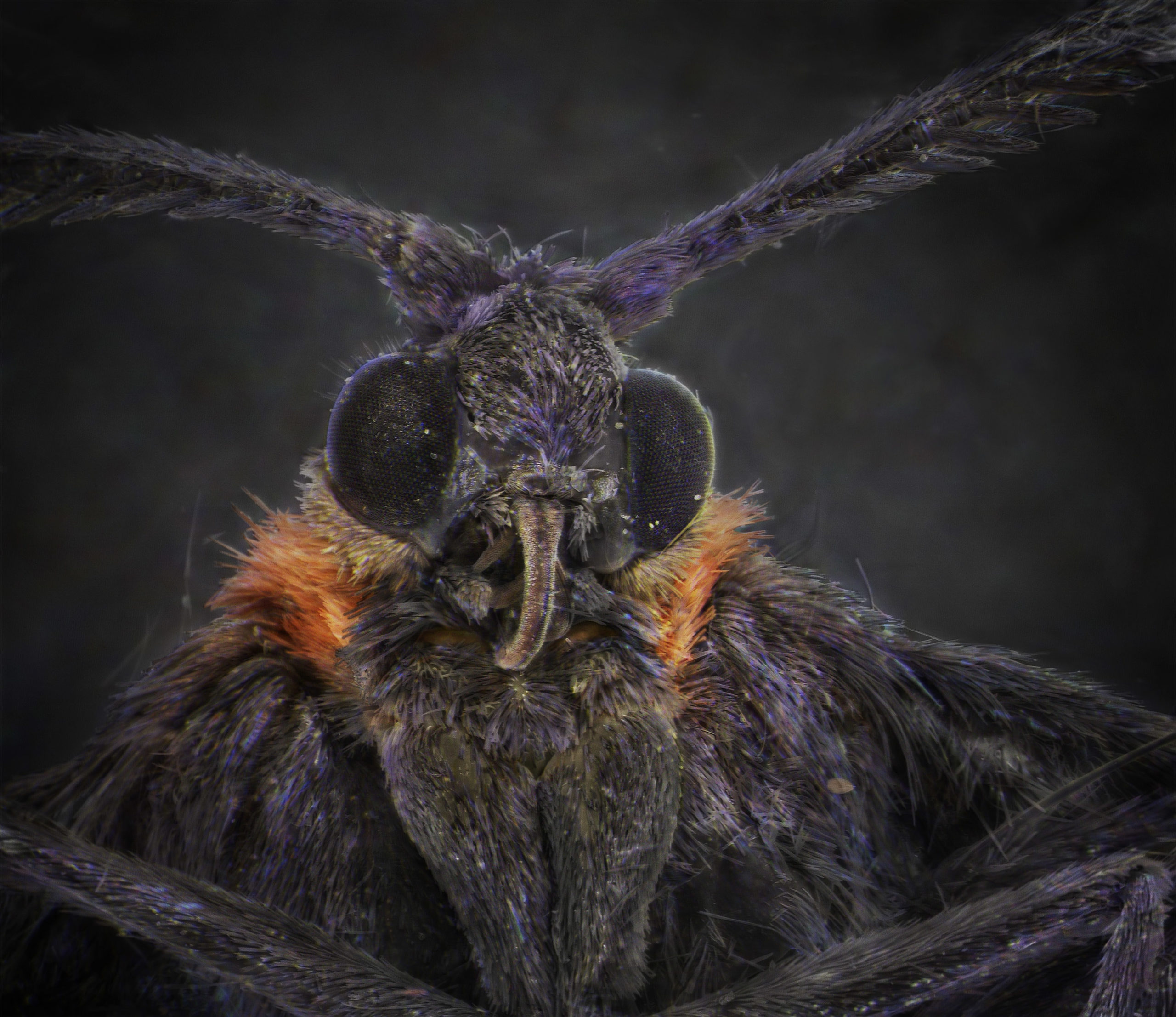
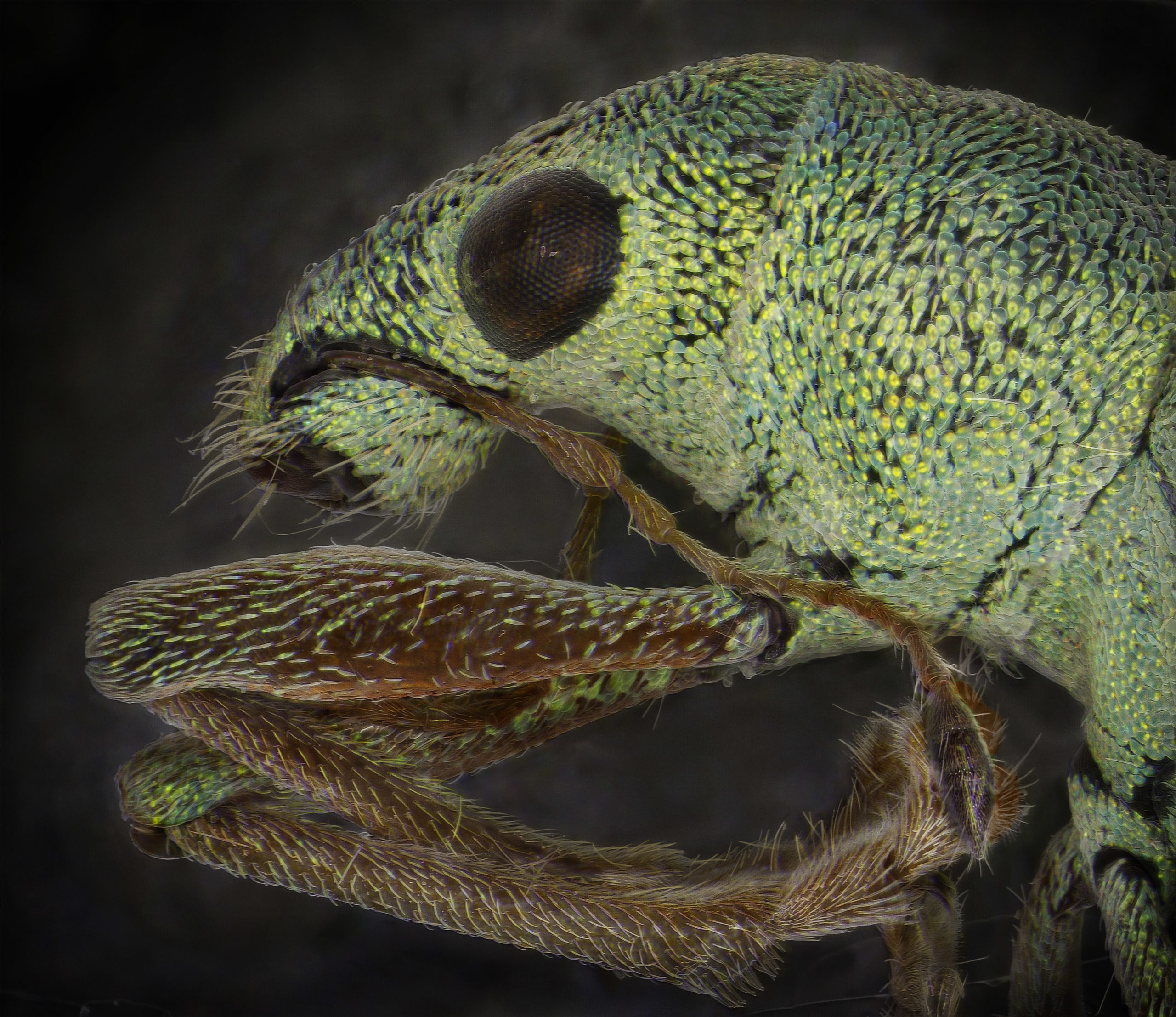
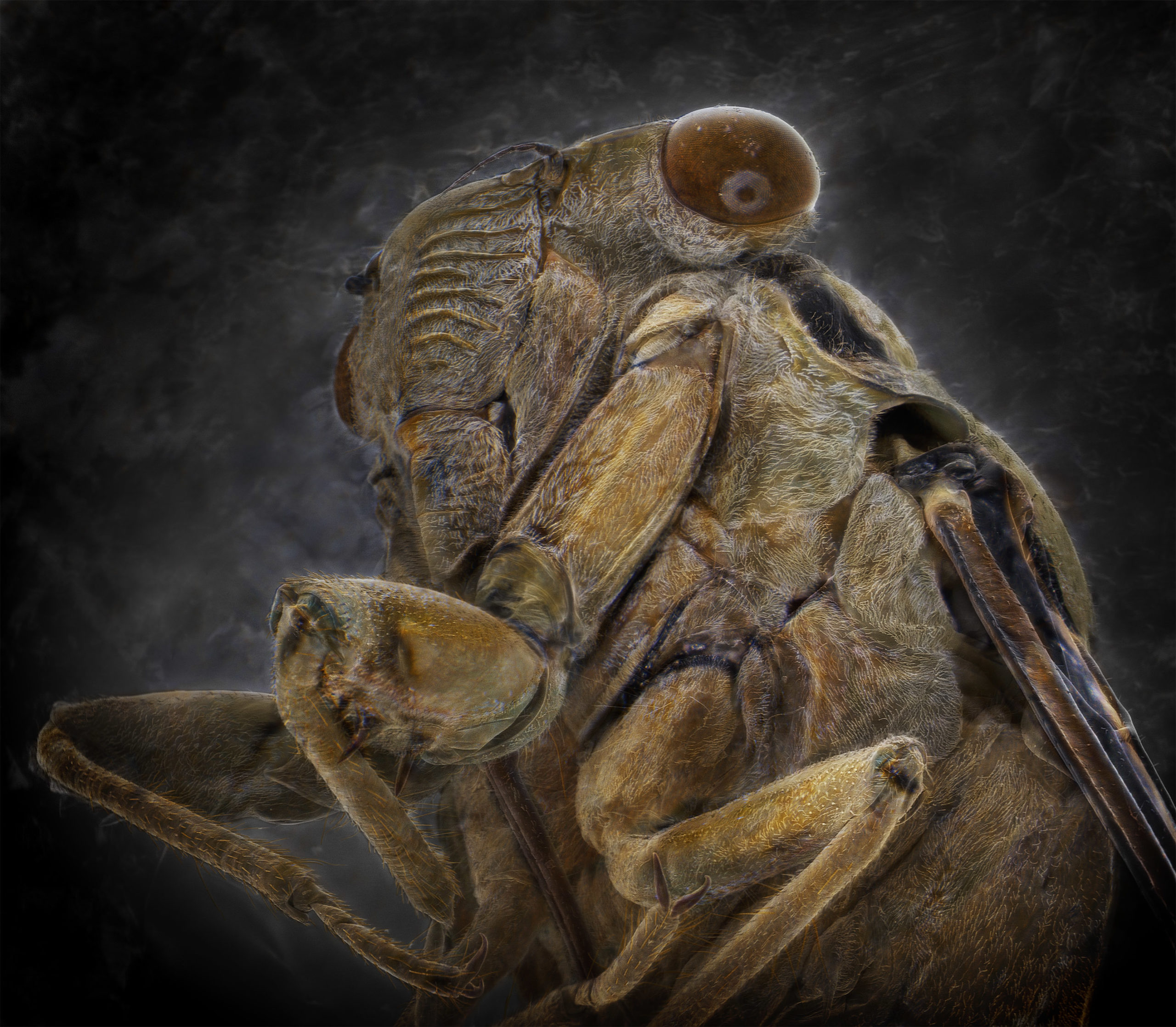
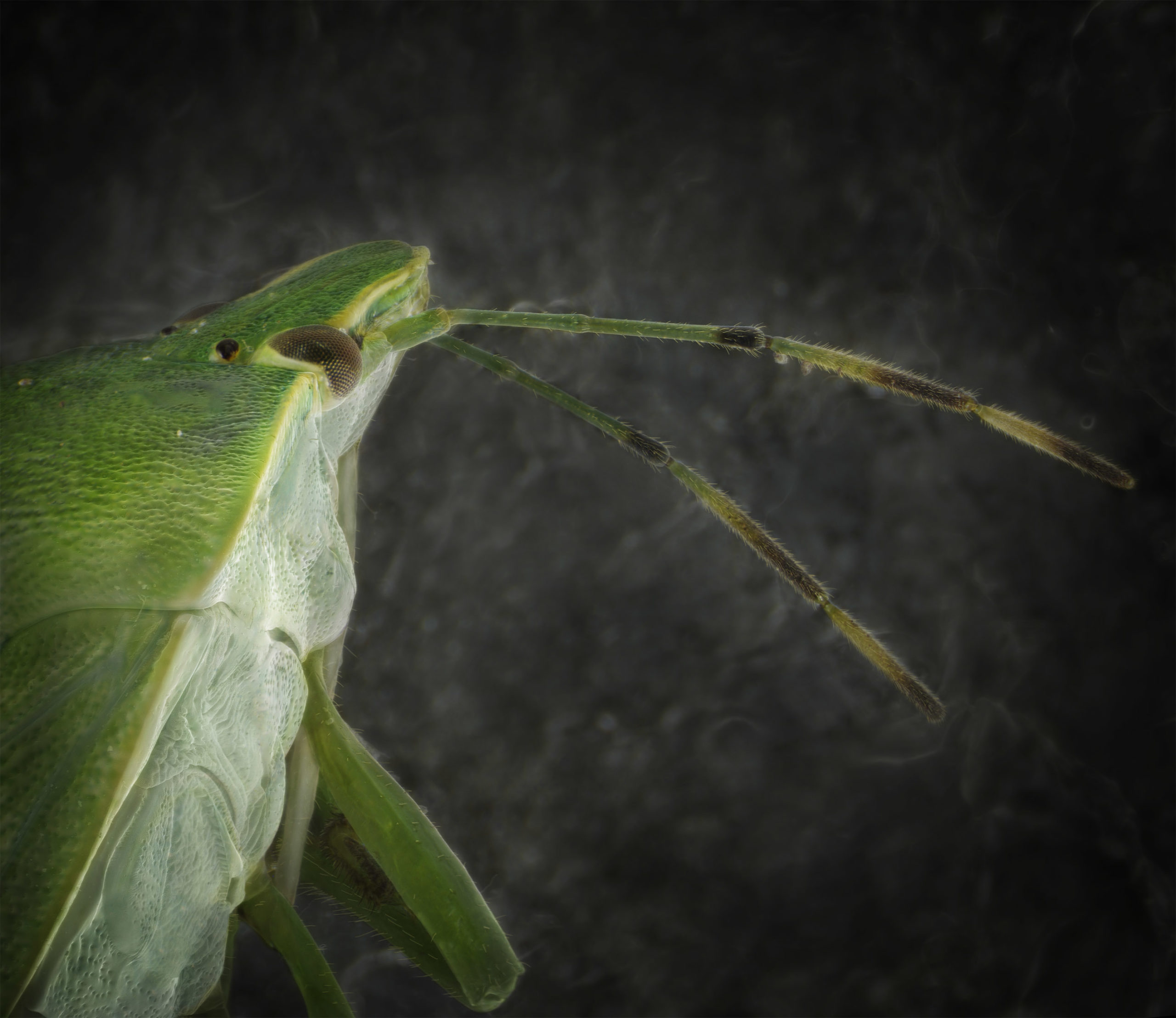
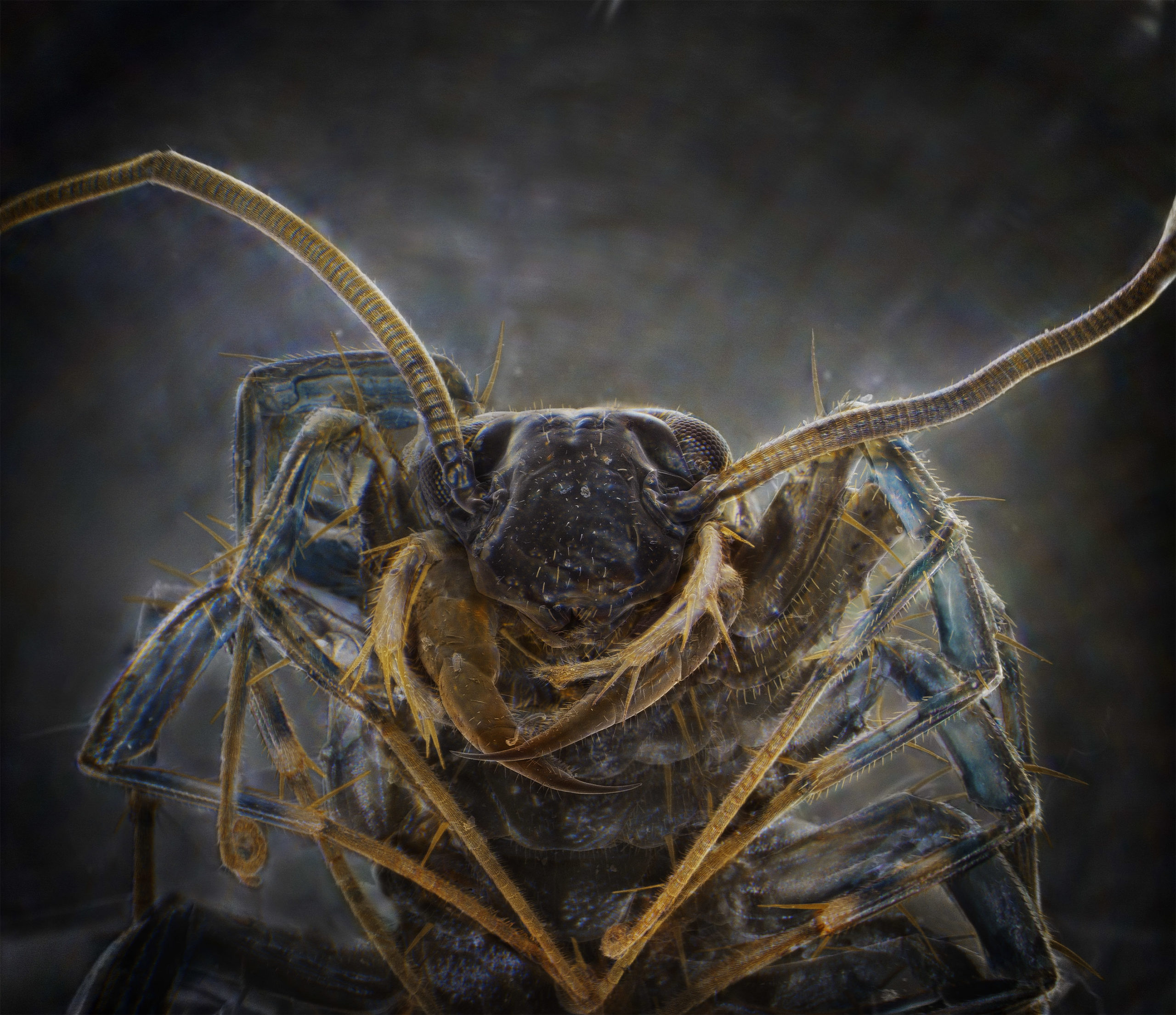
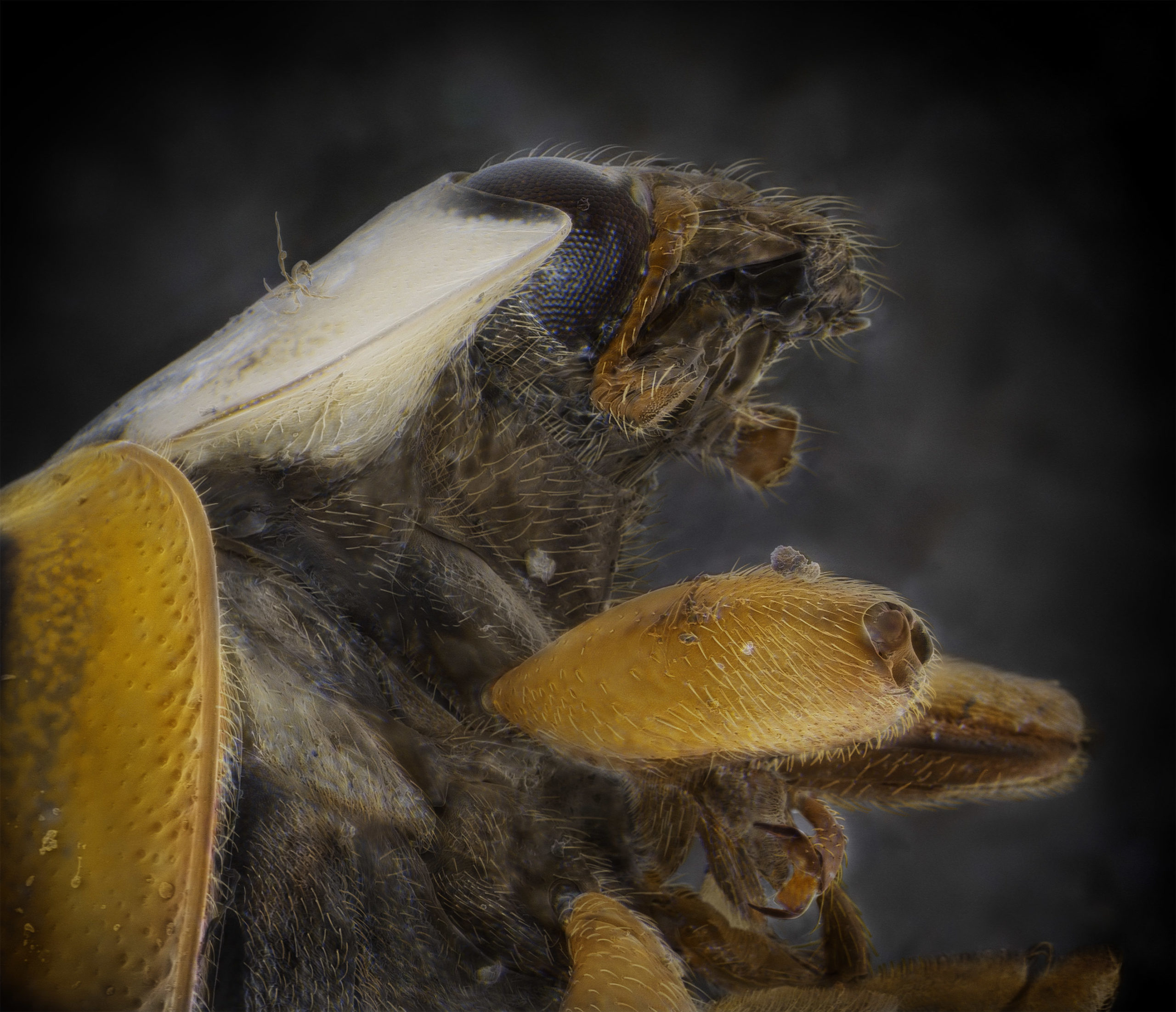
His images were made with electron microscopes, and zero in on the super-mega-pixel detail of insects faces. In light of news about the potential insect apocalypse, these pictures are important both as documents of a disappearing world, and visual reminders of why protecting the environment is important.

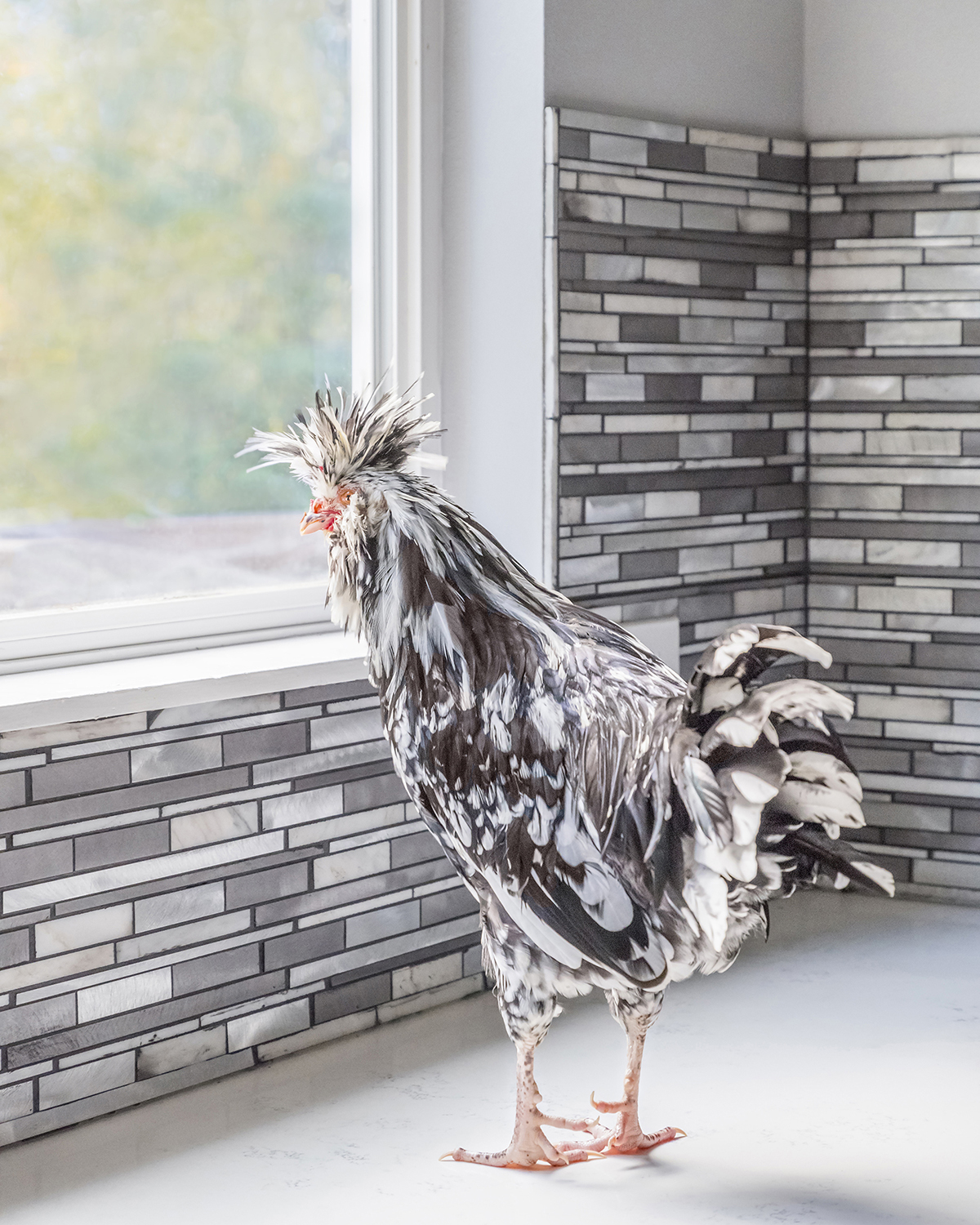
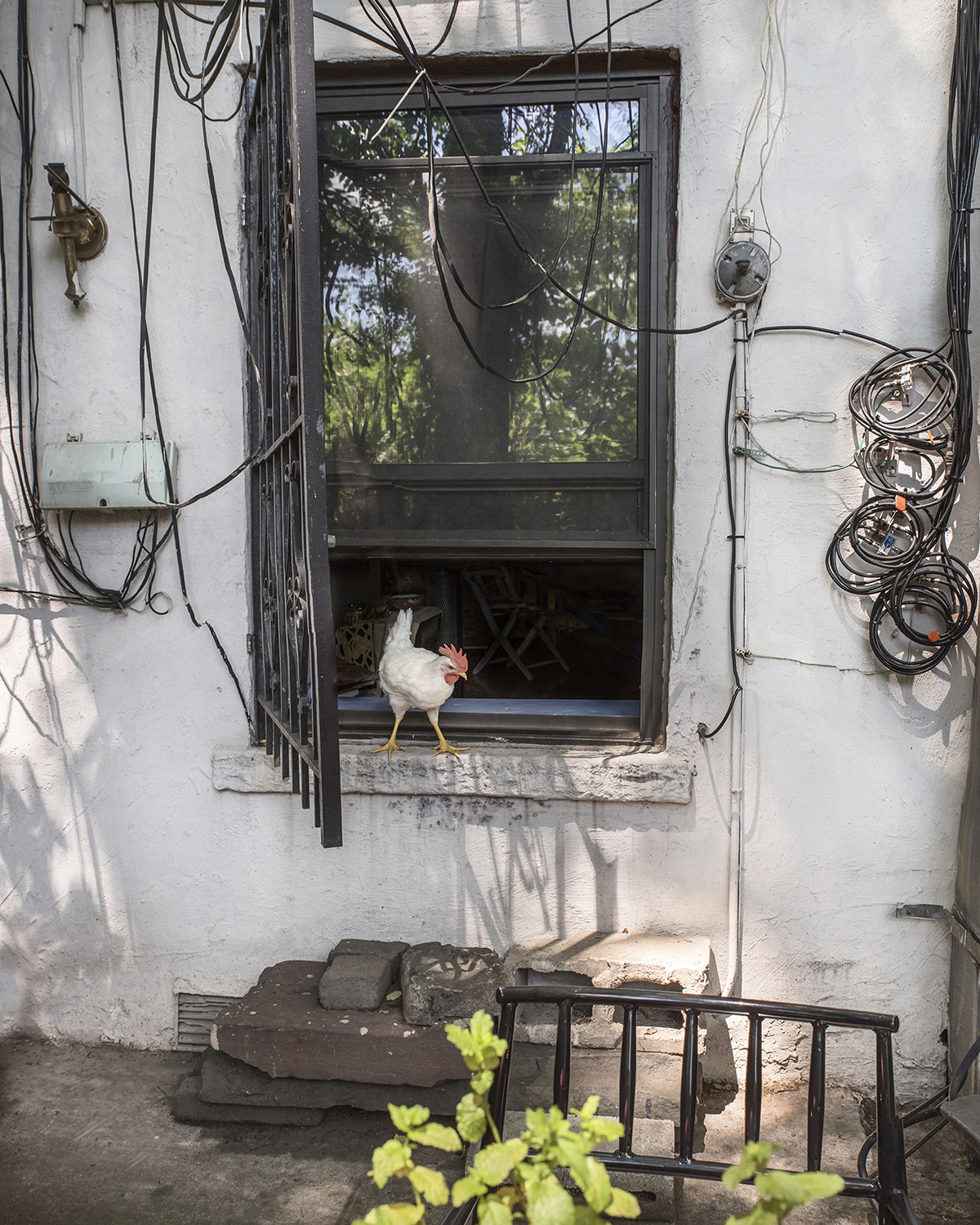
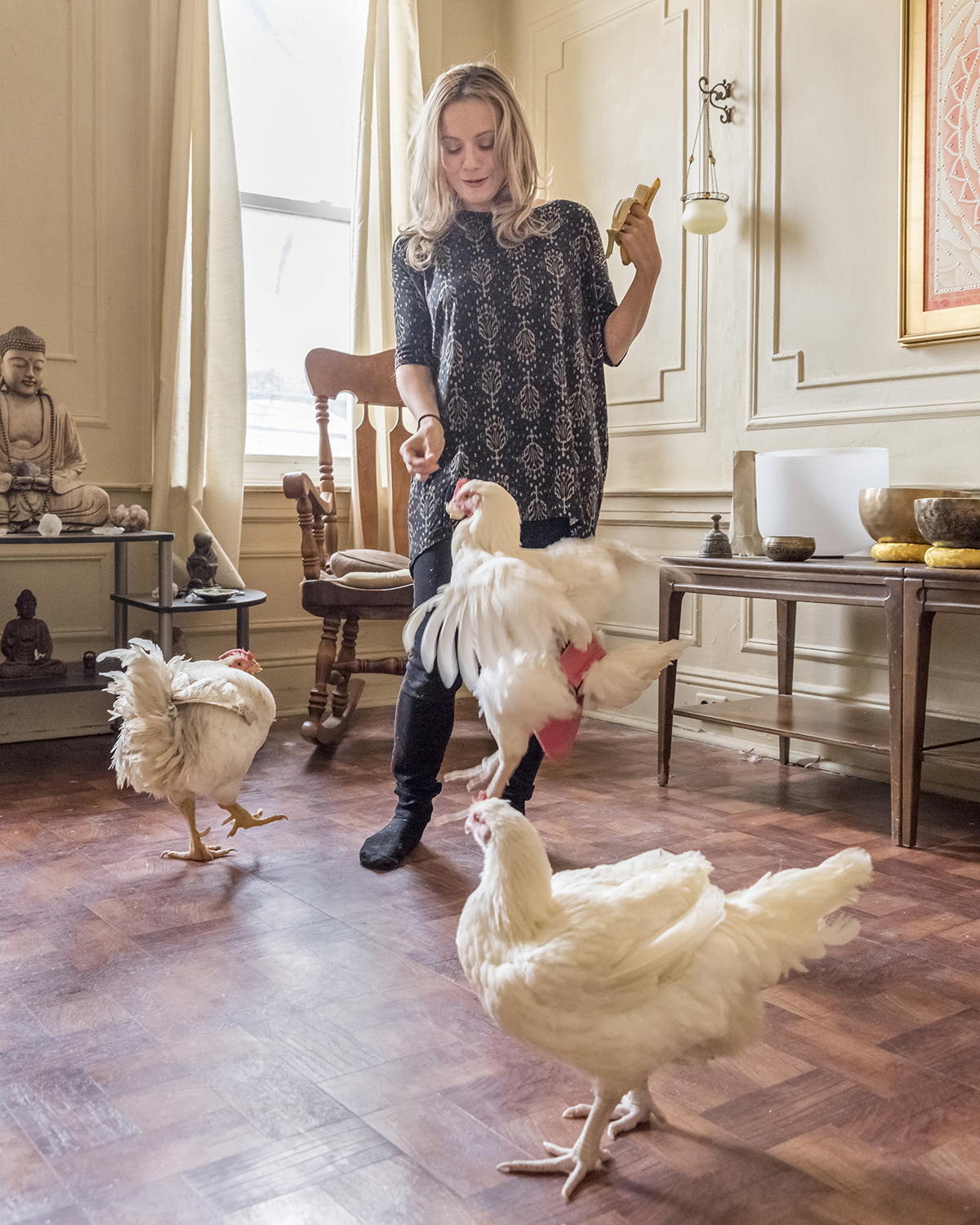
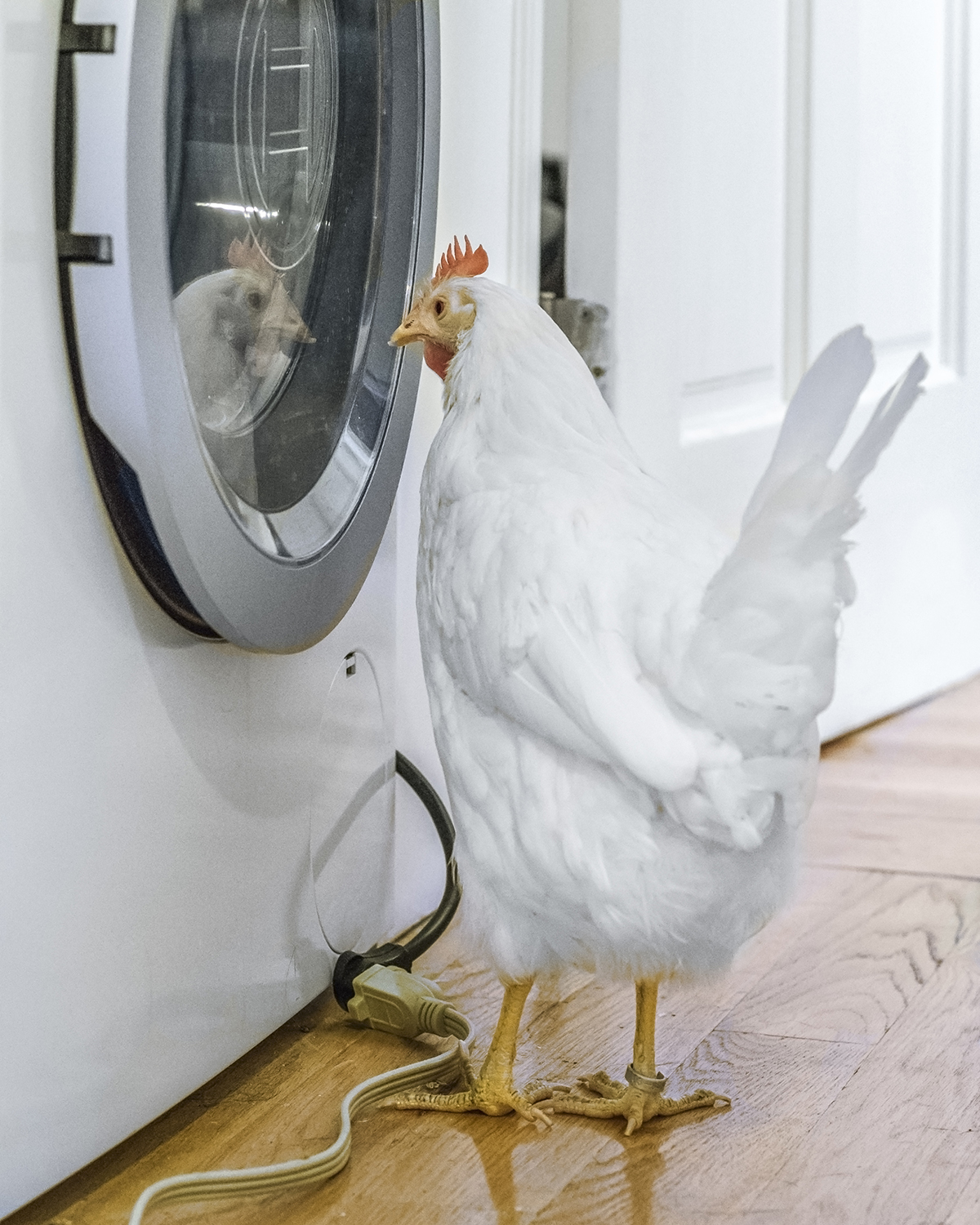
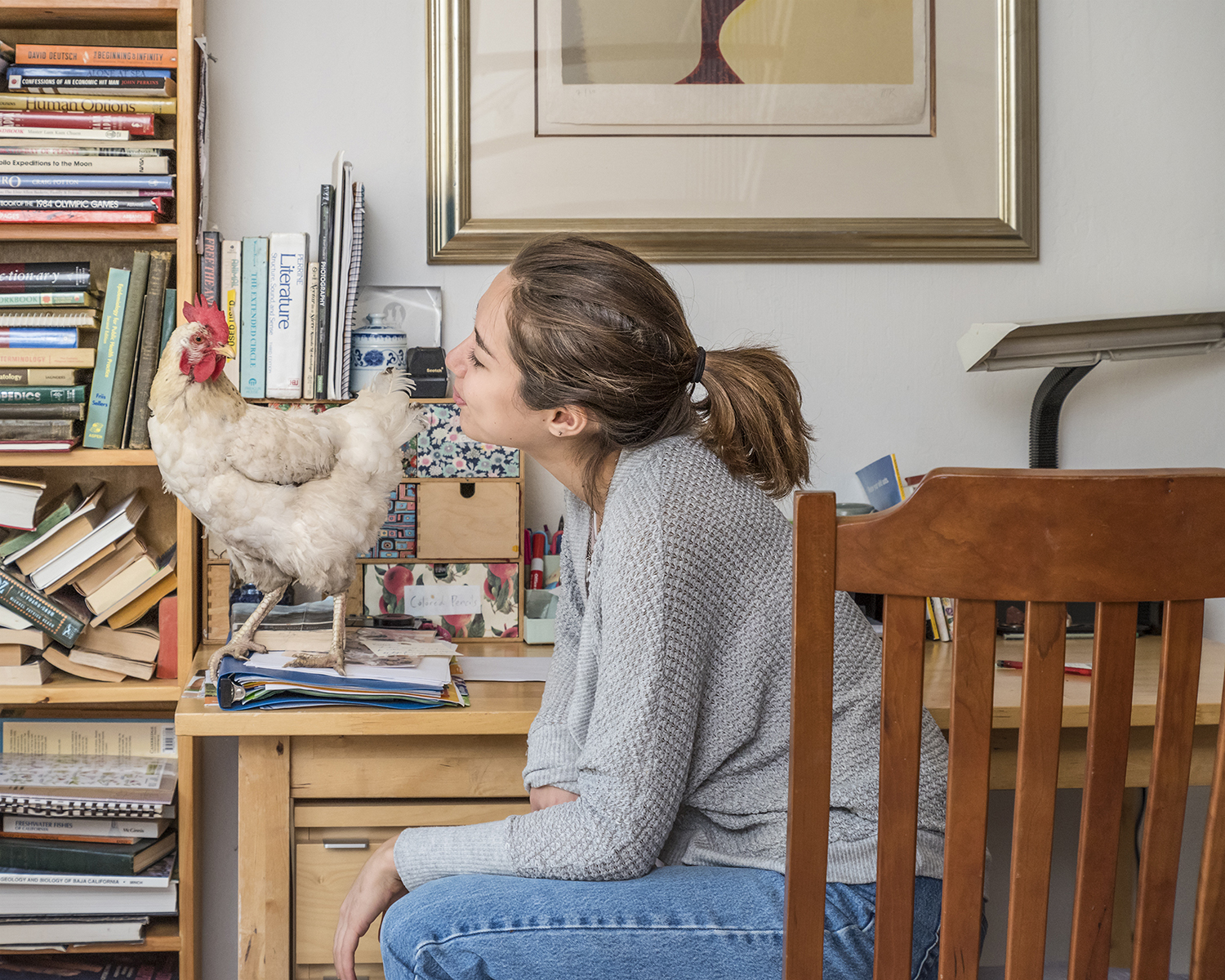
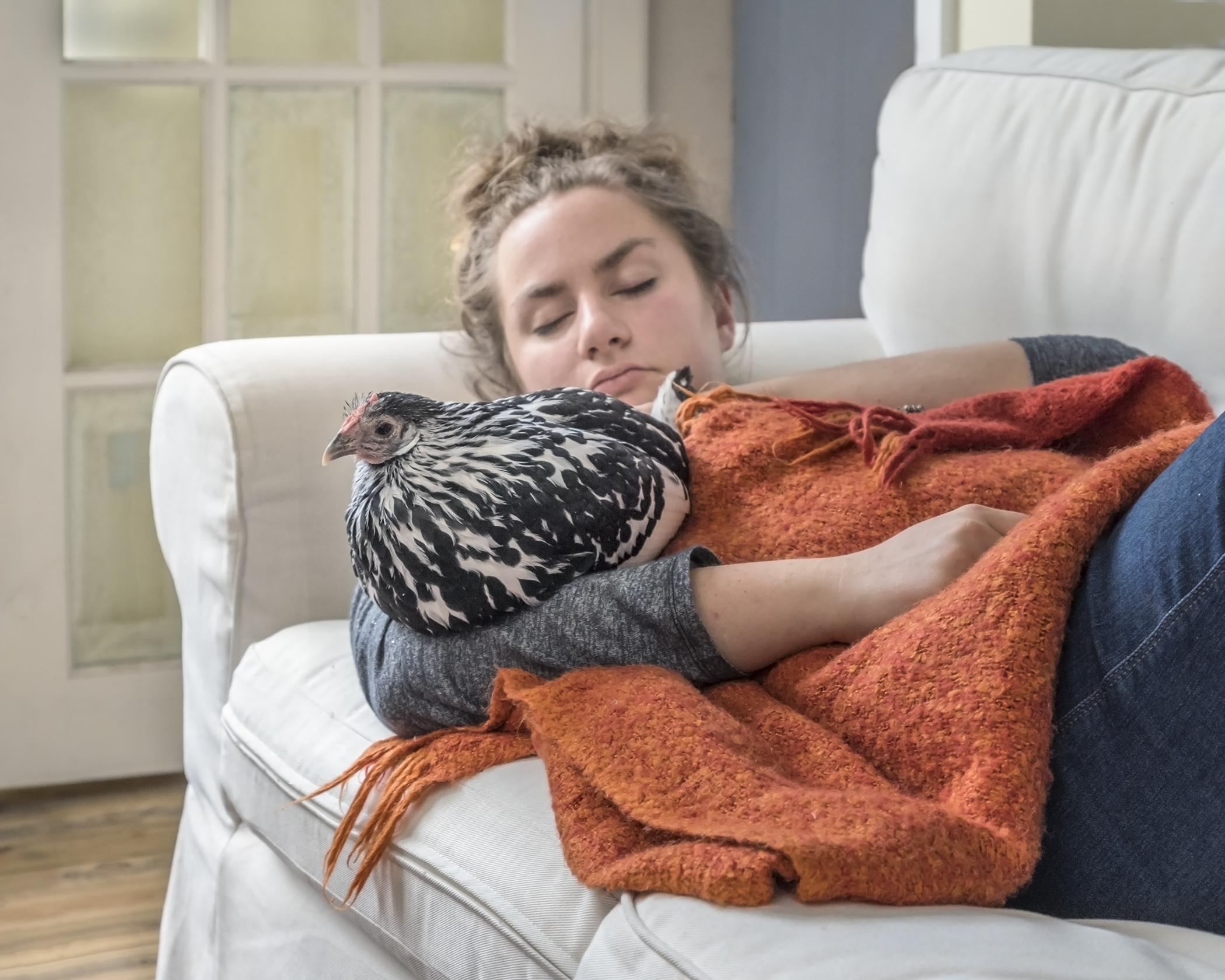
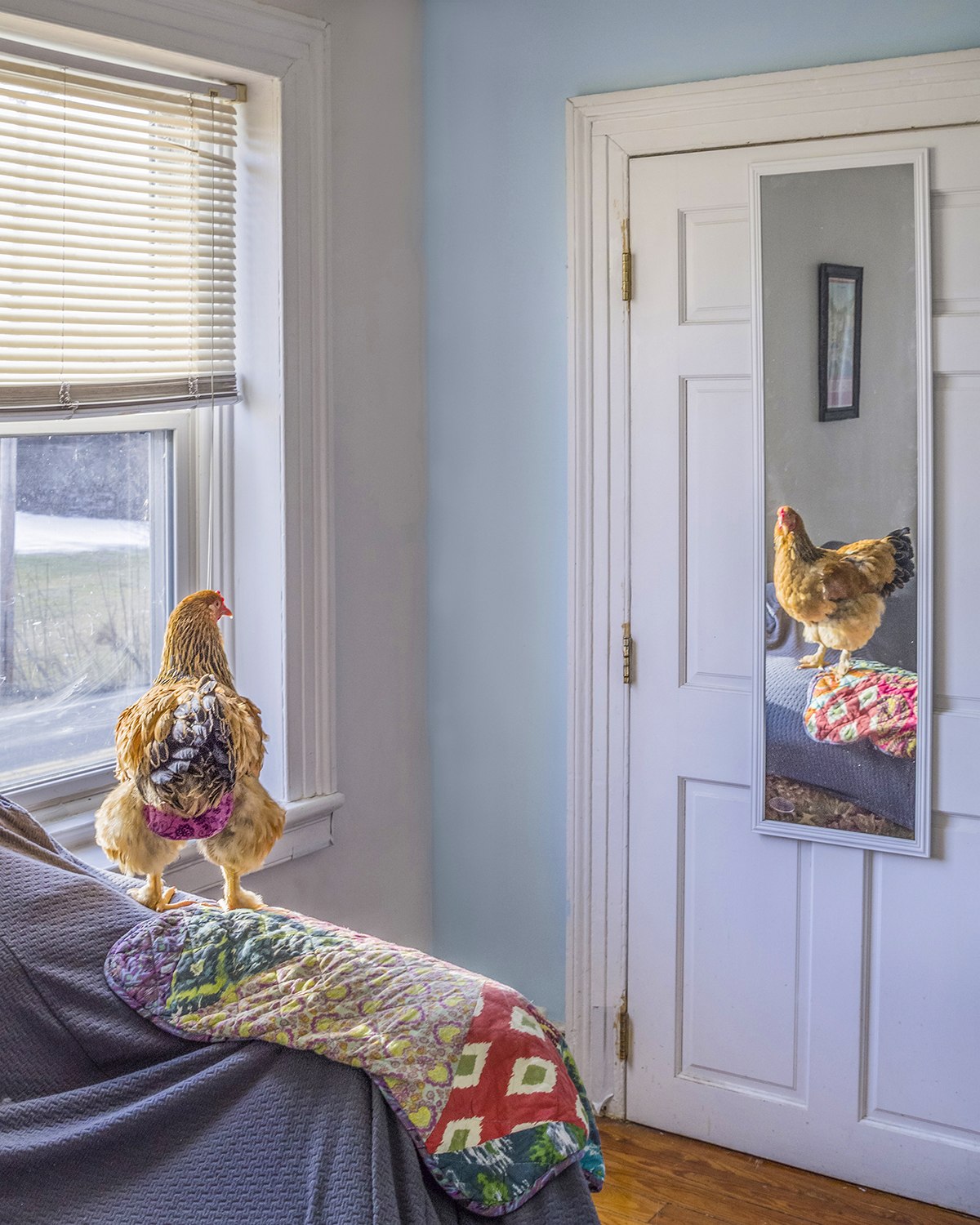
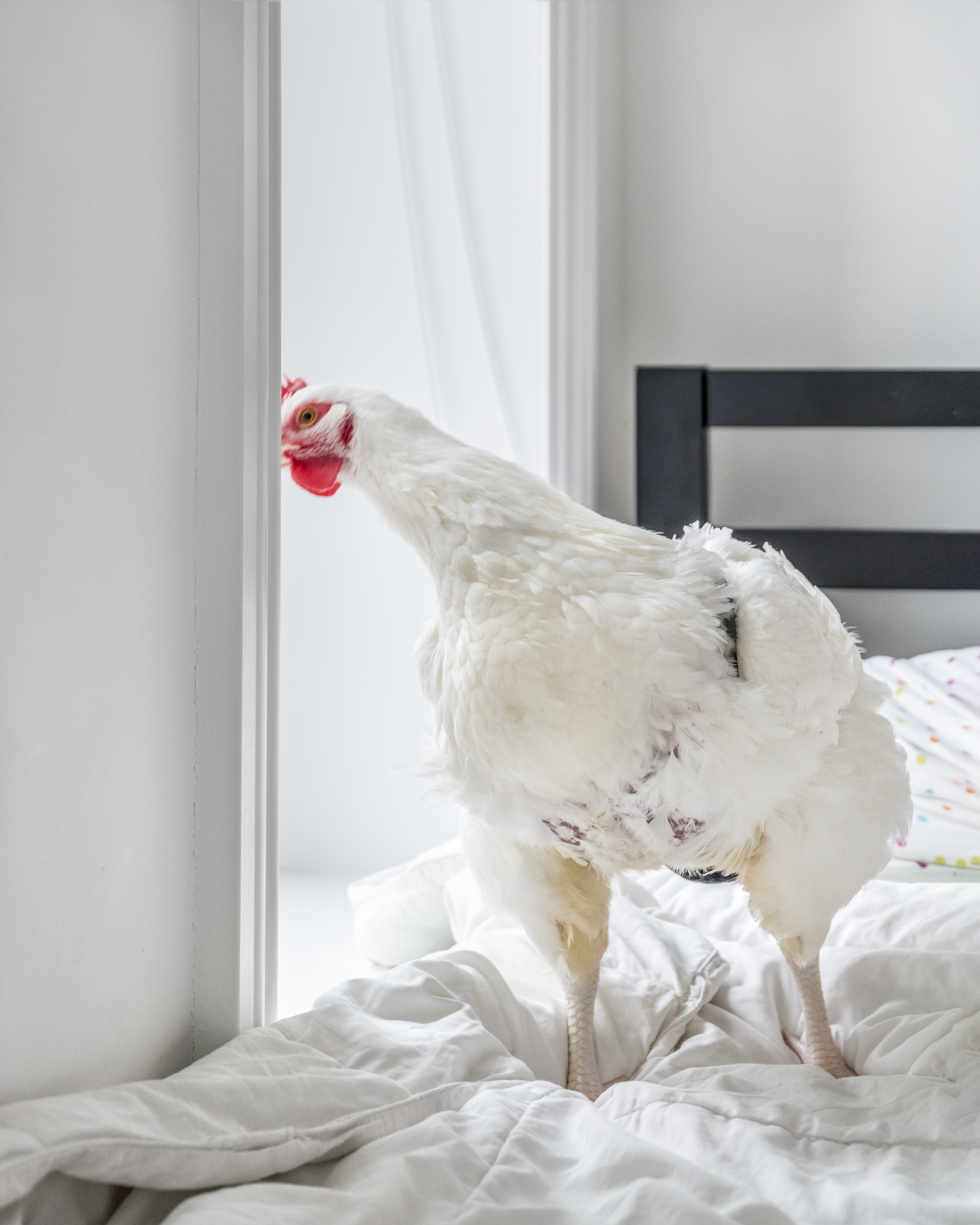
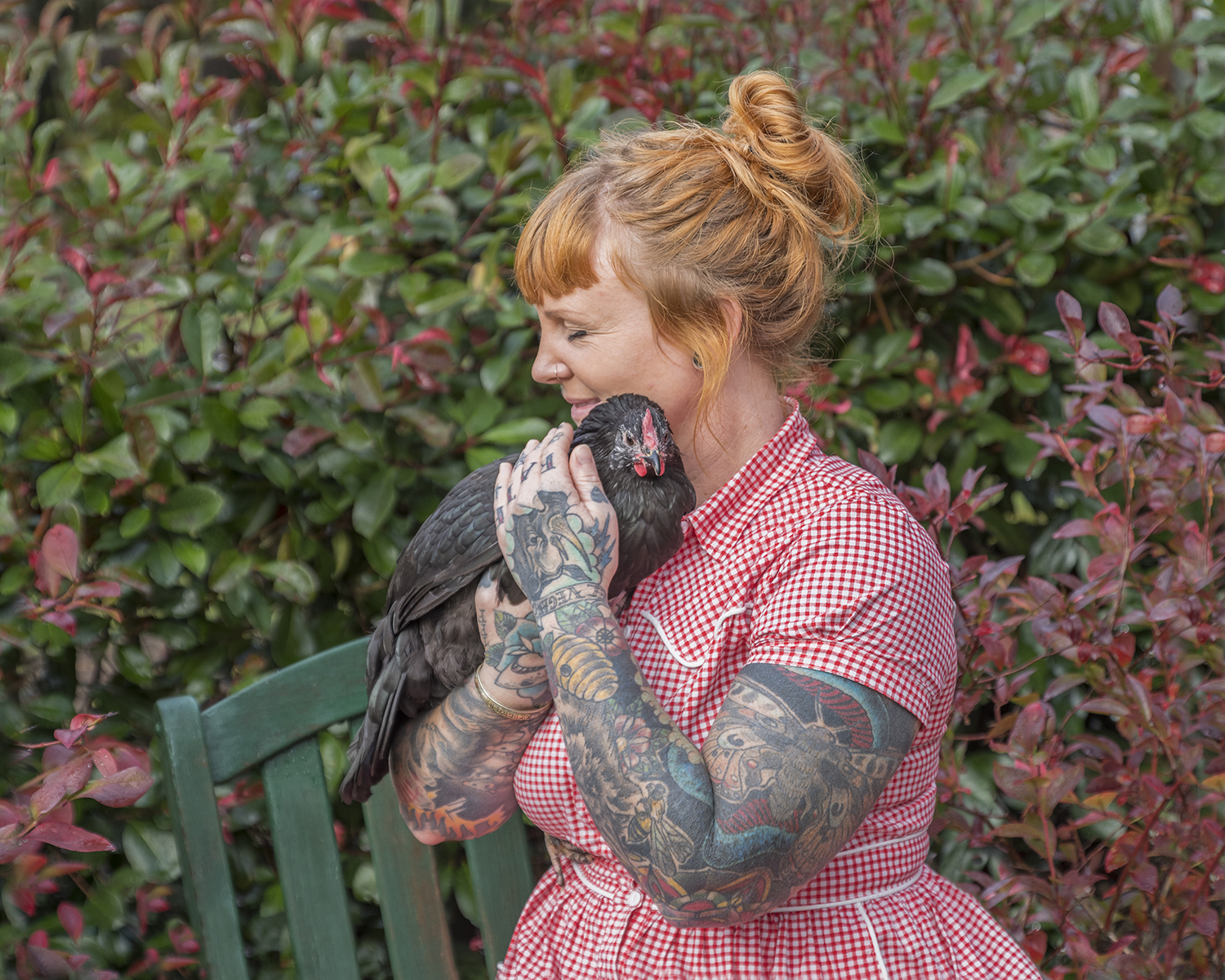
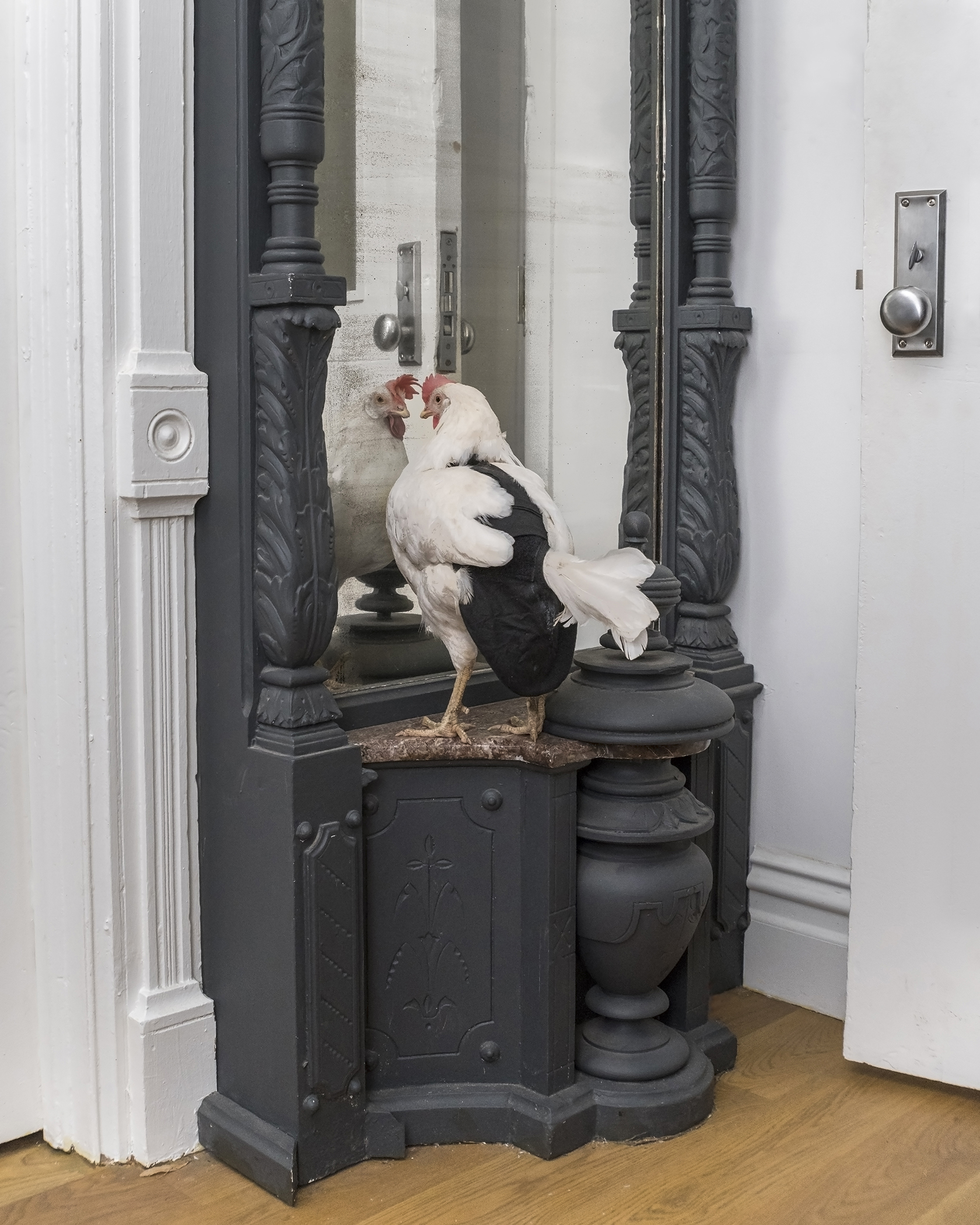
I was pleased to see Janet Holmes again, (we’d met at Filter in Chicago,) because I’d previewed her project “Rescued Chickens” in Critical Mass, and gave it the highest possible score. She featured vegan women who rescue chickens, and the chickens themselves.

As she writes, “How do you decide which animals are family, and which are food? Why are we surprised to see a rooster gazing out the kitchen window or a hen investigating the laundry? After all, chickens are present in most homes, as flesh and eggs, just not as individuals with personalities of their own.”

Really, I couldn’t love it more.

Mark Lipczynski, a commercial an editorial photographer, was visiting from Phoenix. I didn’t love one project he showed me, but as so often happens, I offered to look at his other series, because you never know.

When he emailed me a link to his pictures in the American West, I happily clicked through. The photos are witty and fun. What’s not to like?

Brian Van de Wetering is a SoCal artist I met at a previous review and published here before. (As I recall, he’s a part of the Aline Smithson mafia, and those students always marry strong craft with a personal intention.)

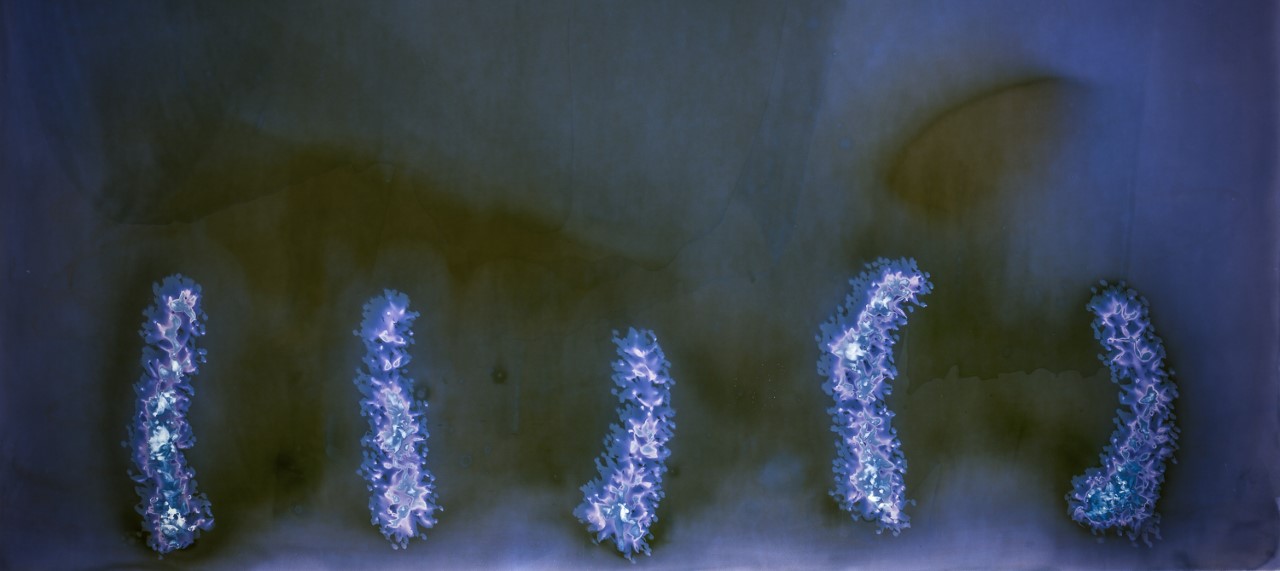
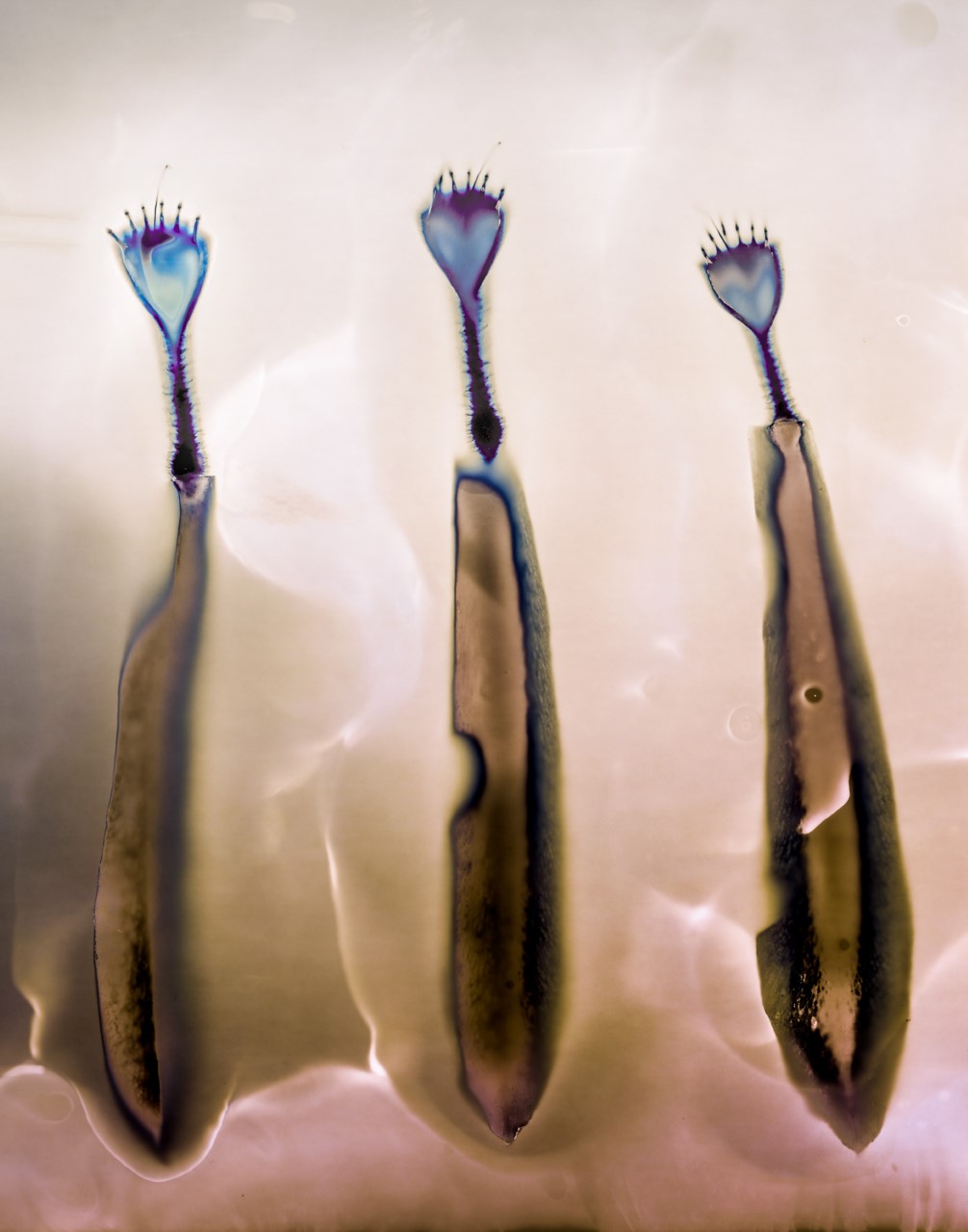
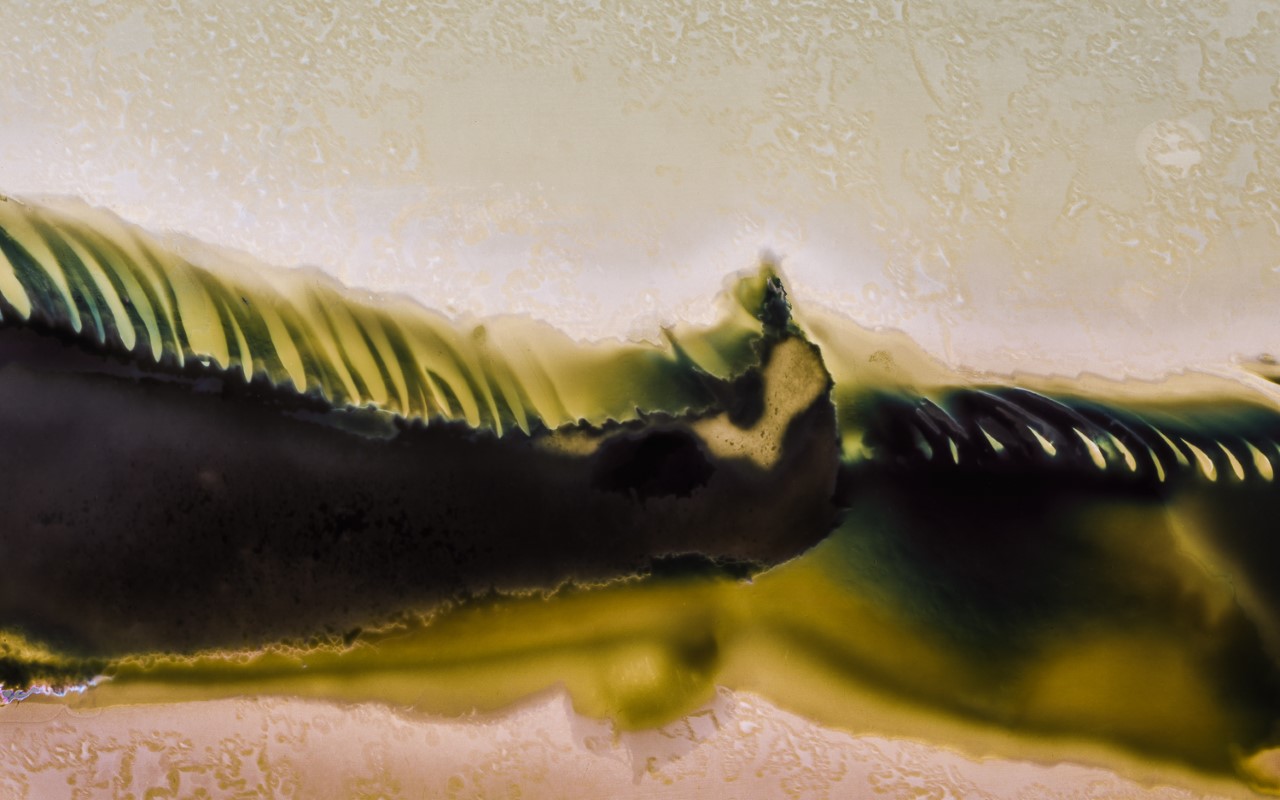
I didn’t review Brian’s work directly this time, but met him in the aisle during the portfolio walk, and he told me about his new project, in which he exposes photograms in direct sunlight.

The resulting images are scanned, and really, they’re just so beautiful. People think I’m a tough critic, and I guess that can be true. But I’m happy to enjoy visual objects for their own pleasure when they look like this.


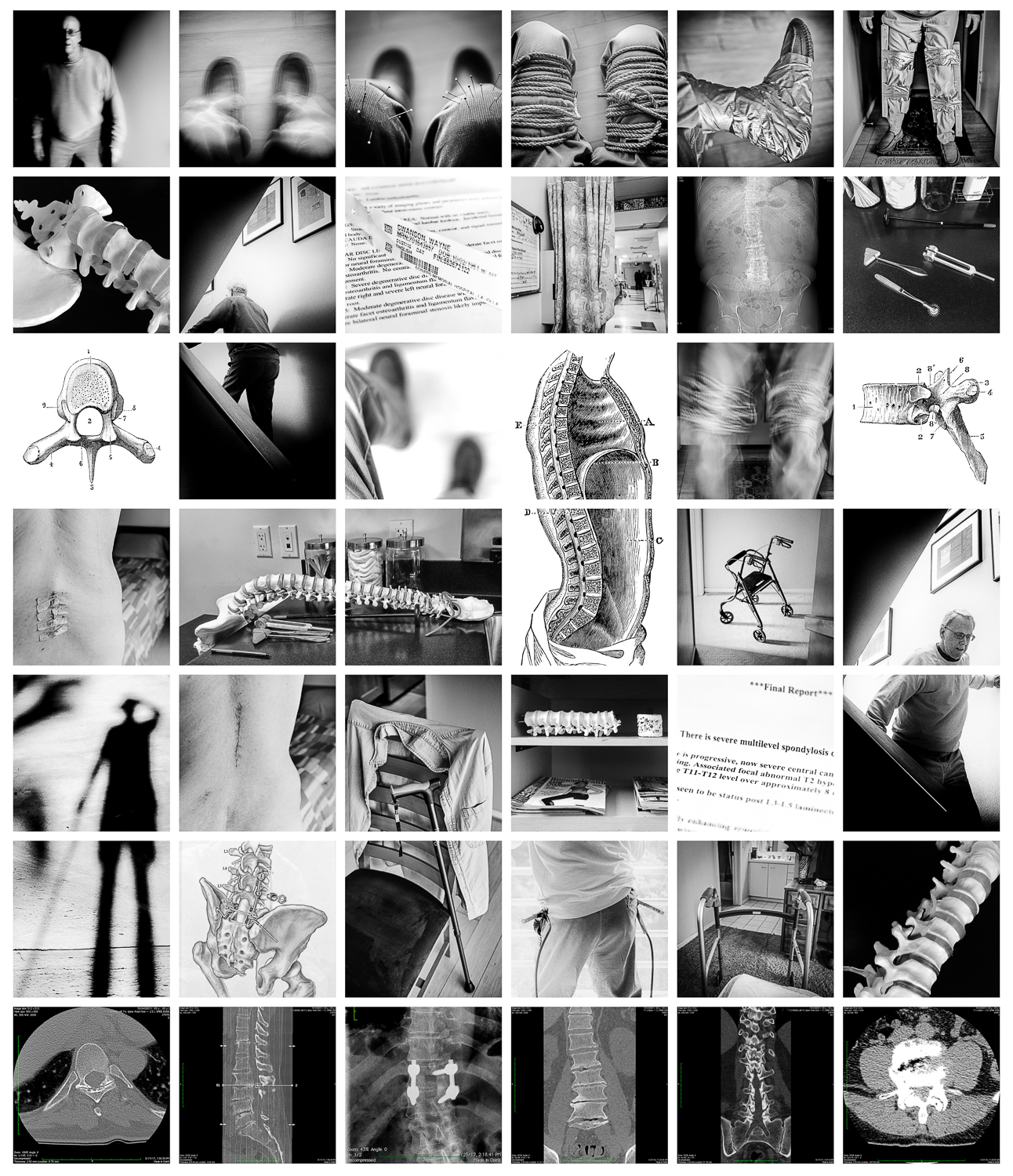
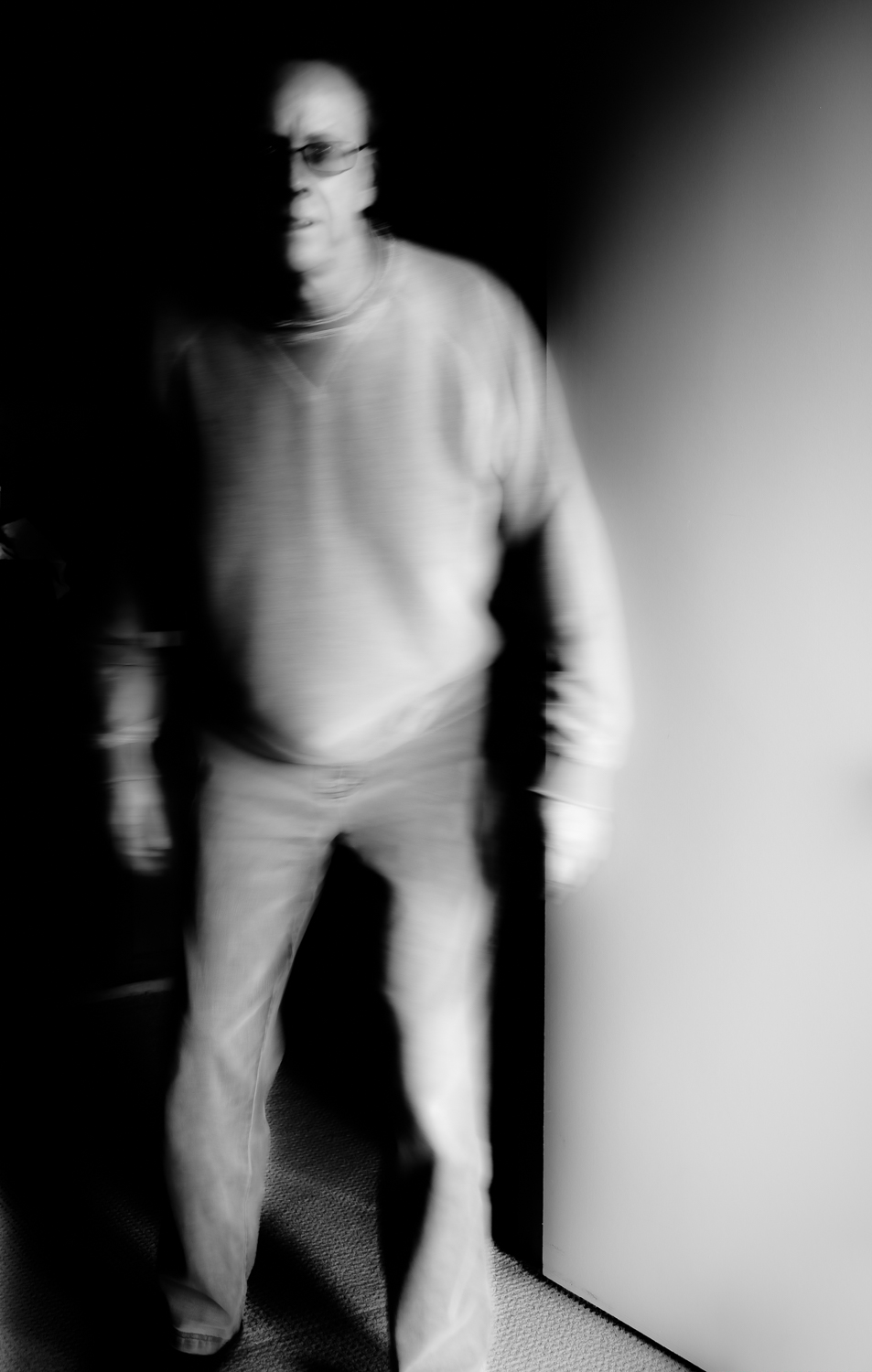
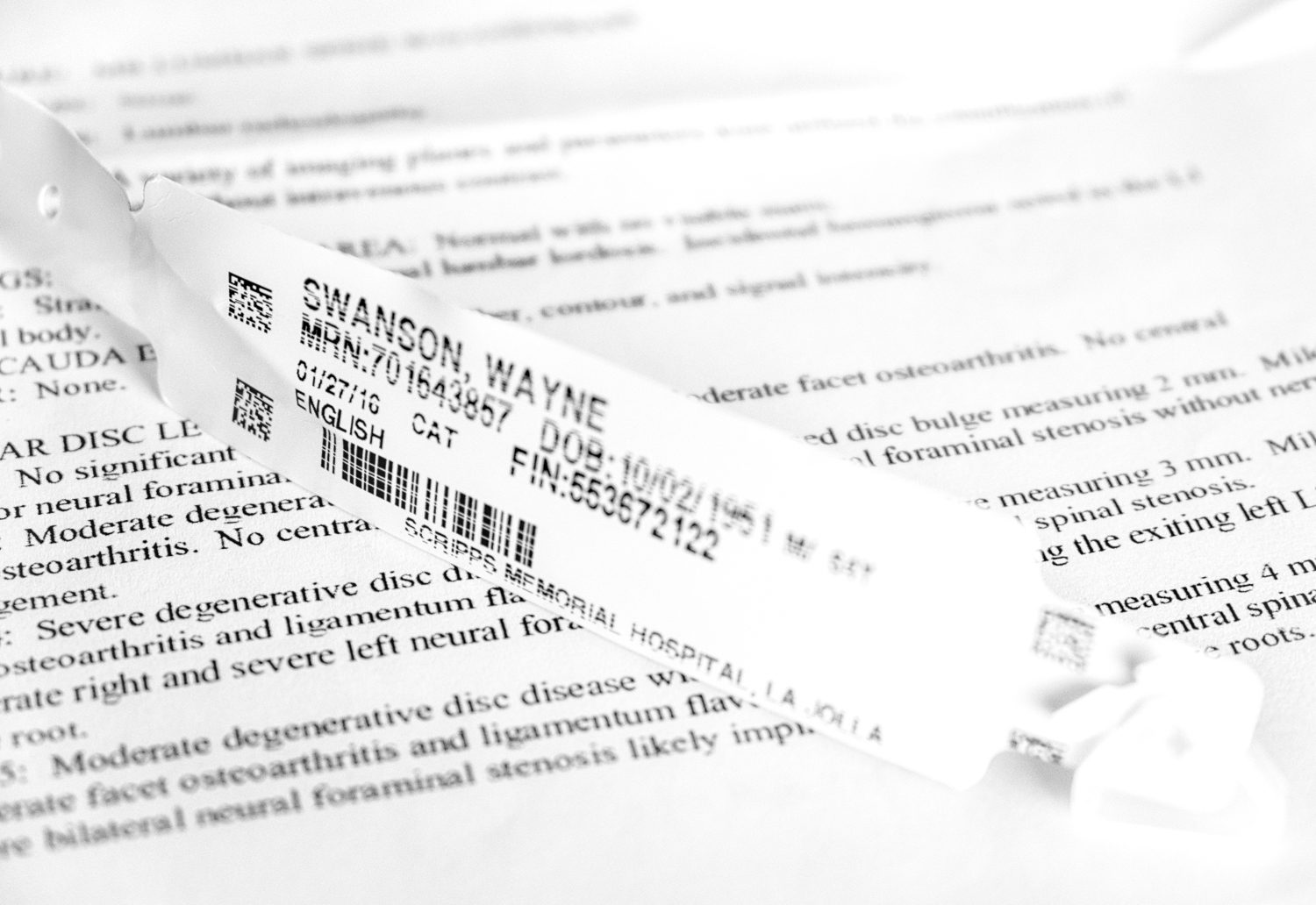
Wayne Swanson did the double-double with me on the 2018 festival circuit, as we met at the Exposure review in LA in July, and I published a set of his images that were made with a pinhole polaroid. (I believe.)

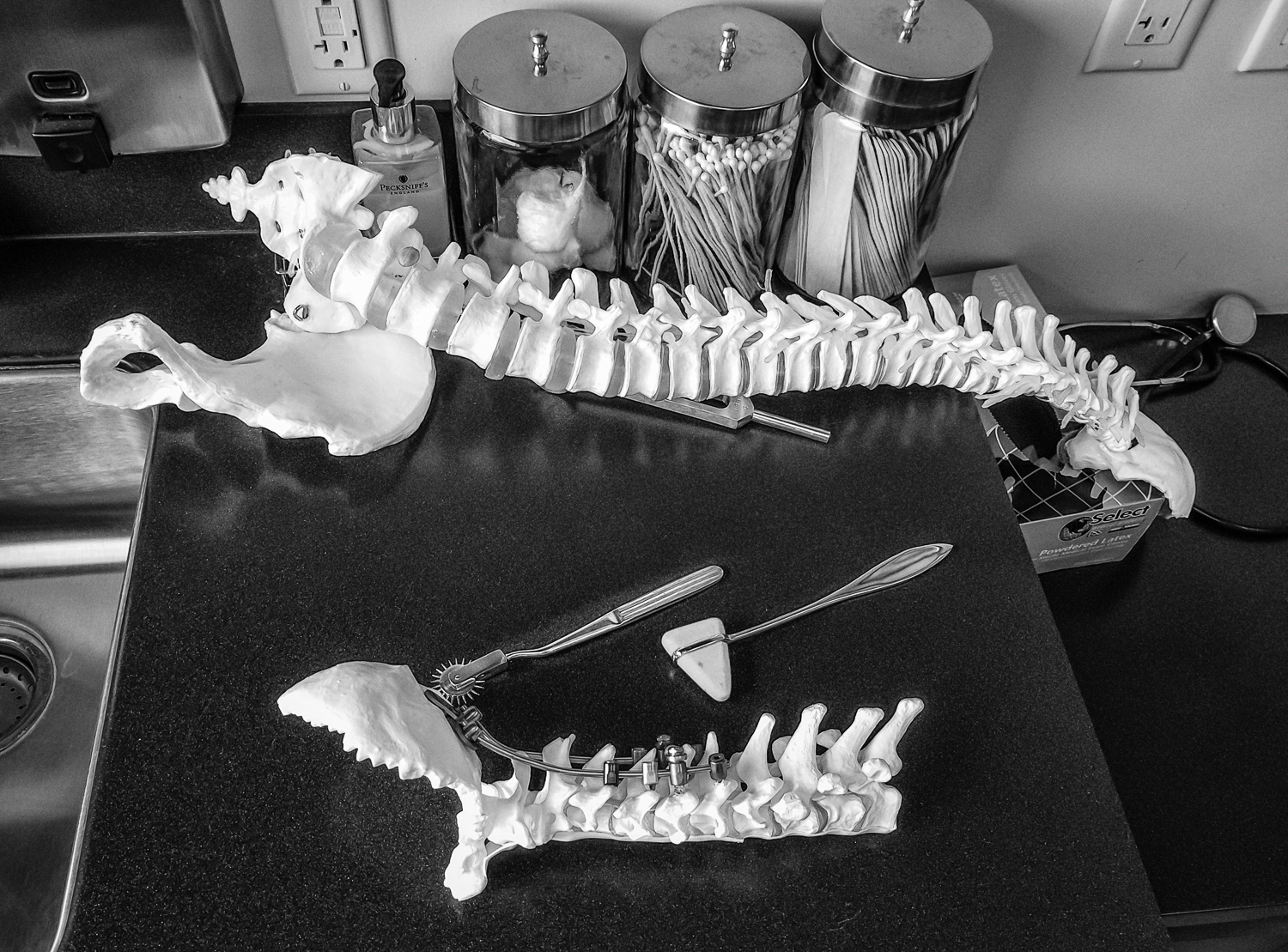
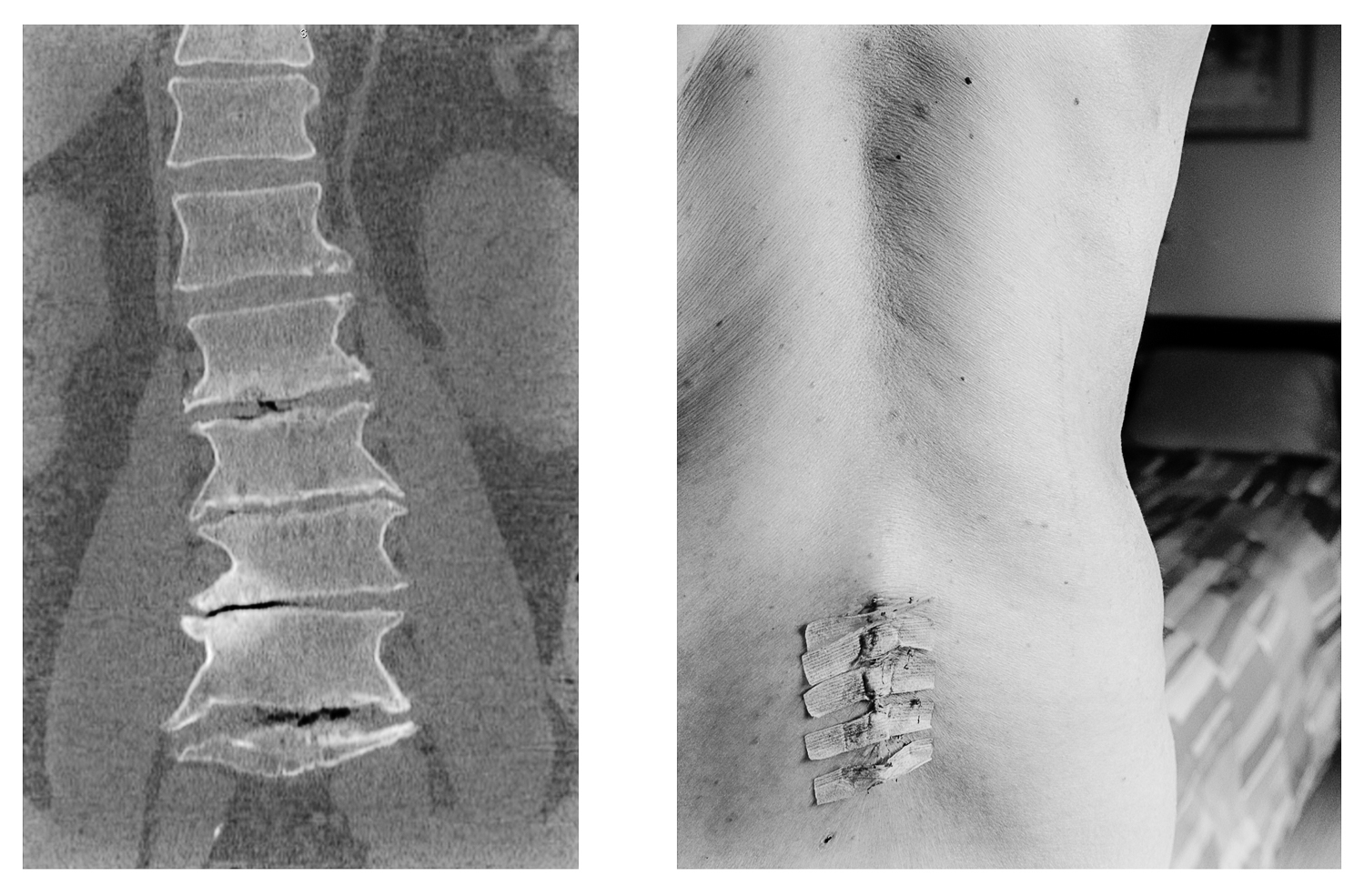
This time, we got into something more personal. Wayne suffers from spinal stenosis, which I must admit has afflicted both of my parents. My Dad had 3 major spinal surgeries, including two fusions, and my Mom had a fusion surgery as well.

My uncle just underwent his second.

A lot of Baby Boomers have dealt with these structural problems, which can lead to debilitating pain, and affect lives deeply.

The pictures are dynamic.

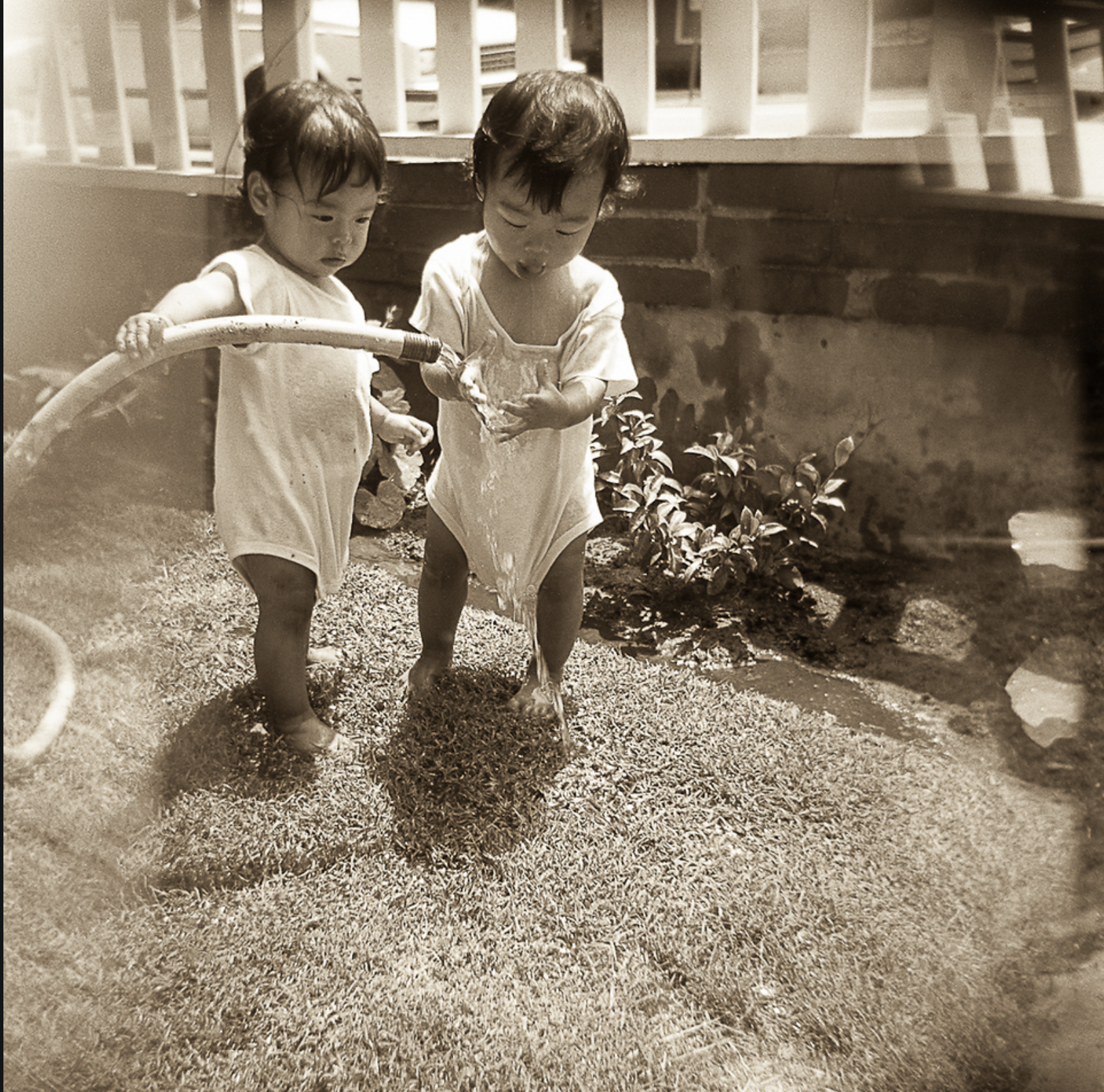
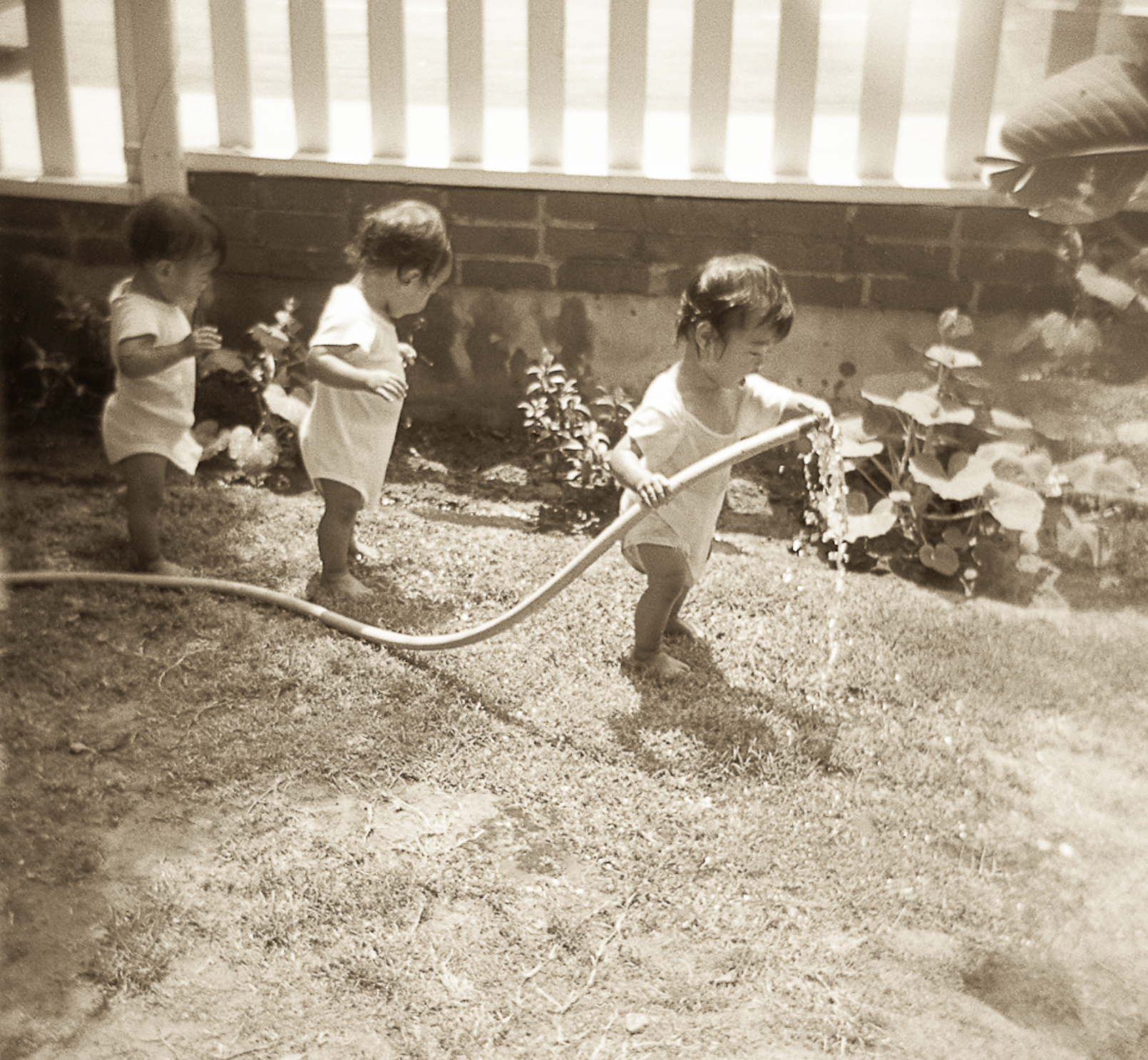
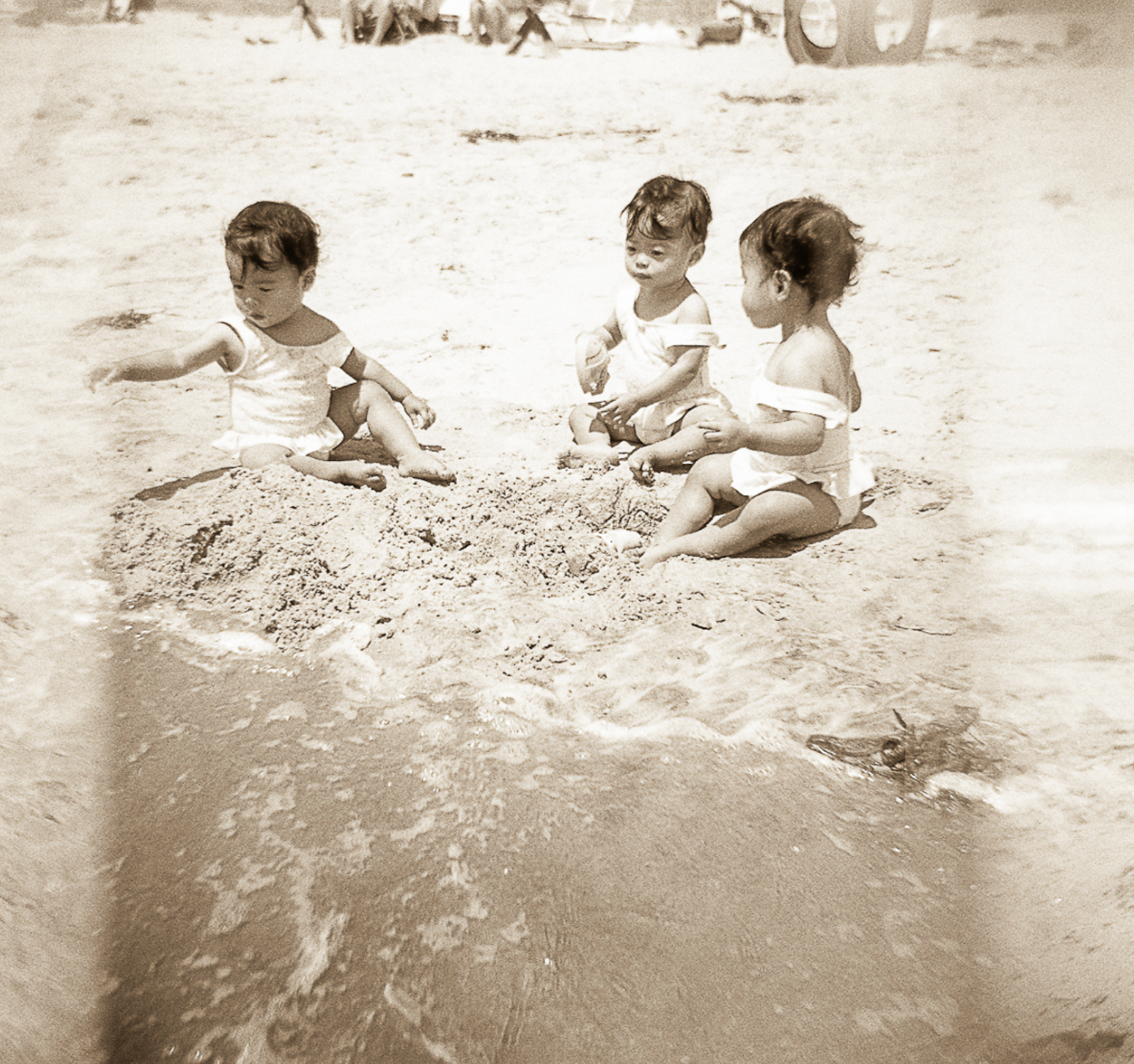
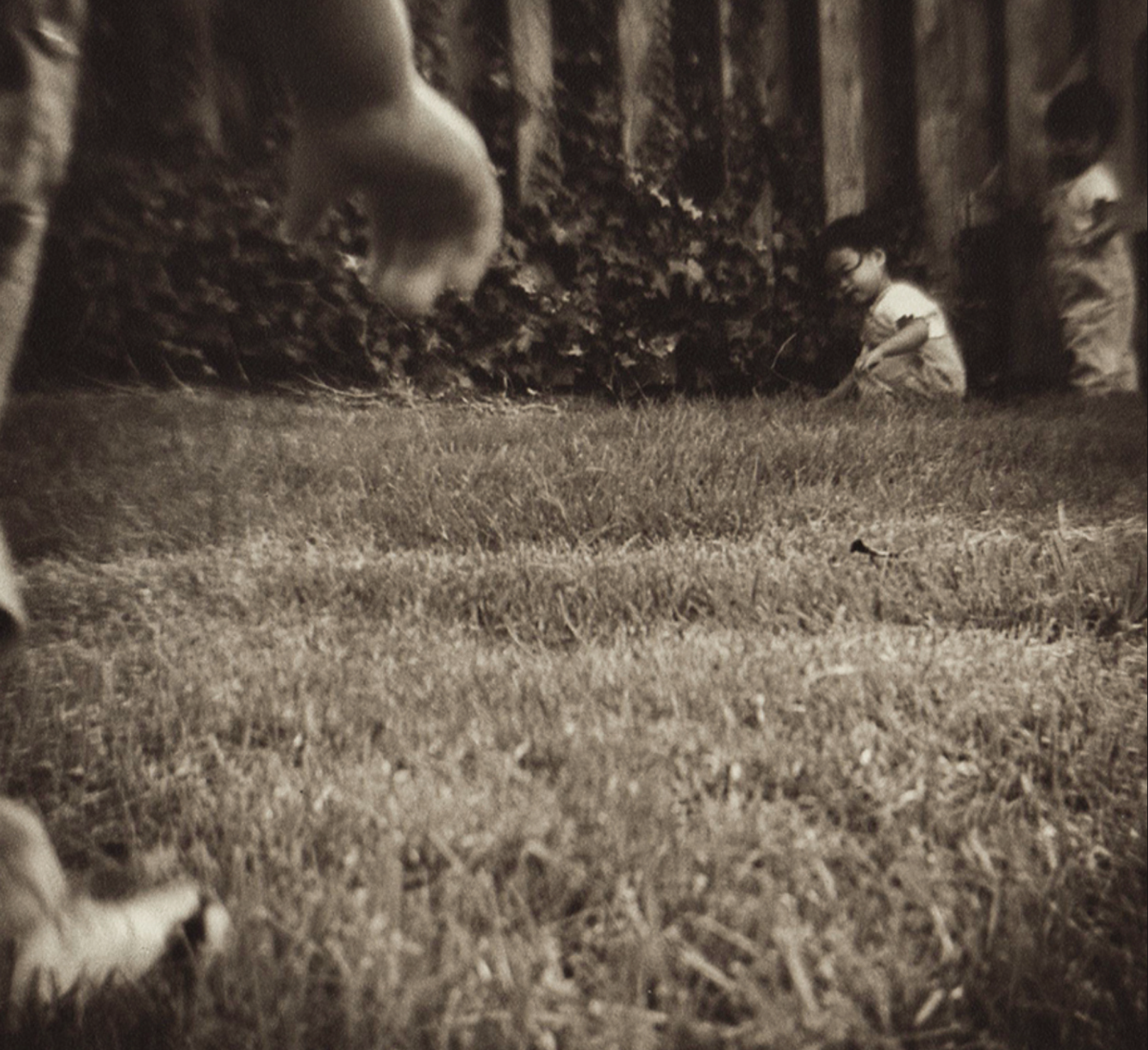
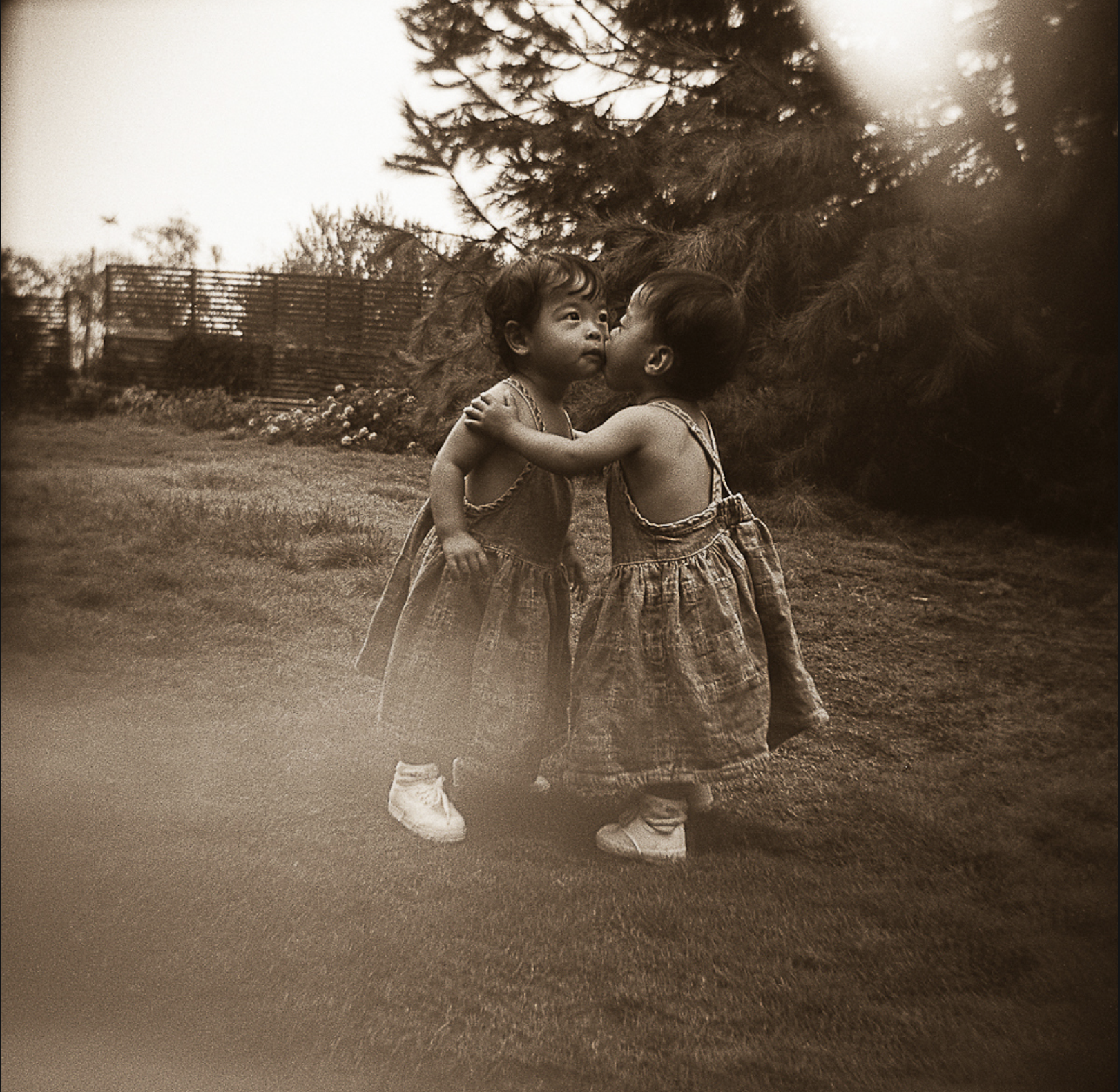
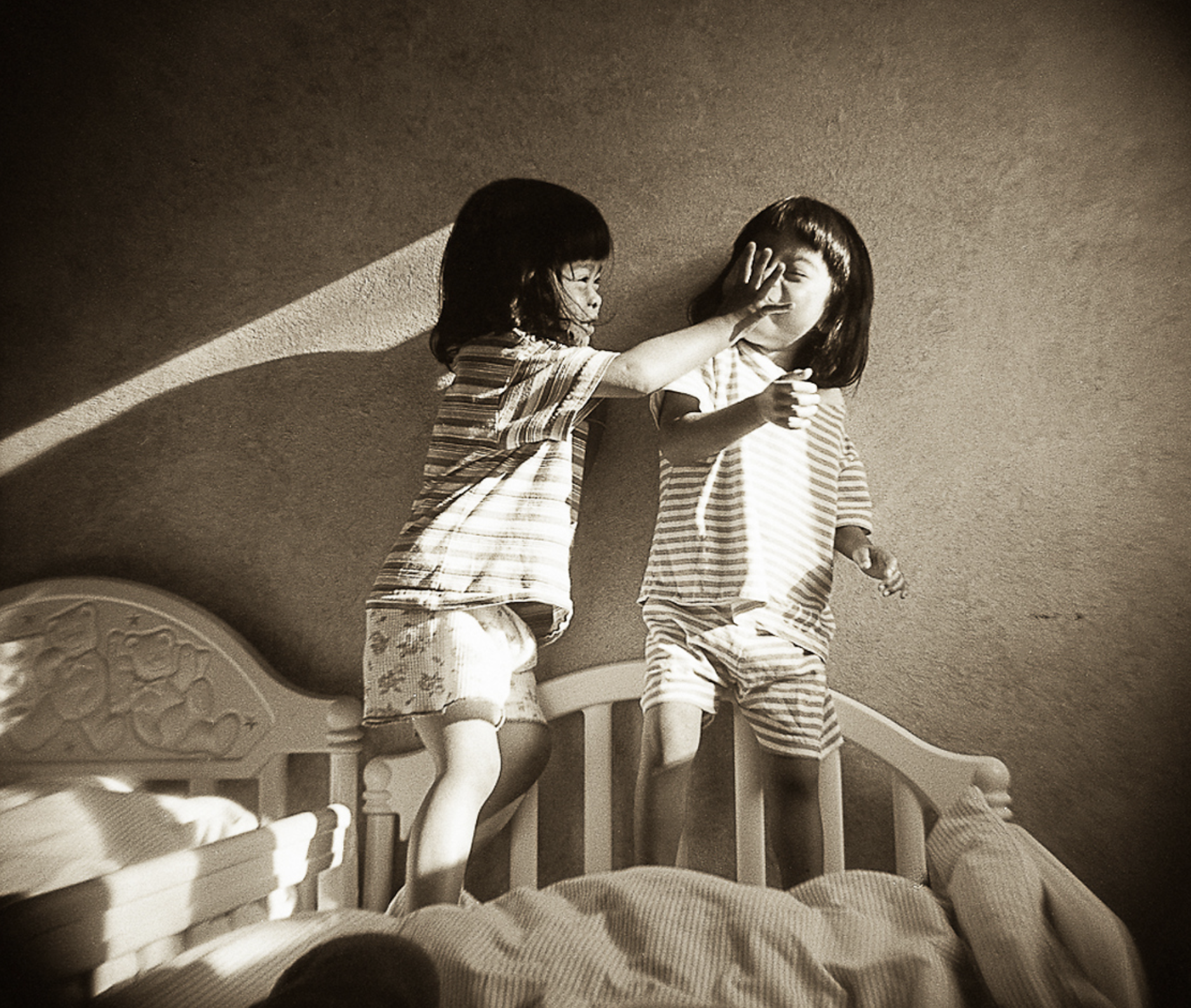
And speaking of personal, big shout out to Christina Angarola Hsu, who had images of her triplet girls, in the years before two of them took extremely ill.

She only showed me photographs from a segment of their lives, and said she hadn’t been shooting for quite some time. I asked her if she had more, and if she’d consider shooting again, so we could see the girls now that they’re older, and thankfully healthy again.

Christina dug into her archive so I could show you this terrific selection today. Keep shooting, Christina! And I’ll bring you guys Part 2 next week.

The Art of the Personal Project: Donato DiCamillo


The Art of the Personal Project is a crucial element to let potential buyers see how you think creatively on your own.  I am drawn to personal projects that have an interesting vision or that show something I have never seen before.  In this thread, I’ll include a link to each personal project with the artist statement so you can see more of the project. Please note: This thread is not affiliated with any company; I’m just featuring projects that I find.  Please DO NOT send me your work.  I do not take submissions.

Today’s featured artist:  Donato DiCamillo

The Fringes

Like many of my photographs, these photos represent slices of humanity seemingly living without filters. In most cases they’ve become comfortable in what others may say are outside the norm.

To see more of this project, click here.


Born in Brooklyn New York, Donato Di Camillo is one son of three siblings born from Italian Immigrant Parents.

As a child Donato suffered behavioral problems with anger, he would soon be expelled from school at the age of sixteen for violence, then finding himself in and out of behavioral institutions and jails.

Ironically Donato became intensely interested in photography while serving out a federal prison sentence in Petersburg, MCI, Virginia

“I was always interested in magazines like National Geographic and LIFE. When I was a child I used to dream about being on adventures,

exploring, always fascinated about other cultures in different parts of the world”

Since his release in 2012 Donato taught himself to use a camera while being on home confinement. At first he photographed, bugs, plants or anything else within the 120ft of his home, which he was restricted to.

Donato was featured in multiple publications and news broadcasts around the world, such as, BBC, Washington Post, CBC, Huffington Post, and was invited to speak at the prestigious HEARST magazines annual summit.

Di Camillo continues to focus on people and plans to put out his first book late 2017. He currently resides in Staten Island, N.Y.

APE contributor Suzanne Sease currently works as a consultant for photographers and illustrators around the world. She has been involved in the photography and illustration industry since the mid 80s.  After establishing the art buying department at The Martin Agency, then working for Kaplan-Thaler, Capital One, Best Buy and numerous smaller agencies and companies, she decided to be a consultant in 1999. She has a new Twitter feed with helpful marketing information because she believes that marketing should be driven by brand and not by specialty.  Follow her at @SuzanneSeaseInstagram


Scam Alert: Fake Magazine Shoot (Departures, W, Others)

A new scam has been making the rounds with photographers. I’ve pasted the full text below so it will show up in searches. It follows scams in the past where they overpay then ask you to deposit the check then send part of the payment to other people or even return part as an accidental overpayment. It sounds like the scammer in this instance is posing as a producer and meeting up with photographers to collect the deposit for talent. The checks take a while to get rejected by your bank and so it’s too late by the time you’ve paid the producer or talent out of your own pocket. Be careful out there.

UPDATE: Here’s a picture of the check someone received:


UPDATE: Here’s the latest letter

From: Michael Beckert <beckertmichael65@gmail.com>
Date: January 24, 2019 at 5:13:56 AM EST
To: undisclosed recipients <beckertmichael65@gmail.com>
Subject: Inquiry for your photography services</beckertmichael65@gmail.com></beckertmichael65@gmail.com>

Hello,

I’m Michael, a fashion and lifestyle writer and editor at Wmagazine.com. I saw your profile on workbook.com which led me to some of your work online and after going through your portfolio, i would like to learn more about your services.

I am working on a new project for the new year and I’m compiling shots for www.wmagazine.com “fashion page” segment and would love to collaborate with an experienced photographer on genre such as beauty, vintage, art, lifestyle, and outdoor.

As the photographer on this project, you will concept, shoot, and produce 24 images, featuring 2 models. You will be required to work with a hair/makeup artist and a wardrobe stylist, and bring a smart, fun approach and distinct style.
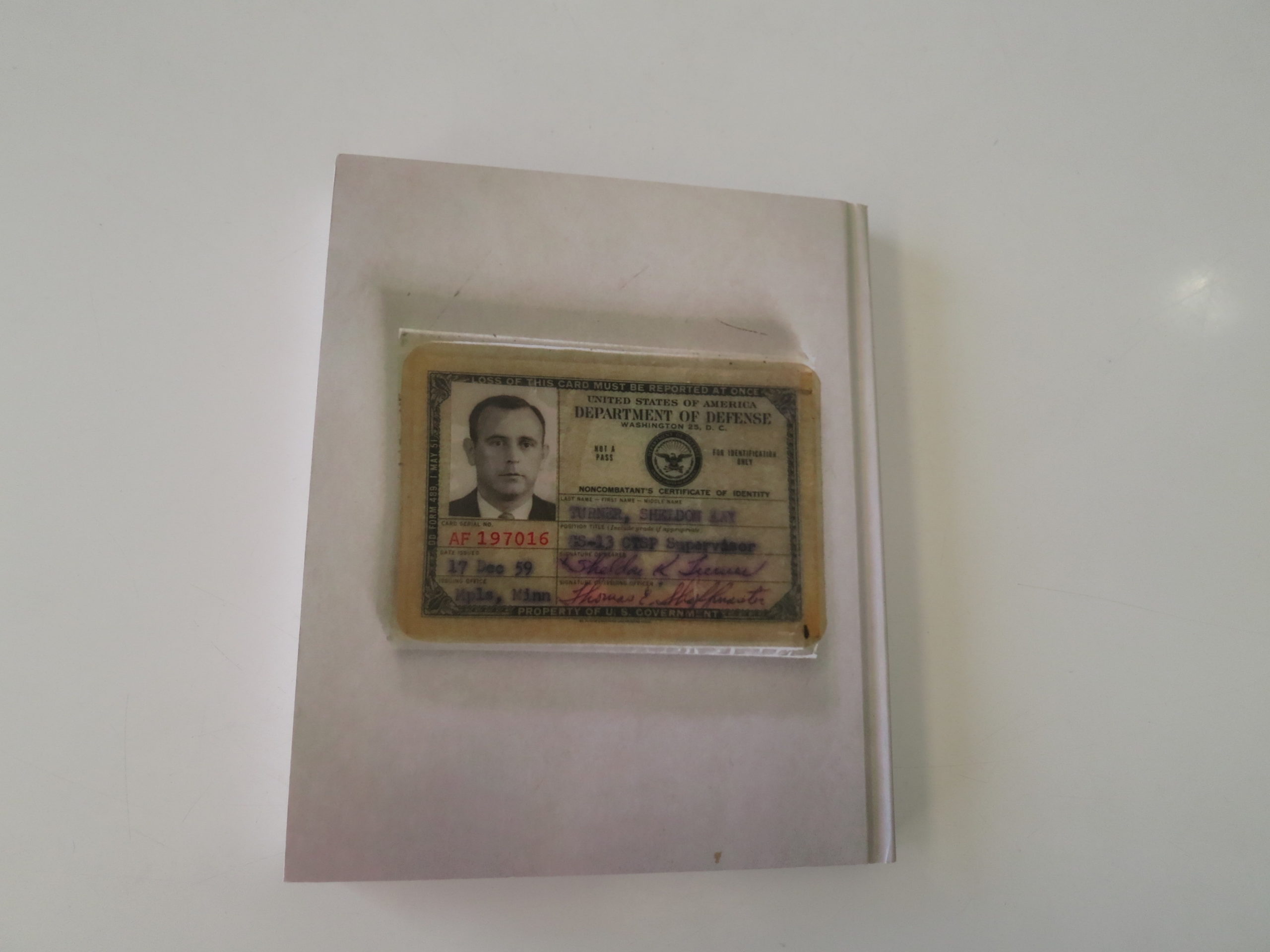
Please check the link below for some samples of my previous work and the attached PDF for full job description and let me know if you find the project interesting and would like to know more.
https://www.wmagazine.com/gallery/suburbs-fashion-inspiration

https://www.wmagazine.com/gallery/chanel-metiers-dart-collection-new-york

Warm Regards

Michael Beckert

Hello,

I’m Jason, a fashion and lifestyle writer and editor at Departures.com. I saw your profile on workbook.com which led me to some of your work online and after going through your portfolio, i would like to learn more about your services.
I am working on a new project for the coming year and I’m compiling shots for www.departures.com “fashion page” segment and would love to collaborate with an experienced photographer on genre such as beauty, vintage, art, lifestyle, and outdoor.

As the photographer on this project, you will concept, shoot, and produce 24 images, featuring 2 models. You will be required to work with a hair/makeup artist and a wardrobe stylist, and bring a smart, fun approach and distinct style.
Please check the link below for some samples of my previous work and the attached PDF for full job description and let me know if you find the project interesting and would like to know more.
https://www.departures.com/fashion/style/stockholm-menswear

https://www.departures.com/fashion/kith-versace-nyfw

Warm Regards

Jason Sheeler

——————

Job Title: Freelance/Independent Photographer needed for a Fashion Shoot
Job Type: Contract/Freelance

Departures, one of the world’s fastest growing fashion and lifestyle media brands, is looking for a professional model/fashion photographer to produce an independent outdoor/indoor fashion photo shoot for the magazine’s fashion and style contents (web, Facebook, Instagram, and YouTube). The Photographer will shoot with our wardrobe stylist, two models and H/MUA. To be considered you should be experienced on genres such as beauty, fashion, portrait, vintage, art,
lifestyle, and outdoor.

Job details:
1. You will be required to work with 2 models (male & female), H/MUA and a wardrobe stylist.
2. There will be 3 outfits per model, 4 images for each model and outfit, which totals 24 images
3. Outfits/Wardrobe will be supplied by us
4. Shoot budget: $6,400
5. Photographer’s compensation: $2,300 ($800 upfront; and $1,500 balance payment).
6. Talents’ compensation: $4,100
7. You will hold full image right (Licensor)
8. Images will be posted as an editorial content on www.departures.com for 12 months

Deliverables:
1. We want 24 professionally taken pictures in High Res Digital Copies
2. Editorial Web Large images: 1080p
3. Image type: JPG
4. Transfer method: Fileshare or Dropbox
5. Images delivery deadline: January 15th, 2019.

Responsibilities:
1. Photograph six to eight hours outdoor fashion shoot
2. Produce focused images for use online.
3. You will evaluate and pick your Location, date, and shoot time
4. All editing/post production will be handled by photographer (little retouching)
5. After the shoot, photographer will upload the top 30-35 photos for the client to choose from
6. Contact and work with a recommended talents’ agent for the shoot

As the photographer we want you to handle other aspect of the gig and dictate the creative direction.

If this seems like a project you would like to work on, please reply for more details.

The Daily Edit – Variety: Art Streiber


Variety

Creative Director: Robert Festino
Photo Director: Jennifer Dorn
Deputy Design Director: Jennie Chang
Managing Art Director: Cheyne Gateley
Photographer: Art Streiber

Heidi: Were you star struck?
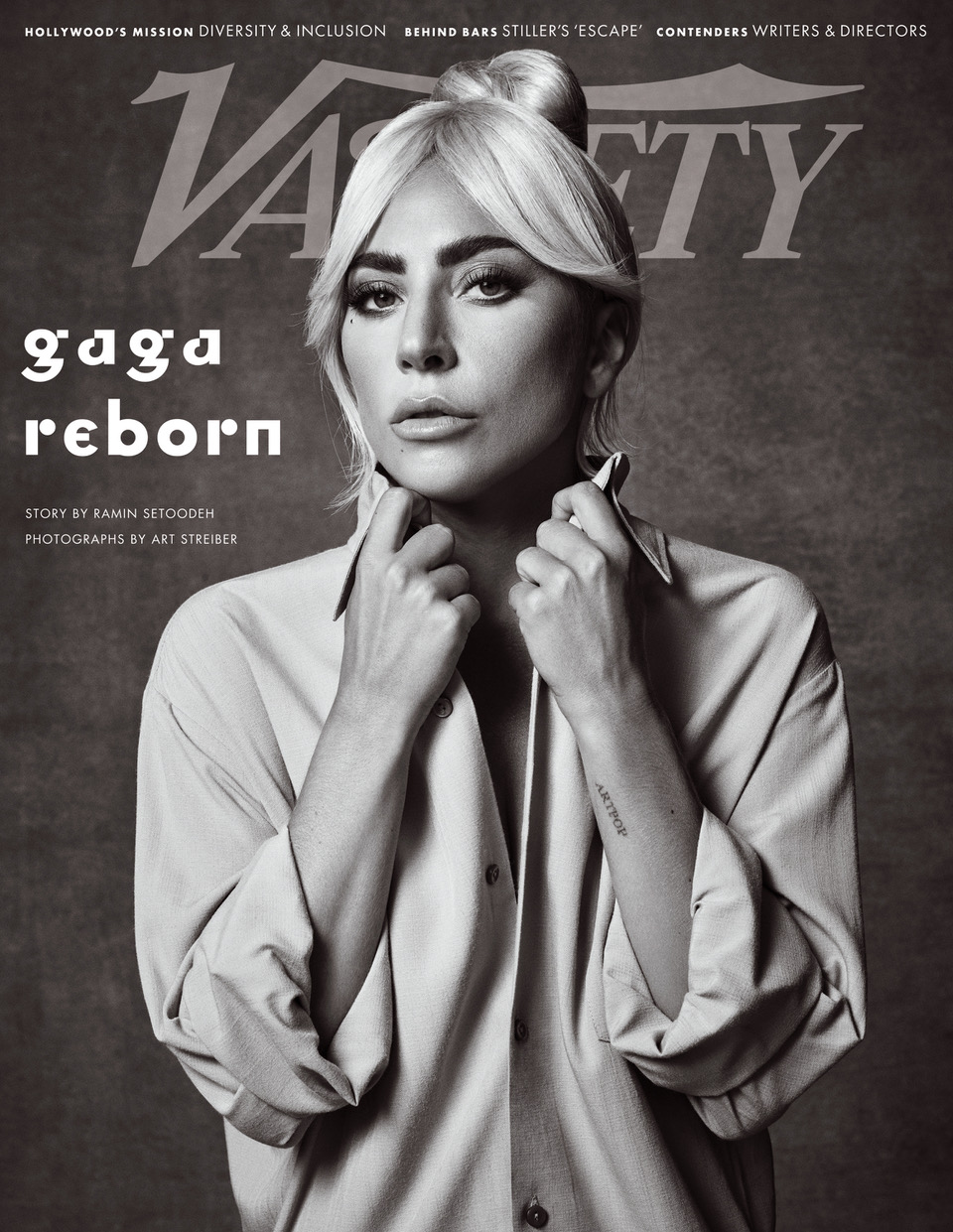
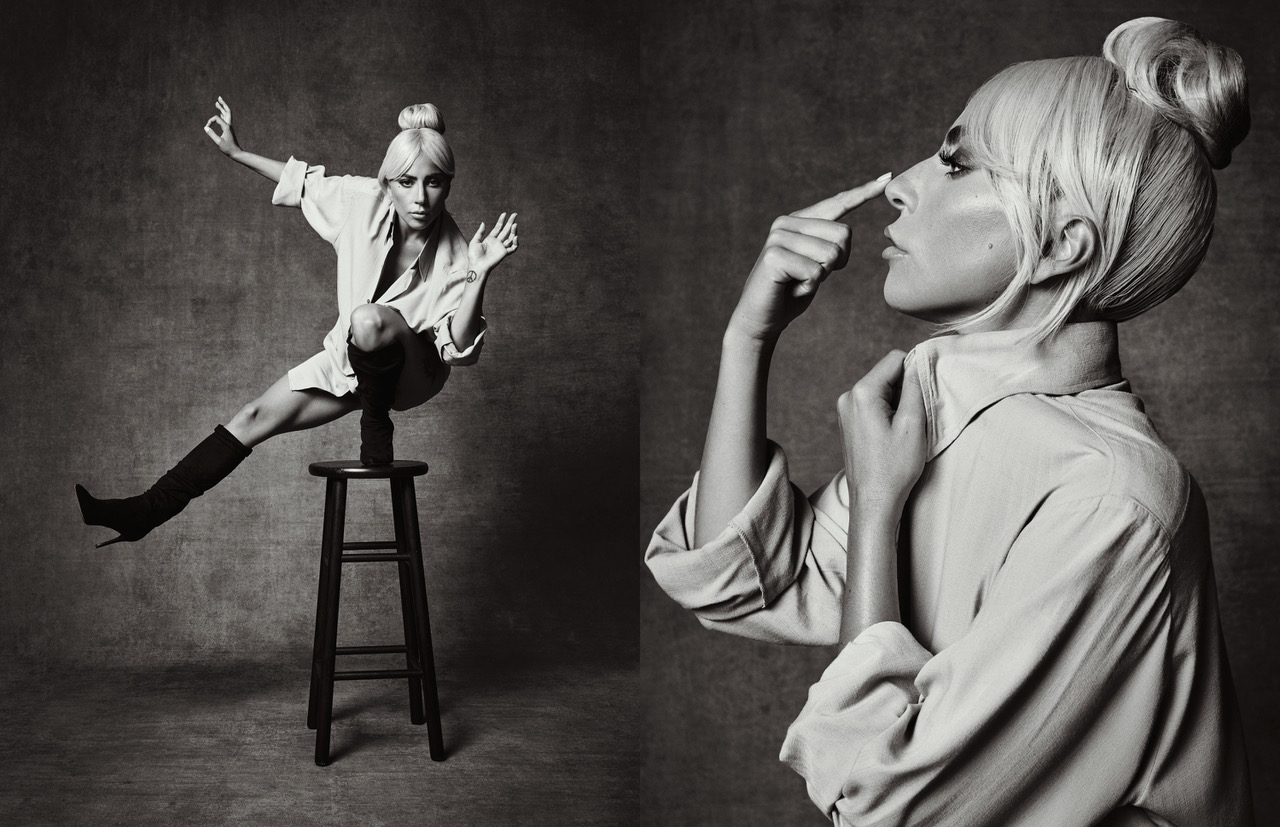
Art: Going in, I was a bit concerned about Gaga’s star power and how that might manifest itself; we were shooting in her garage, on her terms, and I really didn’t know which way the shoot would go.

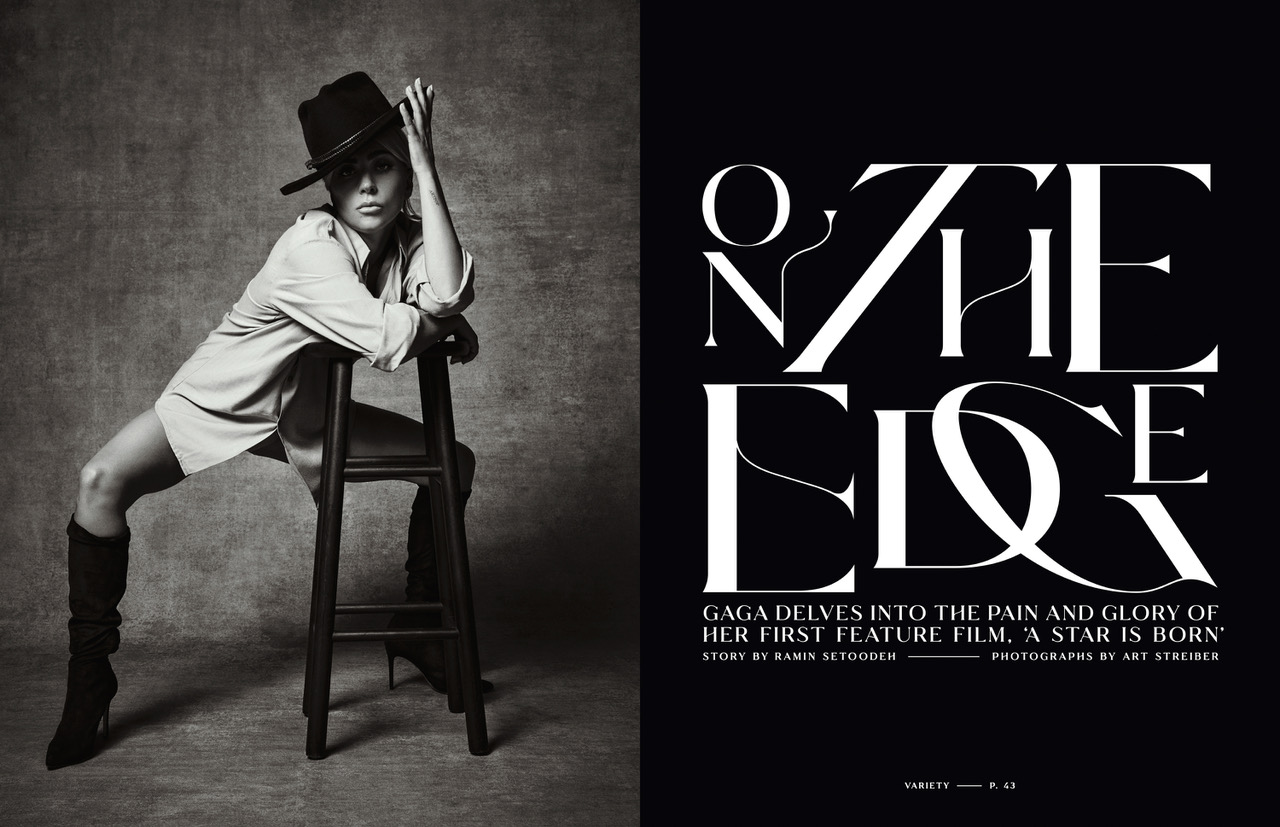
But from the second she introduced herself (hours before we started working) wearing sweats and no makeup, I was immediately put at ease.  She was phenomenally collaborative and as she perched and balanced on a 4-foot wooden stool wearing 4-inch stilettos, her team said nothing…allowing her to move, pose and perform for the camera.

What stood out for you for this shoot?
This shoot is really an excellent example of the power of editorial photography and how great imagery can result from just one light, a backdrop and an endlessly giving subject. It’s so easy for us to get sucked into a “more is more” workflow and I have to remind myself that sometimes, all you need is one light…and no fill.

Did you always see it in black and white?
Yes…I always saw this in black and white.  And after taking to her about how she wanted to approach the shoot, stripped down, simple and unadorned, it confirmed my feeling that rendering the images in black and white was the right thing to do.

What was the conversation on set about?
After Gaga stepped onto the backdrop, it was really all about the photos.  Our give and take was effortless; she’d lead and I’d make suggestions, then I’d direct and she’d tweak my direction.  Then she’d make a move and I’d ask her to adjust.  Over the course of our shoot she took two breaks to take a look at the monitor, review what we’d accomplished, and improve on what she’d done.

You have an enormous body of celebrity work, what made this one different?
What made this shoot different and unique was how Gaga performed for the camera, how much she gave, and how she continued to push and explore for 40 straight minutes. The bottom line is that Gaga cared about making great photos.

How did the concept for the shoot come about?
Two weeks earlier, we had photographed Bradley Cooper, his DP, Costume Designer, Production Designer and his Editor, and we were supposed to have photographed Gaga with that group…but she was sick and didn’t make it. We photographed Cooper and his team on a Schmidli backdrop, in black and white with a single light source. Creative Director Robert Festino, Photo Director Jennifer Dorn and I were going for a 70’s-rock-band-group-shot look…a la Fleetwood Mac. So…we had the “one light on a grey backdrop” look in our back pocket two weeks later when we were set to photograph Gaga.
We arrived at her house in Malibu, not really knowing what direction the shoot would take.  Variety was featuring her on the cover and I thought we had to go “big” and “glam”.   We walked the property and considered photographing her with one of her horses. But ultimately we landed on just sticking with the backdrop and it was Gaga who suggested that she just wear one of the shirts that Bradley Cooper wears in the movie…and a pair of knee-high stilettos.

Did you feel you were shooting her character or her?
No question…I was photographing Gaga, but I was photographing that day’s incarnation of Gaga.  My feeling is that her character in the movie is as close to “Stephanie” as she gets when she’s in front of a camera.  When she’s photographed, she takes on a version of her persona; she decides what she wants to wear and how she wants her hair and makeup done…and that’s it. About 25 minutes into the shoot, after looking at a few images on the monitor, she turned to everyone and said, “I’m going to go get a hat…I’ll be right back.”  She returned with a black bolero which she used as the perfect exclamation point to the rest of her outfit.

Tell us put the image with her finger on her nose.
Another collaboration.  I asked her to go into a profile and once there, she very slowly ran her index finger down the length of her nose.  All I could do was try to keep up.

How much time did you have?
We were told we had an hour with her…but after 20 minutes we had an incredible array of imagery…and we kept going for another 20 minutes.  And from 1438 frames I turned in 99 First Selects.


The Daily Promo – Rob Daly

Rob Daly

Who printed it?
I researched quite a bit and decided on Mixam, an online service. It was fast, affordable, and I am quite happy with the quality.

Who designed it?
Myself and my assistant, Art Davison, designed it in Photoshop and InDesign.

Tell me about the images?
This particular promo was created with the specific intention of sending to photo reps and advertising agencies. I’m actively looking for a new agent, so this is a good opportunity to share some current athletic and fashion campaigns that I feel is a good representation of how I shoot fashion, movement and portraiture with an editorial and advertising direction.

This selection of images has an element of restraint and ease, yet are also dynamic and explosive. I wanted to include both studio and location work, with clean technical proficiency and strong compositional value. When I look at this collection, I first and foremost feel so grateful for the incredible individuals I get to work with that give so much of themselves, as well as the talented teams I’ve had the honor to work alongside. However, I also feel I have already grown so much, that these images represent the starting point for what I do next. My intention is to create timeless, unique imagery, while continually pushing myself to go beyond my comfort zone.

I find the shoots that are most satisfying are those where I shoot for the client, but honor my journey as a photographer and push the limits that ultimately create growth as both a photographer and an individual. It’s easy to get caught in the act of comparison with thousands of images thrust upon us every day. As photographers, I feel one of the most important things is to respect your unique journey and find your own vision… because at the end of the day, do you just want to create some pretty pictures or do you want explore what is unique to you and only you?

How many did you make?
I started out with 50, mailing some and hand delivering most of them myself when I was shooting in NY.

How many times a year do you send out promos?
To be honest, this is one of the first ones in a long time. I am guilty of being a perfectionist, which tends to delay things like this promo getting out the door. I am acutely aware of how it holds me back and is something I want to work on.

Do you think printed promos are effective for marketing your work?
I absolutely believe so. Anyone taking a break from their screens and looking at beautiful, tangible imagery has to get noticed. I have gotten a lot of great feedback from this particular promo. I also think so much is learned from the simple act of creating the promo. You are forced to objectively look at your portfolio, identify what you feel are the best images for the purpose, which often brings light to what your portfolio is missing, where improvements can be made and most importantly, what direction you want to work towards.