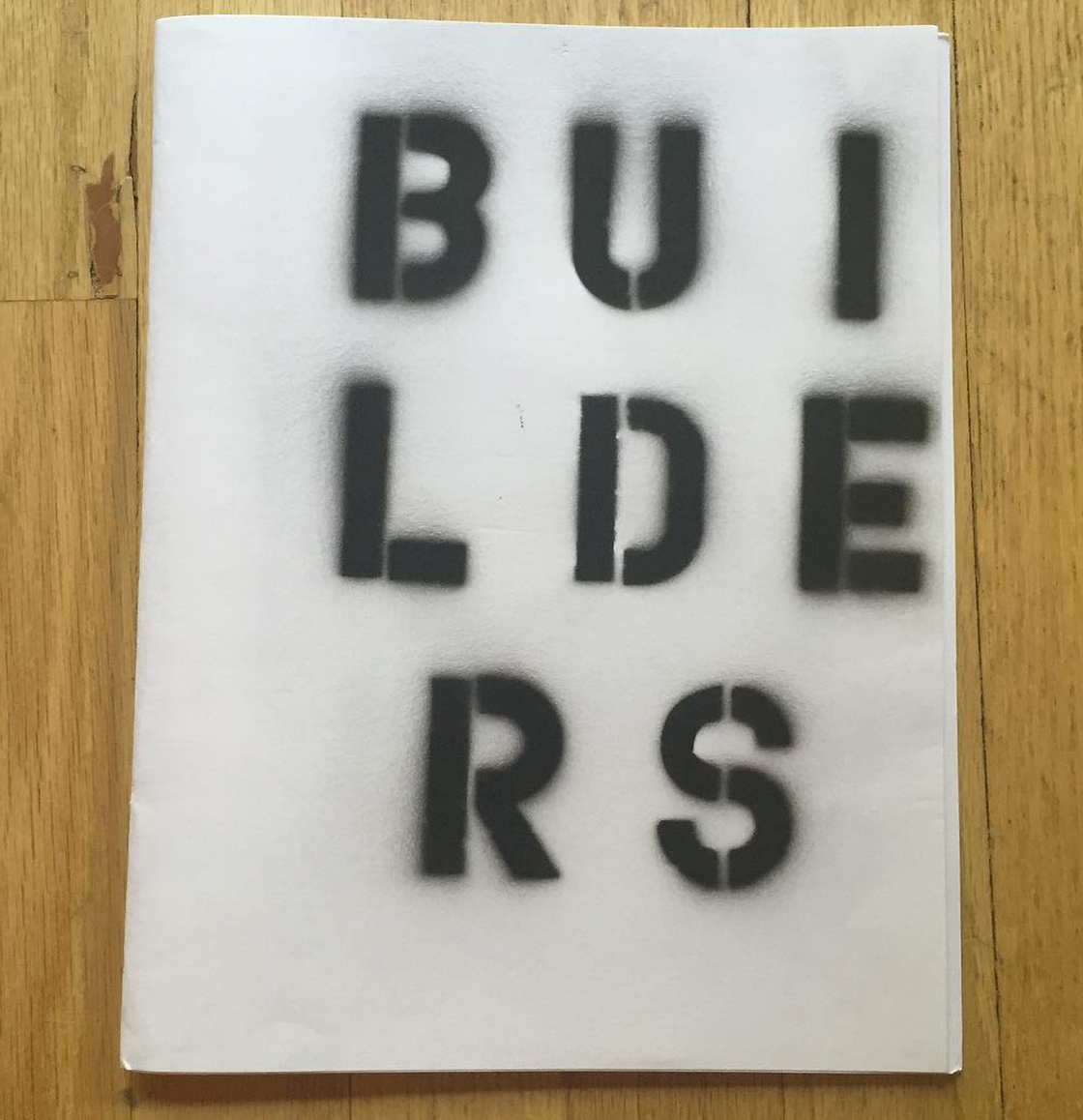
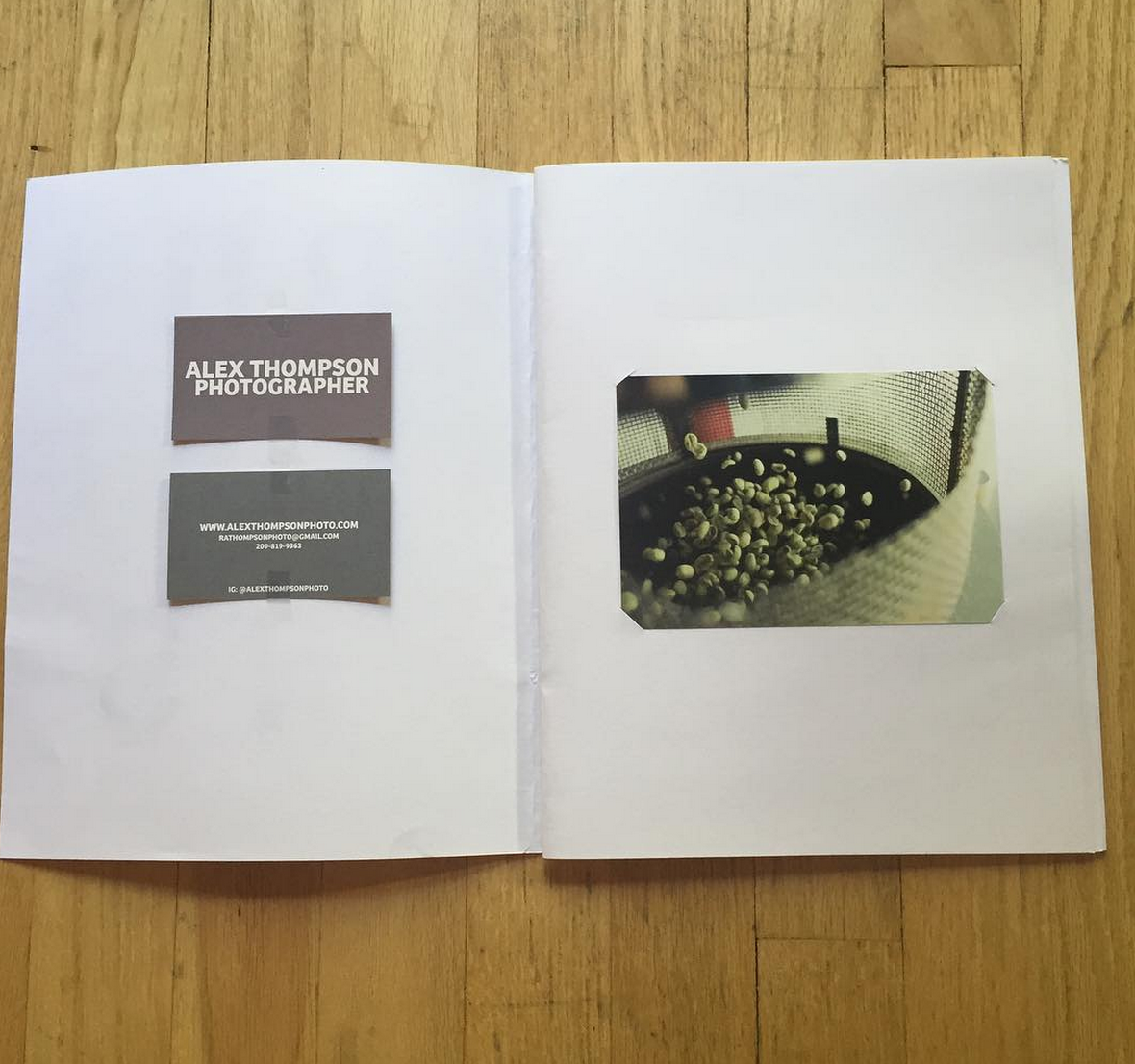
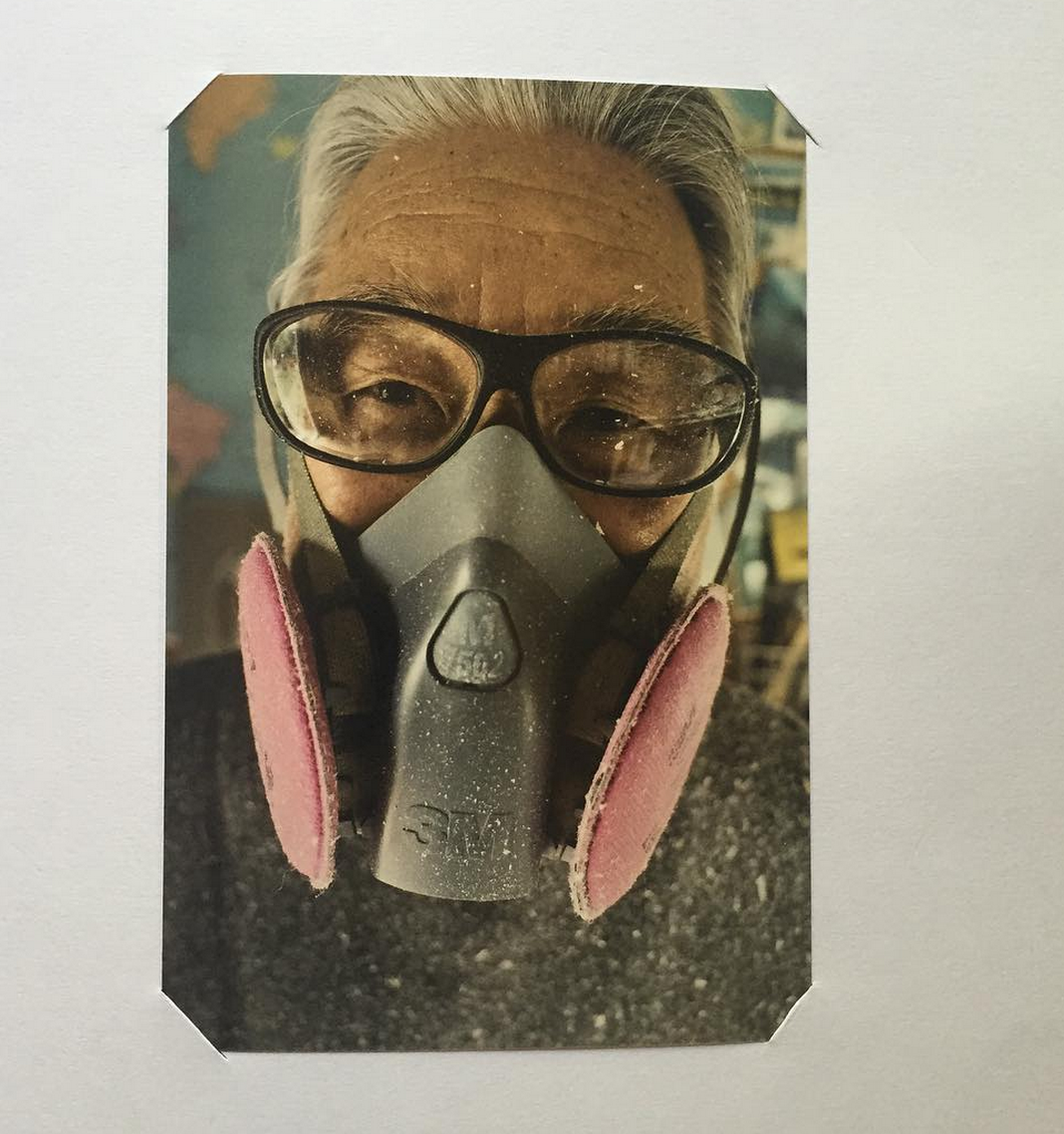
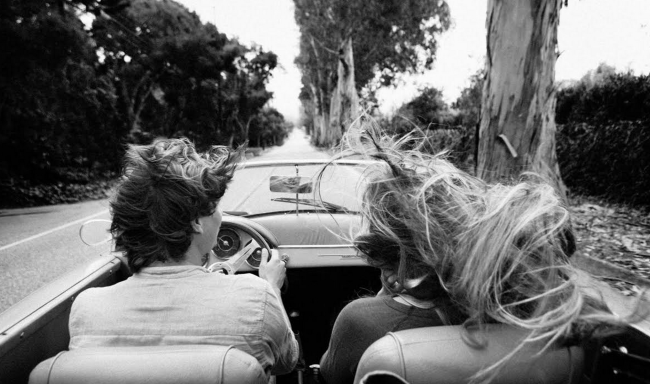
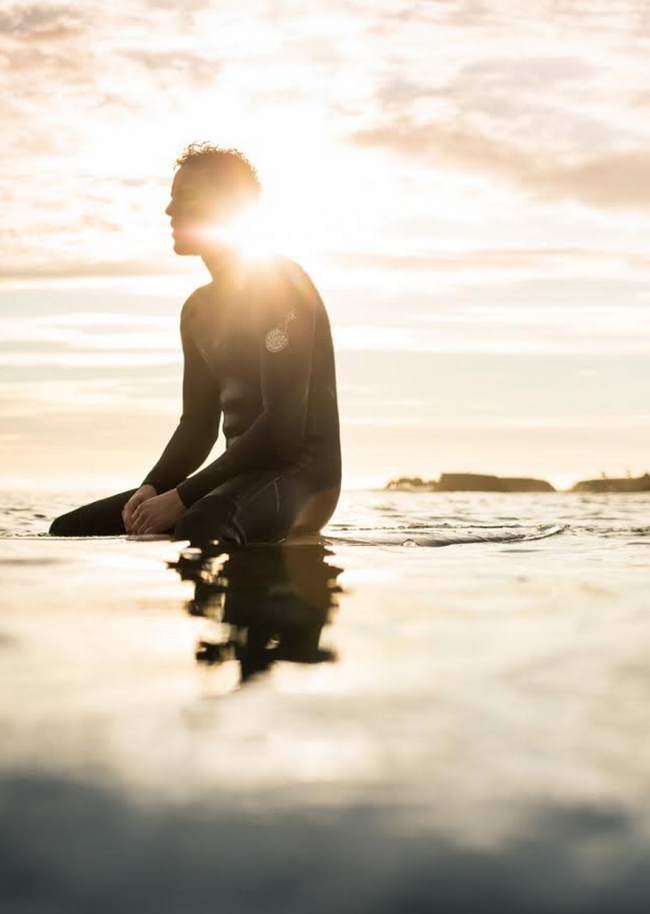
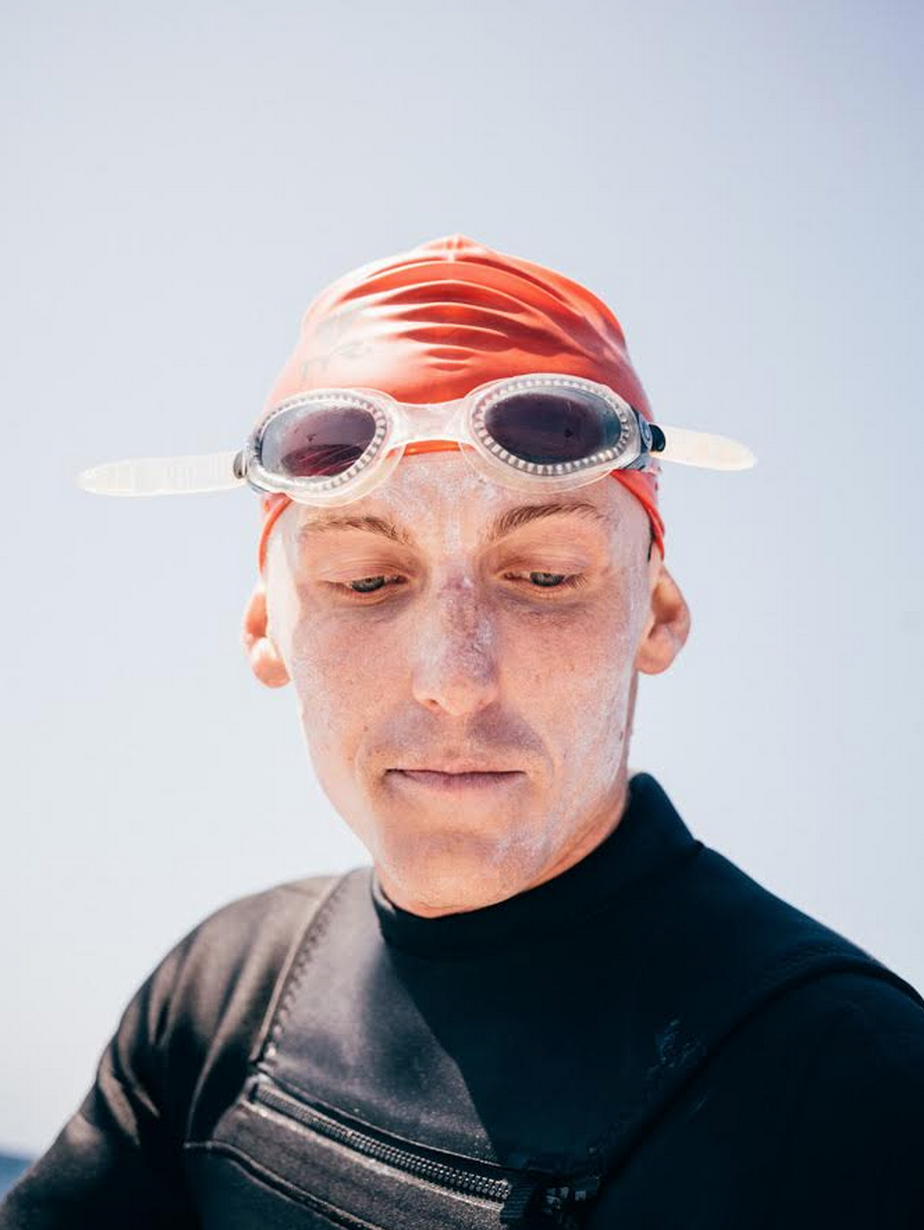
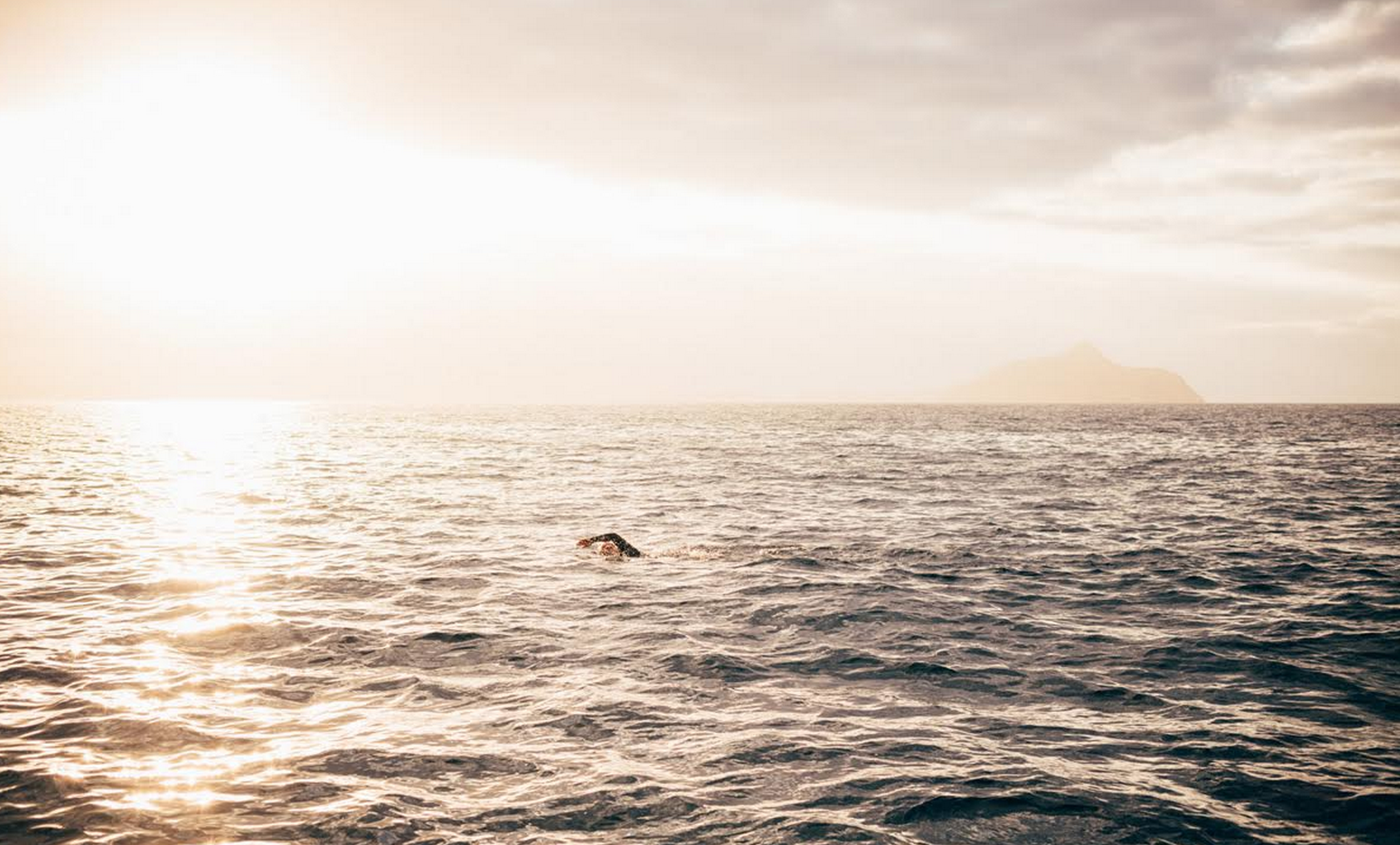
The Daily Promo: Alexander Thompson

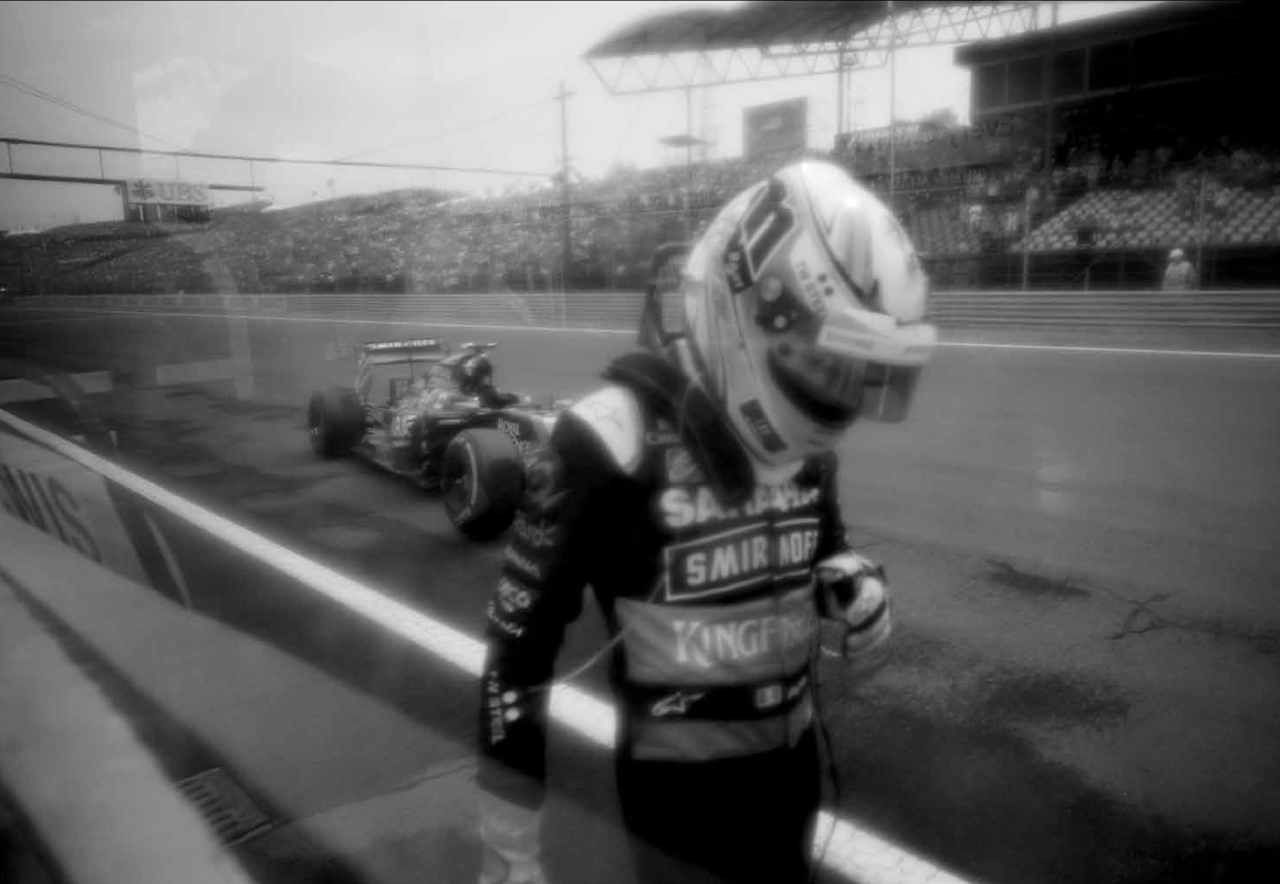
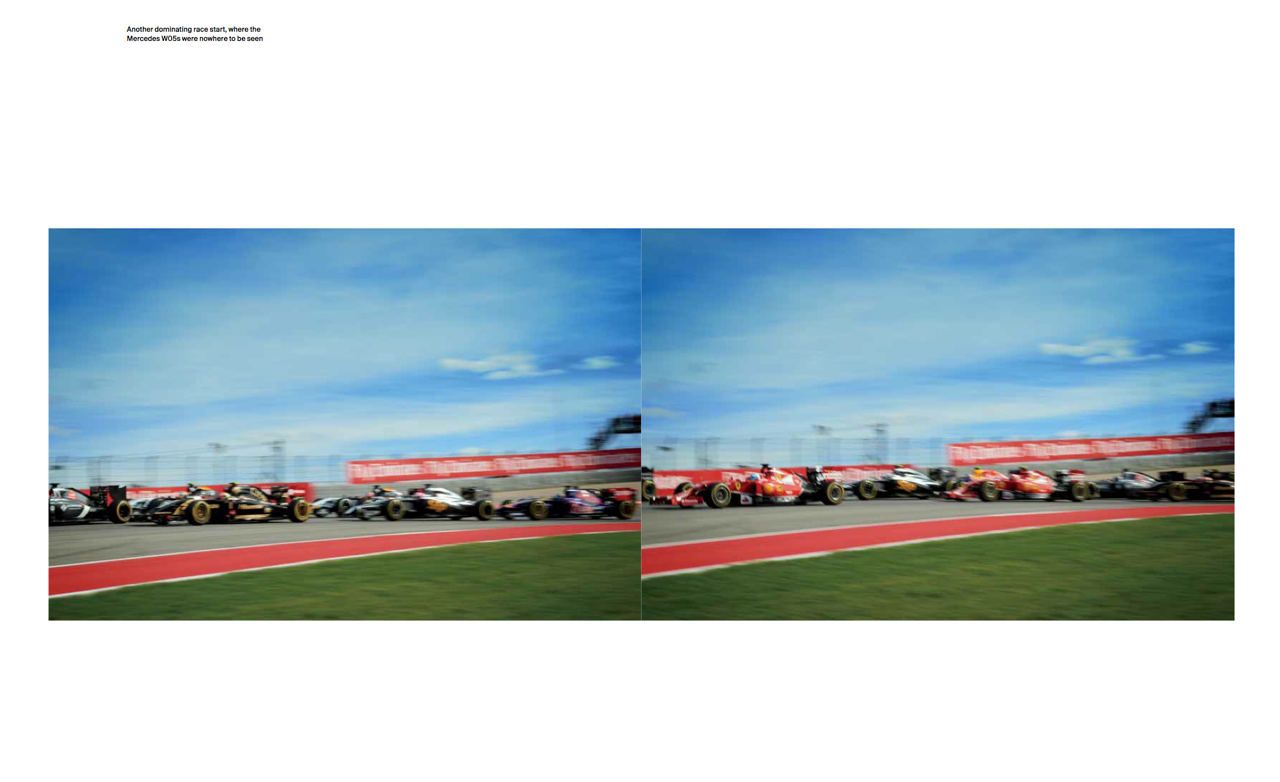
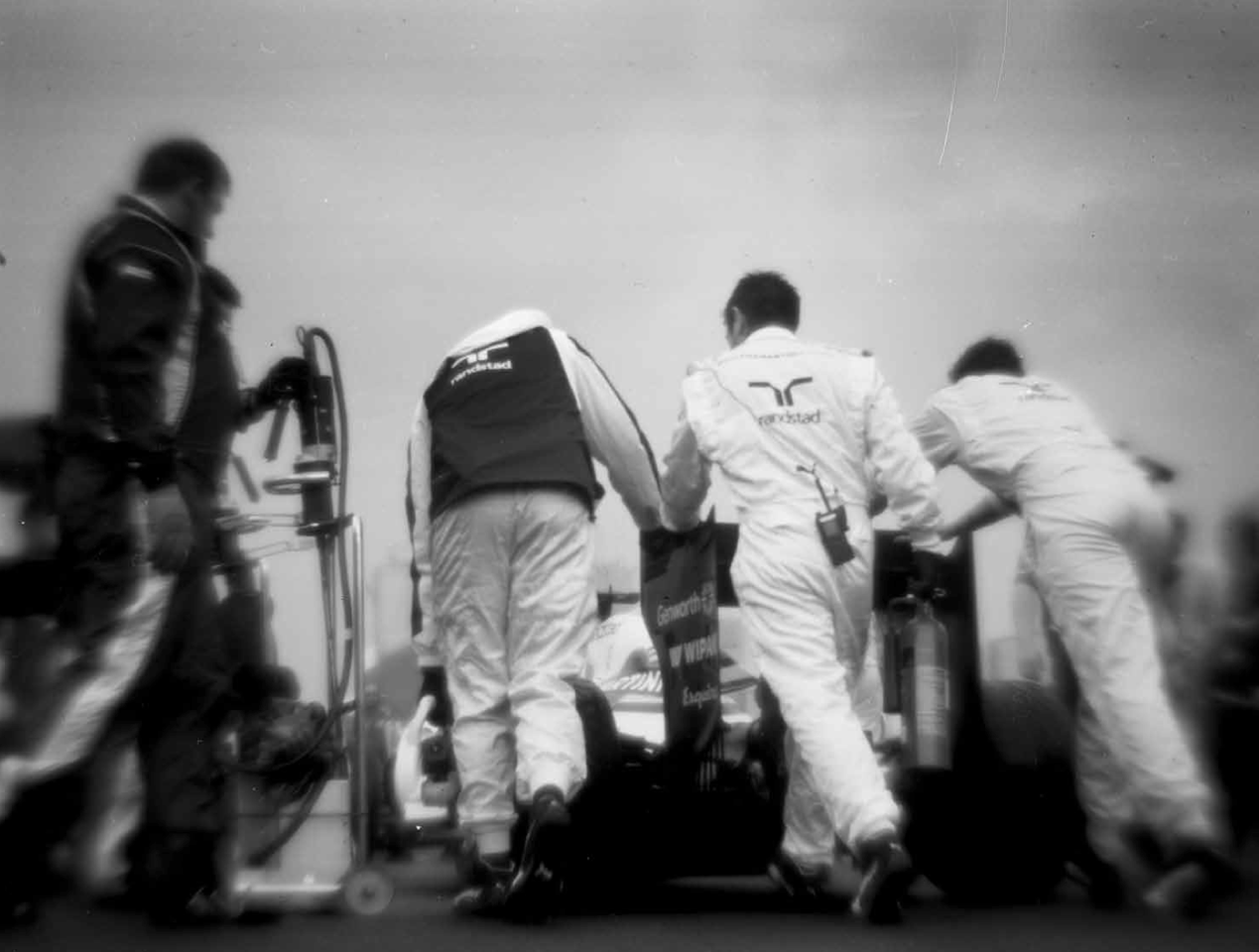
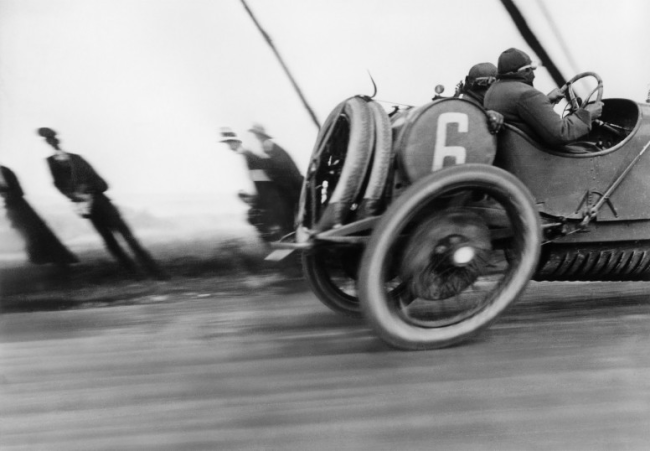
Screen Shot 2015-09-17 at 12.49.09 PM Screen Shot 2015-09-17 at 12.49.14 PM Screen Shot 2015-09-17 at 12.49.19 PM

 Alex Thompson 

Who printed it?
I had the photos printed at Samy’s Camera, here in Los Angeles. All of the images are printed on Fujicolor Professional matte photo paper. I cut small slits into the pages of the book in order to fit the photos in.

Who designed it?
I did all of the editing and design for the promo. Although, I initially got the idea from photographer Jody Rogac. In a video, she pulled out a similar looking book of Polaroids with the corners taped down. There were quite a few other differences but the basic idea of a DIY book filled with actual prints, as opposed to images printed directly on the paper, was based on her own. I knew I had to make a book myself in order to keep the spirit of the project alive.

How many did you make?
For this run, I only made 20 books, including the books I promised to those involved. I wanted to keep the recipients to a minimum in order to create a more exclusive feel and also, to show that those who received it, are important to my development as a photographer or inspire me in some way. Basically, I wanted this promo to come across as more personal than, say, a postcard would.

How many times a year do you send out promos?
Previously, I would send out a medium sized postcard every 3-4 months but I’m currently experimenting with monthly postcards and quarterly book promos, such as the Builders book. Possibly a Year-in-Review book too!

Tell us about how this project got started.
The project as a whole was inspired kind of out of nowhere. I was exploring many different possibilities for a personal project but nothing really stuck until I had the idea of shooting a model here in Los Angeles working on cars in his garage (he also rebuilds/sells classic BMWs). That never happened but it got the ball rolling and I started to reach out to any creators here in LA that I thought were interesting. One of the first to get back to me was Guy Okazaki who builds these really amazing surfboards in Venice. After working with him I reached out to my friends Andy and Kellen of Bicycle Coffee LA and got to shoot their roastmaster Mike making some of the best coffee here in LA. The third part of the series took quite some time to shoot because it was with probably one of the busiest bike shops in LA, Golden Saddle Cyclery. I worked with Woody, one of the owners of the shop, and photographed him building a touring bike from the ground up. Overall, it’s been a really fun experience and I’m excited to keep the project going. I have a lot of really cool ‘Builders’ lined up to work with and I can’t wait to learn about their processes.

Screen Shot 2015-09-17 at 12.49.27 PM

Alexander Thompson

This Week In Photography Books: Gerry Badger

by Jonathan Blaustein

I’m going to Chicago this week. As such, I’m writing on a Sunday. Absolutely unprecedented, but what can you do?

That’s life these days, in the throes of the 21st Century Hustle.

Ironically, one of the reasons I’m headed to the Windy City is to deliver a lecture on just that subject. (12:30pm Sunday at the Millennium Knickerbocker Hotel.) I’ll also be reviewing portfolios at the Filter Photo Festival, so you can look forward to seeing some cool projects in October/November.

Honestly, the 21CH gets me down sometimes, even though I publicly espouse it. Doing lots of things, and trying to do them well, is a viable strategy for cobbling together a decent income, but it’s trying on the soul.

It’s not a bad thing, working more. Not at all. But being an artist does require the occasional day of sitting on your ass, thinking about things. Or nothing at all. Every now and again, you DO have to get bored to come up with new ideas.(Counterintuitive, I know.)

That said, my life has never been better. My wife and kids are healthy and happy. The career is doing fine. So what if I’m tired all the time?

It could be a lot worse.

That’s the thing about perspective, though. If we had it all the time, we’d never need to find it again. We wouldn’t be human if we didn’t occasionally lose ourselves in the caverns of our own minds. Fortunately, it’s one thing we can always look to art for: the chance to appropriate someone’s vision, to understand their worldview through their creations.

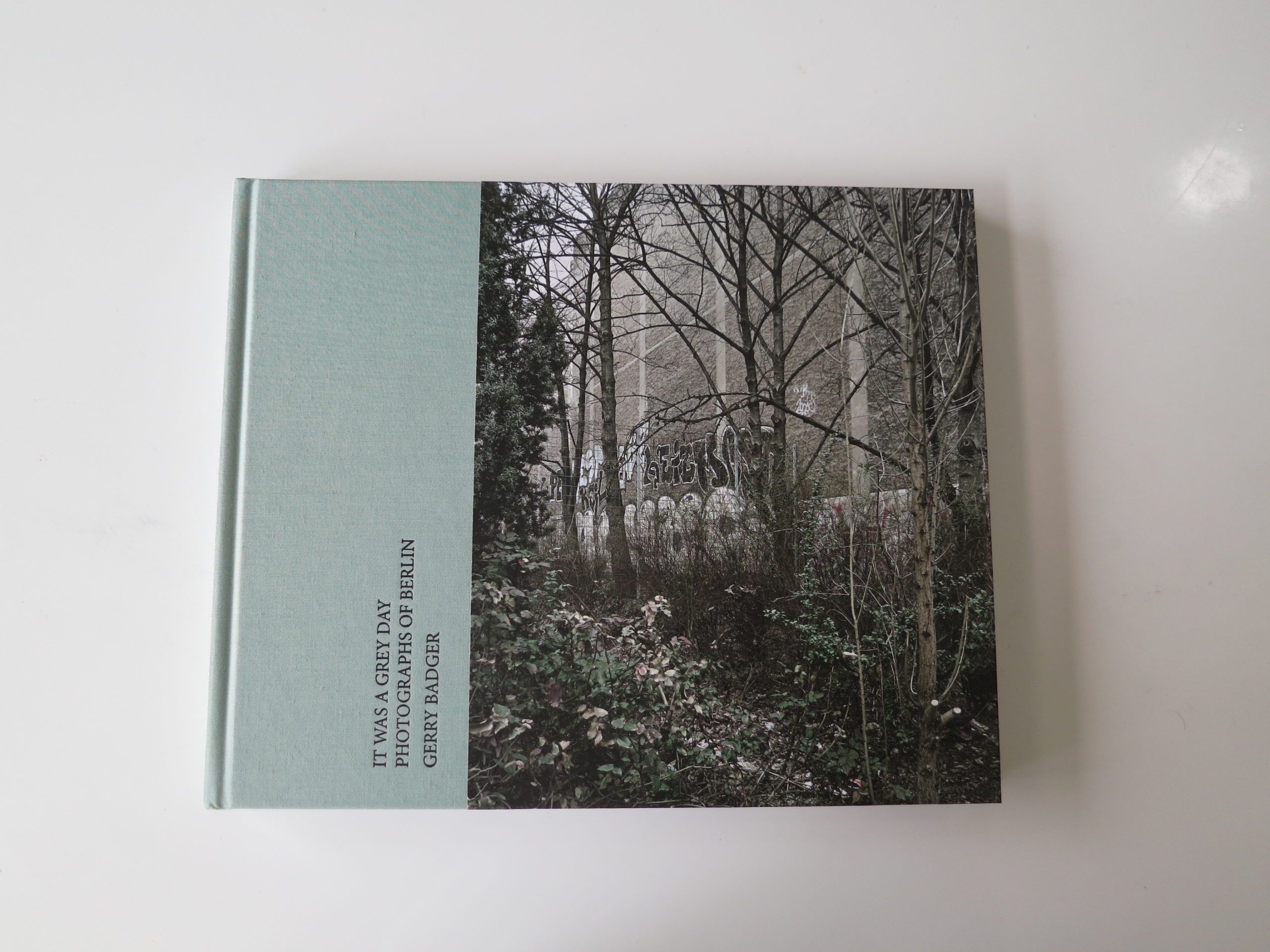
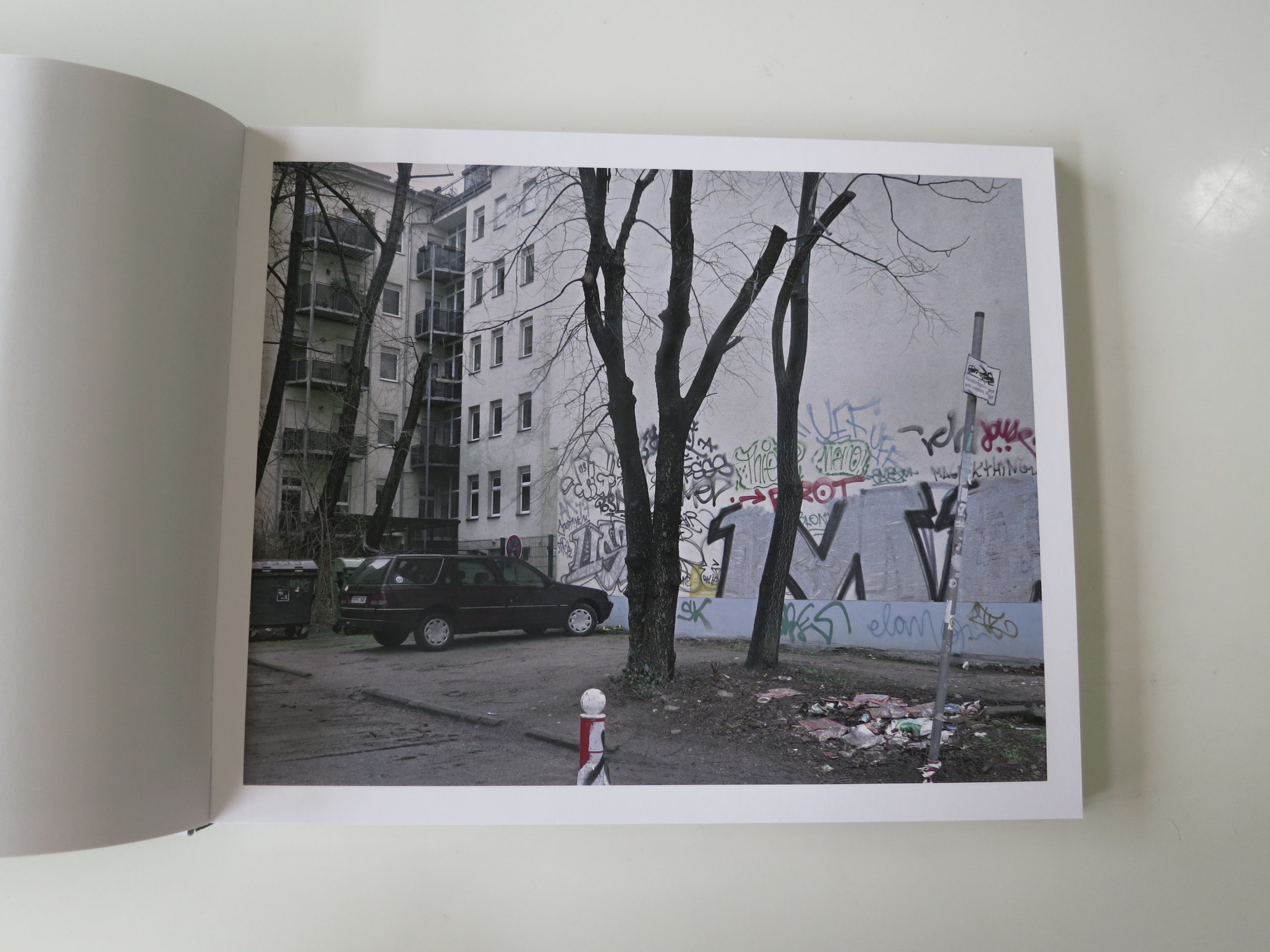
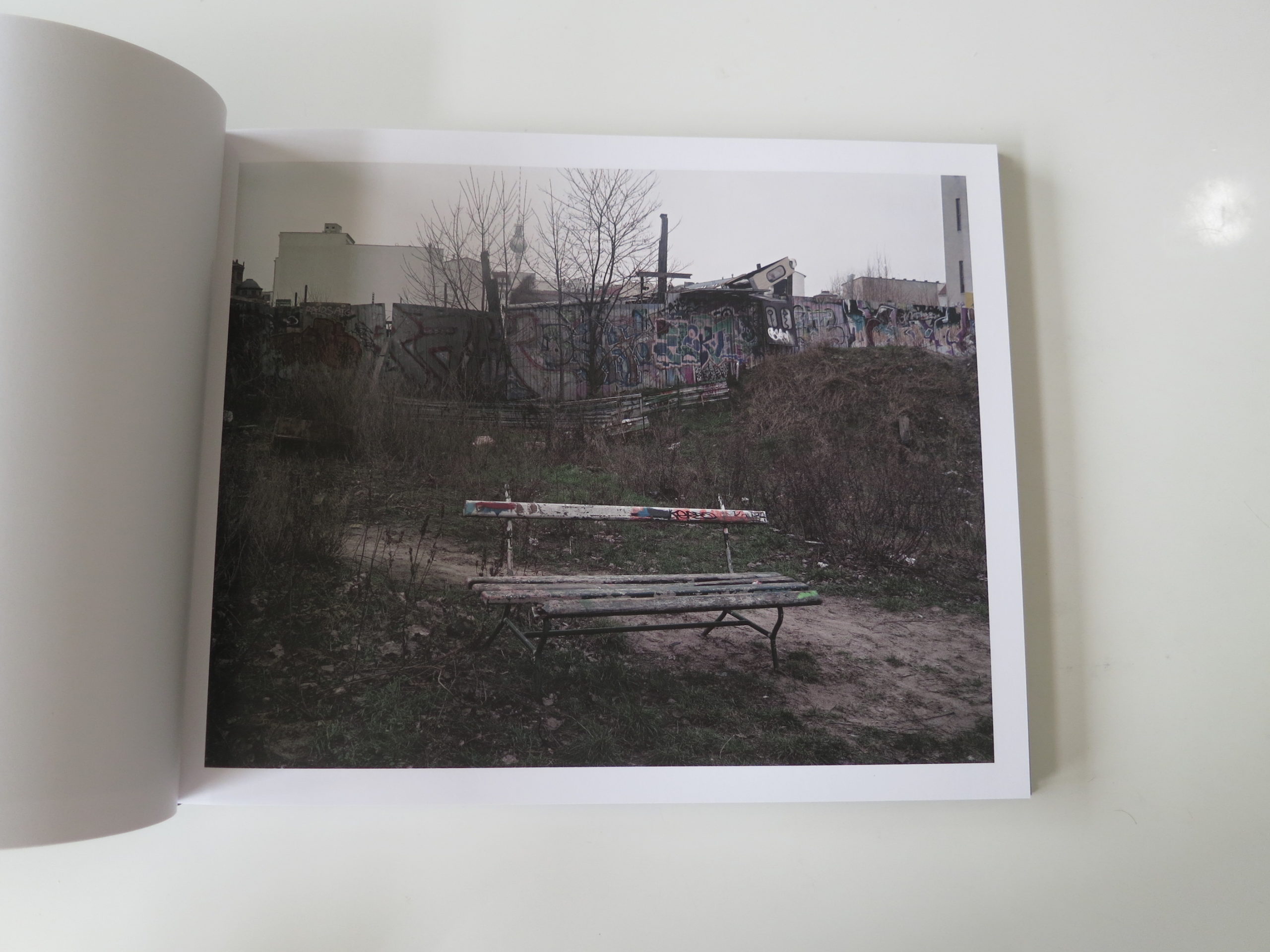
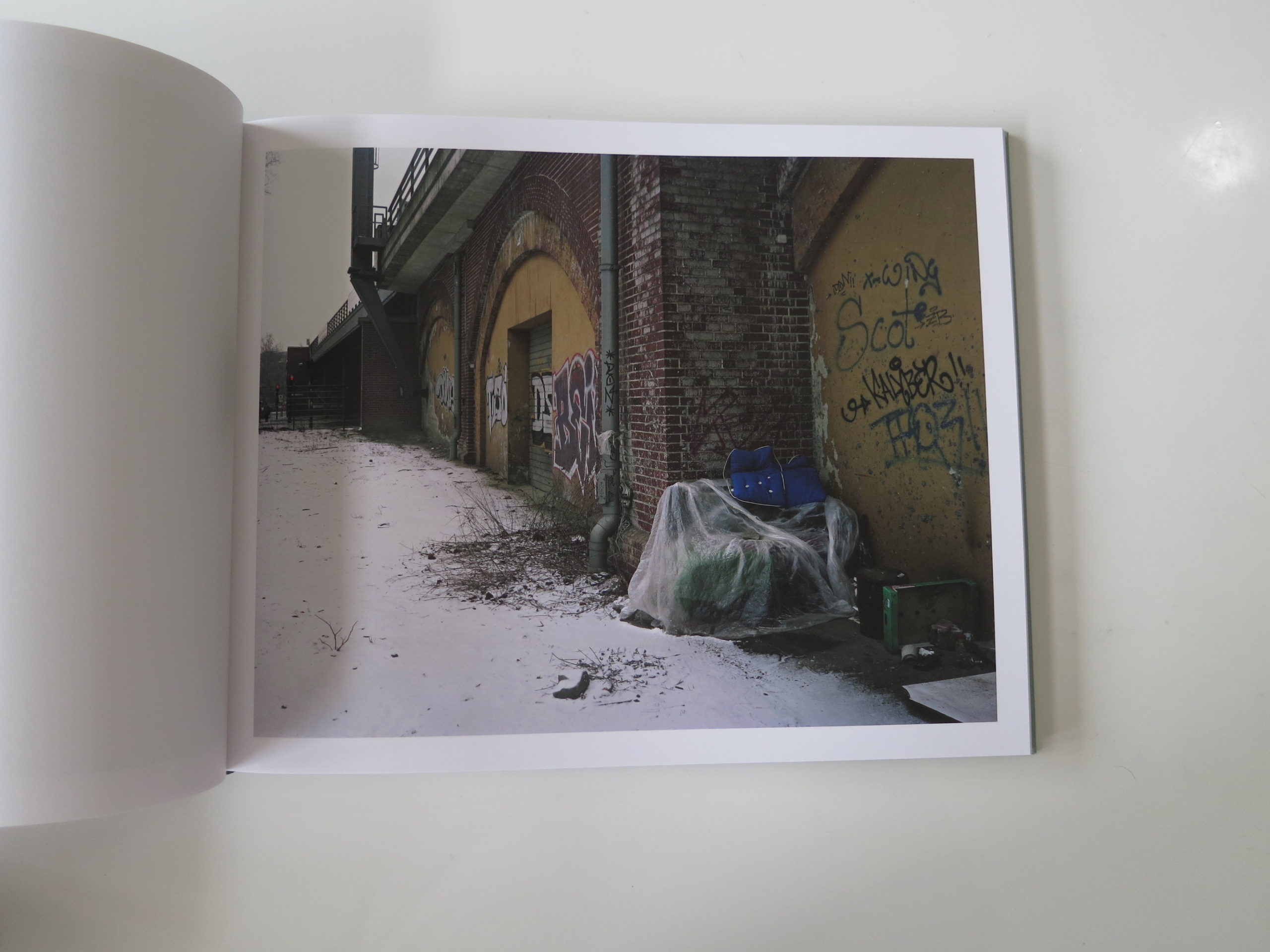
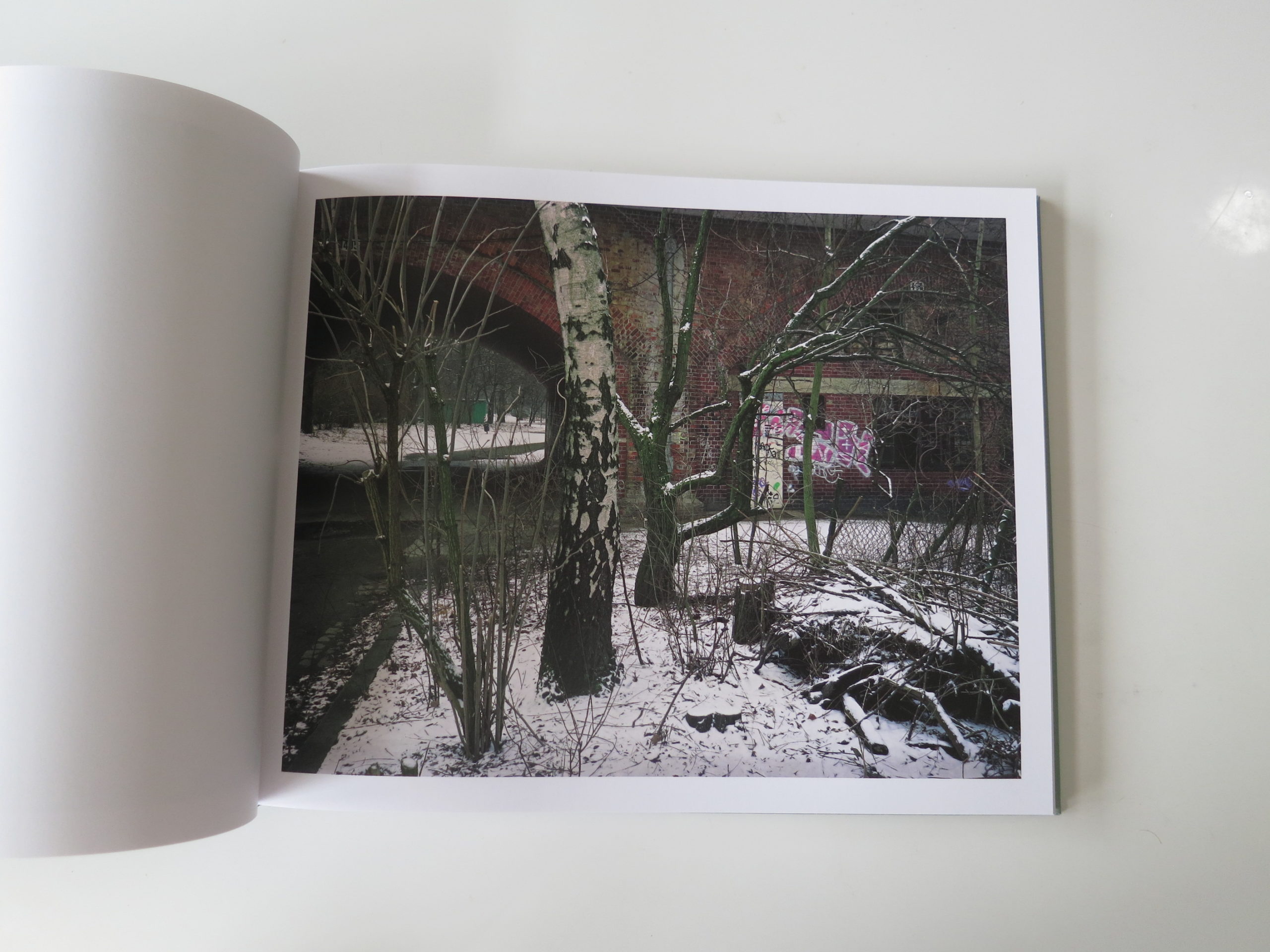
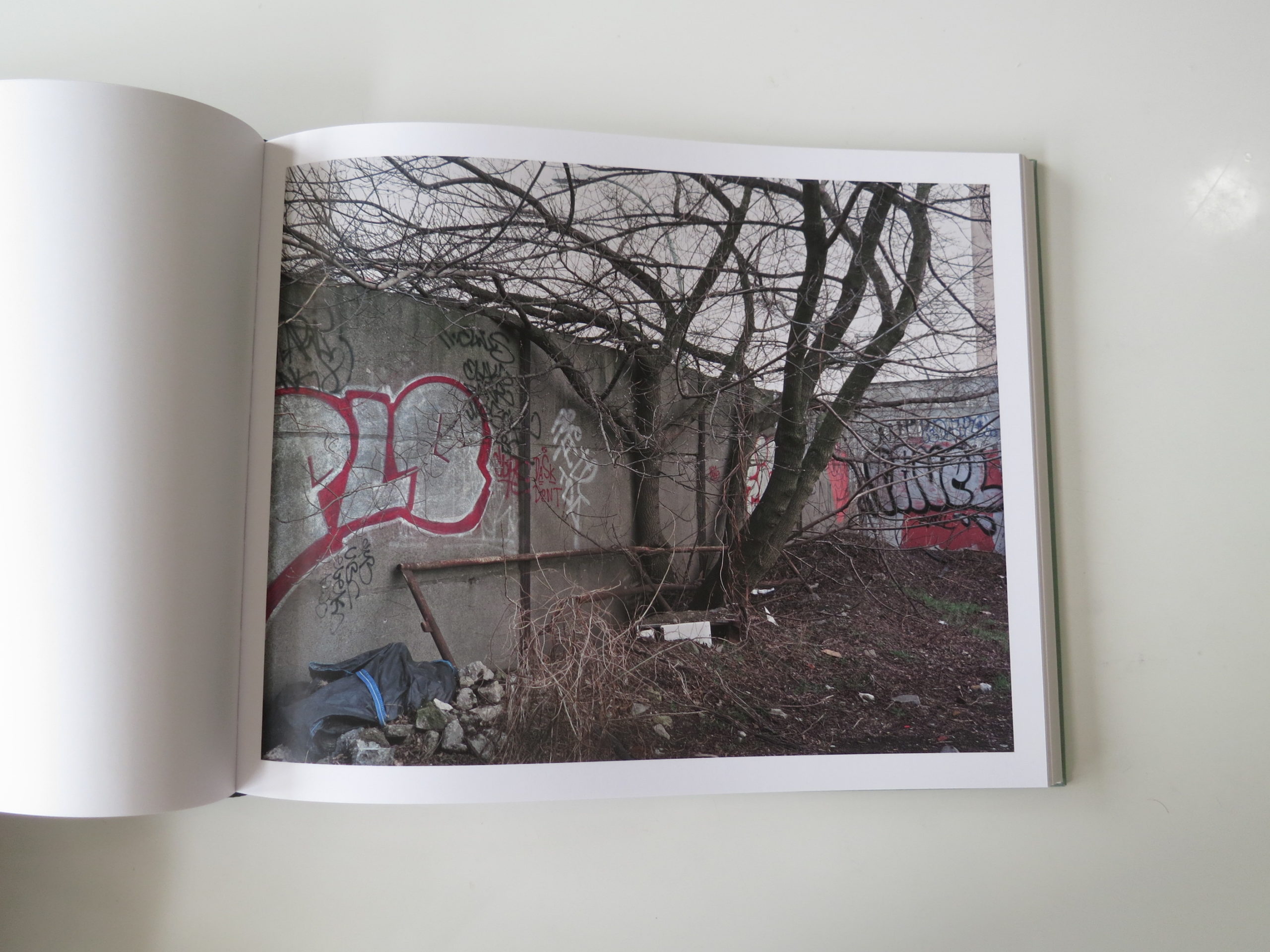
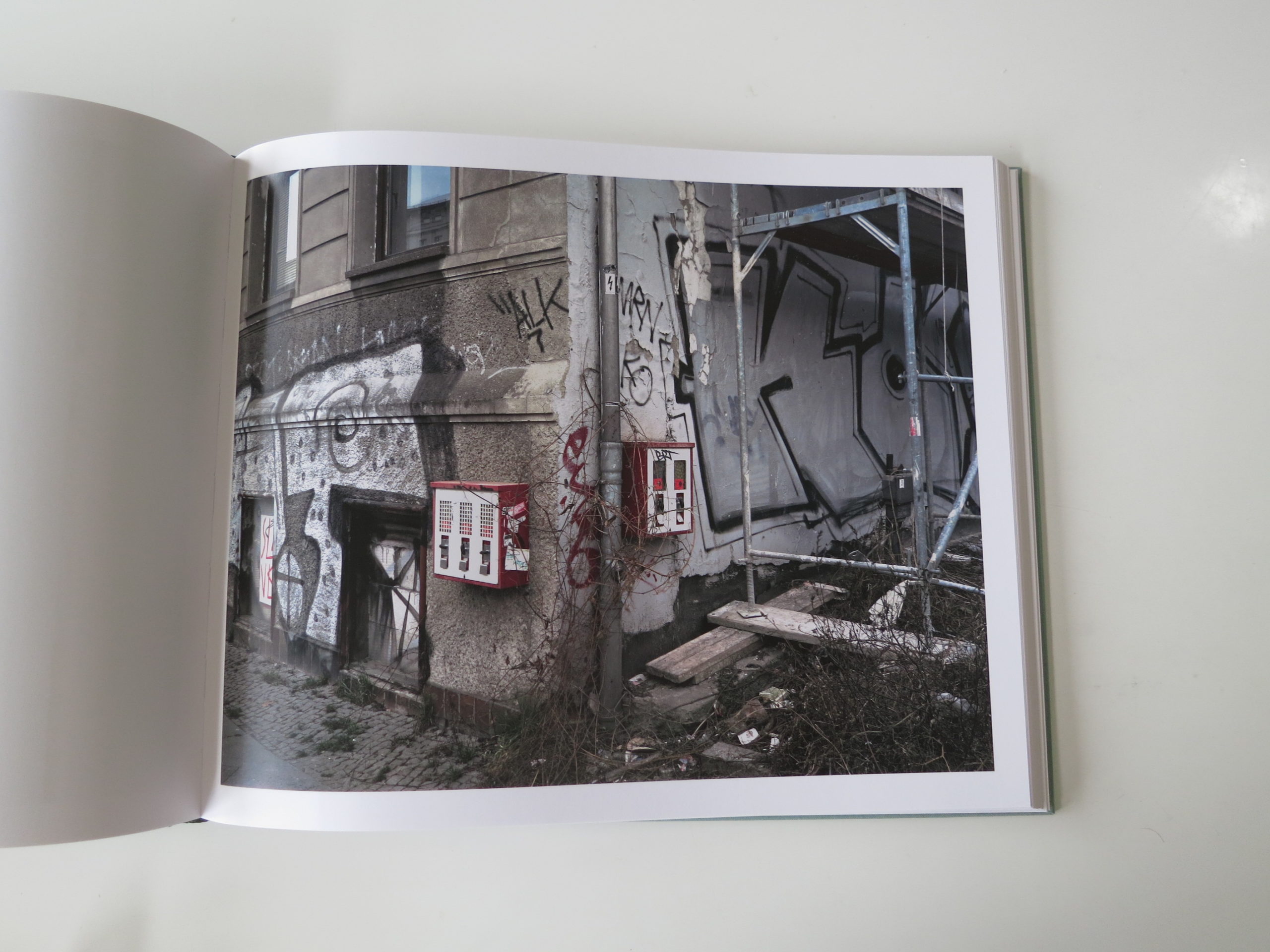
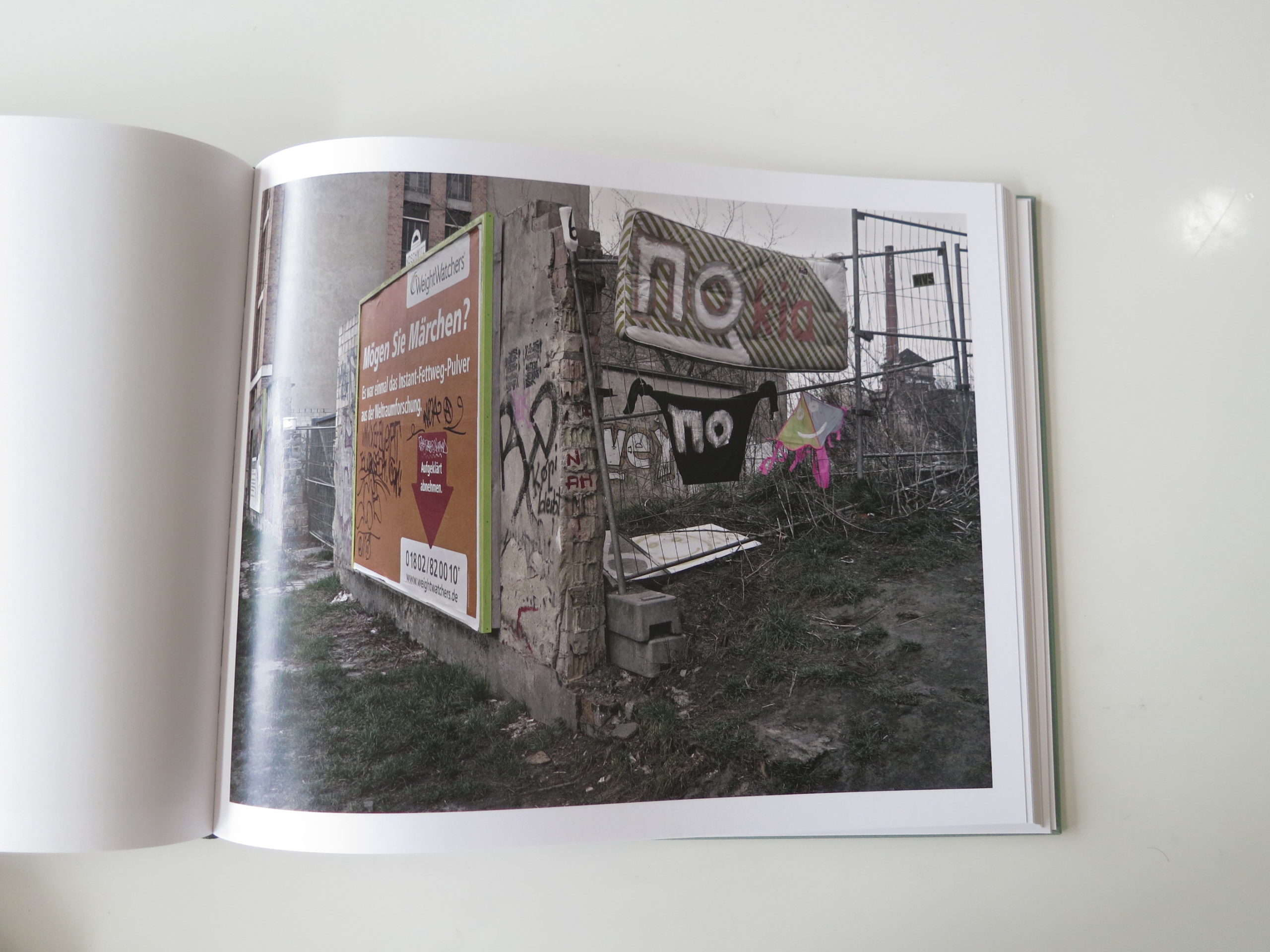
At least, that was where my mind went, having just put down “It Was A Grey Day: Photographs of Berlin,” by Gerry Badger, recently published by Peperoni Books.

This is one volume where the title gives it all away. Was it one day? I doubt it, but it was most certainly gray/grey/gris/sin color. I used the word bleak a few times in last week’s column, which is a shame, because otherwise, I’d definitely be using bleak today. (Who says good writers can’t repeat words? Bleak. Bleak. Bleak.)

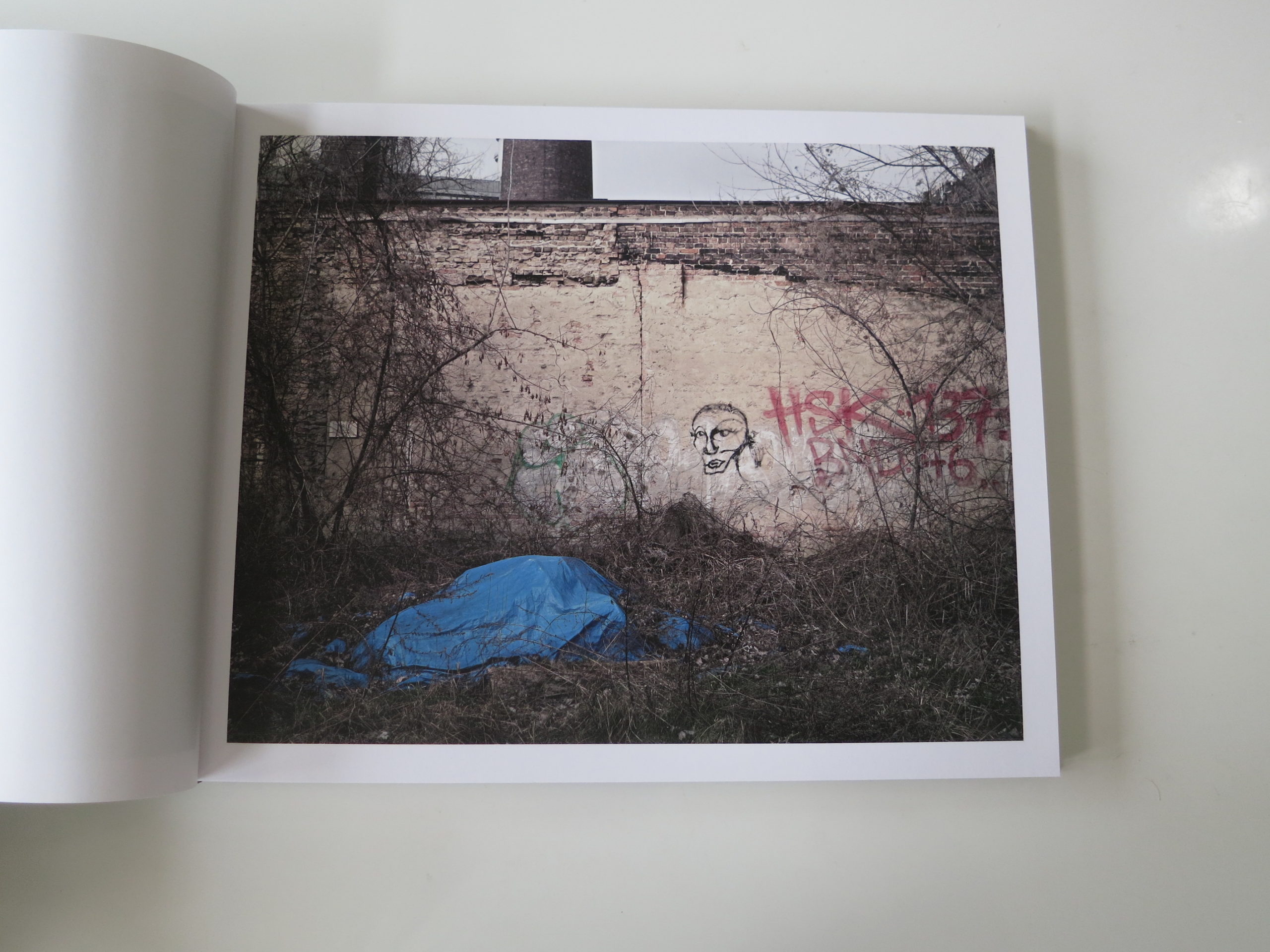
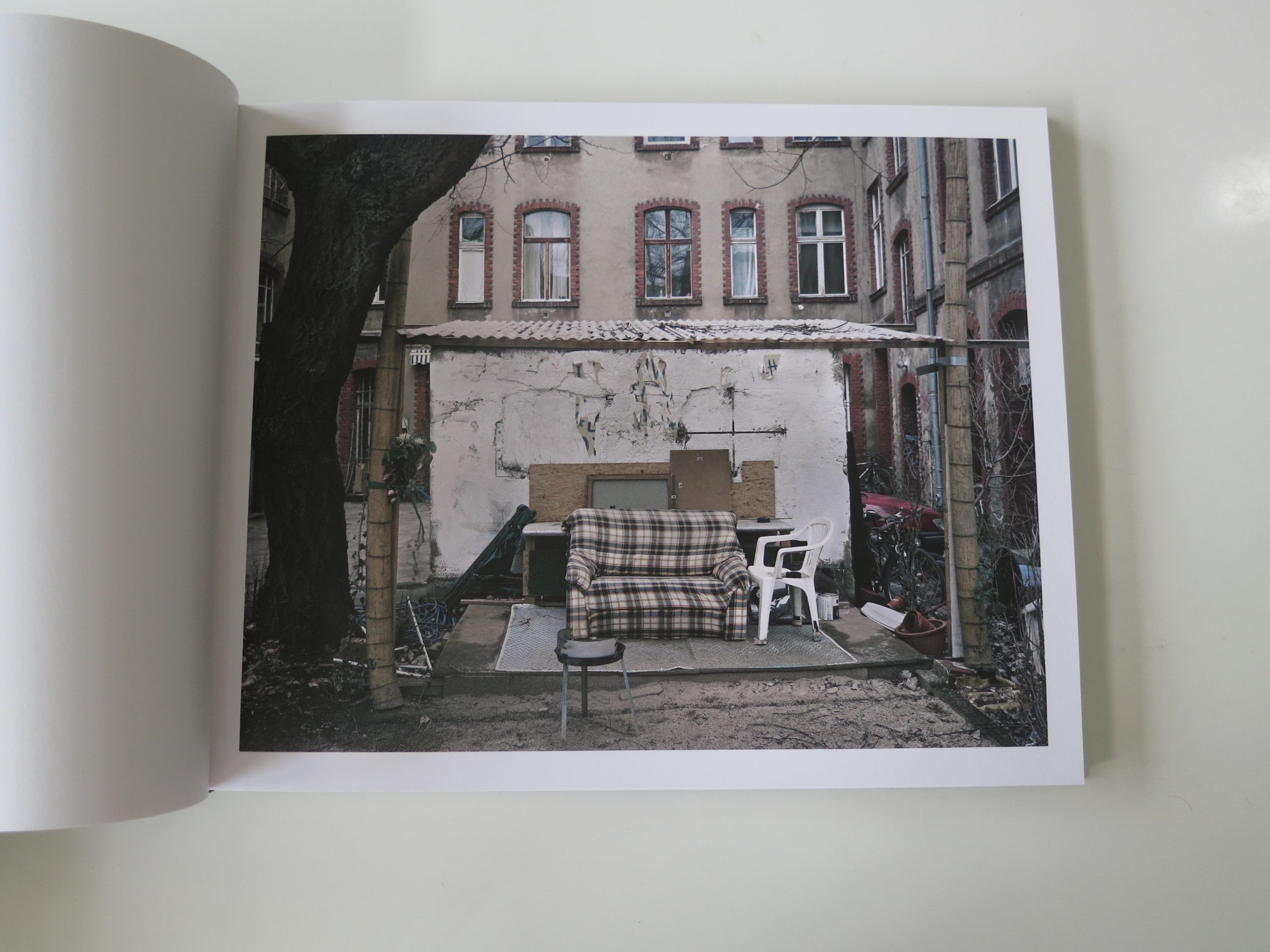
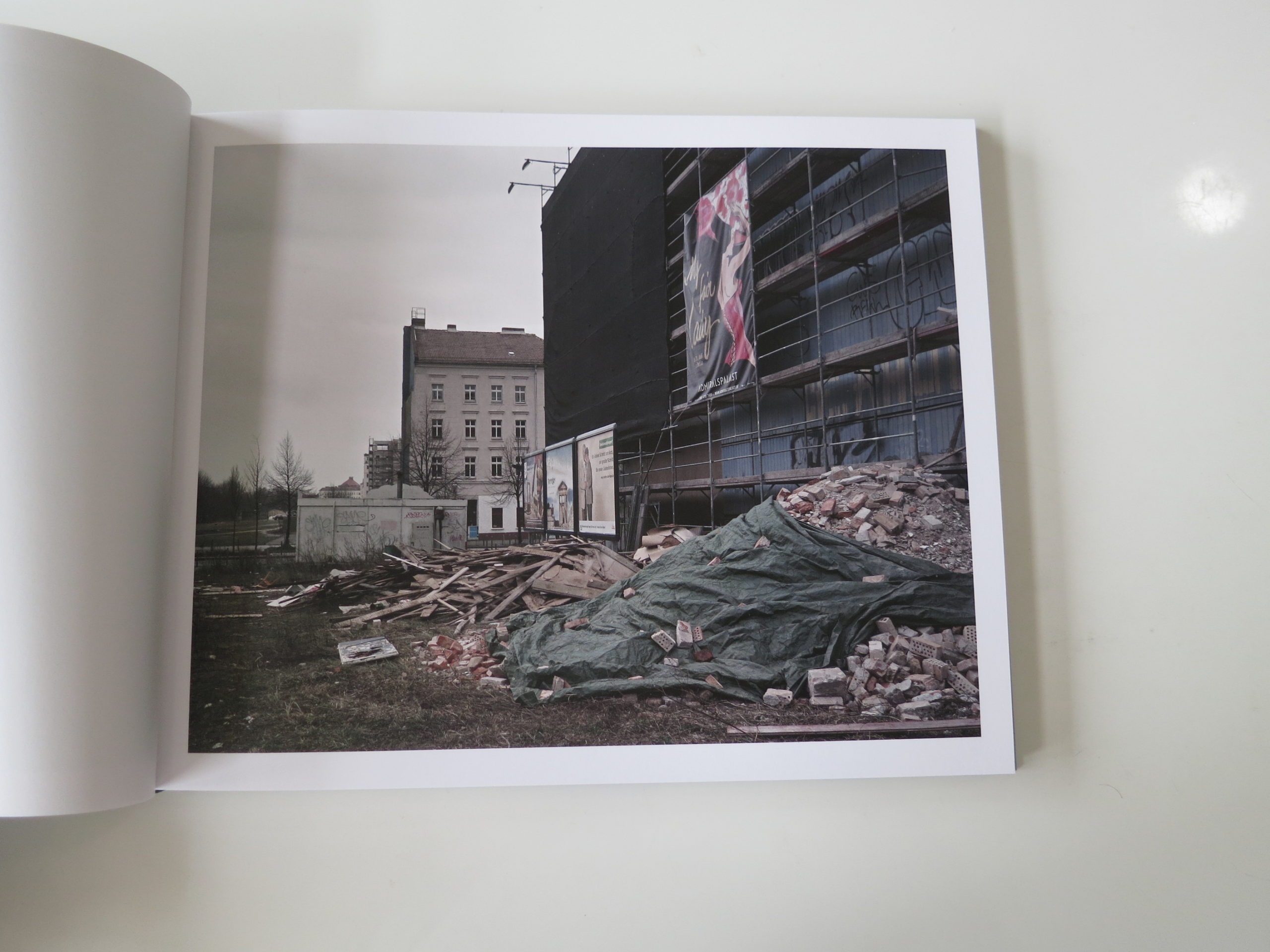
All I could think about, while flipping through the pages, was that this Berlin must surely exist, because there were so many incarnations of it on display. Graffiti. Detritus. Broken down moments in the urban continuum.

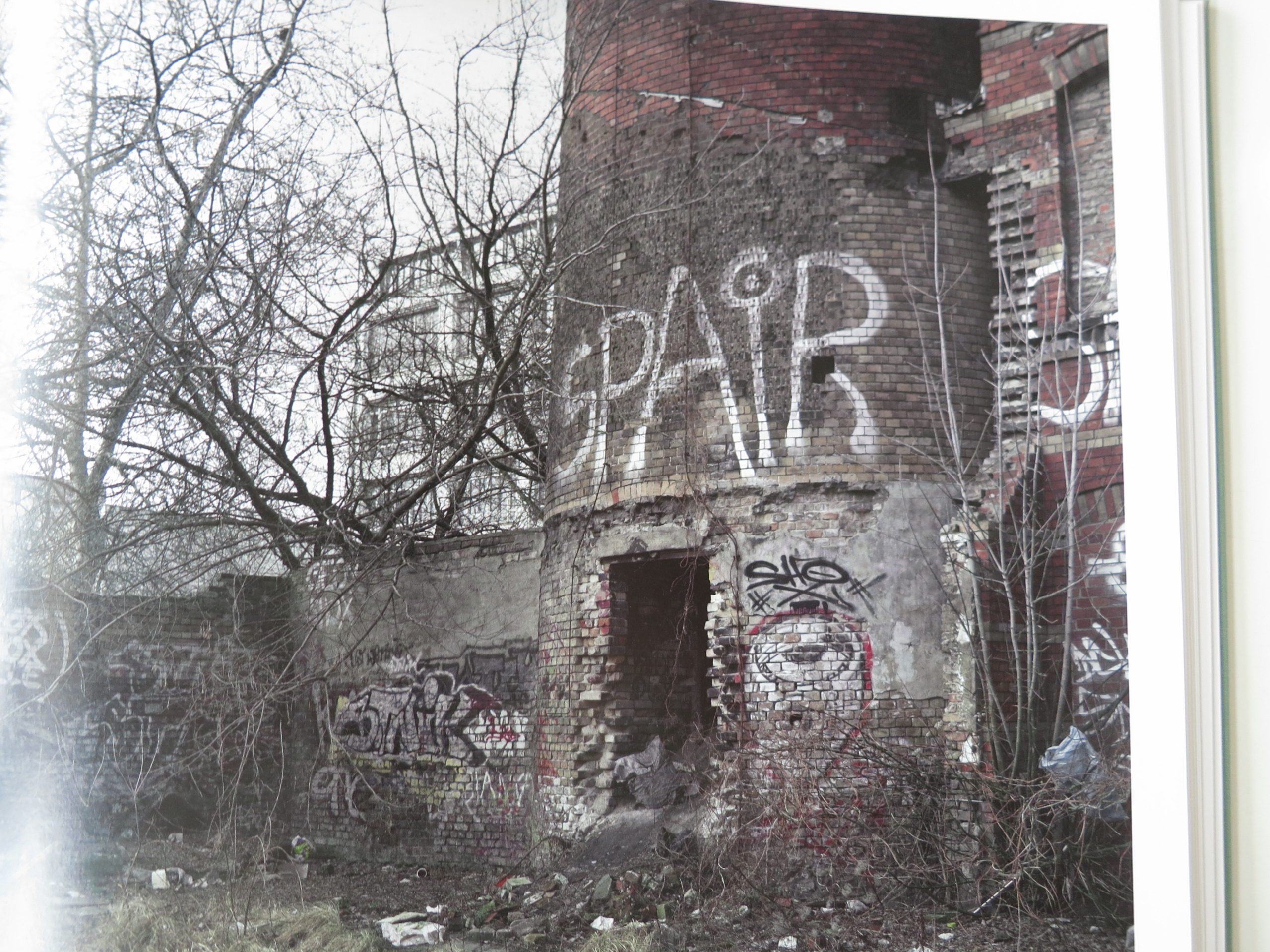
Hell, in one photo, we can see the letters “Spair” painted on a brick cylinder, some sort of old chimney, and I was sure it must have come from “Despair,” because that’s what I was getting off of these photographs.

Now, I like the anti-aesthetic as much of the next guy, and have been known to make an ugly photo or two myself. (Goopy canned snails, severed deer’s head, decapitated cows…) Meaning, I have no bias against ugly beauty.

But when it’s all I see in a group of photos, I assume more about the artist’s state of mind than I do about the putative location. These pictures are about Berlin, I suppose, but they’re more about why Gerry Badger only saw this Berlin with a camera in his hand.

Where is the joie de vivre? Or was it simply that finding these less-than-glorious moments was the exact respite Mr. Badger needed from his other duties? Exaltation in the form of decay?

As the pictures are all well done, and communicate said mood, I thought it was a book worth reviewing. But there’s more here too. Gerry Badger is known as a writer, perhaps more than as a photographer. As I say in the aforementioned 21CH lecture, if they know you at all, count yourself lucky.

I began to read his closing essay, and then felt compelled to stop. In a sort of information creep, I was immediately seduced by Mr. Badger’s writerly voice. He was contextualizing before he even kissed me goodnight. The big names, the intellectually-bent quotes. I could see it all coming, and even skimmed to make sure it was thus. (It was.)

It’s his book, and more power to him. But if there’s one thing I know, it’s that the statement, the pitch, the lecture, the TV appearance, the personality, it speaks as loudly as the pictures, when given the chance. People expect that from their successful creators these days.

Would Steve Jobs have changed the world without the black turtlenecks on stage? (Always, on stage.)

To be clear, I’m not saying it was a bad essay, or that Mr. Badger shouldn’t have written it to accompany his photographs. Quite the opposite.

It’s just that in my role, which in this case involves reading pictures, I was much more interested in the naked honesty of these depressing photographs than I was in hearing the artist speculate why they are, or are not important. Great writers can make anything sound interesting. But a picture is worth a thousand…potatoes?

Bottom Line: Bleak, ugly beauty in Berlin

To Purchase “It Was A Grey Day: Photographs of Berlin” Visit Photo-Eye

IMG_0946

IMG_0947

IMG_0948

IMG_0949

IMG_0950

IMG_0951

IMG_0952

IMG_0954

IMG_0955

IMG_0956

IMG_0957

IMG_0958

IMG_0959

IMG_0960

IMG_0961

IMG_0964

Art Producers Speak: Payam

We emailed Art Buyers and Art Producers around the world asking them to submit names of established photographers who were keeping it fresh and up-and-comers who they are keeping their eye on. If you are an Art Buyer/Producer or an Art Director at an agency and want to submit a photographer anonymously for this column email: Suzanne.sease@verizon.net

Anonymous Creative Director: I nominate Payam. Payam is awesome. Smart, fabulous eye, industrious and a wonder to work with. You should profile him.

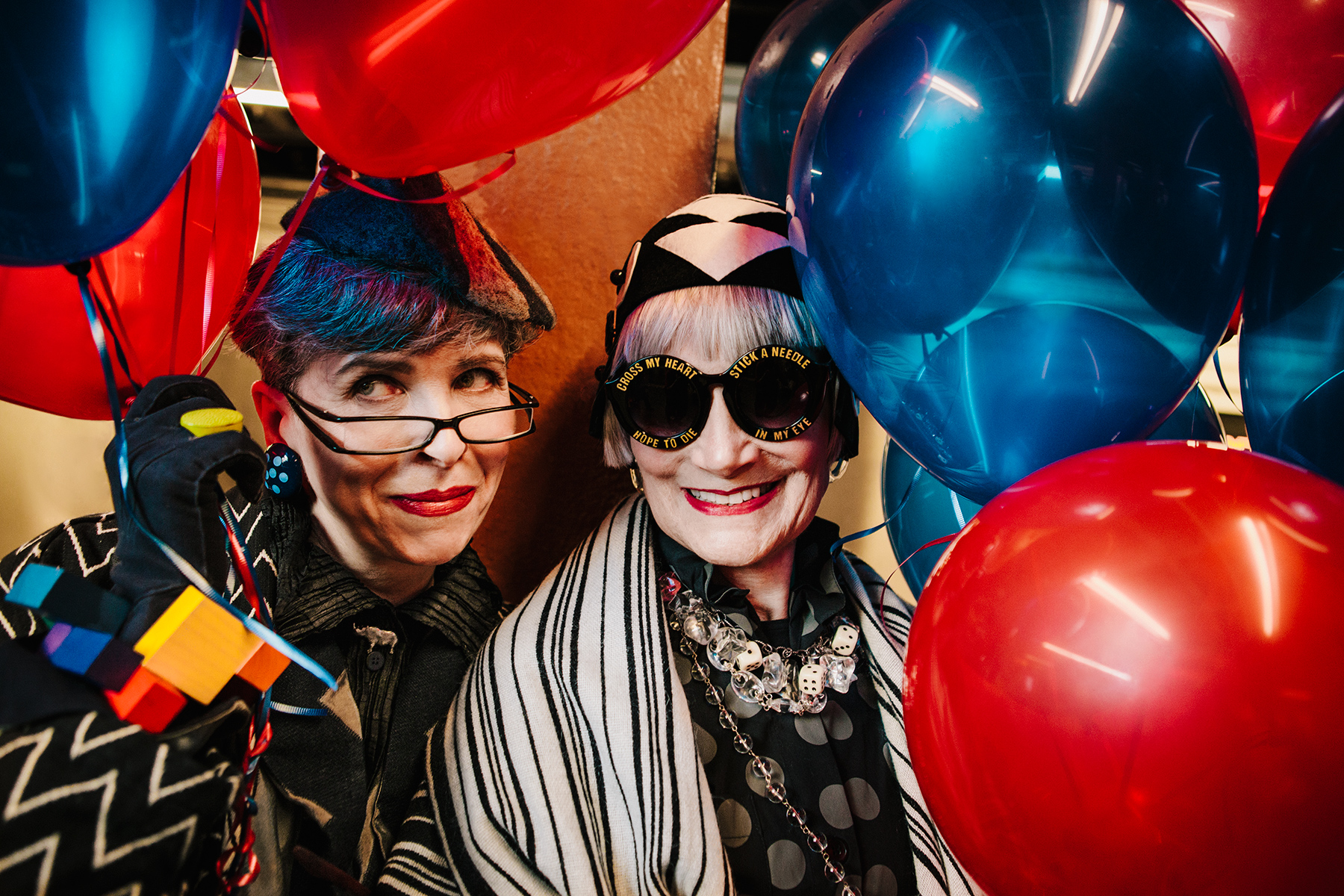
Cover Portrait for Fashion Decode of the Idiosyncratic Fashionistas. My last idea was to get into a crowded train station and have them drown in balloons. Everyone had a blast – Even adults turn into kids when balloons are abound.
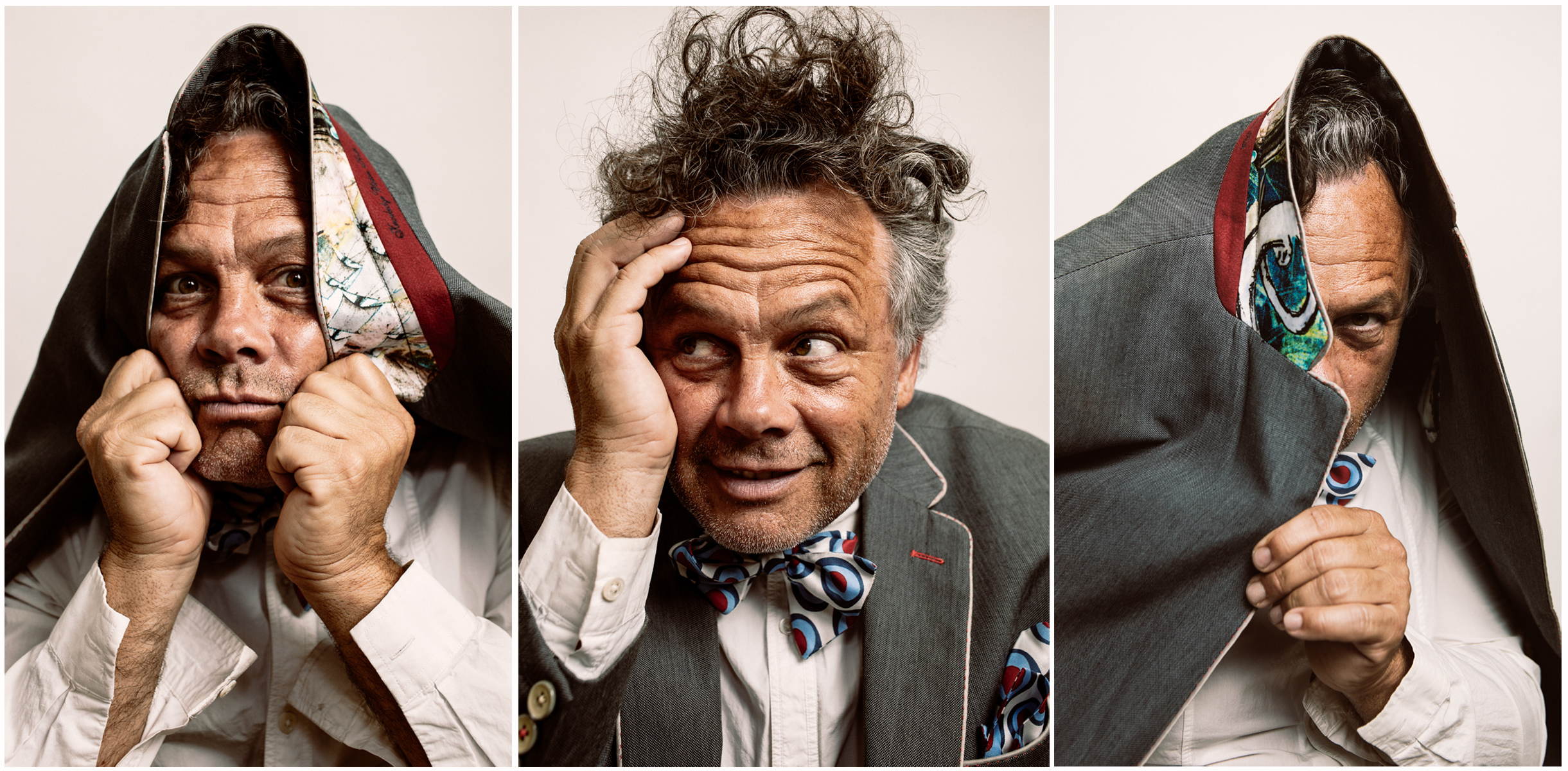
Portrait series that I started called Alter Ego after discussing the project with the editor of SOMA magazine. Pictured is Hollywood Motion Picture Colorist  Beau Leon.
Portrait series that I started called Alter Ego after discussing the project with the editor of SOMA magazine. Pictured is Hollywood Motion Picture Colorist Beau Leon.
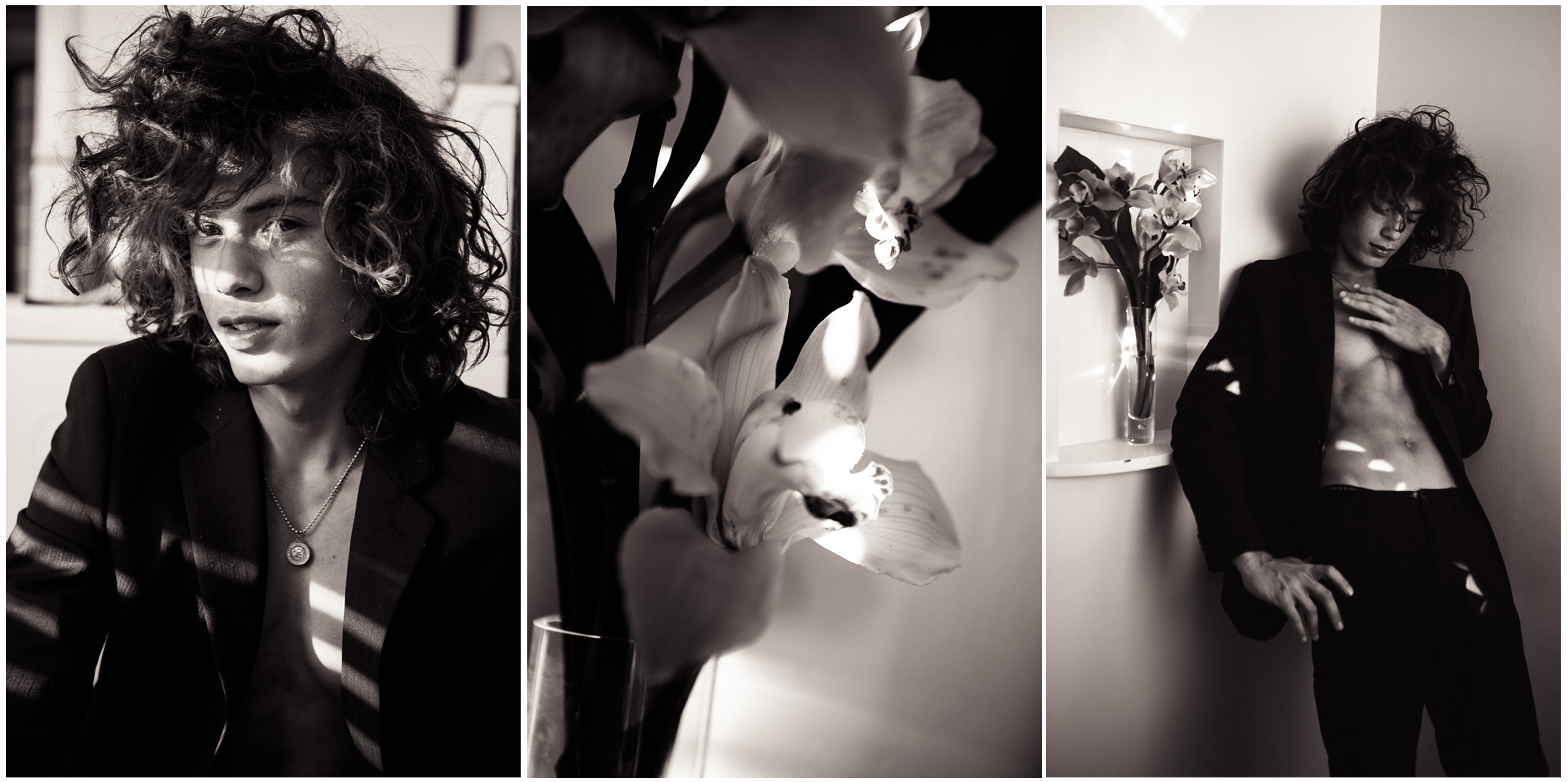
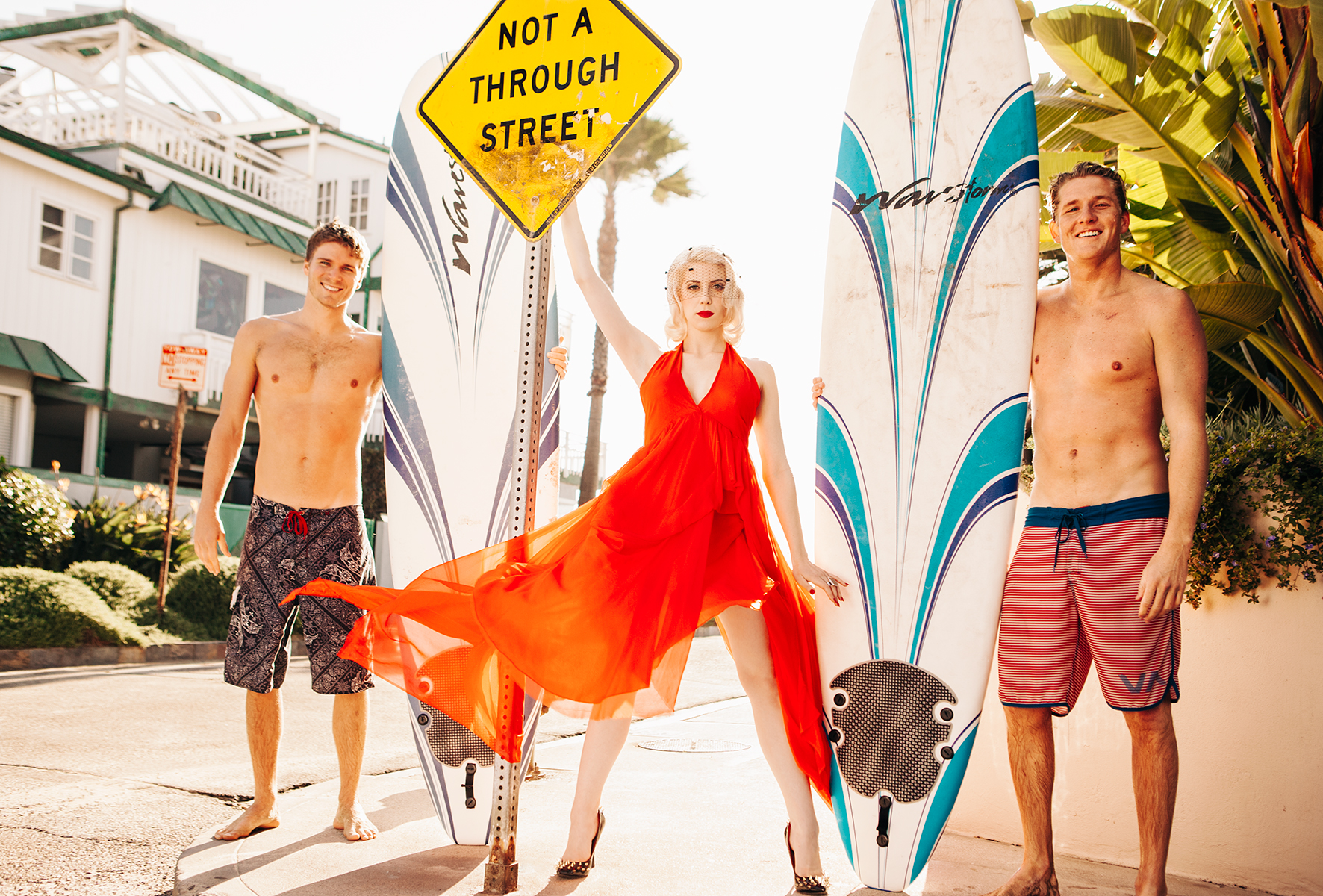
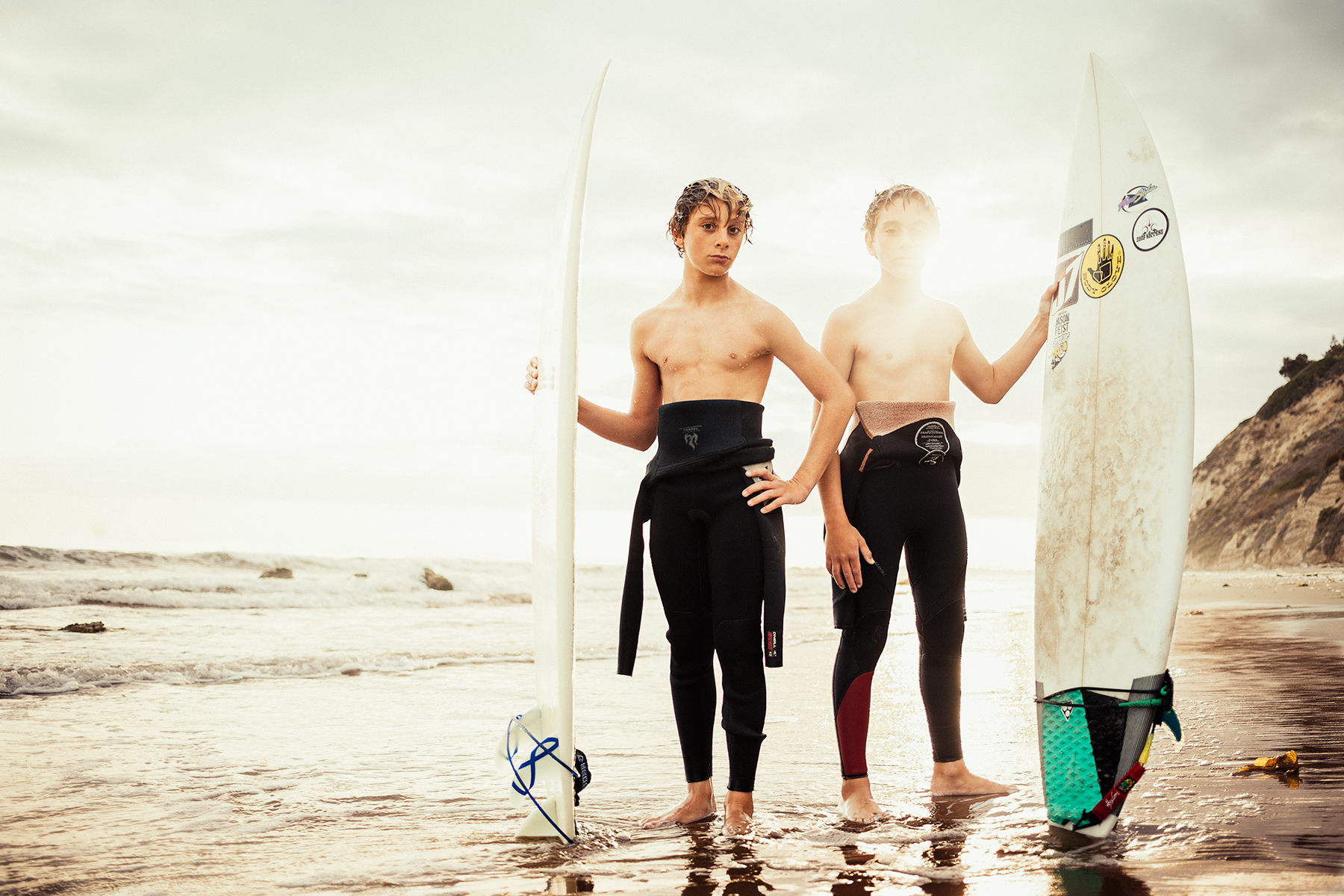
Excerpt from a project on California Surfers.
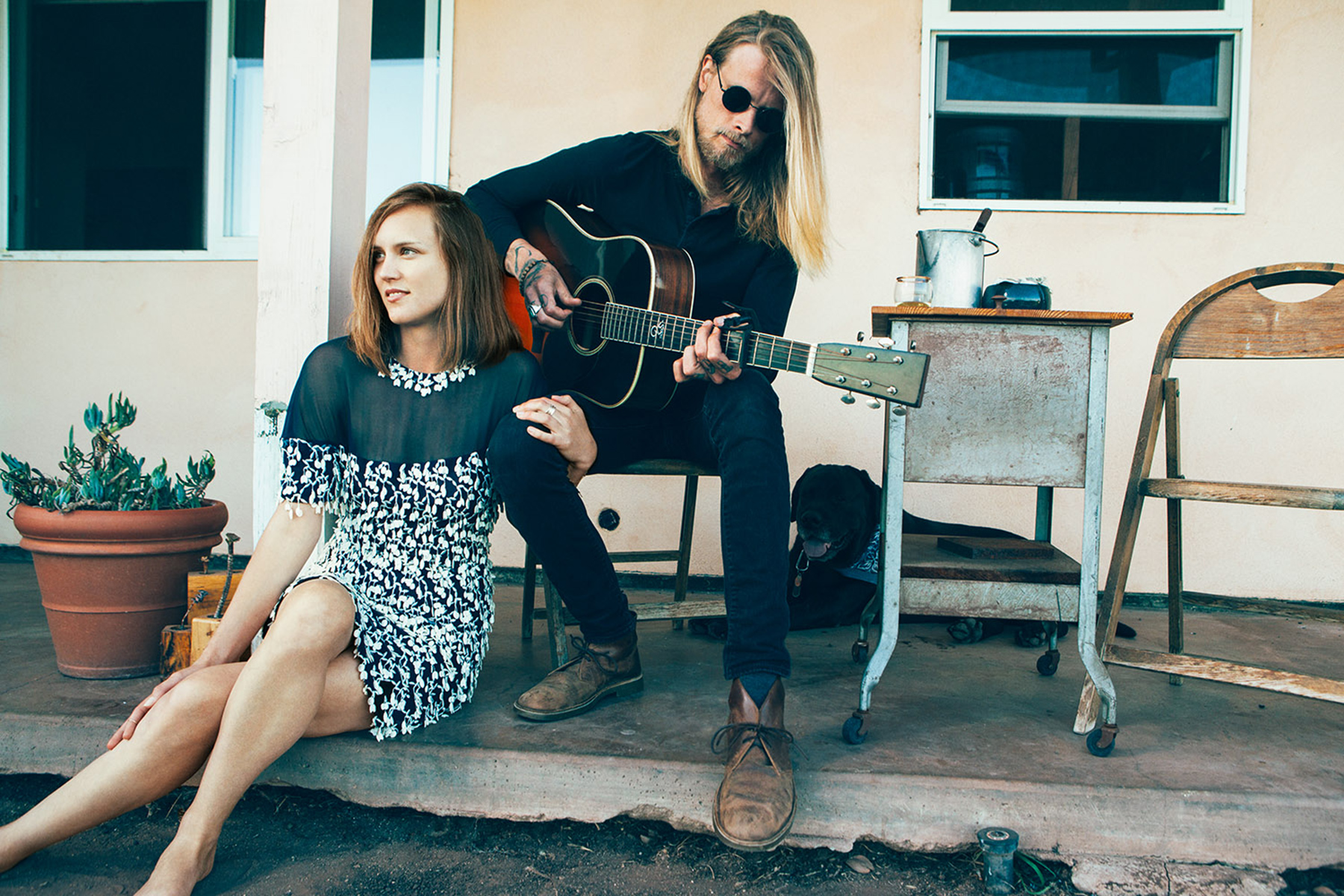
Portrait of The American Spirits
Cover for Fashion Decode beauty issue.
Portrait of designer Sonia Augostino for Fashion Decode Magazine.
Portrait of Creative Directors Hungry Castle for ADC Global.
Excerpt from HBO’s pilot shoot.
Excerpt from a project on California Surfers
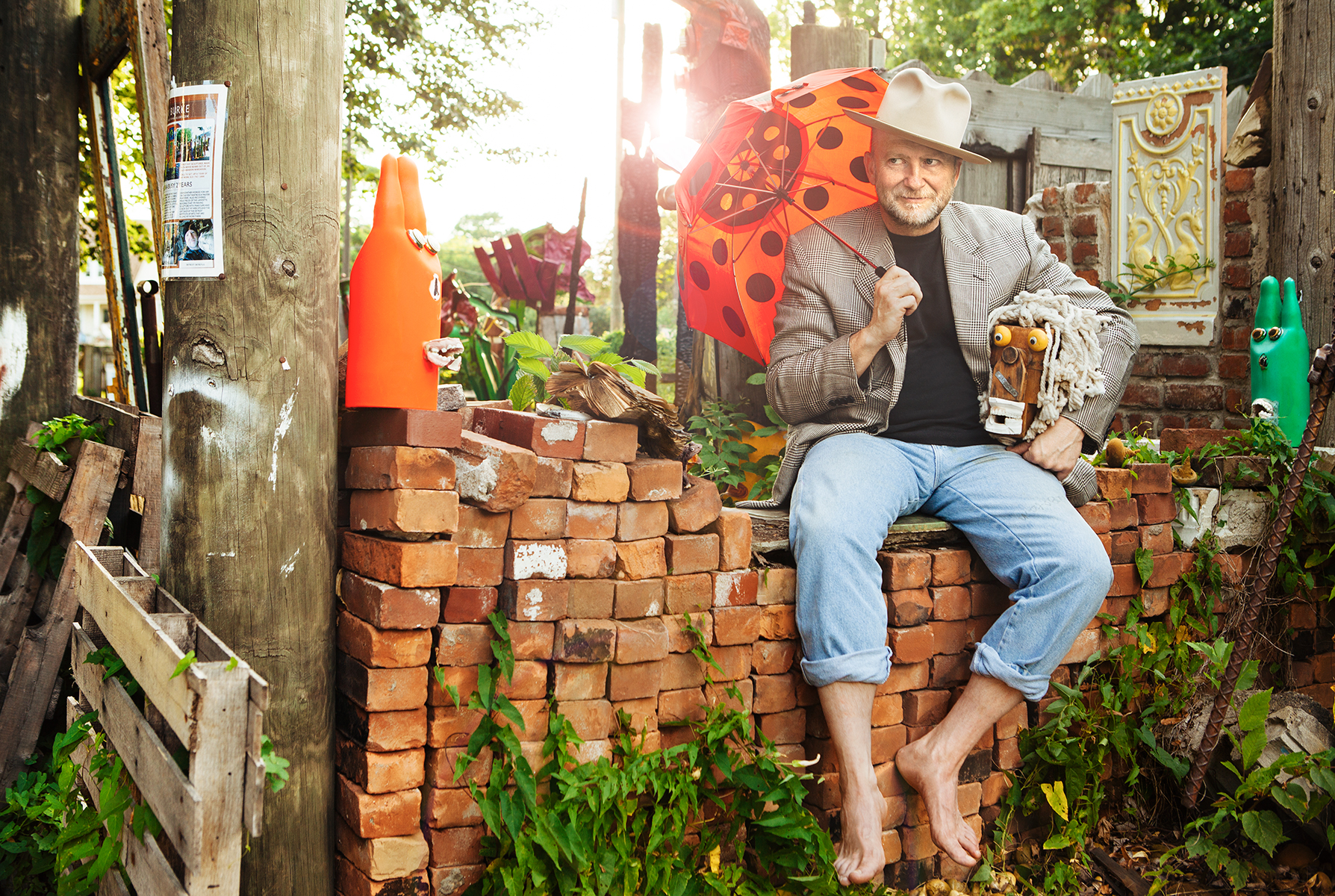
Portrait of Artist Tim Burke for the Detroit Industrial Gallery

Q: How many years have you been in business?

A: I entered the business in 2002 after graduating with a degree in Bio-Psychology and Sociology, and over several years had the good fortune to work with some of the great masters such as Albert and Norman Watson, Patrick DeMarchelier, Annie Leibovitz, Miles Aldridge, and Mark Abrahams. After assisting for some years, I was requested as a Lighting Director for large advertising, fashion and celebrity shoots from 2008 to 2012 and committed myself 100% to shooting my own work full-time thereafter.

Q: Are you self-taught or photography school taught?

A: During my years in NYC, I had the great fortune of working with world-renowned photographers as a first assistant, and credit a lot of my success to my exposure to various ways they approached their particular assignments and challenges therein.

I learned about charismatic lighting and keeping a cool head under fire (we literally had a 20x catch on fire above us on a shoot) at the Watson Studio, as much as I learned about controlling high key light and perspective with respect to beauty photography with Wolfgang Ludes. Everyday served as an opportunity for me to learn not only the technicality of photography, but also about the subtle nuances of psychology, diplomacy and language required to be a good photographer. This has been the best education any man could ever ask for.

Q: Who was your greatest influence that inspired you to get into this business?

A: I think that you have to be inspired and fall in love with your work and this business everyday, just as one would need to fall in love with their life partner every day so as not to strangle them to death ☺

My first influence would be my High School Biology teacher Fred Tunnicliffe. It’s ironic, because he really motivated me to take interest in Biology and want to become a doctor first and foremost. Fred however, taught me something that I loved more than anything; photography.

As time progressed I started paying close attention to Patrick DeMarchelier and Annie Leibovitz were the photographers who I hold responsible for triggering my almost psychiatric obsession with photography later on on in my teens and early 20’s. I could not believe my eyes when the day arrived that I was actually on set with them in NYC.

Q: How do you find your inspiration to be so fresh, push the envelope, stay true to yourself so that creative folks are noticing you and hiring you?

A: My downfall in my life has been my love for photography books. Norman Watson can be solely blamed for introducing me to this gateway drug and I hold him fully responsible for the financial ruin I find myself in. ☺ I fall in love with photography on a daily basis by obsessively devouring various forms of visual stimuli, from paintings of old, to fashion stories of Mario Testino and Peggy Sirota. The work of masters in cinema such as Stanley Kubrick, Federico Fellini, Luc Besson, Ridley Scott and Tarsem Singh have also had a huge impact on my visual story telling.

Q: Do you find that some creatives love your work but the client holds you back?

A: I have been very fortunate to be trusted to execute briefs based on the way I shoot. I have been lucky to work with creative directors and art buyers who trust in me, and with their collaboration, we have created wonderful work together.

Q: What are you doing to get your vision out to the buying audience?

A: I spend quite a lot of time researching and connecting with various agencies, and traveling to various states to do portfolio presentations. I have learned that creative teams and buyers love the opportunity to meet with me, not only to see my work, but also to see and know the person behind the lens, as I explain my approach, motivations and tell stories about how I created the photographs. One of the things I excel at is being self-deprecating, and as such I make people laugh; this adds a human element to an otherwise mundane experience. One CD at a large agency just told me that he does not like to go through agents and art buyers, because they dilute the communication and needs of his. He was grateful to have met me because we had a one on one and had conversations from the heart that in my opinion can only be done through interpersonal interactions.

I also maintain presence on all relevant web portals, send out newsletters with new work and travel schedules, and do quarterly printed campaigns.

Q: What is your advice for those who are showing what they think the buyers want to see?

A: While I think that it’s important to study where the business is headed, so that I can be relevant and fresh, it’s also important to refine and consistently improve one’s visual vernacular. I find that I excel at capturing whatever it is that I am working on so long as it’s authentic to who I am. Exercising and refining my work is what I strive to do every time I pick up the camera. I think it’s also important to keep an open mind, as I always ask creatives and buyers if they would like to see me develop any more of a specific area that I am shooting in my personal projects, and I then update them with new work as it is created.

Q: Are you shooting for yourself and creating new work to keep your artistic talent true to you?

A: I consistently strive to push myself and explore different approaches that help me to refine my work. Personal assignments happen to be the most interesting to me, not only because I have total creative freedom to express myself, but also because I have the opportunity to show clients what I am passionate about.

Q: How often are you shooting new work?

A: I work when I can to create new images that are contextually consistent on a larger and broader scale. I love collaborating with Creative Directors and Stylists to shoot some projects that they could not execute because of the limitations clients place on them.

Most recently, I met a wonderful team at a highly respected agency in San Francisco. In conversation with one of the CD’s, I agreed to photograph children in fashion for a pitch to an amazing clothing label. I suddenly found myself photographing kids, and fell in love with their innocence and found my inner child as I was given creative license to be one again. A month later, I was contacted by another very well known creative director, who had received one of my newsletters in which I had inquired about collaborating with him on any shoots that he may have wanted to execute. I had been waiting to work with him for the past six years, and my patience finally paid off. Were it not for patience, I would have jumped the Brooklyn Bridge long ago ☺

—————–

Payam is an editorial and advertising portrait photographer based in both Los Angeles and NYC. Known for his lighting, direction and ease on set, Payam facilitates a shooting experience where all subjects can have fun, play and express themselves genuinely. In his free time, Payam teaches effective communication through photography to underprivileged students and also practices Thai Massage and Vinyasa Yoga.


APE contributor Suzanne Sease currently works as a consultant for photographers and illustrators around the world. She has been involved in the photography and illustration industry since the mid 80s, after establishing the art buying department at The Martin Agency then working for Kaplan-Thaler, Capital One, Best Buy and numerous smaller agencies and companies. She has a new Twitter feed with helpful marketing information believing that marketing should be driven by a brand and not specialty. Follow her on twitter at SuzanneSease.

Pricing and Negotiating: Real People Lifestyle Library

Jess Dudley, Wonderful Machine

Shoot Concept: Real People Lifestyle Library

Licensing: Unlimited use of all images for 2.5 years

Location: Client locations and subject workspaces

Shoot Days: Four

Photographer: Established mid-western portrait, youth culture and fashion specialist

Agency: N/A–Client Direct

Client: National For-Profit College

Creative/Licensing: Every now and then, we encounter a client with a budget that commensurates with their requirements and expectations. As much as we would like it to be, this isn’t the norm, but we lucked out in this case.

We recently put together an estimate to shoot a variety of environmental-lifestyle portraits alongside a video production for one of the country’s largest for-profit colleges. Unlike most higher education clients, for-profit colleges generally have a bit more to spend on promotion as their business model depends on brand awareness and expansive reach more than a “traditional” college or university, with few exceptions.

For this project, the photographer would be shooting available light environmental lifestyle images and portraits of current students at the college’s local campus/facilities and successful alumni in and around their places of work. We’d be shooting all of this in conjunction with a video production, which was responsible for coordinating all of the production elements. The stills team would mostly be trailing the video production (stepping in to shoot as soon as the video team wrapped up), and at times, shooting alongside/over-the-shoulder of the video team. With this configuration, there would be limited production support needed on the stills side. However, at times, the stills team may need to touch up wardrobe, props, and/or HMU after the video team had left the scene, so we would need to include a small styling team.

Based on our recent experience estimating “shoot alongside video” productions, and factoring in the limited two-year duration, complexity of the production (or lack thereof), the number of processed images, the photographer’s level of experience and number of shoot days, we set the library day rate at $10,000.00 ($40,000 for all four days). As much as we try to avoid simply pricing based on the day, unfortunately it’s a trend we occasionally embrace, to a degree. Even when tolerating the day rate fee structure, we try to take every opportunity to limit the scope of what is included in that rate. In this case, we were able to limit the duration of use to two and a half years. We also implicitly limited the number of images available to the client by only delivering 75 processed files. Technically, they were granted the license to use all of the images from the shoot, but our hope was that the deliverable limitation, and an inherent limitation on how many scenarios/unique images could be captured on a given day, would prevent the client from exercising their license to any additional images. Compared to other client direct library shoots, this was a pretty healthy fee.

After a handful of minor revisions, we presented the final estimate, which was approved:

Client Provisions: We made sure to indicate that the client/video production would provide all necessary scouting, locations, casting, talent, releases, props, wardrobe and production coordination. We also noted that we expected the subjects would arrive “camera ready.”

Tech/Scout Days: We included two tech/scout days to walk through the many locations scattered about the city.

Producer: Among the initial revisions was the removal of a producer. The client wanted to limit the foot print of our crew and agreed to provide a production coordinator/liaison to interface with the talent and video production. This can be risky, but so long as expectations are aligned, it can be managed without too much trouble.

First Assistants: The concept, along with restrictions associated with shooting alongside a motion production meant we wouldn’t be firing strobes (in most scenarios). The first assistant would attend the tech/scout days and would manage a small, nimble grip and reflector kit during the shoot.

Digital Tech: $500.00 covered the tech’s day rate, and since we’d need to be as mobile as possible, the photographer would be shooting to their own laptop/tripod rig – which meant we didn’t need to include a kit for for the tech.

Equipment: The photographer wouldn’t need much in the way of grip or lighting equipment, and the required file size didn’t necessitate a medium format system, so we estimated $1000.00/day for two DSLR bodies, a number of fast lenses, the photographer’s laptop, some miscellaneous grip equipment/reflectors and two portable strobe units (just in case).

Styling: Though most of the heavy lifting would be handled by the video production, we didn’t want to rely on their styling team – particularly because some of the scenarios would be shot after the the video team had moved on to the next location. We included a prop stylist to help finesse available props at a given location and a groomer to handle basic hair, makeup and wardrobe adjustments.

Shoot Processing for Client Review: On most library shoots, you may have to batch process all images captured, which we estimate on a daily basis (1 shoot day = 1 day of batch processing). In this case, we limited the initial deliverables to 75 images, meaning that the client would need to review a gallery to make their selections. Under normal circumstances we wouldn’t include a digital tech and “shoot processing for client review”, as we would expect the tech to handle the lion’s share of this process throughout the shoot day/s. However, because the tech would only be working on a laptop and moving frequently, we didn’t expect them to handle that process, and charged separately for the photographer to handle the processing for client review, after the shoot.

Selects Processed for Reproduction: We quoted basic image processing as a lump sum (based on 75/image) and noted the fee included color correction, touchup and delivery. This way, if the client order less than 75 images, they would still be on the hook for the full amount. If they ordered more, we were positioned to generate additional processing fees.

Catering: Since we wouldn’t necessarily be with the video production all day, we made sure to include a line item to cover crew meals throughout the four shoot days.

Miles, parking, meals, tolls, FTP, Misc.: We included about 350.00/day to cover a van rental and local travel costs, parking and miscellaneous costs.

Results and Hindsight: The photographer was awarded the project which went so well that the client hired him to do a second round not long after.

If you have any questions, or if you need help estimating or producing a project, please give us a call at (610) 260-0200. We’re available to help with any and all pricing and negotiating needs—from small stock sales to big ad campaigns.

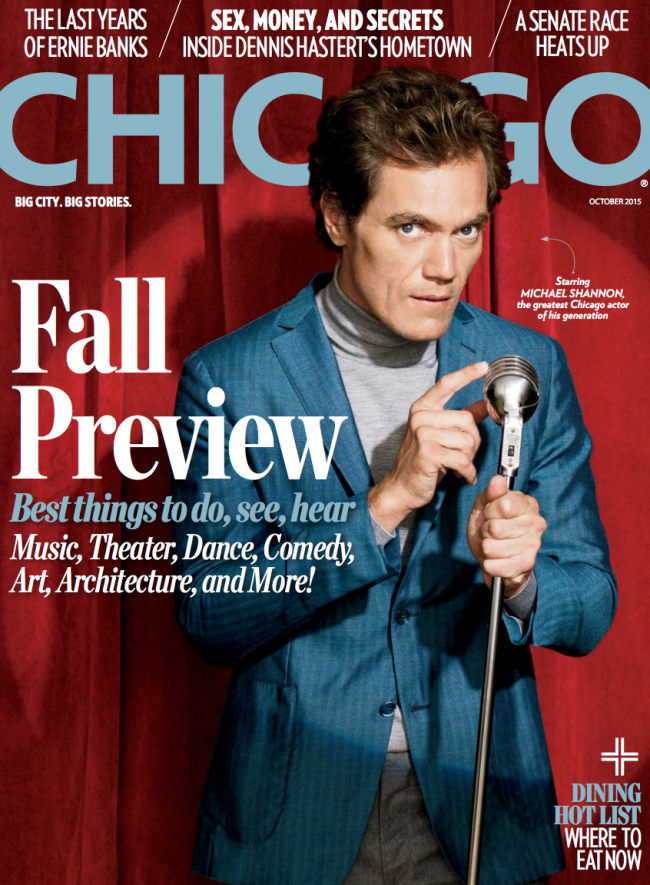
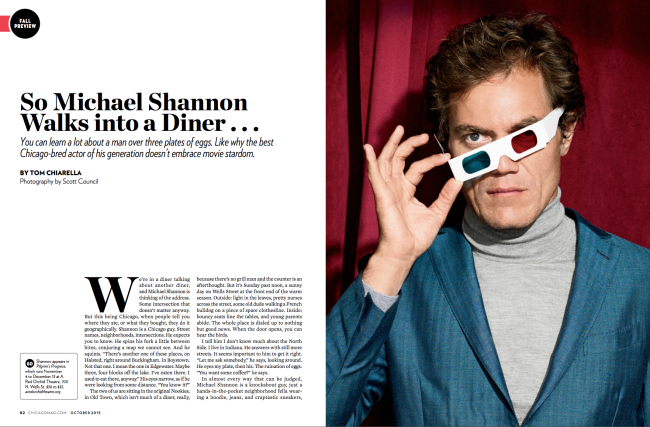
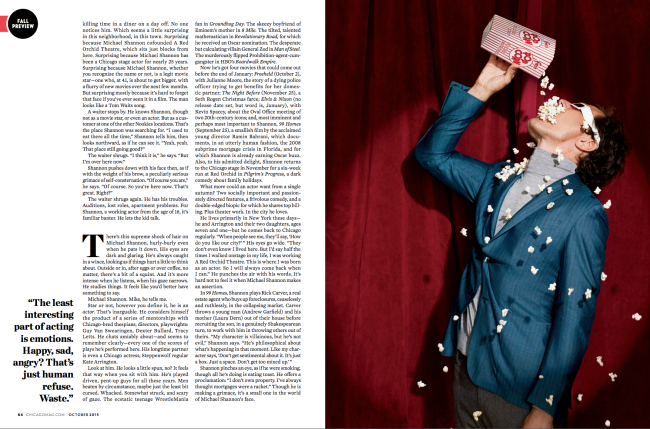
The Daily Edit – Chicago Magazine: Scott Council

Screen Shot 2015-09-11 at 4.43.23 PM

Screen Shot 2015-09-11 at 4.42.54 PM

Screen Shot 2015-09-11 at 4.42.59 PM

Screen Shot 2015-09-11 at 4.43.11 PM

Chicago Magazine

Design Director: Nicole Dudka
Photographer: Scott Council

Heidi: Have you worked with this client before?
Scott: I have shot about 5-6 things for Chicago magazine. The last cover I did for them was for this same issue but last year and it was portrait series with Common.

What type of direction did you get from them?
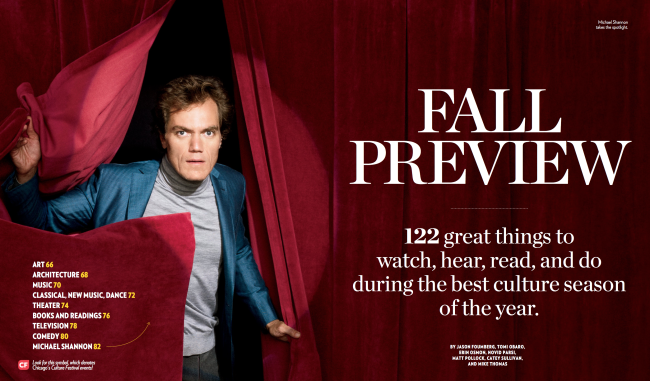
I presented my ideas and had several conversations with the Design Director, Nicole Dudka who had a lot of great ideas, so it was a great collaboration. I also submitted my ideas with sketches in PDF form so they would have a visual to help them understand what I wanted to do. The issue was about the fall arts in Chicago. Its called the “Fall Preview” and it covers everything, music, theater, dance, art, etc. He started his acting career in Chicago and went to school in Chicago so they wanted a portrait series with images of him doing things related to the arts.

How much time did you have with the subject?
I had him for 3.5 hrs including wardrobe changes and lunch. We did multiple set ups, I had two alternating sets, both in New York studios.  I wanted to do three, but there wasn’t enough time nor budget.

What is the easiest aspect of shooting accomplished actors, and conversely the hardest?
The easiest part about shooting accomplished actors is that they really seem to know who they are and they don’t let their publicist run everything as much. They don’t have anything to prove because they are already know. There for they can take what you’re trying to capture and really make it their own, they “deliver.”  They seem to be more responsive once they are on board with the ideas. Point being,  take new talent for example: They have a career they are grooming and so they try a little too hard, worry too much about their image and some still let their publicist think for them, this can be difficult on set.

He has a great range in this shoot, how did you change the tone, what sort of direction did you give?
They wanted me to have him bobbing for apples and doing a lot of things that are kind of not at all who he is, so it was a little tough to sell him on the ideas.  At lunch I saw him by himself and I went over and we talked about what I would like to shoot and what the magazine wanted me to shoot. He said “People are always asking me to do things that are not me, its like everyone wants to make fun of me.”  I mentioned this is firstly a portrait session and secondly, a cover. I didn’t want him to do anything that was not him.  With all my subjects I’ll explain what I’m trying to capture and then they can add or subtract anything. We work together and we both feel good about it. At the end of the day,  you need to live with the photography.  I really meant what I said to him,  I wasn’t trying to trick him into doing what I wanted. I created an honest dialogue with him and I gave him the option to participate, we all want the same thing: To do a good job.

What do you enjoy most about portraiture?
In the end I’m not interested in creating entertainment photographs so we can all stand and stare of the actor, athlete and see what magic they produce. I will always deliver an image that I was hired to deliver, but that doesn’t mean that I’m going to relate to it. Often project goals and true photographic goals aren’t aligned. I’m interested in Michael Shannon as a person as an equal human being with a voice and an opinion.  I fell in love with portraiture because when I look into a portrait I see myself, I see each one as a little symbol of everything great and everything beautiful about who we are as human beings.

The Daily Promo: Sam Kaplan

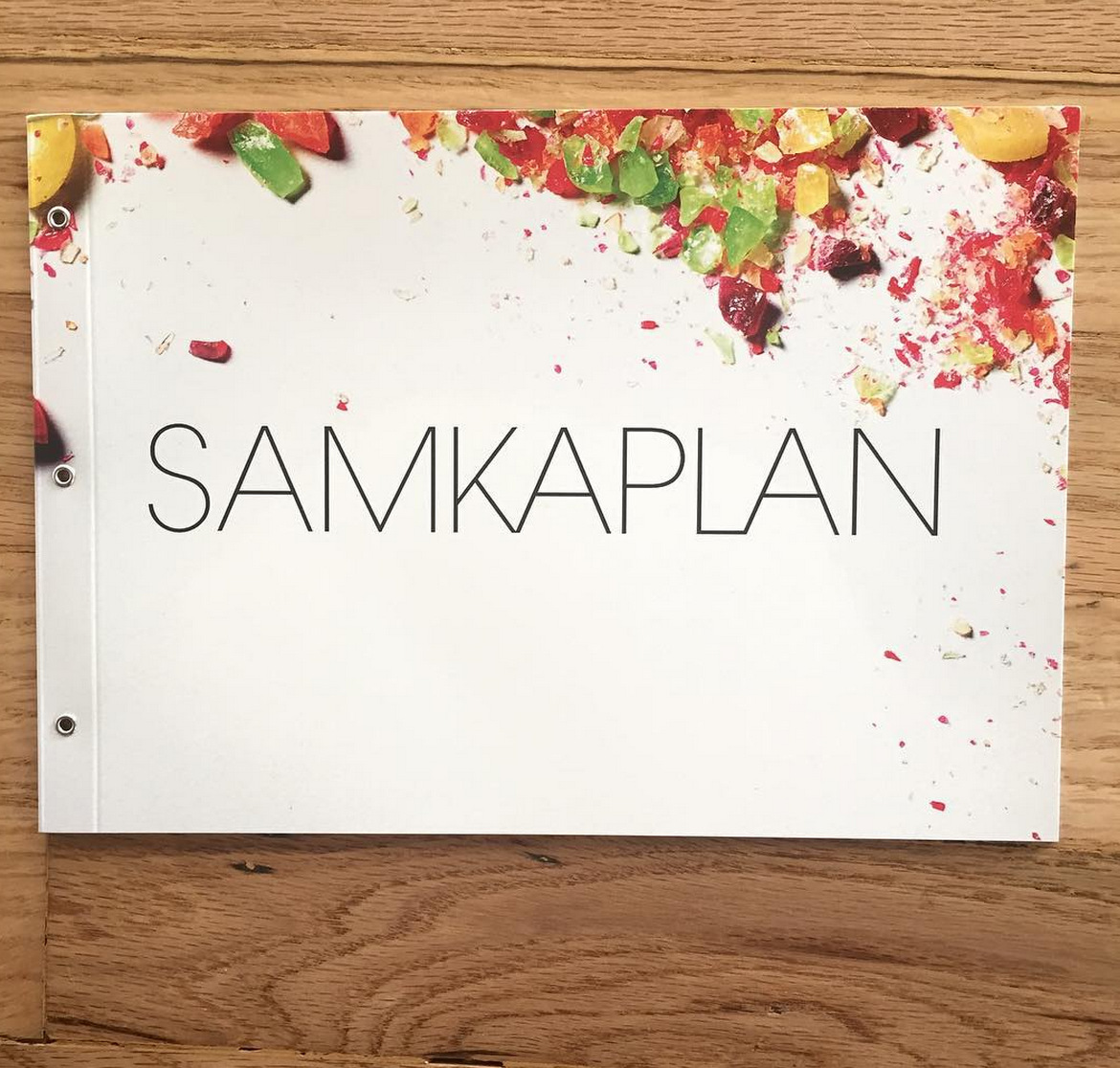
Screen Shot 2015-09-17 at 12.46.20 PM Screen Shot 2015-09-17 at 12.46.25 PM Screen Shot 2015-09-17 at 12.46.32 PM Screen Shot 2015-09-17 at 12.46.38 PM Screen Shot 2015-09-17 at 12.46.45 PM

Sam Kaplan

Who printed it?
Advanced Printing NYC

Who designed it?
I did.

Who edited the images?
I did. I shot the six main images knowing that they would be in the promo. Once I started designing the piece I realized I needed a front and back cover image. So we decided to shoot very simple remnants from the shoot.

How many did you make?
400

How many times a year do you send out promos?
I try to do two printed promos a year.

What inspired these beautiful images?
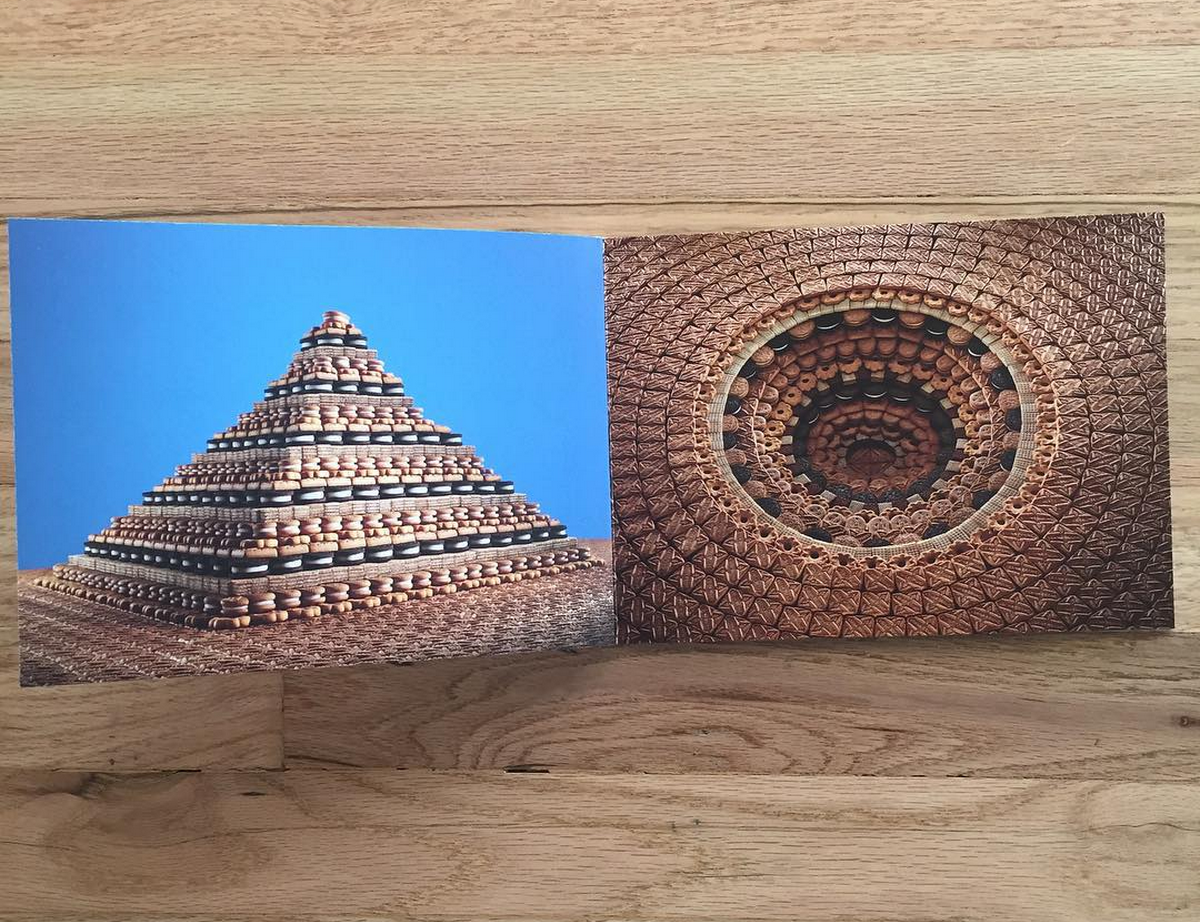
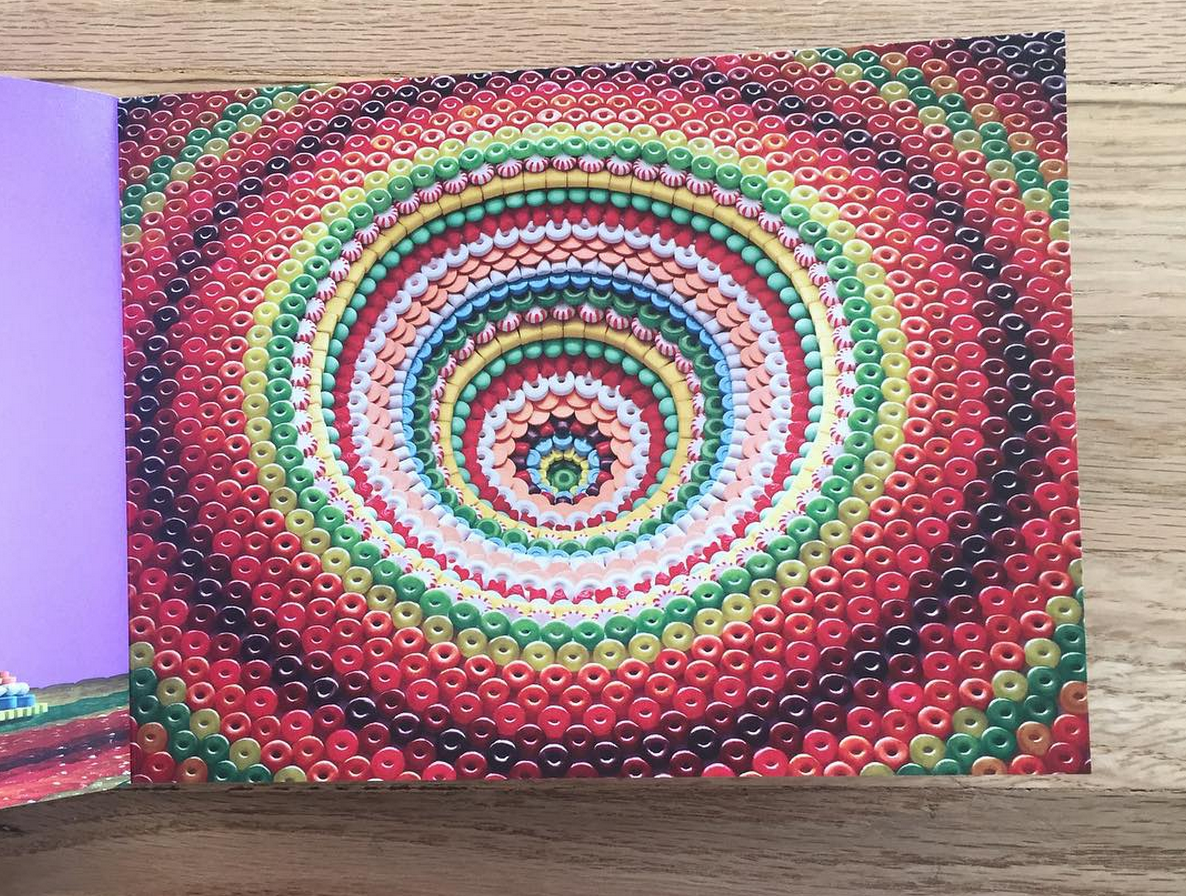
In the beginning of the summer I decided I wanted to do a promo to send out in the fall. I have always been fascinated with making patterns out of objects (especially food). Before this series I had focused on two-dimensional designs that sat on a surface. I wanted to find a way to make a pattern in three-dimensions. It was important to me capture each image in the series in one shot, with no compositing.

Who styled this and how many packets/or items did you purchase?
The cookie pit was the first one we did and I had Michelle Longo help source and style it. I think we bought every box of Lorna Doones in a 20-block radius around my studio. To construct the pit, we cut sheets lot of foamcore to create platforms for the cookies to sit on. The pyramid we built in a similar fashion. We did both separately over two long days.

For the sandwich images, I brought Brett Kurzweil on board. We had found a reference that we loved of a pyramid in a Confederate war memorial cemetery and used the dimensions of that to plan out our pyramid. Brett made dozens and dozens of each type of sandwich and I used them like (soft) bricks to build the pyramid on set. Again, foam-core was used to shore up the structure. It was a little over 3 feet tall. This took about 14 hours I think.

For the candy, I did both builds on my own during downtime at my studio over a period of a few weeks. I used a combination of foamcore and about 500 hot glue sticks.

This Week In Photography Books: Laurent Chardon

by Jonathan Blaustein

They’ve had no rain up in Washington, which you’ve probably heard. Even less snow last Winter. I just saw a headline in the NYT that the Sierra snowpack is at its lowest level in 500 years.

That’s about when Cortes conquered Mexico. The last time there was this little snow, Italians had never eaten a tomato. (Crazy times, this Climate Change.)

Though Seattle is famously pastoral, I recently dined with some friends who live there, and they still flee the city on Summer weekends. They head to “real” nature for the peace and quiet, and will go to great lengths to get there.

Apparently, Josh, Katie and the kids wait 2 hours in a queue to get their car on a ferry. They ride the boat, and 2 more hours to disembark, all before they drive to their preferred camping locale. (5 hours in total, each way.) That’s how badly some people want to escape the urban jungle, and this in a beautiful city surrounded by water and mountains.

This need to be elsewhere is as strong as it is strange. Why can’t people enjoy what they have? Because baking concrete and ceaseless noise will mess with your brain.

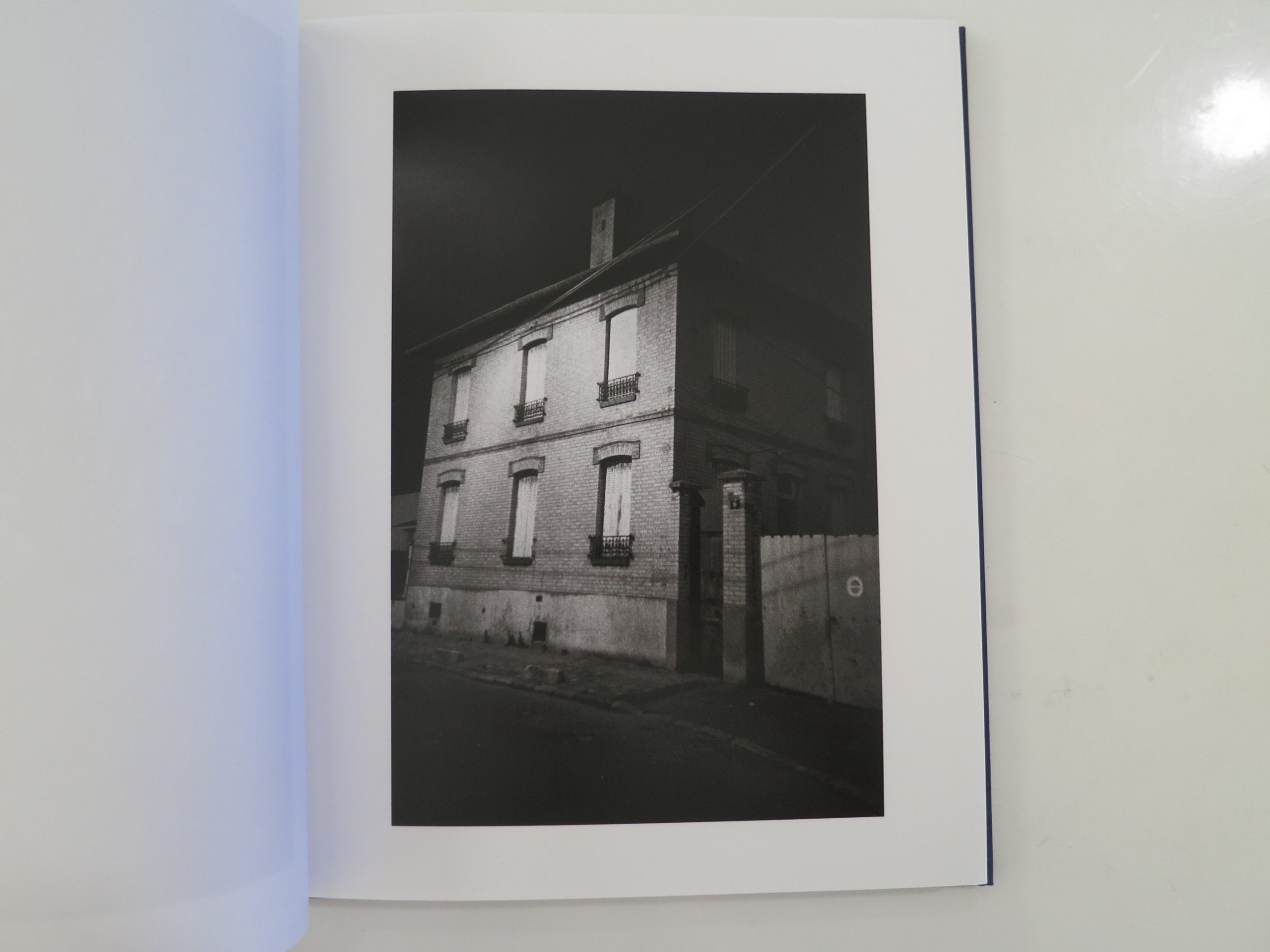
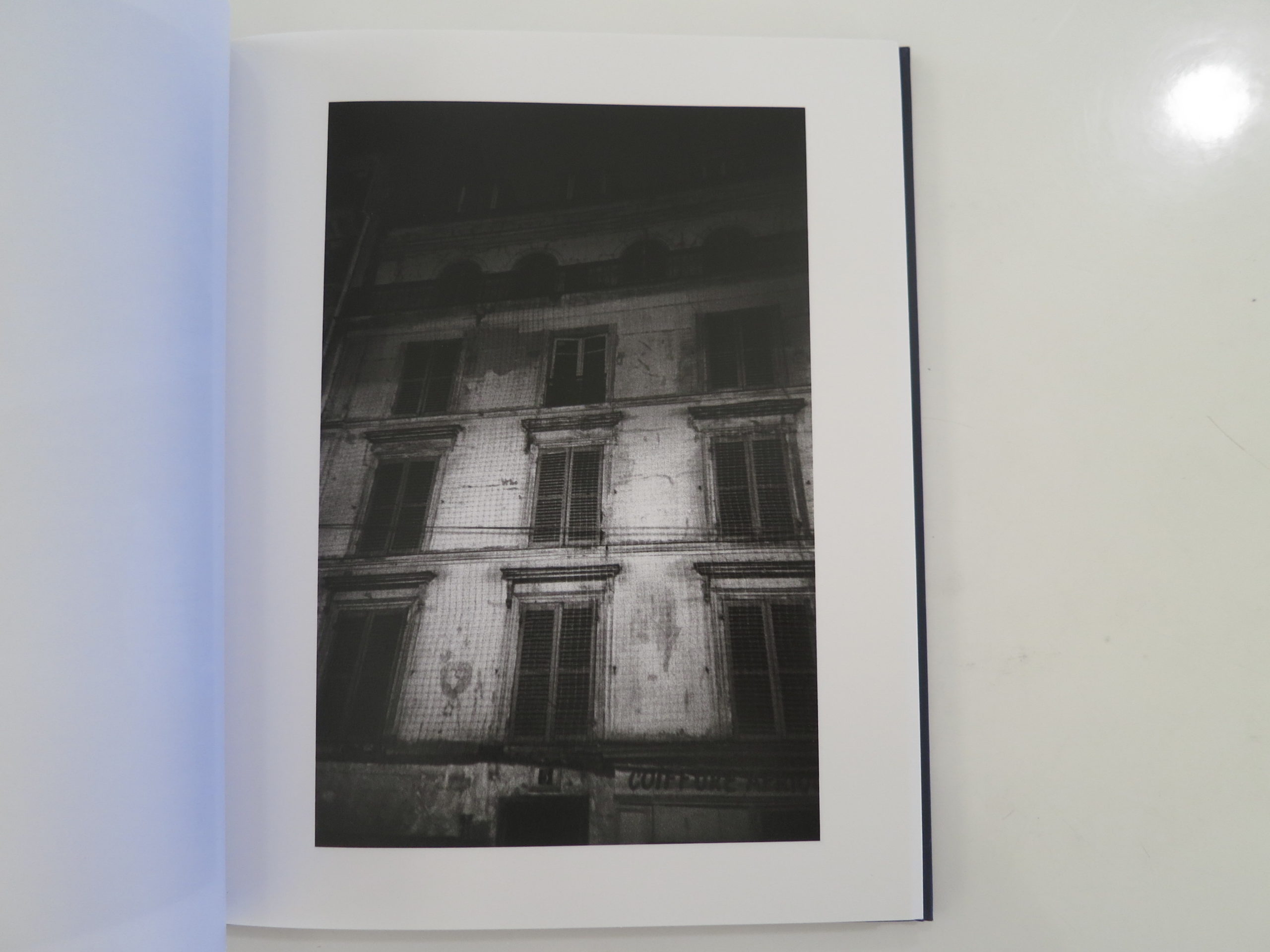
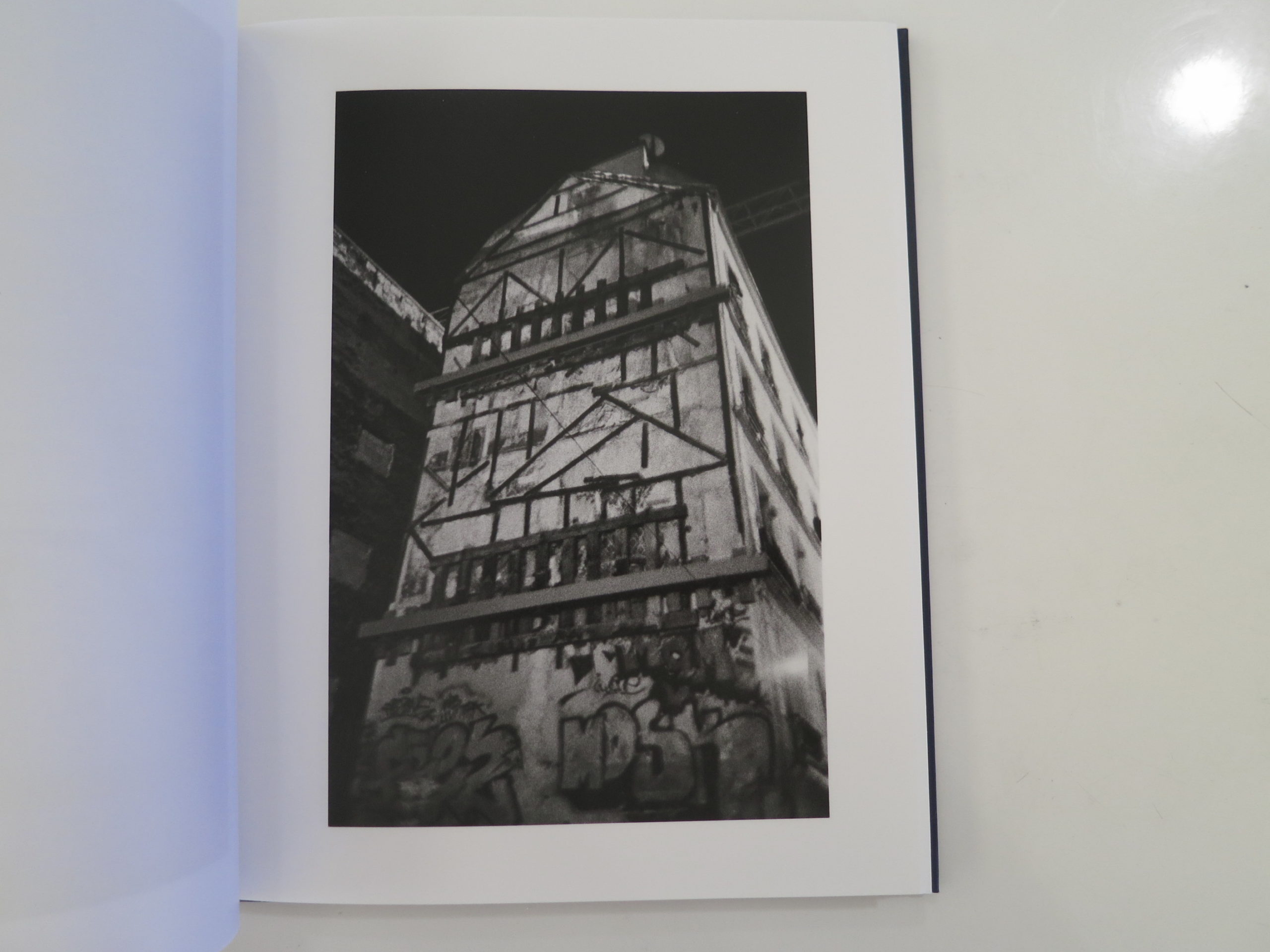
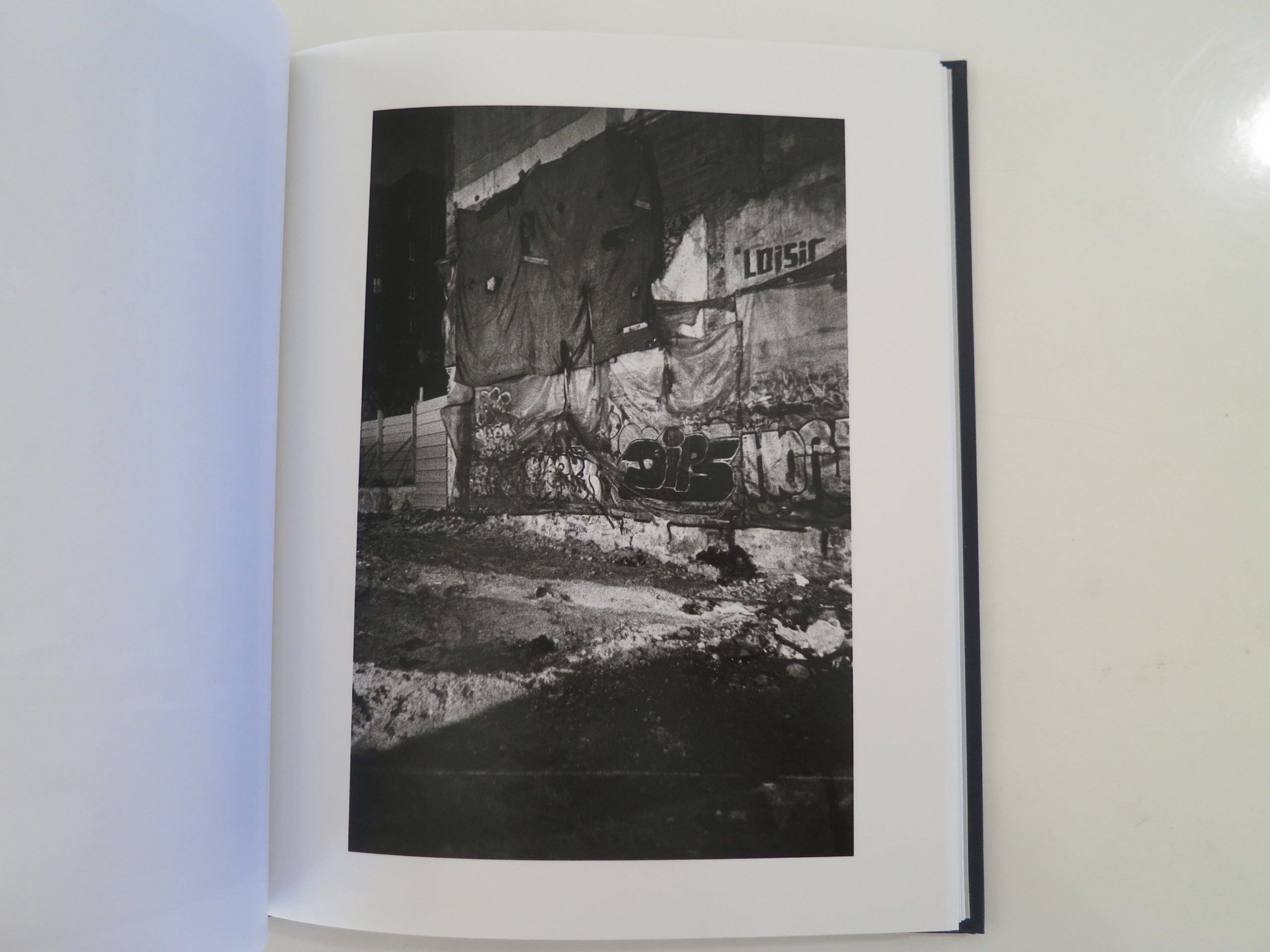
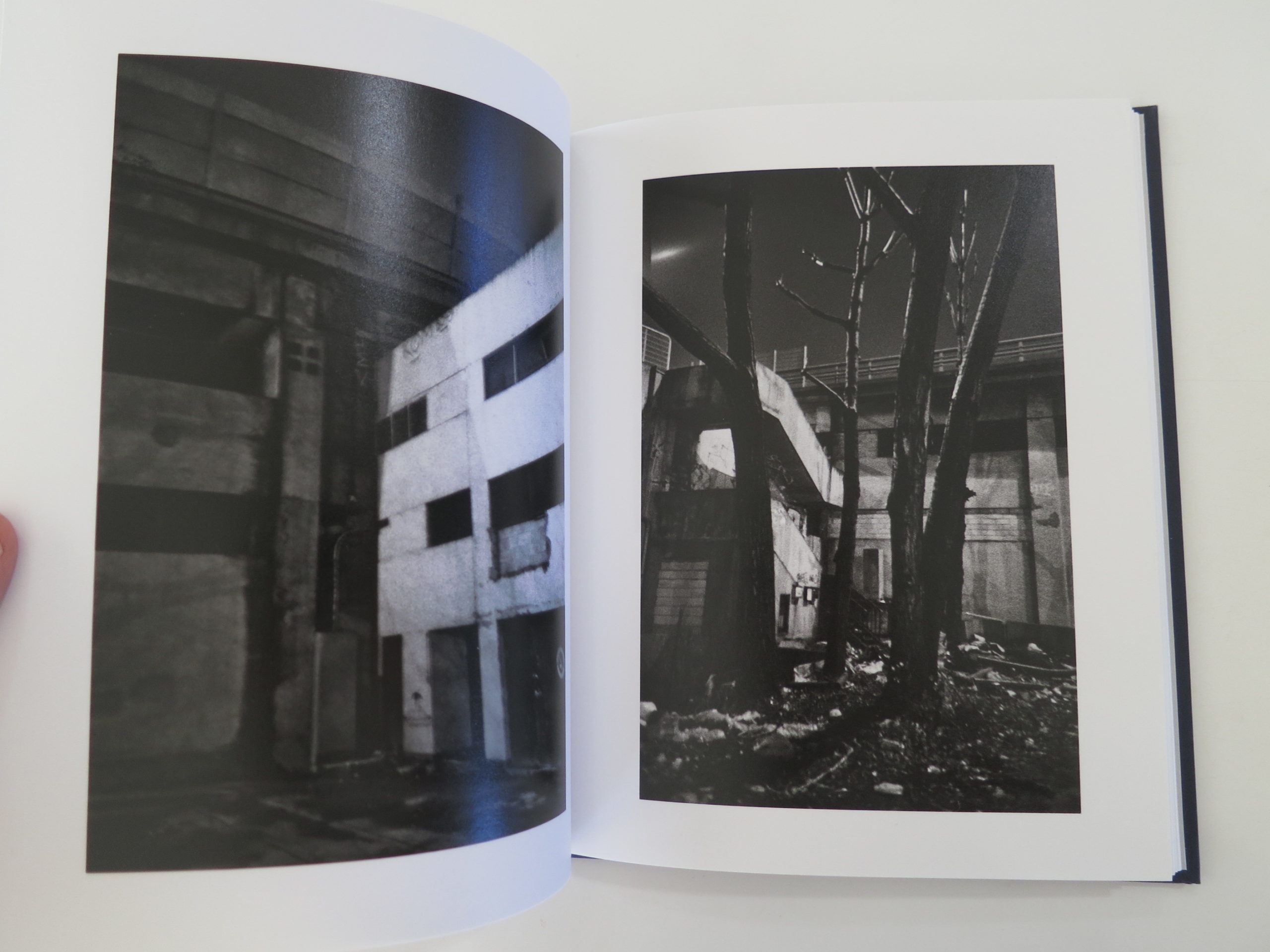
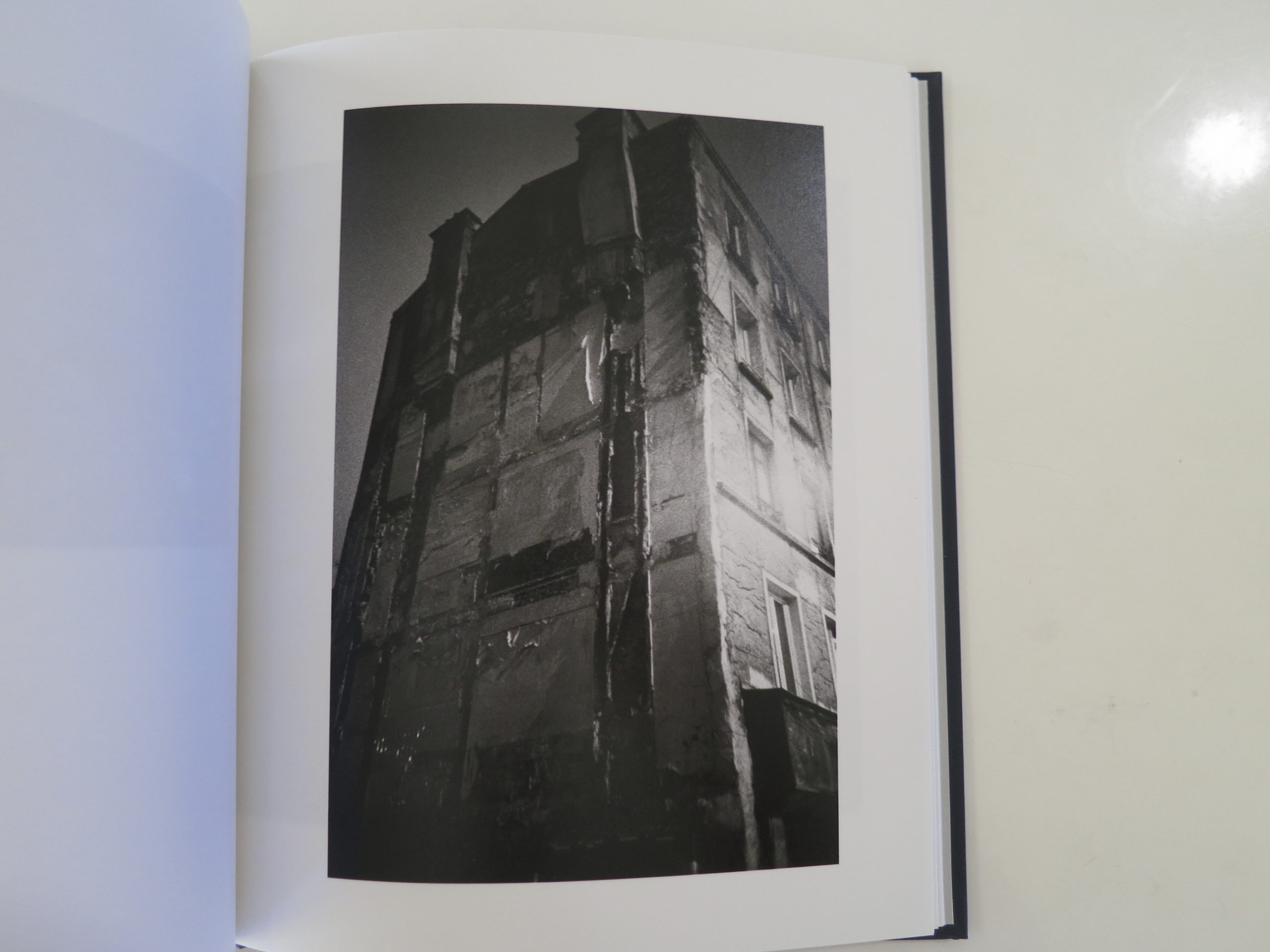
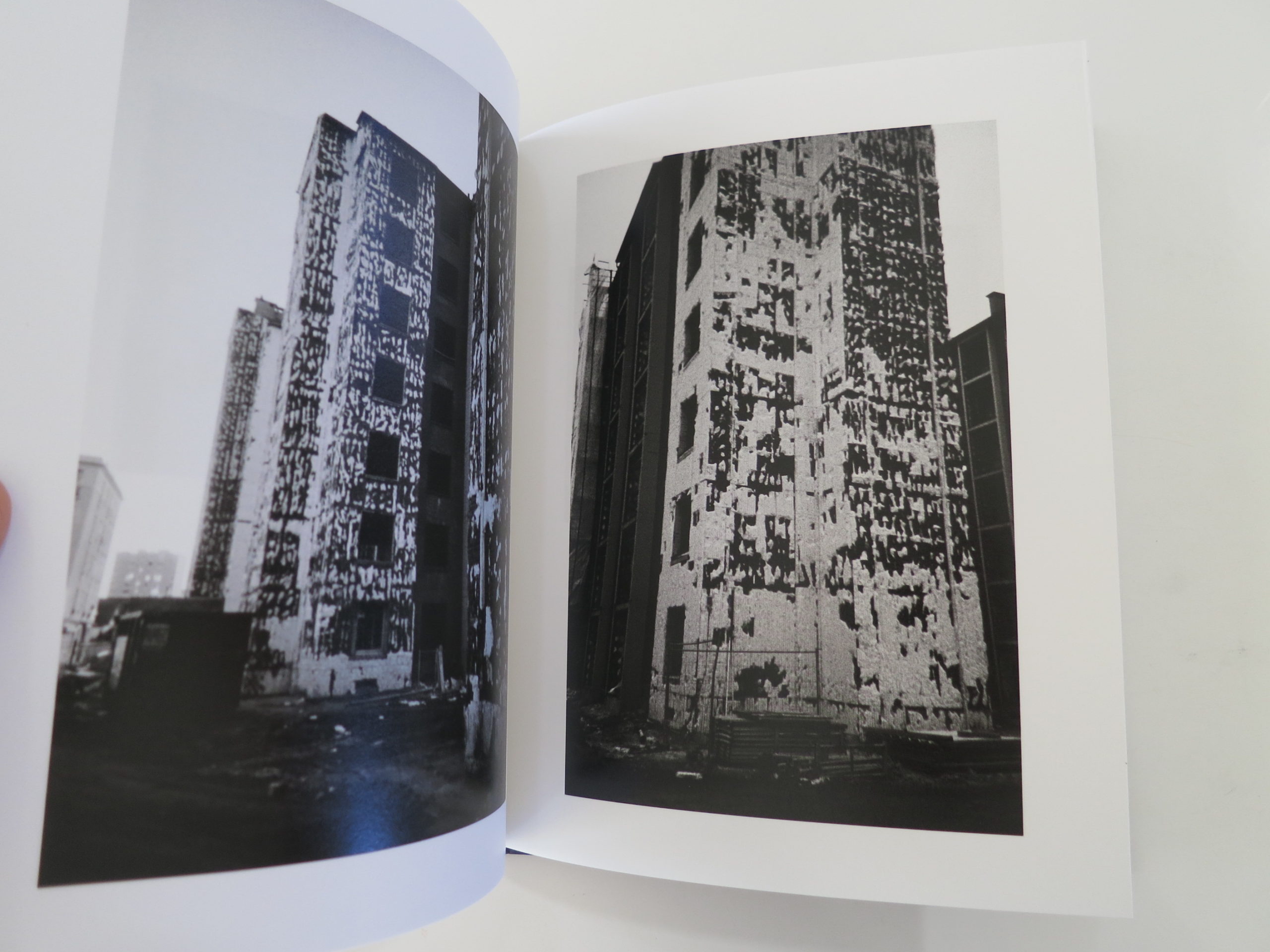
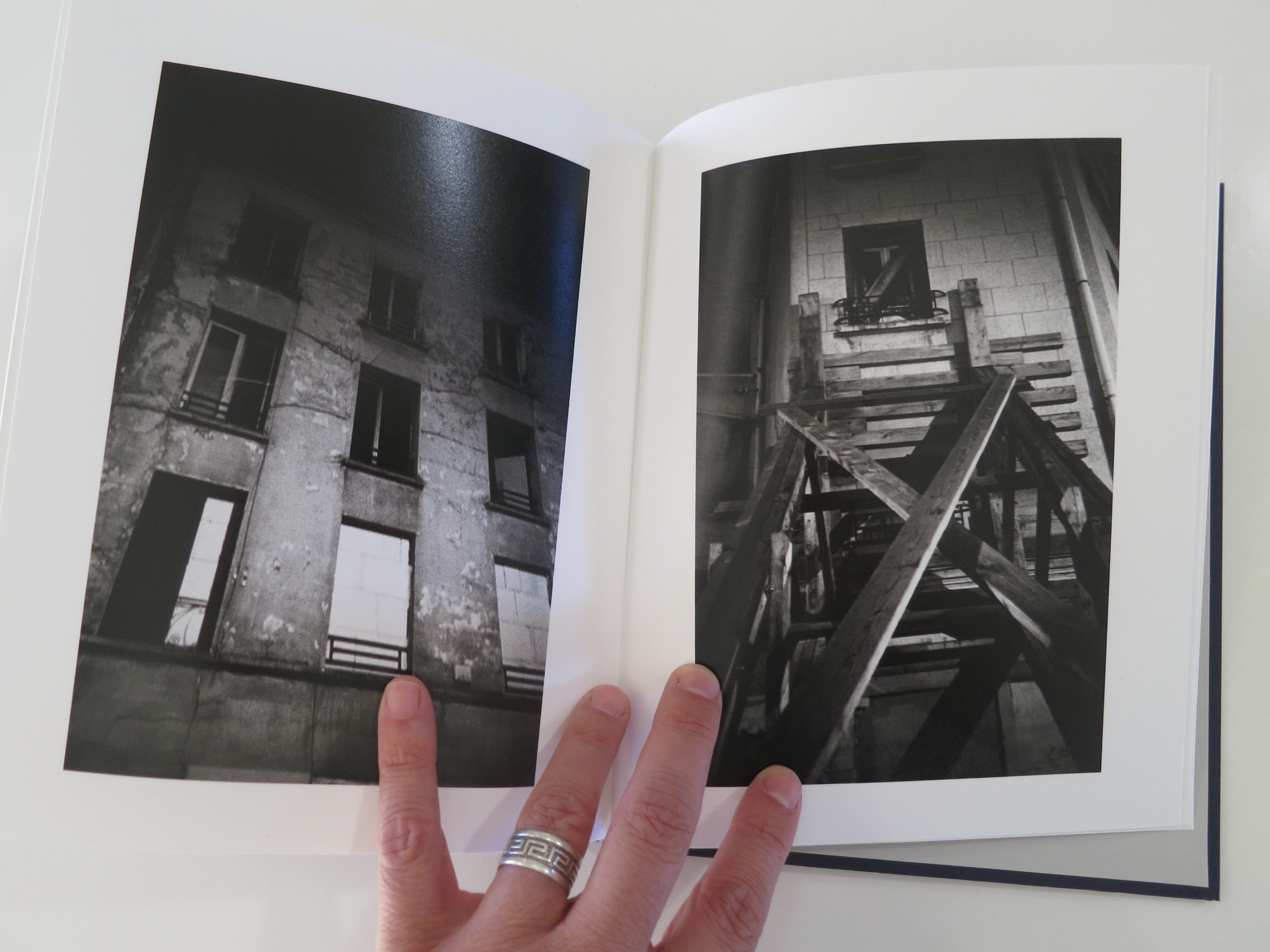
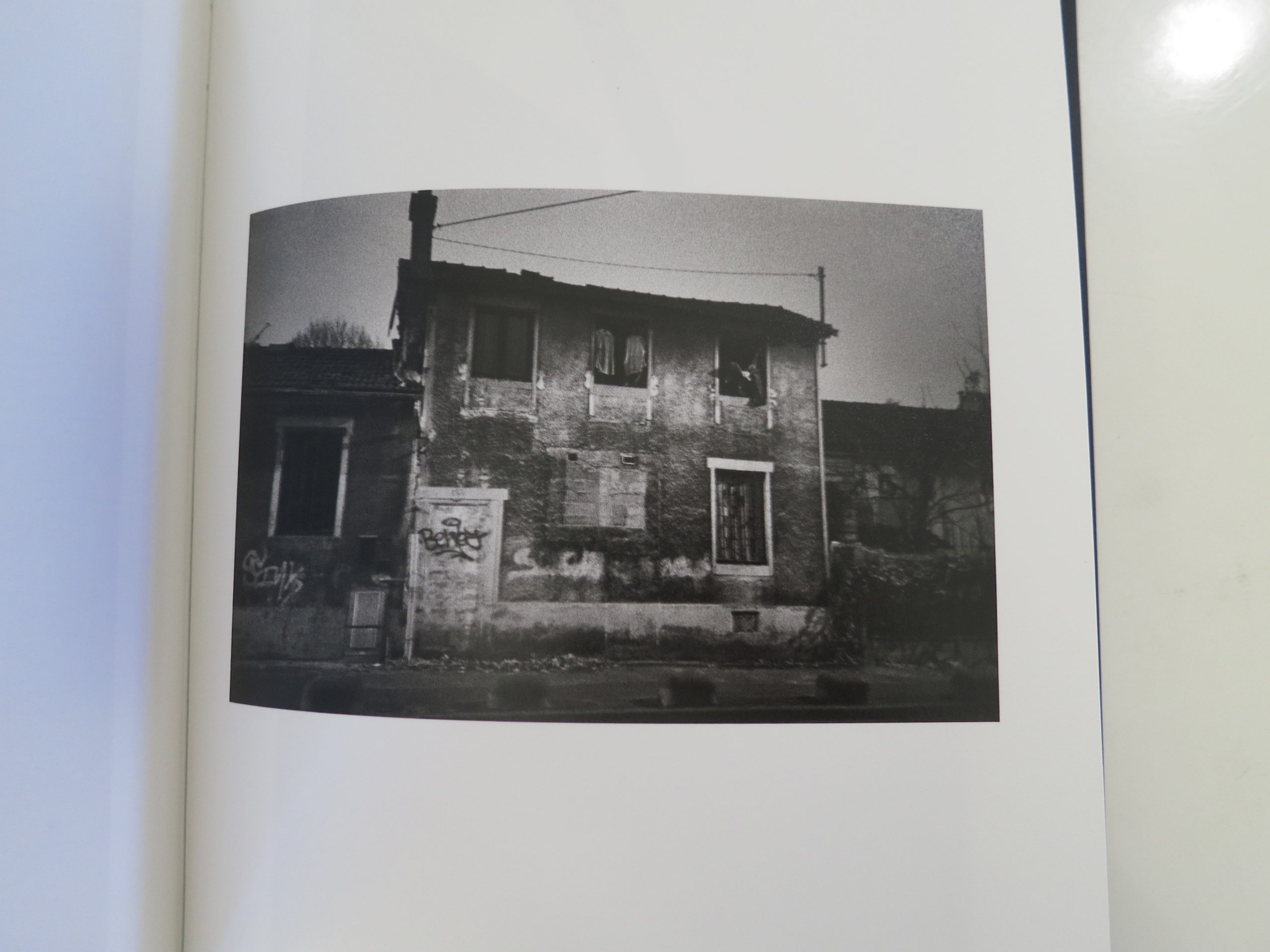
Yes, today I’m wondering about the relationship between cities and their immediate environs, after looking at Laurent Chardon’s new book “Dédale,” recently published by Poursuite.

The banlieues, or suburbs, that surround Paris have been in the news quite a bit, of late. They’re getting a lot of publicity as hotbeds of Islamic unrest and Anti-Semitism, but also for the riots that seem to happen every couple of years. (Burning cars, that sort of thing.)

Why has it been thus? Because those neighborhoods are apparently ghettos for the immigrants, and people of color, that La France has been slow to adopt. (Much less embrace.) As we’ve learned in America, segregating poverty does not make it disappear. Averting your gaze affects your gaze, but not what you choose to ignore.

I’m no expert on the banlieues, as I haven’t been to Paris in 15 years, and even then, it was only for a night. What I know of the situation comes from what I’ve read, mostly. And now, from what I’ve seen.

This book, like some of my favorites, doesn’t give you anything. You have to sort it out for yourself, and even then, supposition is required. (That’s my way of saying the following sentiments may be incorrect, relative to the artist’s intentions.)

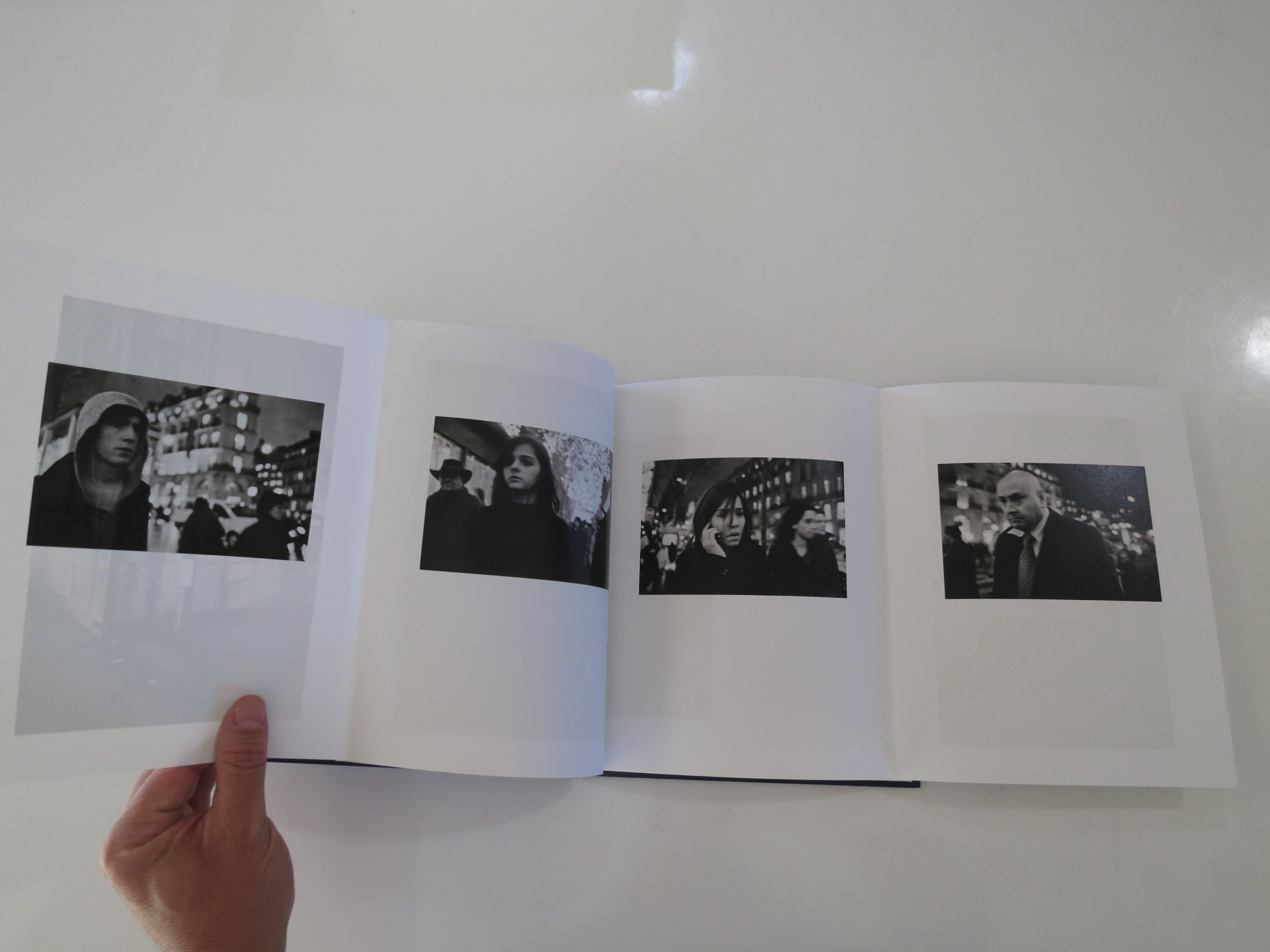
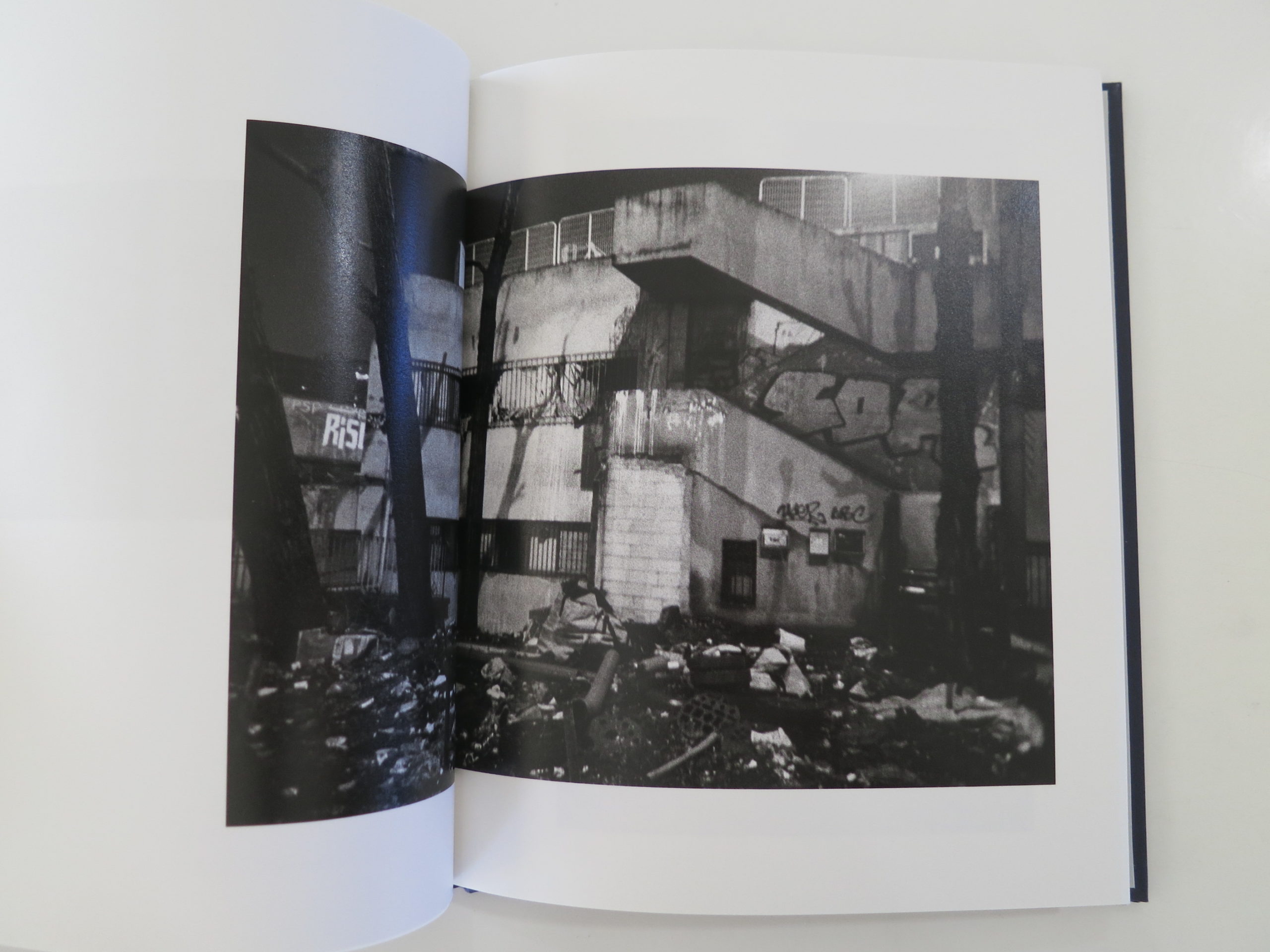
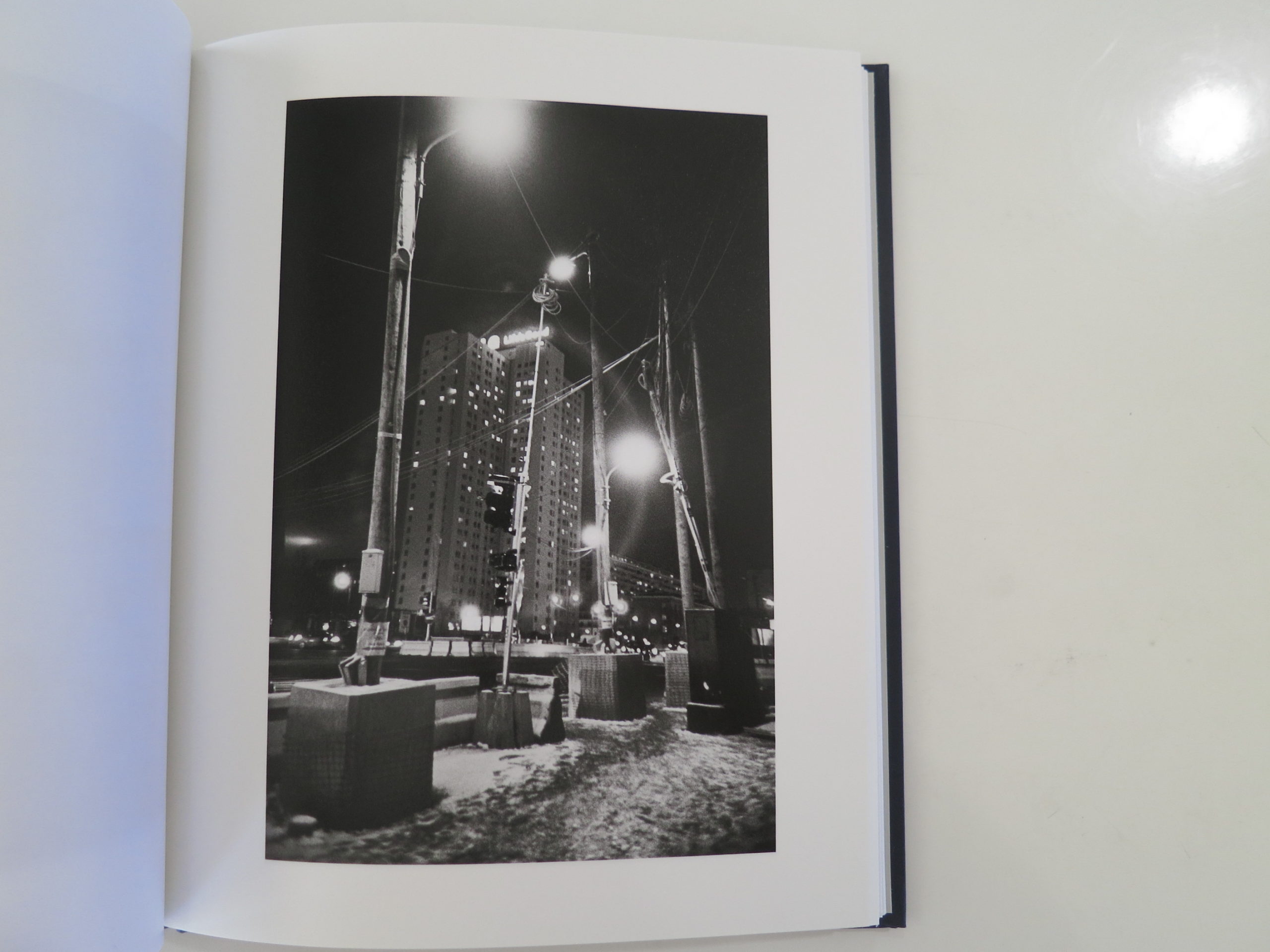
Open it up, and save for the title, all we get are photos. Bleak, graffiti-covered industrial and abandoned structures. Mostly at night. These are to Brassaï’s glowing, Romantic night time Parisian pictures as Johnny Manziel is to Tom Brady.

The cover gives us a map of a Metropolis, and the architecture and few bits of language in the initial photos allow me to guess we’re in the Paris orbit. (Which the end notes confirm.) The stark landscape makes me believe we’re on the outskirts, where the poverty lives. (No gleaming Gothic cathedrals in this one…)

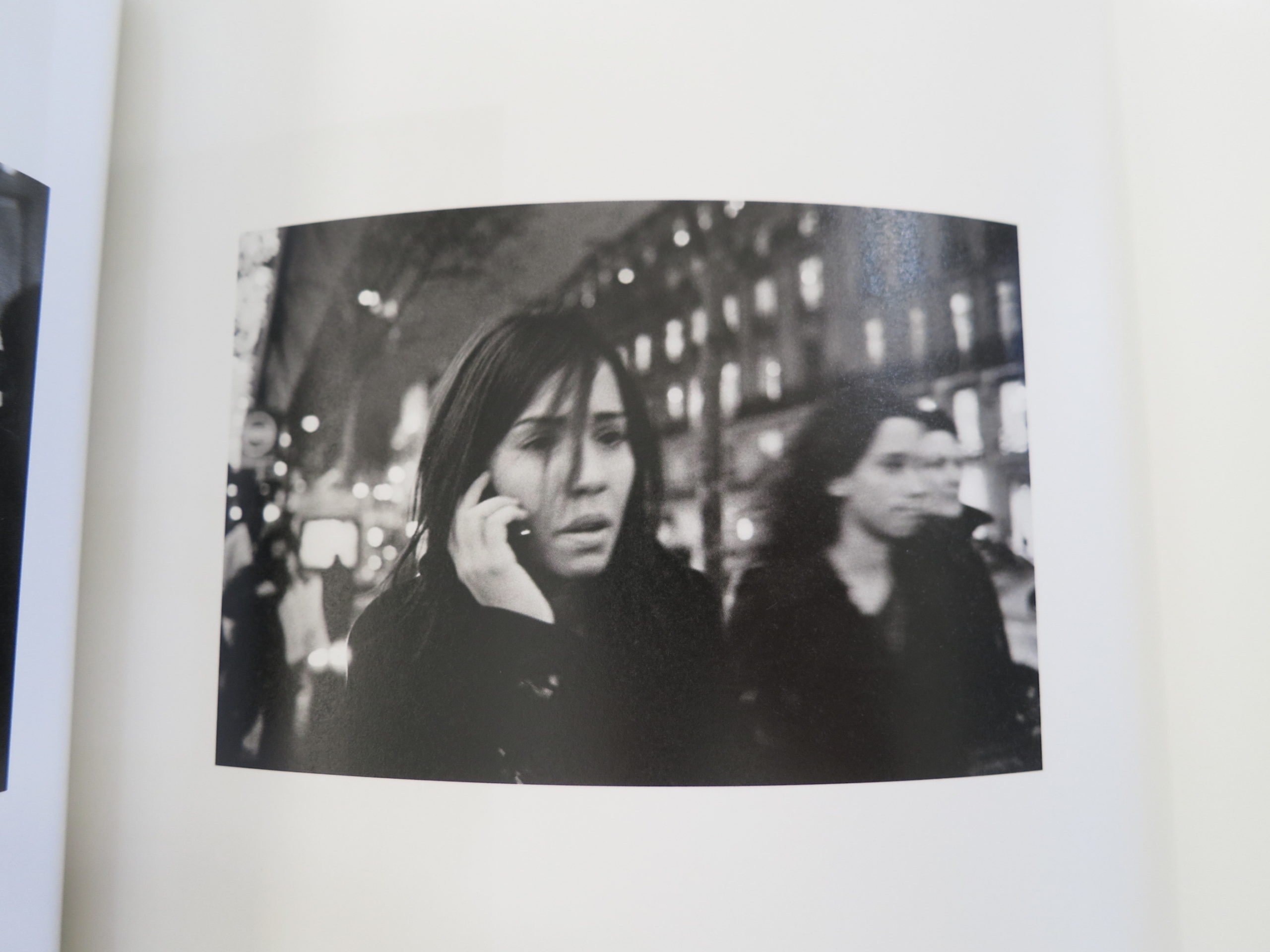
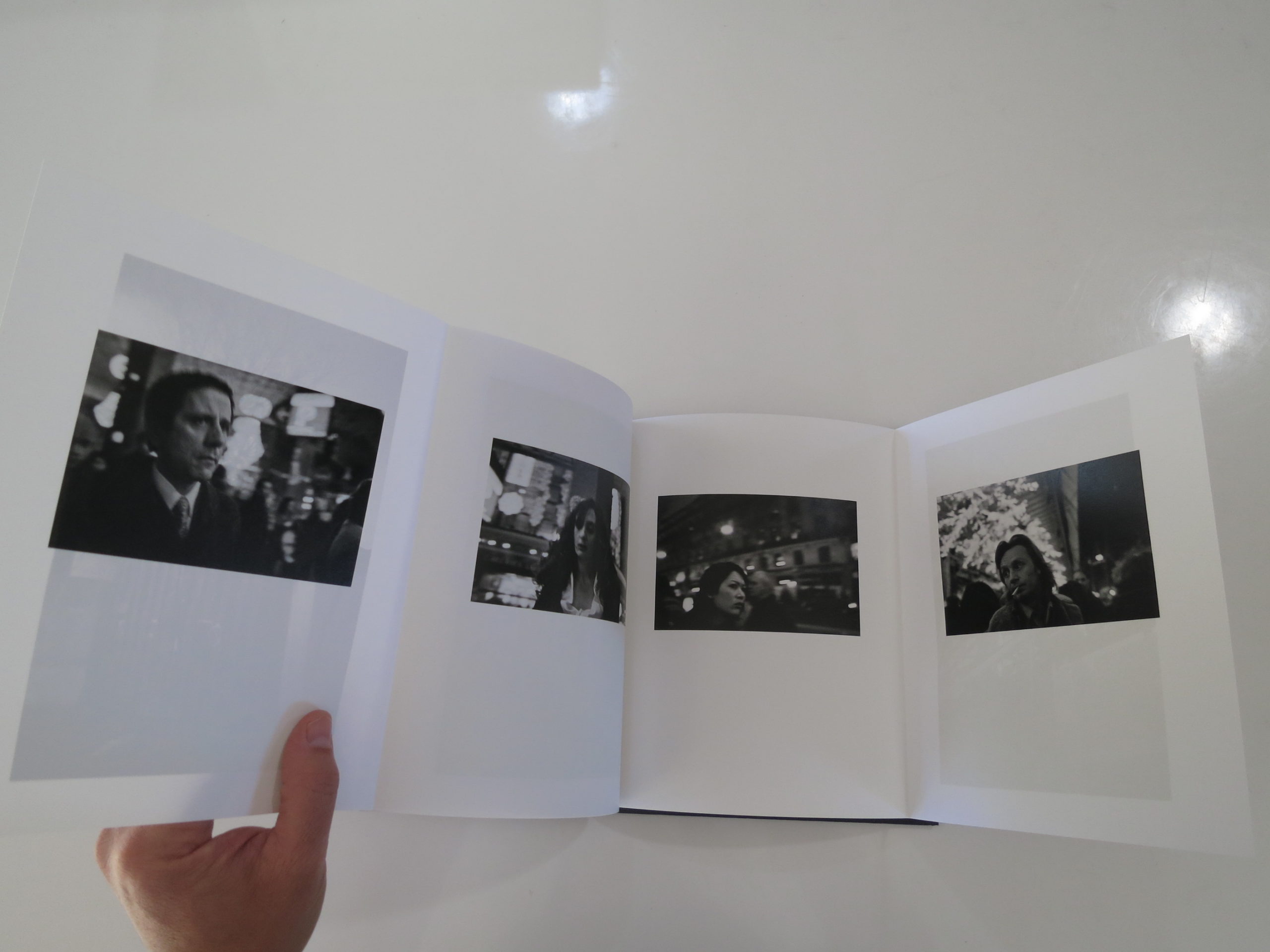
Then, surprisingly, I notice that a page feels thicker than the others. I play around a bit and open it up, finding two double spreads of portraits. Grabbed photos of pedestrians at night, lit up by what feels like the glow of the city center.

Then back to the gloom. The process repeats itself three or four more times. Always the same: up close, stolen street portraits, the kind that require copious light and unsuspicious people. You’d never get pictures like this, lurking somewhere unpopulated, shoving your camera in the grill of scared strangers.

To me, it’s a structural metaphor. The shiny center, encircled by a sad, weary infrastructure. The breezy heart of the city, with danger pervading the darkened edges.

This is just my read, of course, because the book gives nothing away. The end notes, in French, tell us the artist dedicates his book to his parents, and that the pictures were made in Paris and its surroundings, in 2003, 07, and 2010-13.

That’s it.

The use of black and white is perfect here. Not only does it reference Brassaï, but it gives a genuine menace to these pictures. It makes you wonder how safe Mr. Chardon was, while he snapped away.

They make the outskirts look bad, but not the banlieue residents, as there are none to be seen in the lightless places. So we begin to wonder: who would prosper in an environment so ugly and decrepit? How can people be expected to succeed, on the fringes of Paris, when their world is as bleak as Paris is beautiful?

I genuinely don’t know. Do you?

PS: This column has gone on for so long that when I tried to save my document as “Chardon,” I learned the title was taken. Apparently, I reviewed another of his books back in 2013. Not sure what that says about my memory, but I’ll have to re-read it, to see what I thought of his previous effort.

Bottom Line: Chilling photos on the outskirts of Paris

To Purchase “Dédale” Visit Photo-Eye

IMG_0924

IMG_0925

IMG_0926

IMG_0927

IMG_0928

IMG_0929

IMG_0930

IMG_0931

IMG_0932

IMG_0933

IMG_0934

IMG_0935

IMG_0936

IMG_0937

IMG_0938

IMG_0941

IMG_0942

IMG_0943

IMG_0944

IMG_0945

The Art of the Personal Project: Jim Golden

As a former Art Producer, I have always been drawn to personal projects because they are the sole vision of the photographer and not an extension of an art director, photo editor, or graphic designer. This column, “The Art of the Personal Project” will feature the the personal projects of photographers who were nominated in LeBook’s Connections. http://www.lebook.com/jimgolden
Projects are discovered online and submissions are not accepted.

Today’s featured photographer is: Jim Golden

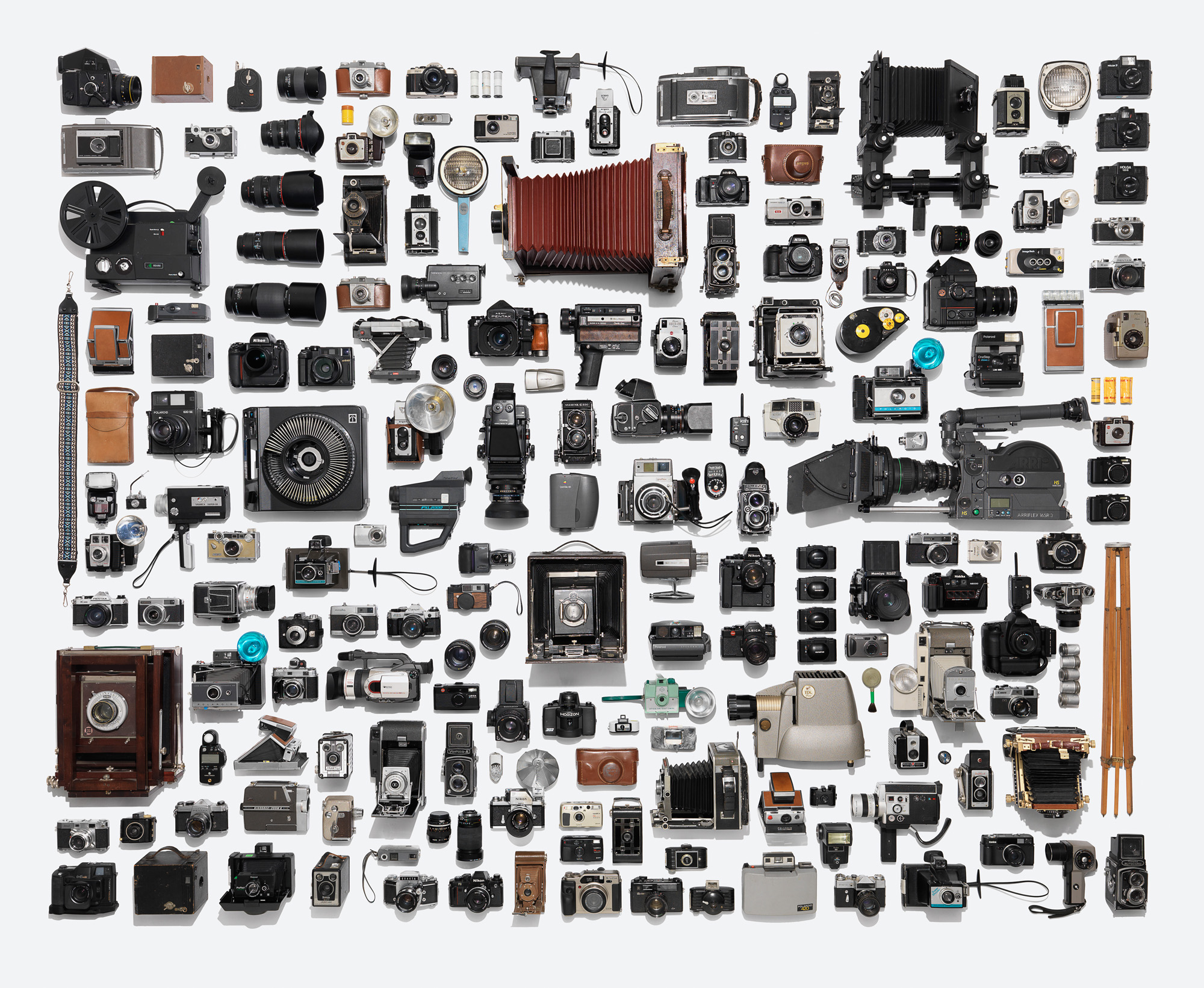
CAMERA-COLLECTION

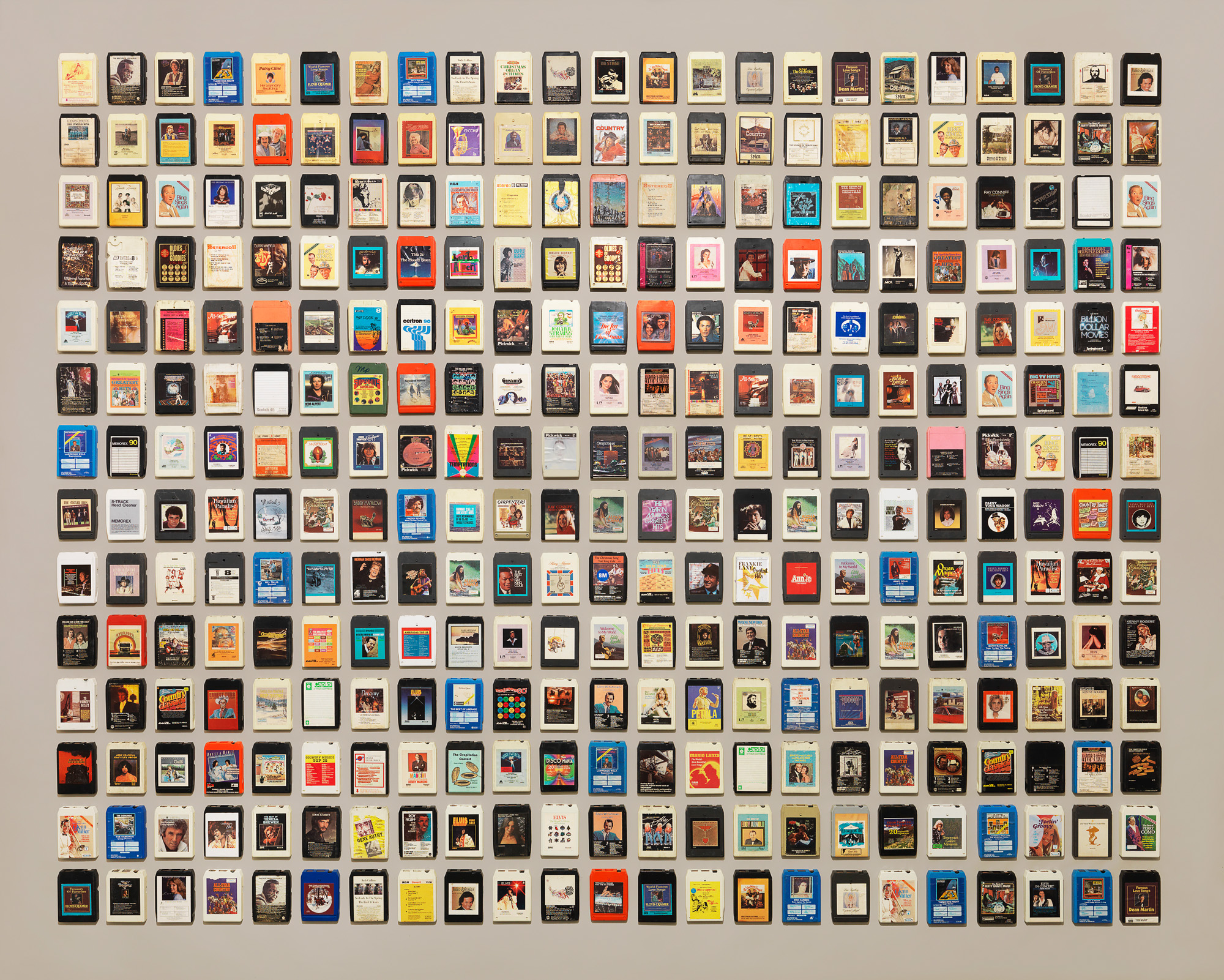
8-TRACK-COLLECTION

BARRETTE-COLLECTION_0187

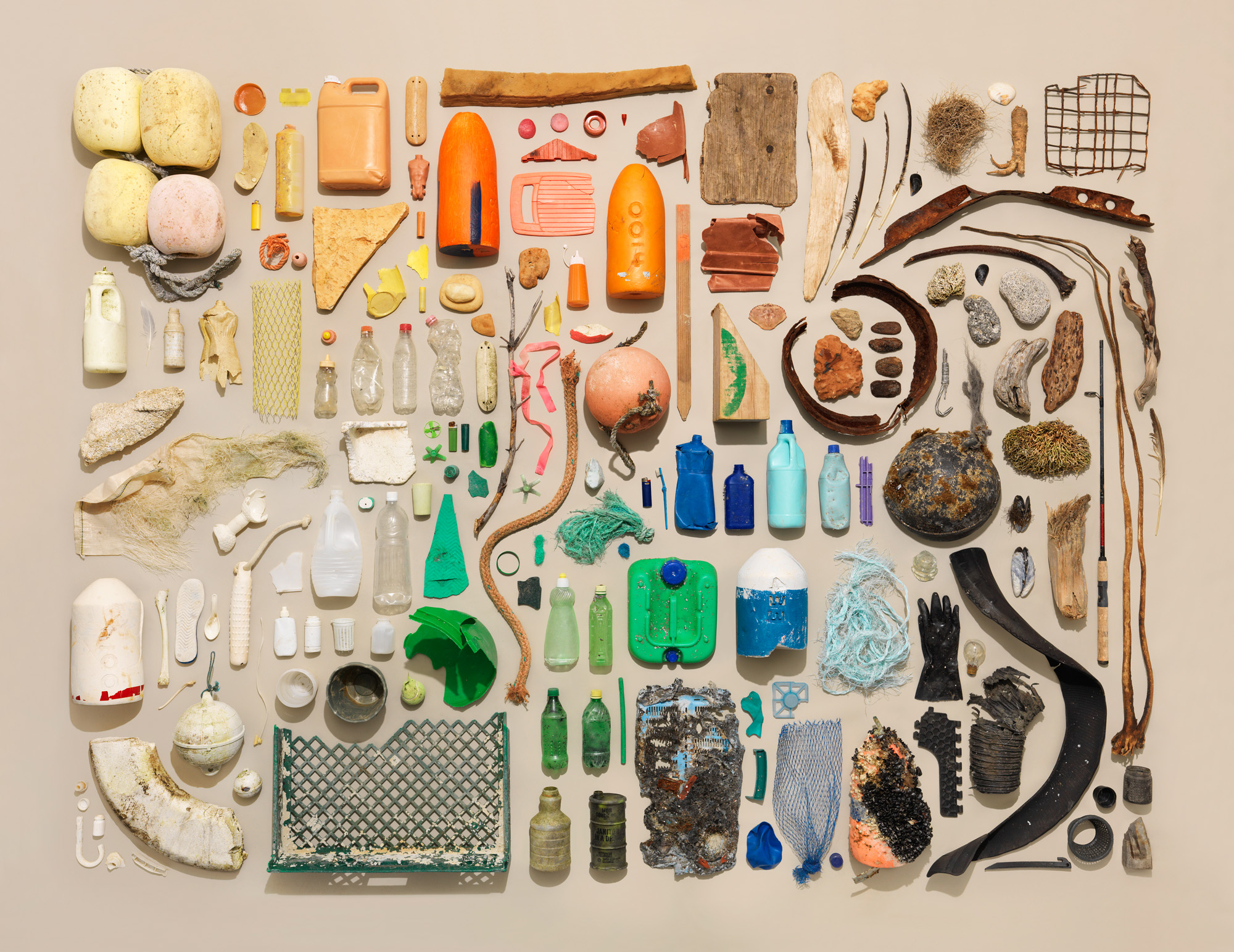
BEACHCOMBER

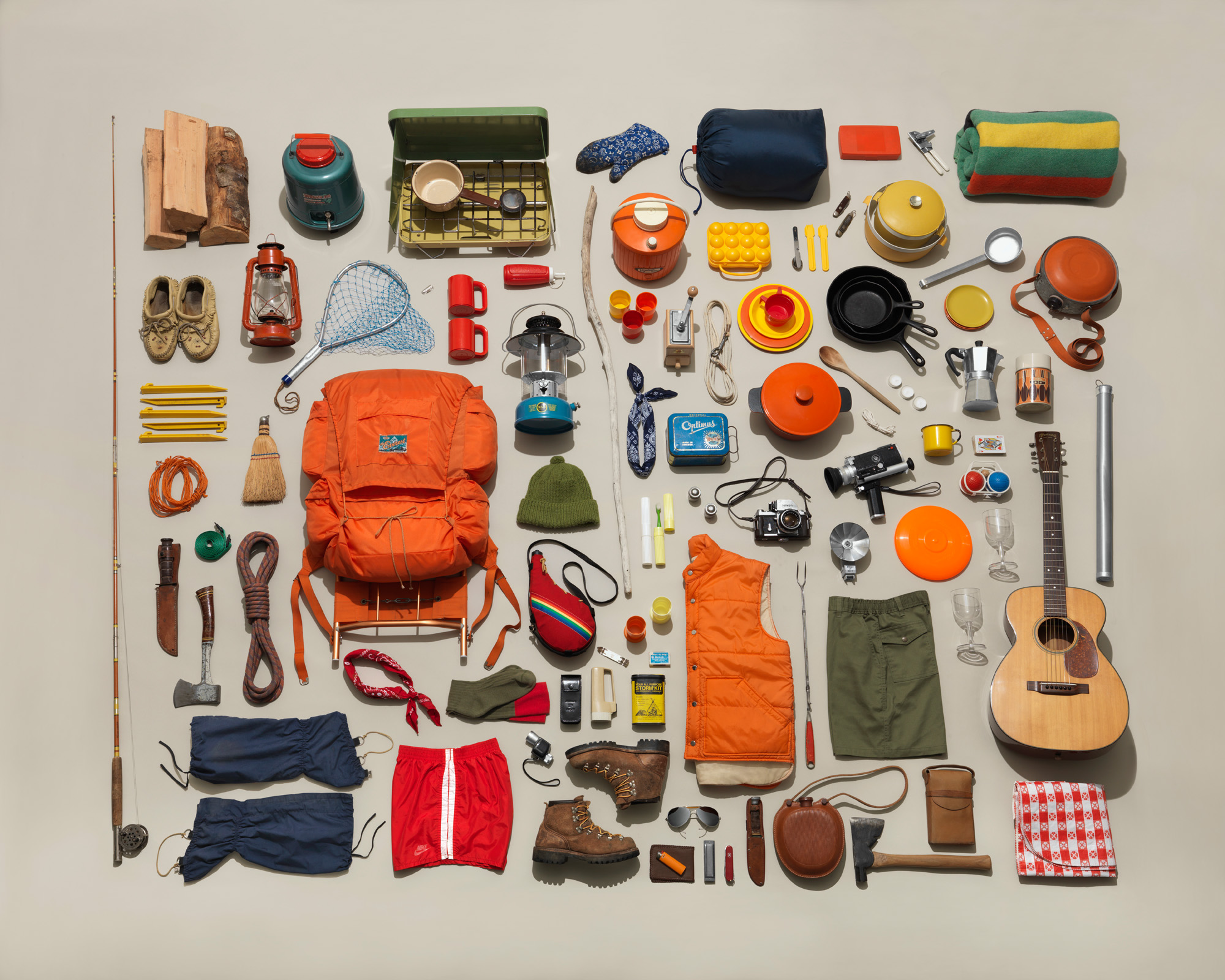
CAMPING-COLLECTION

CASSETTE-COLLECTION

SCISSORS-COLLECTION

TYPEWRITER-COLLECTION_0253

VIDEOGAMES_0418

Relics_of_Technology_5-Diskette

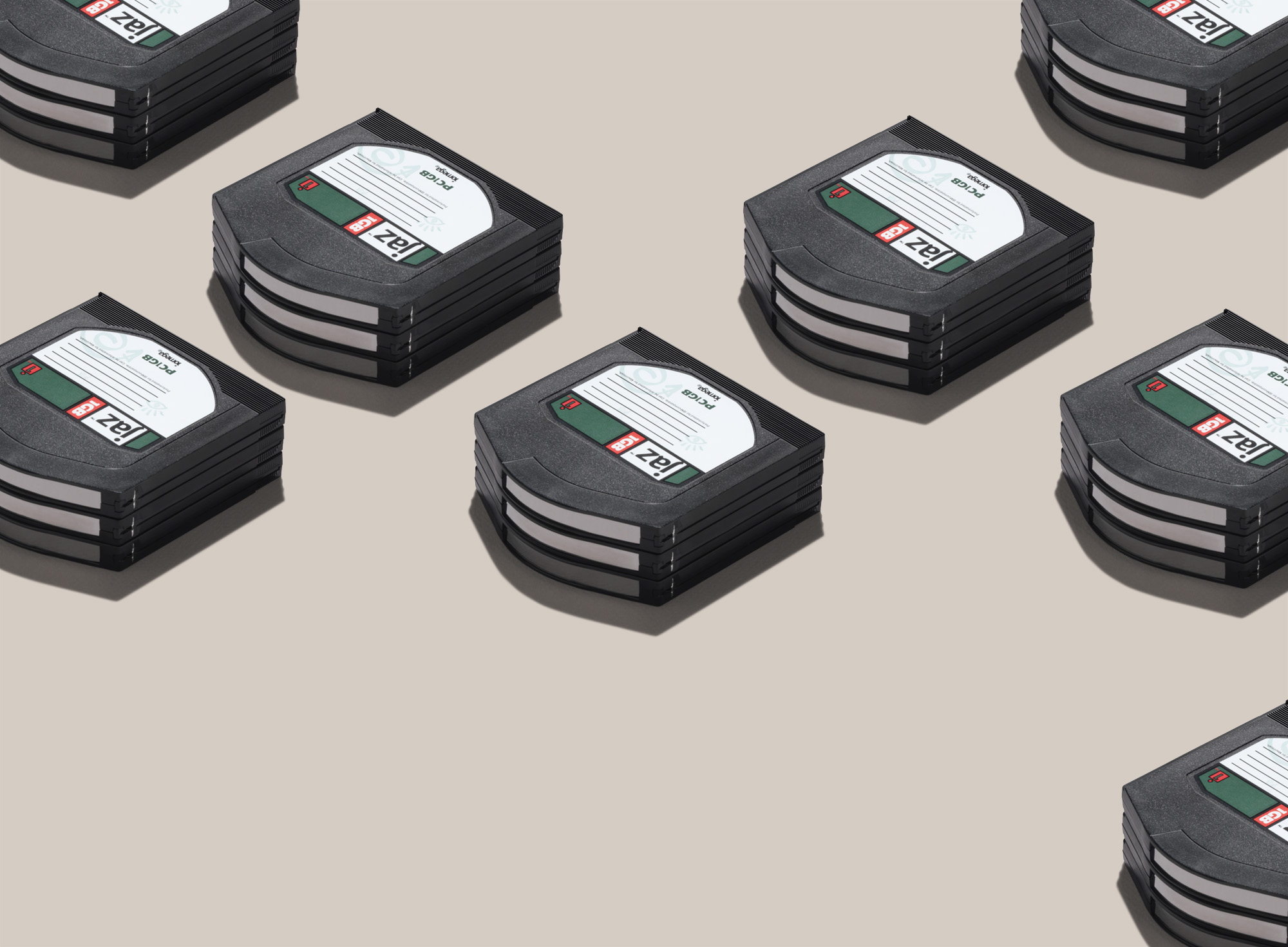
Relics_of_Technology_Jaz_Disk

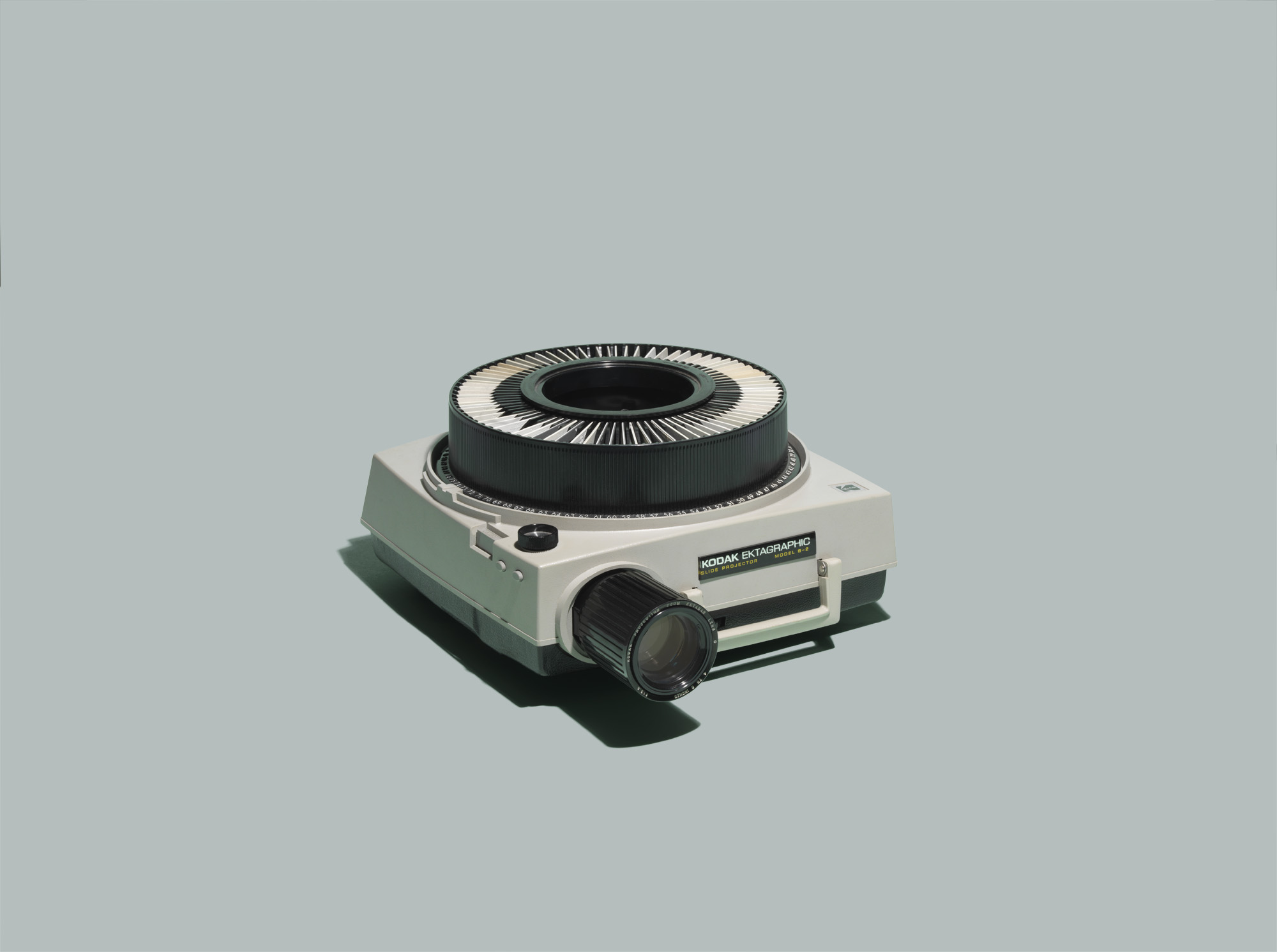
Relics_of_Technology_Slide_Projector

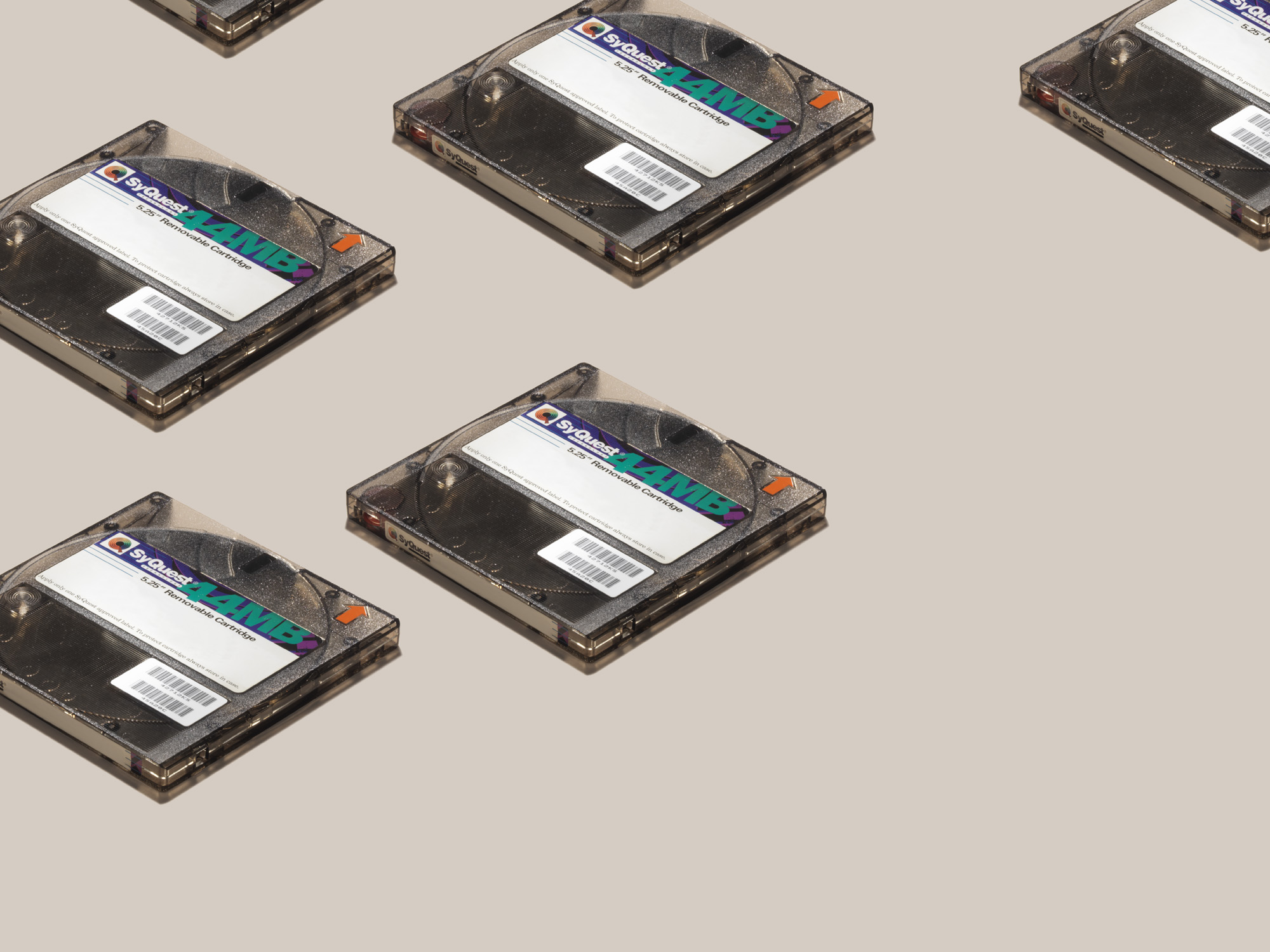
Relics_of_Technology_SyQuest

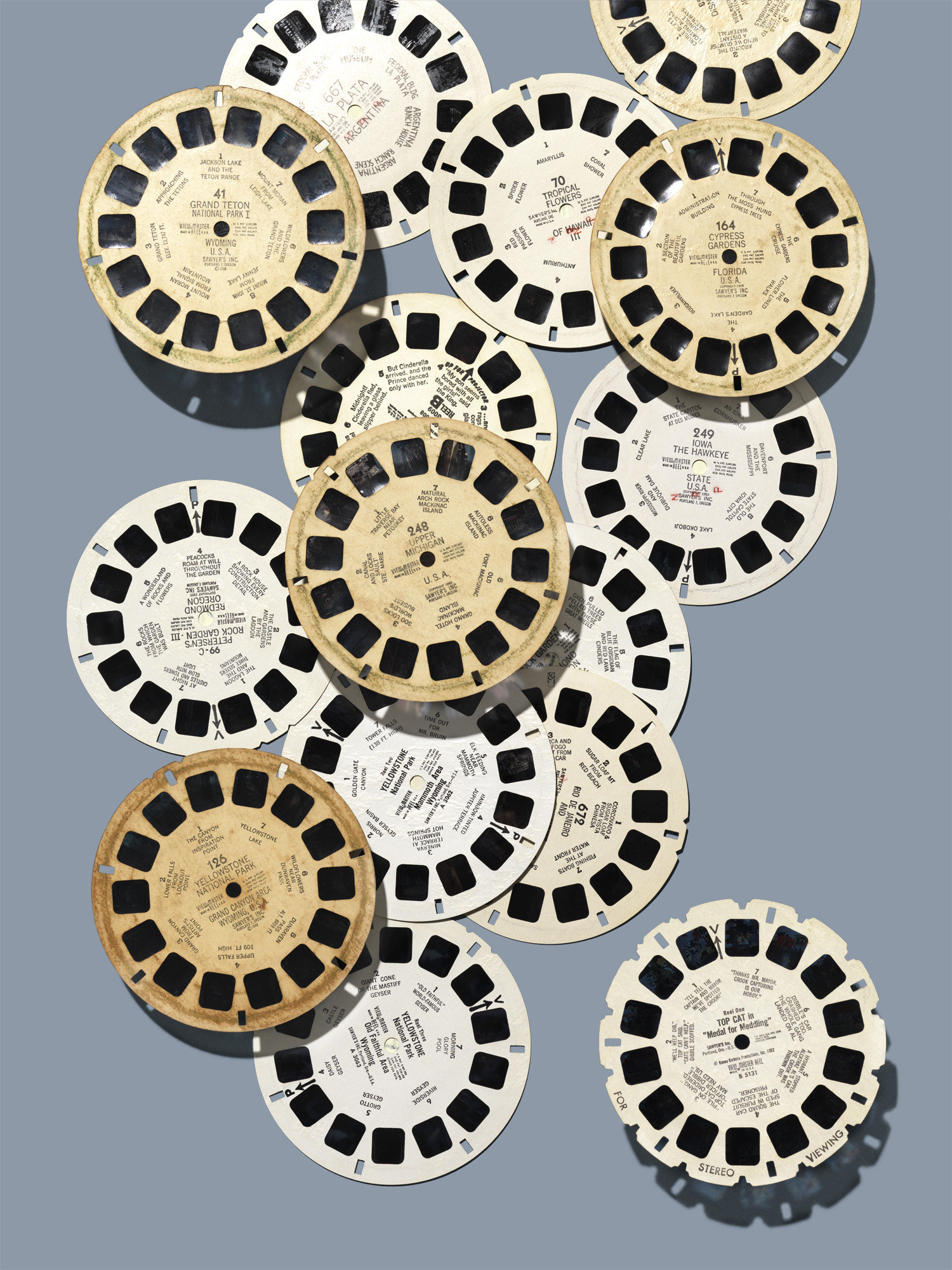
Relics_of_Technology_Viewmaster

Relics_of_Technology_Zip_Discs

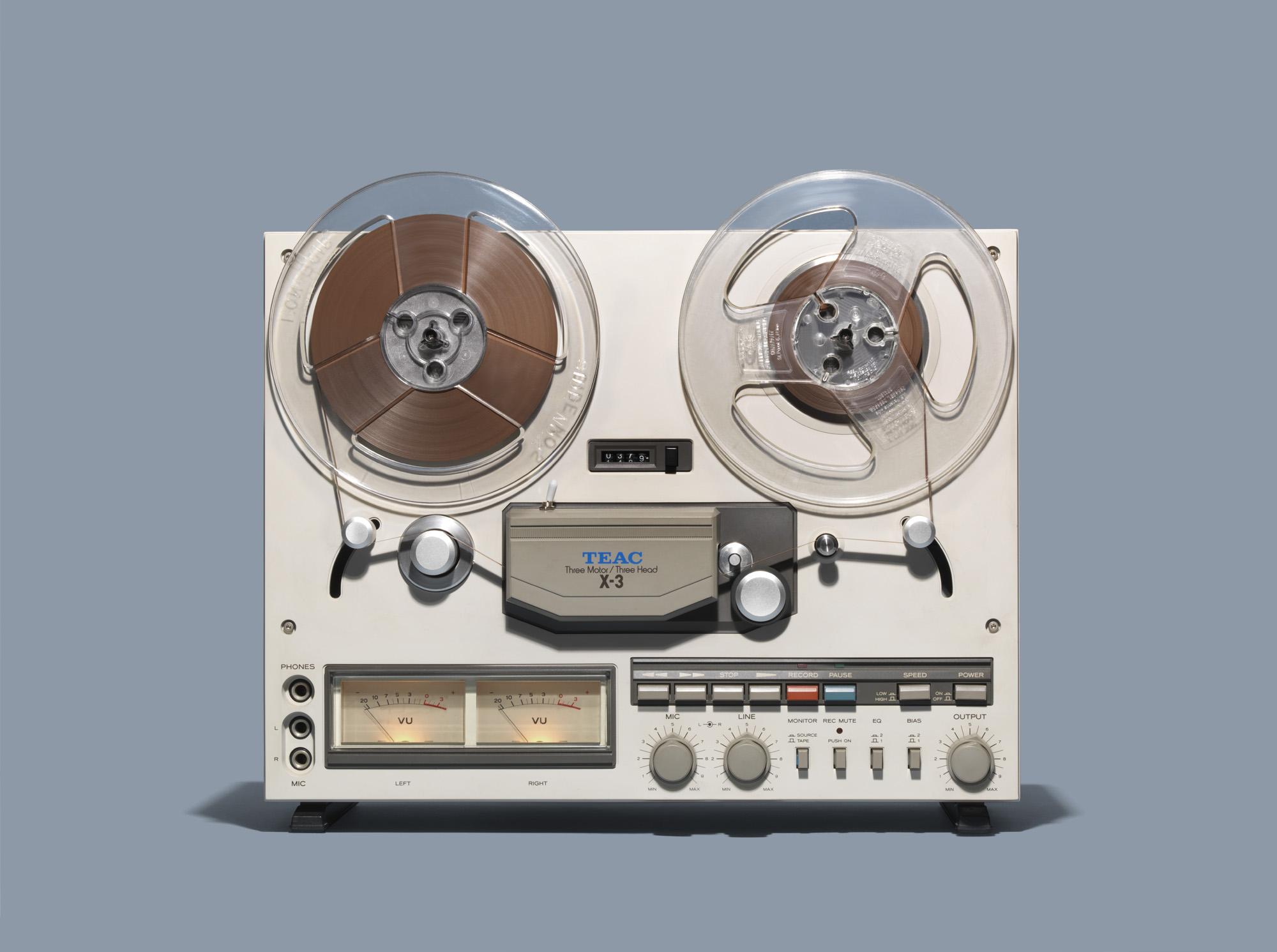
Relics-of-Technology-Reel-To-Reel

Disclosure: Jim is a former client of mine.

How long have you been shooting?
9 years

Are you self-taught or photography school taught?
Technically I received a BFA photo degree, minor in design, but I retouched right out of school for a while and was just shooting for my artwork. Initially I didn’t want to work commercially, assisting had made me a bit gun-shy to the commercial world. This was mid-90’s in NYC. When I was making the transition from retouching to shooting (in Portland, early aughts), I rented a studio space on the wrong side of the tracks and taught myself how to light from the ground up by looking at my favorite photogs and trying to make that light.

With this particular project, what was your inspiration to shoot it?
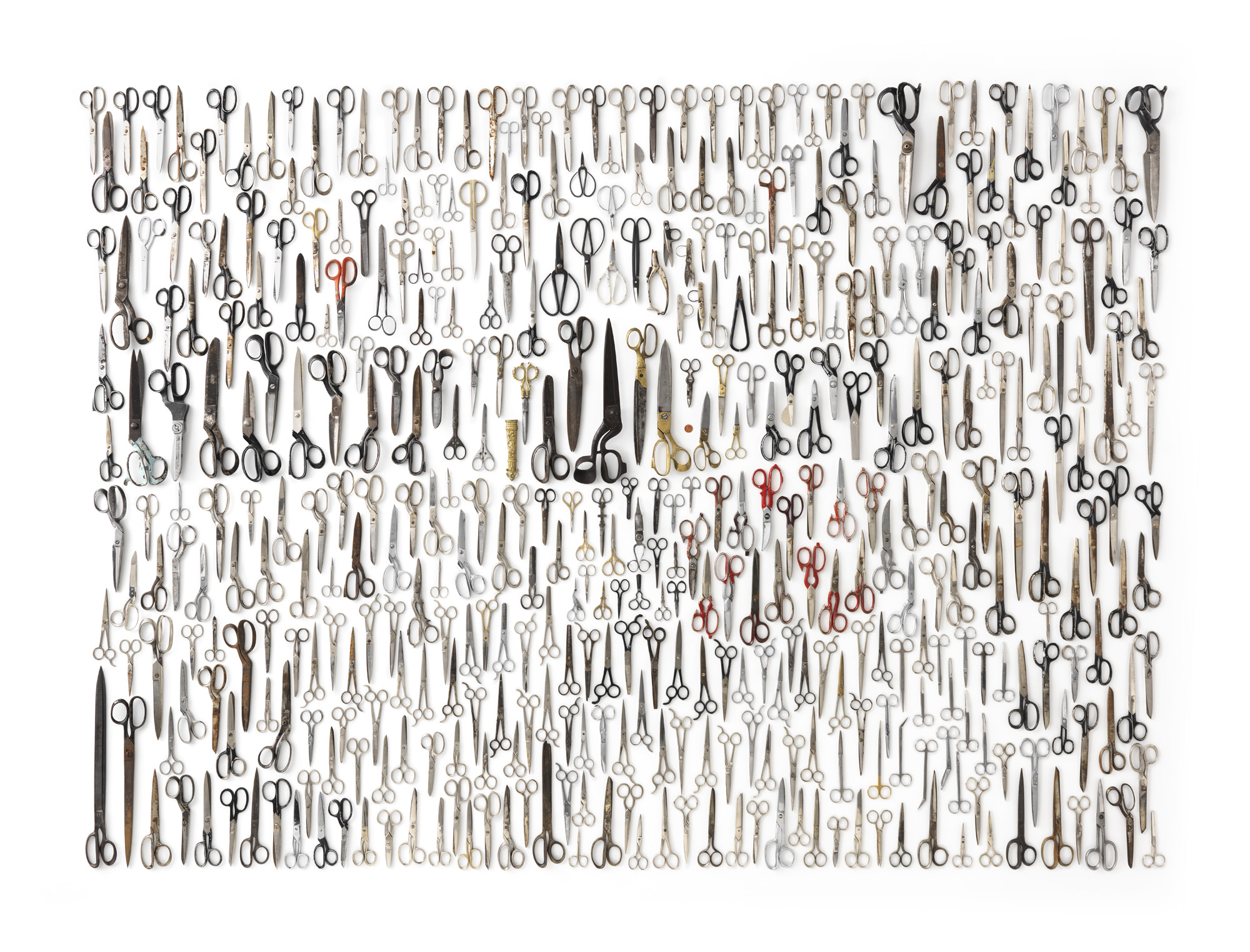
My friend Rob has a scissor collection, I knew I wanted to make a survey of the most interesting pieces, but I wasn’t sure how I was going to do it. He gave me his favorite 700 and said ‘good luck’. After a week of pulling my hair out it dawned on me to use the classic top-down apparel format to translate the idea. Boom, project kicked off.

How many years have you been shooting this project before you decided to present it?
About 6 months after the scissor image, I made the promo. I had about 7 total images at that point. Now its up to 25 or so.

How long do you spend on a personal project before deciding if it is working?
I usually can tell in the first few shoots. I’ve scrapped tons of ideas over the years, but I get that feeling on the successful ones after the first day of shooting, I know something’s there. It happened with the Collections, Murdered Out (my black on black project), Relics of Technology, even my earlier work with people, Tulelake, was a hit and led to some work. My Auto Portraits series is often a topic when I meet new creatives as well. Plus now with IG, the solo parking and “cars on the street” thing is huge now.

Since shooting for your portfolio is different from personal work, how do you feel when the work is different?
The beauty of the personal project, at least for me, it’s 75% of what I get hired to do now. Years ago several people told me shoot what you find interesting, it’s the only way, etc, I finally listened, and it slowly built up and I found my voice. After all the years of hearing that word, I totally get it now!

Have you ever posted your personal work on social media venues such as Reddit, Tumblr, Instagram or Facebook?
Yes, I’m fairly active on Tumblr and Instagram, I get hired quite a bit thru social and Google image search, etc. Pintrest comes up a lot too. Social is a huge component of marketing these days, you’re kidding yourself if you don’t think so.

If so, has the work ever gone viral and possibly with great press?
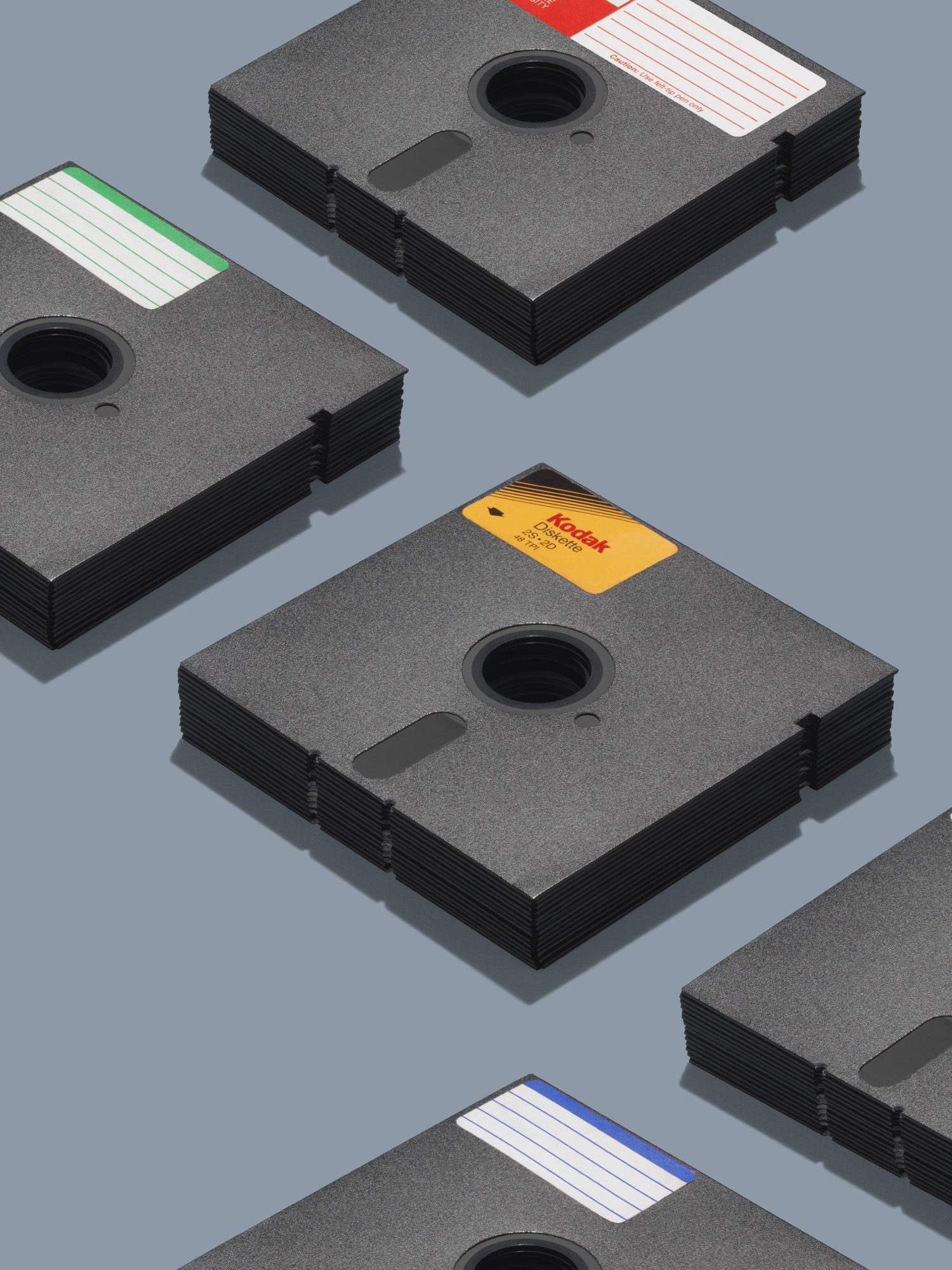
Yes, the Collections project has made the rounds internationally several times and keeps flaring up. Relics of technology was a hit right out of the box, it has some animated GIFs that went viral literally overnight on Tumblr. That project has also keeps going and going on social channels. I’ve been featured on several influential blogs, photo and otherwise, as well being interviewed for radio pieces on PBS, New Hampshire Public Radio, and the BBC. Austin Radcliff, author of the Things Organized Neatly tumblr is doing a book with Rizzoli, seeing my work in print at that level will be quite a thrill. I also love getting emails from people outside of the business. That’s an amazing connection, the person on the street connecting with a picture of 500 scissors or a pattern of diskettes from the 80’s? To me, this means I’m getting through to my audience.

Have you printed your personal projects for your marketing to reach potential clients?
Yes, the Collections mailer was a 18×24” with the scissor collection on one side and the camping collection on the other. The Relics of Technology was also a fold out poster (20×24”) with the name of all the objects and an interesting fact about each. Both were VERY well received – its not everyday you get emails from CD’s of major agencies telling you how much they liked your promo, well, at least not for me!

STATEMENT: Collections
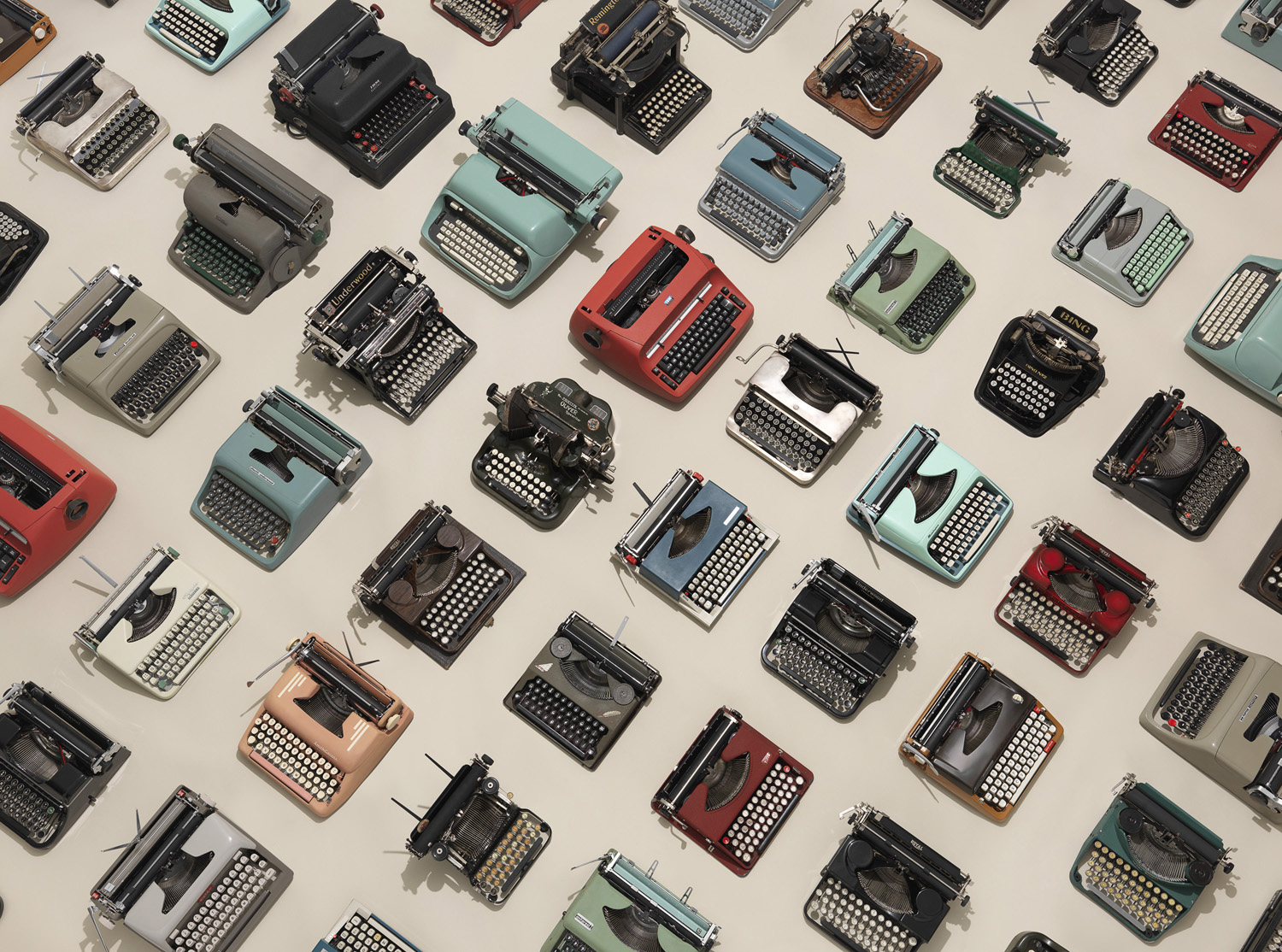
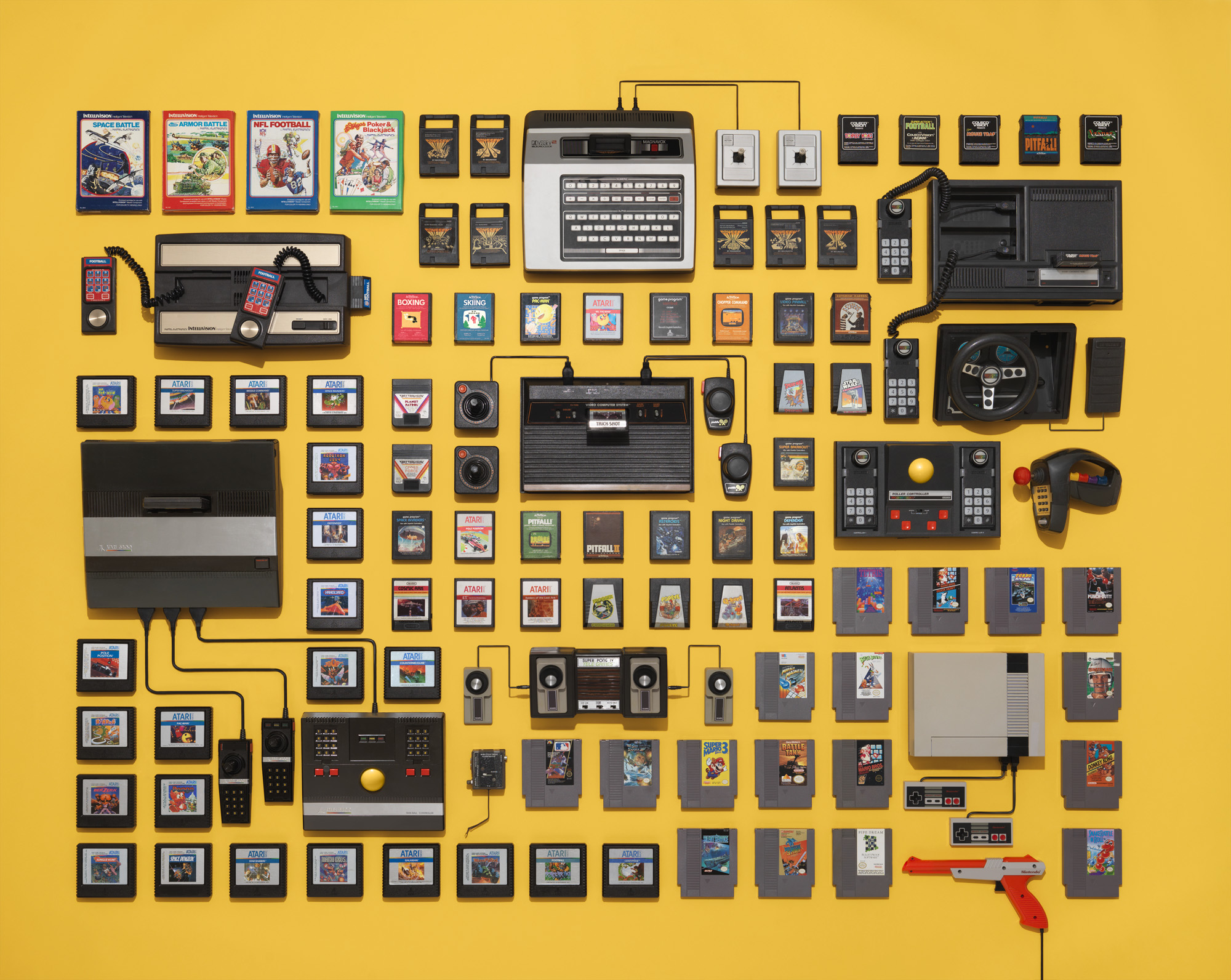
I feel collecting is human nature. Find stuff you like and hang on to it, use it, enjoy it. The “Collection” series is me basically collecting images of other people’s collections

STAEMENT: Relics of Technology
The seeds for the Relics of Technology project started when I found a brick cell phone at a thrift store in rural Oregon. The fascination was equal parts nostalgia for the form, and curiosity as to what had become of them. One thing led to another and I was on the hunt for groups of media and key pieces of technology, most of which have now been downsized to fit in the palm of our hands. These photos are reminders that progress has a price and our efforts have an expiration date.

——————-

An award-winning photographer specializing in still life and products, Jim brings an artist’s eye and an enthusiast’s passion to his work. He strives to capture the pared-down essence of his subjects, rather than impose a false sense of beauty upon them. The viewer is invited to enjoy an often-inanimate object for its stark simplicity or quiet quality.


APE contributor Suzanne Sease currently works as a consultant for photographers and illustrators around the world. She has been involved in the photography and illustration industry since the mid 80s, after establishing the art buying department at The Martin Agency then working for Kaplan-Thaler, Capital One, Best Buy and numerous smaller agencies and companies. She has a new Twitter feed with helpful marketing information believing that marketing should be driven by a brand and not specialty. Follow her on twitter at SuzanneSease.

The Daily Edit: Jonas Jungblut- Naturally

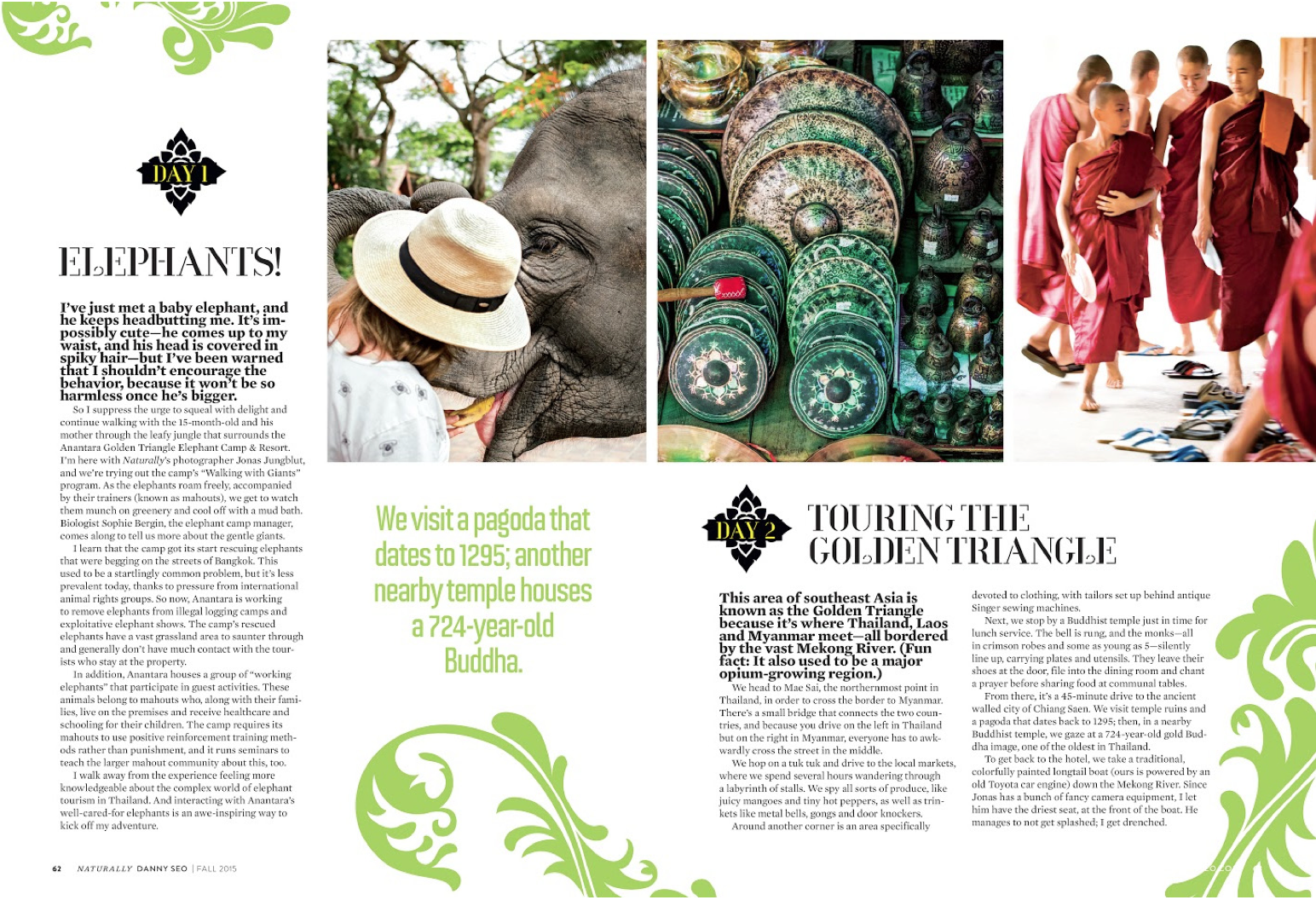
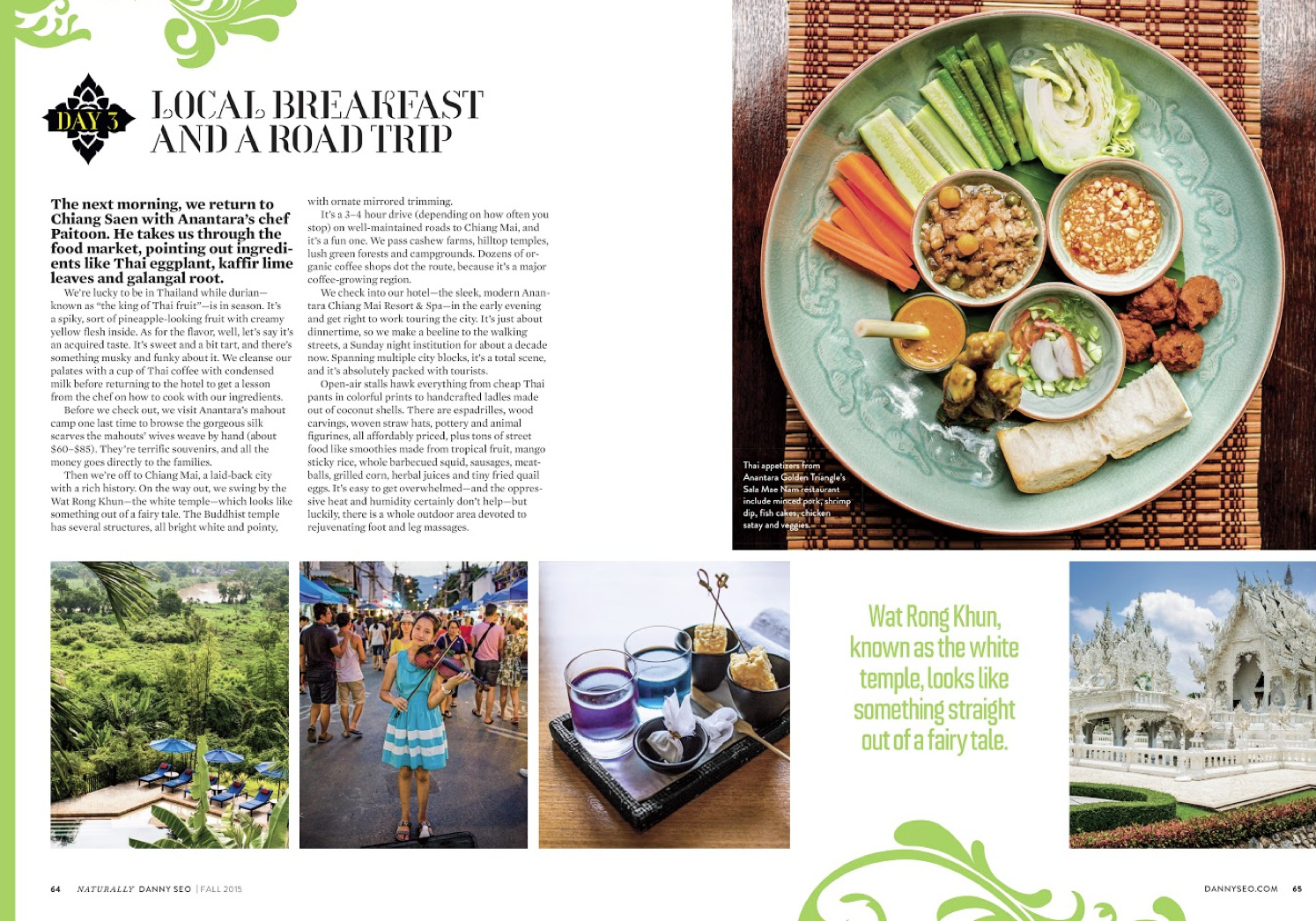
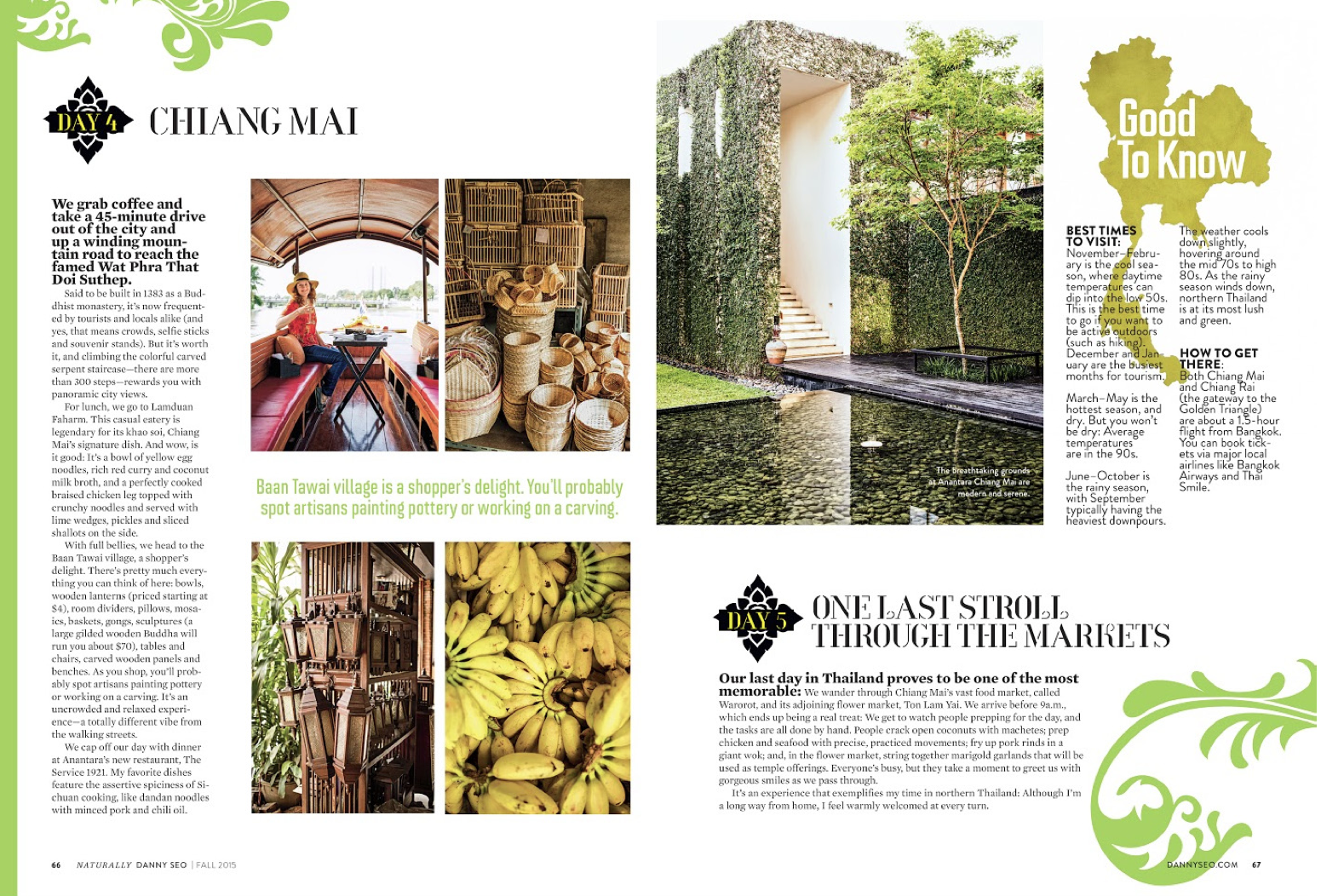
Screen Shot 2015-09-14 at 5.58.11 PM Screen Shot 2015-09-14 at 5.58.17 PM Screen Shot 2015-09-14 at 5.58.24 PM Screen Shot 2015-09-14 at 5.58.33 PM

Naturally

Art Director: Danny Seo
Writer:  Christine Richmond
Photographer:
Jonas Jungblut

Travel assignments are the most coveted, how did this project come about?
The writer on this story, Christine Richmond, also was in Ireland with me for a story last year. It was with the same magazine and we worked together well so I think we were a perfect team to go over there without an editor and do our thing.

Did you have a relationship with the magazine?
Yes, I have been working with Naturally Danny Seo for about a year thanks to another great photographer, Shelly Strazis who recommended me. My first job with the magazine was the travel story in Ireland mentioned above. Besides having bad oysters and the resulting food poisoning on our most important shoot day it went great and I have been busy with the magazine since.

How long were you there?
We spent five days in the area and traveled between Chiang Rai and Chiang Mai for one day by car. I then flew to Bangkok and spent another night. Initially this was going to be a two-day story but given that it took me a good two days just to get there we extended to make it worthwhile.

Did  you have a specific shot list from the magazine?
We had a loose list. There were certain elements which they wanted to see but we really had a bit of freedom to explore, while sticking to a pretty solid itinerary, and build our own story based on what we encountered. That was really nice. The fact that it was just the two of us made that somewhat straight forward as well. There was no exact image request on that list, all images in the story are experience images.

What was the biggest obstacle for this project?
The distance to the location from my house if you can call that an obstacle. Really, the fact that I had to travel for pretty much 2 days straight to get there was, probably the only thing one could consider an obstacle. Or maybe having to shoot while sitting on an elephant, I could see that being an obstacle for someone! I think if you want to find an obstacle you always can. Weather, getting head butted by a 400 lb baby elephant, language barrier, this list can go on for a while. Part of doing a travel assignment is to get past obstacles and render them into experiences.

How many vaccines did you have to get?
Well, I needed some updating anyways but I did get some specific to the region. I think I walked out with four different vaccines and a few hundred dollars less in my pocket. The place where I got them was pretty pushy on malarone tablets for malaria but I decided against those for fear of nightmares and when we got to Thailand people were surprised on the suggestion of taking it.

How do you go about tackling travel shoots, do you have a process?
It depends on the assignment. For the Thailand piece the writer and I were pitching other stories to piggy-back onto the trip quite frantically. We figured we should make the most of it being all the way over there already. Nobody was interested and in hindsight we were relieved since we were pretty spent after those five days. I also did a little bit of research on the area to make sure I wouldn’t miss something while already there. But this trip was very well-organized and we had guides almost all the time so we could just do our thing without having to worry about logistics. There actually was almost no time to explore beyond the itinerary, so we just focused on that.

In my experience assigned travel jobs are usually organized and have an itinerary so doing a bunch of extra research can be a waste of time since you never get to whatever you find and it might end up distracting you from focusing on what you have in front of you. It really depends on the client and specific assignment.

One thing to be careful with is to over-research and then getting stuck on an itinerary created on a screen versus a real life experience. When I travel for shooting stock or on jobs with loose schedules I like to have a few pointers and then explore from there.

Project based travel shoots require a whole lot of prep. Having two young kids and being on the road as much as I am has not really allowed for extended project based travel in the recent years but I do have ideas that I’d like to realize in the future. My recent Europe trip was sort of project trip since I planned it as a “shootation”, shoot a bunch of stock while being on vacation. I quickly realized that being on the road with two kids under the age of 6 by yourself killed a lot of the activities that were only loosely planned.

How was Santa Barbara been as a home base?
I love Santa Barbara as a base. Almost all my work is out-of-town so I get quite a bit of international exposure. I had this conversation with a client recently. We were sitting having coffee in Vancouver during a shoot and he mentioned that I was so cut off from the world in Santa Barbara. I replied that it forces me to travel and I actually get exposed to different cultures and locations more than if I lived in a large market and wouldn’t have to leave.

It’s not easy growing your career living in Santa Barbara, people think you are a local photographer (or who knows maybe they don’t?) but I do ok, I travel, and I live in a place I truly enjoy. And when I need my fix of urban, modern, culture or whatever I get antsy about I make sure to get it on an upcoming trip.

Screen Shot 2015-09-14 at 7.12.40 PM

Screen Shot 2015-09-14 at 7.13.17 PM

What made you choose Brooks for schooling?
My whole pre-Californian life was heavily influenced by California. Skateboarding, Mountain Biking, surfing, the weather, the Beat Generation writers, the lifestyle. This may be a little off topic but Mr. Hasselhoff (yes yes, I am German) did an incredible job selling this place (Baywatch! I hope the California tourism board knows how much he helped) Ha! More than wanting to go to Brooks I wanted to be in California! And Brooks accepted me so I packed a bag and went. They came highly acclaimed and I had been photographing for a good 5 years at this point (I was 20) and knew that this was what I wanted to do with my life. It was a perfect fit.

Looking back, what type of advice would you give students? Or what did you wish your younger self knew back then?
Network hard with your fellow students, a lot of them will end up working in places that will be of interest to you down the road. It’s also nice to have a solid set of friends that you can check in with if you run into something you don’t quite have an answer to. Also: Don’t drive yourself crazy about grades. My whole academic career was driven by me passing classes while really focusing on the stuff that I wanted to focus on.  I actually think that assisting (apprenticeship/real world experience) is probably more valuable than having a college degree in this career. It’s important to be honest with yourself! Understand that this career requires experience, skill and dedication. Embrace the failures and don’t be afraid to make more. Understand the economics behind this profession and check in with yourself every so often. Are you having fun? It is a choice to be a photographer, might as well make it exactly what you want, otherwise I don’t see the point.

How has your love for travel and sport folded into your work and resulted in assignment work?
Being able to do certain things physically is a skill set that sets you apart. The same goes for being ok with long days of travel and all the other fun things that can happen to you while on the road. I think all my clients appreciate that I am very tolerant to challenging travel and that I can shoot underwater, while riding a skateboard or on the side of a cliff. I also really enjoy shooting “real” stuff. It’s great to be on a produced and organized set and being able to apply your knowledge of lighting and all that stuff but getting a portrait of someone right after he got pulled in the boat because a shark started circling him during an endurance swim is just so visceral, you communicate with people through your images, it’s engaging.

Screen Shot 2015-09-14 at 8.27.07 PM

Screen Shot 2015-09-14 at 8.27.15 PM

Screen Shot 2015-09-14 at 7.13.02 PM

Screen Shot 2015-09-14 at 7.13.24 PM Screen Shot 2015-09-14 at 7.13.35 PM

Travel experiences enrich you culturally and being active allows you to apply that experience and get angles and/or locations that would otherwise be inaccessible to you. You won’t get hired to shoot from an inflatable dingy on open ocean all day if you only shoot in a studio and I enjoy doing stuff like that from time to time. I don’t want to spend all my time inside. It also makes for great dinner conversation when you tell people who you have been slapped in the face by a dolphin (and have video to prove it), survived an 8.8 earthquake on the 19th floor of a hotel or race street luge. I think it just creates a brand and we all know that’s a good thing.

The Daily Promo: Bob Martus


Screen Shot 2015-08-26 at 3.27.01 PM Screen Shot 2015-08-26 at 3.27.12 PM Screen Shot 2015-08-26 at 3.27.06 PM

Bob Martus


Who printed it?
Linco Printing in Queens, NY

Who designed it?
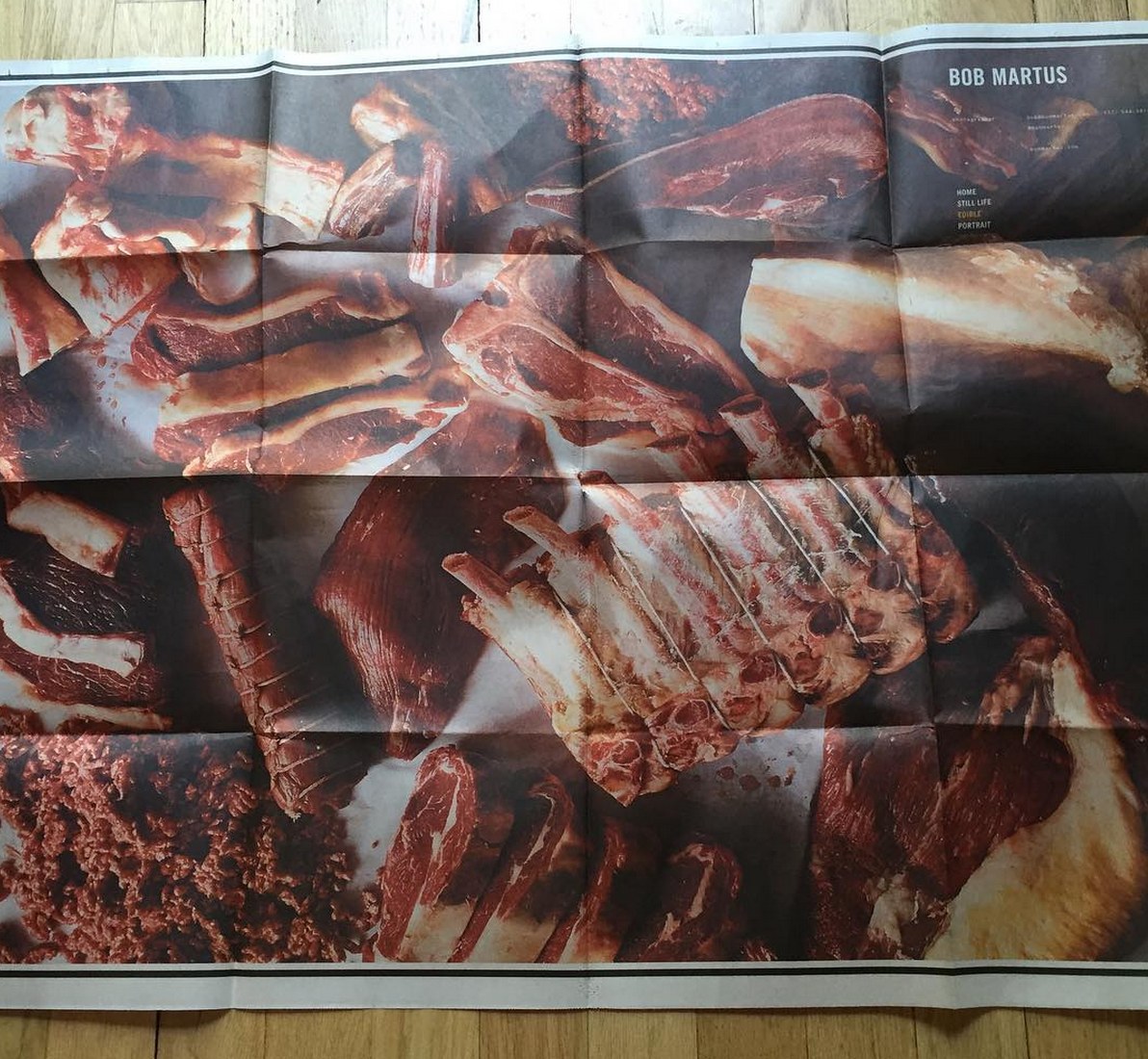
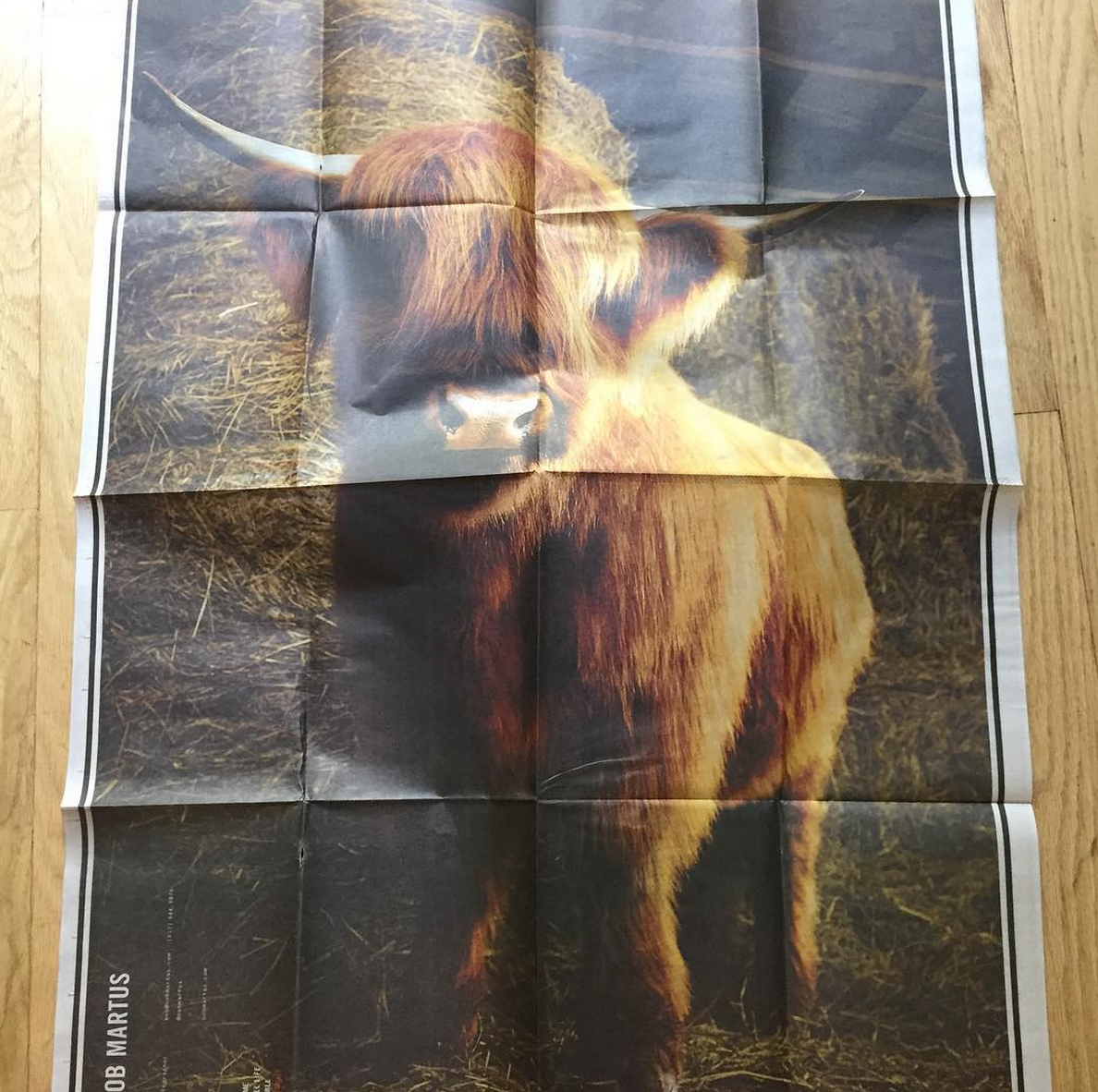
Michael Freimuth, Creative Director and Partner at Franklyn did the design work.  We wanted to go big with the images and keep everything else minimal.  For this particular piece, the newsprint and the brown grocery bag paper envelope worked perfectly with the imagery.

Who edited the images?
The images originally came from a story I shot that ran in Men’s Health: so the edit credit really should go to Don Kinsella the Deputy Director of Photography over there. Great guy and a pleasure to work with!

How many did you make?
1000

How many times a year do you send out promos?
Generally speaking four times a year. I try to hit seasonal themes or send out a series of teasers on one subject. The images came about from a story was called Raise your Steaks in Men’s Health – basically about buying potion of a cow.  The meat shot represented everything you get from 1/8th of a cow.  First we photographed a Scottish Highlands cow in Rural Pennsylvania, named Raquel.  She was the farms show cow, winner of many a blue ribbon.  The farmer sent everyone in my crew home with some of the best beef I’ve ever had. It was a pretty amazing juxtaposition the to then photograph the meat still life.  We did the corresponding recipe shots in studio the next day.  Prop styling by Thom Driver and food styling by Jamie Kim.

This Week In Photography Books: Mike Mandel & Chantel Zakari

by Jonathan Blaustein

I’ve got Boston on the brain at the moment.
Why, you ask?

I caught “The Departed” on cable over the holiday weekend. It’s one of those movies that’s better the second time you see it, though I don’t know why that is. Matt Damon, God bless him, rocks the thick Southie accent like the pro that he is.

Gooh Sawx!

Jack Nicholson, however, doesn’t even bother trying. One out of every 25 words has a half-accent, but that’s about it. Still, given his massive JACK charisma, I really didn’t mind. I always thought this was a minor Scorsese film, and it may well be. But when Martin Sheen, Alec Baldwin, Damon, Nicholson, Vera Farmiga and Leonardo DiCaprio are giving excellent performances, I’d be a fool to dismiss it.

Then, the next day, I was leafing through a copy of The New Yorker, and began to read a piece about the Salem witch trials, from the late 17th Century. It’s an engrossing article, as they always are, but I was stopped cold by a period map, showing the entirety of the Massachusetts Bay Colony.

The British names: Dorchester, Gloucester. The spots embedded in American history: Salem, Concord, Cambridge.

At one point, it was “The Frontier.” Hard to believe nowadays, as highways tie those places together tighter than a courtesan’s corset.

History is always less-popular than entertainment, but in this case, the strands wrapped around each other, like a helix, and encouraged me to speculate. Why did all those Pilgrims emigrate, given the almost psychotic odds stacked against them?

Because they wanted a better life.

Were the current occupants of the Continent happy to see them? No, they were not. (Understandable, given the subsequent Genocide.)

It seems that’s always the case with immigrants, though. No matter how pressing their case, locals wish the newcomers would just keep moving along. How else to explain the crisis enveloping Europe at the moment?

Could any group of people have a more valid reason for fleeing than the Syrians? These poor folks are literally stuck between Bashar Al-Assad, and ISIS. The former used to be the worst person in the world, but somehow, ISIS managed to top it. Those that stay behind face the tragic risk of a painful death.

But many Europeans, fearful for their jobs and economic security, would just as soon see people beheaded. It’s mind-boggling, but there you are. People have no choice but to leave, yet they’re unwelcome where they’re headed.

Frankly, it makes me think of the Tsarnaev brothers. Remember them? How were they treated in Massachusetts, I wonder? I wrote a piece in 2013, admitting my guilt at feeling a touch of empathy for young Dzhokhar. He seemed like a dumb kid caught up in a horrific world of someone else’s making.

Were these immigrants embraced by their new community, or shunned? Does it even matter? Nothing can excuse the mayhem and misery they unleashed, but still. I’d love to know how it all went down.

That’s impossible, I’m afraid. But what of the aftermath? The shutdown of Boston? The massive manhunt? What must that have looked like?

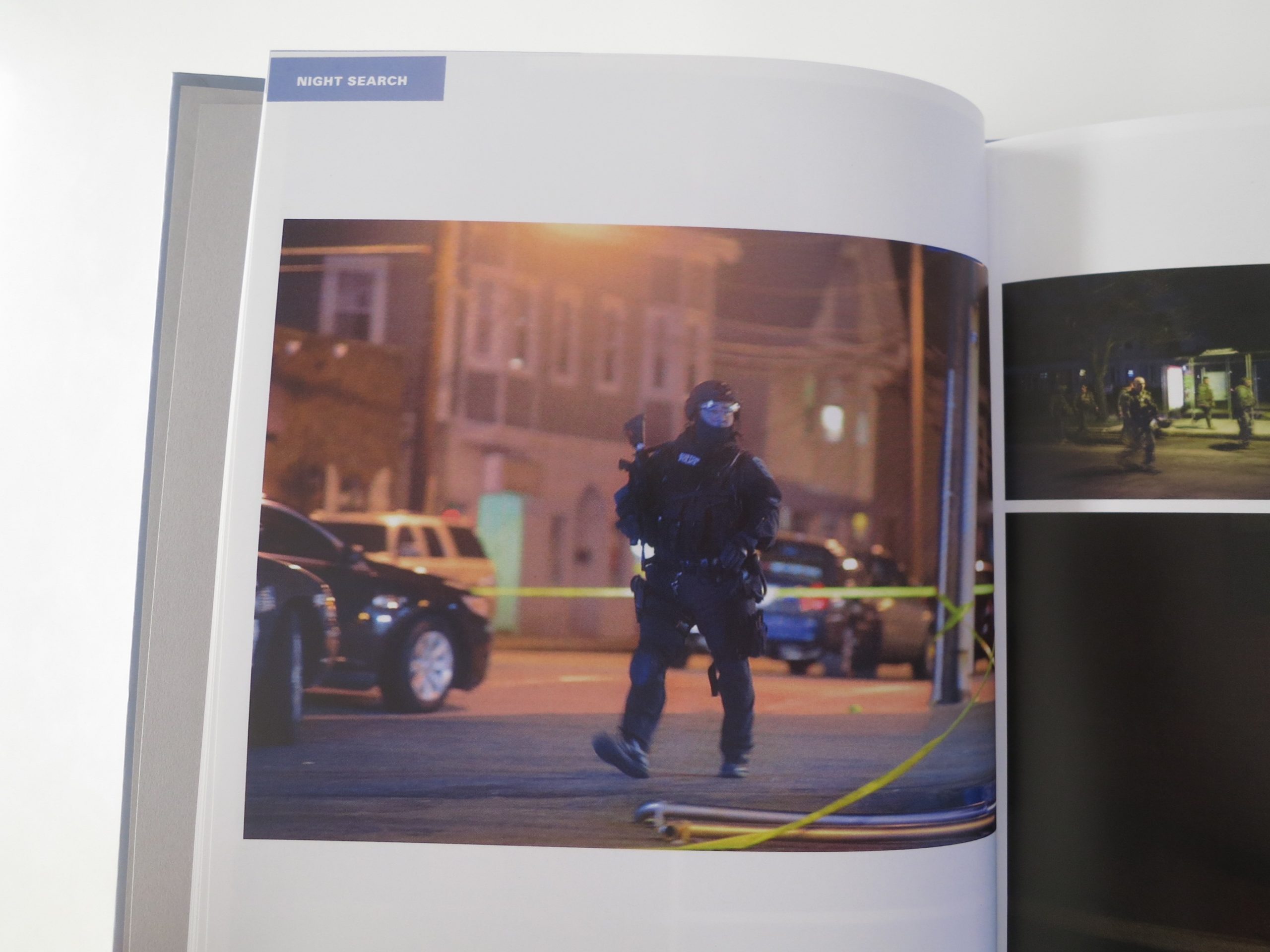
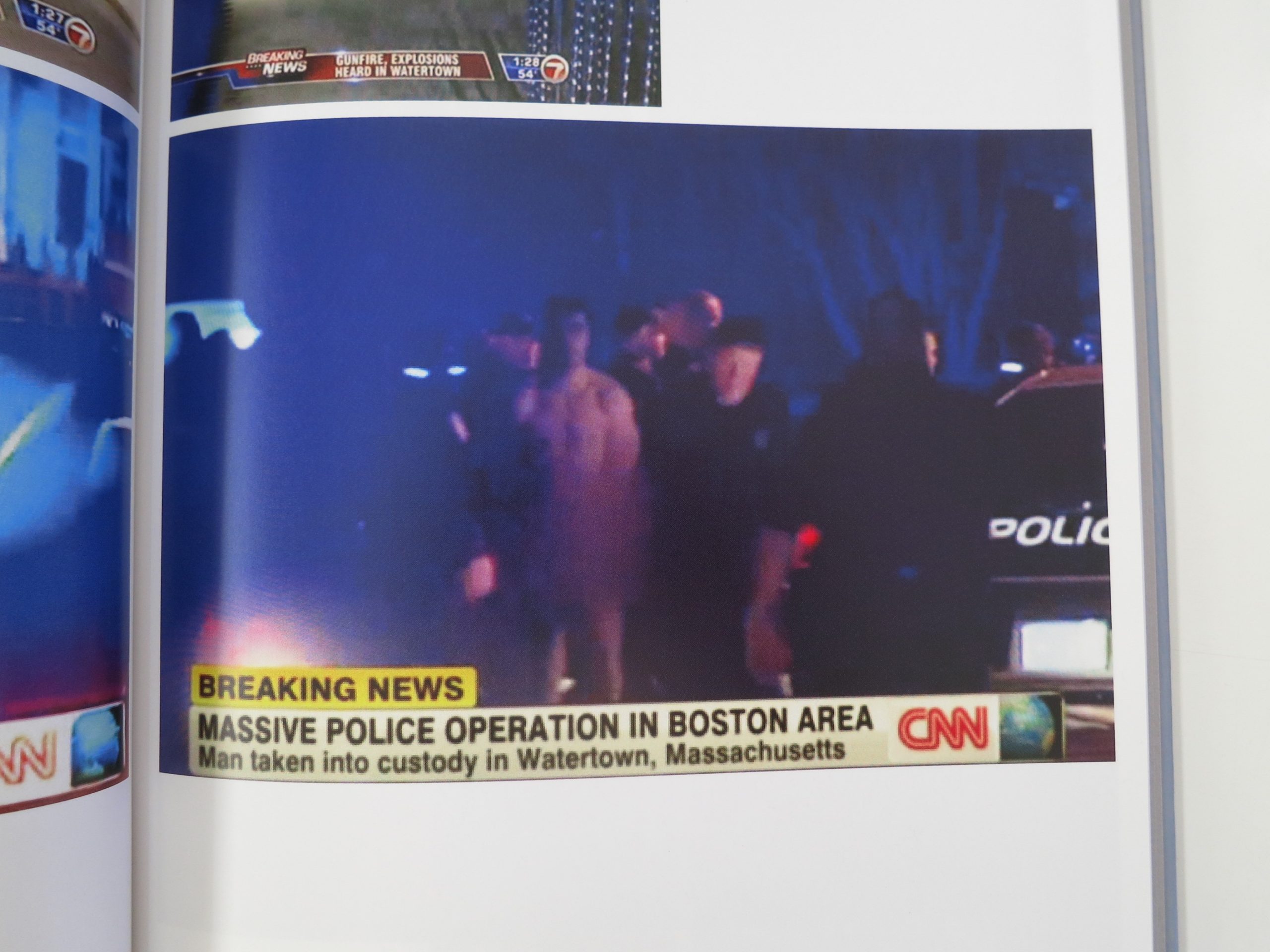
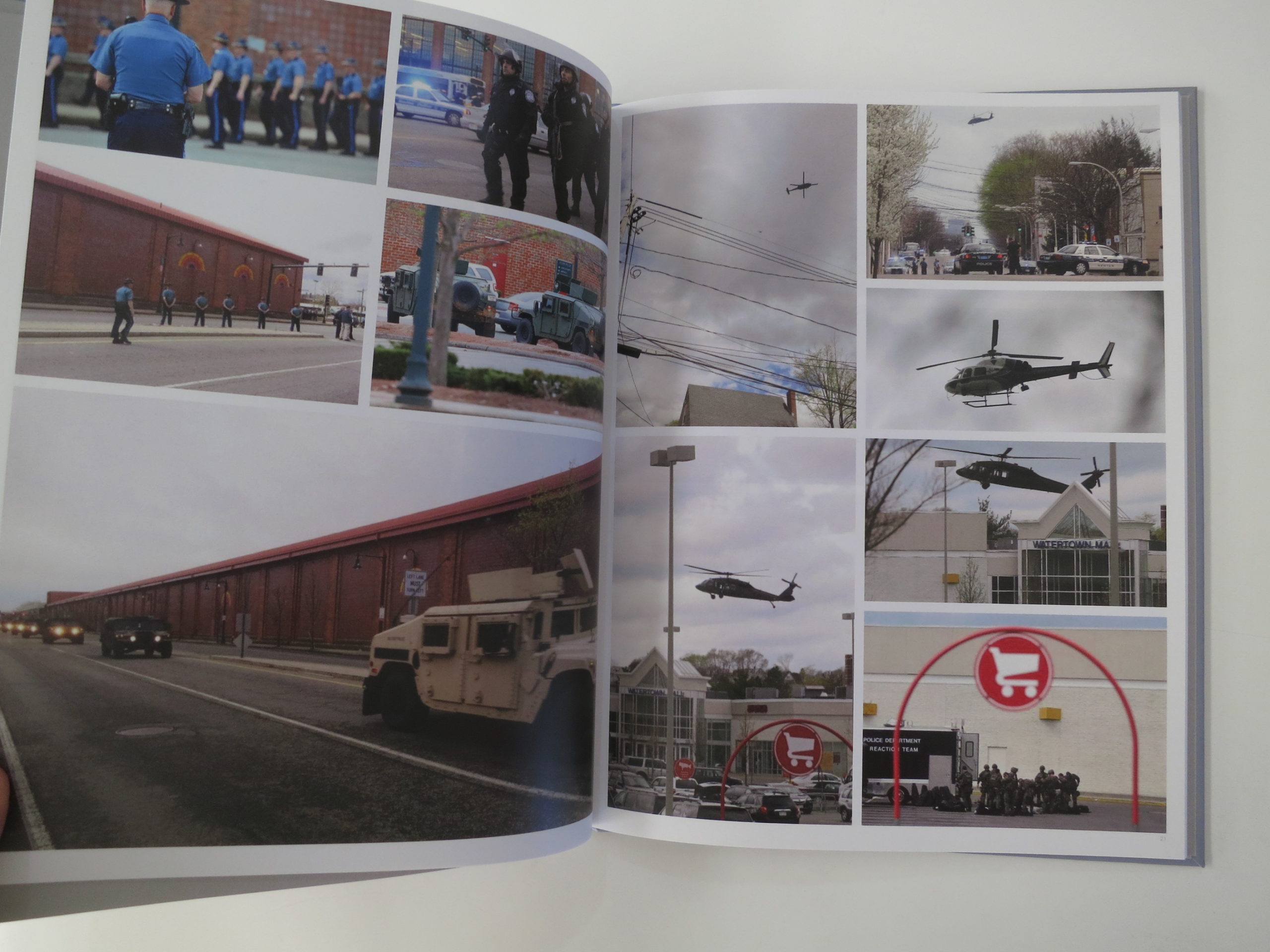
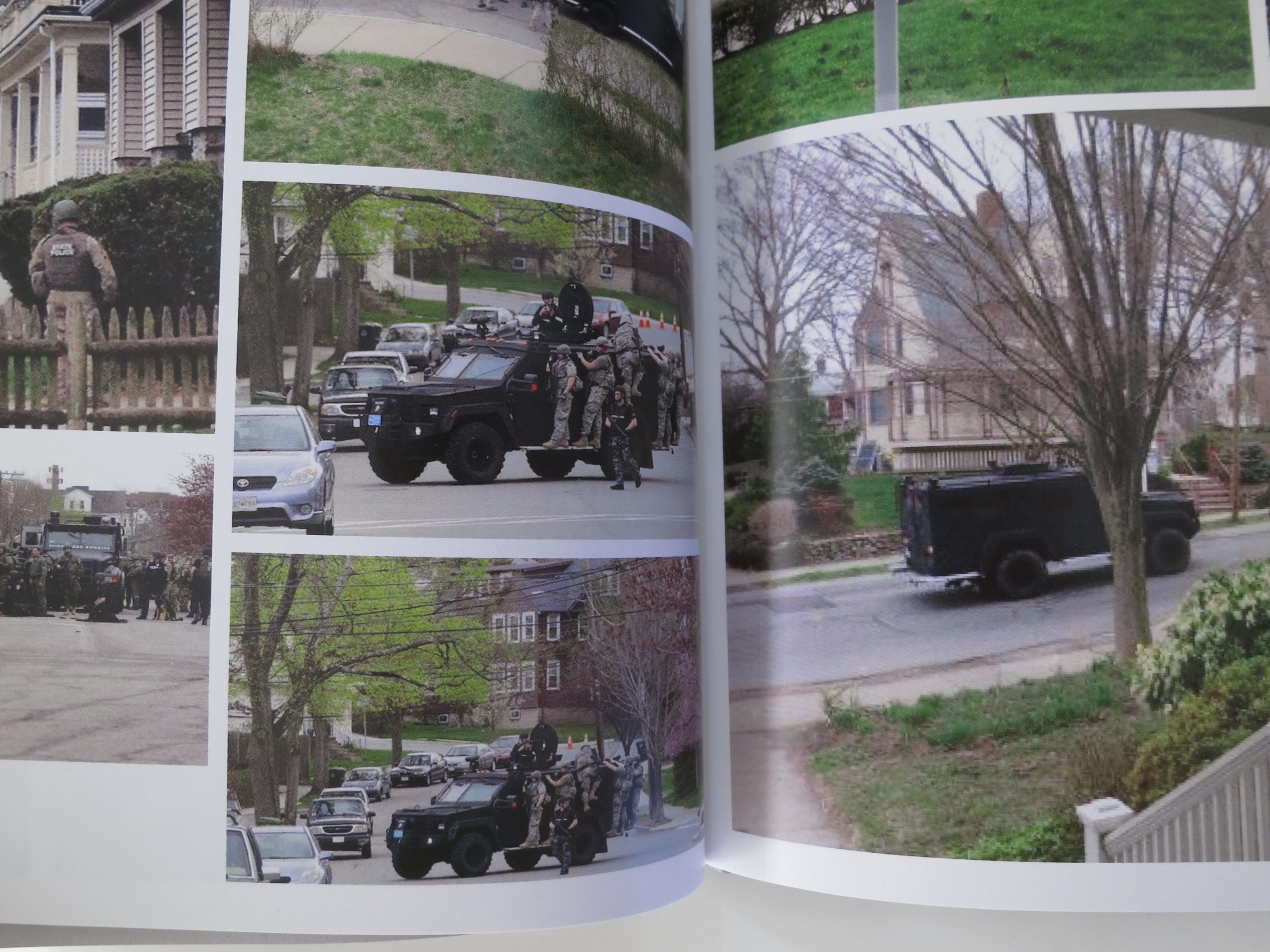
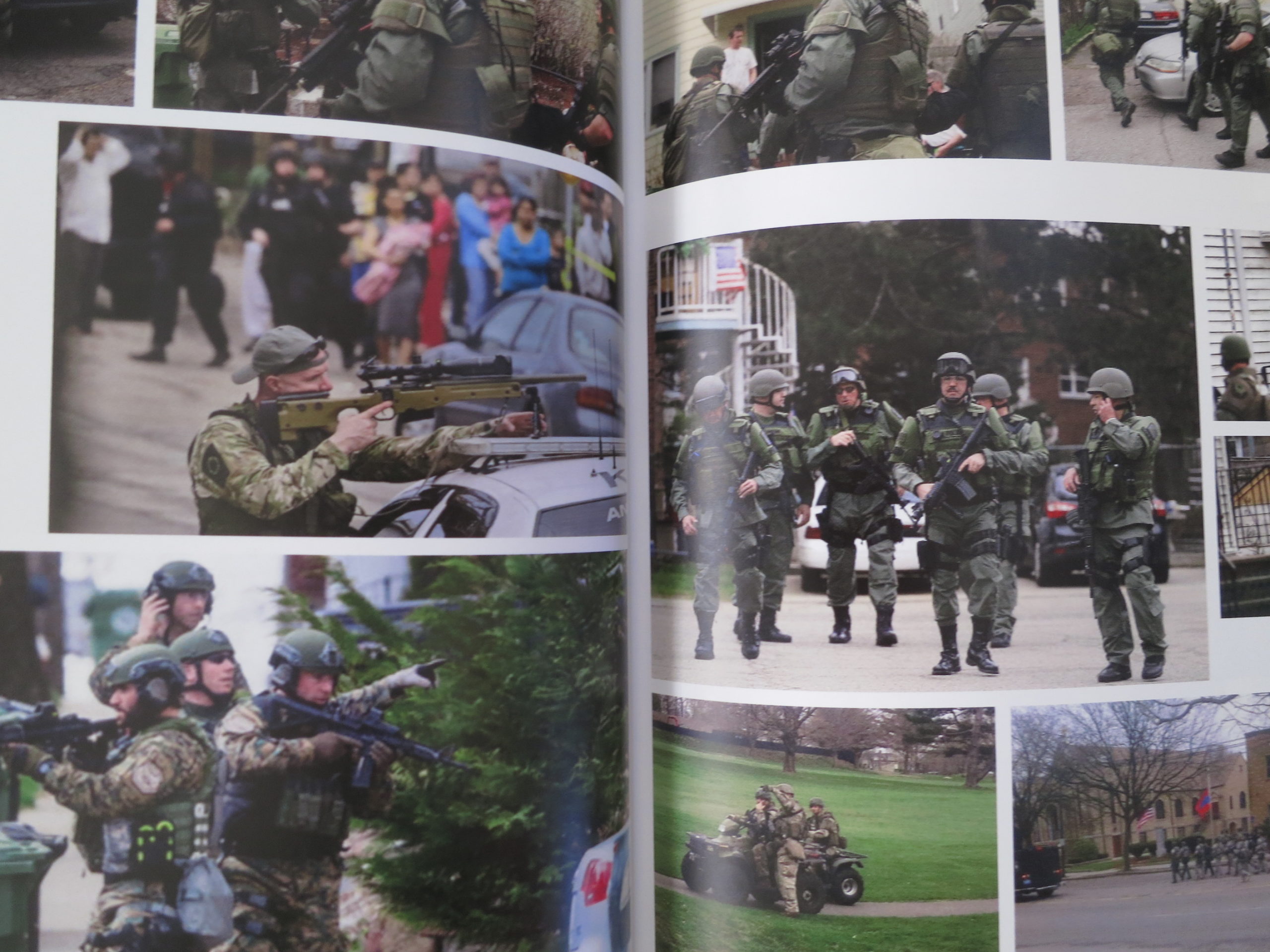
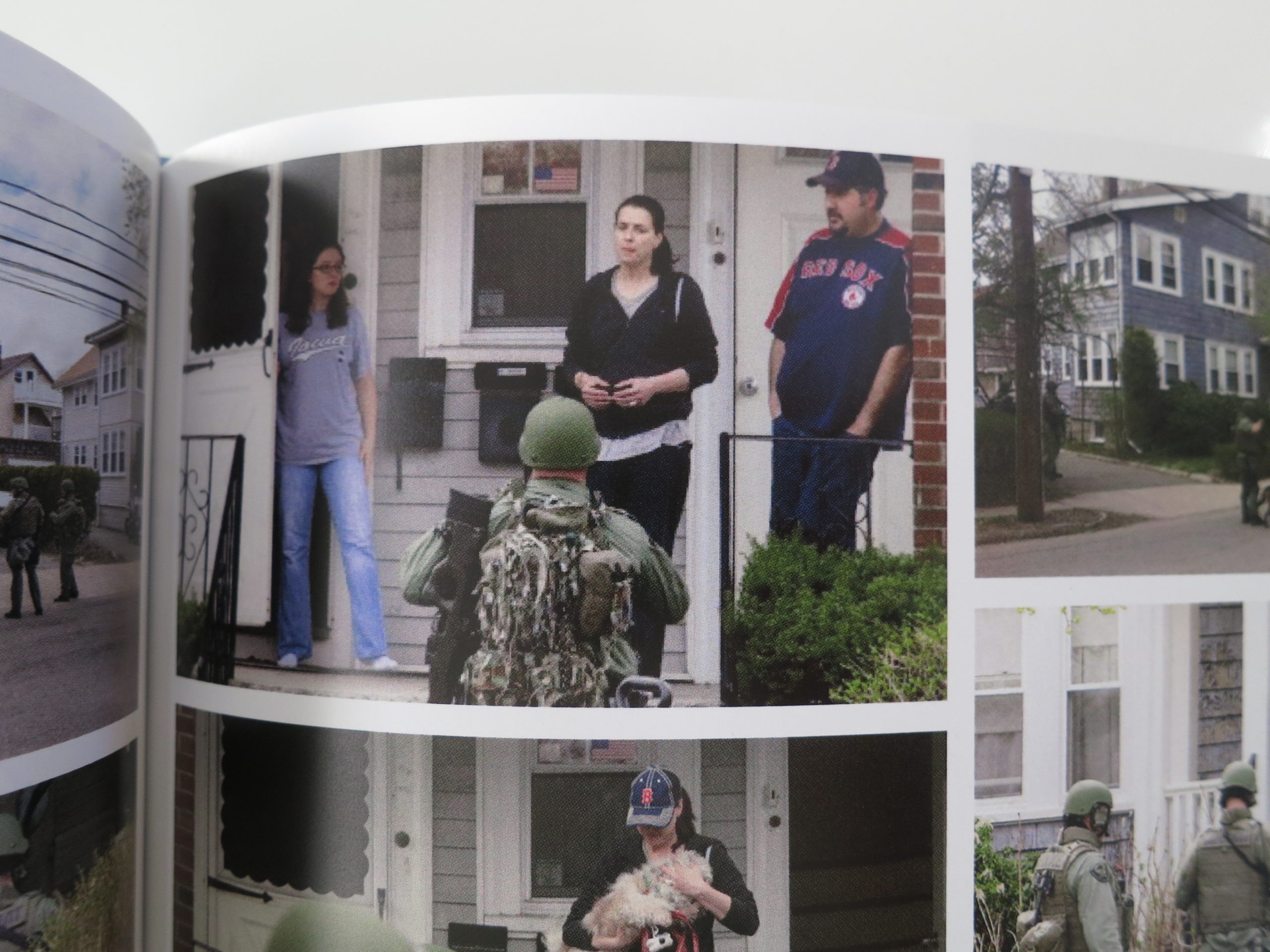
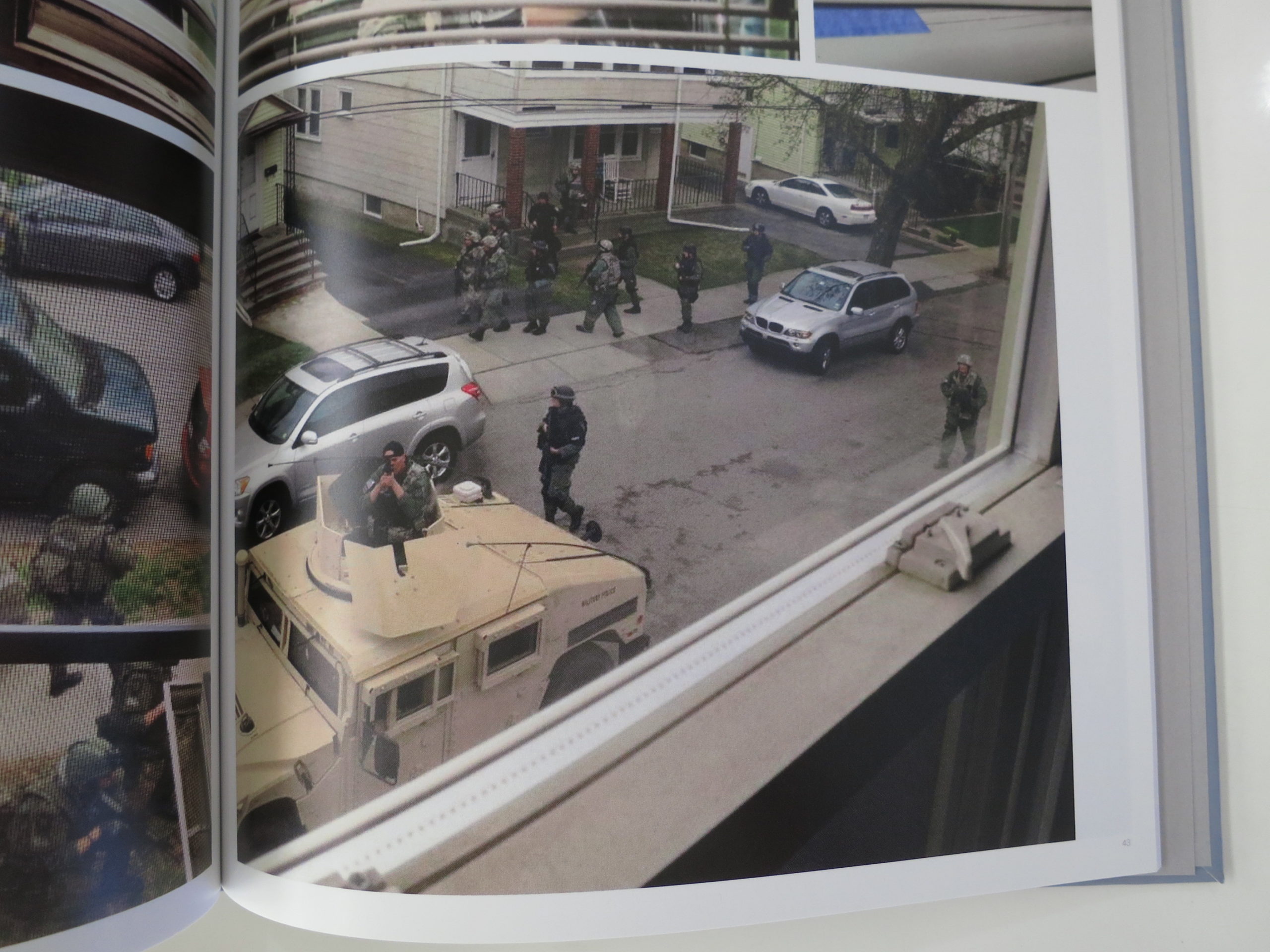
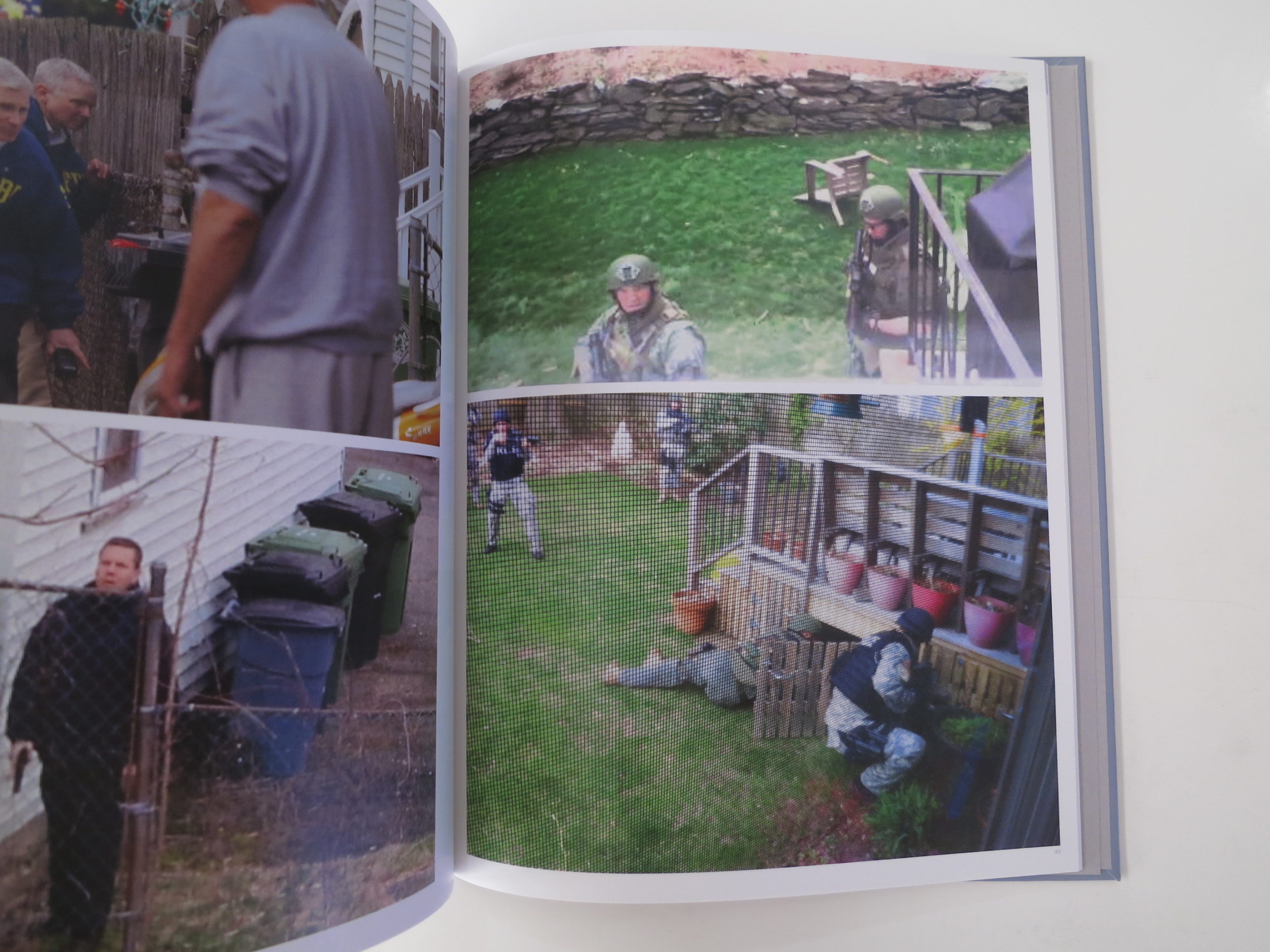
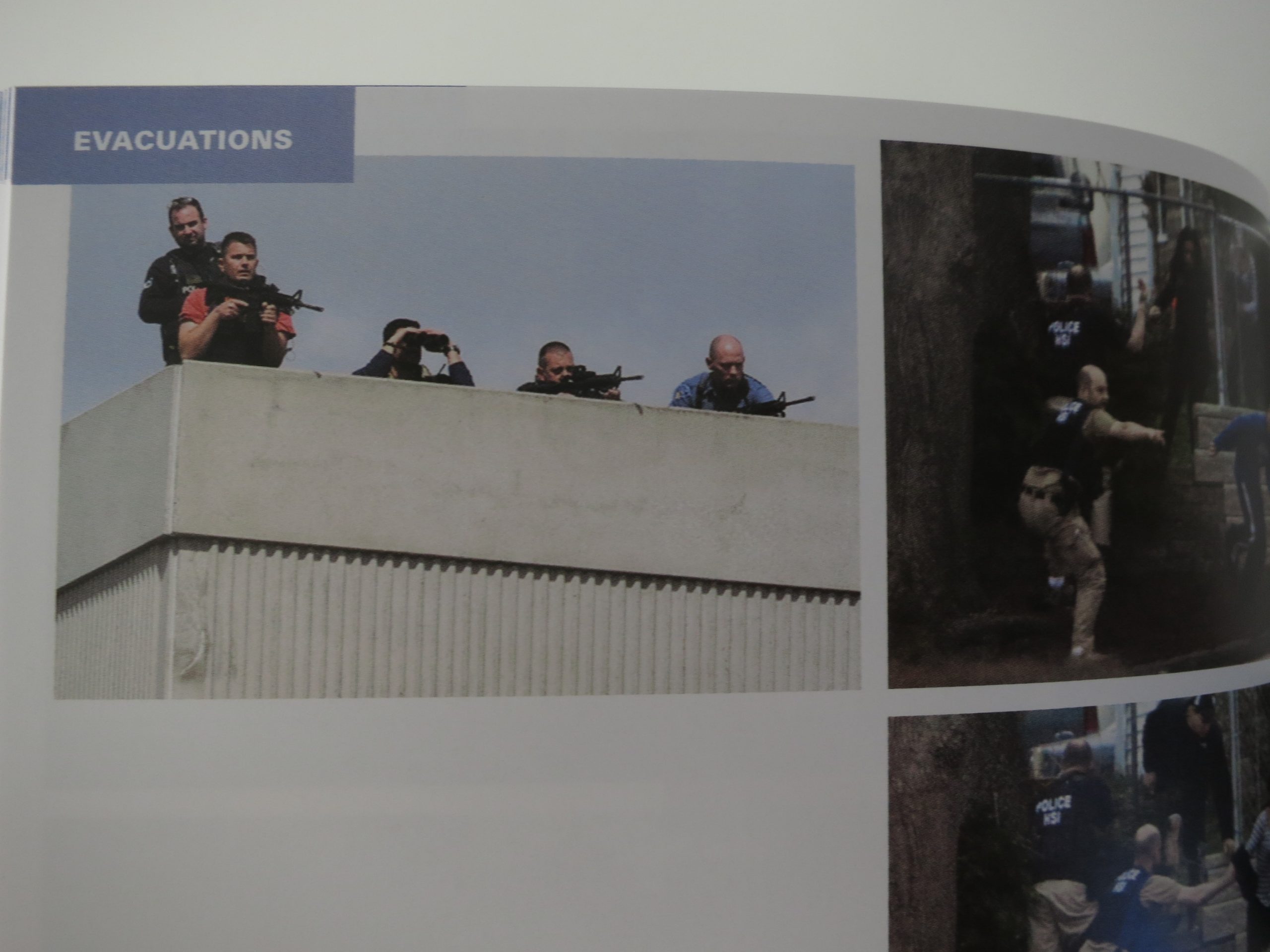
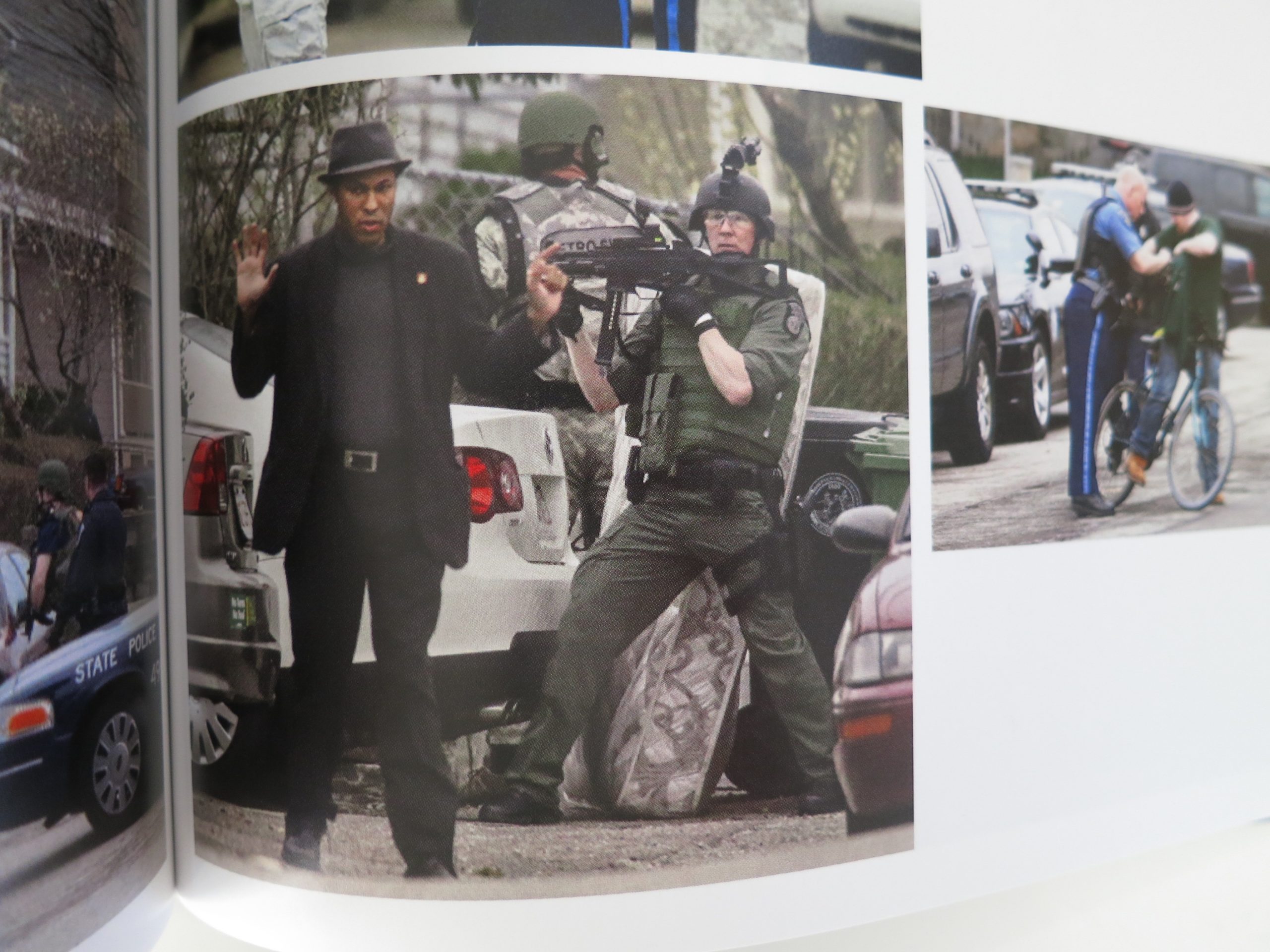
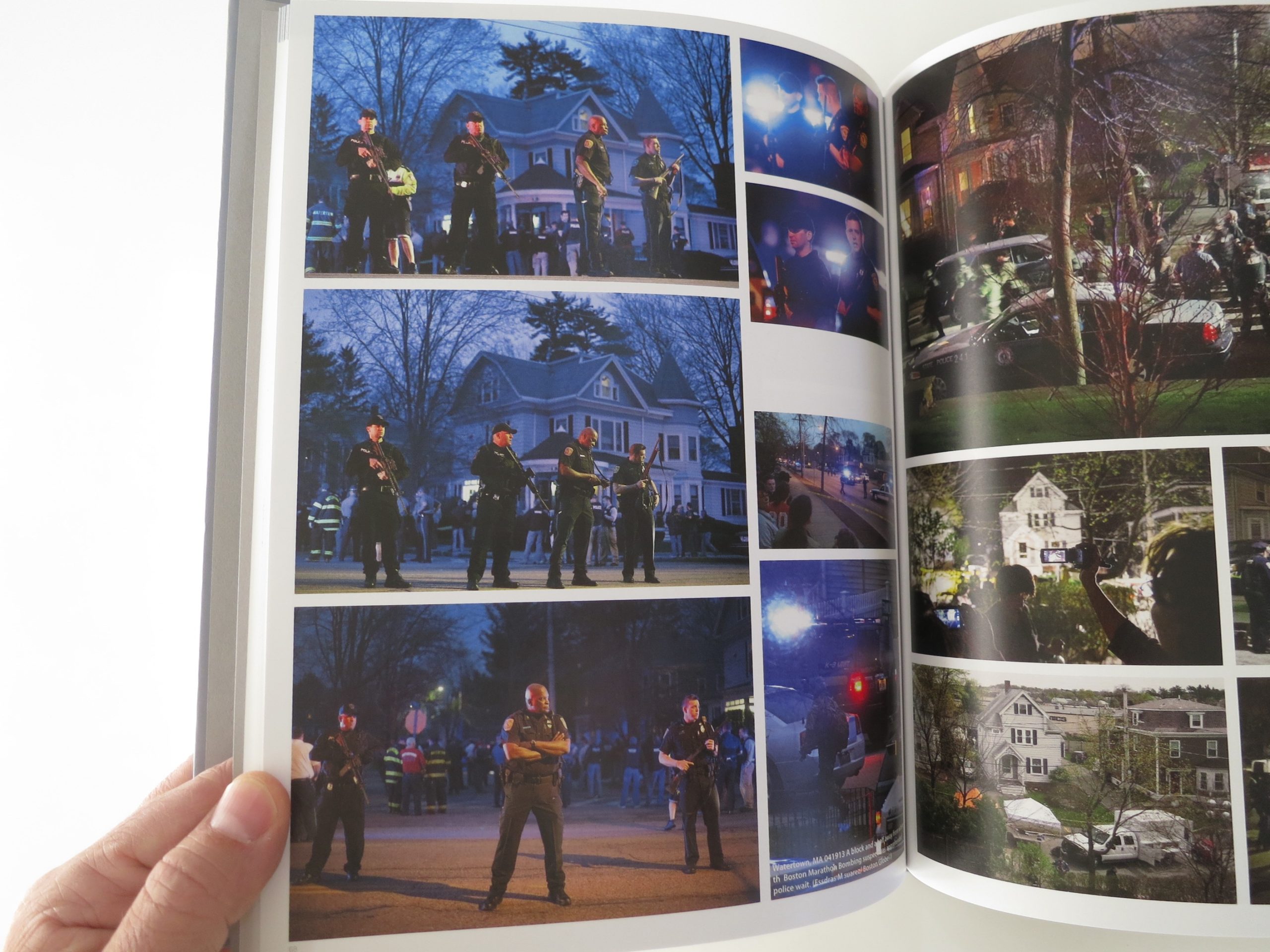
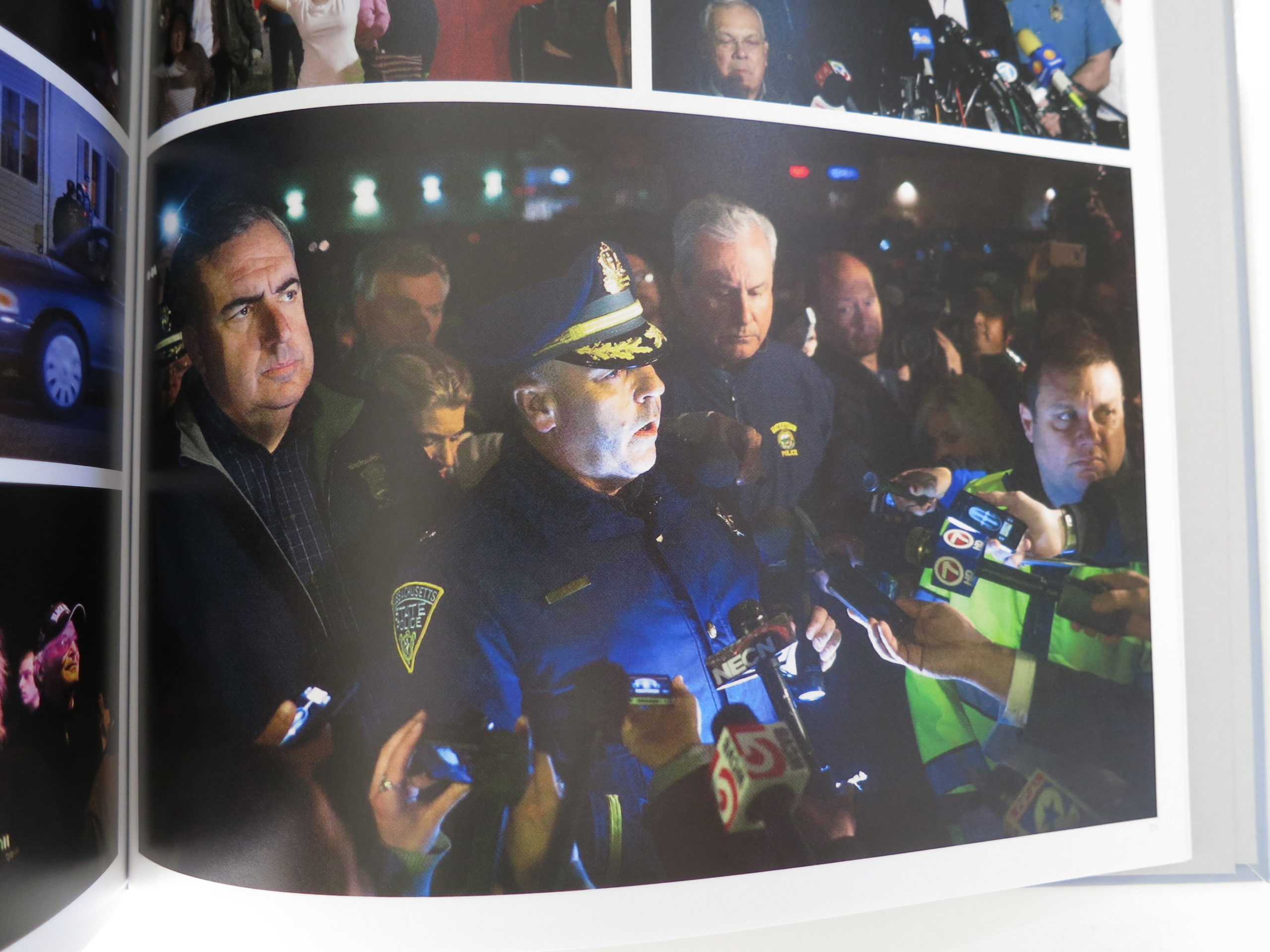
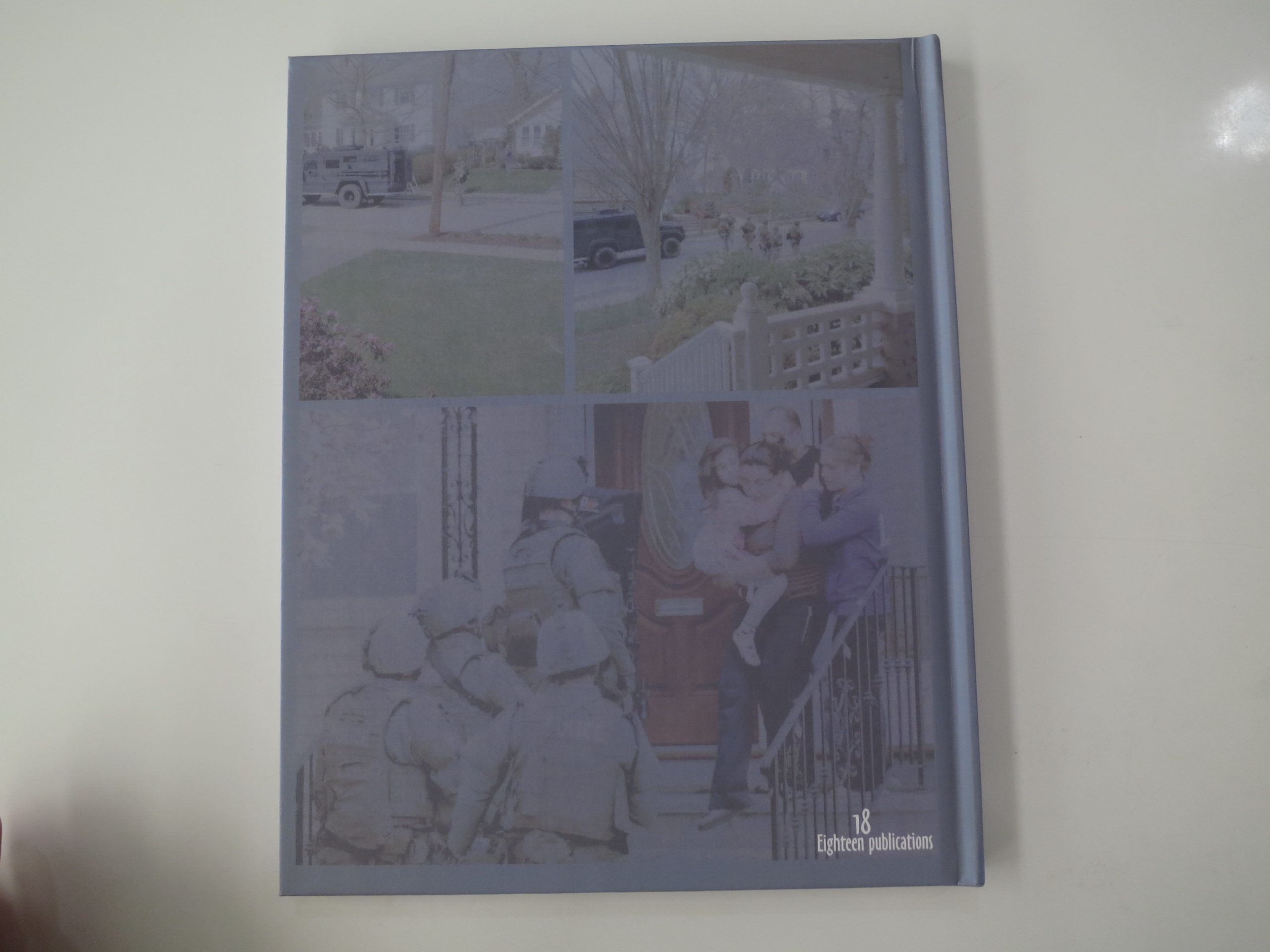
Finally, a question I can answer without resorting to another question. I need not imagine the manhunt that ultimately found Dzhokhar, as I’ve just finished looking at “Lockdown Archive,” a new book by Mike Mandel & Chantel Zakari, recently put out by 18 publications. (Though apparently printed by Blurb.)

We always make our way back to book, don’t we?

While I’m unfamiliar with Chantal Zakari, I know Mike Mandel from his famous Photo World Baseball card series, which I wrote about in a review of Pier 24 a few years back, and his seminal project re-contextualizing found imagery with his partner, the late Larry Sultan. (That was one long sentence. Apologies.)

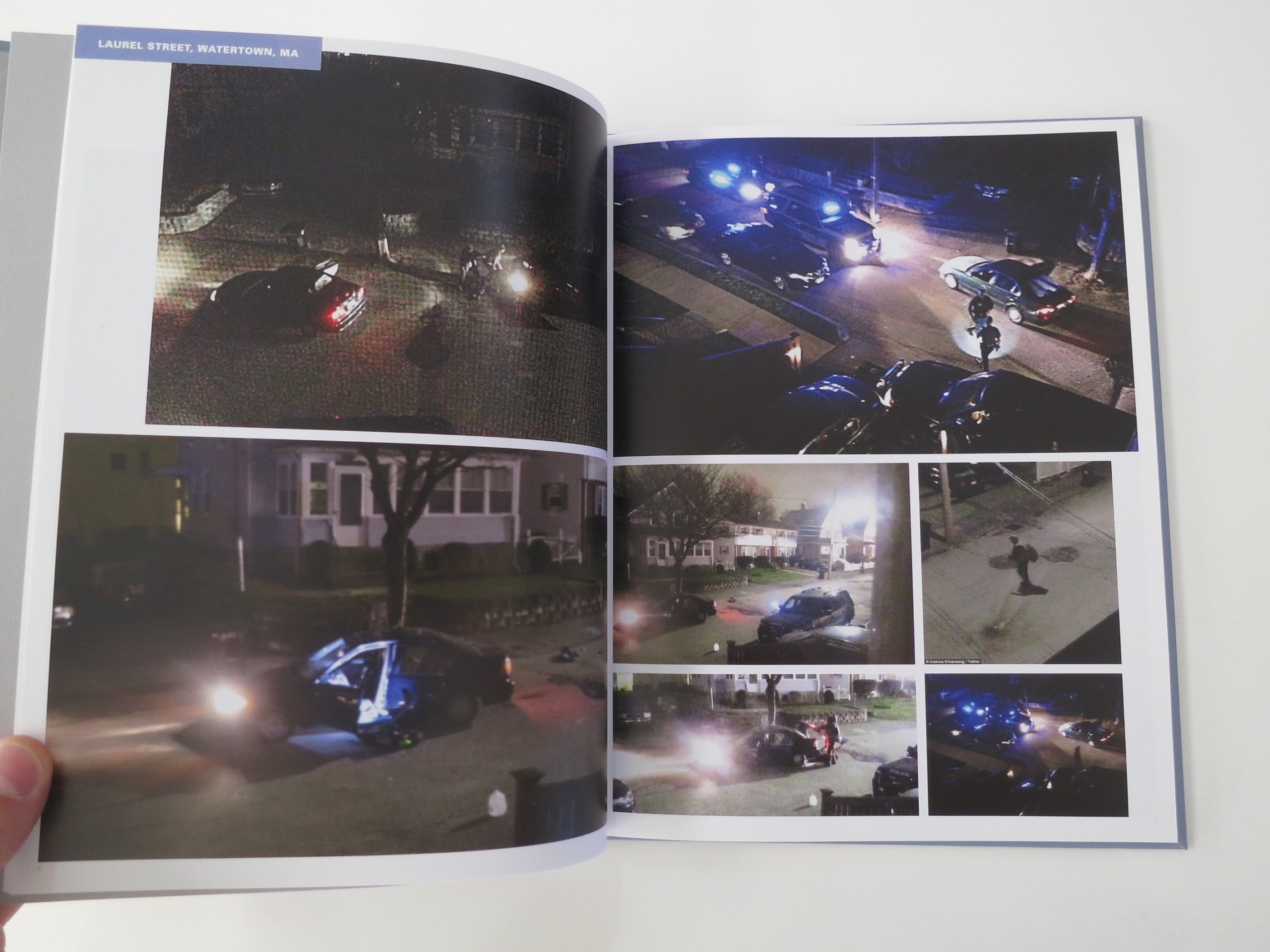
That knowledge helped me appreciate this fascinating and genuinely impressive book, assuming images were found, not taken. The volume is broken down into small sections, all of which purport to show what was happening in Watertown, MA, on April 19, 2013, the date of the big manhunt.

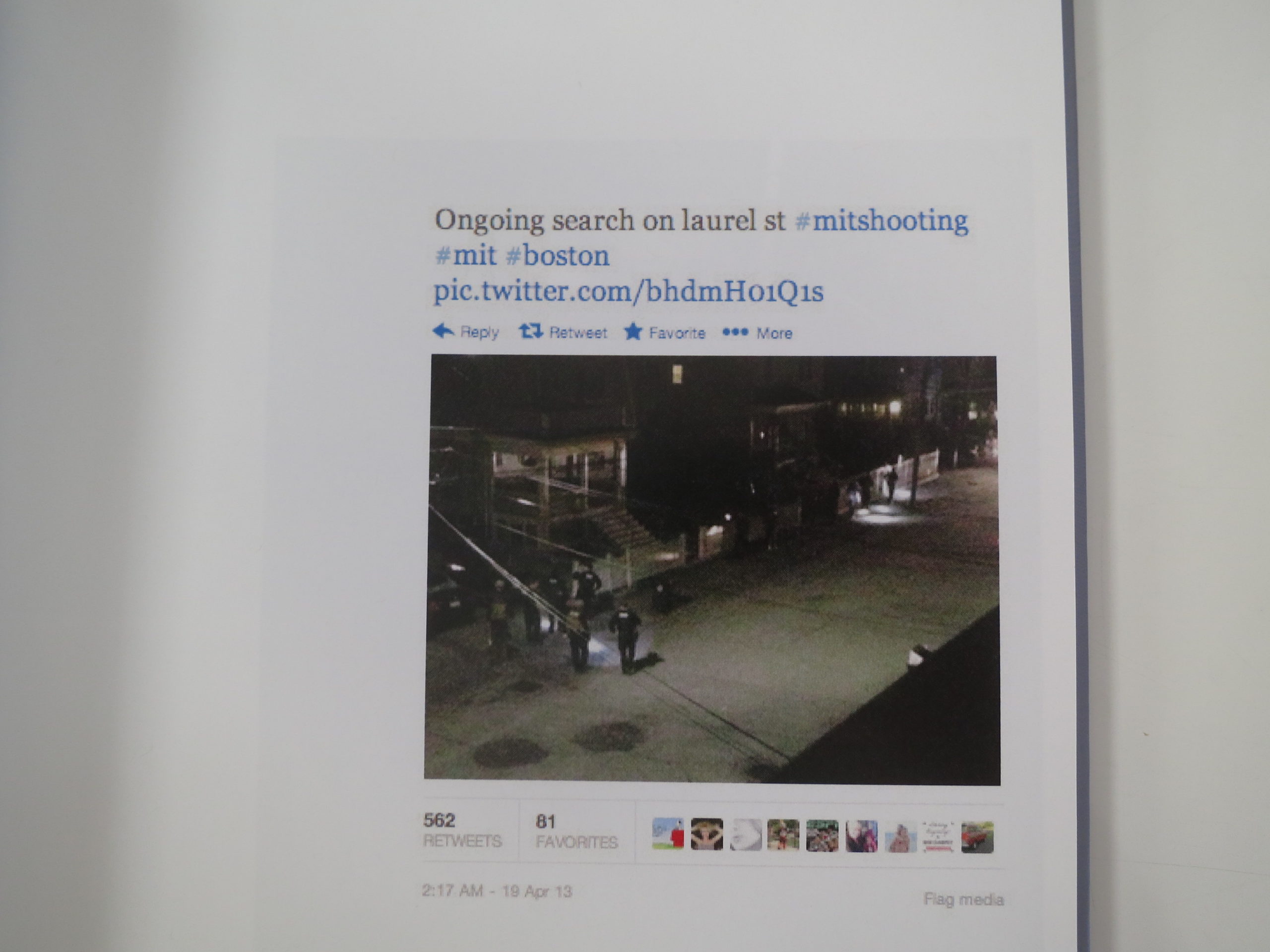
As the premise of a lockdown means the artists couldn’t have been out and about, making images, I guessed that the pictures within were taken from the Internet, TV, and other media sources. The end notes confirm as much.

Which means that no living soul saw, with his or her own eyes, the entirety of the situation as we see in this book. Gray teams, black teams, swat teams, helicopters. It’s all here.

Evacuations. Press conferences. Rolling Hummers. Sad children. An African-American man, in a classy hat, with his hands up at gunpoint. Bullet holes and screened-in-porches and Red Sox gear.

Wow.

The end notes also tell us that so many law enforcement officers showed up to help, uninvited, that the entire endeavor was a logistical nightmare. It was almost like a Wild West posse formed, just to make sure that a bleeding 19 year old boy had nowhere to hide.

Ironically, it was only after the lockdown was lifted that a resident was able to go outside, notice his boat had been invaded, and call in the big guns.

We all know what happened next.

My favorite part of this job is looking at books that show me things I’ve never seen before. I drop that standard on you all the time, because the more I see, the harder it is to accomplish the goal.

This week, we have something that none of us has seen before. So I trust you’ll be satisfied. (At least I hope so.)

Bottom Line: Innovative book, featuring collected images reconstructing a famous manhunt

To Purchase “Lockdown Archive” Visit Photo-Eye

IMG_0907

IMG_0908

IMG_0909

IMG_0910

IMG_0911

IMG_0912

IMG_0913

IMG_0914

IMG_0915

IMG_0916

IMG_0917

IMG_0918

IMG_0919

IMG_0920

IMG_0921

IMG_0922

IMG_0923

The Art of the Personal Project: Stephanie Diani

As a former Art Producer, I have always been drawn to personal projects because they are the sole vision of the photographer and not an extension of an art director, photo editor, or graphic designer. This new column, “The Art of the Personal Project” will feature the personal projects of photographers using the Yodelist marketing database. You can read their blog at http://yodelist.wordpress.com. Projects are discovered online and submissions are not accepted.

Today’s featured photographer is: Stephanie Diani

DIANI_Dames001

DIANI_Dames002

DIANI_Dames003

DIANI_Dames005

DIANI_Dames006

DIANI_Dames007

DIANI_Dames008

DIANI_Dames009

DIANI_Dames010

DIANI_Dames011

DIANI_Dames013

DIANI_Dames014

How long have you been shooting?
For money? Since 1998. For fun? Since I was in middle school, though I was using disc cameras and 110 film back then.

Are you self-taught or photography school taught?
Self taught. A degree in Classical Archaeology only gets one so far in the photo world. Everything else I had to learn on my own.

With this particular project, what was your inspiration to shoot it?
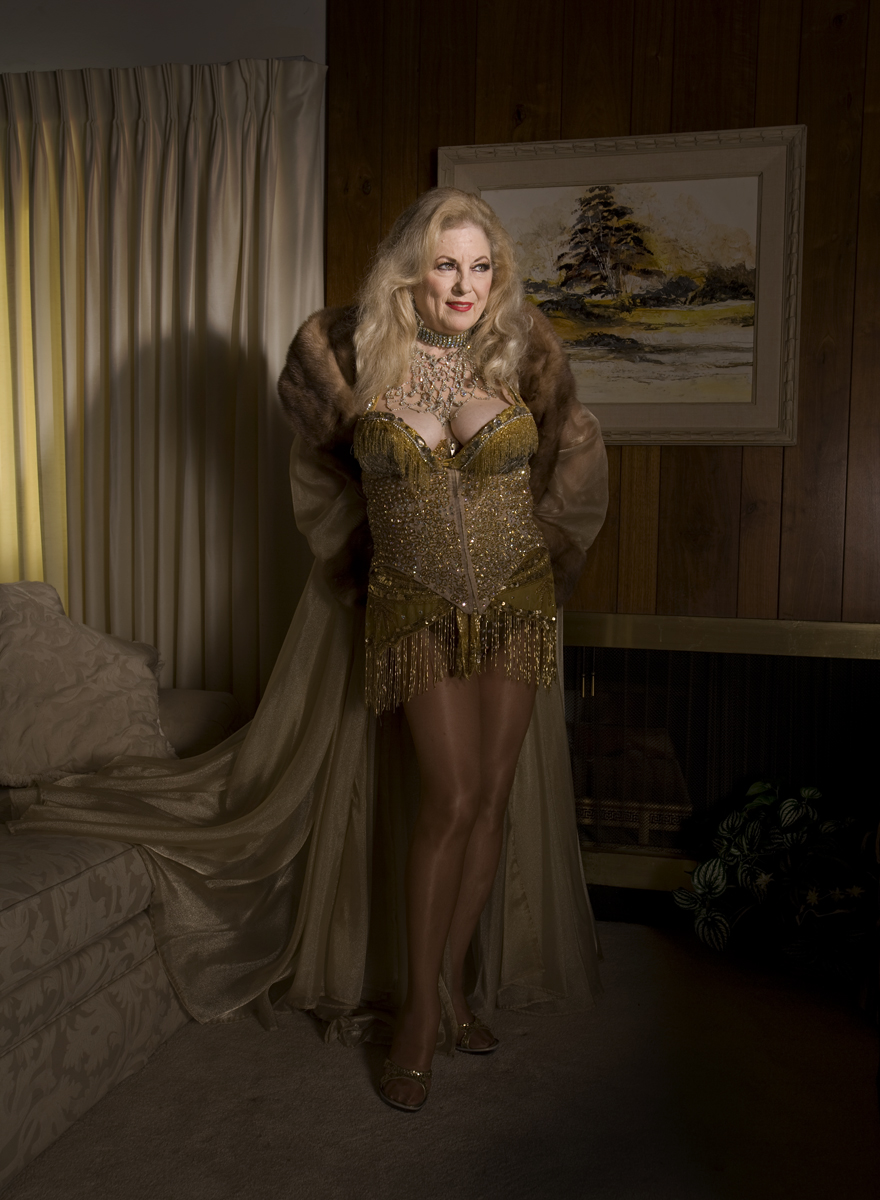
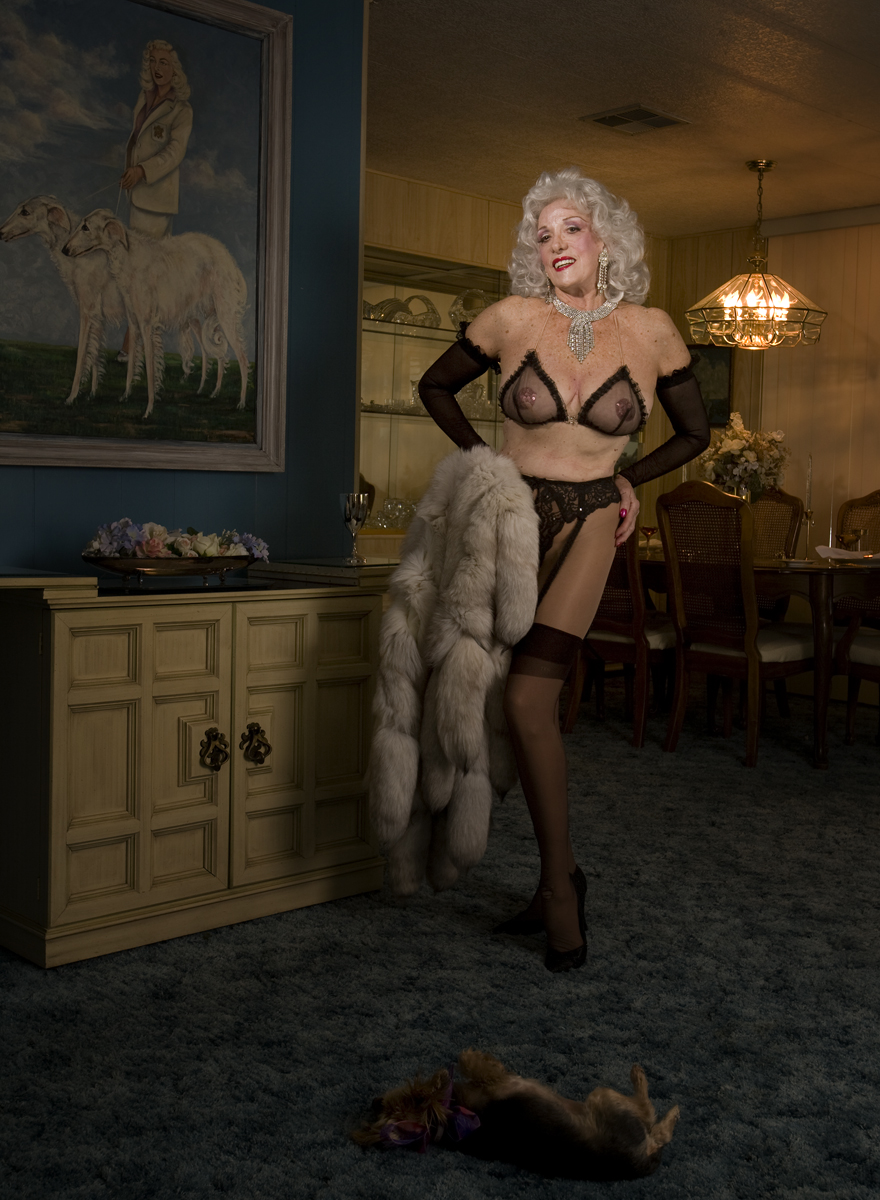
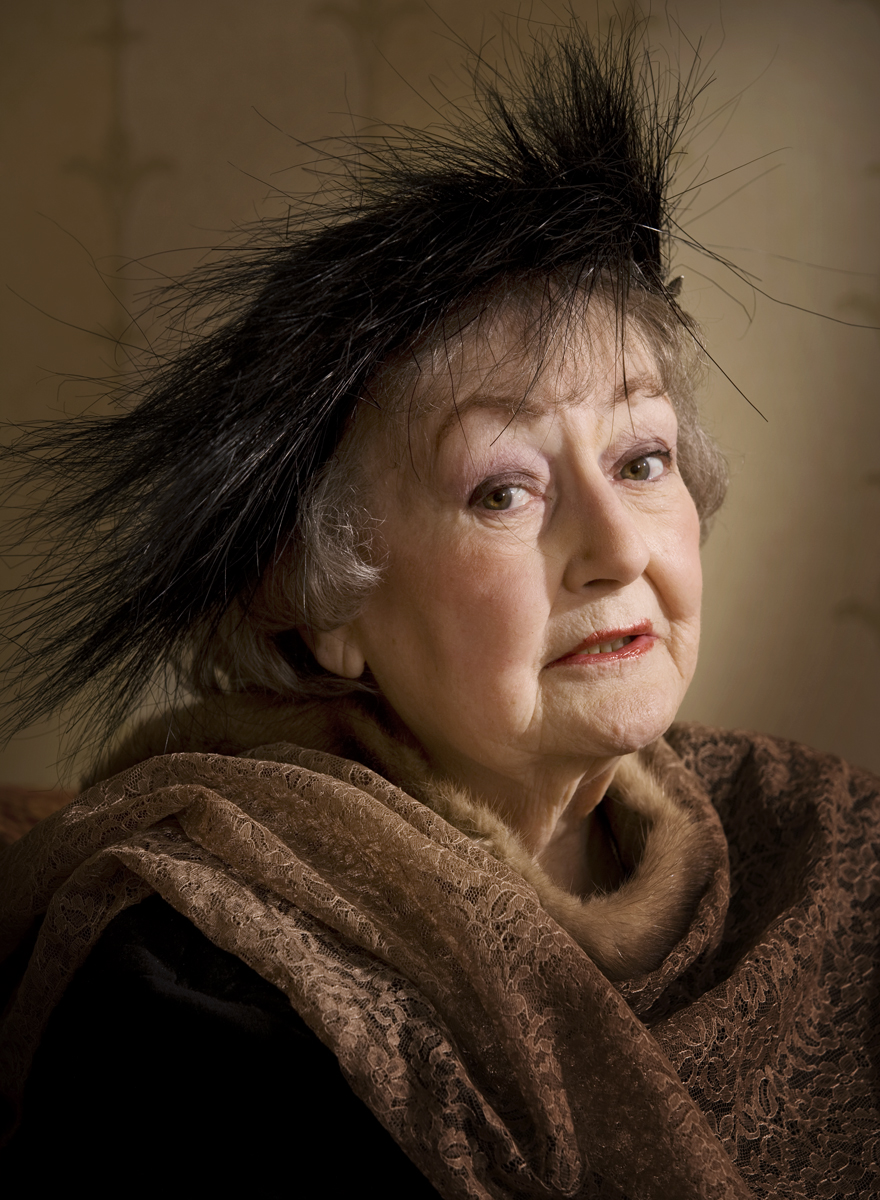
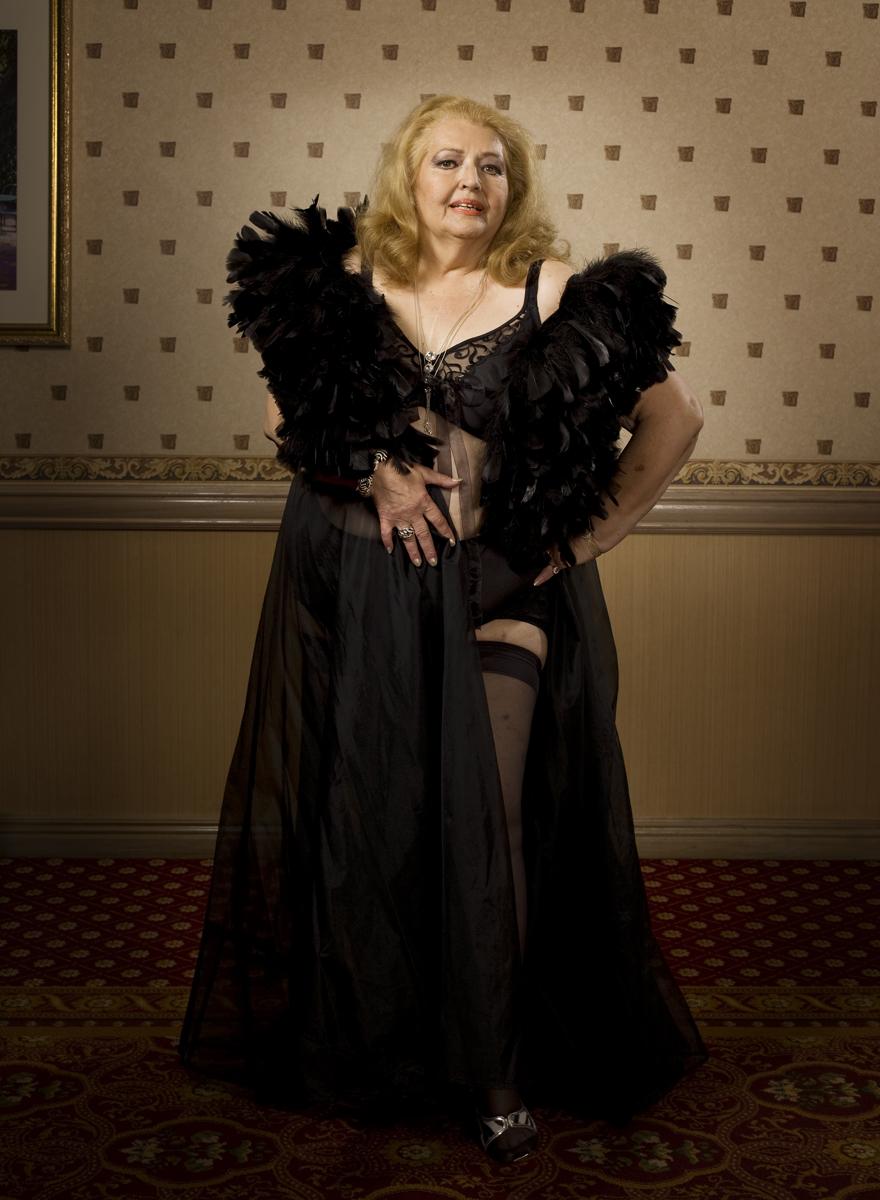
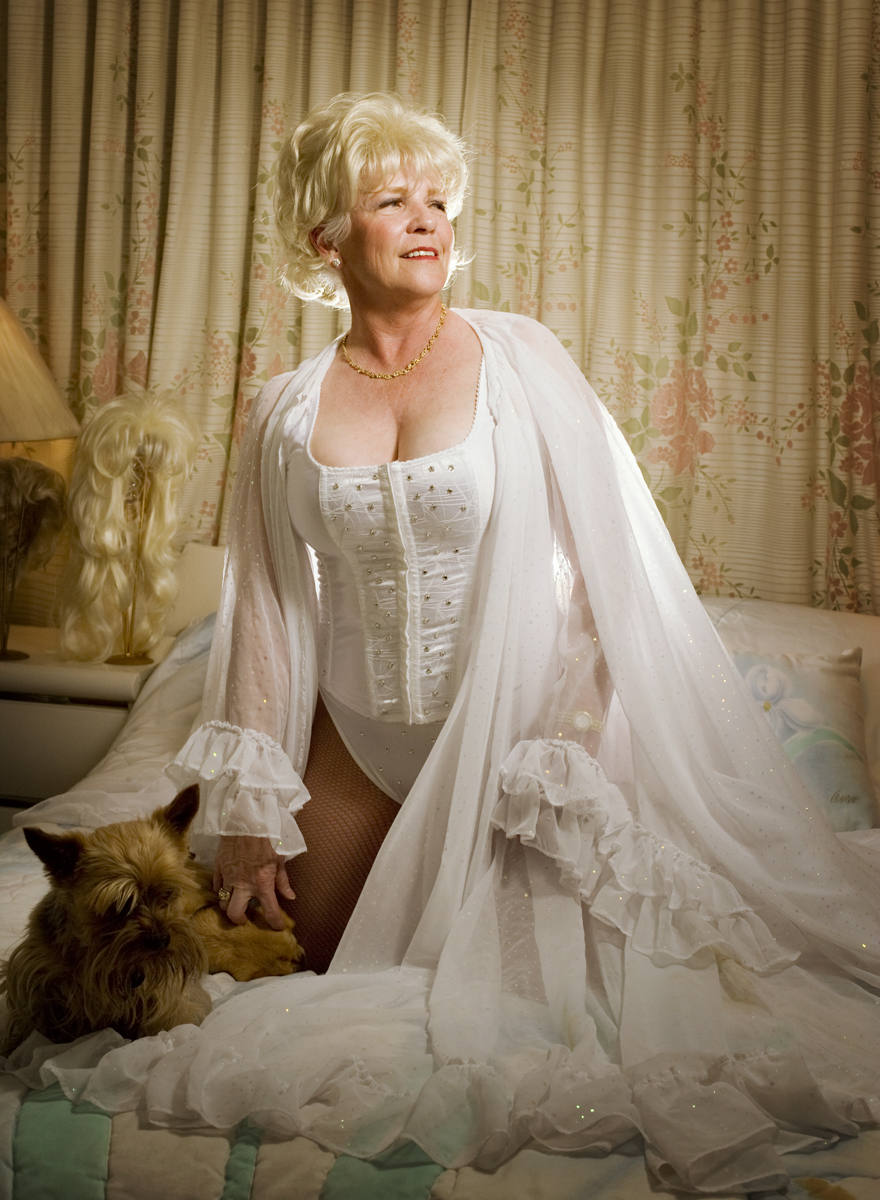
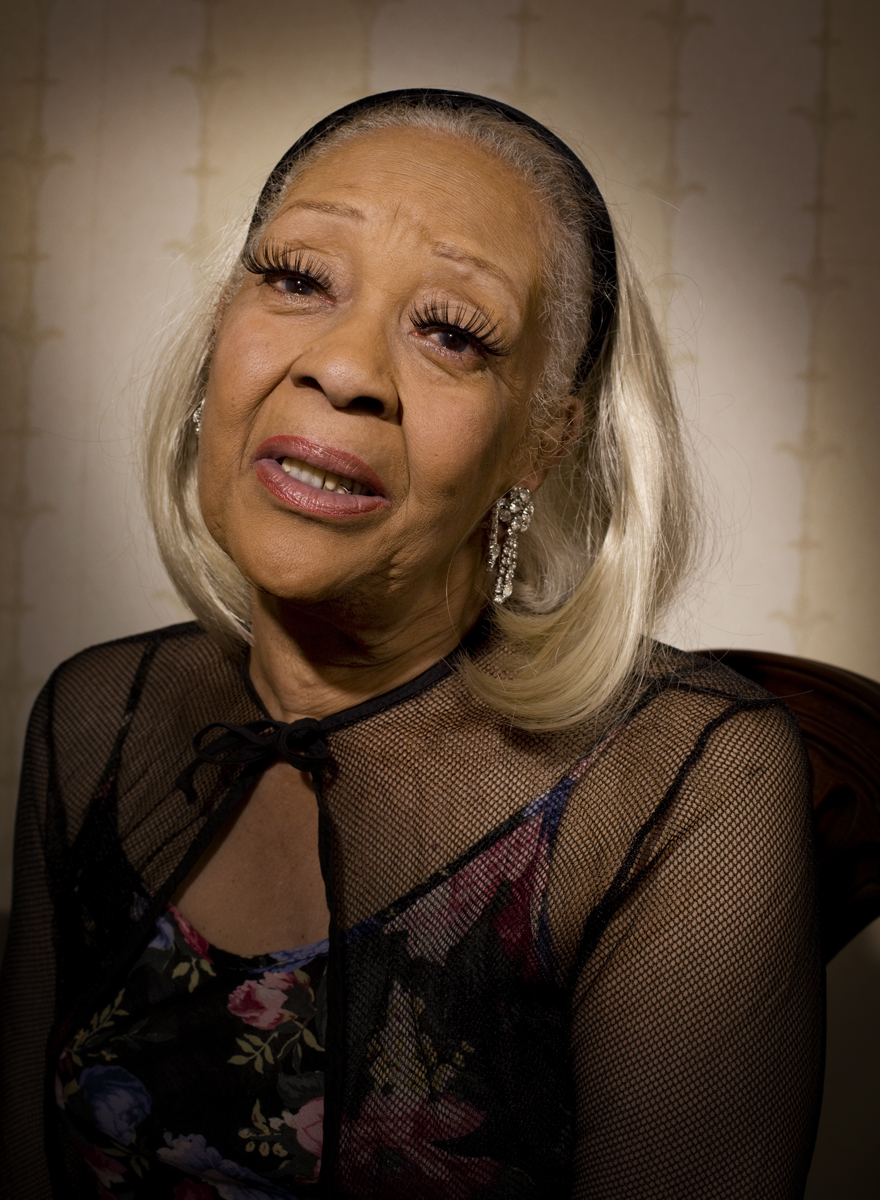
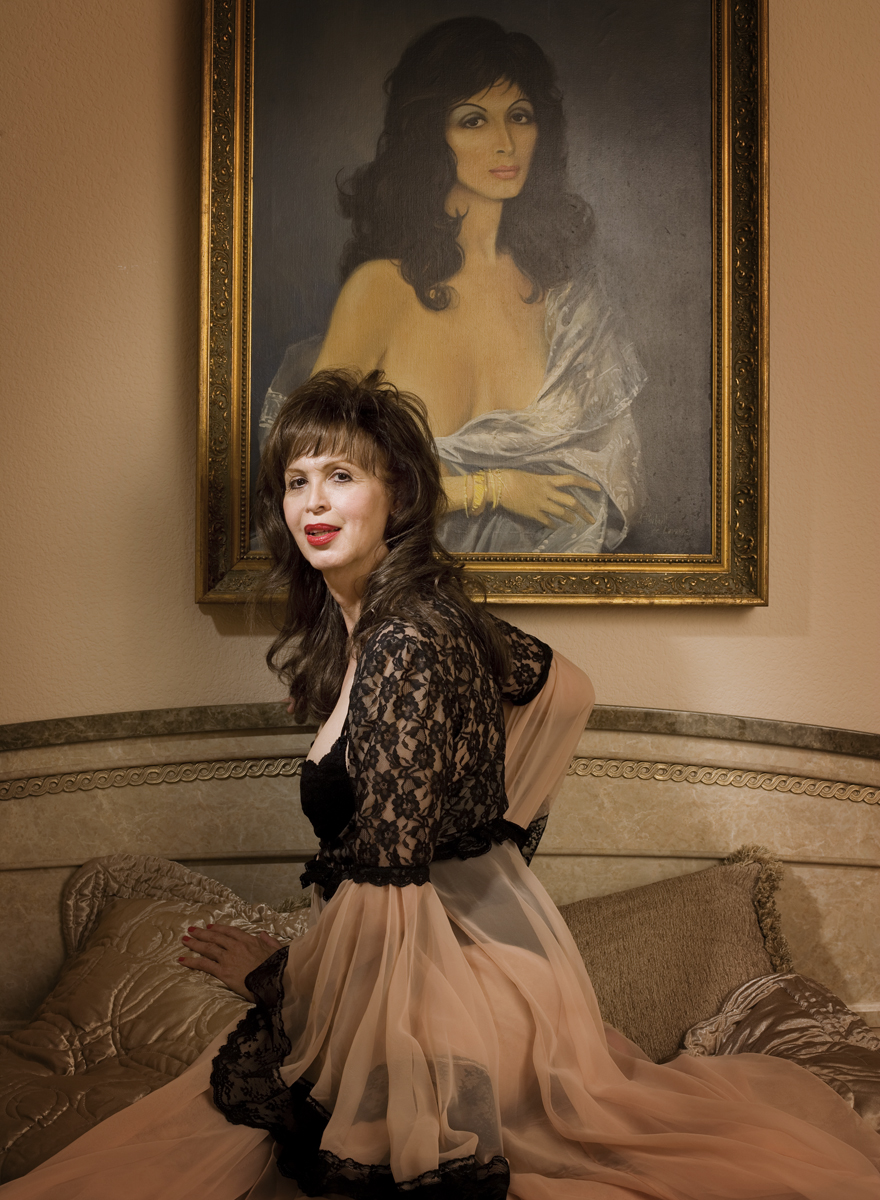
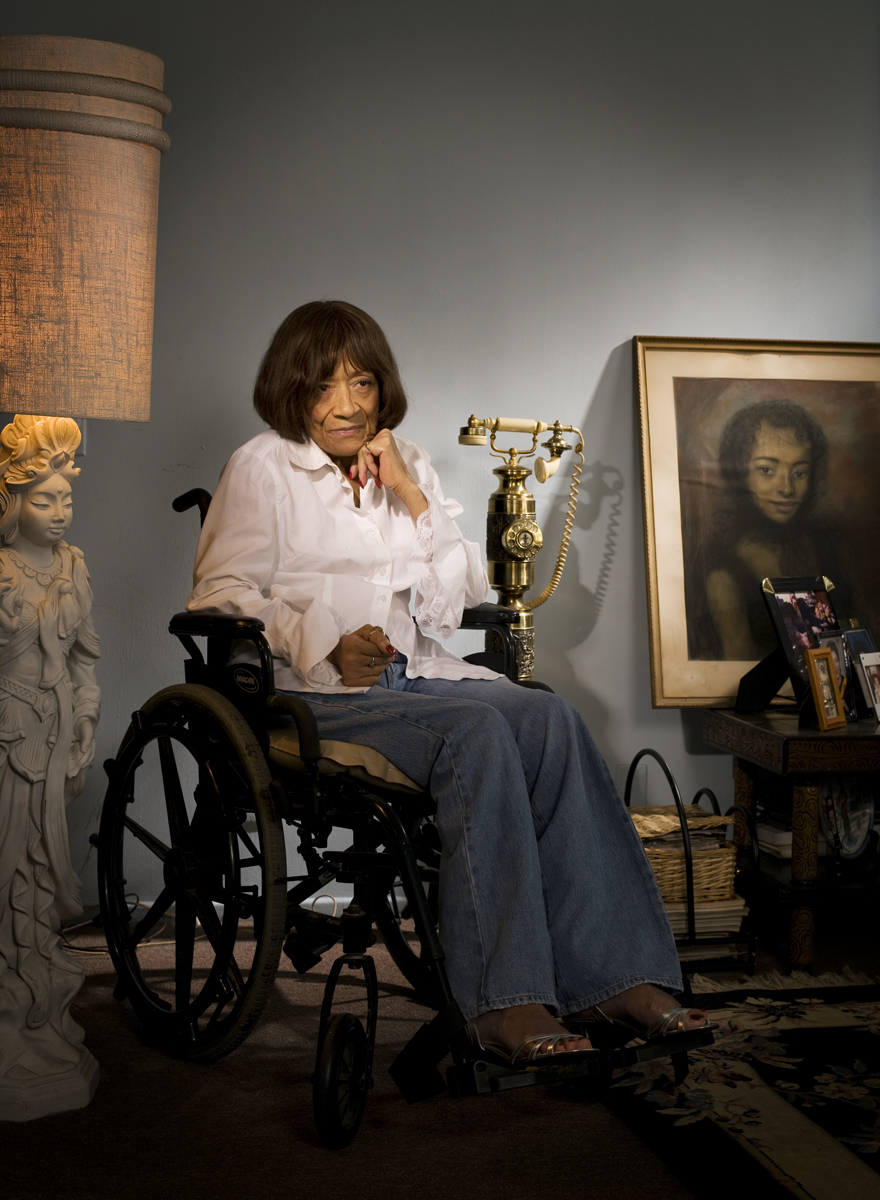
I was still relatively new to Los Angeles, and fascinated by the culture of beauty, youth, and plastic surgery, when I happened upon a burlesque review in the desert. I loved the attitude of the older performers — they were so confident and sassy. I wanted to get to know them.

How many years have you been shooting this project before you decided to present it?
I worked on it intermittently for about a year and a half, networking from one woman to the next, trying to find women who had been performing for decades.

How long do you spend on a personal project before deciding if it is working?
I’ll usually give myself at least two shoots on a project before I allow any gut feelings to influence my decision about whether to chuck it or not. But sometimes I know after the first session if something will work. I knew with the Tribe series that it was going to be an interesting project, and DAMES as well.

Since shooting for your portfolio is different from personal work, how do you feel when the work is different?
Every time I go out with a camera, I work towards getting that little sparkle in my brain when it all comes together. The feeling that makes me giggle a little bit — when lighting and gesture and attitude are all working together and I know I’ve got something.

I try to bring that giggle to every job, but sometimes it just isn’t going to happen and the end result is not ‘me.’ But I bring my A-game to every shoot, and when it’s done I move on to the next one.

Have you ever posted your personal work on social media venues such as Reddit, Tumblr, Instagram or Facebook?
Yep. Tumblr and Instagram, both of which link to my twitter and FB pages.

If so, has the work ever gone viral and possibly with great press?
DAMES got picked up by Slate’s photo blog Behold, and I think from there it got onto Buzzfeed, the Huffington Post, Jezebel, maybe a few other sites. DAMES was also featured at GETXOPHOTO a few years back, a photo festival in Getxo, Spain. Those images were later exhibited in Peru at a university. Crazy/random/awesome.

Have you printed your personal projects for your marketing to reach potential clients?
Absolutely. I still have a printed portfolio and personal images are incorporated into that, as well as on postcards and email blasts.

DAMES: The Legends of Burlesque

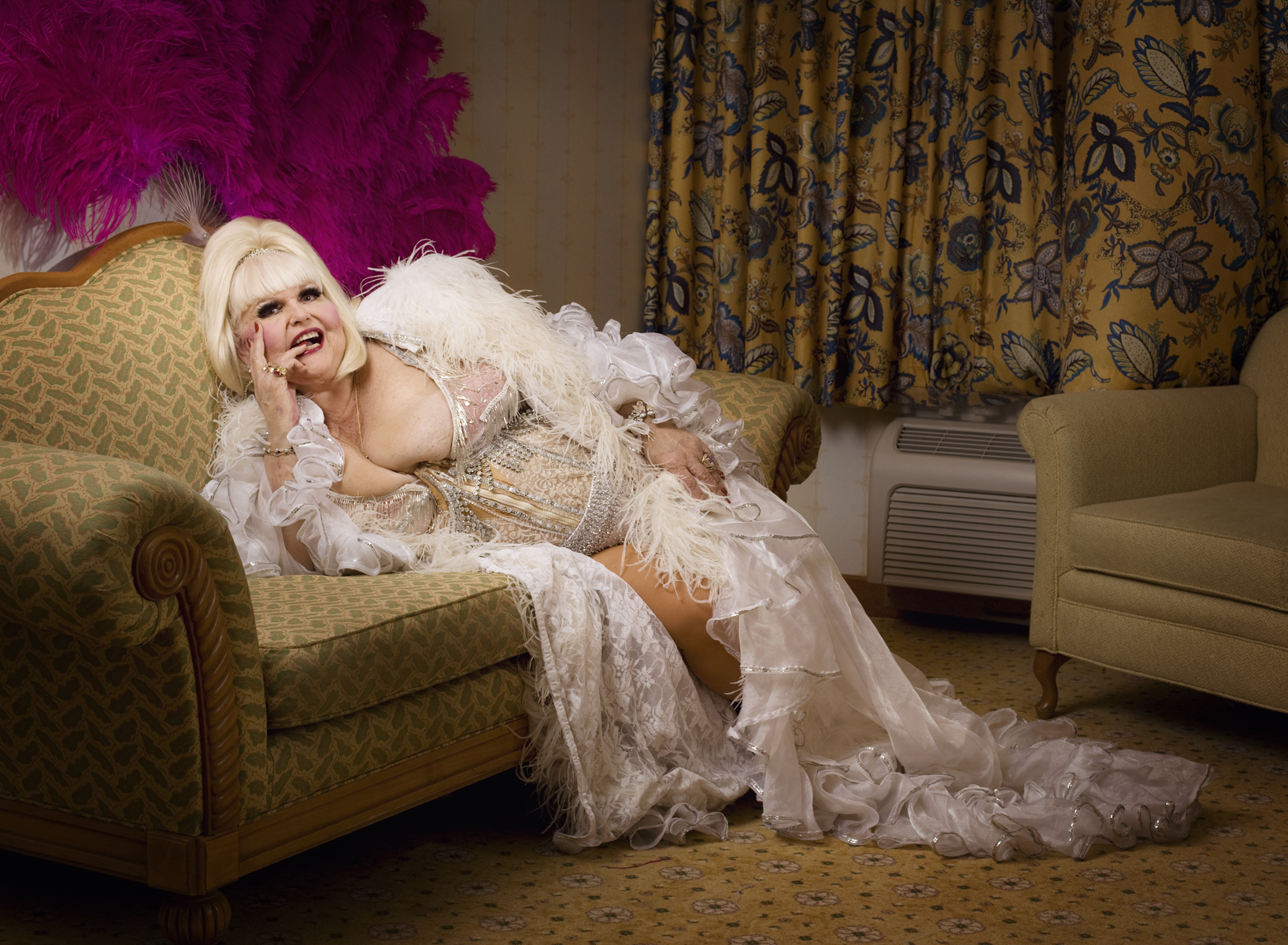
The Legends of Burlesque—ladies of a certain age who perform and teach younger dancers—came onto my radar at a Miss Exotic World pageant in Helendale, Calif. At that time the Burlesque Hall of Fame, where the pageant took place, was housed in a small ranch-style home in the middle of a remote desert, where tumbleweeds blew past a split-rail fence. Women of all ages strutted their stuff next to a small, rectangular swimming pool past a gaggle of admiring fans and enthusiastic photographers. The performers who impressed me the most were women in their 50s, 60s and 70s who stripped down to pasties and won over the audience through sheer brazen showmanship. They flaunted their bodies with a confidence that I’ve never had and an eroticism I never expected.

I began researching the names of longtime dancers well known in the burlesque community. My intention was to make portraits of Legends in their homes if possible, wearing favorite costumes or other articles of clothing they found meaningful. I started in the winter of 2009 with Stephanie Blake of Simi Valley, California, who referred me to another lovely lady, who referred me to another, and so on. I also found subjects online and through the Burlesque Hall of Fame website.

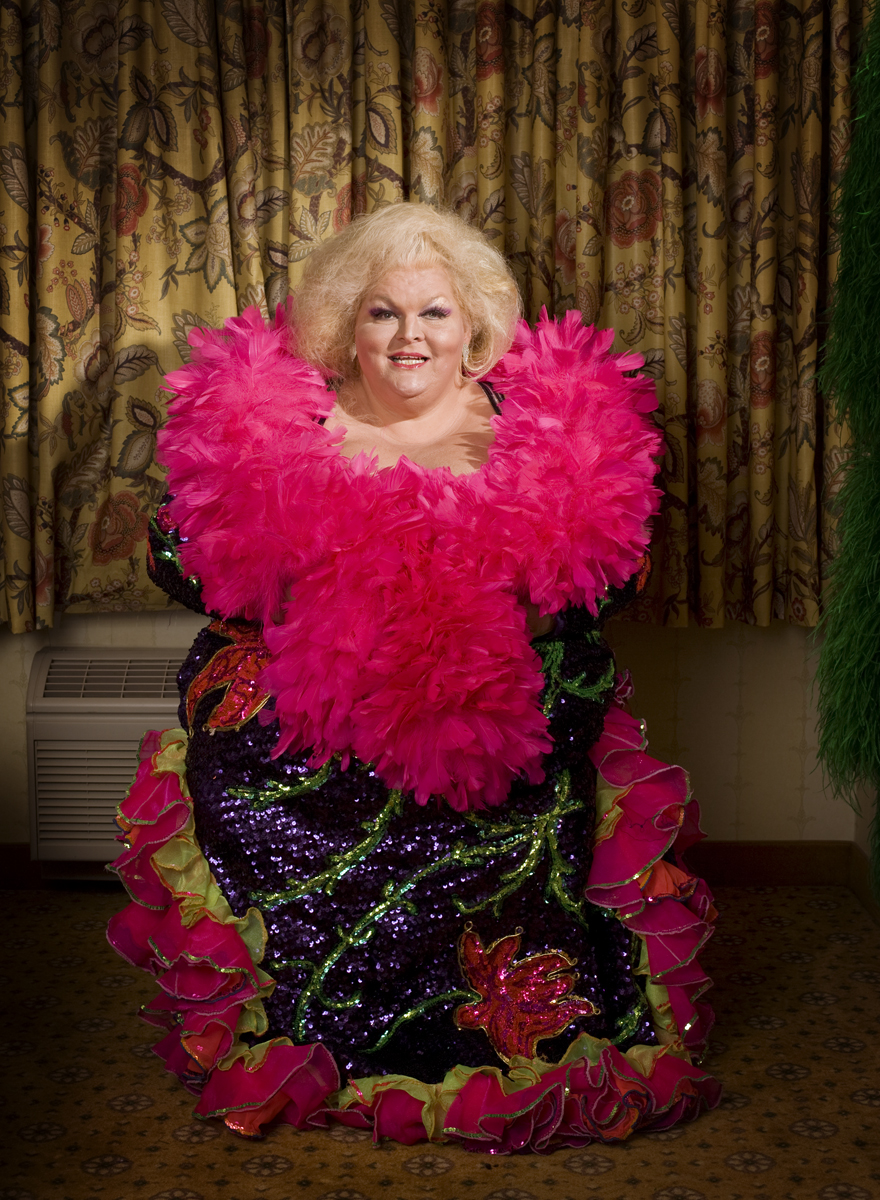
I loved spending time with the women: they were wry and smart and playful. In June 2009, I photographed Hall of Fame legend Big Fannie Annie, by her own account 450 pounds of sizzling sex, in a hotel room in Vegas where she and Satan’s Angel were getting ready to perform during over Hall of Fame weekend. Angel asked Fannie: “Do you have any of that cum-in-a-can I can use?”—a reference to the industrial strength hairspray that is an essential tool of their trade. Another, Toni Elling, took her name from Duke Ellington, whom she used to know.

I was sad to learn recently that a few of the women that I photographed have passed away. Joan Arline, a slender stunner I photographed wearing the same lacy black costume she performed in 55 years ago, died in the fall of 2011 of leukemia. Candy Baby Caramelo, who was very proud of her 48DDD bust and who had playfully eyeballed my male assistant, passed away that same year. And, according to her Facebook page, Big Fannie Annie has struggled with ill health.

My photographs of these fascinating women have been exhibited in Kansas City, Mo., Getxo, Spain, and Lima, Peru – the latter two with GETXO Photo, an annual photo festival that uses unconventional exhibition spaces, from the inside of shipping containers to drink coasters, to showcase photographs. http://www.stephaniediani.com


APE contributor Suzanne Sease currently works as a consultant for photographers and illustrators around the world. She has been involved in the photography and illustration industry since the mid 80s, after establishing the art buying department at The Martin Agency then working for Kaplan-Thaler, Capital One, Best Buy and numerous smaller agencies and companies. She has a new Twitter feed with helpful marketing information believing that marketing should be driven by a brand and not specialty. Follow her on twitter at SuzanneSease.

It’s really tough for me to look at old pictures, I either look at what I could have done better, or I start crying– Steven Meisel

TIM BLANKS: Do you think you were looking for yourself in those photos? There was a strand in your work for a long time of very ambiguous, beautiful people with long black hair.

Steven Meisel: I think I’m in every picture that I take, regardless of whether it’s a super-commercial something; it’s all me. So am I looking for myself in those kinds of photographs? It’s not intentional; it’s just a sensitivity. Thinking of the Sean pictures: Am I looking for me in them? No, I am them.

TB: Does that mean that everyone in your photos is an alter ego in a way?

SM: Um, not in every one, but yes, to a certain extent, sure.

TB: Thinking of your photos of Linda [Evangelista], for example, there’s a real symbiosis in those images.

SM: Yeah, that’s me, absolutely. That’s a part of who I am. But I have to be honest—I don’t know what I do. I learn more about what I do from other people asking me questions or commenting. It’s nothing I think about; I just do it.

TB: But are there moments when you stop to think, “God, I did that one well”?

SM: No.

TB: You mean it’s always on to the next thing?

SM: Yes. Emotionally, it’s very difficult for me to look at old work. That’s why it was so hard to do the Phillips thing. I either look at what I could have done better, or I start crying. I’m ridiculously sensitive, that’s just who I am, so it’s really tough for me to look at old pictures.

TB: Even when you’re looking at those pictures which I think of as a conspiracy between you and Linda? You don’t feel a thrill?

SM: I always get sad.

TB: You mean melancholy at the transience of everything?

SM: I’m not going to get into the whole meaning of life—of which there isn’t one anyway—but yes.

TB: What thrills me is your ability to re-create atmospheres, to evoke times and places and artists that meant so much to me. I’m assuming they meant a lot to you too.

SM: It’s a part of who I am, of who you are. It’s our experiences and our eyes and our hearts, of growing up when we did.

via An Exclusive Q&A With Photographer Steven Meisel – WSJ.

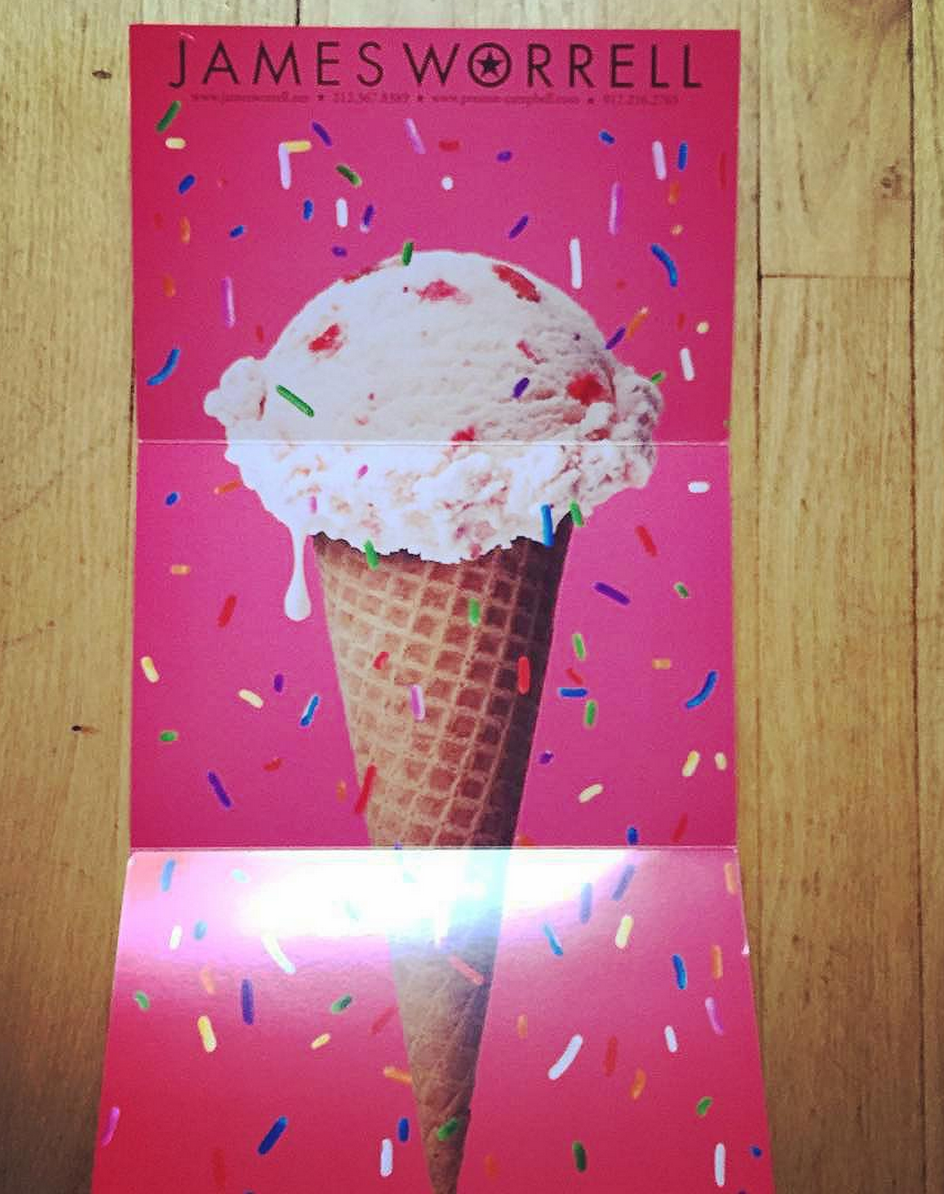
The Daily Promo: James Worrell


Screen Shot 2015-08-26 at 3.26.05 PMScreen Shot 2015-09-04 at 9.19.04 AM

James Worrell

Who printed it?
The Card was printed at Modern Postcard.

Who designed it?
I designed it and edited the images with a little help from my Food Stylist, Brian Preston-Campbell and my agent Mary Dail at Big Leo.

How many did you make?
We printed 500, mailed out about 425, the rest are for leave behinds, etc.  An email campaign followed up the printed mailing about a week later.
unnamed-1
How many times a year do you send out promos?
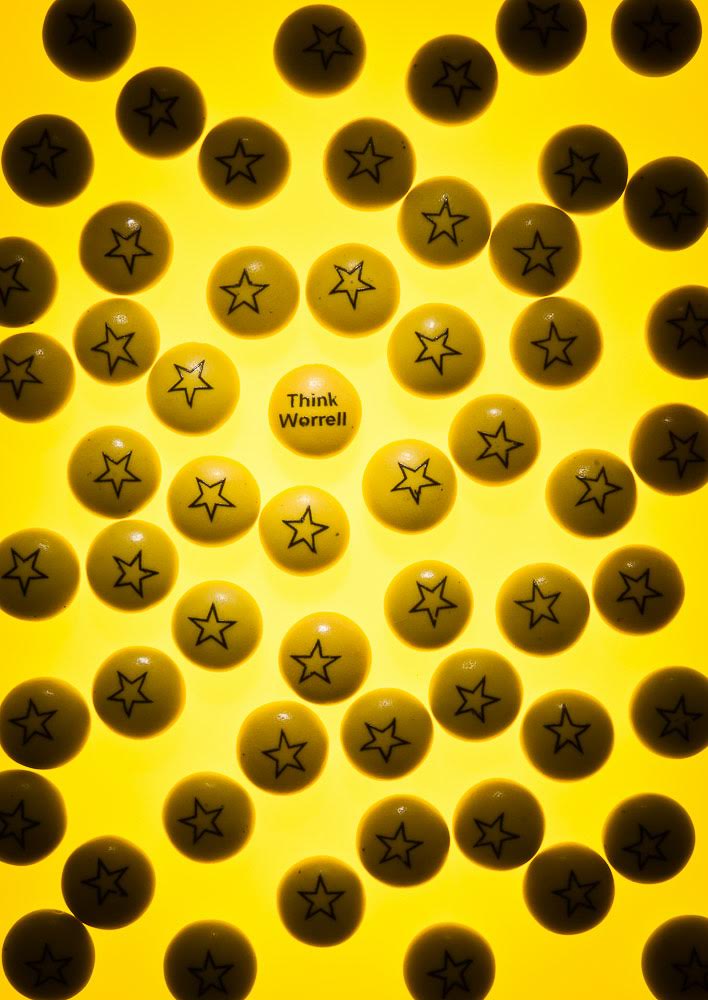
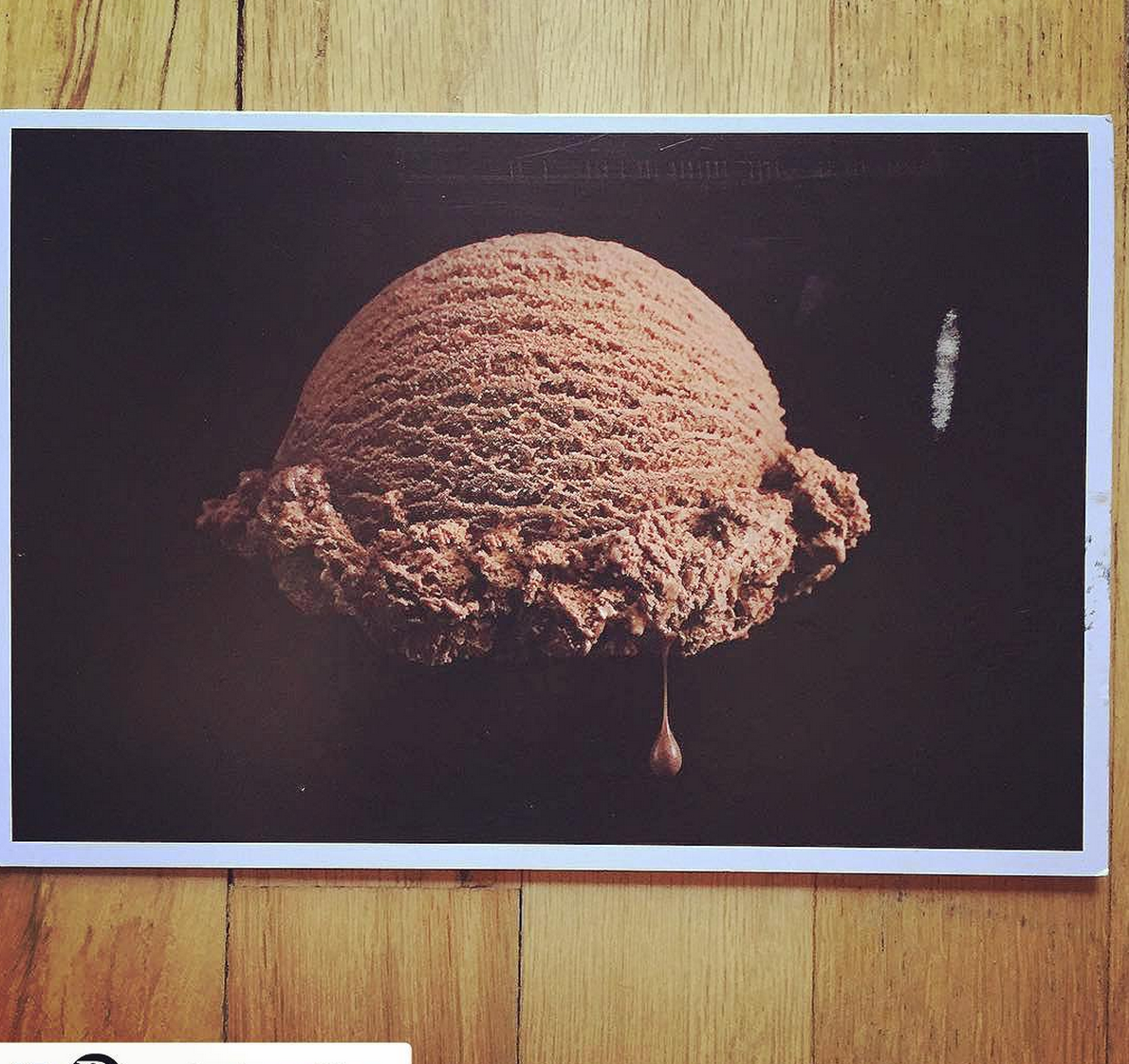
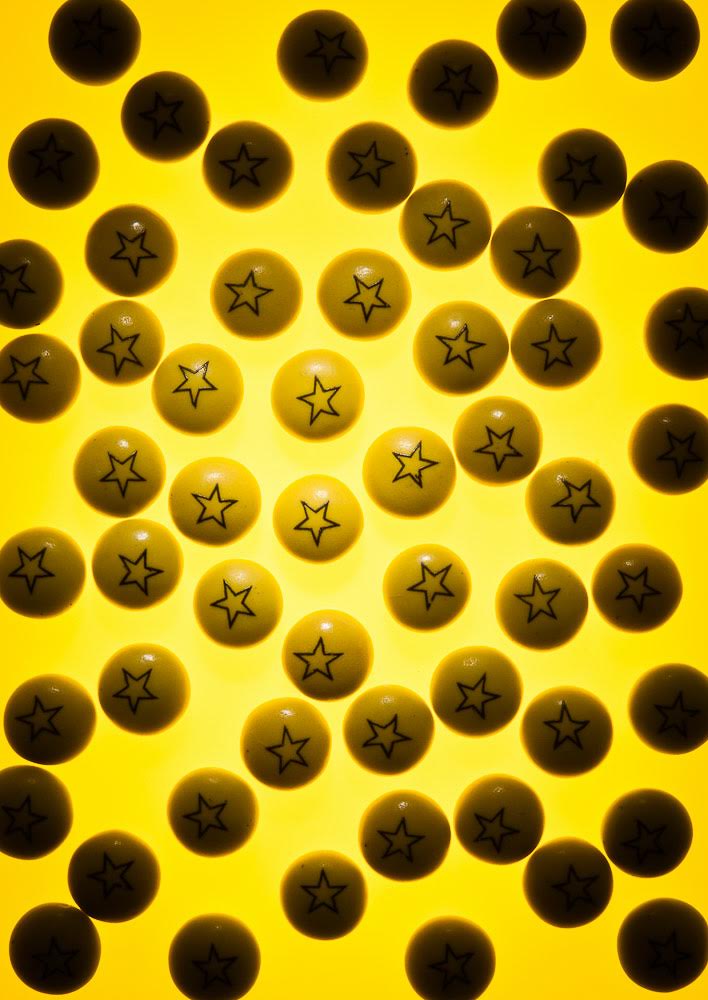
This year I plan on doing three printed promo mailings in this format, last year I only did one and the year before that I did a couple with what I call a “special promo.” That was an involved piece that involved printing my logo on M&Ms and a small booklet.  For awhile people got tired of the printed promo but it seems to be having a resurgence, or maybe that’s just me.  The email promo is hated by most at this point and the printed piece seems so much more substantial.  I consistently promote myself, if anything, my biggest problem is that I get bored and do other things.   I am currently advertising for the second year in Atedge.com, they print five books each year, two books feature our ice cream shots.
Do you always work with the same stylist and do you set out with a plan for the promos?
I work with Brian a lot on various editorial and advertising jobs.  He does a lot of the ice cream you see on packages out there and always has funny stories to tell about the process.  We devised a scheme to test ice cream shots, promote them and take over the world of ice cream shooting.  The real story is that I have a loose plan of doing shoots with my favorite stylists and then promoting our work together.  It’s a way to combine creative forces and share the costs. It also is really great to work on a collaboration with a mind to promote as opposed to just sending out work that I was paid to do.  Of course, I have been paid to shoot ice cream, just not these.  And while I did all the shooting, retouching and layout design, Brian and I planned and did two separate shoots for this promo, and have plans for one more as a follow-up.  I have another shoot coming up soon with one of my favorite conceptual prop stylists for a winter promo as well.

This Week In Photography Books: Michael Lange

by Jonathan Blaustein

Sometimes, I can’t believe I live in the high desert. Not given where I come from. Back in New Jersey, the humidity was stronger than a body builder’s underarm stench. Water hung in the air, always ready to cling to the first thing that passed by.

This Summer has had its share of rain, but still, most days, the sun beats down on the Northern New Mexico landscape, daring people to test its fiery glow. Within a week or so of the last rain, our pasture grass will turn pea green, then tan, then harsh brown, if not irrigated properly.

The dry even invades your body, if you’re not looking. The back of my feet tend to crack, like sorry horse hooves, if I don’t slather them with moisturizing cream. (Cue the vision of me buying some expensive hand cream at Kiehl’s, in the Cherry Creek Mall, not-so-subtly pretending it’s not really for my feet. Awkward.)

Needless to say, by now, early September, I’m ready for Fall; for a release from the heat. I dream of moisture. Of cool, wet, boggy places, that bear no resemblance to my own world. I close my eyes, and mentally evoke some misty rivers. Maybe in Northern Europe? (Avoid mention of human migrant crisis here.)

Sometimes, when you want to leave your mind, and your physical locale, there’s an easy solution. Open up a photo book. Flip through the pages. Imagine you’re somewhere else.

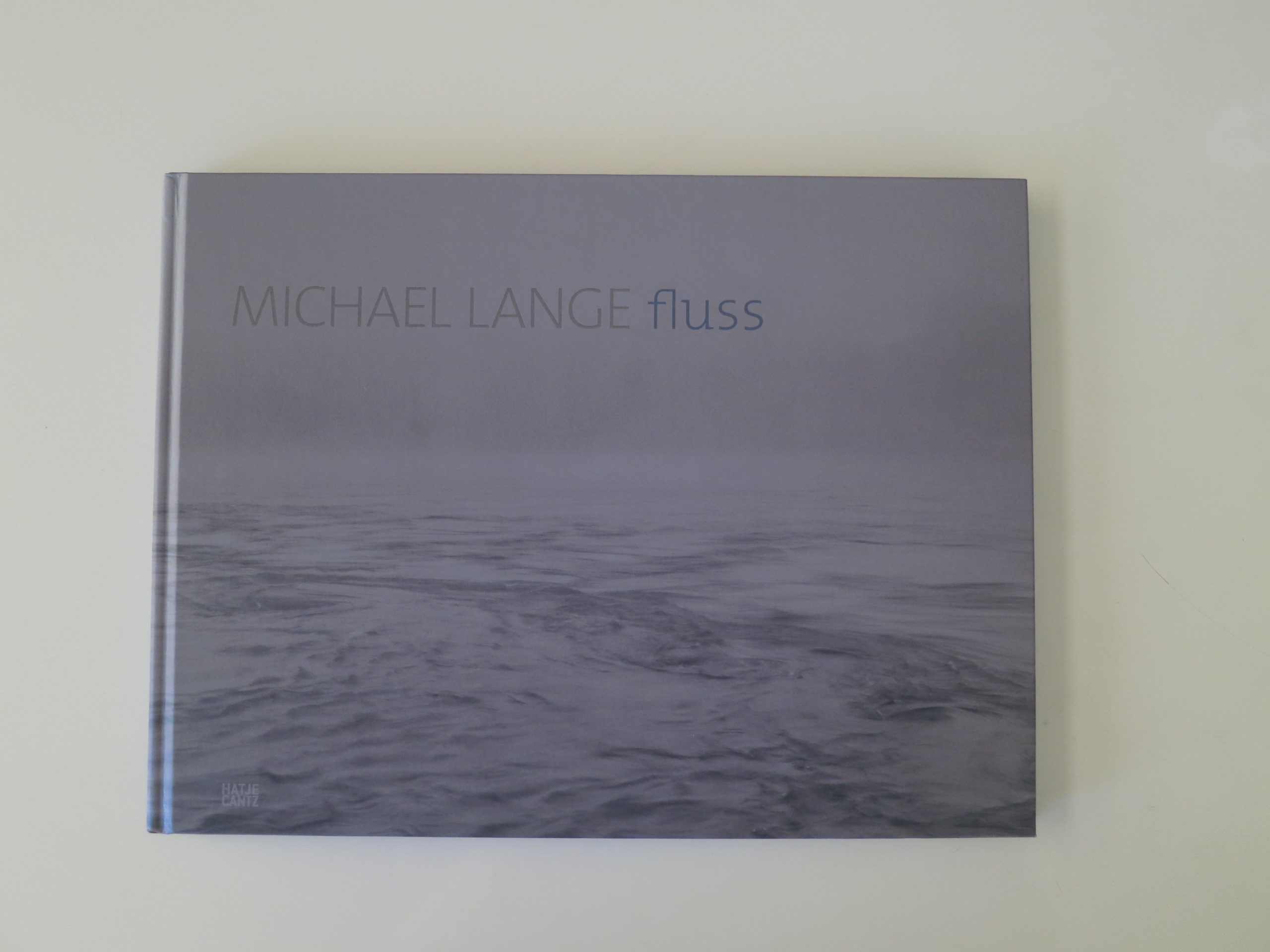
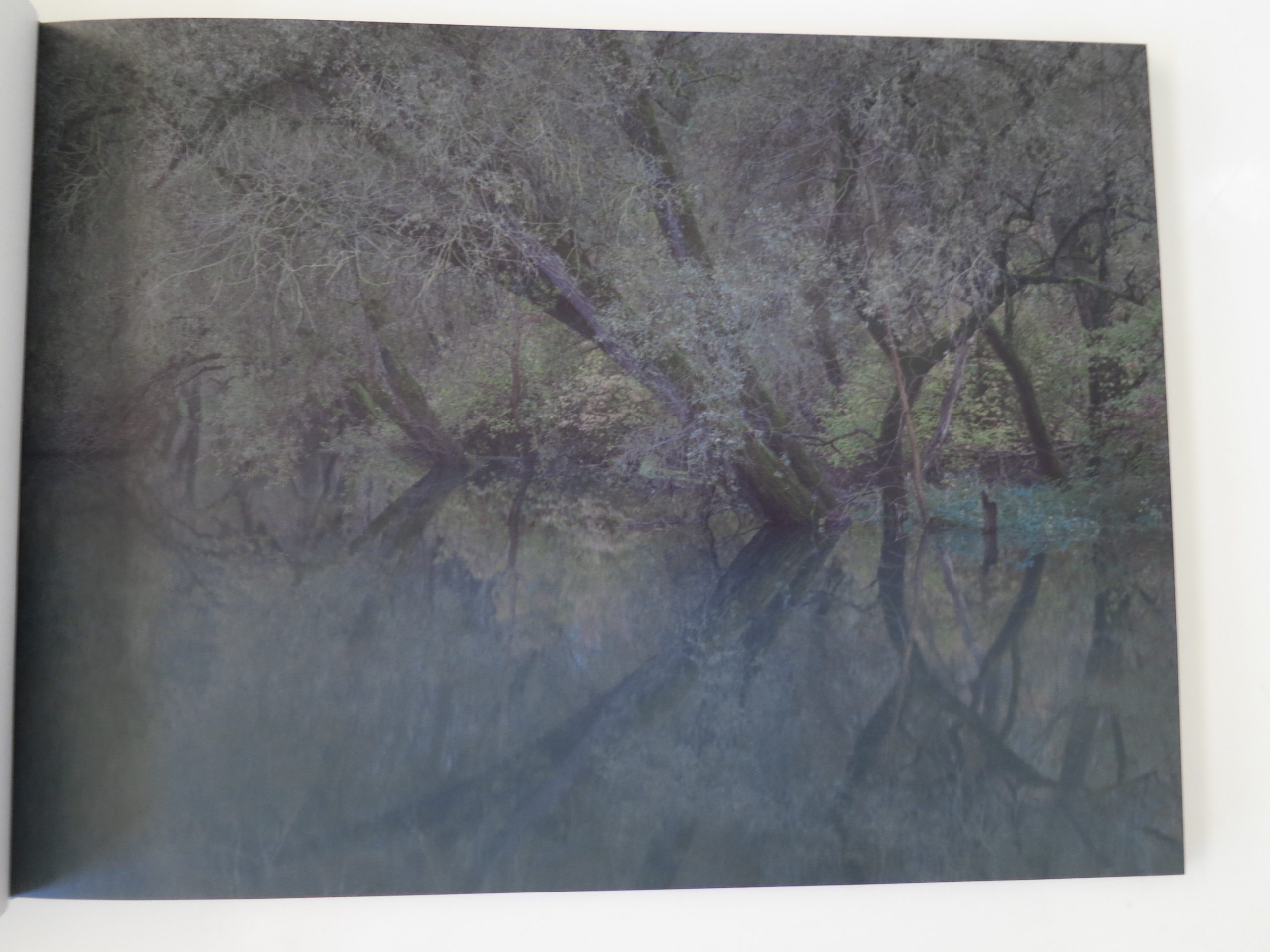
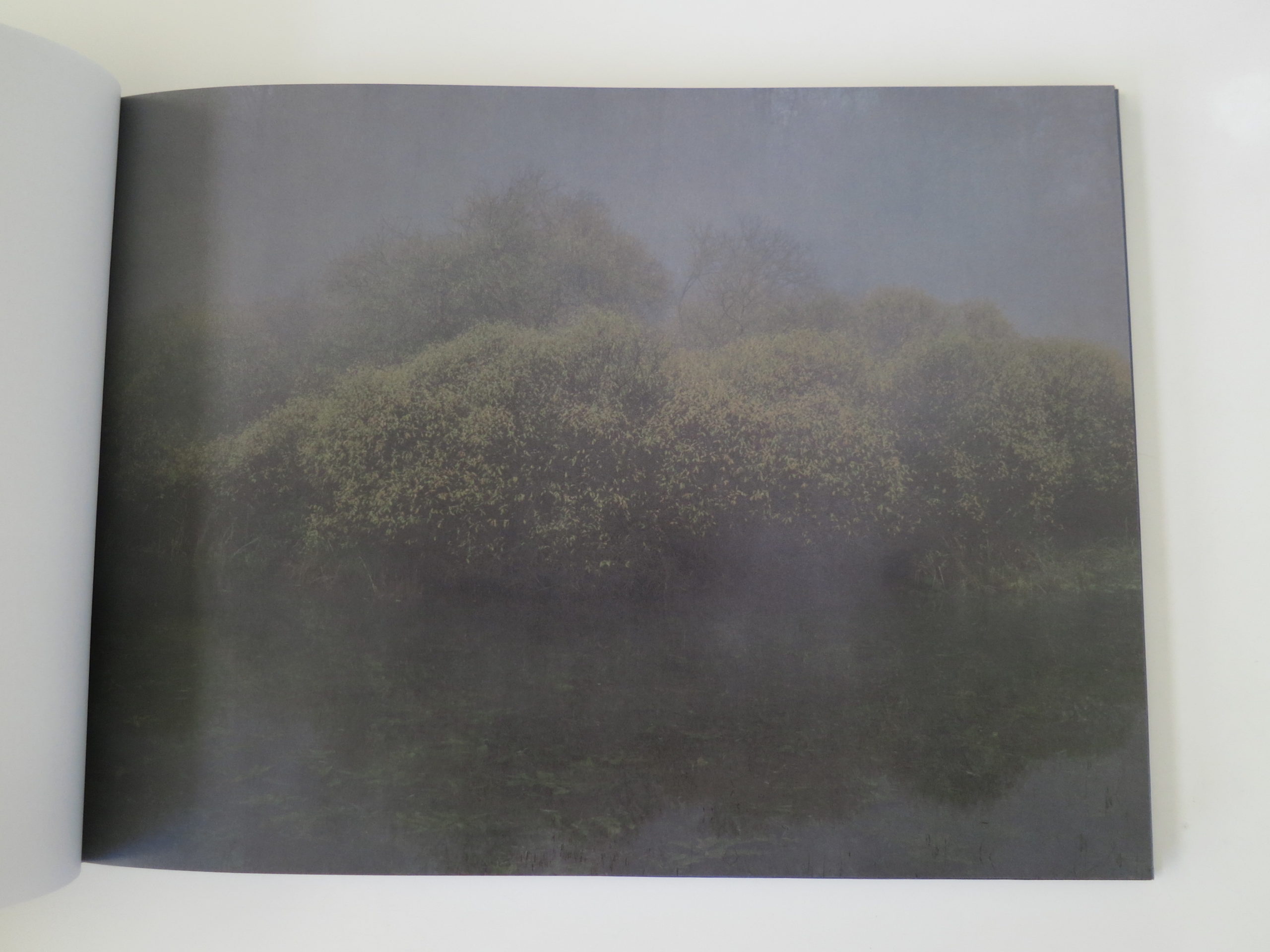
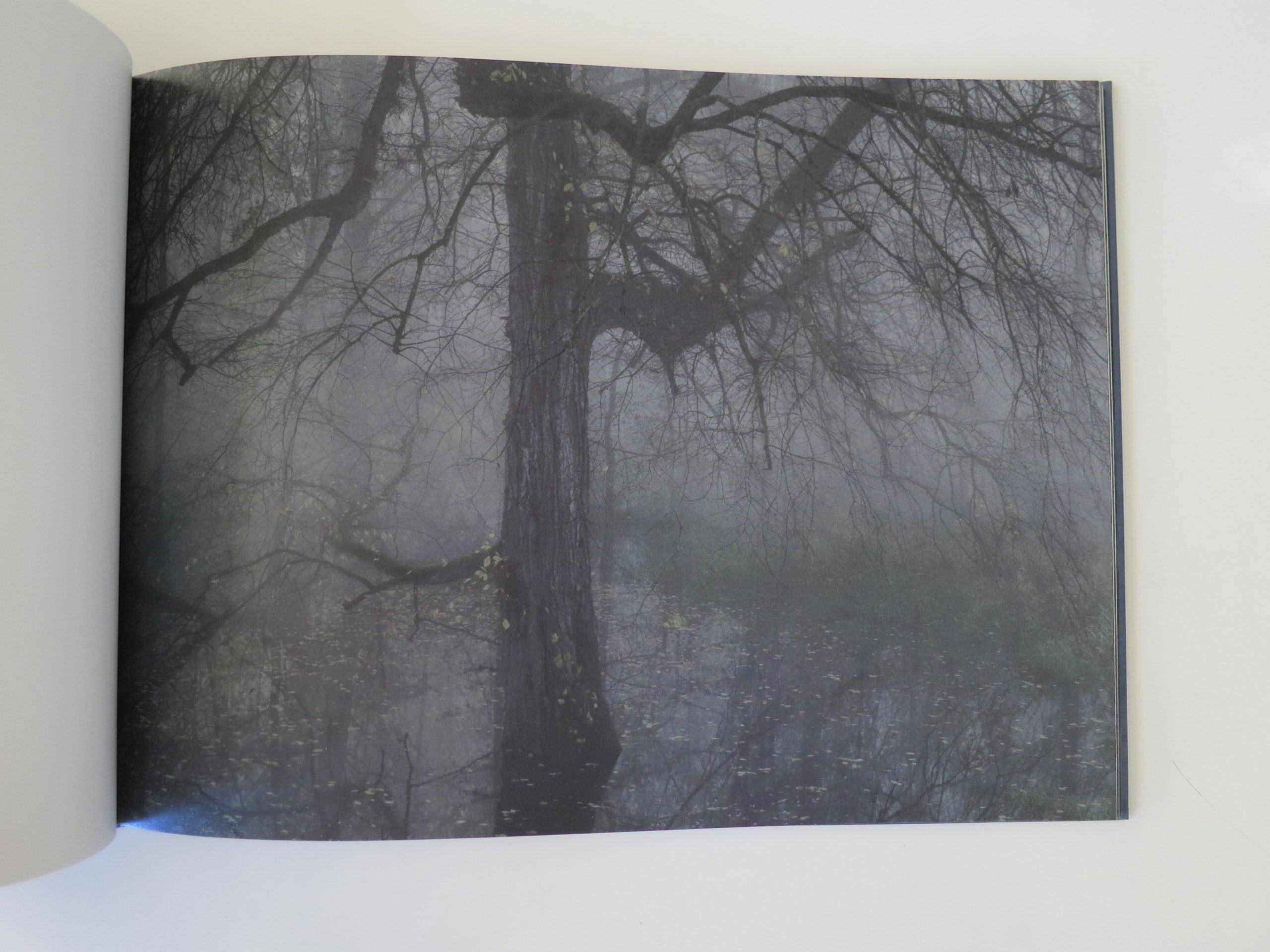
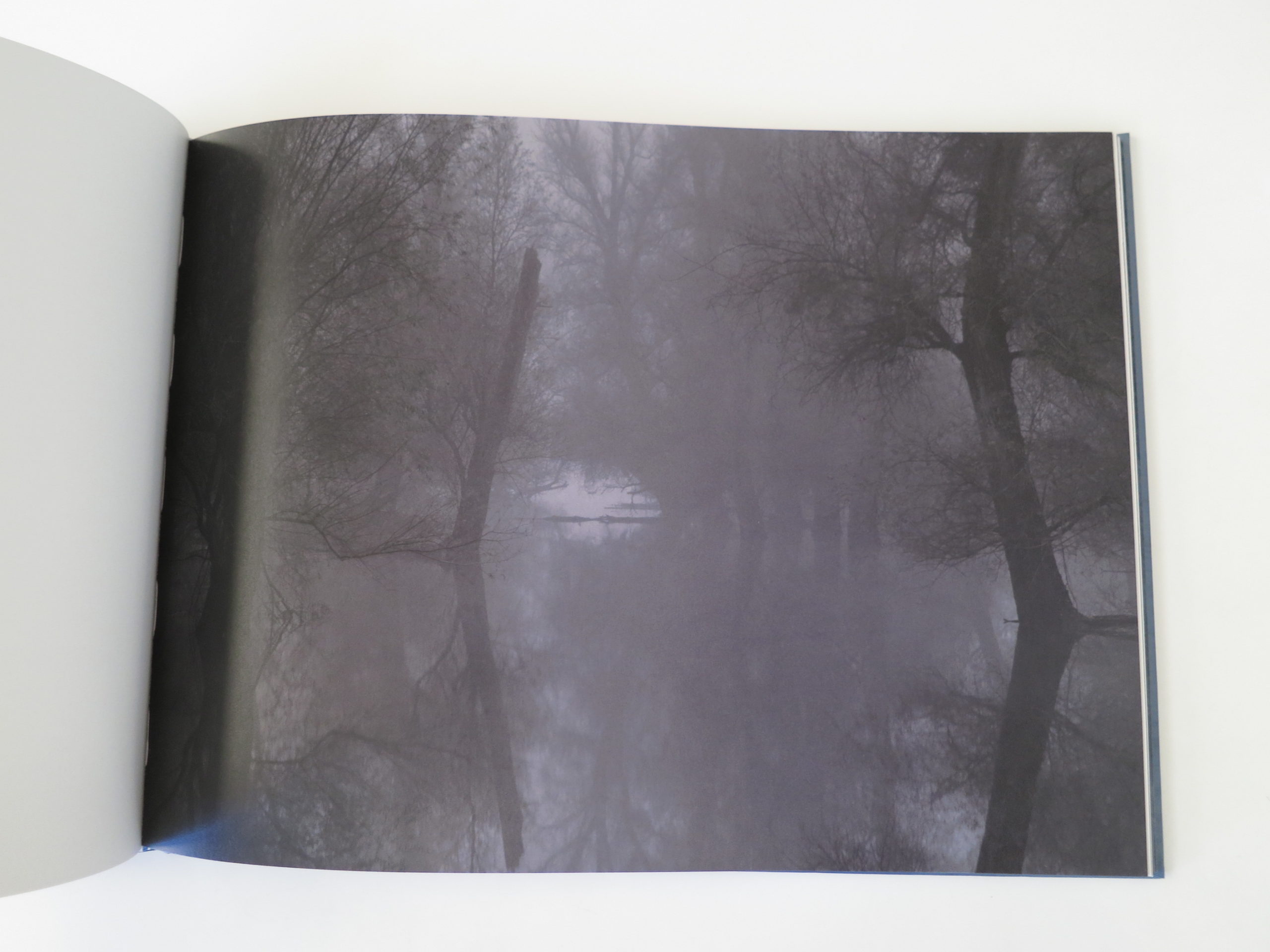
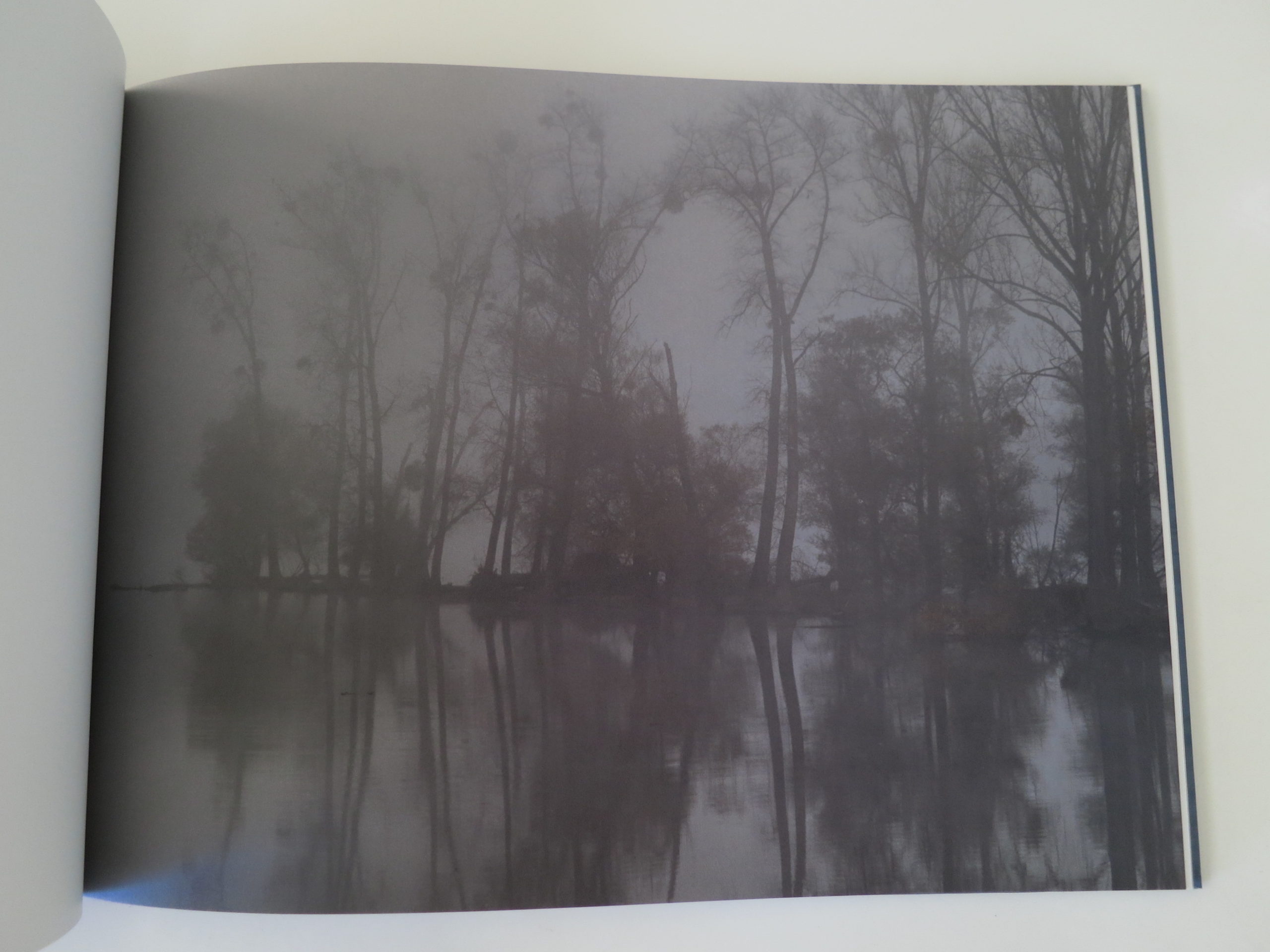
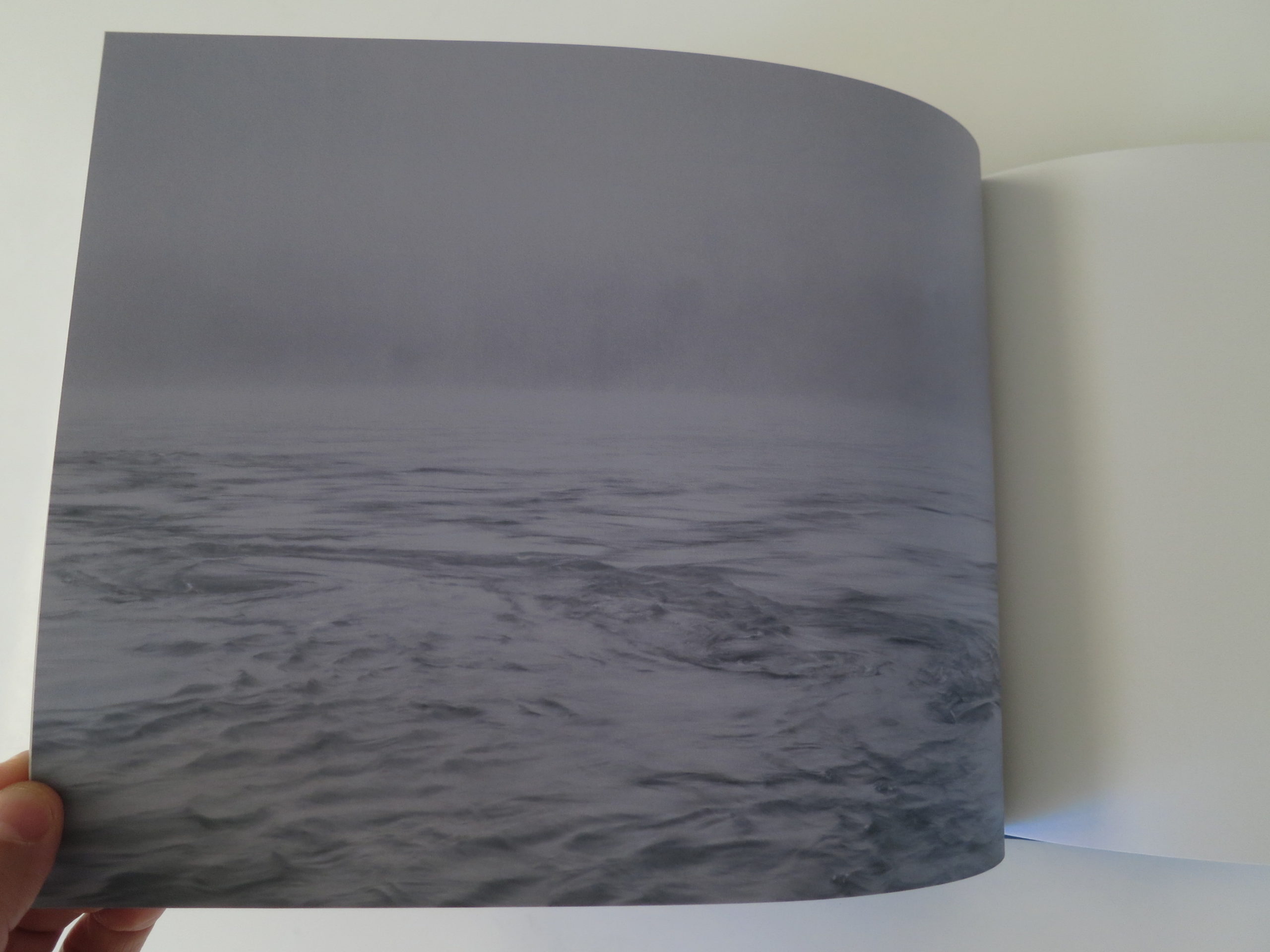
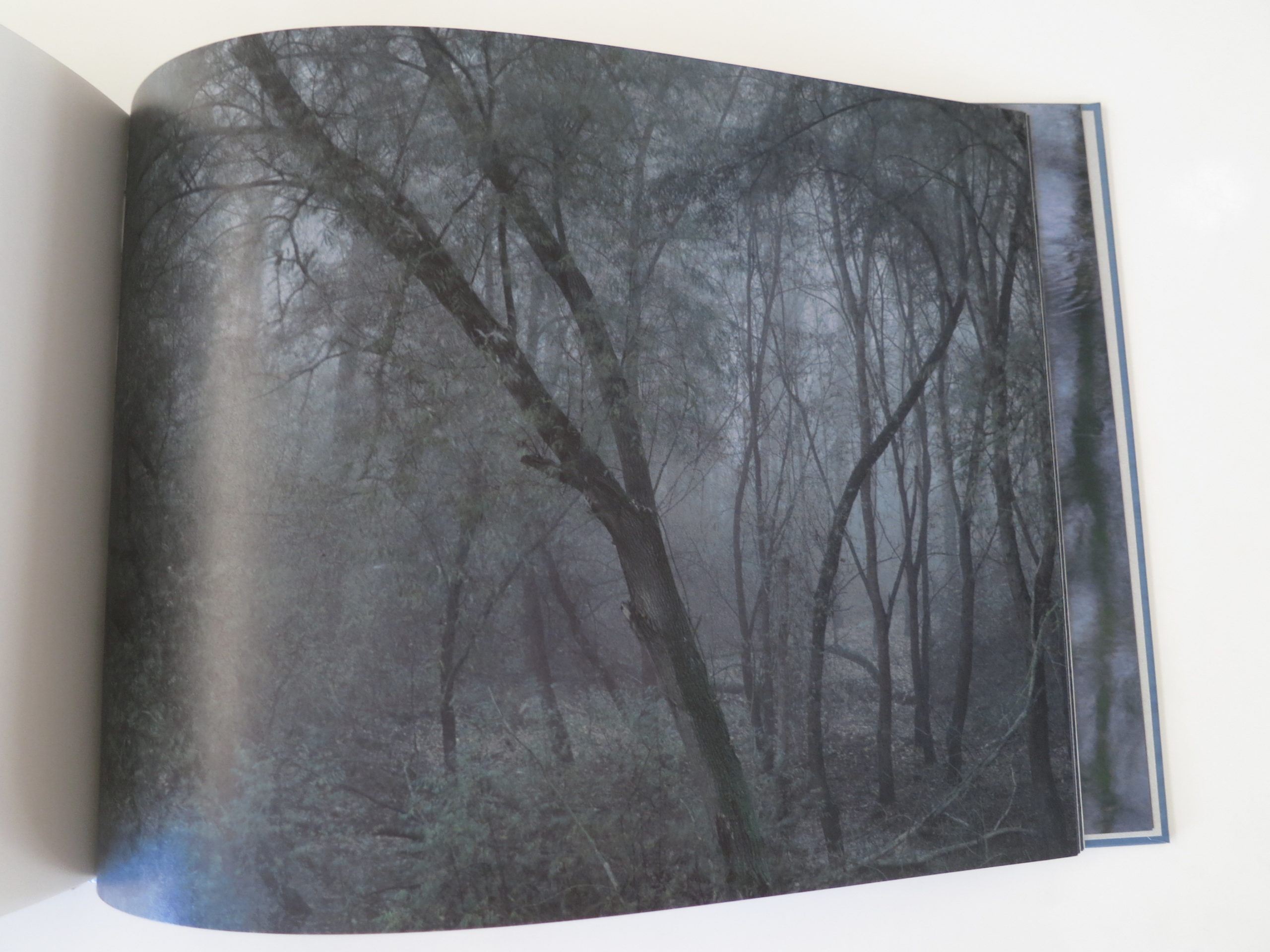
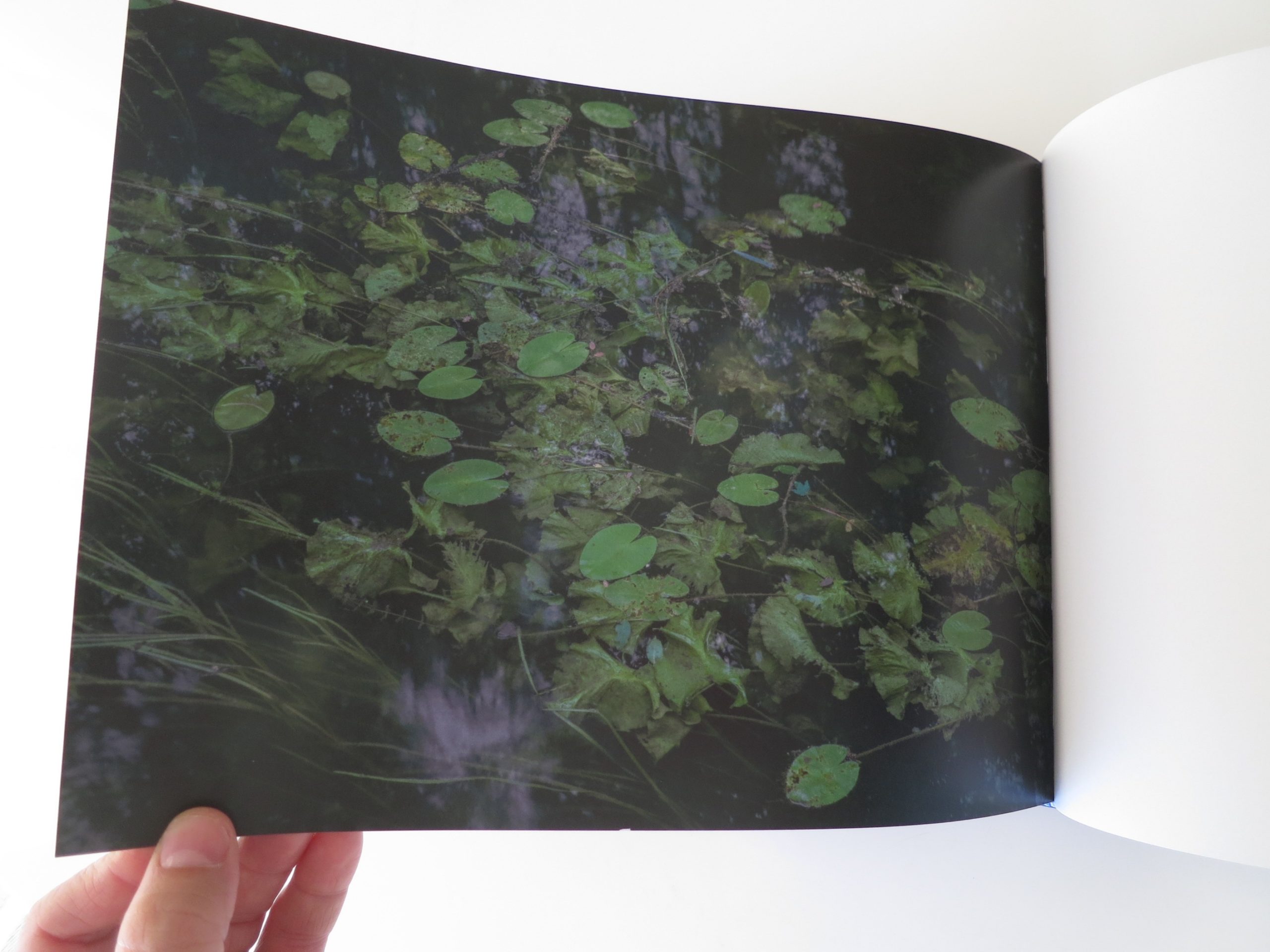
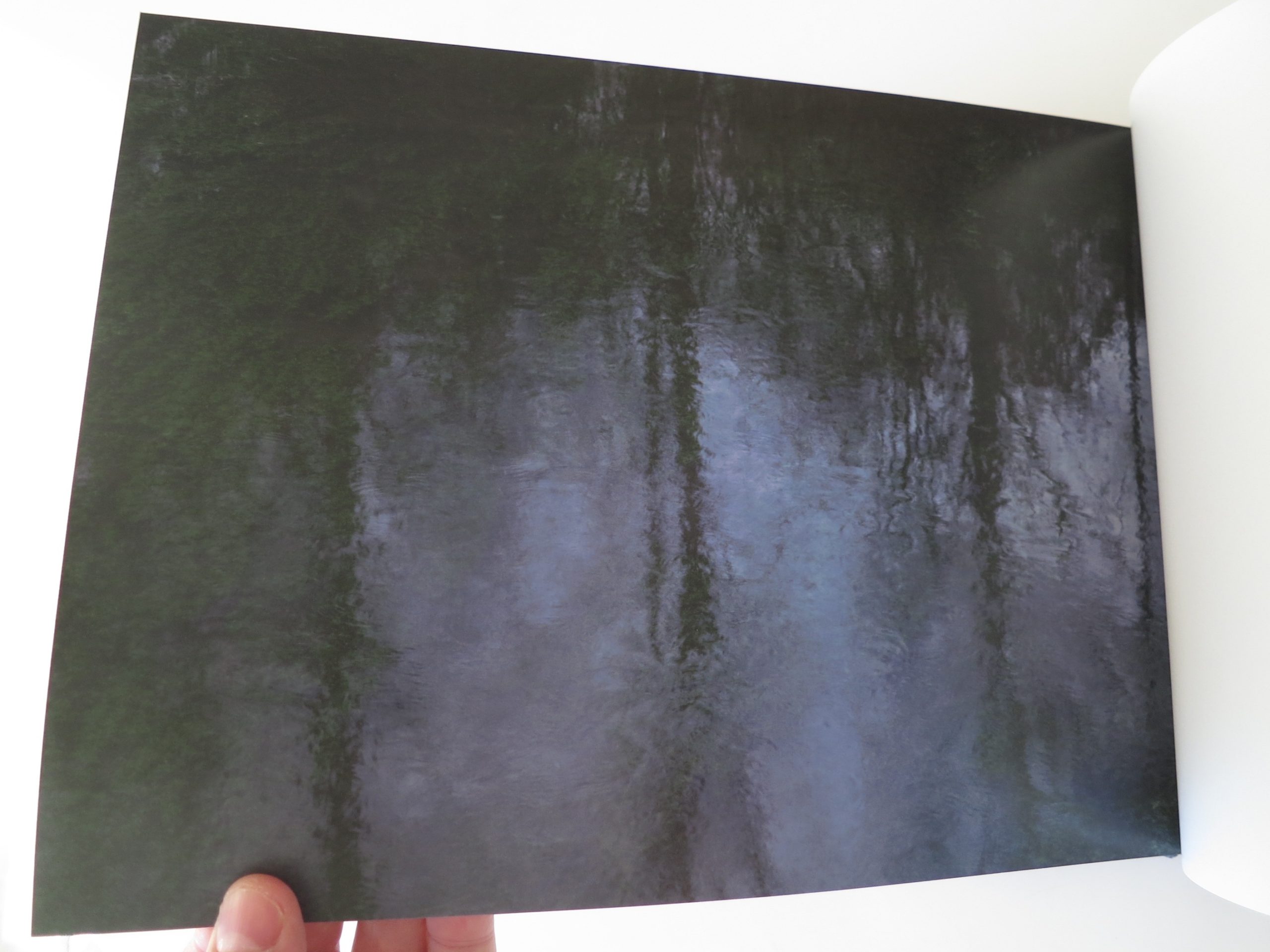
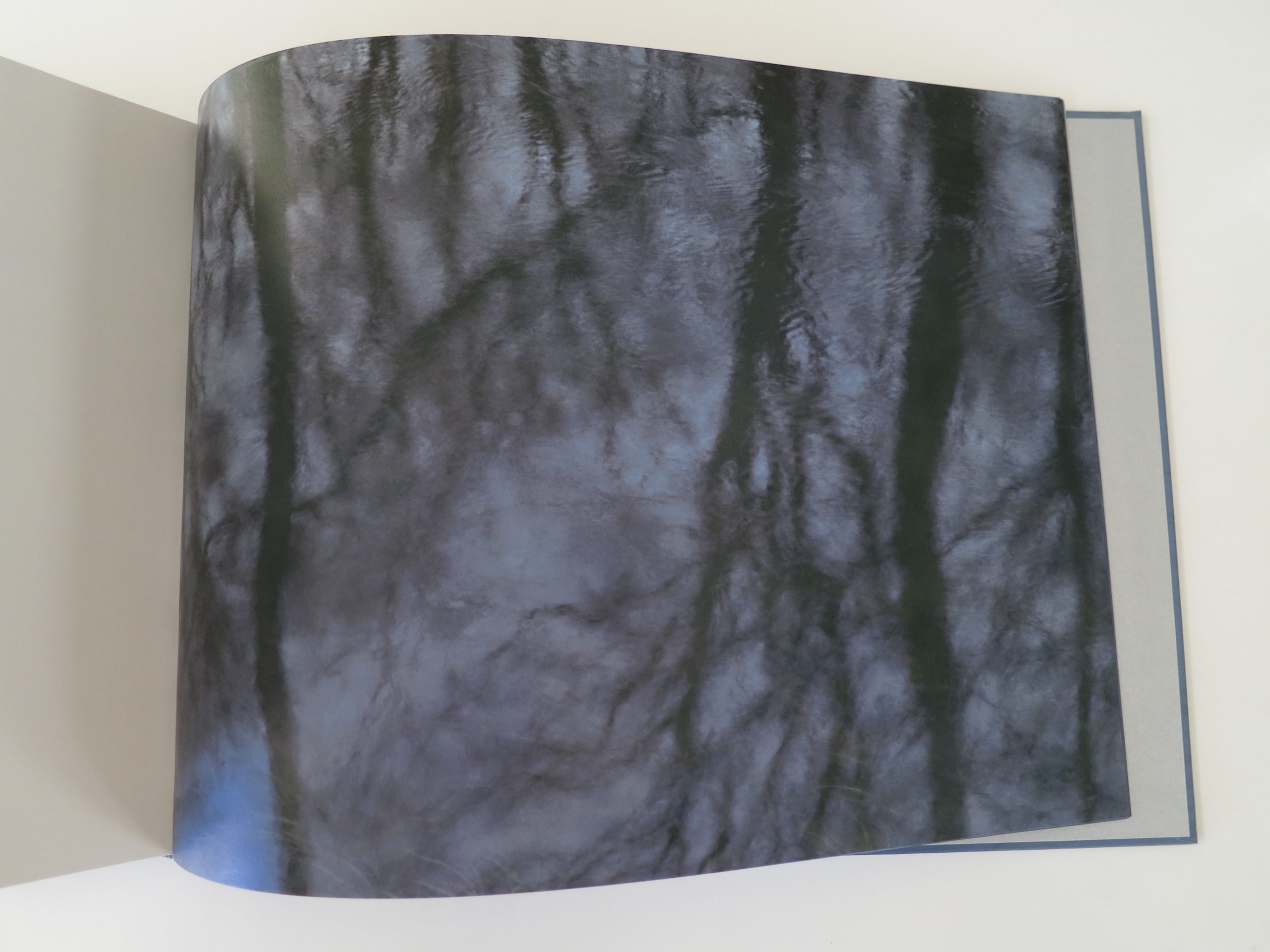
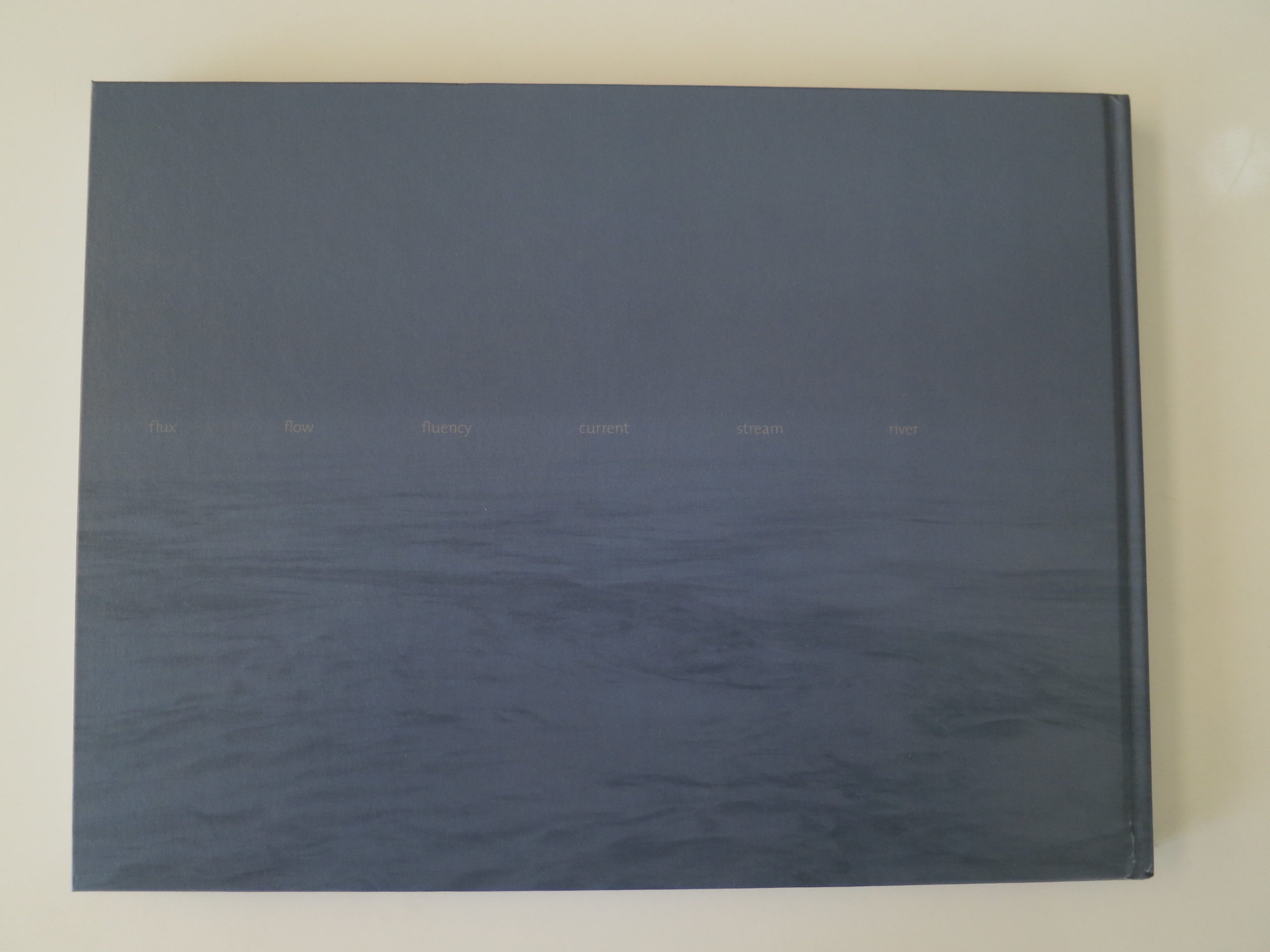
In this case, I’m not sure exactly where I’m going, when I look at Michael Lange’s new book, “fluss,” recently released by Hatje Cantz. The project can also be seen in exhibition form at photo-eye in Santa Fe, our book benefactor, so if you’re in town, be sure to check it out.

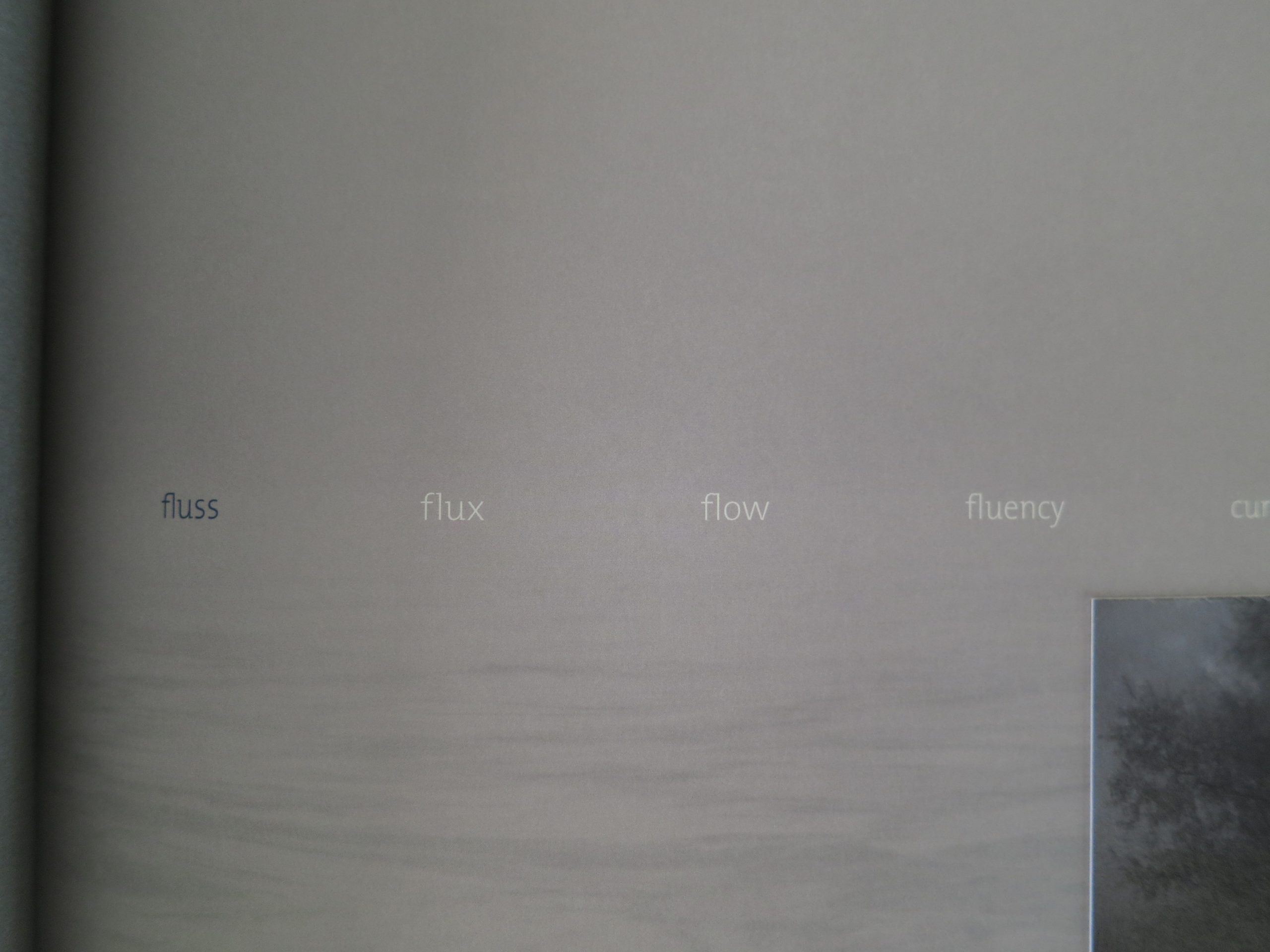
This book is dreamy, alright. Just perfect to take me along on this moody, morning ride, away from the unceasing sun that fostered my musings. The book contains few words, but does open up with a little word association to give it context, beginning with the title: fluss, flux, flow, fluency, current, stream, river.

Is that enough to get the gist? In this case, I’d say yes. Later, we get a poem, translated from German. So that might allow us to guess the setting, if we don’t turn to trusty Google to provide the answers.

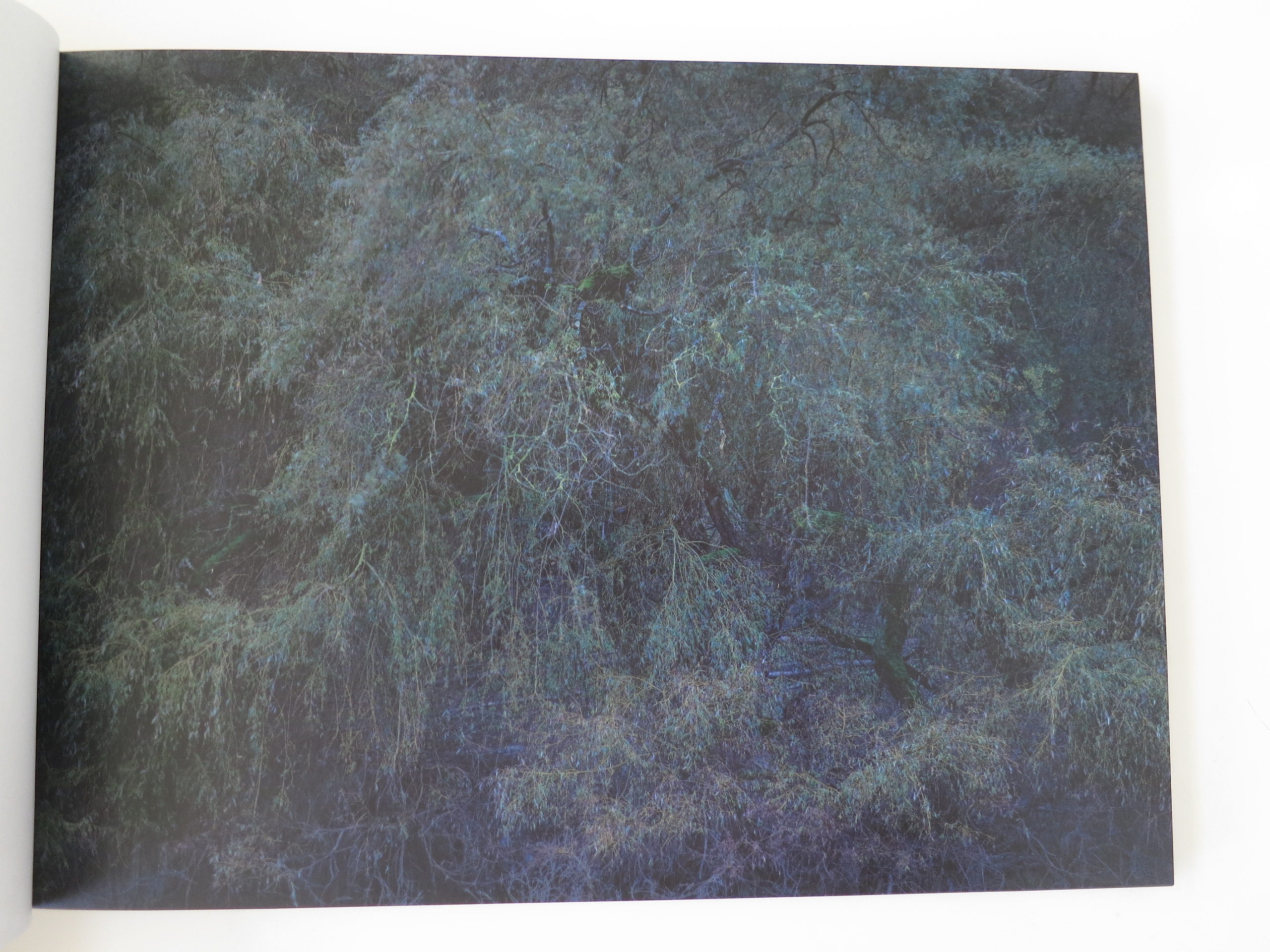
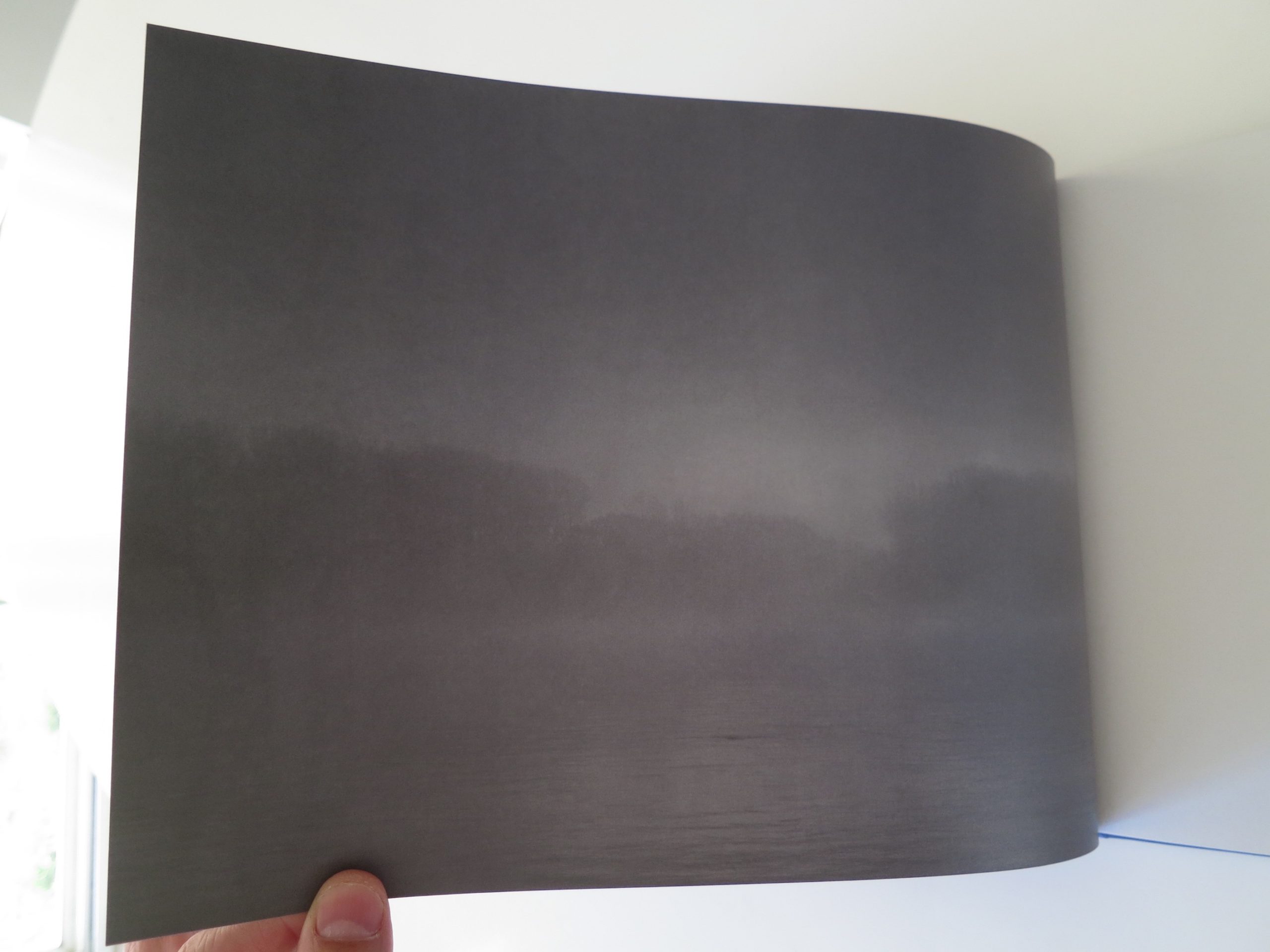
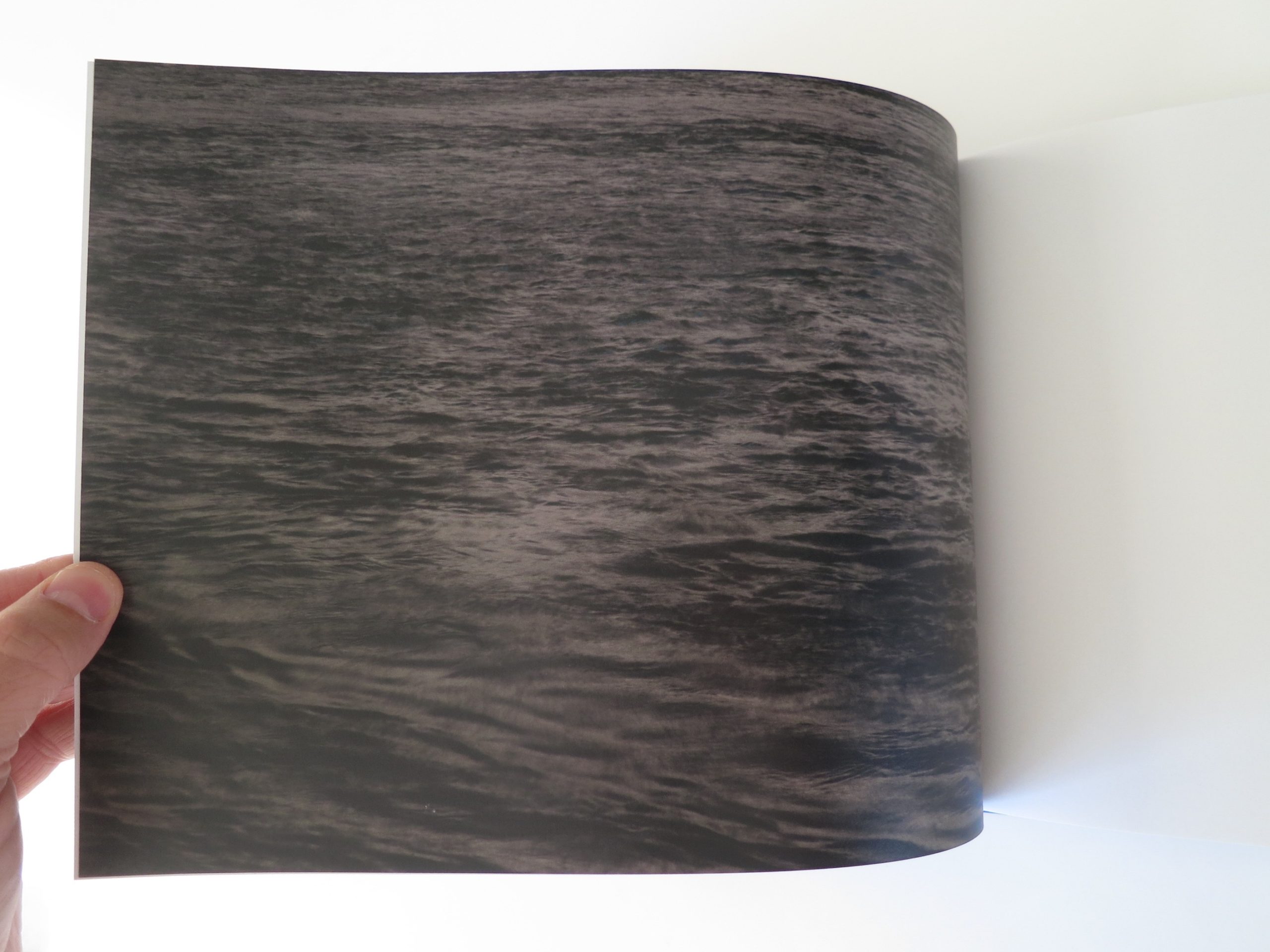
These are very visual photographs. What you see is what you get. But the color palette, and murky movement, all those purple grays… I’m transported, all right. It almost makes me want to wrap a blanket around me, or put on a wool sweater, to ward off the bone chill.

There are water lilies here, so of course I think of Monet. But his palette had a brightness that is lacking here. These pictures aren’t creepy, but they have just the slightest hint of menace, which makes them more interesting. (If not overtly sublime, they’re well beyond the realm of simply pretty.)

This book is like a temporary vacation, for me, from the end of Summer. As I’ve been known to complain from time to time, it won’t be long before I’m whining about Winter, and begging for some supplementary sun. But until that day comes… we’ll take what we can get.

Bottom Line: Lovely, marshy, wet photos of lakes and rivers

To Purchase “Fluss” Visit Photo-Eye

IMG_0888

IMG_0889

IMG_0890

IMG_0891

IMG_0892

IMG_0893

IMG_0894

IMG_0895

IMG_0896

IMG_0897

IMG_0898

IMG_0899

IMG_0900

IMG_0901

IMG_0902

IMG_0903

IMG_0904

IMG_0905

IMG_0906

The Art of the Personal Project: Dave Moser

As a former Art Producer, I have always been drawn to personal projects because they are the sole vision of the photographer and not an extension of an art director, photo editor, or graphic designer. This new column, “The Art of the Personal Project” will feature the personal projects of photographers using the Yodelist marketing database. You can read their blog at http://yodelist.wordpress.com. Projects are discovered online and submissions are not accepted.

Today’s featured photographer is: Dave Moser

How long have you been shooting?
I’ve been shooting all my life, my father used to give me odd little medium format cameras to play with growing up. Professionally, I started shooting in college but went all in in 1994 after 3 years of assisting, so 21 years full time.

Are you self-taught or photography school taught?
I received a BFA from the University of Dayton but photography, as in all the arts, is something you really learn from doing. College helped me with the context for learning and perspective of history, but shooting is the only way to learn.

With this particular project, what was your inspiration to shoot it?
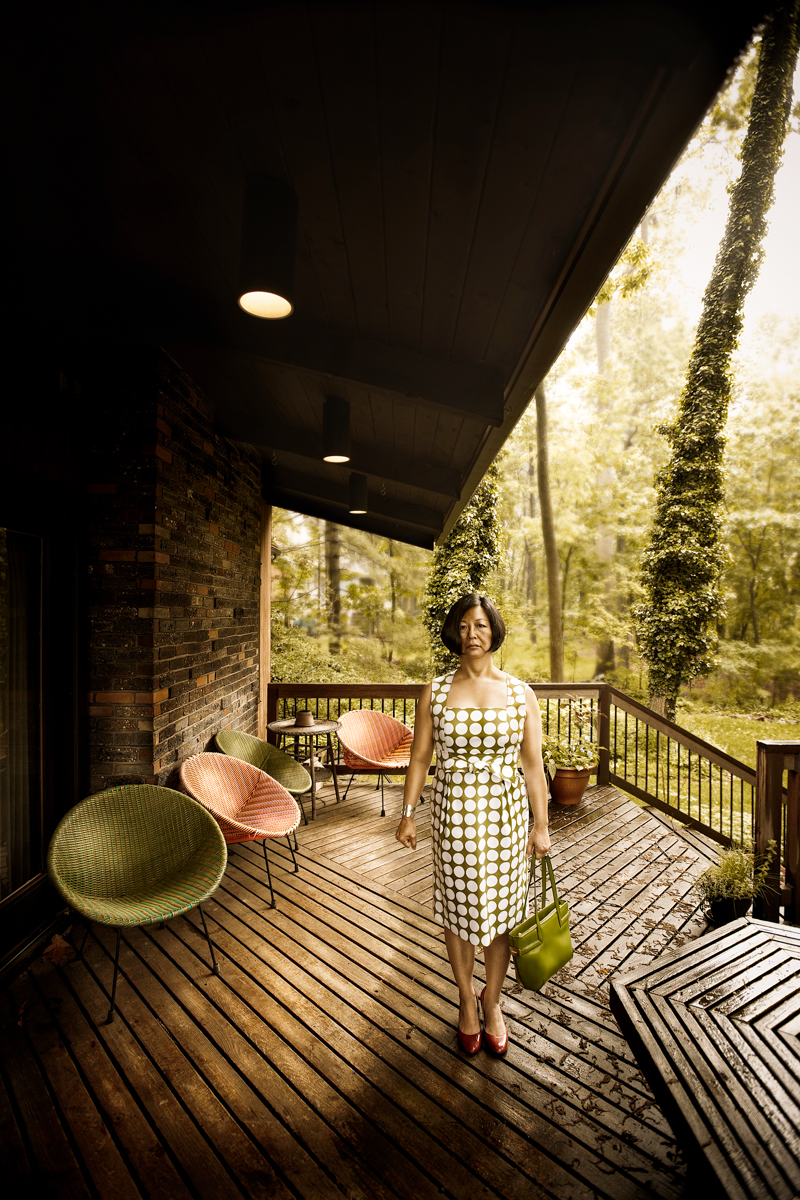
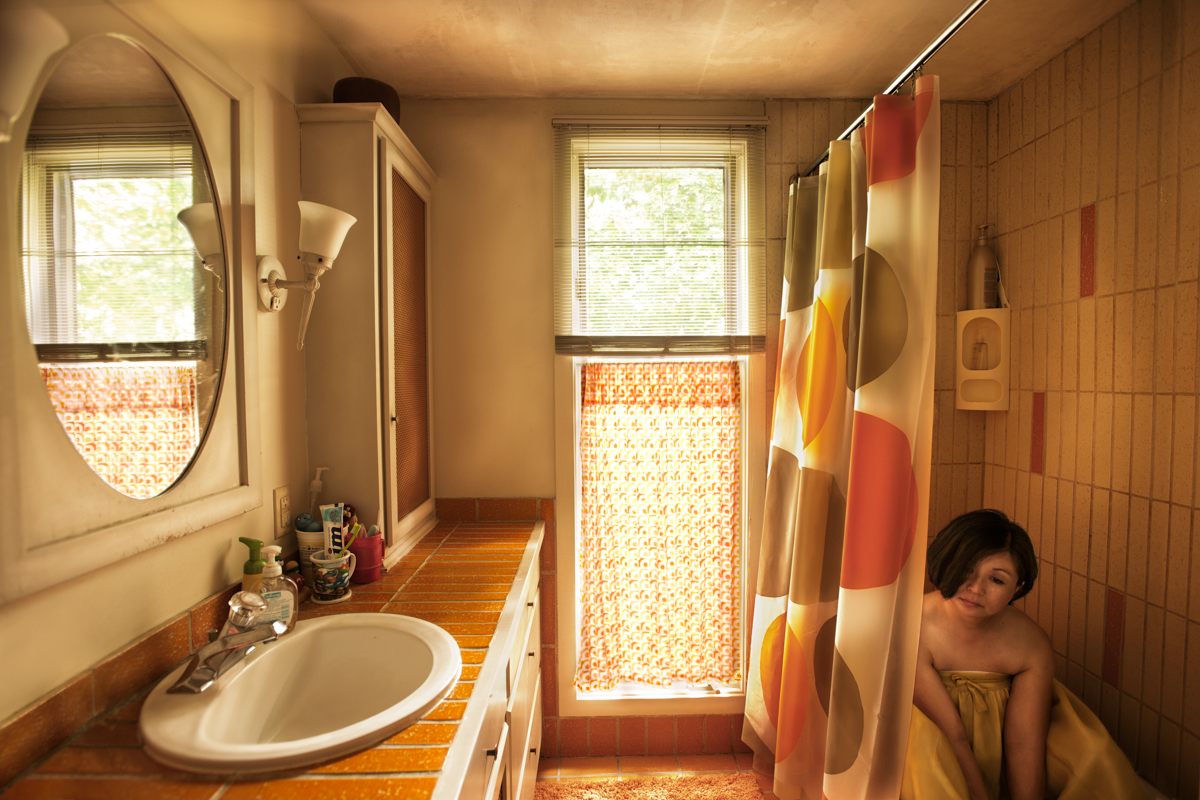
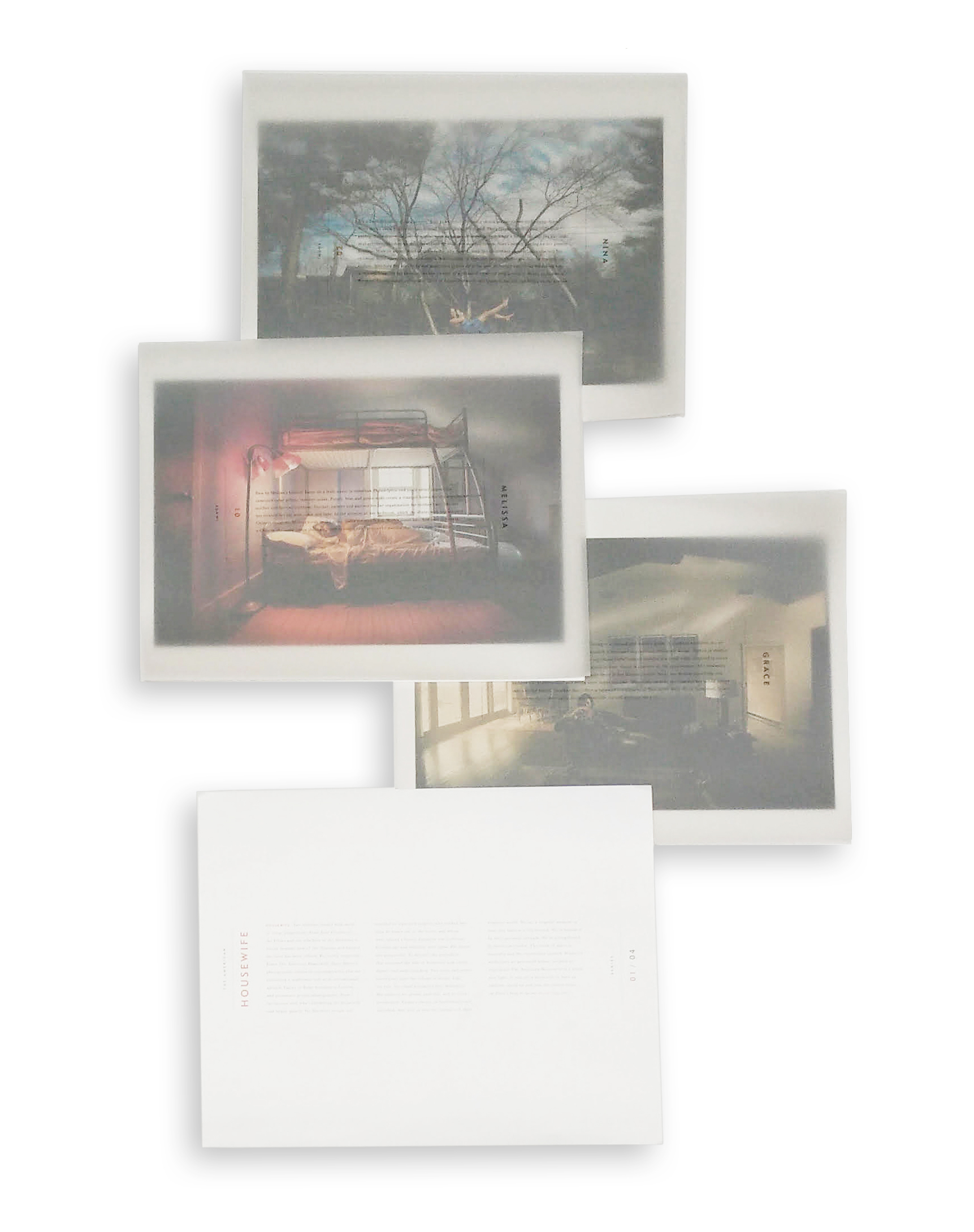
Most of my personal projects grow from groups of people I feel are misunderstood. My wife is a stay at home mom, and I found that when we were in social situations, folks had no interest in what she did. I believe the occupation of being a stay at home parent is challenging, isolating and disrespected but yet one of the most important roles there is-raising the future generation. I wanted to redefine the perception of this role, and used the provocative and antiquated term of “Housewife” in the title.

How many years have you been shooting this project before you decided to present it?
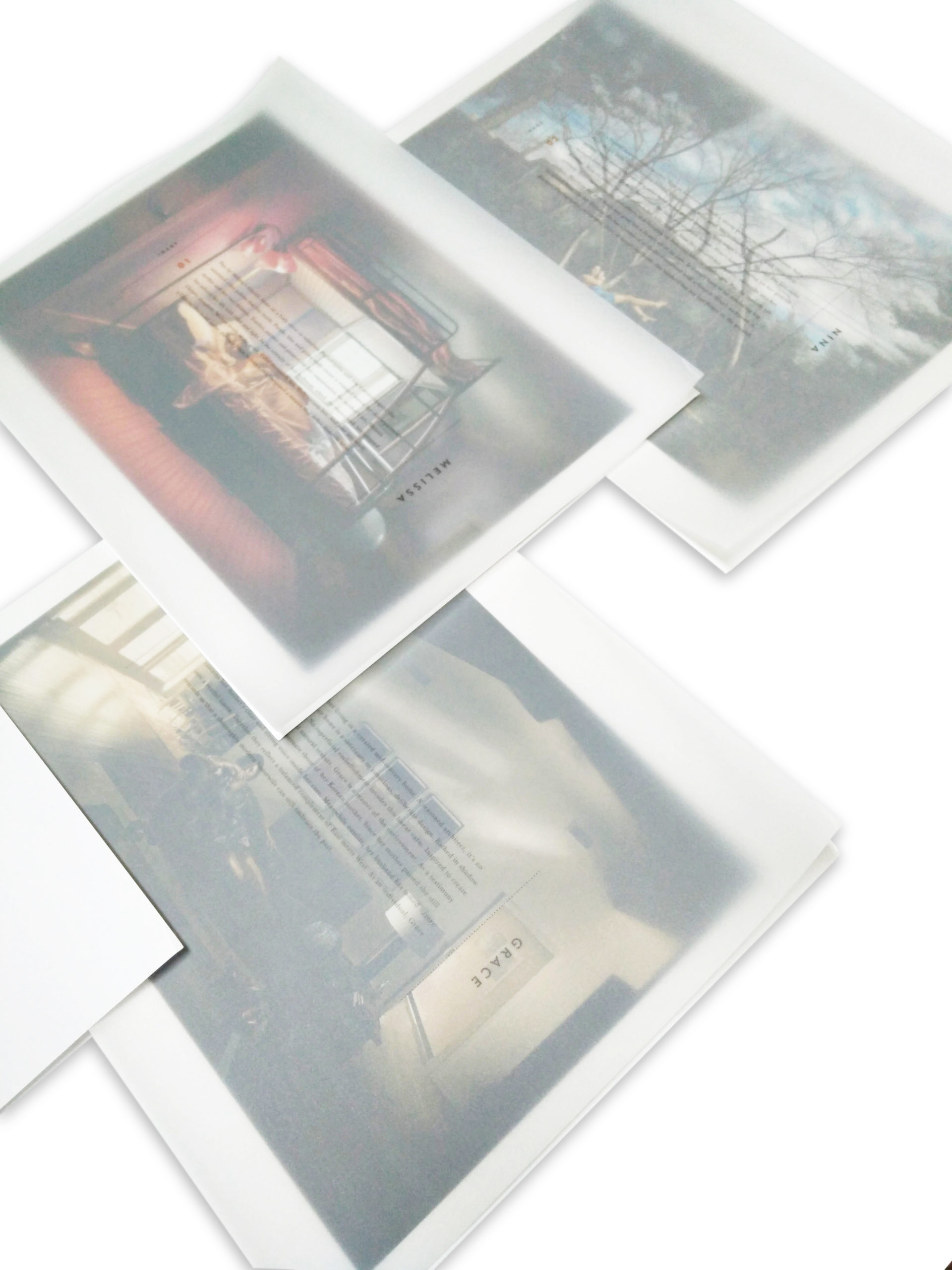
The images started to “leak” out after the first year and a half when I was then approached to do a book by Bob Tursak of Brilliant Graphics. Along with Partners Design we decided to present this project as a four part series of interviews, biographies, quotes and limited edition prints as a co-promotion. We are just completing work on the last two subjects now.

With this particular project discussions were started with a writer who ended up not being able to pursue the project as she did not want to be associated with it. She felt association with the project would damage her career-which speaks to the core of our intention. Additionally, most subjects were scheduled multiple times as I was bumped for kids staying home sick, in-law visits and home emergencies such as a hot water heaters going. These delays only support the premise of the importance of this role.

How long do you spend on a personal project before deciding if it is working?
When I start a series, I am unattached to the outcome. Personal work is typically an exploration with an emphasis of growing and stretching. I am tenacious and will work to change and shape the work until it becomes something I want to present. It is energizing and exciting to work without outside direction.

Have you ever posted your personal work on social media venues such as Reddit, Tumblr, Instagram or Facebook?
Yes, routinely. I do wait until the series is pretty far along as I want the vision of the project to be established before I open myself up to the influence of outside opinion.

If so, has the work ever gone viral and possibly with great press?
The work has not gone viral but the work has been shared and reposted quite a bit as well as garnering publicity internationally. The work has attracted interviews such as this along with numerous prestigious top awards with Px3 and Graphis over multiple years. I have been discussing commercial representation with one of the best. I am also negotiating with a well respected fine art gallery. I am often invited to speak to various groups and businesses. , one in particular led to a significant ongoing job with a new client.

Since shooting for your portfolio is different from personal work, how do you feel when the work is different?
I do at times shoot for specific applications to demonstrate my abilities or “test”, but all the unpaid and consequently personal work I do is for me. The main intention of these projects is to evolve my vision, challenge myself, stretch, go beyond my “everyday work,” stimulate and exercise my curiosity and contribute to the world. My personal projects directly feed my commissioned work.

Have you printed your personal projects for your marketing to reach potential clients?
I have found that my personal work drives my most rewarding commercial work. Savvy creatives can see what I am capable of without direct application to their accounts. It shows a thread of vision in it’s more pure state. The promotion of this series has opened/re-opened doors for me at large agencies and magazines. The recipients of our promotions have often responded with fascinating and insightful responses to the work and has led to bids and jobs.

The American Housewife (artist statement)
The American Housewife attempts to redefine the modern housewife by portraying housewives in their own homes, wearing their own clothing, with their own belongings. Each image is a collaboration with the subject — investigating and learning what this role entails through imagery. 

———————

I am a seeker, an artist, a photographer, a father, a husband, a lover of all things eclectic, a listener, a cook, a marketer, a business person, an outdoorsman and voyeur.

I graduated from The University of Dayton with a BFA in photography. After discovering commercial photography, I fell in love with the problem solving, collaborating, accessing and working with different people in different environments everyday.

I have found portraiture to be the most fascinating aspect of photography due to the connection and understanding it offers. I’ve found that if I understand someone, not necessarily agree with but understand – I have love for them. Often while photographing people, they become younger, the effects of time fall away and I witness the openness we all shared as children. Portraiture, listening and the discipline of seeing are the aspects of my craft that inspire and energize me.

Dave’s portraiture has been featured on the covers of and in national magazines and in advertising campaigns worldwide and has led to awards with Communication Arts, PDN, Graphis, Applied Arts, Prix De La Photographie Paris, ASMP and many more. http://www.davemoser.com


APE contributor Suzanne Sease currently works as a consultant for photographers and illustrators around the world. She has been involved in the photography and illustration industry since the mid 80s, after establishing the art buying department at The Martin Agency then working for Kaplan-Thaler, Capital One, Best Buy and numerous smaller agencies and companies. She has a new Twitter feed with helpful marketing information believing that marketing should be driven by a brand and not specialty. Follow her on twitter at SuzanneSease.

Know Your Rights: Photographers

Taking photographs of things that are plainly visible from public spaces is a constitutional right – and that includes federal buildings, transportation facilities, and police and other government officials carrying out their duties. Unfortunately, there is a widespread, continuing pattern of law enforcement officers ordering people to stop taking photographs from public places, and harassing, detaining and arresting those who fail to comply.

Your rights as a photographer:

  • When in public spaces where you are lawfully present you have the right to photograph anything that is in plain view. That includes pictures of federal buildings, transportation facilities, and police. Such photography is a form of public oversight over the government and is important in a free society.
  • When you are on private property, the property owner may set rules about the taking of photographs. If you disobey the property owner’s rules, they can order you off their property (and have you arrested for trespassing if you do not comply).
  • Police officers may not confiscate or demand to view your digital photographs or video without a warrant. The Supreme Court has ruledthat police may not search your cell phone when they arrest you, unless they get a warrant. Although the court did not specifically rule on whether law enforcement may search other electronic devices such as a standalone camera, the ACLU believes that the constitution broadly prevents warrantless searches of your digital data. It is possible that courts may approve the temporary warrantless seizure of a camera in certain extreme “exigent” circumstances such as where necessary to save a life, or where police have a reasonable, good-faith belief that doing so is necessary to prevent the destruction of evidence of a crime while they seek a warrant.
  • Police may not delete your photographs or video under any circumstances. Officers have faced felony charges of evidence tampering as well as obstruction and theft for taking a photographer’s memory card.
  • Police officers may legitimately order citizens to cease activities that are truly interfering with legitimate law enforcement operations. Professional officers, however, realize that such operations are subject to public scrutiny, including by citizens photographing them.
  • Note that the right to photograph does not give you a right to break any other laws. For example, if you are trespassing to take photographs, you may still be charged with trespass.

Read more here: Know Your Rights: Photographers | American Civil Liberties Union.

The Daily Edit – Lollipop: Joshua Paul


Screen Shot 2015-06-17 at 2.30.45 PM

Forbes_ValtteriBottas (1)
Sergio PerezCrash

UnitedStatesGP WilliamsF1 Team


WilliamsF1
Lollipop Magazine

Founder & Editor in Chief: Joshua Paul 


Heidi: Was it your intention to be a Formula 1 photographer?

Joshua: I never intended to be a Formula 1 photographer, editor or publisher of a magazine. There was no concept, savings, or business plan, just a perfect sequence of events, dating back to childhood that brought this to fruition. I was born with innate love of cars and racing, specifically grand prix racing.  I also subscribed to Road & Track magazine for as long as I can remember.  As a photographer, I have been sent to over 85 countries, on some very dodgy shoots, traveling so frequently, I used to pre-pack my bags for subsequent trips. Lollipop couldn’t have happened more organically – Formula 1 brings together my love of cars, racing, travel, adventure, photography, and magazines.

How did the project get it’s start?
On a freezing day in February of 2013, I woke up to KCRW, and heard about an upcoming music festival in Barcelona, called Primavera Sound, with Blur as the headlining band.  I spontaneously bought a ticket, and booked a flight and room for the month of May.Over the next few weeks, realizing the Spanish Grand Prix would take place during my trip, I asked my friend and the new Creative Director at Road & Track, Dave Speranza, if I could shoot the race for them. They were into it, and helped me attain accreditation for the Spanish Grand Prix.

I didn’t see this as anything more than fulfilling a dream to shoot a Formula 1 race, before the concert the following weekend. I was psyched to be there, and nostalgic to be shooting for Road & Track. When I arrived at the circuit in Barcelona, the first person I saw was the NBC broadcaster, Will Buxton. I said hello, and with a very warm welcome, he encouraged me to introduce myself to the person who gave me accreditation, Pat Behar, and insisted I go to the Ferrari, Mercedes, Lotus and McLaren motorhomes, ask for the Press Officers, and tell them I’m with Road & Track, and ask if I can photograph the drivers, the cars, the garages, etc. I immediately went to say hello and thank you to Mr. Behar, who not only knew my name, but he knew my website thoroughly, referencing specific images, telling me, “That’s why I gave you accreditation.”  Then he offered, “You should come to Monaco,” the next race on the calendar. Then I went to Ferrari and Lotus, and they too generously offered to let me shoot the drivers getting suited up in the garages, buckled into the cars, and speeding off onto the track. That night, I called a friend back in New York to tell them what the hell had just happened, and his response was, “Dude, you’re in.” I didn’t feel that way at all, but knew something special was happening, I accepted the invitation to Monaco, sacrificing my Blur concert.

Did you have a previous relationship with Road and Track?
Not as a photographer, but as a long-time subscriber, since I was about twleve years old. My connection was through the Creative Director, Dave Speranza, who gave me one of my first assignments, for “Golf for Women” magazine, in 1999.

Screen Shot 2015-06-17 at 6.47.48 PM (1)


What was it specifically in this image by Jacques-Henri-Lartigue that inspired the project?

I love everything about this image!  It looks fast, dangerous and romantic.  The drivers are wearing leather helmets, there is an exposed gas tank behind the driver’s heads, and the wheels are bent to an oval, with two spare tires, suggesting there will be a flat tire. The people in the background look upper class, which hasn’t changed in F1 racing, and they are skewed in the opposite direction of the car, emphasizing speed. It’s also muddy, and I feel like I can hear the engine and smell the fuel. Mostly, what intrigues me about this image is the odd crop.  I so badly want to see the whole car, but it’s as if this was all he could capture at that speed.  He leaves me craving more. I’ve always wanted to create timeless images, and I’m trying to do it in F1.

I know self publishing is a challenge, what was your driving force?
After Road & Track told me they could no longer sponsor my accreditation, an idea arose to publish an independent, American Formula 1 magazine, as a photo-narrative of every race.  Most F1 magazines report news, driver gossip and the business deals. To stay in Formula 1 as a photographer, you must attend 12-14 races each season, and publish hundreds of photographs.  Lollipop helped achieve some of these requirements, but I had no idea how intense the travel would be.  There are twenty races in twenty different countries, taking place every other weekend, from March until November!  Had I known in advance what this would take, I’m not sure I would have done it, but taking it race by race was exciting and achievable.  I kept discovering new things about the sport, uncovering different layers, and I woke up every morning totally inspired to go explore, shoot something new, play with shutter speeds, etc. The more races I shot, the more I discovered, and realized I had access to not only the race track, the cars and drivers, but also with permission, to the team garages, the mechanics, engineers, teams trucks, and factories. There is so much to shoot – it’s the ultimate travel story.

Where did the funding come from Lollipop and what’s the backstory on the name?
Lollipop is self-funded.  I looked for sponsors and advertising, but Formula 1 is not well known in the United States, and there was no circulation to speak of. I took a loan for the printing of the third issue, but the sales are offsetting the costs, and inherent expenses. The name Lollipop pays homage to a piece of racing equipment formerly used during pit stops. The crew chief held a long pole with a disc at the end of it, affectionately called the lollipop. It was used to communicate with the driver of when to stop, and when to go. Now they are electronic, like stop lights.

Why is there no video allowed in F1?
The rights holder of Formula 1 owns the broadcasting rights worldwide.  He provides a live feed of each race, bringing all the cameras, microphones and cameramen around the world, from race to race. We are only allowed to shoot still frames, which is amazing for me, because I love the still image and narrative.

You’ve traveled to 22 races and been to 40/50 countries, are you also shooting other jobs?
I have taken a few races off here and there, to regroup and shoot other assignments.  It’s more a matter of letting my clients know I’m back in the United States.  This is where social media sometimes backfires.  If I post images from around the world, everyone assumes I’m gone, so I need to be careful about that. I also keep in touch and let everyone know I’m back – this goes for friends too. I’m grateful that they have been patient with me, and still call. As far as shooting assignments, I would like to concentrate on motorsports and the automobile industry.  I would also like to see Lollipop expand to different genres of prestigious racing, like LeMans. I am enjoying the challenge, and as much as I love being a photographer, I love every aspect of publishing, it’s exciting, empowering and new.     

How many different cameras do you have for each race?
I bring one camera, and sometimes a backup body. I’m not a gear head and don’t like carrying all the weight.  I also like to choose a focal length and stick with it.  If I can do this from race to race, mixing it up a bit, it keeps me fresh, the work fresh, and gives a different look to each race. More important than the camera, I shoot with fixed focal length lenses.  I bring a Zeiss 35mm, 50mm, and a vintage Nikon 105mm, along with an autofocus 24-70mm, as a back up for portraits.  Both Nikon and Canon reps come to every race to service our gear, and bring crates of cameras and lenses for us to use.  I occasionally try a long lens, but I prefer to shoot wide. Last season, as I started to repeat races from the year before, and decided to bring along my 1913 Graflex 4×5, and shoot black and white film. I wanted to try to recreate some classic images with modern cars, and  deconstruct the cars a bit, concentrating more on their form, than the sometimes garish advertising. It’s a huge challenge, but keeps me intrigued, and really slows things down.  Instead of shooting infinite frames on memory cards, I shoot about twenty sheet per session, and I feel like a photographer again, thinking about composition, framing, and point of view.

How are you sustaining yourself, does the magazine have advertising?
Lollipop is produced on a shoestring budget, with no overhead or employees.   I’ve slept in tents, stayed in far away hotels, walked, taken public transportation and have asked for rides to and from the various circuits. Besides paying the designer, and expenses for the fashion shoot, all the money went into printing.  That couldn’t be sacrificed, and we printed it based on the paper and ink we wanted, vs. cost. I have not taken any advertising, not that I didn’t try, but in the end, I am happy we didn’t get any ads, because I want Lollipop to be exclusive and collectible.  I would like to think, if you picked up an issue ten years from now, you’d still say wow, and not be distracted by outdated ads. I know this is very idealistic, but I think it would be better to try to advertise by association, or by a single, per-issue sponsor, or through custom packaging. I also think and hope that when Lollipop is discovered by F1’s hundreds of millions of fans worldwide, the distribution will grow and help make it sustainable and profitable.

Are you selling any of there images?
I have supplied images to several magazines, but I decided I wanted to publish exclusive content, and simply try to create the most beautiful racing magazine ever.I would like to publish and exhibit the black and white work, and it’s a matter of time and priorities.  I’m doing my best to set realistic goals, and unfortunately, it’s not an immediate goal.

What’s the greatest challenge with this project?
The biggest challenge was getting to that first race.  Formula 1 has a bad reputation, based on how the sport was governed over a decade ago, but the people are incredible, and they are incredibly supportive. The challenges now are my stamina, and finding a financial solution to keep this going.  A lot has been achieved in two years, including permanent accreditation.  I believe in it, the response has been overwhelming, and I think money will come.

How have you grown from Lollipop?
If there was ever a more significant right of passage, this is it.  I came to a point in my life to take a real risk, and stopped caring what anyone thought, or failing, and ignored any discouragement. After 17 years shooting professionally, I feel like I’ve finally found my voice as a photographer and writer.  I feel more articulate, acute, and in the moment.  It’s hard to explain, but it’s like having a new career, doing exactly what I love to do.

What would you tell other photographers that have a deep passion for a hobby or sport?
I have always been very encouraging and I say go for it!  You have nothing to lose, and I think every day, if Lollipop stopped tomorrow, it was a huge success. Very few people take big risks in their lives, for fear of failure, lack of stability or peer pressure.  Nothing has been easy for me, but I work hard and I’ve had a lot of luck! My first assignment was to shoot shampoo bottles and I was psyched!  Then I shot a garden, and then a restaurant.  It took three or four years before I got a big travel shoot, and even then I took a deep breath and thought, okay, that’s one, now let’s try for two. You have to believe in yourself, and not be discouraged.  There is every reason to not try to be a photographer right now, or think it’s already been done. Everyone is a photographer today.  We all have phones, but what do we do with them? Photography is about nuance, and if you look at Robert Frank’s, or Irving Penn’s contact sheets, you’ll quickly see this is a working process, and the great frames jump off the page.Before my first race, a friend asked, “Why F1?  It’s already been done.” Not to me it hadn’t, not even close.

Are you also writing all the interviews?
Yes, and that’s empowering. I was an English major in the creative writing program at the University of Washington.  I have always felt comfortable writing and have kept a journal for about fifteen years. But again, this happened by accident.  One day the Press Officer from McLaren called and asked when I would like to interview their rookie driver, Kevin Magnussen.  I thanked her, and explained that I was a photographer and more interested in taking his portrait.  She kindly welcomed me to do both. I laid awake the night before, nervously thinking of questions to ask, and just went for it. It wasn’t the best, but it was a start, and it helped me get over being star-struck, and talking to the drivers. I had no idea how difficult it is to dictate an interview and make sense of it.  It is really challenging, and massively rewarding. After that, I asked the other teams for interviews, and tried to approach the interviews a little differently.  It got better, but drivers expect to hear questions about that weekend’s race, with the Press Officer by their side, so it’s hard to do a lifestyles piece. When I interviewed Pirelli Motorsports Director, Paul Hembery, I felt much more comfortable to just chat and listen. It felt more like we were sitting in a pub drinking a pint, with him telling me about his life.  I learned a lot, especially that the most interesting people in Formula 1 are not necessarily the drivers.

How long does on issue take to produce?
I have learned so much in the last two years, and most of it the hard way, but that’s kind of my style.The third issue was a redesign, which took about six months from inception, with three months of hard work to finish.  We missed our initial two deadlines, but benefitted by having more time to add written content, like an extra interview and an article about my camera repair with Lotus. Production took over four weeks, because our pages were so heavily coated in ink, it literally took three weeks for the paper to dry.  I have to factor that in for the next issue. And then of course, shipping, which took a week. I hope the next one comes together much quicker, but then again, there is a lot of content to gather and the season is long. I want to mix up the design to continue to keep it fresh.