The Daily Edit – Condé Nast Traveler: Bill Phelps

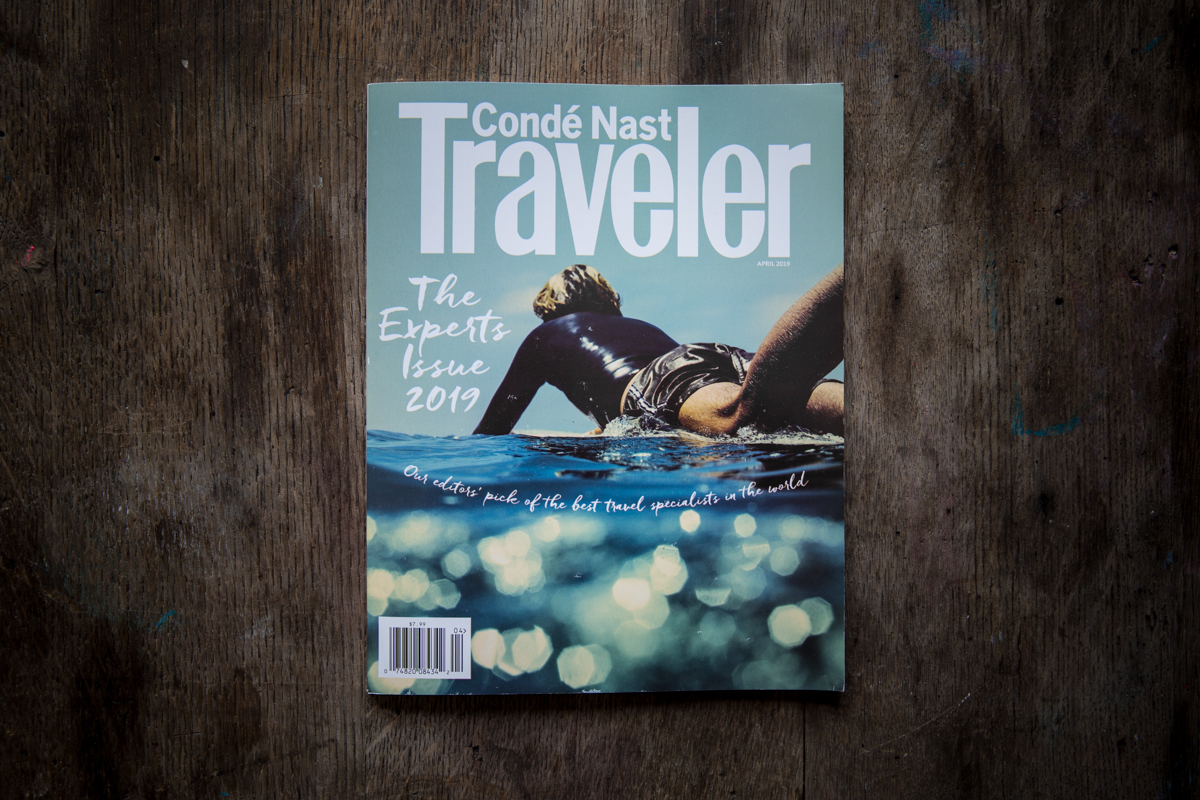
Condé Nast Traveler

Photo Director: Caroline Metcalf
Photographer: Bill Phelps

Heidi: What type of direction did you get from the magazine?
Bill: “It was the perfect assignment for a few reasons. First, it was in a city I had been longing to visit, I love Italy, and this was truly special.
My editor simply told me – “go to Palermo, and come back.” I think one of the best things a photo editor can do on an assignment like this is to show trust in the photographers they hire. They were drawn to the photographers work for a reason, and letting them do their natural best is key. It frees up the experience to really be open to the unexpected, which is exactly what happened here for me.

Had you been to Italy before?
Yes. I was reminded of a shoot I had done in Tuscany a few years before where I was working with Alduino Ventimiglia, a descendent of Frederick the 2nd of Sicily.
He is the man responsible for saving a breed of Sicilian war-horse, the Persano stallion. One evening we were speaking of Sicily, and he asked me “what do you think of when you
think of Sicily” “mystery,” I said. “exactly” he said. I’m not sure if a photographer can be assigned to “shoot” mystery, it is something you must experience when you’re not looking. Palermo, like other Italian cities I have been to -Napoli, or Tropea for example, has many layers of mystery. It has a kind of shiny and forward busy side, as well as a deeply poetic dark side. The connection between the two is the “vena cava” of sorts, I was excited to see what the city was willing to show me.

Who did you travel with?
My Italian producer from Rome was available to accompany me.

What was the first thing you did upon landing?
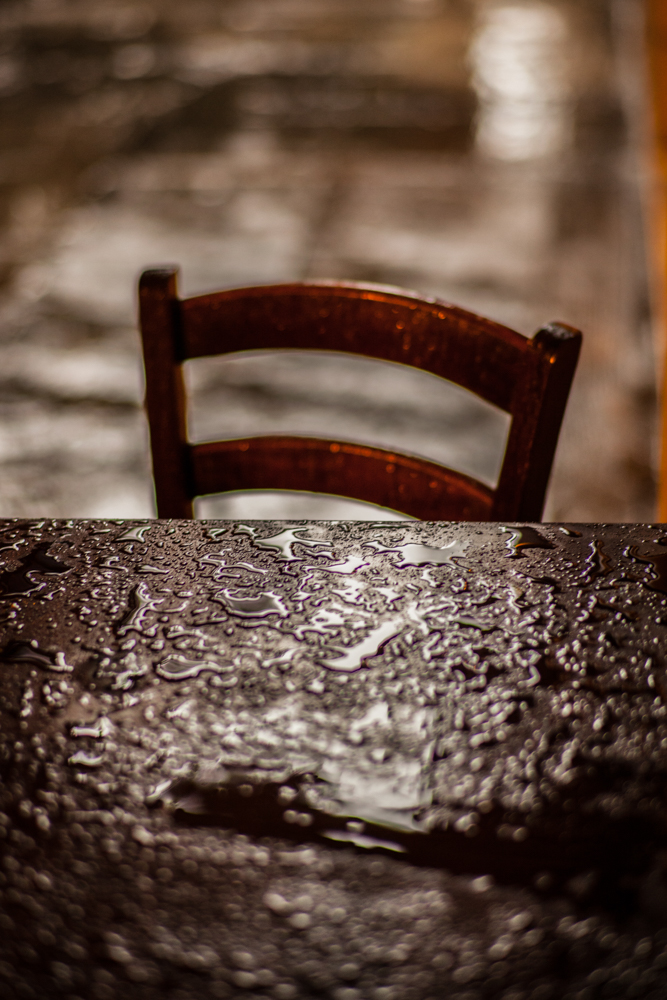
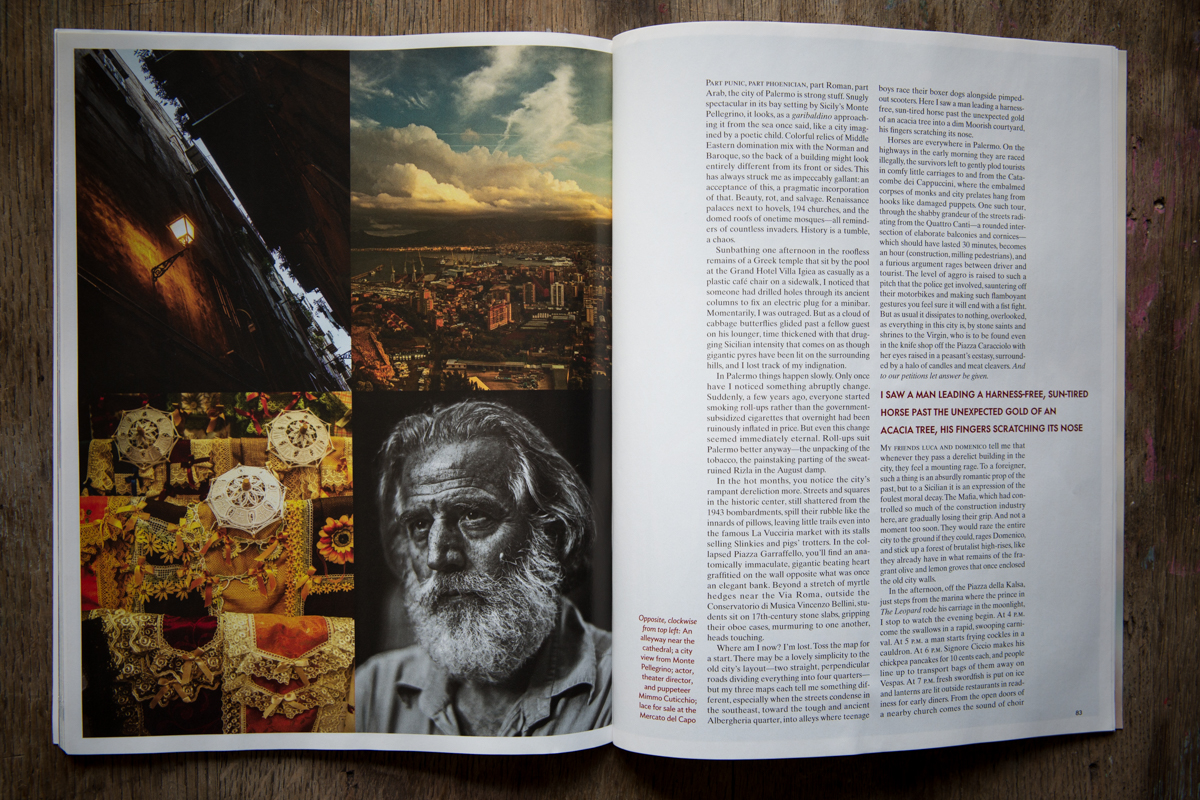
Upon landing from Rome, we were immediately in search of local delicacies. The fish, the sea urchin, the infusions and digestifs. The weather was building, it was hot, and there was a beautiful pressure in the air. We found a small, beautiful place, with a sidewalk terrace covered by a canvas canopy. The food was simple and perfect, the light from the encroaching storm was telling and moody, I loved it. Near the closing
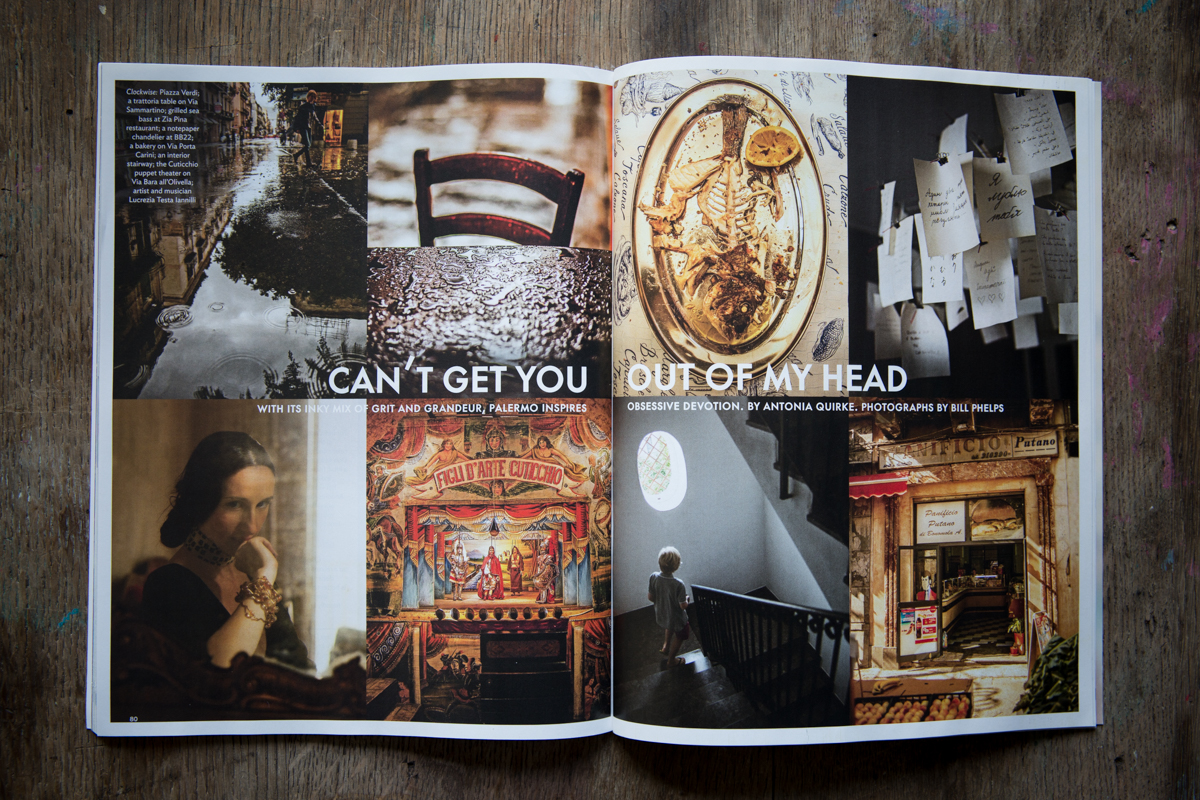
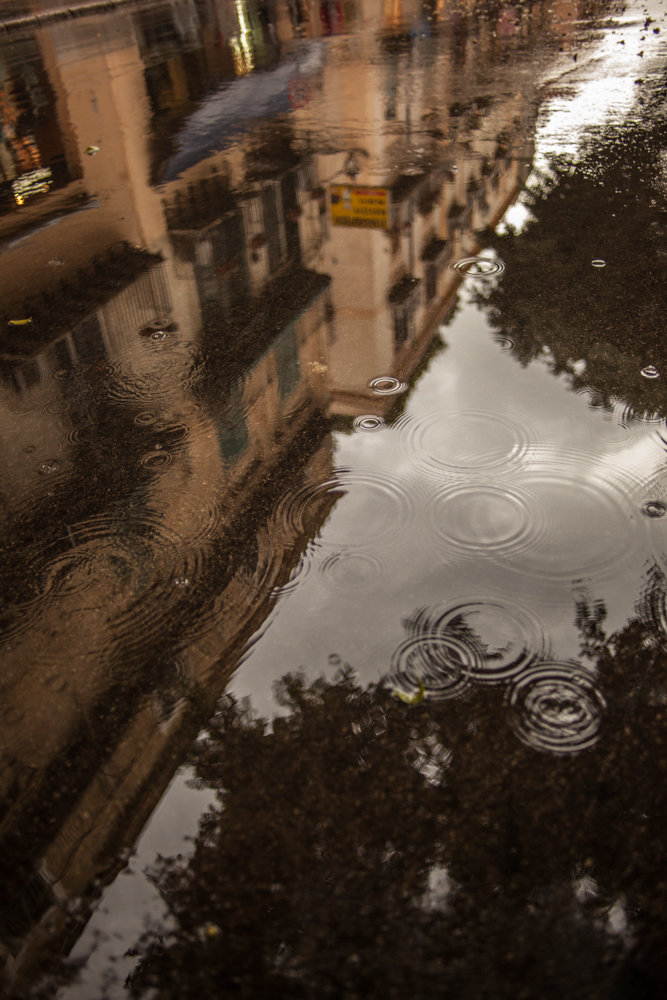
of our meal, the sky opened up and flooded the streets, reflecting the “bruised” sky and shifting clouds, we remained at our table outside beneath the canvas roof, sipping a beautiful, herbaceous liquor made from laurel leaves. The first two shots of the printed story were taken after the storm – the two upper left images. Upon leaving, I noticed in the corner of one of the windows, a tiny sticker reading “Member of the Moto Guzzi owners club.” I asked about the location of the club, thinking it might offer a possible view into a stylish corner of the city, I also own a vintage Moto Guzzi, so I was personally intrigued.
 Did you have a shot list?
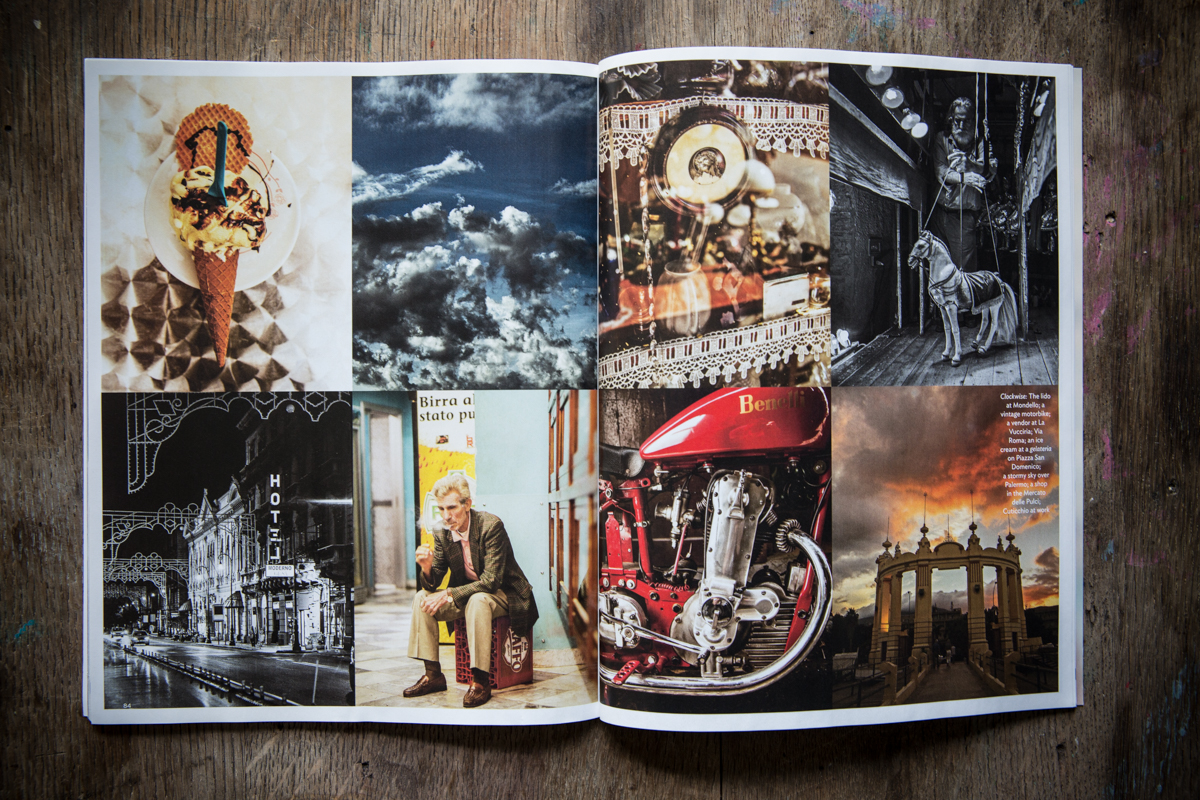
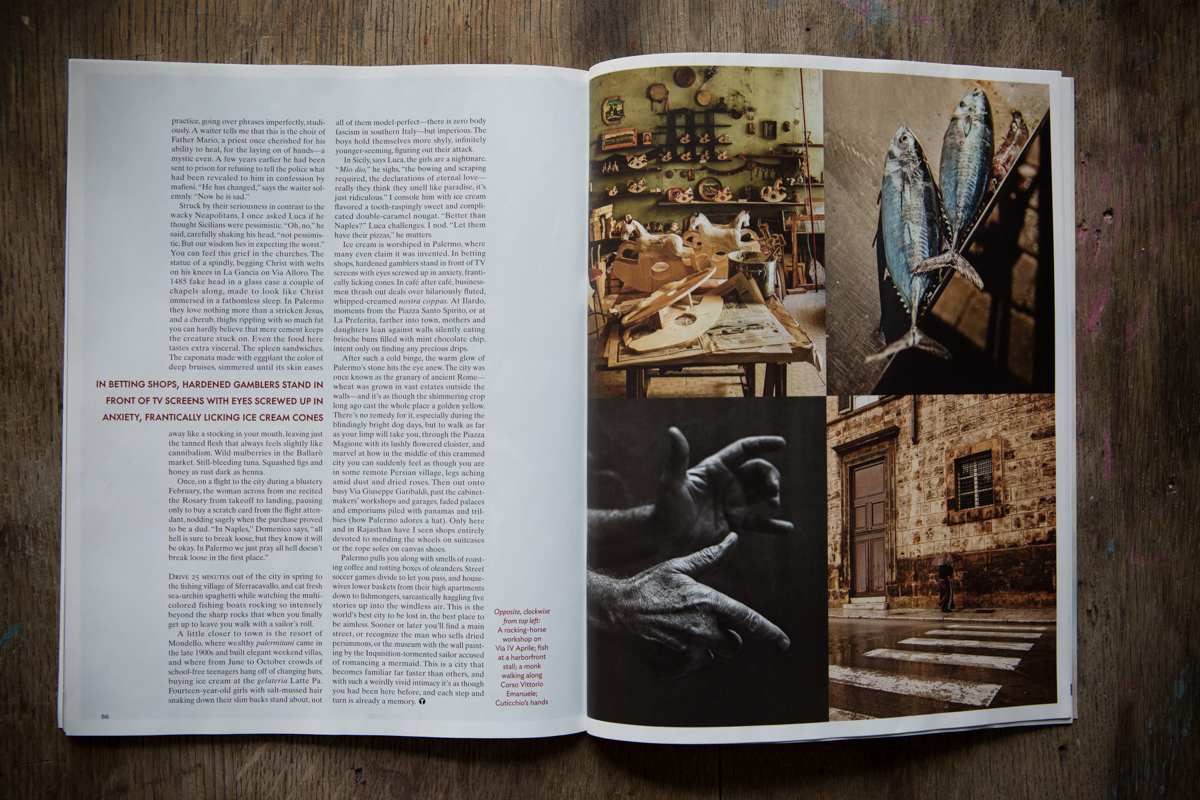
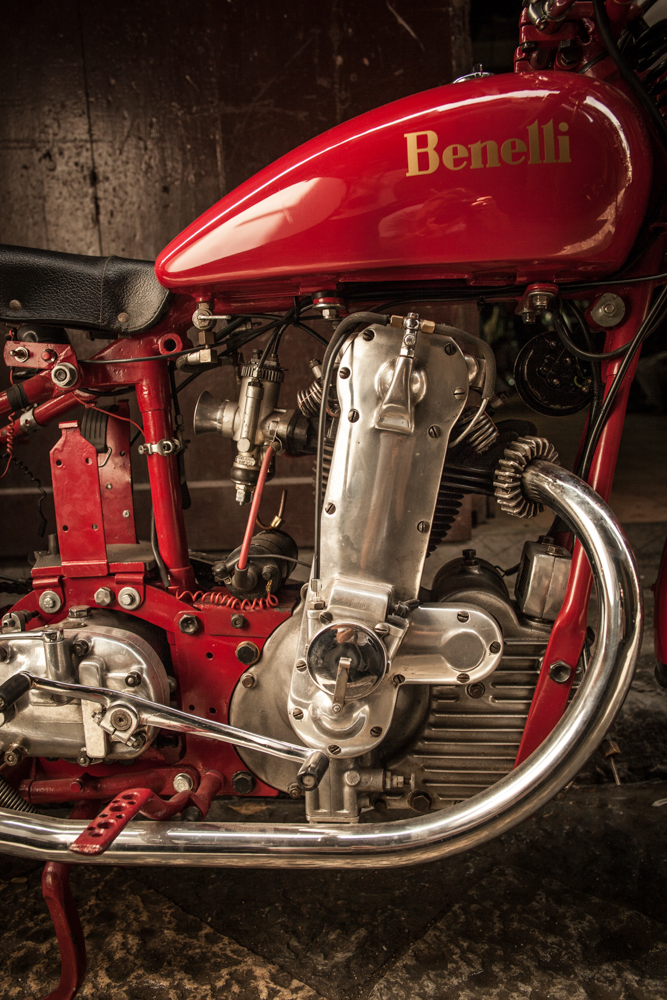
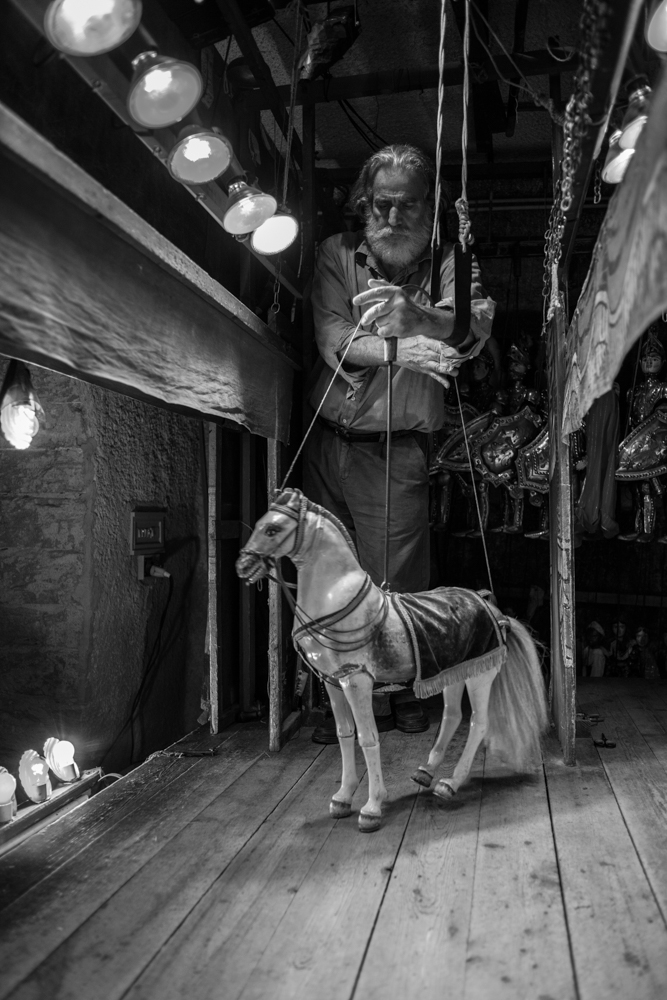
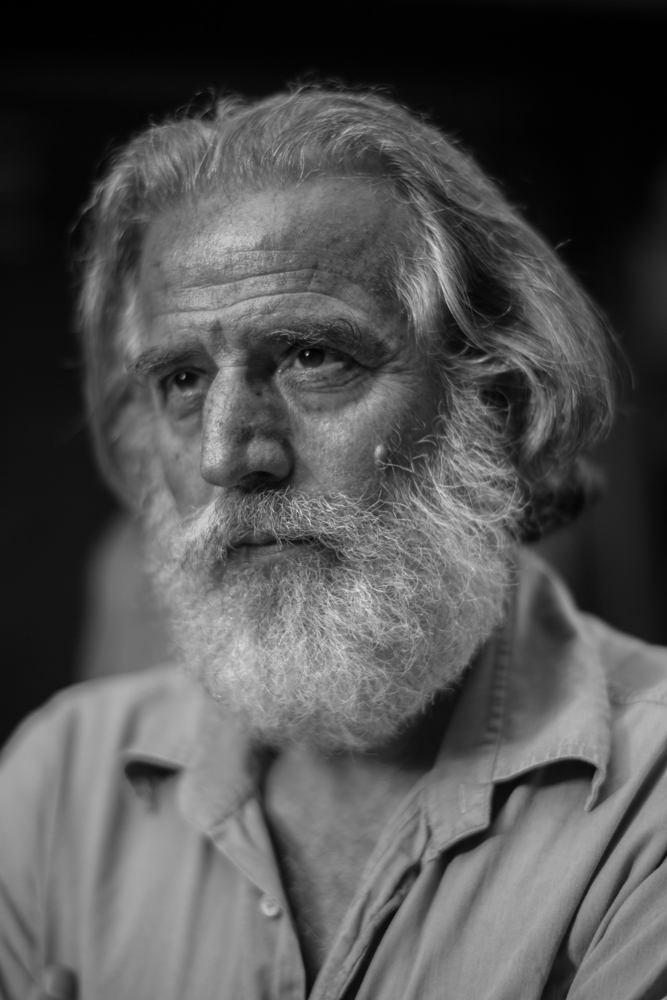
We had no shot list, the mystery unfolded in front of us, as we moved from moment to moment, person to person, meal to meal. Our first hotel was hidden in a backstreet, and inspired some exploration. Having given up on the motorcycle club, but still keen to find some Italian machines, I noticed a flash of red through a door barely open. We stopped, and had a look. It turned out to be an old bike shop run by its original owner, vintage Italian exotica, like the Binelli race bike also pictured. It turned out that the bike shop had been a theater for puppetry, still adorned with handprint murals, and backdrops. I asked about the tradition of Marionettes, and puppet theater, they happily lead me to the master, also pictured below.
As a photographer, my work is to make memories, storytelling is key. This trip in particular was loaded with
experience, a testament to the trust of my editor Caroline Metcalf. If I had been chasing down a shot list, none of this might have happened.

How did you find your subjects?
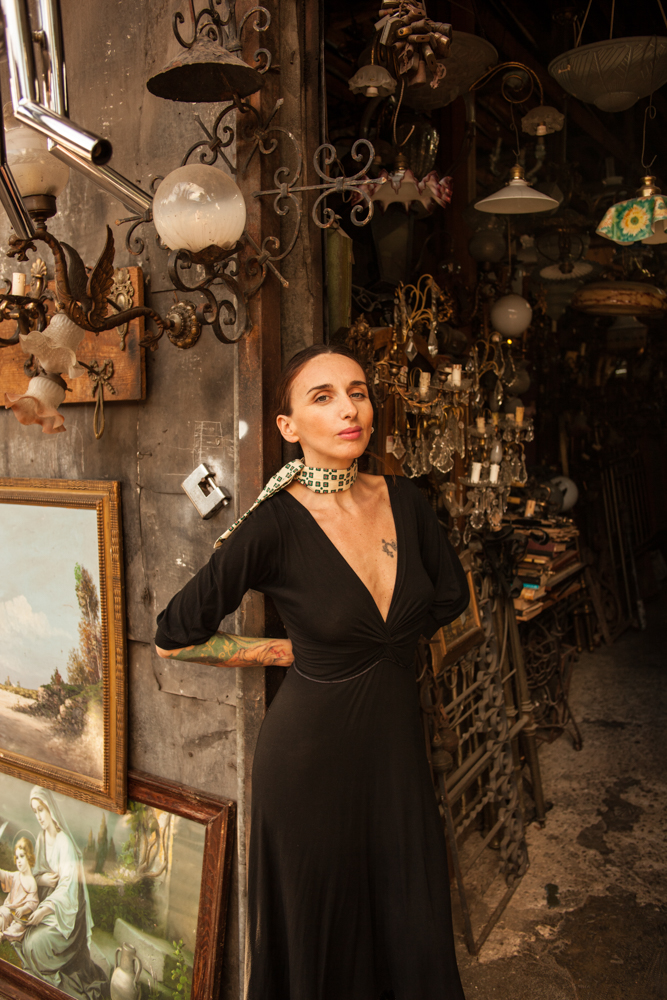
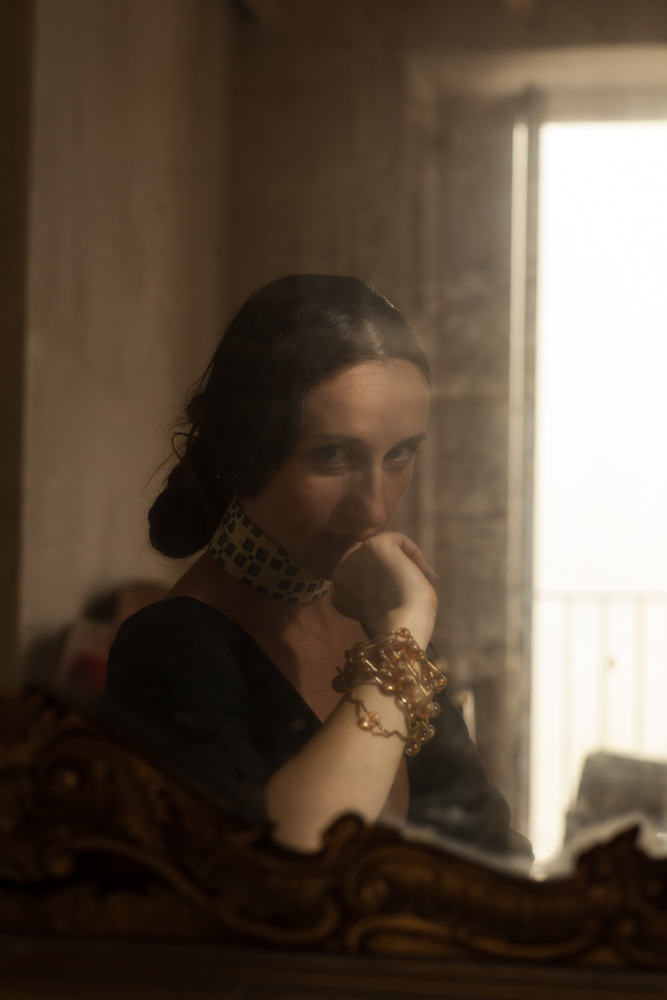
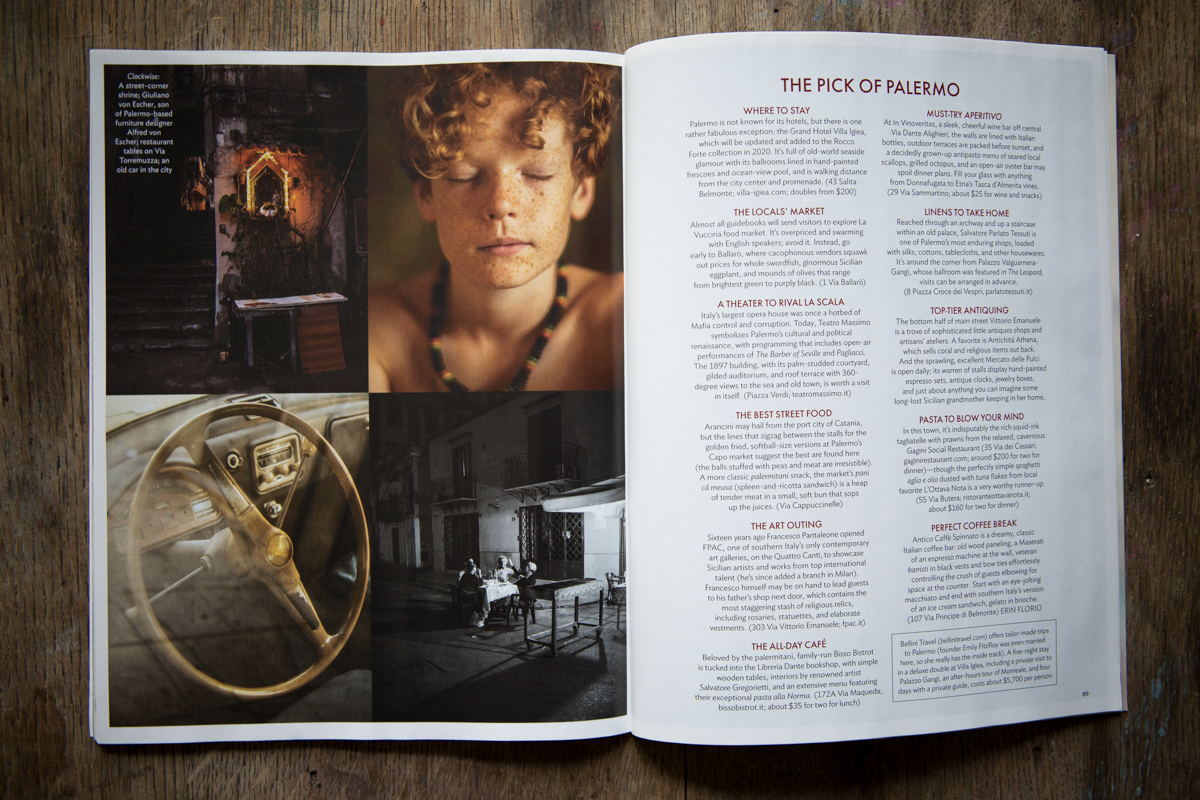
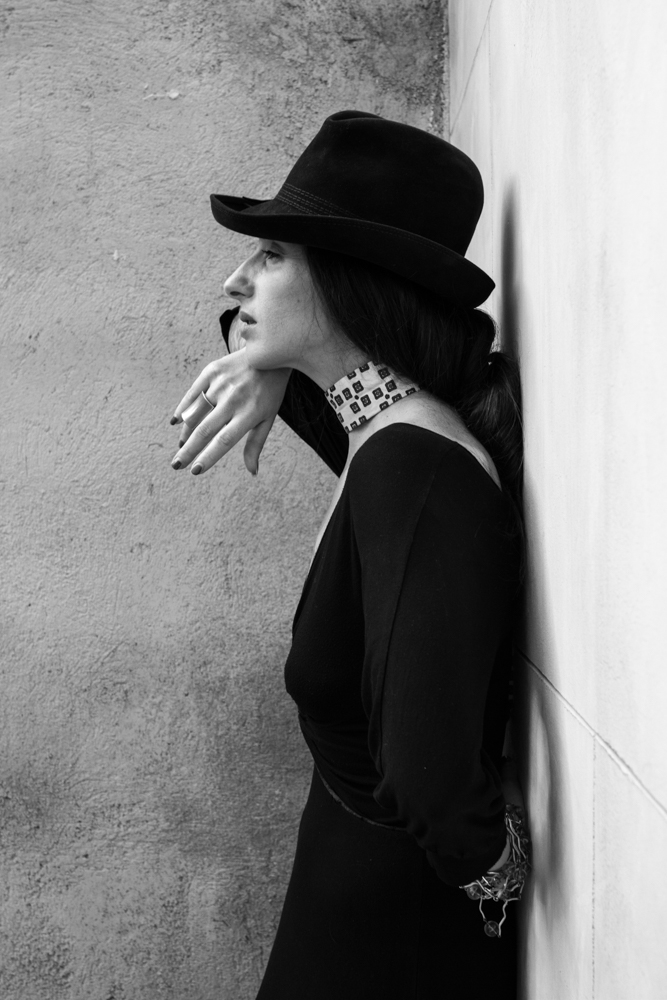
Our first night there, I was shooting shadows in a back alley, the sun had just gone down. I heard something which sounded like a metal knife on glass, clinking in a window above me. I looked up and saw a woman chipping wax off of some antique candle sticks. She asked me if I was looking for something, I said I was looking for shadows. I noticed the fresco covered ceiling behind her, and asked if she lived there. She said yes, and it was a studio as well. I told her it looked beautiful, and that we were shooting for a magazine. She asked if we wanted to come up for a drink, of course we said yes. She turned out to be a furniture designer, and was having people over for dinner. We helped her in the kitchen, set the table, and were there for the evening, it was amazing, and we are still in touch. I mentioned I was interested to find some characters to shoot, and I wanted to breathe in some style. She gave it some thought, and connected me to a friend the very next day. We met at the studio a day later, went through her closet, and dressed her
friend Lucrezia in clothes I found in her closet. Lucrezia turned out to be a photographer, director, performer, we too are still in contact, the layers continue.
 How many days were you there?
I  believe we were there for 4 days? maybe 5?

Did you submit those grids of images or did they edit those for you?
They got so many pictures out of it, they had to spread it out using grids, a good problem to have.
I do play with diptychs in my own edits, and feel it helps create contrast graphically, but it also helps to tell a story and create a narrative.

Did you turn in both black and white and color?
I mixed black and white and color, they pretty much went with what I sent.
The Daily Promo – Kate Abbey

Kate Abbey

Who printed it?
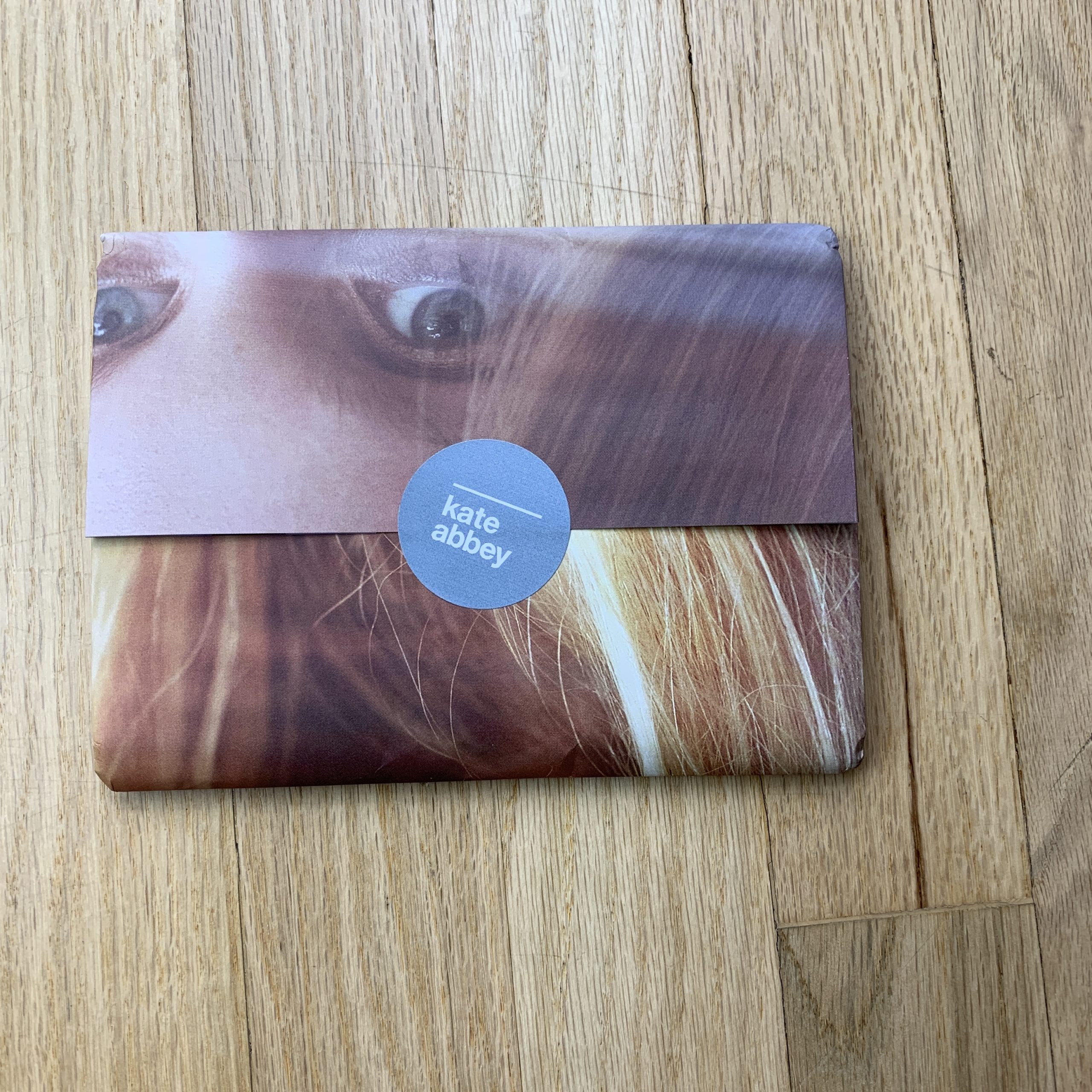
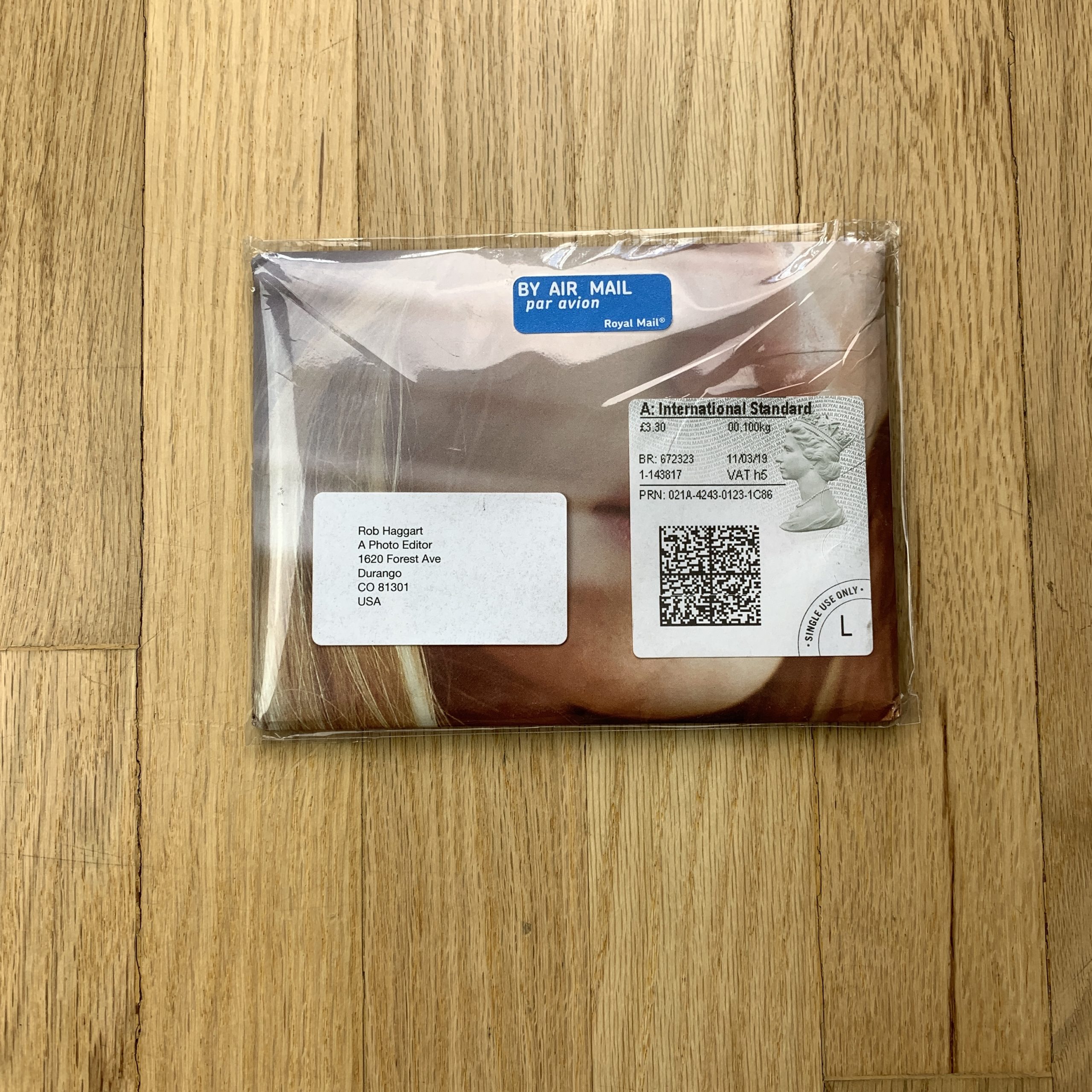
ProCo in Sheffield, UK

Who designed it?
The wonderful Pete and Mark at Caslon&Co.

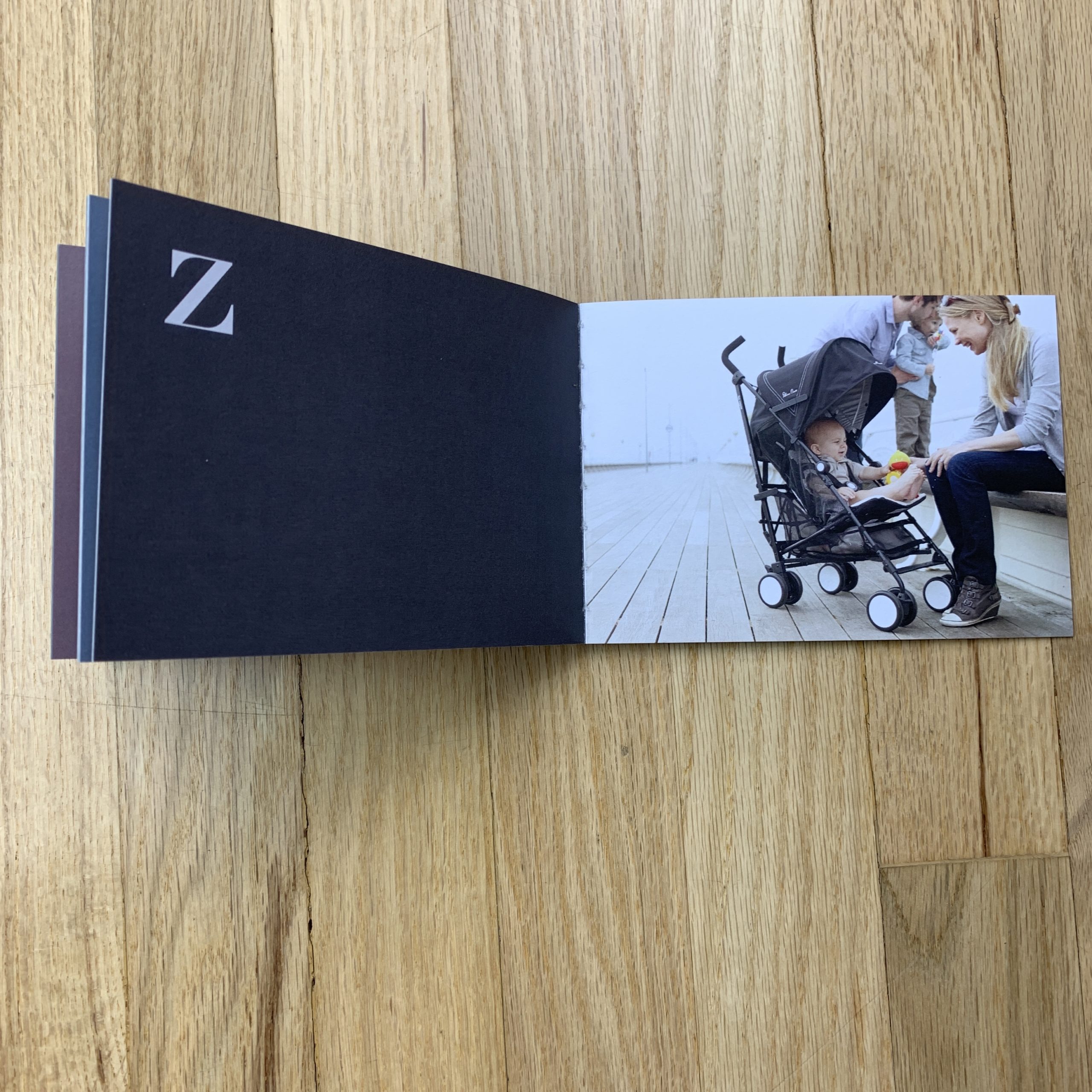
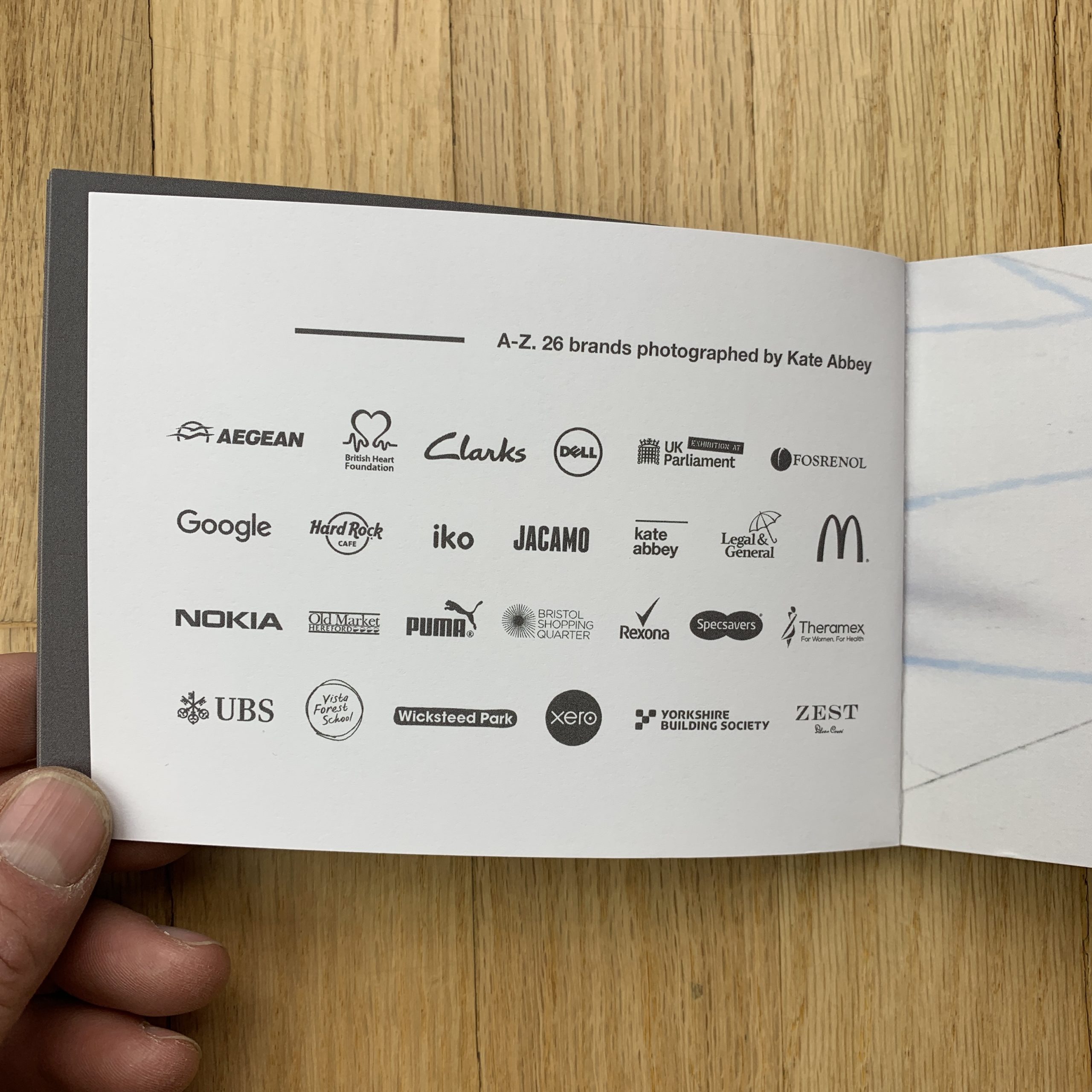
Tell me about the images?
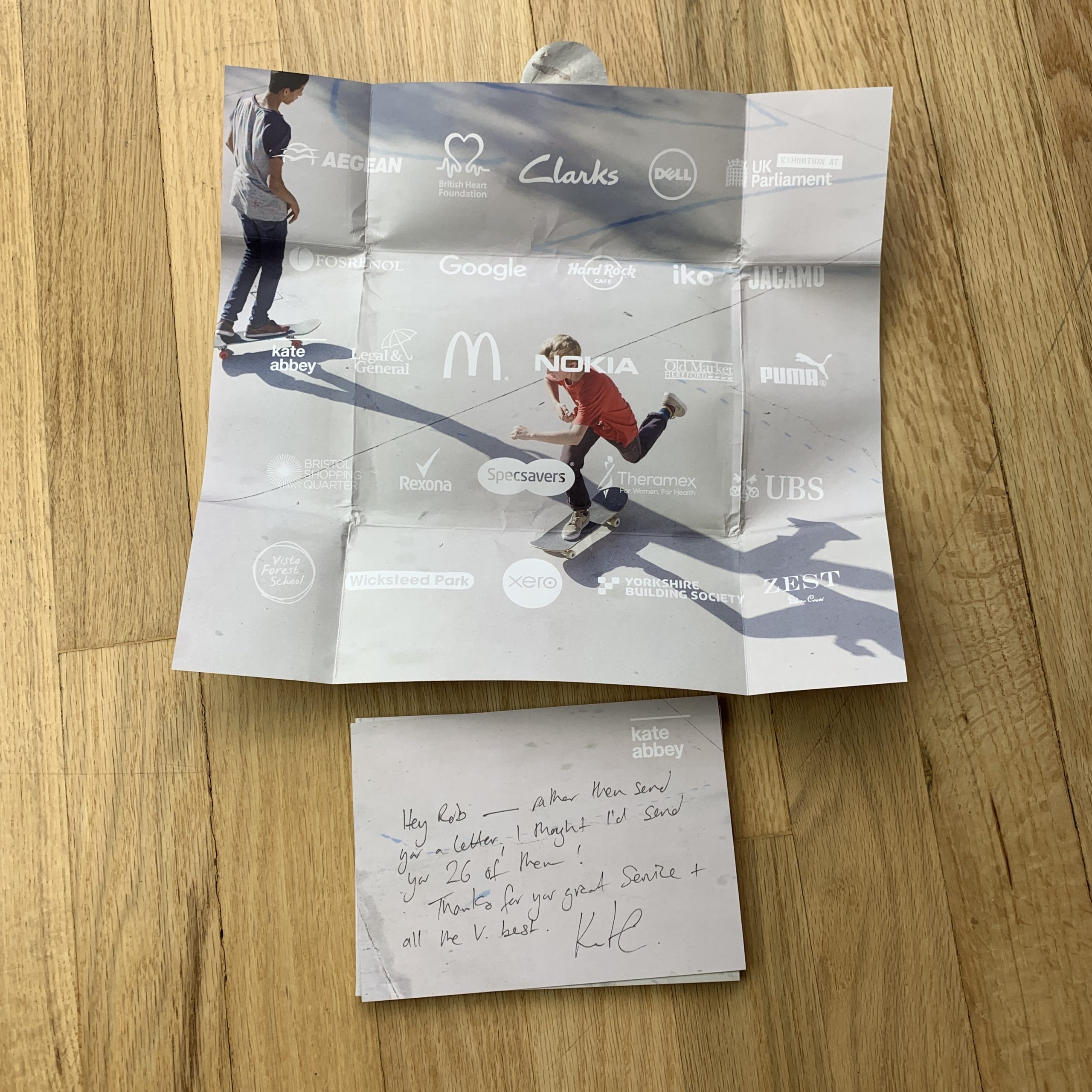
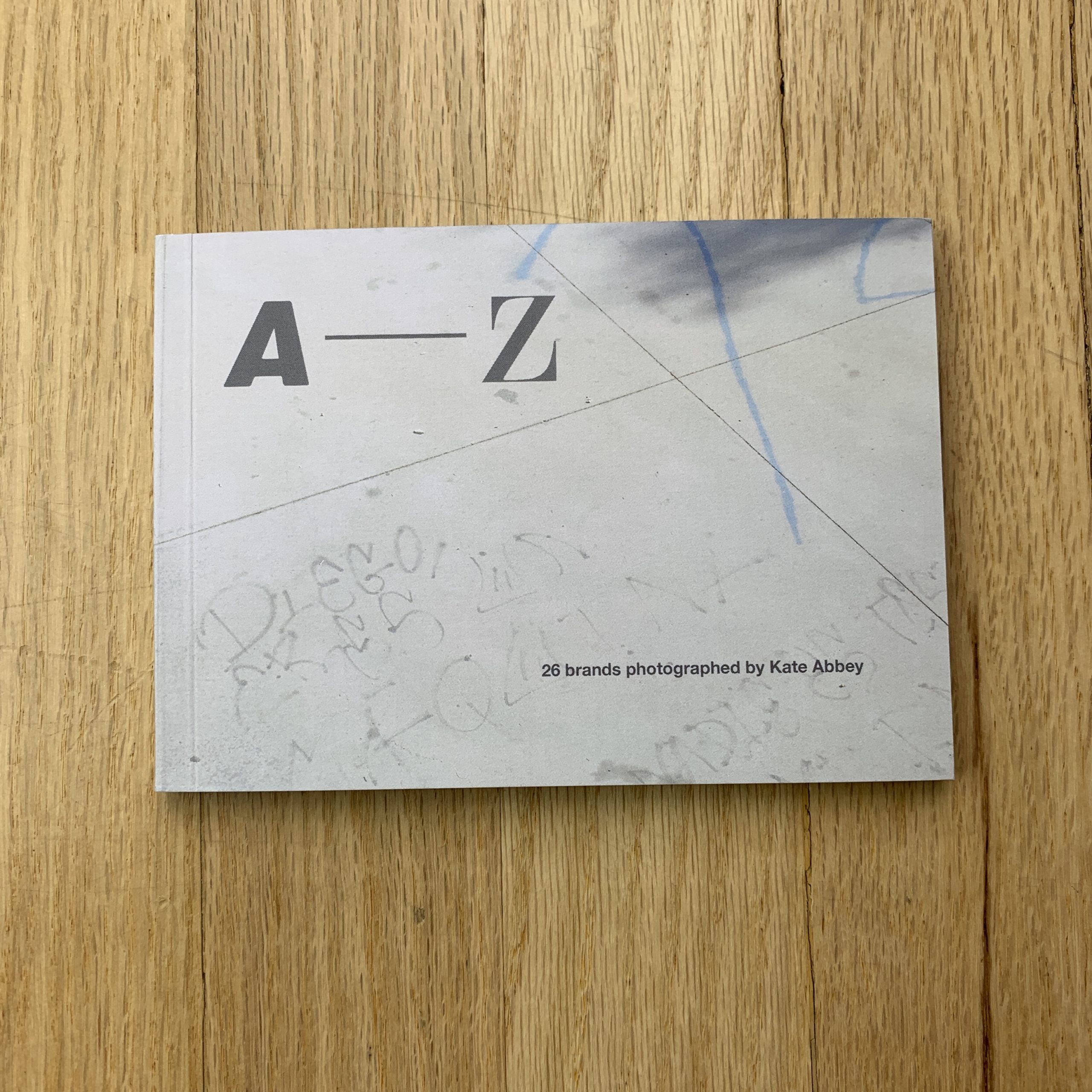
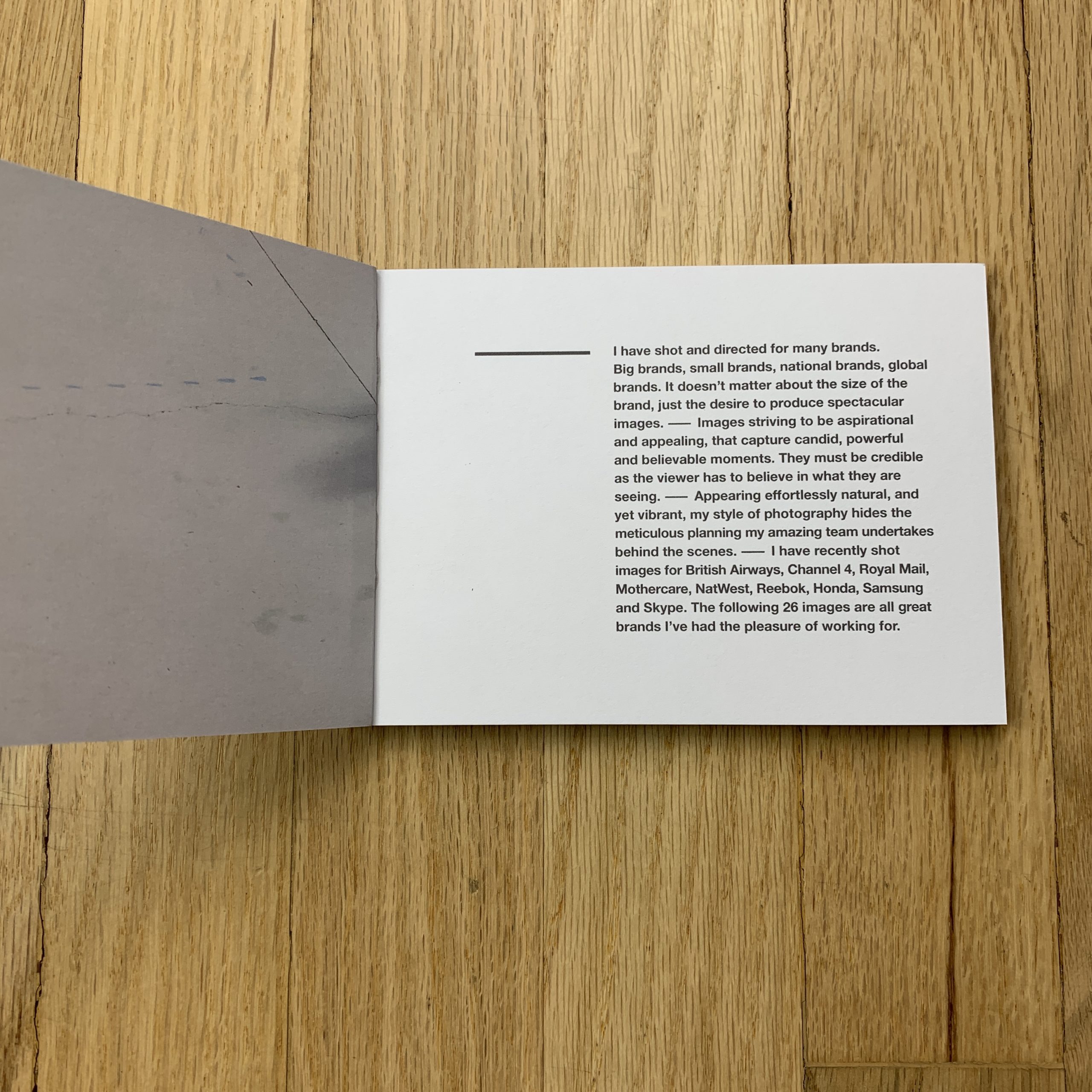
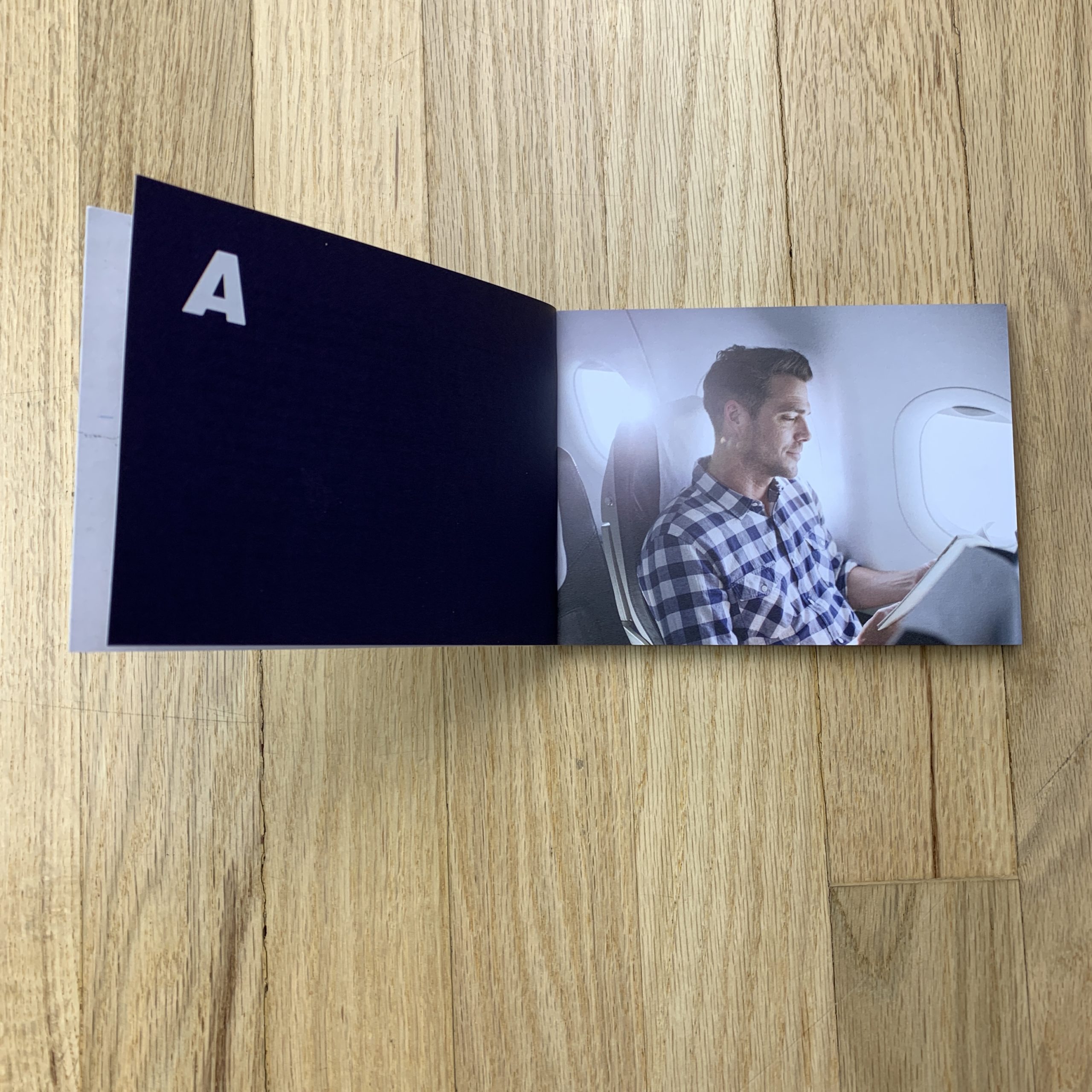
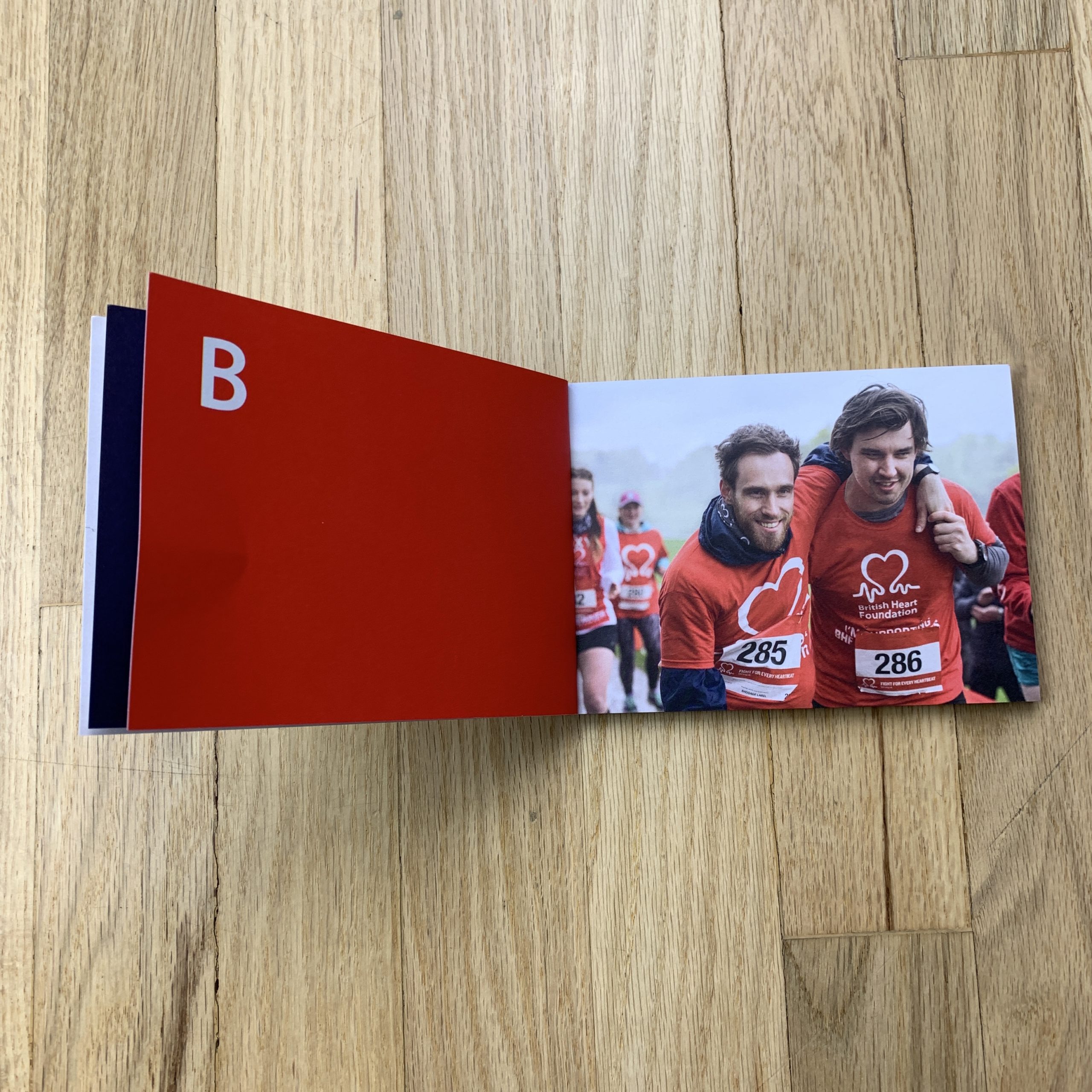
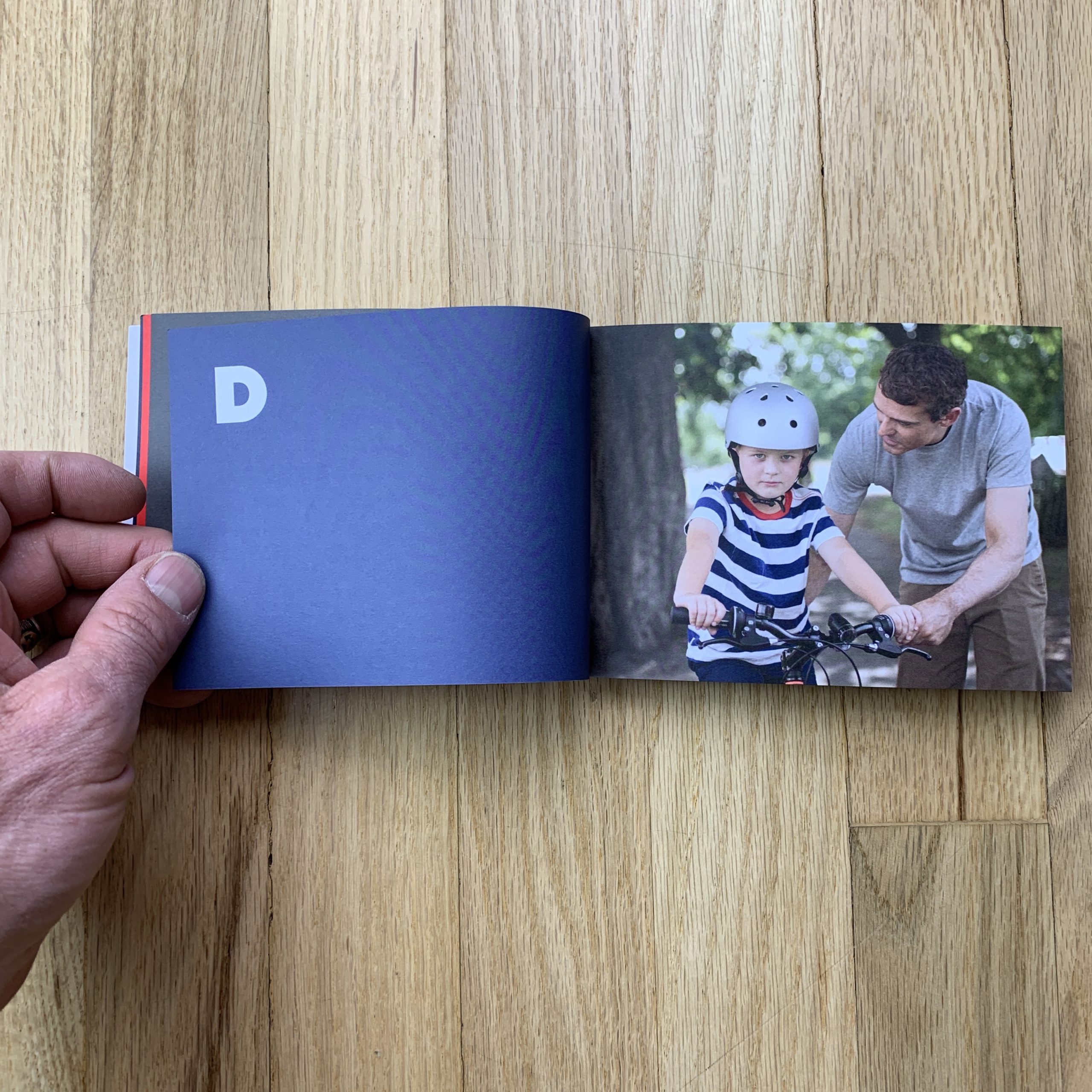
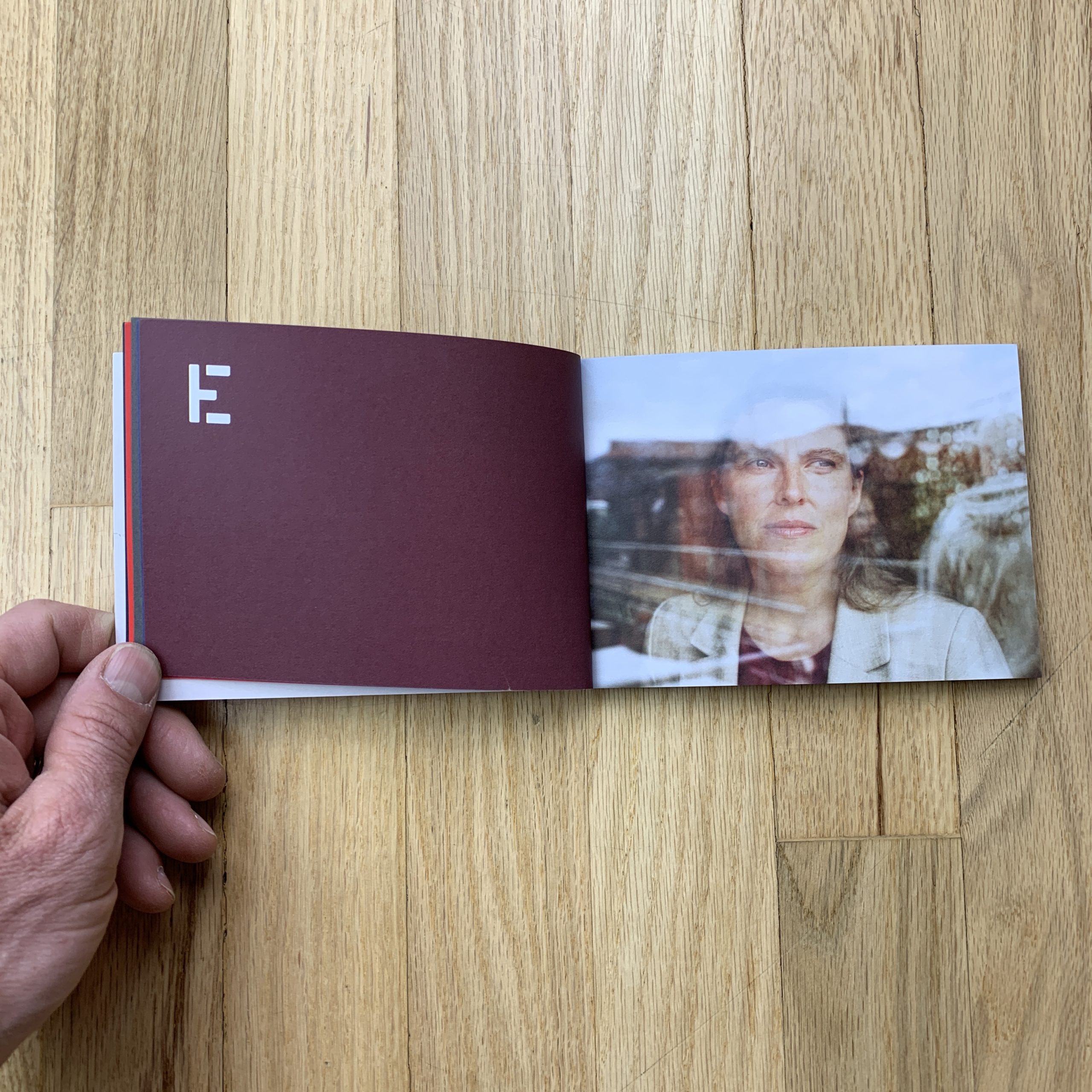
Last year was my most prosperous year as far as great accounts/brands go, which meant I had very little time to concentrate on personal work. The result being a large crop of brands, which when ordered up, pretty much covered the alphabet. A few of my clients had commented on the strong brands I worked with, so it seemed natural to do a promo around this. The downside is I had lots of strong names with the same letter and could only show one and perhaps I wouldn’t have shown a weaker image on another letter, but had no other option – but as a collective group, the idea works and the concept pulls it altogether.

How many did you make?
I printed off 300 for my UK contacts and will do the same for NYC

How many times a year do you send out promos?
Historically, I’ve been terrible and do it every few years, but I so enjoyed doing this and the feedback has been worth the investment. It’s inspired me to do it 3 times a year, but possibly on a smaller scale for the next 2 mailouts. More recently, I’ve been able to fit in personal work, so the next promo will be based around that.
Do you think printed promos are effective for marketing your work?
Absolutely. My promo goes out to creatives who appreciate the tactile nature of a mailer and are the type who would smell the paper and study the manufacture of it, and file it away for future reference. It has to stand out if you’re wanting to capture someone’s attention in the sea of imagery. And besides all of that, it’s something I’ve enjoyed doing and love the results, so I get a thrill form the process too.

NYC in the 21st Century, Part 1


I’m just back from New York, and am off to Portland tomorrow, where I’ll be when this article drops.

(Yes, I have a headache.)

I’ve been traveling a lot lately, and there’s plenty more to come, so today it’s time to tell you what I observed, as a journalist, in New York and New Jersey earlier this month.

It’s important to date it, because in 2019, these places I know so well have finally stood up tall and joined the 21st Century.

Proudly.

They’ve developed, or grown, in ways that feel authentic, and at times exciting. (As someone who grew up and lived there.) It’s a funny word to use, development, because among a certain political class, it’s almost always seen as a bad thing.

Gentrification –> Development = Low-income residents getting pushed out.

That’s normally the equation, and I get it. (My MFA thesis project in 2004 was about corn fields in my suburban hometown getting turned into McMansions.)

Sure, it was a Dutch farming village for 300 years before my parents got there, but I didn’t want those farms to become more suburbs.

No more people like me moving in to spoil it!

I gentrified the Southern end of the Mission District in San Francisco in 1999, and then Greenpoint, Brooklyn in 2002, and left both places as they were getting too trendy.

Hell, Jessie and I moved back to Taos in 2005 expecting hordes of Gen Xers to follow us, but instead it’s been the Millennials who’ve gotten in on the action in the last three or four years.

All of which is to say, I’ve been a gentrifier, and one who took pains at each new farm that was plowed under for another house like my own.

In general, over the course of my life, I’d say I tended towards the condemnation of massive real estate developments, and appreciated when things stayed the same, as they did in San Francisco for 10 years after I left.

But now, the San Francisco skyline has been ruined by Salesforce, the local culture is supposedly all about tech bros, and I’d have to think hard about how many people I know who live in the city these days, rather than in the surrounding area.

New York City, though, is something different. (As is New Jersey, which we’ll get to in Part 2.)
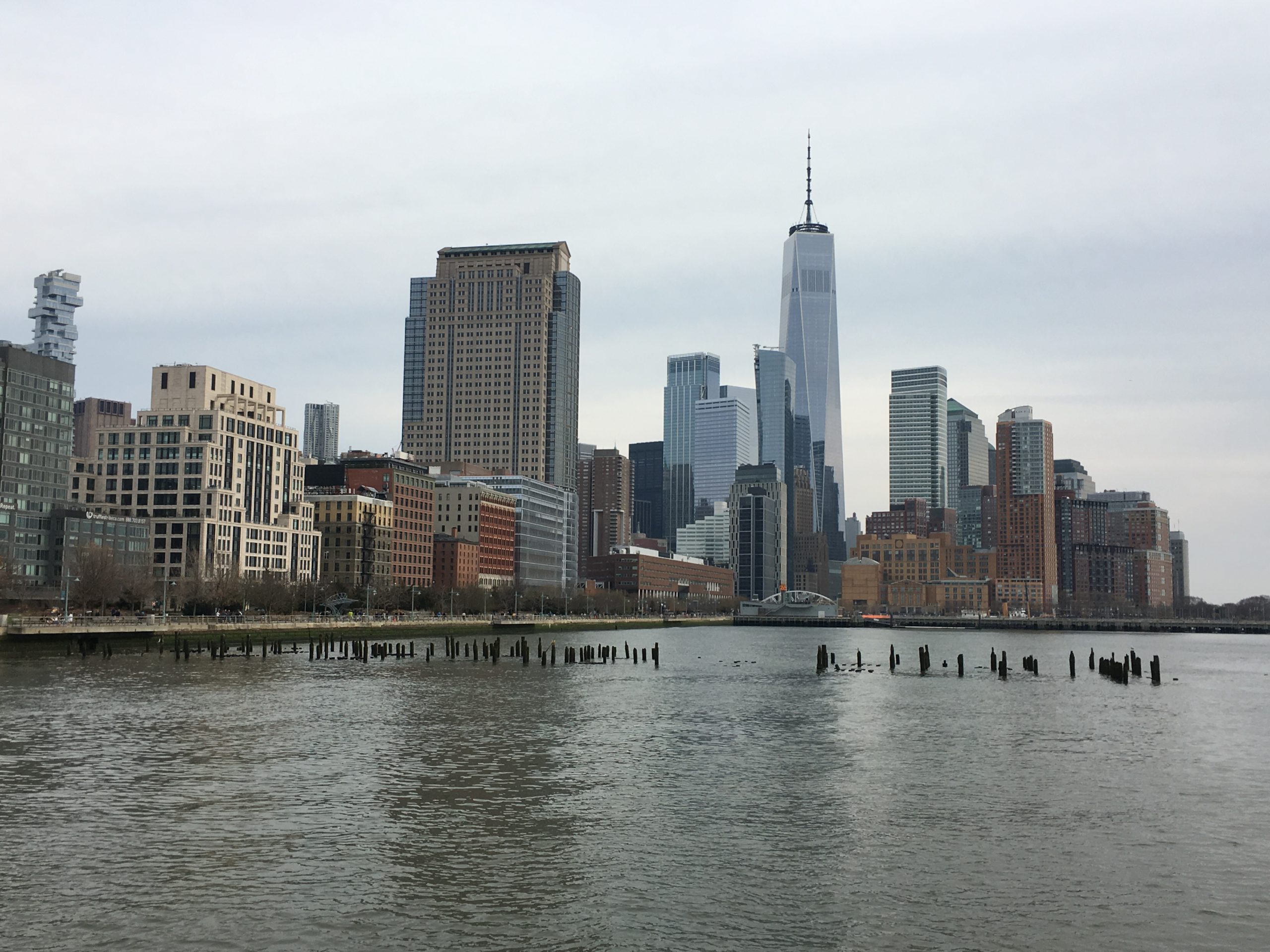
Yes, it’s my home turf, and I’m biased. I’ve written before that I grew up able to see the Twin Towers from my hometown, gleaming across the bay.

I took it personally when the towers were destroyed in 2001, but I think something of New York’s soul was taken too. Not that it’s people were cowed, because that will never happen.

(Not in my lifetime, anyway.)

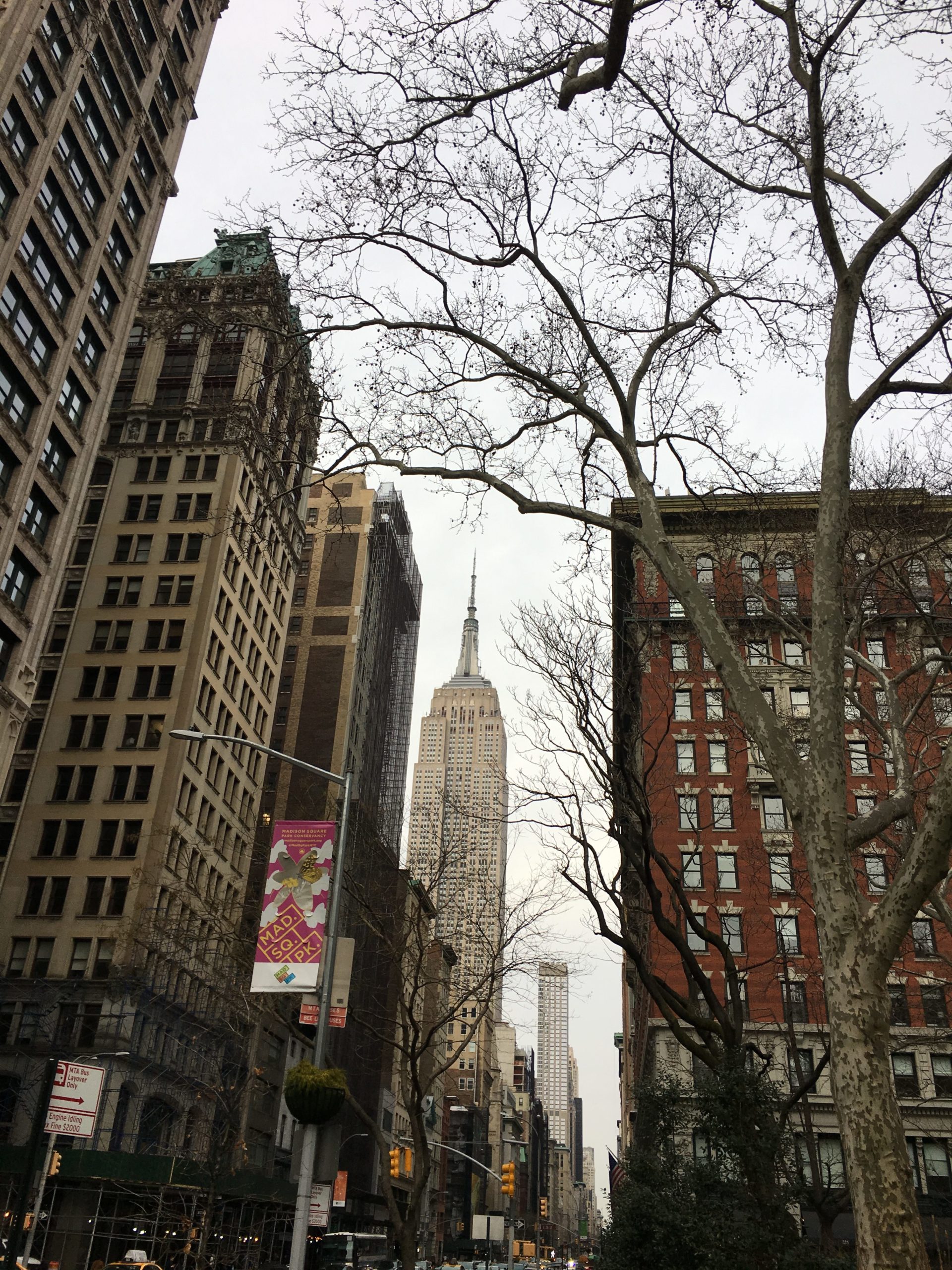
Old New York near Herald Square

Rather, the skyline was ruptured so badly, and then the local politicking, which is always dirty in New York, kept the Freedom tower from getting built FOREVER.

Really, you can look it up.

When did the Freedom Tower open to the public?

(Rare Google break…)

OK. I’m back. 2014.

That’s when the first tenant moved in.

It took New York City 13 years to replace it’s iconic Southern anchor to the skyline.

And even then, the building is just OK.

In the interim, there was a phase where some very average looking, minimalistic residential super-towers were built, which made the city lean wrong, and all that visual weight went towards the super-rich, with their part time crash pads. (I accidentally wrote cash pads, which is a good Freudian slip.)

Looking South from the mouth of the Lincoln Tunnel

Nowadays, in 2019, finally, I’m thrilled to report that New York City has grown in exciting and beautiful ways. (Revitalizing growth that sometimes gets a bad rap, I think.)

In my experience, New York City has become a global tourism Mecca. In the sense that, like Paris, it now belongs to everyone.

And sometimes that comes at the expense of the locals.

Certainly, Manhattan, Brooklyn and now probably Queens are not affordable for “regular” people. Not unless you live “all-the-fuck-out-there” by the ocean.

And even where I’m from, in New Jersey, or in other outlying areas like Long Island or Westchester, the cost of living is high across the board. (Food, rent/home prices, transportation…)

Manhattan just adopted congestion pricing for the first time, to charge people for driving in the heart of the city, and the cost of tolls at bridges is nearly $20 as is.

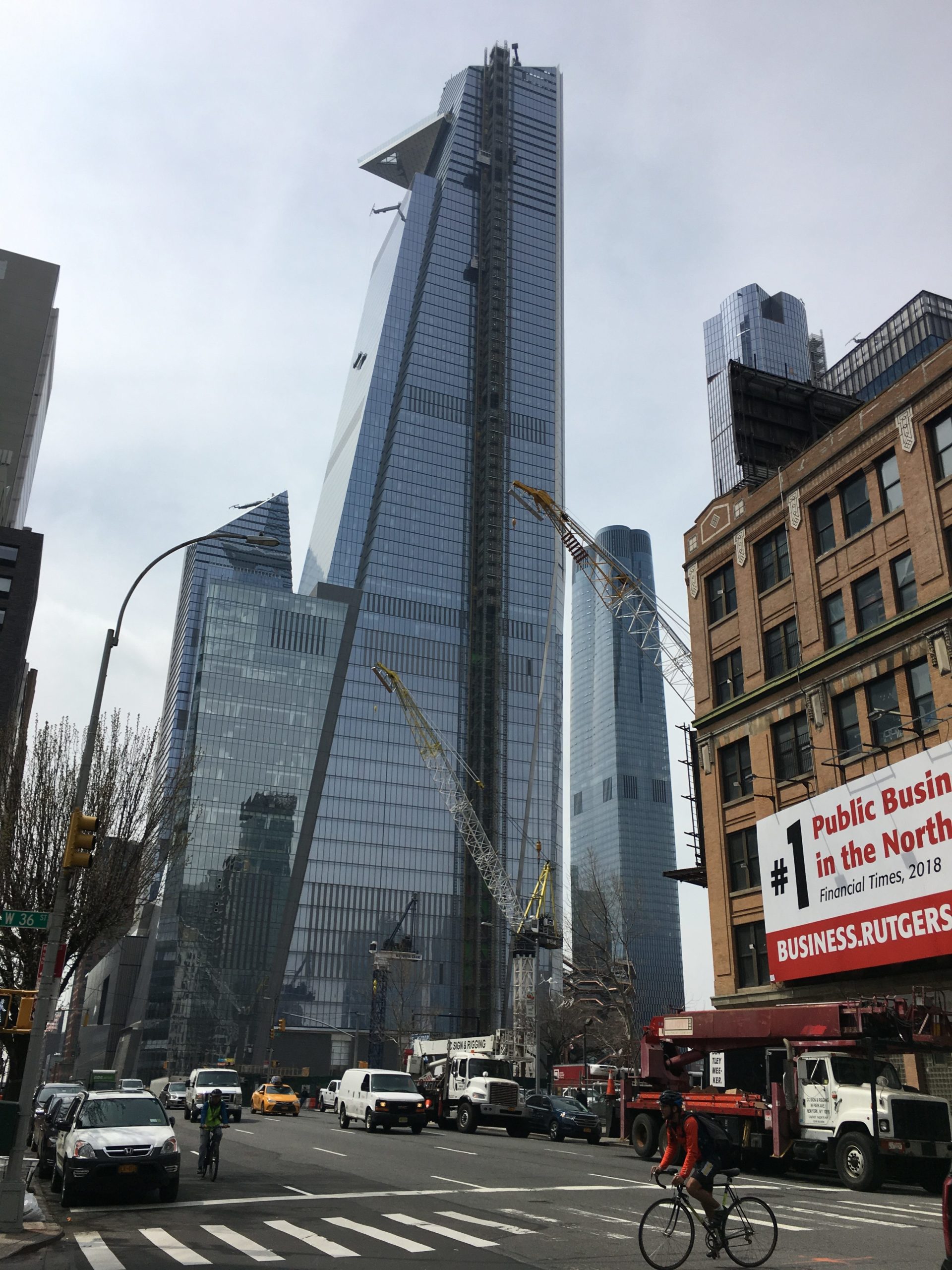
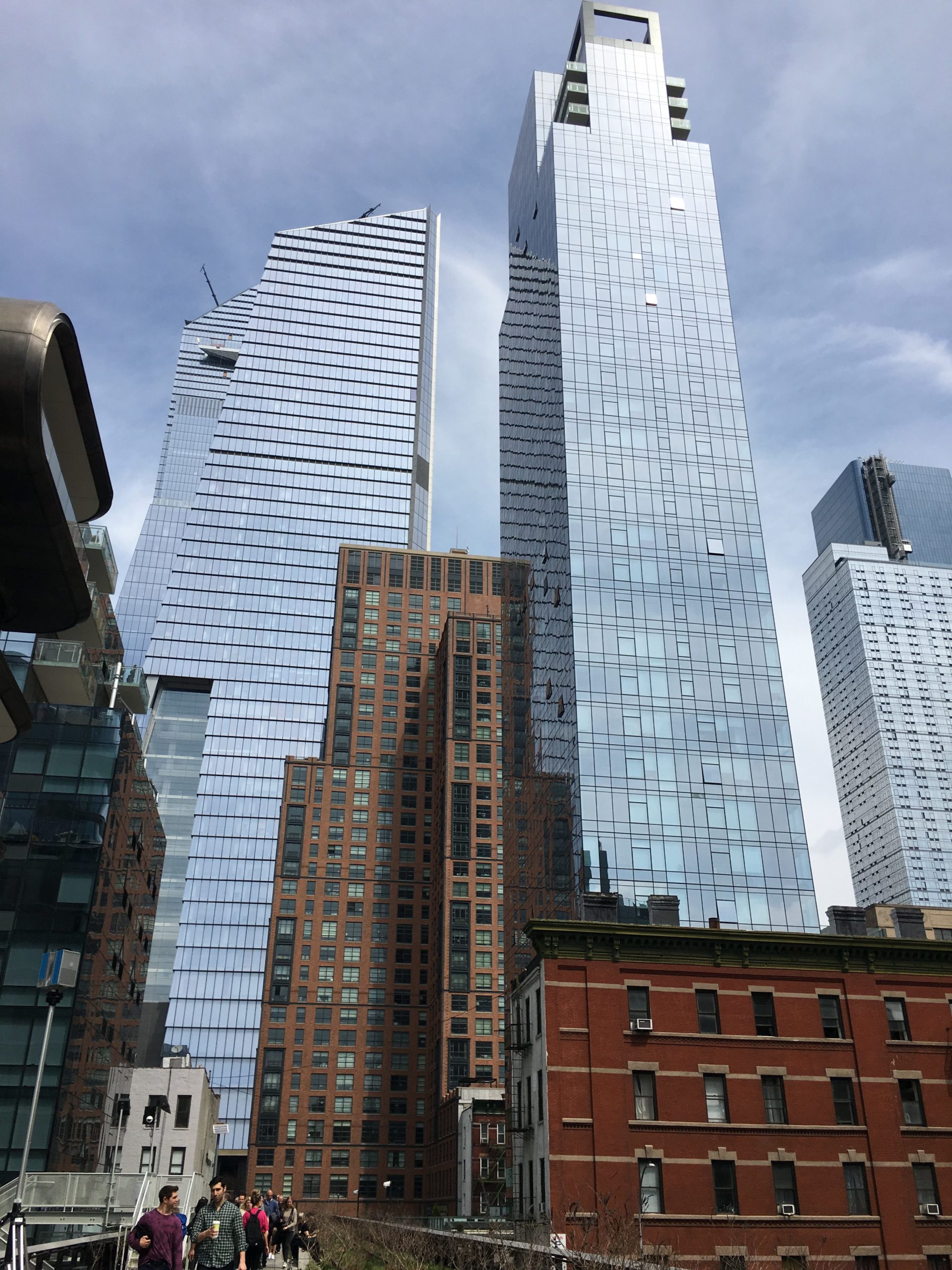
In particular, though, I’d like to discuss Hudson Yards, the new mega-development by Stephen Ross, which recently opened in what used to be called Hell’s Kitchen on Manhattan’s in Midtown’s Far West Side.

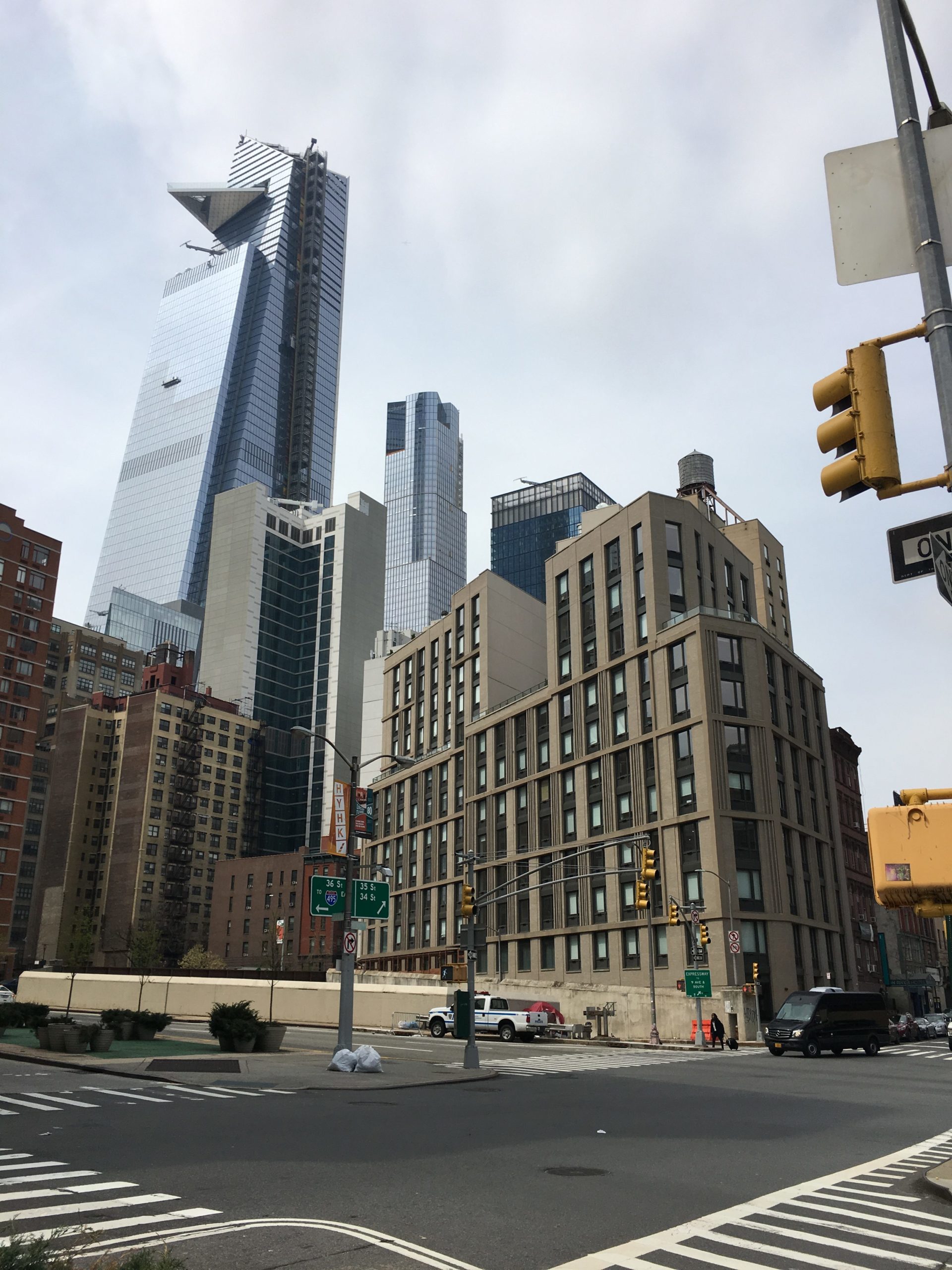
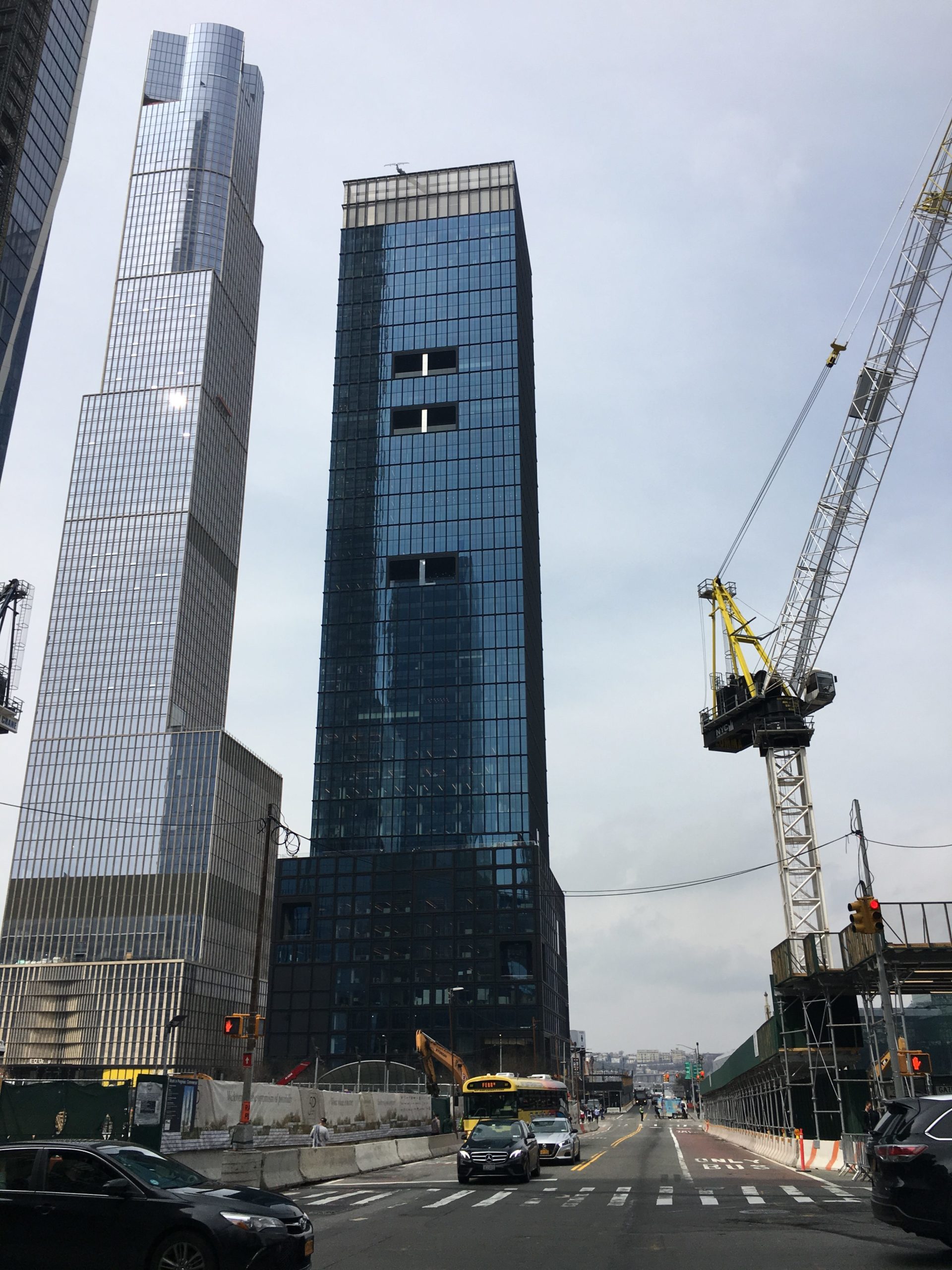
Approaching Hudson Yards from the North

It was supposedly built on a $1 Billion platform over a railyard, and I’ve seen that tactic used in public parks in Chicago and Dallas to good effect. (In Dallas it was over highway, but still…)
Hudson Yards has gotten panned, from what I’ve heard, because it really was built for rich people, and tourists. (I guess I’m kind of the latter, these days.)
 

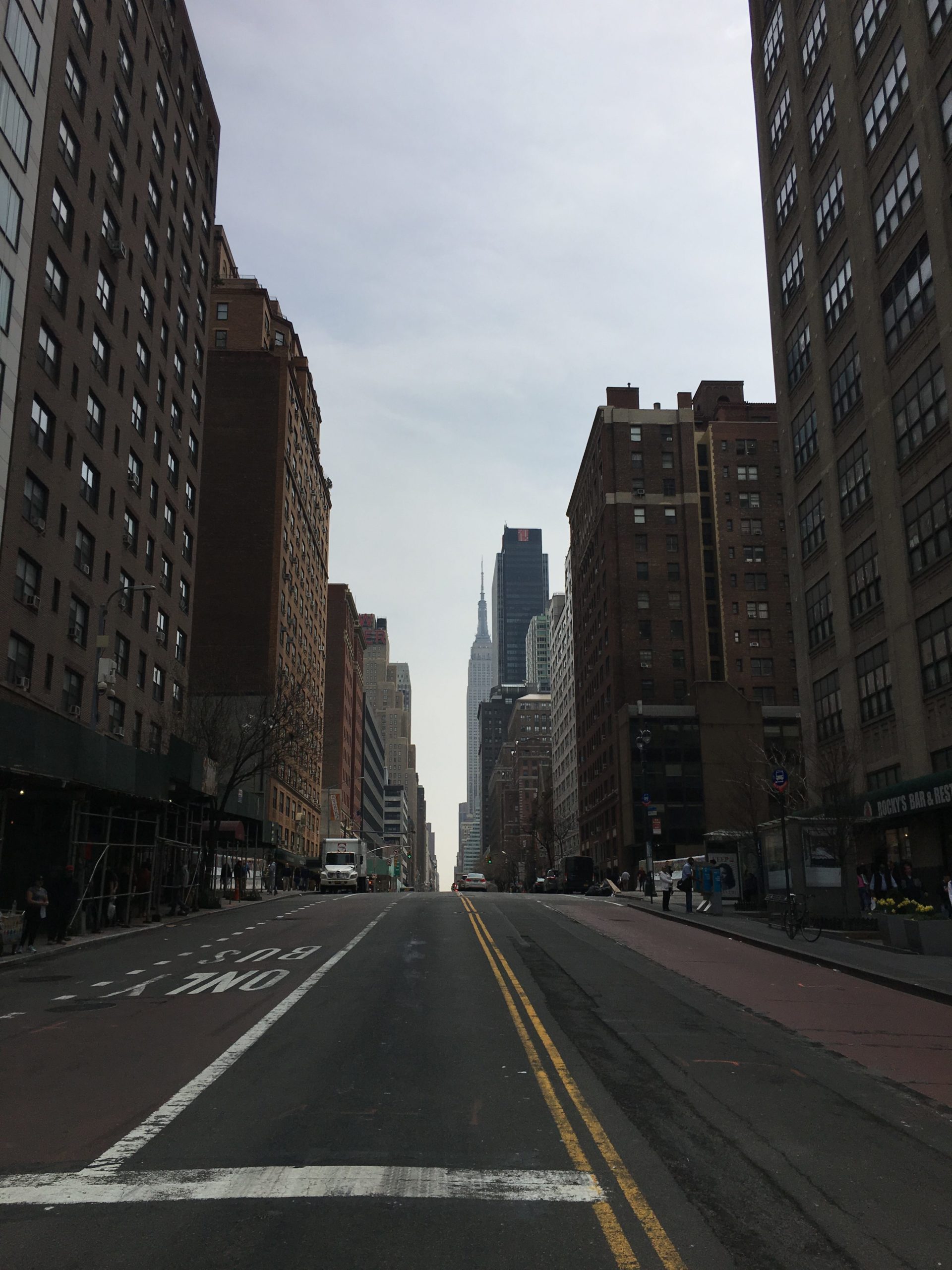
Looking East towards Old New York
Looking West to Hudson Yards
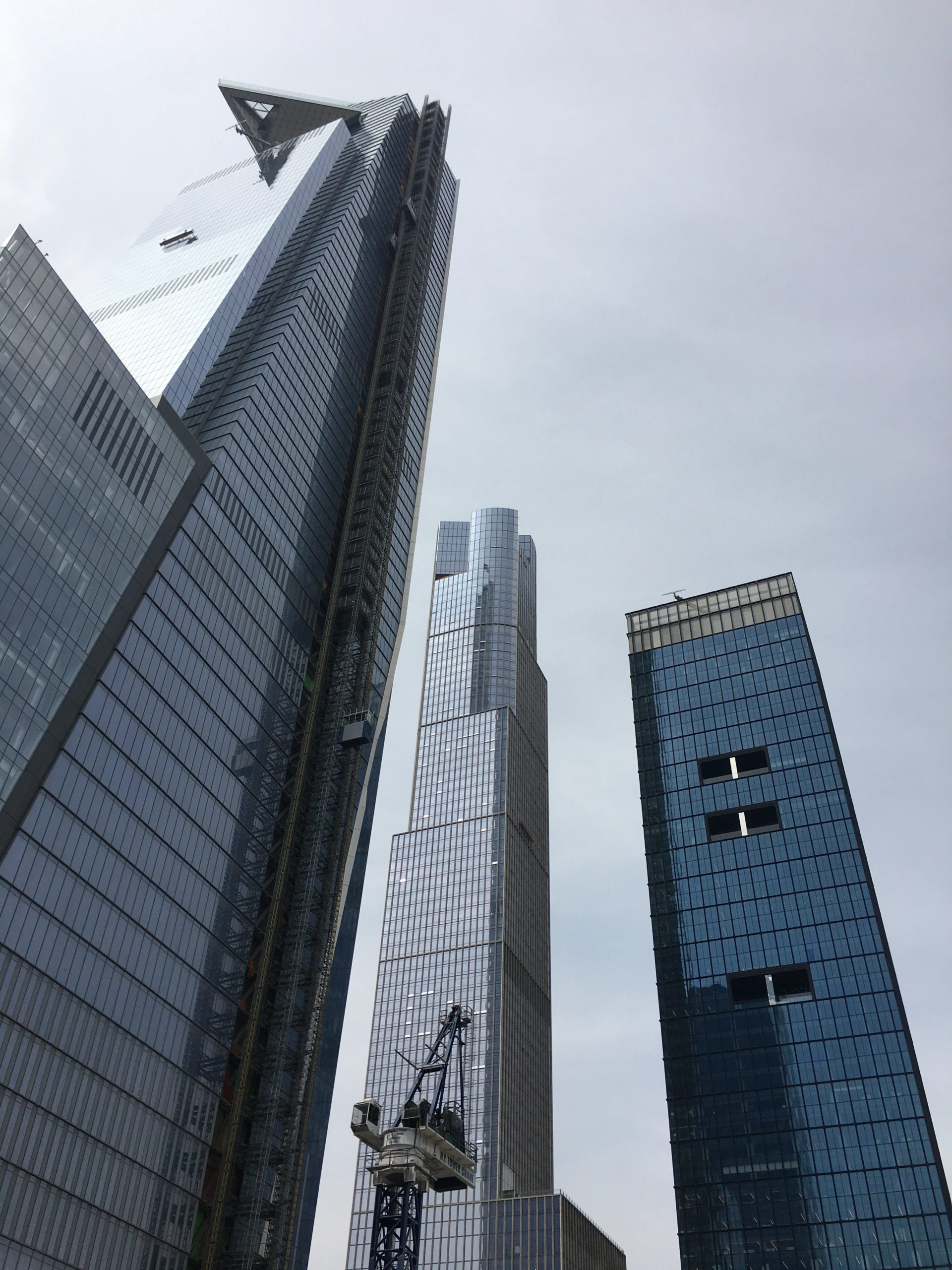
Looking up at the Hudson Yards skyscrapers

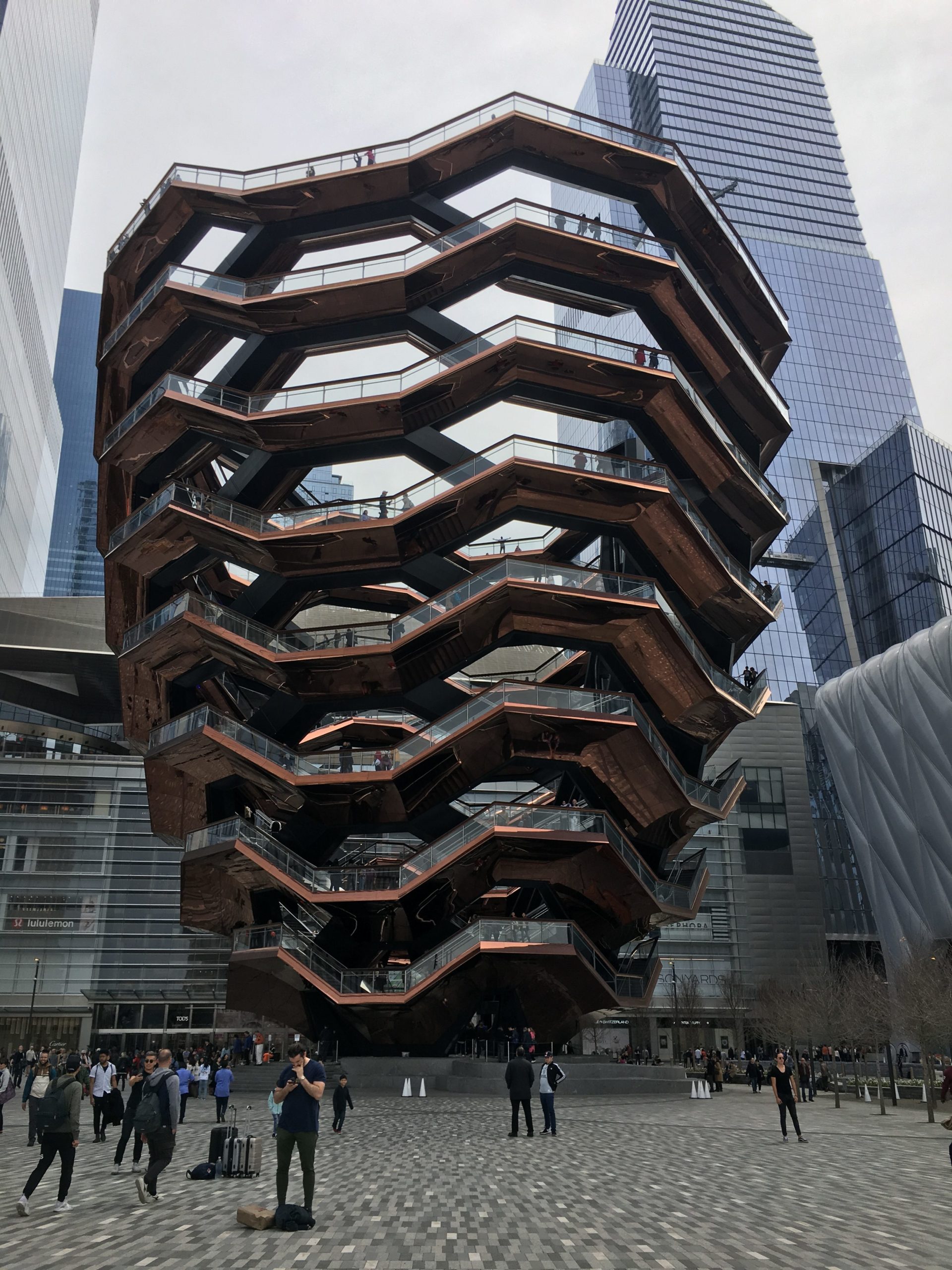
There are something like six new blue-glass skyscrapers by Starchitects, and they surround a big public courtyard with the the Shed, a public art space, and the massively expensive “Vessel,” a glowing bronze public art project for which you have to get a free ticket.

The Vessel
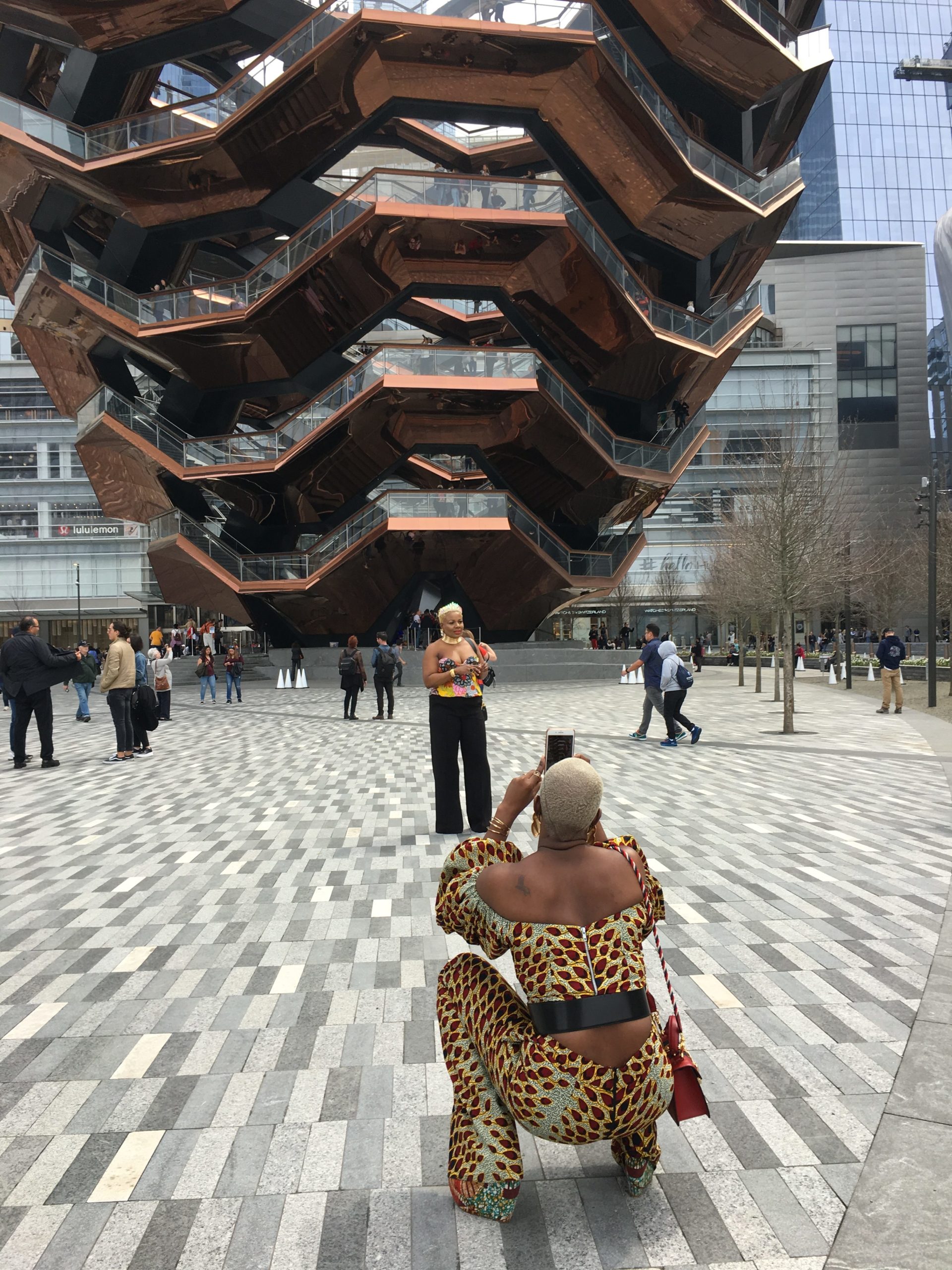
Getting the shot for Instagram
View from inside the Vessel
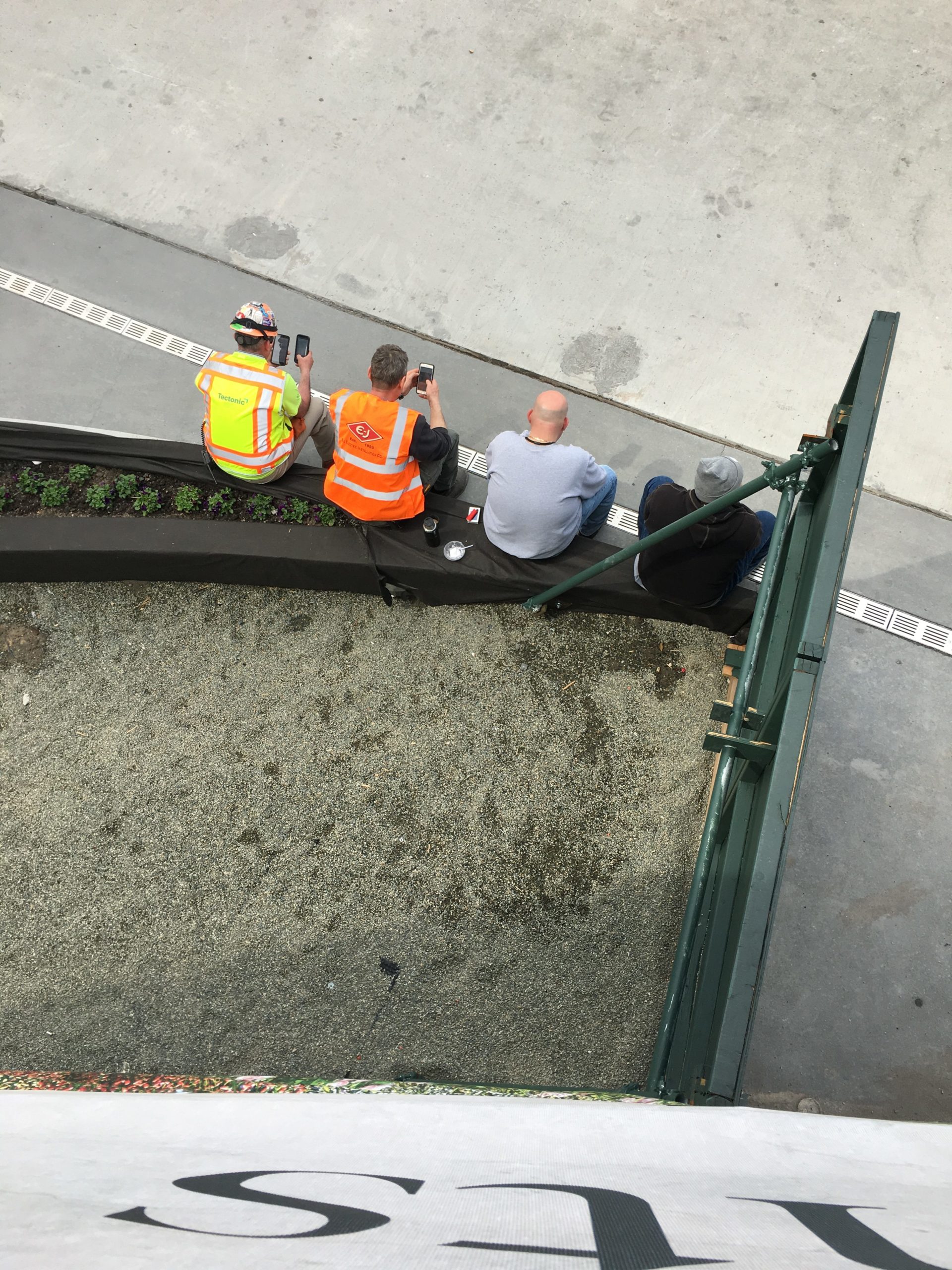
Looking down off the platform


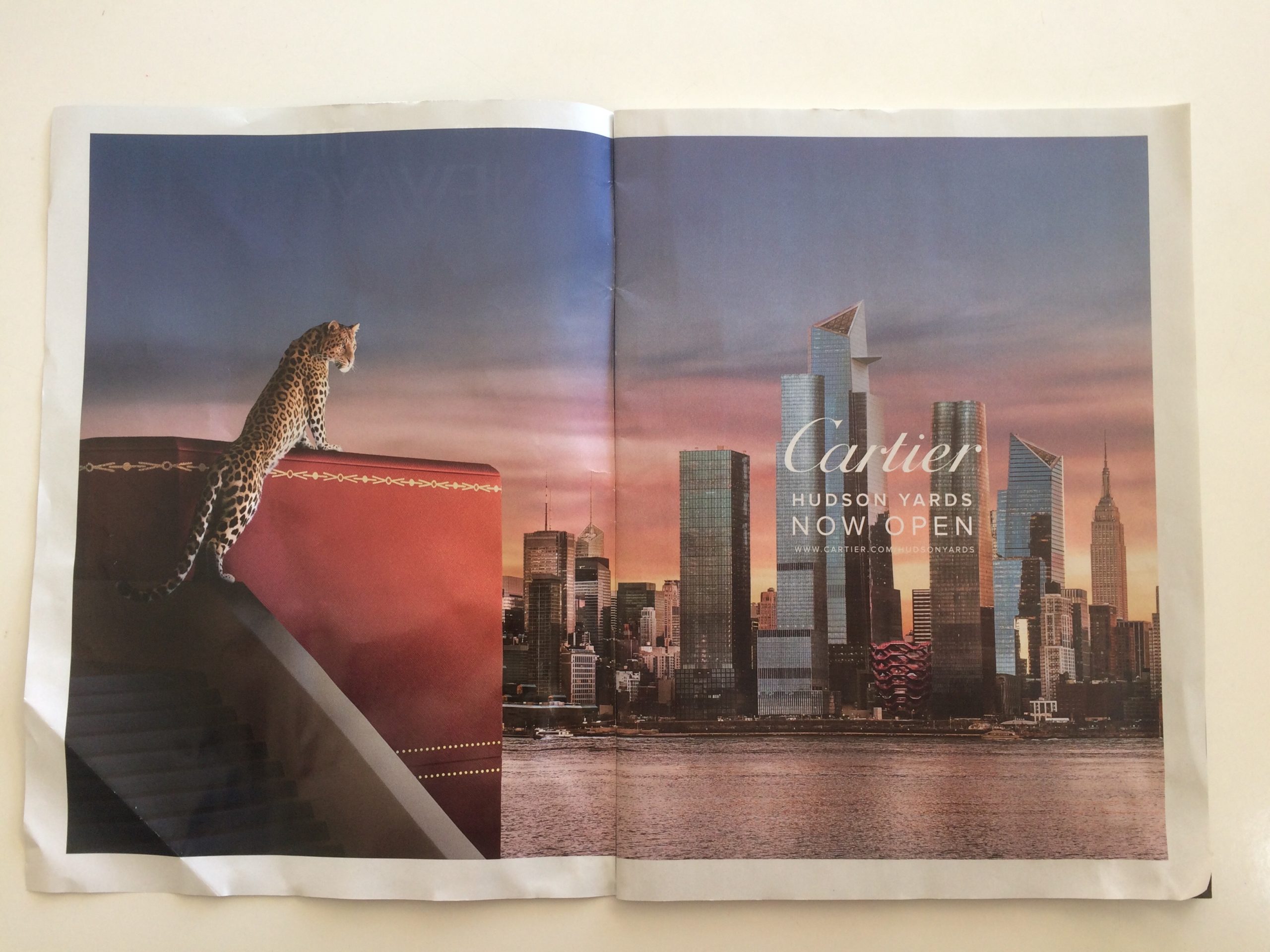
It is literally a stairway that goes nowhere, built to be an Instagram backdrop, and it does that job well. I was little confused by the physical placement within the city skyline, if it’s meant to be iconic, but then I noticed this ad in The New Yorker, which about sums up the demographic.

The Vessel is apparently visible from New Jersey

On the lower levels of one of the buildings is a huge shopping mall and food court featuring very expensive and/or trendy brands. (Muji is not fancy, but it is cool.)

I understand my point may be somewhat controversial, but I’ve been to that part of town, over the years, and it was a bit of a wasteland.

I can also attest, at 45, that New York has always been about money.

It’s the heart of Capitalism, for crying out loud.

So as a former resident, and now regular visitor, I accept that it was always going to become too expensive for people like me to actually live there.

Hell, I don’t want to live there.

The air quality and weather suck, and it’s too busy for every day.

But seeing such beautiful, gleaming buildings in Hudson Yards, it inspired me.

They’re gorgeous.

And everywhere you look, including in odd places like the Lower East Side, there are new-looking skyscrapers that balance the Empire State and Chrysler buildings, and support the Freedom Tower, which was never meant to carry downtown alone.

(Brooklyn has tons of new hi-rise buildings too, so many that when my father-in-law last visited in 2004, there were none, he confirmed.)

Sticking with Manhattan, though, Hudson Yards blends right into the northern end of the High Line through Chelsea, which is itself a phenomenal piece of design and public space.

Whereas in the past, right at the junction between the two, there might have been a locally owned pizza place, now, it’s a restaurant by Jose Andres and the Adria Brothers. That’s a massive change, and I can see how some people might hate it. (I still miss the ubiquity of a great slice.)

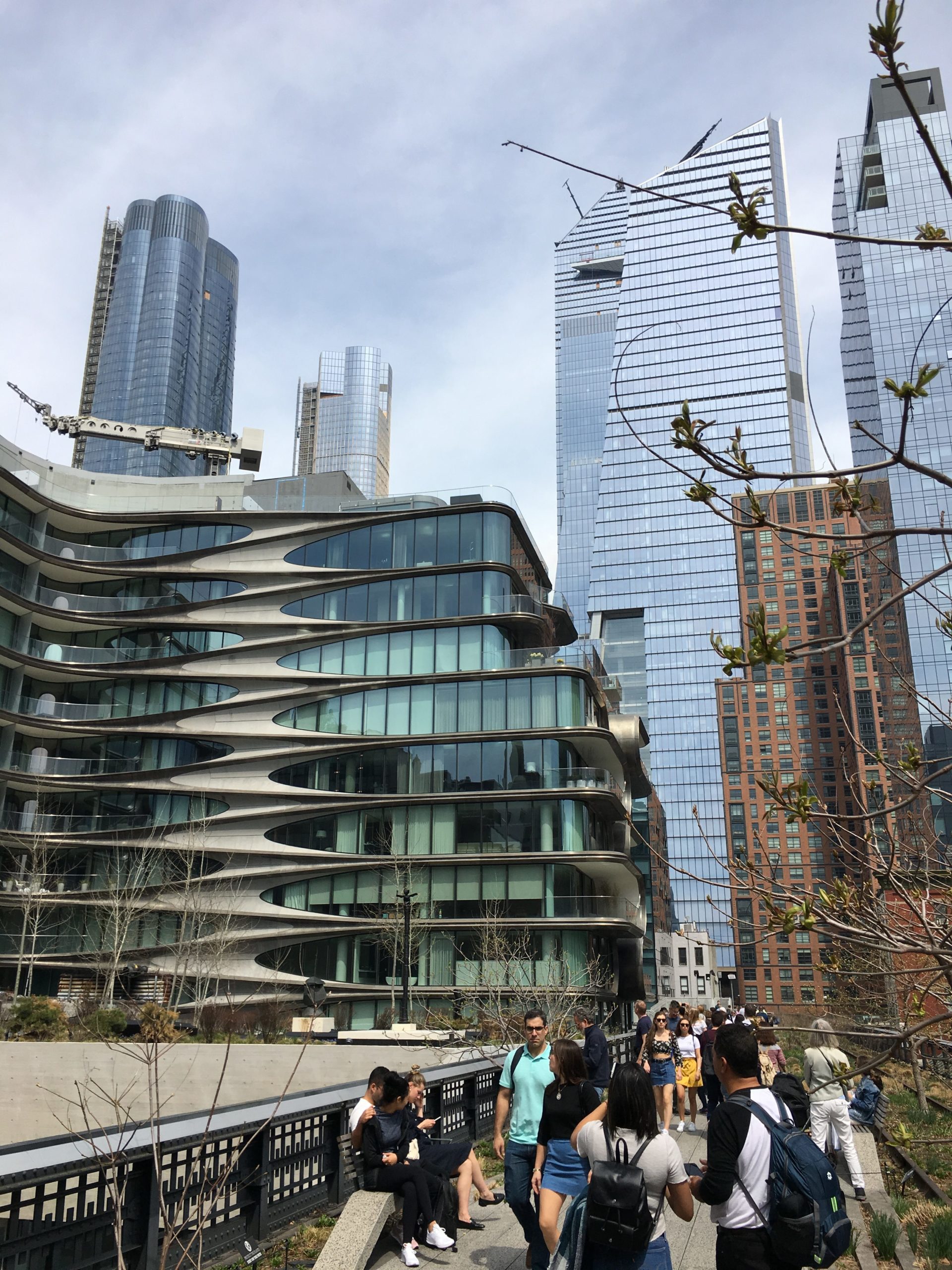
Between the architecture that’s grown around the High Line, like the Zaha Hadid masterpiece, to the nature planted within it, the High Line is always popular, and rightly so.

(We went twice, and each time it was wall-to-wall people, speaking countless languages.)

The High Line ends in the new Whitney, which conveniently flows into Hudson River park, which goes south along the waterfront along the city.

Looking North from the beginning of the High Line
Zaha Hadid building along the High Line

It’s fantastic, frankly.

And none of it was there when I moved back to town in 2002.

I haven’t mentioned Hurricane Sandy, yet, which hit in 2012, but that was a real punch in the nose for the Tri-State Area.

Given that New York is a money town, between 9/11, the following market crash, the 2008 crash, and then Sandy, the city was properly down on its knees.

Maybe not like the big bad 70s, but New York looked stale, visually, and I’d argue maybe it was.

As cities like Shanghai and Dubai raced towards the future, New York seemed stuck in the past.

But no longer.

On a Pier looking South towards the Freedom Tower

These days, I think it’s pretty badass that New York has opened itself proudly to the world.

It’s thriving, and looks pretty great too. (Except for the garbage on the streets, because New York is always gonna New York.)

There’s so much more to tell, (including a few anecdotes about AIPAD,) but we’re nearing 1500 words, and I’ve got photos this time!

There’s no need to over-do it, so I’ll run it back with Part 2 next week.

Have a good one.

The Art of the Personal Project: Dasha Pears

The Art of the Personal Project is a crucial element to let potential buyers see how you think creatively on your own.  I am drawn to personal projects that have an interesting vision or that show something I have never seen before.  In this thread, I’ll include a link to each personal project with the artist statement so you can see more of the project. Please note: This thread is not affiliated with any company; I’m just featuring projects that I find.  Please DO NOT send me your work.  I do not take submissions.

Today’s featured artist:  Dasha Pears

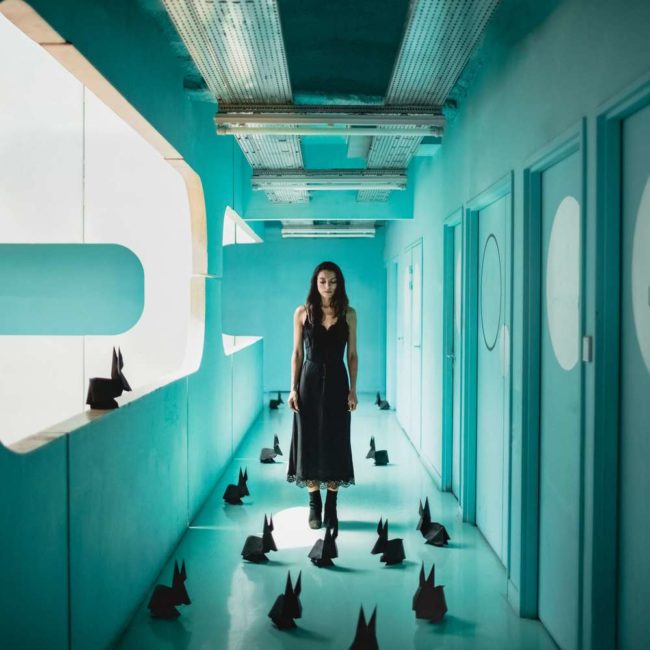
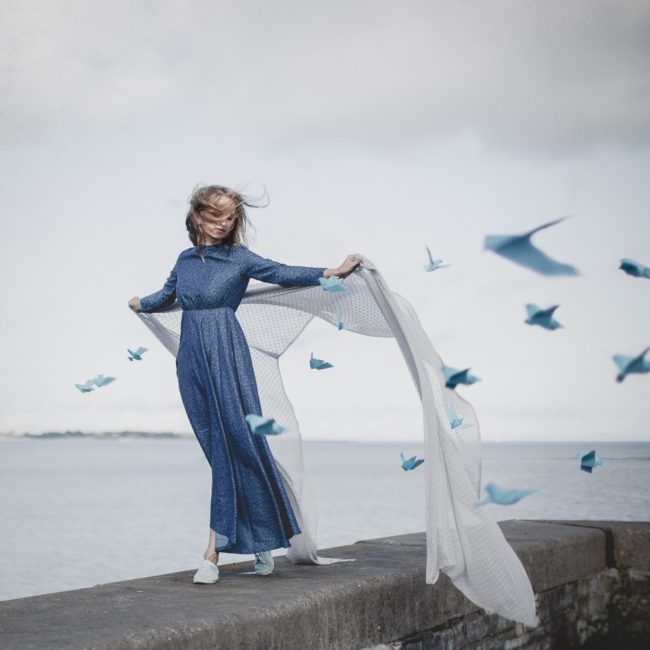
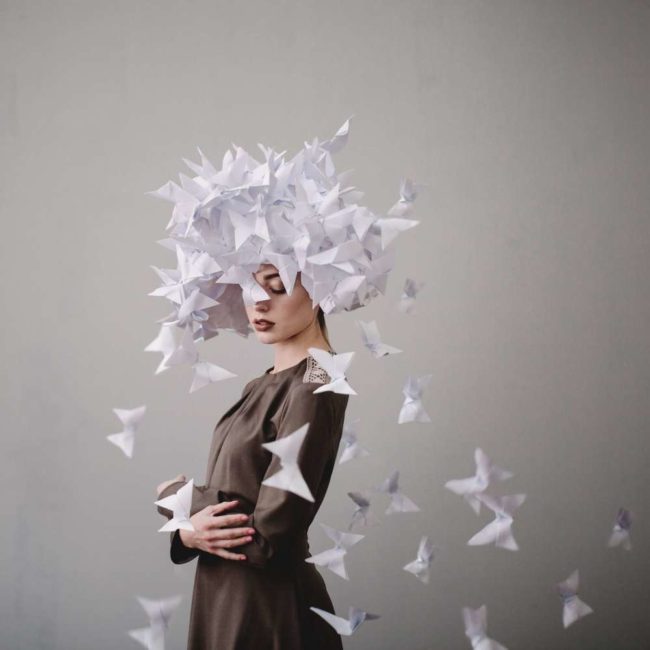
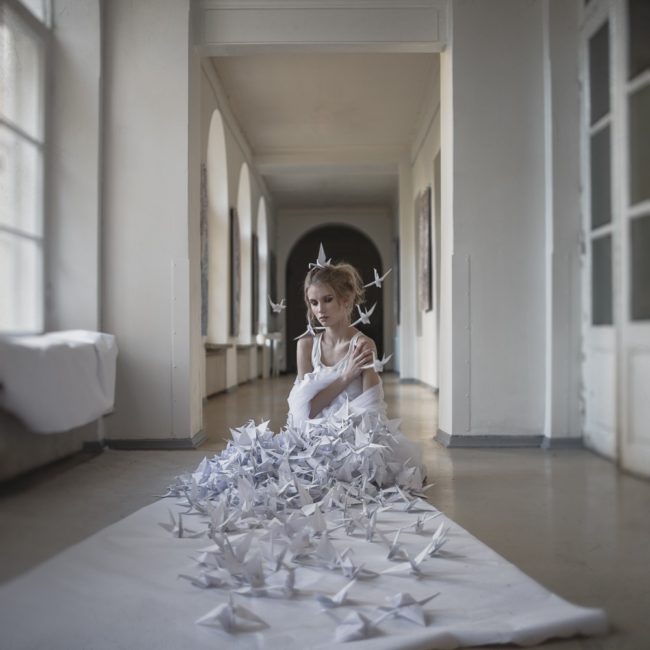
Photography turned out to be a way of discovering my true-self and expressing it. My works are a reflection of this discovery process and I hope that they can help others who are on the same journey as me. In metaphorical ways I try to show and share processes that are going on in many people’s minds: dealing with negative self-talk, being overwhelmed by all kinds of emotions, finding that activity that puts you in the state of flow, when time ceases to exist.

My photography is influenced by classical fine art, surrealism, as well as fantasy and science fiction books. The instruments of surrealism help me show that the scene is only partially real and that most of it is going on in the character’s mind. My works are carefully composed and many of them are leaning towards minimalism. This is my way of expressing that controlling your mind and creating space is crucial for discovering who you are and who you are not.


To see more of this project, click here.

To purchase prints, click here

APE contributor Suzanne Sease currently works as a consultant for photographers and illustrators around the world. She has been involved in the photography and illustration industry since the mid 80s.  After establishing the art buying department at The Martin Agency, then working for Kaplan-Thaler, Capital One, Best Buy and numerous smaller agencies and companies, she decided to be a consultant in 1999. She has a new Twitter feed with helpful marketing information because she believes that marketing should be driven by brand and not by specialty.  Follow her at @SuzanneSeaseInstagram

Dasha Pears is an award-winning Russian conceptual photographer, currently based in Helsinki, Finland. Dasha’s unique style is dreamlike and whimsical. Her works tell stories that combine real life and surrealism, making the viewer stop and think.

She started her photographic path in 2011, after reaching burnout in a marketing communications career. Having tried many types of photography, Dasha found herself in conceptual and fine art sphere. Since then her images have been exhibited in Russia, France, Poland, Austria and Finland. Her work was also named among the winners of Best of Russia’15, had an honorable mention during Trierenberg Super Circuit 2017 and 2018 photography contests in Linz, Austria, and won a bronze medal during Prix de la Photographie Paris, 2018. Dasha’s photographs are used worldwide by companies like Trevillion, ArcAngel, plainpicture and Millennium Images, and can be found on covers of books published in Europe, the United States and South America.

In 2016 Dasha started sharing her experience of organizing conceptual photography shoots and producing surrealist artworks in the form of creative photography workshops. Since then she has held over 15 events in Finland and abroad.

This website is for Dasha’s fine art photography. Follow on Instagram. For commercial portfolio please check www.dashapears.com.


The Daily Edit – The Fringe Podcast: Shaughn and John


The Fringe

Photographers: Shaughn and John

Heidi: Why a podcast? How did this come about?
Shaughn and John: As a photo team we’ve realized that working together in the same physical space helps us to make the most of the days we aren’t on set shooting.  Although we both live in the LA area there is about 50 miles separating us, which means at least 2 hours of driving per day.  Like a lot of people these days the way we cope with the long drive is by listening to an insane amount of podcasts.  Whether it be true crime, investigative, daily news or interview style, we love being absorbed in stories while we commute.  What began as a fun way of keeping ourselves occupied evolved into a conversation about what a Shaughn and John podcast would look like.  We agreed that the best idea was to create a podcast that matched the style and approach of our personal documentary projects.  Whether it is through photos, video and now audio we love telling the stories of fringe groups and subcultures.

Which podcasts do you both listen to?
We each have our favorite genres. Shaughn leans towards true crime (Sword and Scale, Casefile, True Crime All the Time) and I (John) lean towards investigative podcasts (The Daily, The Dropout, The Dream).  But there is definitely a ton of overlap.  Some of our recent shared favorites include: Uncover, Bomber, Dirty John, Heaven’s Gate, S-Town, and Up and Vanished.

What is the criteria for a subculture to make the cut?
There isn’t exactly a criteria but we both constantly have an ear to the ground searching for our next big project.  Subcultures that make you scratch your head and wonder what a day in their life looks like always intrigue us.

How does photography tie into your podcast idea?
Photography pretty much ties into everything we do.  When there is a good story to tell with audio, there is usually an opportunity to capture great photos as well.  One advantage of being a team is that we are able to capture stills and audio at the same time.  Also, we’ve noticed that when most people tune in to a podcast they often become interested in knowing what the characters of the story look like. By capturing both the audio and visual aspect of the story we feel we can provide an even richer picture for the audience.

What’s the line up for the first season?

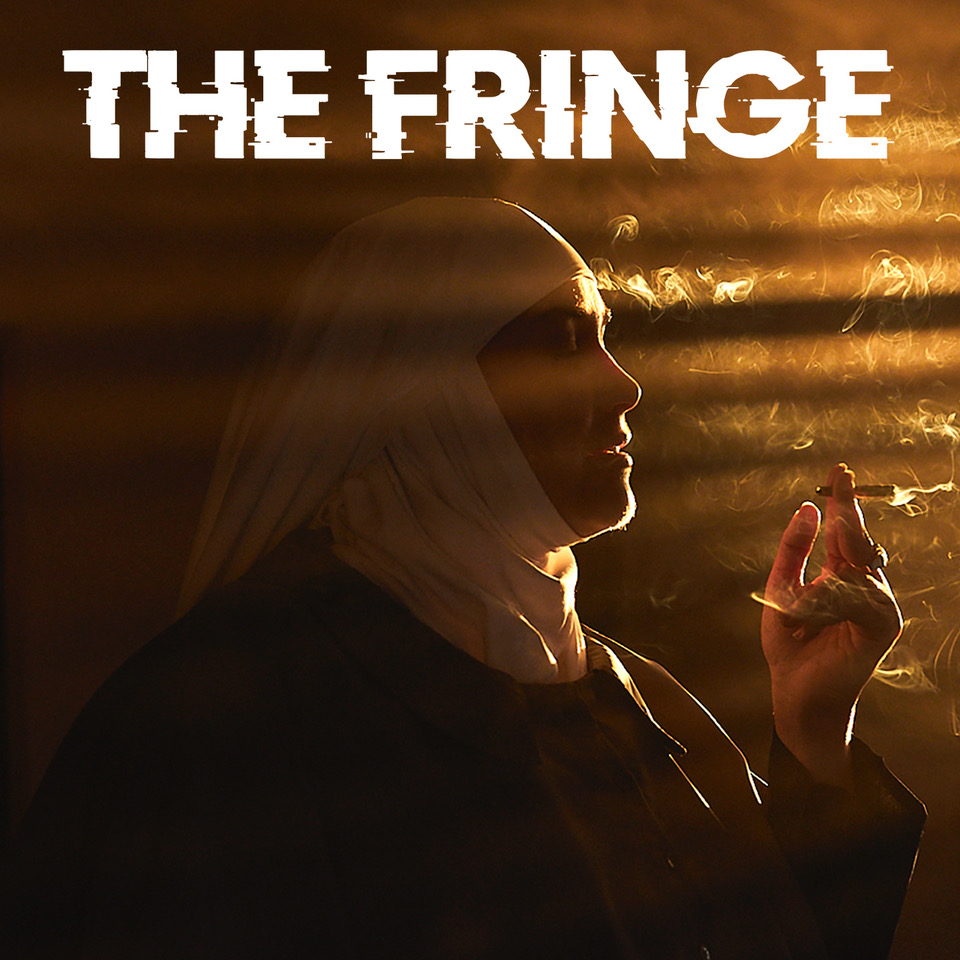
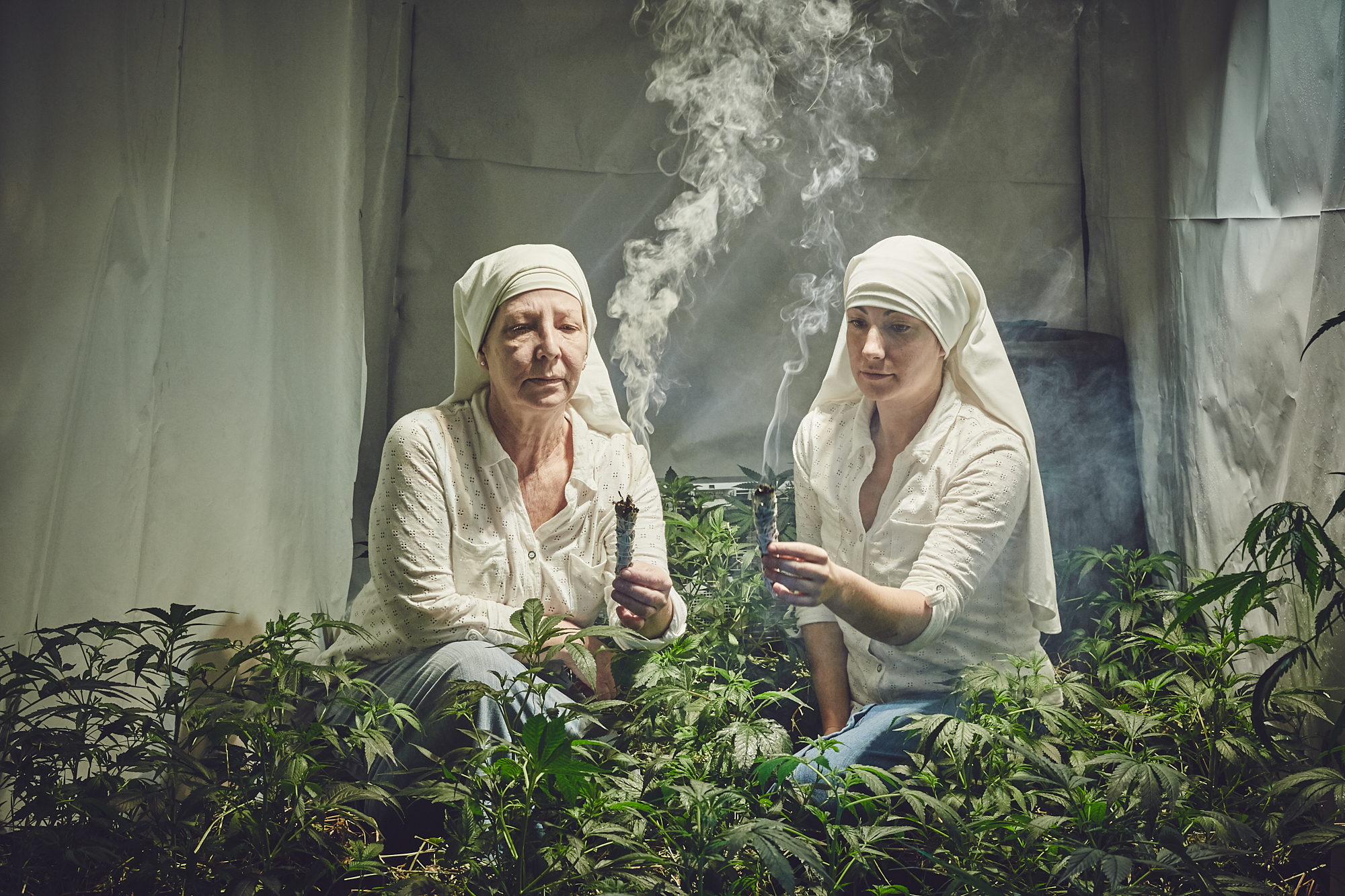
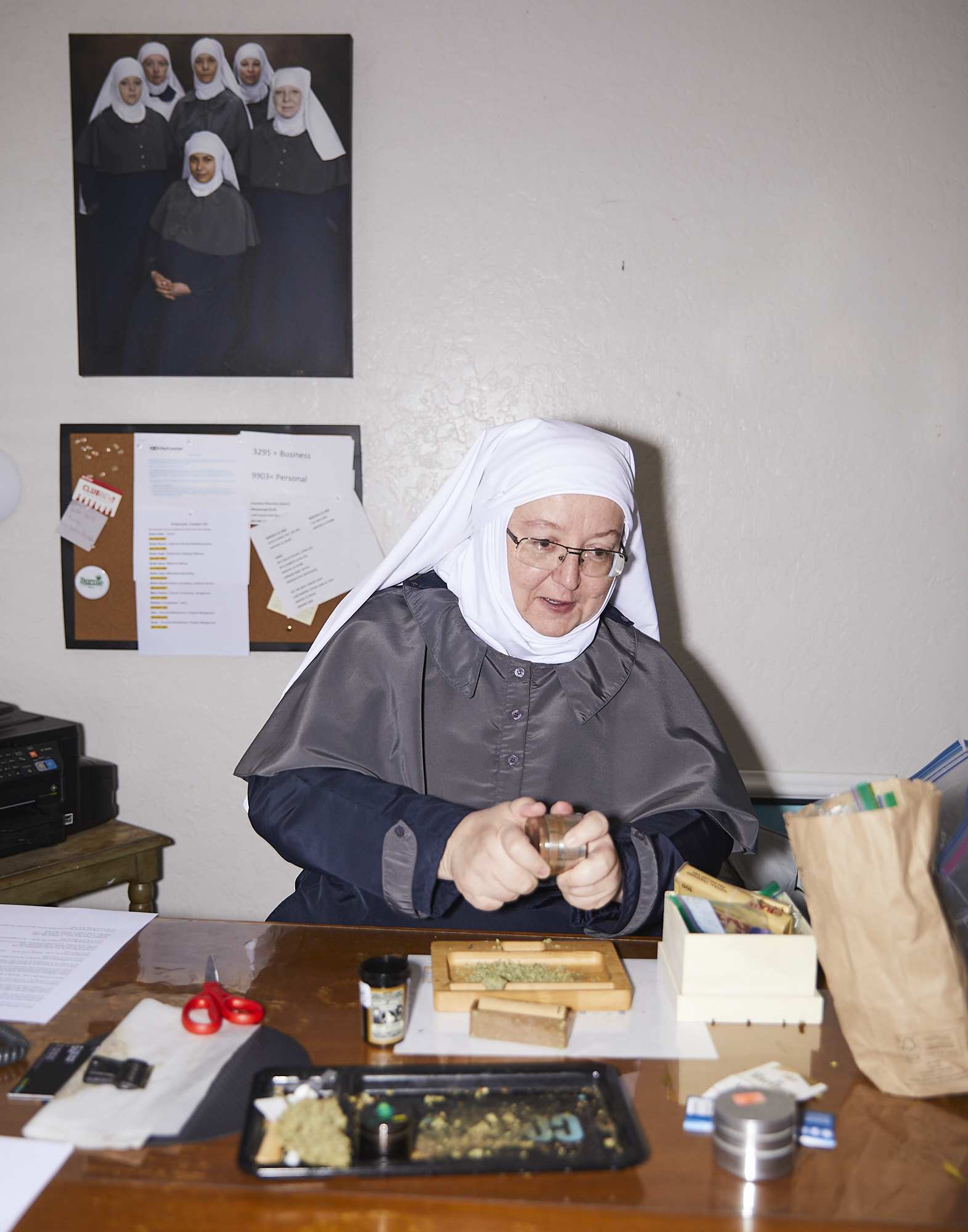
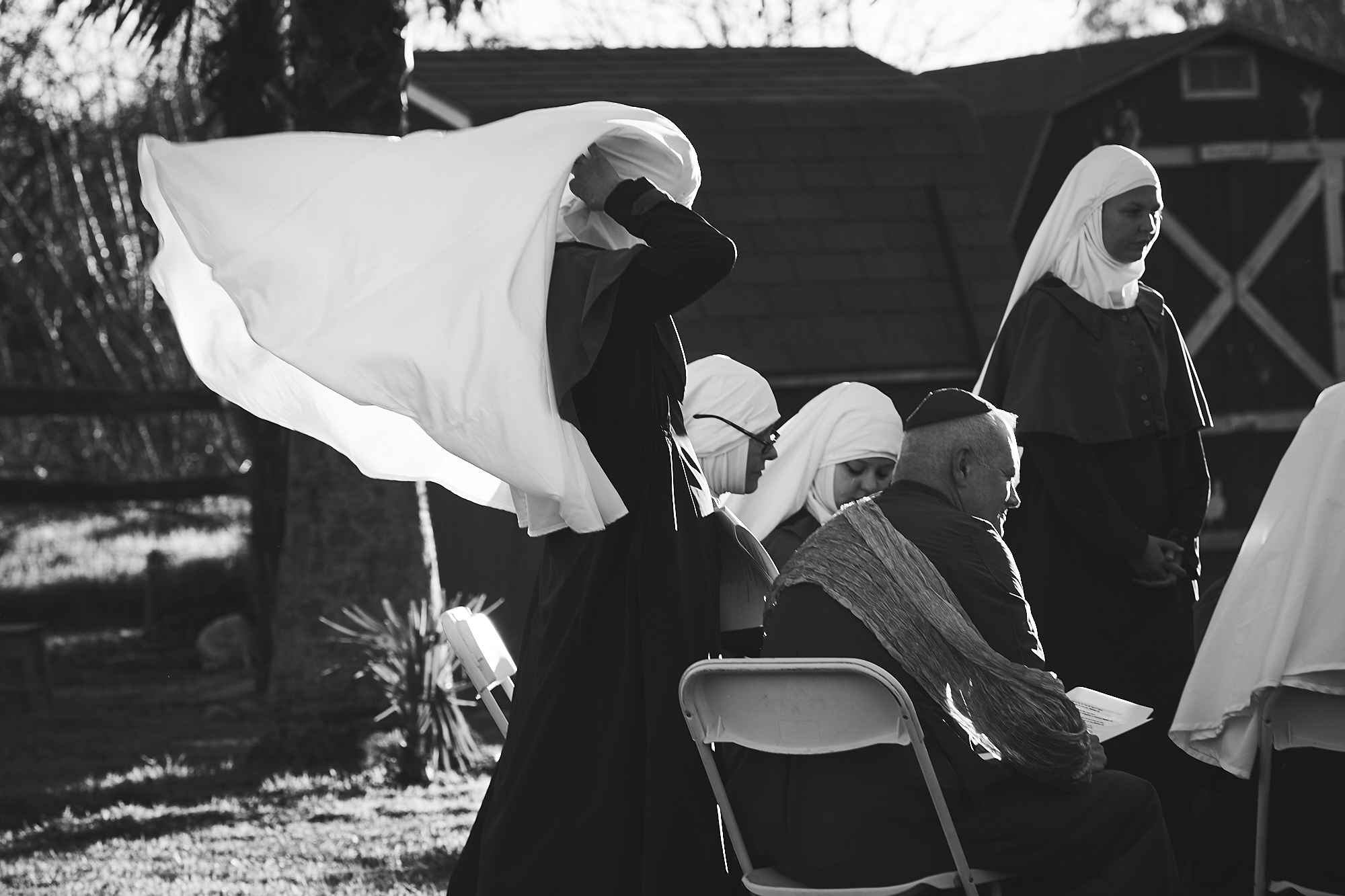
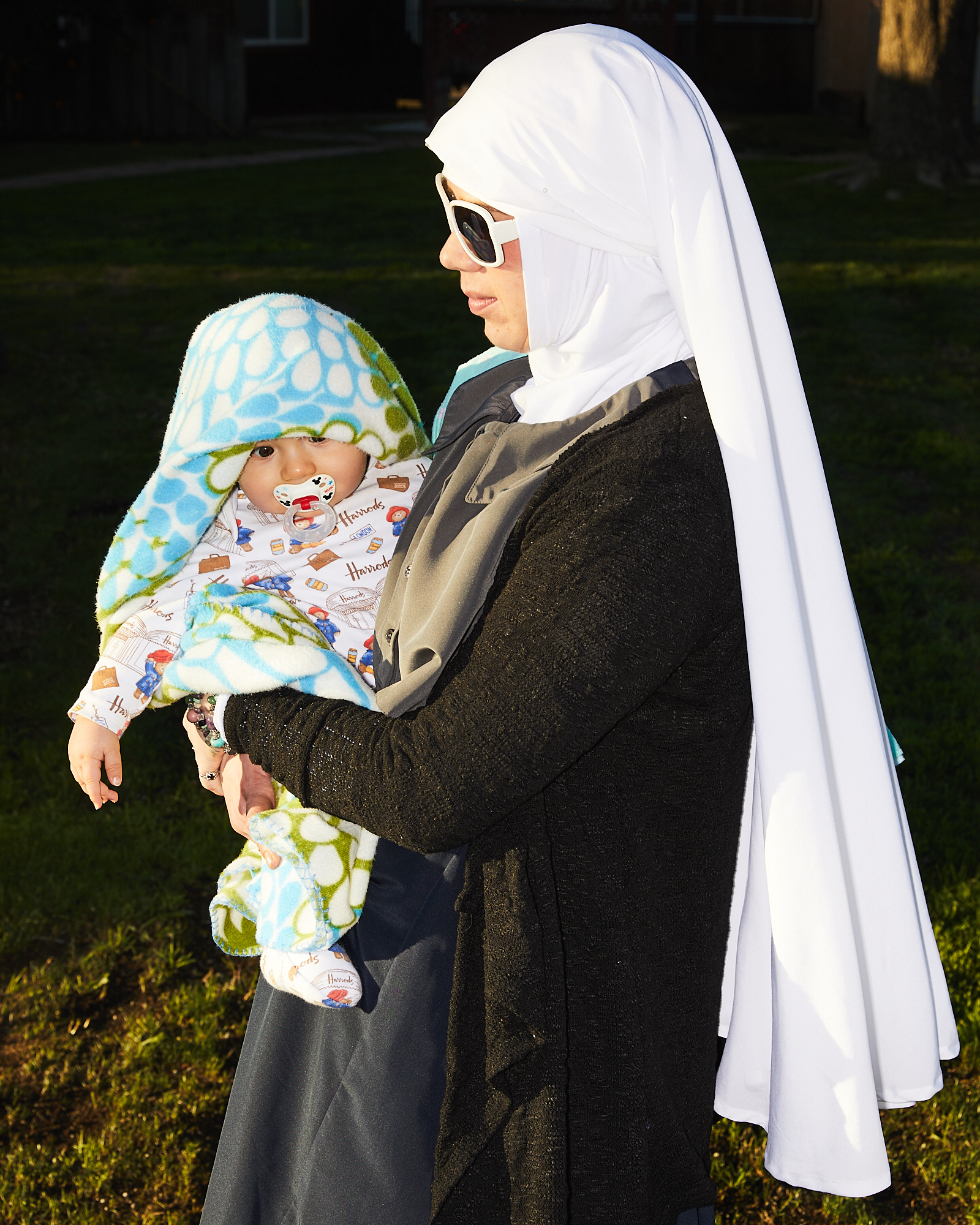
In Season One we are diving into the story of the Sisters of the Valley, a group of self ordained nuns living in Central California who grow and smoke weed!  We discovered the sisters back in 2016 and the photos we captured went viral in a way we had never experienced before.  We kept in touch with the sisters and over time their operation has continued to grow.  Their CBD business now grosses over a million dollars a year and they have since expanded into Canada, Mexico, New Zealand and the UK.  The sister’s have gotten a ton of press in the last few years but what we hope to do with the podcast is to use the long form medium to tell the deeper story of who these women are.

How is the approach to crafting a podcast different or similar to creating images?
The process is actually pretty similar.  Regardless of what tools we are using we keep our focus on discovering what the true heart of the story is and working to capture it powerfully and authentically.

Where do you hope this goes in the next few years?
Over the next few years we plan to continue producing the podcast with each season focusing on a new fringe group.  Our ideas for future seasons include flat earthers, ghost hunters, and more.

Do you listen differently now and how has that affected your photography?
We both hear the world a bit differently since we began the podcast.  In the same way that we are constantly searching for visual elements that will make for good photographs, we now bring that level of attention to sound and conversations.  Whether it’s the crackling of a bon fire, a heartfelt personal story, or even just the sound of silence, we have a whole new appreciation for audio.

The Daily Promo – Darrin Haddad

Darrin Haddad

Who printed it?
Bestype Imaging

Who designed it?
Joe Haddad

Tell me about the images?
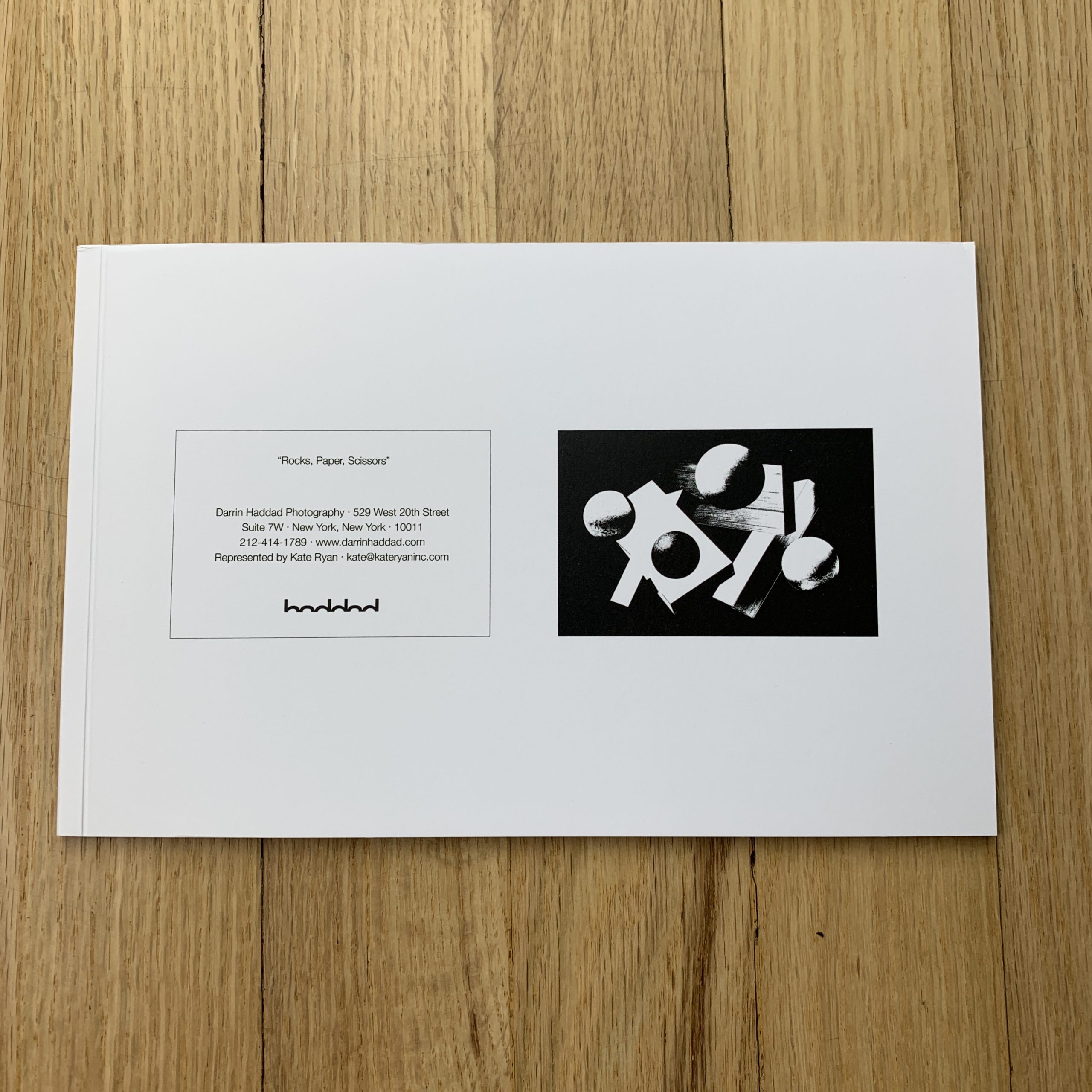
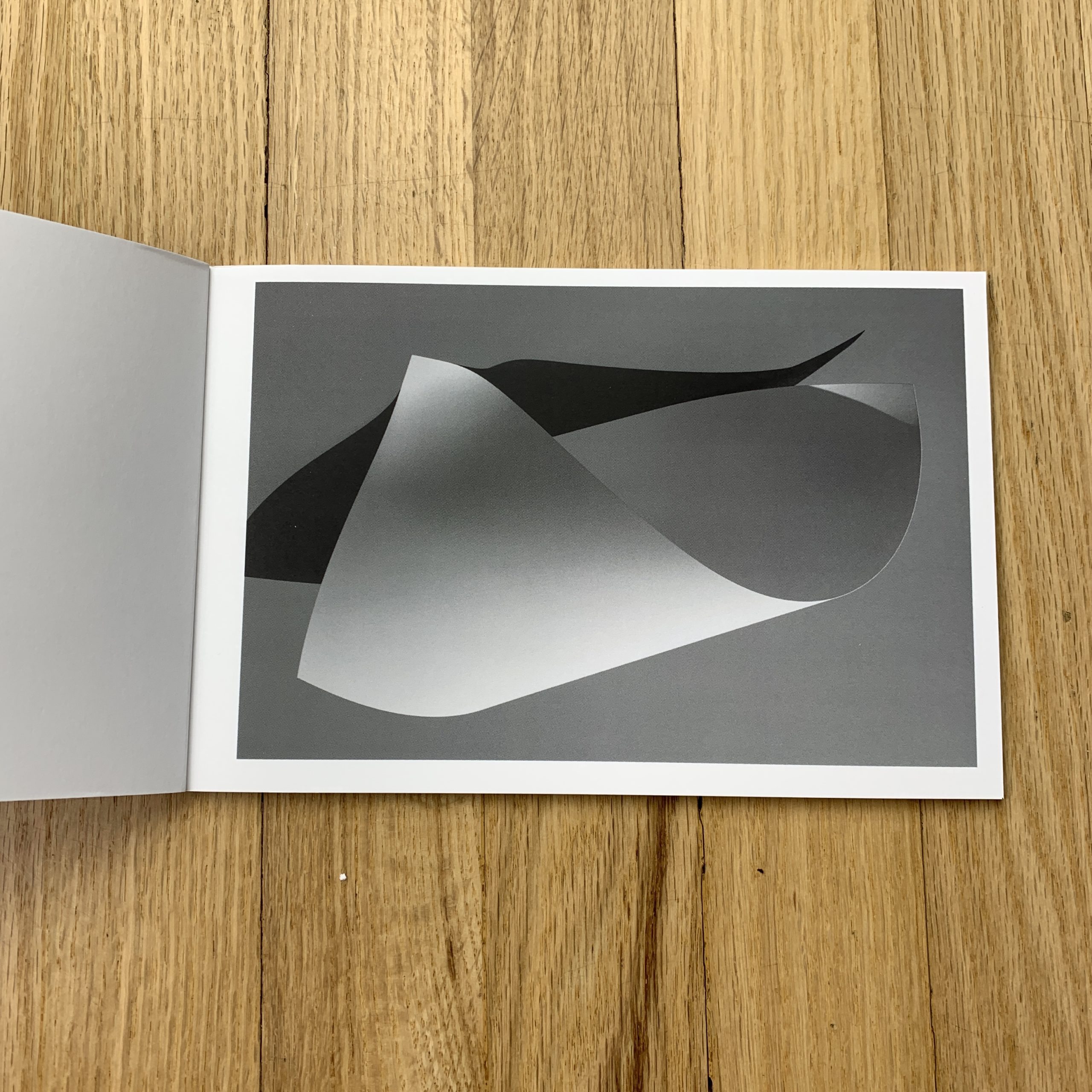
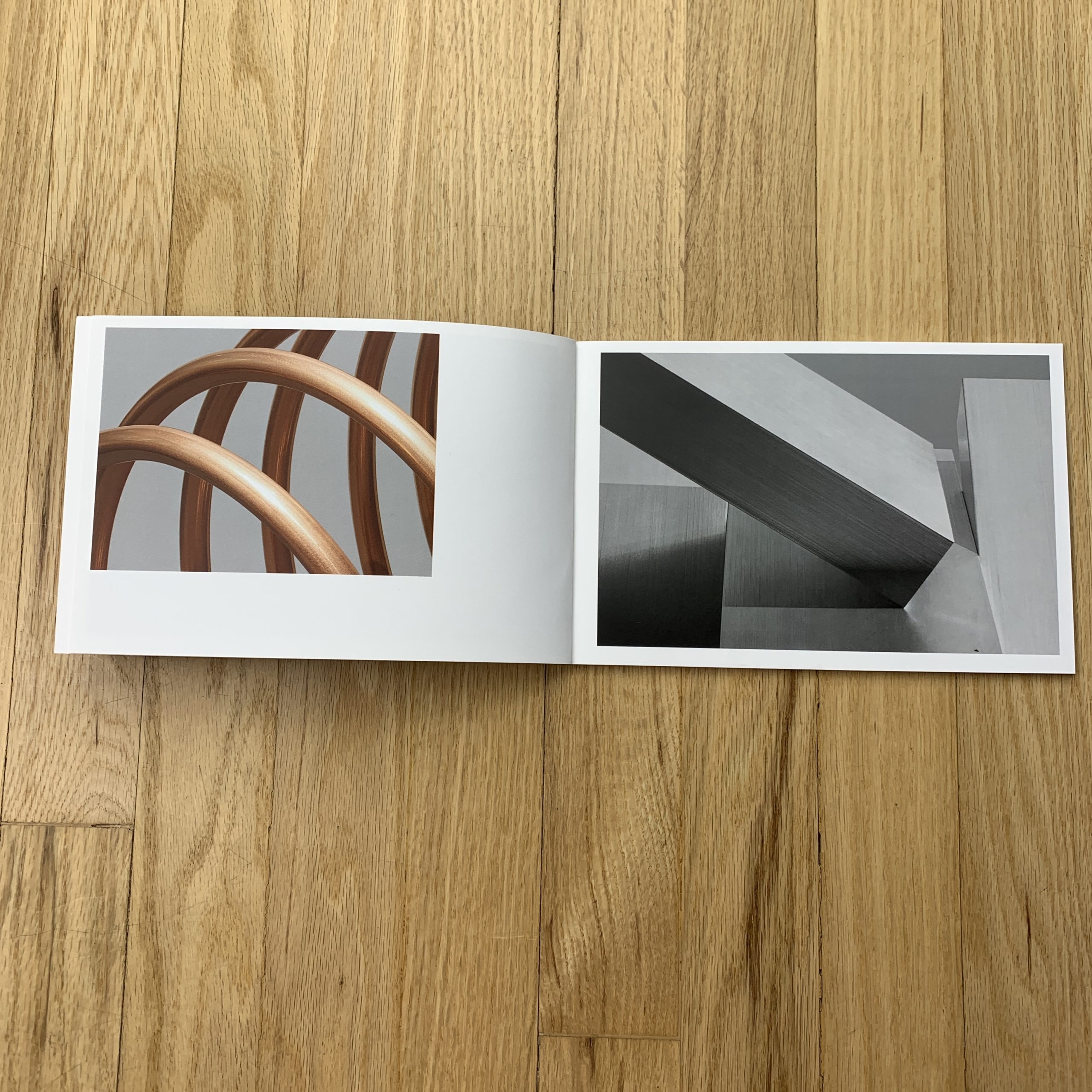
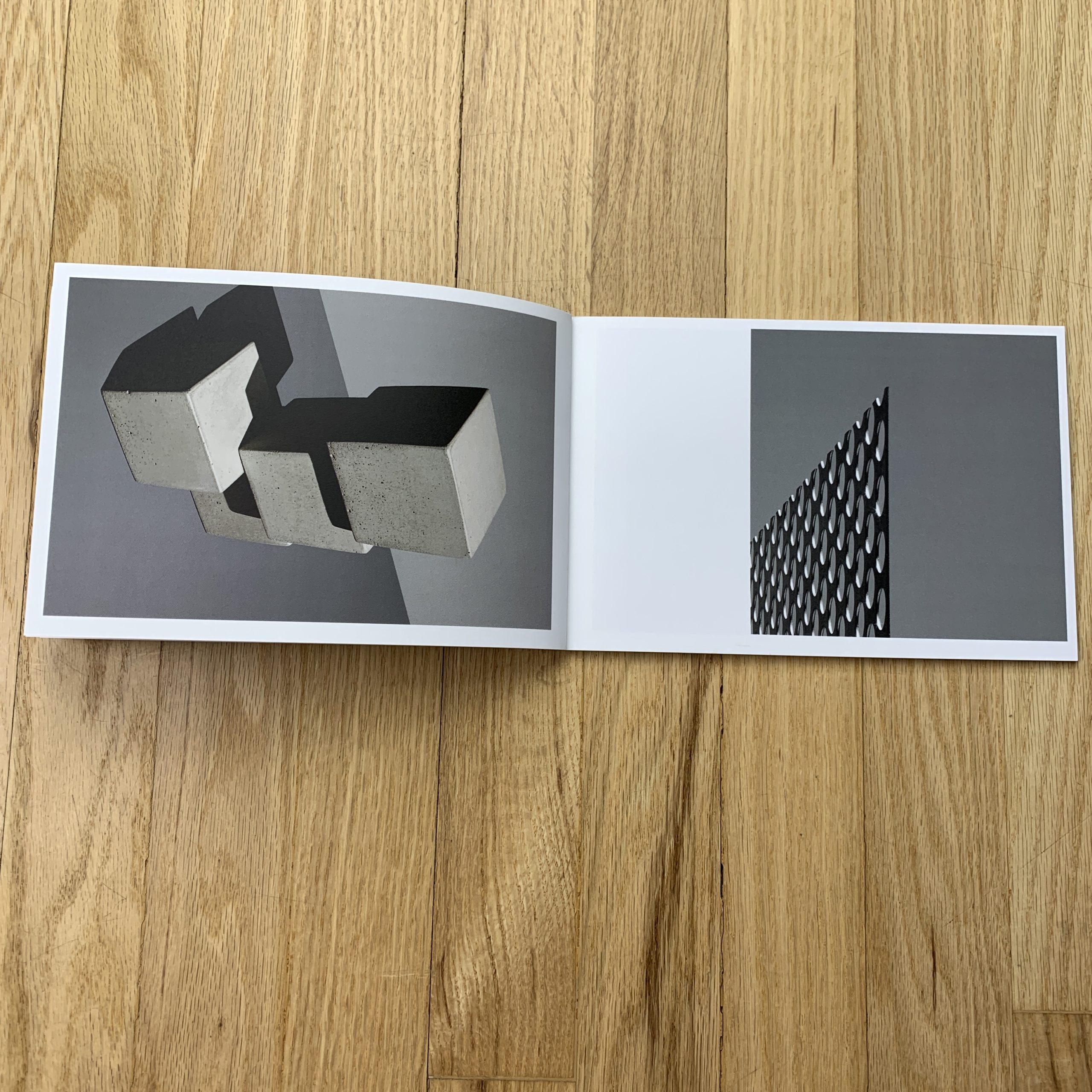
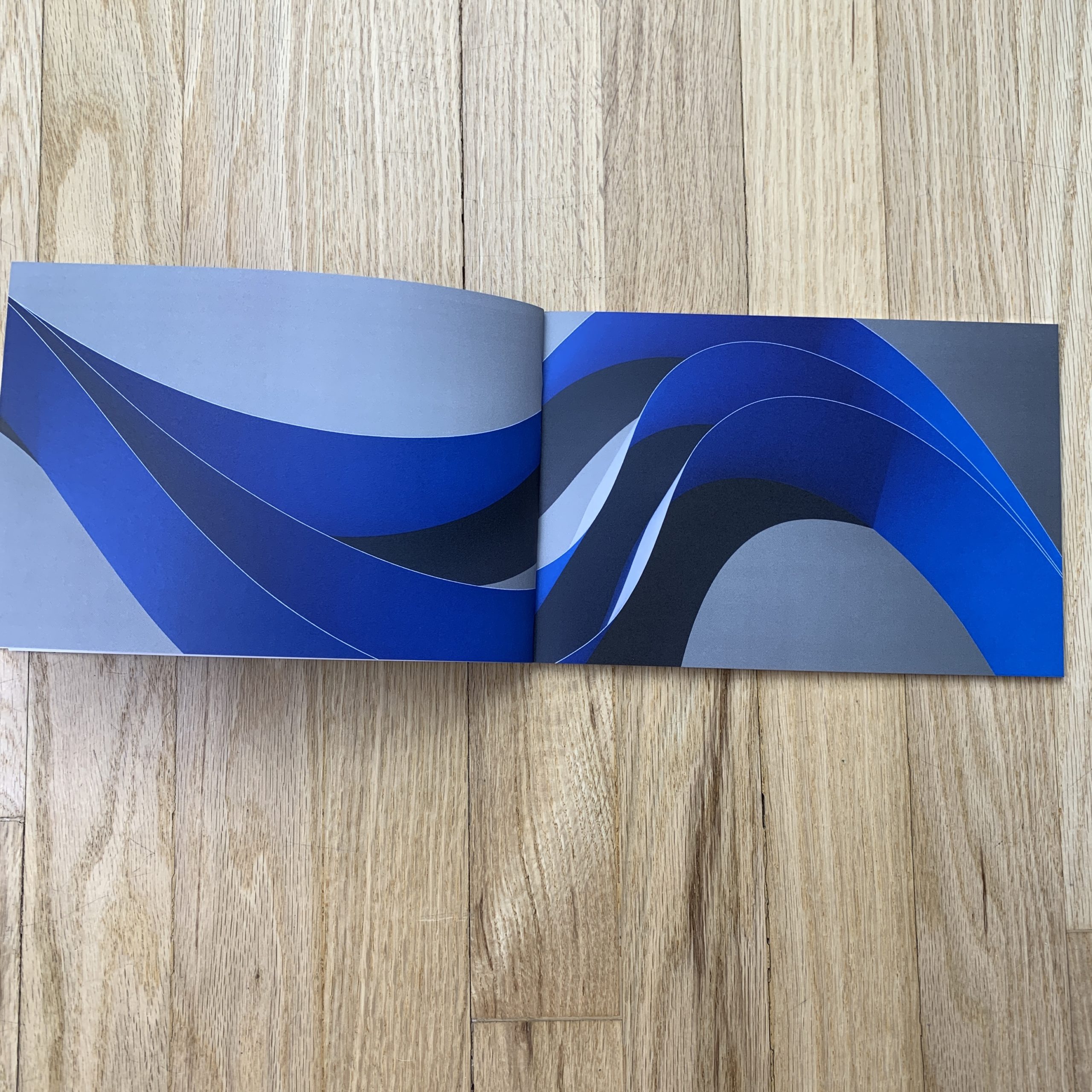
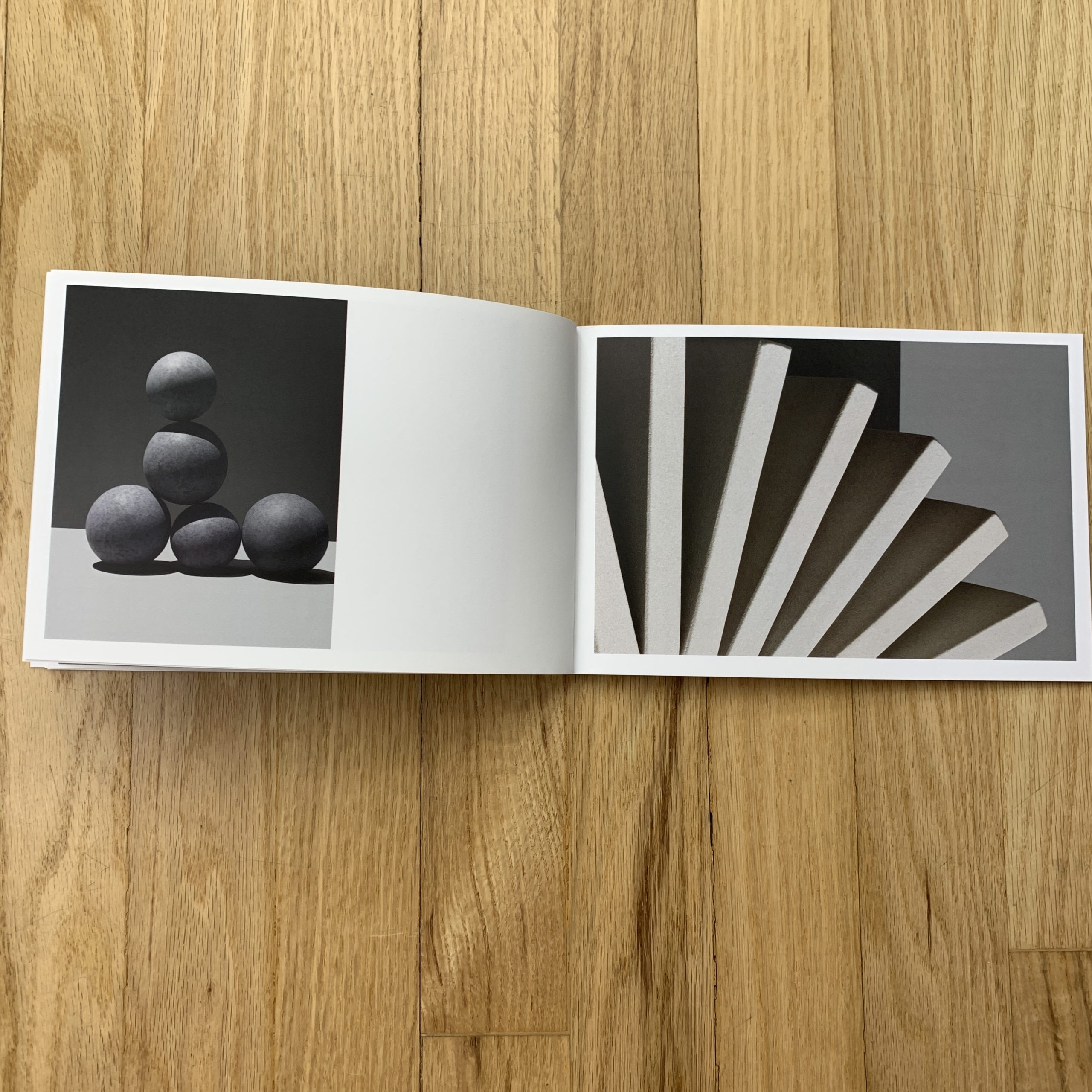
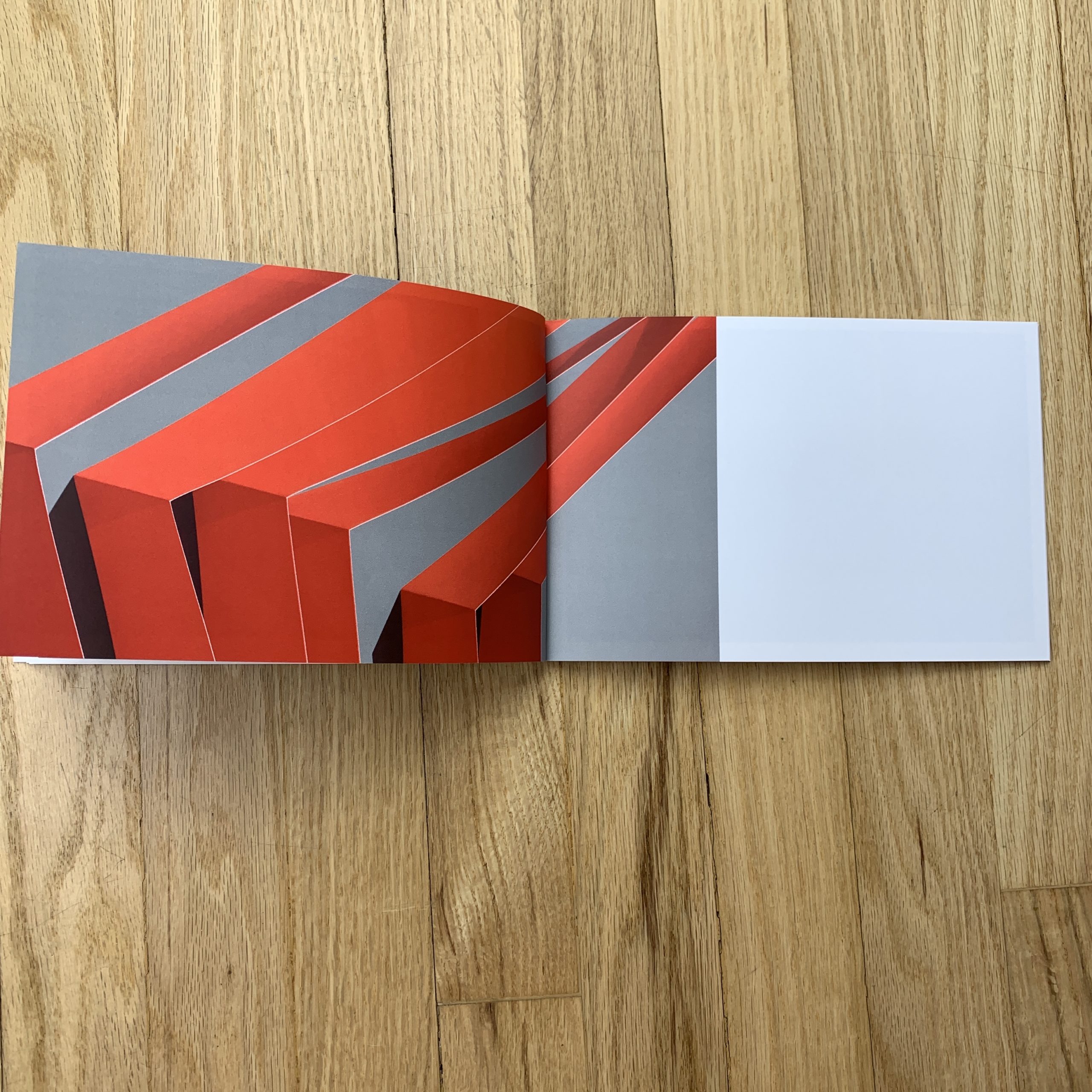
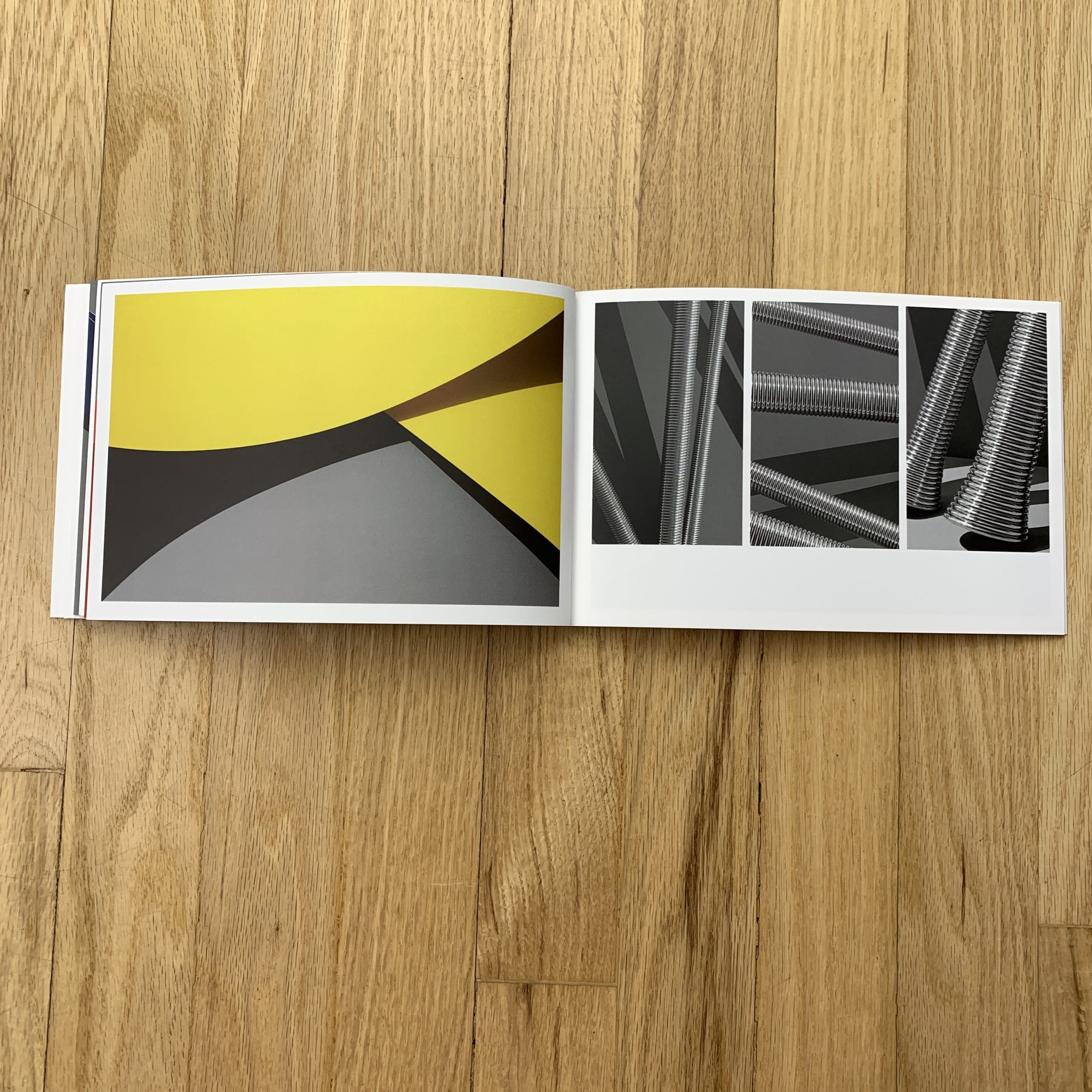
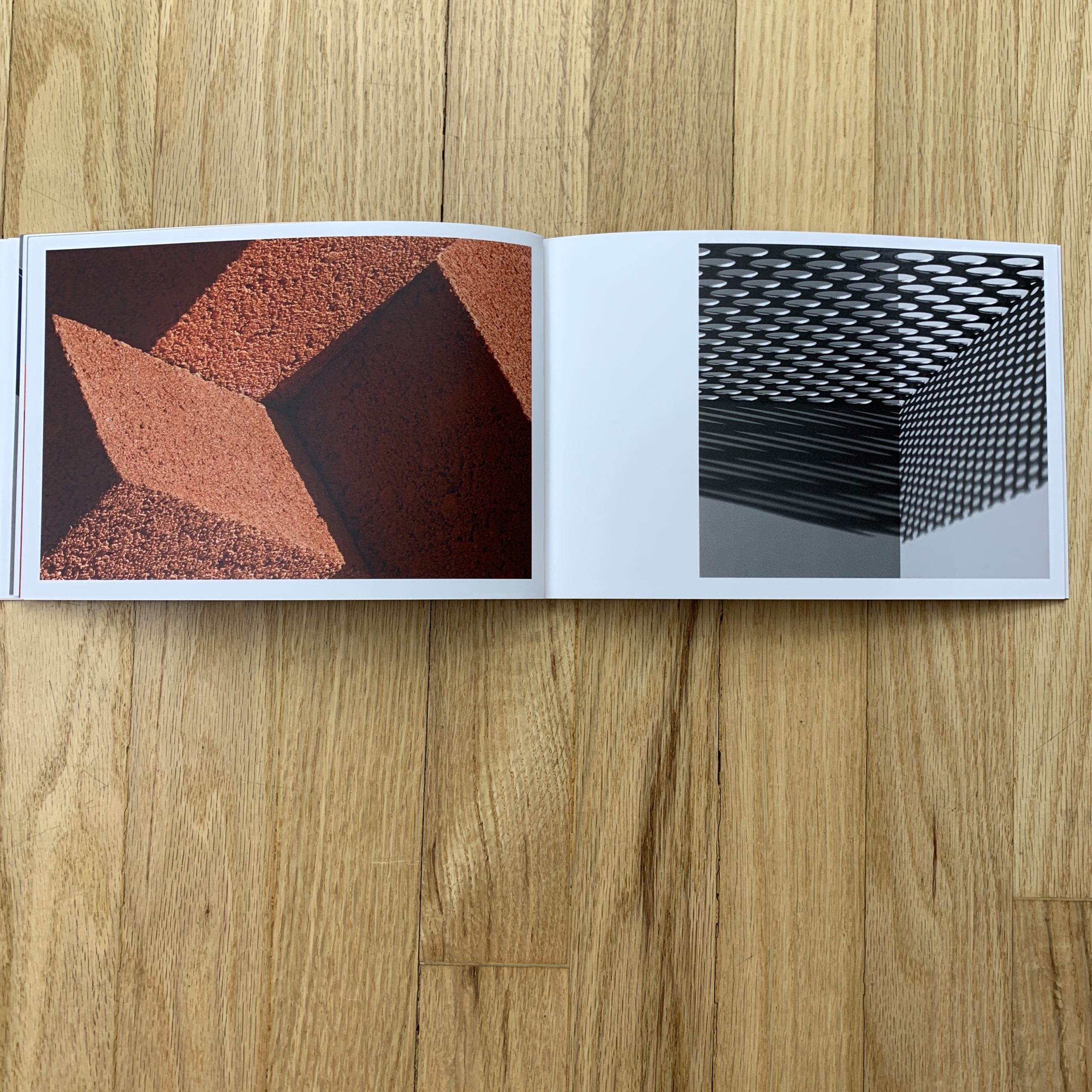
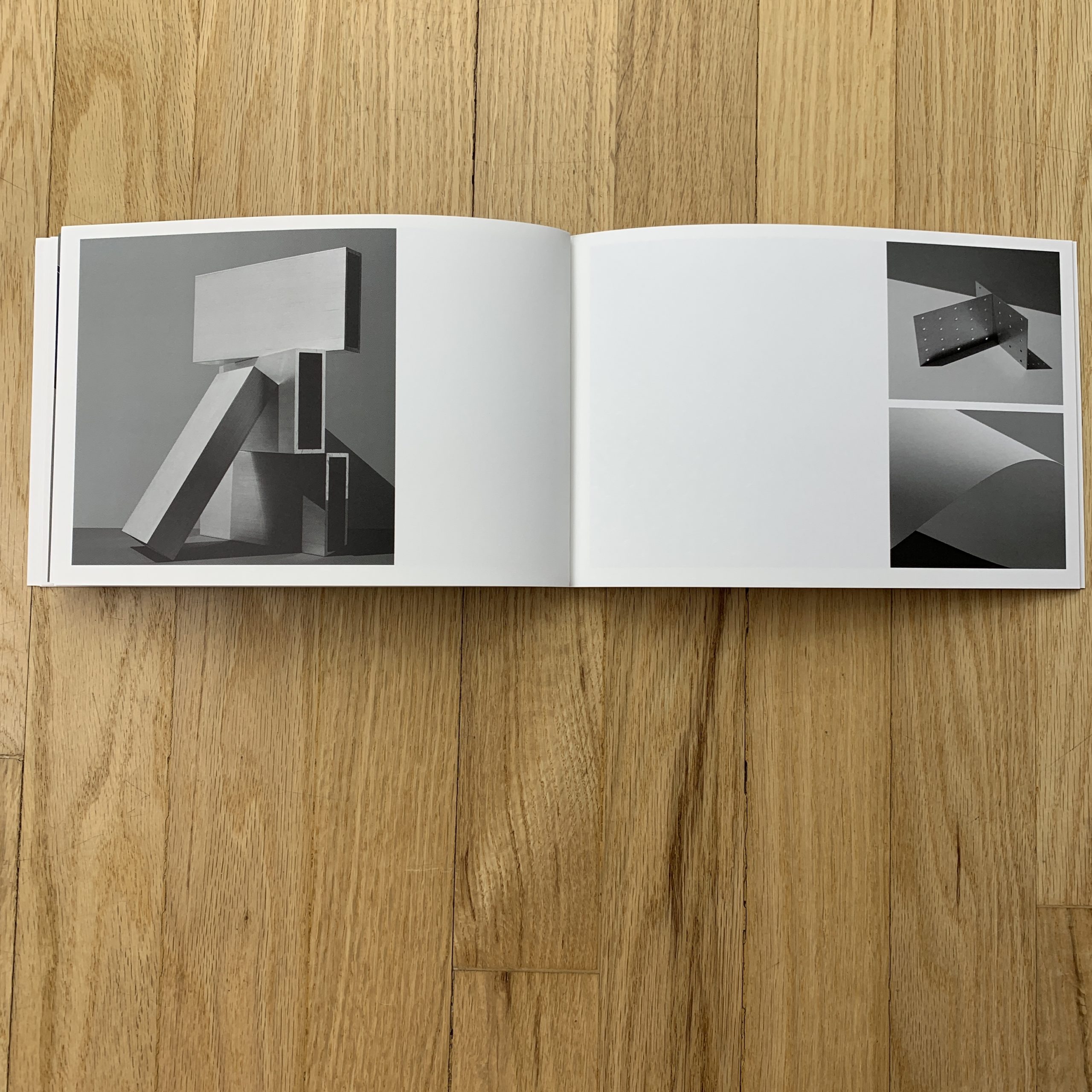
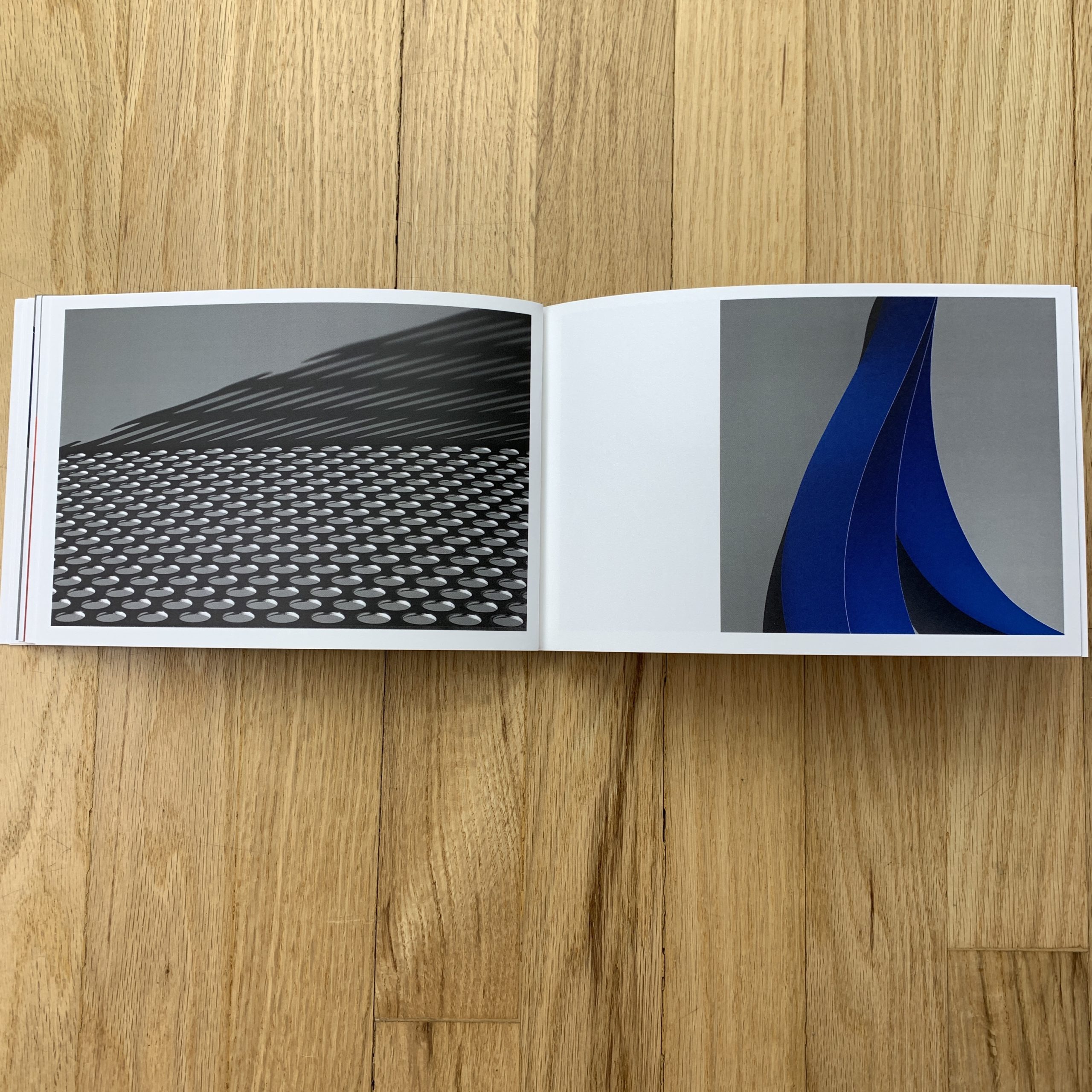
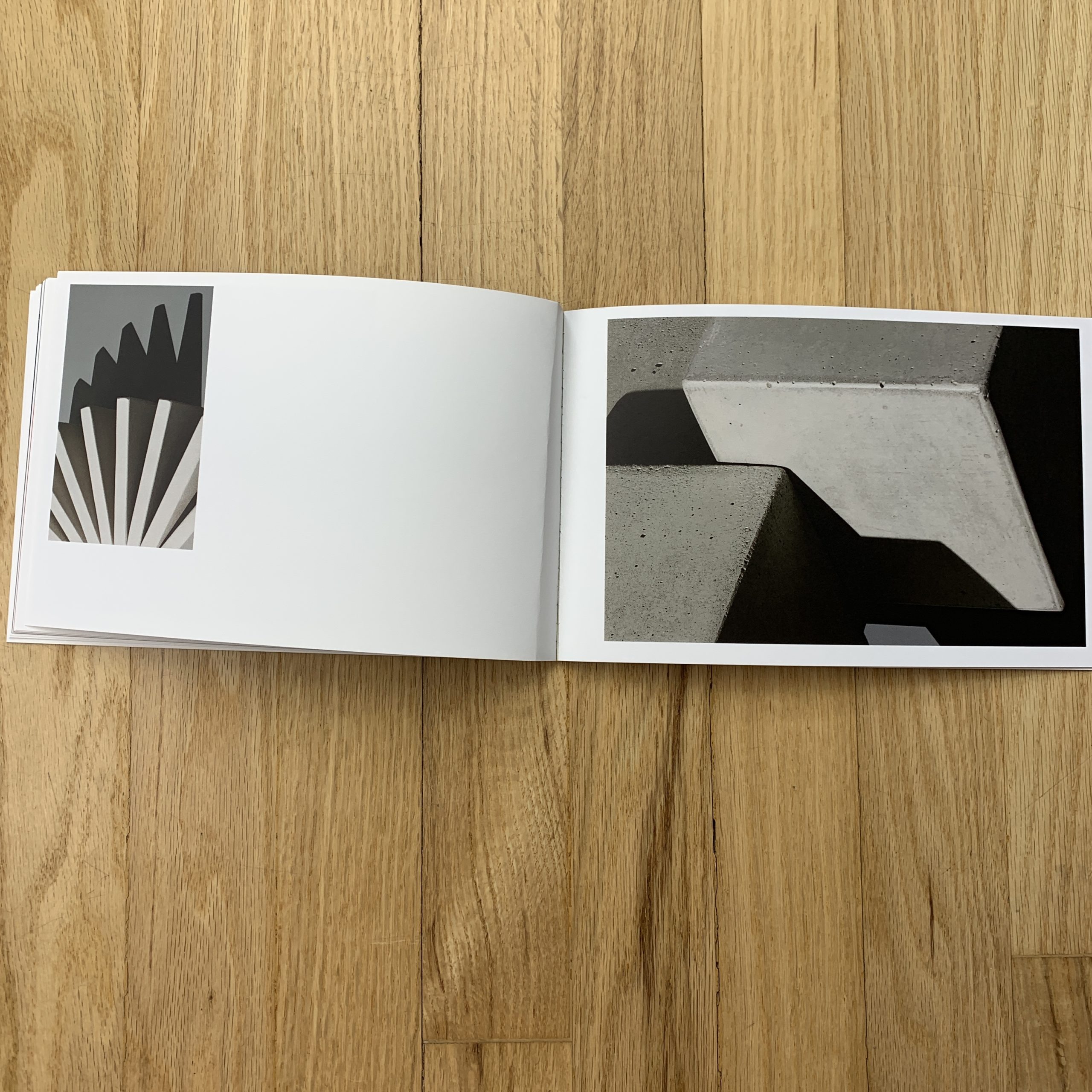
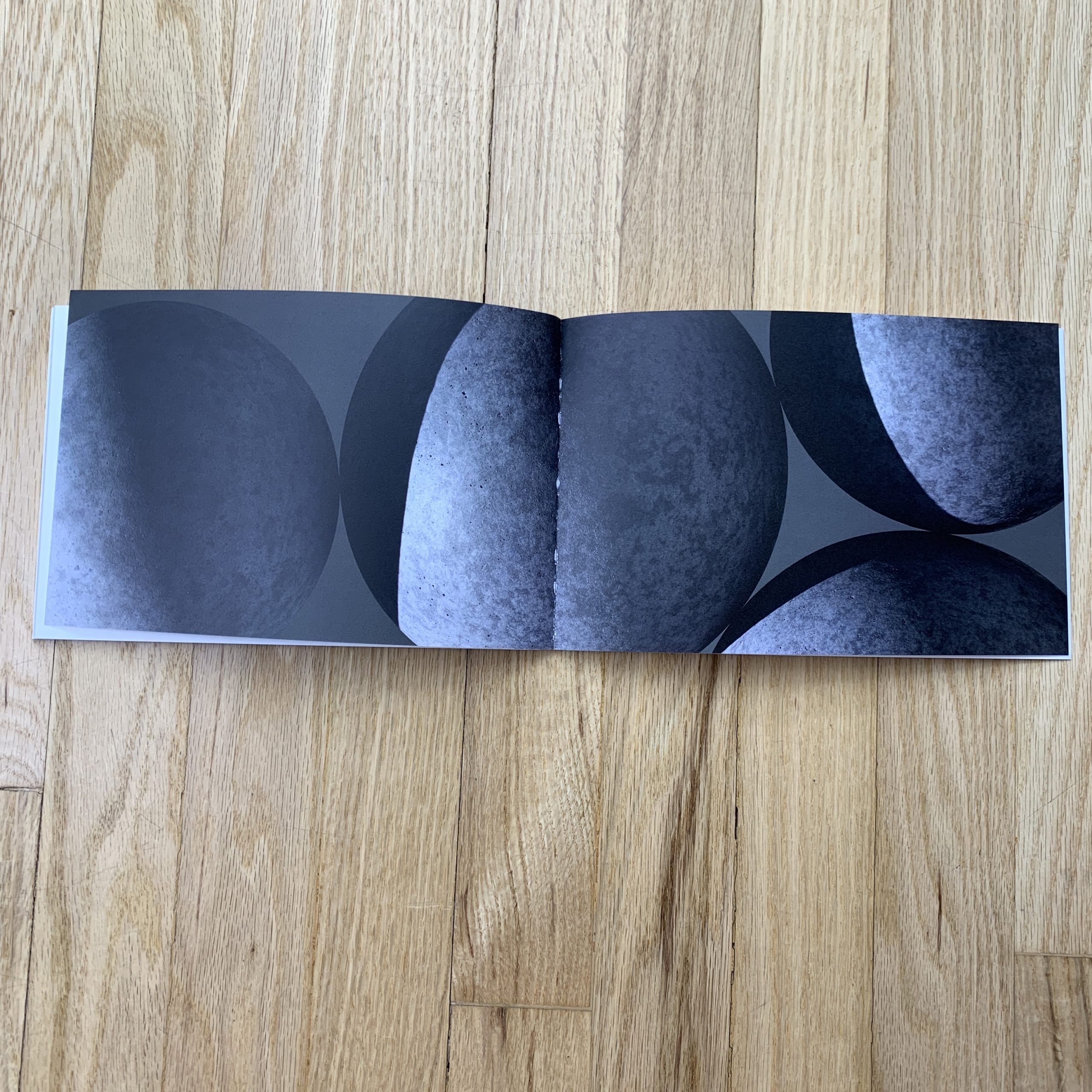
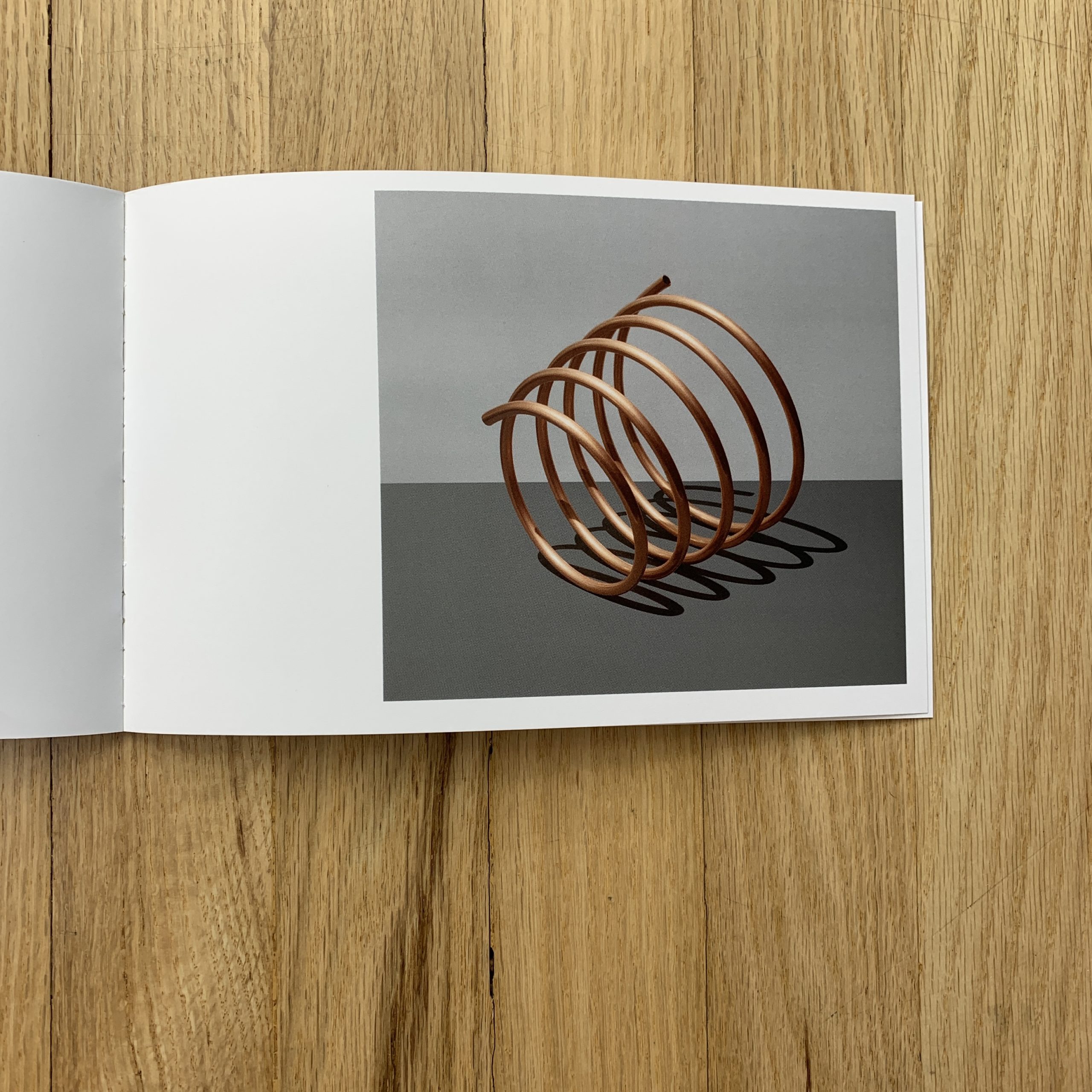
I began this project with the conceptual focus on “Rocks, Paper, Scissors”. The game’s title has an obvious material parallel to stone, paper, and metal, subjects which align with my practice as a still life photographer. I took the material focus as an opportunity to strip back and abstract my usual approach, pushing the combinations of flat and reflective material into extreme geometry. The cyclic nature of the game, however, has another connection. I worked in tandem with my designer on this project, delivering ranges of compositions and angles on each subject as the shoot progressed. He would, in turn, punch in on the subject, further cropping and abstracting each piece of metal or paper until the composition for the book felt completely different from my initial shots. These crops would then inform my new explorations of each composition. In this way we had a back and forth, where each of our practices informs the other.

How many did you make?
500

How many times a year do you send out promos?
This is the first one in a series that I plan on sending out every 6 months.

Do you think printed promos are effective for marketing your work?
Yes. Printed pieces are great way to reach creatives who wouldn’t ordinarily see your work. It’s also an opportunity to showcase an interesting personal project or a long-term collaboration. In the end, any way of getting your images in front of prospective creatives is an opportunity not to be dismissed.

This Week in Photography Books: Alexa Vachon


It’s Passover coming up this weekend.

(Or Easter, depending on your religious affiliation.)

It’s a holy time of year for the Jewish people, as it represents the Israelites escape from Egypt, fleeing slavery. According to the Torah, (or the Old Testament,) the Jews then spent 40 years in the desert before being allowed into the kingdom of Israel.

To Christians, Jesus was killed during Passover, crucified for his beliefs. Then, according to the New Testament, he was resurrected, as Jesus was the son of God.

I know that in Iran, they have a New Year, or renewal celebration in Spring as well.

Maybe it’s called Narwaz?

(Pause…rare Google break…)

Nowruz. (So close.)

Just like pagan mid-winter celebrations became Christmas, and Catholic churches were built atop Aztec religious sites, ancient belief structures are embedded within later ones, and some human behaviors have remained constant.

Chief among them: when groups of people are threatened with death, they flee.

Whether Jews from the Pharaoh, (or the Nazis thousands of years later,) or Syrians and Afghans in the 21st Century, running for your life is nothing new.

And even countries like ours, famed for the Statue of Liberty-Ellis-Island ethos, have also turned backs on immigrant groups in the past, be they Chinese, Jewish, or Mexican.

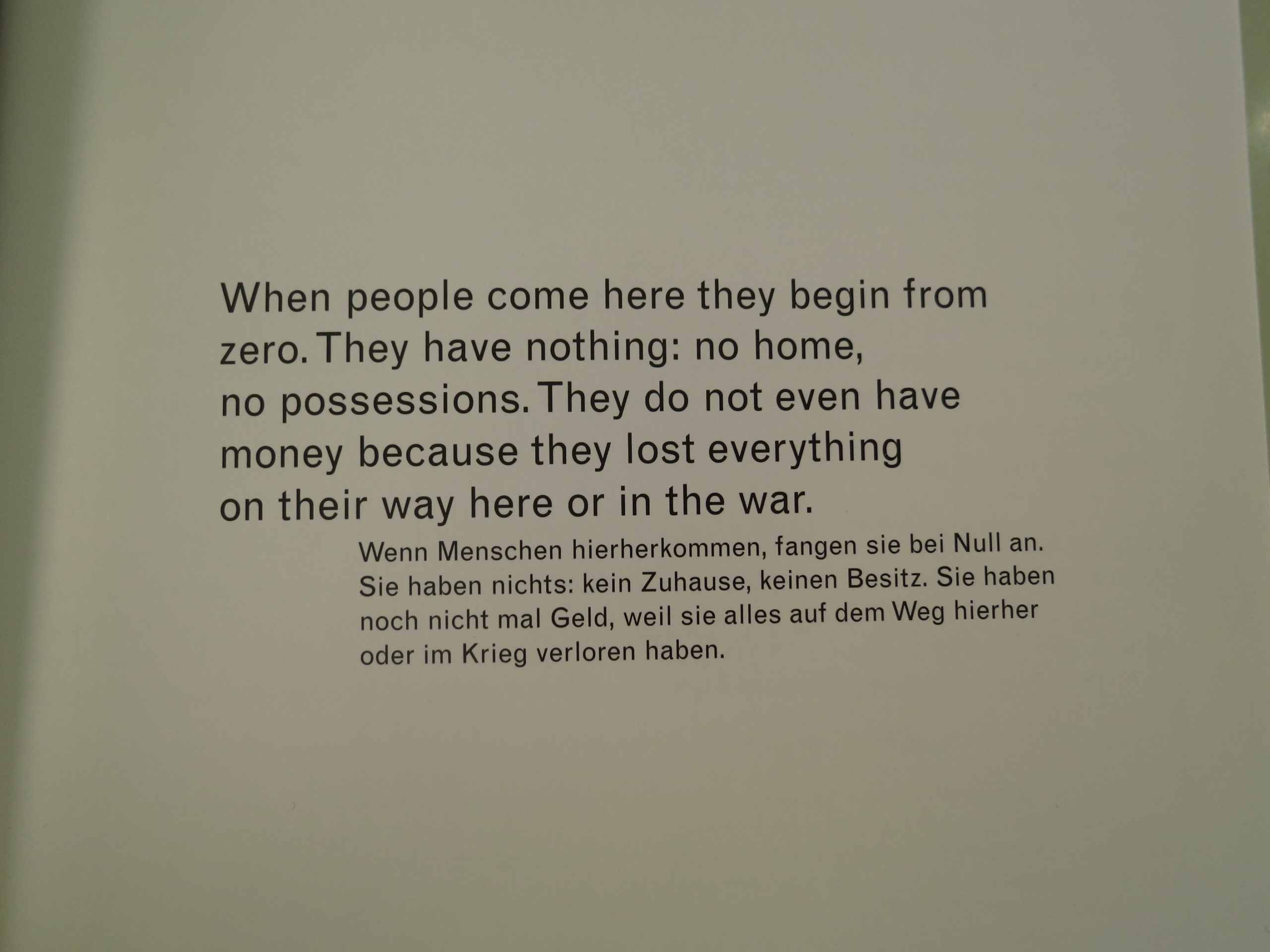
To me, little in life is more evil than demonizing the very people who are running from killers. Whether threatened by criminal gangs, like MS-13 in El Salvador, or political groups like the Taliban or ISIS, refugees choose between certain death if they stay put, or the hope of a better life if they make way successfully to the US, Germany, or Sweden.

That a nationalistic counter-reaction was also launched is no surprise, given what we know of history. That DARK, DARK past, from the 19-teens through the mid-1940’s is a reminder that we must take nativism very seriously.

Propagating positive narratives, and humanizing refugees is a pretty excellent way to spend one’s time, if you believe any of what I wrote above to be true.

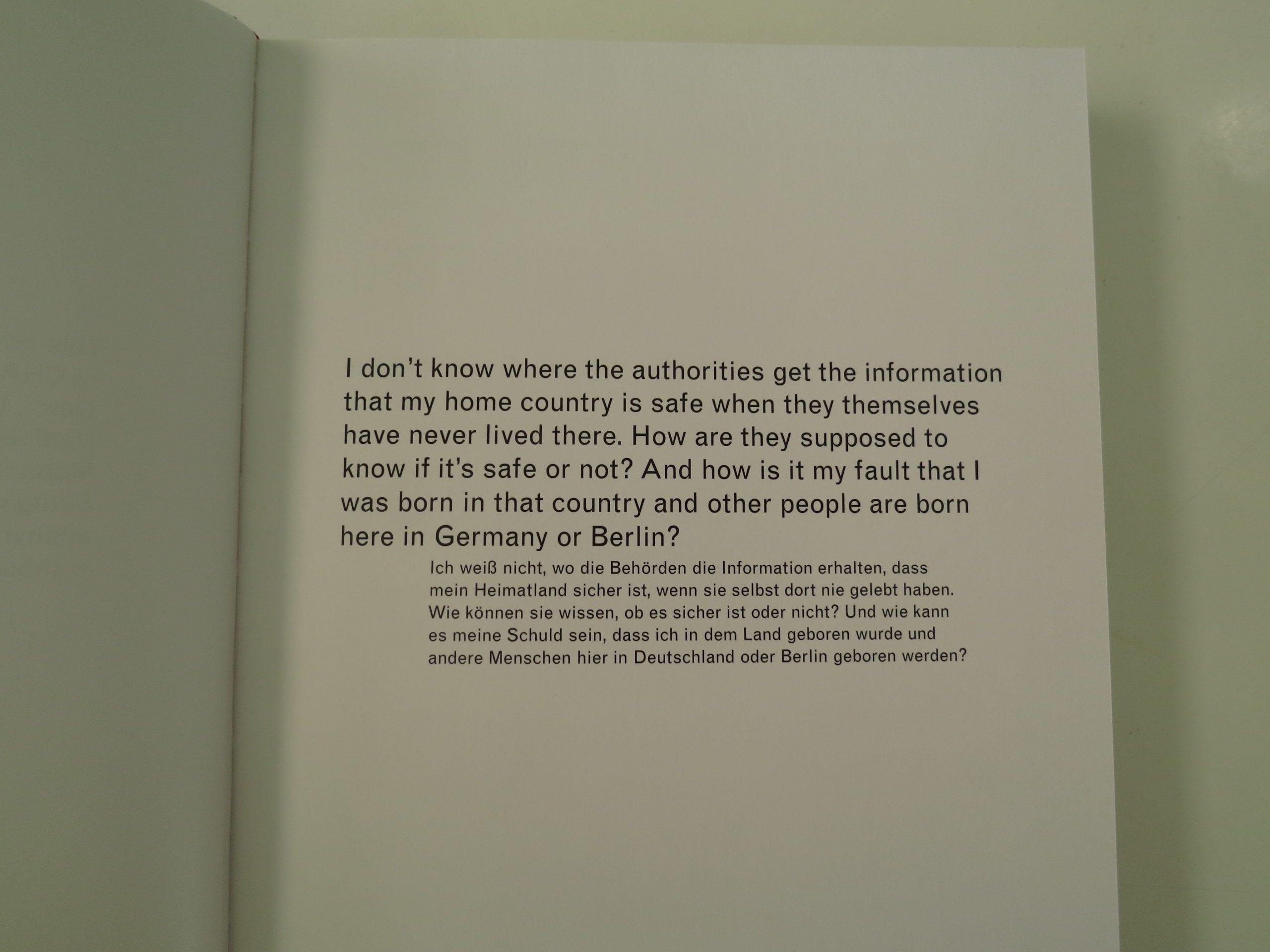
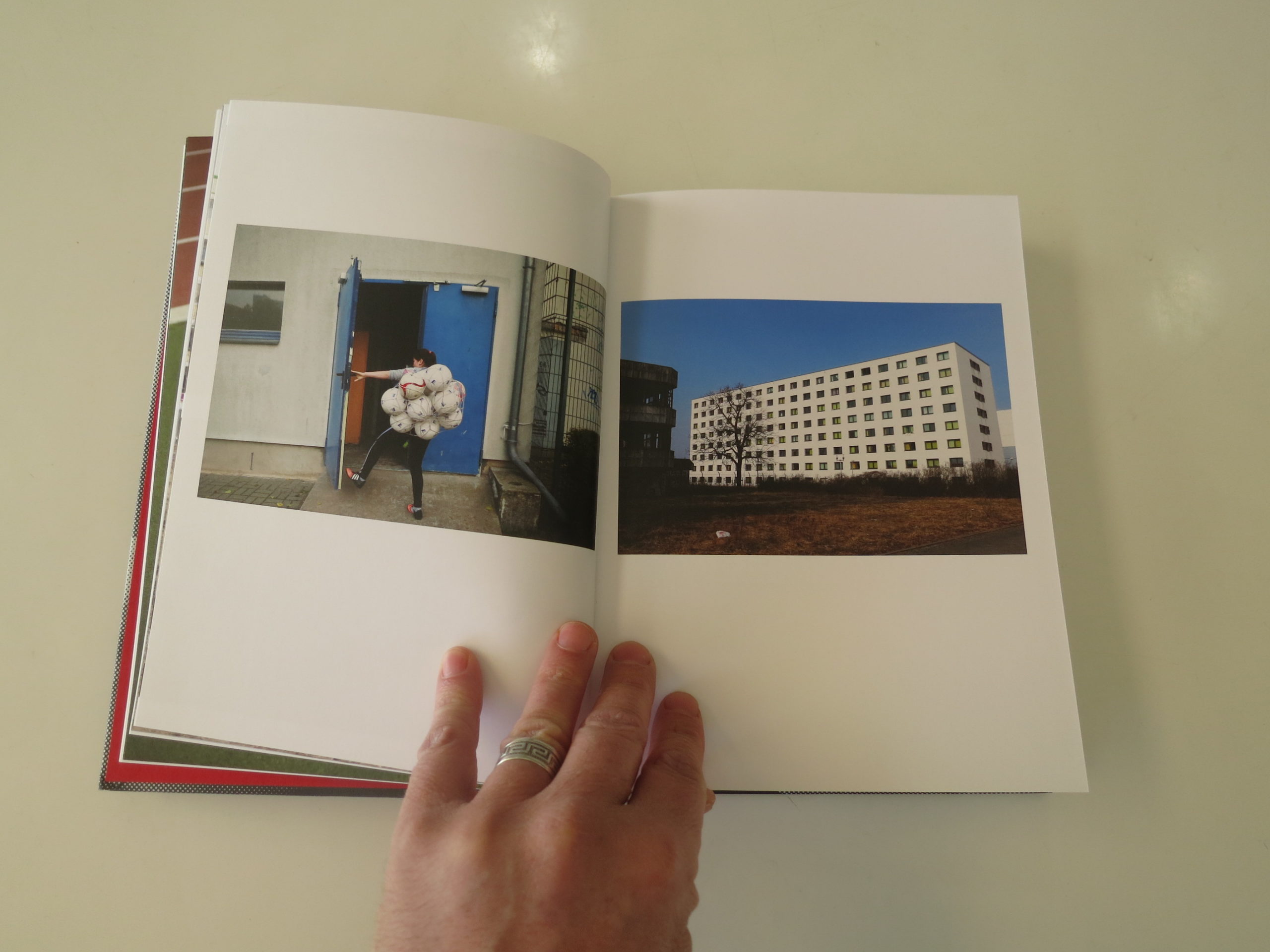
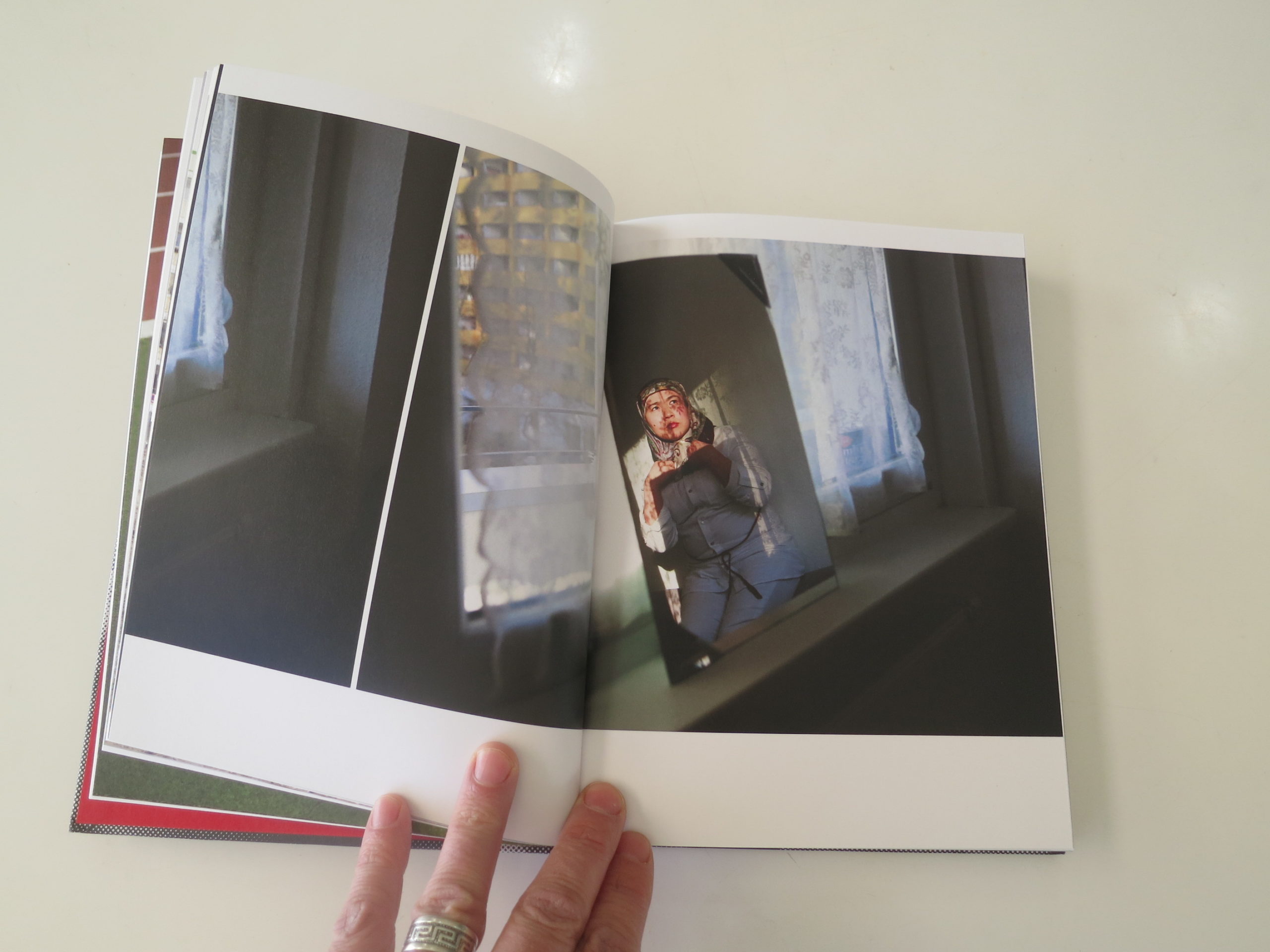
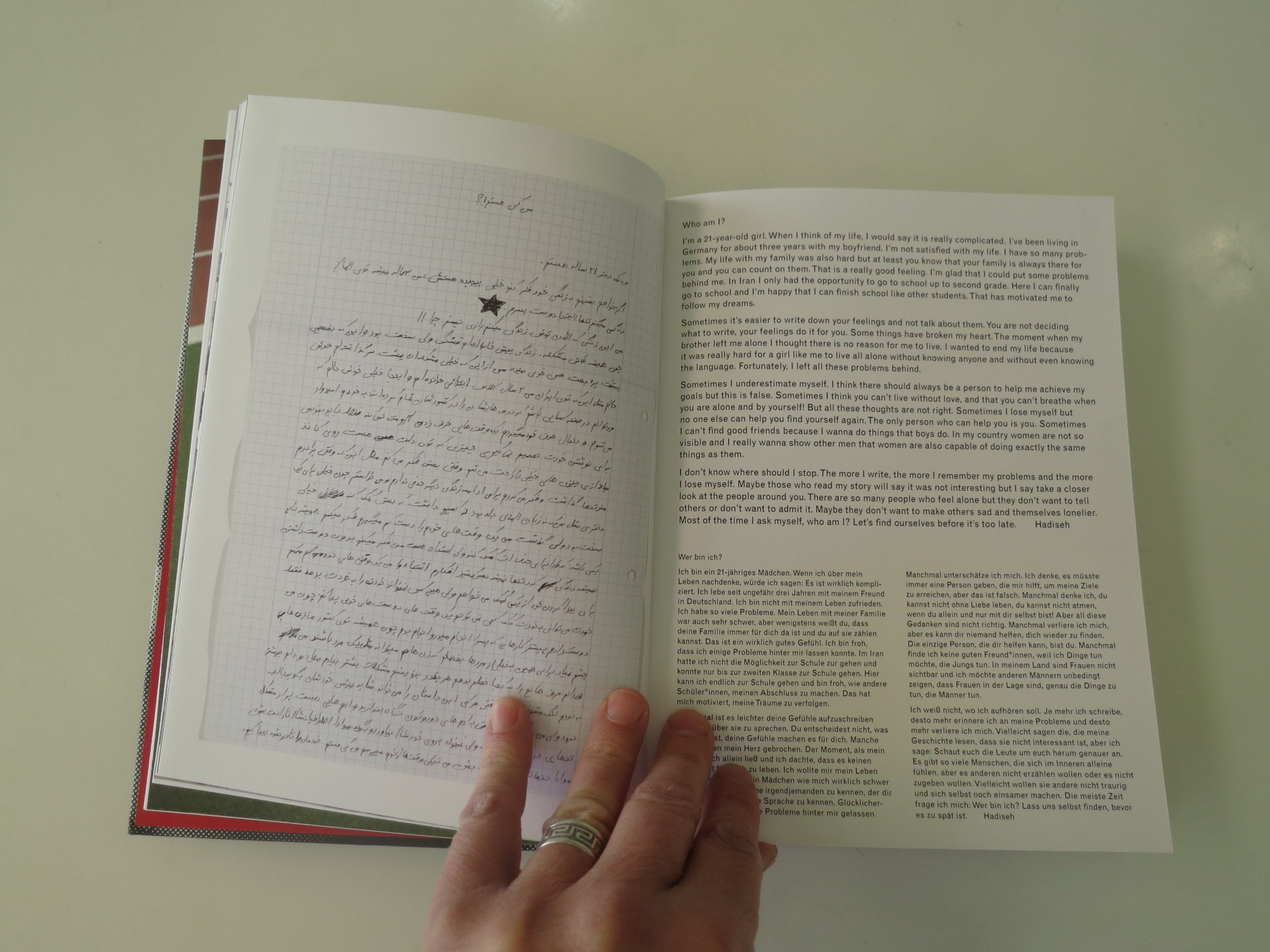
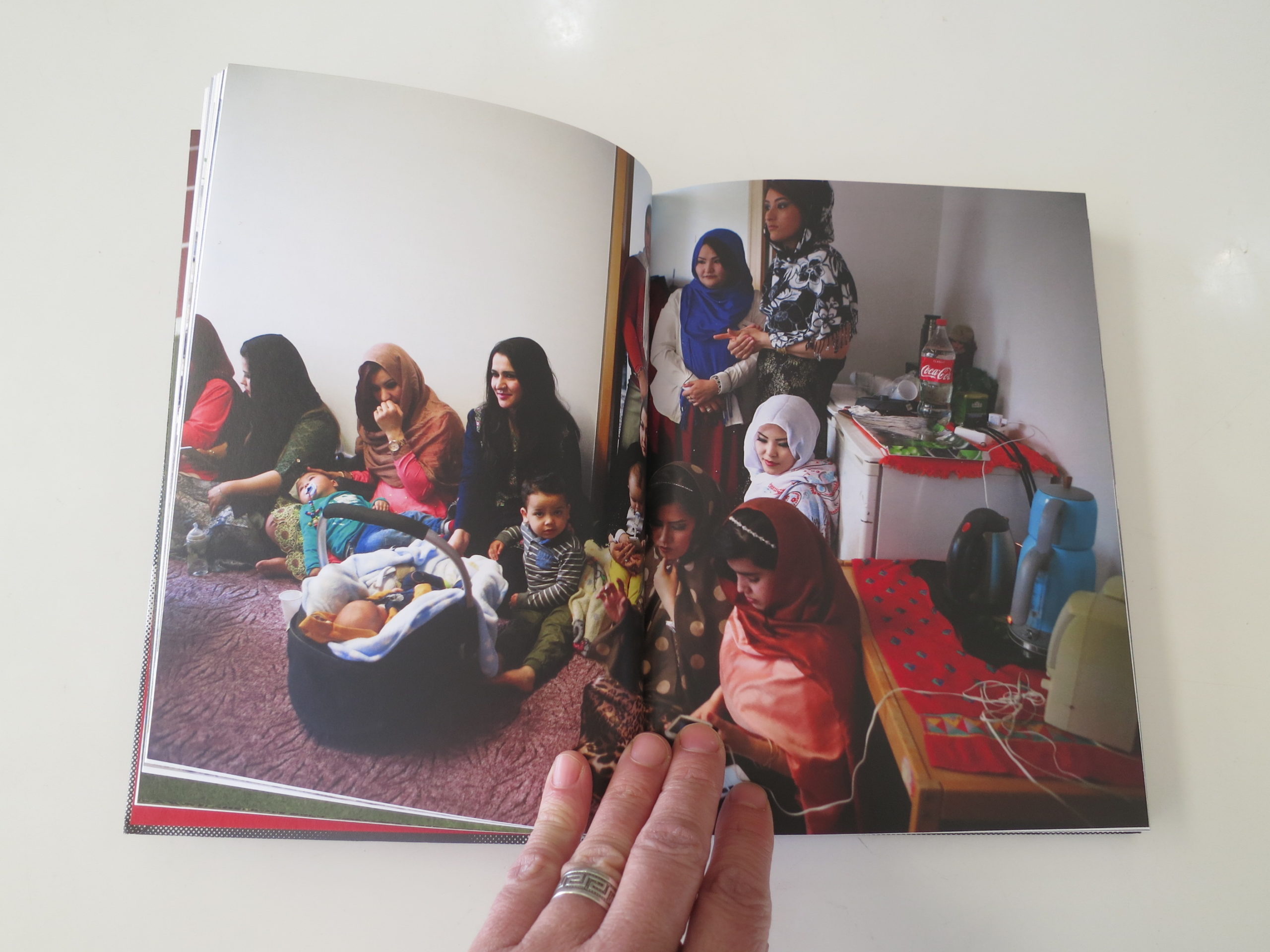
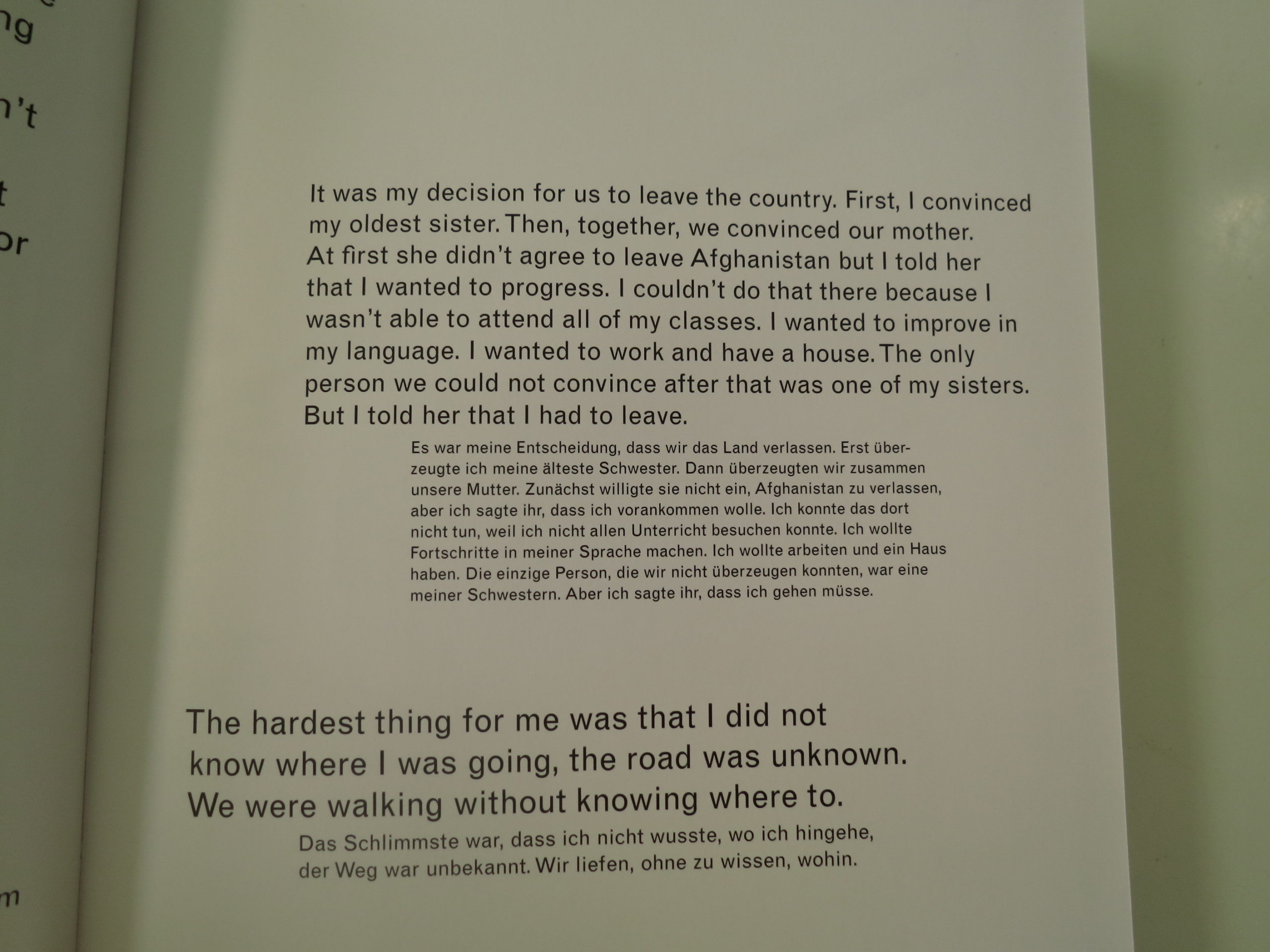
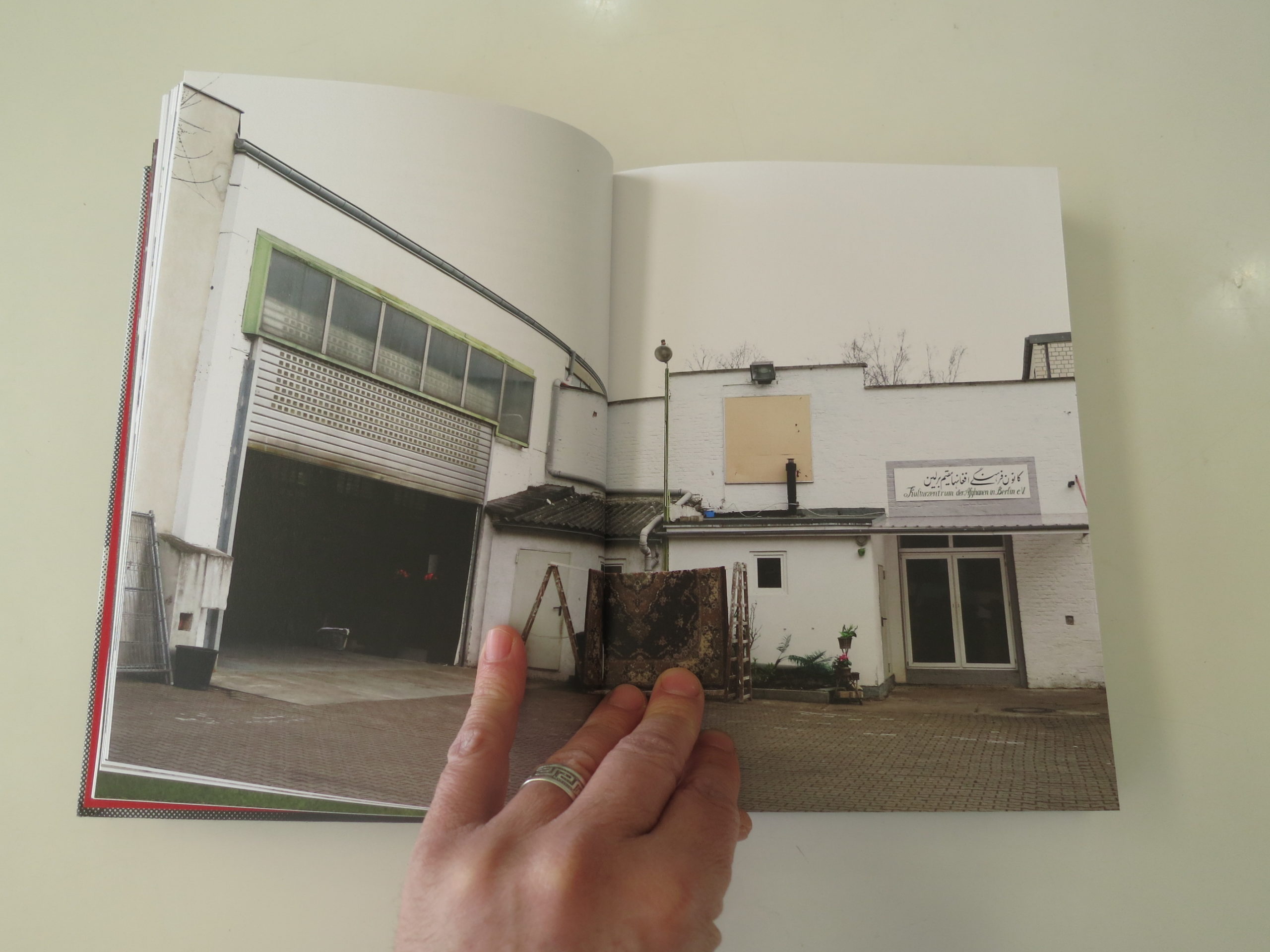
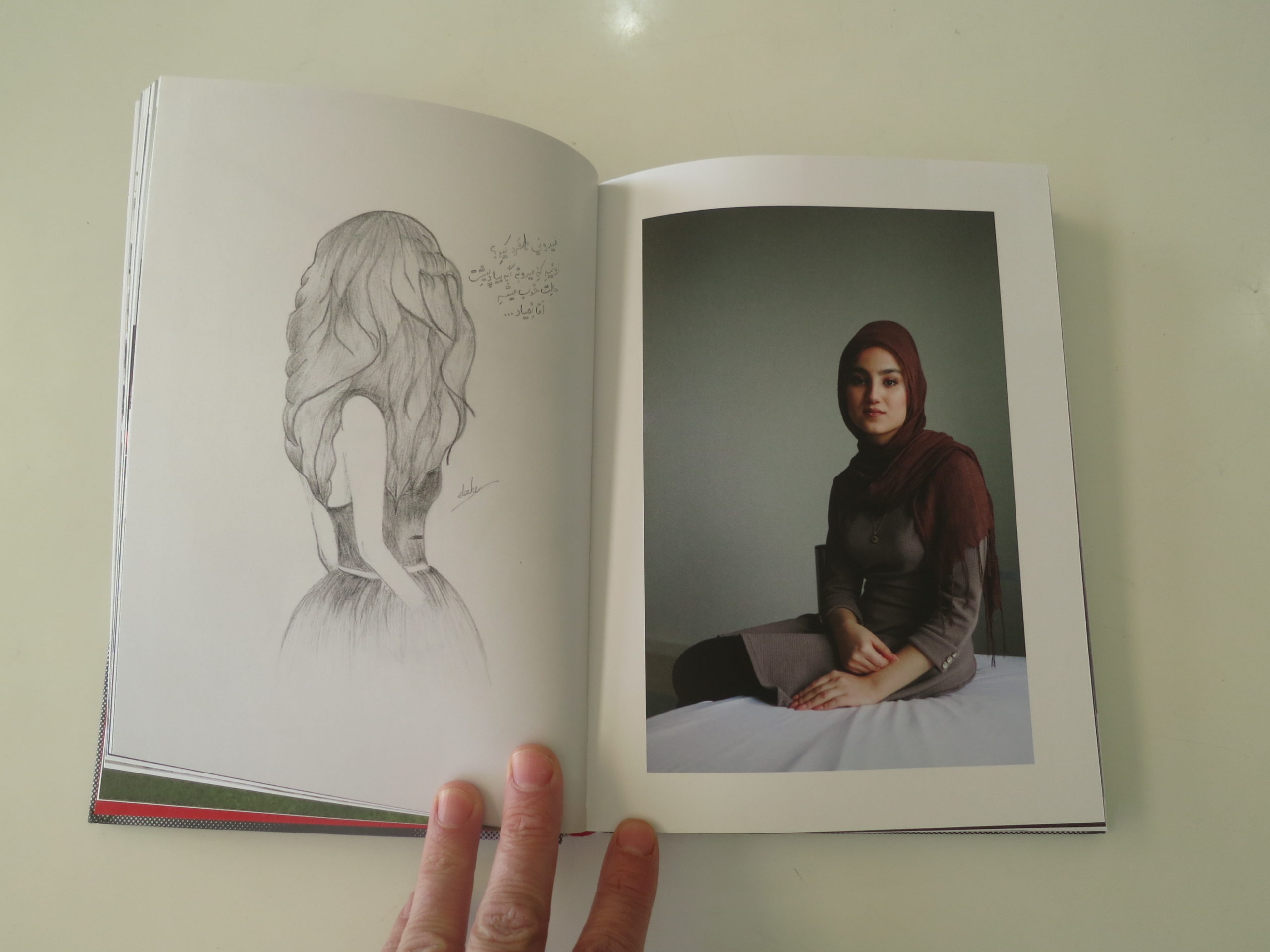
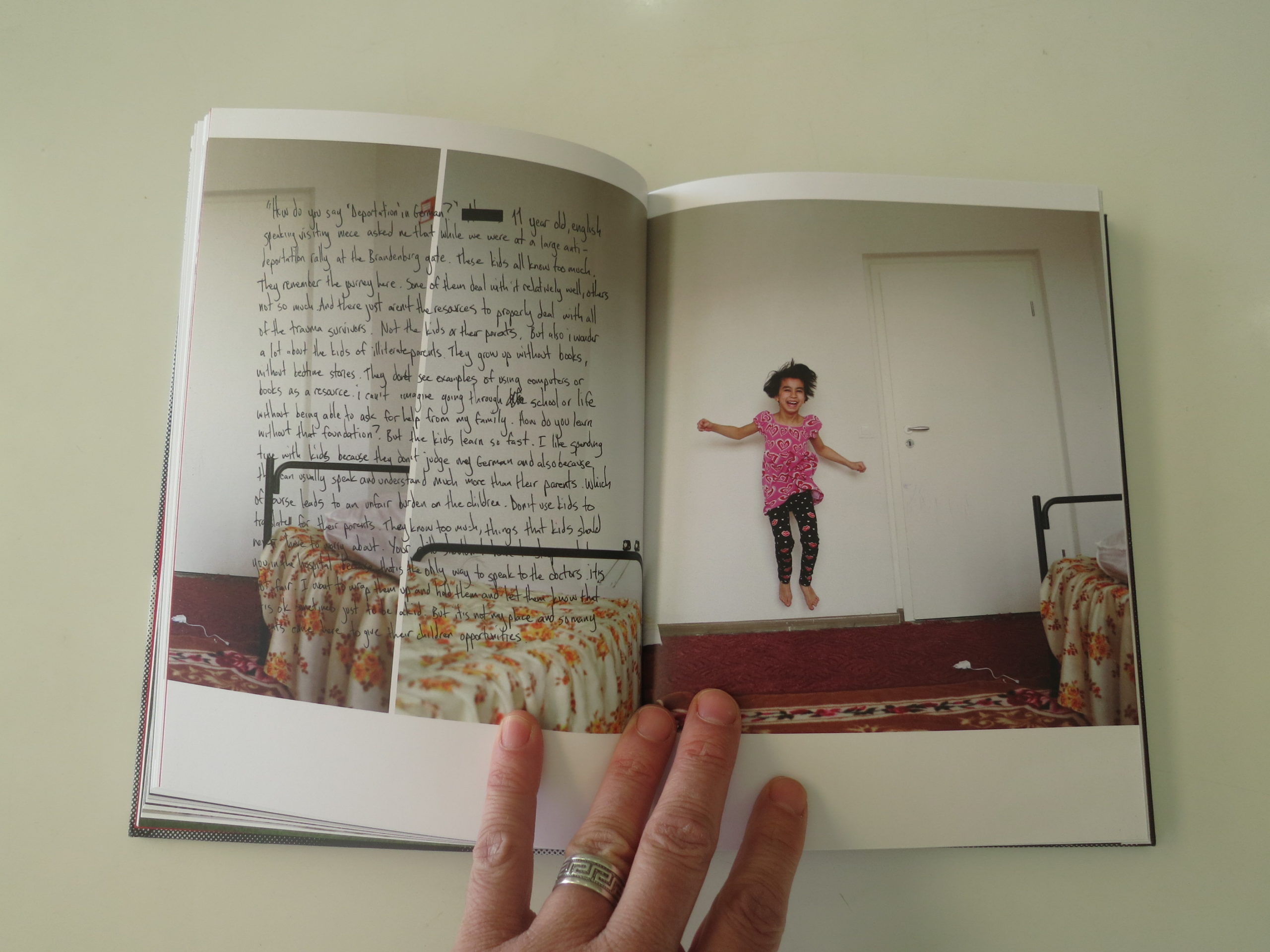
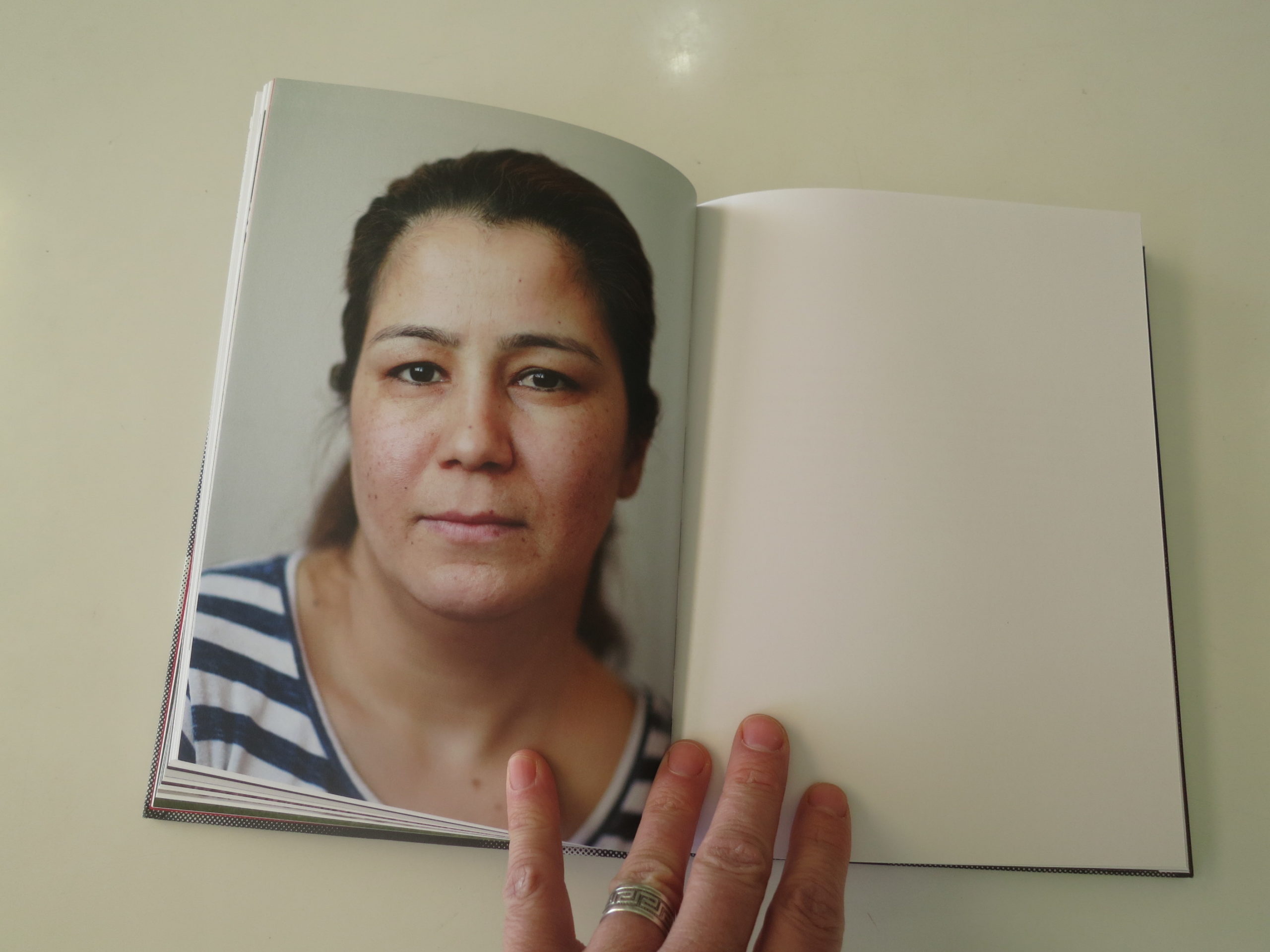
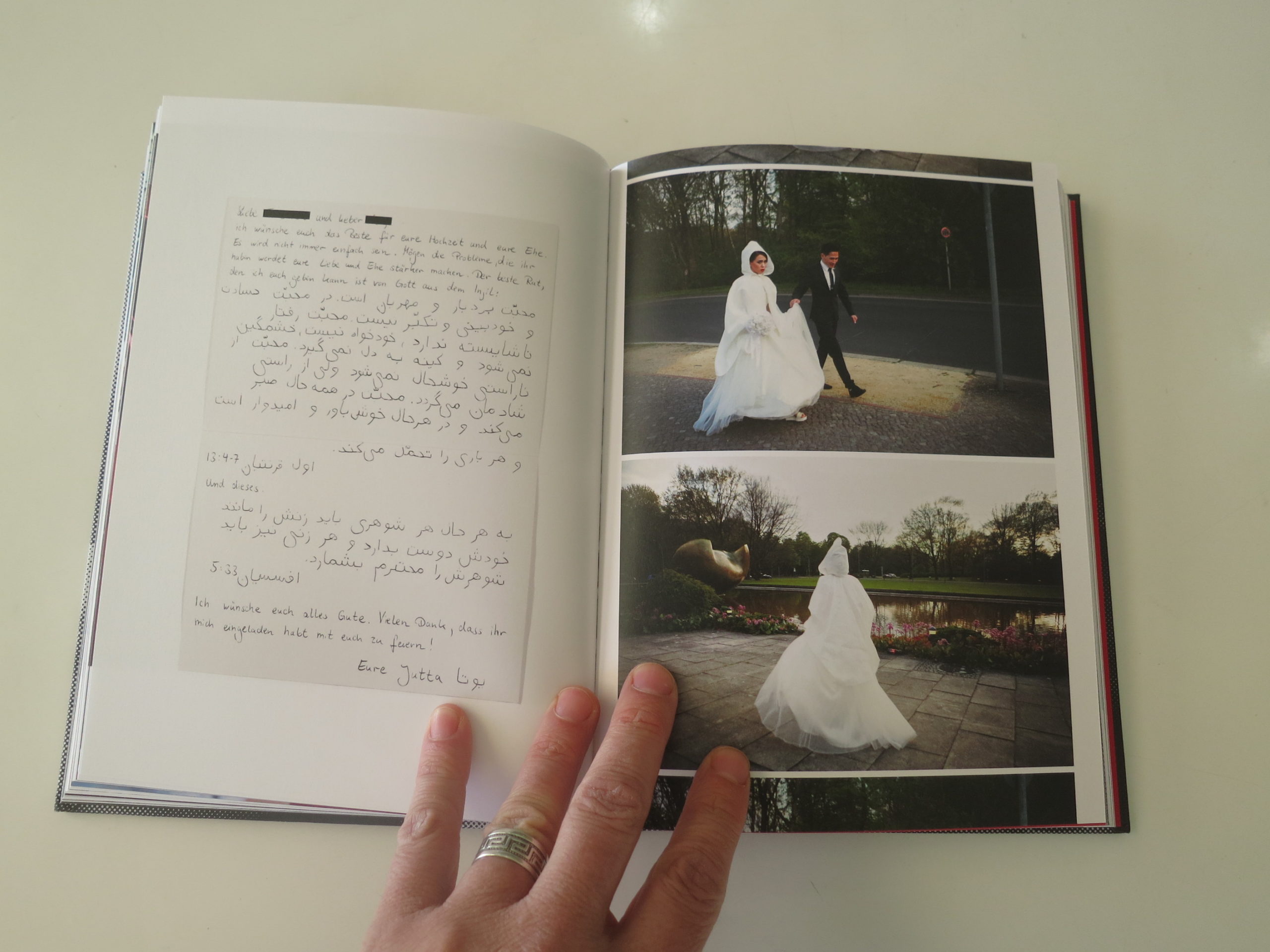
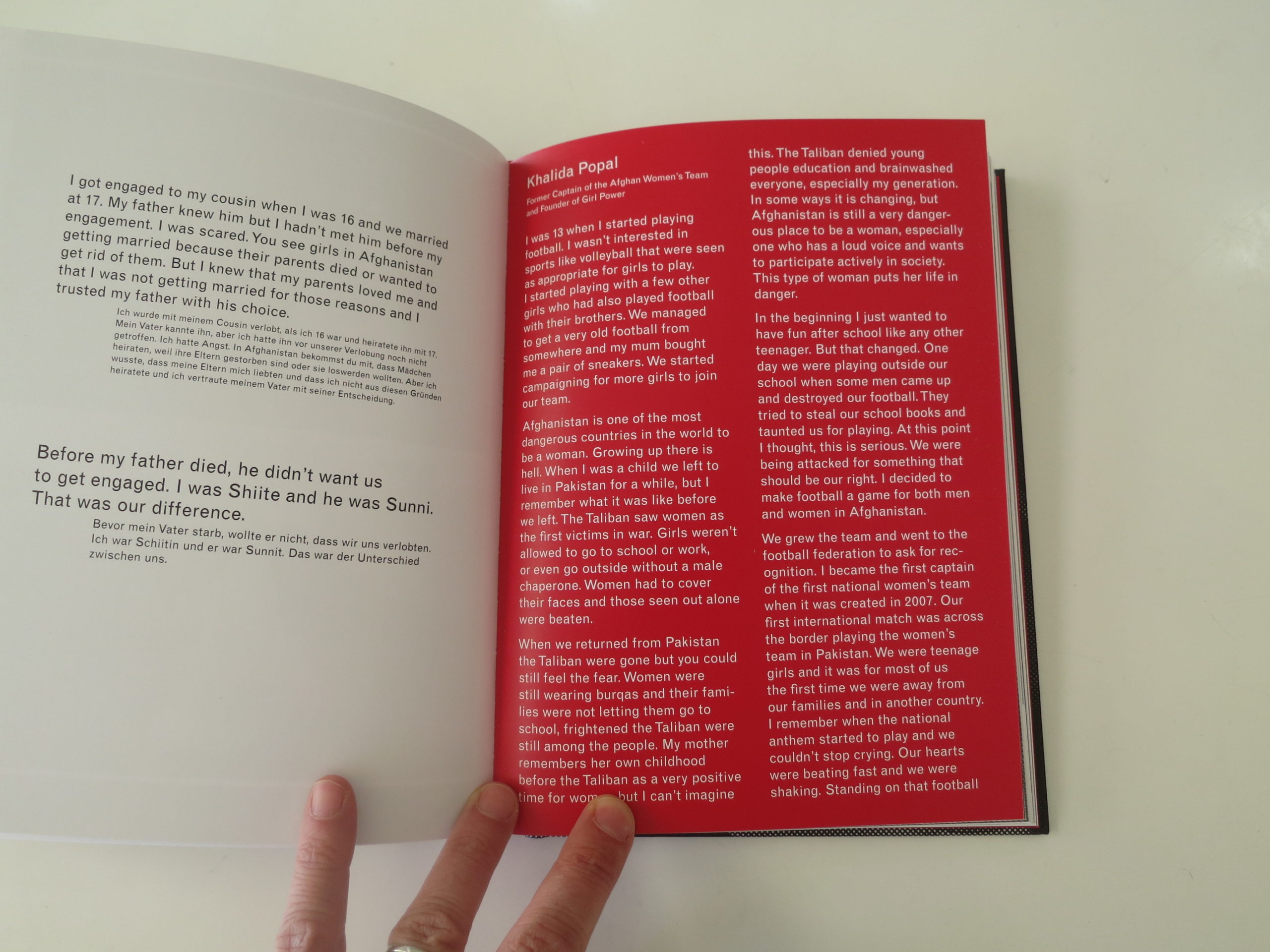
So big shout out to Alexa Vachon, who sent me her new book “Rise” late last year. It arrived from Berlin with a nice note, and the book is in English, German, and several Central Asian languages I didn’t recognize. (Persian, for sure.)

I think it’s self-published, and there is grant funding thanked at the end, so it seems plausible, despite the excellent production values.

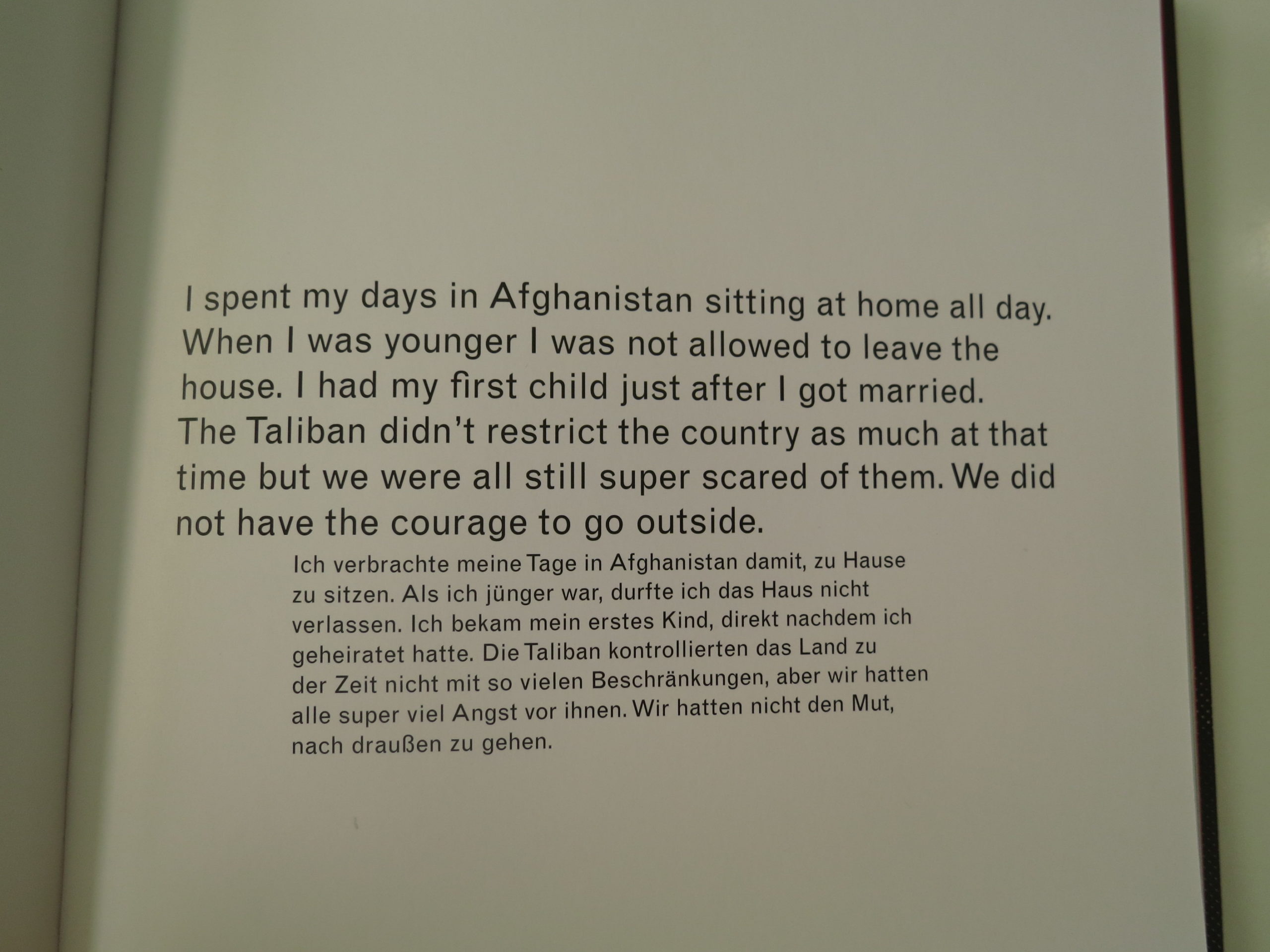
Early on, I parsed that the hand-written text, on certain picture pages, was diaristic by the artist. It is in English, and she mentions being an immigrant, so while I’d normally think American, something reminded me that she could be Canadian as well.

The end notes confirm a Canadian Council for the Arts grant, so we can assume that Ms. Vachon is a Canadian artist living in Berlin, and it seems like she’s been around a while.

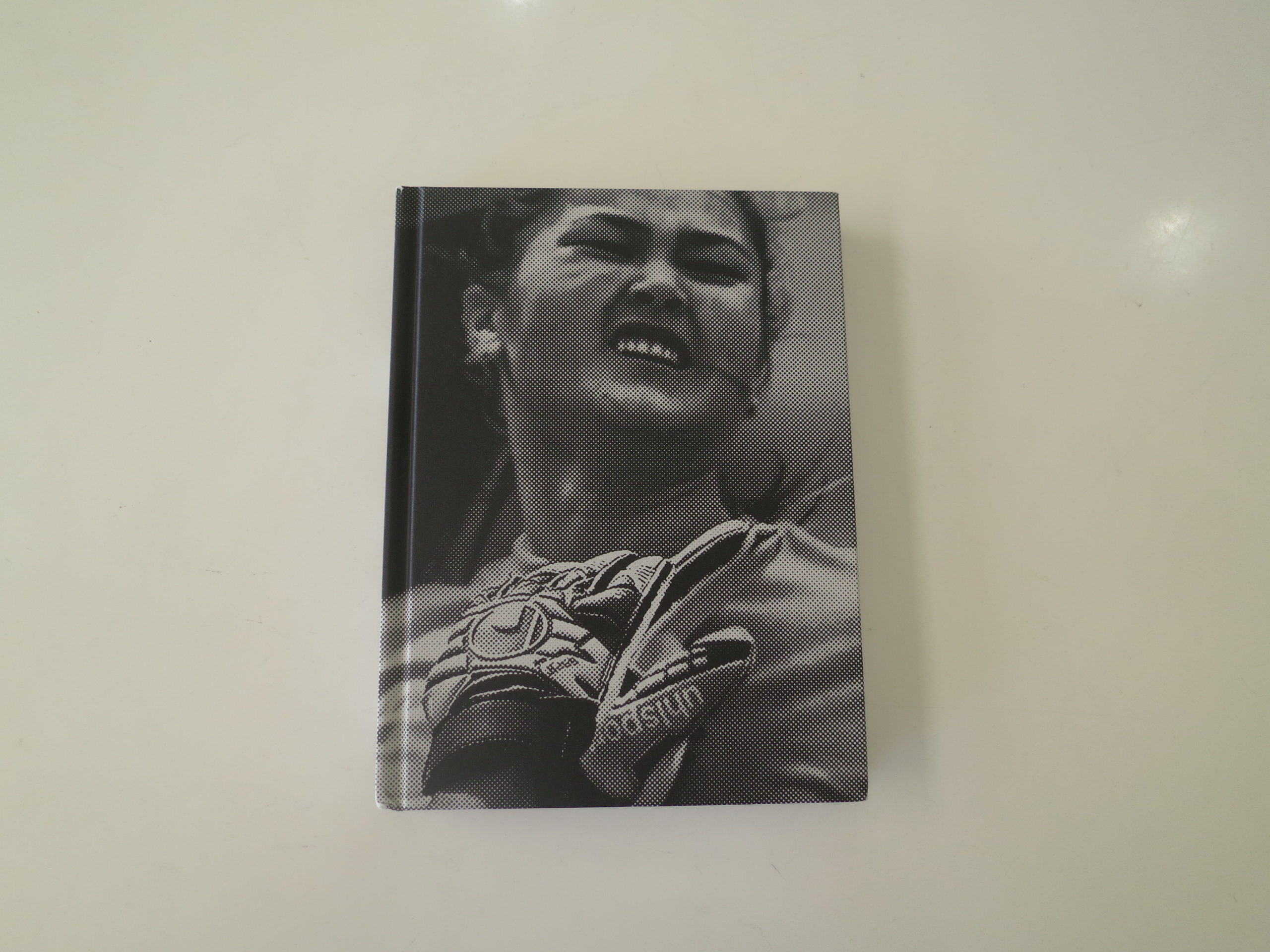
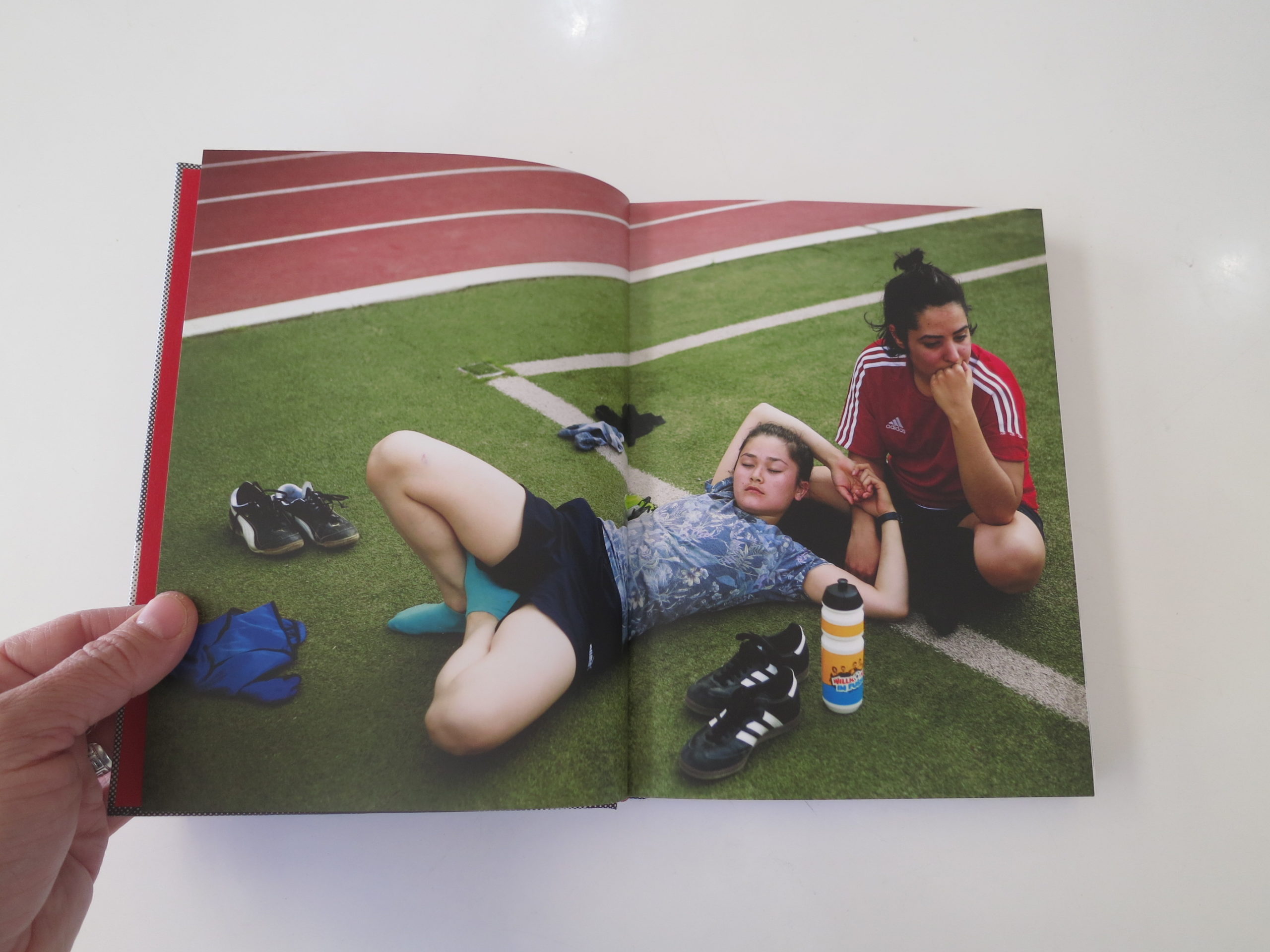
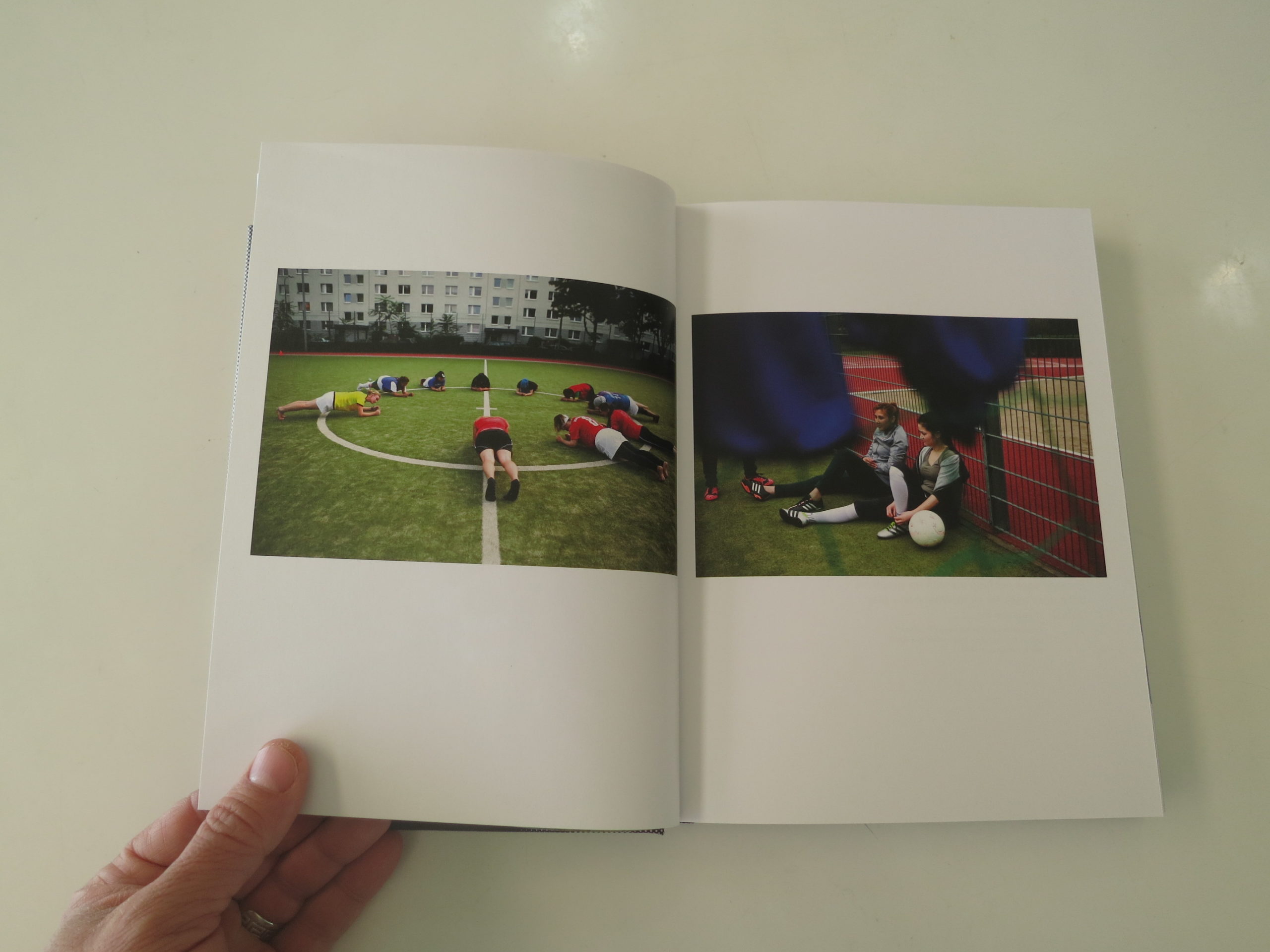
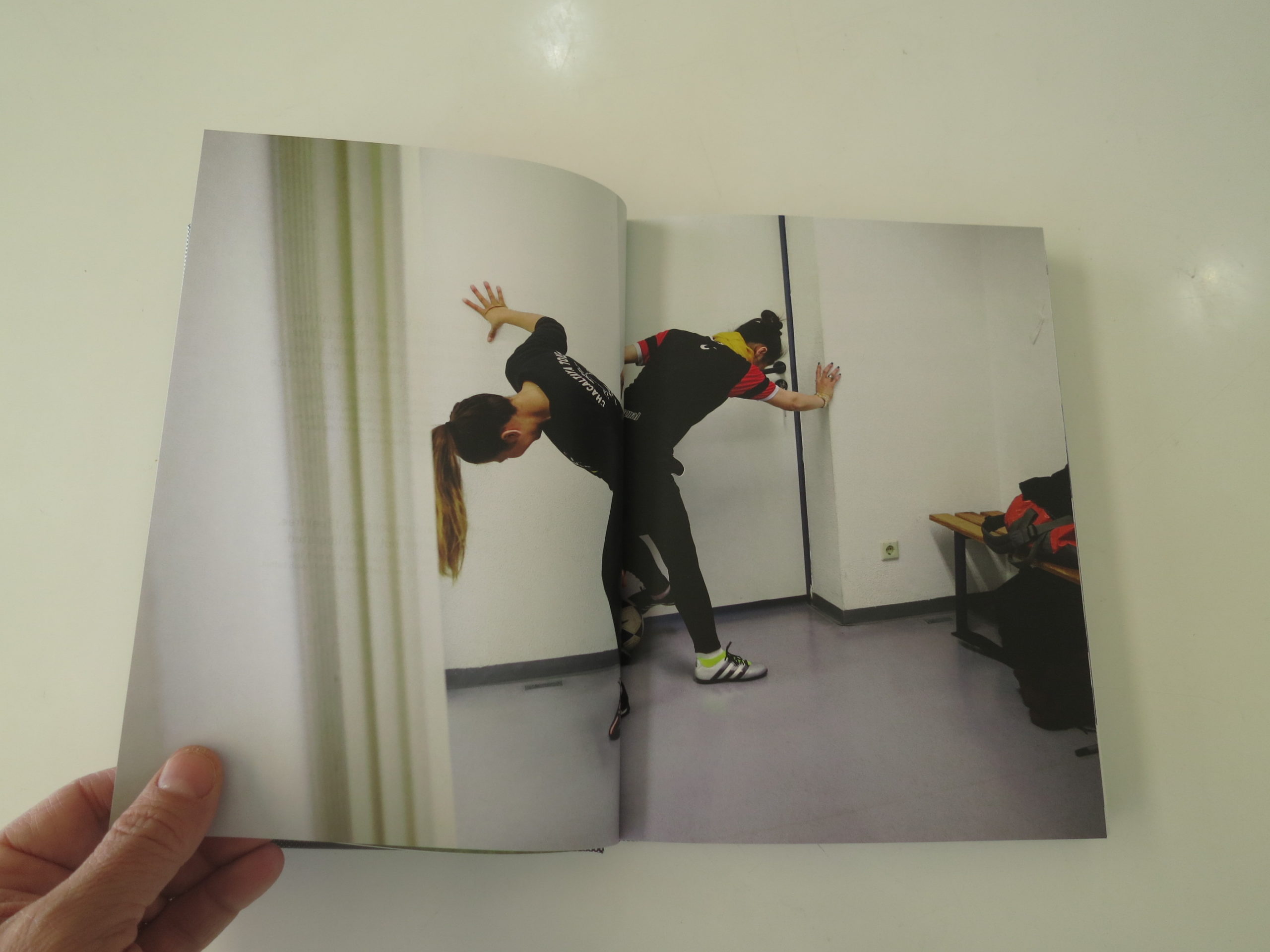
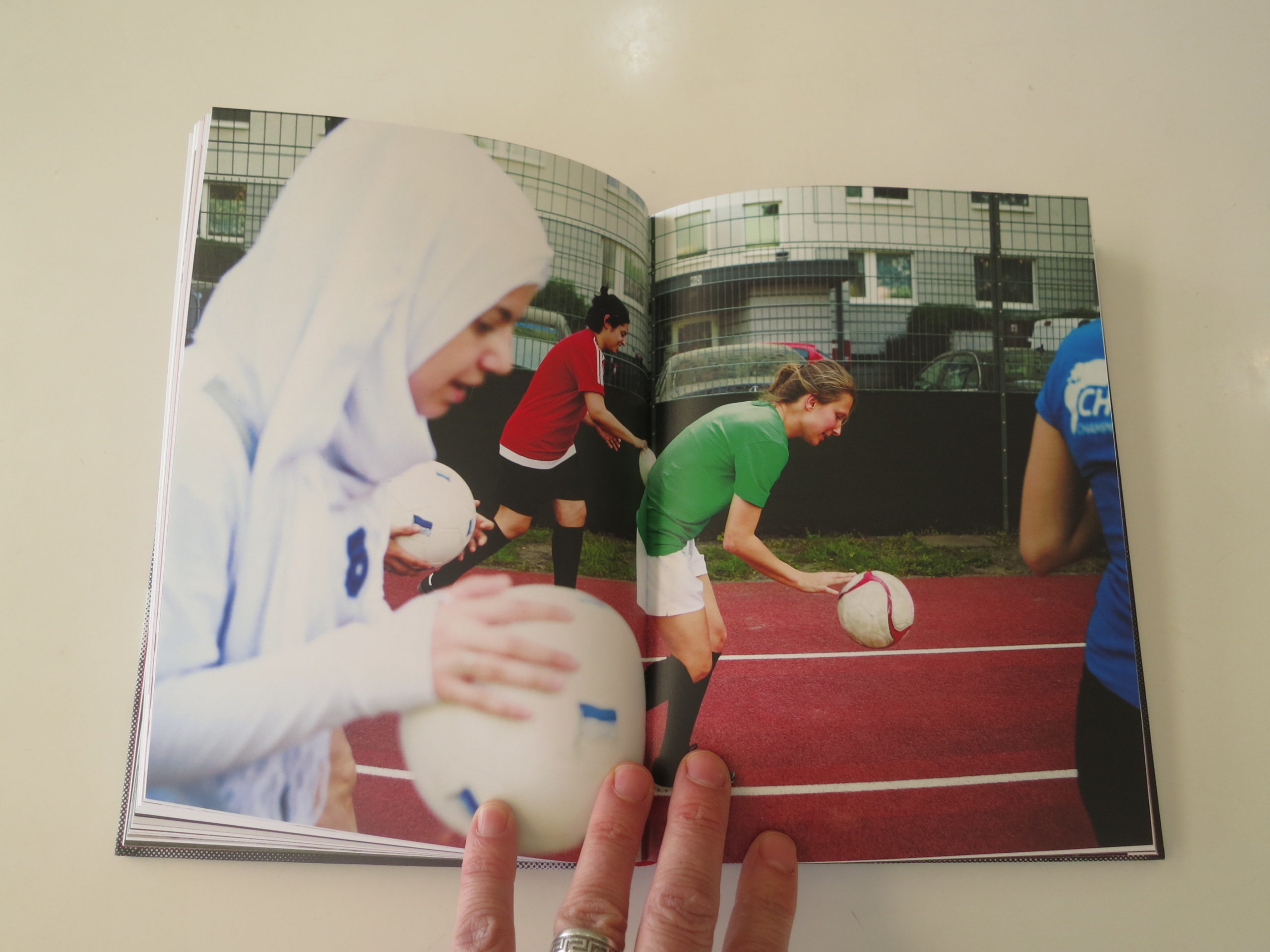
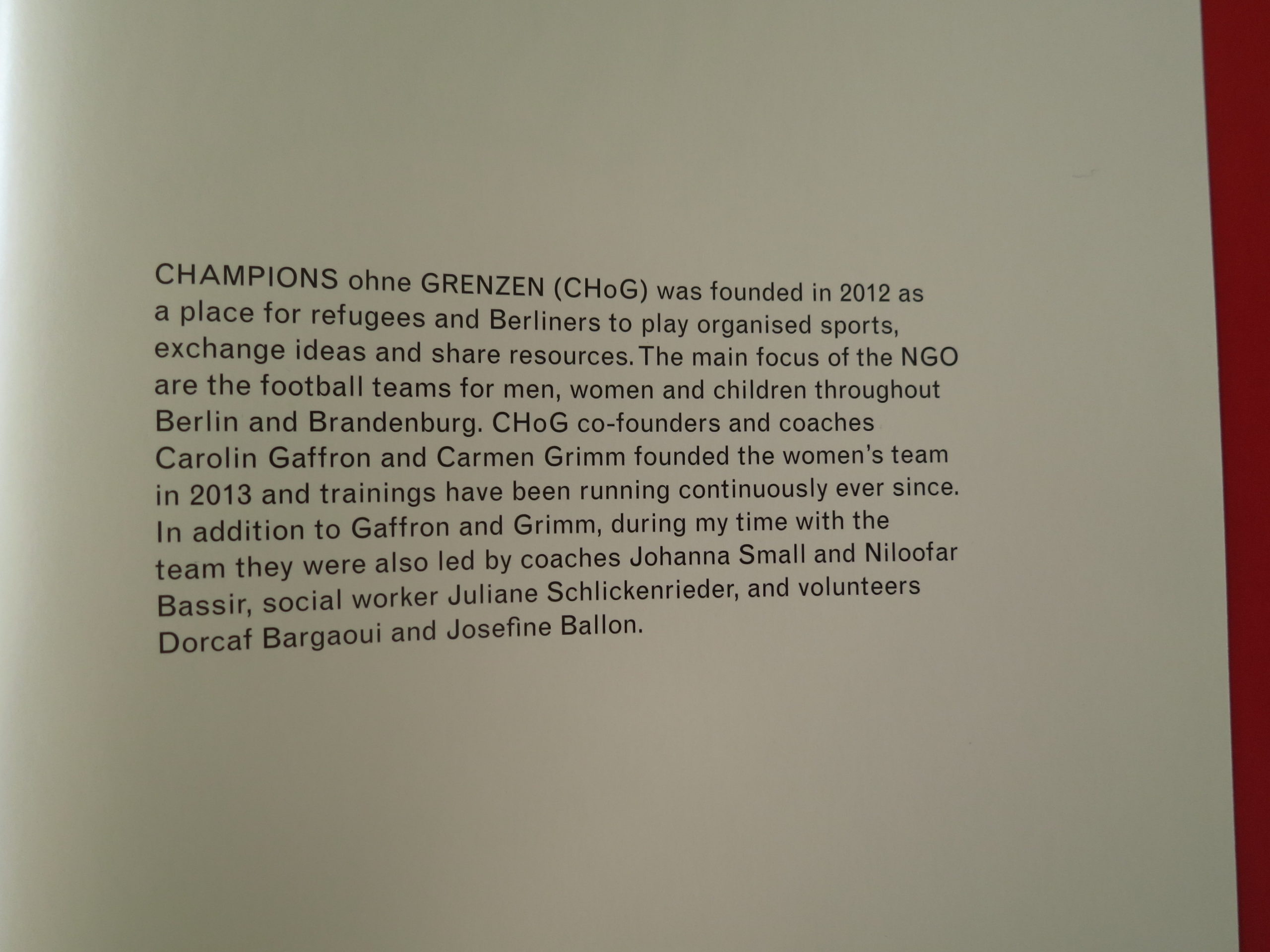
The narrative, which I’d call super-inspiring, centers upon CHAMPIONS ohne GRENZEN, a Berlin organization that hooks up native Germans with new refugee immigrants, so they can play soccer together.

Many of the young women have not played before, so it’s a way of integrating people and culture simultaneously.

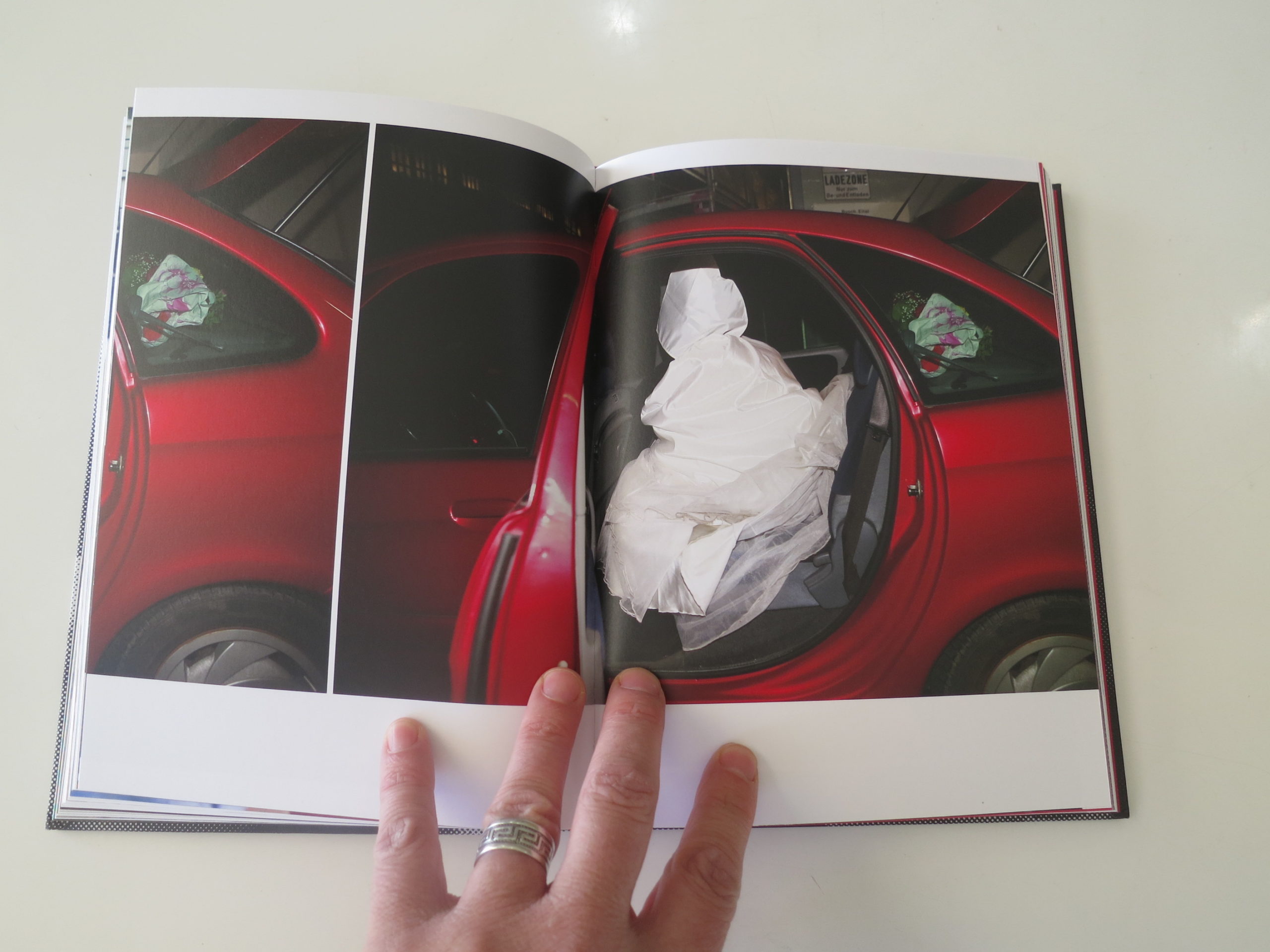
There are a lot of excellent photos, and also various forms of interview text confirming that running for your life from ISIS, or the Taliban is not for the faint of heart.

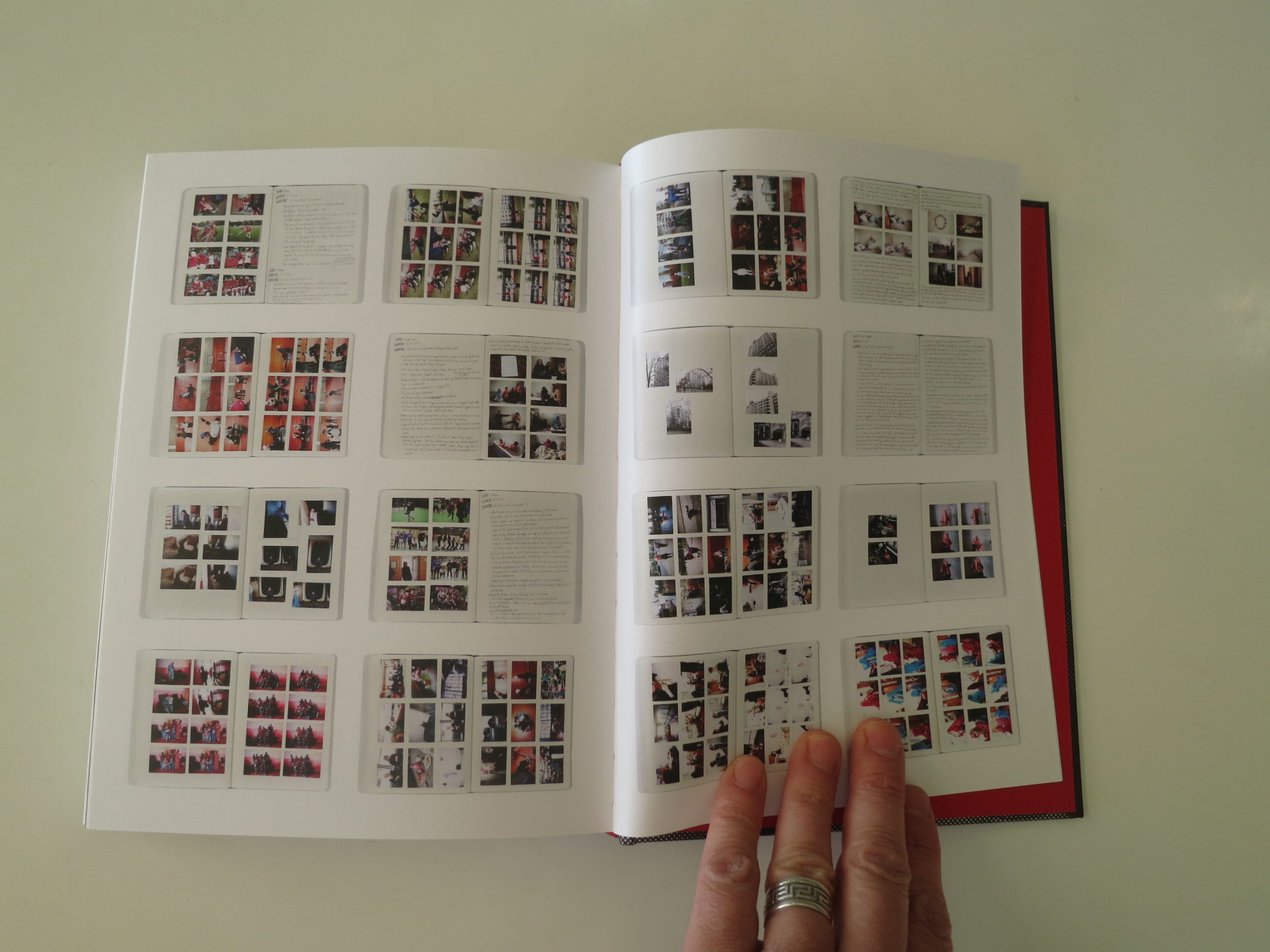
If I have any criticism, (and I do,) it’s that there is probably too much of everything here. It could do with a trim of images and text, just because it would tighten the impact of both, I’d suggest.

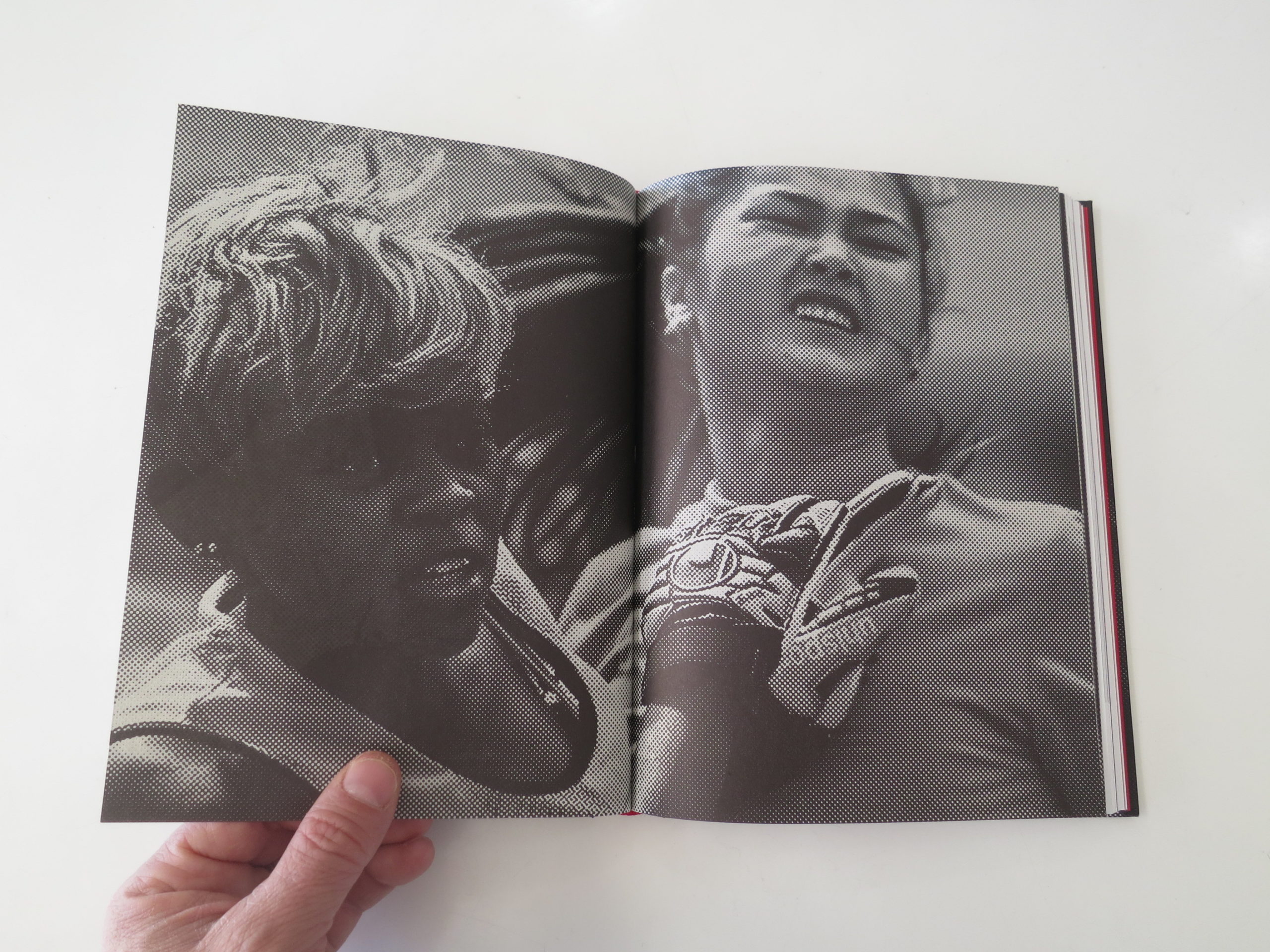
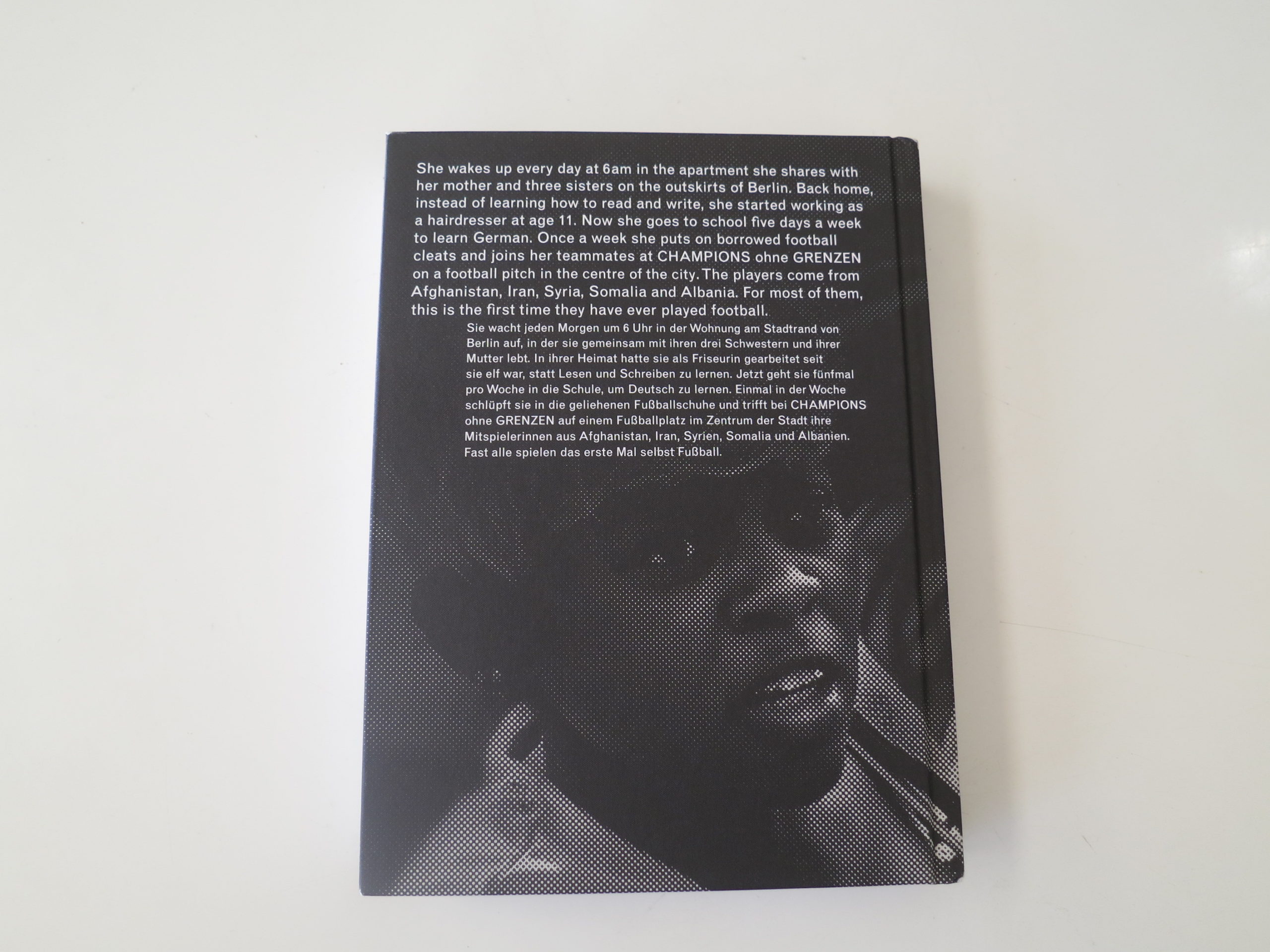
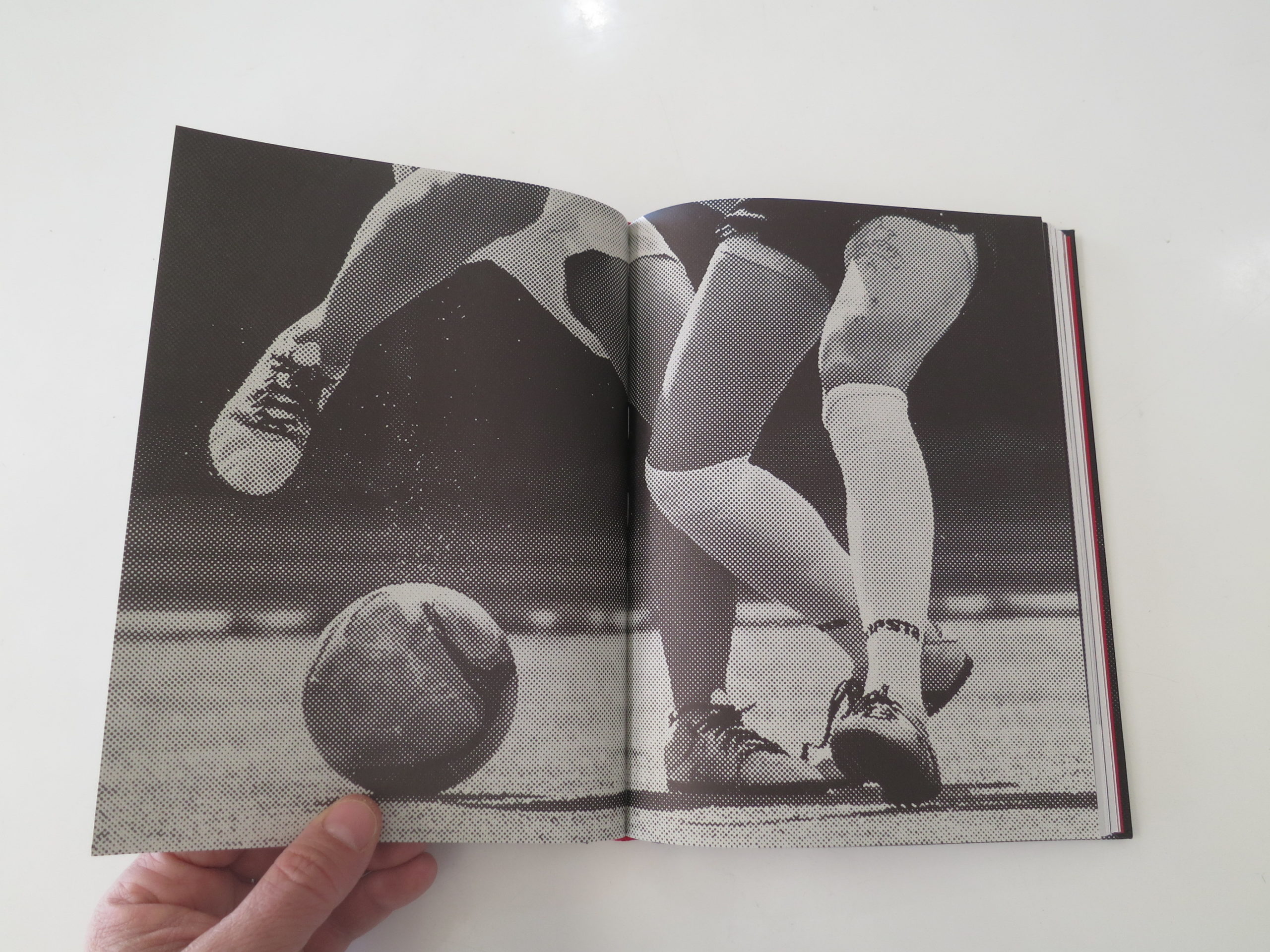
On balance, though, it’s an excellent book, and in particular I like the subsection of dot-grain-type-black-and-white pictures. I always recommend something to break up the narrative, and this is both clever and cool.

The aforementioned thank you page includes some big names, (including oft-thanked-Alec-Soth,) so it’s clear that Ms. Vachon has some good mentors and/or teachers.

No surprise, given the book’s quality.

But since she sent it to me, I’ll stress the lesson that sometimes, or most of the time, really, less is more. Especially when the heart of your story is so compelling.

Overall, though, a great, inspiring book for the season of renewal and rebirth.

See you next week.

Bottom Line: Lovely, heart-warming book about refugee soccer players in Berlin

To purchase “Rise” click here

If you’d like to submit a book for potential review, please email me at jonathanblaustein@gmail.com. We’re particularly interested in submissions from female photographers, and artists of color, so we may maintain a diverse program. 

The Art of the Personal Project: Sara Forrest

The Art of the Personal Project is a crucial element to let potential buyers see how you think creatively on your own.  I am drawn to personal projects that have an interesting vision or that show something I have never seen before.  In this thread, I’ll include a link to each personal project with the artist statement so you can see more of the project. Please note: This thread is not affiliated with any company; I’m just featuring projects that I find.  Please DO NOT send me your work.  I do not take submissions.

Today’s featured artist:  Sara Forrest

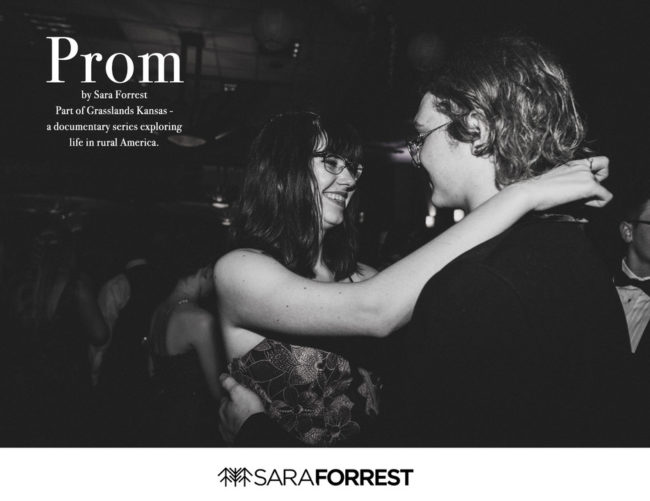
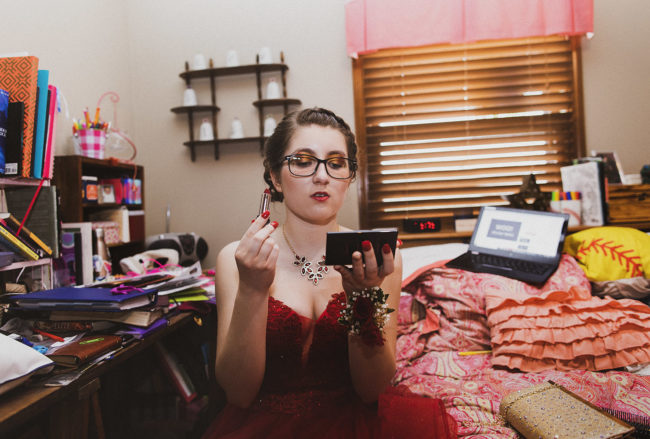
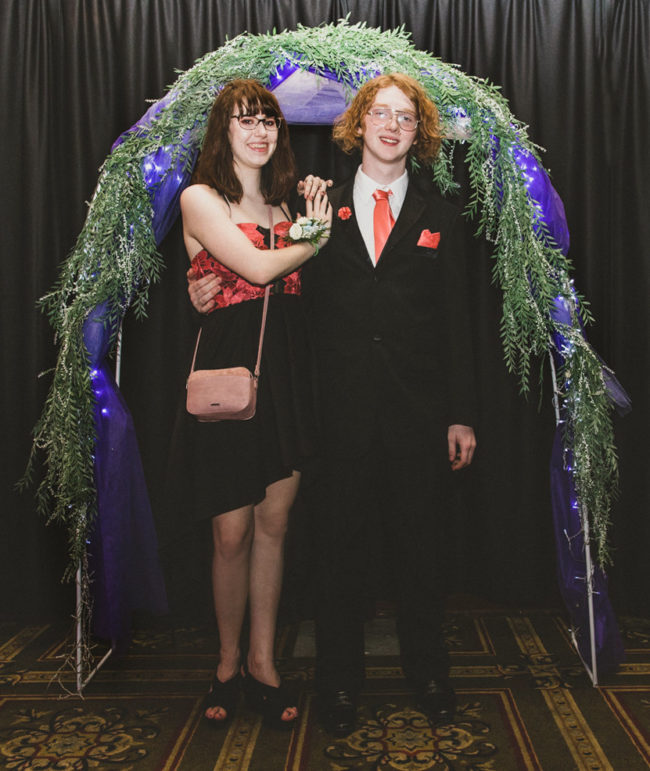
Prom night featuring six juniors in my home town of Topeka, KS. This series is part of an ongoing project on youth in America. I started my photography career in small town Kansas and always am thankful for it. I work now all over photographing ad campaigns and editorials worldwide and owe my drive to this place in the middle of the US. This vast landscape isn’t anything particularly special to many on the coasts, but it is very special to me. It’s a unique perspective to be from here and to have left for so long and to come back and appreciate it. Today it has the faint smell of the spring grassland burns – lush regrowth soon to follow. When life feels spun out due to the crazy work and travel schedules or other circumstances, I always come back and feel grounded and recentered working on this project in this space. It is my hope I can always continue to learn and understand people anywhere in the world, starting with where I started too.

To see more of this project, click here.

APE contributor Suzanne Sease currently works as a consultant for photographers and illustrators around the world. She has been involved in the photography and illustration industry since the mid 80s.  After establishing the art buying department at The Martin Agency, then working for Kaplan-Thaler, Capital One, Best Buy and numerous smaller agencies and companies, she decided to be a consultant in 1999. She has a new Twitter feed with helpful marketing information because she believes that marketing should be driven by brand and not by specialty.  Follow her at @SuzanneSeaseInstagram


The Daily Edit – Kodachrome: the lab, the article, the movie.

Photo by Steve Herbert for the New York Times

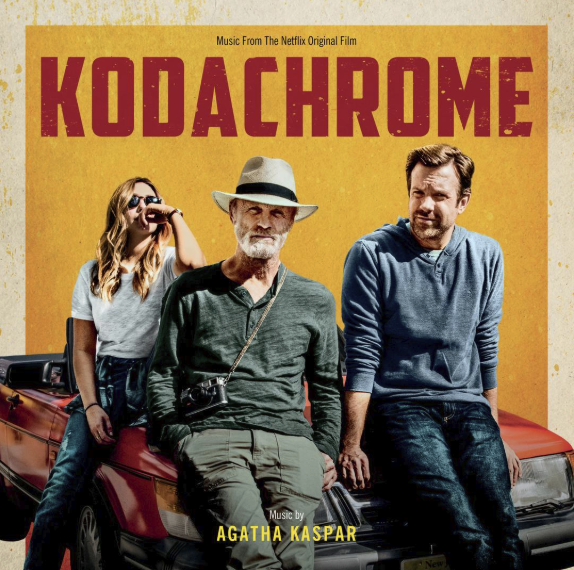
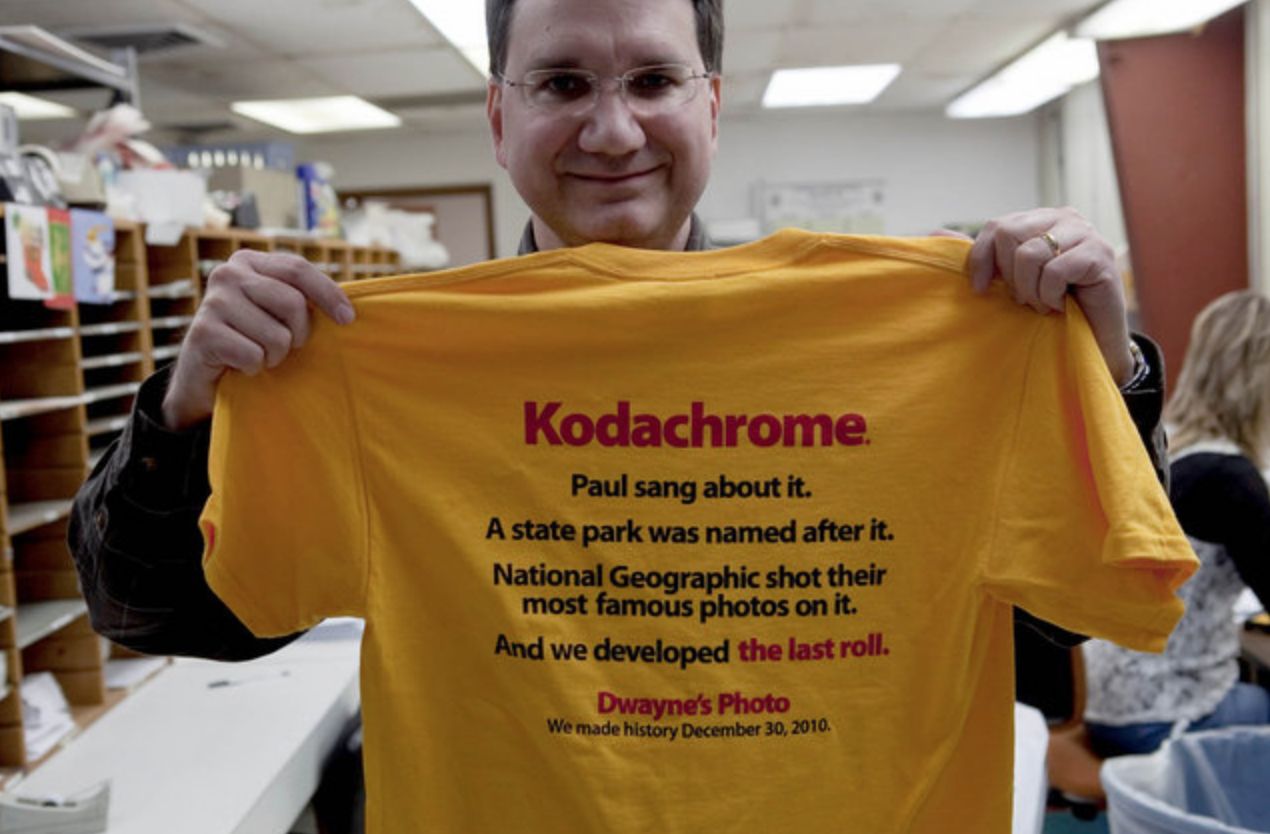
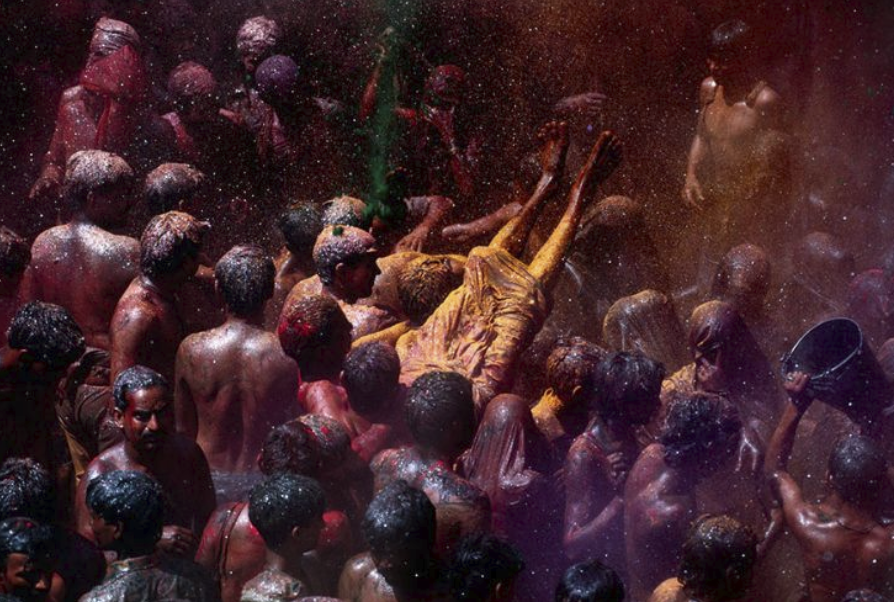
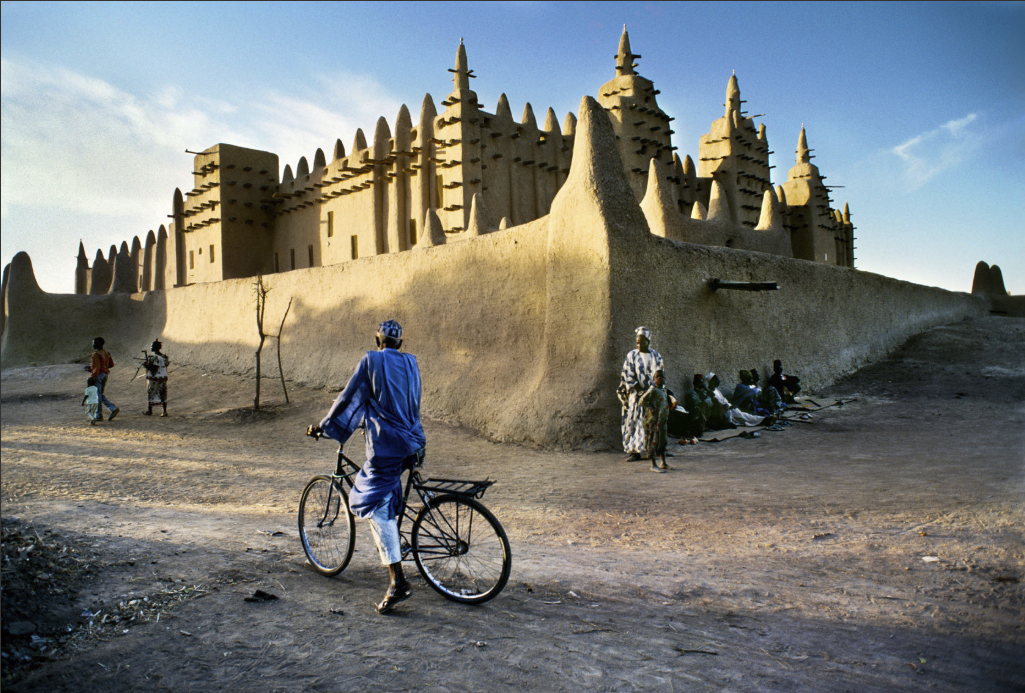
For 75 years Dwyane’s photo lab in Parsons, Kansas had been processing Kodachrome film. It’s closing in 2010 inspired many photographers to make the trek to the lab back then, and more recently, a Netflix film called Kodachrome.  The New York Times published an article in 2010 about the lab’s closing and it sparked the idea for the film. The last roll of Kodachrome 64 was handed to none other than Steve McCurry, a long time fan of the film, and you can read about his process along with the 36 images he shot here. Closing credits from the movie include McCurry’s images below


Photography by Steve McCurry: Villagers Celebrating the Festival of Holi, Vrindavan, Rajasthan, India, 1996

Photography by Steve McCurry: Djenne, Mali

This Week in Photography Books: Katherine Longly


America is a fast food nation.

We know this.

You may not eat at McDonalds, or Wendy’s, or Burger King, but millions of other people do.

Why?

Because it’s fast, cheap, and packed with flavor and fat. (Of course, all cooks know those last two go together.) Sure, chemical companies supply products that boost the food’s tastiness, but most people don’t care what’s in the crap, as long as it fills them up.

This is not news to you, of course, as billions of words have been written about America’s obesity crisis, and whether anything can be done to slim down our collective waist line.

I know how to keep myself fit, these days, mostly because I’ve had phases in life when I put on weight. I was never obese, thankfully, but chubby, fat, heavy, puffy, or rotund would not have been inappropriate adjectives for me at different times. (As a youth, at my wedding, or the summer of 2016, when I had knee tendinitis.)

Eventually, I realized the body weight math is pretty simple. If you burn more calories than you ingest, you won’t get fat. If you eat a lot more than you burn, consistently, you’re screwed.

In my life, times of weight gain tended to track with stress and unhappiness, but were ALWAYS accompanied by a lack of exercise.

If you eat lots of pizza, drink plenty of beer, and don’t exercise, you’re going to gain weight.

It’s just math.

These days, I’ve added exercise into my life in several ways, and it can be as addictive as the bad substances. So keeping fit, and not going too heavy on the sweets has helped me reach an equilibrium.

(But it took 42 years to figure that shit out, which is nothing to brag about.)

People’s relationship to food often determines whether they’ll be able to maintain a healthy weight, but even more, it depends on their relationships with other people. Over-eating and under-eating, both of which can make a person sick, are often coping strategies, or outlets, for people with unresolved emotional issues.

It’s a fact.

Once the pounds are on, of course, they’re much harder to take off. And when it happens to an entire society, as it has here in America, who the fuck knows how to solve the problem?

Today, though, I’m not actually thinking about it as an American issue. Rather, as most of the world knows, the United States has exported many, if not most, of our major fast food franchises.

So other countries, and their citizenries, are now forced to deal with the same issues, even in places that have long had their own, indigenous, healthy cuisines.

How messed up is that? Our corporations actively make some people, in far-flung places, fat and sick.

USA!
USA!
USA!

(Yes, that was an ironic chant.)

Why am I on about this today? Why not write about all the brilliant food I ate in NYC this week? (I’ll get to that in an upcoming travel piece. With photos this time!)

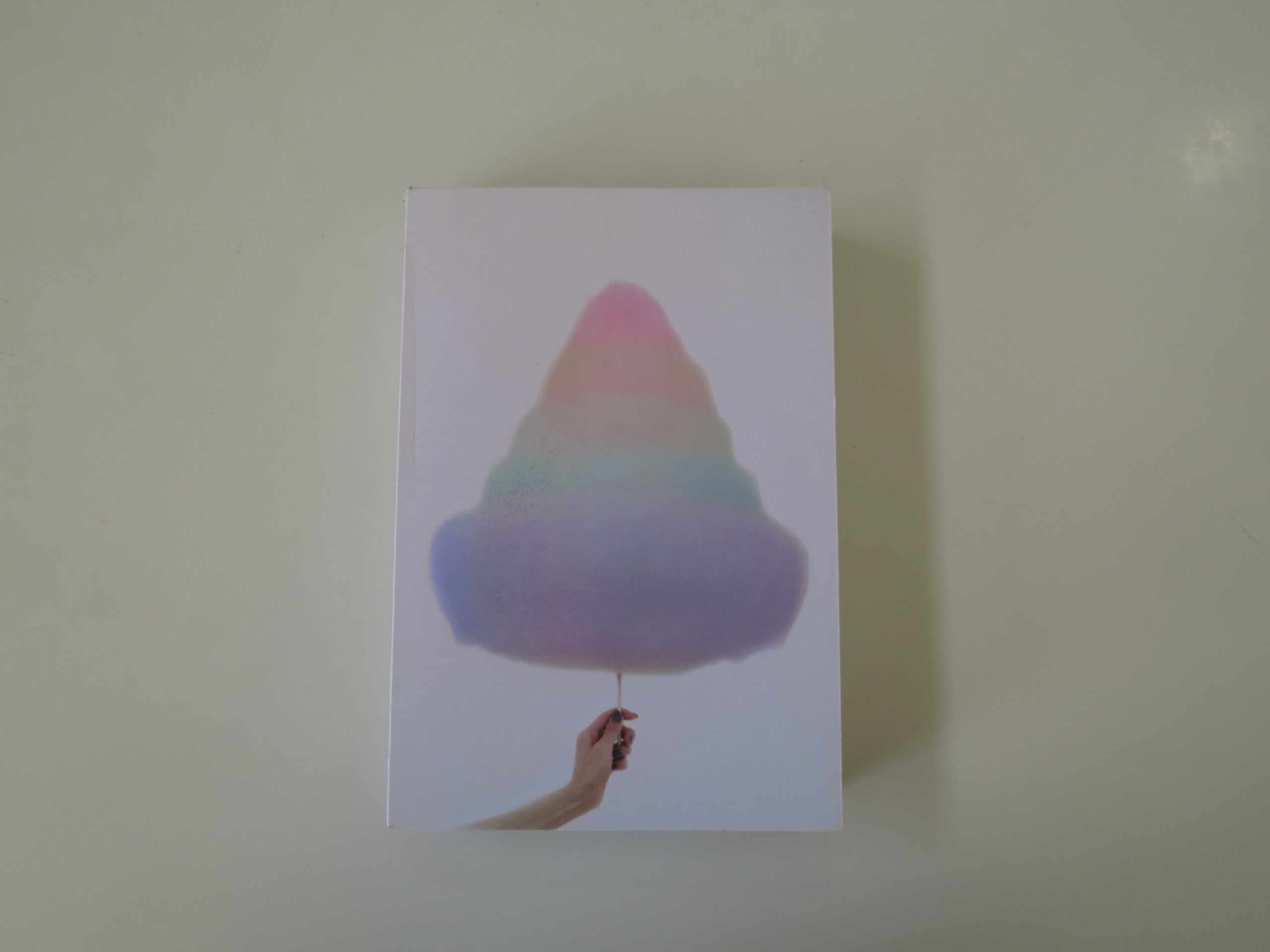
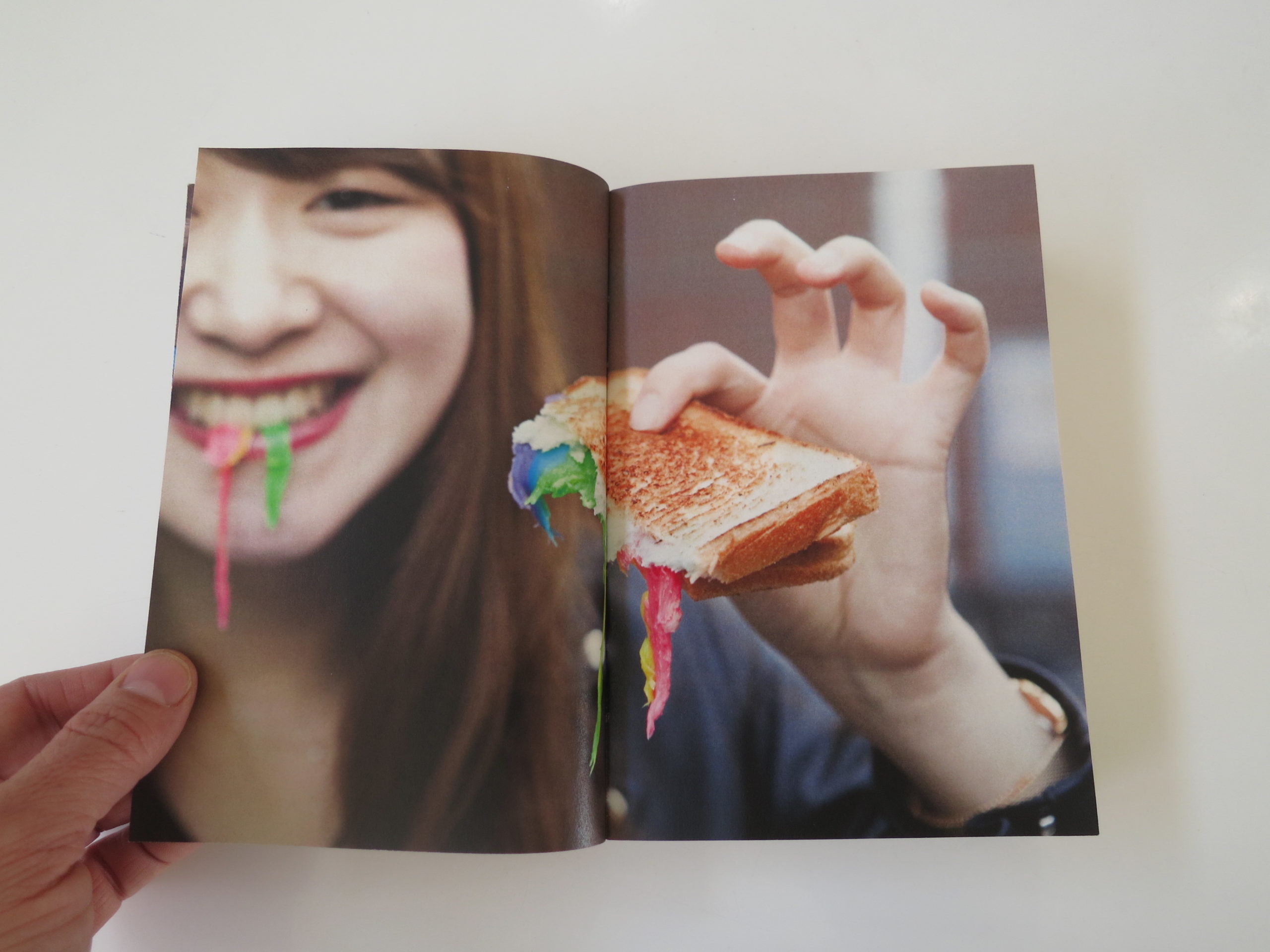
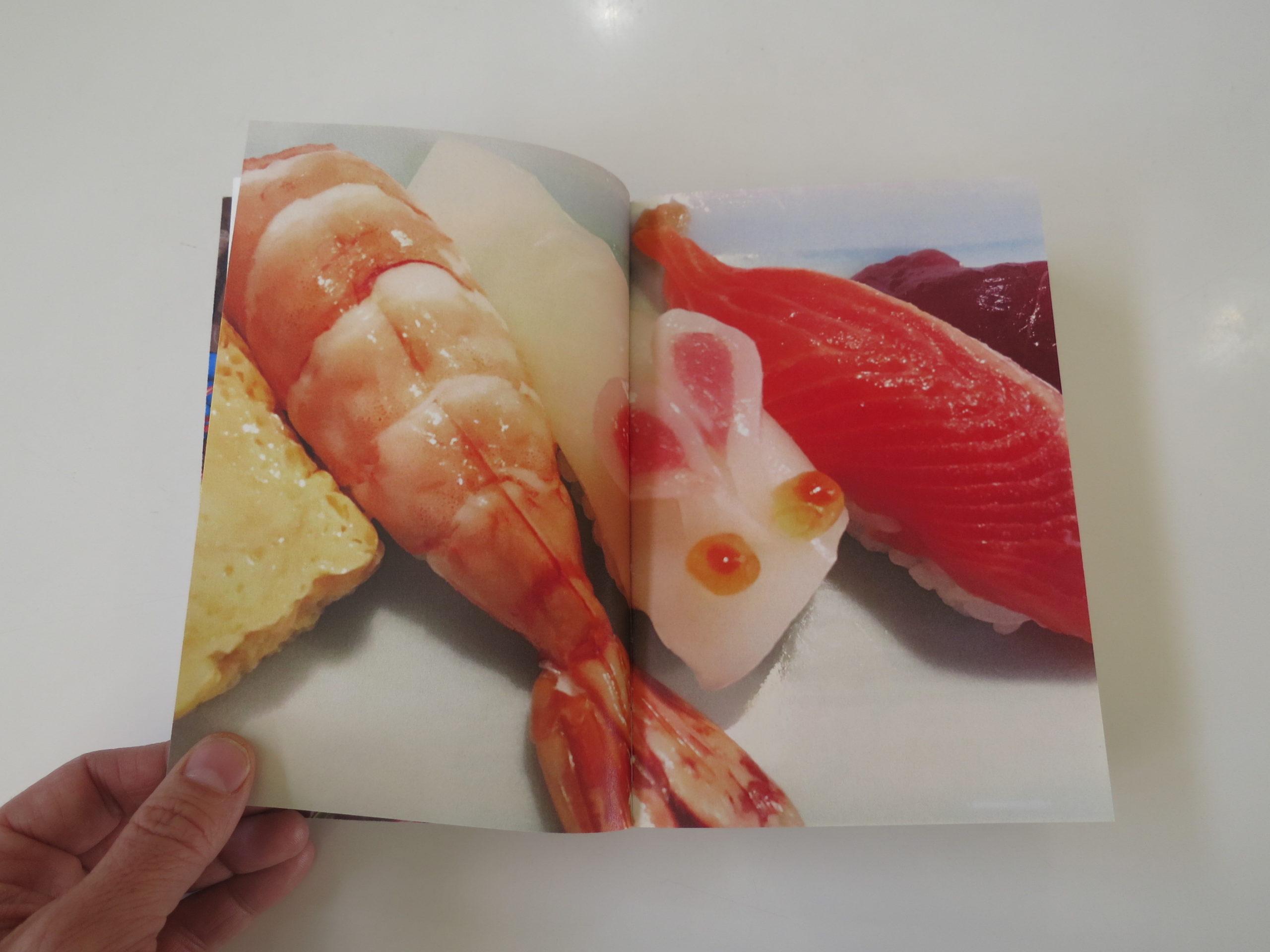
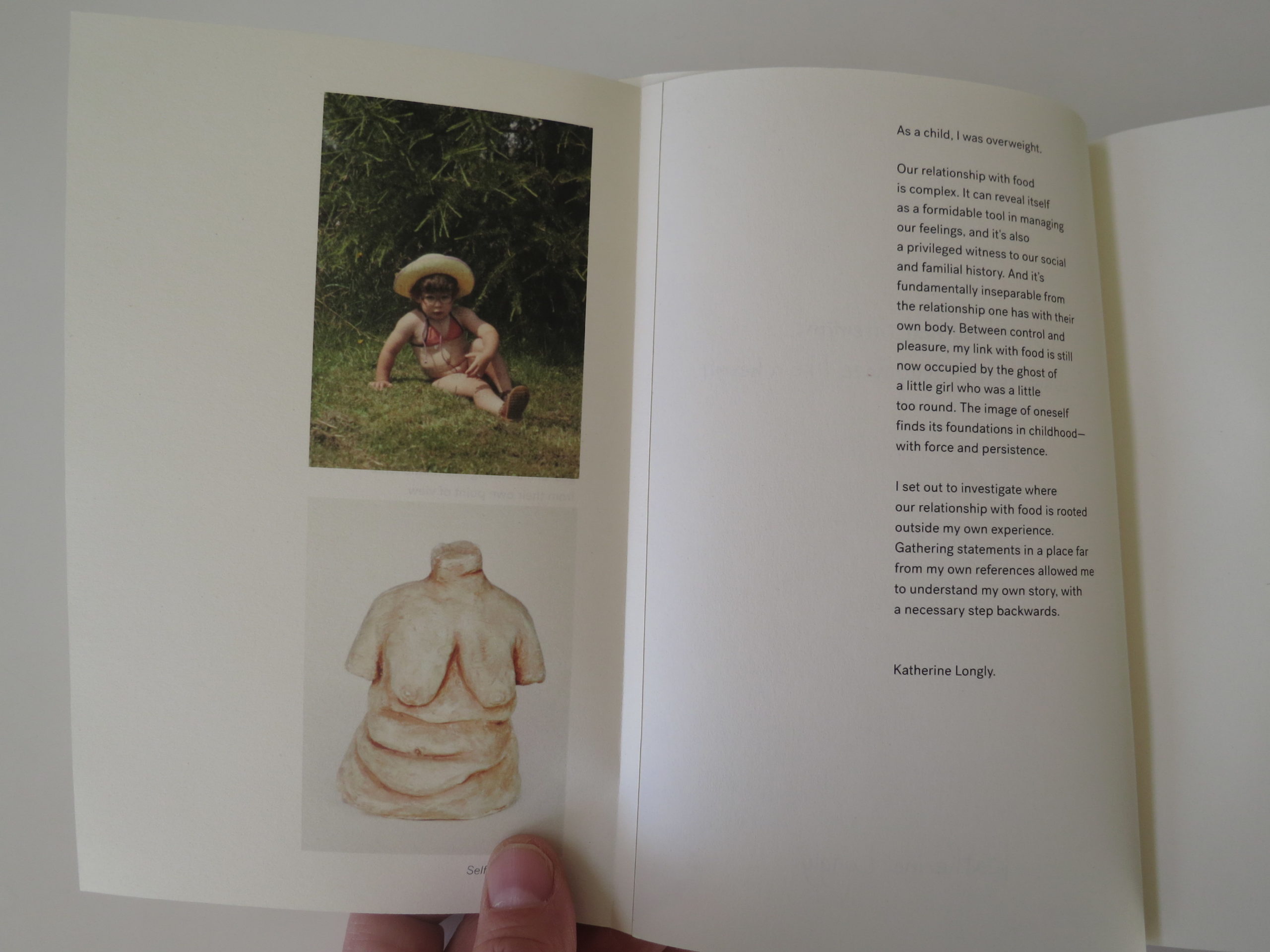
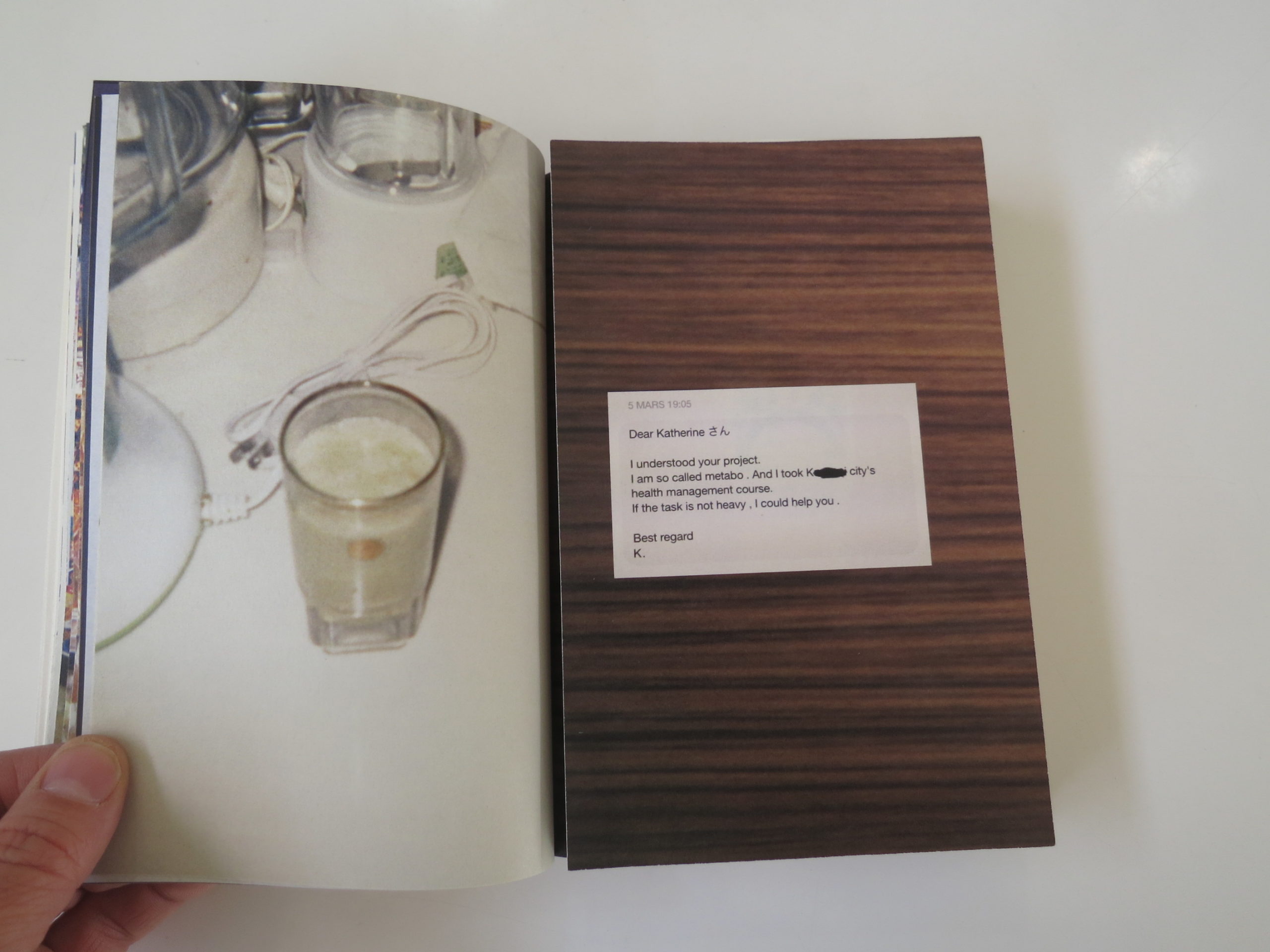
Well, my musings were inspired by “To tell my real intentions, I want to eat only haze like a hermit.”, a small-batch photo-book that turned up in the mail late last year by Belgian artist Katherine Longly.

Man, is this book cool. Honestly, if I can get more edgy, artsy projects like this from you guys, I’m willing to step off my soap-box and stop bitching about how all photo books look alike.

This submission is different than any before, as Ms. Longly reached out, and offered to send the book to me, if I’d sent it back. (She provided return postage.)

When she explained that it was a prototype, one built by hand, with countless hours of exacting labor, I said, “Sure, why not?” and eventually it turned up in the mail.

Apparently, Ms. Longly spent some time doing residencies in Japan, and this amazing little object was the result.

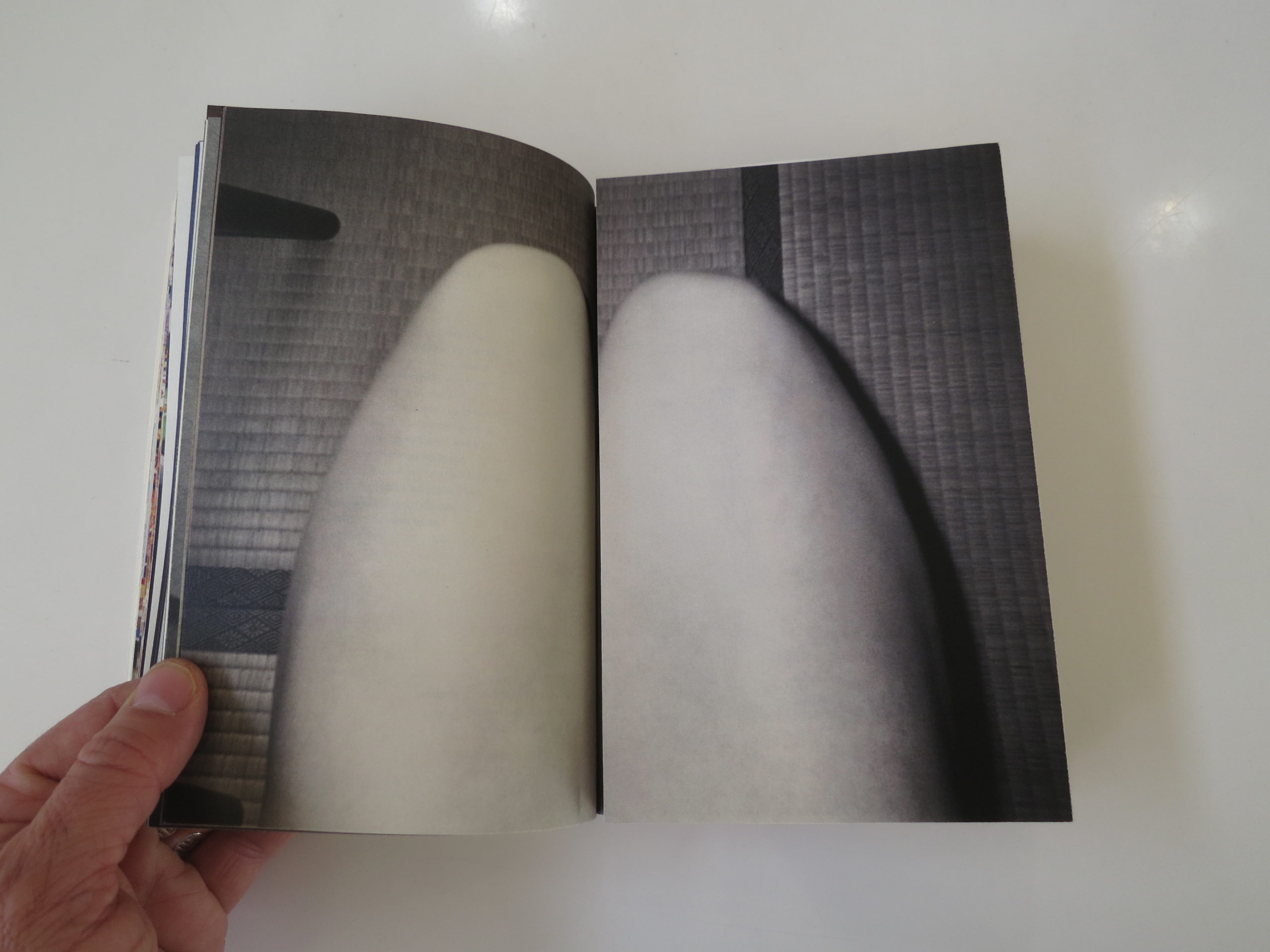
It opens up with a photo in a sleeve, facing backwards, and when you take it out, you see a photo of a chubby young girl. Right away, I assumed it was the artist. (Not sure why.)

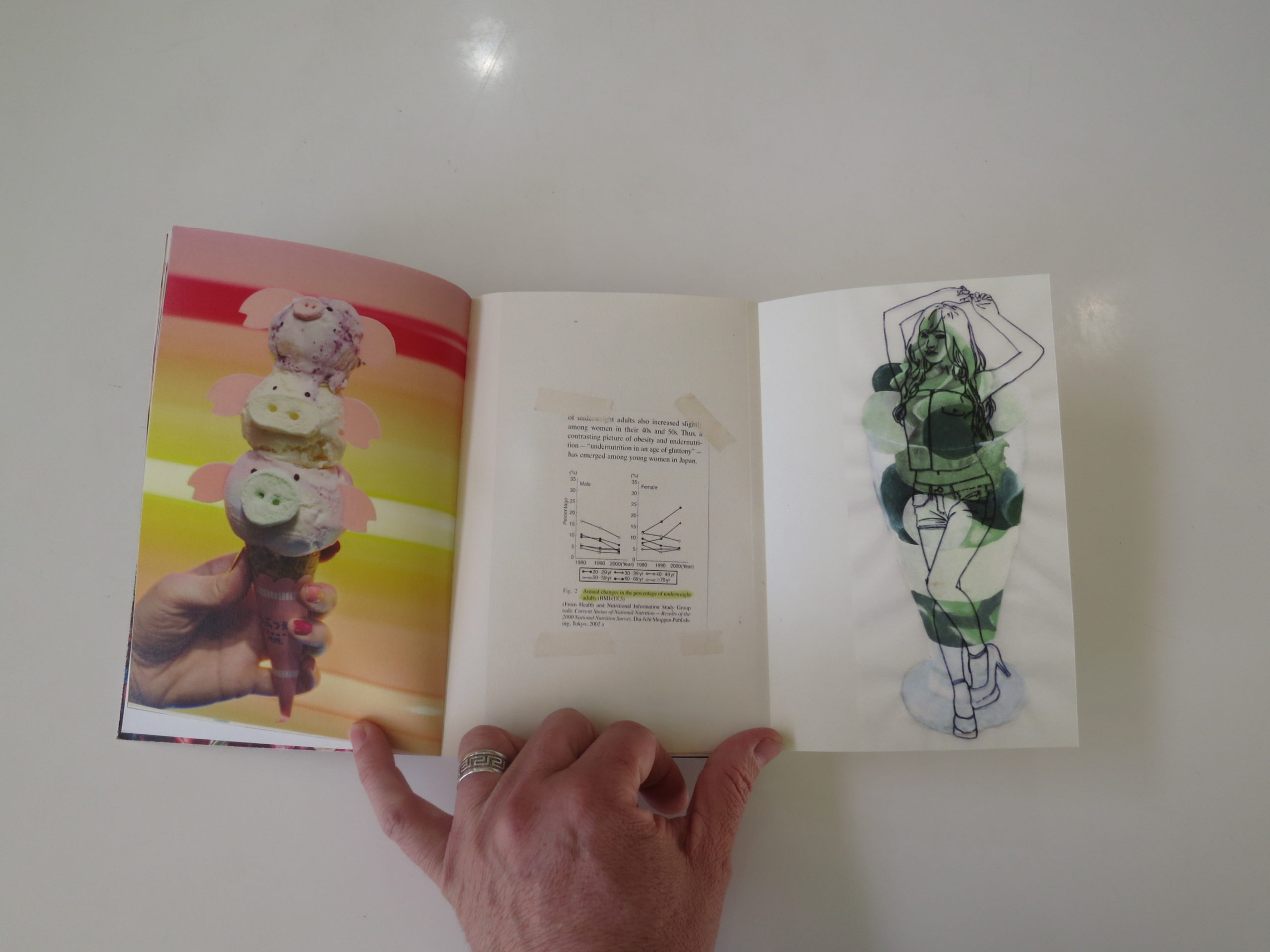
Overall, the book does a deep dive into Japan’s relationship to food, as men have seen an uptick in obesity over the years, some of which is directly attributable to a more Americanized diet. (In particular in Okinawa, due to its US Military history.)

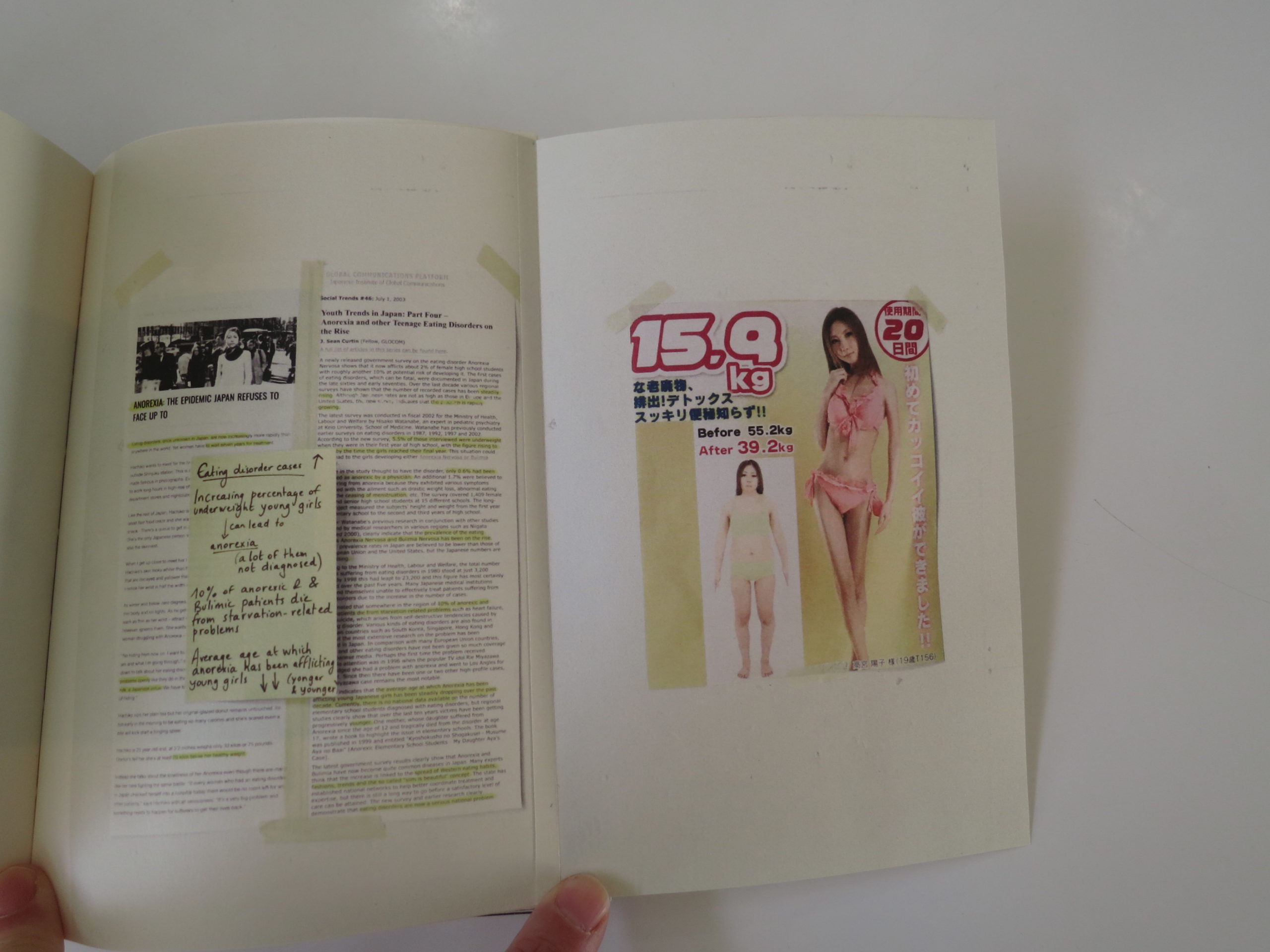
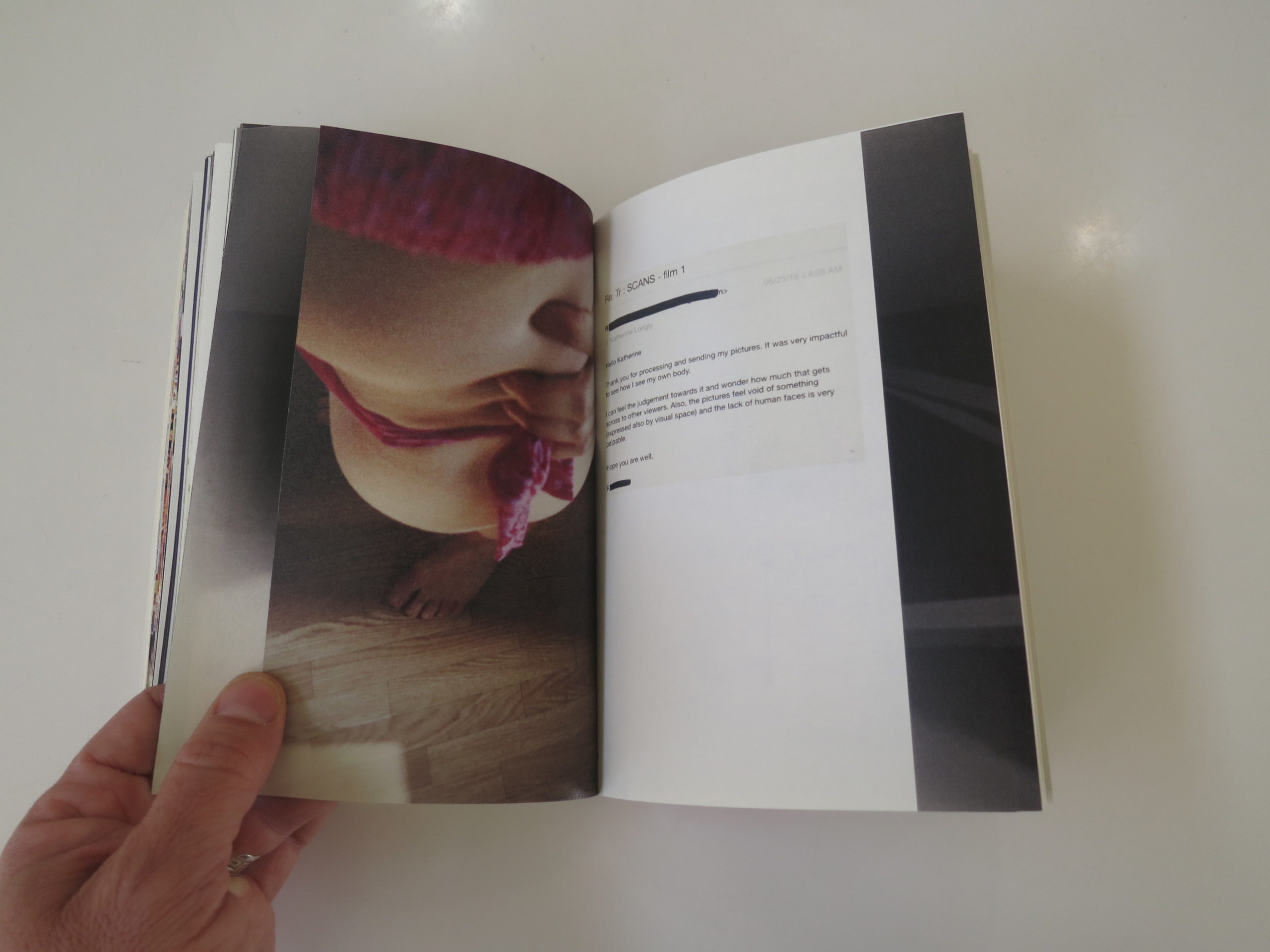
Women, though, face the opposite problem. Due to cultural pressures that are, and are not unique to Japan, (media saturation with young, skinny models and actresses,) many young Japanese women are underweight.

In a society of plenty, (as opposed to their Post-WWII scarcity,) Japanese women are seeing higher rates of eating disorders like anorexia and bulimia.

This is not something for which we can blame Trump, (despite his love of fast food,) but it does seem as if the West has made Japan sicker. (Simultaneously, we fell in love with sushi, which we’ve imported over here like crazy, despite the falling rates of fish in the sea.)

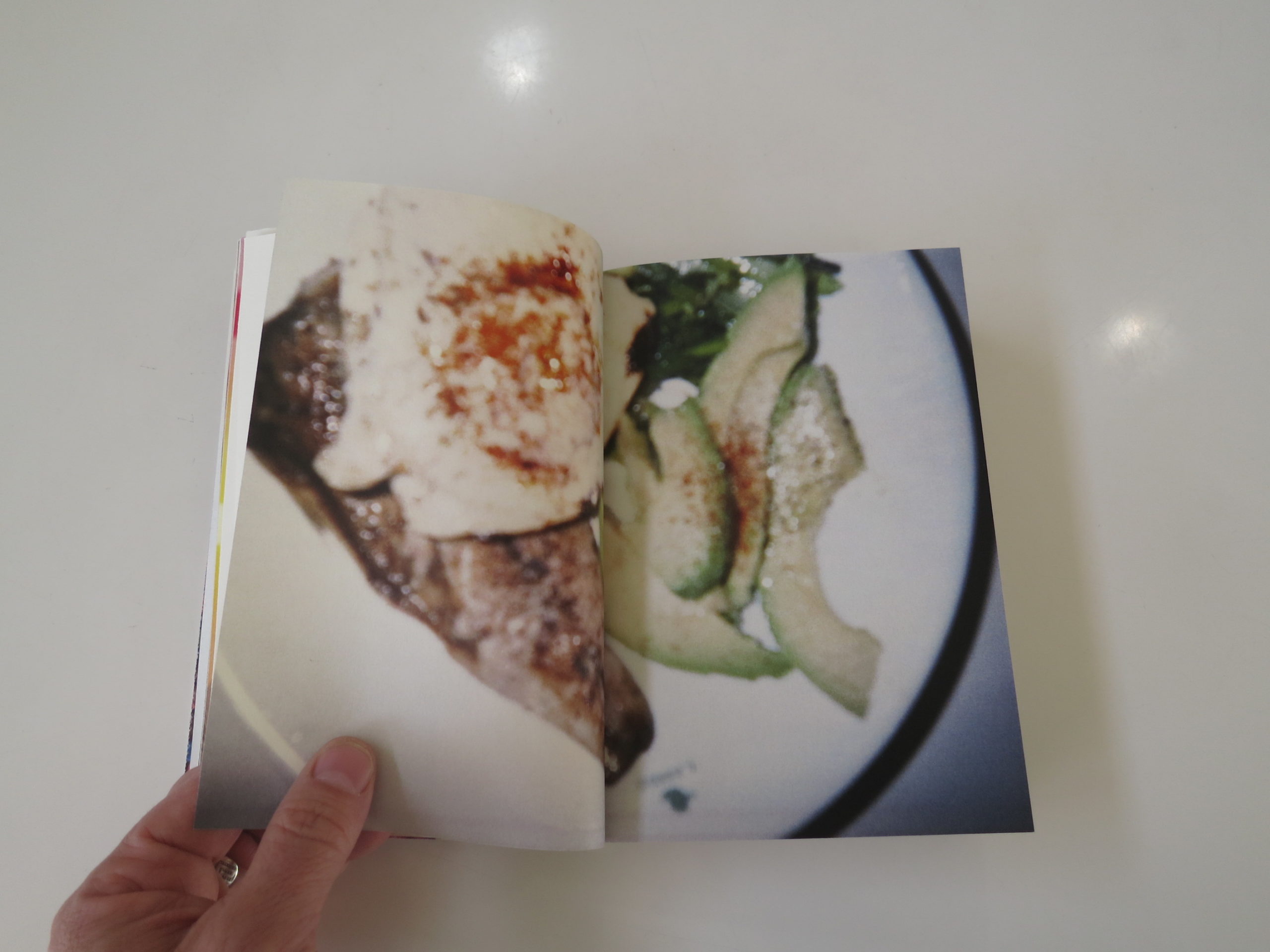
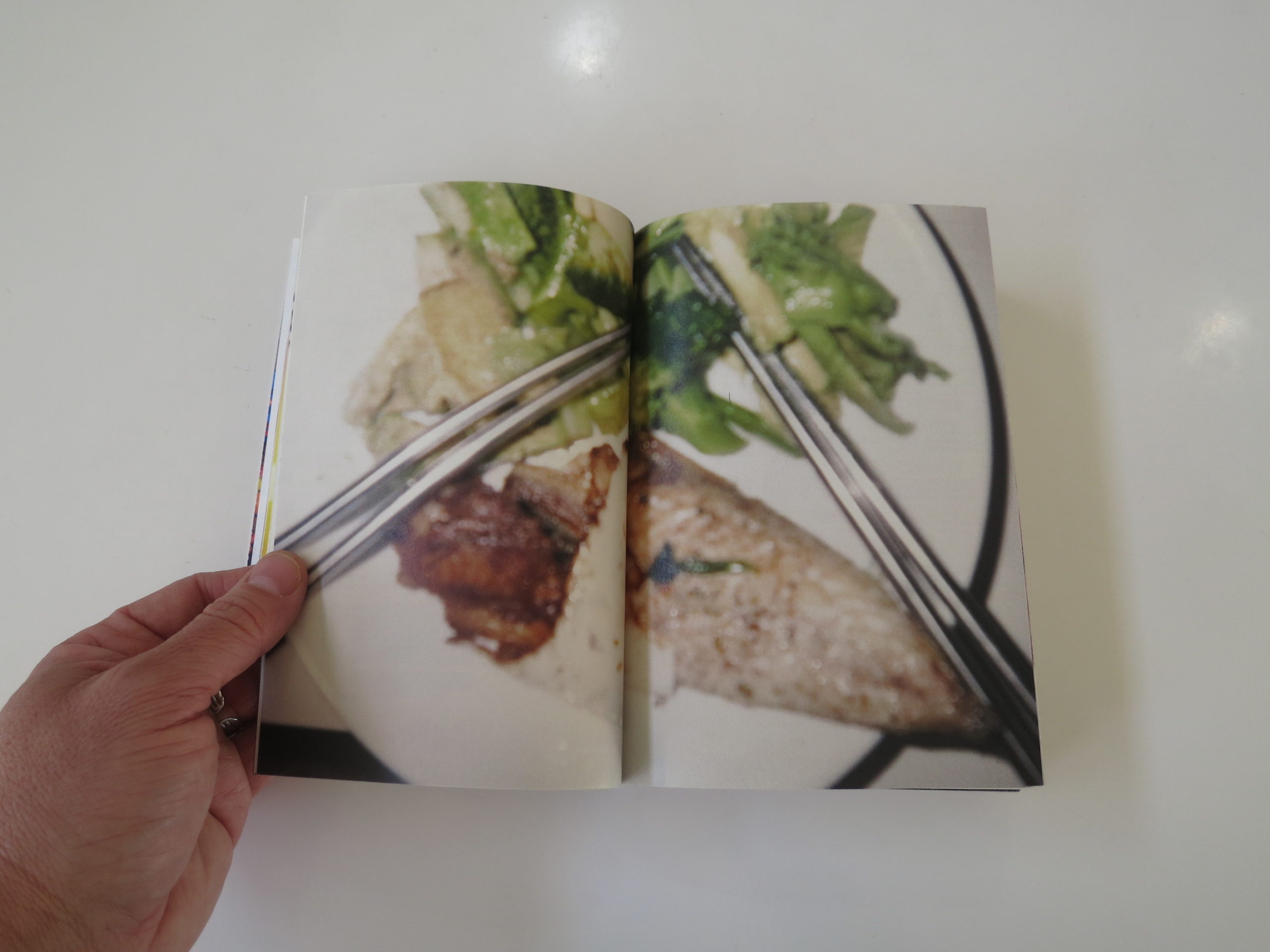
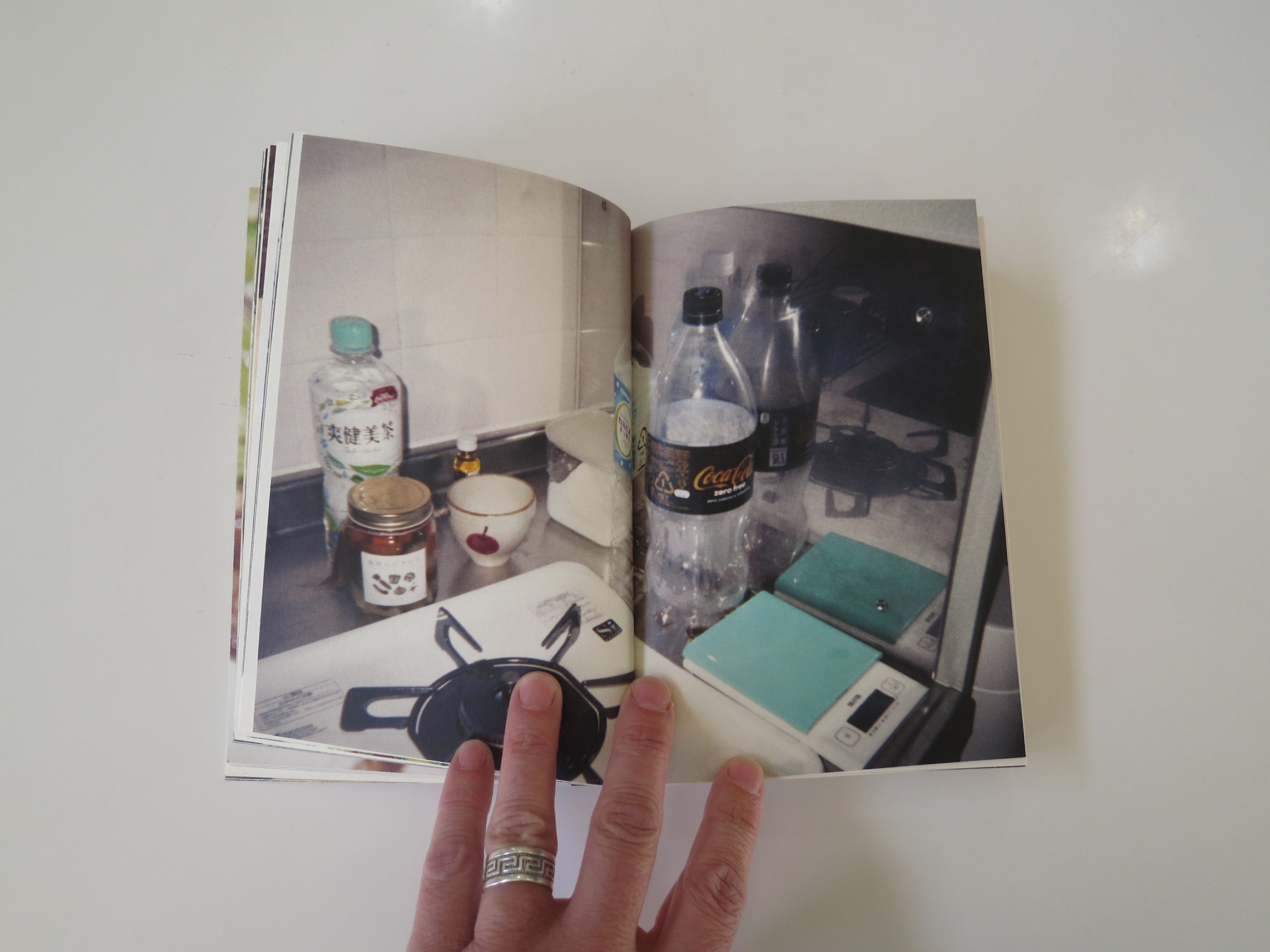
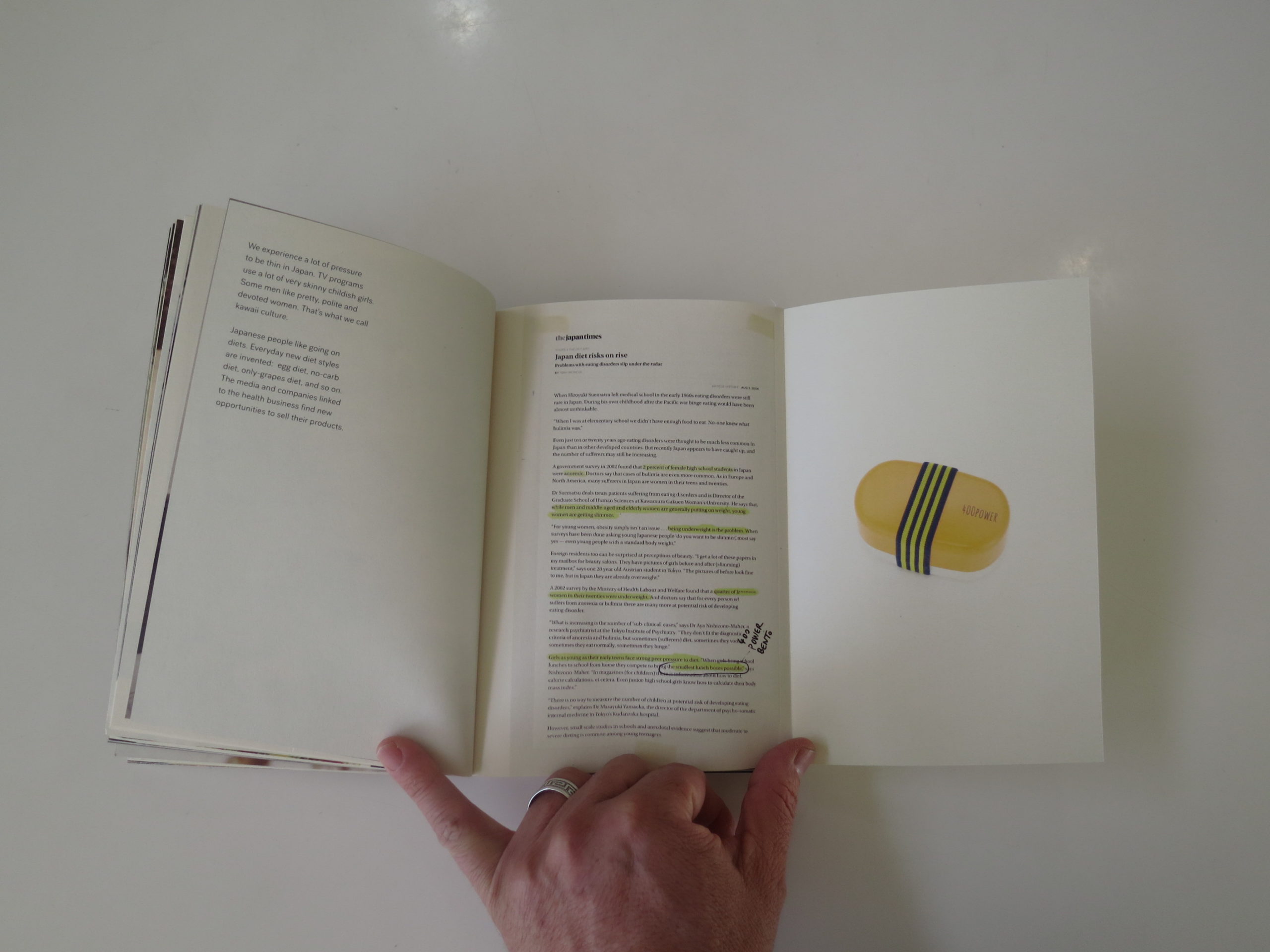
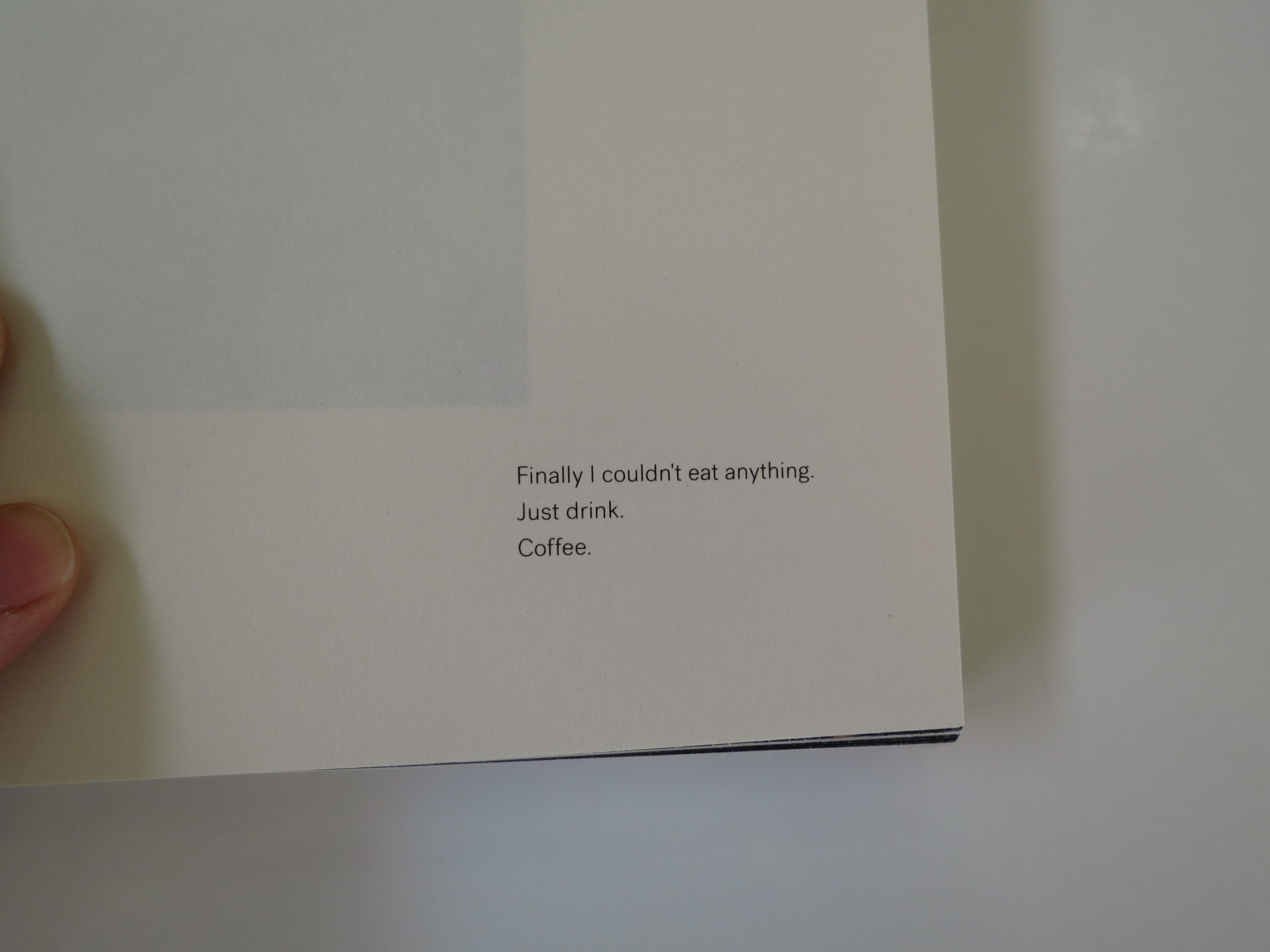
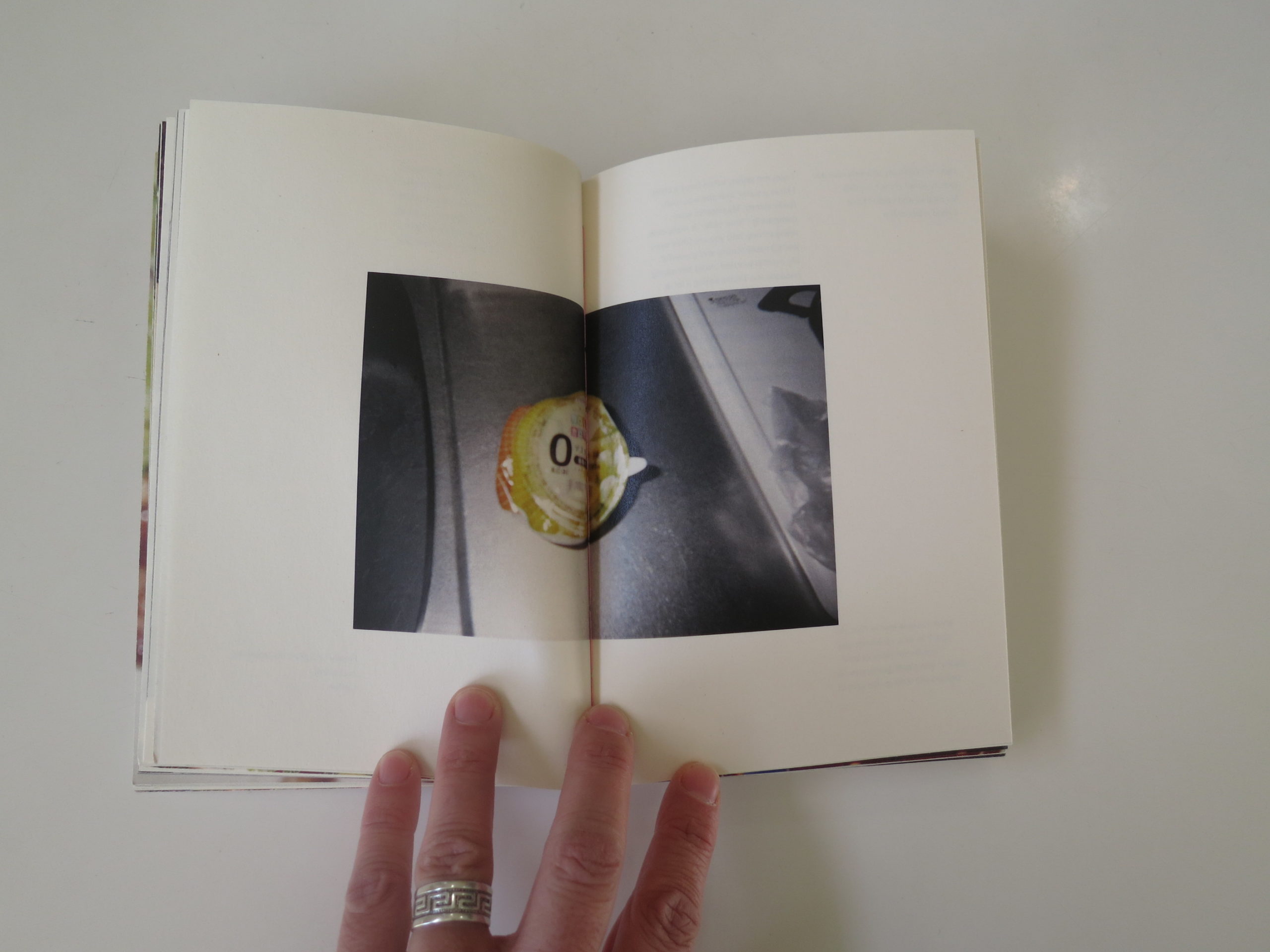
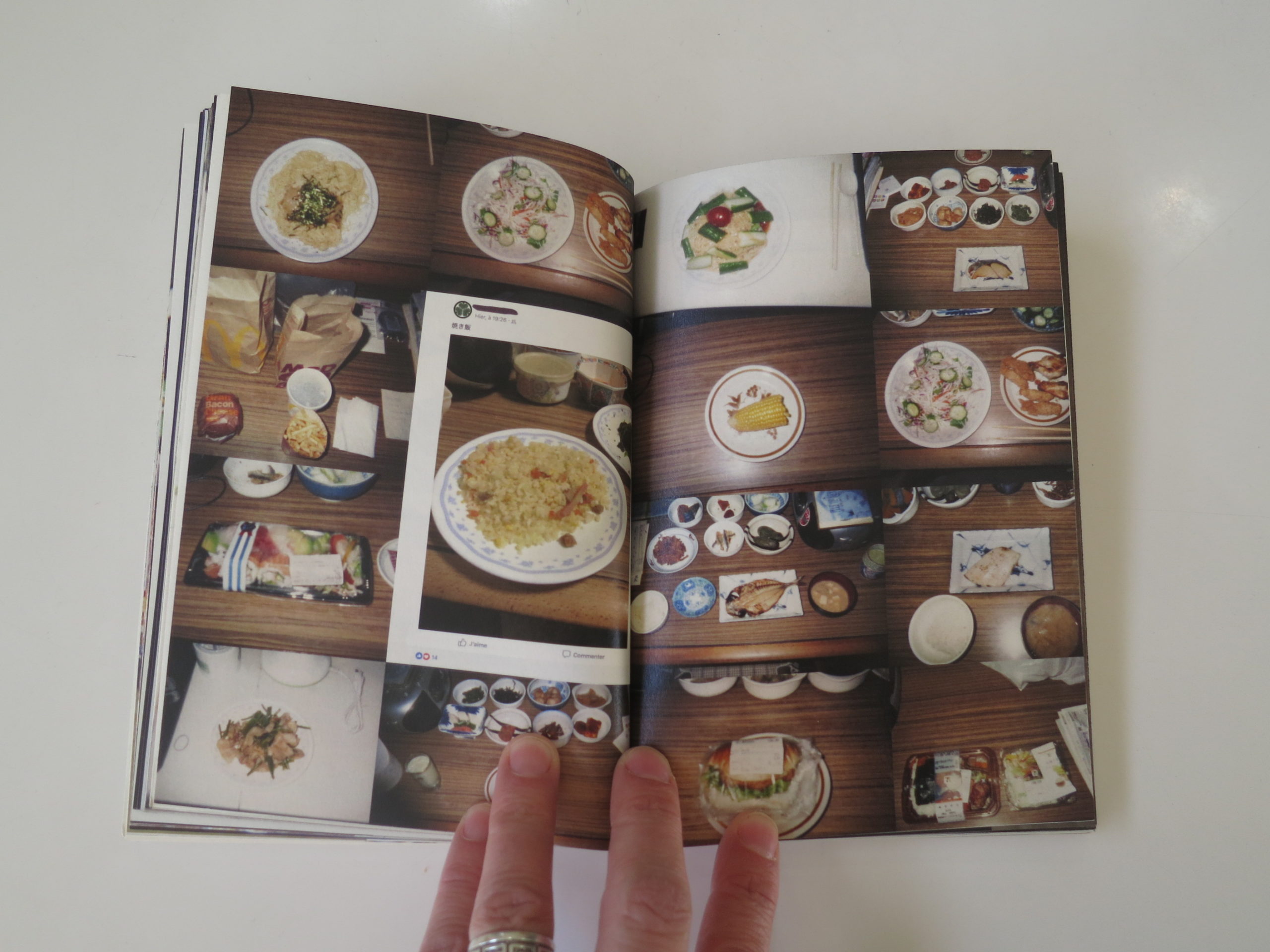
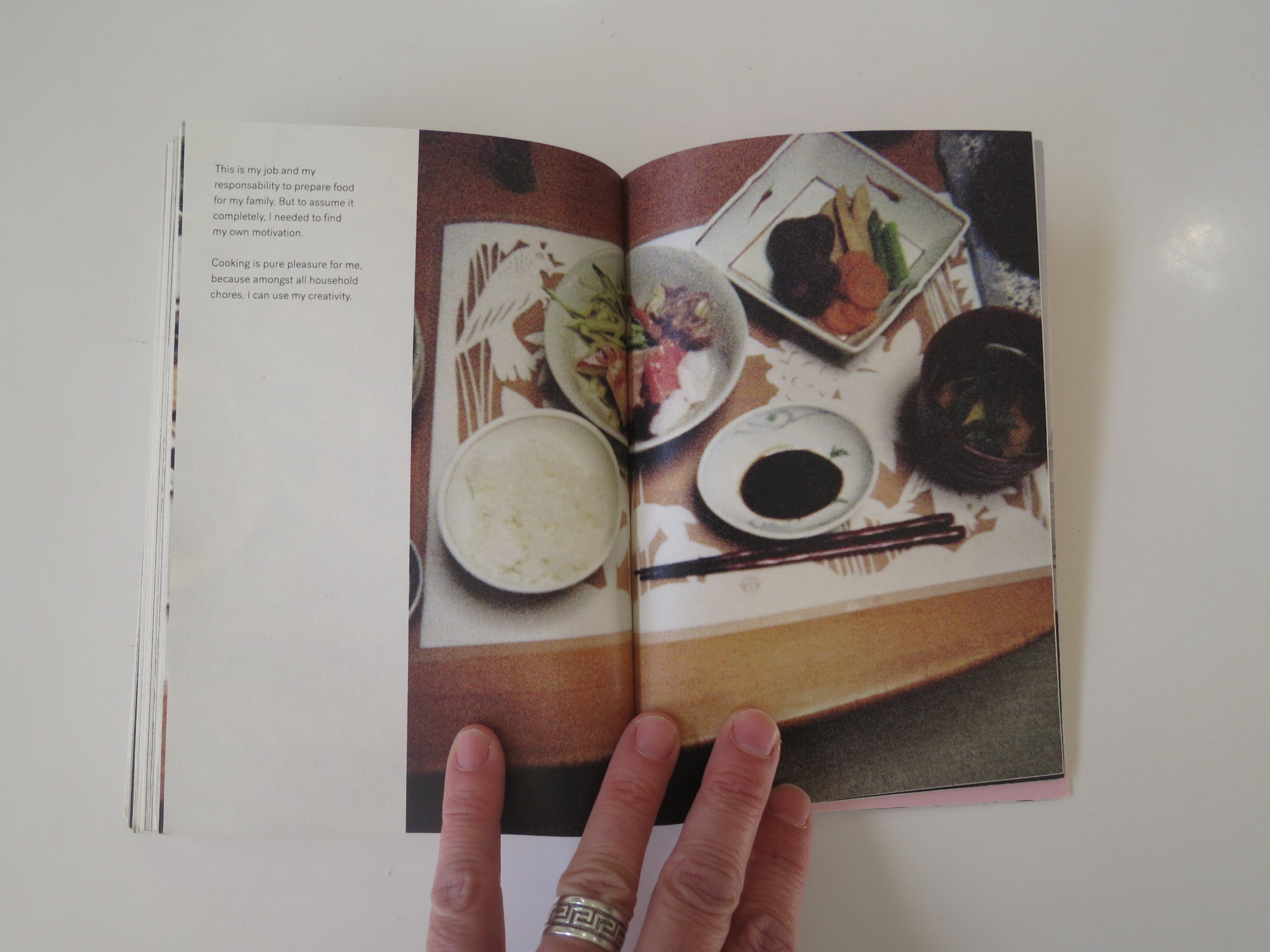
The book features some slick, weird photos at the outset, but then switches to a conceptual approach, in which a set of people living in Japan were asked to make disposable-camera-photographs of their food intake, and share stories about their relationship to it.

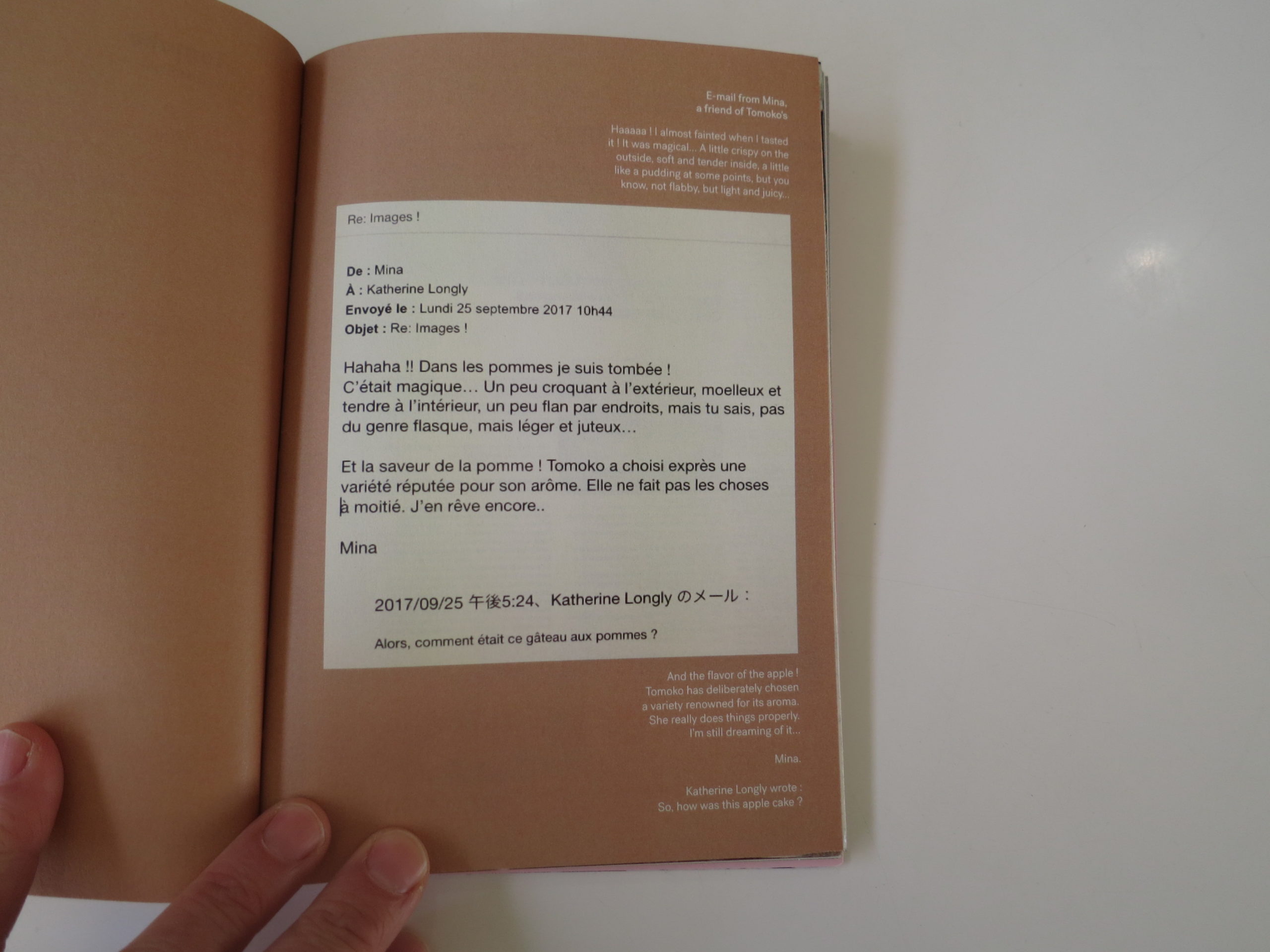
Some have eating disorders, some battle with childhood fears of being fat, and others long to cook the best food they possibly can. (Even if it means changing up the type of apples in a family cake recipe.)

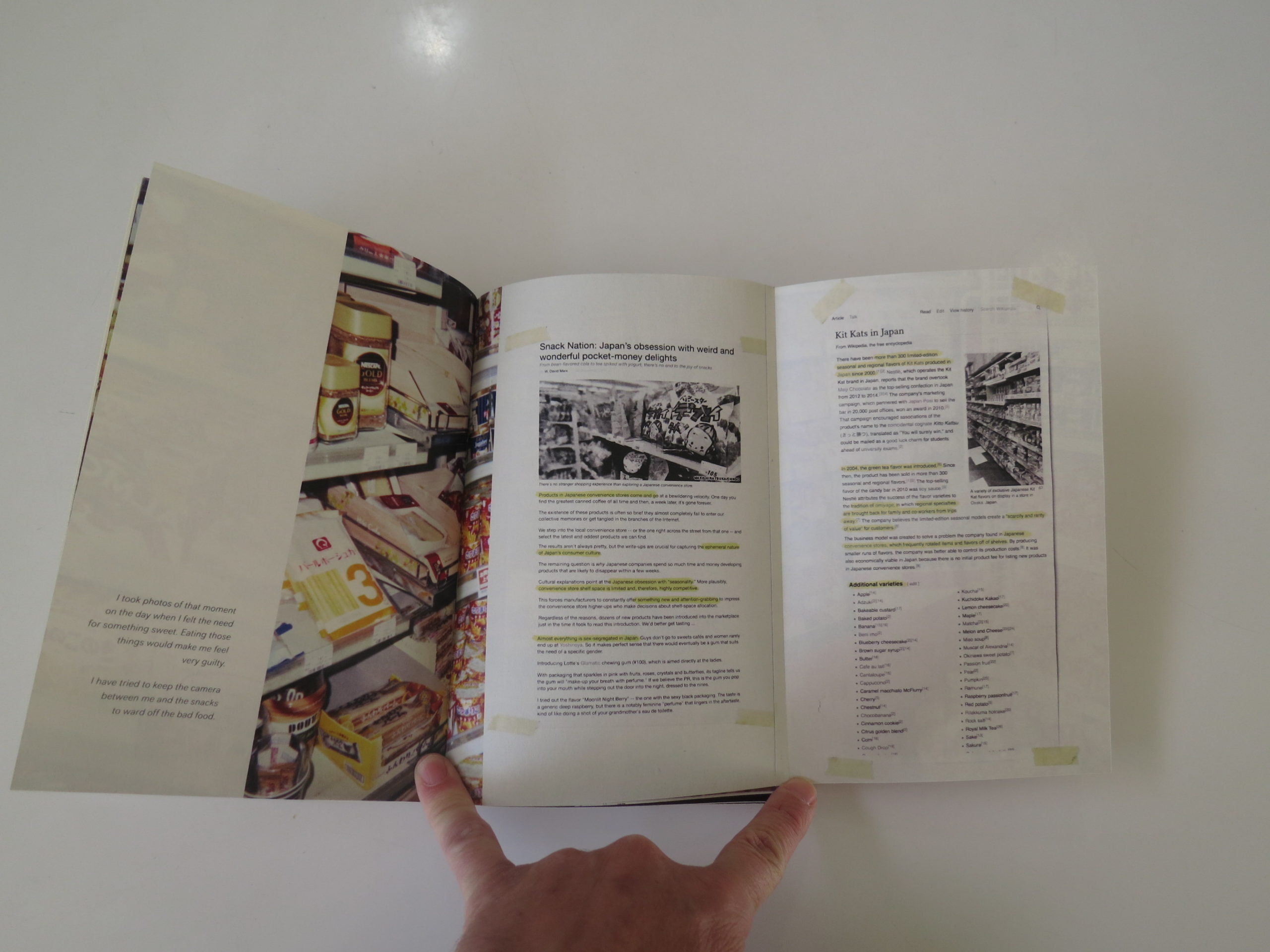
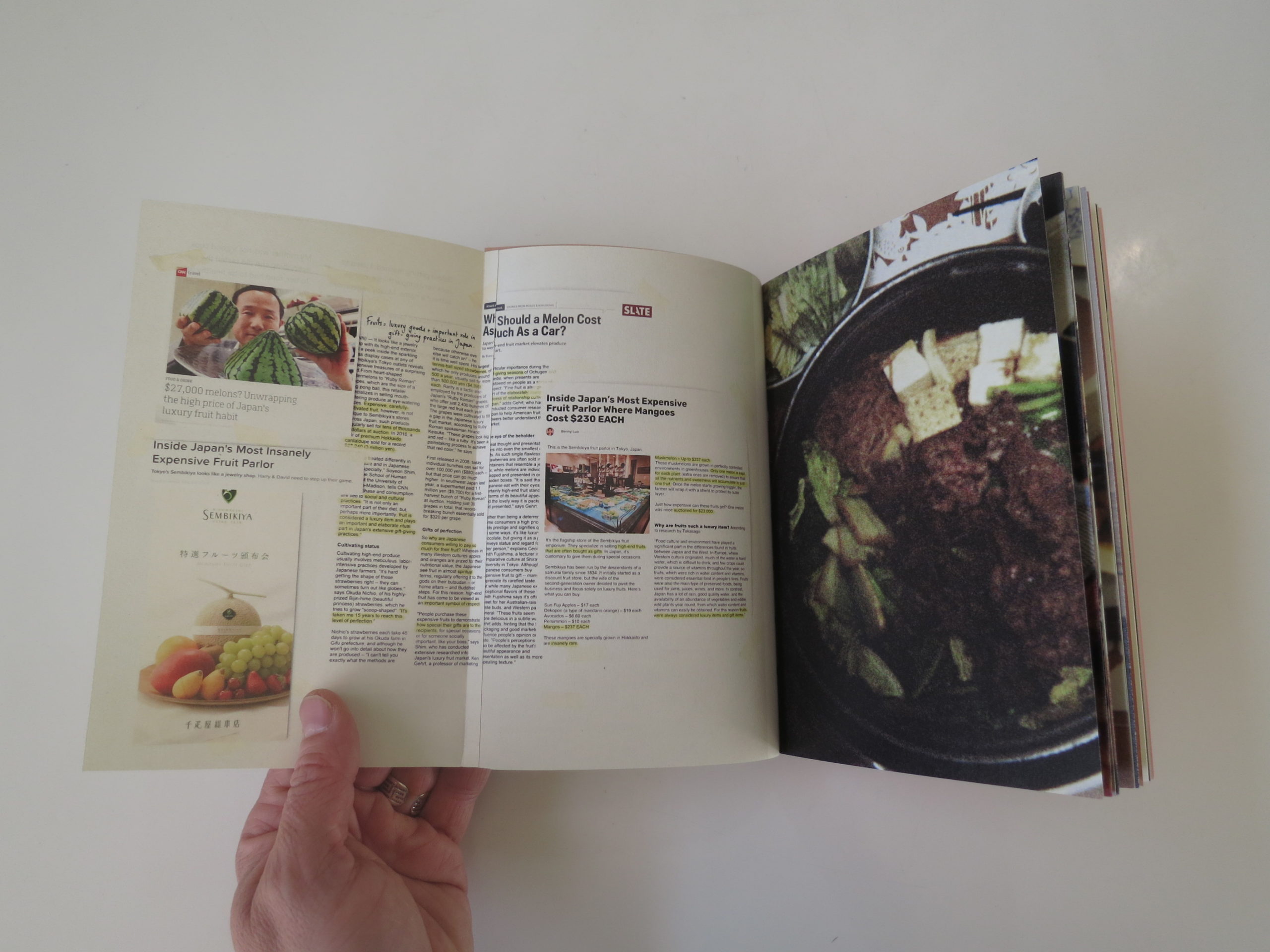
Throughout, really cool graphics and research documentation are included, so that facts and stats are mixed with the personal narratives.

And then in the end, we get to see another 4×6 photo of the artist, this time as a grown-up, in a plastic sleeve. (A nice connection to the beginning.)

Like last week, this is a book begging to be photographed, so I’ll make sure to include a lot of pictures down below.

Today wasn’t the day to brag about my New York gluttony, but I’ll get to that in the coming weeks. (Thankfully, I walked so many miles in the city that I came home without any extra pounds.)

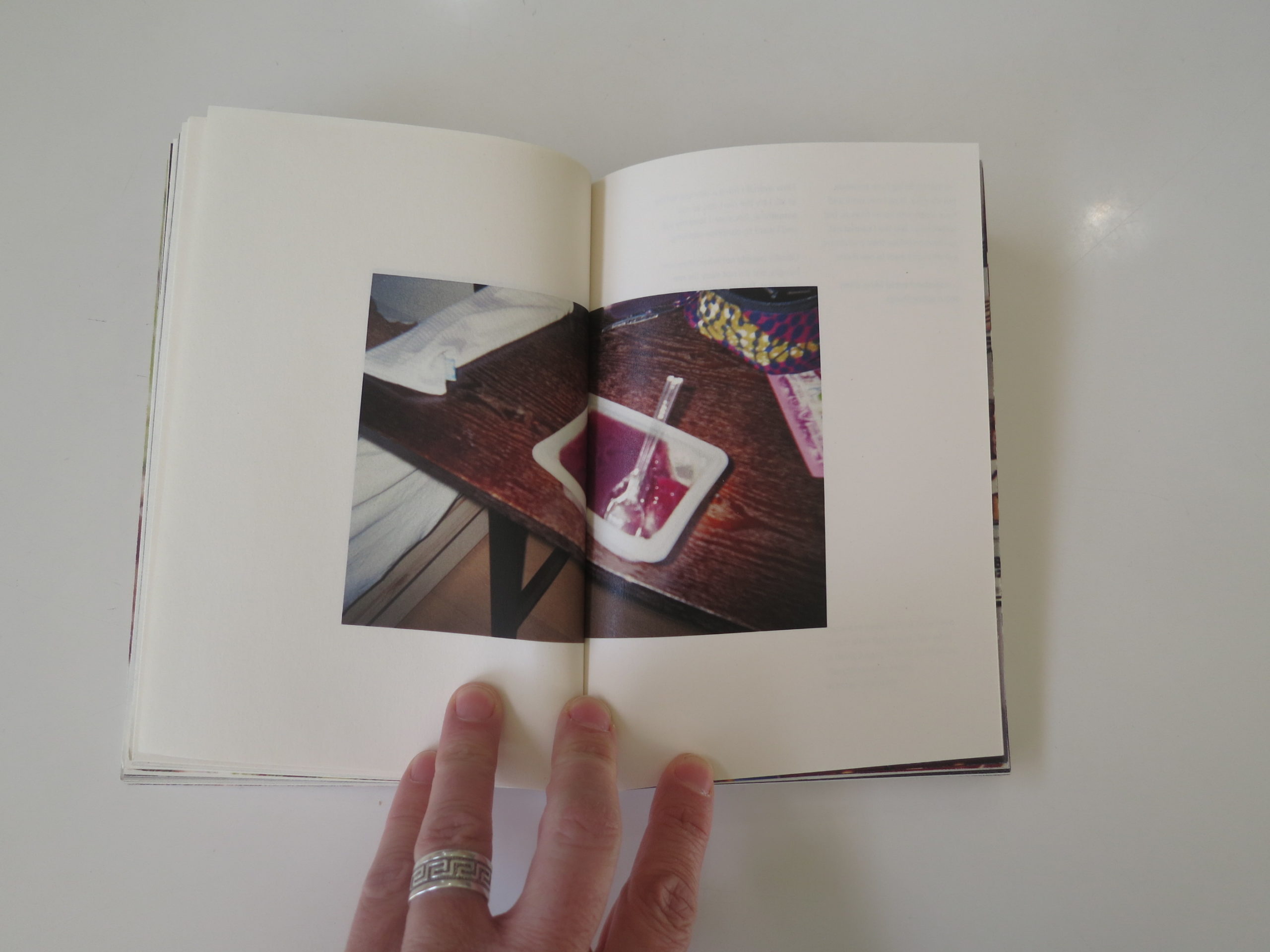
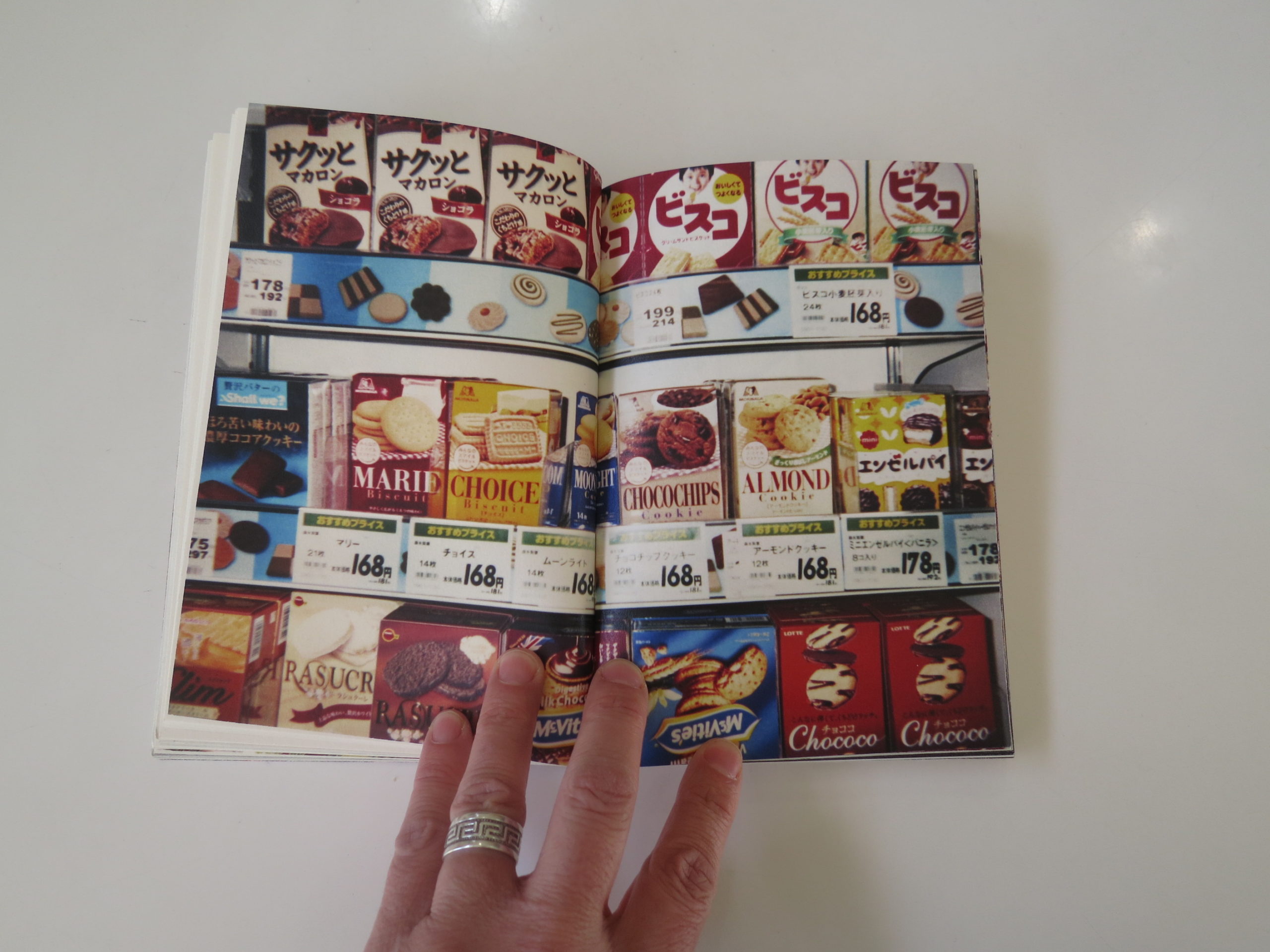
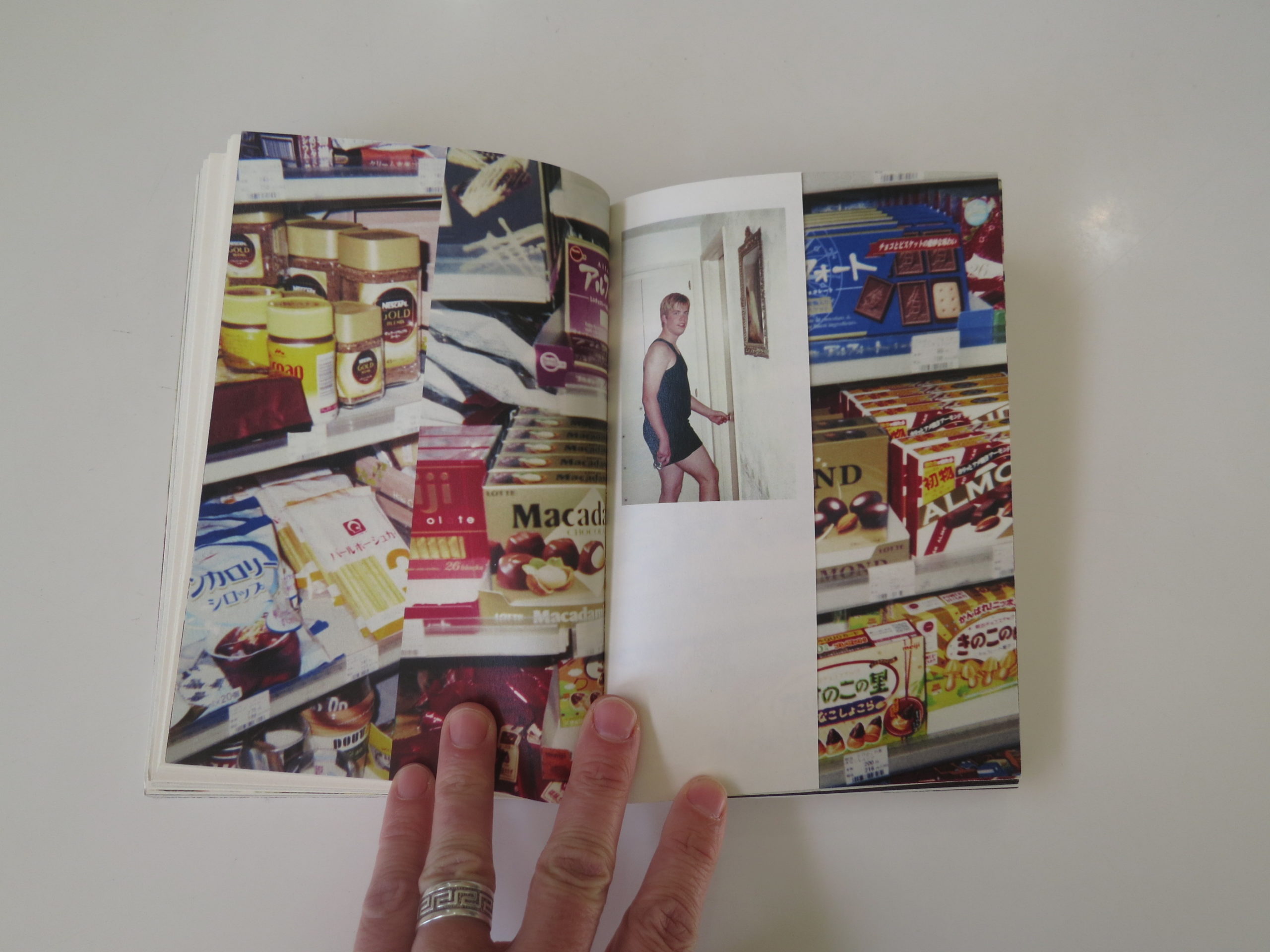
Rather, I’ll leave you to contemplate this killer book, which somehow manages to be personal, while also exposing the artist, (and by extension, us,) to an alien culture filled with flavored kit kats and fermented bar snacks.

Bon Appetit!

Bottom Line: Fantastic, original maquette about Japanese food culture

To contact the artist about the book, click here 

If you’d like to submit a book for potential review, please email me at jonathanblaustein@gmail.com. We’re particularly interested in submissions from female photographers, and artists of color, so we may maintain a diverse program. 

Pricing & Negotiating: Headshots, Stills and Video

Craig Oppenheimer, Wonderful Machine

Concept: Corporate headshots of 50 employees

Licensing: Unlimited use of all content captured in perpetuity

Photographer: Portraiture specialist

Agency: Large, based in the Northeast

Client: Pharmaceutical company

Here is the estimate:

Creative/Licensing Fees: At first, the project seemed rather straightforward. The request was to capture about 50 employee headshots against a solid background on one shoot day. While 50 people would be a lot to cram into one day, the client was in charge of scheduling the employees, and we discussed spending just a few minutes with each subject, so it seemed doable. The client/agency also requested unlimited use of all images captured in perpetuity. In this case, the images would primarily be displayed on a website with no intention of advertising use. Nonetheless, we were told that we could not limit the licensing in any way. Unfortunately, we see this quite often, when a client’s requested use varies drastically from their intended use. While I always do my best to limit usage when I can, I knew the client could easily find a photographer willing to grant unlimited use on a project like this. Taking that potential competition into mind, the photographer was willing to throw it all in and trust that the usage would not escalate. I’ve quoted a lot of similar projects in the past, and I’ve had success starting with a fee of $1,500 and adding $100 per subject. In this case, that totaled $6,500.

Tech/Scout Day: The photographer planned to do a walkthrough of the location prior to the shoot to ensure that there would be adequate space, and to talk through the project with the client. We included $750 for their time to do so.
Assistants: The photographer would bring their first assistant along for the tech/scout day, and both the first assistant and a second assistant would attend the shoot day.

Hair/Makeup Stylist: We included one stylist to perform very light touchups of each subject prior to being photographed.

Equipment: This covered the cost of the photographer’s own equipment, including two camera bodies and the lighting and grip that he’d need for a basic setup.

Mileage, Parking, Misc.: The photographer was local, and this primarily covered parking and miscellaneous expenses that might pop up during the shoot day.

Delivery of Content on Hard Drive: Simply put, the photographer would provide the images on a hard drive to the client; this covered that expense.

Color Correction and File Cleanup: The agency planned to handle the retouching, as detailed in the job description, but asked for a cost to cover basic color correction and cleanup, should the photographer take on that task. We detailed a fee of $40/image for this if needed.

As we were compiling the above estimate, we were asked to also provide an estimate to add video. In addition to the 50 headshots, they hoped to capture short videos of 12 leadership team members. There would be no speaking (and therefore no audio capture needed) but rather minor expression changes and small movements captured in a very short clip. We felt this necessitated an additional day, so we compiled an estimate for a two-day shoot. Shooting over two days was actually advantageous as it would allow for more breathing room with the 50 portraits, and the ability to have them overflow on to the second day if needed, with half a day dedicated to the video. Here is that estimate:


For the creative/licensing fee, I added $1,500 for a modest creative fee to account for the additional day, and then added $200 per person for the video, which brought me to $10,400, and I then rounded up to an even $10,500. We increased the crew to account for the additional day, and increased equipment as well to $1,500 to cover extra equipment that the photographer might need to rent for the video. We also added a digital workstation rental at $750 so the client could see the video that was being captured of their leadership team, and the photographer planned to have his first assistant jump in to play the role of a digital tech in this regard. We increase our mileage/parking/misc. line to account for the second day, and kept the expense the same for the delivery of a hard drive.

Feedback: After speaking with their client, the agency reported back and told us that rather than capturing headshots of 50 people, they wanted to focus primarily on the leadership team. They asked for a new estimate to capture individual portraits and short videos of just the 12 members of the leadership team, plus a group shot of 20 people. After speaking about the reduction/change with the photographer, and knowing the client’s intended use and desire to keep costs down (ideally under 10k), we decided to include a creative licensing fee of $5,000. This was loosely based on a $1,500 fee plus $300 per person and then rounded down a bit to make it more palatable. We made a few other small tweaks to equipment and were asked by the agency to add basic post-processing of 8 portraits, which we included in the following estimate:

Results: The photographer was awarded the project.

If you have any questions, or if you need help estimating or producing a project, please give us a call at 610.260.0200 or reach out. We’re available to help with any and all pricing and negotiating needs—from small stock sales to large ad campaigns.

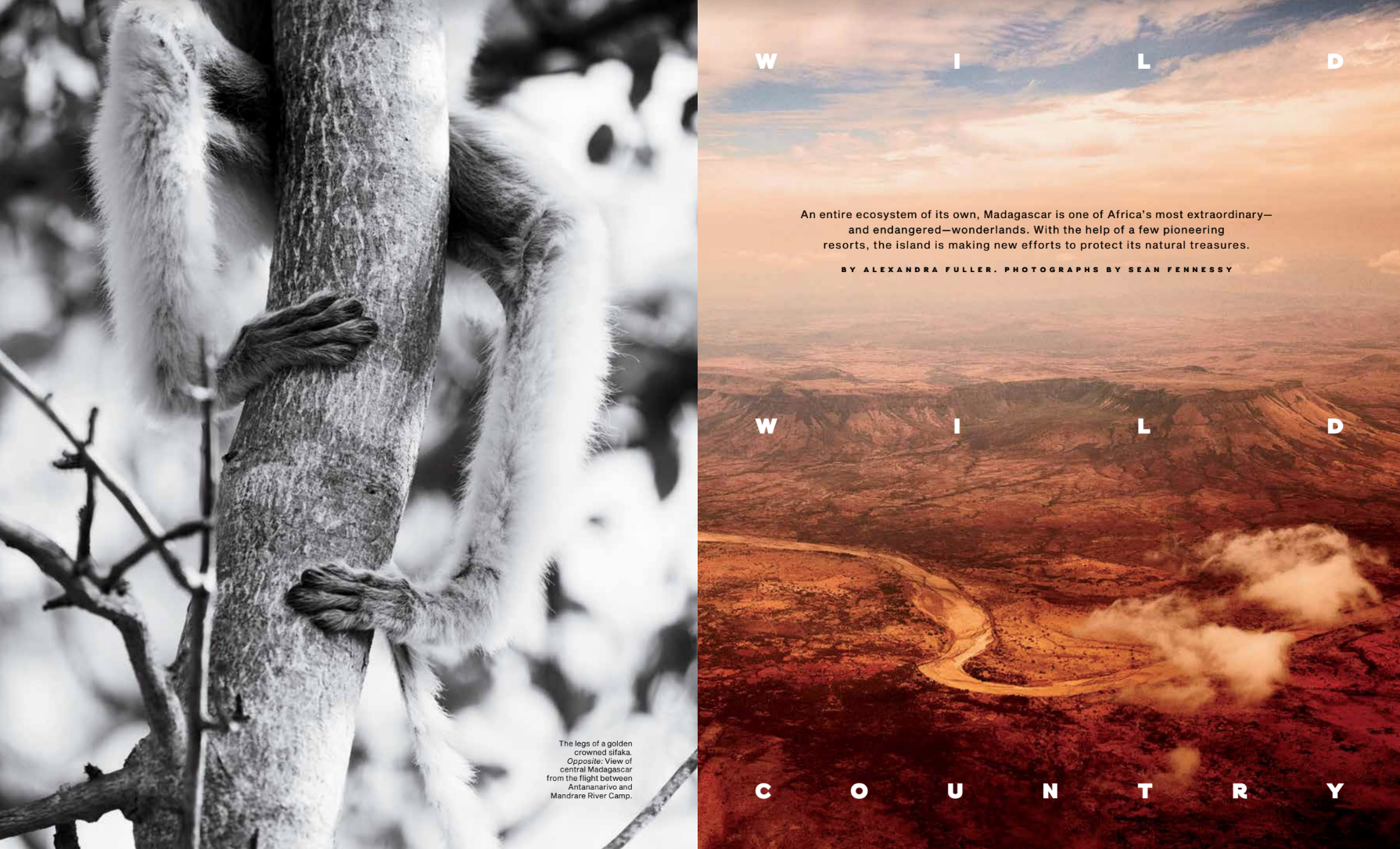
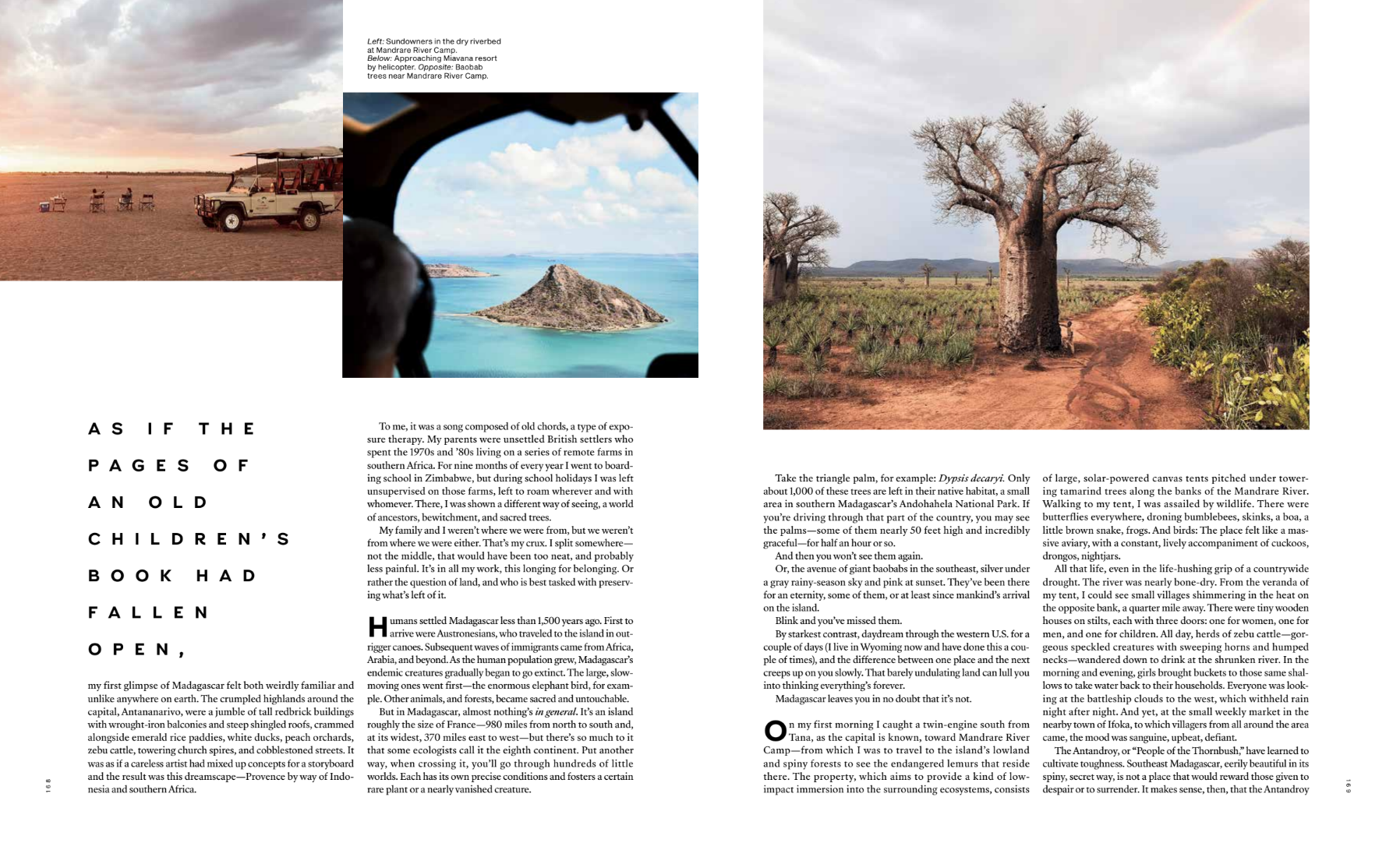
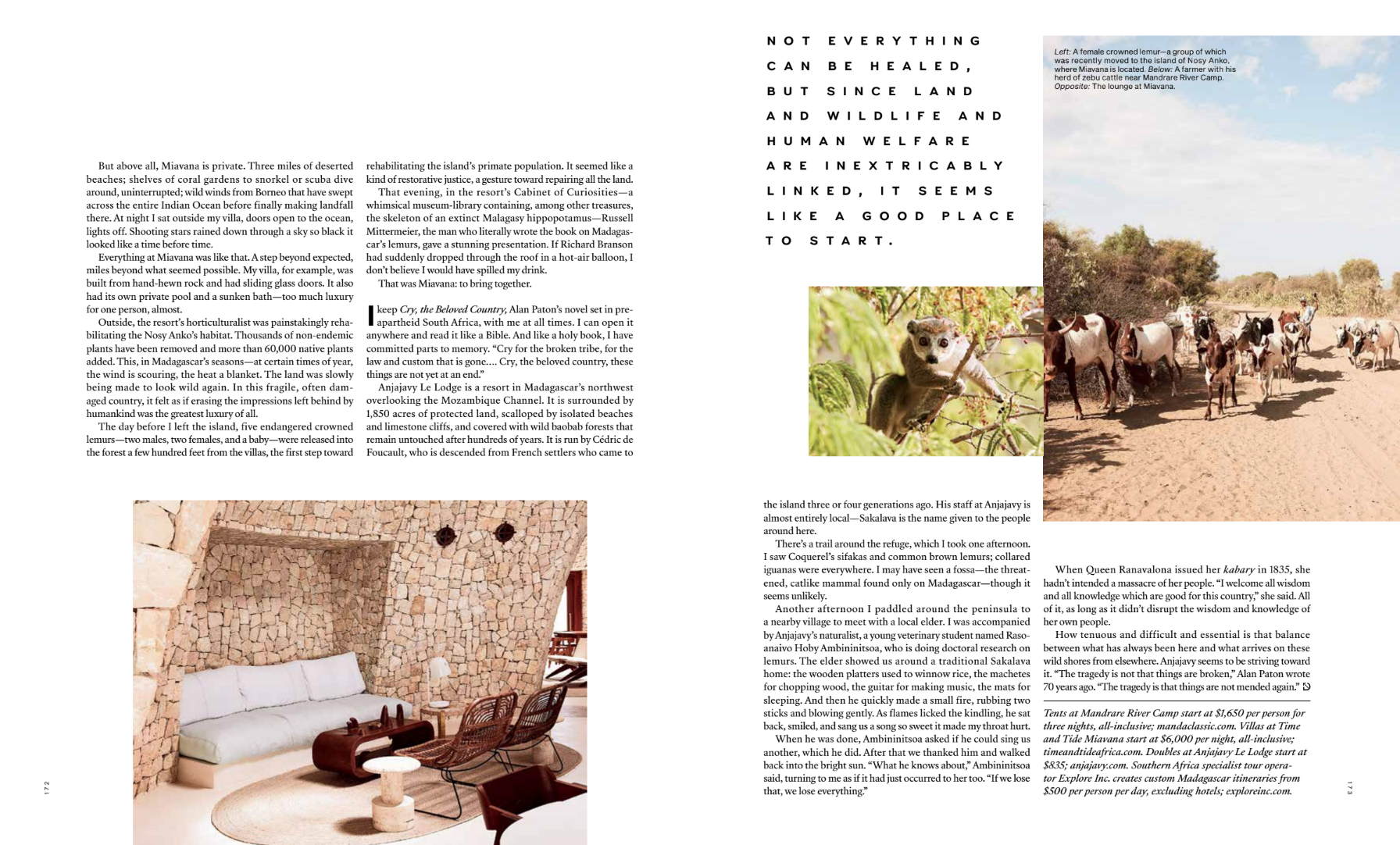
The Daily Edit – Departures Magazine: Sean Fennessy

Departures Magazine

Photo Editor: Skye Senterfeit
Photographer: Sean Fennessy

Heidi: How did this job come about, did you pitch it to the magazine?
Sean: Whenever I hear from Skye Senterfeit, the photo editor at Travel + Leisure and Departures, it’s always a ‘pinch myself’ moment. When I saw Madagascar in the subject line of this email it was particularly exciting, although I’m ashamed to say that my knowledge of the country before this trip came exclusively from the animated kids movie.
How many days were you there; had you been to Madagascar before?
7 days. No I’d never been there before.

What was the overall directive from the magazine?
Despite the exotic destination, the direction from the magazine was surprisingly low-key. I’ve had the pleasure of working with Skye several times (starting with some assignments closer to home and then gradually moving further afield) so I think I’d built up some trust! However there was some dramatic emails in the lead up to the trip when news broke of an outbreak of The Plague. A last minute visit to my doctor and the prescription of some obscure antibiotics later, and I was good to go.

Did you have a shot list to fulfill?
Often on assignments like this, the writer has travelled in advance and has made a start on the story which can then be used to build a shot list. But in this case I was traveling with the writer so everything was a little unknown. The hardest thing about this particular assignment was the vast visual contrasts in what we were experiencing. From arid landscapes and poverty of local villages to a brand new $2500/night resort on a private island. To find a visual cohesion was the biggest challenge.
Are you editing as you shoot? 
Yes absolutely, to make sure everything is backed up and also to ensure that I’m managing to shoot a good variety of images. I love working on travel stories because they are a great excuse to make a mix of details, landscapes, portraits and interiors. I’ve always preferred to work to a series rather than in single frames and I get pretty excited about the idea of crafting a narrative.

You have a broad range of work, is there a common thread you pull on for each category?
I’ve always been much more interested in subject matter and atmosphere rather than photographic techniques, and in a broad sense I hope that ties my work together. I’m always striving for a simplicity and clarity from an observational viewpoint.

How much of your work is local and how much is international brands asking you to shoot in AU?
Probably 50-50. It’s more convenient to work close to home but as a photographer I think it’s so important to constantly be presented with new environments. It’s the best way to stay motivated and inspired.

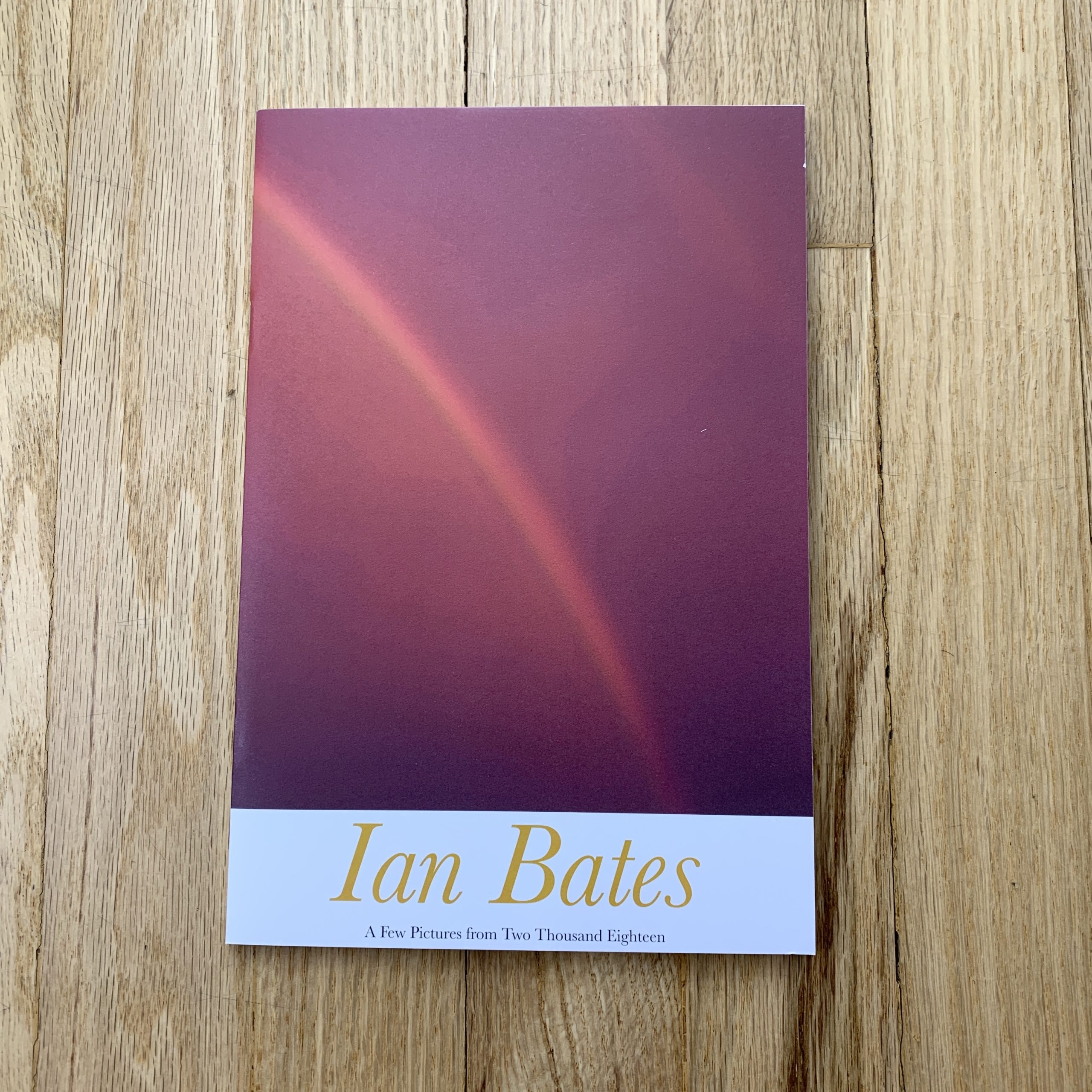
The Daily Promo – Ian Bates

Ian Bates

Who printed it?
Smartpress out of Minnesota.

Who designed it?
I’m not a designer at all but did it myself.

Tell me about the images?
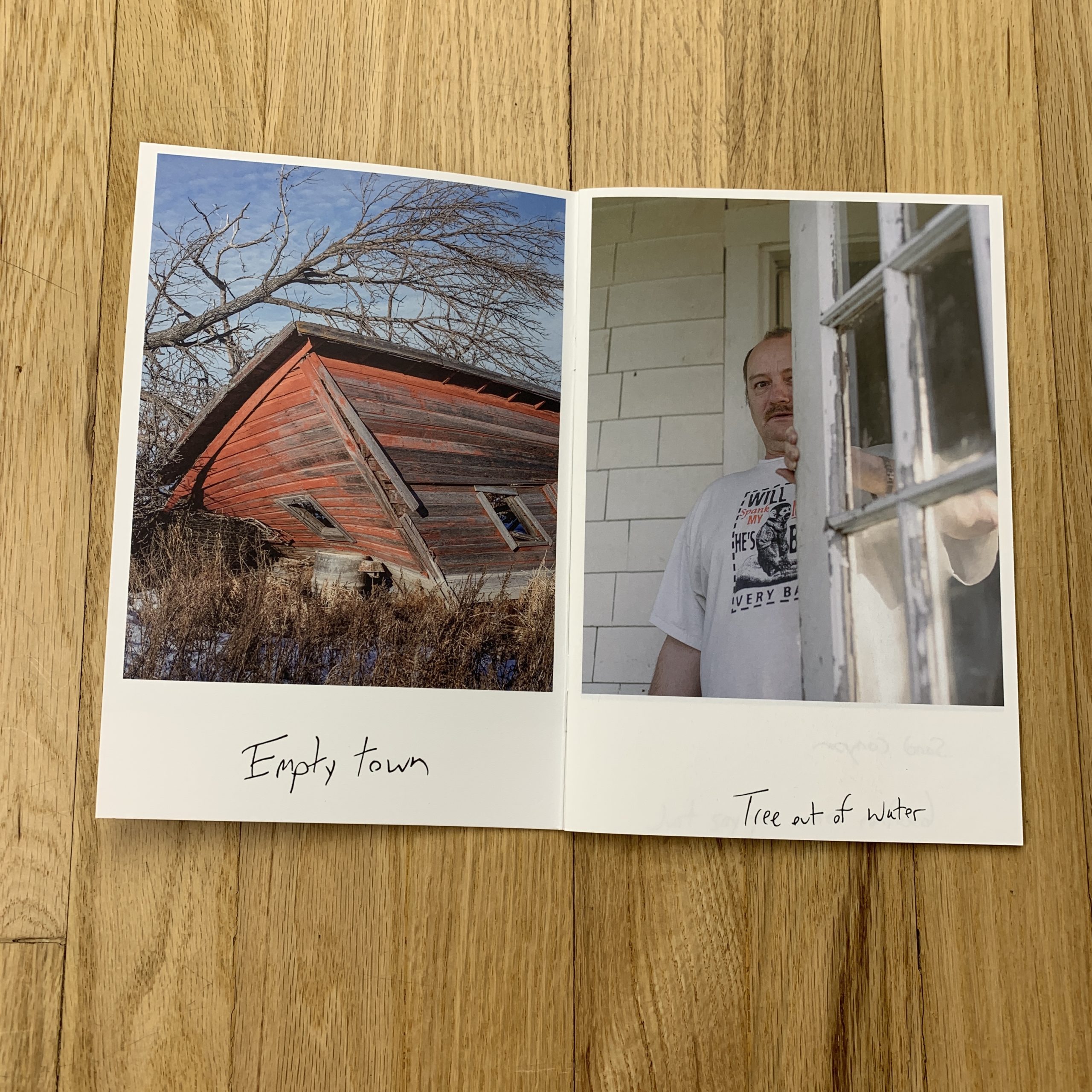
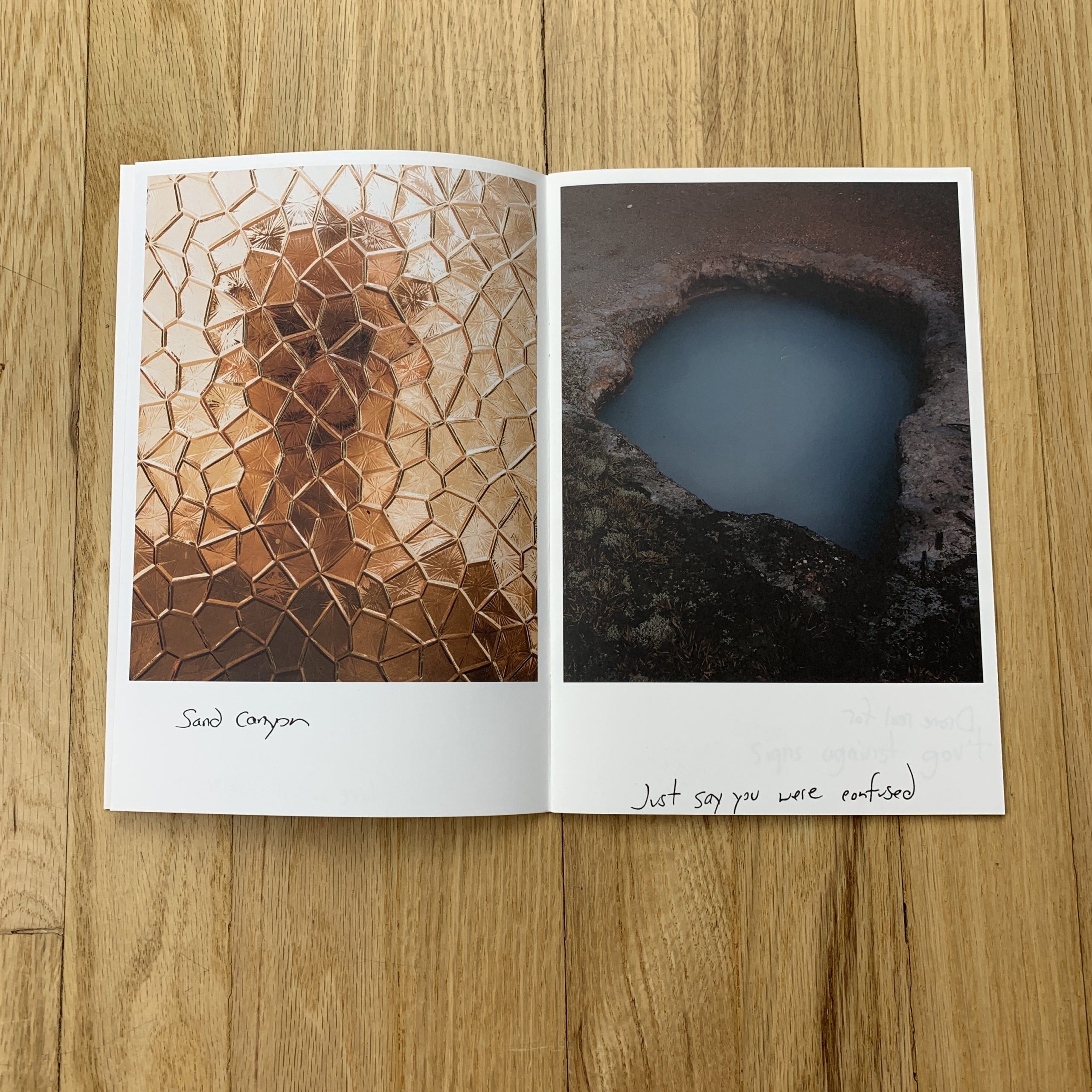
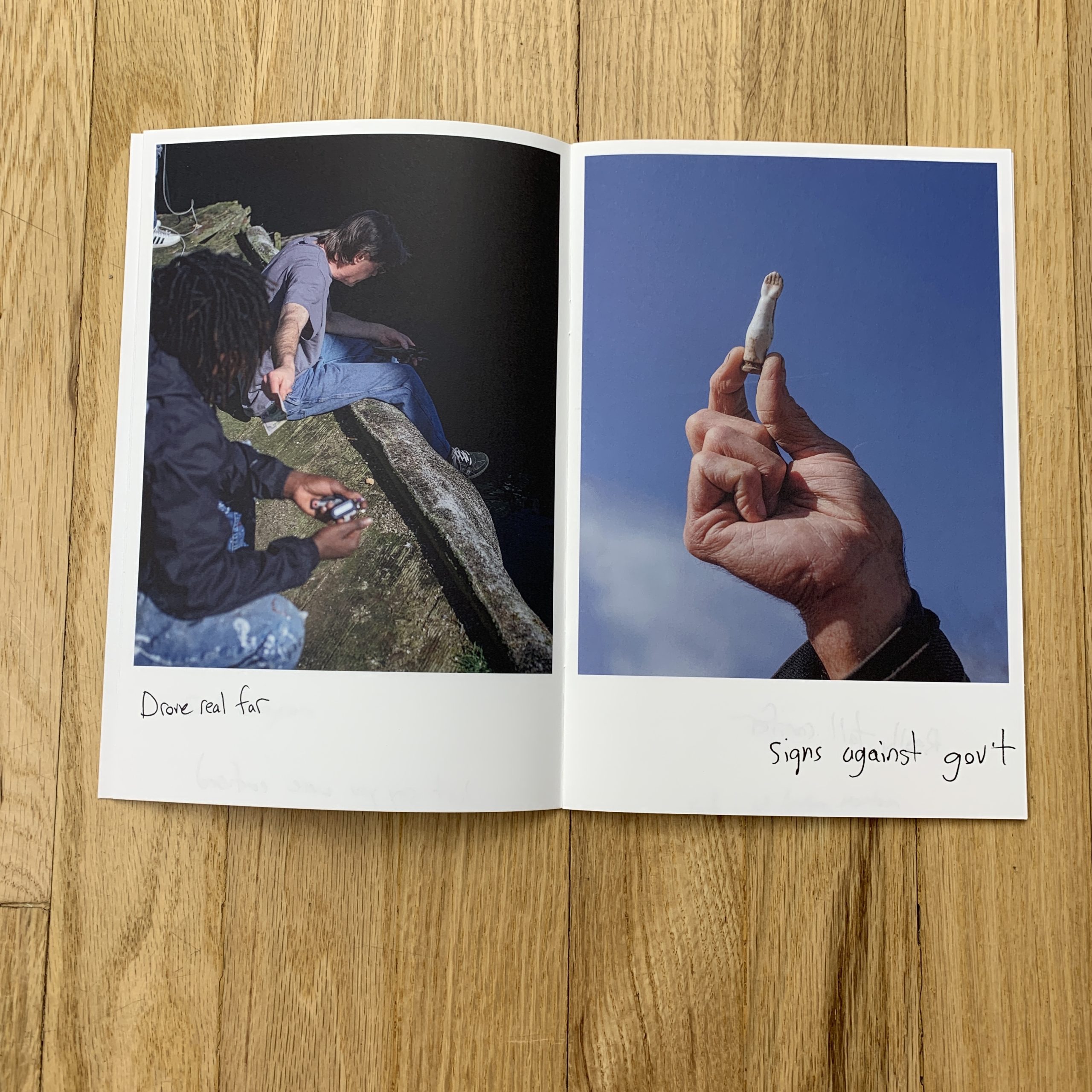
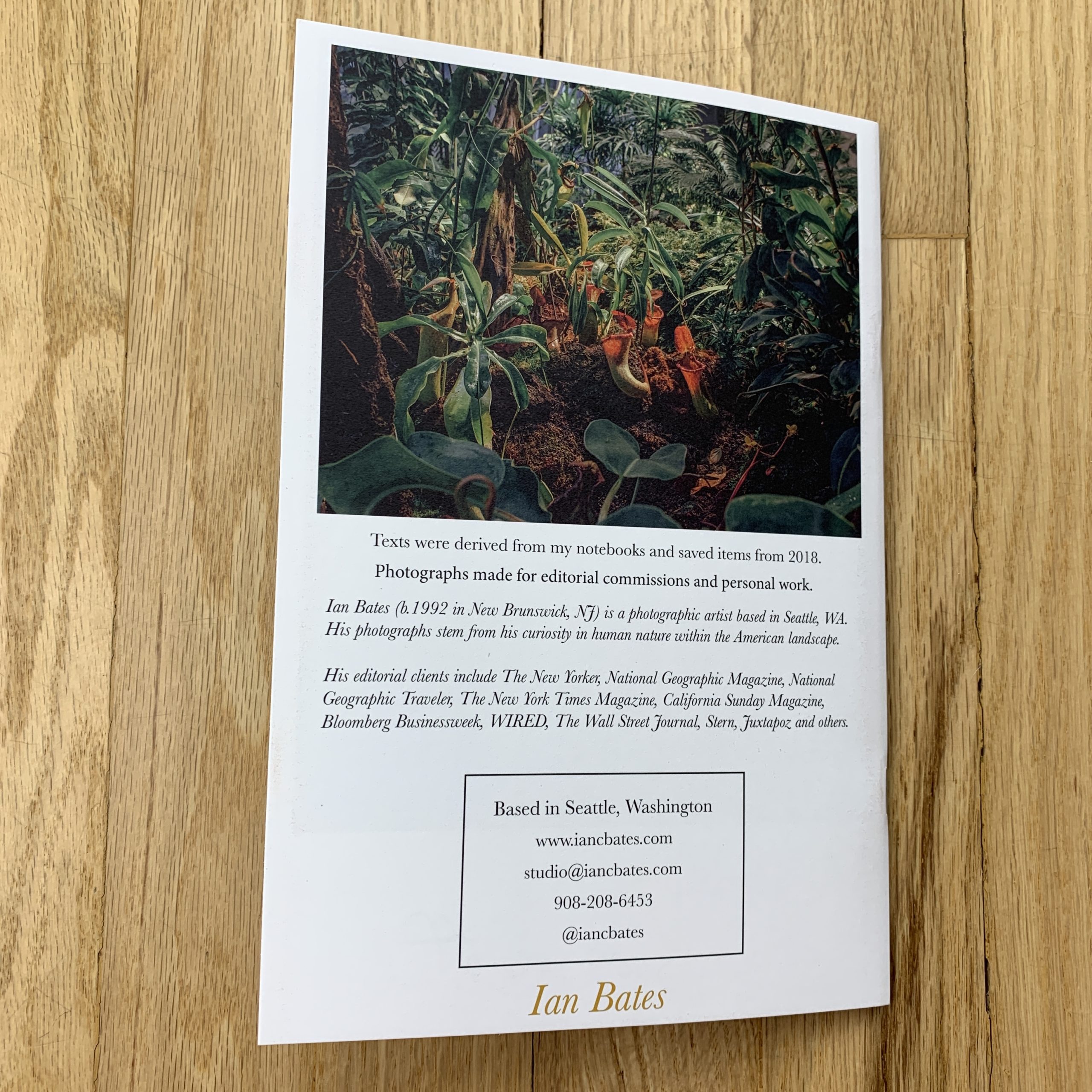
The images are from commissions and personal work from 2018. I thought my first promo of the year would be my version of the “best 9” Instagram trend. I wanted to highlight pictures I made from the commissions and see how they worked with my own work. This year, more than ever, I tried to make work that I wanted to make for commisisons. Because of that, I think it feels cohesive.

How many did you make?
I printed 400.

How many times a year do you send out promos?
It really depends on how much work I am getting. You kind of need new work to make promos, at least in my mind. I try to keep them current since I want people to hire me for the work I’m currently interested in making. That said, I want to be consistent in my face of promos. I think every 2-3 months is a good pace. Not too much, not too little.

Do you think printed promos are effective for marketing your work?
Promos are good at breaking the ice with new connections but also showing editors that you already work with that you do care and it’s not just a paycheck. I wouldn’t take the time and money to do all this if it was all for the money. I’d get a job.

This Week in Photography Books: Oliver Wasow


Last week, I dropped 1800 words on you.

That’s a lot.

I also resuscitated a dormant format here on the blog, by writing what was essentially a straight travel piece. (And only one measly picture at the end?)

This morning, I received an email from a Denver-based reader suggesting that they have quite enough people living there, thank you very much, and perhaps I shouldn’t entice any more.

Point taken.

Before too long, they’ll have a solid line of helicopters flying the rich folks West to the ski areas, while the plebes sit in 7 hour traffic on I-70.

I mention it here today, because it felt good to fire up my creativity and take the column in a new direction. But also… because after asking you to read what was essentially an extra column last week, today, as I strive for balance, I’ll keep it short.

Might it have something to do with the massive to-do list I’ve got to check off before I leave town Thursday morning?

Yes, it might.

But the bigger reason is that I love the week-to-week connections that develop in a platform like this. The way ideas can drop with the last period of a column, and pick up again the next week.

One of the things I’ve been banging on about lately is that so many photo books look alike. Just last week, in an unsuccessful 3-book-run through the book pile before I decided to go off-script, I looked at a book for the second time, and still, couldn’t get to the end, because it looked so much like everything else.

Landscape.
Portrait.
Interior.
Pretty picture.

Landscape.
Landscape.
Portrait.
Interior.
Ugly landscape.

Pick any place, anywhere, and then substitute all the other places that look like it, (or are similar culturally,) and your mind slowly begins to rot from the inside.

I also made a plea for more submissions of the weird, small batch, artsy stuff I used to get from photo-eye, in the years they lent books for the column.

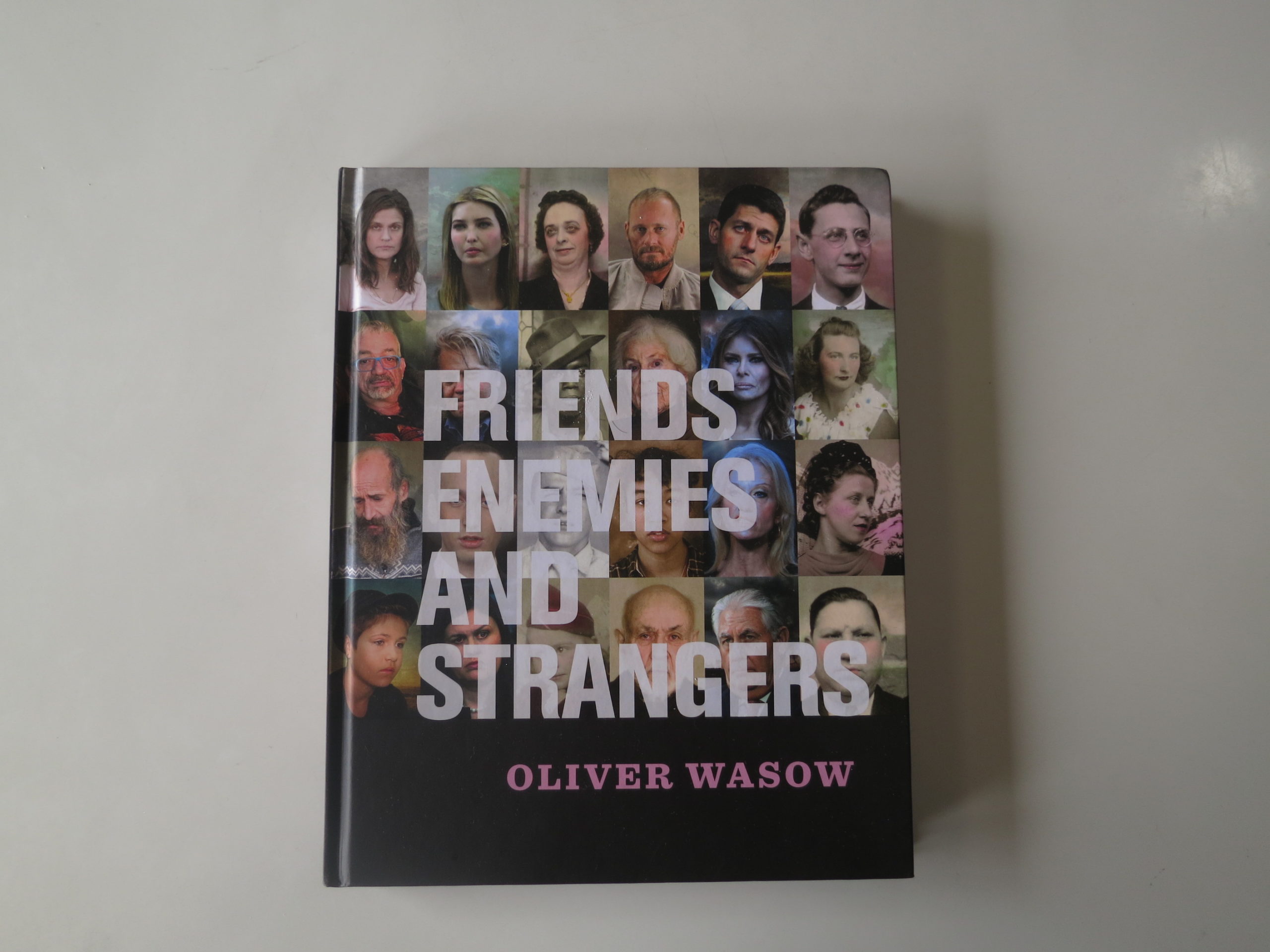
So imagine my surprise when I reached into the same stack, sifted through a box of books, and came out with “Friends Enemies and Strangers,” a photobook by Oliver Wasow, published last year by Saint Lucy Books in Baltimore.

(Speaking of Baltimore, random tangent, but I’m sure you’ve all seen David Simon’s seminal “The Wire” by now. But if you haven’t seen “Treme,” his subsequent, far-less-well-known love letter to New Orleans, check it now for free on Prime Video.)

I gather from reading the stellar essays by Rabih Almeddine and Matthew Weinstein that Oliver Wasow has been around for a while, and is something of an art world darling. Certainly, the essays suggest he was messing around with digital manipulations in the 80’s, and that Photoshop is his jam.

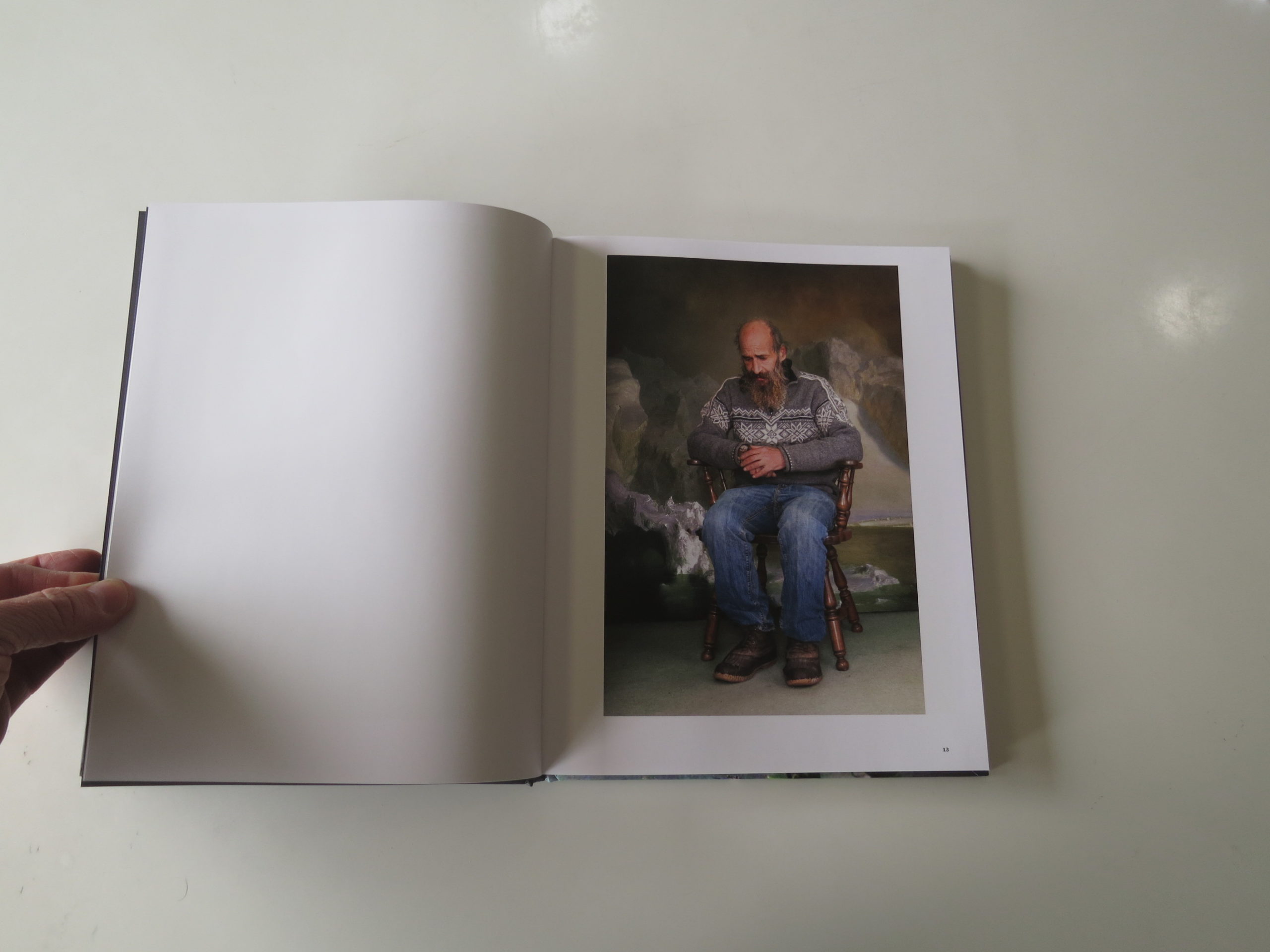
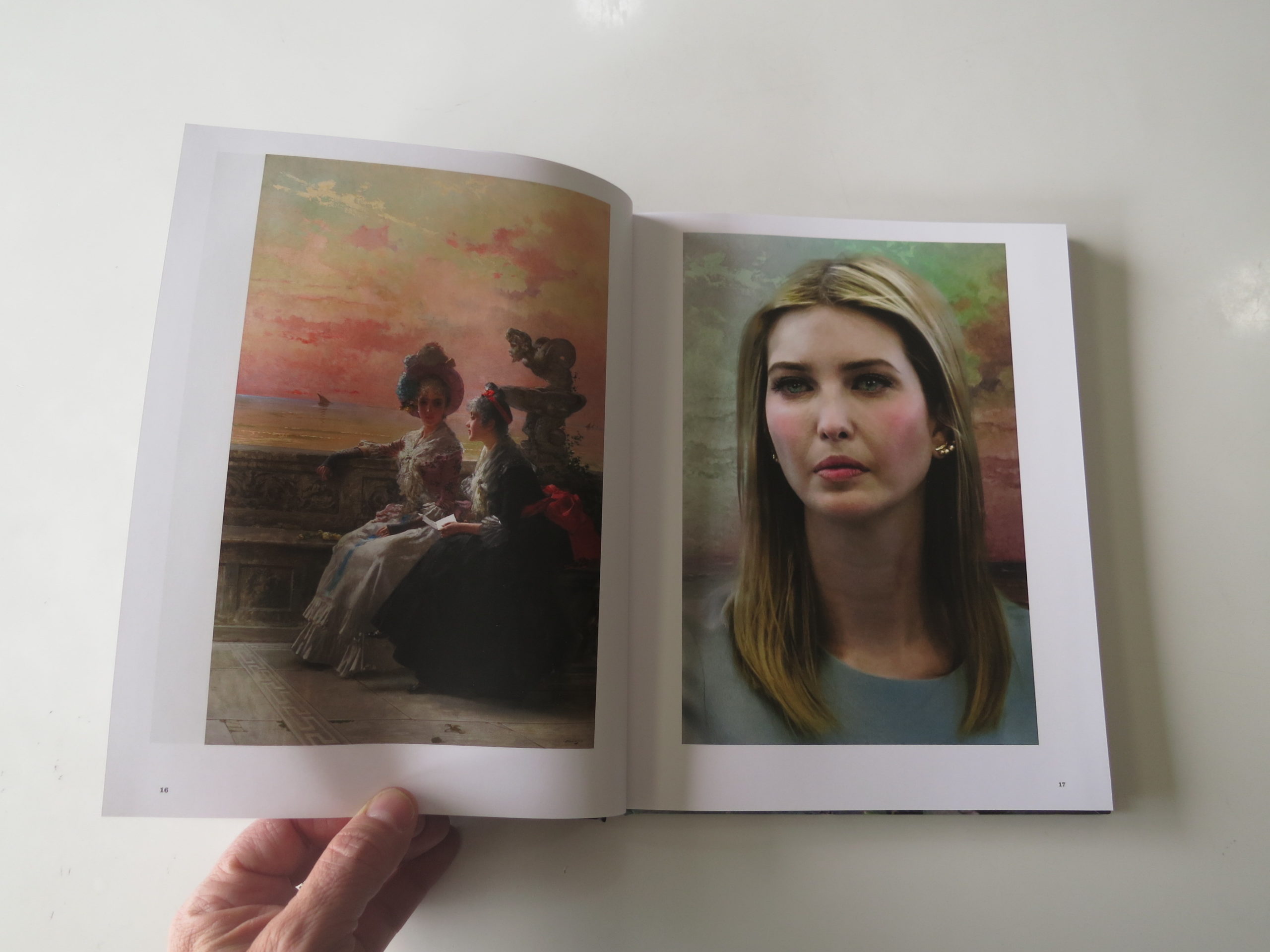
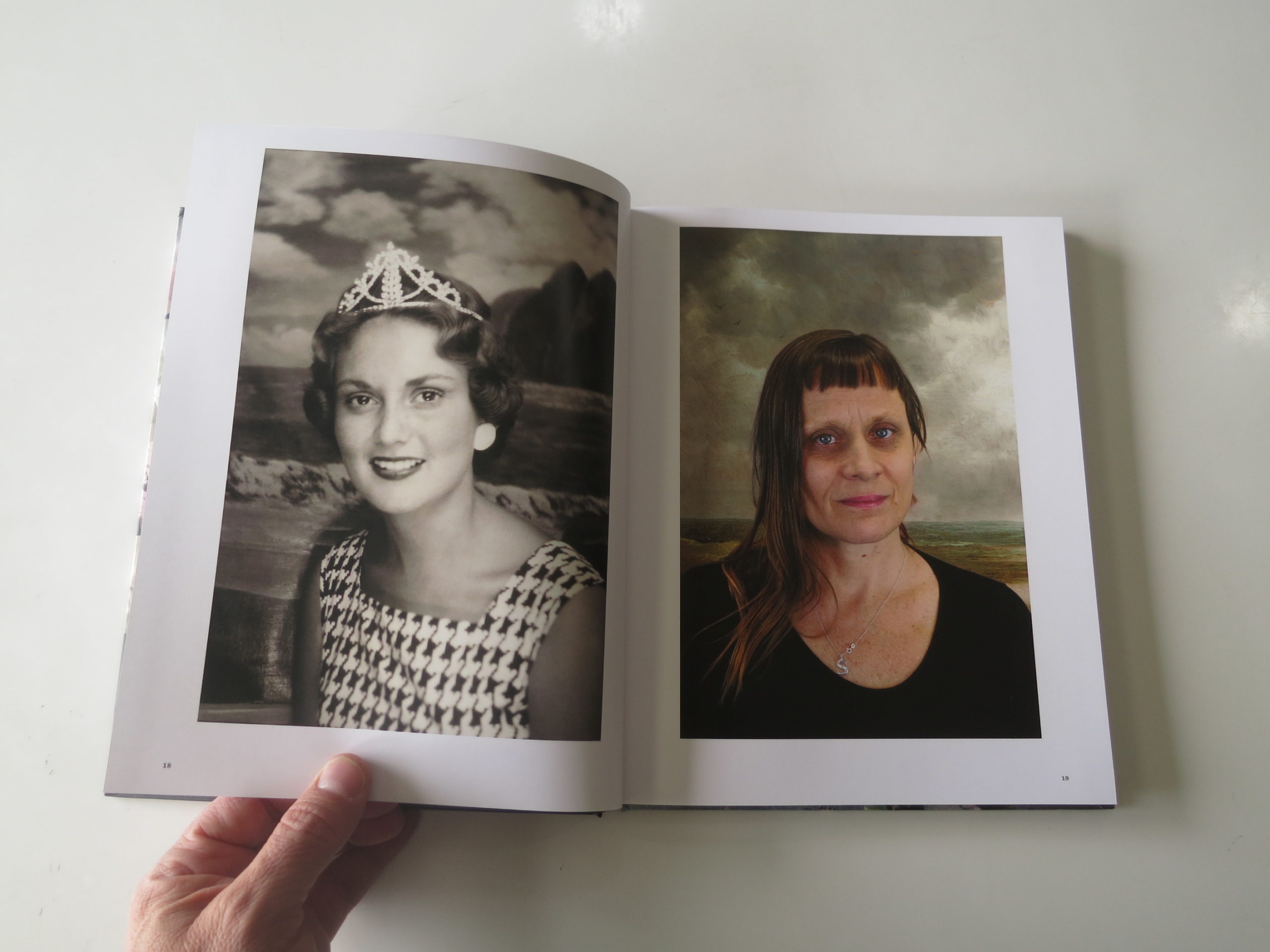
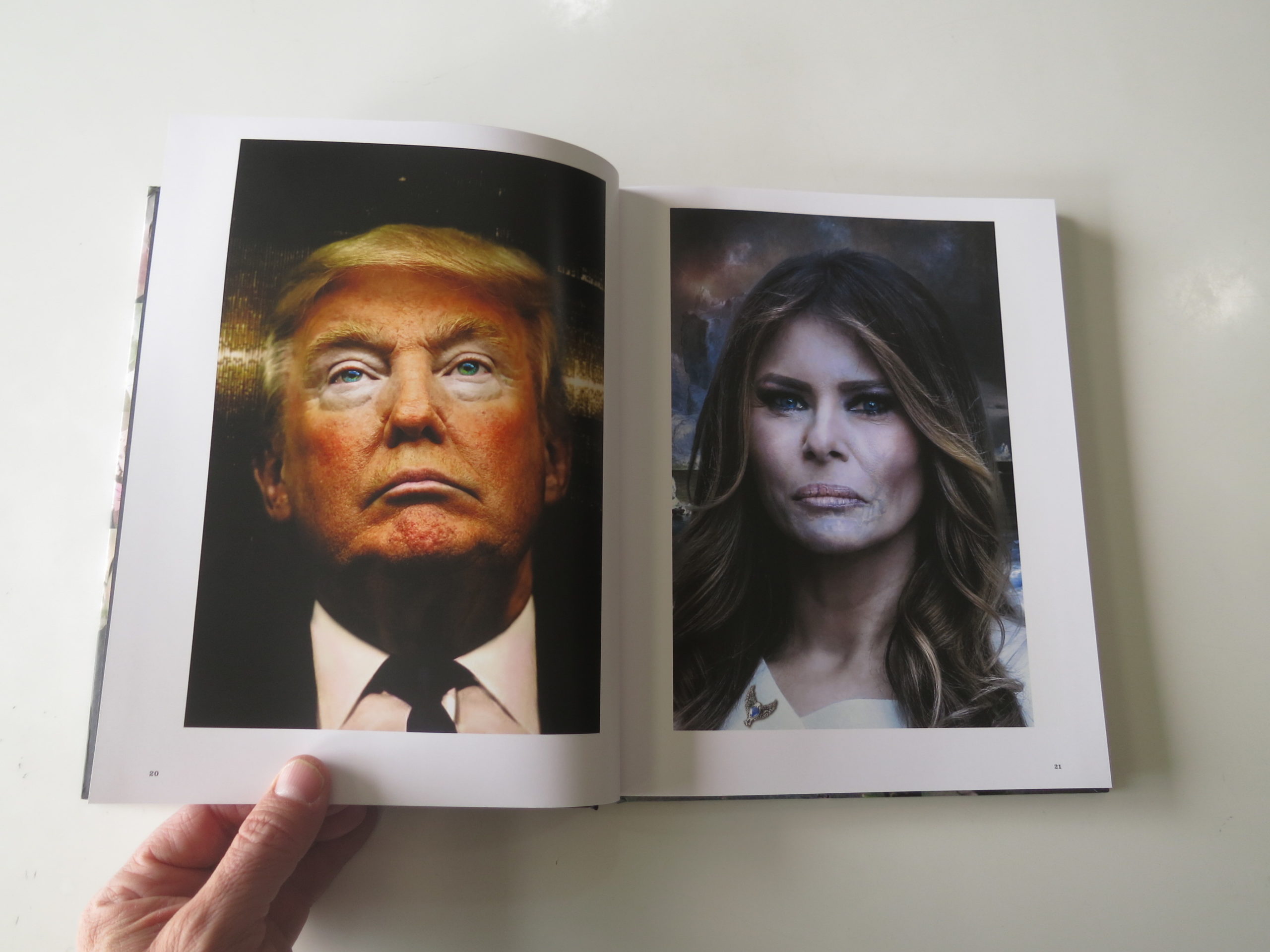
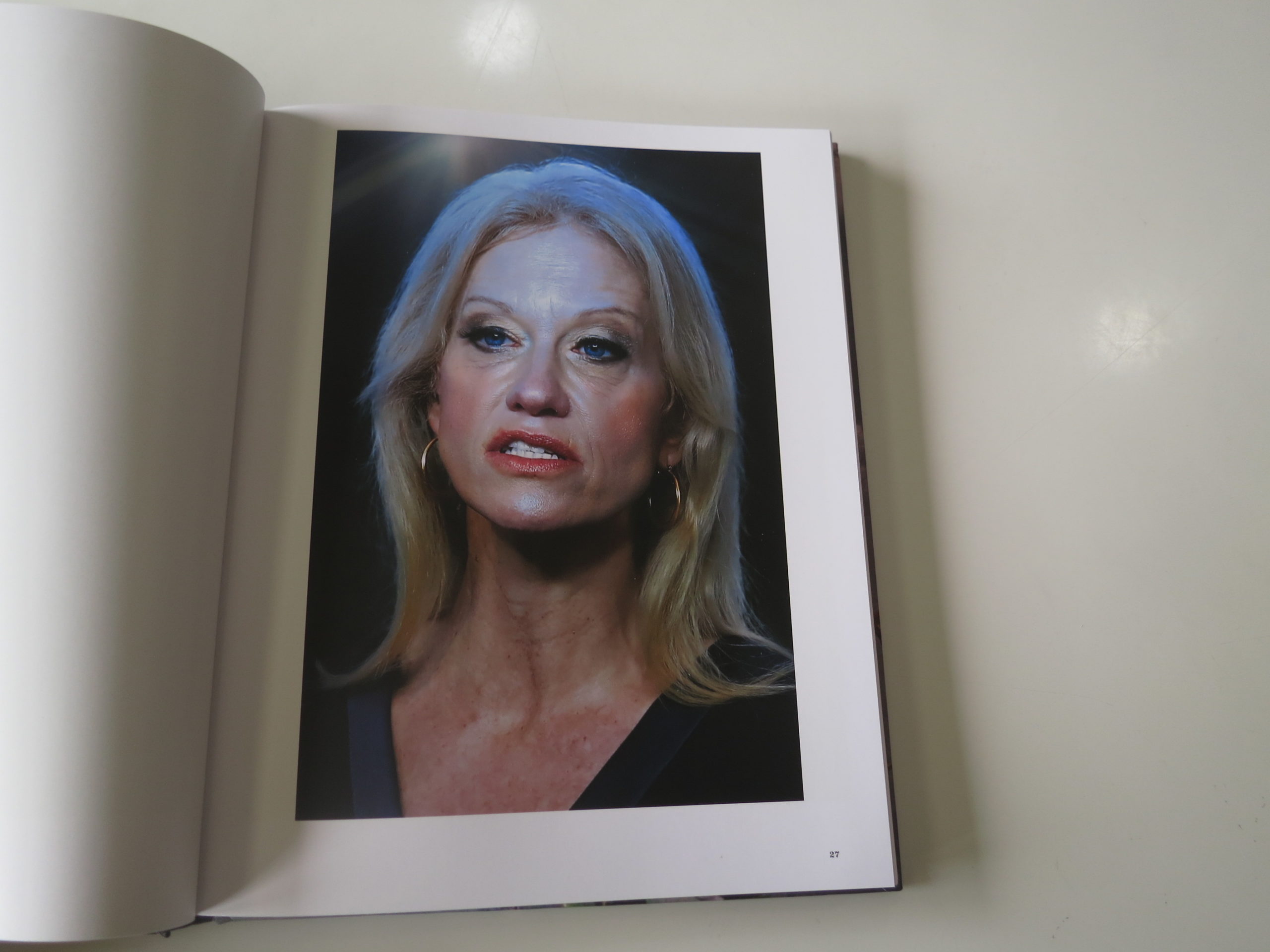
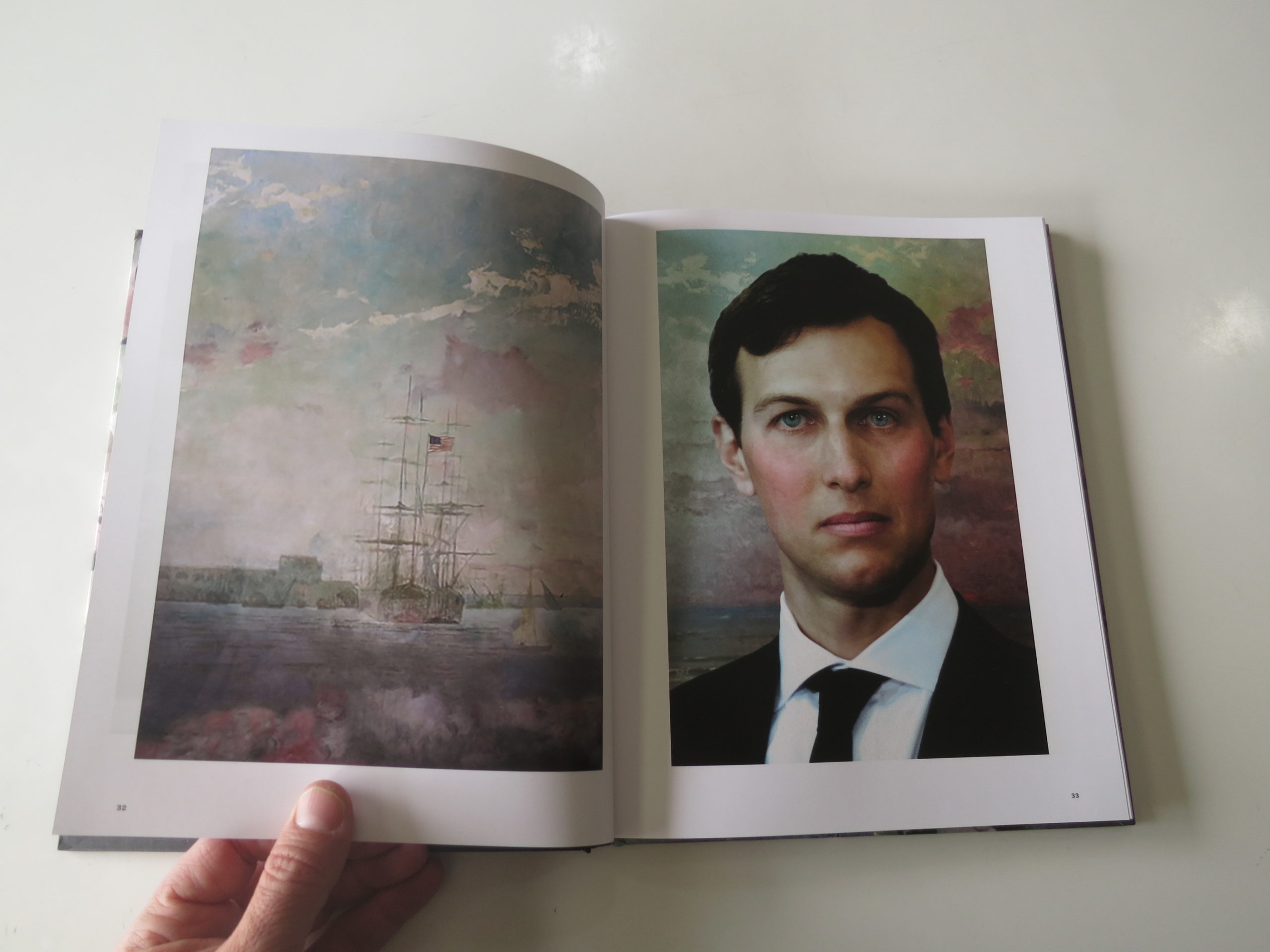
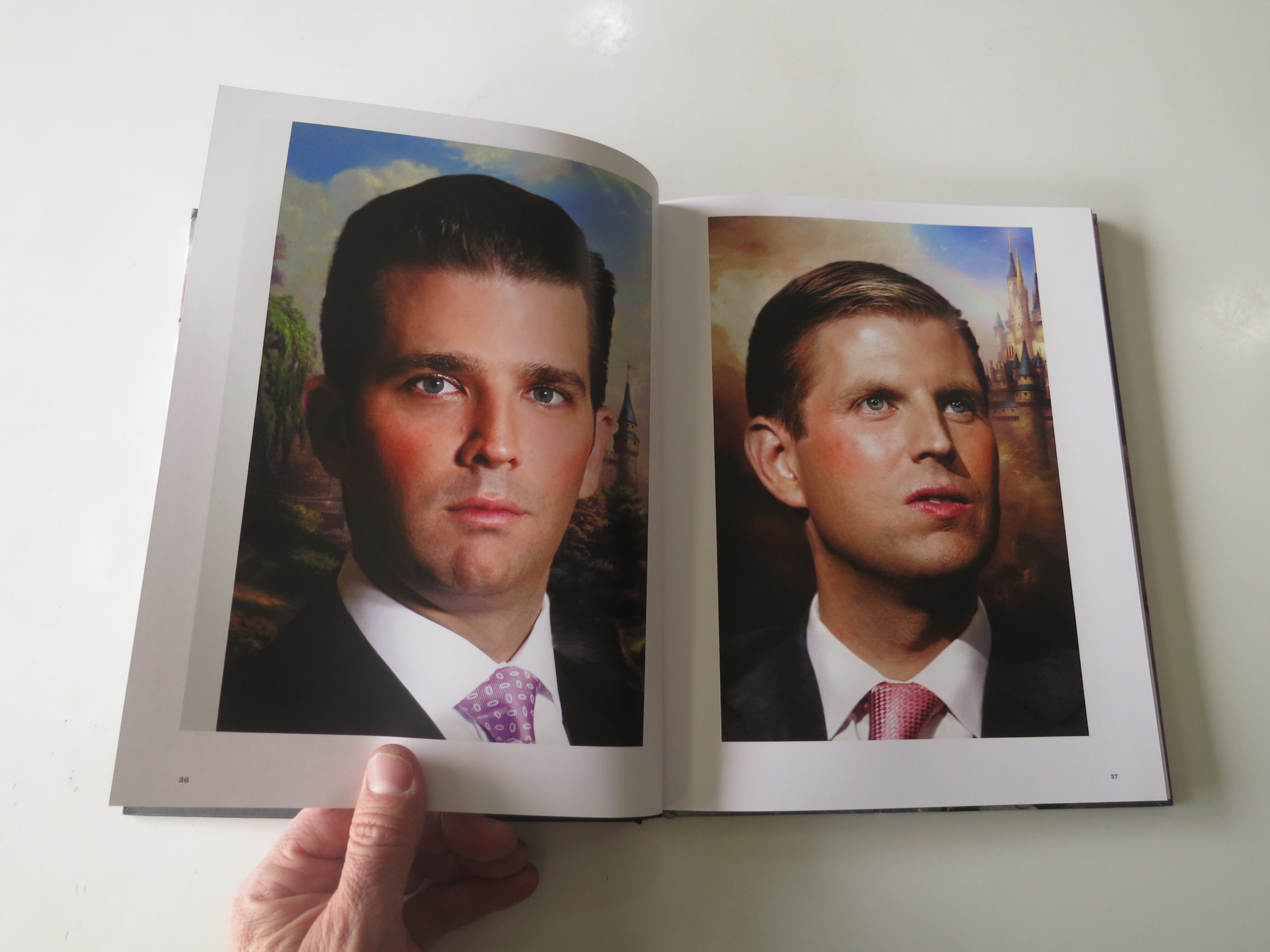
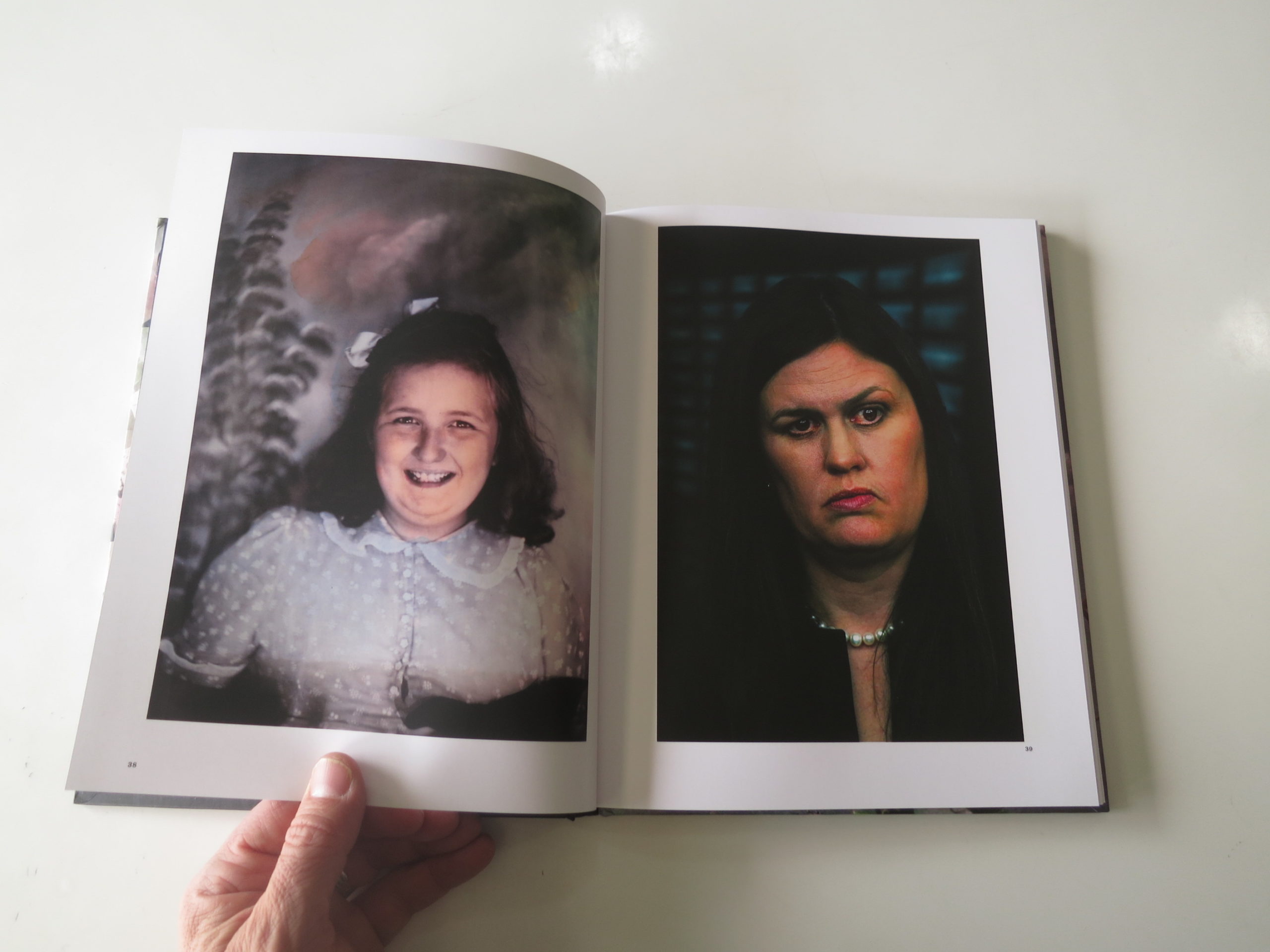
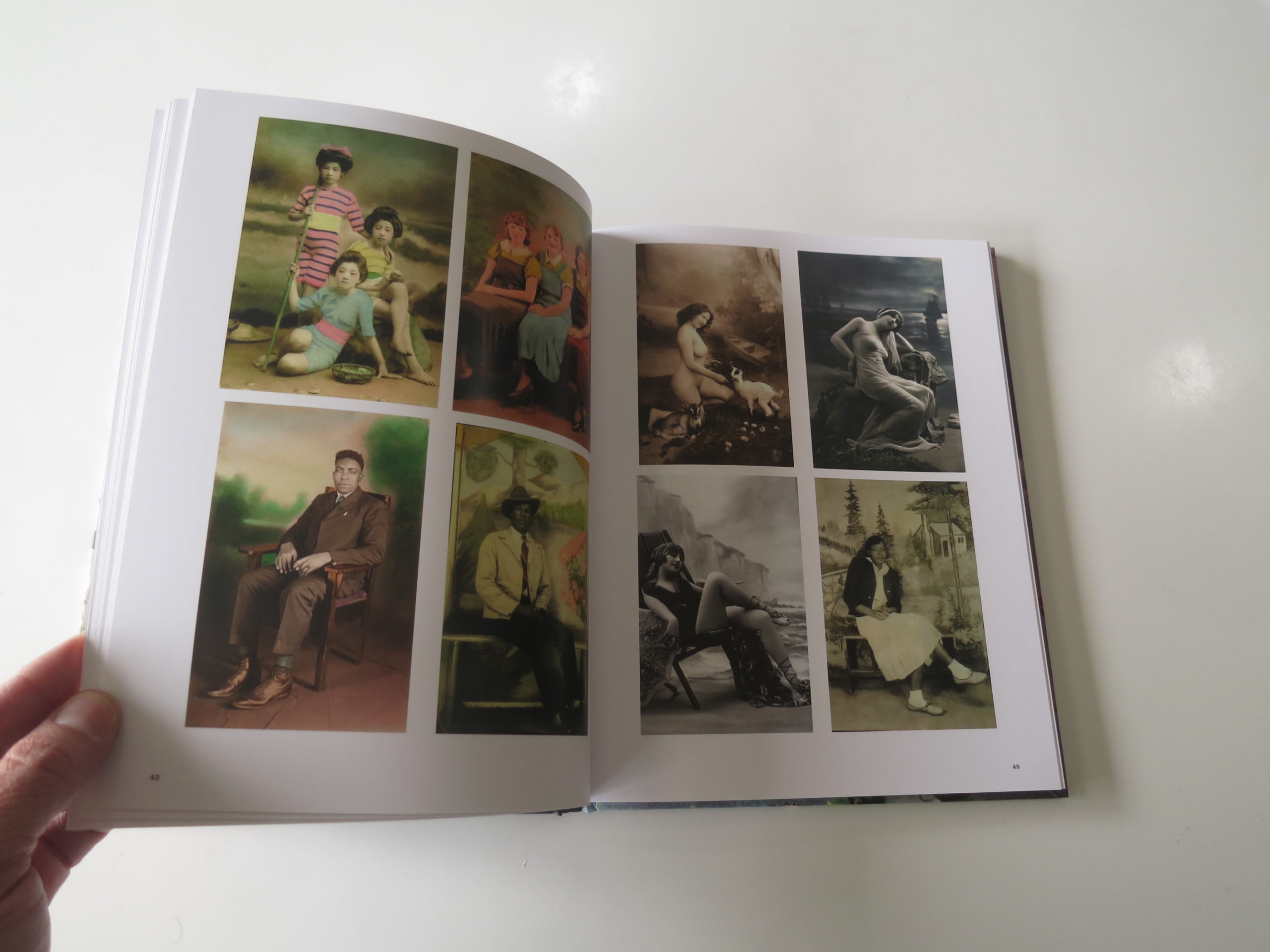
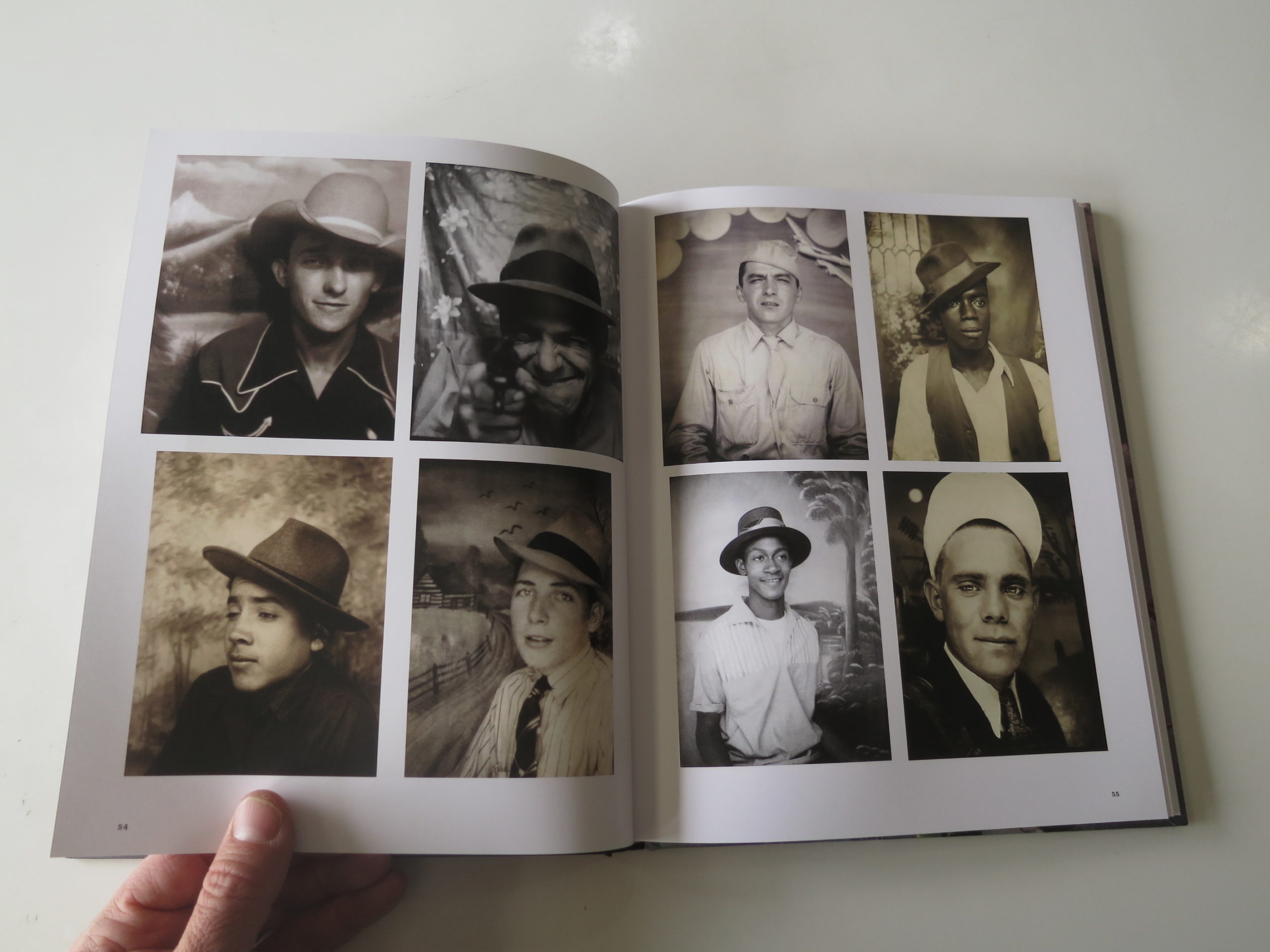
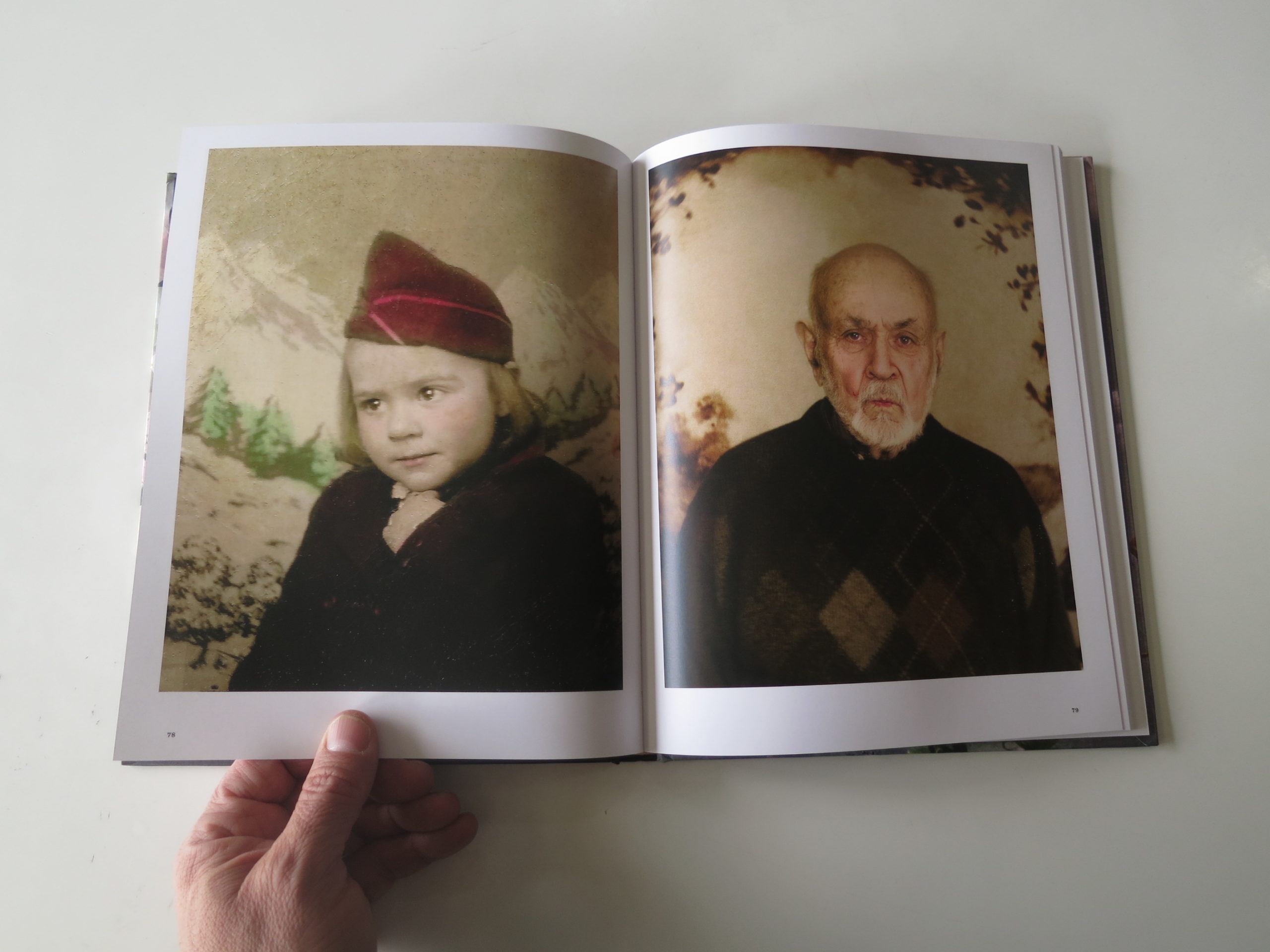
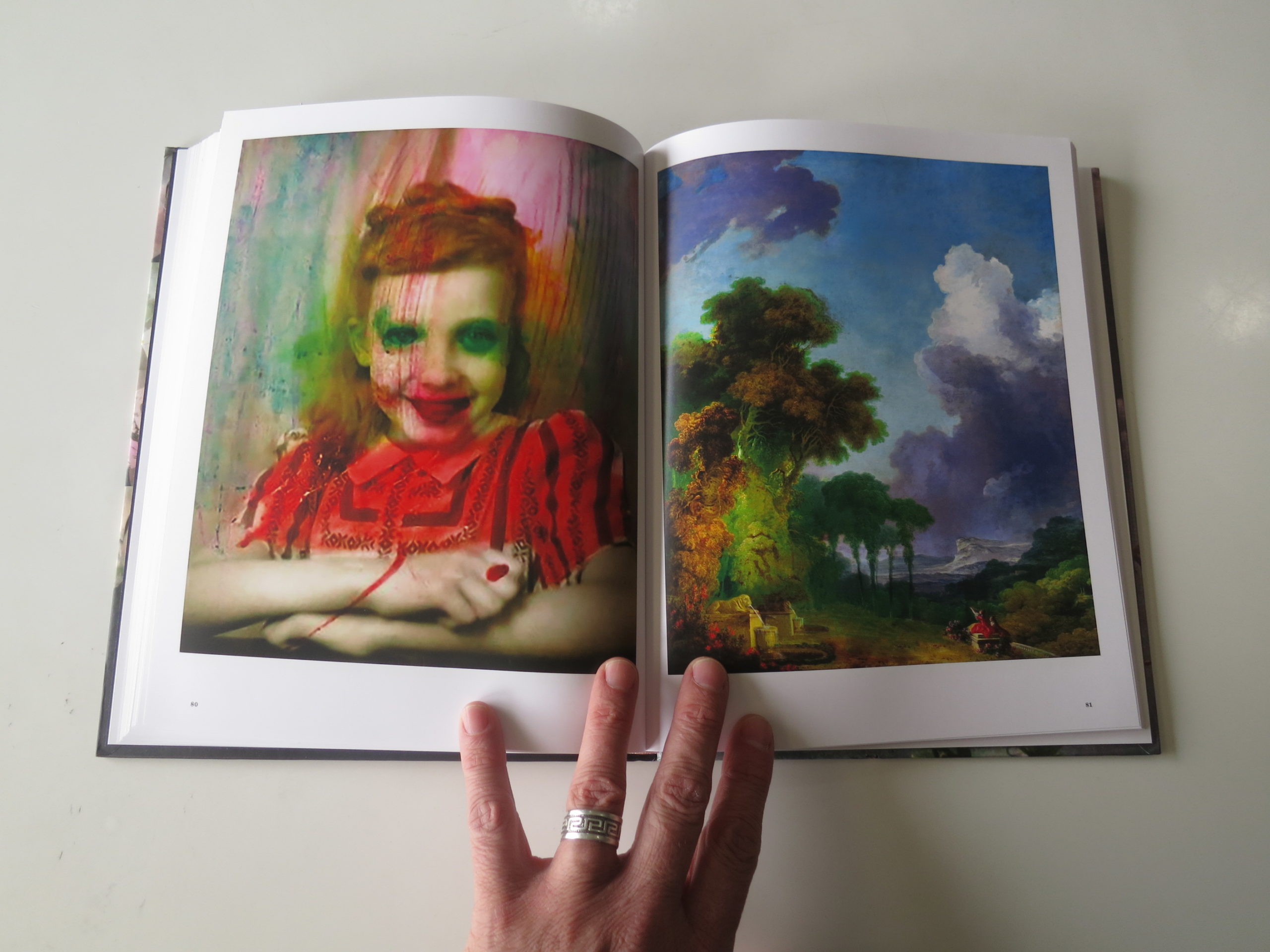
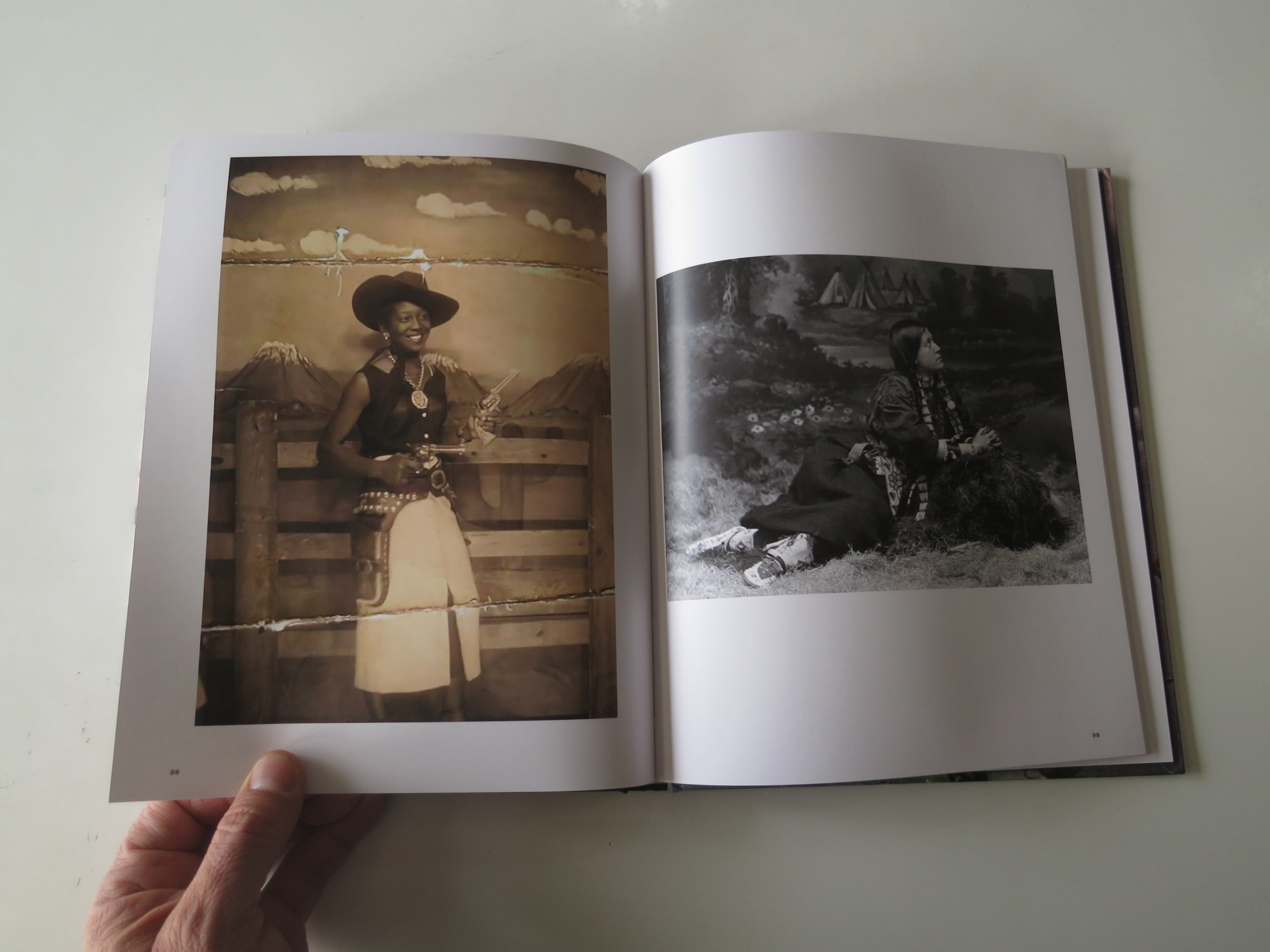
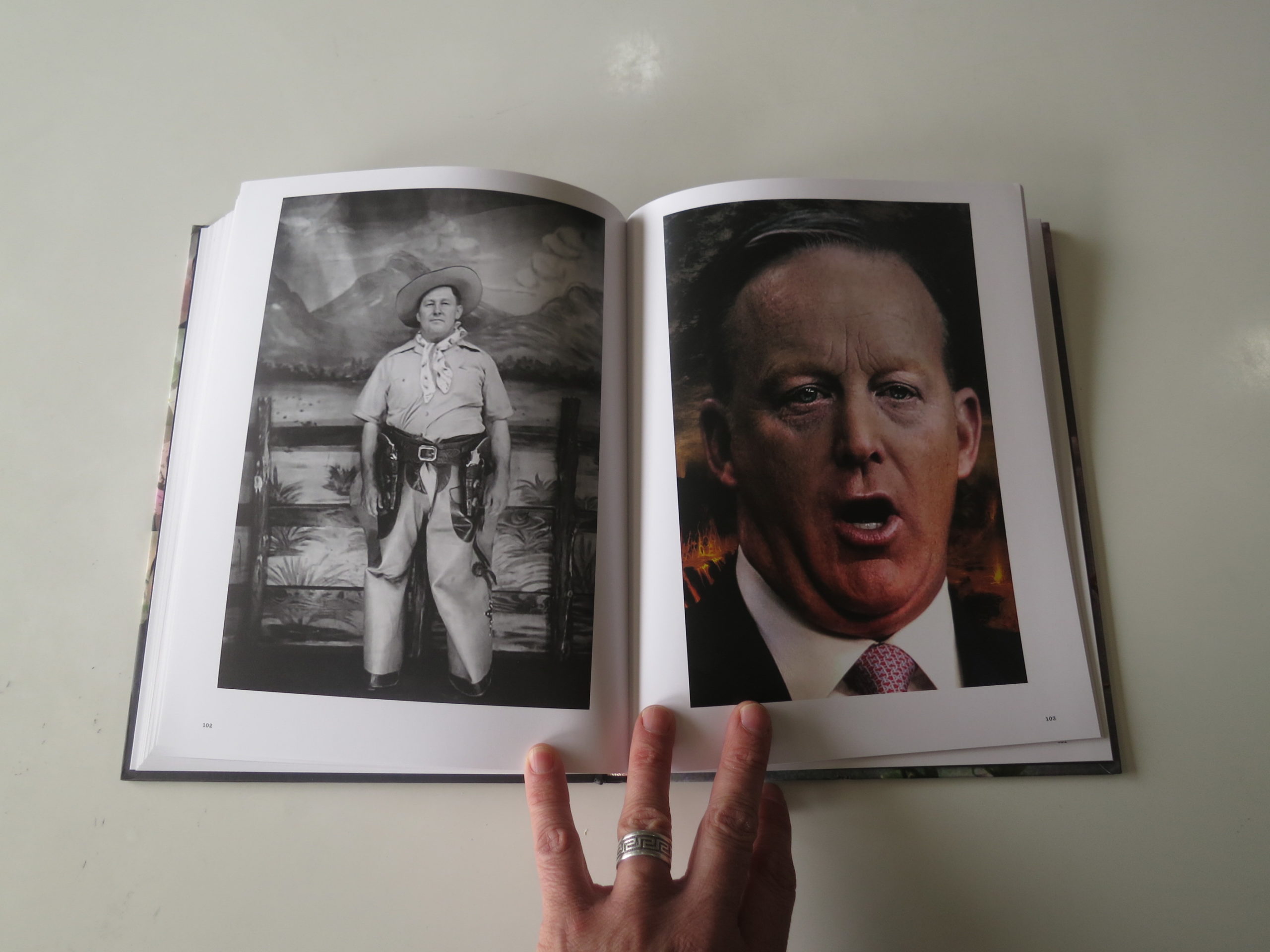
The title, and the structure of the book hint at the concept, as it contains “made” photos of people Mr. Wasow knows, found images that we later learn were sourced from the internet, and then tackily-on-purpose altered renderings of Republican political enemies, as an act of post-2016 rebellion.

Honestly, I wish I’d thought of fucking with pictures of Bannon, Miller, Trump, Don Jr, Eric, Ivanka, Jared, Sarah Sanders, Sean Spicer and the whole lot of them.

You may be surprised that I didn’t write a Trump column after the Mueller report landed, but really, what is there left to say that I haven’t already said?

I promised you a short column, and I aim to deliver.

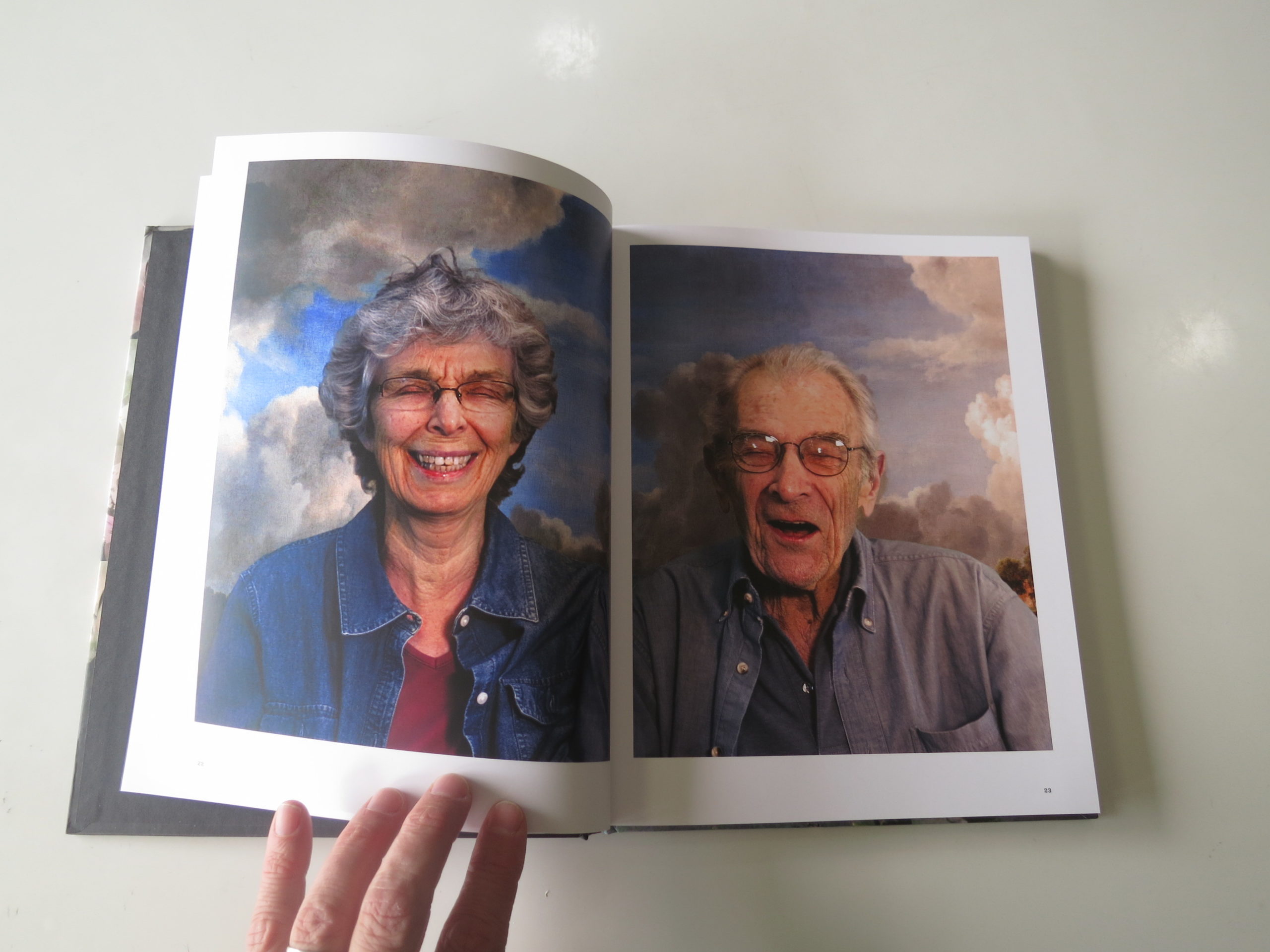
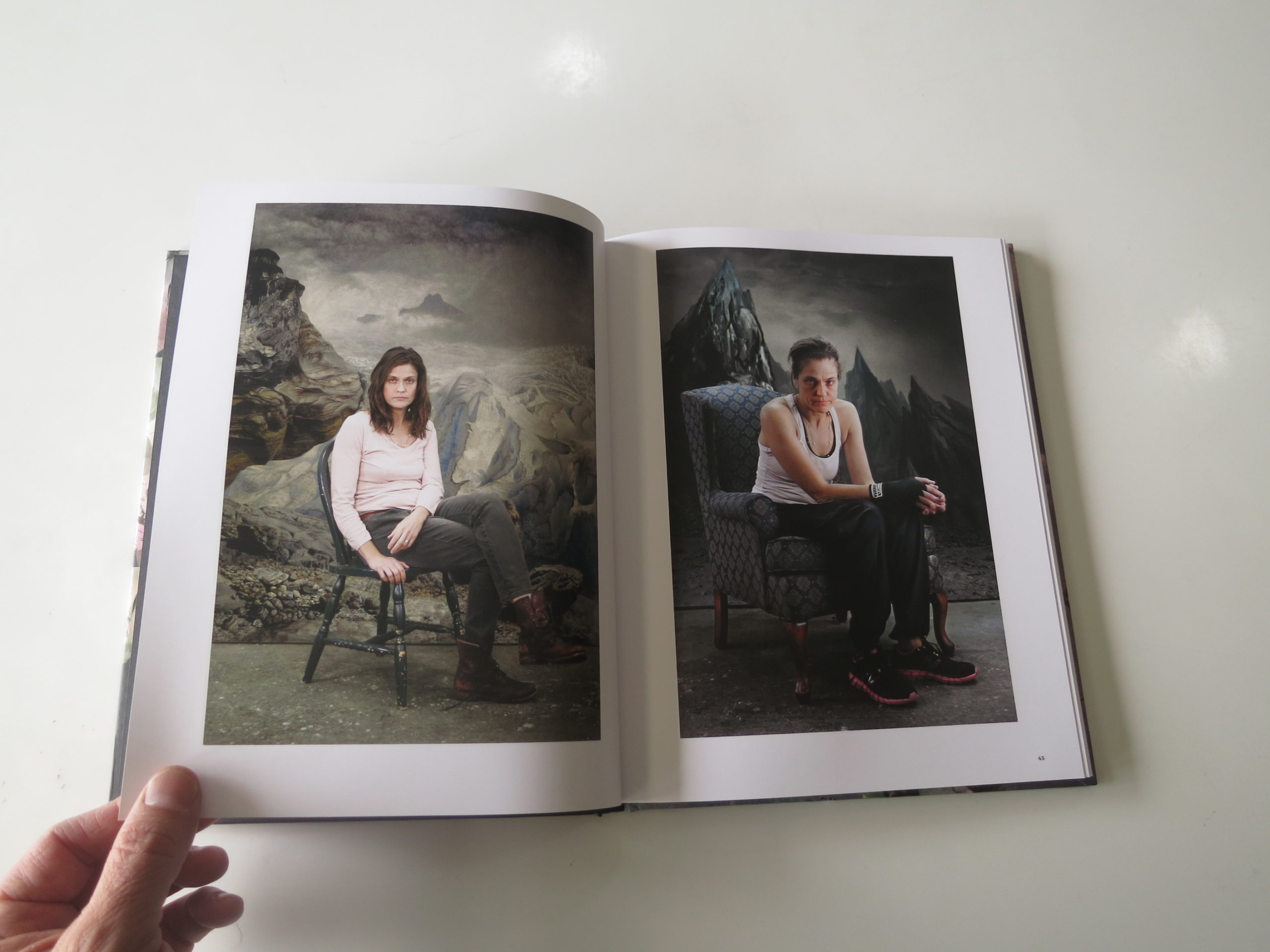
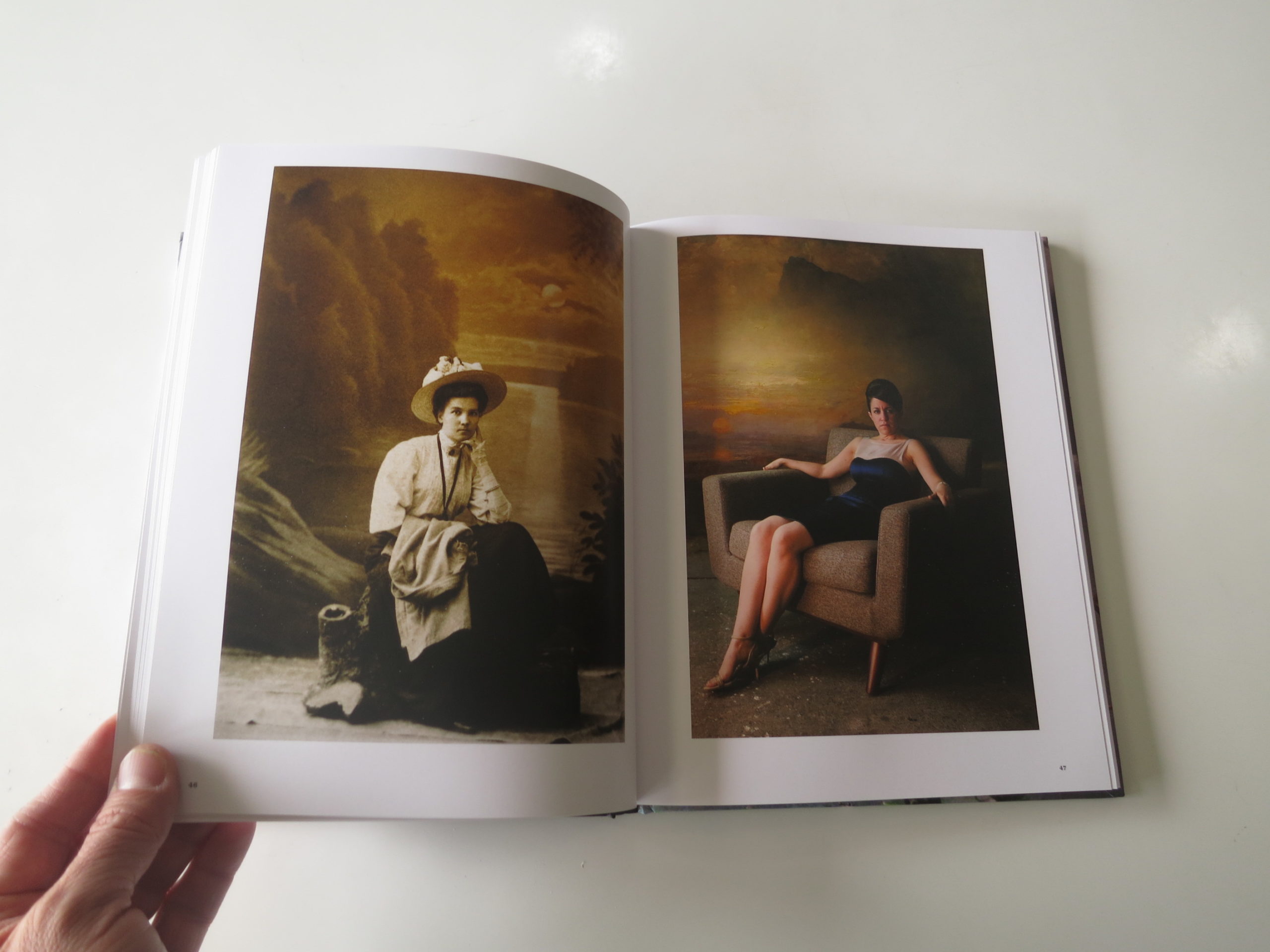
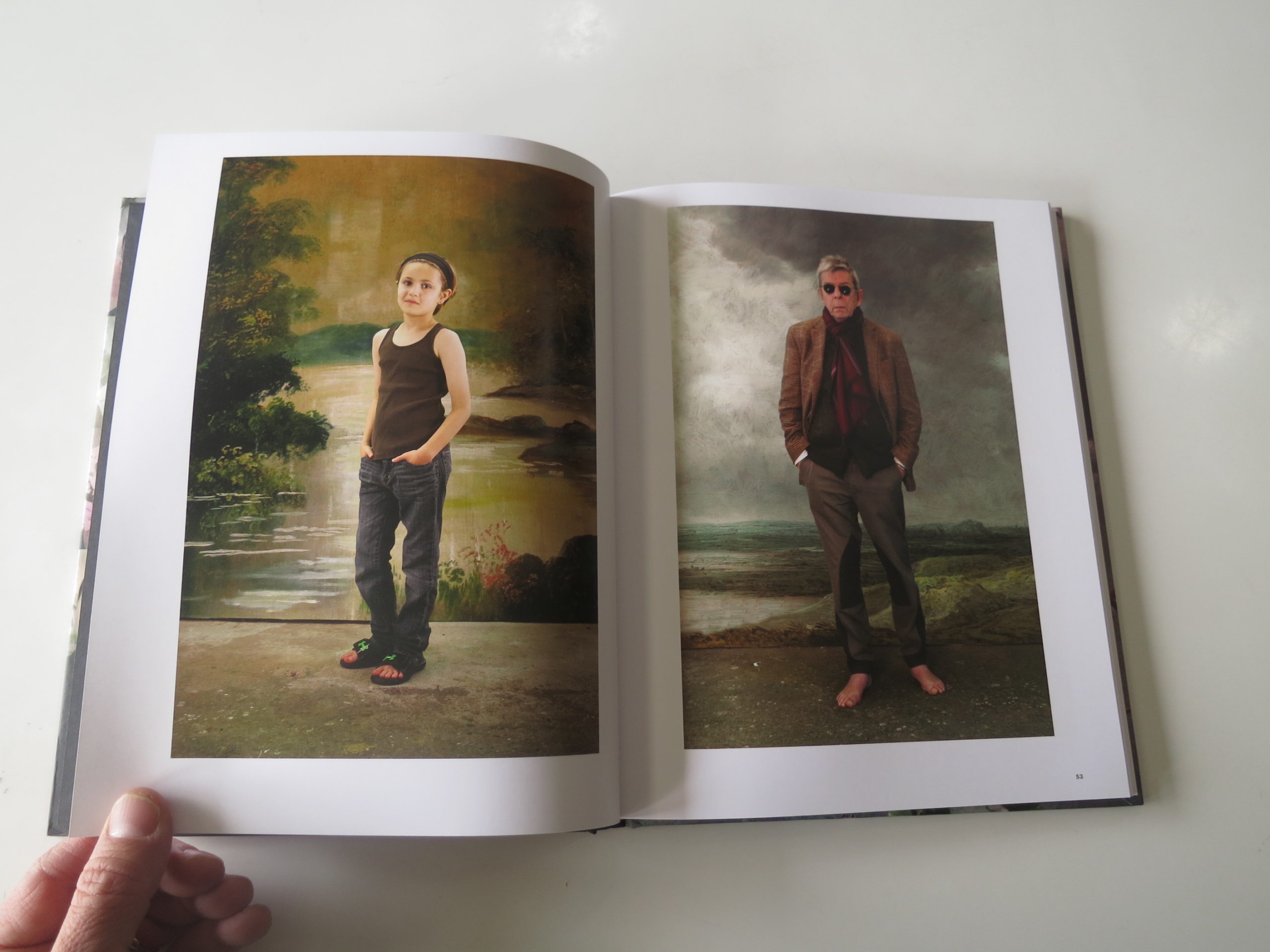
This book is mental, as the English might say, but I mean that as a compliment. It’s strange, weird, odd, and off-putting in all the right ways. But it also has a heart, as the photos of friends and family against painted backgrounds are cool, and not totally ironic either.

I’ll photograph a few extra pics below, so you can get a proper feel for this one.

Now I’m off to strike another item of my to-do list. (Yes, I wrote it by hand on a yellow legal pad. Old school!)

Bottom Line: Odd, fun, political, cool book of manipulated pictures

To Purchase: “Friends Enemies and Strangers” click here

PS: I normally don’t notice (or mention) these things, but this book is only $30 with free US shipping

If you’d like to submit a book for potential review, please email me at jonathanblaustein@gmail.com. We’re particularly interested in submissions from female photographers, and artists of color, so we may maintain a diverse program. 

The Art of the Personal Project: Doug Menuez

The Art of the Personal Project is a crucial element to let potential buyers see how you think creatively on your own.  I am drawn to personal projects that have an interesting vision or that show something I have never seen before.  In this thread, I’ll include a link to each personal project with the artist statement so you can see more of the project. Please note: This thread is not affiliated with any company; I’m just featuring projects that I find.  Please DO NOT send me your work.  I do not take submissions.

Today’s featured artist:  Doug Menuez

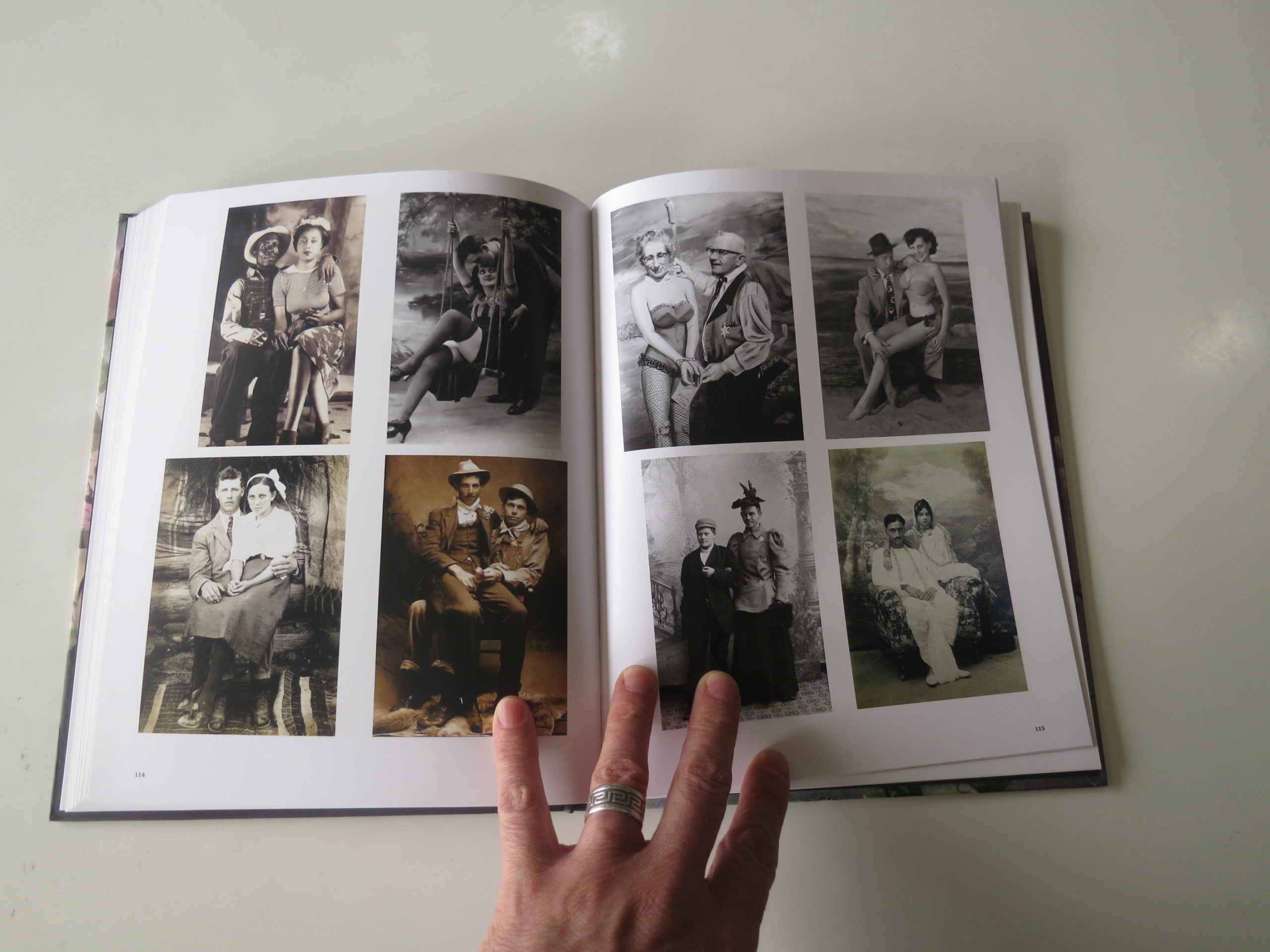
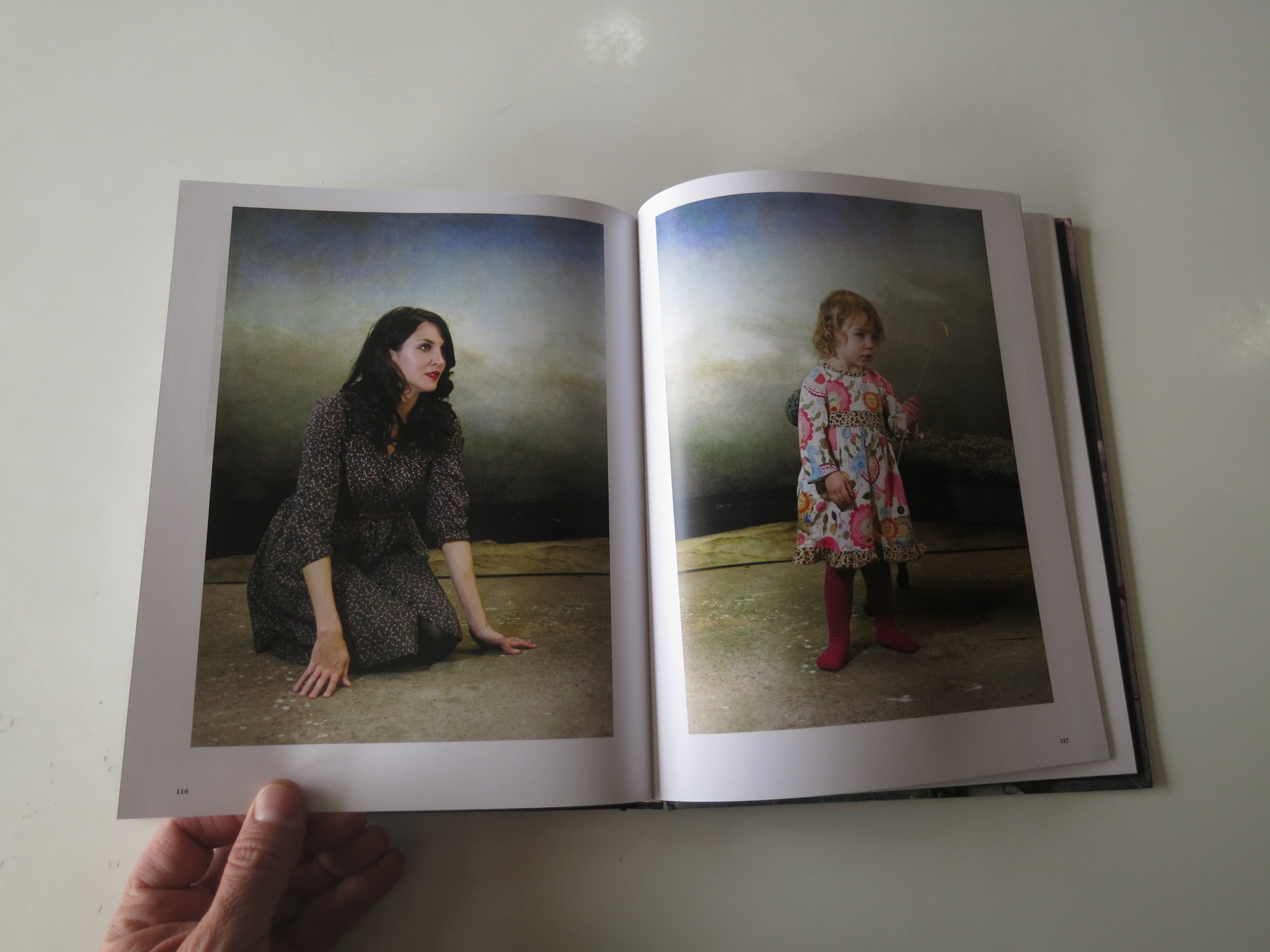
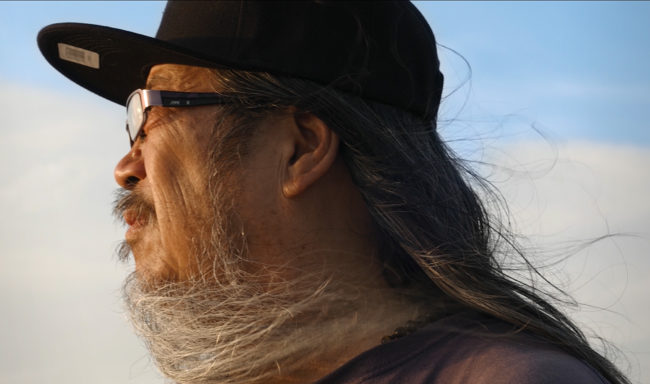
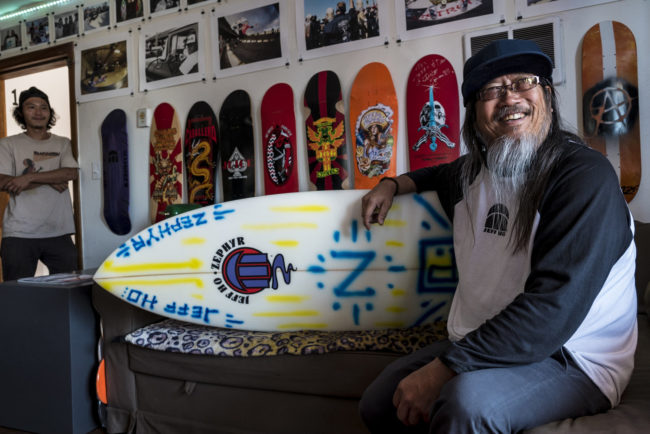
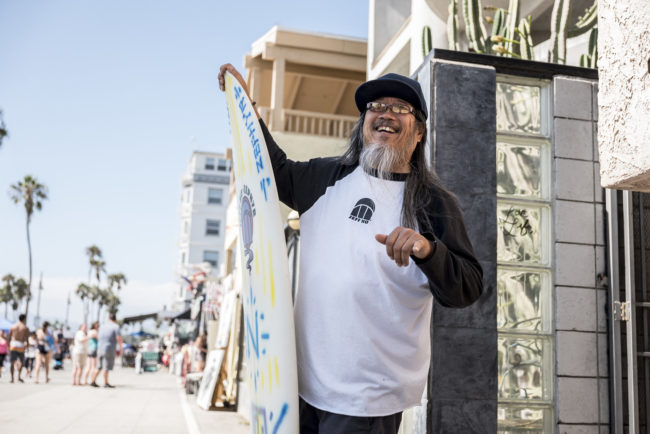
I am deeply interested in both history and culture and how innovators and influencers such as Jeff Ho shape it. With this short film, I was very lucky to be introduced to this truly legendary but humble artist and get to spend a day hanging out with him and his colleagues from Juice Magazine. This film does not cover Jeff’s incredible history or details of his accomplishments and influence and someday I hope to do that longer piece. This is more of a haiku, a visual tone poem, a sort of glimpse into Jeff’s philosophy about street art, searching for the perfect wave and his life’s work.

Originally I was going to produce a short film for Leica about their lenses for the Leica SL camera. As I got to know Jeff and his friends Terri and Dan at Juice Magazine I decided instead that I needed to make this one a personal film. I felt very attracted to their totally independent spirit and approach to living life with an artistic integrity that is hard to maintain these days. I’m definitely an outsider to skating and surfing, but have a great appreciation. When I was 10 I really got into skateboarding with early boards. I migrated into go-carts and mini-bikes and then ended up channeling all my teen energy into photography and blues.

So for this film, I serve as the witness and storyteller, which is what I love doing above all else. And of course we used the Leica SL and the astonishing Leica Cine lenses. We are very grateful to Leica Camera USA and everyone else in the production for their generous help getting this done.

To see more of this project, click here.

a video of this project, can be seen here

APE contributor Suzanne Sease currently works as a consultant for photographers and illustrators around the world. She has been involved in the photography and illustration industry since the mid 80s.  After establishing the art buying department at The Martin Agency, then working for Kaplan-Thaler, Capital One, Best Buy and numerous smaller agencies and companies, she decided to be a consultant in 1999. She has a new Twitter feed with helpful marketing information because she believes that marketing should be driven by brand and not by specialty.  Follow her at @SuzanneSeaseInstagram


The Daily Edit – Marie Claire: Lynette Garland

Marie Claire


Creative Director
: Kate Lanphear
Fashion Director: Joseph Errico
Accessories Director: Julia Gall
Director of Photography: James Morris
Photographer: Lynette Garland

Heidi: Did you cast the models as well as style them and shoot them?
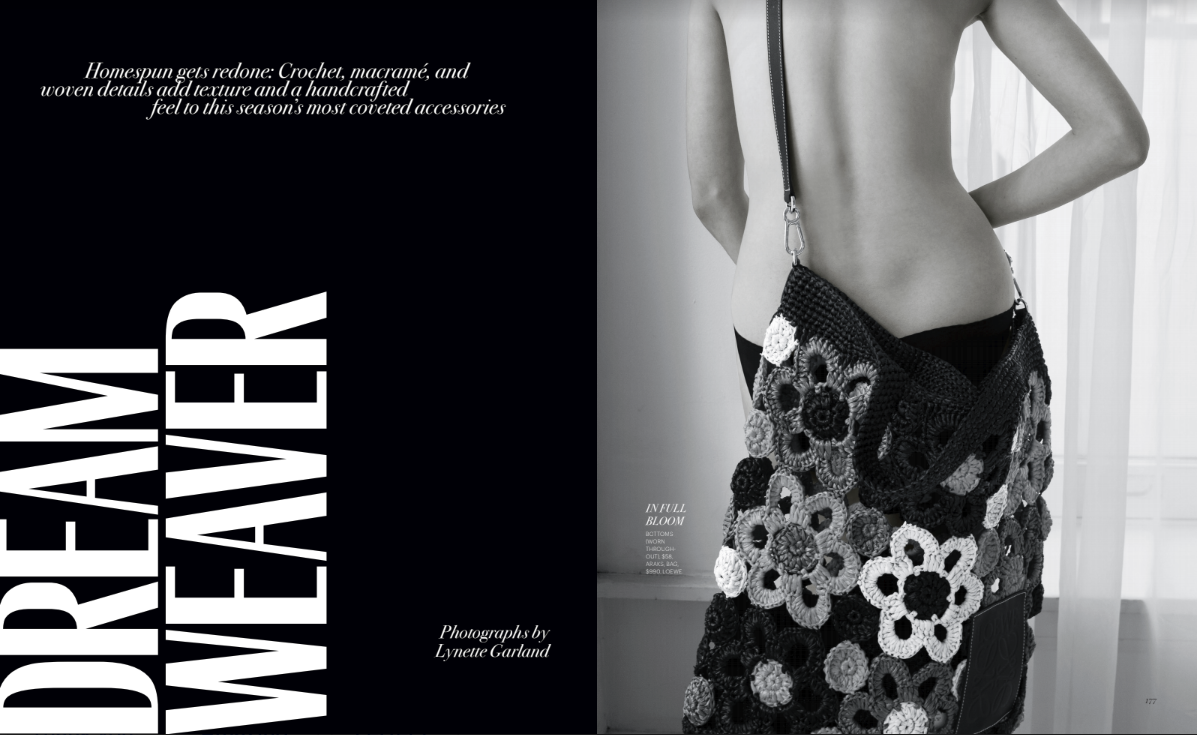
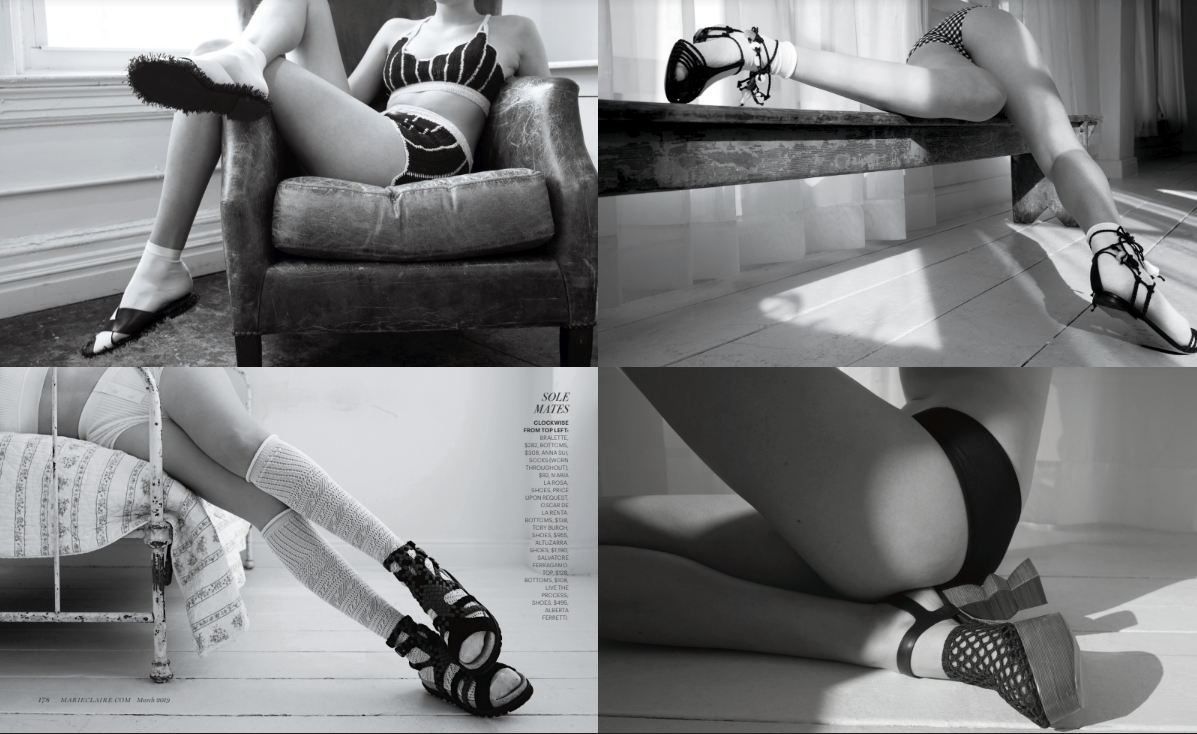
Lynette: Yes, I like to chose the models myself so that they suit the feel of the shoot that I have in my head. The mood I wanted to create was a kind of low key sensuality, hence using the underwear and hosiery, which I asked to be called in. It was Kate Lanphear at Marie Claire who suggested the idea of using the natural elements/woven accessories.  I always have a pretty firm idea of what I want the images to look like, so on the day of the shoot  it’s mainly about putting all the different aspects together. I tend to work quite fast with very few people around. I’m always trying to keep it instinctive.

How long have you been doing both photo and styling?
Around two years or so. Initially I was using my i-phone to create images just for myself. It developed from there, really. People saw what i did and liked it.

What type of direction did you get from the magazine?
I had certain pieces that needed to be shot but other than that Kate gave me complete freedom.  Basically, she liked my work and trusted me to do what I do.

What do you look for in photo compositions?
It depends on the subject, really. I do like to crop into the image and home in on certain details. It’s often about creating a mood by being a bit more abstract.

What are you inspirations?
I like photographers whose work is intimate and looks natural –  Saul Leiter, Joan Colom, Raoul Hausmann.


The Daily Promo – Joe Buglewicz

Joe Buglewicz

Who printed it?
Magcloud (8.25”x5.25” digest)

Who designed it?
Self-designed

Tell me about the images?
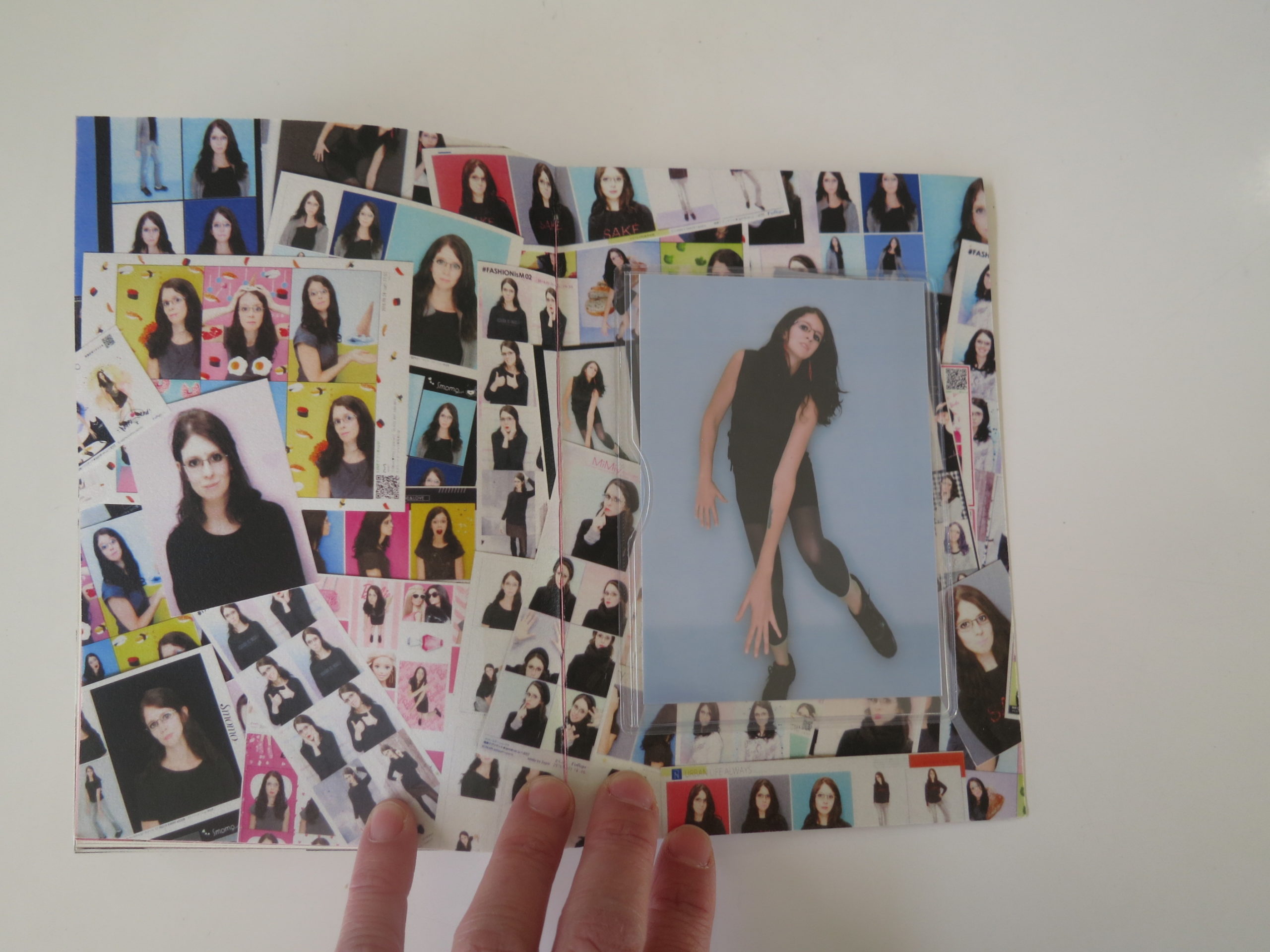
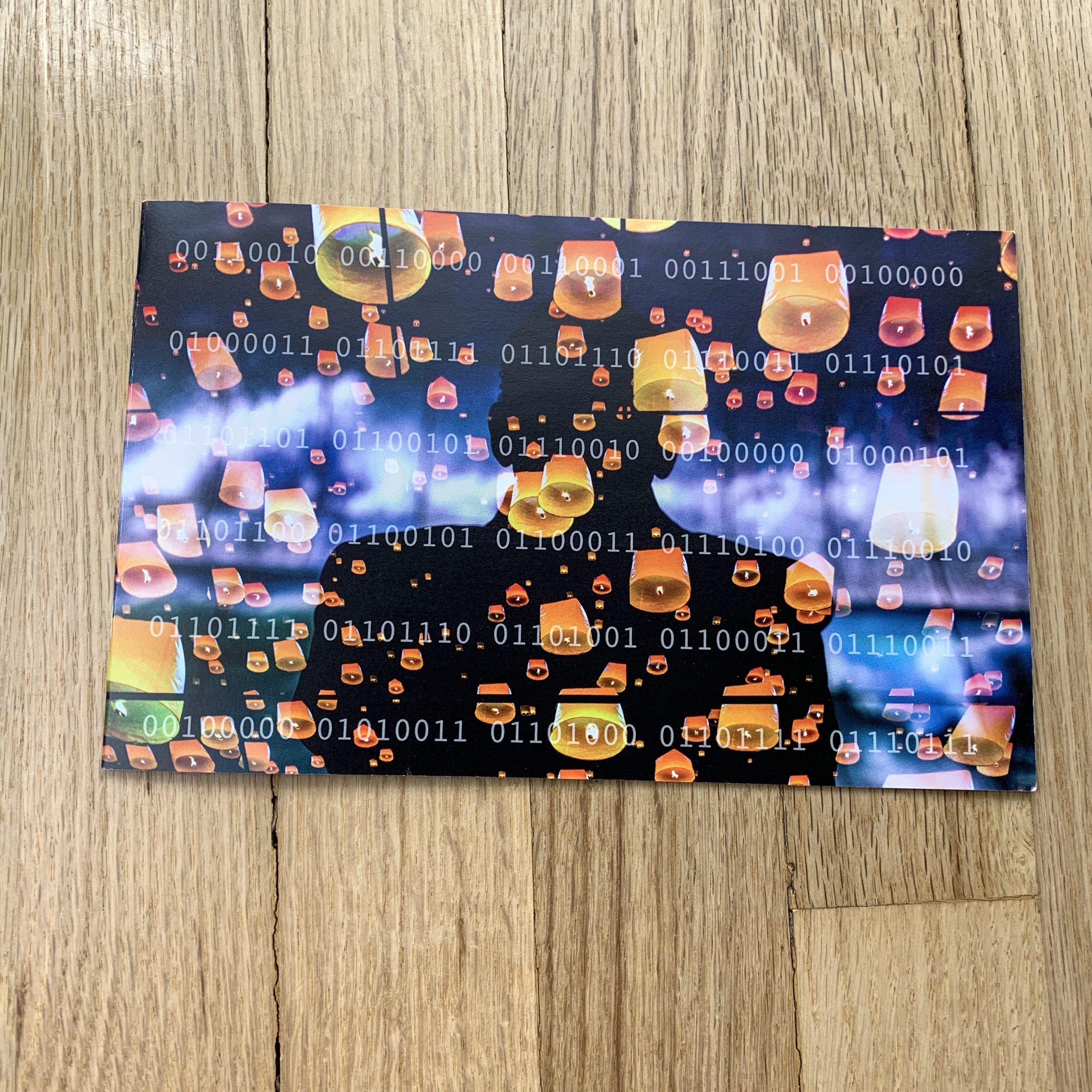
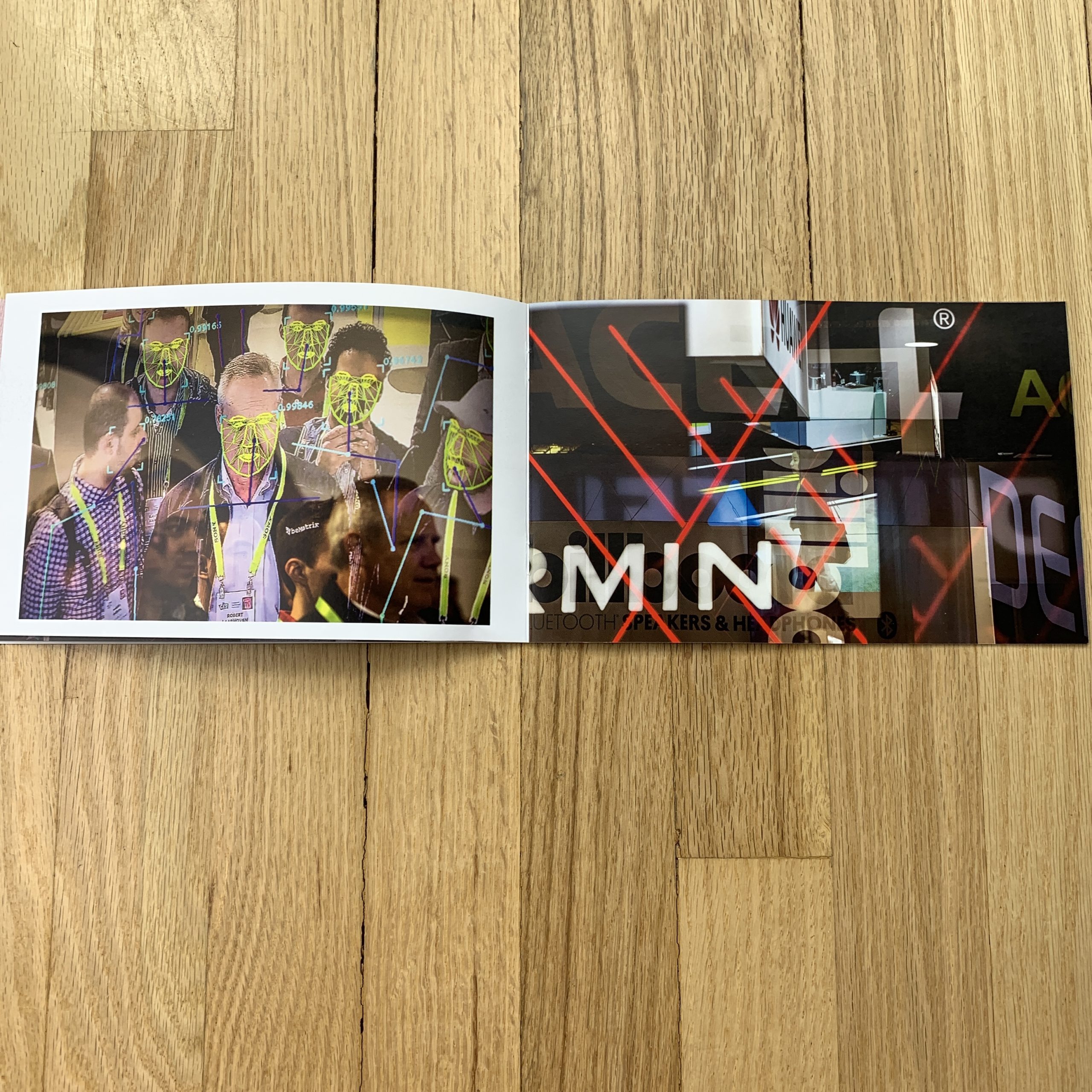
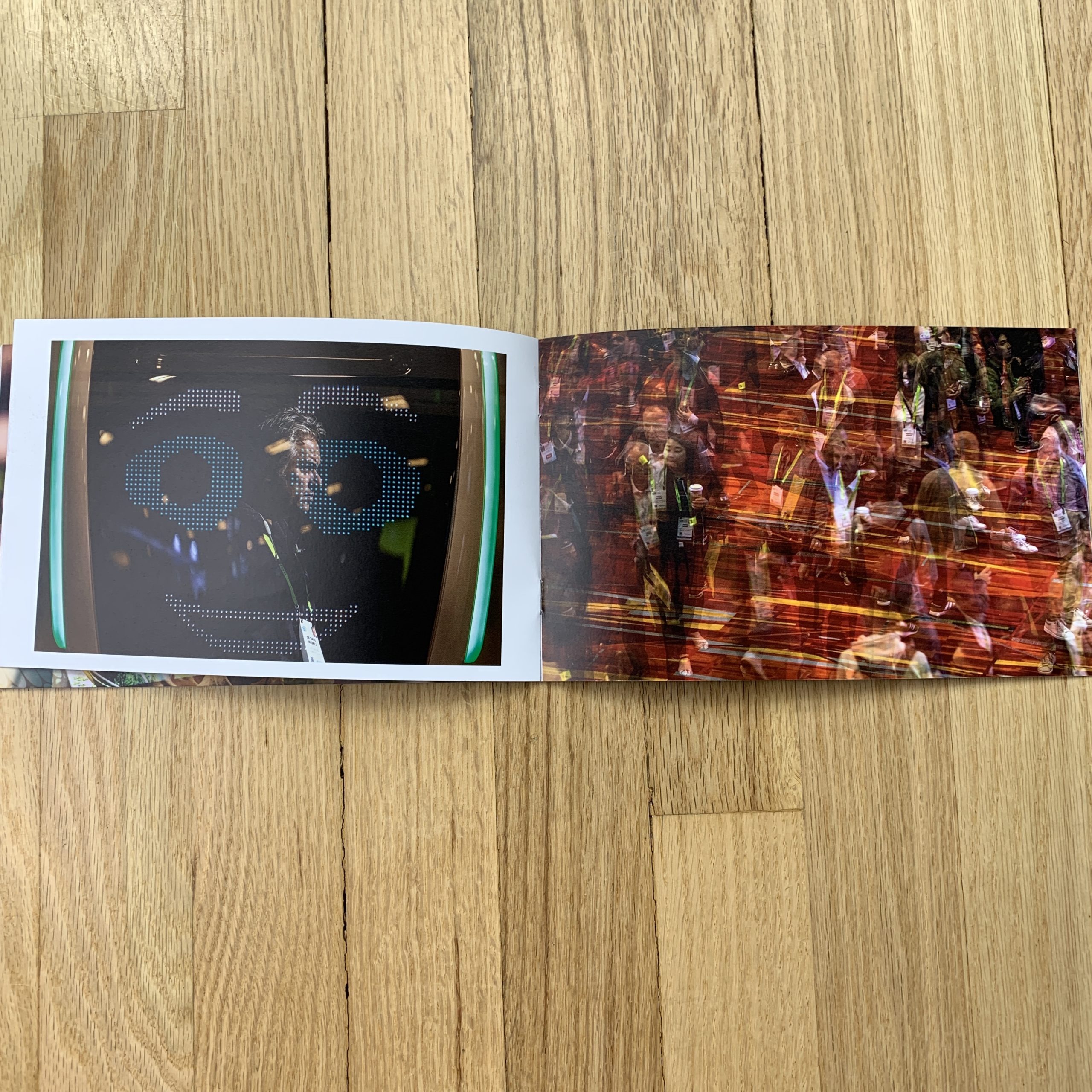
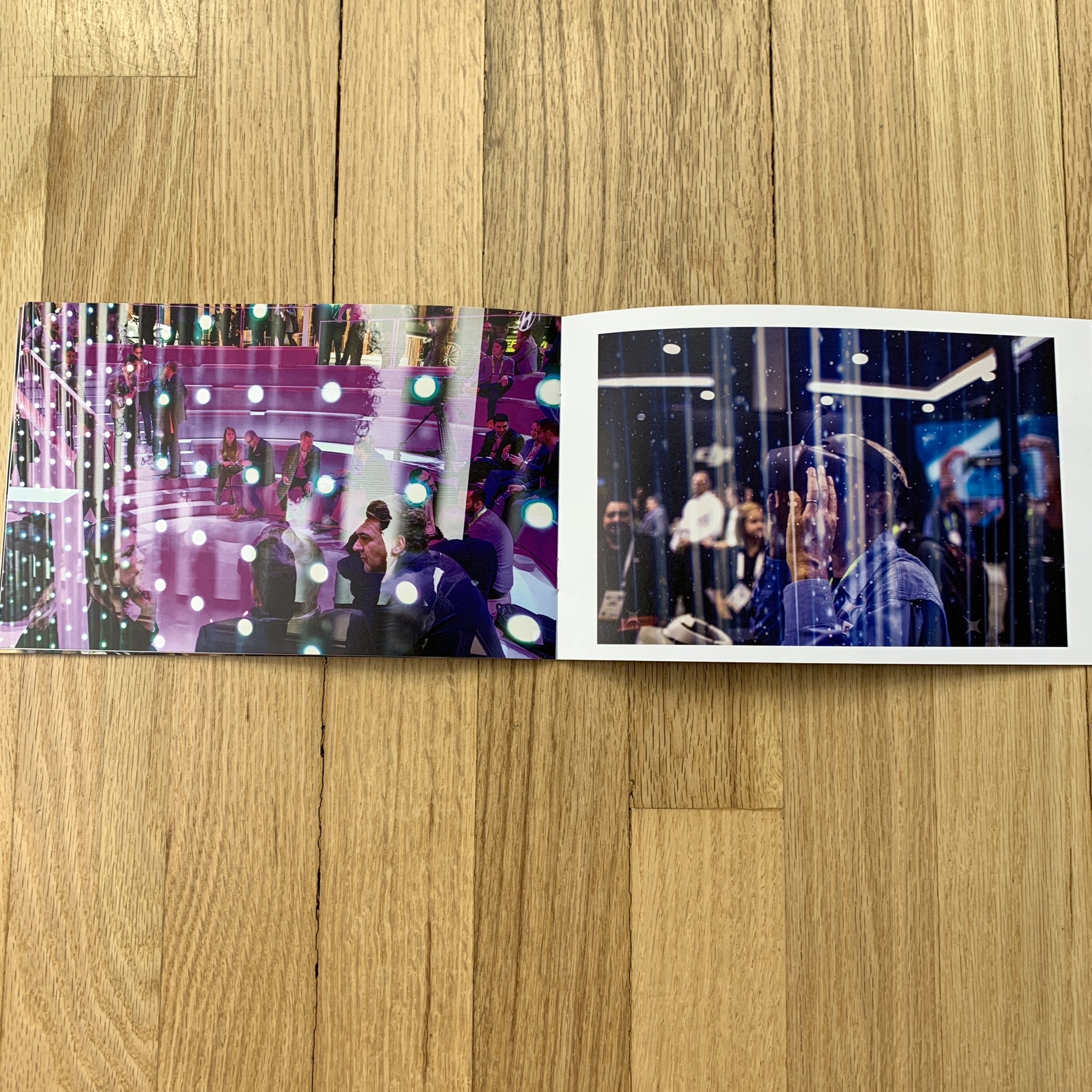
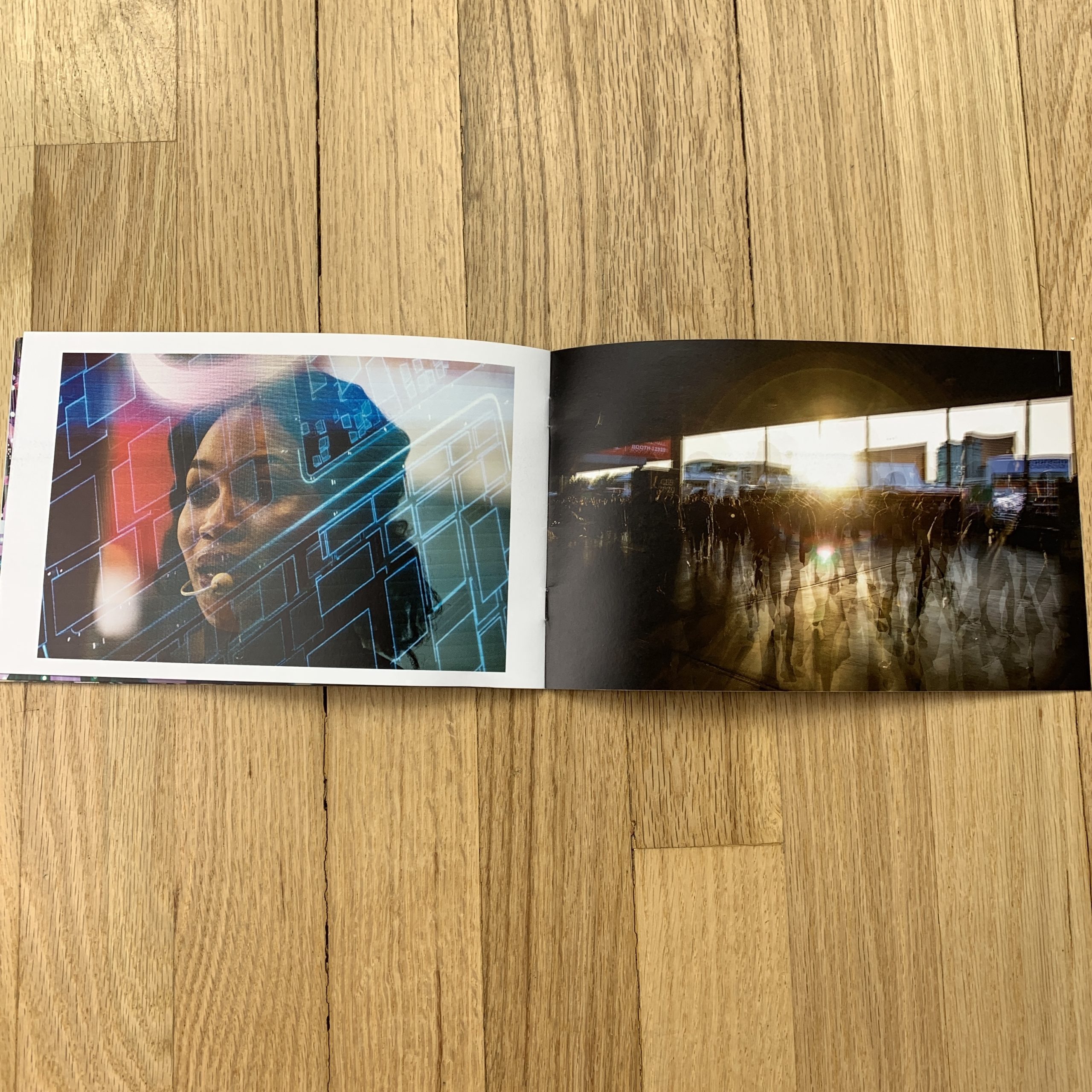
Got a call from Brent Lewis at The New York Times, and he wanted to try something a little different covering the Consumer Electronics Show here in Vegas. We thought about it for a day then came up with doing multiple exposures in addition to a little video and traditional stills…huge props to Brent for green-lighting everything.

Speed was a factor (had to file a few times during the day) so all multiple exposures were done in camera in real time…basically find a scene/backdrop, take a picture, find another scene to layer over, take a picture, etc. Most frames consisted of 2-5 exposures. Other edits I would pick one scene and shoot several images in succession for a bit of motion.

Was only commissioned by NYT for one day, but between other CES shoots kept at it to build the edit up a bit more.

How many did you make?
120 + 1 proof for color corrections…shorter, more targeted run to keep costs down.

How many times a year do you send out promos?
Try for seasonally, but if a cool shoot comes up that works as a promo I’ll get something out a little quicker.

Do you think printed promos are effective for marketing your work?
Absolutely, especially being in a smaller/medium-sized market. Moved to Vegas about a year ago and aside from emailing with editors I regularly work with, I needed a way to get the word out that didn’t involve email/internet/travel. Plus if you’re targeted and lean with costs it’s low risk, high reward…one small run can yield several jobs, which pays for the promo and then some.