The Art of the Personal Project: Eric Meola

The Art of the Personal Project is a crucial element to let potential buyers see how you think creatively on your own.  I am drawn to personal projects that have an interesting vision or that show something I have never seen before.  In this thread, I’ll include a link to each personal project with the artist statement so you can see more of the project. Please note: This thread is not affiliated with any company; I’m just featuring projects that I find.  Please DO NOT send me your work.  I do not take submissions.

This is a personal project that I have featured before and shows the importance of personal projects.  You can order this beautiful book here


Today’s featured artist:  Eric Meola

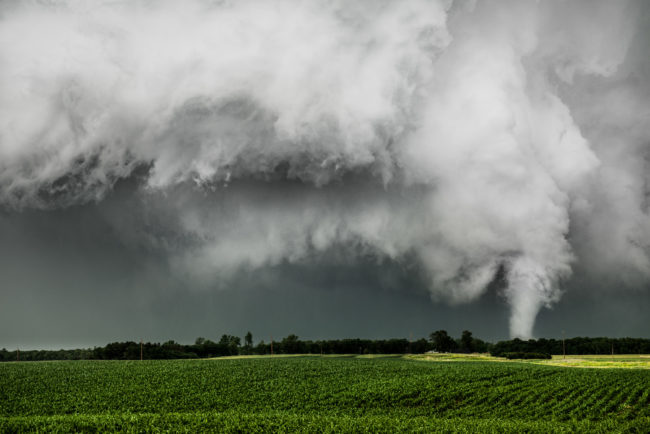
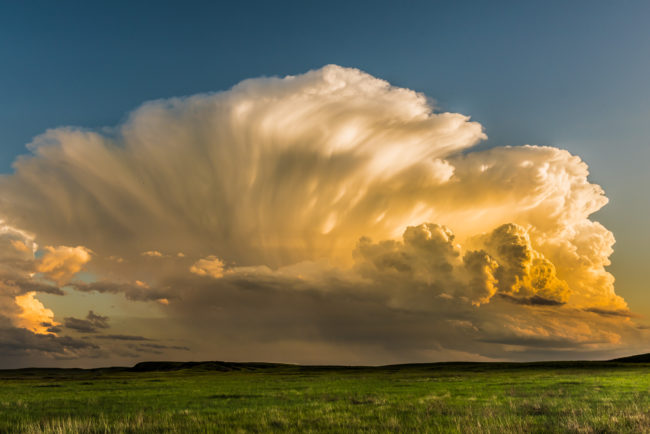
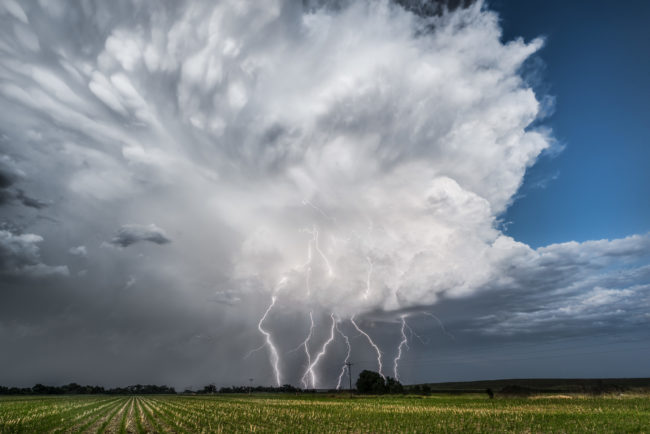
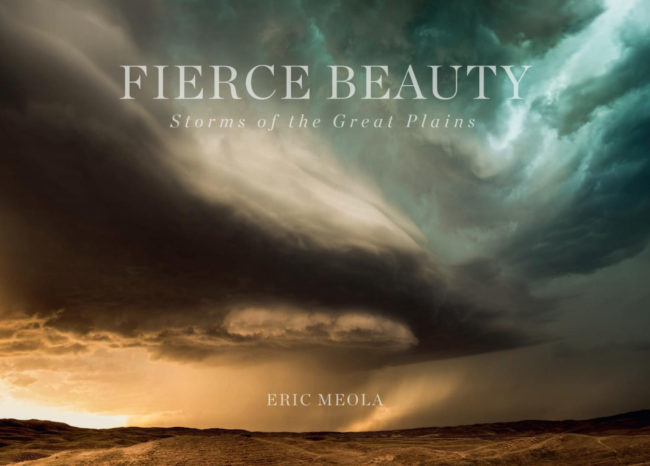
FIERCE BEAUTY: Storms of the Great Plains

Stormy weather is a metaphor for our daily lives; and the faith of those who overcome adversity is the reason I’ve spent the past several years documenting severe weather. My passion for photographing storms in the Plains comes from witnessing and experiencing life in real time—nothing focuses the mind and human resolve more than a tornado riding along the horizon.

As climate change intensifies, I want to photograph the grandeur and fierce beauty of nature. I’m inspired by the small towns, the people, and the experiences that come with driving the back roads in the center of America. This is a place of adversity and resilience, and FIERCE BEAUTY: Storms of the Great Plains is my record of the road trips that gave me insight into a profoundly spiritual landscape.

Luck and perseverance are bookends to photographing and chasing storms on the Great Plains. Standing in gale-force winds, under rain, pelting hail, and lightning strikes, you feel a lot of adrenaline pumping as cumulonimbus clouds metastasize, spreading out over miles of land and rising tens of thousands of feet into the lower stratosphere. Weeks of long days often end in frustration as one storm collides with another, each undercutting the next one; and a more than 600-mile chase day ends in a dreary drive very late at night to a dark motel in a prairie town where even the fast-food franchises are closed. Batteries need to be recharged, lenses cleaned, and images downloaded to a laptop, as well as backed up. Then comes sleep—sometimes restless, other times instant, deep, and far too short before the morning weather briefing.

As a photographer, your vision is always evolving. What you see and how you see it are part of you, so I take notes no matter how tired I am, and then wake up early to walk the streets of the towns I might never see again. Exploring is not about the trip, but about the journey, and about looking inward.

If I have one goal, it is to capture the essence, the light, and the grandeur of the Great Plains on a two-dimensional, flat sheet of paper. The image at Wolf Point, Montana, which begins the essay “The Revelation of a Fierce Beauty,” happened in a moment of serendipity—one of our group had lost his wallet in some tall grass, and we traced it sixty miles west to our last location on the previous day. As some of the others searched along the ground, I looked out to the landscape of shadows and light, with white cotton-puff clouds hovering over the undulating green land. It was the Great Plains in a single photograph, and I knew it was an important image for the book. It was serene, vast, and in its mix of textures it personified what I felt about being in a place that wraps its arms around you and doesn’t let go.

In photographing storms, my interest is in a specific moment when a storm’s structure—its architecture—and the light, color, and texture of the clouds are revealed. In order to capture these moments, the photographs in this book were made with a series of high-resolution “full frame” digital cameras: I used a mixture of Sony, Nikon, and Canon cameras, with sensors ranging from 22 to 42 megapixels.

I used a variety of extreme wide-angle lenses, ranging from a 10 mm Voigtlander to a 14–24 mm Nikkor and a 16–35 mm Sony GM; as well as intermediate focal-length lenses, and telephotos as long as 300 mm. The technology of lenses and digital sensors is rapidly evolving, and I have become agnostic in the era of digital cameras. Wherever the ground appears in a photograph, I particularly wanted to show its texture, as it usually occupies just a sliver at the bottom of the photographs, but is so important to the scale. I like to travel with as little gear as possible, often using just two cameras, each with a “dedicated” lens so there is no risk of getting water or dust on the sensor under what are often very trying conditions. At times, just standing upright against the wind is an exercise in futility.

I electronically “processed” all of the images in this book using Adobe’s Lightroom program, reproducing the image the way it appeared at the moment of capture, but adjusting the clarity and contrast to emphasize the details that are lost when photographing through strong downpours of rain and hail. Often, the delicate character, the mood, and the soul of a photograph are lost during processing, so I come back to images months, sometimes years, later and look at them again. Many of these images were made very quickly, within only a few minutes, before high outflow winds, strong downdrafts, and large hail made photography dangerous.

I want to capture something that brings you into the photograph. There is a tendency in the age of video to shoot time-lapses of storms. Although motion—especially motion over time—can be interesting, I am more concerned with capturing the subtle beauty of one particular moment, so that it can be studied. Storms are exquisite structures of transformation, and what I love about them is that they change rapidly from second to second as the storm goes through its life cycle. At times, I have to remind myself to photograph, as a large part of the experience for me is standing at the edge of a field of wheat, listening to the wind, and watching the storm. Storms on the Great Plains are a uniquely American landscape, and they need to be listened to and watched, as well as photographed.
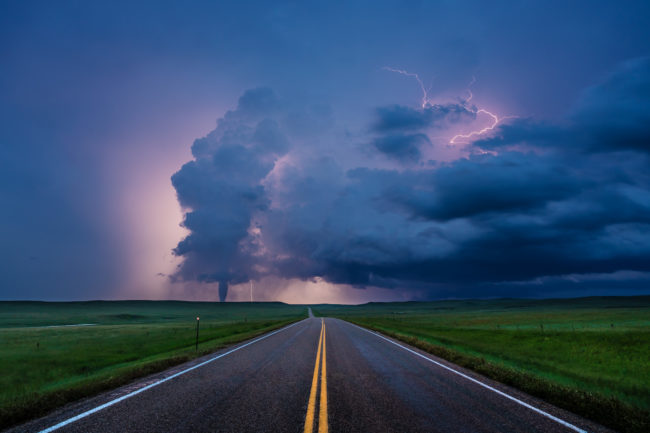
To see more of this project, click here.

APE contributor Suzanne Sease currently works as a consultant for photographers and illustrators around the world. She has been involved in the photography and illustration industry since the mid 80s.  After establishing the art buying department at The Martin Agency, then working for Kaplan-Thaler, Capital One, Best Buy and numerous smaller agencies and companies, she decided to be a consultant in 1999. She has a new Twitter feed with helpful marketing information because she believes that marketing should be driven by brand and not by specialty.  Follow her at @SuzanneSeaseInstagram

Success is more than a matter of your talent. It’s also a matter of doing a better job presenting it.  And that is what I do with decades of agency and in-house experience.


Pricing & Negotiating: Architectural and Still Life Images for Grocery Store

Craig Oppenheimer, Wonderful Machine

Concept: Still life images of produce, architectural images, and group portraits of employees

Licensing: Unlimited use of up to 83 images in perpetuity

Photographer: Food and portrait specialist

Agency: Small, based in the Northeast

Client: Grocery store and produce distributor

Here is the estimate:

Image of the first estimate for grocer store client.

Creative/Licensing Fees: The project had four components consisting of 1) still life images of food items against a solid background, 2) interior architectural images, 3) exterior aerial architectural images, and 4) environmental group portraits of employees, which would be captured over two days at two facilities/markets. Overall, they were hoping to end up with 50 product shots, 20 exterior architectural images, 7 aerial exterior architectural images, and 6 group shots, and they requested unlimited use of these images in perpetuity. The client only had one major market for customers in which they’d be advertising, and despite the request for unlimited use, the images were most likely to be used for collateral purposes. As much as I’d prefer to come up with a tiered pricing model, I had a feeling that based on previous projects with similar clients, we’d be looking at a couple of hundred dollars per image if we were lucky. I initially thought that a fee somewhere between $6-8k per day would be appropriate given the limited exposure. While I first suggested a creative/licensing fee of $16,000 to the photographer, we decided to come down slightly to $14,000, which we thought would be palatable on both ends.

Tech/Scout and Pre-Production Days: We anticipated that the photographer would scout both locations prior to the shoot on a single day. Also, I included a pre-pro day to account for the photographer’s time to help line up the crew and correspond with the agency about the details/logistics.

Assistant: The photographer wanted a lean crew to be as nimble as possible, especially because we anticipated working in a tight environment. We therefore included just one assistant for both shoot days.

Food Styling: We included a stylist for two days to account for one prep day and one shoot day, as all of the food images would be captured on just one of the two days, and we included an assistant for the stylist on the single shoot day as well. The client told us that they would provide all of the food items, and even though the stylist wouldn’t have to shop for food, their prep day accounted for product intake and organization.

Drone Operator: The photographer planned to outsource the aerial exterior architectural images to a drone operator, and they would capture the content on just one of the two shoot days. We included $1,500, which we anticipated would cover the operator and their equipment.

Equipment: I included $1,000/day to cover basic camera, lighting, and grip equipment, all owned by the photographer.

Mileage, Parking, Misc: I included $250/day for miscellaneous expenses that might arise, mainly as a buffer to account for unforeseen expenses.

First Edit for Client Review: This was based on $500/day and included the photographer’s time to batch edit all of the content and create web galleries for the client to review.

Color Correction, File Cleanup, and Delivery: I typically include at least $50-$100/image for basic post-processing, but since we wanted to keep the expenses to a minimum, we went with $25/image for the light post-production work. Overall, that totaled just over $2k, and I felt this was reasonable for the photographer’s time.

Feedback: We were asked to separate the project into two different proposals while making a few updates. First, they reduced the number of still life product shots from 50 to 25. Also, rather than shooting still life images of the products on location, they were interested in capturing that content at the photographer’s studio. This was a direction that the photographer suggested and hoped they would want to go in, and she was willing to integrate a discount into her fee and charge a very modest studio/equipment fee to steer them this way. Additionally, they would be bringing all of the prepped and organized products to the studio, so a food stylist would not need a prep day. As for the architectural images, they were willing to do without the drone content, and overall they were hoping we could find ways to come down collectively. We accomplished that by dropping the photographer’s fee a bit in consideration of the reduced shot count and by making a few tweaks to the expenses. Here were the estimates:

Second estimate for grocery store client.

Third estimate for grocery store client.

Results: The photographer was awarded the project.

If you have any questions or if you need help estimating or producing a project, please give us a call at 1 610 260 0200 or reach out. We’re available to help with any pricing & negotiating needs—from small stock sales to large ad campaigns.

The Daily Edit – American Way: Jose Mandojana

American Way


Art Director:
Christos Hannides
Photographer: Jose Mandojana

Heidi: How long have you been shooting for the magazine, was this your first assignment with the publishing company?
Jose: I had worked for Hemispheres a few times ( also ‘lnk Publishing’ ) over the years, but this was my first assignment for American Way. The best part about landing this cover story, was that shortly after wrapping the shoot,  they reached out again to see if I could work on their November cover story as well. I truly enjoyed working on this style of shoot that incorporates a lot of portraiture mixed with travel/lifestyle.  I also loved working with their creative team throughout the process.

Did you send them promos?
I have kept in touch via email with Jessie Adler (PD) at Ink.  She actually referred me to her colleagues for this particular San Diego cover story.  (Thx Jessie!!!)

What was the photo direction?
The American Way cover stories follow a formula. There are always 5 locals (for the city mentioned) featured in the story,  so I needed to make environmental portraits of all 5.  The creative direction is that really any of those 5 could potentially end up on the cover.  Aside from the portraits,  there are travel elements that each of those locals mention in the text that also need photography.

How many locations did you shoot?
For this particular story I actually traveled to Encinitas first to photograph surfer Rob Machado.  I had to photograph him before the rest of the story was finalized because he was headed to Indonesia and the window to photograph him was small.  For that portion I photographed a donut shop, a fashion boutique, and then headed to Seaside beach to meet Rob.  I kept it simple with one Profoto light and just tried to keep the images authentic to who he is.  He’s a legend in the surf world, and I was thrilled to meet him because I grow up in Hawaii loving the sport.

A week after photographing Rob,  I traveled to San Diego and was joined their by Christos Hannides – AD from Ink Publishing.  He travels to all cover shoots to assure that they have a variety of cover options to work with.  We had a great time roaming the city over three days and photographing the other four locals mentioned in the text.

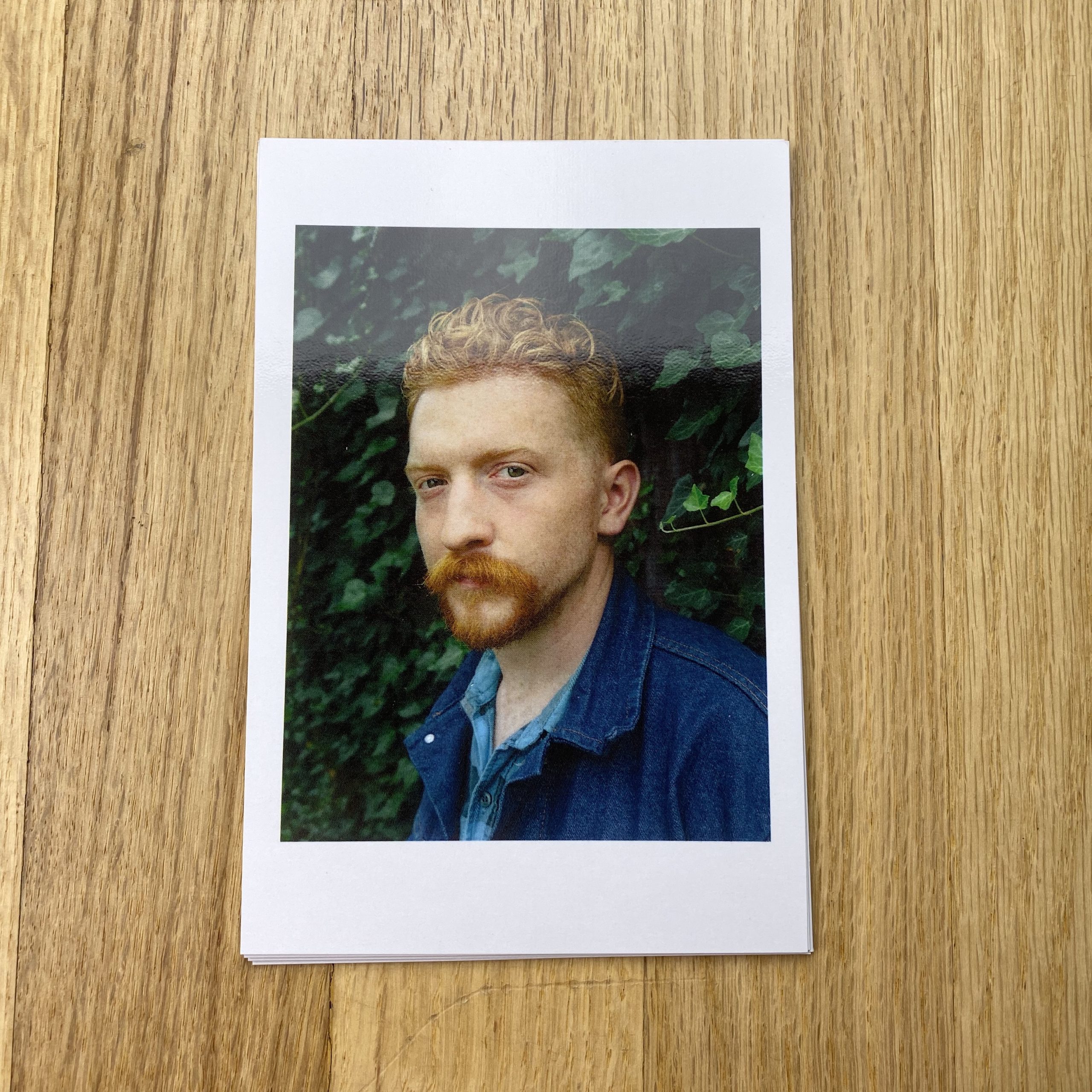
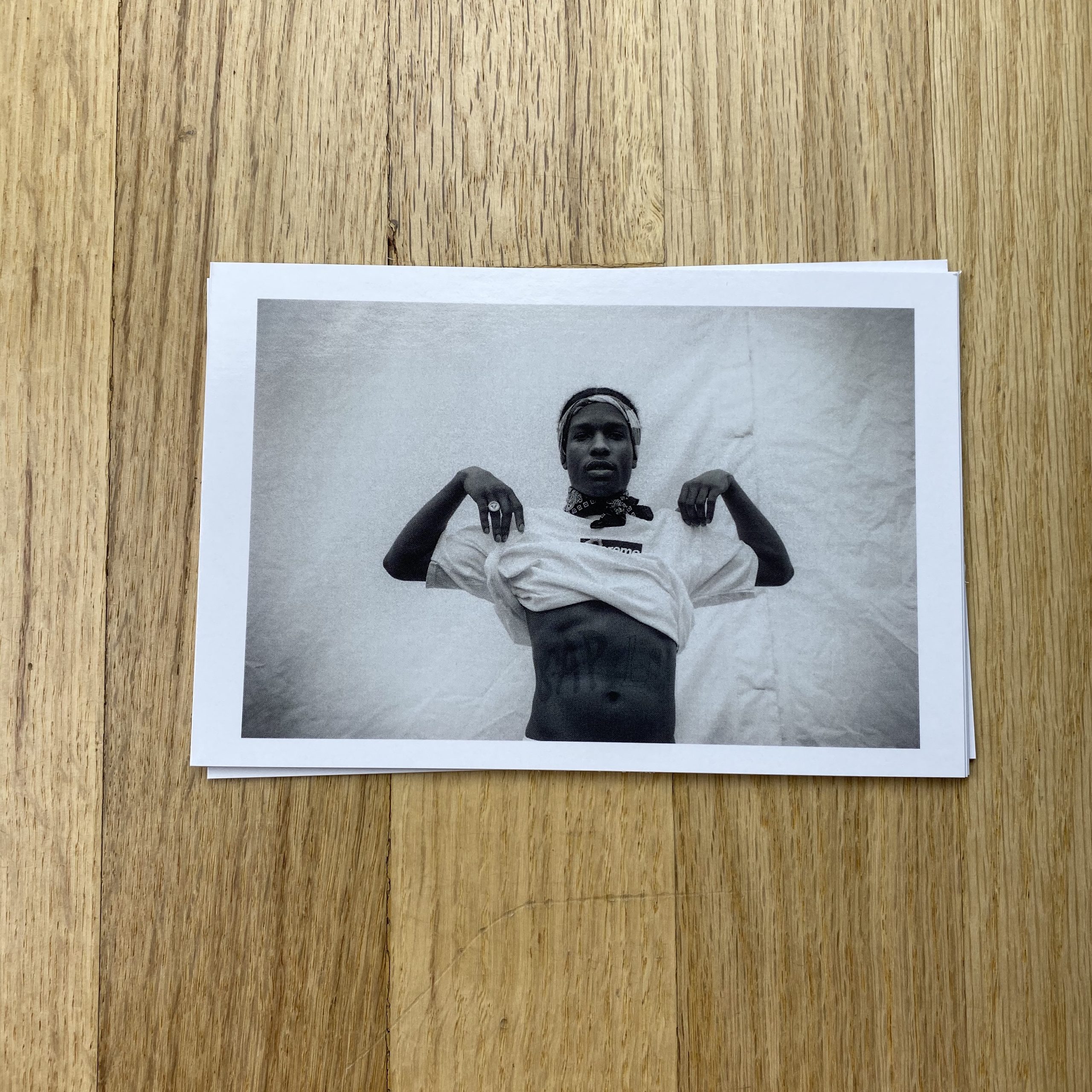
The Daily Promo – David McClister

David McClister

Who printed it?
I went back to Overnight Prints for this current series of postcards, a vendor I used many times in previous years, mainly due to ease since I had their templates already set up on my computer. I like their price (they have special offers several times a year), but I wish they offered proofs. I used Smartpress earlier this year for a book of work, as well as another run of postcards. They do offer proofs (at a small price). Their overall pricing was competitive, and the quality of their work was strong, but it was not an easy process for my designer (more so on the book than on the cards).

Who designed it?
I typically do the editing, the initial layouts, and the copy to start with, then pass it on to a professional designer to fine-tune the layouts, type, and color (if necessary). I have always worked with Gina R Binkley/ Altar Ego Design for all of my design needs.

Tell me about the images?
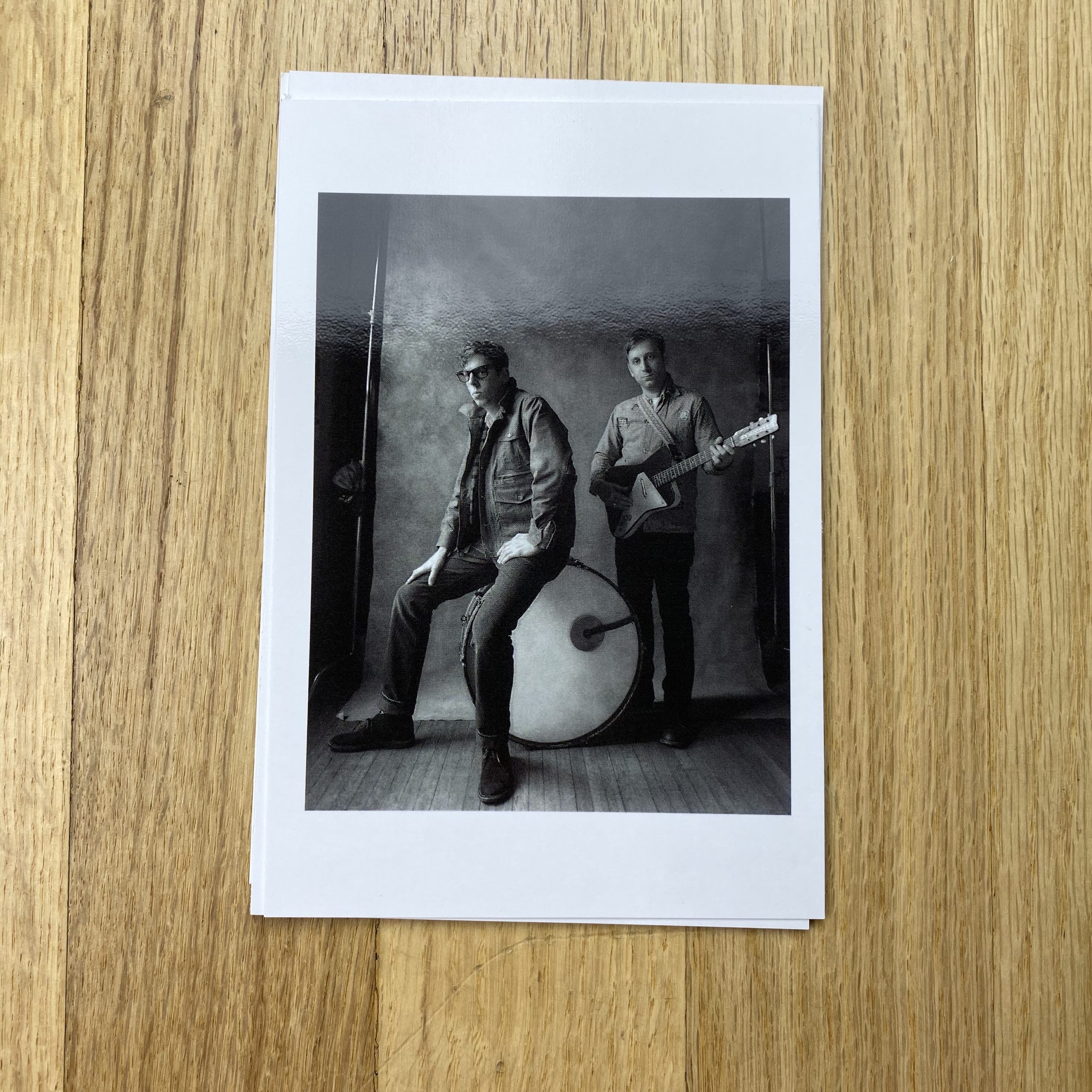
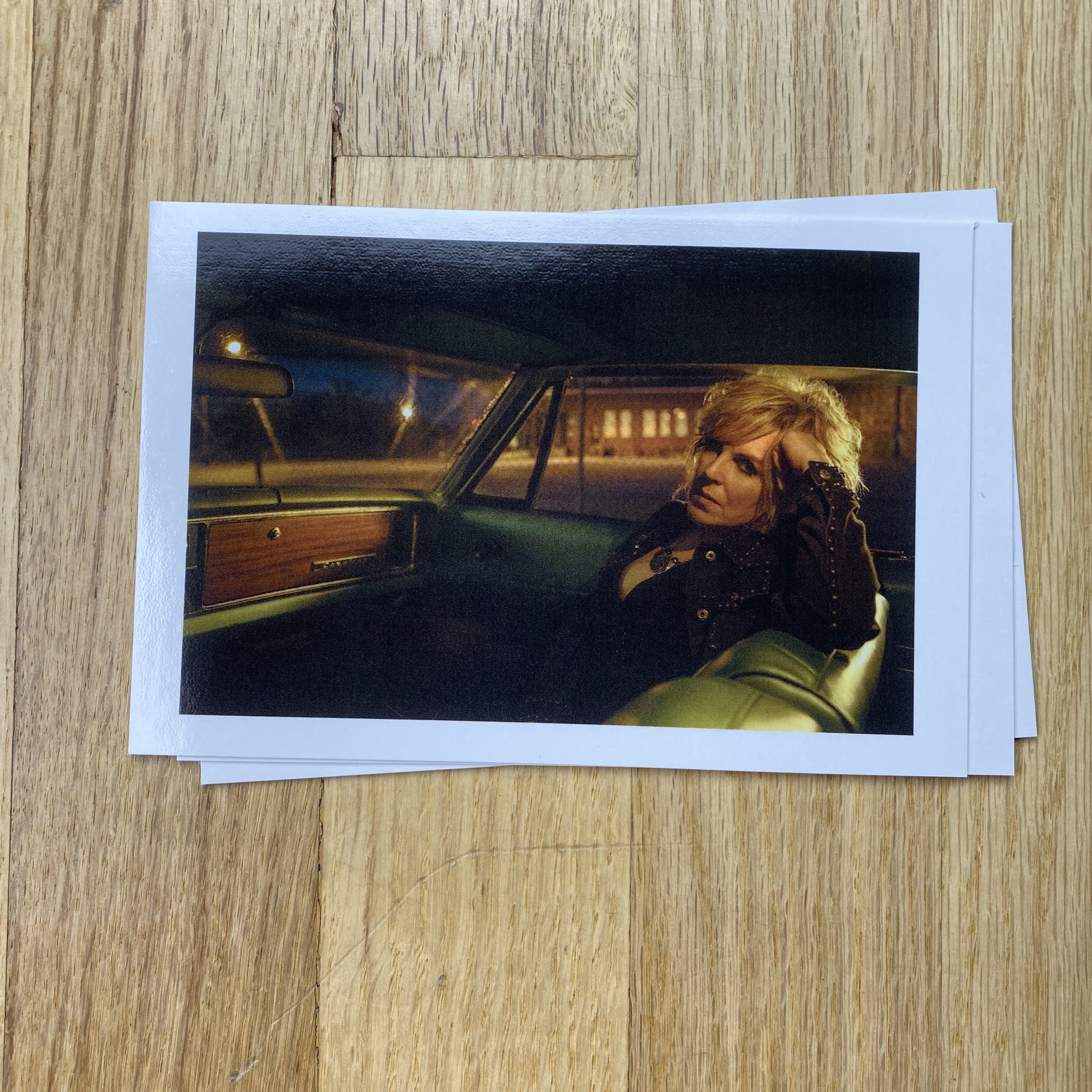
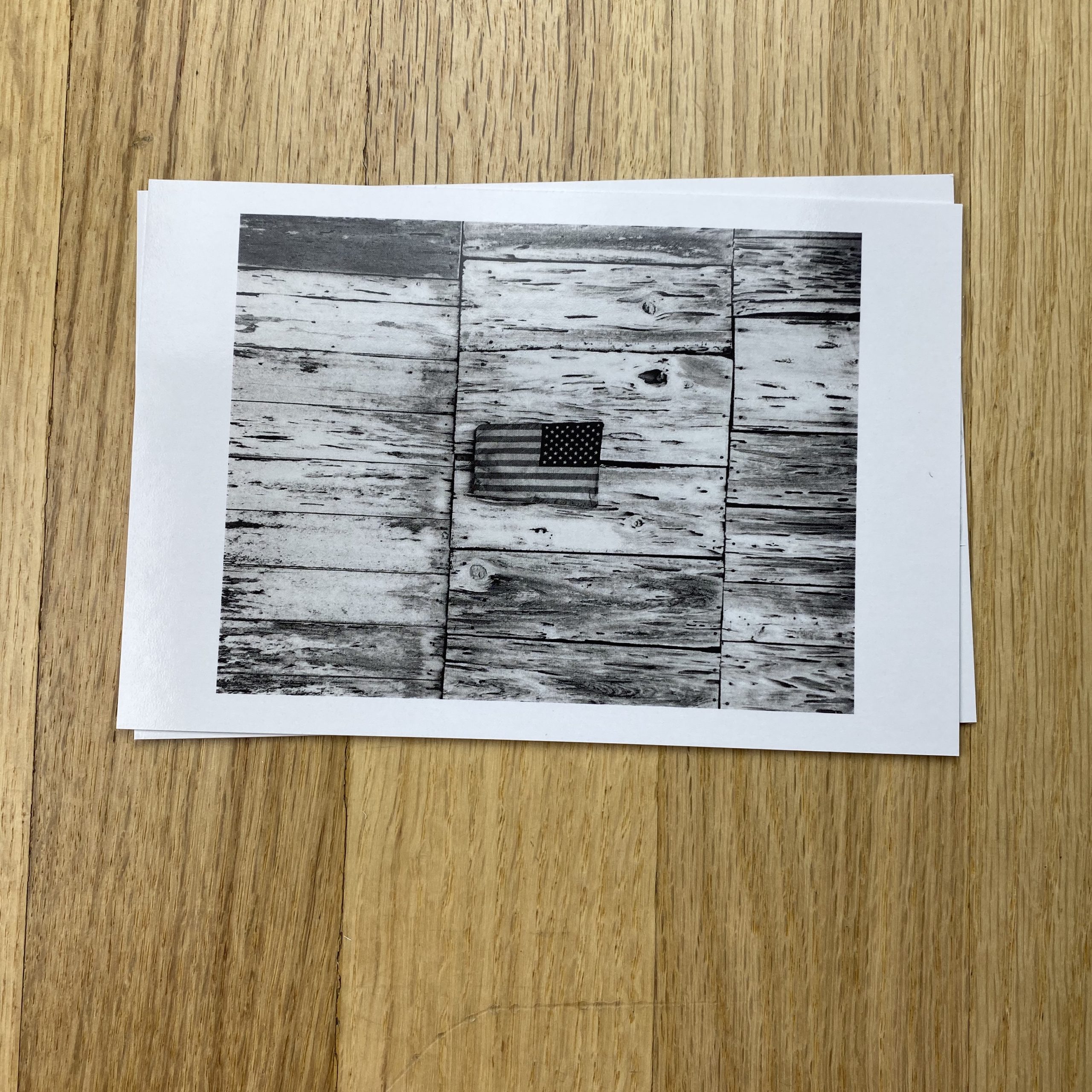
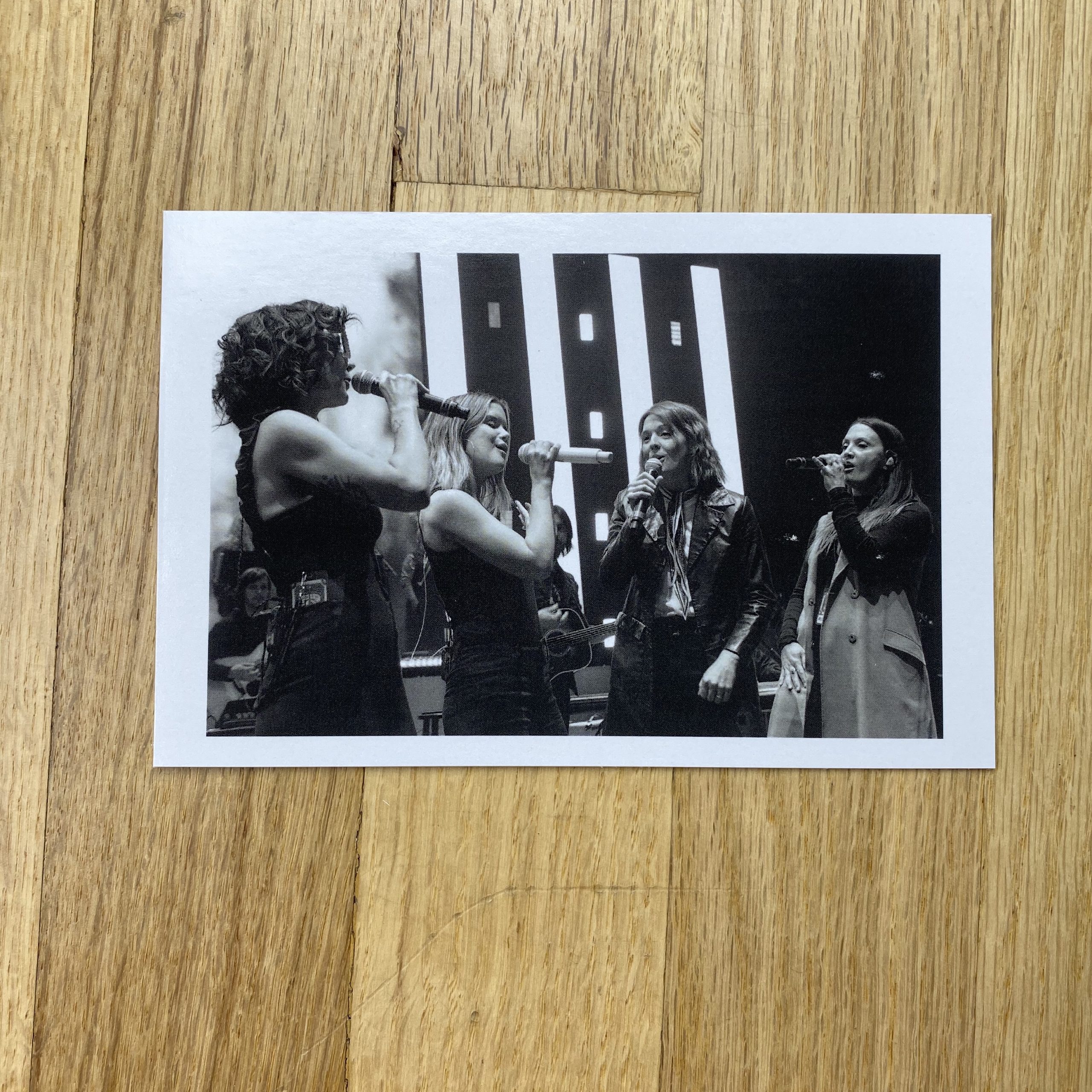
I started this postcard series earlier this year, mixing in current/new work with archival work. Since they are postcards, I try and select images that are strong enough to stand alone; and that someone might want to send/share with a friend (or tack on their wall at work). Photos, like music, are meant to be shared, and I hope these postcards will be used/shared in some form/fashion.

How many did you make?
300 – 500; going mainly to previous clients in the music industry (label, pr, mgmt) and editorial.

How many times a year do you send out promos?
Once a quarter.

Do you think printed promos are effective for marketing your work?
I do absolutely; email blasts are a good way to keep your name in front of clients; but I love the possibilities of printed pieces – there are so many ways you can show your work with a printed piece, tailoring it to a specific personal project, crafting a series, etc. It’s another way to show how you see, how you feel and approach things, etc. I’ll use another music reference, in that promos to me are like releasing a new album of work (or with these postcards – a series of singles that will ultimately make up a collection). And like musicians, we as photographers are continually moving forward, honing our craft, exploring new themes and issues, changing/evolving – our promos and work should reflect this as well.

If you’re not pushing yourself into uncomfortable territory, then you’re stagnant. Shake it up.

Have you ever gotten a job directly from a printed promo?
I’m often wrong about expectations when I share my work (that’s why I try and have none). When I sent out the promo book earlier this year that I mentioned, I sent several to an ad agency that I had worked with on a commercial spot several years ago. I sent it simply because I liked the team at the agency a lot, and because I knew that they were fans of some of the musicians pictured in the book. Several weeks after they received it, I got a call from them to bid on another commercial spot – and won the job.

This Week in Photography: Two Books from Holland


Part 1: Slowing Time

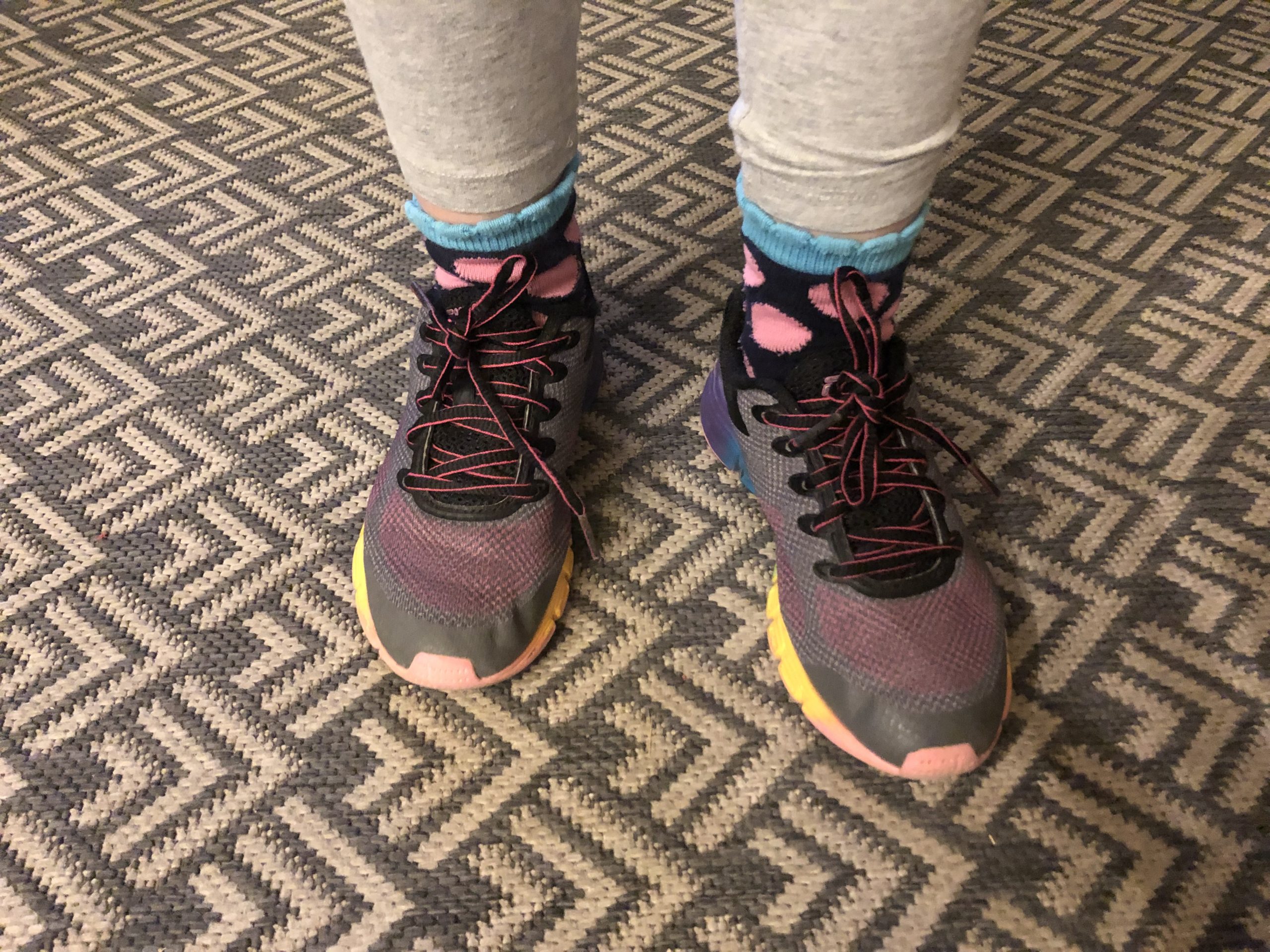
My daughter tied her own shoelaces this morning.

(A first.)

I gave her applause, enjoying her pride, as the rainbow soles perfectly matched the colors in her bedroom.

She’s seven now, and I remember telling you about changing her diaper, back in 2012. How uncomfortable I was, looking at her little body, as our son was born earlier, and his anatomy was far more natural for me.

My children are at the age where it feels like time is speeding up, and given how crazy #2019 has been, I’m trying to figure out how to slow it down.

So I pay more attention as I sing her to sleep at night. I make sure to notice when her hair catches the sun just so, and it glows like a messianic halo, absolutely perfect.

Though I no longer visit my therapist on a regular basis, I did see him on Monday, for the first time in a year, and he encouraged me to do whatever it took to appreciate what I’ve got. (Like most people, I’m constantly looking forward to what I want to achieve, have, or make.)

“This is the best it’s ever going to get,” he said, but he meant it in a good way.

I live in a safe place, have my material needs covered, and am surrounded by loving family in a beautiful environment, so I understood his message.

We also discussed how hard it is, under the cultural/political/macroeconomic conditions in #2019, to keep perspective.

It’s a part of DJT’s genius, the ability to sow confusion and anxiety on a daily basis, whether he’s denigrating the history of lynching, ignoring the existence of the US Constitution, or insulting people directly on Twitter.

What’s a person to do?


Part 2: Idyllic Austria

Learning how to see past the noise, and develop a deeper appreciation for one’s blessings, is not easy. Frankly, I don’t have it figured out just yet.

But I’m certain that giving thanks, expressing that appreciation openly, and working hard to live in the present are methods that will help get me there.

(For example, I can thank you all for reading each week. Thanks so much!)

We also turn to art for inspiration, as things that actively engage our minds, (rather than helping shut them down, like so much popular entertainment,) allow us to think and learn.

If you suspect this is all leading up to a photo book review, you’re mostly right, as we’re going to look at 2 books again today.

I’ll say right here, though, that it won’t be a weekly occurrence. I am trying to stay out of my comfort zone, as a writer, and keep this column fresh, but this is not a new format, doing two books at a time.

(Just an opportunity to discuss connections.)

In this case, two books were shipped in from Schilt Publishing in Holland late last year, and it doesn’t take much creativity to see how they work together.

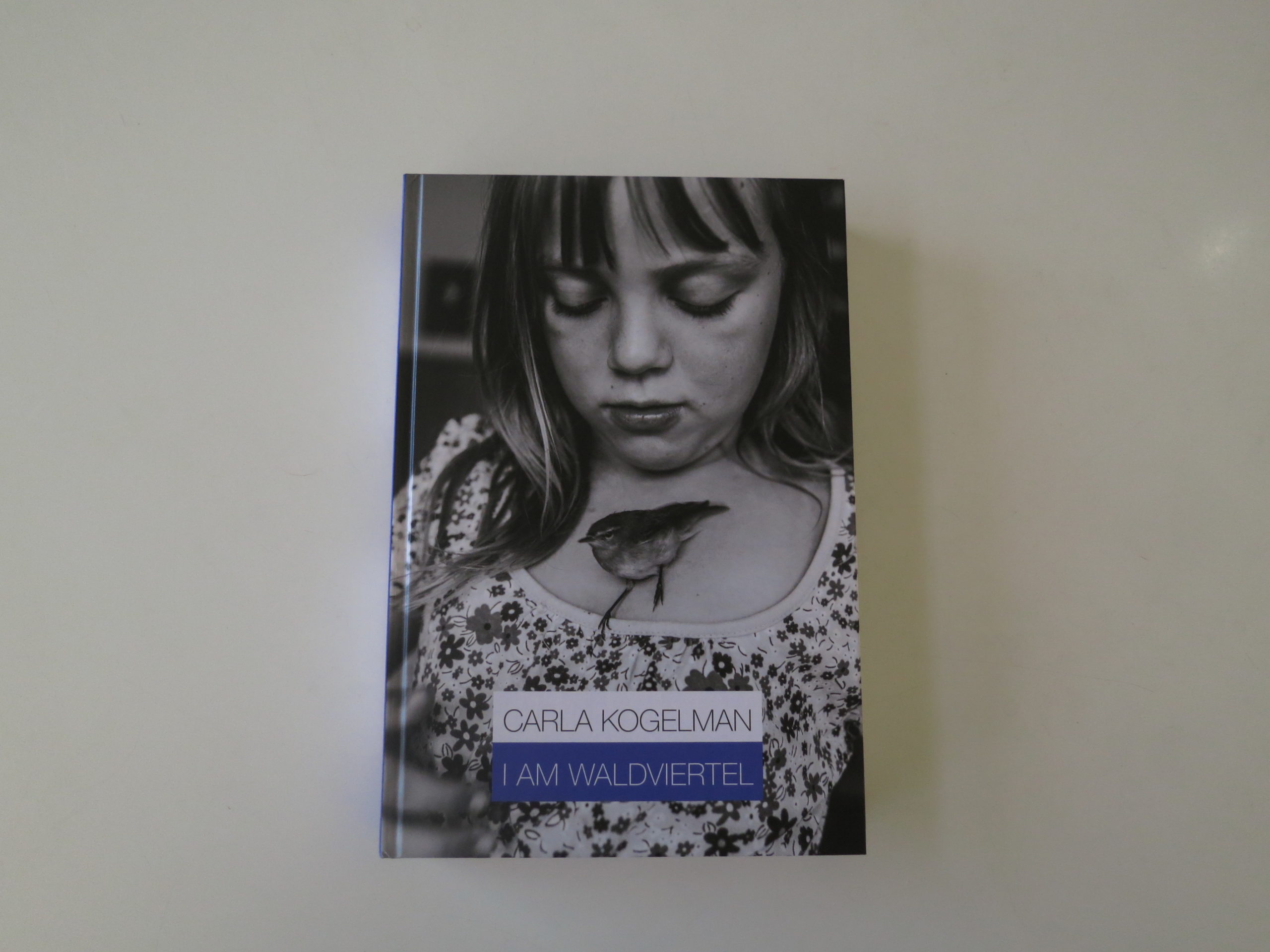
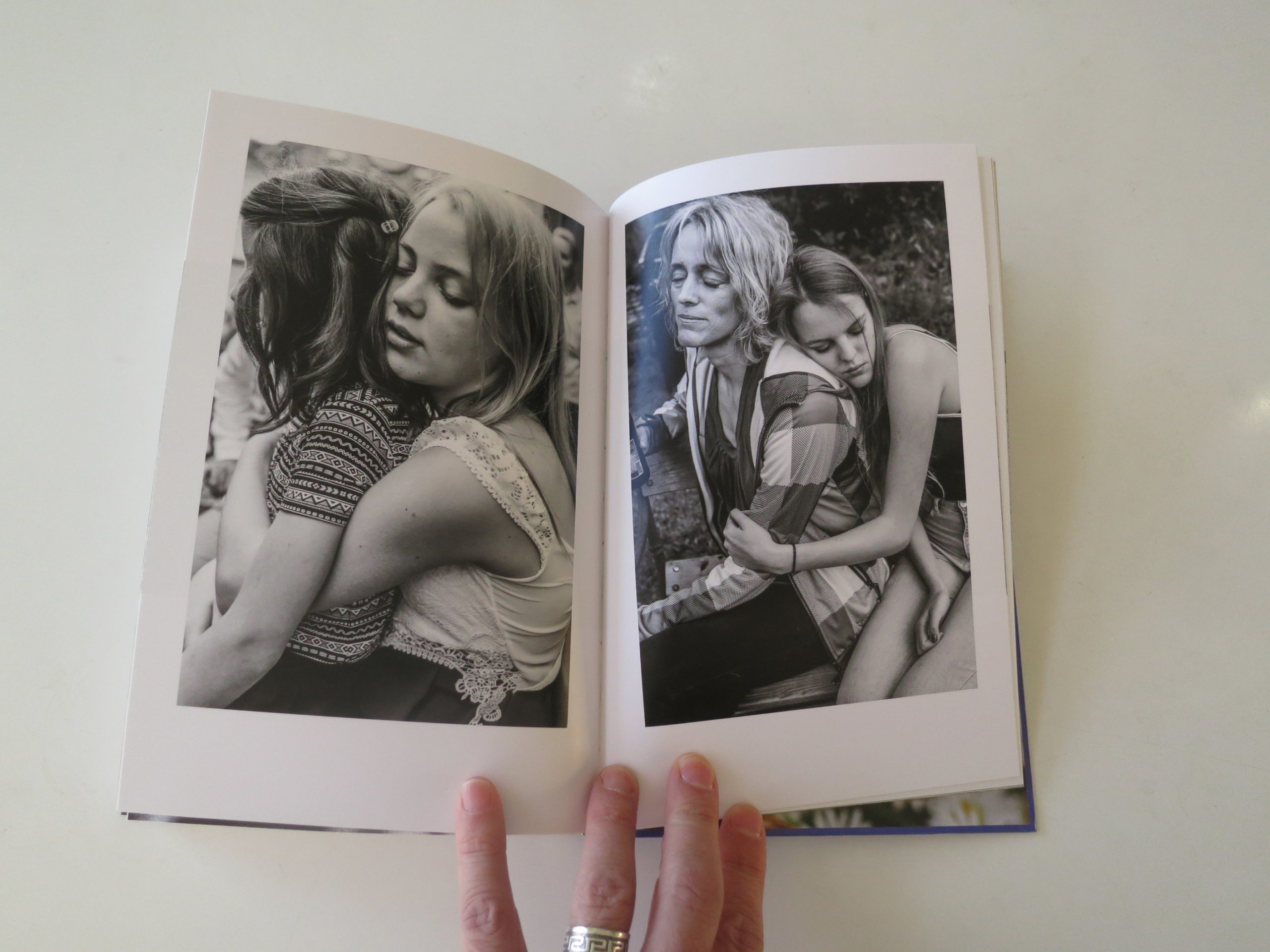
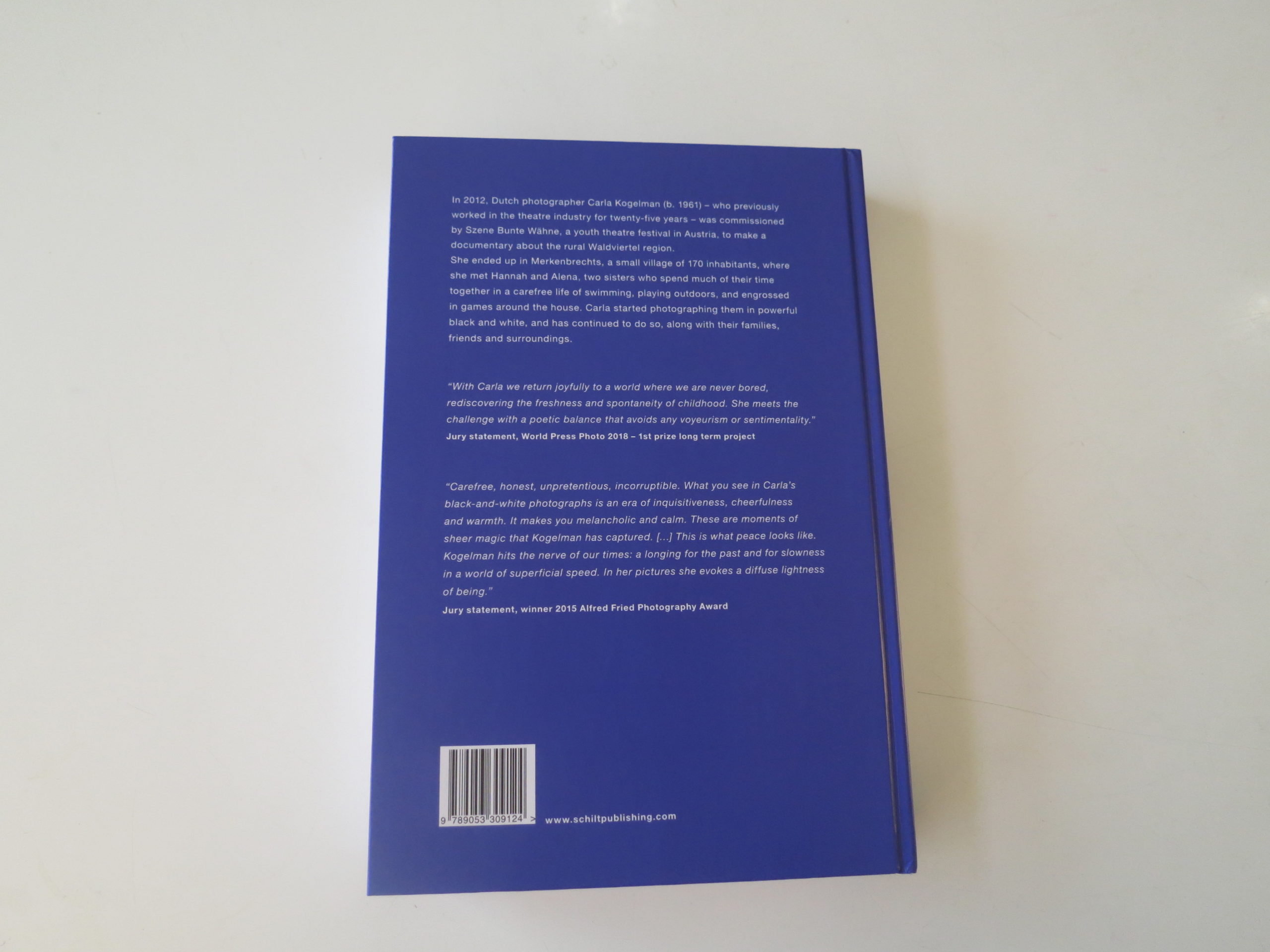
The first is called “I Am Waldviertel,” and we’ll start here because I looked at it first.

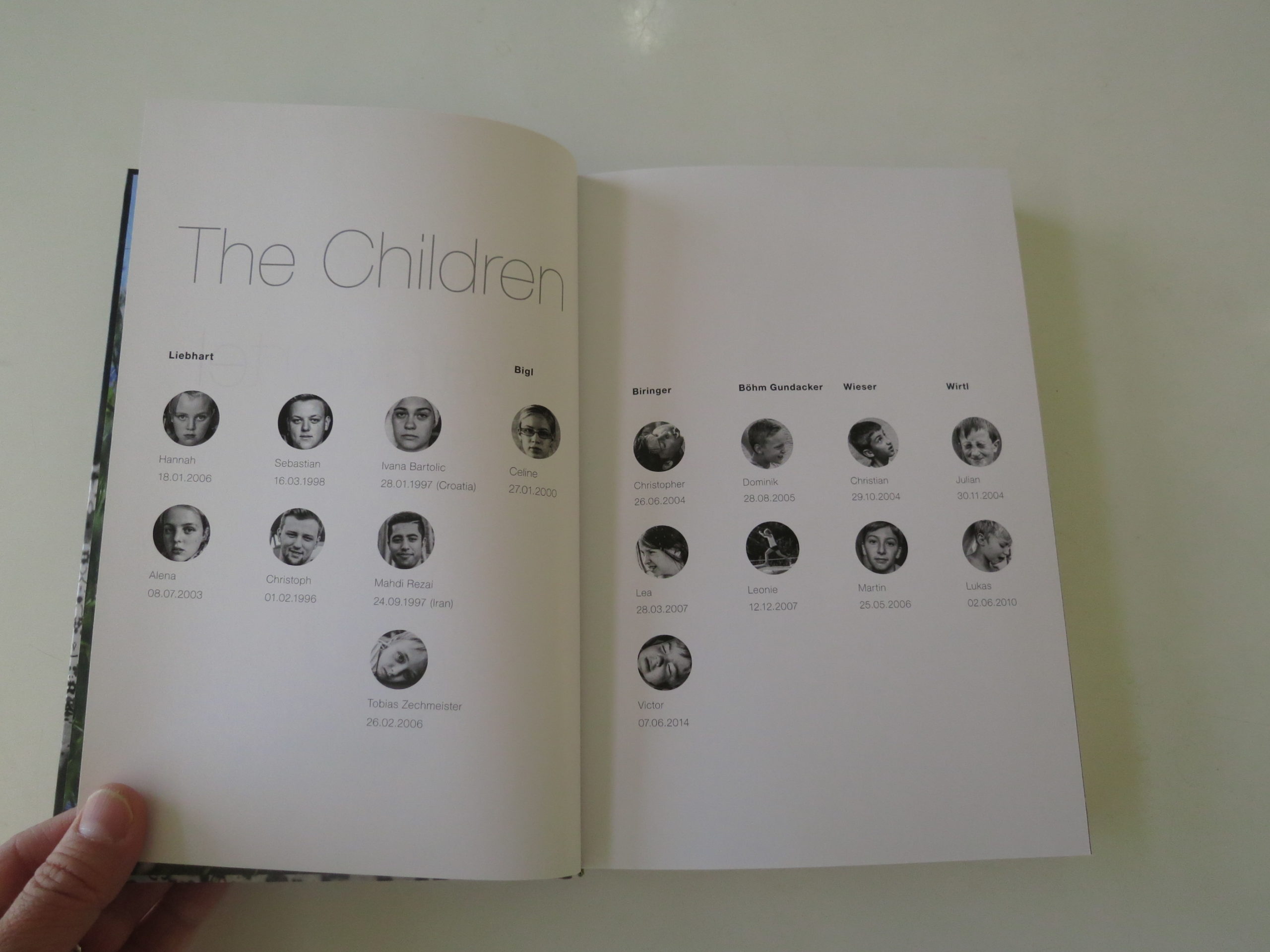
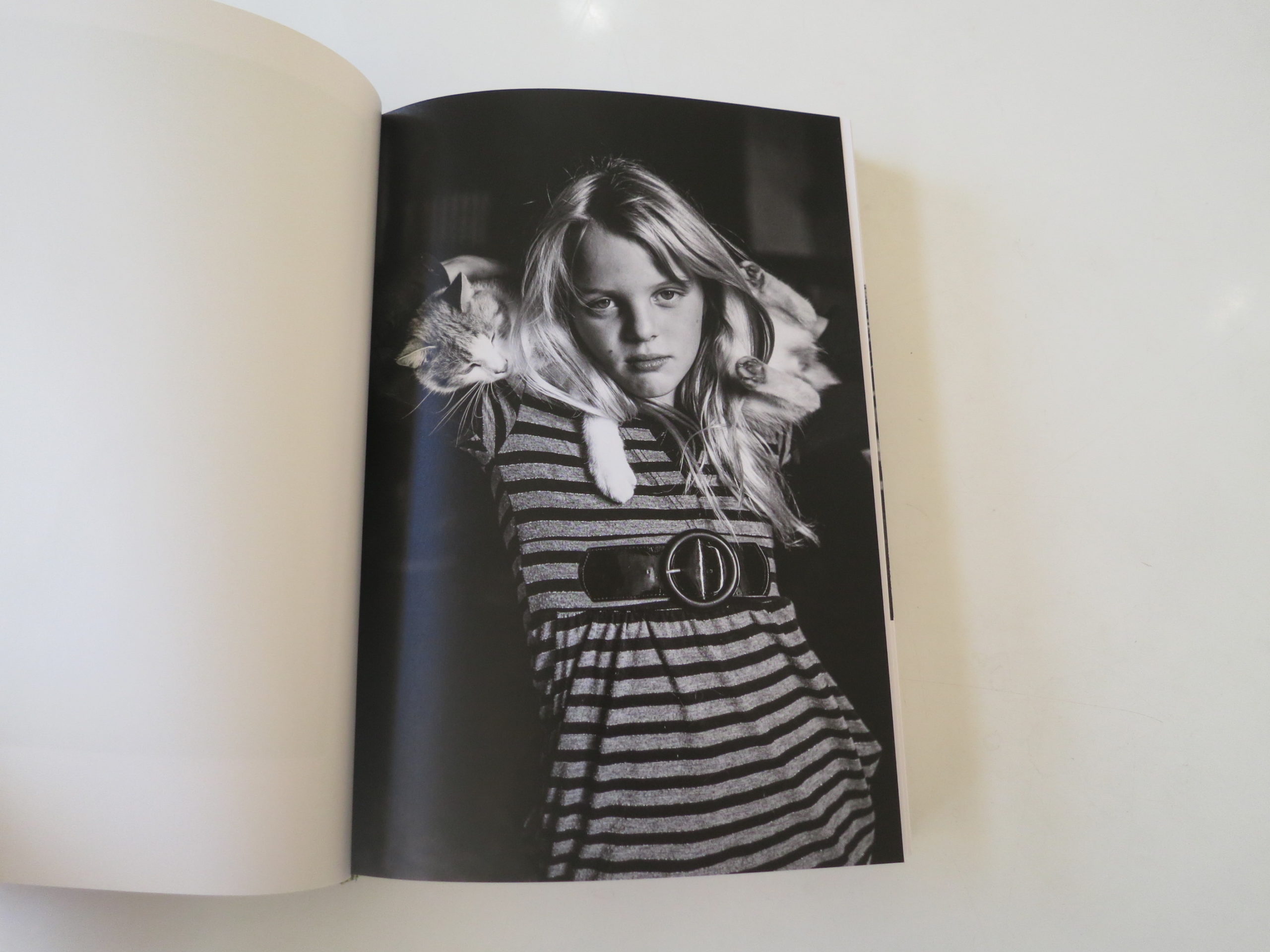
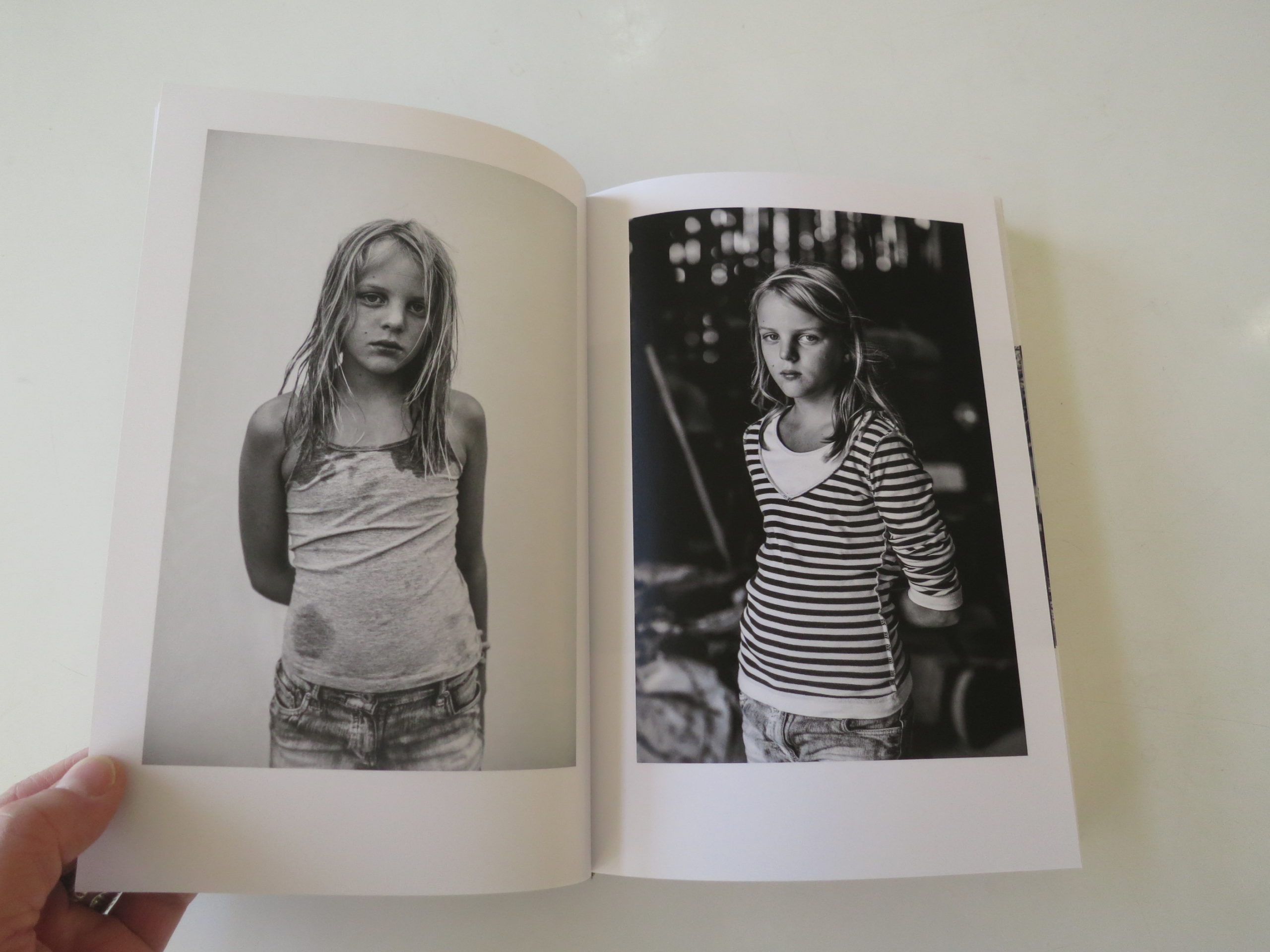
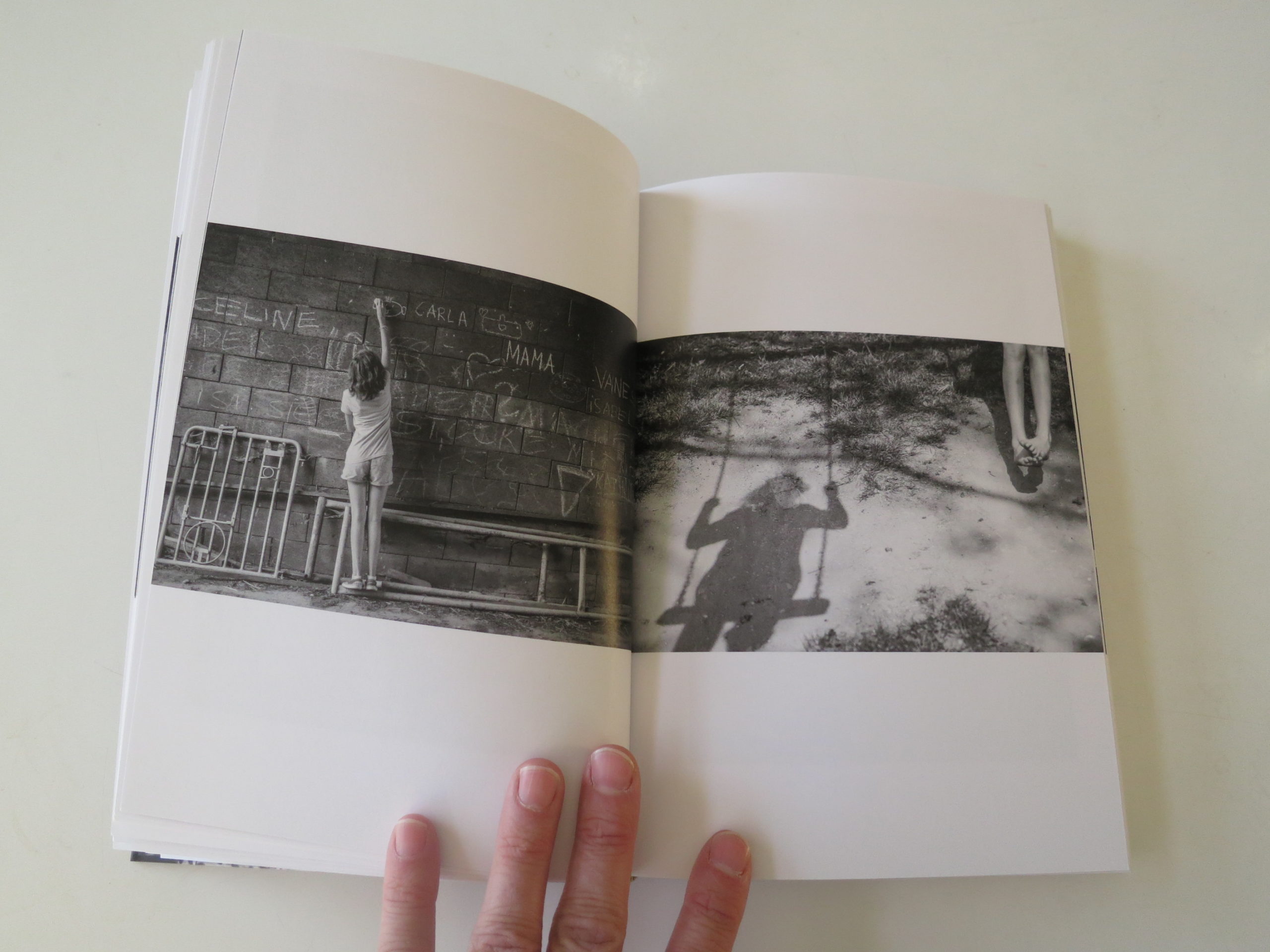
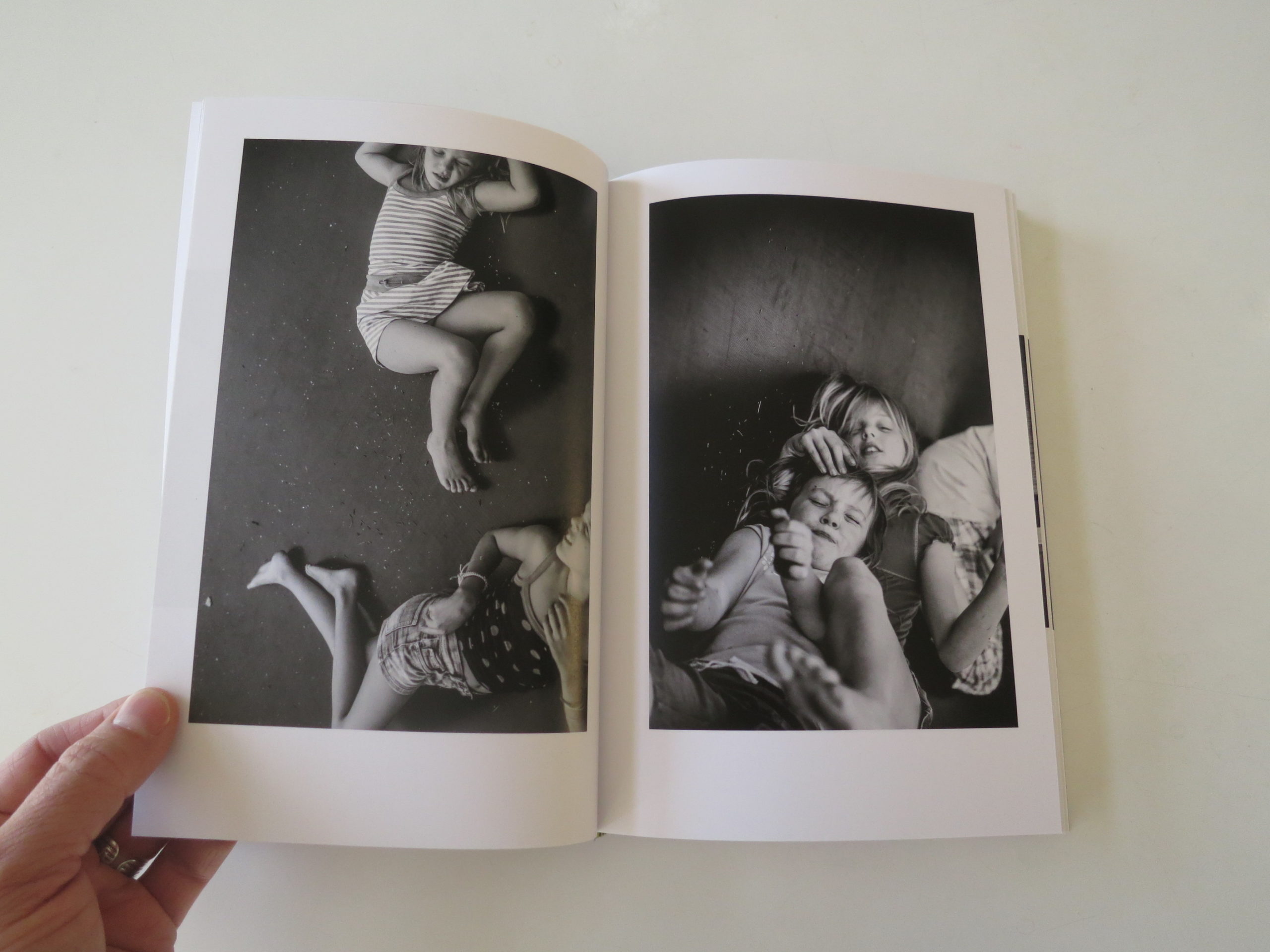
The Dutch artist, Carla Kogelman, began spending time in a pastoral, mountain setting outside Vienna, Austria, in 2012. It started, as many projects do, somewhat randomly, but as she was embraced by the locals in the village of Merkenbrechts, it became a long-term investigation.

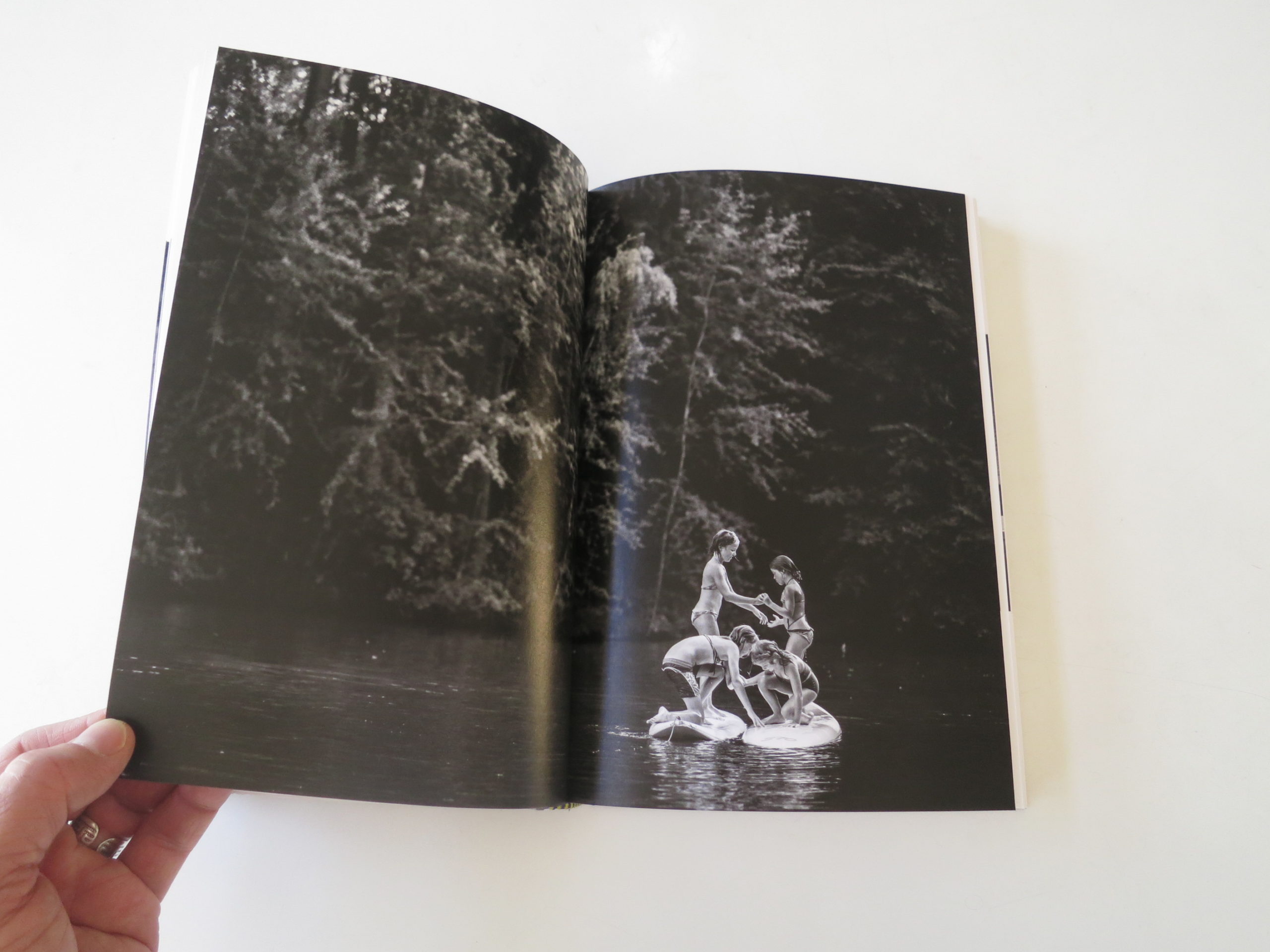
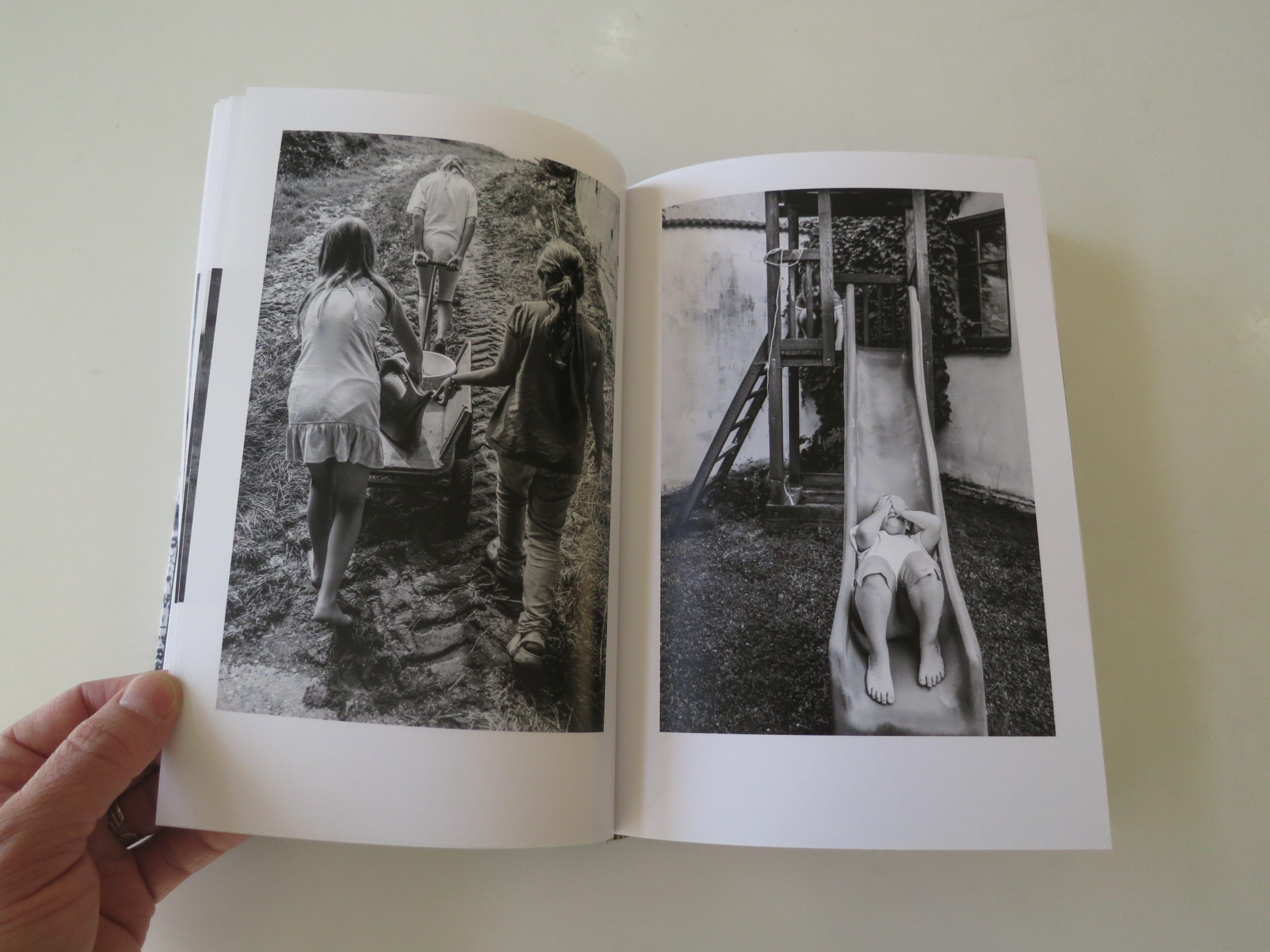
Especially after one family invited her to stay with them, and their daughters became main characters in the narrative Ms. Kogelman was building. The story, not surprisingly, is based around following the neighborhood children over the years, (and some summer visitors,) as they frolic and play.

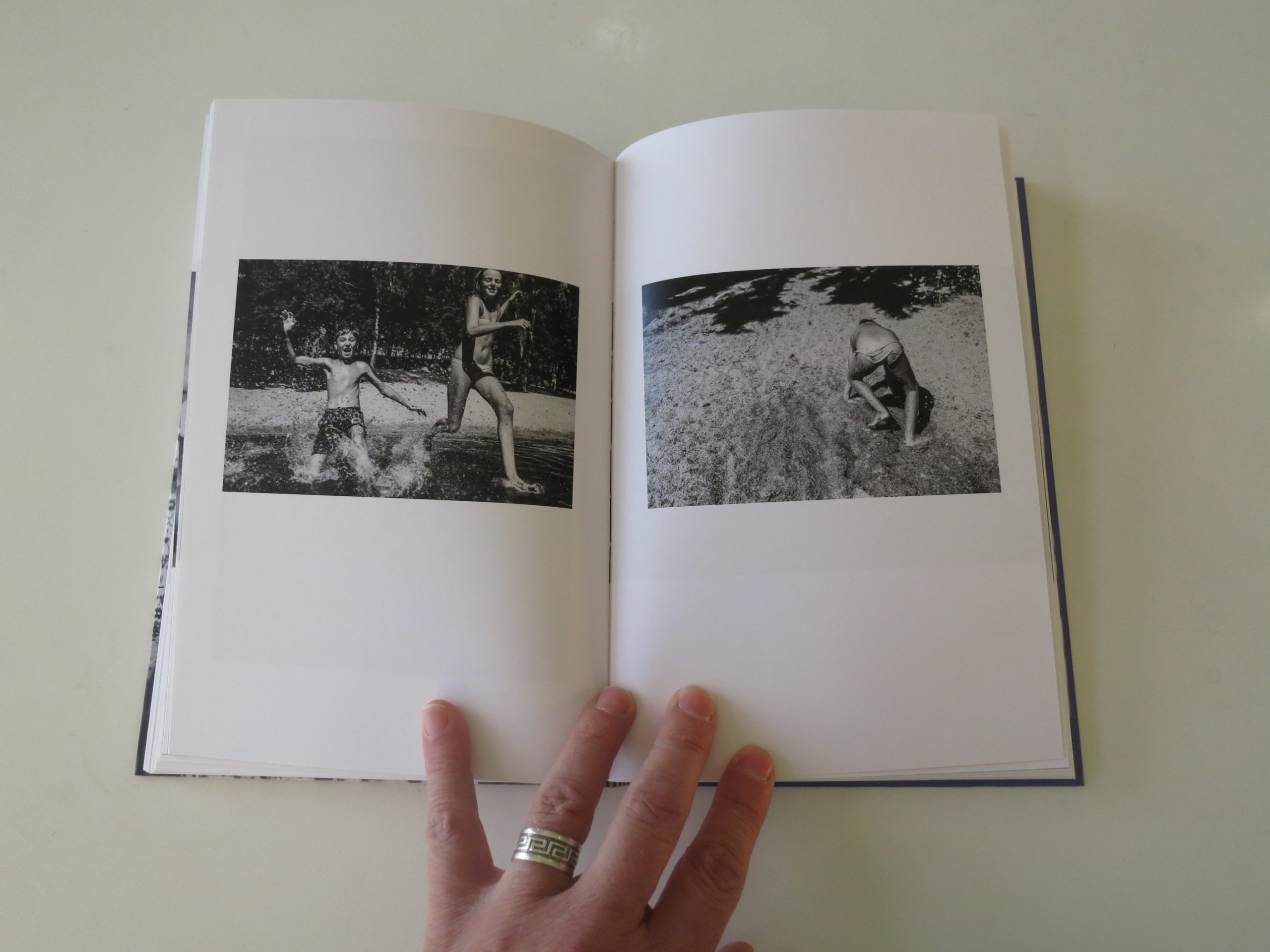
It is meant to be a representation of the idyllic nature of childhood in nature, and as one who grew up in the woods, and is raising my children on a horse farm, there was much I could relate to.

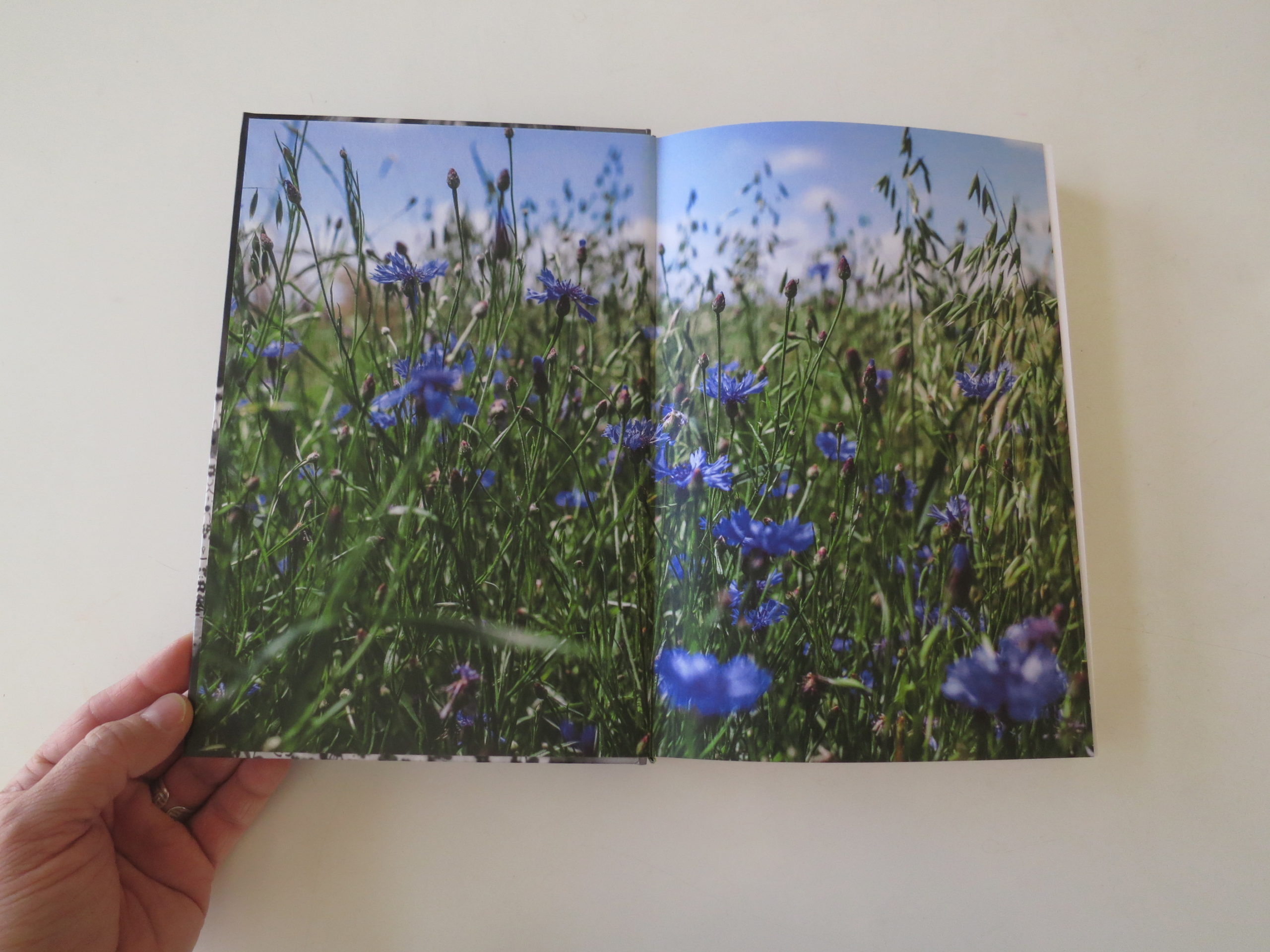
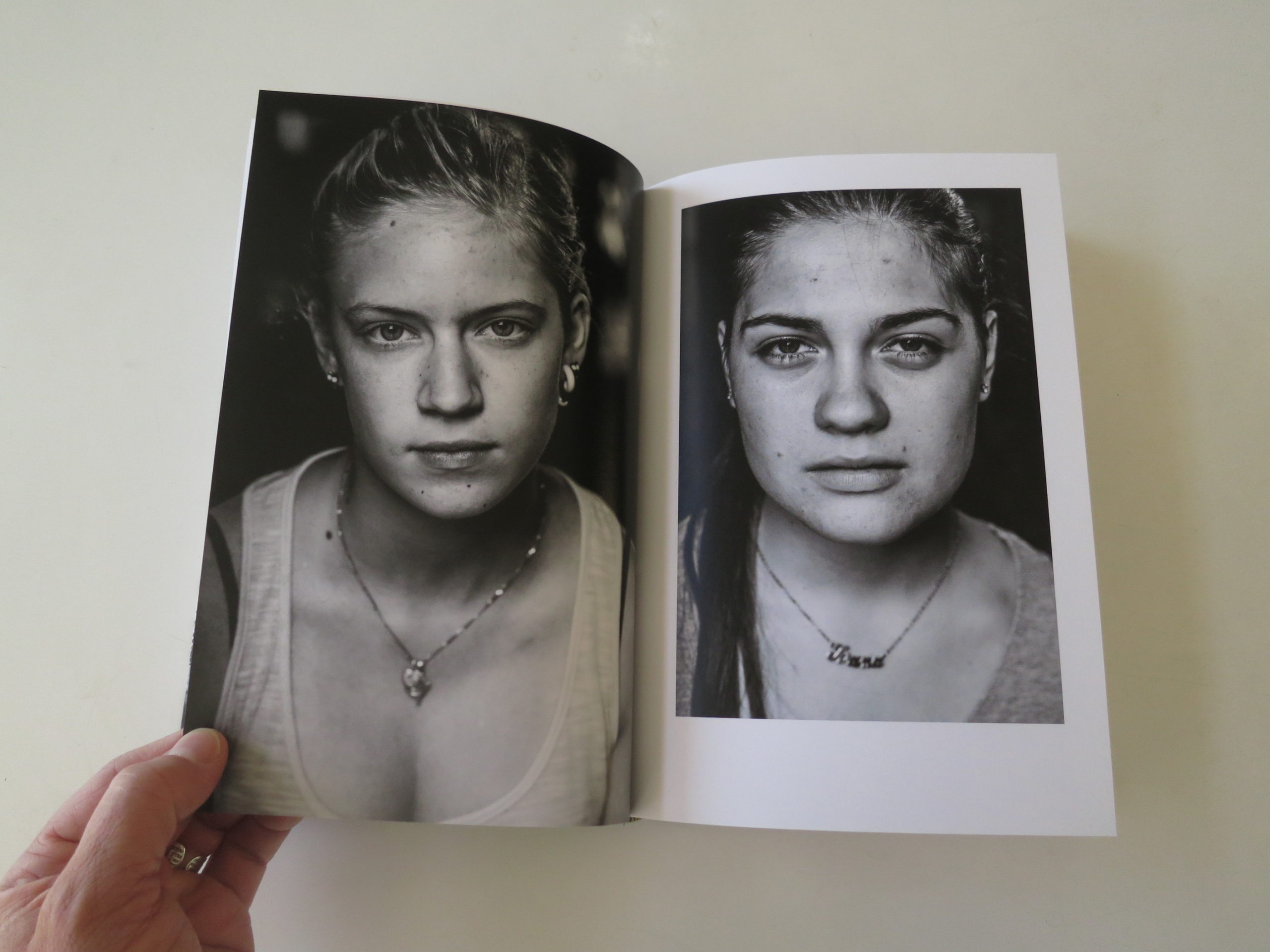
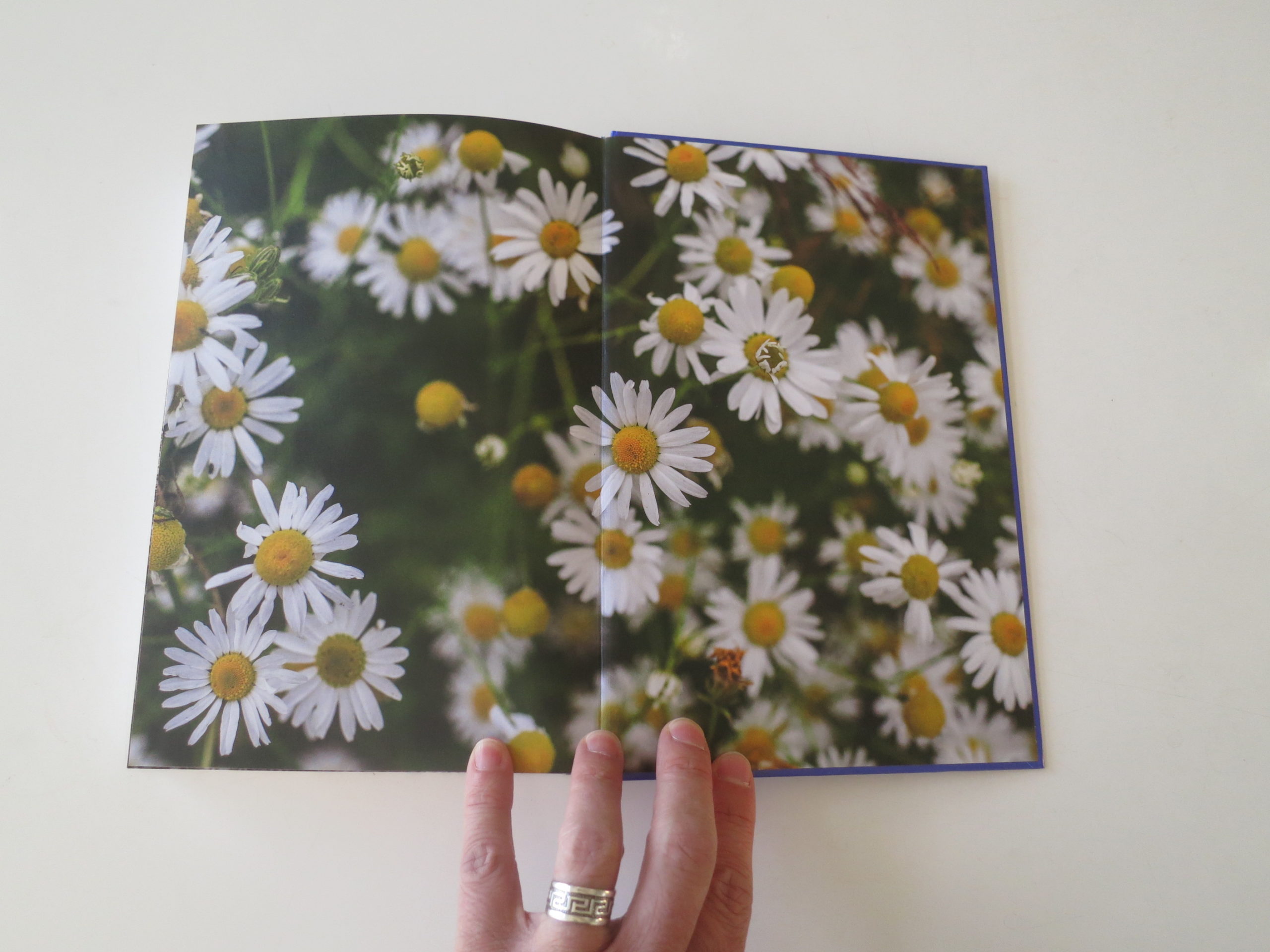
The insides of the front and back covers are in color, and feature flower imagery, but the rest of the book is in black and white, and I must say, I found it a bit of a miss. The world is so colorful, and color communicates joy, and other emotions, so there were several places where I felt color would have helped. (Especially as the book is too long, though I make that comment on the regular.)

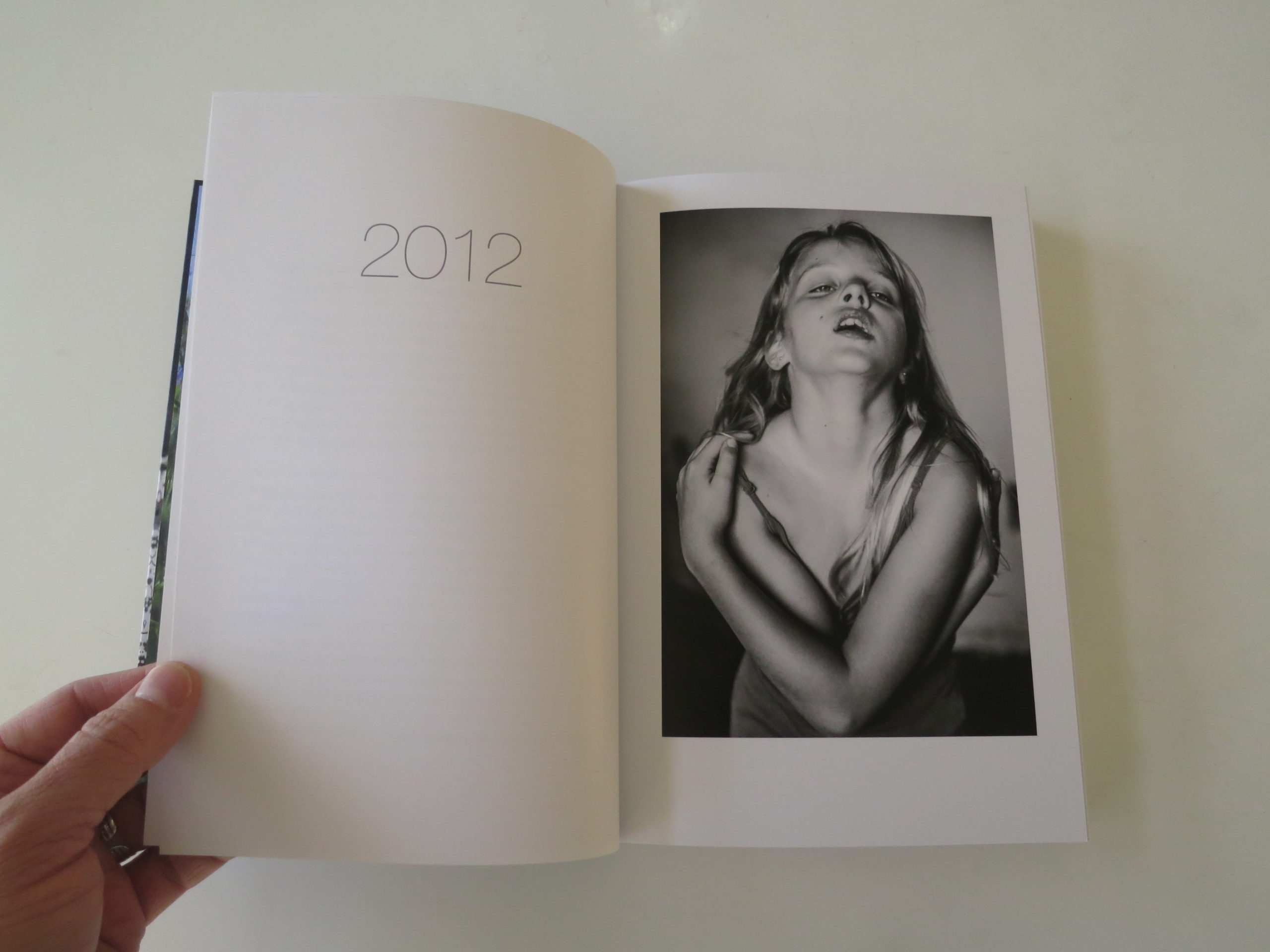
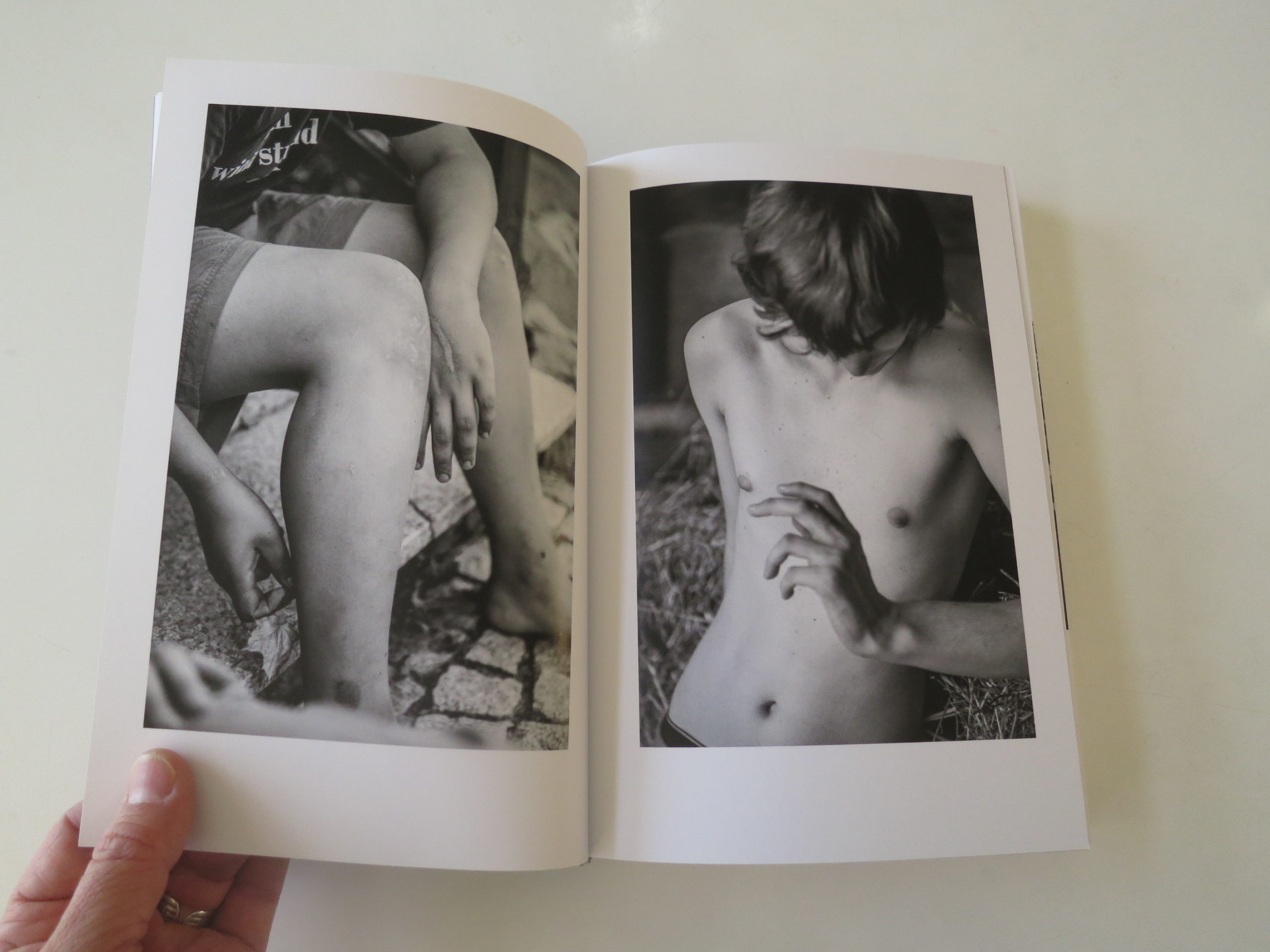
I was also a little disconcerted by some of the photos of young girls, topless, as the #MeToo era has made me, (and all of us, frankly,) much more aware of how the camera objectifies the female form.

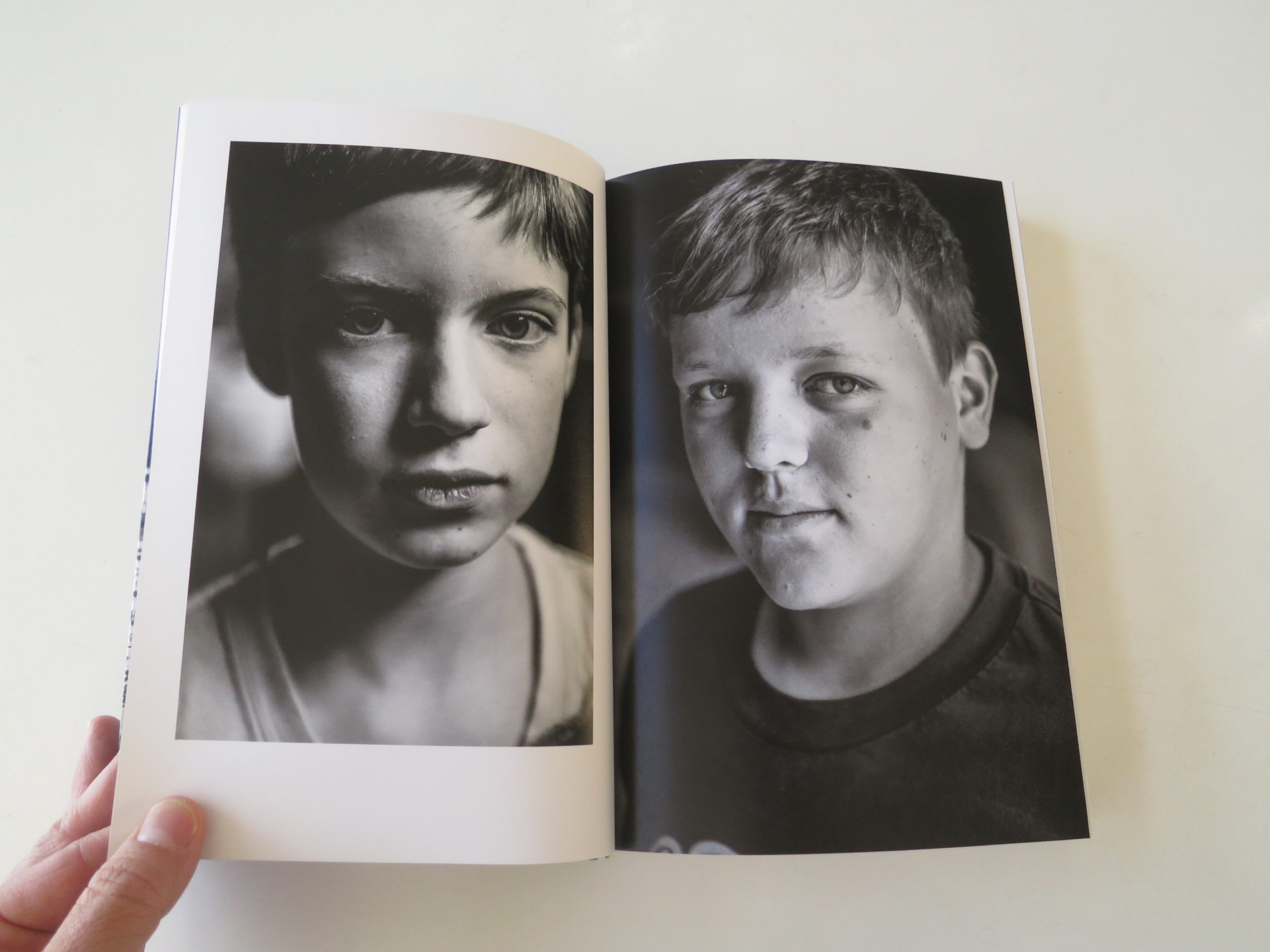
I’m not going to photograph those images for you, as it doesn’t feel right, though to be clear there is nothing inherently sexual about them. These are art portraits, so the penetrating gaze we often see, which seems informed by fashion photography, allows even the young people to appear older and wiser than they likely were.

From the jump, I didn’t love this work, but as the book evolved, I became aware that the passage of time, so important to its conceit, was starting to influence my emotions. And by the time one of the family’s daughters is getting ready for prom, and the young women are wearing bikinis instead of going without shirts, I had definitely begun thinking of how quickly my children were growing.

Finally, I put the book down, and went back into my daughter’s room to raise her blinds. (We use the sun for heat as much as possible.)

I looked up, and saw photographs of her on the wall, at 2 and 3 years old.

I stopped dead in my tracks, froze for a minute, looking deeply, and promised myself I’d work even harder to appreciate every moment I have with my children while they’re here in my daily life.

We talk about college enough as it is.

Time to slam on the emergency brake, before it’s too late.


Part 3: The Other Side of the Coin


I’m not sure I’ve quoted my therapist in this column before, but today I’m going to do it twice.

I had told him it was important to me to slow down, and learn to see past the normal stresses, (taxes, credit card debt, traffic,) so I could revel in my good fortune, and try not to lose my cool over little things.

How could I do it?

He mentioned that the desire to seek guidance was really another way of describing prayer. (Like many a Post-Enlightenment intellectual, I believe in a spiritual world, but am uncomfortable with direct religious concepts like prayer.)

“There are two types of prayer,” he said. “Asking for help, and giving thanks. That’s it.”

It was a fairly seismic pronouncement, because it broke the world down in such a binary, yet respectful and powerful way.

And then he reminded me of all the refugees in the world, living under the most precarious of circumstances.

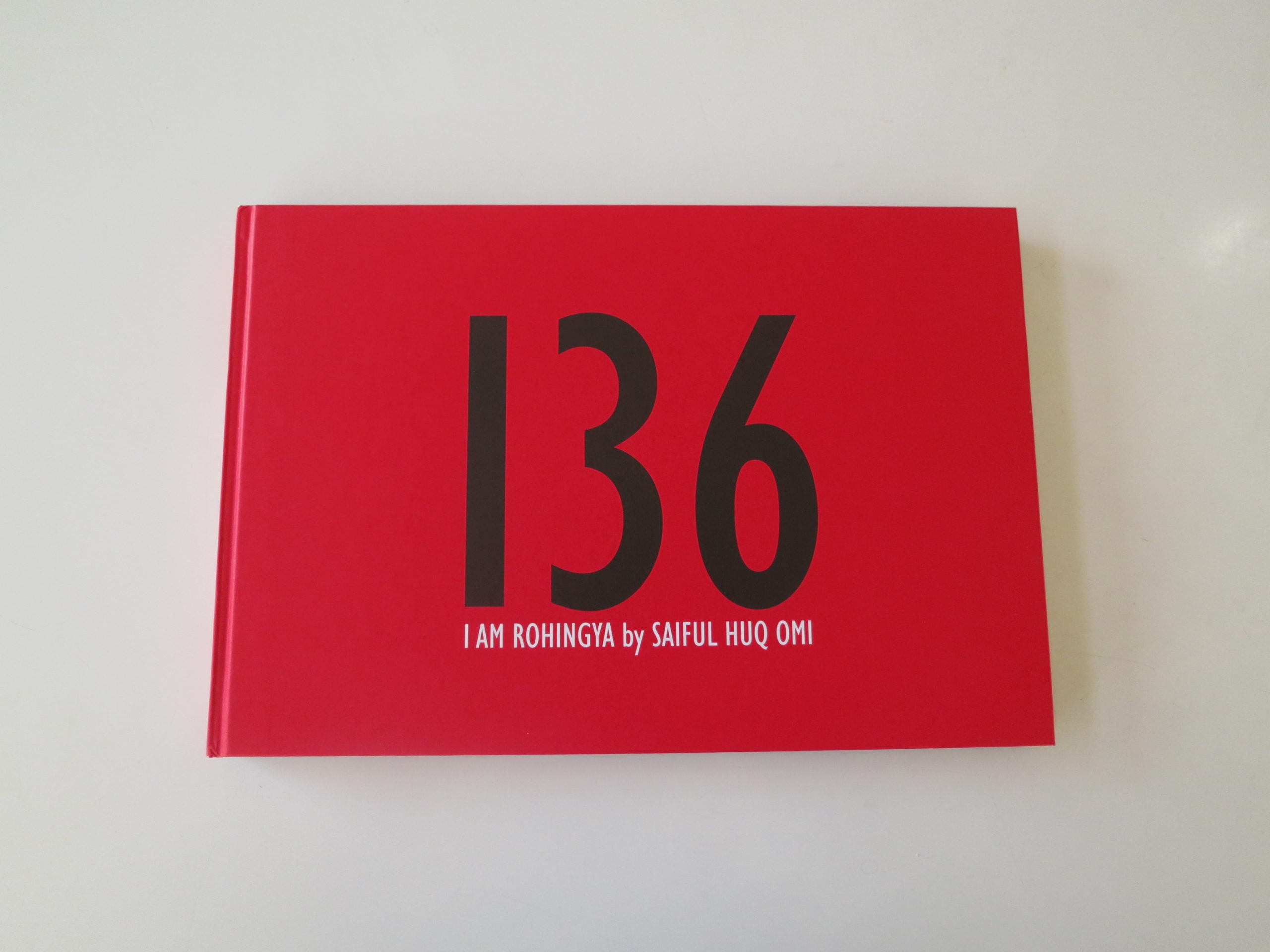
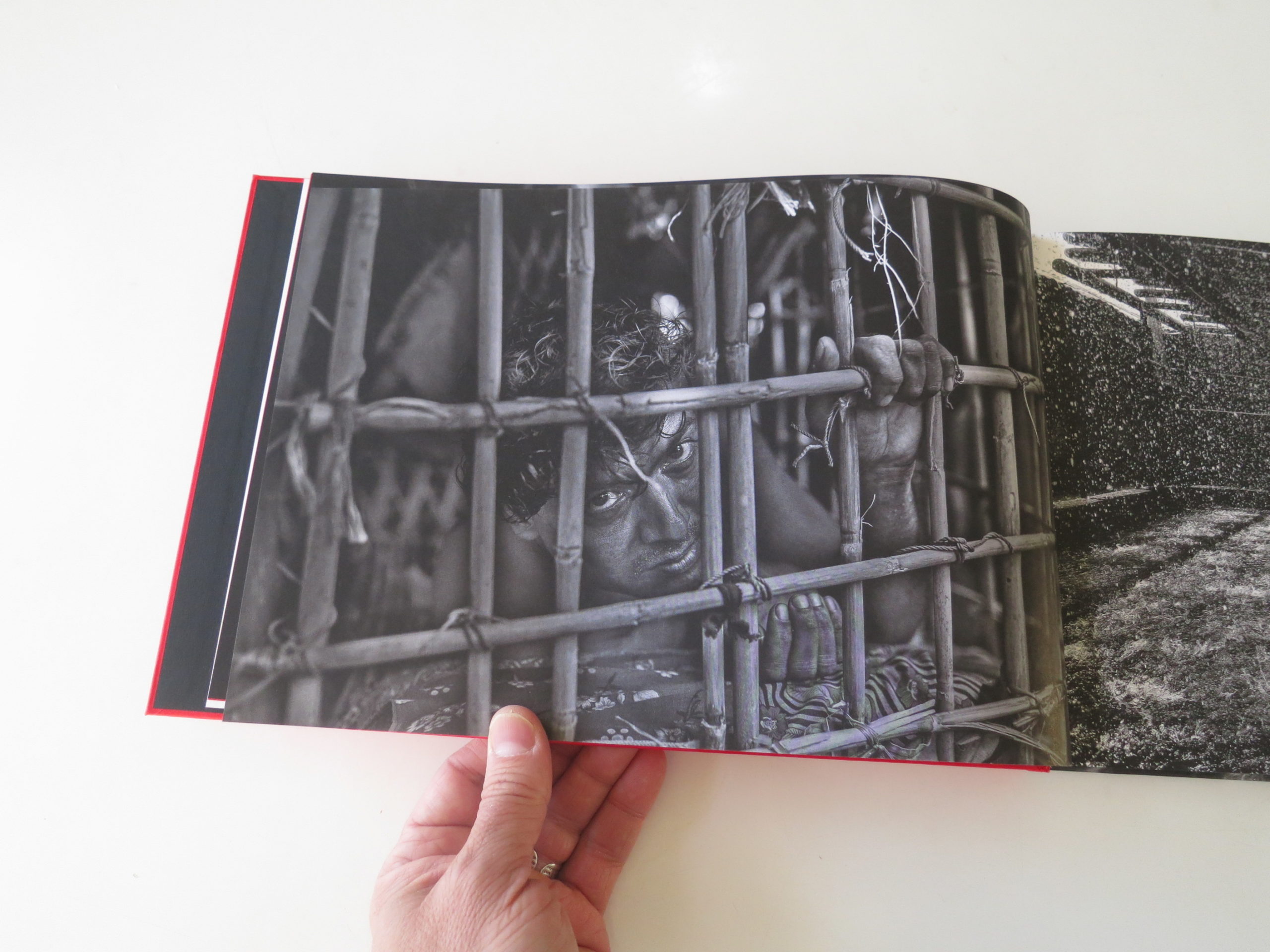
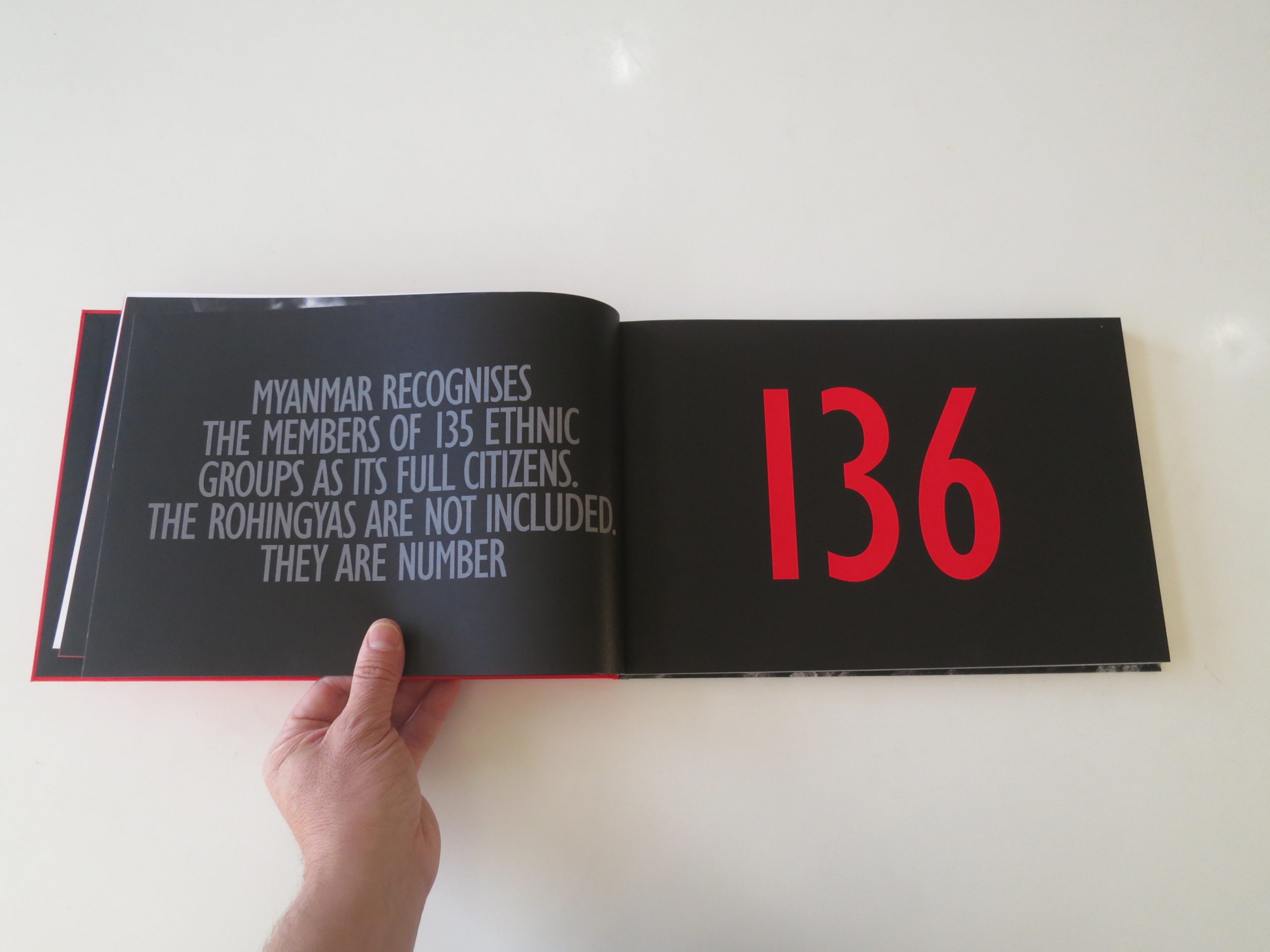
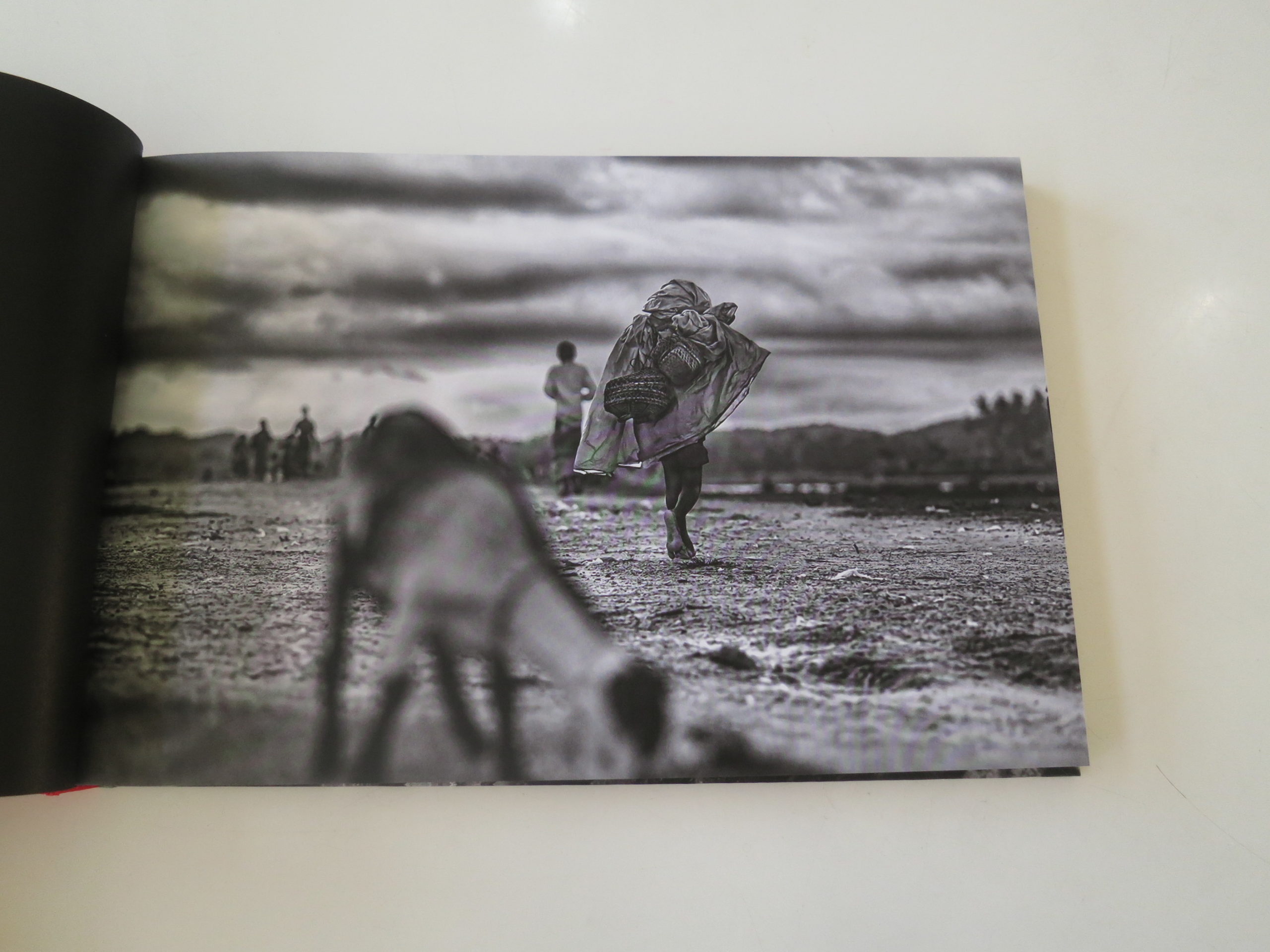
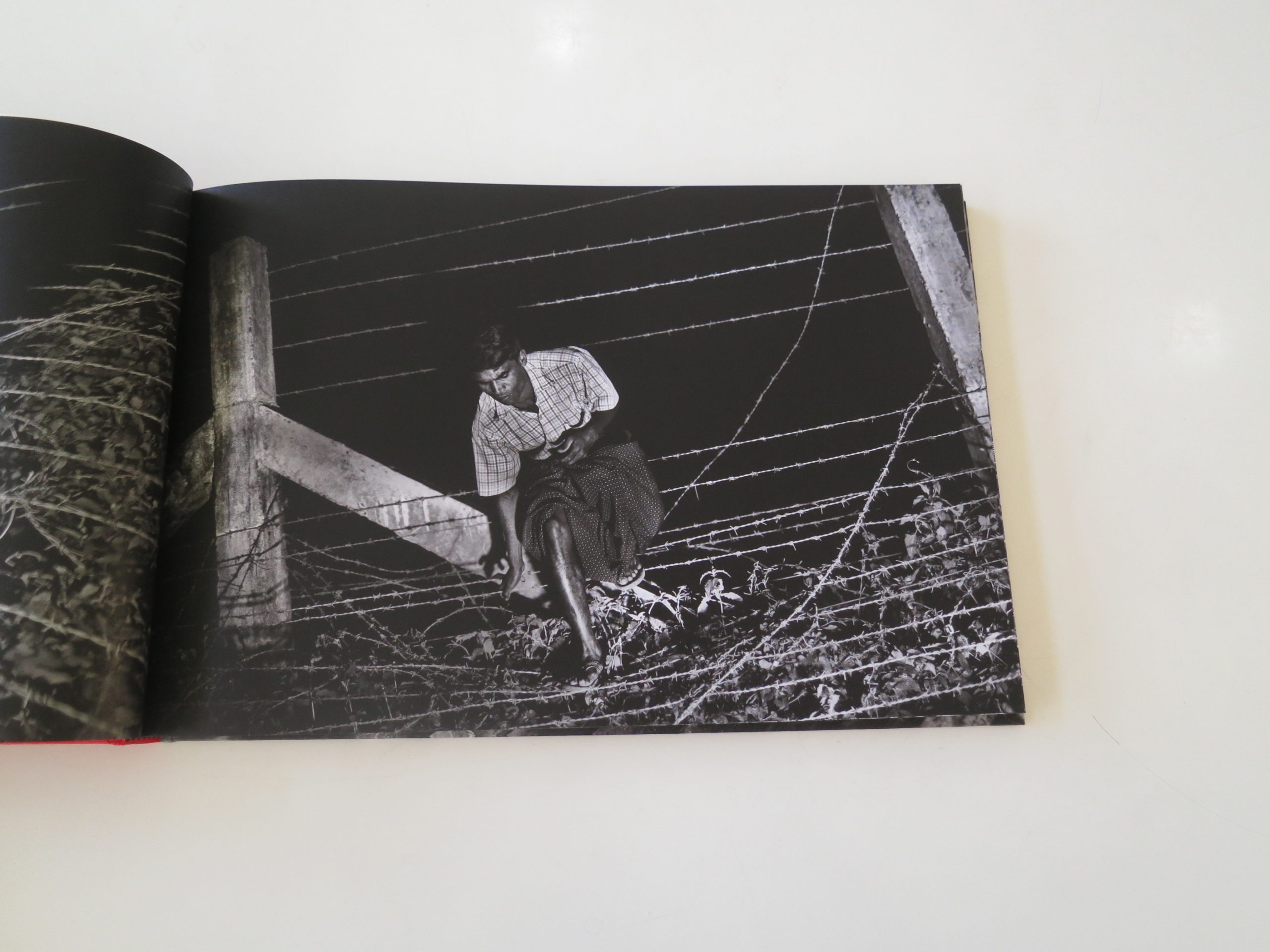
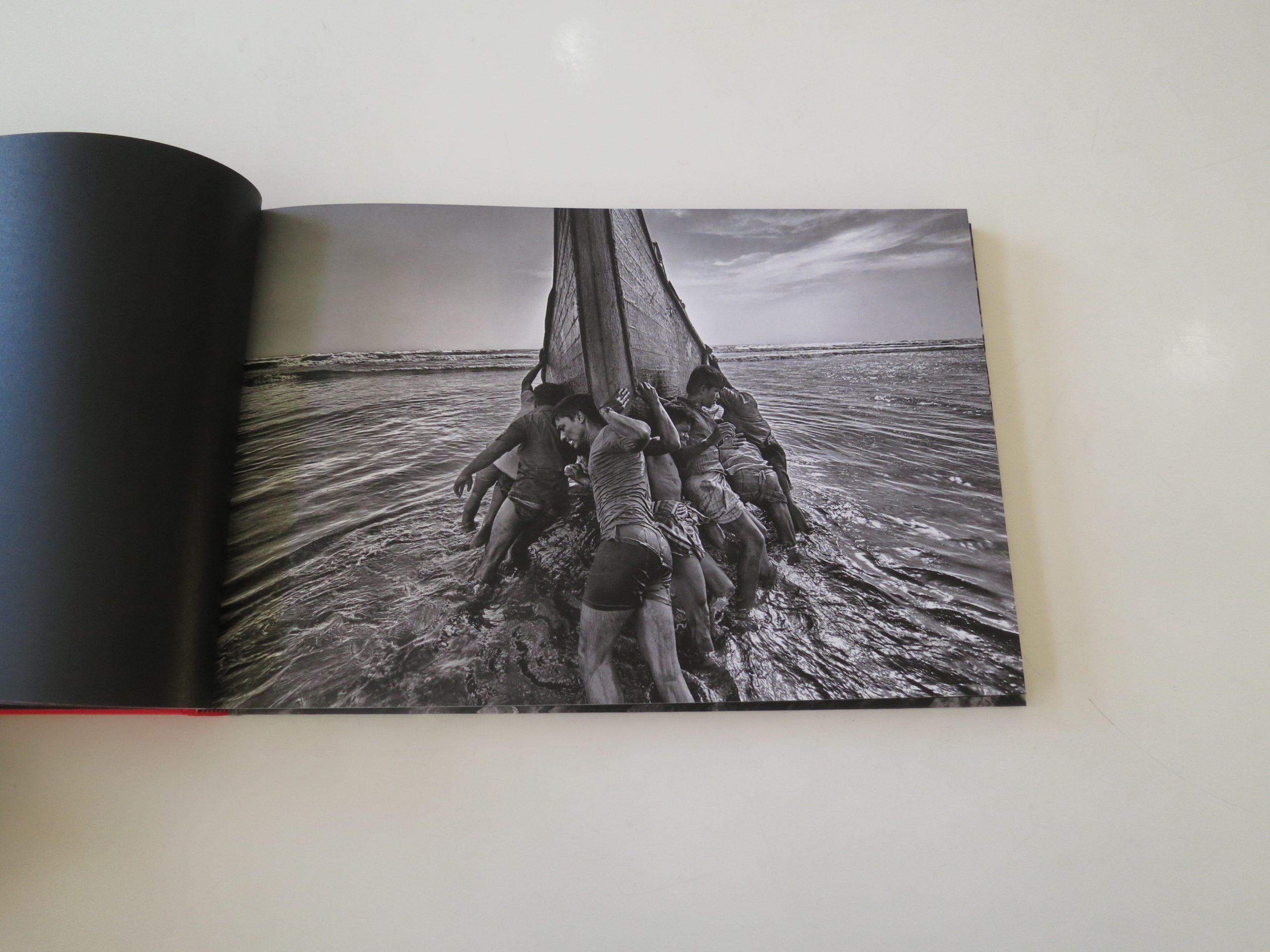
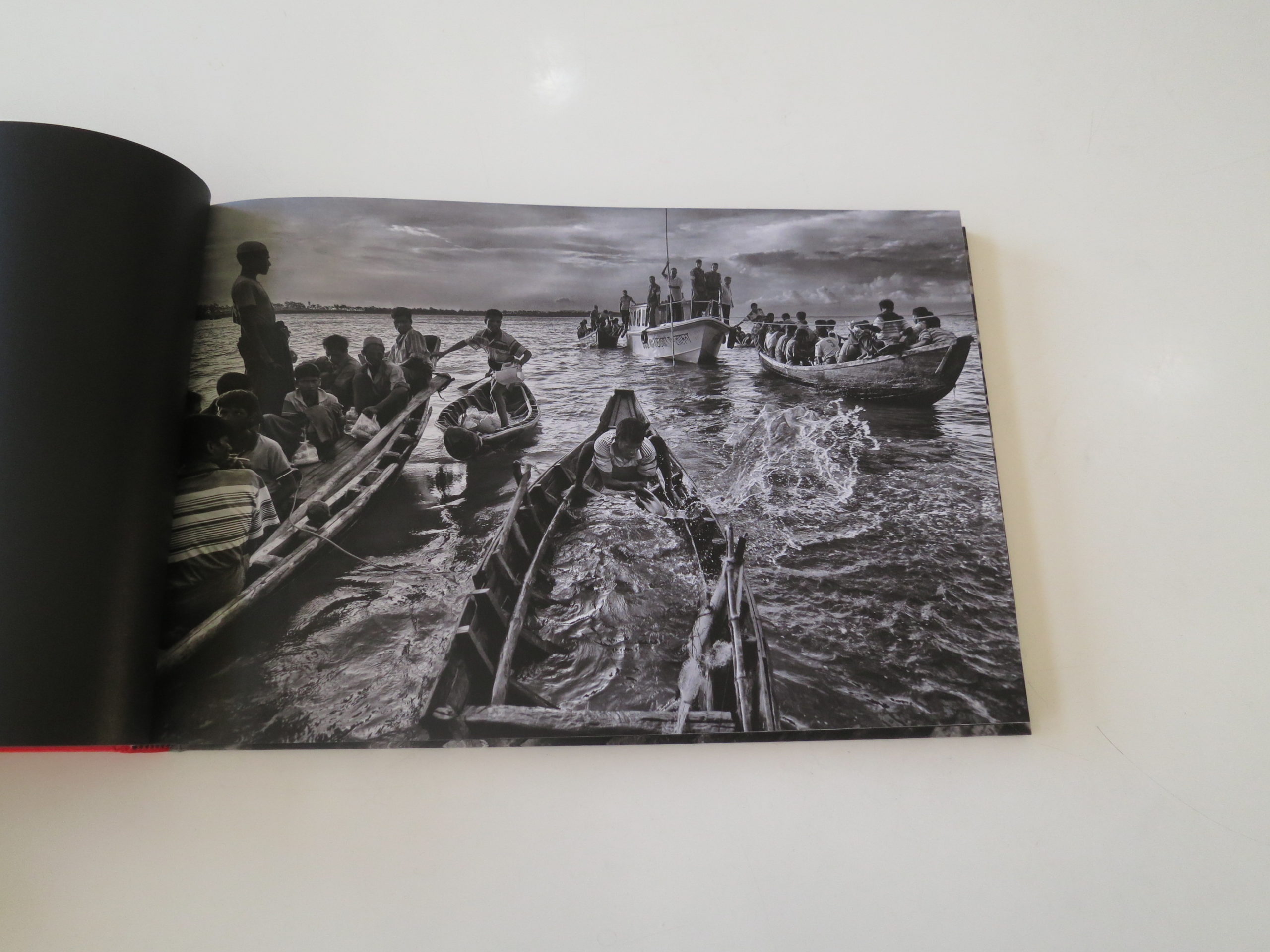
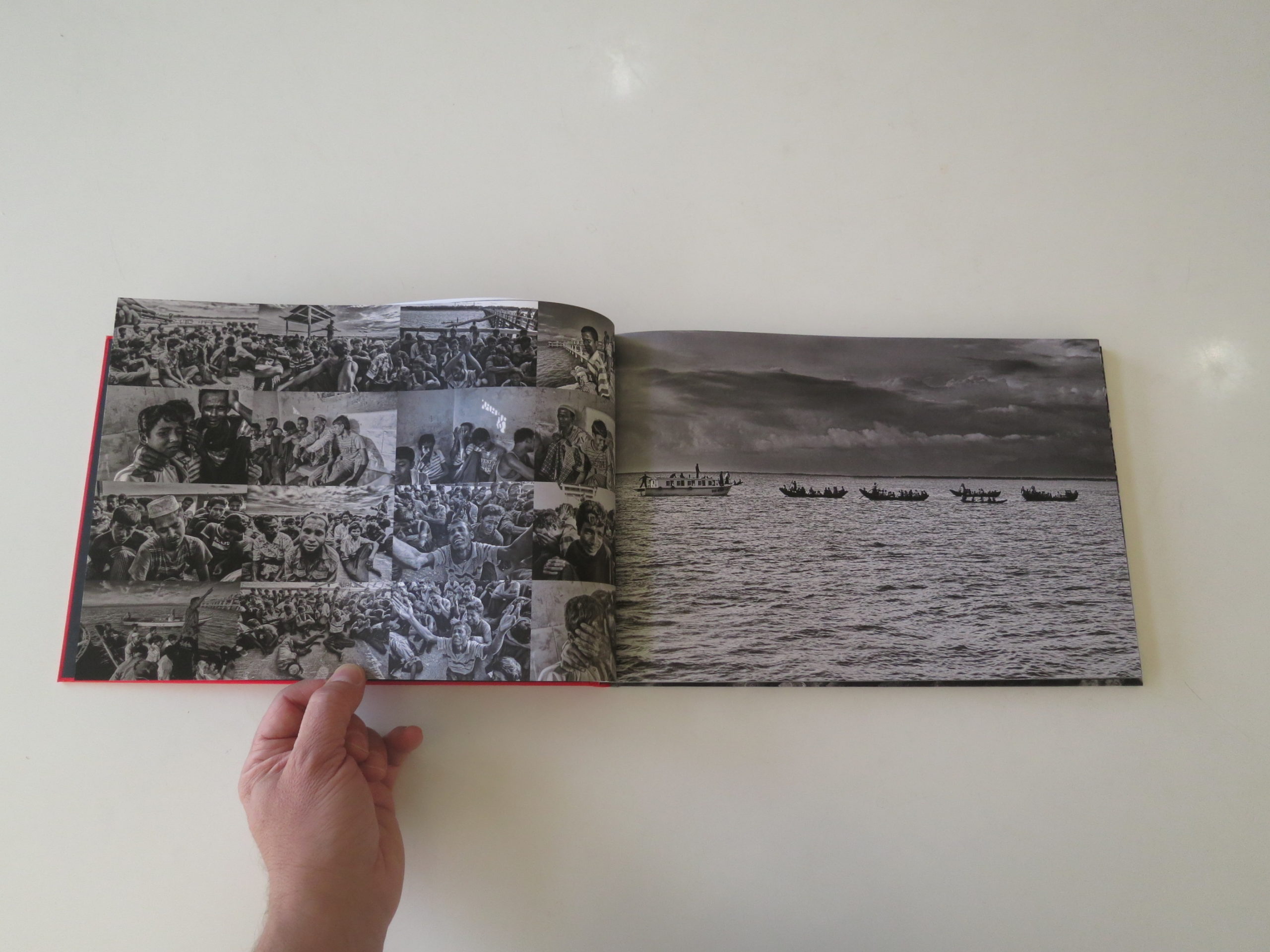
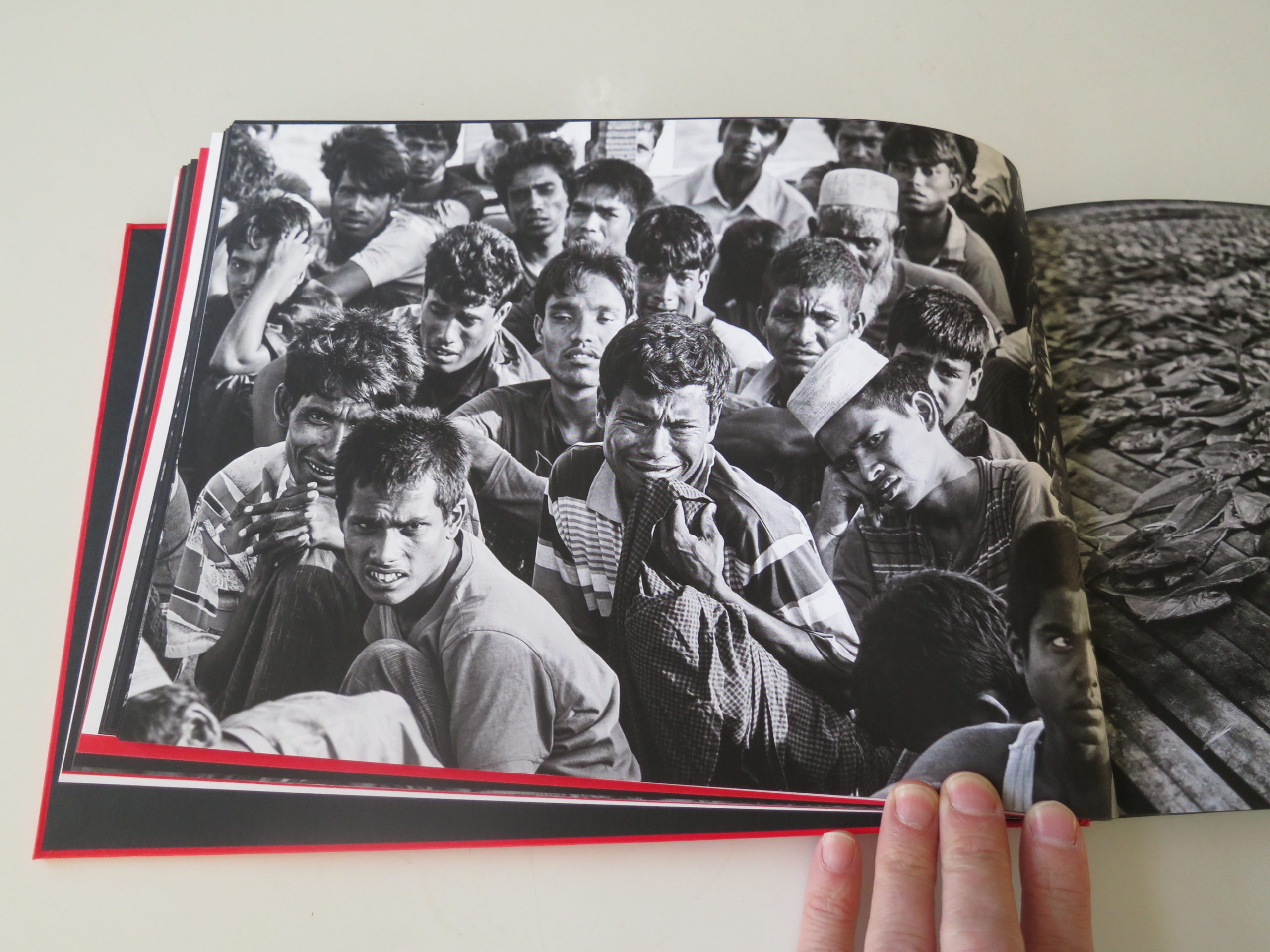
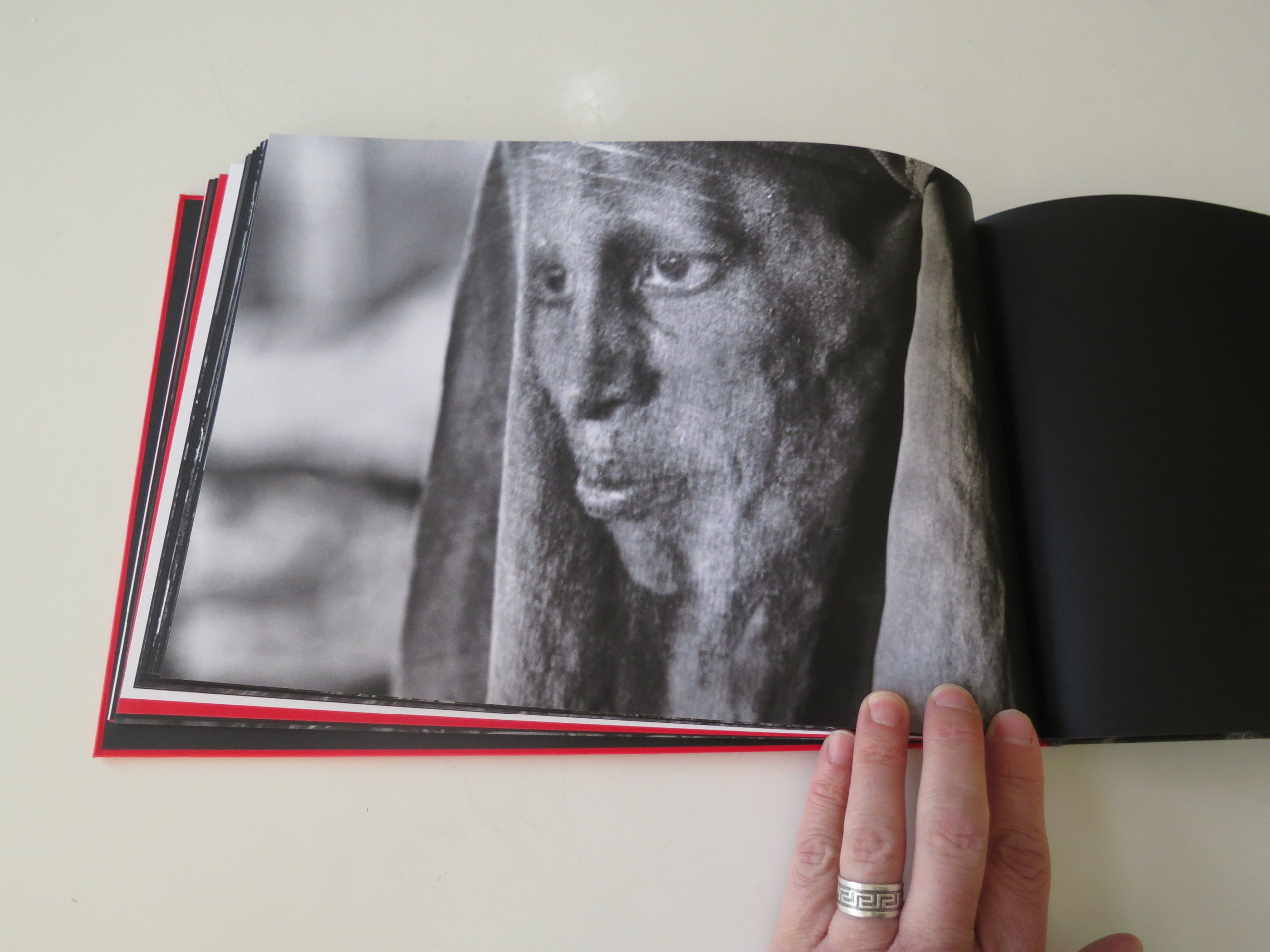
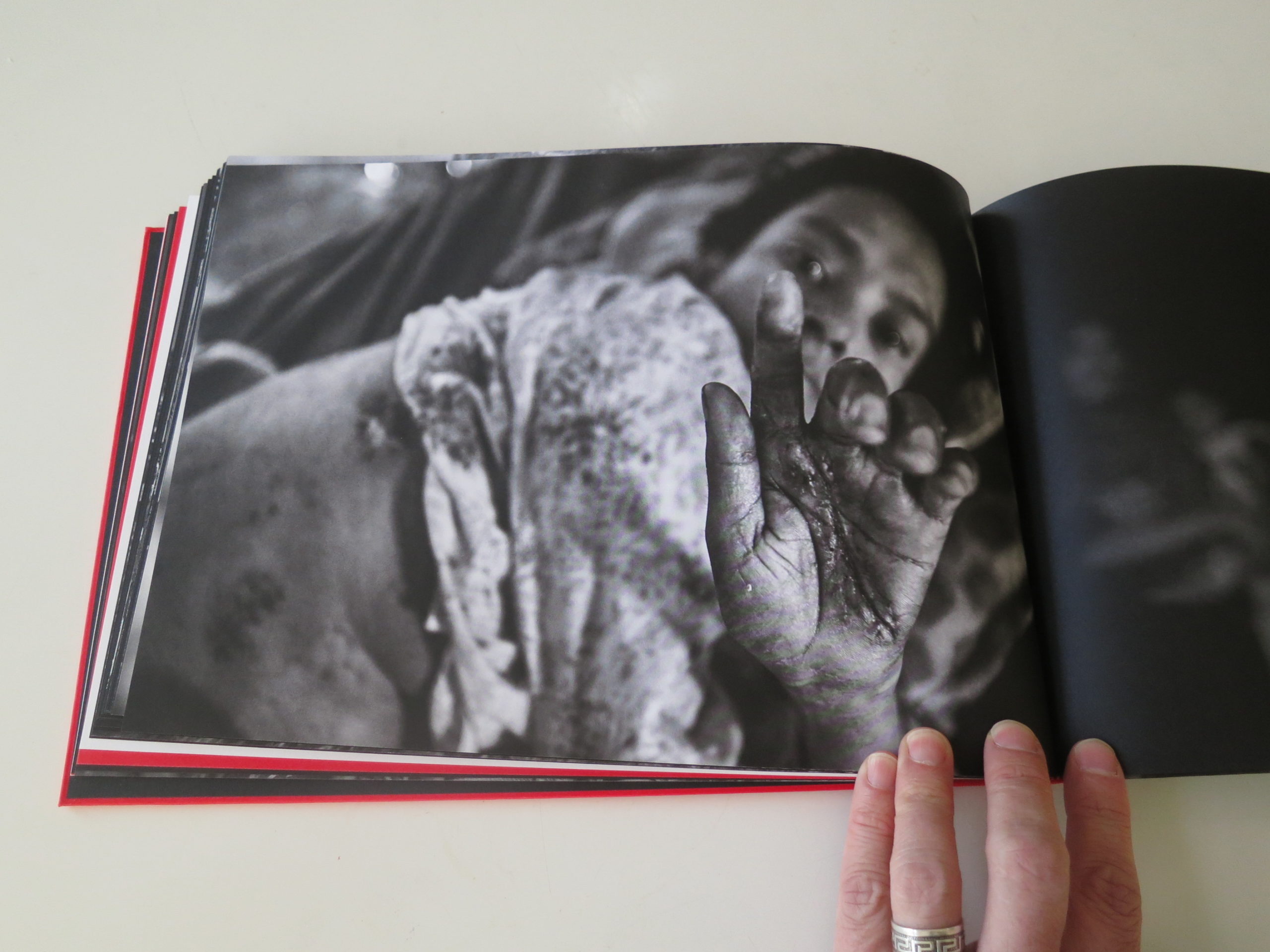
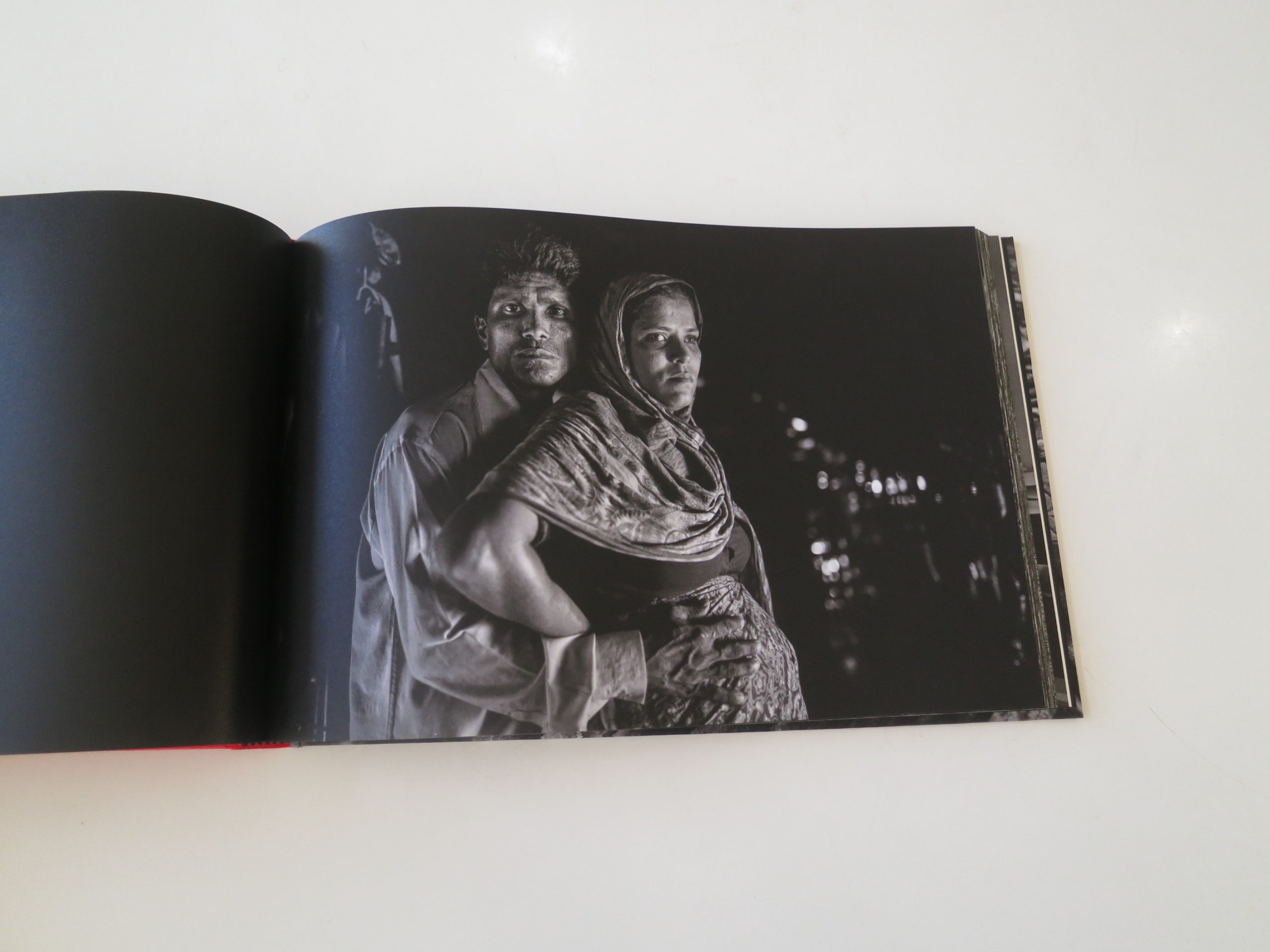
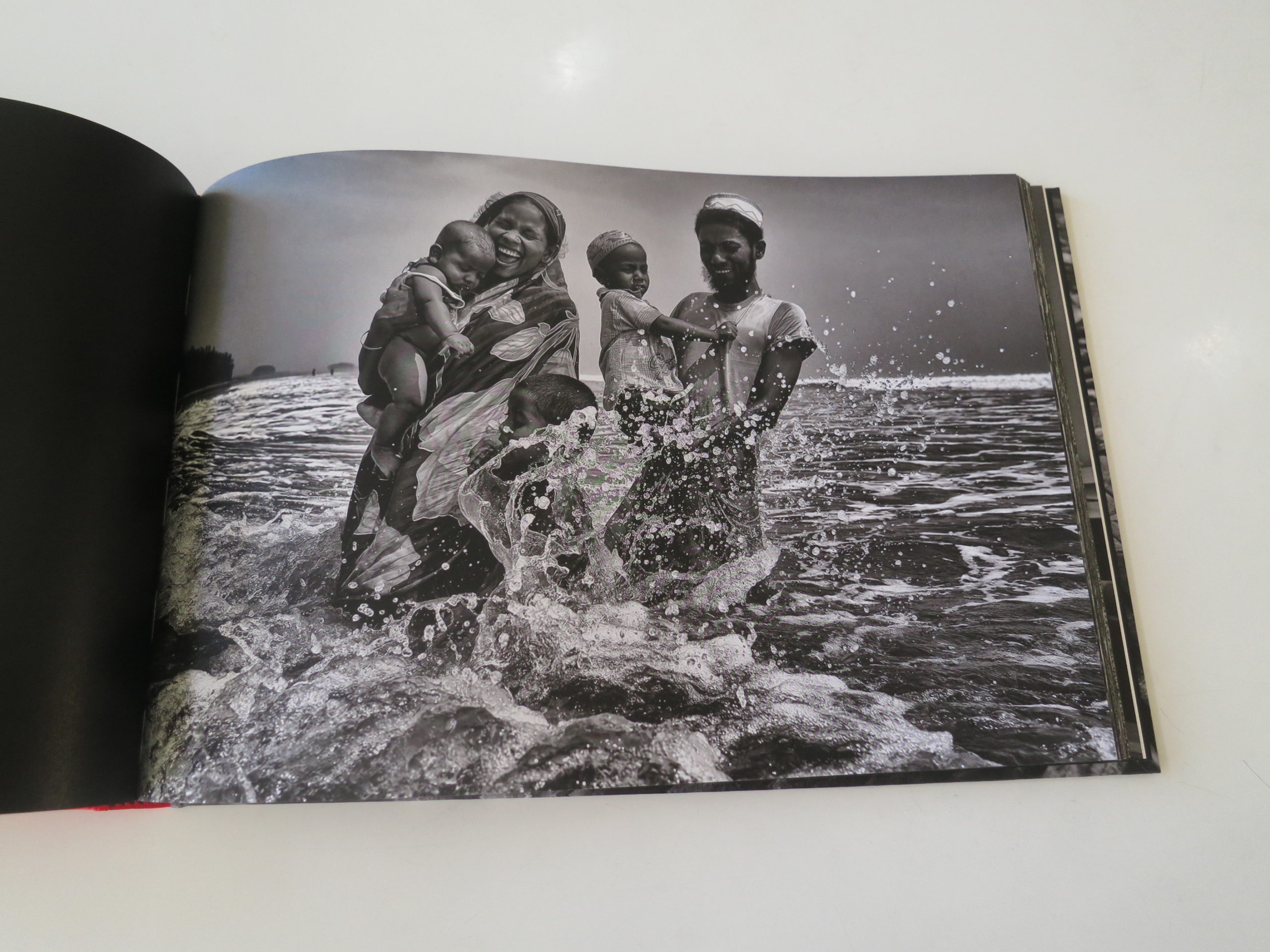
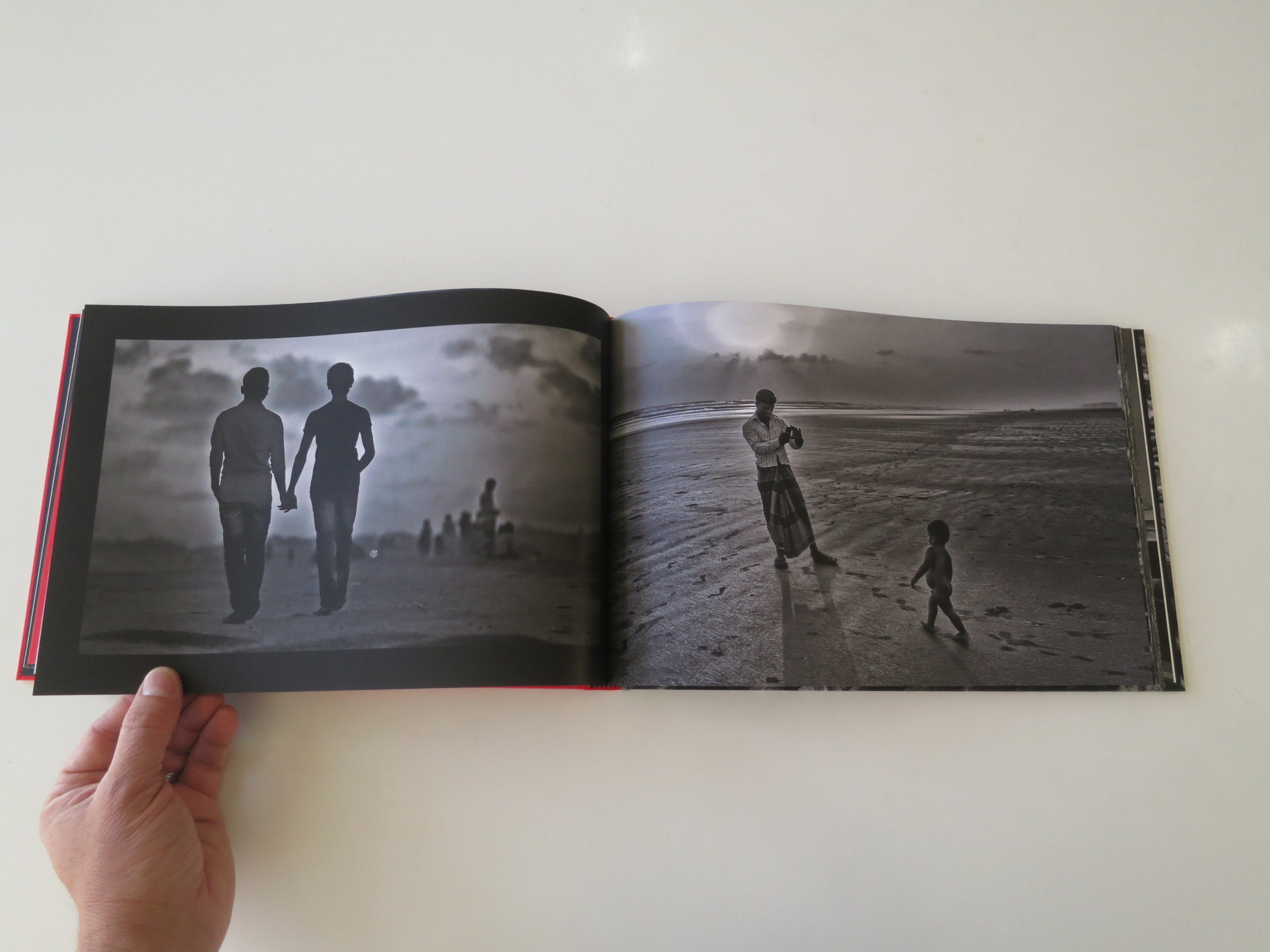
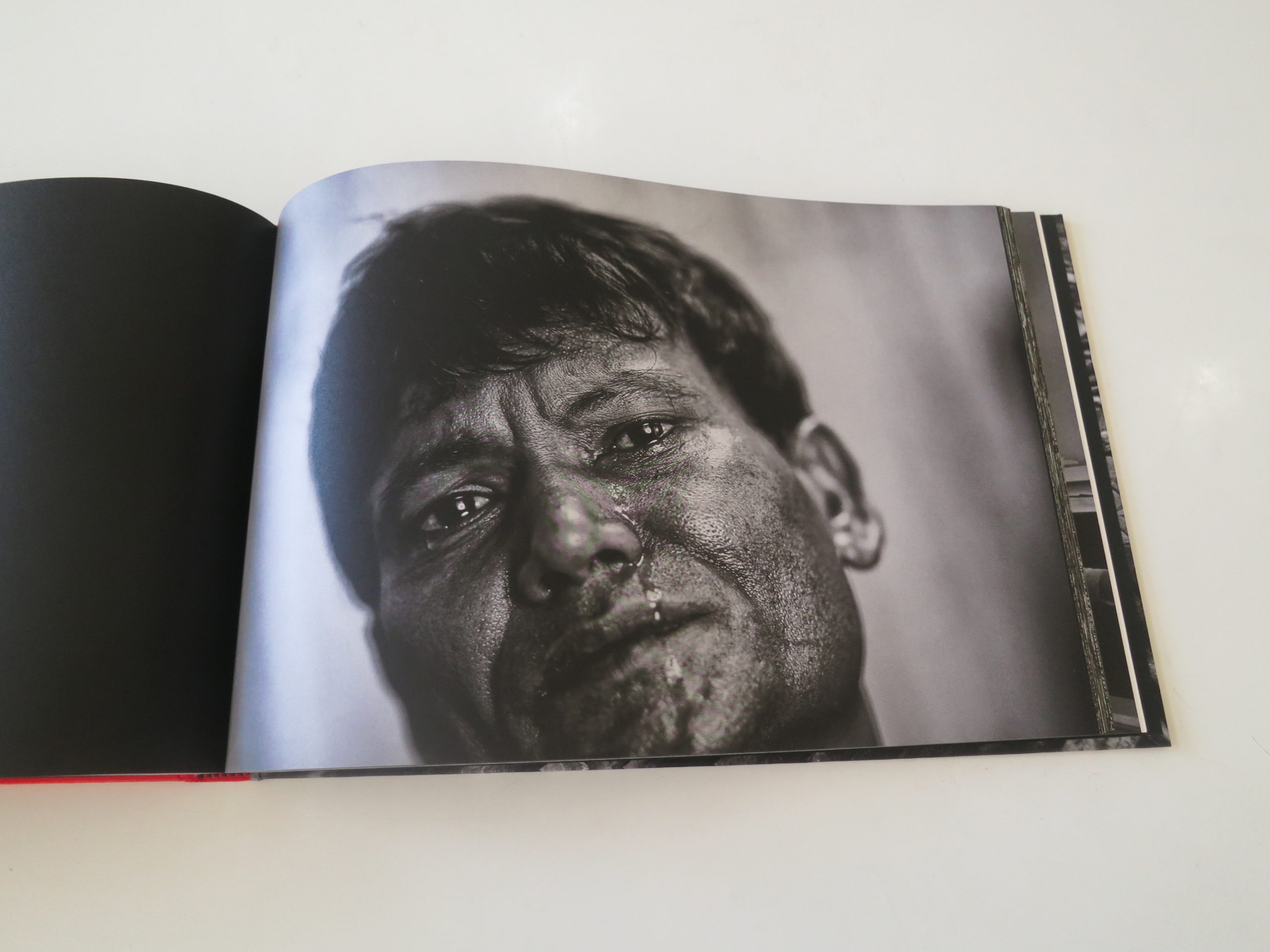
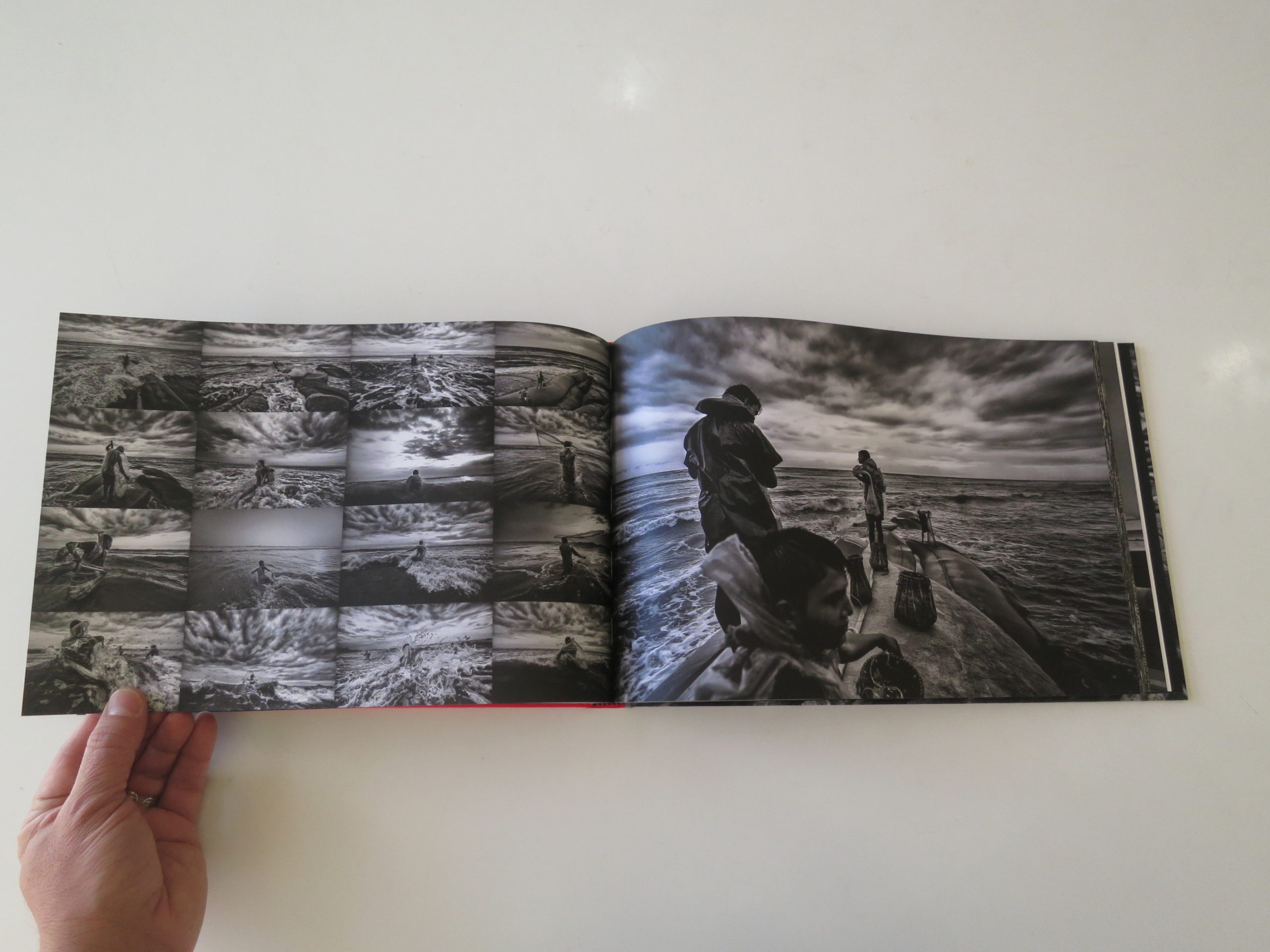
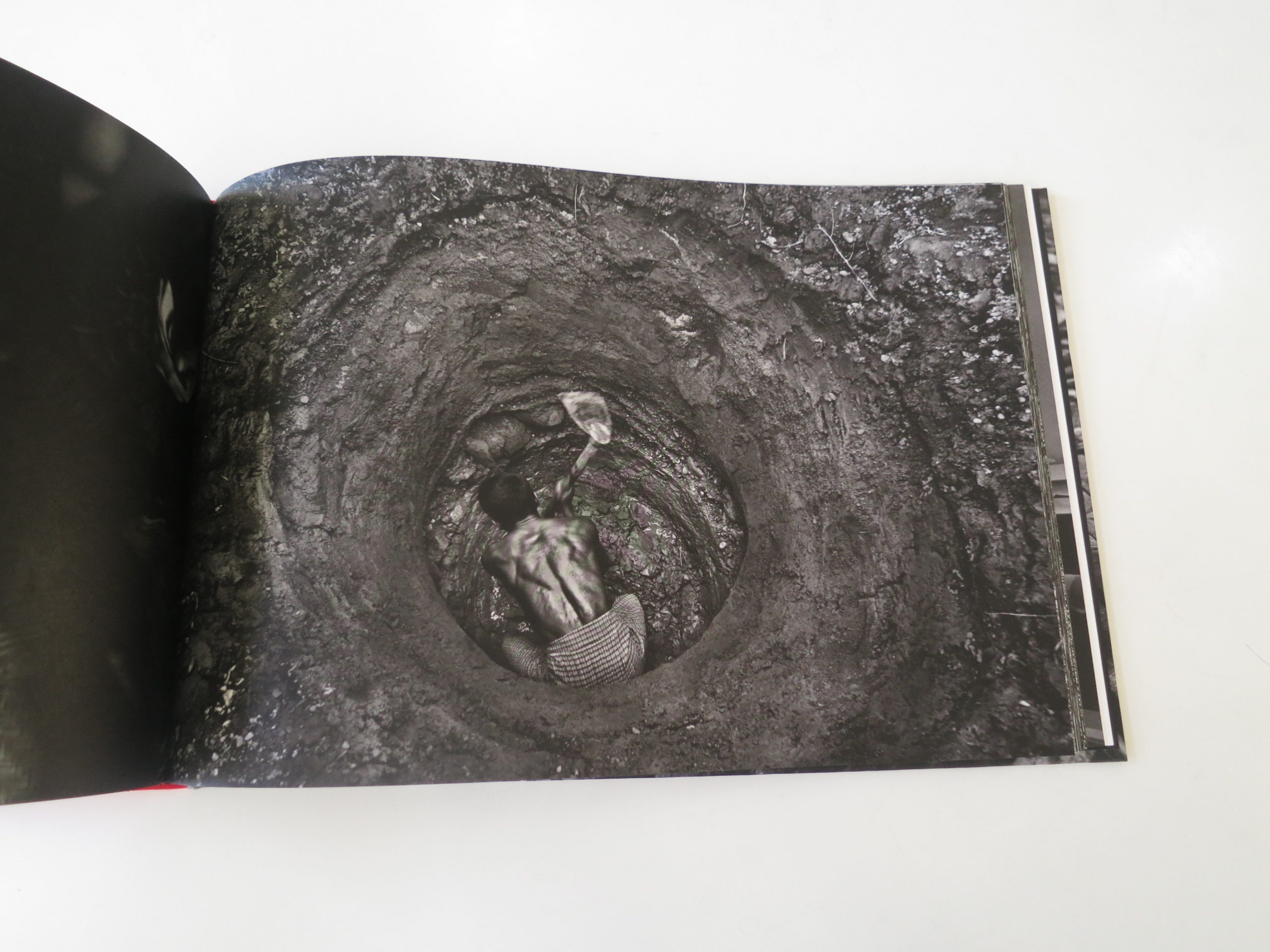
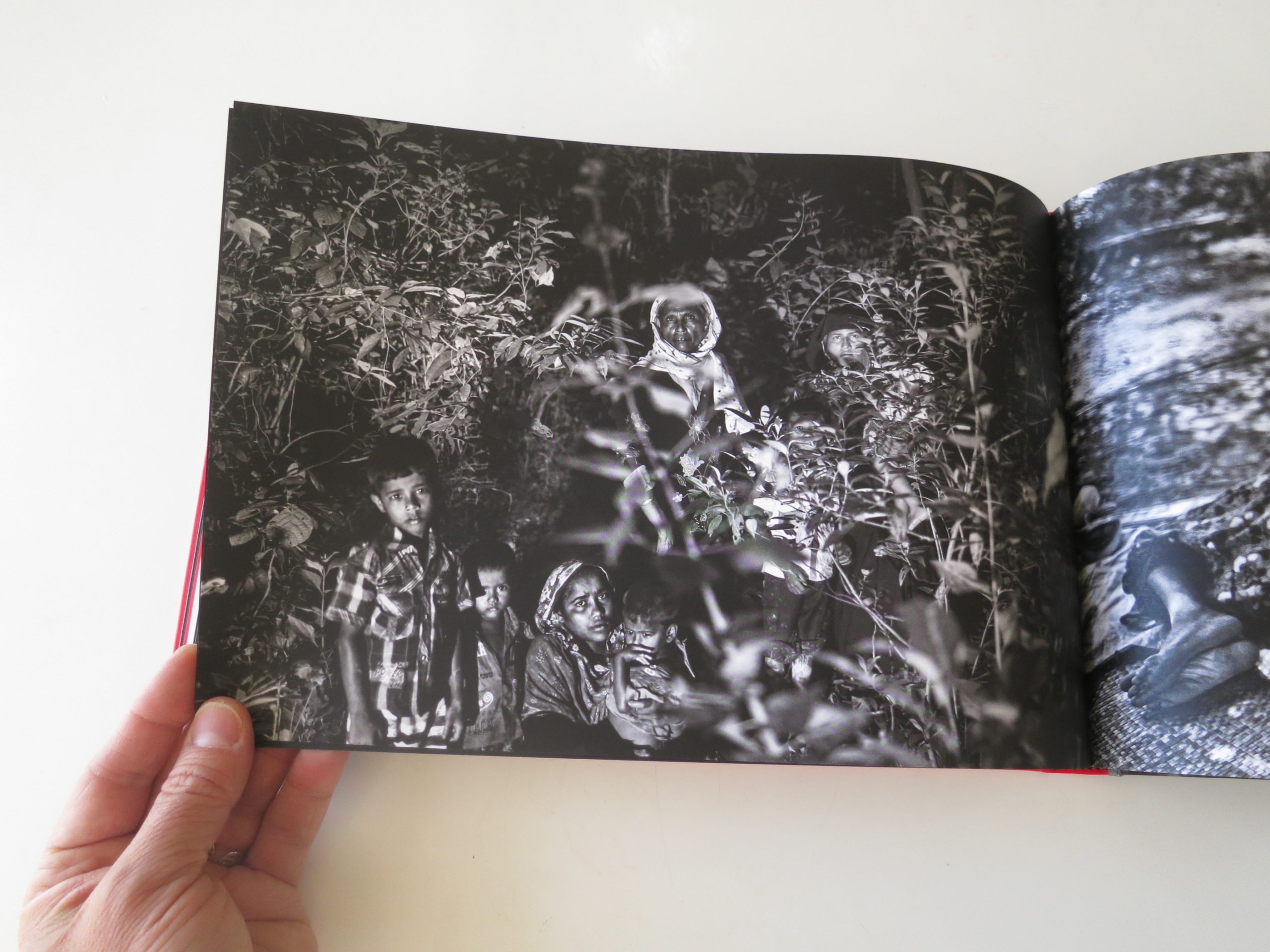
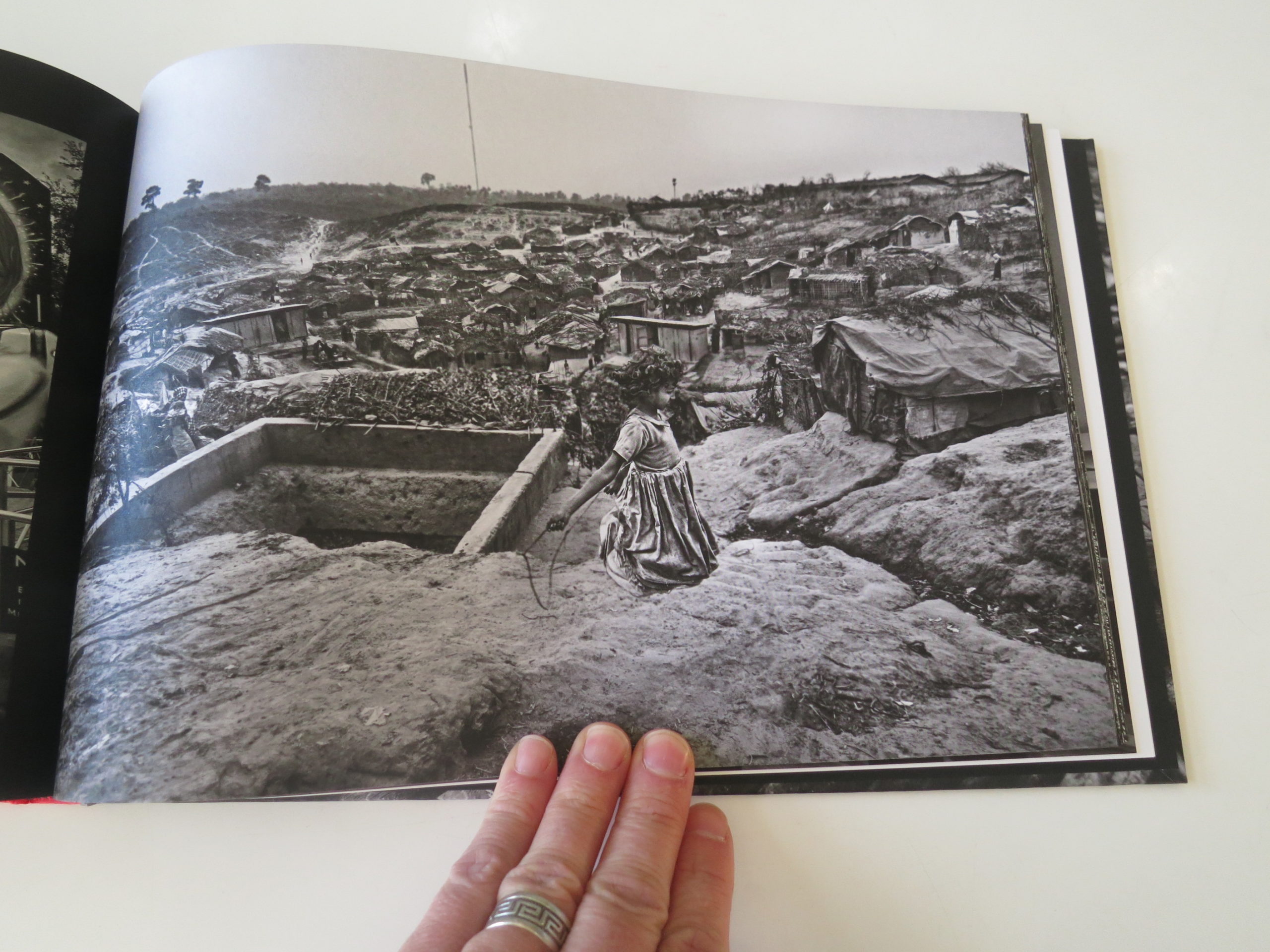
So of course, the other book today, “136 – I Am Rohingya,” by Saiful Huq Omi, could not be more appropriate for such a conversation.

(These two books were meant to be paired.)

One offers an idealized vision of what children’s lives are “supposed” to be like, frolicking in water, playing games, living in a stable society, while the other dives directly into the WORST CASE SCENARIO.

The artist is from Bangladesh, and spent ten years immersed in the plight of the Rohingya, an Islamic minority group primarily based in nearby Myanmar, where they have been the subject of genocidal persecution.

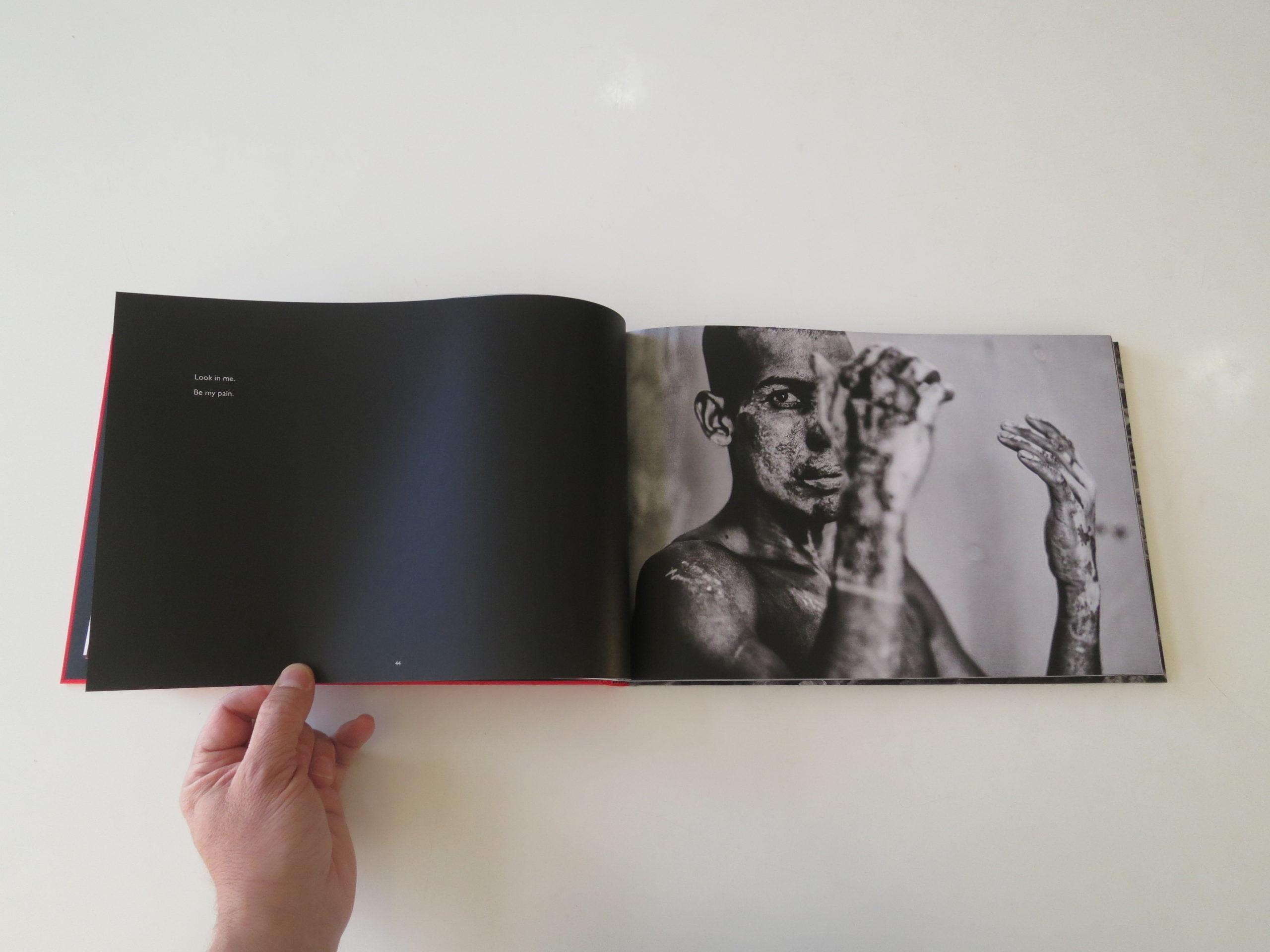
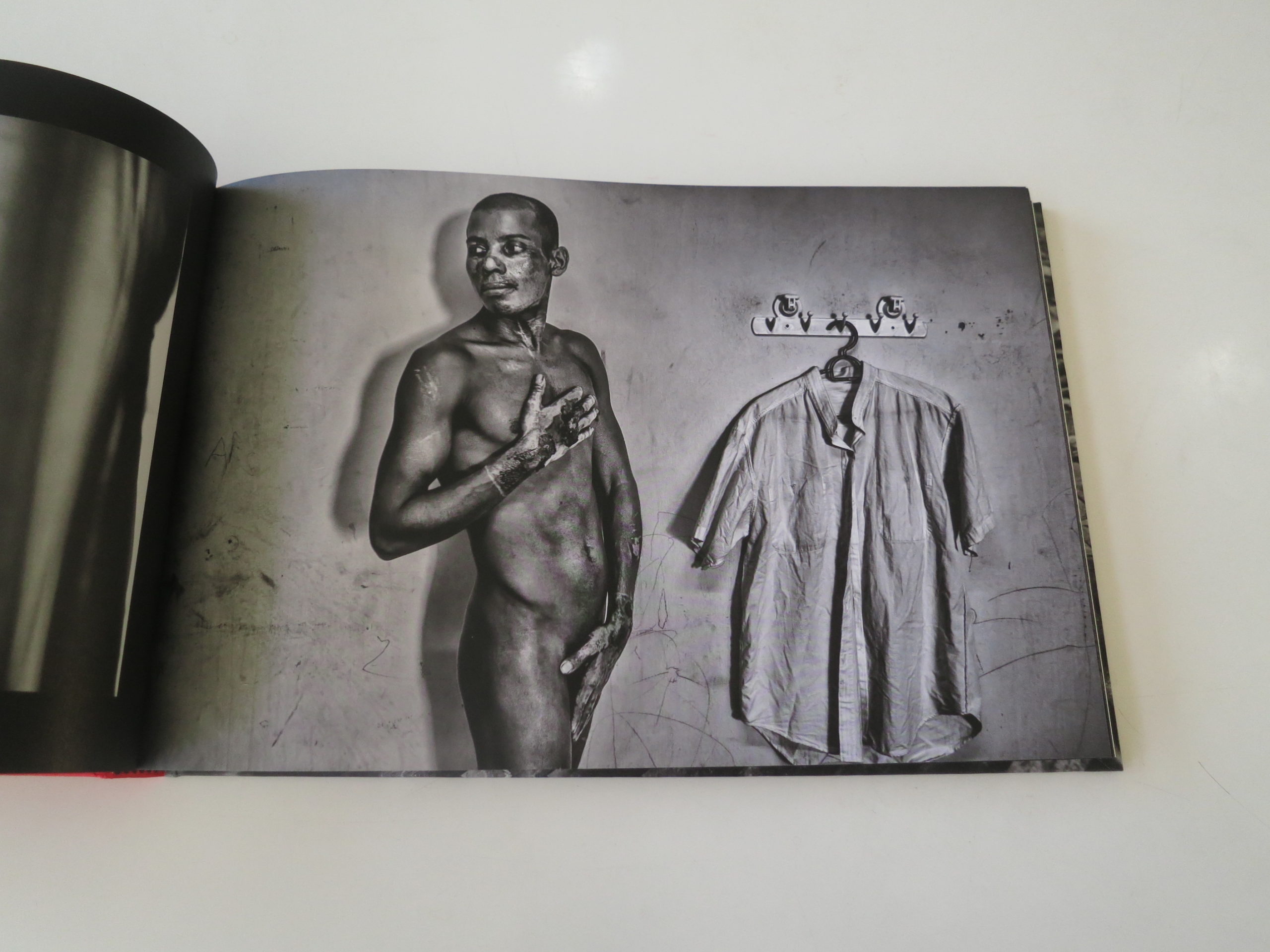
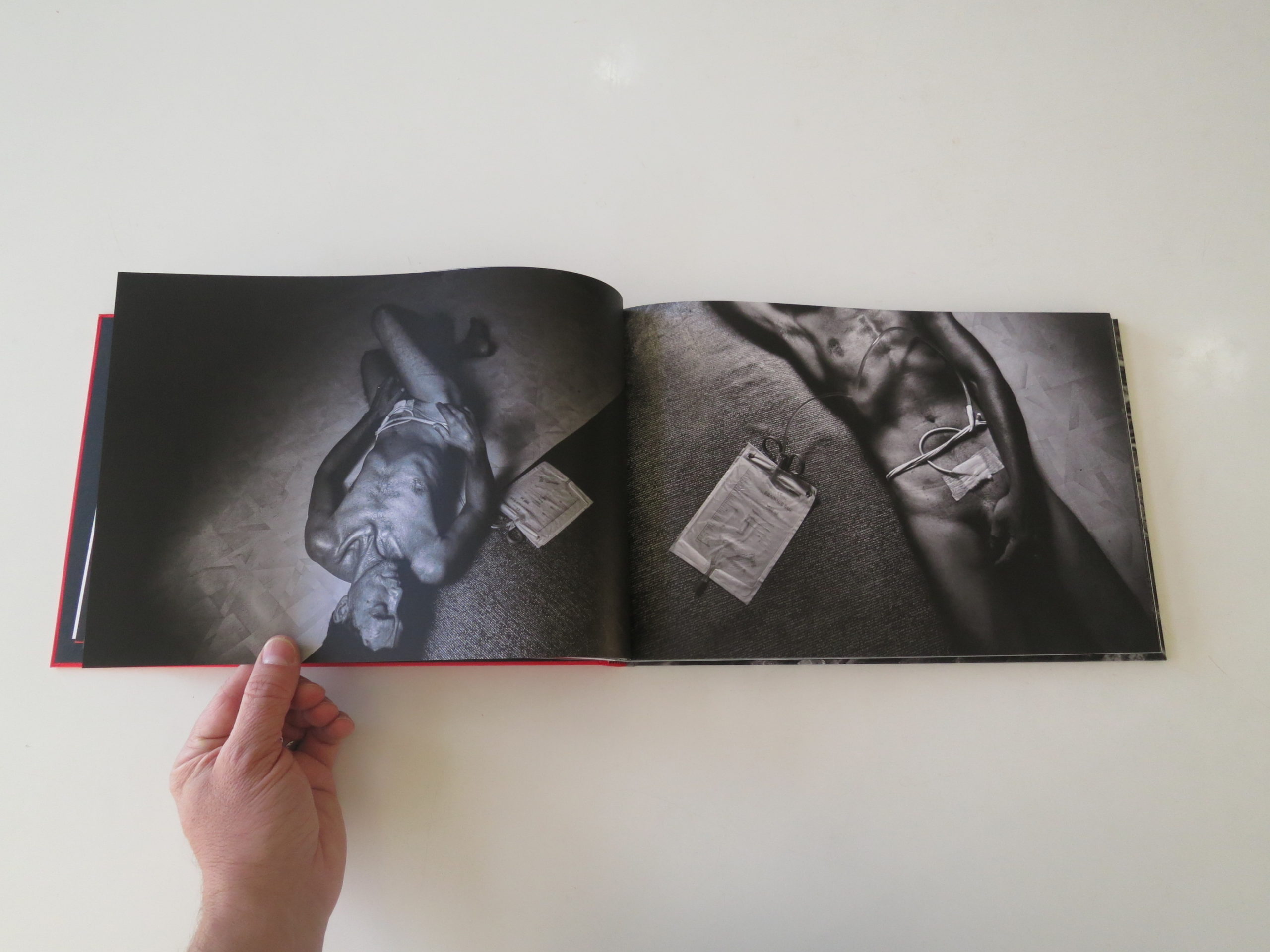
This book, which follows their diaspora, is not for the faint of heart, as between the imagery, and the explicit captions at the end, all of the worst human behaviors are discussed openly.

Gang rape, mutilation, torture, murder, and death from poverty and medical neglect.

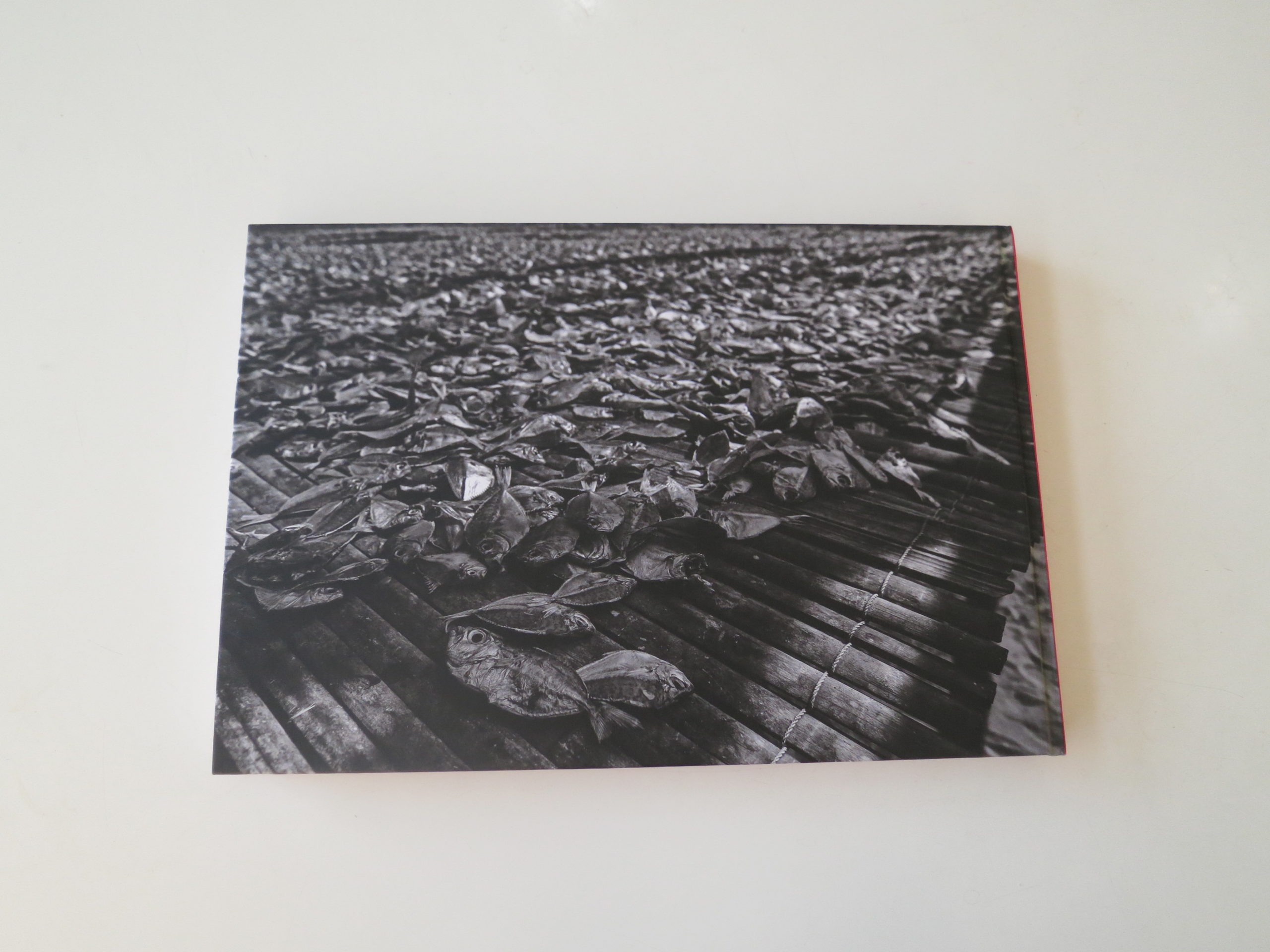
Even things that seem innocuous, visually, like a few wooden boats on the water, we later learn represent people were lost to sea, almost immediately after the photograph was taken.

There are other images complemented by captions saying this person was raped the day before, died the next day, or simply disappeared, never to be heard from again.

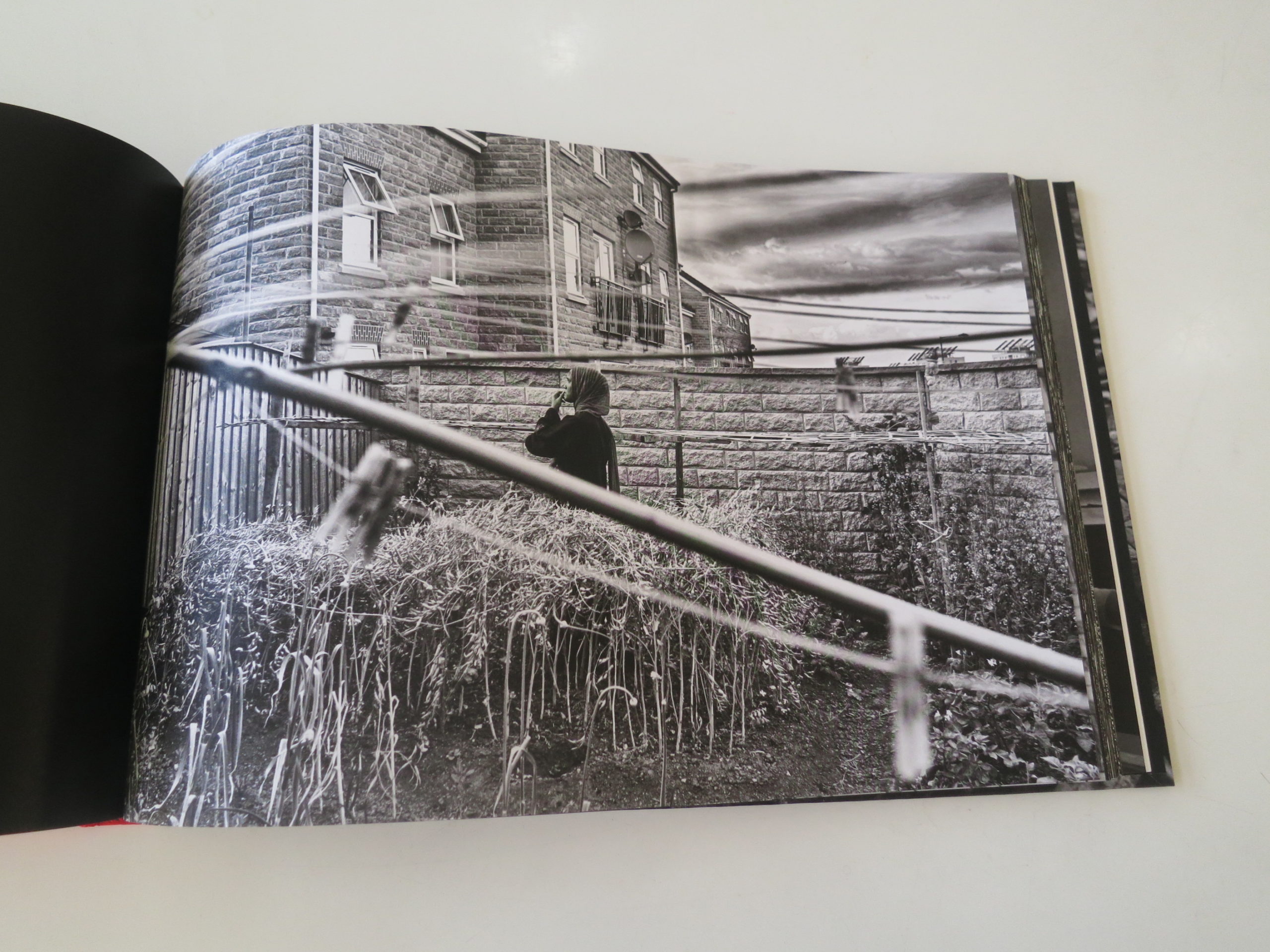
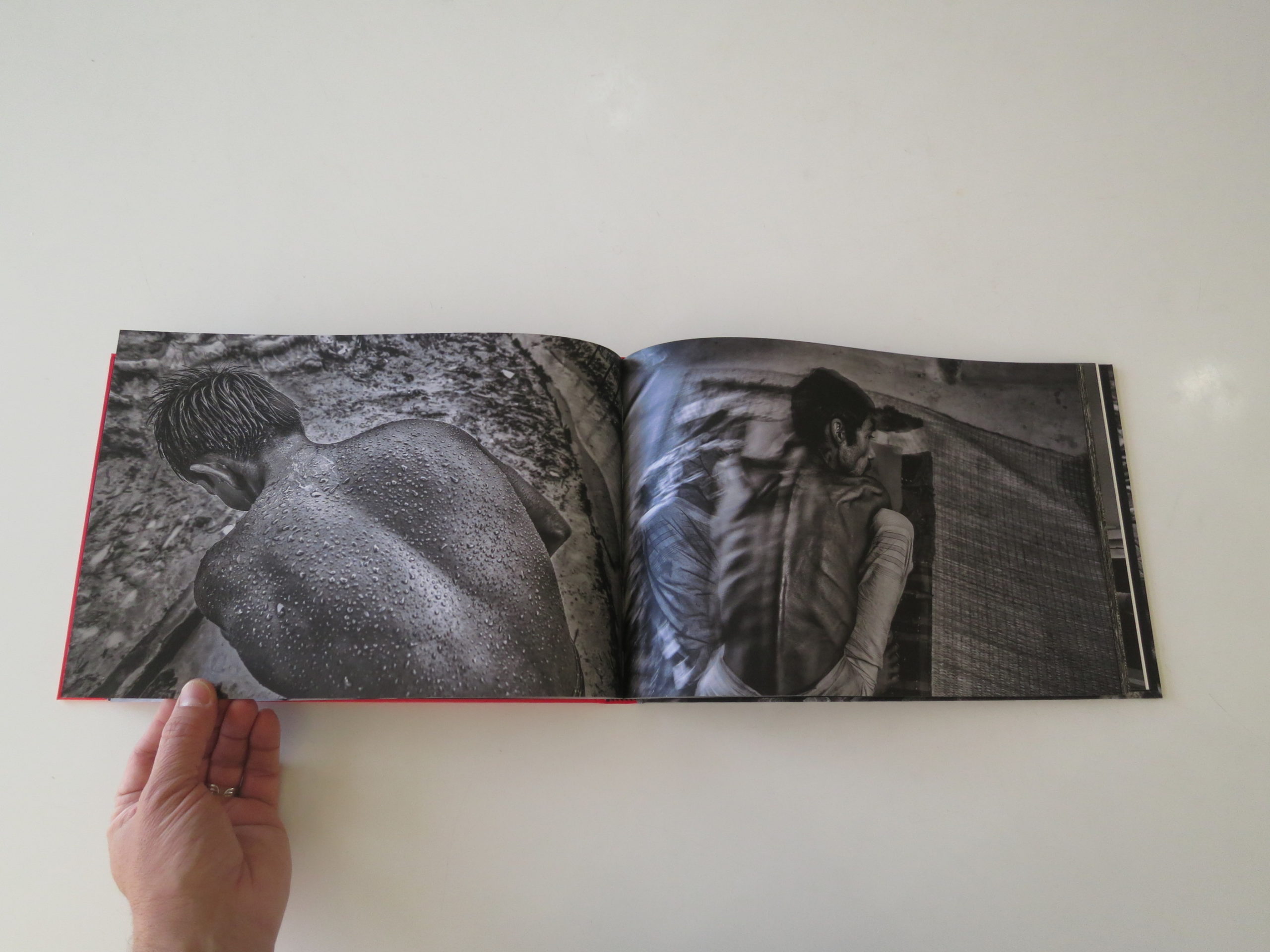
Photographically, I found this book far more compelling than the first, and I did not bemoan the lack of color here. The contrasty, textured photos are visceral, and I believe the photographer made the right choice, stylistically.

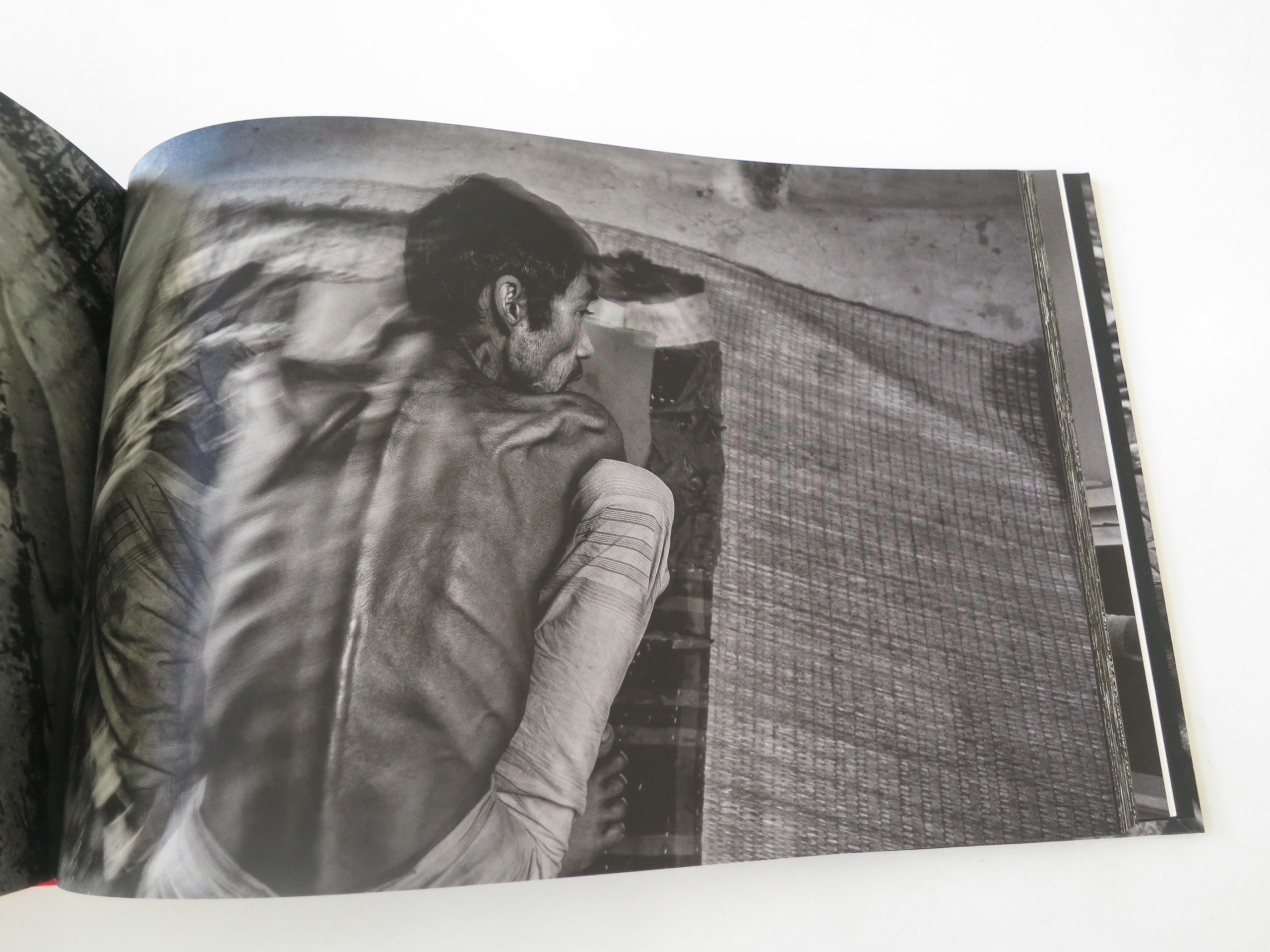
The pairings are smart too, and many resonated, like the diptych of the man with water beads on his back, next to the man who’s spine is so evident, from illness and/or malnutrition, that it’s no surprise to read he died shortly thereafter.

An artist statement at the back suggests Mr. Omi suffered through this process, as he was threatened with extreme violence, and nearly died, as a result of the danger of sharing stories that powerful people would prefer be suppressed.

And then, I wondered, does documentary work like this make a difference in a world of unlimited, mind-numbing content?

When the Trumps, Putins, Erdogans, and Xis of the world are so intent on using propaganda, confusion, and secrecy to keep us in the dark, hiding realities of life inside Uighur concentration camps, or Kurdish extermination operations, I guess it’s a silly question to ask.

Especially as developing empathy with those less fortunate, and hopefully doing what we can to alleviate their suffering, helps make us healthier and happier as well.


Bottom Line: Two books, from one publisher, that explore extremes of the human condition

To purchase “I am Waldviertel” click here

To purchase “136- I am Rohingya” click here 


If you’d like to submit a book for potential review, please email me directly at jonathanblaustein@gmail.com. We are interested in presenting books from as wide a range of perspectives as possible.

The Art of the Personal Project: Ben Franke

The Art of the Personal Project is a crucial element to let potential buyers see how you think creatively on your own.  I am drawn to personal projects that have an interesting vision or that show something I have never seen before.  In this thread, I’ll include a link to each personal project with the artist statement so you can see more of the project. Please note: This thread is not affiliated with any company; I’m just featuring projects that I find.  Please DO NOT send me your work.  I do not take submissions.

Today’s featured artist:  Ben Franke

Swerve Kings

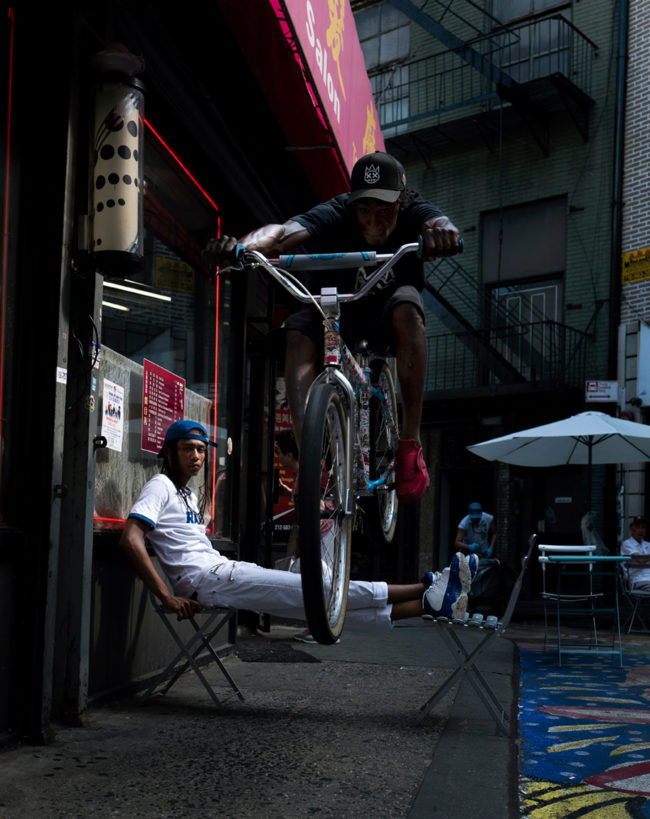
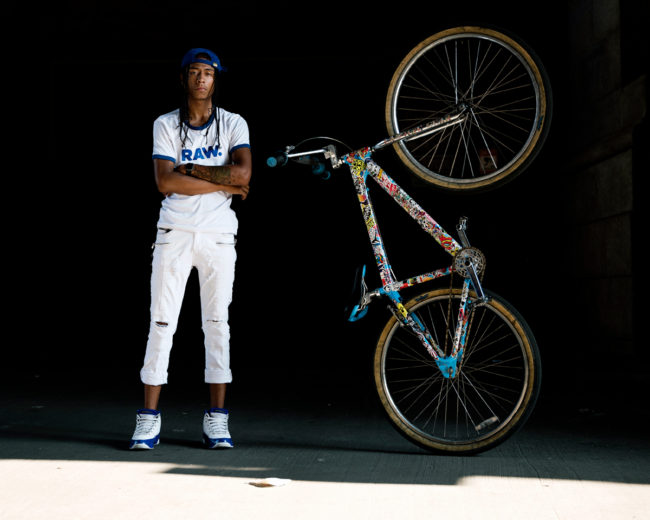
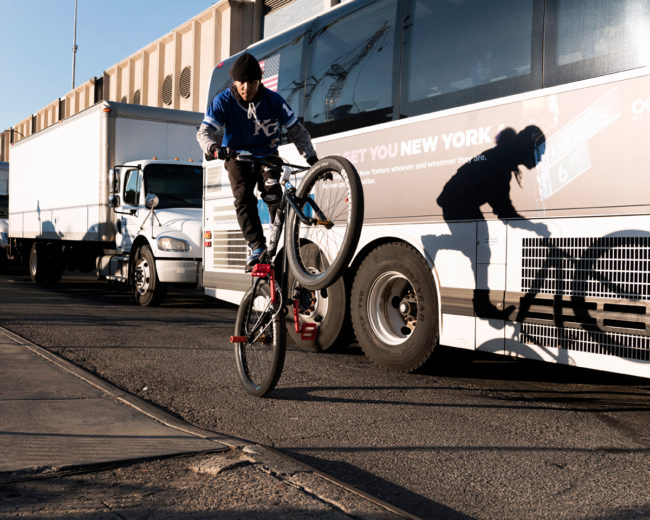
While in SoHo, I saw a group sitting on these cool looking bikes. I asked to take their photo, which they obliged, and then told me: “watch this.” They stood in front of their bikes to stop traffic on Prince and Mercer and a rider named Obloxkz whipped down the block doing a wheelie and then quickly leaned back far enough to drag his free hand on the ground. This was my introduction to bike life.

Since that day, I have been interested in these bikers and have learned more what draws them to it. Biking gives them a sense of community, which they described as “bikes bring bonds.” While they are swerving through traffic in New York, and sometimes shutting down the streets during rideouts, they have formed a large community centered around riding, wheelies and swerving.

With Swerve Kings, I aim to capture these riders through portraits and in action to try to convey the feeling I first got when Obloxkz flew past me that first day in SoHo.


To see more of this project, click here.

APE contributor Suzanne Sease currently works as a consultant for photographers and illustrators around the world. She has been involved in the photography and illustration industry since the mid 80s.  After establishing the art buying department at The Martin Agency, then working for Kaplan-Thaler, Capital One, Best Buy and numerous smaller agencies and companies, she decided to be a consultant in 1999. She has a new Twitter feed with helpful marketing information because she believes that marketing should be driven by brand and not by specialty.  Follow her at @SuzanneSeaseInstagram

Success is more than a matter of your talent. It’s also a matter of doing a better job presenting it.  And that is what I do with decades of agency and in-house experience.


The Daily Edit – Vogue India: Bikramjit Bose

Vogue India

Creative Director: Heidi Volpe
Photo Editor: Ankita Chandra
Photographer: Bikramjit Bose
Stylist: Ardhana  Baruah

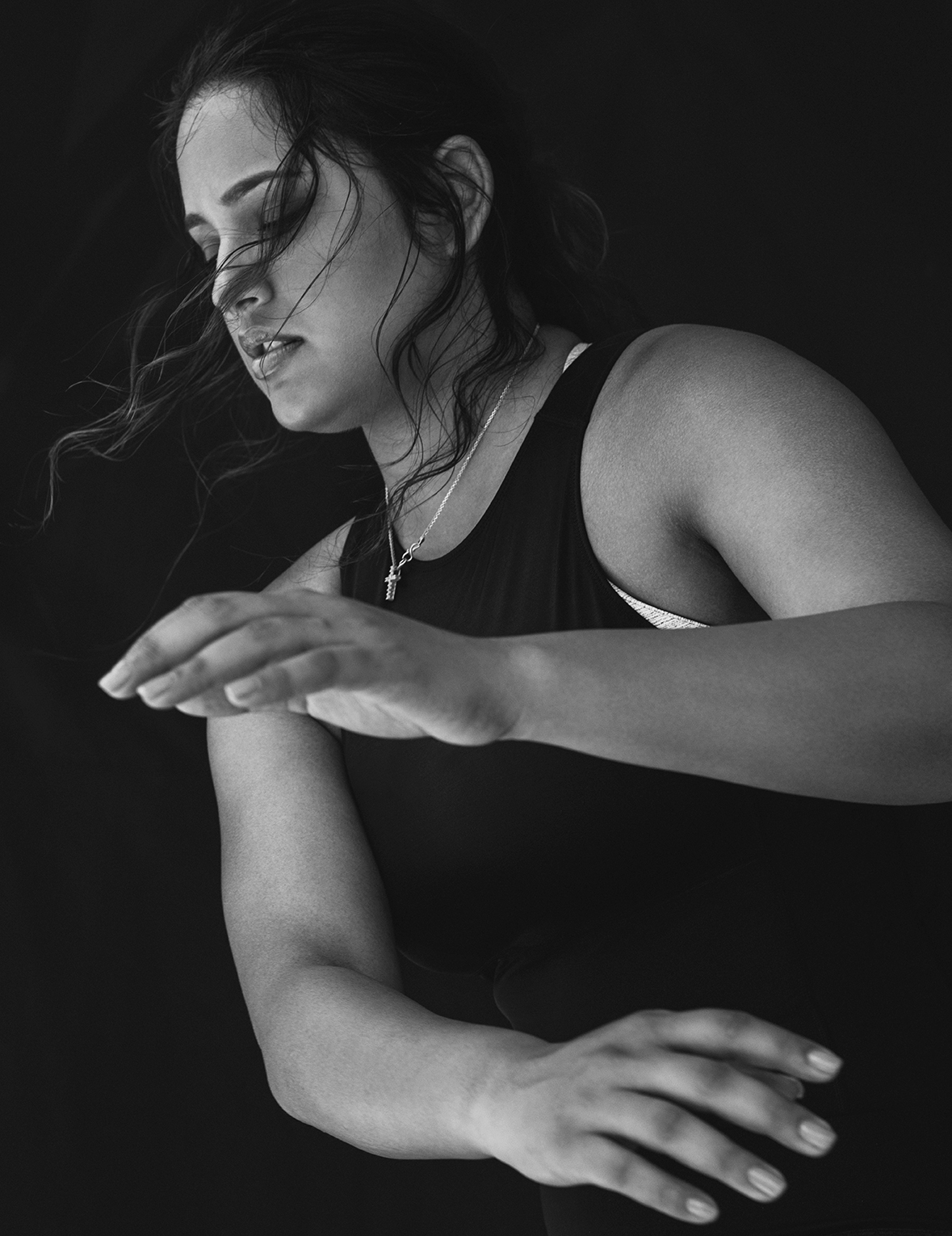
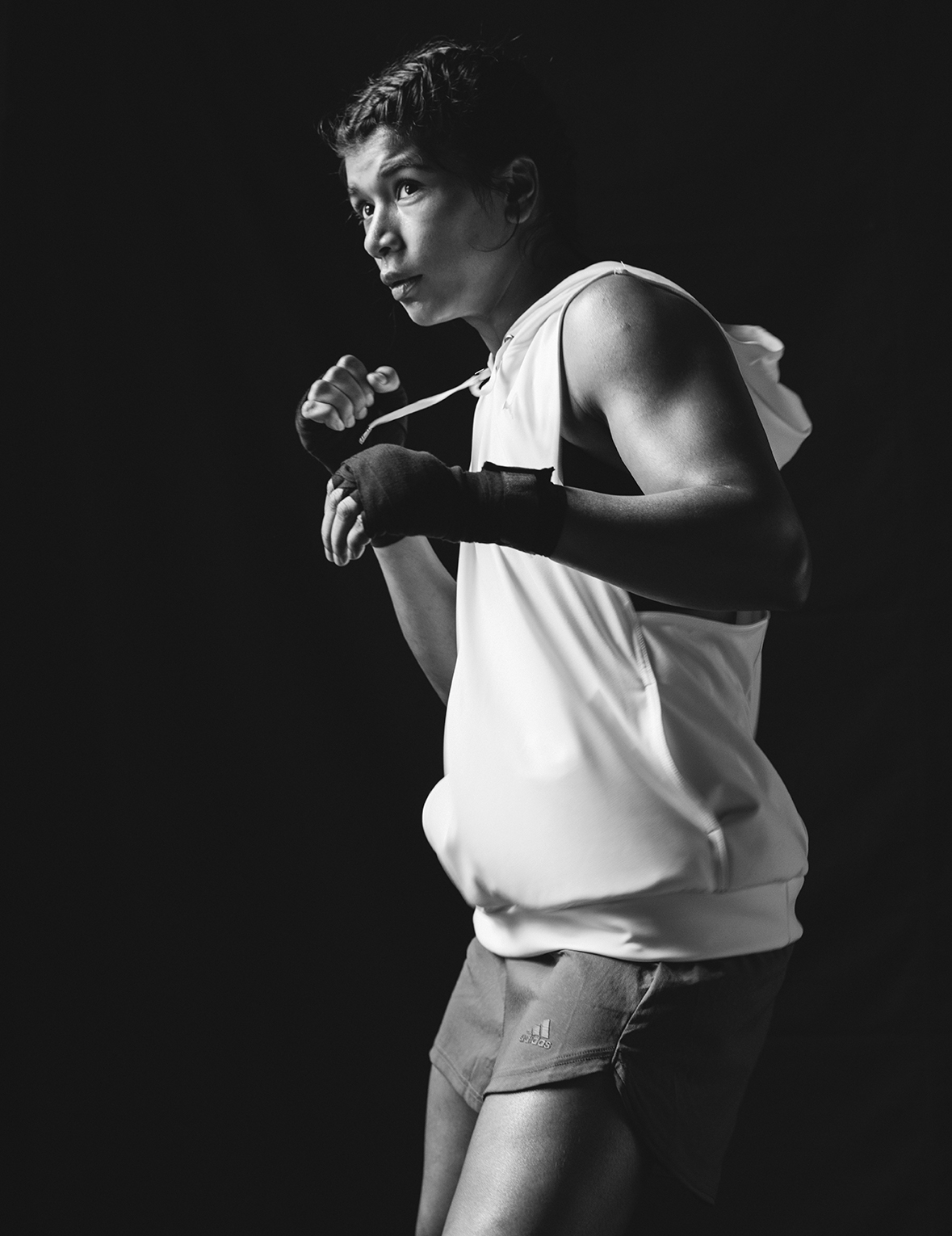
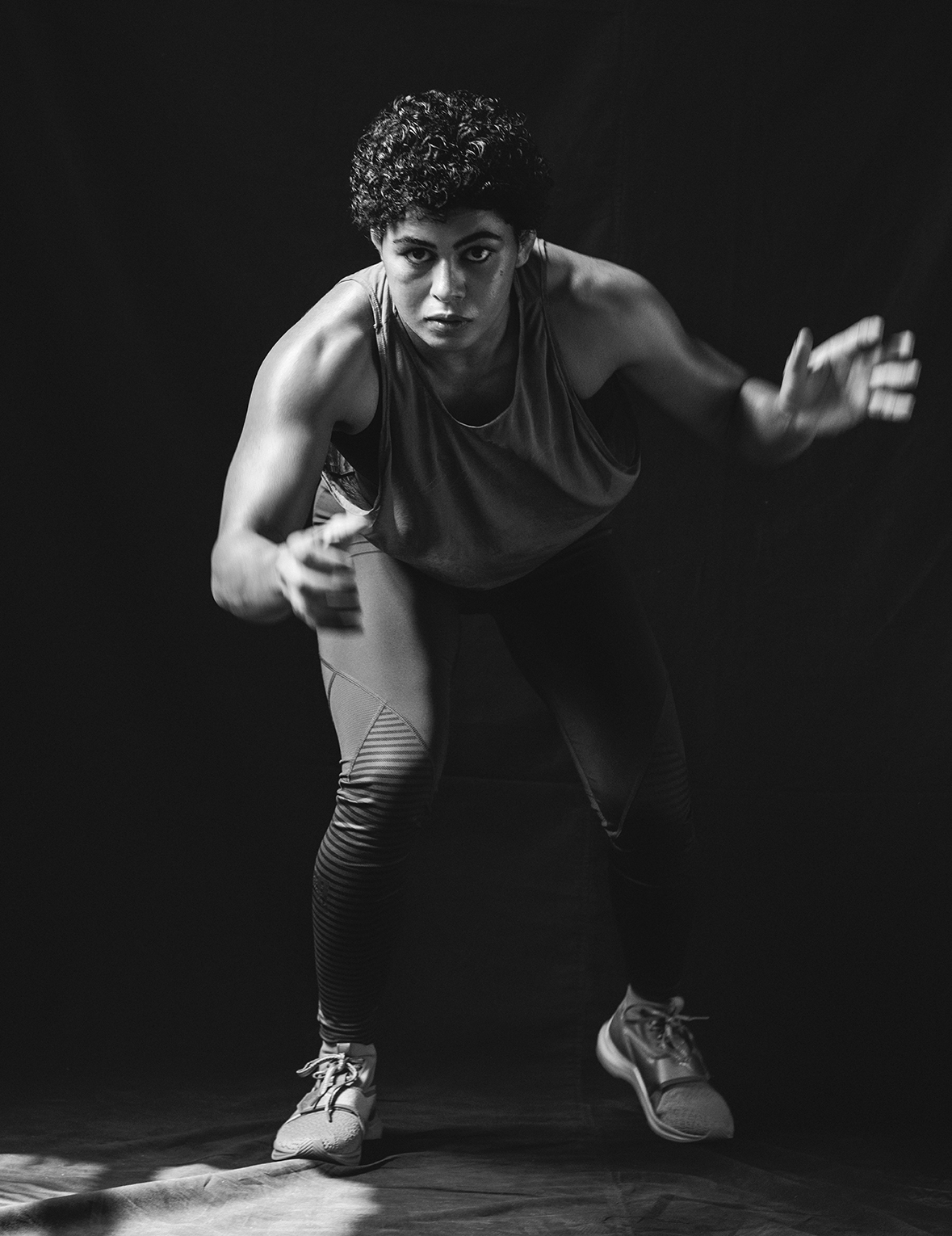
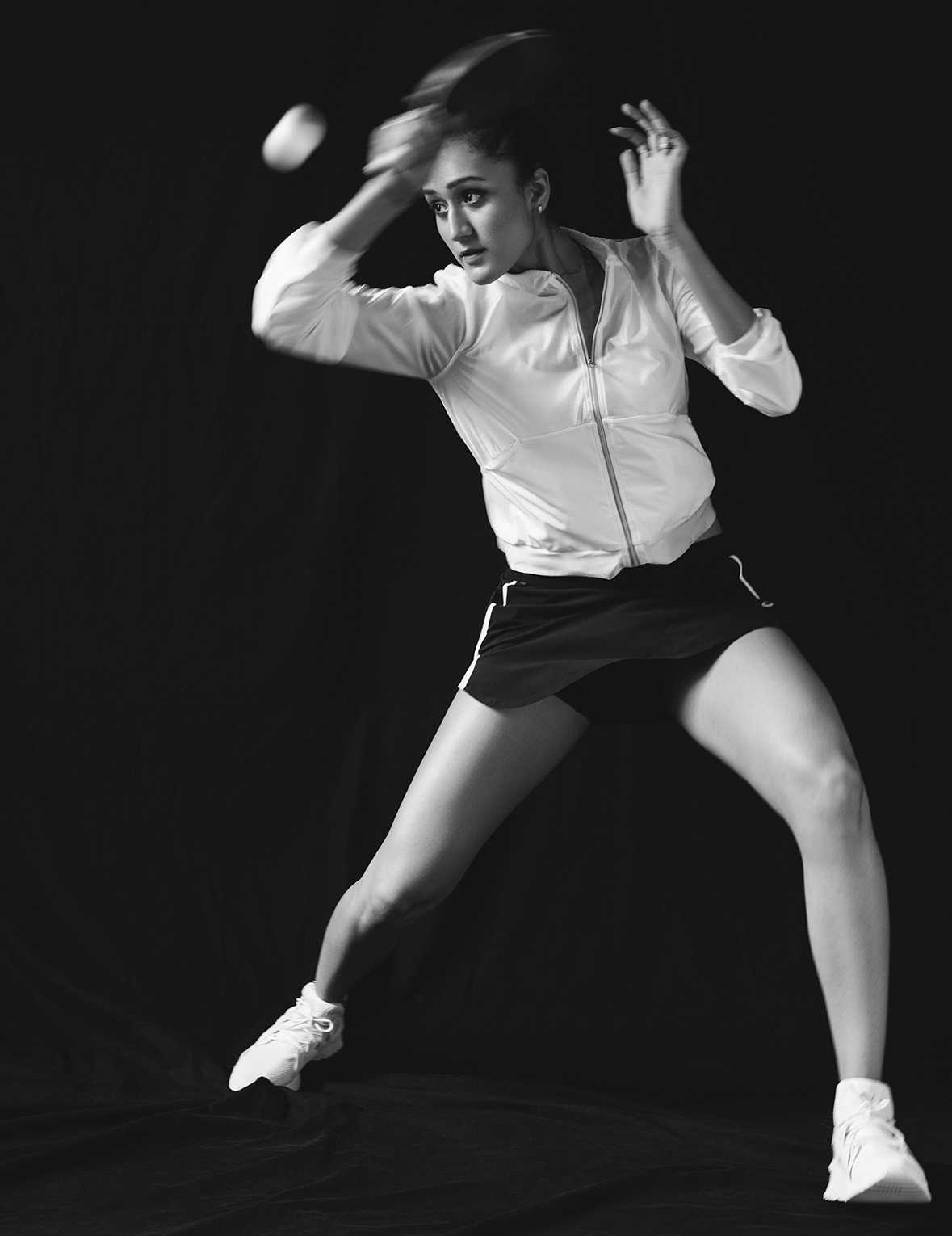
Heidi: How did you direct the women of the Commonwealth Games in order to capture their power, grace and strength?  What was the conversation on set like?
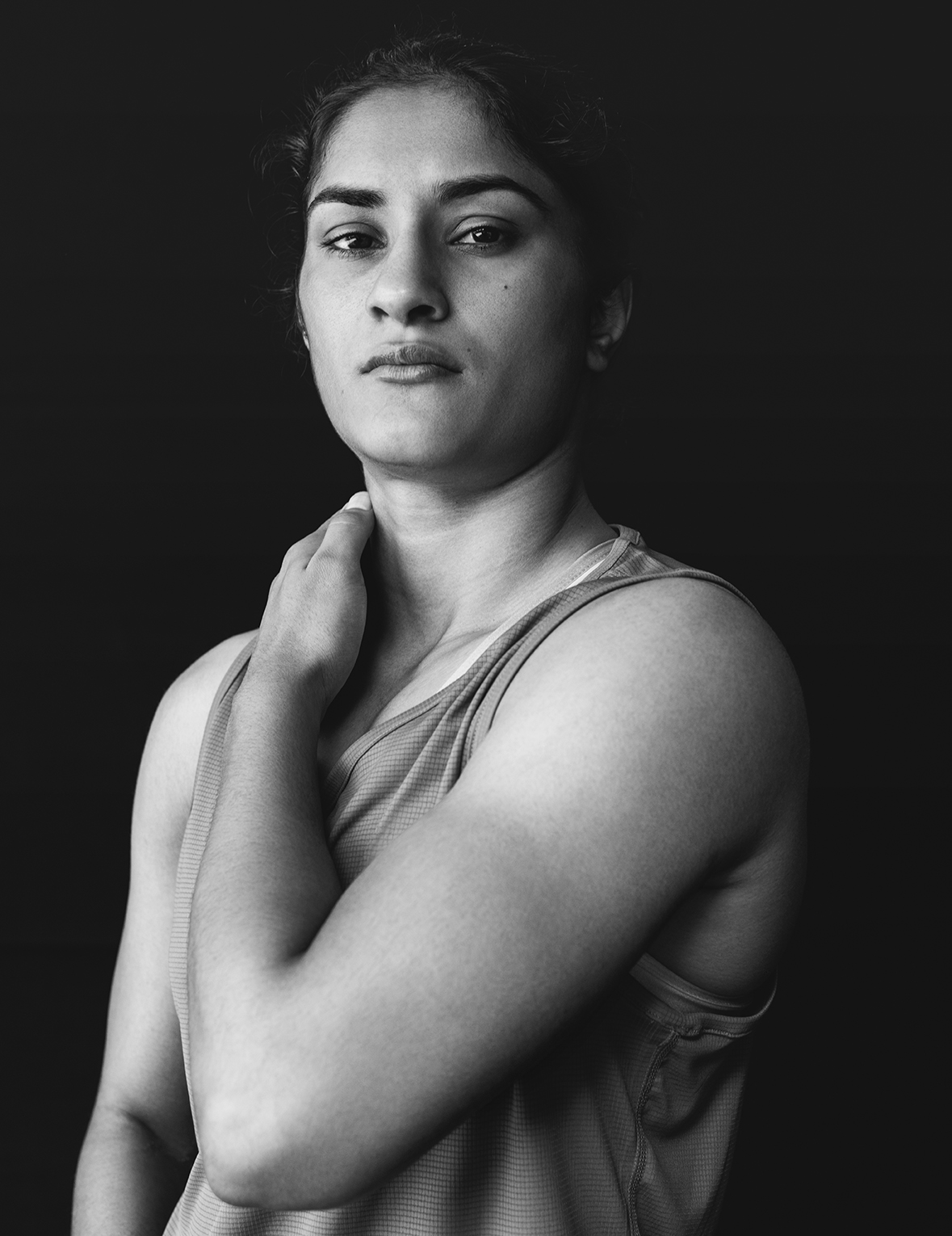
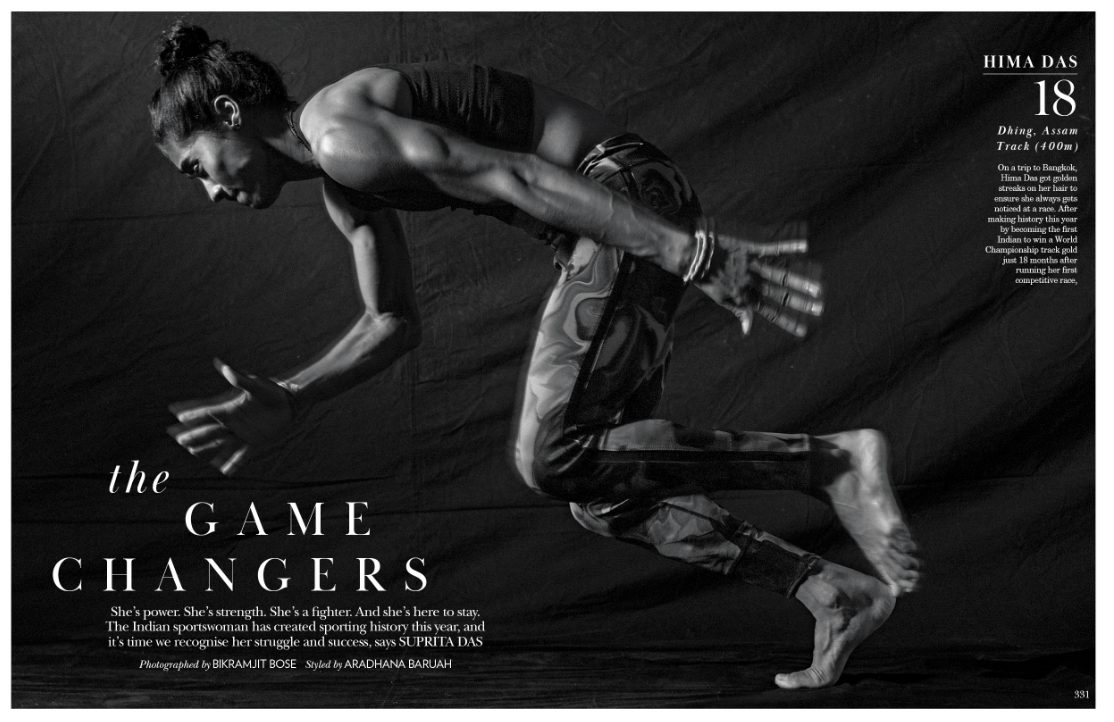
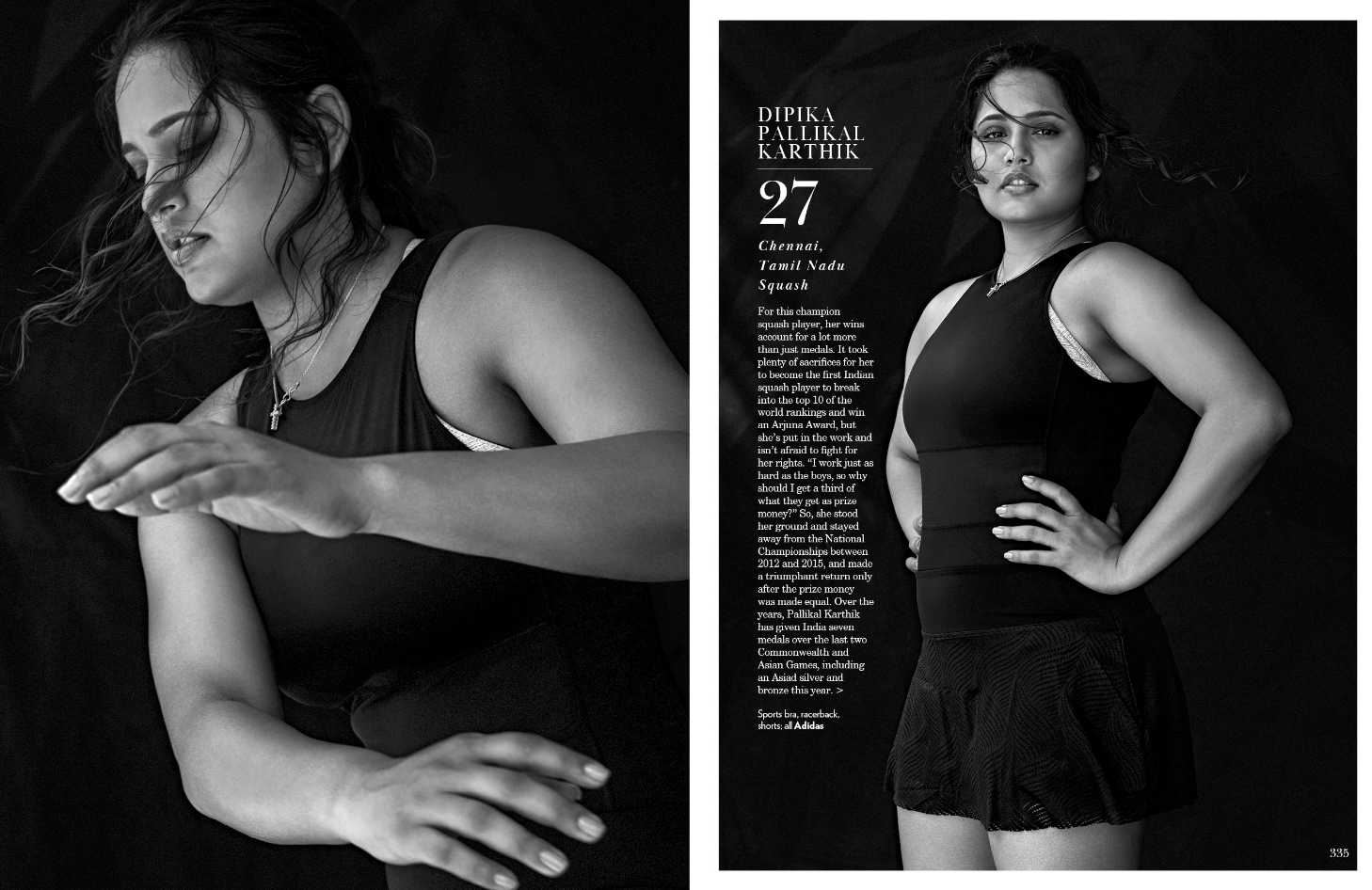
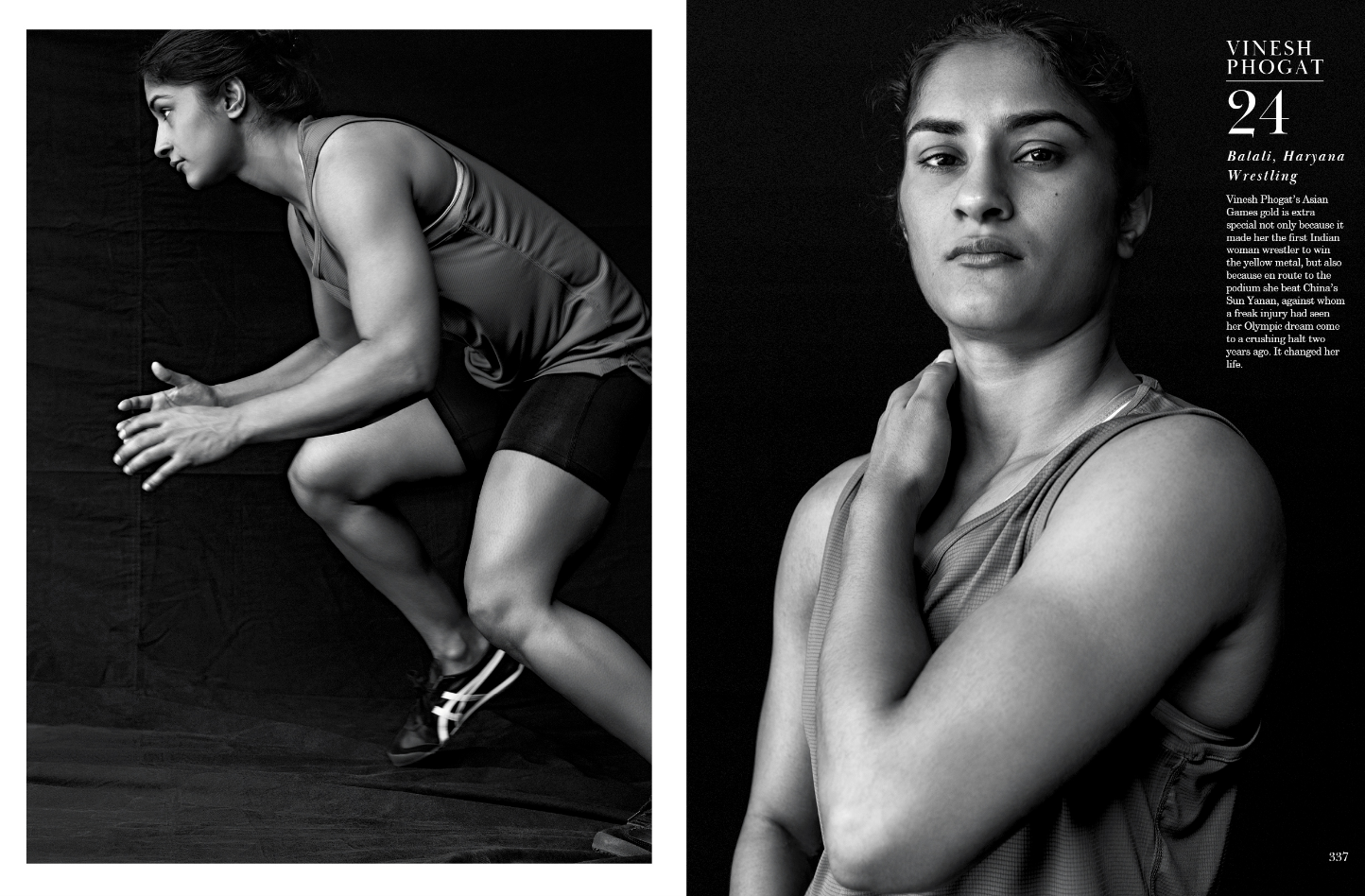
I had the distinct advantage that they were all athletes of the highest standards, in peak physical form. So the power, the grace, the strength, all of it was already a given. I just had to find a way to bring it out at that given moment in time.


It helped that they were not used to being photographed, so there were no preconceived notions about how to pose or be in front of a camera.  It helped that I spoke the same local language as some of them did, so that helped ease the situation and break the ice. And then, I asked them to imagine to recreate or re enact, what they would do when they’re actually competing. That was, I suppose, the only challenge – to get them into that mindset – to get their ‘game-faces’ on, as it were. Even though I was shooting against a seamless black cloth backdrop, I wanted their faces to reflect that certain intensity and single-minded focus that only athletes are capable of.

The simplicity of the styling, the props is lovely and felt like portrait photography in its purest form. Did you also have simple production?
I photographed this series of portraits across different cities, over a period of a few weeks. So the first priority was to keep the whole setup not only simple and travel friendly, but consistent, so I could essentially set it up and recreate the same lighting situation anywhere.  Some of it was shot in a daylight studio with the backdrop placed next to a window, and sometimes the setup was done out in the open and a light tent created around it to cheat window light.

I often feel when resources are low creatively is high, does or did that that surface for you?
It is definitely true –  you’re forced to think on your feet when resources are low or limited. And sometimes, that is when you come up with the best of ideas. Having said that, I don’t think that this shoot necessarily needed a lot of resources in the first place. I always imagined it to be as pared down as it turned out.

Where were these portraits shot and how long was each session?
They were shot across different parts of the country – some in a studio, one in a hotel lawn, one by a poolside, one on a terrace….and they all lasted anywhere between 20 mins to an hour, at the most.


The Daily Promo – Natalja Kent

Natalja Kent

Who printed it?
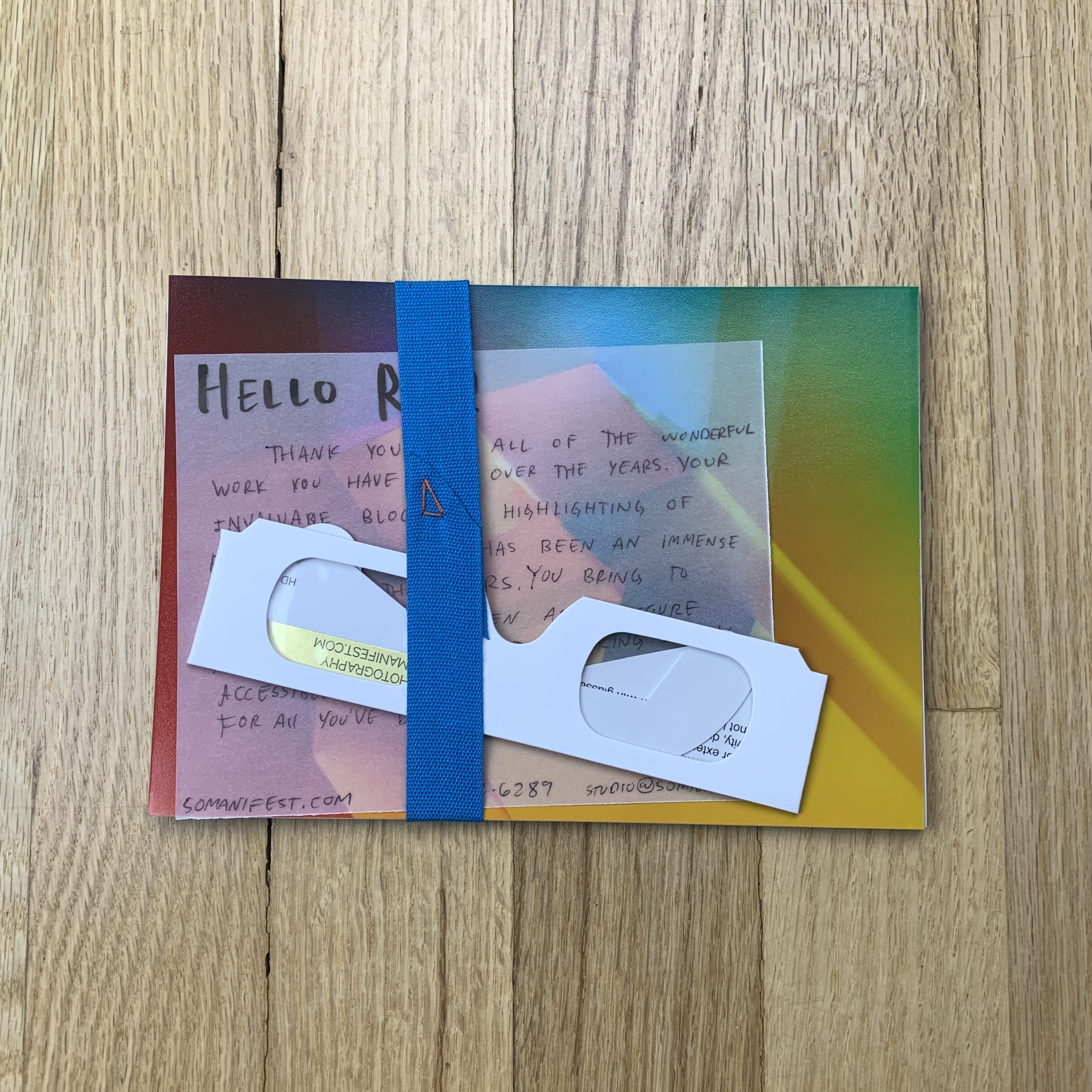
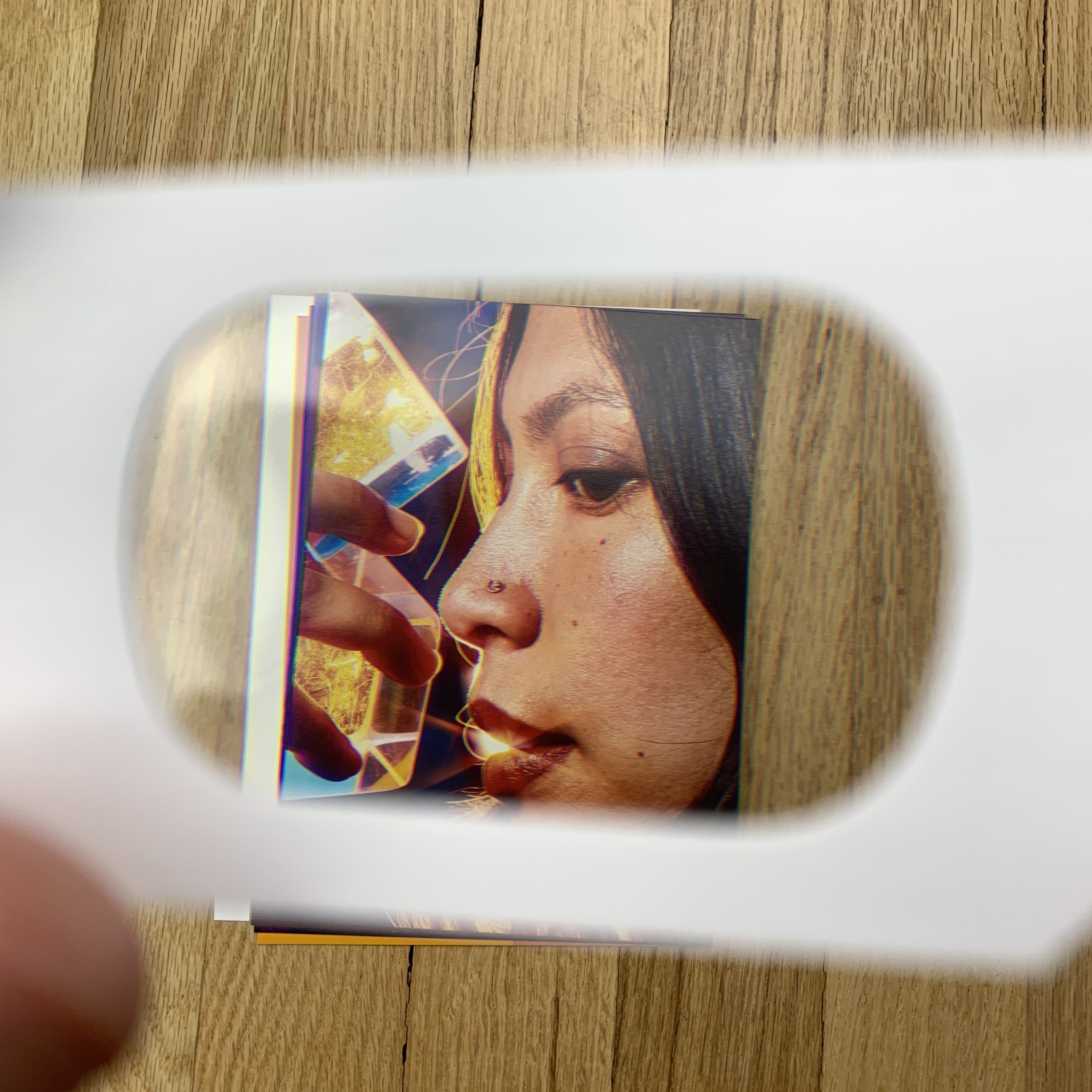
I had chromogenic prints made at a local lab, my assistant Leah Rom hand sew the belly bands from an Italian imported ribbon, and write notes to each person I was sending the package to and added super fun ChromoDepth glasses for a color 3D effect. So it was really a blend of a few things I love: photos, textures, and op-art!

Who designed it?
I designed it with a love of real photographic paper and a touch of nostalgia for 3D viewing.

Tell me about the images?
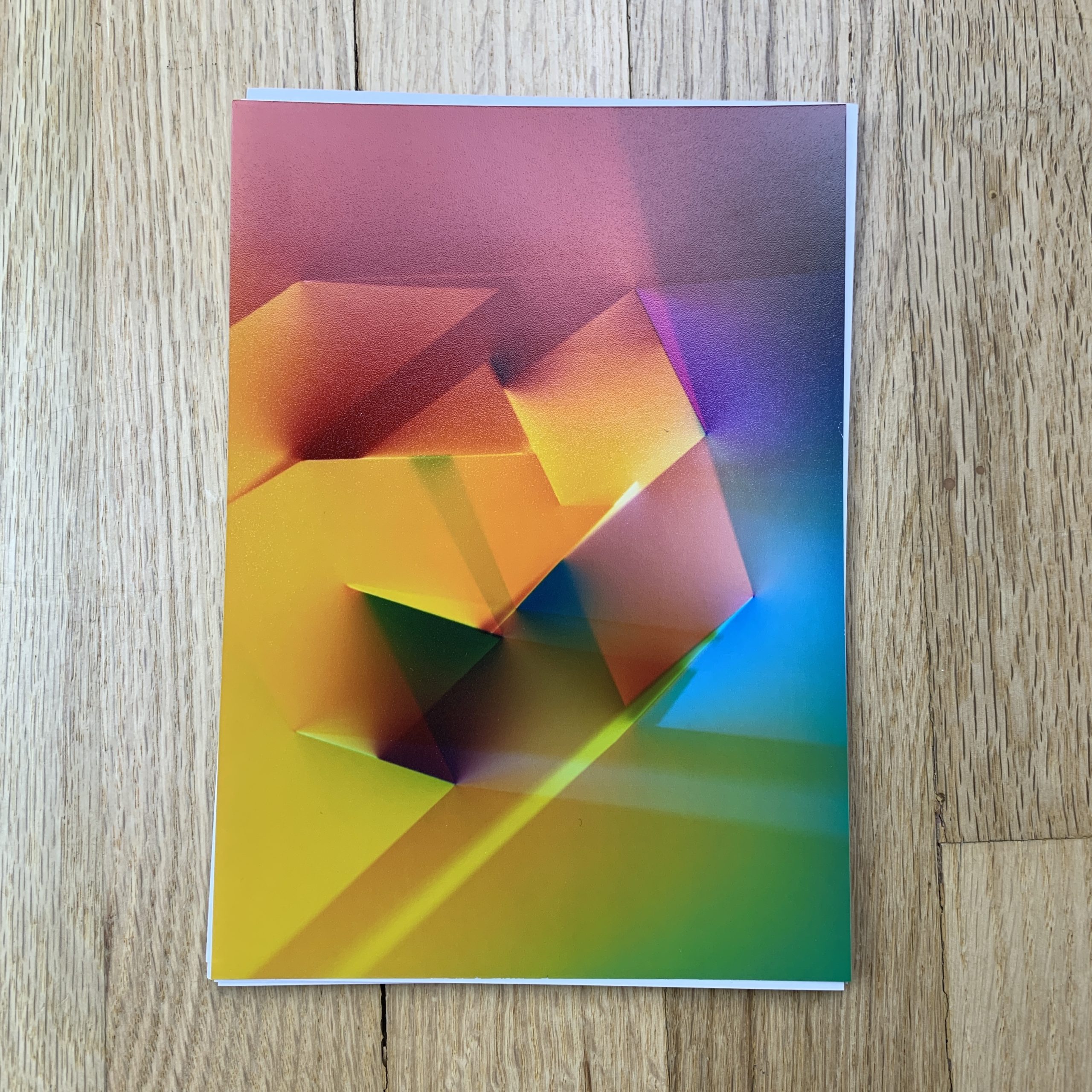
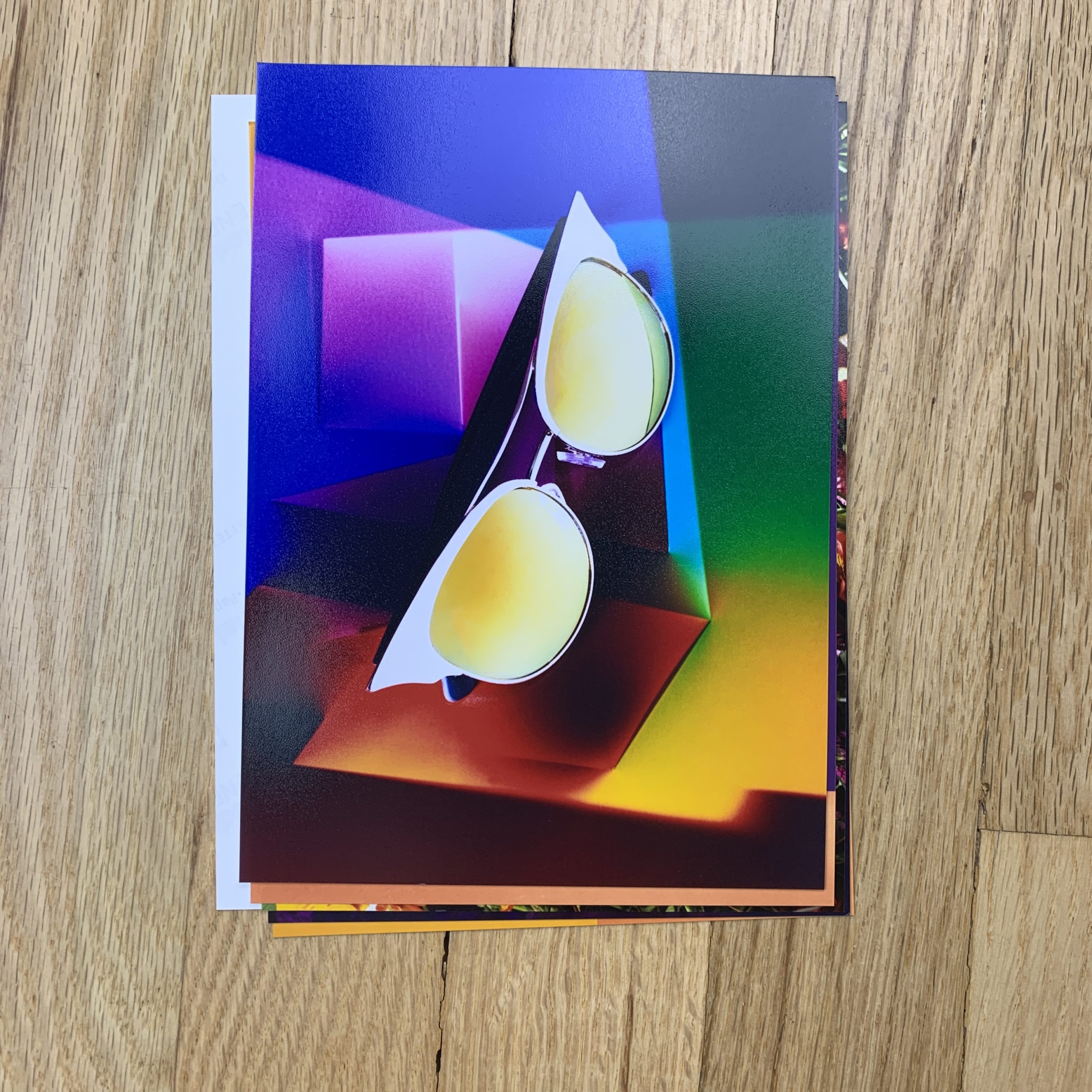
These photographs are all new work inspired by the experimental photography I’ve been doing in the analog, color darkroom called Movement Artifact as well as a book I photographed last year of the Blaschka Glass Plants and Flowers. There is a fun little Wired Article about my artwork that tells a bit about the project. The Blashka Glass Plants taught me so much about light and form, I’m excited to be bringing these ideas to commercial product clients. For the package, I added one print from my art series, so people could get a sense of my color palate. With my commercial work, I’ve been teasing out how to play with light, color, and form in ways that reference this fine art project as well as a deep technical dive into glass photography and what I discovered. It’s been fun to beautifully draw out a product for a client with these tools. I adore visual problem solving for clients’ needs and by drawing on my rich knowledge of art, light, form and art history I am building a fun, pop-fantasy, still life world.

How many did you make?
I made 50 of this promo. I keep my physical outreach pretty low volume so as not to make a lot of garbage. By targeting people I really want to work with I’m doing my best to balance outreach and environmental awareness.

How many times a year do you send out promos?
About twice a year.

Do you think printed promos are effective for marketing your work?
What my promos do for me is put the work I feel is adding something strong to the visual dialog in a physical form and in front of people I think are working on great projects. It’s more of the idea “action begets action” and less “I want this outcome to happen right now”. My business practice includes a kind of self-awareness about what I’m putting into the world and what I’m asking for. Being generous is a part of that ideology. I make great work for very aligned clients. Having a fun promo that’s closer to sending them a little game then a plea for work is what I’m aiming for.

If there’s one thing I learned from surfing, which I’m obsessed with, it’s to get out into the water no matter how you feel or if the conditions are not perfect. There are almost always waves that teach you something about your form and approach — and it’s crazy fun. For example, last night after a long day in the studio I popped out to Malibu for a sunset surf. We had some fun little sets (waves) in the crimson fade, and then suddenly I realized it was totally dark and the moonlight was sparkling on the water. In the blackness, it was hard to read what the size of the waves was coming towards the three of us still surfing. I decided to paddle into one that looked small and uneventful. Then I found myself on a perfectly arching wave, tucked right into the pocket, then gaining speed along the face. Because it was so dark, all I could see was a thin line of silver moonlight on the deep black face of the wave, and we rolled together all the way to the shore. Who knew such a majestic wave was to be experienced in such darkness, more about the feeling of the movement then seeing it and controlling it. By showing up, and sticking with it I felt an incredible belonging to the ocean and the activity I adore. By bringing a sense of curiosity and play to all processes I undertake, I learn from each new experience — and I treat sending out packages to folks the same way. Let’s have a good time with these cool projects we get to make!

This Week in Photography: The early 70’s


Part 1: The Intro

It’s tempting to glorify the past.

(Mighty tempting.)

I wrote recently, in my eulogy to Robert Frank, that MAGA is really one more expression of the desire to return to the 1950’s.

It’s easy to mock that desire, (and I did,) because it so easily connects to a whiter, more racist and sexist America.

If we were to try to understand it on less nefarious terms, we might agree people associate the 50’s with American dominance, and a more naive, safer, more small-town version of ourselves.

(Before Walmart and the Malls killed small-town shopping districts. Oh wait, I said I’d stay positive.)

Last week, I wrote about #1983, and it came about in the most fascinating, subconscious way.

But the more I thought about it this week, the more the connection made sense. 1983 was a year before a presidential election, with a Republican president who’d begun a massive rightward shift for this country.

As the fall of the Berlin Wall was still years away, the end-of-the-world fear of pending nuclear war, after decades of Cold War, was real.

The Apocalypse was in, as “War Games” came out around then, and then “The Terminator.” (1983 and ’84, respectively.)


My point is that it’s easy to pick a time, as perhaps some people are now doing with the 90’s, and think that life was easier then.

If we were to peg each decade that was once held up as the ur-decade, (like the 60’s) we’d see there was plenty of drama, strife and difficulty too.


Part 2: West Coast Style

I write about photography here each week, (or most weeks these days,) and sometimes I admit to getting bored of it. In my current work, I’ve begun to experiment with sculpture as a way of extending my creativity in other directions.

But in order to keep up a column that is about photography these many years, I find it fun to create mini-themes, and let them play out naturally.

(It always happens best that way.)

So the last three weeks, we’ve had Robert Frank’s photographs from the 1950’s, Hugh Mangum’s images from the early 20th Century, all that 19th Century work from last week, and now…

1972-74.

That’s right: the early 70’s.

If we’re looking for parallels to now, there are none better.

The Nixon years.

I was born in 1974, so technically I was alive when Nixon stepped down, but it’s not in my frame-of-reference. I remember TV and pop culture from about 1977 on. (Close Encounters was ’77, I just checked.)

But this mini-era came just after the raging 60’s, and represents the heart of the Vietnam War.

It was chaotic to the extreme.

Dudes wore beards. (Sound familiar?)

A criminal president got busted, and it was so egregious that his own party finally broke, so he resigned, living in ignominy for a few decades, before being re-embraced shortly before he died.

Clint Eastwood’s Dirty Harry was the big thing going, Charles Bronson terrorized the bad guys, and Steve McQueen was still on the scene too.

A rough-and-tumble America was fighting the Cold War, pointed straight towards a political catastrophe of epic proportions.

Yeah, I think we can all agree it’s a relevant phase to contemplate, RIGHT NOW.

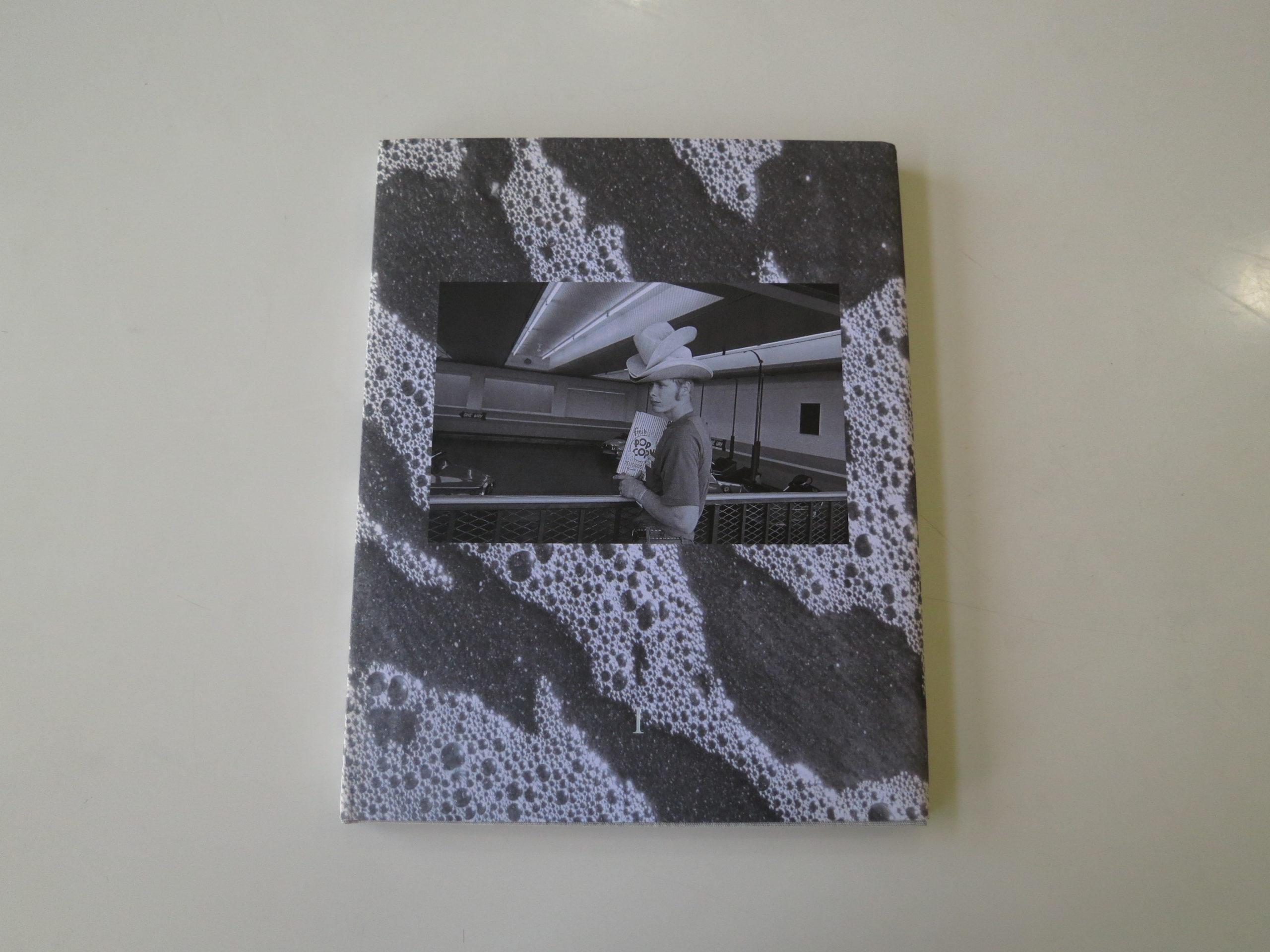
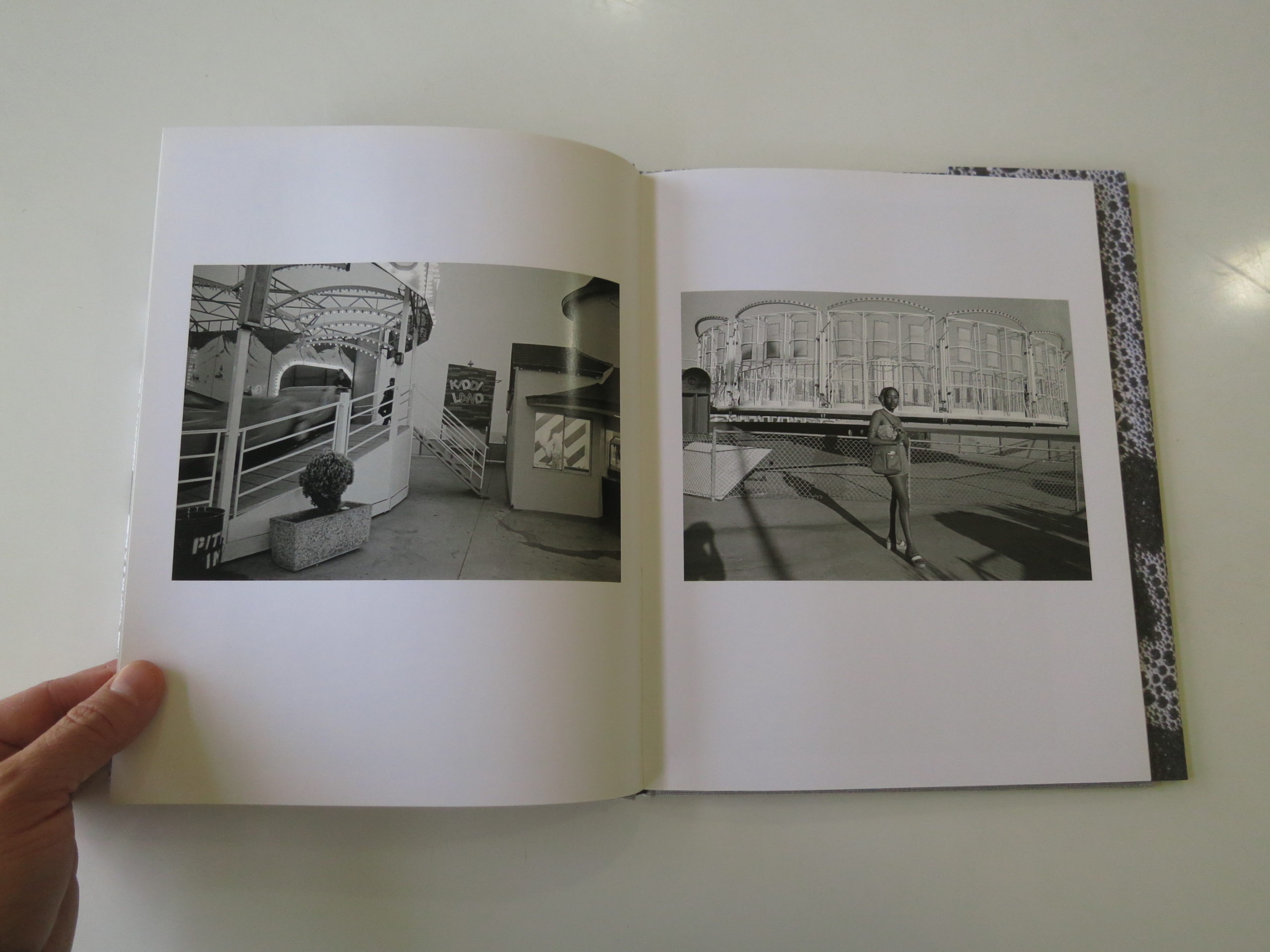
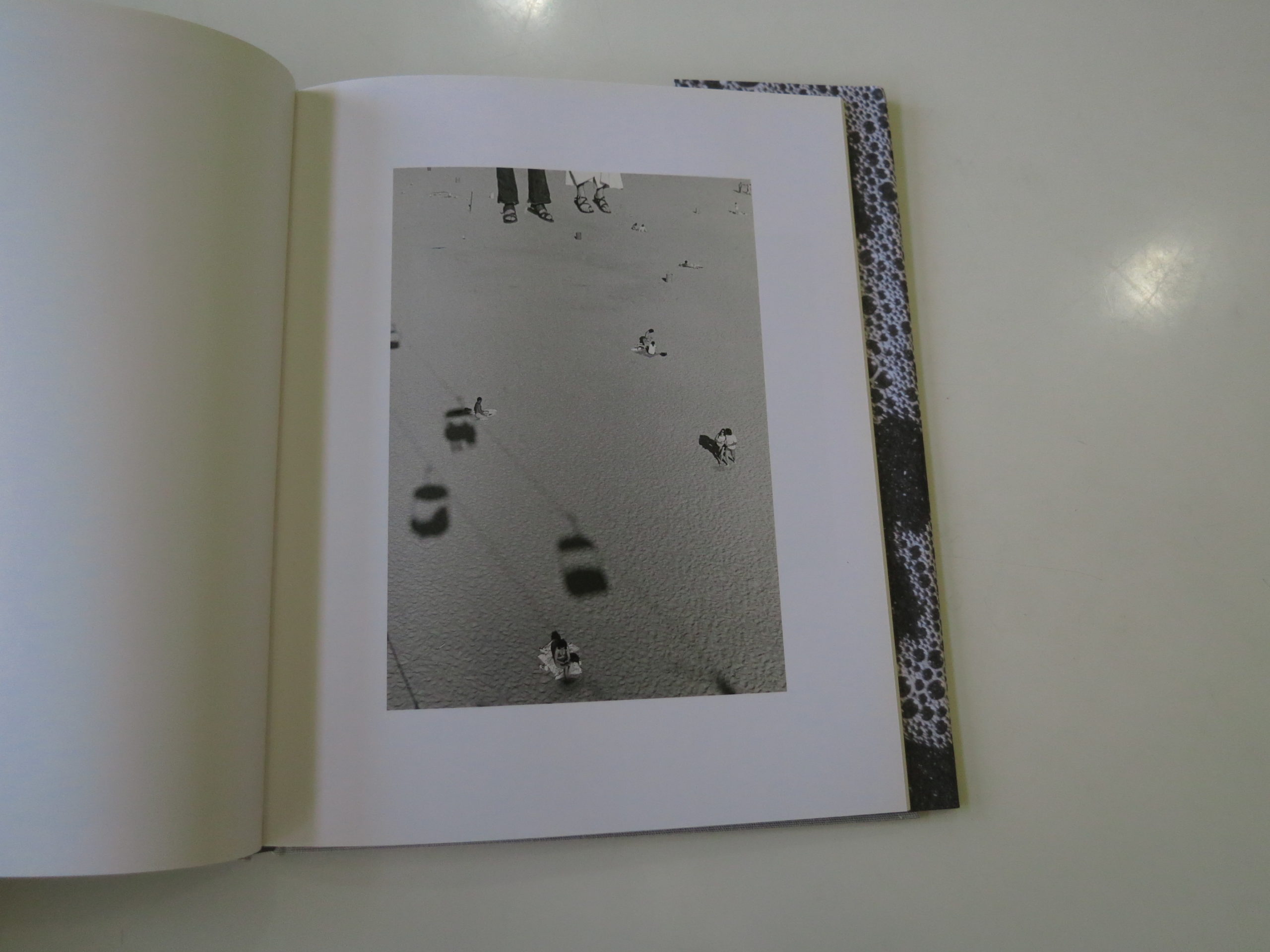
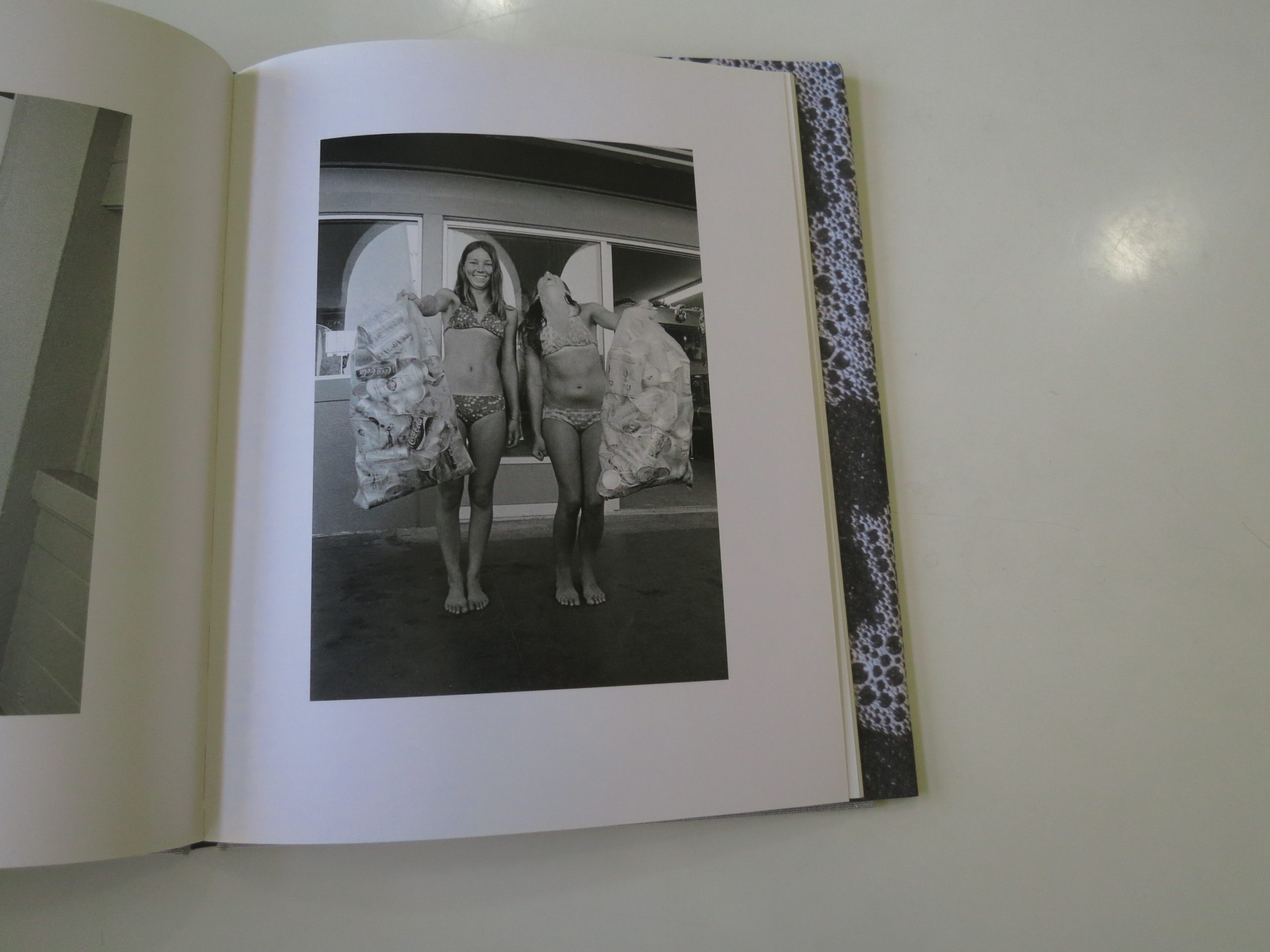
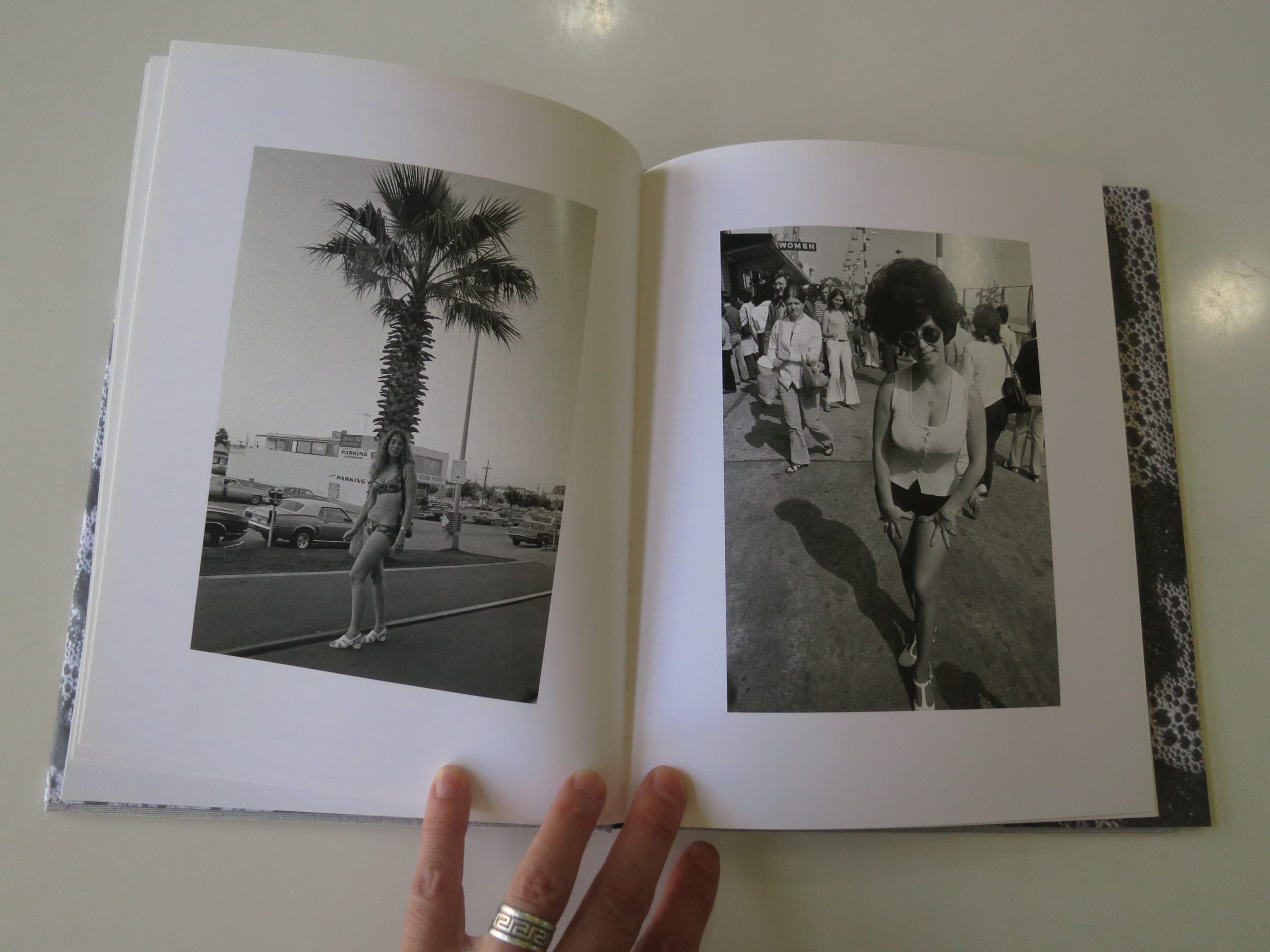
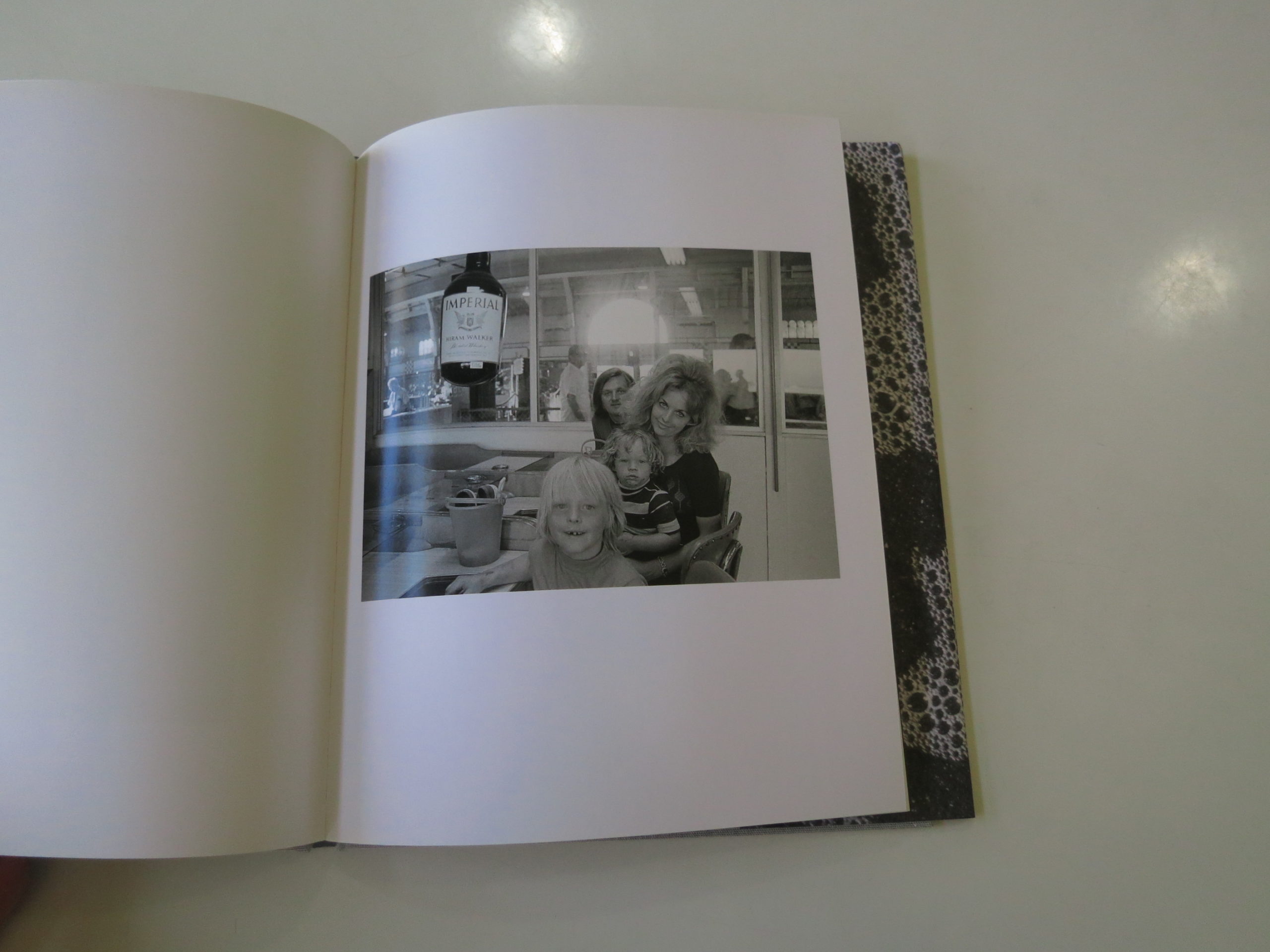
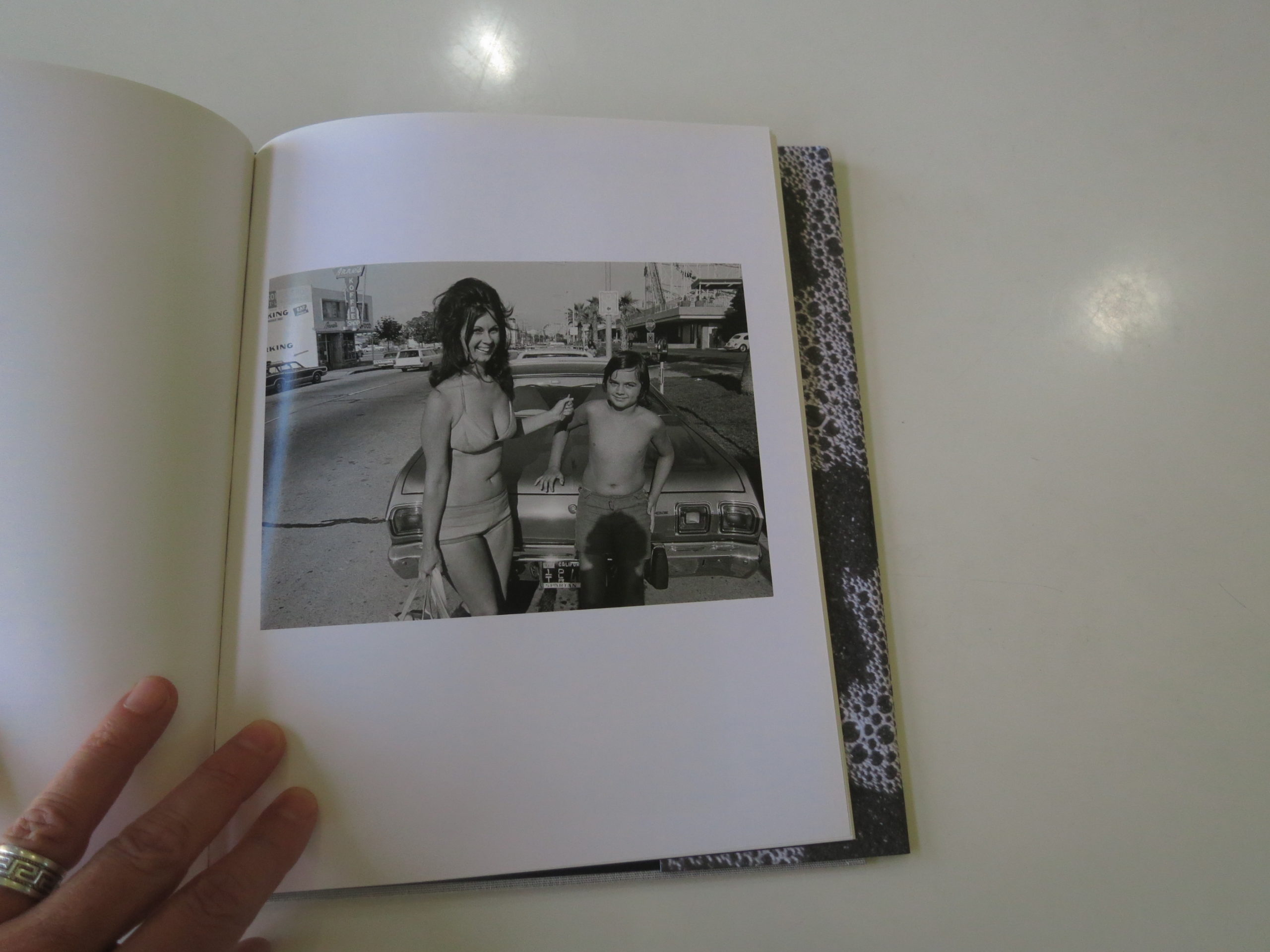
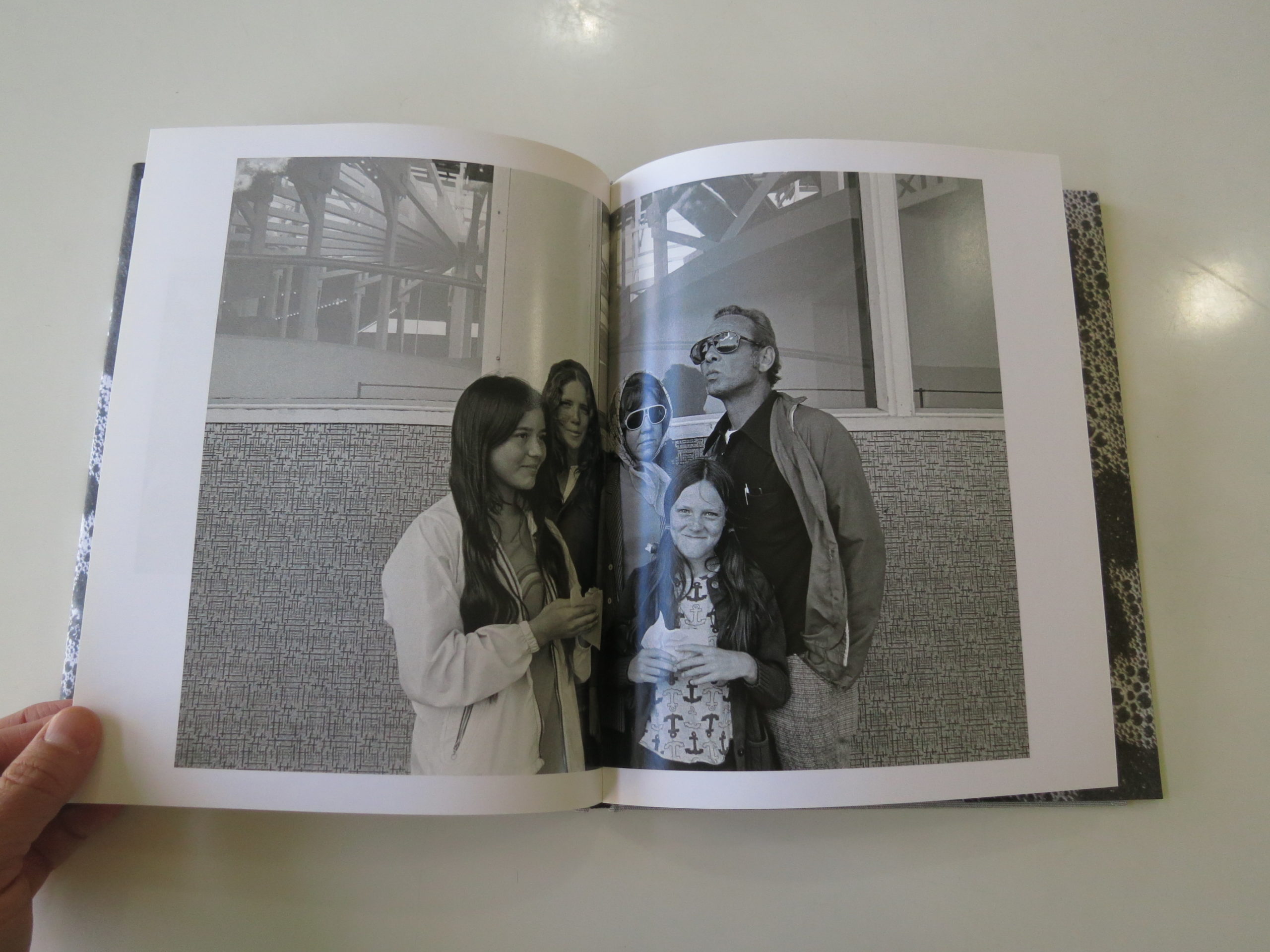
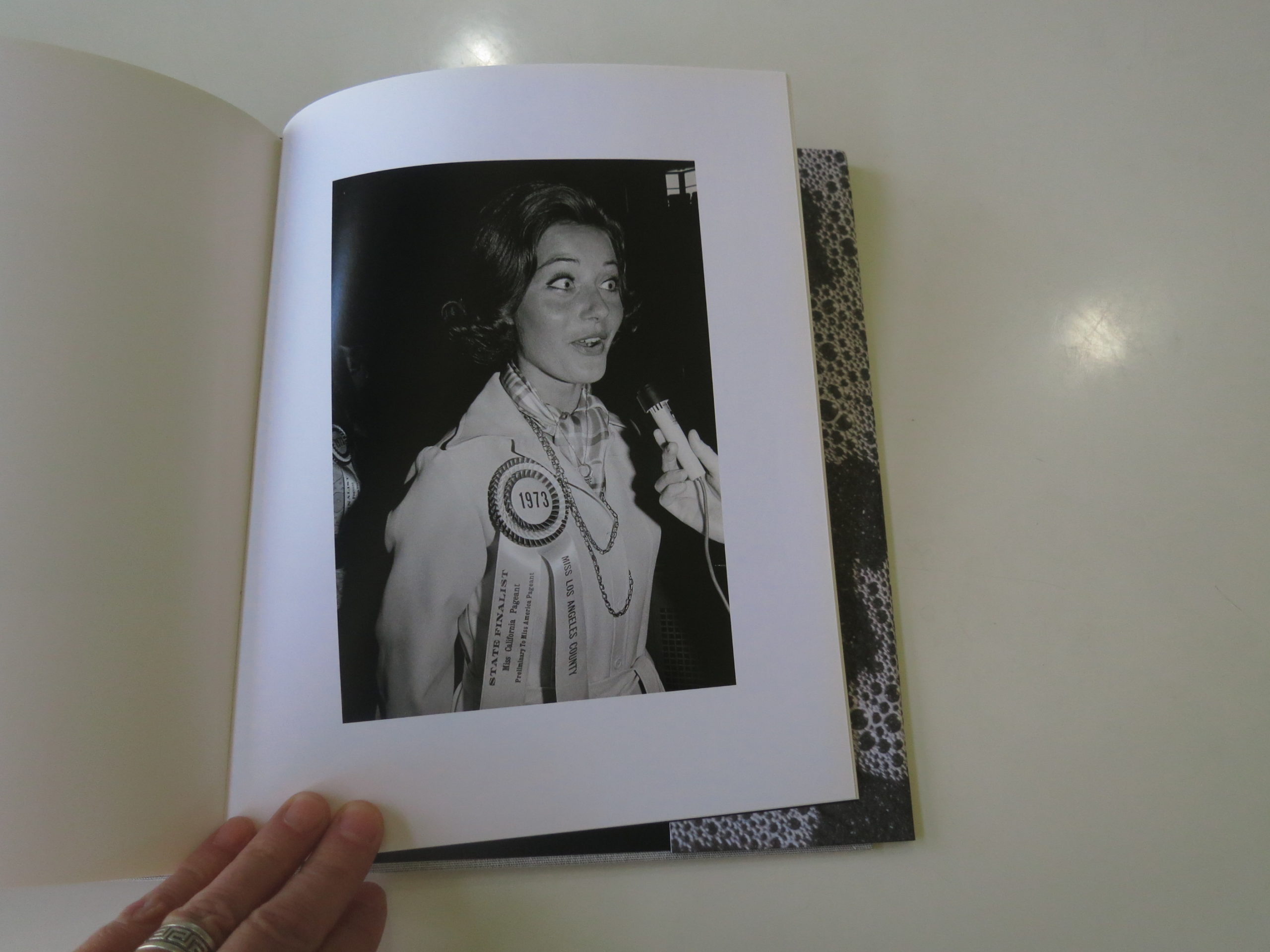
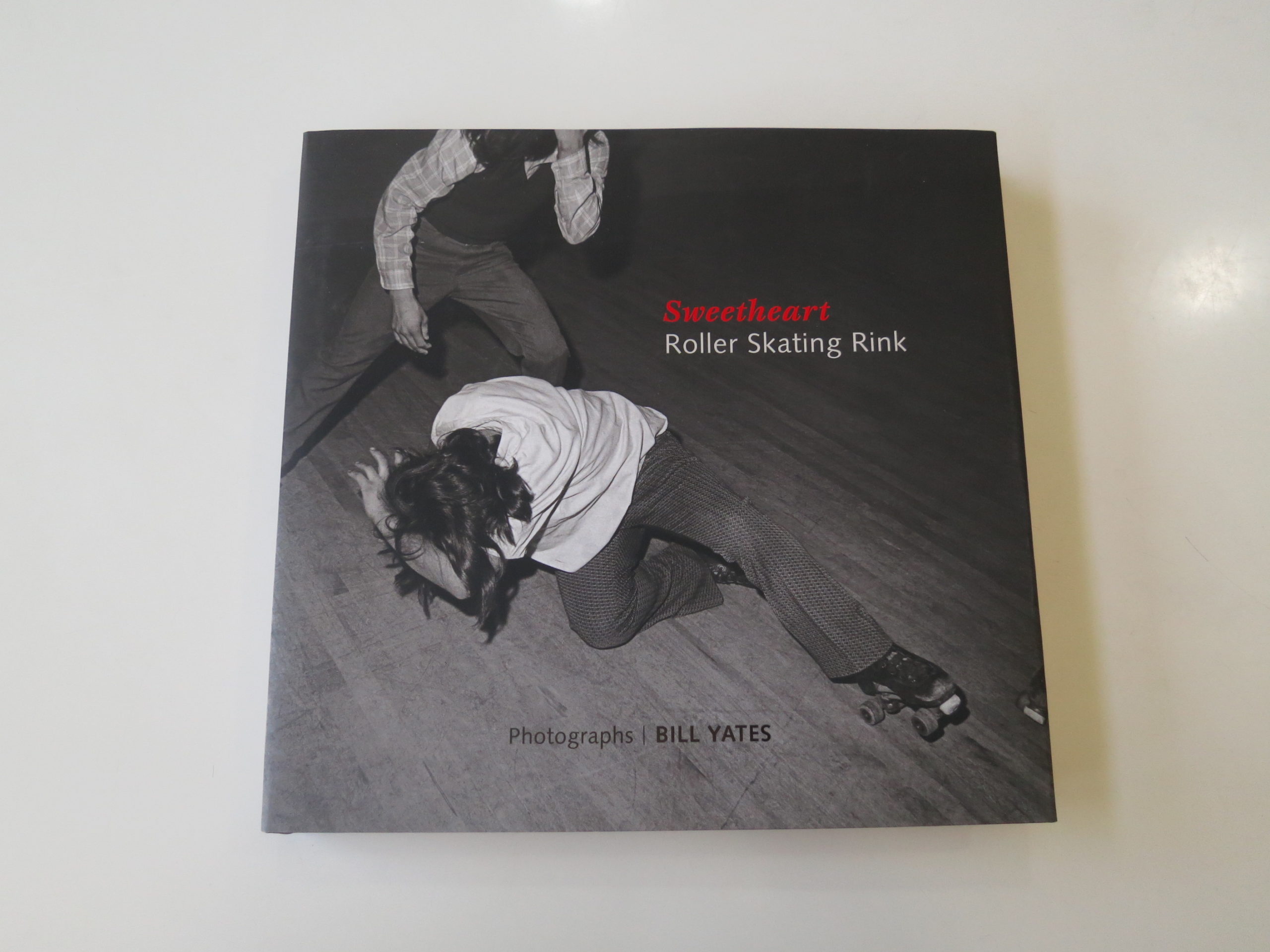
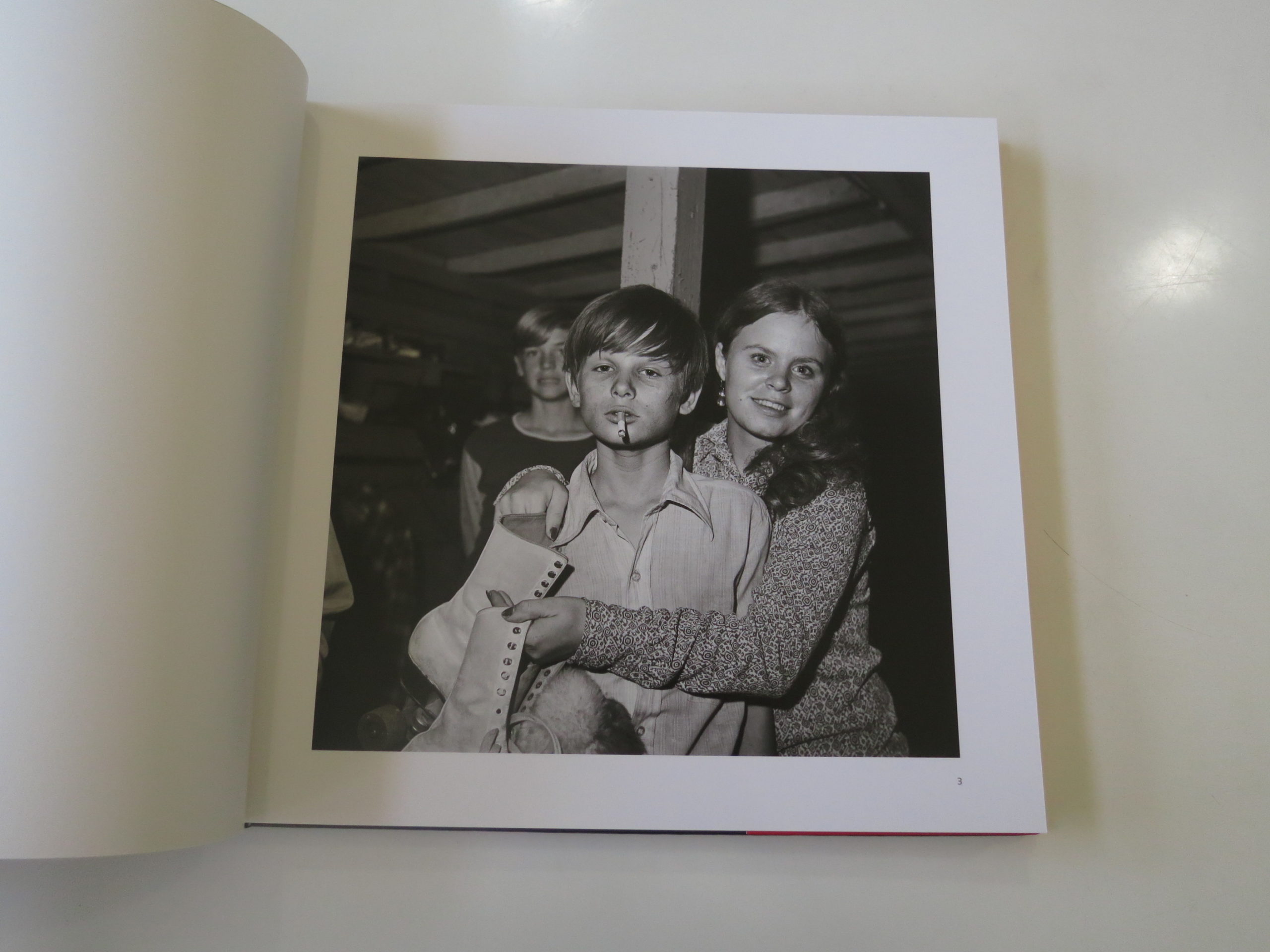
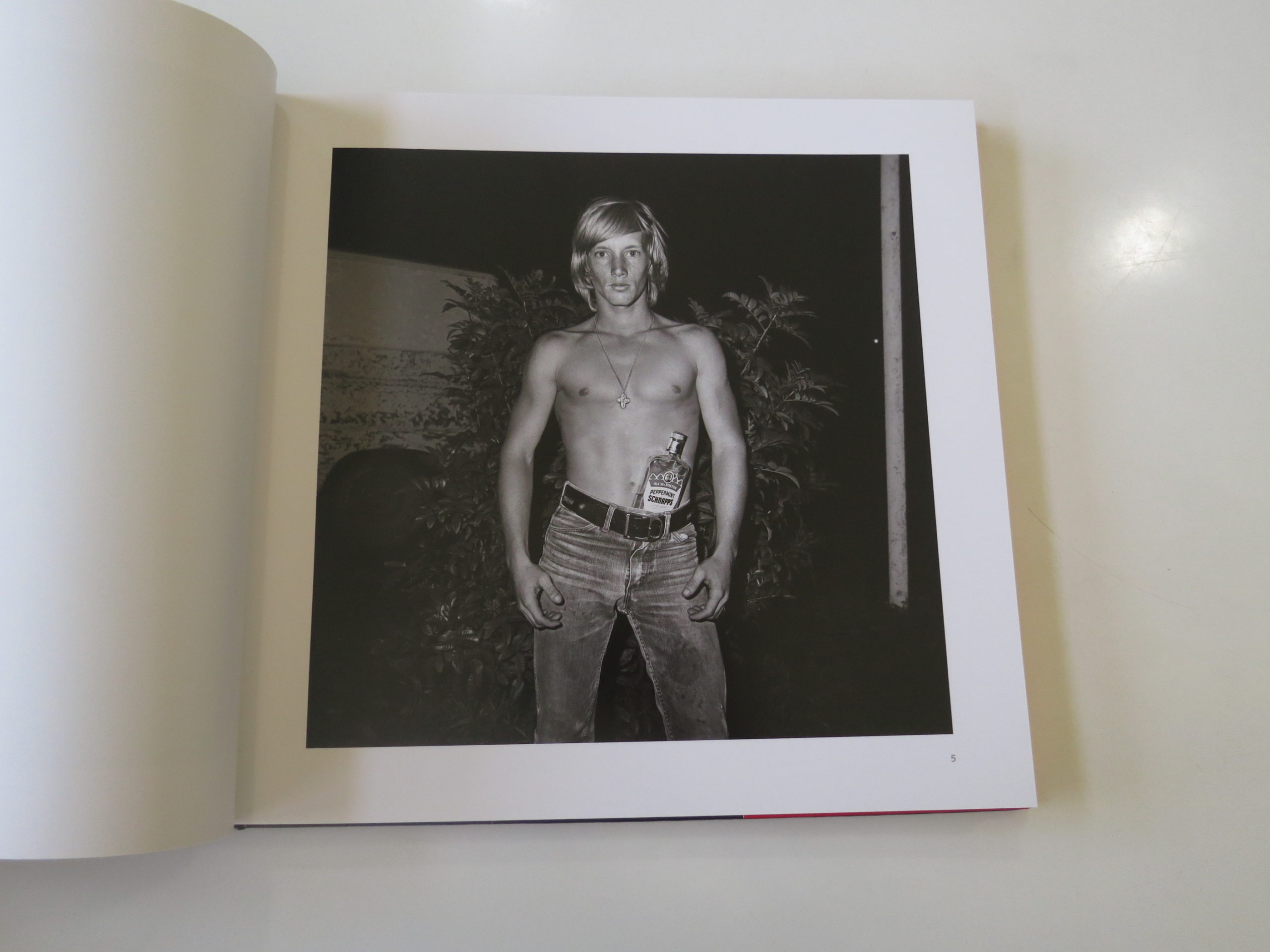
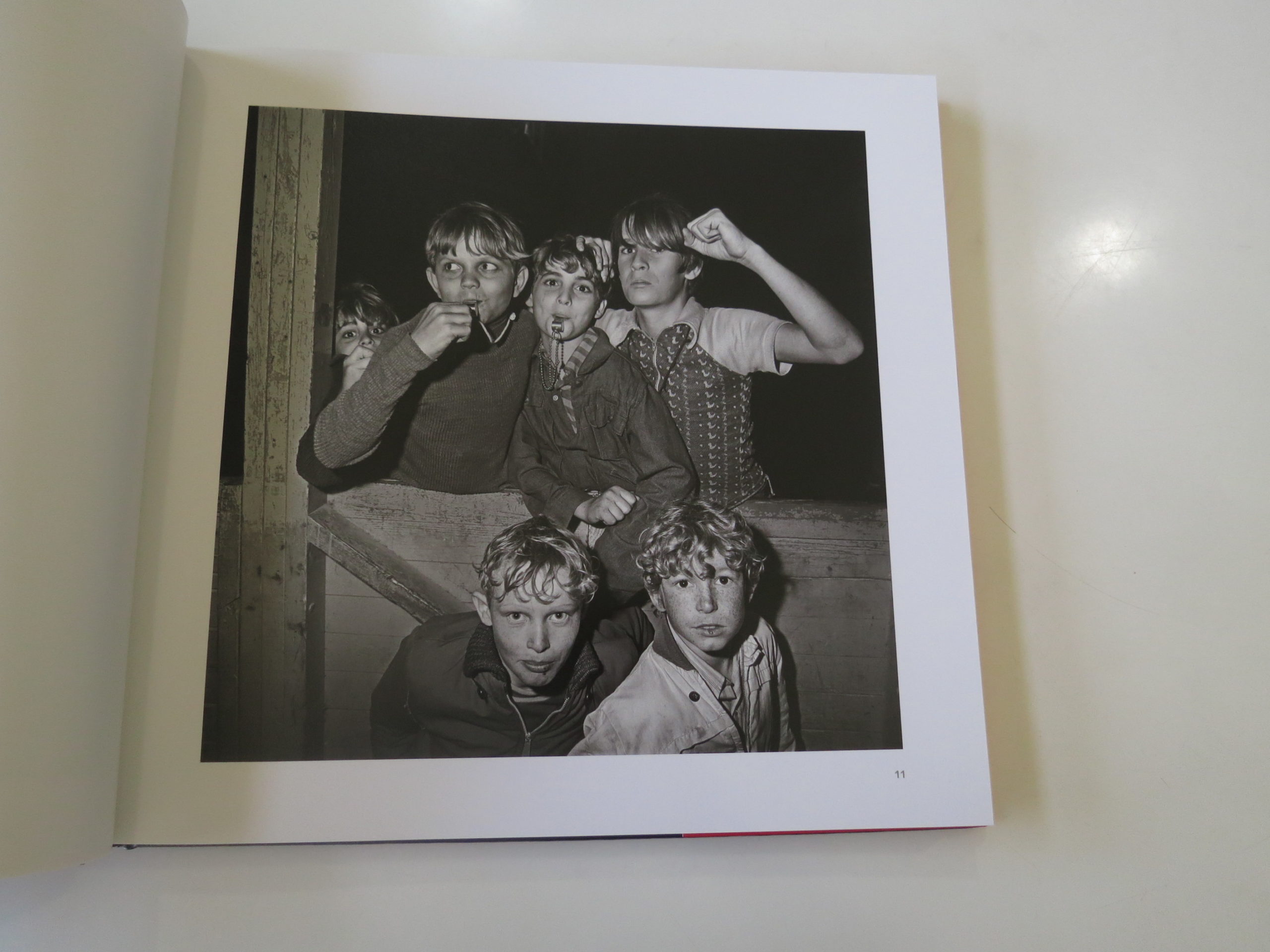
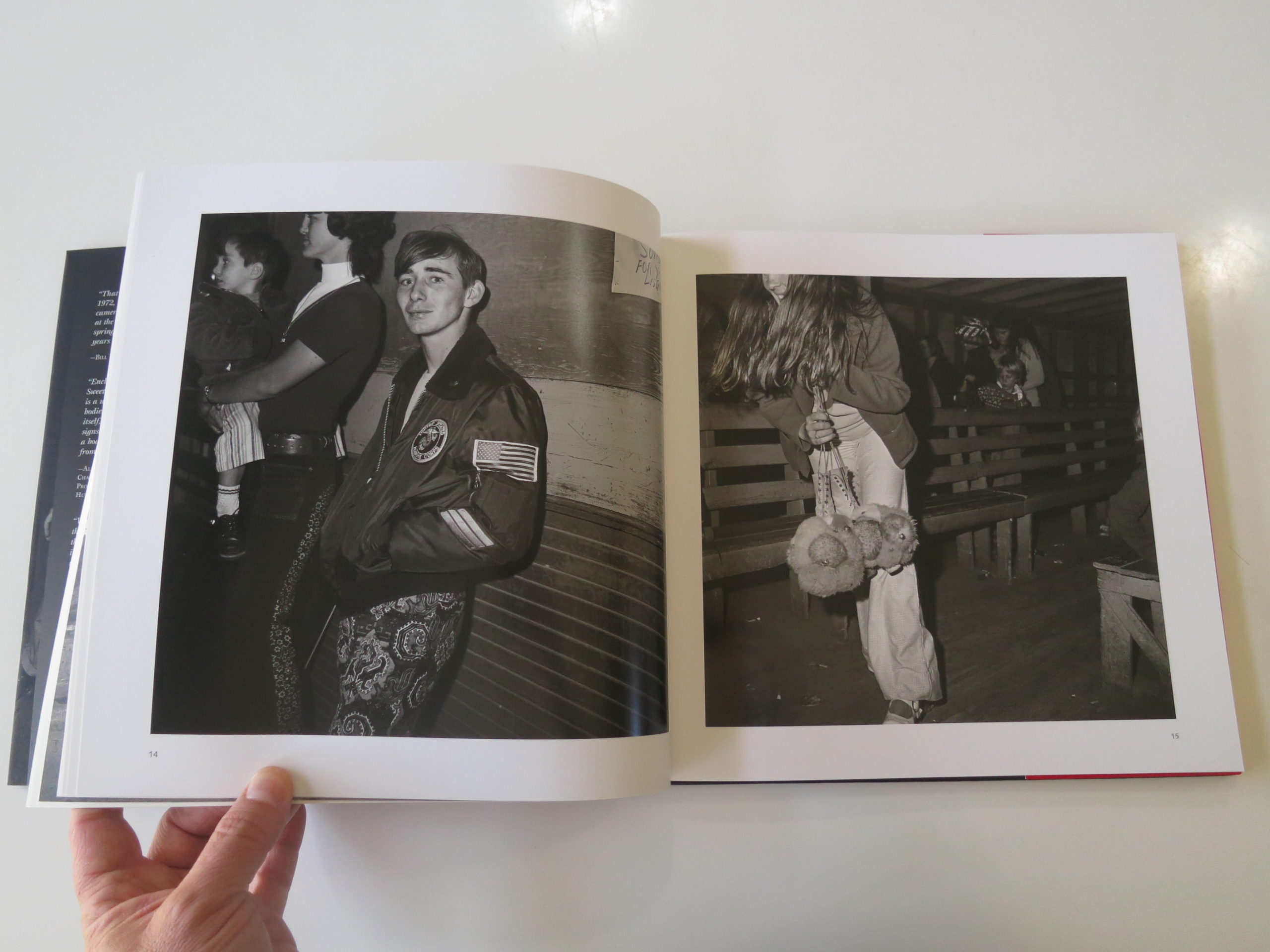
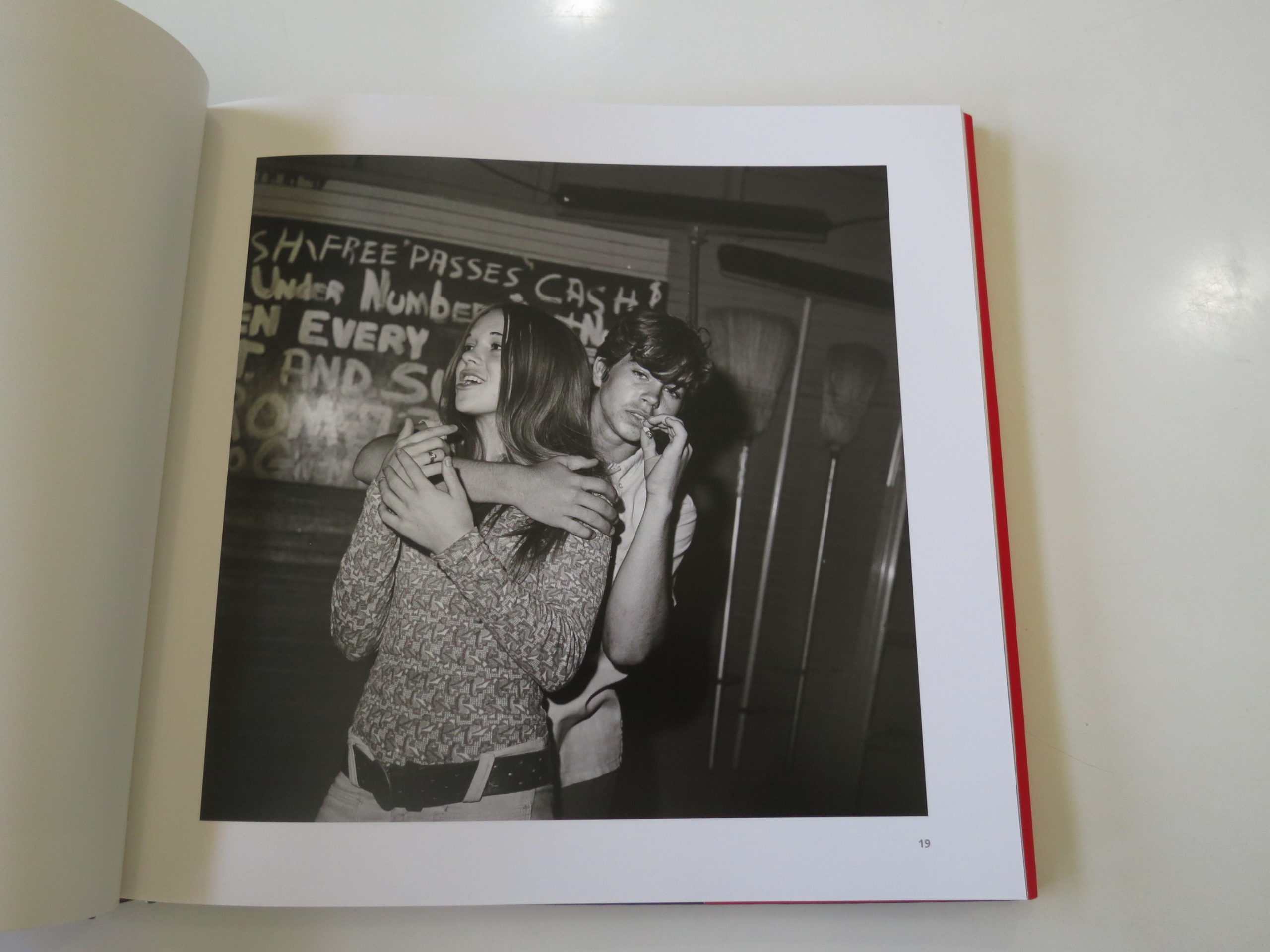
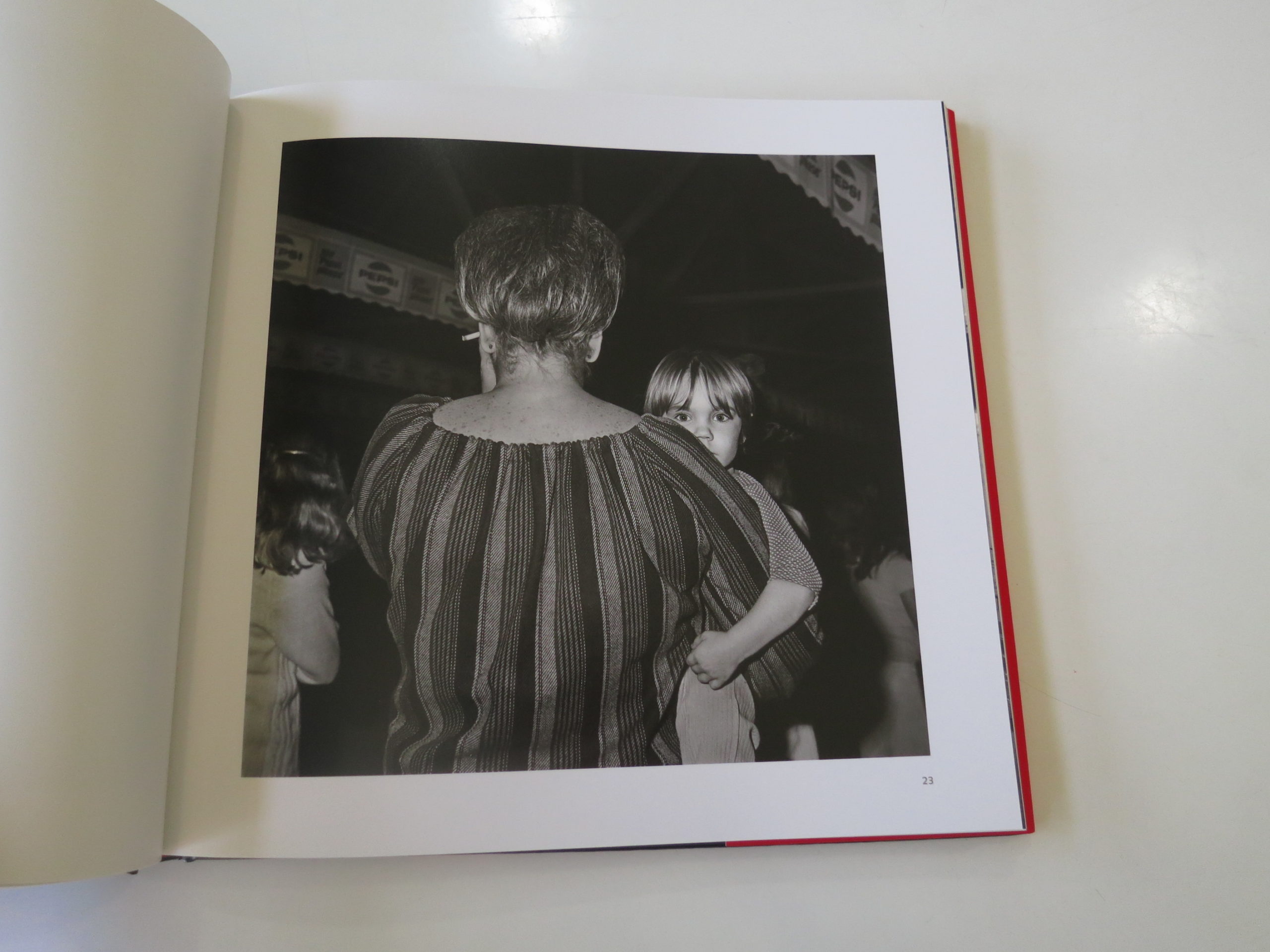
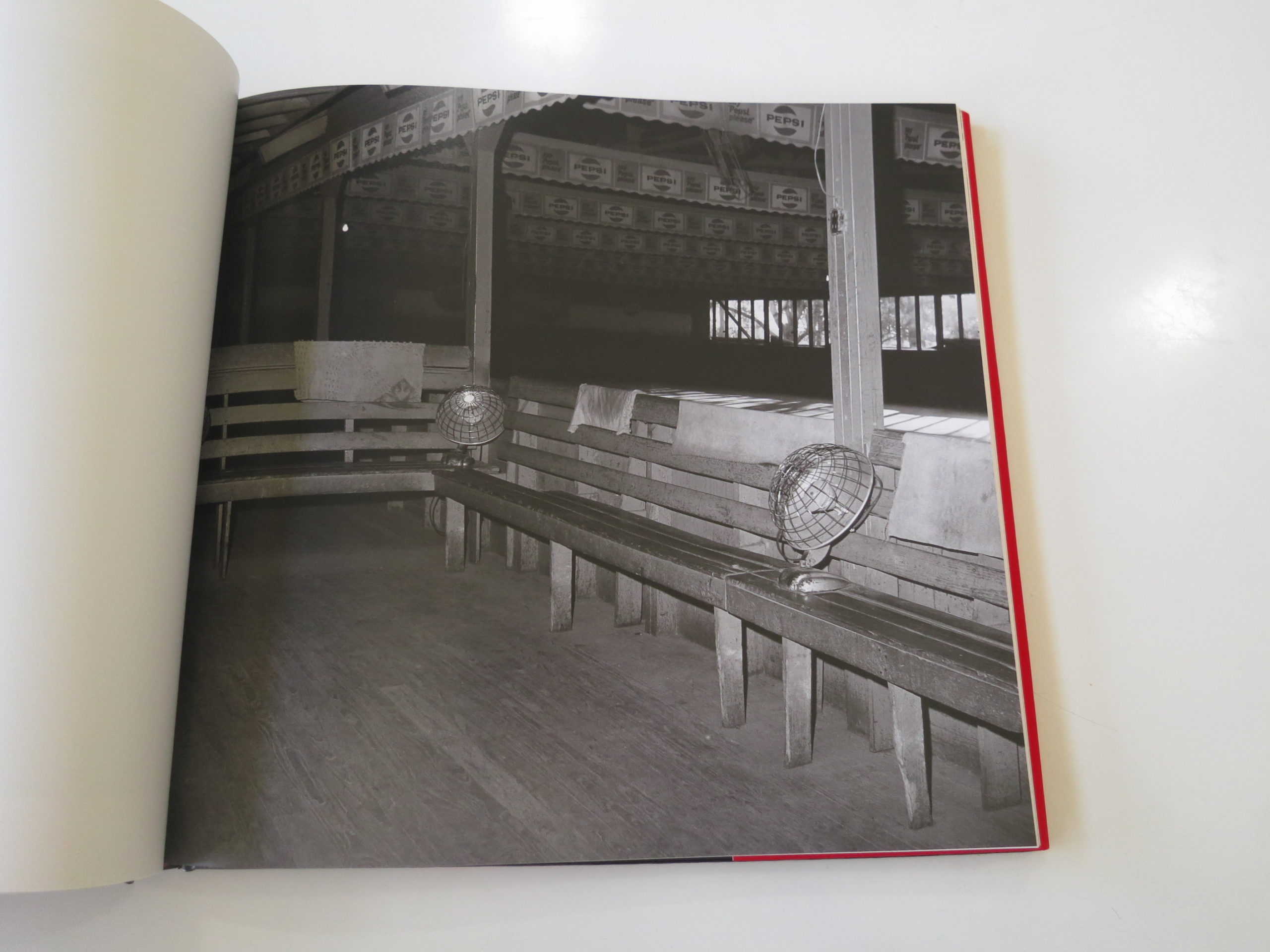
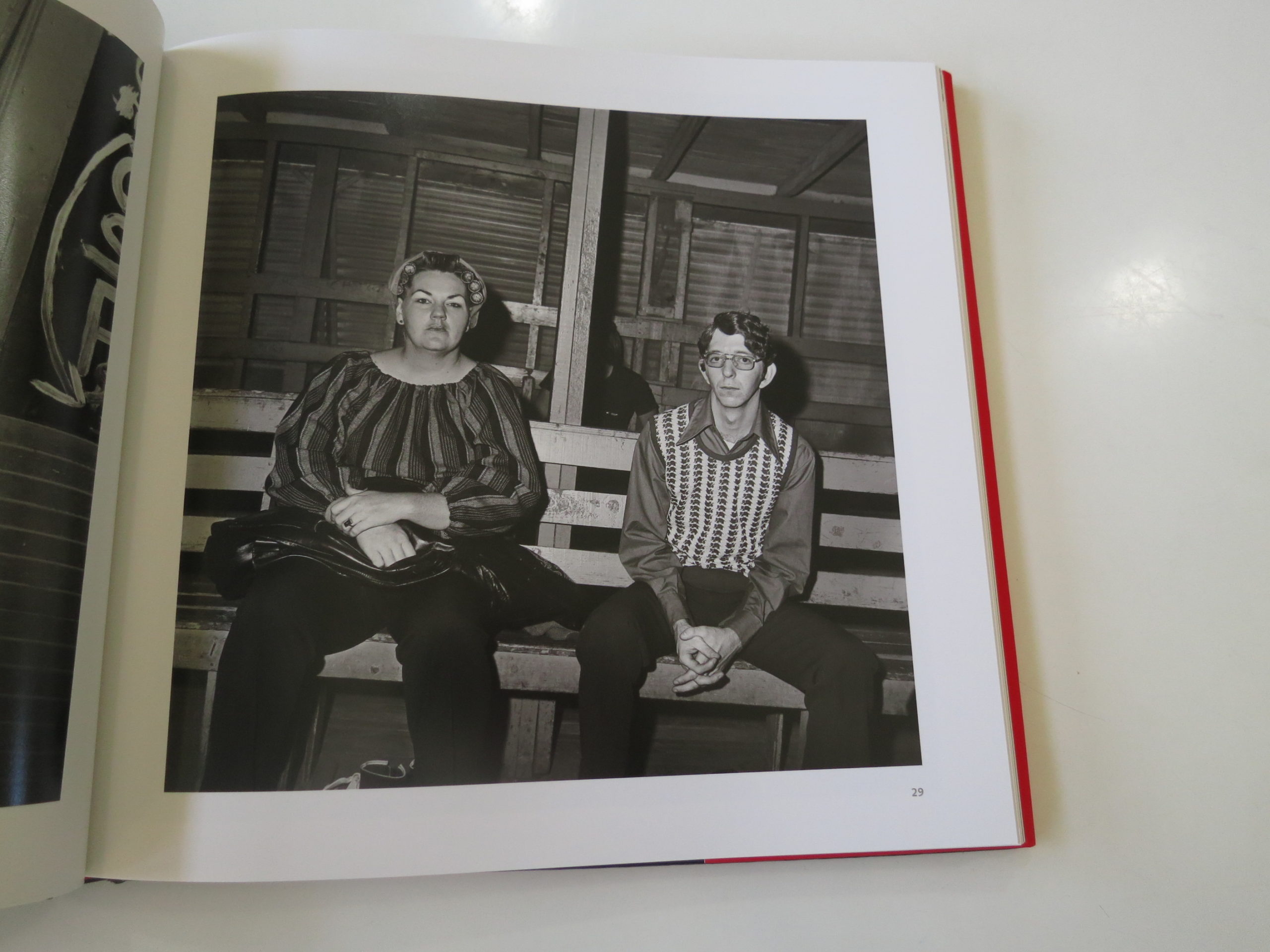
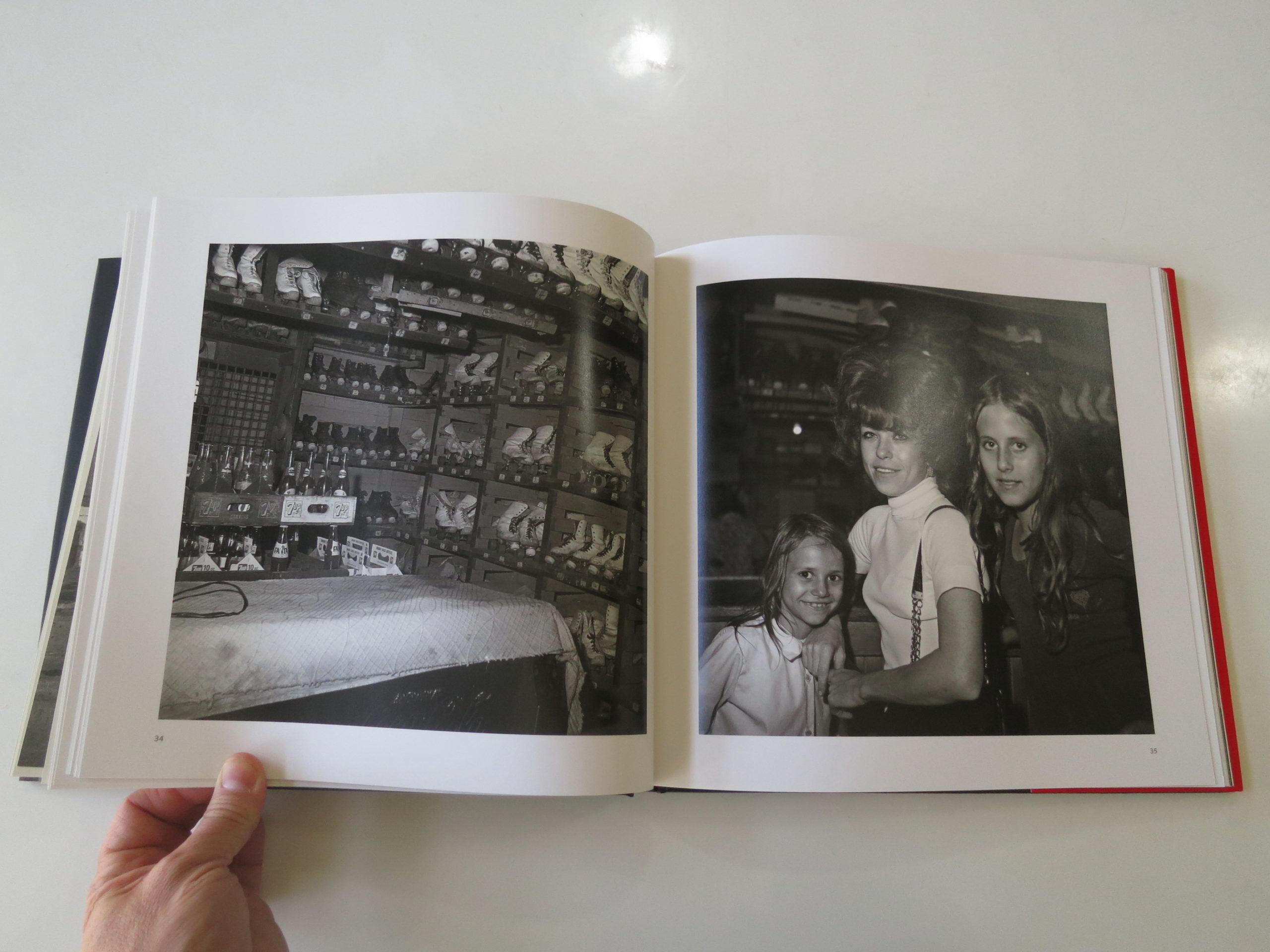
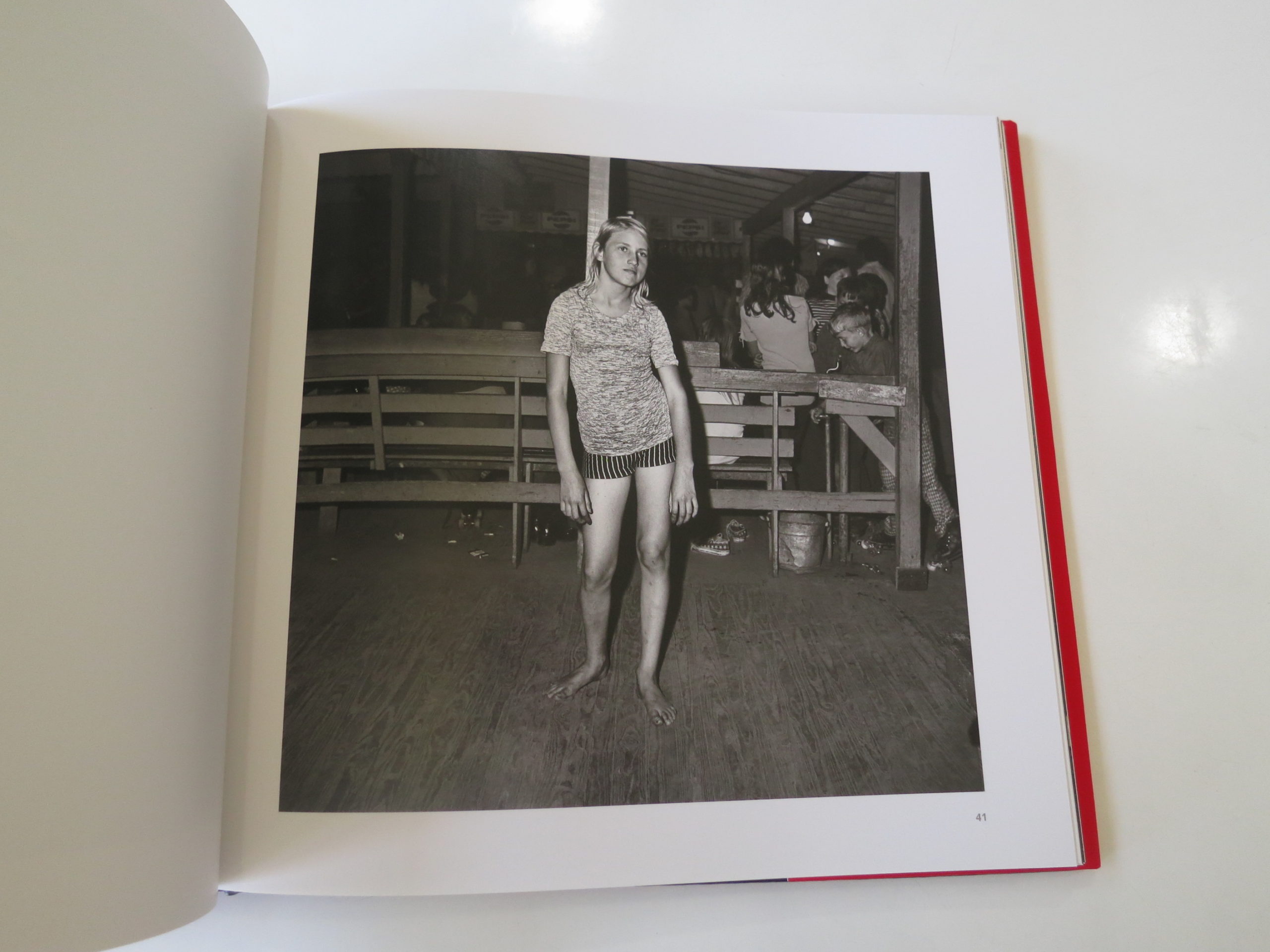
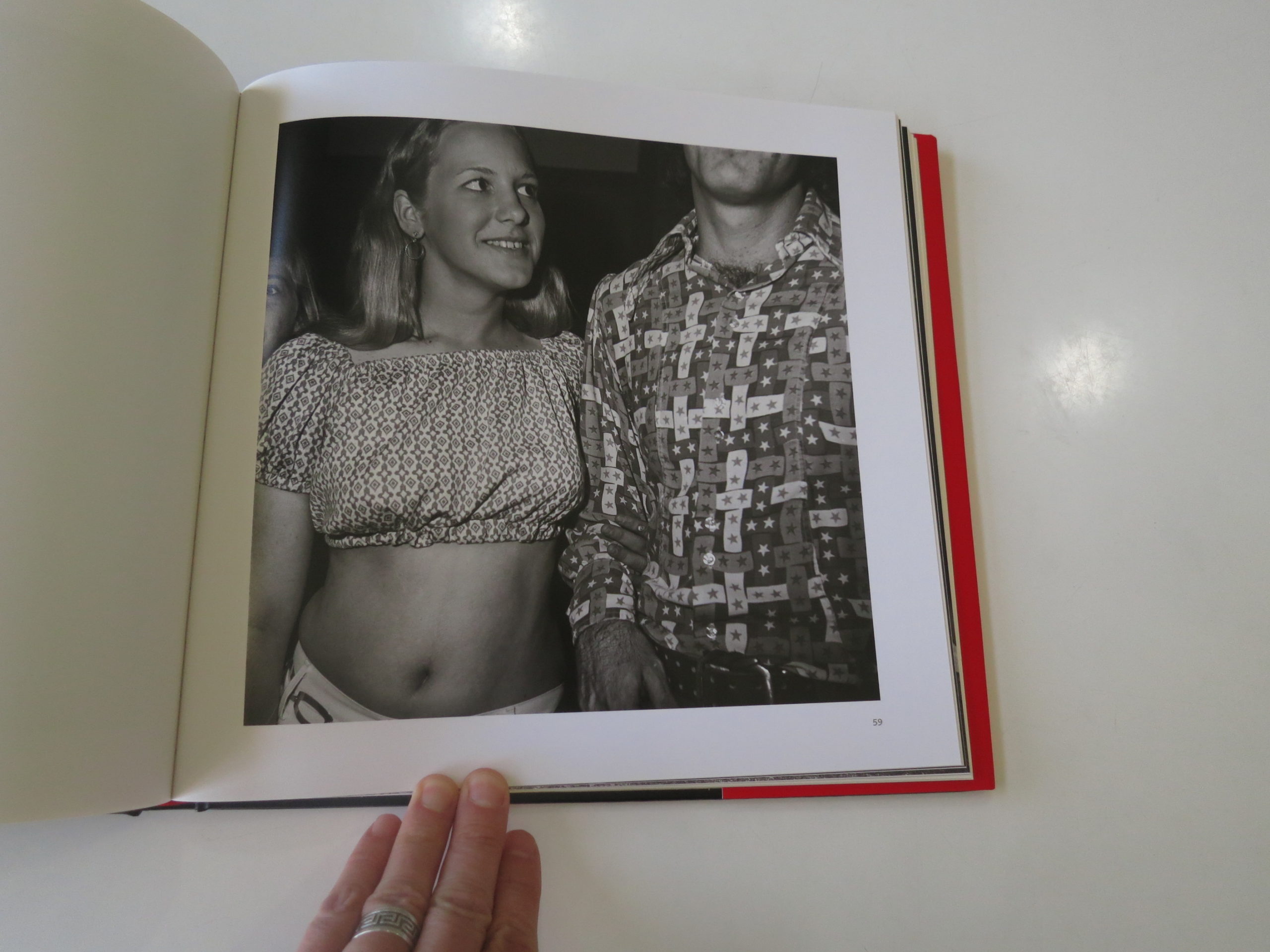
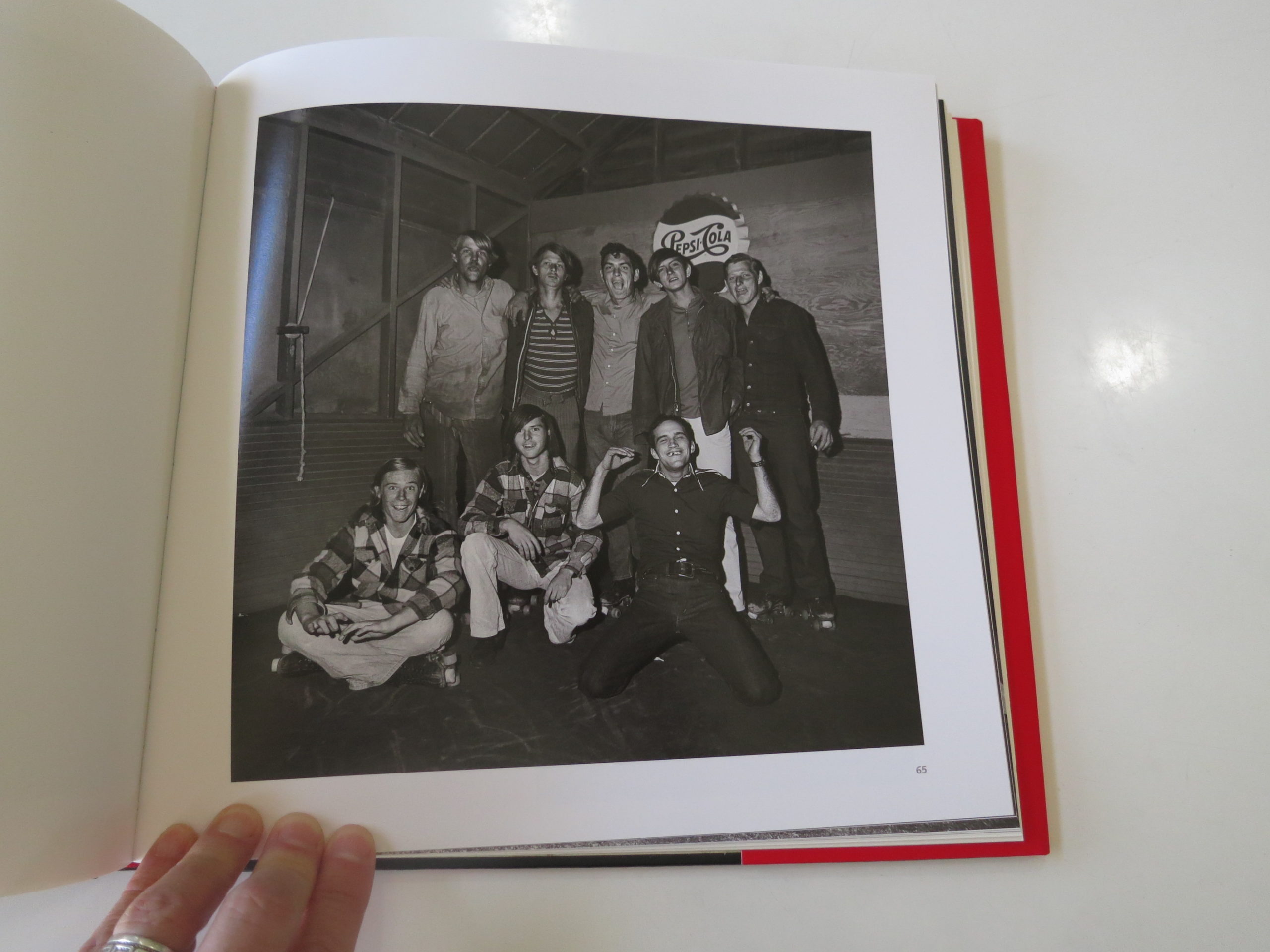
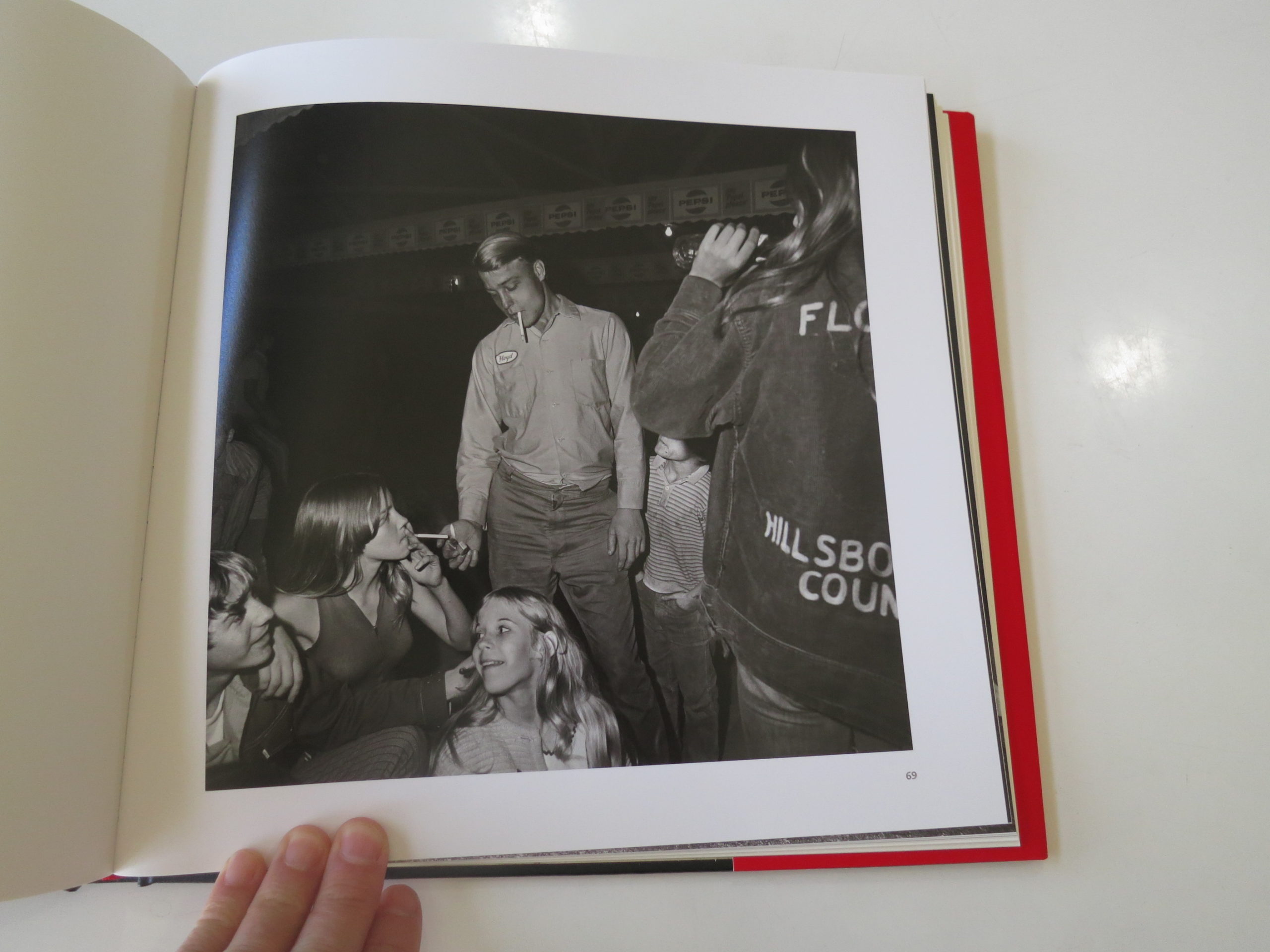
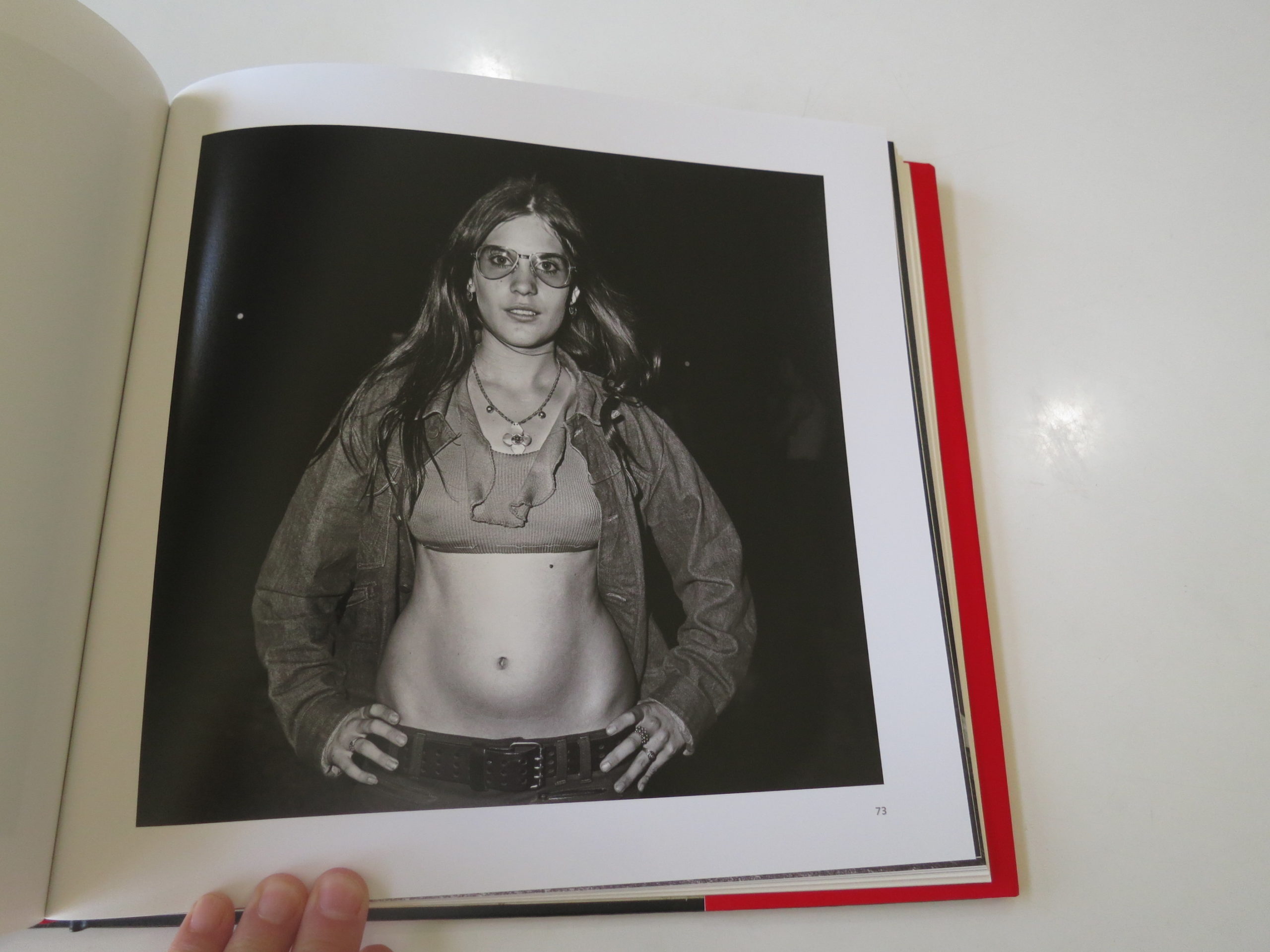
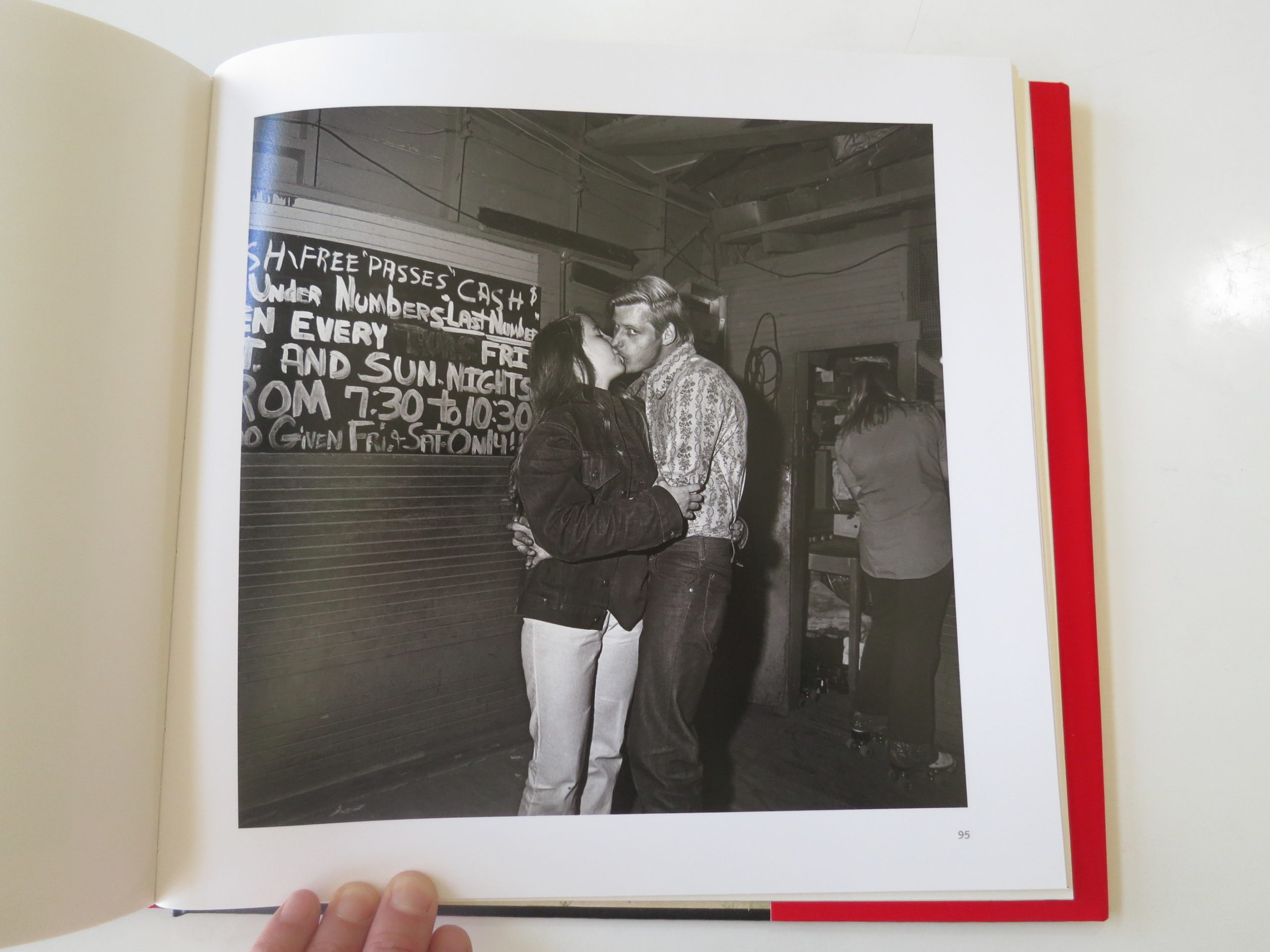
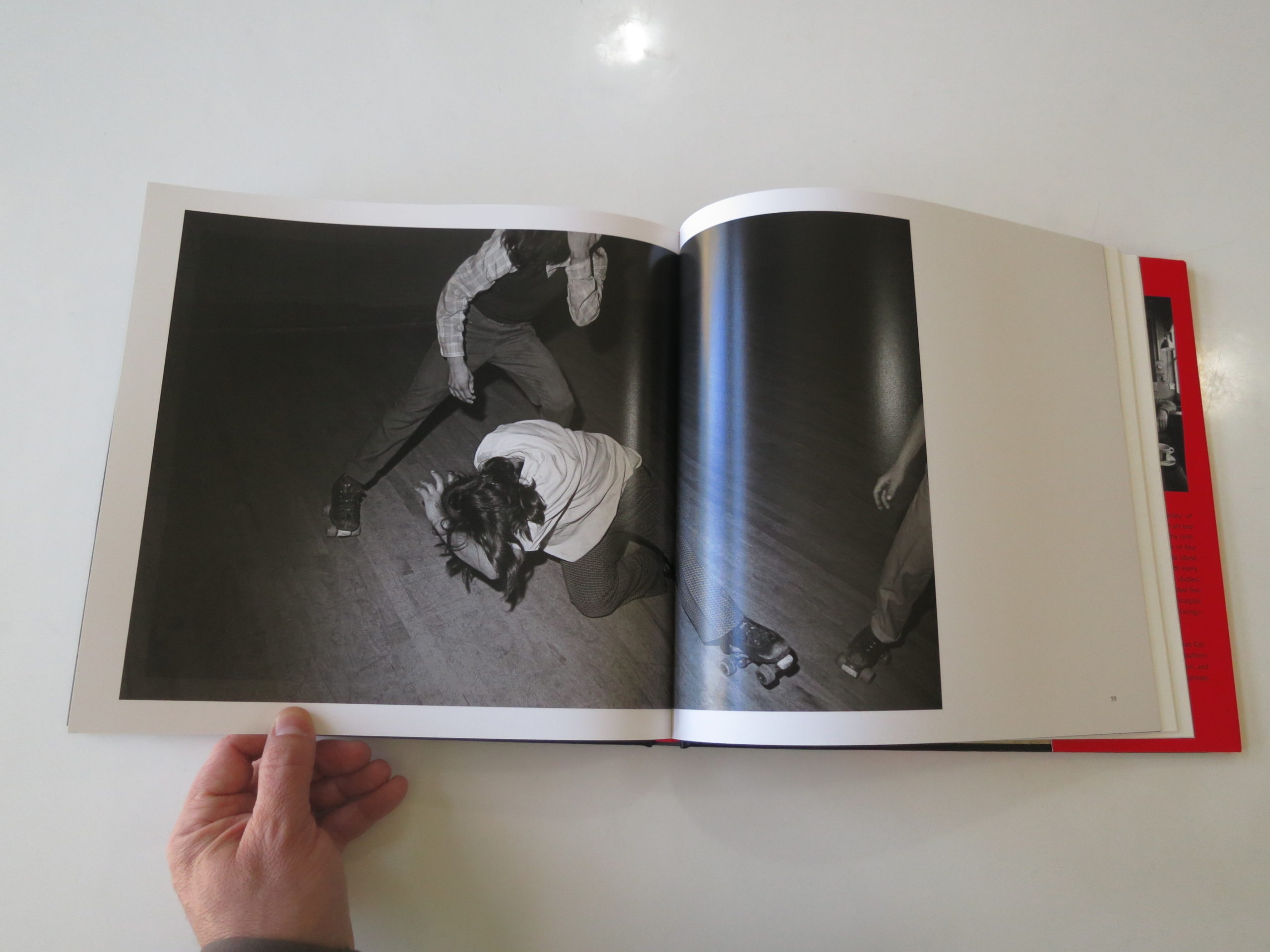
How convenient that when I looked at my bookshelf, I noticed “Boardwalk Minus 40,” by Mike Mandel, published as a part of Subscription Series #5 by TBW Books in Oakland. It happened to be filed a foot or so away from “Sweetheart Roller Skating Rink” by Bill Yates, published by Fall Line Press in Atlanta. (Which Bill gave me when he came through Taos this summer.)

I grabbed Mike Mandel’s book first, and recognized some of the images from a show I’d seen of his work at SFMOMA in Spring 2017. (And I later realized I’d reviewed the Subscription series as well.)

The pictures were made around the Santa Cruz boardwalk in 1974, and it’s kind of dry, compared to some of the other work from that show. The pictures are mostly in black and white, but there are two color images that really pop, early on.

Including one featuring a perfect, vintage Pepsi can.

I once spent a long while contemplating William Eggleston’s Coca-Cola red in a show at Pier 24, but Pepsi is a totally different reference.

Pepsi?

We’re Number 2, not Number 1!

The depiction of a place-in-time feels generic, and outside the palm trees, I’m not sure what places me in California.

Is that the point?
That California was generic?

The pictures feel a little like they’re leering, and it’s something I see more clearly now, in #2019, with my 12 year old son calling out sexism on TV and media with regularity.

(They see it so easily, the young, and yet the ideals were so hard won.)

Then it gets a step beyond, as a young woman leans over to show off her breasts, and we see her nipples. Then more, as two images shows men performing or simulating cunnilingus.

It’s important to remember the artist was young at the time, and even today, people photograph sex and nudity. But it’s hard not to see this book through today’s “woke” lens as well.

As to the pictures, they owe a debt to Garry Winogrand, and Henry Wessel, (RIP,) and it makes a lot of sense. In the end text, Mike Mandel admits that as he made conceptual work at SFAI with visiting professor Robert Heinecken, his main professors, Linda Connor and the aforementioned Wessel, would not graduate him with his MFA in 1974.

So he went to Santa Cruz, leaned into a “for fun” project he’d been messing around with, and shot this series of pictures on the boardwalk, seemingly with a 35mm camera.

It was done as an “I’ll show you,” or a spite project, and it worked, because they gave him his degree. I can see why the sex photos, in that era, would have given the work an extra-edgy feel, as “Deep Throat” and “Debbie Does Dallas” came out in ’72 and ’78 respectively.

Mike Mandel’s end-notes close with a Larry David joke, (if you can believe it,) but to me, pulling these photos out, 40 years later, does justice to the aging process, rather than their inherent strengths.


Part 3: Florida Kids

With “Sweetheart Roller Skating Rink,” though, we have an equally compelling backstory. Bill Yates had just graduated from University of Southern Florida, after a stint in the Navy, and was soon headed to RISD for an MFA, to study with Harry Callahan and Aaron Siskind.

He’s roaming around Florida in 1972, looking for something to photograph, and stumbles upon the Sweetheart Roller Skating Rink in a rural spot outside Orlando. He asks to photograph the place, and the owner invites him back at night, when things are hopping.

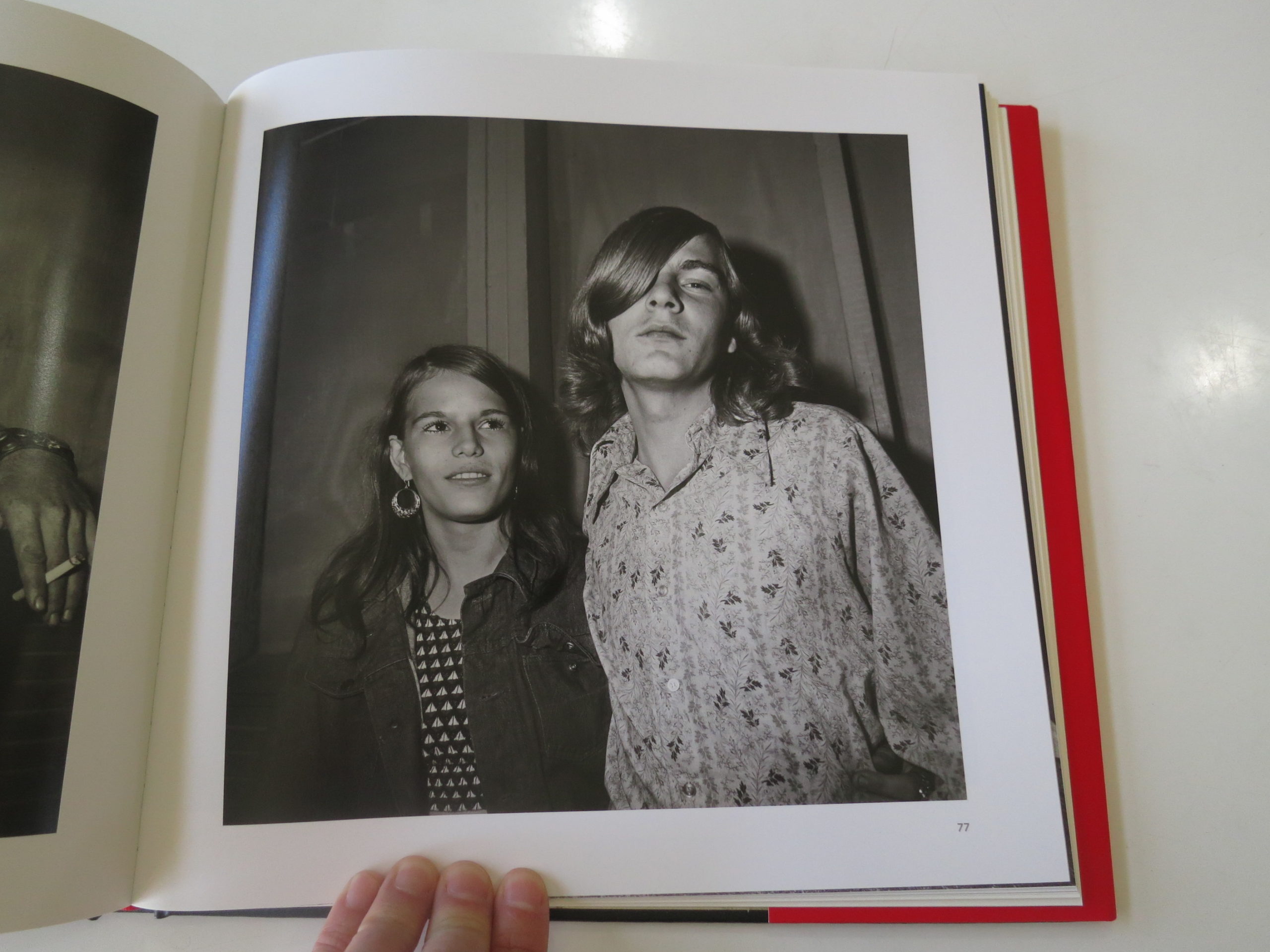
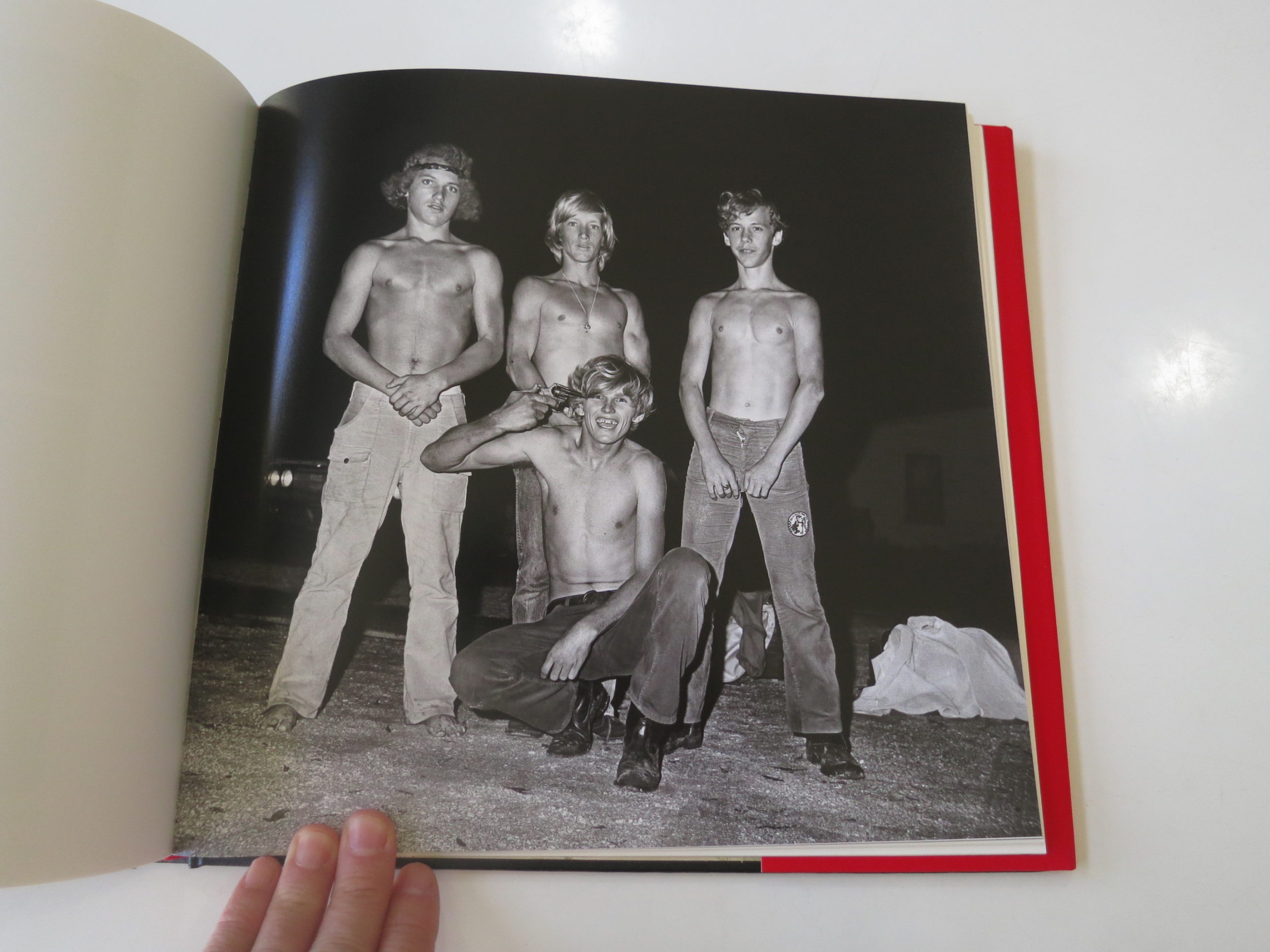
Thus began a 7-month-deep-dive into 1973 for Bill, where he came back again and again. Everything was shot with a super-crisp medium format set-up, and I think that repeated engagement, plus the extra photo juice from the bigger negative, makes these pictures more memorable.

That the two books were so close on the book shelf was coincidental, but they have so much in common. The West Coast and East Coast versions of sleepy communities about to be eaten by much larger capitalist forces.

(Silicon Valley and Disney World.)

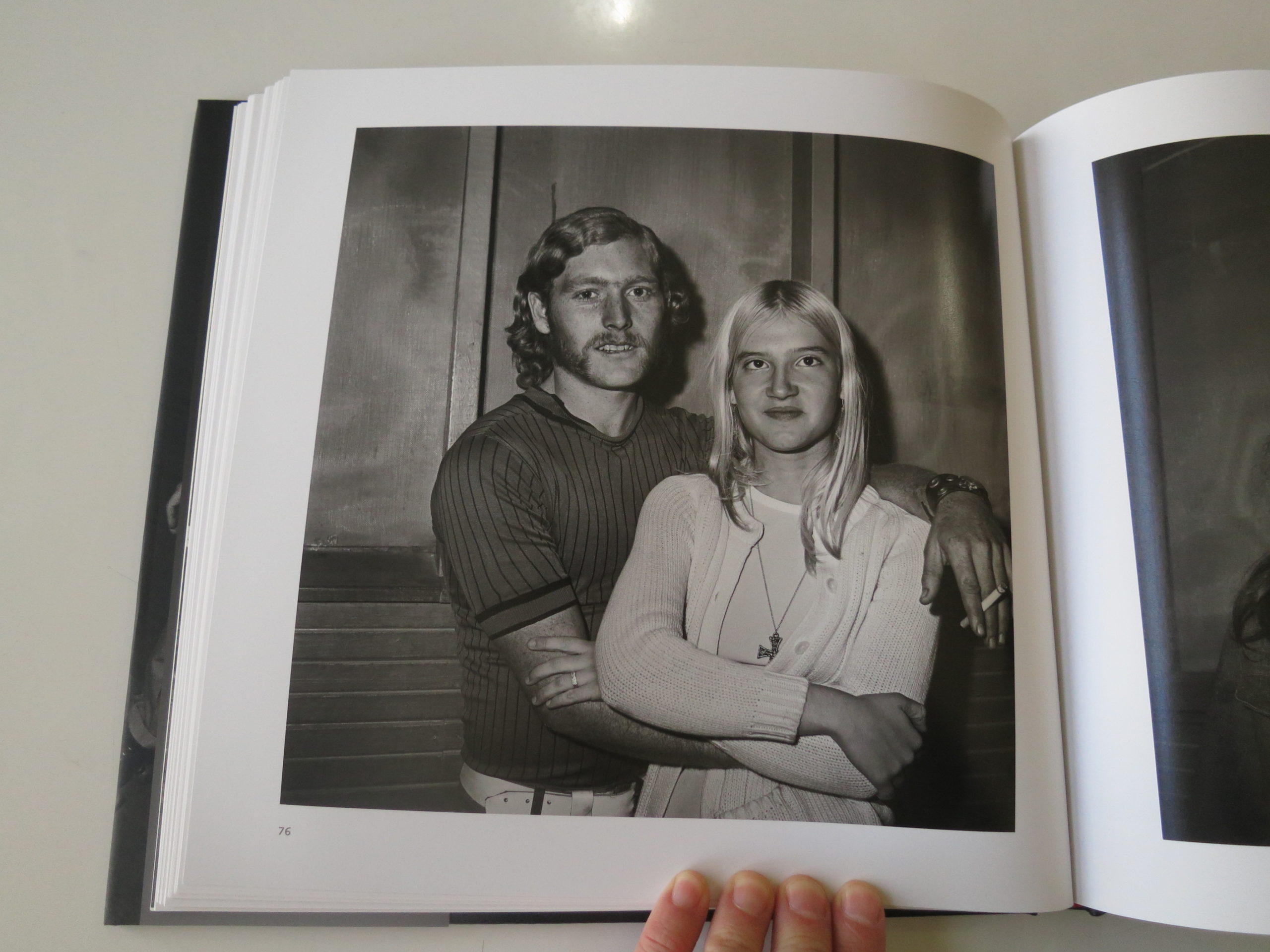
As to the photographs, like Mike Mandel’s antecedents were clear, here the imprint of Diane Arbus is ever-present, nowhere more so than the photo, on page 76 of the wall-eyed young woman and her less-than-intelligent-looking boyfriend.


But that’s a time-jump, so let’s take a step back.

The book opens with a very 50’s feel to it. Some greaser hair, the old signage, and there’s that Pepsi logo.

Pepsi binding the two books together?

So strange.

It’s only bit-by-bit that the 70’s-era-hair and clothing make an impression, versus the more Southern, rural feel we get out of the locals.

These pictures are awesome, and make me think of some working class images from Northern England.

The kids smoking.

The world-weariness in the eyes.

The book also has a bit more flesh-ogling than I think you’d see today. However, there’s a photo: a guy, kissing a girl, mad-dogs the crap out of the photographer, so it’s almost like he gets his comeuppance.

Though he trained with some amazing people, (as did Mike Mandel, who’s had a long career as an artist and academic,) Bill Yates went into a career as a commercial photographer.

He more or less pulled these pictures out of a box, 40 years later, and quickly ended up with this book, and a big solo show at the Ogden Museum of Art in New Orleans.

It’s a killer project, and it comes out favorably in comparison “Boardwalk Minus 40.”

But comparing and contrasting, saying which is better, is such a 20th Century concept, man.

Now is the age of win-win, and collaboration, so I’ll just say these two books make quite the pairing, and help give us visual reminders that America, and the world, have lived through tough times before.

Photography stops time and saves it for future generations.

So I suppose these last few columns have been my attempt, (subconsciously,) to remind myself, and all of you, that the arc of history is long.

Bottom Line: two cool books showing two Americas in the early 70s

Bottom Line: two cool books showing two Americas in the early 70s


The Art of the Personal Project: Aaron M. Conway

The Art of the Personal Project is a crucial element to let potential buyers see how you think creatively on your own.  I am drawn to personal projects that have an interesting vision or that show something I have never seen before.  In this thread, I’ll include a link to each personal project with the artist statement so you can see more of the project. Please note: This thread is not affiliated with any company; I’m just featuring projects that I find.  Please DO NOT send me your work.  I do not take submissions.


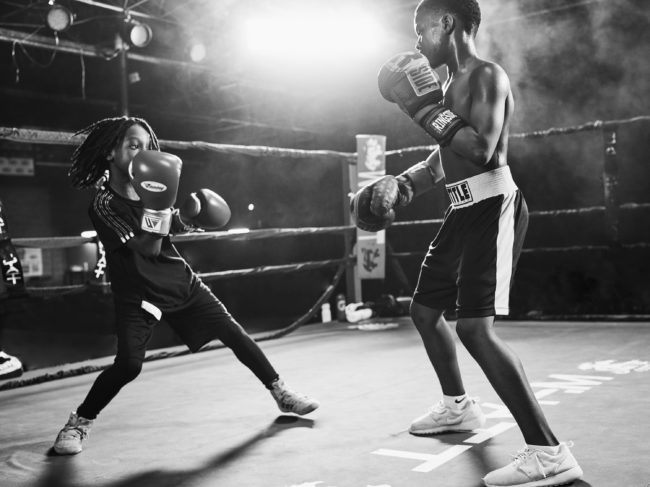
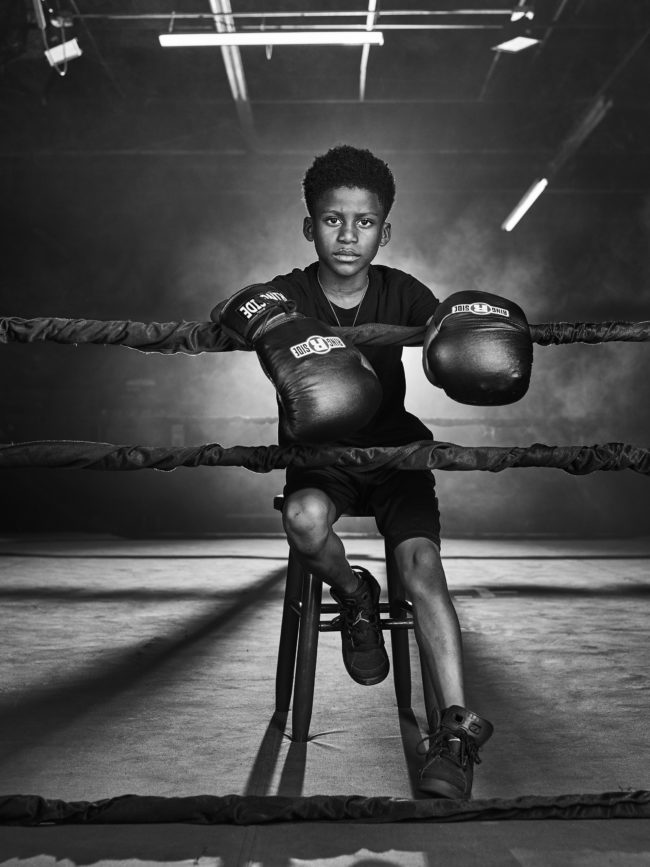
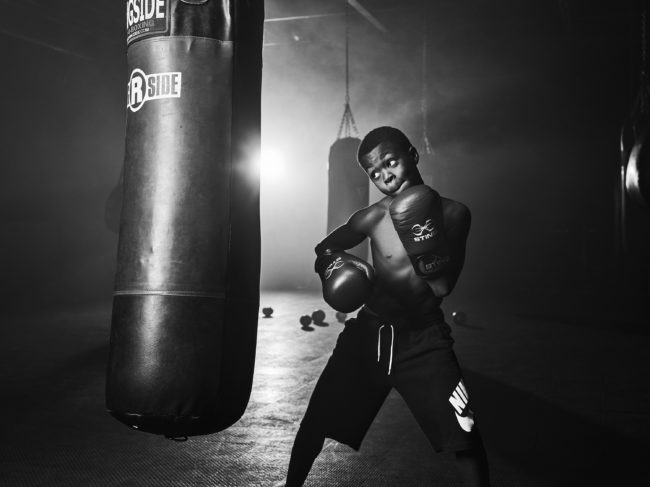
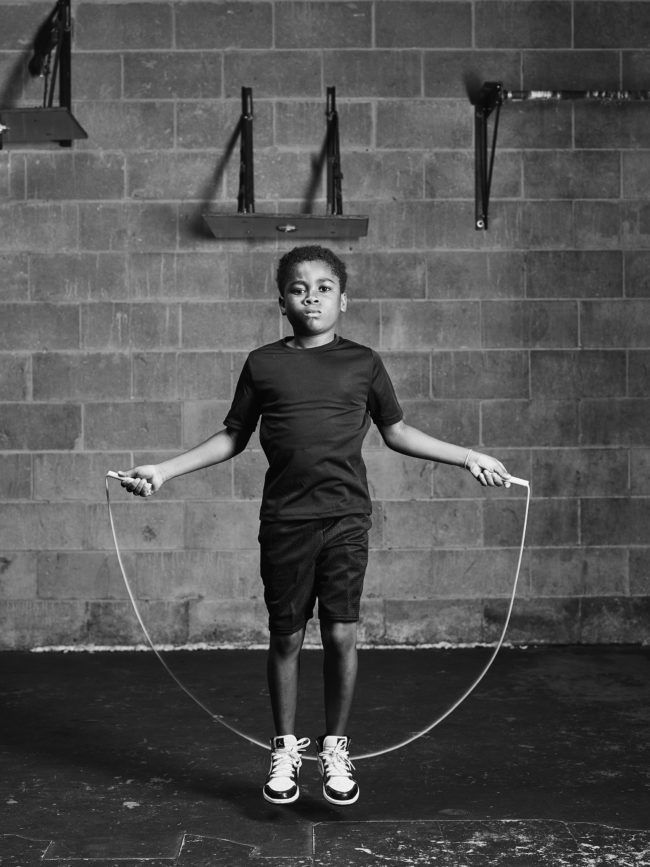
Today’s featured artist:  Aaron M. Conway

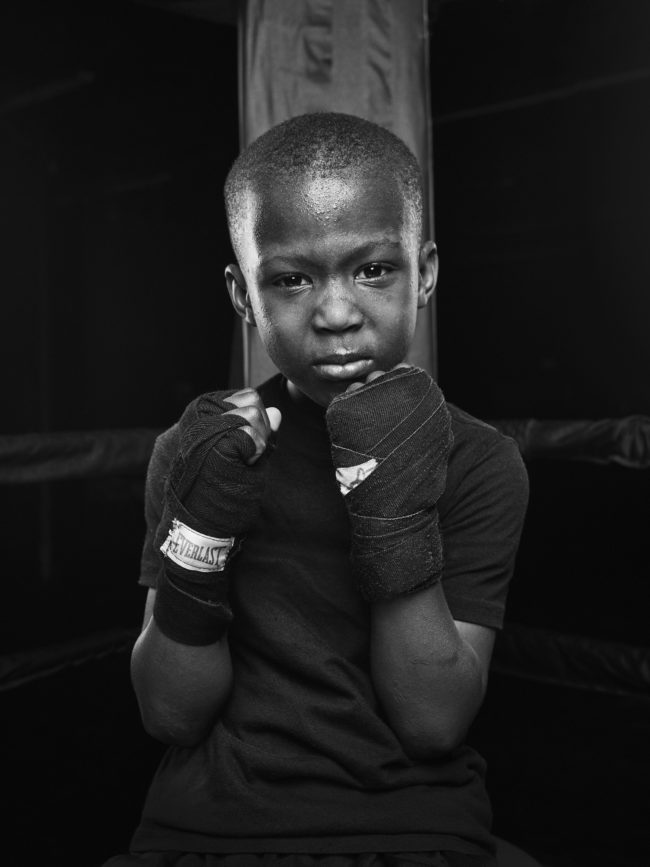
When capturing a portrait I want to make sure the subject’s personality comes through. I want the viewer to feel that they have some connection with the subject and understand their story. Sometimes that is with a smile or it’s a stare. It’s the creator’s job to bring the subjects true self out sometimes in just a short period of time.

When approaching this project I knew I needed to take the familiar subject of youth boxing and make it my own. I wanted to create a series of portraits of these boxers that they would be proud of. That shows their dedication and intensity. Along with highlighting the organization that helps these athletes grow both physically and mentally.

As I sat across from these kids I kept asking for their “Fight face”. Within the first few images I realized that everything was lining up. None of us had ever met before and they were able to take the focus they learn from their coaches and apply it to the photo. We moved throughout the gym capturing all aspects of their training to create this series of images.

We have now started the printing process and will be delivering large format prints to each of the kids. This is an important part of my process; I enjoy holding the photograph and not just viewing on a screen.  Now they can have something tangible from the photo-shoot versus something that could fade away in our digital world.


To see more of this project, click here.

APE contributor Suzanne Sease currently works as a consultant for photographers and illustrators around the world. She has been involved in the photography and illustration industry since the mid 80s.  After establishing the art buying department at The Martin Agency, then working for Kaplan-Thaler, Capital One, Best Buy and numerous smaller agencies and companies, she decided to be a consultant in 1999. She has a new Twitter feed with helpful marketing information because she believes that marketing should be driven by brand and not by specialty.  Follow her at @SuzanneSeaseInstagram

Success is more than a matter of your talent. It’s also a matter of doing a better job presenting it.  And that is what I do with decades of agency and in-house experience.


The Daily Edit – Emmy Magazine: Ian Spanier


Emmy Magazine

Photo Editor: Rose Cefalu
Creative Director: Rich Bleiweiss
Photographer: Ian Spanier

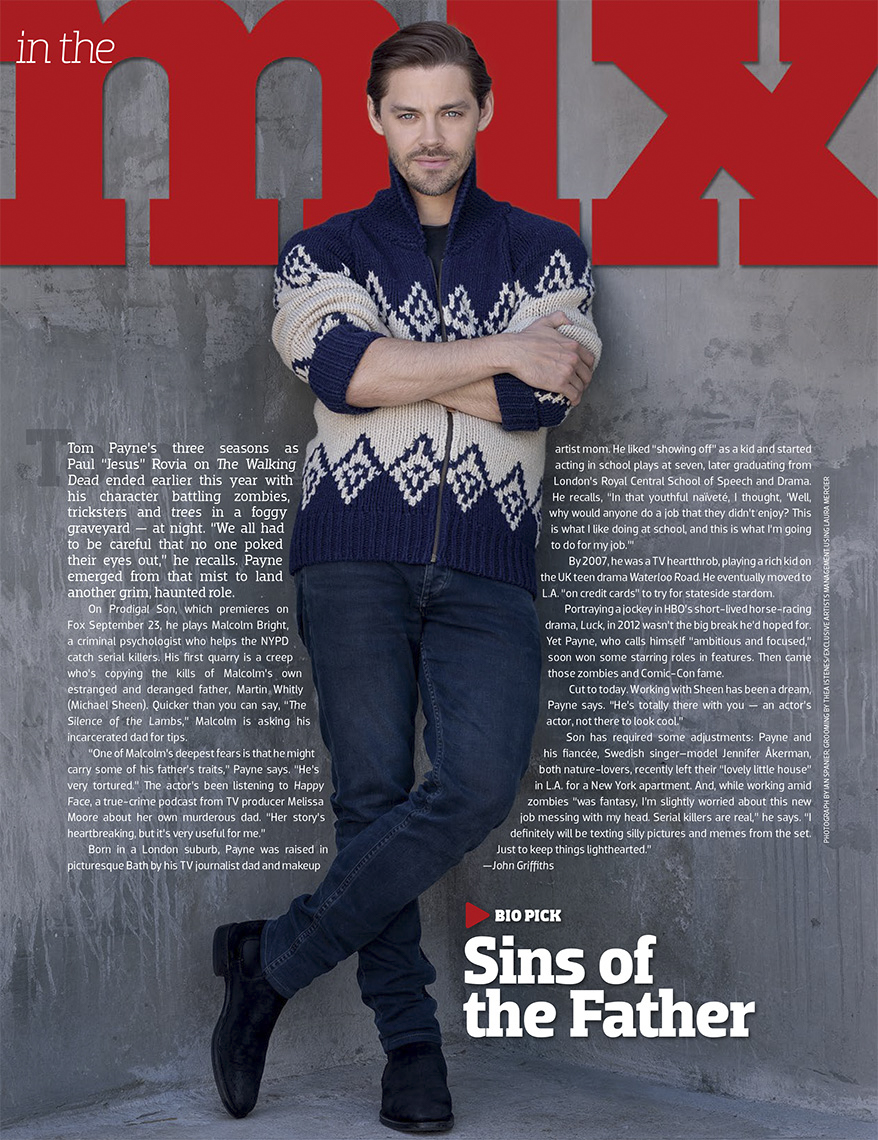
Heidi: Actors are notoriously busy, how many set ups did you do and in what time frame?
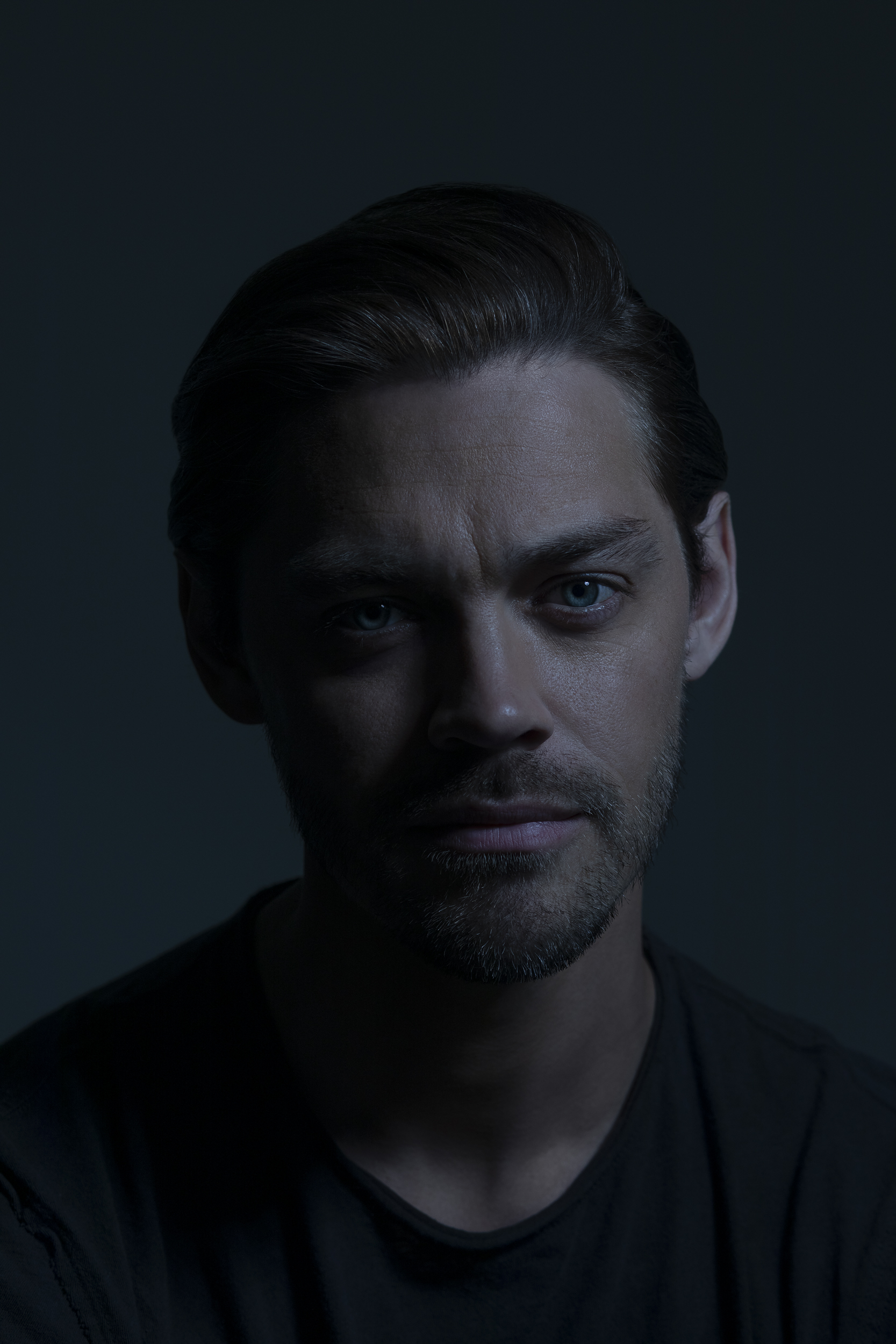
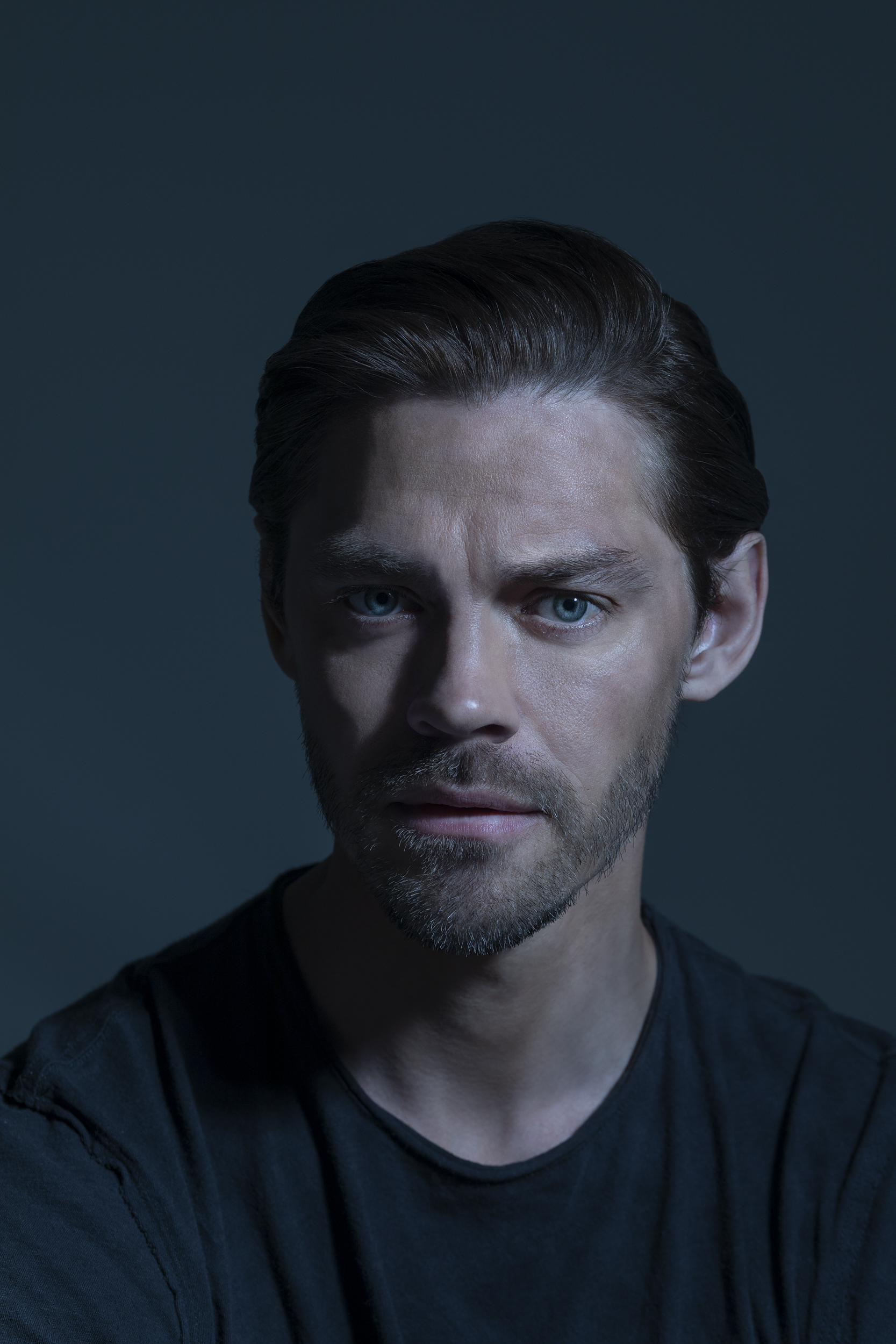
Ian: We shot 5 sets in a few hours, (4 looks). Tom was actually surprised we did so much so quickly! I could have pushed for more but everyone liked what we did so we wrapped it up after the last set. I do always however approach celebrity shoots anticipating I’ll have only two minutes.

How many images ran?
Tom Payne, actor and our subject, formerly of The Walking Dead and newly staring in Fox’s Prodigal Son was being featured in the “In The Mix” section of EMMY Magazine. The article is always a one-pager, but I love to give my clients options. Tom was really easy to work with, and liked the first set up, so we were able to do a few different sets. I’m a big proponent of going in with a plan, so by being able to move from one set to the next quickly I was able to maximize my time with him.

Was your direction the same for the existing portraits?
The other assignment was actually quite different. For that one I was photographing a number of students, who wrote screenplays for a TV show called Killing Eve. They would actually be composited into a final image in post. For that assignment we had two set ups for each subject to get through. Nine subjects in total, so it was a full morning. It was going to run in the same issue, so I did not want to do the same lighting. Since this was a last minute add on to that shoot, it was a good challenge.

Tell us about your “safe” portraits and has too many options ever backfired in some way with the client?
I often cover the “safe” portraits, which is something I developed over my years of shooting for magazines. I feel that I’m very good at looking at a magazine and understanding the “voice” of the magazine. Providing a set up that feels like the look of the magazine, even if it’s not exactly “my” look. I don’t mind it as I both love the challenge and always tweak a bit to make my stamp on it. That chameleon skill (as I’d call it) is both a blessing and a curse. It can confuse some potential clients. I like to think it’s an asset however, as I’m confident I can shoot the dark, moody image as well as the bright, beautiful lit image. I love to have many lighting solutions, you never know what the next request will be! In this case, we nailed the cleaner look, and Tom was open to playing around a bit. I did one final set that played more off his TV show- where Tom plays a crime-solving son of a notorious serial killer who has a unique ability to break down the crimes he solves. His character consults with his father ala Hannibal Lecter/Clarice Starling. At the time, only a trailer was available, so I had to extrapolate a lot. I love any chance on an assignment where I get the opportunity to be a little more creative and try some new things.


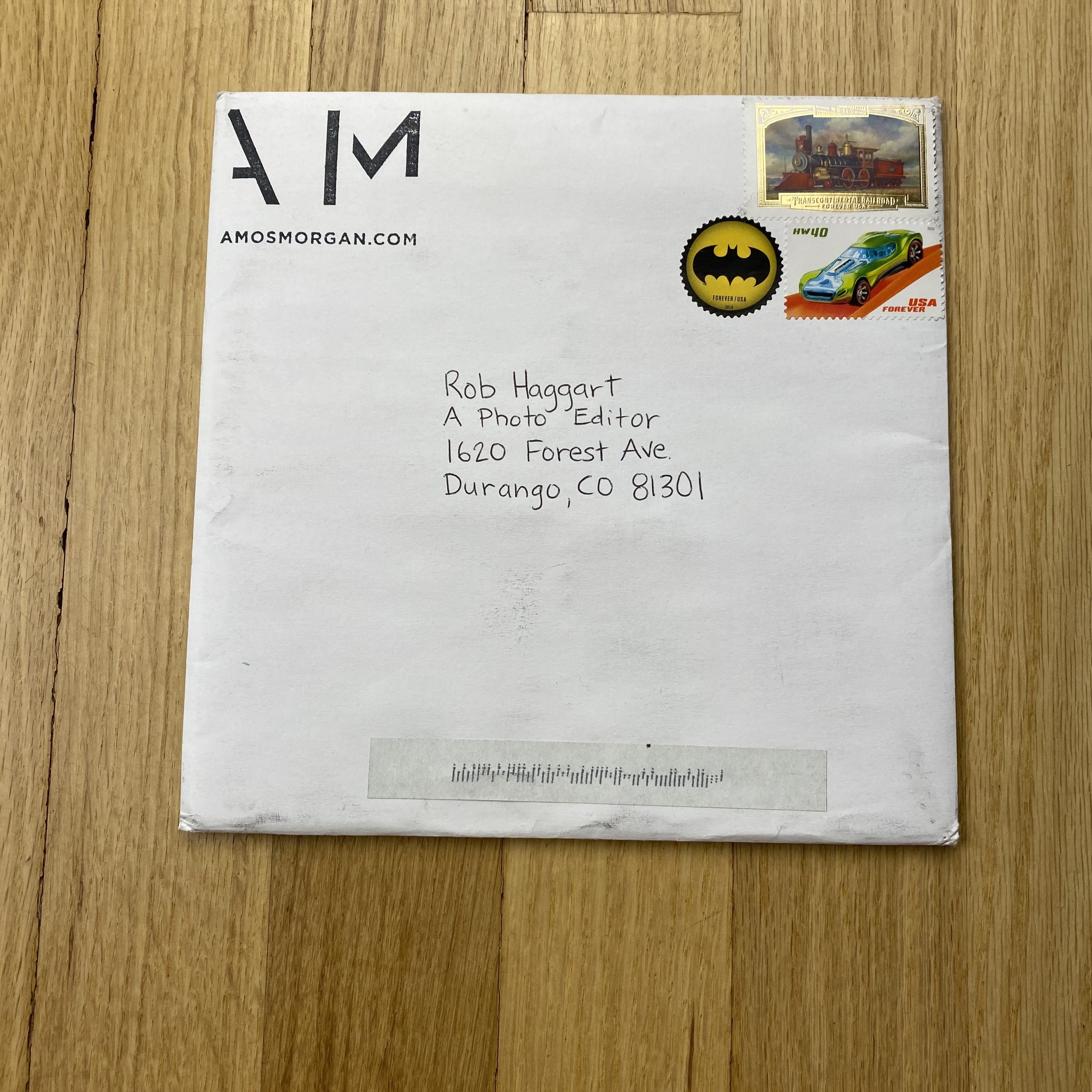
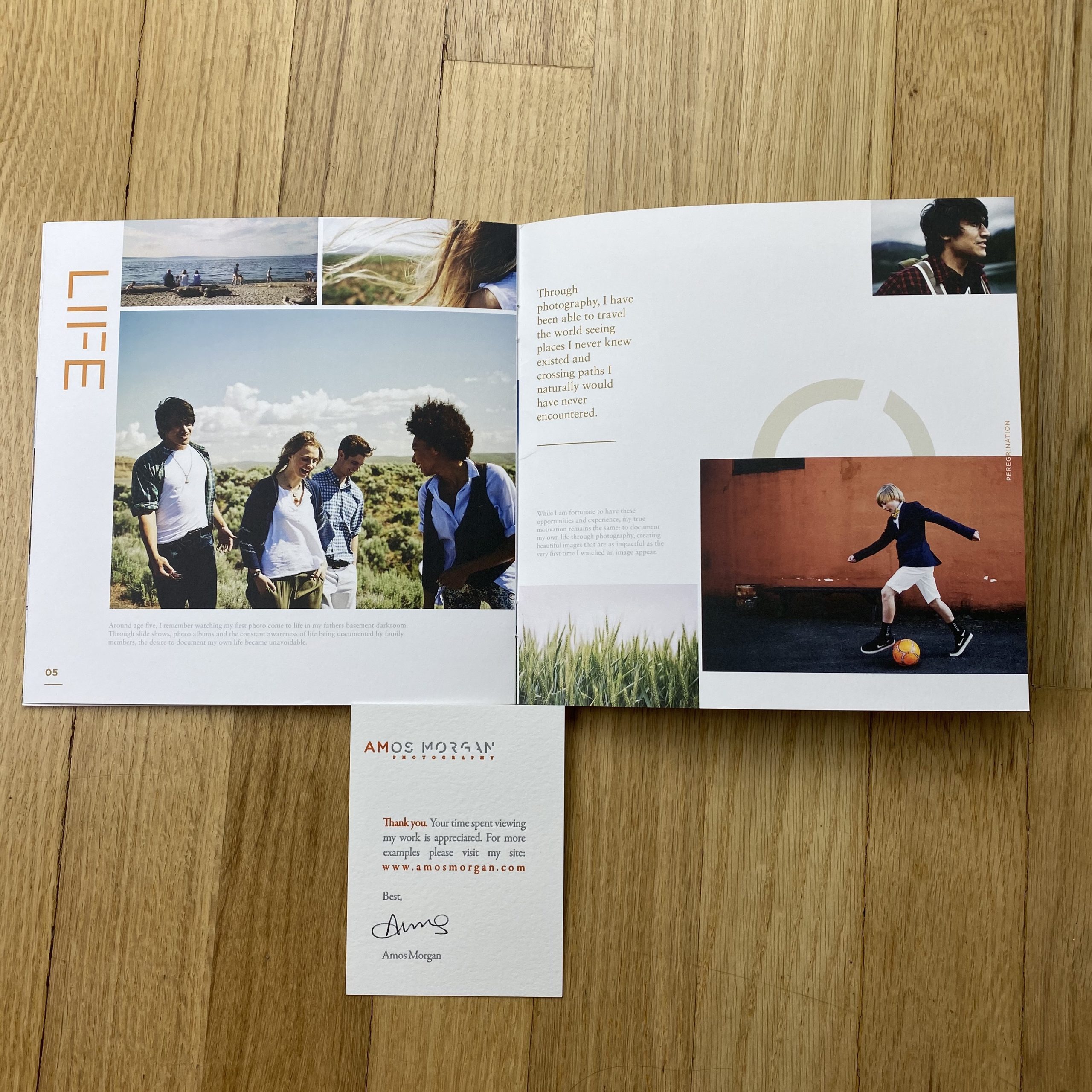
The Daily Promo – Amos Morgan

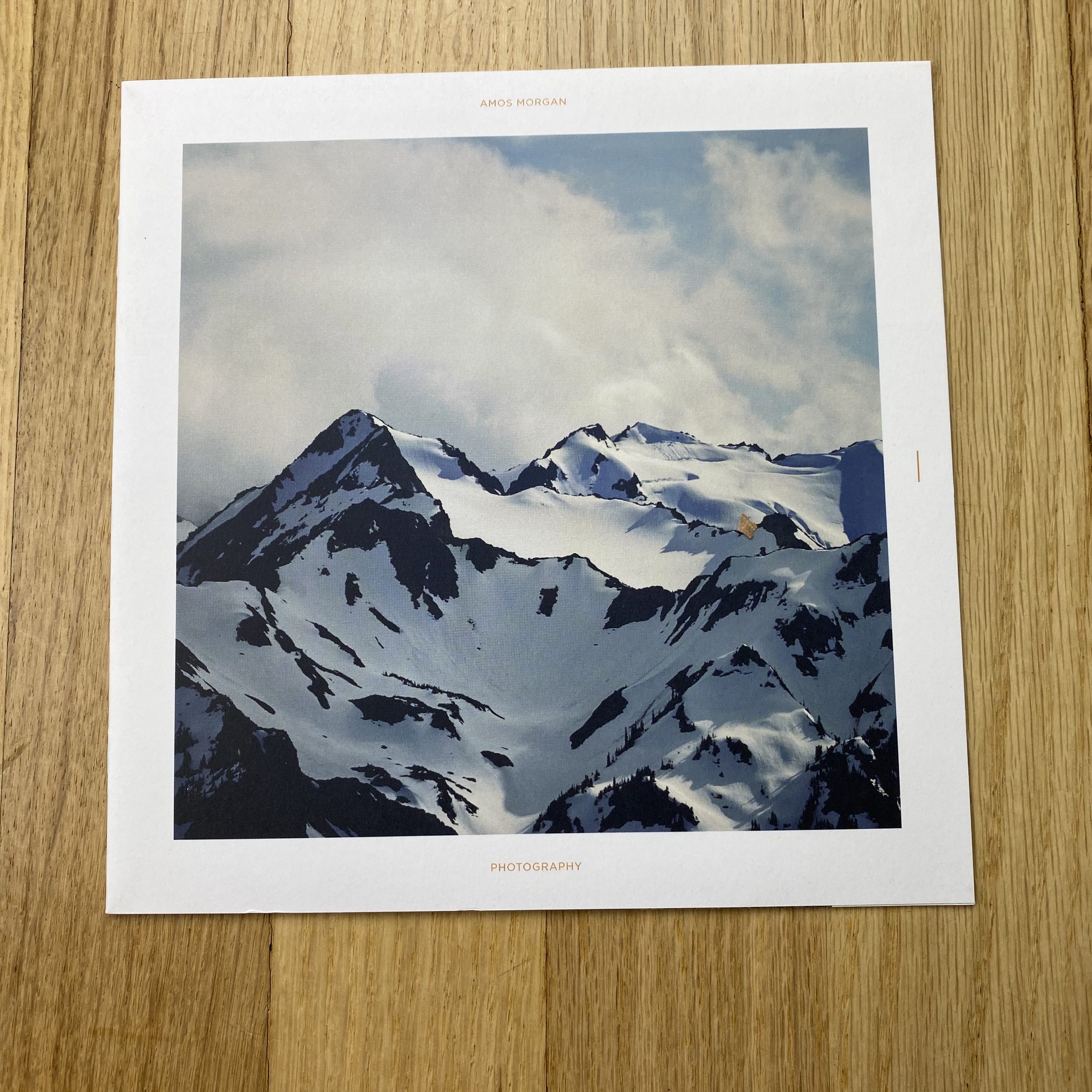
Amos Morgan

Who printed it?
DCG One https://www.dcgone.com/

Who designed it?
Chaun Osburn https://madebychaun.com/

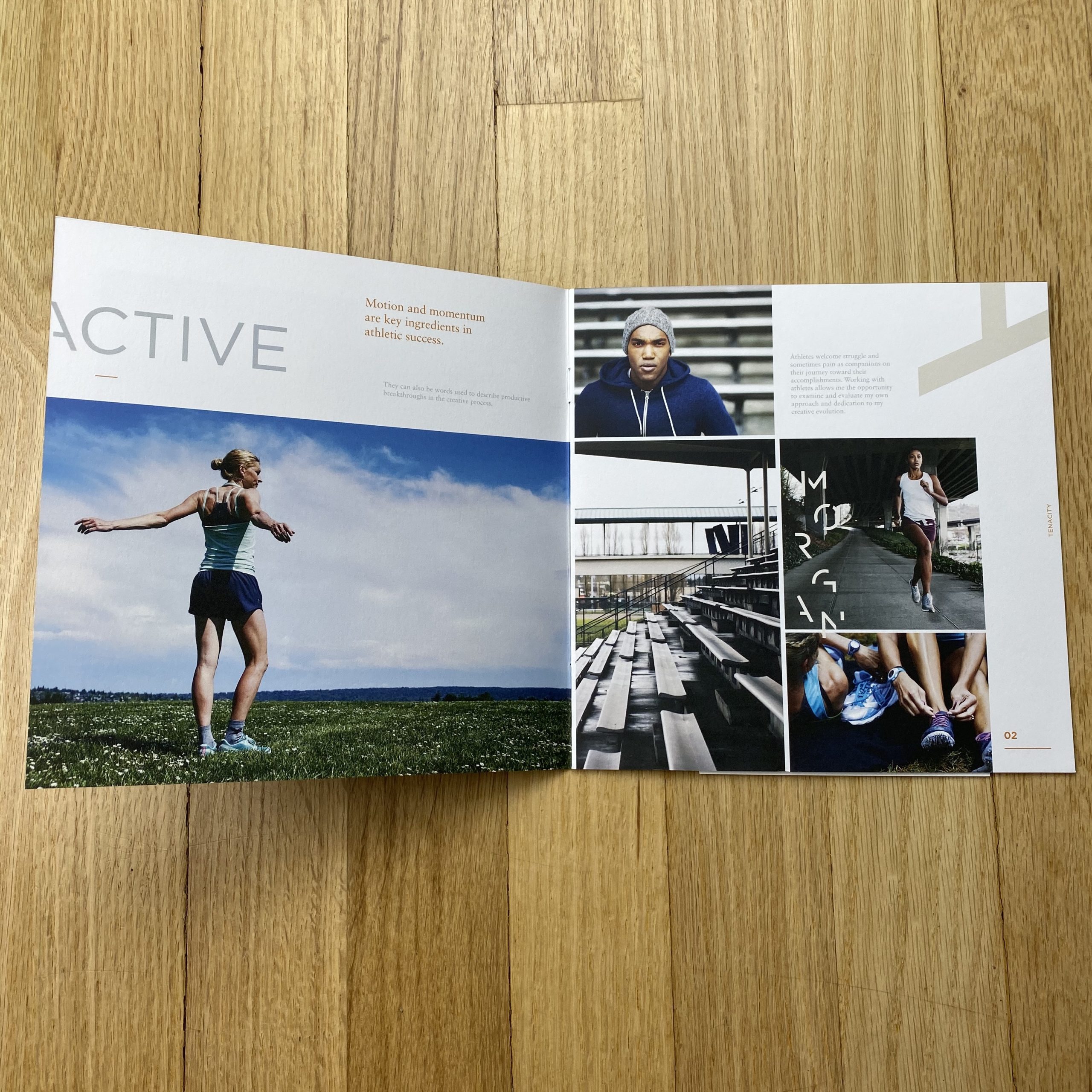
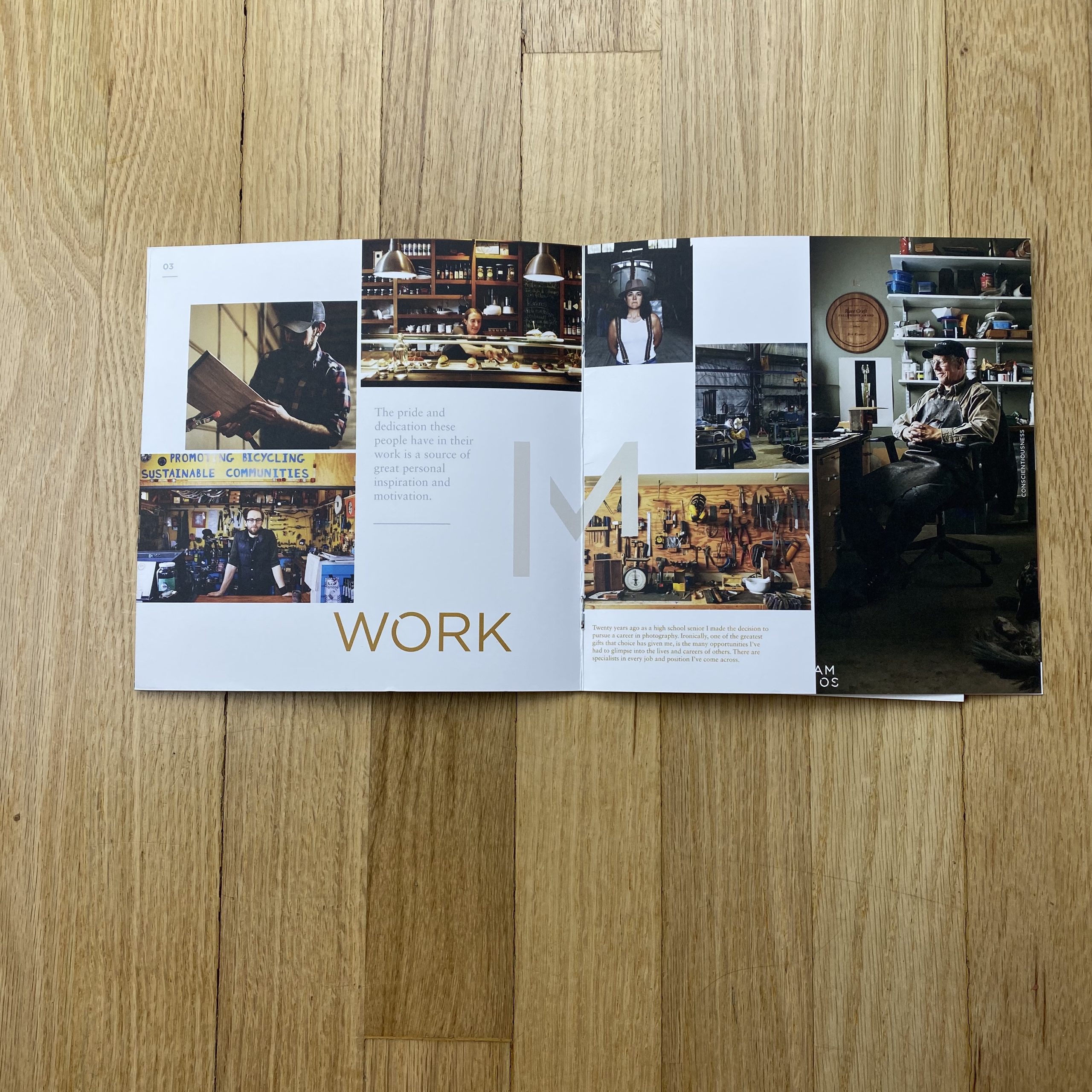
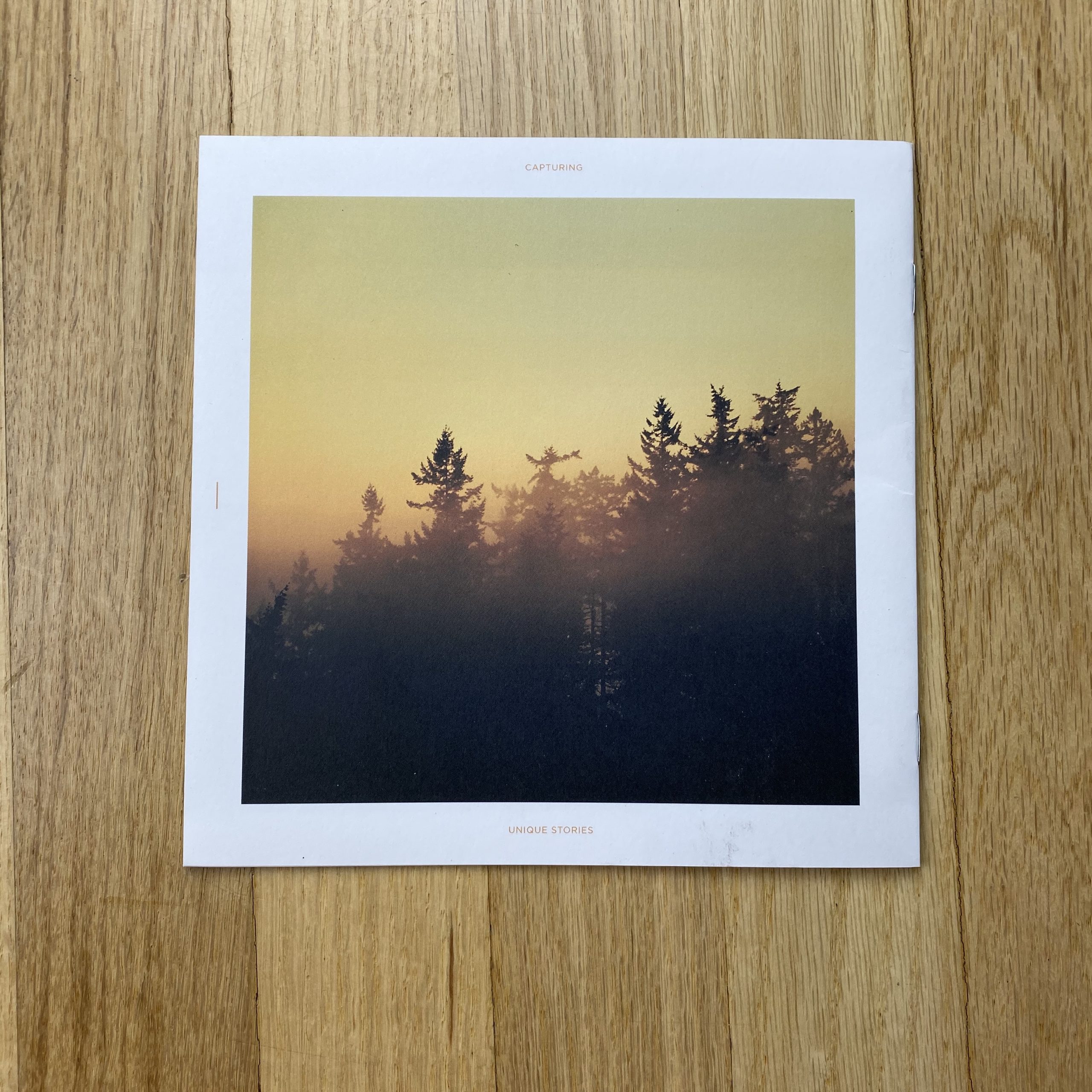
Chaun and I have known each other for many years and he was on the design team that did the branding for my business. We’re both huge fans of music and appreciate vinyl records so for this project we came up with the idea to create a promo pieced based on that format. I’ve always been fascinated by the design/copy/imagery that record jackets and liner notes feature, and have spent hours pouring over those details while I’m listening to the music. Using that as inspiration, it was really important for the images and text to have a thematic arc similar to how the tracks are arranged on many albums. Chaun’s design creates such a wonderful home for the images and brings the feeling of an album’s liner notes to life.

Tell me about the images?
The images are from a mix of personal test shoots and commercial jobs.

How many did you make?
300

How many times a year do you send out promos?
Large promos (like this) every 1-2 years and small “postcard” promos 2-3 times a year.

Do you think printed promos are effective for marketing your work?
For me, printed promos are very effective. I’m pretty selective with who I send them to as I prefer a targeted marketing strategy vs. a large scale “blanket” approach. This allows me to tailor the promo to an audience I believe will appreciate the selected work. Then the printed piece at the very least allows for a conversation starter when following up and I often receive compliments that it was nice having something tangible to hold and look through.

This Week in Photography: East of the Mississippi


Part 1: The Intro

I was wondering what to write about this morning.

No strong pull in any direction. (Which is rare.)

So I dropped into a kneeling-Japanese-meditation-pose I learned in Aikido.

I calmed my mind, focused on my breathing, and at first, tried to figure out what my psyche was interested in. The last few stories from London? A new book from the pile? Anything about Chicago?

But I quieted those thoughts, because why else meditate?

After a few minutes, I opened my eyes, and the first thing I saw was a book I’d considered for review twice before.

Each time, it didn’t connect.

So of course I picked it up, and fell in love, as it’s perfect for today. (But we’ll get to that.)


Part 2: The Album

A month ago or so, I wrote about synchronicity, so of course that was the first thing I thought after re-discovering today’s book.

Synchronicity.

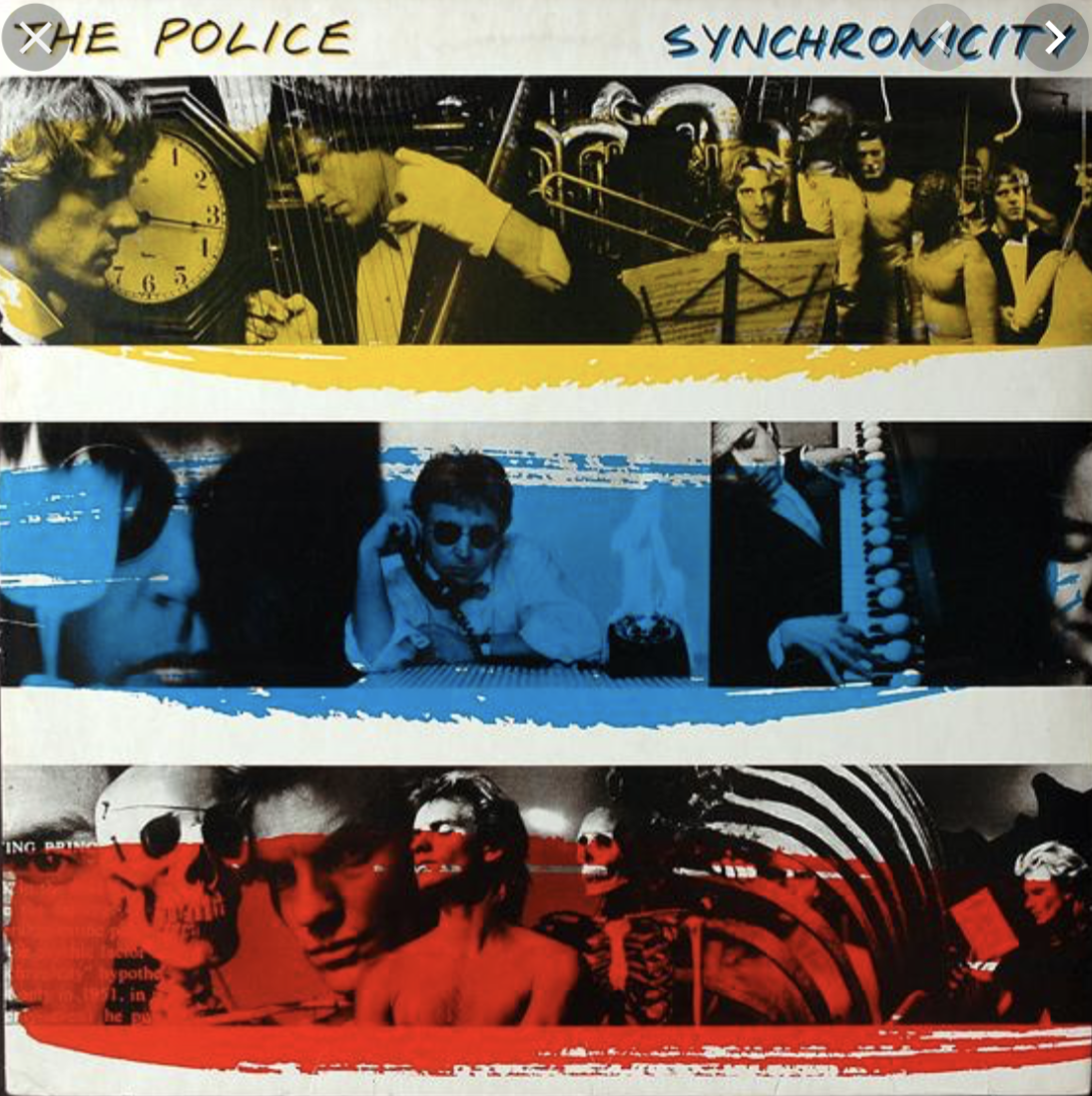
My mind jumped to “Synchronicity,” the album by The Police from somewhere around 1984. (Summer ’83, apparently.)

It was their biggest pop culture breakthrough, and as a kid, (I would have been 9,) I remember it as melodic, with a big anthem song.

Which was it?
(“Every Breath You Take.”)

So I go to Spotify and put on the album. (Or its digital playlist equivalent.)

What did all of America go gaga for in 1983, I asked myself?
What’s the story here?

Right away, it was clear the lyrics and energy in the music were dystopic. Some songs were downright dissonant, which goes against the band’s traditionally excellent harmonics.

And really, that title.

Synchronicity.

It implies synthesis, like connections are a good thing. But the songs were disturbing, and really, I couldn’t connect the dots at all.

It made no sense.
None.

WTF?

So I picked up my phone, and sure enough, the Spotify was stuck on Shuffle Play.

I couldn’t turn it off.

The AI broke, so I wasn’t getting the flow the band intended. Even so, the songs were almost universally creepy, disturbing or violent, even though the melodies were often pleasant.

This was the biggest album in America in #1983, and made The Police briefly the biggest band in the world? (Before they walked away on top.)

What does that all mean?

I decided to go down a rabbit hole for you.

I did some digging, found a lyrics website, hit up Wikipedia and Youtube, some other places, and got info from The Police’s official website as well.

I also listened to the album again, in sequence, manually advancing the titles so I could get the intention, while reading the lyrics.

“Synchronicity I,” the first song, speaks directly to the Jungian principles by which the album was inspired. Carl Jung wrote a book called “Synchronicity: An Acausal Connecting Principle,” and Sting read it. He was also into “The Roots of Coincidence” by Arthur Koestler, as The Police named their previous album, “Ghost in the Machine” after one of his novels as well.

Synchronicity was Jung’s theory that events otherwise deemed coincidental might in fact have meaningful connections.

So the album opens by referencing those ideas directly, in a song called “Synchronicity I.”

“A connecting principle
Linked to the invisible
Almost imperceptible
Something inexpressible
Science insusceptible
Logic so inflexible
Causally connectable
Nothing is invincible”

We feel you, Sting.

The next song, “Walking in Your Footsteps,” is about dinosaurs, and our relationship to extinction.

“Hey there mighty brontosaurus
Don’t you have a lesson for us
You thought your rule would always last
There were no lessons in your past”

Extinction talk.

In 1983!
Ahead of its time!

Oh, and I should mention the album cover was shot by Duane Michals, (who gave the best lecture I’ve ever seen at the Medium Photo Festival in 2014,) in which Sting posed with dinosaur bones.


The “coincidences” mount.

In “Oh My God,” Sting writes,

“Everyone I know is lonely
And God is so far away
And my heart belongs to no one
So now sometimes I pray

Take the space between us
And fill it up some way
Take the space between us
And fill it up”

Totally prescient, as far as our empty digital connections supplanting IRL experience in #2019.

In ‘Mother,’ maybe the less said the better, as Andy Summers screeches about a Mother like he’s Norman Bates.

(Freaky AF, as the kids say.)

Then in Miss Gradenko, Sting wails,

“Is anybody alive in here?
Is anybody alive in here?
Is anybody at all in here?
Nobody but us in here
Nobody but us!”

This is one messed-up piece of art, that somehow got packaged as pop music for the masses.

I need to take a break.

The #1983 vibe is feeling a bit too much like our current moment. They were living under the constant threat of nuclear annihilation, due to the Cold War, and we’ve got Trump and climate change.

So.
Let’s talk about the backstory.

Sting, according to Wikipedia, only became a musician due to “happenstance.” He grew up near the shipyards in Northeast England in Northumberland, (and was headed towards that career,) but once saw the queen, who waved at him, and that gave him the courage to turn his back on convention and become a creative person.

He worked his way up, and got married before he was famous, as the three man band laid down hits in their first four albums. (“Zenyatta Mondatta” was always my favorite.)

But by the time The Police made “Synchronicity,” their their final album, Sting was going through a nasty divorce, as he’d taken up with Trudie Styler.

Also, the band supposedly HATED each other.

While “Synchronicity” was made on the island of Montserrat, the three musicians, Sting, Andy Summers and Stuart Copeland, were literally recording in separate rooms.

Separate rooms!

And fistfights were reported as well.

On The Police’s official website, for heavens sake, Stuart Copeland admitted “The whole album was recorded in an unbelievably bad atmosphere.”

In the music video (for MTV,) the three band members are almost always 10-20 feet apart, lip-synching on radically different platforms, and Sting looks like a dead ringer for Billy Idol.

Synchronicity indeed.

Just to add another layer of meaning, Sting wrote some of “Synchronicity” in Jamaica, in a house called Goldeneye, sitting at the same desk where Ian Fleming wrote James Bond.

After Miss Gradenko comes “Synchronicity II,” a song about a tired worn-out-sap who’s about to snap from family, factory work and traffic, all juxtaposed by the rising of an actual monster in a Scottish loch.

Next comes “Every Breath You Take,” which is the most obvious stalker song to ever become a mainstream hit.

“Every breath you take ,and every move you make
Every bond you break, every step you take, I’ll be watching you,”

And it only gets more specific from there. Lots of watching you, and you belong to me.

How was this song ever considered pop music material?

Sting himself later said, “I think it’s a nasty little song, really rather evil. It’s about jealousy and surveillance and ownership.”

Then in order we have “King of Pain,” and “Wrapped Around Your Finger,” (we get it,) and “Tea in the Sahara,” which ends with women burning in the desert with cups of sand.

Finally, there’s “Murder By Numbers,” which is about becoming a serial killer.

Dark, dark, dark stuff.
Horrifying, really.

And the only reason I’m writing any of this is because I saw a book when I opened my eyes from meditation, and took it as a “sign,” which led to a creative rabbit hole, which led to this column.


Part 3: The Book

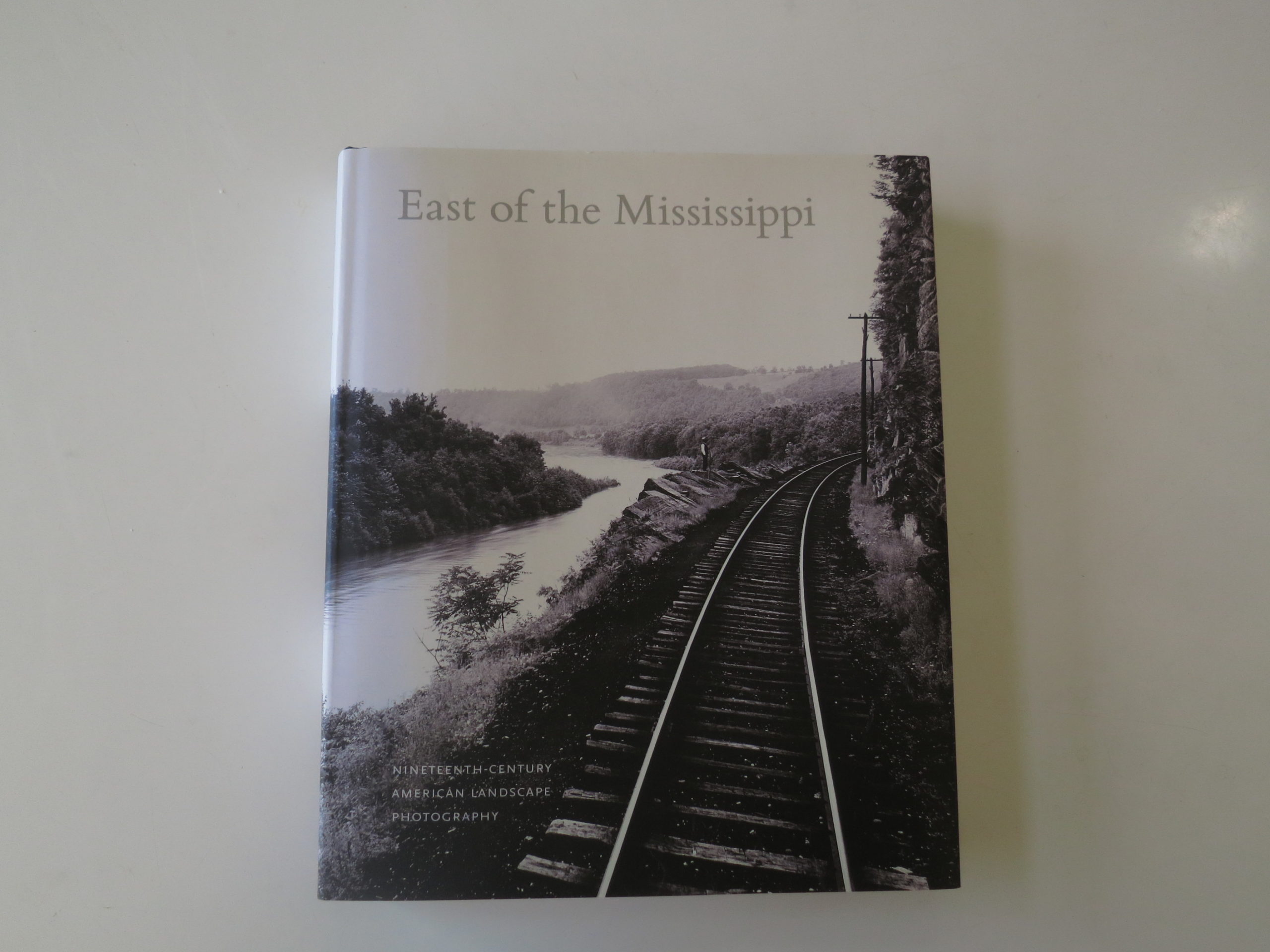
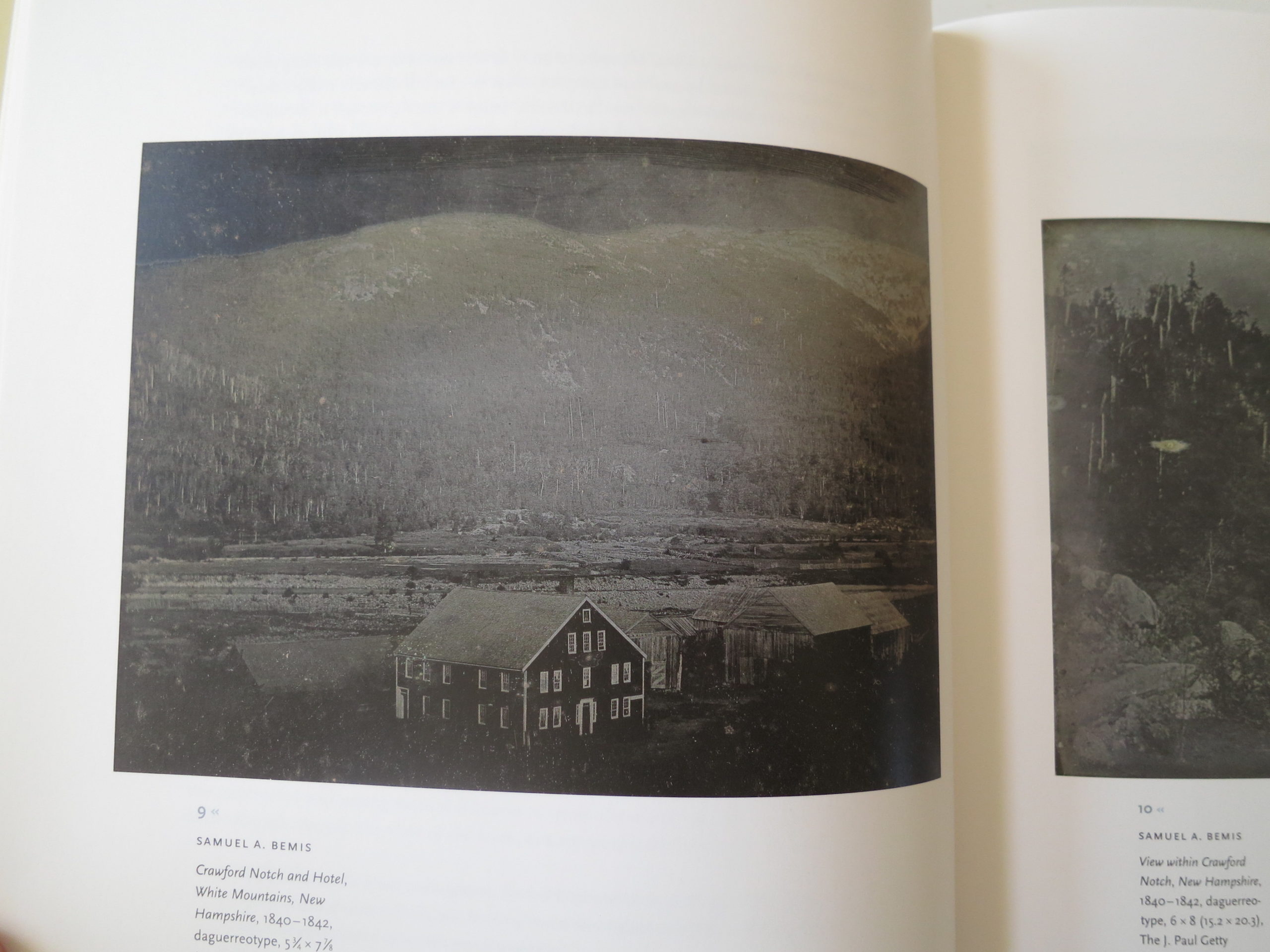
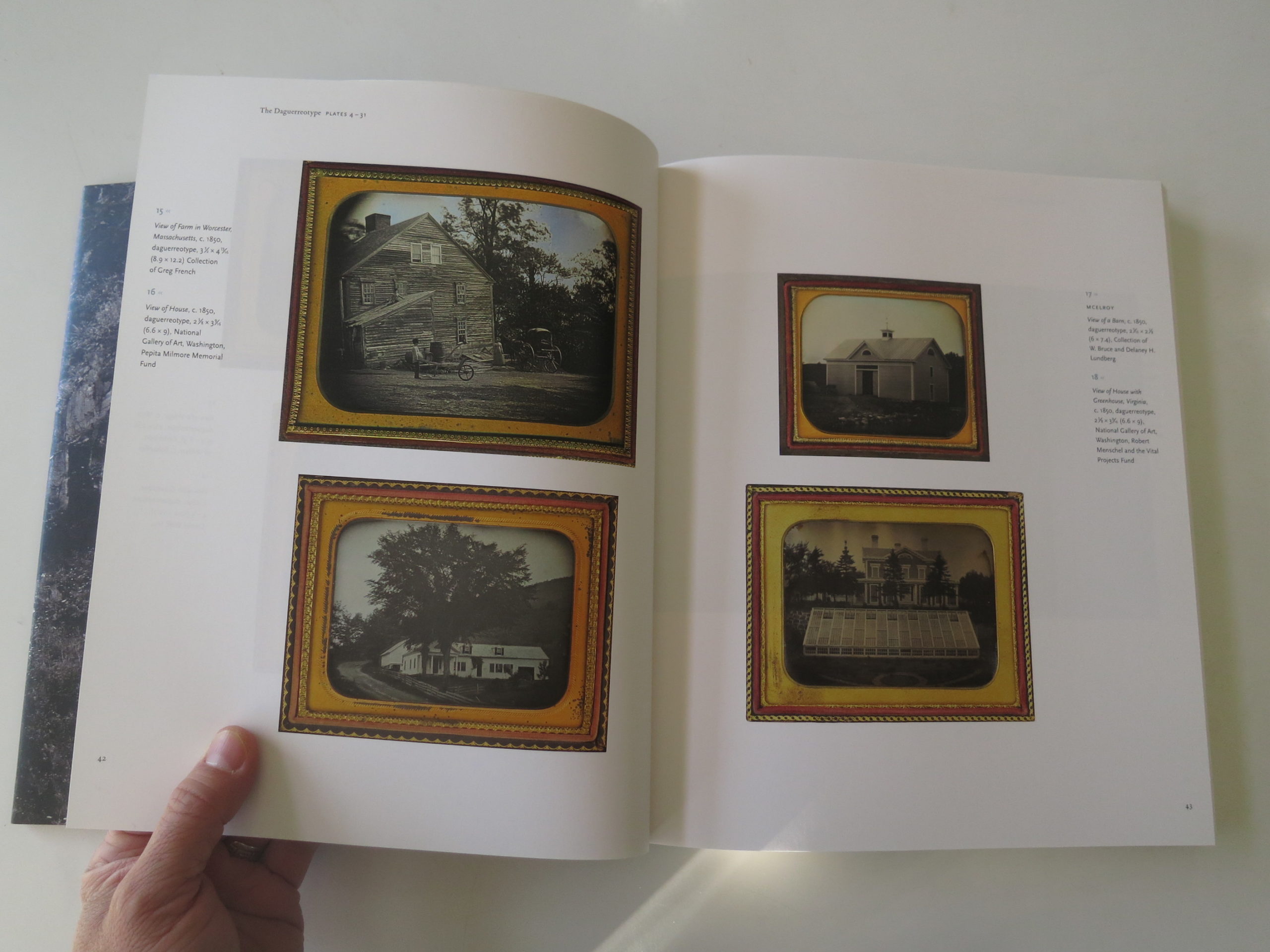
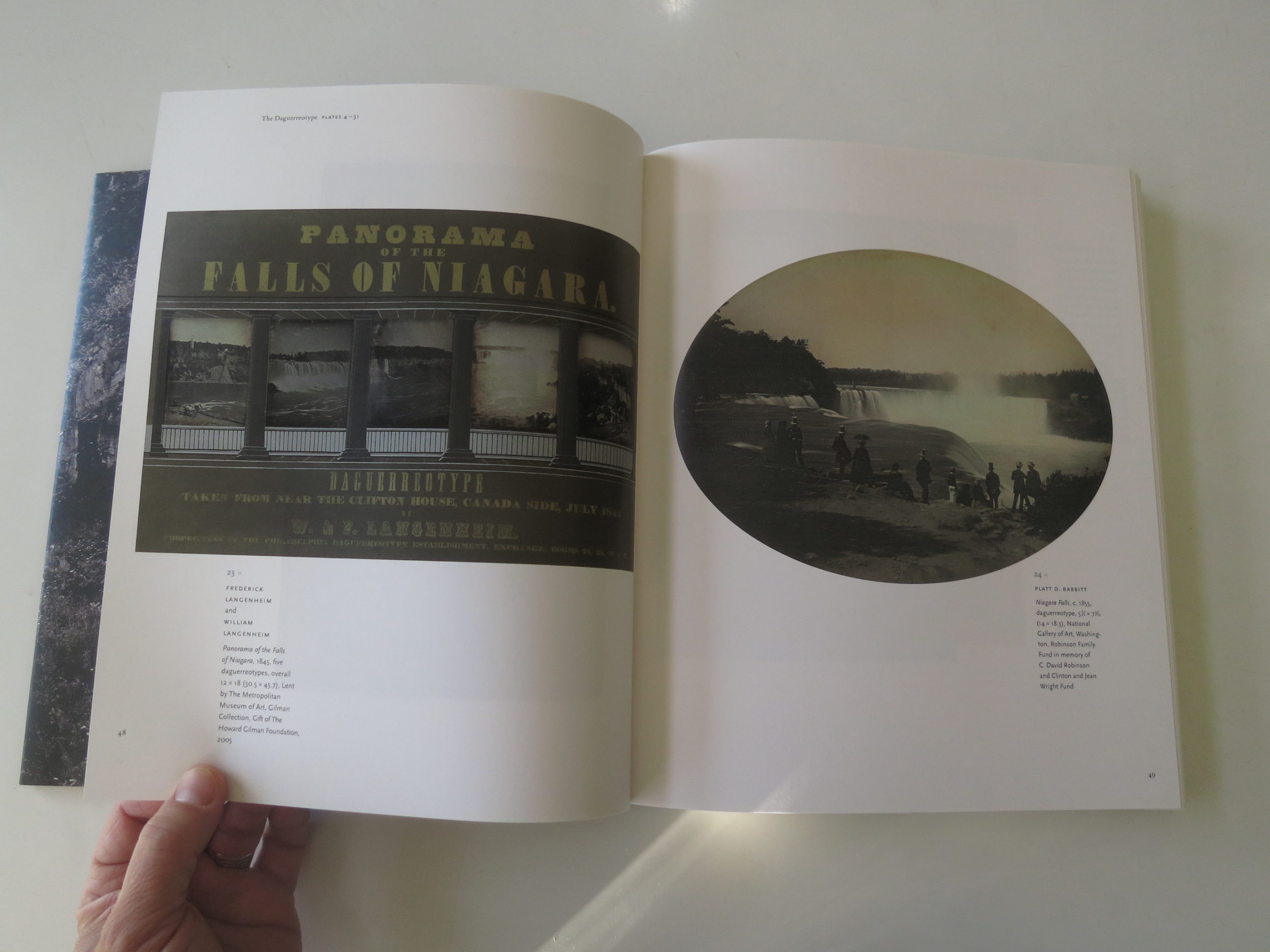
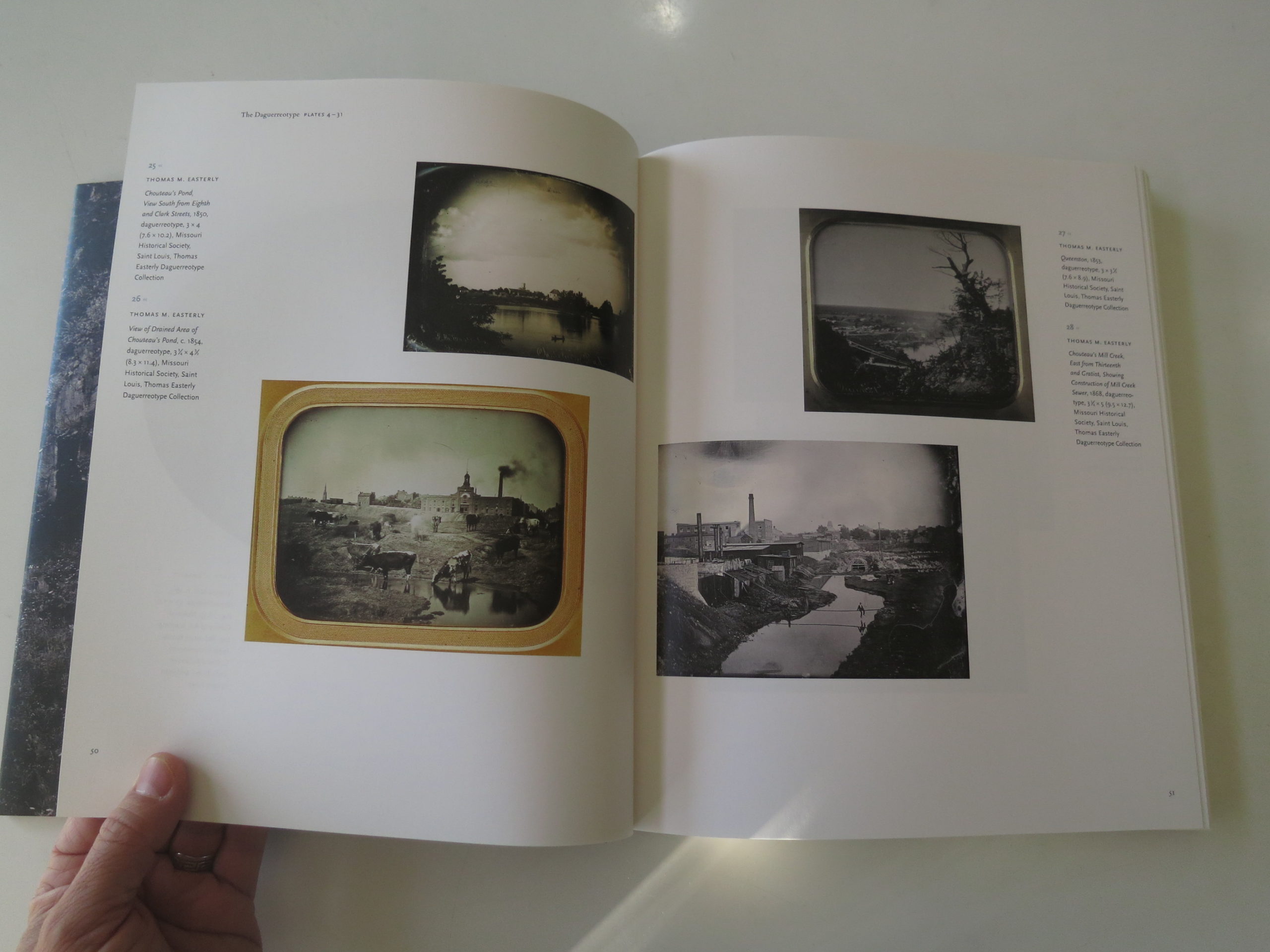
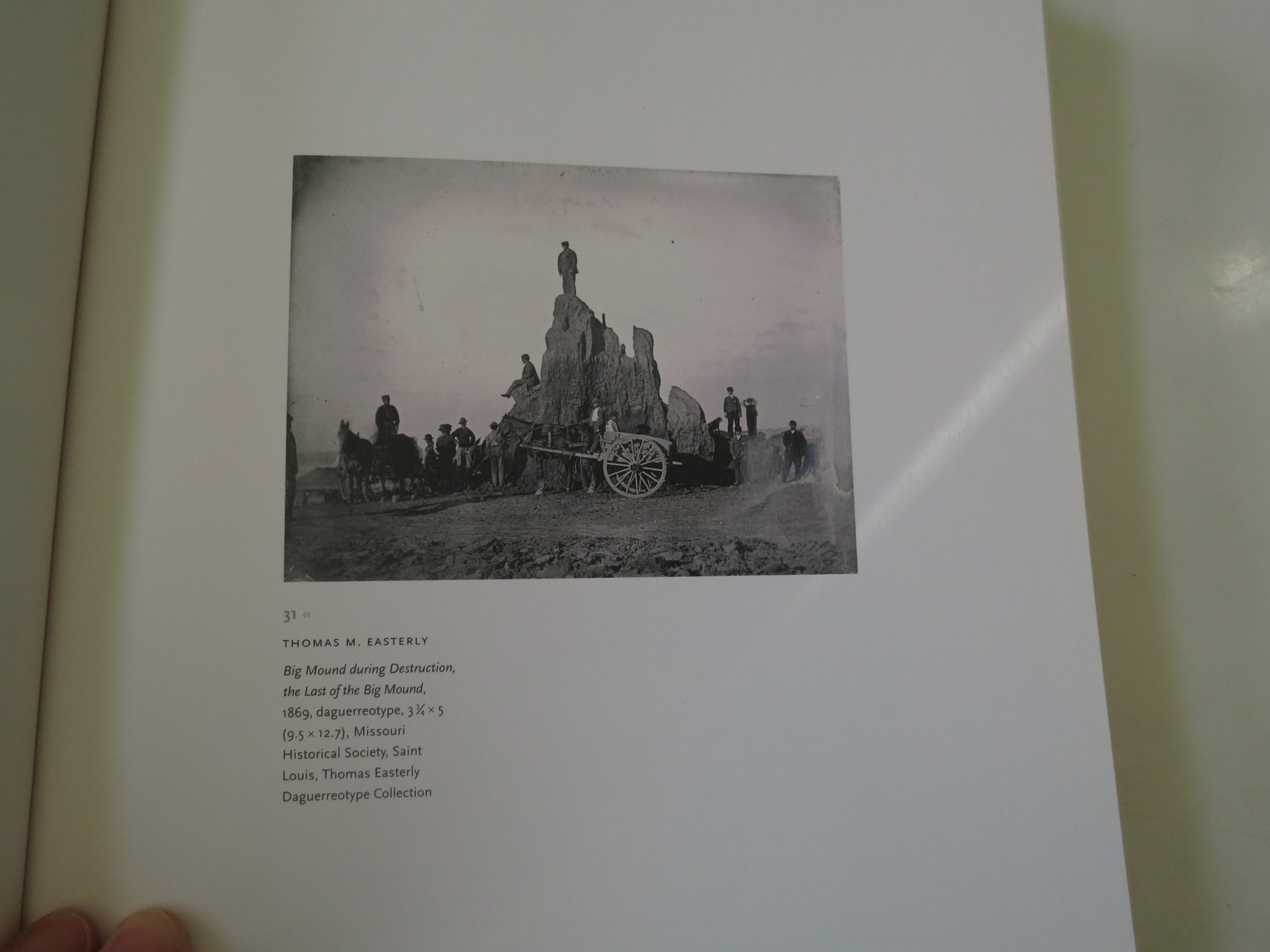
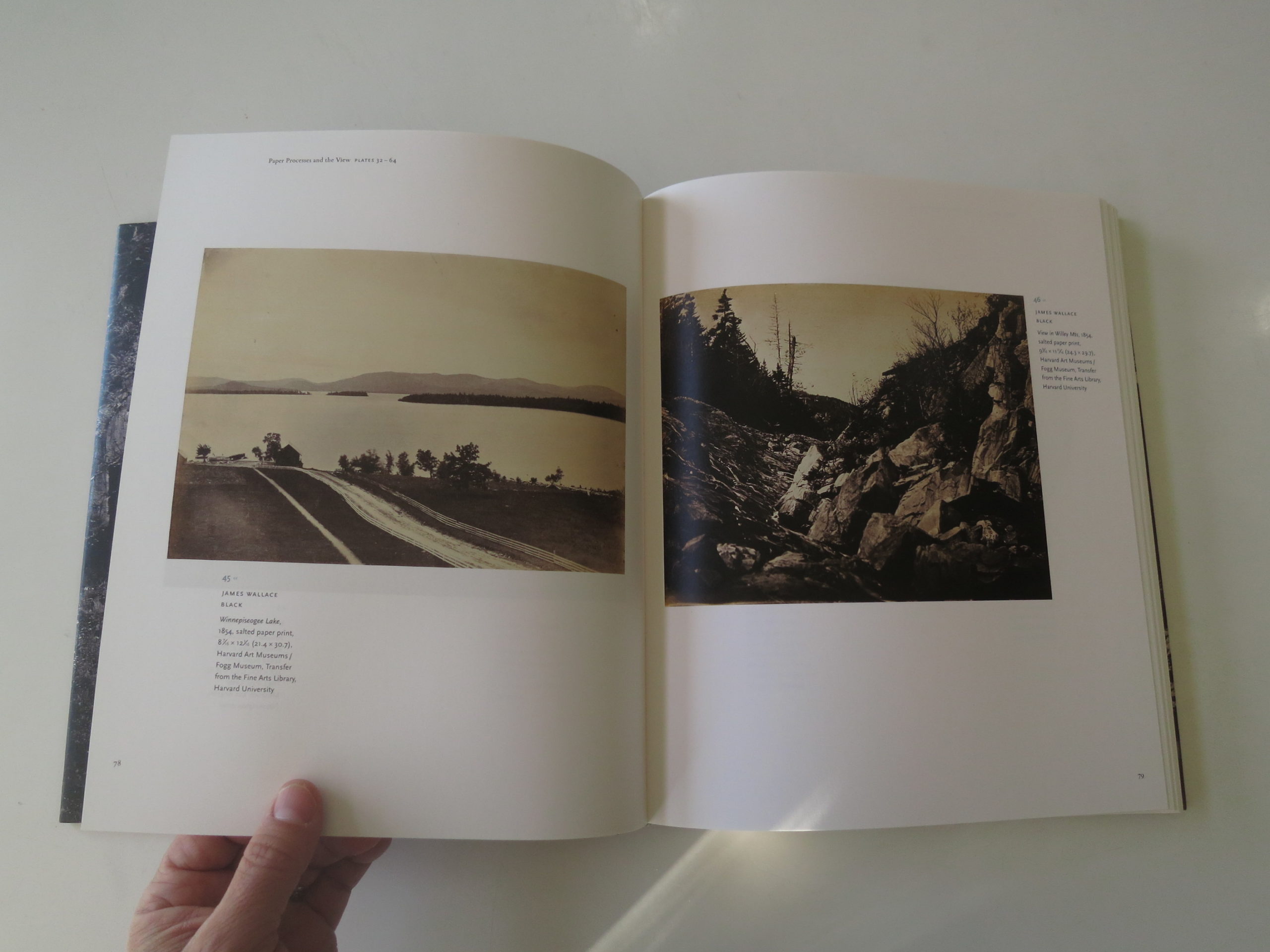
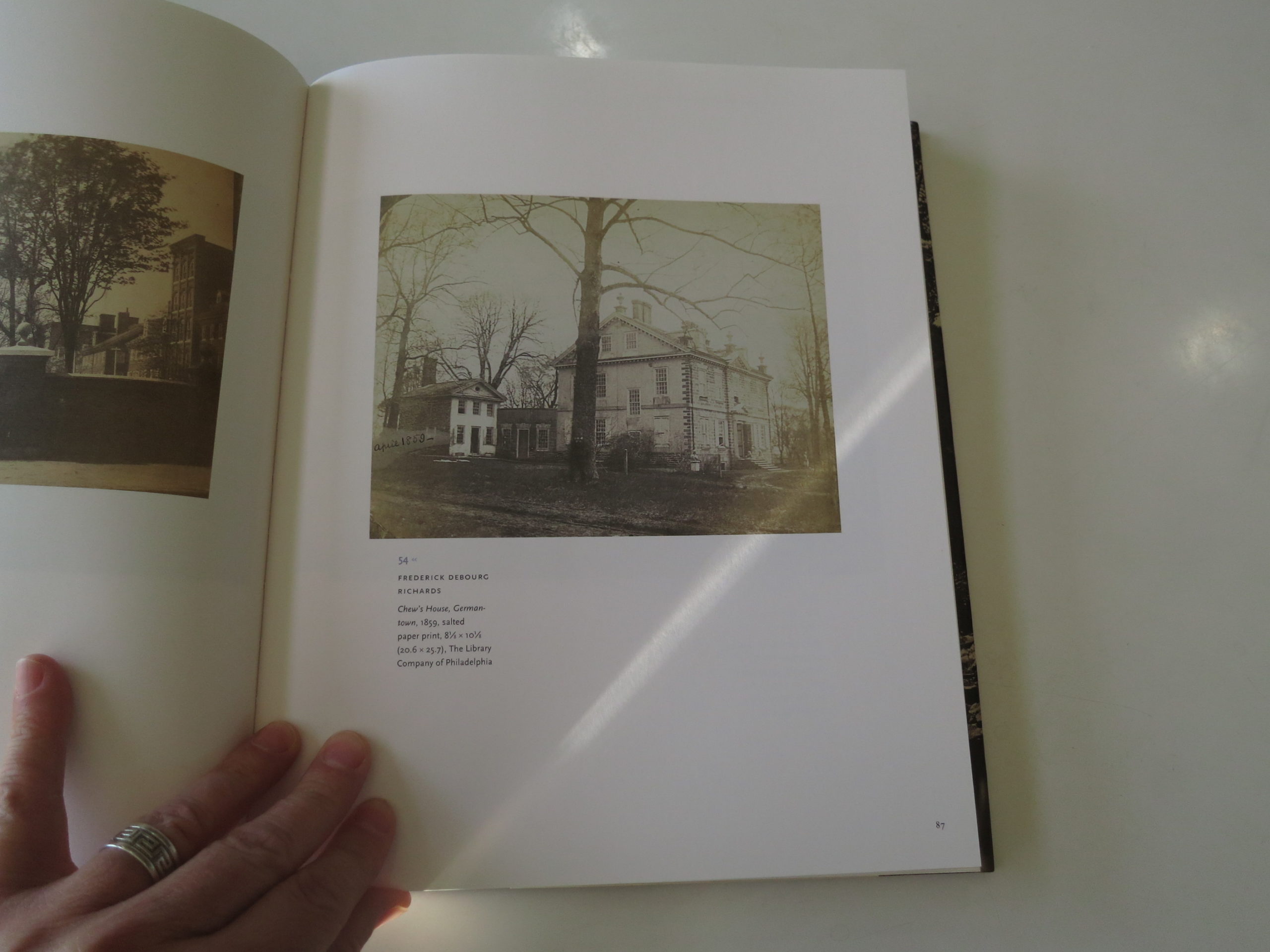
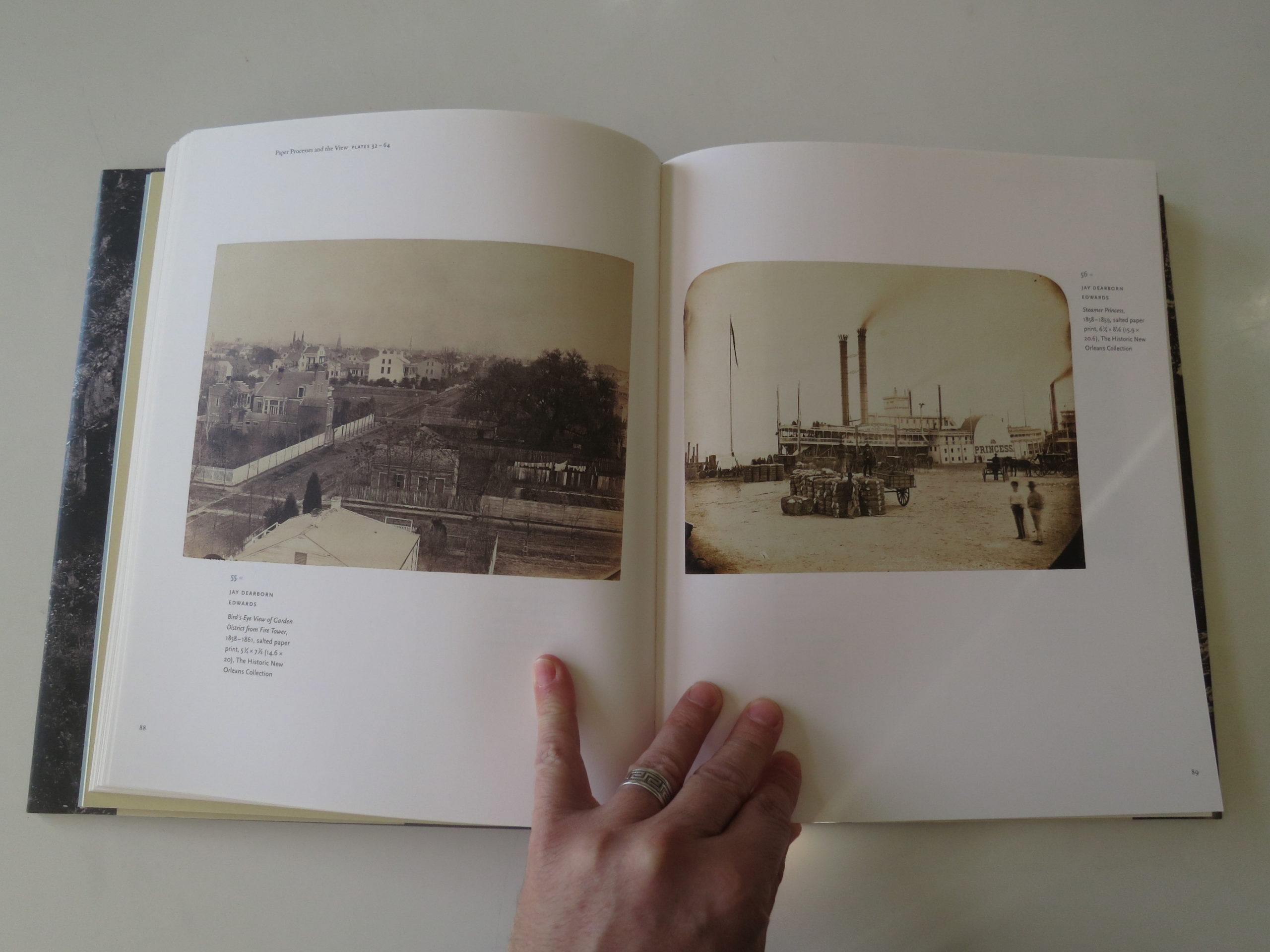
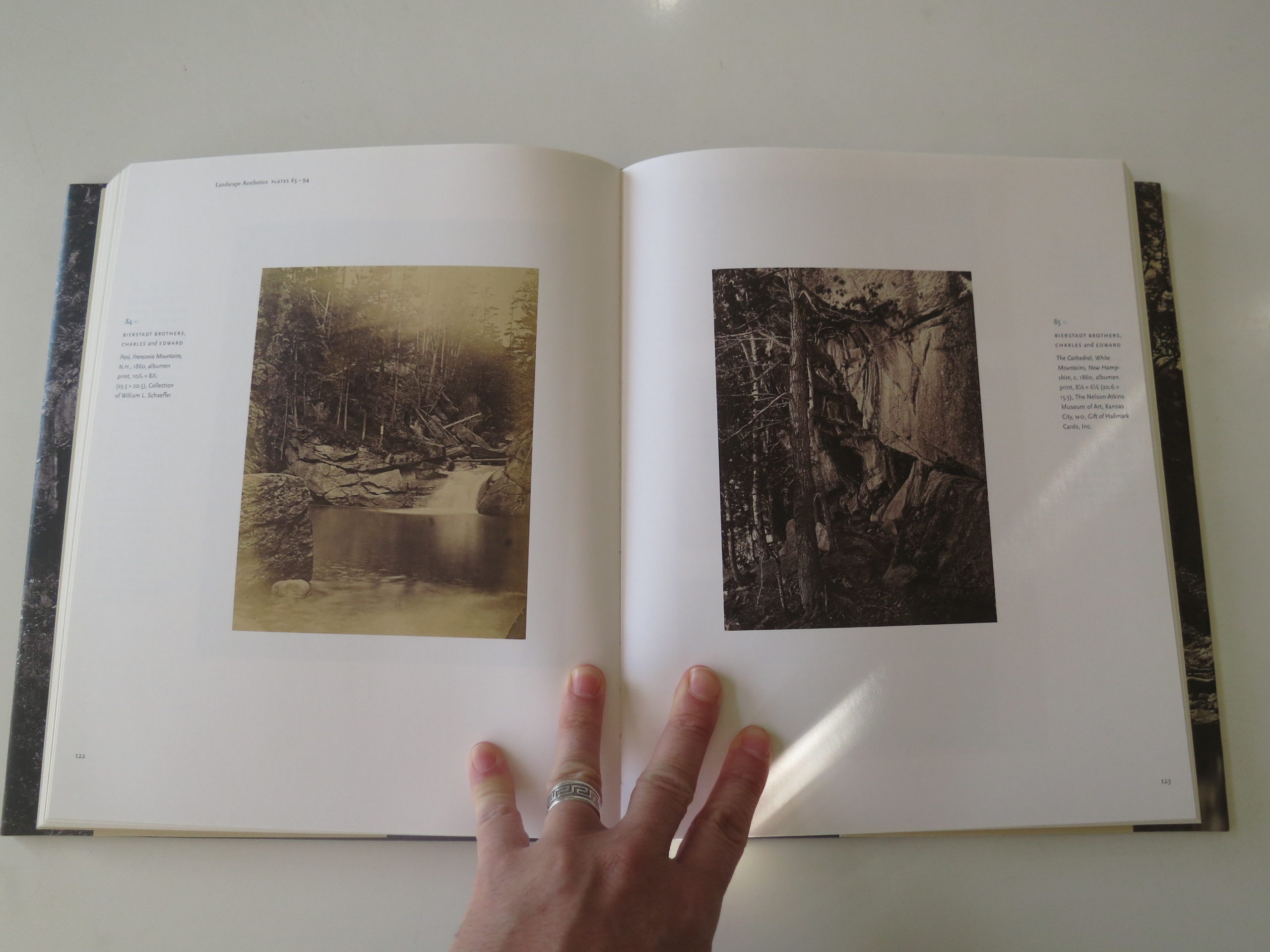
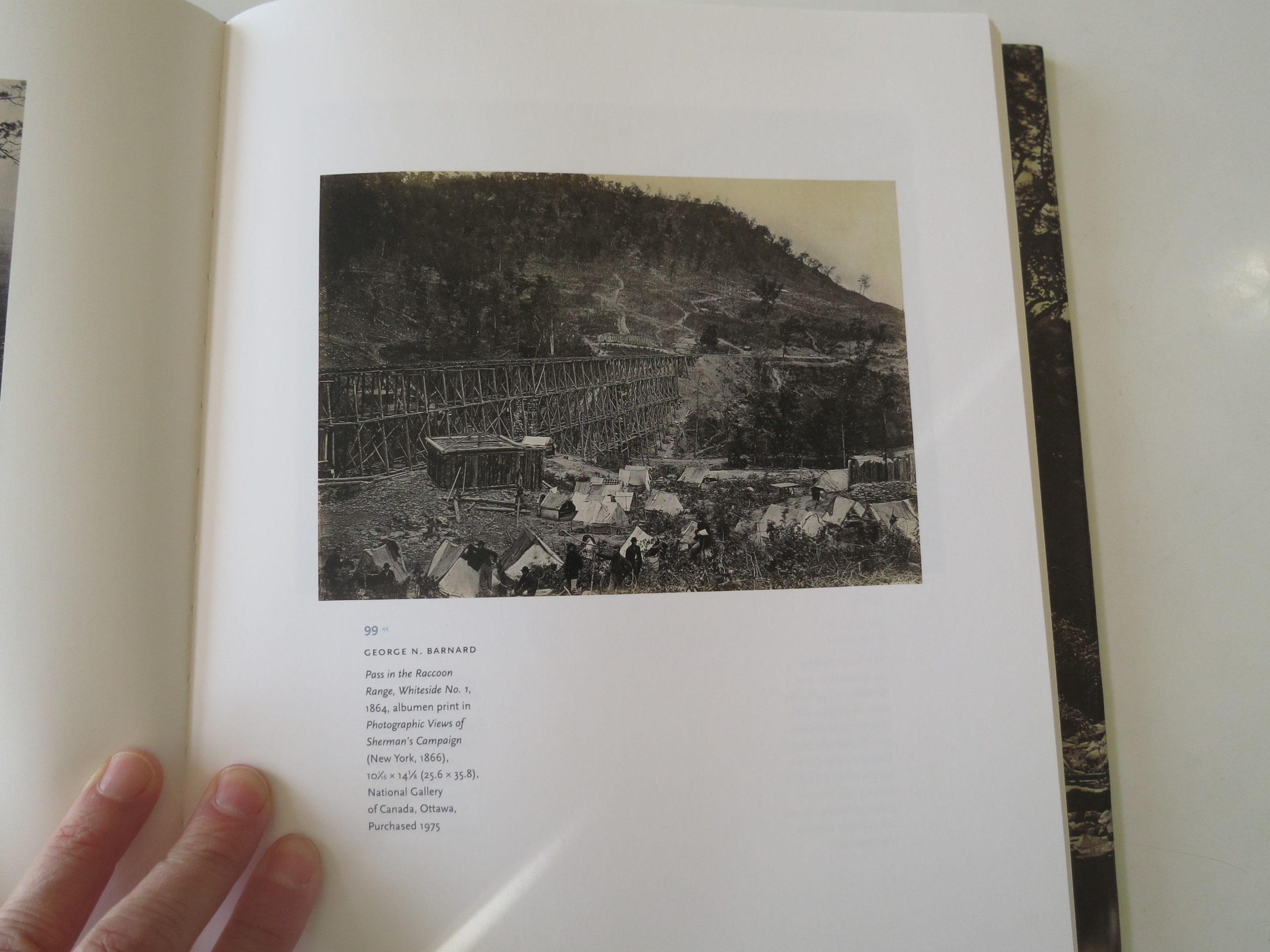
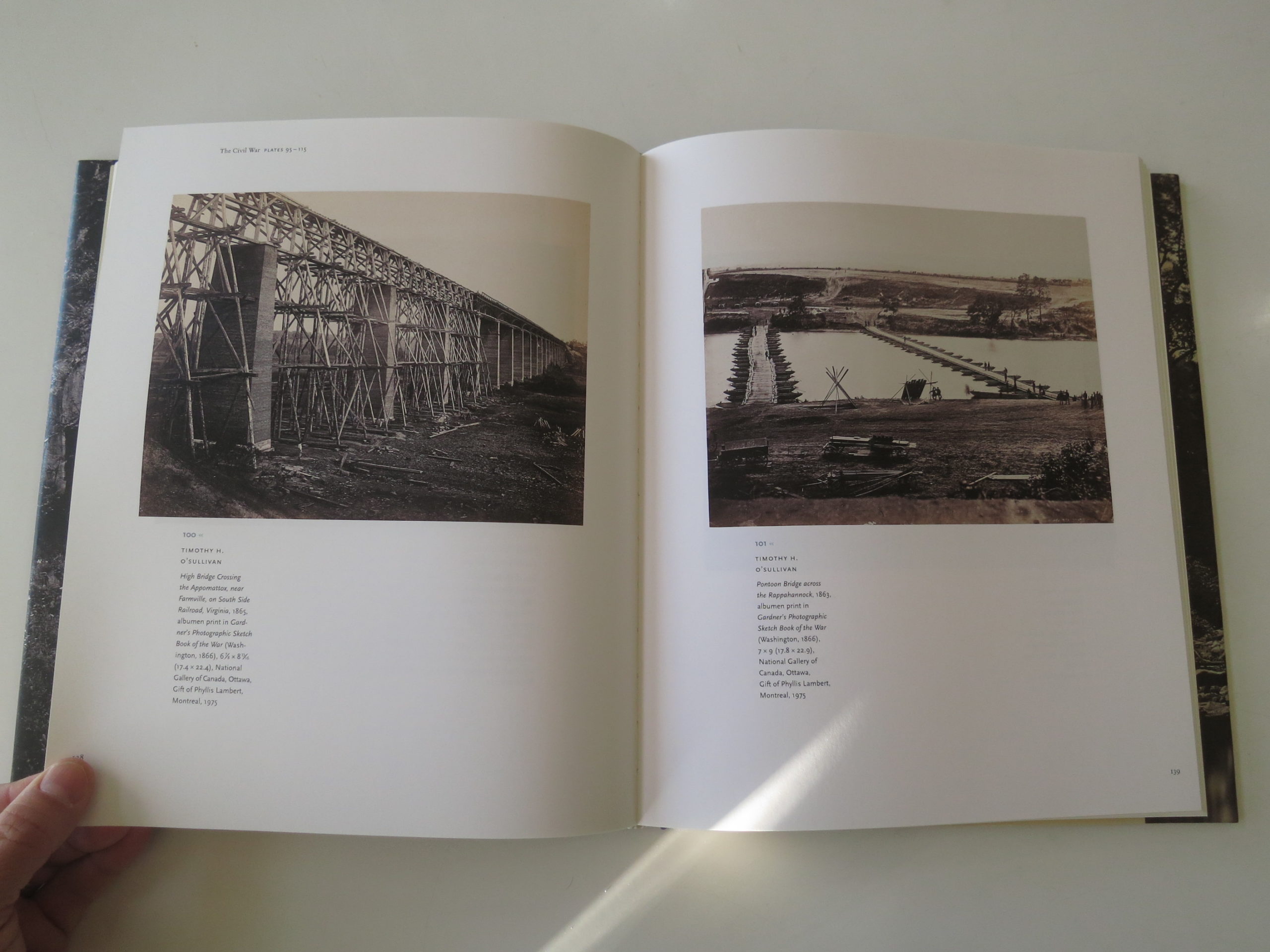
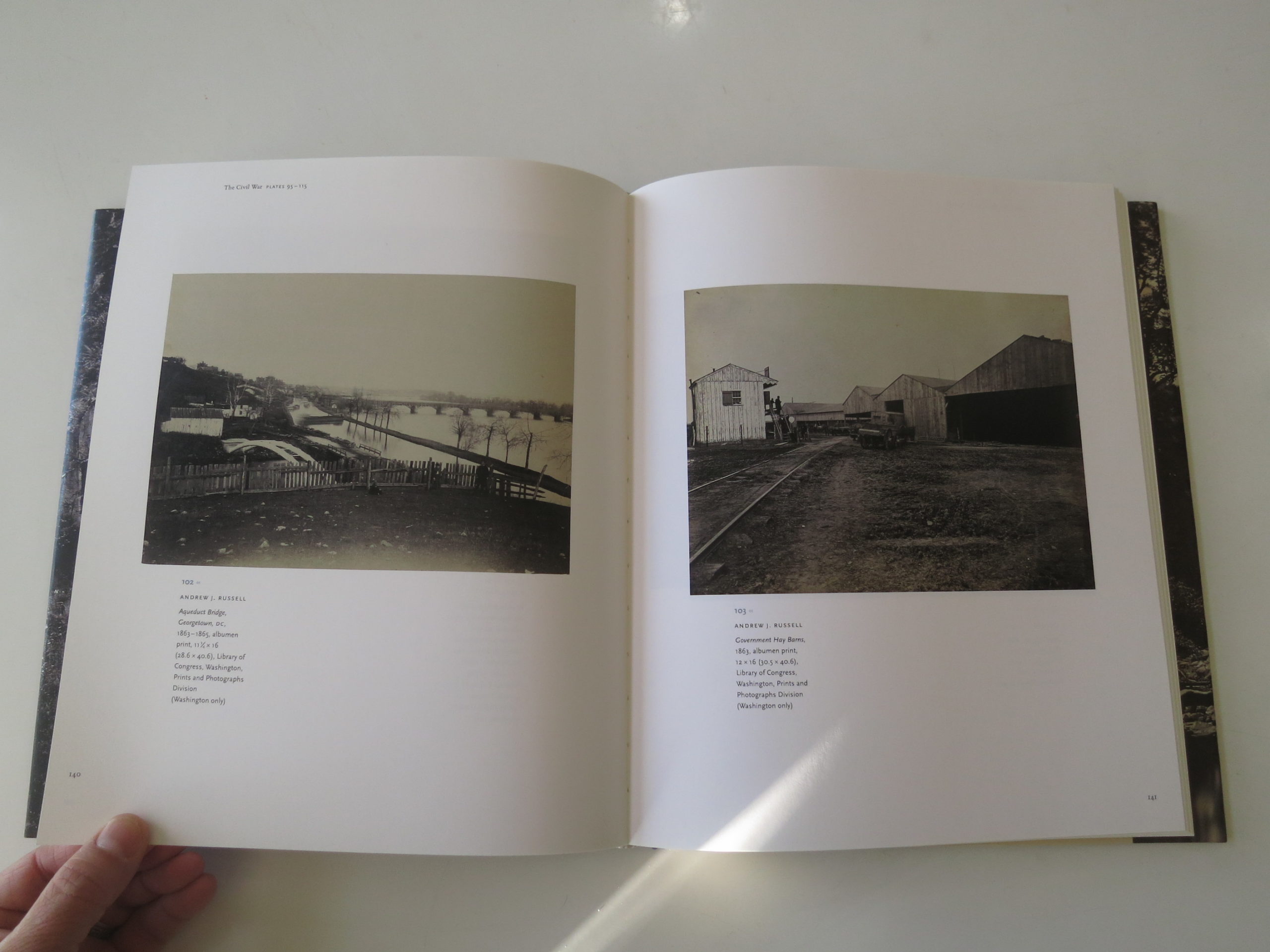
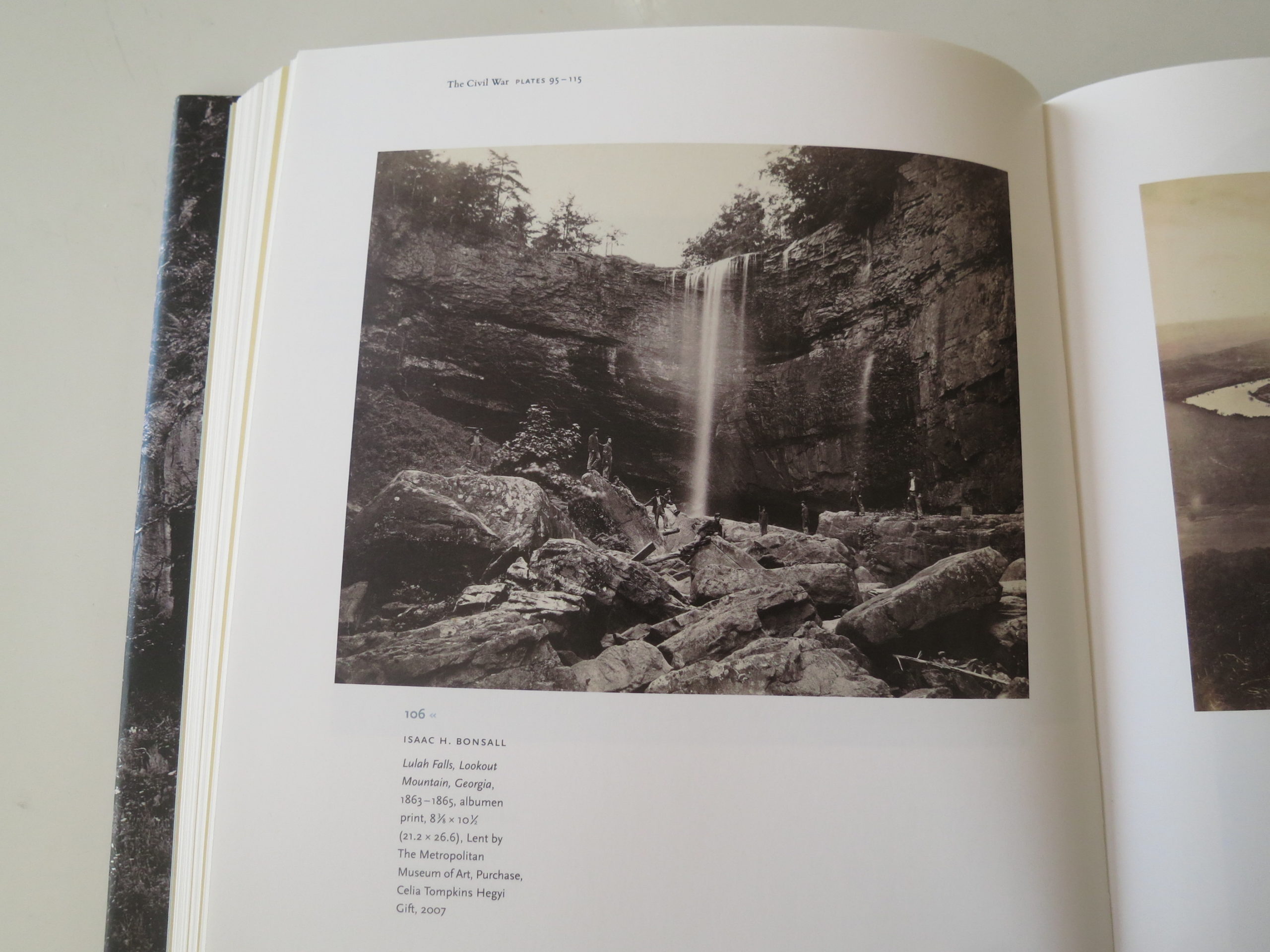
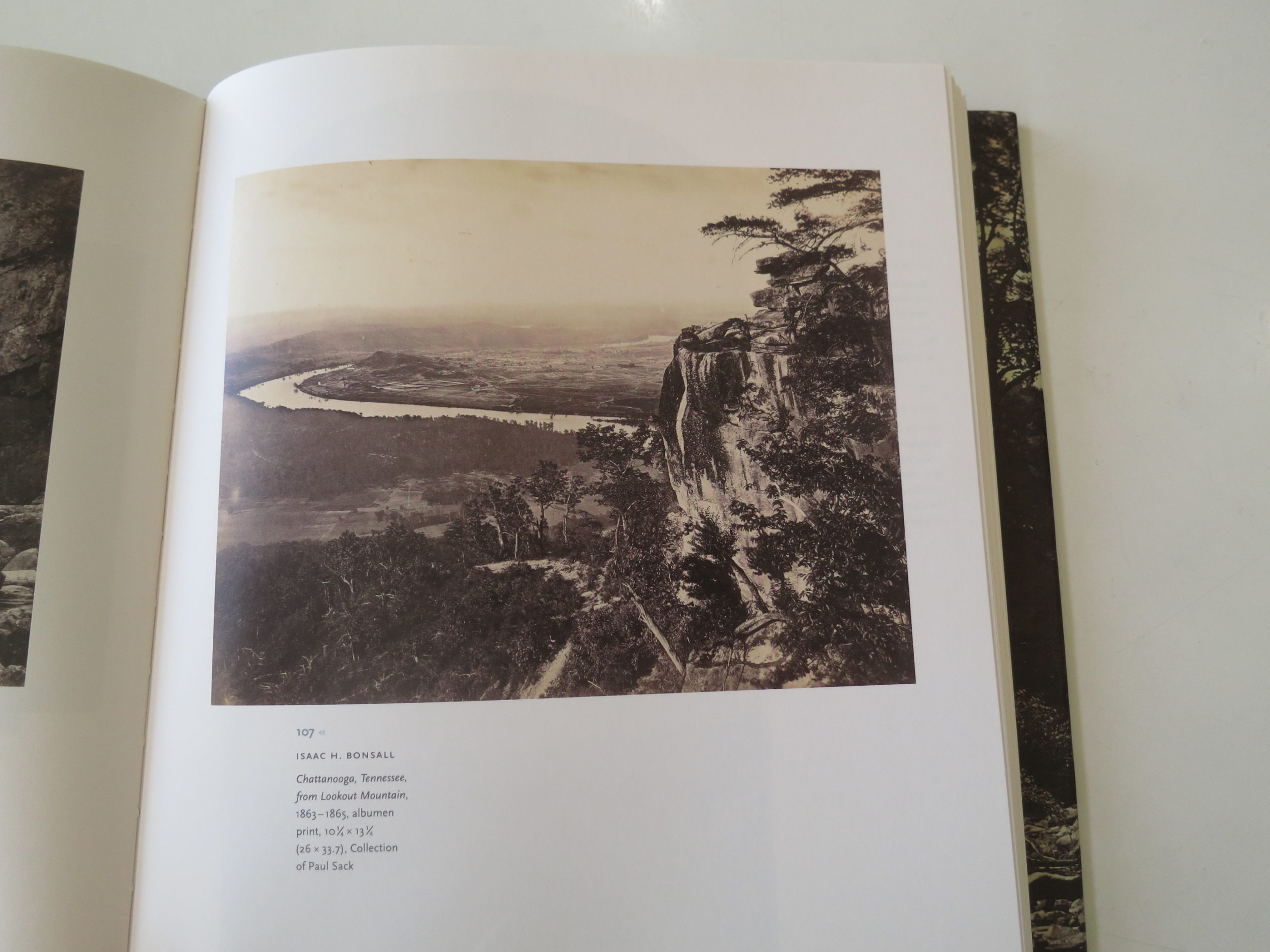
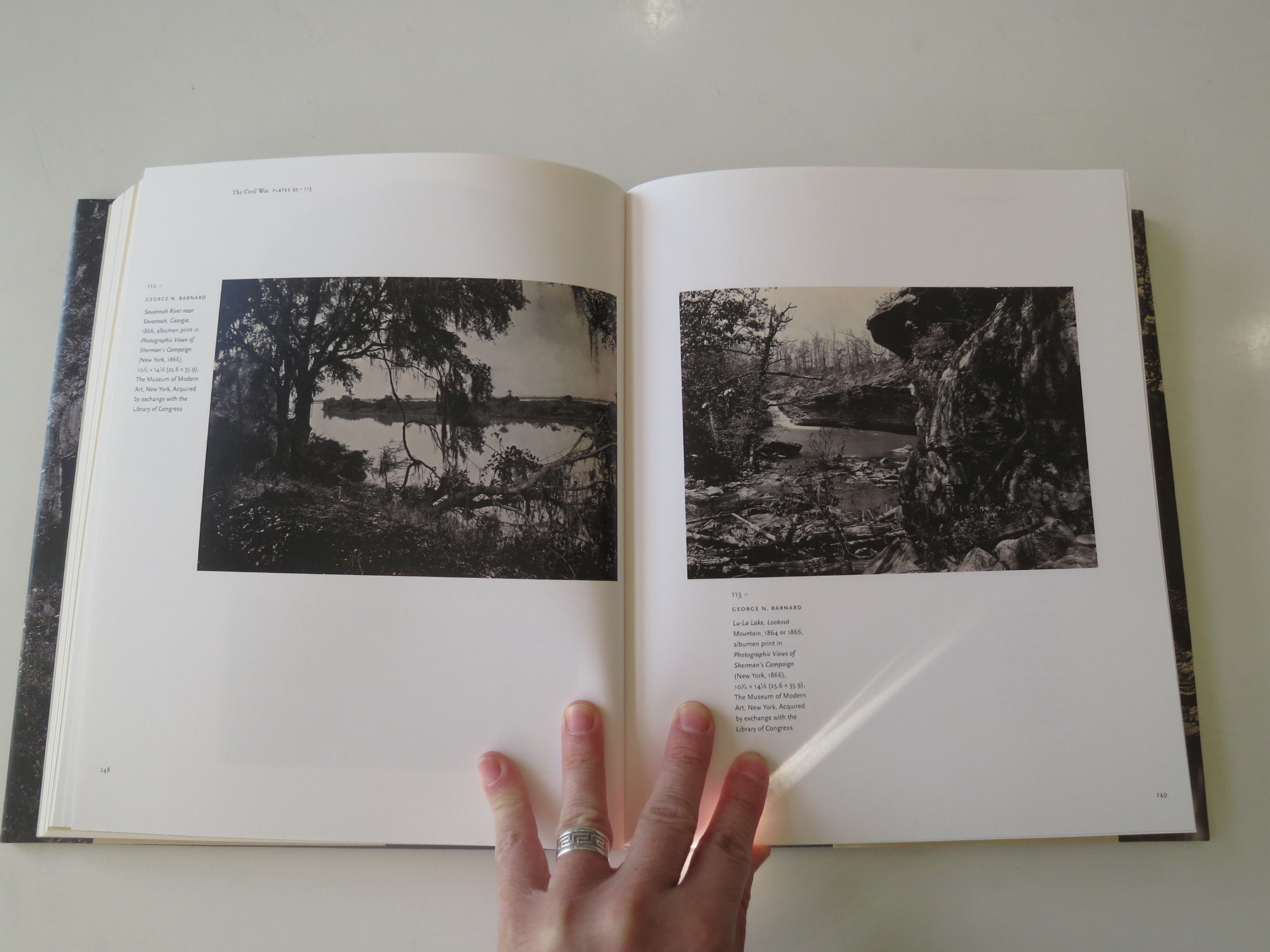
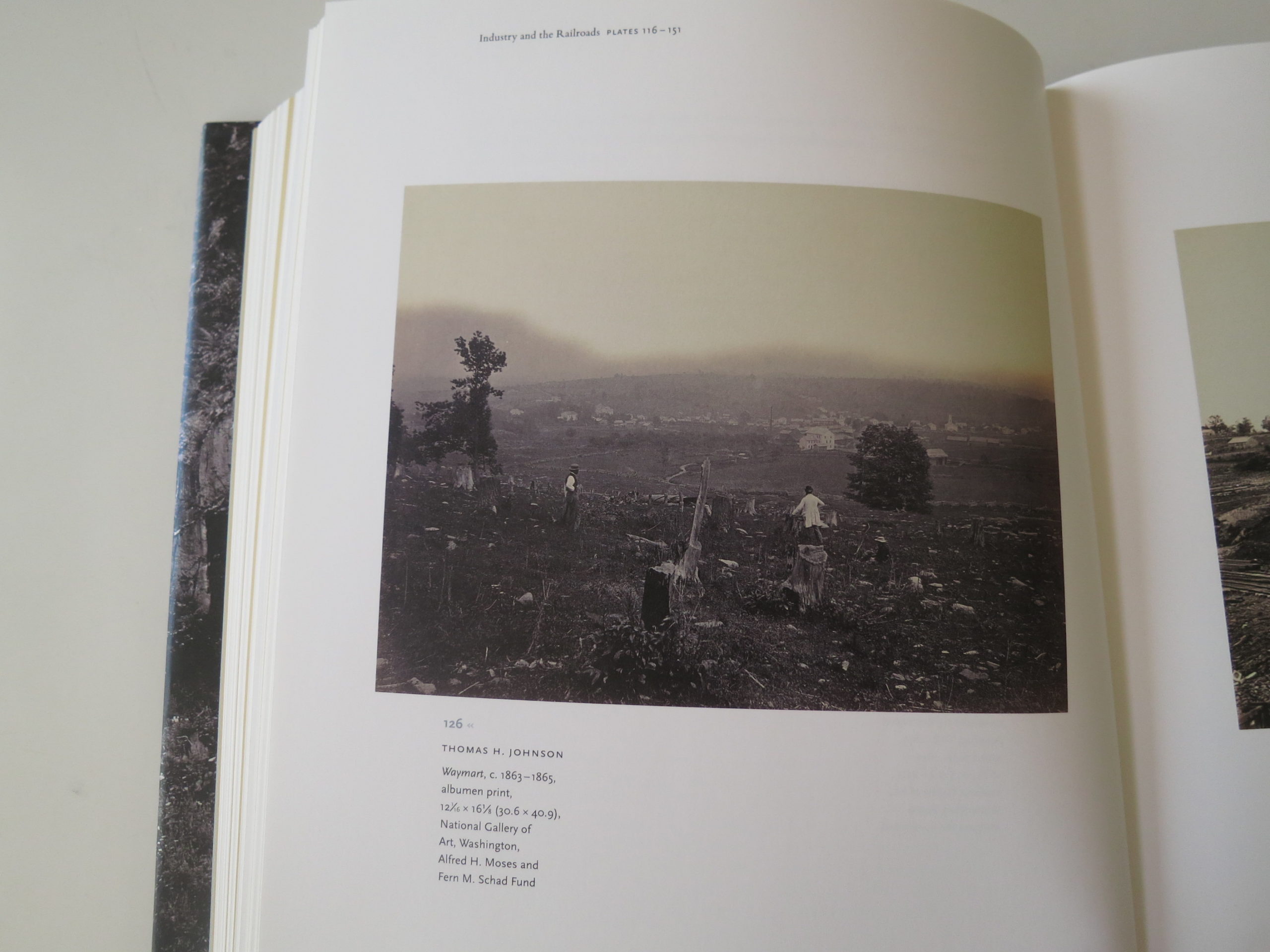
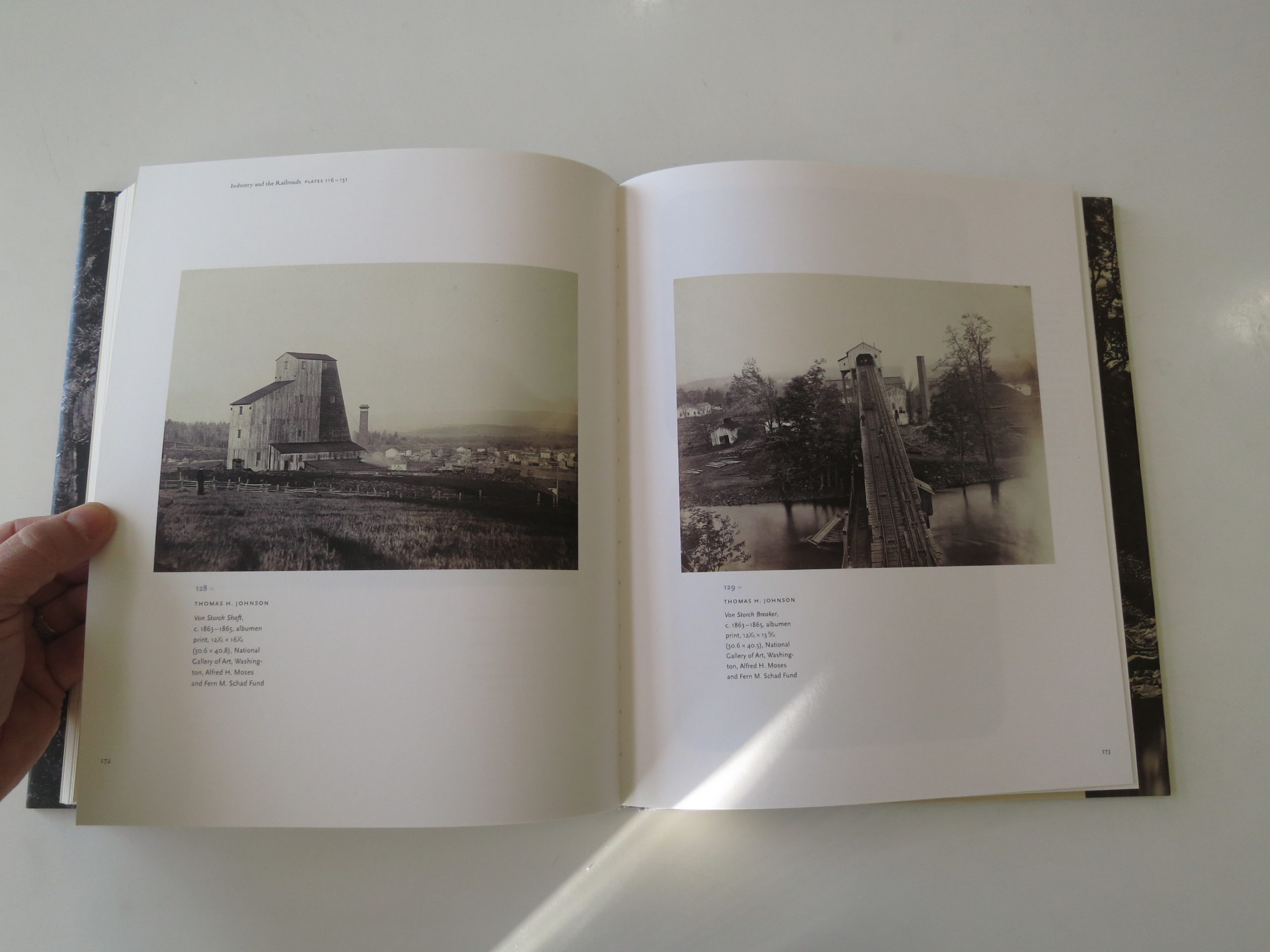
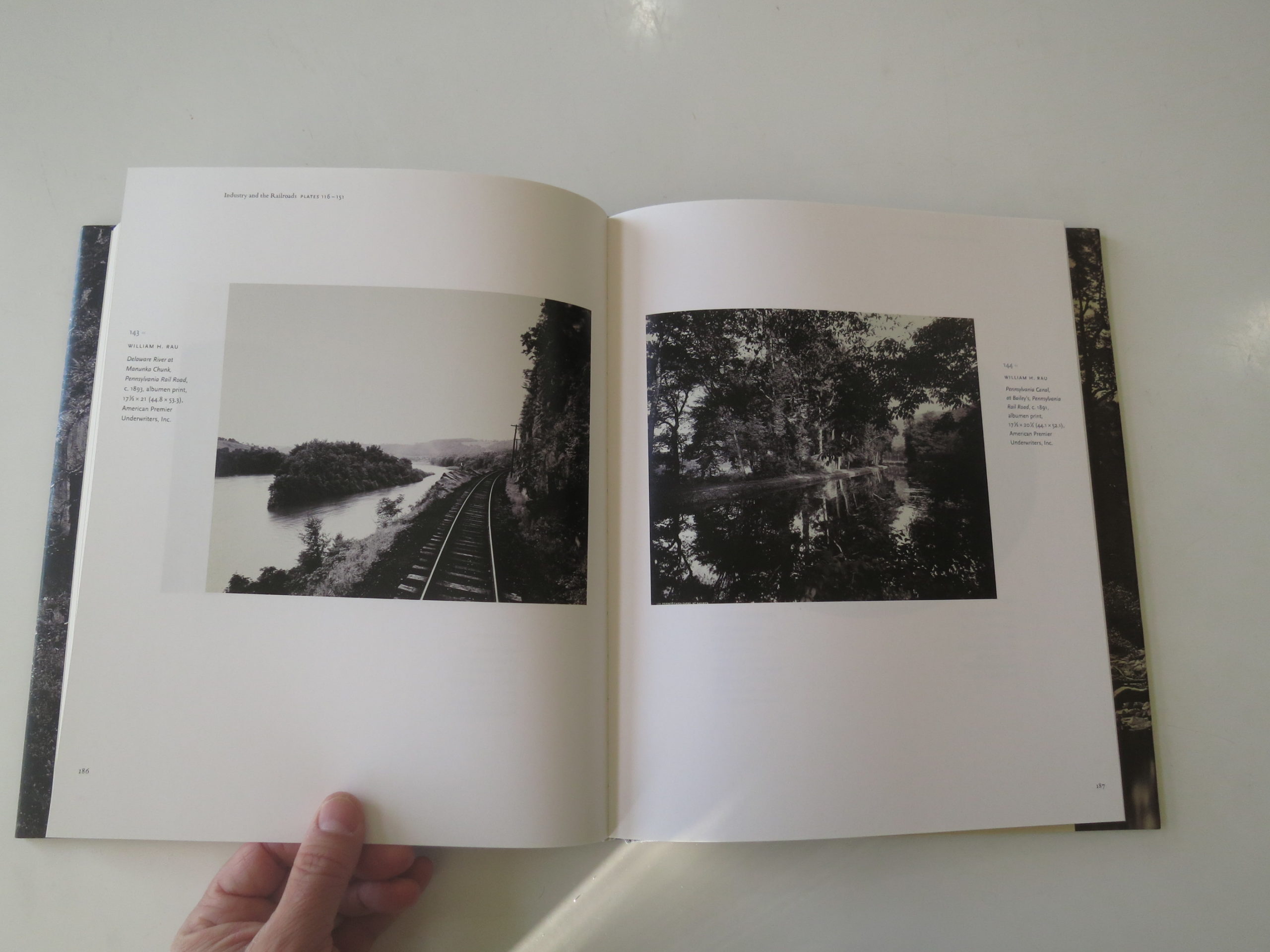
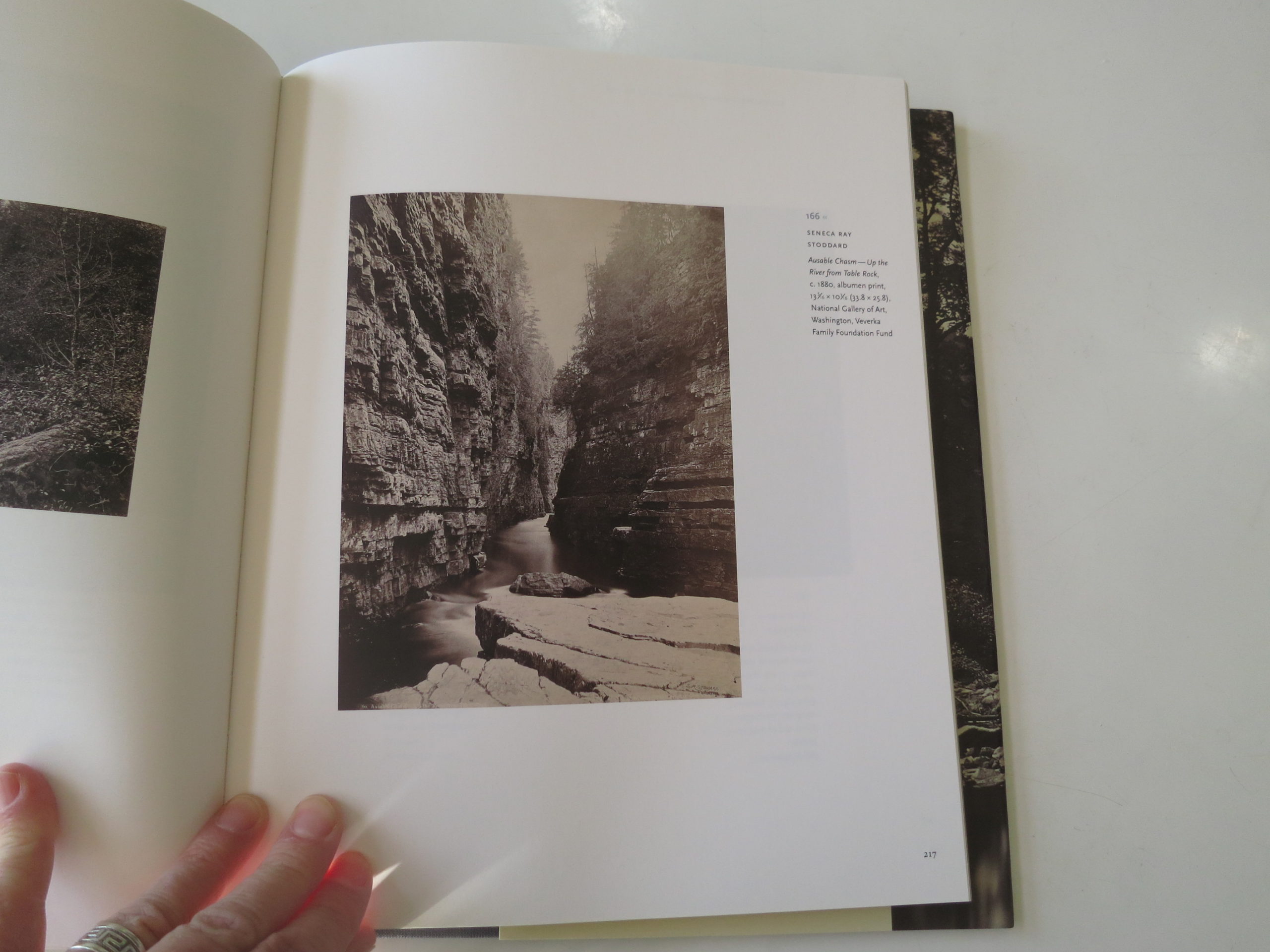
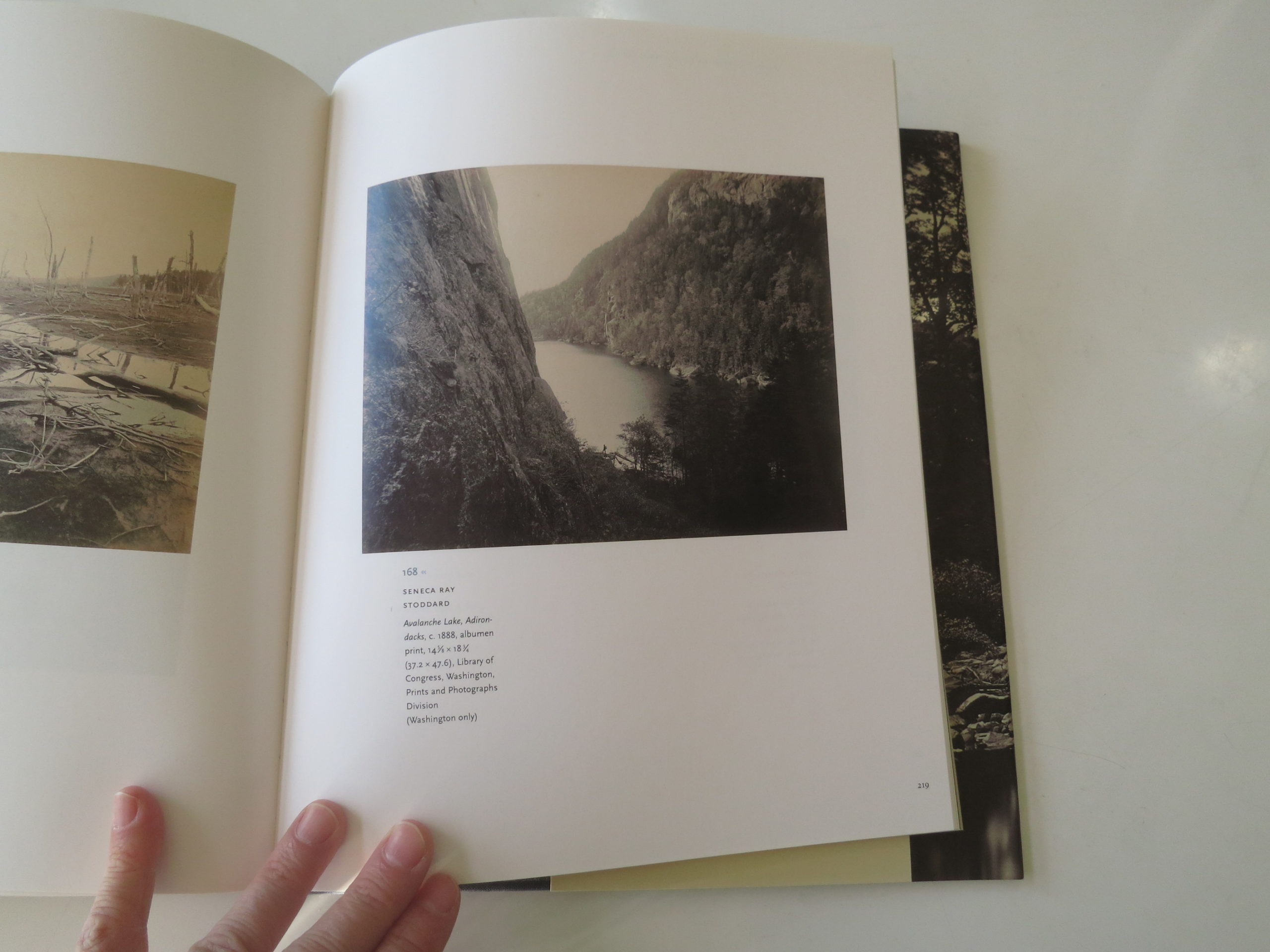
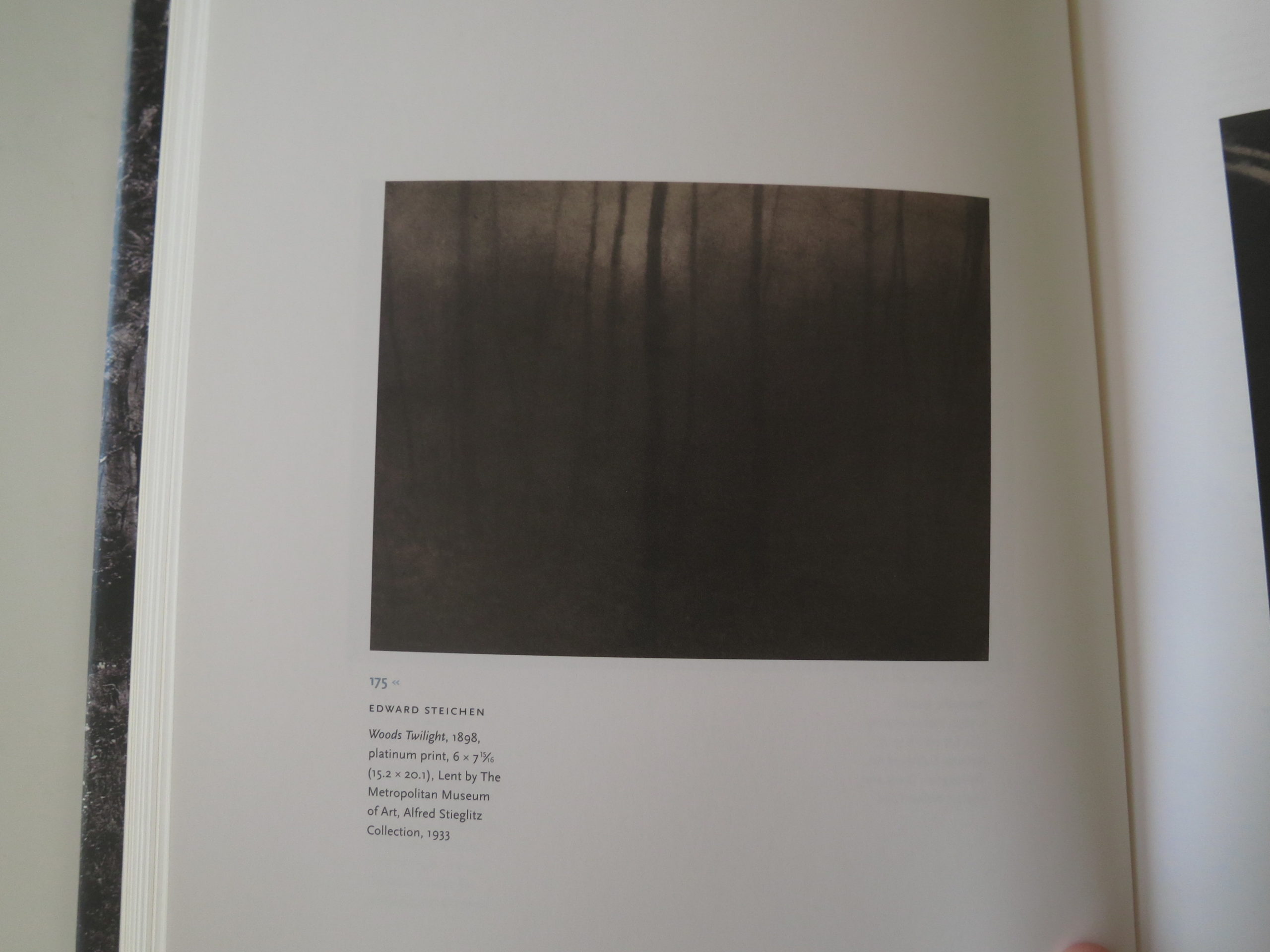
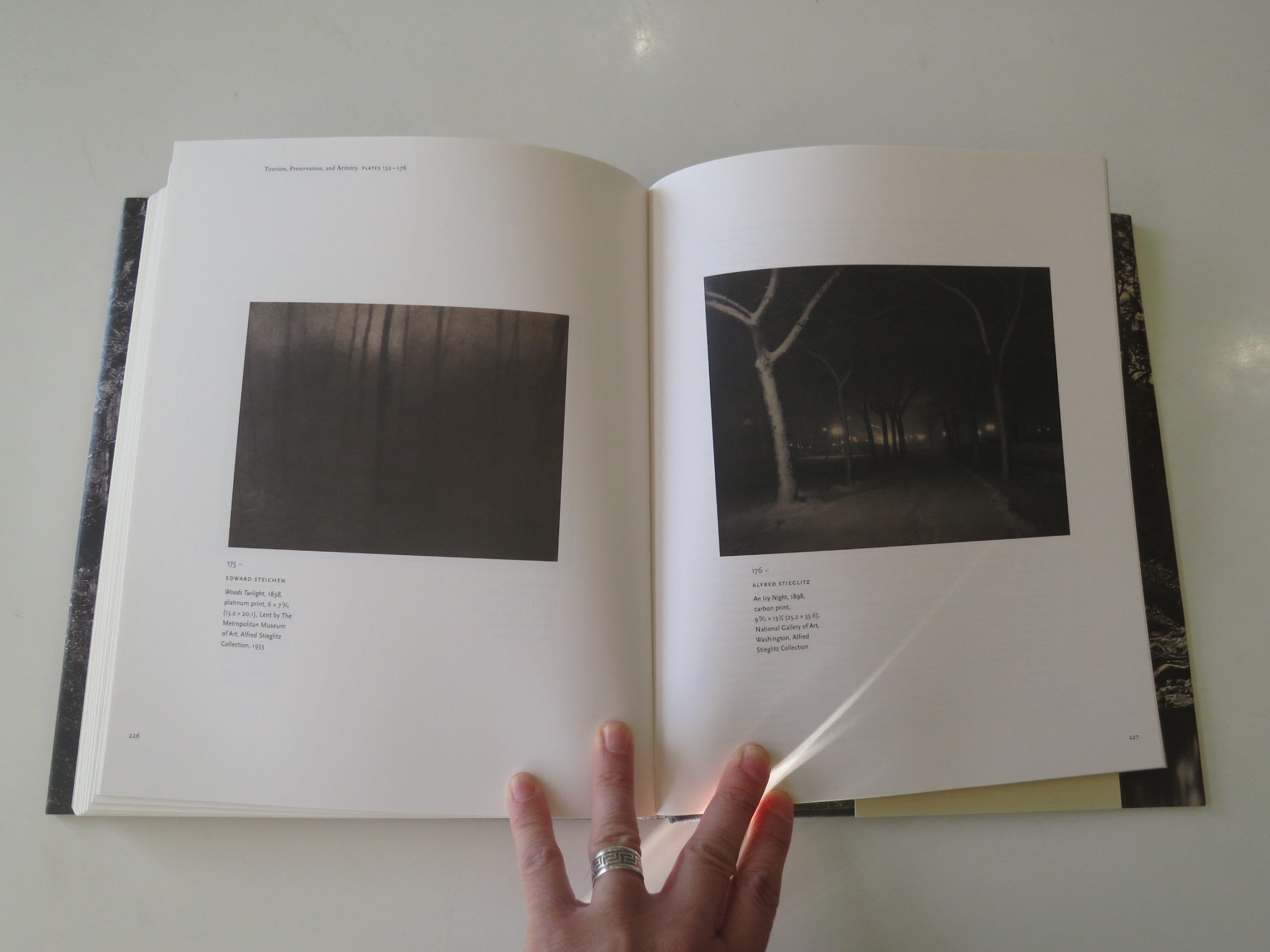
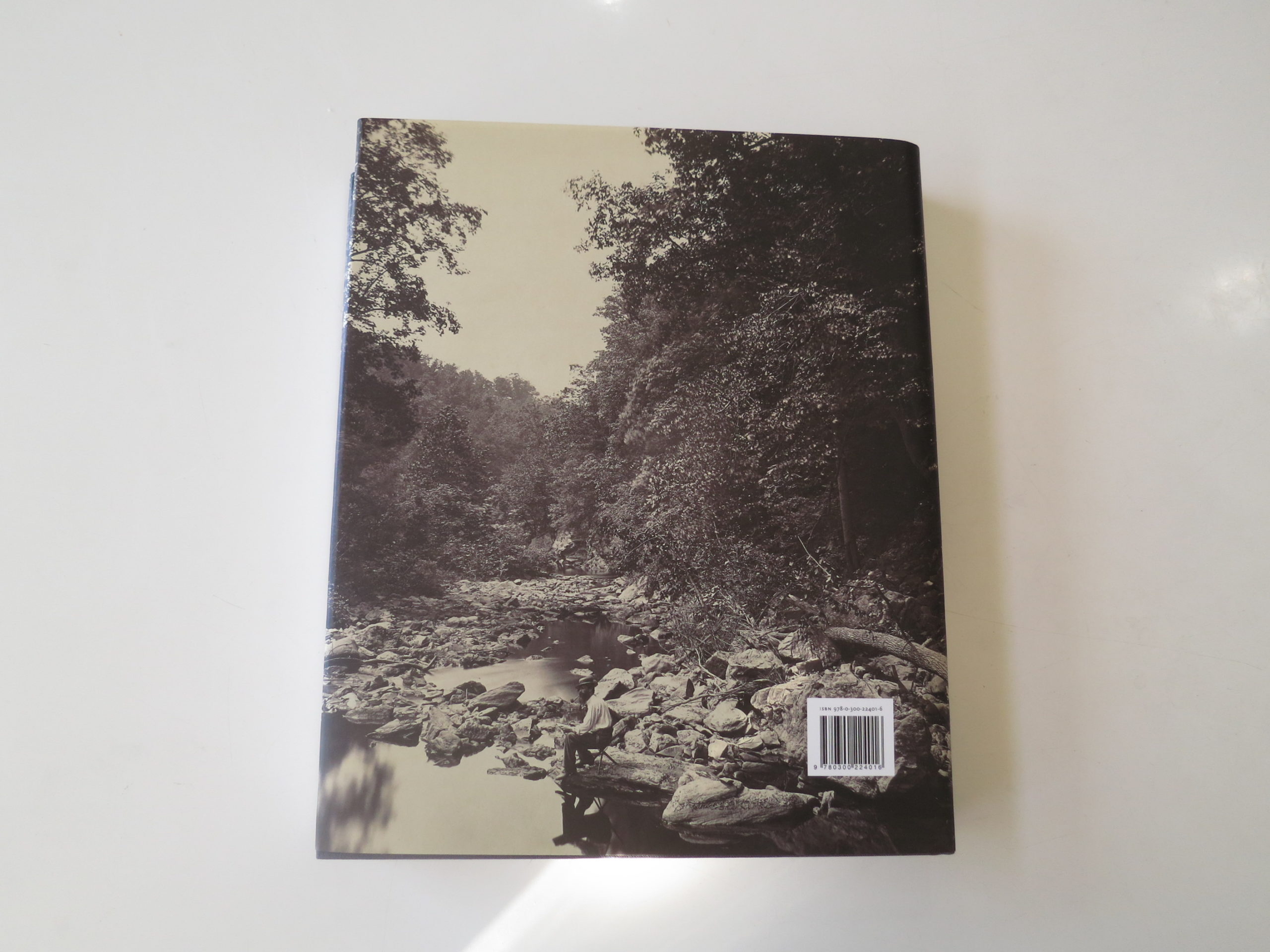
It was a trove of photographs from the 19th Century that captured my attention today, in “East of the Mississippi,’ an amazing photobook that turned up in the mail a couple of years ago.

It was published by Yale University Press, for an exhibition mounted by the National Galley of Art, that I eventually saw at the New Orleans Museum of Art at Photo Nola in 2017.

Why didn’t I like this book before?
Why didn’t I write about the show?

What changed?

Well, I changed.

And the day, the year, the light, the circumstance.

Perhaps I’d grown so accustomed to the Western landscape, living in the heart of the American West this last decade and a half.

Big vistas, big mountains.

GRANDIOSITY!!!

East of the Mississippi, they’ve got small mountains and clustered landscapes.

Claustrophobic spaces.
Hollers.

Not nearly as dramatic, or dynamic.

Much more subtle.

Perhaps the equivalent of a cool Bordeaux, in lieu of a bold Ribera del Duero?

There is also a lot in this book that feels historical, or at least done by “lesser” photographers. Men (because let’s be clear, it’s nearly if not all men,) made work that was preserved for us, and on this viewing, I found it all interesting, historically.

(If not brilliant.)

And just as I found myself mentally comparing to Roger Fenton and Gustave LeGray and Carleton Watkins, as opposed to the more regular-guy-work in the book, I’d turn a page and something would jump, done by a clear talent.

George Barnard, one of my favorites, emerged. Or the Bierstadt Brothers. Timothy O’Sullivan, Arthur Dow, Steichen and Stieglitz.

The more talented photographers, or at least the images that had the most gravitas, would elevate the experience. It got me excited, as a viewer, waiting for the killer stuff within the edit.

(In this way, I was introduced to Isaac Bonsall, and Thomas Johnson, whom I didn’t know.)

But the landscape is varied, too, from the Deep South through the Midwest and New England.

So many lovely ones, amid the plenty.

There are train tracks and bridges, steam ships and water falls.

Men of industry, and beasts of burden.

All dead.

It really is the perfect book for today, as it reminds us that time marches on, and no one knows what’s coming.

The people in these albumen prints could no more imagine #1983 or #2019 than we can the 2050’s.

And as for synchronicity?

Taos is finally a trendy tourist destination again; really popular, with its Instagram-ready landscape, and non-American charm.

How did I know we hit the big time again?

Sting played here over Labor Day weekend.

I heard it was off the hook.

Bottom line: Exquisite exhibition catalogue documenting half of the past of America

To purchase “East of the Mississippi” click here


The Art of the Personal Project: David Bean

The Art of the Personal Project is a crucial element to let potential buyers see how you think creatively on your own.  I am drawn to personal projects that have an interesting vision or that show something I have never seen before.  In this thread, I’ll include a link to each personal project with the artist statement so you can see more of the project. Please note: This thread is not affiliated with any company; I’m just featuring projects that I find.  Please DO NOT send me your work.  I do not take submissions.


Today’s featured artist:   David Bean

“I’d trade all my tomorrows for one single yesterday.”
― Kris Kristofferson

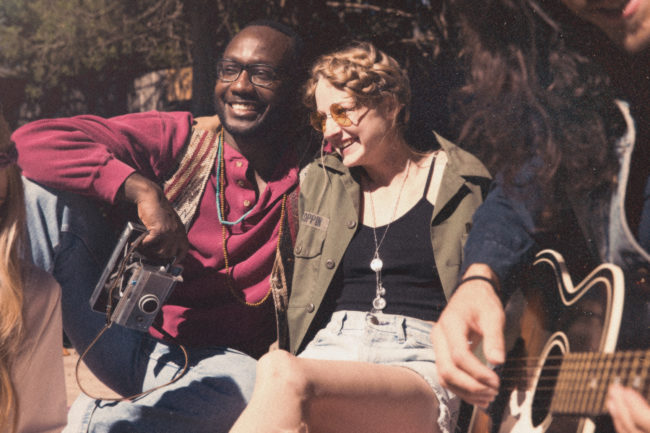
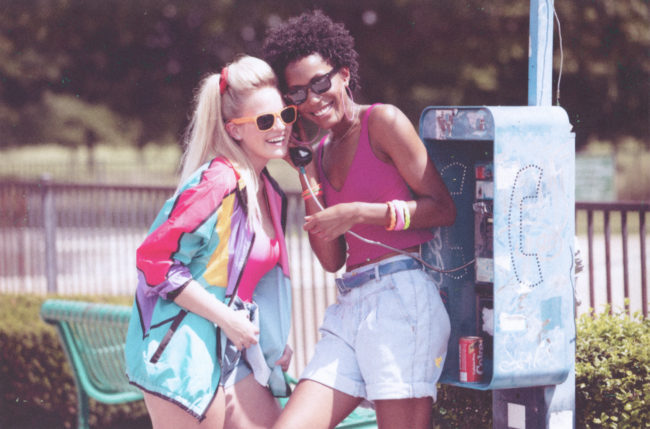
Nostalgia is a funny thing. No matter how old we are all, of us look back on our younger days with a certain sense of longing. They’re the “good old days” even if they really weren’t.

We don’t want to go back to the painful parts of our past, but we sometimes dream about revisiting the culture and environment; the music, fashion, sounds and smells that were a part of our upbringing.

I’ve lived in over 30 towns and cities, in 11 states and went to 6 different high schools. I’ve lived on hippie communes in the country and tiny apartments in the city. My memories of the past are varied and diverse. I often find myself longing to go back to South Florida in the late 80’s/early 90’s. Even though I was young, lonely and lost during that period, there’s a magic to that era for me that I can’t escape.

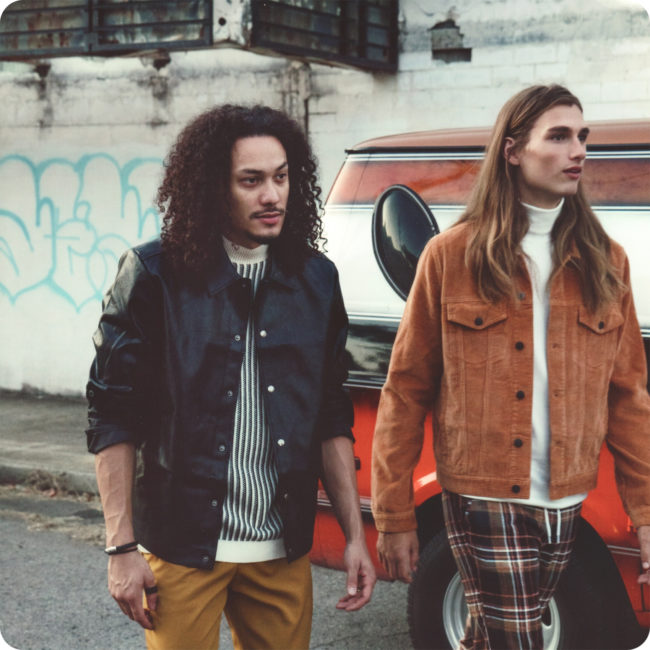
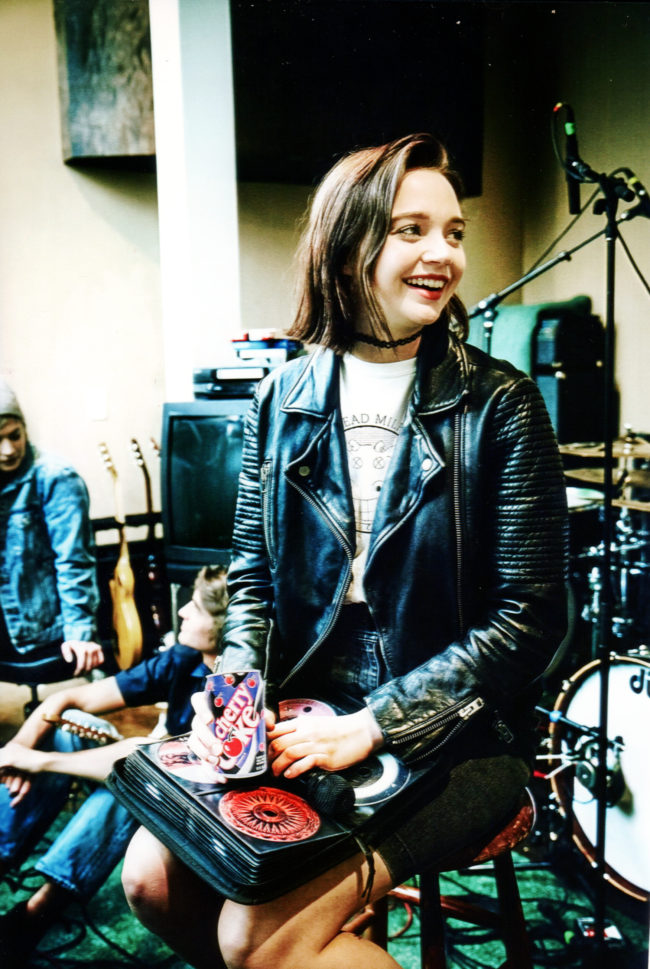
One day I had the idea to revisit the past through a series of photo shoots that captured the lives of youth/young adults in the U.S. over the course of 4 decades; the 1960’s, 1970’s, 1980’s & 1990’s. My goal was not to just create a homage to these periods, but to make the photos look as if they were shot in their respective times.

I tried my best to keep all of the props authentic, even down to the Coke and McDonalds products used. I searched out and bought items online from eBay and when not available I printed out replicas and made them myself.

All photos were taken with a Canon 5D Mark IV and Profoto B1 and/or A1’s. I didn’t want to “cheat” and use film for these shoots. I wanted to show that I could re-create time periods using modern technology.

To see more of this project, click here.

APE contributor Suzanne Sease currently works as a consultant for photographers and illustrators around the world. She has been involved in the photography and illustration industry since the mid 80s.  After establishing the art buying department at The Martin Agency, then working for Kaplan-Thaler, Capital One, Best Buy and numerous smaller agencies and companies, she decided to be a consultant in 1999. She has a new Twitter feed with helpful marketing information because she believes that marketing should be driven by brand and not by specialty.  Follow her at @SuzanneSeaseInstagram

Success is more than a matter of your talent. It’s also a matter of doing a better job presenting it.  And that is what I do with decades of agency and in-house experience.


The Daily Edit – The New York Times: Jessica Pons

The New York Times


Photographer: Jessica Pons
Editor: Crista Chapman
See the interactive piece here


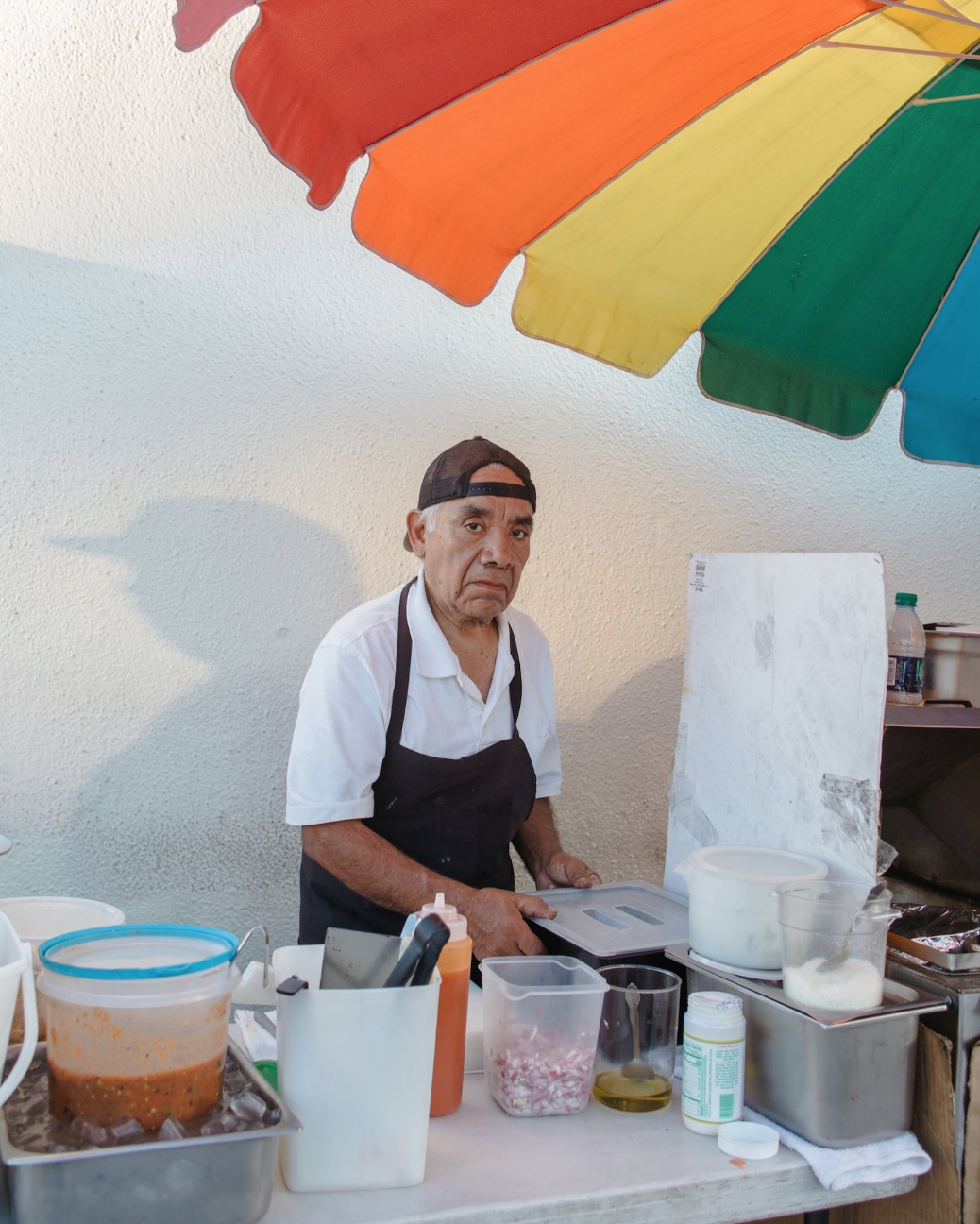
Heidi: How did you decide which vendors were going to be shot?
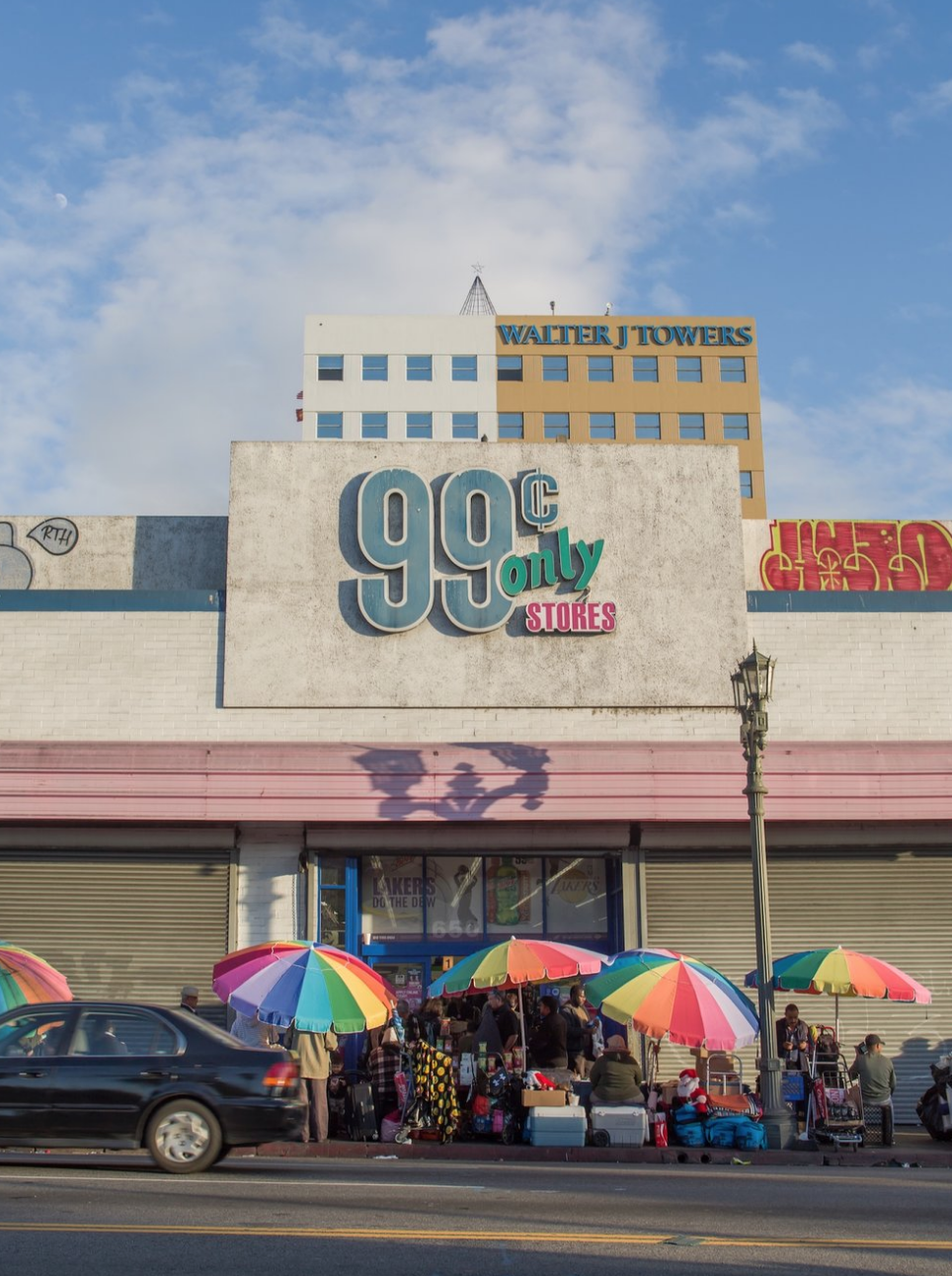
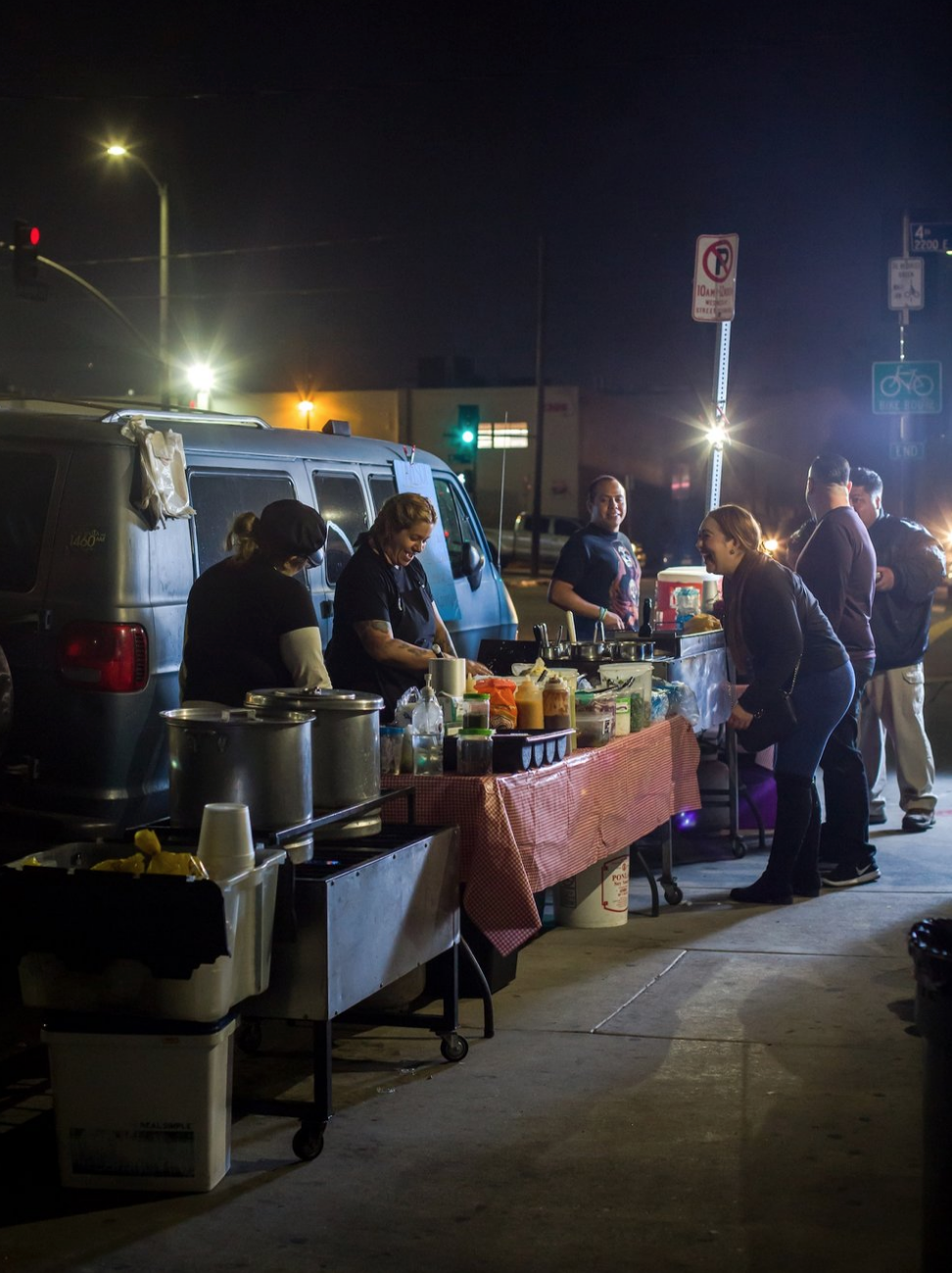
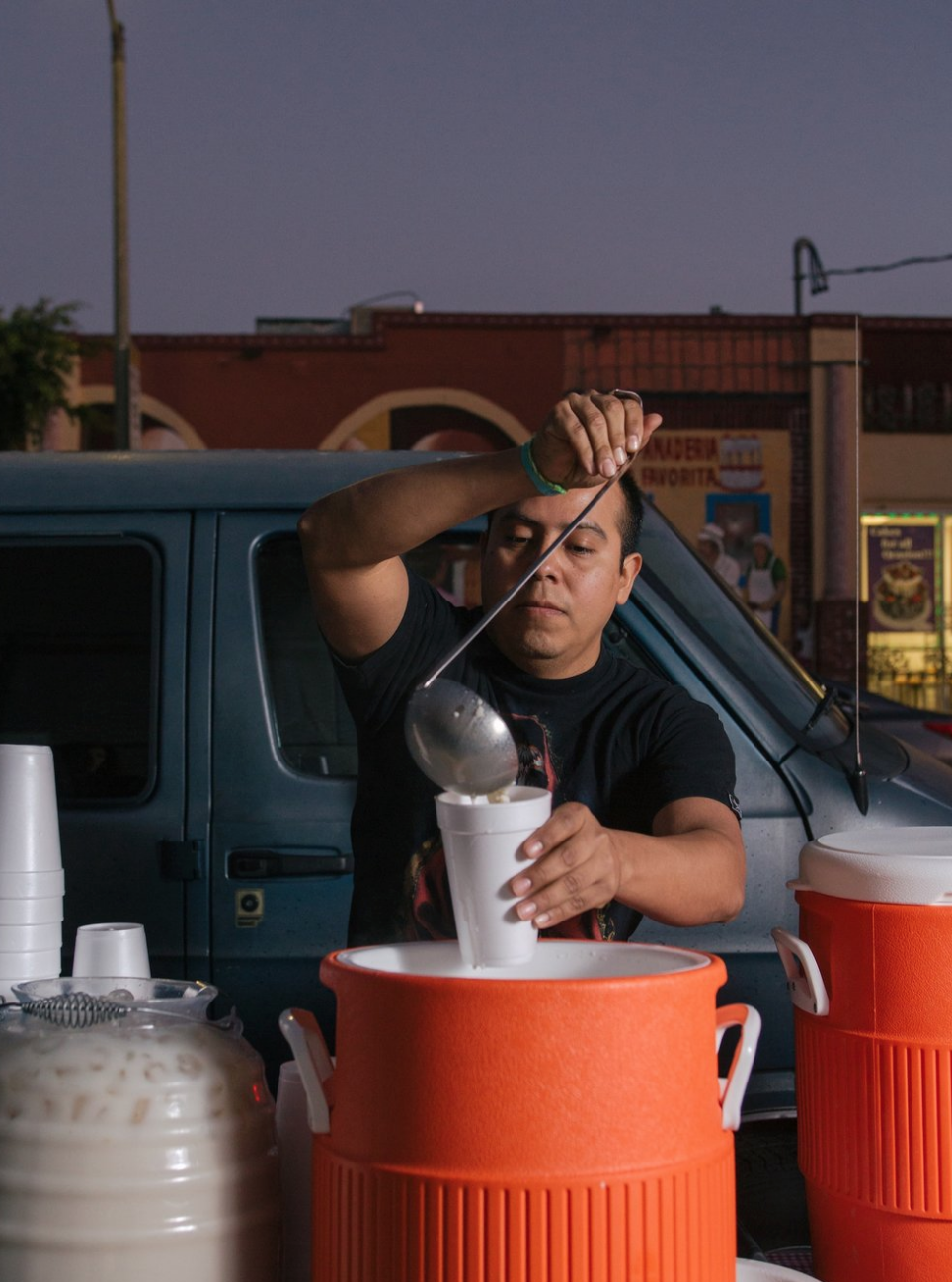
Jessica: I didn’t have specific vendors in mind, instead, there were specific locations in LA where I knew vendors posted up. Some of the locations I wandered to were MacArthur Park, the Piñata District and Boyle Heights, where I walked around, approaching vendors more so intuitively. There were, however, a few vendors who were scouted through East LA Community Corporation, an organization that advocates for economic and social justice in Boyle Heights and East Los Angeles. The writer on this story, Tim Arango, had interviewed a few of the vendors who had played a key role in legalizing street vending so for those individuals I reached out to directly.

How did this idea come about?
The idea emerged after Los Angeles finally legalized street vendors, which have long been a fixture of immigrant life in LA even as they operated illegally and were subject to periodic crackdowns. NYT editor Crista Chapman wrote me that their aim was to do a story that wraps in a few threads: the history of food vendors; immigration; food culture; and street life in a city that is dominated by the automobile.

What was the photo direction?
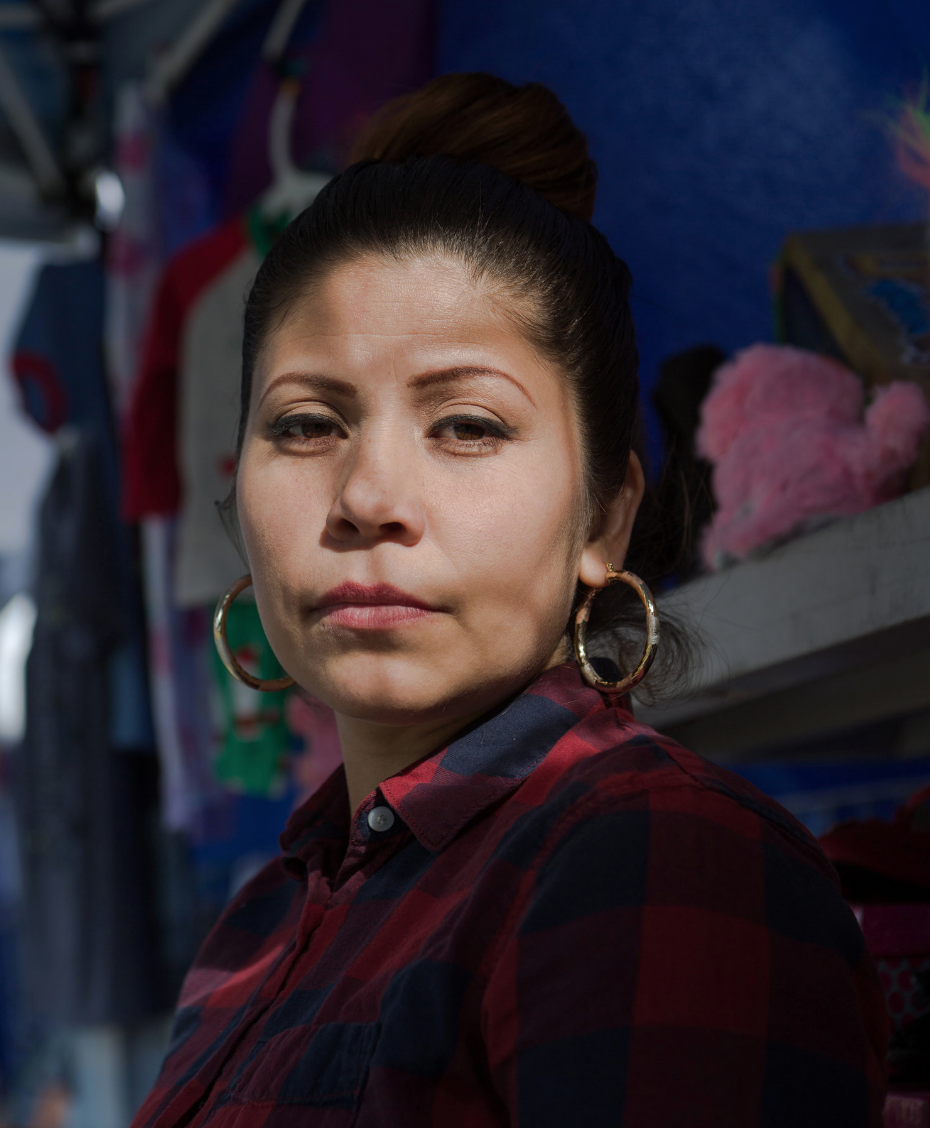
Visually speaking, the photos had to be shot vertically to fit the specific slideshow. My approach was to try to encapsulate  the culture of street vending the best I could; I looked for moments, details, wider landscapes and of course portraits.

How did you interact with them, where they receptive?
For the most part, vendors were happy with the news that they were no longer outlawed so they were very welcoming and open to sharing their stories with me. I think being able to communicate with them in Spanish helped build trust a little easier. There were a few who hesitated sharing their names due to the current political climate, which is completely understandable. But for the most part, vendors showed a desire to speak up about this issue as they felt justified in their stance. They know deep down they have dignified jobs, and make food with passion, some even following the foot steps of their ancestors who were street vendors back in their homelands.

The Daily Promo – Kennett Mohrman

Kennett Mohrman

Who printed it?
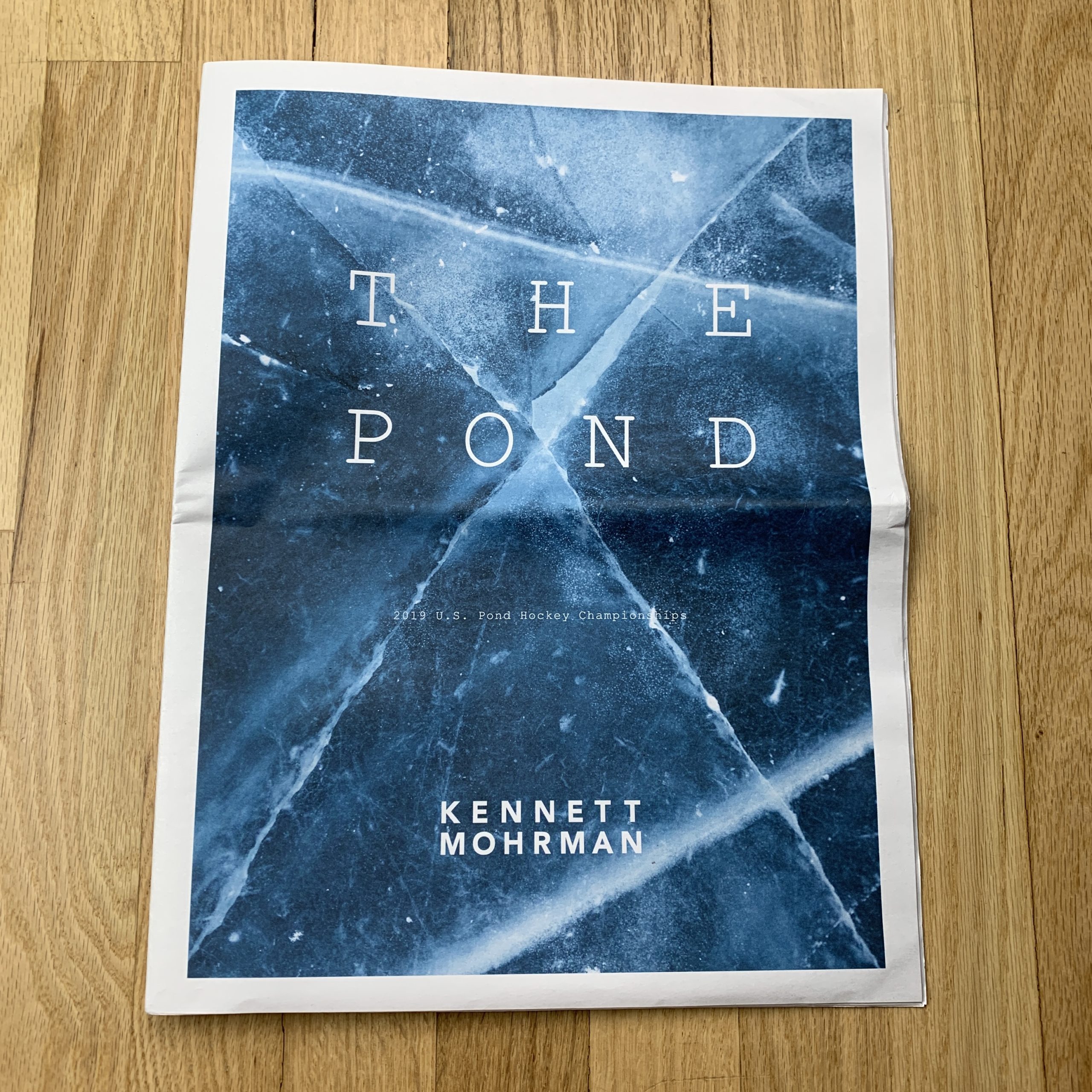
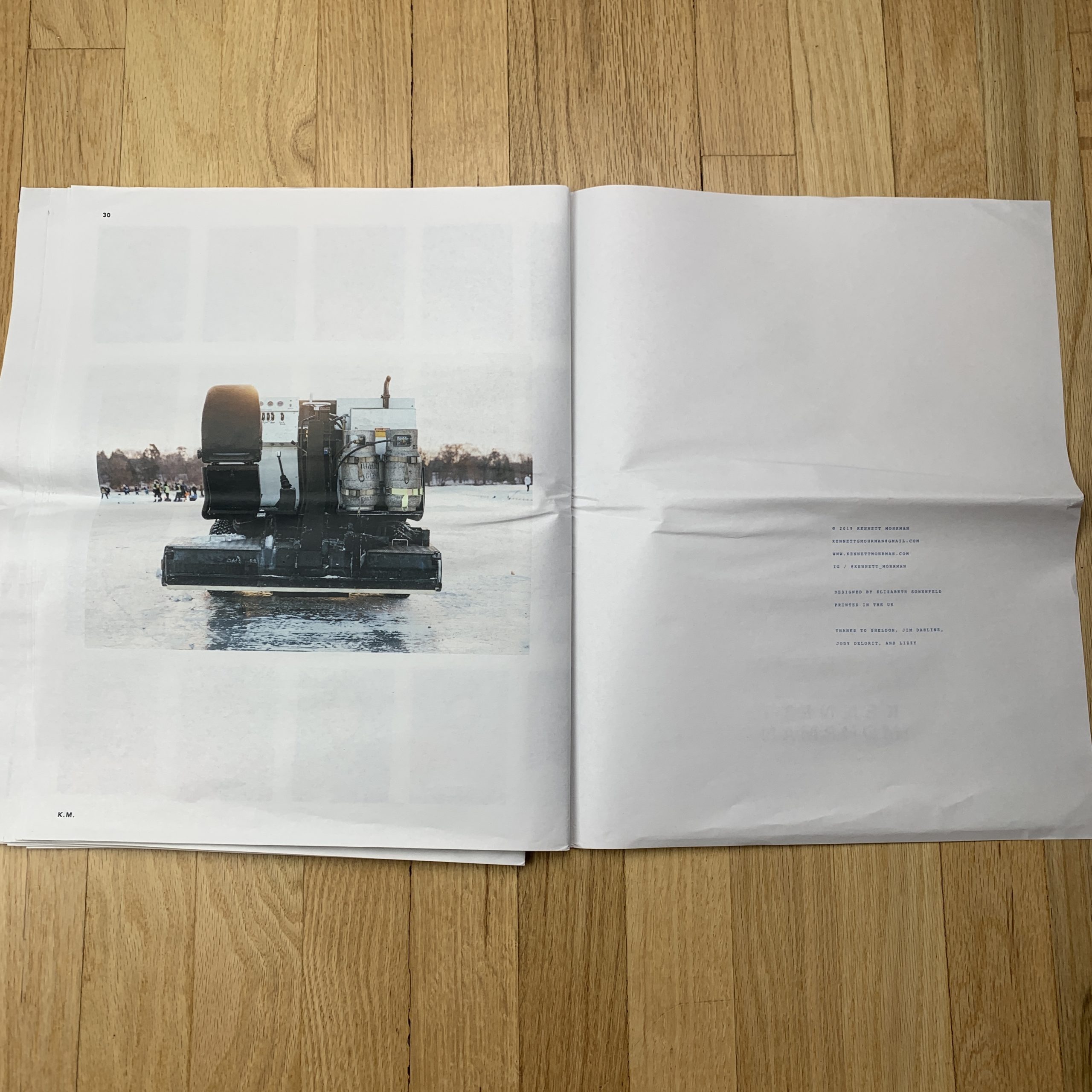
Right off the bat, I knew I wanted to print this on newsprint. We came across Newspaper Club – they specialize in newsprint in tabloid sizing. It was a great option for a small run as well. And, I was able to print one to start as proof and nit-pick color etc. I was so pleased with the results.

Who designed it?
Luckily, I’m married to a Creative Director – Lizzy Sonenfeld (@lizz_zzz_y). We’ve worked together for a long time, so the process is really collaborative and natural. I knew I wanted to marry colorful graphic images with strong player portraits and she did a great job of working it all in together.

Tell me about the images?
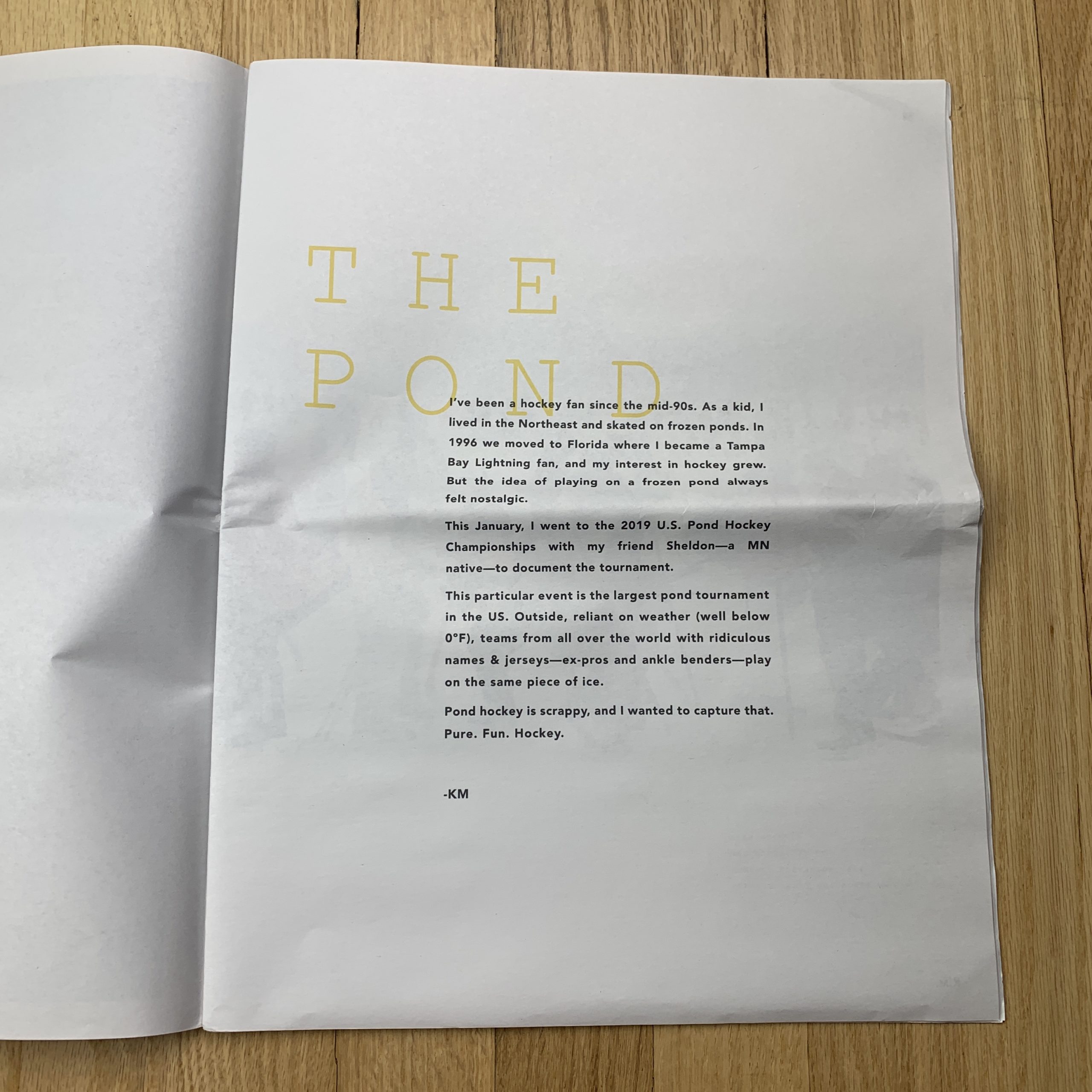
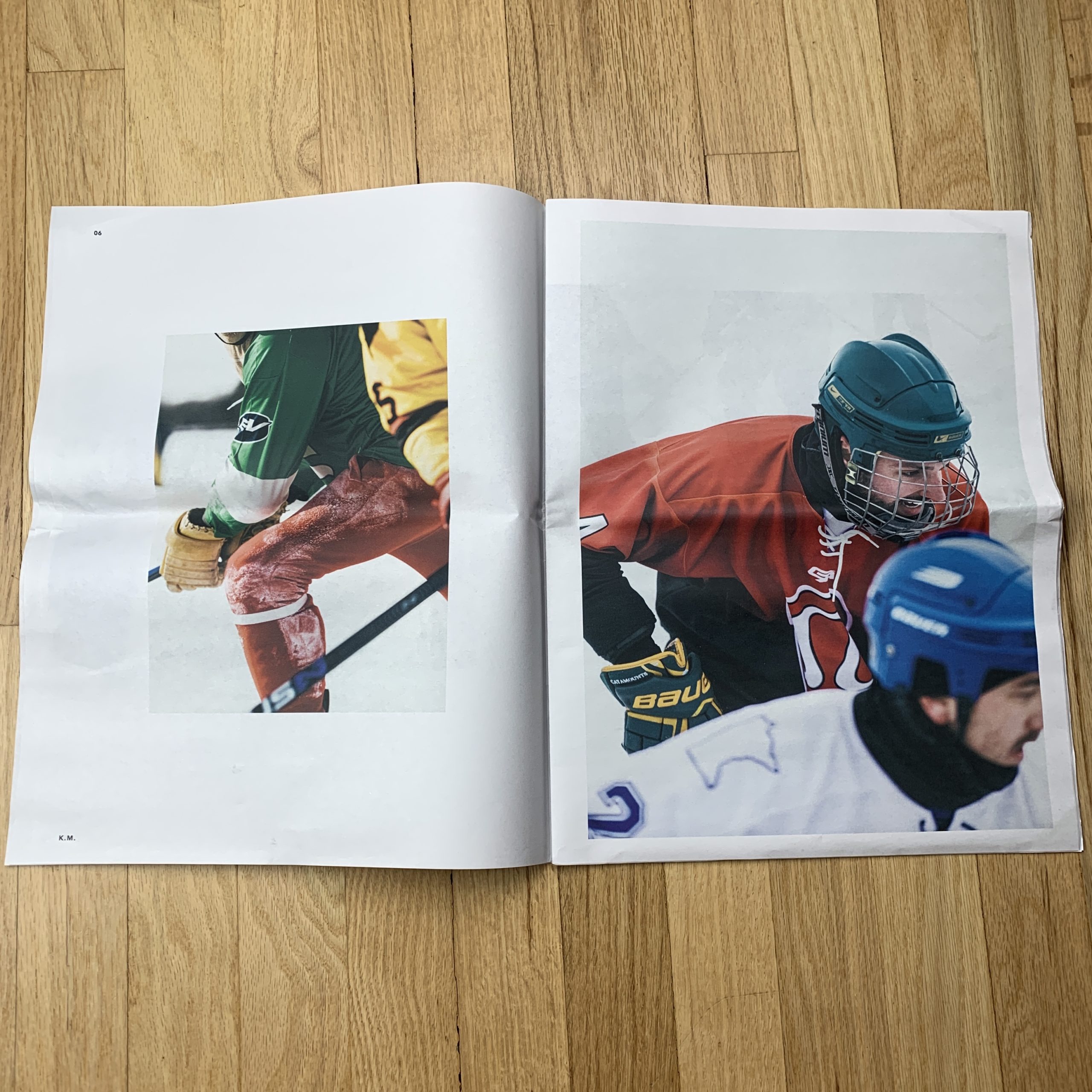
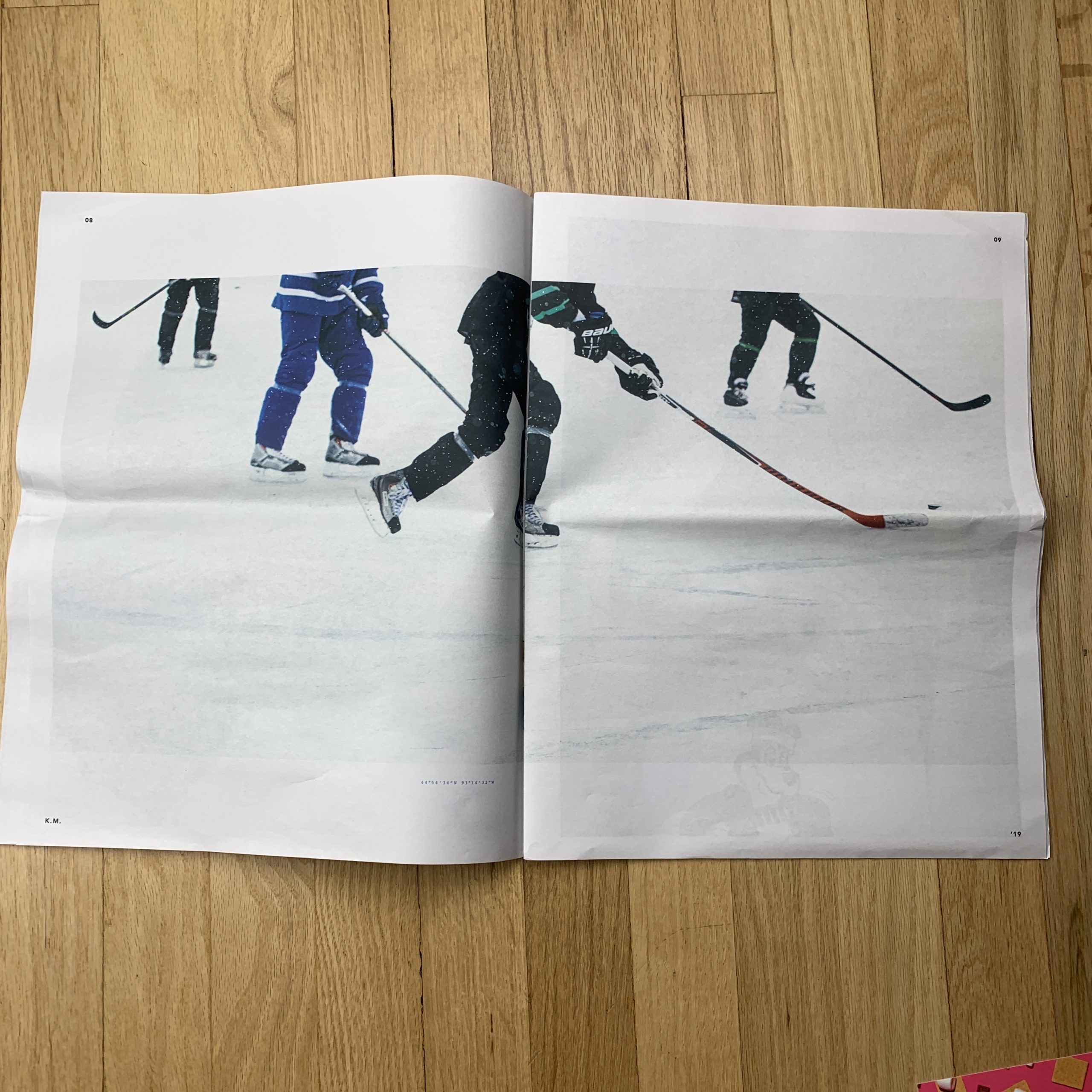
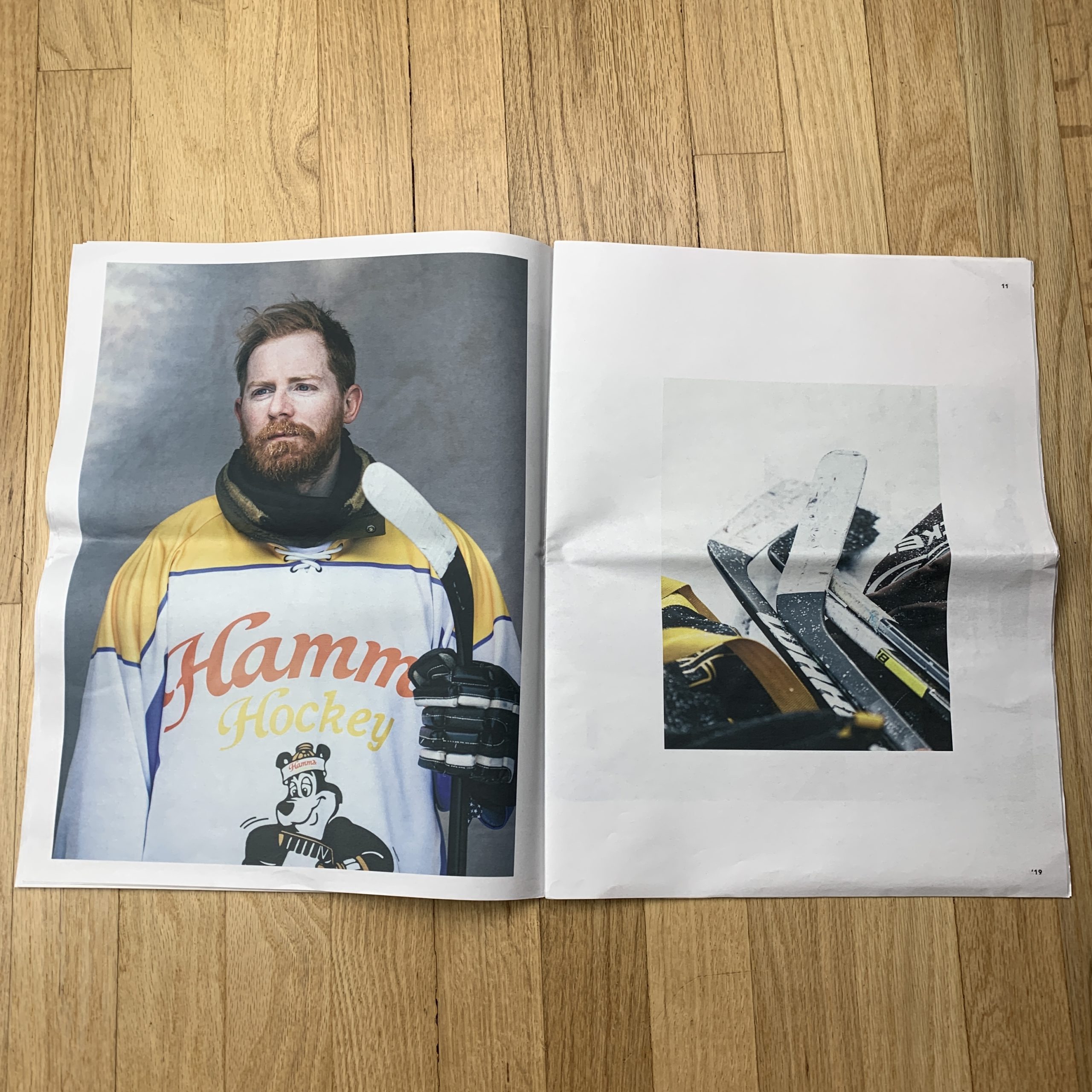
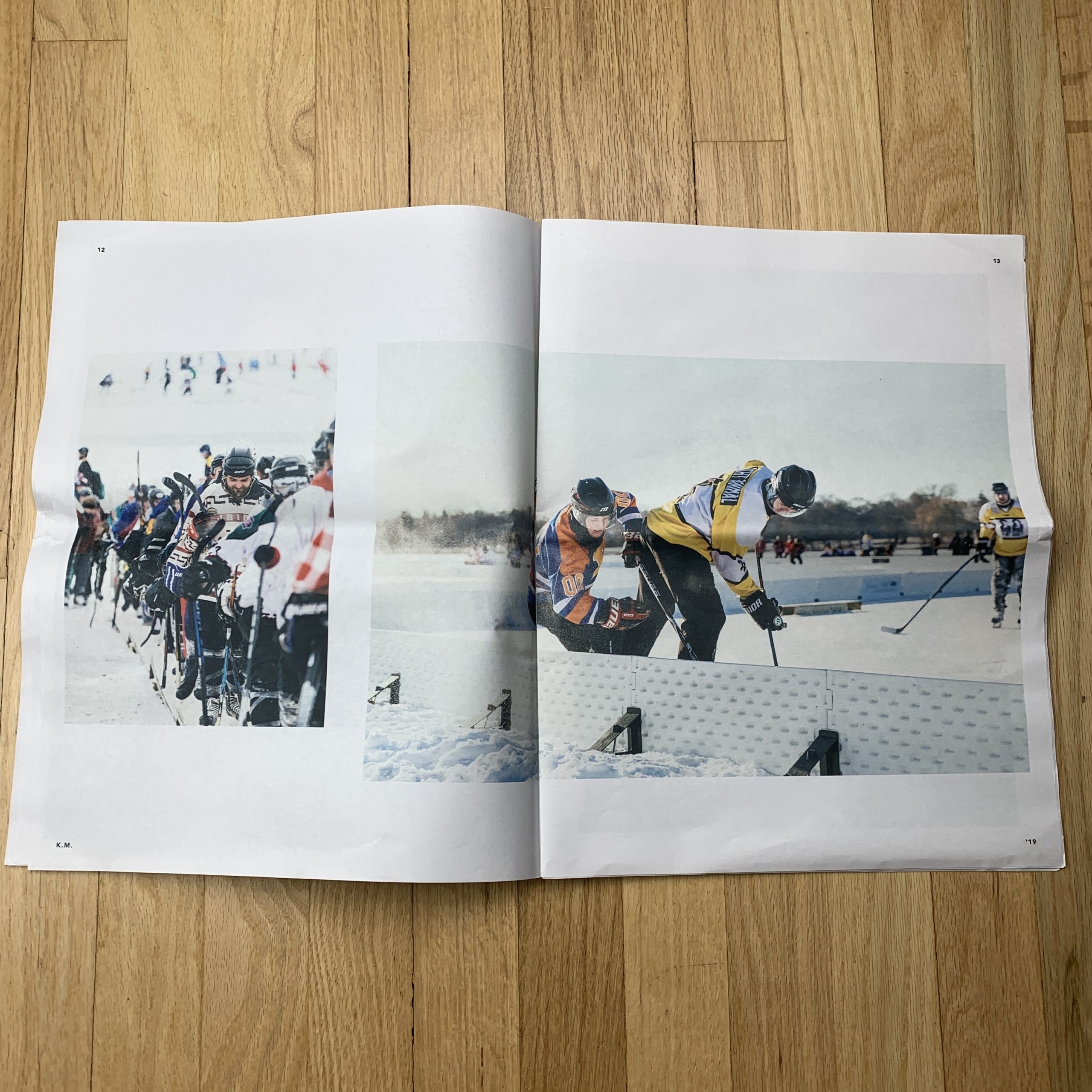
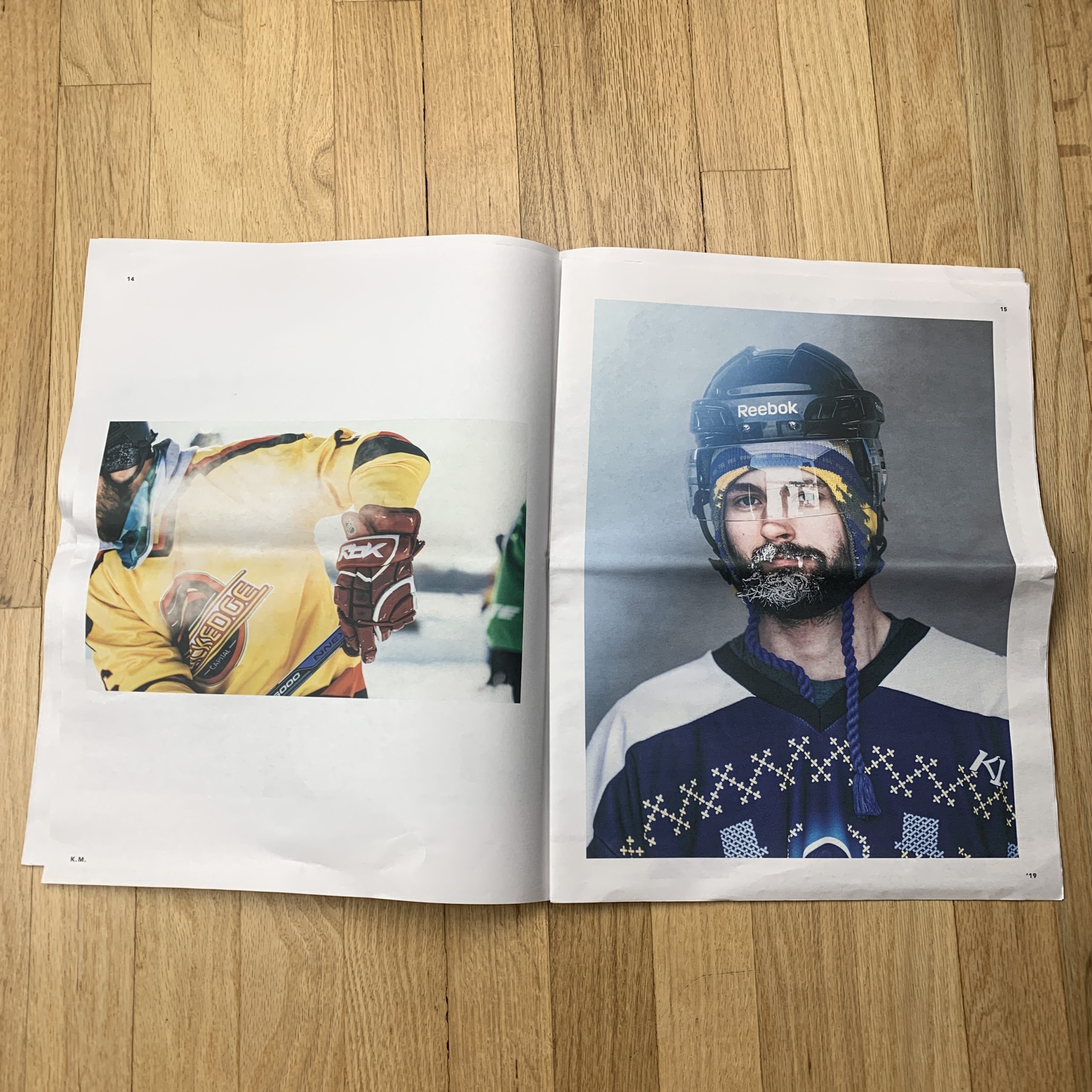
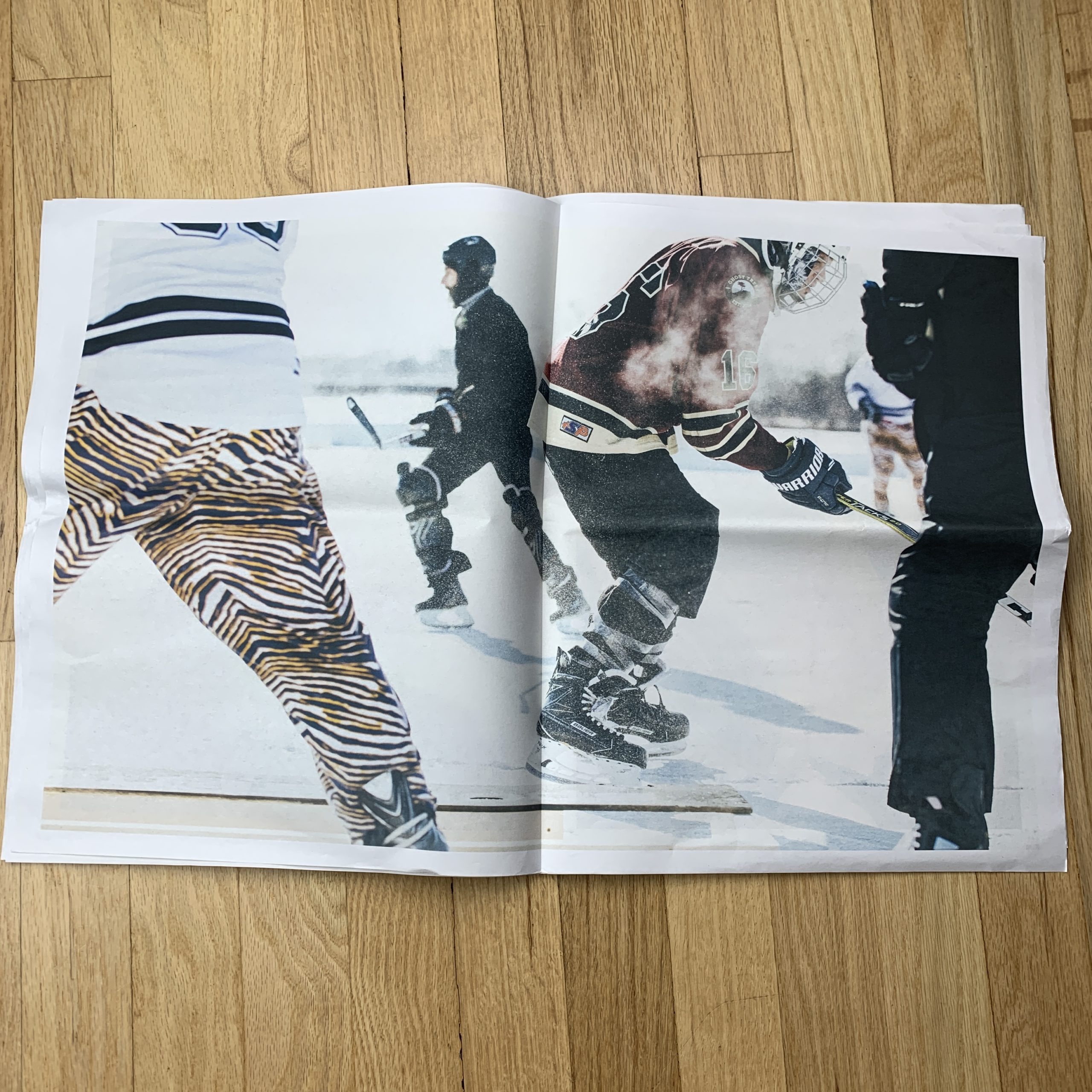
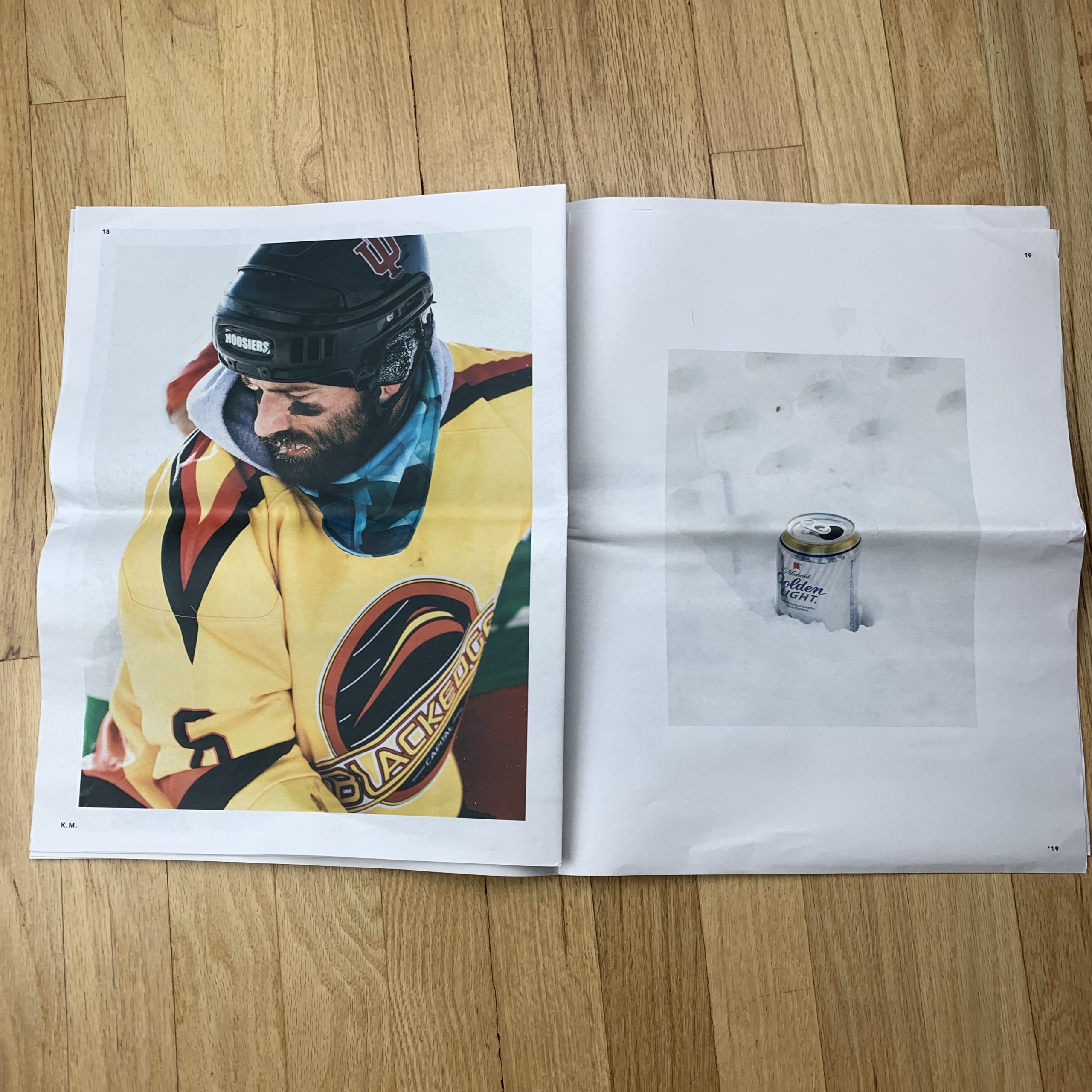
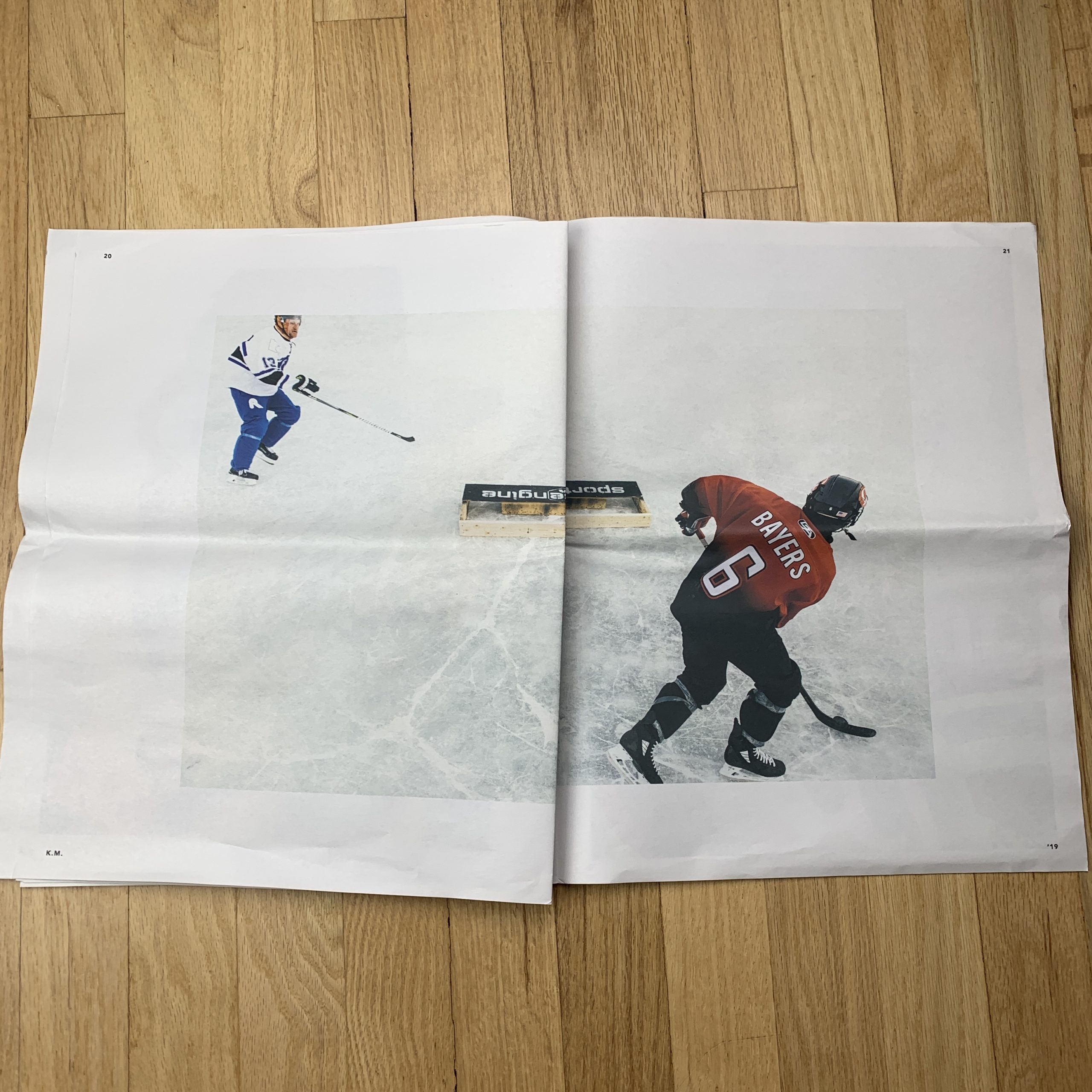
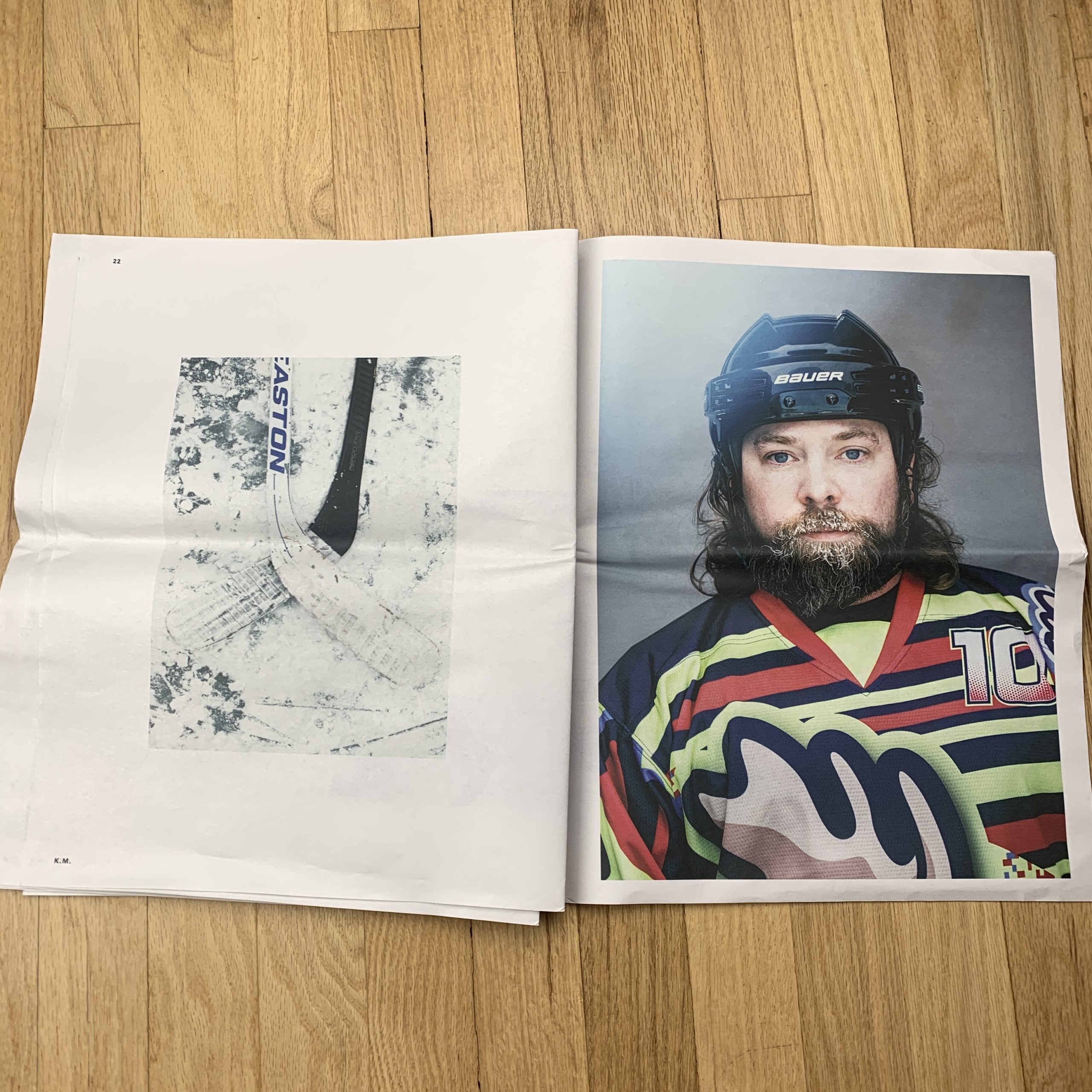
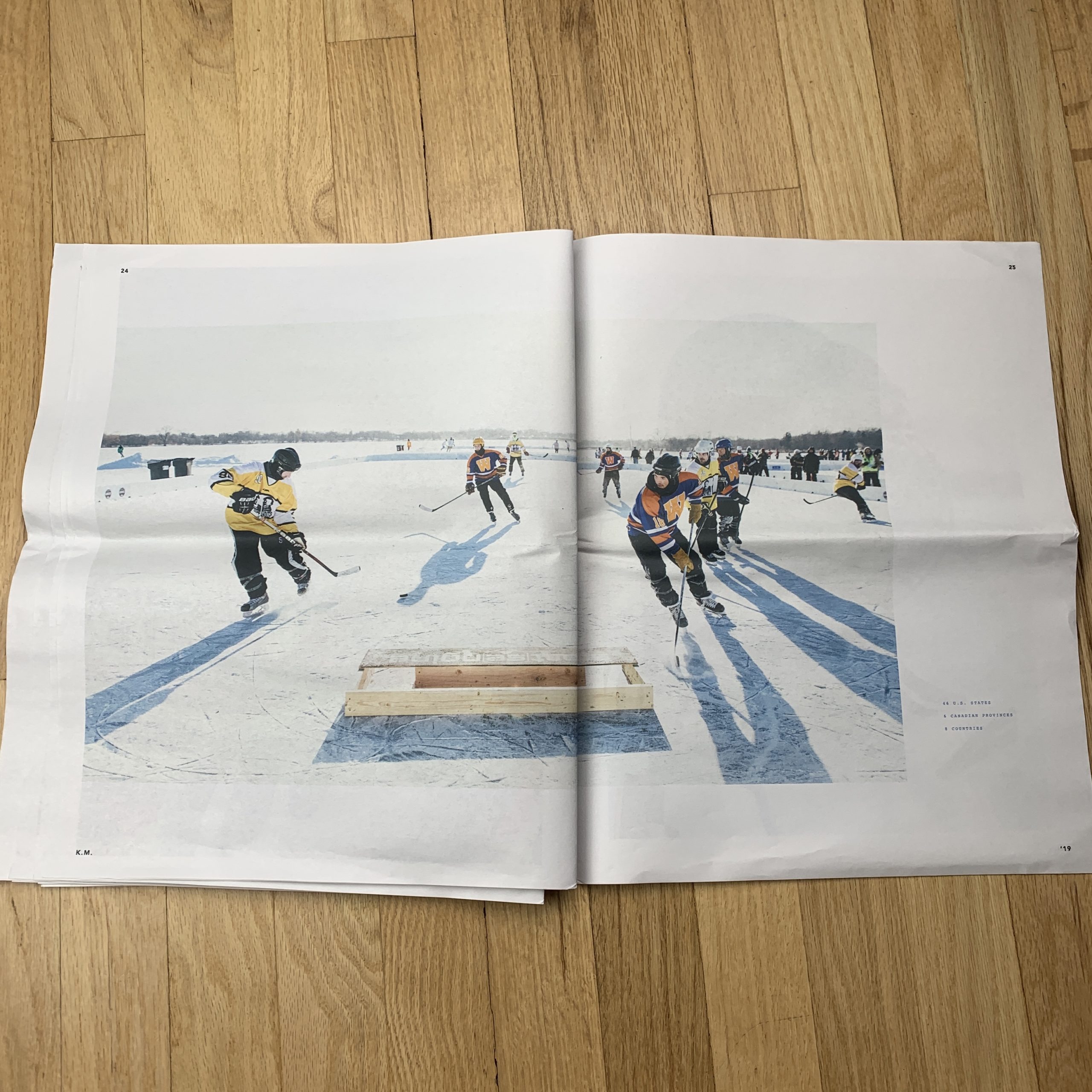
I went out to Minnesota with a buddy for this tournament, looking forward to capturing both action photos and portraits. It’s the largest pond hockey tournament in the US so I knew there would be a ton of character. We set up a scrappy portrait tent directly on the ice (it was below 0°F most of the weekend), and capturing the portraits as players were coming off the ice was the real highlight. The small details – frosted beards and eyelashes and subtle expressions – were so much fun to capture.

How many did you make?
We printed 200 newspapers, and made 150 hand-addressed packages with postcards.

How many times a year do you send out promos?
Honestly, this is my first one, and I’m already planning the next. It’s been an awesome challenge to myself creatively, and really rewarding to get these into people hands to open up conversations.

Do you think printed promos are effective for marketing your work?
I was skeptical going into this, but it’s been really effective. Doing a small batch and sharing with relevant people/agencies was the key for me. So much more effective than cold calls/email blasts. I’ve already landed a couple of jobs because of the work too so I’m very stoked with the results! It’s been great to see people hold tangible printed work in their hands and respond to it with honest critical feedback.

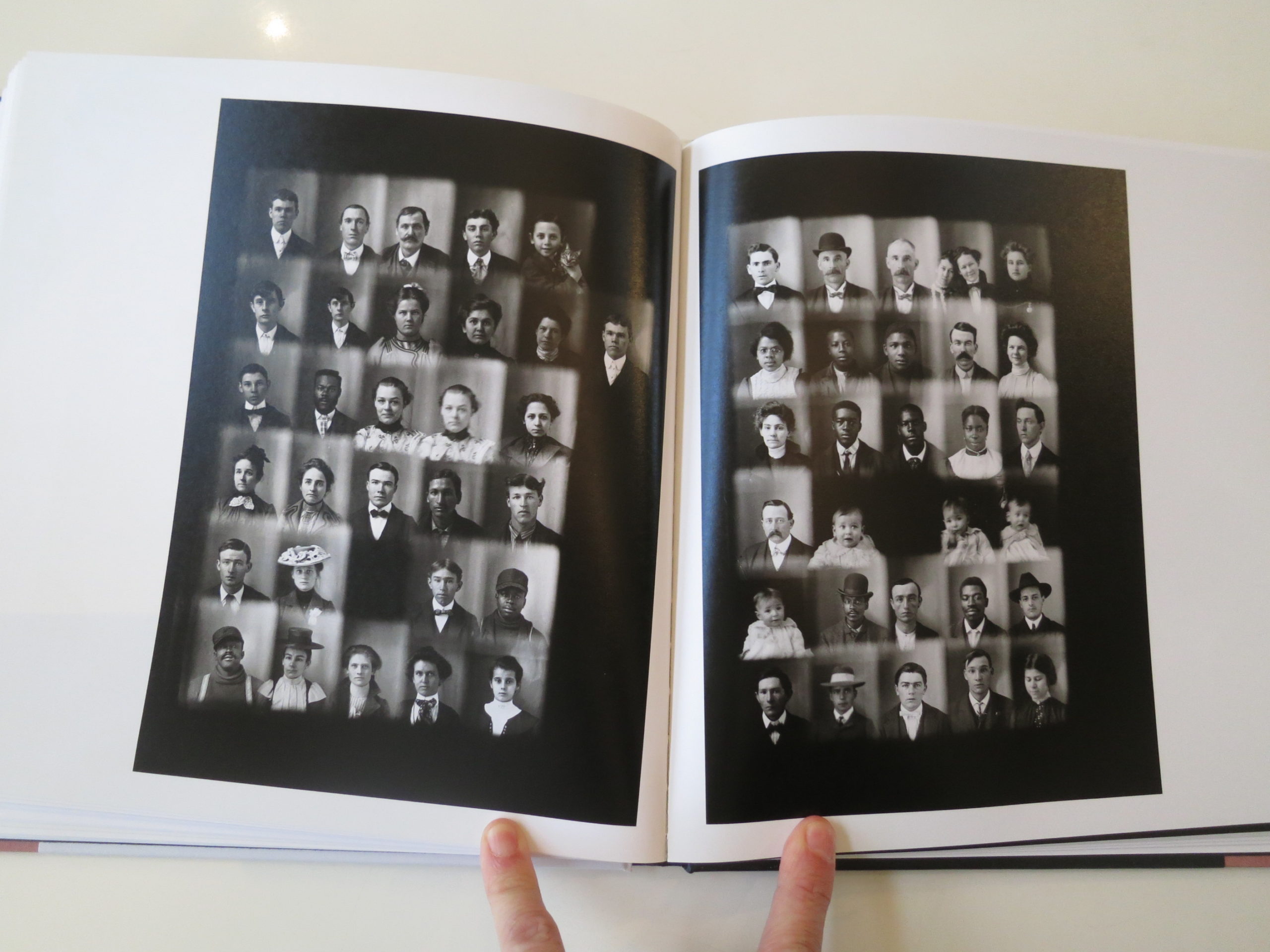
This Week in Photography: The Archive of Hugh Mangum


“They said I’m the most presidential except for possibly Abe Lincoln when he wore the hat–that was tough to beat. Honest Abe, when he wore that hat, that was tough to beat. But I can’t do that, that hat wouldn’t work for me. But I can’t do that…Yeah, I have better hair than he did. But honest Abe was tough to beat.”

President Donald Trump, the other day, #2019


I remember in the height of the Great Recession, when I just couldn’t wait for 2009 to end. “Come on, January. Let’s go 2010! Bring, it,” I thought.

Now, I don’t need to get into the particulars, but 2010 kicked my ass too. Maybe even harder than ’09.

Afterwards, I thought that “Be careful what you wish for” cliché might have something to it.

I bring this up, because honestly, who knows where all this is headed?

Donald Trump was caught red-handed, doing the one thing the entire Mueller investigation was trying to prove, under the assumption that such behavior was a priori impeachable, but they never found the smoking gun.

This time, Trump and his minions were caught together, plus a cover-up-secret-server? And then, just hours after I initially wrote this, he goes on TV to invite the Chinese government to investigate the Bidens too?

I’ve done this column for 8 years solid now, (Happy Anniversary, yay!) and I truly don’t know where this story lands anymore.

But I began the column with Trump essentially doing stand-up-comedy.

Right? He’s doing a bit?

Like Rodney Dangerfield (RIP) in “Caddyshack,” or Joe Pesci in “Goodfellas?”

That hat, it’s tough to beat. Tough to beat. Honest Abe was tough to beat in that hat.

Good Ol’ Abe.

How is that not funny, and yet with the fate of the free world hinging on this man’s behavior, (Did you read about his idea for alligator and snake moats?) maybe we all just need to laugh, or at least catch our breath for a second?

Break a pattern?

In my case, I remember when Rob set me free to do the travel and cultural criticism pieces I’ve since written over the last six months.

It was liberating.

I’d done book reviews for a few years solid, and wanted to see what would happen if I went out there for you, to eat and drink and look and investigate.

Sitting on the couch flipping through books had gotten stale, but then, after six months of pinging around the world, (East Coast, West Coast, Europe, West Coast, East Coast, Mid-West) my head is more fried than my daughter’s skin this summer when she went to the pool with a friend who didn’t have her re-apply her sunscreen properly.

(Very, very fried.)

So today, while trying to process a president doing stand-up-comedy about the millinery choices of Abe Lincoln, I thought, man, it sure would be nice to pick up a book here in my house.

To do something different.

Instead of crunching my previous experiences into an article, I’d rather read and engage with an existing story in book form.

To look at someone else’s narrative, and see what I can learn.

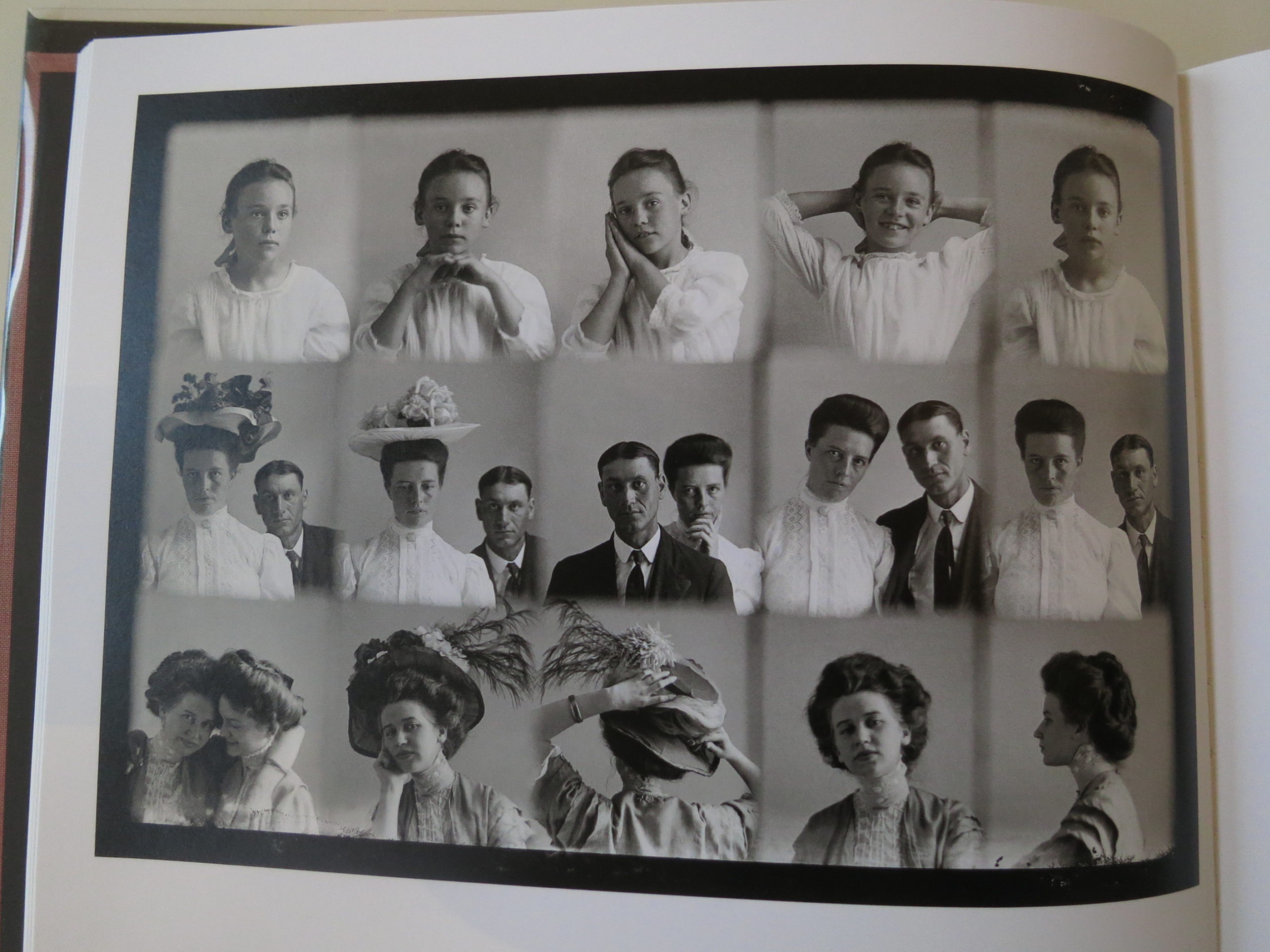
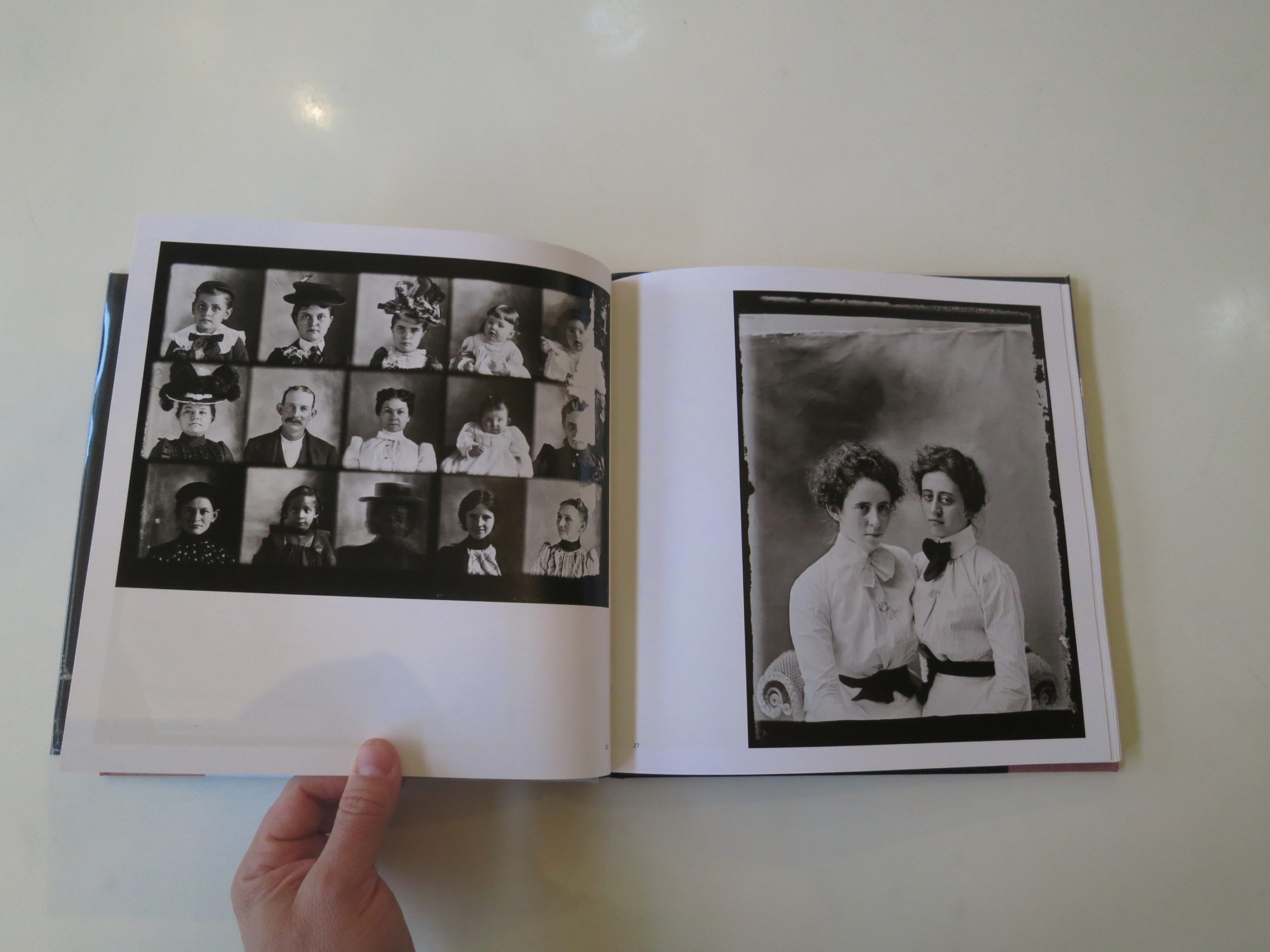
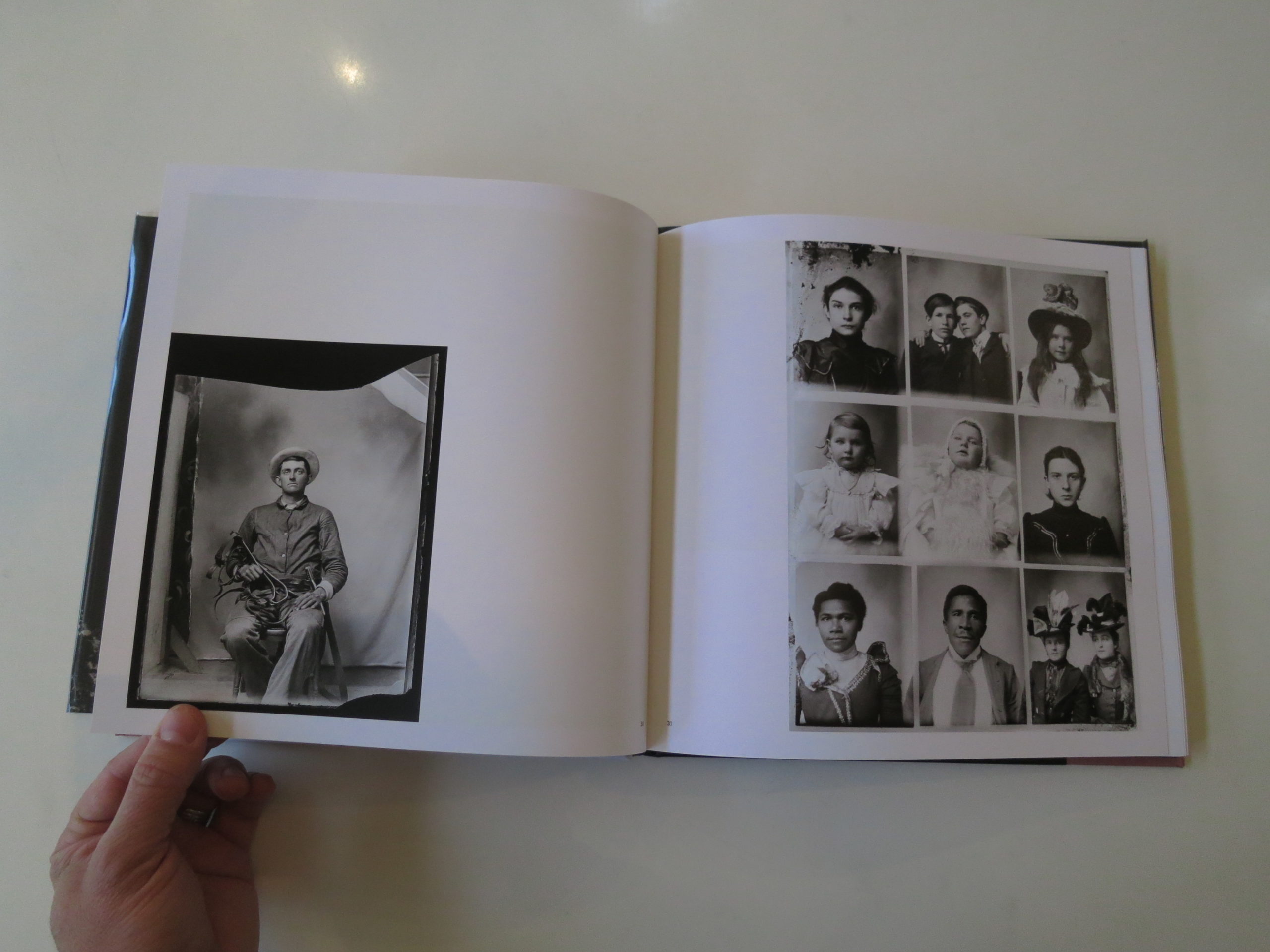
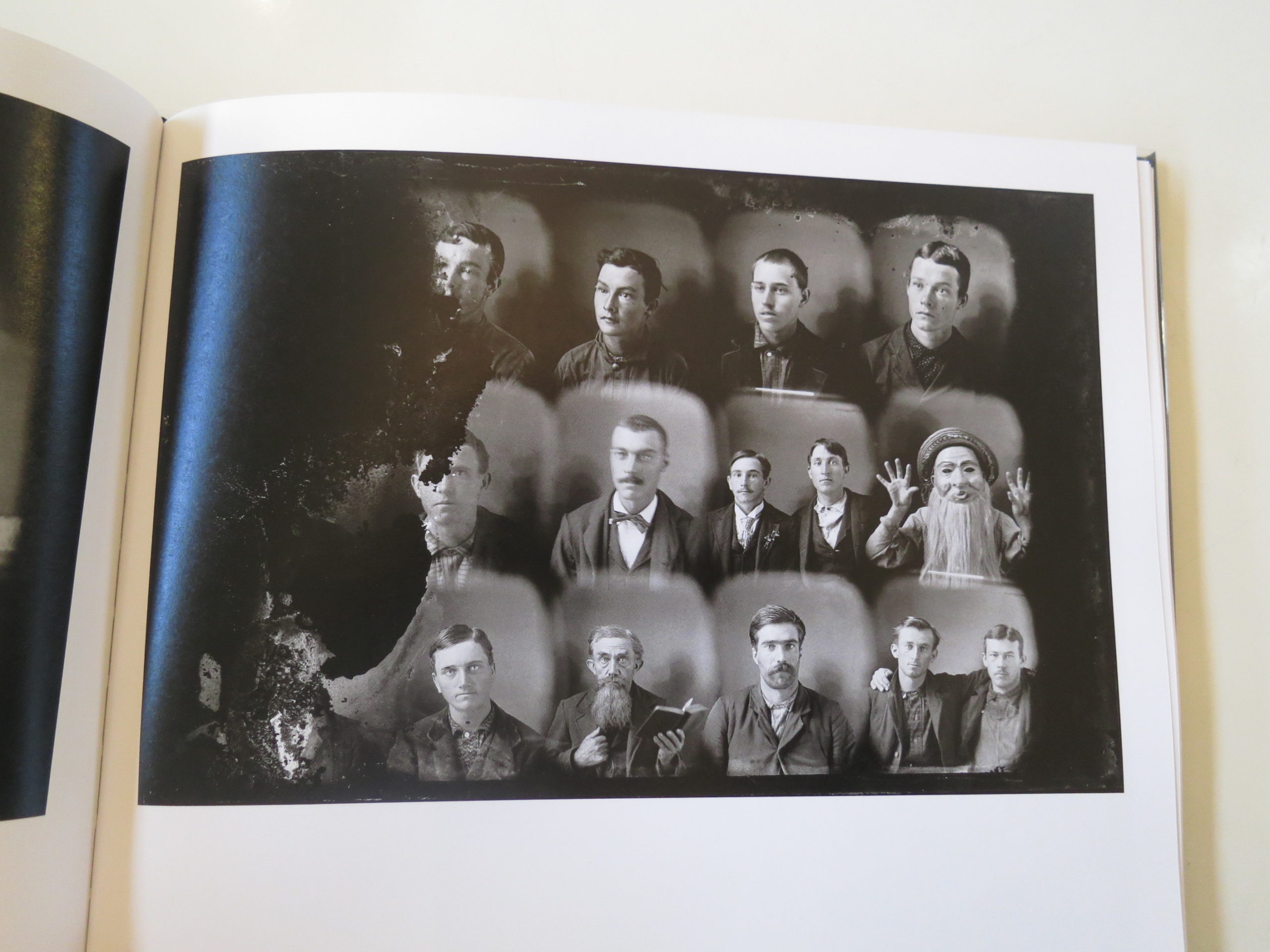
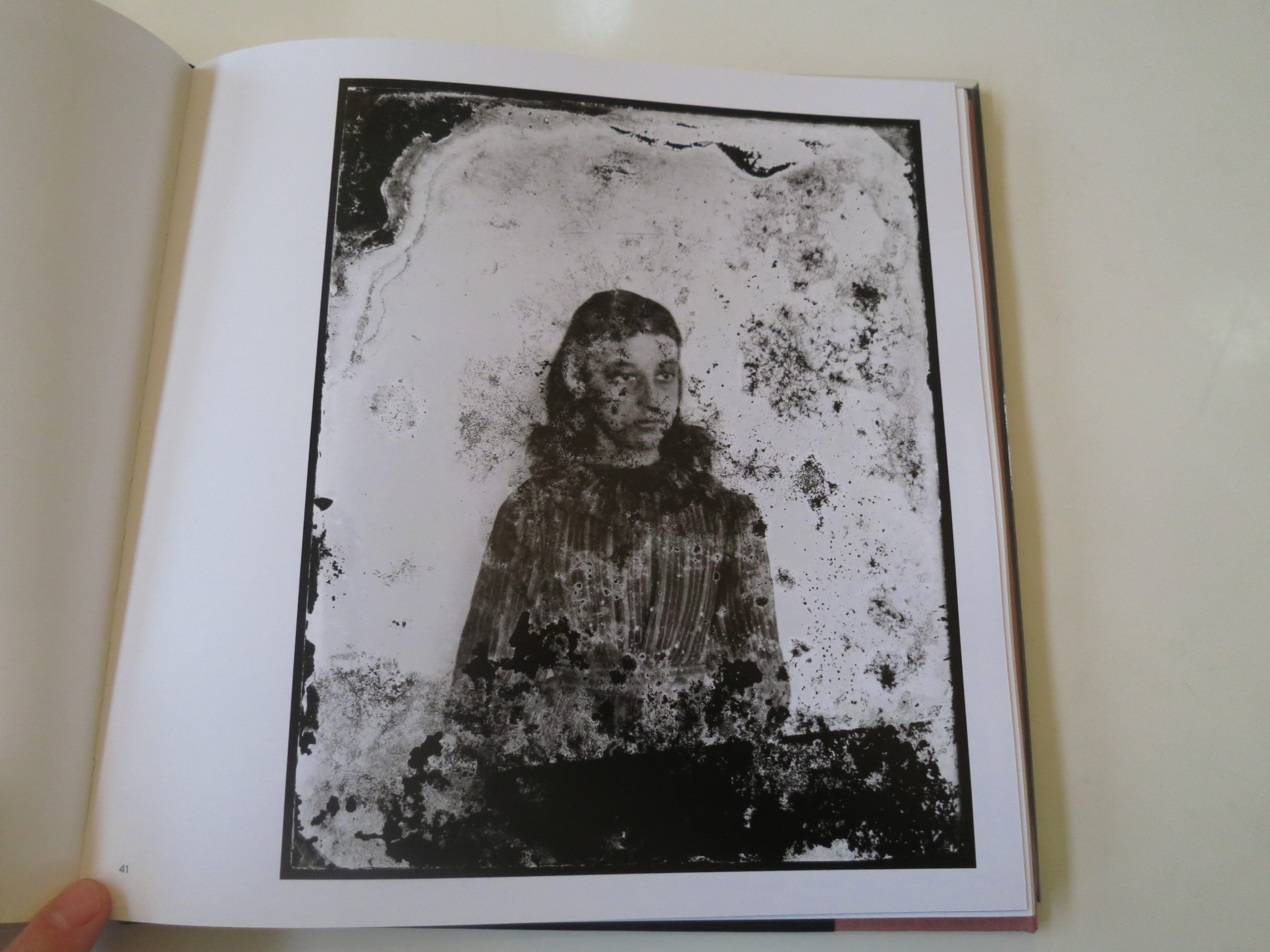
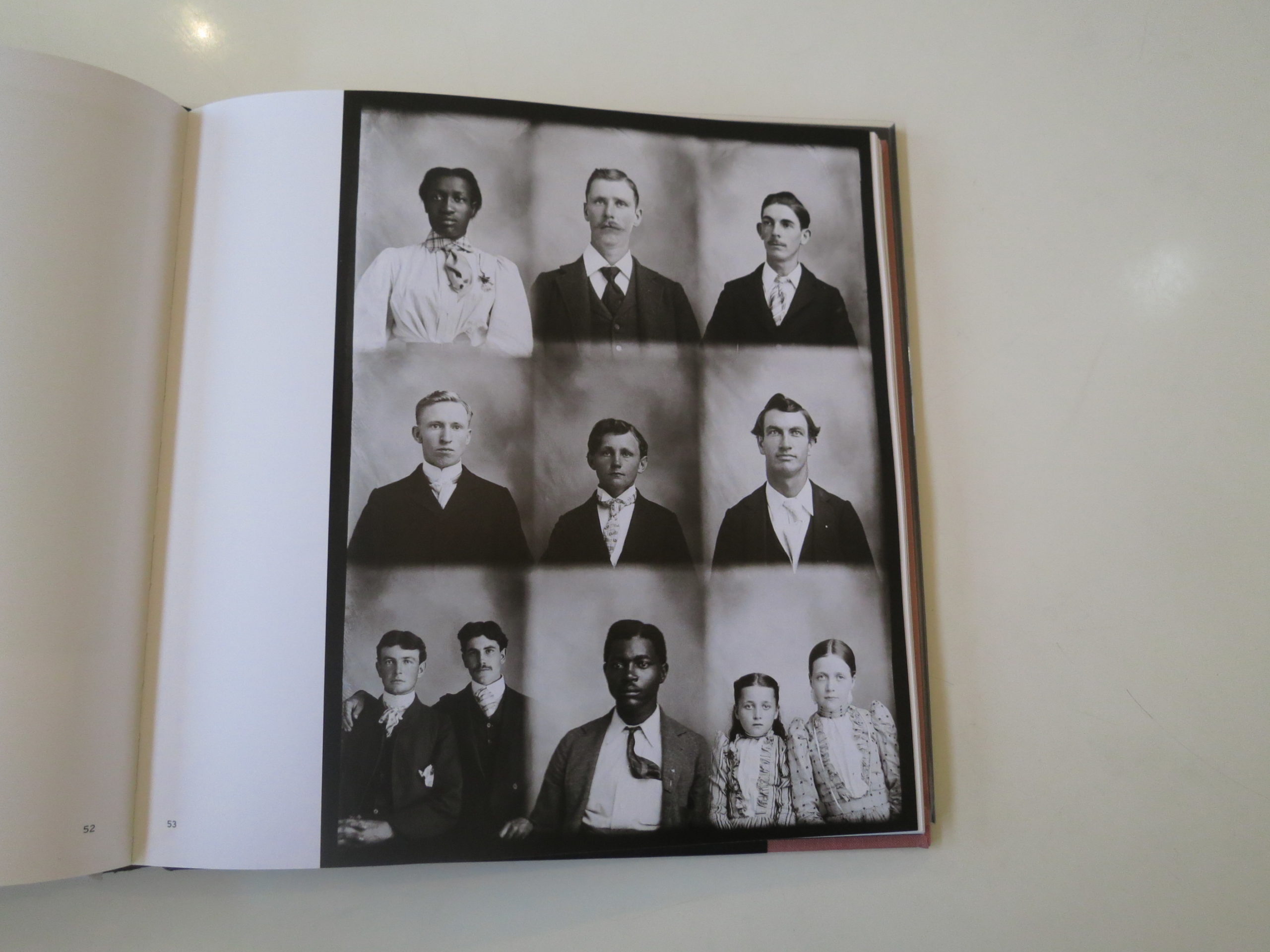
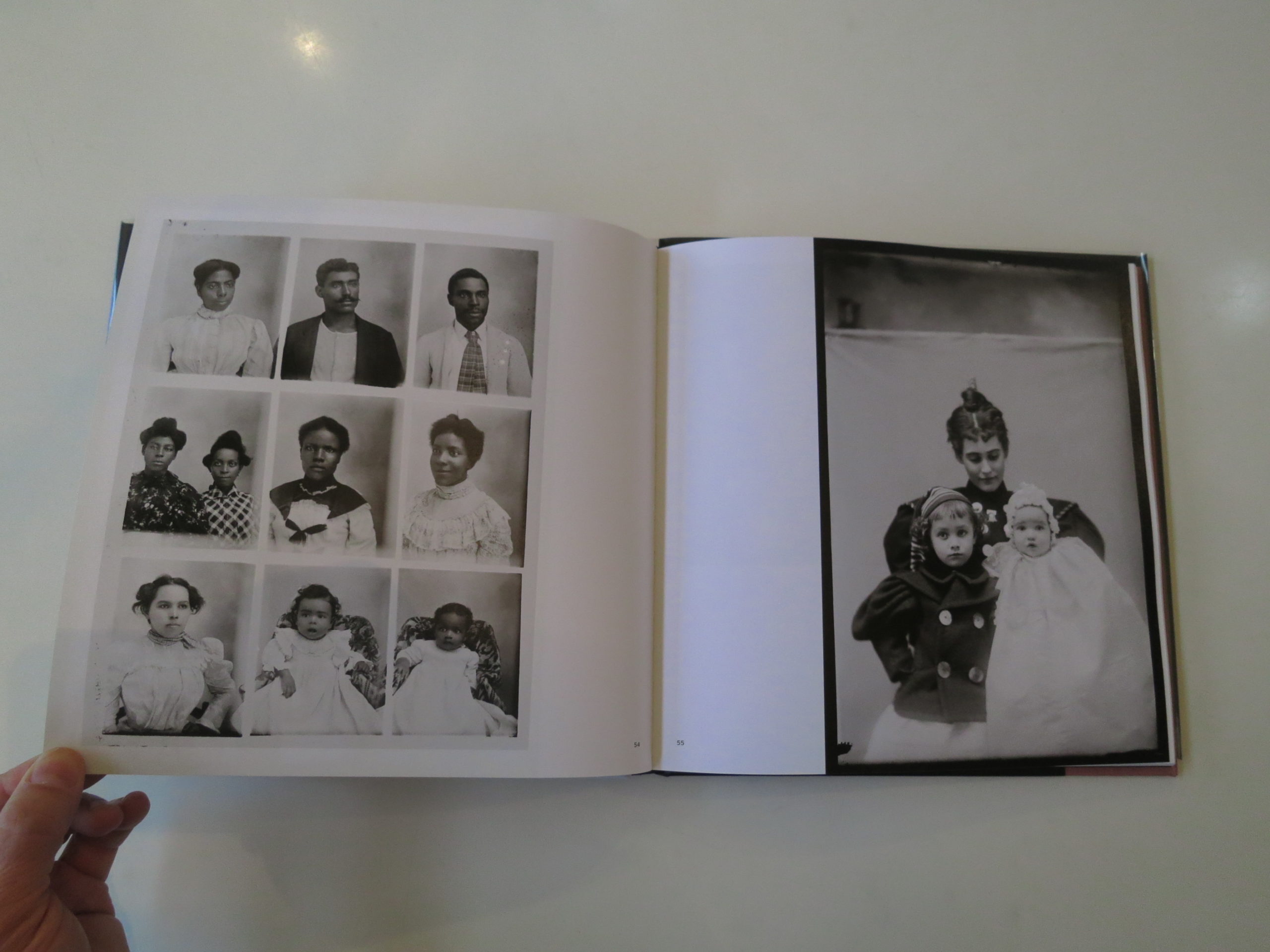
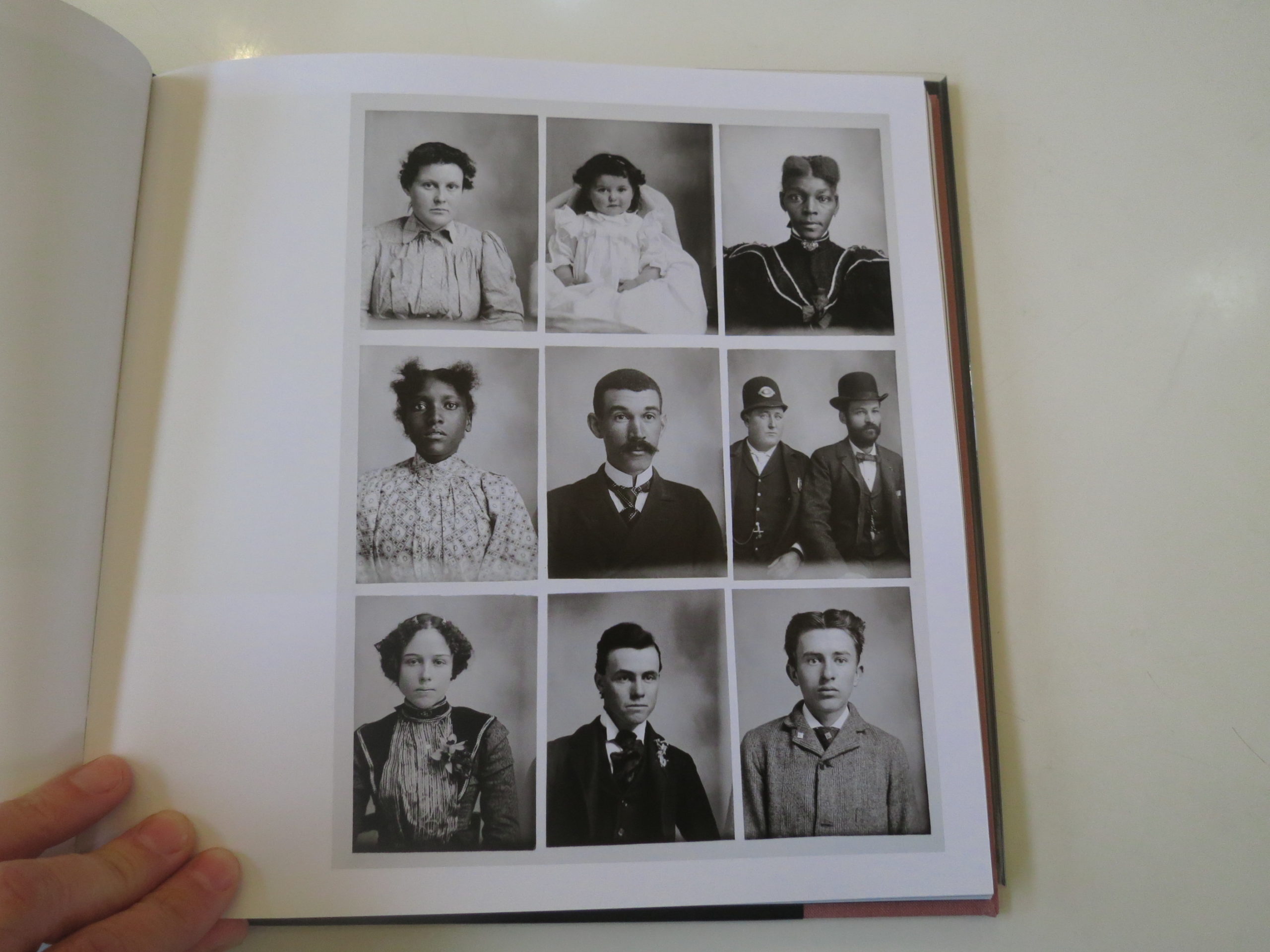
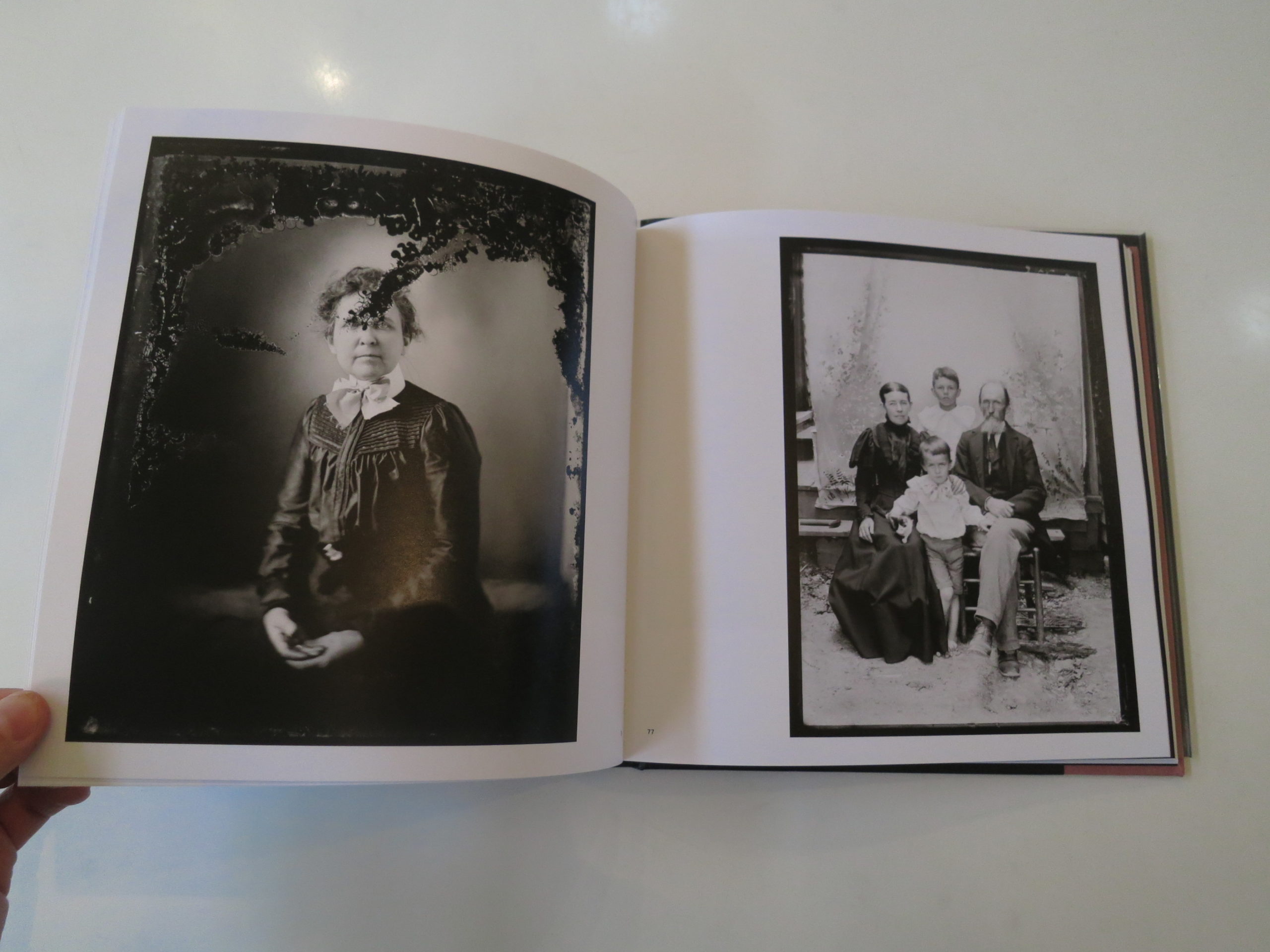
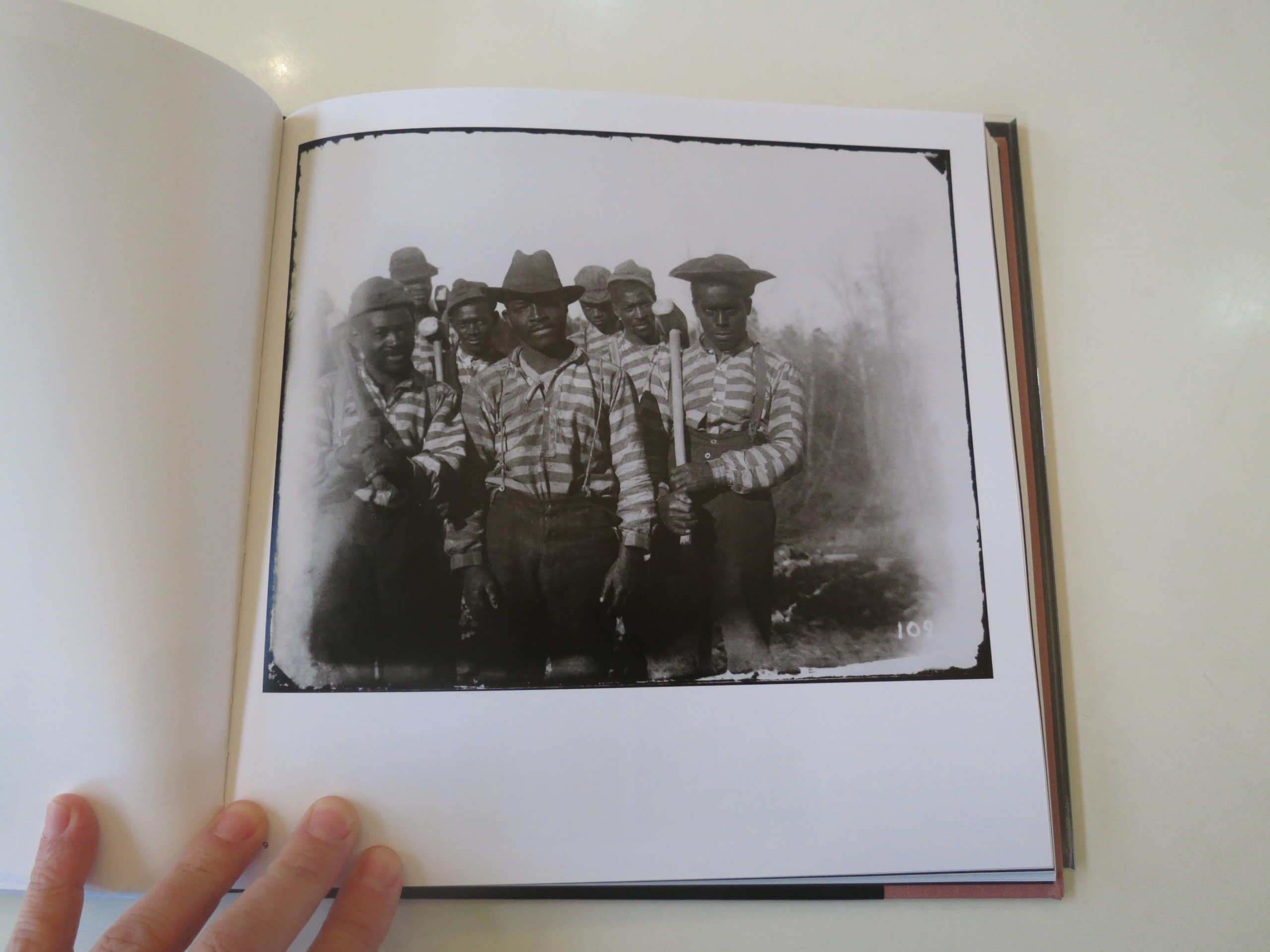
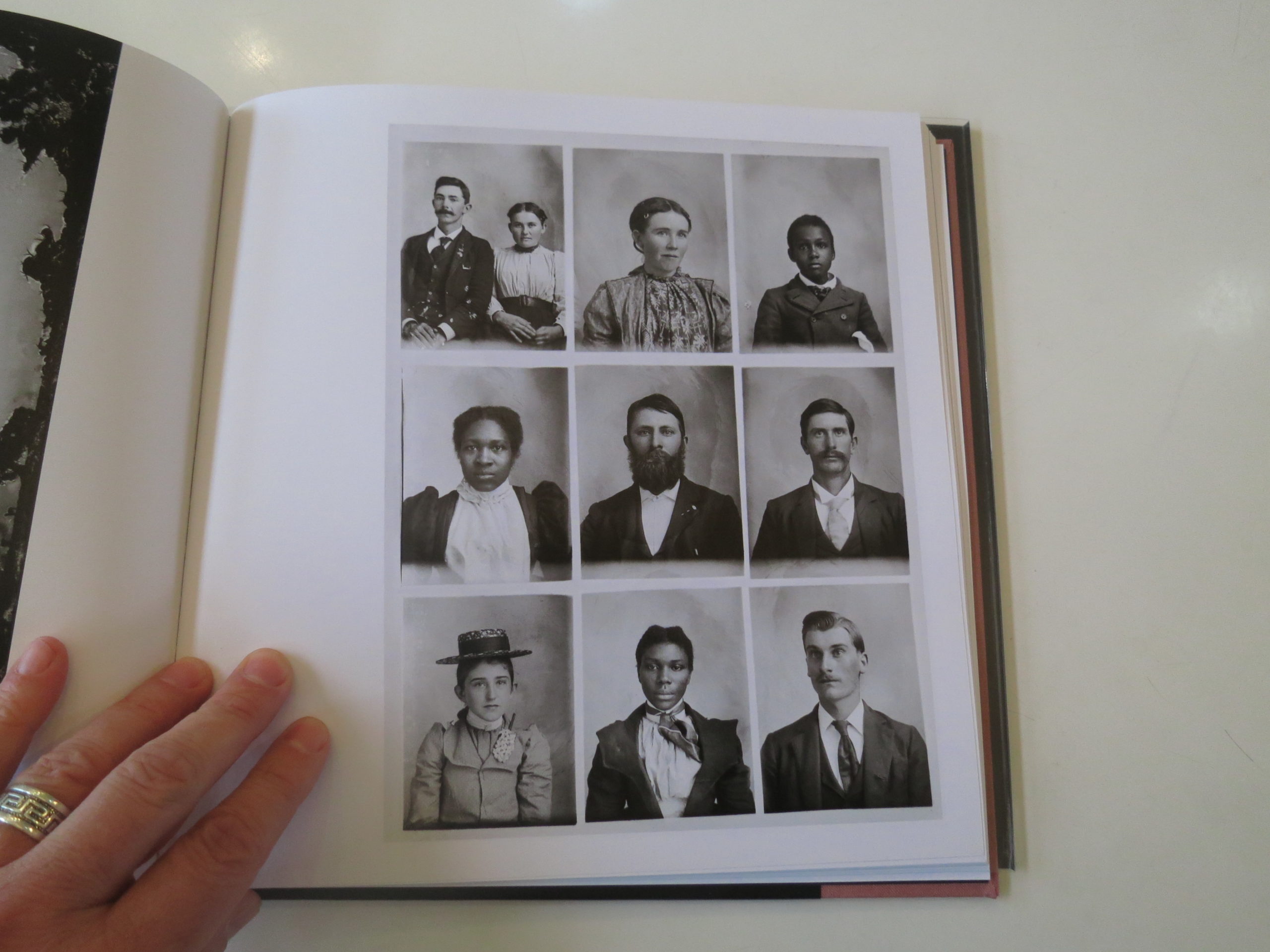
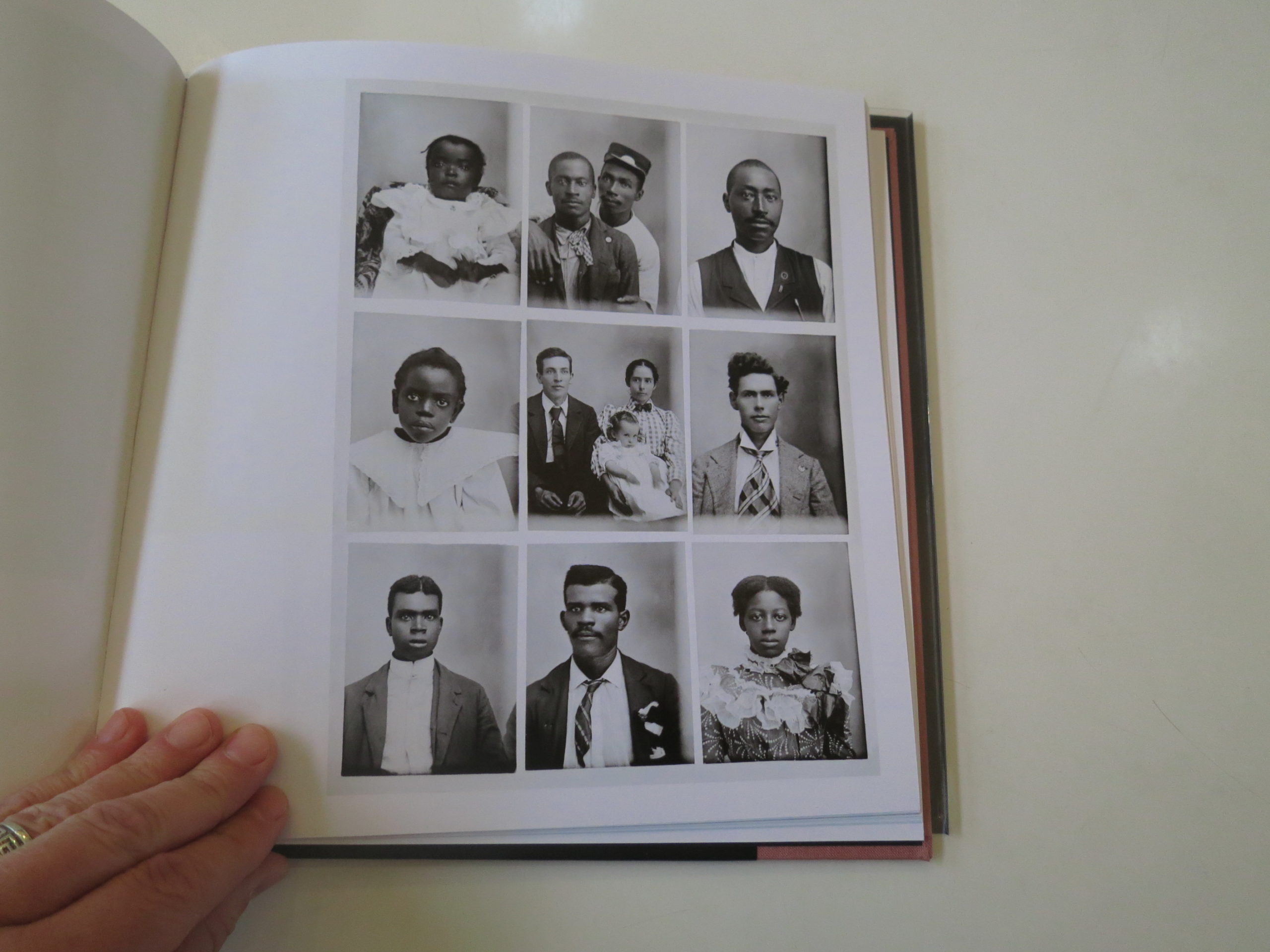
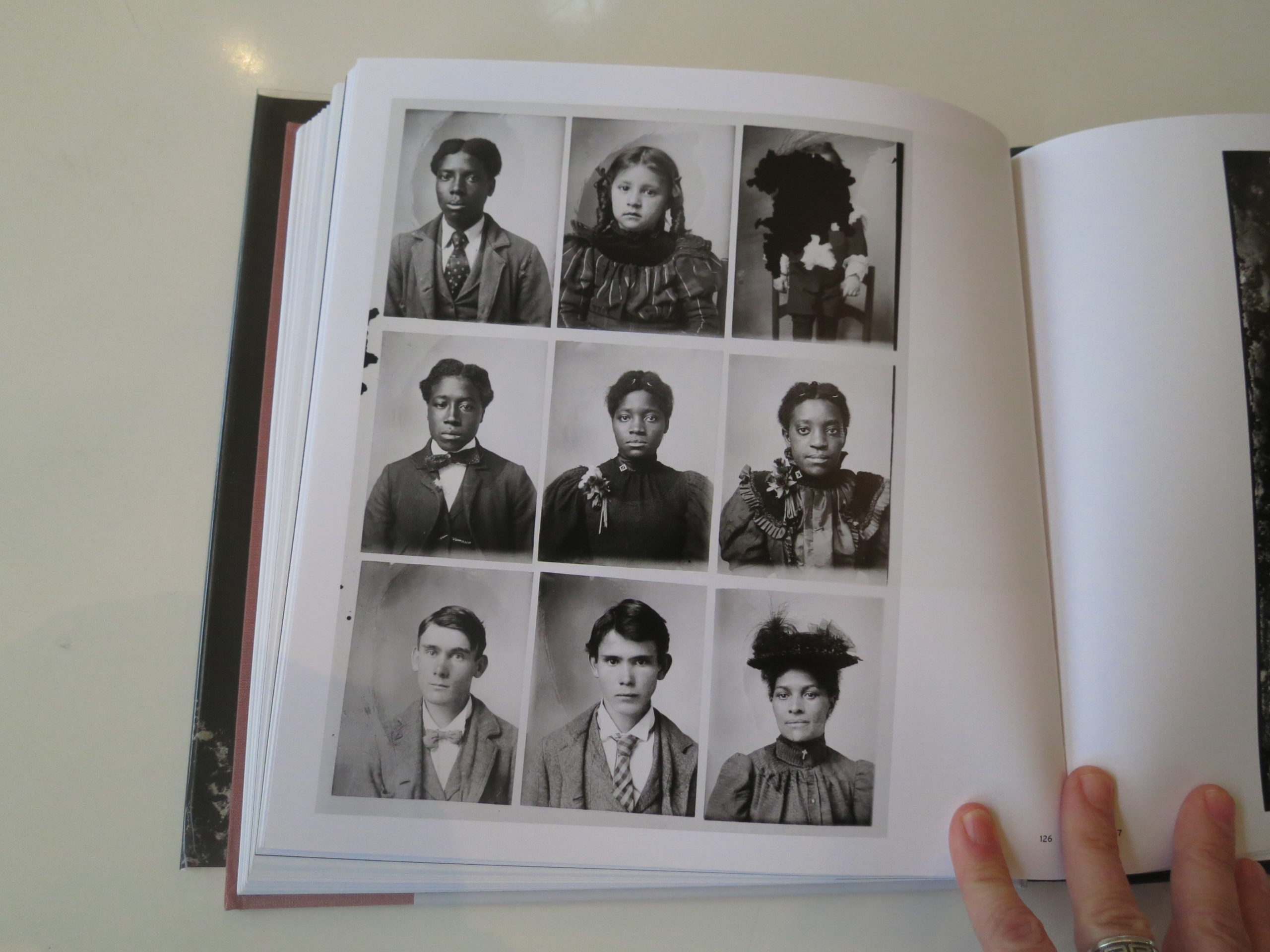
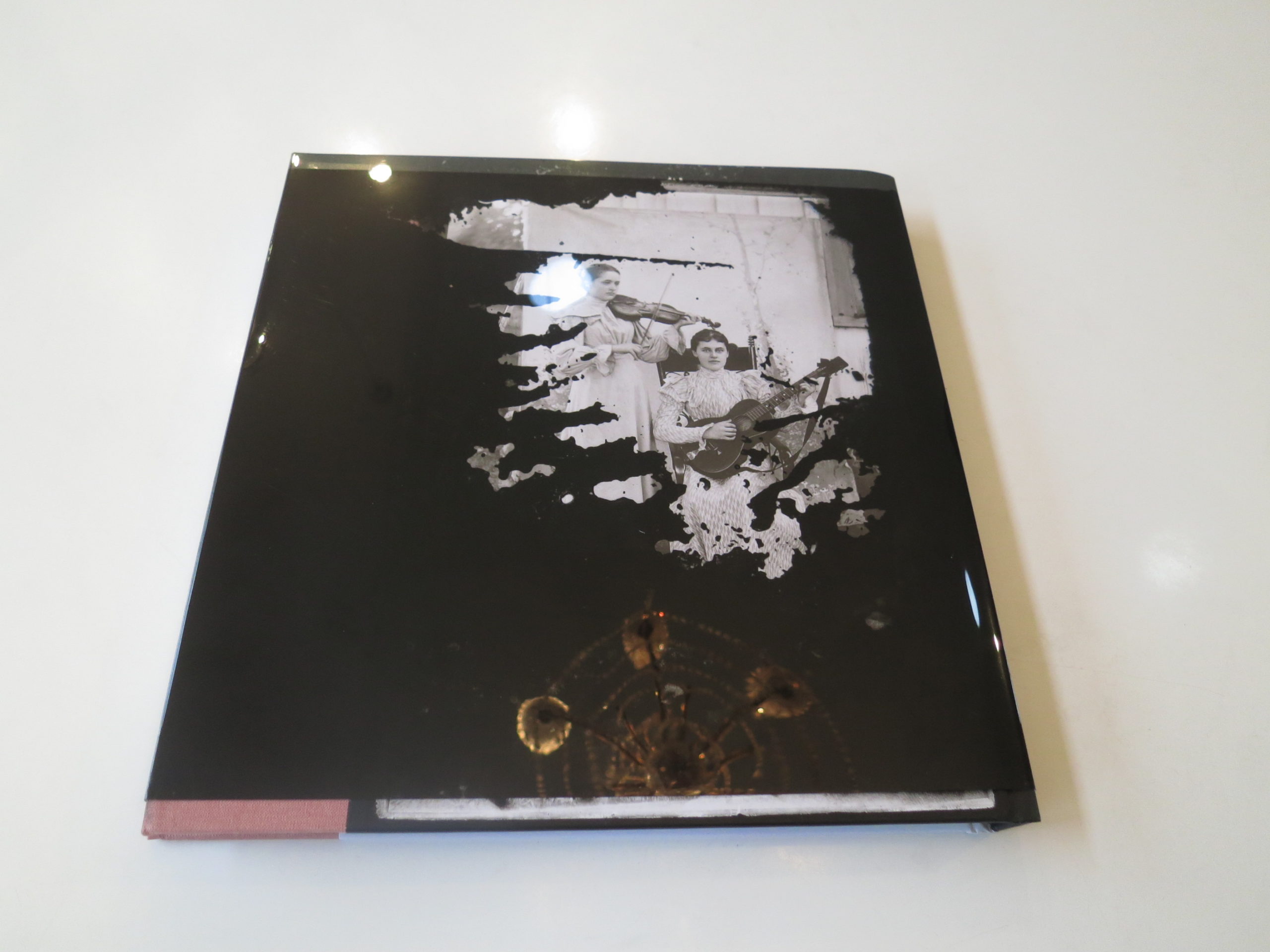
“Photos: Day or Night, The Archive of Hugh Mangum,” edited by Sarah Stacke, was published last year by Red Hook Editions. It seems straightforward enough, as the book exists to present the digitized, preserved history of a notable Southern photographer who died too young in 1922. (44, RIP)

Sarah Stacke edited the book, wrote one essay, and interviewed Mr. Mangum’s granddaughter, Martha Sumler, at the end of the volume as well. (And shot her portrait.)

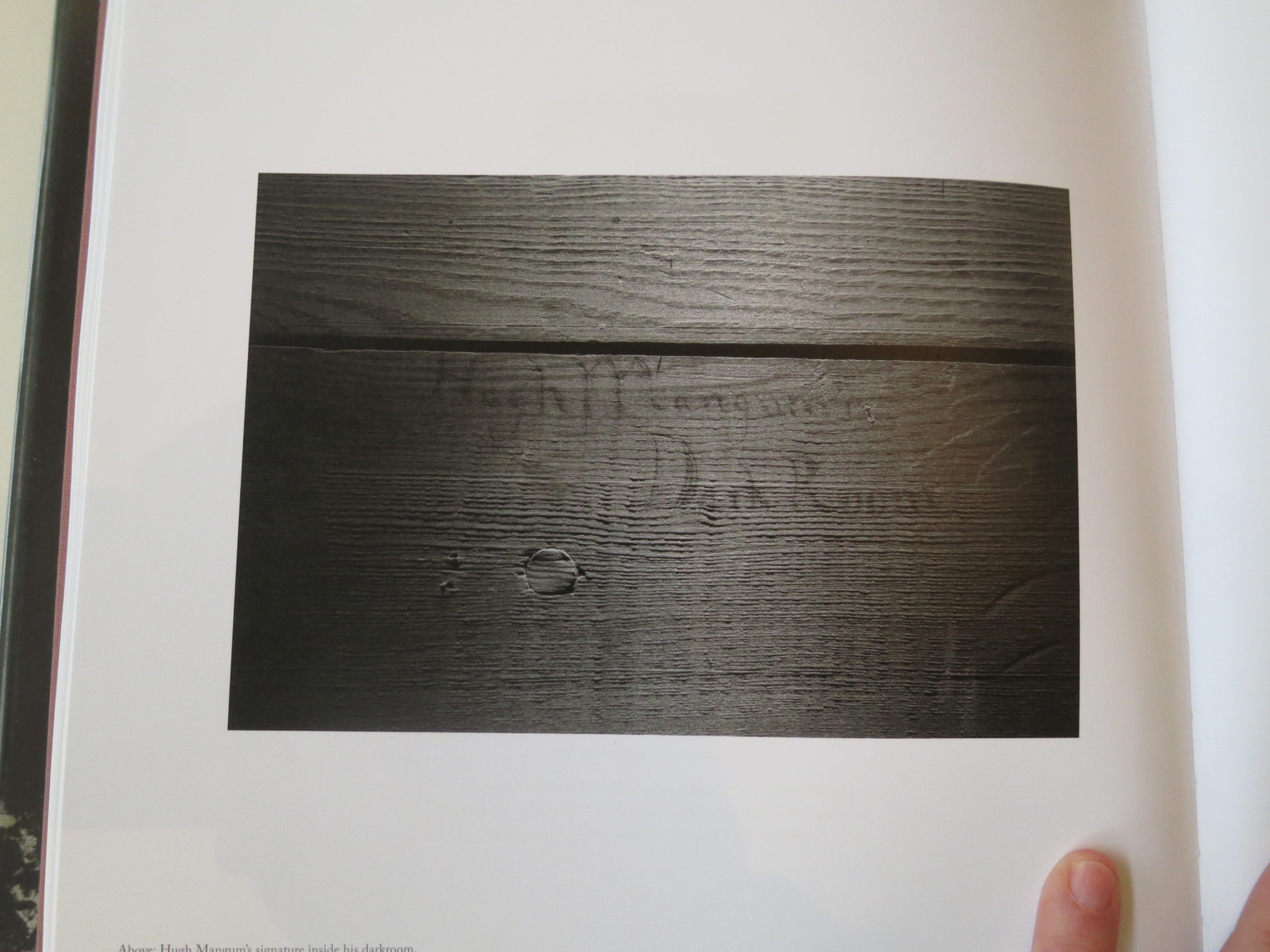
During his lifetime, at the end of the 19th and beginning of the 20th centuries, Hugh Mangum had a darkroom in an old tobacco barn at his family’s country property outside Durham, North Carolina. He also spent time in the city-home as a youth, in Durham, and according to one of the essays, the block was fairly integrated.

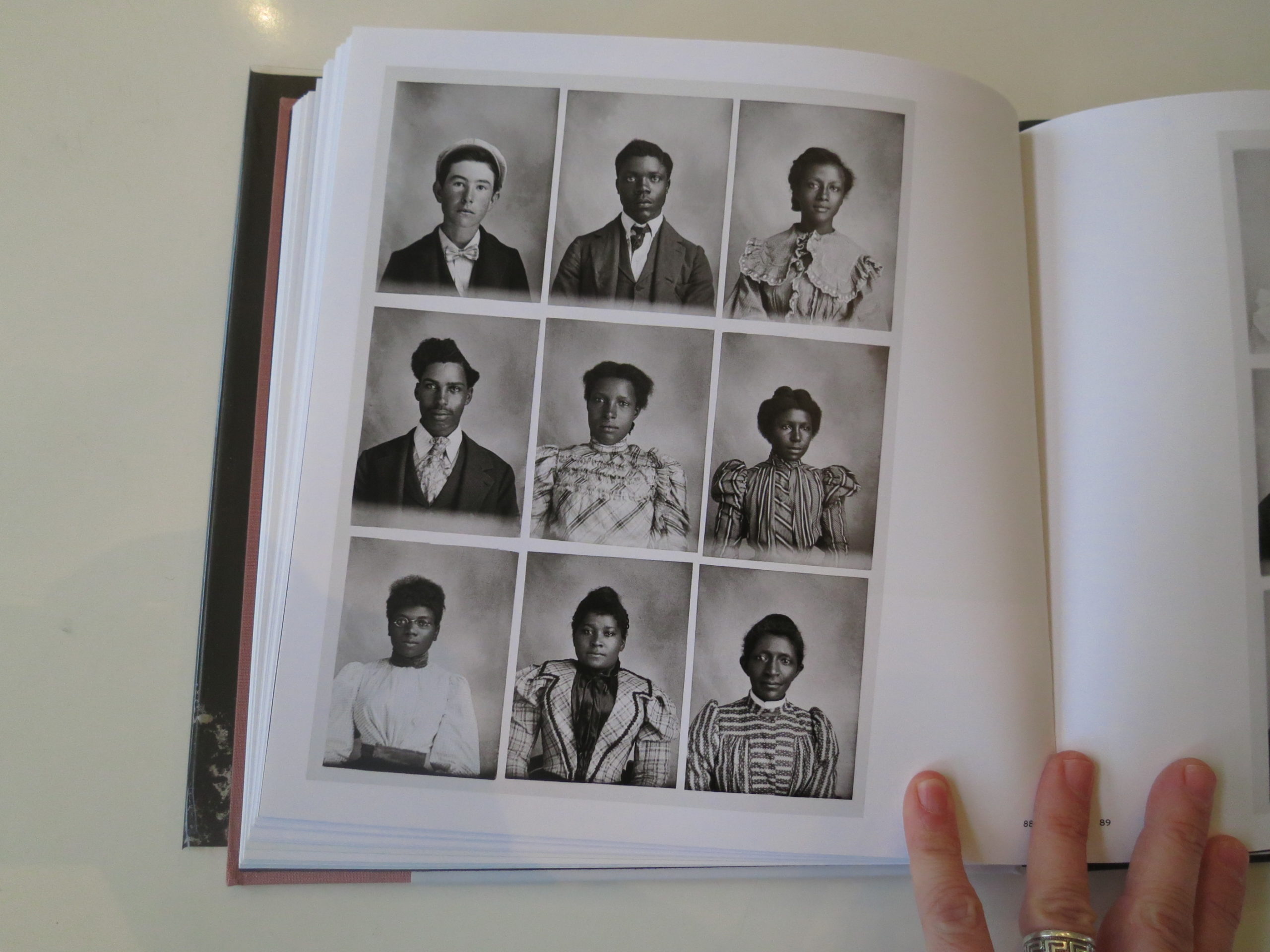
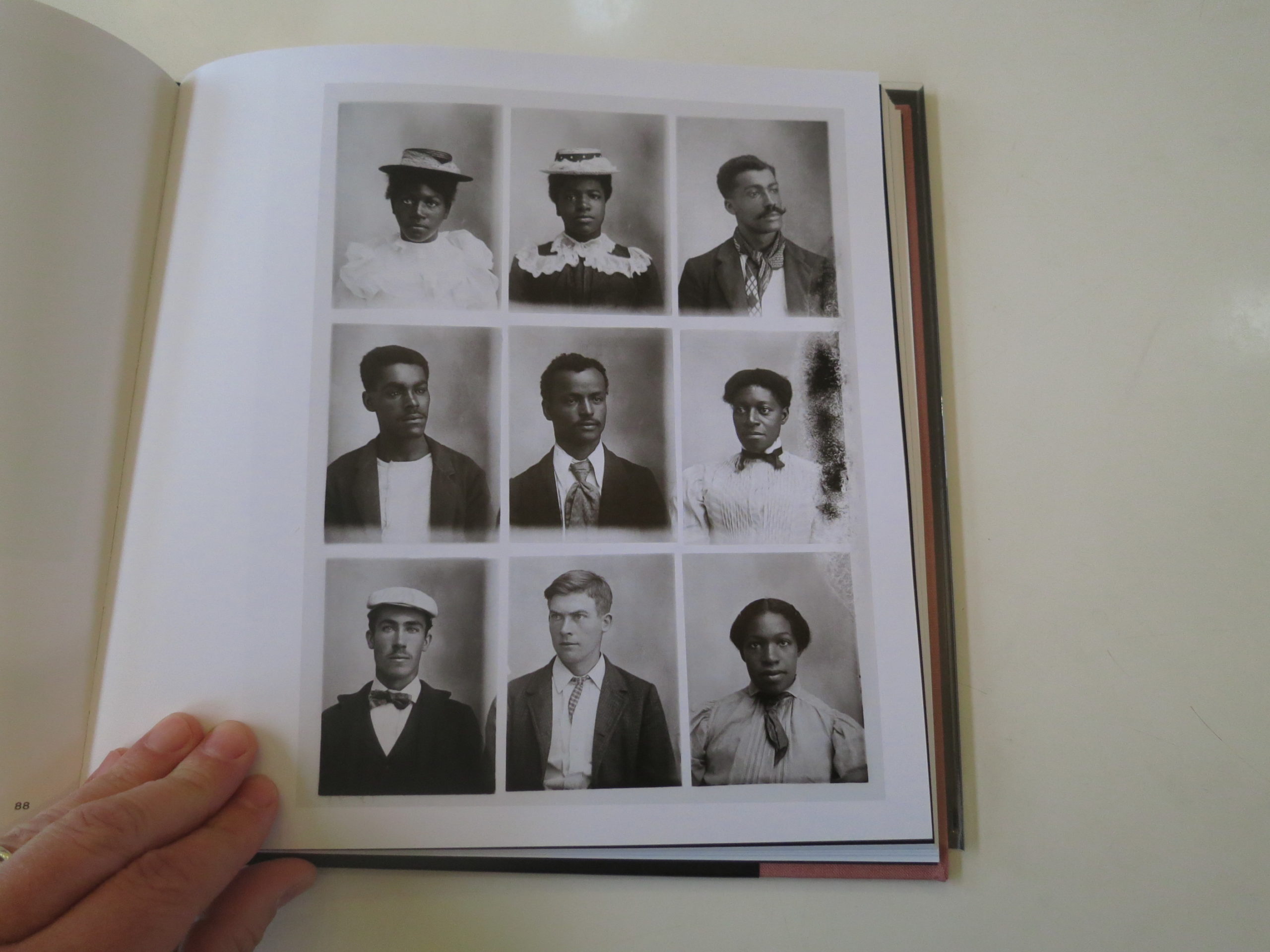
Whatever the reason, Hugh Mangum defied the mores of the South in which he was raised by photographing African American and white people, and his interracial practice would have been rare for the time.

Plus, the photographs in here are badass. I mean, like totally good. In some cases, showing me things I still can’t make sense of.

Really, when was the last time I saw something photographic that defied reality in the way Trump’s opening quote does?

(See, I always bring it back around in a book review.)

Mangum sold his prints cheaply, so that his regular-people-clients could afford them. He kept costs down by splitting glass plates into multiple exposures.

Let’s jump to page 38.

There are 15 narratives on one plate.

We’re interested in the middle row.

A woman stares at the camera, severe, in a white high-neck-top and a stylish hat that cascades dark flowers. In the background, below her, to her right, a man, who looks like a Peaky Blinder minus the trademark hat, is staring daggers through the camera.

In the second frame, she looks down and away in a new hat, and he’s in the same spot, eyes just off the camera’s center.

Then, frame three, BOOM, he’s up front, looking right through us, and she’s just off his left shoulder, her face in her left hand, the two of them looking like they just robbed a train and were about to go have sex and then spend a few dollars at the casino afterwards.

Then, he’s next to her, and in an instant, in frame five, he’s receded into the background again, and she owns the frame.

This time, no hat.

If it were a fashion shoot for W magazine, you’d think it was progressive. Or film stills from a German avant garde movie that inspired the guy who inspired the guy who inspired Wim Wenders.

My point is, these photographs exist, and they’re amazing, but they don’t make sense in any way.

Who were they, and what the hell were they doing in that studio?

They’re phantoms out of time.
Like us.

(#2019 feels like it’s ten or fifteen years mashed up into one.)

There are many other such pictures here, images that would captivate, by themselves. Together, they make for the kind of book that will reward upon multiple viewings.

But then, in the end, things get really interesting.

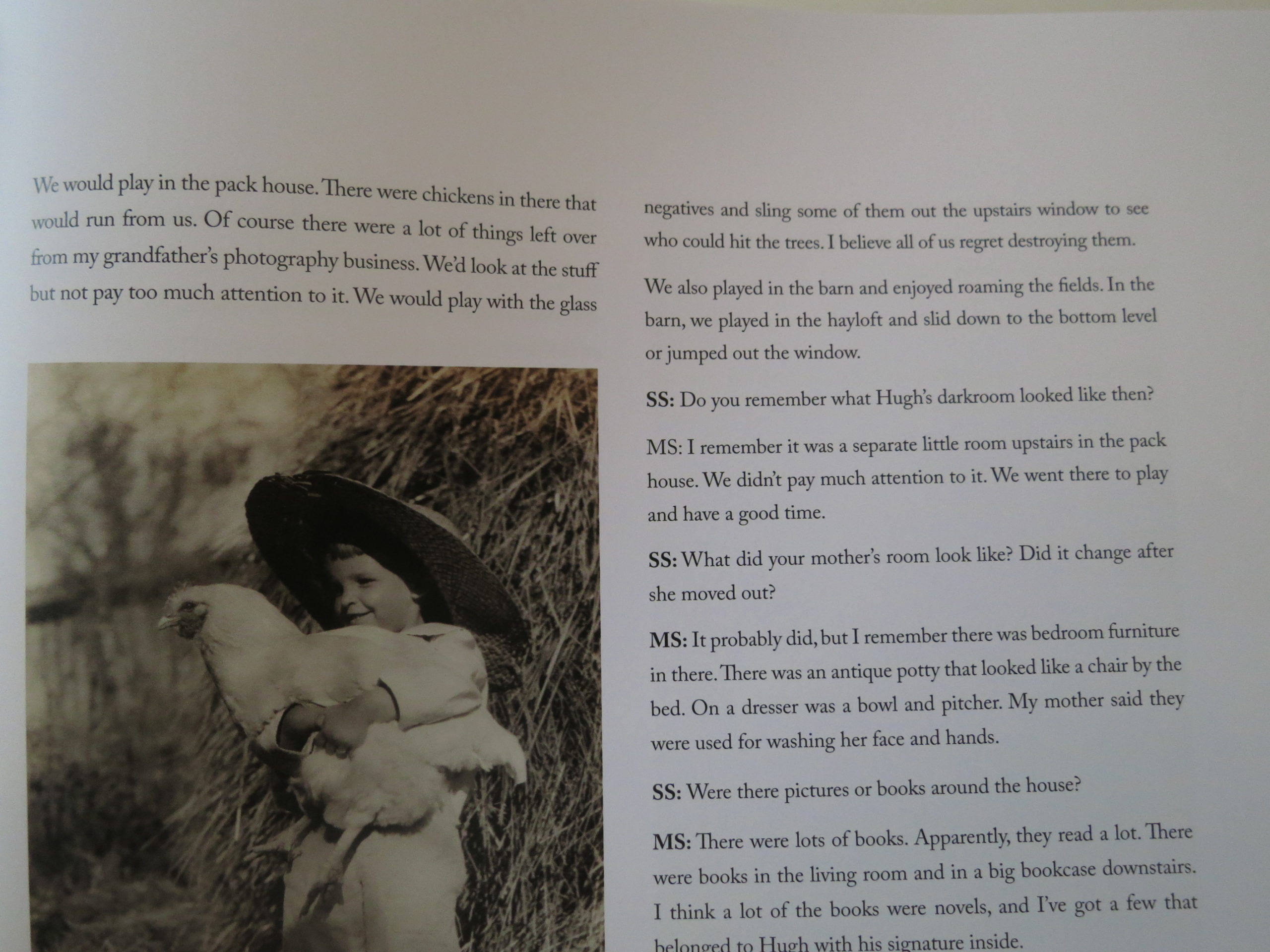
In the closing essay, Martha Sumler admits that as a youth, she and her friends used to throw Hugh Mangum’s glass plates at trees, smashing them to bits.

“I believe all of us regret destroying them,” she said.

Totally caught me off guard.

And then, just when I got over that one, Sarah Stacke asks Ms. Sumler about the rumor that Hugh Mangum had shot naked photographs of local wealthy women?

Say what now?

(Out of nowhere, like it’s the most natural way to end a book.)

“SS: There is this rumor that Hugh made nude images of prominent women in Durham. What do you know about that?

MS: The information came to me from my mother. She told me there were nude pictures of prominent women in Durham… Some of the relatives still had pictures, and that was fine, but she didn’t want the glass plate negatives to get out, so she destroyed them…

SS: So much mystery.

MS: There is. And a lot of things we will never know.”

I’m not sure I can adequately explain how little I expected to read those things in a book like this. One that presents a bit of history, and recontextualizes a fine, almost awkwardly good group of pictures.

This book was made in 2018, and I believe it took six years or so to make. A true labor of love.

No matter.
It’s #2019 through and through.

Bottom Line: Weird, super-interesting book of historical photos from the South

To purchase “Photos: Day or Night” click here


The Art of the Personal Project: Spencer Humphrey

The Art of the Personal Project is a crucial element to let potential buyers see how you think creatively on your own.  I am drawn to personal projects that have an interesting vision or that show something I have never seen before.  In this thread, I’ll include a link to each personal project with the artist statement so you can see more of the project. Please note: This thread is not affiliated with any company; I’m just featuring projects that I find.  Please DO NOT send me your work.  I do not take submissions.


Today’s featured artist:  Spencer Humphrey

The goal of my photography is to notify the observer of a world that exists outside of their microcosm. For me the ultimate compliment comes in the form of the question “where is that?” I am currently measuring success by my ability to subtly guide the reader into a world right under their nose that they did not know existed.

In keeping with my theme of awareness, I have currently dedicated a large amount of my focus to stories based in the south. In the words of the famous Andre 3000 quote “the South got something to say.” And I feel that message is often muted and relegated to white noise preventing the masses, even southerners, from realizing all the South has to say from a visual perspective.

Continuing with my goal to help observers discover the same beauty and inspiration in their own back yard that some travel across the world to find. I chose the rodeo as a back drop to alert my audience of the unique, overlooked imagery and culture right in our own backyard that is entertaining and inspiring, yet offers a glimpse of life’s disappointments and triumphs. My rodeo images ultimately serve as a reminder that despite our differences there are many common emotional highs and lows that weave us all together in the human experience.
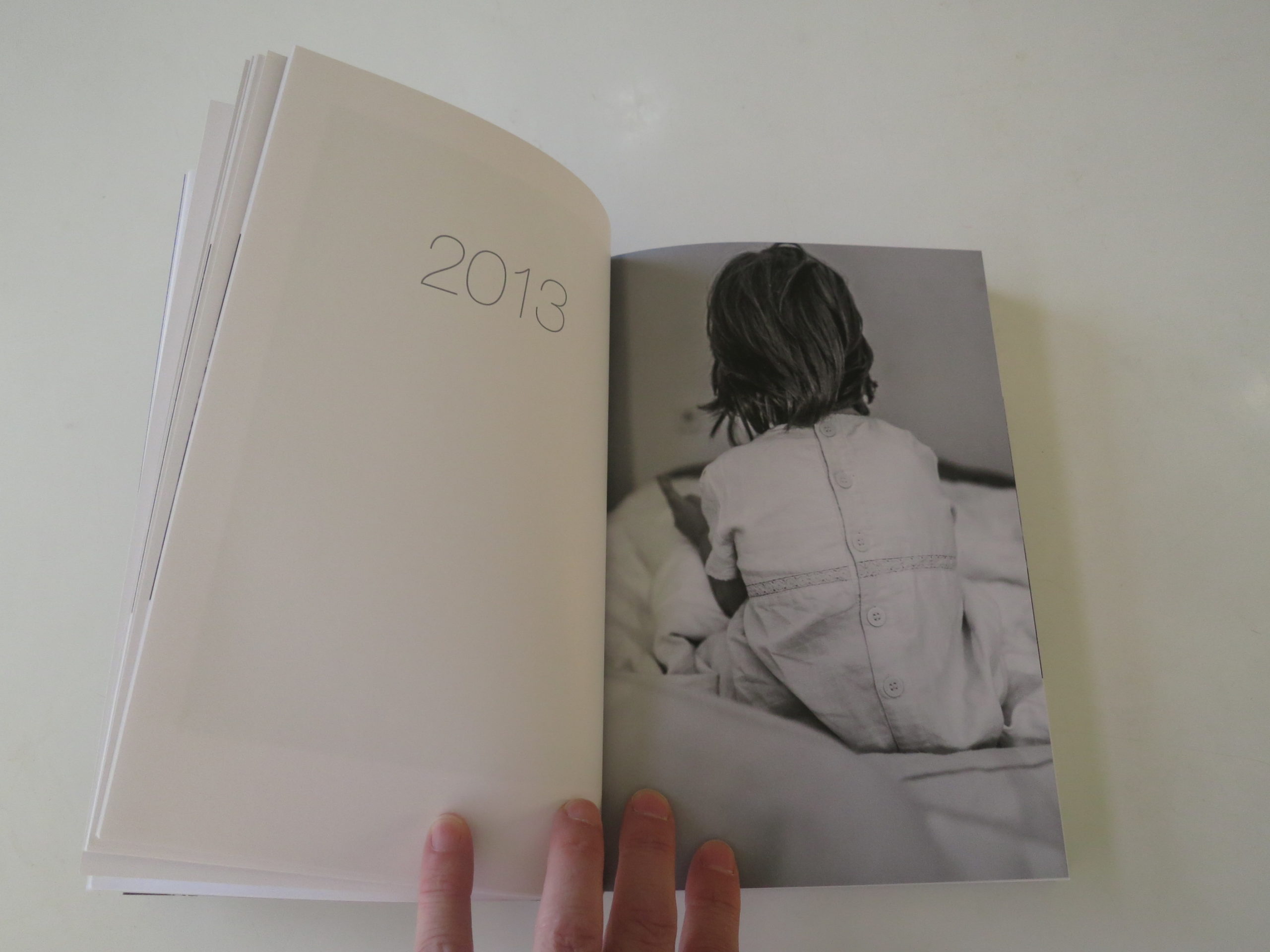
To see more of this project, click here.
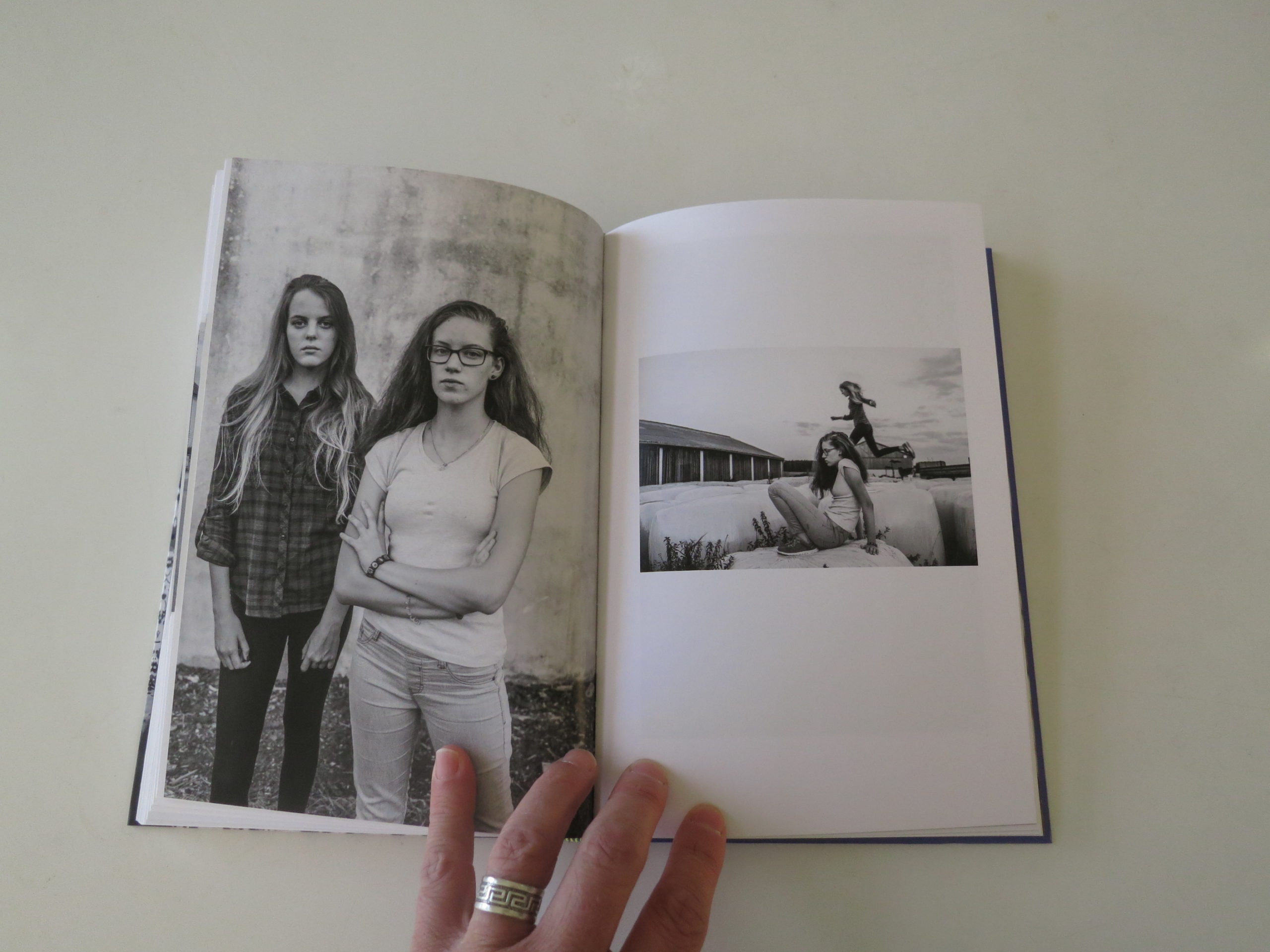
APE contributor Suzanne Sease currently works as a consultant for photographers and illustrators around the world. She has been involved in the photography and illustration industry since the mid 80s.  After establishing the art buying department at The Martin Agency, then working for Kaplan-Thaler, Capital One, Best Buy and numerous smaller agencies and companies, she decided to be a consultant in 1999. She has a new Twitter feed with helpful marketing information because she believes that marketing should be driven by brand and not by specialty.  Follow her at @SuzanneSeaseInstagram
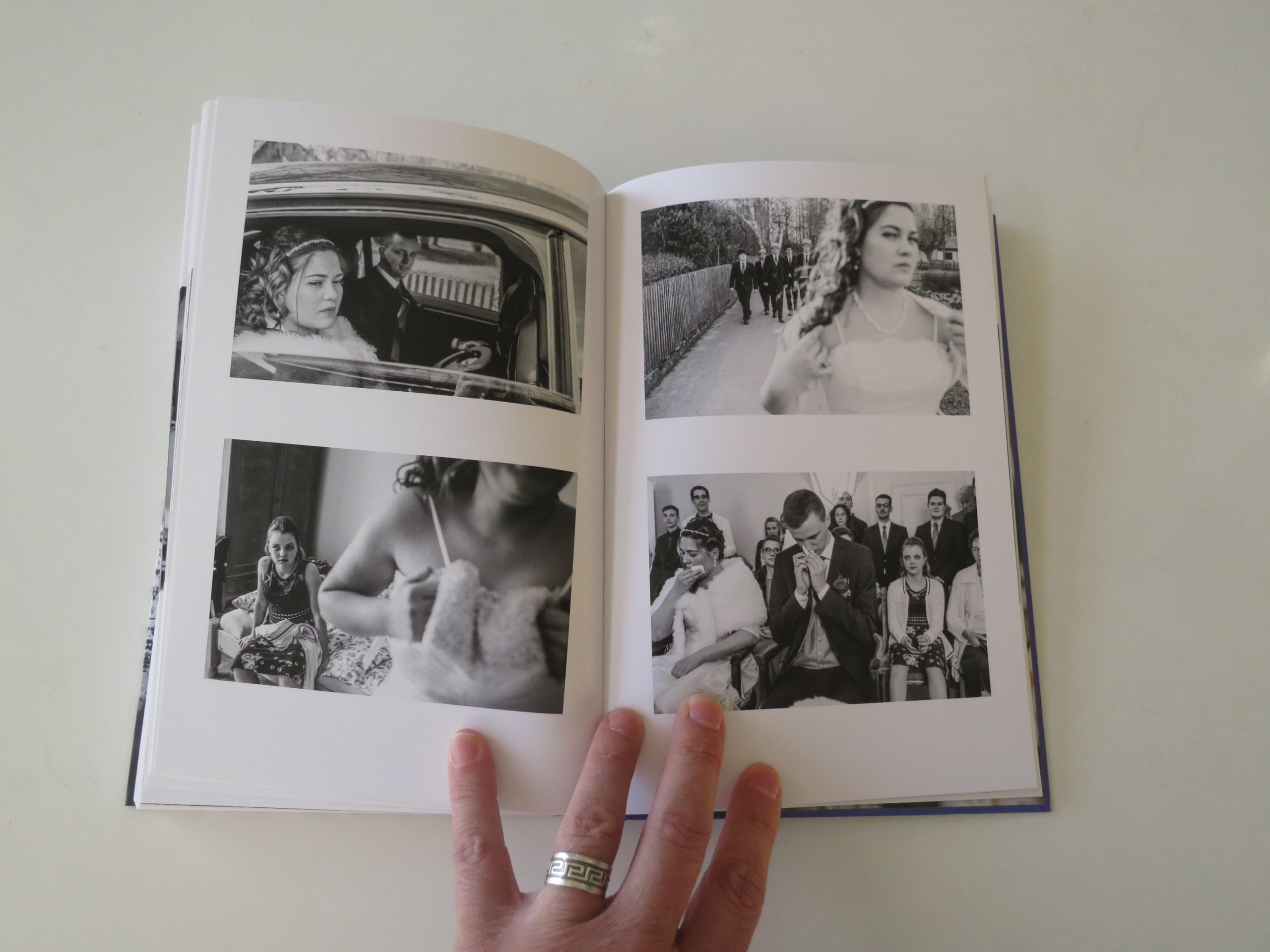
Success is more than a matter of your talent. It’s also a matter of doing a better job presenting it.  And that is what I do with decades of agency and in-house experience.