The Art of the Personal Project is a crucial element to let potential buyers see how you think creatively on your own. I am drawn to personal projects that have an interesting vision or that show something I have never seen before. In this thread, I’ll include a link to each personal project with the artist statement so you can see more of the project. Please note: This thread is not affiliated with any company; I’m just featuring projects that I find. Please DO NOT send me your work. I do not take submissions.
My shoot with Alon Fainstein began during a project I was shooting in Cape Town, where I was introduced to him by my producer, Gavin Schneider. Alon is not just an ironmonger; he is a storyteller, weaving narratives of transformation and discovery through the medium of metal.
I am drawn to photographing people who are deeply passionate about their work, and Alon embodies this passion fully. As he reflects, “Every time I work, I learn and discover something new about the material and myself. I feel that my work grows and evolves with me. The two are symbiotic and go hand in hand. To say that there are limits to forging would be to say that there are limits to inspiration, creation, and growth. When I feel connected, I find them in an abundant supply.”
Through my photographs, I aim to capture the essence of this connection—the symbiotic relationship between Alon and his craft. His workshop becomes a stage where sparks, textures, and shadows reveal the ongoing dialogue between artist and material, inspiration and creation. These images celebrate the unyielding spirit of those who find beauty and meaning in their work, reminding us of the boundless potential within ourselves and the world around us.
APE contributor Suzanne Sease currently works as a consultant for photographers and illustrators around the world. She has been involved in the photography and illustration advertising and in-house corporate industry for decades. After establishing the art-buying department at The Martin Agency, then working for Kaplan-Thaler, Capital One, Best Buy and numerous smaller agencies and companies, she decided to be a consultant in 1999. Follow her on Instagram
Angie: How did you get started in your career as a photographer?
Charlotte: I’ve been a photographer for the past 15 years. I studied photography here in Germany. I had chemistry and art as majors before I finished high school. We had a photography assignment and there was a small dark room that we could work in. I know it sounds so cliche, but when you are in the darkroom and the image suddenly appears on paper, it’s this magic moment. I said to myself: ‘Oh, this is fun and I think I’m good at it. Is a photographer something that you can become? Let’s see how this plays out.’
Me and my father‘s first 6×6 camera, ca. 1989.
Sometime into studying, my father passed away and I had to get rid of his things. The attic was full of his photographs and Super 8 films. I remembered that he taught me a lot about photography. When we would go on holiday, he always had a camera. There are pictures of me as a 4-year-old trying to take pictures. Now looking back, I realize photography was such a big influence, it was always there. So the idea of becoming a photographer didn’t feel too far-fetched.
Angie: What was your first published photo?
My first proper assignment was for Nylon magazine.
I was interning with a photographer in New York and she had to travel to LA for work. She said: ‘I can’t take you with me on the shoot, but you’ll have time, so I’ll give you contacts. Why don’t you show your portfolio around?’
I said: ‘I don’t have a portfolio.’
She said: ‘Okay, when I’m back, you’ll create a portfolio and start showing your stuff around.’
She gave me all her contacts. I was very young and I had no fear. I would go everywhere and anywhere. I went to Nylon Magazine and asked for a meeting. I had my meeting and the next day, they called me with a small shoot. I got paid $50 for it, which I would never accept now, but I thought: ‘If I can do this in New York, I can definitely do it in Germany.’
After my time in New York, I photographed a cookbook with a friend. We sold the concept to the publishing company– that was the first book that I made and was the gateway into my next project, Makers of East London where I visited artists in their workshops across East London, documenting their workflow. That period of time was full of a lot of coincidences and luck and it was one of the most important times that prepared me for everything else because I was constantly producing photographs for my portfolio.
When people ask what kind of photography I do, I say that it’s everything that’s atmospheric.
I’m a very emotional person and I do emotional portraits, but what I’m good at is giving people space. My portraits are good because I can hold space for people to just be themselves. Which I find is important for the work I do.
Often, the person will see their image and say: ‘No one has ever photographed me like that. I feel like it’s the first time that somebody has seen me the way I really am.’ That is the biggest compliment you can probably get as a photographer.
Fashion editorial for Le Mile magazine, photogra- phed in my first studio in 2015.Author Peter Høeg at his hideway place in Denmark, 2015.Tokyo, 2016.Tokyo Metropoliton Government Building, 2016.
I’ve been freelance for the past 15 years. The pandemic was quite good for me. I think it divided the people– some stopped working and for others, it fueled them.
I was successful because it’s just me and my camera. I don’t have much overhead, assistants and tons of equipment. During Covid, people knew I could be distant from the subject and shoot quickly. That was kind of my thing and editors knew they could get what they wanted.
I think a lot of photographers pushed through the pandemic and then it came to that point for me where it wasn’t working anymore. I didn’t get assigned to anything. People stopped reaching out. Financially it was really, really bad. In the beginning, I thought, well, it’s gonna pick up but it never really picked up.
In a way, I got lucky because I was dealing with an illness and I couldn’t do anything. I had to stay in bed for a really long time and I was constantly thinking about my career not working.
I had a lot of time and I was thinking about what else I’d be good at. I have experience with grief and death in my family. And it’s been something that I’ve had to deal with and do on my own. In Germany, no one talks about grief and death because you’re not taught how to.
I photographed a grief counselor once and the memory popped in my head again. I thought: this could be something. The second I said it out loud, I thought: This is what I’m going to do.
I applied to a program and it’s going to start in May. The training goes for about a year and then I’m a certified grief counselor. After that, I want to go into the funeral business.
I think what connects grief work and my photography is that I’m able to find beauty in whatever I see. Obviously death is not beautiful but it is natural, it’s part of life and it’s happening for all of us. To define the beauty in something makes it easier for people. And to be honest, we are all gonna die. It’s just something that’s part of life.
Anne Petersen for Mercedes, 2021.
Angie: What has the grieving process been like with your photo career changing? Have you let go slowly or made a sudden cut?
I do feel like I need to make a cut. I think I’ve just reached the point where I know I am good at what I do but I also have so many more talents and it’s just time for me to move on. Photographers put so much into their careers—it’s just so personal. Every time you get rejected, it’s hard to not take it personally.
Photography is something that I’ve been successful at and I’ve loved it. But I’ve been angry for so long. I’ve asked: ‘Why? I don’t want it to be over. It’s something that brought me so much joy. I met amazing people and I went to great places. Why is this ending?’
Christine Lagarde, president of the European Central Bank, photographed in 90 seconds for manager magazin, 2022.Jens and Marc Brune for manager magazin, Norderney 2023.
I have a small studio and I have it for another couple of months. I made an offer to people who want to be photographed– that they can come to the studio and pay whatever they can afford for a portrait. This is me slowly saying goodbye to the studio.
I’m probably going to keep one small point and shoot. I don’t think I cannot take pictures. It’s something that I’ve done for the past 20 years– it’s a big part of my life. When I talk about it with people, I feel happy with the decision and that it’s the right decision but I’m also sad and I circle back to the same question: ‘Did I do something wrong? Is it my fault that my photography career isn’t working anymore?’
I’ve been breaking up with my identity of being a photographer and I have been going through all the stages of grief over that.
Angie: What a beautiful way to say goodbye. When did you know it was time to throw in the towel?
I think that’s everybody’s own personal decision. I’m slowly approaching 40 and I always want to know how to pay rent. I’m just tired of constantly being the person saying to the photo editor: ‘I need more money. I can give you what you want but you have to pay me properly because I’m good at what I do.’
I’m young enough to start over and feel like I can do so much more. And you know, I don’t want to be that person in 10 or 15 years when there’s no no other way. I am at peace with having made that decision and I’m excited to do something different. But I still ask myself: ‘Why did this not work? Is it my photography? Am I not at the right time in the right spot? Should I have done something differently?’
I am a hard worker and I gave it my all – but it just didn’t happen.
Lisa in the studio, 2024.Sarah in the studio, 2024.
[Six months later…]
Angie: How did it go letting go of your studio? How did that feel and where are you in the process of changing careers?
I am still working on letting it go. I’m starting to slowly be okay. It’s still a dream that I had to give up. I have been crying a lot. When I went through images of my career for this interview, I was going through my archive, bawling my eyes out. This has been a great 10-15 years of lots of hard work. I did amazing things and I met amazing people. Sometimes I still ask ‘why do I have to stop doing this? I am really good at what I do’.
I just started the grief counseling program and I am in the middle of it now. Going through the training, we talk a lot about finding creative ways to make people feel comfortable and seen. Taking portraits of people is very similar– trying to empower people and have them look at themselves and make them feel good and seen and safe. I realized that they are trying to teach me something I have been doing for the last 15 years.
Angie: How does it feel to be on the other side of changing careers?
It’s been a really hard process with so many layers but I’ve finally come to a point where I am excited to reinvent myself. I am so free, it scares the shit out of me. I can be whoever I want, I can explore myself and different ways of living.
In the beginning I thought I wanted a hard cut from photography. But at this point, I am starting to be softer with myself about ending it. I have no clue where I will end up, I am just here trying my best to find myself and find new ways to explore my talents.
With photography, I have more boundaries than I used to have, which gives me the freedom to be more myself with making photography work. I am declining a lot of jobs because I don’t accept the terms or budget and it gives me the freedom to choose what I am the best at. I am making great work now because I don’t care as much about what I should do. I am excited for the first time in a very long time. I found my way back to why I got into the business in the first place. Sometimes I wake up and ask myself: ‘Who am I today?’ It’s so nice. I am trying to be gentle and give myself space and see where life takes me.
The Art of the Personal Project is a crucial element to let potential buyers see how you think creatively on your own. I am drawn to personal projects that have an interesting vision or that show something I have never seen before. In this thread, I’ll include a link to each personal project with the artist statement so you can see more of the project. Please note: This thread is not affiliated with any company; I’m just featuring projects that I find. Please DO NOT send me your work. I do not take submissions.
Photographer Kip Dawkins recently took on a personal project aimed at capturing the character and light of the Southern California desert. Unlike his work as a commercial photographer, there was no styling required for this shoot. Instead, he met and photographed partygoers at a van show and rock concert. The images radiate a sense of danger and freedom. The muted tones add an extra layer of authenticity, drawing the viewer into this subculture and the spare beauty and outlaw vibe of the desert.
APE contributor Suzanne Sease currently works as a consultant for photographers and illustrators around the world. She has been involved in the photography and illustration advertising and in-house corporate industry for decades. After establishing the art-buying department at The Martin Agency, then working for Kaplan-Thaler, Capital One, Best Buy and numerous smaller agencies and companies, she decided to be a consultant in 1999. Follow her on Instagram
The Art of the Personal Project is a crucial element to let potential buyers see how you think creatively on your own. I am drawn to personal projects that have an interesting vision or that show something I have never seen before. In this thread, I’ll include a link to each personal project with the artist statement so you can see more of the project. Please note: This thread is not affiliated with any company; I’m just featuring projects that I find. Please DO NOT send me your work. I do not take submissions.
“A personal project should have an openness to a thought or idea that in my world has no need at first to succeed, but finds new paths that lead forward. The key is to embrace being uncomfortable and to block out the worry of explanation.
I’ve always been uncomfortable about the term.. “personal work”, because my creative journey has always been to look beyond what I am doing and to push beyond, always trying to find new ways of illustrating what I see.
This has allowed me to grow and be open to change and collaboration without the fear of outcome or failure. There are only rules if you make them and no growth unless you break what has already been done.
I have been lucky enough to find subjects who embrace collaboration and are open to experimenting with light, optics, and texture. My ongoing collaboration with photographer & artist Shelbie Dimond continues to fuel this exploration.
A partnership like this not only enriches the work itself but also deepens my understanding of the creative process, reminding me that every project is an evolving journey.”
APE contributor Suzanne Sease currently works as a consultant for photographers and illustrators around the world. She has been involved in the photography and illustration advertising and in-house corporate industry for decades. After establishing the art-buying department at The Martin Agency, then working for Kaplan-Thaler, Capital One, Best Buy and numerous smaller agencies and companies, she decided to be a consultant in 1999. Follow her on Instagram
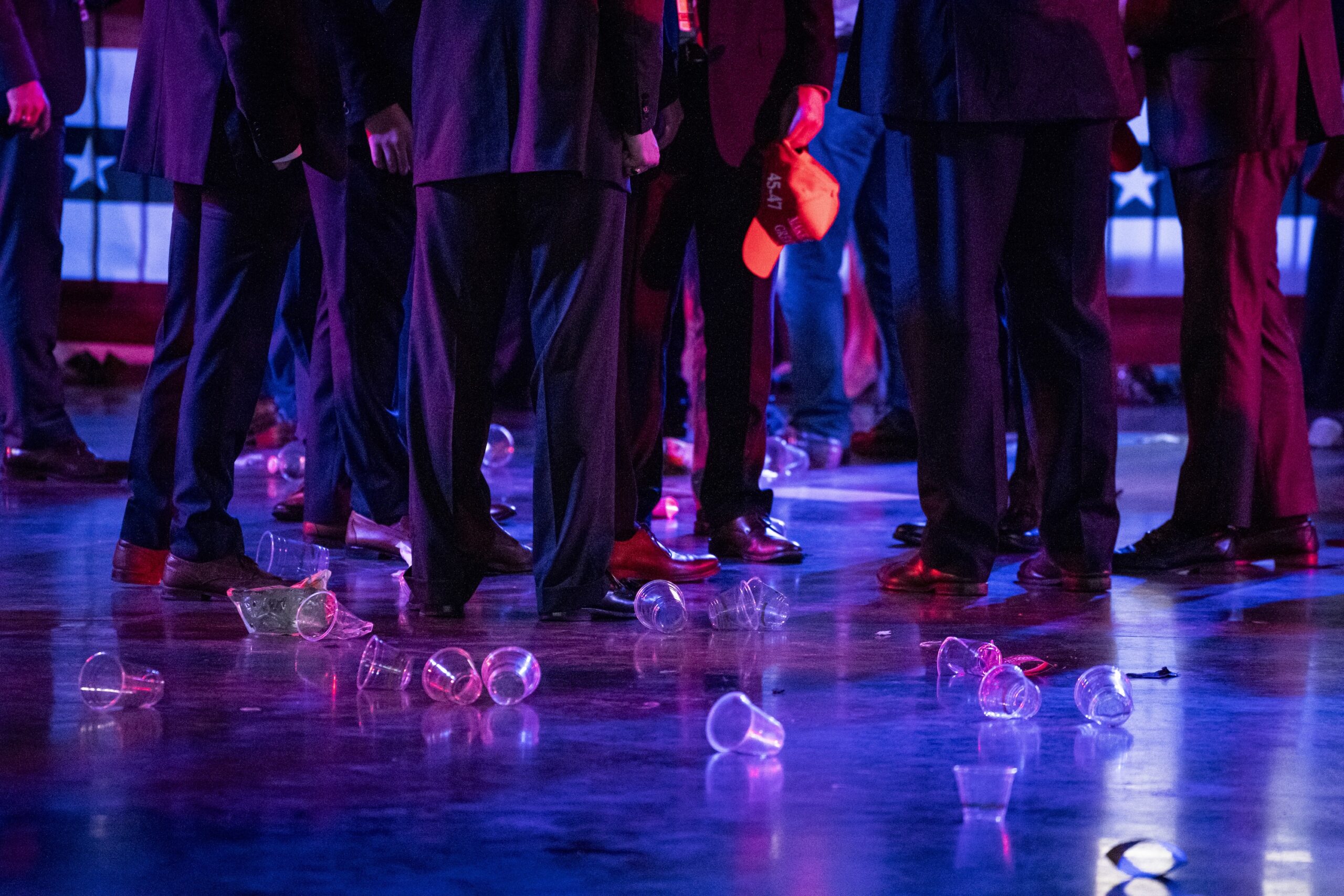
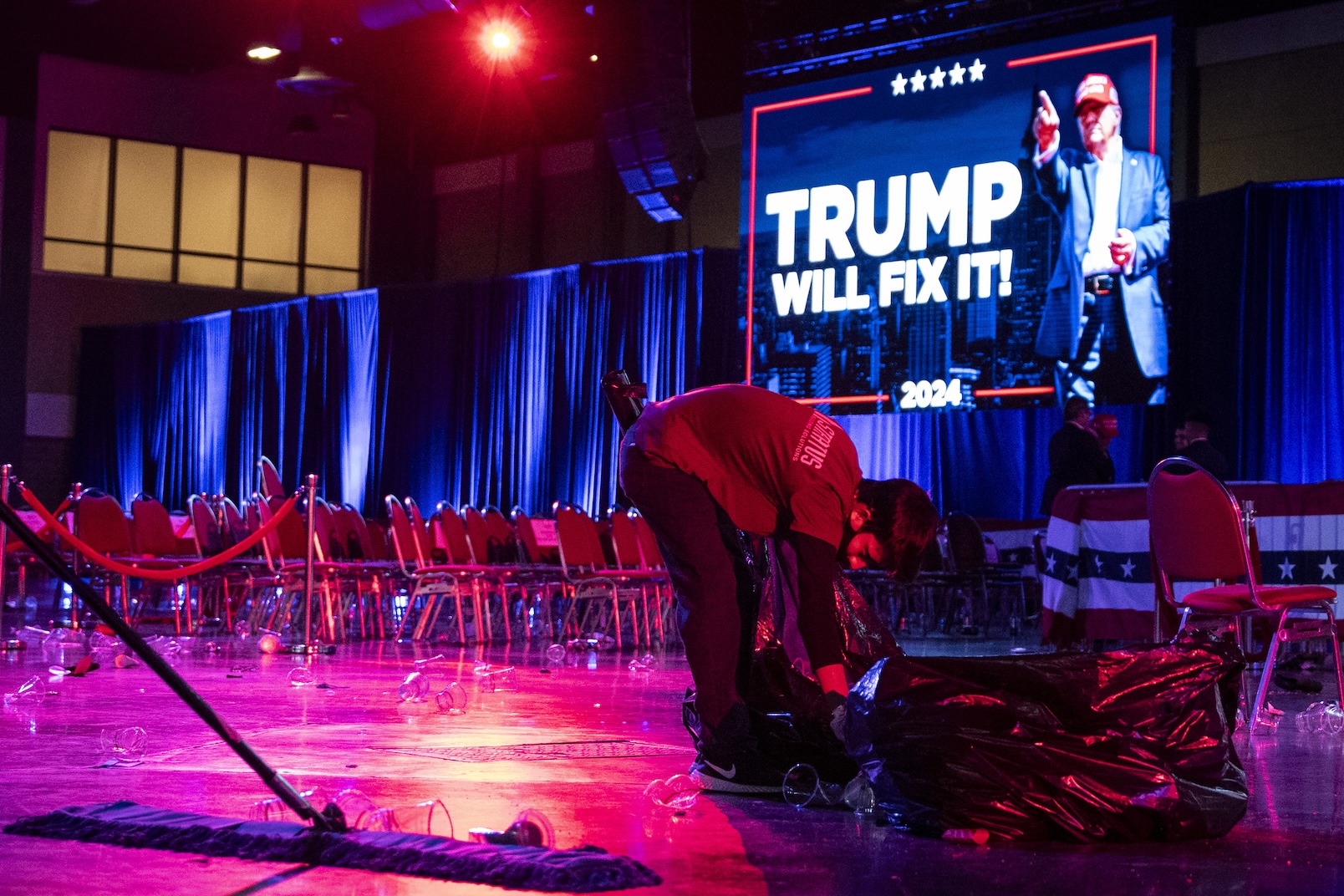
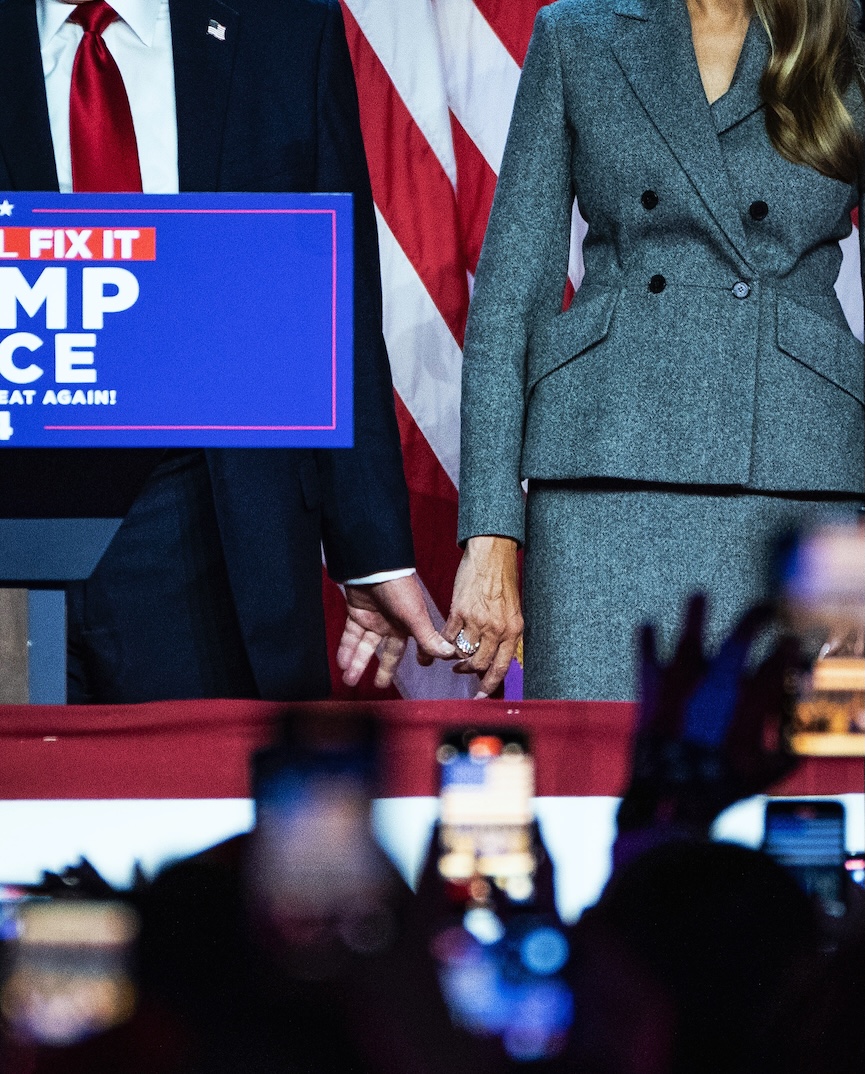
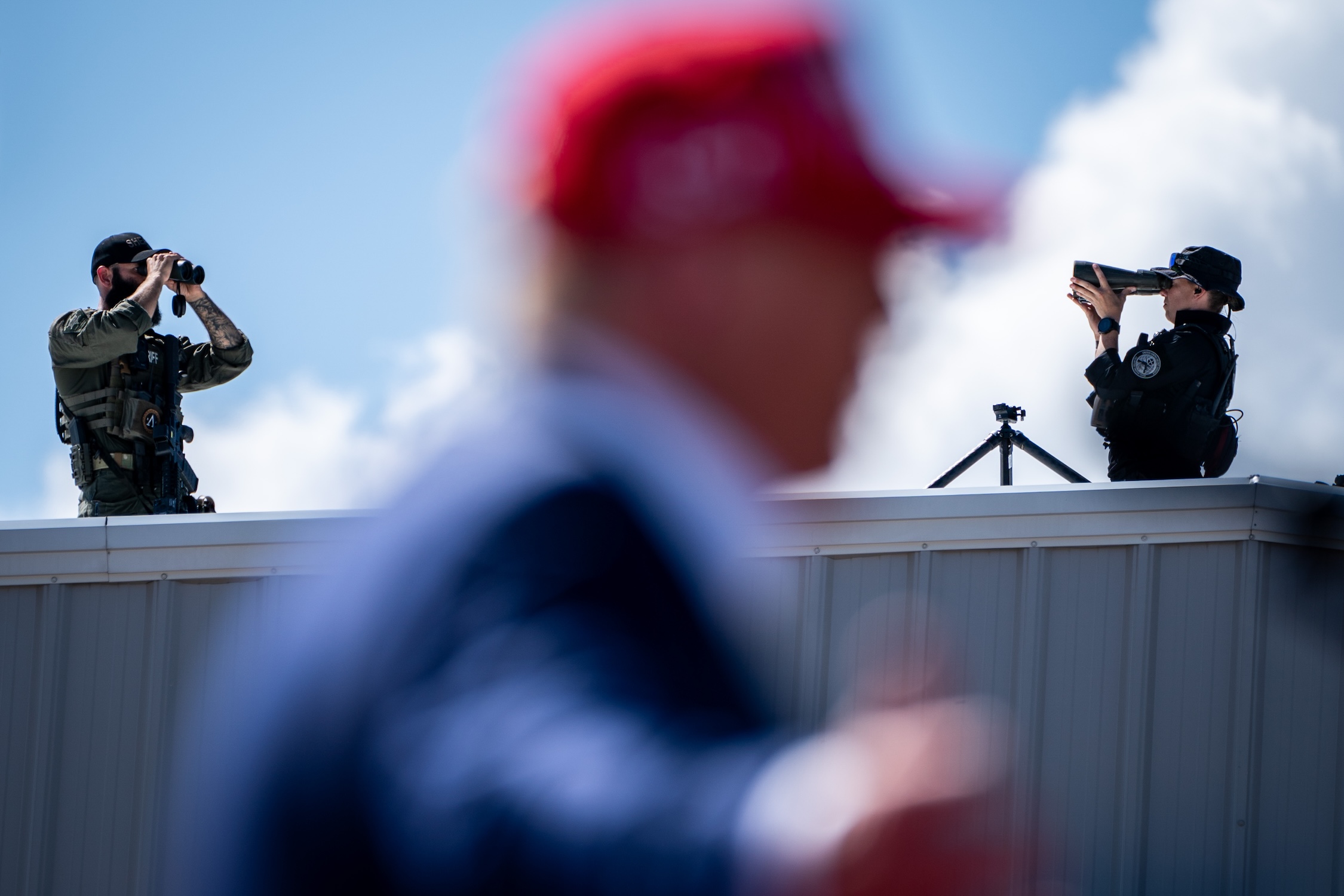
ELECTIONDAY. Trash is seen after former president Donald Trump speaks at an election watch party in West Palm Beach, Florida, on Wednesday, November 6, 2024. (Photo by Haiyun Jiang for The New York Times)ELECTIONDAY. A worker cleans up trash after an election watch party for former president Donald Trump in West Palm Beach, Florida, on Wednesday, November 6, 2024. (Photo by Haiyun Jiang for The New York Times)ELECTIONDAY. Former president Donald Trump and former First Lady Melania Trump hold holds as he speaks at an election watch party in West Palm Beach, Florida, on Tuesday, November 5, 2024. (Photo by Haiyun Jiang for The New York Times)TRUMP. Secret service agents are on the watch as former president Donald Trump holds a rally in Wilmington, North Carolina, on Saturday, September 21, 2024. (Photo by Haiyun Jiang for The New York Times)
Heidi: You created Grassroots, a magazine that focused on individuals involved in the different aspects of the 2018 midterm election. What trends did you notice then, and how were they represented in this 2024 election cycle?
Haiyun: When I created Grassroots for a class assignment at Ohio University, I felt the momentum from local Democrats, as well as women, to run for public office at a local level, after almost two years into Donald Trump’s first presidency. I was interested in how local elections reflected a national sentiment or lack thereof. I followed Erica Crawley, a black single mother who was running for Ohio State Representative at the time, on her campaign.I covered both former President Donald Trump’s and Vice President Kamala Harris’s campaigns on and off for this election cycle, and from my experience I felt a stronger sense of urgency from both sides to get their candidates elected to the White House, more so than the 2018 midterm election.
Did your photography approach change as the election and divides became more unpredictable?
I am constantly trying to learn and refine my photographic approach on every assignment, and the learning will never stop. I freelance for the New York Times for the majority of the time and the Times always is on a mission of searching for unique, revealing, fair, and strong visuals to inform its readers. And that mission requires photographers, like me, to find new ways to illustrate mundane situations. I think it’s more the sense of providing readers with information and scenes I see in the field that helps refine the photographic approach than the election itself. The image you were thinking was made after the first attempted assassination of the former president. I have seen lots of photos of snipers as a sign of heightened security around Donald Trump’s rallies from my colleagues and I was trying to make frames that could offer a bit of larger context. The election and divides might have become more eruptive but the bottom line for my photographic approach has always been and will always be remaining fair to whomever I may cover.
Did you pre-visualize this image? or was this a surprise moment for you? I was assigned to document former president Donald Trump’s rally in Grand Rapids, Michigan, right after the Republican National Convention in July, 2024. After a while, I started walking around the “press pen”, where all my colleagues from different media outlets were typically confined at rallies. When I noticed a glare from the stage, I stopped and observed for a bit. I wondered what the rally attendees, who were sitting at this exact angle towards the podium, could see with the glare. Then I made the photo.
How did this election coverage challenge you as a photojournalist? or what made this one different?
This election, in many senses, has been an unprecedented one. With the current president dropping out after the first presidential debate and the vice president having to scramble together a campaign that helped reintroduce herself to the nation, nothing was ordinary. It challenged me to be adaptable and flexible, having a sense of knowing things may happen super fast and being ready for anything. Physically, especially, it could be exhausting for photojournalists to hop from place to place, and still remain focused and creative on every assignment. My mentors and colleagues, Doug Mills, Erin Schaff, and Kenny Holston, spent on average 12-14 hours a day following a candidate across multiple states. I think the human resources and effort into this campaign were remarkable.
What were the most salient points Doug Mills, whose been photographing presidents since 1983 shared with you and why is it important to have a mentor?
One of the most important lessons I learned from Doug is not to dwell on your mistakes. Learn from them, then move on to the next thing. Also, do not be afraid to take risks. Instead of getting the “safe shots” that everyone else is making, do something or go somewhere different. It is a tough business to be an editorial freelancing photographer. There are very few staff jobs available and I am very, very fortunate to be able to work consistently on editorial assignments. Having a mentor has helped me navigate the photojournalism industry and get feedback often. And Doug Mills couldn’t be any more nicer, wiser, and generous towards younger photographers like me. I am very lucky to have him as a mentor.
Can you share thoughts about your process for covering the election?
My process of covering the election, again, was mostly informed by the NYT’s mission in searching for strong and unique visuals that help provide the readers more context. Therefore, when I covered campaign events, I was trying to keep an eye on details, subtle moments, etc. that might have been overlooked.
For the most part, when I covered candidates, I either joined them on the tarmac as they landed in the city of a rally or campaign events, or I did preset at the rally venue. There usually was not much of a location scouting for me, per se, before events actually started. I would have some ideas of photographs that I would like to make but also need to constantly remind myself to be alert and flexible as anything could change in a split second. I finished my year-long NYT fellowship at the end of May in 2023 and have been freelancing since then. I am extremely fortunate to have continued working for the Times, but most of the campaign coverage I have done was during my time as a freelancer.
Can you share the mood, your approach, what it was like photographing VP Harris?
The SNL photos are more of moments from a photo spray than a project. As VP Harris finished a campaign rally in Charlotte, North Carolina, and was scheduled en route to Detroit, Michigan, the traveling press was told midway through the flight that we were making an unscheduled stop in New York City. After holding for more than three hours, the traveling photographers were brought into the SNL studio and when Vice president Harris took the stage, we were given the time of the cold opening to photograph her interacting with comedian Maya Rudolph. Audience members erupted as they saw her on stage and the mood was jubilant.
When I photographed VP Harris, I was always trying to find moments that she was more introspective, not performative. I would try to educate myself about the news of the day and observe how it affects the mood of hers, as well as her campaign’s.
What is a photo spray?
A photo spray is when press photographers are brought into an event or meeting for a short period of time to photograph. It can range anywhere from 10 seconds to 5 minutes.
Where were you on election night and what was your assignment? Take us to that moment – what was going on in your mind as the results rolled in?
I was assigned to photograph Republican presidential nominee, now president-elect Donald Trump’s election watch party at the West Palm Beach Convention Center. There were supporters of Mr. Trump trickling in throughout the night, wearing his signature red “Make America Great Again” hats, and lining up at mini bars for drinks. There were many TV news outlets and photographers on a riser and on ladders at the back of the ballroom where the watch party took place. The mood was jubilant among the crowds as the election results rolled in. Many news reports stated that we wouldn’t know the election result on election night but I was prepared for anything that might happen. It was incredibly fast as the results rolled in and the crowds’ mood improved significantly. I thought to myself that there was a good chance that we would know the result tonight and Mr. Trump would take the stage once his margin of victory widened more. Therefore, I was keeping an eye on the movements on stage as well as the TV screens.
What moments were you looking for that evening and what stood out to you during those subtle times? As news coverage as the election results rolled in I was looking for moments of either despair or jubilation among former president Donald Trump’s supporters, depending on how the electoral map looked. More importantly, I tried to keep an eye on more subtlety, people chatting, taking a moment for themselves, etc.
At the end of the election night, after president-elect Donald Trump’s remarks and his supporters exited, I noticed workers of the convention center started cleaning up the plastic cups as well as other trash discarded on the floor. I photographed the workers bending over to pick up trash, with the America-themed lights as background.
Photographically covering an election requires a range of elasticity and neutrality for your own personal feelings, how do you stow that away?
When I am working, I am focused on making photos that help illustrate a story and identify moments that sometimes writers may have overlooked; and I’l fairly good at compartmentalizing. When I am off, I do not spend time thinking about work and instead, I focus on my hobbies, such as Legos and reading. As a journalist, I remain neutral to whomever I may cover and my number one goal has always been fair coverage. It is not my job to insert my personal feelings to make the public feel certain ways. My job is to be their eyes and bring photos to the audience for information consumption.
How do you take chances or risks to convey a point of view?
When I see a photo with potential, I would stick with the frame. I may miss other photos but it’s a risk worth taking. For example, the snipers photo at Mr. Trump’s rally that you mentioned, took five minutes for me to be in the same spot, to get the right symmetry and composition. That means I might not have photographed the candidate himself or his supporters behind me during that five minutes. That being said, I always photograph with both of my eyes open, so I could see peripheral movements while photographing.
The Art of the Personal Project is a crucial element to let potential buyers see how you think creatively on your own. I am drawn to personal projects that have an interesting vision or that show something I have never seen before. In this thread, I’ll include a link to each personal project with the artist statement so you can see more of the project. Please note: This thread is not affiliated with any company; I’m just featuring projects that I find. Please DO NOT send me your work. I do not take submissions.
FOREWORD TOM CHAMBERLIN // WRITTEN AARON SIGMOND // PHOTOGRAPHY IAN SPANIER From AARON SIGMOND (author of The Impossible Collection of Cigars) and photographer IAN SPANIER, the team that brought you PLAYBOY: The Book of Cigars & ARTURO FUENTE: Since 1912, comes a work of literary nonfiction artfully lavished with award-wining documentary photography.
CIGARS: A Biography.
February 2025 will mark the arrival of CIGARS: A Biography, an extraordinary undertaking more than 15 years in the making that deftly combines the remarkable talents of author Aaron Sigmond and photographer Ian Spanier in their fourth collaboration.
Richly illustrated with exclusive photography by Spanier—shot on location in Cuba, the Dominican Republic, Nicaragua, Honduras and Mexico, as well as across the United States and throughout Europe—and penned by Sigmond, CIGARS: A Biography is part history book, part travelogue, part photographic monograph and part luxury reference book. It all adds up to a comprehensive survey of cigars that weaves in the narrative tapestry of Sigmond’s more than 35 years as a renowned cigar connoisseur. Over the decades his travels have taken him (often accompanied by Spanier) to cigar factories and tobacco farms throughout the Caribbean Basin, Europe and the United States, as well as cigar merchants and lounges around the world.
This hand-bound illustrated volume is presented in a handcrafted cigar case–inspired slipcase, a must-have for any cigar aficionado. Included as well is past work from Spanier, blended seamlessly with unpublished photographs taken in the last decade and a half, and all-new images shot specifically for CIGARS: A Biography over the last two years. The result is the book Sigmond and Spanier have long envisioned. It was designed by award-winning creative director Liliana Guia. “From a photographer’s standpoint, a comprehensive body of work like this signifies a deep exploration of the subject, capturing nuances and intricacies over time,” Spanier says. “The evolution in my approach reflects not only a dynamic journey but shifts in composition, lighting and perspective, showcasing my growth as a photographer and, equally, my growing desire to visually interpret the complexities of this distinctive subject.”
PREORDERS OF CIGARS: A BIOGRAPHY ARE NOW BEING TAKEN EXCLUSIVELY AT SigCulture.com & AT SELECT CIGAR MERCHANTS WORLDWIDE.
APE contributor Suzanne Sease currently works as a consultant for photographers and illustrators around the world. She has been involved in the photography and illustration advertising and in-house corporate industry for decades. After establishing the art-buying department at The Martin Agency, then working for Kaplan-Thaler, Capital One, Best Buy and numerous smaller agencies and companies, she decided to be a consultant in 1999. Follow her on Instagram