The Daily Edit – Yogan Müller talks about photobooks and stories hiding in plain sight


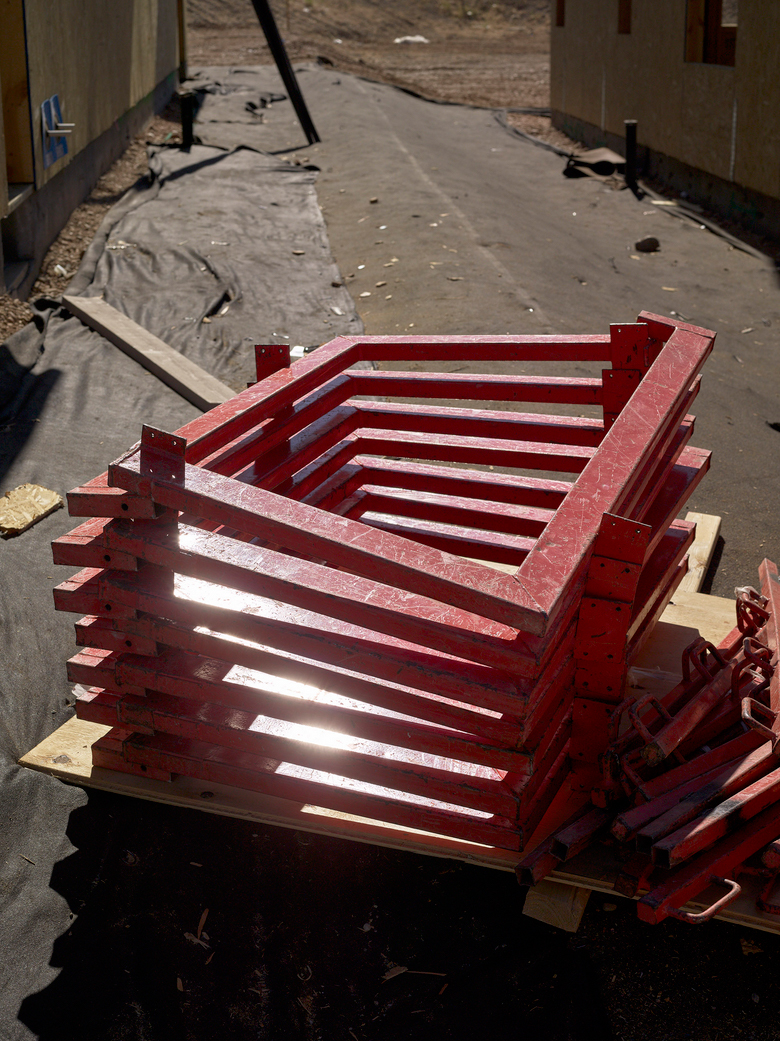
Tracy Hills, Outrigger scaffolding kit, June 2022.
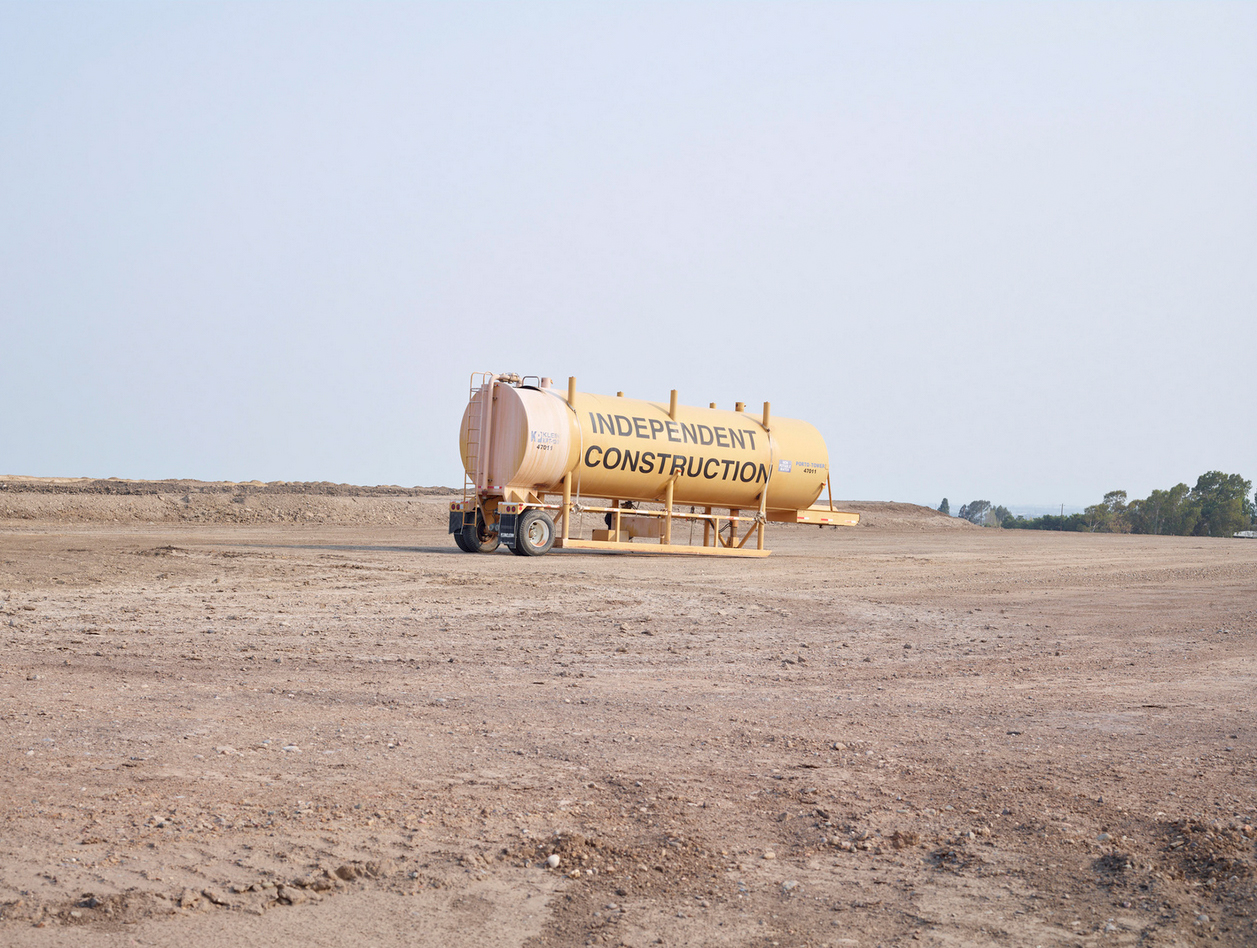

Tracy Hills, Independent Construction Water Truck, August 2021.
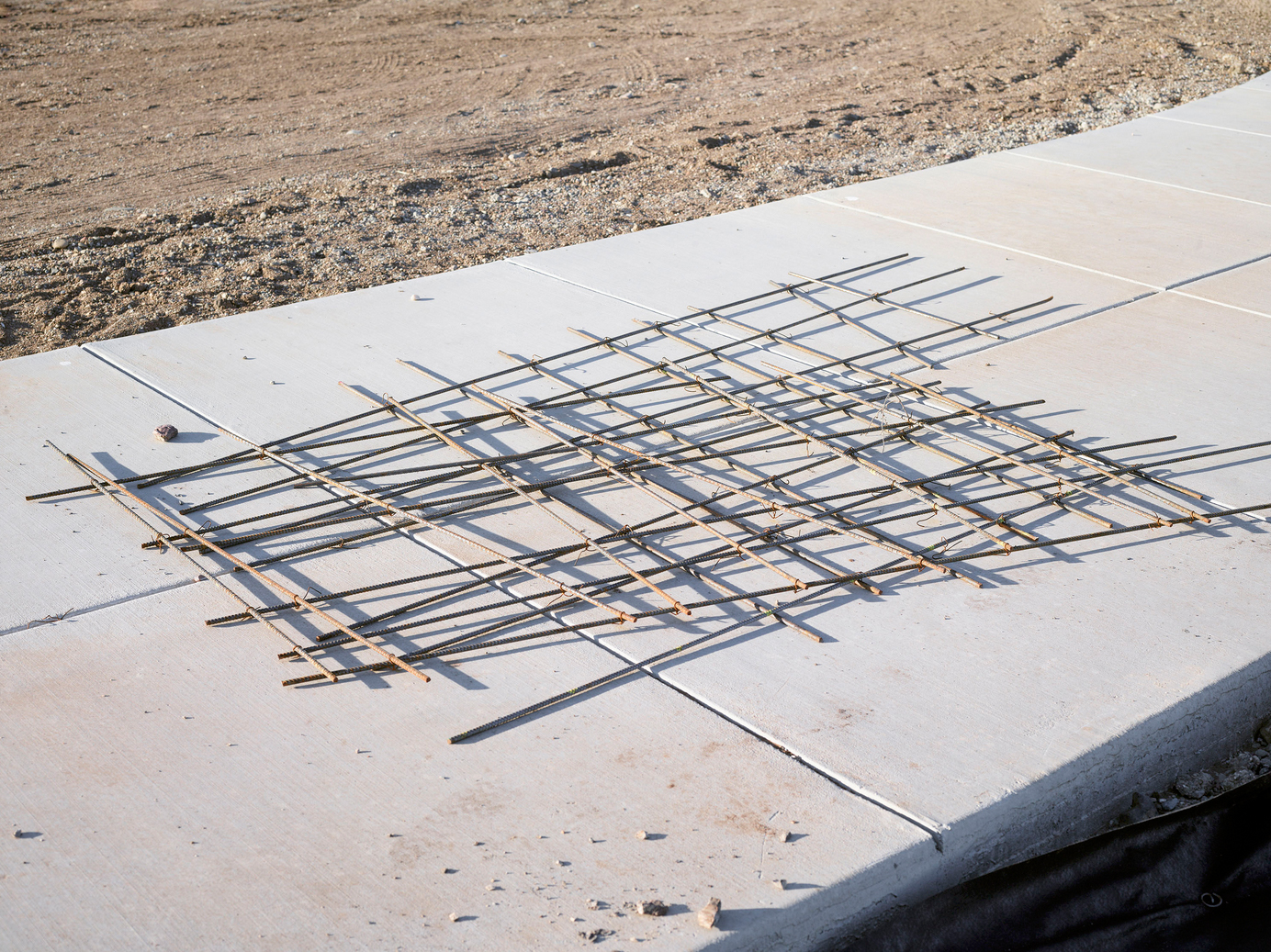

Newly-Paved Streets at Sunset Southwest of the I-580, Tracy Hills, CA, December 2023.

Yogan Müller

Heidi: Your Tracy Hills imagery highlights ecological crises—like water access and wildfire risk—in a New Topographics context. What visual strategies did you use to balance documentary clarity with emotion?

Yogan: What I discovered in Tracy Hills took what I’ve been exploring for the past 10 years to a whole new level. In 2015, I documented a similar development in SW Iceland. Think new streets encroaching on rough lava terrain. Iceland prepared me for Tracy Hills, where scales were multiplied by 10.

On the first trip to Tracy Hills in August 2021, the entire Central Valley was shrouded in smoke from the Dixie Fire, which became one of the most devastating wildfires in California’s history. Setting foot in Tracy Hills, the noonday sun was filtering through the high-altitude haze, all the while casting an incredibly bright light on hundreds of houses under construction. It was 100°F. The raging fire up north and the marching construction enterprise seemed so dichotomous.

It was hard not to feel emotional when photographing this material, because it was a 1:1 reflection of the developments The New Topographics photographed in the region fifty years ago. That, of course, became a huge photographic challenge. However, for someone who hails from France and had the opportunity to further the conversation laid forth by the New Topographics was something very special. All the landscape books and photobooks I had poured myself into, all the sprawl pictures I’d avidly studied, had found a contemporary manifestation in Tracy Hills.

Walking the landscape made me feel solastalgic. Solastalgia refers to the emotions we feel when we know we are seriously altering the climate without taking sufficient action, despite the unequivocal evidence of change. At the same time, I felt the urge to photograph everything around me. I was shooting like a crazy fool. That was wonderful. So much material for my art laid around in the form of objects, textures, colors, and materials. I couldn’t stop.

The clarity you mentioned is crucial to me. In my recent projects, I have strived to distill complexity into cohesive pictures. If I think about it, it comes from my math background. Mathematics is so elegant, abstract, and simultaneously practical. Theorems, for example, often compress extremely complex concepts into a single proposition or, better, one absolute formula, from which the most vivid representations emerge. I like this idea. It informs large swaths of my work from the past several years.

All those concepts, concerns, and emotions are baked into the book, which launches this fall with Radius Books. Britt Salvesen and Greg Foster-Rice generously wrote two essays for the book. I am beyond grateful. With Radius Director David Chickey, we decided to shortcut some of the pages. That strategy creates powerful visual encounters and collisions between images and spreads. You can visibly see Tracy Hills sprawl into the edges of the ecosystem that supports the sprawling development, which has been my ultimate goal while photographing there.
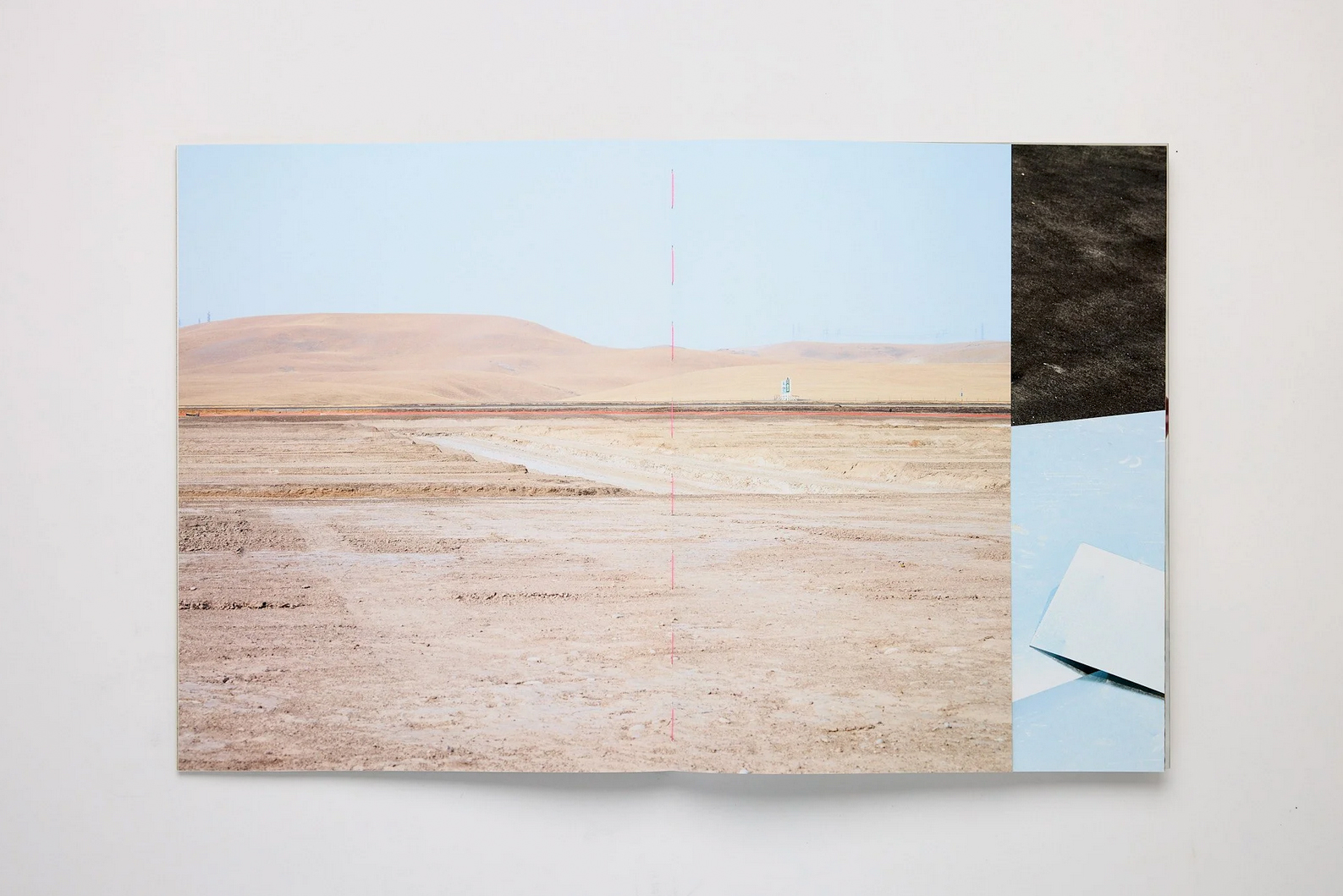

Tracy Hills, double-page spread, photo courtesy of Radius Books.


Drones and LA Water Narratives, self-published book, UCLA Design Media Arts, March 2024.

Tell us about your self-published water-infrastructure book?
This self-published book is the culmination of my winter 2024 undergraduate class at UCLA Design Media Arts, where I introduced drone photography.
Students learned FAA rules, safety, and how to fly. They utilized this knowledge to focus on the Los Angeles Aqueduct that brings life to Southern California. By happenstance, my class convened shortly after the 110th anniversary of the Los Angeles Aqueduct inauguration on November 5, 1913.

I’ve always thought of drones as tools to enrich our sensory perception. I want to embrace this positive outlook and steer clear of all the other negative connotations drones are associated with.

We surveyed the aqueduct from Sylmar to Owens Lake, CA. Sylmar is where the aqueduct enters the city. The Cascades, visible from the I-5, are rather spectacular. Owens Lake, on the other hand, is, historically, the first source of fresh water for Los Angeles. Today, however, it is an engineered behemoth where the LADWP conducts dust mitigation experiments called “Best Available Control Measures.” I spent time flying there to
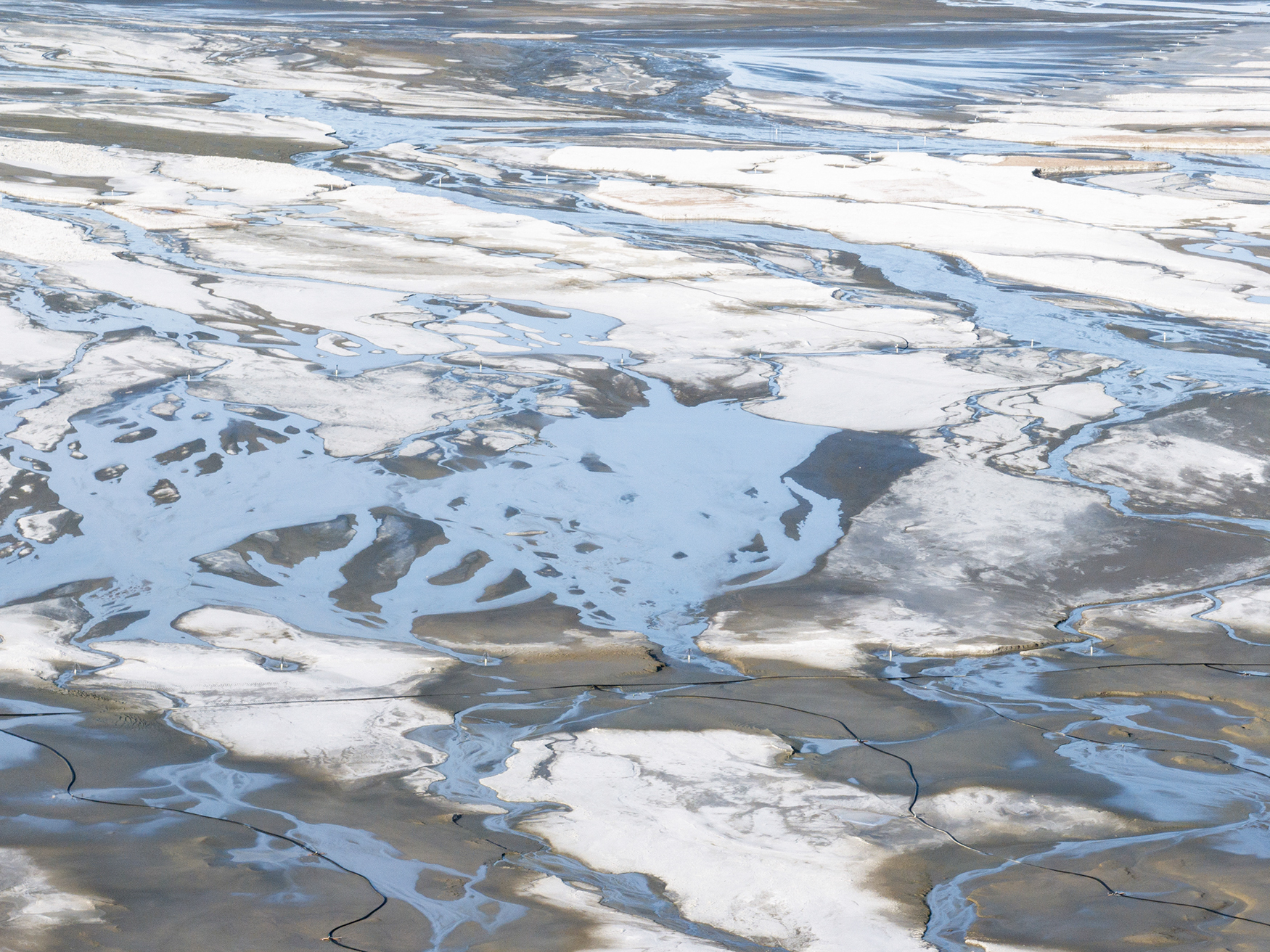

Airborne view of one of LADWP’s dust mitigation techniques (sprinkler irrigation), Owens Lake, CA, February 2024.

Downstream, the self-published book is a collection of diverse voices, co-designed, printed, and hand-bound by my students. I led the design and printing, and we had a lot of fun working together. This water class, survey, and book inaugurated a long-term project with the LA-based 501(c)3 Pando Populus. I will be glad to share more when the opportunity arises.

What unique storytelling potentials do photography books offer compared to exhibitions or online platforms?
A photobook is, in and of itself, a magical device and an art form. Once a show is done, it’s done. It may endure in installation pictures, memory, and sales, but it’s fundamentally done. Whereas a book circulates, reemerges, can be subject to awards, new printings, and pops up in fairs and shops far from its place of production, and years after its release. In other words, a book lasts longer and may reach a wider audience over time.

When pictures, pacing, typography, and paper work in unison, a whole world unfolds in a photobook. The very act of turning pages elicits strong visual relationships between pictures and spreads. The viewer is taken on a journey of visual encounters, emotions, and perception.

For me, a photobook opens a space for an intimate relationship between the viewer and the content. Turning pages is a sensual experience. A freshly printed book smells good. The paper has a texture that rubs on your fingertips. And pictures are visual stimuli. A photobook transforms distant subjects into an up close, felt, and even embodied experience.

I think it’s anthropologist Tim Ingold who, somewhere, wrote about the words printed in the silent pages of a book. This holds true for a photobook. I like to populate this silence with pictures that visibly encapsulate sound. Flipthrough video here

Online will always be a place in flux. For me, it’s a good space to design complementary, immersive experiences through full-screen galleries and otheri nteractive interfaces. As such, a website can be a wonderful space to share the research and creative decisions that shaped a photobook.

Your practice includes photogrammetry, drones, AI, and book design. How do these tools influence your creative process and storytelling in both personal and editorial work?
Embracing photogrammetry, drones, and AI pushed me to undertake a profound overhaul of how I use photography.
That came from teaching and engaging with faculty, students, and staff at UCLA Design Media Arts. Our department embraces new technologies wholeheartedly. Over time, I increasingly saw and used photography as an expanding field, and a medium porous to rapid, often radical technological advances–think of generative AI, for example–and a medium that has never ceased to shapeshift since 1839.

Teaching these tools and topics had me learn them inside out, which naturally pushed me to stay curious, alert, and hungry for the newest iterations. That’s one of the wonderful gifts of teaching.

Now, bearing the ecological crisis in mind, I can’t help but ponder the overlap of exponential technology and our exponential environmental footprint, a hallmark of the Anthropocene. I guess both are rooted in the idea that there are no limits to what we can do, which is, in a way, true – human ingenuity often seems unlimited – although it’s clearer and clearer that this is undermining the very conditions limitless endeavors are predicated on.

Practically, photogrammetry has thrust photography into the third dimension. Drones take it to the skies. AI taps into the enormous visual archive that is the Internet. Books open photographs to a fuller sensory pictorial appreciation that is tactile and intimate. It’s incredible to think we have easy access to such tools. At the same time, they have a dark side that can’t be ignored. That’s what artists have been doing: using the tools while critically engaging with their underlying problematic dynamics and foundations.

I am really into drones at the moment. Flying high, you decenter yourself by seeing the complexity of the world around you. I am here, on my feet, immersed in the world, piloting, and simultaneously aloft, contemplating it in flux, 50, 200, 350ft in the air. That’s what I mean by “drones enrich our sensory perception.” I am fascinated by the artistic and technical possibilities of remote sensing, so much so that I’ve launched a drone photography business called Topographica. I serve architecture, construction, and public art clients in SoCal. Drones are incredible tools to contextualize and elevate installations and constructions. They are also incredible tools to create 3D, 1:1 digital twins of real-world projects through photogrammetry. With them, artists and operators can document, map, archive, and tell stories based on data-rich, airborne images.

“Overshoot” launched in 2025 how did this idea come about?
I am grateful to Aline Smithson, Founder and Director of Lenscratch, for letting me create a dedicated space for ecologically-minded visual practices and conversations. Overshoot stems from a deep care and love for the environment, ecological arts and justice. We live in ecological overshoot. That is the central premise of the column. In homage to Donna Haraway, I want to “stay with the trouble”.

Overshoot also stems from the central claim of my practice-based PhD thesis–completed in 2018: photography is one of the tools that brought us into the Anthropocene. In hindsight, this line of inquiry, which I’ve explored in my manuscript and fieldwork in SW Iceland, was a reaction to what I learned when studying photography in Brussels. I’d often hear: “That’s just an image,” which always resonated as “photography is nothing more than an image.” That not only seemed at odds with all the time and care I’ve always put into planning trips to Iceland and making photographs there, but also didn’t take into consideration the historic and metabolic ties between photography and energy.

Overshoot holds space for conversations, portfolios, and scholarly essays that directly engage with this moment of ecological overshoot. Ecologically-minded works and practices abound and are incredibly diverse. My goal is to offer artists a platform to share, discuss, and promote their work. I am also curious to know how they’ve come to grapple with the ramifications of ecological overshoot.

I’ve just interviewed Siobhan Angus. Siobhan published an important book with Duke University Press last year titled “Camera Geologica. An Elemental History of Photography,” in which she traces the mineral extraction, use, and flows that have shaped photography over space and time. That is a fascinating and richly-layered history I’d encourage everyone to read. Her interview will be out on September 12. As a brand, Overshoot attempts to capture the exponential rise and use of photography. We still say we “shoot” images, and frequently mention the information and visual overload we experience online every day. That is also what informed Overshoot’s visual identity.
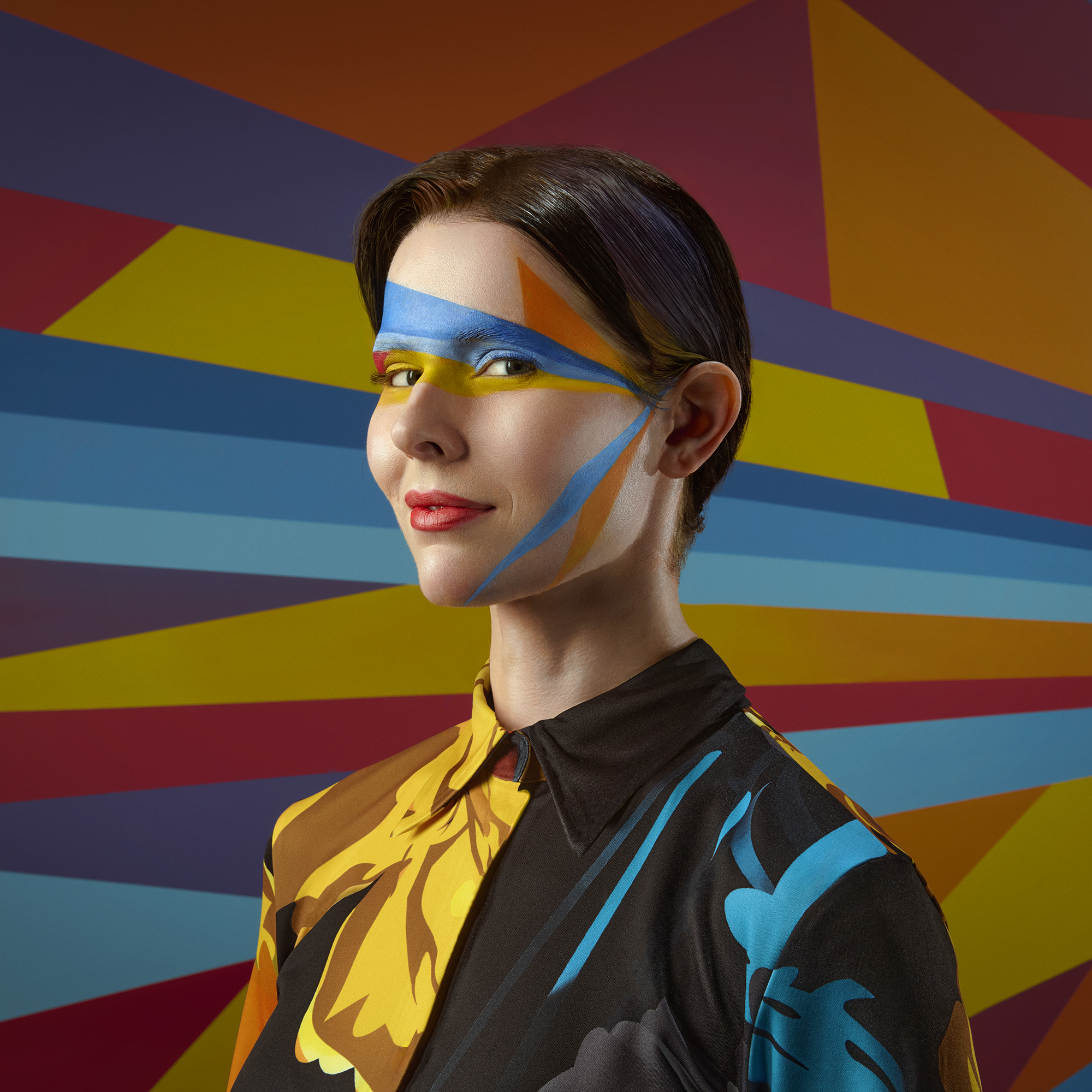
The Art of the Personal Project: Kremer -Johnson

The Art of the Personal Project is a crucial element to let potential buyers see how you think creatively on your own.  I am drawn to personal projects that have an interesting vision or that show something I have never seen before.  In this thread, I’ll include a link to each personal project with the artist statement so you can see more of the project. Please note: This thread is not affiliated with any company; I’m just featuring projects that I find.  Please DO NOT send me your work.  I do not take submissions.

Today’s featured artist: Kremer / Johnson

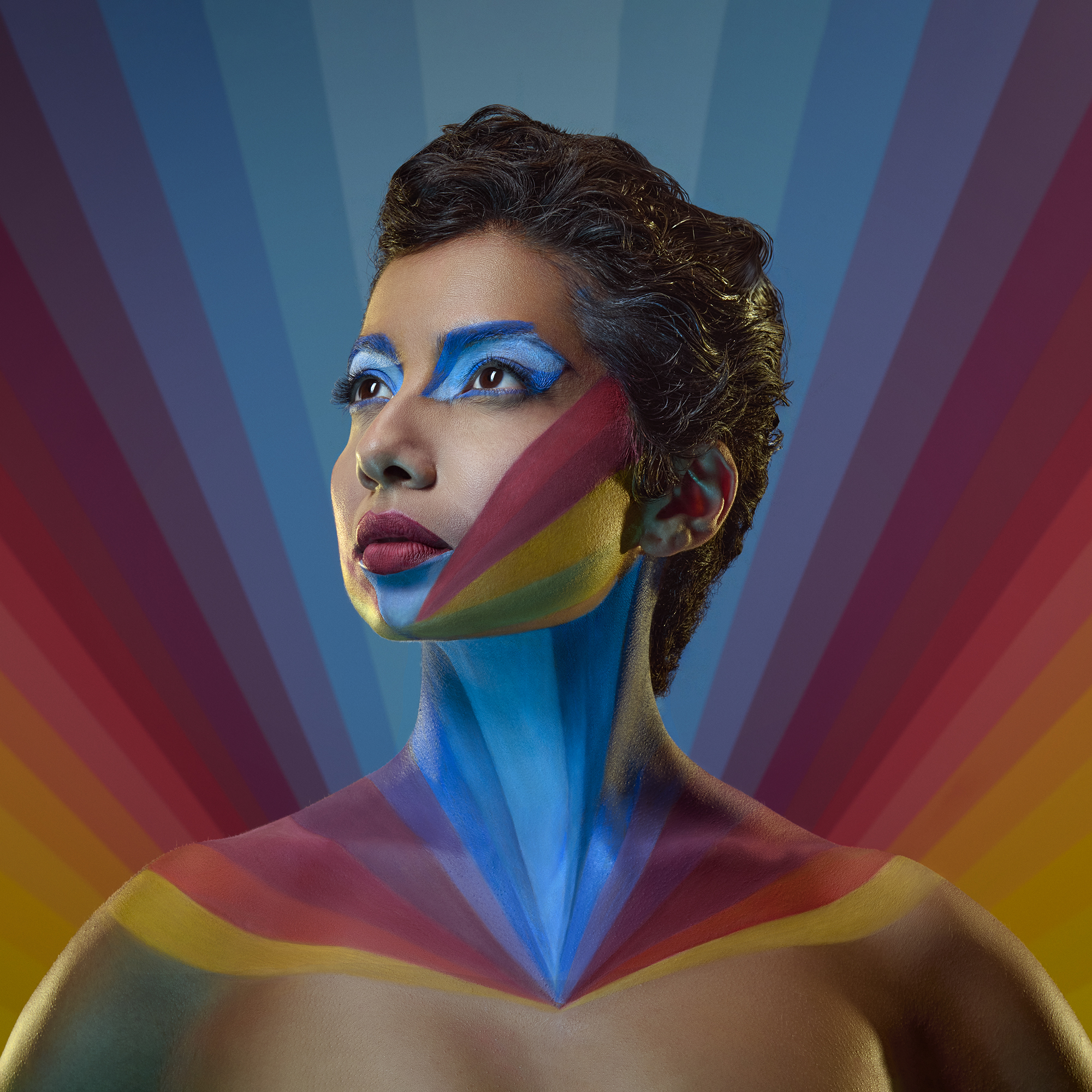
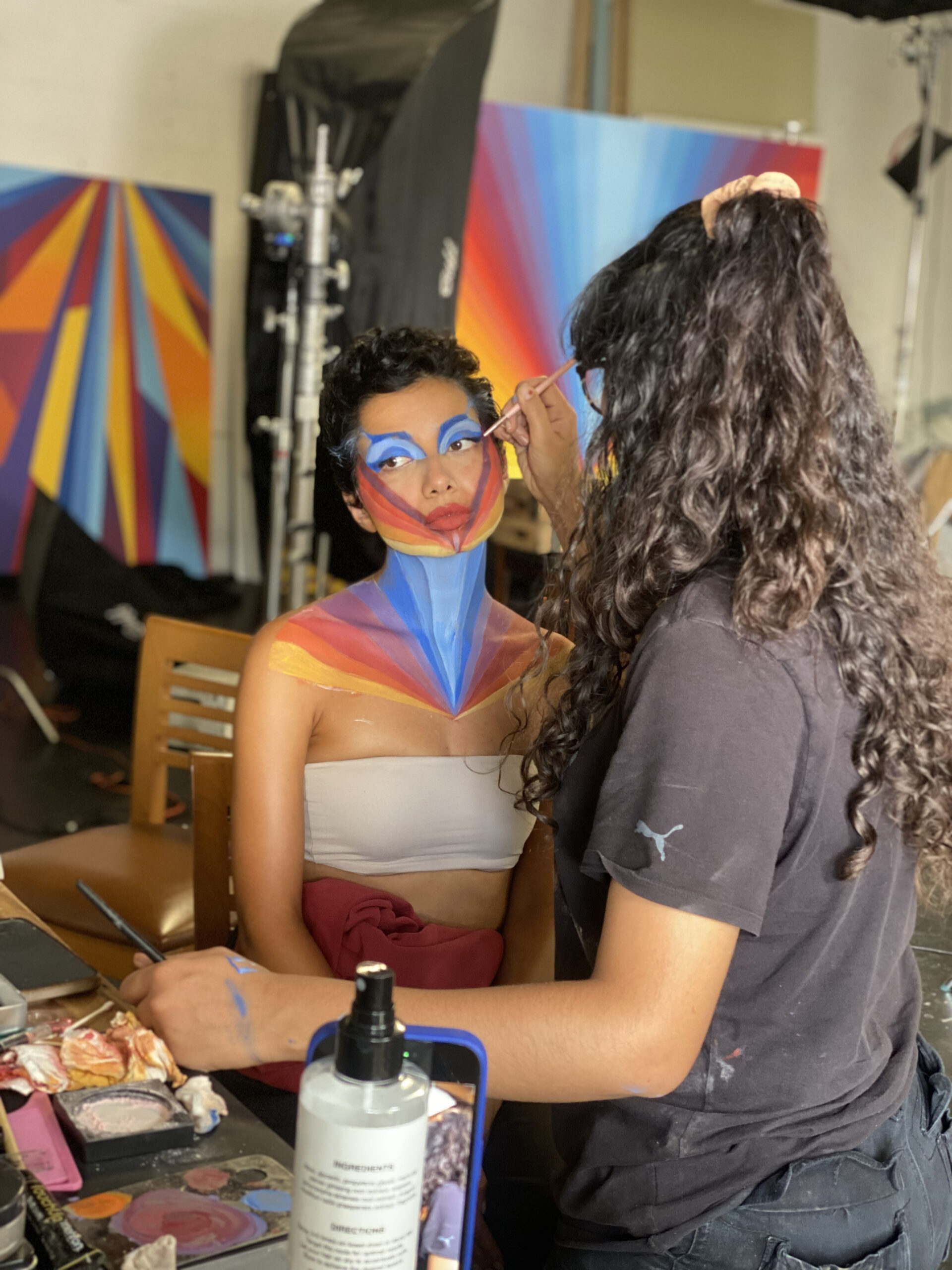
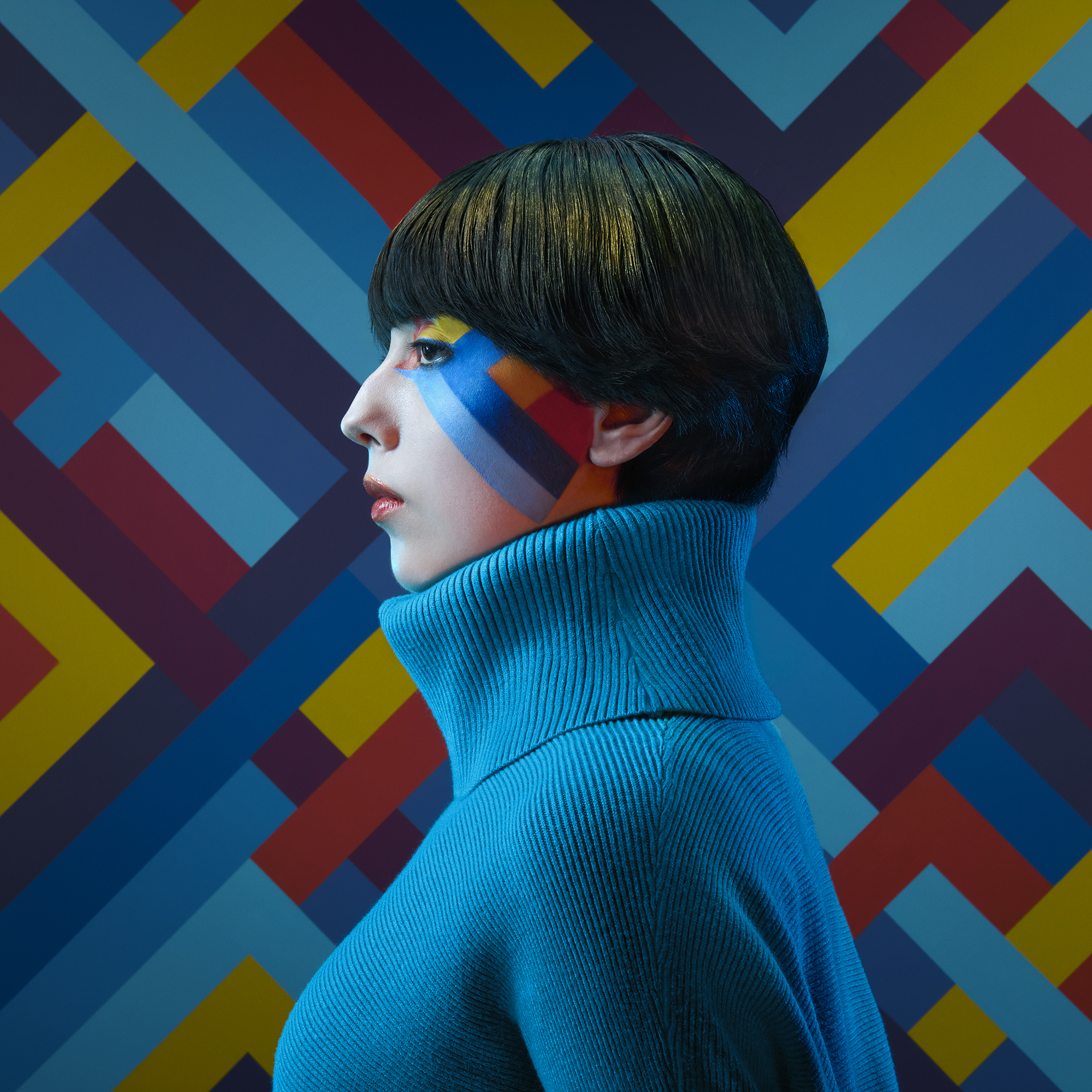
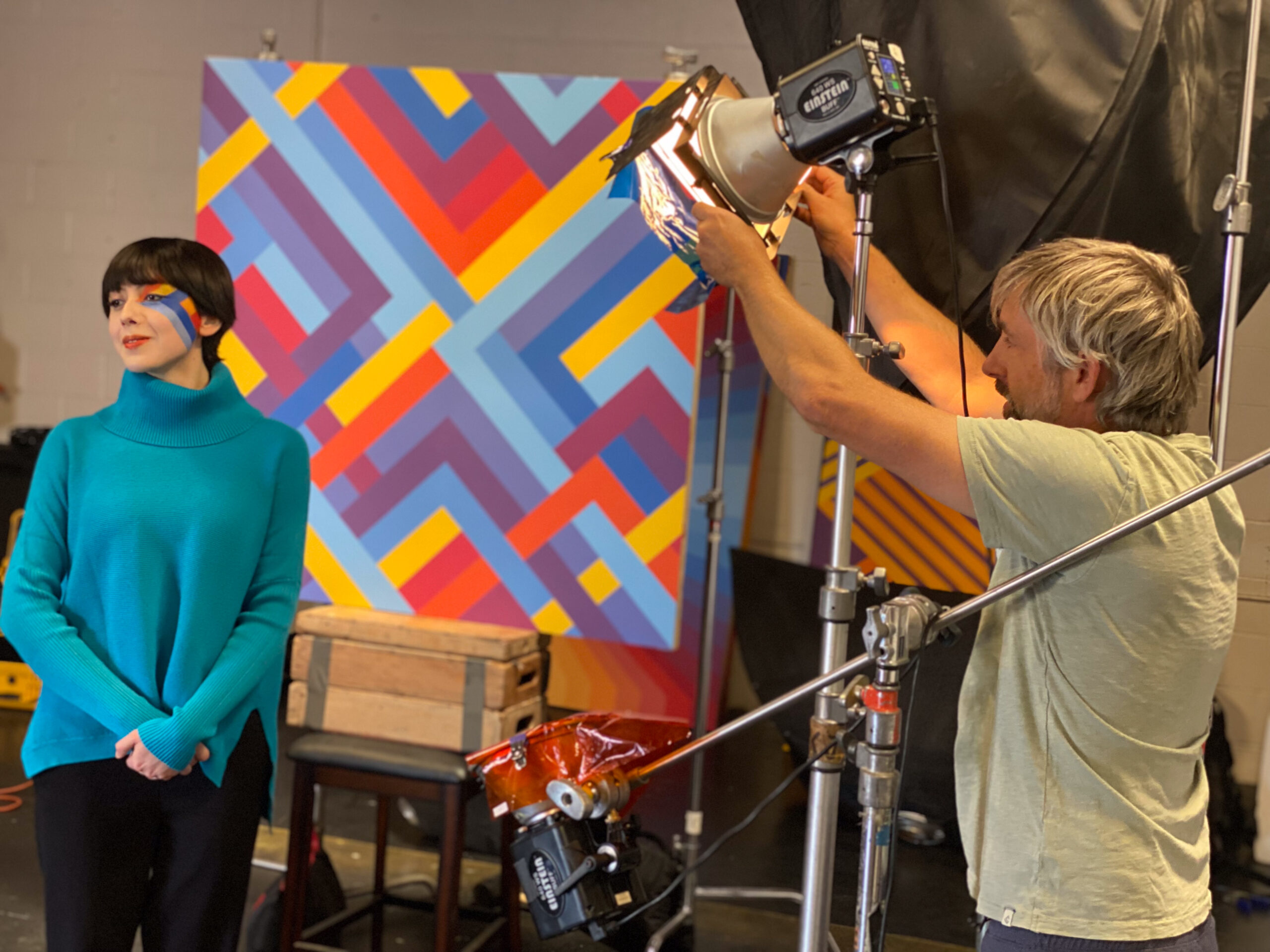
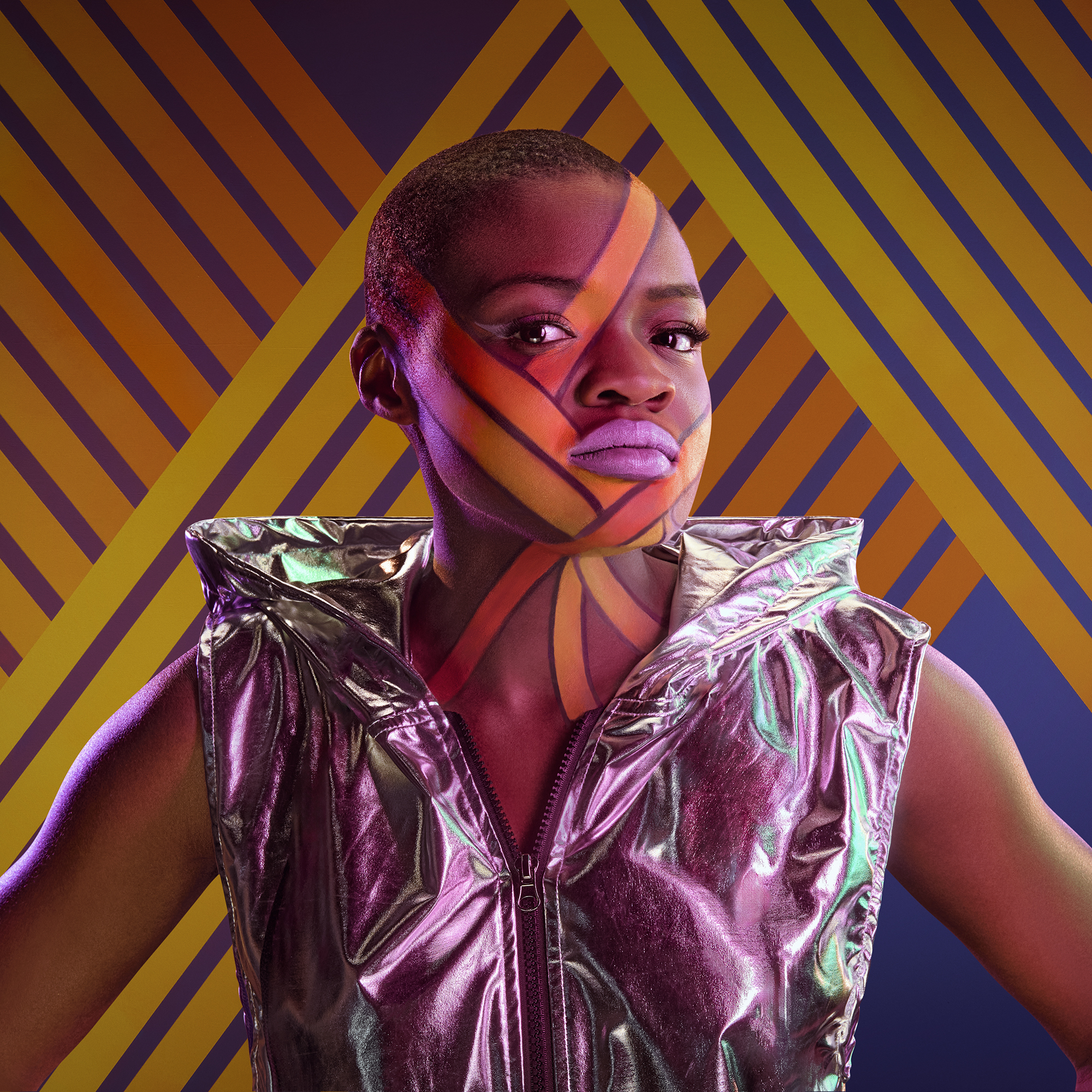
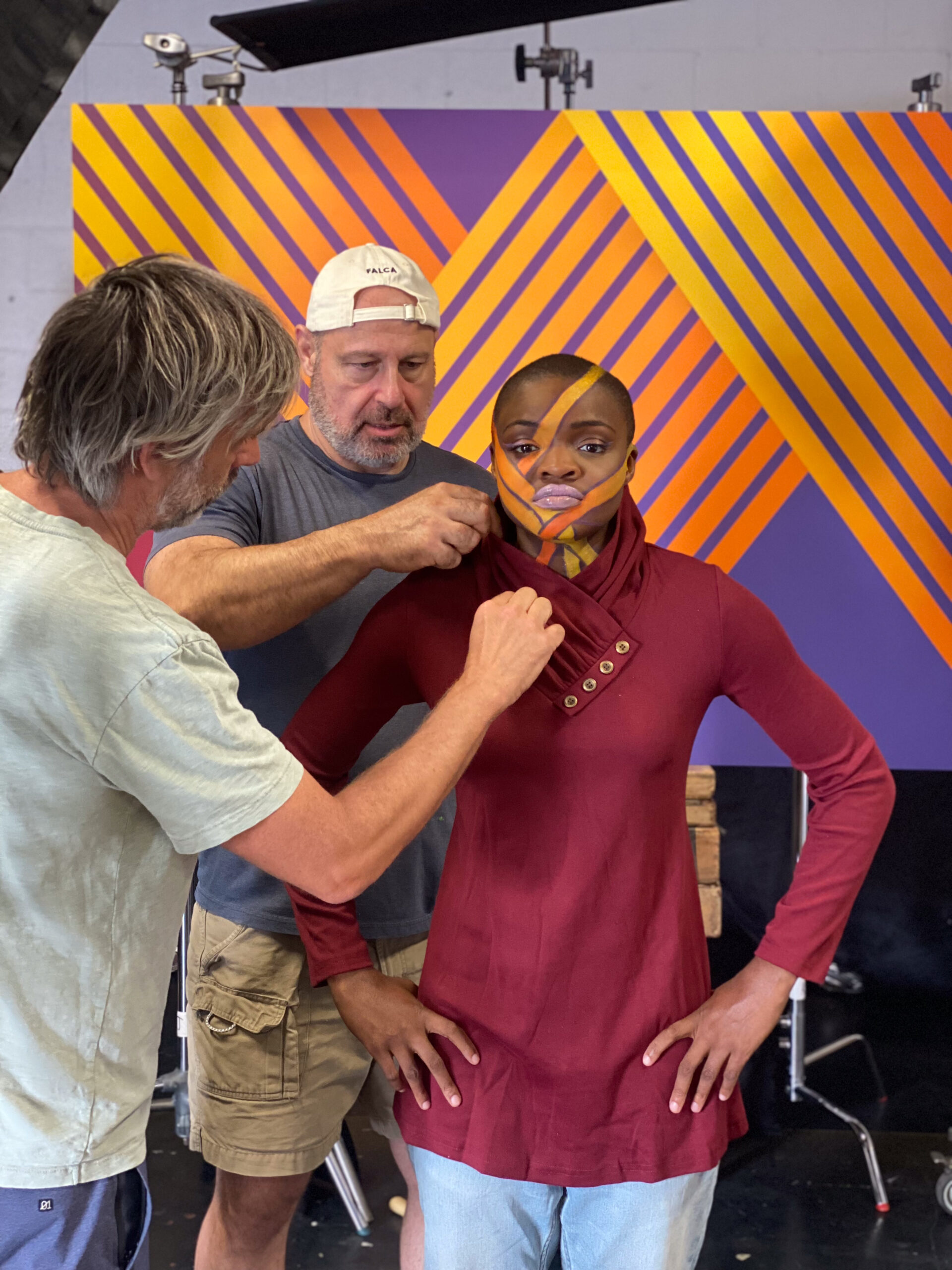
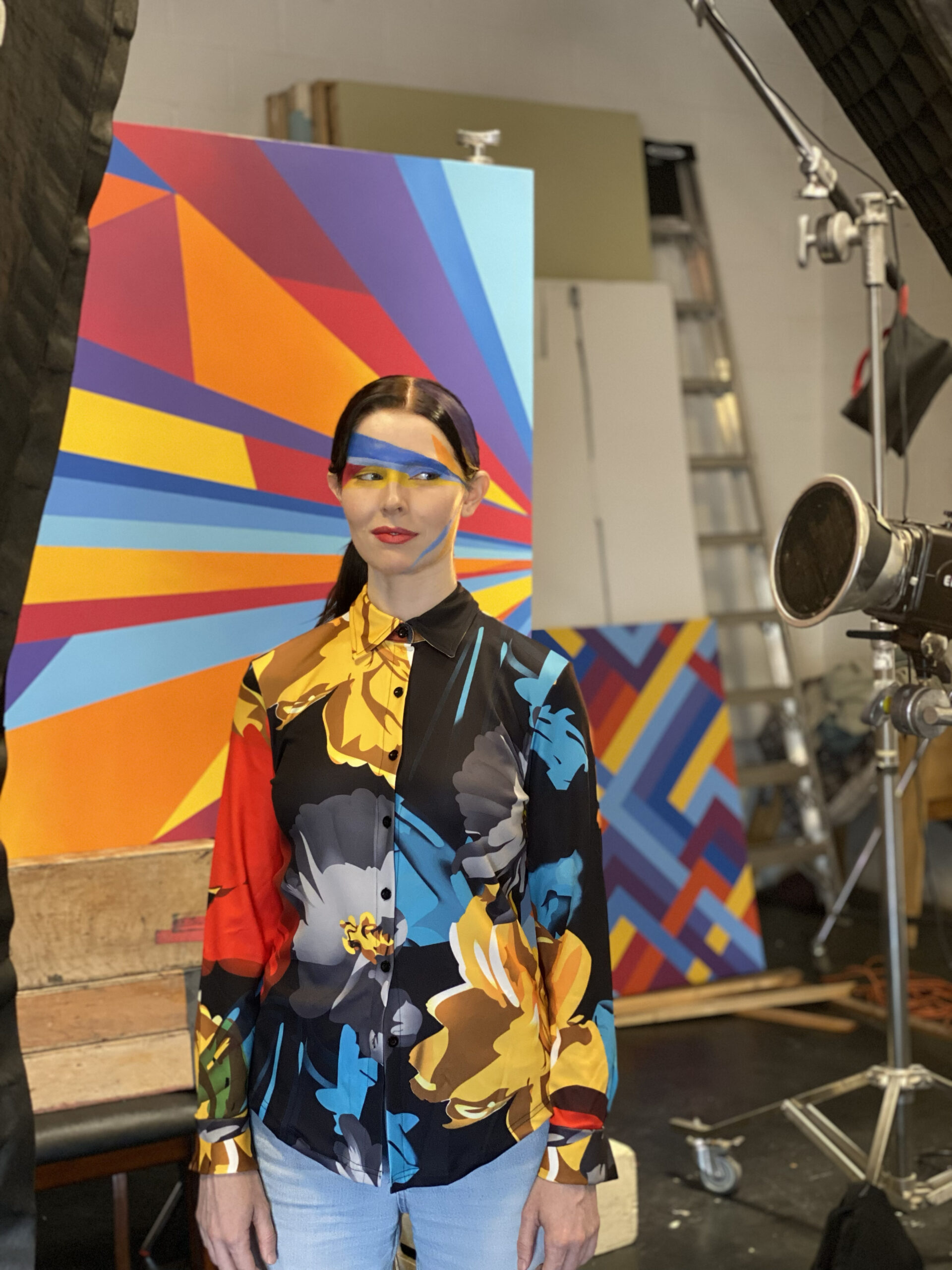
This project was born when we admired a friend’s paintings — and the idea snowballed from there.

How could we weave a real person into those painted worlds? What should the talent look like? Would wardrobe echo the canvas, or stand apart? Should the makeup reflect the brushstrokes? How should the light fall? Would pristine, flawless retouching make it feel alive, or just like another cheap AI image? Were we making a statement, or simply creating something beautiful?

To answer our questions, we did what we always do. We followed our process.

To see more of this project, click here

Instagram


Suzanne Sease is a creative consultant and former ad-agency senior art buyer. She works with both emerging and established photographers and illustrators to create cohesive, persuasive presentations that clients can’t resist.

Suzanne offers something rare: an insider’s perspective on how client’s source creative talent. Her deep understanding of the industry is underscored by her impressive resume: 11 years as senior art buyer at The Martin Agency, seven years as an art producer for Capital One, and stints with the art-buying department at Kaplan-Thaler and the creative department at Best Buy, where she applied her expertise to reviewing bids to see which were most likely to come in on budget. Over the years, Suzanne has worked with a wildly diverse range of clients, including Seiko, Wrangler, Bank One, AFLAC, and Clairol Herbal Essence. Now, as a consultant, she is equipped to problem-solve for her clients from an unusually dynamic point of view.

As a longtime member of the photo community, Suzanne is also dedicated to giving back. Through her Art of the Personal Project column on the popular website aphotoeditor.com, she highlights notable personal projects by well-known and up-and-coming photographers. The column offers these artists excellent exposure while reflecting Suzanne’s passion for powerful imagery.

Instagram

The Art of the Personal Project: Cade Martin

The Art of the Personal Project is a crucial element to let potential buyers see how you think creatively on your own.  I am drawn to personal projects that have an interesting vision or that show something I have never seen before.  In this thread, I’ll include a link to each personal project with the artist statement so you can see more of the project. Please note: This thread is not affiliated with any company; I’m just featuring projects that I find.  Please DO NOT send me your work.  I do not take submissions.

Today’s featured artist: Cade Martin

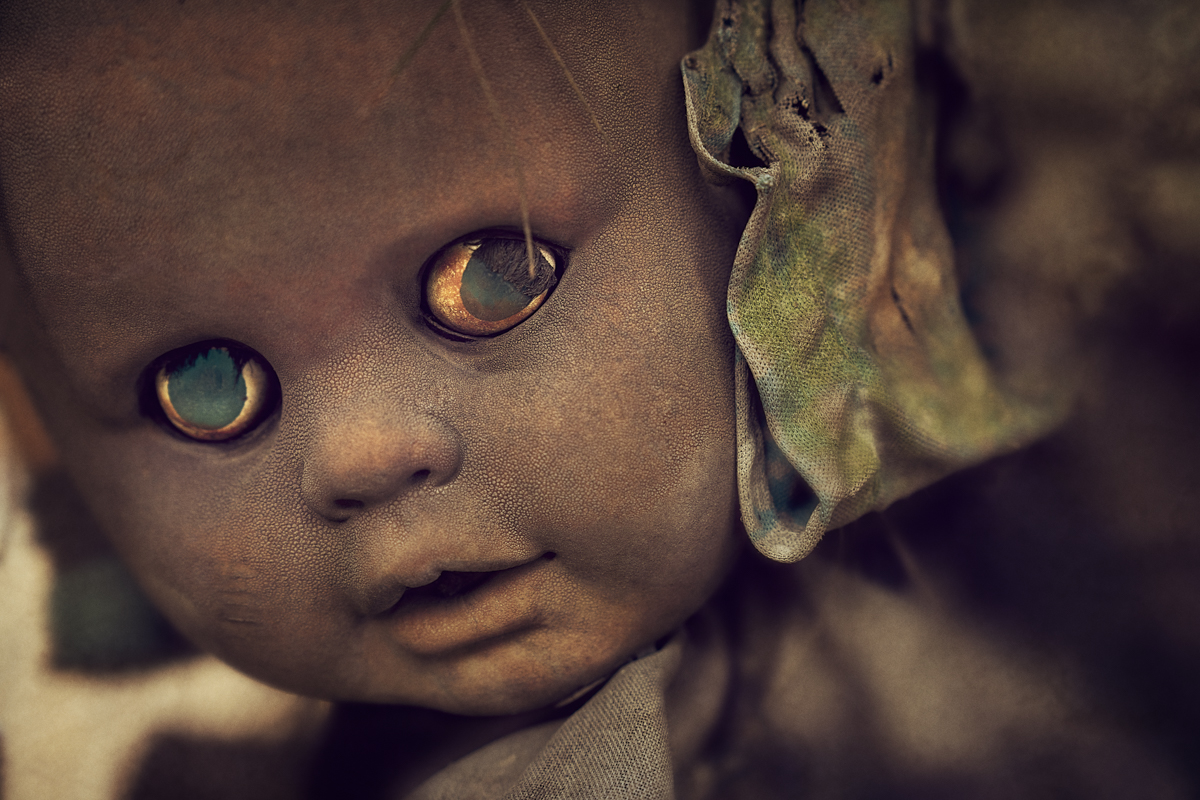
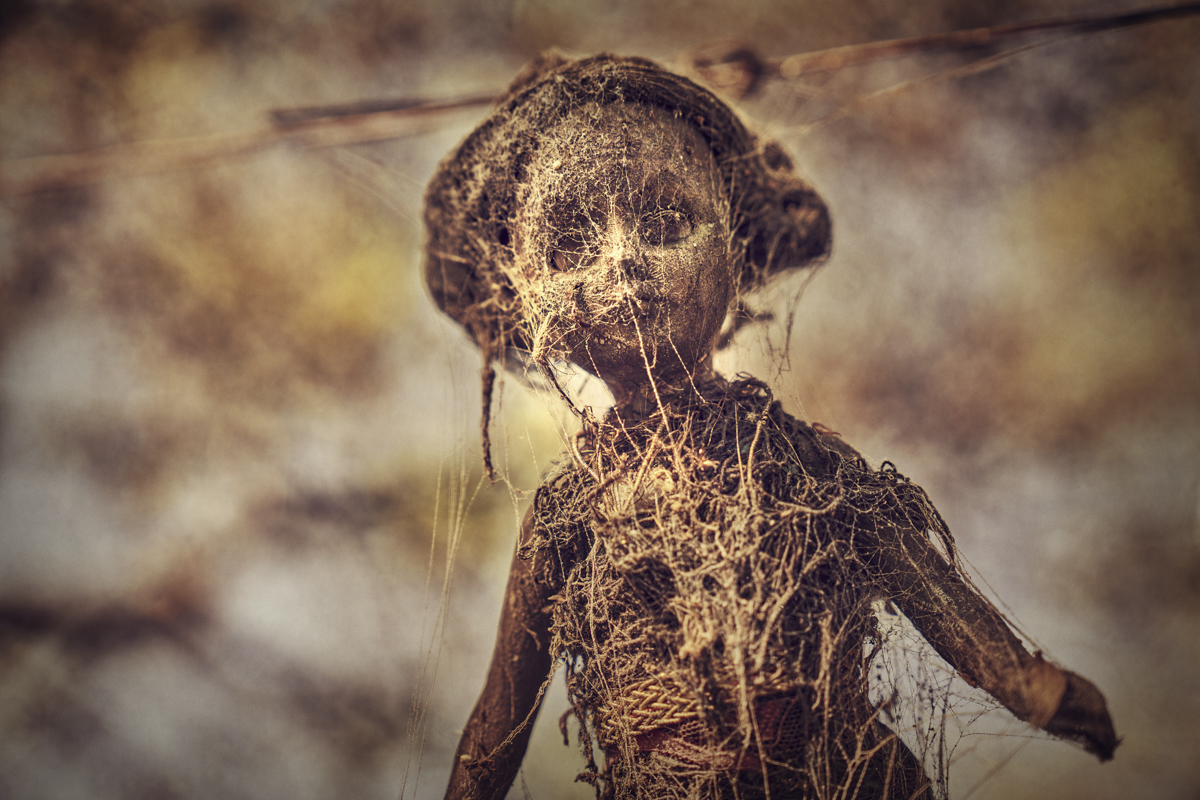
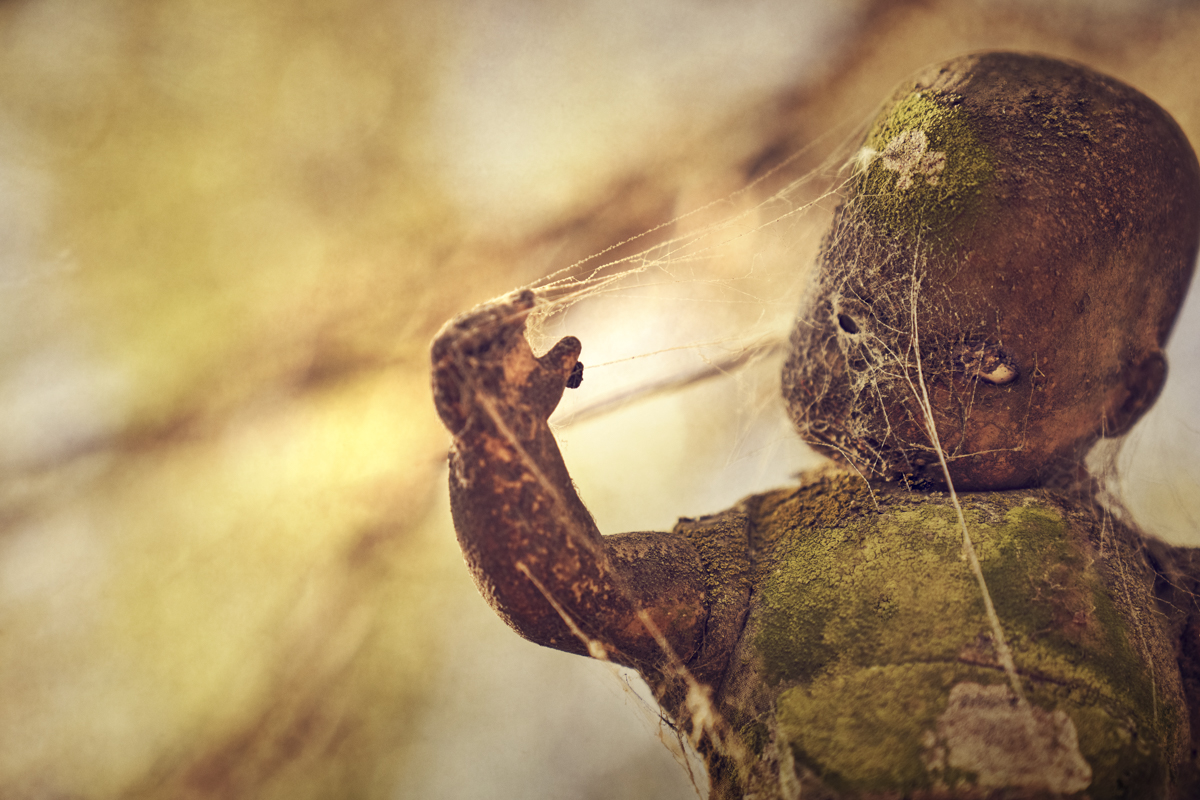
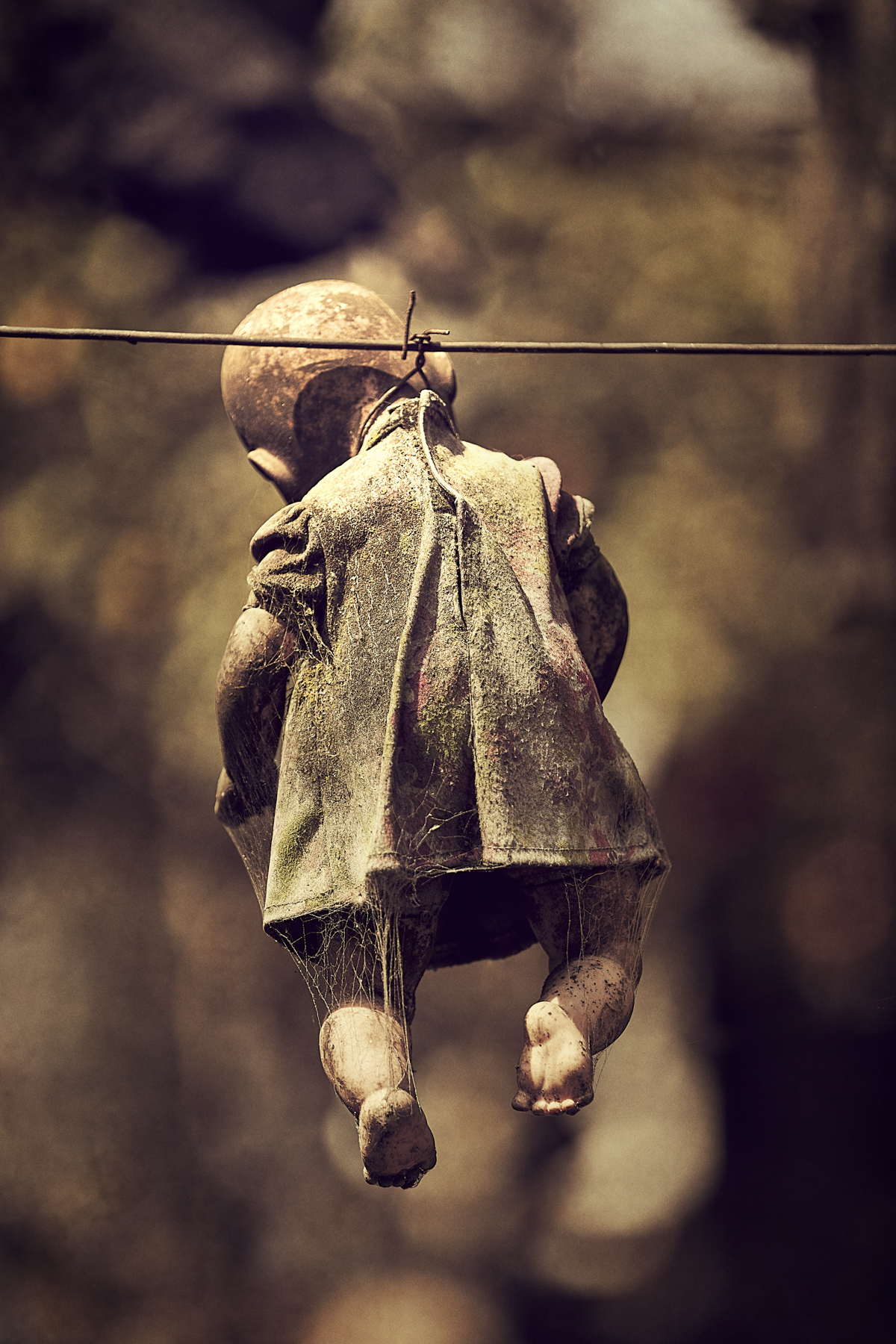
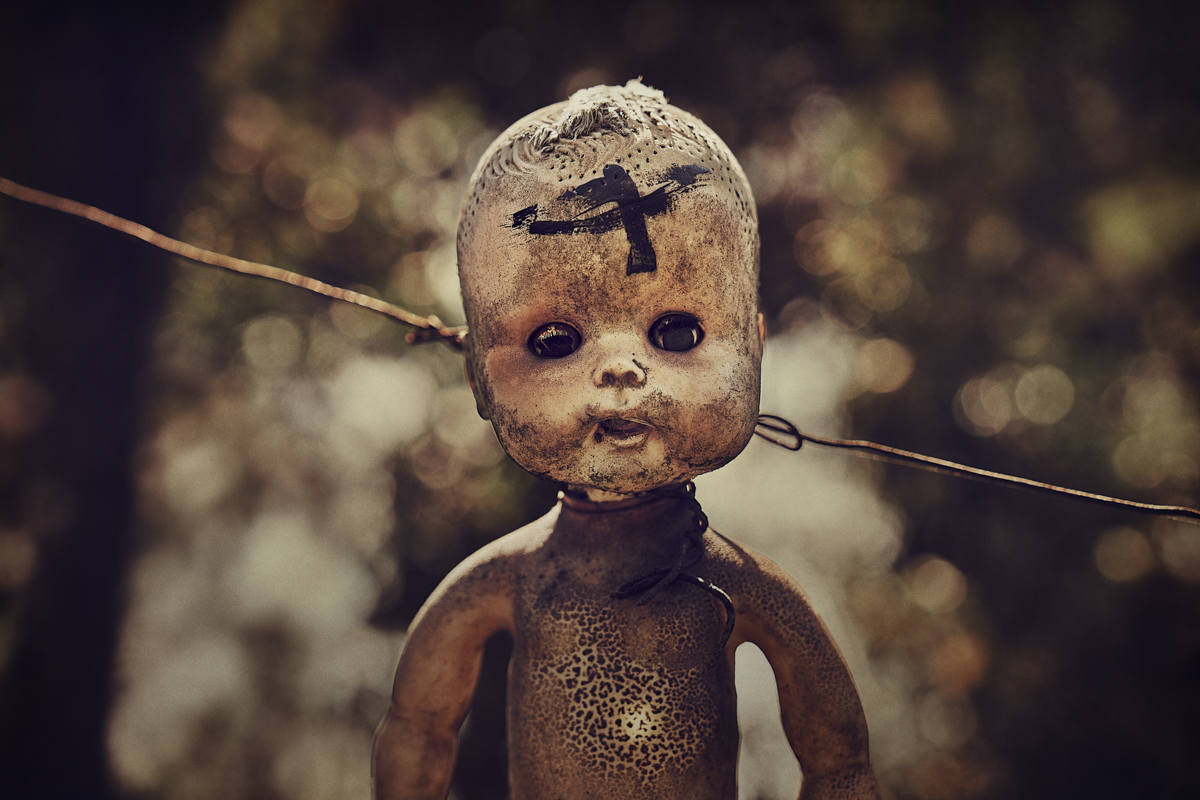
Isla de las Muñecas – The Island of the Dolls

I have always loved a good story, with great characters and the opening sentence “Legend has it…”

These are stories to tell around the campfire, to pass along and keep alive – but some stories, I’ve just got to see for myself. The Island of the Dolls is such a tale.

Legend has it, a little girl drowned entangled among the lilies of the Xochimilco canal. Her body was found on the banks of one of the islands by Don Julian Santana Barrera.

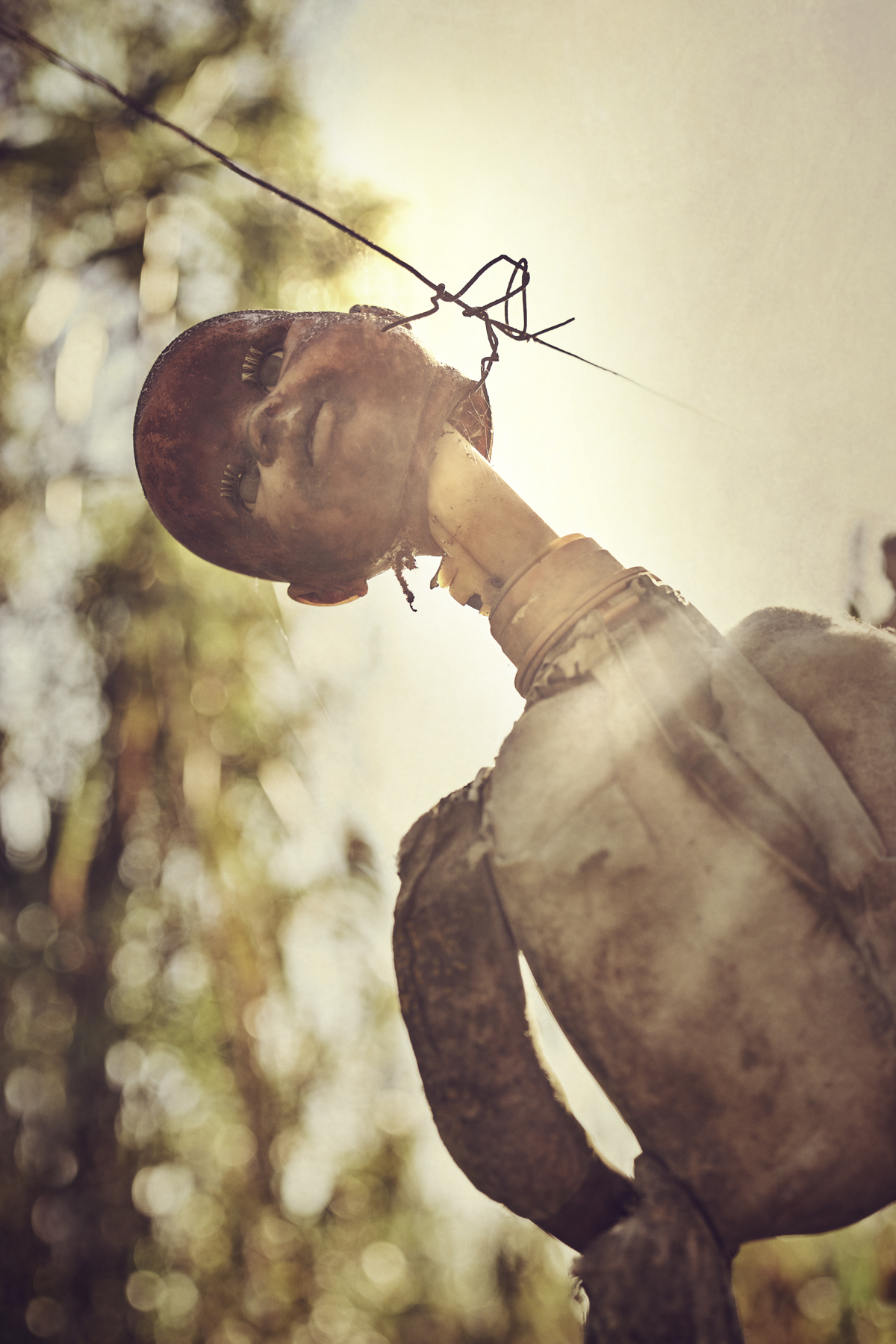
Julian was the caretaker of the island and, shortly thereafter, he found a doll floating nearby and, assuming it belonged to the deceased girl, hung it from a tree as a sign of respect – to support the spirit of the girl. After this, he began to hear whispers, footsteps, and anguished wails in the darkness even though his hut – hidden deep inside the woods of Xochimilco – was miles away from civilization.

Driven by fear, he spent the next fifty years hanging more and more dolls, some missing body parts, all over the island in an attempt to appease what he believed to be the drowned girl’s spirit.

After 50 years of collecting dolls and hanging them on the island, Julian was found dead in 2001, reportedly found in the exact spot where he found the girl’s body fifty years before.

#LegendHasIt

To see more of this project, click here

Instagram

Suzanne Sease is a creative consultant and former ad-agency senior art buyer. She works with both emerging and established photographers and illustrators to create cohesive, persuasive presentations that clients can’t resist.

Suzanne offers something rare: an insider’s perspective on how client’s source creative talent. Her deep understanding of the industry is underscored by her impressive resume: 11 years as senior art buyer at The Martin Agency, seven years as an art producer for Capital One, and stints with the art-buying department at Kaplan-Thaler and the creative department at Best Buy, where she applied her expertise to reviewing bids to see which were most likely to come in on budget. Over the years, Suzanne has worked with a wildly diverse range of clients, including Seiko, Wrangler, Bank One, AFLAC, and Clairol Herbal Essence. Now, as a consultant, she is equipped to problem-solve for her clients from an unusually dynamic point of view.

As a longtime member of the photo community, Suzanne is also dedicated to giving back. Through her Art of the Personal Project column on the popular website aphotoeditor.com, she highlights notable personal projects by well-known and up-and-coming photographers. The column offers these artists excellent exposure while reflecting Suzanne’s passion for powerful imagery.

Instagram

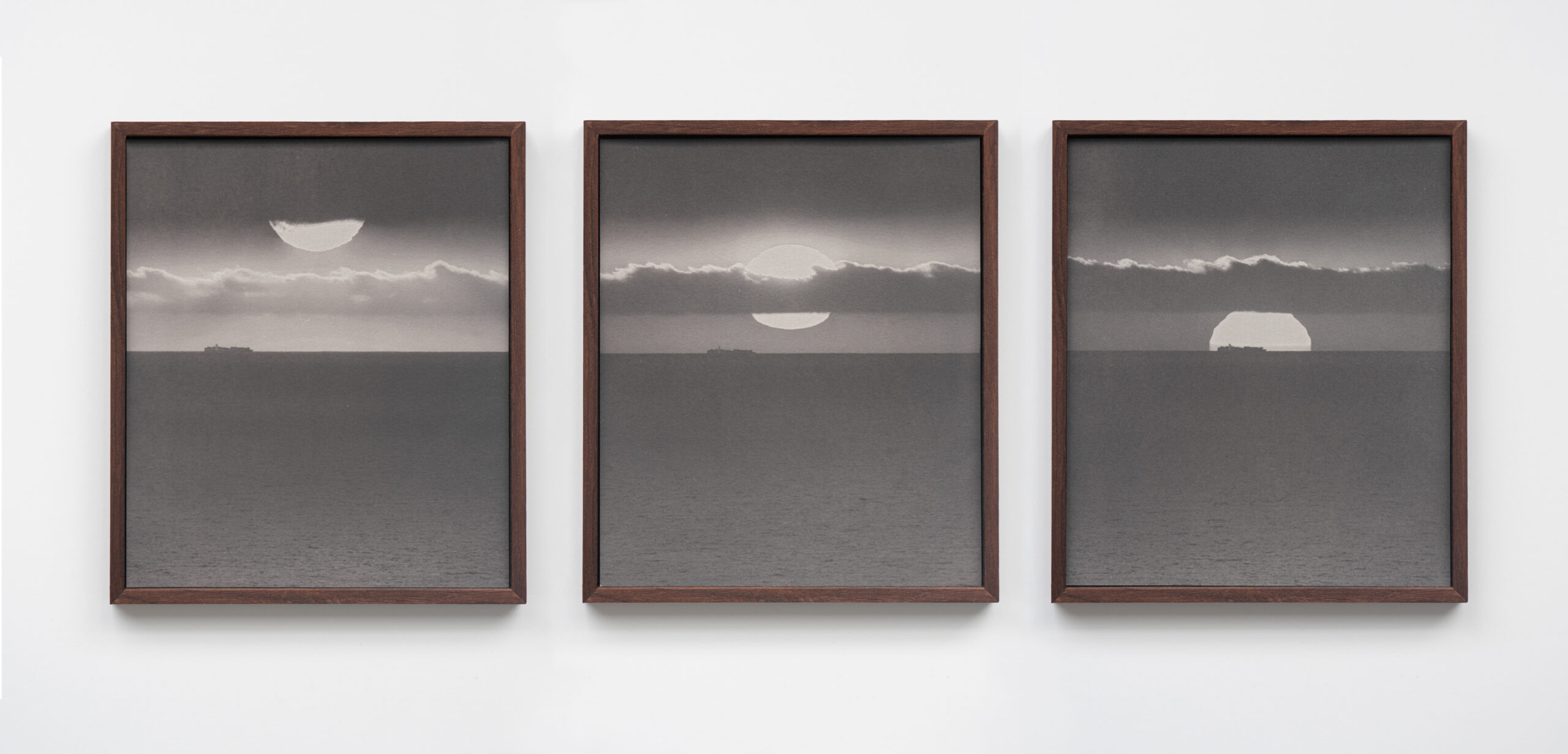
The Daily Edit – Intermodal: Kaya and Blank do not want to offer one-dimensional answers


Intermodal
Kaya and Blank

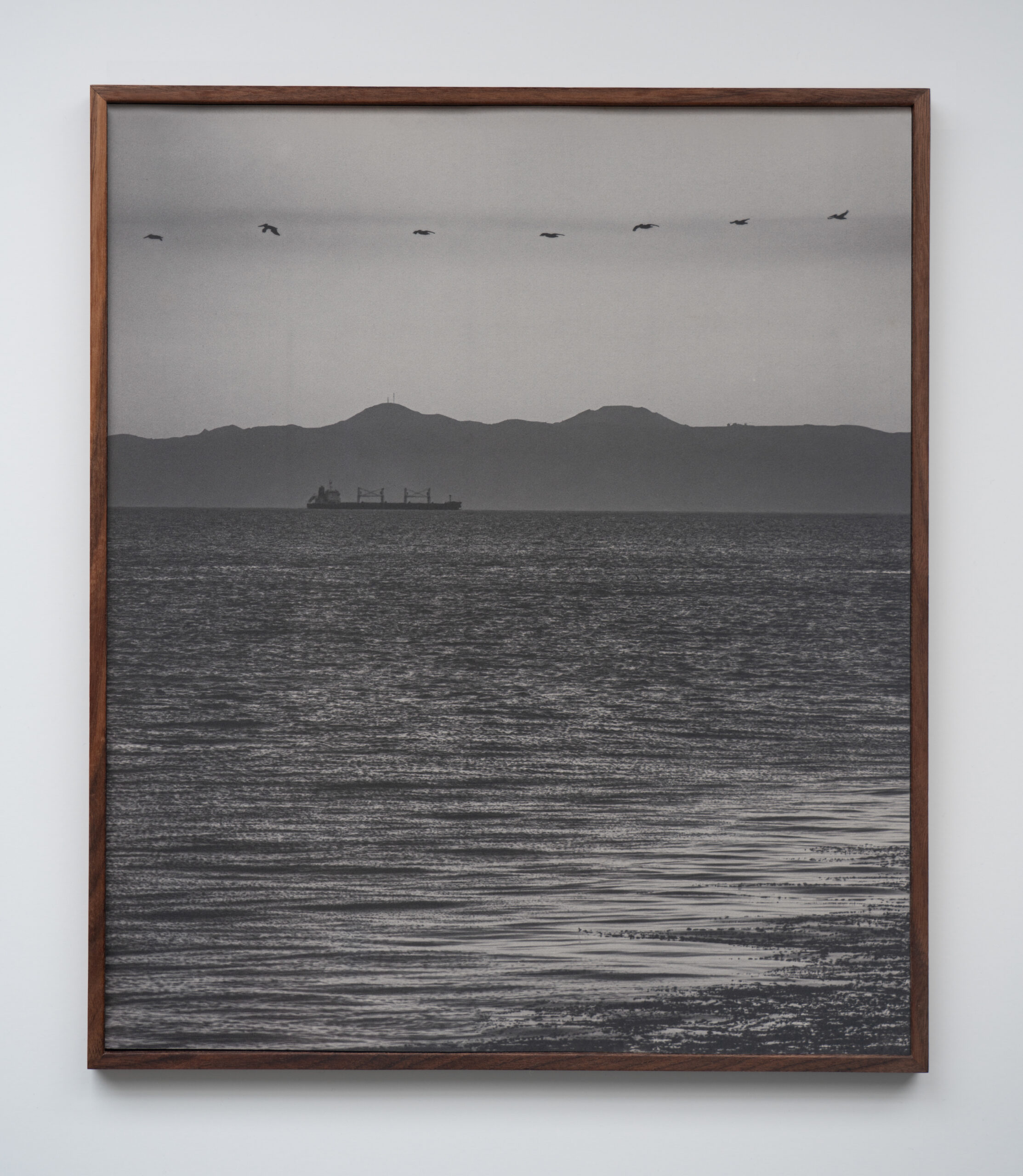
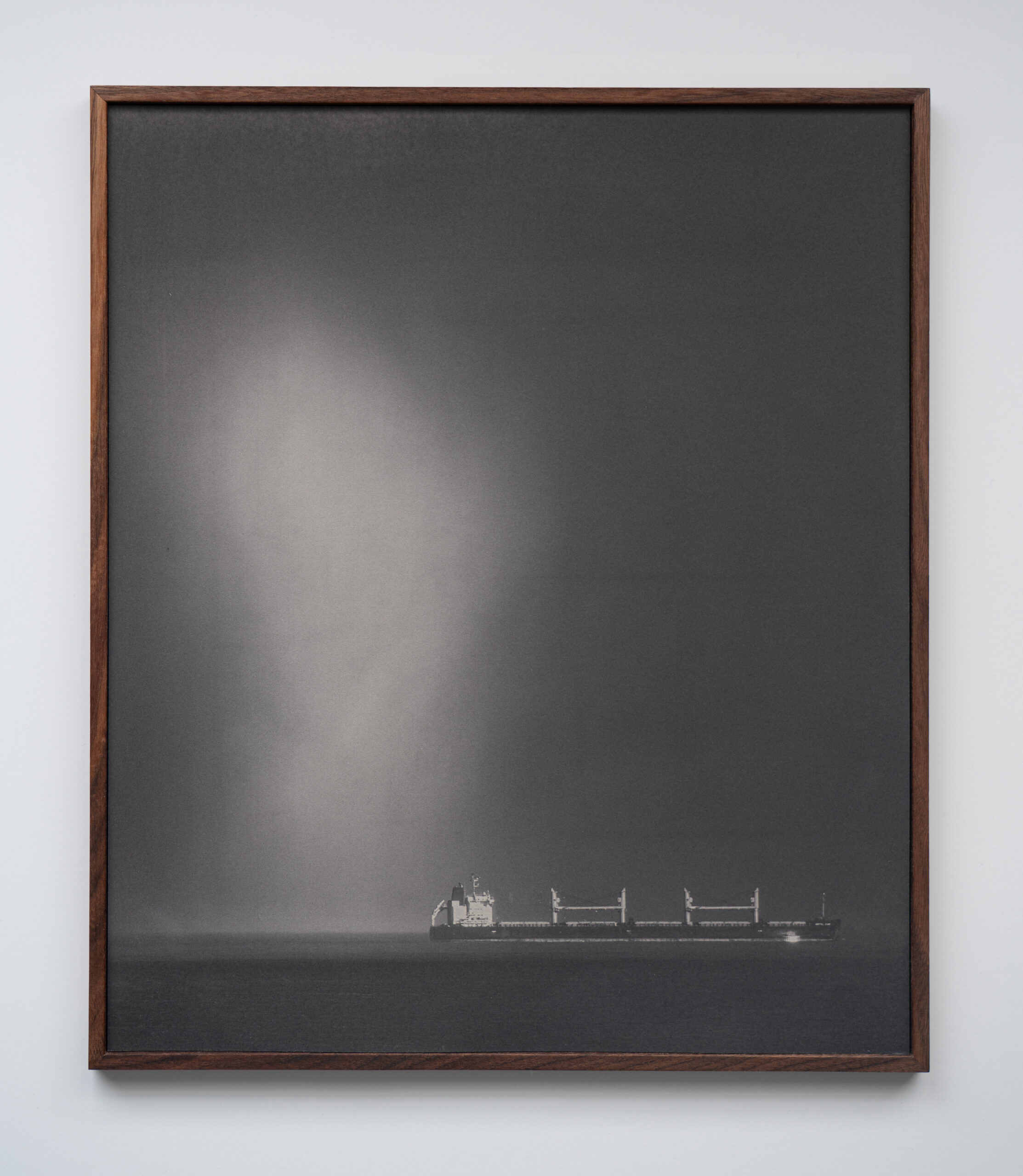
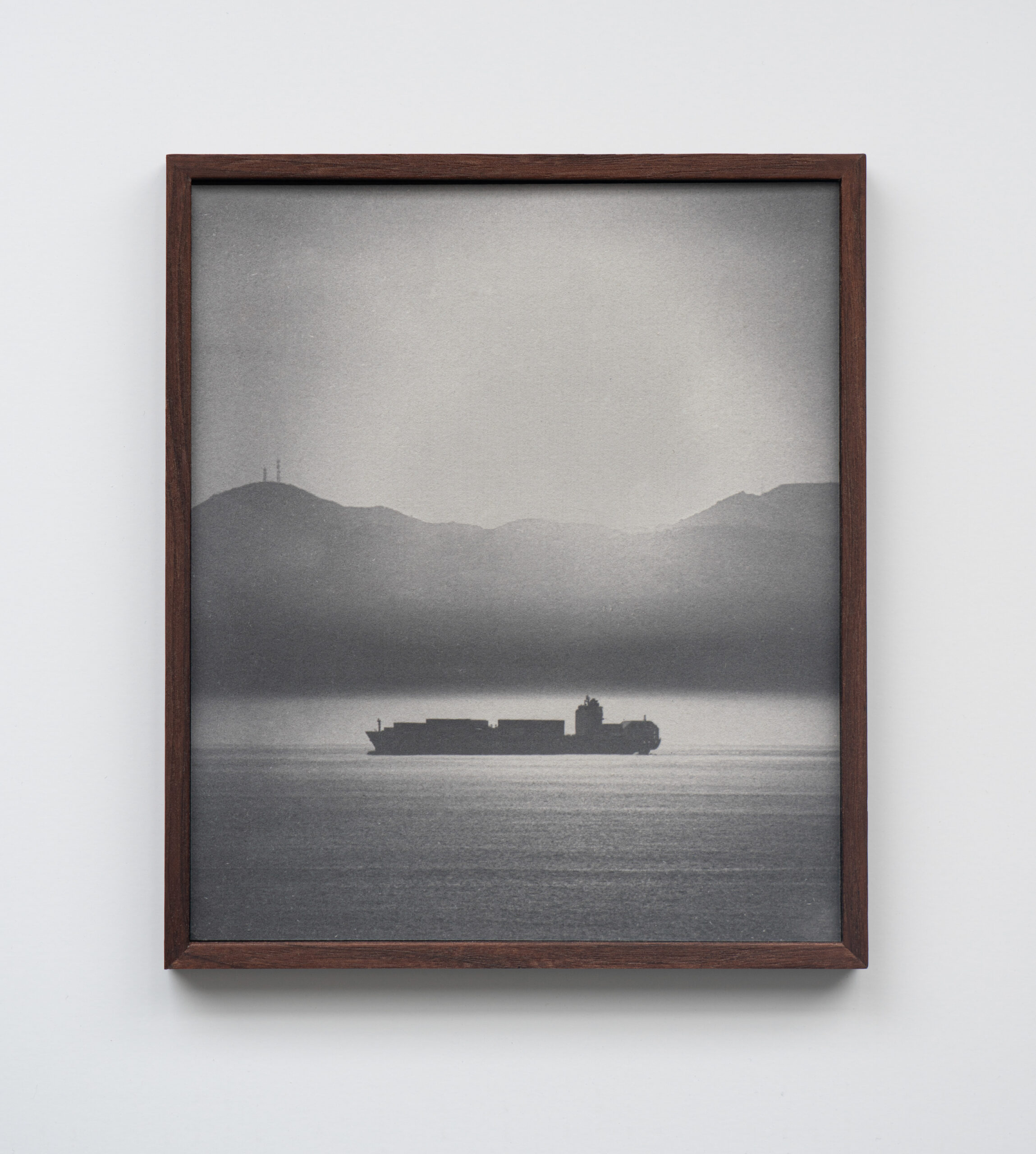
We had the pleasure of chatting with Kaya & Blank about their latest project, Intermodal. Their salted prints don’t dramatize—they speak with crisp, architectural clarity. Paired with the nighttime footage of shipping ports, their work turns industrial sprawl into a sensory, mesmerizing experience.

Heidi: Intermodal captures monumental operations in a minimalist way. As photographers, how do you decide when to let scale speak for itself versus when to intervene with framing?
Kaya and Blank: We tend to approach these sites with a sense of stillness rather than trying to dramatize them. The scale of the ports is already overwhelming, with endless cranes, container stacks, and ships, so often our role is simply to frame the scene in a way that allows the scale to register without distraction. At the same time, we think carefully about vantage points, how much of the surrounding environment is visible, and how the image is layered. Sometimes bringing in an extreme close-up, like the corner of a container and the dust it expels when being stacked, or a tight shot of the cable systems that, when looked at closely, resemble waves, can shift the way a viewer reads the space.
When we first started filming for Intermodal, we were not able to film much that made us feel truly excited. After several nights of filming and reviewing the footage, it felt like something was missing. We eventually decided to invest in an extreme telephoto lens, and that completely changed the perspective. The way the lens compresses distant layers became the perfect visual equivalent of what ports do to the world; they collapse space. And once we found that look, the video component of Intermodal really began to take shape.
We do not usually think in terms of narrative when we edit, but we do work toward a sense of flow. The video is shaped with certain key points, like a beginning and an end, and the end point often defines how the structure unfolds. We think in chapters rather than isolated scenes, allowing each segment to develop its own tone and rhythm while still being part of a larger whole. The connections between these chapters are built visually, through echoes of motion, color, or atmosphere, rather than through plot, inviting viewers to navigate and assemble their own experience of the work.

The Port of Los Angeles can feel like a fortress, especially at night. Were you surprised by how much access you were able to get?

Yes, absolutely. The first time we filmed in the ports was actually for our previous project, Crude Aesthetics. There are several oil derricks inside the port area, and that is what first brought us in. While it is true that most of the port is inaccessible, there are public parks, waterfront walkways, and fishing piers tucked inside the industrial zones. Over the two years we worked on Intermodal, we returned to some of these spots again and again, usually in the middle of the night, to capture the operations. Over the course of two years, we only ran into access issues once, which is remarkable given the scale and security of these sites.

Photography has always been about light transforming matter. Your processes range from bitumen to salt and UV light. How does your process push against the digital era?

Our interest in these processes come from making the materiality of the image part of the work. Historical processes like heliography (bitumen) and salted paper printing remind you that a photograph is not just an image, it is a physical object shaped by chemistry, light, and time. Each print can have unpredictable qualities, shaped by the environment and the materials at hand.
Filming digitally and creating photographic objects require two completely different modes of engagement. All of our video work is filmed at night, while the photographs for the salted paper prints are taken during the day. In a way, that separation echoes the relationship between digital and analogue, they are as different as night and day, yet part of the same cycle, and together they form a more complete picture of the subject.

19th-century salt prints were about light, time, and trace minerals. Your salt prints were created using water collected from the Port of Los Angeles. How did the chemical or environmental qualities of that water influence texture and unpredictability of the prints?

The port water definitely had an influence. It carries sediment, minerals, and pollutants that interact with the chemicals in subtle ways, sometimes creating speckling, sometimes altering the tonality. It is not something you can fully control, which is part of the appeal.
When we first started working with salt prints, we tried dipping the paper directly into the port water. That much salt built up in the fibers created results we did not enjoy, the images lost too much contrast and sharpness. It became a back-and-forth question, how much of the site do we let into the process, and how much control do we want to keep? We eventually settled on brushing the port water onto the paper in the studio. That gave us a balance we liked, the physical presence of the place still embedded in the print while making it light sensitive, but with a lot more clarity and contrast.

How did using your still photography embed movement into a transient subject?

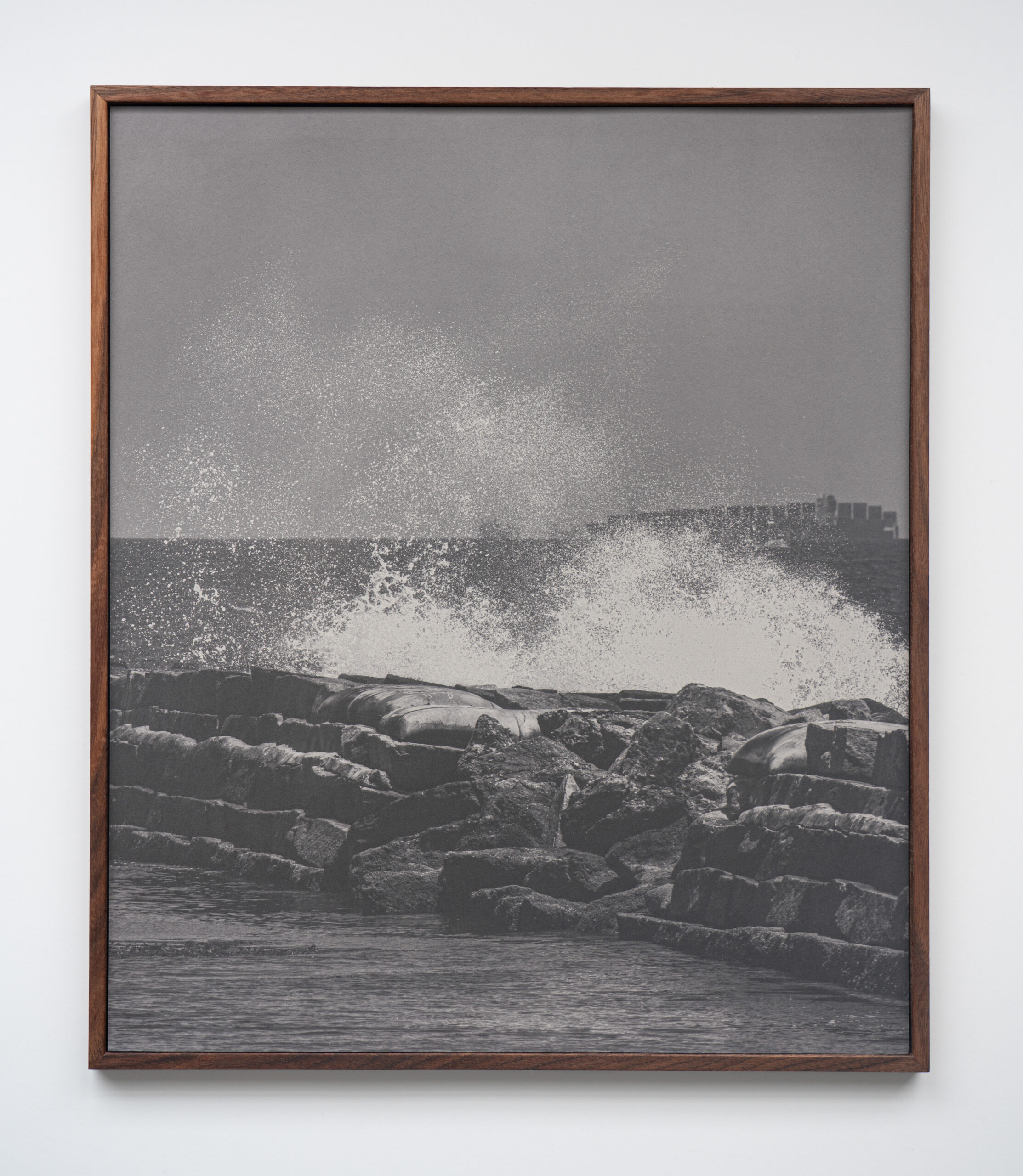
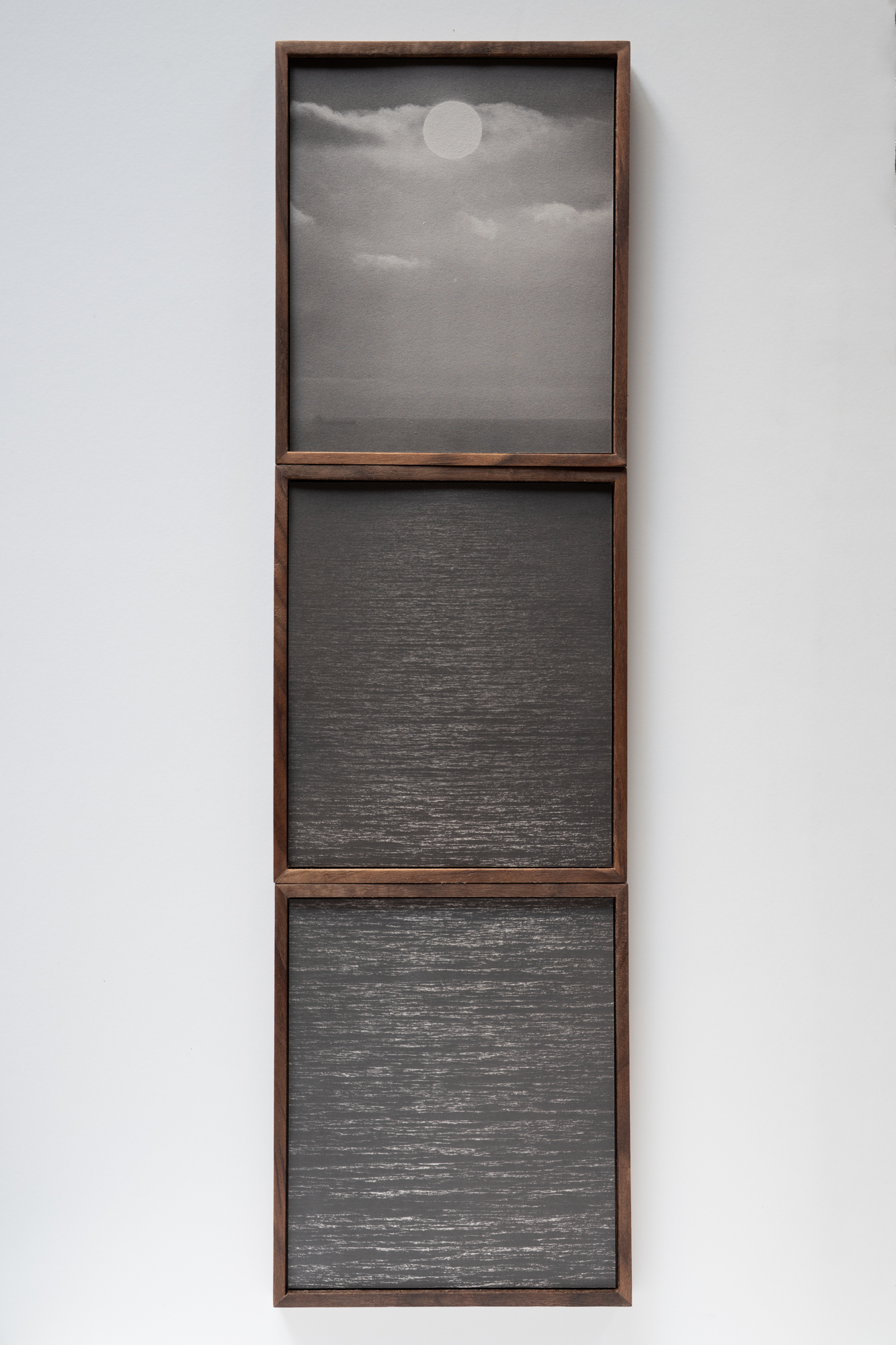
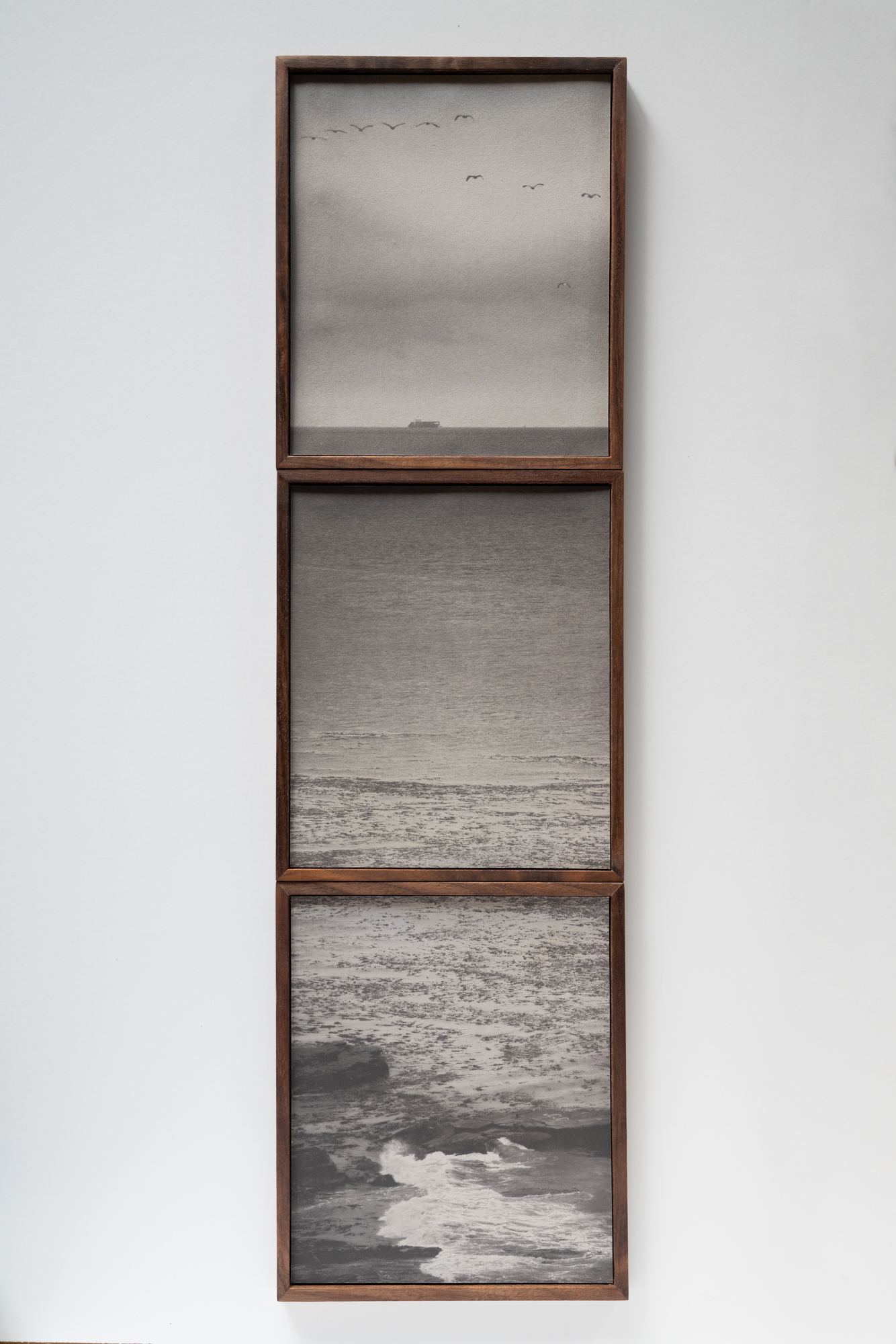
The installation is divided between the video, which shows the intermodal operations of containers being loaded and unloaded up close, and the salted paper prints, which return the focus to the land, or rather, the seascape. The video places you in the midst of a giant machinery, surrounded almost entirely by containers, cranes, and movement. The salted paper prints reverse that perspective. The ships become distant silhouettes on the horizon, and attention shifts to the environment in which they operate.
We aim to balance formal qualities in our installations. Working with both moving image and still photographs allows us to focus on different aspects in each. While the video exists only as light projected onto a surface, the prints have a tangible presence in space, their textured fibers, weight, and scale create a physical encounter that the immaterial image cannot. This difference in materiality shifts the viewer’s experience from an enveloping, ephemeral flow of movement to a slower, tactile engagement. The salted paper prints share the same aspect ratio as shipping containers, and some are divided into stacked segments that echo the appearance of how containers are organized on ships and in the ports.

The ports are powerful symbols of global commerce, efficiency, and environmental cost. How do you balance creating visually compelling images with raising critical questions about our complicity in these systems?
We do not think those two aims are separate. The beauty of the port at night, the lights, the scale, the choreography of movement, is part of its seduction. At the same time, we are aware that all of this efficiency is tied to systems of extraction, exploitation, and environmental damage. We try to present the images in a way that allows both responses to exist at once, the fascination and the unease.
Art can be a space for ambiguity, and that is something we value, especially with complex topics like global trade and our own roles in a consumer society. We do not want to offer one-dimensional answers, instead, we would rather make work that leaves room for viewers to sit with conflicting impressions. That complexity feels more honest to the way these systems are experienced in real life.

The endless movement of cargo can be both awe-inspiring and anxiety-inducing. What was your hope for viewers to feel when engaging with your work?

We do not expect everyone to feel the same way, but we hope viewers take the time to really look. The work is not meant to deliver an instant message; it is more about creating space for sustained attention. For some, the scale and complexity might inspire awe. For others, the relentlessness of the activity might spark discomfort or questions about what drives it.
After the opening, someone told us that the video felt very visceral, and that for the first time they might have experienced something close to megalophobia, the fear of large objects. That reaction stayed with us, because it is exactly the kind of physical, emotional response we hope the installation can create. If the work can hold that duality, fascination and unease, then it is doing what we intended.

The Art of the Personal Project: Stef King

The Art of the Personal Project is a crucial element to let potential buyers see how you think creatively on your own.  I am drawn to personal projects that have an interesting vision or that show something I have never seen before.  In this thread, I’ll include a link to each personal project with the artist statement so you can see more of the project. Please note: This thread is not affiliated with any company; I’m just featuring projects that I find.  Please DO NOT send me your work.  I do not take submissions.


Today’s featured artist:  Stef King

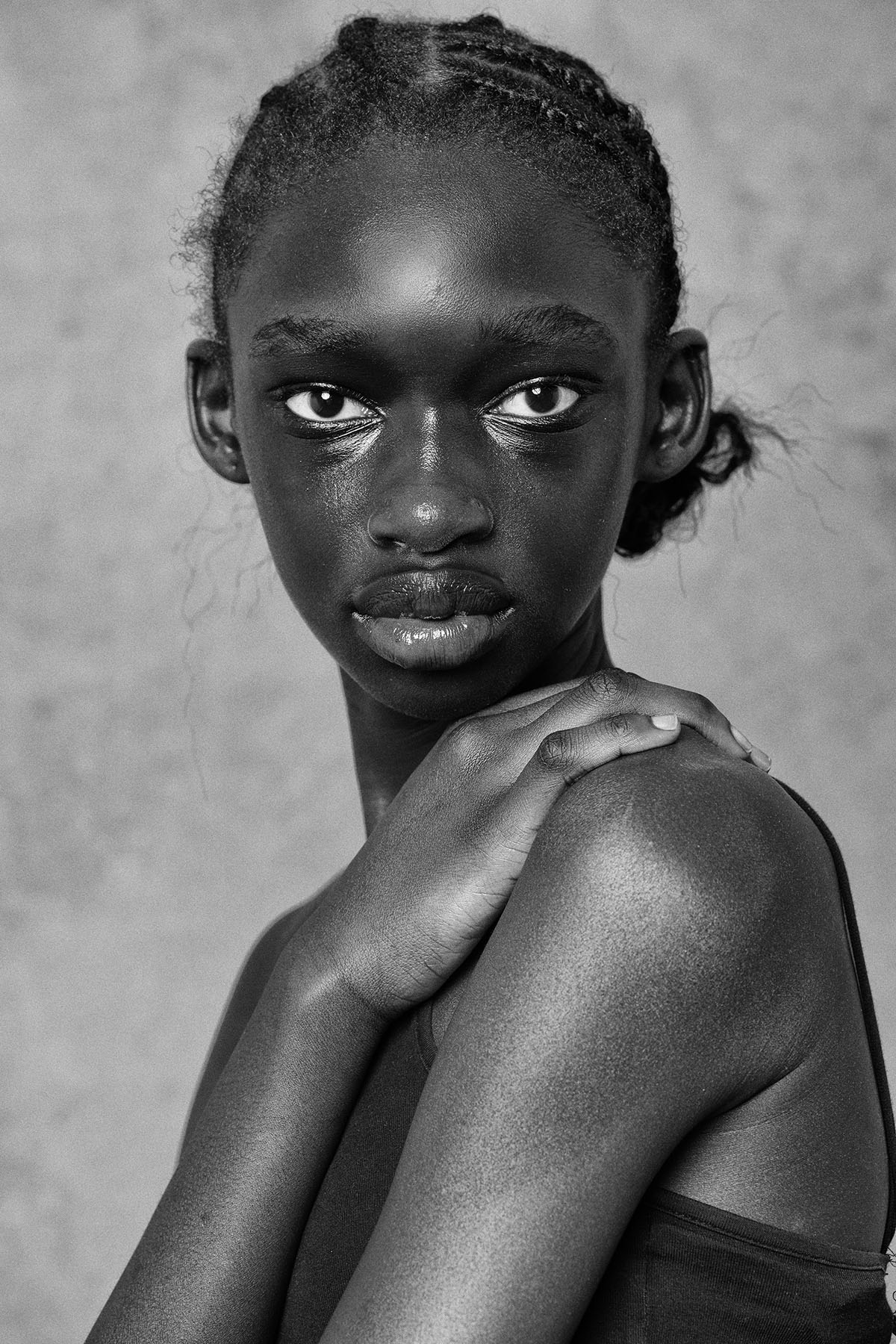
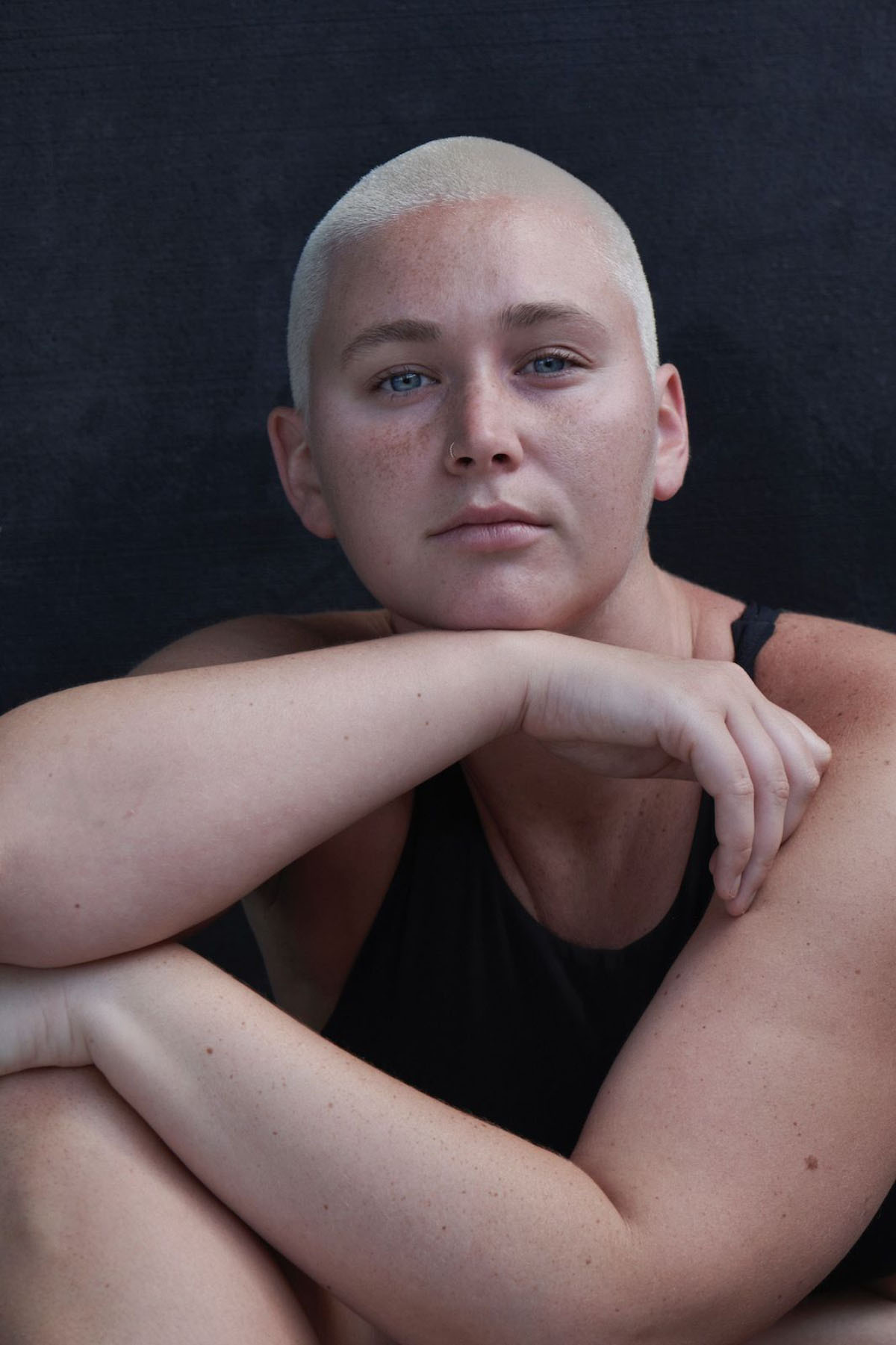
Reflection of Beauty is a project I started about 15 years ago. It began as a series called Five Minutes With, which was essentially five minutes with a model in front of the camera. They came to the studio wearing whatever they wanted, with no professional makeup. It was a chance for them to be photographed as they were — to express their own perception of how they wanted to be seen, rather than how a stylist, makeup artist, lighting team, or Photoshop might shape their image.

It was a raw, honest portrait session centered around one question: “What does beauty mean to you?”

At first, the answers were simple — “To me, beauty is a great red lipstick.”, for example. But over the years, those answers have evolved into much more complex reflections, mirroring the growing complexity of that very question:

What does beauty mean to you? What does beauty mean to all of us?

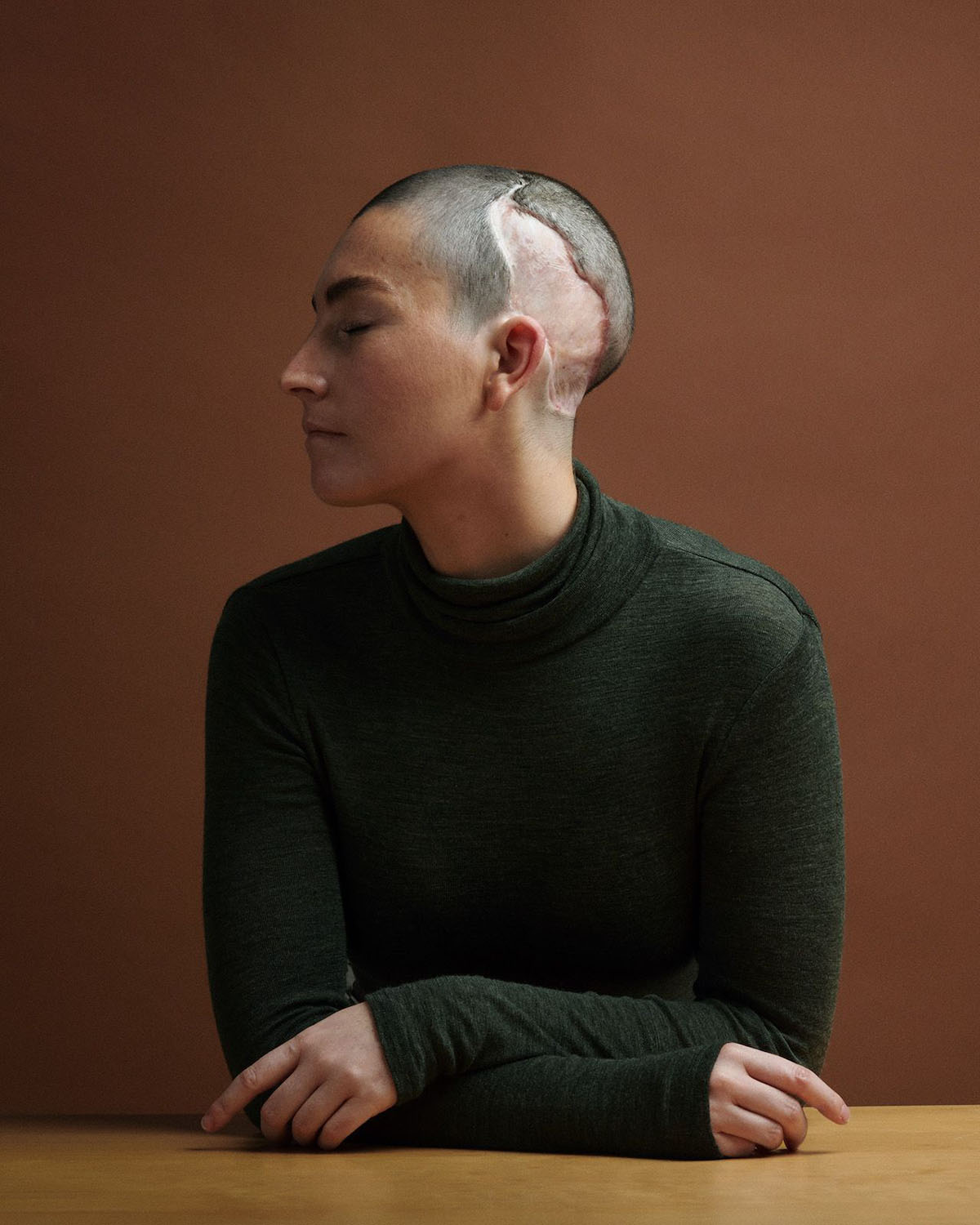
My portrait of Katie (pictured at top) was taken after she underwent brain surgery to replace part of her skull. She explores how that experience has shaped her feelings about herself, her perception of beauty, and how others perceive her.

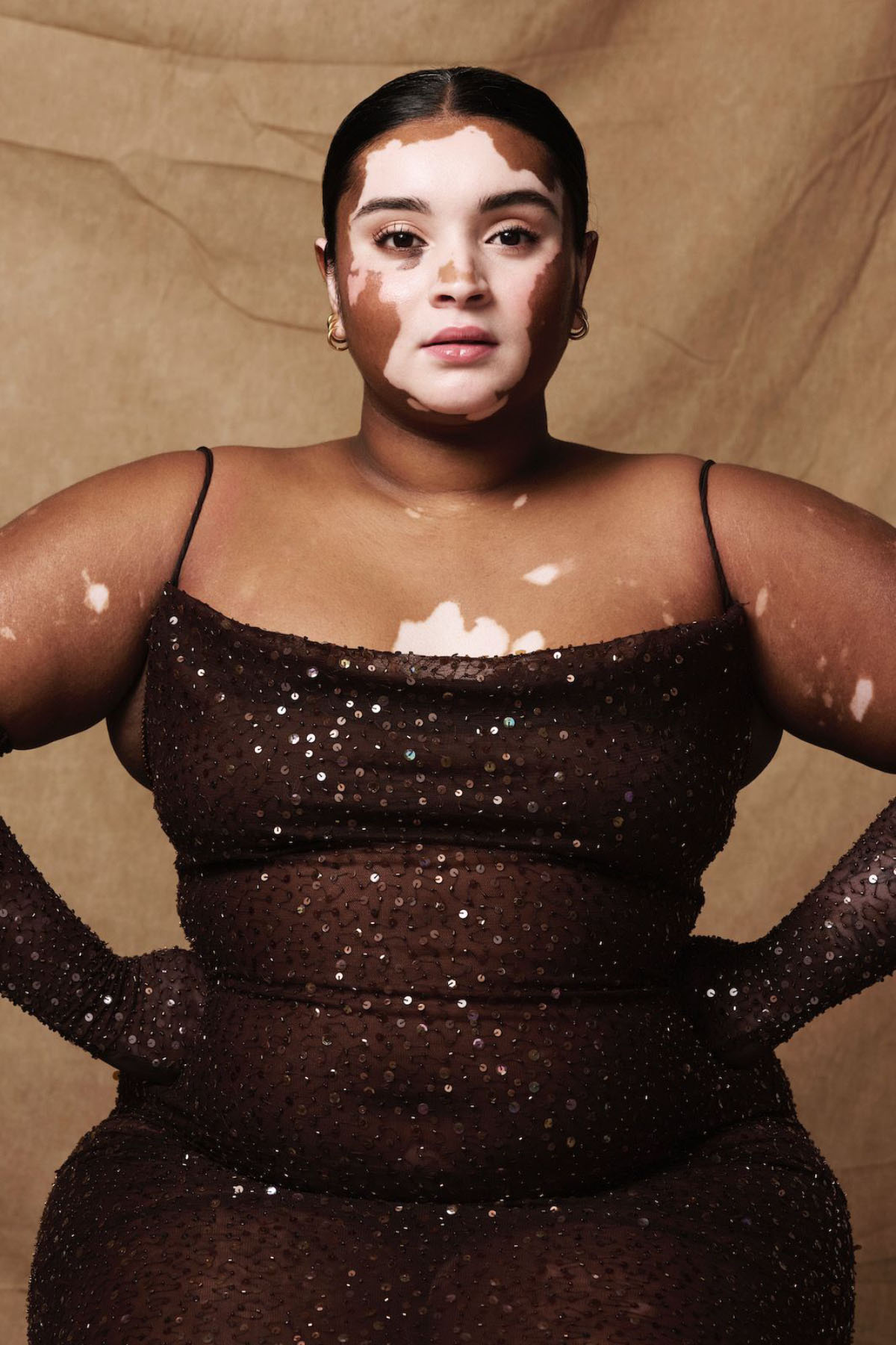
Onella Muralidharan is a model and fashion influencer in Melbourne, Australia. – “The patterns of my Vitiligo are a reflection of how connected I am to the natural world and the inspiration for my definition of beauty.”

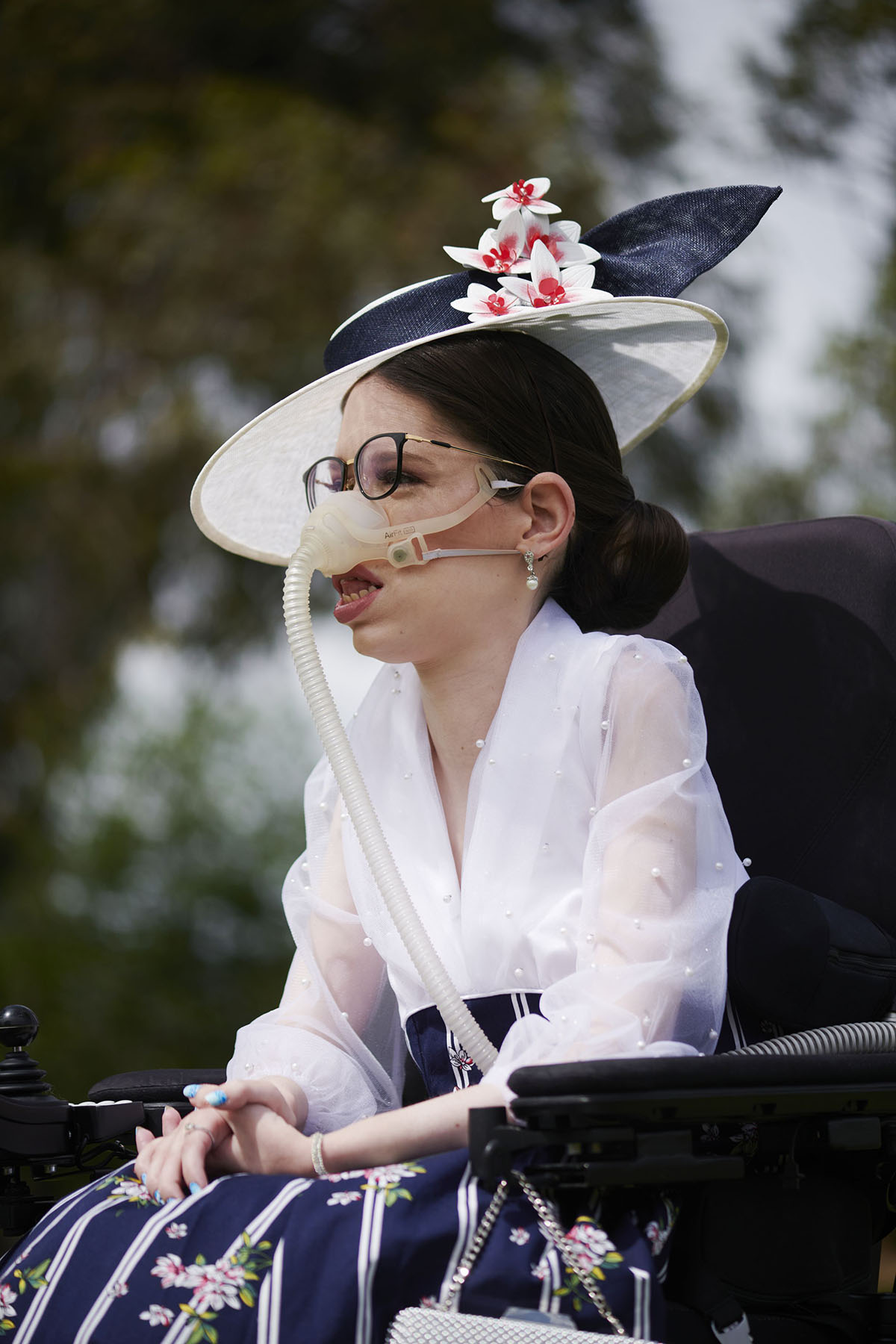
Amy Evans (pictured above in wheelchair) is passionate about fashion, beauty, and horse racing. For her, there has always been a conversation around disability identity: whether one sees themselves as a person with a disability (person-first language) or a disabled person (identity-first language). However, she says, “For me, identity encompasses more than just what people see. My identity is my passion. My identity is Amy!”

Leaning on my greatest strength as a photographer shooting for fitness and beauty portraiture and my internal need to connect with other women on what our perspective of beauty is.

Reflection of Beauty has become something far greater. It’s an exploration of life — how we see ourselves, and how the world sees us.

To see more of this project, click here

Instagram

Suzanne Sease is a creative consultant and former ad-agency senior art buyer. She works with both emerging and established photographers and illustrators to create cohesive, persuasive presentations that clients can’t resist.

Suzanne offers something rare: an insider’s perspective on how client’s source creative talent. Her deep understanding of the industry is underscored by her impressive resume: 11 years as senior art buyer at The Martin Agency, seven years as an art producer for Capital One, and stints with the art-buying department at Kaplan-Thaler and the creative department at Best Buy, where she applied her expertise to reviewing bids to see which were most likely to come in on budget. Over the years, Suzanne has worked with a wildly diverse range of clients, including Seiko, Wrangler, Bank One, AFLAC, and Clairol Herbal Essence. Now, as a consultant, she is equipped to problem-solve for her clients from an unusually dynamic point of view.

As a longtime member of the photo community, Suzanne is also dedicated to giving back. Through her Art of the Personal Project column on the popular website aphotoeditor.com, she highlights notable personal projects by well-known and up-and-coming photographers. The column offers these artists excellent exposure while reflecting Suzanne’s passion for powerful imagery.

Instagram

Pricing & Negotiating: Estimate Review Of An Employee Lifestyle Library For Global Beauty Brand

By Andrew Souders, Wonderful Machine

In addition to helping photographers build price quotes from scratch, Wonderful Machine offers an Estimate Review service on existing quotes that photographers have created themselves. It’s often helpful to have an extra set of eyes and credible insight to polish up your price quote before sending it off to a client.

Just as with our other Pricing & Negotiating case studies, we redact the names of the photographer and client, which allows us to share valuable and educational information that would otherwise be confidential.

Concept: Two-day employee portraiture and lifestyle library shoot for social, internal, and recruitment materials
Licensing: Perpetual worldwide Web Advertising, Publicity, and Collateral use of up to 100 images
Photographer: West Coast-based lifestyle and portrait photographer
Client: International beauty and personal care brand

A West Coast-based photographer was recently approached by a global beauty brand to capture candid and environmental portraits and lifestyle images of employees over two shoot days. The 100 final images would be used across a broad range of platforms — including career websites, social media, digital ads, internal presentations, publicity, and print collateral like career fair flyers.

While the scope of the project resembled other projects this photographer had worked on in the past with other clients, this project was for a more high-profile client with greater licensing needs and a bigger budget. The photographer asked us to help refine their estimate and determine appropriate creative and licensing fees commensurate with the project’s scale and client expectations.

Scope & Usage

The project called for two shoot days. The first would take place at a local retail location before business hours as a shortened half-day, while the second was planned as a full day at the brand’s nearby corporate offices. The client would handle casting, scheduling, styling, and shot list development.

While the requested usage rights were broad, they were primarily planned for web collateral, internal communications, and printed materials for recruitment efforts such as career fair flyers, with the exception of some digital advertising, which we expected to remain relatively limited and would not include any POS, OOH, or Broadcast use. Given the compressed timeline for shoot days and the volume of final deliverables, there was a clear need to structure the shoot efficiently. At the same time, it was important to balance the project’s production needs with an appropriate creative and licensing fee that reflected both the scope and intended use.

To help add context to what we reviewed and advised on, I’ll include the photographer’s original estimate format and agreement language below:

Photographer’s Draft Estimate

The expense total came to $12,040 and was modeled after past projects for similar clients with similar deliverables, but those projects had more limited usage and smaller client budgets. Recognizing that the licensing in this case was broader and likely held more long-term library value for the client, the photographer also consulted with me for guidance on how to properly structure the creative and licensing fee portion of the estimate alongside the rest of the production costs.

After reviewing the intended usage and factoring in the compressed timeline for capturing such a high volume of deliverables, we recommended introducing a creative and licensing fee in the range of $20,000 to $30,000. This range felt like a fair balance that accounted for the breadth and duration of usage for a library of images, while still reflecting the relatively straightforward nature of the shoot from a creative standpoint.

Revisions and Recommendations

After a detailed review of the scope of the project and the licensing terms, I worked with the photographer to revise the estimate. We incorporated a $22,000 creative and licensing fee that reflected the value of the deliverables and requested usage. We also recommended increasing the retouching budget to $5,000 to account for additional retouching and polishing work that might be required for final selects, such as potential logo removal from employee outfits. The fee for preparing a gallery for client review was adjusted to $1,000 to better represent the time and labor involved for this number of images. We also added scouting fees for both shoot locations – $750 for the photographer and $650 for their assistant.

The rest of the production expenses, including crew and equipment rentals, remained consistent with the photographer’s original approach, although we reorganized how it was presented to provide more clarity. While we discussed the possibility of bringing on a second assistant to help maintain an efficient pace on set, the photographer chose to keep the crew lean to remain flexible in potentially tight environments.

We see this a lot, where a photographer has experience working on smaller projects for smaller clients. When a big client comes along with a big project, they’re often not sure what to charge. Once we took the expanded licensing and long-term library use into account, there was a clear opportunity to revise the fee structure to better match the value being delivered. These revisions brought the total estimate to $38,440.

Below is a revised version of the estimate that reflects my recommendations.

Treatment

We also encouraged the photographer to submit a treatment to accompany their estimate. Though not specifically requested by the client, it helped communicate the photographer’s interest, approach, aesthetic, and overall sophistication. The document featured example images, described lighting and post processing, and showed that the photographer understood the brand.

Outcome

The photographer submitted the estimate and treatment, and shortly afterward, was awarded the project. Reflecting on the process, the photographer shared that our collaboration helped them feel more confident in how they framed the value of their work, especially for high-profile clients

While the core production approach remained largely unchanged, the creative/licensing fee, retouching budget, and presentation were strategically refined to better reflect the project’s scope and value.

This project is a strong example of how a modest investment in estimate refinement can help land a significantly higher fee for the photographer and set a new benchmark for pricing future projects.

Follow our Consultants @wonderful_at_work.

Working through a Seismic Industry Shift

 Working Through a Seismic Industry Shift : Balancing visibility and vulnerability in a constantly changing landscape.

Image courtesy of Steve Korn from his project “The Ballo Conservatio Project“.

Lately, I’ve been hearing from more and more photographers who feel stuck, like the ground beneath them is moving and the usual paths forward no longer apply. I’m sure you’ve noticed, our industry is changing. While big budget ad campaigns and large-ish editorial shoots still exist, theyve become more elusive: fewer in number, harder to secure, and more tightly budgeted. At the same time, the industrys public-facing rhythm hasnt changed much. Photographers continue to share behind-the-scenes social media posts, announce new commissions, and keep their websites fresh. This isnt dishonest; its a form of forward momentum. But it can also mask a deeper truth many are feeling. The structure itself is undergoing a seismic shift, slow in some ways, sudden in others.

This disconnect is not a sign of delusion, but of survival. Many photographers are quietly anxious, burned out, or disillusioned, not because they lack talent or drive, but because the industry they built careers around no longer behaves predictably or sustainably. This disconnect can breed a particular kind of paralysis: the knowing that things are wrong, paired with the fear of stepping outside the illusion. Its easier, and often more professionally acceptable, to play along with the facade than to confront the reality head-on.

It can be disorienting. On one hand, were encouraged to keep up appearances, to maintain visibility, to show were still working. On the other, many creatives quietly admit to uncertainty about where the next job will come from or how to adapt to the growing presence of AI and the shrinking demand for traditional production. This isnt failure. Its a rational response to change. Acknowledging the gap between how things look and how they feel is not a weakness. Its the beginning of recalibration.

This recalibration doesnt have to mean abandoning the craft. In fact, continuing to share your work, especially the honest, messy, beautifully human parts, can be a quiet act of resistance. Whether you’re shooting a big budget campaign for an agency or brand, or working on a personal project, your images and stories still matter. They remind others that the work is not only possible but still worth pursuing, even as the industry continues to shift. By recognizing the change, staying visible, and adapting to an evolving process, photographers can help shape what comes next.

Instagram 

About Christopher Armstrong

Chris began his career as a photographer in Los Angeles, eventually moving through the worlds of film, television, and advertising before returning to photography in a new role as an agent and producer. Along the way, he worked with legendary filmmakers like Robert Altman, top production companies in Los Angeles and London, and global agencies including Wunderman, Publicis, and Deutsch. With 30-plus years of international experience, he has a panoramic view of the creative industry, one that’s occasionally dysfunctional but always worth sharing. That breadth of perspective informs everything he does, from creative strategy to mentoring emerging talent.

In 2012, Chris founded PhotoPolitic in Stockholm as a response to the shifting landscape of commercial photography and production. Now operating between Amsterdam and Los Angeles, the invite-only platform connects elite photographers, directors, and digital artists with leading advertising and editorial clients worldwide. Carefully curated and fiercely independent, PhotoPolitic represents talent recognized for both aesthetic excellence and real-world impact.

Today, the PhotoPolitic network includes some of the most respected names in advertising, editorial, architecture, interiors, documentary, reportage, and fine art photography. At its core, PhotoPolitic exists to champion creative integrity in an industry that often compromises it, working only with professionals whose reputations are built on craft, ethics, and results.