The Art of the Personal Project: Sean Scheidt

The Art of the Personal Project is a crucial element to let potential buyers see how you think creatively on your own.  I am drawn to personal projects that have an interesting vision or that show something I have never seen before.  In this thread, I’ll include a link to each personal project with the artist statement so you can see more of the project. Please note: This thread is not affiliated with any company; I’m just featuring projects that I find.  Please DO NOT send me your work.  I do not take submissions.


Today’s featured artist:  Sean Scheidt

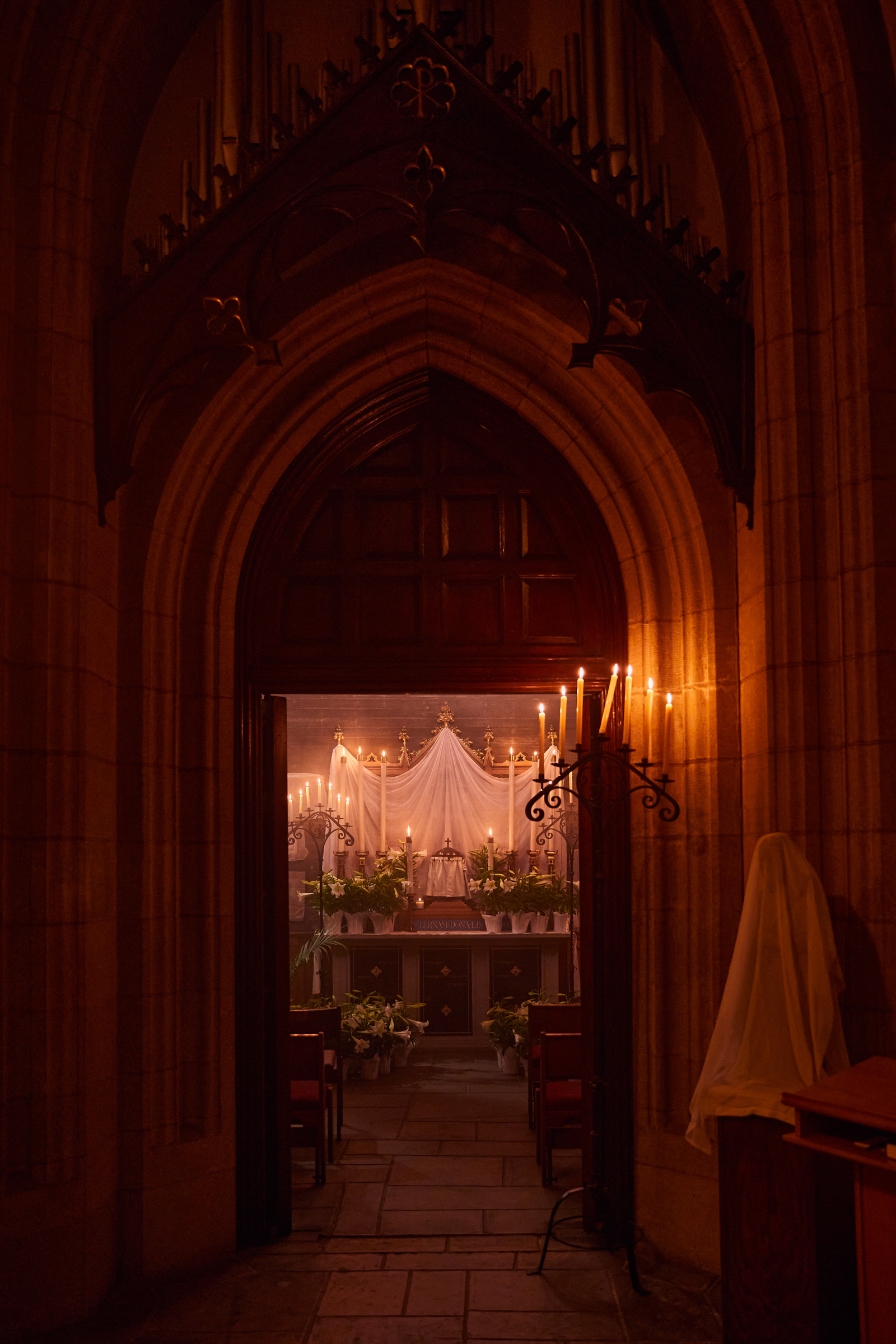
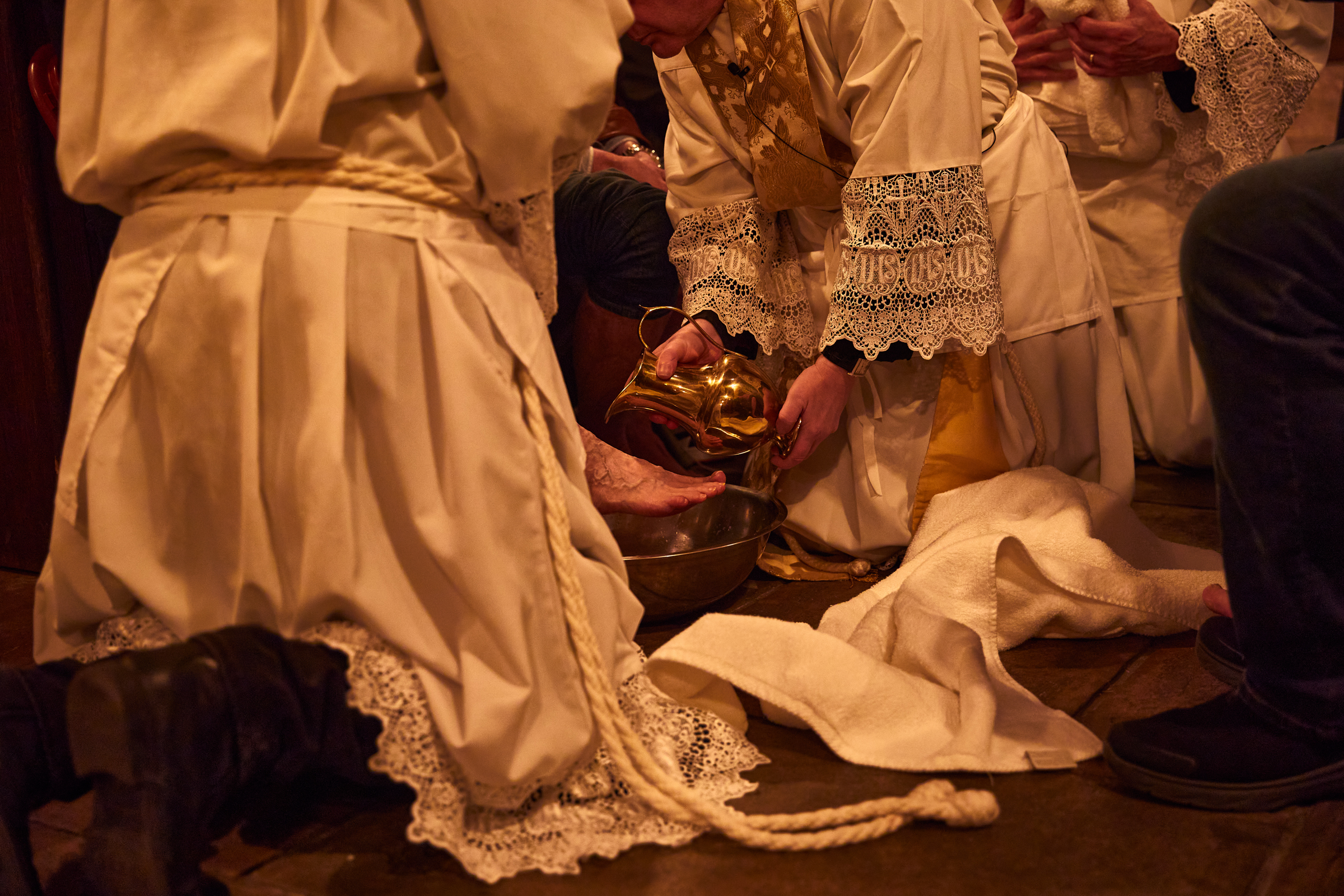
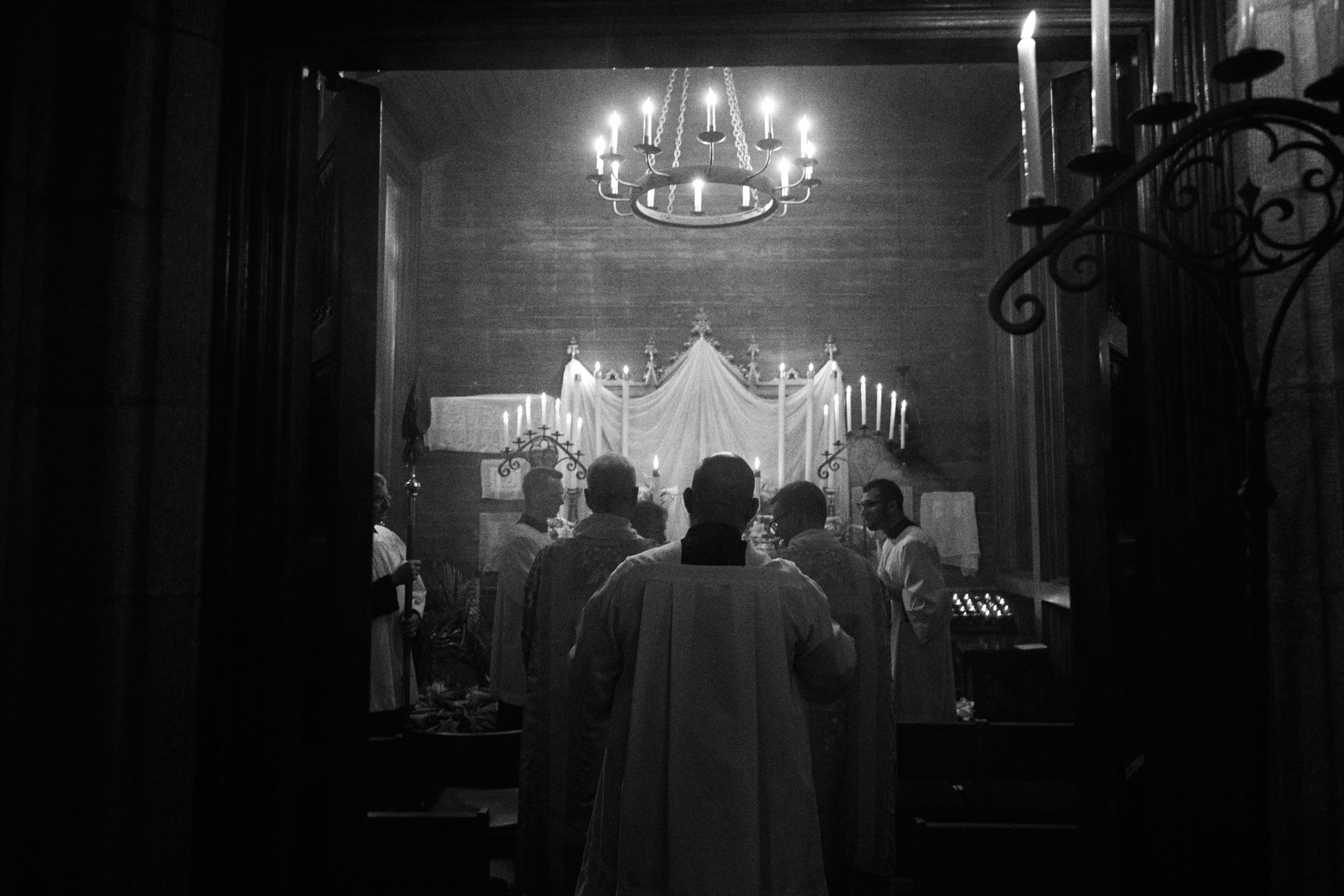
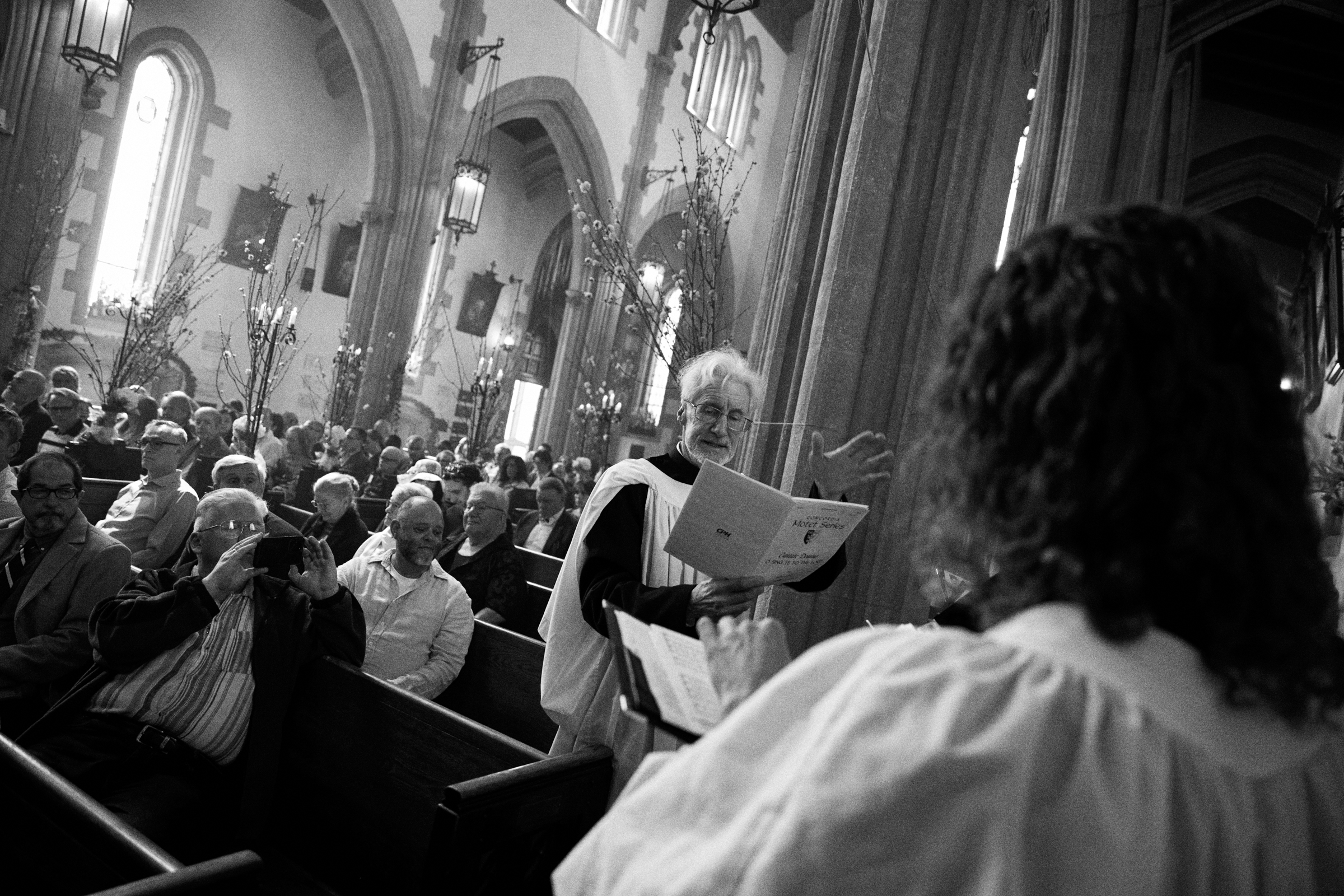
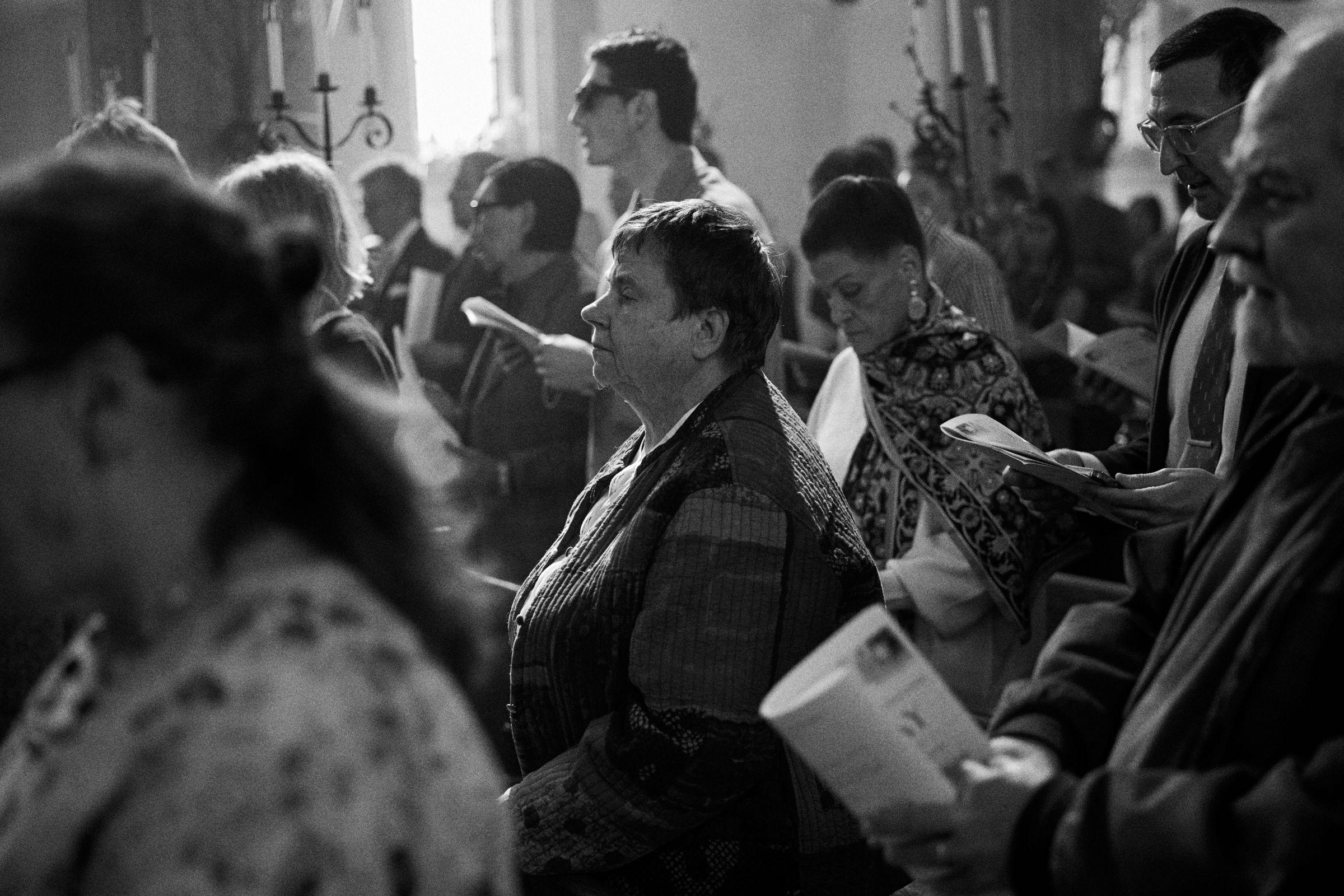
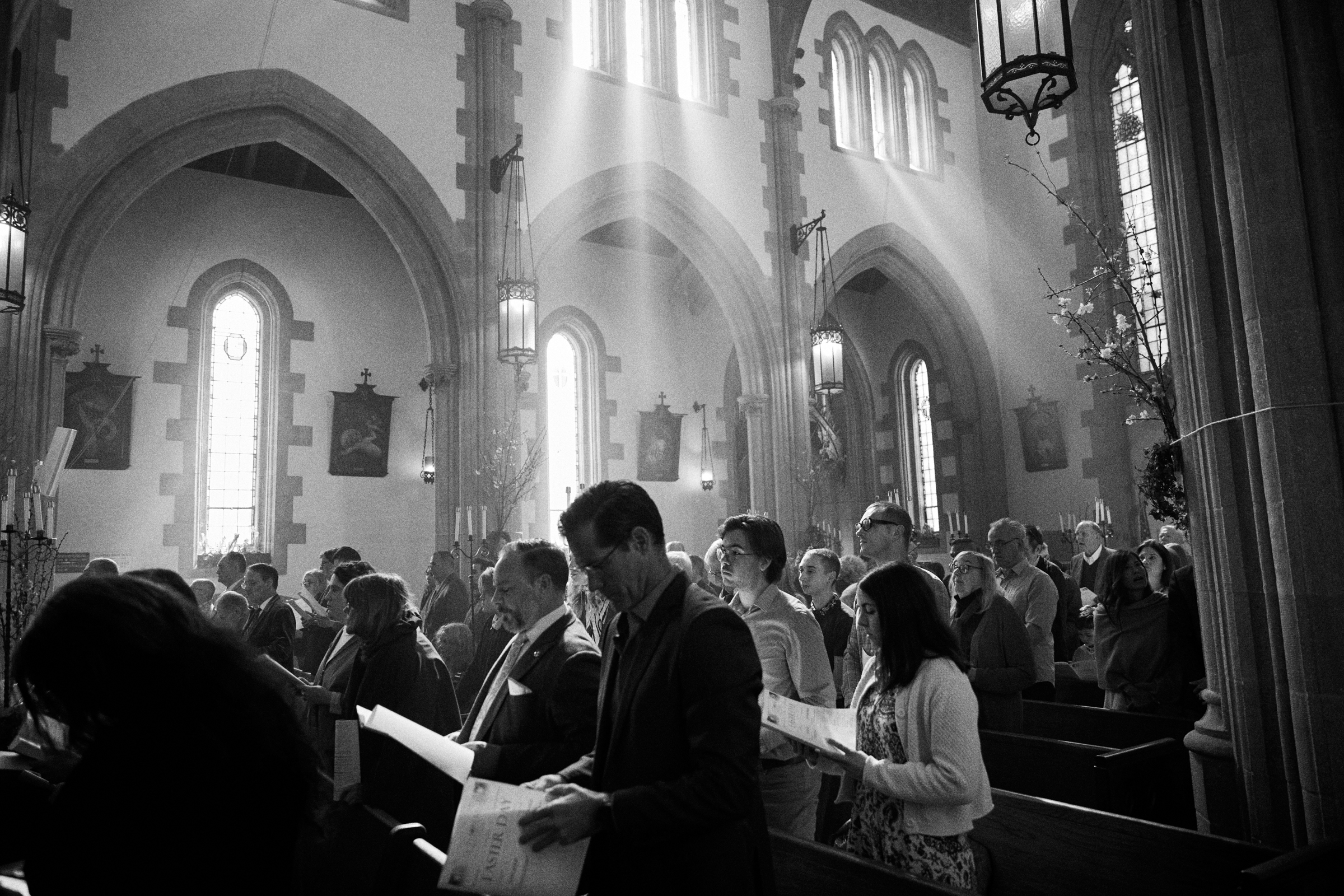
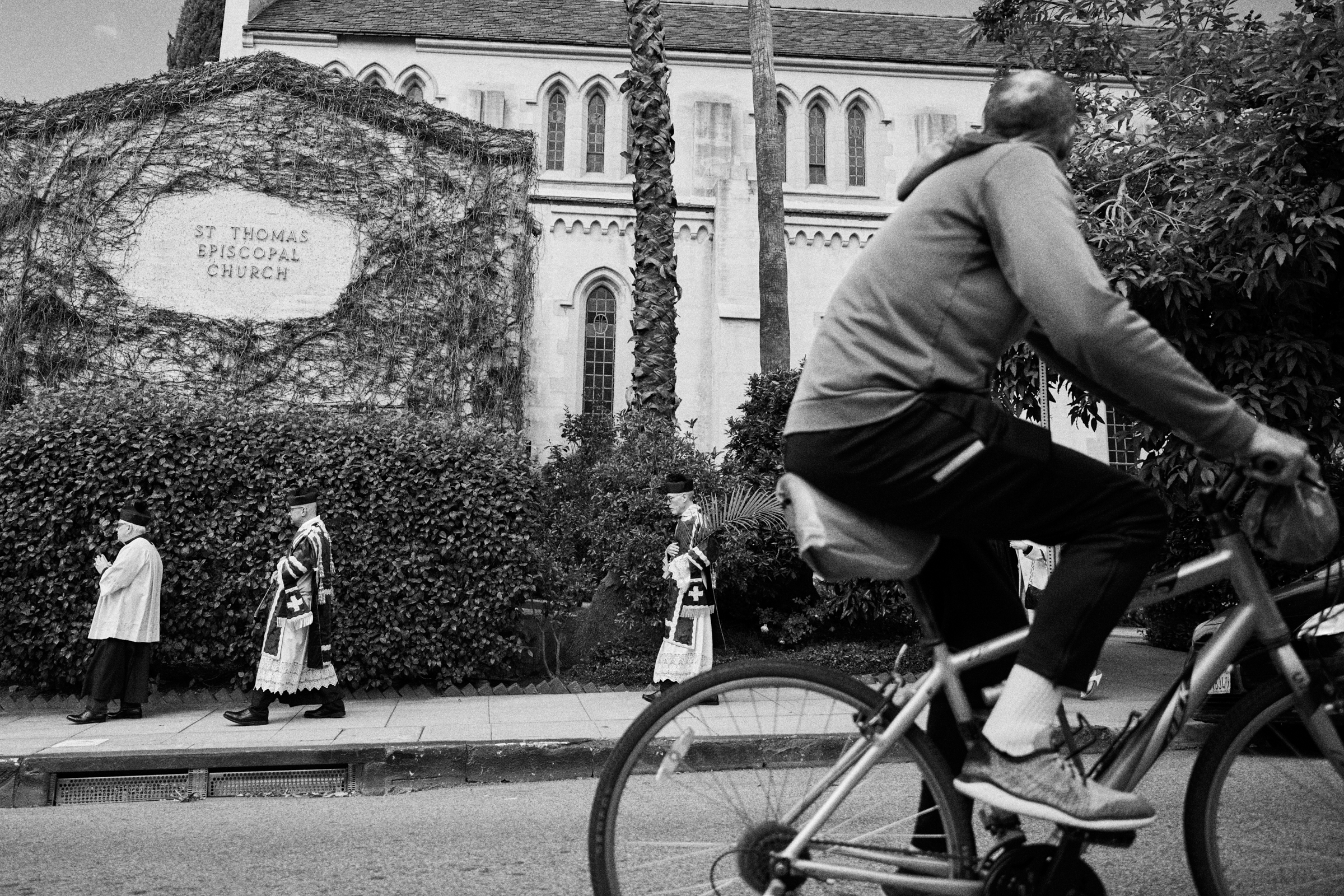
The term liturgy comes from the Greek leitourgia, originally referring to public service or work performed for the good of the community. Over time, it came to signify the structured worship of the Church. In this ongoing series, I explore how faith takes shape in communal life through the “public work” of Saint Thomas the Apostle, Hollywood—through its people, its sacred objects, and the rhythms of the church calendar.

To see more of this project, click here

Instagram


Suzanne Sease is a creative consultant and former ad-agency senior art buyer. She works with both emerging and established photographers and illustrators to create cohesive, persuasive presentations that clients can’t resist.  Suzanne offers something rare: an insider’s perspective on how client’s source creative talent. Her deep understanding of the industry is underscored by her impressive resume: 11 years as senior art buyer at The Martin Agency, seven years as an art producer for Capital One, and stints with the art-buying department at Kaplan-Thaler and the creative department at Best Buy, where she applied her expertise to reviewing bids to see which were most likely to come in on budget. Over the years, Suzanne has worked with a wildly diverse range of clients, including Seiko, Wrangler, Bank One, AFLAC, and Clairol Herbal Essence. Now, as a consultant, she is equipped to problem-solve for her clients from an unusually dynamic point of view.

As a longtime member of the photo community, Suzanne is also dedicated to giving back. Through her Art of the Personal Project column on the popular website aphotoeditor.com, she highlights notable personal projects by well-known and up-and-coming photographers. The column offers these artists excellent exposure while reflecting Suzanne’s passion for powerful imagery.
Instagram

New WSJ Contract

By now, many of you have received the new Freelance Photographer Contributor Agreement from Dow Jones/Wall Street Journal. While the effective date is 2026, they are asking for signatures now.

After legal review and discussion, it is clear that this contract represents a significant step backward for freelancers. It introduces a “Work Made for Hire” clause and allows WSJ to sublicense our work to third parties for profit. They have said that they will increase the rate to $600, but we feel that is not given how much they gain from this contract as well as the increased demands for video and long hours.

Many of us have already sent individual responses, but there is power in numbers. We have drafted a collective letter to Lucy Gilmore and WSJ leadership asking them to pause the rollout and rewrite the contract with actual freelancer input.

Please read the letter below and share it widely with freelance colleagues. If you agree, please add your name to the list https://forms.gle/BZHh3nzYdFMS7a4V9 by midnight PST on December 23rd, 2025.

We value our relationship with the WSJ, but we need to stand together to ensure it remains sustainable.

Hello, colleagues.

The new WSJ freelance contract is yet another example of a national newspaper not compensating photographers fairly (not to mention the effects of inflation and ACA premium increases).

We’re writing to flag critical issues we should all be aware of before signing this new contract effective Jan 1, 2026. 

Afterall, the WSJ has no staff photographers. Freelancers and wires illustrate 99.99999999% of their stories.

We hope this can be an opportunity for the WSJ to do the right thing. We need to push back collectively on the WFH language and the rates by emailing Timmy Huynh (timmy.huynh@wsj.com) and DoP Lucy Gilmore (lucy.gilmour@wsj.com). Also please feel free to write to other WSJ photo editors or anybody else in the industry who should see it.
You can use the language below as a template. Add what you want and tweak what you want:

Template:
I have reviewed the new contract terms and would like to discuss critical concerns regarding the “Work Made for Hire” classification, sublicensing and the current rate structure.

1. Work Made for Hire & Copyright Structure: Section 1.2 classifies our work as “Work Made for Hire.” While I appreciate the subsequent clause assigning a joint interest back to the photographer, classifying freelance work as WMFH is legally problematic for independent contractors. It alters the fundamental authorship of the work and strips creators of rights under the Copyright Act. Proposal: If Dow Jones requires joint ownership, this can be achieved through a direct assignment of specific rights rather than a Work Made for Hire framework. I ask that the WMFH language be removed in favor of a standard assignment clause.

2. Compensation & Sublicensing: The move to a co-ownership model grants Dow Jones significantly more value — specifically the right to sublicense images to third parties (Section 1.3) without paying royalties to the photographer. This is a major departure from the previous contract, which allowed secondary market sales to generate revenue for the creator.

Furthermore, the base day rate has remained static despite inflation and increased scope, specifically:

* Video Demands: We are increasingly asked to capture video, which adds significant workload in the field and post-production.
* Hours: Day rates often do not account for days that stretch well beyond 8 hours.

To ensure this partnership remains sustainable, we need a review of the rate and sublicensing structure and copyright language. 

Decisions regarding rights, rates, and liabilities must include the voices of the people doing the work, particularly when a new contract fundamentally shifts so far from the previous agreement.

I strongly urge Dow Jones to pause the rollout of this contract and reconsider these terms by convening a working group of regular freelancers to assist in a rewrite. If you need assistance identifying a representative group of photographers, organizations such as Women Photograph or Diversify Photo would be excellent resources to help facilitate this conversation. 

This must be the standard for any impactful contract change in the future.

The Art of the Personal Project: Richard Radstone

The Art of the Personal Project is a crucial element to let potential buyers see how you think creatively on your own.  I am drawn to personal projects that have an interesting vision or that show something I have never seen before.  In this thread, I’ll include a link to each personal project with the artist statement so you can see more of the project. Please note: This thread is not affiliated with any company; I’m just featuring projects that I find.  Please DO NOT send me your work.  I do not take submissions.

Today’s featured artist: Richard Radstone

Every moment of every day… your individual influence truly does matter

to someone else in the world.

— Richard Radstone

It all started in 2011 when, during a time of personal crisis, I challenged myself to blog the experience of approaching, photographing, and interviewing a stranger every day for 365 consecutive days. When WordPress featured the project as one of the top ten daily blogs to follow, the stories and the audience went global.

Hundreds of unique encounters with people from all walks of life, who, as I dropped my walls, invited me into their lives. And the more I submitted to the project, the more I realized how much I needed their stories. I grew to call everyone I met strangers-now-friends. I became more than a visual storyteller. I became a story seeker. Someone paying closer attention to things we don’t notice at first glance.

What followed was a natural evolution. Photography, blogging, and essay writing led me into documentary filmmaking. Then to speaking, from there to podcasting, and now to becoming an author and observer of human behavior. All of it, a body of work and outreach that I have titled Sidewalk Ghosts. A message shaped by the belief that when we pause long enough to look beyond what we first see, to listen closer, and to feel a little deeper, we can better find the truths that connect us: to ourselves and to each other.

It is strange to think that a difficult year and an experiment in letting go have become a lifelong journey. Yet here I am, still guided by the same simple realization. Inside every person lives a story we do not know, and when those stories are shared, we are encouraged to more fully appreciate the values we hold, allow others to do the same, and discover how much possibility lives in the space between us.

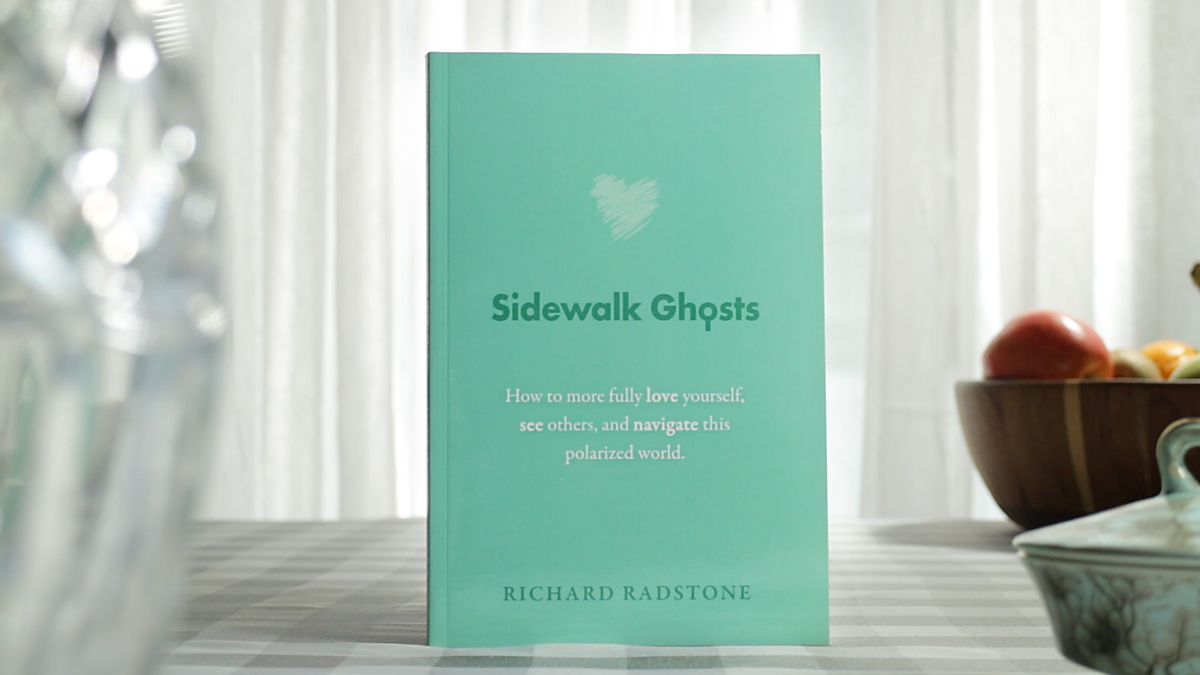
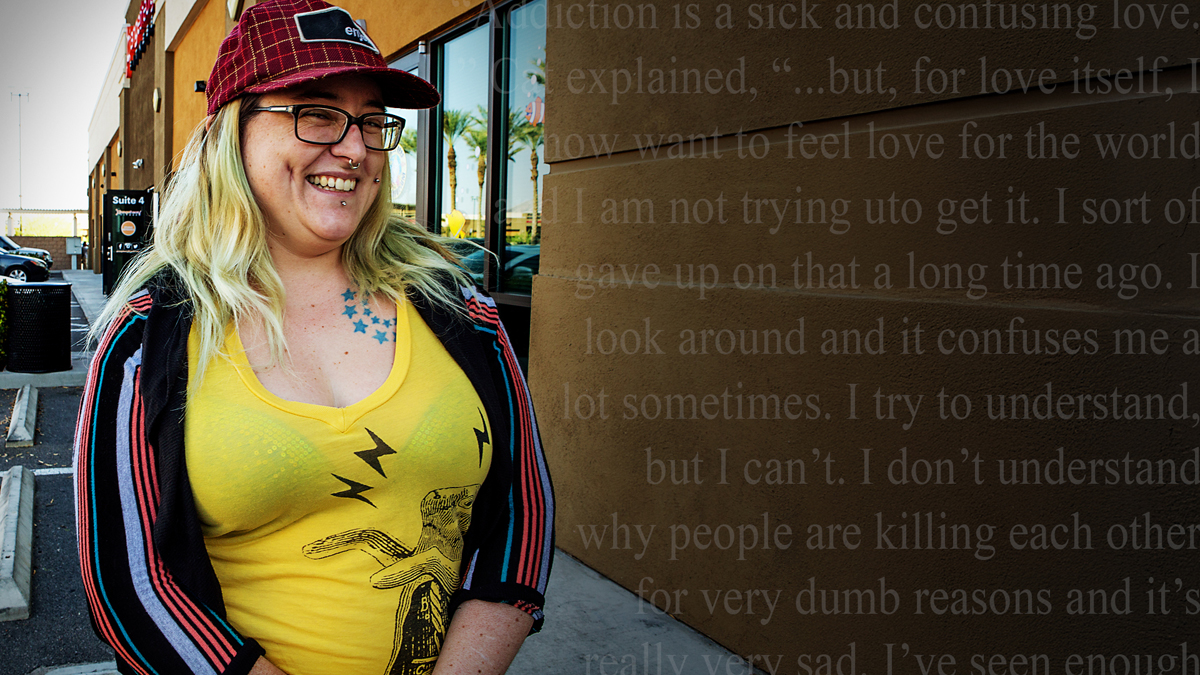
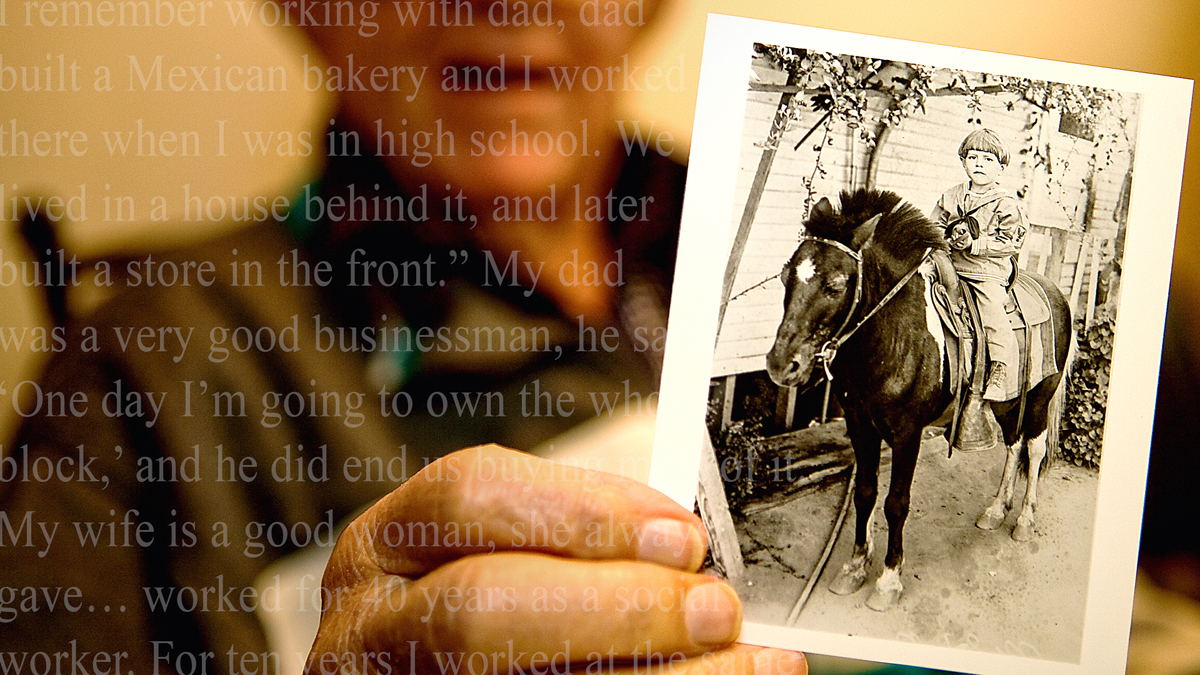
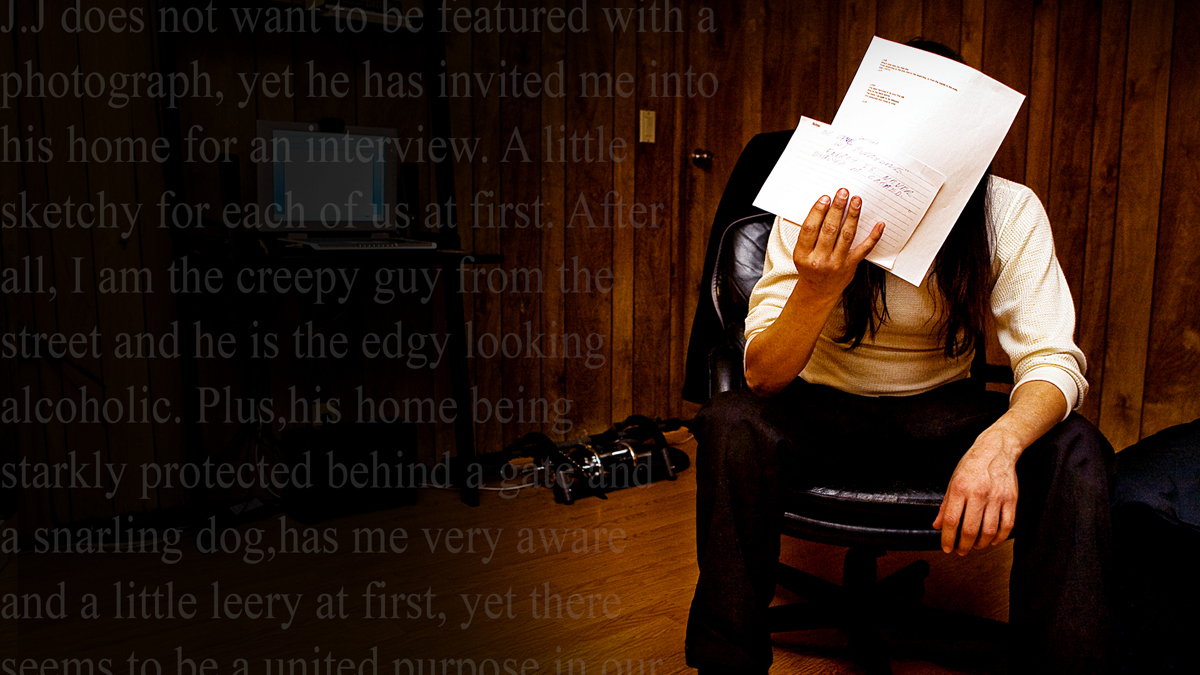
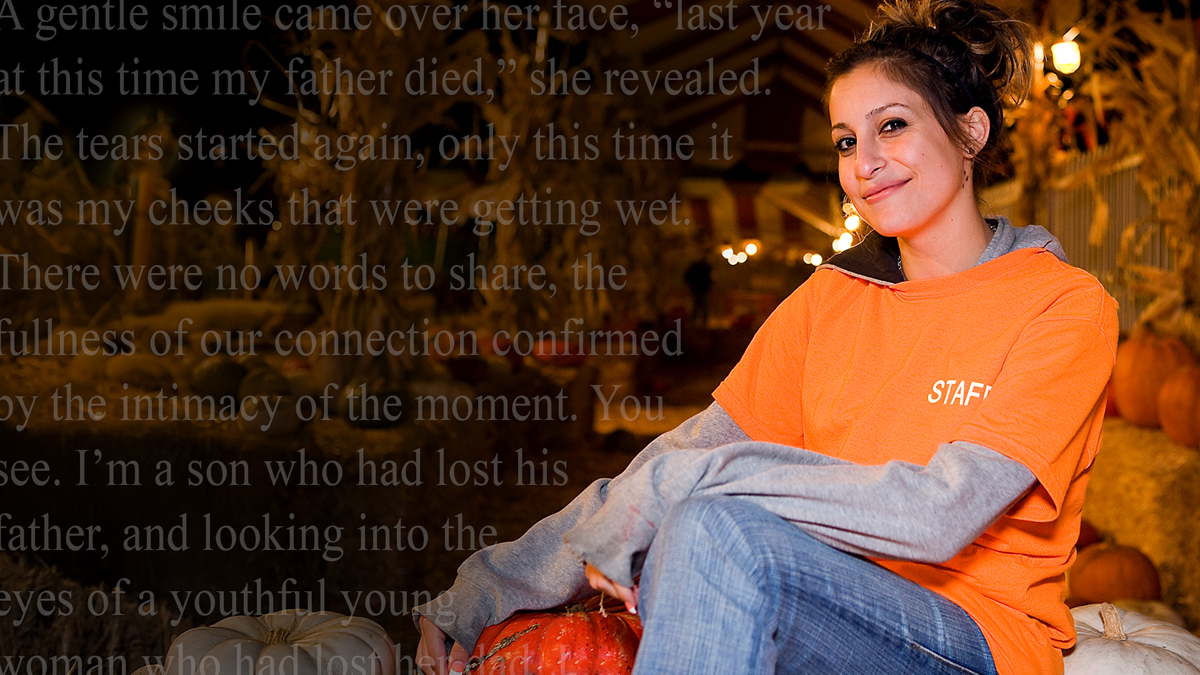
Sidewalk Ghosts: How to more fully love yourself, see others, and navigate this polarized world.   Cat: Chapter Nine — “You are what you choose to do.

Ray, Quite and loving greatness: Day 173 of the daily blog.

JJ, Just Livevil: Day 142 of the daily blog.

Kimberly, Whispering Angels: Podcast Episode 3 and day 42 of the daily blog.

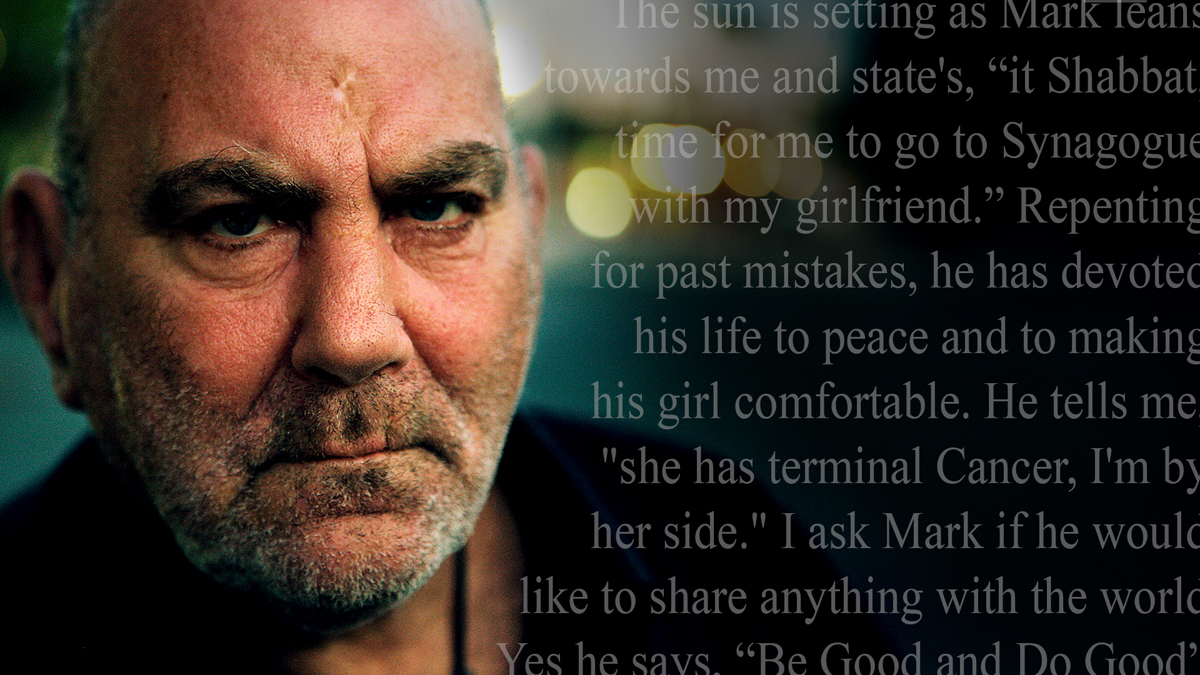
Mark, Be Good and Do Good: Day 142 of the daily blog.

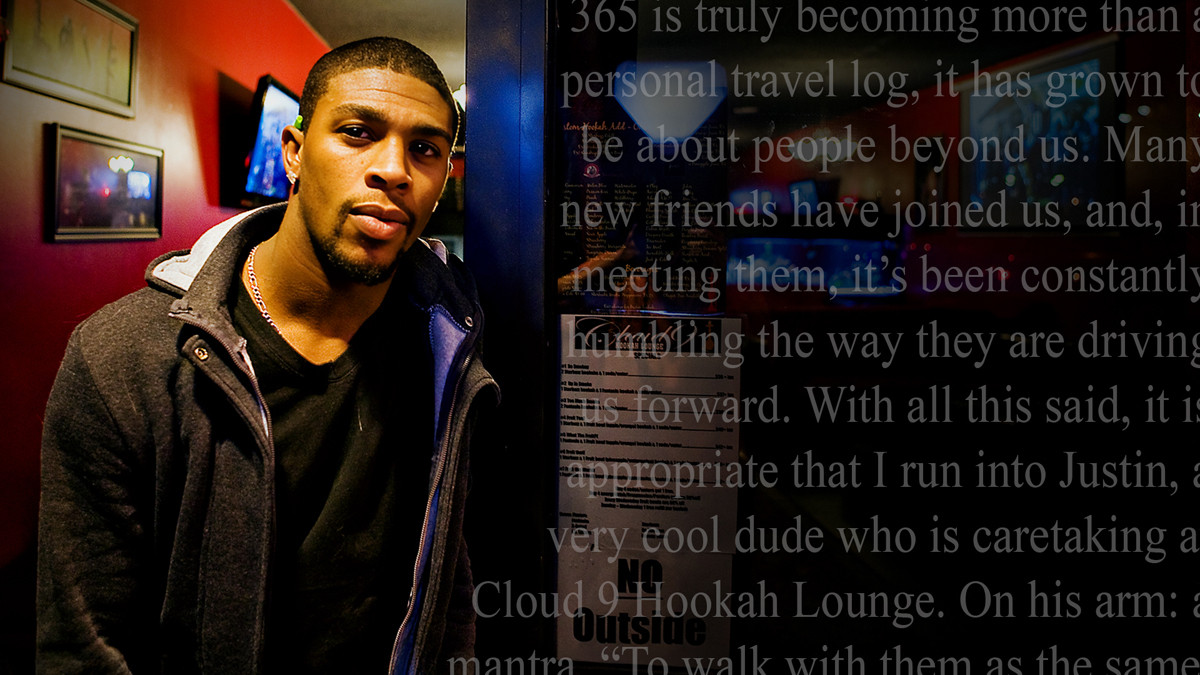
Justin, To Walk With Them As The Same: Day 123 of the daily blog.

Ben with Friend Taylor: Chapter Two — Ripples, wakes, and storms.

To see more of this project, click here

Podcast

Book

Suzanne Sease is a creative consultant and former ad-agency senior art buyer. She works with both emerging and established photographers and illustrators to create cohesive, persuasive presentations that clients can’t resist.

Suzanne offers something rare: an insider’s perspective on how client’s source creative talent. Her deep understanding of the industry is underscored by her impressive resume: 11 years as senior art buyer at The Martin Agency, seven years as an art producer for Capital One, and stints with the art-buying department at Kaplan-Thaler and the creative department at Best Buy, where she applied her expertise to reviewing bids to see which were most likely to come in on budget. Over the years, Suzanne has worked with a wildly diverse range of clients, including Seiko, Wrangler, Bank One, AFLAC, and Clairol Herbal Essence. Now, as a consultant, she is equipped to problem-solve for her clients from an unusually dynamic point of view.

As a longtime member of the photo community, Suzanne is also dedicated to giving back. Through her Art of the Personal Project column on the popular website aphotoeditor.com, she highlights notable personal projects by well-known and up-and-coming photographers. The column offers these artists excellent exposure while reflecting Suzanne’s passion for powerful imagery.
Instagram


The Art of the Personal Project: Melissa Ann Pinney

The Art of the Personal Project is a crucial element to let potential buyers see how you think creatively on your own.  I am drawn to personal projects that have an interesting vision or that show something I have never seen before.  In this thread, I’ll include a link to each personal project with the artist statement so you can see more of the project. Please note: This thread is not affiliated with any company; I’m just featuring projects that I find.  Please DO NOT send me your work.  I do not take submissions.


Today’s featured artist: Melissa Ann Pinney

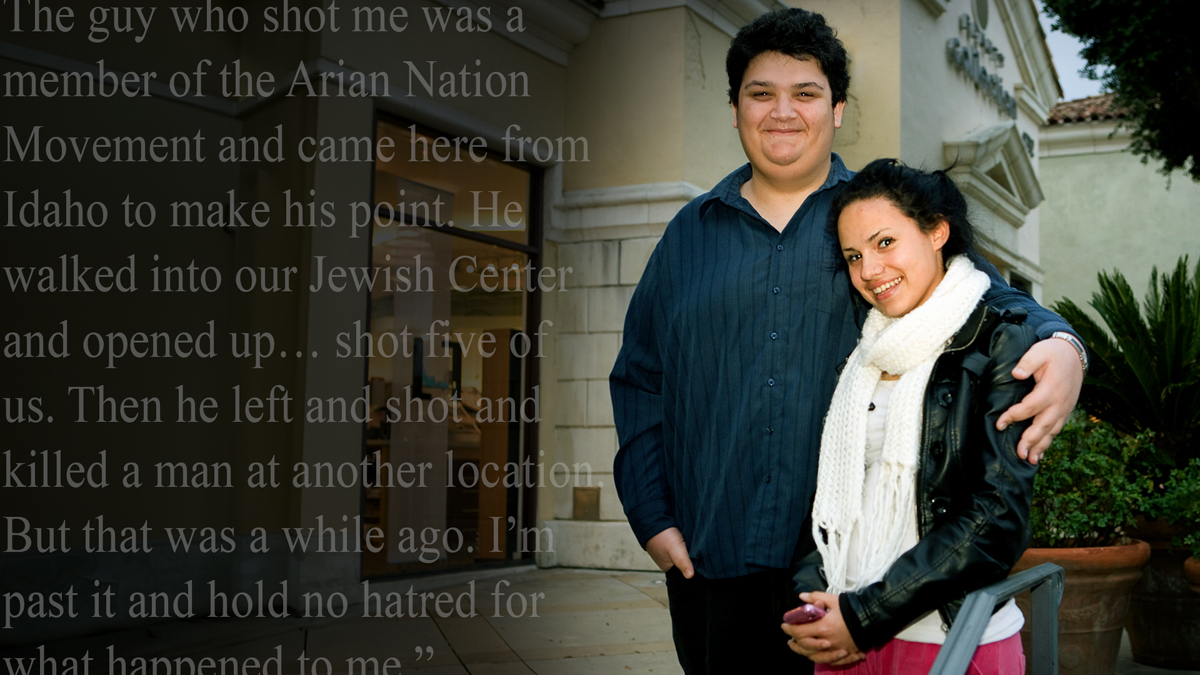
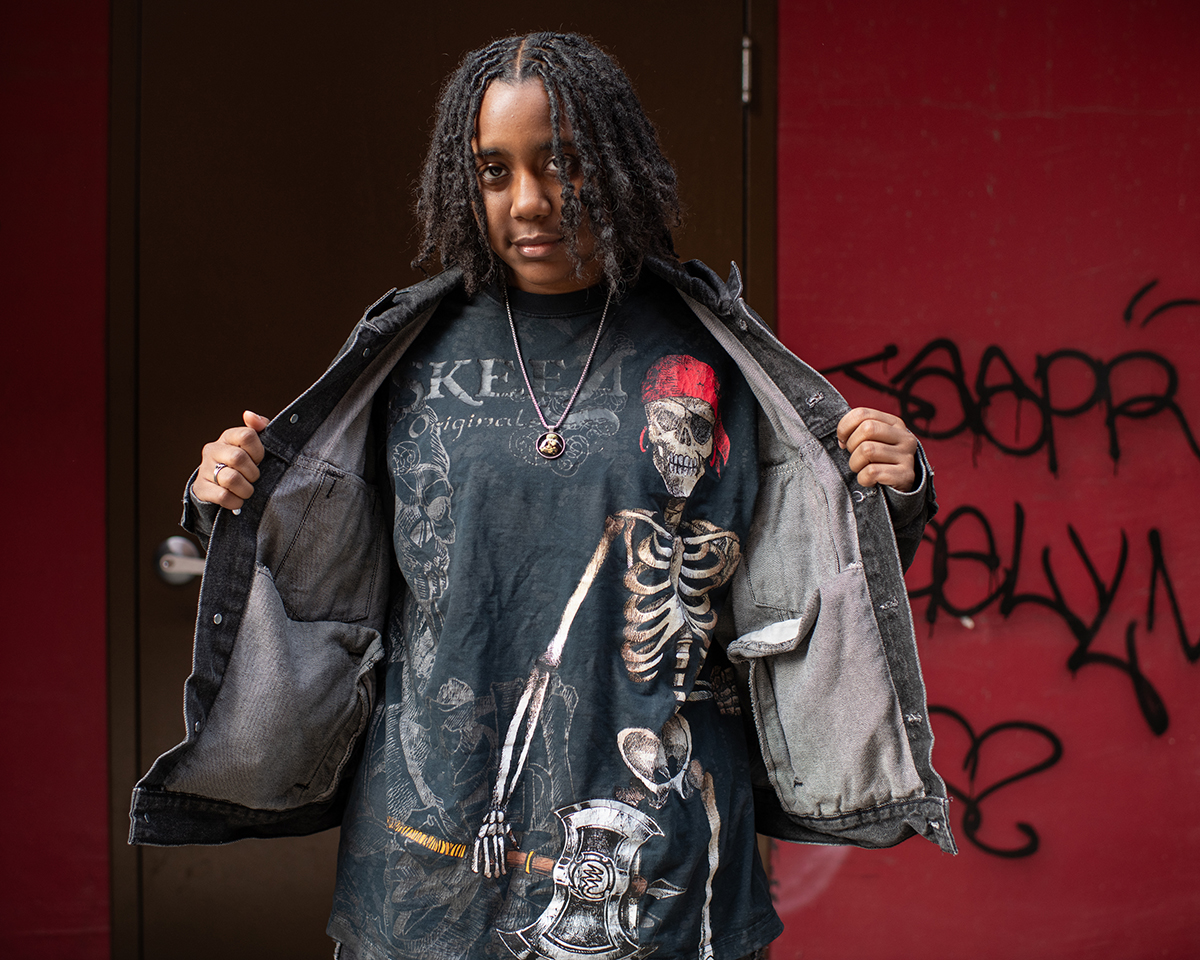
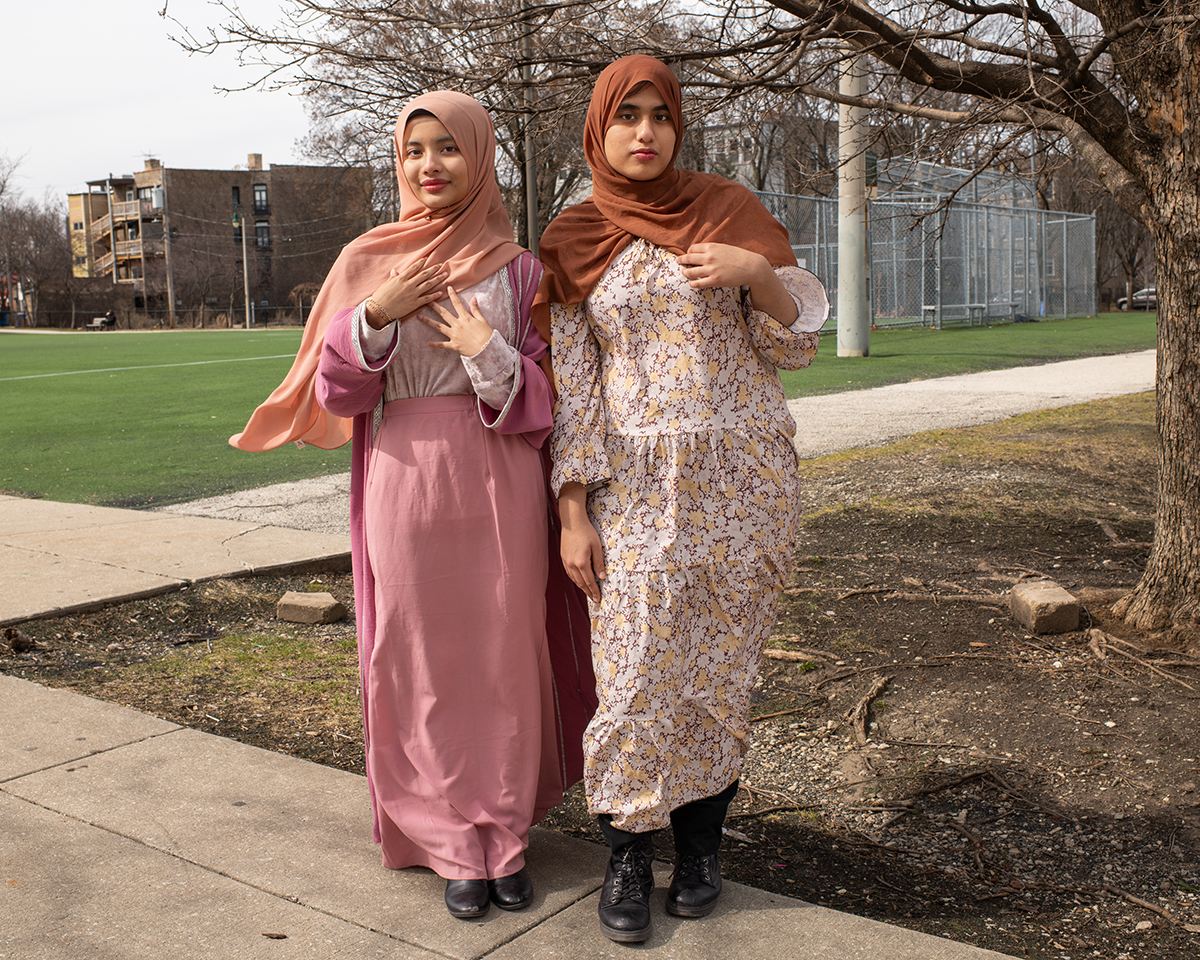
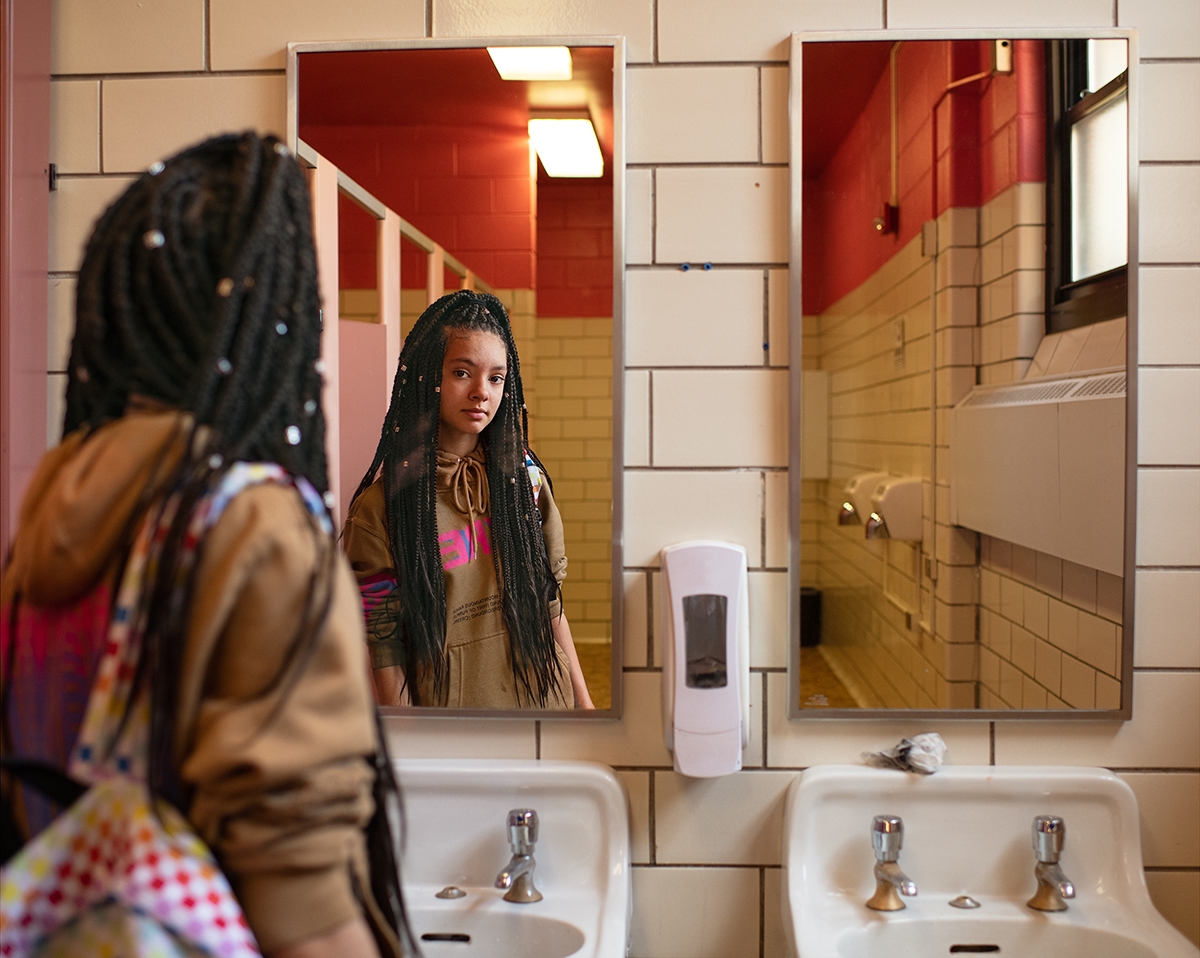
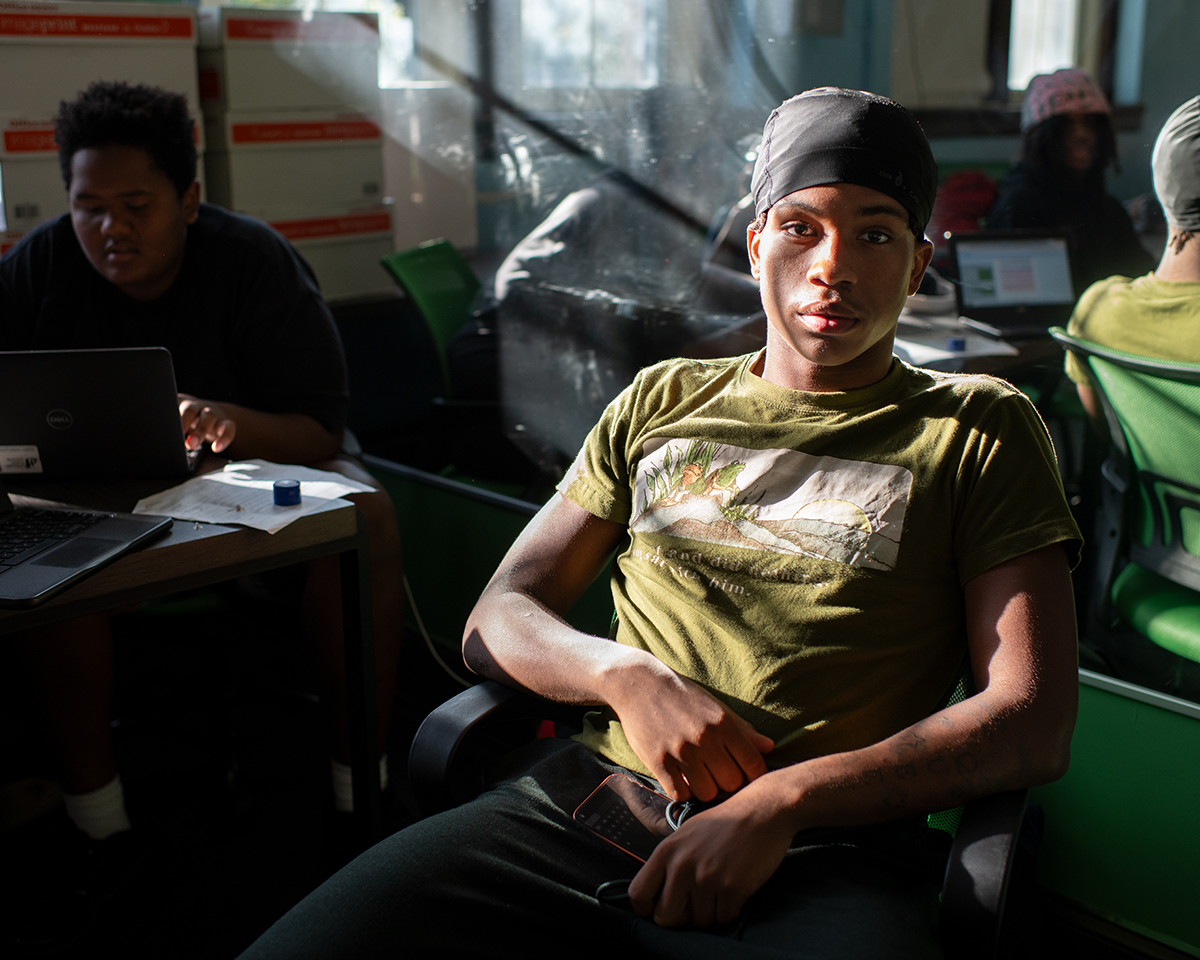
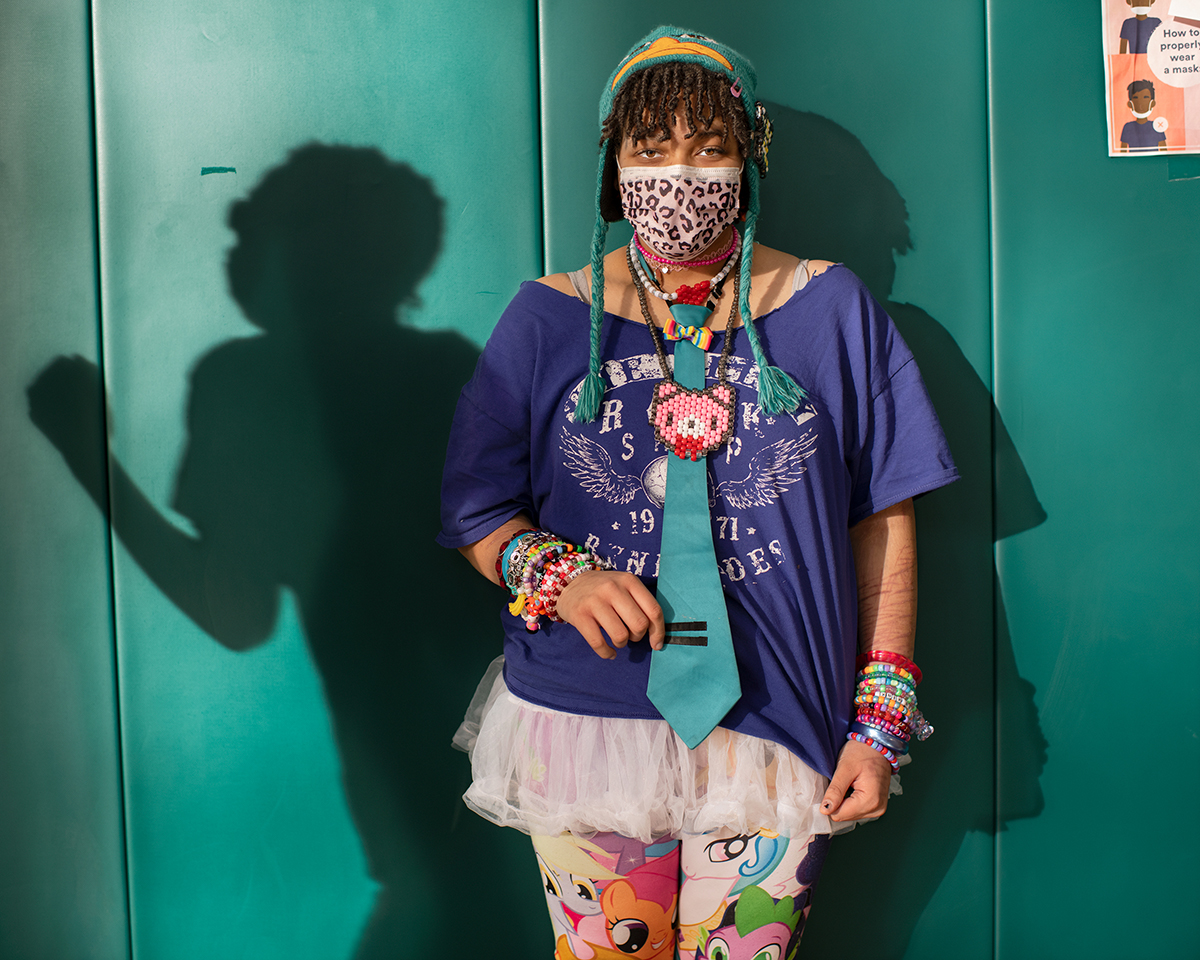
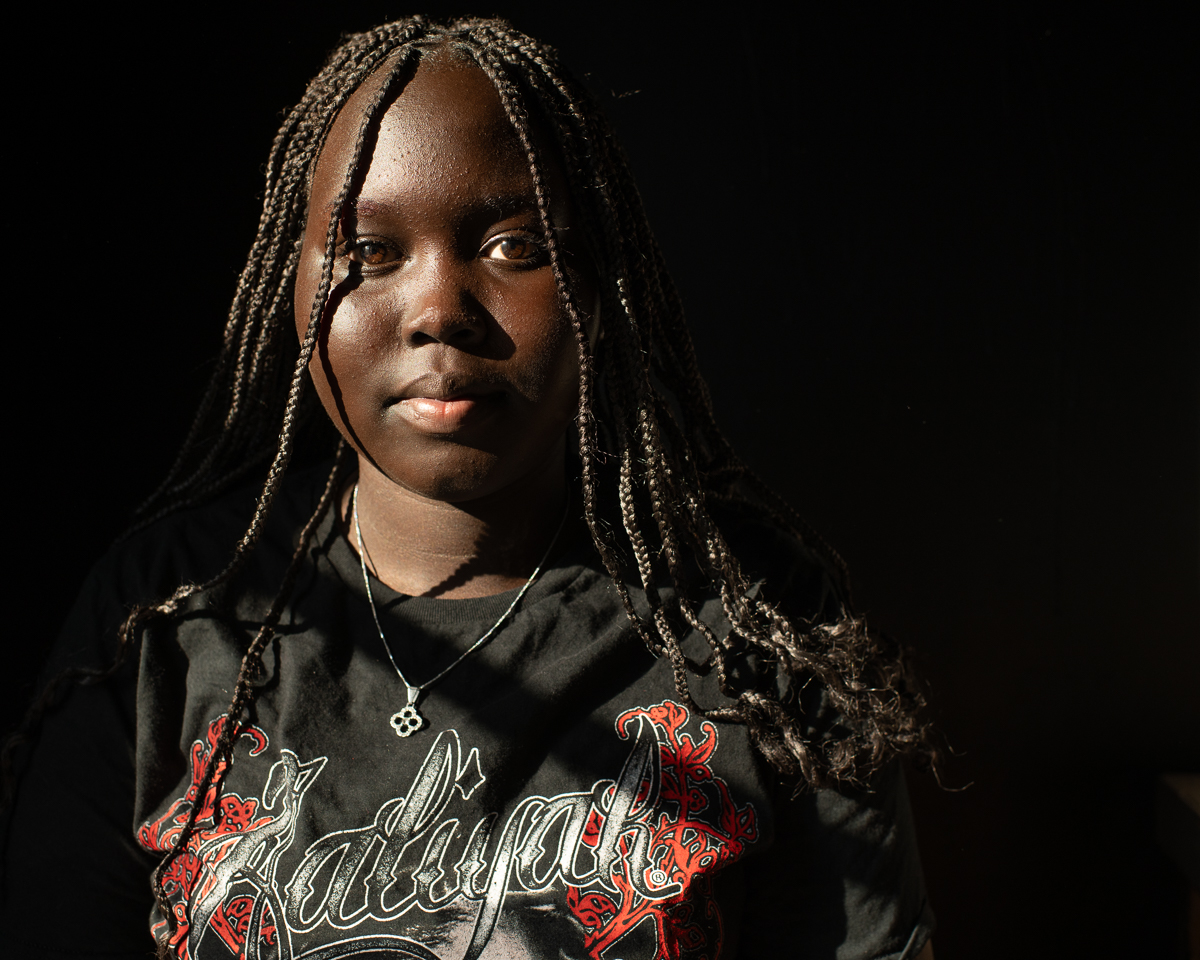
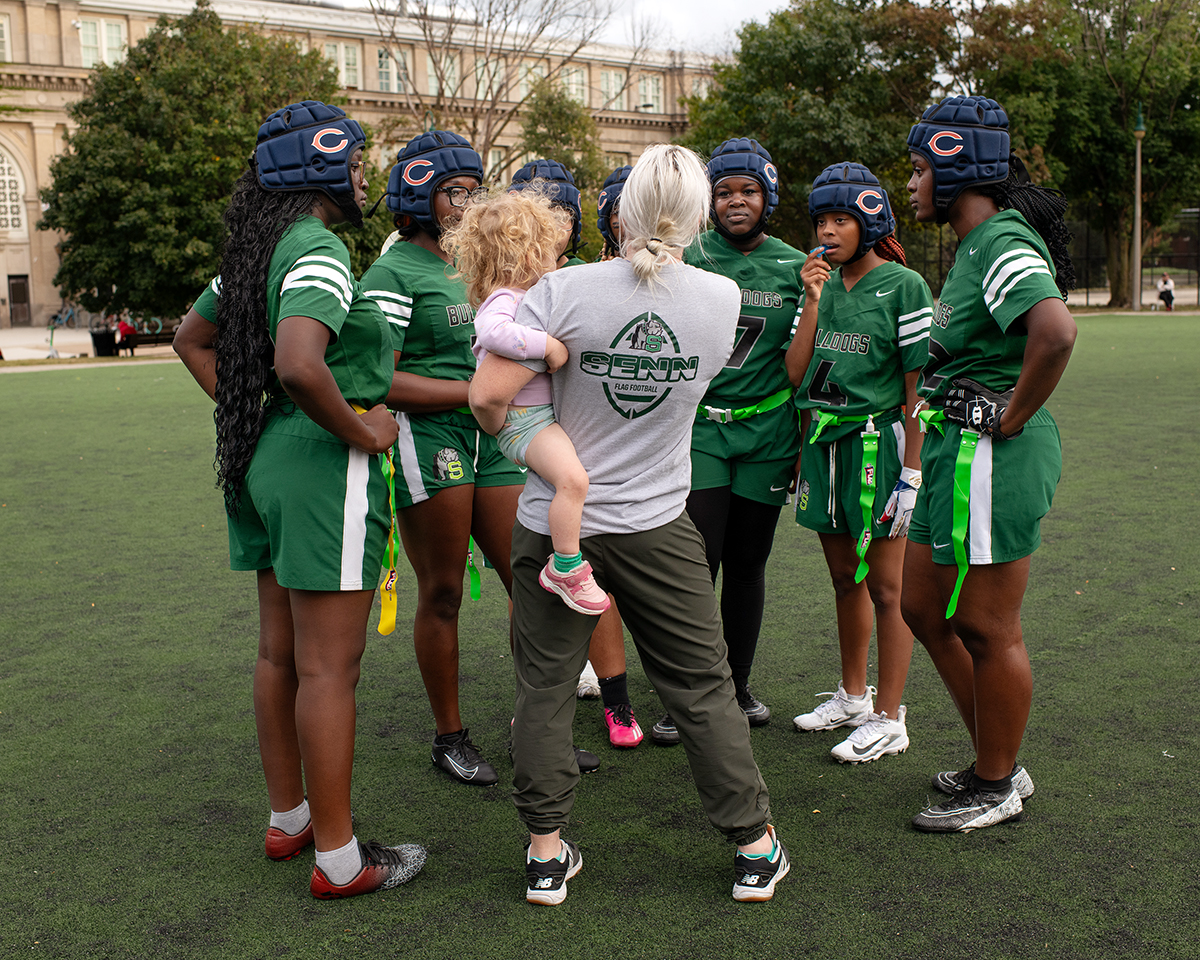
Becoming Themselves’ is a seven year and ongoing project that focuses on student life in several Chicago Public Schools. What started as a conventional photography project has grown into a document of identity, community and urgent social issues. The work evolved through a global pandemic, escalating racial and gender inequities and continuing gun violence.

I am interested in what I consider to be real pictures—images that attend to the complex scenes and surprising, unrehearsed moments created by the students. These moments are rich opportunities to reveal the underlying mysteries and meanings of ordinary life. My aim is to capture genuine connections, spontaneous gestures, and fleeting glimpses of emotion and interaction. As I’ve developed connections to students over a period of years, the pictures reflect both the growth of the students and the breadth of the work.

I never know what the students will do next; their beauty, their compassion and their conflicts are unrehearsed. The teens collaborate in the art-making by welcoming me into their world. I’m interested in the sense of possibility and transformation that characterizes adolescence. As my ties to the community have deepened, I’ve come to understand the meaning this project holds for me and for the students themselves, who tell me they feel truly seen by participating.

Tragically, eight students I photographed have been shot and killed since 2019, devastating families, school and faith communities. I intend my photographs to witness, celebrate and commemorate these students. In continuing this work, I am committed to encouraging a deeper consideration and appreciation of the radiant young people in our public schools.

Hireath

Asmah & Arshia

Jael

Jordan

Lizzie

Angelina

Haziz & Caleb

Coach Kenny and the Flag Football Players


To see more of this project, click here

Instagram

Suzanne Sease is a creative consultant and former ad-agency senior art buyer. She works with both emerging and established photographers and illustrators to create cohesive, persuasive presentations that clients can’t resist.

Suzanne offers something rare: an insider’s perspective on how client’s source creative talent. Her deep understanding of the industry is underscored by her impressive resume: 11 years as senior art buyer at The Martin Agency, seven years as an art producer for Capital One, and stints with the art-buying department at Kaplan-Thaler and the creative department at Best Buy, where she applied her expertise to reviewing bids to see which were most likely to come in on budget. Over the years, Suzanne has worked with a wildly diverse range of clients, including Seiko, Wrangler, Bank One, AFLAC, and Clairol Herbal Essence. Now, as a consultant, she is equipped to problem-solve for her clients from an unusually dynamic point of view.

As a longtime member of the photo community, Suzanne is also dedicated to giving back. Through her Art of the Personal Project column on the popular website aphotoeditor.com, she highlights notable personal projects by well-known and up-and-coming photographers. The column offers these artists excellent exposure while reflecting Suzanne’s passion for powerful imagery.
Instagram

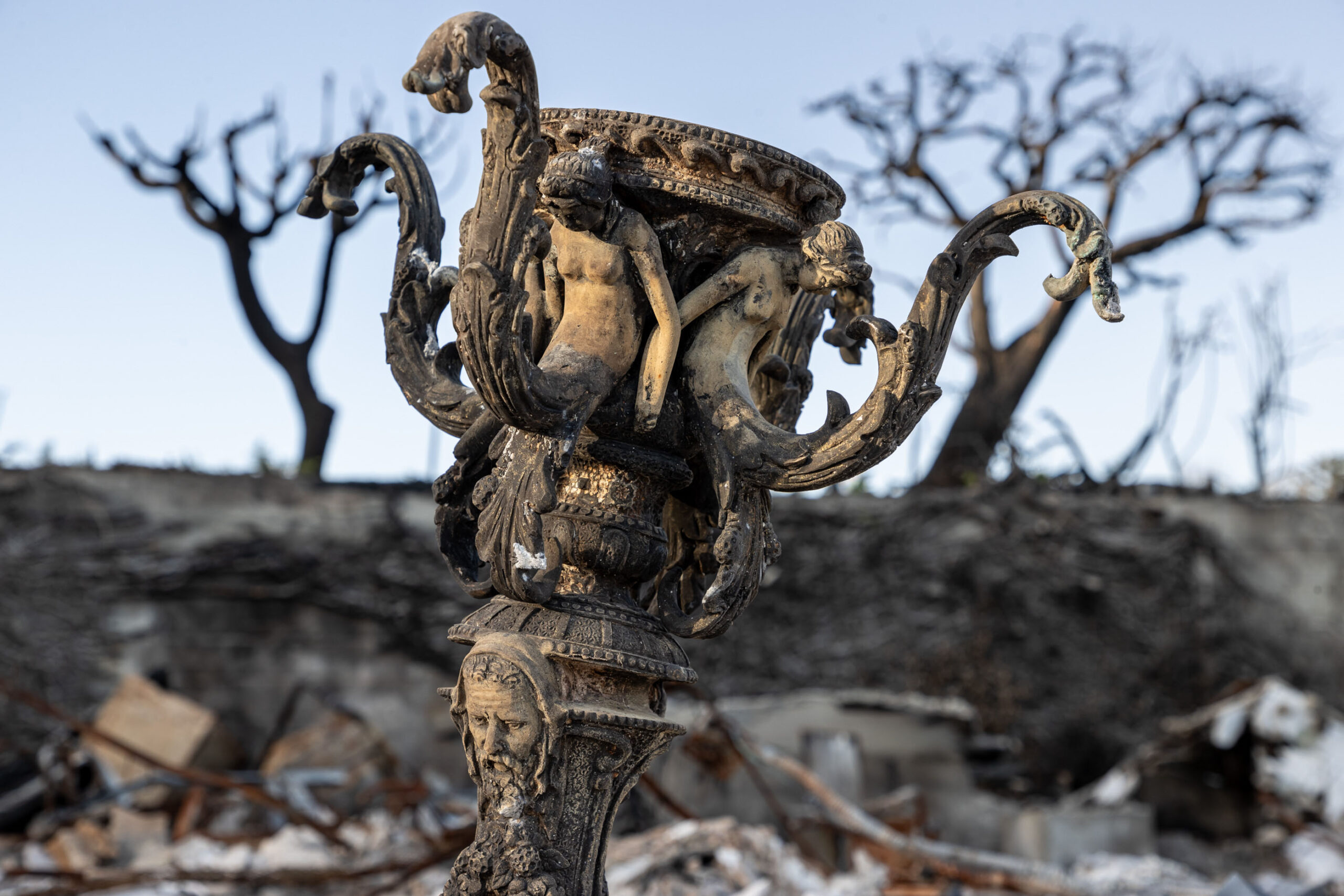
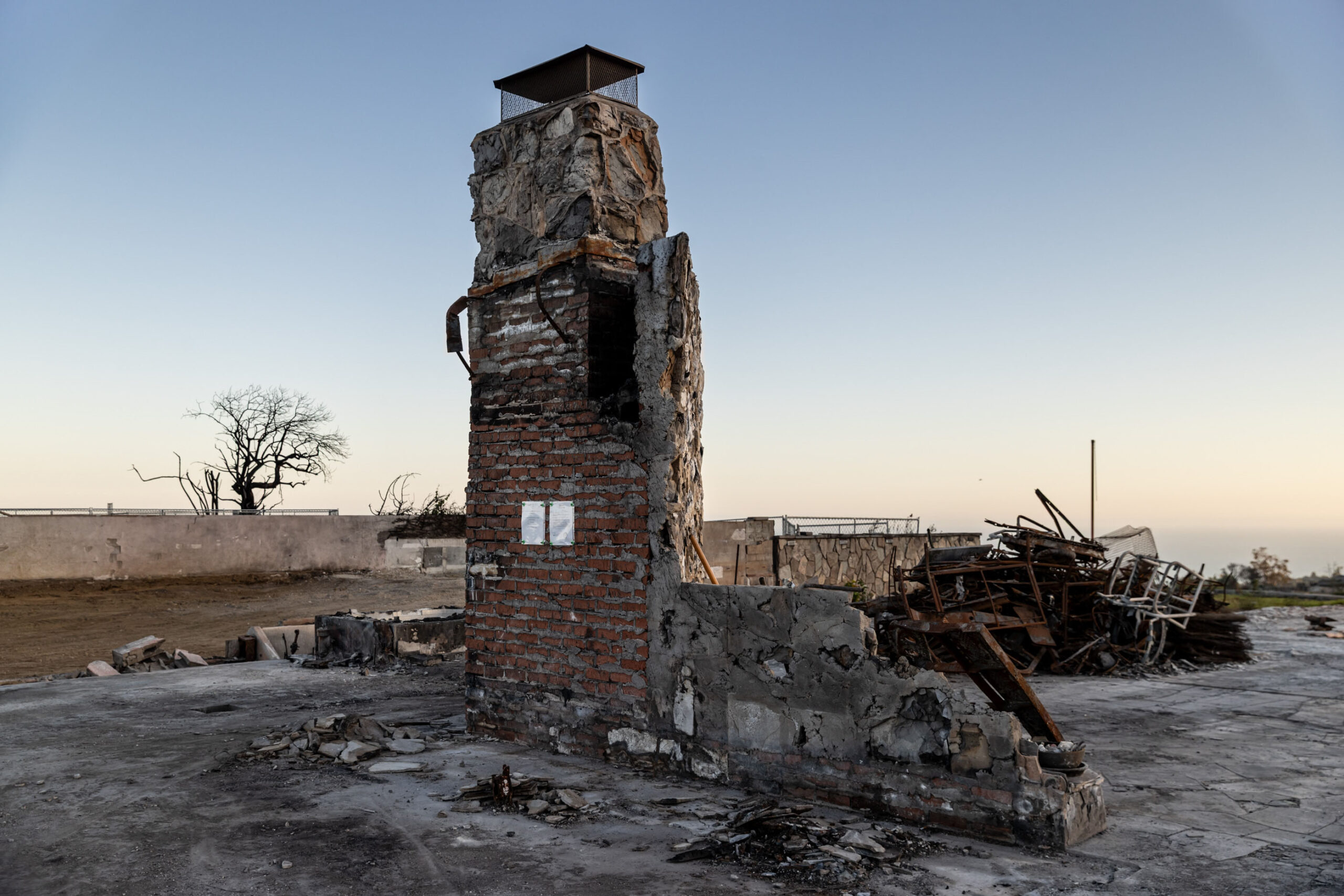
The Daily Edit – Barron Bixler images illustrate the hangover to our great optimism


Barron Bixler

Heidi: Your work often explores borderlands — those spaces between the built and the wild, industry and nature. How did this fire site fit into that continuum of marginal places you’re drawn to?
Barron: The borderlands have become environmental battlegrounds—and we’re losing them. Whether it’s fires at the urban-wildland interface, coastal erosion threatening critical infrastructure, or cycles of drought and flood straining our aging flood control systems to the breaking point, it’s precisely this interface between the wild and the built where the effects of climate change are hitting first and hardest.

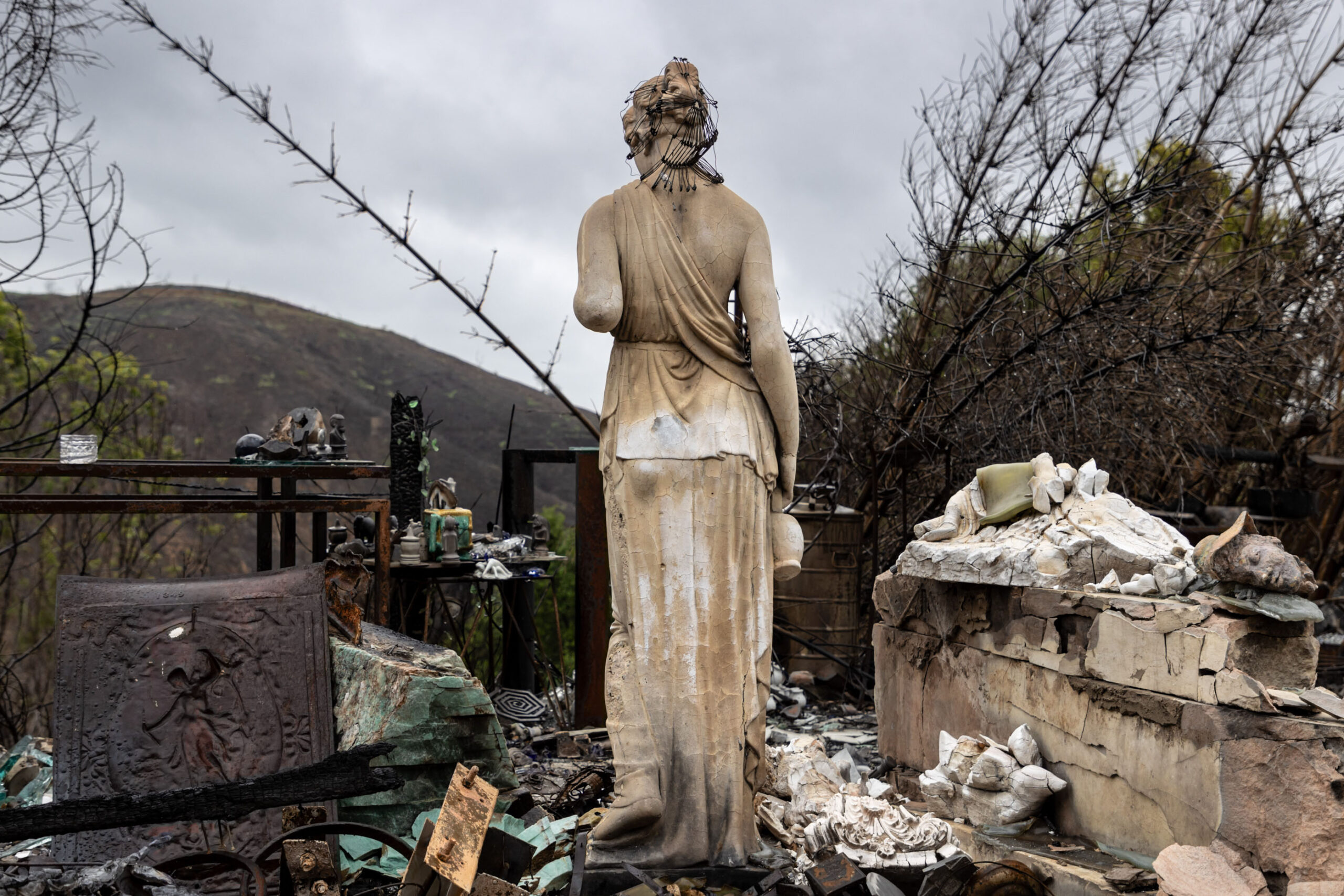
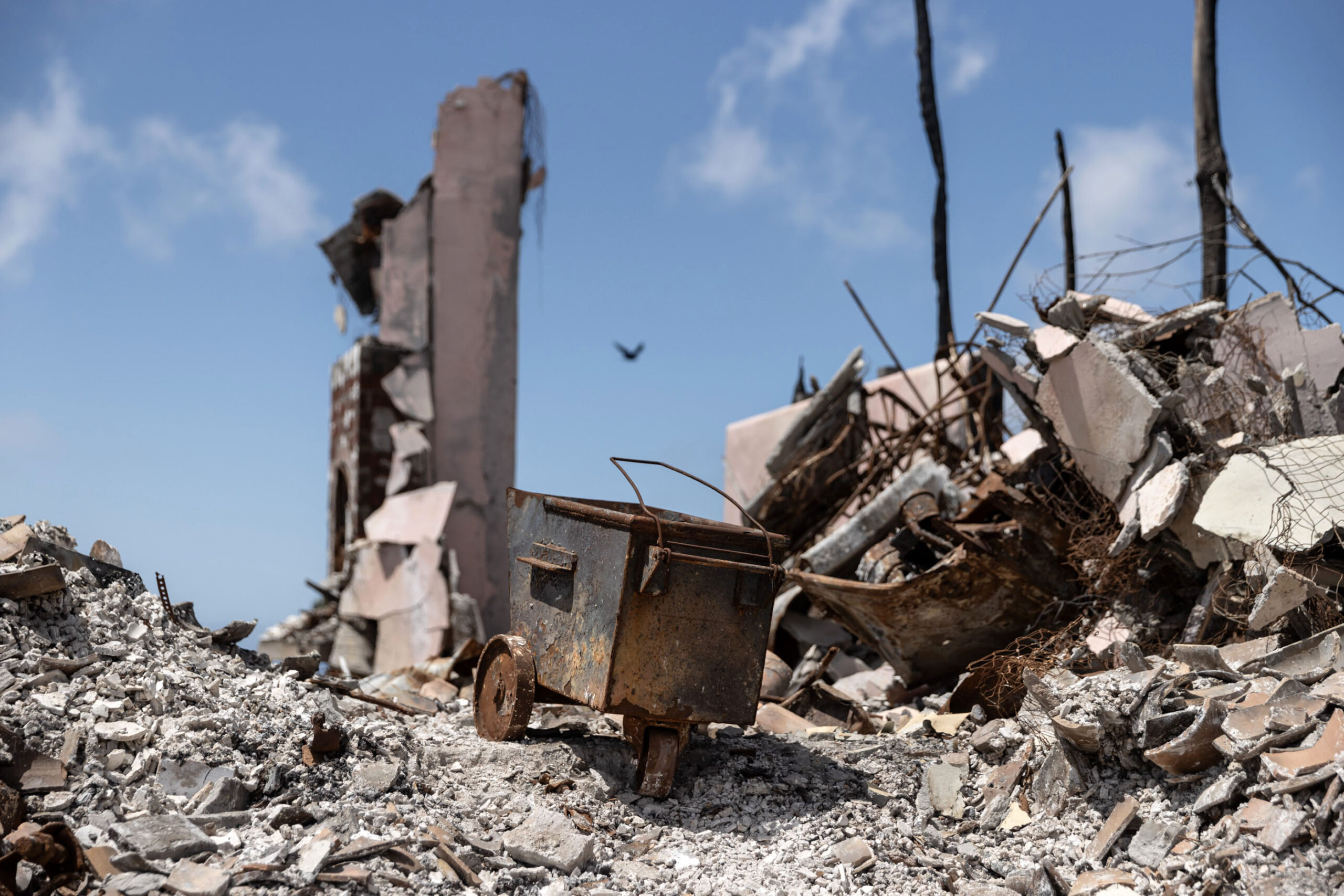
But for me, the Palisades Fire feels different. The fire didn’t just take houses tucked back on winding roads in the semi-wild foothills of the Santa Monica Mountains. It burned straight through two or three miles of residential neighborhoods and commercial districts, right down to the beach. That a wildfire intruded so far into the built environment should be a wakeup call that we’ve entered a new era of risk and vulnerability.

What role do you think visual journalism can play in bridging the gap between scientific data and the lived experience of climate events like this fire?
I absolutely believe in the critical role that scientific and social-scientific research—and the data they produce—play as we assess and respond to the escalating climate crisis. Without them, we’d be flying blind.

But I think the data have lost their grip on people’s imaginations. There’s been this assumption that if scientists can just quantify the problem and get the media to credibly deliver the message to the public, people will believe the science and understand all the ways it touches their own lives. There’s even a rallying cry for this way of thinking: “The science is clear!” But the current media and political environments bend more toward murk than clarity.

Human-centered stories about environmental loss, grief and the slow work of repair can cut straight through the infowhelm and connect people with a deeper emotional truth about what’s at stake. I also think that telling these more intimate, visual and visceral stories can bridge some critical cultural divides in a way that traditional science communication struggles to.

You describe your practice as chronicling “the hangover to our great optimism.” How does this post-fire landscape reflect that reckoning — the price we’ve paid to arrive here?
It’s hard to answer this question without abstracting the painful, very real price residents of the Pacific Palisades and Altadena paid for our collective ecological amnesia. I’m thinking here of Mike Davis’s powerful, if polarizing, essay, “The Case for Letting Malibu Burn” (1995). I’ve come to think more and more of climate change not as a problem in its own right, but as a force-multiplier for other problems—an oracle with resounding answers to long-open questions. For example, the obvious question to have asked in 1922 when ground broke on the first houses in the Pacific Palisades was: “Should we even build houses here?” It took 103 years and the devastating loss of that community to get a definitive answer. Without climate change, maybe the question would have remained open indefinitely. So I’d reframe it as: “How do we stop making decisions that end in disaster, knowing what we now know?”

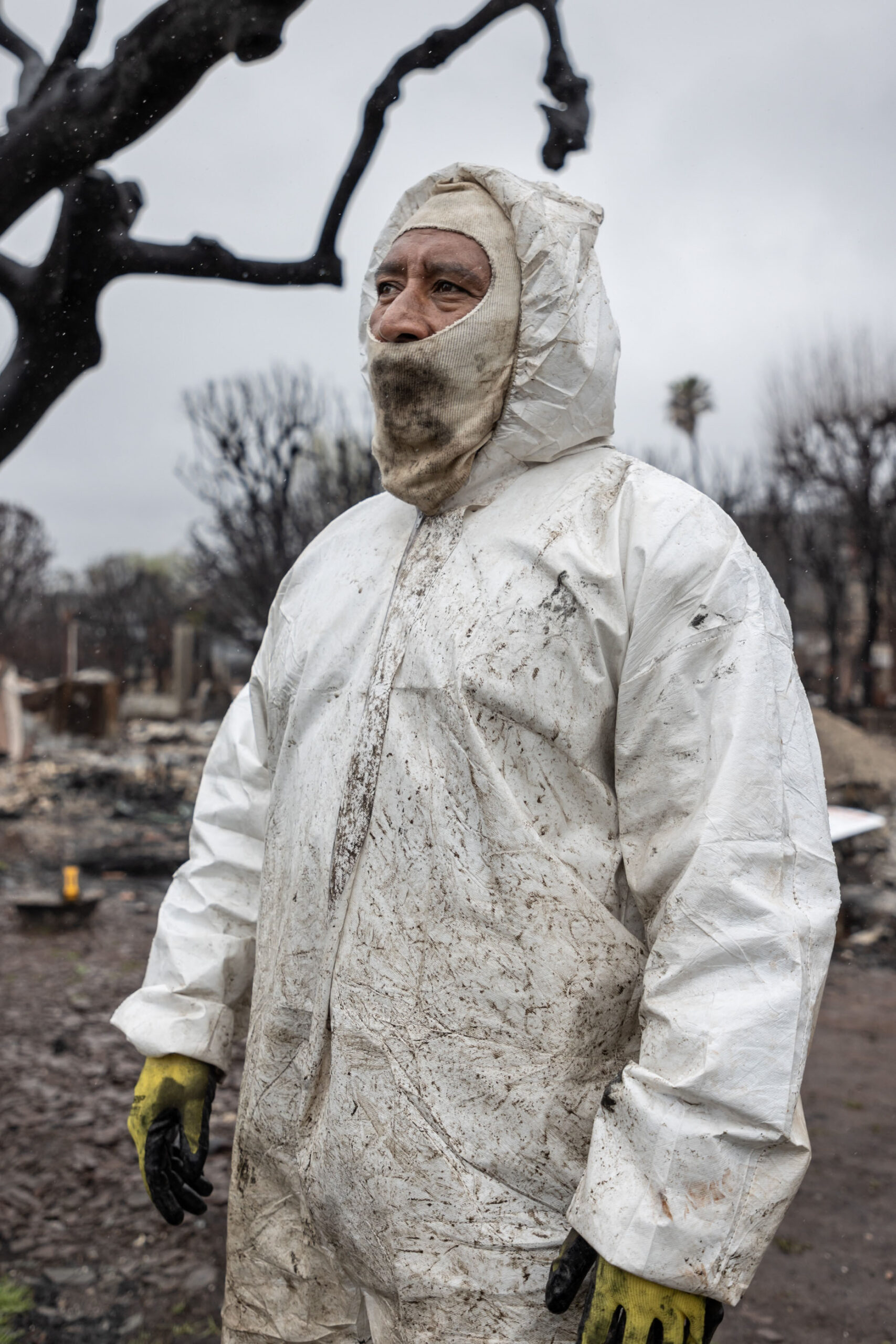
In your images, the burn zone feels both intimate and immense — portraits of cleanup workers sit beside aerials and still lifes of ruined domestic artifacts. What thread ties these disparate vantage points together?
I think it was probably my visceral experience of being there, the challenges of making pictures in a tightly controlled and physically and emotionally hazardous place. I felt that whiplash vertigo, those jumps in scale, that probably come through in the pictures. I shot lots of overviews but was unsatisfied with many of them. Which is funny, because my unpeopled environmental projects, like my project about the California water system, are full of that kind of picture. But here they just fell flat. When I started getting in close, though, dropping the depth of field, my visual approach to the project started to click.

What compelled you to focus on the cleanup rather than the catastrophe itself?
To me, work and ritual are closely related. As a vigorously secular person just a generation out from grandparents and great grandparents who worked industrial jobs in midwestern plants and mills, the meaning of work is probably as close to a ritualized belief system as I get. It happened kind of spontaneously, and I didn’t see the common thread at first, but pretty much every photographic or film project I’ve undertaken since 2023 has dwelled on the meaning of work—and specifically the work of environmental salvage and repair. Recast in the context of an uncertain, climate-changed future, this kind of work becomes a small act of faith against ecological unraveling. It’s a kind of hope in the dark, to borrow from Rebecca Solnit.

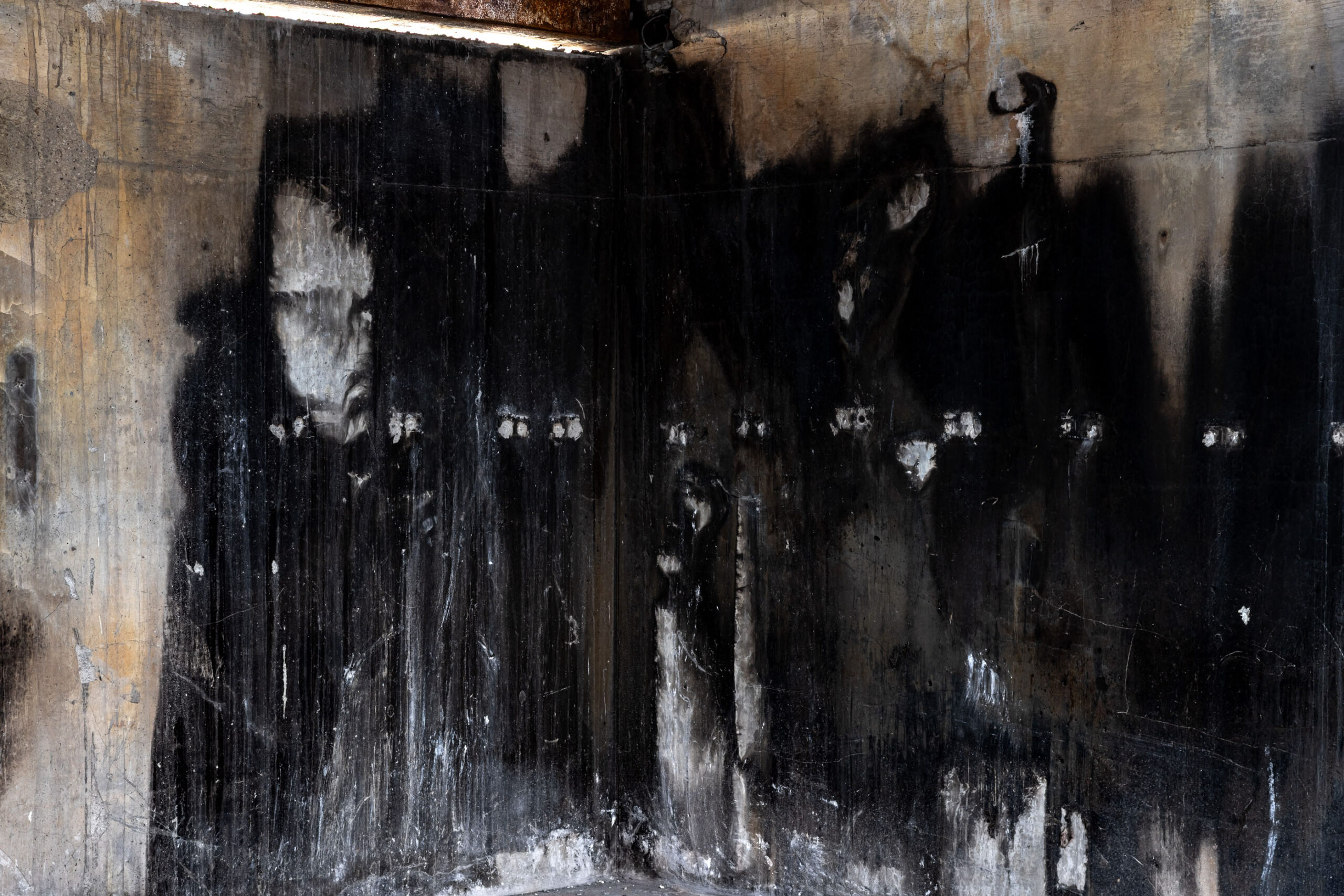
The artifacts you photograph — charred utensils, melted toys, fragments of home — carry a quiet poetry. How do you decide when an object is simply evidence and when it becomes a metaphor?

Developing a photographic project is a little like creating a new language. Meaning comes through the electricity that arcs between the images in the project and the objects, scenes or people they depict. Sometimes the language amounts to something like a tractor manual. Sometimes it erupts into poetry. So much of the meaning comes out in sequencing and editing, after the images are made. If I can nudge it in one direction or the other in the field—especially given the improvisational way I work and the specific challenges of making pictures in the Palisades Fire burn zone—it’s about approaching the subject with an open mind and at wildly different scales. I find this just gives the emergent visual language of the project more raw material to draw from, more chance at working at that symbolic level I think you’re getting at.

With the one-year anniversary approaching, what story do you hope this project tells about resilience — not as a slogan, but as a lived condition in the West’s new era of recurring disaster?
“Resilience” sounds poetic, doesn’t it? To me, it describes a quality that’s innate or passively acquired, like something is resilient because it was designed to keep bouncing back in response to pressure, adversity or indignity. But in its place, seeing what I’ve seen, I’d suggest instead “grit.” We may never fully bounce back from the damage that we’re doing to ourselves. We may not prove to be resilient in that way. This recognition is painful and scary. But it’s our grit and determination to survive and to fix what’s broken that will define how we come through the storm, and what the world looks like after.

When you imagine this work finding its home — whether in print, exhibition, or film — what kind of dialogue do you want it to open about how we inhabit and remake these wounded landscapes?
More than anything, I want the faces and stories of the people doing this kind of environmental demolition and salvage work—not just in the Pacific Palisades or Altadena but across the board—to be seen and understood more widely. For their sake, because the work is quietly heroic I think, but also for all of ours. We need to believe that recovery from the unimaginable is possible. We need an aesthetic space to share grief about our accumulating losses of home and place. I hope that this project and my wider work add a bit of heft to conversations about whether and how to rebuild, how to live in these places better, how to pick a righteous path forward for once.

The Art of the Personal Project: Howard Schatz

The Art of the Personal Project is a crucial element to let potential buyers see how you think creatively on your own.  I am drawn to personal projects that have an interesting vision or that show something I have never seen before.  In this thread, I’ll include a link to each personal project with the artist statement so you can see more of the project. Please note: This thread is not affiliated with any company; I’m just featuring projects that I find.  Please DO NOT send me your work.  I do not take submissions.

Today’s featured artist:  Howard Schatz

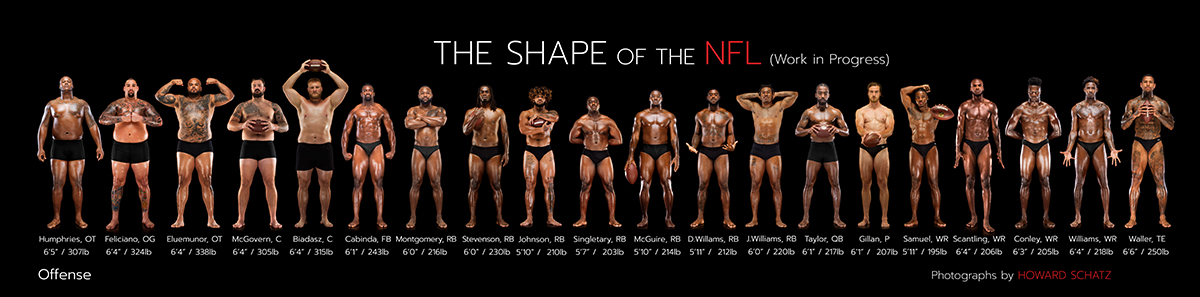
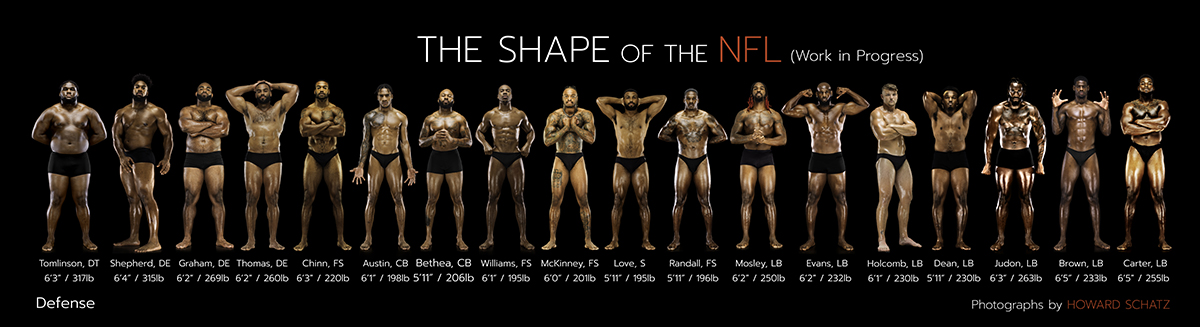
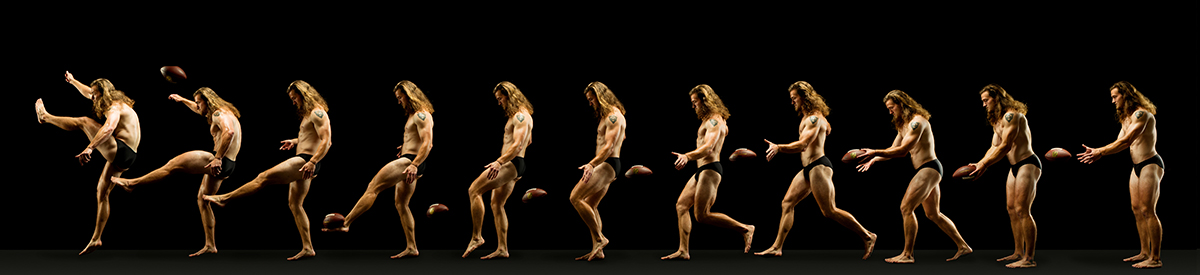
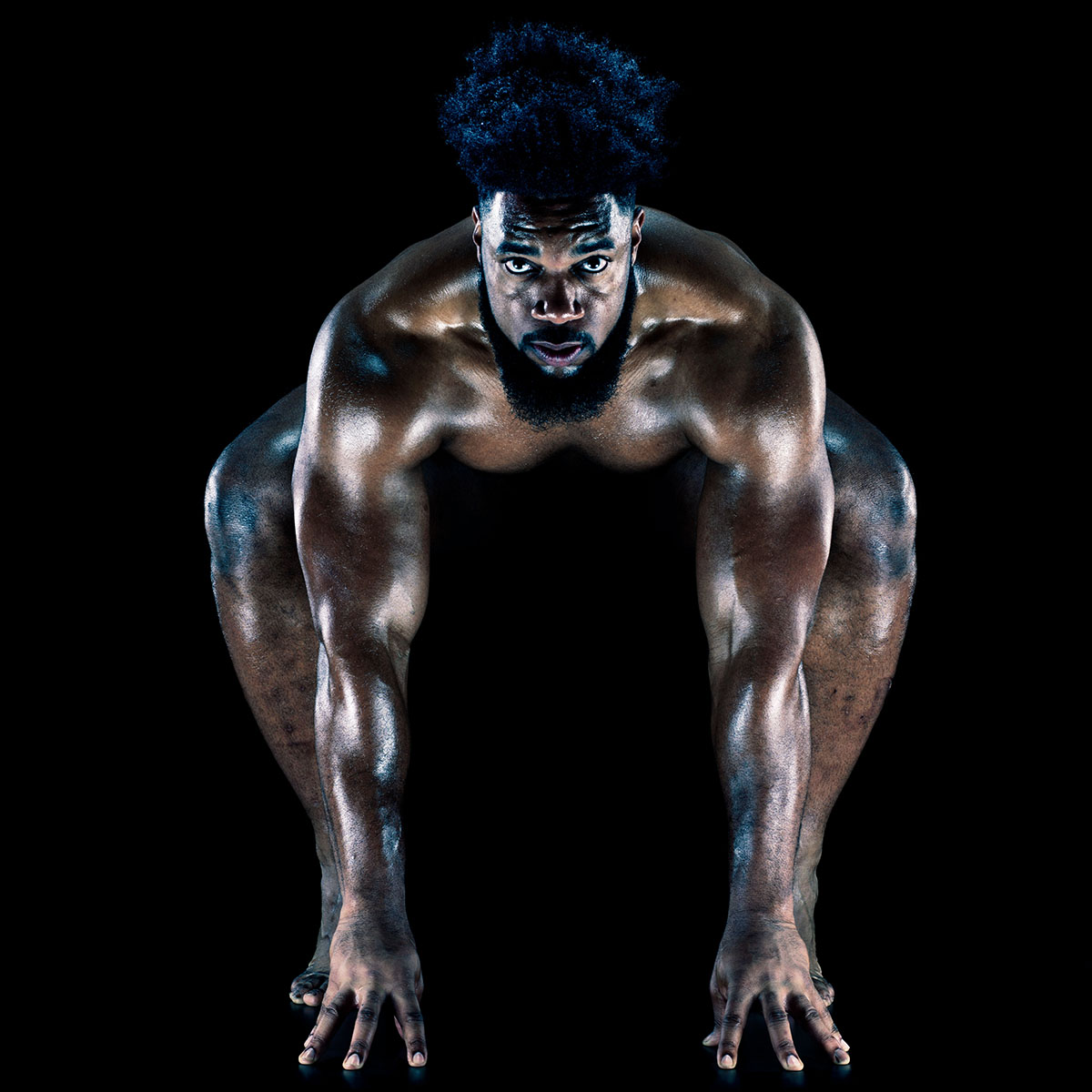
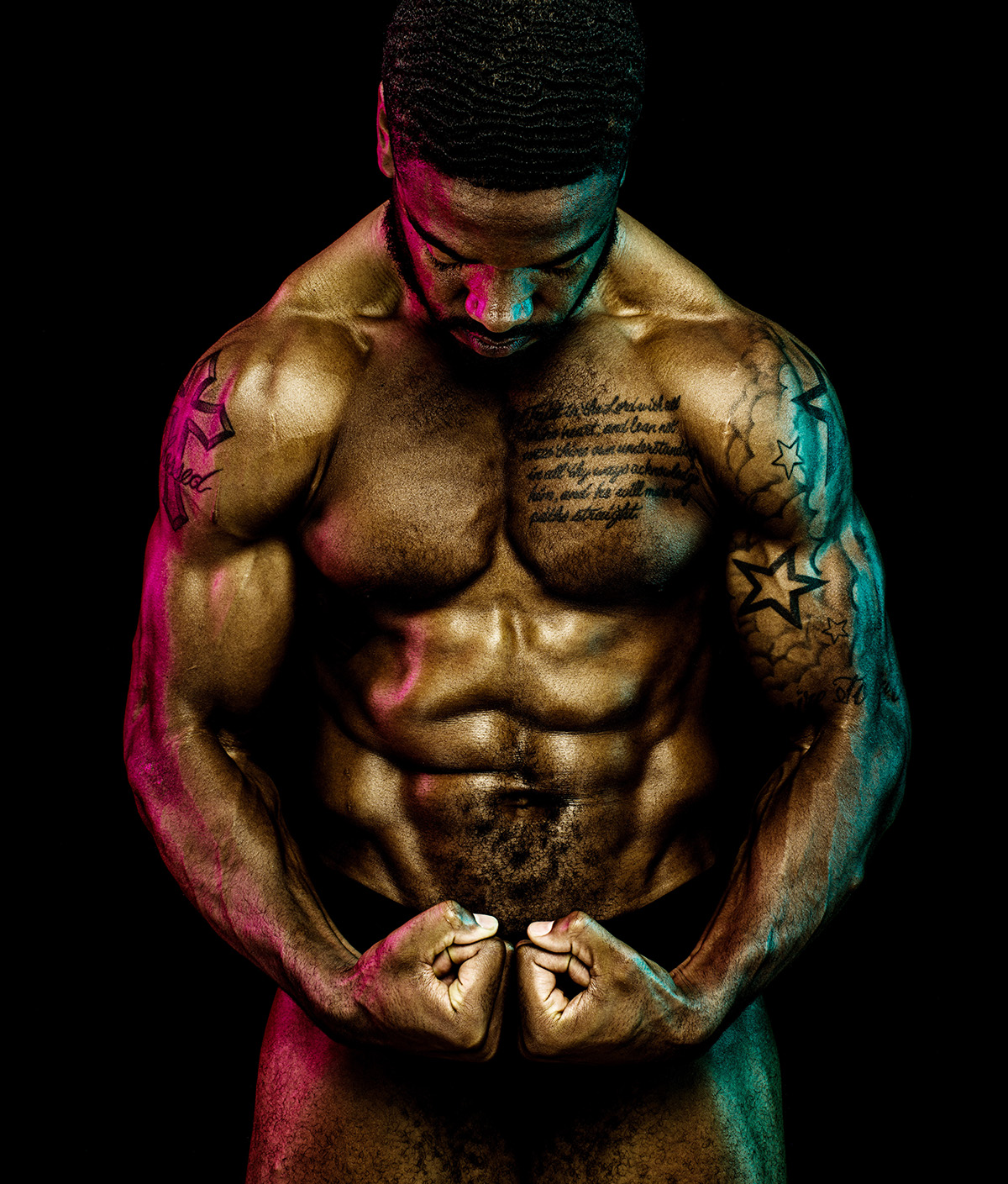
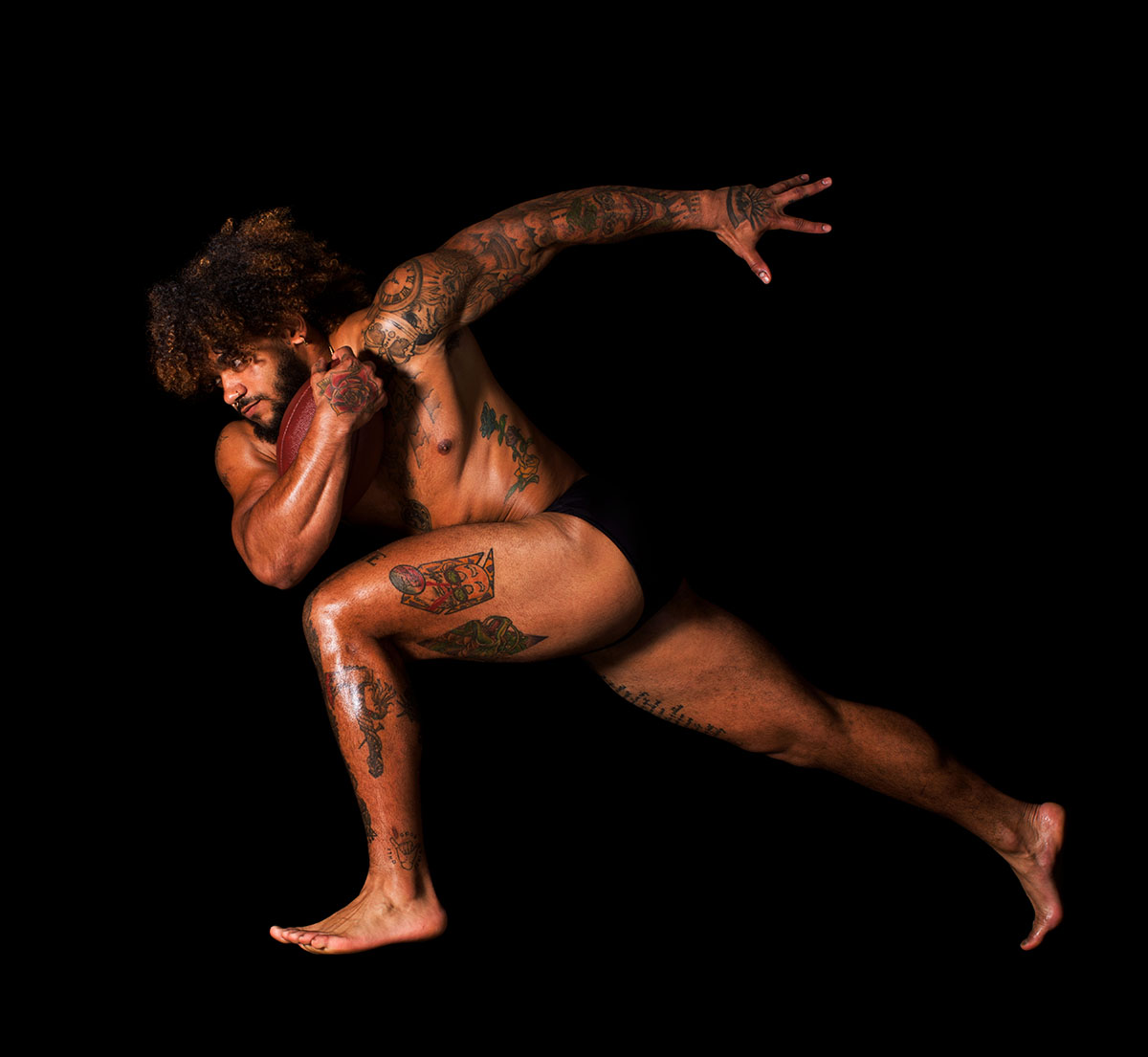
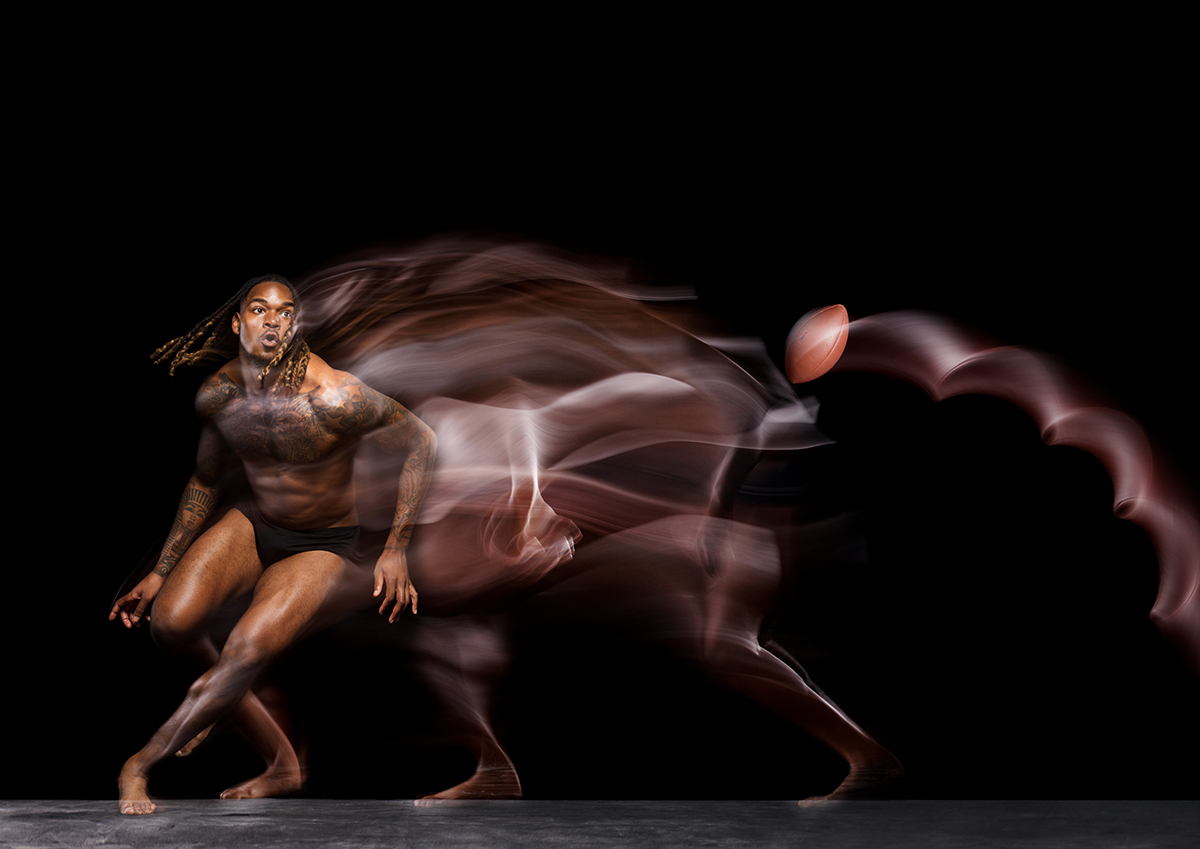
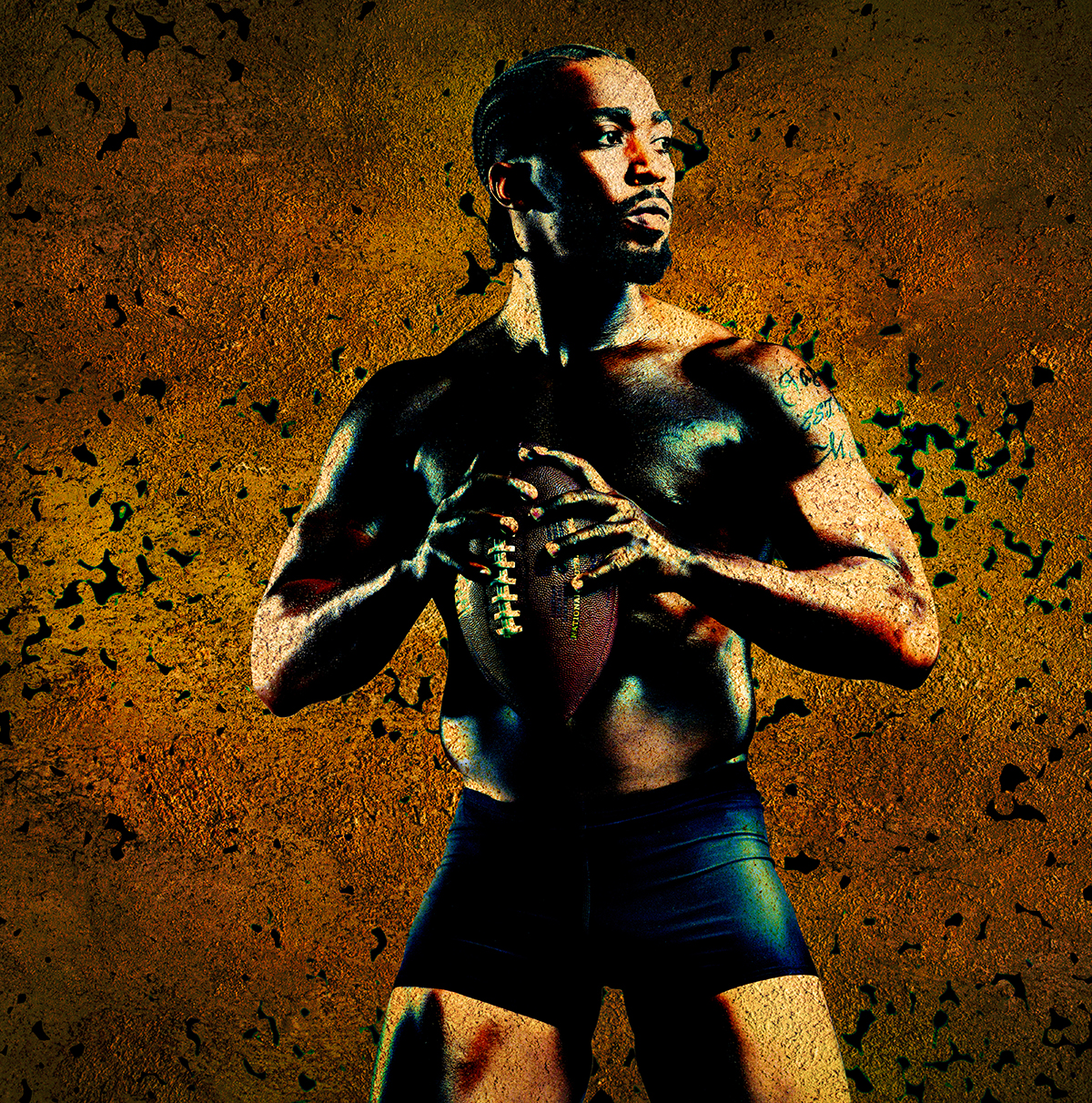
More than almost any other sport, football has specific functions at every position that, in general, require an “ideal” physical structure to perform well in each of the roles filled by offensive and defensive players.

Two examples: An offensive lineman’s main purpose is to create a wall to protect his quarterback or to open lanes for running backs. They must be very large, often 300 pounds or more, with the power necessary to prevent equally large defenders from breaking through the offensive line.

Defensive backs must be lightning split-second quick and able to run backwards and sideways almost as fast as forward.  They are powerful and fast.

My goal is to show, dramatically and artistically, how an individual player’s physique uniquely suits the specialized demands of his position. The nature and nurture of an athlete’s body to “fit” a sport’s physical requirements fascinates me.

NFL – Offense
NFL – Defense
NFL  All Players Lineup

NFL Blessuan Austin -Cornerback

NFL  Chris Conley -Wide Receiver

NFL JGillan – Punter

NFL Nathan Shepard -Denensive End

NFL  Jeremy Chinn -Safety

NFL Ty Johnson – Running Back

NFL  Jamien Sherwood – Linebacker
NFL  Tyrod Taylor – Quarterback

To see more of this project, click here

Instagram

Suzanne Sease is a creative consultant and former ad-agency senior art buyer. She works with both emerging and established photographers and illustrators to create cohesive, persuasive presentations that clients can’t resist.

Suzanne offers something rare: an insider’s perspective on how client’s source creative talent. Her deep understanding of the industry is underscored by her impressive resume: 11 years as senior art buyer at The Martin Agency, seven years as an art producer for Capital One, and stints with the art-buying department at Kaplan-Thaler and the creative department at Best Buy, where she applied her expertise to reviewing bids to see which were most likely to come in on budget. Over the years, Suzanne has worked with a wildly diverse range of clients, including Seiko, Wrangler, Bank One, AFLAC, and Clairol Herbal Essence. Now, as a consultant, she is equipped to problem-solve for her clients from an unusually dynamic point of view.

As a longtime member of the photo community, Suzanne is also dedicated to giving back. Through her Art of the Personal Project column on the popular website aphotoeditor.com, she highlights notable personal projects by well-known and up-and-coming photographers. The column offers these artists excellent exposure while reflecting Suzanne’s passion for powerful imagery.
Instagram

The Daily Edit – Jim Bailey talks about wild light in the landscape and atomic level experiments

 
Heidi: You operate in two modes: the rigorous, hypothesis-driven mode of science and the intuitive mode of art. How do you manage or integrate these two?
Jim: Science and art have more similarities than differences. The goals are the same: scientists and artists strive to create something that didn’t previously exist. Scientists create knowledge of objective natural truth. Artists create objects that communicate their view of the truth. I don’t know where the ability to create originates, but for me it is the same for both science and art. It’s mysterious.

In your experiments at the Z-machine laboratory — where you heat atoms to million-degree temperatures to study how atoms around stars and black holes interact with light — how do the physical behaviours you observe inform your photography?
Visual patterns recur in my scientific measurements and in my art. In atomic physics we have to decode the patterns to understand what the atoms are telling us. The patterns arise because quantum mechanics dictates them. The patterns change depending on the local conditions – temperature, or density. Studying those patterns becomes a way to learn about nature elsewhere in the universe. Patterns also appear naturally on the earth and because of our human attempts to alter nature. I want to understand what those patterns have to say about our world and art provides a way to communicate what I find. IMAGE BELOW: James shared an image from Sandia National Laboratory in New Mexico where he and his colleagues have now measured the opacity of one of the Sun’s most important elements for radiation transport—oxygen—at densities and temperatures high enough to test photon-absorption models.
Working at extremes of temperature and density in your lab gives you a vantage point on the universe’s fundamental behaviours. Does this exposure to “extreme scale” shift how you perceive pattern, structure or abstraction in your photo work?
I’m fascinated by scale variations. The same metals and organic elements that constitute our surroundings on earth are found in the middle of the Sun. The ice crystals in my cooler form giant glaciers. The spiral flow of water entering a drain is appears similar to the pattern of a galaxy.

How do you navigate or translate between the “wild light” of the landscape and the controlled light of atomic-scale experiments?
It’s all “wild light”. We may stimulate certain behaviors in the atoms we study, but we don’t control how the atoms respond. We observe and if we are fortunate, we begin to understand. It’s the same in nature.

With thirty years of printing in the traditional darkroom shaping your intuition-inspired camera work and printmaking, what processes are you currently excited about?
Intuition inspires and craft translates. It’s a golden age for the craft of image making. Digital cameras provide quality combined with versatility that didn’t exist with film, for the images I want to make. I often photograph in bad weather that would prohibit operating a view camera, for example. Other artists have different goals and may draw different conclusions. I still have my view camera and my beloved Mamiya 7, but they sit in a closet while I create digital images. The marriage of digital methods and modern adaptations of historical methods is another revolution. I don’t consider an image complete until I make a print. Nowadays it is possible to make polymer intaglio (photogravure) prints using non-toxic materials. I enjoy creating handmade prints and the gravure process enables me to make satisfying images without the chemicals. There are many other possibilities – salt print, carbon prints, Mokulito, …. I want to try them all!

What observations have you made about nature as an athlete and an artist?

Nature is the boss. If we forget, we flail. As artists or athletes or human beings.

What do you hope the viewers walk away with after taking in your work?
I hope they have a reaction. It’s ok if they enjoy an image for its beauty alone. I have an intellectual concept for almost every image, but I recognize that every viewer will have a different interpretation. I’m always excited to learn how someone’s thoughts were stimulated by an image, even if the direction of their thoughts is different from mine. Of course, it’s especially rewarding when someone reads an image and gets what I was trying to communicate, but that’s a bonus.

You describe yourself as a “persistent wilderness journeyman” and you’ve visited wild places thousands of times. How does the experience of being immersed in the natural world shape the way you think about light, scale, and time — both in your science work and your visual art?
I’m certain that immersion in the natural world alters my consciousness and affects the art and science I make. It’s not easy to define exactly how that happens. Scientific ideas percolate below the surface when I’m in wild places. Later they emerge, and sometimes they are even good ideas. The influence on my art is more direct. My image making depends on participating, on living in the wild as fully as I can. I visit as many different wild zones as I can, but it’s true that New Mexico is special for me. I live next to wilderness, both in Albuquerque and Taos. I know those places, but time hasn’t reduced my sensation of wonder and discoveries I couldn’t anticipate happen still.