The Art of the Personal Project is a crucial element to let potential buyers see how you think creatively on your own. I am drawn to personal projects that have an interesting vision or that show something I have never seen before. In this thread, I’ll include a link to each personal project with the artist statement so you can see more of the project. Please note: This thread is not affiliated with any company; I’m just featuring projects that I find. Please DO NOT send me your work. I do not take submissions.
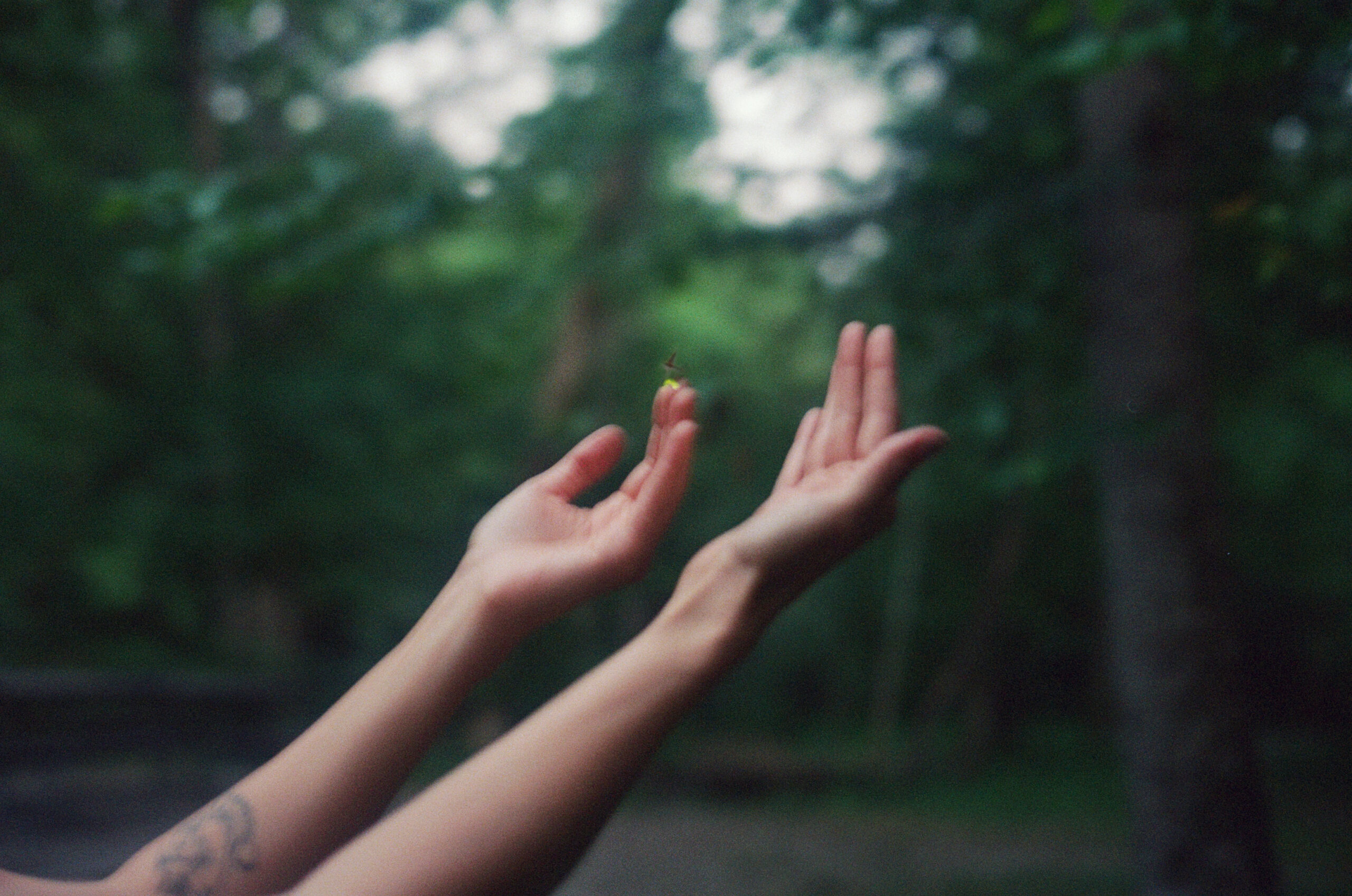
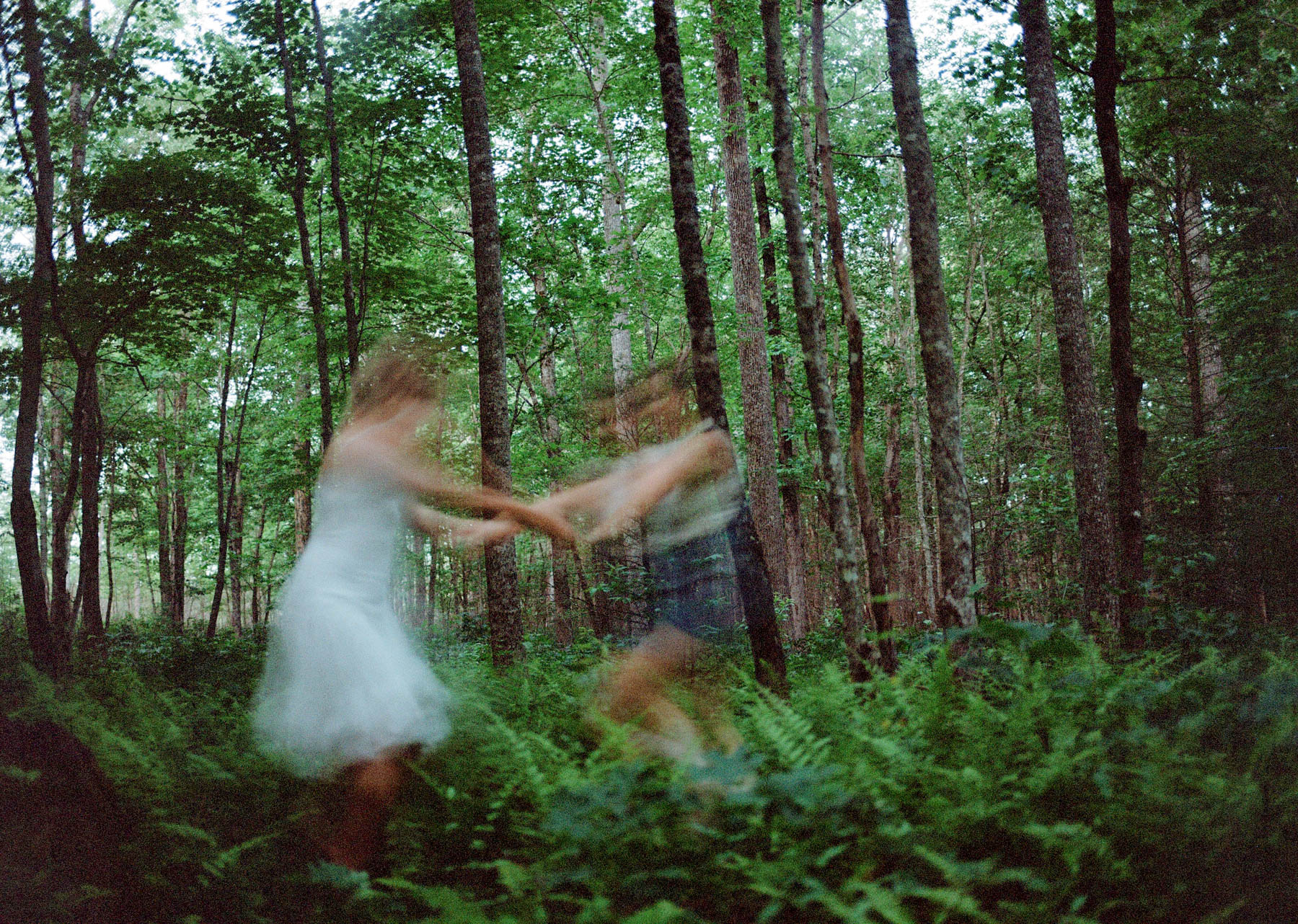
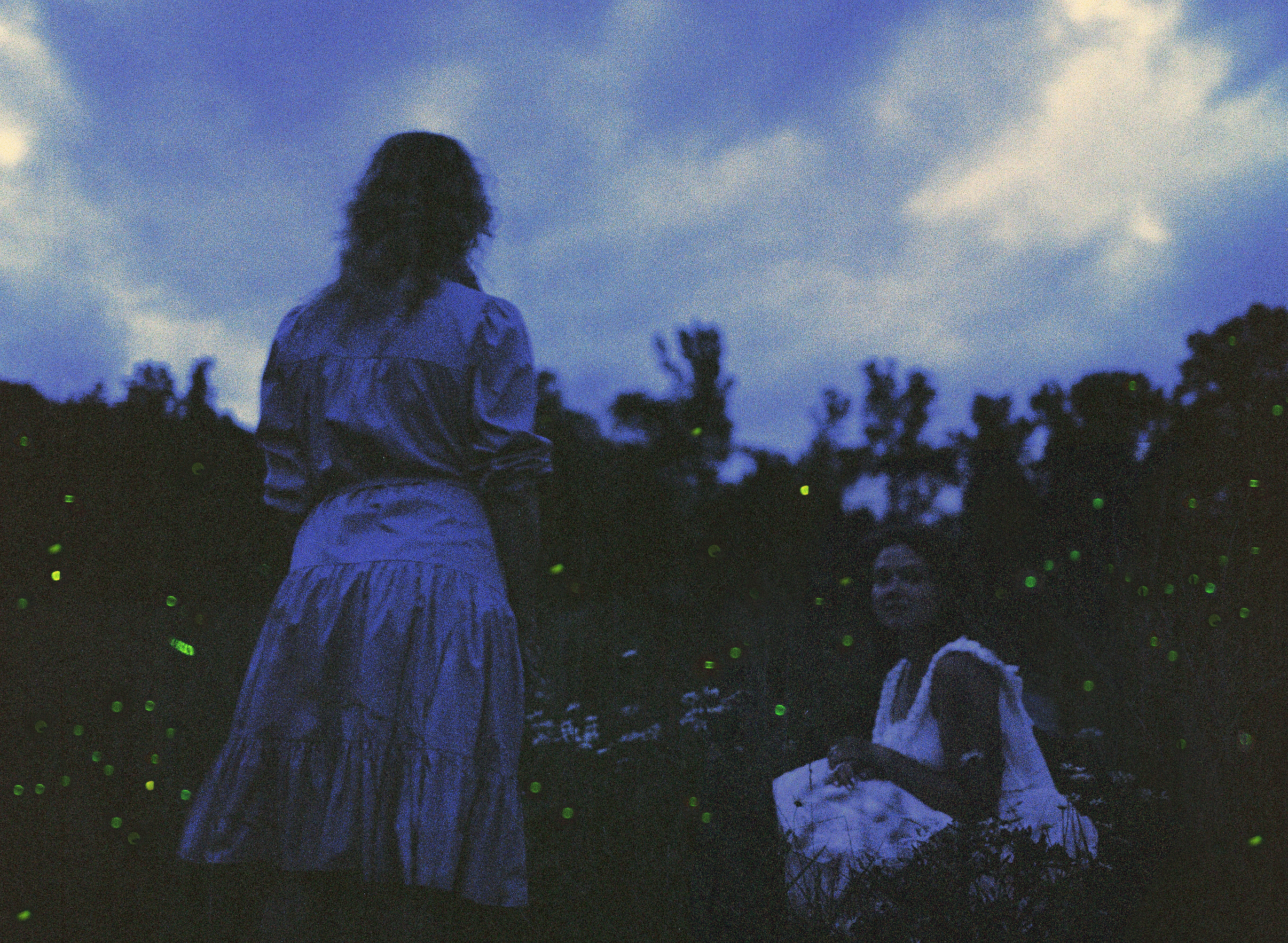
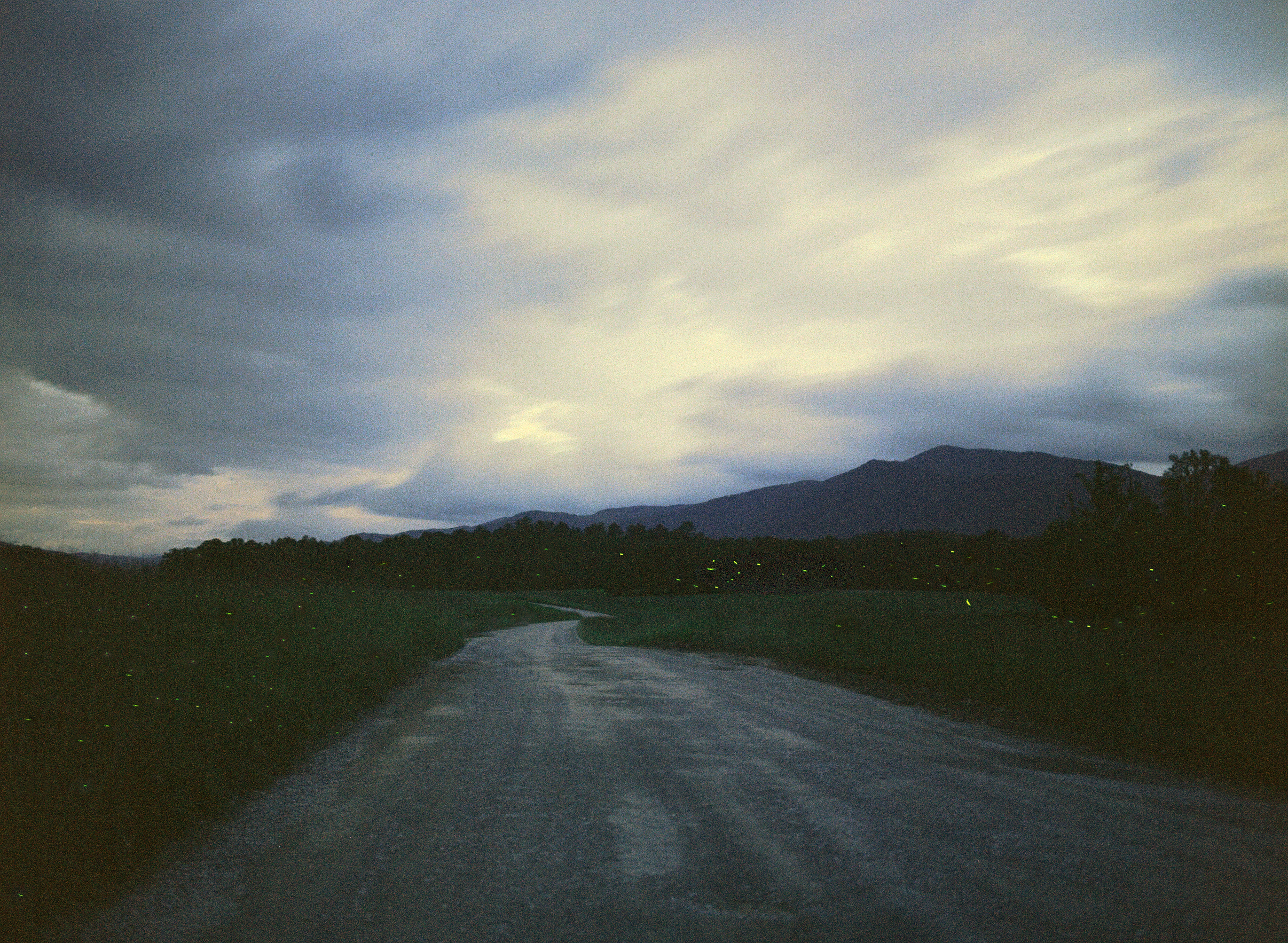
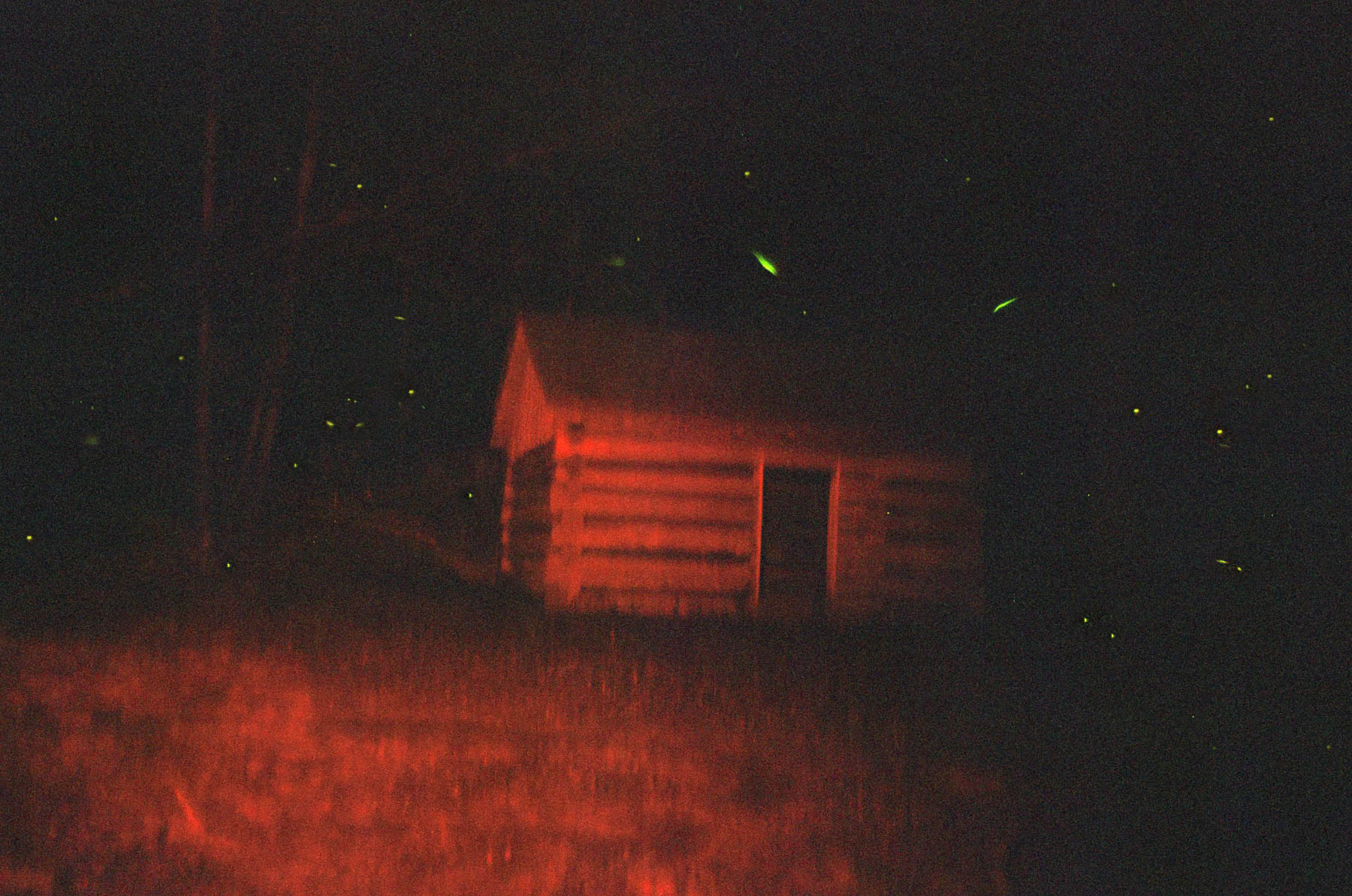
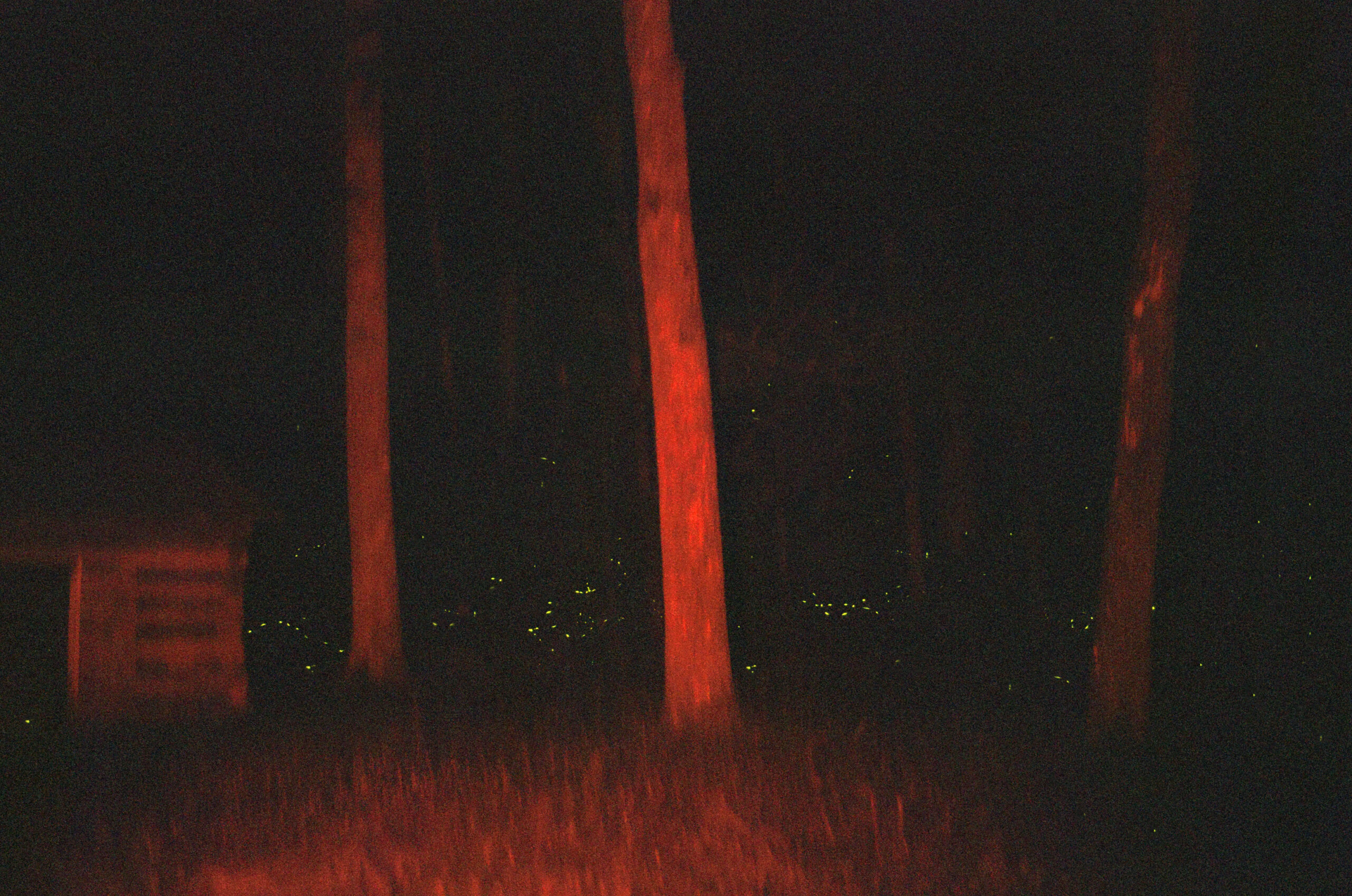
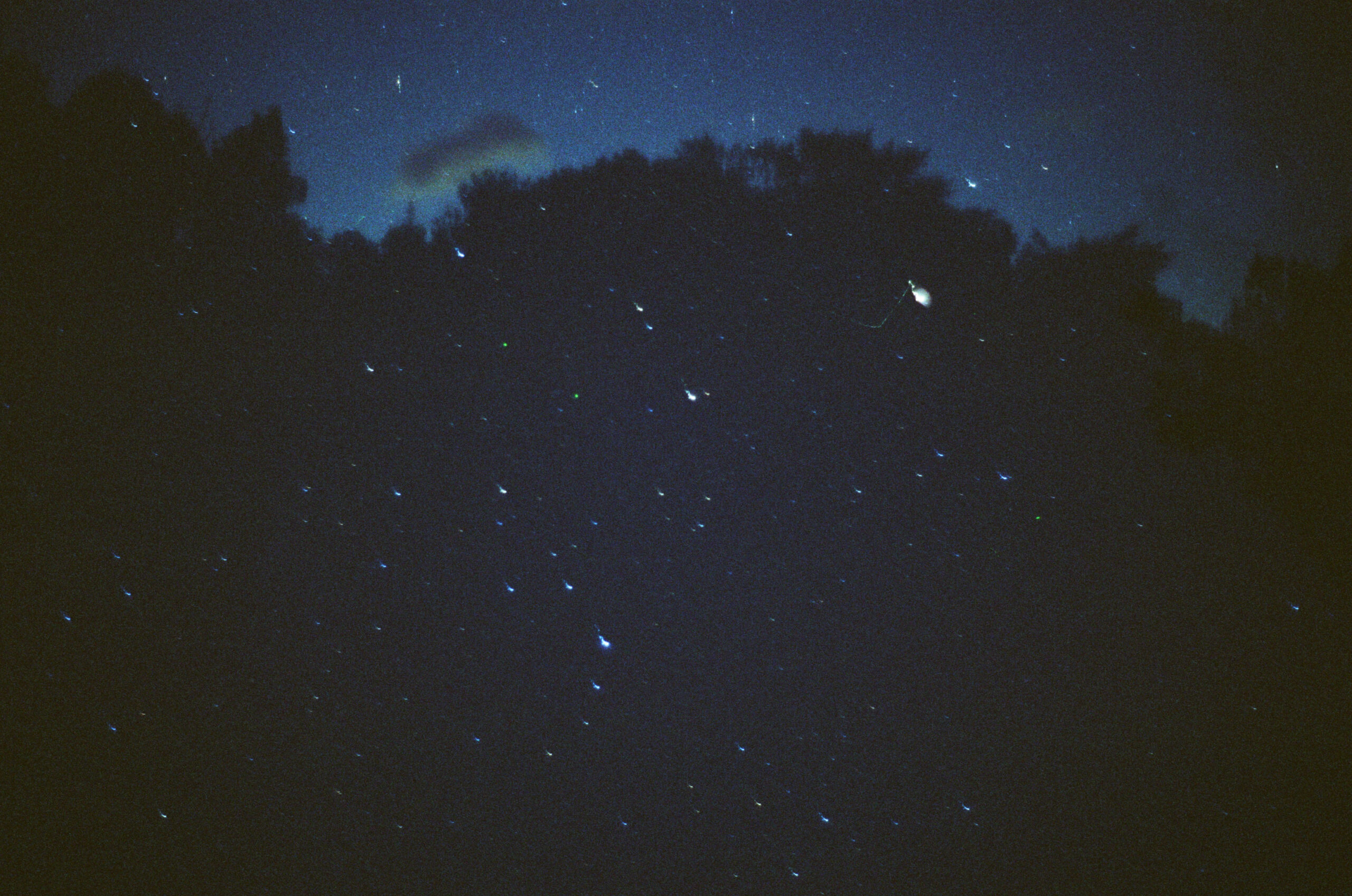
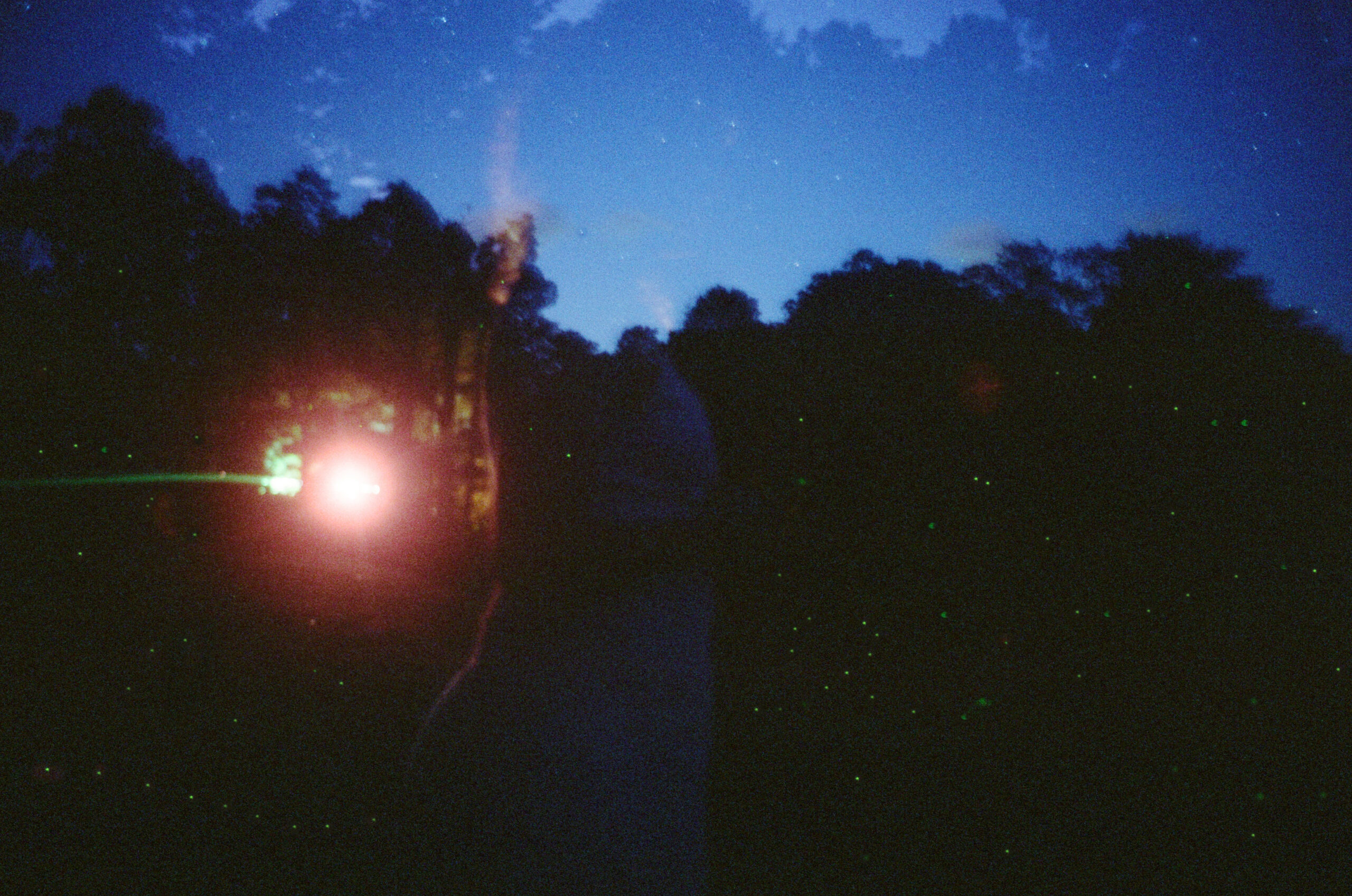
My best friend Dylan and I went to Southern Appalachia to experience the natural phenomenon that is the synchronous fireflies’ mating ritual that happens in the late spring. I was newly pregnant with my now one year old daughter, and everything was about to change. These images and her essay document witnessing this supernatural event through the lens of our friendship — and a friendship shifting. I photographed us dancing, waiting for the light to dim so that we could see the forest light up like Christmas lights. I photographed a single firefly landing on her hand. I photographed the fireflies double exposed with the stars, foils of each other in nature. Every night for a week, we explored the Great Smoky Mountains National Park in the dark, waiting to see if the spot we found on Reddit held the magic we sought. About half of the time, it did. For 30 minutes, the light show was absolutely out of this world. I have truly never seen anything like it in my life.
I made the choice to shoot film which I only half regret. It was definitely the most challenging scene to shoot: it was dark (naturally), and fireflies are small, and they move. I pushed all my film and with each closing of the shutter during my long exposures, I really took a chance with God. About half of my pictures ended up completely black, while the other ones glimmered with a sliver of the magic I had seen with my two eyes. Every time there was a frame with even a distant feeling of being an image, I held on to it to see what it might mean.
The experience is a difficult one to put into words, but Dylan wrote an incredible essay about our experience, to see more of this project see Dylan’s incredible essay, click here
Suzanne Sease is a creative consultant and former ad-agency senior art buyer. She works with both emerging and established photographers and illustrators to create cohesive, persuasive presentations that clients can’t resist.
Suzanne offers something rare: an insider’s perspective on how client’s source creative talent. Her deep understanding of the industry is underscored by her impressive resume: 11 years as senior art buyer at The Martin Agency, seven years as an art producer for Capital One, and stints with the art-buying department at Kaplan-Thaler and the creative department at Best Buy, where she applied her expertise to reviewing bids to see which were most likely to come in on budget. Over the years, Suzanne has worked with a wildly diverse range of clients, including Seiko, Wrangler, Bank One, AFLAC, and Clairol Herbal Essence. Now, as a consultant, she is equipped to problem-solve for her clients from an unusually dynamic point of view.
As a longtime member of the photo community, Suzanne is also dedicated to giving back. Through her Art of the Personal Project column on the popular website aphotoeditor.com, she highlights notable personal projects by well-known and up-and-coming photographers. The column offers these artists excellent exposure while reflecting Suzanne’s passion for powerful imagery.
The Art of the Personal Project is a crucial element to let potential buyers see how you think creatively on your own. I am drawn to personal projects that have an interesting vision or that show something I have never seen before. In this thread, I’ll include a link to each personal project with the artist statement so you can see more of the project. Please note: This thread is not affiliated with any company; I’m just featuring projects that I find. Please DO NOT send me your work. I do not take submissions.
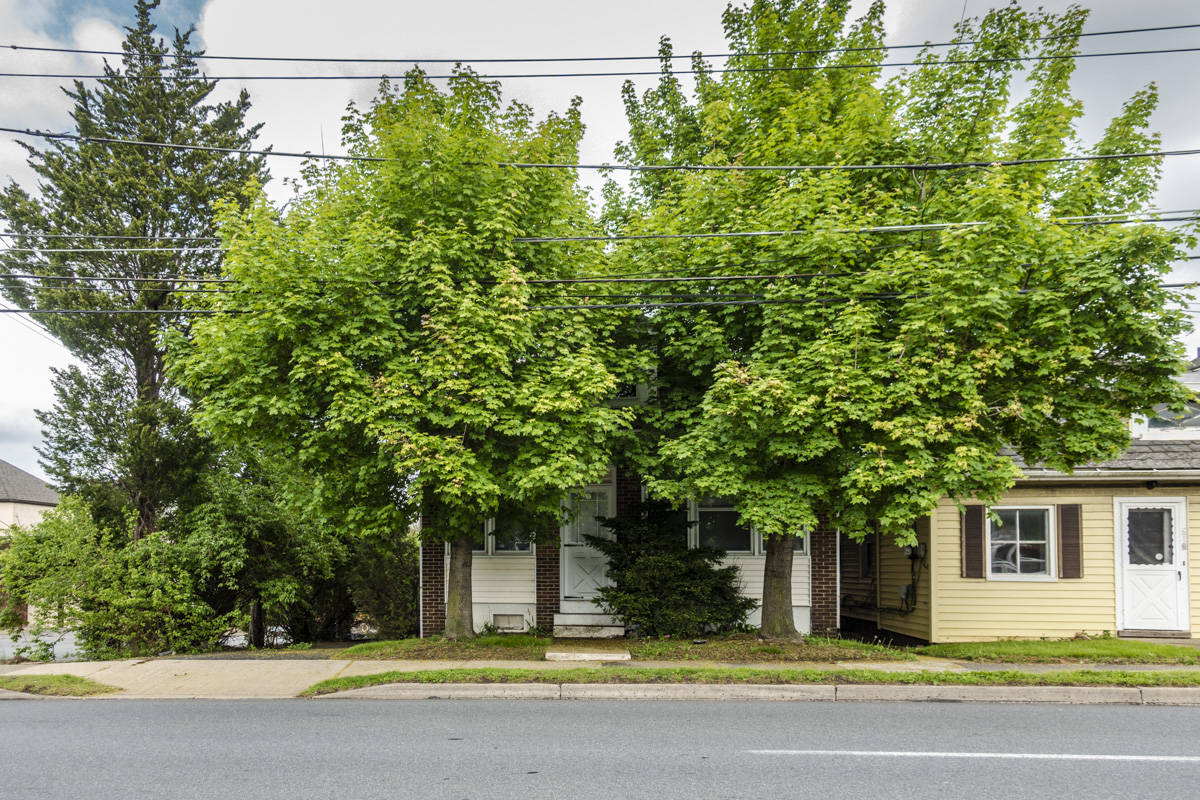
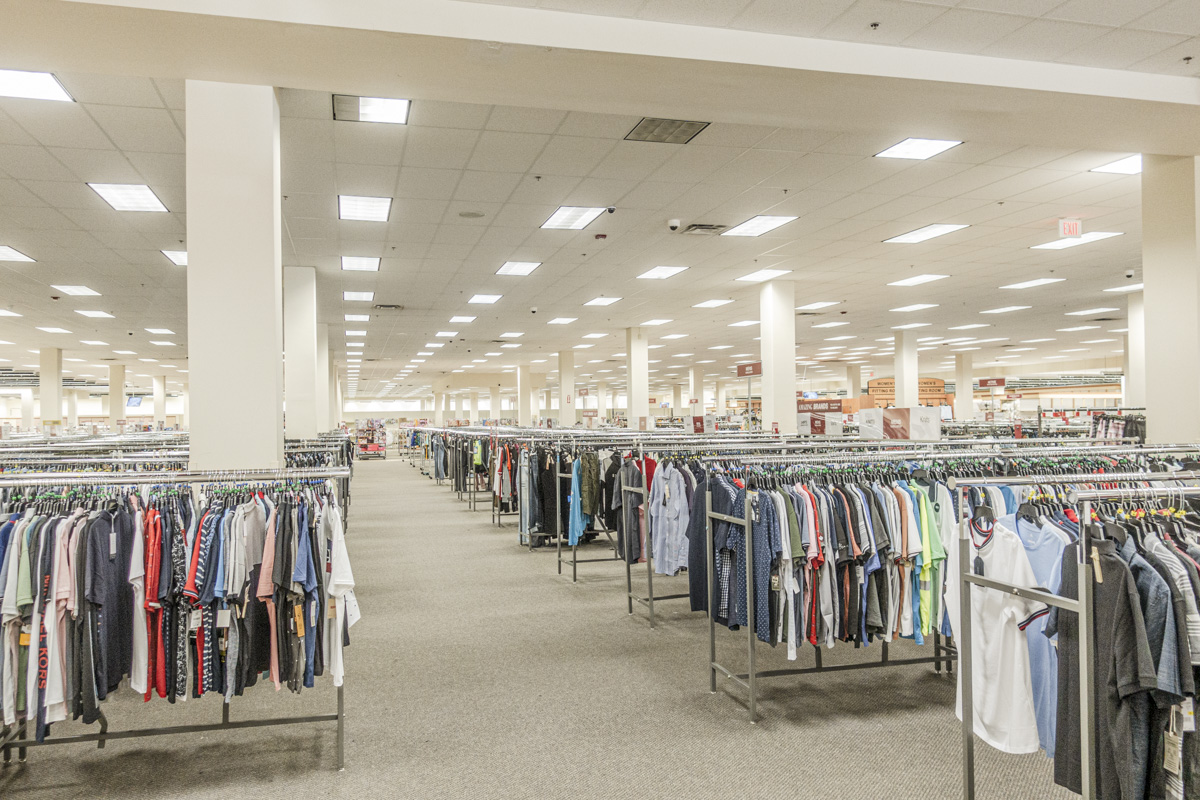
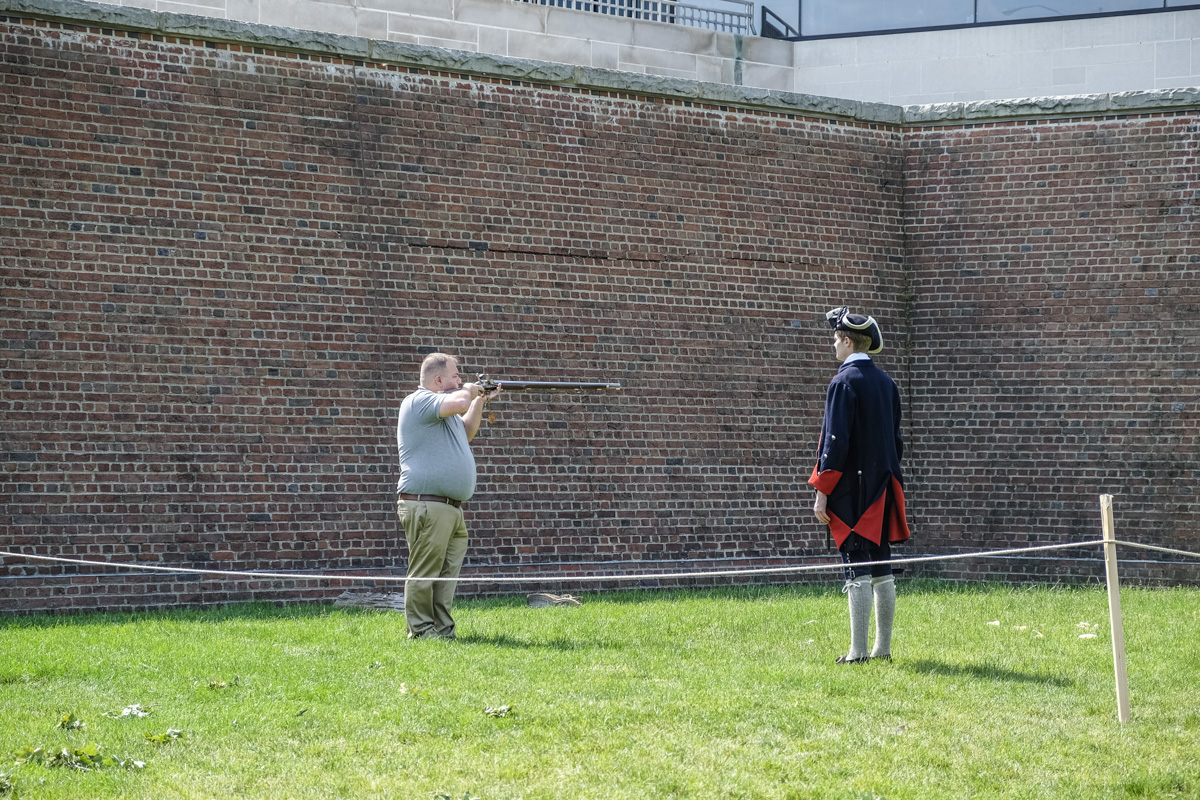
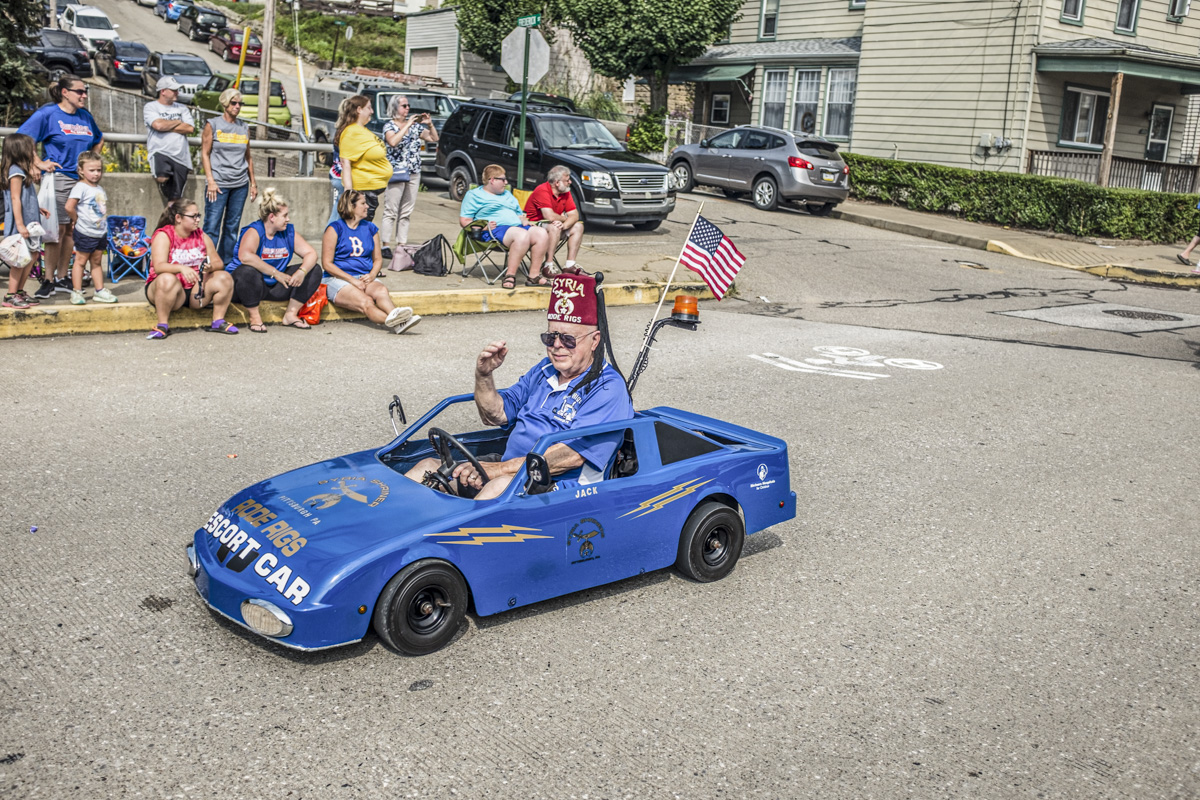
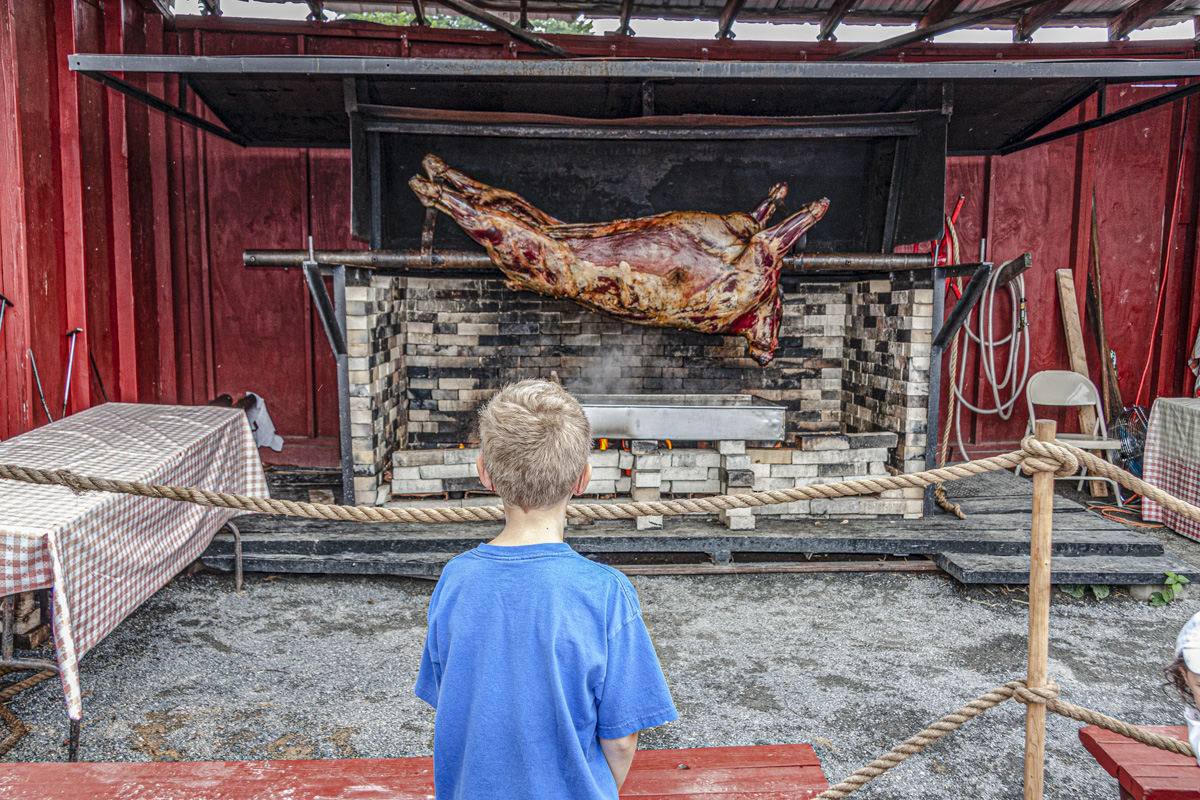
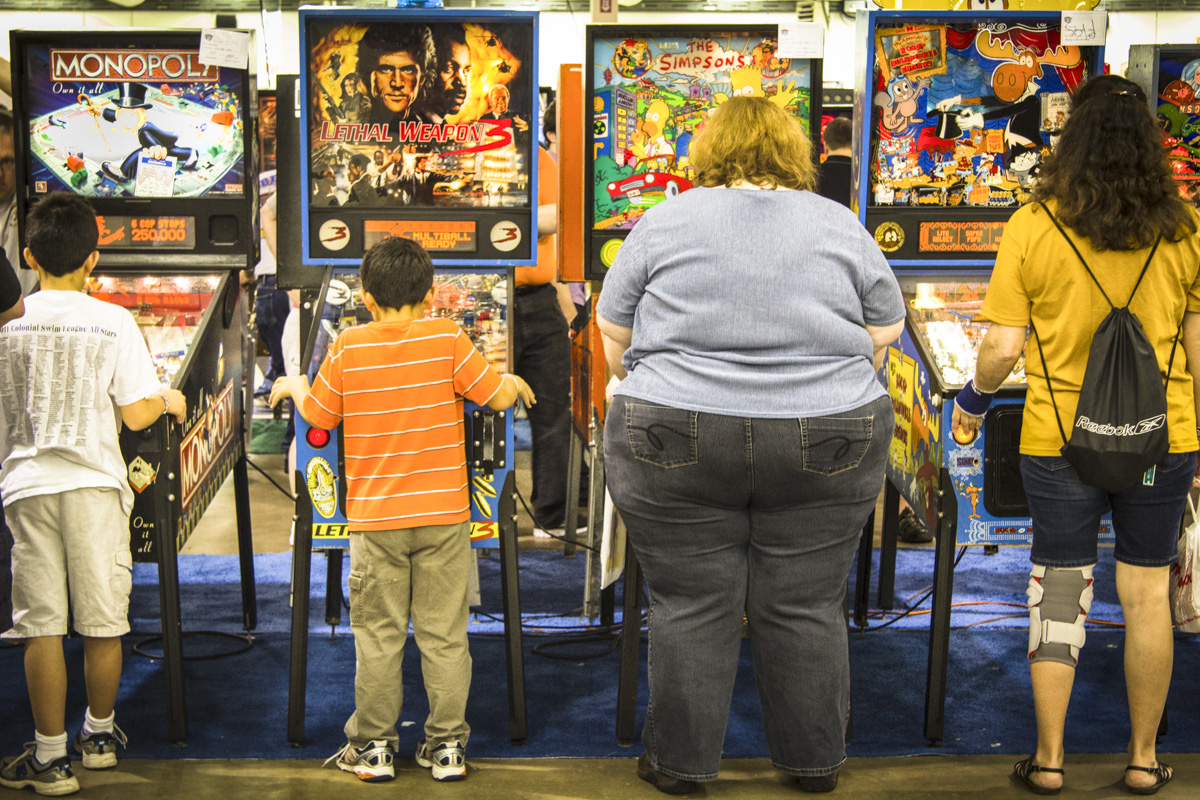
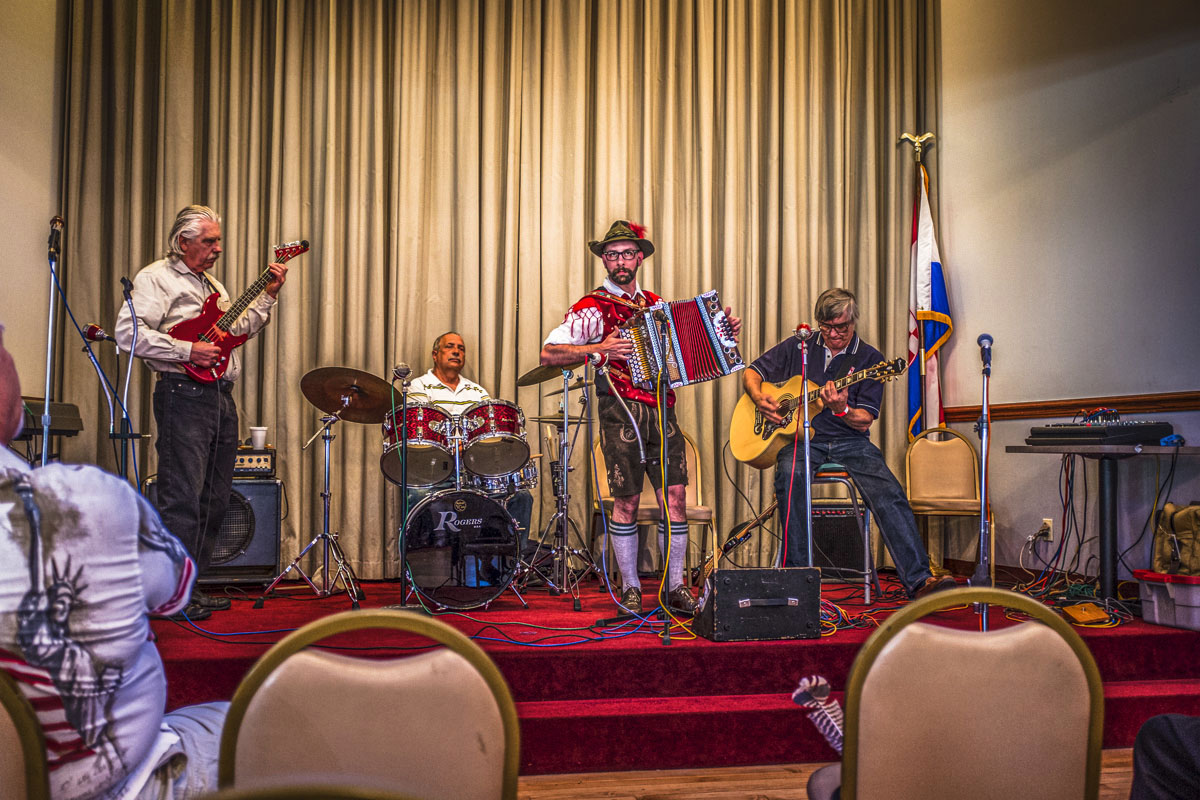
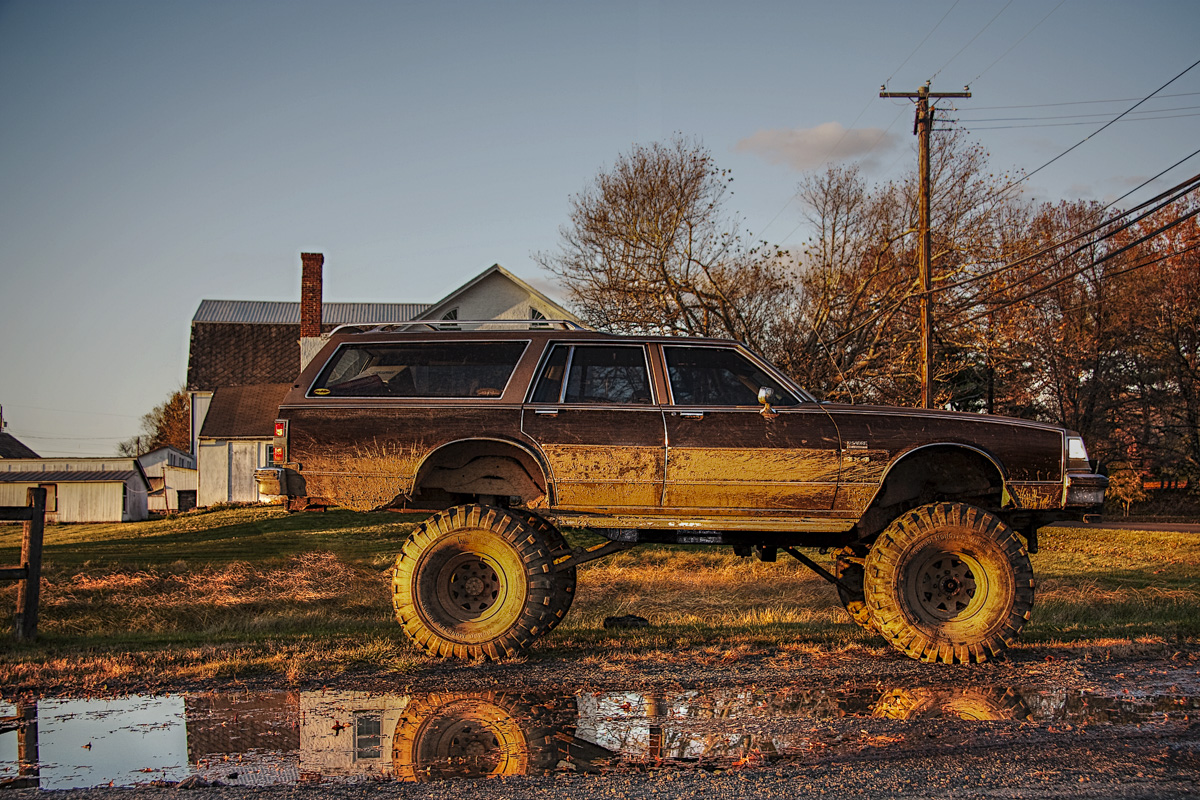
I grew up in Brooklyn and lived most of my life in NYC–never really thinking about living outside of the energy and tumult of the Big Apple. Then, during COVID, my wife and I moved to farm country in Pennsylvania.
‘A Pennsylvania Project’ explores life in rural America–the ‘fly over country’ full of beauty, quirkiness and small-town values. Here, I looked for and found life far from the glamour and rhythm of our esteemed cities. I found life grounded in a working-class and sometimes rebellious perspective that is, hopefully, to some degree, at the heart of us all.
Suzanne Sease is a creative consultant and former ad-agency senior art buyer. She works with both emerging and established photographers and illustrators to create cohesive, persuasive presentations that clients can’t resist.
Suzanne offers something rare: an insider’s perspective on how client’s source creative talent. Her deep understanding of the industry is underscored by her impressive resume: 11 years as senior art buyer at The Martin Agency, seven years as an art producer for Capital One, and stints with the art-buying department at Kaplan-Thaler and the creative department at Best Buy, where she applied her expertise to reviewing bids to see which were most likely to come in on budget. Over the years, Suzanne has worked with a wildly diverse range of clients, including Seiko, Wrangler, Bank One, AFLAC, and Clairol Herbal Essence. Now, as a consultant, she is equipped to problem-solve for her clients from an unusually dynamic point of view.
As a longtime member of the photo community, Suzanne is also dedicated to giving back. Through her Art of the Personal Project column on the popular website aphotoeditor.com, she highlights notable personal projects by well-known and up-and-coming photographers. The column offers these artists excellent exposure while reflecting Suzanne’s passion for powerful imagery.
Heidi: How did your HEFAT training influence the way you approached the Minneapolis scene — both in terms of keeping yourself safe and in how you mentally and emotionally navigated the tension of the protest? Pierre: Being situationally aware is crucial, and that’s something Global Journalism Security really drove home during their 3-day HEFAT course I took last August in D.C. Like many photojournalists, I have a family/loved-ones to get home to, so I want to be as safe as possible. To me, being safe in a hostile environment means being prepared and preparedness is achieved by learning how to conduct yourself in such an environment. It’s not magic. It takes time and practice. GJS provides the opportunity to learn and practice skills that might come in handy, like navigating a mob or splinting a leg. I can’t recommend GJS enough — they’re a top-notch outfit, I learned a lot, and honestly enjoyed every minute of it. My only regret is not having done it when I first started.
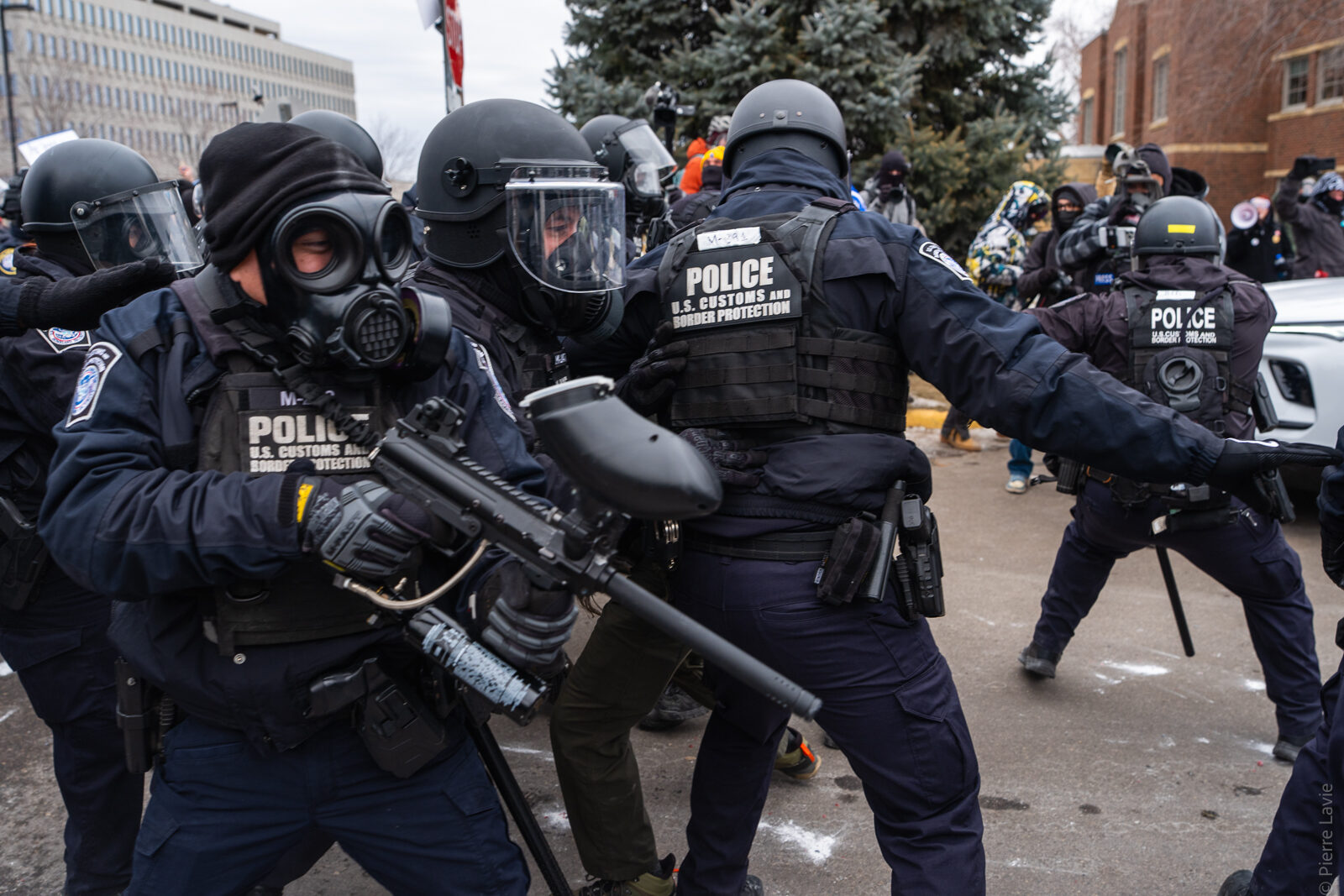
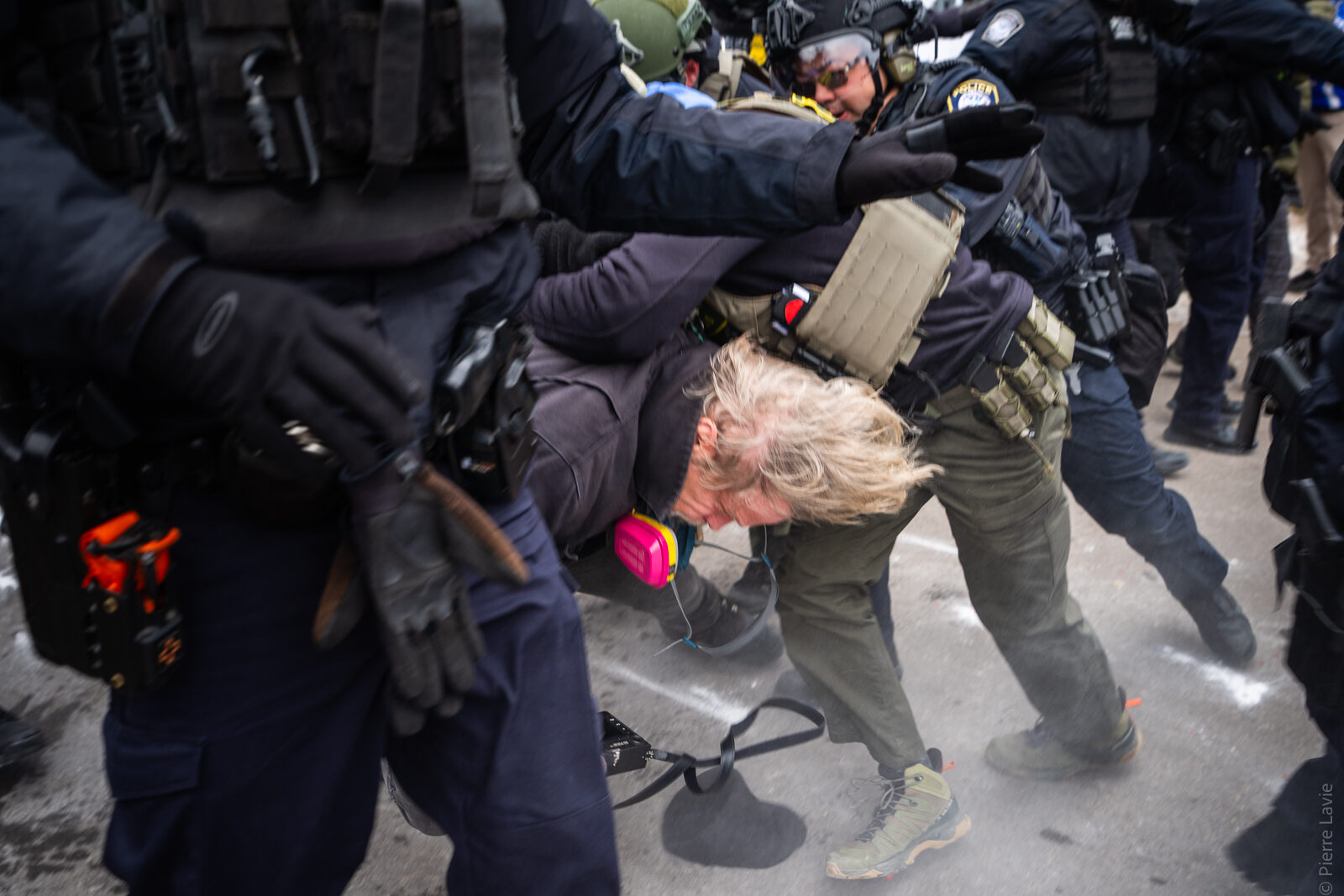
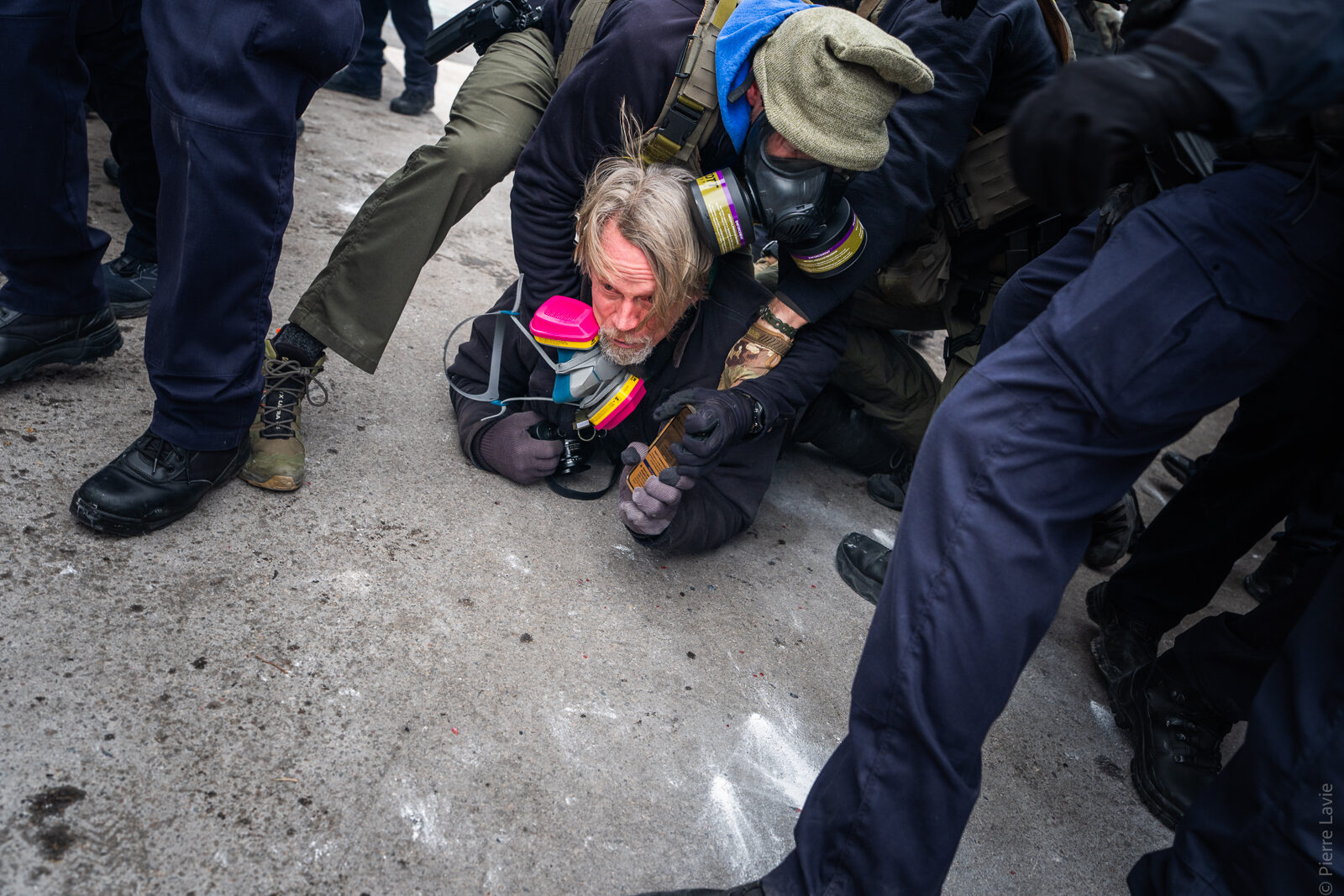
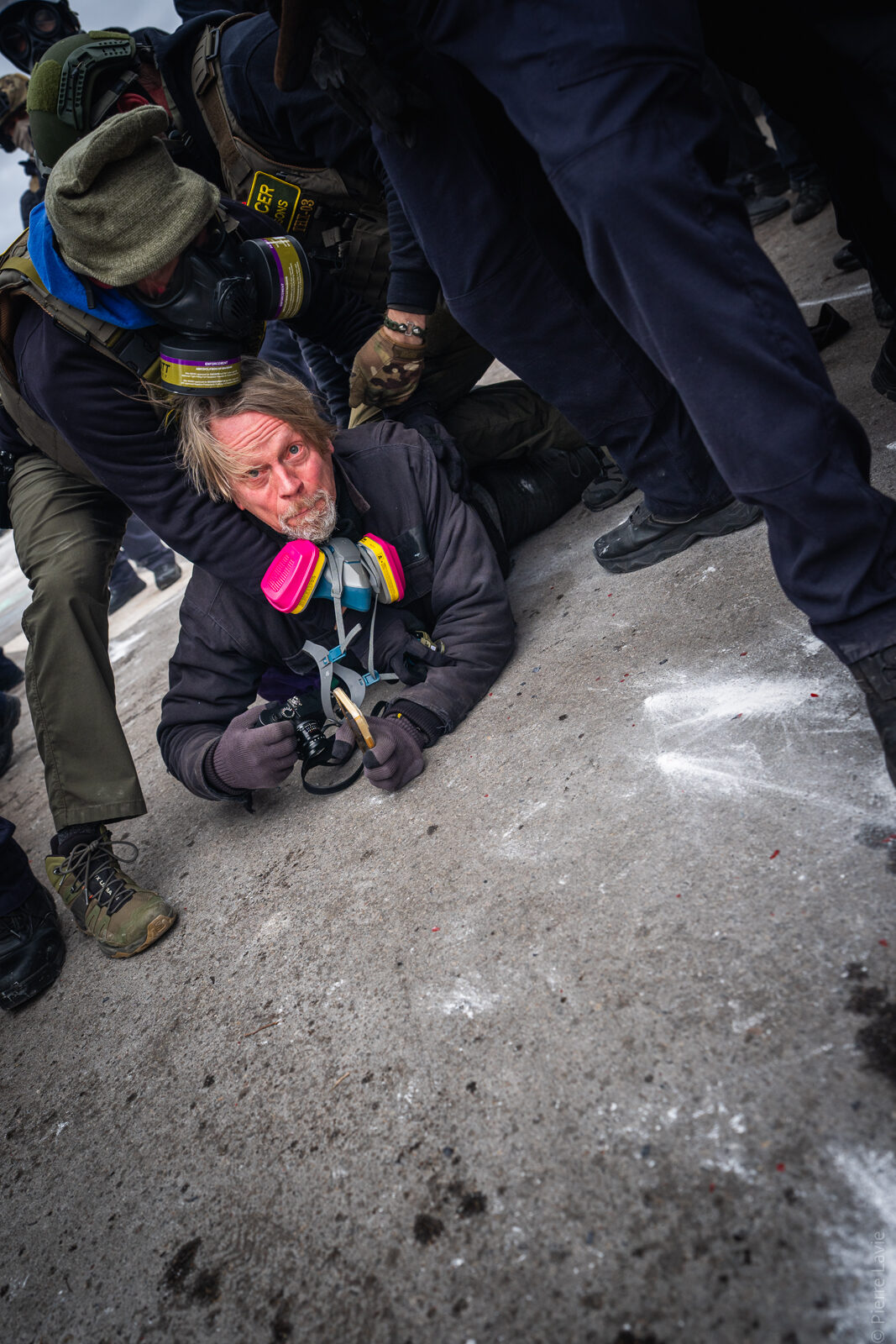
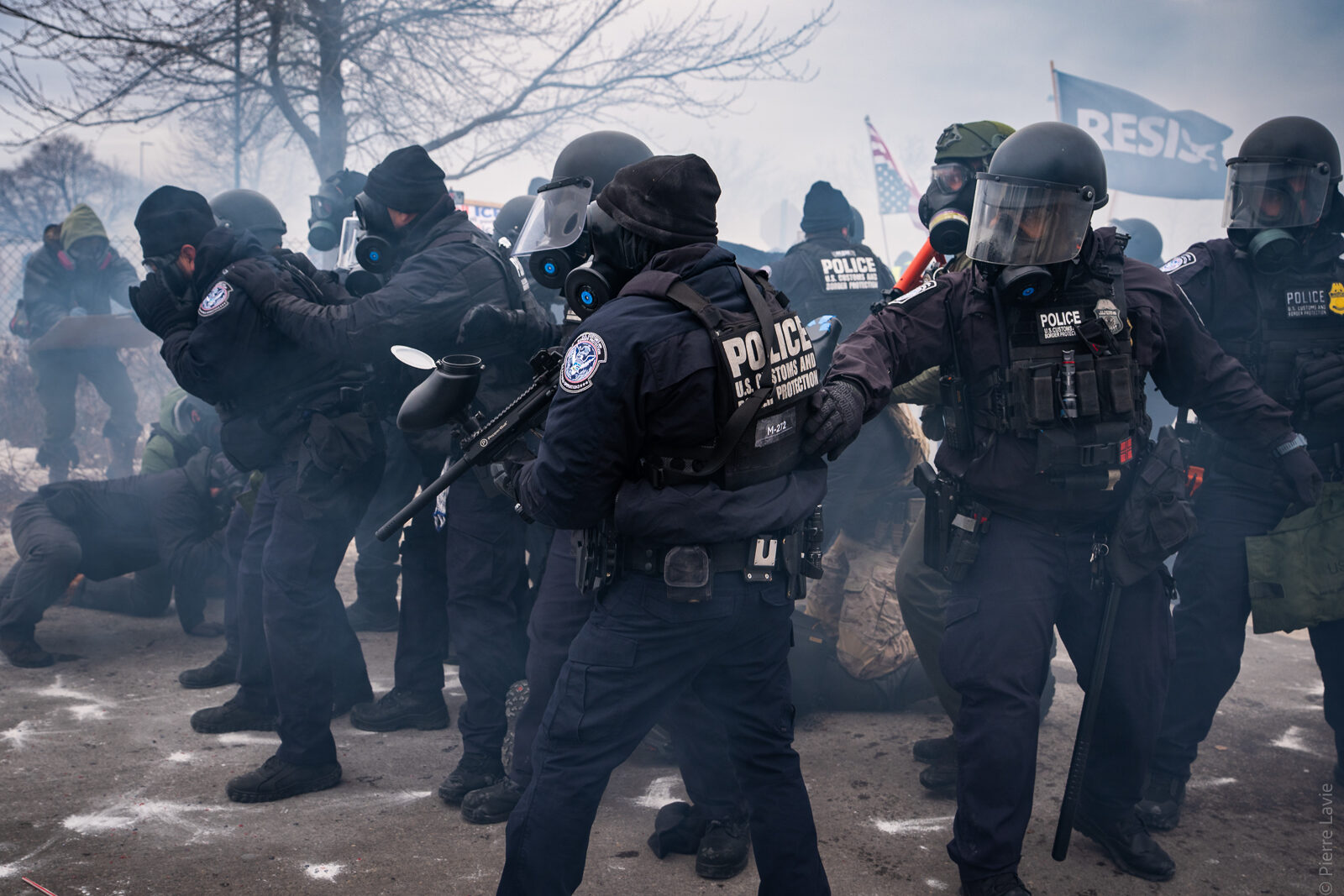
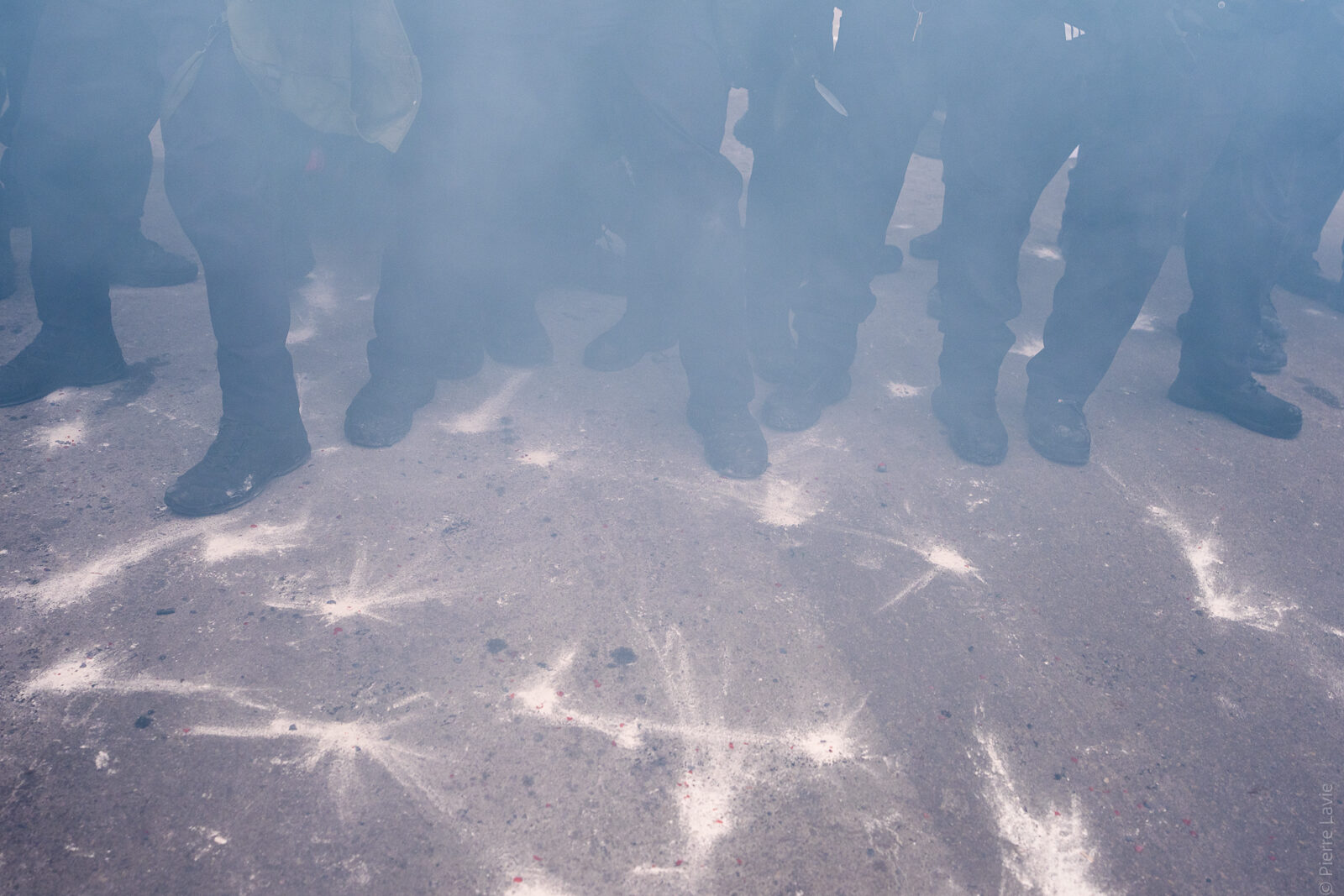
Can you describe the moments before this photo was taken, and your relationship to John? As the police lined up to press the protestors, everyone knew what was coming. I put on my gas mask and helmet and waited with everyone else for them to make their move. I didn’t know John at all before this happened, but we’re texting just about daily now. He’s a great guy and I expect we’ll keep in touch.
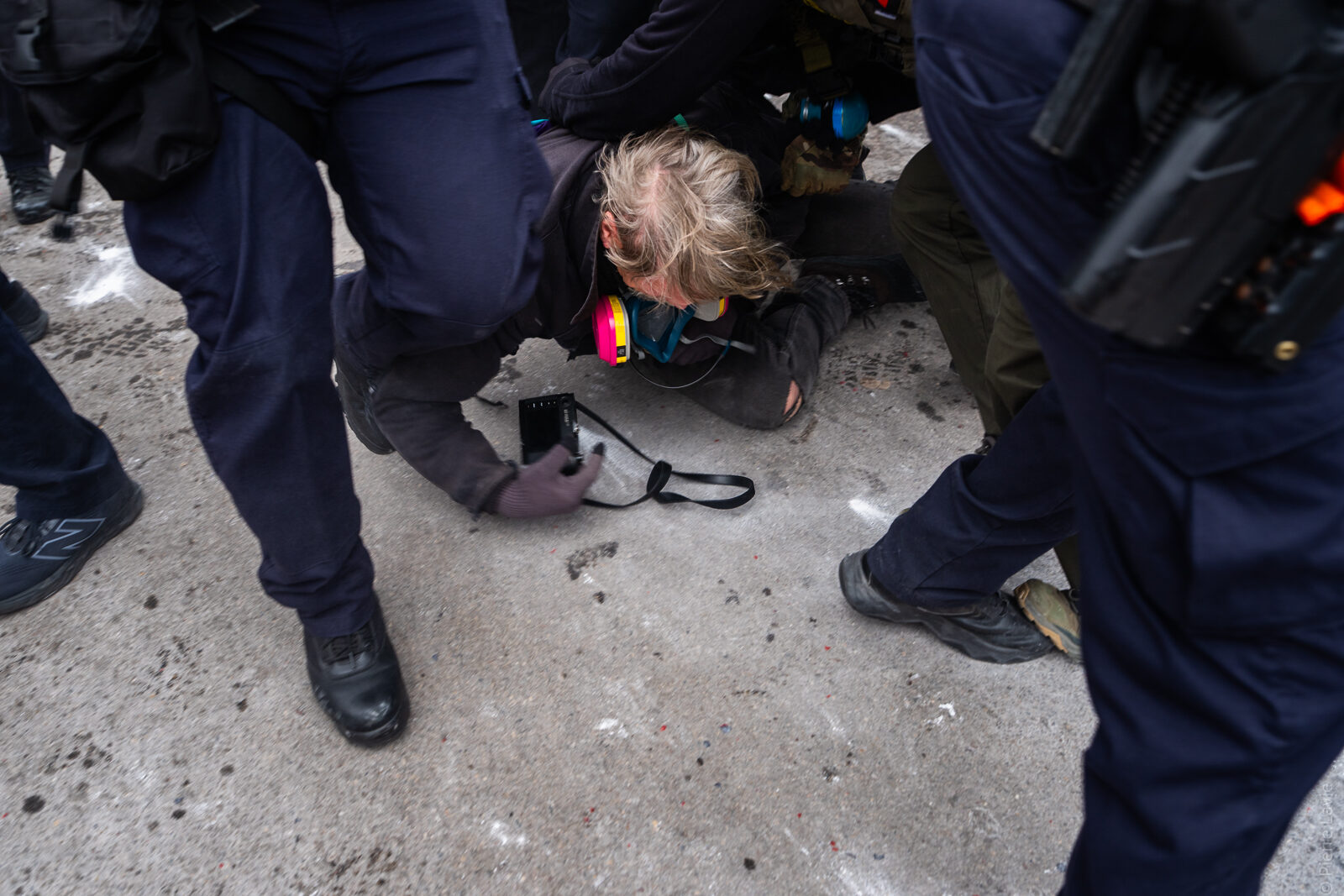
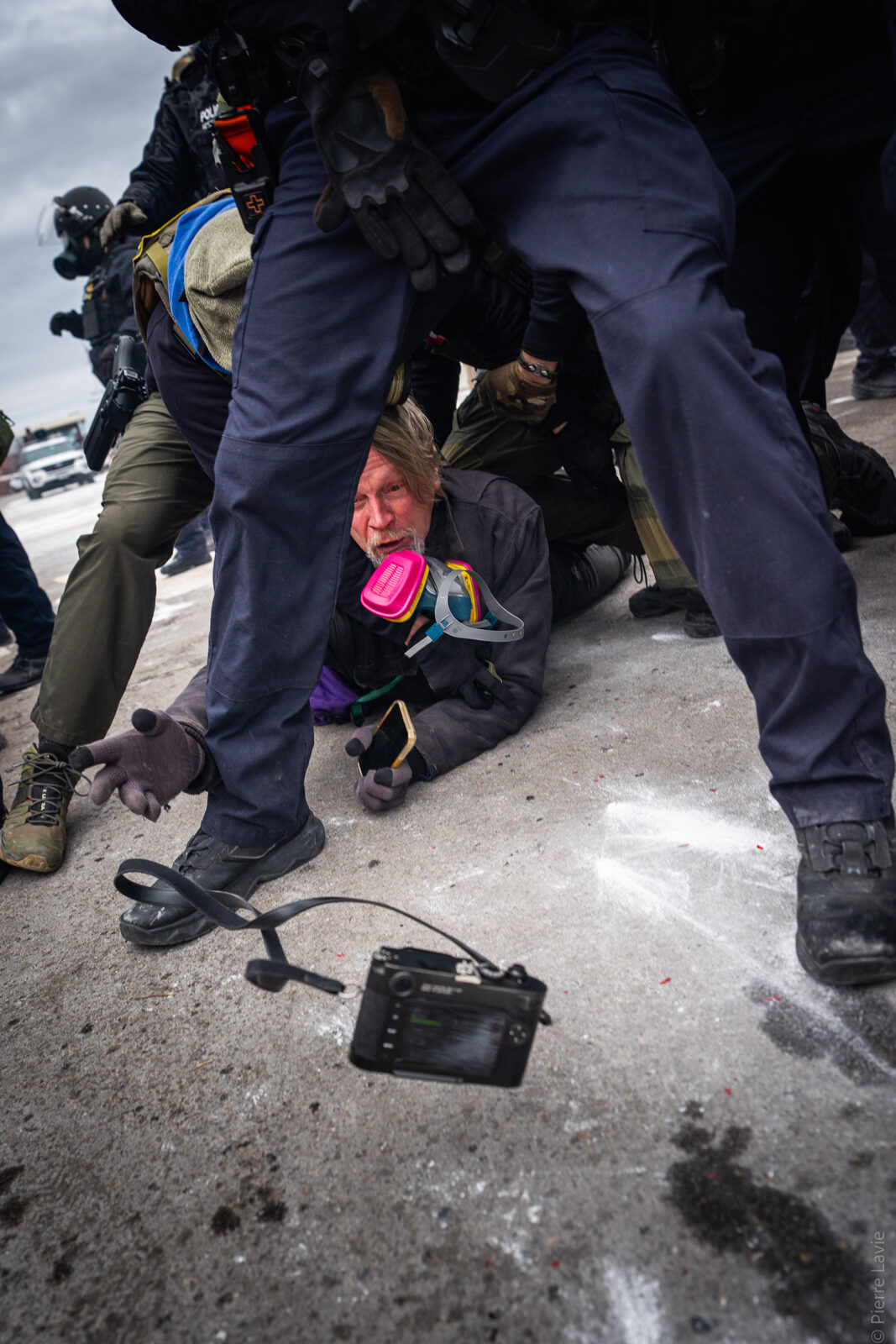
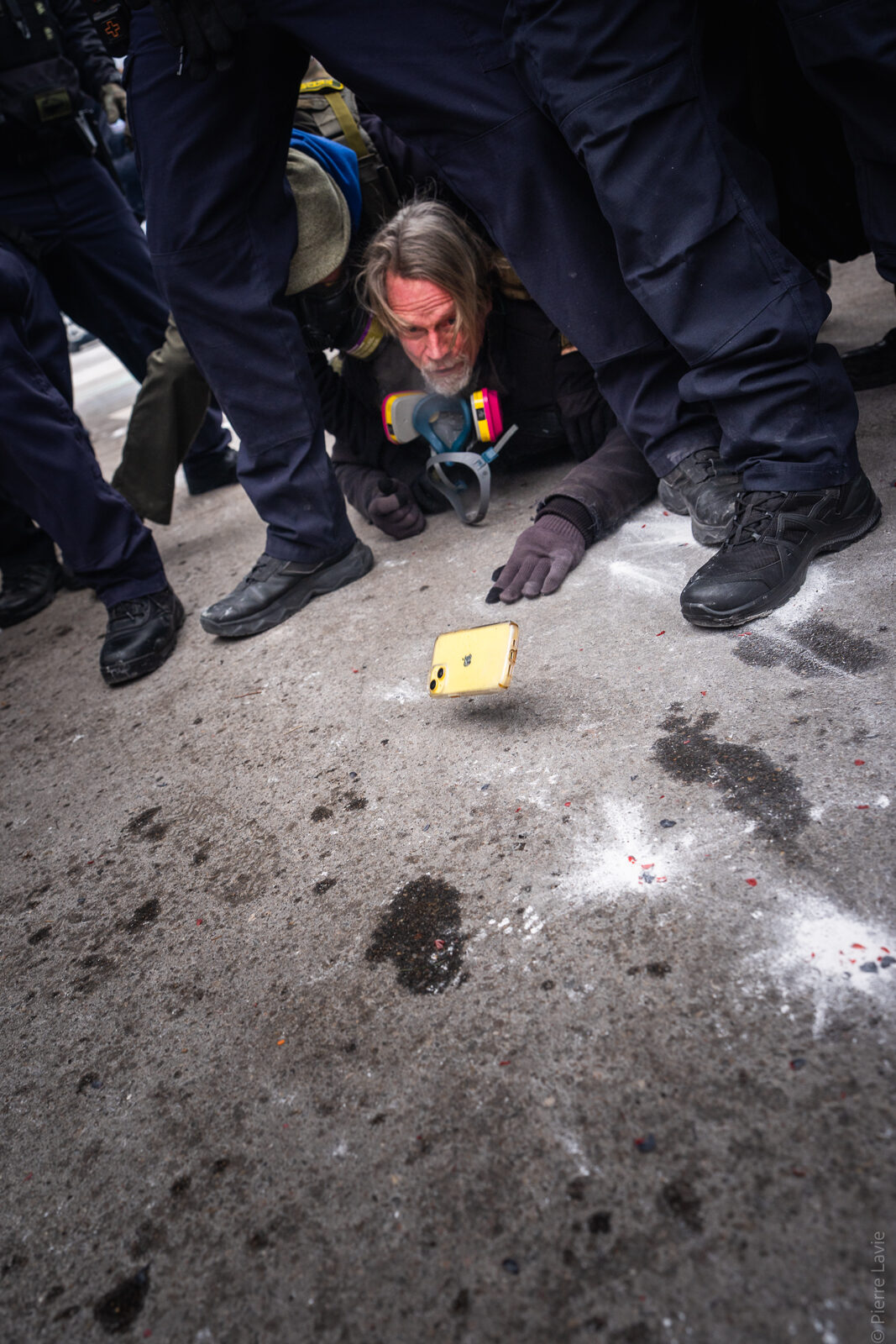
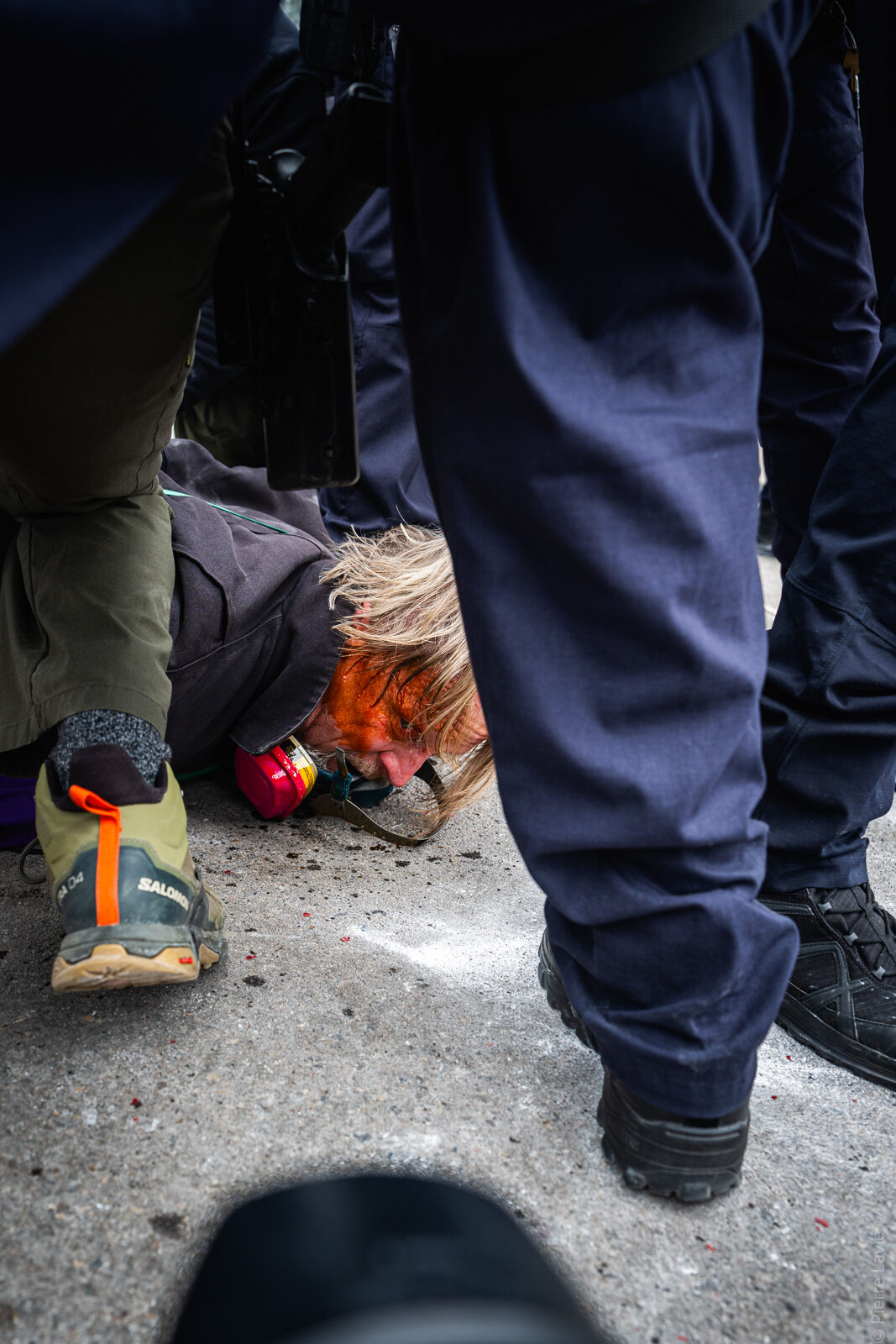
What were the visual and emotional cues that made you decide to press the shutter at that exact split-second? I noticed John getting swarmed by the police. As he went down, he managed to get into a prone position…instead of sprawling out flat as most seem to do, to me…while the officers piled on top of him. I moved around to face him, thinking he might look up — and he did. We saw each other. Click. He prepared to throw his camera — click — then actually tossed it — click — and then tossed his phone — click.
In your view, what story does this image tell about press freedom, civil tension, and the role of photojournalism? John had a remarkable instinct to protect his images, and I really applaud him for that. People say/joke that he was saving his camera; he was saving his images. In all likelihood, the police would have confiscated his camera and phone and deleted everything. History keeps teaching us the same lesson: bearing witness and creating a record of events is essential to the survival and healthy growth of any democracy — through good and bad times. John gets that and had the wherewithal to respond accordingly.
What information can you share for anyone setting out to photograph these highly charged moments? Be smart and be safe, please — for your sake and everyone else’s. Educate yourself. There are some amazing, even legendary, photographers and journalists working in Minneapolis right now (Guttenfelder, Haviv, Guzy, Moore, Decker, Rudoff, Davis, Fedorova, Allen-DuPraw, Farina Lott, Gray, just to name a few) and across the globe. Learn from them. A lot of them are generous with their experience and wisdom if you politely reach out. From what I’ve seen, none of them are careless; they’re calculated. Emulate them. Learn your gear. Practice using it. Have the right PPE. In these particular type situations (like Whippple), I wear a vest all the time that’s clearly marked PRESS and keep a tactical helmet, gas mask, and saline eye wash with me. It might be overkill, but it makes me feel safer, which keeps me relaxed and gives me the confidence to put myself in the situations where I can make the images I want to make and stay clear headed and calm. We all operate differently, so you need to find what works for you. …I mean, while I’m out in body armor, others are out in pants and t-shirts. We both make images. Do you.
As a parent, how has witnessing and documenting such an intense moment influenced how you think about your work and the example you want to set for children and younger photographers? My children worry about my safety and (still) miss me when I’m away, and I take that seriously. I was talking with my son about it just the other night.
If this were my community, my family, or my friends, I’d want people to be there — observing, recording, bearing witness, helping. Out there, the lines between press and everyone else blur; it’s a community, all trying to document what’s in front of it —the good and the bad. John went right back out in the field after everything he went through, camera in hand. That kind of commitment says something and, as far as examples go, is one I will try to follow.
For my kiddos and for younger photographers — know that this community’s work matters. Not because it might put you in the frame, but because it preserves the story for everyone else and gives us something on which to look back and learn from or celebrate…and allow for better decisions in the future.
Seeing a respected photojournalist like Ron Haviv engage with and share your image — someone with deep experience documenting conflict and human rights issues — what does that kind of recognition from a senior figure in the field mean to you personally and for your career as a photographer? It blows my mind. Fun short story: The first time I met Mr. Haviv was on the Capitol grounds in D.C. during a protest — which one exactly is escaping me at the moment — maybe four years ago. I spotted him in the crowd, introduced myself and asked if I could follow him around. He sort of shrugged at me, which I just took as a ‘yes’. I tagged along for maybe forty-five minutes, thanked him, he gave me his email, and we went our separate ways.
Since then I’ve run into him maybe a half-dozen times at different events in different places. The most recent being just outside of Chicago at the Broadview detention facility. I always say hello, and he’s always cordial. Having Mr. Haviv recognize my work is an honor, and, again, I’m humbled by it. As for my career as a photographer, I’m just going to keep showing up and working at it.
Now that this image is being discussed widely and even called one of the defining photos of the year, how does that resonate with you? I’m humbled by the overwhelming, positive response this image is getting. Truly. That, in its own right, is reward enough. Thank you to everyone.
The Art of the Personal Project is a crucial element to let potential buyers see how you think creatively on your own. I am drawn to personal projects that have an interesting vision or that show something I have never seen before. In this thread, I’ll include a link to each personal project with the artist statement so you can see more of the project. Please note: This thread is not affiliated with any company; I’m just featuring projects that I find. Please DO NOT send me your work. I do not take submissions.
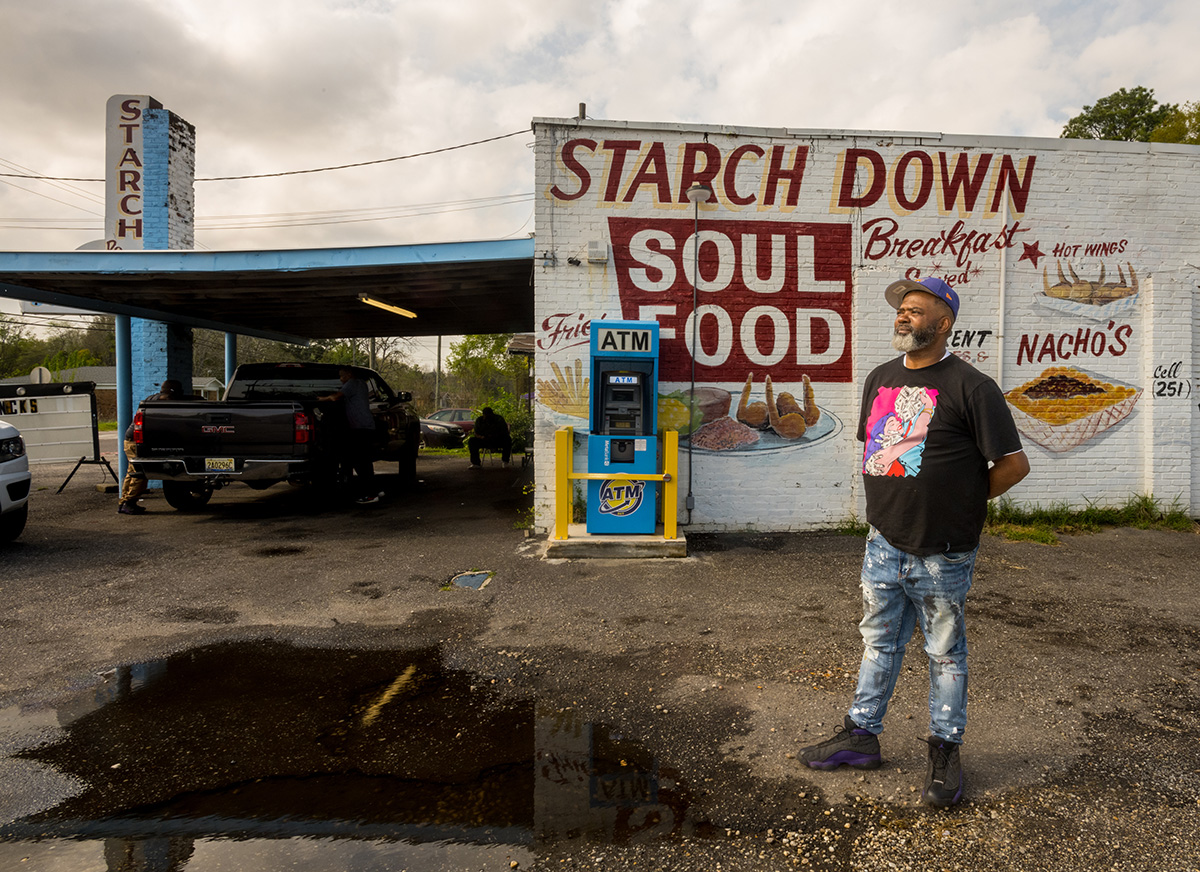
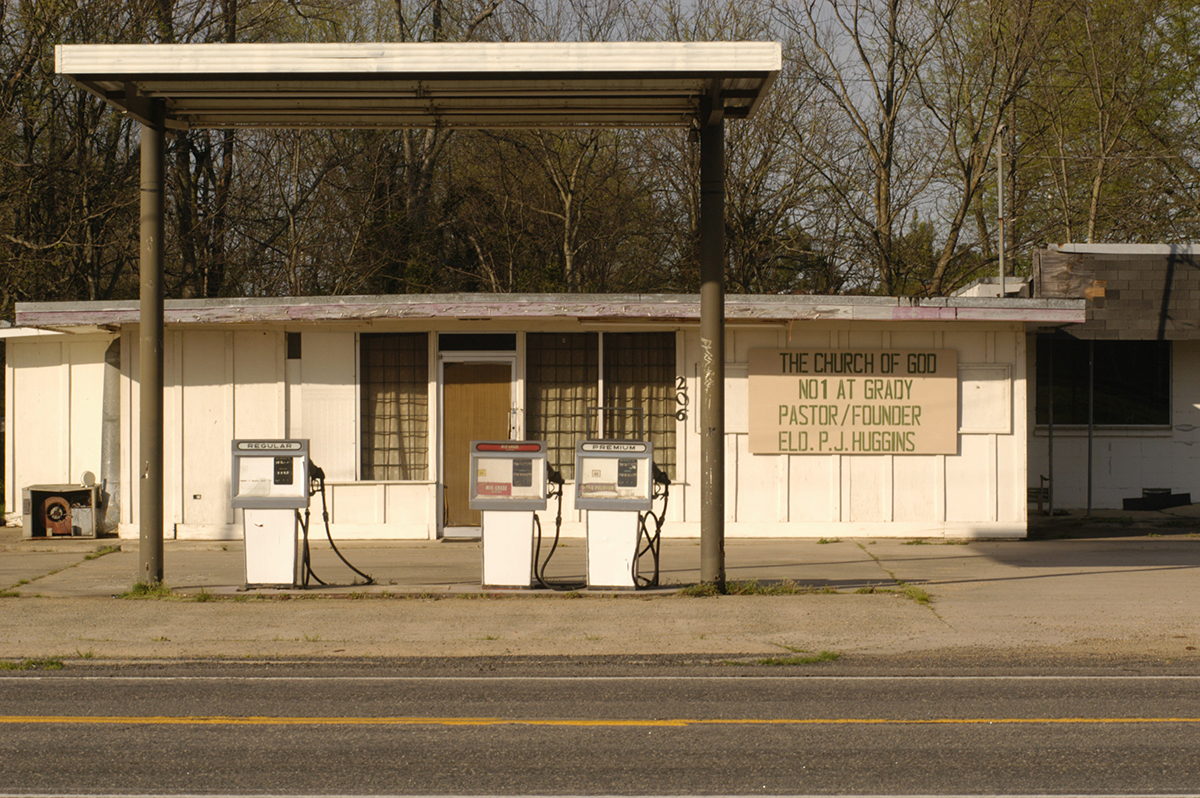
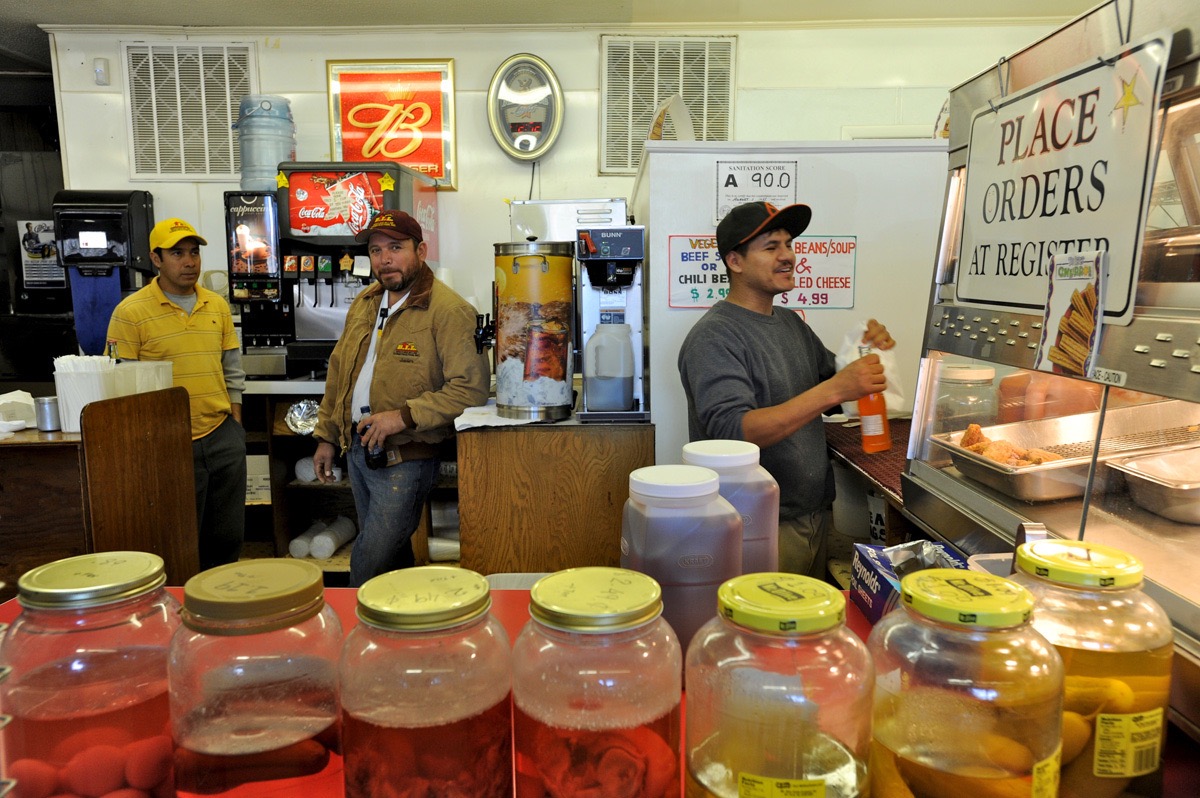
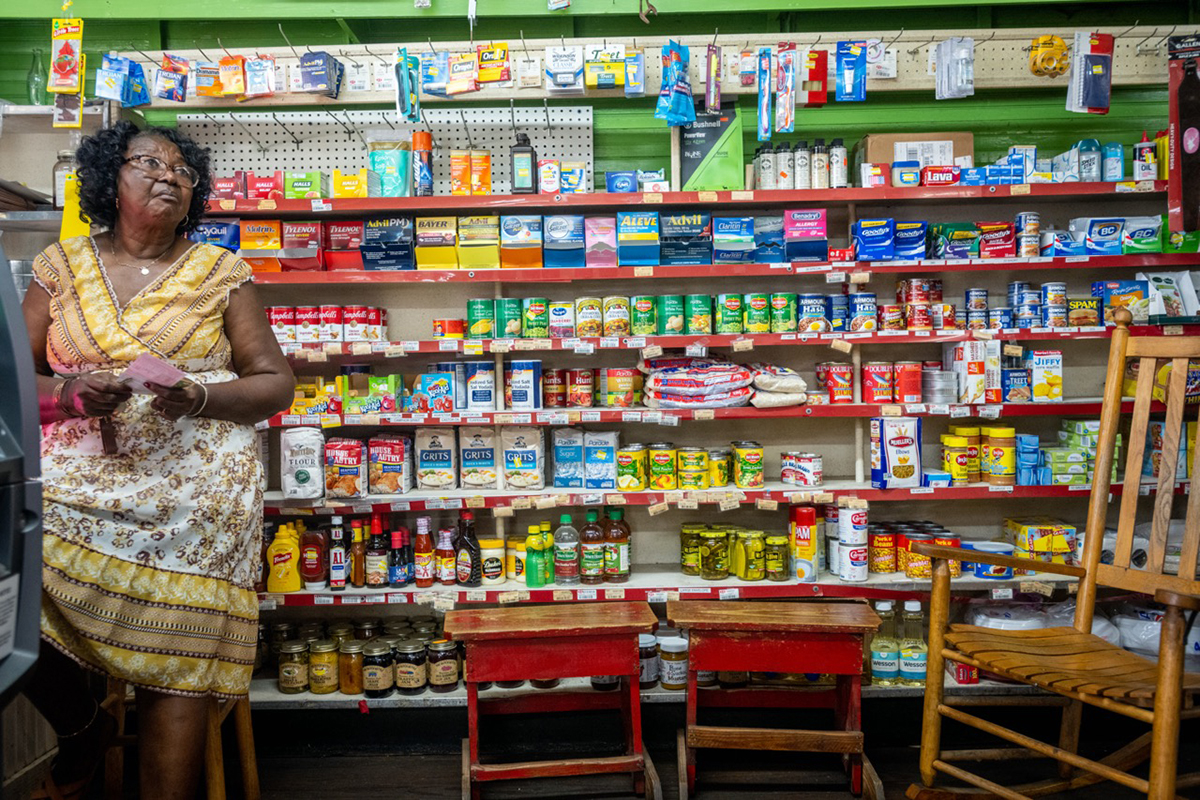
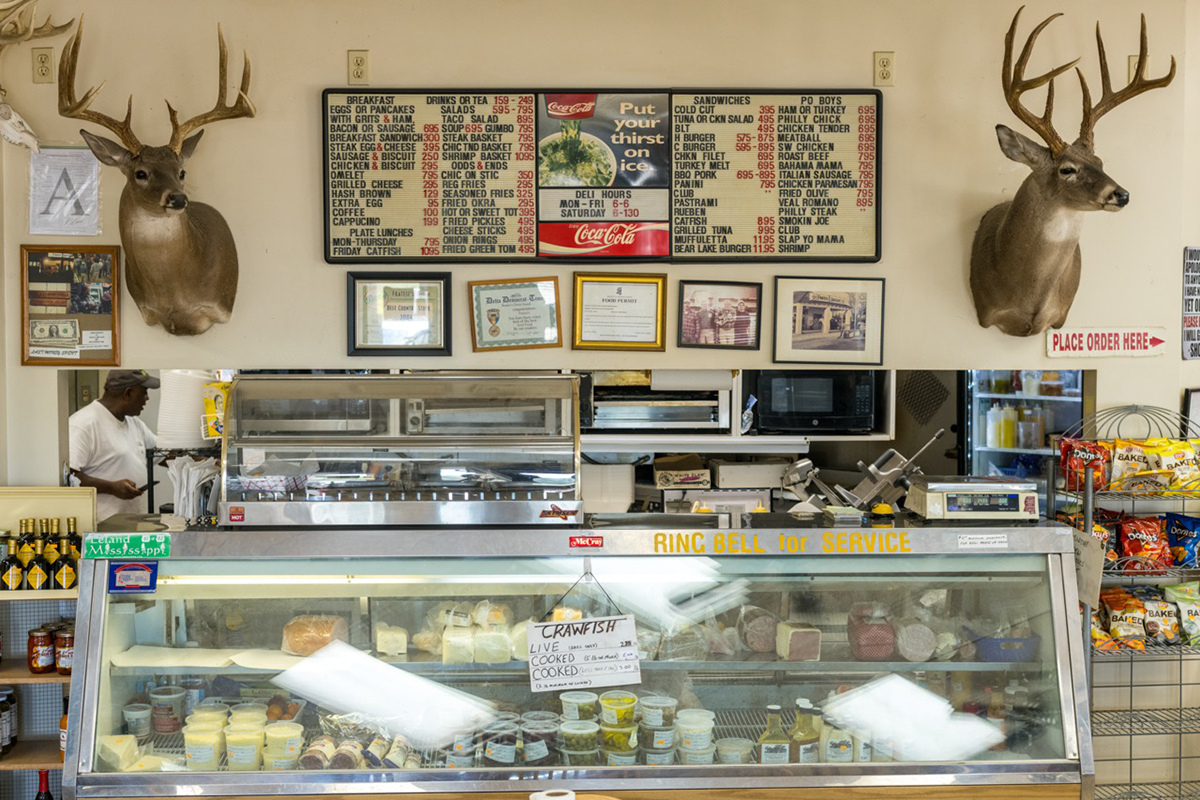
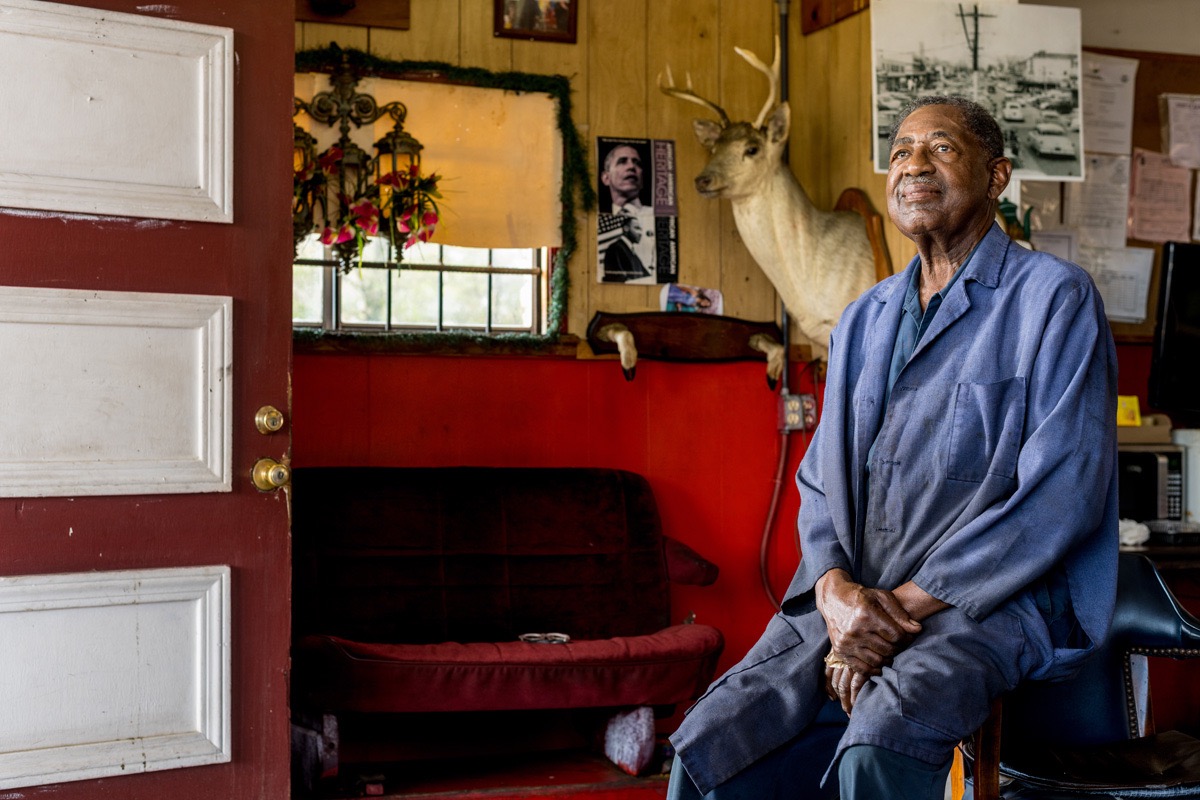
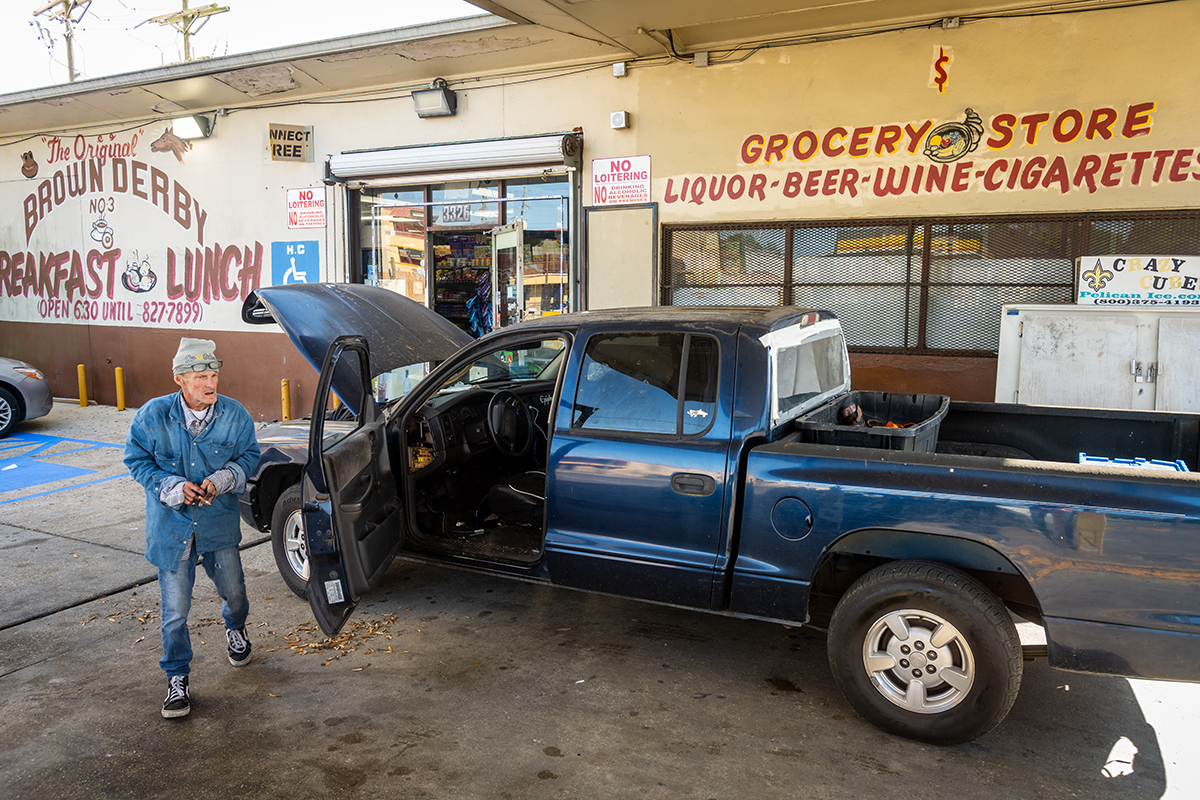
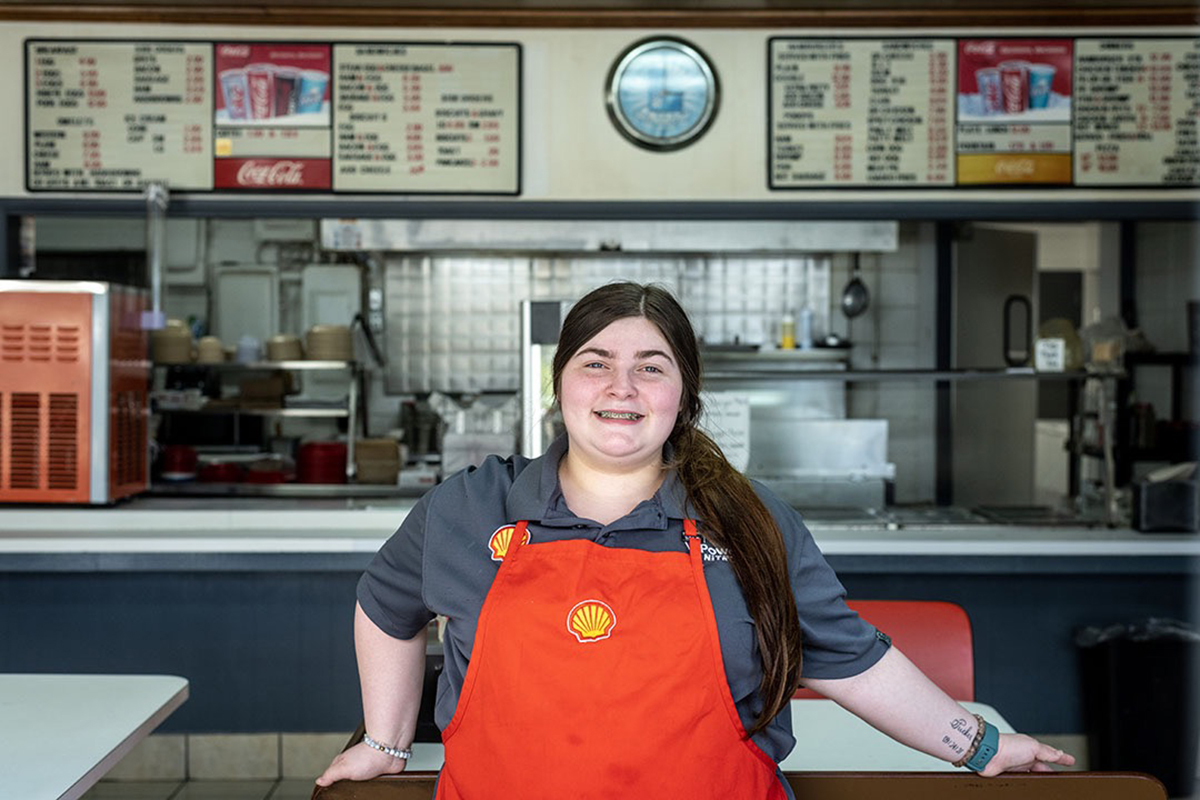
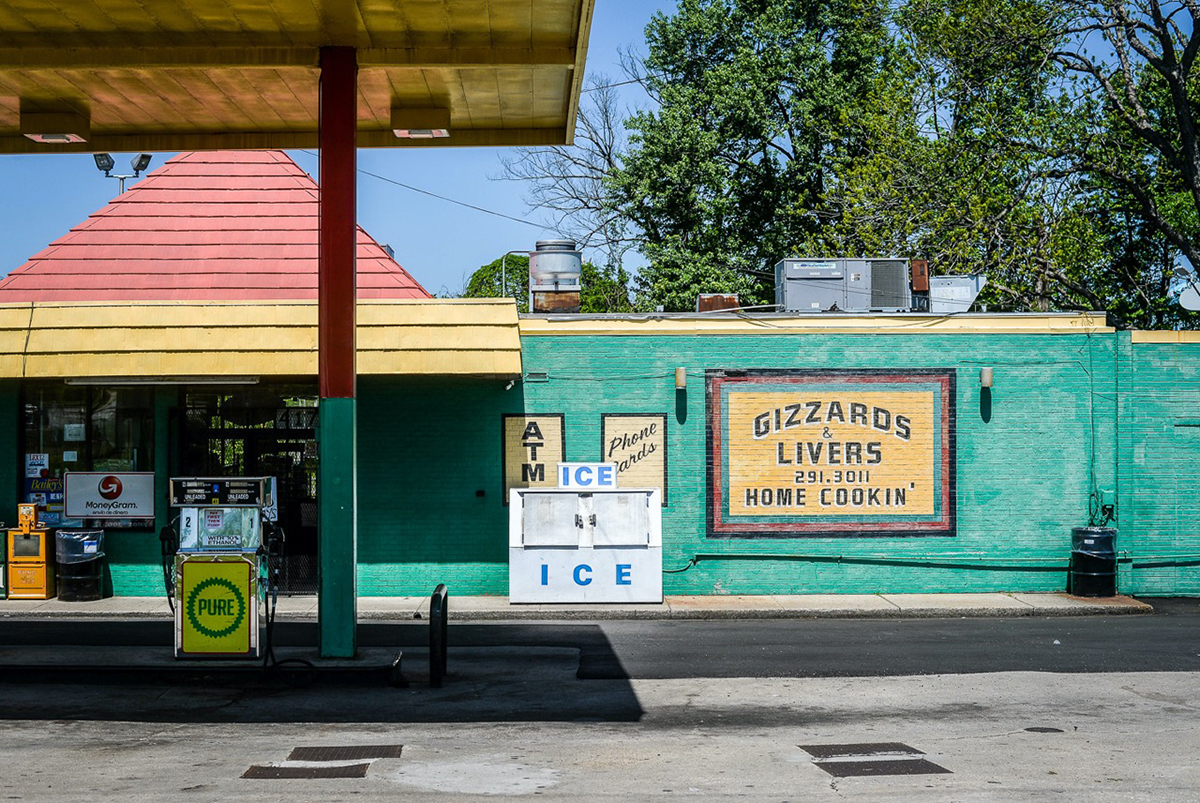
This body of documentary photographs examines the role of gas stations throughout the South, using these spaces as a lens to study this complex region, the people who live here, and how the populations and priorities of these people are shifting. In a time when our politics are increasingly polarized, our neighborhoods segregated, and our rhetoric strained, still nearly everyone regularly passes through these same commercial spaces. We come together here almost out of necessity, or at least convenience. My images give particular due to the culture and people in these communities—the workers who sustain these gas stations and the customers who rely on them for fuel, food, essential goods, and community. This project puts expressed emphasis on emerging immigrant foodways launching from gas station kitchens—the cuisines of one’s native country and how that is merging with more traditional flavors of the American South, shifting the very definition of what is Southern food. I highlight the egalitarian nature of the gas station, integral to the lives of people in every socioeconomic bracket in the South, especially in rural areas. Spanning more than ten years, this project touches down in 11 southern states, documents more than one hundred gas stations, and features a diverse mix of portraits, scene-setters, details, and documentary images.
I feature personal projects so your work can be seen. It is so nice to see this project get so much press (I found her in a CNN article and reached out to her). This is the press she has gotten already for this personal project https://www.katemedley.com/news
APE contributor Suzanne Sease currently works as a consultant for photographers and illustrators around the world. She has been involved in the photography and illustration advertising and in-house corporate industry for decades. After establishing the art-buying department at The Martin Agency, then working for Kaplan-Thaler, Capital One, Best Buy and numerous smaller agencies and companies, she decided to be a consultant in 1999. Follow her at @SuzanneSease. Instagram
Heidi: You’ve added fine art to your commercial photography business. How does one inform the other? Ethan: The commercial and fine-art sides are certainly informing each other. I’m applying the commercial discipline and drive to the fine-art work. And I’m applying those practices honed in the Snow project — exploring deeply, clearing my mind, making unorthodox choices — to my commercial work.
That transcendence I mention later — the transformation that happens when interesting content is framed artfully — emerges at least partially from working within the limitations of the medium and the project you’ve chosen. In the case of Snow: a two-dimensional medium; the limitations of the frame and the lenses; what can be found in the natural world; what is reachable on foot; natural light; and real elements unaltered in post.
I’ve long felt that the greatest creativity and achievements come from working within limitations. And this too is where the commercial and fine-art sides overlap: whether working from a client brief or from my own self-assigned project, the limitations and parameters are what create discipline, drive, creativity, out-of-the-box thinking and achievement.
This is why athletes are continually excelling and breaking records: they have to perform within the rules and restrictions of their sport. If a tennis player could hit the ball anywhere, they’d be a lot lazier, and we’d never see the incredible shots that we do. The same goes for artists and musicians. If you had a camera that made all the decisions for you, or a guitar that sounded amazing no matter what you did with it, you would never need to push yourself, master your craft and expand the boundaries of what’s been done before. I know a guitarist who prefers to play with obscure and temperamental instruments because they force him to work harder and come up with creative solutions, and they ultimately produce something unique. As a photographer, it’s the limitations of the medium that result in newness and greatness. If you can create absolutely anything with a few prompts on the computer, do those creations mean anything? Are you still a photographer? Are you even an illustrator? Or are you just a typist? As AI advances, I feel that artwork created with craftsmanship and discipline, with real materials in the real world, will separate from the pack and increase in worth, both monetary and subjective.
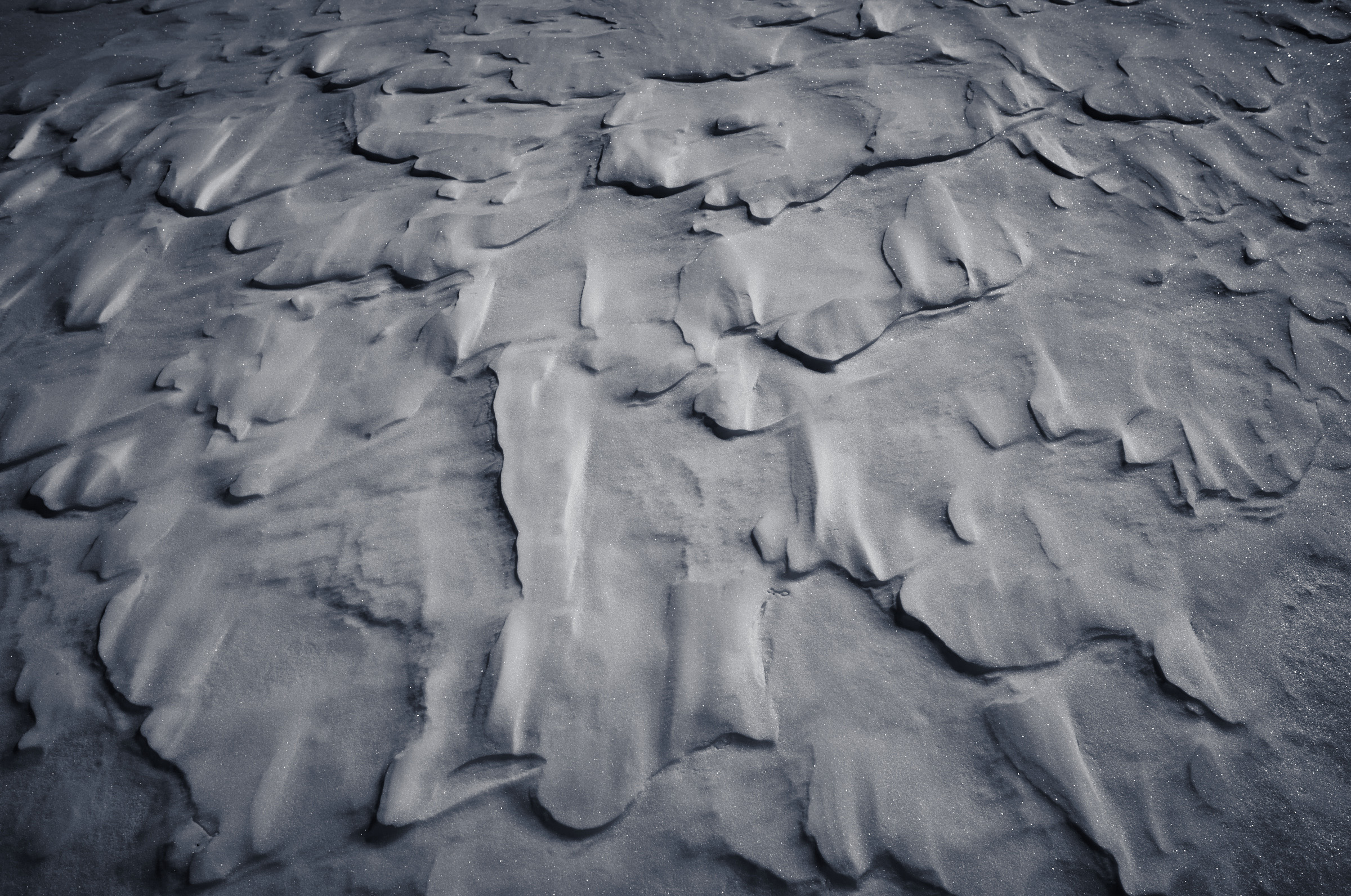
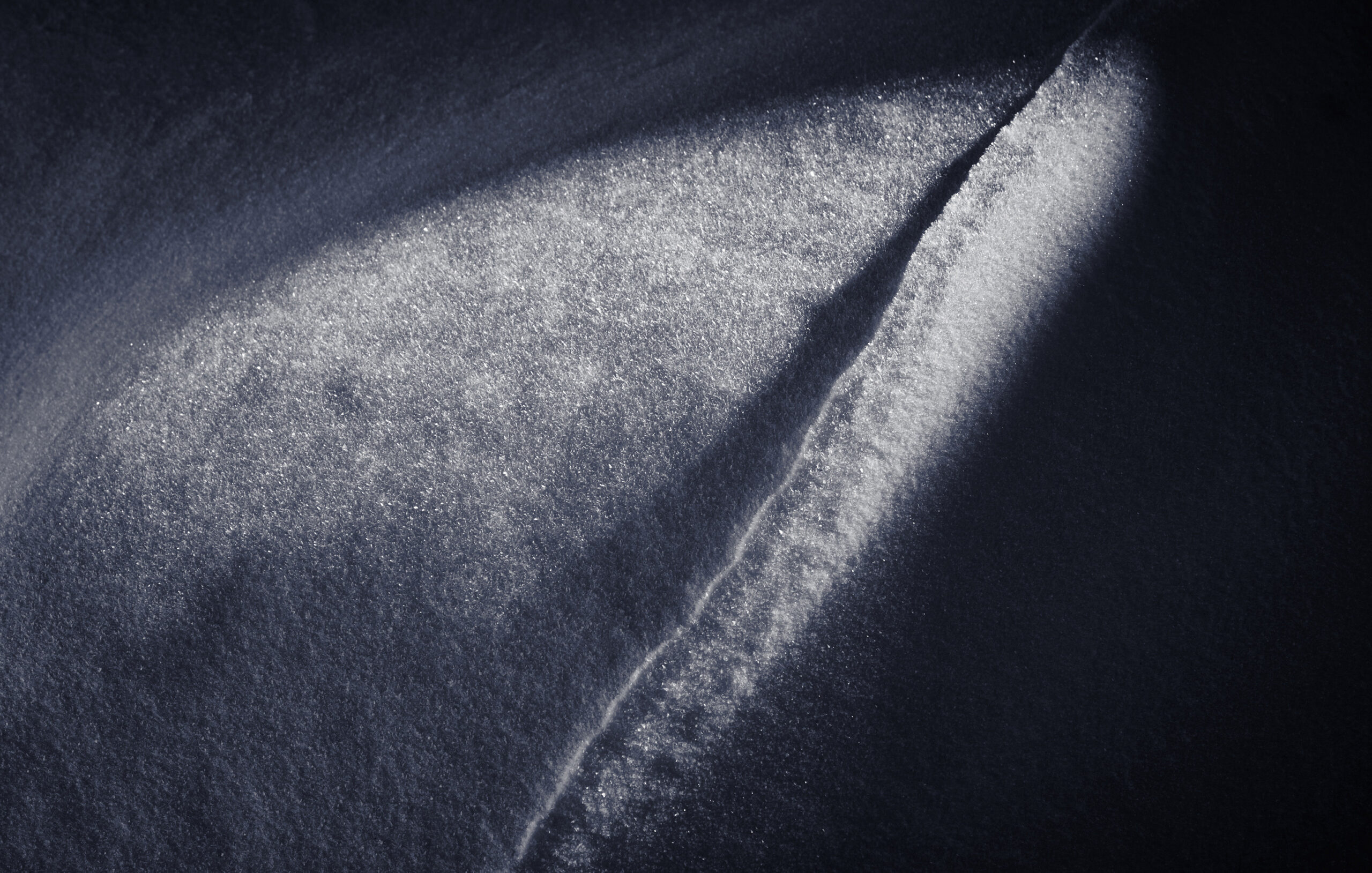
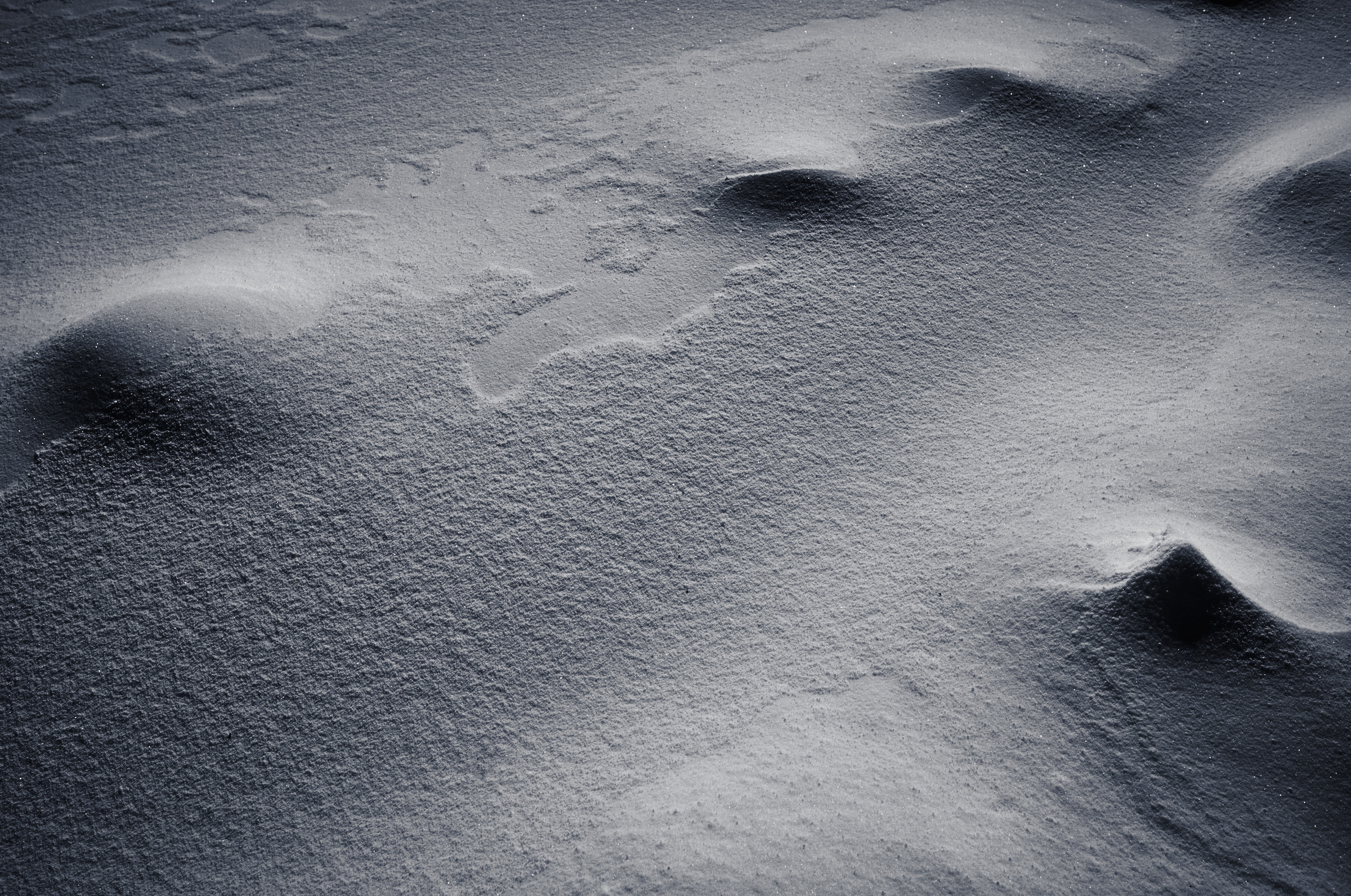
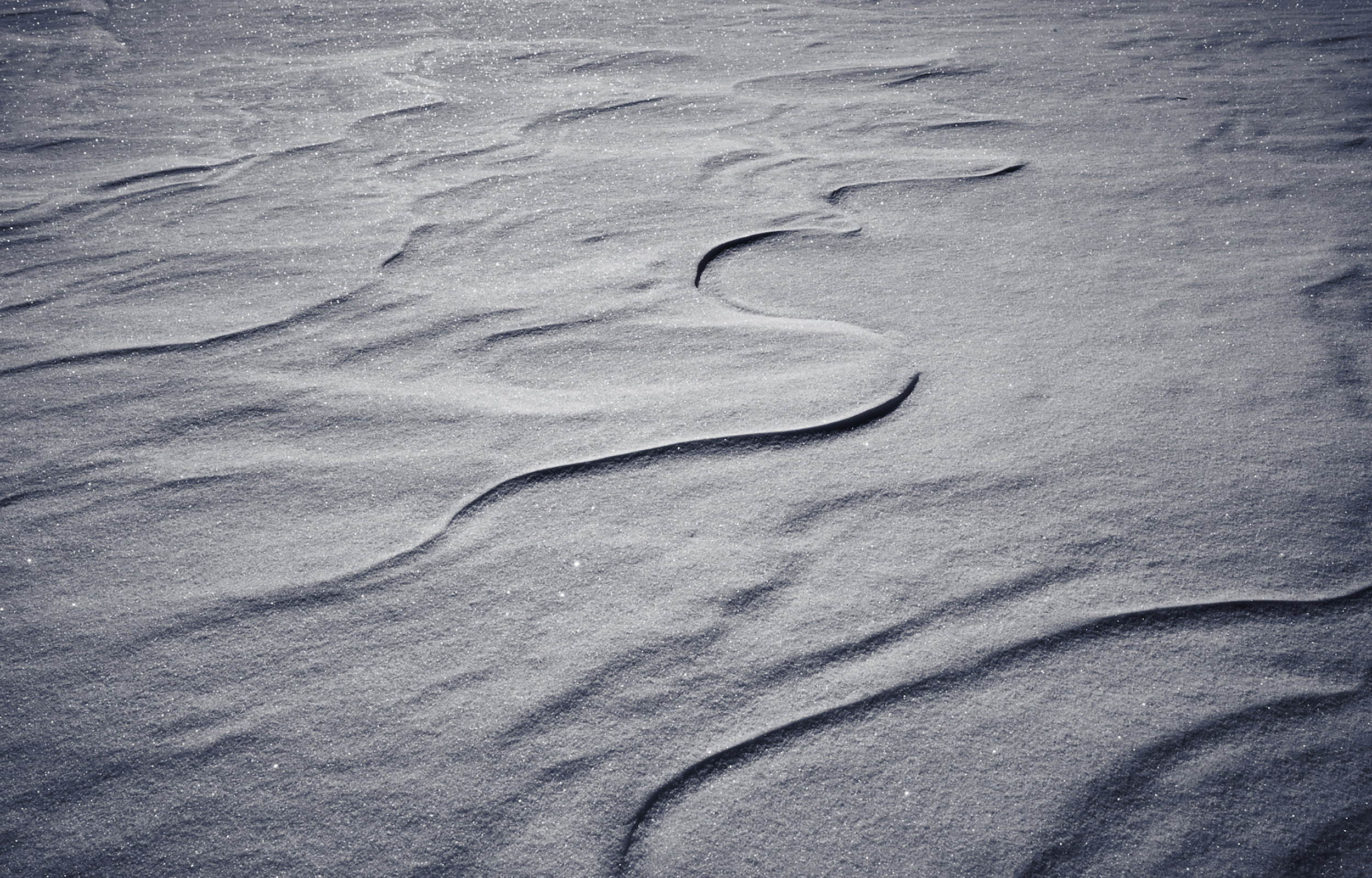
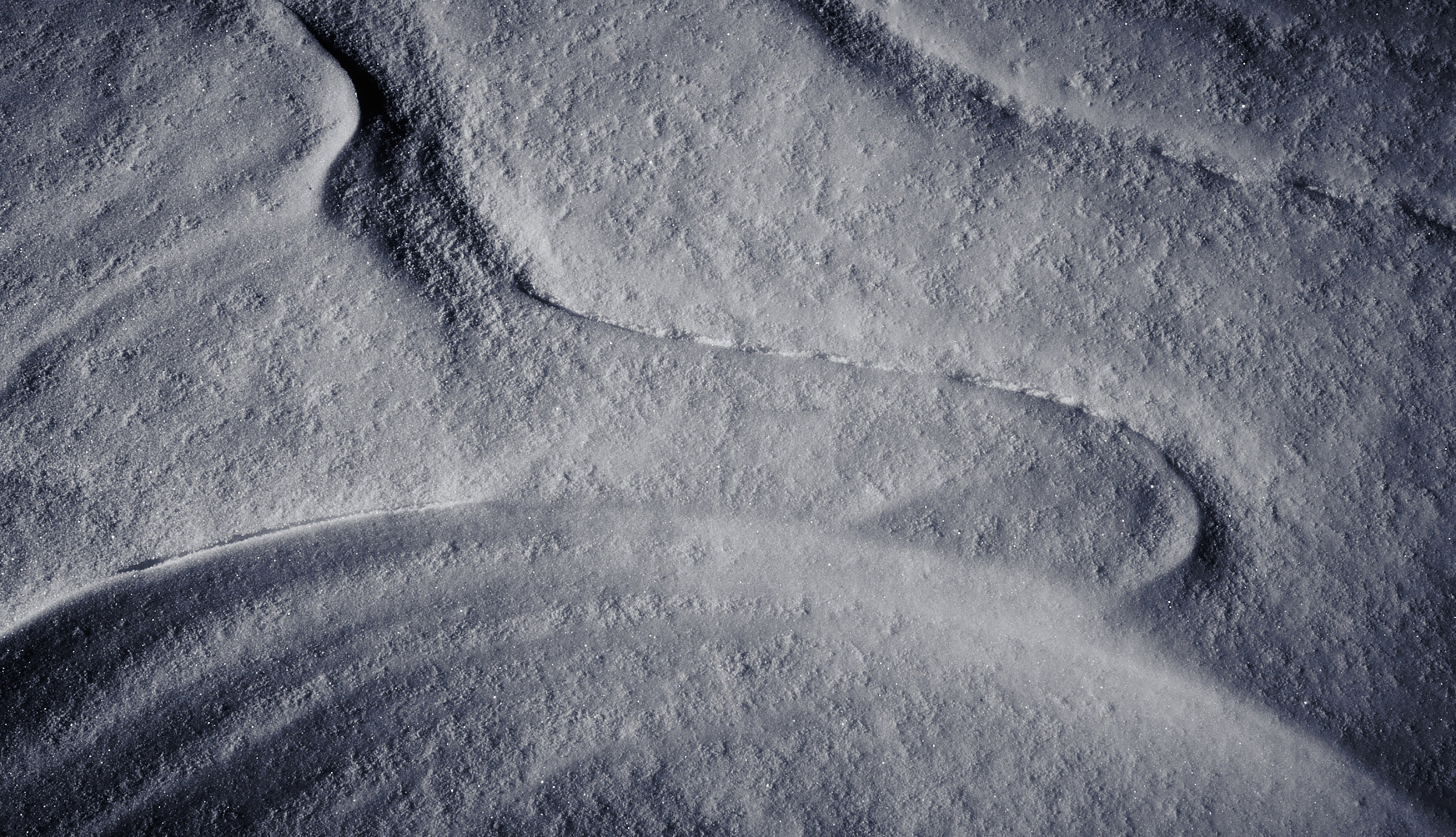
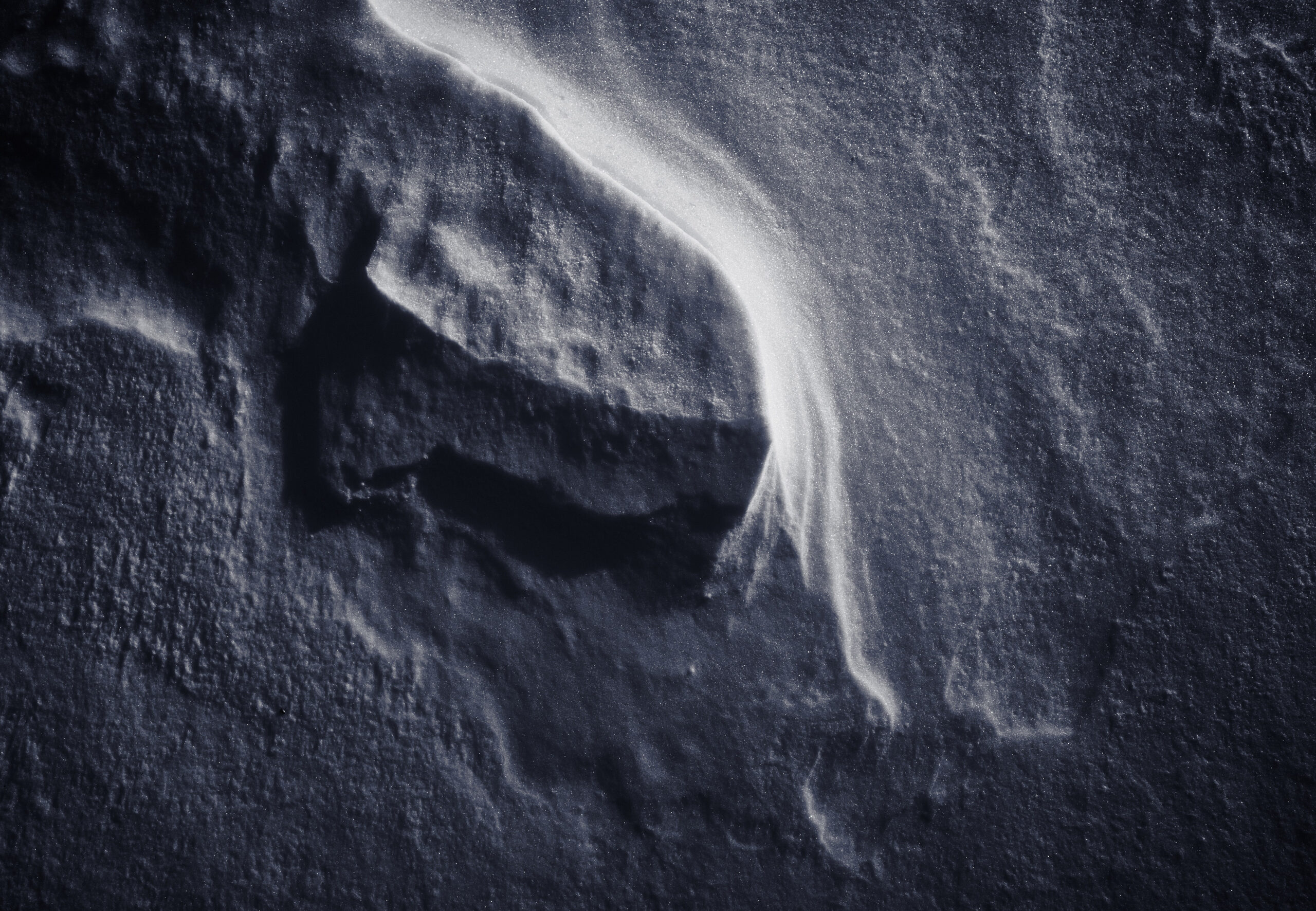
What do you hope viewers take away from experiencing the Snow series—both visually and conceptually? Have you had any reactions thus far? That snow — and by extension, the natural world as a whole — is vastly more complex, varied and surprising than we suspect. That there is truly magic under your feet and, in fact, just about everywhere when you look deeply. I suppose you could say that about all of photography; I’ve always felt that something transcendent happens when compelling content is composed and framed in a thoughtful, artful way.
The reactions I’ve had thus far match many of my own thoughts while working on the project: That you can’t tell what it is, but snow wouldn’t be your first guess. That there’s an uncertainty to the scale of what you’re seeing — is this under our feet or the side of a mountain? That these formations uncannily resemble other things: waves, the ocean floor, lava, clay, windswept sand, crop circles, cave paintings, the surface of the moon
How has this focus on snow changed your way of seeing or understanding the natural world? It has taught me look afresh at what’s around me and in the camera’s frame, to experiment, to question my own choices. In the middle of shooting, I will even look at the compositions I’ve just created, and at what’s in front of me, then wipe my mental slate clean to approach the material again in a new way. I will sometimes think to myself, what if I inverted this composition? Or turned it sideways? Or only captured a fragment of it? What if I moved myself around and framed it from a spot I normally wouldn’t? What’s behind me? What if I used a lens that I normally wouldn’t? It’s a process of sketching. There isn’t one single master shot for each worthwhile batch of snow. I try to dive deeply, exploring, picking apart what’s there, trying to pry loose the secrets and hidden gems.
Walk us through a typical winter expedition for this project—from scouting locations to the moment you decide a particular formation is worth photographing. It entails a lot of driving and hiking. If you’re in the snow, you’re likely also in a heavily treed area, so the first step is simply finding areas not covered with pine needles and debris. I try to head to the mountains right after storms, when the snow is fresh and untouched. It helps if there’s been a lot of wind to carve the snow in unexpected ways.
The hiking is arduous. Here’s what comes with me: snowshoes, water, snacks, charged phone, sunblock, hat, batteries, cards, and two shoulder bags (worn cross-body) with the camera and three prime lenses. In the car: a blanket and a battery jump-starter, just in case.
The outings are often fruitful, but not always. If I manage to find interesting formations when there’s good light on them, I’ll shoot right then. If not, I return early the next morning to capture them in that low, beautifully raking dawn light.
What drew you to see snow as a subject worth pursuing for the past 4 years? The project began with a hike on a glacier in Alaska. I had my Hasselblad film camera with me at the time. I love composing in that square viewfinder. I felt that I was creating interesting compositions with the ice formations. After that trip, I wanted to continue that work, but it’s actually quite difficult to find glaciers you can walk on. They’re far away and hard to access, and hiking often isn’t allowed. It’s dangerous, you need a guide, and you need to be tethered to the surface. I very much do not want to die.
The next winter, I decided to see what I could do in the Sierras. I found some worthwhile spots, but shooting the series on film proved to be impractical. Dealing with film and loading backs in freezing temperatures is brutal, especially when the wind is blowing snowflakes everywhere. The following year I went all in on the Leica S3, Leica’s medium-format system. It’s tightly weather-sealed. All the lenses are incredible. The batteries last forever, since it has an optical viewfinder. It’s portable, rugged and ergonomically lovely. It was perfect for this series. For the next three years, I took multiple expeditions each winter.
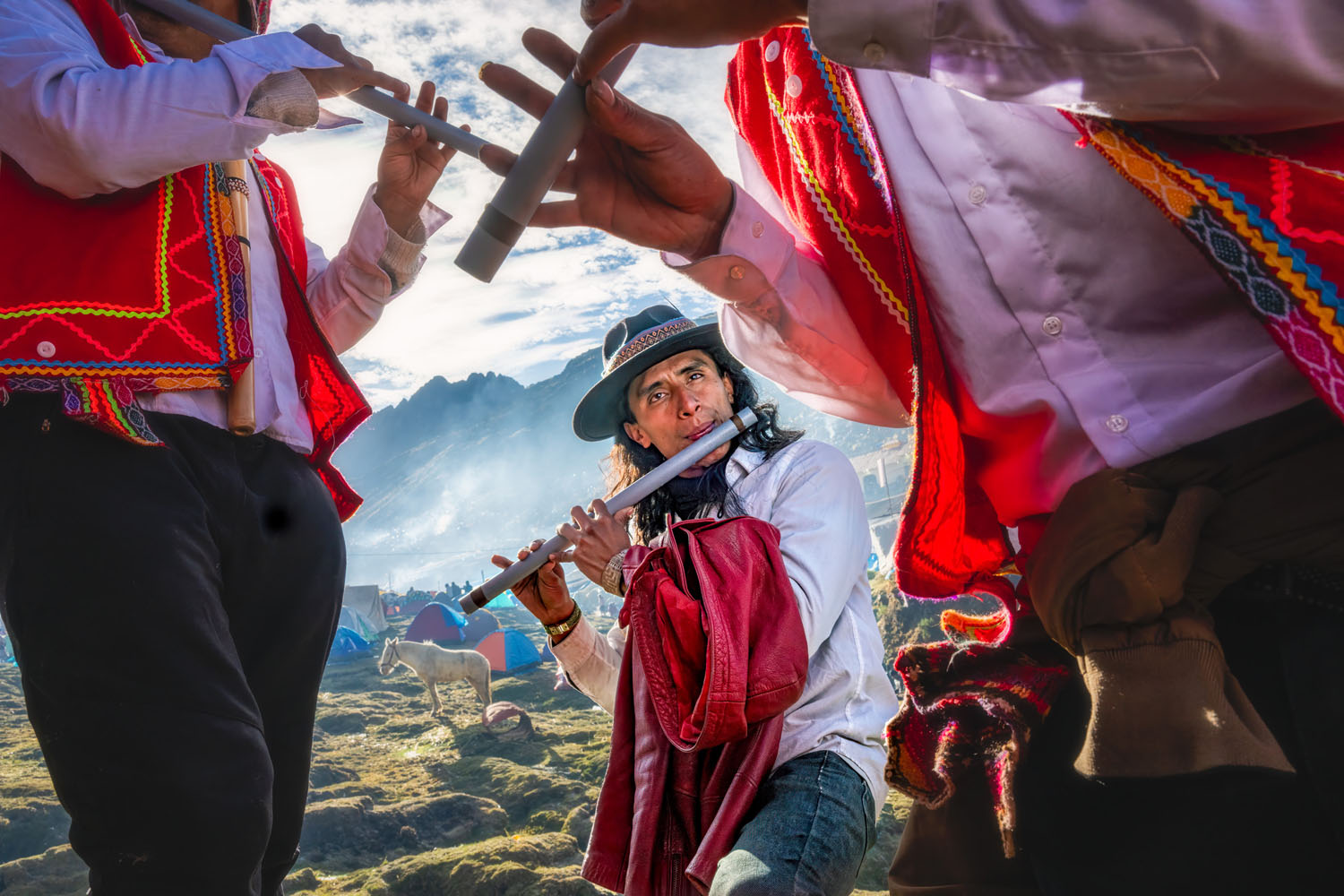
During the pilgrimage and religious celebrations of Qoyllur Rit’i, musicians play a crucial role in upholding the rhythm and keeping time. For three continuous days, the music fills the air as pilgrims journey to the Sinkara Valley to honour the Apus, the Spirits of the Mountains, and express gratitude for the upcoming harvest.
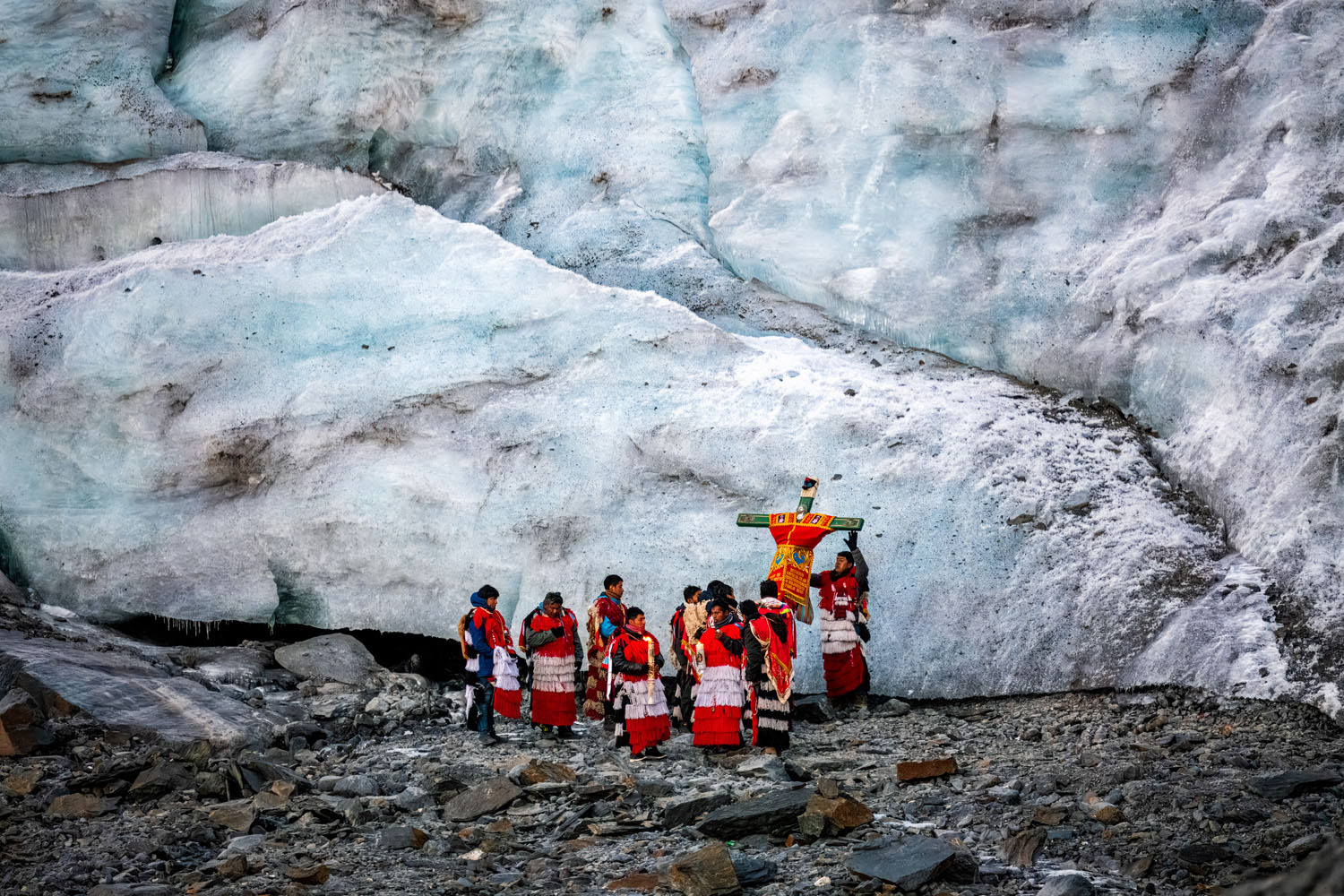
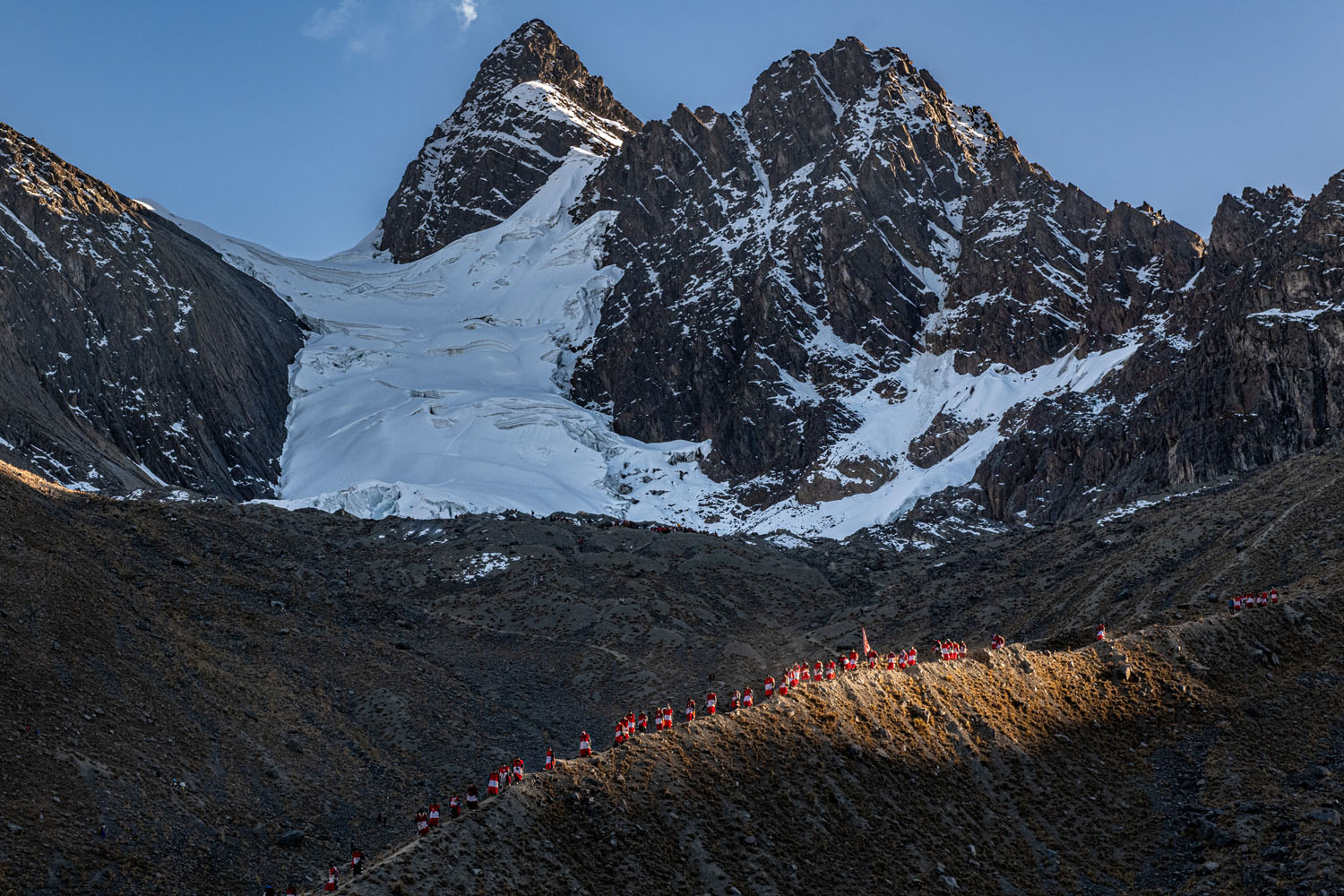
With the first light of day illuminating the Sinkara Valley, the mythical Ukukus—creatures that are part man, part bear—begin their descent from the icy heights above, making their way to the waiting pilgrims below. Adorned in striking red, the Ukukus create the illusion of a blood-red river winding through the valley.
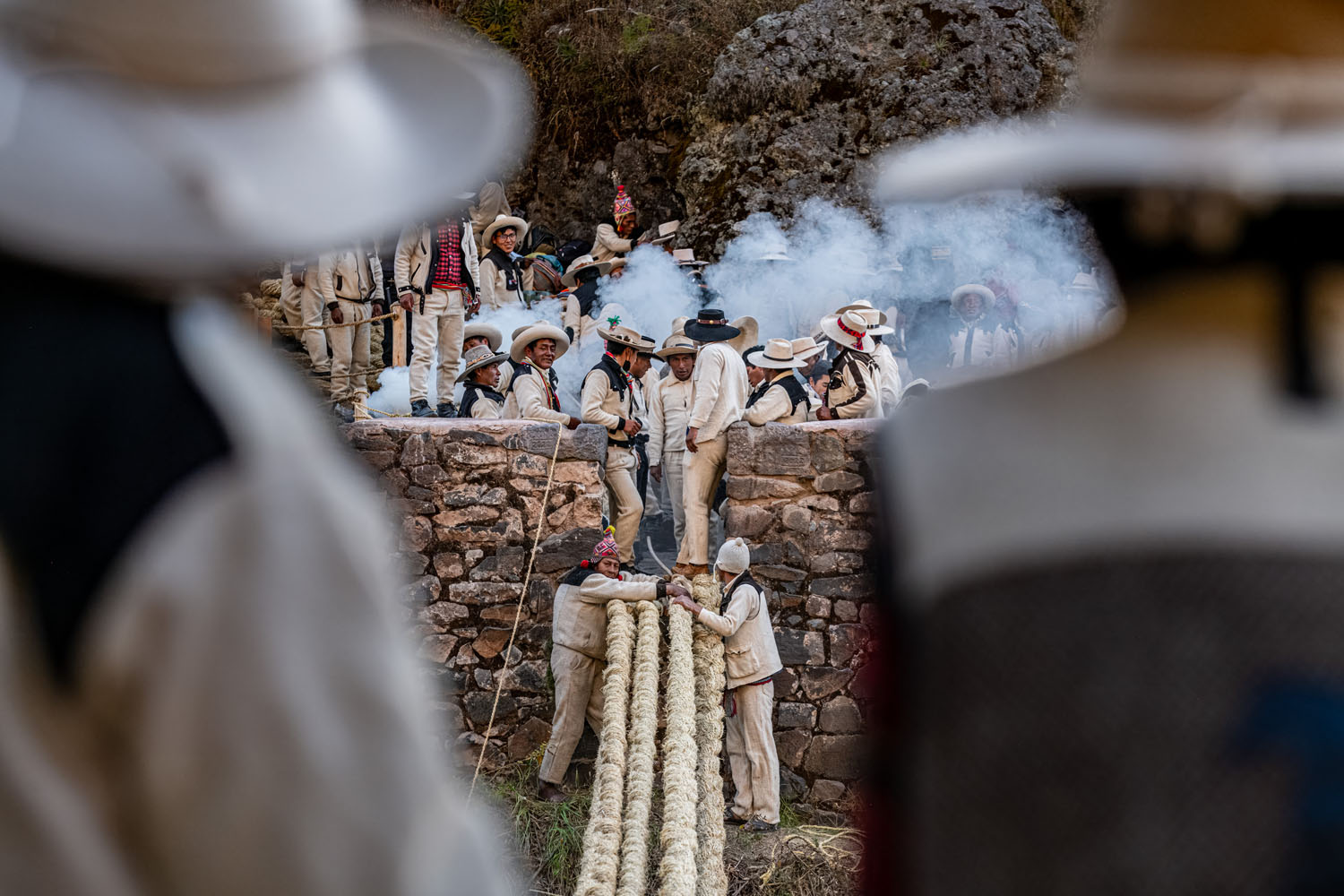
Men hoist on freshly made ropes made of Coya, a local grass, as they rebuild the Q’eswachaka Bridge over the Apurimac River which they have done every year since the time of the Incas.
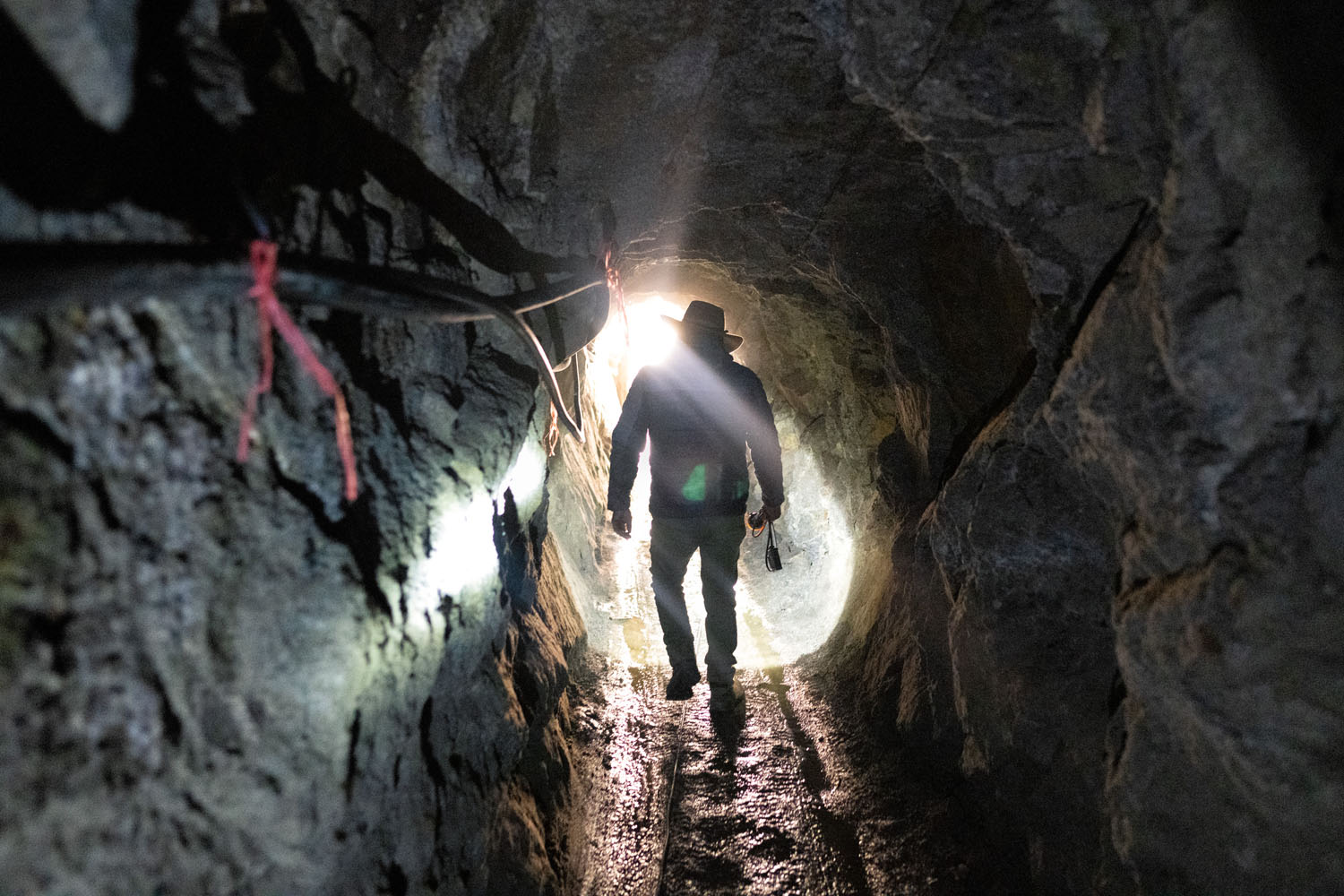
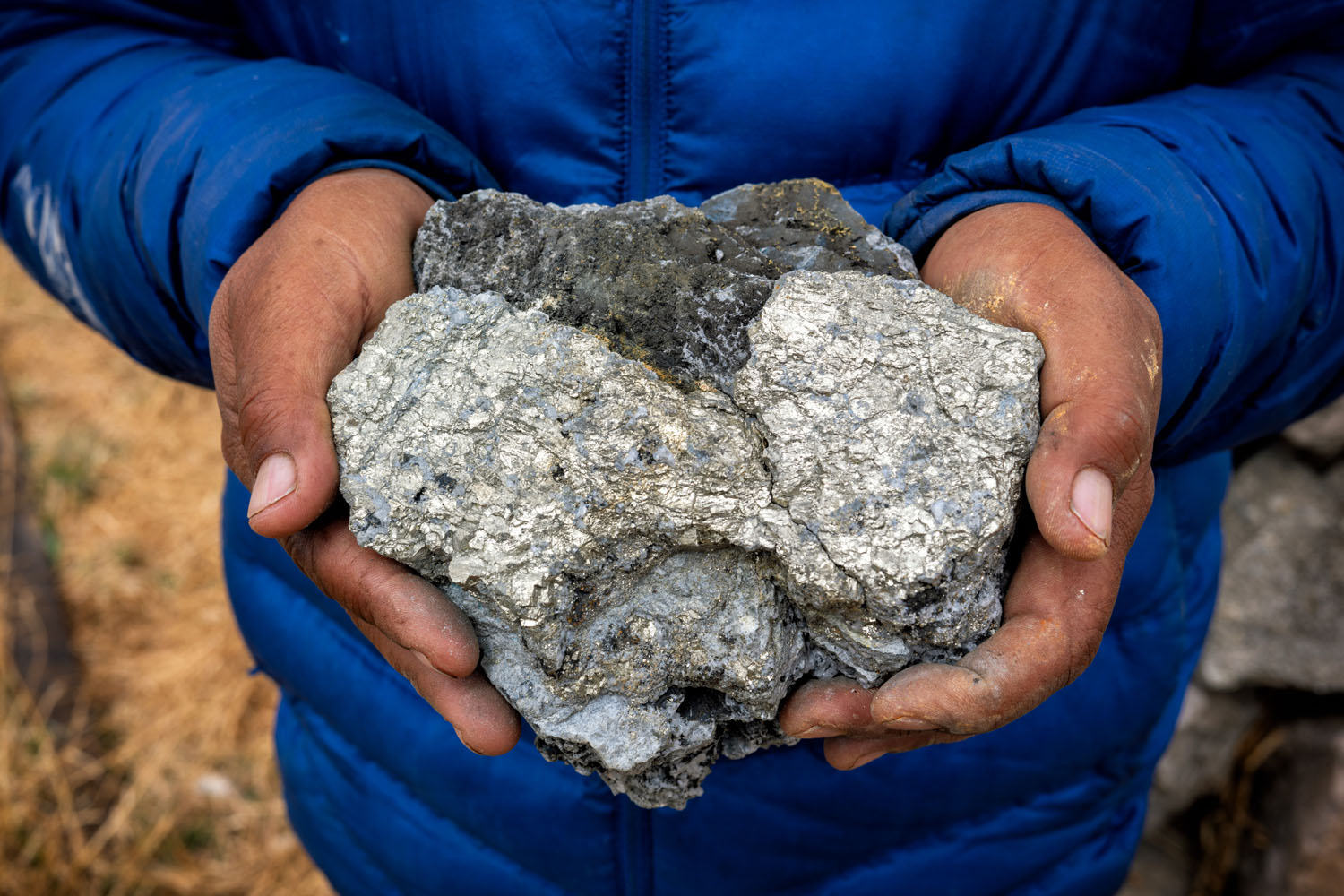
A miner emerges from the depths of an unregulated mining tunnel after inspecting the vein his team is pursuing. As global demand for metals rises, informal and illegal mining ventures are penetrating the most isolated parts of the Andes Mountains. Both legal and illegal mining significantly affect the local communities. While some residents seek the employment and financial benefits that mining provides, others advocate for its cessation. This divide is causing tensions within the communities and altering their cultural landscape.
The Andes Mountains boast an abundance of valuable minerals such as gold, silver, copper, and lithium, making them a target for global corporations and governments. Unfortunately, this relentless pursuit of wealth results in the displacement of communities, contamination of natural resources, and a devastating impact on local cultures.
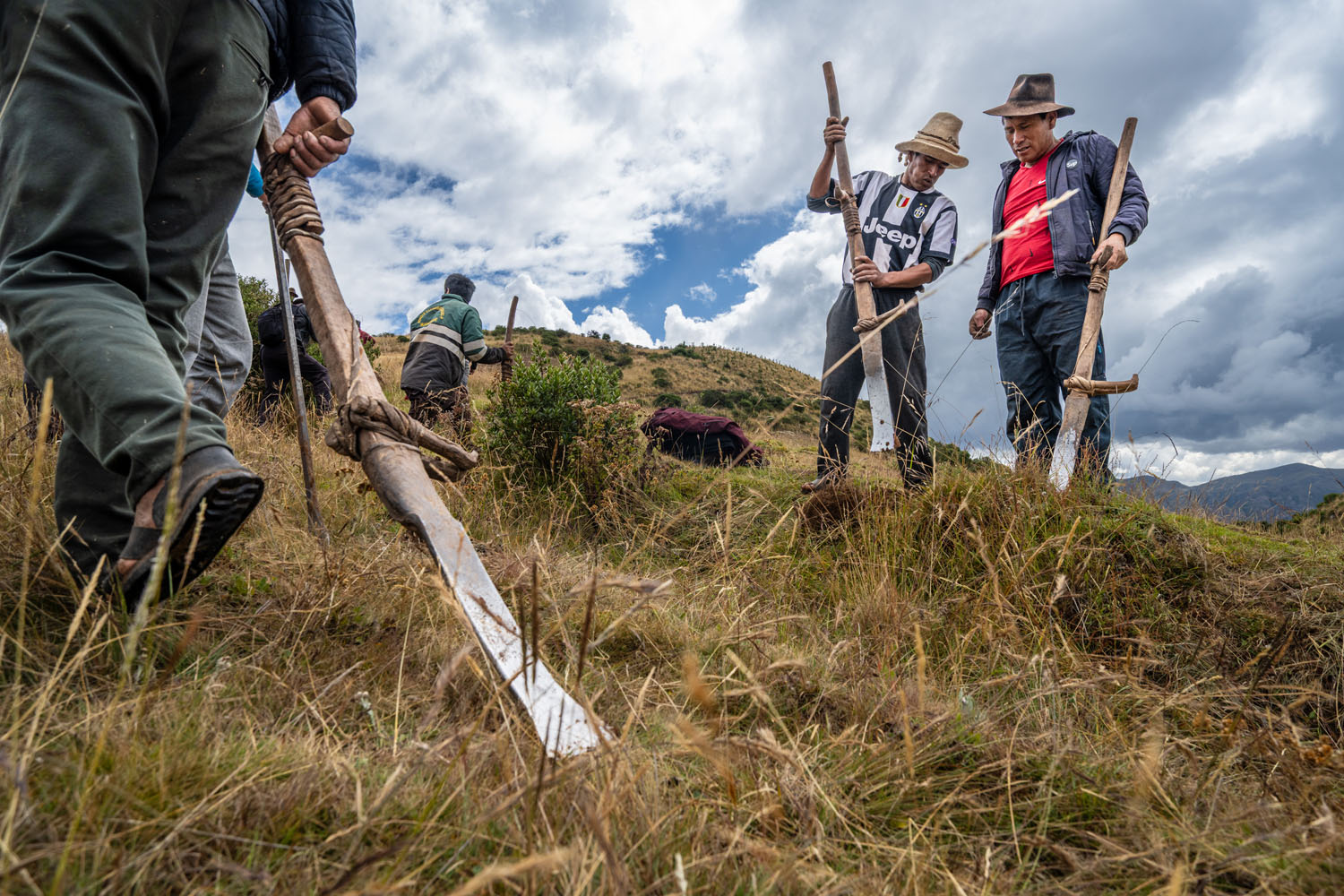
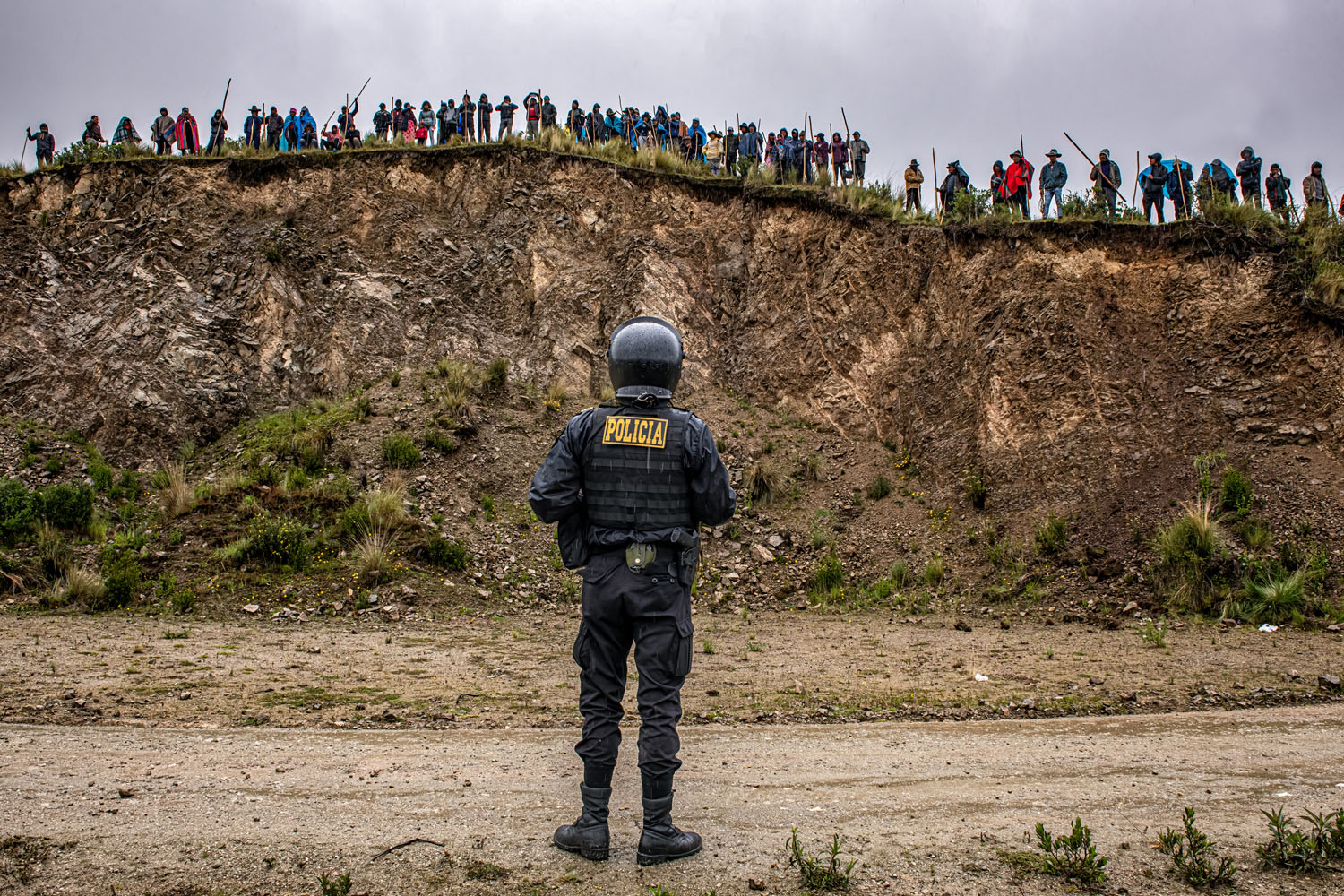
Men wielding only sticks stand firm at the entrance of their community, looking down at a lone police officer dressed in riot gear. The authorities are trying to displace the inhabitants of Tantarcalla, who have resided there for hundreds of years, to transfer the land to a single family from the adjacent hacienda that insists they are the legitimate owners.
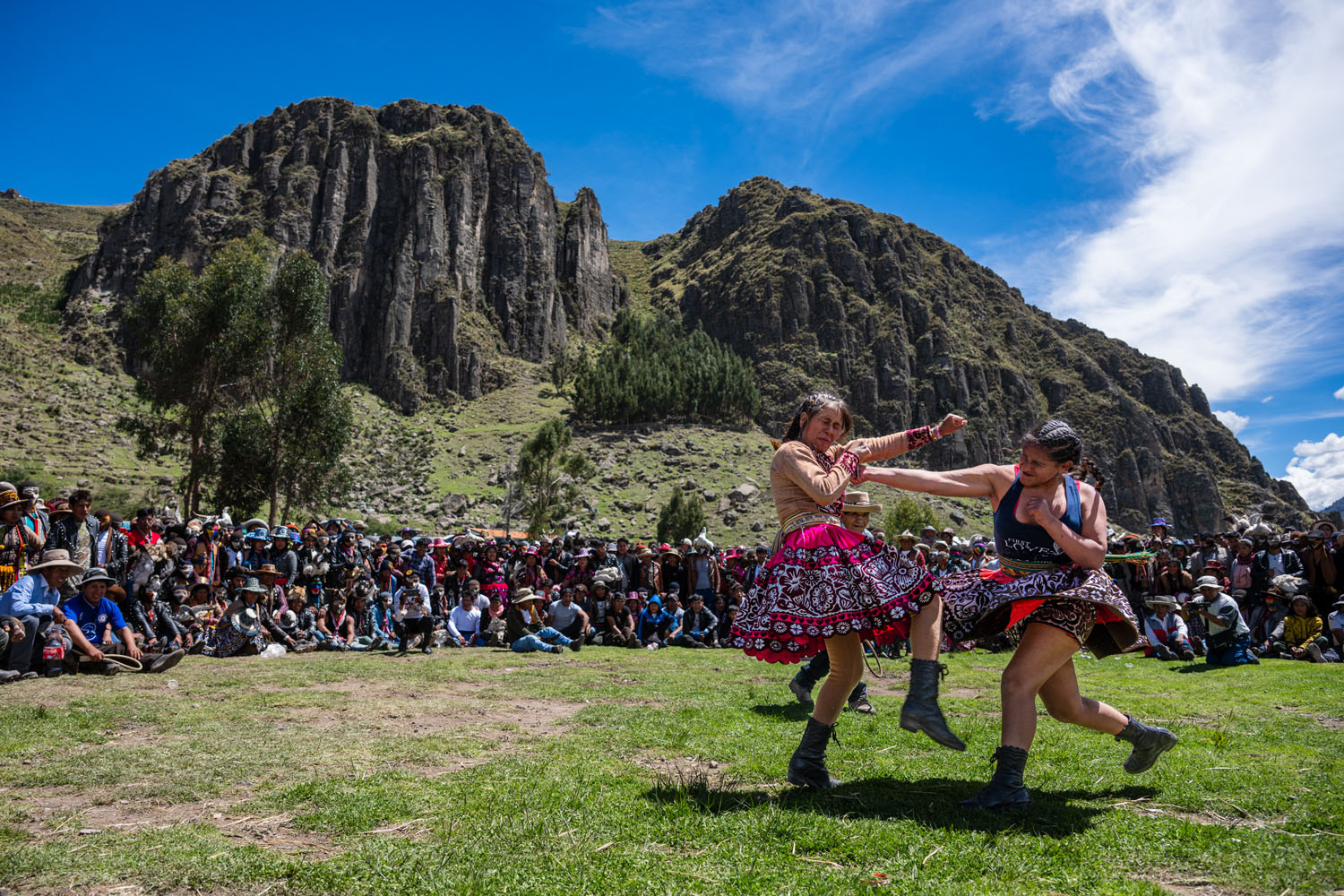
Traditionally, the fighting at Takanakuy was an exclusively male affair. Yet, in recent times, women have begun to step into the ring, eager to participate in the battles and showcase their combat skills.
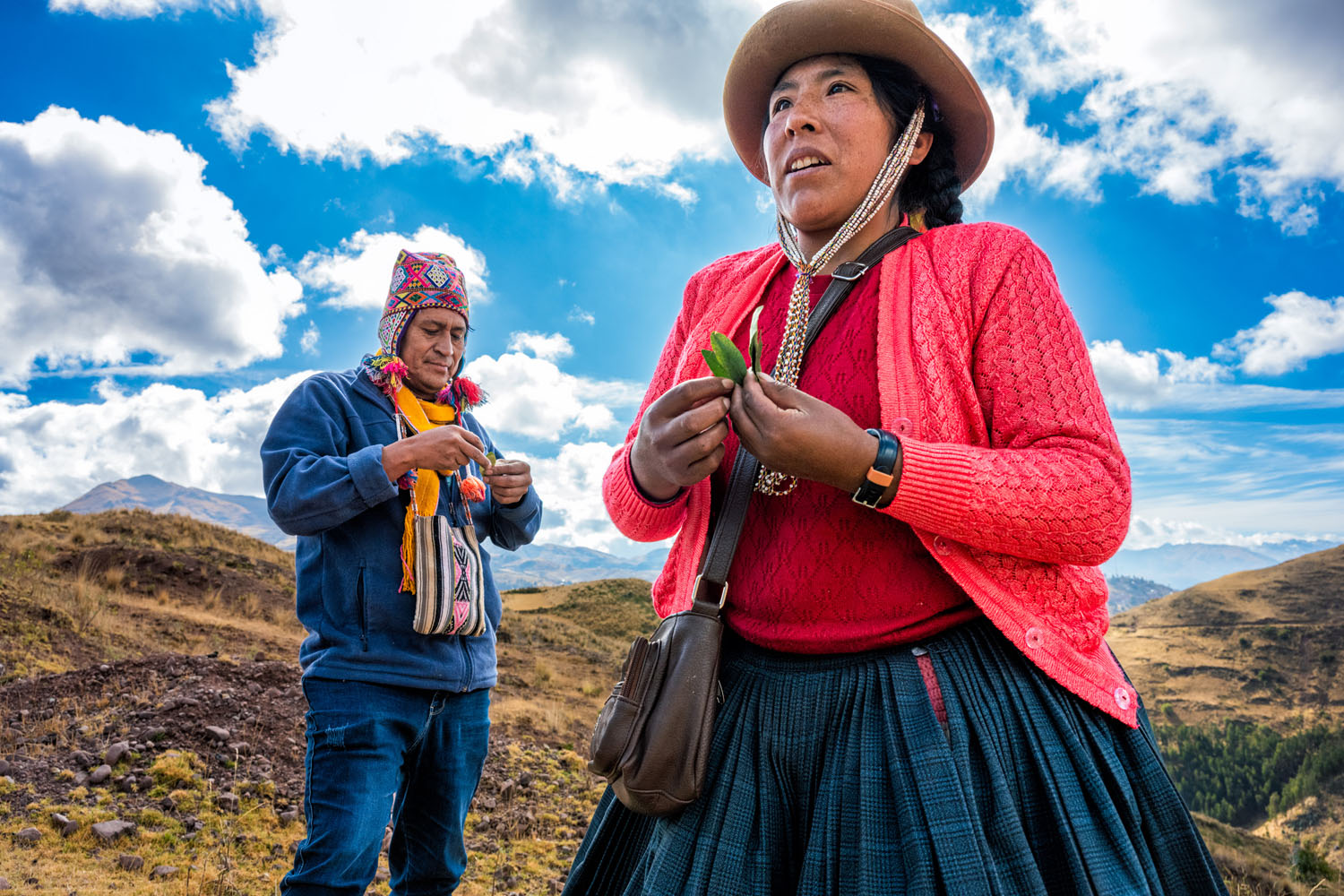
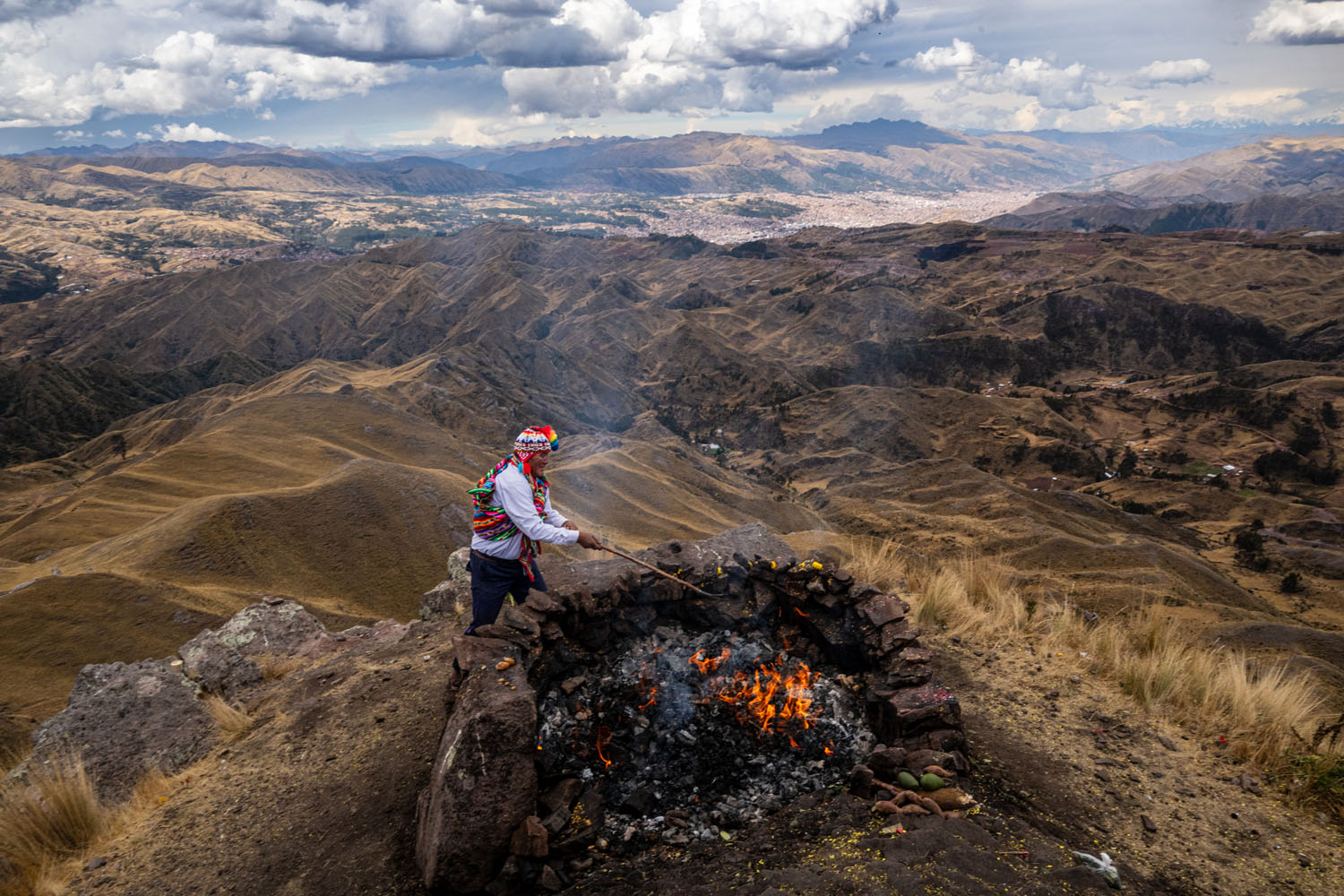
Paqo Marta leads a ceremony duriing Día de Pachamama (Mother Earth Day) held on August 1st each year. Paqos are spiritual practitioners who serve Pachamama (Mother Earth) and the Apus (sacred spirits of the mountains). They are tasked with maintaining a balance between the physical and spiritual realms. Paqos are also healers and are entrusted with cultivating harmony in the community.
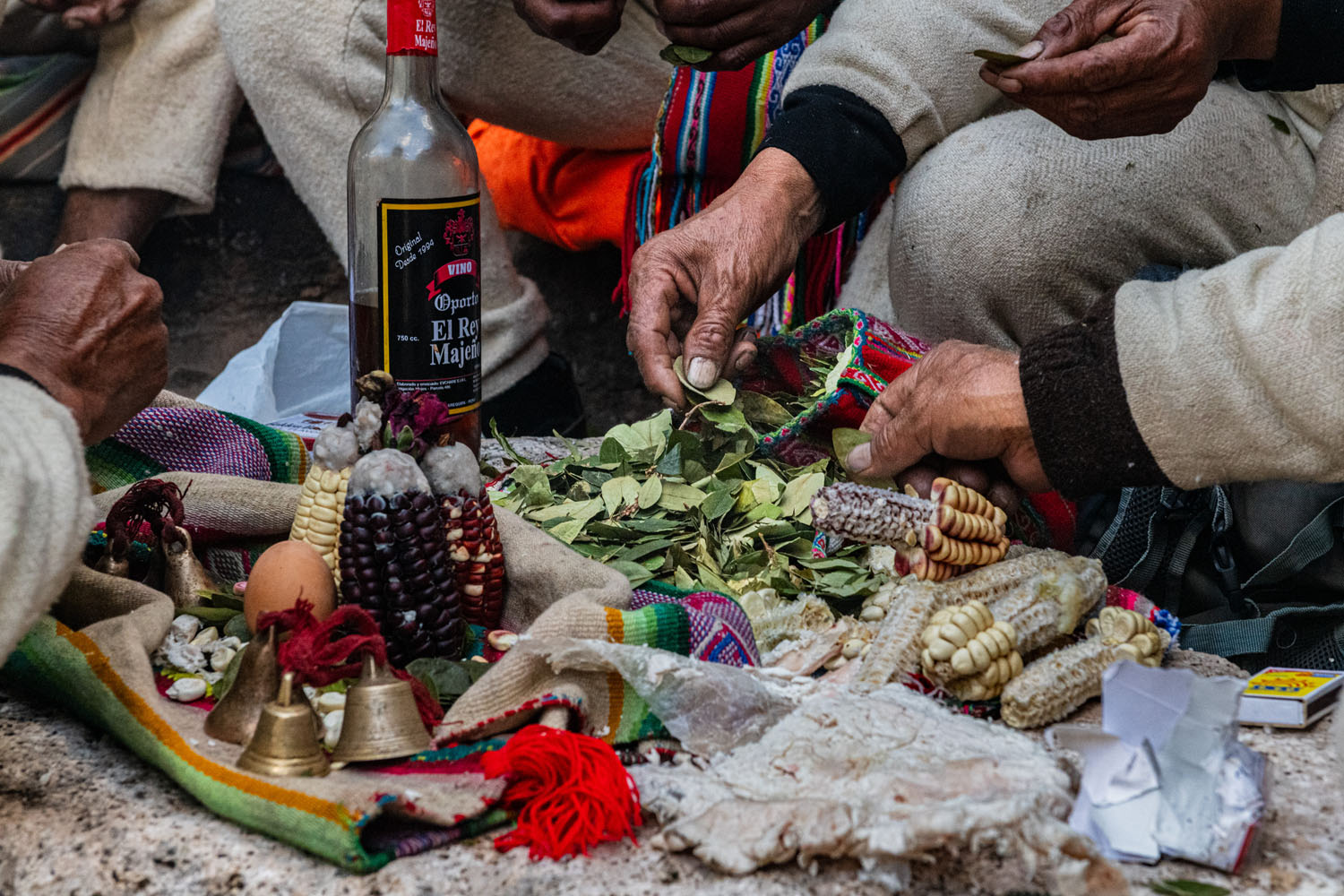
During the reconstruction of the Q’eswachaka Bridge, Paqos, the High Andean priests, lay out coca leaves, corn, eggs, and llama tallow on a stone altar. They oversee the rebuilding process while making offerings to the Apus, the mountain spirits, and Pachamama, the Earth Mother, seeking blessings for the bridge and prosperity for the community.
On August 1st ceremonial offerings are made to Pachamama (the Earth Mother) as a sign of reverence and to show gratitude for all that she has given. The Andean worldview holds a deep belief in reciprocity, known as Ayni in Quechua. The gifts given by the Earth need to be reciprocated in kind. Día de Pachamama is the day people collectively give thanks and honour her.
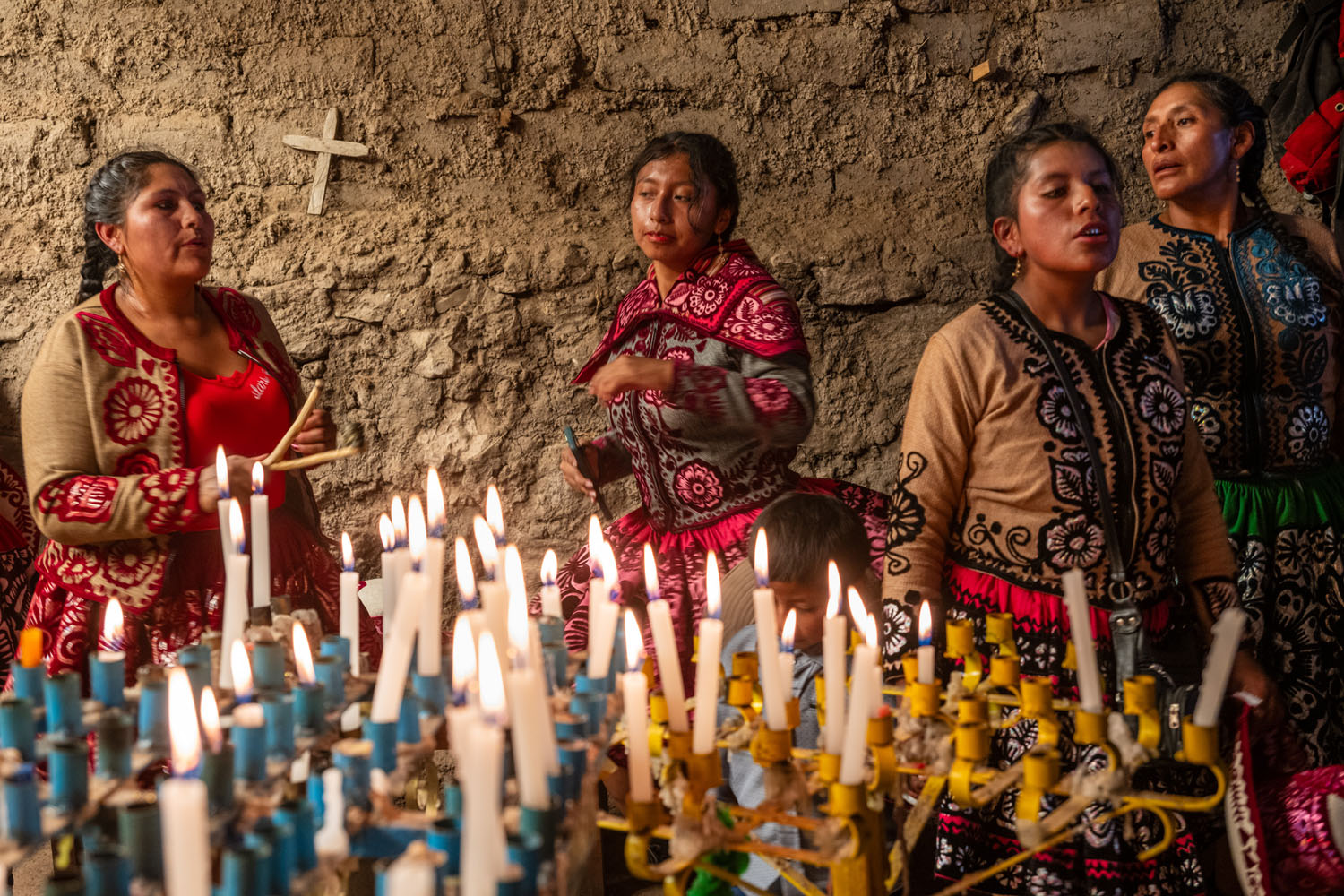
In a small chapel, women gather to dance and sing their prayers, preparing themselves for the traditional Takanakuy festivity, a term from the Quechua language that translates to “to hit one another.”
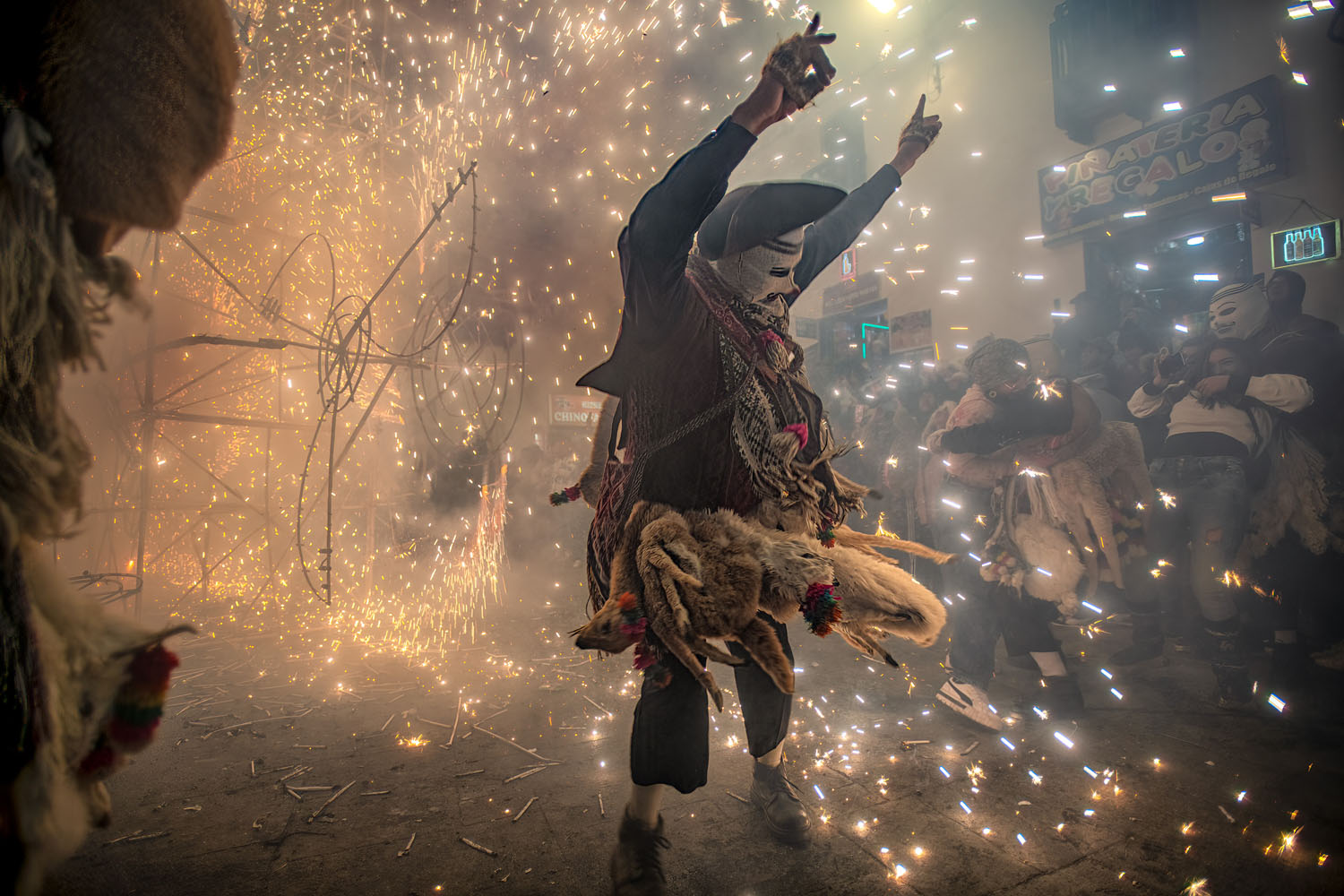
A Qhapaq Qolla dressed in traditional clothing dances amidst the vibrant bursts of fireworks at the Paucartambo Folk Festival with unwavering pride. He stands resolutely representing the resilience of the Indigenous Quechua people of the Andes Mountains, who have withstood the trials of colonization for hundreds of years.
Heidi: The Condor & The Bull aims to document the culture of the indigenous Quechua people of the Andes. Describe your vision for the project?
Michael: I intend to make this work into a photo book, which will incorporate narratives and text in English, Spanish, and Quechua. I aim for there to be accompanying exhibitions of the work along with artist talks. This will allow me to reach the widest audience possible. At the heart of this project lies the concept of Ayni, a foundational element of the culture. Ayni embodies the principle of reciprocity, which is vital for both individual and collective well-being. The belief is that balance is achieved through mutual exchanges—whether among individuals, within communities, or between people and Pachamama, the Earth Mother. Historically, prior to European contact, concepts of commerce and ownership were virtually non-existent; life was anchored in reciprocity with communities functioning as collectives. Although the Quechua people have adapted to the realities of capitalism and ownership, the essence of Ayni remains deeply woven into their societal fabric and often stands in contrast to contemporary systems. The project explores the ways which this is represented and how the two cultures co-exist yet move in tandem. From there the narrative examines the challenges the Quechua are facing, mainly in the form of climate change and rapid globalization along with the resulting impacts of these threats. The storyline will ultimately progress to how these issues are being confronted, what ways are the Andean worldview and accompanying traditions and beliefs being carried forward, and how does the culture endure. The world is rapidly changing at the moment and this is a significant time for the culture and the region, which is why felt this to be an important juncture to document.
How do you document or help sustain Quechua traditions under threats like globalization, climate change, and urbanization without treating them as fixed in time?
Cultures are continually evolving and never remain static. They are ever changing. This is seen in the Quechua culture, which incorporates Catholic and Peruvian nationalist symbols into their own customs which express their Andean worldview. This adaptation has allowed their traditions to endure over the past 500 hundred years of colonization. The key to cultures like Quechua enduring is through language and the knowledge contained within it. Currently, it is estimated that another language goes extinct approximately every two weeks along with the knowledge of their environment, their connection to the Earth, and their way of viewing the world. Globalization is a significant driving force behind this phenomenon, acting much like modern-day colonization. Multinational corporations and the wealthy nations in which they are based seek resources in remote areas of the world, exerting their influence over developing countries. This often results in minimal benefits for local populations, who bear the brunt of environmental degradation and the erosion of their human rights. These communities are frequently on the front lines of climate change impacts as well. Consequently, urbanization occurs as individuals are compelled to leave their communities in search of better opportunities. This migration leads to a decline in the number of speakers of their native languages and ultimately contributes to the extinction of those languages, along with the loss of their unique perspectives and traditional ways of life. So, although cultures indeed evolve, they should have the right to self- determination and not have another culture imposed upon them as is currently taking place globally. The end result of that would be a homogenized culture, diminishing the richness of diversity that benefits us all.
People who suffer the most from the changes imposed upon them are also the ones who gain the least. High-elevation alpaca farmers are not the ones who caused the glaciers they depend on to melt, but they are the ones who are affected and forced to deal with it. Neither are the communities facing drought and water scarcity, and the mining that is dividing communities primarily benefits outside parties who do not have to deal with the long-term effects and environmental degradation it leaves behind.
How do you build trust and relationships with individuals and communities as you document their lives and culture, especially given the sensitivity and privacy concerns around indigenous communities?
Building relationships and trust takes time, which is not allotted to photographers on assignment these days. Giving this project the time it needed in order to do it justice was important to me, which is why I decided to do it on my own. The origins of this project came as a result of spending time in a community volunteering for a non-profit medical organization over a decade ago. I would spend my free time, often before dawn, and in the evenings, walking and communicating with people in the fields, connecting and learning. I began to understand the challenges the people faced as the two cultures co-existed. At the end of the medical campaign, I was invited back to the community to attend Yawar Fiesta. This festival holds significant cultural importance, as it pits the condor, representing the Quechua people, against a bull, embodying the Spanish rulers, being symbolic of this ongoing struggle. It was this invitation that opened the door and led to the title of the project. It took me eight years to get back to Peru and to begin work on the project. On the day that I arrived in Cusco in December 2022, Peruvian President Pedro Castillo was arrested and imprisoned after attempting to dissolve Congress. Castillo is a Quechua man from the Cusco region, and the people rose up in protest against the government, feeling like their indigenous voice had been stolen. I documented the unrest for the international press for several months, listening and learning to people’s stories and slowly understanding the issues. This would be how I initially built trust and which led to invitations to communities and events to learn more. The vast majority of the time, this is how things have developed; I am invited to communities and events through the relationships and connections I have built. I also collaborate with non-profits and organizations working with communities that are facing many of the challenges I am exploring, especially those that give a voice to the concerns of local communities.
Often when I arrive in a community or event, I do not initially make any photographs. I may have my camera visually present, but do not lift it to my eye until after I have been presented to community leaders by someone trusted and we have shared coca leaves, the societal binder. Not until I have the blessing of the community do I begin to make photographs, and there have been many times when I put down the camera if I feel it is intrusive even if it means missing an important photo. I also share booklets I have created of the project with the communities I work. I am pleased to say that the narrative has been well received and appreciated.
What do you hope people (especially outside Peru) will take away from this work in terms of understanding culture, environment, and the relationship between the two?
As dominant and successful as Western culture has been in recent times, it is still only one way of viewing the world. The current state of the world makes it quite clear that we do not have all the answers. If we are going to change and if there is hope for humanity, we need to understand and learn from one another. Other voices, like those of the Andes, deserve and need to be heard. The few places on the planet where biodiversity and ecosystems remain healthy are in areas that are self-managed by indigenous populations. Perhaps it is time for others to hear what they have to share.
What major challenges have you faced while working on this project in the Peruvian Andes? This project has been completely self-directed, so not having an editor to work with regularly and consistently has been difficult at times. When I see the work regularly and know the narrative in my mind, I worry I miss the visual holes in the narrative, and need an experienced outside observer to lend some perspective and guidance. Of course, we all know that financial support is very limited these days, so funding has been an ever present challenge. I have self-funded this project, in fact, I sold my home to fund it- gulp. As far as actually creating the photography goes, the biggest challenge has been the language barrier, but I have built strong and lasting connections with people here, some of who speak Quechua, Spanish, and English who assist me. Finally, gaining access to many of the regions and communities poses its own set of challenges. They are often quite remote and communication and planning visits is not easy. So it requires plenty of time and patience.