The Art of the Personal Project: Doron Gild

The Art of the Personal Project is a crucial element to let potential buyers see how you think creatively on your own.  I am drawn to personal projects that have an interesting vision or that show something I have never seen before.  In this thread, I’ll include a link to each personal project with the artist statement so you can see more of the project. Please note: This thread is not affiliated with any company; I’m just featuring projects that I find.  Please DO NOT send me your work.  I do not take submissions.

Today’s featured artist: Doron Gild

Doron Gild 

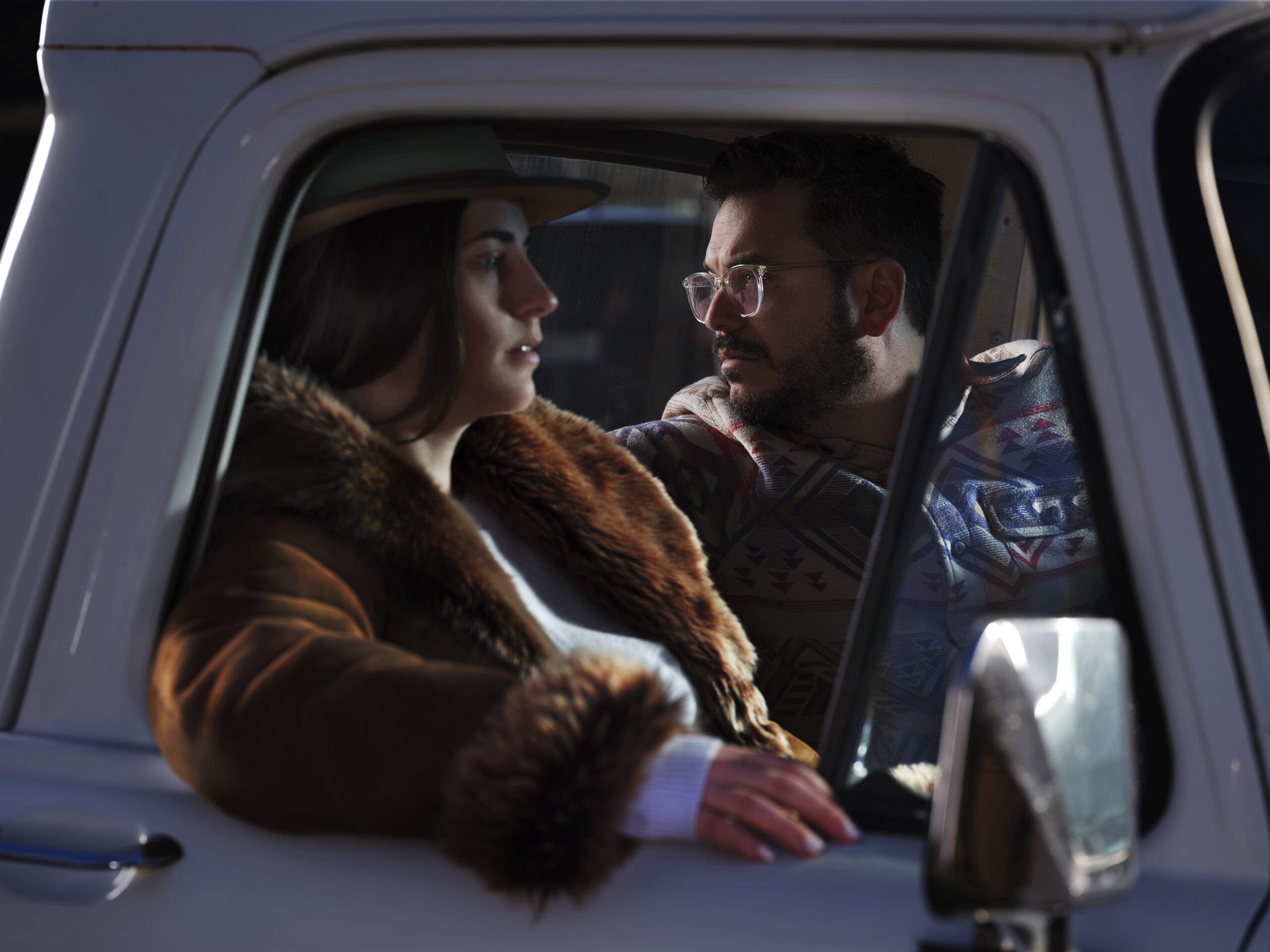
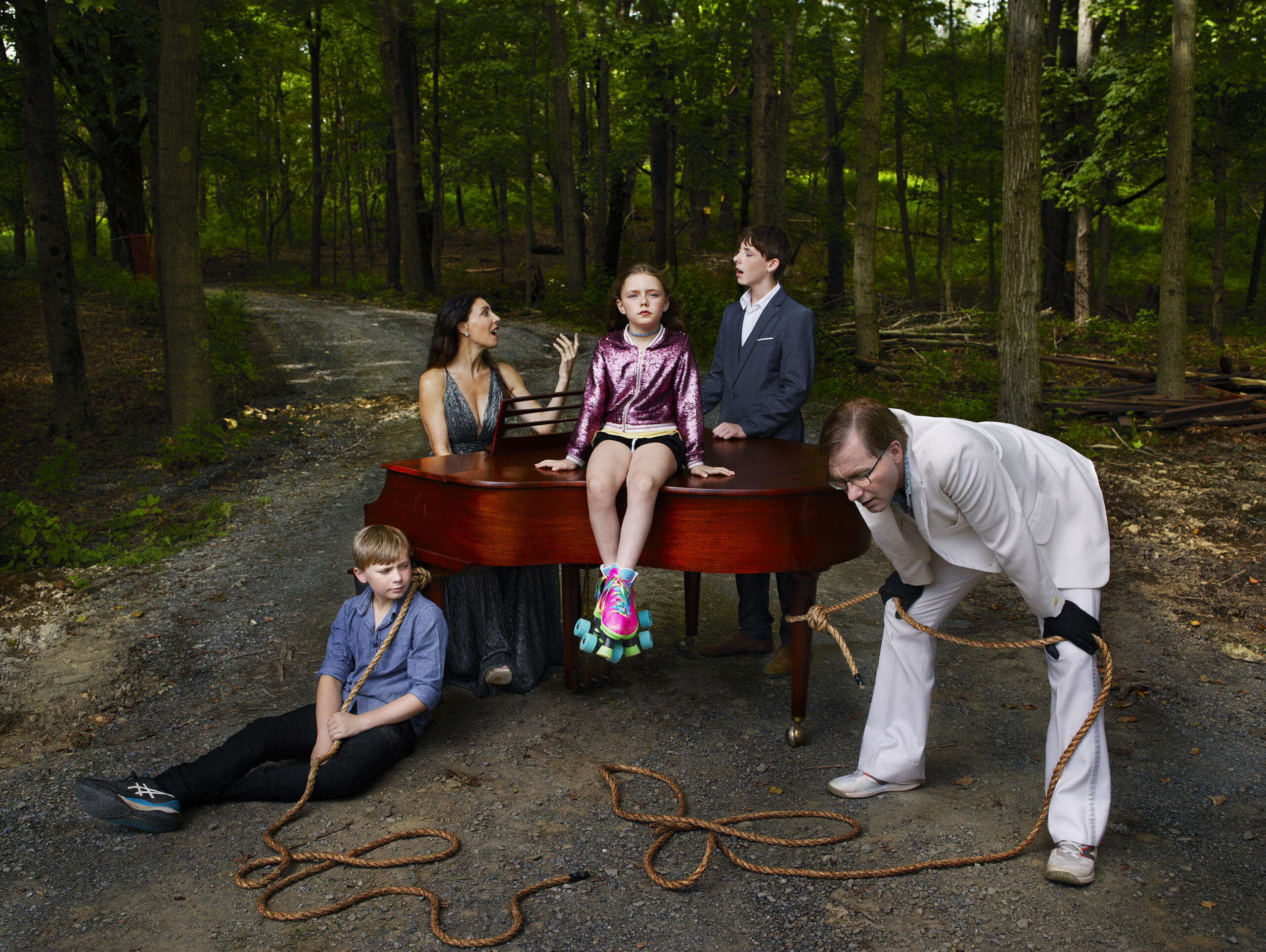
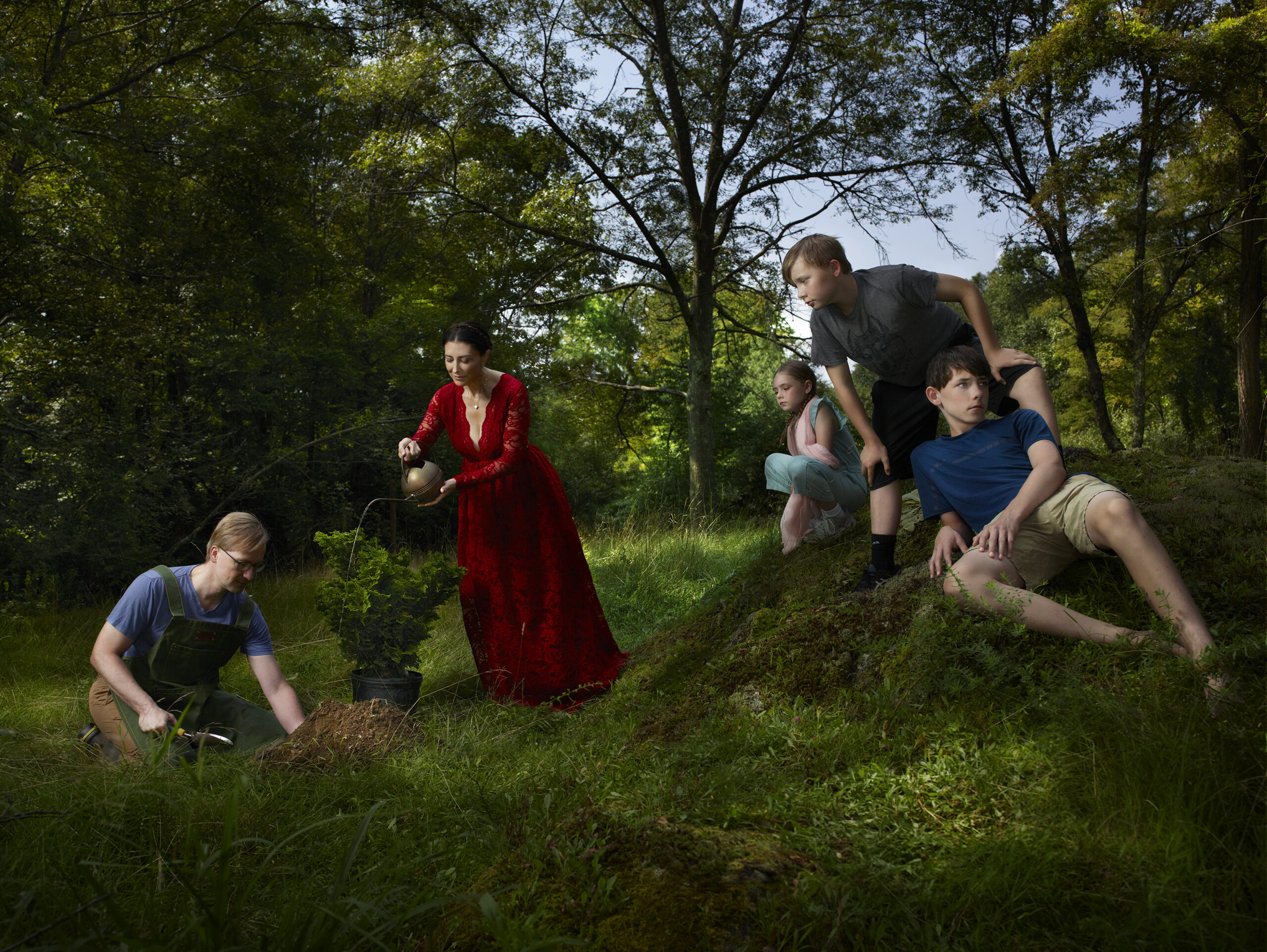
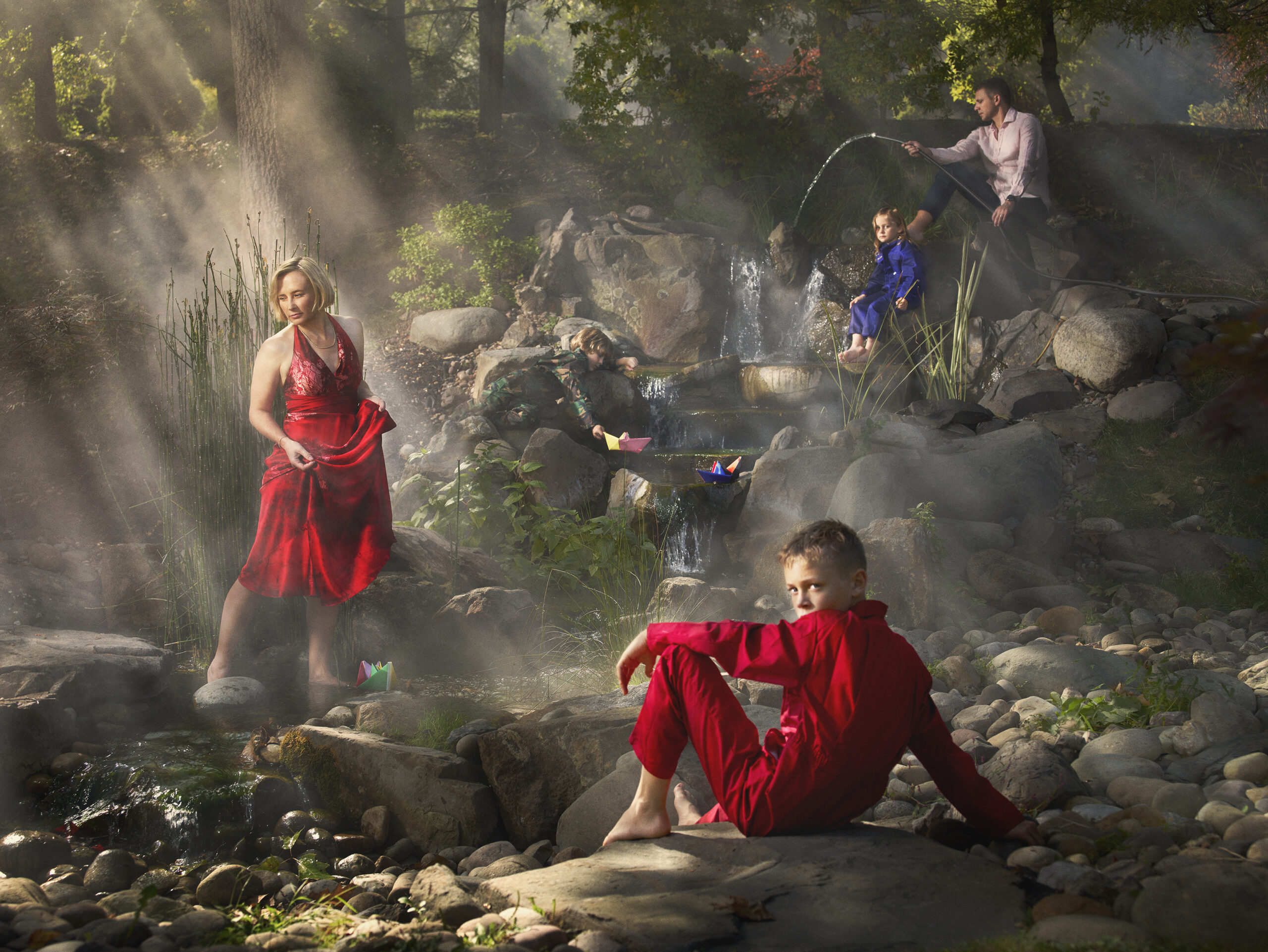
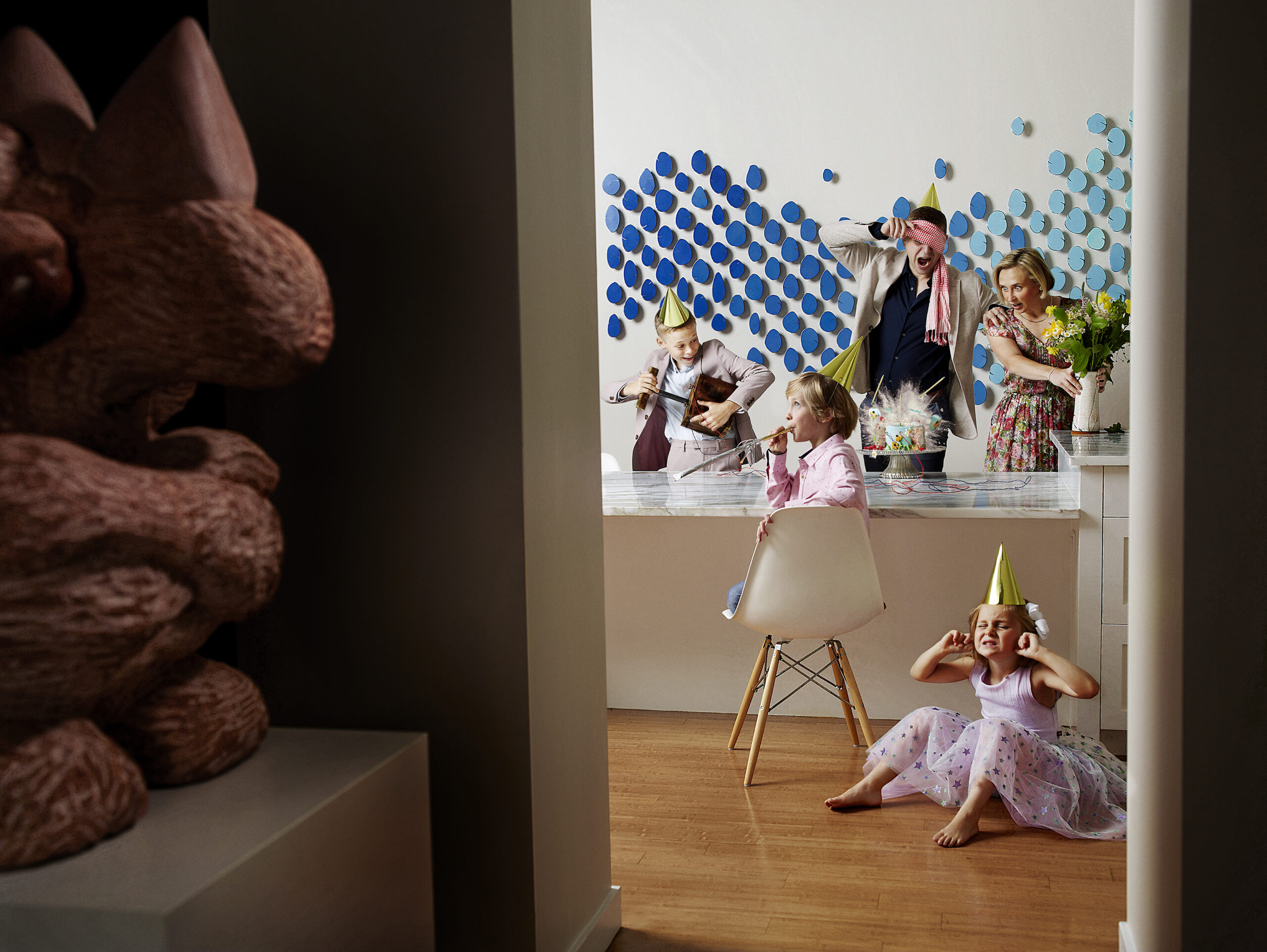
Throughout his career, photographer Doron Gild has successfully balanced artistic vision with commercial demands. Rather than viewing these as opposing forces, he creates meticulously crafted family portraits that honor both creative integrity and the client’s narrative.  Gild’s methodology is rooted in three principles: excavating authentic stories, assessing resources with strategic precision, and defining the creative challenge.  This deliberate process allows him to produce imagery that serves as both personal expression and a meaningful documentation.  Moving beyond the traditional gallery model, Gild considers his entire body of work to be his artistic statement. Each commission is an opportunity for creative exploration and artistic satisfaction.This approach ensures that every image reflects his commitment to artistic truth and the responsibility of capturing human stories.  Gild’s practice uniquely positions him in contemporary photography, where the boundaries between commercial and fine art dissolve in favor of authentic, conceptually driven imagery.

To see more of this project, click

Suzanne Sease is a creative consultant and former ad-agency senior art buyer. She works with both emerging and established photographers and illustrators to create cohesive, persuasive presentations that clients can’t resist.

Suzanne offers something rare: an insider’s perspective on how client’s source creative talent. Her deep understanding of the industry is underscored by her impressive resume: 11 years as senior art buyer at The Martin Agency, seven years as an art producer for Capital One, and stints with the art-buying department at Kaplan-Thaler and the creative department at Best Buy, where she applied her expertise to reviewing bids to see which were most likely to come in on budget. Over the years, Suzanne has worked with a wildly diverse range of clients, including Seiko, Wrangler, Bank One, AFLAC, and Clairol Herbal Essence. Now, as a consultant, she is equipped to problem-solve for her clients from an unusually dynamic point of view.

As a longtime member of the photo community, Suzanne is also dedicated to giving back. Through her Art of the Personal Project column on the popular website aphotoeditor.com, she highlights notable personal projects by well-known and up-and-coming photographers. The column offers these artists excellent exposure while reflecting Suzanne’s passion for powerful imagery.

Instagram

The Daily Edit – Abraham Saikley goes from neuroscience and philosophy to photography


Abraham Saikley

Heidi: You once said the best advice is to “fill the frame with what you like.” In an era of trends and algorithms, how do you protect personal taste?
Abraham: I think personal taste, or giving expression to what is real and true within ourselves, is the basis for nearly all compelling creative endeavors. Otherwise, what’s the point? The poet Rilke said it best when he wrote, “I beg you to give all that up. You are looking outward, and that above all you should not do now… There is only one single way. Go into yourself… Describe your sorrows and desires, passing thoughts and the belief in some sort of beauty—describe all these with loving, quiet, humble sincerity… And if out of this turning inward, out of this absorption into your own world verses come, then it will not occur to you to ask anyone whether they are good verses.” This applies to any medium. I prefer to forget trends and conventions (or never learn them at all) and simply fill the frame with what moves me. Which part of the scene in front of me is saying something interesting? What evokes a feeling of aliveness in my body? It’s about honing in on this and stripping the rest away, using these feelings as a guide when composing images and throughout the entire creative process. Sharing my work has led to some wonderful things for myself and others, but I usually wait a while after a trip before publicly sharing anything so it doesn’t color my experiences or motivations.

You describe photography as a devotional act. What does devotion look like in practical terms when you’re alone in the wilderness with a camera?
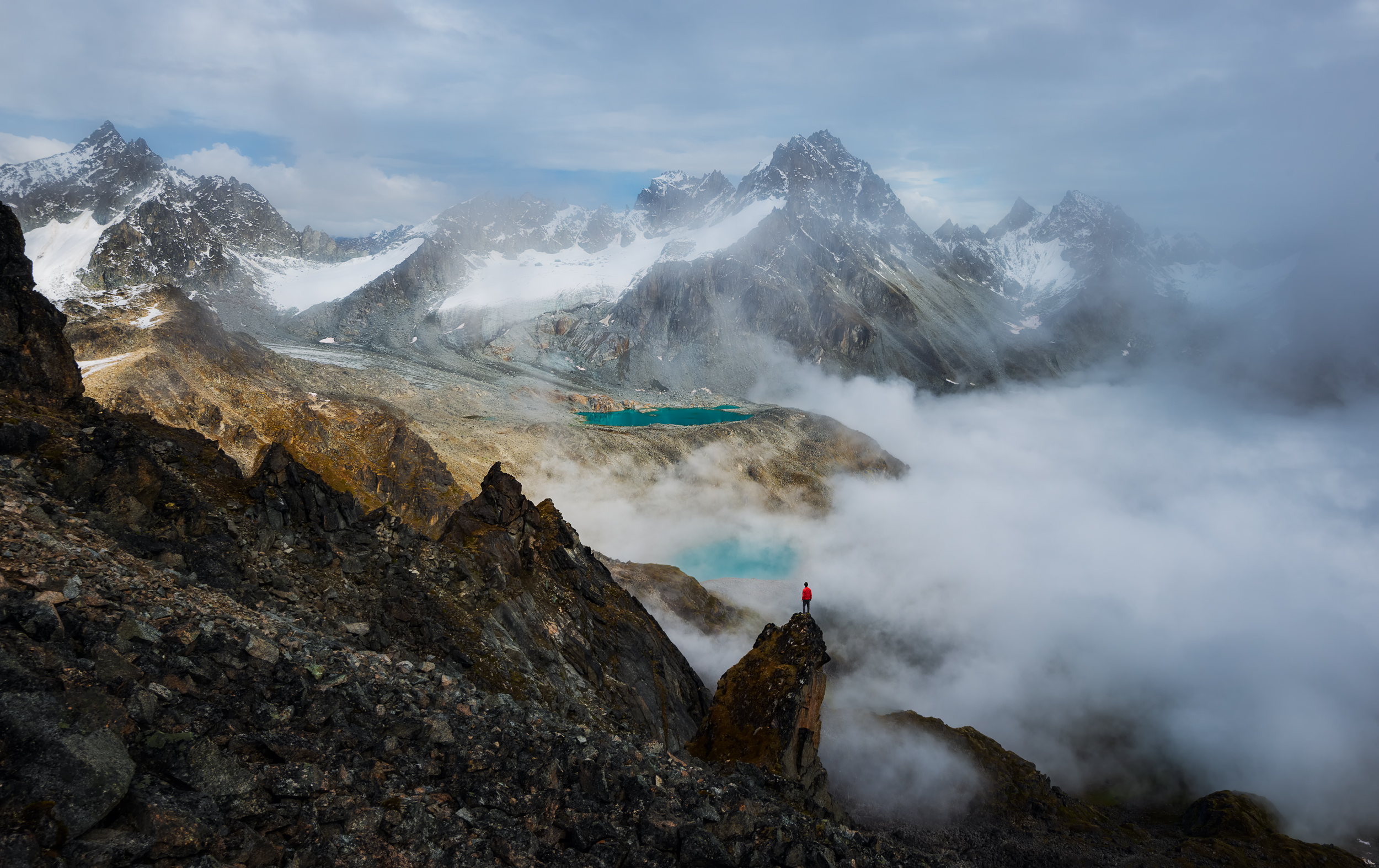
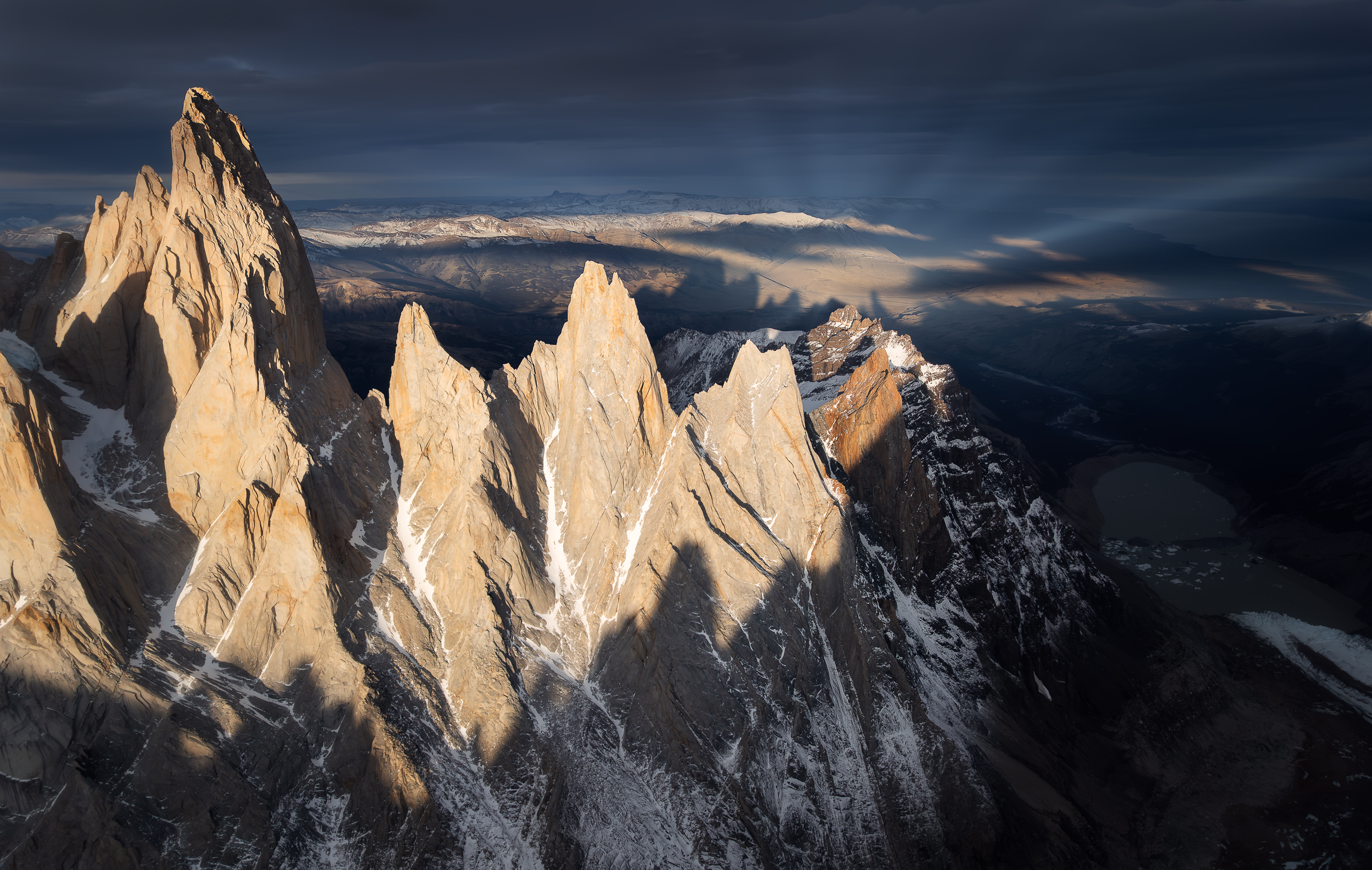
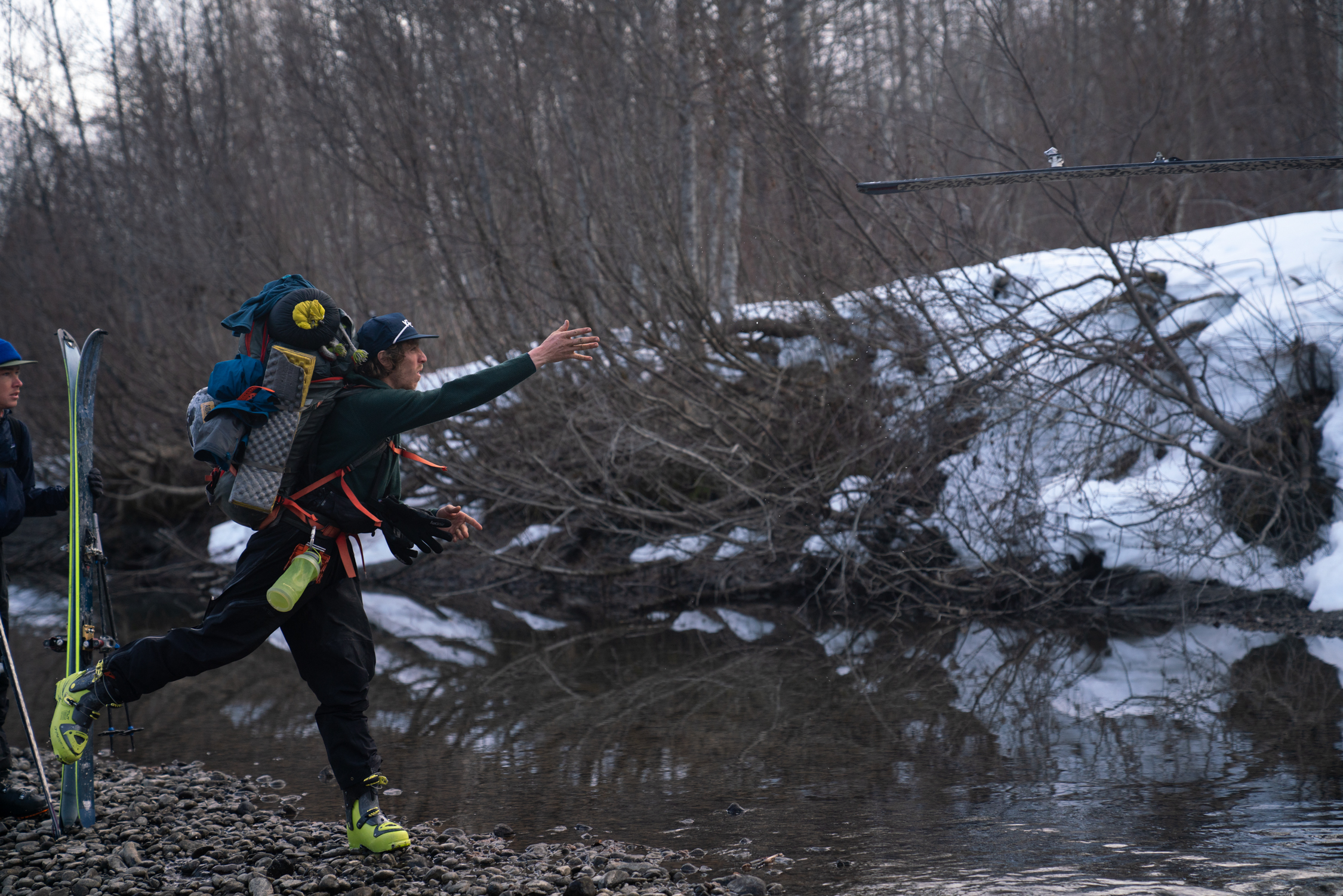
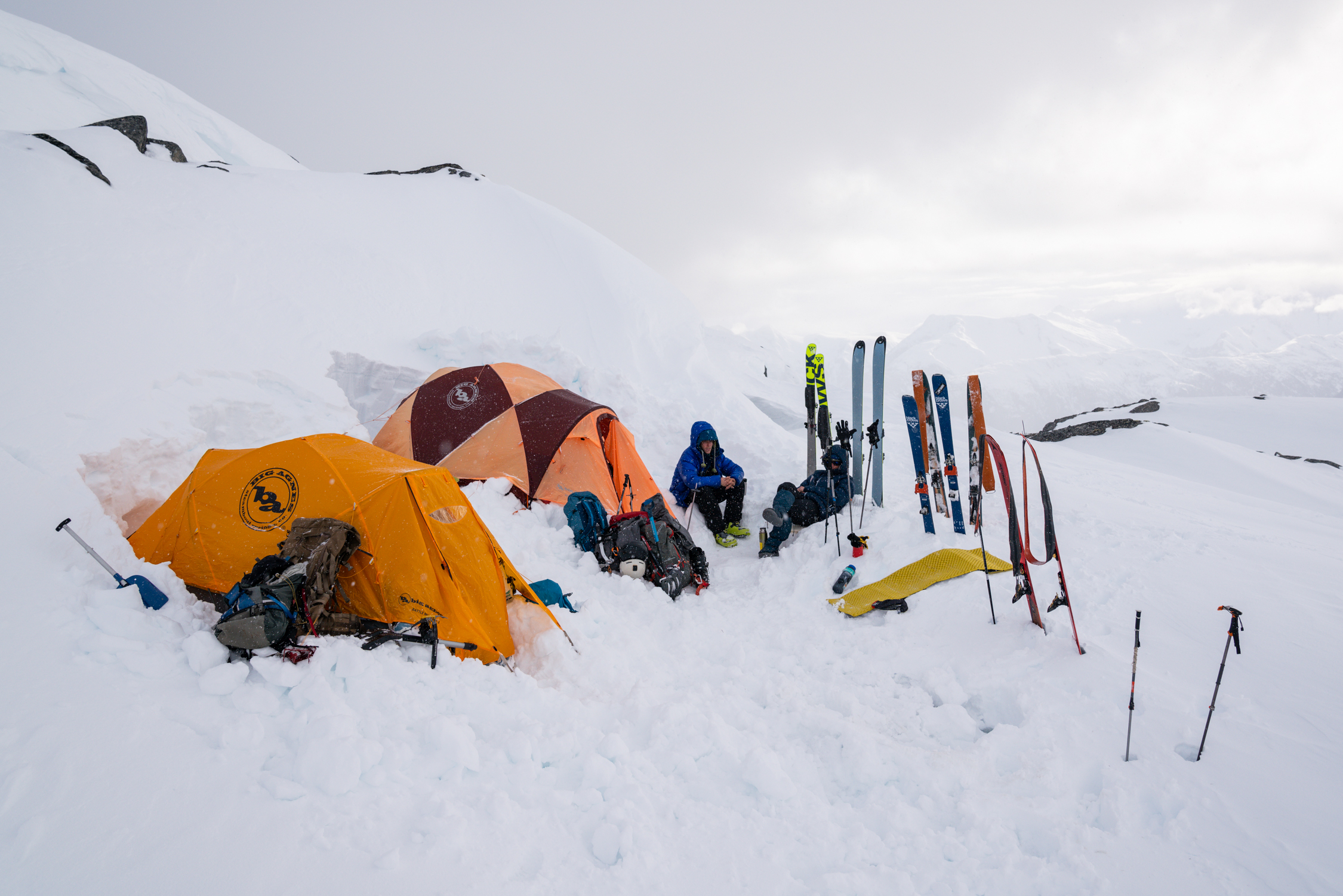
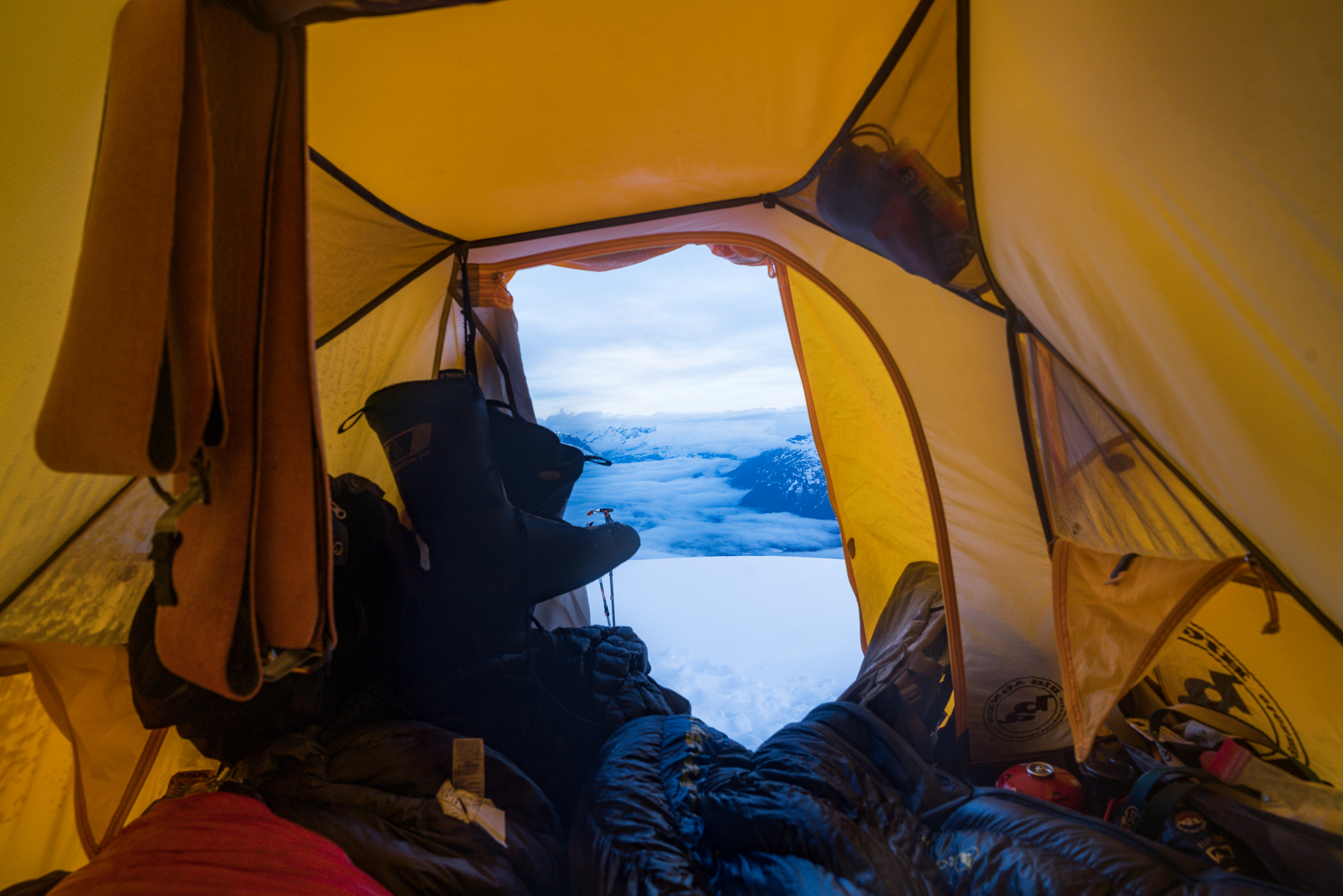
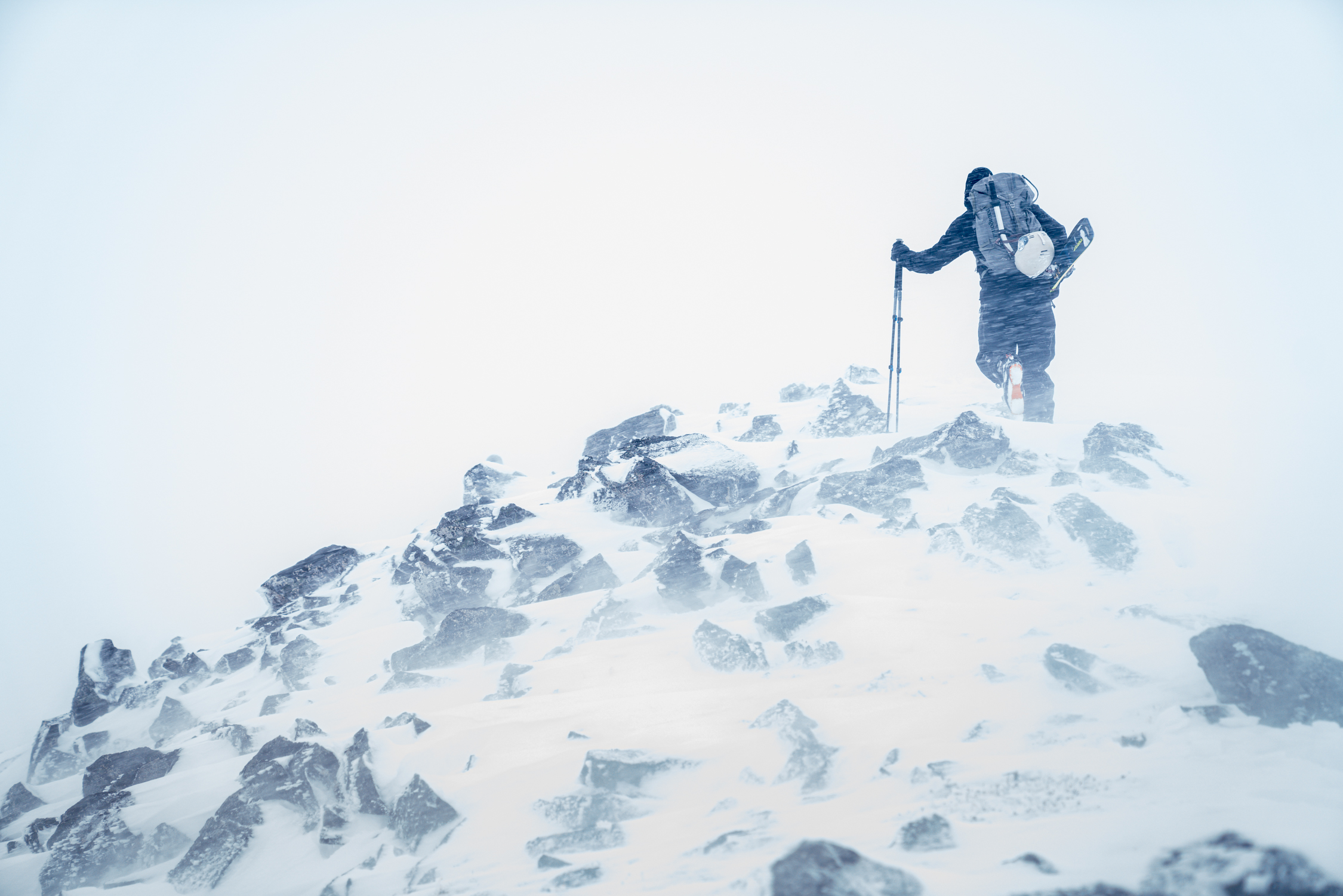
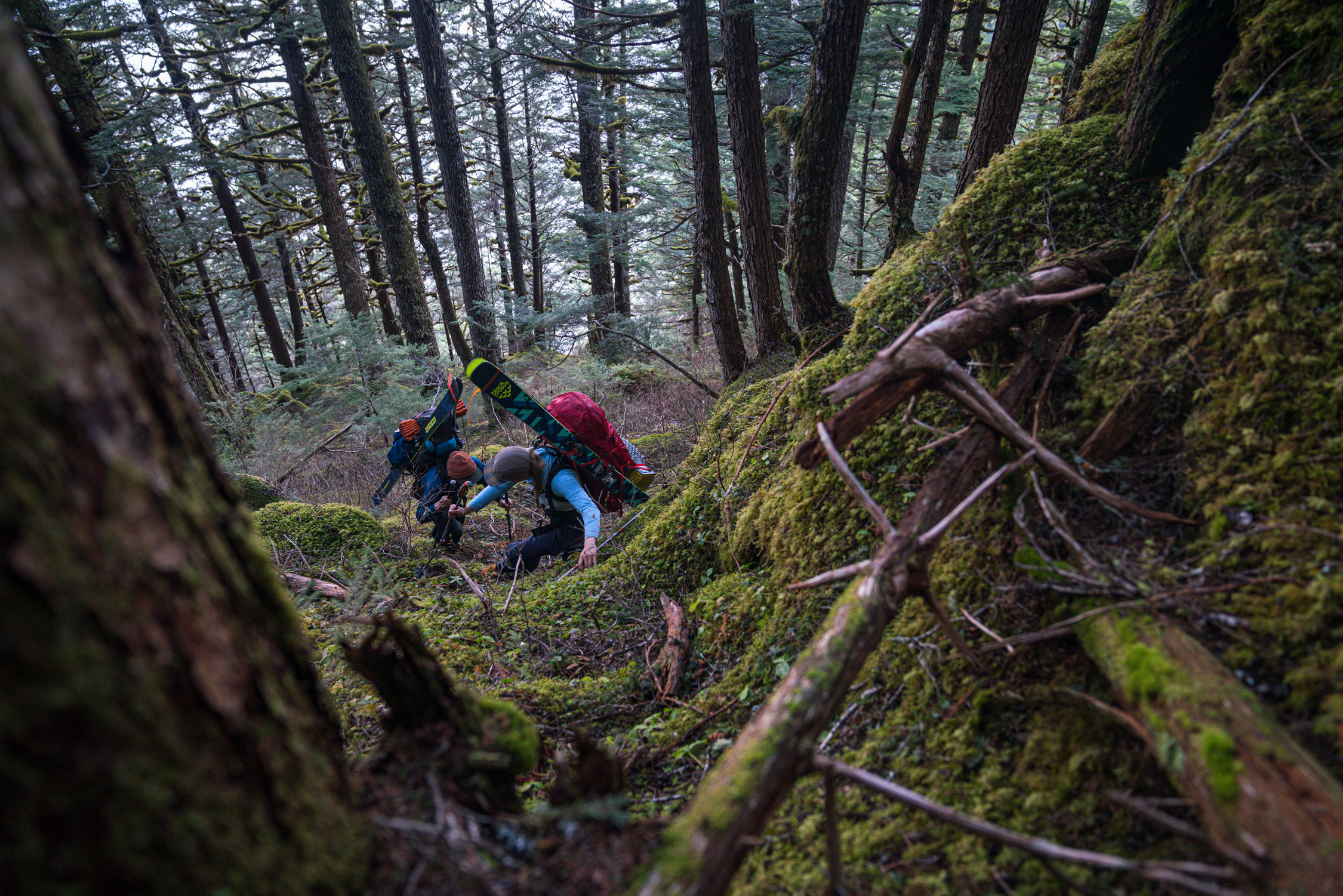
This can look like eating cold-soaked couscous and frozen olive oil each night for two weeks while hauling an 80-pound backpack across the arctic tundra. Or going into the mountains of El Chaltén every time a marginal weather window appeared over six months, knowing I’d likely get thrashed by a violent storm and come back empty handed. Or shivering in my bivy sack on a snowy ridgeline, awestruck by the aurora dancing across the sky. Or bushwhacking down a muddy mountainside in the Alaskan rainforest and then pushing a shopping cart loaded with three weeks of gear through Juneau all night to make it onto a boat in time. Or letting light dictate my sleep schedule, navigating glaciers and steep talus in the dark and pushing deep into exhaustion in order to be where I want for sunrise. I try to approach with reverence and curiosity. A key piece while I’m out there is journaling to better preserve my experiences and use as a reference later when editing. I extensively scour Google Earth before stepping foot in the backcountry but build enough slack into my systems for spontaneous exploration once I’m there. It’s an integration of physical capacity, decision making in consequential environments, technical camera skill, attunement to the outer and inner landscape, and a whole lot of stubborn will in service of venerating a place that inspires me.

You studied neuroscience and philosophy before leaving that path for a life built around meaning and experience. How has that academic background shaped the way you photograph landscapes?
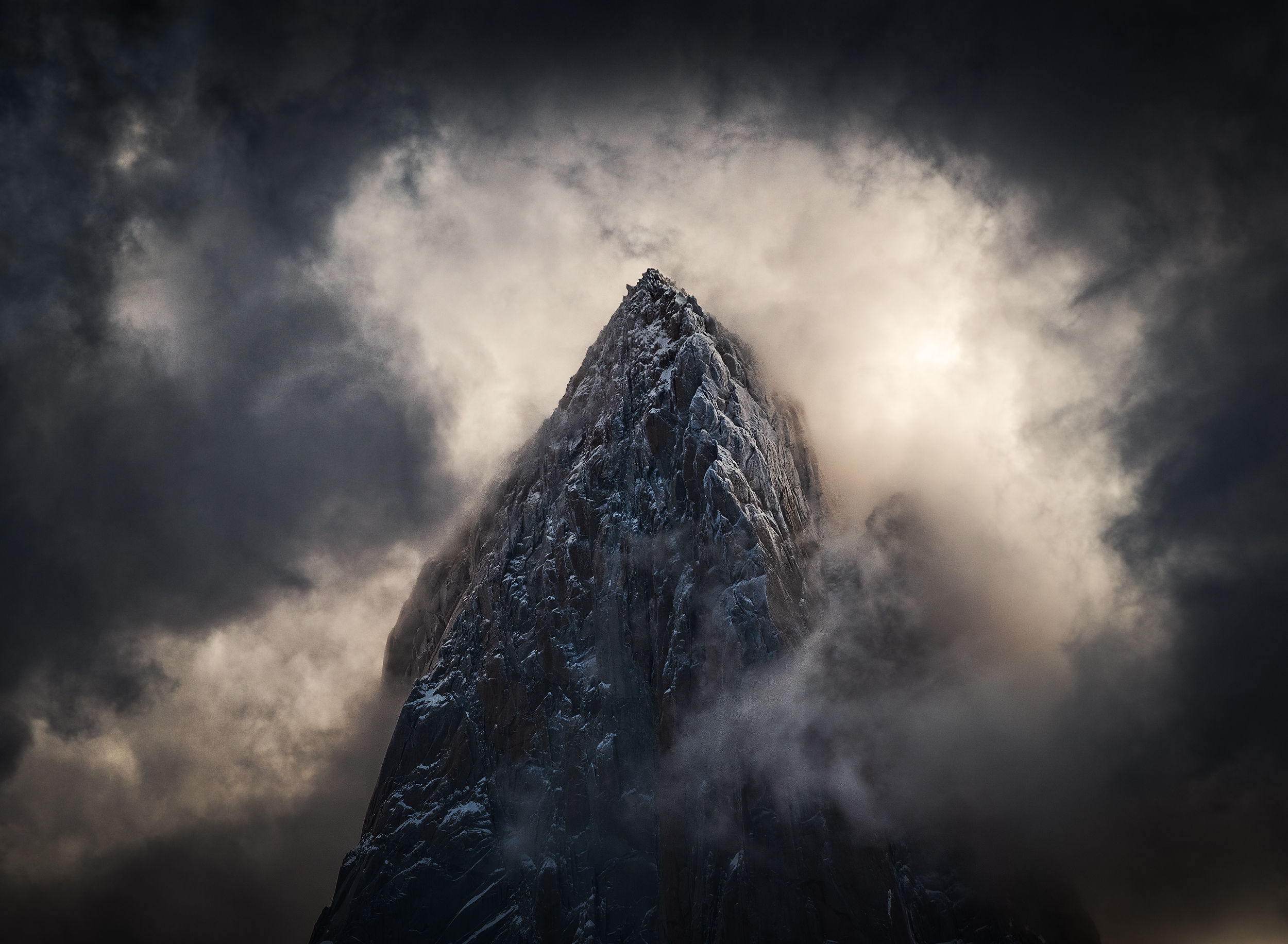
I’m incredibly grateful for my academic background, doing neurobiology research at Stanford and UCSF and studying both Eastern and Western philosophies with awesome professors. These inquiries have led me to believe that reality is probably far weirder and more mystical than any of us can fully know—not even in a faith-based way but by rigorously following the available evidence. That is a whole other conversation, but through academic study and repeated personal experience, I’ve become increasingly open to the possibility that landscapes are more than inert physical matter. I have an unmistakable affinity for specific mountains and valleys where the veil of ordinary reality feels thinner, where mountains feel like entities with unique dispositions and it seems like some sort of ancient awareness or energy is pulsing through the land. I don’t pretend to be certain about what is going on, but I’m not speaking metaphorically here either. I think this tracks with your earlier question about devotion. Landscape photography is most interesting and meaningful to me when using it to commune with these special places, and I’ve organized my life around doing so. Studying neuroscience and philosophy has also been part of an ongoing personal journey of healing, joy, love, truth, etc. With the help of a skilled therapist, this has included integrating aspects of myself that are suppressed or polarized. One example is the false dichotomy between strength and sensitivity. They are valuable parts of a whole and can support each other tremendously. When I’m able to give expression to both, a sense of wholeness and vitality naturally emerge within me. I notice similar dynamics mirrored in outer landscapes, like when warm delicate light adorns a rime-plastered granite monolith and in that moment everything surges with aliveness. In one way or another, most of my landscape images are about interdependent relationships between polarities. I like to play with these relationships to convey the character of the place and conjure dynamic tension, stillness, or both at once.

How do you assign photographic meaning to consciousness?
Photography can be used to express conscious states and subjective experiences in an immediate way that bypasses conceptual overlay. I especially consider this when making editing decisions. Your question reminds me of Alfred Stieglitz’s Equivalents.

There’s a recurring tension in your story between conventional success and inner alignment. What did the wilderness teach you that institutions couldn’t?
In academia and the rest of modern society, self-abandonment is widespread. Inner alignment is systemically undermined. I noticed a compulsion to always work harder, achieve more, posture to be perceived in a certain way, and conflate my worth and identity with what I did. I’m privileged to have attained a fair bit of conventional academic success to see how empty and futile this game is even when played well. I worked hard, reached most of my goals, moved the goalposts and reached them again, got recognition that momentarily felt nice, and learned a lot about the things I was genuinely interested in. Yet my day-to-day experience was no more joyful. This pretense simply doesn’t exist in the wilderness. While it’s easy to repurpose time in nature into similar achievement-oriented activities, even just a few days of real stillness in the wilderness can help us see through the whole charade. We become our environment to some degree. Spending so much time in expansive, austere landscapes has helped me shed layers of conditioning and begin uncovering an innate sense of wholeness decoupled from subtle forms of posturing. Relatedly, I suggest people read a beautiful poem called Clearing by Martha Postlethwaite.

You’ve spent years living out of your car and prioritizing experience over comfort. What have you gained creatively by stripping life down to its essentials and how does that map back to your philosophy studies, or ego consciousness?
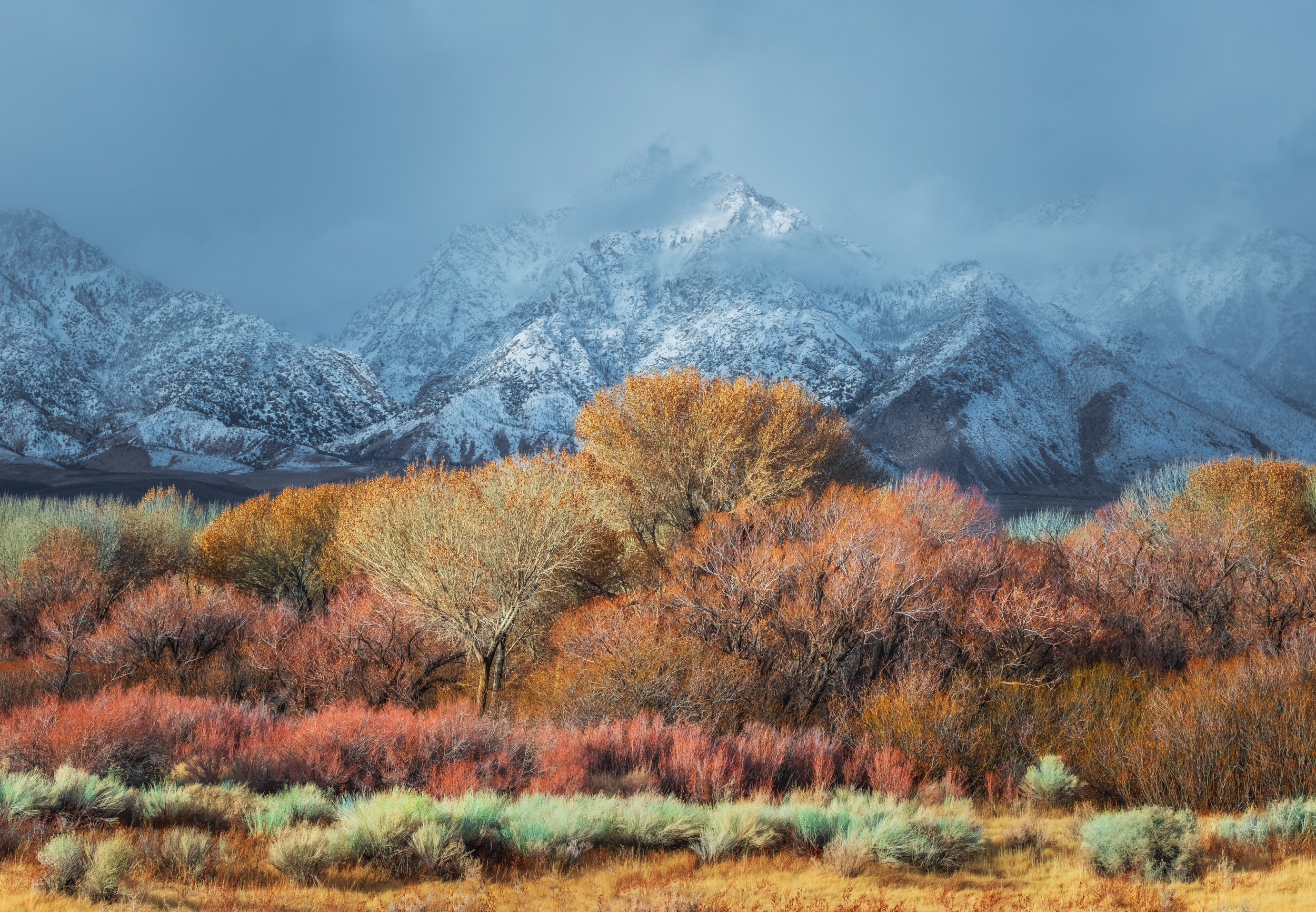
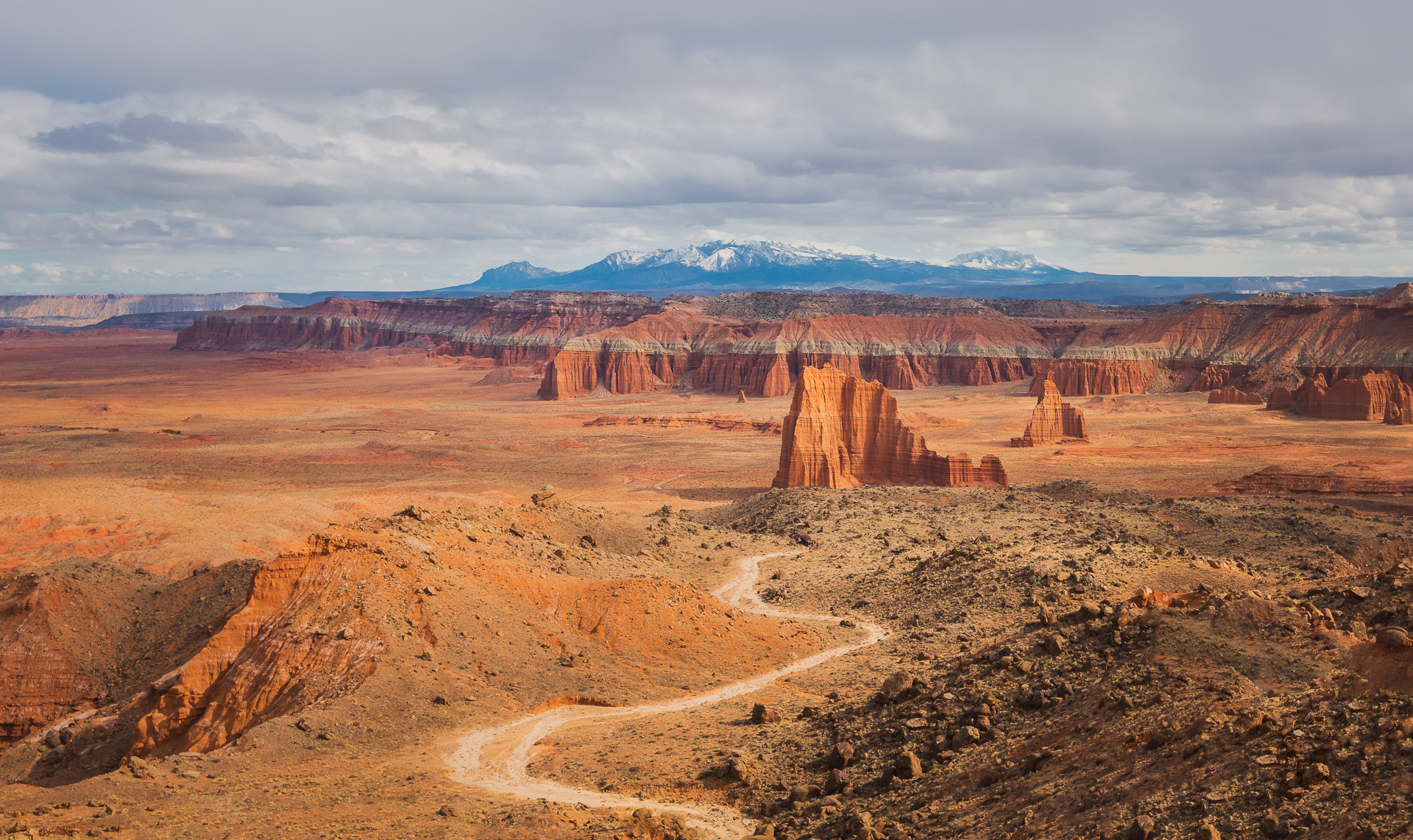
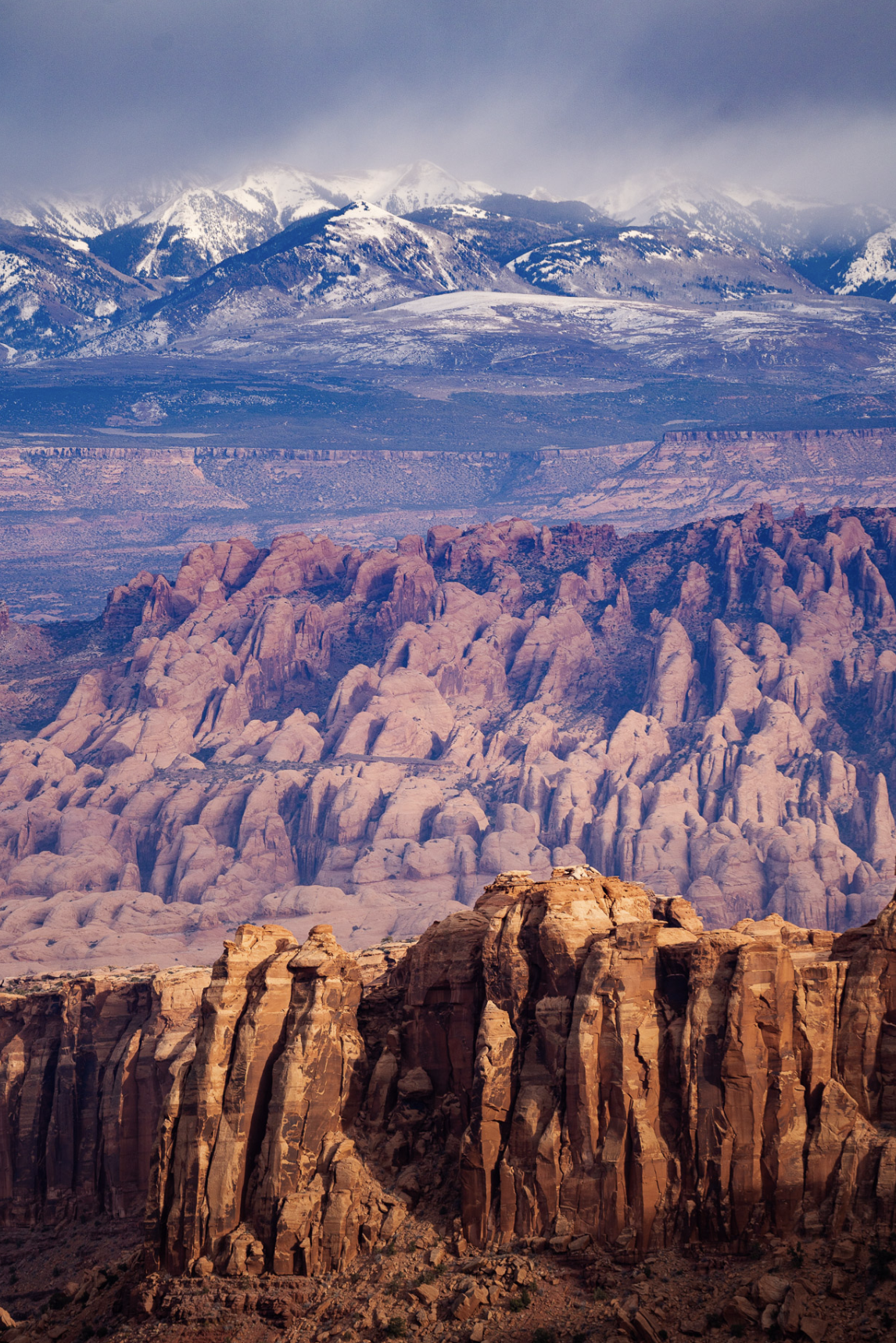
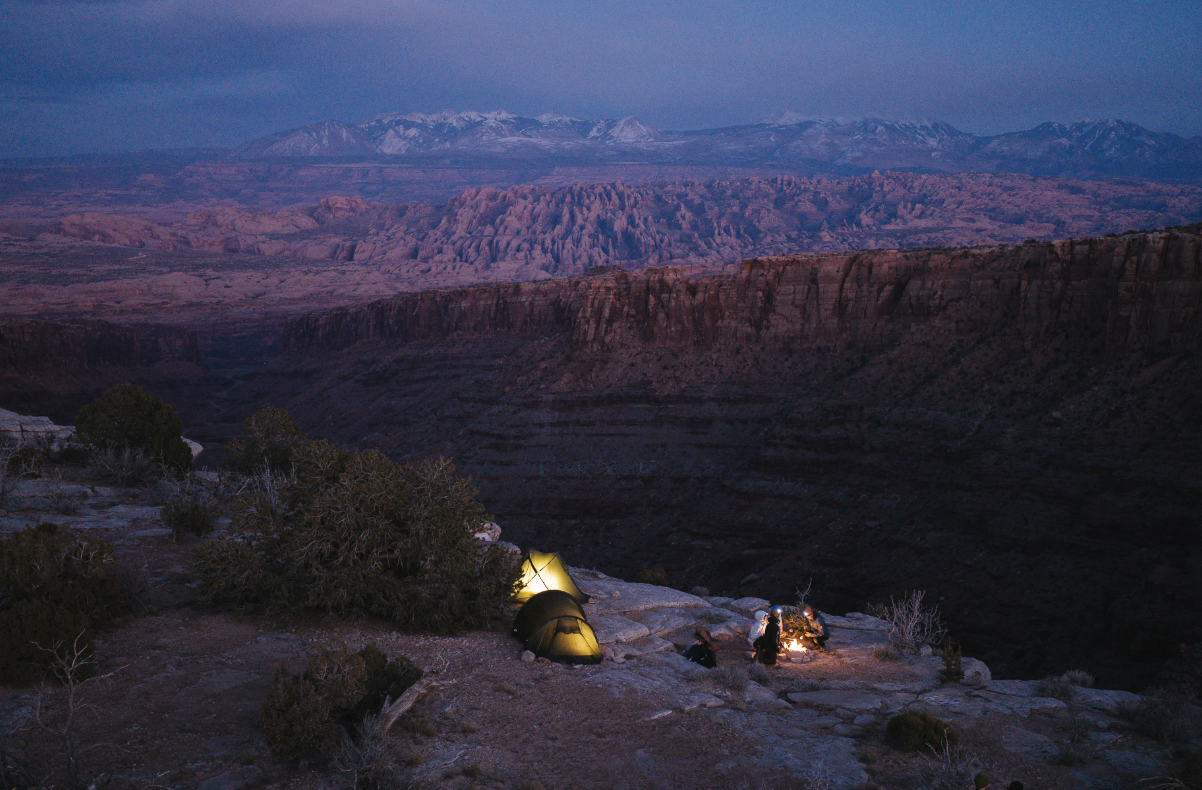
Organizing my life so intentionally has made it possible to truly immerse myself in the landscapes I’m drawn to. Over the past four years I’ve averaged 300+ days/year in wild places, with four months in Alaska and the Yukon, two months in the Canadian Rockies, a month in the Himalaya, six months in Patagonia, two months in the Peruvian Andes, and most of the rest of that time in the Eastern Sierra and Southern Utah. Living out of my car greatly reduces distraction and financial overhead. It offers far more time for photography and writing, along with time for my growth as a person which of course feeds all forms of creativity. Some things need space and stillness to unfold. Observing the land and weather every day also builds deep pattern recognition. Often I’ll intuitively know how to position myself to capture interesting moments without being able to explain why. Mapping back to my studies, this lifestyle has helped abstract philosophical concepts like interconnectedness become more of a direct embodied knowing. The concept of connecting with nature misses the point in my opinion. We quite literally are nature.


What place has changed you the most—not as a photographer, but as a human being?

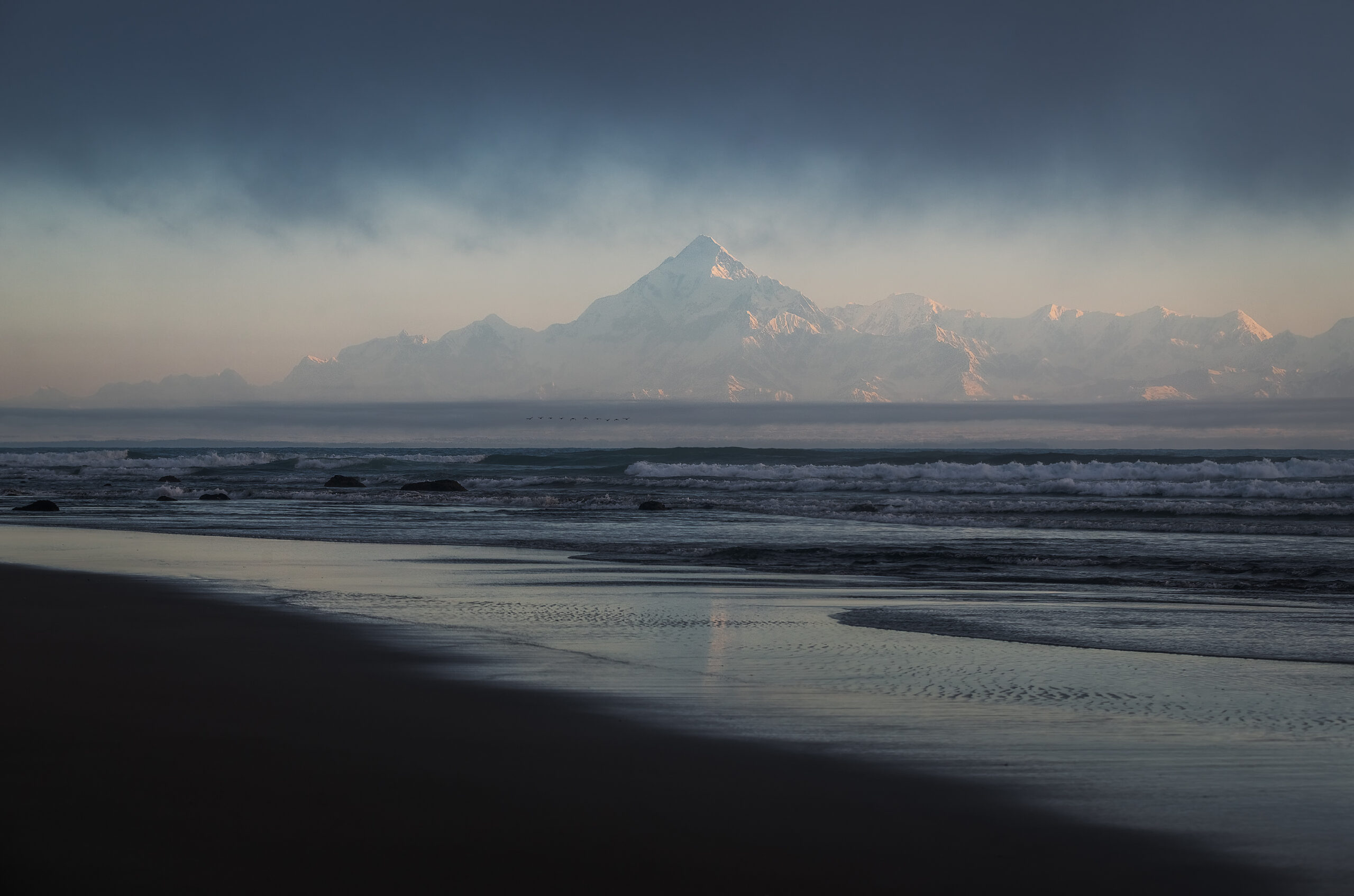
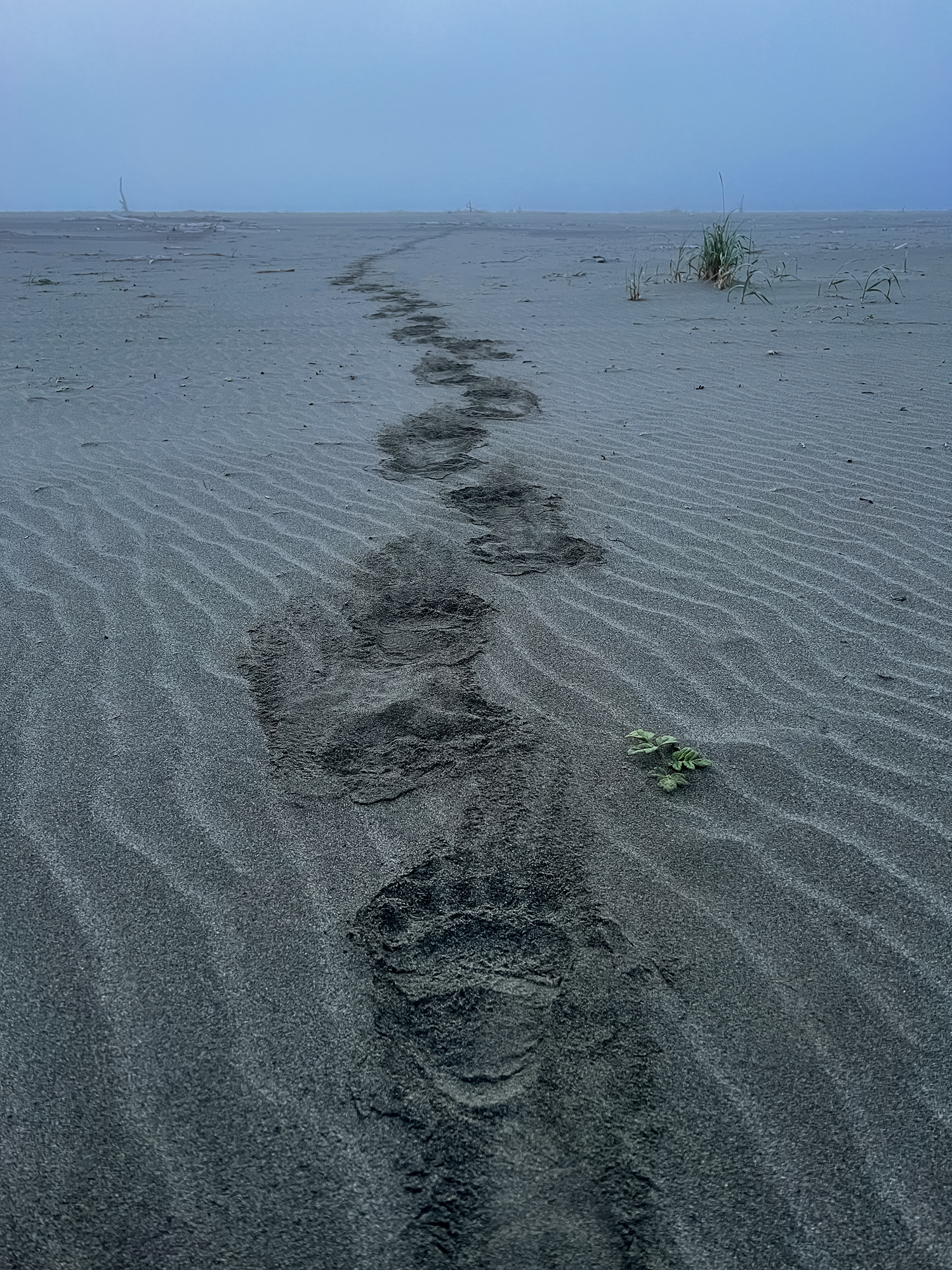
The Eastern Sierra changed the course of my life at age 19 and was my initial training ground, but Alaska at age 23 is the clear answer for several reasons. Many strangers supported me along the way, such as welcoming me to stay in their homes, assisting with trip logistics, and inviting me to hitchhike on a helicopter. Two companies put me on flights around Denali and Mount Logan to shoot photos for them. Countless unexpected acts of kindness revealed limiting beliefs I held around self-reliance and feeling undeserving of care and connection. This helped me see how much more wonderful life can be when I show up with my own abilities AND remain open to others. The scale and severity of the Alaskan wilderness elicited several profound experiences which have enriched my life ever since. What most stuck with me was an eerie grizzly bear encounter alone at night on a beach near Mount Saint Elias. With my fate uncertain as the huge bear walked toward me, the gravity of the situation consumed my entire being. My thinking sped up and time ground to a halt. Everything that wasn’t real was stripped away, including any sense of myself distinct from the bear, the rest of the landscape, the earth, the cosmos, and existence in the broadest sense. All distinctions fell away. It was all just one thing, indescribably vast and beautiful. In these same moments, my awareness seemingly split in order to deal with the situation at hand. I’m getting goosebumps thinking about it now, four years later. Every instinct was screaming at me to cower or flee, which is exactly what not to do with a grizzly bear. With primal terror coursing through me, I stood my ground and calmly spoke to the bear until it hopped up on its hind legs and trotted back into the forest. I was in awe of the strength and capability emerging from the depths of me. Knowing beyond doubt who I am when it really counts has changed how I carry myself. A quiet inner knowing has stayed with me. The encounter also grounded in lived experience rather than theory how sophisticated the nervous system is at protecting itself, and how fear and trauma responses usually make perfect adaptive sense. The bear gave me an undeniable, visceral reminder of how precious and limited my time here is, shifting my risk calculus and strengthening my resolve to live as fully as I can. Objective hazard has no place in my life now.

What body of work are you engaged in now, you have a list of inspirational photographers, who is on your mind lately?
I draw a lot of inspiration from landscape photographers who depict abstract scenes with exquisite post-processing and delicate interplays of light, color, and form. Alex Noriega, Jennifer Renwick, and Guy Tal come to mind among many others. A quiet awe arises when I view their work. I sense a subtle, unwavering honesty in nearly every image of theirs. It’s rare that I see the monumental alpine landscapes I’m most inspired by photographed with such precision and thoughtfulness. Often it’s hard enough to get to and from these places safely, let alone arrive with the sensitivity and vitality required to act as a vessel and create truly evocative images. Vittorio Sella and Bradford Washburn are timeless examples. Refining the varied aspects of this craft in the world’s most powerful mountain ranges, especially the Karakoram, is what currently excites me.
The Art of the Personal Project: Sedona Turbeville

The Art of the Personal Project is a crucial element to let potential buyers see how you think creatively on your own.  I am drawn to personal projects that have an interesting vision or that show something I have never seen before.  In this thread, I’ll include a link to each personal project with the artist statement so you can see more of the project. Please note: This thread is not affiliated with any company; I’m just featuring projects that I find.  Please DO NOT send me your work.  I do not take submissions.
 

Today’s featured artist:  Sedona Turbeville

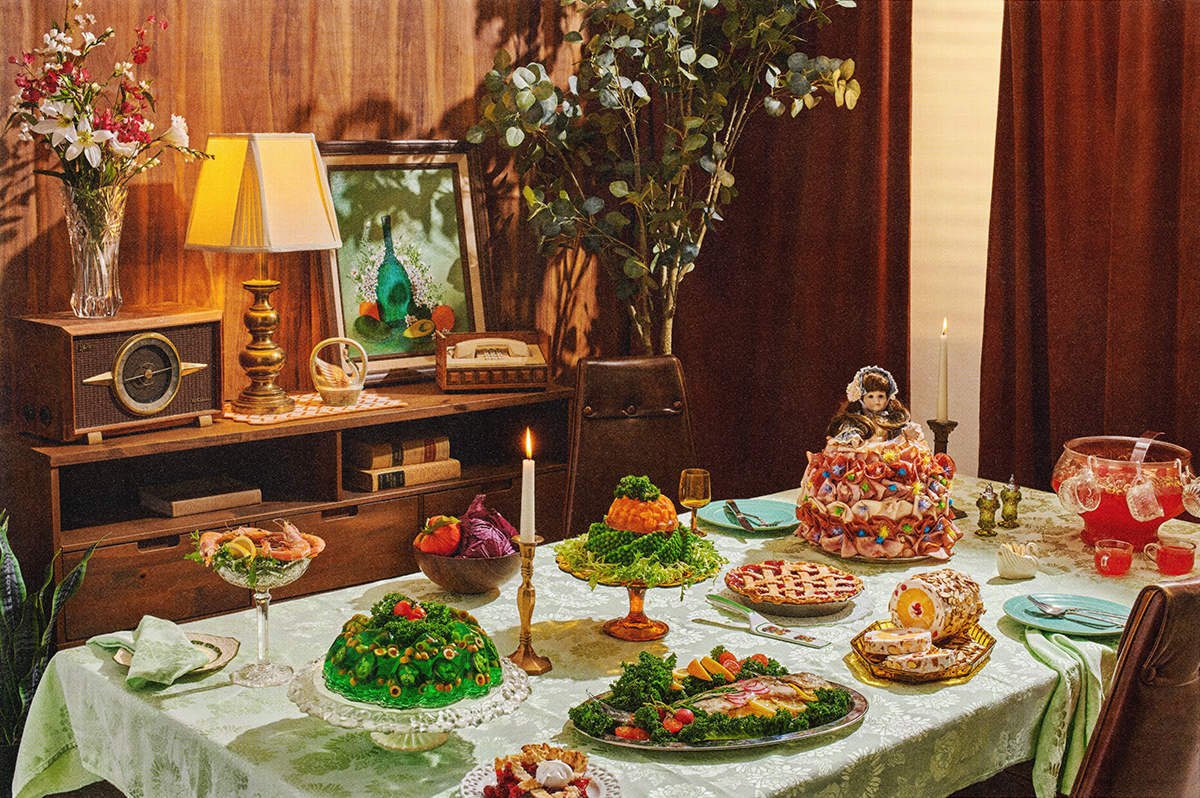
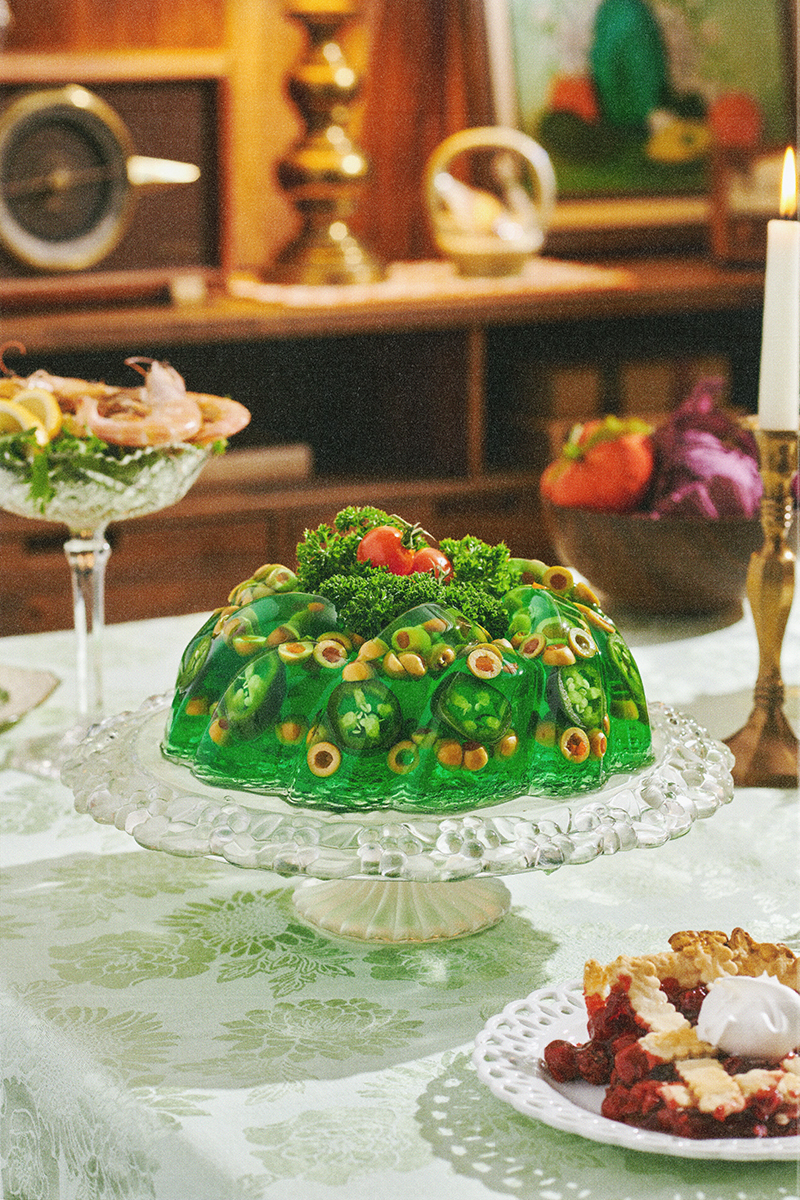
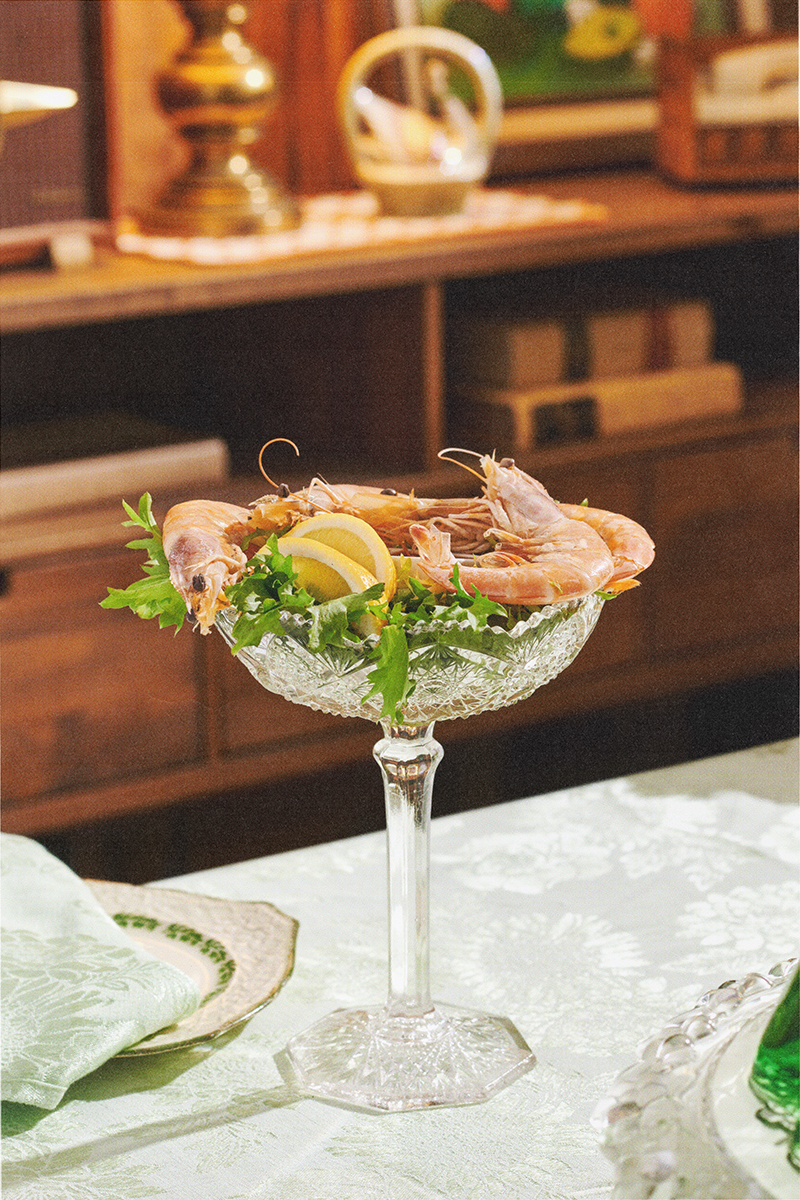
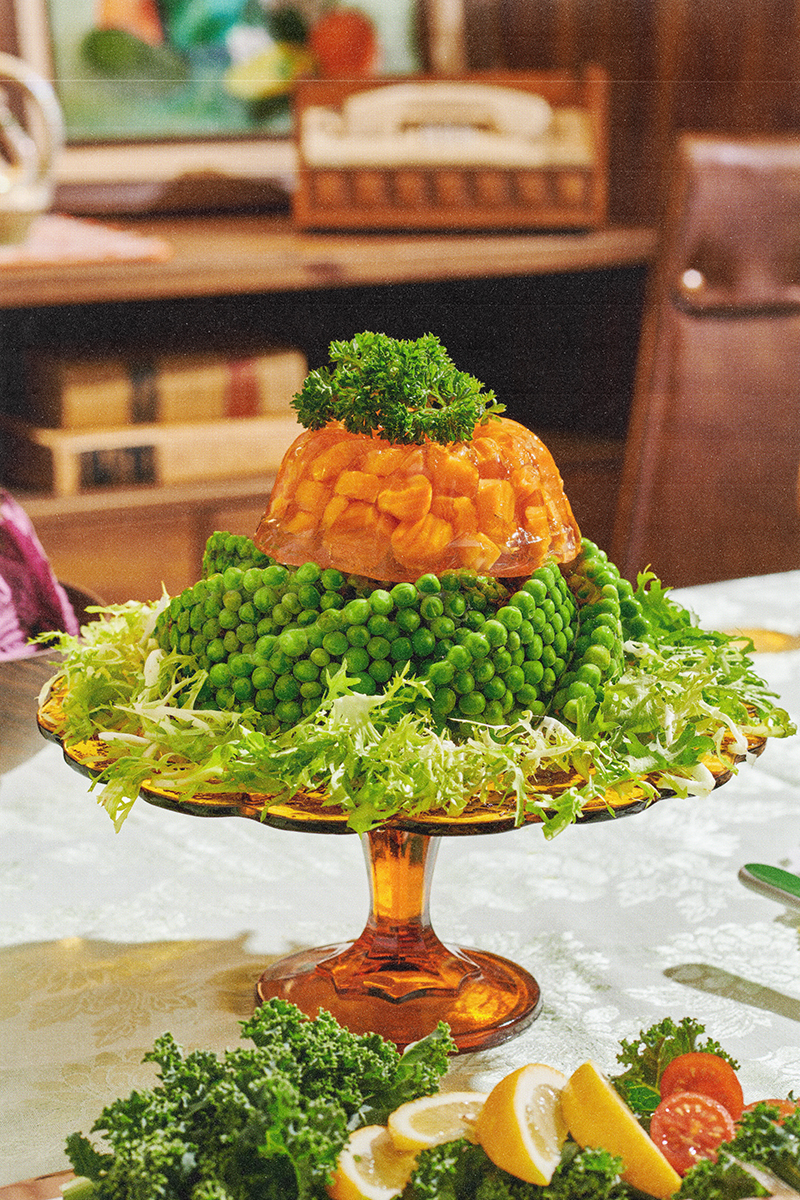
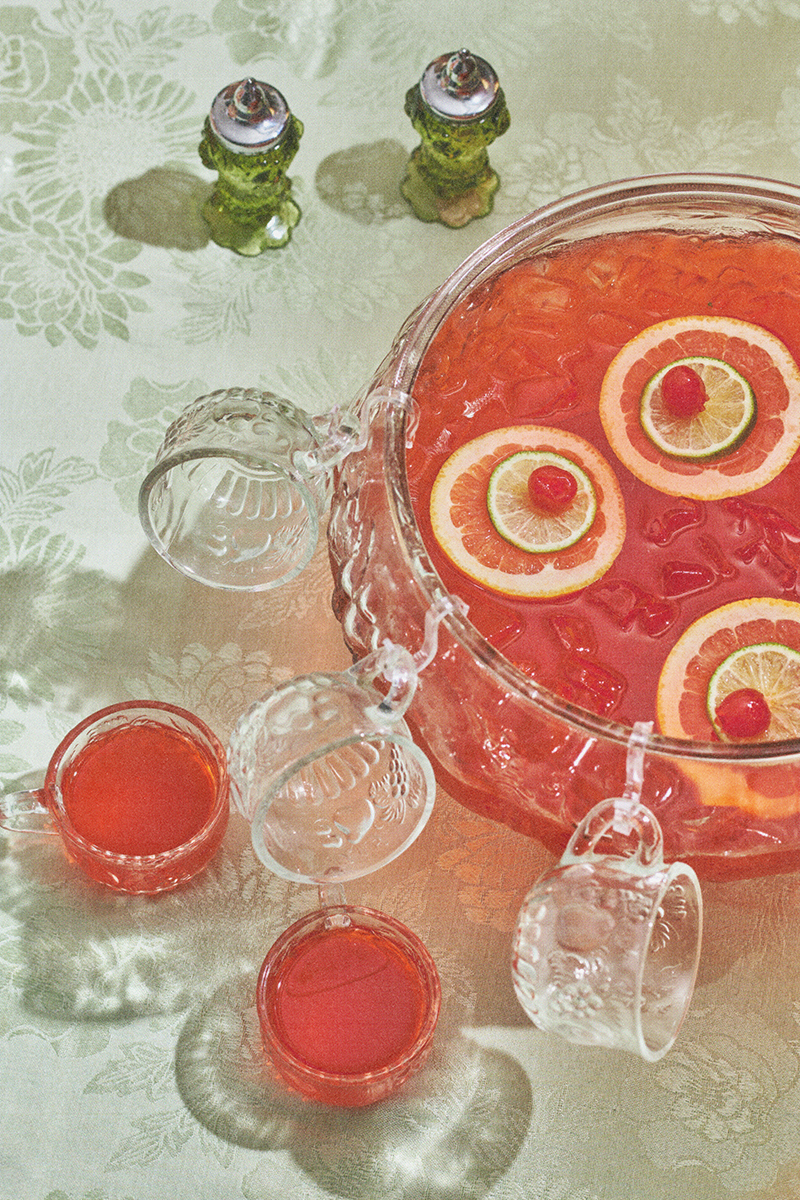
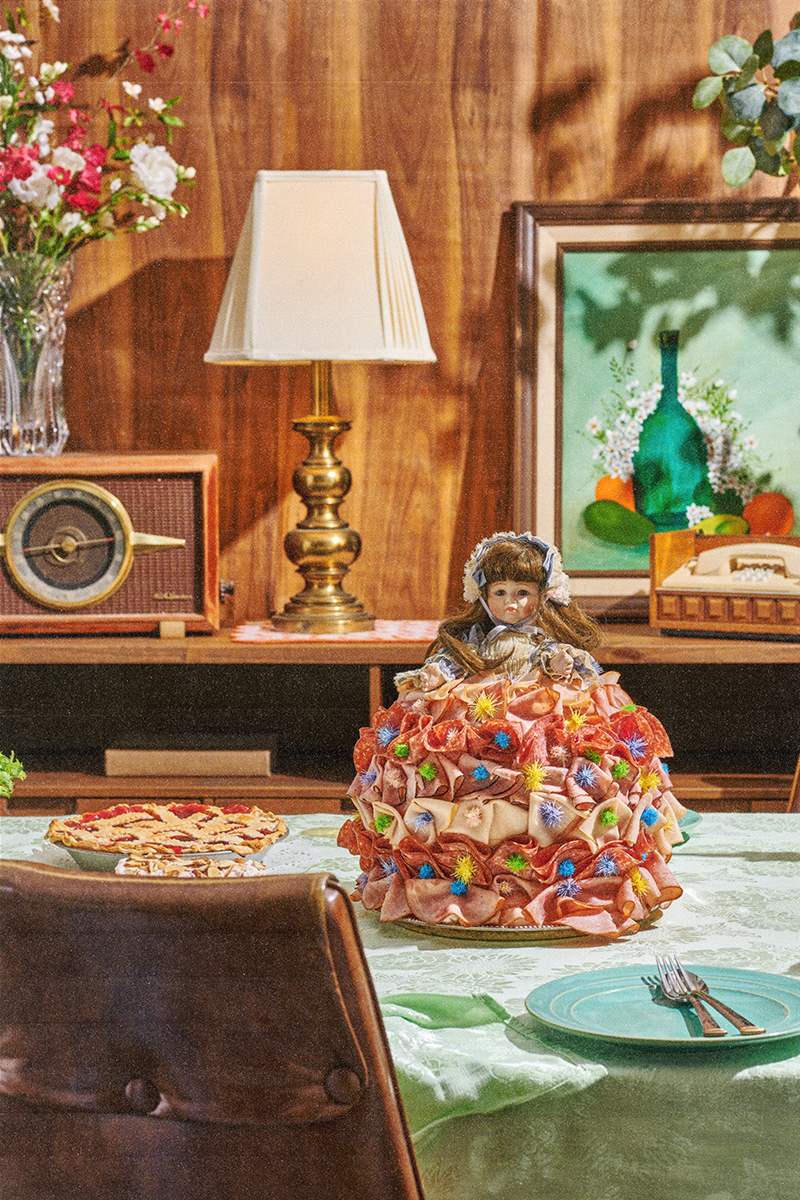
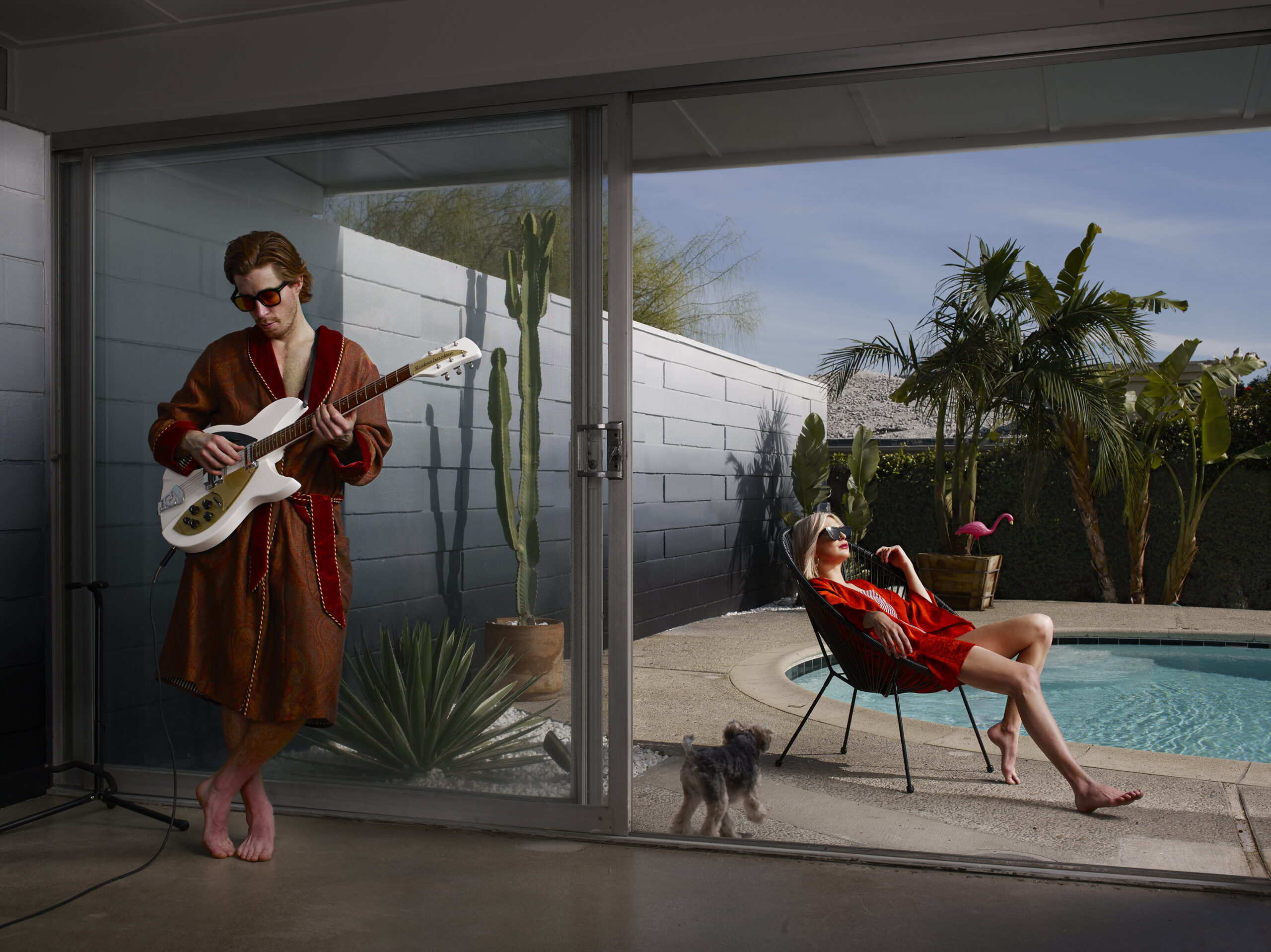
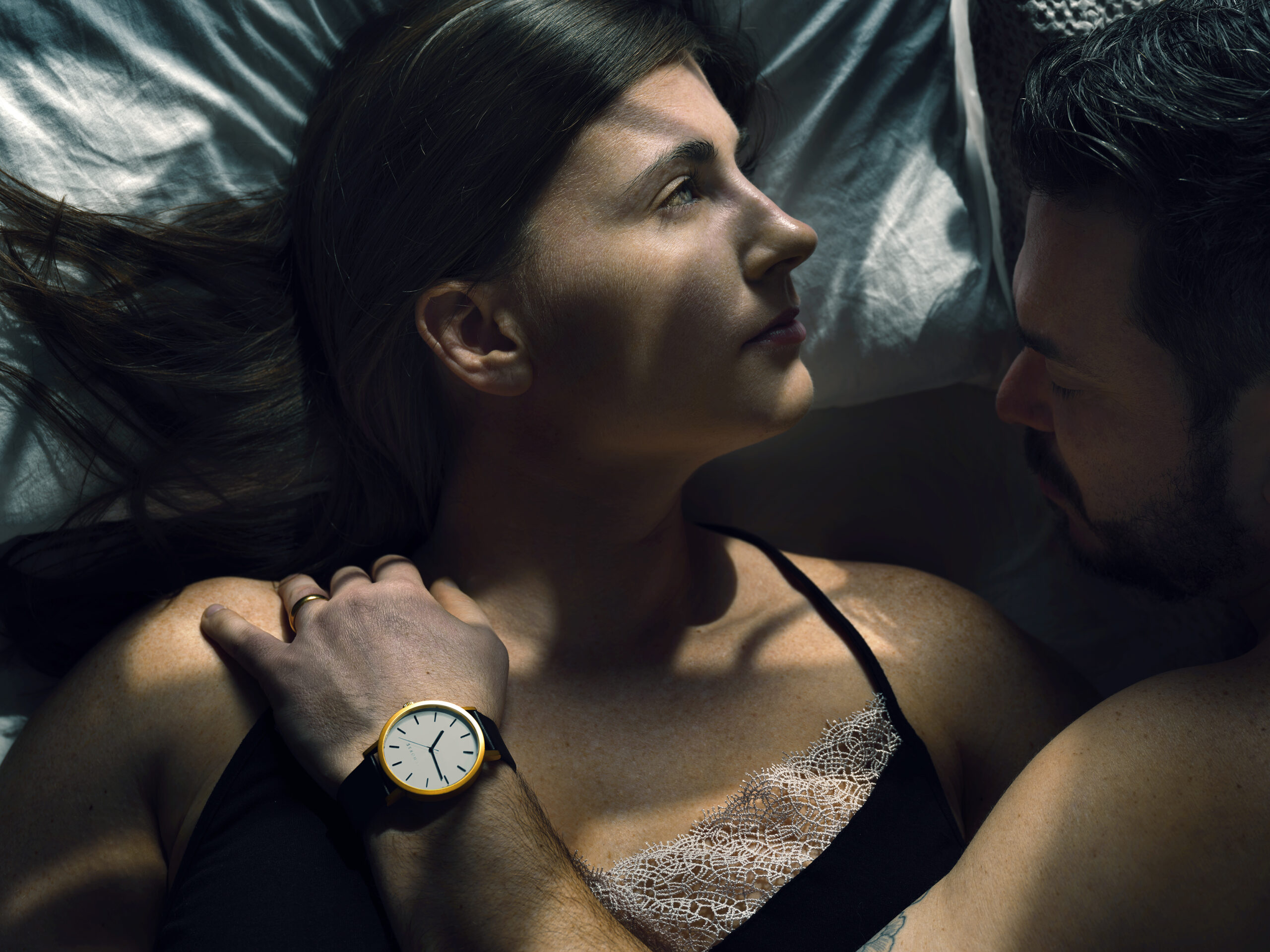
As a collector of vintage cookbooks and food advertisements, I’ve always particularly loved seeing just how many iterations of Jello “salad” one could come up with. I wanted to channel my love of vintage advertising into a photo project that looked like something you’d clip from the pages of a 1960’s magazine to tuck away with your collection of recipes and ideas for your next dinner party.

Prop stylist Lisa Ornelas curated period-specific props to design a nostalgic set ready for party goers, and food stylist Amanda Anselmino worked with recipes from old cookbooks to create an array of playful Jello-based dishes.

I worked with designer Joseph Casey to turn the images into a printed promo reminiscent of the things you’d find in vintage recipe keeper binders; recipe cards, a magazine advertisement for Jello, Miracle Whip coupons, and a “marketing bulletin” that was hand typed on a typewriter, addressing the recipient with a summary of our project framed as a mid-century marketing promo for Jello and Miracle Whip. The risograph folders the printed components were compiled into were a reproduction from a thrifted 1960’s recipe keeper I own.

This project allowed my team and I to create a series of images that acted as an immersive step back in time to a mid-century dinner party, alongside a printed promo to keep the nostalgia alive with physical prints.

To see more of this project and others, click here

Instagram


Jackie Hancock with jackie represents – Rep + Producer

Amanda Anselmino – Food Stylist

Lisa Ornelas – Props & Set

Joseph Casey – Graphic Designer

Haley O’Rourke – Digital Tech

Printed materials by:

Secret Room Press – Risograph folders

Fireball Printing – Recipe cards


Suzanne Sease is a creative consultant and former ad-agency senior art buyer. She works with both emerging and established photographers and illustrators to create cohesive, persuasive presentations that clients can’t resist.

Suzanne offers something rare: an insider’s perspective on how client’s source creative talent. Her deep understanding of the industry is underscored by her impressive resume: 11 years as senior art buyer at The Martin Agency, seven years as an art producer for Capital One, and stints with the art-buying department at Kaplan-Thaler and the creative department at Best Buy, where she applied her expertise to reviewing bids to see which were most likely to come in on budget. Over the years, Suzanne has worked with a wildly diverse range of clients, including Seiko, Wrangler, Bank One, AFLAC, and Clairol Herbal Essence. Now, as a consultant, she is equipped to problem-solve for her clients from an unusually dynamic point of view.

As a longtime member of the photo community, Suzanne is also dedicated to giving back. Through her Art of the Personal Project column on the popular website aphotoeditor.com, she highlights notable personal projects by well-known and up-and-coming photographers. The column offers these artists excellent exposure while reflecting Suzanne’s passion for powerful imagery.

Instagram

The Art of the Personal Project: Emily Chalk

The Art of the Personal Project is a crucial element to let potential buyers see how you think creatively on your own.  I am drawn to personal projects that have an interesting vision or that show something I have never seen before.  In this thread, I’ll include a link to each personal project with the artist statement so you can see more of the project. Please note: This thread is not affiliated with any company; I’m just featuring projects that I find.  Please DO NOT send me your work.  I do not take submissions.


Today’s featured artist: Emily Chalk

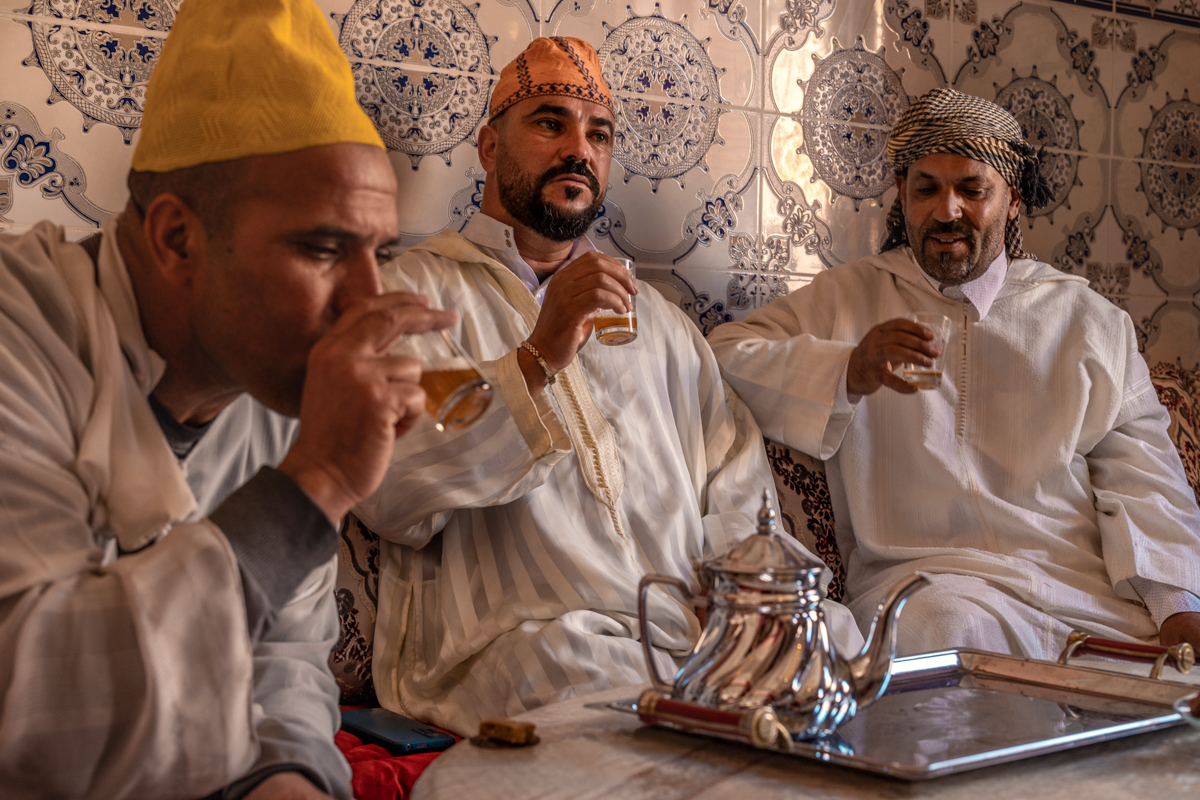
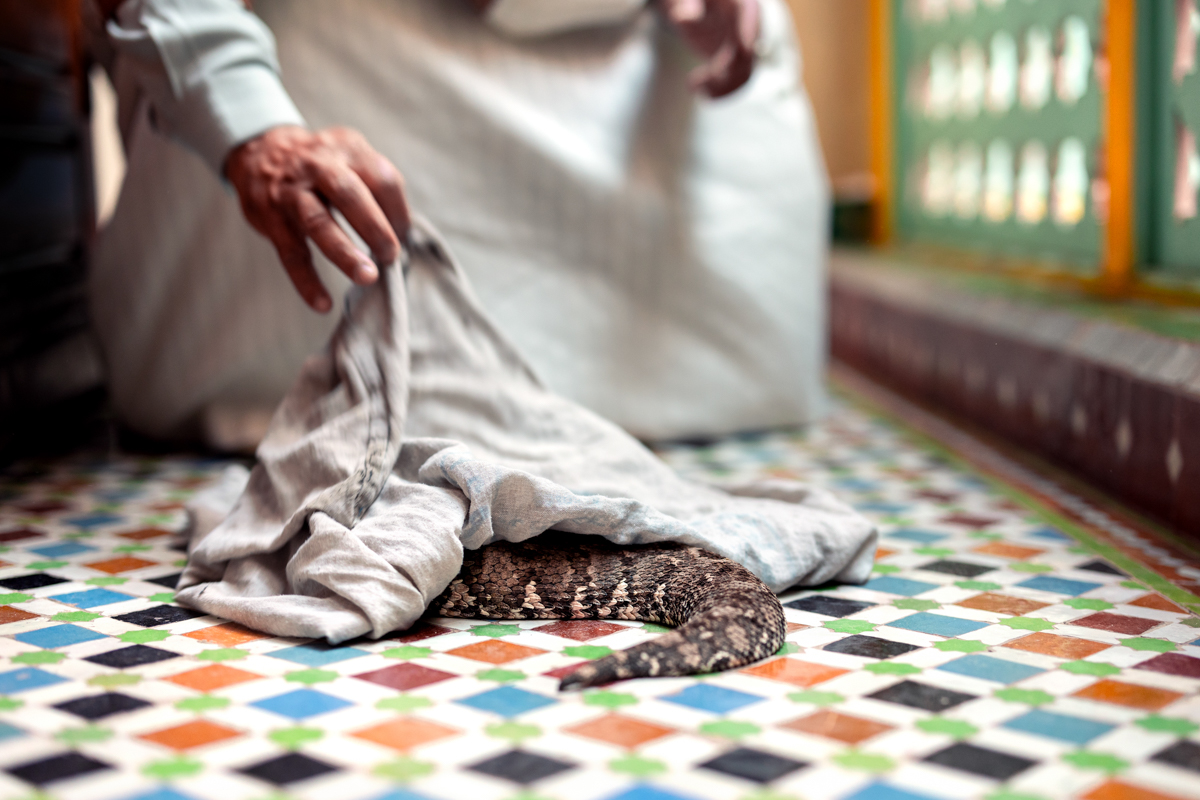
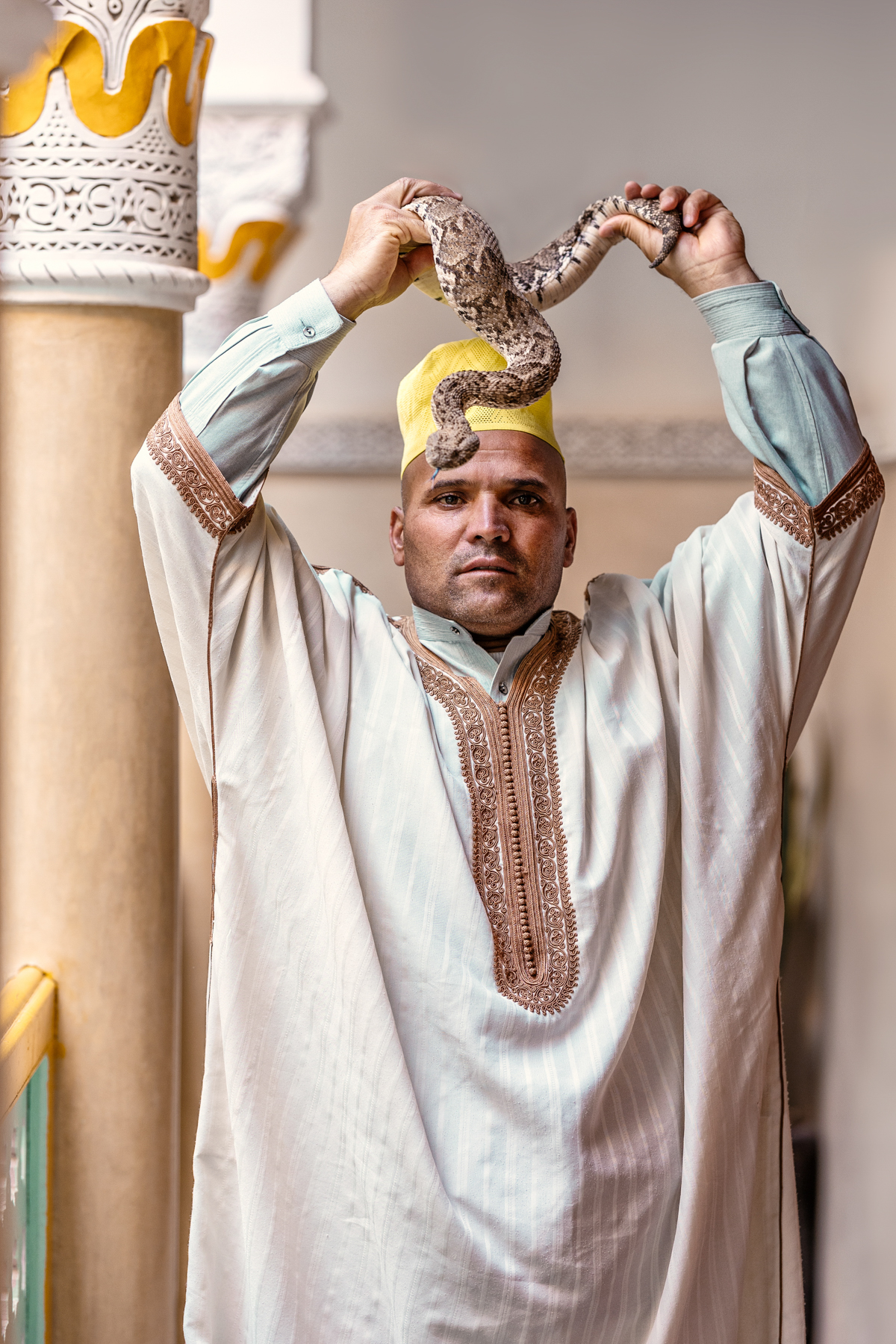
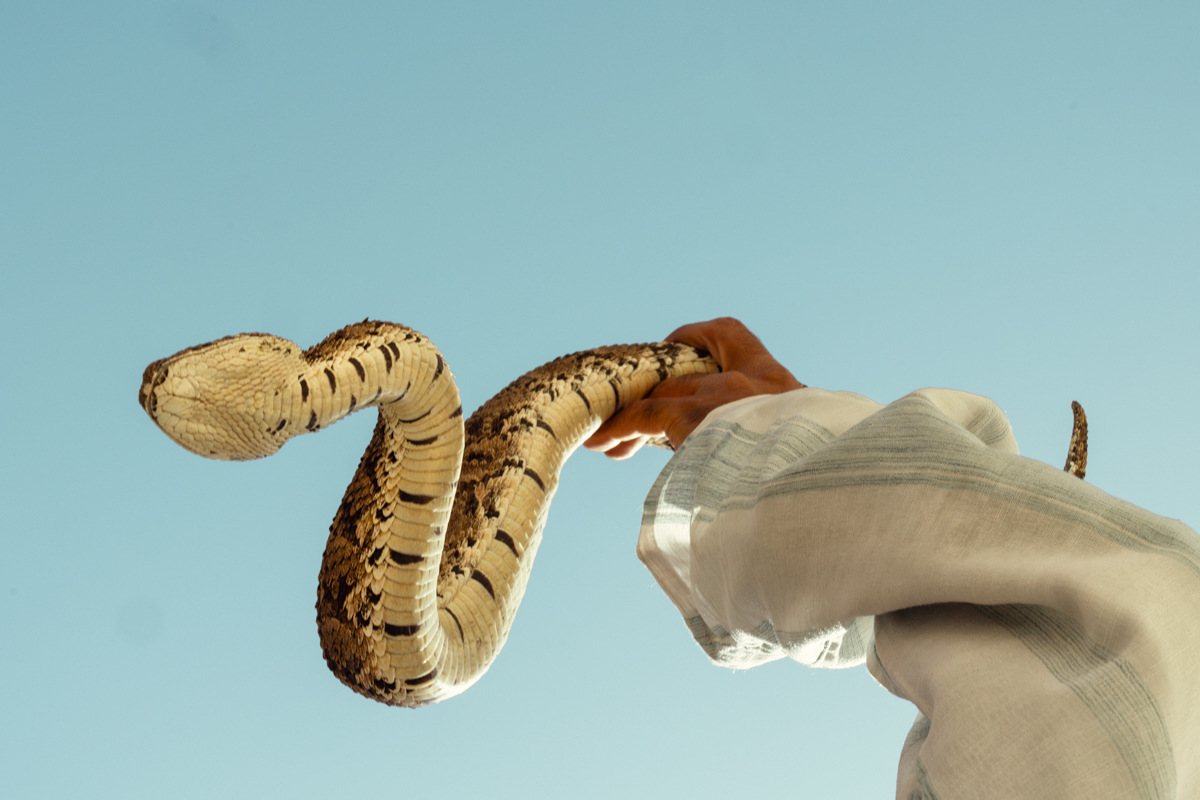
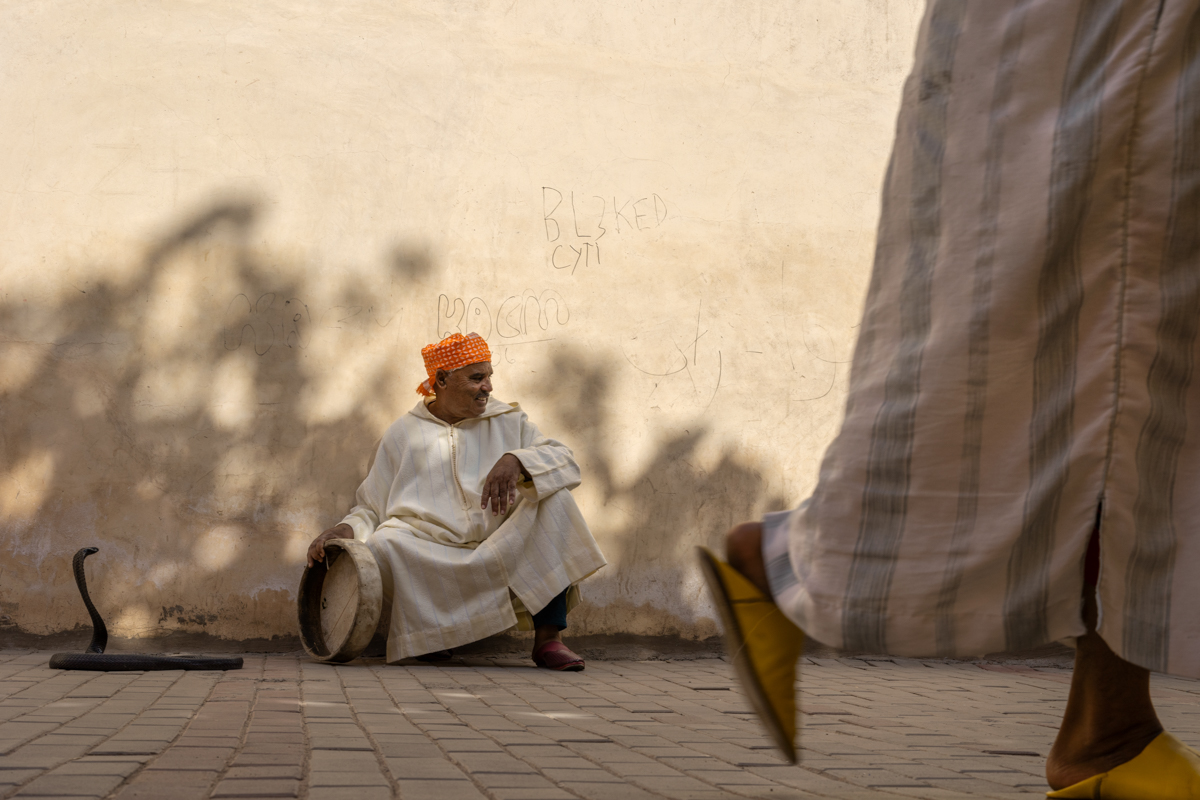
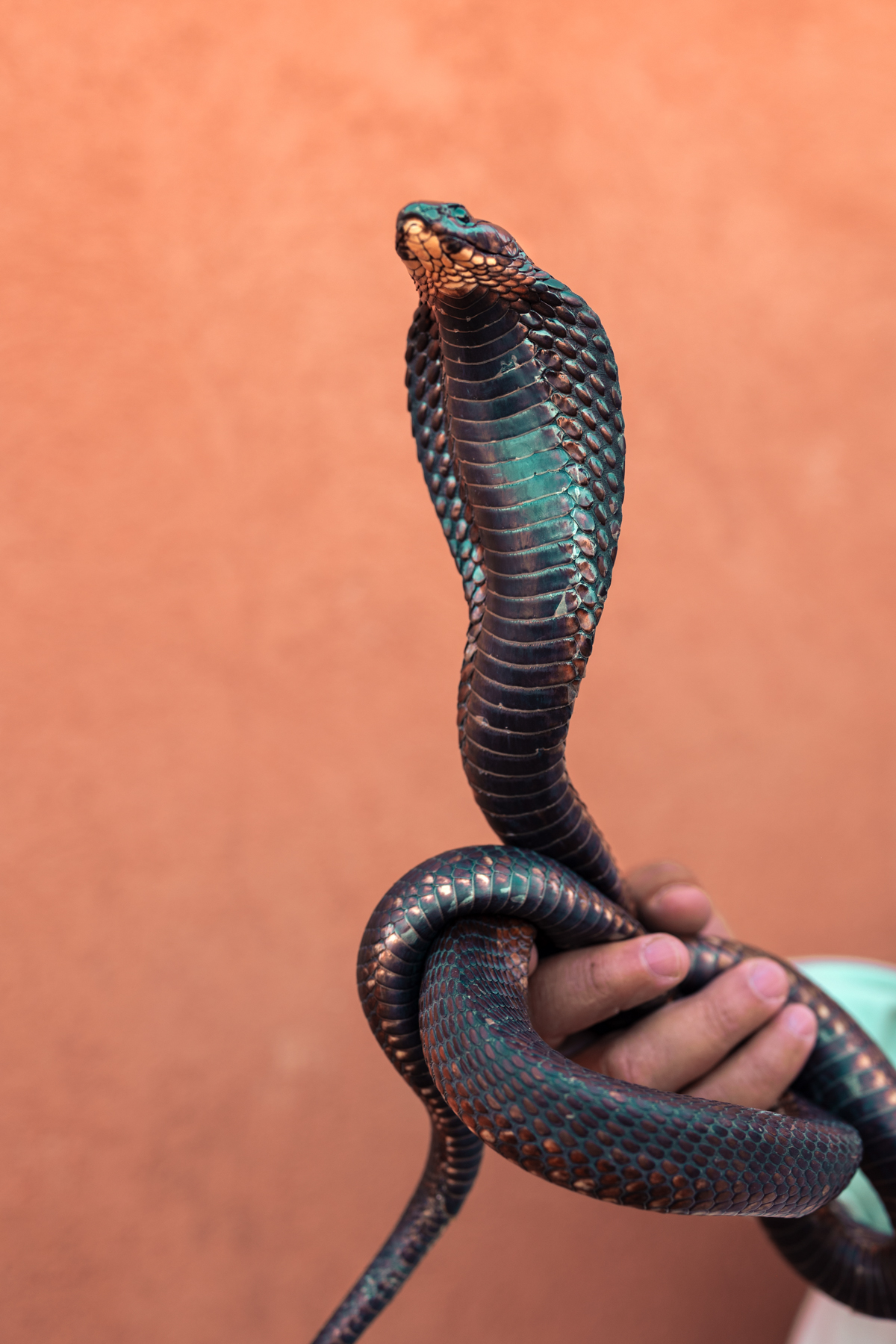
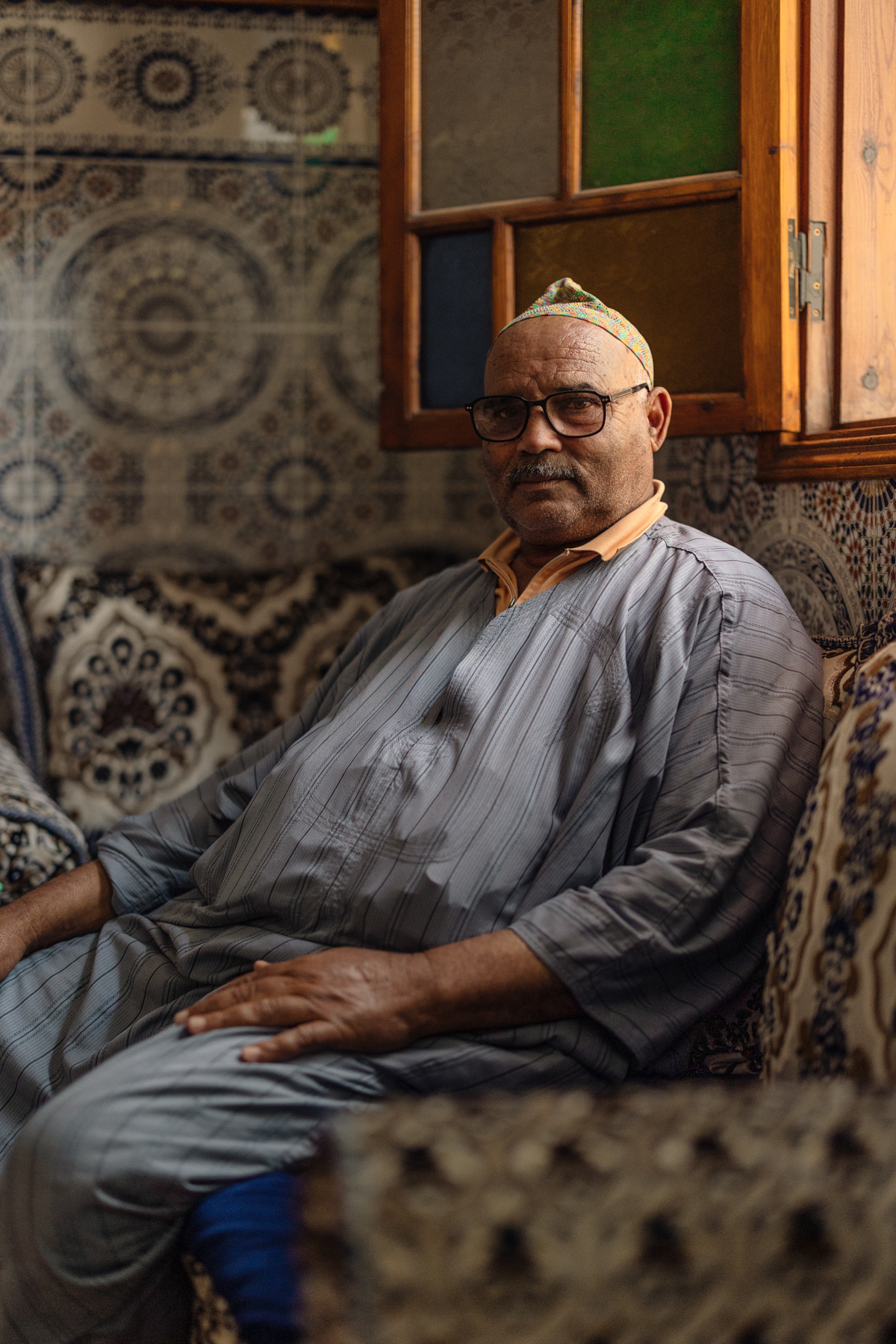
Snake Family, Marrakesh

Snake charming has been practised in Jemaa el-Fna for centuries, arriving in Morocco around 500 years ago. Today, only five families continue the tradition. The Sadik family is one of them.

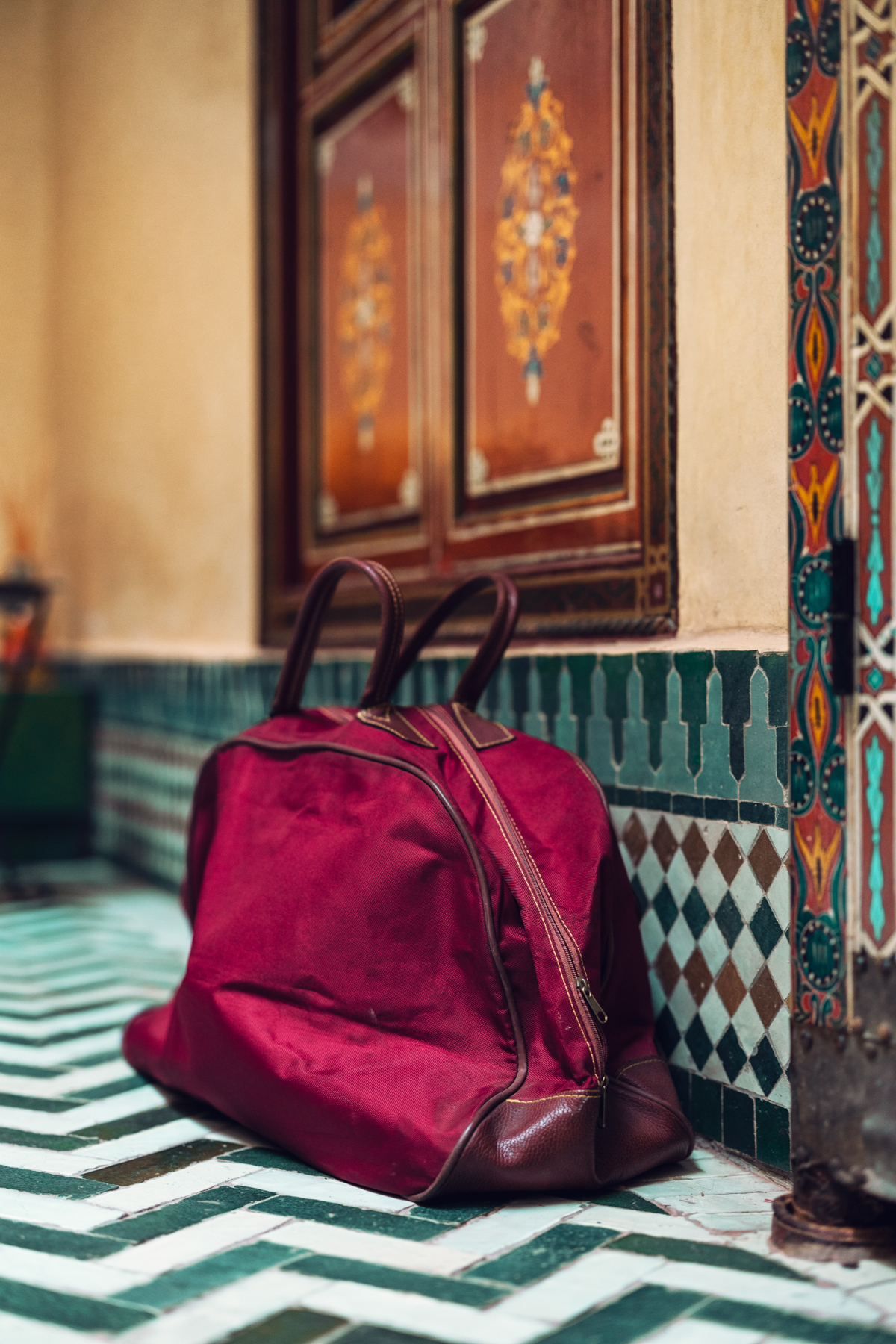
I’m afraid of snakes. On my first day, I was left alone with a bag of live vipers while the charmer stepped away for the call to prayer. Every instinct told me to leave, but I stayed.

Over time, that fear shifted into fascination. As I spent more time with the family, trust built slowly, and I was invited into their homes and their lives. What began as fear turned into curiosity, and a need to understand what exists beyond the performance in the square.

To see more of this project, click here

Instagram

Suzanne Sease is a creative consultant and former ad-agency senior art buyer. She works with both emerging and established photographers and illustrators to create cohesive, persuasive presentations that clients can’t resist.

Suzanne offers something rare: an insider’s perspective on how client’s source creative talent. Her deep understanding of the industry is underscored by her impressive resume: 11 years as senior art buyer at The Martin Agency, seven years as an art producer for Capital One, and stints with the art-buying department at Kaplan-Thaler and the creative department at Best Buy, where she applied her expertise to reviewing bids to see which were most likely to come in on budget. Over the years, Suzanne has worked with a wildly diverse range of clients, including Seiko, Wrangler, Bank One, AFLAC, and Clairol Herbal Essence. Now, as a consultant, she is equipped to problem-solve for her clients from an unusually dynamic point of view.

As a longtime member of the photo community, Suzanne is also dedicated to giving back. Through her Art of the Personal Project column on the popular website aphotoeditor.com, she highlights notable personal projects by well-known and up-and-coming photographers. The column offers these artists excellent exposure while reflecting Suzanne’s passion for powerful imagery.

Instagram

The Daily Edit – Jasper Gibson talks about his 18-day sea-kayak-supported-ski-trip and his symbiotic relationship with the wild


Jasper Gibson

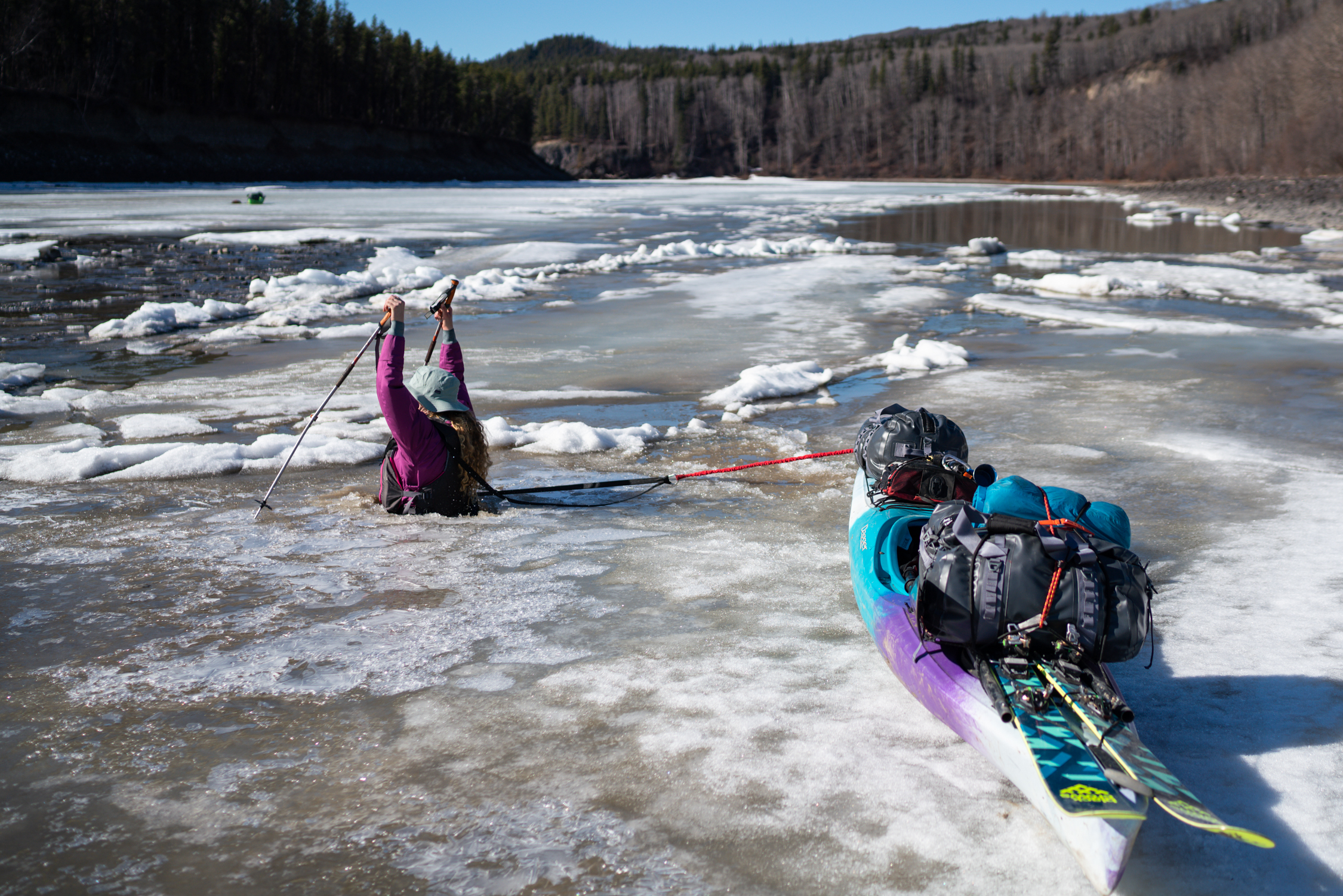
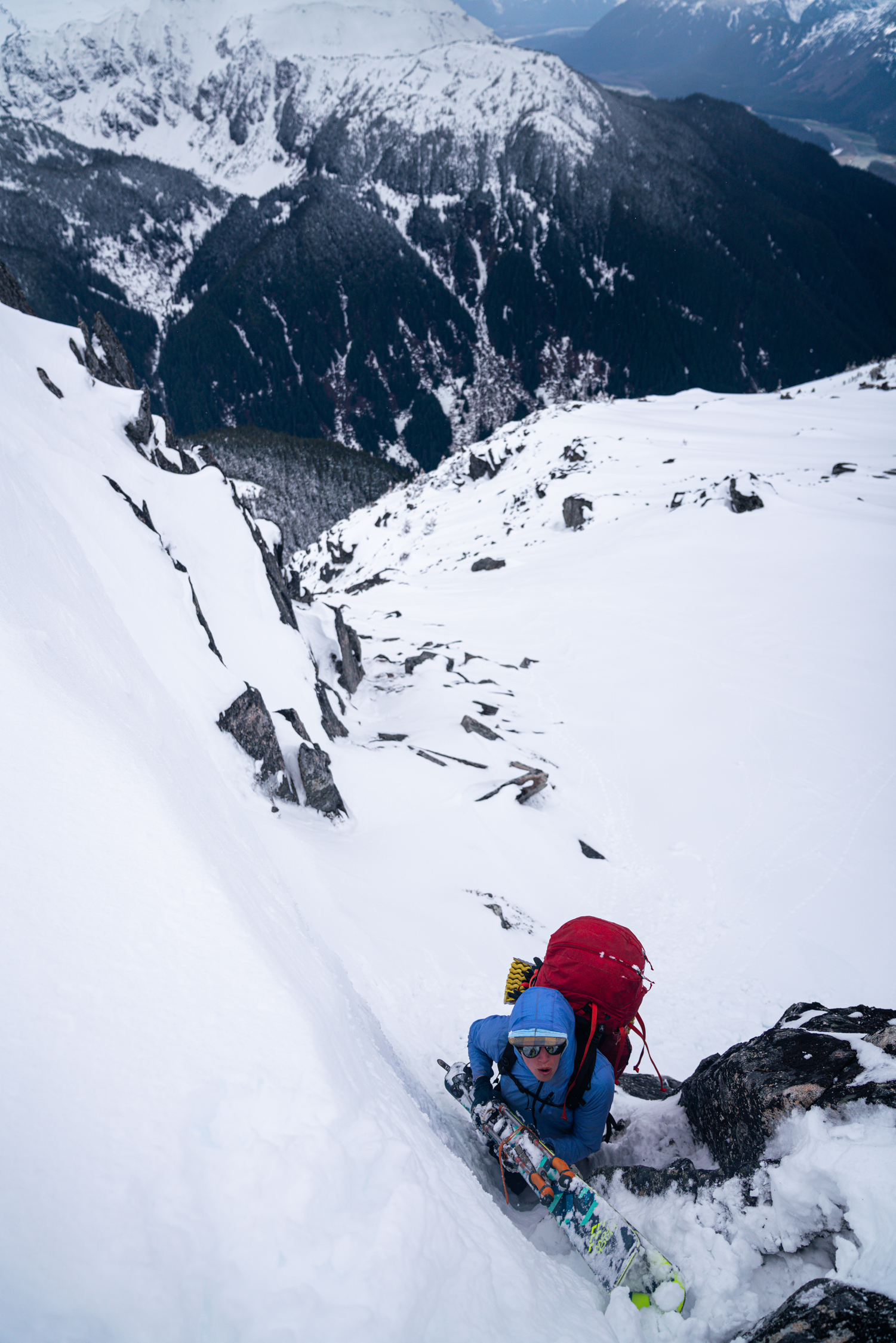
Heidi: The kayaker wading through the ice is one of my favorite images for “type 2” fun – can you share the backstory on this trip?
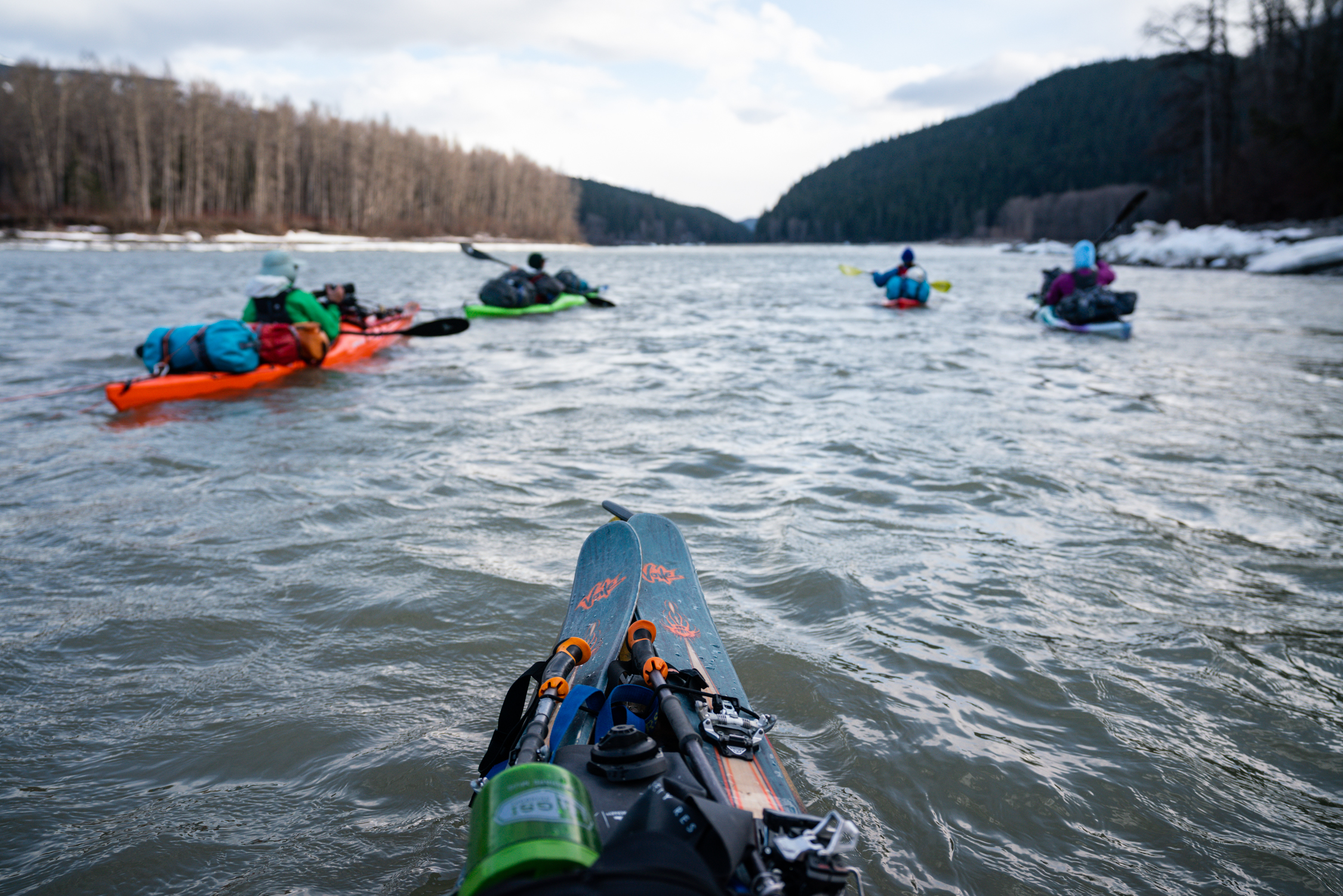
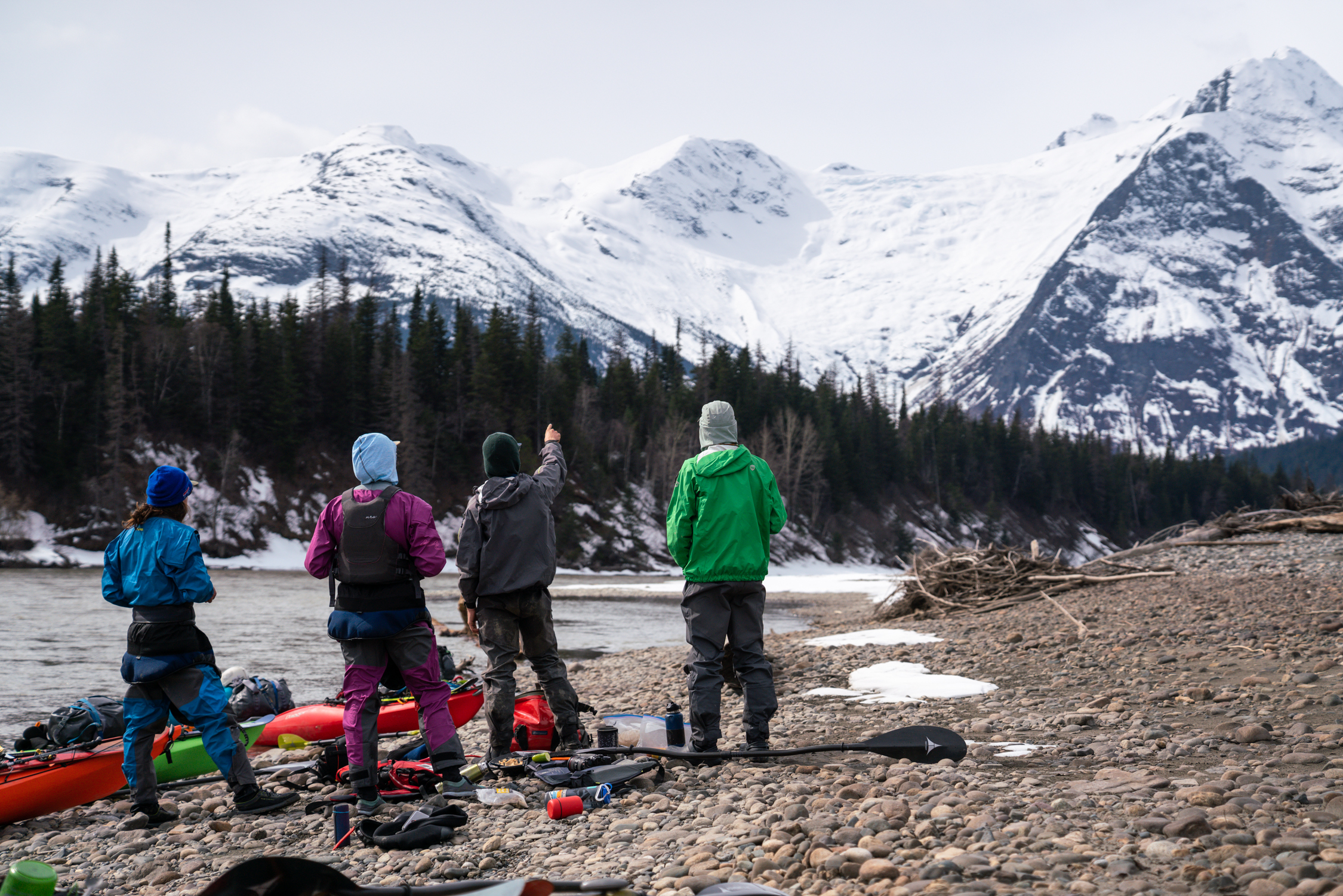
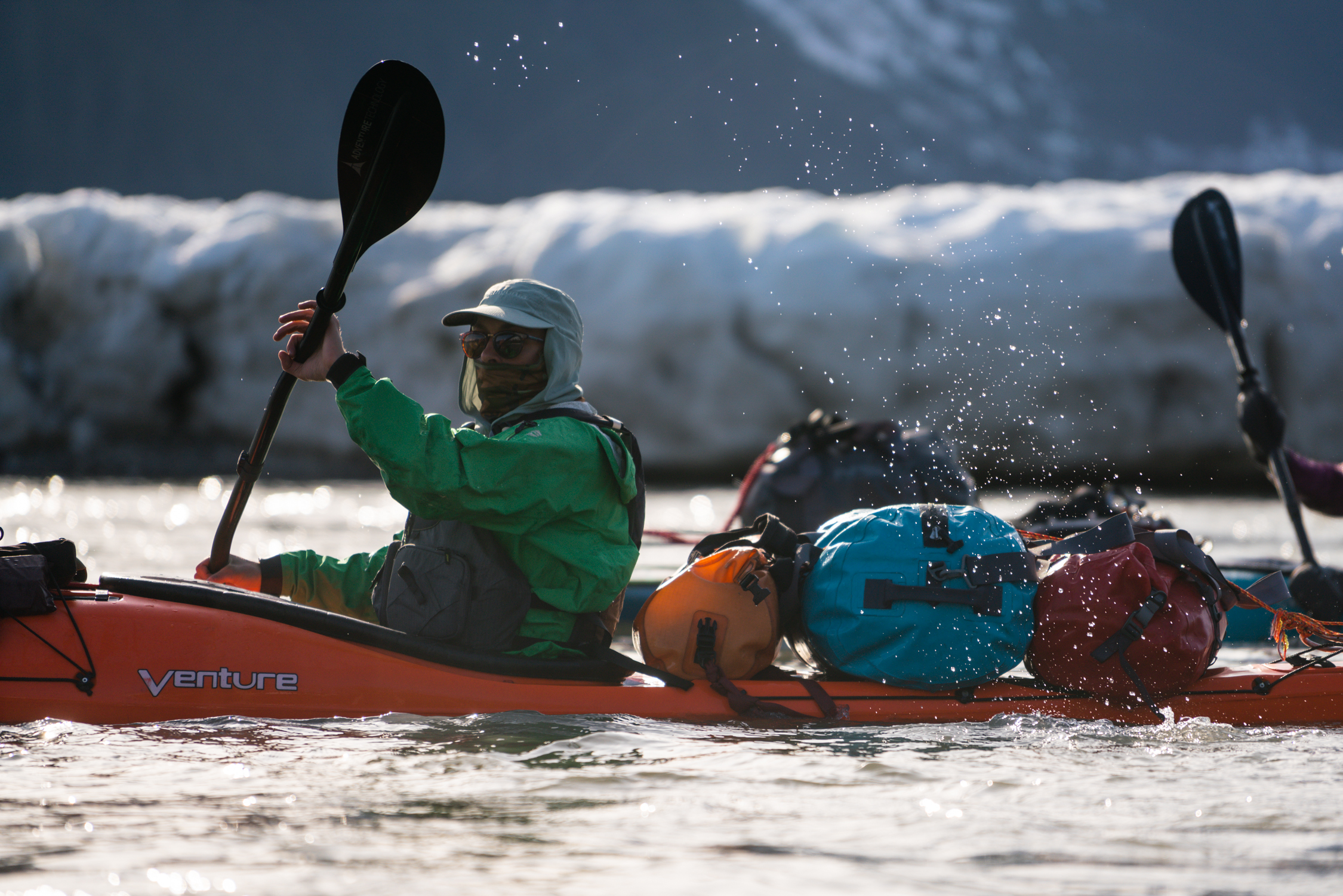
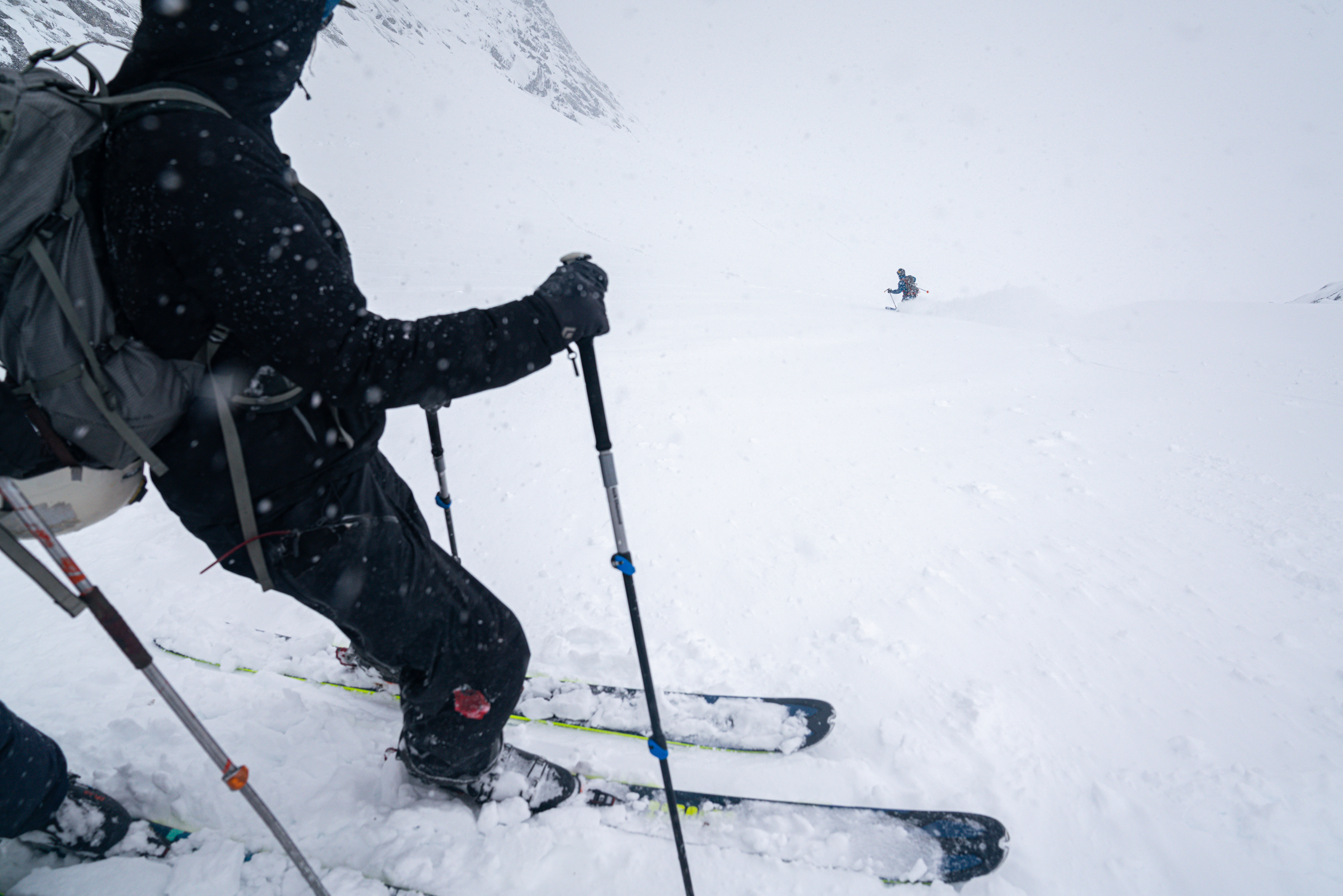
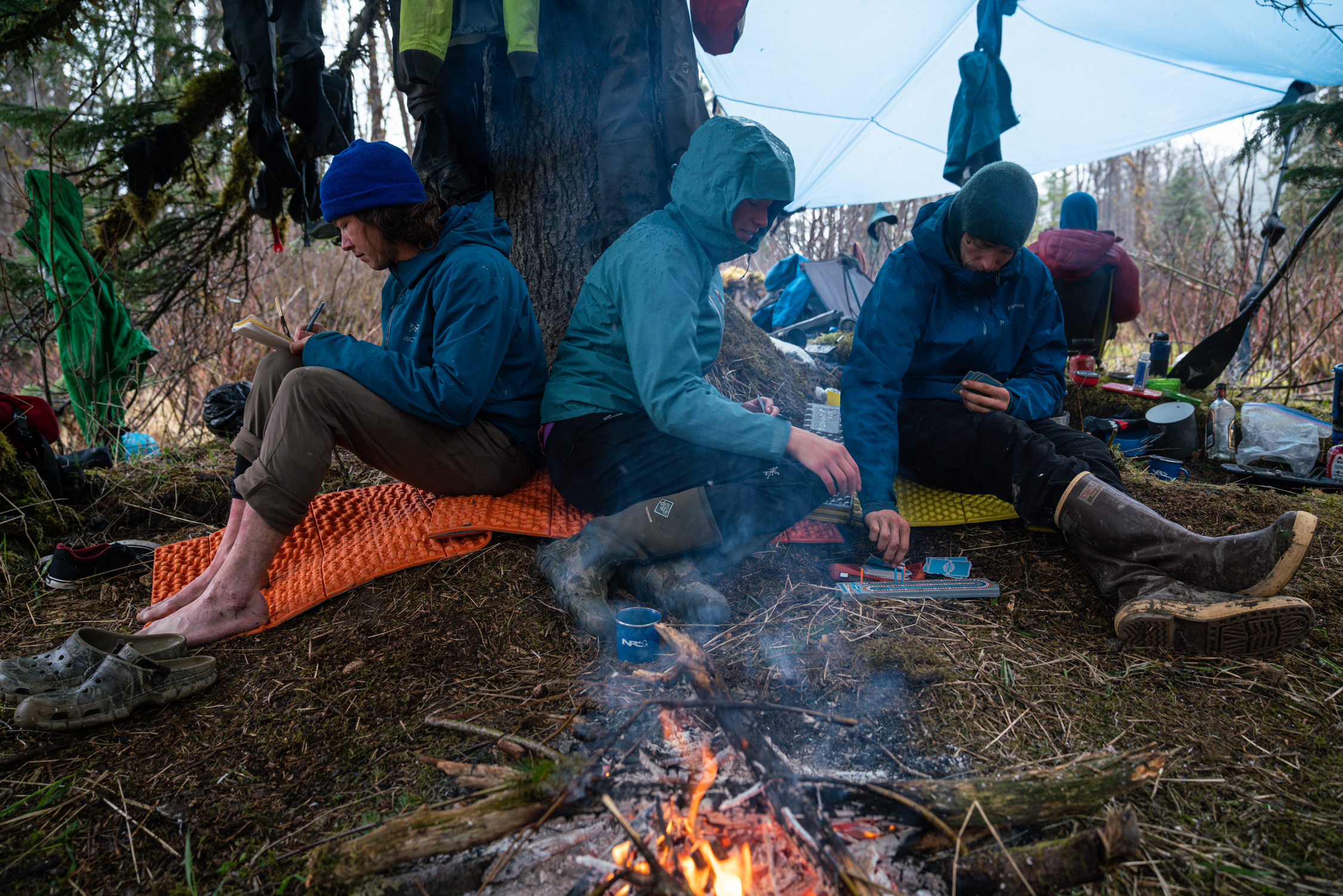
Jasper: This is from an 18-day sea-kayak-supported-ski-trip down the Stikine River in remote northern British Columbia. That image was taken within the first 10 minutes of the expedition, and luckily, it wasn’t our reality for the rest of the trip. The first day and a half of that trip we had to drag our 300lb sea kayaks across the river ice to reach the flowing, open water of the Stikine, and we would often punch through the ice as seen in the photo. The rest of that trip felt like a true adventure, gigantic, wild spaces, grizzly bears in camp, sketchy ski conditions, arduous climbs into the alpine through heinous slide alder and devil’s club, territorial elephant seals, hot springs, and some of the most beautiful places I’ve ever seen.

You grew up in northern Idaho and spent a lot of time in places like the Selkirks, the desert, and the Alps—how have those environments informed your work?
That’s a great question. The outdoors completely shaped my work. I wouldn’t have a career or a portfolio without the wild spaces in our world. Growing up in northern Idaho I was immersed in an outdoor lifestyle from birth; hunting, fishing, skiing and exploring the vast expanses of forests that blanketed the region. As I got older and picked up a camera, my photography instantly steered towards the outdoors and the adventure that took place outside. Photography and my time in the wild have a symbiotic relationship in the sense that photography has pushed me to go to places I maybe otherwise never would have and living an outdoor lifestyle has taken my photography to places I couldn’t have dreamed of.

Your imagery spans many sports and demanding environments—how important is staying physically fit to your ability to do the work the way you want?
It’s absolutely vital for me to stay all-around-fit for the outdoor adventure photography work that I do. I need to be able to keep up with professional athlete and I often carry more weight than them because of my camera gear. If I am dragging ass because of my fitness, not only am I a liability to the endeavour but I likely won’t be able to get myself into the positions I want to be in to photograph the adventure. Often, I want to be ahead of my subjects to get the shots I’m going for. Plus I want to be an integral team member and carry my own weight on any trip that I am on.

A lot of your images come out of friendships and shared time—how does being part of the crew, versus being brought in as a photographer, change what you’re able to photograph?
Again, great question. I would say that in the end it ends up being the same but a level of rapport must be established with my subjects for me to get the authentic style of imagery which I go for. I’m lucky that I am naturally a people person and can find common ground with just about anyone, so if I didn’t start off as friends with a crewmember, we’ll be friends by the end of the trip.

Do the folks in your images every get grumpy when you’re taking photos on a mission?
I can’t remember that ever happening to be honest. I try to be cognizant of when we need to focus on the task at hand or if I have time to photograph. Again, I don’t want to slow the mission down.

Can you share a pivotal moment in your photo career or what advice do you have for someone starting?
A pivotal moment in my photographic journey actually came pretty early on. When I was 15, Patrick Orton, a photographer a few years older than me saw that I took a liking to photography and he helped to show me that a life and a living could be made as a photographer. He became my first mentor and a bright light in showing me how it could be done. Unfortunately, he passed much too young at 24 years old as he was well on his way to becoming one of the most prolific outdoor adventure photographer to ever live. My advice for someone just getting started would be to find a mentor or to assist or intern for a photographer whom you admire and with whom you also get along well with.

Five days in—soaked, exhausted, morale slipping—how does that state change what you choose to photograph, and what you leave behind?
I feel like that is when the best photographs often occur. Thats when the real rawness and emotion of an adventure emerge: when you’re suffering and pushing your comfort zone. That’s honeslty when you should be shooting more than any other portion of the trip, because thats the realness.
You have to push past your own comforts to make great photography, and I think that applies to any avenue of photography. You must push past what you formerly believed to be your limits and set a new bar.


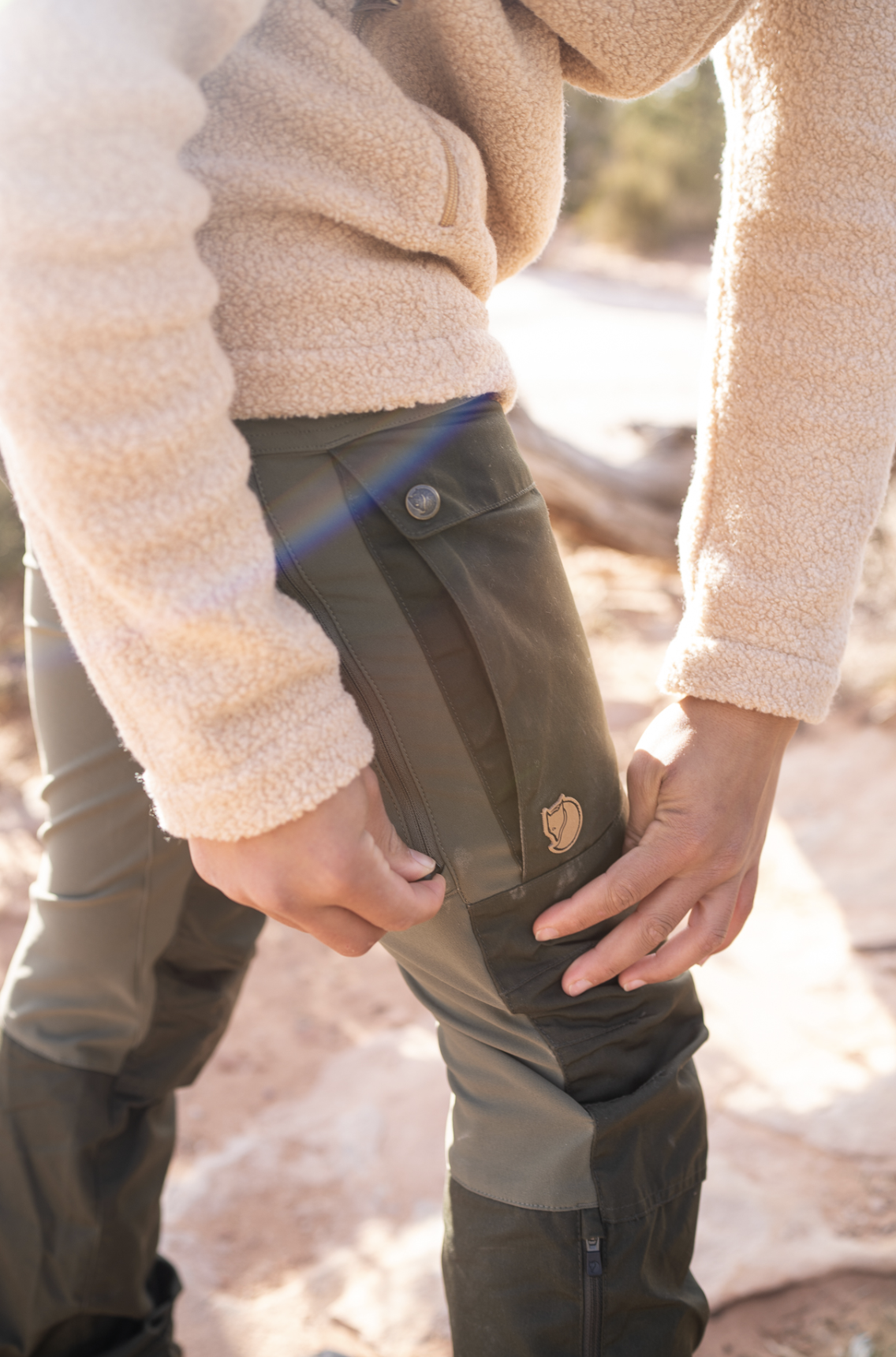
How did the work for Fjallraven come about? Do you suggest locations for them or does their creative team lay out the trip?

That shoot came from my connections with a producer within my network. In this case the producer and their creative team came up with the locations and activites based upon Fjallraven’s needs. Locations and location scouting is one of my favorite parts of production because I love nerding out on maps and reseaching areas.

What are you fired up about now?
I am so stoked on photography in general right now. I am always looking to learn, grow my skillset and find a new challenge and studio photography is that for me at the moment. It has been really fun to learn studio lighting and to practice more portraiture and lifestyle photography. I’m just excied to keep expanding my horizons while always coming back to water my roots in the outdoor adventure space.

The Art of the Personal Project: Howard Schatz

 The Art of the Personal Project is a crucial element to let potential buyers see how you think creatively on your own.  I am drawn to personal projects that have an interesting vision or that show something I have never seen before.  In this thread, I’ll include a link to each personal project with the artist statement so you can see more of the project. Please note: This thread is not affiliated with any company; I’m just featuring projects that I find.  Please DO NOT send me your work.  I do not take submissions.

Today’s featured artist:  Howard Schatz


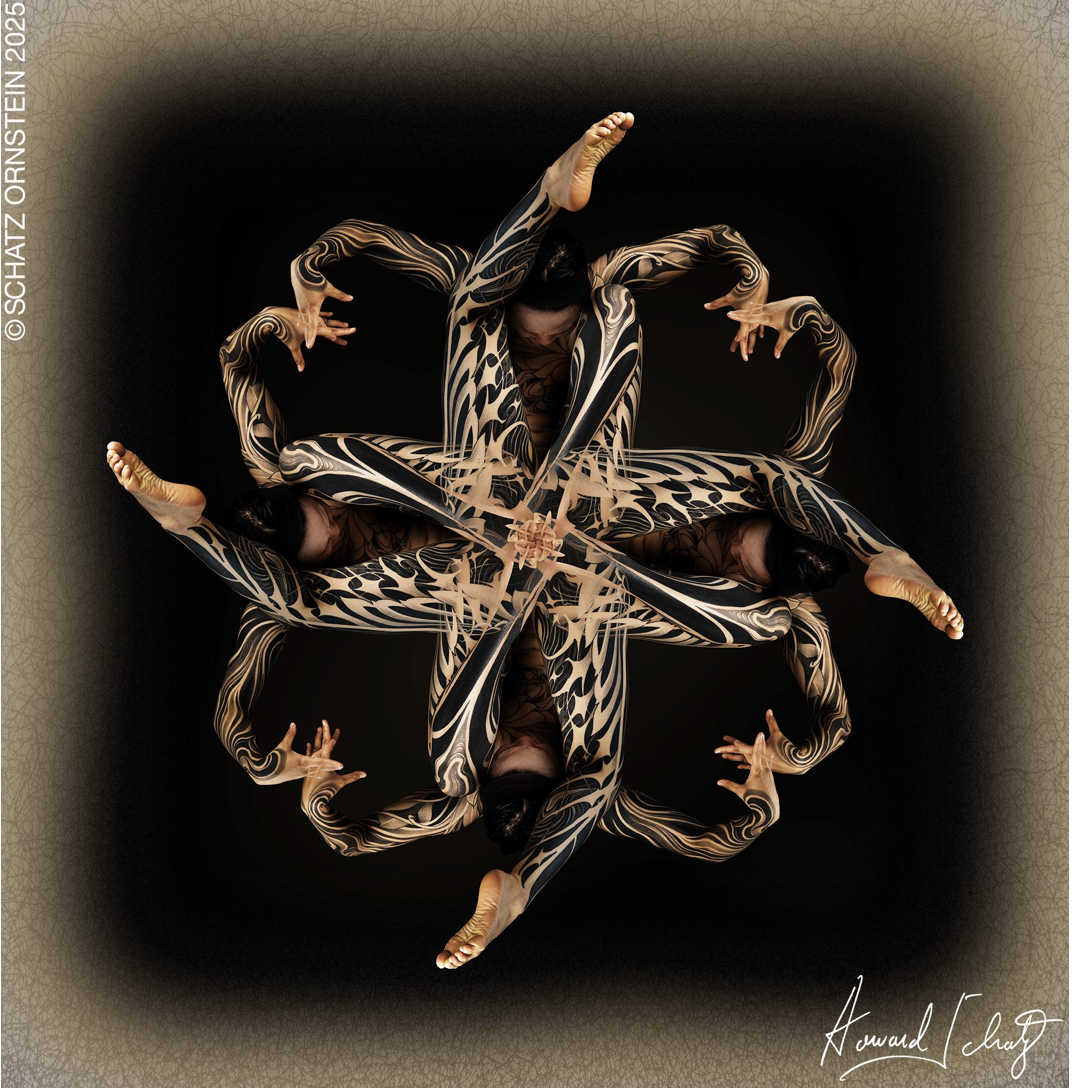
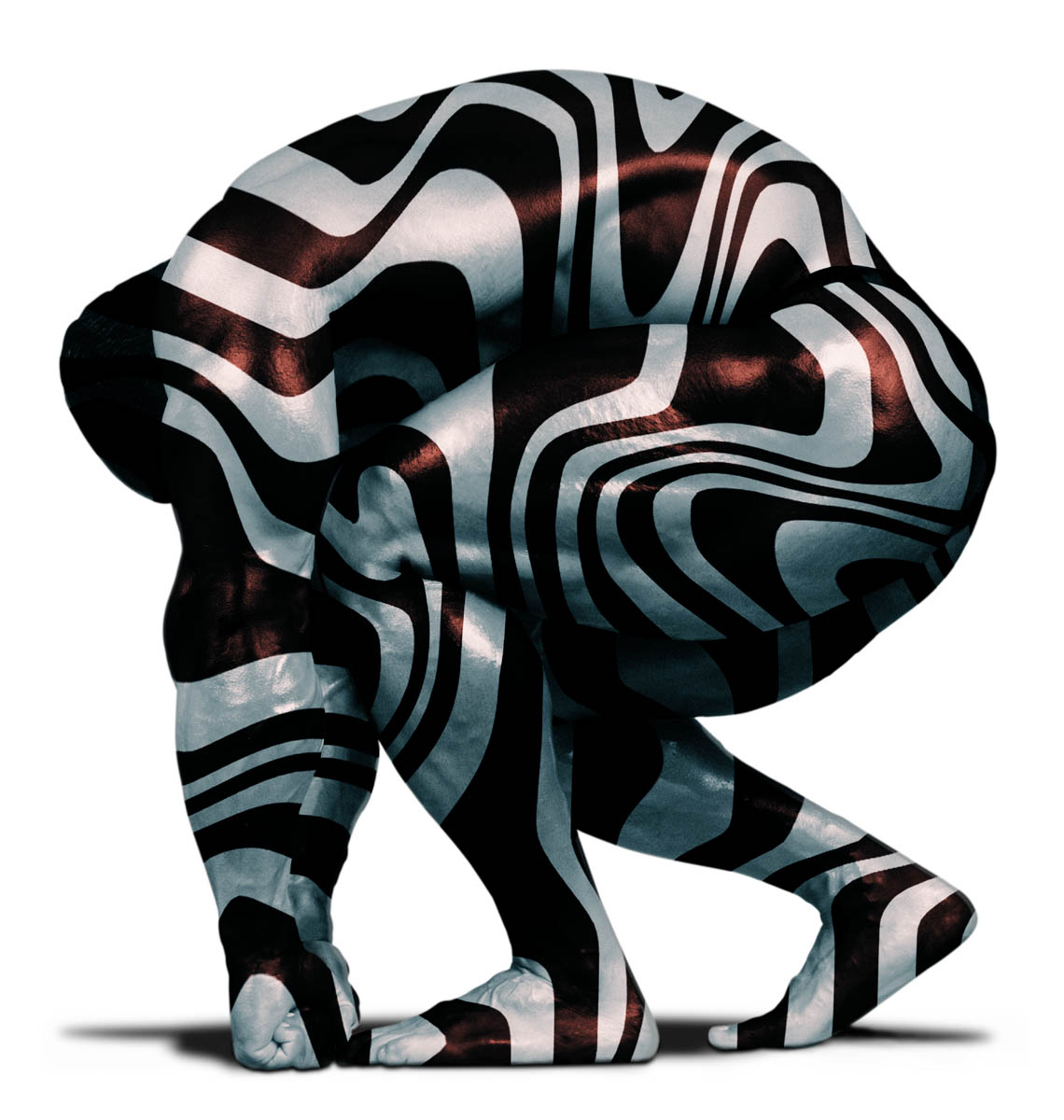
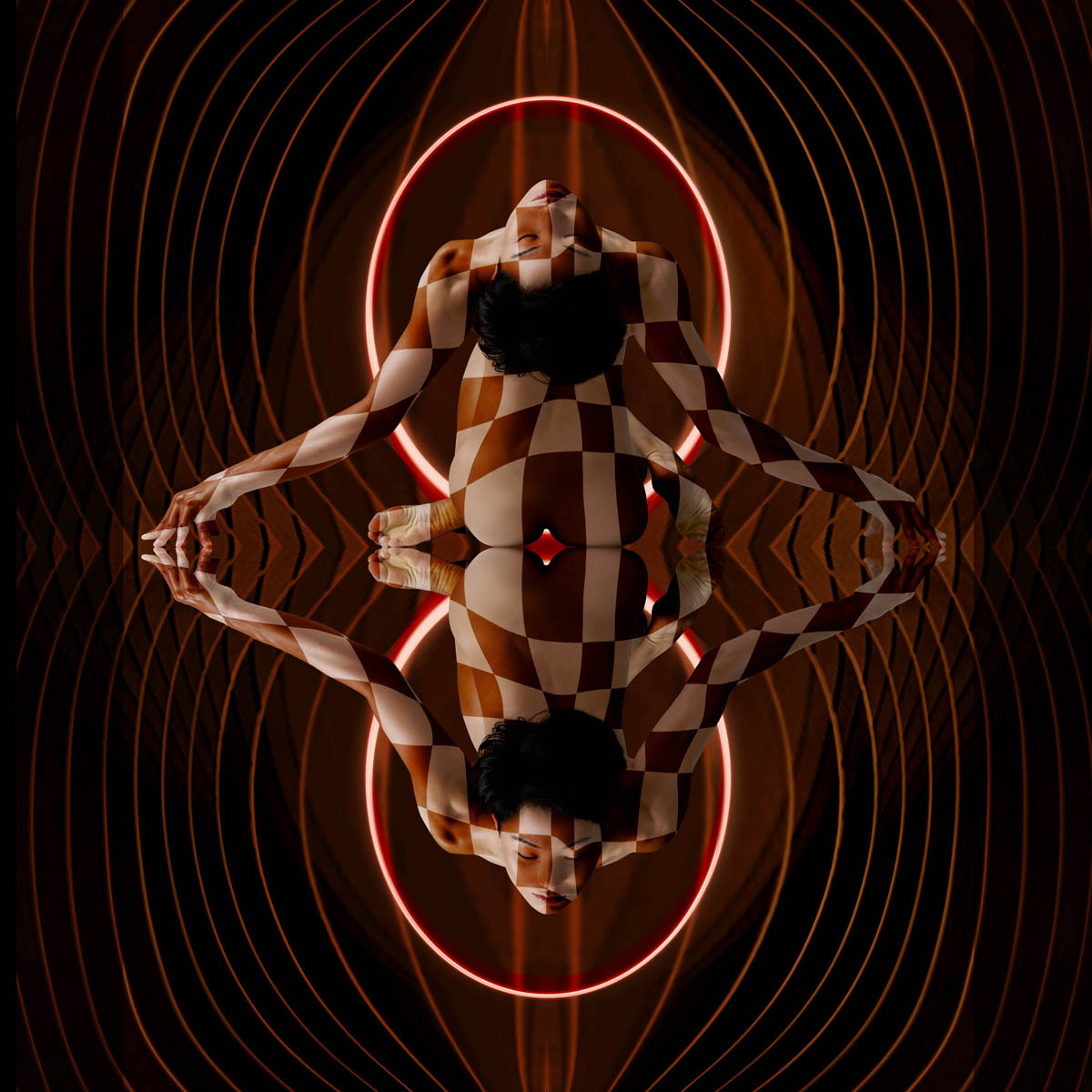
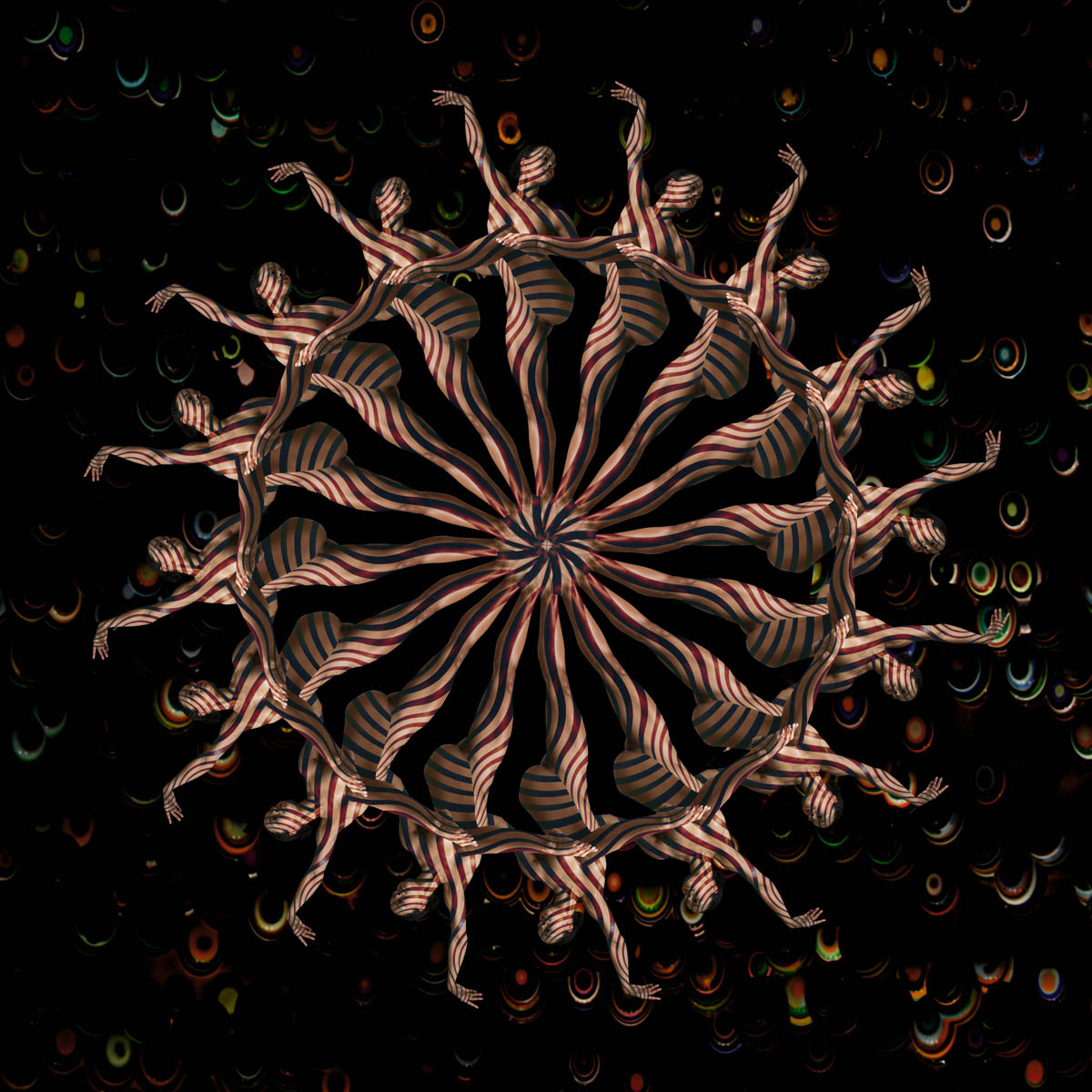
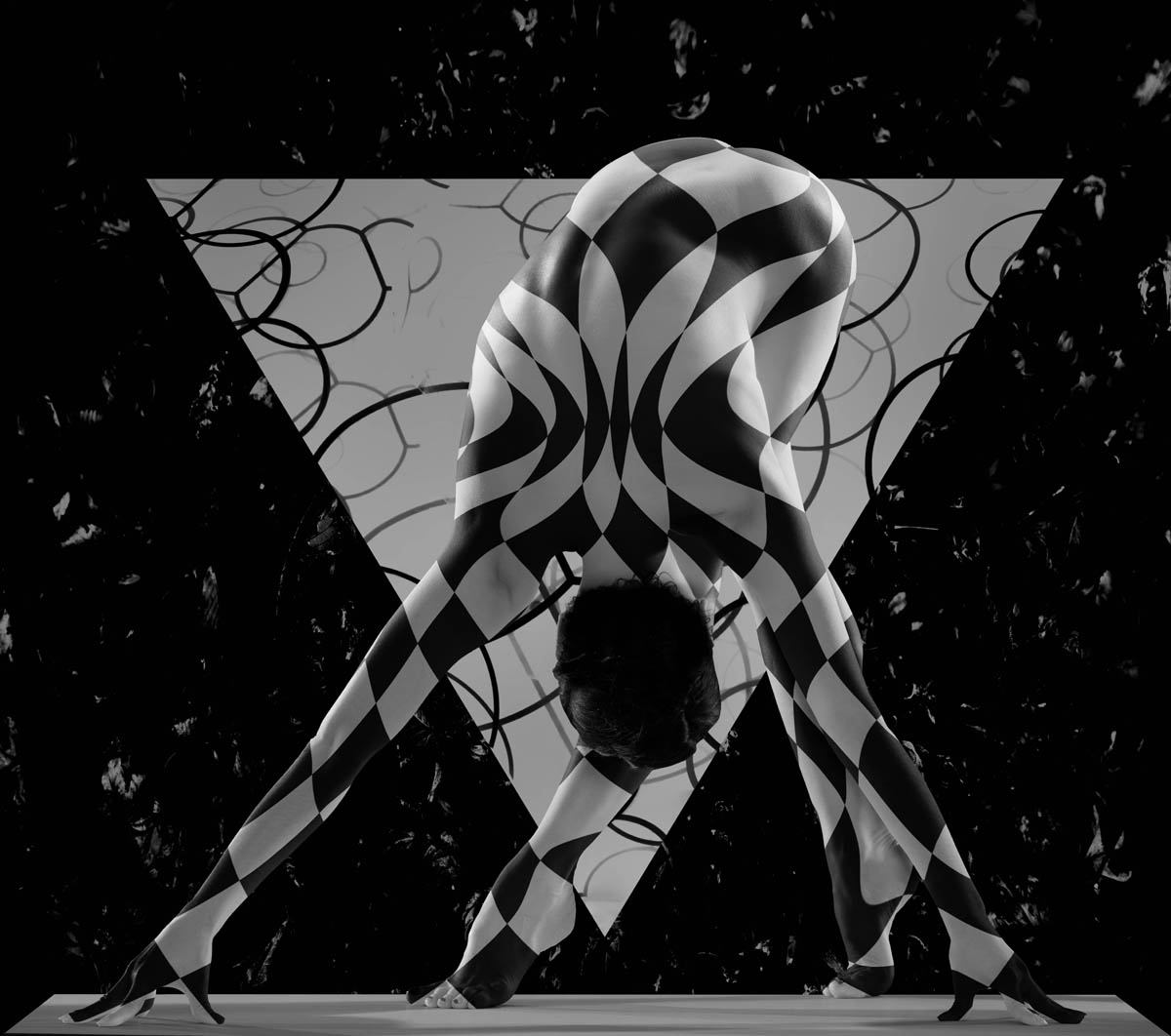
I have been working on a “Human Body” project that looks like body painting but isn’t. ⁠

⁠Body painting, when done well by a skilled and talented make-up artist working with airbrushes, body makeup and other tools often takes many hours, if not all day. The event ties up the studio so that not much else can be accomplished. Also, once a body is painted,

that’s it; further exploration and discovery, the essential seeds of creativity, are only minimally possible. ⁠

⁠For this current project, I’m the “painter.” Using post production techniques, especially Photoshop, I adorn and cover the body fitting my own creative tastes. Exploring and experimenting is “play,” and the possibilities infinite. Most “trials” don’t work: I move on, open to examining others. Working hard to create imagery to surprise and delight myself, never knowing if or when it will happen and on only rare occasions, the creative gods astonish and bless, generously. ⁠

To see more of this project, click here

Instagram


Suzanne Sease is a creative consultant and former ad-agency senior art buyer. She works with both emerging and established photographers and illustrators to create cohesive, persuasive presentations that clients can’t resist.

Suzanne offers something rare: an insider’s perspective on how client’s source creative talent. Her deep understanding of the industry is underscored by her impressive resume: 11 years as senior art buyer at The Martin Agency, seven years as an art producer for Capital One, and stints with the art-buying department at Kaplan-Thaler and the creative department at Best Buy, where she applied her expertise to reviewing bids to see which were most likely to come in on budget. Over the years, Suzanne has worked with a wildly diverse range of clients, including Seiko, Wrangler, Bank One, AFLAC, and Clairol Herbal Essence. Now, as a consultant, she is equipped to problem-solve for her clients from an unusually dynamic point of view.

As a longtime member of the photo community, Suzanne is also dedicated to giving back. Through her Art of the Personal Project column on the popular website aphotoeditor.com, she highlights notable personal projects by well-known and up-and-coming photographers. The column offers these artists excellent exposure while reflecting Suzanne’s passion for powerful imagery.

Instagram

The Art of the Personal Project: Sara Swaty

The Art of the Personal Project is a crucial element to let potential buyers see how you think creatively on your own.  I am drawn to personal projects that have an interesting vision or that show something I have never seen before.  In this thread, I’ll include a link to each personal project with the artist statement so you can see more of the project. Please note: This thread is not affiliated with any company; I’m just featuring projects that I find.  Please DO NOT send me your work.  I do not take submissions.

Today’s featured artist:  Sara Swaty

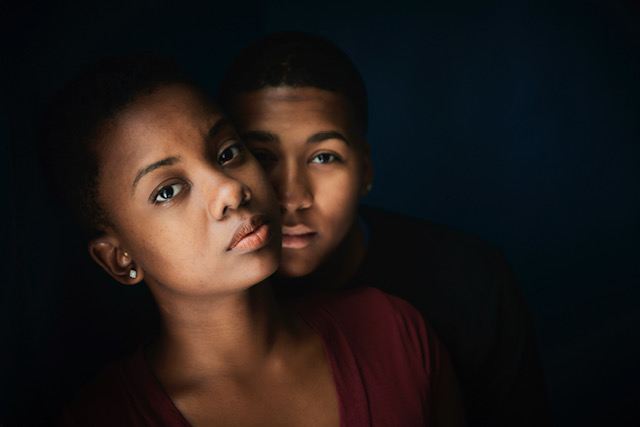
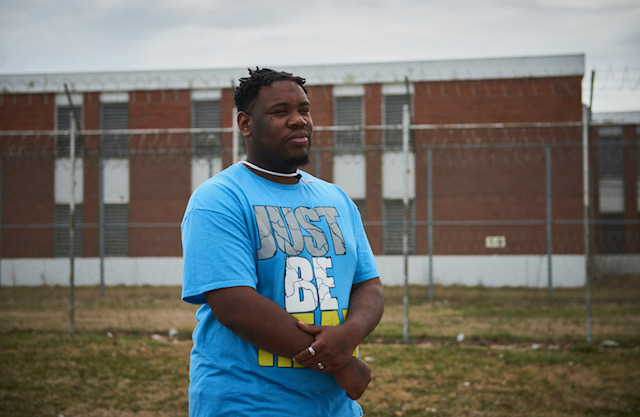
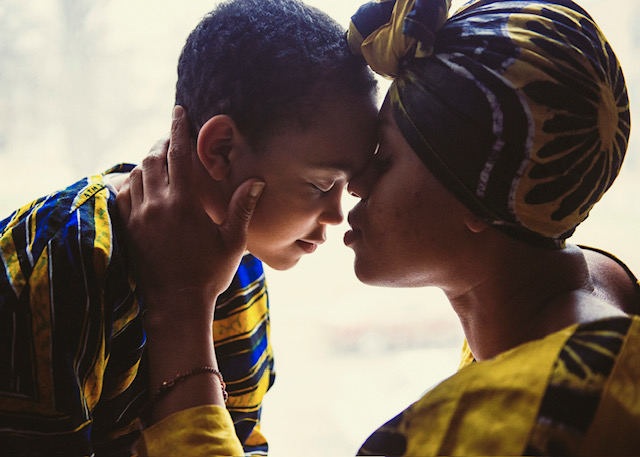
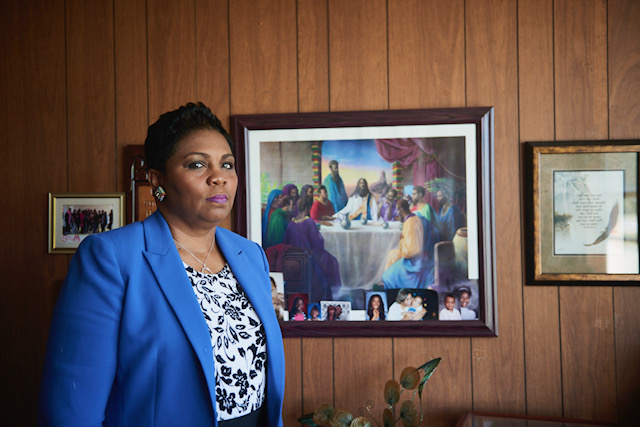
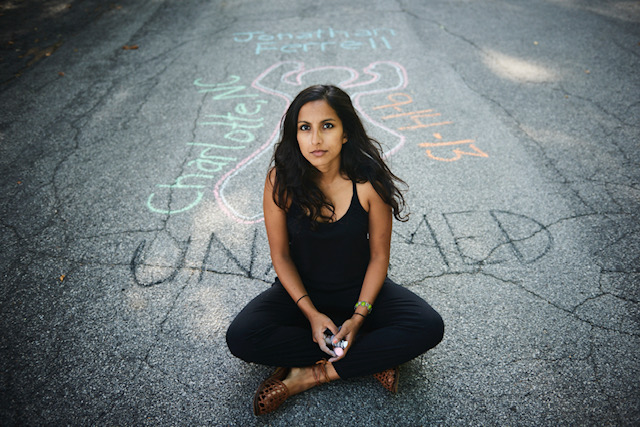
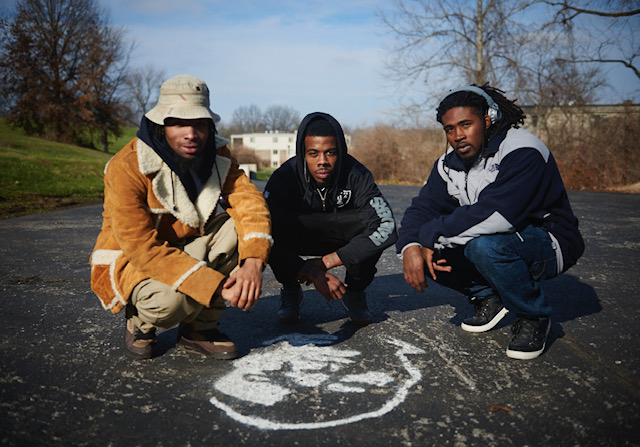
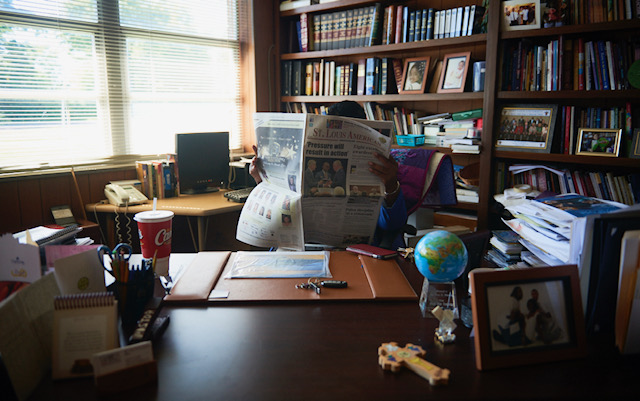
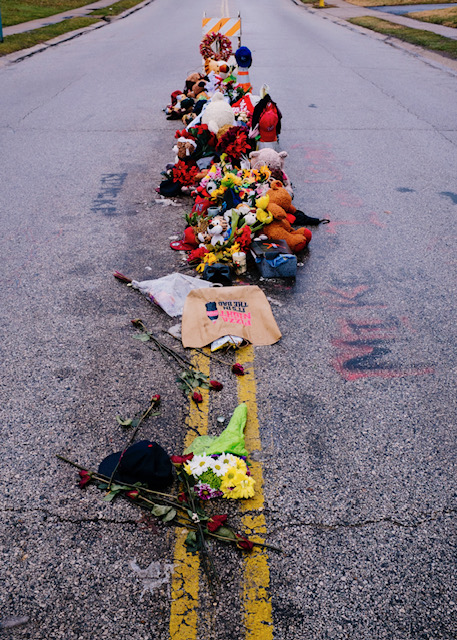
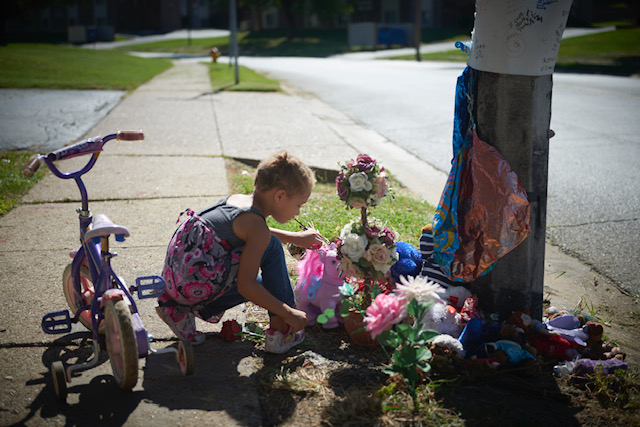
A series of individual stories told in pictures and words, exploring the real lives behind the public conversation surrounding the death of Michael Brown, Fragments of Ferguson exists to advance both personal and societal understanding of the volatile conversation about race and ethnicity underway in cities all across the country. Perhaps no story is more emblematic of this moment than that of Ferguson, Missouri. As a St. Louis native now living in Los Angeles, Swaty is positioned as the ultimate Insider/Outsider — one whose perspective includes both the macro and microcosmic experience of the time and place where the story unfolds. “I feel like a St. Louis artist,” she says. “My heart lives there.”

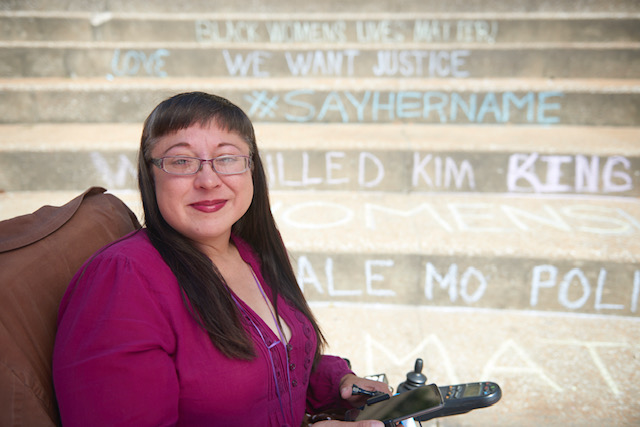
The shooting of Michael Brown on August 9, 2014, inspired a sustained national civil rights and social justice movement — starting with #blacklivesmatter and then subsequently #handsupdontshoot, #icantbreathe, and #sayhername, the movement that started in Ferguson turned outrage and resistance to oppression into a political rallying cry.

Fragments of Ferguson recognizes the community of passionate and dedicated individuals who refused to be silent in the face of injustice — beyond the homicide and humiliation, but the subsequent lack of criminal accountability for Officer Darren Wilson. It takes communities from all walks of life to make change — activists on the streets and on social media, politicians, lawyers, artists, clergy, writers, musicians, and many more. People young and old are combining forces in the streets, courts, and online. No one can fight injustice alone. We all need allies.

Making big, broad ideas more accessible through the unique combination of visual art and the written word, Swaty’s documentary structure combines fine art portraiture with a set of questions whose answers become the captions, pairing moving artistic portraits with perspectives told in their own voices.

To see more of this project, click here

Instagram

APE contributor Suzanne Sease currently works as a consultant for photographers and illustrators around the world.  She has been involved in the photography and illustration advertising and in-house corporate industry for decades.  After establishing the art-buying department at The Martin Agency, then working for Kaplan-Thaler, Capital One, Best Buy and numerous smaller agencies and companies, she decided to be a consultant in 1999.  Follow her on Instagram