The Art of the Personal Project: 2021 Books to Purchase for the Holidays

The Art of the Personal Project is a crucial element to let potential buyers see how you think creatively on your own.  I am drawn to personal projects that have an interesting vision or that show something I have never seen before.  In this thread, I’ll include a link to each personal project with the artist statement so you can see more of the project. Please note: This thread is not affiliated with any company; I’m just featuring projects that I find.  Please DO NOT send me your work.  I do not take submissions.


Today’s featured artist:  Various Photographic Artist and their published books of photographers I have featured on “The Art of the Personal Project”

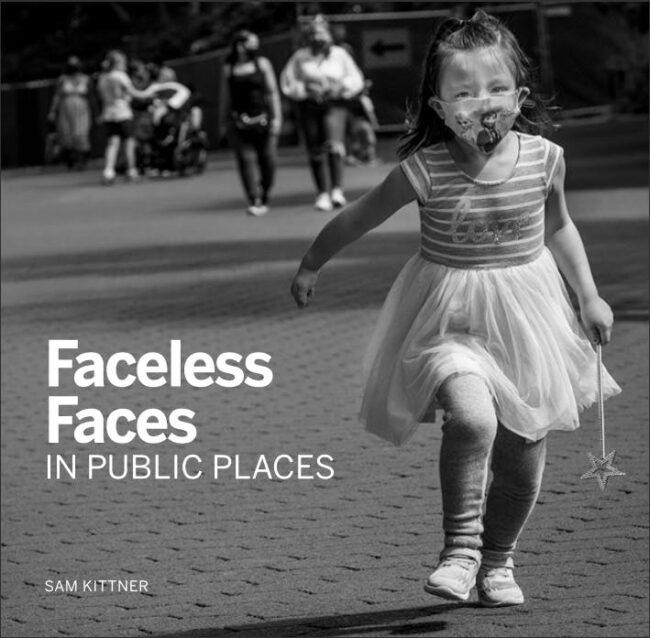
Sam Kittner:

Faceless Faces in Public Places is a curated collection of 80 images made during the pandemic.  And can be ordered here


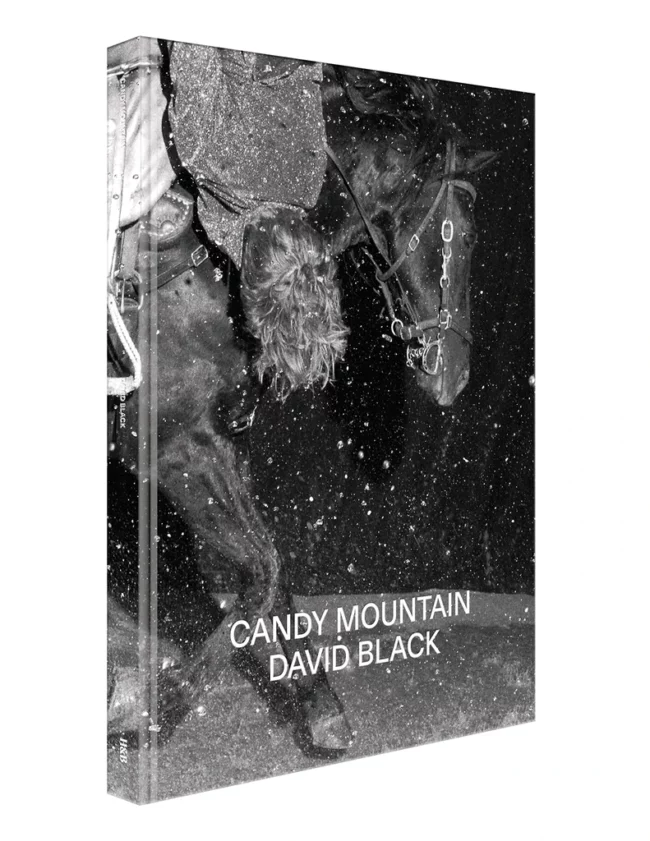
David Black:


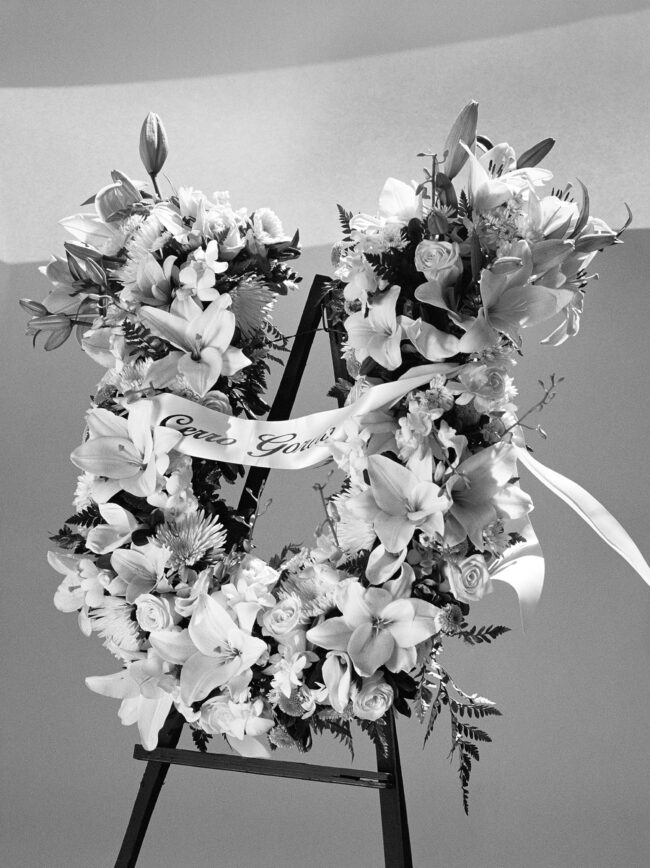
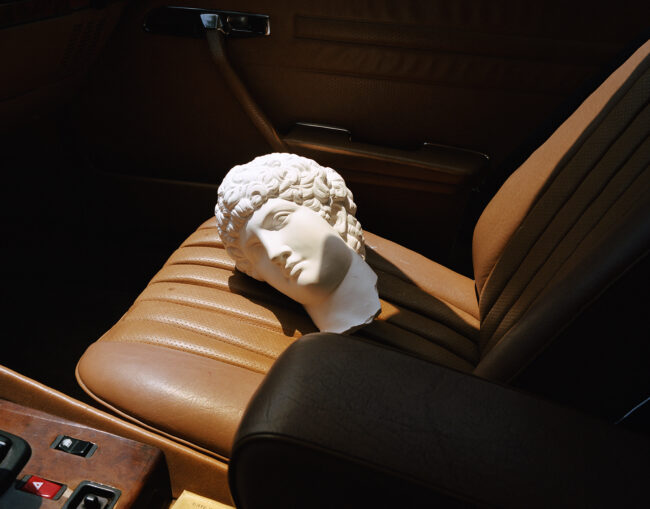
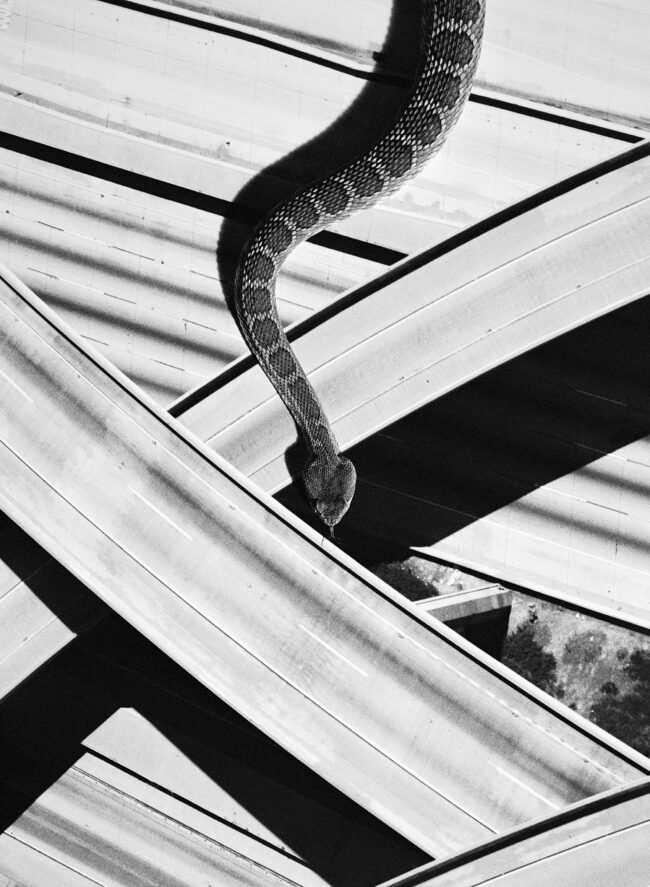
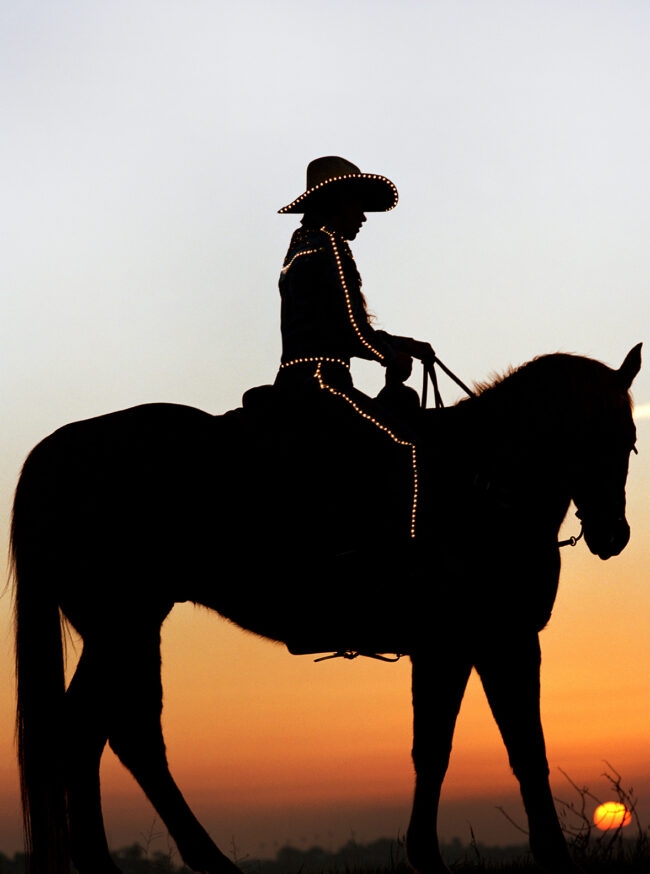
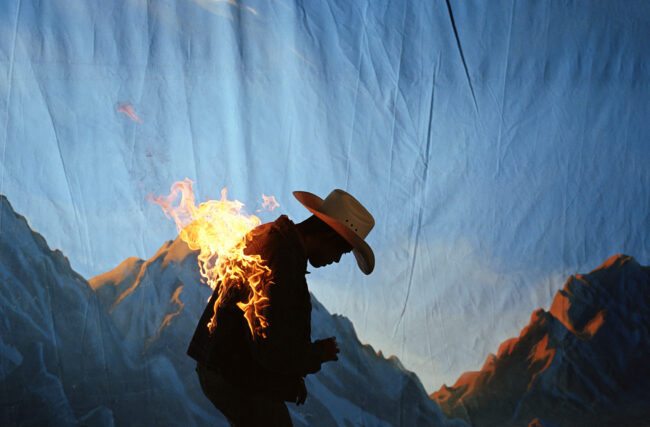
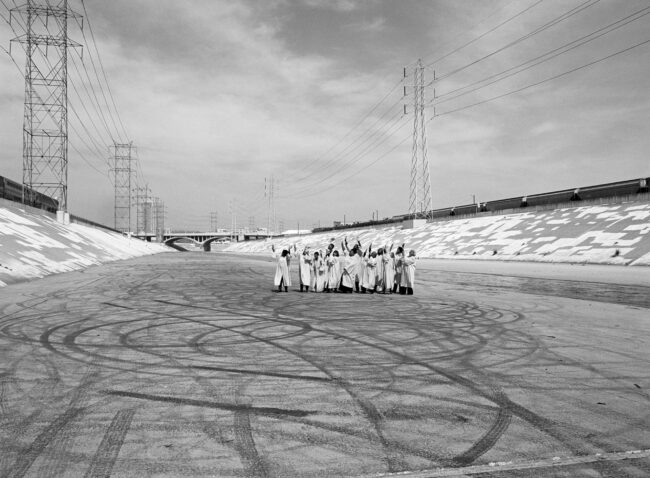
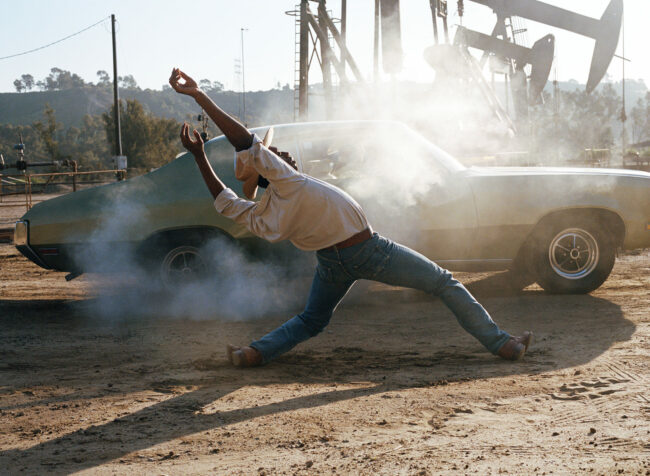
Candy Mountain is the final installment in David Black’s trilogy of titles with Hat & Beard Press. It follows his first two volumes, Cerro Gordo and The Days Change at Night, on another magnificent photographic journey, this time through the vast Western landscapes of his childhood memories and current geographical explorations.  Pre-order here


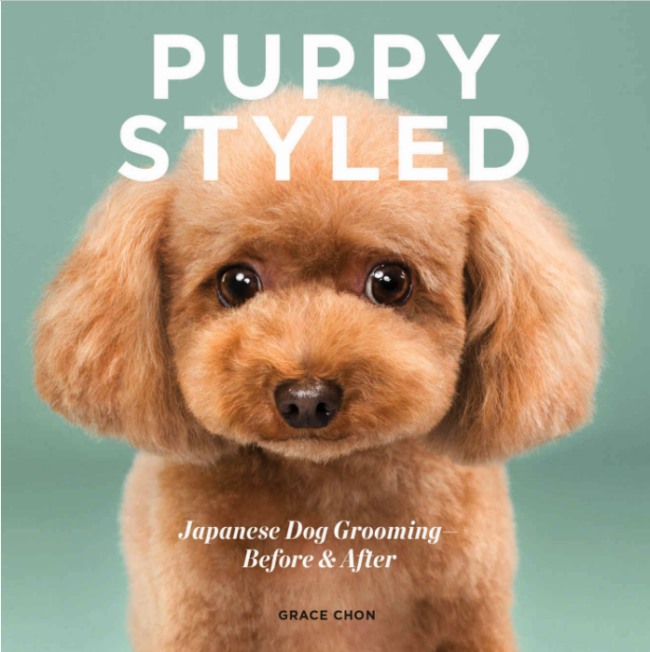
Grace Chon

Japanese dog grooming does not follow the rules of traditional, breed- standard grooming. In fact, it only has one mission―to make dogs look as adorable as possible! With extreme attention to detail and careful consideration of a pup’s best attributes, Japanese dog groomers and salons achieve the perfect transformation by forgetting uniform looks and getting creative.  Purchase this book here


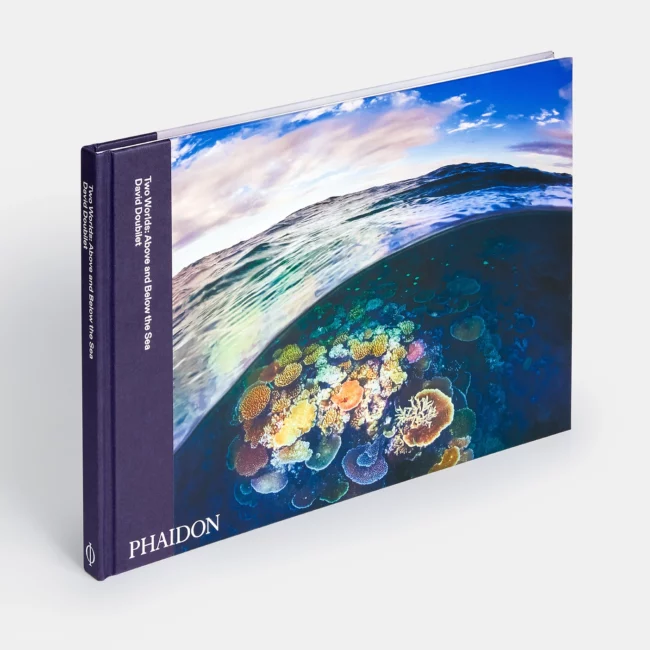
David Doubilet

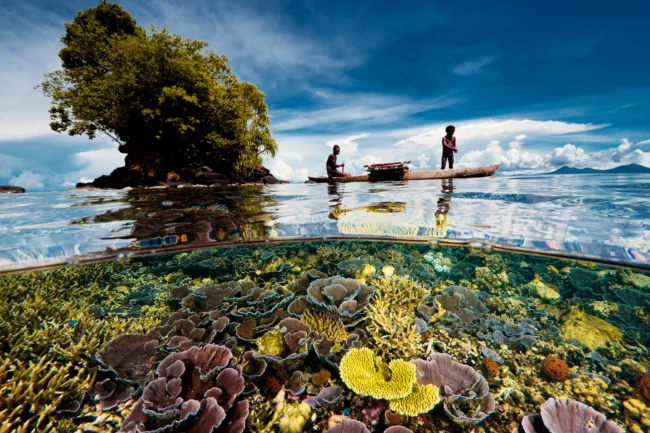
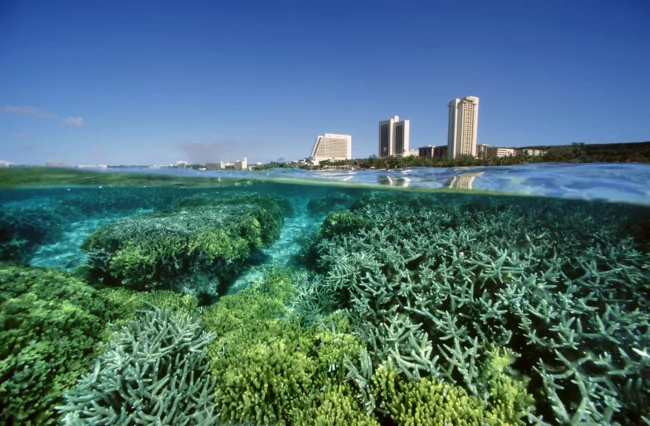
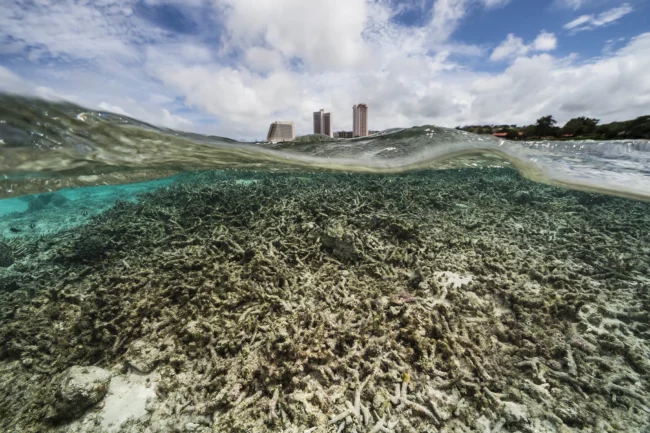
Two Worlds: Above and Below the Seas.

Purchase here


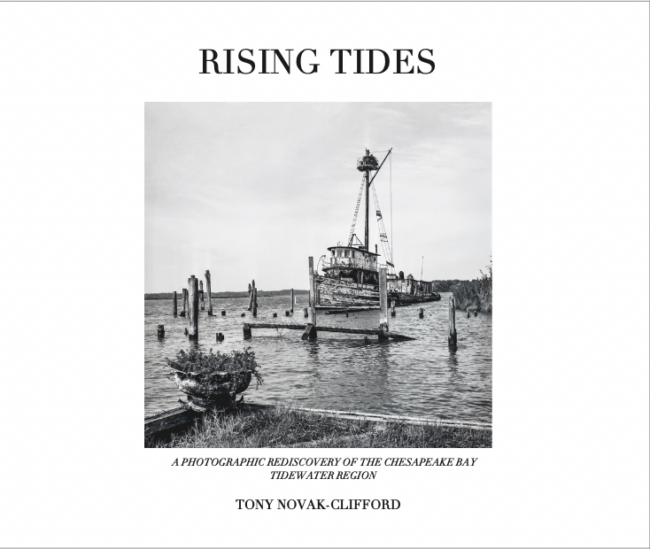
Tony Novak-Clifford

Rising Tides: A Photographic Rediscovery of the Chesapeake Bay Tidewater Region

Purchase here


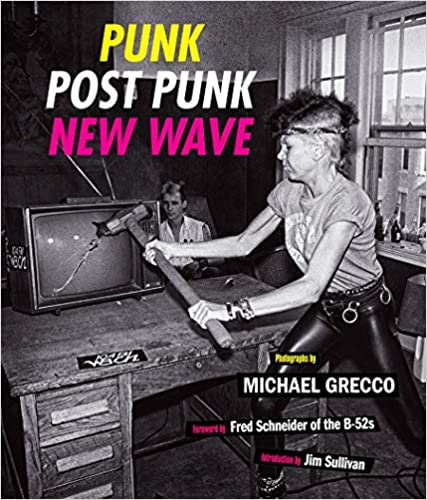
Michael Grecco

Punk, Post Punk, New Wave: Onstage, Backstage, In Your Face, 1978–1991 features stunning, never-before-seen photography from this iconic period in music. Order here


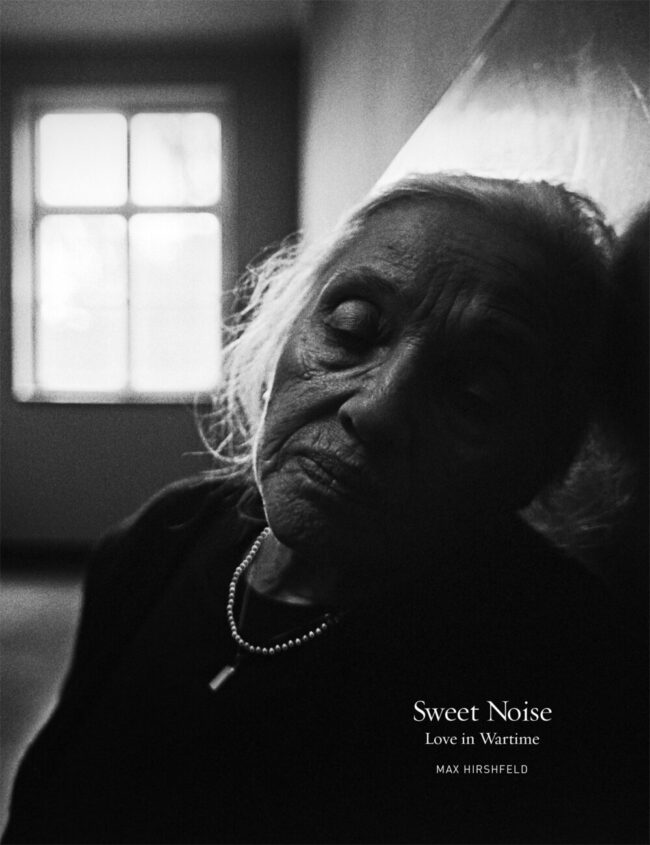
Max Hirshfeld

Though Sweet Noise: Love in Wartime (Damiani – October 2019) features events that began seventy-five years ago, the material is eerily timely.  As Eastern Europe grapples with this horrific legacy, and many countries are reassessing their responses to mass immigration, those in a position to bear witness need a supportive environment wherein art and language serve to remind the world what can occur when hatred and the concept of ethnic cleansing are given free rein.

Purchase this book here


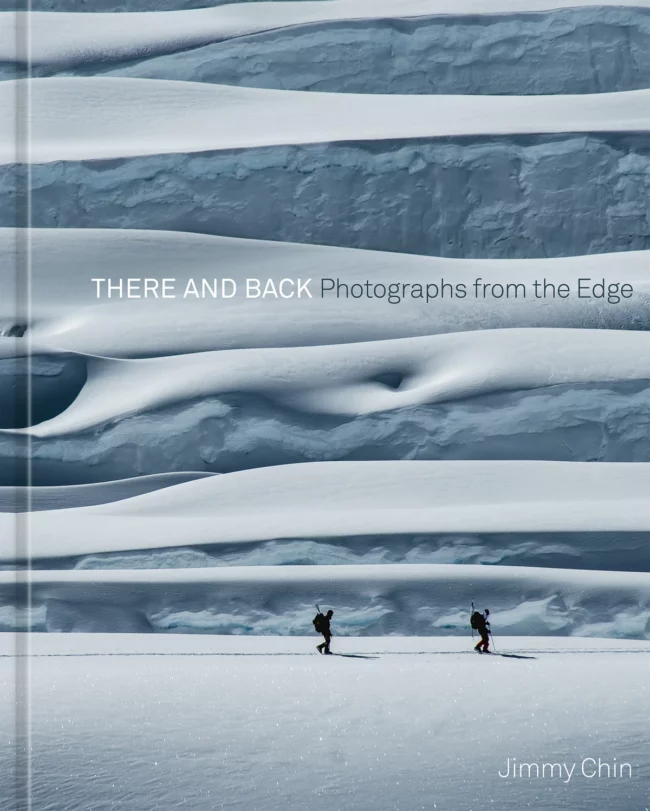
Jimmy Chin

THERE AND BACK: PHOTOGRAPHS FROM THE EDGE

The Academy Award-winning director of Free Solo and National Geographic photographer presents the first collection of his iconic adventure photography, featuring some of the greatest moments of the most accomplished climbers and outdoor athletes in the world, and including more than 200 extraordinary photographs.  Order here


Happy Holidays!


APE contributor Suzanne Sease currently works as a consultant for photographers and illustrators around the world. She has been involved in the photography and illustration industry since the mid 80s.  After establishing the art-buying department at The Martin Agency, then working for Kaplan-Thaler, Capital One, Best Buy and numerous smaller agencies and companies, she decided to be a consultant in 1999. She has a new Twitter feed with helpful marketing information because she believes that marketing should be driven by brand and not by specialty.  Follow her at @SuzanneSeaseInstagram

Success is more than a matter of your talent. It’s also a matter of doing a better job presenting it.  And that is what I do with decades of agency and in-house experience.


The Art of the Personal Project: Kris Davidson

The Art of the Personal Project is a crucial element to let potential buyers see how you think creatively on your own.  I am drawn to personal projects that have an interesting vision or that show something I have never seen before.  In this thread, I’ll include a link to each personal project with the artist statement so you can see more of the project. Please note: This thread is not affiliated with any company; I’m just featuring projects that I find.  Please DO NOT send me your work.  I do not take submissions.


Today’s featured artist:  Kris Davidson


The idea of belonging — the desire for it, the threat of it — wends its way into every American story ever told. In her brief history under the name America, this country has wrestled with every form and manifestation of belonging: how to belong to an old land, a new land, how to stake a claim of ownership of said land; how to belong to oneself, how to belong to each other, either by brute force, subtle coercion, or by open-hearted, willing choice.

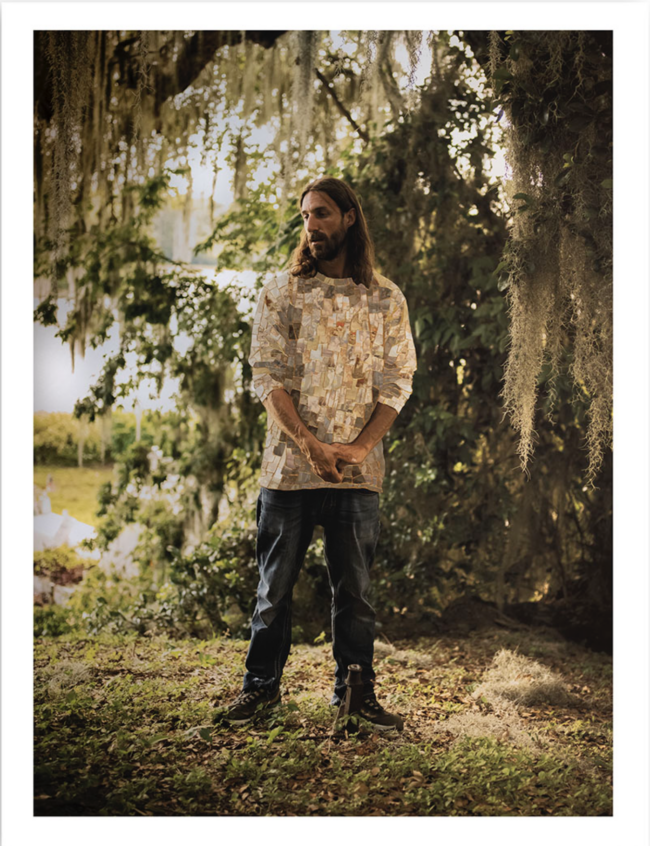
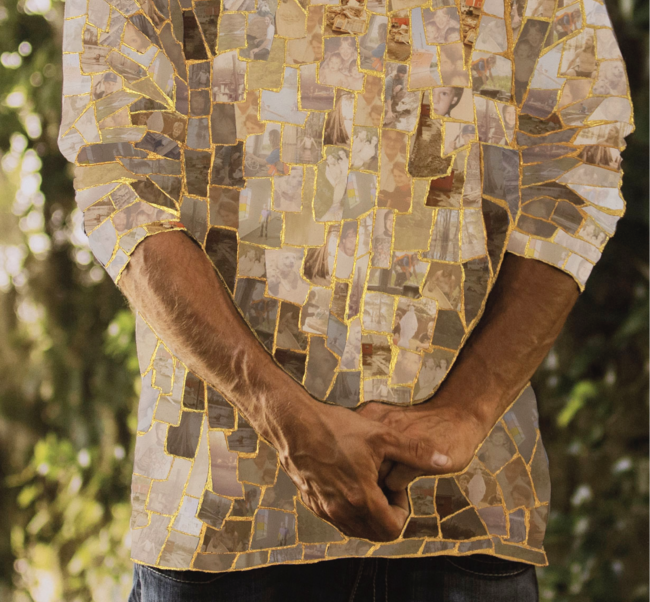
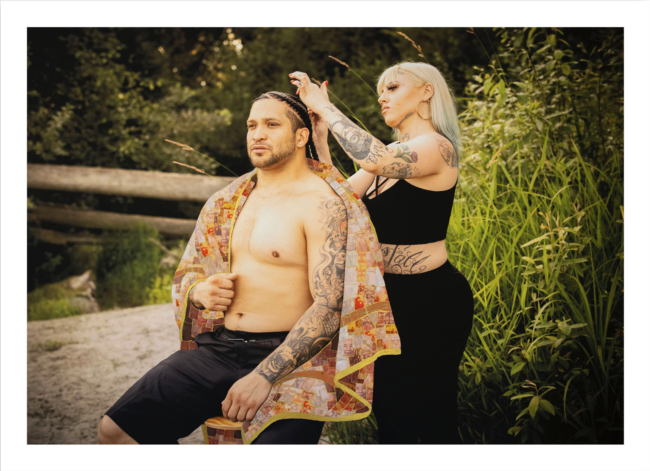
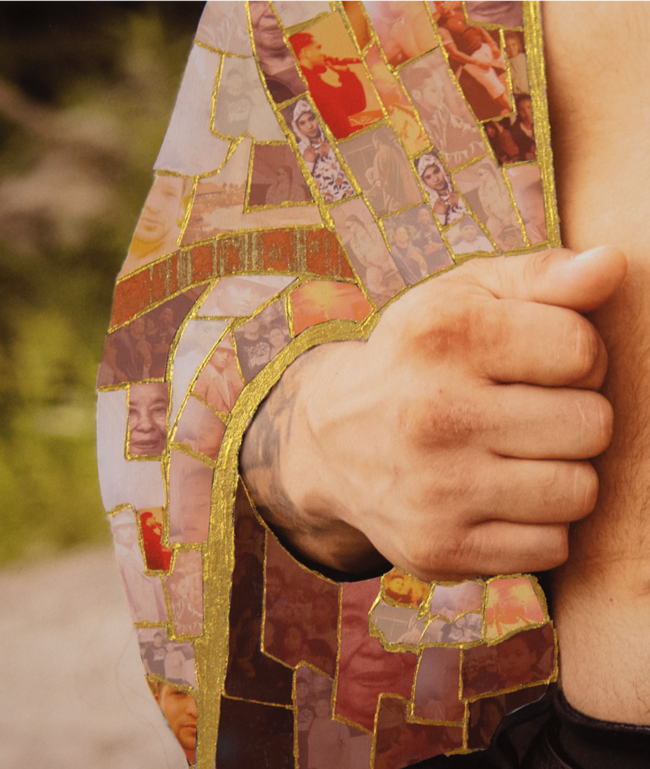
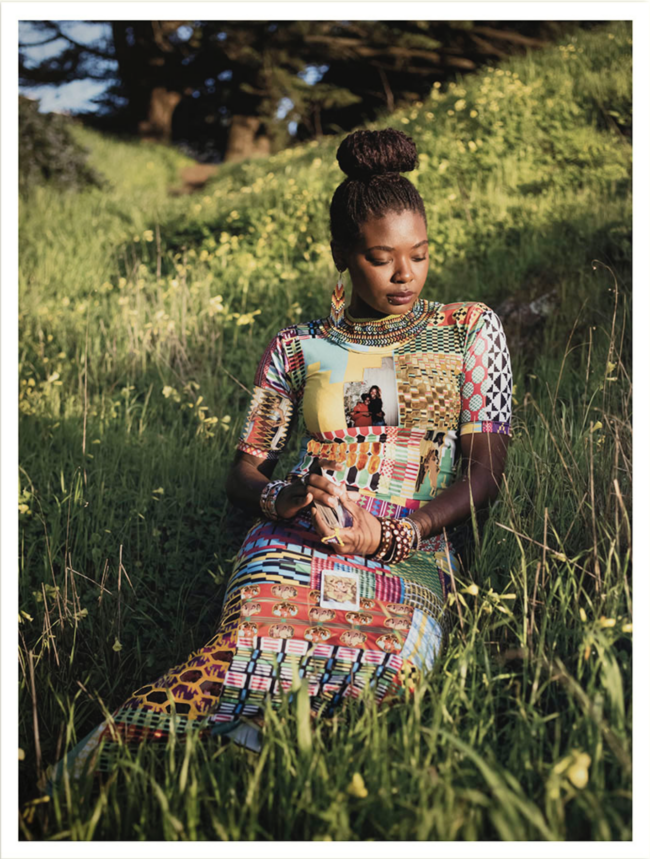
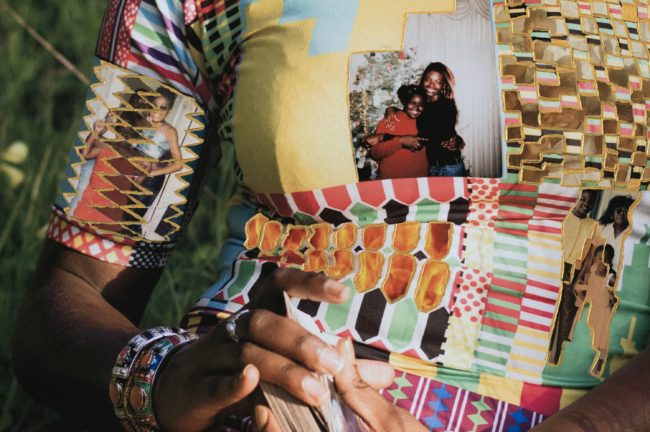
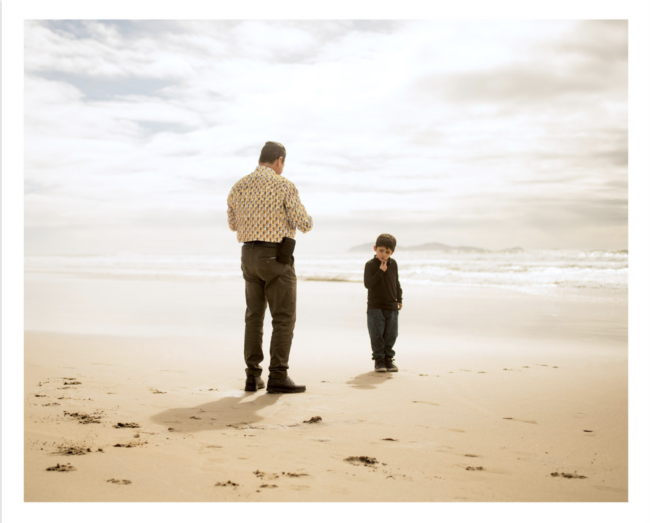
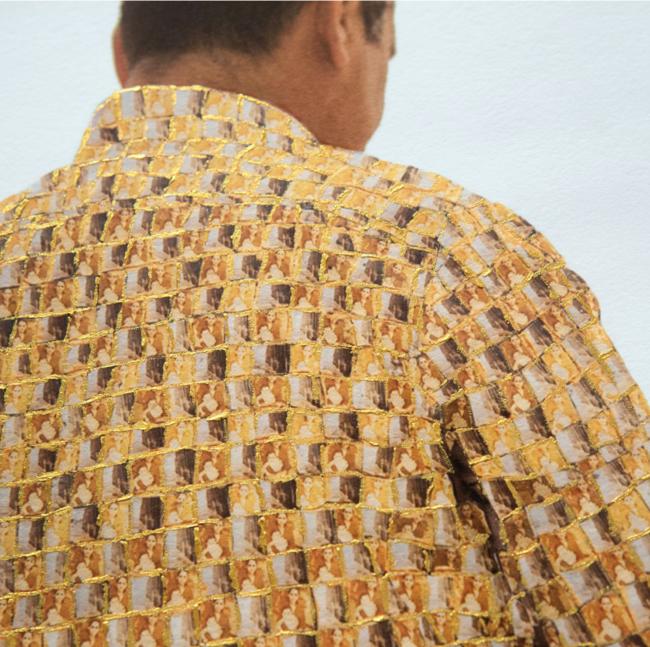
How we hold our stories — as a nation and as individuals — is inexorably tied to how we understand how we belong within a society. As an immigrant to the United States, I am keenly aware of the tangled storylines of my adopted homeland; America’s storytelling tradition is expansive, born out of countless colliding, merging and overlapping storylines. American Portraits (working title) is a photo-collage series that seeks to honor the vast range of individual stories held within the American people. These large mixed-media portraits consider Americans from all walks of life, adorned with shared personal snapshots, revealing threads of ancestry and aspiration, a mix of hope, loss and dreams. Each portrait is a collaboration of sharing, reflection and listening spread over many months.

Americans have come from every corner of the world — willingly and unwillingly — creating a cultural landscape of shimmering memories and endlessly shifting storylines of many refurbished selves. Every snapshot deployed in these collages contains layers of meaning when considered across time, as a part of a larger American storyline.

We are made up of blood, bones and stories. A form of cultural DNA, stories show us who we have been, who we are now, and who we are becoming. This project is a way for me to make sense of the stories of my adopted homeland while also honoring individual Americans along the way.


ABOUT ME + MY PROCESS:

As a visual artist, Kris works primarily with American stories and memories. As a photographer, she makes portraits with a medium format camera (for large prints) and utilizes reproductions of archival/personal photographs shared by subjects in her artwork, along with paint and additional mixed media elements.

A native of Sweden, Kris Davidson spent the first half her childhood in the Scandinavian Arctic and the second half in Texas. In her twenties she became a travel photographer working worldwide, collaborating with various editorial and commercial clients including National Geographic, Lonely Planet Traveller, and others. In recent years, she has shifted her focus towards an in-depth study of the United States. Across all her current work, Kris investigates the question of what it means to become and be an American, with an eye to the role of reconstructive memory as it gives shape to individual identity in a larger cultural landscape. She also uses mixed media elements on photographic prints to explore the fluid intersection of perceived truth, memory and imagination.  LightSource SF was the printer on this project.  They can be found hereInstagram


To see more of this project, click here.

https://www.instagram.com/hellokrisdavidson/


APE contributor Suzanne Sease currently works as a consultant for photographers and illustrators around the world. She has been involved in the photography and illustration industry since the mid 80s.  After establishing the art-buying department at The Martin Agency, then working for Kaplan-Thaler, Capital One, Best Buy and numerous smaller agencies and companies, she decided to be a consultant in 1999. She has a new Twitter feed with helpful marketing information because she believes that marketing should be driven by brand and not by specialty.  Follow her at @SuzanneSeaseInstagram

Success is more than a matter of your talent. It’s also a matter of doing a better job presenting it.  And that is what I do with decades of agency and in-house experience.


The Art of the Personal Project: Justin Bettman

The Art of the Personal Project is a crucial element to let potential buyers see how you think creatively on your own.  I am drawn to personal projects that have an interesting vision or that show something I have never seen before.  In this thread, I’ll include a link to each personal project with the artist statement so you can see more of the project. Please note: This thread is not affiliated with any company; I’m just featuring projects that I find.  Please DO NOT send me your work.  I do not take submissions.


Today’s featured artist:  Justin Bettman

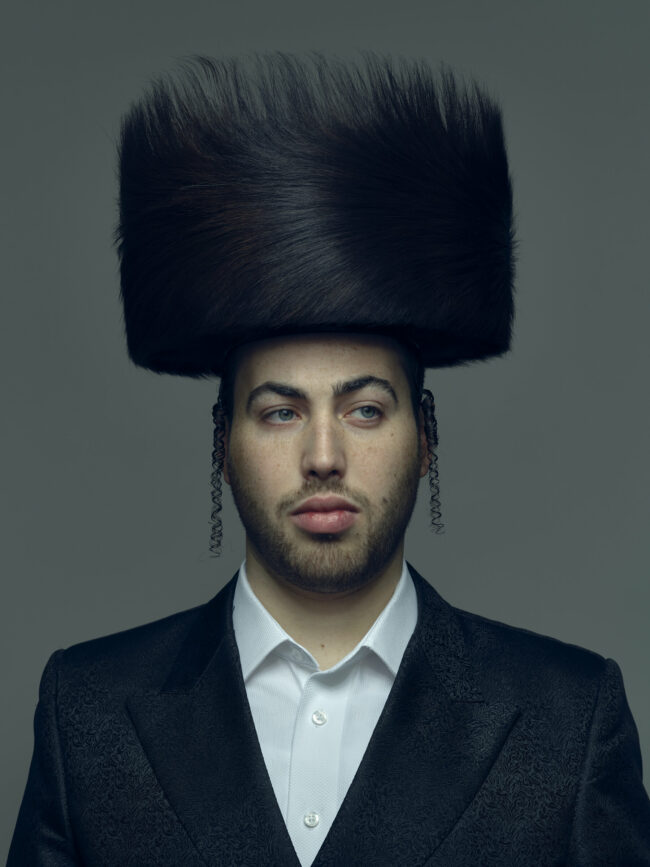
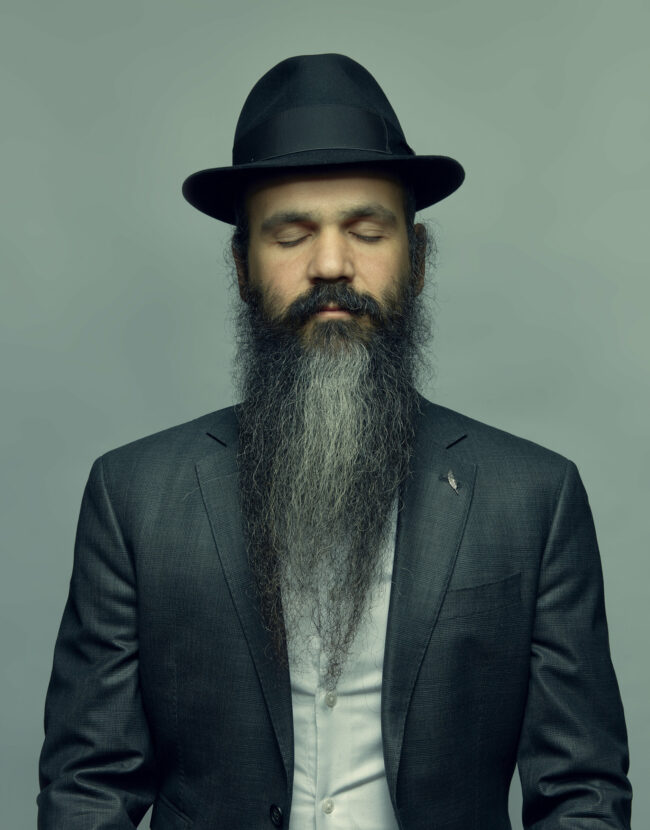
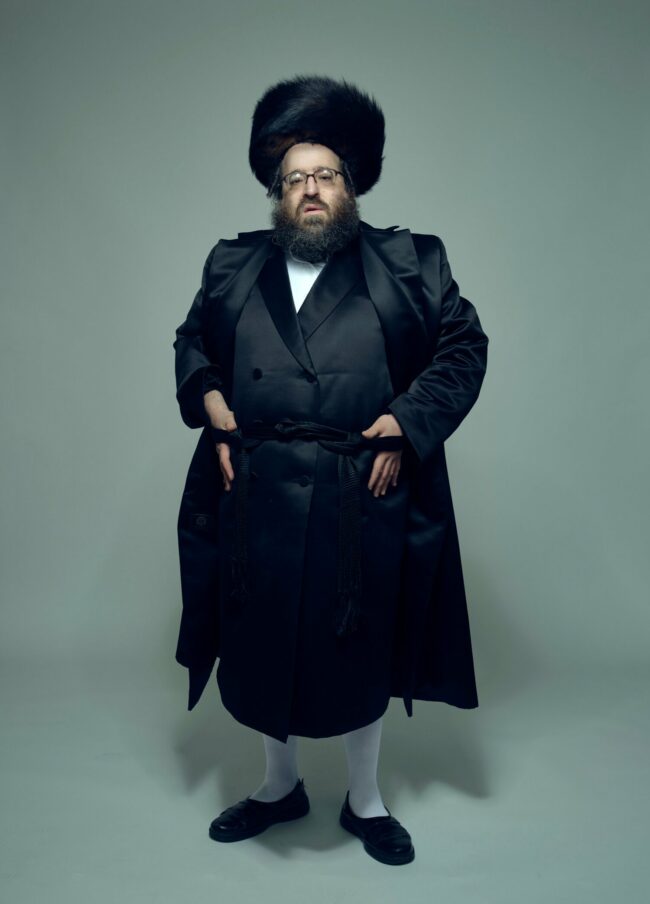
Having grown up in a reform Jewish household in Northern California, my initial perception of the Hasidic community when I moved to NYC was that it almost looked and felt like a completely separate religion. But I wondered: how are we similar? In this portrait series, I wanted to bridge the gap between the reform Jewish community I grew up in and the Hasidic Jewish community that I lived adjacent to in NY.

There’s a difference between watching people and really seeing them. To that point, many photographs of the Hasidic community in New York have a voyeuristic and documentary quality to them since there is a lack of permission and trust by many of the individuals in the Hasidic community. I did not want to replicate that. Rather, I wanted to elevate them and treat them the same way I would treat any individual or celebrity coming into my studio. I wanted consent and permission.

For many reasons, sitting for a portrait within the Hasidic community is seen as taboo. There is not a rule written in the Torah that expressly prohibits doing so. However, one of the main unwritten rules within the Hasidic community is to do what everyone else does and avoid what everyone else avoids. Without a doubt, the toughest part of this project was gaining the access and permission to find willing subjects to sit for a portrait.

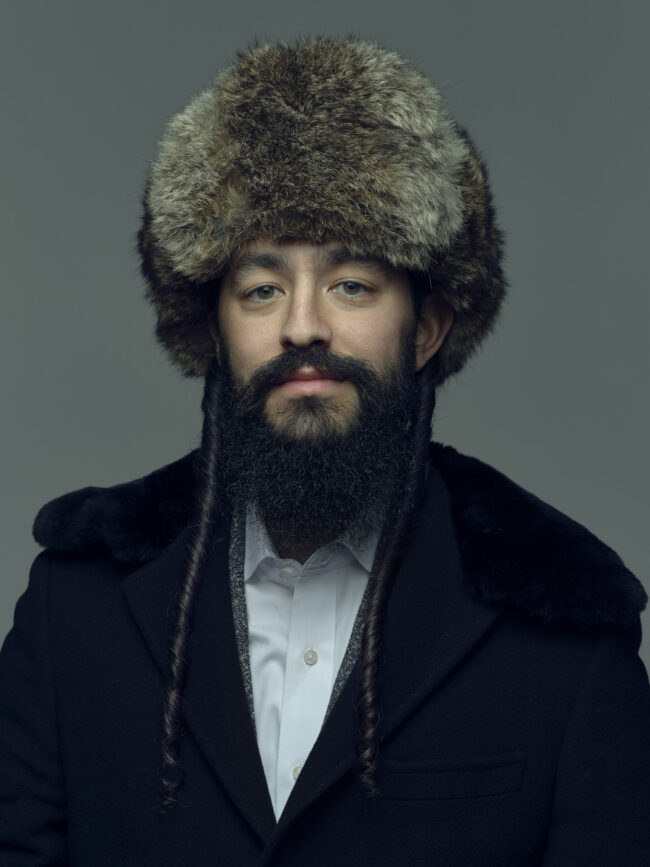
My main goal was to make each person feel comfortable enough to reveal their unique characteristics and personality. Oftentimes, the outside world only notices the surface level trademarks that are reflected in the Hasidic community — their intricate hats, their beards, and their payot. I strived to go beyond that.

I used these photo sessions as an opportunity to learn more about the Hasidic community and share my experiences as a reform Jew. Through this sense of shared humanity, I was able to capture something timeless, personal and honest.

Many people have asked why I didn’t include women in the project. I had a few Hasidic women who were willing to sit for portraits, however they didn’t feel comfortable having their images shared publicly.


To see more of this project, click here.

Instagram


APE contributor Suzanne Sease currently works as a consultant for photographers and illustrators around the world. She has been involved in the photography and illustration industry since the mid 80s.  After establishing the art-buying department at The Martin Agency, then working for Kaplan-Thaler, Capital One, Best Buy and numerous smaller agencies and companies, she decided to be a consultant in 1999. She has a new Twitter feed with helpful marketing information because she believes that marketing should be driven by brand and not by specialty.  Follow her at @SuzanneSeaseInstagram

Success is more than a matter of your talent. It’s also a matter of doing a better job presenting it.  And that is what I do with decades of agency and in-house experience.


The Art of the Personal Project: David Black


The Art of the Personal Project is a crucial element to let potential buyers see how you think creatively on your own.  I am drawn to personal projects that have an interesting vision or that show something I have never seen before.  In this thread, I’ll include a link to each personal project with the artist statement so you can see more of the project. Please note: This thread is not affiliated with any company; I’m just featuring projects that I find.  Please DO NOT send me your work.  I do not take submissions.


Today’s featured artist:  David Black 


The photographs in this book are images that came to me after the loss of my father. I followed these images and saw them into actualization over the course of two years.

Located on the edge of Death Valley, Cerro Gordo is a ghost town that was once the greatest producer of silver in California. In the early 20th century, Eastman Kodak used the silver mined at Cerro Gordo to manufacture early motion picture film stock. The film was then utilized by an emerging Hollywood to capture the most popular genre of the time: Westerns. Western films were then exported all over the world and used to define a vision of the West.

For me Cerro Gordo is a steep winding street in Echo Park – behind Dodger Stadium – where I lived during the years that this work was made.

The house I lived in was a crumbling mission style from the 1920s. It was in that house, on that street, I experienced both love and heart break. This book represents what I learned about the paradoxical duality of Los Angeles during that period.


To see more of this project, click here.

Instagram 

APE contributor Suzanne Sease currently works as a consultant for photographers and illustrators around the world. She has been involved in the photography and illustration industry since the mid 80s.  After establishing the art-buying department at The Martin Agency, then working for Kaplan-Thaler, Capital One, Best Buy and numerous smaller agencies and companies, she decided to be a consultant in 1999. She has a new Twitter feed with helpful marketing information because she believes that marketing should be driven by brand and not by specialty.  Follow her at @SuzanneSeaseInstagram

The Art of the Personal Project: Rachel Wisniewski

The Art of the Personal Project is a crucial element to let potential buyers see how you think creatively on your own.  I am drawn to personal projects that have an interesting vision or that show something I have never seen before.  In this thread, I’ll include a link to each personal project with the artist statement so you can see more of the project. Please note: This thread is not affiliated with any company; I’m just featuring projects that I find.  Please DO NOT send me your work.  I do not take submissions.


Today’s featured artist:  Rachel Wisniewski


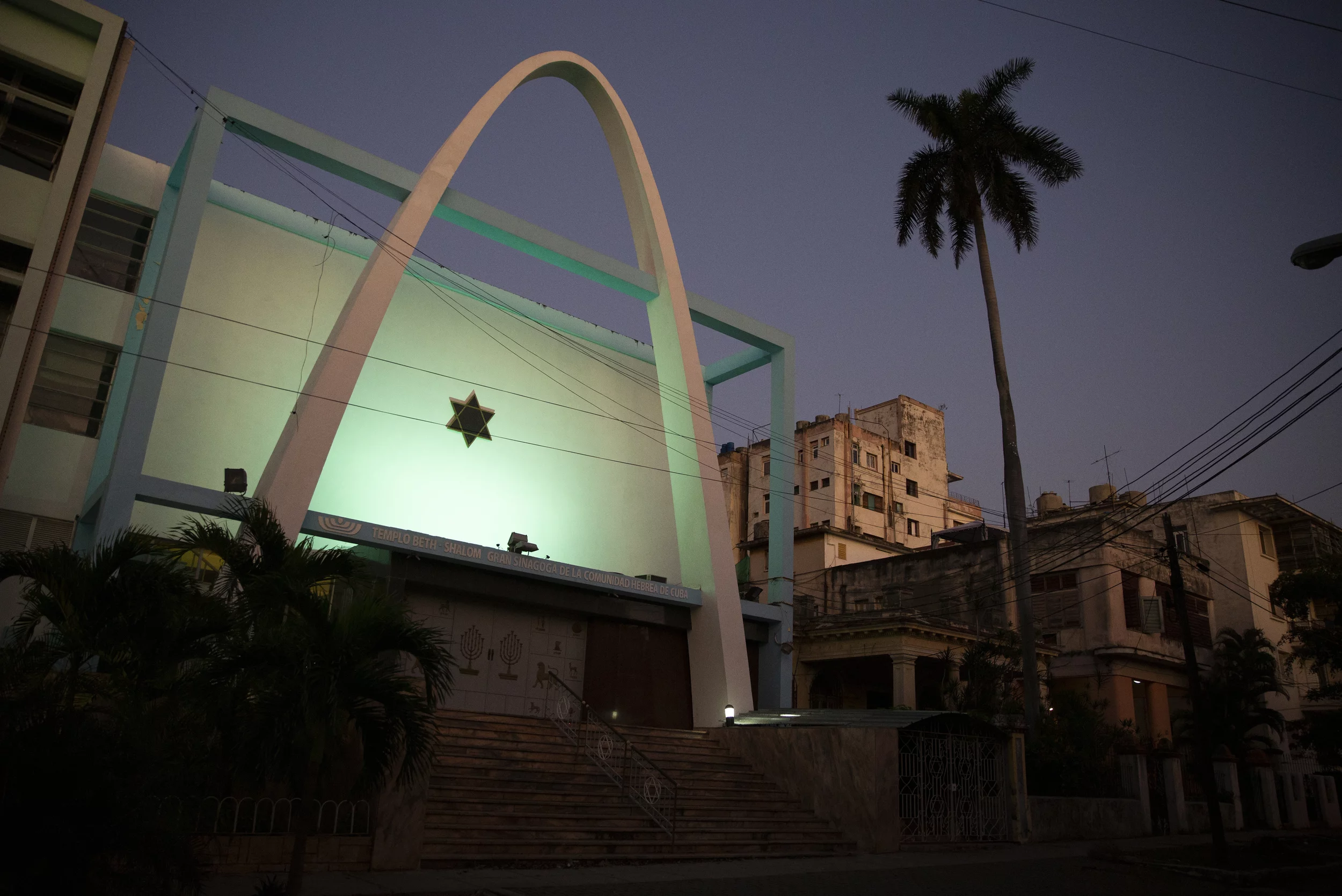
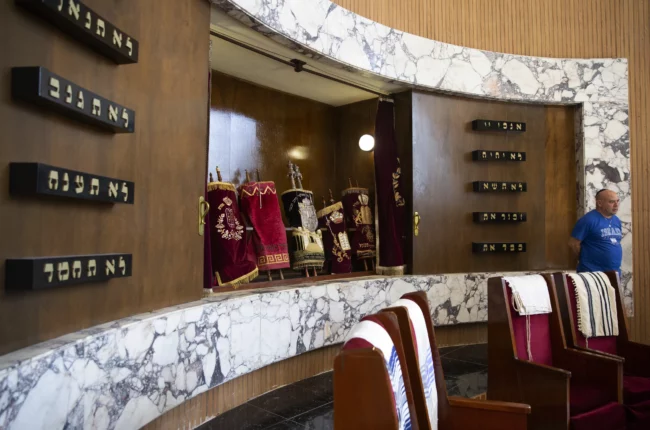
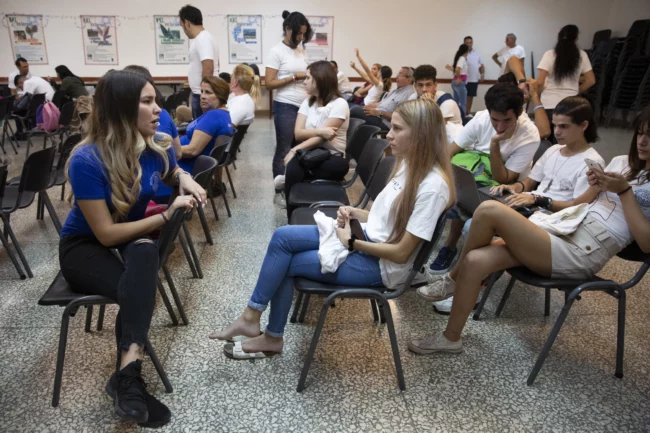
On a Friday night at Beth Shalom in January 2020, only 70 of the 270 synagogue seats were filled — at least a quarter of them by tourists. Adriana Quiñones, 19, led the evening services, chanting at the bema in Hebrew beside her ex-boyfriend, Jonathan, in a highlighter-yellow dress. While Quiñones can read Hebrew beautifully, she doesn’t actually understand what it means — a qualification that has been overlooked in light of the fact that the synagogue does not have a rabbi.

There isn’t one rabbi living in the whole country of Cuba. Currently, only about 1,200 Jewish people still call the island home, down from 15,000 prior to Fidel Castro’s revolutionary rise to power in 1959.

Beth Shalom was built in Havana’s Vedado neighborhood in 1952. It’s one of three synagogues in Havana, and only five in all of Cuba.

Most of Cuba’s Jewish population over the past hundred years has existed as a result of displacement and persecution elsewhere. Jewish people fled from Turkey and Eastern Europe in the 1910s and ’20s, then again from Europe in the 1930s and ’40s as Nazis seized power. Many considered Cuba a stopover point on the way to the U.S. but stayed after the U.S. shut them out.

Beth Shalom’s current president, Adela Dworin, is the child of Holocaust survivors. Quiñones’ paternal great-grandparents emigrated from Turkey after they faced discrimination, while her maternal grandparents are Cuban natives.

In deciding to remain in Cuba, the Quiñones family is part of a striking minority. After Fidel Castro came to power, more than 90% of Cuba’s Jewish population fled, primarily to cities such as Miami. Many were middle-class business owners who suffered under Castro’s economic policies.

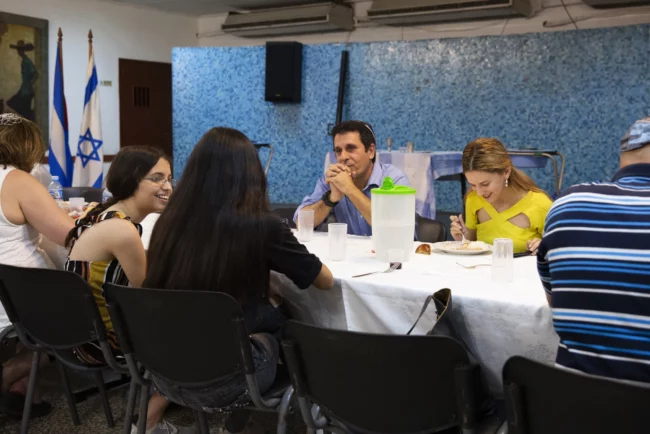
Jewish people are a minority around the world — a tiny fraction of 1% — but particularly so among Cuba’s 11 million people. Their small numbers have made Cuba’s Jewish community extremely close-knit.

And like in other Jewish communities around the world, the onus for continuing the practice of the religion rests on the young. Quiñones is one of a small number of Cuba’s Jewish youth who are under immense pressure to preserve an already minuscule religious group.

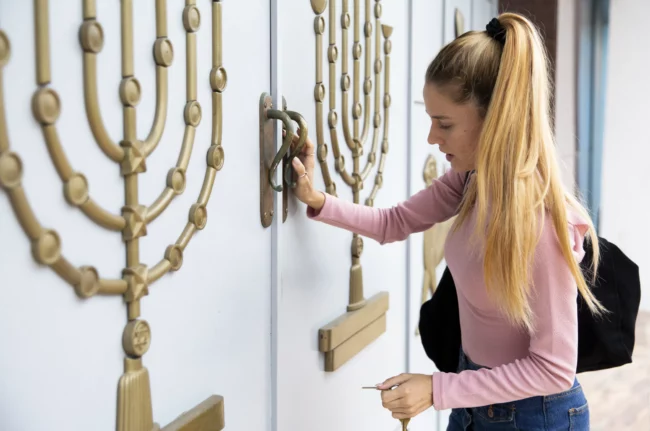
When Quiñones was in her second year of pharmacy school at the University of Havana, she would travel an hour from her university to Beth Shalom each week — spending three nights at the synagogue for services, Sunday school, youth group, and recreational activities.

Alongside her friends, the other members of the youth group, Quiñones participated in dances, played hours of domino matches, practiced pingpong, and learned to bake challah from Ida, another member of the congregation. Quiñones was slated to attend the JCC Maccabi Games — an Olympic-style sporting competition held each summer in Israel — for pingpong in 2021, but the event was canceled because of COVID-19.

As an explanation for her commitment to the synagogue, Quiñones offered, “Why would I want to be anywhere else? All my friends are here.” Besides, she said, her school classmates know so little about Judaism that they try to make fun of her with Islamophobic jokes, not knowing the difference between Islam and Judaism.

Since the onset of COVID-19, Beth Shalom has been closed to its congregation. Quiñones’ father, Isac, taught Sunday school each week. He’s now teaching virtually.

“We’re doing online activities, but it’s not the same,” Quiñones says. As for the coronavirus’s effect on all of Cuba, she says, “the situation is really bad.”

Cuba kept case numbers low in 2020, but they started rising in 2021, with more than 1,000 a day by May. Widespread vaccinations haven’t started. Cuba is not using vaccines from abroad, instead developing its own vaccines, which are still undergoing trials.

The lack of tourists during the pandemic is hitting the Jewish community hard, as they rely heavily on tourism for service attendance, monetary donations, and simply a reminder that they are not alone.

Quiñones says, “I like that visitors from other countries come to our community. It makes me feel proud of it and also allows me to compare what we do here with what is done in other countries … and these visitors are what support the daily life of our community.” After more than a year at home, she says, “it’s hard … but there’s nothing I can do.”

“Really,” she says, “We need a miracle.”

Rachel Wisniewski is an independent photojournalist based in Philadelphia. Follow her on Instagram @rachelwizphoto.


To see more of this project, click here.


APE contributor Suzanne Sease currently works as a consultant for photographers and illustrators around the world. She has been involved in the photography and illustration industry since the mid 80s.  After establishing the art-buying department at The Martin Agency, then working for Kaplan-Thaler, Capital One, Best Buy and numerous smaller agencies and companies, she decided to be a consultant in 1999. She has a new Twitter feed with helpful marketing information because she believes that marketing should be driven by brand and not by specialty.  Follow her at @SuzanneSeaseInstagram

Success is more than a matter of your talent. It’s also a matter of doing a better job presenting it.  And that is what I do with decades of agency and in-house experience.


The Art of the Personal Project: David Doubilet

The Art of the Personal Project is a crucial element to let potential buyers see how you think creatively on your own.  I am drawn to personal projects that have an interesting vision or that show something I have never seen before.  In this thread, I’ll include a link to each personal project with the artist statement so you can see more of the project. Please note: This thread is not affiliated with any company; I’m just featuring projects that I find.  Please DO NOT send me your work.  I do not take submissions.


Today’s featured artist:  David Doubilet


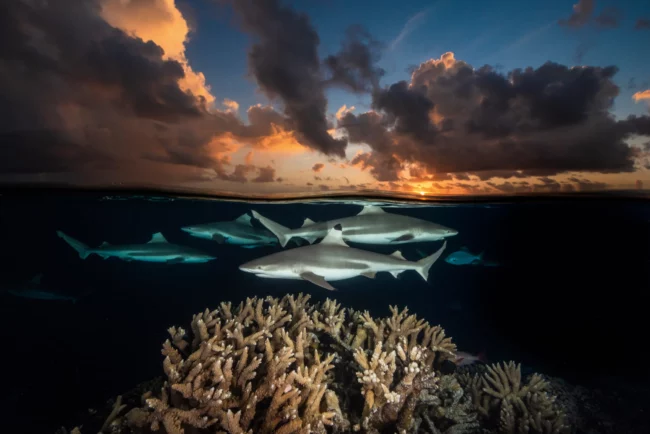
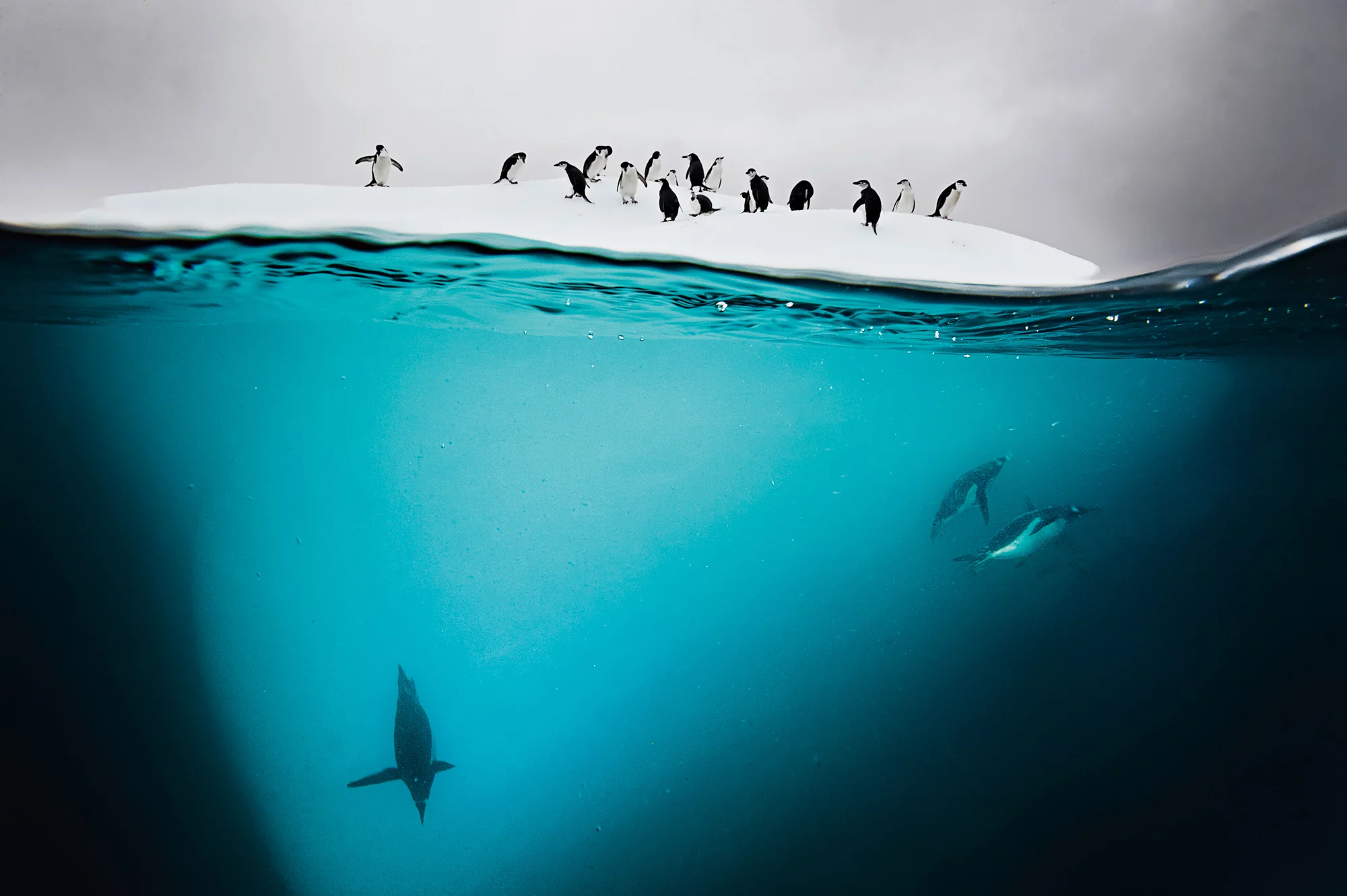
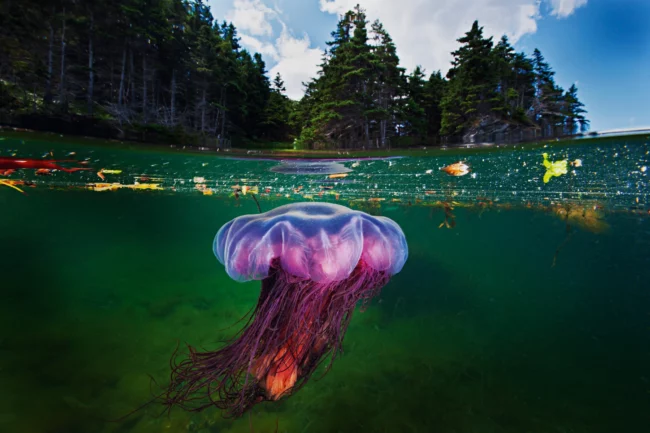
The ocean surface is the thinnest of lines between two worlds—”molecular thin”— underwater photographer David Doubilet calls it. Below is what Jacques Cousteau called “the silent world,” a realm as alien as outer space with galaxies of fish and kaleidoscopic corals as spectacular as the burst of a supernova. Above lies the world of human habitation with the clang and clatter of cars, factories, and fishing fleets, all of which imperil the world below.

Doubilet has married those realms in Two Worlds: Above and Below the Sea(Phaidon) to be published on November 3. The images, relating those “two worlds,” are a particular passion made over a trajectory of 50 years of underwater photography for National Geographic. We spoke with Doubilet by phone. The interview has been edited and condensed for clarity.


A hat tip to Jacques Cousteau who inspired you: “Civilization vanished with one last bow,” he wrote of moving from the cacophony of the world above to the silence below. But you also brought your own experience to the worlds of air and water at an early age. You were 8 years old when you asked your parents for a mask and fins… 

I had devised a daring plan to circumnavigate the jetty at the Ocean Beach Club on the Jersey shore. While I was out there, I was spotted by a screaming lifeguard. I sank until I could see, but not hear, him and discovered I could be in two worlds at one time. I could see him red-faced, blowing his whistle, and could look down at this world of green shafts of light and see tautogs admiring my new flippers. It was a world I wasn’t just happy in, but comfortable in as well. It was all mine.

That was a first step on the road to what you call “the unalloyed joy of making images underwater.” Talk about the role technology played in creating these over/under photographs.

They were made possible by the invention of an underwater camera housing called the OceanEye by National Geographic photographer Bates Littlehales. I began making these [above/below the sea] pictures on every assignment. I realized I could create a window into the sea, a way to invite people through a portal into a world just out of their sig


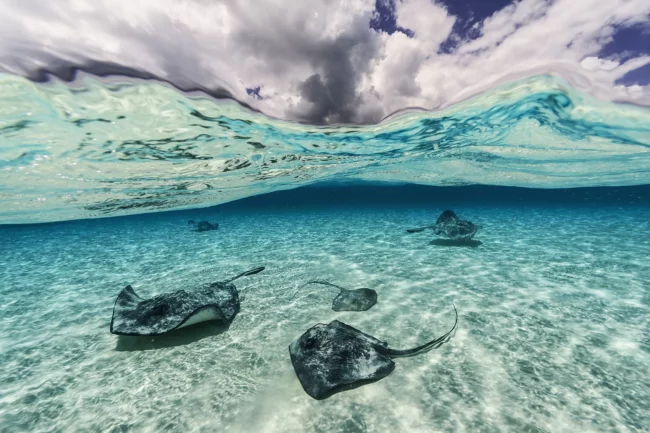
One of your memorable half and half images was made in the Cayman Islands: stingrays below; clouds above.

Want to see the power of the photograph? When National Geographic ran the story, everyone went to the Caymans to see the stingrays. Now thousands of people a day get off cruise ships [before COVID, at least] to meet those gentle ocean ambassadors and go home thinking and talking about them.


With half a century of underwater photography and more than 77 stories under your weight belt, you’ve had an unprecedented opportunity to compare then with now. Let’s consider the Great Barrier Reef. What changes have you witnessed? 

We did a Great Barrier Reef story in 2001, then another in 2009. Reefs are the glory of the planet. They are the most vivid and visually diverse environment in the world. I always think of coral as weightless architecture if an architect didn’t have to worry about gravity. One of the best examples was Opal Reef off Port Douglas [Australia] one of the places the snorkeling boats went to. It was dreamlike. When we went back in 2018 that section of reef was devastated. We made those 2009 pictures with the same crew, so we knew we were in exactly the same place — a 5,000-year-old reef dead in eight or nine years!

Climate change strikes again. Explain how that impacts reefs.

If you want to know what climate change looks like, look at a reef. Reefs are the thermometers of the world. When the water gets more than 89 degrees and does so repeatedly, the algae that lives inside and powers the coral—a kind of underwater photosynthesis—is expelled. The coral turns white, a process known as bleaching. The reef becomes a boneyard. But the ocean has resilience. Scientists like Peter Harrison in Australia are working on ways to reseed and reconstitute reefs.

So, all is not lost?

There’s always hope. We can change. We can improve things. As of January 2020, 80% of Palau’s waters are protected— an island nation preserving their reefs for the next generation. In 2011, the Bahamas became a shark sanctuary, setting an example that a living animal is more valuable than a dead one.

Though you are most often associated with images made in tropical waters, the book includes some spectacular photos of icebergs. 

I came late to the ice. An iceberg is a metaphor of the ocean. There’s a little bit above which we can see and understand, and the rest is out of sight. You are also talking climate change. As glaciers melt more and more icebergs are being produced.

You’ve called natural history photographers like yourself the frontline reporters of the world.

The greatest story on earth is the earth itself. It’s all we have. There is no Plan B.

Cathy Newman is a former editor at large at National Geographic whose work has appeared in The EconomistThe Wall Street Journal and Science. Follow her on twitter @wordcat12.

Zayrha Rodriguez photo edited and produced this piece. Follow her Instagram @zayrharodriguez.


To see more of this project, click here.

Order the book here


APE contributor Suzanne Sease currently works as a consultant for photographers and illustrators around the world. She has been involved in the photography and illustration industry since the mid 80s.  After establishing the art-buying department at The Martin Agency, then working for Kaplan-Thaler, Capital One, Best Buy and numerous smaller agencies and companies, she decided to be a consultant in 1999. She has a new Twitter feed with helpful marketing information because she believes that marketing should be driven by brand and not by specialty.  Follow her at @SuzanneSeaseInstagram

Success is more than a matter of your talent. It’s also a matter of doing a better job presenting it.  And that is what I do with decades of agency and in-house experience.


The Art of the Personal Project: Karen Marshall

The Art of the Personal Project is a crucial element to let potential buyers see how you think creatively on your own.  I am drawn to personal projects that have an interesting vision or that show something I have never seen before.  In this thread, I’ll include a link to each personal project with the artist statement so you can see more of the project. Please note: This thread is not affiliated with any company; I’m just featuring projects that I find.  Please DO NOT send me your work.  I do not take submissions.


Today’s featured artist:  Karen Marshall


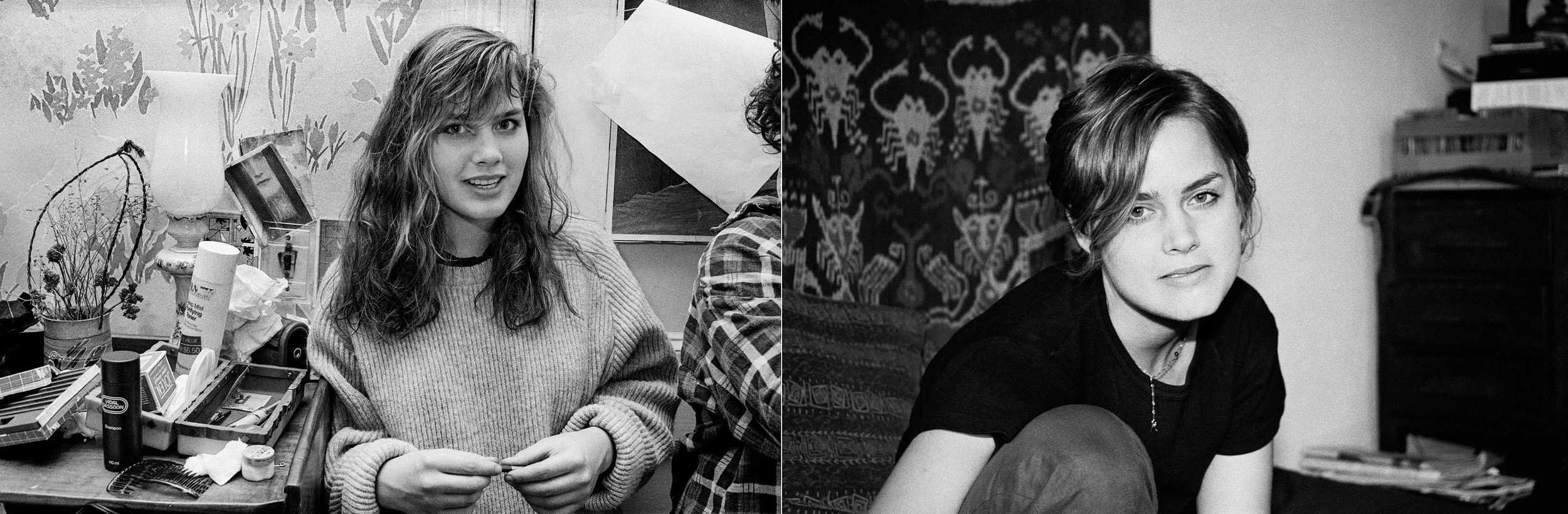
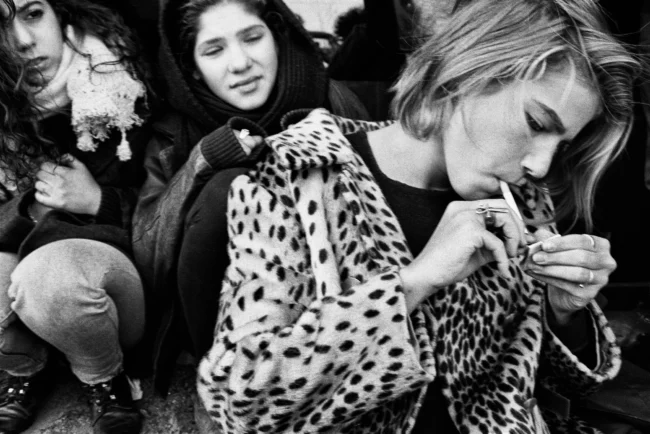
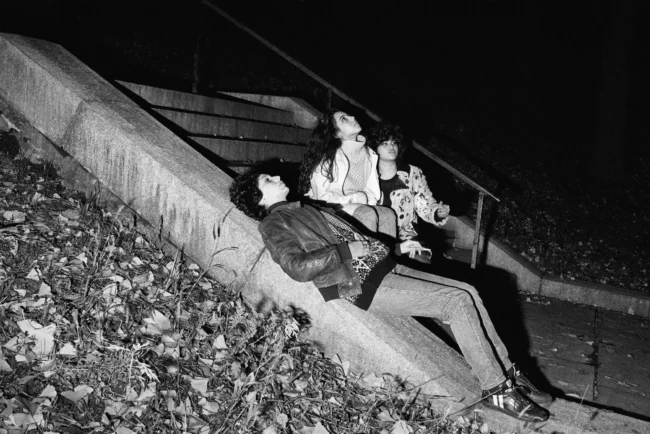
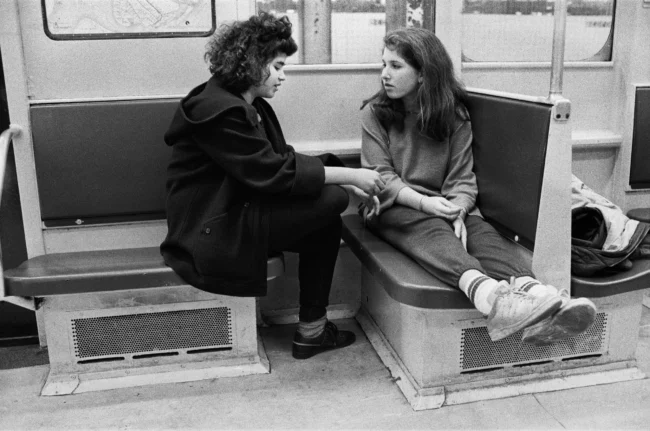
When photographer Karen Marshall was in her 20s, she couldn’t shake the feeling that friendships between women were, she says, “special” and “different.” She had grown up in a liberal household in the 1970s and was surrounded by discussions of women’s liberation and consciousness raising. She was finding a lot of meaning in her own female friendships. So, she wanted to get to the root of it.

“I remember going to bookstores and trying to think about films I had seen about women coming of age and that kind of thing,” Marshall remembers now. “And I couldn’t find hardly anything. Like I could find teenage stories, but I couldn’t find anything about what women share with each other. So, it was pretty specific, just thinking about my chronology, girls in history and even Greek myth, and all that stuff.”

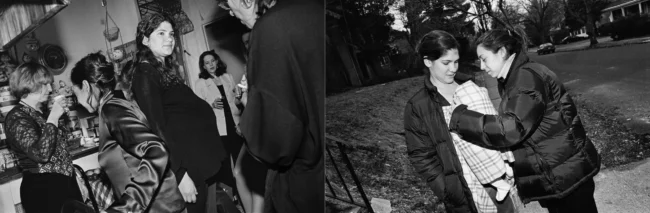
So, Marshall decided to create the work herself. After being introduced to 16-year-old Molly Brover, a junior in high school in New York City, Marshall started photographing her and her friends’ daily lives. She wanted to catch glimpses of that ineffable bond between teenage girls. She followed them on walks and to parties. She photographed them at diners and at sleepovers. The project began in 1985, and no one could have guessed how many decades it would span, or the tragic event that made the project feel necessary for Marshall.

Ten months into the project, Molly died after being hit by a car while on vacation on Cape Cod. Her death turned the collection of photographs into something heavier and much more personal for Marshall.

“I had lost a friend in high school who actually was my first photography friend,” Marshall says. “And that was very emotional. But then I realized that lots of people had. There’s this pivotal thing that happens when there’s the death of a friend in those teenage years or early 20s. It’s like, you’re not going to live forever, things can change fast.

Marshall continued photographing the friends through their senior year of high school, and then off and on for years until all the work culminated in an exhibit in 2015, and a book to be released later this year.

She watched their friendships wax and wane, sometimes influenced by the reunions Marshall orchestrated in order to photograph and interview them. Two of the women had a falling out, and one didn’t invite the other to her wedding. Reuniting during a session with Marshall only created more tension between them. Later, another friend in the group shared that one of estranged friends was pregnant — a discovery that renewed their bond. And even later still, the newly reunited friends were pregnant at the same time and got to share the experience of motherhood together.

It was a pattern that Marshall recognized in her own life. “I actually knew much better as the years went on in my own life that I had friends that I will call my ’emblematic friends,’ ” Marshall says. “There are times I might not talk to my best friend from high school for like seven years. And then we have a phone call. And in about three minutes, we actually are on the same page.”

The birth of her daughter in 1992 is another event in Marshall’s life that brought extra meaning to the project. “There was a day, I’ll never forget, when she was probably 14, when two girls came over to our house,” Marshall says. “And I looked over, and I was like, this is like a repeat pattern. It’s a different generation of girls, and they’re doing exactly the same thing.”

To Marshall, that moment proved what she’d always suspected and the reason why she started photographing the girls in the 1980s in the first place. “It’s part of what I always knew: that this is cyclical, it’s things that happen everywhere.

“I do really believe these universal ideas about bonding,” she continues, “that even though you could be below the poverty line, or uber rich, or you could be in a very different culture, that a lot of these same things happen — maybe at slightly different times in people’s lives, but they happen.”

But there’s an even deeper reason Marshall spent decades photographing the same group of women, beyond the search for universal truths about emotional bonding.

“When I began, this notion of using documentary photography and visual storytelling as a way to talk about emotional bonding was an abstract concept for a lot of people,” Marshall remembers, “because their notion of documentary practice was that something was a conflict or something was how to be about human rights, or something about how to be exotic.

“Things are not just all about conflict,” she continues. “And I truly believe that in order to understand who we are as human beings, we have to look at how we get along.”

Melody Rowell is a writer and podcast producer living in Kansas City, Mo. You can follow her on Twitter @MelodyRowell.  This article written by her was found on NPR.

To see more of this project, click here.

To purchase the book, click here.

Instagram


APE contributor Suzanne Sease currently works as a consultant for photographers and illustrators around the world. She has been involved in the photography and illustration industry since the mid 80s.  After establishing the art-buying department at The Martin Agency, then working for Kaplan-Thaler, Capital One, Best Buy and numerous smaller agencies and companies, she decided to be a consultant in 1999. She has a new Twitter feed with helpful marketing information because she believes that marketing should be driven by brand and not by specialty.  Follow her at @SuzanneSeaseInstagram

Success is more than a matter of your talent. It’s also a matter of doing a better job presenting it.  And that is what I do with decades of agency and in-house experience.


The Art of the Personal Project: Shaun Fenn

The Art of the Personal Project is a crucial element to let potential buyers see how you think creatively on your own.  I am drawn to personal projects that have an interesting vision or that show something I have never seen before.  In this thread, I’ll include a link to each personal project with the artist statement so you can see more of the project. Please note: This thread is not affiliated with any company; I’m just featuring projects that I find.  Please DO NOT send me your work.  I do not take submissions.


Today’s featured artist:  Shaun Fenn

I shoot personal work throughout the year around commercial assignments. Sometimes you just do self-assigned projects to feed the soul.

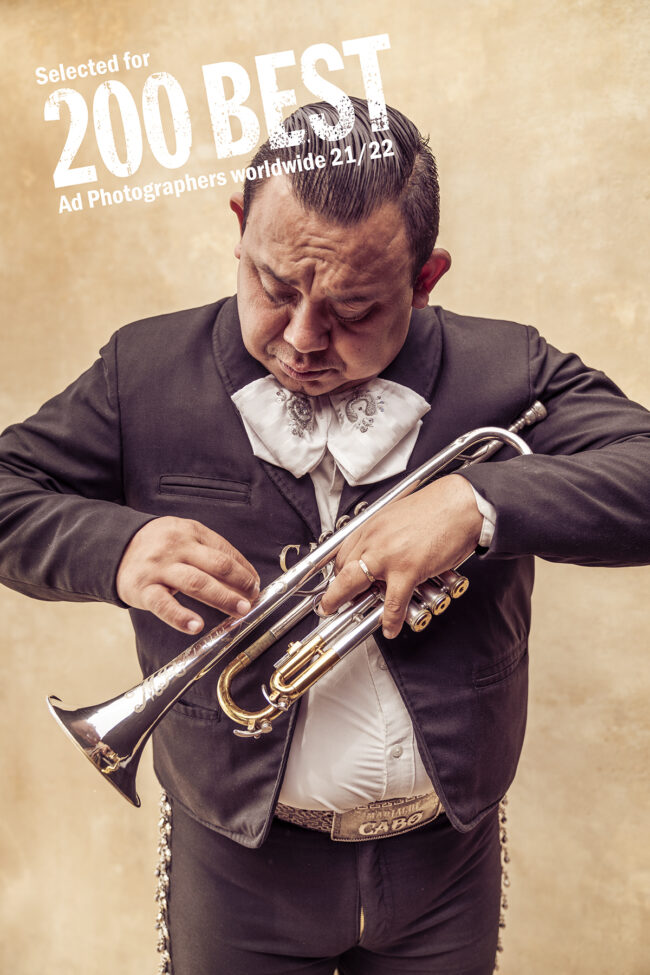
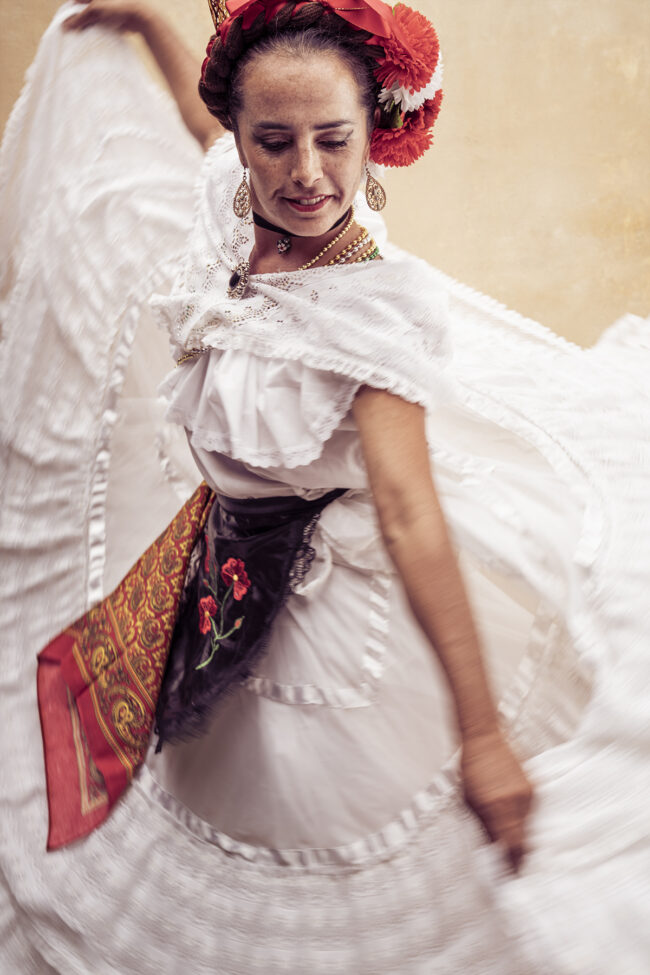
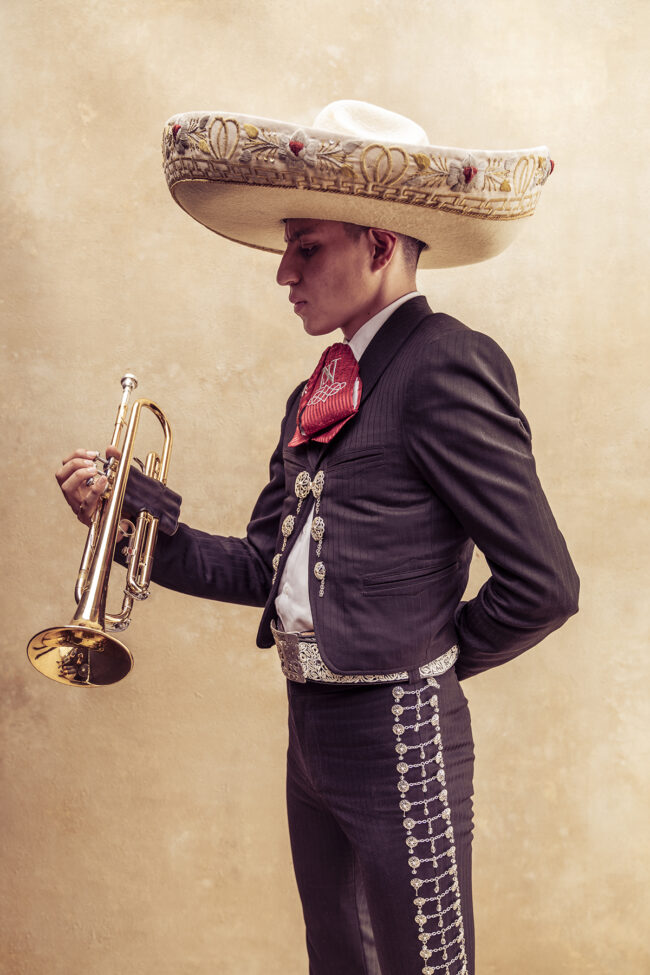
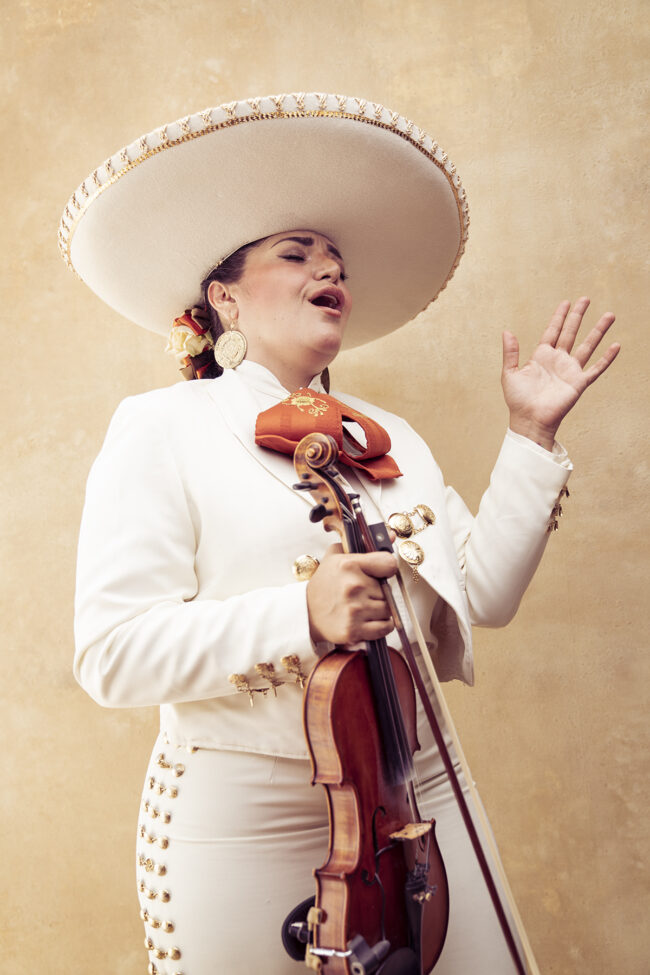
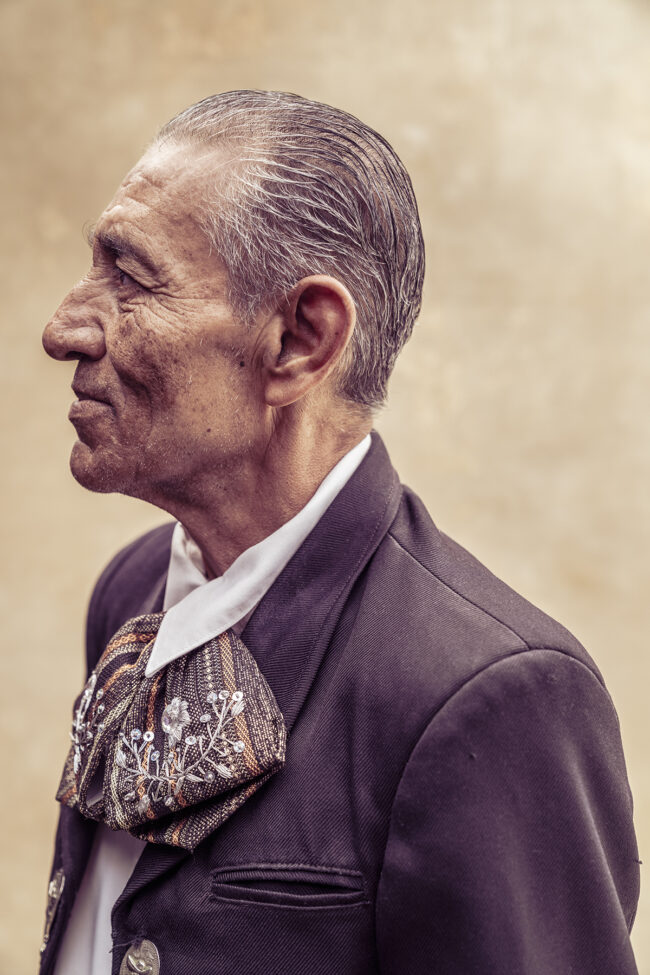
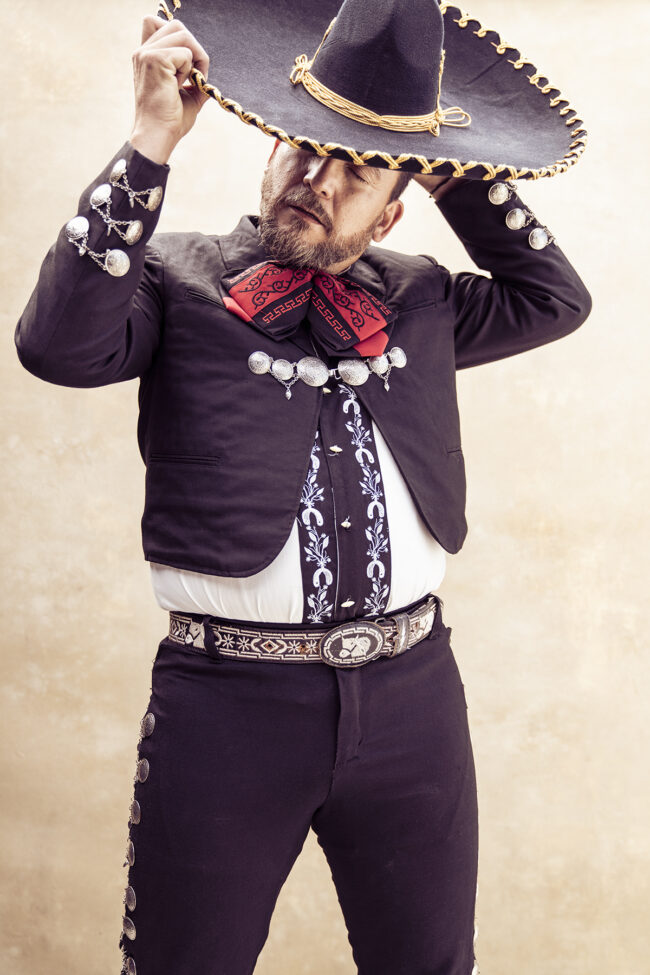
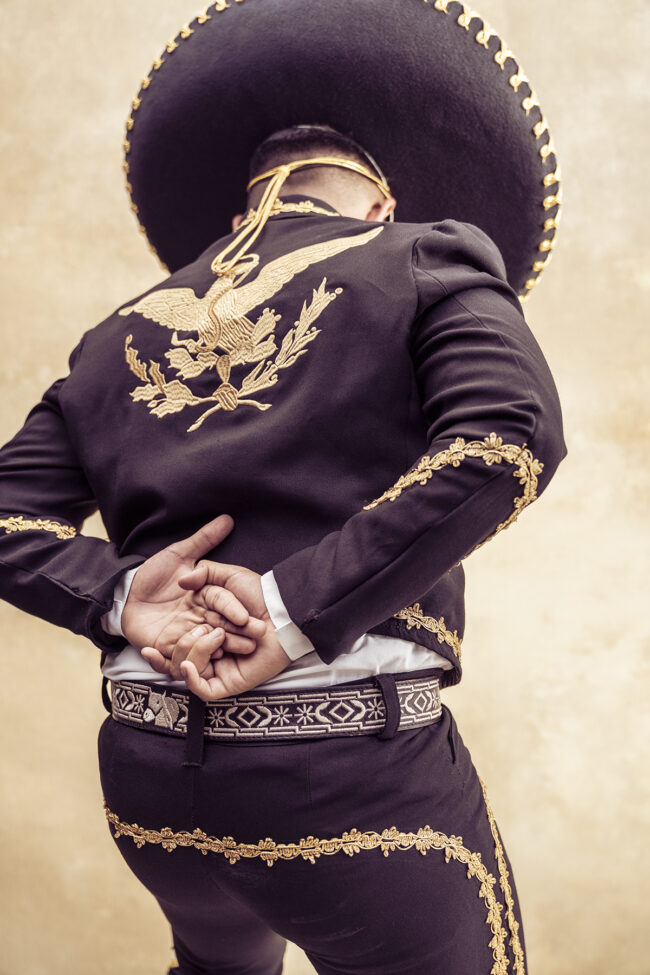
I grew up surfing around Mexico. It’s a place that is close to the heart for me. Recently traveled around the Baja Peninsula searching out and casting Mariachi band members. With an assistant and an outdoor studio, we focused on creating a series around the wonder of the Mariachi tradition.

I am a huge fan of Spanish culture, the food, the history, the people, and the traditions. This project allowed me to work on a project I have had on my list for a long time. Many years ago, while in NY for work I sought out an artist to paint a backdrop for me knowing I would eventually run out of excuses to take on the project and just go do it.

An opportunity came up when Marianne Campbell (my rep) was putting together a project including all her photographers. I needed to shoot something for it to be included, but I wanted it to be unique.

Normally I shoot in an editorial or story telling fashion where I’m immersing myself in the story I want to convey. Here I just focused purely on portraiture and the beautiful people performing their passion. I wanted to convey the commitment and joy around this tradition. The color palette chosen was based on my experience with the subject matter. To me it had to be warm, romantic and include the authentic elements. It’s hard to listen to this music and not be moved. I hope I have captured that in beautiful and respectful way.

The musicians were happy to be performing as they also have been affected by 18 months of lock down due to the pandemic. It was such a joy to be serenaded for several days. It was really a magical experience.

To see a video on this project click here

To see more of this project, click here.

Instagram


APE contributor Suzanne Sease currently works as a consultant for photographers and illustrators around the world. She has been involved in the photography and illustration industry since the mid 80s.  After establishing the art-buying department at The Martin Agency, then working for Kaplan-Thaler, Capital One, Best Buy and numerous smaller agencies and companies, she decided to be a consultant in 1999. She has a new Twitter feed with helpful marketing information because she believes that marketing should be driven by brand and not by specialty.  Follow her at @SuzanneSeaseInstagram

Success is more than a matter of your talent. It’s also a matter of doing a better job presenting it.  And that is what I do with decades of agency and in-house experience.


The Art of the Personal Project: William DeShazer

The Art of the Personal Project is a crucial element to let potential buyers see how you think creatively on your own.  I am drawn to personal projects that have an interesting vision or that show something I have never seen before.  In this thread, I’ll include a link to each personal project with the artist statement so you can see more of the project. Please note: This thread is not affiliated with any company; I’m just featuring projects that I find.  Please DO NOT send me your work.  I do not take submissions.


Today’s featured artist:  William DeShazer

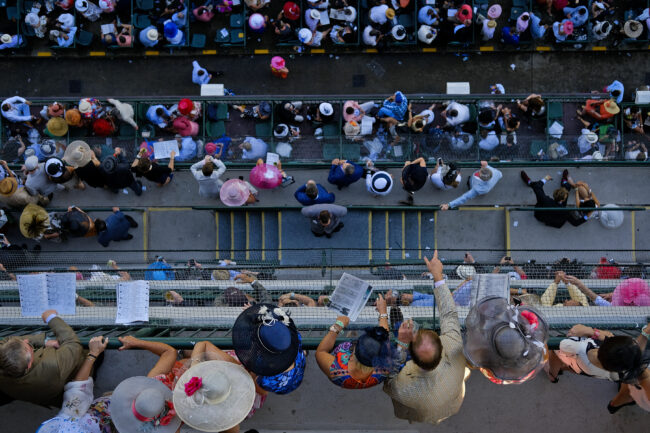
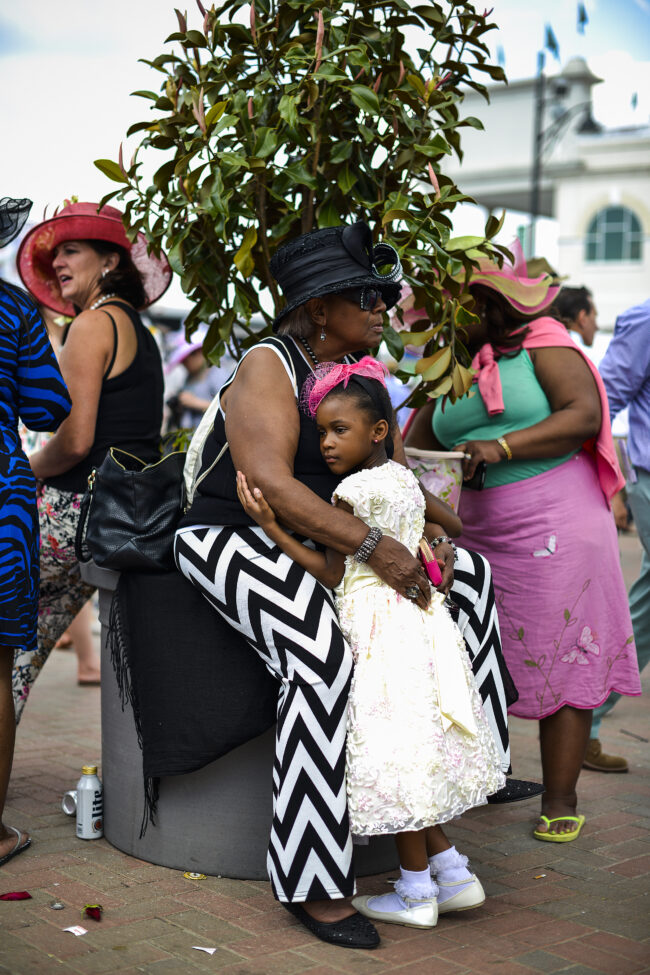
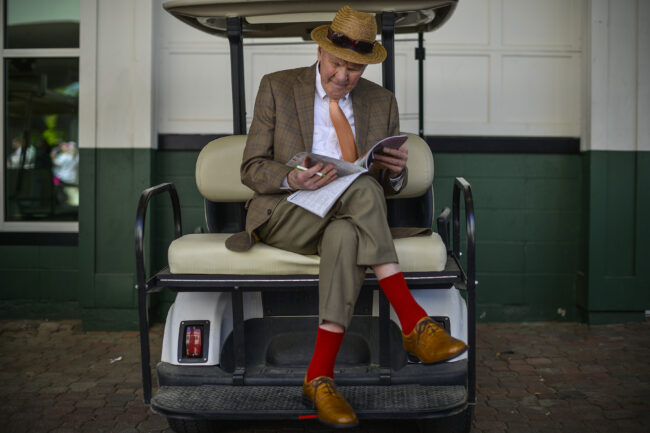
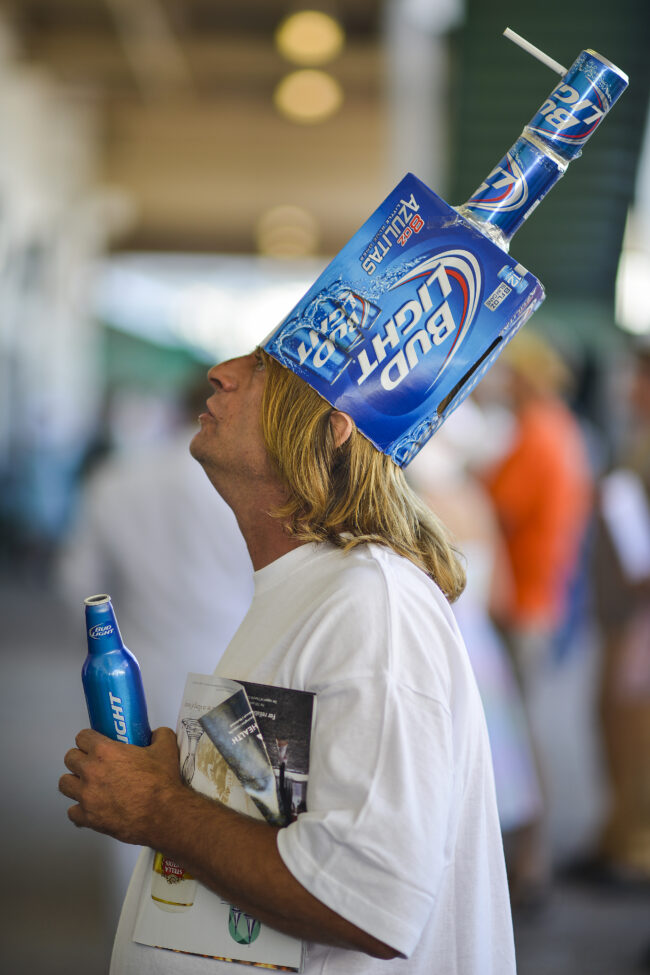
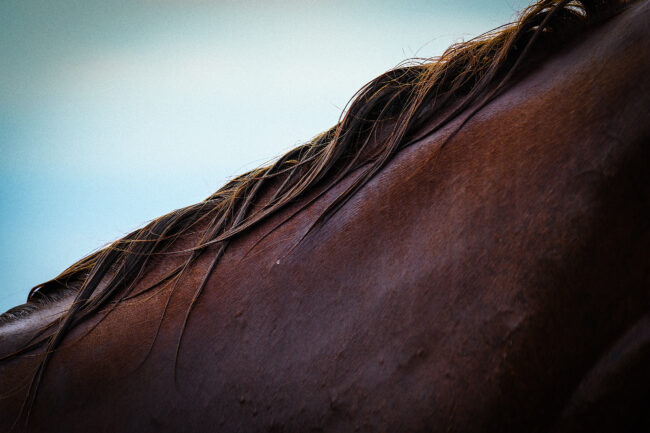
The Kentucky Derby

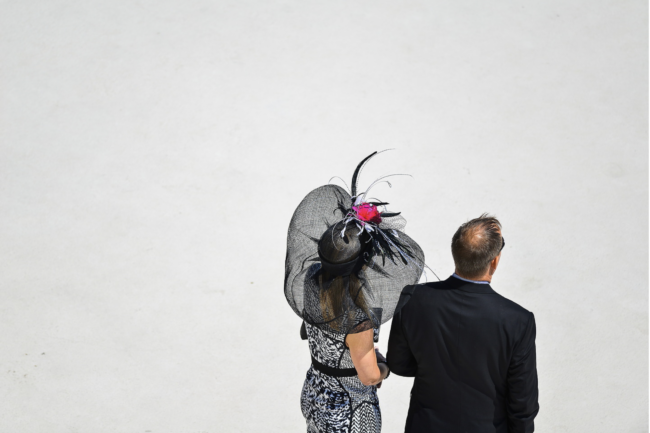
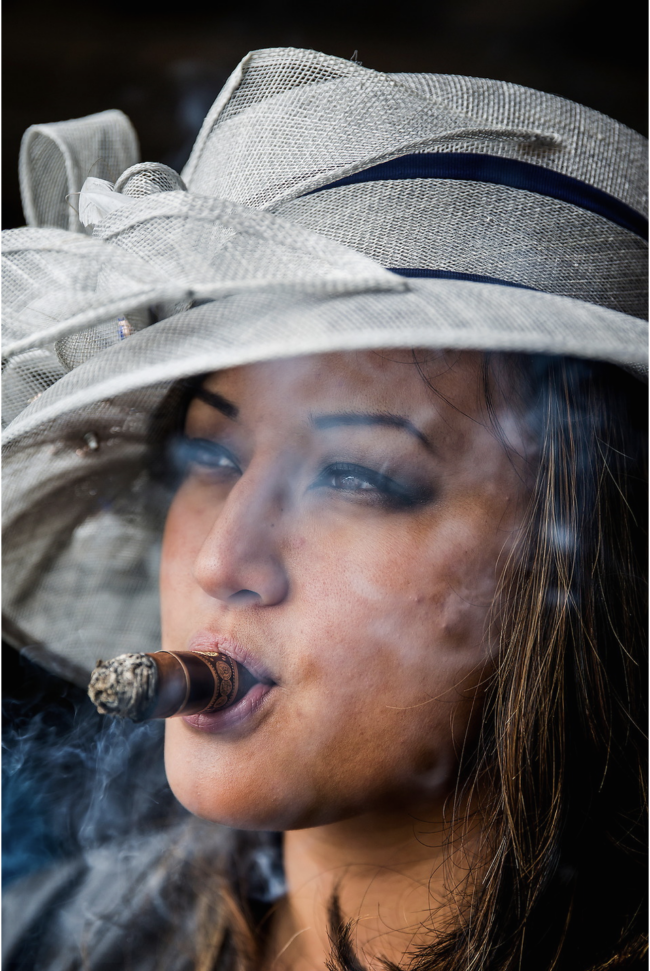
I was born and raised in Louisville, Kentucky. It’s the place I still think of as home. Even now living in Nashville, Tennessee I miss it. If you’re from Louisville there are three things you identify with regardless of your personal relationship to them… Bourbon, baseball (Louisville Slugger) and of course, The Kentucky Derby. In my youth I played baseball, so I saw Louisville Slugger bats everywhere. It was commonplace. Obviously, I was too young to enjoy bourbon and my parents weren’t big drinkers. But there was always a pageantry leading up to the first Saturday in May. It was akin to that anticipation of Christmas. A city came together through fireworks displays, parades, airshows, hot air balloons, and elaborate decor.

I never attended the race as a child, but I was always glued to the television with my family. Yes, we watch the race, but mainly we would take in the atmosphere and see the spectacle of it all. The hats and outfits. The cheering spectators and celebrities in attendance. It was always either the focus or secondary to the derby party we hosted in our home. So, when photography entered my life, I knew I had to be there to capture it. Fortunately, I’ve covered it every year since 2014.

They call it “The Greatest Two Minutes in Sports.” and “The Run for the Roses.” Sure, the racing aspect of it is incredible, but what always appealed to me was what’s happening outside of the racetrack. Whether it’s the backside stables that start working horses before the sun rises, the day drinkers in the infield, the gamblers looking to hit a trifecta, or the men and women dressed to the nines. Every year I’m like a kid in a candy store. It’s a homecoming for me and a reminder of the magic I experienced in my youth growing up in “Derby City”.


To see more of this project, click here.

Instagram


APE contributor Suzanne Sease currently works as a consultant for photographers and illustrators around the world. She has been involved in the photography and illustration industry since the mid 80s.  After establishing the art-buying department at The Martin Agency, then working for Kaplan-Thaler, Capital One, Best Buy and numerous smaller agencies and companies, she decided to be a consultant in 1999. She has a new Twitter feed with helpful marketing information because she believes that marketing should be driven by brand and not by specialty.  Follow her at @SuzanneSeaseInstagram

Success is more than a matter of your talent. It’s also a matter of doing a better job presenting it.  And that is what I do with decades of agency and in-house experience.


The Art of the Personal Project: Jason Lindsey

The Art of the Personal Project is a crucial element to let potential buyers see how you think creatively on your own.  I am drawn to personal projects that have an interesting vision or that show something I have never seen before.  In this thread, I’ll include a link to each personal project with the artist statement so you can see more of the project. Please note: This thread is not affiliated with any company; I’m just featuring projects that I find.  Please DO NOT send me your work.  I do not take submissions.


Today’s featured artist:  Jason Lindsey


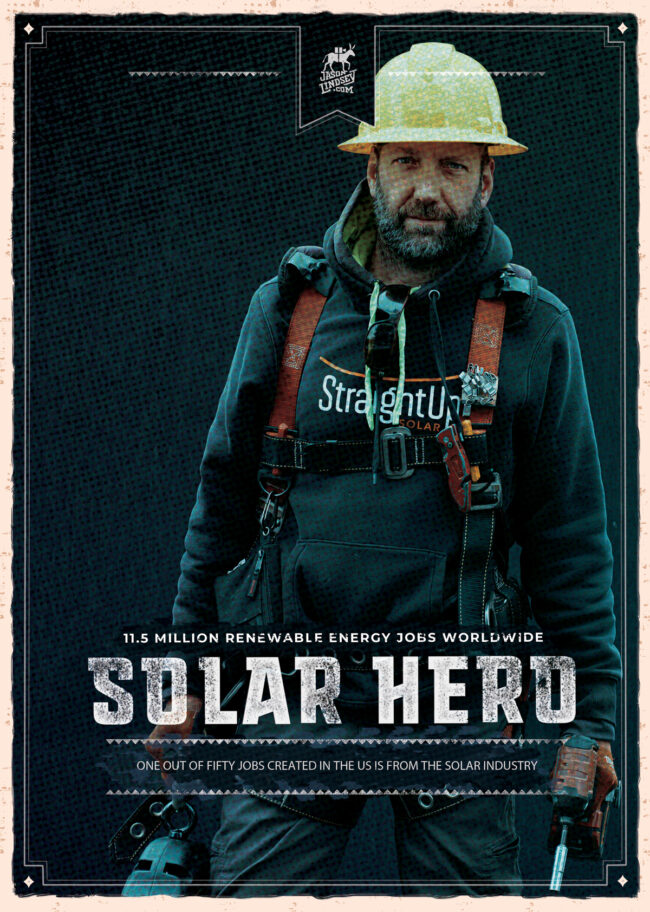
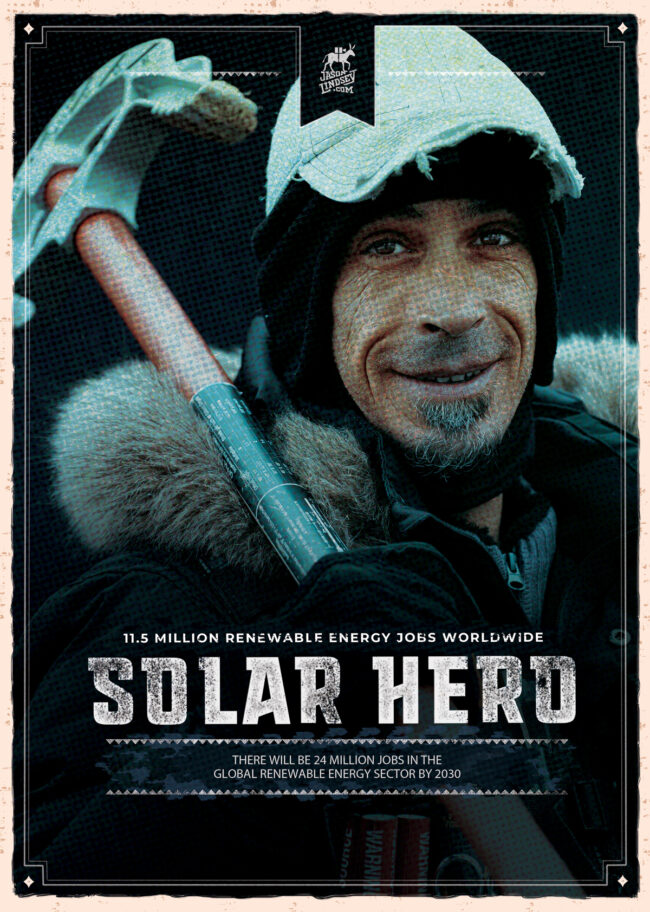
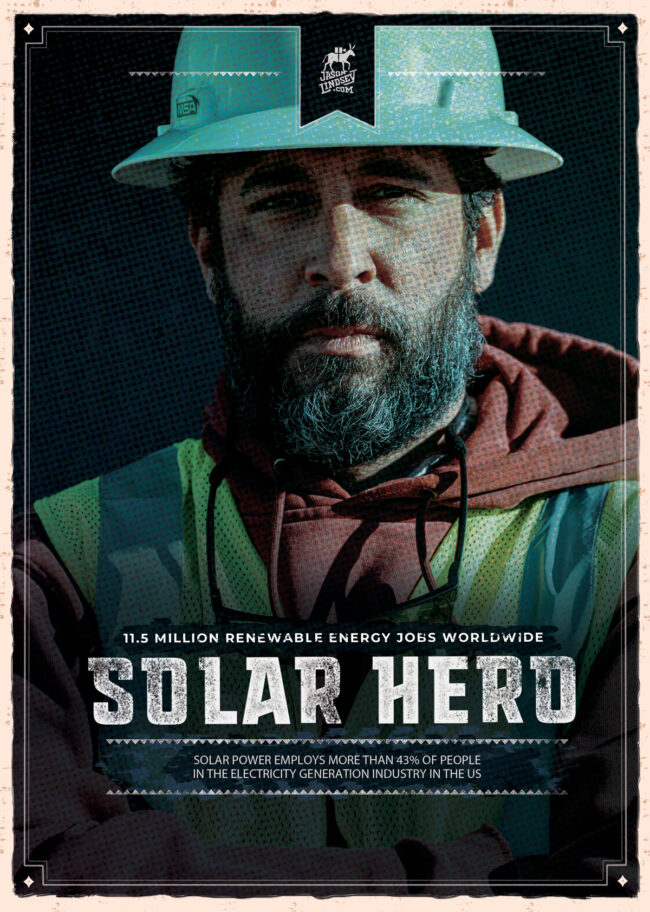
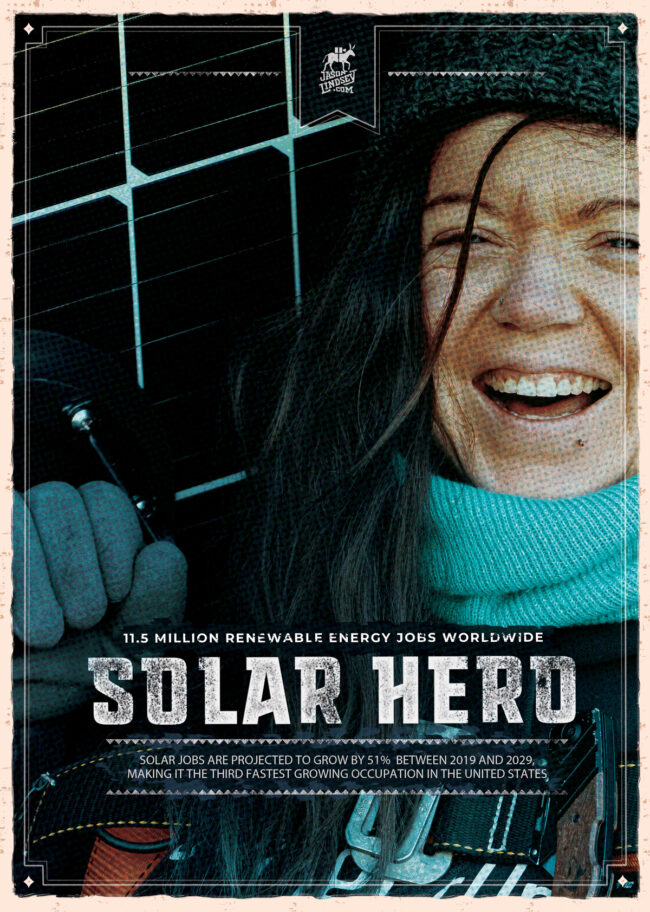
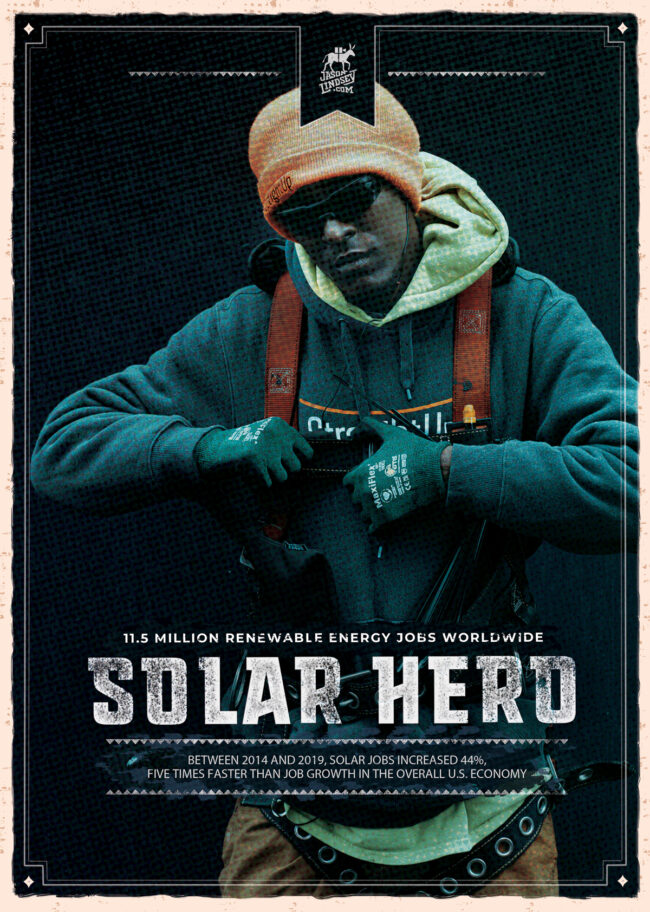
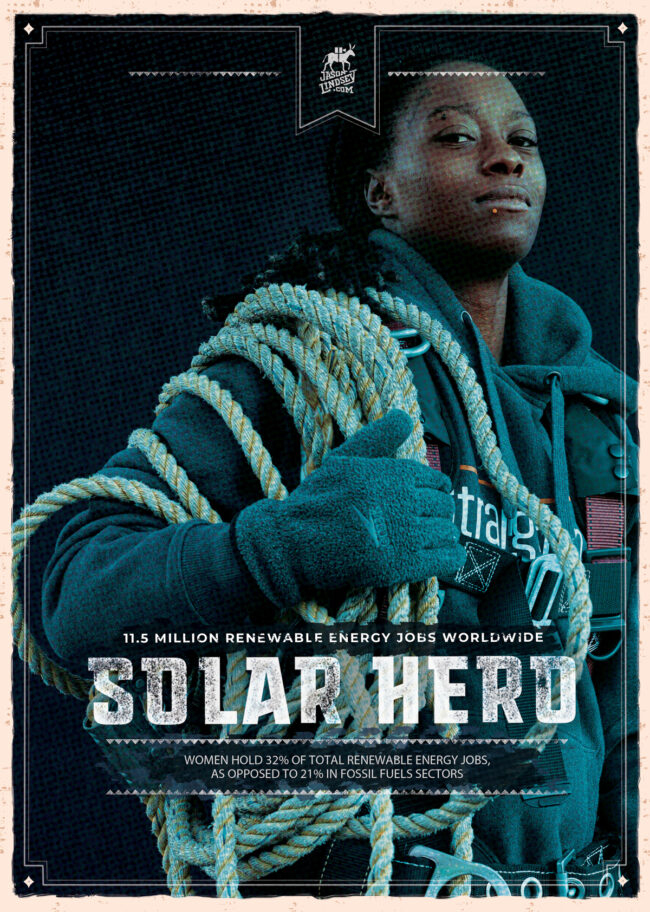
JASON LINDSEY CREATES THE CAMPAIGN HE ALWAYS HOPED TO SEE


The inspiration for a personal project called Solar Heroes was to create a campaign that is a celebration of the people who install solar. He was aware that this was a politically charged topic when it shouldn’t be. Rather than focus on one industry replacing another, he wondered why no one was talking about how the solar industry was adding jobs. Why wasn’t anyone talking about the workers? So, Jason sought to highlight these unsung heroes. He photographed the portraits and designed the campaign as well.


As the title suggests, at the beginning of 2021, Jason Lindsey created a series of images that he always hoped to see, a personal project campaign celebrating the everyday heroes of the solar industry. While he didn’t set out to make an in-your-face political campaign about climate change, it undoubtedly made an impact. The Illinois Solar Energy Association tapped him to create a campaign to help pass the climate change legislation. This past week, the State of Illinois passed major climate change legislation, and we’re celebrating Jason having been a small part of it!


To see more of this project, click here.


APE contributor Suzanne Sease currently works as a consultant for photographers and illustrators around the world. She has been involved in the photography and illustration industry since the mid 80s.  After establishing the art-buying department at The Martin Agency, then working for Kaplan-Thaler, Capital One, Best Buy and numerous smaller agencies and companies, she decided to be a consultant in 1999. She has a new Twitter feed with helpful marketing information because she believes that marketing should be driven by brand and not by specialty.  Follow her at @SuzanneSeaseInstagram

Success is more than a matter of your talent. It’s also a matter of doing a better job presenting it.  And that is what I do with decades of agency and in-house experience.


The Art of the Personal Project: Gabby Jones

The Art of the Personal Project is a crucial element to let potential buyers see how you think creatively on your own.  I am drawn to personal projects that have an interesting vision or that show something I have never seen before.  In this thread, I’ll include a link to each personal project with the artist statement so you can see more of the project. Please note: This thread is not affiliated with any company; I’m just featuring projects that I find.  Please DO NOT send me your work.  I do not take submissions.


Today’s featured artist:  Gabby Jones


Many families in Western society have been personally affected by divorce. In fact, 40% to 50% of marriages in the U.S. end in divorce, according to the American Psychological Association.


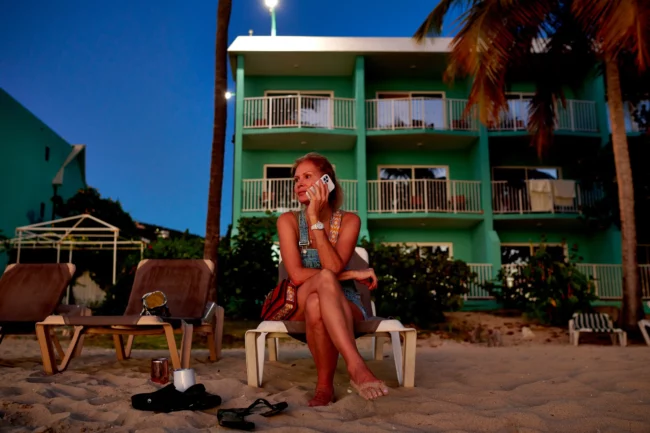
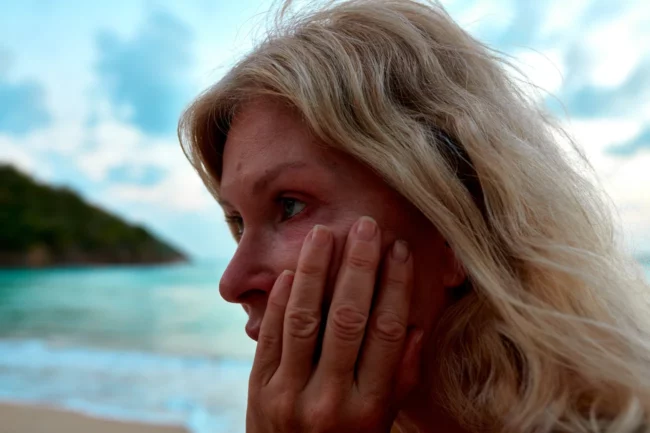
This is something photojournalist Gabby Jones has experienced firsthand. Growing up as the child of divorced parents, Jones felt a sense of resentment and instability. As the divorce was finalized, the custody agreement arranged for Jones to live with her mother. However, as she got older, she realized that she and her mother didn’t see eye to eye and were having a hard time understanding one another.


“She got the brunt of my wrath. I was your typical angsty, hormonal teenager; quick to judge and tough to please … Our relationship was tumultuous to say the least,” she said.

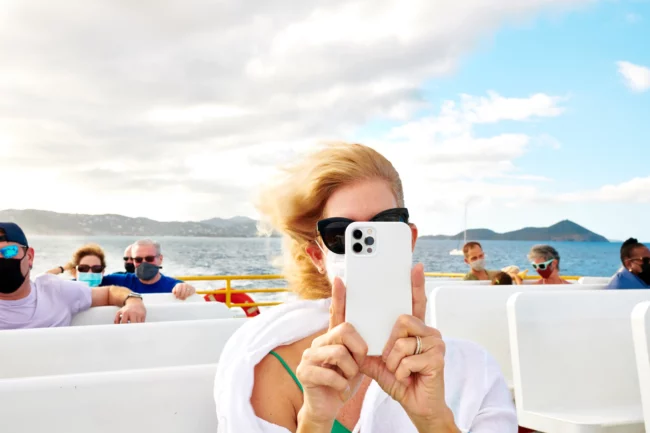
As the pandemic took hold on daily life this past year, Jones had an opportunity to mend her relationship with her mother.

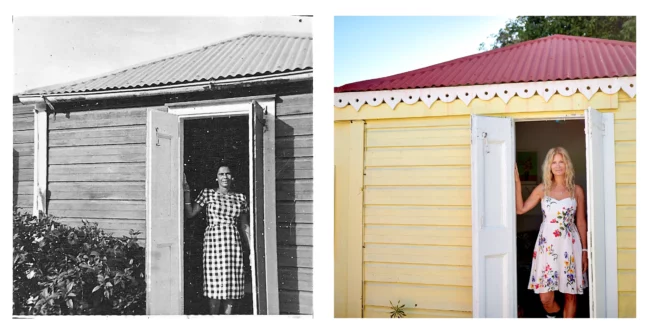
The island of Saint Thomas holds a great deal of importance to Jones’ family history, but Jones had rejected that part of her family heritage. It was an important part of her mother’s life growing up, and as Jones got older, she began to realize the importance it could hold in her life as well.


So, when the opportunity to go visit with her mother presented itself this year, she couldn’t say no. In January, Jones and her mother spent a month together living in her great grandmother’s house on Saint Thomas.

This was the longest amount of time that they had spent together in years, and Jones decided to document it.


To see more on this project, click here.

Original article by Mhari Shaw


APE contributor Suzanne Sease currently works as a consultant for photographers and illustrators around the world. She has been involved in the photography and illustration industry since the mid 80s.  After establishing the art-buying department at The Martin Agency, then working for Kaplan-Thaler, Capital One, Best Buy and numerous smaller agencies and companies, she decided to be a consultant in 1999. She has a new Twitter feed with helpful marketing information because she believes that marketing should be driven by brand and not by specialty.  Follow her at @SuzanneSeaseInstagram

Success is more than a matter of your talent. It’s also a matter of doing a better job presenting it.  And that is what I do with decades of agency and in-house experience.


The Art of the Personal Project: Jared Leeds

The Art of the Personal Project is a crucial element to let potential buyers see how you think creatively on your own.  I am drawn to personal projects that have an interesting vision or that show something I have never seen before.  In this thread, I’ll include a link to each personal project with the artist statement so you can see more of the project. Please note: This thread is not affiliated with any company; I’m just featuring projects that I find.  Please DO NOT send me your work.  I do not take submissions.


Today’s featured artist:  Jared Leeds


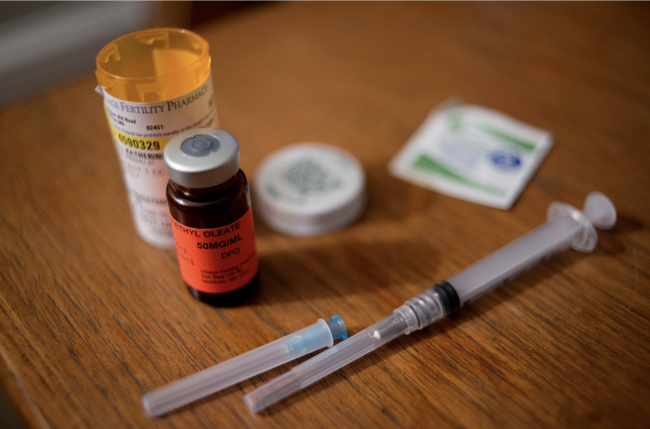
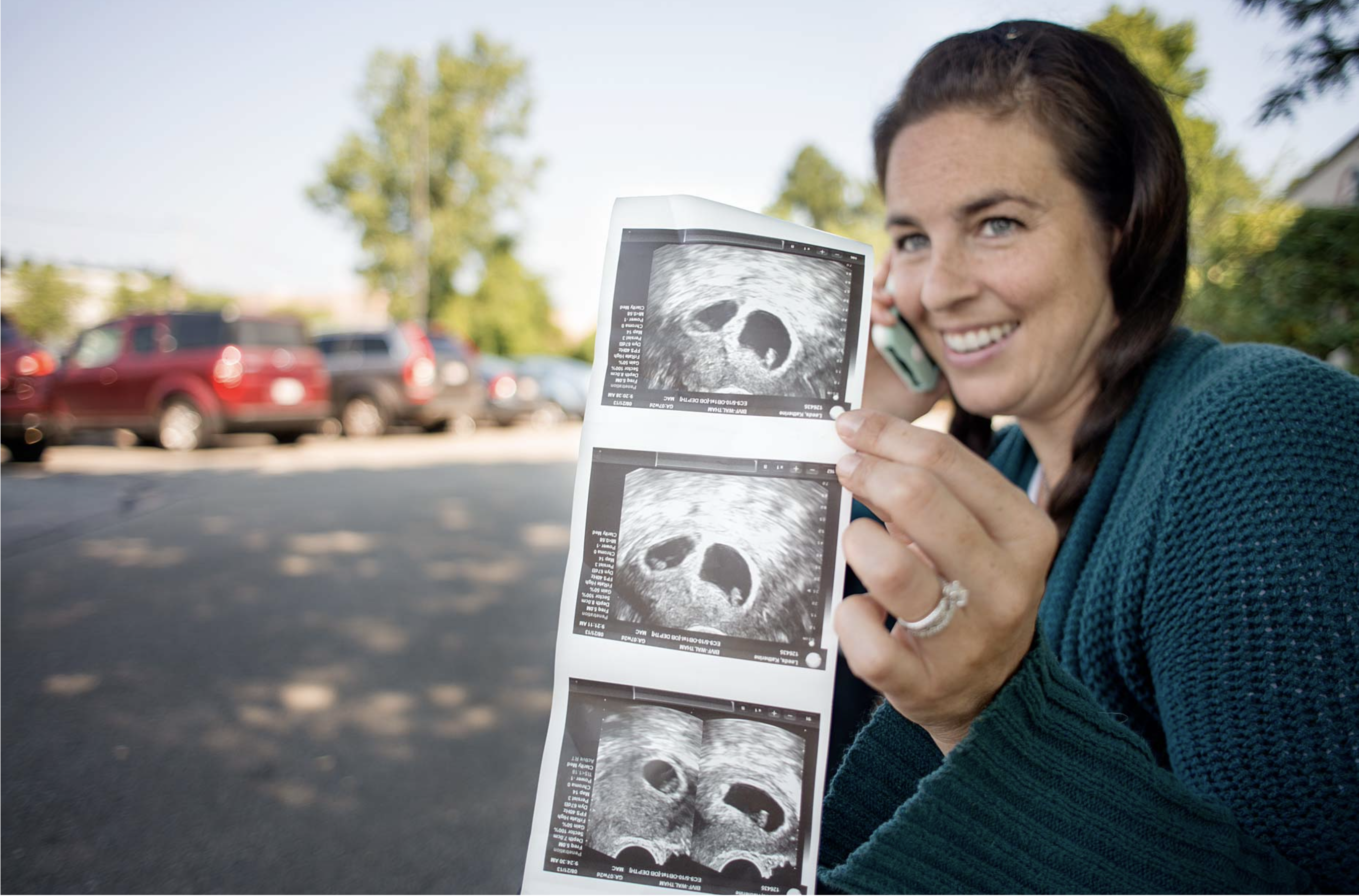
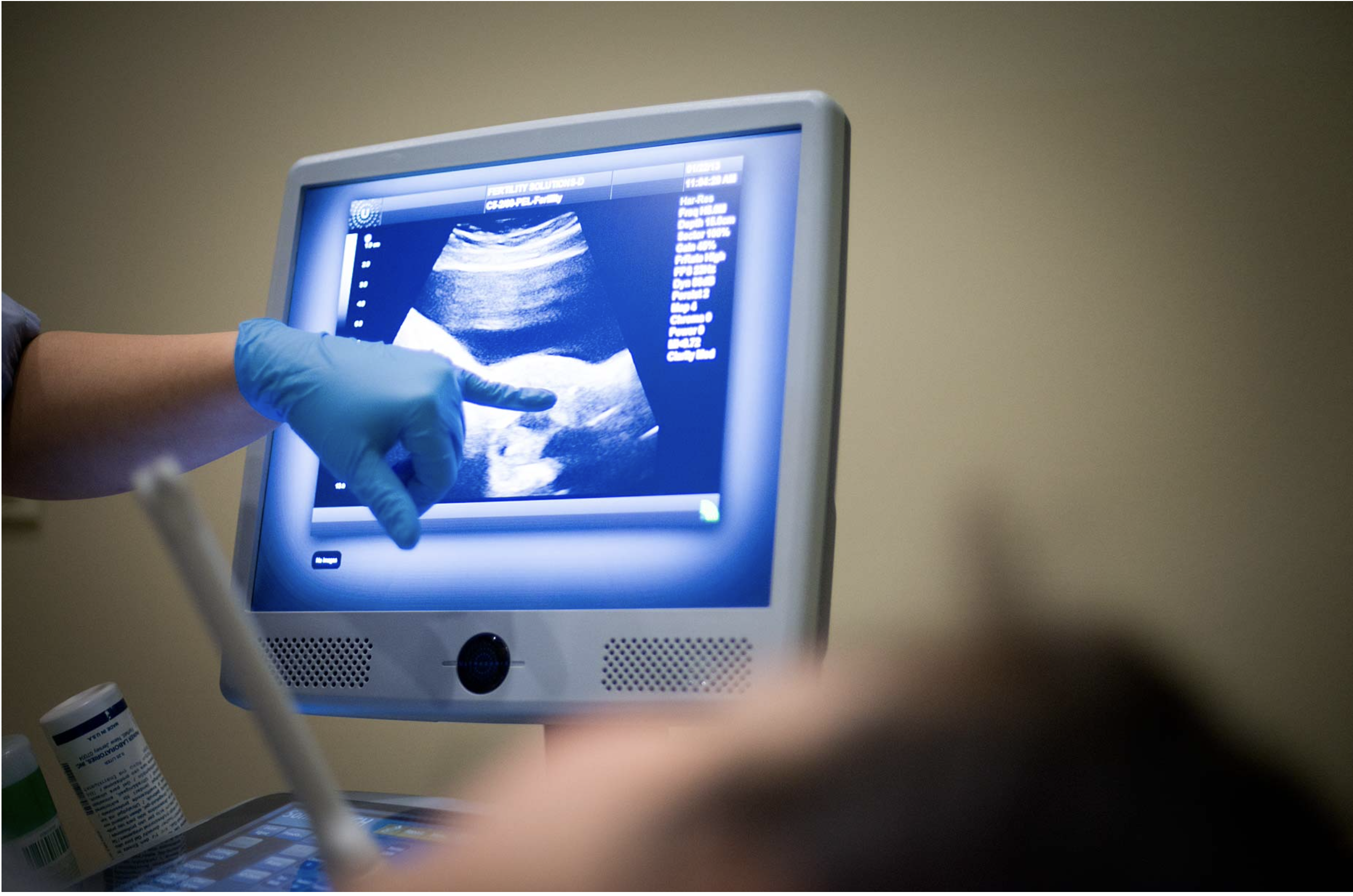
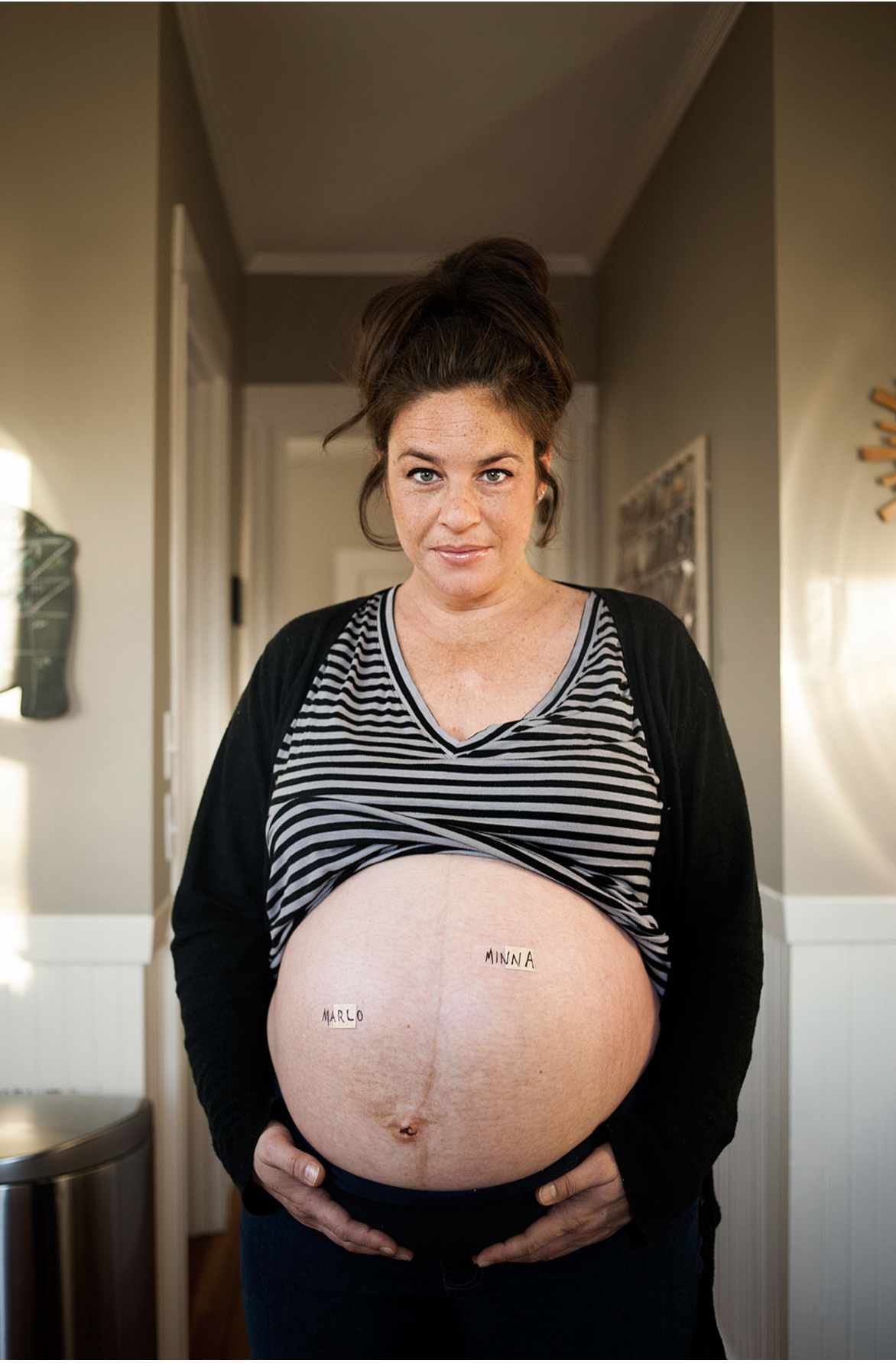
PATHWAY TO FERTILITY

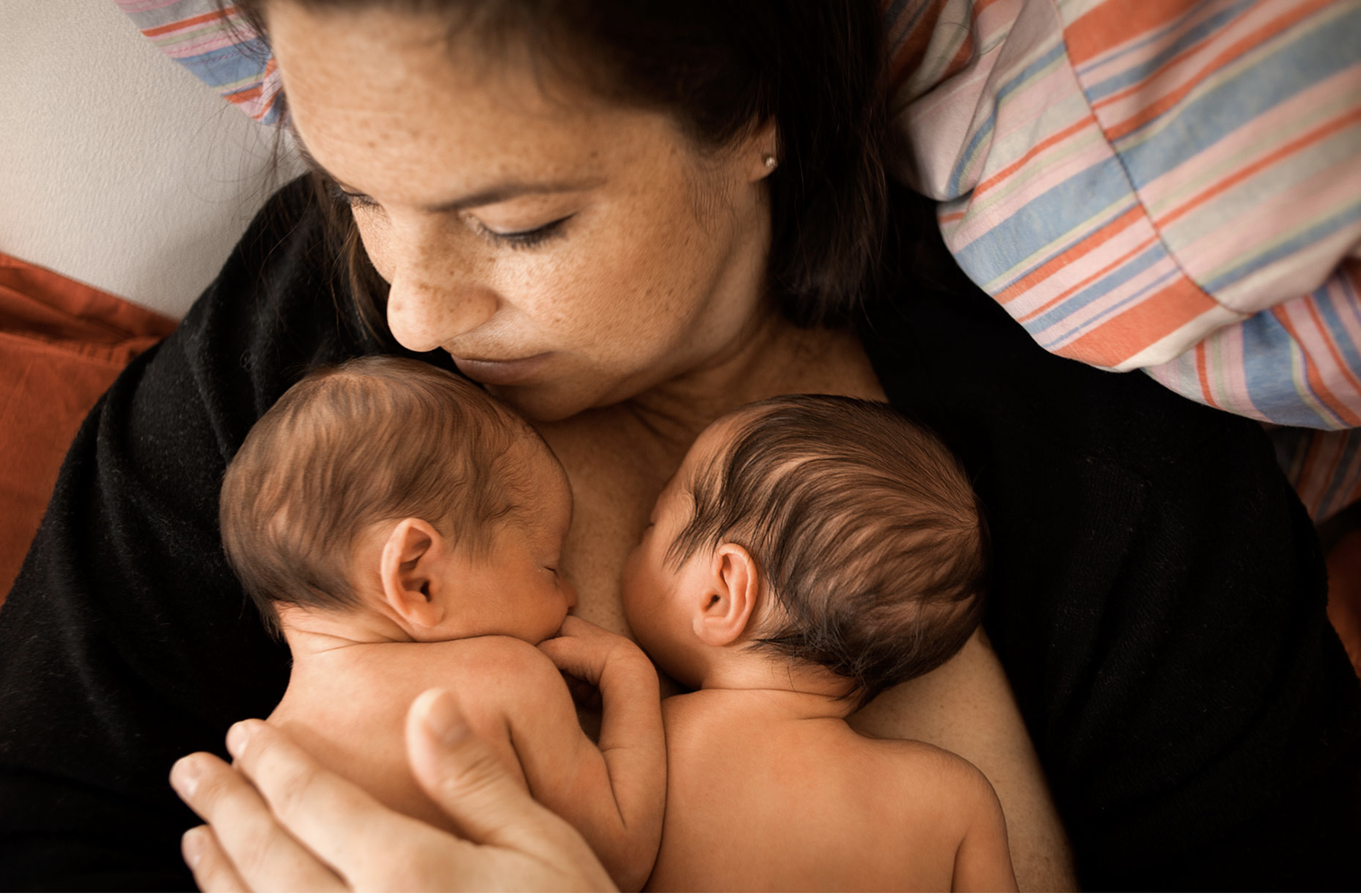
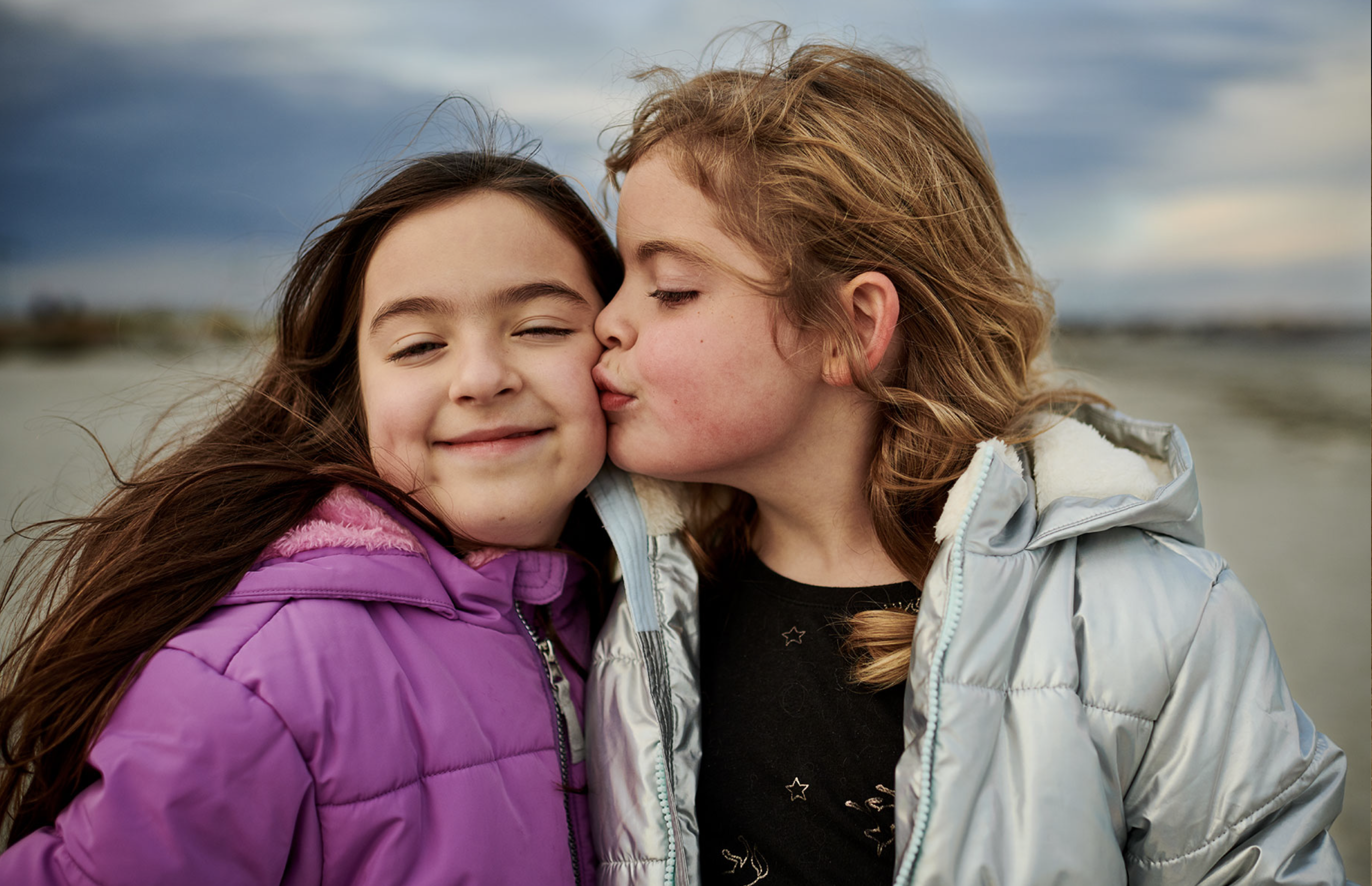
My wife and I struggled to get pregnant. We are lucky enough to live in a state (MA) that covers up to 6 rounds of in vitro fertilization, and we used almost all of them. On our fifth round we were ready to consider other options because of the emotional toll, but our doctor encouraged us to try again. We had very low expectations, and possibly because of that we felt less pressure. That’s when it finally worked. For my wife, the struggle was both physical and hugely emotional. I only had the emotional part to deal with. I think it was difficult for both of us to put it out there so publicly, but time has a way of softening the hard edges of difficult emotion. Plus, we ended up with two beautiful and healthy twin girls who are now 7 years old. We couldn’t be more grateful.


To see more of this project, click here.

Instagram

APE contributor Suzanne Sease currently works as a consultant for photographers and illustrators around the world. She has been involved in the photography and illustration industry since the mid 80s.  After establishing the art-buying department at The Martin Agency, then working for Kaplan-Thaler, Capital One, Best Buy and numerous smaller agencies and companies, she decided to be a consultant in 1999. She has a new Twitter feed with helpful marketing information because she believes that marketing should be driven by brand and not by specialty.  Follow her at @SuzanneSeaseInstagram

Success is more than a matter of your talent. It’s also a matter of doing a better job presenting it.  And that is what I do with decades of agency and in-house experience.


The Art of the Personal Project: Mike Belleme

The Art of the Personal Project is a crucial element to let potential buyers see how you think creatively on your own.  I am drawn to personal projects that have an interesting vision or that show something I have never seen before.  In this thread, I’ll include a link to each personal project with the artist statement so you can see more of the project. Please note: This thread is not affiliated with any company; I’m just featuring projects that I find.  Please DO NOT send me your work.  I do not take submissions.


Today’s featured artist:  Mike Belleme

Wild Roots

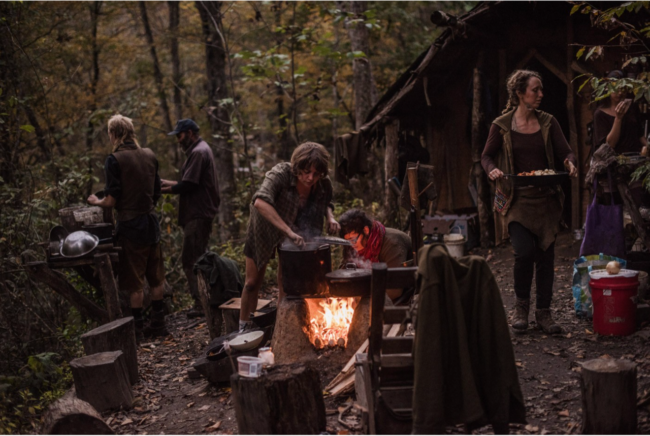
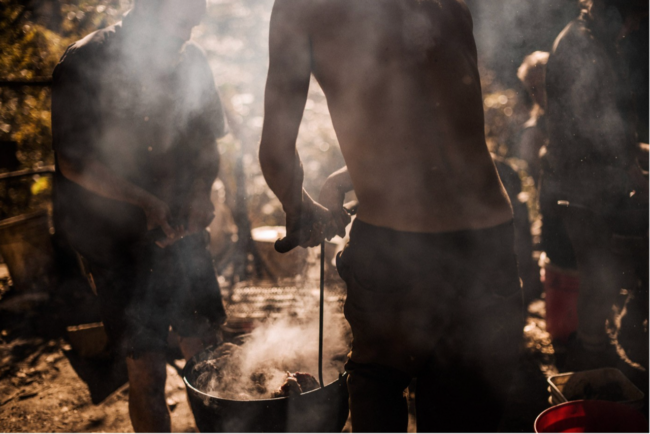
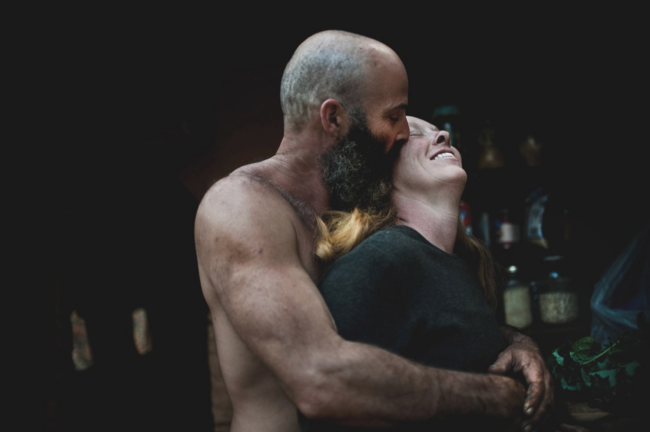
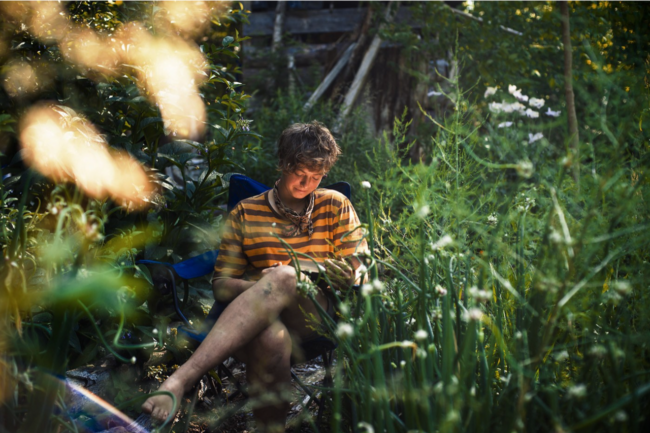
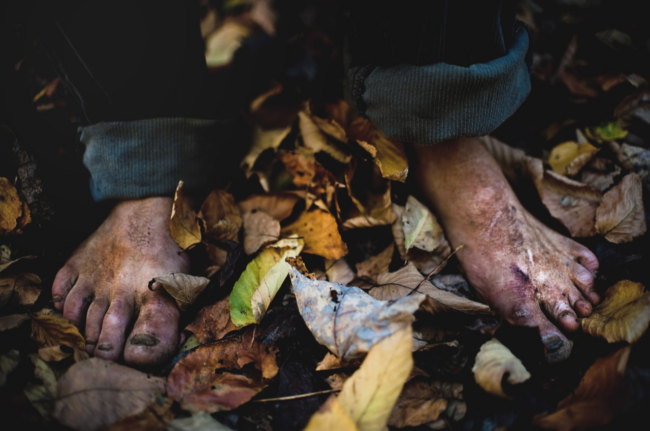
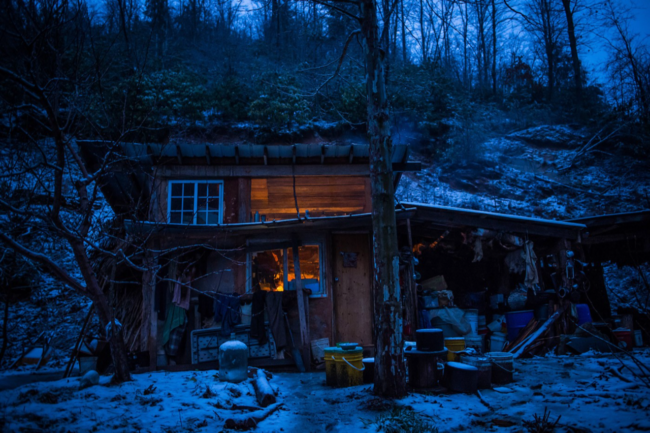
In the mountains of North Carolina there is an expanse of donated land inhabited by a small group of people who, for their own reasons, choose not to live as members of modern society. Tod and Talia, a couple, have been living in this place called Wild Roots for a decade, half of which I’ve documented periodically.  A belief that modern civilization was on the brink of collapse was a big part of the impetus for Tod and Talia and others coming to Wildroots, although after years of living a simple mostly primitive way of life in the woods, they find it harder and harder to fathom modern mainstream life. In July of 2015, Talia had to move away from Wildroots back to her native California due to a mold allergy. Tod, unwilling to leave his home of Wildroots for California, now needs the community to thrive more than ever in order to continue making it his home.  The homes at Wildroots are mostly waddle and daub, a technique that uses on site timber, saplings, and a clay solution along with bark or metal roofs. Although wild food harvesting is a big part of the lifestyle, the majority of the food consumed at Wildroots comes from dumpsters which they visit on their periodic trips into town, roadkill, and wild game that is given to them by local hunters. They use almost every part of the animal including eyeballs, tongue and brain. Cooking is done over a fire created using friction every morning and evening. The number of community members fluctuates through the seasons, from 2-10 or so. Talia plans to return this Winter to stay with Tod but has no plans of returning after the coming Winter.


To see more of this project, click here.

Instagram

APE contributor Suzanne Sease currently works as a consultant for photographers and illustrators around the world. She has been involved in the photography and illustration industry since the mid 80s.  After establishing the art-buying department at The Martin Agency, then working for Kaplan-Thaler, Capital One, Best Buy and numerous smaller agencies and companies, she decided to be a consultant in 1999. She has a new Twitter feed with helpful marketing information because she believes that marketing should be driven by brand and not by specialty.  Follow her at @SuzanneSeaseInstagram

Success is more than a matter of your talent. It’s also a matter of doing a better job presenting it.  And that is what I do with decades of agency and in-house experience.


The Art of the Personal Project: John McDermott


The Art of the Personal Project is a crucial element to let potential buyers see how you think creatively on your own.  I am drawn to personal projects that have an interesting vision or that show something I have never seen before.  In this thread, I’ll include a link to each personal project with the artist statement so you can see more of the project. Please note: This thread is not affiliated with any company; I’m just featuring projects that I find.  Please DO NOT send me your work.  I do not take submissions.


Today’s featured artist:  John McDermott


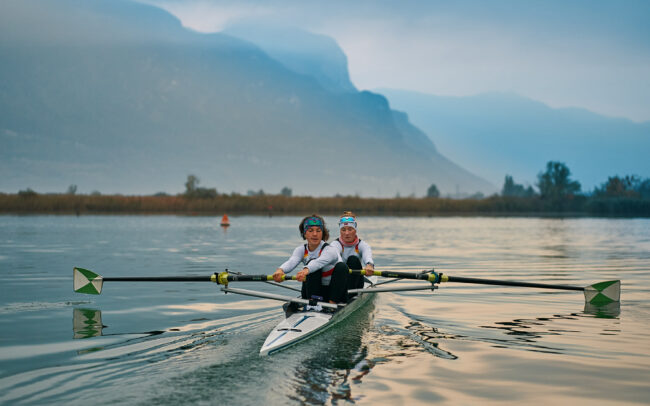
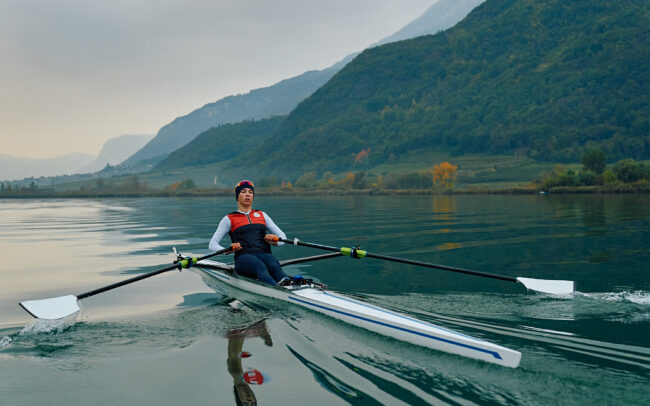
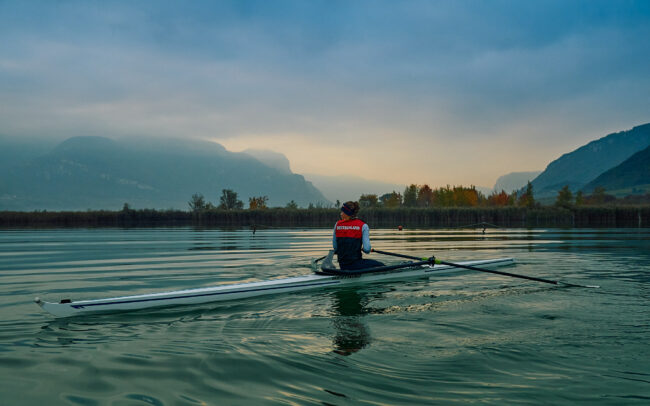
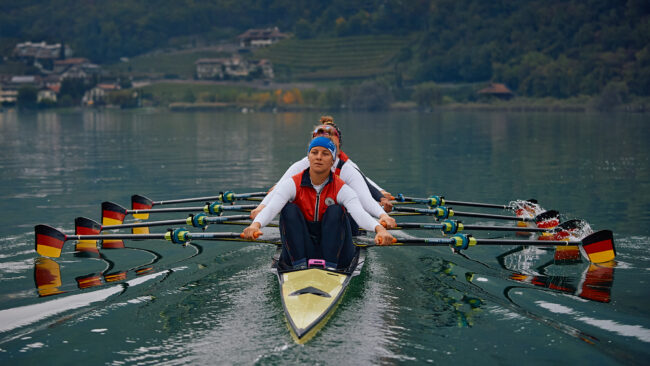
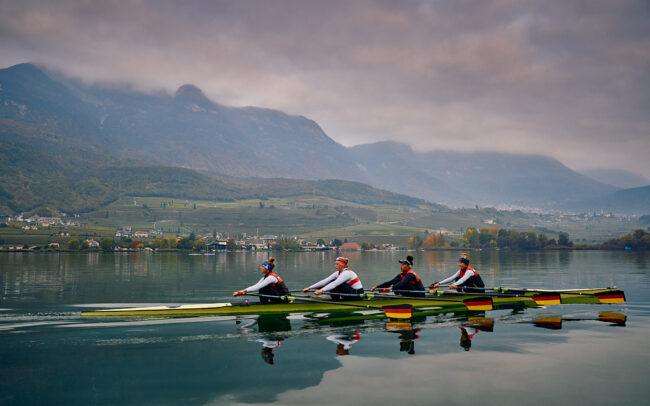
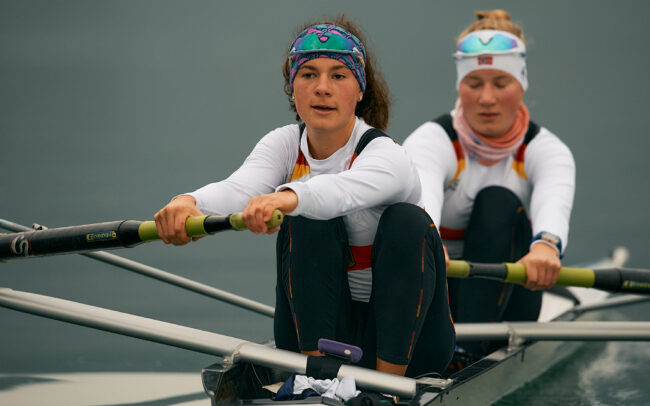
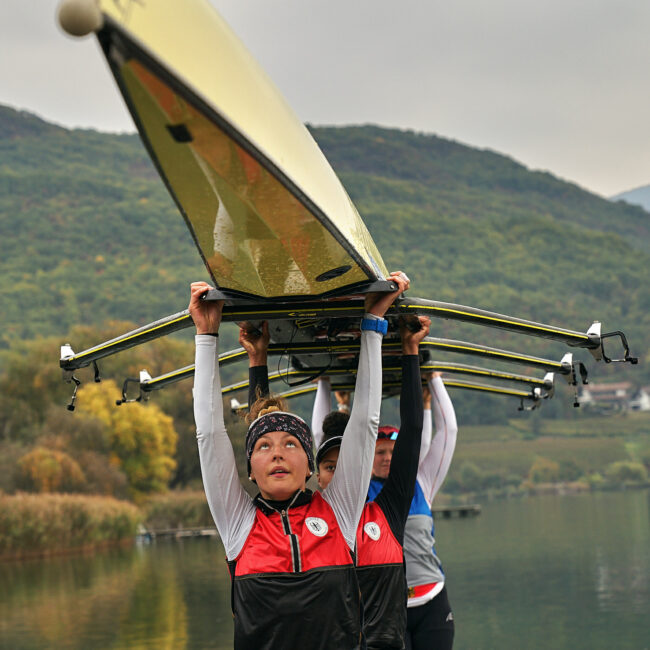
A little over five years ago my wife, who is from Germany, and I moved from San Francisco to Appiano, a small town in the South Tyrolean wine country, near the Dolomites in northern Italy. It’s halfway between Munich and Milan and two hours from Venice. There is a very beautiful lake nearby, the Lago di Caldaro, or Kalterersee in Germany (the area where we live is close to Austria and bi-lingual so both German and Italian are spoken). Every autumn Germany’s national women rowers come down for a week of training on the lake. They are hosted by some good friends of ours who own a nice hotel. I have always enjoyed shooting sports and have been on assignment to ten Olympics and nine FIFA World Cups for clients like Newsweek, Kodak and FIFA and Sports Illustrated. I’ve always been fascinated by the special beauty of sports on the water, particularly rowing and sailing. I wanted to do something for my friends and also for the athletes, so as a personal project I accompanied them in the early morning during their training to see what I could come up with photographically. It was also a great opportunity for me to “train” visually during a year when, thanks to Covid, there wasn’t that much going on. The rowers were pleased with the results and so was I. This was one of the last nice projects I was able to work on before we went back into a fairly strict Covid lockdown again where our ability to move about was restricted. Thankfully there has been a high degree of solidarity here in Italy regarding Covid and the payoff is that now we are able to live in a quite normal way again. I’m looking forward to their return.


To see more of this project, click here.

Instagram

APE contributor Suzanne Sease currently works as a consultant for photographers and illustrators around the world. She has been involved in the photography and illustration industry since the mid 80s.  After establishing the art-buying department at The Martin Agency, then working for Kaplan-Thaler, Capital One, Best Buy and numerous smaller agencies and companies, she decided to be a consultant in 1999. She has a new Twitter feed with helpful marketing information because she believes that marketing should be driven by brand and not by specialty.  Follow her at @SuzanneSeaseInstagram

Success is more than a matter of your talent. It’s also a matter of doing a better job presenting it.  And that is what I do with decades of agency and in-house experience.


The Art of the Personal Project: Kremer/Johnson

The Art of the Personal Project is a crucial element to let potential buyers see how you think creatively on your own.  I am drawn to personal projects that have an interesting vision or that show something I have never seen before.  In this thread, I’ll include a link to each personal project with the artist statement so you can see more of the project. Please note: This thread is not affiliated with any company; I’m just featuring projects that I find.  Please DO NOT send me your work.  I do not take submissions.


Today’s featured artist:   Kremer|Johnson


Artist Statement

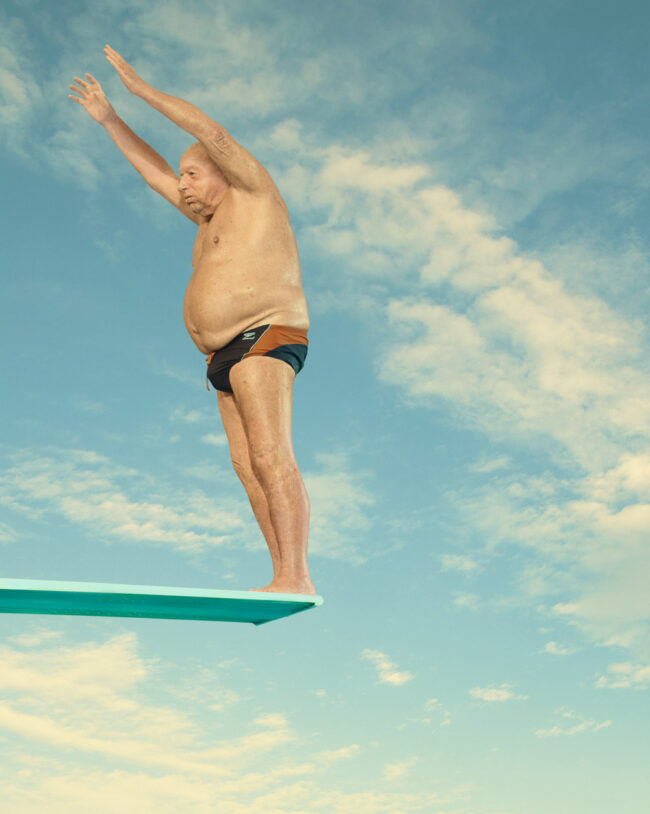
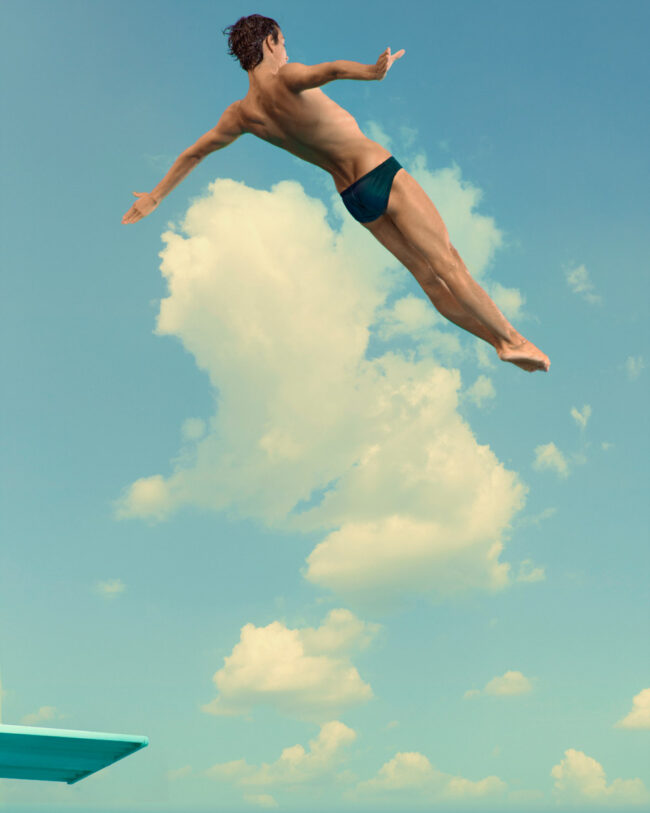
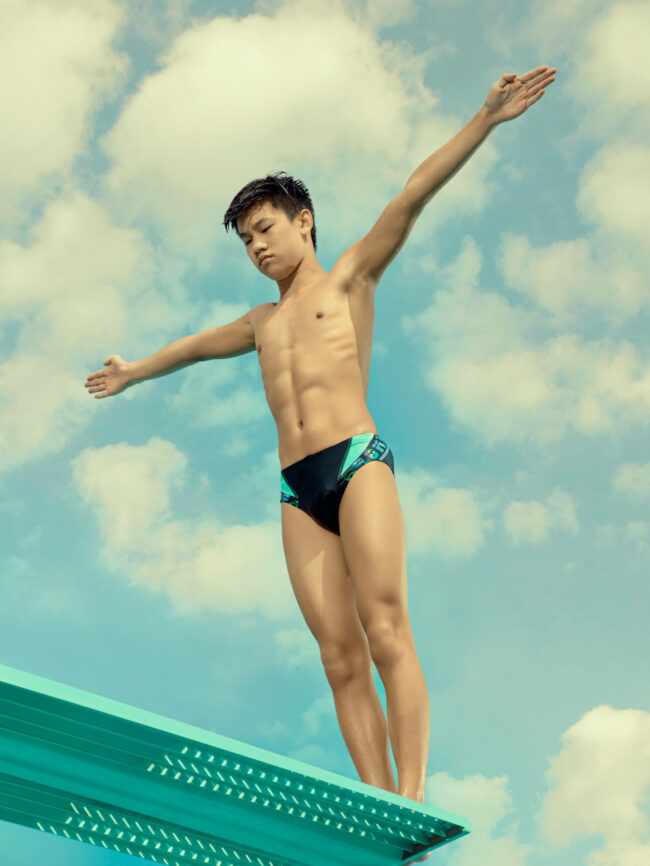
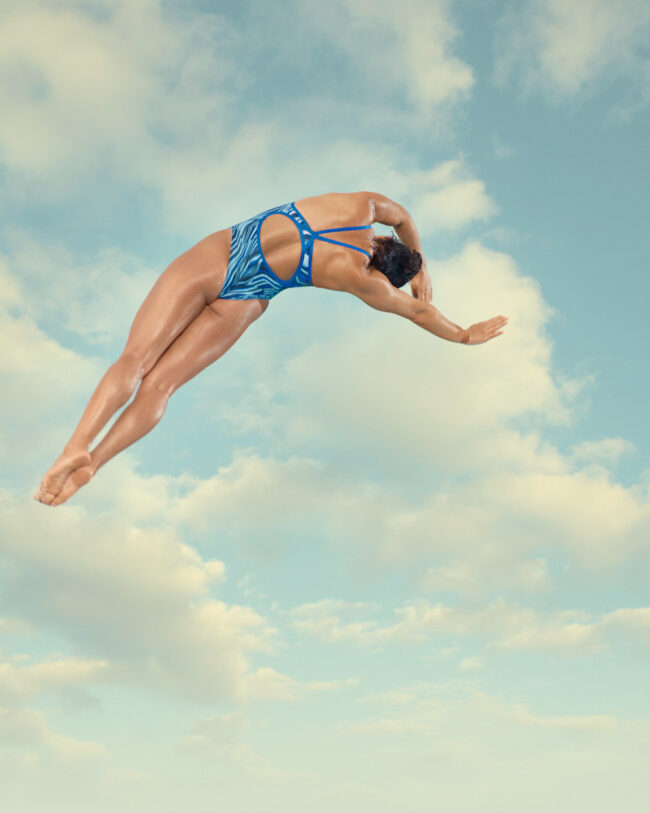
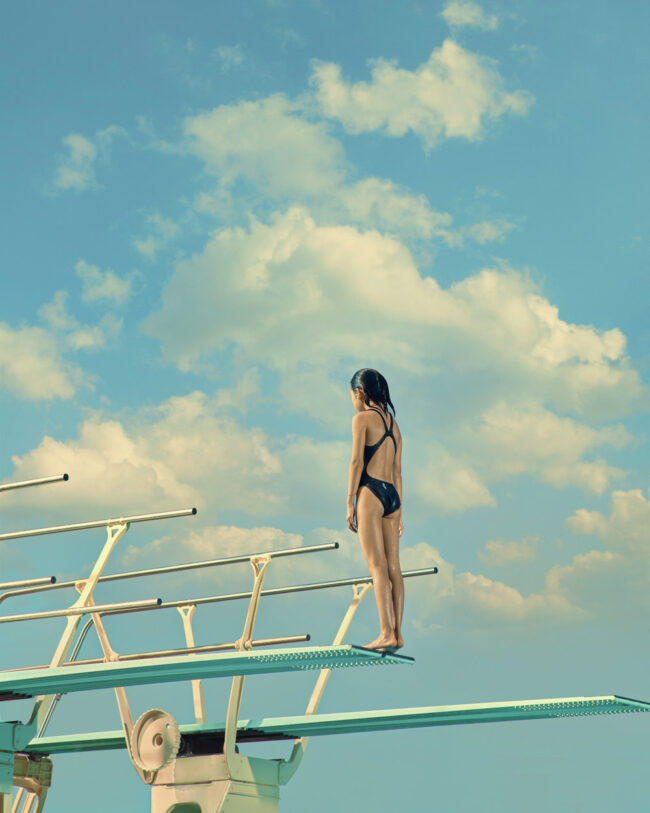
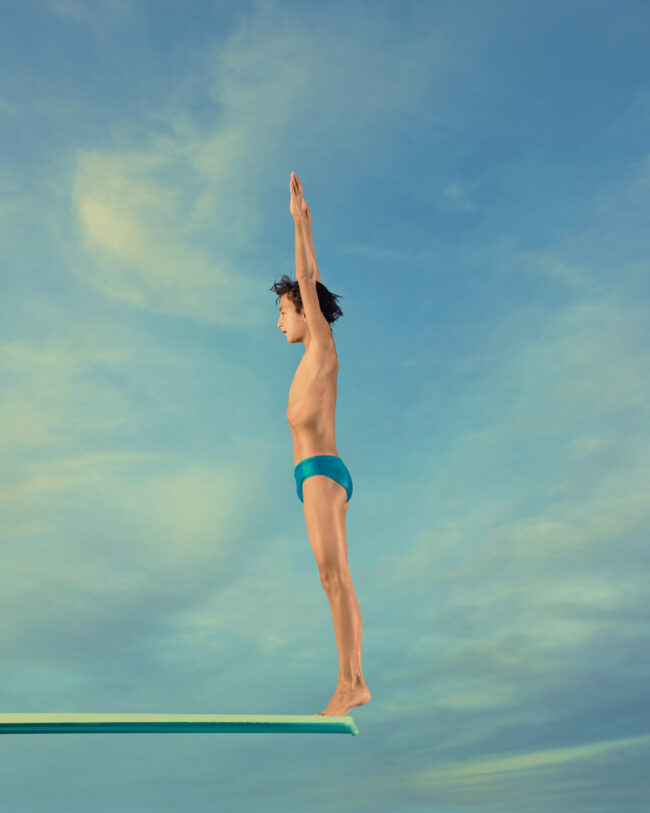
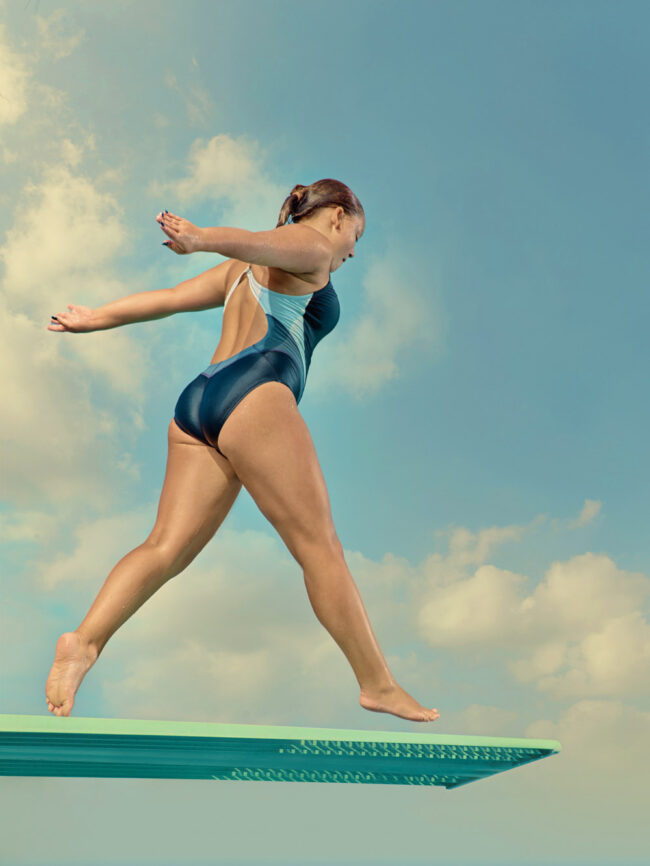
There’s a grace & beauty in diving that’s impressive to witness in person. Perhaps even more impressive than that are the moments of focus, determination, and clarity in a diver’s body, mind, and expression when they’re on the board. To the human eye, dives appear fluid & graceful. Though, most consist of an immaculately choreographed progression of awkward, tense, and violent actions which, together, create the illusion of grace. We found a great deal of humanity in those isolated moments.

This series was photographed at the Rose Bowl Aquatics Center over a period of 5 visits in early 2020. The diver’s range in ability from beginner to Olympic hopefuls. Strobes were used to fill in shadows and create a more illustrated style. The Phase One IQ3 was the chosen camera for its ability to mix strobes with a 1/2000 shutter speed.

The series was recognized by American Photographer and Communication Arts Annuals.

The commercial advertising community has received the series well. We’ve received dozens of compliments and potential job inquiries.


To see more of this project, click here.


APE contributor Suzanne Sease currently works as a consultant for photographers and illustrators around the world. She has been involved in the photography and illustration industry since the mid 80s.  After establishing the art-buying department at The Martin Agency, then working for Kaplan-Thaler, Capital One, Best Buy and numerous smaller agencies and companies, she decided to be a consultant in 1999. She has a new Twitter feed with helpful marketing information because she believes that marketing should be driven by brand and not by specialty.  Follow her at @SuzanneSeaseInstagram

Success is more than a matter of your talent. It’s also a matter of doing a better job presenting it.  And that is what I do with decades of agency and in-house experience.


The Art of the Personal Project: Scott Streble

The Art of the Personal Project is a crucial element to let potential buyers see how you think creatively on your own.  I am drawn to personal projects that have an interesting vision or that show something I have never seen before.  In this thread, I’ll include a link to each personal project with the artist statement so you can see more of the project. Please note: This thread is not affiliated with any company; I’m just featuring projects that I find.  Please DO NOT send me your work.  I do not take submissions.


Today’s featured artist:  Scott Streble


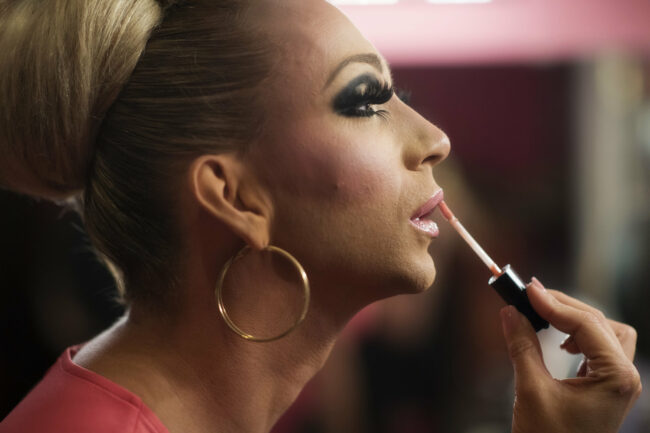
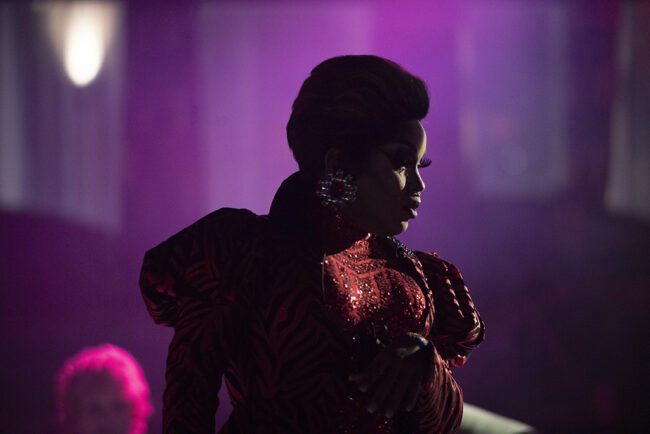
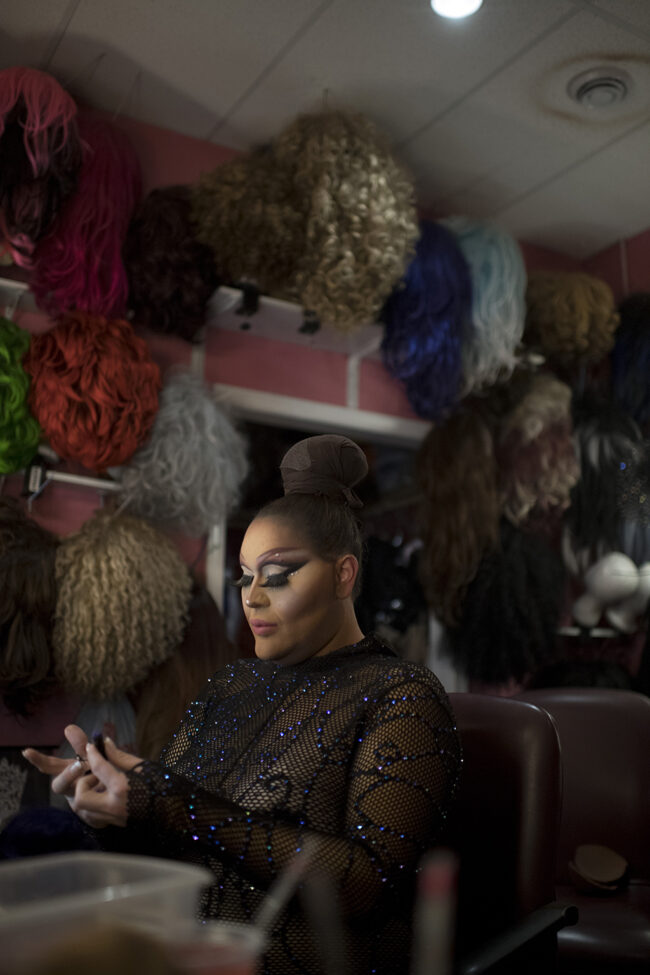
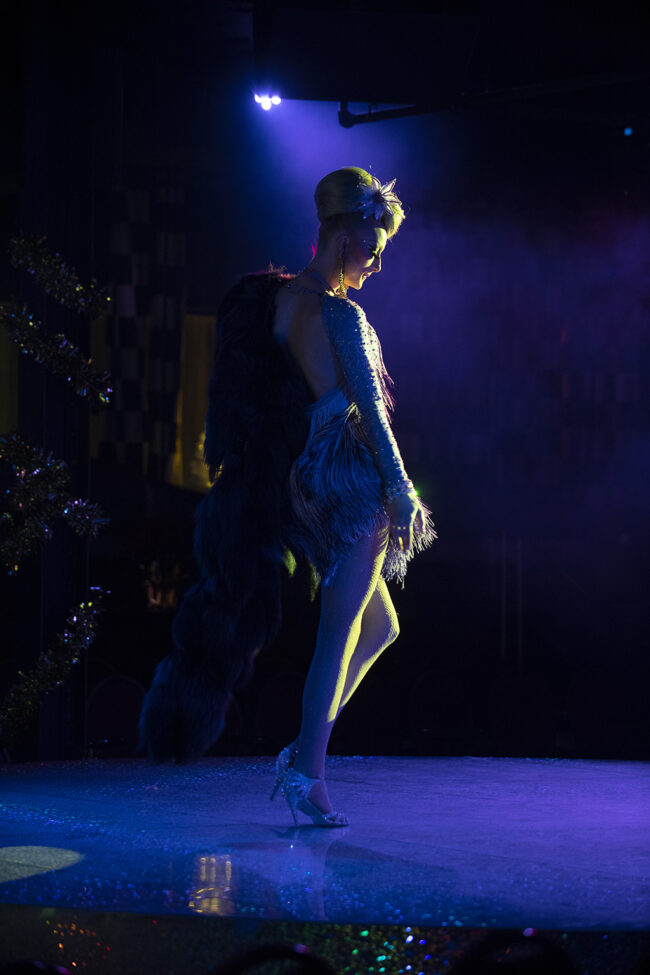
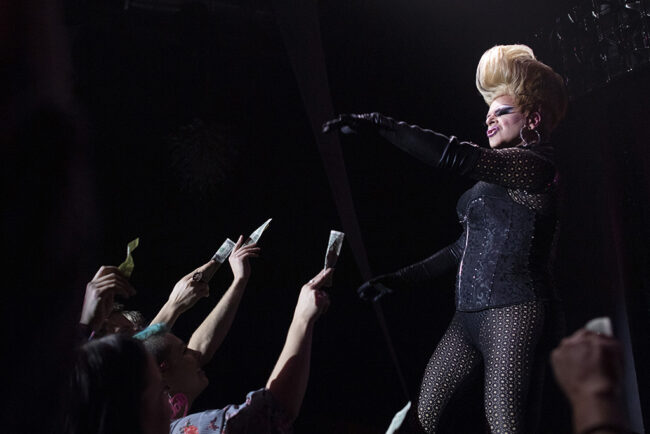
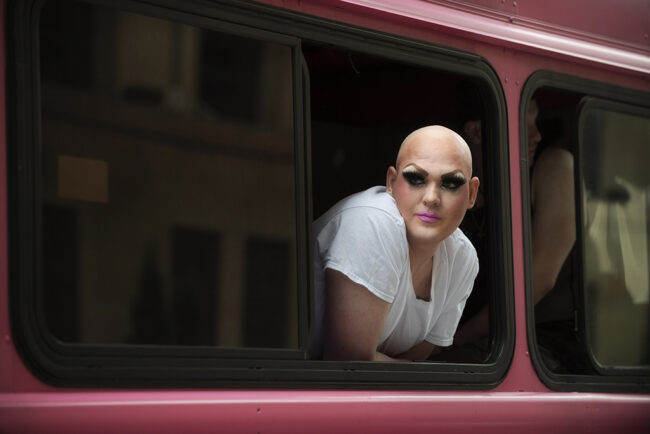
“The vibrance and enthusiasm of drag queens yields great photos. I like to capture that energy. “


To see more of this project, click here.

APE contributor Suzanne Sease currently works as a consultant for photographers and illustrators around the world. She has been involved in the photography and illustration industry since the mid 80s.  After establishing the art-buying department at The Martin Agency, then working for Kaplan-Thaler, Capital One, Best Buy and numerous smaller agencies and companies, she decided to be a consultant in 1999. She has a new Twitter feed with helpful marketing information because she believes that marketing should be driven by brand and not by specialty.  Follow her at @SuzanneSeaseInstagram

Success is more than a matter of your talent. It’s also a matter of doing a better job presenting it.  And that is what I do with decades of agency and in-house experience.


The Art of the Personal Project: Patrick Ecclesine

The Art of the Personal Project is a crucial element to let potential buyers see how you think creatively on your own.  I am drawn to personal projects that have an interesting vision or that show something I have never seen before.  In this thread, I’ll include a link to each personal project with the artist statement so you can see more of the project. Please note: This thread is not affiliated with any company; I’m just featuring projects that I find.  Please DO NOT send me your work.  I do not take submissions.


Today’s featured artist:  Patrick Ecclesine


2021:

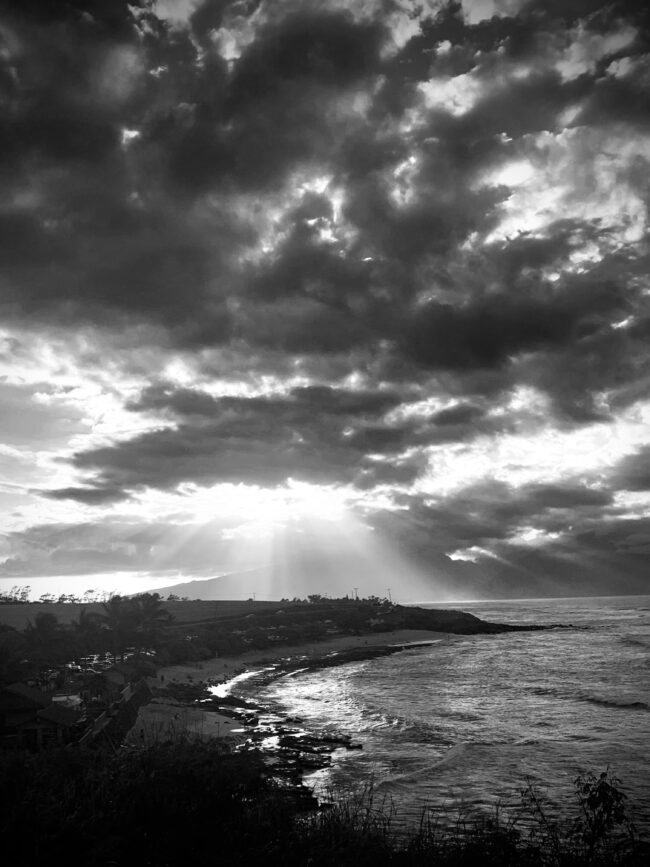
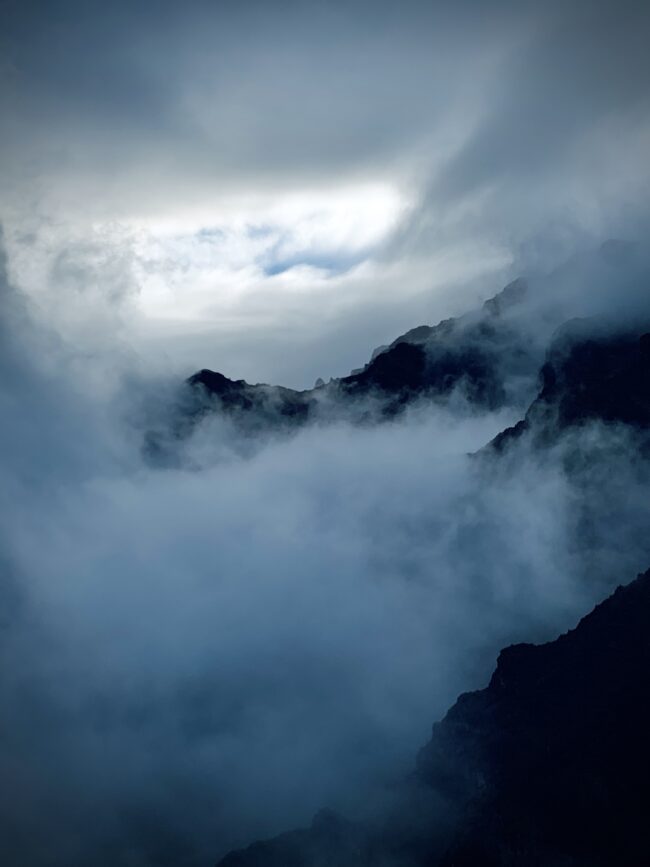
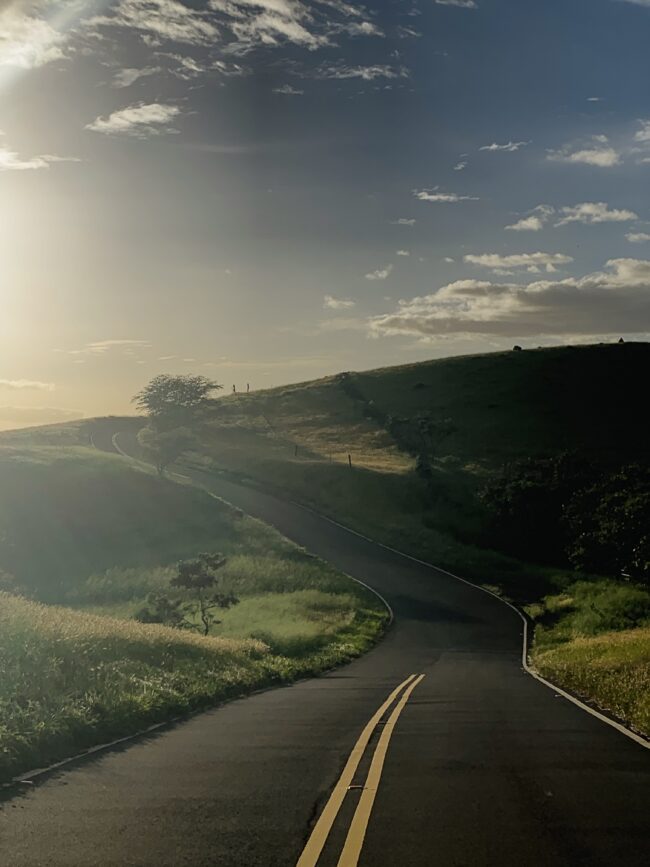
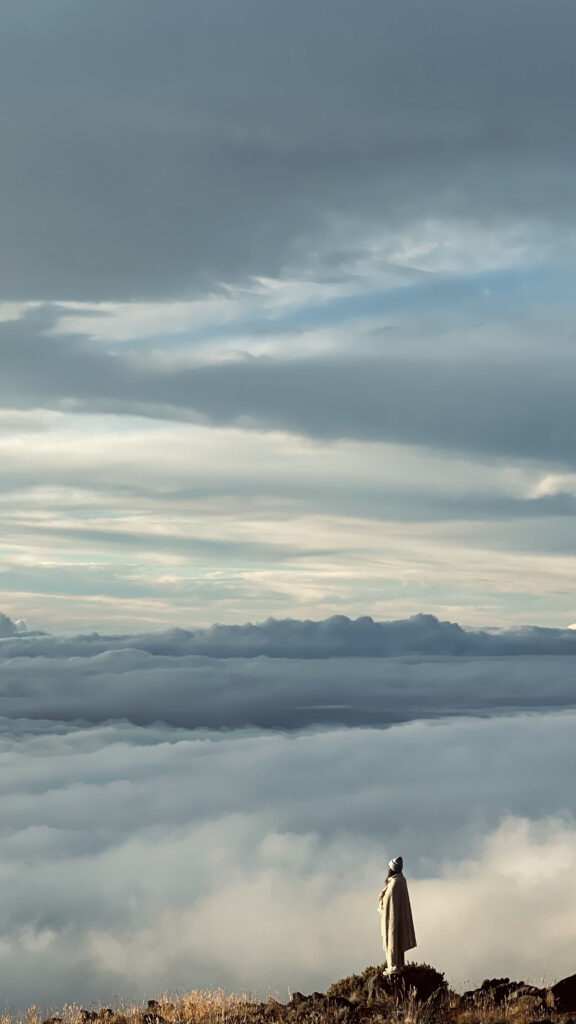
I’ve been posted up in Kula, Maui and living on a farm in the countryside at the base of a volcano. I never envisioned spending any real time in the South Pacific and yet end of last year I came to shoot the gallery for NBC’s “Temptation Island”. When it was time to fly back to LA, I said forget it, might as well stay in the place that has the lowest Covid infection rate in the US. So, I’ve been hiking the volcano, surfing almost daily, training to ride the big winter waves that are certain to hit the North shore. After surfing for thirty years, I’m sad to admit I’ve never gotten a proper tube or “barrel” as they call it, so I’m aiming to make this childhood dream come to life. Been reading and reflecting… taking the time to learn how to cook, ceviche, poke, Malaysian curry, ahi salad, vegetable soup, and even handmade chocolate coconut ice cream. I’m happy to leave my heavy cameras on the shelf for the time being and have turned to the iPhone which has been a faithful sidekick during this chapter…there is so much beauty here it’s impossible to contain it within a frame, but here are a few images I’ll share.

Every day there is so much to soak in and experience. I hope you are feeling optimistic about the future…Stay positive and be well. I am certain the best is yet to come.


To see more of this project, click here.


APE contributor Suzanne Sease currently works as a consultant for photographers and illustrators around the world. She has been involved in the photography and illustration industry since the mid 80s.  After establishing the art-buying department at The Martin Agency, then working for Kaplan-Thaler, Capital One, Best Buy and numerous smaller agencies and companies, she decided to be a consultant in 1999. She has a new Twitter feed with helpful marketing information because she believes that marketing should be driven by brand and not by specialty.  Follow her at @SuzanneSeaseInstagram

Success is more than a matter of your talent. It’s also a matter of doing a better job presenting it.  And that is what I do with decades of agency and in-house experience.


The Art of the Personal Project: Eugene Richards

The Art of the Personal Project is a crucial element to let potential buyers see how you think creatively on your own.  I am drawn to personal projects that have an interesting vision or that show something I have never seen before.  In this thread, I’ll include a link to each personal project with the artist statement so you can see more of the project. Please note: This thread is not affiliated with any company; I’m just featuring projects that I find.  Please DO NOT send me your work.  I do not take submissions.


Today’s Artist:  Eugene Richards

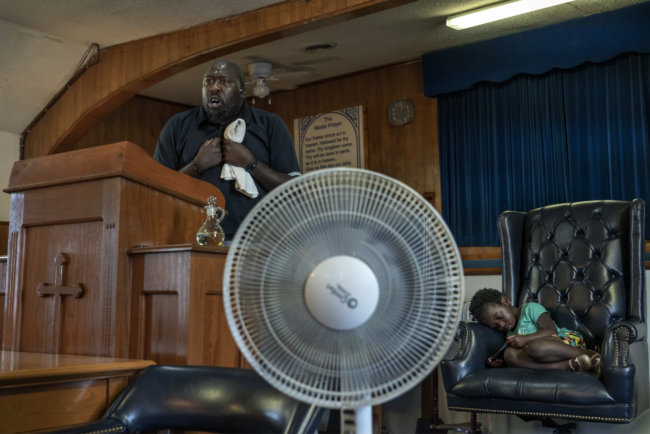
From NPR’s The Picture Show 

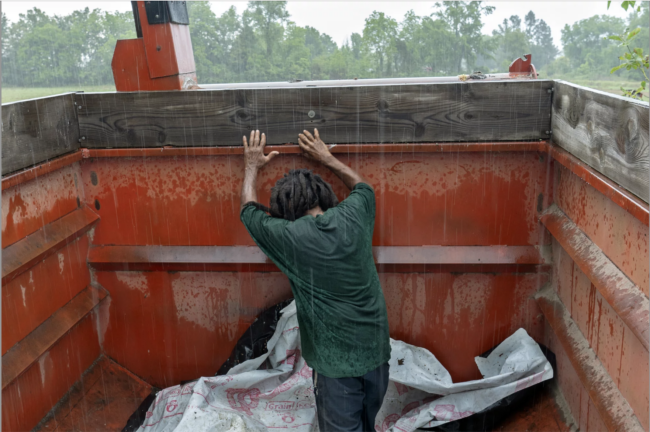
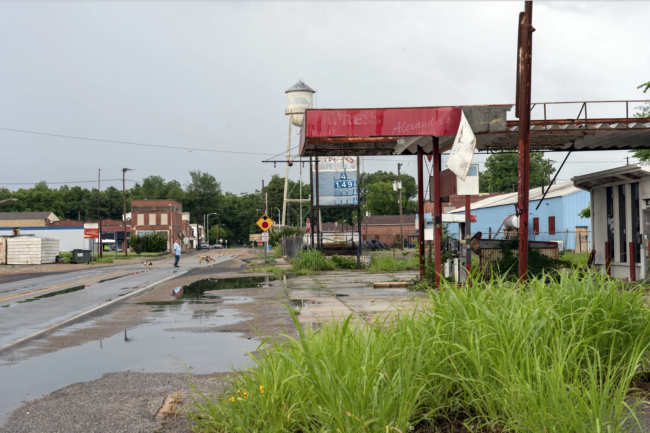
The town of Earle, Ark., is disappearing.

Or at least, that’s what it looked like to photographer Eugene Richards.

In the postscript of his new book, the day i was born, Richards writes about returning to the area in 2019 after years away and noticing the overwhelming presence of absence:

No men and women picking cotton. No old folks on the porch staring out at you. No children running and jumping around. The sharecropper shacks that were here 50 years ago have vanished. Once there were four or five of them every couple of miles — tin roofs, plastic sheeting over the windows, front yards rutted with tire tracks, littered with rusted-out cars, bed springs, things that once meant a lot to someone, but didn’t any longer.

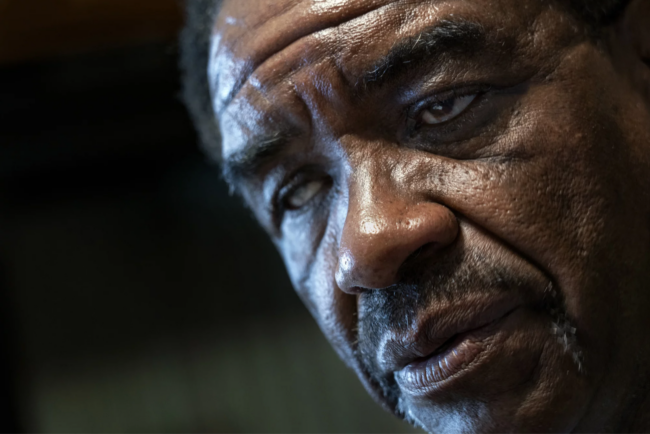
In the book, that epilogue is the only time we hear Richards’ voice. The rest of the text to accompany his photos are the first-hand accounts of six people, all of whom are Black, over 50 and most have lived in Earle for much of their lives: Joseph Perry, Jr., Stacy Abram, Lovell Davis, Jackie Greer, Timothy Way and Jessie Mae Maples. The photos capture daily life for these six as well as other Earle residents, in addition to the stark and impoverished landscape of the Delta.

Though the town may look to Richards like it’s fading, its history is very much alive. In preserving them in the day i was born, Richards ensures that these stories — of racism and segregation, of voter suppression, of homophobia, of poverty, of gun violence and police brutality — won’t also disappear.

Richards’ relationship with the Arkansas Delta goes back decades. He first arrived in the Delta in 1969 as a VISTA volunteer. VISTA, which stands for Volunteers in Service to America, was designed to be the domestic version of the Peace Corps. Richards, who is white, spent three years in the Delta working in predominantly Black communities as a social worker and a photographer, and also running a small community newspaper. He looks back on that time not in a self-congratulatory way, but as a matter of course. In an interview with NPR, he remembered, “because of the Vietnam War happening and Dr. King happening, and the assassinations all happening all the time, you took the admonitions to get involved quite seriously. And that was it. So, it isn’t something that you think about later. It became kind of natural.”

the day i was born almost came about as an accident. In 2019 Richards was working on a project about abandoned houses for a large newspaper and went back to the Delta for material. Then, he said, “I drifted over into Earle because I was curious about what the towns look like today that I remembered from a long time ago.” Following Main Street, he came to an appliance store covered in paintings of people like Huey P. Newton, Angela Davis, Malcolm X and Tupac Shakur

When Richards entered the store a couple days later, he was greeted by owner Stacy Abram, and the two struck up a conversation. Richards had a recorder, and he turned it on while Abram told him about a childhood with an imprisoned father, a job as a teenager at the cotton gin and the first days of schools integrating. Soon, Lovell Davis entered the store and told Richards about growing up as best friends with Abram, about going to school hungry, about his own time in prison after robbing a bankTimothy Way, an eccentric gay man who painted the freedom fighter portraits on the store, also showed up and shared his life stories with Richards. “So, it wasn’t like I searched people out,” Richards said. “I never thought about any kind of book at the time. But the storytelling was so direct and compelling.”

When he returned home to New York City and turned in the photographs and the interviews to the newspaper he’d been working for, he never heard any response. “You have to create your own narrative when you don’t hear from anybody,” Richards said. He figured his dispatch from Earle had fallen flat with his editors. “So, the narrative was everything sucked, and I didn’t think it did. I knew there were stories there.”

He decided to make a book of the work. “I kind of went overboard,” he said. “It could’ve been a tiny book. But the [subjects] deserve a really nice book.”

The stories are all too familiar today, mirroring incidents that have sparked national conversations and worldwide demonstrations. “It’s not only this town, it’s the world.” says Lovell Davis in the book’s epigraph.

In 1970, a group of about 150 Black residents — including Jackie Greer and Jessie Mae Maples — marched to city hall to protest the continued segregation of the schools. A group of about 30 white people showed up, supported by local police, with clubs and guns and descended on the protestors. They fired shots, grazing Greer’s head and critically injuring Maples. No charges were ever filed against the white assailants, but Greer’s husband — the Rev. Ezra Greer, who was beaten by the mob and suffered a broken arm — was charged with inciting a riot.

“In these little towns, people rose up without any support,” Richards said. “I mean, nobody was coming in from other places. It wasn’t like protests now when people come from all over. All these people stood up in their little towns, all by themselves.”

“The march, it’s mostly forgotten,” Greer says later in the book. “Earle is nothing but a little out-of-the-way place that most people haven’t heard anything about. We never did really get much news coverage. We’re too far from Little Rock. And in Memphis, unless there’s a murder, they hardly holler, didn’t bother about coming.”

the day i was born provides more than just coverage; it’s an oral history straight from those who lived through it and live through it still.

“What people went through before was not at all dissimilar. But how brave they were to be doing it all by themselves,” Richards said.

Melody Rowell is a writer and podcast producer living in Kansas City, Mo. You can follow her on Twitter @MelodyRowell.

To see more of this project, click here.
Tp purchase this book


APE contributor Suzanne Sease currently works as a consultant for photographers and illustrators around the world. She has been involved in the photography and illustration industry since the mid 80s.  After establishing the art-buying department at The Martin Agency, then working for Kaplan-Thaler, Capital One, Best Buy and numerous smaller agencies and companies, she decided to be a consultant in 1999. She has a new Twitter feed with helpful marketing information because she believes that marketing should be driven by brand and not by specialty.  Follow her at @SuzanneSeaseInstagram
Success is more than a matter of your talent. It’s also a matter of doing a better job presenting it.  And that is what I do with decades of agency and in-house experience.