The Art of the Personal Project: Ben Van Hook

The Art of the Personal Project is a crucial element to let potential buyers see how you think creatively on your own.  I am drawn to personal projects that have an interesting vision or that show something I have never seen before.  In this thread, I’ll include a link to each personal project with the artist statement so you can see more of the project. Please note: This thread is not affiliated with any company; I’m just featuring projects that I find.  Please DO NOT send me your work.  I do not take submissions.


Today’s featured artist:  Ben Van Hook


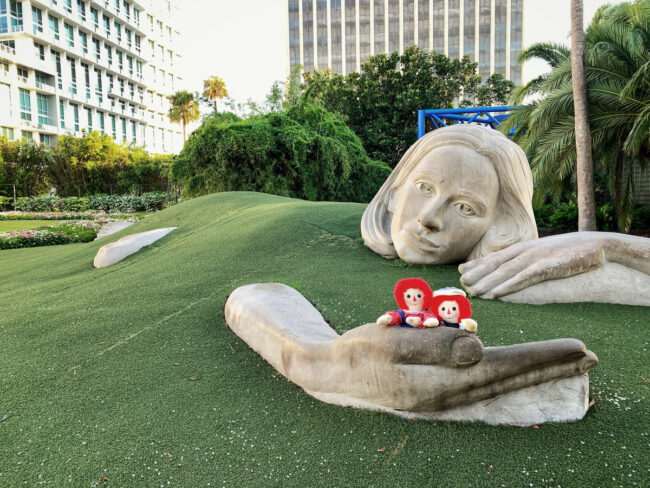
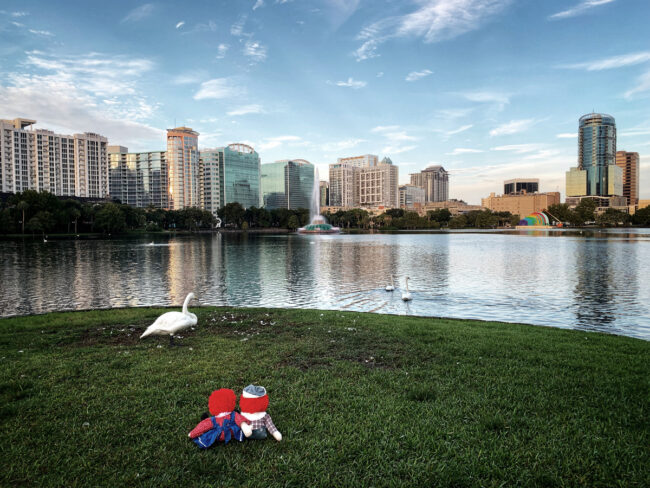
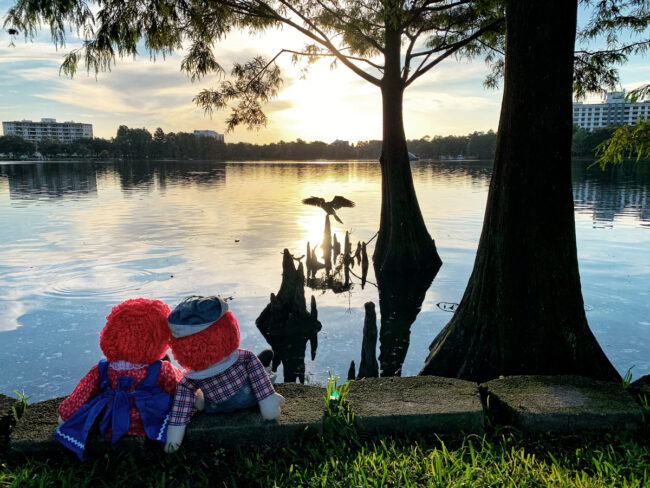
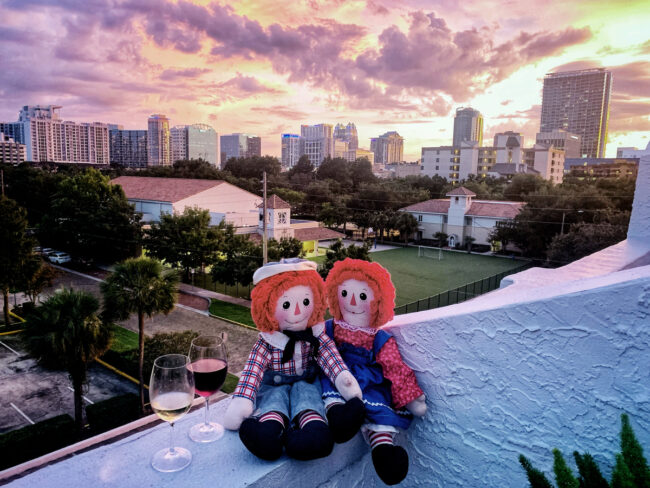
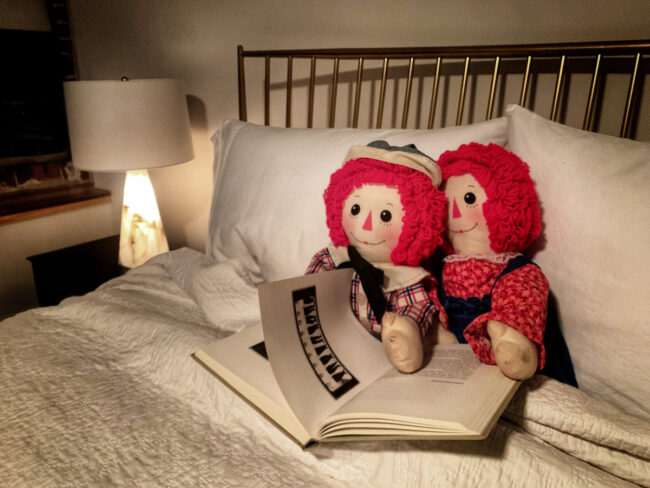
SAVED FROM THE LANDFILL – A RAGGEDY STORY

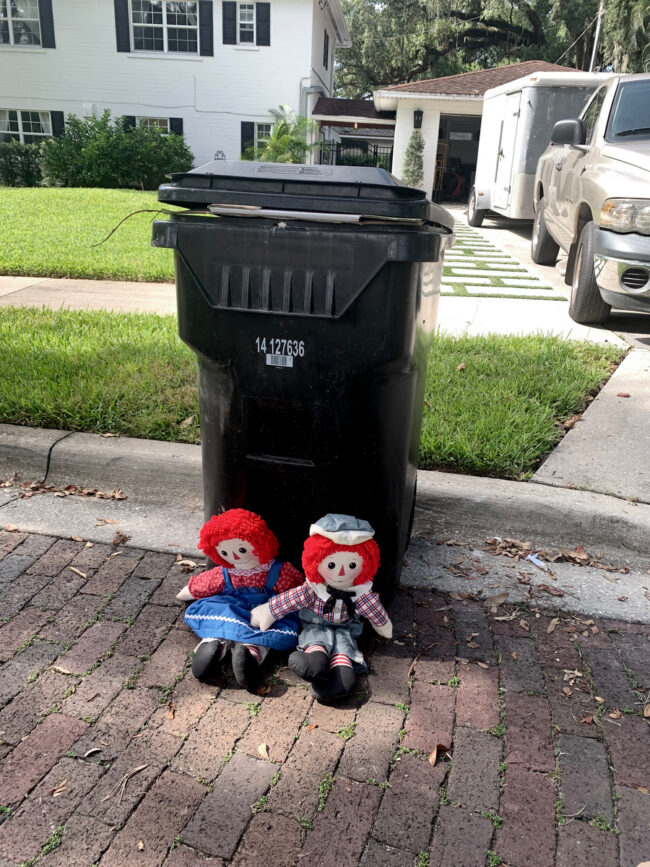
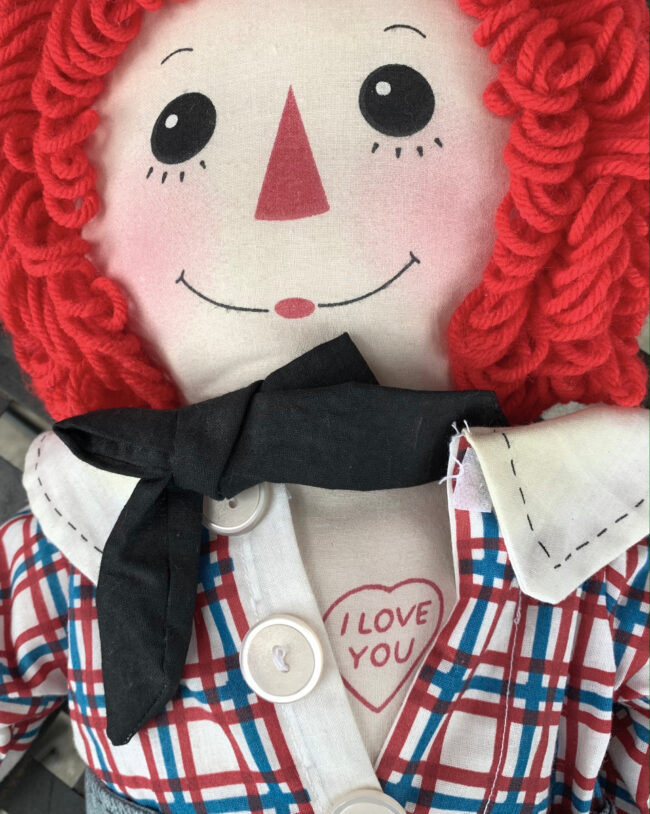
SINCE THE BEGINNING OF THE PANDEMIC MY DAUGHTER SYDNEY AND I HAVE NOTICED A LOT OF PEOPLE CLEANING HOUSE AND DISCARDING FURNITURE, TOYS, AND CLOTHES TO THE CURBSIDE. WHEN WE SAW SOMETHING INTERESTING, WE WOULD TEXT EACH OTHER THE WORDS ‘CURB ALERT’ WITH A PICTURE OF THE ITEMS. WE ENDED UP REFINISHING AN OAK DINING ROOM TABLE, VARIOUS CHAIRS, AND CABINETS THAT WERE ALL DESTINED FOR THE LANDFILL. WALKING A FEW WEEKS AGO I CAME ACROSS A SCENE OF A GARBAGE CAN AT THE CURB WITH A RAGGEDY ANN AND ANDY DOLL SITTING IN THE ROAD AT THE BASE OF THE CAN. I TOOK ONE PHOTO AND CONTINUED TO WALK. THOSE DOLLS STARTED PULLING ON MY HEARTSTRINGS, IT WAS JUST SO SAD. I DECIDED I SHOULD SAVE THEM. I WALKED BACK BY THE HOUSE, BUT ALAS THE GARBAGE TRUCK HAD COME AND GONE. THE CAN WAS NOW BACK UP BY THE OWNERS HOUSE. I STARTED TO WALK AWAY AND SOMETHING TOLD ME TO LOOK IN THE CAN. SURE ENOUGH THEY WERE IN THERE. NOW RESCUED, I DECIDED TO TAKE THEM ON A TOUR AROUND CENTRAL FLORIDA MAKING PHOTOGRAPHS ALONG THE WAY BEFORE I FIND A PROPER HOME FOR THEM. THE RESPONSE ON SOCIAL MEDIA HAS BEEN FUNNY, TOUCHING, AND POIGNANT. ONE FRIEND WROTE:

“Don’t be too quick to give them a new home. Their new journey and story are only beginning. Like so many older objects, tossed in trash in a wasteful nation when a thrift charity store could have taken. This brings many feelings up. Like many older people disregarded. This roadside trash also makes me think of America’s homeless or those at the edge of homelessness.”

I FOUND AN ANTIQUE TOY CHEST ON THE SIDE OF THE ROAD TODAY. IT WILL NOW SERVE AS THEIR TEMPORARY HOME WHILE WE CONTINUE TO EXPLORE. IT’S INTERESTING TO NOTE THAT RAGGEDY ANN HAS BEEN AROUND OVER 100 YEARS NOW AND BOTH HER AND ANDY WERE INDUCTED INTO THE NATIONAL TOY HALL OF FAME IN ROCHESTER, NY. IN THE EARLY 2000’S.


To see more of this project, click here.


APE contributor Suzanne Sease currently works as a consultant for photographers and illustrators around the world. She has been involved in the photography and illustration industry since the mid 80s.  After establishing the art-buying department at The Martin Agency, then working for Kaplan-Thaler, Capital One, Best Buy and numerous smaller agencies and companies, she decided to be a consultant in 1999. She has a new Twitter feed with helpful marketing information because she believes that marketing should be driven by brand and not by specialty.  Follow her at @SuzanneSeaseInstagram

Success is more than a matter of your talent. It’s also a matter of doing a better job presenting it.  And that is what I do with decades of agency and in-house experience.


The Art of the Personal Project: Dawoud Bey

The Art of the Personal Project is a crucial element to let potential buyers see how you think creatively on your own.  I am drawn to personal projects that have an interesting vision or that show something I have never seen before.  In this thread, I’ll include a link to each personal project with the artist statement so you can see more of the project. Please note: This thread is not affiliated with any company; I’m just featuring projects that I find.  Please DO NOT send me your work.  I do not take submissions.


Today’s featured artist:  Dawoud Bey

Original article can be found here.


July 11, 2021, 6:01 AM EDT / Updated July 11, 2021, 8:12 AM EDT

By Bianca Brutus

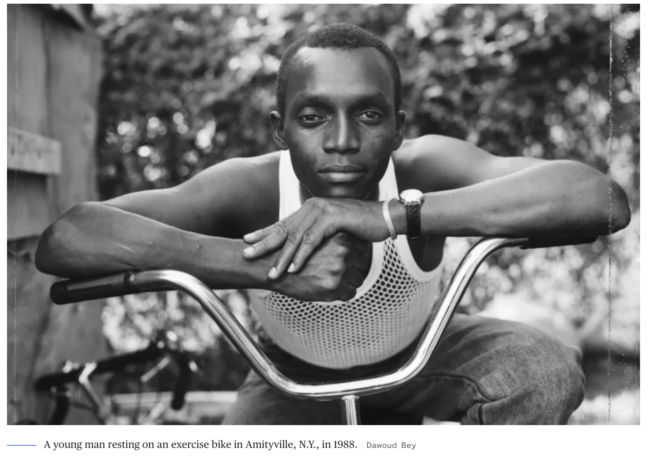
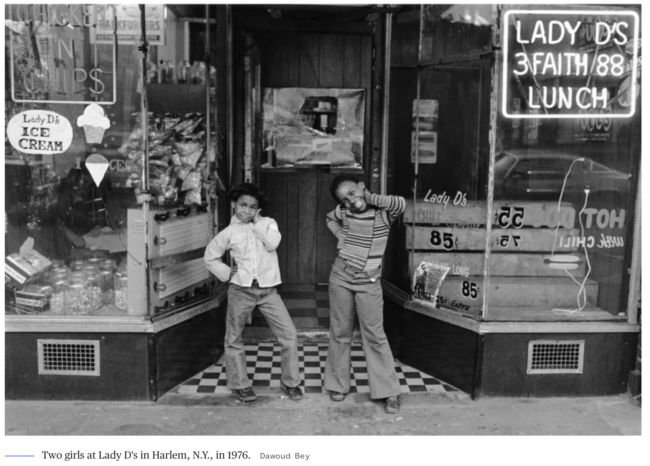
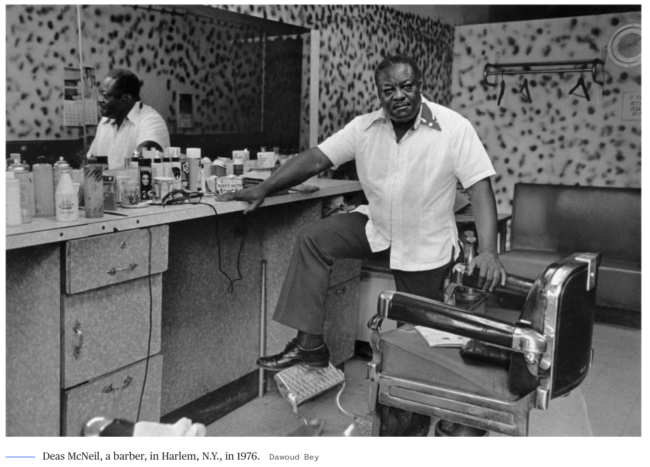
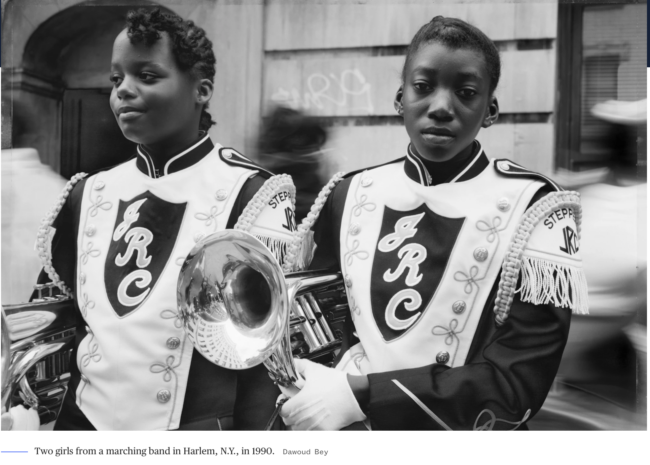
Dawoud Bey was given his first 35 mm camera at age 15. Several years later, in 1975, he’d begin one of the most influential careers in photography. Bey’s latest exhibition, “Dawoud Bey: An American Project,” captures the progression of four decades of communities in America. The exhibition, now on display at the Whitney Museum of American Art in New York City, comprises 80 works and eight series.

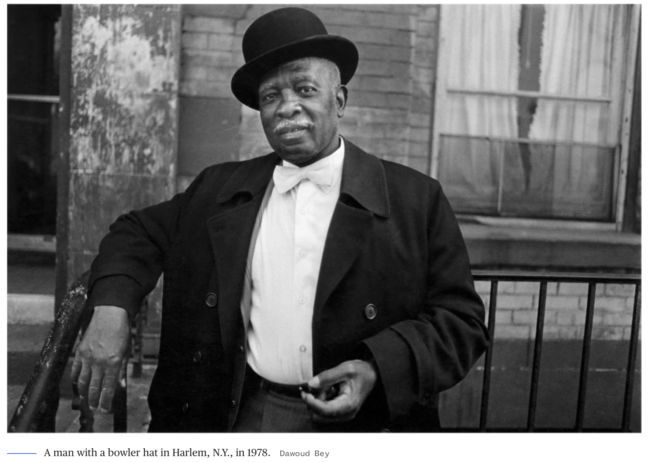
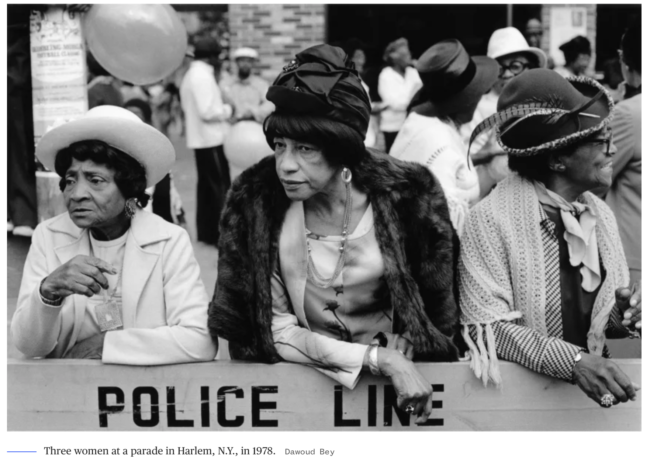
Born in 1953 in Queens, New York, Bey used Harlem as the inspiration for his art at the start of his career. The interest stemmed from his family’s history in the neighborhood. His parents met at church there, and it was home to many family and friends he visited as a child.

Bey’s documentation of Harlem from 1975 to 1979 became a part of his “Harlem, USA” series. In a number of street portraits, Bey captures residents living their everyday lives. Bey gives no names or narratives to his subjects; instead, he lets viewers interpret his images.

The experiences of underrepresented communities are the basis of Bey’s work. Black communities across the U.S. are arguably his most consistent subjects.

Work by the late Roy DeCarava, the first Black photographer to receive a Guggenheim fellowship, inspired Bey’s use of black-and-white prints. DeCarava also primarily photographed lower-class African American communities. In an interview with Vogue in April, Bey said: “He was making photographs through his own poetic visual language, insisting on the beauty and complexity of Black people and making photographs that were equal to that. He became the earliest model for me.”

After exploring Harlem, Bey captured other parts of New York in the 1980s. His series “Street Portraits” explores his own neighborhood in Brooklyn. He exhibited his ability to produce shots with Polaroids and highlighted the connections he established with his subjects. That later influenced his shift from small-format street photography to an intimate studio environment.

From 2002 to 2006, Bey shot “Class Pictures,” a series exploring American youths in various social and human dimensions. High school students wrote short texts to go along with their portraits. Bey urged students to reveal something about themselves that people would not otherwise know. In 2010, he told ArtsATL in an interview, “I am just trying to create this kind of conversation of the human community with itself, using young people as a catalyst for that conversation.”

Bey’s work fosters dialogue about recollecting history in a contemporary manner. His series “Birmingham: Four Girls and Two Boys” in 2017 was a tribute to the victims of the 16th Street Baptist Church bombing in Birmingham, Alabama, by members of the Ku Klux Klan in 1963. The project presented portraits of current residents of Birmingham — children the same ages as those who died, accompanied by adults who were the ages the children would have reached had they lived.

For Bey, weaving past and present imagery felt imperative as Trayvon Martin, a 17-year-old high school student, died while he was putting together the series. “That Trayvon Martin, a young Black boy, could be killed for no reason while walking home suggests that the past doesn’t stay in the past,” Bey told Vogue.

In recent years, Bey has stepped away from portraiture for landscape photography. “Night Coming Tenderly Black” (2017) depicts historic stops along the Underground Railroad in grainy black-and-white prints. The link between African Americans and oppression presents itself in society both figuratively and literally.

For Bey, a professor of art at Columbia College Chicago, “An American Project” furthers dialogue about social, racial and economic disparities prevalent in history with photography.


To see more of this project, click here.


APE contributor Suzanne Sease currently works as a consultant for photographers and illustrators around the world. She has been involved in the photography and illustration industry since the mid 80s.  After establishing the art-buying department at The Martin Agency, then working for Kaplan-Thaler, Capital One, Best Buy and numerous smaller agencies and companies, she decided to be a consultant in 1999. She has a new Twitter feed with helpful marketing information because she believes that marketing should be driven by brand and not by specialty.  Follow her at @SuzanneSeaseInstagram

Success is more than a matter of your talent. It’s also a matter of doing a better job presenting it.  And that is what I do with decades of agency and in-house experience.


The Art of the Personal Project: Slav Zatoka

The Art of the Personal Project is a crucial element to let potential buyers see how you think creatively on your own.  I am drawn to personal projects that have an interesting vision or that show something I have never seen before.  In this thread, I’ll include a link to each personal project with the artist statement so you can see more of the project. Please note: This thread is not affiliated with any company; I’m just featuring projects that I find.  Please DO NOT send me your work.  I do not take submissions.


Today’s featured artist:  Slav Zatoka Blue Lens Factory

Earth – Chi

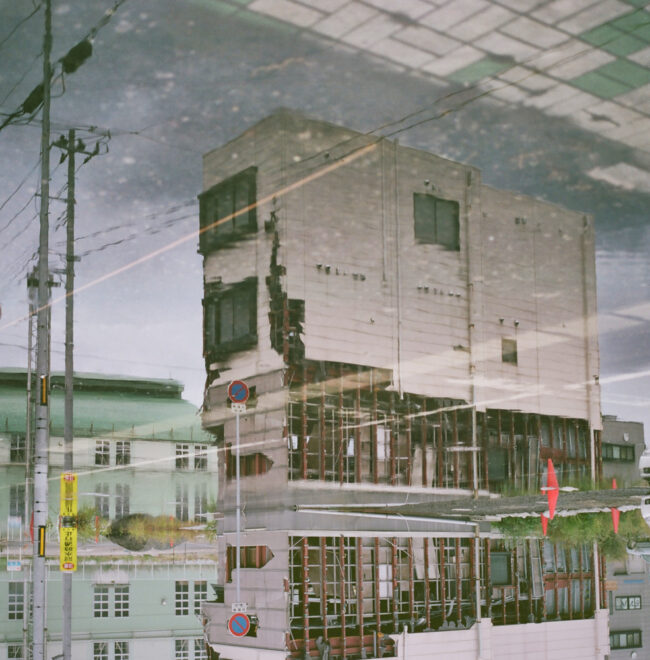
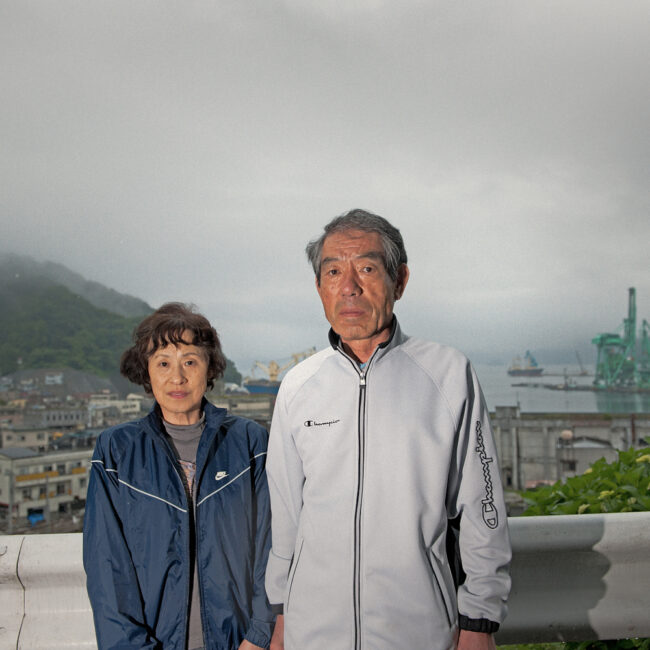
             On March 11, 2011 at 2:46 PM, Iwate, Miyagi and Fukushima prefectures in northeastern Japan, sound the automatic alarms in schools, factories, tv stations, radio stations and on cell phones. The message says: Major Earthquake. You have 32 seconds to seek shelter. A magnitude 9.0 earthquake strikes off the coast, triggering a towering tsunami that reaches land within half an hour. The quake was so strong it actually shifted Earth’s axis and moved the coast of Japan about 16 feet southwest and 3 feet down. NASA reports three day later that the earth axis shift that happened as a result of Tohuku Earthquake may have shortened the length of each day on Earth.

Water – Sui

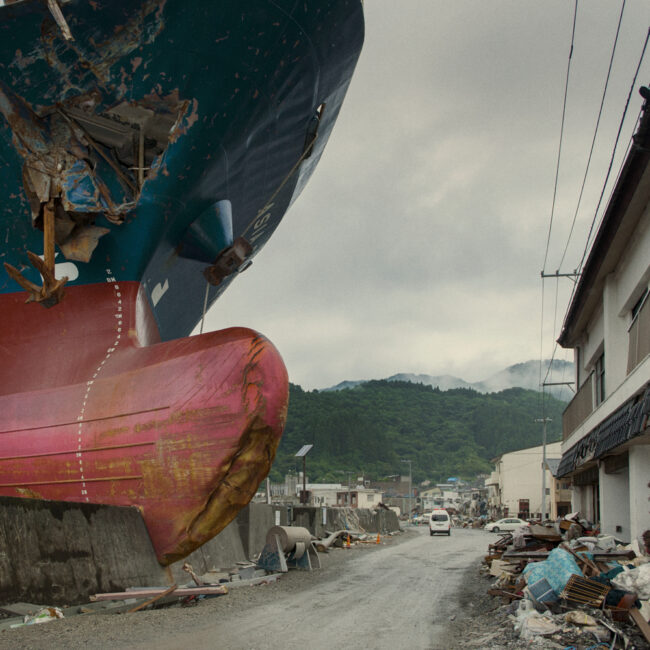
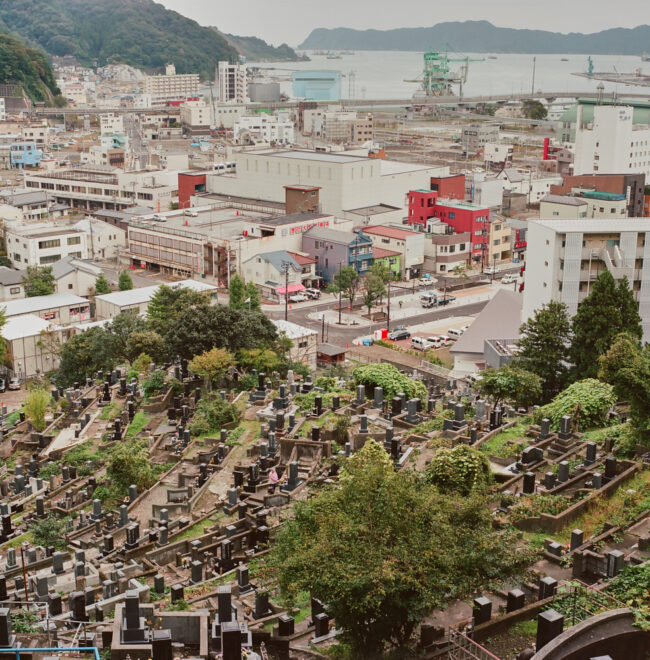
The earthquake itself had a death toll of around 90, but the tsunami that followed it, resulted in in catastrophic damage to Northeast Japan and nearly 20,000 deaths. One of the cities I visited twice after 3/11 events was Kamaishi, Iwate Prefecture. It’s situated 100 miles north of Sendai and it’s famous for world’s biggest and most expensive breakwater ever built. A mile long, 207 feet deep and jutting nearly 20 feet above the water, the quake-resistant structure made it into the Guinness World Records. It took three decades to build, and it cost nearly $1.6 billion. Unfortunately, the 9.0 earthquake in 2011 generated waves that were larger than the breakwater. The breakwater not only crumpled under the 30 feet tsunami waves, but it is also said to have deflected the wave north of the Kamaishi bay, making it even more destructive to the communities inland. If you watched the news that weekend you most likely saw the horrifying images of the wave entering the Kamaishi bay with buildings moved like cardboard boxes and cars, boats, debris and power lines floating inland in a massive, steady tide, destructively coming inlands. Most of that footage was filmed from a terrace like trail that stretches on the hill side of the city. Kamaishi’s Buddhist Sekiozenji Temple, situated further inland with a scenic cemetery on a hill remained untouched. The Great Tohuku claimed 1069 souls in Kamaishi, damaged 5000 homes and damaged 97% of the local fishing boats. The city also mentions a survival rate for children of 99,8% (5). Local teachers attribute this low rate to the disaster mitigation education program, launched several years ago, which prepares students for disasters like the Great Tohuku. One of the principles of this training is not to trust the expert’s knowledge entirely and always rely on your judgement of the unfolding disaster events. The other two principles state: act according to training and adapt, and finally, take initiative and evacuate despite no obvious signs indicating an imminent disaster. Kamaishi High School students took that initiative and evacuated their building and assisted with evacuating Kamishi Elementary school on the way to safety. Kamaishi was supposed to be safest place in case a major tsunami. The world’s largest breakwater unfortunately could not save the city. The highest wave recorded on March 11, 2011, was over 40 feet.

Fire – Ka

             The Great Tohuku Earthquake was not the first one to be as destructive: July 9, 869, Sunriku, over 1,000 deaths, May 20, 1293, in Kamakura, major military base at the time, 23,000 deaths, September 11, 1498, Nankai Fault, 31,000 deaths. December 31, 1703, Edo, over deaths and 100,000 tsunami casualties, May 8, 1847, Nagano, almost 9,000 deaths and nearly 70,000 buildings destroyed, September 1, 1923, Tokyo, 140,000 deaths, January 17, 1995, 6,443 deaths.

Earthquakes in Japan strike daily. In my first visit to Japan in 2011 I experienced three earthquakes, all of them over 4 in the Richter scale. I live in California and have experienced a few in the Southland but never so many in such a short period of time.

What happened in Fukushima as a result of the 3/11 tsunami is a separate story. On My way to Kamaishi I actually made a stop in Fukushima to witness and document one of the anti-nuclear demonstrations. The nuclear crisis and the clash between the Japanese people and their government resulted in a worldwide movement to pressure governments to eliminate the nuclear power entirely. According to Associated Press, the Japanese government decided in April of this year to start discharging the radioactive water back into Pacific Ocean. The idea has been fiercely opposed by fishermen, residents and Japan’s neighbors.

 Wind – Fu    

            On July 5, 1997, the Central European Flood hit southern Poland and my tiny studio apartment I shared with my high school buddy was gone, together with our books, music collections and all my negatives, transparencies and my darkroom. It was a huge blow, but I was not even there to experience the horrific events. I was in London on my summer break. I moved on. The city rebuilt and it’s a vibrant college town and a local finance and industry hub today. The flood had a death toll of about 50 and it was one of the costliest disasters in history. Prior to going to Japan, I also did a story about post Katrina New Orleans parish, called Resurrection Parish, published by a local Orange County paper.

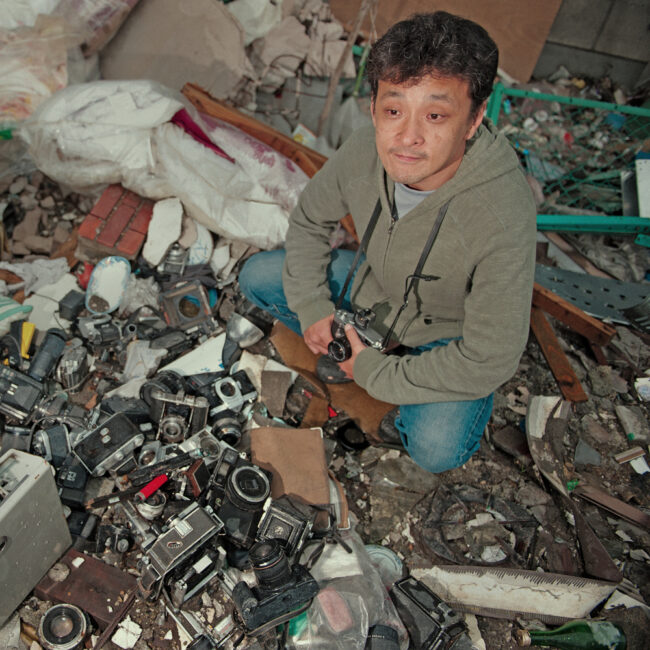
There was definitely something personal in my decision to go to Japan in 2011 but there was certainly nothing impulsive about it. I try to self-assign at least one visual project a year and I also happen to have been on flight benefits, so after 3 months of preparations, scouting online, a list of contacts in Japan, I was ready to go. 3 months seems a lot I had to negotiate time with my family, kids, and my two businesses. My plan was to reach one of the cleaning camps in Tohuku and a letter I got from a longtime friend and my former boss eventually helped me to do volunteer work in a photo cleaning site ran by Caritas Japan.

Among a dozen of photographers, I met in 2011 in Japan, I need to mention Ken’ichi Kikuchi of Kamaishi. Ken’ichi was a huge help navigating around his neighborhood. He lost his studio and house to the tsunami. I met him while photographing the Buddhist ceremony commemorating the victims of 3/11 in Kamaishi. When I mentioned I was staying at the Caritas camp and was helping with photo cleaning, he told me that most of the professional portraits that I may come across in the recovery process, may have been taken by his father’s studio. I visited Ken’ichi a year later and keep in touch with him ever since. We share a love of photography, bourbon and jazz. He rebuilt his studio and home.

I did my best to try to remain respectful with my camera. During first 3 months after the 3/11 disaster Northeastern Japan was flooded with photographers. The many temporary shelters that were set up in Tohuku quickly got tired of photographers wanting to interview and photograph the tsunami victims. It wasn’t just independent shooters trying to score some stock images but also weekenders from Southern Japan driving to Tohuku to take a selfie in the disaster area. I decided not to sell any images as stock and put together a Blurb book hoping to raise money to help photographers like Ken rebuilt their studios.

Also, what’s worth mentioning here is that the Ganbare spirit in Japan is stronger than anything. The Airbnb owner in Tokyo told me that everyone he knows regularly scheduled weekend cleaning trips to Tohuku. I spent one day in a clean-up headquarters in Kamishi and their groups of workers, teachers, friends and individuals who all volunteered to come to Tohuku and spend a weekend cleaning up. Helping their fellow Japanese rebuilt their lives.

Void (Aether) – Ku

             In an excellent book: “Ganbare, Workshops on Dying” by Katarzyna Boni and translated by Mark Ordon, soon to be available in the U.S., Boni describes the fascinating world of Japanese mythology and Ryujin, the dragon king, sea god, the master of tides and the grandfather of the first Emperor of Japan. If people were dragons, they could escape the tsunamis, but they are not. Everyone I spoke to accept the tsunami as a force of nature you should not be angry with. Kamo no Chōmei, a Japanese poet compared people to a sea foam, a surf that only last a moment.

On my last day in Kamaishi, on my second trip to Japan, Ken’ichi takes me on a morning walk to Sekiozenji Temple. It’s a weekday and he just finished a real estate job few blocks away. We stop by his father’s grave and then for a moment in front of six Jizo statues wearing red bibs, Buddhist statues made in the image of Jizo Bosatsu, guardian deity of children and travelers. He invites me over to his new house in a new neighborhood of temporary housing units built by the government. I meet his wife and two sons. The city is largely rebuilt. They seem to have some problems with the raising water levels that continue to flood the city. Something they hadn’t experienced before. Their sons are getting ready for school language competitions. His wife is going back to work the following week. We share a laugh as I try some phrases in Japanese and then we spend a memorable evening photographing Tiger Dance rehearsal on a temple parking lot and head to a local jazz club with a huge wall of vinyls, a barman with an expert knowledge of the Marsalis family and an impressive selection of bourbon.


To see more of this project, click here.

A film to compliment the project, here


APE contributor Suzanne Sease currently works as a consultant for photographers and illustrators around the world. She has been involved in the photography and illustration industry since the mid 80s.  After establishing the art-buying department at The Martin Agency, then working for Kaplan-Thaler, Capital One, Best Buy and numerous smaller agencies and companies, she decided to be a consultant in 1999. She has a new Twitter feed with helpful marketing information because she believes that marketing should be driven by brand and not by specialty.  Follow her at @SuzanneSeaseInstagram

Success is more than a matter of your talent. It’s also a matter of doing a better job presenting it.  And that is what I do with decades of agency and in-house experience.
 

The Art of the Personal Project: Caesar Lima

The Art of the Personal Project is a crucial element to let potential buyers see how you think creatively on your own.  I am drawn to personal projects that have an interesting vision or that show something I have never seen before.  In this thread, I’ll include a link to each personal project with the artist statement so you can see more of the project. Please note: This thread is not affiliated with any company; I’m just featuring projects that I find.  Please DO NOT send me your work.  I do not take submissions.


Today’s featured artist:  Caesar Lima


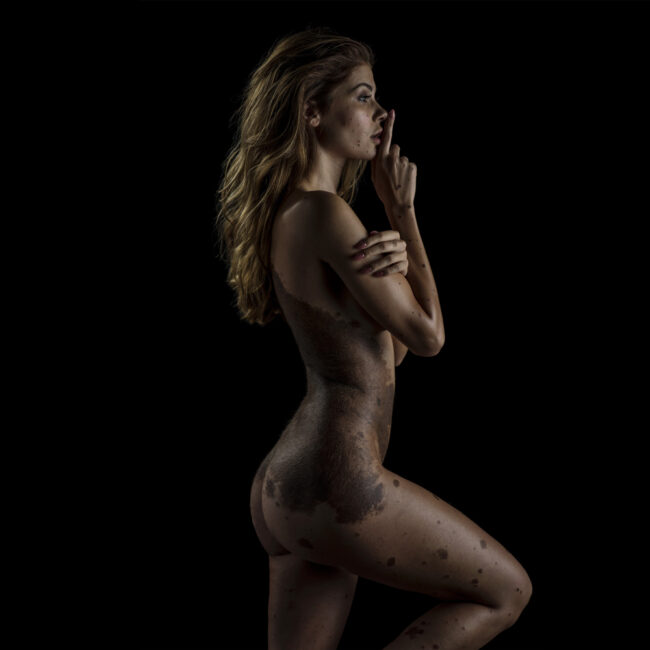
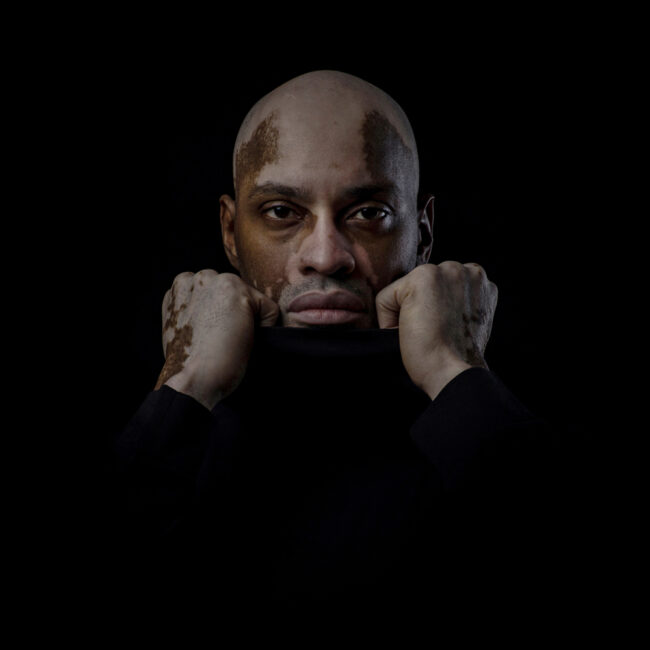
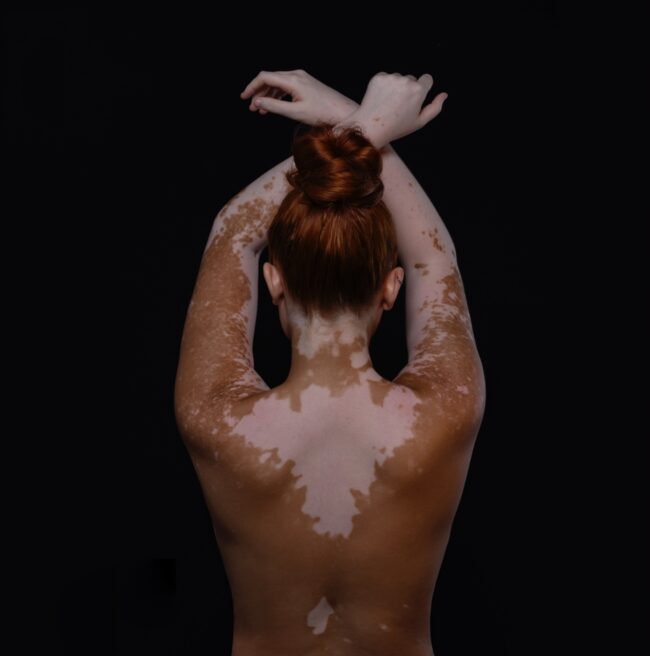
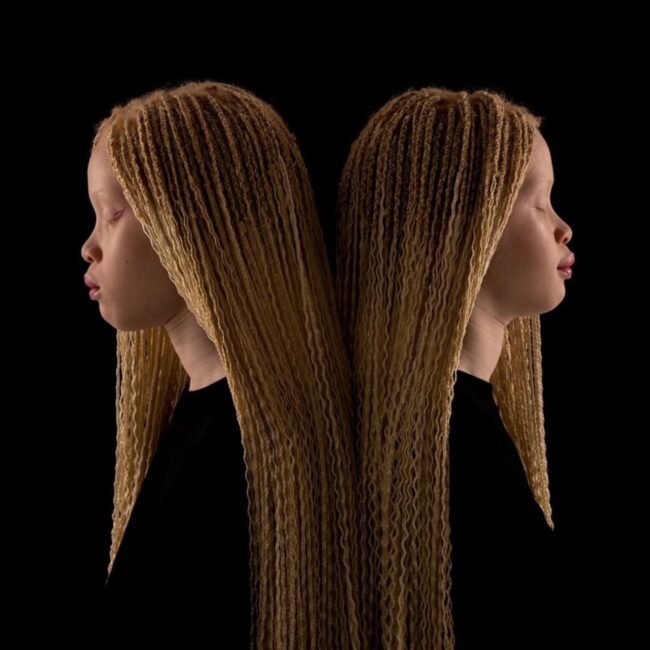
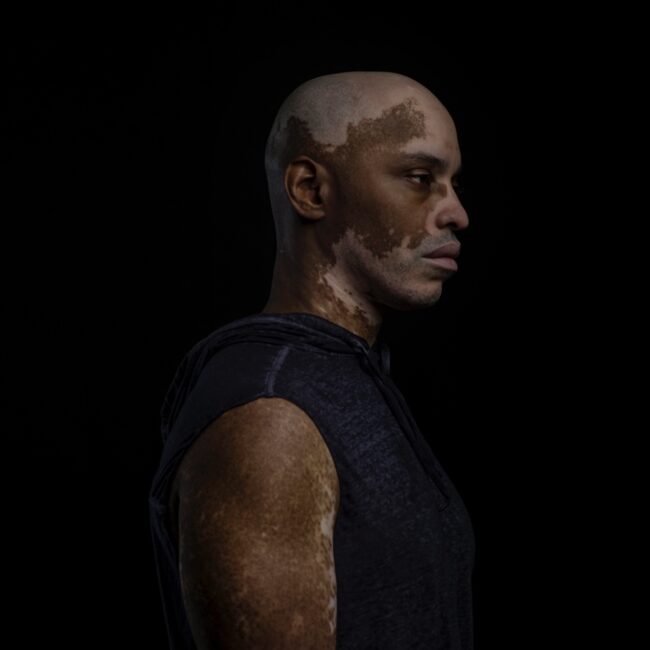
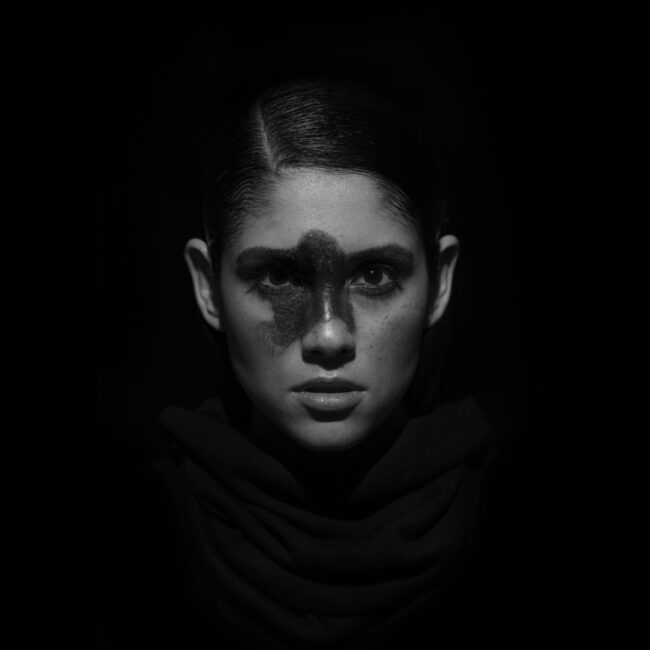
Proving that beauty is indeed more than skin deep, Caesar Lima’s Unusual Beauty Project concentrates on models and even regular day to day individuals that have rare skin conditions, such as Congenital melanocytic nevi, or CMV, which involves visibly pigmented proliferations on the skin, and Vitiligo, discolorations on the skin caused by depigmentation.

While Lima’s lens is focused the topic on the skin conditions and unusual birthmarks, the intent is not to show them for how different they are, but rather to celebrate the beauty in the unusual.


To see more of this project, click here.

Instagram here

APE contributor Suzanne Sease currently works as a consultant for photographers and illustrators around the world. She has been involved in the photography and illustration industry since the mid 80s.  After establishing the art-buying department at The Martin Agency, then working for Kaplan-Thaler, Capital One, Best Buy and numerous smaller agencies and companies, she decided to be a consultant in 1999. She has a new Twitter feed with helpful marketing information because she believes that marketing should be driven by brand and not by specialty.  Follow her at @SuzanneSeaseInstagram

Success is more than a matter of your talent. It’s also a matter of doing a better job presenting it.  And that is what I do with decades of agency and in-house experience.
 

The Art of the Personal Project: Ryan Dearth


The Art of the Personal Project is a crucial element to let potential buyers see how you think creatively on your own.  I am drawn to personal projects that have an interesting vision or that show something I have never seen before.  In this thread, I’ll include a link to each personal project with the artist statement so you can see more of the project. Please note: This thread is not affiliated with any company; I’m just featuring projects that I find.  Please DO NOT send me your work.  I do not take submissions.


Today’s featured artist:  Ryan Dearth


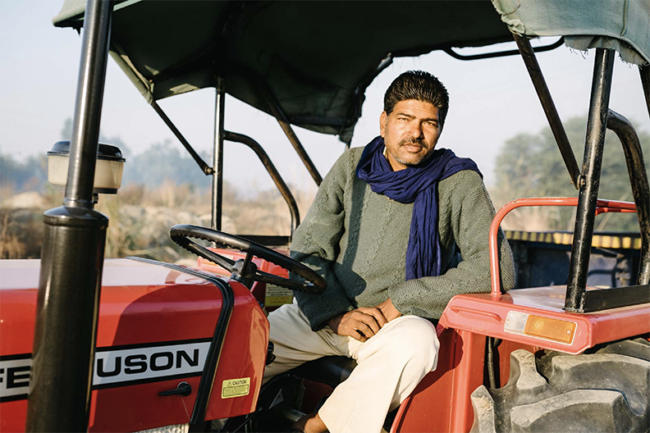
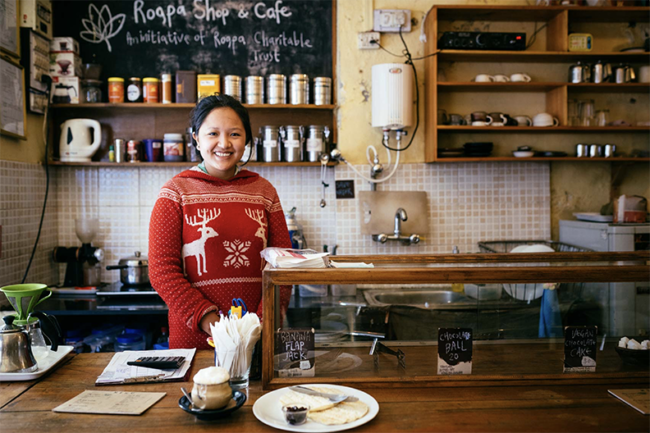
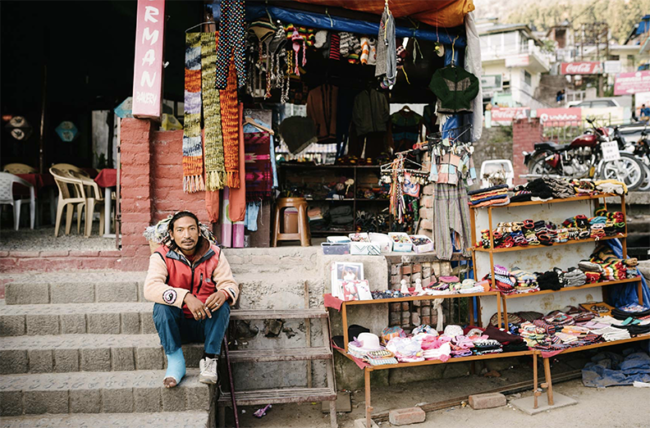
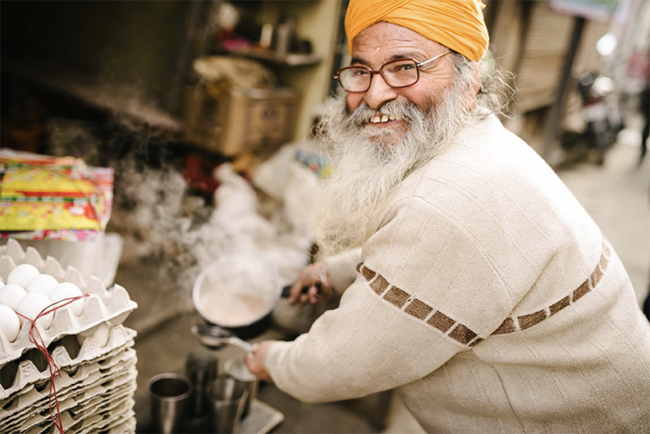
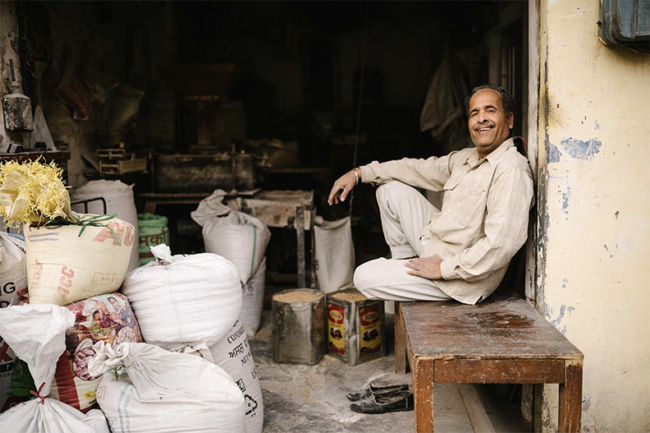
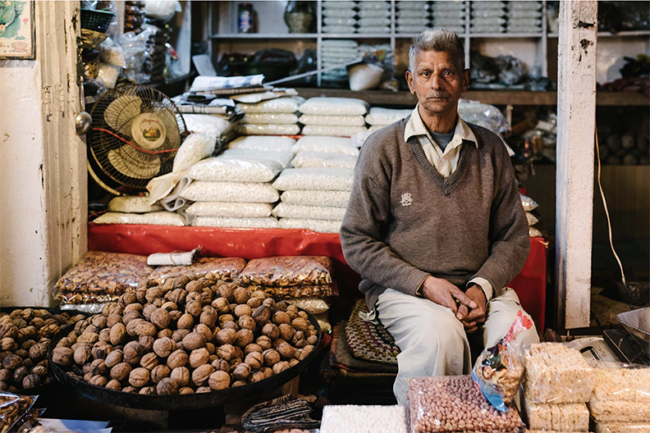
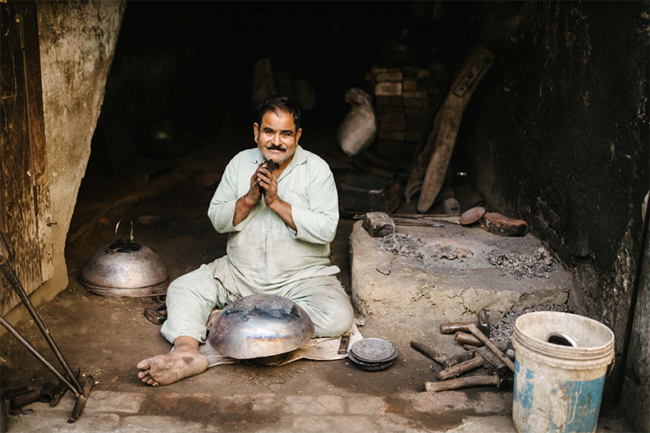
India is a place of extremes. The streets can bustle in a way that can overload the senses of an outsider. Yet, amidst the robust movement and activity, vignettes of quietude are blanketed by an unwavering attitude of optimism, generosity, and warmth.


To see more of this project, click here.

Instagram


APE contributor Suzanne Sease currently works as a consultant for photographers and illustrators around the world. She has been involved in the photography and illustration industry since the mid 80s.  After establishing the art-buying department at The Martin Agency, then working for Kaplan-Thaler, Capital One, Best Buy and numerous smaller agencies and companies, she decided to be a consultant in 1999. She has a new Twitter feed with helpful marketing information because she believes that marketing should be driven by brand and not by specialty.  Follow her at @SuzanneSeaseInstagram

Success is more than a matter of your talent. It’s also a matter of doing a better job presenting it.  And that is what I do with decades of agency and in-house experience.
 

The Art of the Personal Project: Andy Anderson

The Art of the Personal Project is a crucial element to let potential buyers see how you think creatively on your own.  I am drawn to personal projects that have an interesting vision or that show something I have never seen before.  In this thread, I’ll include a link to each personal project with the artist statement so you can see more of the project. Please note: This thread is not affiliated with any company; I’m just featuring projects that I find.  Please DO NOT send me your work.  I do not take submissions.


Today’s featured artist:  Andy Anderson


MY TOWN SERIES

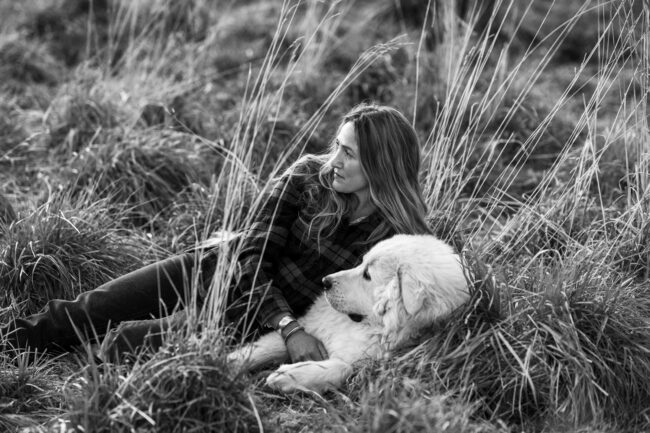
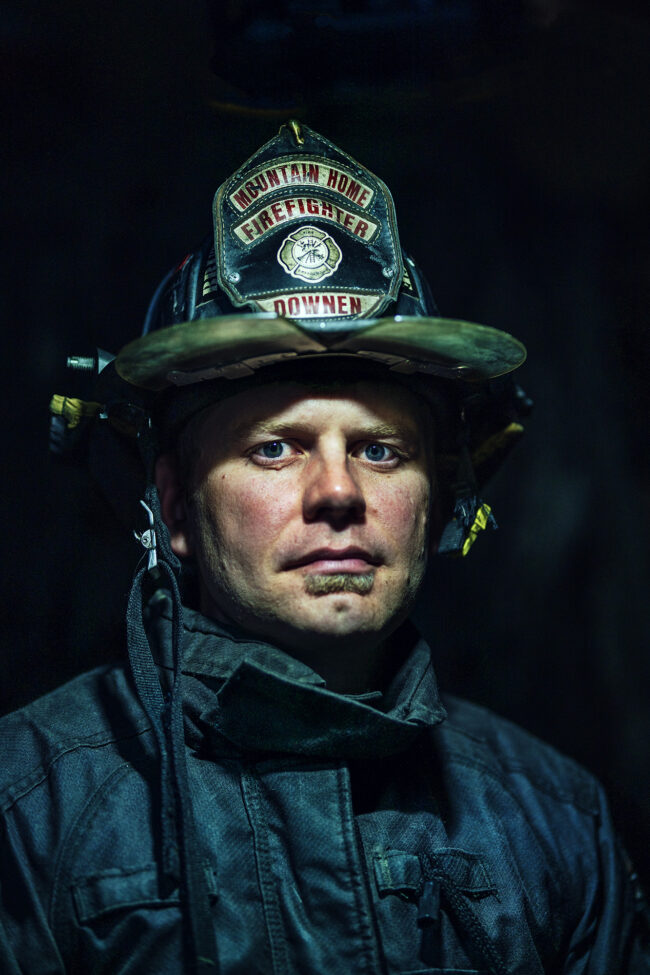
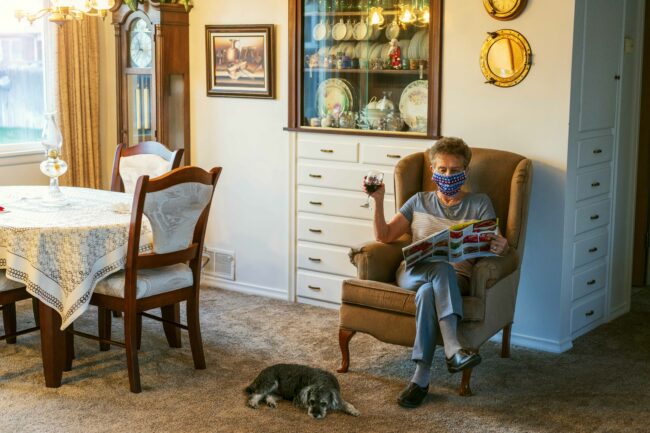
I have lived in a small Idaho town for almost 30 years, it’s a town full of wonderful authentic hard-working folks. I love my town, but Covid 19 has affected all Americans in some way and has put undue hardships on us all. My work as a photographer always has me traveling out of state, that’s changed for me and most people for the time being.

Photography has always been my safe place, it helps me communicate, it helps me with the human connection, the connection that binds us all and since I cannot travel. I thought I would reconnect with my town and the people that surround me through photos. So, over the next few however days, weeks I’ll be posting portraits of these wonderful humans. They all have a place in OUR world and hopefully it will make you pause and think about this strange period and how that is affecting your community and the people that surround you and hopefully we will never pass this way again. Here is a link to follow this series on LinkedIn.

(I shot all these with the proper safety precautions, alone and kept my 6)


To see more of this project, click here.

Instagram


APE contributor Suzanne Sease currently works as a consultant for photographers and illustrators around the world. She has been involved in the photography and illustration industry since the mid 80s.  After establishing the art-buying department at The Martin Agency, then working for Kaplan-Thaler, Capital One, Best Buy and numerous smaller agencies and companies, she decided to be a consultant in 1999. She has a new Twitter feed with helpful marketing information because she believes that marketing should be driven by brand and not by specialty.  Follow her at @SuzanneSeaseInstagram

Success is more than a matter of your talent. It’s also a matter of doing a better job presenting it.  And that is what I do with decades of agency and in-house experience.
 

The Art of the Personal Project: Antoine Repesse

The Art of the Personal Project is a crucial element to let potential buyers see how you think creatively on your own.  I am drawn to personal projects that have an interesting vision or that show something I have never seen before.  In this thread, I’ll include a link to each personal project with the artist statement so you can see more of the project. Please note: This thread is not affiliated with any company; I’m just featuring projects that I find.  Please DO NOT send me your work.  I do not take submissions.


Today’s featured artist:  Antoine Repesse


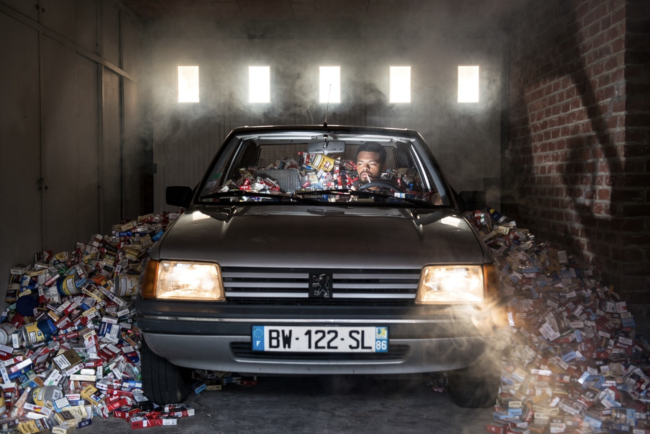
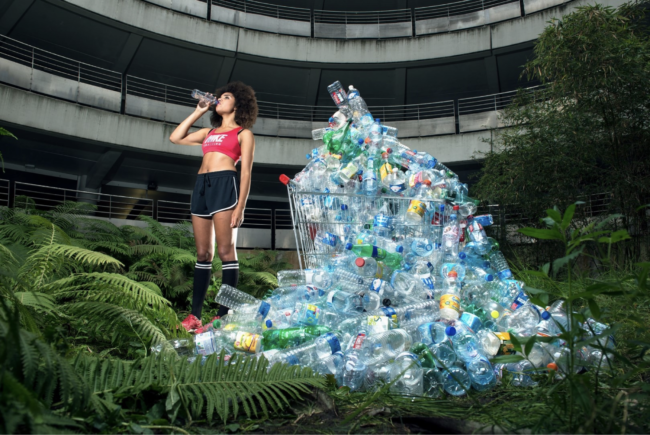
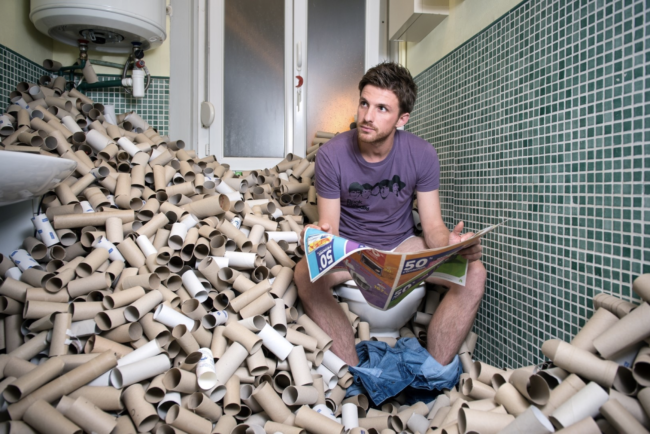
Born in Lille in 1979, Antoine Repessé is a self-taught photographer. While working initially in public institutions, in 2012 he cuts loose and started freelancing. He joined the photo agency Lightmotiv where he produced for major press agencies including Le Monde, Elle, Marianne, L’Express, Géo, Causette. At the end of 2015 he left the agency to join the collective Views Co.


Early on he took on personal projects around photojournalism inspired from socio-political issues. His travels from Lille to Romania, resulted in the production of “Bienvenue chez les Roms”, to India, and Mali with the NGO Acauped took him to further horizons.


In each of his projects, Antoine Repessé immerses himself and distances himself from the mainstream. Rather than freezing the person in front of the camera, he freezes his relation to the person. His photos relate moments, encounters, and social relations. They question the representation of the other in his/her own reality or in a real staging, which is directed to be better questioned. This specific work translated into the following photo series: “Jump Around” or “Le grand saut”, in collaboration with the association L’Entorse.


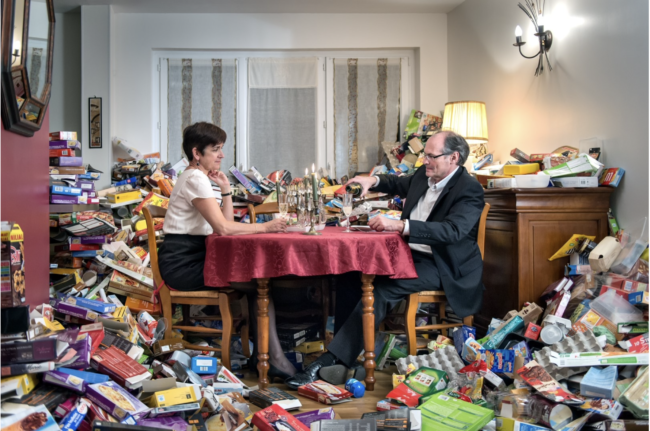
His latest project, “365 Unpacked” is the result of all of the above. The questioning of a major society issue: the production of waste on a daily basis, crosses the reality of the image.


To see more of this project, click here.

Instagram


APE contributor Suzanne Sease currently works as a consultant for photographers and illustrators around the world. She has been involved in the photography and illustration industry since the mid 80s.  After establishing the art buying department at The Martin Agency, then working for Kaplan-Thaler, Capital One, Best Buy and numerous smaller agencies and companies, she decided to be a consultant in 1999. She has a new Twitter feed with helpful marketing information because she believes that marketing should be driven by brand and not by specialty.  Follow her at @SuzanneSeaseInstagram

Success is more than a matter of your talent. It’s also a matter of doing a better job presenting it.  And that is what I do with decades of agency and in-house experience.
 

The Art of the Personal Project: Kahran and Bethancourt of Creative Soul

The Art of the Personal Project is a crucial element to let potential buyers see how you think creatively on your own.  I am drawn to personal projects that have an interesting vision or that show something I have never seen before.  In this thread, I’ll include a link to each personal project with the artist statement so you can see more of the project. Please note: This thread is not affiliated with any company; I’m just featuring projects that I find.  Please DO NOT send me your work.  I do not take submissions.


Today’s featured artist:  Creative Soul/Kahran and Bethancourt

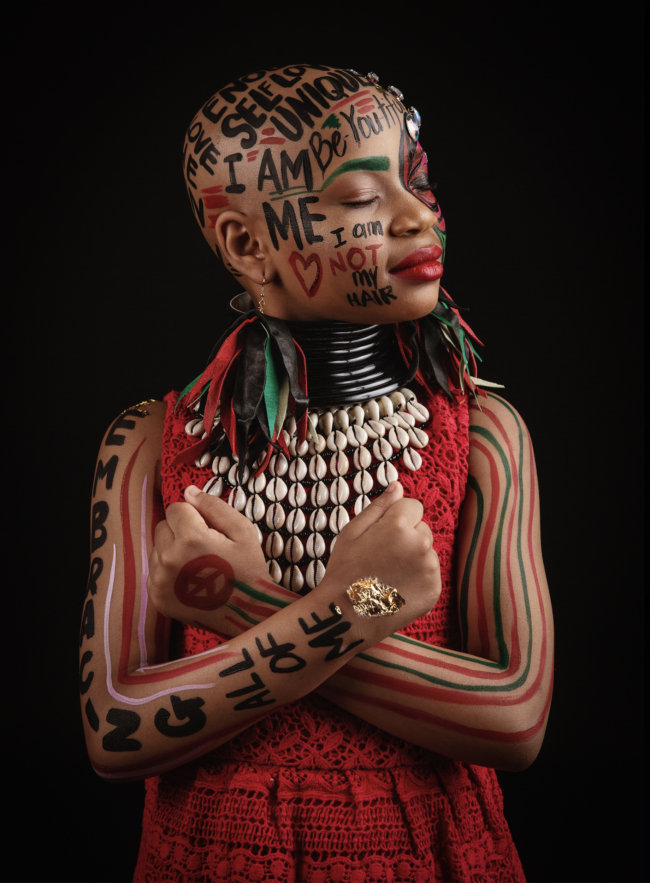
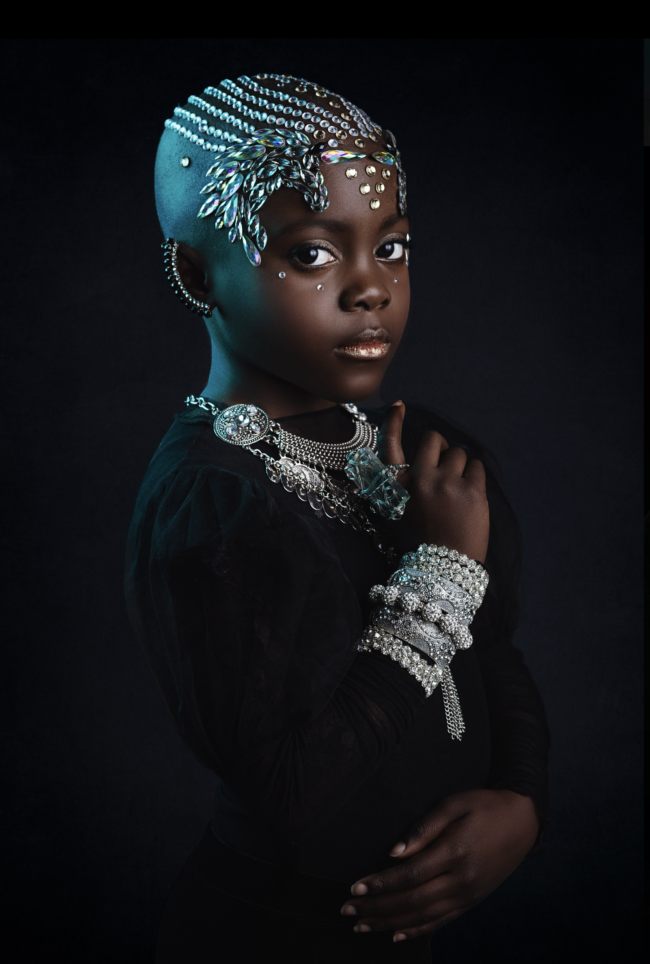
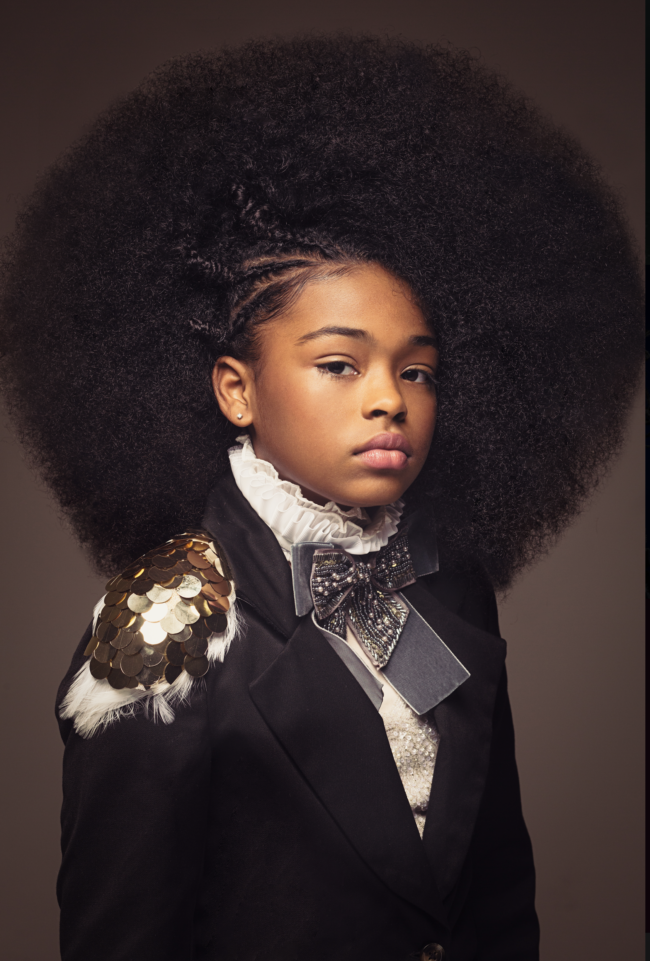
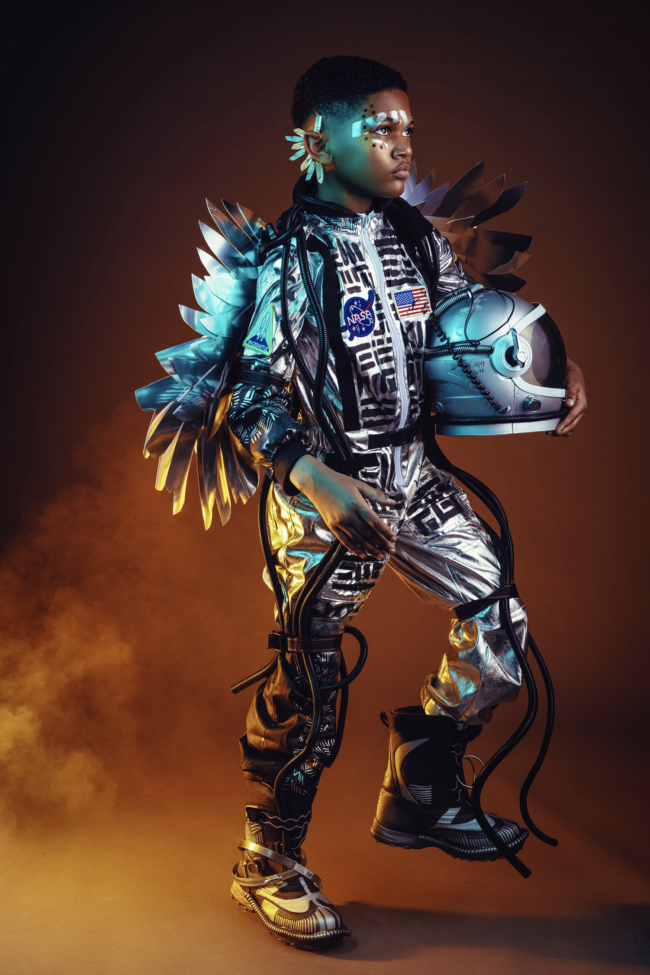
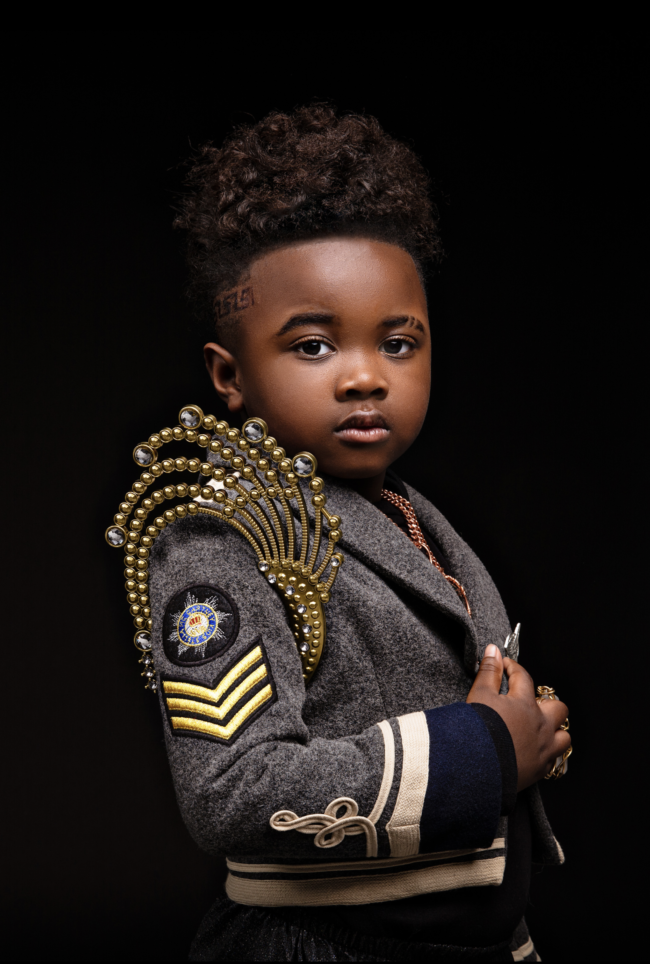
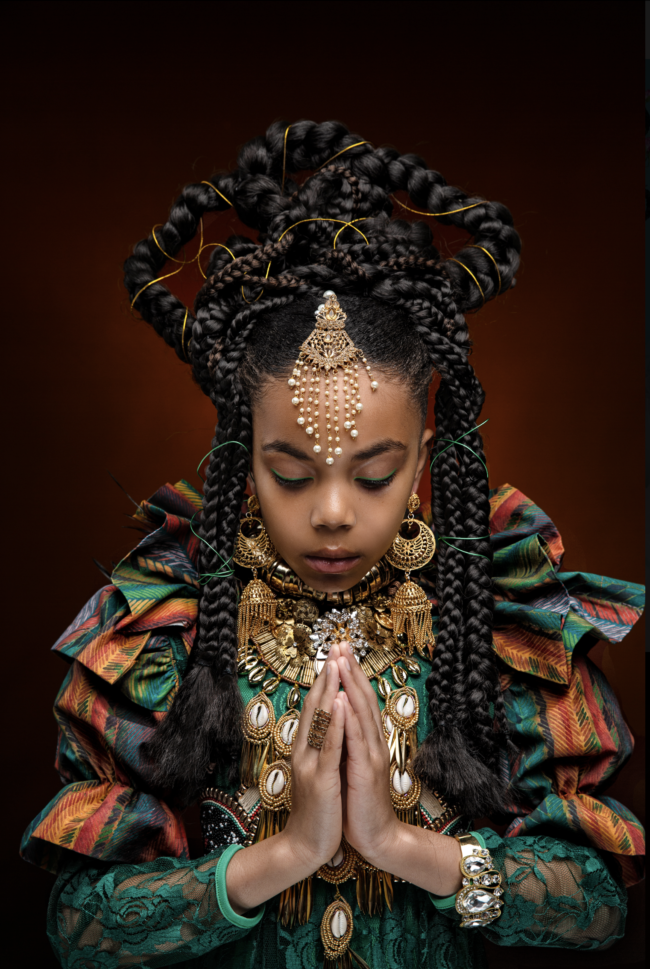
The Afro Art series is a recognition and celebration of the versatility of black hair and its innate beauty. The purpose of this series is to illustrate the story of our royal past, celebrate the glory of the here and now, and even dare to forecast the future. With this series, we aim to empower children of color to embrace their natural curls and the skin that they’re in. This viral series has gained worldwide attention and has been featured on the BBC News, CNN, CBS News, Teen Vogue, Glamour Brazil and more.

To see more of this project, click here.

Instagram


APE contributor Suzanne Sease currently works as a consultant for photographers and illustrators around the world. She has been involved in the photography and illustration industry since the mid 80s.  After establishing the art buying department at The Martin Agency, then working for Kaplan-Thaler, Capital One, Best Buy and numerous smaller agencies and companies, she decided to be a consultant in 1999. She has a new Twitter feed with helpful marketing information because she believes that marketing should be driven by brand and not by specialty.  Follow her at @SuzanneSeaseInstagram

The Art of the Personal Project: Agnes Lopez

The Art of the Personal Project is a crucial element to let potential buyers see how you think creatively on your own.  I am drawn to personal projects that have an interesting vision or that show something I have never seen before.  In this thread, I’ll include a link to each personal project with the artist statement so you can see more of the project. Please note: This thread is not affiliated with any company; I’m just featuring projects that I find.  Please DO NOT send me your work.  I do not take submissions.


Today’s featured artist:  Agnes Lopez

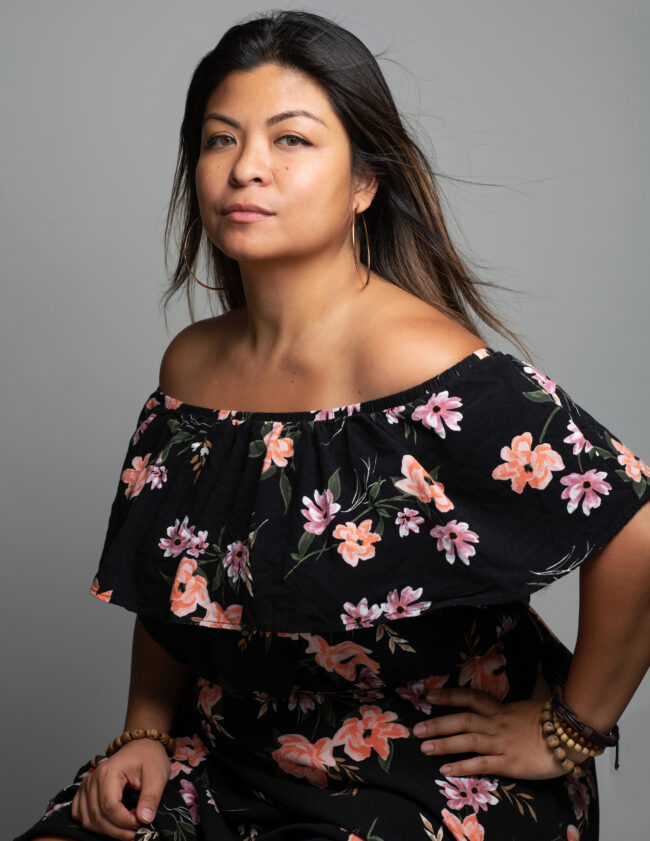
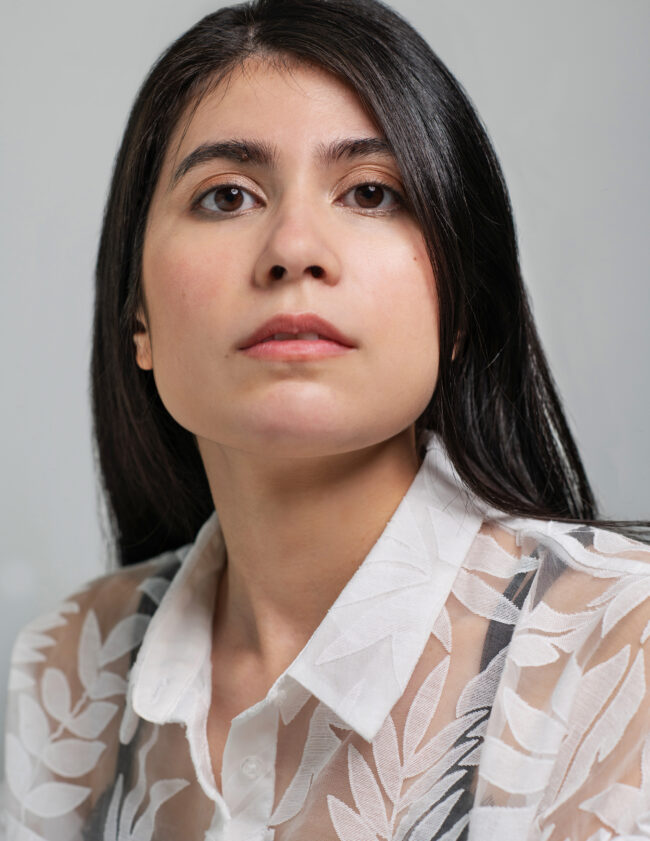
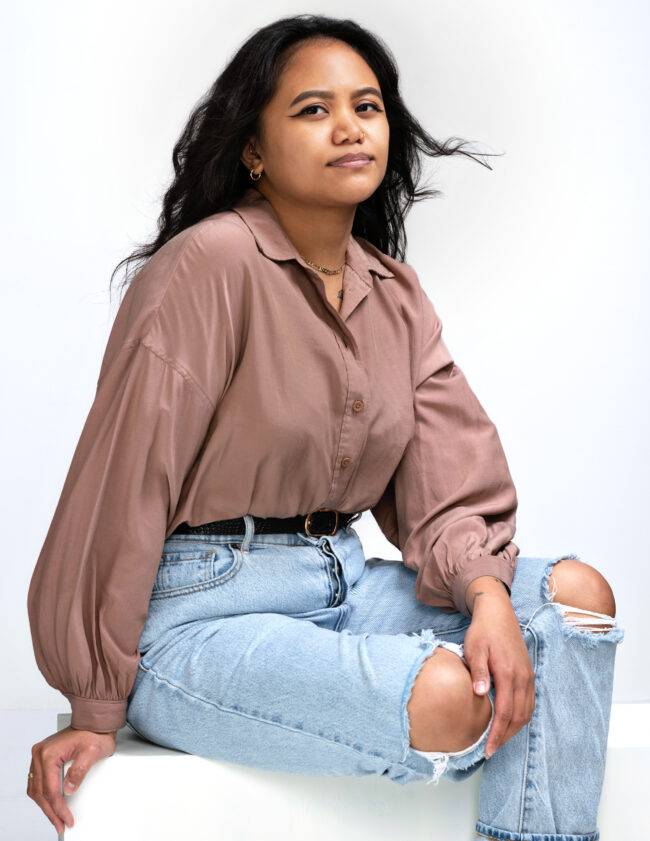
During the pandemic downtime I started to review my body of photography work and had the realization that I did not have any Filipina-American women in my portfolio. While I am proud of the portfolio of the work, I have created over the past 18 years, photographing CEOs, professional athletes, chefs, community leaders, actors, and so much more, I decided that I needed to pursue a portrait project to highlight talented Filipina women in the Northeast Florida art community.

People are often surprised to find out that Jacksonville has the largest Filipino population in the Southeastern US. While we’ve quietly gone about our business in the past, I want to let people know we are here and have been a part of the fabric of Jacksonville’s community for a long time.

My goal is to challenge stereotypes, let the world see that Filipinos aren’t just nurses and doctors and members of the military, but that many talented Filipina artists exist here right now. I want to encourage these artists to show who they are and share their talents. I wanted to showcase each individual’s unique beauty, strength and skin tone. That is why I felt it was important to photograph them in color as opposed to the black and white portrait style I had used for The Faces to Remember Project. (Learn more, www.thefacestoremember.com)

Being Filipino-American, I feel proud to be Filipino, but I think as an American I question am I Filipino enough. As an immigrant group that has been taught to assimilate and blend in, many of us do not know how to speak our language or cook our food. Important traditions are being lost.

One of the ladies I photographed for the project initially questioned if she should be included because she is only half-Filipino. In that moment I realized how important this project really was. Being Filipino is a part of us and we can not hide it. We come in all shapes, backgrounds, and skin tones.

Colorism is another huge issue in the Filipino community. As an American being tan is seen as something to aspire to but in the Filipino community being darker is not considered desirable. Growing up, I would hear comments of how dark I was and at the time I didn’t really think anything of it. As I got older, I realized it had affected me to where I wouldn’t go to the beach and would wear long sleeves outside, so I didn’t tan. Seeing people of color in the media really had a big impact on me and made me realize that dark is beautiful too.

As a photographer, I realized I could help others come to this realization through this project and my work moving forward.


To see more of this project, click here.

IG: Agnes Lopez Photography

APE contributor Suzanne Sease currently works as a consultant for photographers and illustrators around the world. She has been involved in the photography and illustration industry since the mid 80s.  After establishing the art buying department at The Martin Agency, then working for Kaplan-Thaler, Capital One, Best Buy and numerous smaller agencies and companies, she decided to be a consultant in 1999. She has a new Twitter feed with helpful marketing information because she believes that marketing should be driven by brand and not by specialty.  Follow her at @SuzanneSeaseInstagram

Success is more than a matter of your talent. It’s also a matter of doing a better job presenting it.  And that is what I do with decades of agency and in-house experience.
 

The Art of the Personal Project: Cade Martin

The Art of the Personal Project is a crucial element to let potential buyers see how you think creatively on your own.  I am drawn to personal projects that have an interesting vision or that show something I have never seen before.  In this thread, I’ll include a link to each personal project with the artist statement so you can see more of the project. Please note: This thread is not affiliated with any company; I’m just featuring projects that I find.  Please DO NOT send me your work.  I do not take submissions.


Today’s featured artist:  Cade Martin


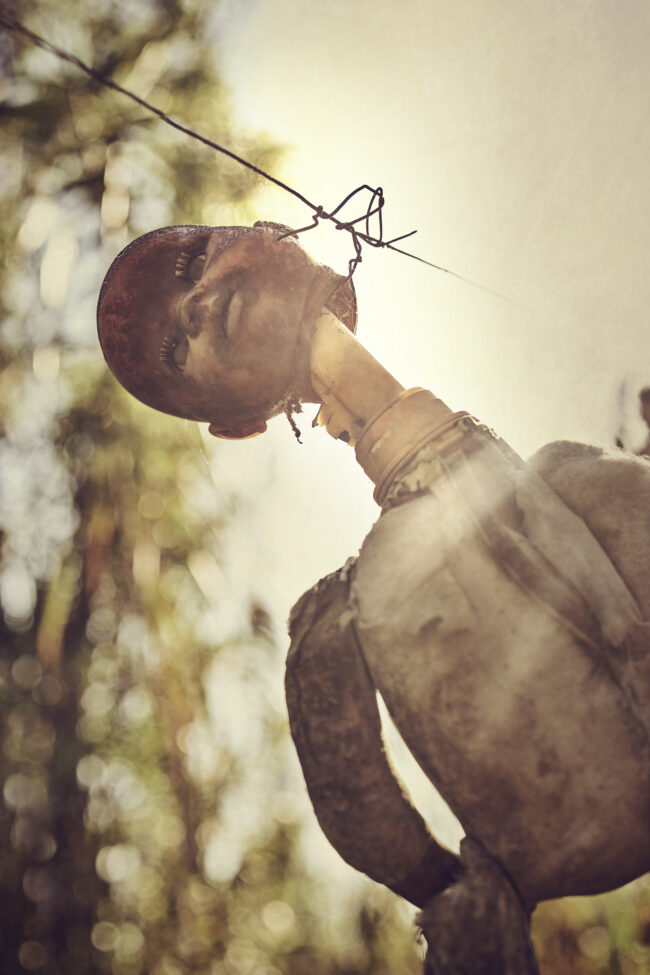
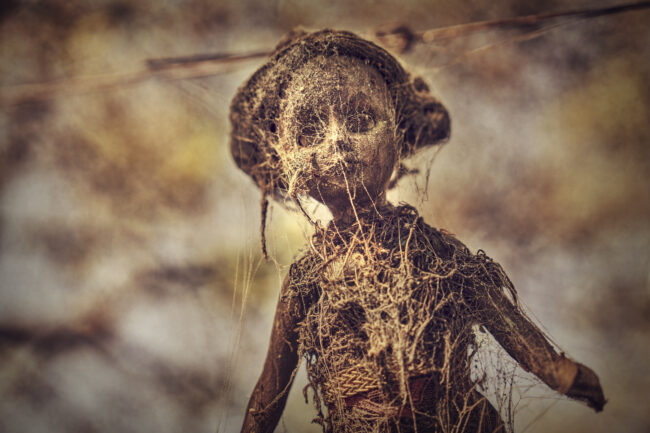
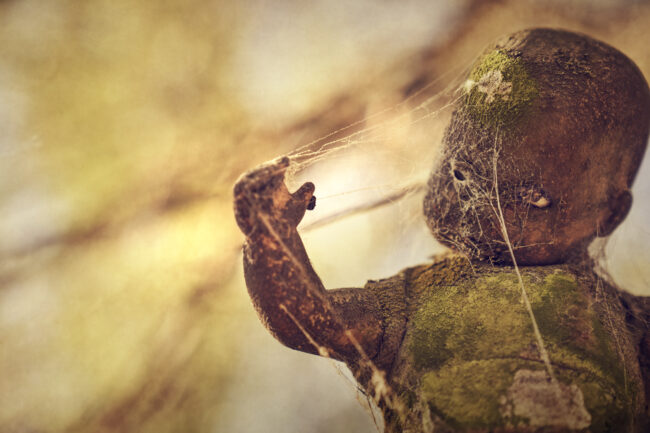
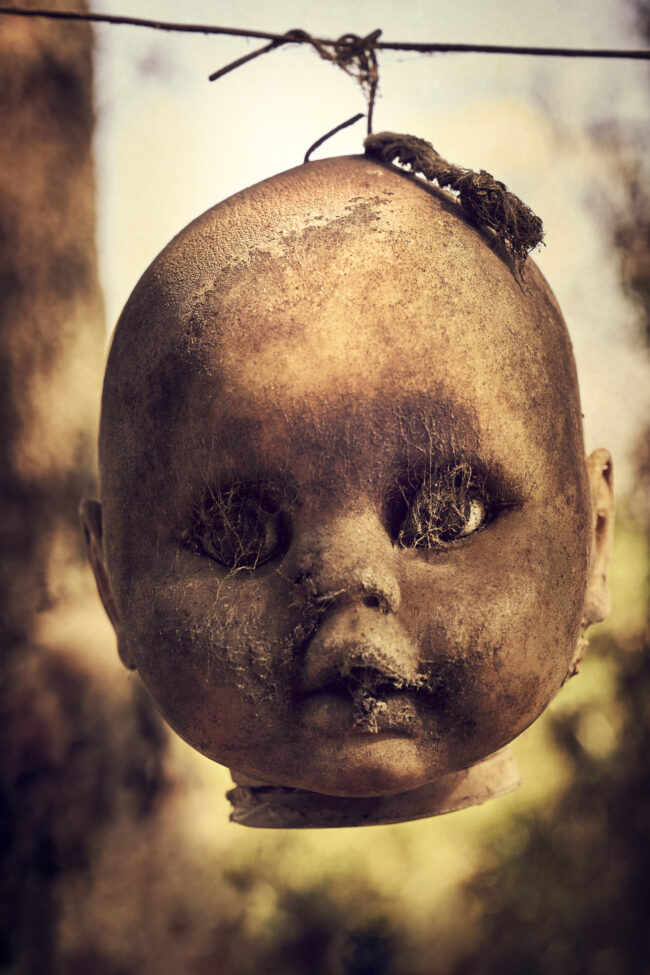
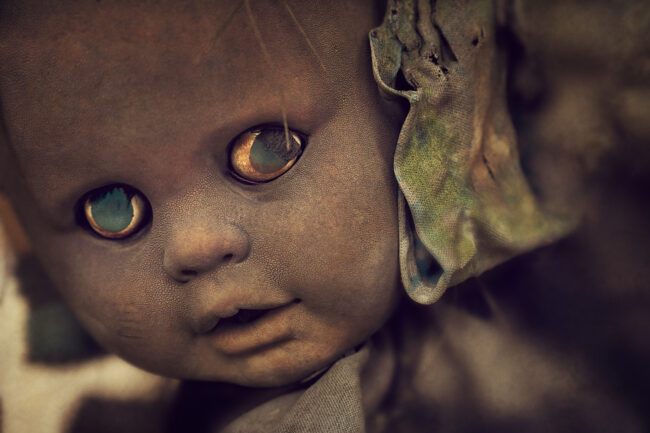
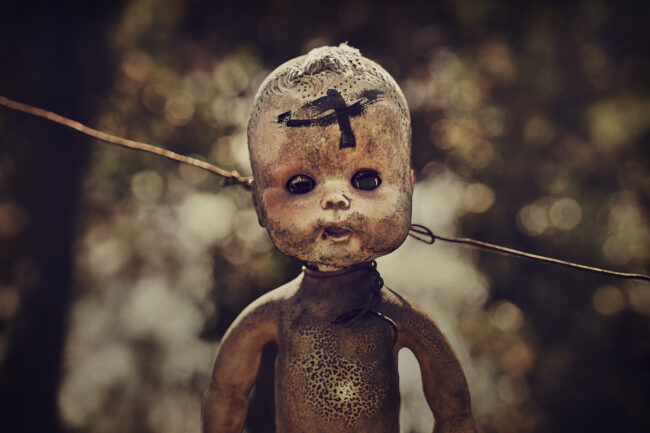
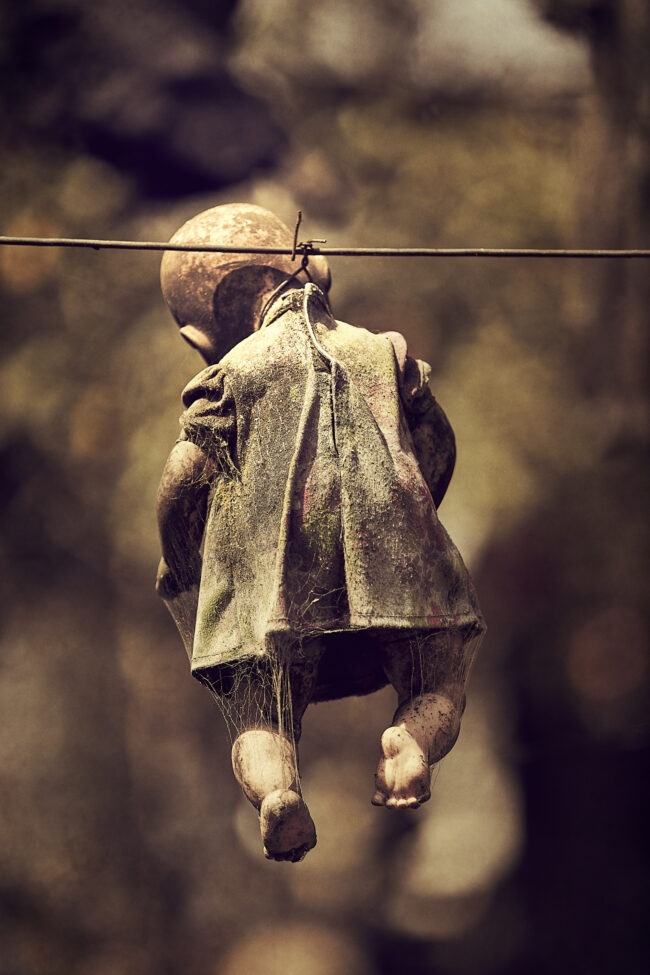
Isla de las Munecas – The Island of the Dolls

I have always loved a good story, with great characters and the opening sentence “Legend has it…”

These are stories to tell around the campfire, to pass along and keep alive – but some stories, I’ve just got to see for myself. The Island of the Dolls is such a tale.

Legend has it, a little girl drowned entangled among the lilies of the Xochimilco canal. Her body was found on the banks of one of the islands by Don Julian Santana Barrera.

Julian was the caretaker of the island and, shortly thereafter, he found a doll floating nearby and, assuming it belonged to the deceased girl, hung it from a tree as a sign of respect to support the spirit of the girl. After this, he began to hear whispers, footsteps, and anguished wails in the darkness even though his hut – hidden deep inside the woods of Xochimilco – was miles away from civilization.

Driven by fear, he spent the next fifty years hanging more and more dolls, some missing body parts, all over the island in an attempt to appease what he believed to be the drowned girl’s spirit.

After 50 years of collecting dolls and hanging them on the island, Julian was found dead in 2001, reportedly found in the exact spot where he found the girl’s body fifty years before.

#LegendHasIt


To see more of this project, click here.


APE contributor Suzanne Sease currently works as a consultant for photographers and illustrators around the world. She has been involved in the photography and illustration industry since the mid 80s.  After establishing the art buying department at The Martin Agency, then working for Kaplan-Thaler, Capital One, Best Buy and numerous smaller agencies and companies, she decided to be a consultant in 1999. She has a new Twitter feed with helpful marketing information because she believes that marketing should be driven by brand and not by specialty.  Follow her at @SuzanneSeaseInstagram

Success is more than a matter of your talent. It’s also a matter of doing a better job presenting it.  And that is what I do with decades of agency and in-house experience.
 

The Art of the Personal Project: Gabriele Galimberti

The Art of the Personal Project is a crucial element to let potential buyers see how you think creatively on your own.  I am drawn to personal projects that have an interesting vision or that show something I have never seen before.  In this thread, I’ll include a link to each personal project with the artist statement so you can see more of the project. Please note: This thread is not affiliated with any company; I’m just featuring projects that I find.  Please DO NOT send me your work.  I do not take submissions.


Today’s featured artist:  Gabriele Galimberti

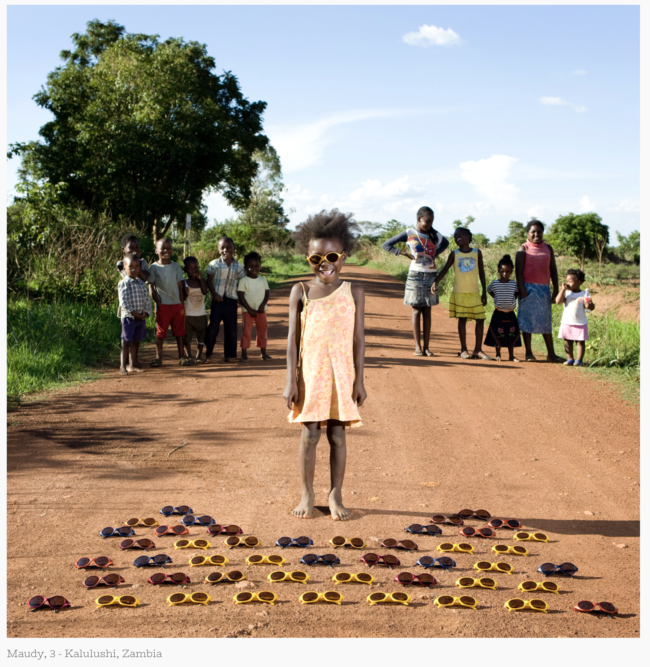
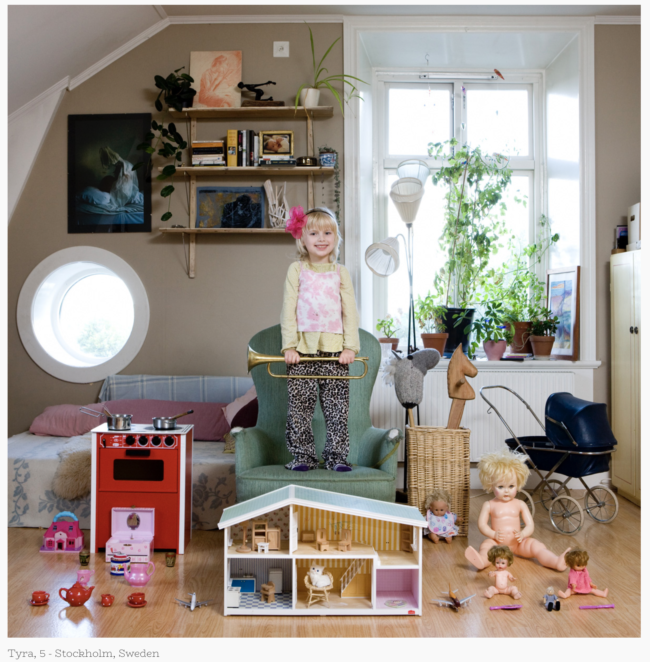
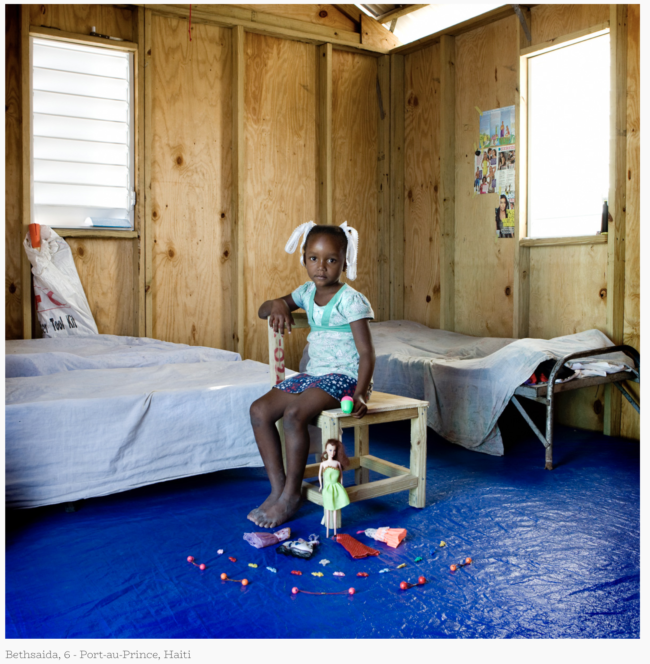
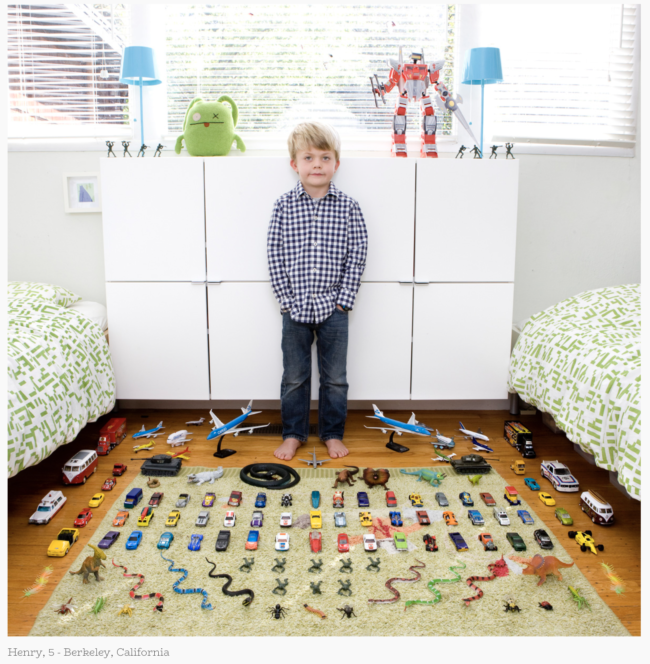
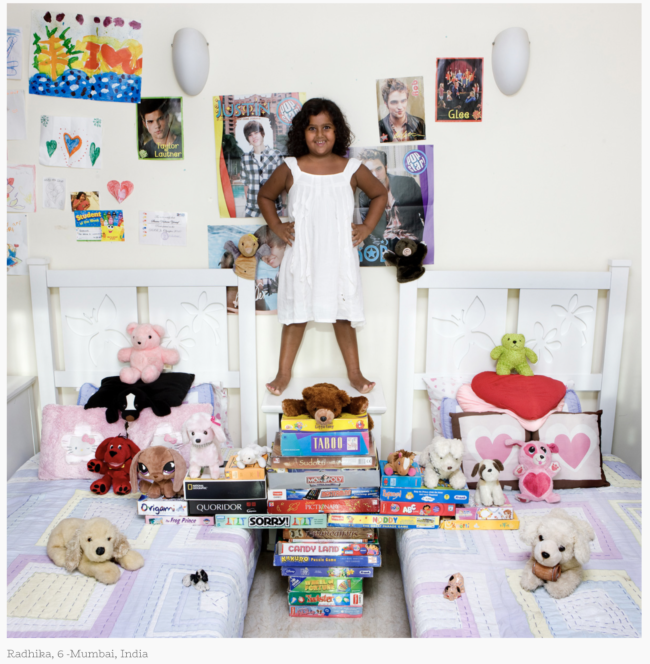
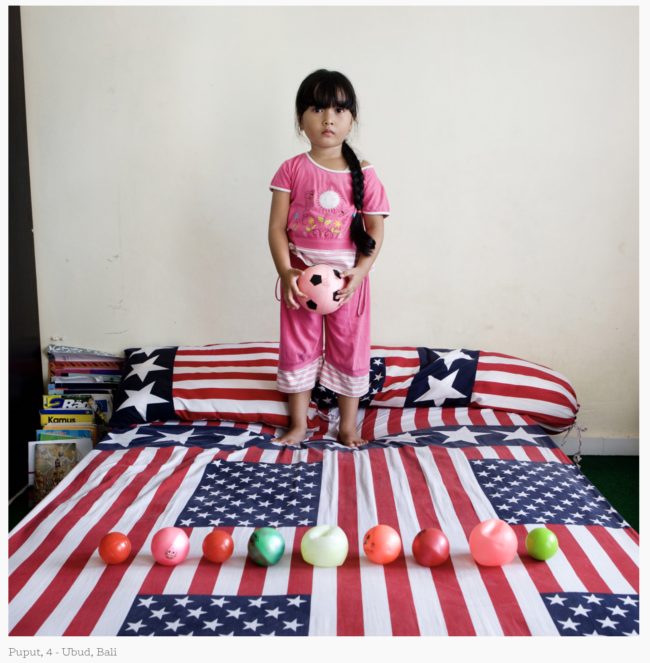
For over two years, I visited more than 50 countries and created colorful images of boys and girls in their homes and neighborhoods with their most prized possessions: their toys. From Texas to India, Malawi to China, Iceland, Morocco, and Fiji, I recorded the spontaneous and natural joy that unites kids despite their diverse backgrounds. Whether the child owns a veritable fleet of miniature cars or a single stuffed monkey, the pride that they have is moving, funny, and thought provoking.


To see more of this project, click here.

This project featured on Nat Geo’s IG account but see more of Gabriele’s work on IG

APE contributor Suzanne Sease currently works as a consultant for photographers and illustrators around the world. She has been involved in the photography and illustration industry since the mid 80s.  After establishing the art buying department at The Martin Agency, then working for Kaplan-Thaler, Capital One, Best Buy and numerous smaller agencies and companies, she decided to be a consultant in 1999. She has a new Twitter feed with helpful marketing information because she believes that marketing should be driven by brand and not by specialty.  Follow her at @SuzanneSeaseInstagram

Success is more than a matter of your talent. It’s also a matter of doing a better job presenting it.  And that is what I do with decades of agency and in-house experience.
The Art of the Personal Project: Tony Novak-Clifford

The Art of the Personal Project is a crucial element to let potential buyers see how you think creatively on your own.  I am drawn to personal projects that have an interesting vision or that show something I have never seen before.  In this thread, I’ll include a link to each personal project with the artist statement so you can see more of the project. Please note: This thread is not affiliated with any company; I’m just featuring projects that I find.  Please DO NOT send me your work.  I do not take submissions.


Today’s featured artist:  Tony Novak –Clifford

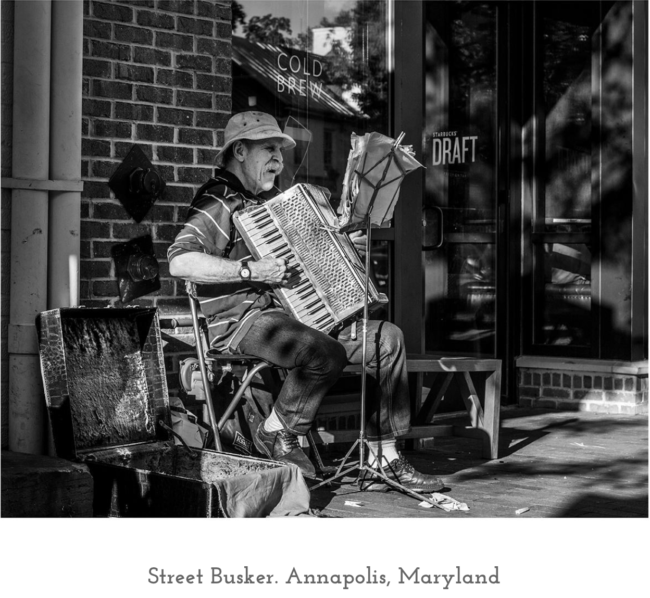
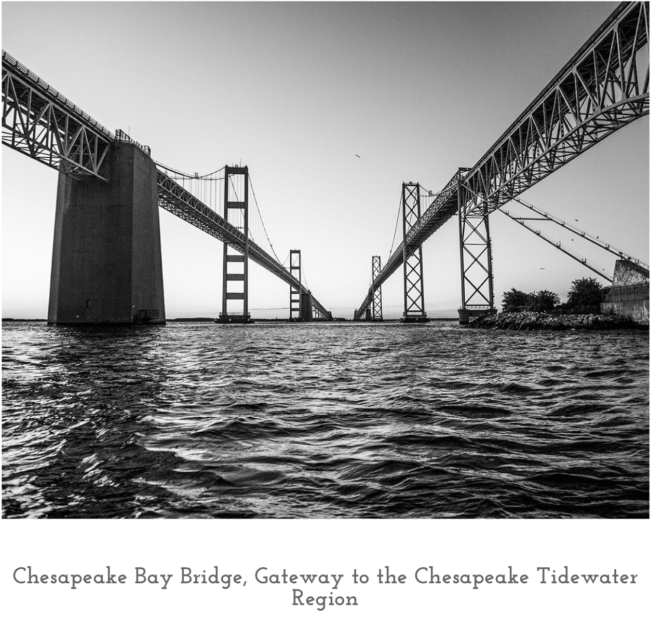
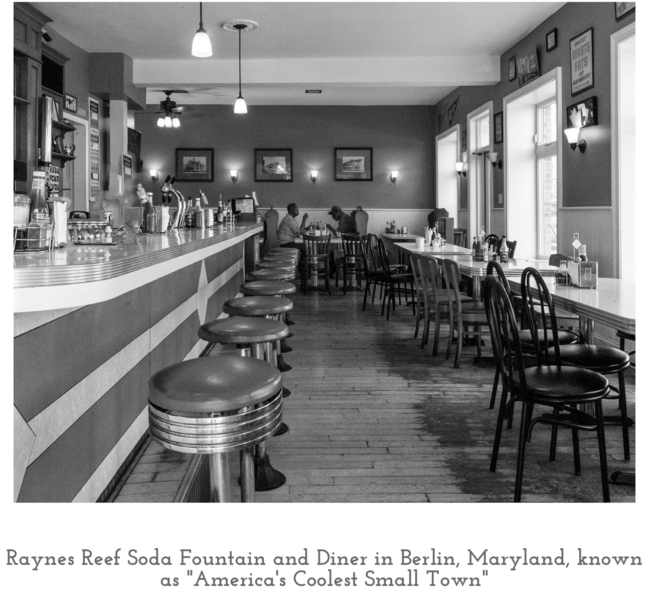
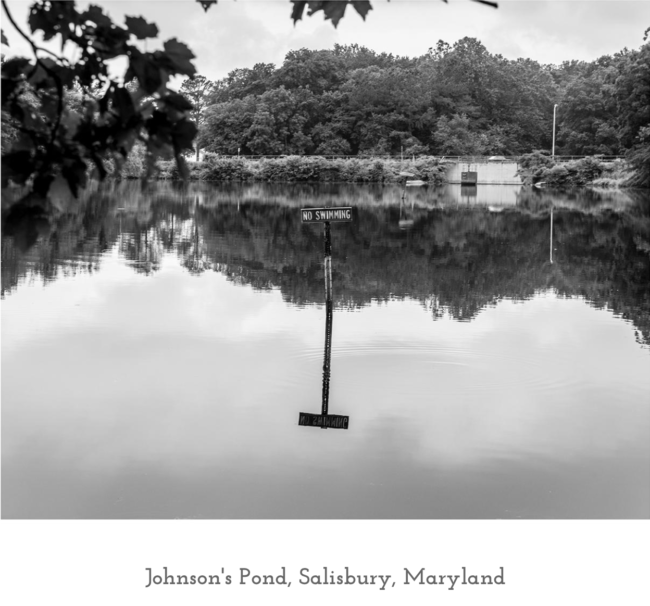
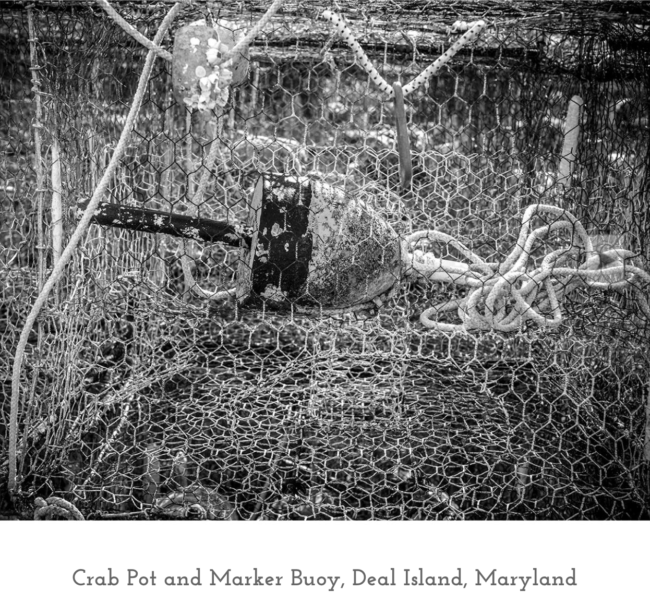
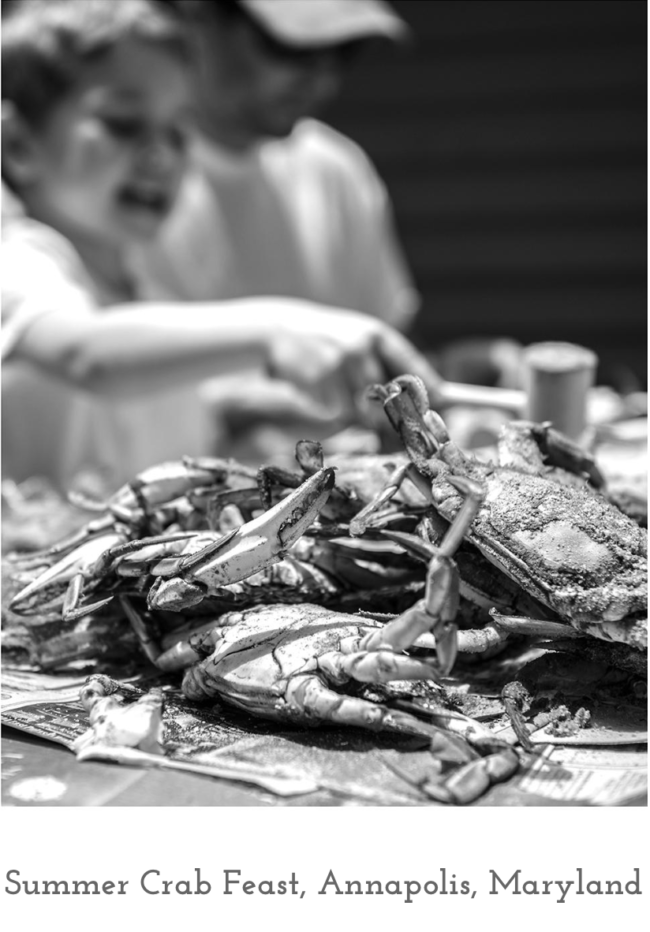
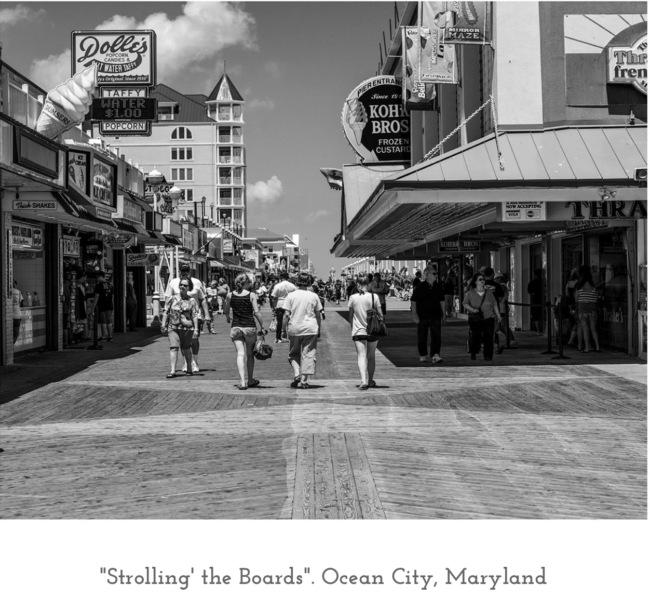
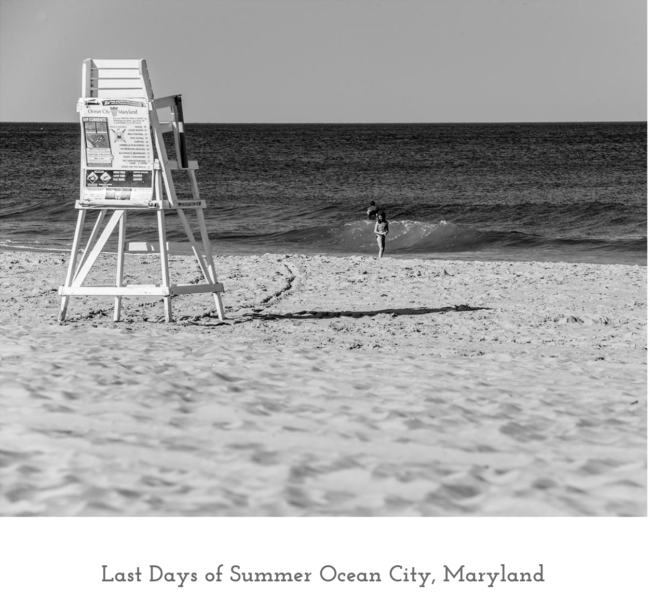
Rising Tides: A Photographic Rediscovery of the Tidewater Region of the Chesapeake Bay

My earliest, fondest childhood memories are of water. Lakes, ponds, great marshes, rivers and the Atlantic Ocean were my playgrounds and constant companions. It wasn’t long after I was old enough to venture out of sight on my own that I was whiling away the hours of hot, humid summer days under the shade of giant Beech trees dropping a bobber and hook, baited with bread balls, into the tea-colored water of the nearby Tony Tank Lake, angling for unfortunate crappies, sunfish and the occasional mud turtle.

In the warm summer months, I mowed lawns to make a little money. With that money, one of the first major purchases I ever made was an aluminum, flat-bottomed “john” boat. A neighbor donated an old two horsepower outboard motor to the cause. Suddenly I found a freedom I have never before known. The river became my highway to adventure, exploring its many creeks and tributaries searching for ducks, turtles, eagles and osprey, muskrats and the occasional elusive river otter.  As we grew older and our boats and motors became larger, we spent entire days water-skiing and venturing further up river to it’s source… the Chesapeake Bay.

In the evenings, we caught fireflies or, as the locals call them, “Lightnin’ Bugs” in the slow, lazy dialect of the region. We rode our bicycles or kicked soccer balls around in the darkness, illuminated only by the warm pool of light provided by the street light at the end of the cul-de-sac.

The Atlantic Ocean and the beaches of Ocean City, Maryland were half an hour’s drive away. As a child, my parents would pack picnic lunches, pile towels, coolers and umbrellas into our station wagon. A giddy sense of excitement rose amongst myself and my brother and sisters as we would cross the bridge over Assawoman Bay and enter the resort town. Here we would while away the day building sand castles or burying each other in the fine, white sand, digging for sand crabs, splashing and body-surfing in the gentle waves. Occasionally, my parents would reward us with an early evening trip to Ocean City’s famous boardwalk where the flashing lights of game arcades, carnival rides and ice cream, caramel popcorn and buckets of steaming french fries drowned in salt and vinegar would delight us to the point of exhaustion.

Life as a child in Maryland’s tidewater region was as idyllic as any Mark Twain novel.  There were great forests of pine and hardwood to explore. There was an abundance of wildlife… from almost every manner of waterfowl to reptiles, amphibians, agile deer, soaring eagles, raccoons, opossum, squirrels & fish. We feasted on the meaty blue crabs, oysters, clams and rockfish of the region. Wild game in the forms of duck, geese and venison, often gifted to my father by patients who worked the fields and waterways for a living, would often find it’s way to our table. We picked wild blackberries from their thorny stems and wild chestnuts from the tree at the end of the road. Fields of watermelon, corn and soybeans stretched out to touch the horizon.

As a child, it was easy to dismiss life in the tidal region as boring and unsophisticated. During my time there, it was all I knew. It has only been during the past several years that I have bothered to return to the Chesapeake’s Tidewater region with fresh eyes and a new appreciation for the simple lifestyle, folksy charm, historic relevance and southern hospitality and friendliness. With family still residing in the area, I have been returning annually and even several times a year to spend time and reknit those bonds. There are times when I think I could return here to live.

Life is simpler here.

The photographs contained in the collection are wistful snapshots of my rediscovered romance for this land of water. My longing for it ebbs and flows like the tides. These are glimpses of the life I once lived, perhaps still live, or at the very least, a life I still carry with me no matter where I find myself.


To see more of this project, click here.

Contact him here

IG

APE contributor Suzanne Sease currently works as a consultant for photographers and illustrators around the world. She has been involved in the photography and illustration industry since the mid 80s.  After establishing the art-buying department at The Martin Agency, then working for Kaplan-Thaler, Capital One, Best Buy and numerous smaller agencies and companies, she decided to be a consultant in 1999. She has a new Twitter feed with helpful marketing information because she believes that marketing should be driven by brand and not by specialty.  Follow her at @SuzanneSeaseInstagram

Success is more than a matter of your talent. It’s also a matter of doing a better job presenting it.  And that is what I do with decades of agency and in-house experience.
 

The Art of the Personal Project: Shahzad Bhiwandiwala

The Art of the Personal Project is a crucial element to let potential buyers see how you think creatively on your own.  I am drawn to personal projects that have an interesting vision or that show something I have never seen before.  In this thread, I’ll include a link to each personal project with the artist statement so you can see more of the project. Please note: This thread is not affiliated with any company; I’m just featuring projects that I find.  Please DO NOT send me your work.  I do not take submissions.


Today’s featured artist:  Shahzad Bhiwandiwala

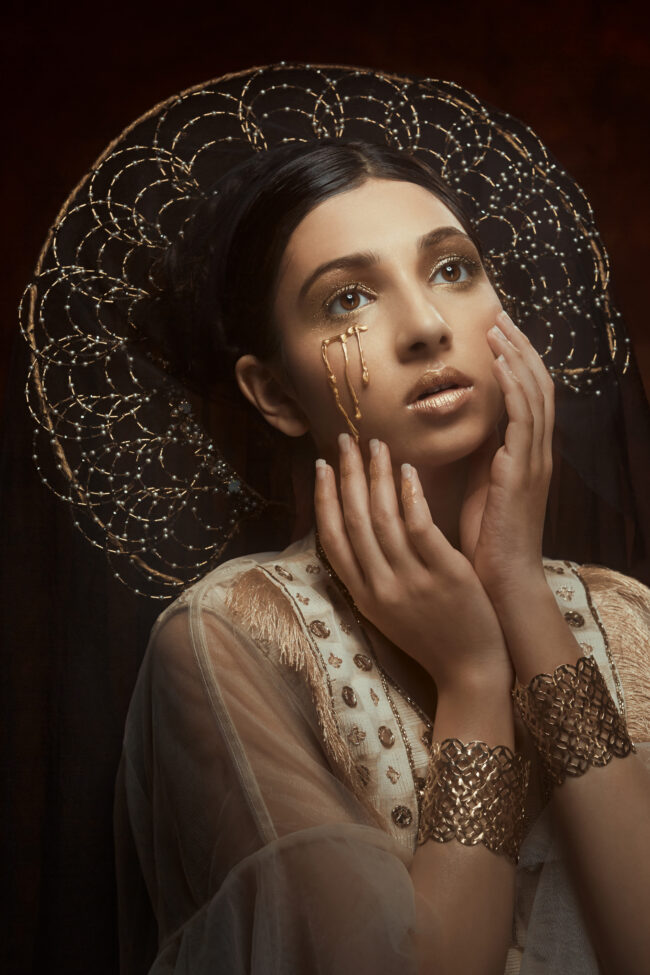
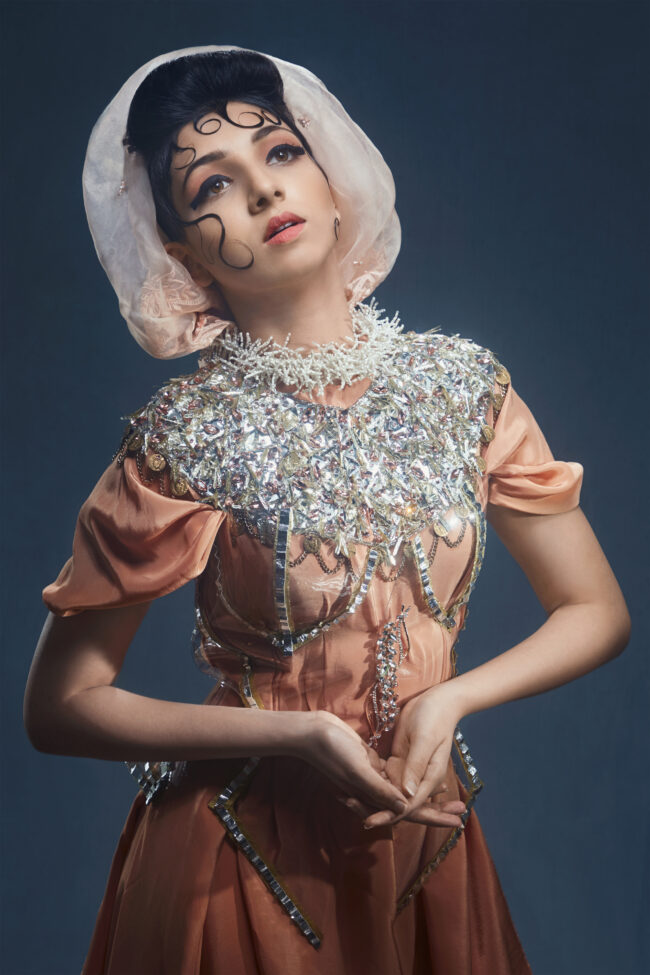
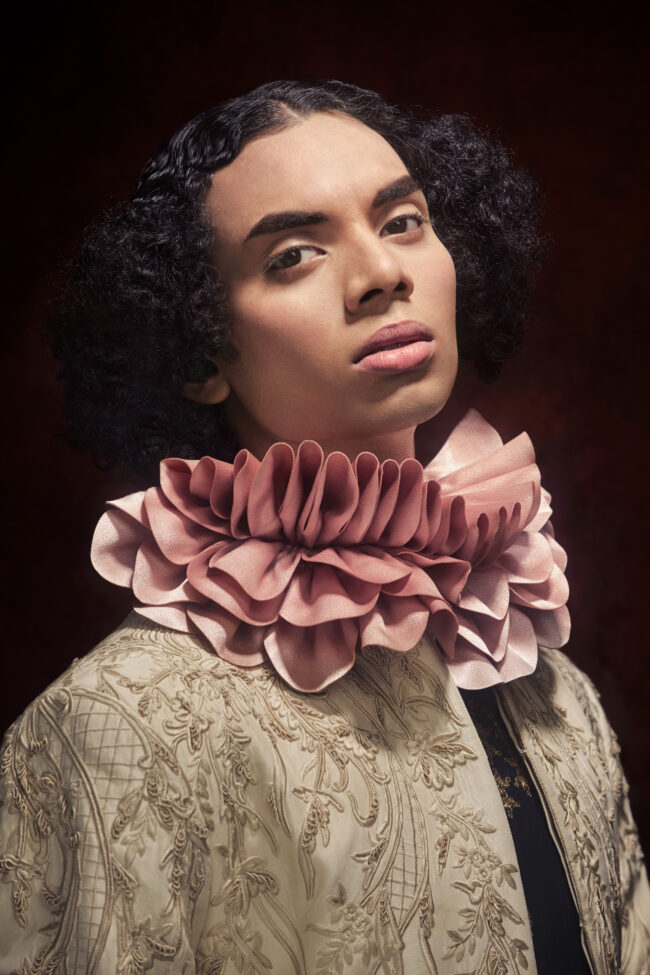
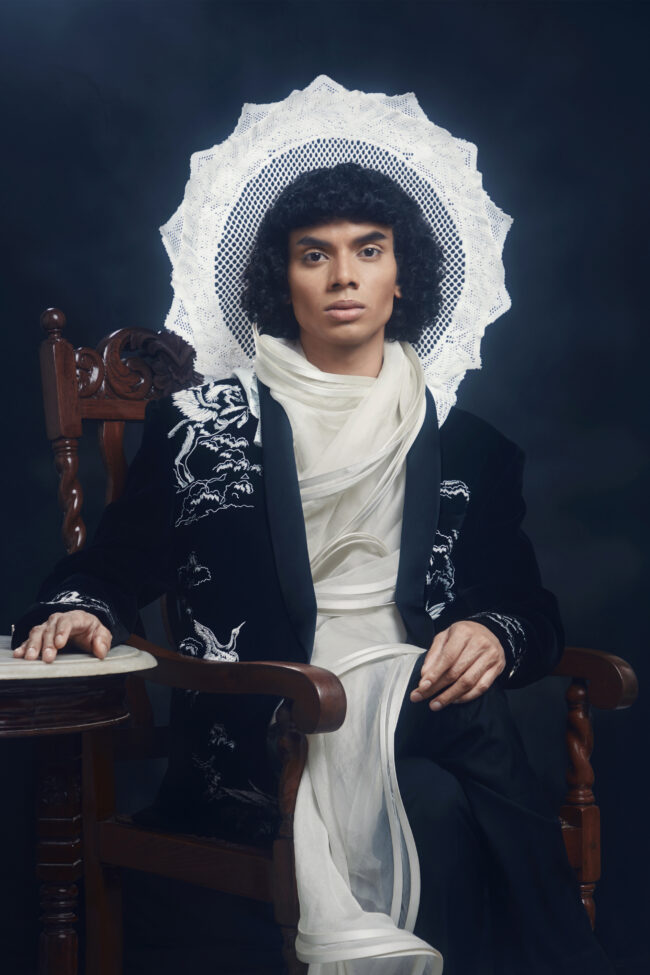
As an Indian, I have rarely seen Indian artists tackle what if scenarios relating to Indian Art and Cultural history.  My passion for art history coupled with my creative instincts has often made me wonder about India’s approach to fashion had it been influenced by the European Renaissance as it swept across the known world at the time. This project brings these thoughts and ideas to visualization and is presented through the perspective of a single fictional royal family, The Garhwal Gharana aka The House of Garhwal spanning generations from an alternate timeline 15th Century to the 21st century.

There are two distinct fashion styles in the project:

  • The first represents portraits styled in the fashion of an alternate timeline of the 15th century, where India is in the midst of its renaissance influenced by the High Renaissance period.
  • The second details portraits styled in the fashion of an alternate timeline of the year 2020 where society has gone back to its roots of clans and kingdoms while taking fashion cues from the previously established renaissance style and adds a modern take to it.

The project is focused on fine art fashion and portraiture using opulent traditional Indian clothing with a European aesthetic and has been a collaborative result with Indian designers, jewelers and stylists such as Gaurav Gupta, Dhruv Singh, Begada, Amani, Studio Simone, Akankshaa, Outhouse Jewelry & The Costume Team having come together in providing and creating outfits and accessories towards the project.

To see more of this project, click here.


APE contributor Suzanne Sease currently works as a consultant for photographers and illustrators around the world. She has been involved in the photography and illustration industry since the mid 80s.  After establishing the art buying department at The Martin Agency, then working for Kaplan-Thaler, Capital One, Best Buy and numerous smaller agencies and companies, she decided to be a consultant in 1999. She has a new Twitter feed with helpful marketing information because she believes that marketing should be driven by brand and not by specialty.  Follow her at @SuzanneSeaseInstagram

Success is more than a matter of your talent. It’s also a matter of doing a better job presenting it.  And that is what I do with decades of agency and in-house experience.
 

The Art of the Personal Project: Clemens Ascher

The Art of the Personal Project is a crucial element to let potential buyers see how you think creatively on your own.  I am drawn to personal projects that have an interesting vision or that show something I have never seen before.  In this thread, I’ll include a link to each personal project with the artist statement so you can see more of the project. Please note: This thread is not affiliated with any company; I’m just featuring projects that I find.  Please DO NOT send me your work.  I do not take submissions.


Today’s featured artist:  Clemens  Ascher

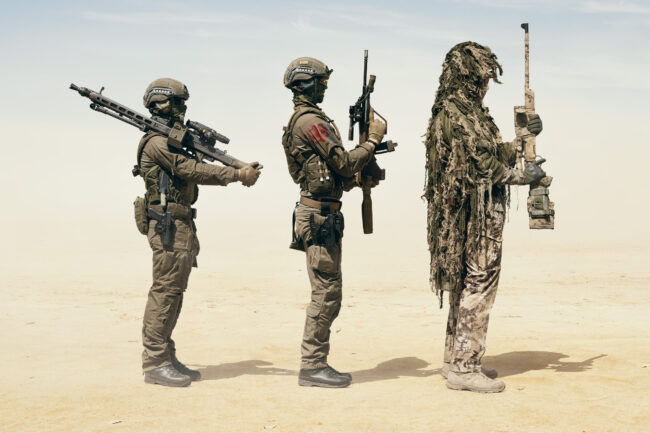
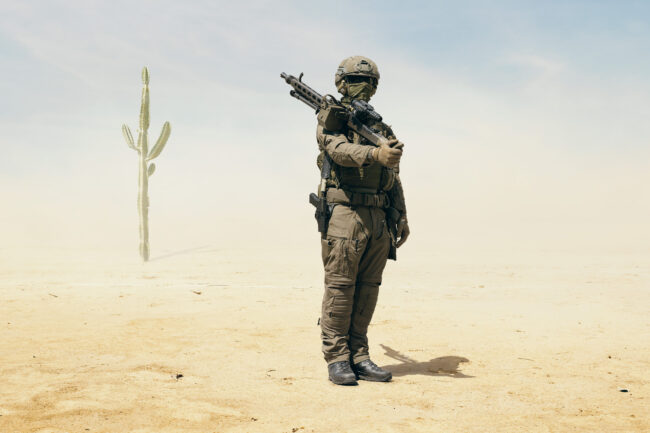
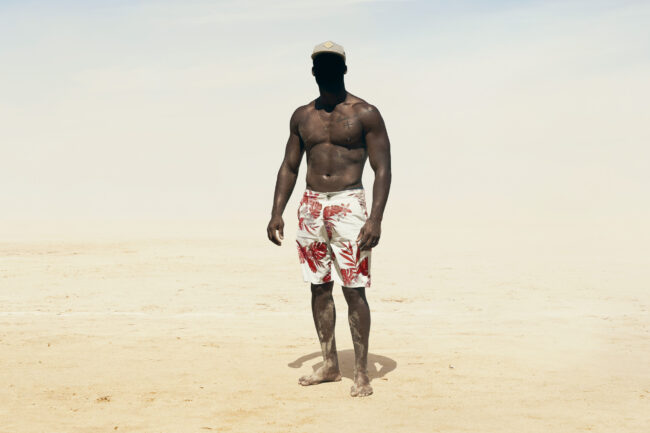
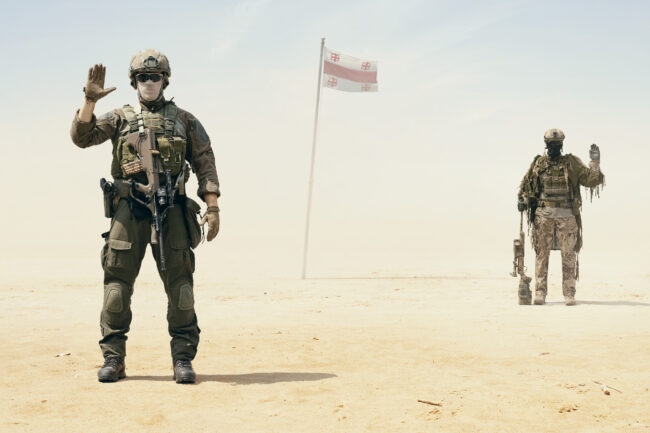
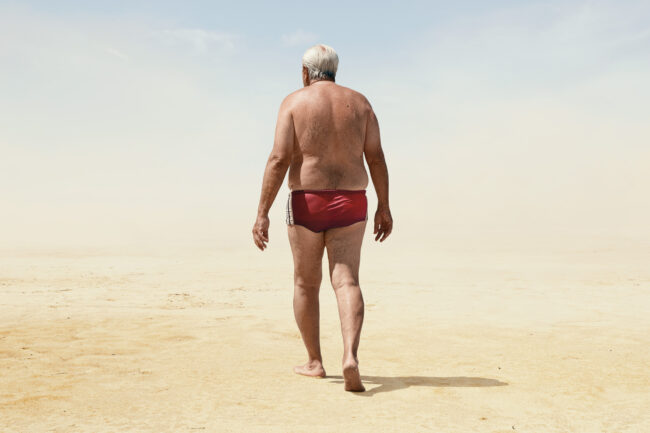
In my series “OF DRILL AND CEREMONY”
I’m showing scenes from a fictional military boot camp in a fictional country ruled by a fictional regime.
Like always in my works any resemblance to “reality” is entirely coincidental.

To see more of this project, click here.


APE contributor Suzanne Sease currently works as a consultant for photographers and illustrators around the world. She has been involved in the photography and illustration industry since the mid 80s.  After establishing the art buying department at The Martin Agency, then working for Kaplan-Thaler, Capital One, Best Buy and numerous smaller agencies and companies, she decided to be a consultant in 1999. She has a new Twitter feed with helpful marketing information because she believes that marketing should be driven by brand and not by specialty.  Follow her at @SuzanneSeaseInstagram

Success is more than a matter of your talent. It’s also a matter of doing a better job presenting it.  And that is what I do with decades of agency and in-house experience.
 

The Art of the Personal Project: Fernando Decillis

The Art of the Personal Project is a crucial element to let potential buyers see how you think creatively on your own.  I am drawn to personal projects that have an interesting vision or that show something I have never seen before.  In this thread, I’ll include a link to each personal project with the artist statement so you can see more of the project. Please note: This thread is not affiliated with any company; I’m just featuring projects that I find.  Please DO NOT send me your work.  I do not take submissions.


Today’s featured artist:  Fernando Decillis

The project started out as a personal project. When a close relative of mine passed away, my sisters, father, and I accompanied her husband to return her ashes to her homeland in southeast Alaska. I am Kaigani Haida and had been studying the art intensely at the time when she passed. I proposed this project to Fernando and he said something like, “if you can get the artists, you know I’ll make the pictures.” So, I started reaching out to people to see who might be interested. At that point, we were just thinking that it was going to be a portrait project and we’d make some nice pictures for the artists to have of their practice. After I had a few very well-known artists and the support of the Totem Heritage Center and Sealaska Heritage Institute, I reached out to Jeff Campagna at Smithsonian Magazine. Fernando had worked with him a couple of times before, and it seemed like a great fit. He seemed interested, and of course, it’s an organization, so there was a process. We were thrilled when they eventually said they wanted to pick up the story.

Covid-19 presented some challenges that made it impossible to see some of the artists that helped me the most on the research end. David R. Boxley and Kandi McGilton are two artists that are doing amazing work in Metlakatla. Hopefully we get to see them next time! We are really happy with how the project turned out. The captions that are included were published in the magazine, I worked closely with them to write them.

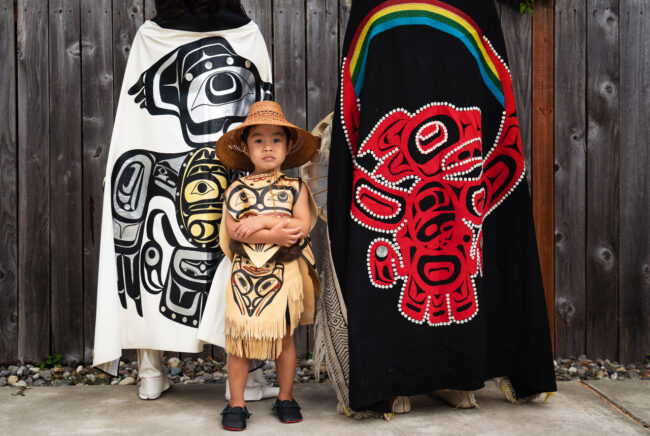
Among the indigenous nations of Southeast Alaska, there is a concept known in Haida as Íitl’ Kuníisii—a timeless call to live in a way that not only honors one’s ancestors but takes care to be responsible to future generations.

The traditional arts of the Haida, Tlingit and Tsimshian people are integral to that bond, honoring families, clans, and animal and supernatural beings, and telling oral histories through totem poles, ceremonial clothing and blankets, hand-carved household items and other objects. In recent decades, native artisans have revived practices that stretch back thousands of years, part of a larger movement to counter threats to their cultural sovereignty and resist estrangement from their heritage.

They use materials found in the Pacific rainforest and along the coast: red cedar, yellow cedar, spruce roots, seashells, animal skins, wool, horns, rock. They have become master printmakers, producing bold-colored figurative designs in the distinctive style known as “formline,” which prescribes the placement of lines, shapes and colors. Formline is a visual language of balance, movement, storytelling, ceremony, legacy and legend, and through it, these artisans bring the traditions of their rich cultures into the present and ensure their place in the future.

David A. Boxley and Michelle Boxley pose with their grandson, Sage in regalia. The regalia they are wearing was designed by David and made by Michelle. They are part of a dance group called Git Hoan that has traveled internationally performing traditional dance and song from Northwest Coast tribes.

David A. Boxley carefully restores a cedar house pole that commemorates his journey as a father bringing up his sons David Robert and Zachary in the Tsimshian culture.

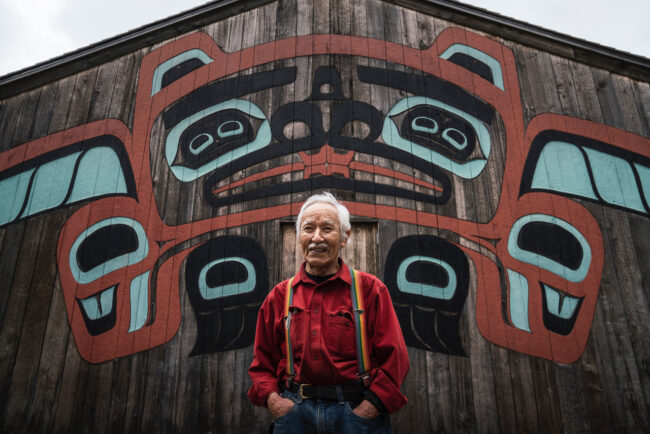
Nathan Jackson, a Chilkoot Sockeye clan leader, in front of a Beaver Clan house screen that adorns a longhouse at Saxman Totem Park. The house screen was carved on vertical cedar planks before it was raised and assembled on the house front. Jackson, who led the project, found his way back to his heritage circuitously after a boyhood spent at a boarding school that prohibited native languages and practices.

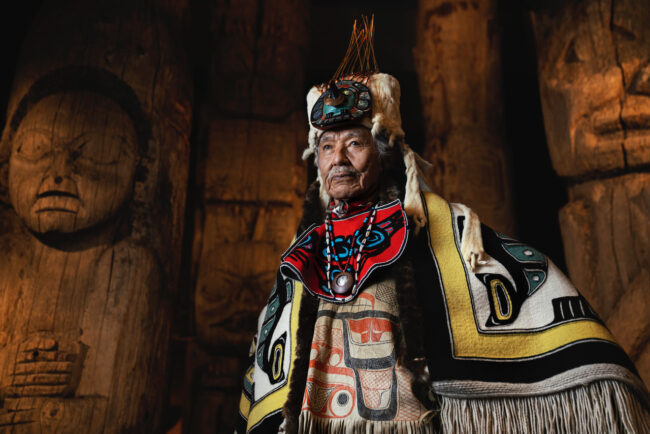
At the Totem Heritage Center in Ketchikan, Alaska, Jackson wears ceremonial blankets and a headdress made from ermine pelts, cedar, abalone shell, copper and flicker feathers.

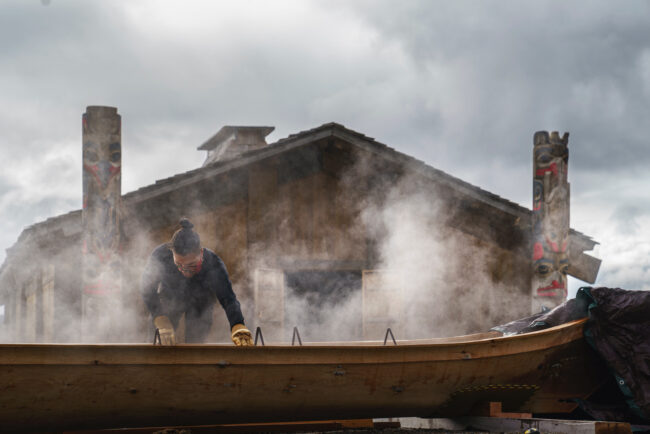
 Sgwaayaans and his apprentices heat lava rocks that will be used to steam the wood of a traditional dugout canoe; the heated lava rocks are lowered into a saltwater bath inside it, to steam the vessel until it is pliable enough to be stretched crosswise with thwarts; more than 200 tree rings in the Pacific red cedar are still visible with the canoe in its nearly finished form; Sgwaayaans strategically inserts the crosswise thwarts and taps them into place with a round wooden mallet to create the desired shape.

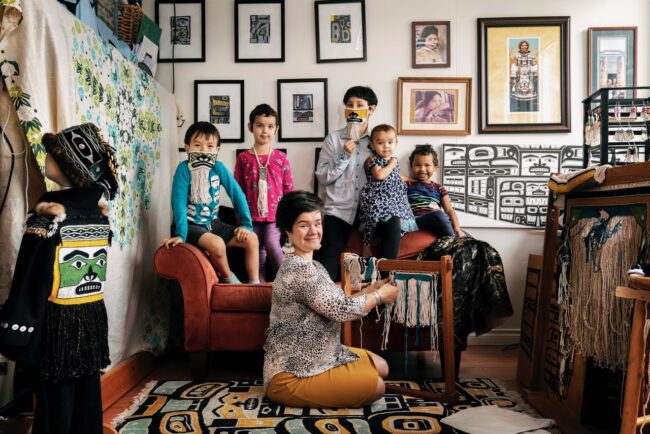
Lily Hope, a designer of Chilkat and Ravenstail textiles, lives in Juneau with her five children. She is seen weaving Tlingit masks during the Covid-19 pandemic. Hope is well known for her ceremonial robes, woven from mountain goat wool and cedar bark, and often made for clan members commemorating a major event like a birth, or participating in the mortuary ceremony known as Ku.éex, held one year after a clan member’s death. An educator and a community leader, Hope also receives “repatriation commissions” from institutions that return a historical artifact to its clan of origin and replace it with a replica or an original artwork.

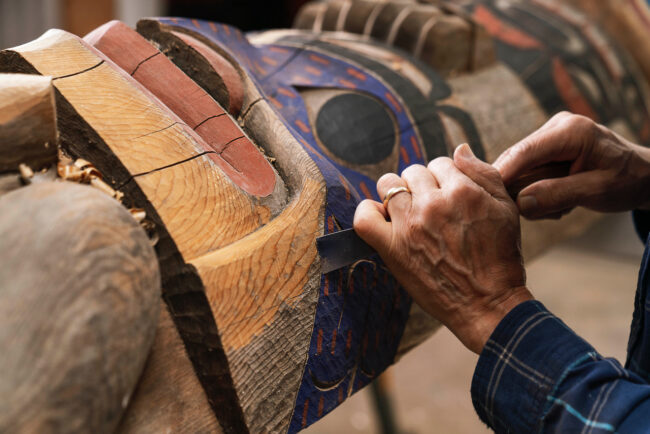
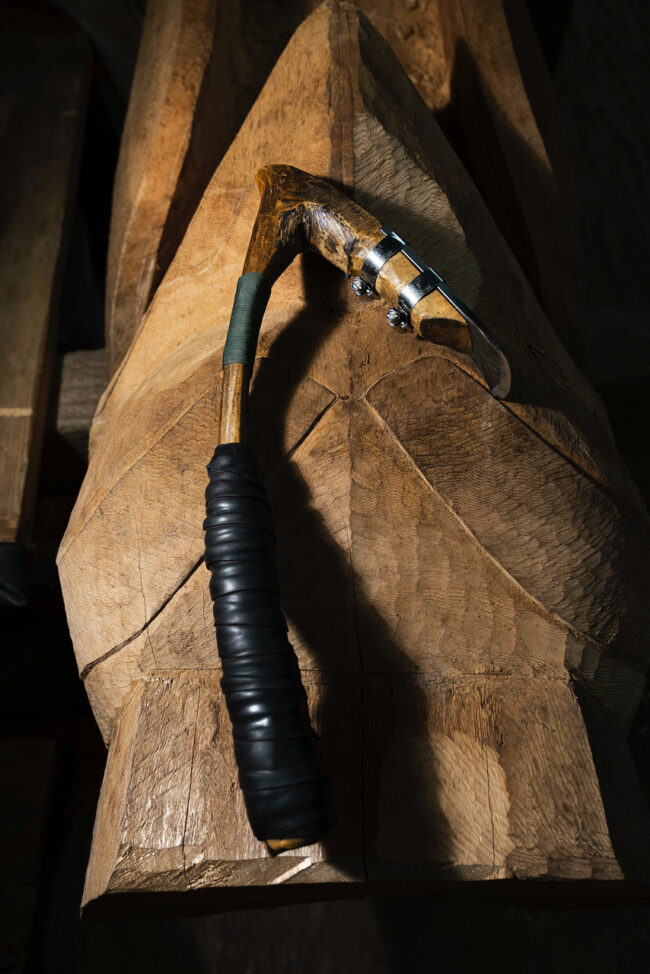
Nathan Jackson’s adze on the head of a twelve-foot carved cedar pole

To see more of this project, click here. Or on Fernando’s website


APE contributor Suzanne Sease currently works as a consultant for photographers and illustrators around the world. She has been involved in the photography and illustration industry since the mid 80s.  After establishing the art buying department at The Martin Agency, then working for Kaplan-Thaler, Capital One, Best Buy and numerous smaller agencies and companies, she decided to be a consultant in 1999. She has a new Twitter feed with helpful marketing information because she believes that marketing should be driven by brand and not by specialty.  Follow her at @SuzanneSeaseInstagram

Success is more than a matter of your talent. It’s also a matter of doing a better job presenting it.  And that is what I do with decades of agency and in-house experience.
 

The Art of the Personal Project: Richard Radstone

The Art of the Personal Project is a crucial element to let potential buyers see how you think creatively on your own.  I am drawn to personal projects that have an interesting vision or that show something I have never seen before.  In this thread, I’ll include a link to each personal project with the artist statement so you can see more of the project. Please note: This thread is not affiliated with any company; I’m just featuring projects that I find.  Please DO NOT send me your work.  I do not take submissions.


Today’s featured artist:  Richard Radstone

Artists Statement

The roots of Sidewalk Ghosts were planted September 2011, when as my life hit a painful set of obstacles, I began blogging a series of daily essays, portraits, and videos based on my street interviews of absolute strangers. Hundreds of consecutive days that, no matter what were going on in the world, how I felt, or where I was, I published the hope, hurt, and wisdom shared to me by diverse individuals. At first, it was a slow-growing personal challenge. But when, on the 3rd-month, Word Press awarded it as one of the top ten daily blogs to follow; a global audience exploded as 1000s from around the globe saw and responded to the portraits and stories of these absolute strangers.

Now, a decade later, the journey evolved into podcasting, speaking, and outreach, I tell everyone I have fallen in love with the world. Tribute to the 1000s who allow me to blog their stories, podcast their voices, attend my presentations, and support the project. For it is, through our diverse experiences, our open eyes, our listening ears, and our extended actions, that we are touching the hearts and lives of many.

I call us, the compassionate majority. A once hidden, but now growing community in whom I will be ever grateful. Strangers-now-friends who, by allowing me to share a little about who they are, have helped us all to see past the ghosts that divide us. Even and perhaps, guiding us to find our personal peace and focus in harnessing the best of who we are, as well as how we view and treat those around us.

Please always remember: “Your individual influence truly does matter to someone else in the world.”

To see more of this project, click here.

APE contributor Suzanne Sease currently works as a consultant for photographers and illustrators around the world. She has been involved in the photography and illustration industry since the mid 80s.  After establishing the art-buying department at The Martin Agency, then working for Kaplan-Thaler, Capital One, Best Buy and numerous smaller agencies and companies, she decided to be a consultant in 1999. She has a new Twitter feed with helpful marketing information because she believes that marketing should be driven by brand and not by specialty.  Follow her at @SuzanneSeaseInstagram

Success is more than a matter of your talent. It’s also a matter of doing a better job presenting it.  And that is what I do with decades of agency and in-house experience.
 

The Art of the Personal Project: Greg Funnell

The Art of the Personal Project is a crucial element to let potential buyers see how you think creatively on your own.  I am drawn to personal projects that have an interesting vision or that show something I have never seen before.  In this thread, I’ll include a link to each personal project with the artist statement so you can see more of the project. Please note: This thread is not affiliated with any company; I’m just featuring projects that I find.  Please DO NOT send me your work.  I do not take submissions.


Today’s featured artist:  Greg Funnell

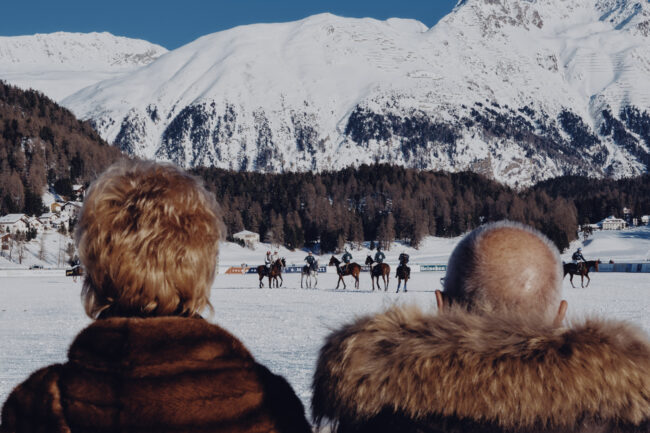
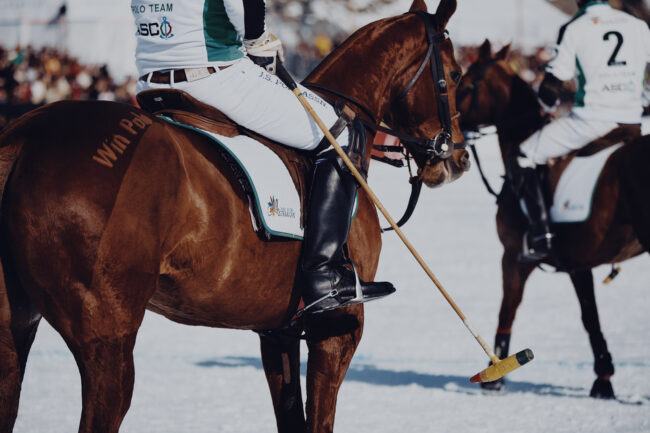
My interest in photography has always been in that of the unobtrusive observer. I want my work to feel as authentic and as involved as possible whilst highlighting the details and moments that I want to dwell on momentarily. Over the years I have been drawn to photograph sports and events that are slightly out of the ordinary. I find the contest itself takes all the attention of the crowds; the drama, spectacle and theatre that surrounds it then becomes a ripe arena for photography. There is something about the nature of sports and competition that gets to the very heart of our tribal roots.

To see more of this project, click here.


APE contributor Suzanne Sease currently works as a consultant for photographers and illustrators around the world. She has been involved in the photography and illustration industry since the mid 80s.  After establishing the art-buying department at The Martin Agency, then working for Kaplan-Thaler, Capital One, Best Buy and numerous smaller agencies and companies, she decided to be a consultant in 1999. She has a new Twitter feed with helpful marketing information because she believes that marketing should be driven by brand and not by specialty.  Follow her at @SuzanneSeaseInstagram

Success is more than a matter of your talent. It’s also a matter of doing a better job presenting it.  And that is what I do with decades of agency and in-house experience.
The Art of the Personal Project: Tom Barnes

The Art of the Personal Project is a crucial element to let potential buyers see how you think creatively on your own.  I am drawn to personal projects that have an interesting vision or that show something I have never seen before.  In this thread, I’ll include a link to each personal project with the artist statement so you can see more of the project. Please note: This thread is not affiliated with any company; I’m just featuring projects that I find.  Please DO NOT send me your work.  I do not take submissions.
 

Today’s featured artist: Tom Barnes

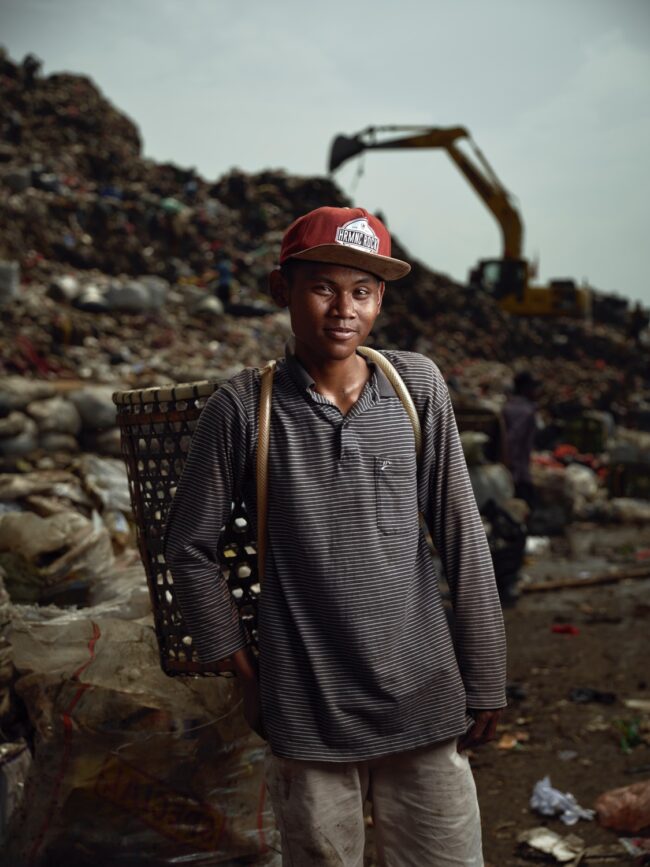
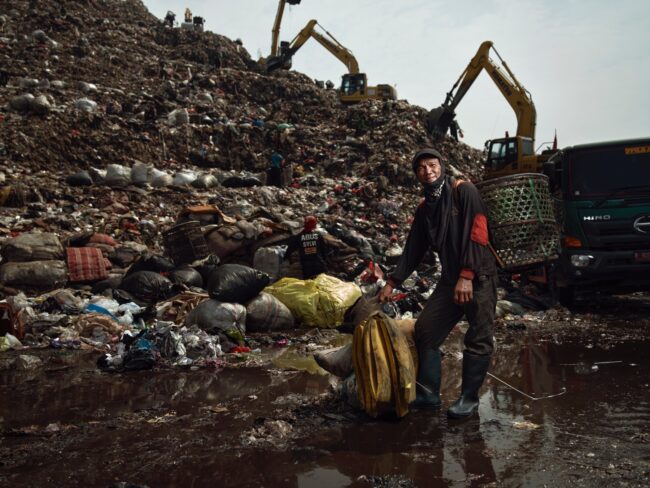
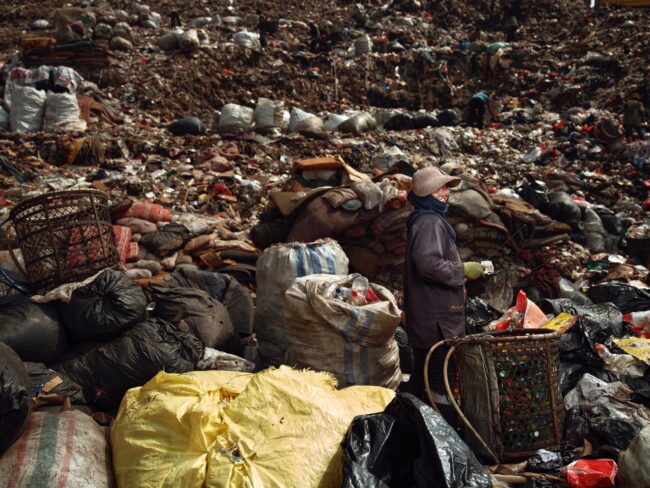
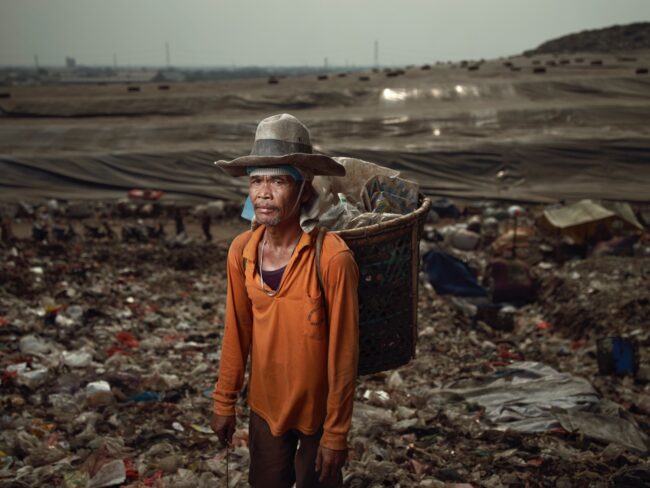
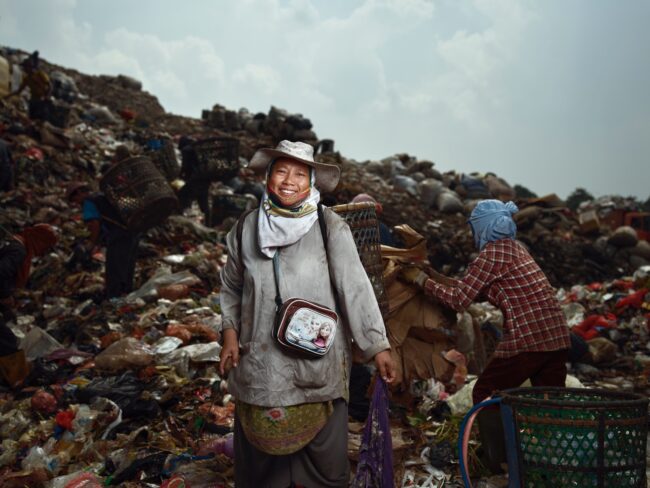
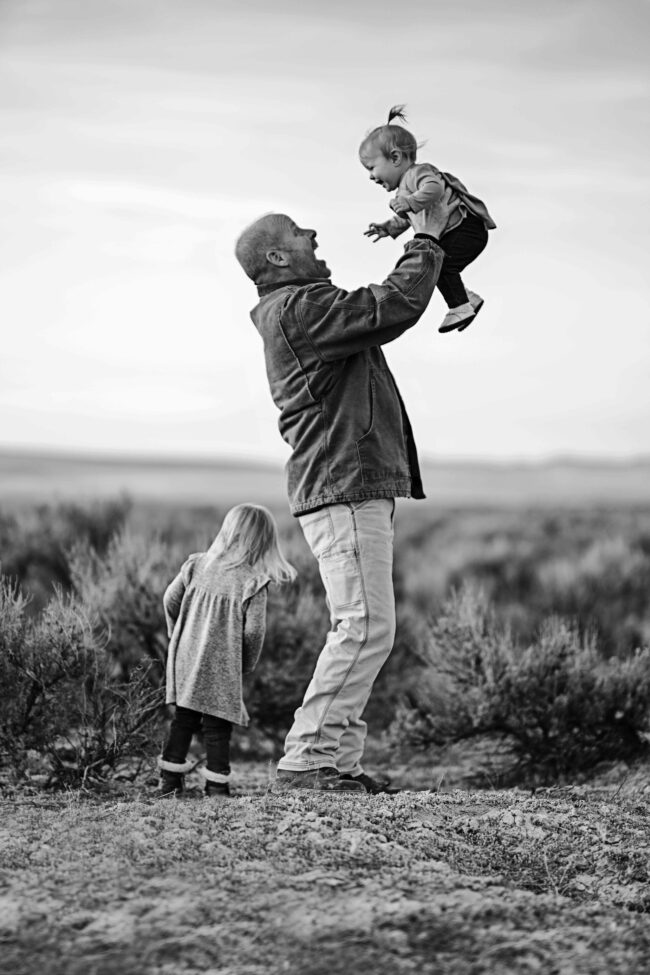
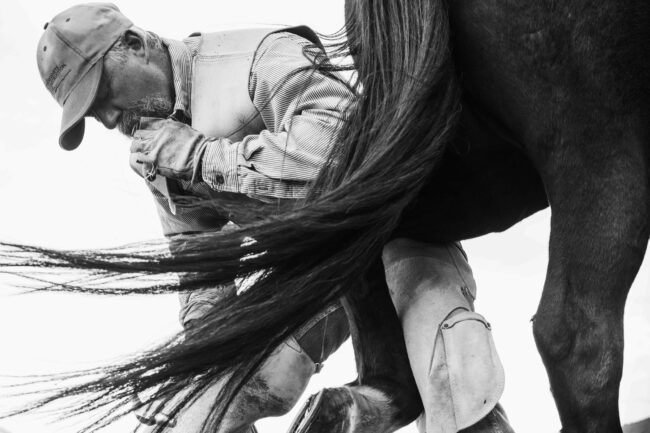
The Pemulung are scavengers, working on the dumps in Indonesia scouring through the waste to try and collect plastic to sell, or anything they can use. They work outside under brutal conditions, the smell is horrendous, and the heat unrelenting and they have no protective equipment. There is no shade apart from homemade shacks, and they work constantly – the sites operate 24 hours a day. With heavy machinery and ground giving way underfoot means it’s an incredible hazardous job and that is before we start talking about the trash they are picking apart.
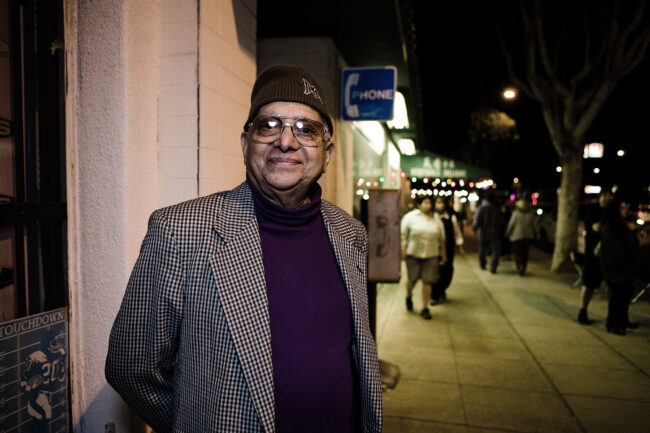
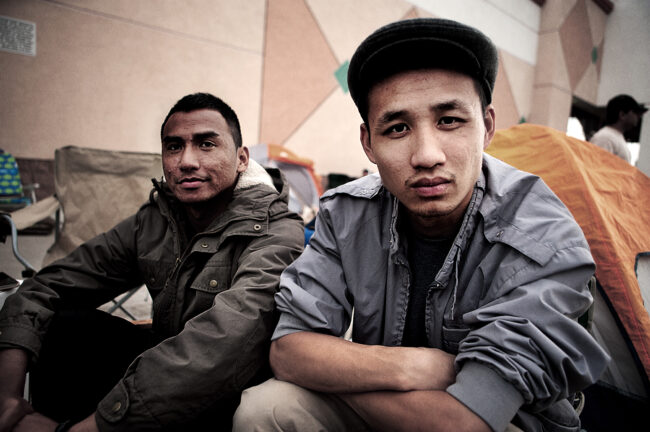
Aiming to collect plastic to sell for processing, the Pemulung can earn about 6000RP/kg (Indonesian Rupiah) which is about £0.34/kg. If they find other things, they can use or sell that’s a bonus, and many have collected makeshift building materials and created shacks to live in on the dump. Their homemade carriers and tools help them to pick through the rubbish, tear open bags and carry huge amounts of plastic down the mountains of rubbish to sell.

This series shows the Pemulung as they go about their daily work on the dumps, working in the most miserable of conditions but always smiling. The scavengers work backbreaking long shifts in the worst possible conditions, surrounded by rotting rubbish they have some of the most resilient immune systems in the world and rarely get ill.

The portraits were taken at three major landfills, Bantar Gebang (Java, servicing Jakarta), Piyungan (Java, servicing Yogyakarta) and Suwung (Bali, servicing Denpasar) Each of the landfills differed in size and number of workers, Bantar Gebang is the largest of the three, at 200 acres and it is thought that over 100,000 people live on the dump.

I have to say a huge thanks to the wonderful people who stopped to have their portraits taken; you really are some of the most incredible people I have ever met. A massive thanks to Dery, Yusak and the local crews we met along the way, and thank you to the staff at the dumps for allowing us to shoot.

This was by far an away the toughest personal project I have undertaken. The conditions are terrible and the heat was unbelievable, I also dislocated my knee in one of the dumps trying to get out of the way of a charging bull, I need to say a special thank you to everyone at Piyungan dump who helped dragged me to safety, my fixers and the staff at Jogja Main hospital for resetting everything.

To see more of this project, click here.

APE contributor Suzanne Sease currently works as a consultant for photographers and illustrators around the world. She has been involved in the photography and illustration industry since the mid 80s.  After establishing the art buying department at The Martin Agency, then working for Kaplan-Thaler, Capital One, Best Buy and numerous smaller agencies and companies, she decided to be a consultant in 1999. She has a new Twitter feed with helpful marketing information because she believes that marketing should be driven by brand and not by specialty.  Follow her at @SuzanneSeaseInstagram

Success is more than a matter of your talent. It’s also a matter of doing a better job presenting it.  And that is what I do with decades of agency and in-house experience.