The Art of the Personal Project: Steve Prezant

The Art of the Personal Project is a crucial element to let potential buyers see how you think creatively on your own.  I am drawn to personal projects that have an interesting vision or that show something I have never seen before.  In this thread, I’ll include a link to each personal project with the artist statement so you can see more of the project. Please note: This thread is not affiliated with any company; I’m just featuring projects that I find.  Please DO NOT send me your work.  I do not take submissions.

Today’s featured artist:  Steve Prezant

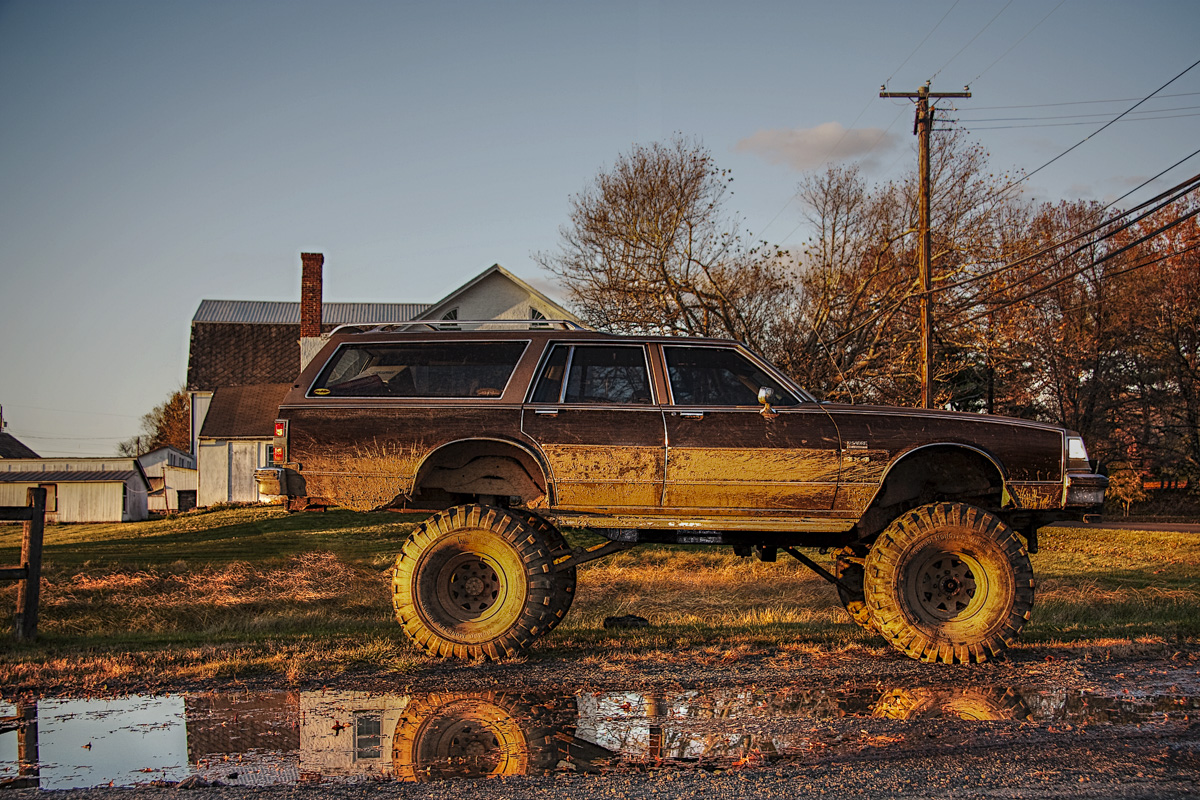
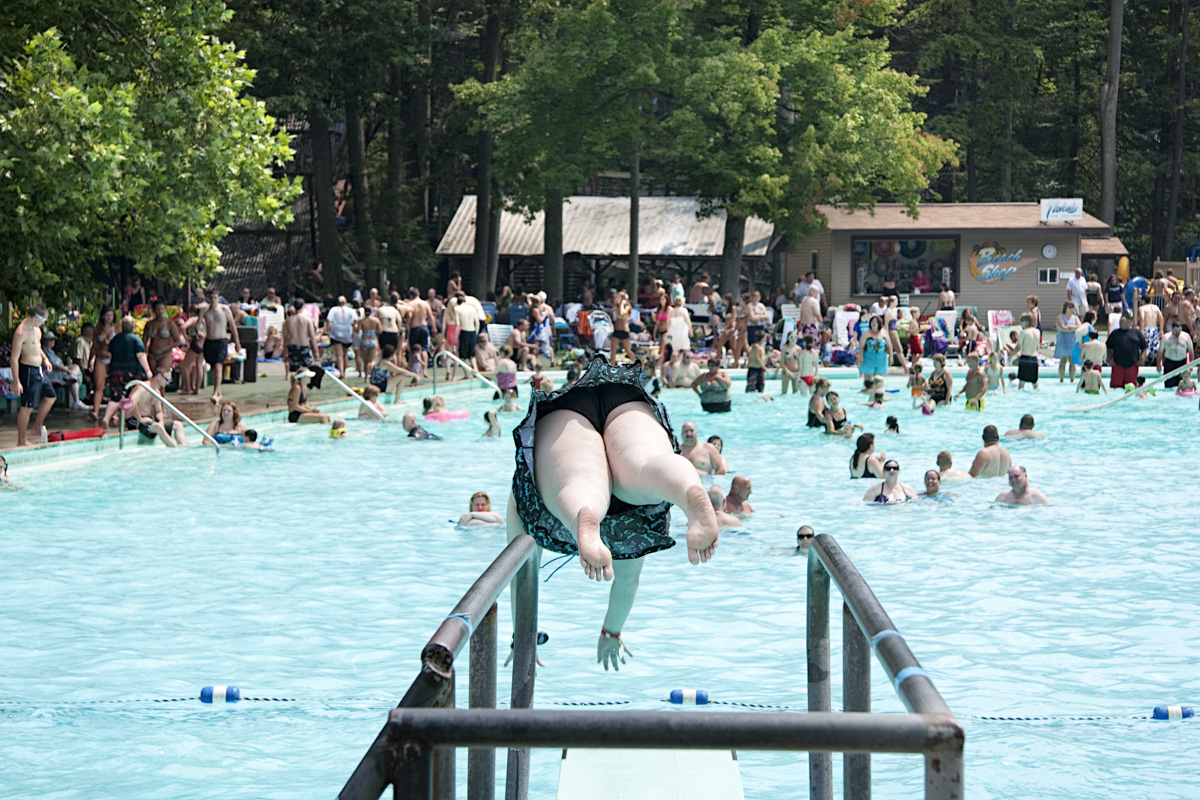
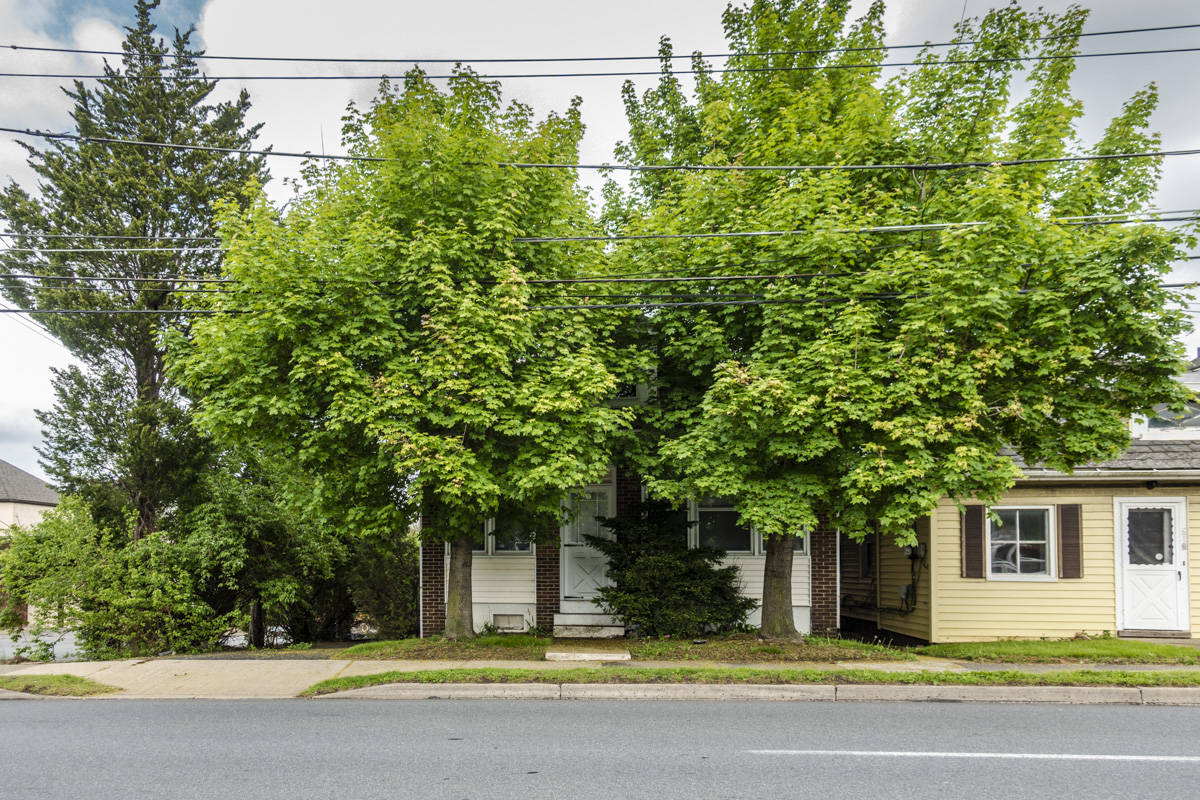
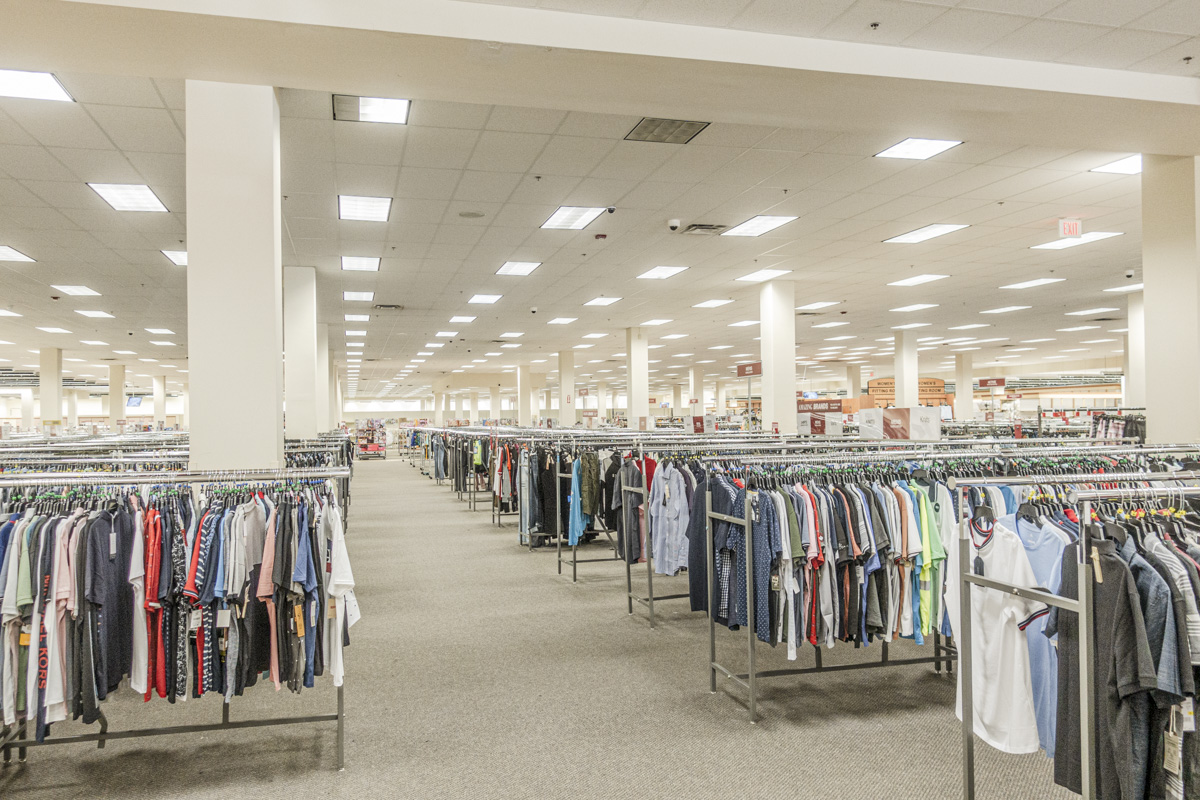
I grew up in Brooklyn and lived most of my life in NYC–never really thinking about living outside of the energy and tumult of the Big Apple. Then, during COVID, my wife and I moved to farm country in Pennsylvania.

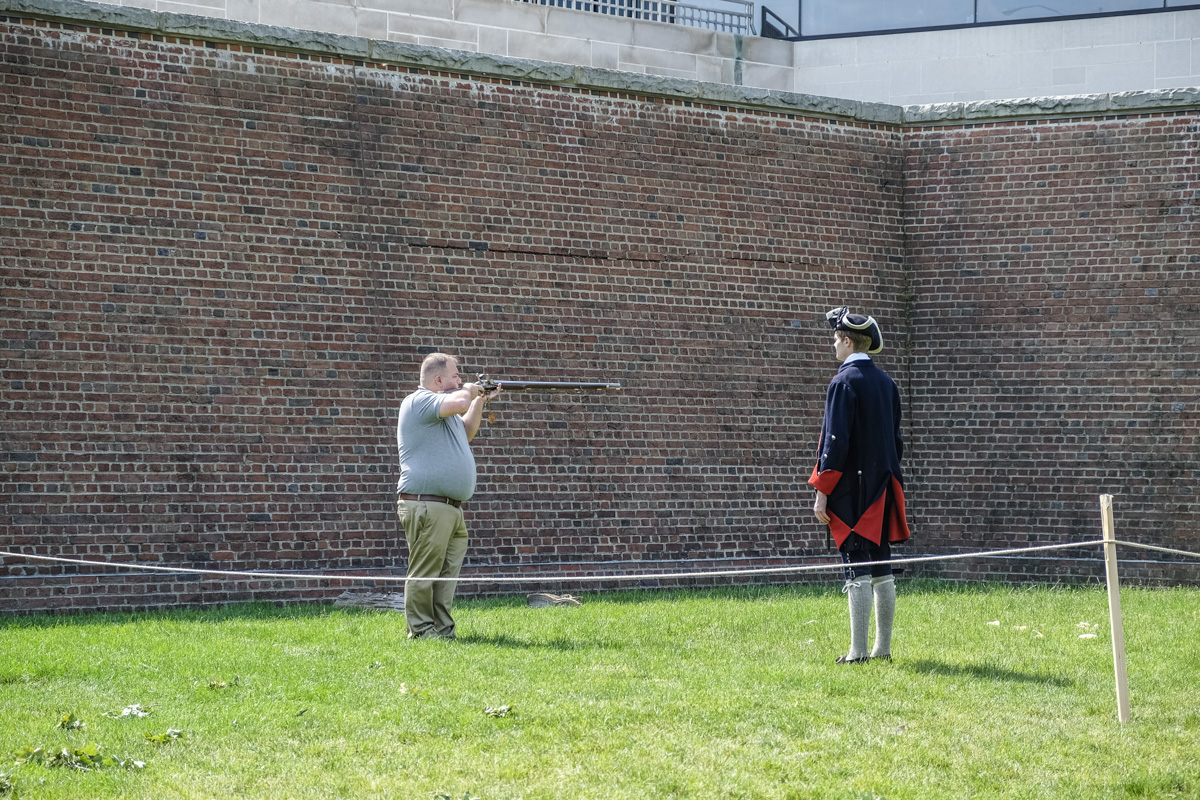
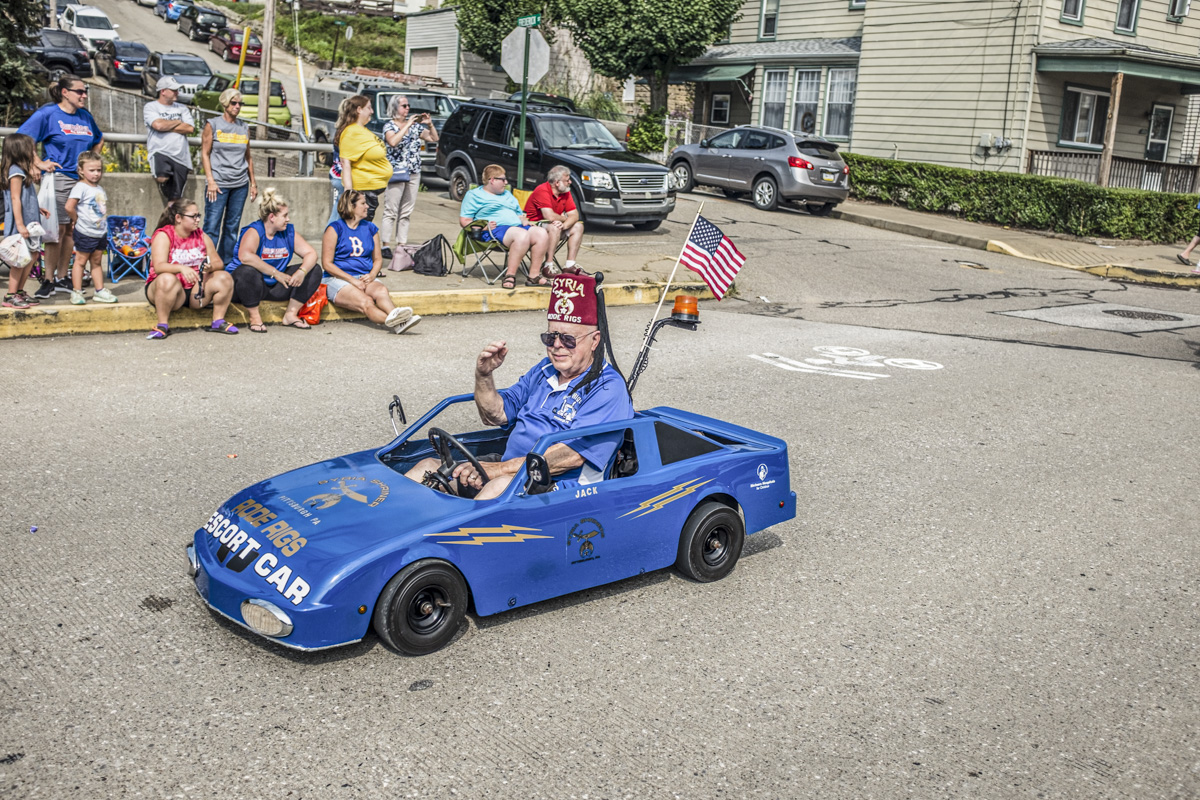
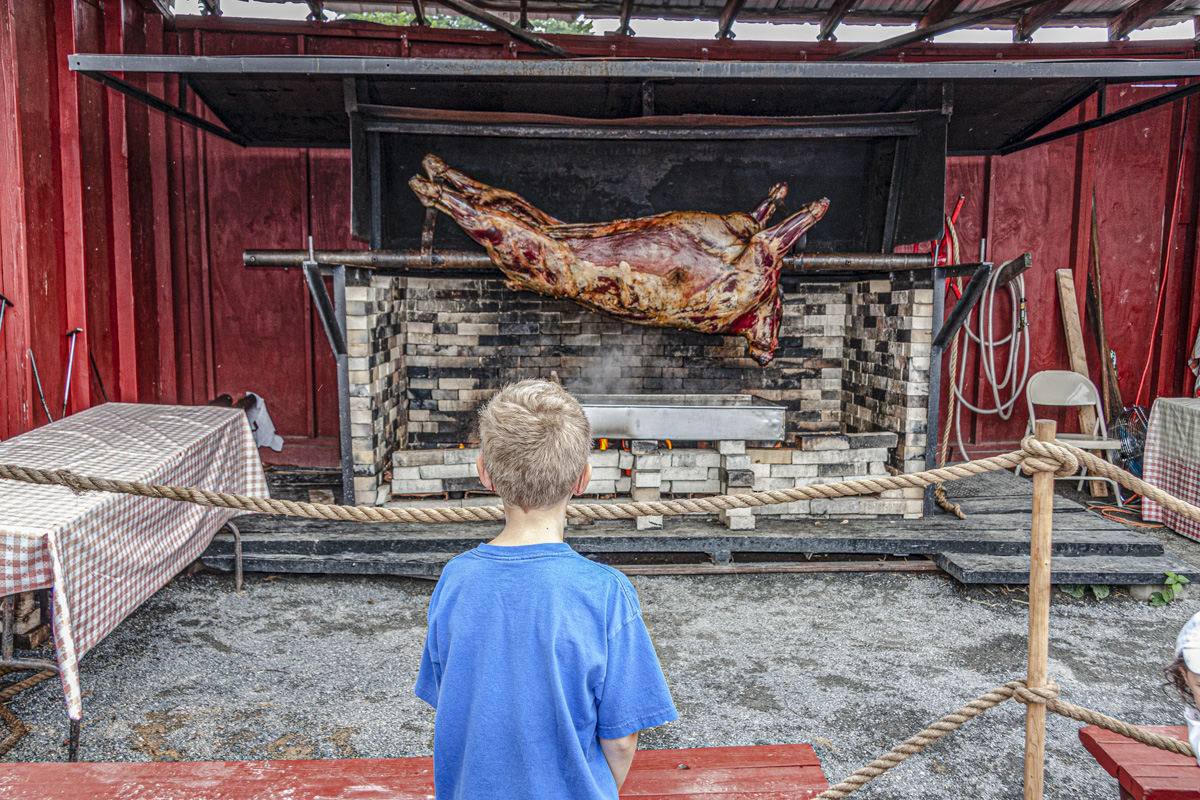
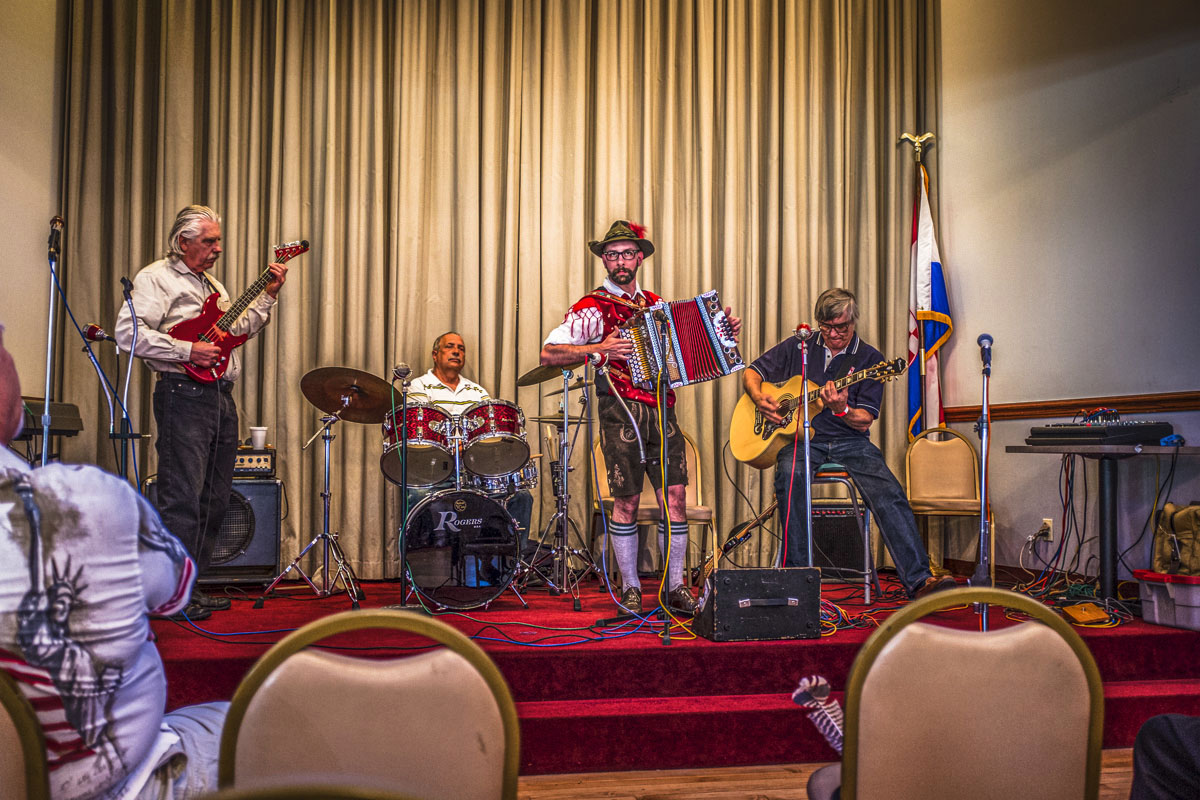
‘A Pennsylvania Project’ explores life in rural America–the ‘fly over country’ full of beauty, quirkiness and small-town values. Here, I looked for and found life far from the glamour and rhythm of our esteemed cities. I found life grounded in a working-class and sometimes rebellious perspective that is, hopefully, to some degree, at the heart of us all.
To see more of this project, click here

Instagram

Suzanne Sease is a creative consultant and former ad-agency senior art buyer. She works with both emerging and established photographers and illustrators to create cohesive, persuasive presentations that clients can’t resist.

Suzanne offers something rare: an insider’s perspective on how client’s source creative talent. Her deep understanding of the industry is underscored by her impressive resume: 11 years as senior art buyer at The Martin Agency, seven years as an art producer for Capital One, and stints with the art-buying department at Kaplan-Thaler and the creative department at Best Buy, where she applied her expertise to reviewing bids to see which were most likely to come in on budget. Over the years, Suzanne has worked with a wildly diverse range of clients, including Seiko, Wrangler, Bank One, AFLAC, and Clairol Herbal Essence. Now, as a consultant, she is equipped to problem-solve for her clients from an unusually dynamic point of view.

As a longtime member of the photo community, Suzanne is also dedicated to giving back. Through her Art of the Personal Project column on the popular website aphotoeditor.com, she highlights notable personal projects by well-known and up-and-coming photographers. The column offers these artists excellent exposure while reflecting Suzanne’s passion for powerful imagery.

Instagram

Combining Video And Typography

Here’s something interesting. Photographer William Hereford thinks that videos presented in magazines are treated as an afterthought (agreed!) and should be integrated into the layout. As a proof of concept he got off his ass and made this video. I think he’s onto something.

1 Stop Multimedia Shop

The Multimedia Muse is still going strong (here) and I’m really enjoying the pithy summary that goes with each highlighted piece.
MultiMediaMuse

Example:

Hall Of Lame: Politico’s Click
Politico
Do you want to know how to make a grown photographer cry? Open his laptop and launch Click, the new gossip/photo/video page from Politico, a publication whose terrific photographic potential (DC politics! Jim Vandehei and John Harris! A budget!) is apparently suffocating beneath an even greater level of creative impotence.

Click’s videos (which include White House Deputy Press Secretary Jen Psaki revealing what’s in her purse) have the too close, too jittery look of amateur porn. And their “latest slideshows” are perhaps the first in news history to include close-ups of carpeting. And crown molding.

I like gossip as much as the next guy. But does it really have to appear so slapdash?
—mondo

David Maisel’s Library Of Dust on Flyp Media

There’s a story about David Maisel and his Library of Dust project over on Flyp Media (here). Flyp is a multimedia magazine and really worth checking out to see what you think about a story that combines photographs, text, audio and video. I think it’s pretty cool and liked the video of David talking about his work (here). The Library of Dust project is also very interesting. It’s a collection of photographs of copper canisters, each containing the unclaimed remains of a patient from a psychiatric hospital in Oregon.

maisel-dust

Esquire’s Innovate or Die Covers

Esquire editor David Granger must have an innovate or die policy with his cover creation. Awhile back they started stuffing the coverlines behind the subject to give it a 3-d effect (which I think is brilliant), but now they’ve gone on and done flashing E-Ink, cover flap mini mag advertisement, perforated/tearable and now shot one with the new RedONE high def video camera. The cover of Megan Fox was shot by Greg Williams and you can see on his website he’s the multi-talented photographer/director these cameras exist for (here).

This is what Esquire has to say about the shoot (from their site here):

Greg Williams recorded ten minutes of loosely scripted footage with Fox — getting out of bed, rolling around on a pool chair, inexplicably lighting a barbecue.

“It allowed her to act,” Williams says. “She could run scenes without being reminded by the sound of a shutter every four seconds that I was taking a picture. As in still photography, a lot of it is capturing unexpected moments. This takes that one step further.” He then went back and pulled out the best images, which you can see in Esquire’s June issue, on sale May 10. Plus, there’s a fantastic by-product: Even though we made the film to get the stills, we were left with ten bewitching minutes of footage of a beautiful woman. We edited it down to a mini movie, which will be available at esquire.com/megan on May 4.

megan1megan2megan2halfmegan3

I think it’s working. The covers are creating buzz and along the way they will inevitably stumble upon something innovative for magazine covers. The RedONE may be it but not because I think people want to watch a 10 min. video of someone posing for a cover. Something interesting will come out of this, maybe they can create cool animated cover badges from all the frames around the shot to spread around the web or maybe it just changes the way subjects and photographers work together for cover shoots. Regardless, I can’t wait to see what happens next. I’d rather see them try something and fail than endlessly plodding along with “57 fat burning secrets.”

Saw it on Gizmodo, forwarded to me by Peter.