This Week In Photography Books: Jesse Burke

by Jonathan Blaustein

I’ve been thinking a lot about the future. Mostly, how strange it is that none of us will ever know what’s to come, after we’re gone.

Will our children be OK? Will we save the planet? Will robots take over and turn us into meat slaves?

Such information is beyond our purview. Can you imagine what a Syrian wine merchant from Palmyra, circa 250 AD, would think of Siri? Or Robert Parker? Or ISIS?

Yet even then, parents loved their children, tried hard to provide for them, and likely wondered what would happen after they passed.

The human condition is cyclical, as much as linear.

It’s the reason we love our distractions so much. TV, Netflix, Ipads, Kindles, soccer matches, video games, anything to take our mind off the existential dread of knowing our lifespan is so limited, and that the world will continue to turn when we’re dust. (Until the sun dies too. In 5 billion years.)

Photography has always had a strong role to play here. It may not give glimpses into the future, but it allows us to retain a vision of life, just as we saw it, to help us remember when we’re nearing the end.

Photographs are totems that provoke emotion. They freeze time, and in a way, defeat it.

It’s odd, when you think about it, how little of our lives we actually recall. At best, it has to be .000000000000001% of our actual experience.

Glimpses. Moments. Nothing more.

But as artists, when we pour ourselves into a mission to combat that entropy, sometimes we end up with a marker of success. An object that we’ll cherish until we die, and hopefully, others might enjoy too.

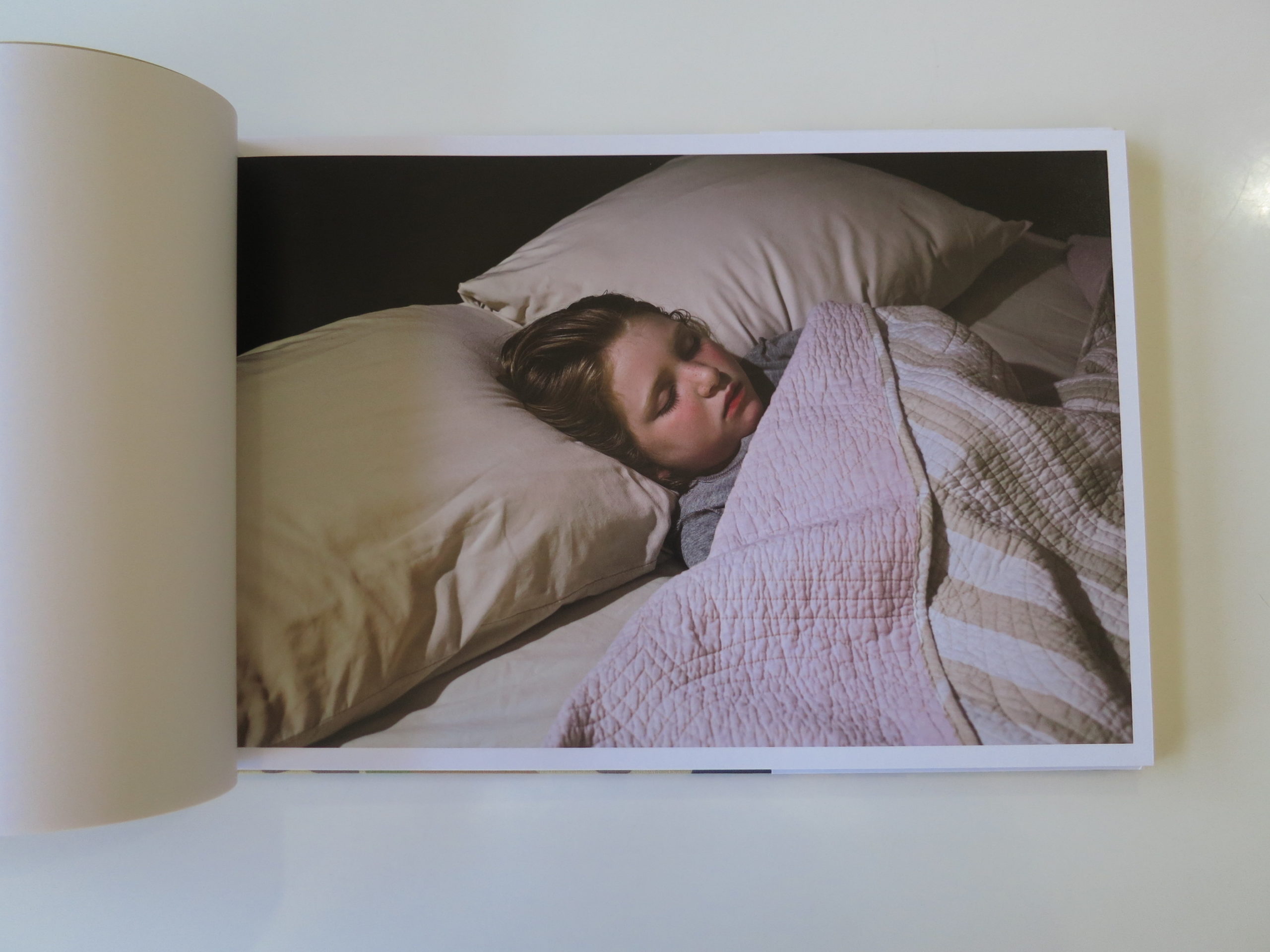
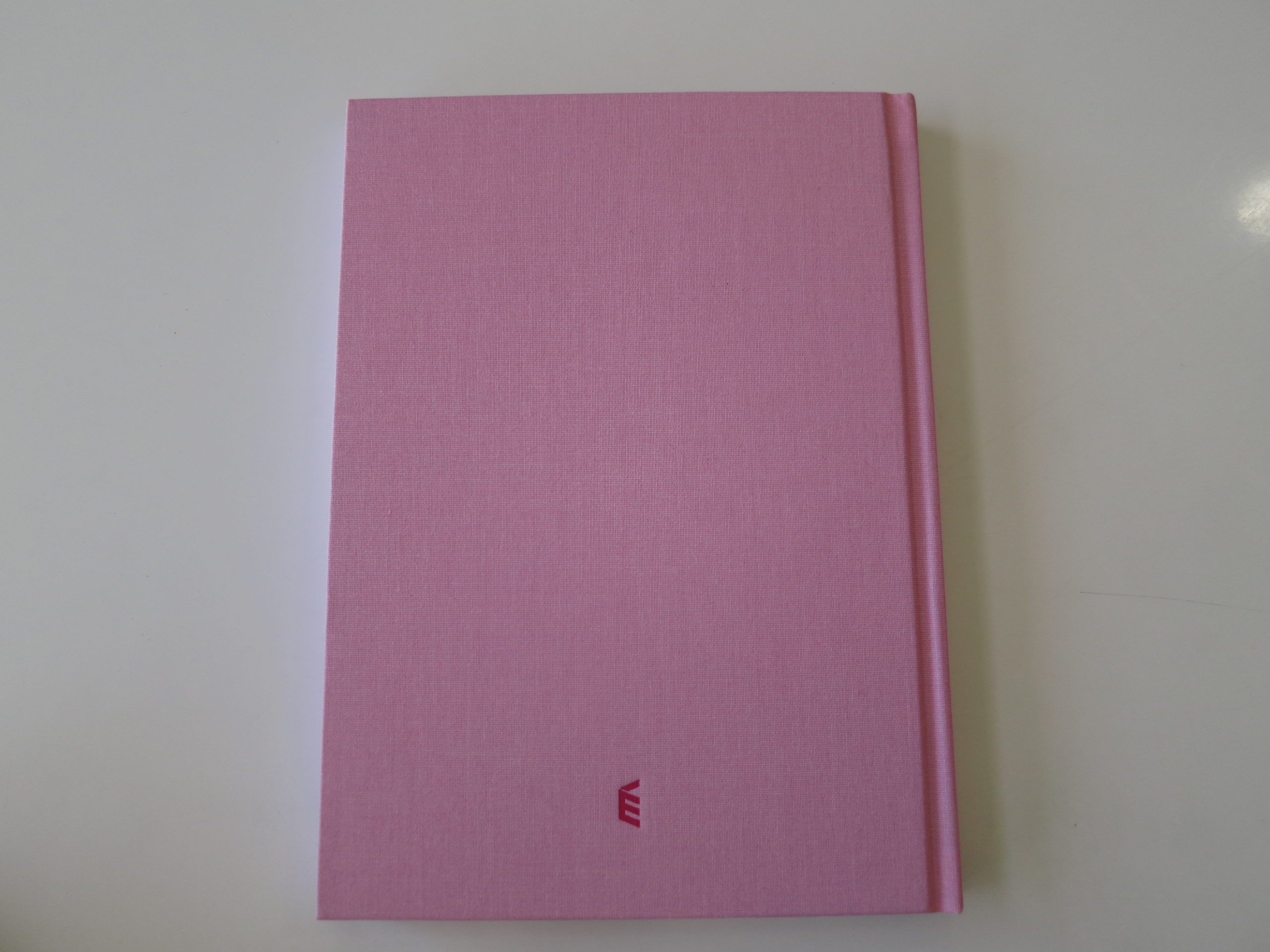
Such is my mindset after looking at “Wild & Precious,” a new book by Jesse Burke, published by Daylight. The project was recently shown at ClampArt in New York, and also exists digitally as a short film, so there are multiple ways to interact with this tale.

That said, this is a book review, (nominally,) so I might as well explain why I like the damn thing.

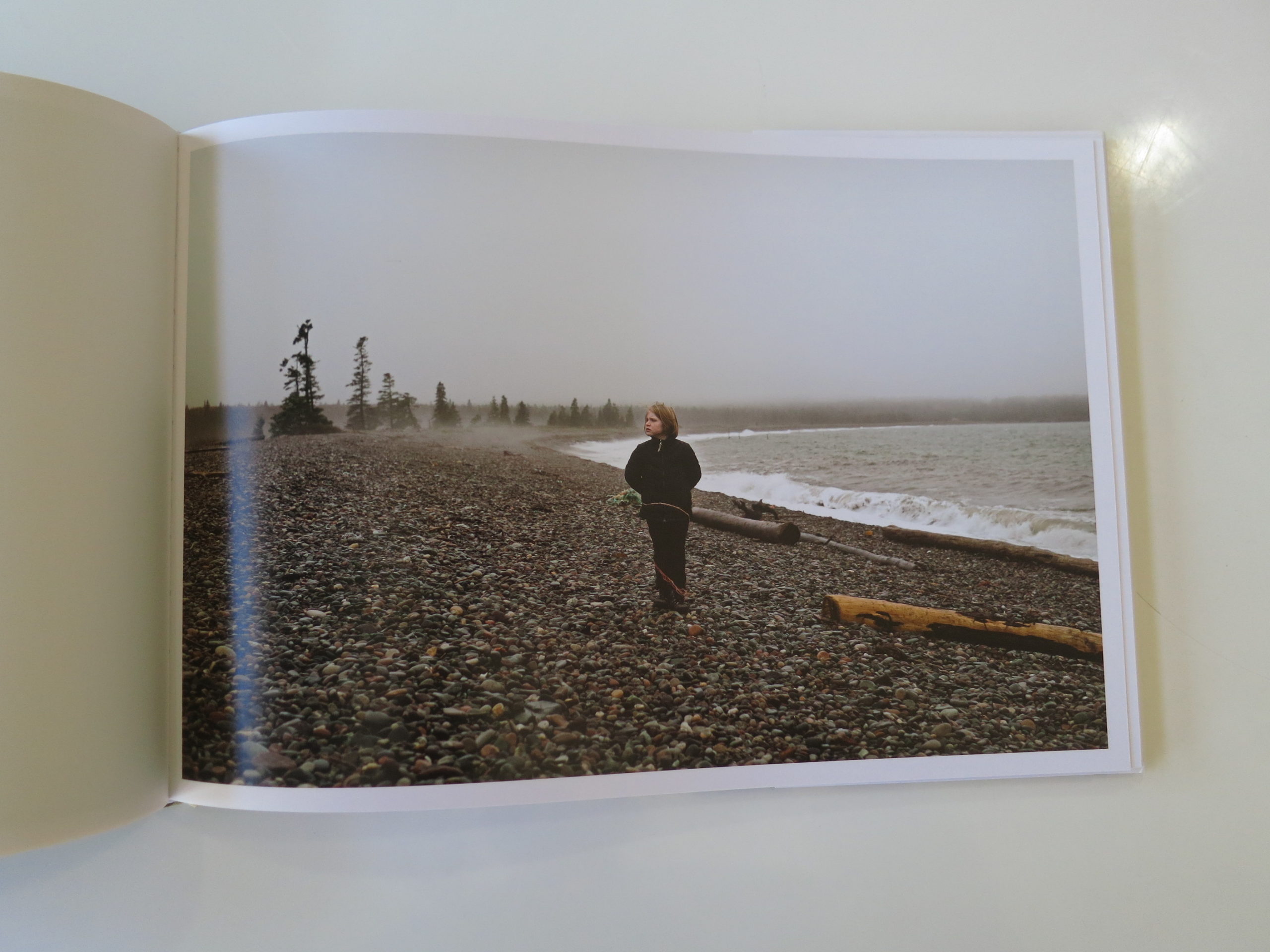
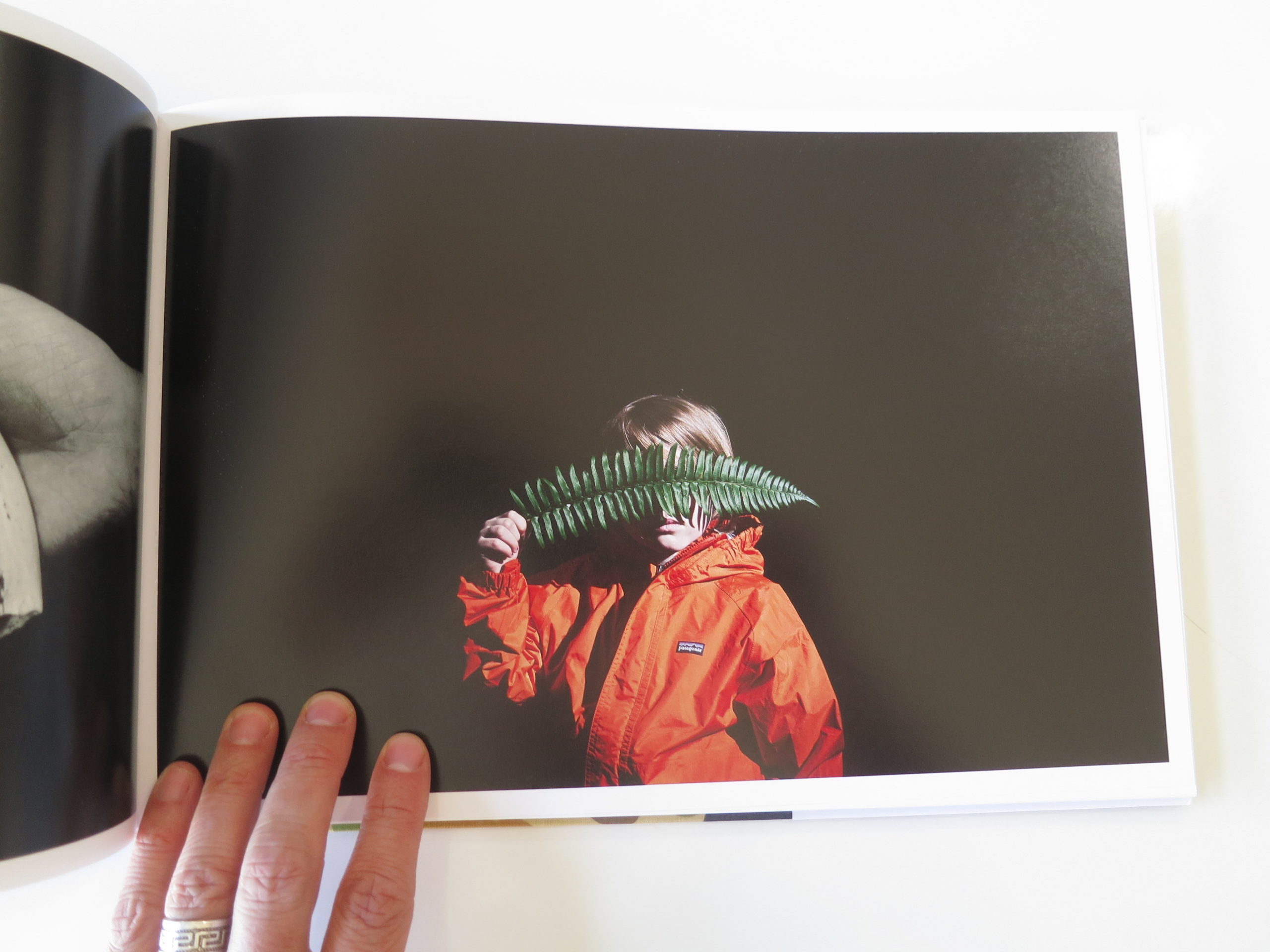
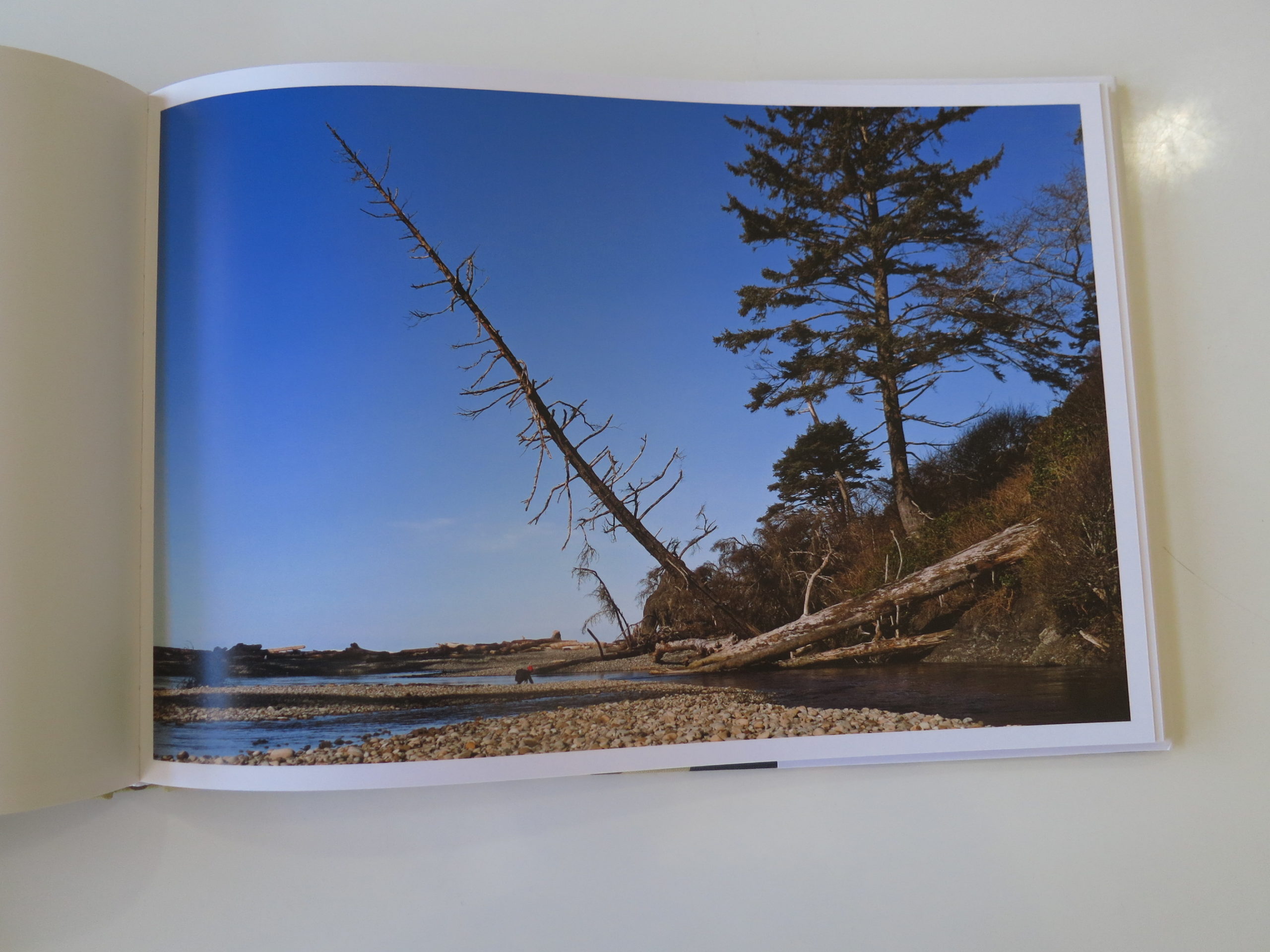
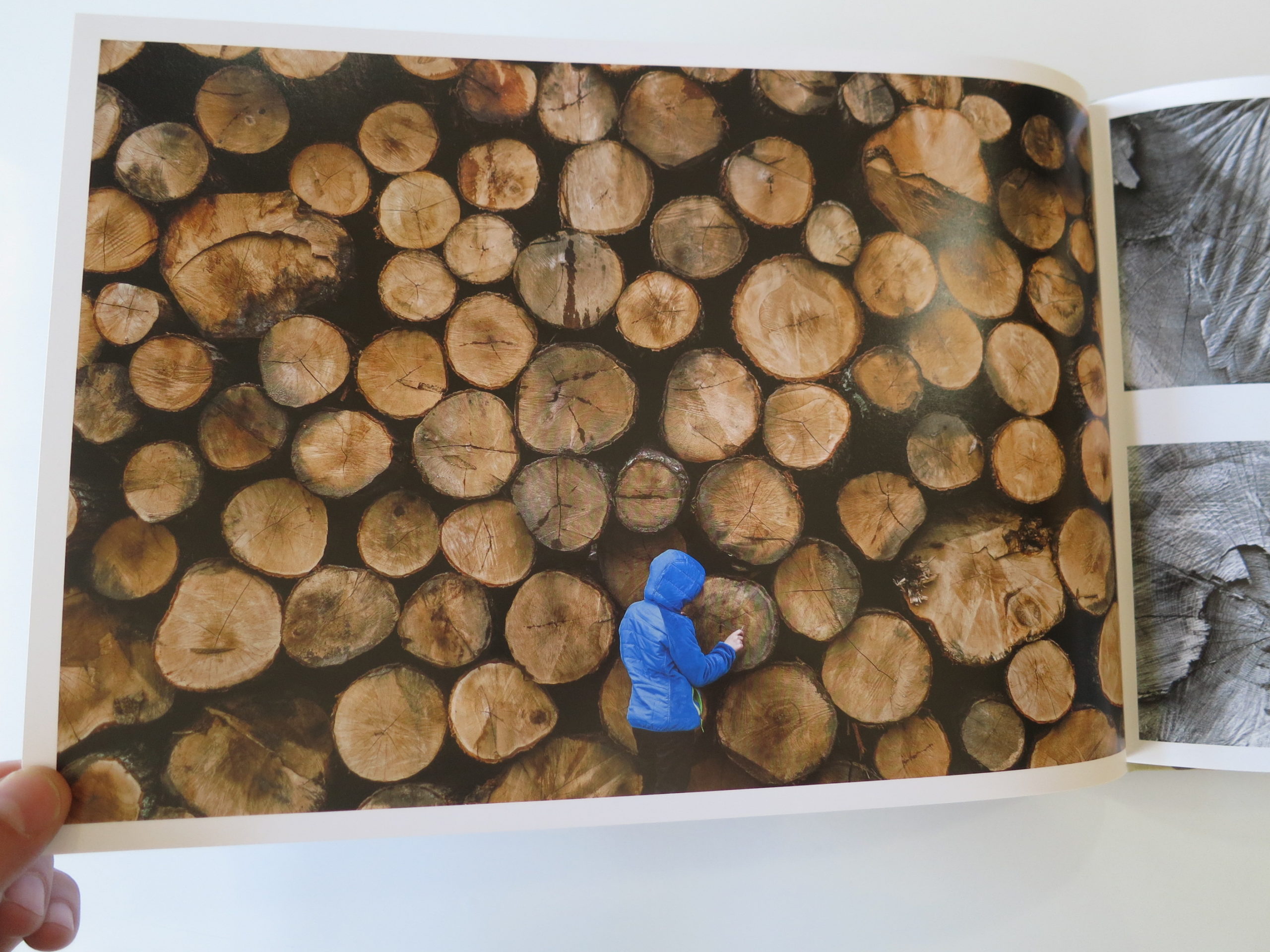
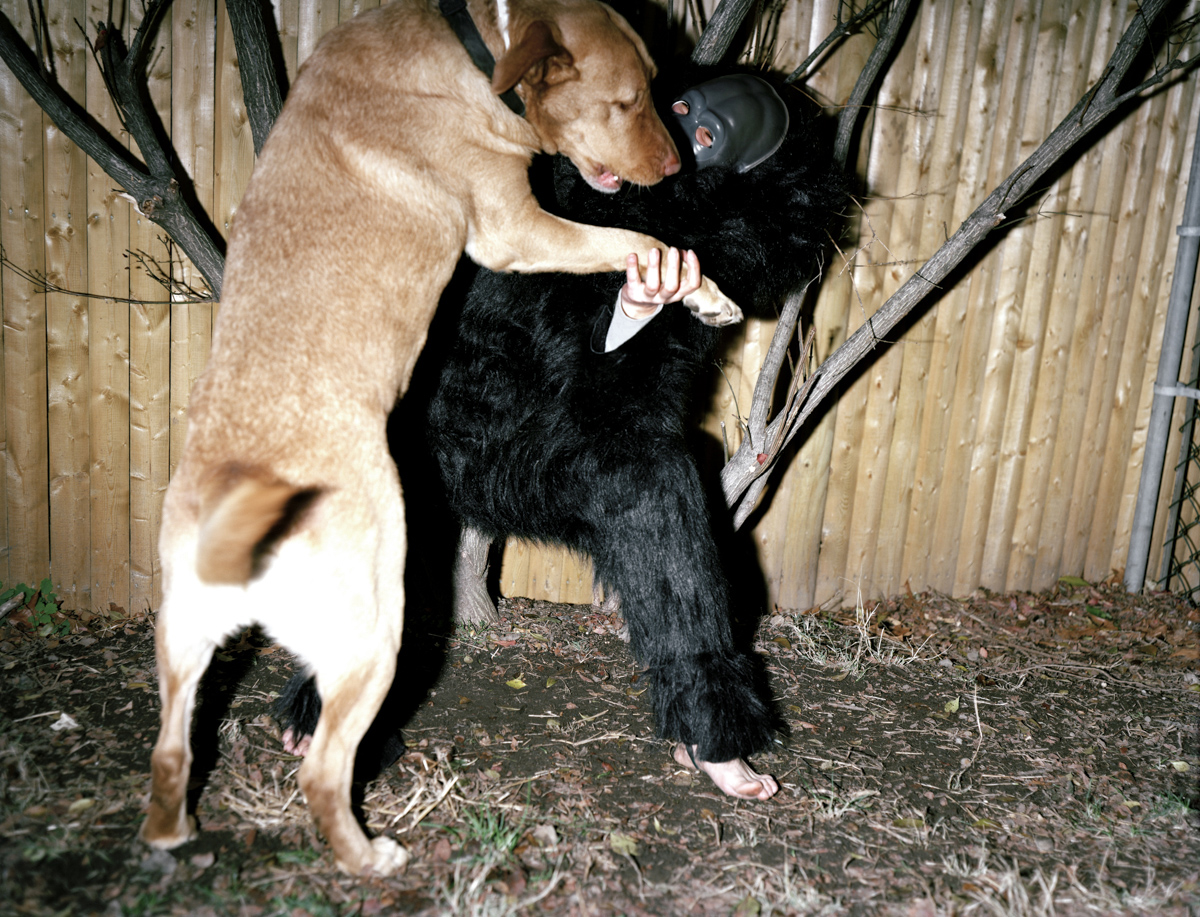
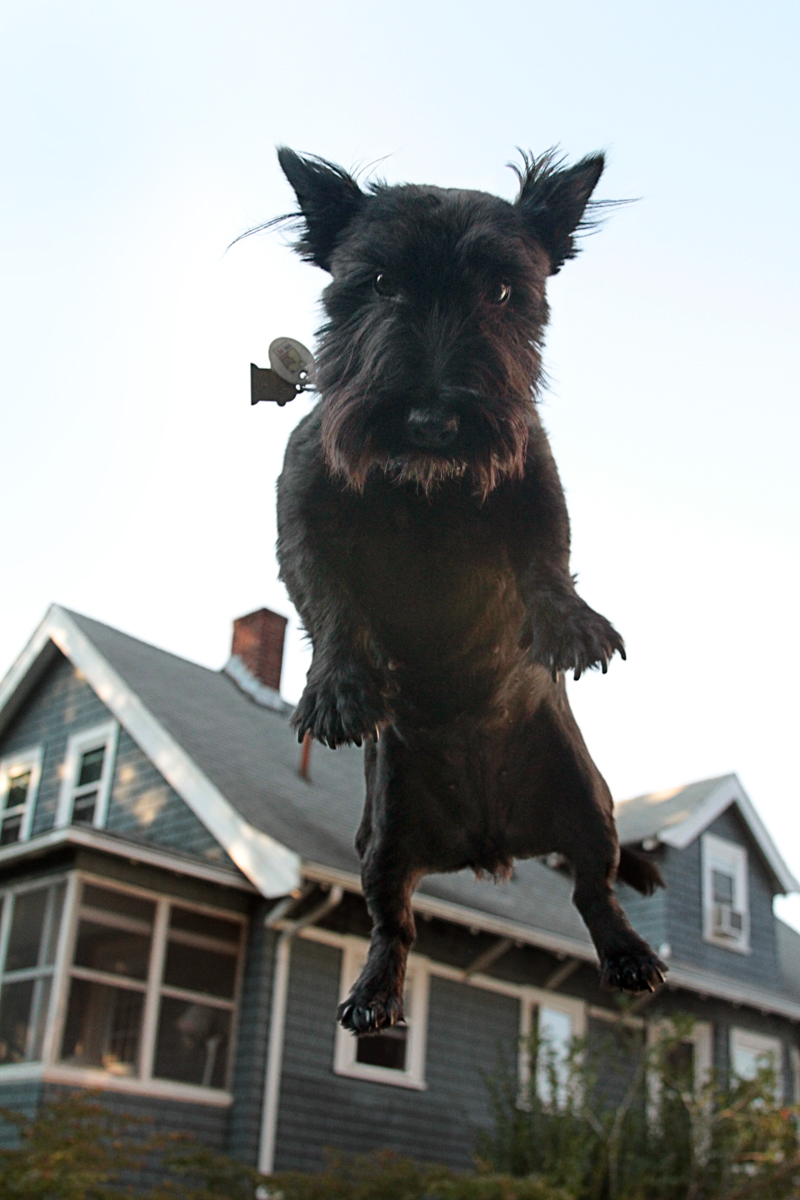
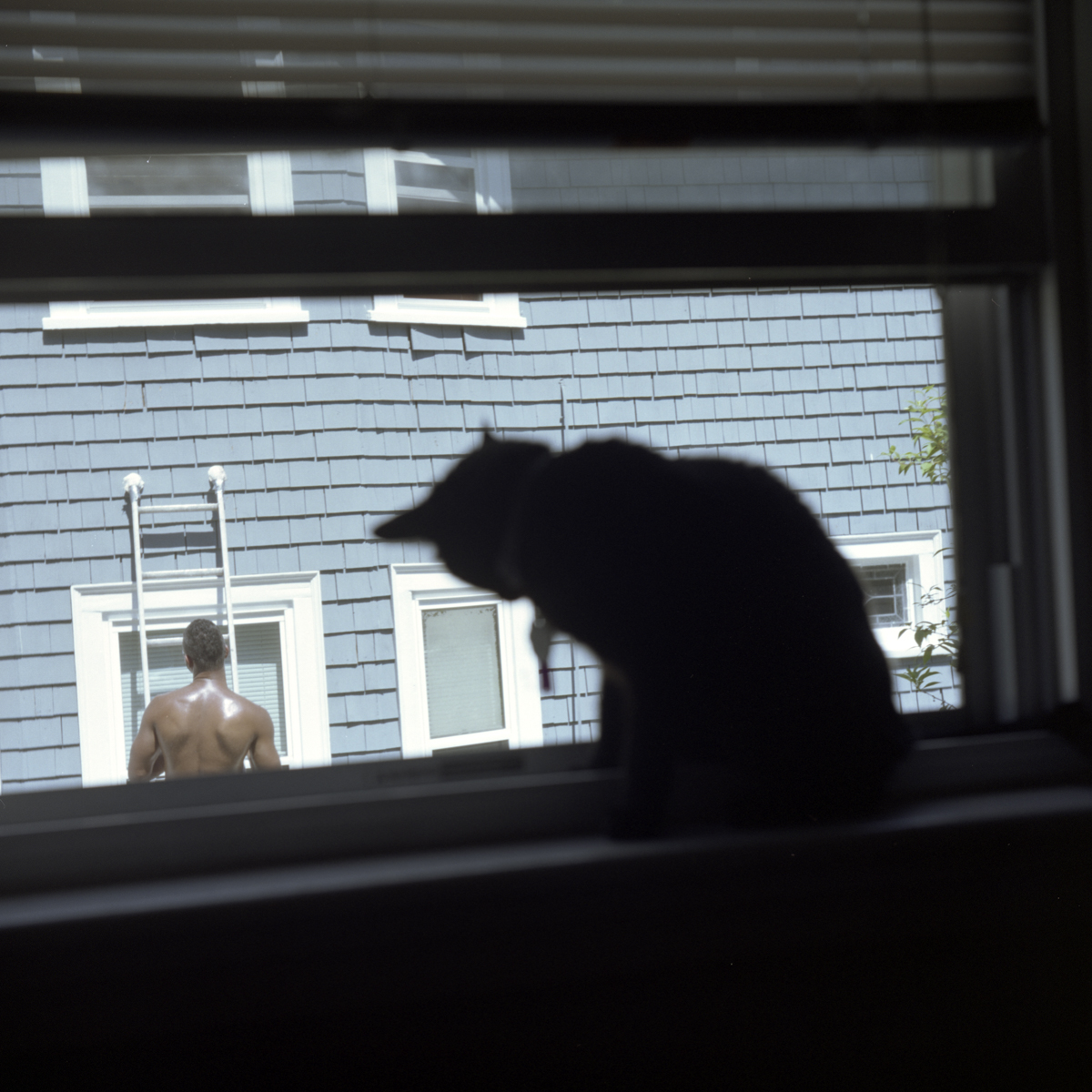
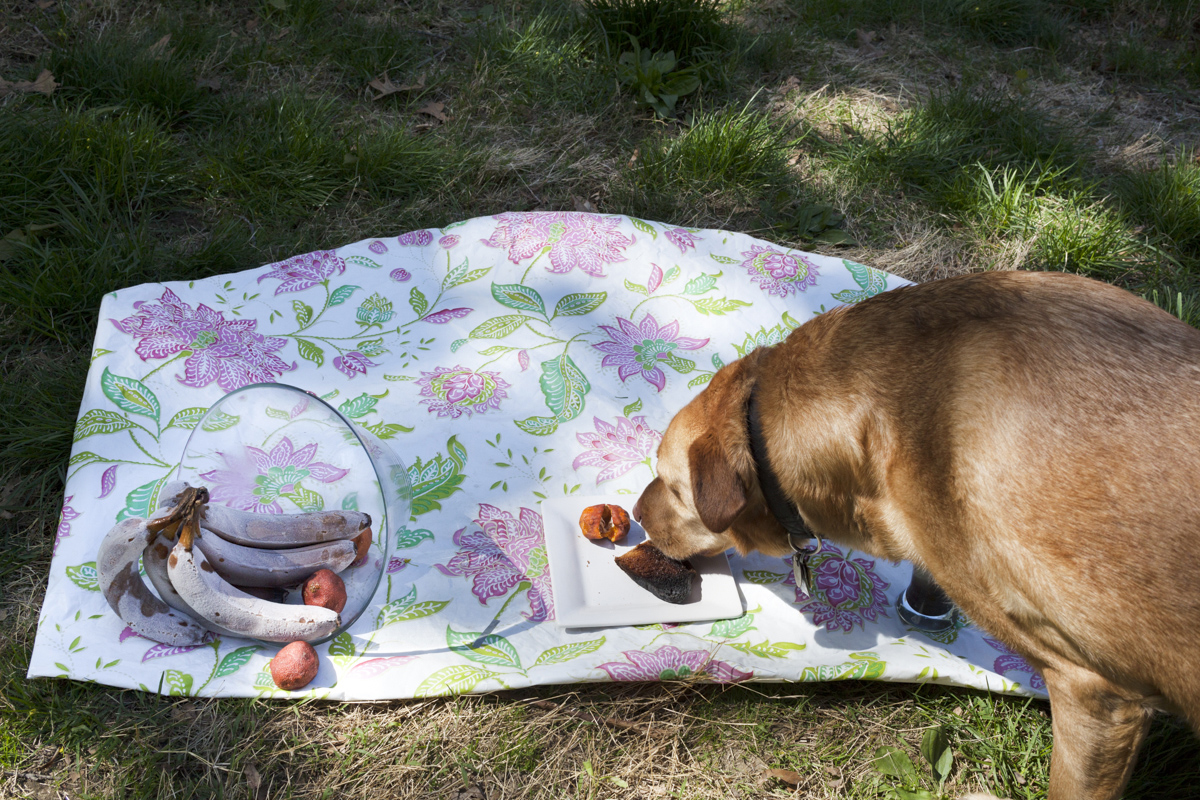
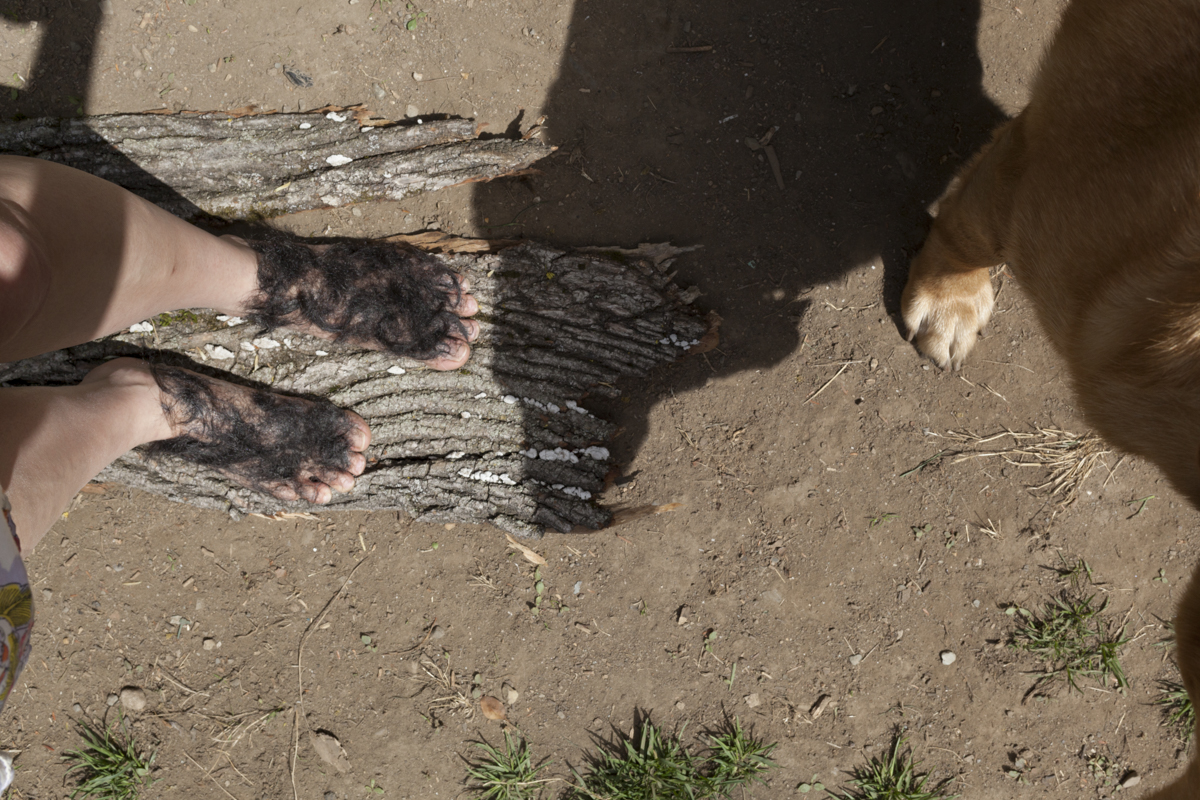
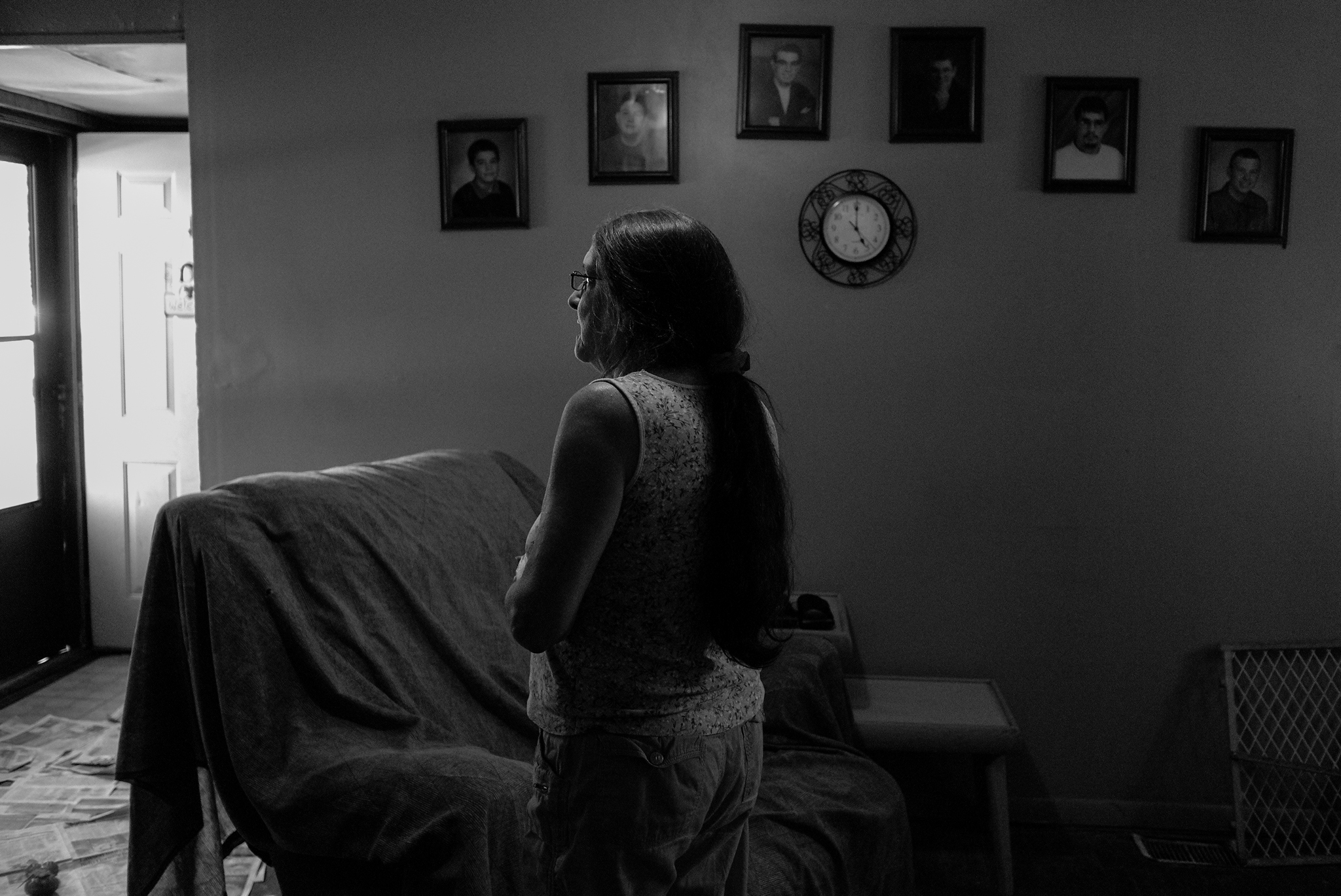
Jesse Burke spent 5 years roaming the American Wilderness, intermittently, with his eldest daughter Clover. That’s what this story is about. There are many, many images of their travels. Pictures that are ours to engage with, but are really meant for Jesse and Clover, circa 2060.

That much is clear.

In an opening letter, the artist writes directly to Clover, and near the end, she writes back. This is a personal exercise, as so much of the best art is. We make it for ourselves, because we must, because we are driven by the spirit of creation, and then we share it with everyone else.

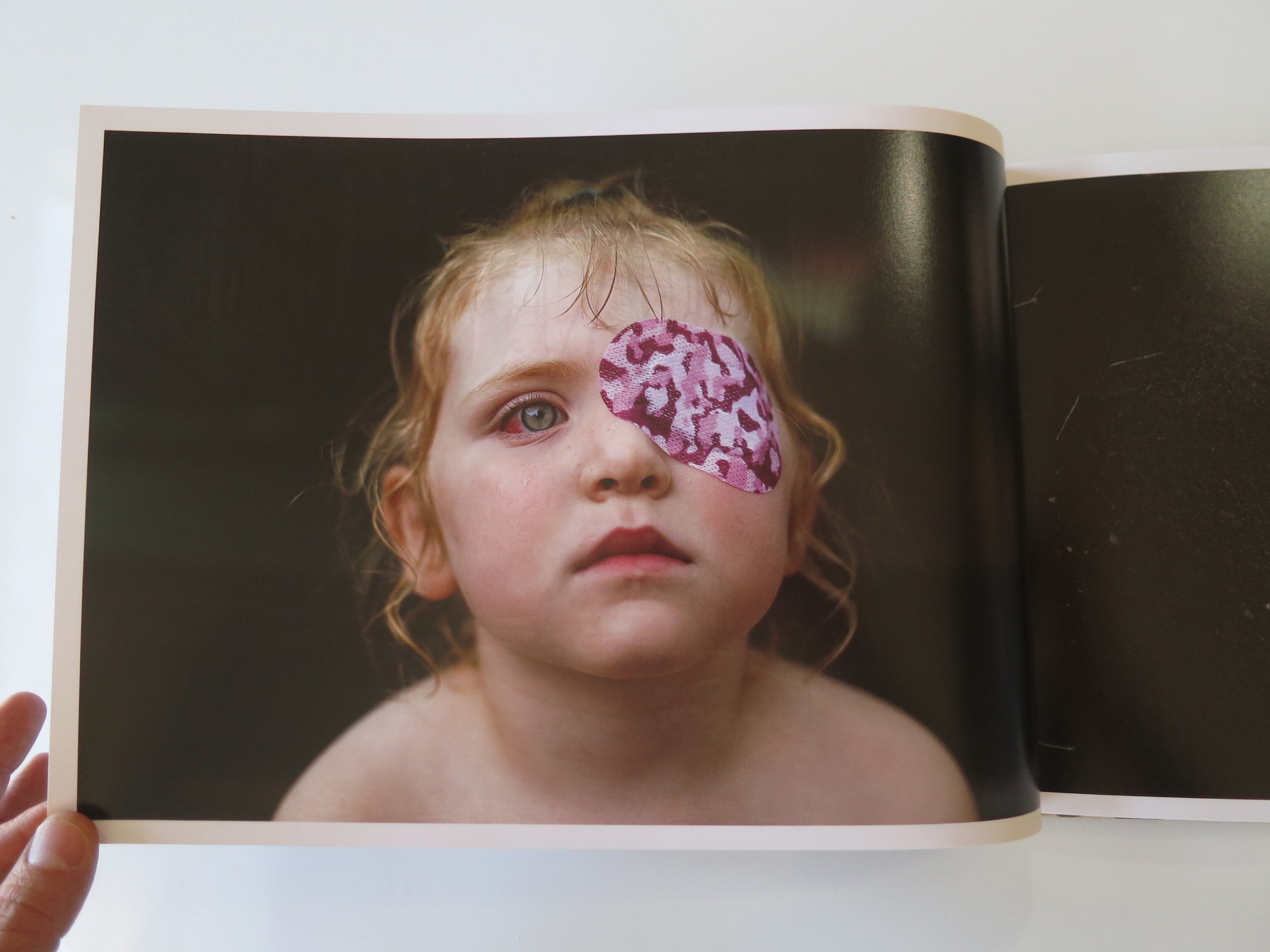
There are a few genuinely striking pictures, including several portraits of Clover, taken at points of distress. An eyepatch covers one eye, the other blood red, and the hint of a tear glistens on her cheek.

A bloody nose, which reminded me a bit of an Elinor Carucci image, makes us think of the liquid flowing through our veins. The stuff of life.

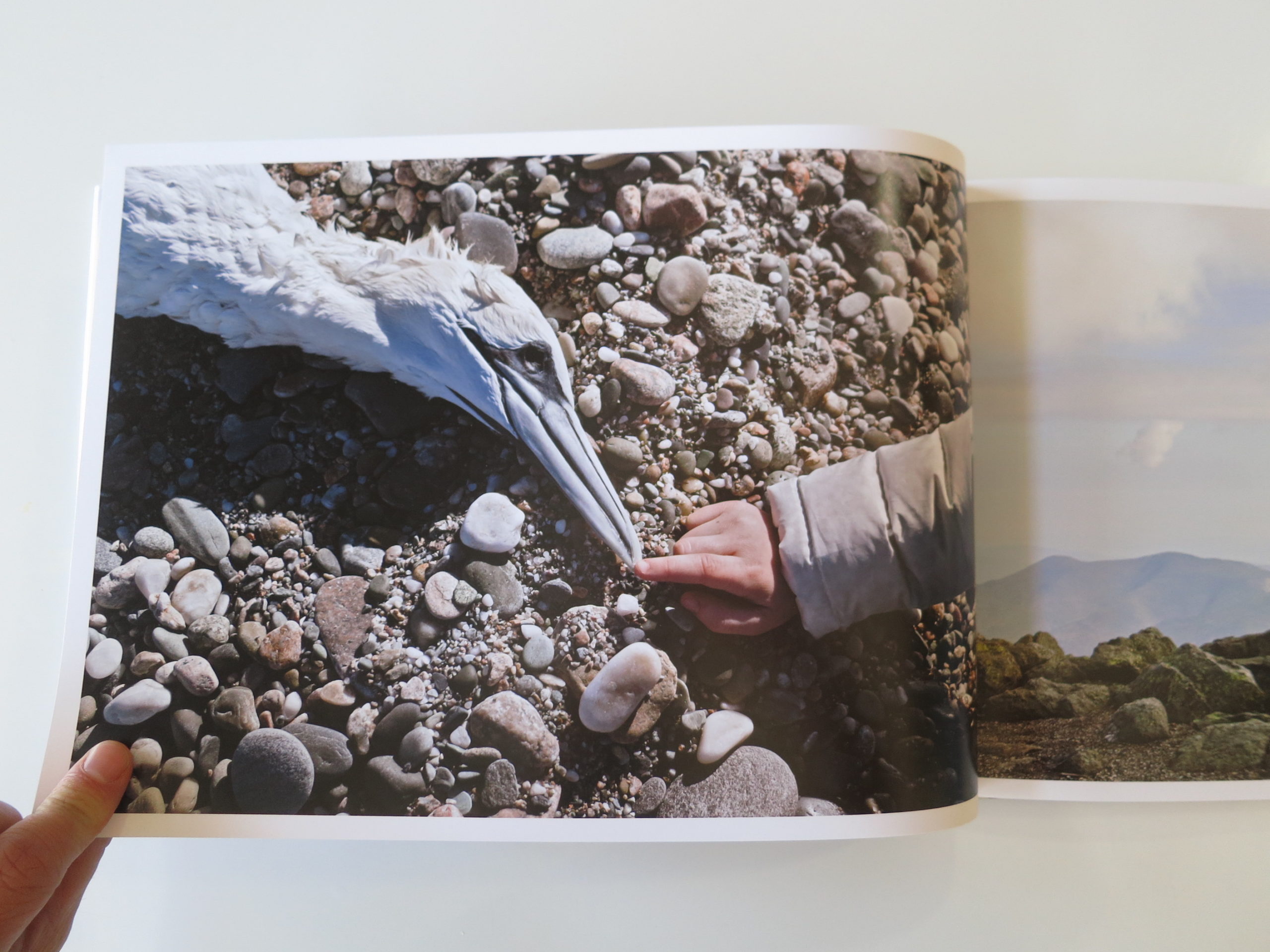
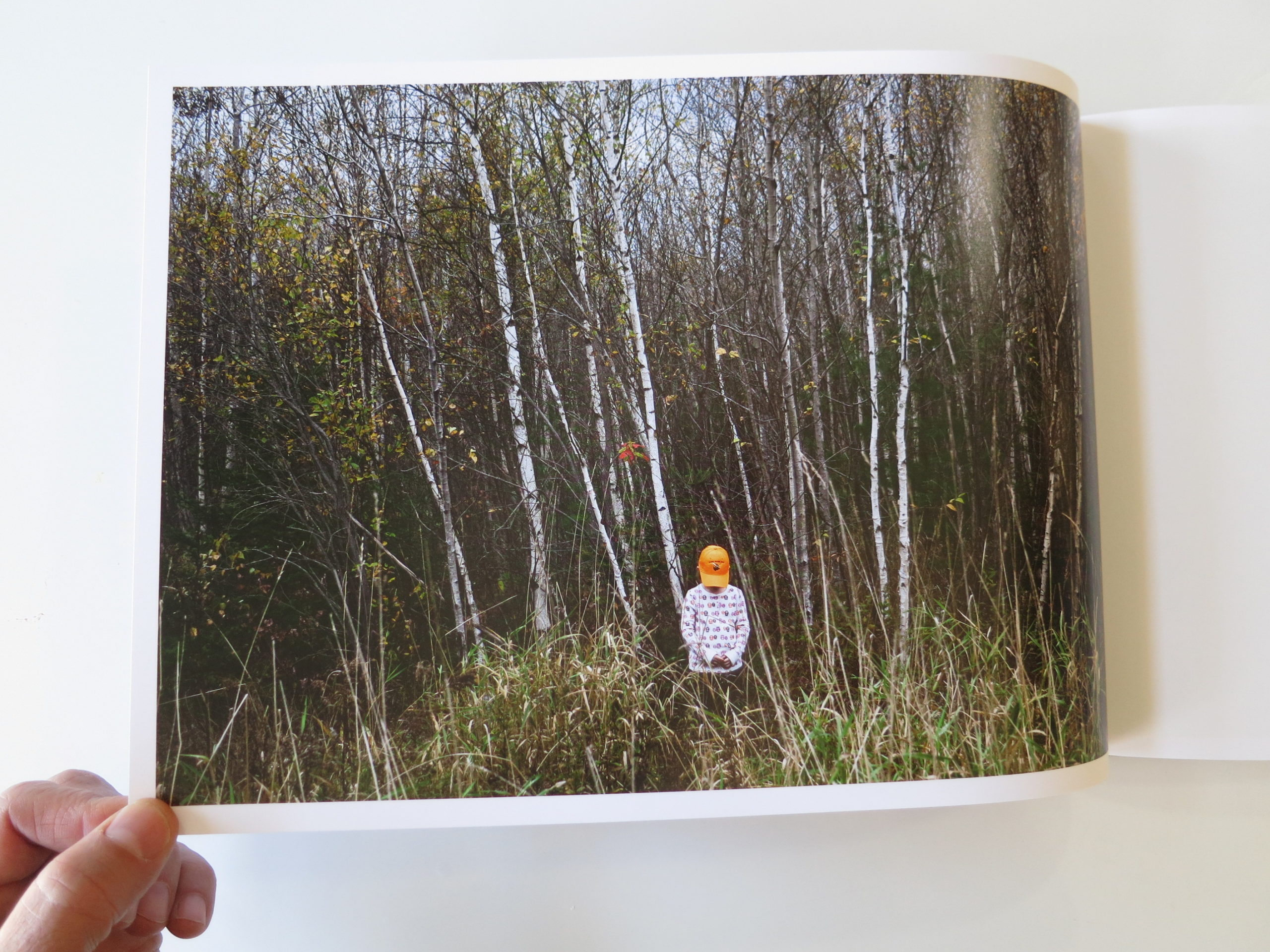
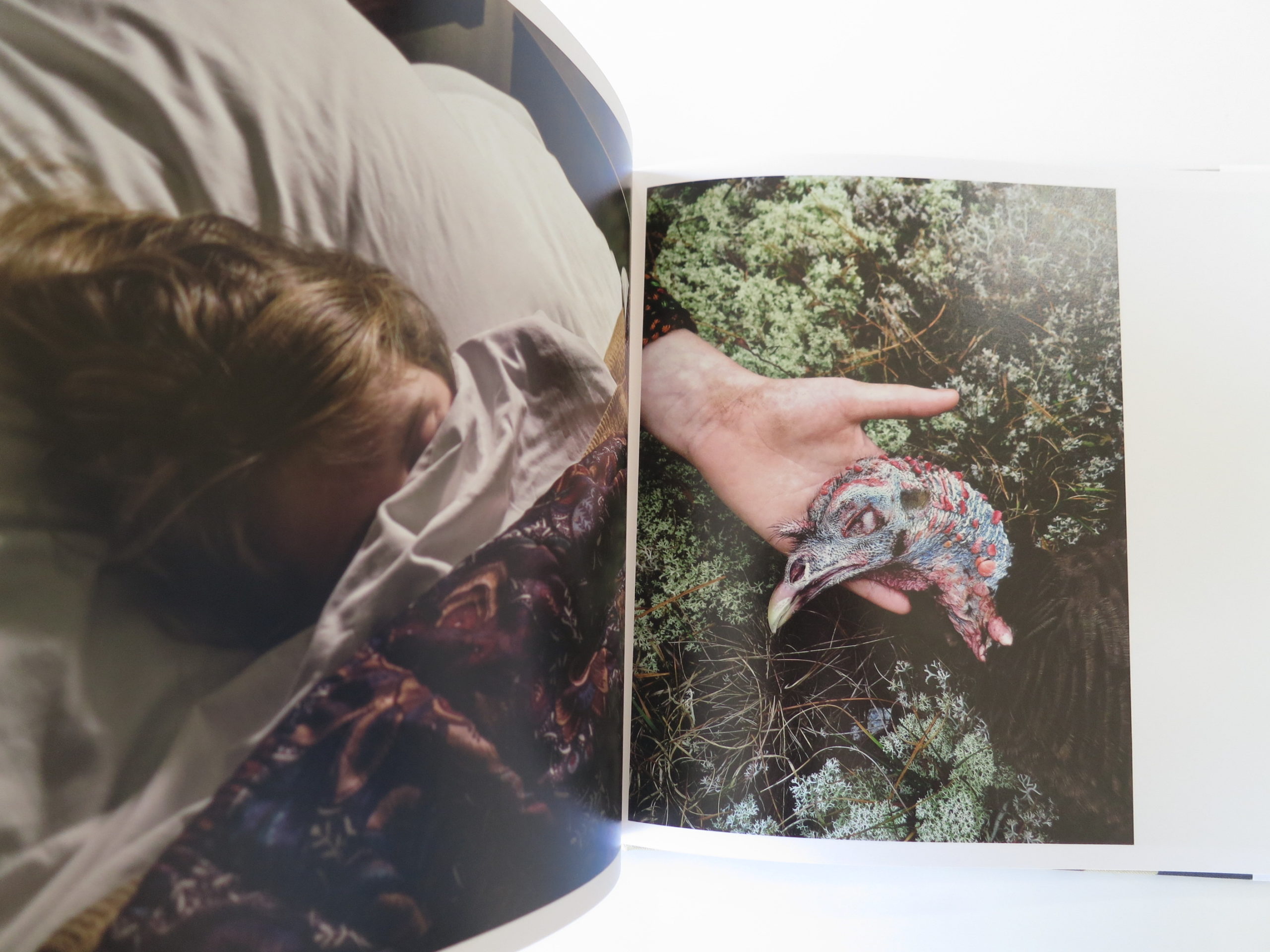
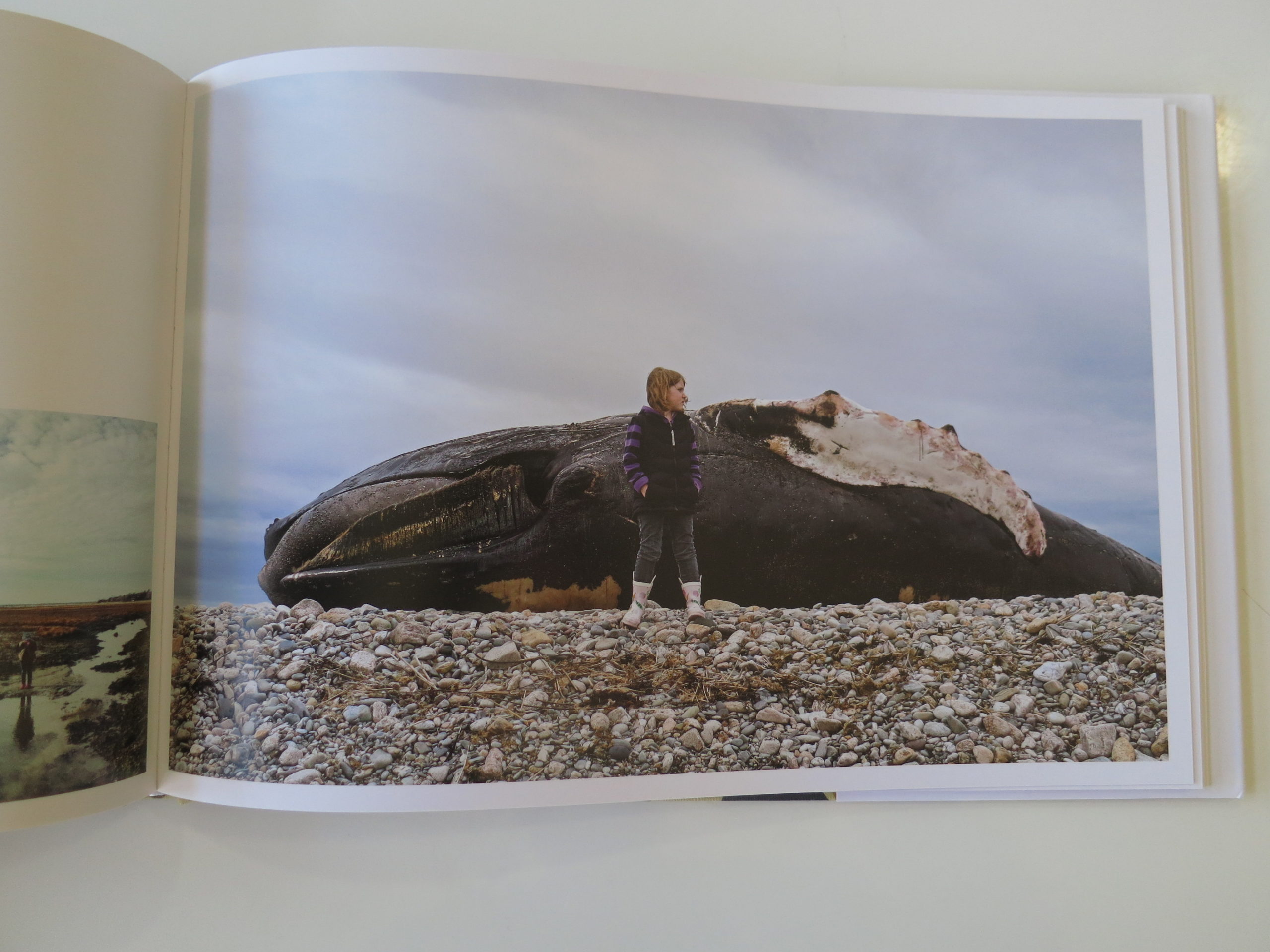
Many a photo shows Clover with animals in her hand, most of them dead. Trip after trip, and they’re exploring beaches, walking through forests, and finding the time to commune with Nature. Like in the Old Days, before the Entertainment Industrial Complex was born.

Personal as this project is, there was still time for a cultural gut punch, before I closed the back cover. About 3/4 of the way through, there is one photograph of factories spewing pollution into the air.

Only one, but it changes the context of the entire book. We think of Climate Change. Why all those animals, including a beached whale, might be dead.

The atmosphere is changing.

What will the world look like when Clover is my age? Or 80? Will there even be forests to explore?

Sadly, I’ll never know, and neither will you. Life, as precious as it is, is also something of a Devil’s bargain. And there’s nothing to do but live each moment to the fullest, and hope for the best.

Bottom Line: Poignant look at the love between a father and daughter

To Purchase “Wild & Precious” Visit Photo-Eye

IMG_1091

IMG_1092

IMG_1094

IMG_1096

IMG_1097

IMG_1099

IMG_1100

IMG_1101

IMG_1103

IMG_1104

IMG_1105

IMG_1106

IMG_1108

IMG_1110

IMG_1111

IMG_1112

IMG_1114

IMG_1115

The Art of the Personal Project: Craig Pulsifer

As a former Art Producer, I have always been drawn to personal projects because they are the sole vision of the photographer and not an extension of an art director, photo editor, or graphic designer. This new column, “The Art of the Personal Project” will feature the personal projects of photographers using the Yodelist marketing database. You can read their blog at http://yodelist.wordpress.com. Projects are discovered online and submissions are not accepted.

Today’s featured photographer is: Craig Pulsifer

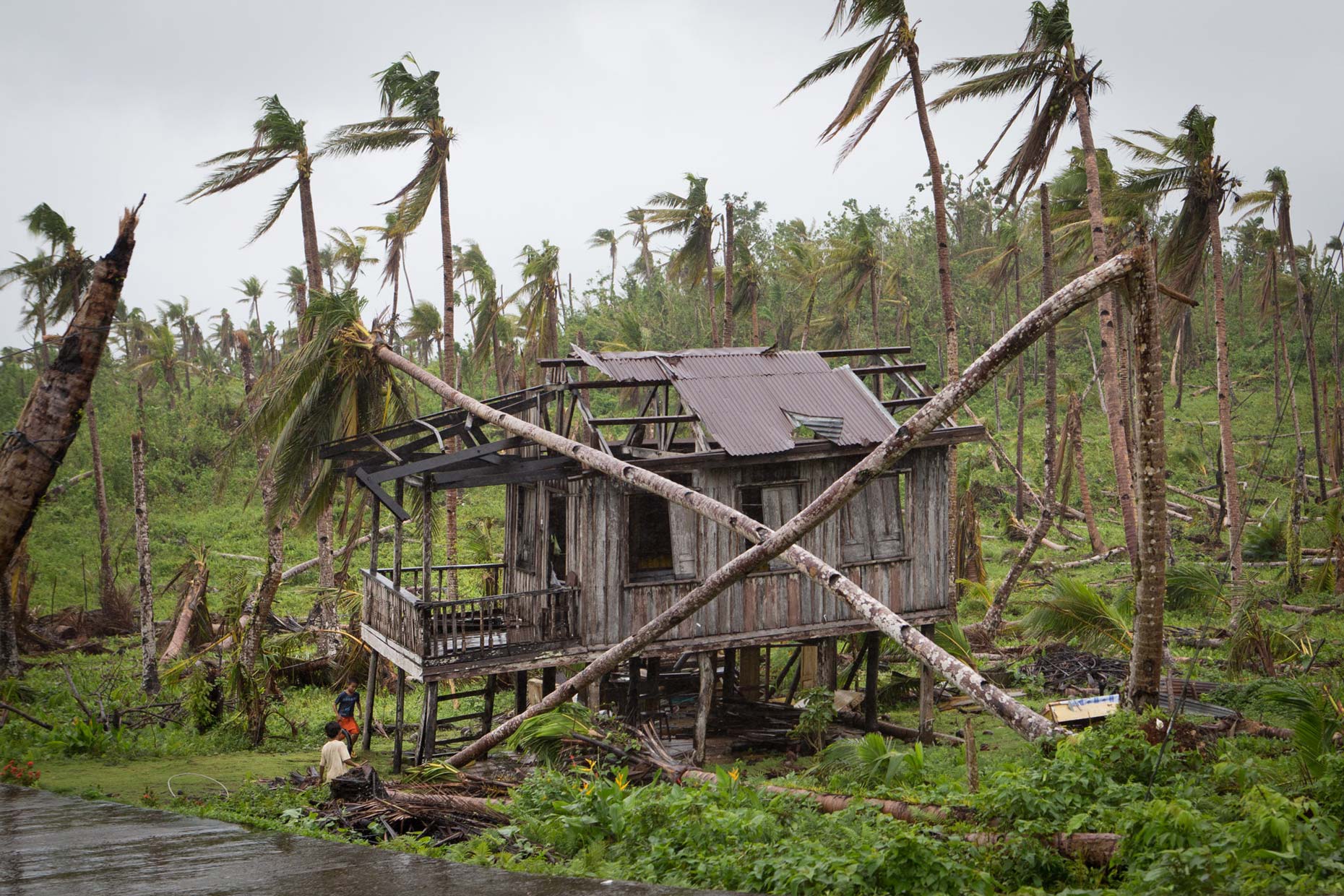
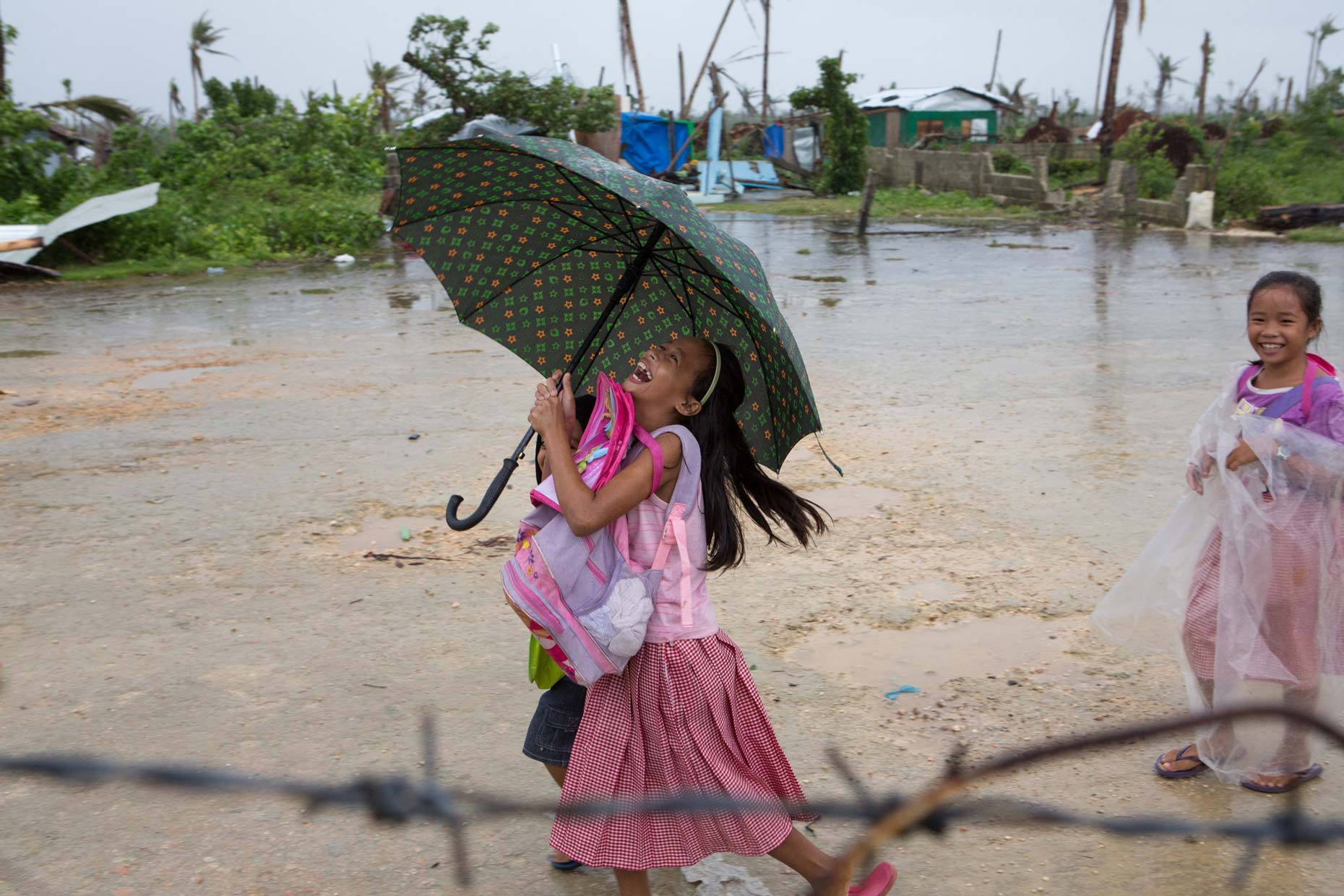
East Samar, Philippines - Nov. 8, 2013 - Typhoon Yolanda (Haiyan) hits land in the central islands of the Philippines with wind gusts over 300 km/hr - 6,340 people died in the largest typhoon in recorded history. 100 days later, relief efforts were only just beginning to make an impact.
East Samar, Philippines – Nov. 8, 2013 – Typhoon Yolanda (Haiyan) hits land in the central islands of the Philippines with wind gusts over 300 km/hr – 6,340 people died in the largest typhoon in recorded history. 100 days later, relief efforts were only just beginning to make an impact.
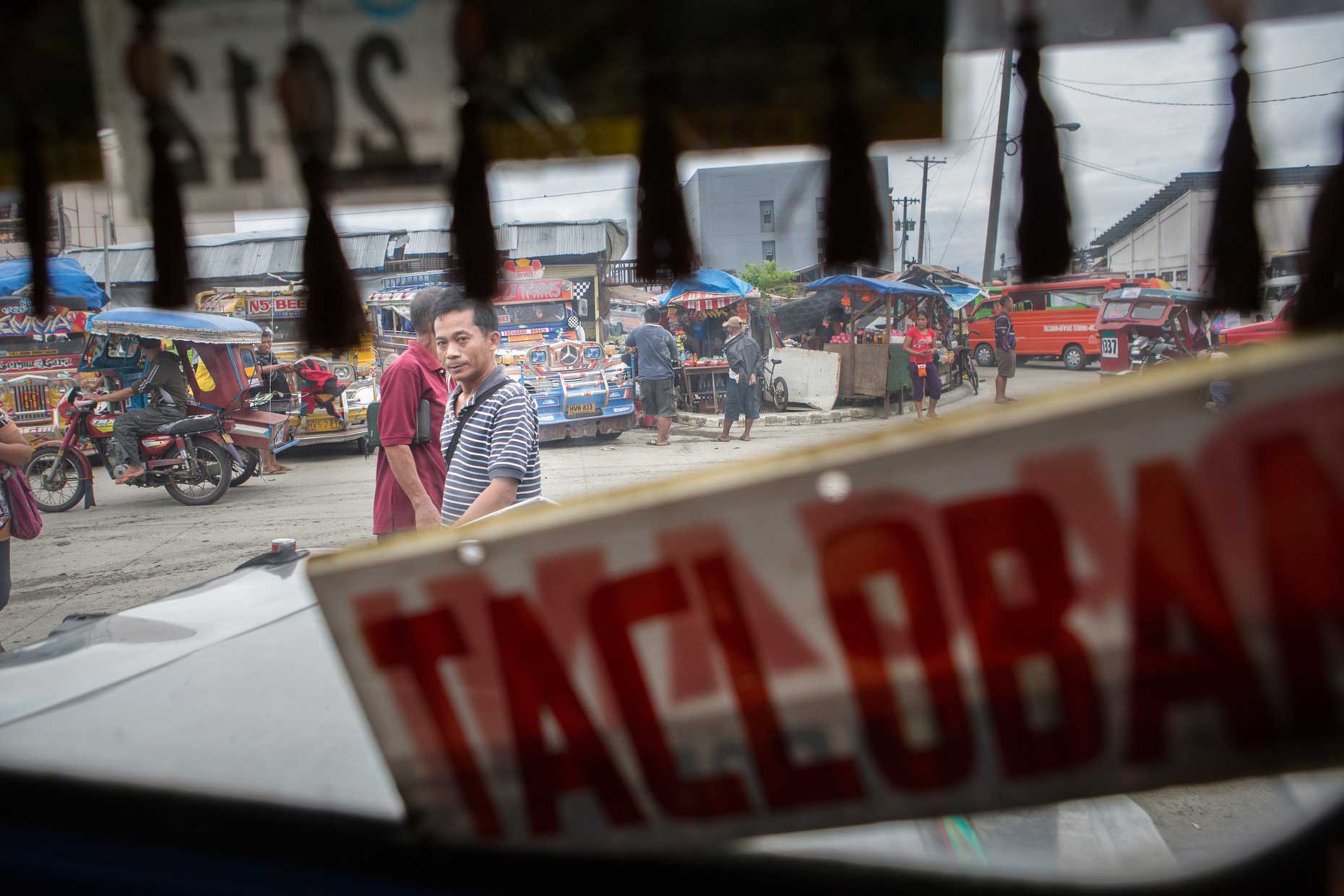
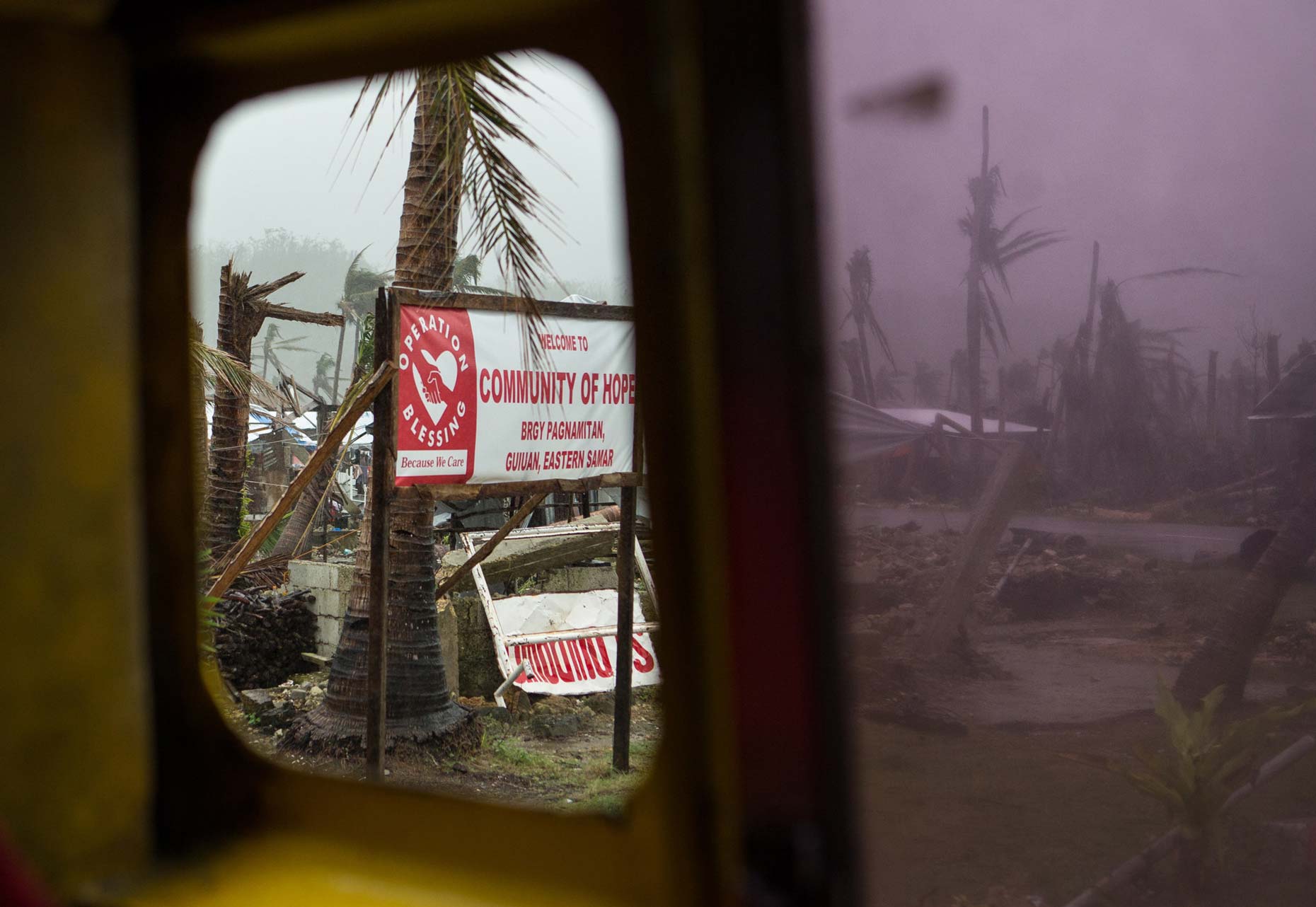
Tacloban, Philippines - A man looks in through the window of a jeepney (local taxi van) that is bound for Guiuan where typhoon relief is still much needed.
Tacloban, Philippines – A man looks in through the window of a jeepney (local taxi van) that is bound for Guiuan where typhoon relief is still much needed.
The death toll for Typhoon Yolanda (Haiyan) has reached 6,300, with 1,060 still missing. Whole communities lost power, water, transportation, medical and police services, housing and livelihoods.
Operation Blessing International is the humanitarian relief wing of the Christian Broadcasting Network (CBN/the 700 Club). One of the largest charities in America, Operation Blessing provides strategic relief in 23 countries around the world on a daily basis.
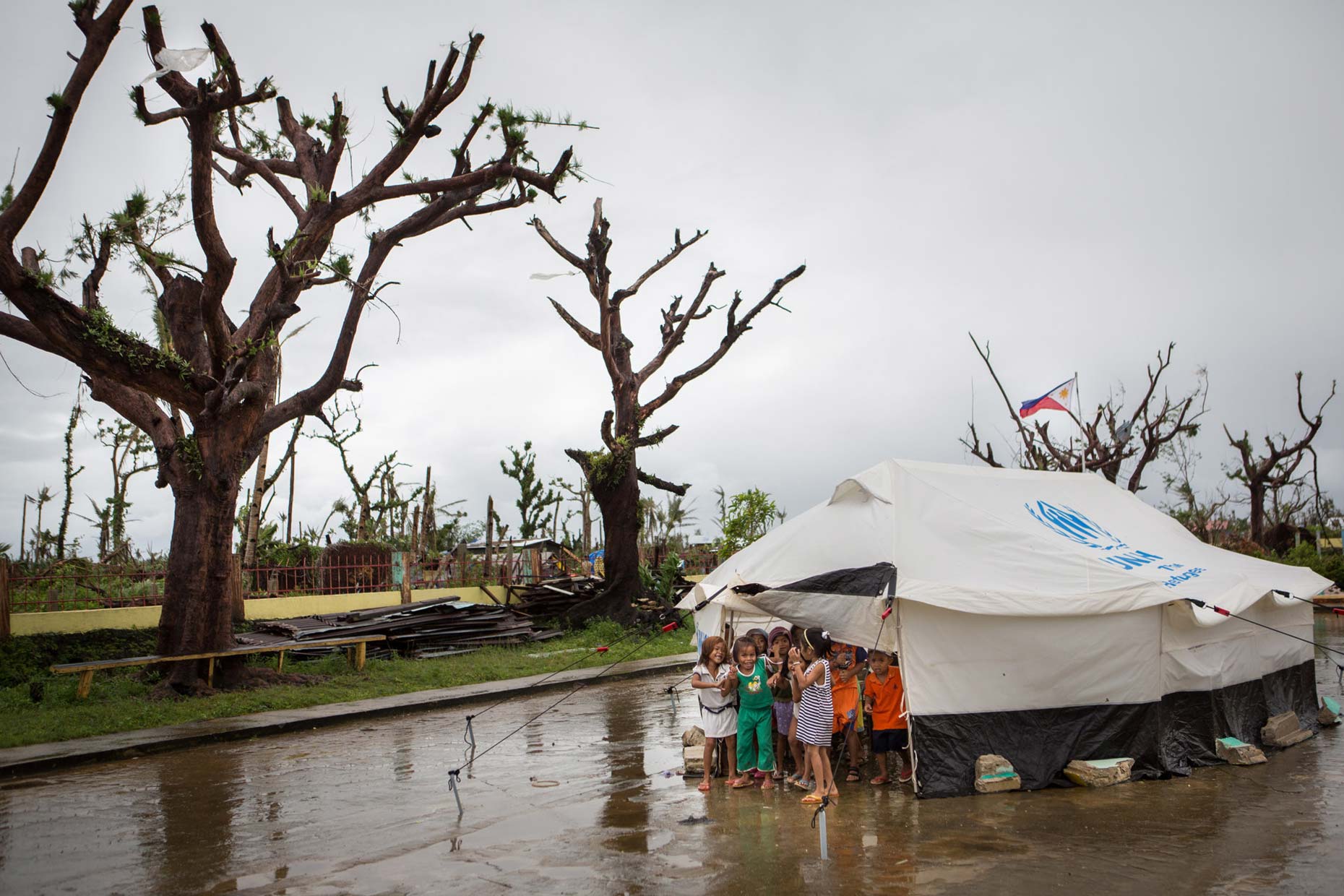
Guiuan, E. Samar, Philippines - Makeshift classrooms shelter elementary students on the playground slab where once an entire school complex stood.
Guiuan, E. Samar, Philippines – Makeshift classrooms shelter elementary students on the playground slab where once an entire school complex stood.
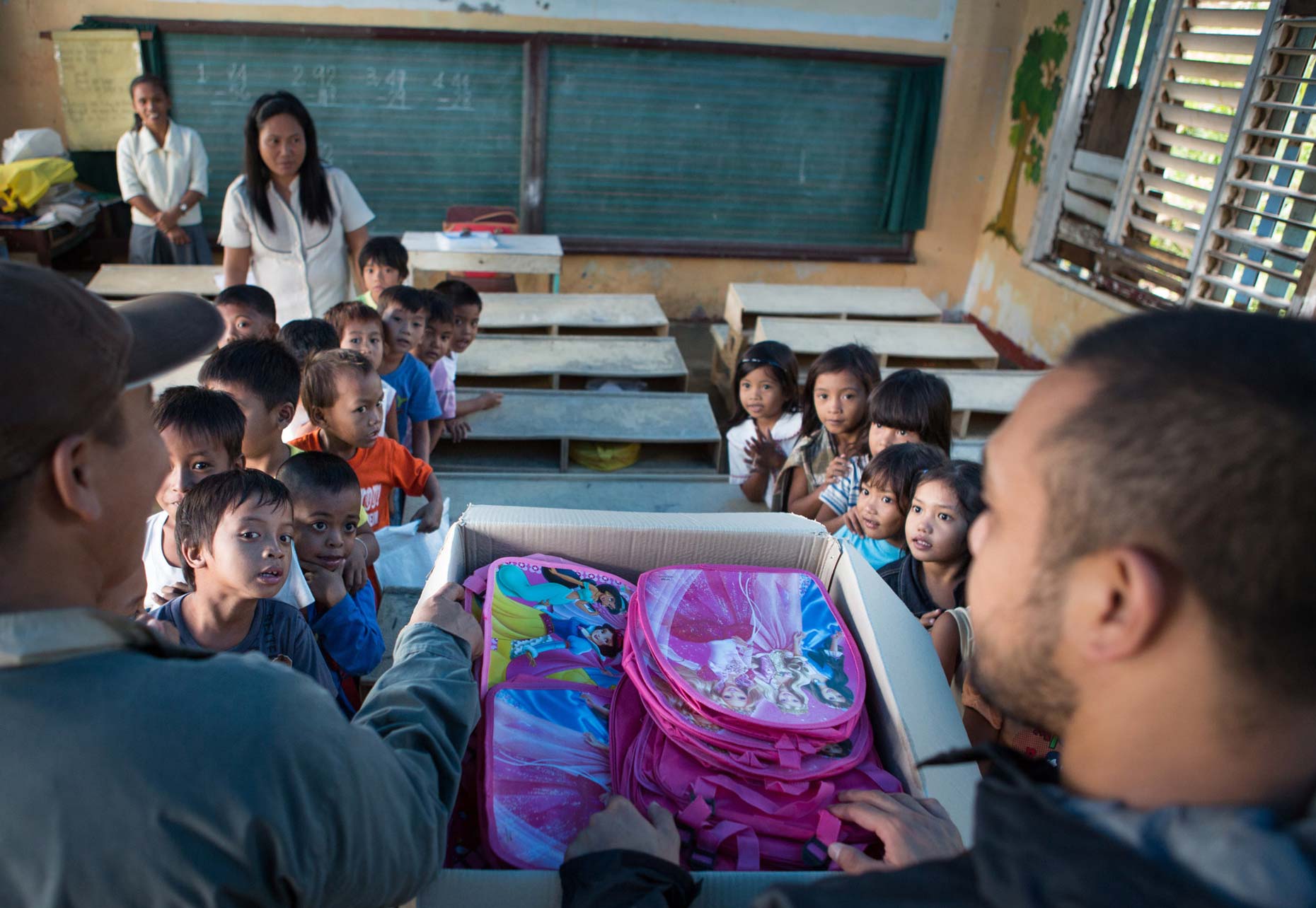
Doc Tiger Girrado helps Astherio Blando (Operation Blessing) haul educational supplies for an elementary school trying to reestablish classes in the devastated area.
Children receive much needed educational supplies from Doc Tiger and Astherio Blando (Operation Blessing) as part of efforts to reestablish classes in the devastated area.
A young girl joyfully clutches her new school supplies donated by Operation Blessing International, the relief wing of the US-based Christian Broadcasting Network (CBN/700 Club).
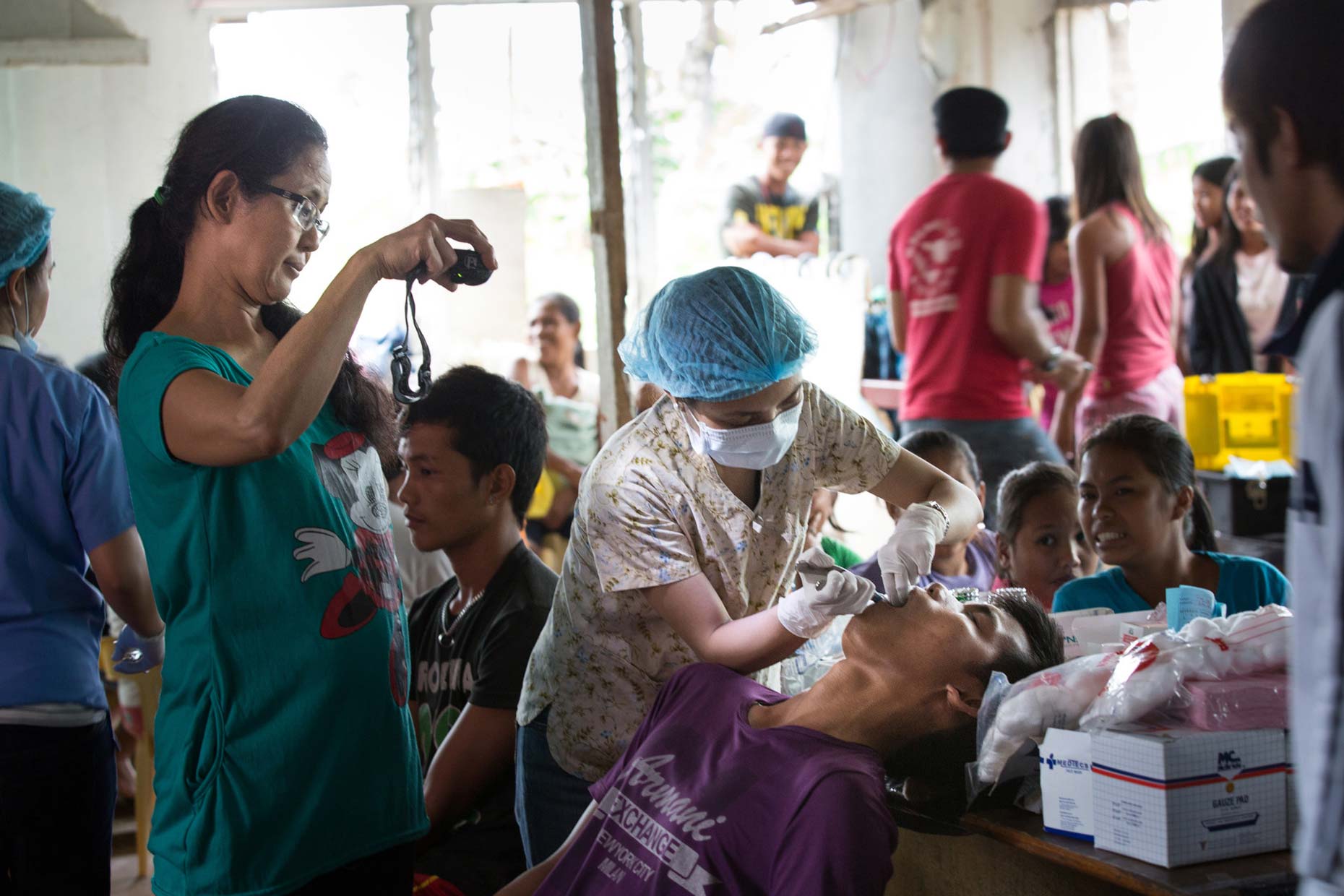
Guiuan, E. Samar, Philippines - Working with a team of volunteer dentists, Dr. Kelly Yangco and others perform 75 extractions in a single shift at a makeshift clinic in Barangay Barbo.
Guiuan, E. Samar, Philippines – Working with a team of volunteer dentists, Dr. Kelly Yangco and others perform 75 extractions in a single shift at a makeshift clinic in Barangay Barbo.
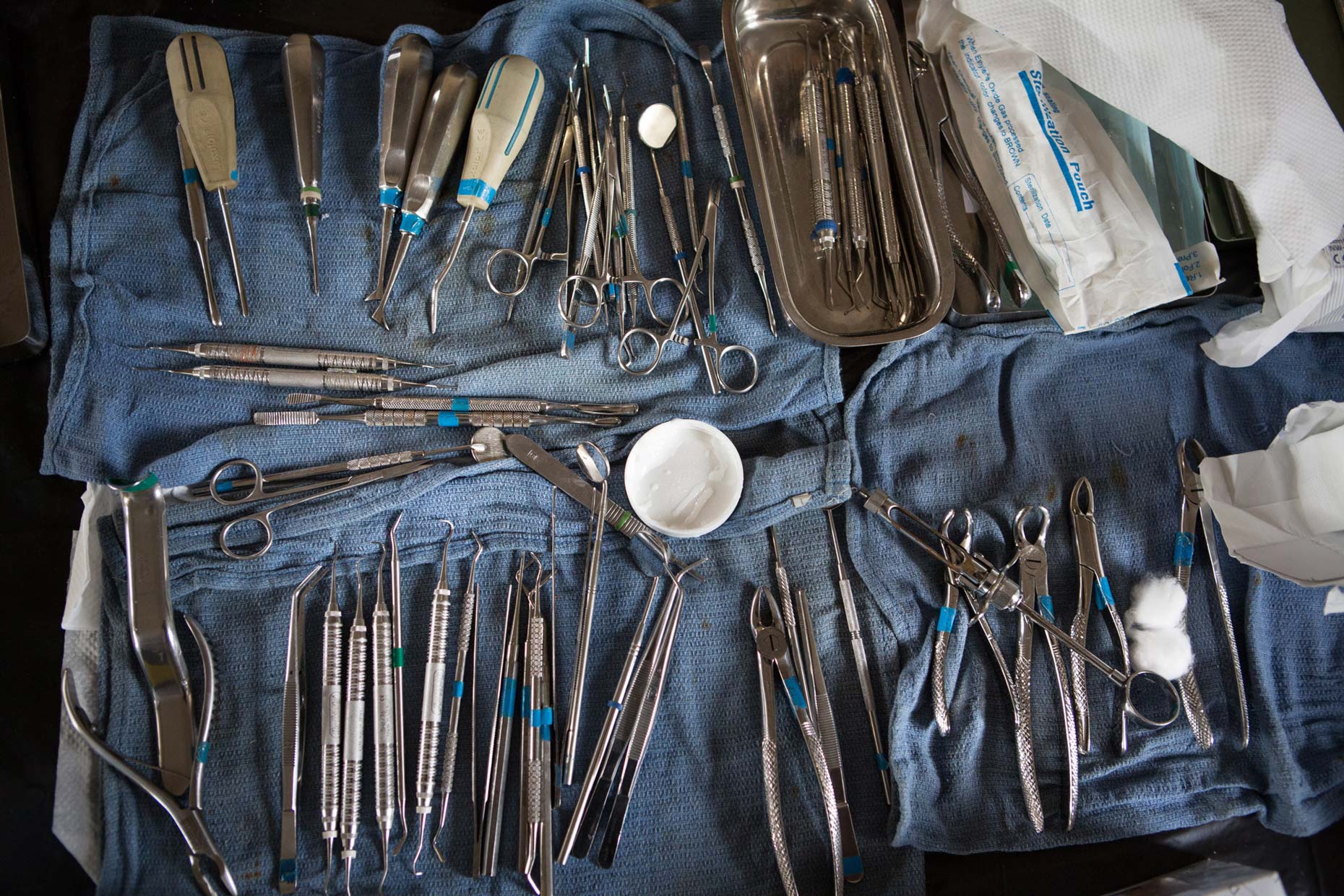
Dental instruments, cleaned with water and water, lie ready for the next wave of children visiting the makeshift clinic during a medical relief operation near Guiuan, East Samar, Philippines.
Guiuan, E. Samar, Philippines - Working with a team of volunteer dentists, Dr. Atom Kobayashi helps to perform 75 extractions in a single shift at a makeshift clinic in Barangay Barbo.
Guiuan, E. Samar, Philippines – Working with a team of volunteer dentists, Dr. Atom Kobayashi helps to perform 75 extractions in a single shift at a makeshift clinic in Barangay Barbo.
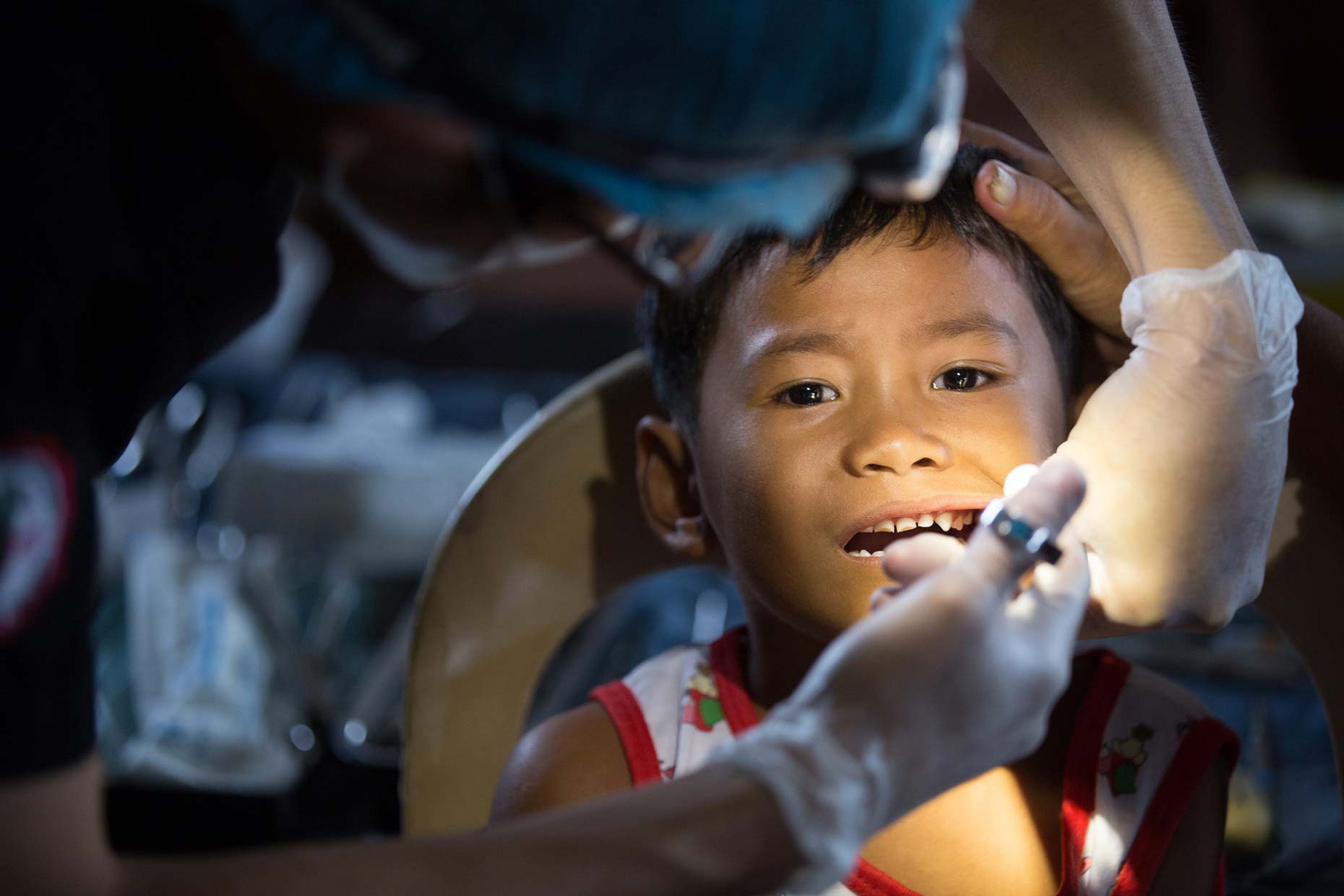
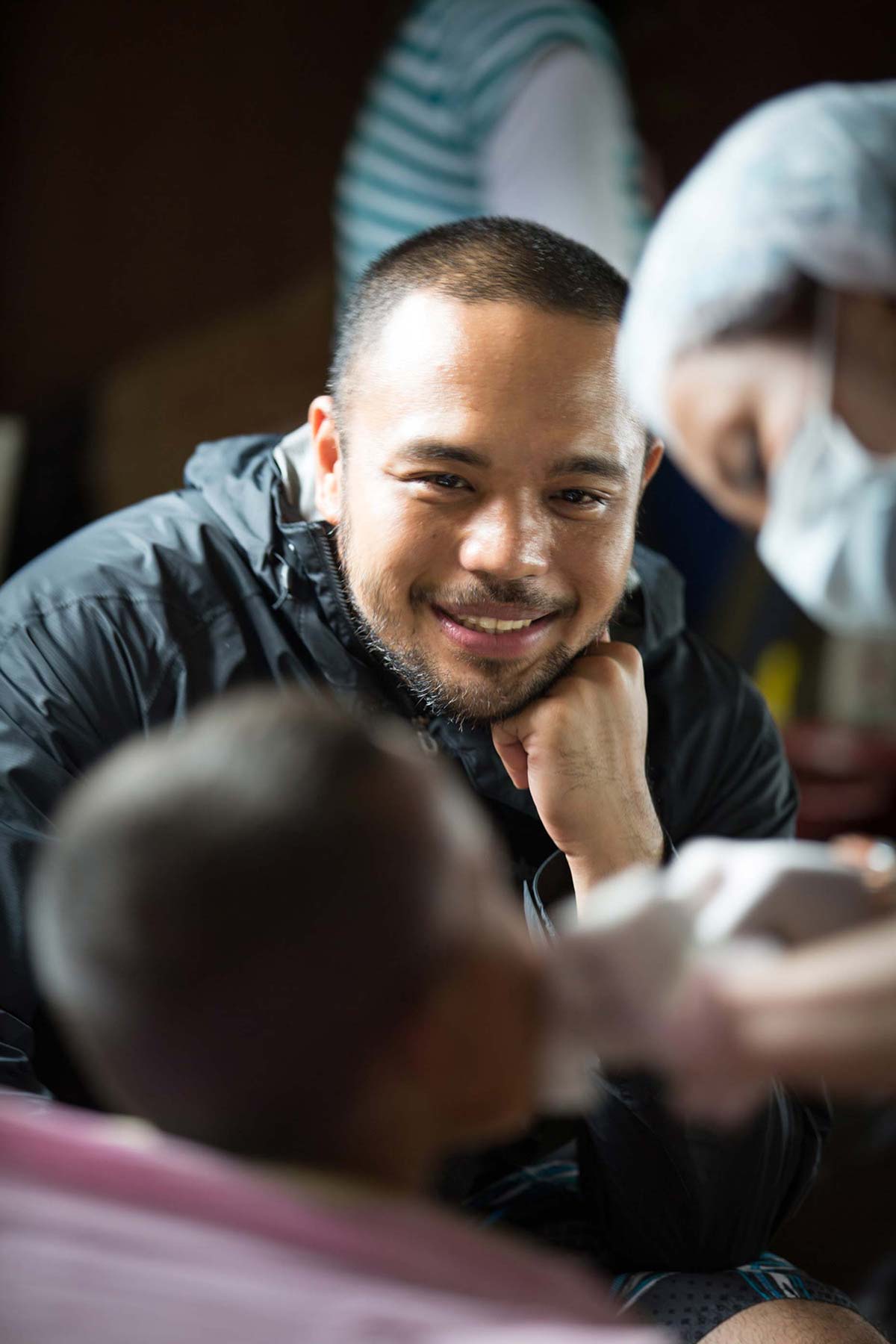
Relief Operation Coordinator, Dr. Tiger Garrido, smiles at a young boy undergoing a tooth extraction at a makeshift clinic during a medical relief operation near Guiuan, East Samar, Philippines.

How long have you been shooting?
I was shooting for fun back in the 70’s when it was a fad to frame an Instamatic diagonally. That migrated to 35mm and 6×7 for a time, but dad said I’d starve as a poet so I went into forest engineering. By 1999, I could see what industrial forestry was doing to watersheds and decided I’d rather starve. I’ve been shooting full time ever since.

Are you self-taught or photography school taught?
I’m mostly self-taught through books, manuals, mentorships, workshops and a steady diet of trial and error. But I admire those who have taken time away from shooting to learn how to do it well.

With this particular project, what was your inspiration to shoot it?
Typhoon Yolanda (Haiyan) smashed into the central islands of the Philippines on November 8, 2013 and the news was really hitting home for us. My father-in-law (Tatay) has relatives in Palo, just outside of Tacloban near Cebu, and he wanted to get help-money in. He specifically intended it to go to a nephew Ryan, who was missing; so we made some calls and volunteered to help out where we could.

My wife, who has worked as a nurse, flew with me to Bohol where relief efforts were still underway for victims of a 7.2 earthquake that had hit the area 3-weeks earlier. While there, we got wind of a medical mission flying into Tacloban, a town that Typhoon Yolanda had all-but-flattened; so, we set out to find my wife’s cousin by chasing a separate story with the working title, “Saving Ryan Privately”, a story that has yet to be told properly.

How many years have you been shooting this project before you decided to present it?
We’ve always had a big heart for S.E. Asia and have been doing photo-walkabouts to the Philippines for over 10 years. In 2013, when Typhoon Yolanda struck, organizers of our “Kids at Risk” project* (see footnote) wanted to contribute to an Emergency Disaster Relief Fund for Yolanda survivors. That fit nicely with other interests we had on the ground and it offered a chance to show donors and participants what those funds looked like in action.

How long do you spend on a personal project before deciding if it is working?
Hmm… tough question. For me, a humanitarian story ‘works’ when it motivates others to get tangibly involved in the story – and that certainly happened with the Yolanda Gap Relief story. But I admit, without the metrics of opt-ins and dollars earned, boxes delivered and bellies filled, it’s pretty tough to quantify the success of most personal projects.

Since shooting for your portfolio is different from personal work, how do you feel when the work is different?
My personal work is very different than the commercial portfolio work, and that can be frustrating – like that Ian Hunter album “You’re Never Alone with a Schizophrenic”. But the bottom line is that most creative challenges get me stoked – whether it’s a humanitarian cause or selling a bar of soap – because in the end, it’s the commercial work that frees me up to tackle personal projects.

Have you ever posted your personal work on social media venues such as Reddit, Tumblr, Instagram or Facebook?
Sure, all the time.

If so, has the work ever gone viral and possibly with great press?
The humanitarian work hasn’t gone viral, but I’m more interested in qualified engagement than the number of views there.

On lighter stuff, I’ve seen some interesting metrics. There was a DIY blog post called “How to fix a stuck filter” with a hammer and hacksaw that F-Stoppers and PetaPixel picked up on. And there was a gear-related video for Lowepro called Watertight that hit 50,000 views, but both were a long way from viral.

Have you printed your personal projects for your marketing to reach potential clients?
Yes. Last year I collaborated with consultants Pedro & Jackie to print a tri-fold photo essay called Ukraine: Postcards from the Motherland. It was passed around at PDN PhotoPlus Expo last year and received some great feedback but no concrete work. That was probably the wrong venue for something as documentary/editorial as that. I’ve still got a few hundred kicking around if you want one.

Artist Statement: Creative talent is the most valuable currency an artist possesses. How better to spend it than on projects that bless others and hopefully feed the greater good of us all.

*Footnote: In 2010, my wife launched a small fundraising program called “Kids at Risk” in Salmon Arm, BC to educate her friends about the pressing needs of Filipino street kids and get solid help over to trustworthy feeding and educational programs in the Philippines. More on that, here: World of Good [length 4:45]

—————

Commercial lifestyle and portrait photographer, Craig Pulsifer thrives on that line between personal and product assignment work. He draws inspiration from Gully Jimson, Bruno Gerussi, Larry Towell, and some of today’s top news shooters who work to master the craft of fine-art storytelling.


APE contributor Suzanne Sease currently works as a consultant for photographers and illustrators around the world. She has been involved in the photography and illustration industry since the mid 80s, after establishing the art buying department at The Martin Agency then working for Kaplan-Thaler, Capital One, Best Buy and numerous smaller agencies and companies. She has a new Twitter feed with helpful marketing information believing that marketing should be driven by a brand and not specialty. Follow her on twitter at SuzanneSease.

The Daily Edit – Mitch Feinberg: Marie Claire

unnamed

unnamed-1
unnamed-2

unnamed-3

unnamed-4

unnamed-5

Marie Claire

Market and Accessories Director: Kyle Anderson
Fashion Director: Nina Garcia
Editor and Chief: Anne Fulenwider
Photo Director: James Morris
Photographer: Mitch Feinberg

Heidi: How did this project evolve?
Mitch:
I have a wonderful relationship with Marie Claire. It is one of the few American fashion magazines that treat fashion still life pages as an opportunity to advance passionate editorial views on accessories and not simply as a vehicle to please advertisers. Their Market and Accessories Director Kyle Anderson, Fashion Director Nina Garcia and Editor and Chief Anne Fulenwider all take a direct interest in demanding that the pages are strong and fresh. For a still life photographer, this is a thrilling context in which to make new work.

Months before a final art due date, Kyle sends me jpegs of the next accessories story.  The story subject might be based on a color, a design direction, materials or a cultural reference. It’s usually my responsibility to come up with a visual solution, although occasionally he or someone else will have a few suggestions. I pitch just one idea, including swipes from industrial sites or stores that refer to the environments I want to create. I do not like to make drawings or send “finished” images — it is better to keep things loose so that I have room for spontaneity. Once I send the pitch everyone weighs in and we go from there.

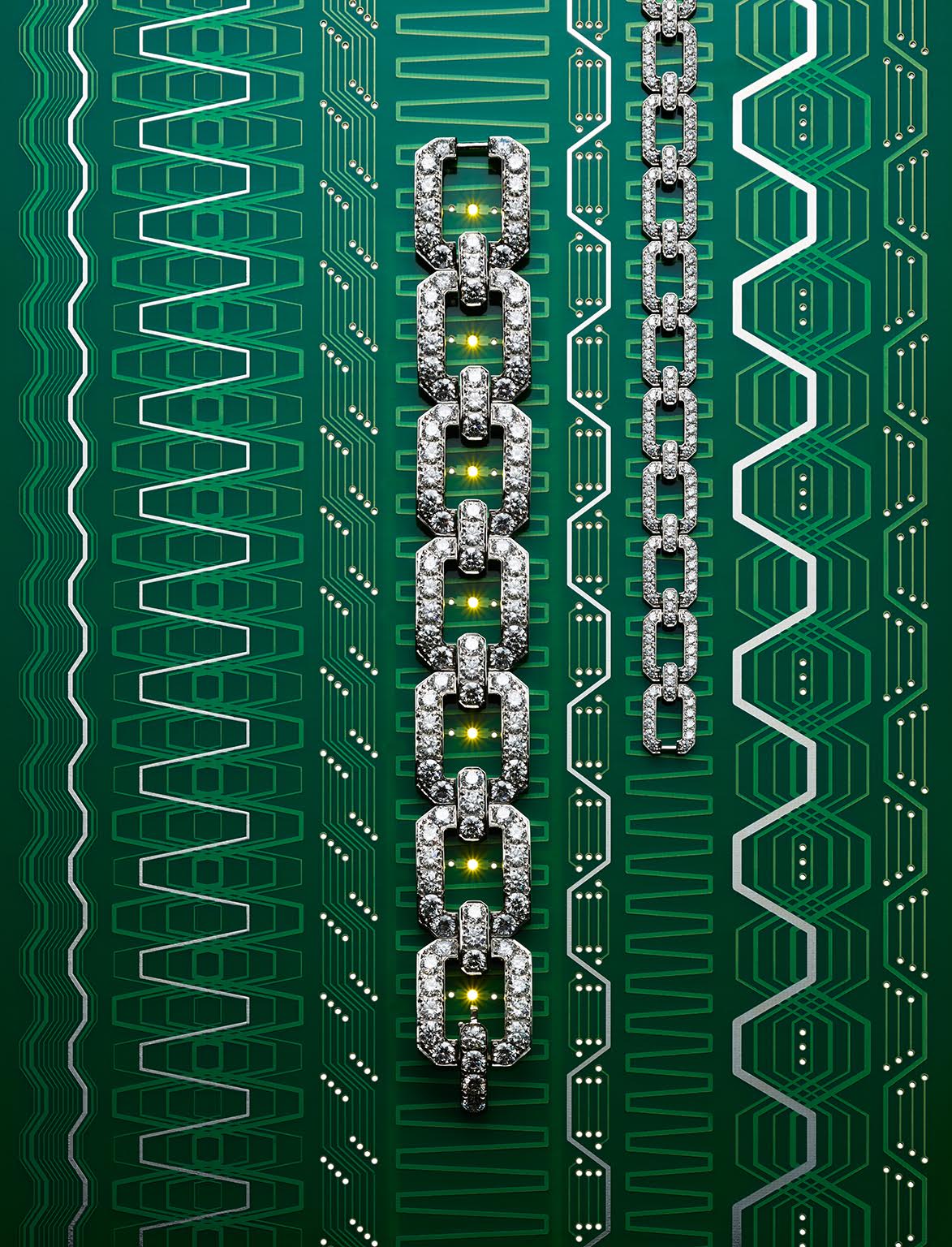
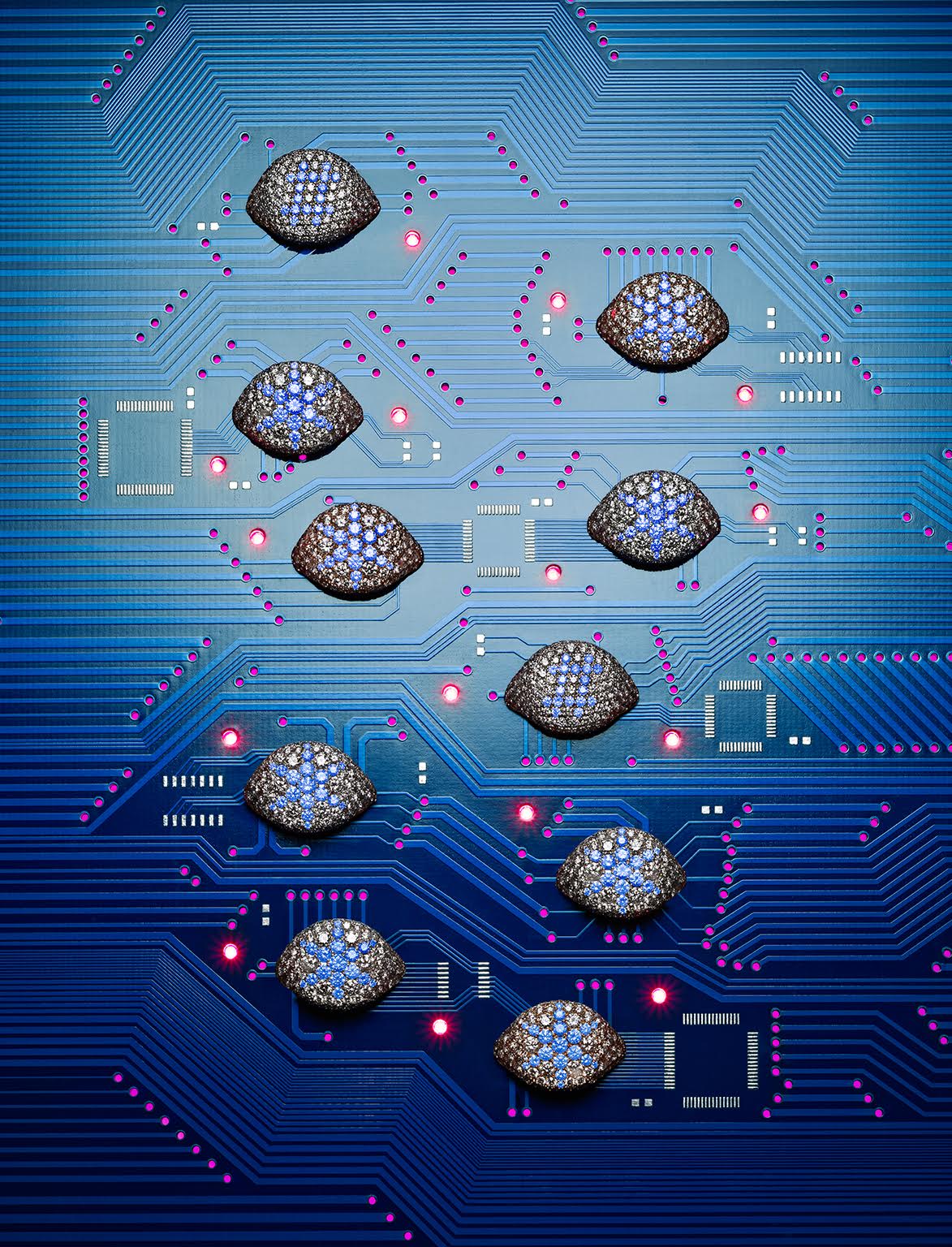
For the Haute Tech story, Kyle mentioned that he had a fine jewelry December story in search of an idea. Fine jewelry can be a tedious editorial subject because designs generally do not evolve much from year to year and diamonds are unforgiving in poor lighting conditions — a tough subject to make fresh.

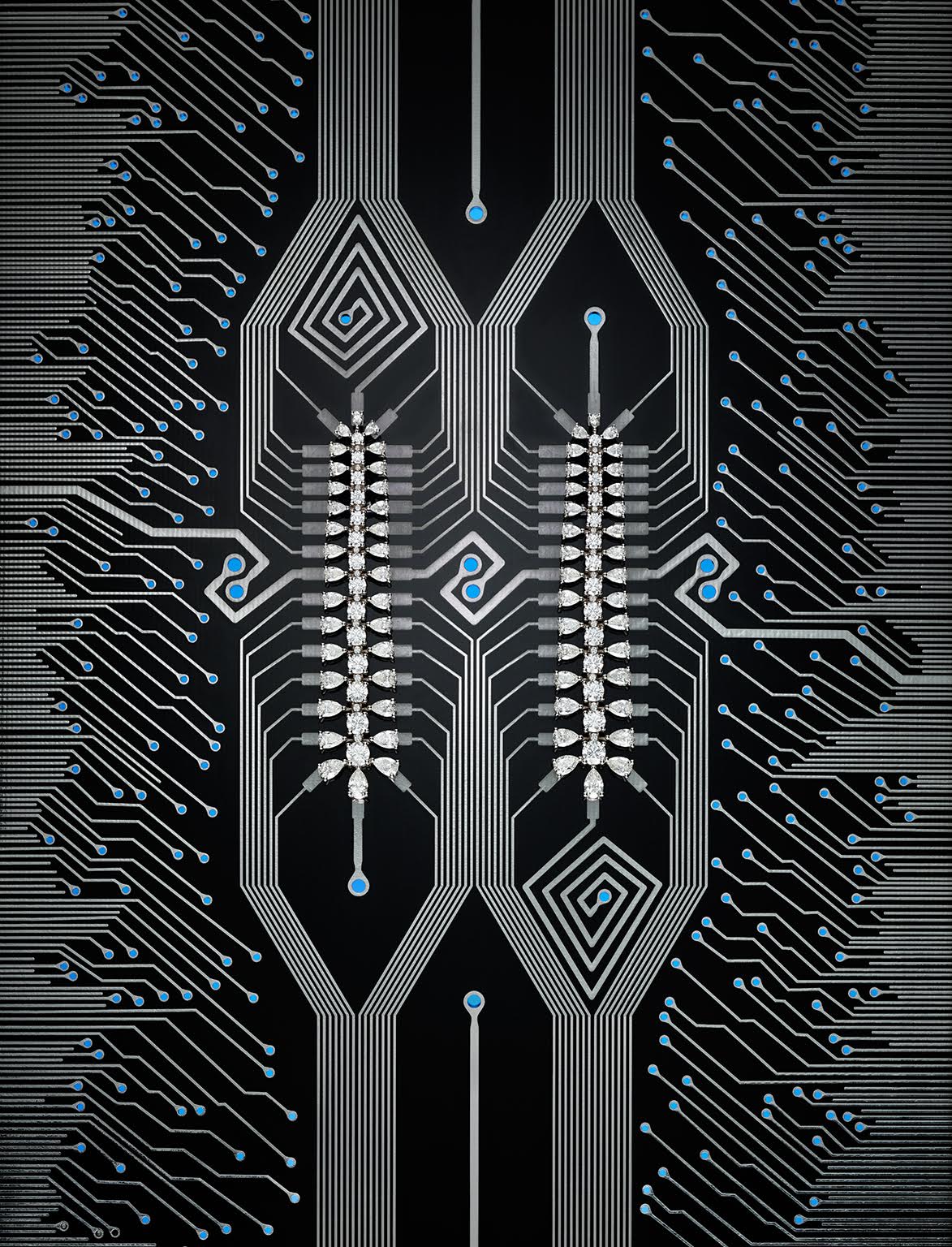
I have been involved with a couple of technology projects and developed an appreciation for a well-designed circuit board. Apple’s boards, in particular, are very fine, all black, with an absolute, maniacal fidelity to minimalism. I immediately thought of making boards that in some way reflected or enhanced the design direction of the jewelry. Kyle worked hard to find pieces that would mesh well with the concept — no animals or organic designs, for example.

How long did the project take and tell us about your process with the engineer?
The editors loved the idea and I got to work in July.  We all figured no one had done this, at least not at this scale. My original intention was to design and order the prototype boards myself. I spent a day or so learning the nomenclature and general design principles. I already knew that board design can be devilishly difficult in the details, but straightforward designs are fairly easily to execute. There is a very large community of amateur board designers associated with platforms like Arduino, as well as many foundries that specialize in prototyping. I downloaded one of the popular free software packages and set to work. I started with a good drawing I had already made in Photoshop for the first design – the black Chopard board. Then I hit an unexpected wall. Circuit board software is designed to make circuit boards, not pretty patterns. Duh. A user first builds a schematic with all the components and only then moves on to “routing”, finding the shortest, most efficient paths to lay the “wires” between all the components. Clearly, I was not going to easily figure out how to build a schematic that would allow me to “route” the wires in a predetermined pattern.

Help was needed. I spent a considerable amount of time on tech blogs and the Web looking for an engineer that had both an aesthetic view on the world and the technical skills required. I came across one man, a fellow in England named Saar Drimer, who had a circuit board design company called Boldport. He had gone so far as to write a program that allowed him to import illustrator files into a circuit board-friendly design environment. I emailed him almost immediately. He quickly understood my project. I had found my guy.

I’d imagine the sketches were fairly in-depth in order to create the final “working boards,” tell us about that exchange.
We encountered many technical difficulties. I had to visit the jewelers and carefully measure the dimensions so that the jewelry would fit perfectly into the designs. This was very difficult to figure out, as cutouts also had to be drawn up for the rings and earrings. The magazine was extraordinarily helpful in opening doors, and we were lucky none of the pieces were sold before the shoot. Saar started with my drawings but soon added his own special sauce, making the boards more credible. By the end, we were going back and forth with very rough drawings and he took it from there. It was a lot of work for him, as he also had to design and solder functioning boards with the LEDs. I was also lucky he had a very good foundry in the UK that was willing to work hard on the quality and color of the shadow masks (the non-metallic surface of the boards). We spent about six weeks start to finish. The shoot took just two days, up in my Connecticut studio. There is almost no retouching, just a little cleaning up. I’m old school, I like my images real. We both feel that we executed something new, perhaps opening the door to new designs with circuit boards as a functional, aesthetic material.

How do your ideas manifest?
I wish I knew. they just pop in unexpectedly. On a long walk, in the shower, at an exhibition, anywhere, really. I read a lot, I look at design blogs,  magazines, many non-photographic sources. Unless there is a specific request I stay away from my colleagues’ Websites; too many voices in a photographer’s head can be deafening.

What was your break, meaning how did you get started?  Everyone has a breakthrough project though we all see you as superstar out of the womb.
Thank you. I do not know if I was a superstar out of the womb; I’ve been told that I produced a lot of spit up in my early years. Unless you are Guy Bourdin, many years of work will be required before you find a strong voice. That might be daunting to hear, but I think the best photographers love the process of making photographs. Your voice will come, sometime soon, hopefully. In the meantime, I suggest you make images simply for the joy of it. I have always felt that way, even during the years when my career was uncertain. As in all creative endeavors, this is a tough business. Do it because you love it. Still life photography has always felt like the best way to express myself, I have enjoyed a lifetime exploring how that happens.

What is another creative outlet for you?
Three years ago my wife and I moved to a small farm in Connecticut. I have learned a lot about fencing (not the epee kind), black bears (don’t run), and wild turkeys (not happy when challenged). More than enough new outlets for a guy who spent 28 years in Paris.

The Daily Promo – Nathan Seabrook

Screen Shot 2015-11-28 at 2.57.39 PM Screen Shot 2015-11-28 at 2.57.31 PM


Nathan Seabrook

Who printed it?
4 x 6.com

Who designed it?
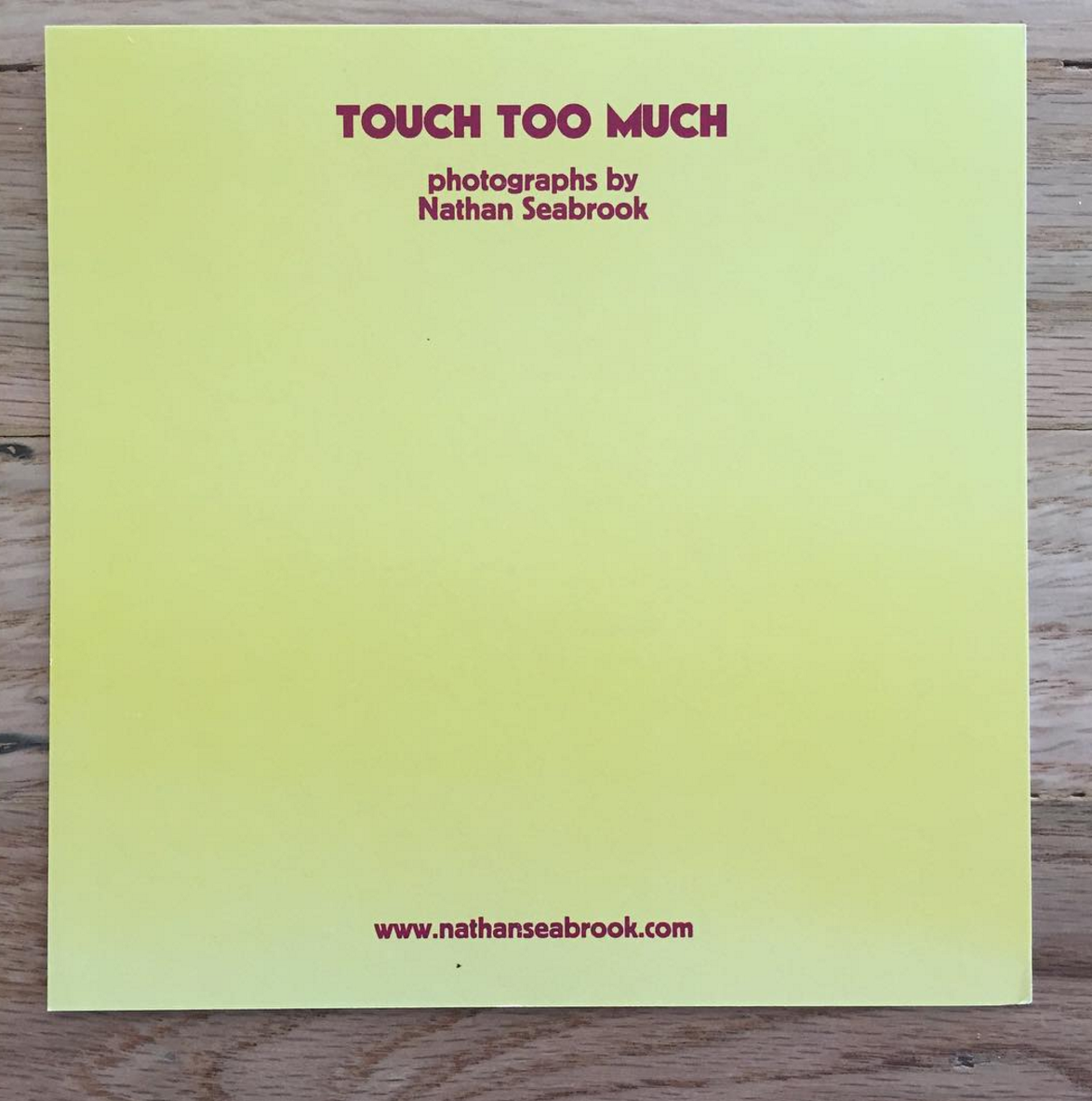
I did. The back is an image of the backdrop from the front image. So if the sweep had some subtle gradient it would be the same. The design formed once I had the images. I just kept it simple really.

Who edited the images?
On the shoot day stylist Chuck Luter and I knew the ones that worked, so that was the initial edit. After that i whittled it down myself.

How many did you make?
About 250 sets. There are different ones also. I printed 7 of the series so some people have different sets. Maybe you can play swapsies one day . Ha!

How many times a year do you send out promos?
Two or three times a year.

How did the idea come about?
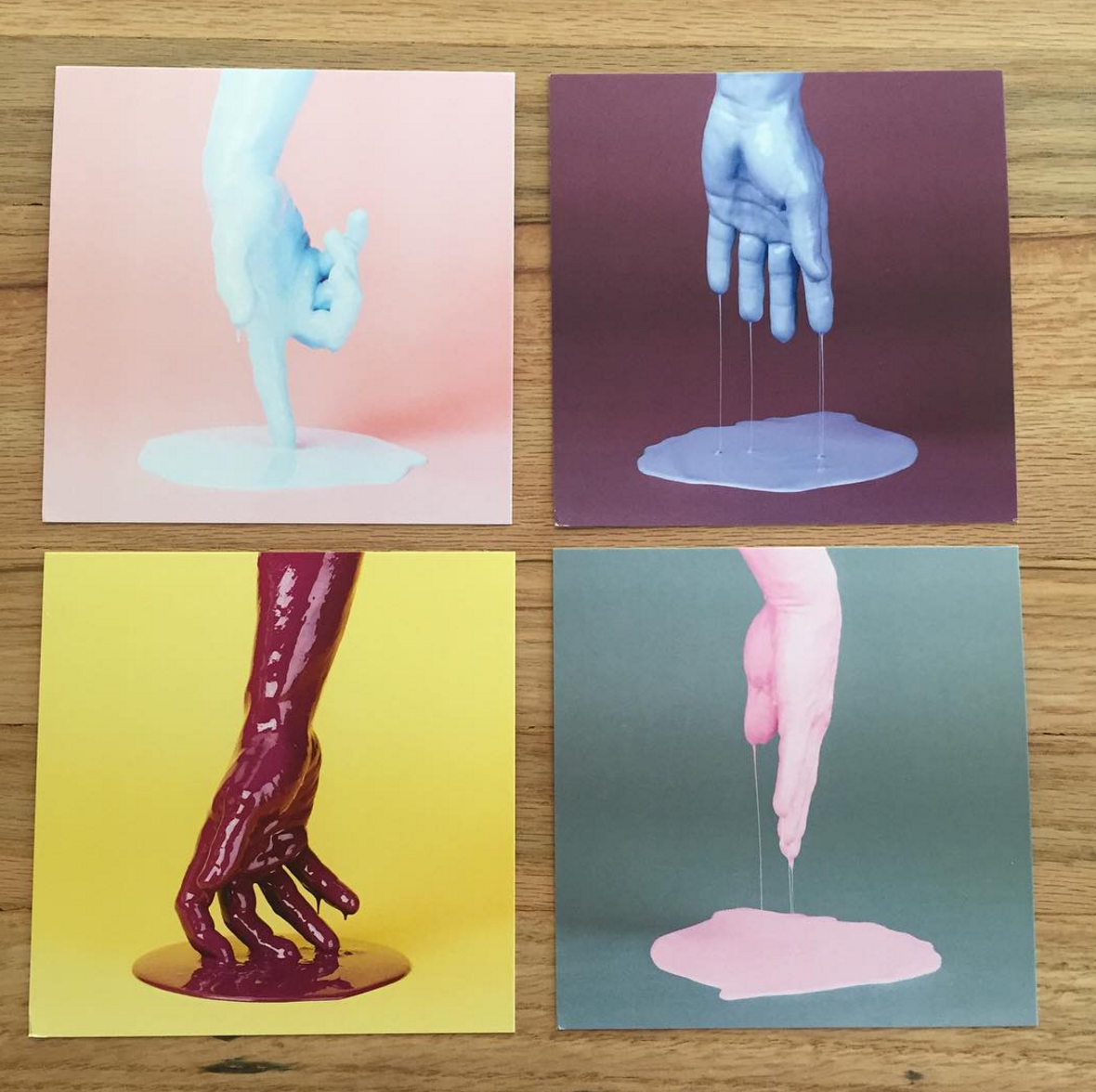
The initial idea came from seeing a maintenance man painting a ledge in a park. He walked past me with paint covering his roller, his hand and going up his wrist. He had just dunked everything in a massive bucket of paint, he didn’t care! Awesome.

This Week In Photography Books: IPG Project

by Jonathan Blaustein

My daughter loves pink. (Big surprise.) She’s a 3 year old girl, so it goes with the territory.

Just yesterday, we were in a little market near the mountains. She was wearing pink boots, pink pants, a pink shirt, a pink jacket, and her new pink glasses.

She made quite the impression on her fellow shoppers. One of them even asked, “Do you like pink, by any chance?”

“Yes,” she said. “Pink and purple and blue.”

We associate pink with little girls. With innocence and youth. It’s a happy and flippant color.

Right?

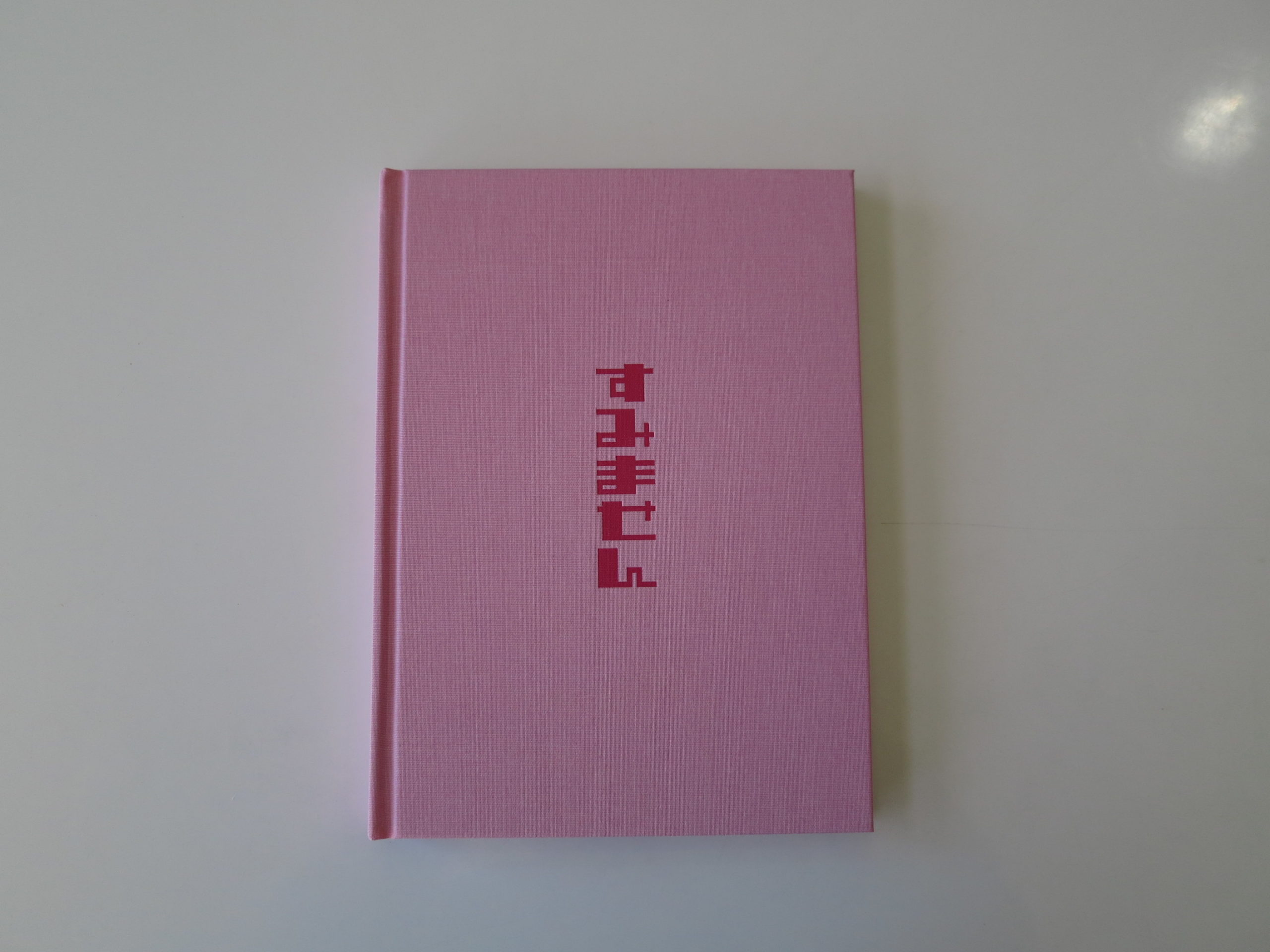
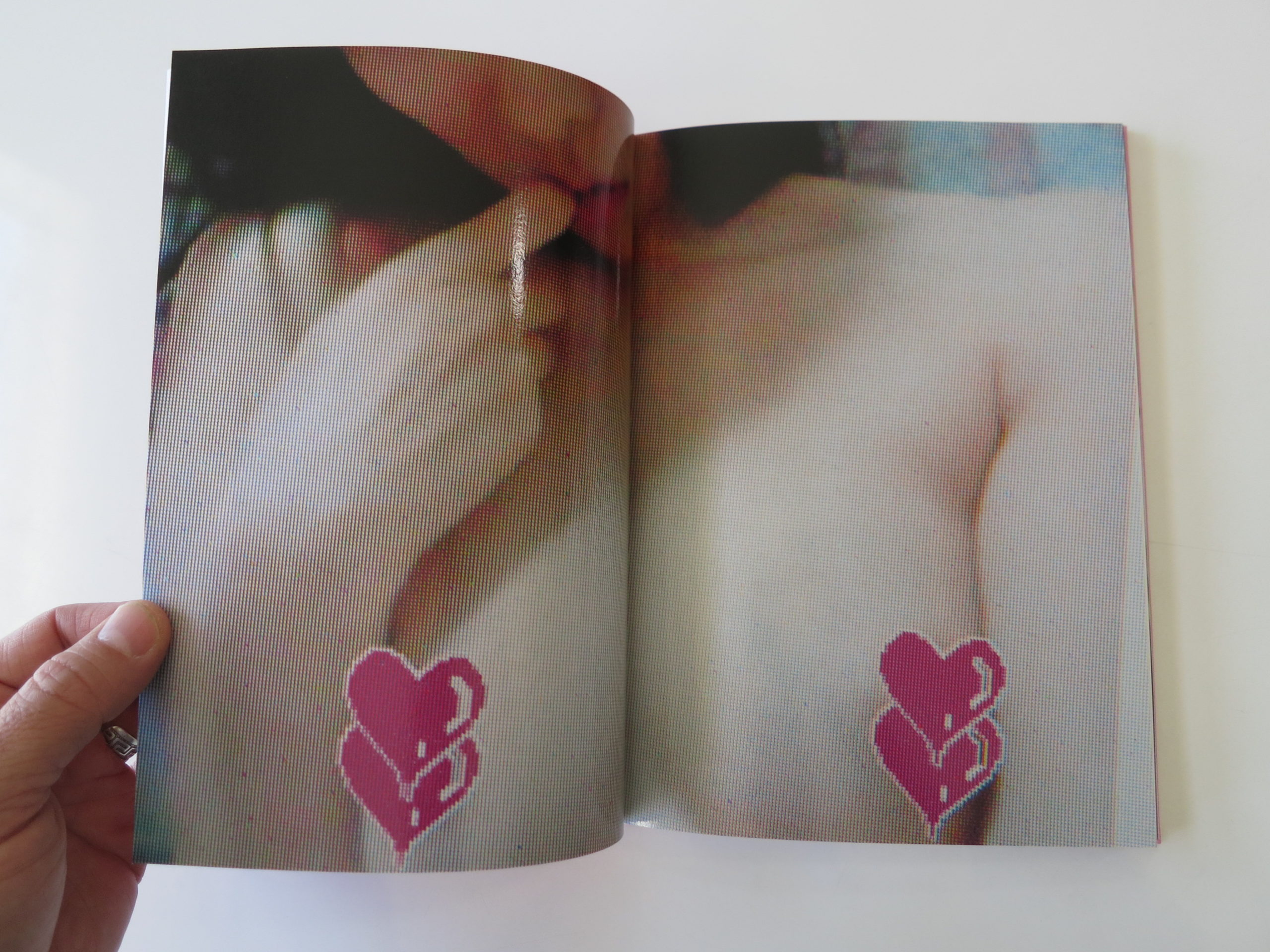
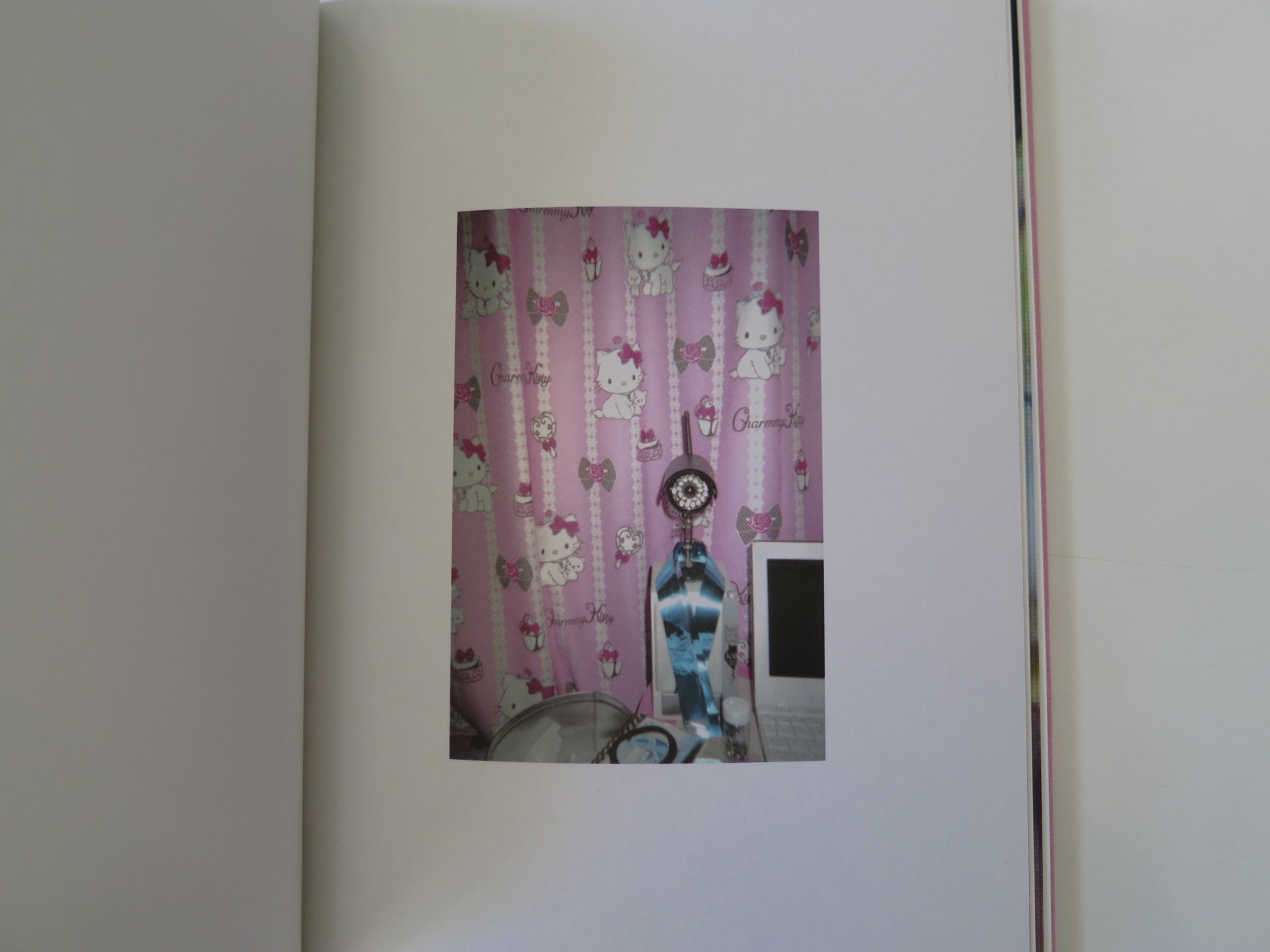
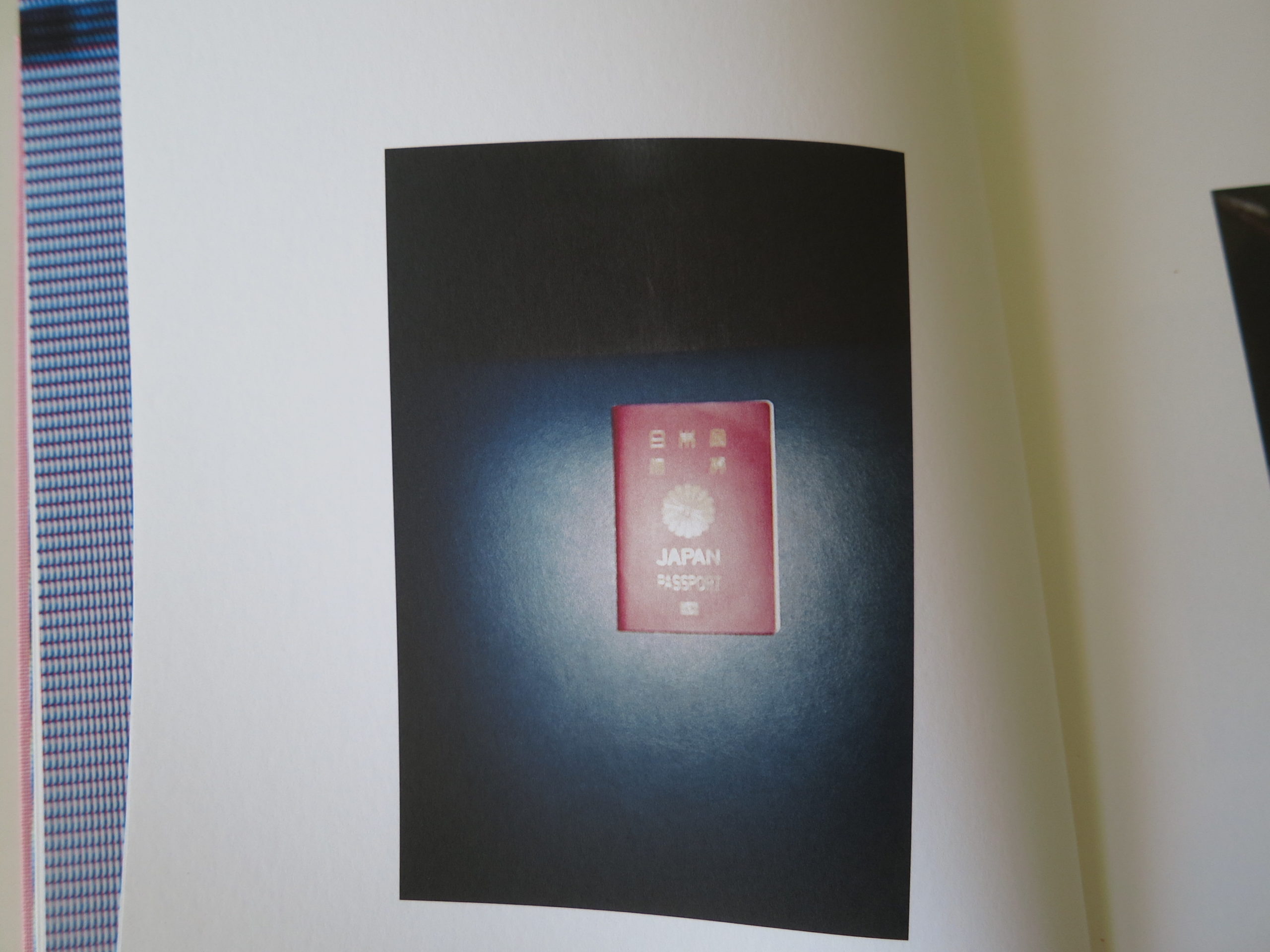
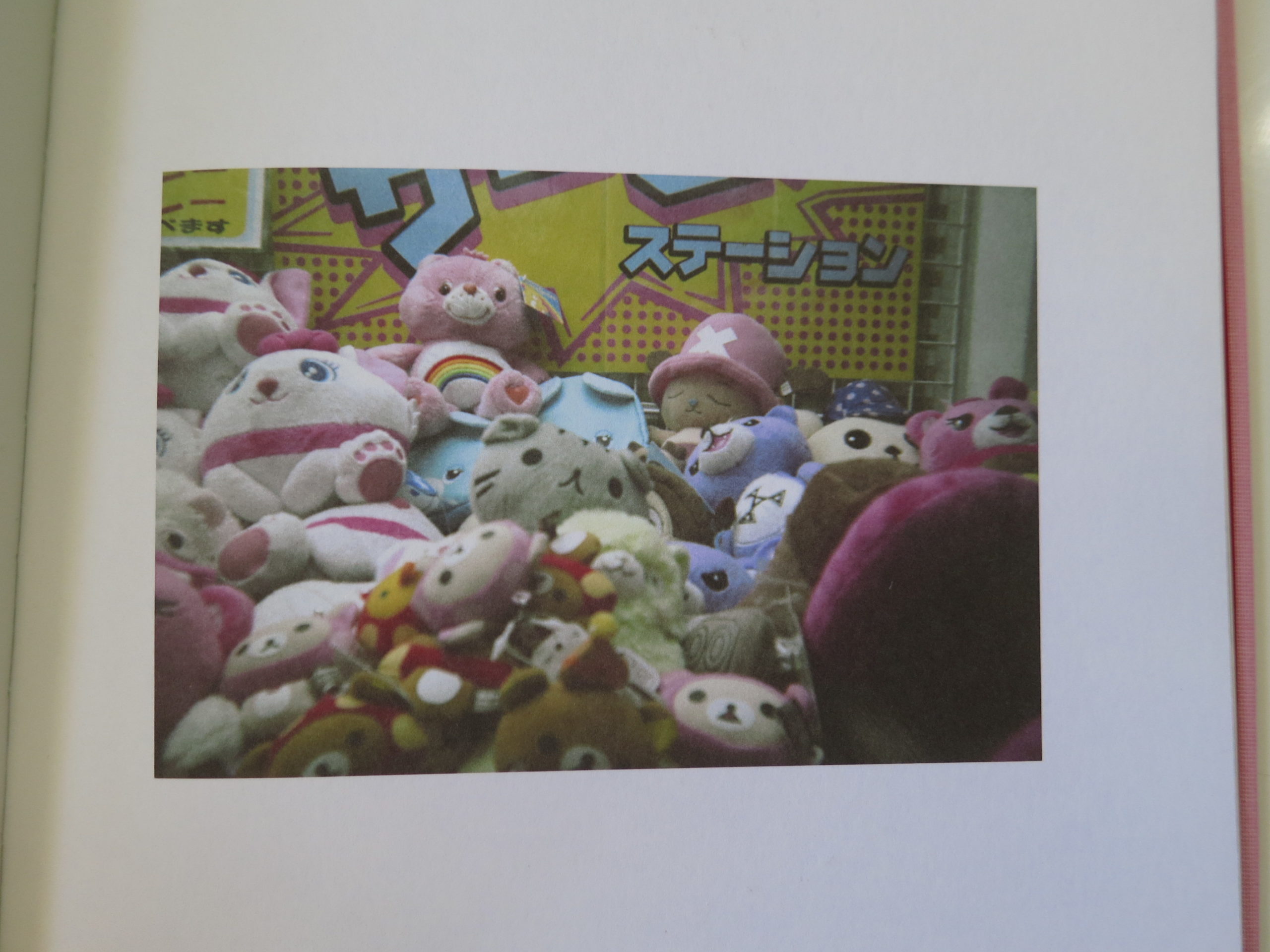
Well, that’s what I was thinking when I picked up “Sumimasen,” a new pink book by the IPG project, recently published by Editions du LIC.

Wait, you say. What are you doing? You can’t move on to the book review that quickly. Where’s your unexpected and witty transition? Are you mailing it in because it’s a holiday week? (Thanksgiving, here in the US.)

Fair point. It may seem like I’ve cheated you out of my trademark writerly aikido. And yet…

This week marks the 4th anniversary of the column in which I developed my now-signature style. I still remember the moment when my mother-in-law rapped on our door at night, brandishing a rather large gun, as there were trespassers in our field on Thanksgiving.

Somehow, the drama filtered down into my consciousness, and the next day, this column was born. I respect history, and appreciate that I might not have a job right now, had that gun not scared me shitless.

So do you really think I’m going to mail it in on the Thanksgiving column?

I don’t think so.

But then again, this little pink book is so adorable. With anime-like characters on the cover. So inviting. It makes me think of Hello Kitty, and crayons, and the little Winter stockings my daughter wears to pre-school.

Kittens and daydreams and Candyland!
Yay!

You know what I don’t think of?

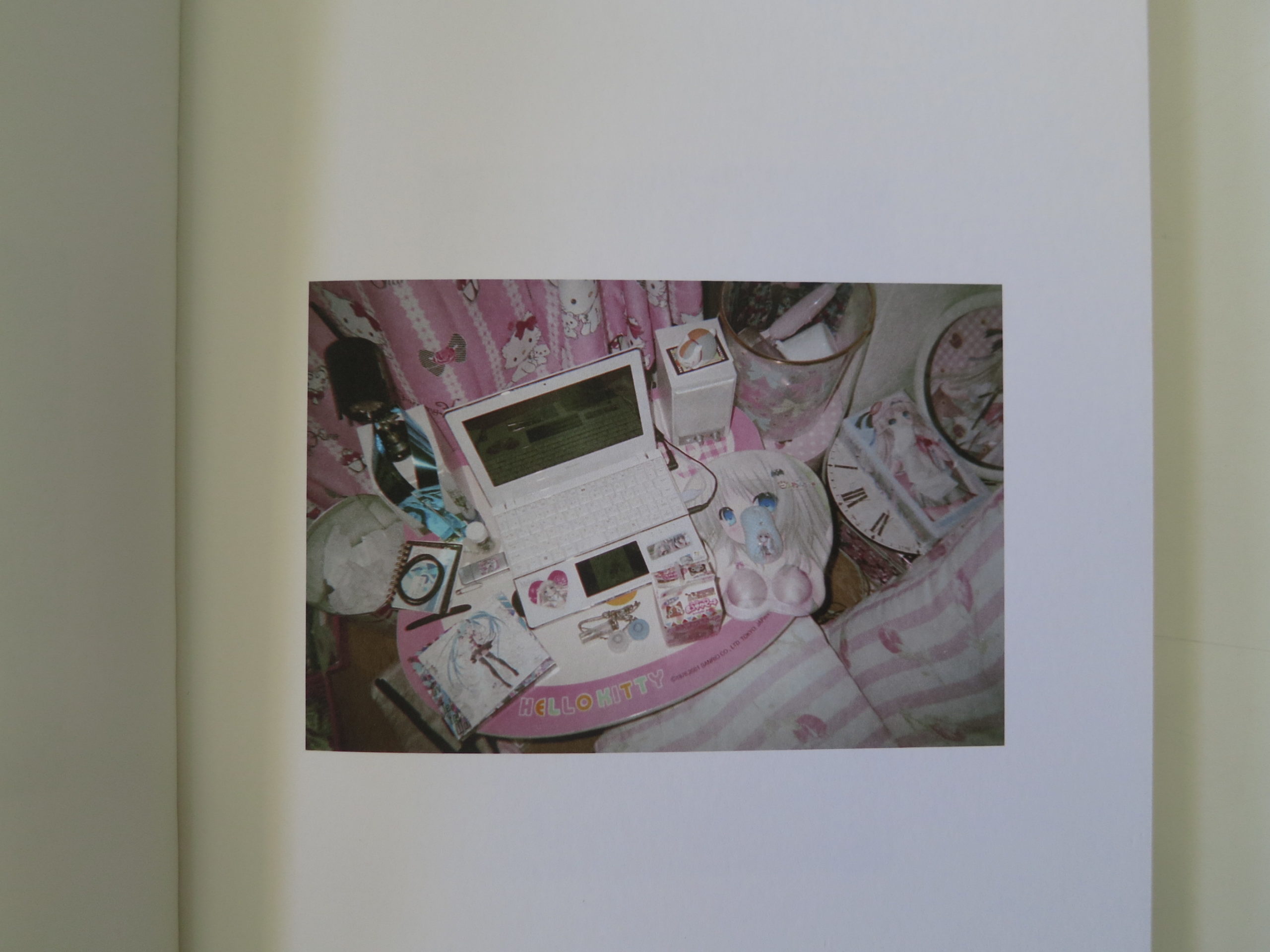
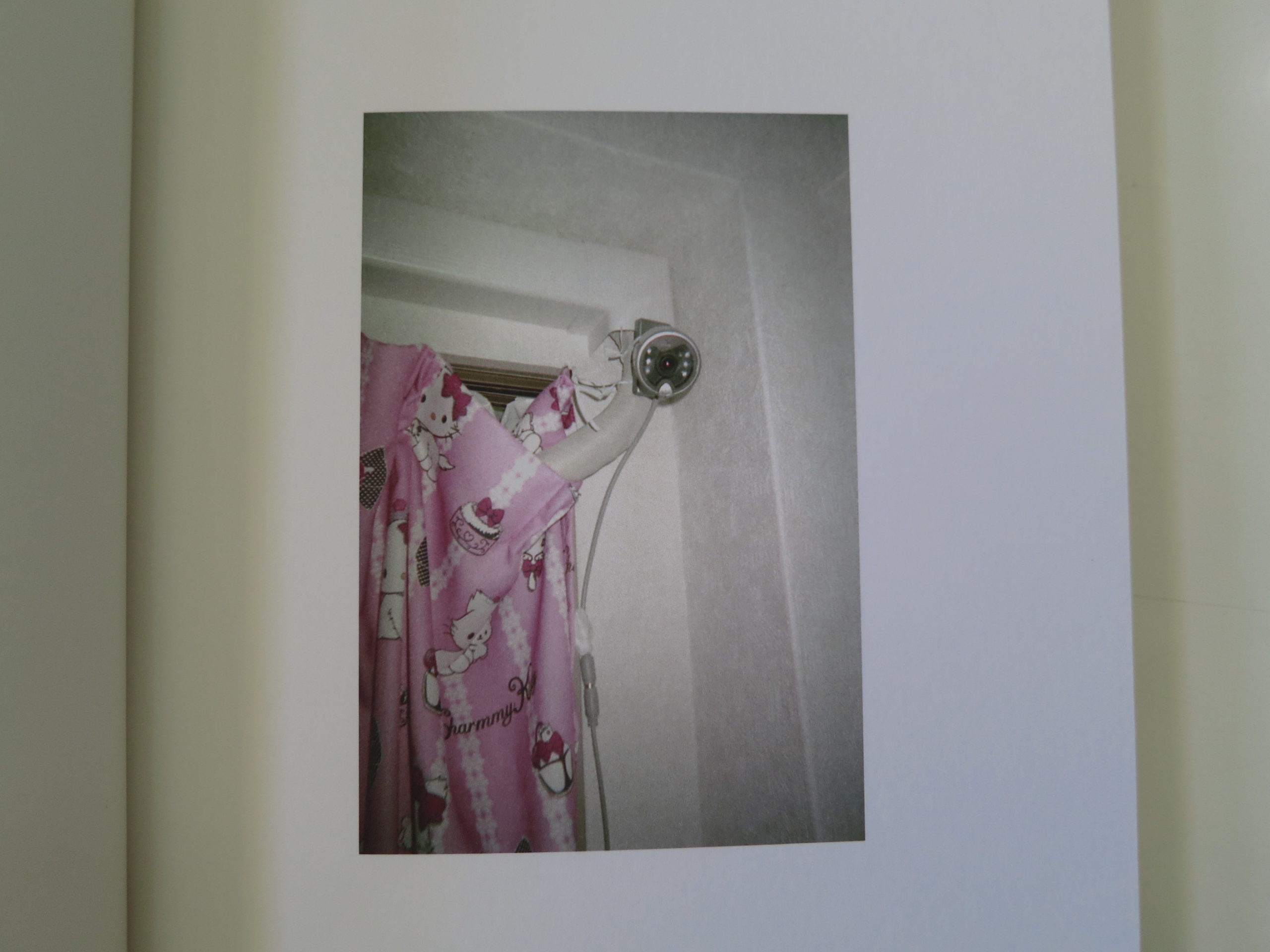
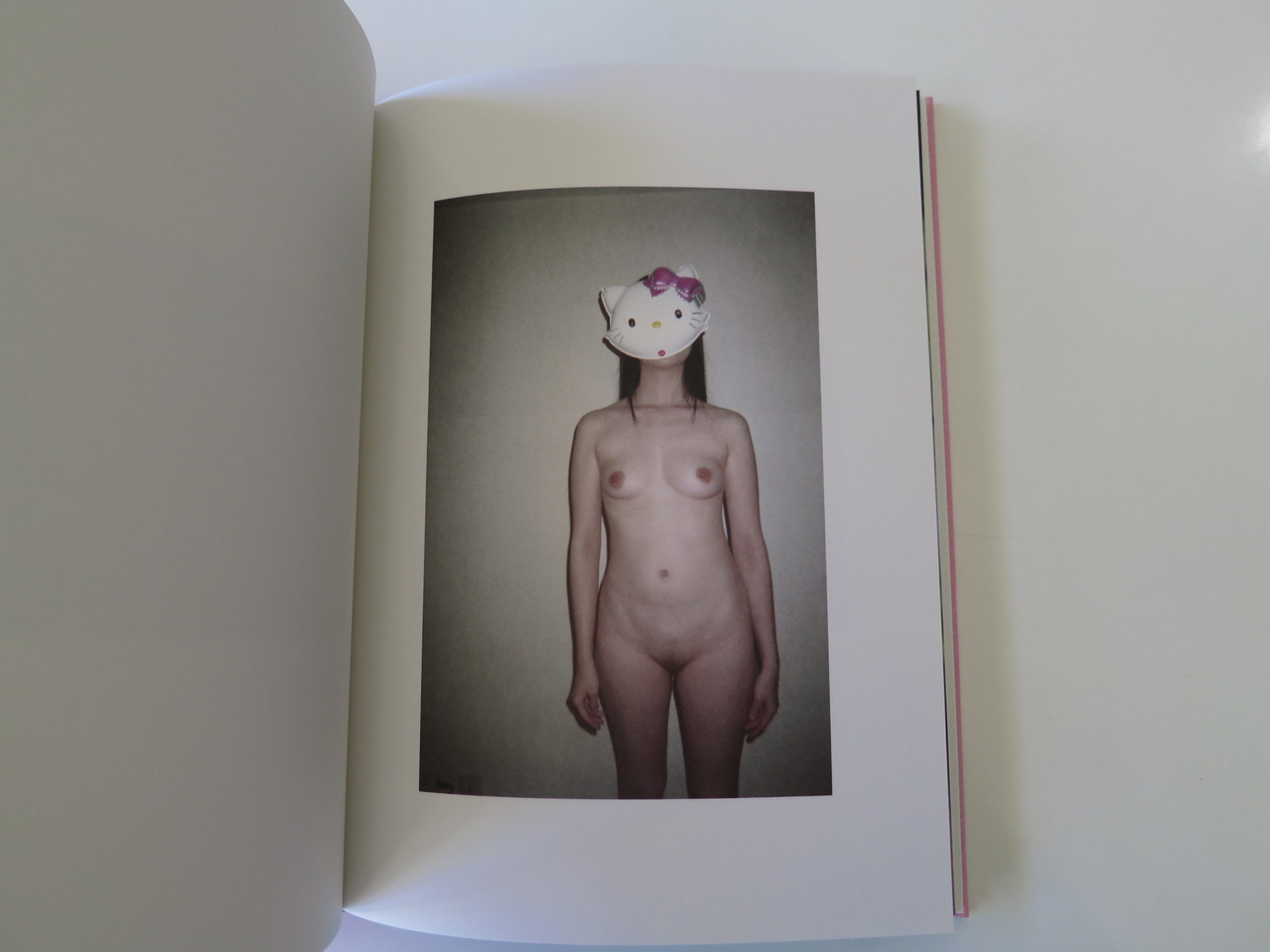
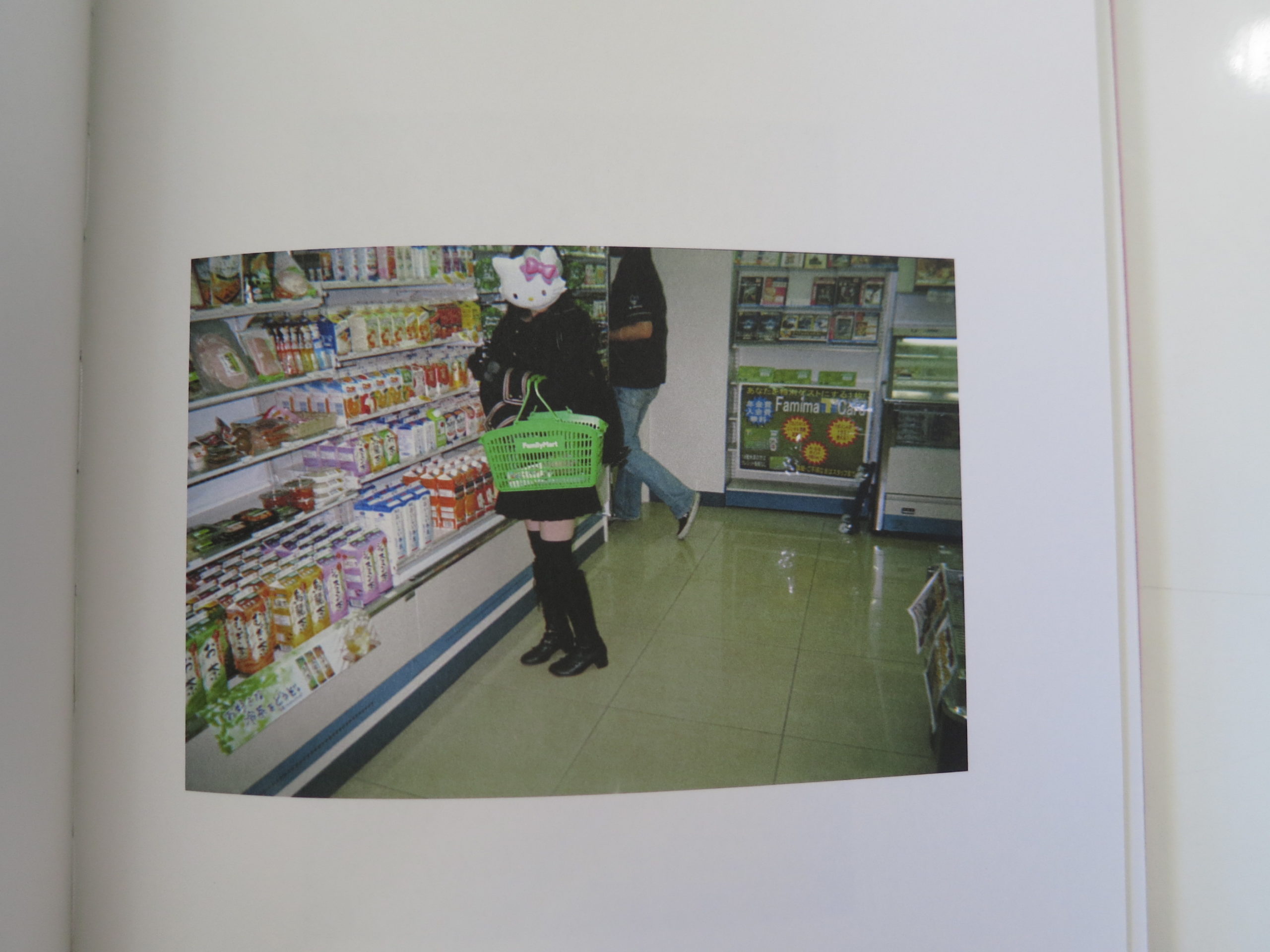
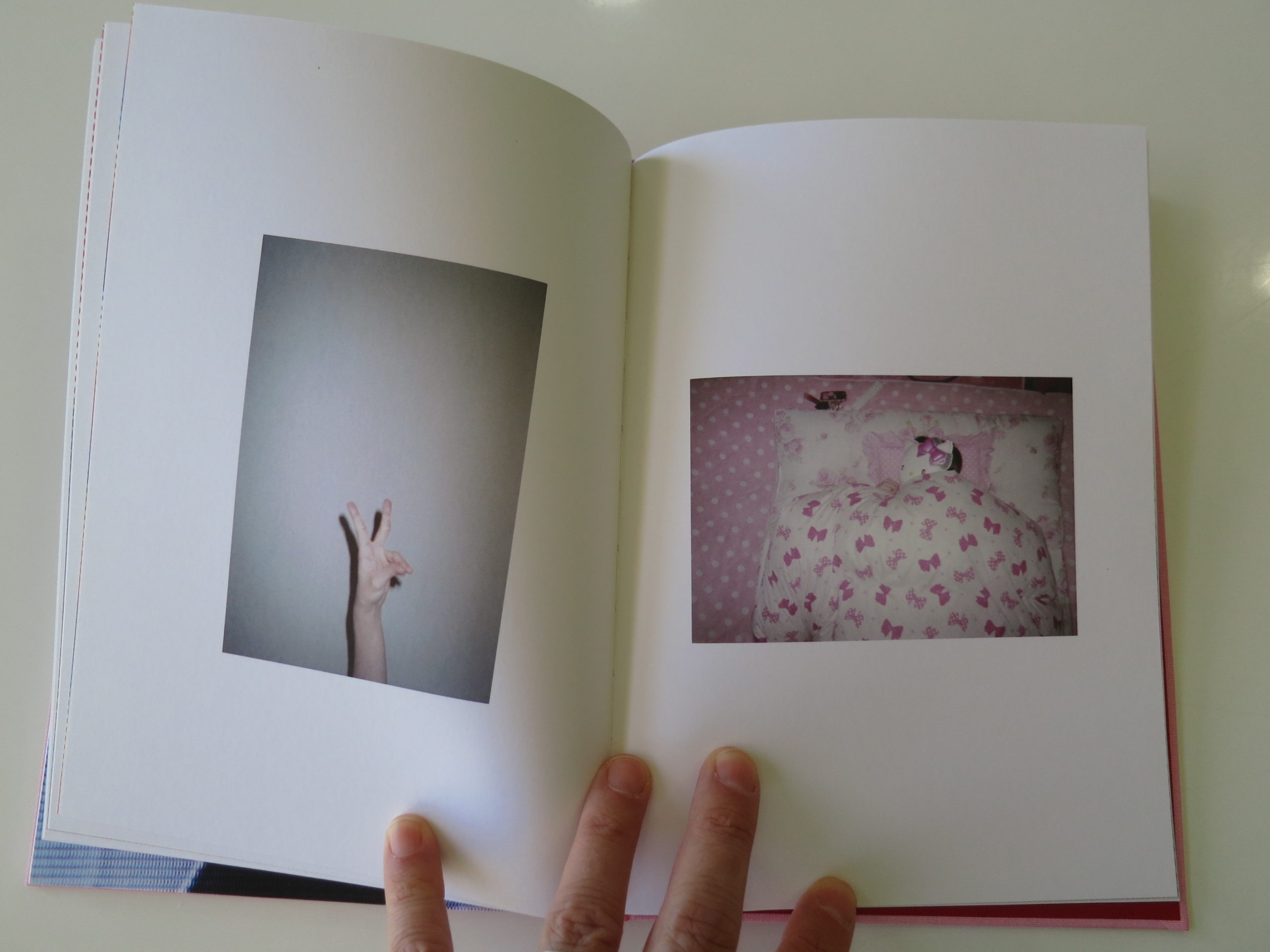
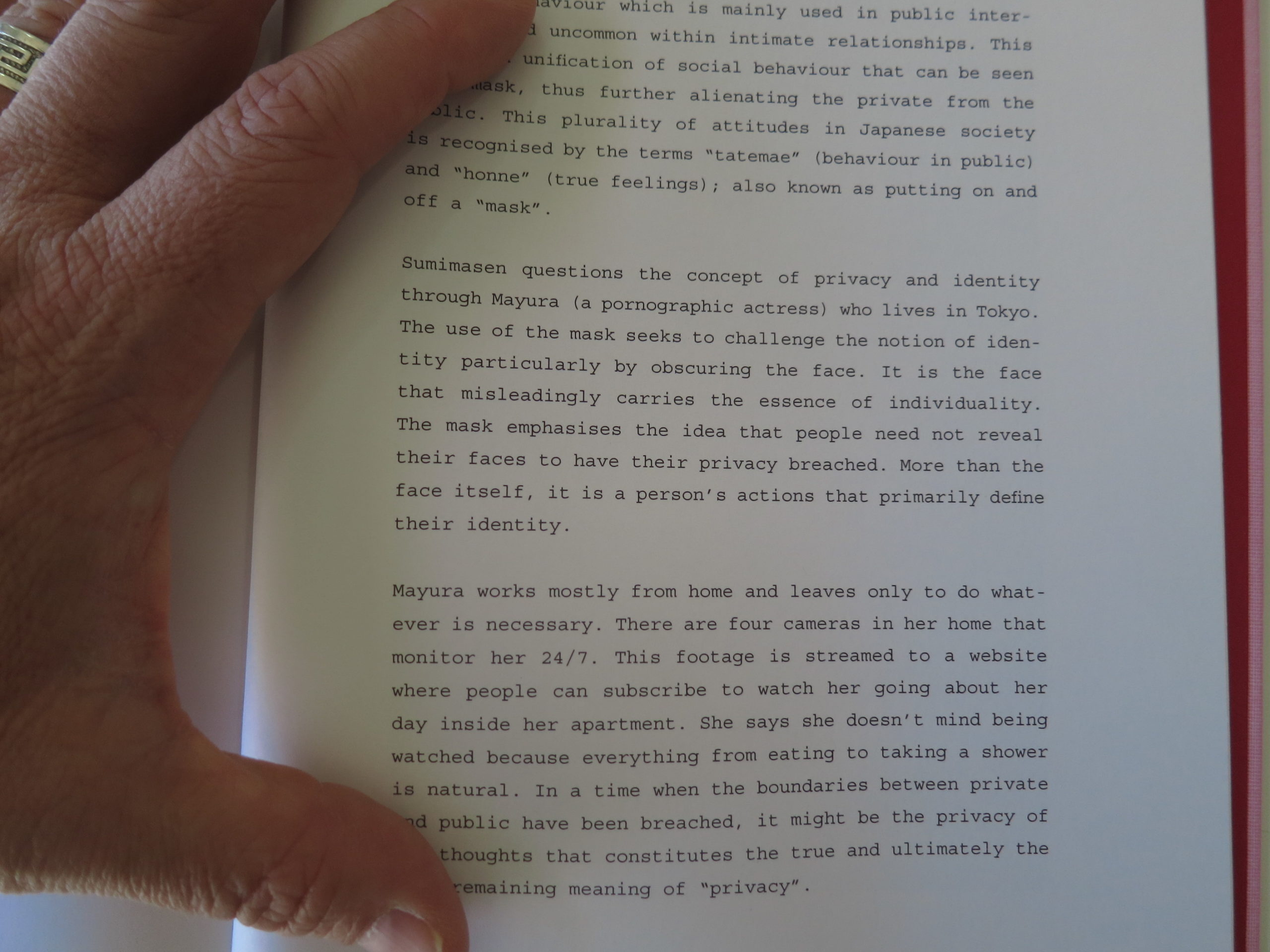
A Hello Kitty-mask-wearing, naked, Japanese porn actress whose entire life is captured on four webcams embedded around her small apartment.

(Dramatic pause.) What now?

That’s right. This cute pink book is actually a weird-as-hell meditation on the way Japanese culture forces people to offer two faces to the world: their true selves, which remain hidden, and the public mask, which shrouds the interior reality.

Let me say it again: What now?

Nothing could be less Thanksgiving-y than this book. It’s got plenty of boobs, and screen shots of lady parts. (As I’ve said 1000 times before, Boobs Sell Books℠) Yes, this is nobody’s idea of a children’s book.

(This is Mayura. Hi Mayura. See Mayura make breakfast. See Mayura clean the dishes. See Mayura masturbate with her large and intimidating vibrator.)

Normally, if I showed an edgy book like this, you’d just roll your eyes and say, “Blaustein’s keeping it real today.” But on Thanksgiving, it has to be more than that.

Let’s just say I wanted to bring the rhetoric down a notch from last week’s impassioned screed. True. But in this time of global strife, I think it’s always good to be reminded that the weird shit is what separates us from the Apes.

Anyone can put on a suit every day, punch the clock, make the donuts, and then drink away their misery in a big bottle of vodka. That’s called life. (For too many people.)

So this week, while you’re eating obscene amounts of turkey, laughing at your uncle’s inappropriate jokes, and restraining yourself from killing your obnoxious younger brother, remember this odd little pink book.

Because if this bit of naughty Japanese insanity can’t help you lighten up, maybe nothing can?

Bottom Line: Pornographic Japanese book in a nice little package

To Purchase “Sumimasen” Visit Photo-Eye

IMG_1075

IMG_1076

IMG_1077

IMG_1078

IMG_1079

IMG_1080

IMG_1081

IMG_1082

[showhide type=”image” more_text=”Show NSFW Image” less_text=”Hide NSFW Image” hidden=”yes”]

IMG_1083

[/showhide]

IMG_1084

IMG_1085

IMG_1086

IMG_1087

IMG_1088

IMG_1089

IMG_1090


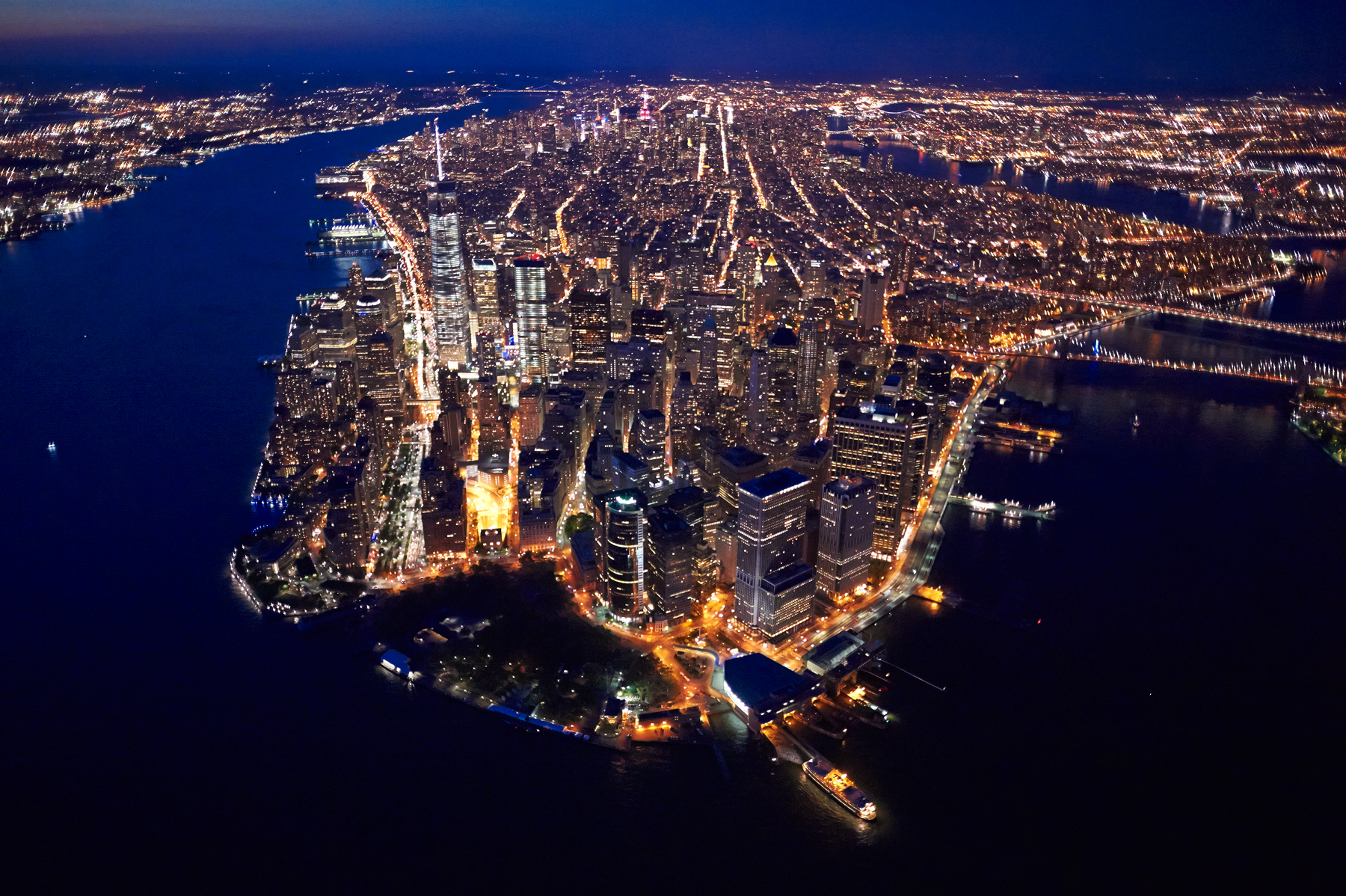
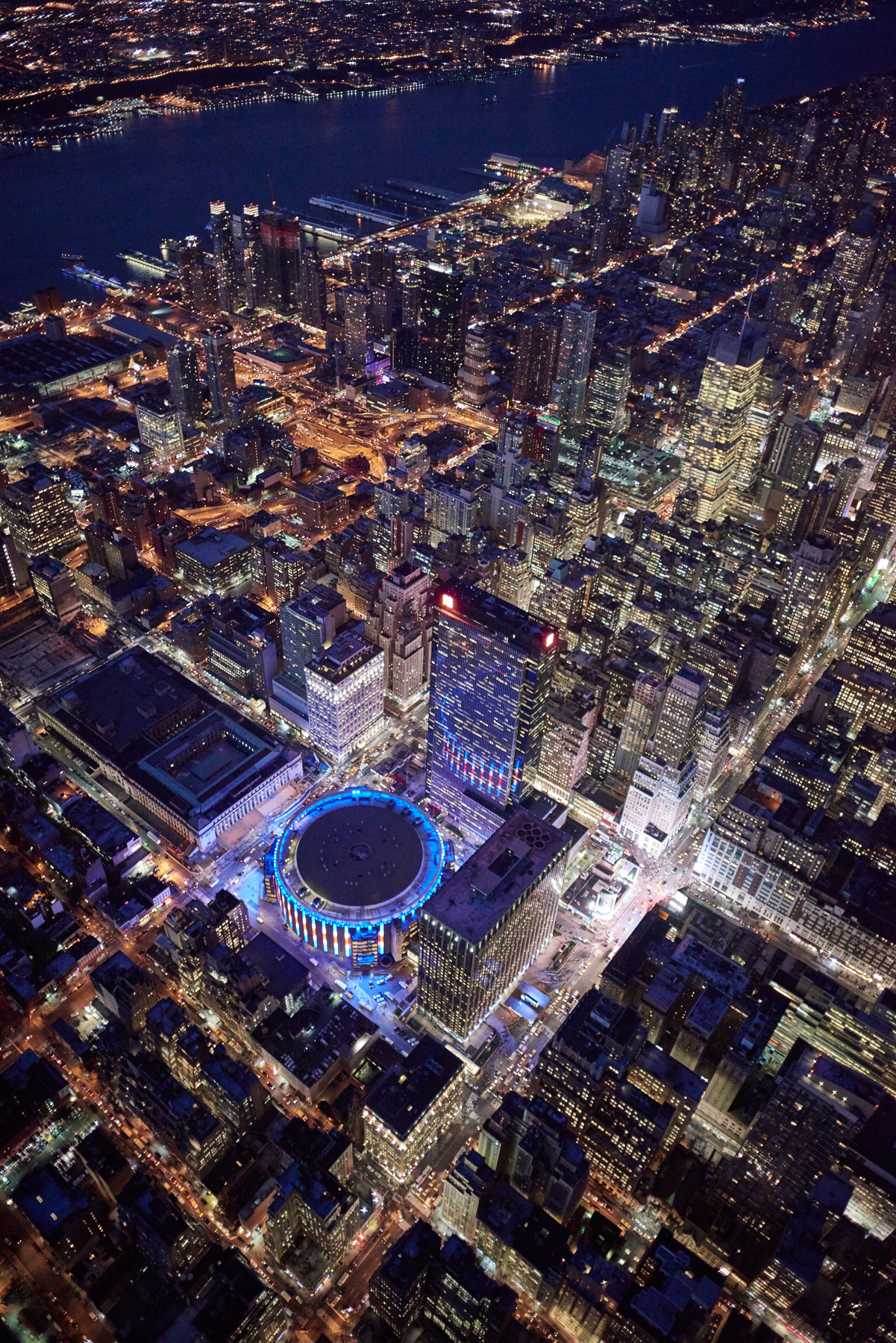
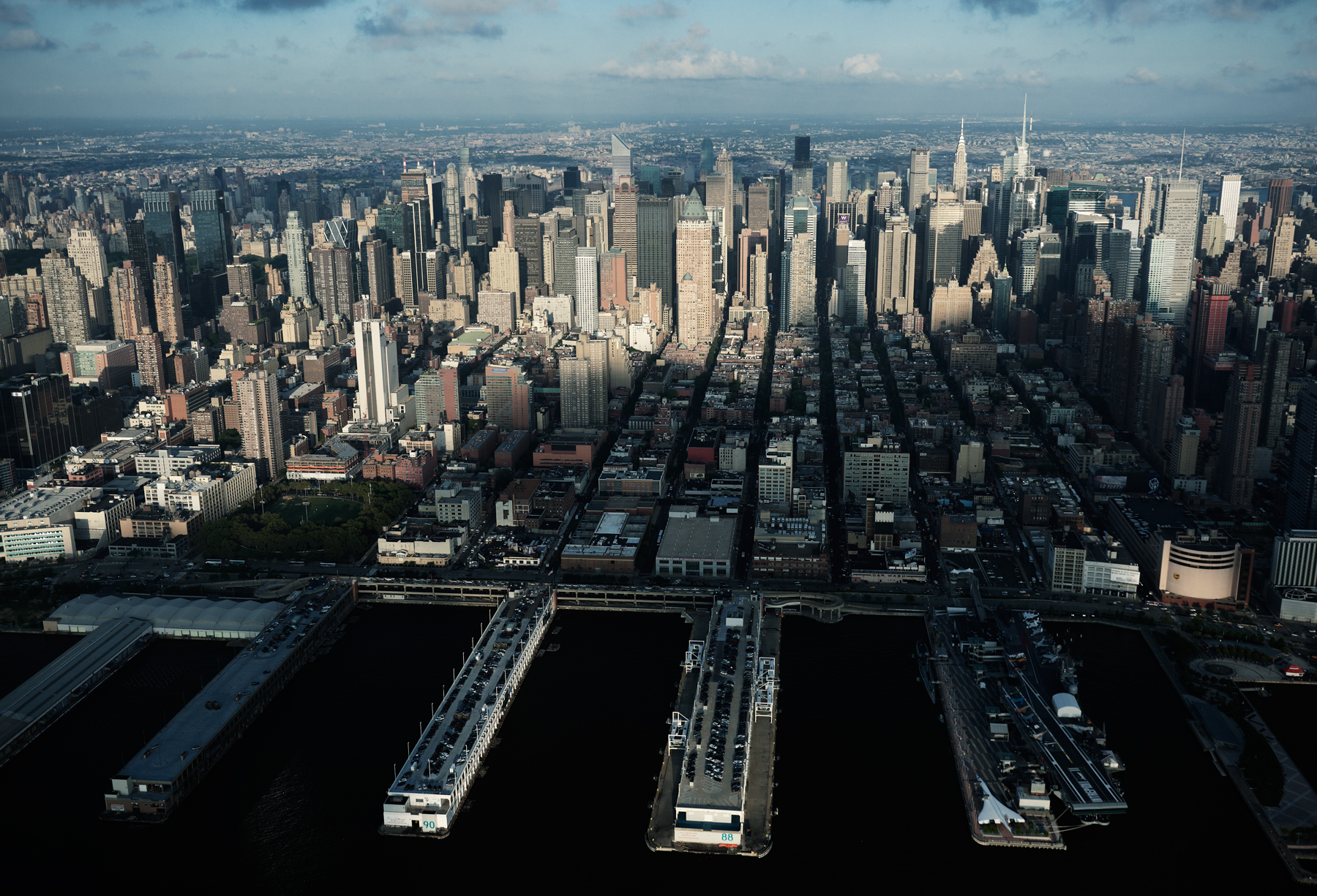
The Daily Edit – Cameron Davidson : New York City Aerials

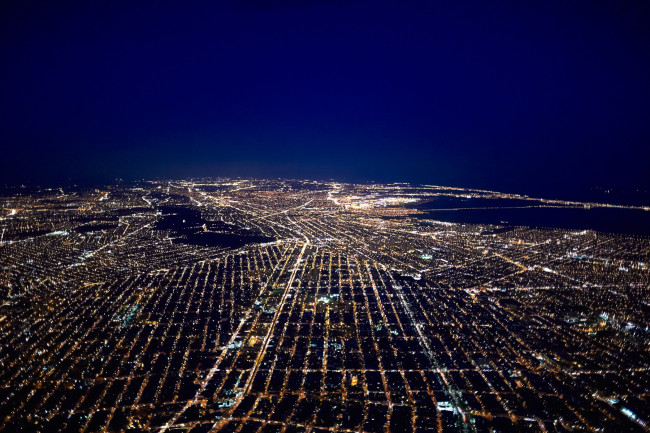
CD_2014_0601_NYC_2631


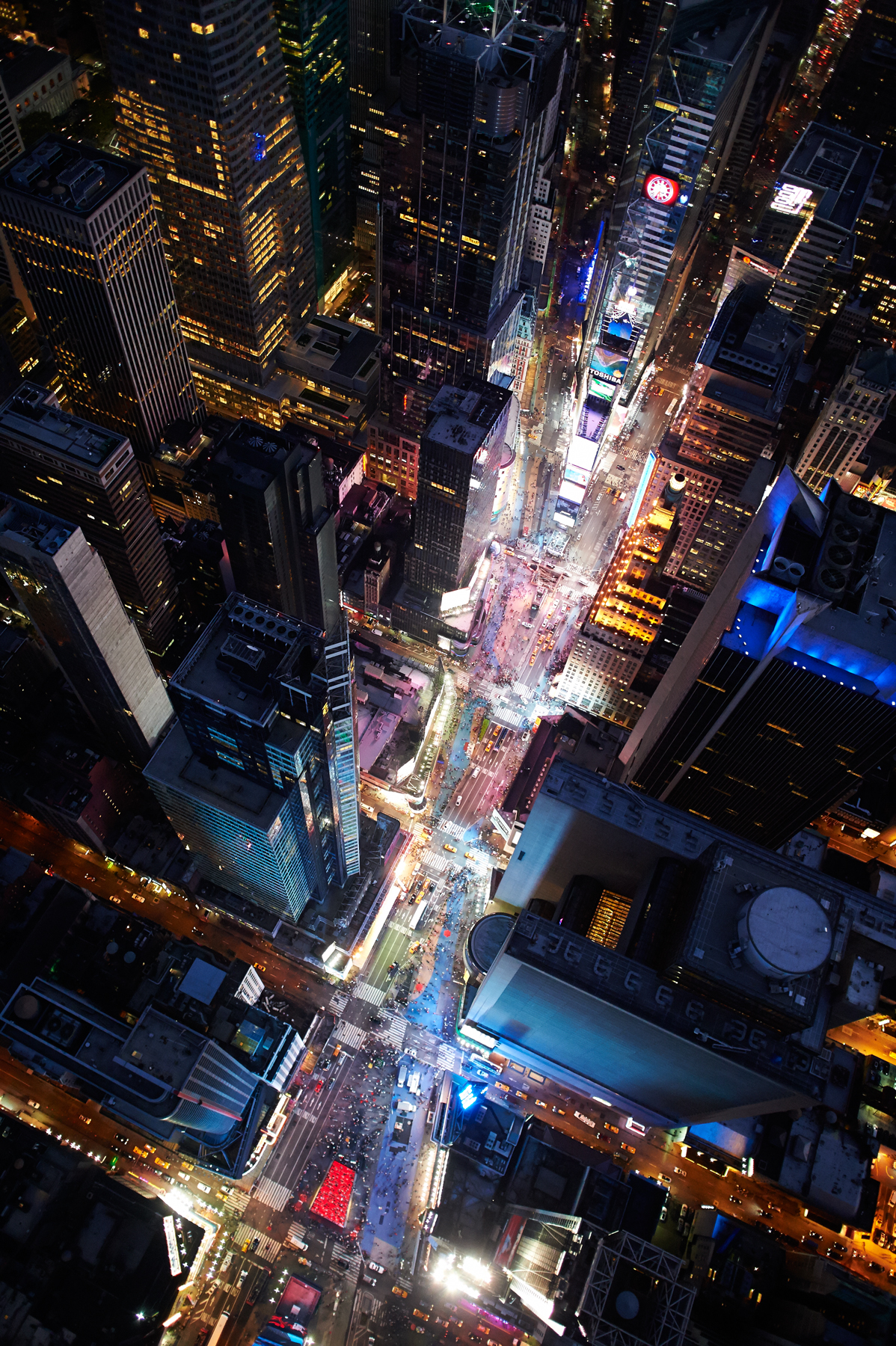
Early evening aerial view of Times Square in the Manhattan, New York City.

CD_2014_0601_NYC_0080 copy

CD_2014_0601_NYC_0625

CD_2014_0601_NYC_1076


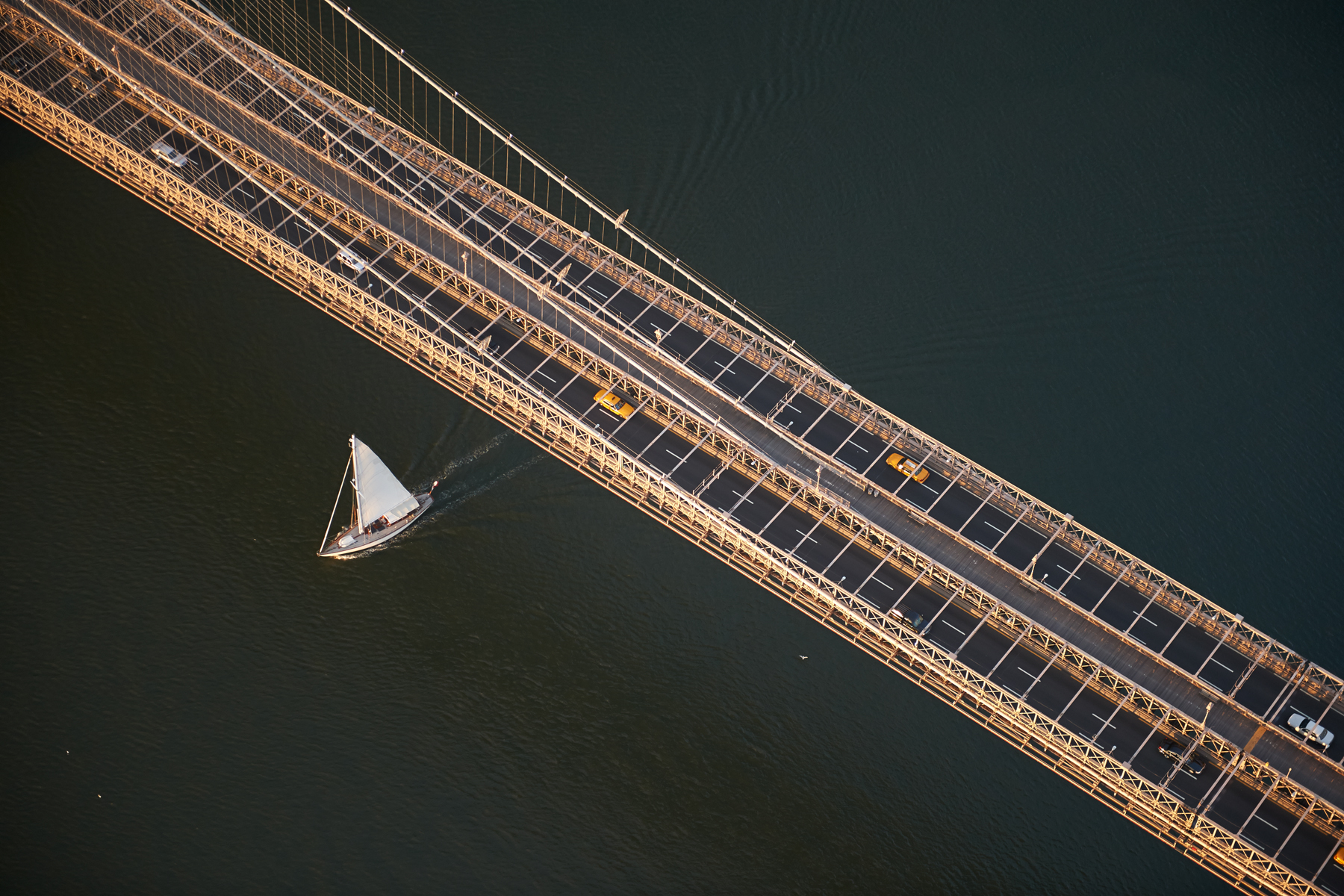
Aerial of the Williamsburg Bridge in the early morning, New York City, New York, USA

CD_2014_0601_NYC_2206
CD_2014_0601_NYC_2242
CD_2014_0601_NYC_2413
CD_2014_0601_NYC_2550

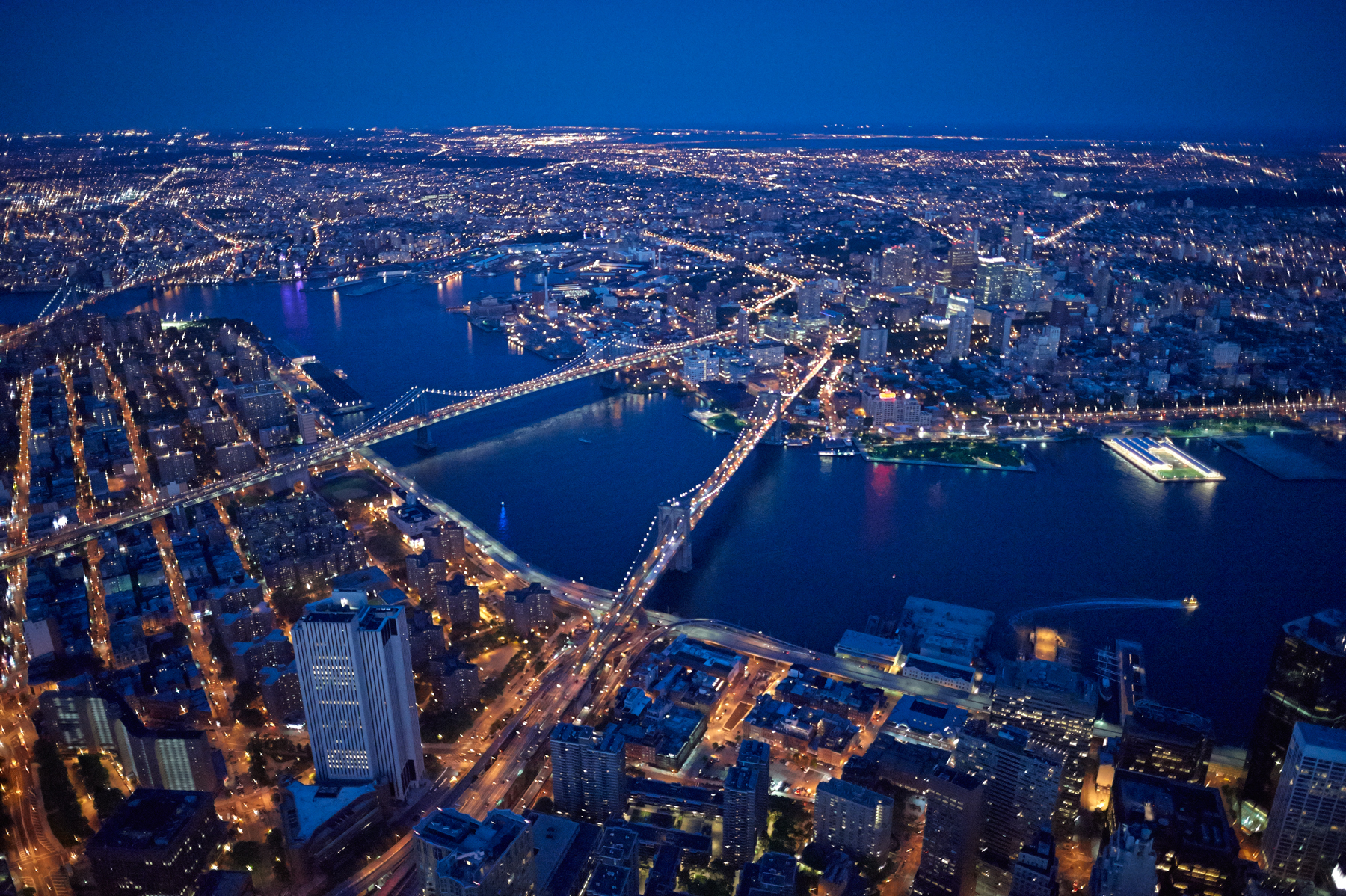
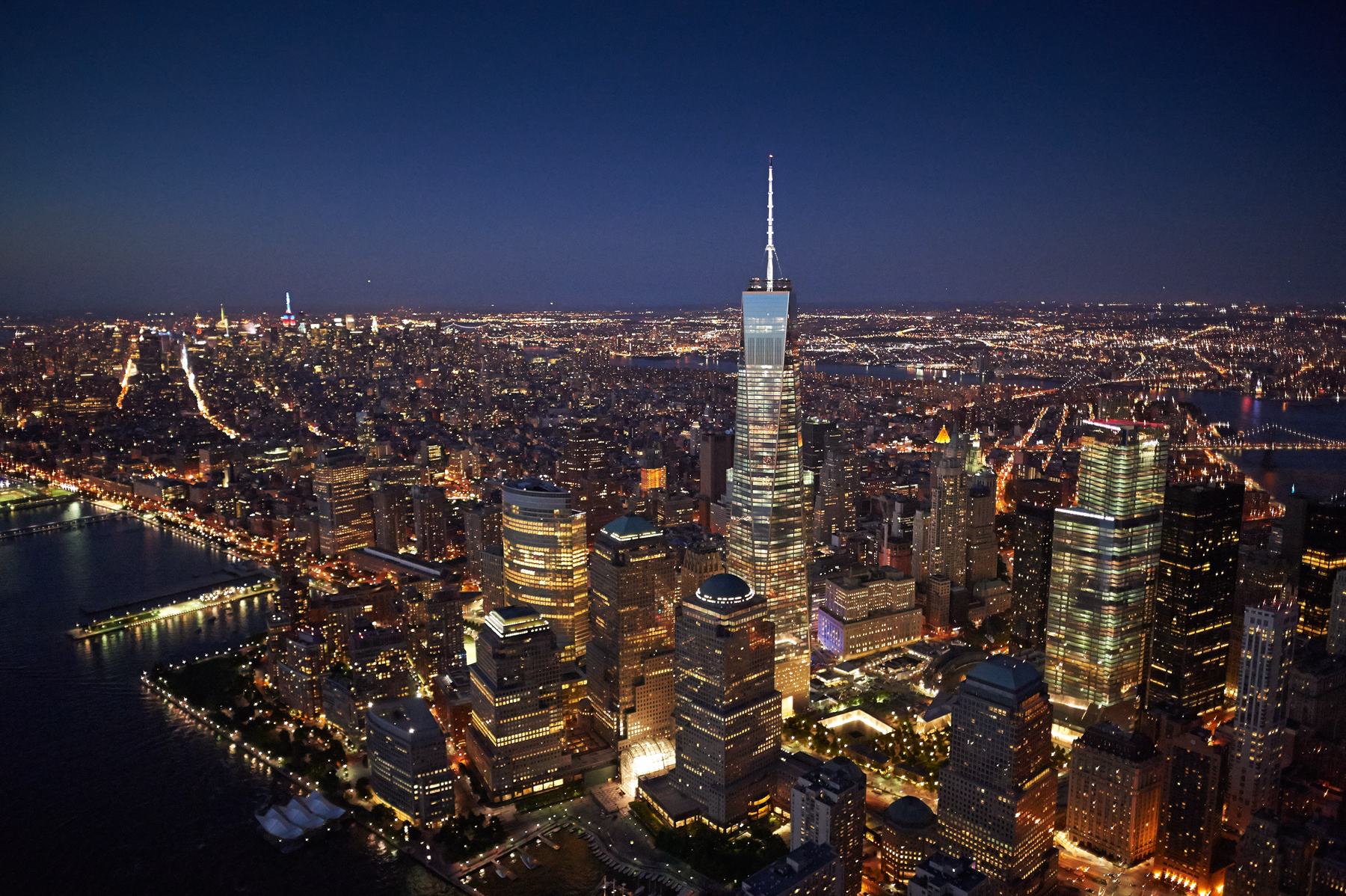
Aerial of Manhattan, New York City GPS DATA of shot location. LAT: LONG:

Aerial of Manhattan, New York City GPS DATA of shot location. LAT: LONG:

Aerial of Manhattan, New York City GPS DATA of shot location. LAT: LONG:

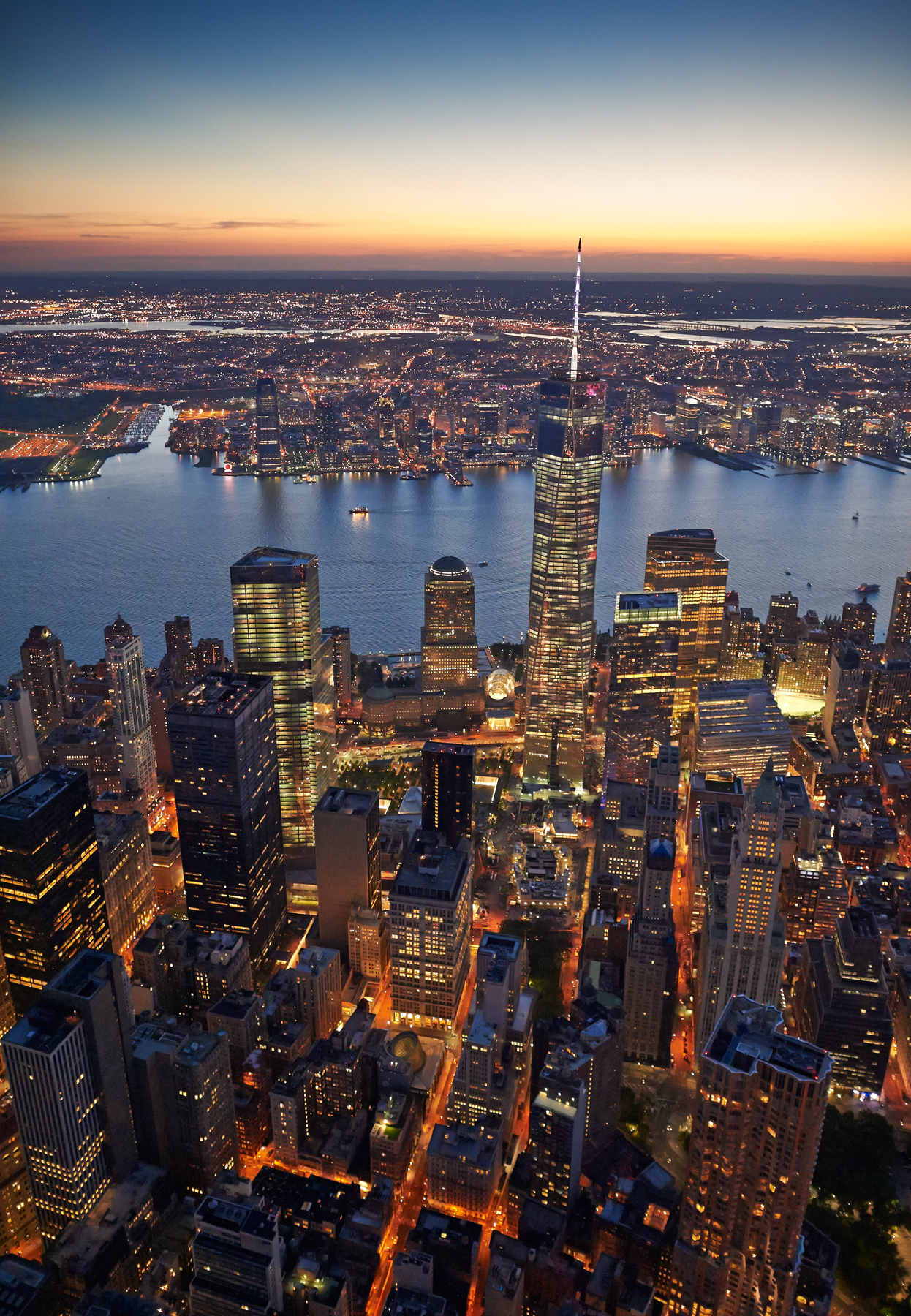
Aerial view of Midtown Manhattan and the Hudson River shoreline in the late afternoon.


Cameron Davidson


Heidi: How long is a typical aerial shoot?

Cameron: It depends upon the project and location.  When shooting over New York City or London, we plot out the times and sun path to maximize our shoot times or to catch the quality of light that the assignment calls for.  Usually about one and half to two hours.

Have you even been both pilot and photographer?
In my early days of aerial photography, right after I earned my pilots license, I would shoot and fly at the same time.  Problem was, for me, the altimeter tended to spin left, which meant I was descending.  I know two fixed wing pilots that are superb aerial photographers and also a Gyro pilot who have mastered the ability to fly and shoot at the same time.  If I was to try it again, I would shoot from an ultralight aircraft.

The key thing to remember about aerials, is, safety comes first.  I fly with a fairly elite group of pilots who know how to fly for the camera and primarily fly for the film industry.  There are a few photographers who have the same or higher level of experience that I have, all of us, are focused on flying safely.  My goal is always safety of the crew, client and myself. Since I am also a pilot, (although inactive at the moment) I know and speak the same language as the pilots flying the ship.  I tend to fly in turbine helicopters and often in twin-turbine ships.  There’s a lot of planning that goes into these flights and we always have a pre and post mission brief.  I never bring unnecessary people along for a joy ride.  That comes from the mantra of “more people equals more weight, more weight in the helicopter equals less power.”  Power is your friend.

What was the genesis for this body of work?
In early 2009, I was on assignment for Vanity Fair in New York City.  The shoot called for recreating the views from the cockpit of US Airways Flight 1549 that crash-landed into the Hudson River.  After I finished the shoot, we flew back to the heliport, I asked the pilot if we could schedule a second flight for sunset and into early evening.  His schedule was open, so we went for it.  I shot at sunset and since it was fall, dusk came quickly.  In 2009, DSLR cameras were not especially good at high ISO and low-light photography.  I decided to keep shooting and cranked the ISO up and see if I could create a usable image.  I did and it became a best seller for one of my stock agencies.

I’ve always been drawn to the intersection of mankind and water.  My work is fairly graphic and the hard lines with dark and light of the city is similar in form and tone to my aerial landscapes of marshes, river and settlements along watersheds.

So far, I’ve published six books and one iPad app on aerials.  My last book, Chesapeake, was a twenty-year love affair with the Chesapeake Bay Watershed that was the University of Virginia Press distributed.

My aerial assignment work is a mix of editorial, annual reports and advertising.  Earlier this year I shot a campaign for a automotive company.  The first shot was Manhattan from 9500 feet on a very cold 16 degree day.  The temperature in the cabin, at altitude, was minus three degrees.  Add about sixty knots of forward airspeed and we were a wee bit chilled.  The same project took me to the edge of the Everglades, where I shot as low at forty feet above the water. I’ve shot aerials in over thirty countries.

Discovery Channel assigned me to shoot shoot 360 immersive aerials for the Nik Wallenda walk websites his walk across the Grand Canyon and Chicago River.

That was very much a collaborative approach with their in-house graphics team, specialized software with quite a lot of testing and several pre-flight mission and weather briefs.  We had a half-hour window for these shots due to waiting for light to reach into into the canyons and before the winds picked up. I have flown for so long, that fear does not enter into my mindset.  I fly with good people in solid aircraft and everyone goes in with a safety first frame of mind.  I do say a prayer before every flight and ask for the safe return for all on board.


Is there a particular time of day you like to shoot these?
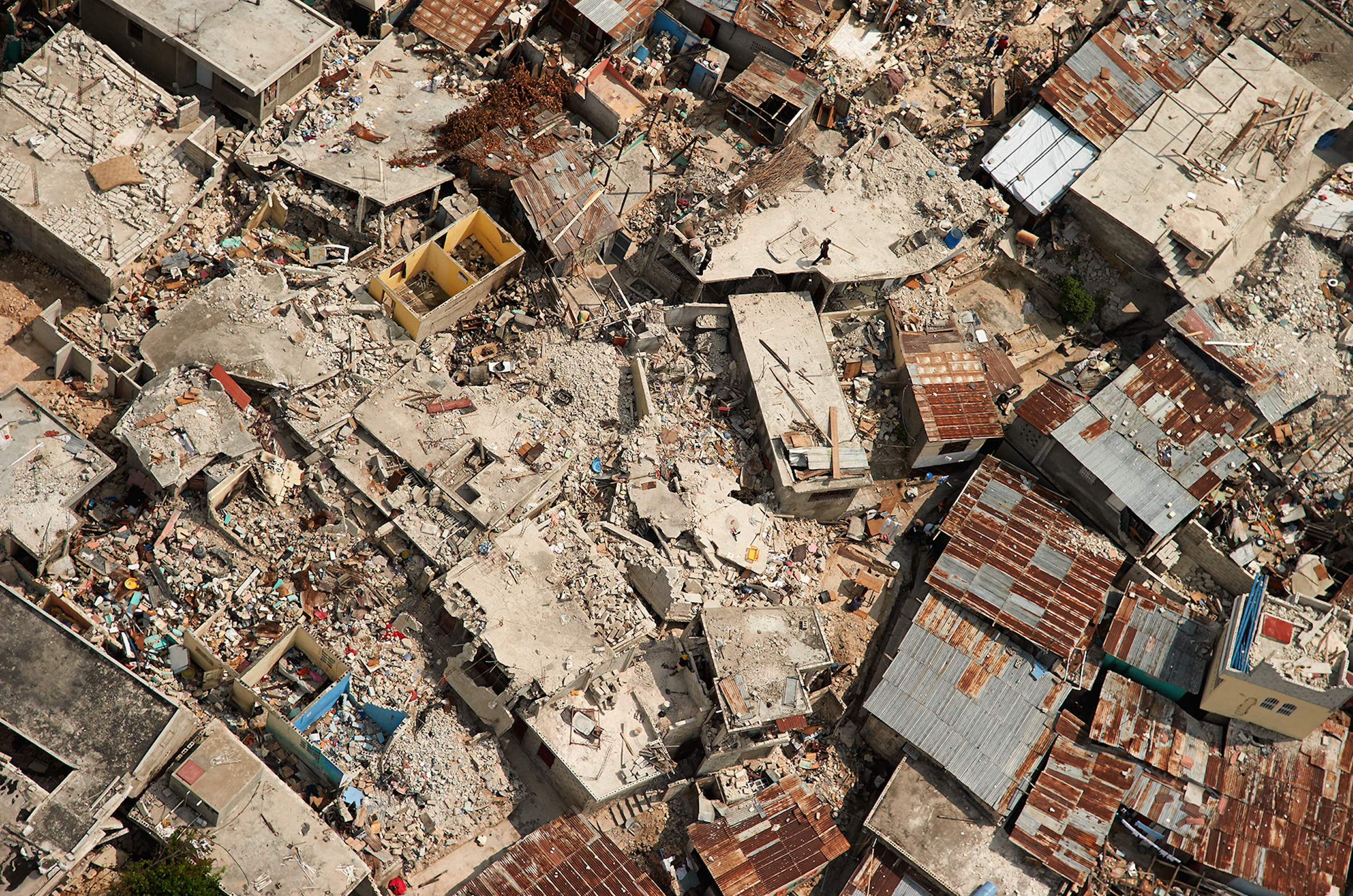
My favorite time of day to shoot is O’Dark early and O’Dark late.  I like working the edges of light.  The first and last light of the day is a challenge and a joy to work with: shadows hide and help create form with structure.  I rarely shoot aerials in the middle of the day.  I can only think of a couple of times in the past few years that I have.  One was in Haiti just after the January 2010 earthquake.  The only time I could schedule the helicopter was between NGO medical missions and that was 2:00 in the afternoon.  Recently I shot a series of B&W aerials of Manhattan in the middle of the day.  I wanted to embrace the hard cold light of late October.  I think it worked.

Are there scouting missions for project like this?
Sometimes, I scout by fixed wing.  Most often, I travel to the location and scout on the ground.  I take sun path plots, gps readings, look at shadow lengths and figure out the obstacles and opportunities.  I also use topographic maps plus satellite images via Google and Bing.

You’re a pioneer in this field, how did the love for aerial develop?
It came to me quite naturally.  I started off as a bird photographer.  I was working on a project for National Geographic Magazine in southern Maryland and I saw a Yellow Piper Cub behind a barn alongside a country road.  I asked the farmer who owned the Cub if he would fly me over the Heron Rookery I was photographing.  He did, for all of $15 to cover expenses.  I was hooked from that point forward.  It was the perfect viewpoint for how I like to shoot.  Graphic landscapes, targets of opportunities and hopefully, a unique image that challenges the viewer.

However, the real pioneers of aerial photography are William Garnett  and Bradford Washburn.  Mr. Washburn was also an explorer, and mountaineer.  He photographed remote mountain ranges in Alaska with an 8×10 camera at, 12,000 feet without oxygen.   I met Mr. Garnett and his wife a few years before he passed away.  In my office, I have a signed print of one of his favorite aerials, an image of Death Valley with rolling dunes and hard morning light. Mr. Garnett is considered by many, to be the grandfather of American aerial photography.


Screen Shot 2015-11-22 at 5.12.45 PM

Screen Shot 2015-11-22 at 5.12.56 PM

Screen Shot 2015-11-22 at 5.13.06 PM

Screen Shot 2015-11-22 at 5.13.14 PM

Screen Shot 2015-11-22 at 5.13.31 PM

Screen Shot 2015-11-22 at 5.13.40 PM

Screen Shot 2015-11-22 at 5.13.48 PM

Screen Shot 2015-11-22 at 5.13.55 PM

Screen Shot 2015-11-22 at 5.14.05 PM

Screen Shot 2015-11-22 at 5.14.13 PM

What has been the most surprising/innovative application for this type of imagery that you’ve seen?
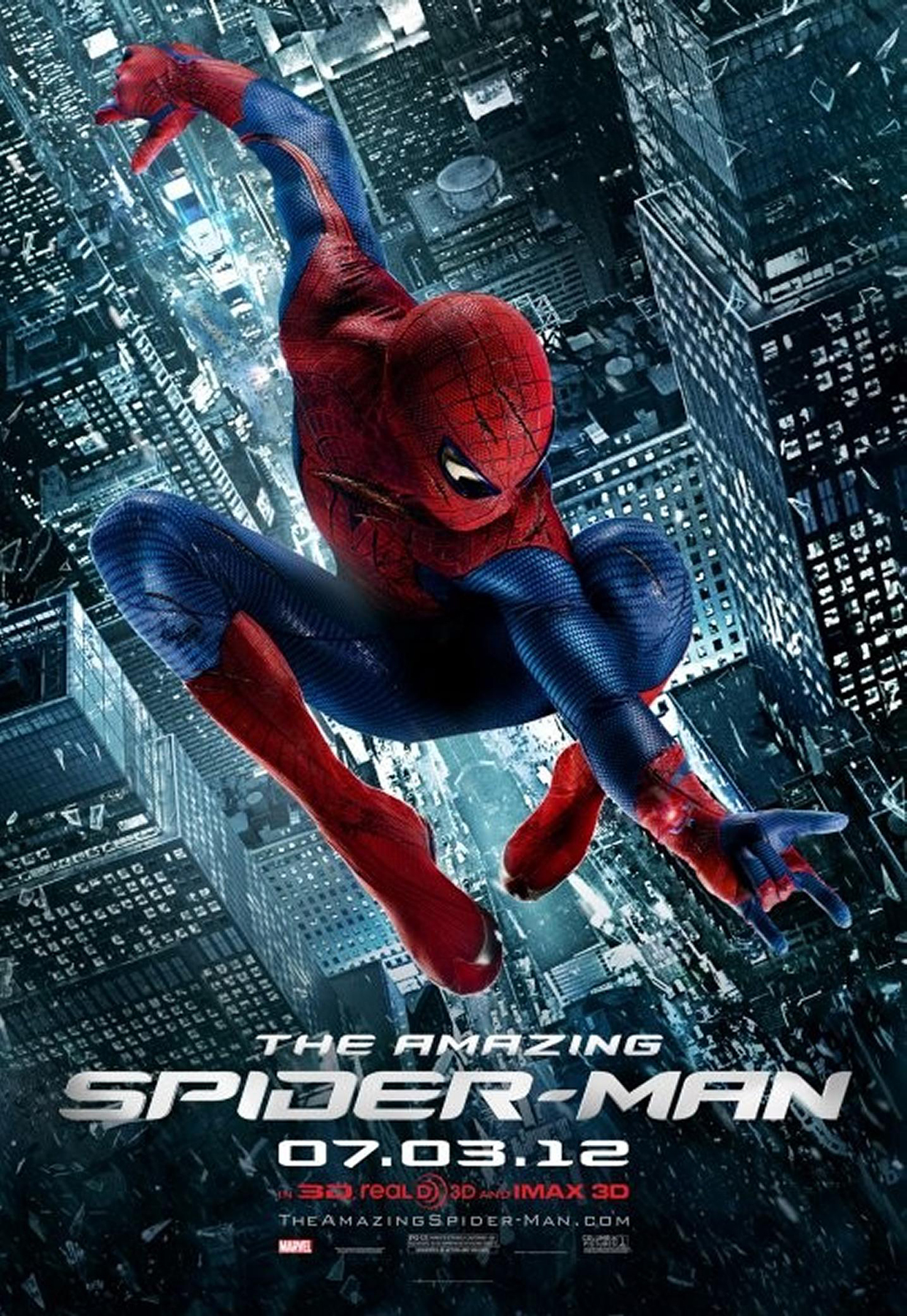
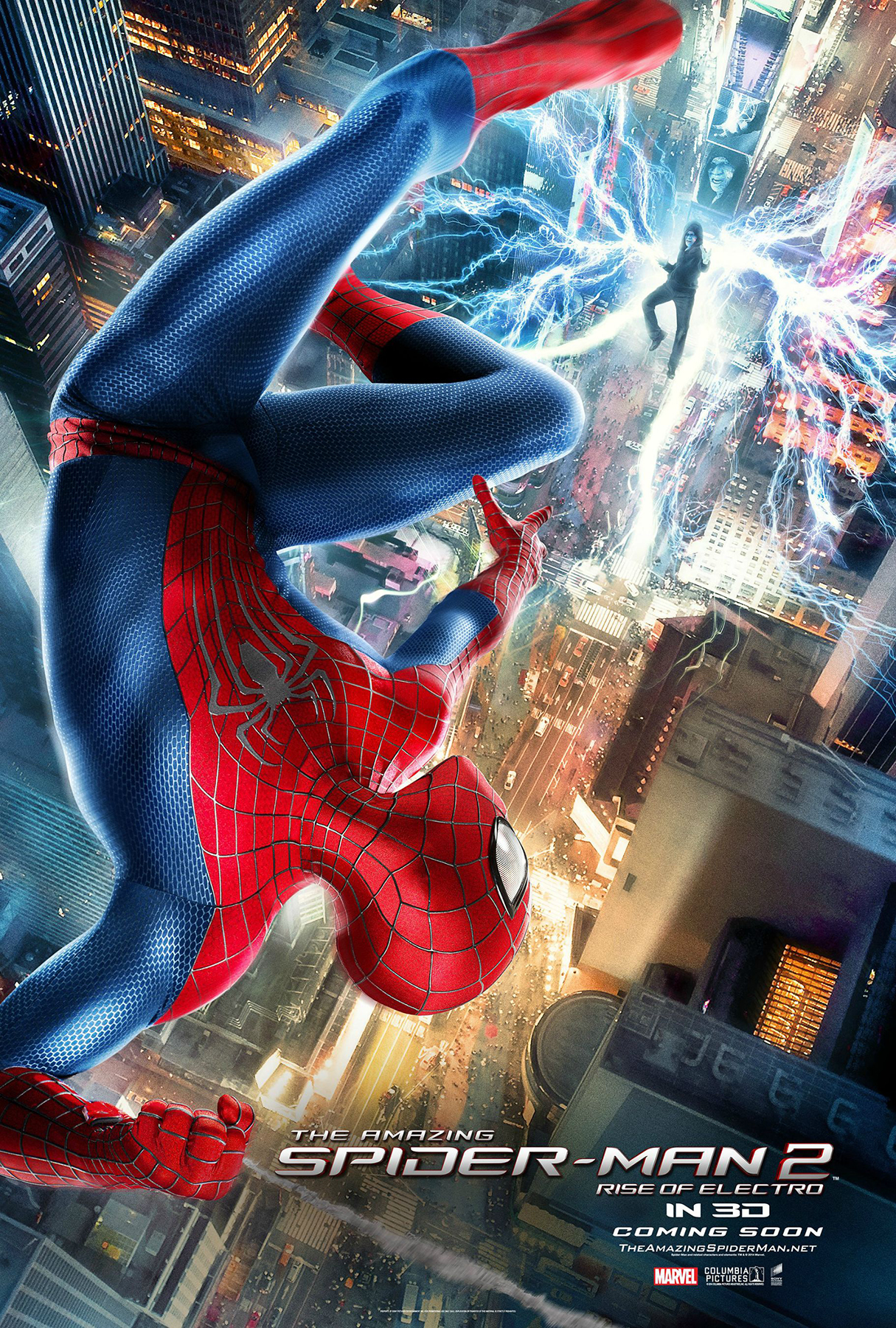
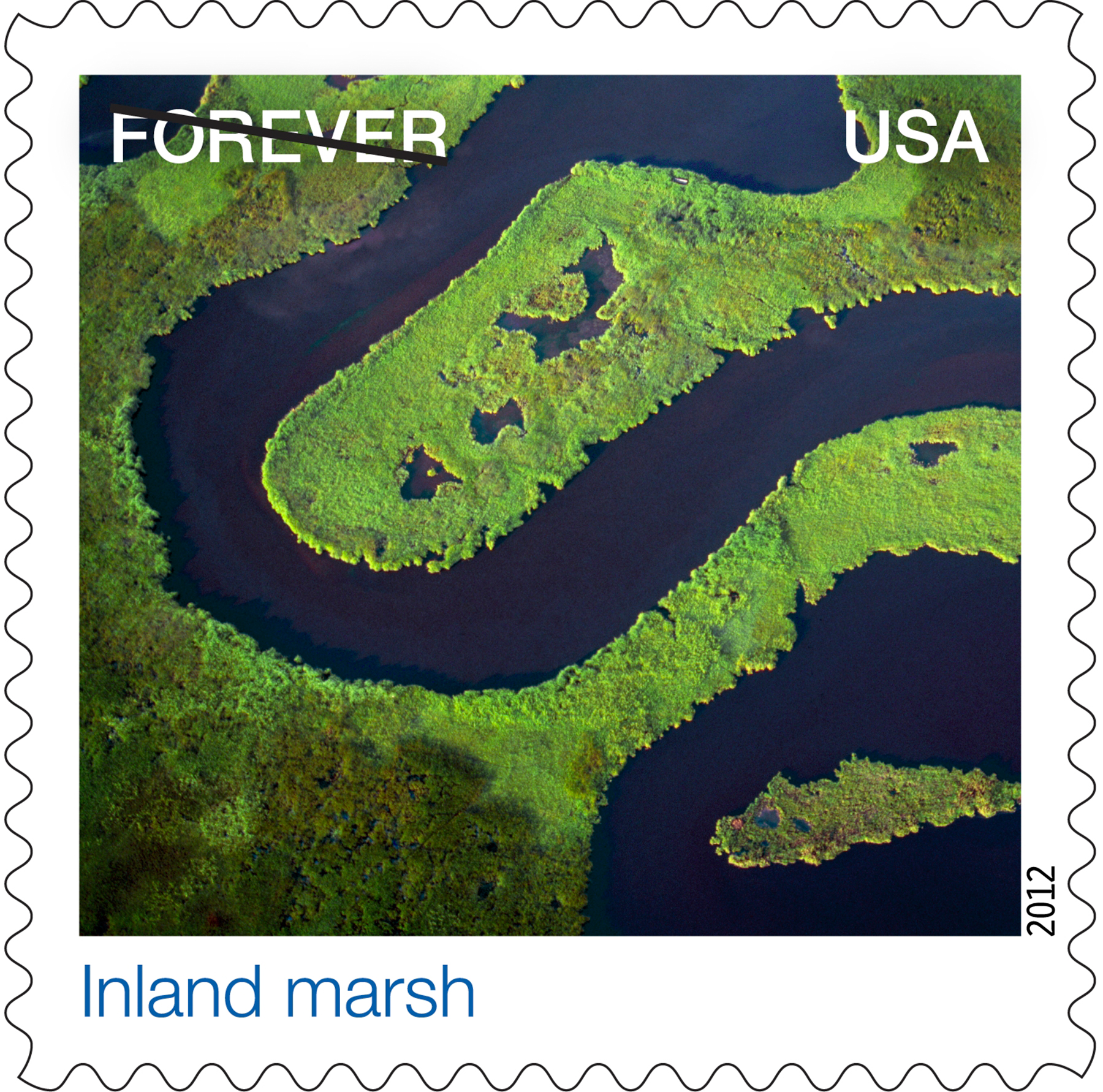
Outside of books and magazine stories, I’ve started shooting images that were intended of the movie poster market.  Two of my New York City images have been made into the lead poster for the Spiderman movies. The U.S. Post Office chose an aerial of Blackwater Refuge from my Chesapeake Book project as the image to show marshes in the Earthscapes series of stamps.

Photograph by Cameron Davidson All Rights reserved/© Cameron Davidson Cameron@camerondavidson.com for usage.

Photograph by Cameron Davidson All Rights reserved/© Cameron Davidson Cameron@camerondavidson.com for usage.

Photograph by Cameron Davidson All Rights reserved/© Cameron Davidson Cameron@camerondavidson.com for usage.

Quadopter/Octacopters (drones) have brought a raft of new uses and some of them are incredibly exciting and useful.  Everything from tower safety inspections to mapping, to wildlife counts and of course, aerials from a slower and lower altitude, which I might add, is significantly safer than flying a helicopter at 200 feet.

I have a long relationship with the good folks at Corbis and you can see many of my aerials there.  Also, I launched my own stock library, titled, AerialStock.

The Daily Promo: JD White

Screen Shot 2015-11-22 at 7.26.44 PM
Screen Shot 2015-11-22 at 7.26.52 PM

JD White


Who printed it?
Moo.com

Who designed it?
My good friend Craig Wheat did my logo a while back but I designed the cards myself.

Who edited the images?
I edited these 5 down from my current 20 image printed portfolio.

How many did you make?
I made a short run of 20 cards for each image as this was my first go at a promo. Some people received all 5 cards, some got 3 and then I also sent out a few singles. There was 33 total recipients of the promo.

How many times a year do you send out promos?
I’m really not sure yet. This was my first run and it was very small so I’m curious to see what happens if I send out 400. I’d like to do at least 4 promos a year but doing 12 small runs sounds fun too!

What have you learned from sending out promos?
As I mentioned before, this was my first run at any sort of promo. I had sent out a few emails prior to these postcards but this was my first attempt at getting my name out there without taking much of a financial hit. The month before sending these out I decided to go freelance. So you can say this was my attempt at getting me out of the “ohh crap” moment and getting my hustle on. Shortly after sending these out, I got booked for a couple jobs with local agencies. None of them had received the promos yet. I do feel that getting the cards out there had something to do with getting these jobs. I have learned a lot from this first mailer, for example how they can reach a bigger audience just by sending one to Rob. Also, sending good photos and vibes out into the universe can never hurt.

This Week In Photography Books: Lynn Saville

by Jonathan Blaustein

I’m sitting in a silent room, over-looking a lilting snowman.

Is there anything more beautiful than a snow-covered field? The sunlight reflects into your eyes, and the blue sky looms above, like an approving grandma.

Perfect.

It’s odd to feel tranquil and safe, in this week when illusions of such phenomena were shattered like the outer layer a frozen puddle, when you crunch it with your boot.

Paris.
Such horror.

As this is an opinion column, it’s hard not to comment on the miserable situation that played out on Friday, November 13. (OMG, I’m only now realizing those assholes did it on Friday the 13th. Sick bastards.)

But what do you say? How can I add anything to the discussion that hasn’t been said already, or isn’t so blindingly obvious that it need not be said?

I will say this: my heart goes out to all the innocent people who lost their lives. To their loved ones, whose time on Earth will never be the same. To the residents of all the cities out there who now feel so threatened. Who grapple with an underlying level of fear and anxiety that will not go away any time soon.

But I also think about all the people, tens of millions really, who live that way already. Who reside in places like Iraq, Syria, Mali, Yemen, Lebanon, Afghanistan, Israel, Ukraine, etc.

There are so many who live in situations where bombings, assassinations, destruction and mayhem are a part of daily life. Yet we collectively lose our minds when it happens in a place like Paris. In the West. With all the beauty and historic architecture.

I may not be a real journalist, (the jury’s out,) but I did write in this very column, not too long ago, about the banlieues in Paris. We looked at “Dédale,” by Laurent Chardon, and how he implied that the bleak, miserable surroundings in the Parisian suburbs must be wreaking havoc on the mentality of their inhabitants.

We are humans, and therefore flawed. Society, made up of humans on a mass scale, is therefore flawed as well. Should our species survive as long into the future as it has into the past, it will never lack for violence and misery.

But when chaos hits close to home, it feels that much worse. That’s how terrorism works. And lest you think I’m excusing anyone, I’ve already written on multiple occasions that ISIS are **the worst people on Earth**.

But the appeal of their recruitment pitch is not hard to discern.

They find young men, troublemakers already, who are of the lowest status in their home (or adopted) countries. They have no girlfriend, no job prospects, no future to speak of. These men most often live in the kind of miserable neighborhoods you might see in a Dardenne brothers film. (Brussels anyone?)

To these young men, they offer the chance to be heroes, to a certain audience.

Legends.

These recruits will get to play war, cops and robbers, spy vs spy, whatever clichéd story-book narrative you’d like to use. They will be famous, lauded by a crowd of social media well-wishers. And then, when it all goes wrong, as it always does, they won’t have to spend their lives in jail, tortured daily, nor confined to the hell of solitary confinement.

No, they will not.

Instead of facing decades of potential rape behind bars, with the push of a button, these sociopaths get to go to heaven, attended by 72 virgins. Permanent blowjobs, forever.

Which is to say that as long as there are oppressed, disturbed, and under-employed young men in the world, (and occasionally women) then this message will find fertile soil.

These ISIS killers don’t respect life, so it’s easy for them to take it from others. I may hope we wipe them all from the face of the Earth, but the ideas that motivate them are much harder to eradicate. (See Neal Stephenson’s seminal “Snow Crash,” for the best prediction on the power of viral information.)

It takes books and medical care and job opportunities to defeat that sort of nihilism.

Not bombs.

Because you can’t explode an idea.

In so many cities, here in the US, after 9/11, people did live in fear. Always looking over their shoulders. Is that backpack sitting by itself? Does that Muslim guy look shifty to you? If you see something, say something.

Eventually, those fears receded.

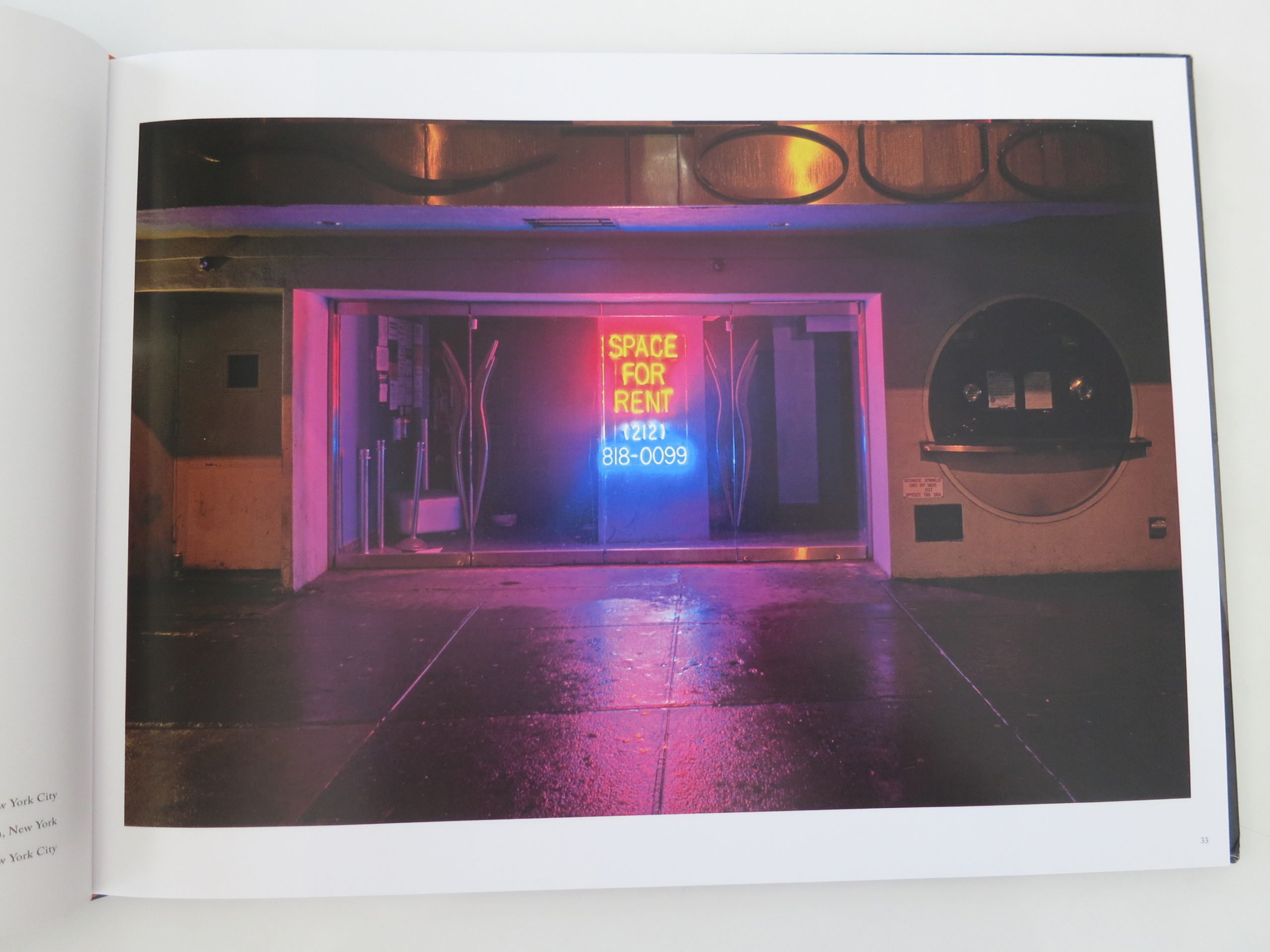
Cities without people feel scary. Emptiness, devoid of light, takes on a type of menace with which most of us are familiar. That’s why these assholes attacked social gatherings. They want to scare people away from drinking and fun. (Remember: no booze under Sharia law.)

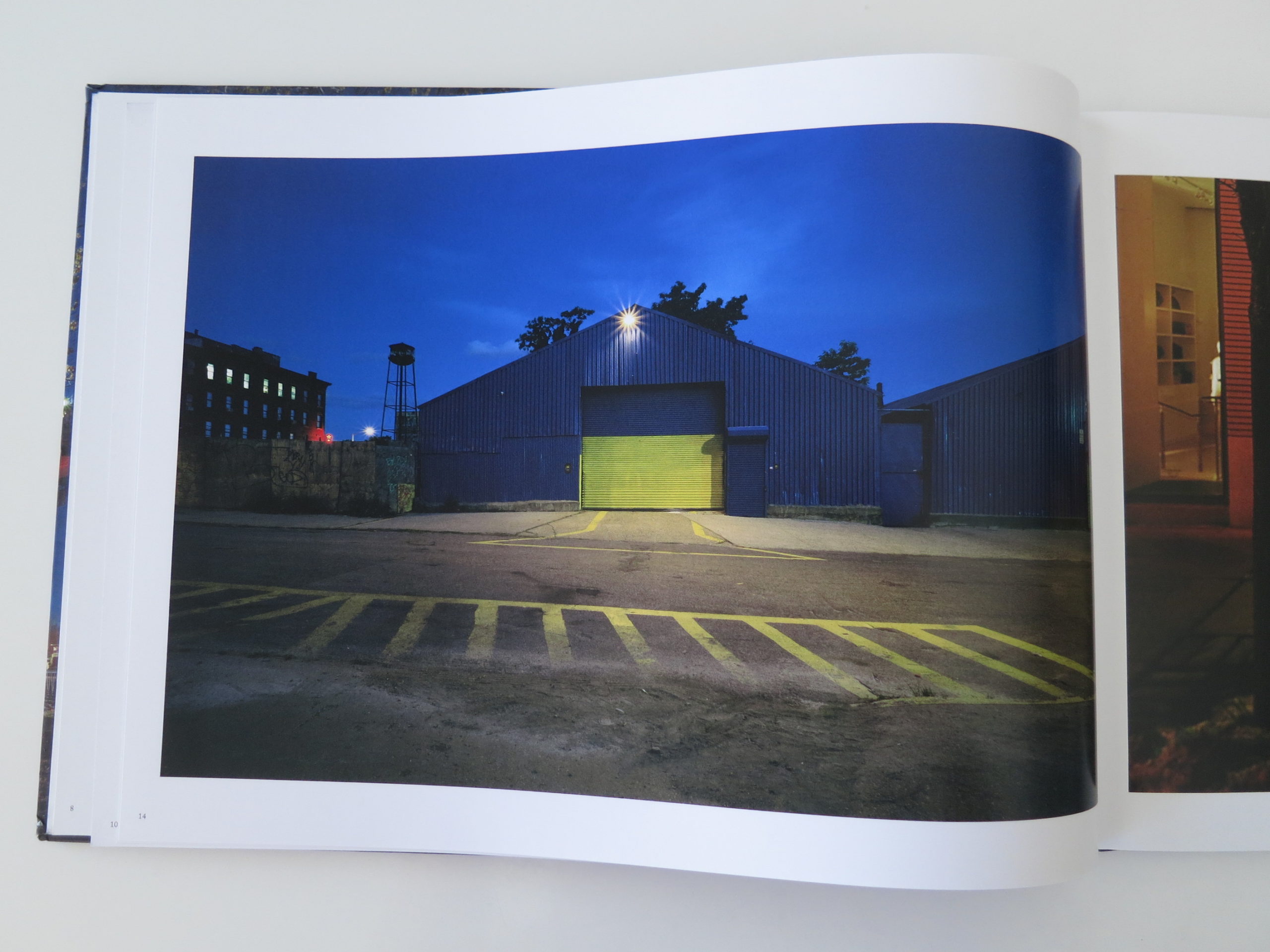
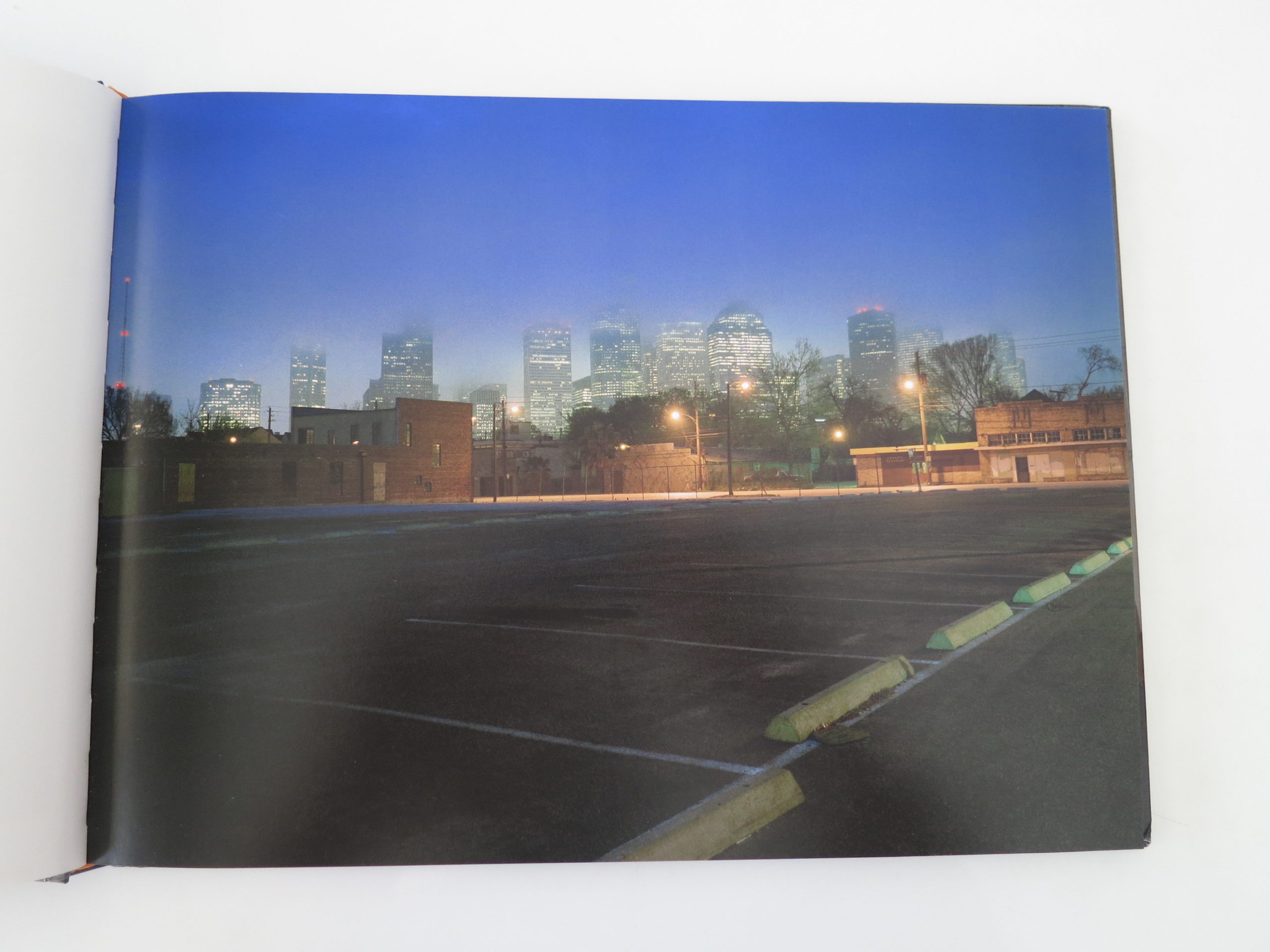
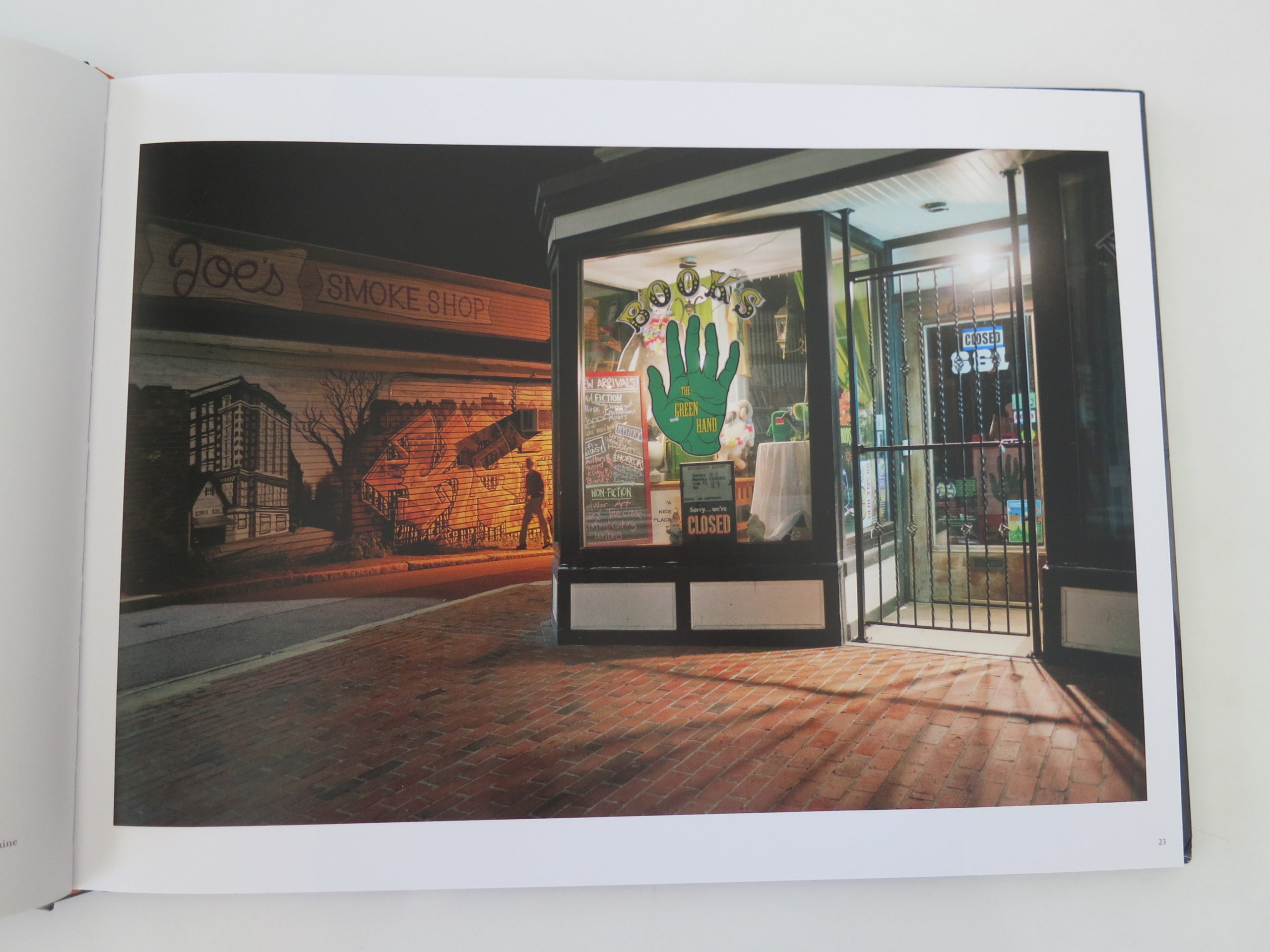
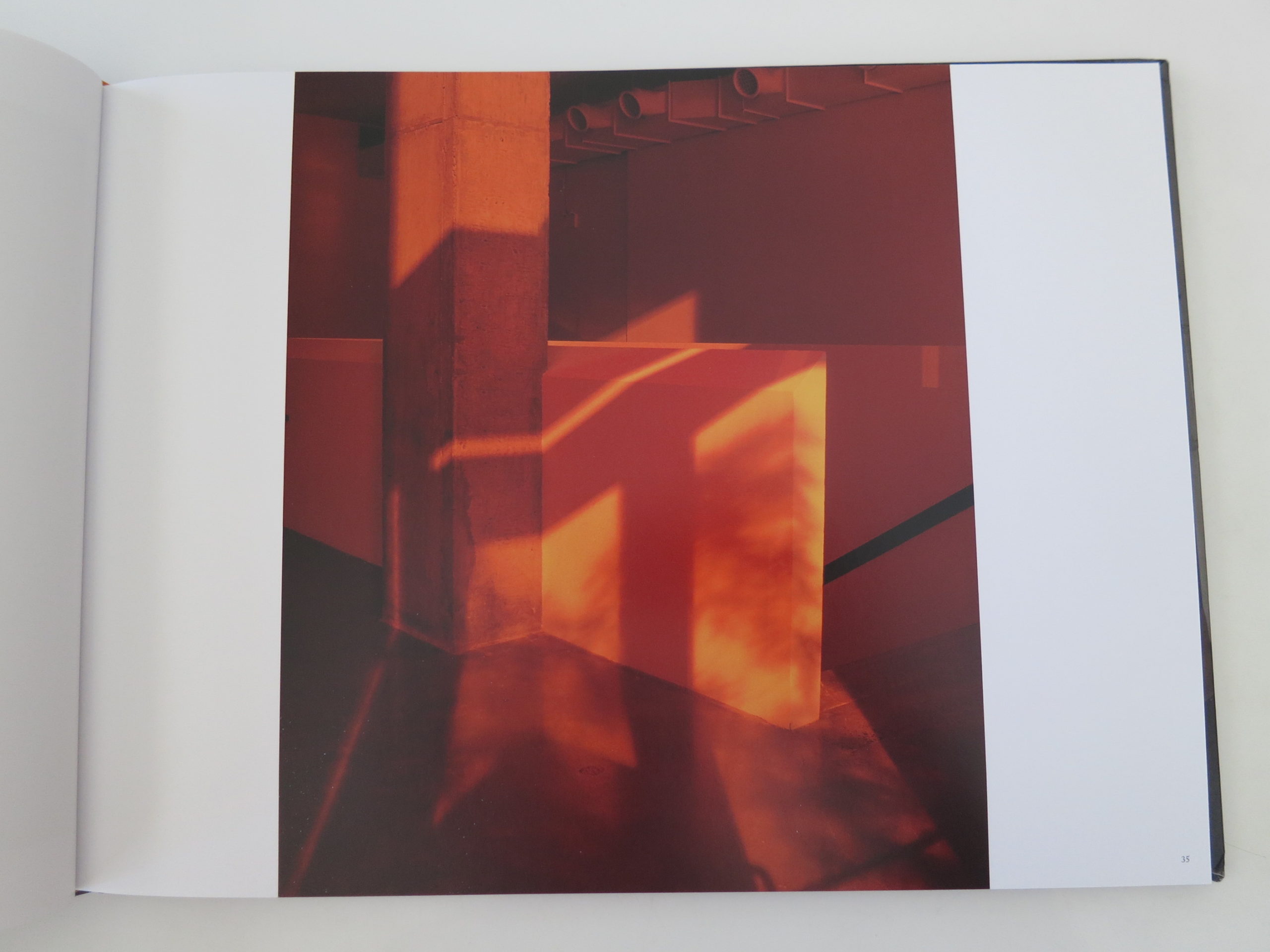
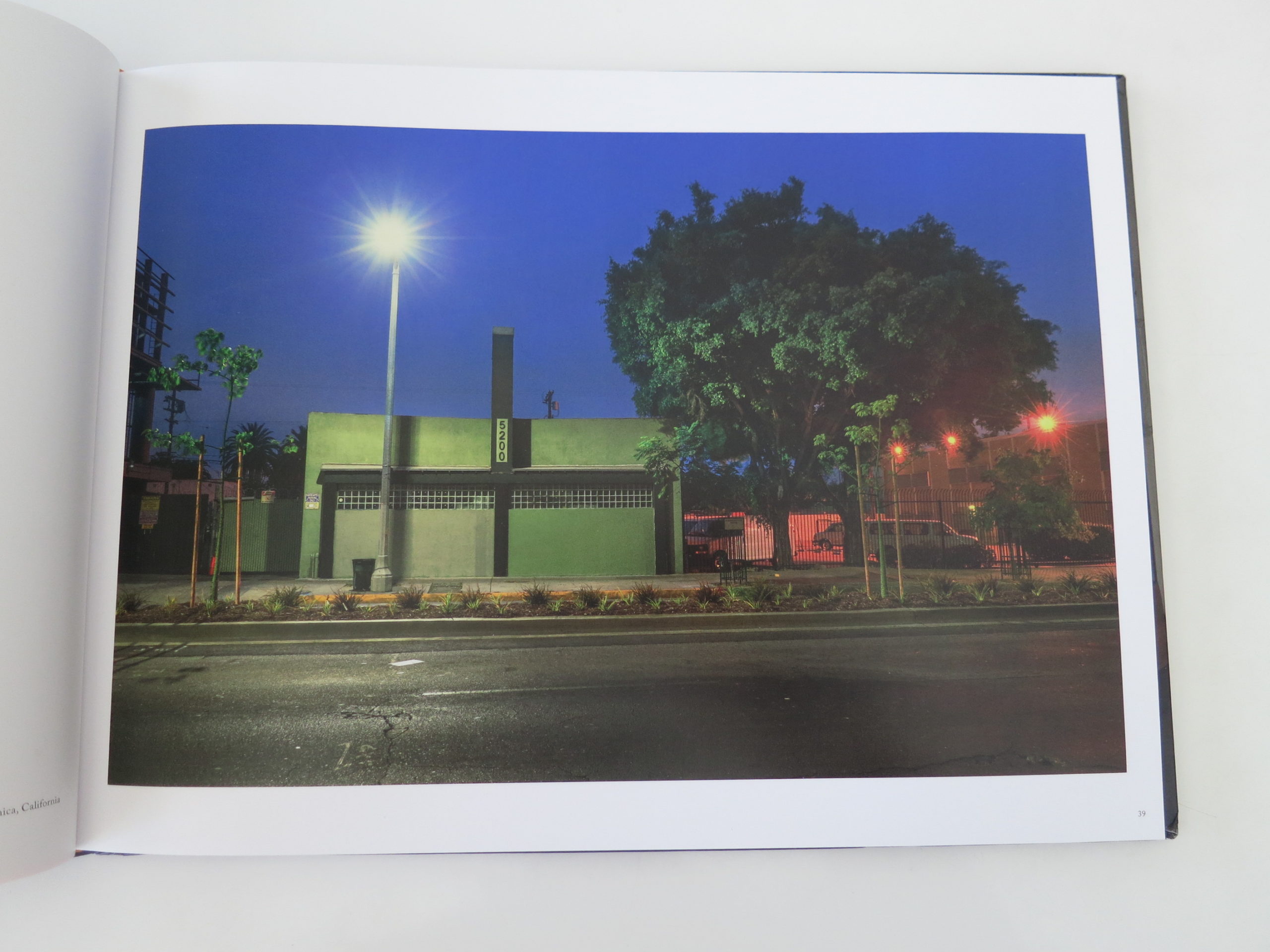
Empty cities project a palpable energy, and the camera loves nothing so much as a cinematic scene. Which is why people have been so receptive to “Dark Cities, Urban America at Night,” a project by Lynn Saville, just released in book form by Damiani.

(Even today, I managed to make it back around to a photo-book.)

I have to admit, I like, but don’t really love these pictures. I’ve seen so many of them before, and I’ve even made some myself. (Haven’t we all?) But as a collection, it makes for a very attractive publication.

The pictures are moody without being outright scary. Taken at dawn and dusk, (dubbed the magic hours for a reason,) the images resonate calm and quiet, rather than “a bomb is about to go off” anxiety. As the artist is a New Yorker, I not-surprisingly appreciated the pictures taken out of town, when her discovery-meter was dialed up a little higher.

Upon second viewing, I became more aware of the construction metaphor. People are building, always building, whether it’s a pyramid or a skyscraper. And the empty storefronts, turning over, being re-energized, gives a temporal marker of American cities coming back after the wreckage of the Great Recession.

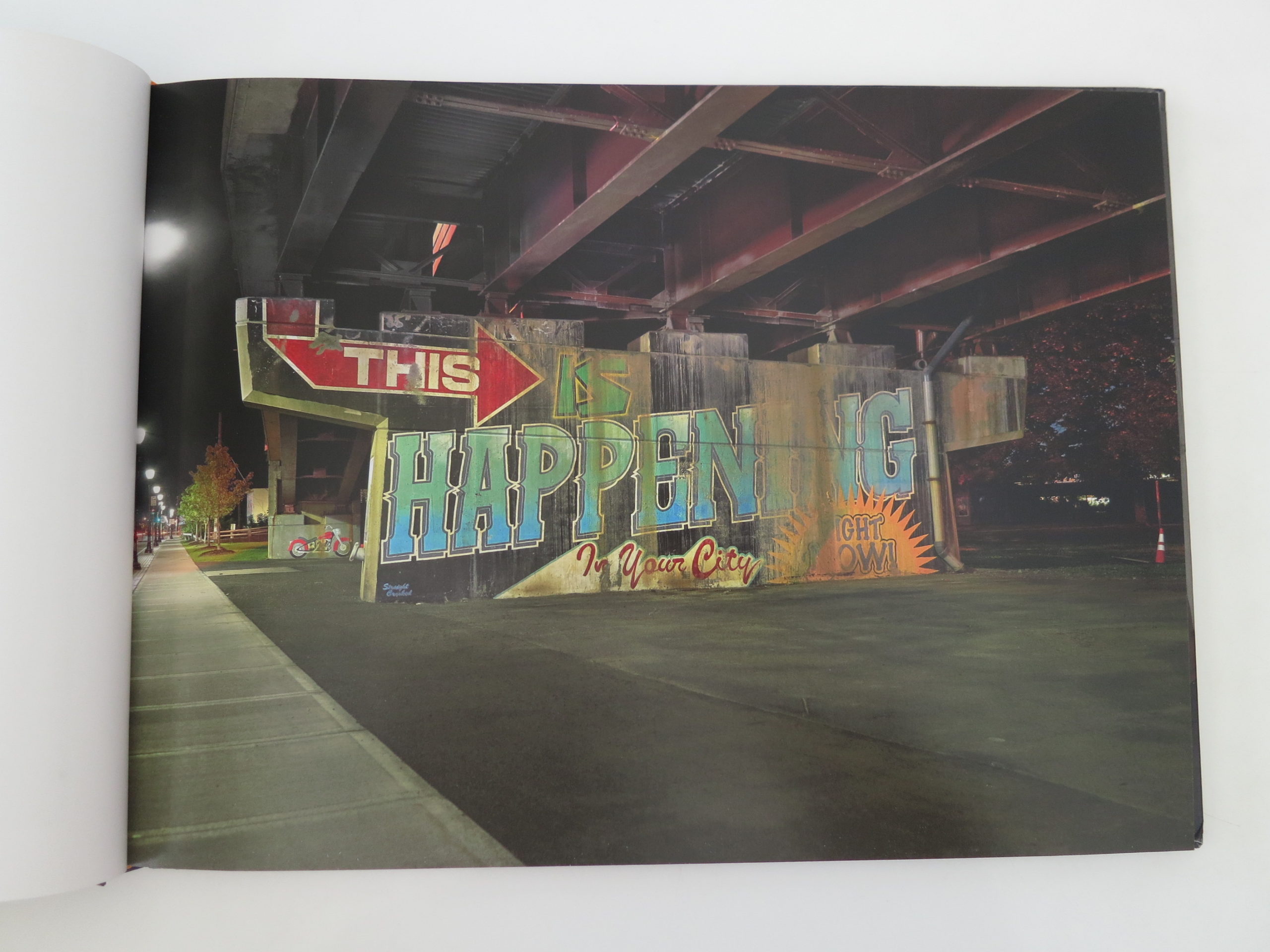
There’s one picture with a mural in it that says, “This is happening in your city right now.” I considered opening today’s column with that very quote, as Parisians, Londoners, Berliners, New Yorkers and Madrilenos are all worried more today than they were before. (The end notes credit Michael Conlin and William Butler for the Albany mural.)

Unless you’re reading this in Aleppo, or Mosul, or Donetsk, your city is likely safe enough to explore. You can go out for a coffee, and likely not have to worry about getting killed. So in this time of global sadness, let’s remember to appreciate the freedoms we often take for granted.

Bottom Line: Beautiful photos of American cities at night

To Purchase “Dark Cities, Urban America at Night” Visit Photo-Eye

IMG_1055

IMG_1056

IMG_1057

IMG_1058

IMG_1059

IMG_1060

IMG_1061

IMG_1062

IMG_1063

IMG_1064

IMG_1065

IMG_1066

IMG_1067

IMG_1068

IMG_1069

IMG_1070

IMG_1071

IMG_1072

IMG_1073

IMG_1074

The Art of the Personal Project: Amy Mikler

As a former Art Producer, I have always been drawn to personal projects because they are the sole vision of the photographer and not an extension of an art director, photo editor, or graphic designer. This new column, “The Art of the Personal Project” will feature the personal projects of photographers using the Yodelist marketing database. You can read their blog at http://yodelist.wordpress.com. Projects are discovered online and submissions are not accepted.

Today’s featured photographer is: Amy Mikler

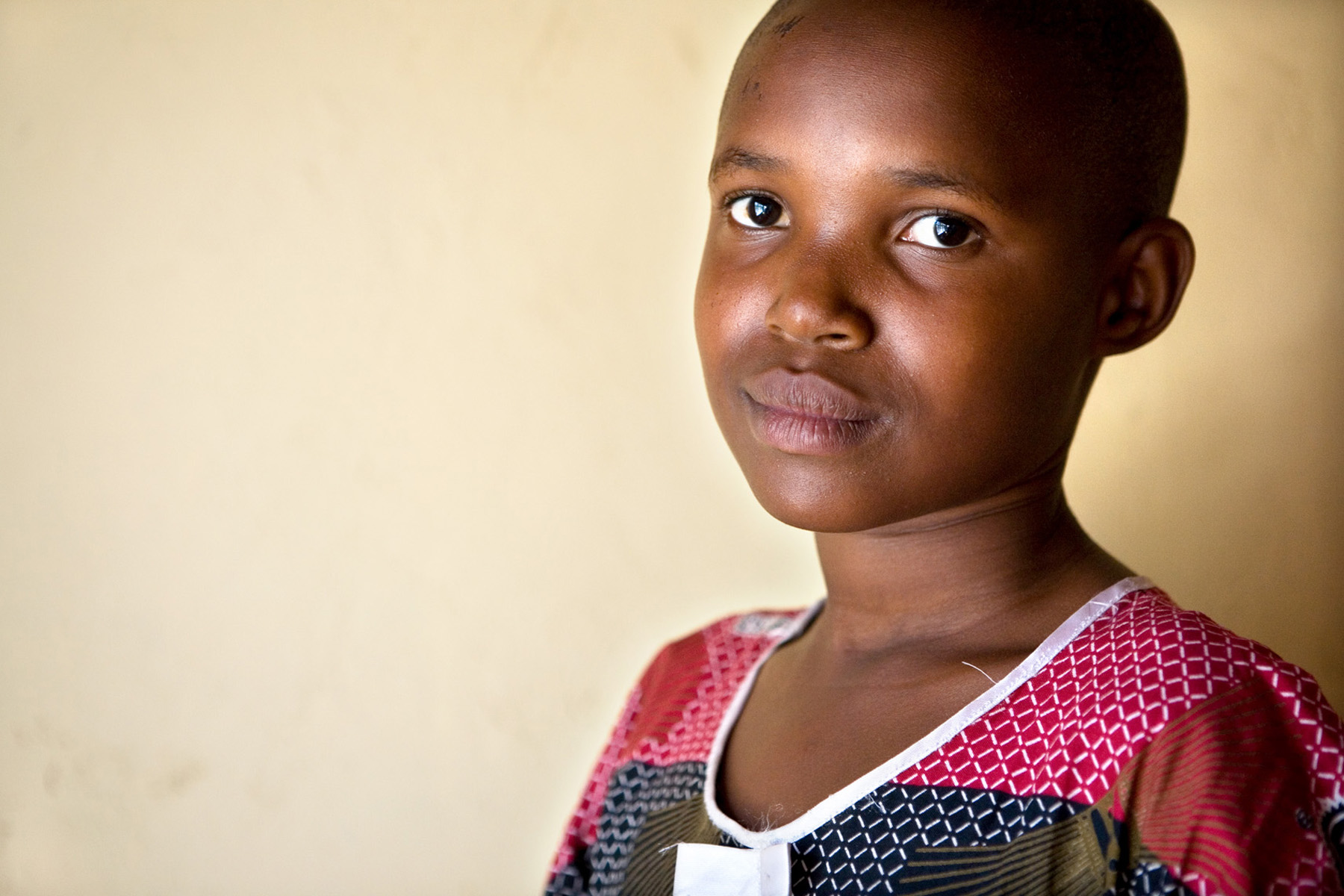
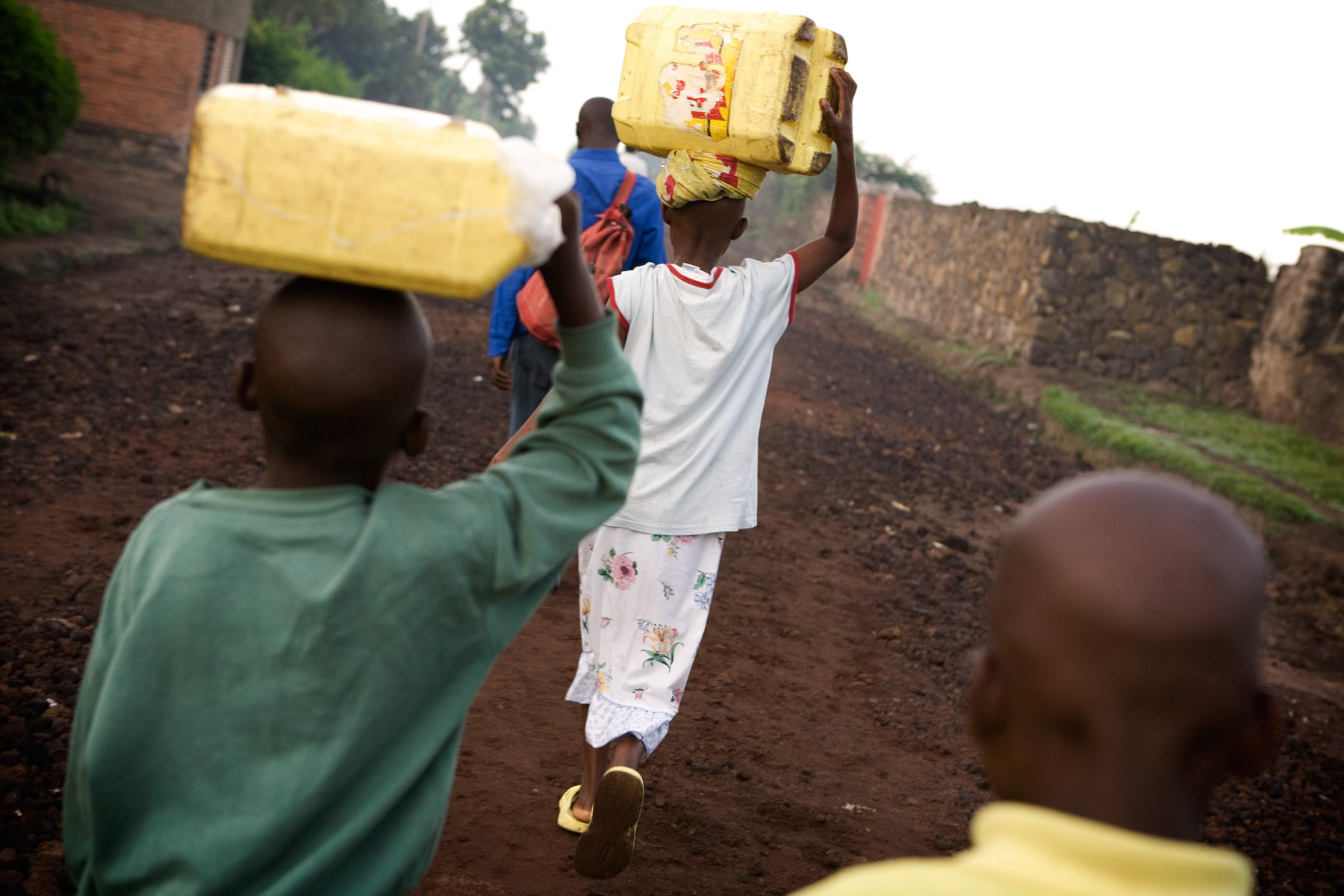
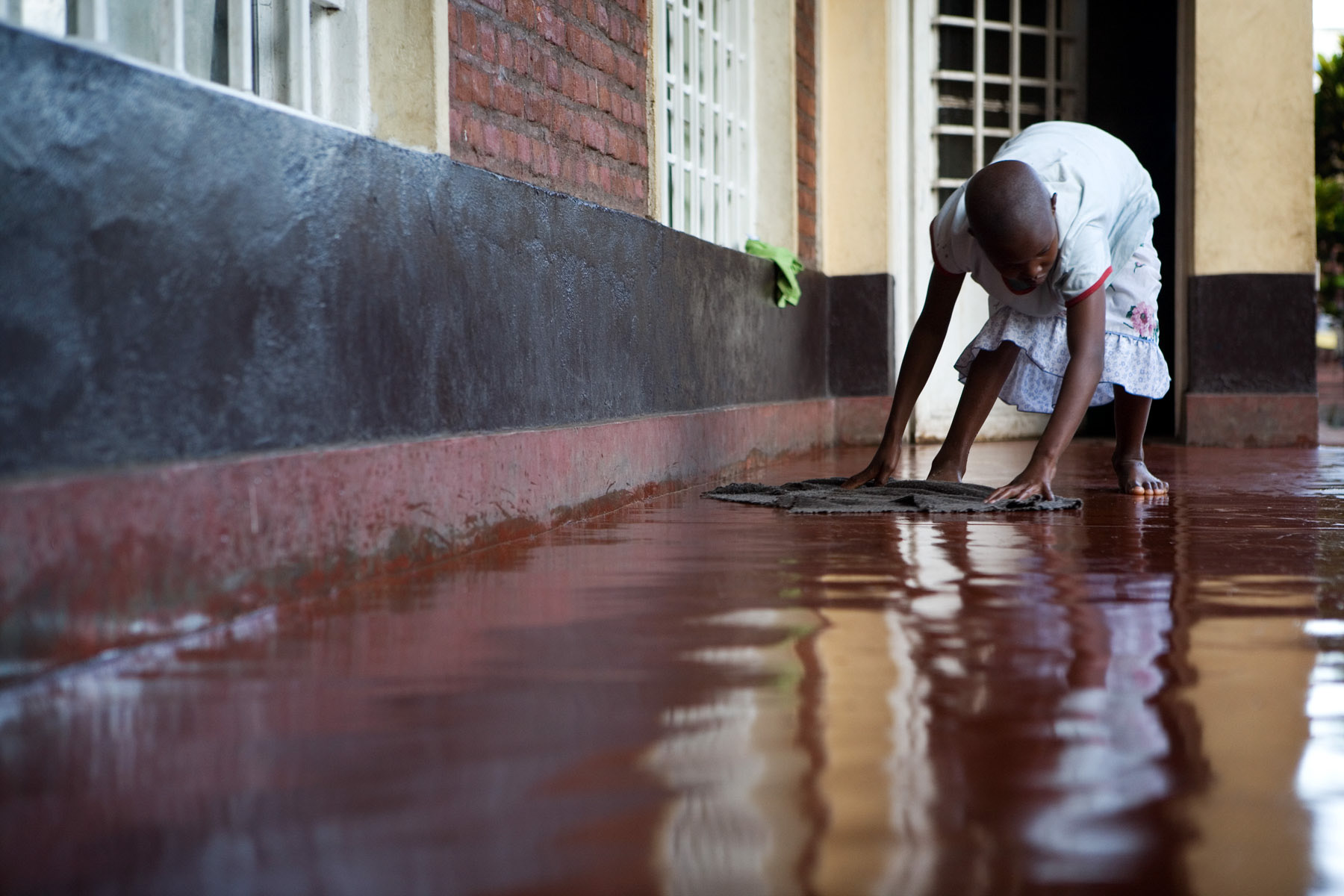
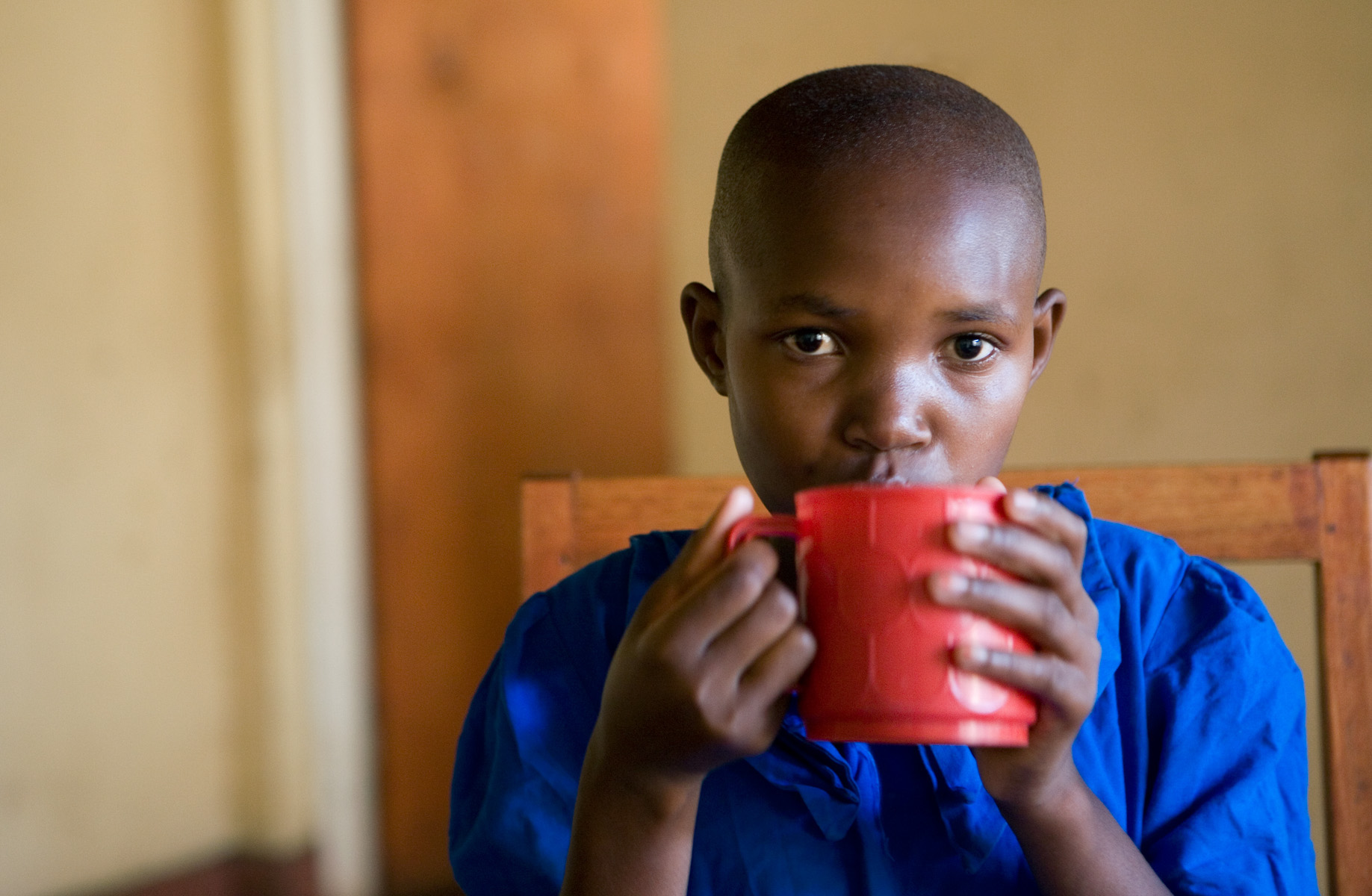
A 12 year old girl orphaned by the genocide in Rwanda
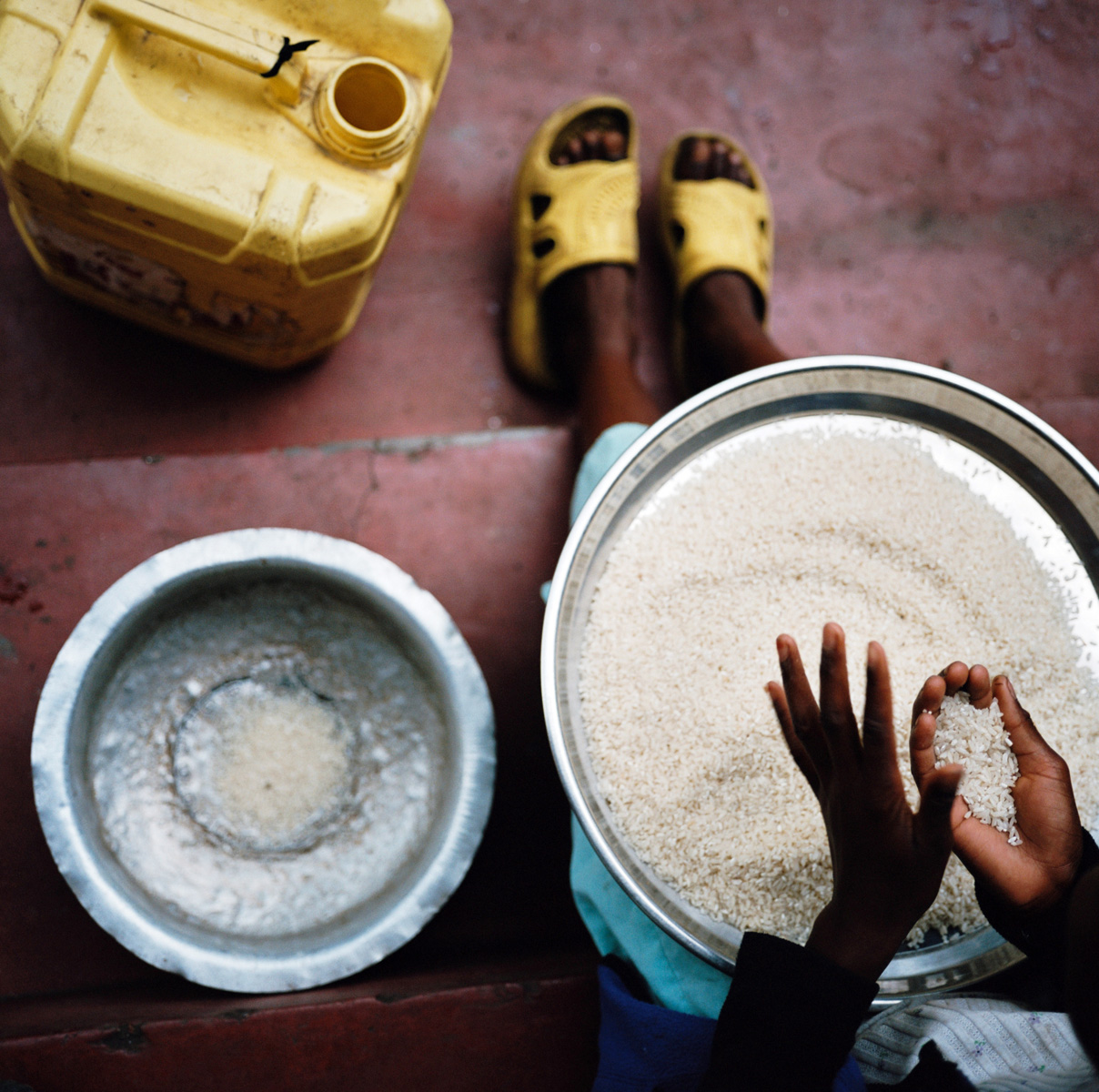
Masengesho helps prepare dinner by picking through the rice.
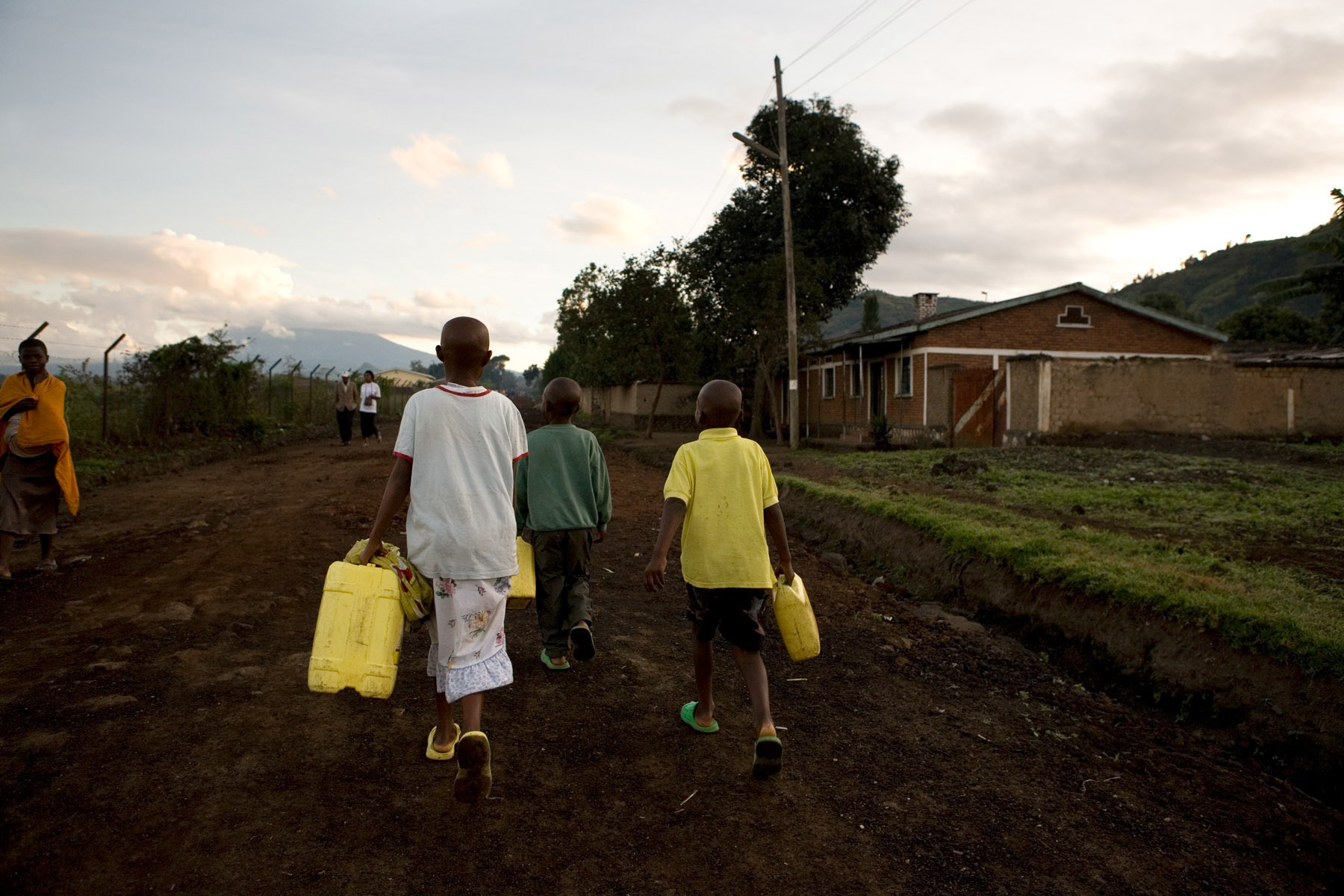
Masengesho walks to get water at dawn. Gisenyi, Rwands
Masengesho's least favorite chore is carrying water back home. Understandably,  as the jug weighs around 44 pounds.
Masengesho’s least favorite chore is carrying water back home. Understandably, as the jug weighs around 44 pounds.
Masengesho mops the floors at her family's apartment after school.
Masengesho mops the floors at her family’s apartment after school.
Masengesho does the dishes outside on the ground with a basin of water and a bar of soap.
Masengesho drinks her breakfast porridge before school
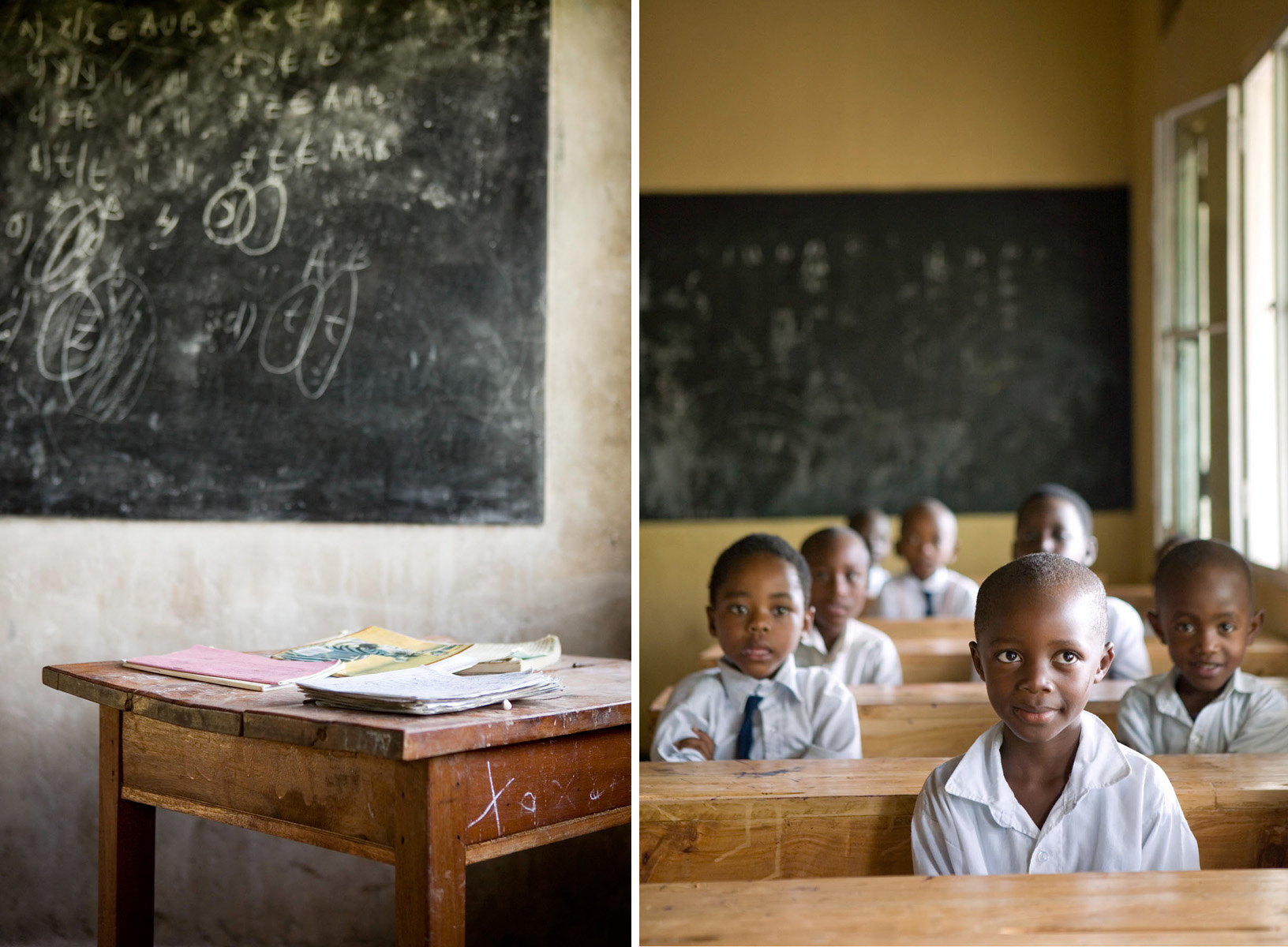
Simple wooden desks and well used chalkboards are the standard classroom features in Uganda.
Masengesho sits outside her apartment wearing her one pair of shoes.
Masengesho answers a question at the chalkboard at her school in Gisenyi, Rwanda.
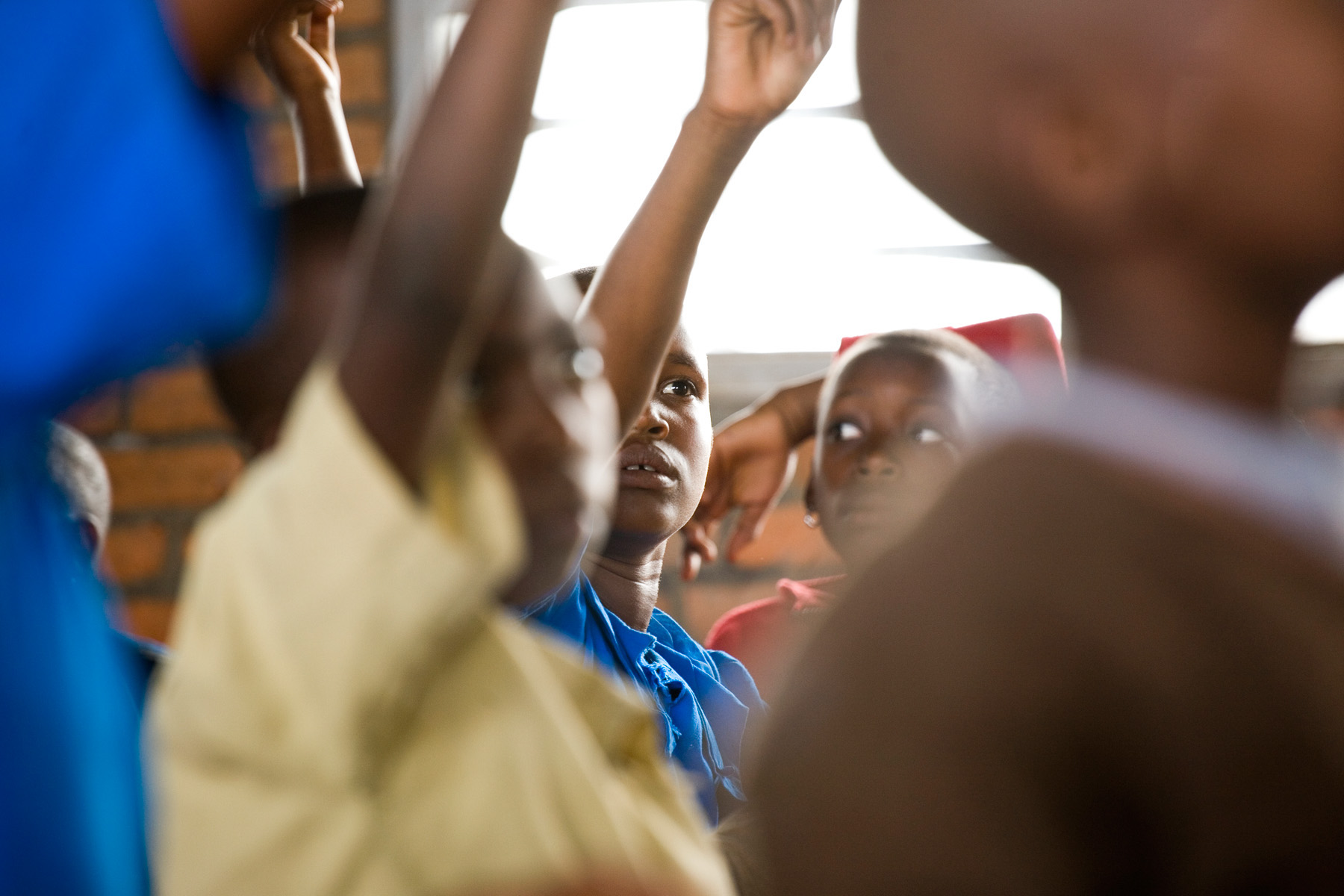
Raising arms for class, Masengesho competes for the right answer with the other students.
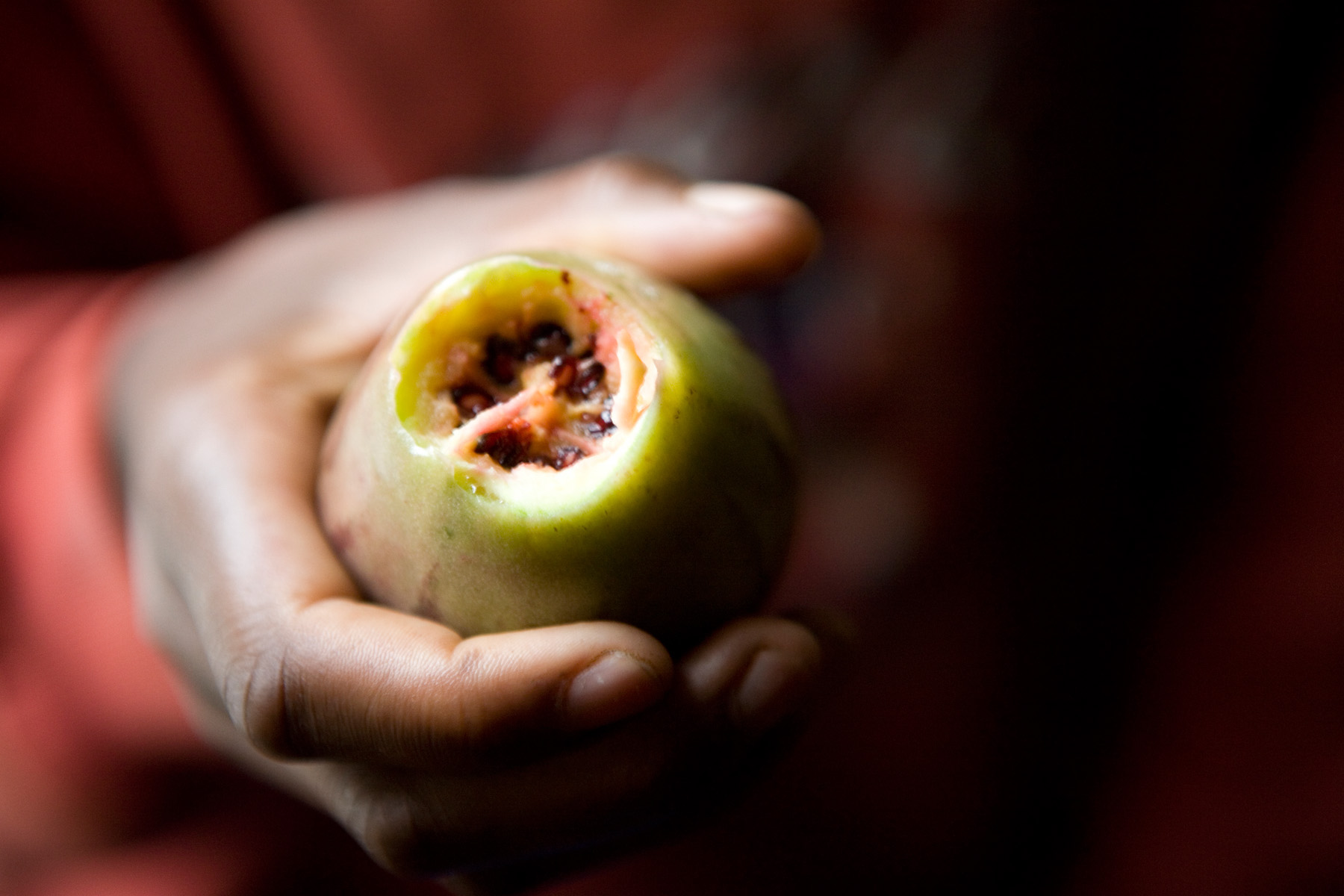
A favorite fruit of Masengesho's.
A favorite fruit of Masengesho’s.
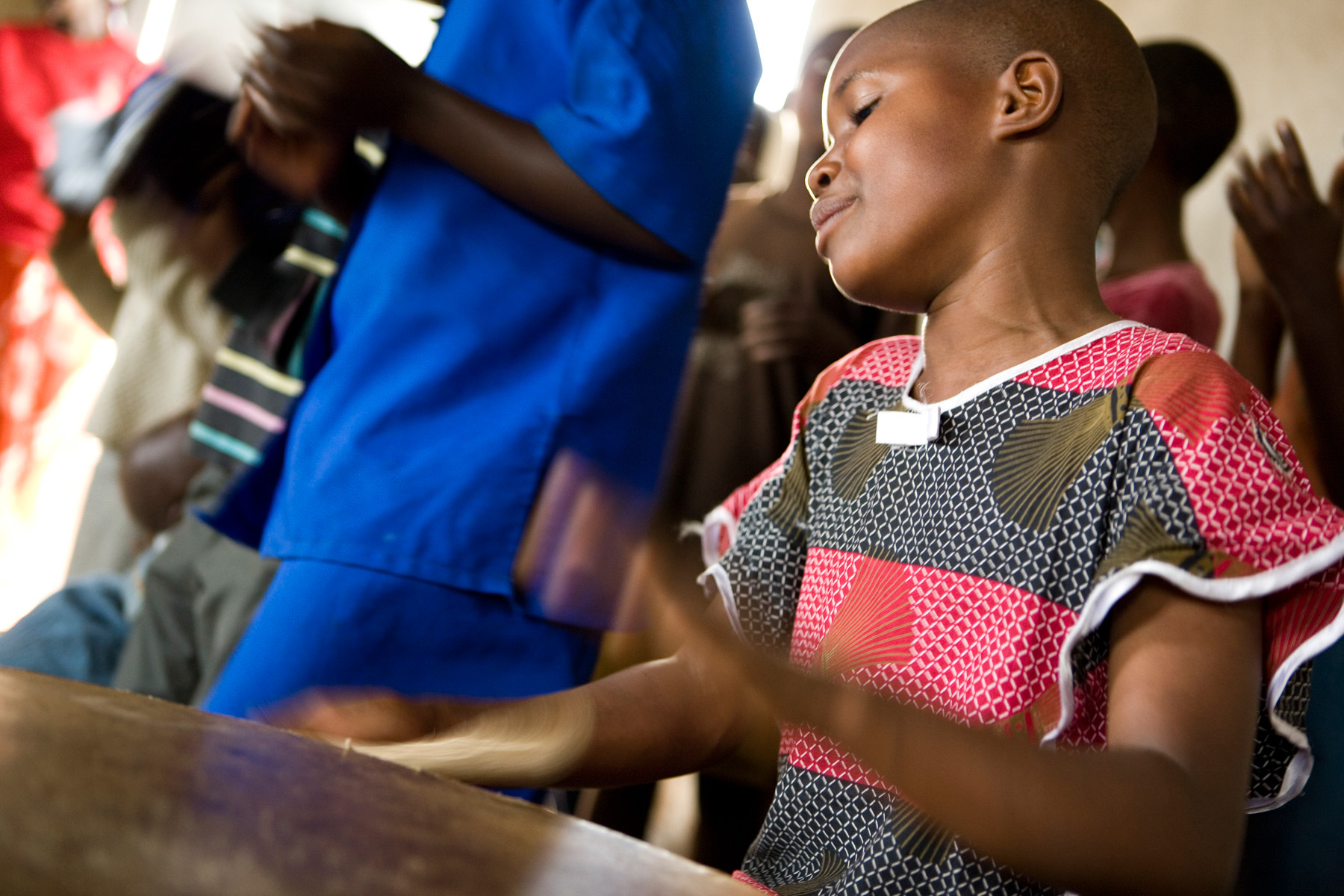
Masengesho playing drums and singing along with the fellow members of her church's children's choir.
Masengesho playing drums and singing along with the fellow members of her church’s children’s choir.

OCOW_6713

Wearing a typical Rwandan mish mash of patterns, this stately lady waits at a clinic in Gisenyi, Rwanda.
Mothers wait with the babies at a clinic in Gisenyi, Rwanda.

How long have you been shooting?
Full time since 2007

Are you self-taught or photography school taught?
Hobby, then school, then assisting, then topped off with a lot of self-prescribed “assignments.”

With this particular project, what was your inspiration to shoot it?
The first time I went to East Africa I struggled upon my return to articulate the vast differences in a typical East African’s neighborhood structure and daily routines. Happy for an excuse to return, I set about finding a willing child I could document: someone old enough to articulate some dreams, but young enough to have that open innocence and time that is helpful to a documentary project. I didn’t want a starving kid, nor an atypical wealthy child either for my One Child One Week project. I was fortunate to find Masengesho Julien, a sweet 12 year old girl in Gisenyi, Rwanda.

How many years have you been shooting this project before you decided to present it?
Because of the nature of travel time and costs to Africa, the project was a one week shoot from start to finish. I did sit on the images for a while, but did eventually add it to my site. Simply out of love for them. That said, I don’t know how anyone couldn’t come back from Africa with beautiful images, it is a place full of lovely light and gorgeous people. 
After I shot the project my hope was to repeat the process in another country, but I haven’t pulled that off yet. I’m eyeing Guatemala though.…

How long do you spend on a personal project before deciding if it is working?
I just started a new one, so I will let you know! The One Child One Week | Rwanda project was born of such love and curiosity that it seemed weird not to share it. The newest one is a little more challenging: one day, one old TLR, one roll of 120 film, and one final grid showcasing all the images after processing.

Since shooting for your portfolio is different from personal work, how do you feel when the work is different?
I still strive to achieve images that people will want to look at, but love the freedom and challenge of chasing ideas that aren’t constrained by advertising goals or editorial copy. That said, I go in knowing that the images may never be seen by anyone but me. If I feel it fits in with other work and won’t completely confuse the viewer, I might mix images into my website. But my latest personal project is just to challenge myself to slowly see the scene around me and to treasure each push of the button.

Have you ever posted your personal work on social media venues such as Reddit, Tumblr, Instagram or Facebook?
Not really.

Have you printed your personal projects for your marketing to reach potential clients?
No. I printed a One Child One Week booklet of the little girl so I could send it to her, and gave it to a couple curious friends.

ARTIST STATEMENT
One Child | One Week | Rwanda was born out of equal parts love of the beauty to be captured in Africa, and a desire to show and share what day to day life looks like for a typical East African city child. What do the homes look like? How is the classroom environment? What do daily chores entail? Life in Rwanda is both beautiful and hard, and hopefully these photos capture a little bit of both.

—————–

Amy Mikler is a lifestyle & kid photographer based in Austin, TX. Her journey to photography began with a Christmas present from her grandparents at age 9, and initially resulted in creating scenarios for the neighborhood kids to model in. For some reason she did not consider her beloved hobby when considering majors, but after spending most of her disposable income on photography throughout her twenties, she decided she either needed to find a cheaper hobby or go back to school for photography. Thankfully the latter worked out. She shoots for a variety of commercial and editorial clients, and deeply appreciates them allowing her to use her “hobby” to make a living.


APE contributor Suzanne Sease currently works as a consultant for photographers and illustrators around the world. She has been involved in the photography and illustration industry since the mid 80s, after establishing the art buying department at The Martin Agency then working for Kaplan-Thaler, Capital One, Best Buy and numerous smaller agencies and companies. She has a new Twitter feed with helpful marketing information believing that marketing should be driven by a brand and not specialty. Follow her on twitter at SuzanneSease.

The Killer App: Storytelling

Every still photographer I know is struggling. But every still photographer I know that also does video is really busy. I love still photography. It’s the root of my whole career and I’m never going to abandon it. But it’s not enough by itself.

Source: The New York Times

The Daily Edit: Isamu Sawa: Mercedes Benz Magazine


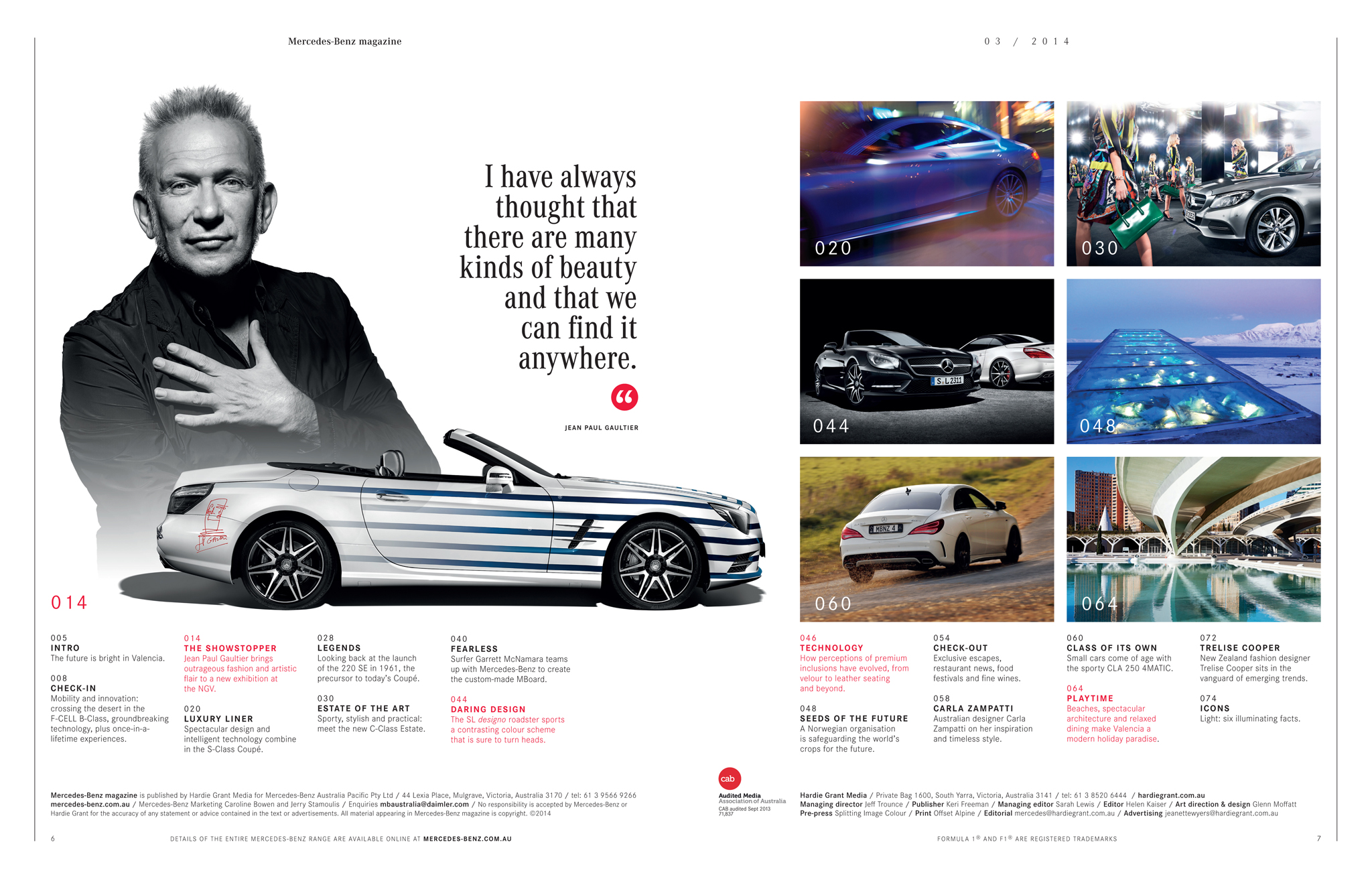
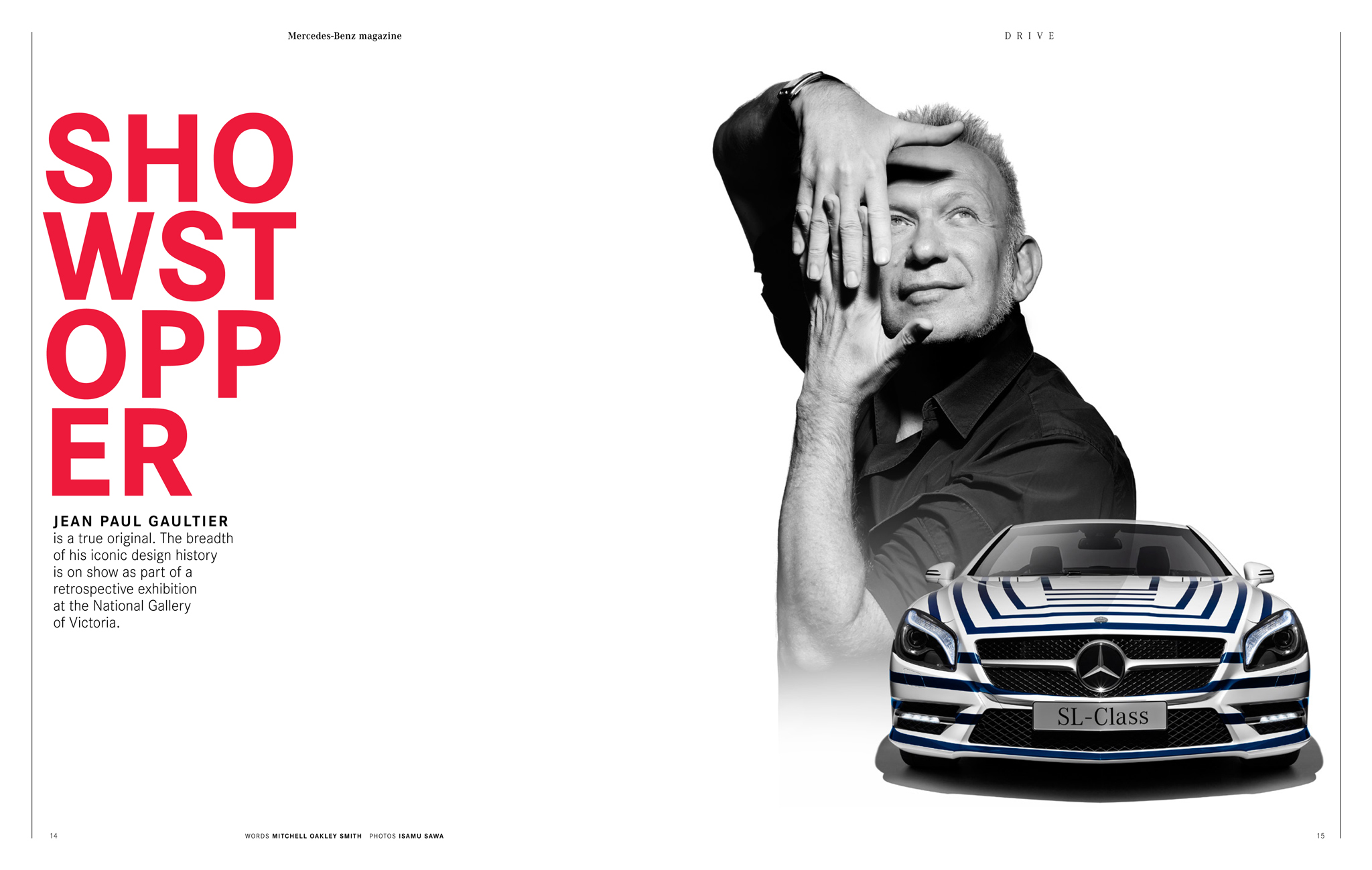
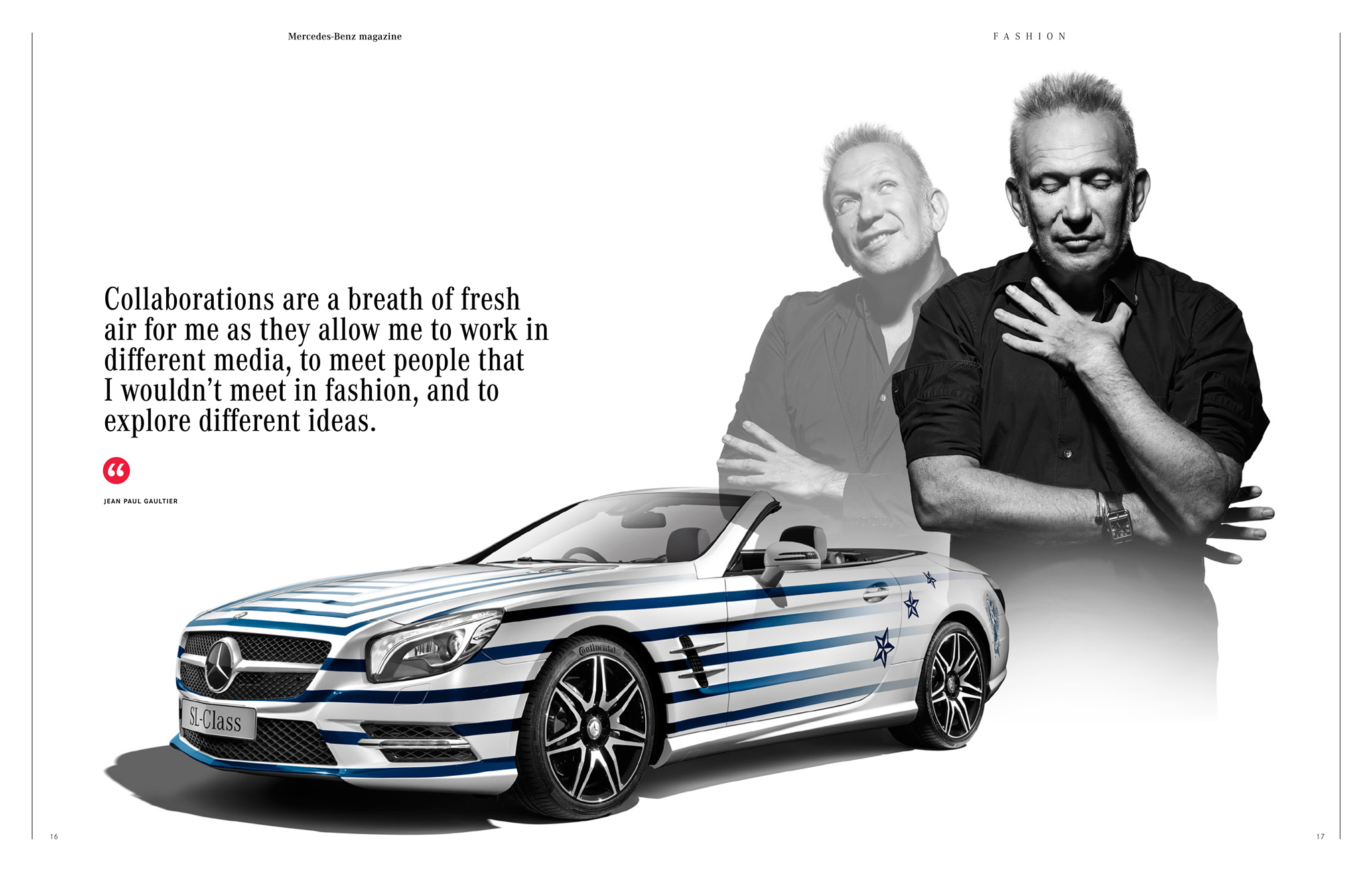
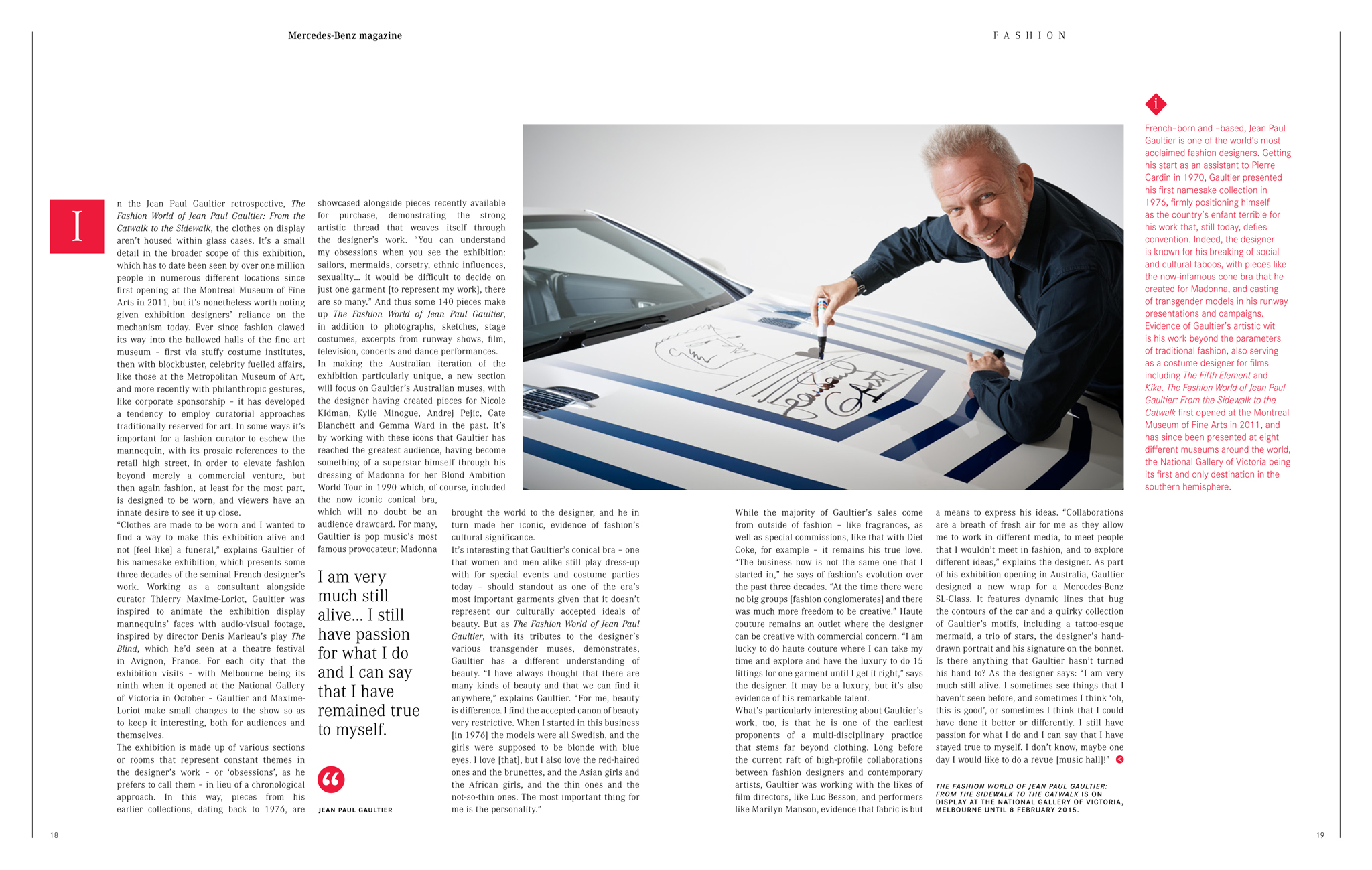
06-07_CONTENTS.indd Merc_14-15_JPG-1 Merc_16-17_JPG-2 Merc_18-19_JPG-3
Mercedes Benz Magazine

(Australia & New Zealand)

Managing Editor: Sarah Lewis
Editor: Helen Kaiser
Art direction & Design: Glenn Moffatt
Hair & make-up: Blanka Dudas represented by Hart & Co
Retoucher: Aaron Foster @ Studio ADFX
Photographer: Isamu Sawa


Heidi: How did the SHOWSTOPPER JPG project come about?
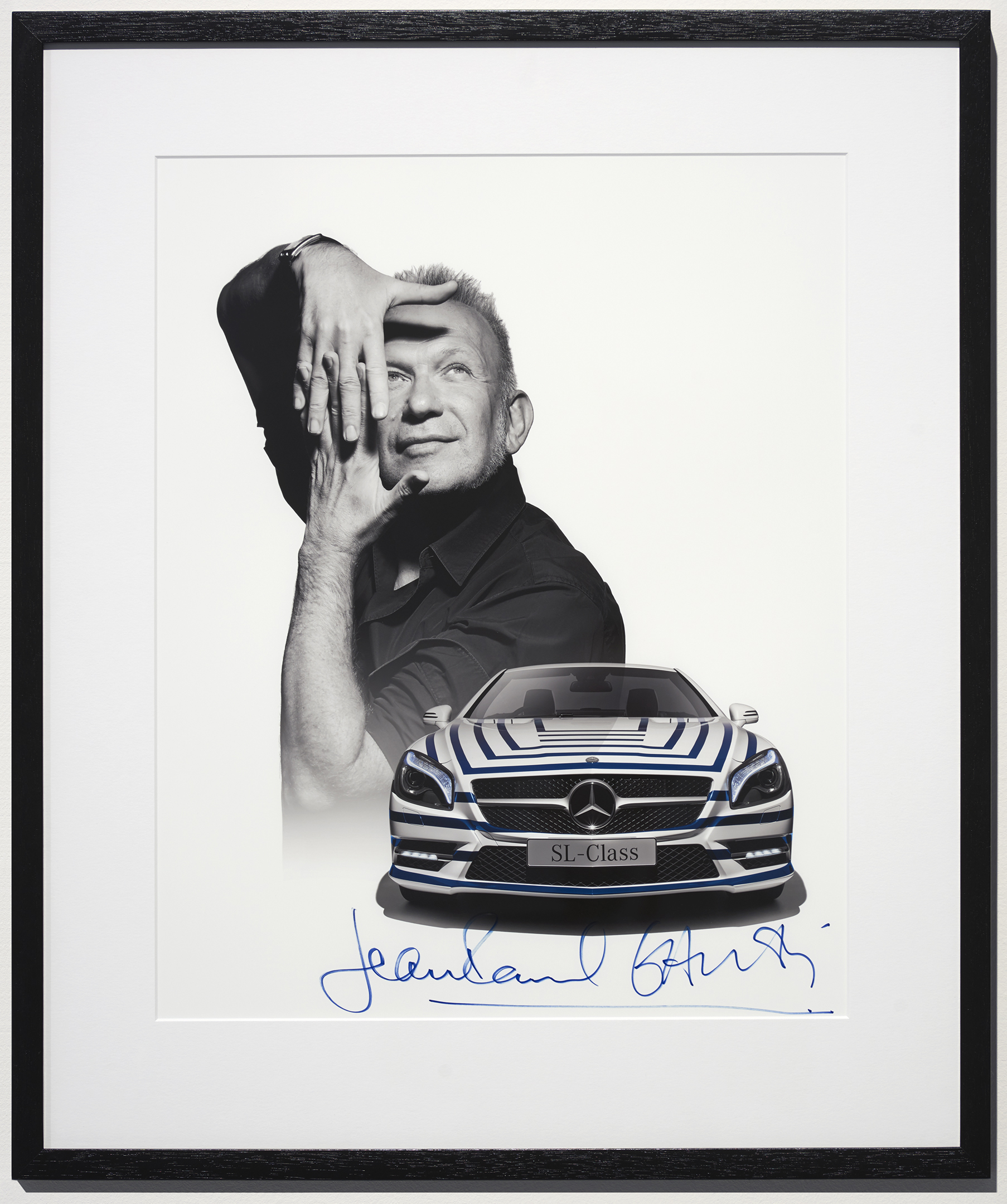
Isamu: In October 2014, the famous French couturier was bringing his retrospective exhibition ‘The Fashion World of Jean Paul Gaultier: From the Sidewalk to the Catwalk’ to Melbourne Australia to be held at the National Gallery of Victoria. To coincide with the event, Mercedes Benz who was the Principal Partner of the exhibition wanted to run an editorial in their magazine and commission a photographer that could handle two disciplines; that of portraiture and automotive photography together. Collaborating with Mercedes Benz, Jean Paul Gaultier had created a unique one-off design of a Mercedes SL-Class exclusively for the exhibition and images were required of him and the car for the editorial.

Editor Helen Kaiser approached me and commissioned the photo shoot. Helen knew my capabilities as both a portrait and automotive photographer. She also knew that I was comfortable shooting high profile celebrities; we worked together previously when she entrusted me to photograph famous Australian actor Geoffrey Rush.An  ad campaign was realized by Clemenger BBDO Melbourne to promote the exhibition and I was subsequently commissioned to shoot that as well.

Have you shot for Merc Benz Magazine before?
Yes, a while ago though. If memory serves me right it would have been over 10 years ago when I was still shooting film.

What was the direction from the magazine?
The brief was to capture Jean Paul Gaultier with his uniquely designed Mercedes in the studio; covering off three to four different angles within a very limited time frame of no more than an hour.

Helen Kaiser initially sent me illustrations of the unique vehicle design by Jean Paul Gaultier with his signature stripes; we subsequently discussed shooting against a plain background due to the graphic nature of his design. The main issue however was the limited time allocated with the fashion designer. It would not have been possible to pre-light for multiple angles of the car together with the designer and achieve the sort of result that would do the story and publication justice. After a few days of brain storming I emailed Helen with the idea of shooting his portrait and the car separately…

“…in essence my idea based on the very limited time we have with JPG is to shoot him and the car separately and try to make up nice graphic images. So I suggest we do very graphic portraits of him and make up ‘double-exposed look’ collages of him around the car. I also like the idea of having him and the car in black and white apart from the blue stripes…I think this idea would make it more ‘editorial looking’ rather than looking like a typical advertising shot…”

 With the concept approved, we shot multiple angles of the car on the first day in the studio and concentrated on just the portraits of Jean Paul Gaultier the following day.

How difficult was it too keep the cyc clean and do they roll the car in?
Keeping the cyc clean was not an issue. We laid carpet down to avoid tire marks when driving the car into the studio and onto a revolving floor; once it was on the turntable it was quite easy to turn the car around for the specific angles we needed. The assistants wore protective plastic covers around their shoes when moving around the studio.

Is the car engine ever running at some point?
Yes but only when we initially drive the car in.

What is the biggest challenge with shooting a car, I’d imagine reflections? 
Reflections are ‘one’ of the main challenges when shooting cars in the studio. In this instance however we had the added difficulty of shooting a white car in a white studio; so the main challenge was to create enough light and shade in the bodywork to bring out the unique contours of the vehicle without losing definition against the background; at the same time highlighting the design created by Jean Paul Gaultier.

Was their any wardrobe direction for JPG?
We asked his management to bring some dark plain tops, ideally black and perhaps a jacket for some texture. We didn’t want to be too prescriptive; especially given his line of work, but emphasized that we needed something plain and dark for the ‘double’ exposure idea to work…


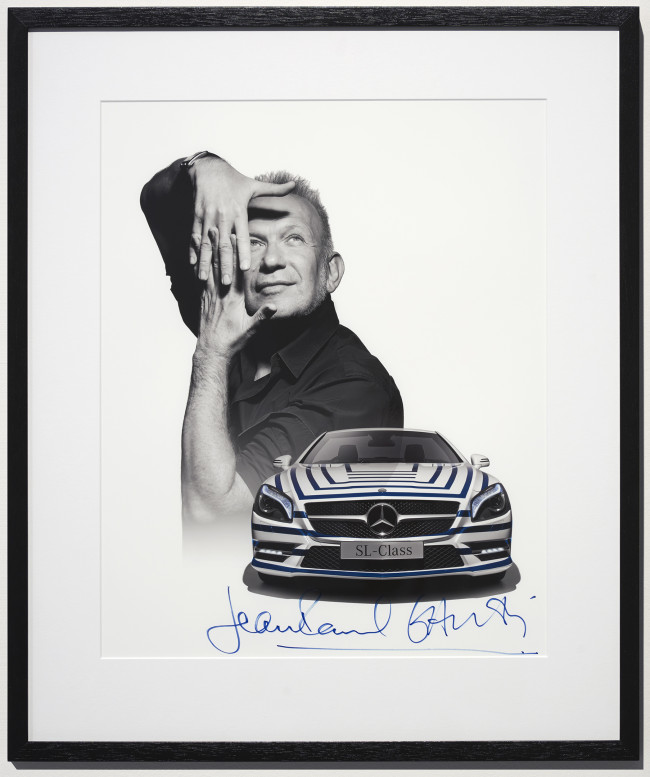
Isamu Sawa_JPG_signed print

I see you have a signed print. Do you often have people sign your prints?
A few days after the shoot I was printing out some proofs of the retouched images and had a wild idea about having them signed by Jean Paul Gaultier. With nothing to lose I contacted his personal assistant via email to see if there was any chance that I could have him sign a set of prints for my personal collection. She replied that, “in the ideal world it would be easy to organize” but she couldn’t promise anything as he had such a busy schedule including a talk and book signing that evening. She suggested trying to catch him at the book signing; which was easier said than done because the evening was booked out. I attended anyway and talked my way into the event and with the help of his personal assistant Jelka, managed to get one print signed. I waited for over two hours but it was worth it. The image hangs proudly in my studio.

I don’t often have prints signed especially these days when we hardly print anything but I do have a set of prints signed by famous Australian guitarist Tommy Emmanuel and a poster by one of Australia’s most famous bands Hunters & Collectors.

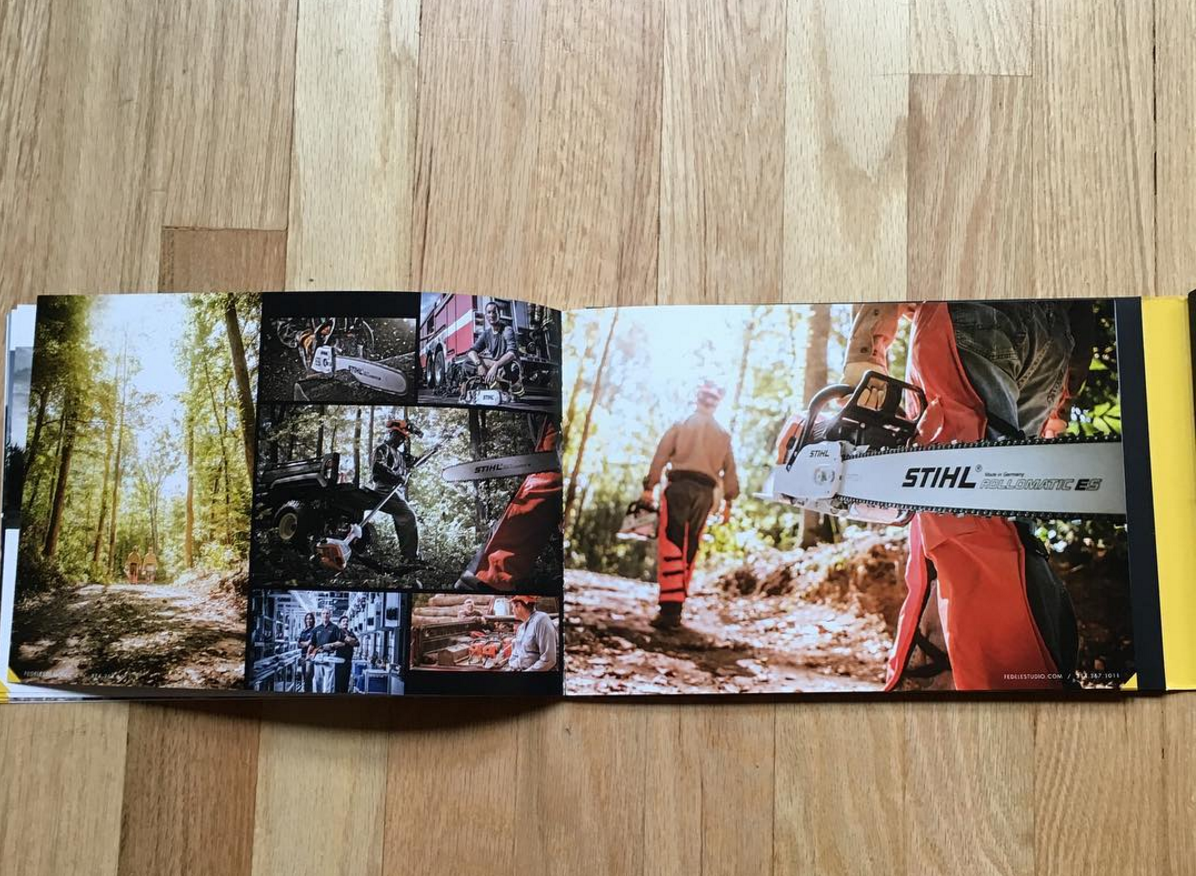
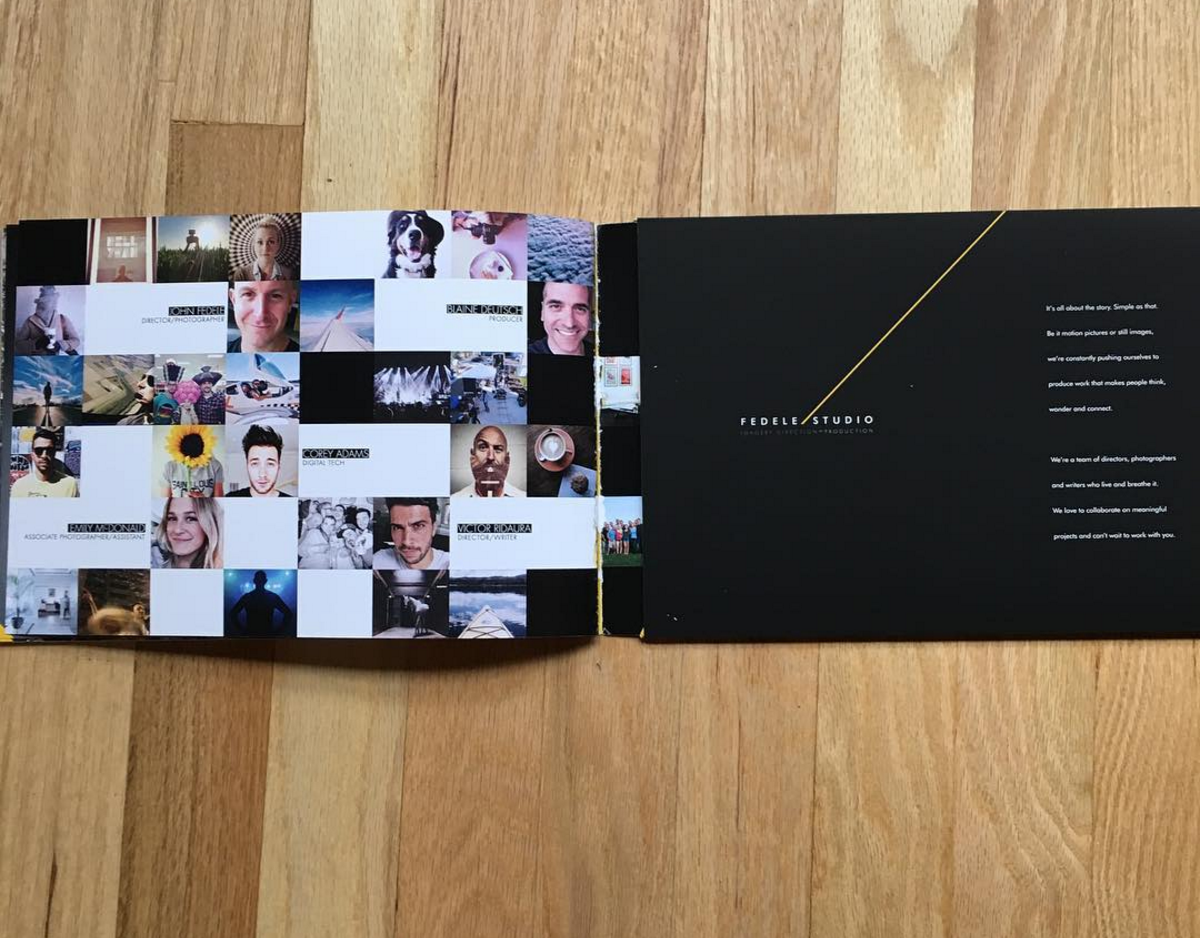
The Daily Promo: Fedele Studio

Screen Shot 2015-11-15 at 4.18.14 PM

Screen Shot 2015-11-15 at 4.17.39 PM

Screen Shot 2015-11-15 at 4.18.47 PM

Screen Shot 2015-11-15 at 4.18.53 PM

Screen Shot 2015-11-15 at 4.19.01 PM

Screen Shot 2015-11-15 at 4.19.07 PM

Fedelestudio.com

Who printed it?
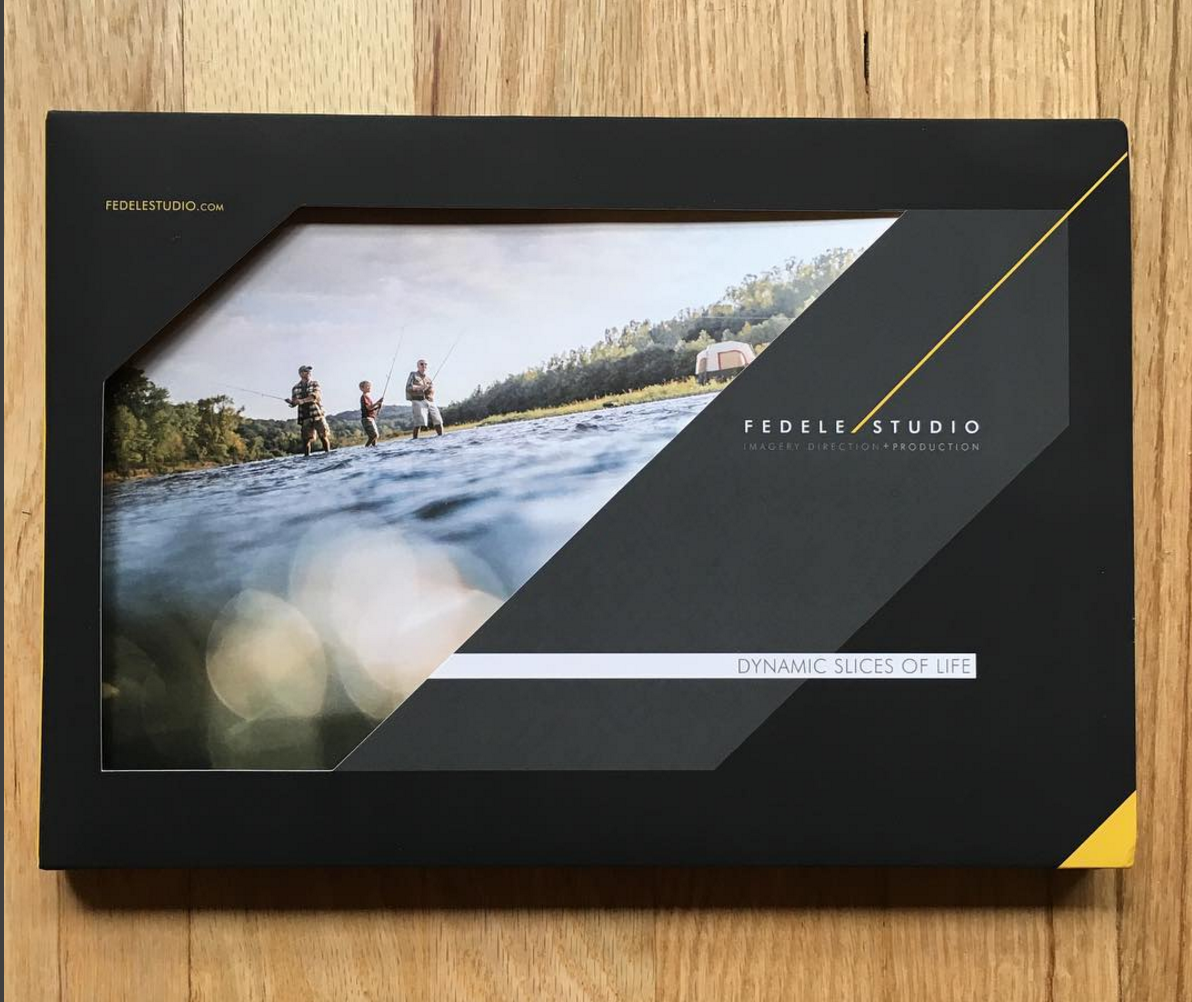
John: Donoson Printing for the video carrier and Bender Graphics for the booklet insert.

Who designed it?
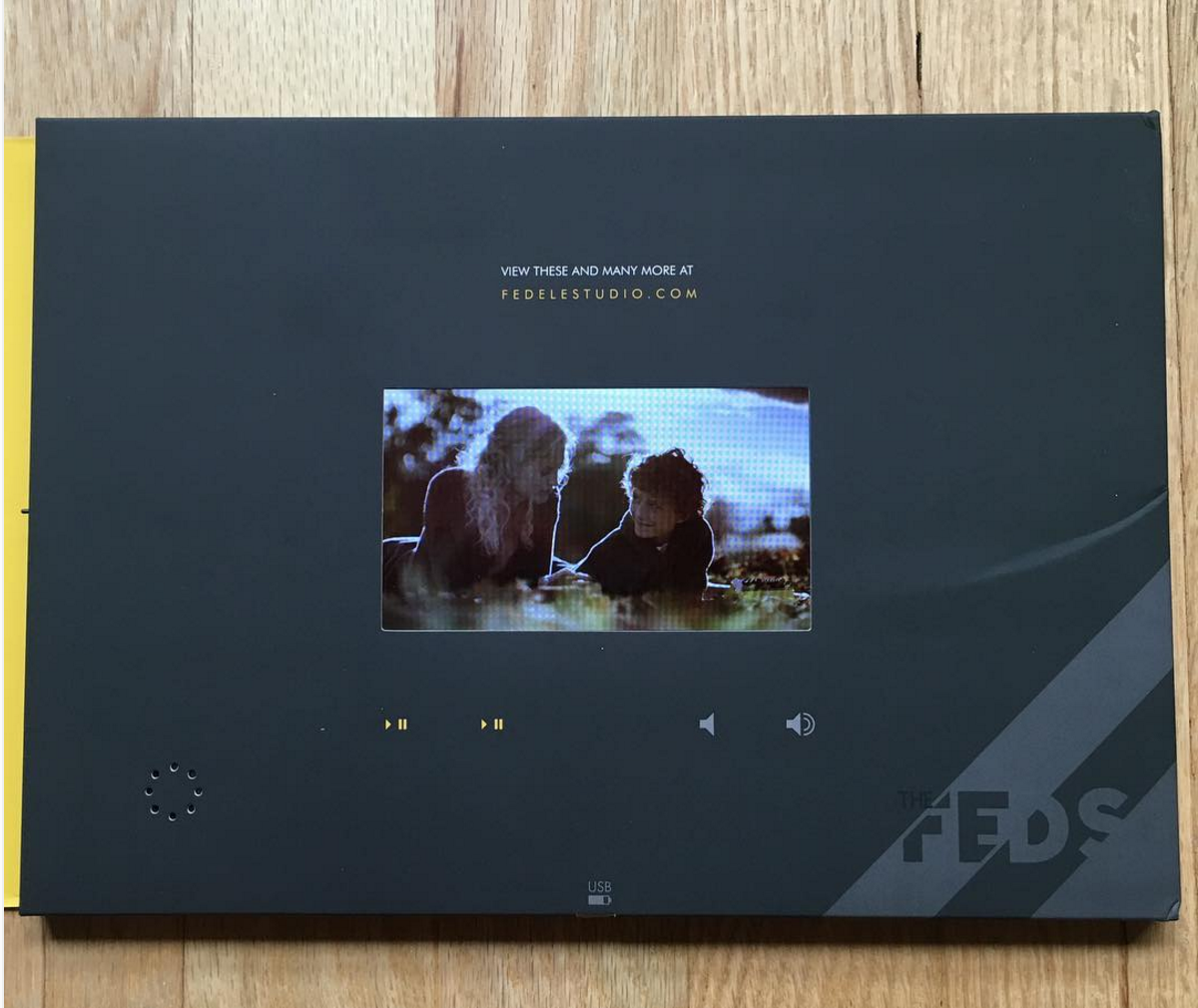
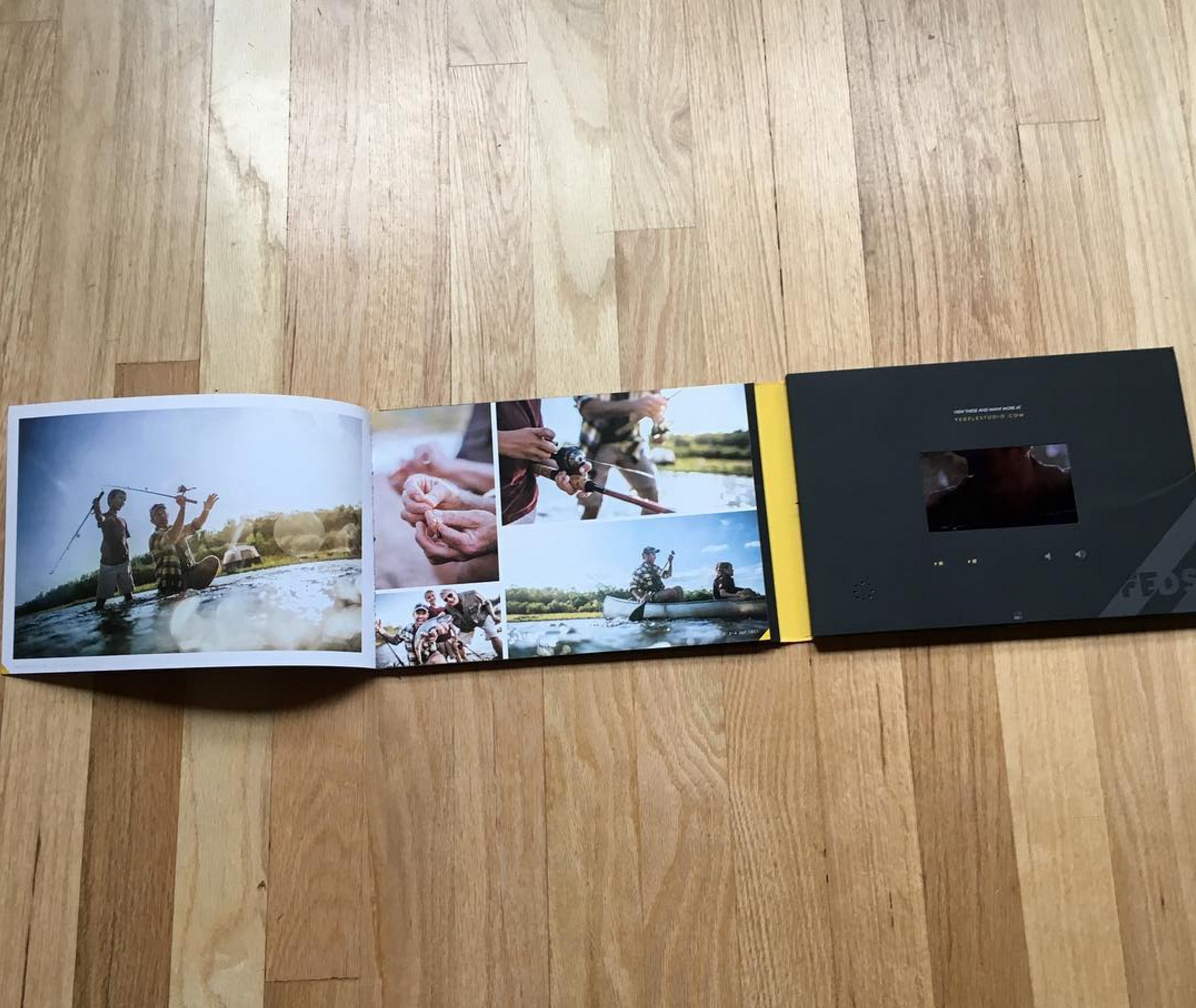
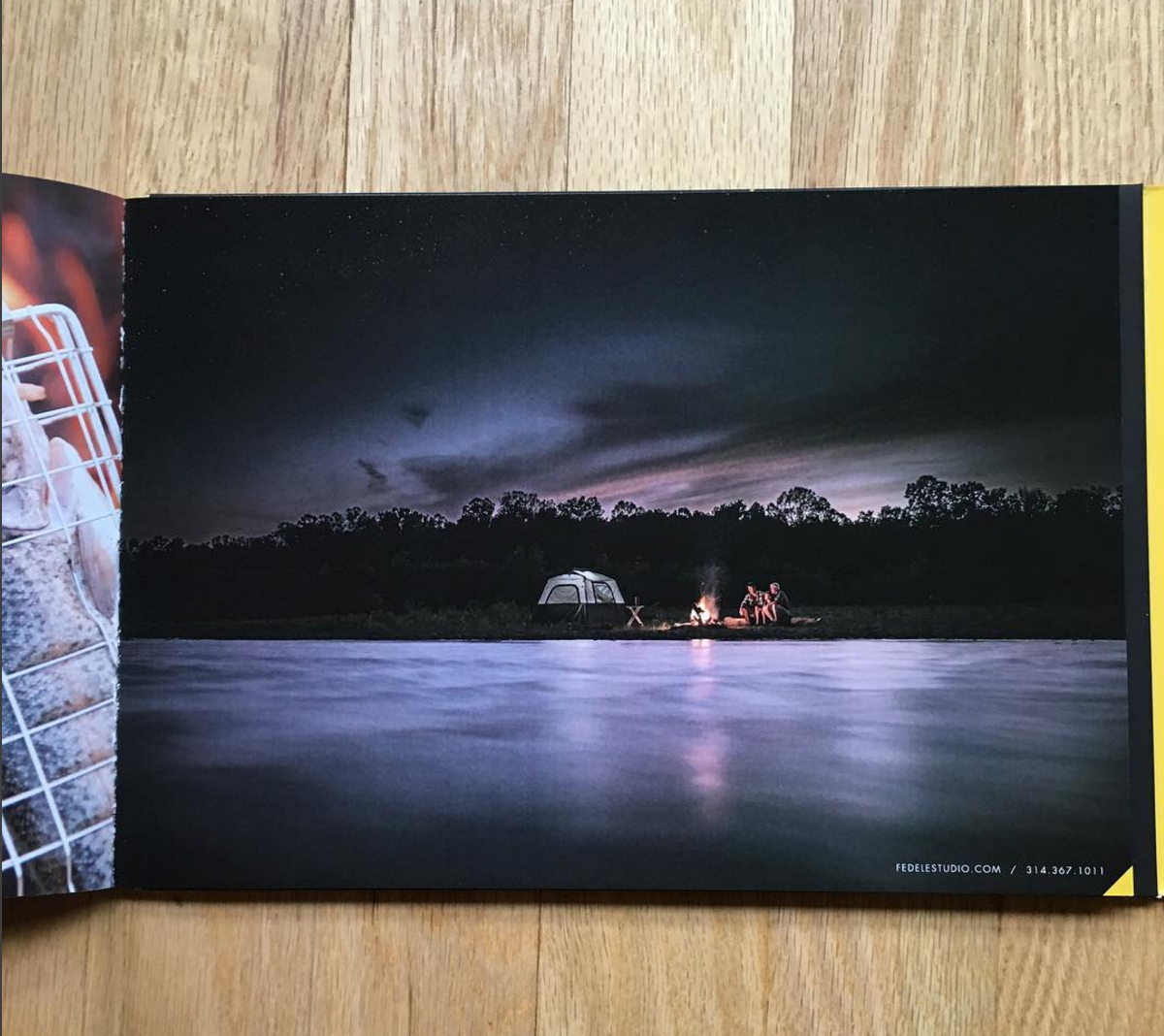
I designed the piece. I began my career as a designer/art director so I still dust off those skills every once in a while to create new feature marketing and promo pieces. My studio has moved into shooting both stills and motion content over the past few years so we needed a way to showcase all of our work in the most efficient and memorable way we could find. It was designed to display all of our content while also having maximum flexibility for future print runs to minimize additional design time in front of my computer –I’d rather be shooting! The branded carrier has only general info about us. The video player has a USB port so we can upload custom motion content, as needed. The still imagery booklet is then printed short run so we can then be as targeted as we want to specific prospects/clients.

Who edited the images?
I edited the images wanting to include a broad overview of our portfolio & reel on this first run.

How many did you make?
We created a run of 100. Given the ridiculously high expense of each mailer we chose to do a small test run first to see how recipients responded. We’re planning a much bigger run for 2016.

How many times a year do you send out promos?
We try to send smaller printed mailers out quarterly/bi-monthly. The more expensive ones like this go out about once a year. Any more and I’ll have to pick up a second job to finance it.

What type of reaction are you getting from the piece?
This is a fairly new technology so it’s been hilarious to see the initial responses. People walk into a portfolio meeting expecting our book and iPad, then see these sitting there waiting for them. “Where in the hell did you get this?”, has been heard more than a few times.

Sometimes the button that auto-plays the video is tripped while in the mail so we’ve heard from a few people that the package arrived and it was playing music. It’s unintentional but guaranteed they’ll open ours first.

This Week In Photography Books: Adam Ekberg

by Jonathan Blaustein

I’ve got a stream in my backyard. One month every year, it turns into a river. Snow, freshly melted, descends from the Sangre de Cristo mountains, and snakes along the border of my property.

It’s as nice as it sounds.

But life being what it is, sometimes weeks go by, and I never even see it. Wake up. Drink tea. Feed the kids. Get the lunches packed. Take my son to school. Do work for my 7 jobs. Go to the gym.

You get the point.

Two weeks ago, I had a mini-epiphany. How many people in the world would love to have a gorgeous mountain stream in their backyard? (Obvious answer: Billions.)

And how many of those Billions would go weeks without sitting at their private Zen paradise?

Likely answer: not that many.

So I made myself a promise that I’d endeavor to sit by that stream once a day, listening to the gurgle of water running around rock, watching the light glint from odd angles, feeling the shadow of ravens as they glide overhead.

I’ve mostly kept the promise, aside from a day when I left before the sun was up, and came home after dark. (I thought of going out with my Iphone as a flashlight, but I don’t think the bears have hibernated yet.)

What can I report? Well, my stress level has gone down, for sure. And my appreciation for life’s brevity is at an all-time high. On Sunday, one of our “adopted” red-tailed hawks screeched not 15 feet above my head, while the sun’s rays warmed my cheeks, and all was right with the world.

It may sound trite to you, but appreciation is a highly-undervalued state of mind. It allows us to find peace with our lot in life, and focus on the small moments that ground us in the present. (Granted, if I were living in Syria right now, I might not preach inner peace so blithely. But I’m in Taos. Thank God.)

Sometimes, a good photo book can offer the same sensation. It reminds a jaded psyche that no matter how many donuts you make, and how much you might hate the taste of sugary-glaze, there is still joy to be found in child-like wonder and curiosity.

Will I get hurt if I jump off that swing when it’s at its apex. (Shout out to Joanna Hurley for schooling me in the proper use of it’s vs its, early in my writing career.) Will I burn the house down if I point a magnifying glass at those dry blades of grass just off the porch. (Never did it.) If I tied 5000 helium balloons to my house, like that Old Dude in “Up,” would it lift off its moorings and head towards the great beyond?

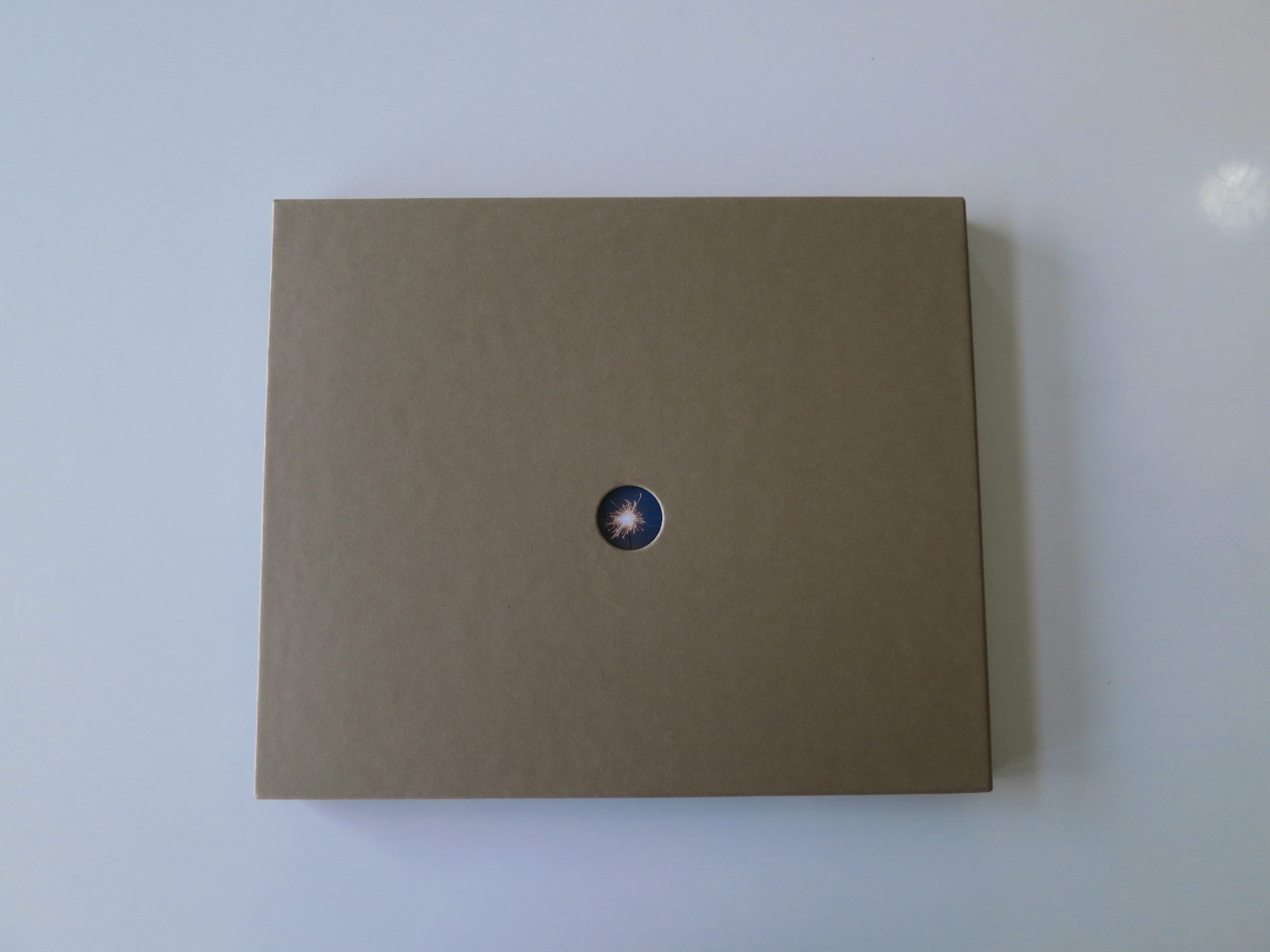
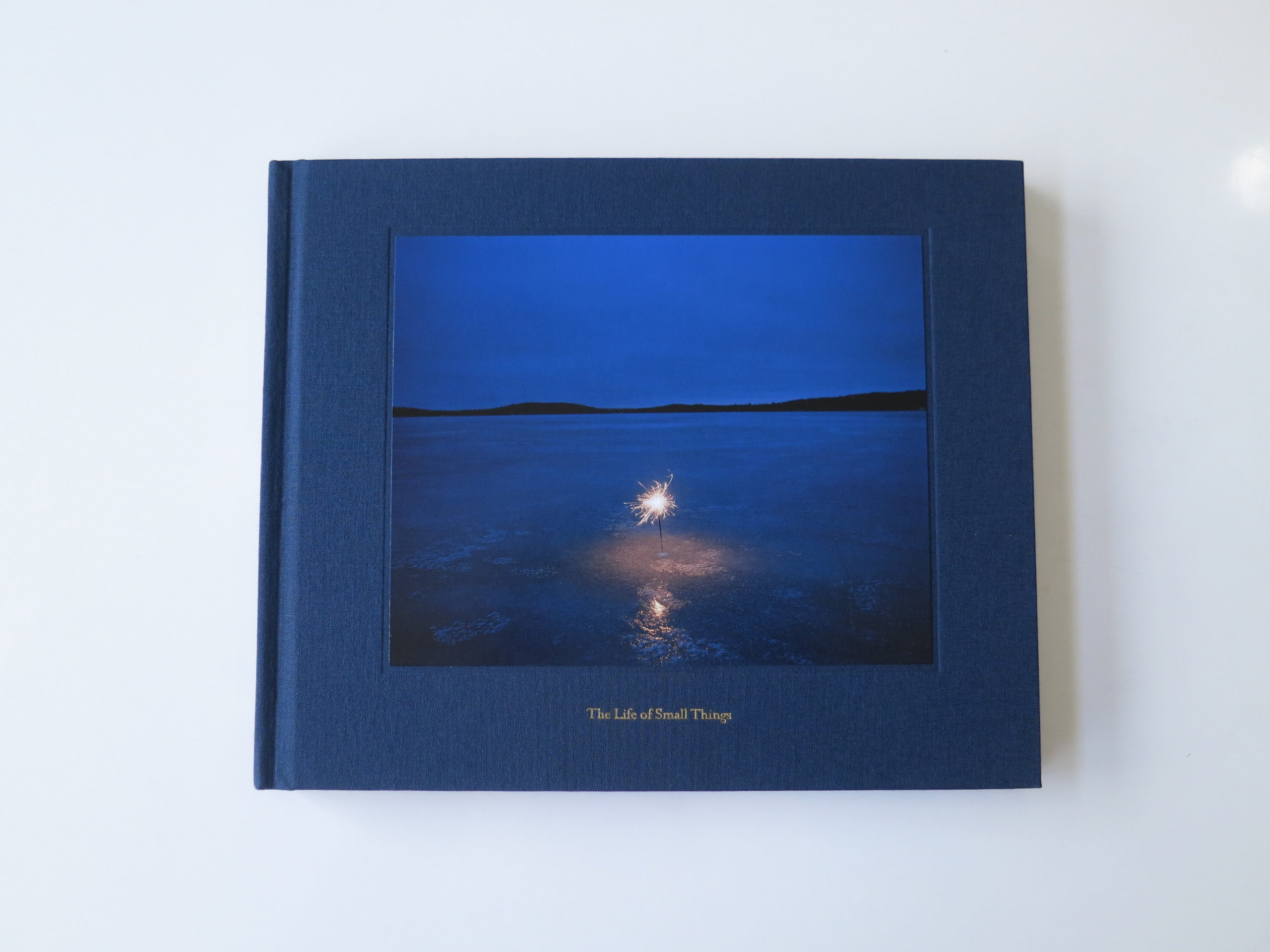
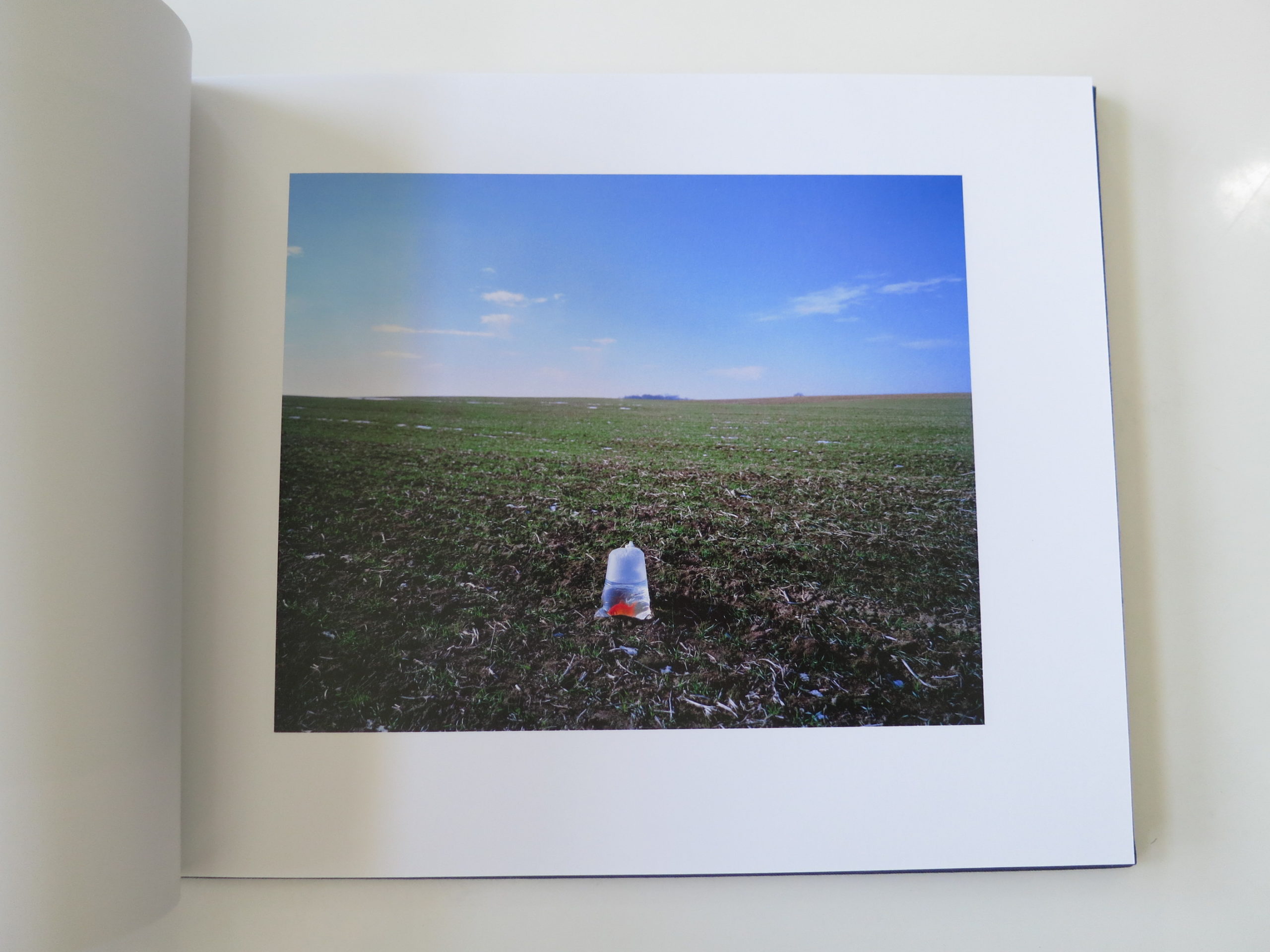
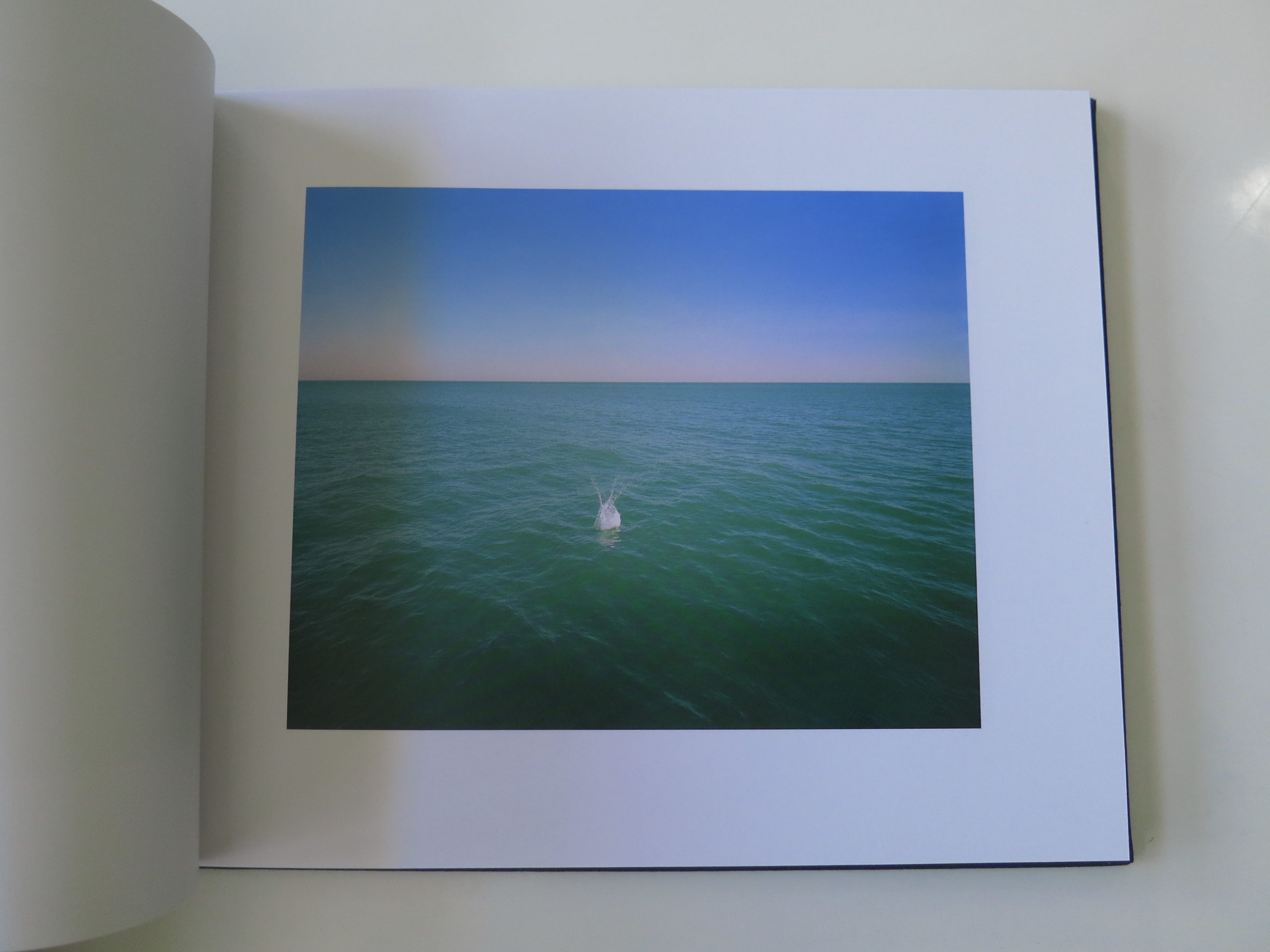
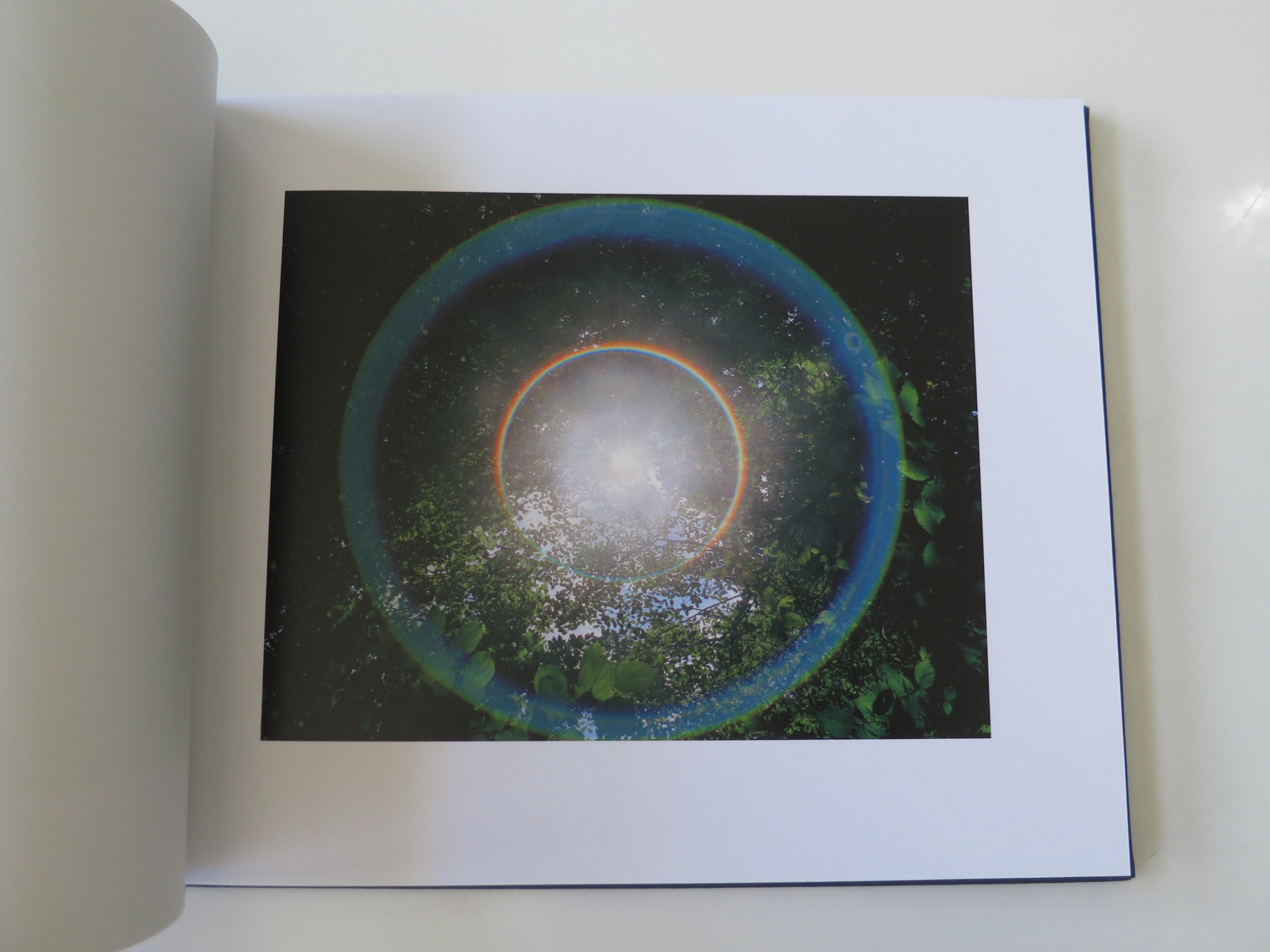
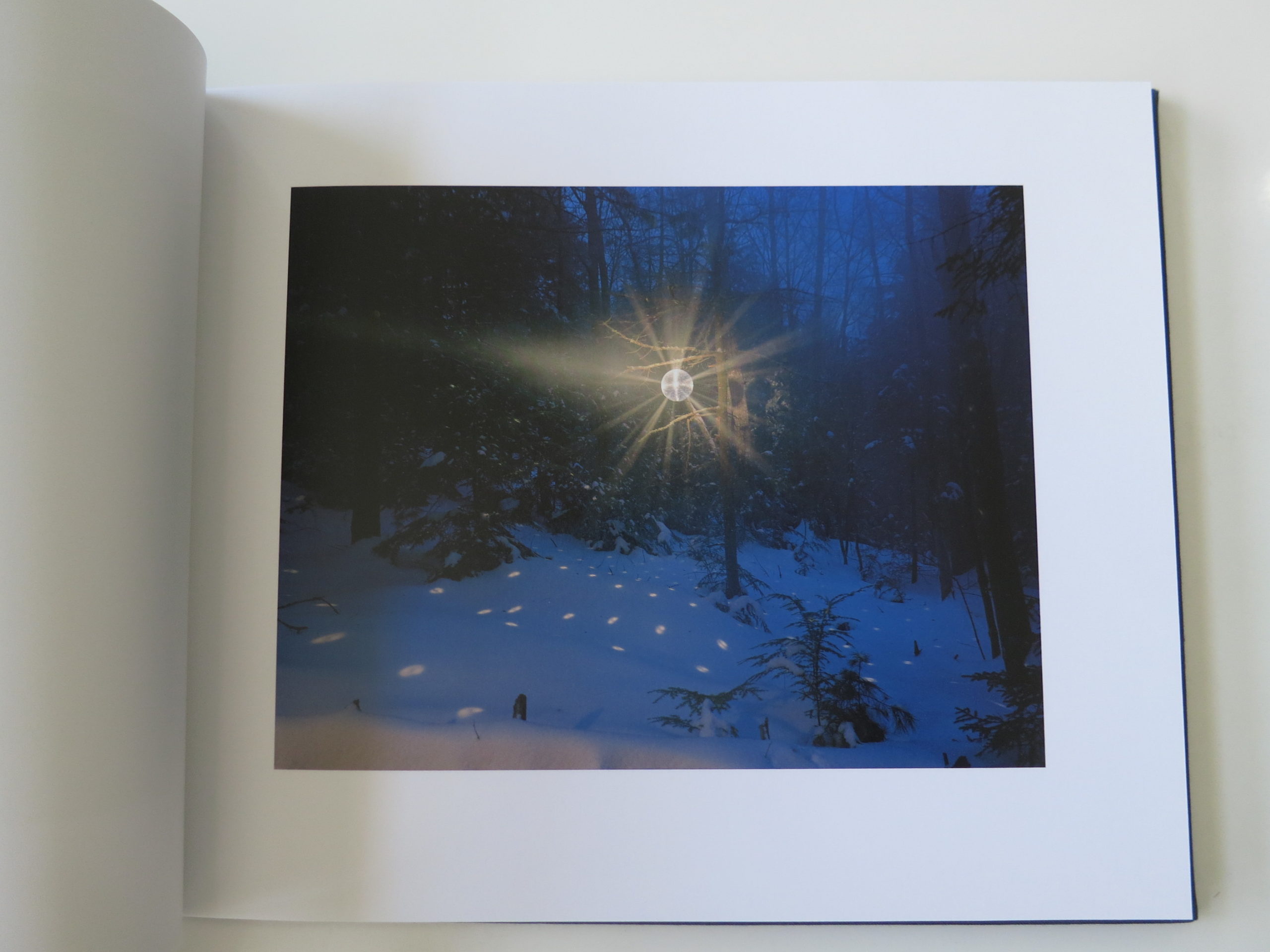
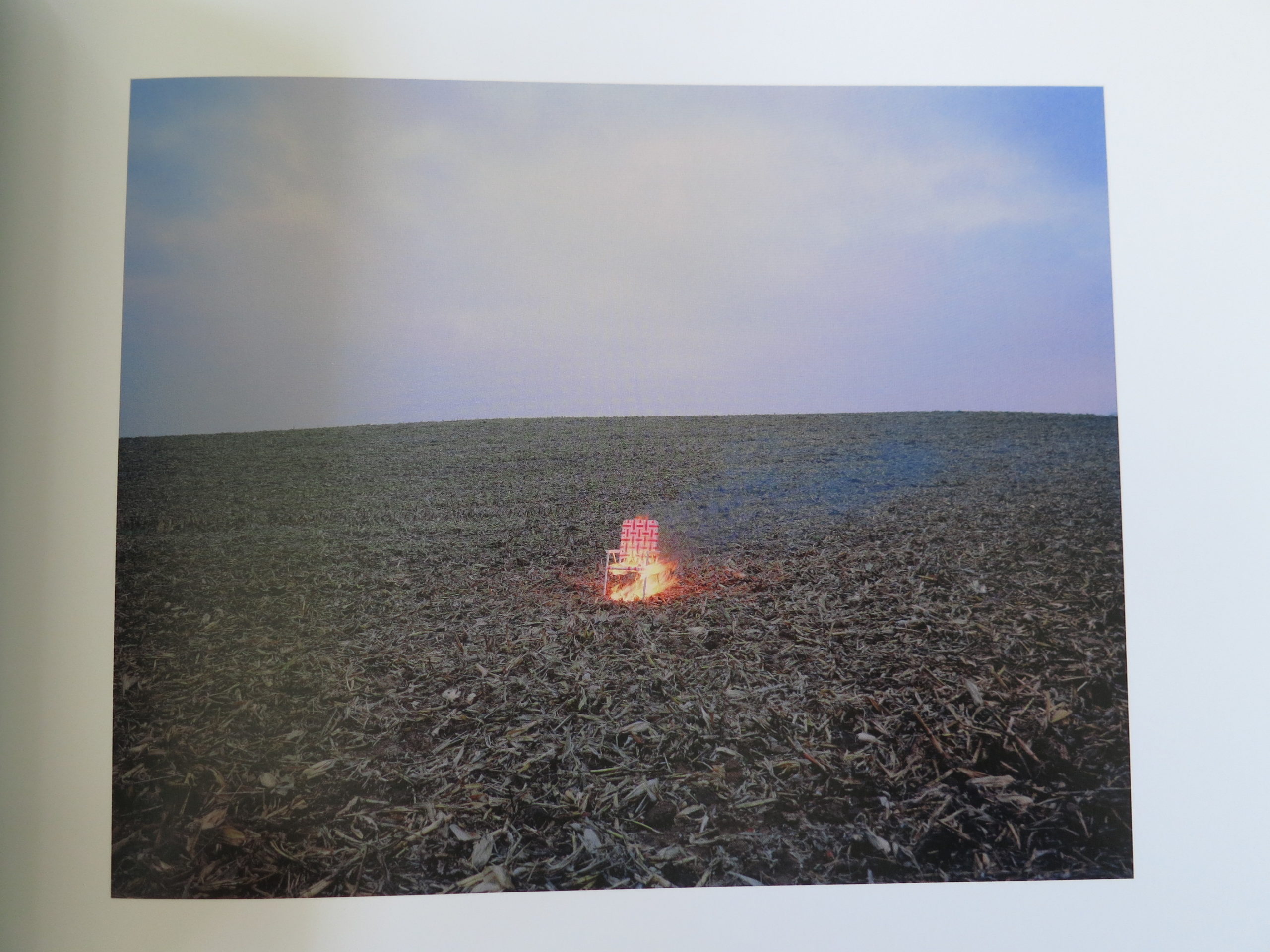
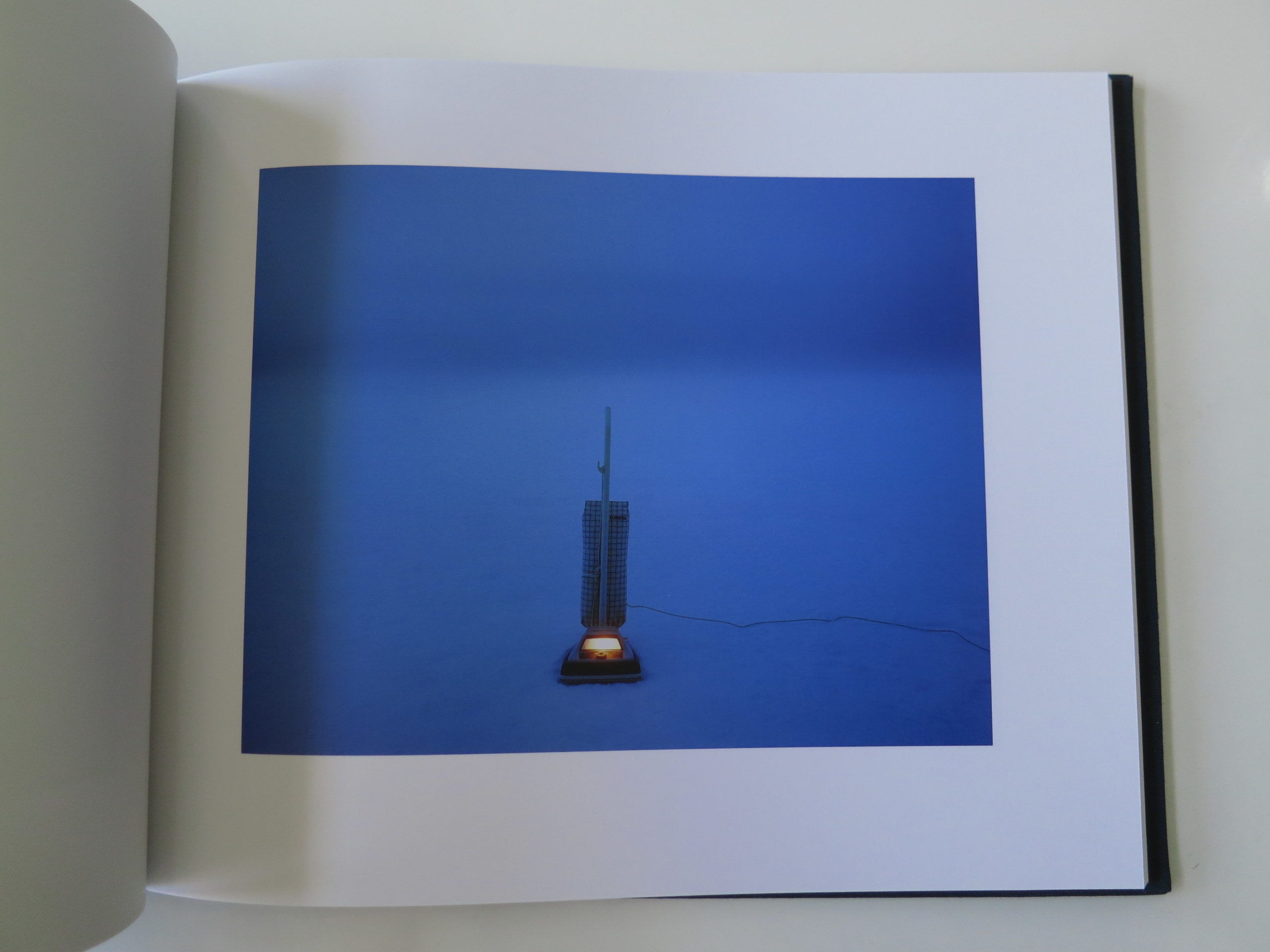
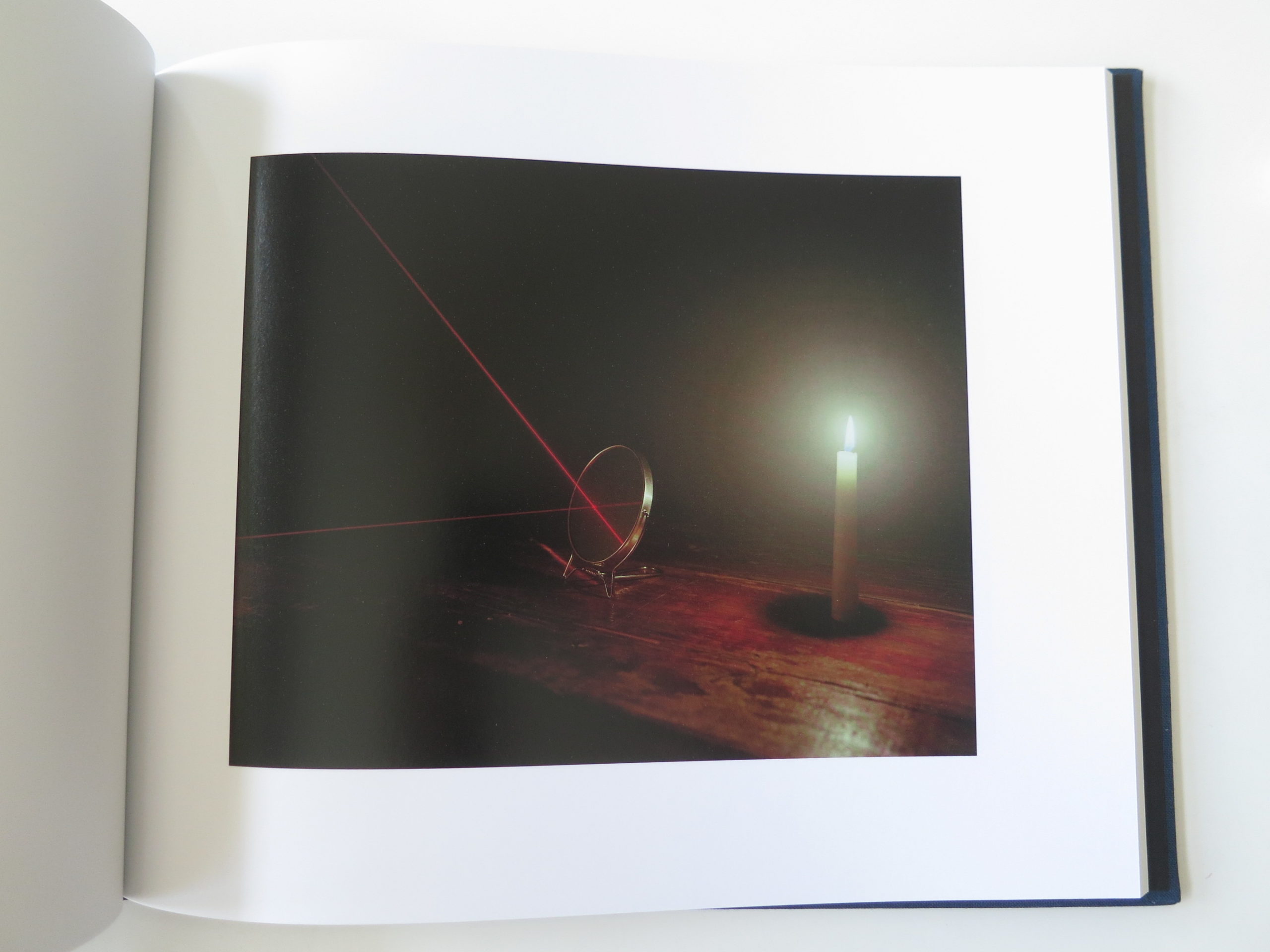
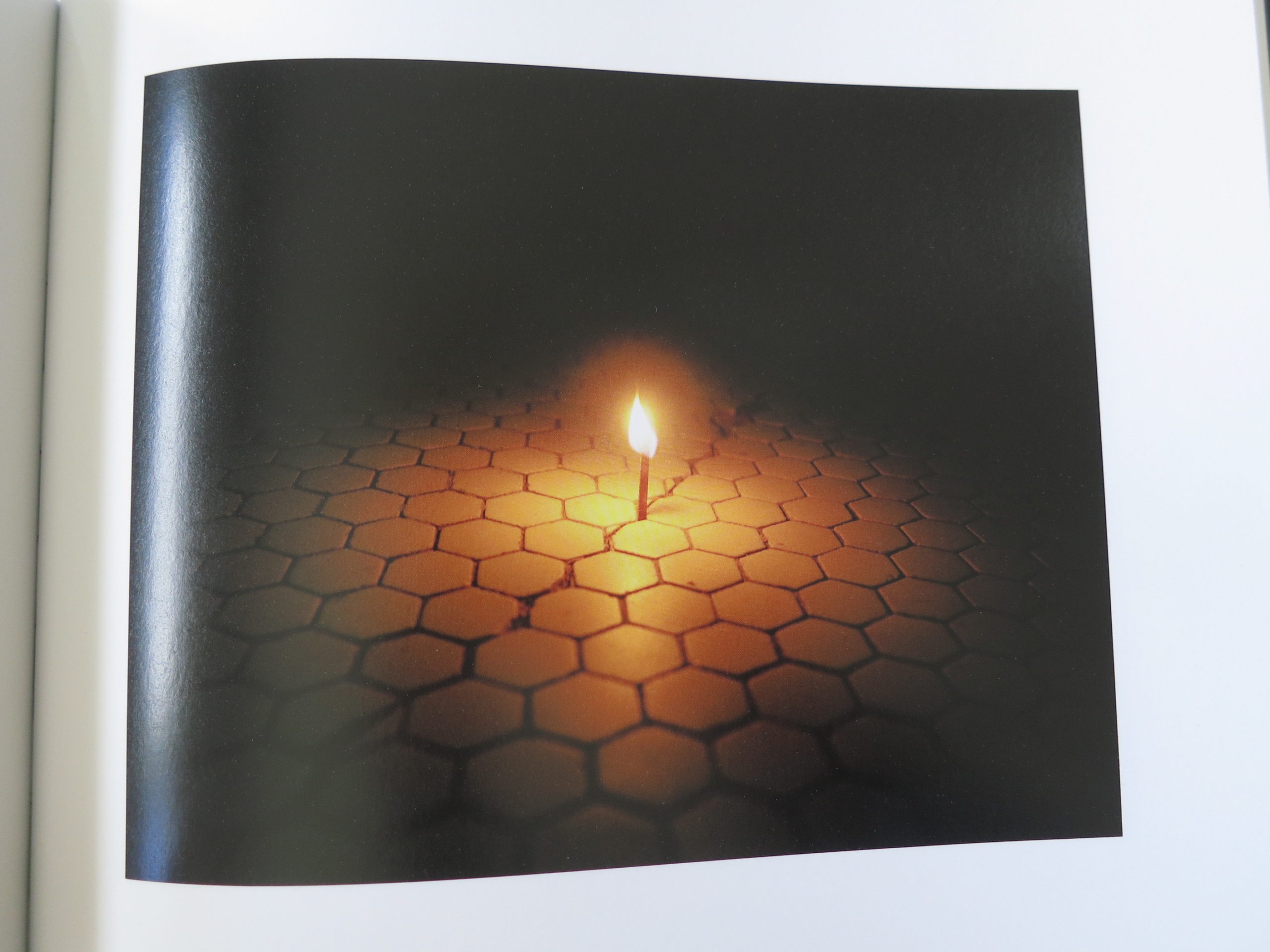
These are the types of questions you’re forced to ask when you look at “The Life of Small Things,” a new book by Adam Ekberg, recently published by Waltz Books in Indiana. (Yes, Indiana.) There is a forward here by Darius Himes that forced me to write a good column this week, because I didn’t want to look outclassed to those of you who subsequently buy the book.

(Short version: Dude can write. If he ever gives up his gig at Christie’s, I may well be out of a job.)

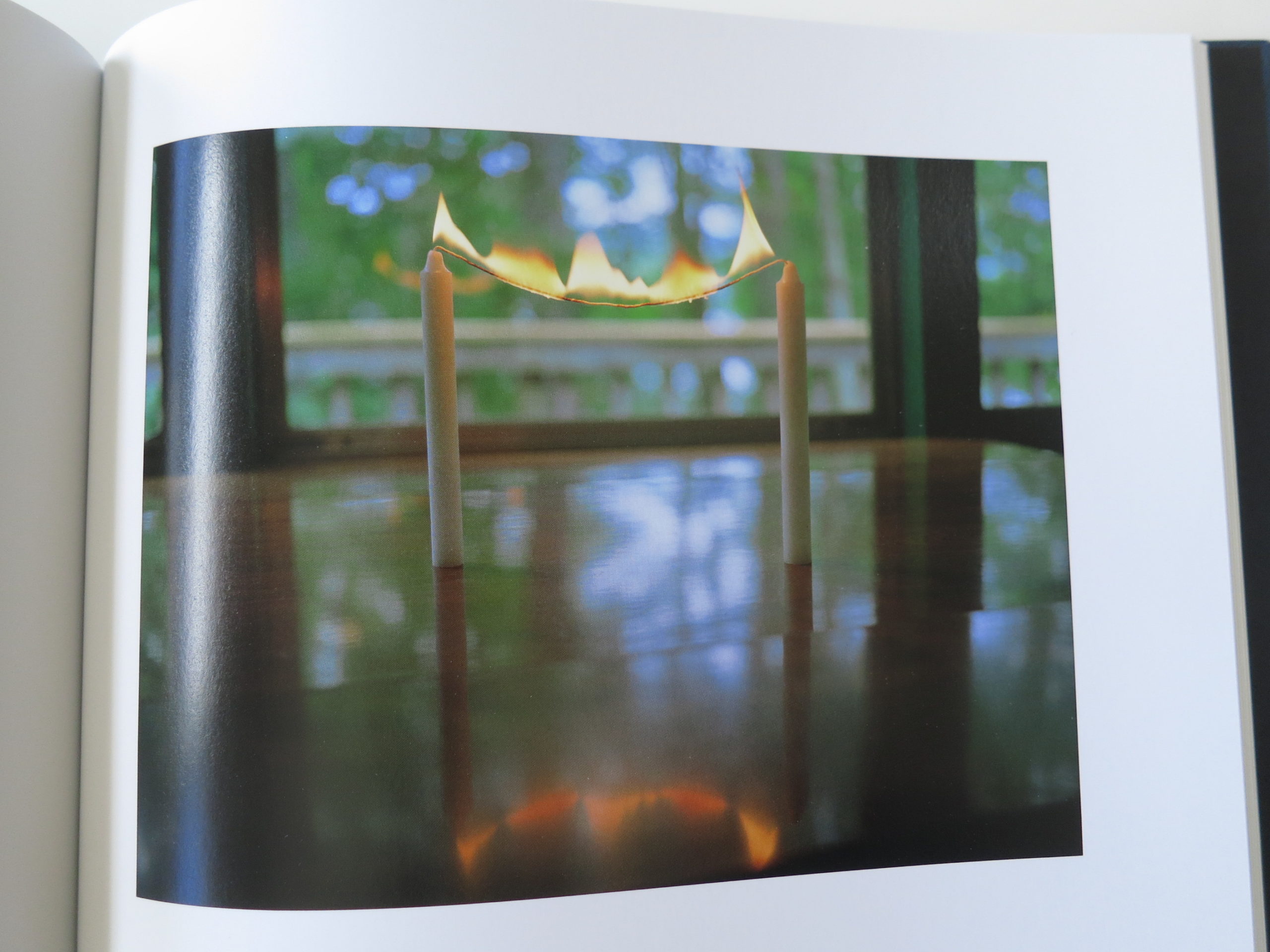
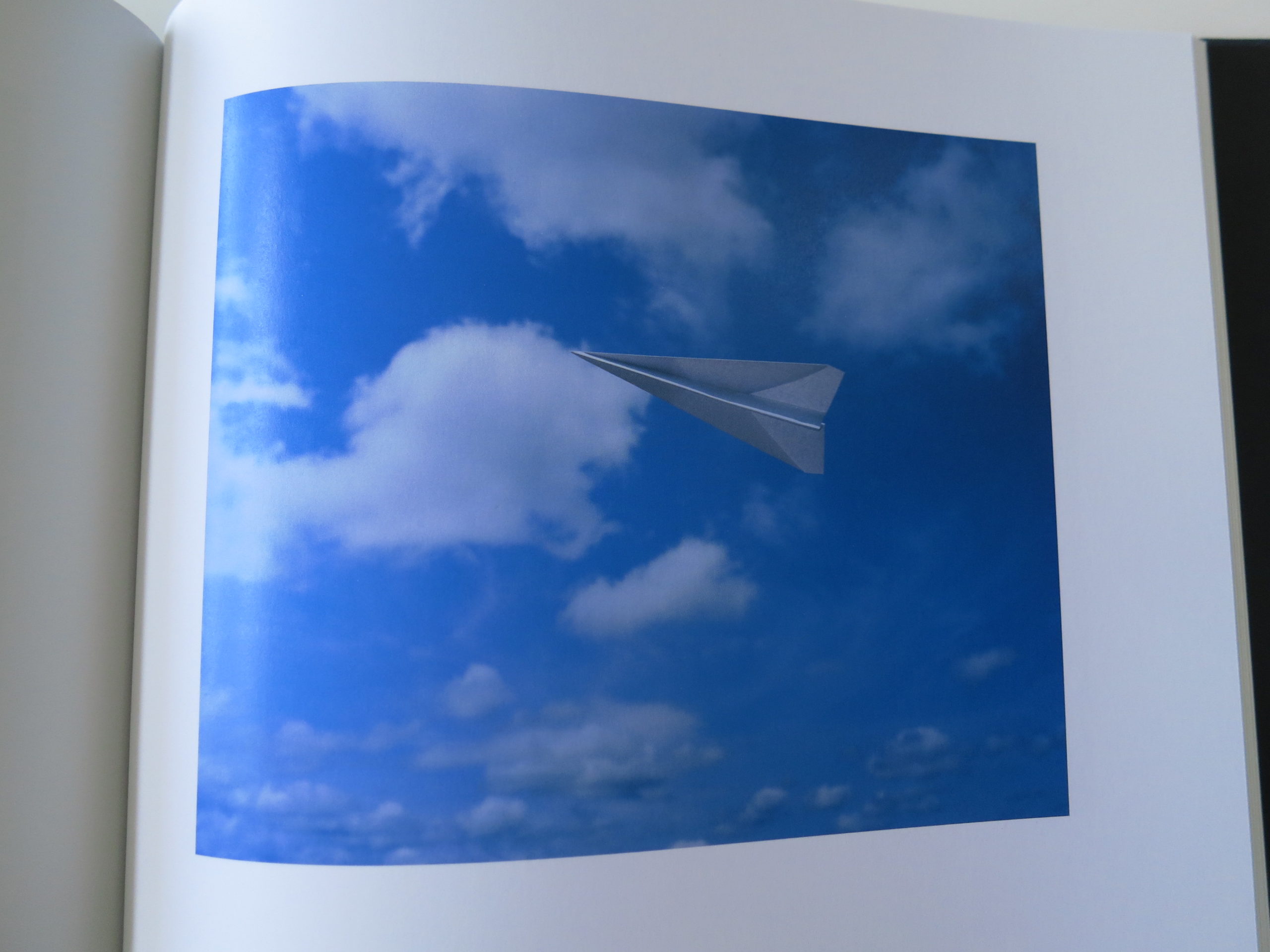
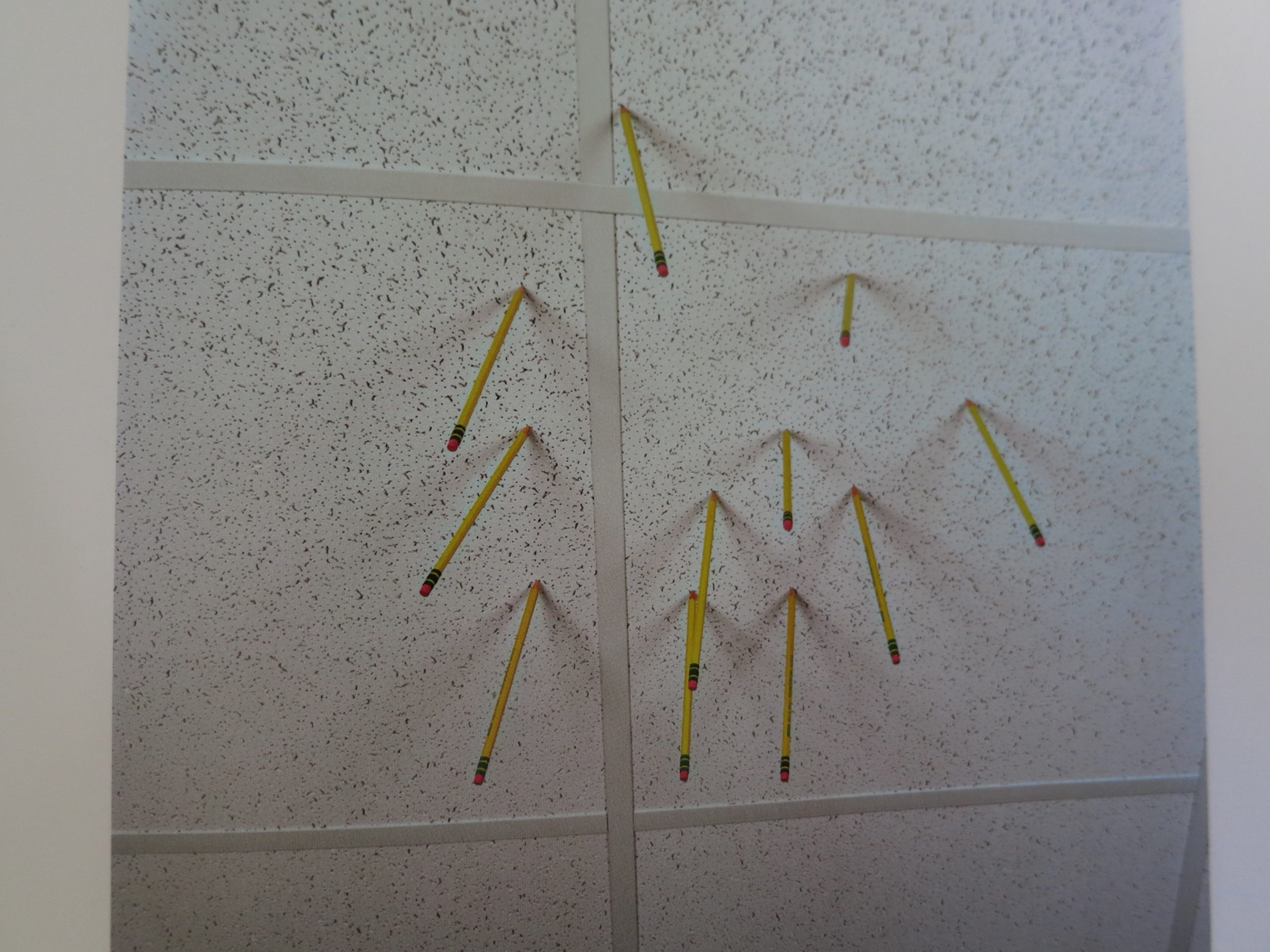
The pictures in this book do speak for themselves, so I’m loathe to describe too many. They are cool, funny, and clever. Warm and cool is a difficult mix, but he pulls it off with aplomb. Balloons repeat, as do disco balls. Items that symbolize fun and leisure. (Birthday parties and Studio 54)

A goldfish in a bag, plopped upon a field, shows up two photos before a splash in a sea. I like that they’re connected, but not sequentially, as many would do. Flashlights abound, reminding us of sleep-overs and camp-outs gone by.

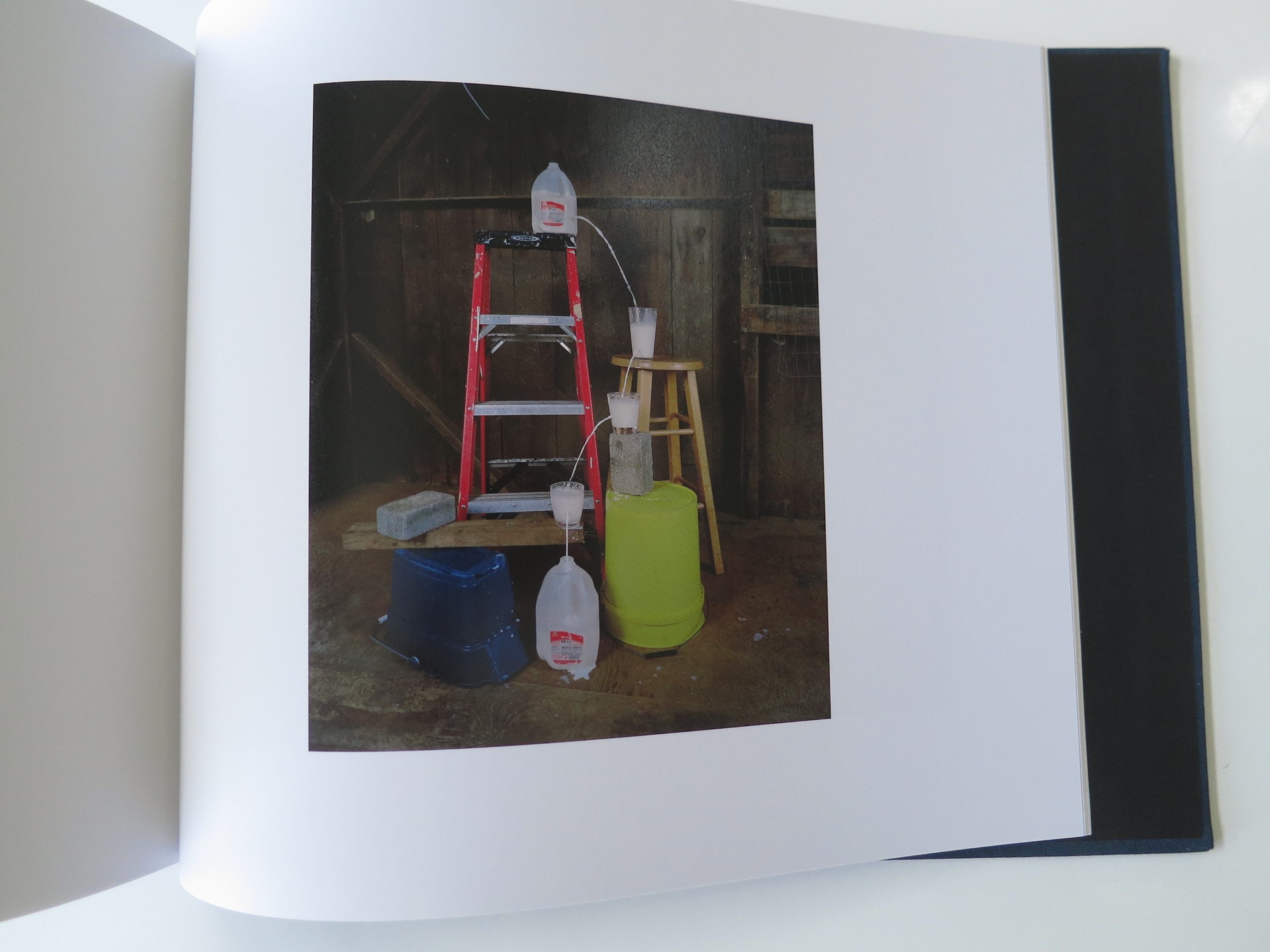
Milk jugs are punctured multiple times, conjuring not just the obvious spilled milk, but the act of “peeing,” which gets a laugh out of my kids every time. (Say pee or poop to an adult and you get nothing. Try it with a 3 year old, and you’re guaranteed a giggle.)

Explosions, fires, soap bubbles, and a lit-up vacuum cleaner lonely in the snow-covered gloaming.

Great stuff.

Yes, this book fits the bill for my “preference for edgy pictures,” which makes it the right book to discuss in my first book review in a month. But don’t fret. This one is not just for the hipsters.

Everyone still has a kid somewhere inside. You just need to know where to look.

Bottom Line: Fantastic book of innovative, witty constructions

To Purchase “The Life of Small Things” Visit Photo-Eye

IMG_1031

IMG_1032

IMG_1033

IMG_1034

IMG_1036

IMG_1037

IMG_1038

IMG_1039

IMG_1040

IMG_1041

IMG_1042

IMG_1043

IMG_1044

IMG_1045

IMG_1046

IMG_1050

IMG_1051

IMG_1054

The Art of the Personal Project: Jonathan Hanson

As a former Art Producer, I have always been drawn to personal projects because they are the sole vision of the photographer and not an extension of an art director, photo editor, or graphic designer. This new column, “The Art of the Personal Project” will feature the personal projects of photographers using the Yodelist marketing database. You can read their blog at http://yodelist.wordpress.com. Projects are discovered online and submissions are not accepted.

Today’s featured photographer is: Jonathan Hanson

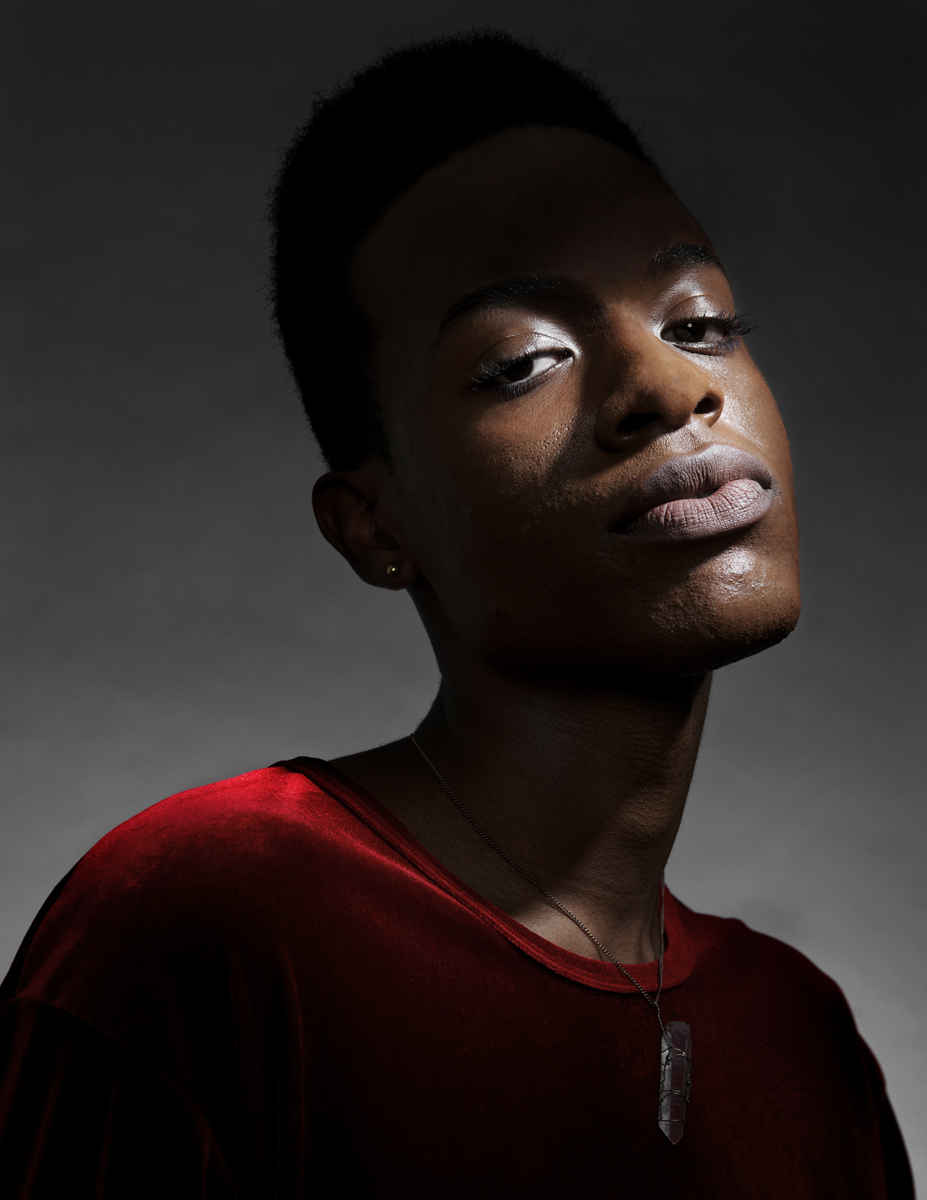
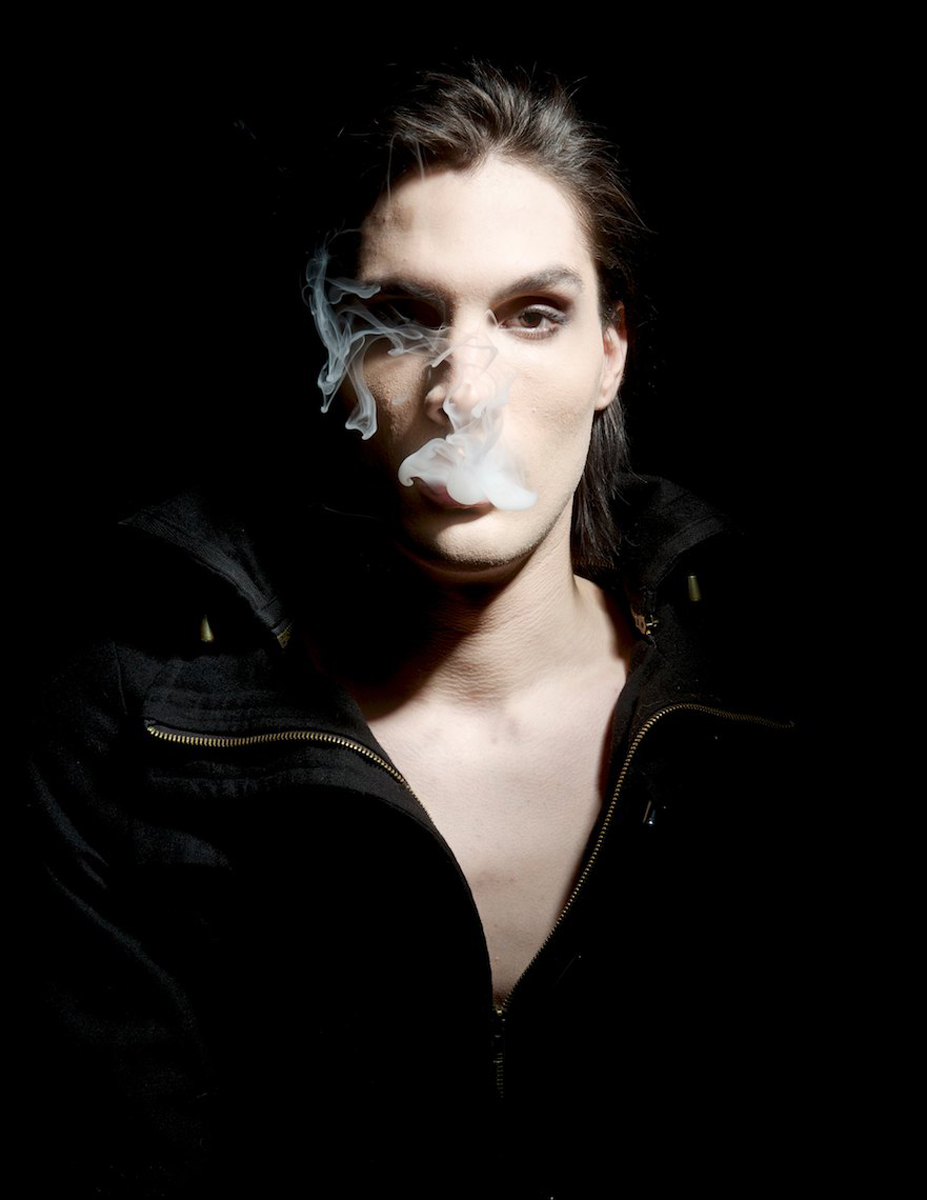
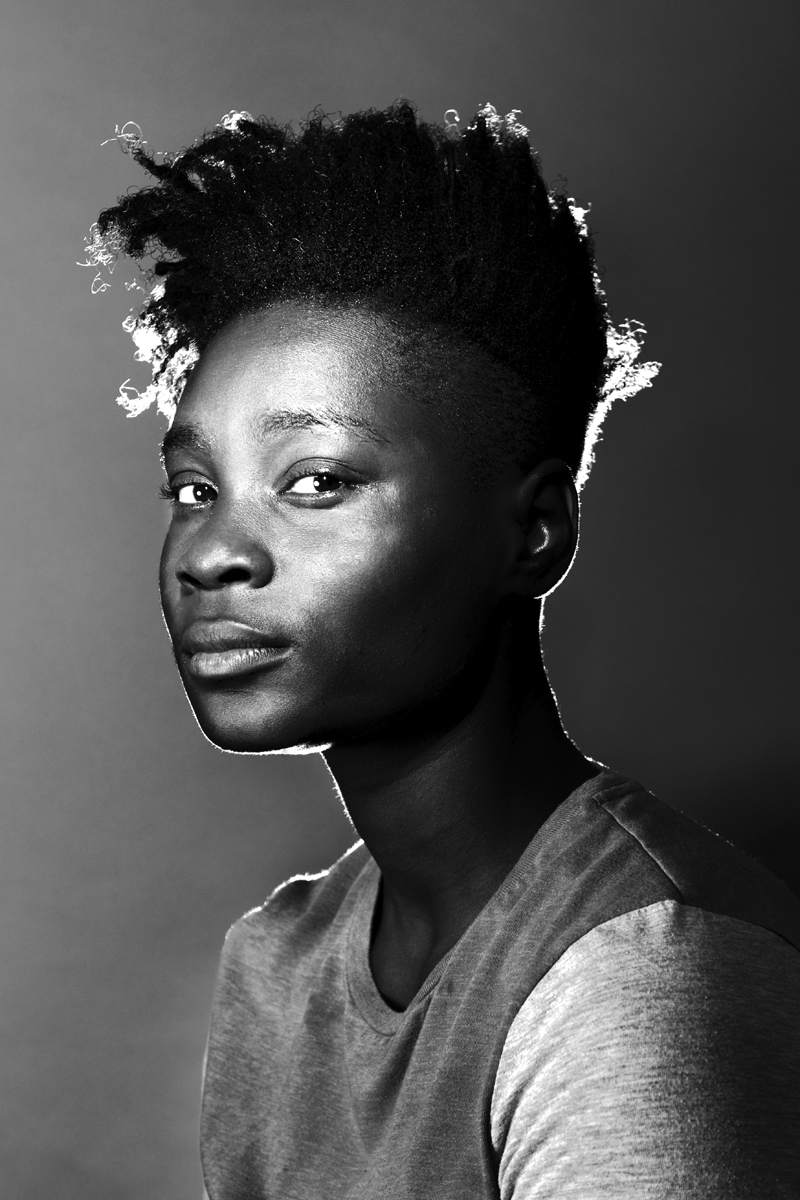
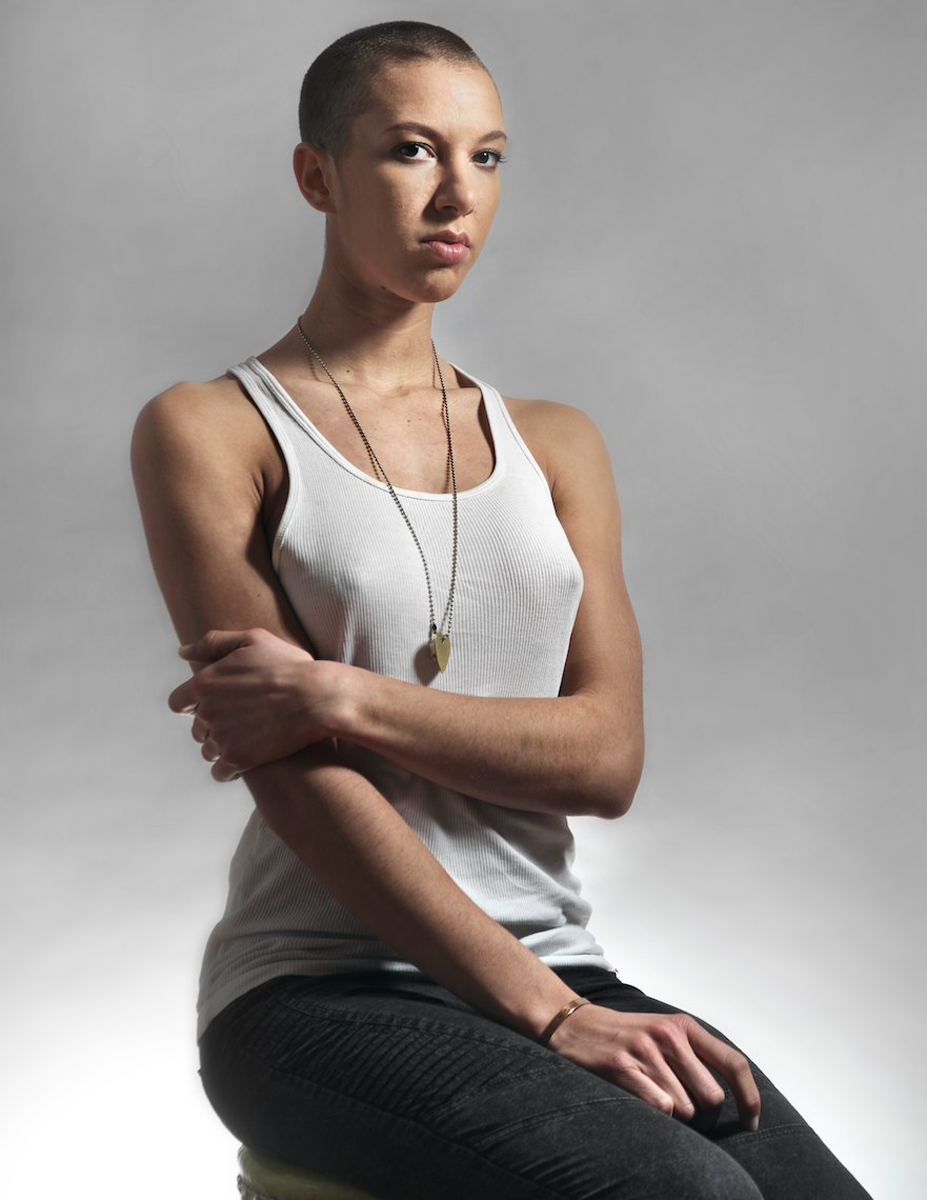
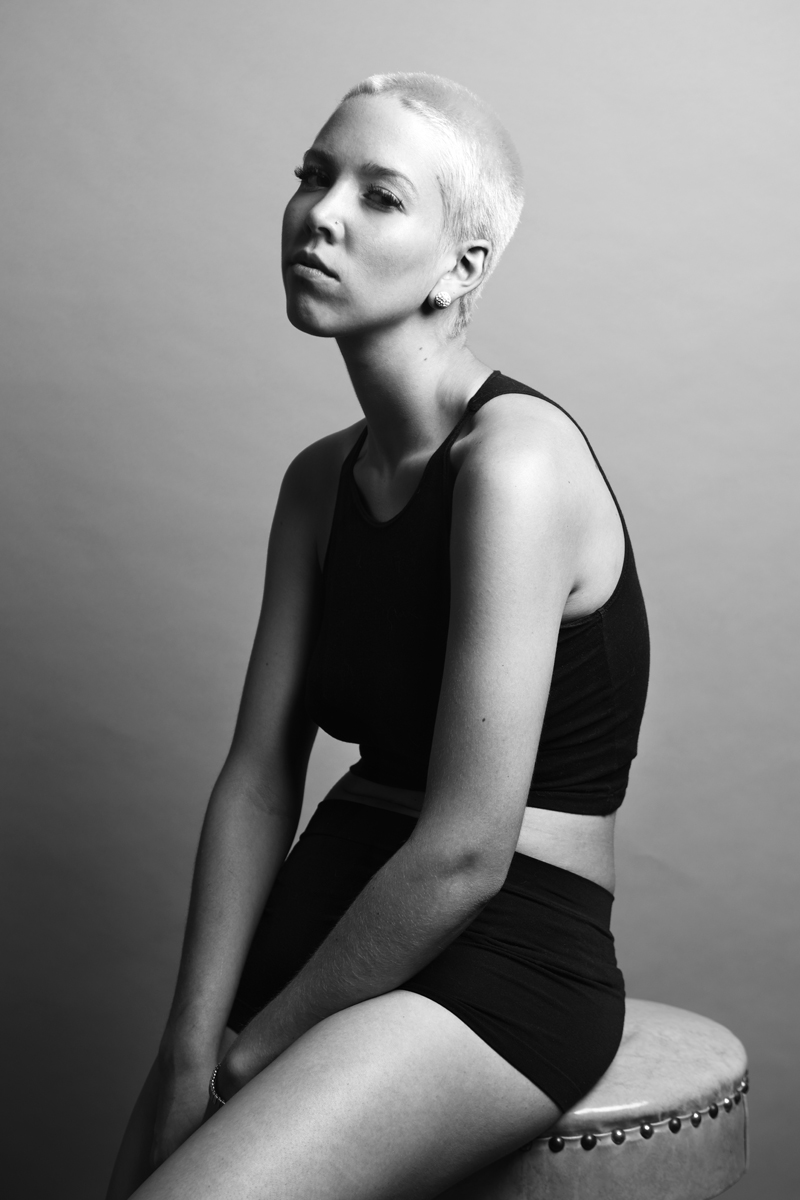
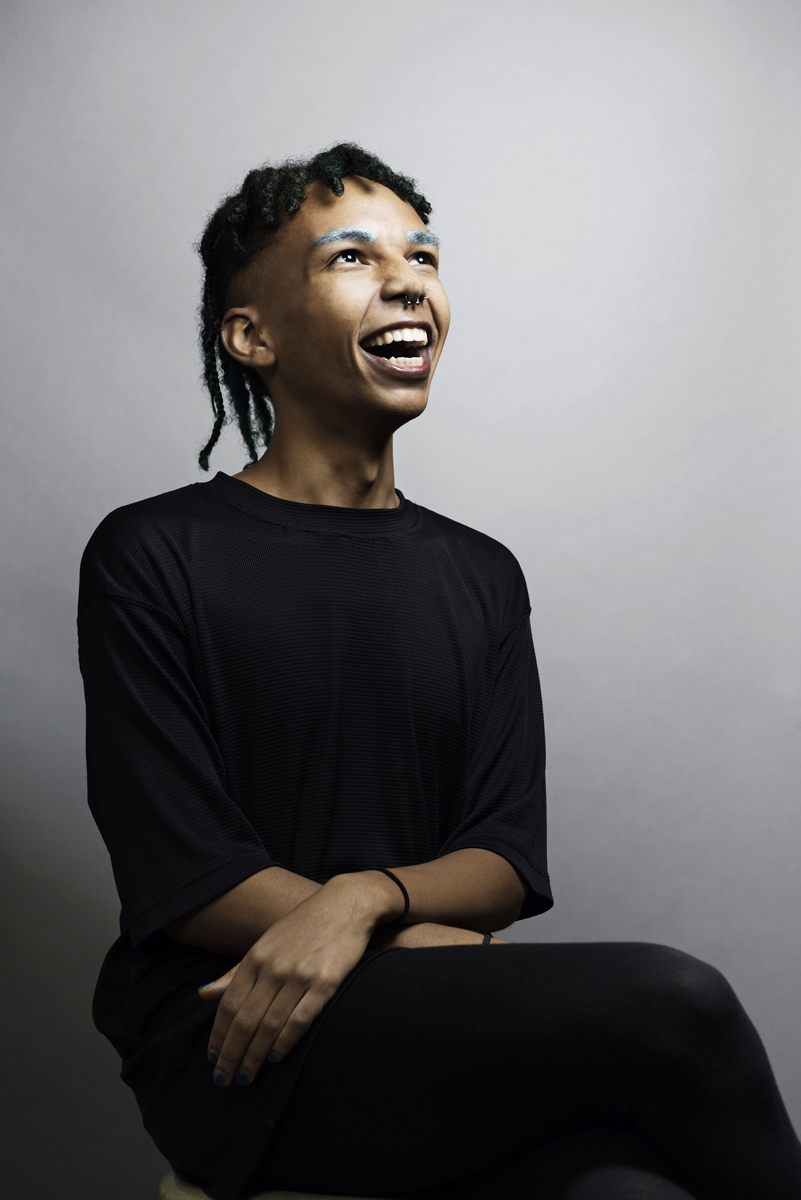
Androgyne
Androgyne

jhanson_androgynous_02

Androgyne
Androgyne

jhanson_androgynous_04

Androgyne
Androgyne
Androgyne
Androgyne

jhanson_androgynous_07

Androgyne
Androgyne

jhanson_androgynous_09

jhanson_androgynous_10

jhanson_androgynous_11

How long have you been shooting?
I started taking pictures about 10 years ago.

Are you self-taught or photography school taught?
I’m mostly self taught aside from a few darkroom classes and workshops.

With this particular project, what was your inspiration to shoot it?
I was in a bar in Baltimore and saw a young man walk in who reminded me of model/actress Grace Jones. I was intrigued and began questioning the way we see femininity and masculinity. After our portrait session, I posted some of the images to my blog and I received emails from readers wanting to know his sex. The reader responses encouraged me to continue to question current gender classification and to continue the work.

How many years have you been shooting this project before you decided to present it?
I’ve been working on it on and off for the last year. As soon as I had enough images that I thought showed the viewer my voice and vision, I posted it to my website. Its a work in progress so as it develops, I’m presenting it to various outlets for publication.

How long do you spend on a personal project before deciding if its working?
Its tough to say because I think its relative to the project. With this project, I new I was on to something after the first portrait session.

Since shooting for you portfolio is different from personal work, how do you feel when the work is different?
I look at shooting for my portfolio and personal work as the same thing. My goal is to shot what I love and make a living from doing it.

Have you ever posted your personal work on social media venues such as Reddit, Tumblr, Instagram or Facebook?
I post a fair amount to Facebook and Instagram. In January, the project was published in The Washington Post Magazine as a six page feature and they shared it across their social network which helped it gain some traction.

Have you printed your personal projects for your marketing to reach potential clients?
I mostly use personal work for self promotion because I think it reveals a little about me and shows off my style a bit.

“Androgynous” is a portrait series focusing on people with a single sex who have a combination of both masculinity an femininity in their physical appearance. The subjects are a mix of people who identify with different sexual orientations and genders, breaking assumptions based on current prescribed gender roles. Through the series, I hope to challenge current gender classification and question the way they see current cultural gender frameworks and beauty. Through the series I propose male and female dualities are interconnected and complementary forces instead of opposing, thus creating a fluid spectrum of gender and sexuality where the whole is greater than the parts.

——————-

Jonathan is a Los Angeles based editorial and commercial photographer with roots on the East Coast. Culture, people, music and color inspire much of his work. He received dual degrees in Creative Writing and Journalism from Drake University before setting out on his photographic career. He credits early street photography for seducing him into being a photographer. Jonathan’s work has been recognized by ASMP Best of 2014, The Magenta Foundation, PDN, NPPA, The International Color Awards and the Eddie Adams Workshop.

Clients include – Adidas – Adobe – Bank of America – Billboard Magazine -DeWalt – Discovery Channel – Der Spiegel – Ebony Magazine – EssenceMagazine – Fortune Magazine – Inc. Magazine – Johns Hopkins – Miller Lite -NPR – Men’s Health Magazine – Sports Illustrated – The Advocate – The Guardian -The Huffington Post Magazine – The London Times – The New York Times – The Observer – The Smithsonian Magazine – The Wall Street Journal -USA Today – Verizon website: jhansonphoto.com


APE contributor Suzanne Sease currently works as a consultant for photographers and illustrators around the world. She has been involved in the photography and illustration industry since the mid 80s, after establishing the art buying department at The Martin Agency then working for Kaplan-Thaler, Capital One, Best Buy and numerous smaller agencies and companies. She has a new Twitter feed with helpful marketing information believing that marketing should be driven by a brand and not specialty. Follow her on twitter at SuzanneSease.

Dissecting the Terms and Conditions Document

Valuable information from Heather Elder Represents

DISSECTING THE TERMS AND CONDITIONS DOCUMENT On a few recent projects, we have spent a lot more time than usual reviewing specific terms and going back and forth with both agencies and lawyers to come up with language that works for everyone.  During these particular projects, I often felt at a bit of a disadvantage when there were lawyers involved and wishing we had one of our own to help navigate our point of view.

I figured we were not alone in this thinking so asked attorney Linda Joy Kattwinkel of Owen, Wickersham & Erickson, P.C. if she would help dissect a generic Terms and Conditions Document that we can share with our readers.  People were so appreciative of the information she shared regarding Copyright, we figured they would feel the same about Terms and Conditions.

The documents are a bit long and dense, so we are breaking this series up in a few posts.

The format we thought most helpful would be to 1) review the term 2) translate the term into layman’s language and 3) ask any relevant questions.

Terms #1-5 can be found here.
Terms #6-9 can be found here.
Terms #10-14 can be found here.

The Daily Edit – ArtNews: Katherine McMahon


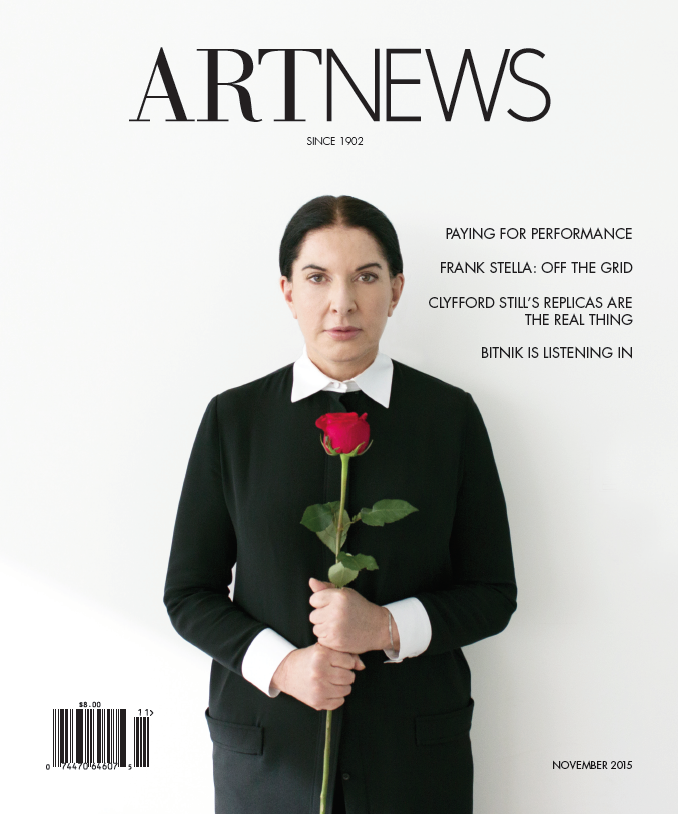
ARTnews_November
ArtNews

Creative Director/Designer: Artur Wandzel
Creative Editor: Katherine McMahon
Photographer: Katherine McMahon


Are all creative editors also photographers or is this a reflective of your large skill set?

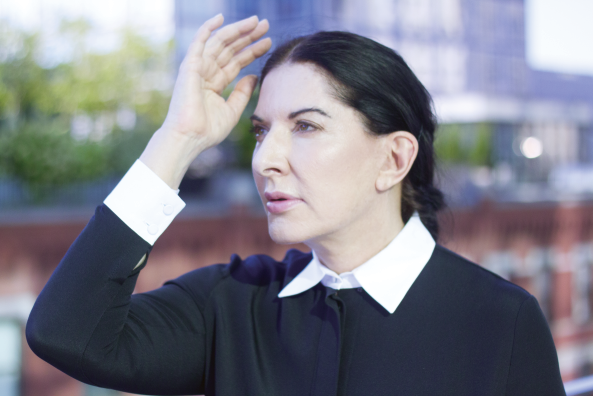
For the most part, I’m a Photo Editor. I research, request and edit photos for the front of book and features each month, but I also try to contribute original photography as much as possible. Whenever there’s an opportunity to shoot original photography for the magazine or website, I try to set up a shoot. I’ll discuss concepts/ideas with my Editor in Chief Sarah Douglas, Creative Director Artur Wandzel and the editor or write of the piece. For this shoot, I worked closely with Hannah Ghorashi who wrote the feature. We discussed concepts together before and conducted the shoot/interview within the same 2 hour window. Jenny Kanavaros was the makeup artist for the shoot, and we discussed keeping it with neutral tones but a strong brow.

What is your role at ArtNews?
Essentially,  I’d say my role has elements of both being a Photo Editor and Staff Photographer.

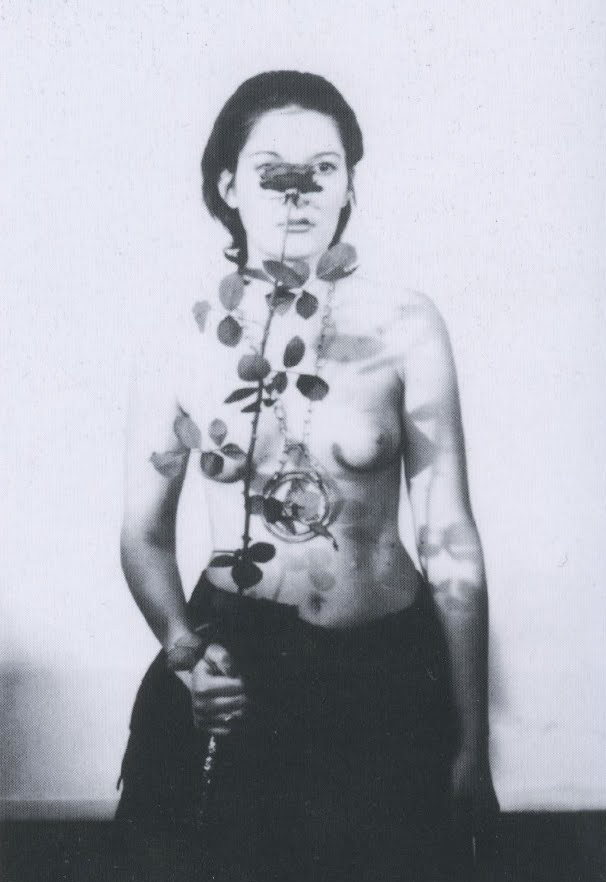
You mentioned you were inspired by an image from her 1976 performance.
What’s your process for sourcing inspiration?
I find inspiration everywhere. I try to first think big picture but I also like to keep it simple. For this shoot, I re-watched ‘The Artist is Present,’ The documentary that chronicled her 2010 Retrospective at MoMA, and I always find inspiration in looking at old archival images. This image in particular really stuck with me:

MA


I wanted for us to try to emulate it in a different time and context. Our office is near the Flower District, so I handpicked a few long stemmed red roses the day of the shoot and brought them with me. Before I left dropped them in a vase with some flowers she already had on her kitchen table.

I love the Givenchy dress, it has look and feel of being a headmaster, what drew you to this look for her? I know you thumbed through her closet full of designer clothing.
It was surprisingly simple- Marina picked out the dress, and I loved it. She had so many beautiful outfits to choose from, but I personally loved the high contrast. It seemed bold and assertive in an understated way.

Marina Abramović is widely known for her performance art and clearly a trail blazer in that genre. How easy or hard was it to direct her?
It was a breeze directing her. With every shoot comes vastly different dynamics, like any other relationship or interaction in life. As a performance artist, she seems very aware of her physical presence and very comfortable in front of the camera. She has an intensity in her eyes and I found her to be very charismatic. This was a shoot where I took on a more passive role as the photographer. I tried to just let her do her thing.

ma2

Aside from the simple rose for a prop, you had a candle and matches, why was that?
I had a general idea but wasn’t totally sure what the lighting in her apartment would be like the day of the shoot. I also just like to have a few unconventional props on hand just in case, so I brought a few candles and matches as a potential lighting tool in the event that we wanted to try a few intimately lit images, and I thought it might be nice to incorporate an open flame into the image somehow. In the end, the natural light was too good to pass up and I think that a darkly lit setting for the images wouldn’t have served the story as well. In addition to the candles and matches, I brought two large bags worth of lighting equipment to the shoot and didn’t end up using any of it.

The Daily Promo: Andrew Kornylak

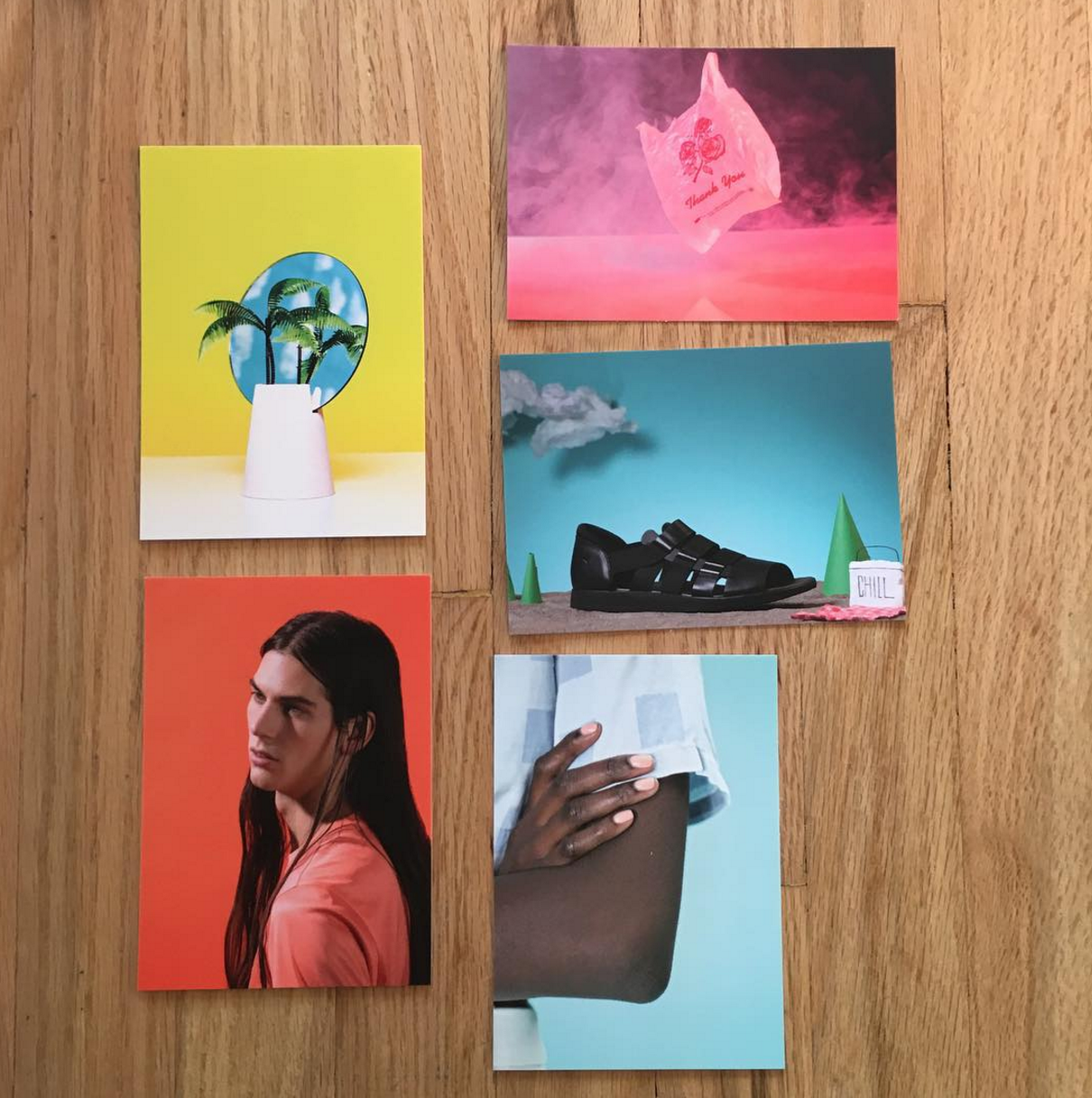
AK2015FallPromo1

AK2015FallPromo2

AK2015FallPromo3

AK2015FallPromo4

AK2015FallPromo5

AK2015FallPromo6

Andrew Kornylak

Who printed it?
Universal Printing in Durham, NC

Who designed it? Who edited the images?
Peter Dennen of Pedro+Jackie guided the edit and design of this piece.

How many did you make?
150

How many times a year do you send out promos?
I try to stick to e-promos once a month through Yodelist and a twice-yearly print promo.

How did this project come about?
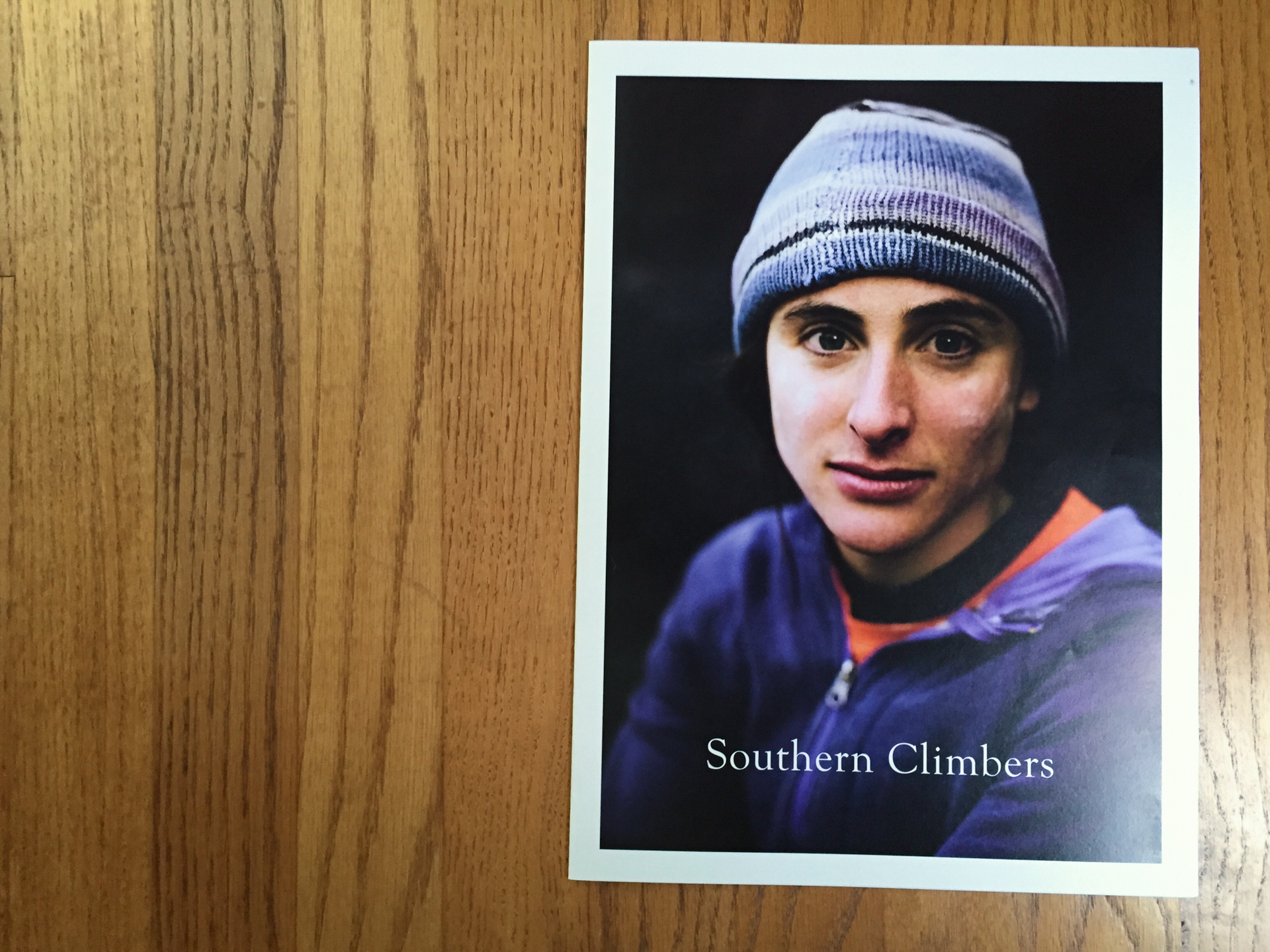
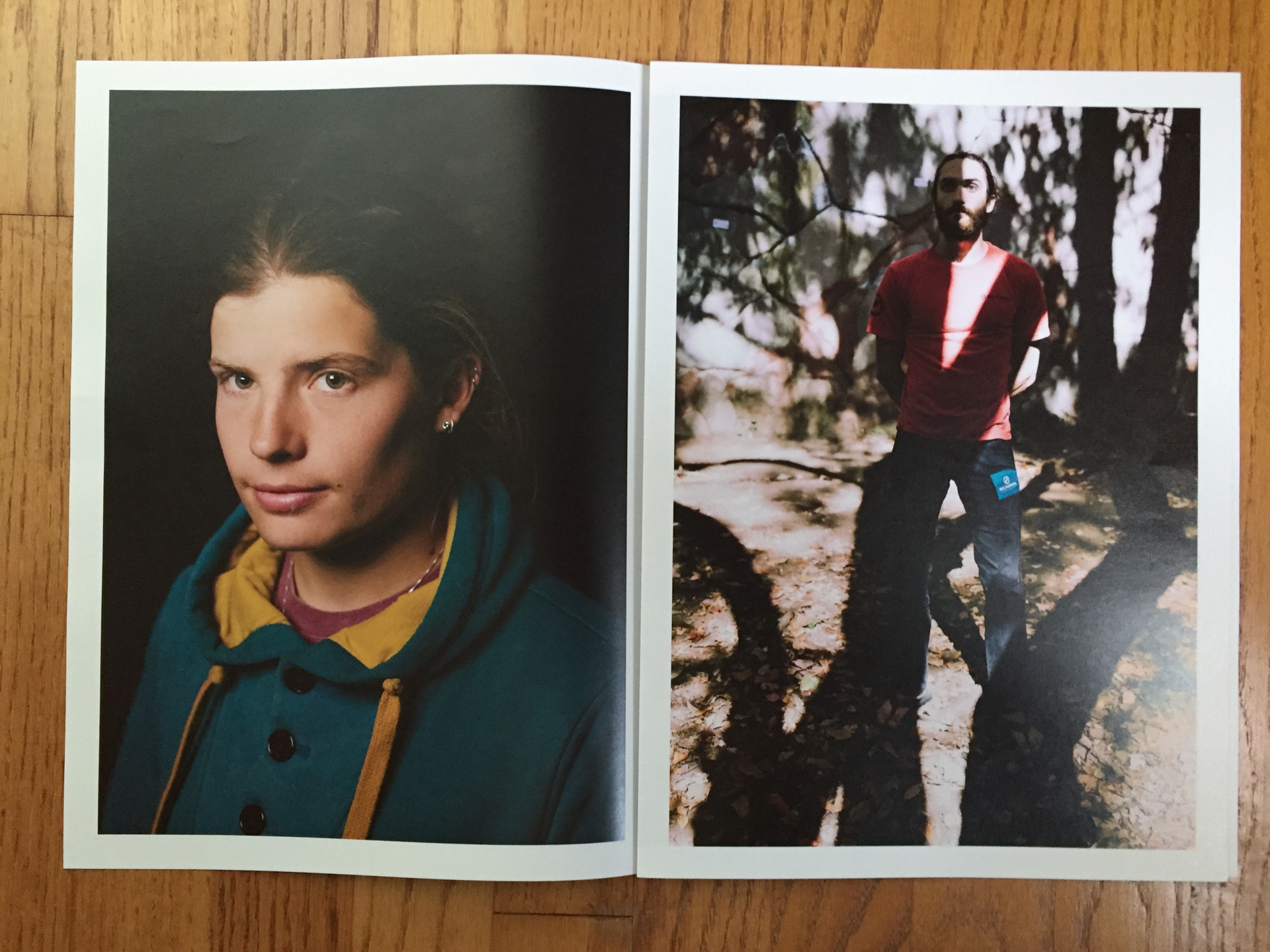
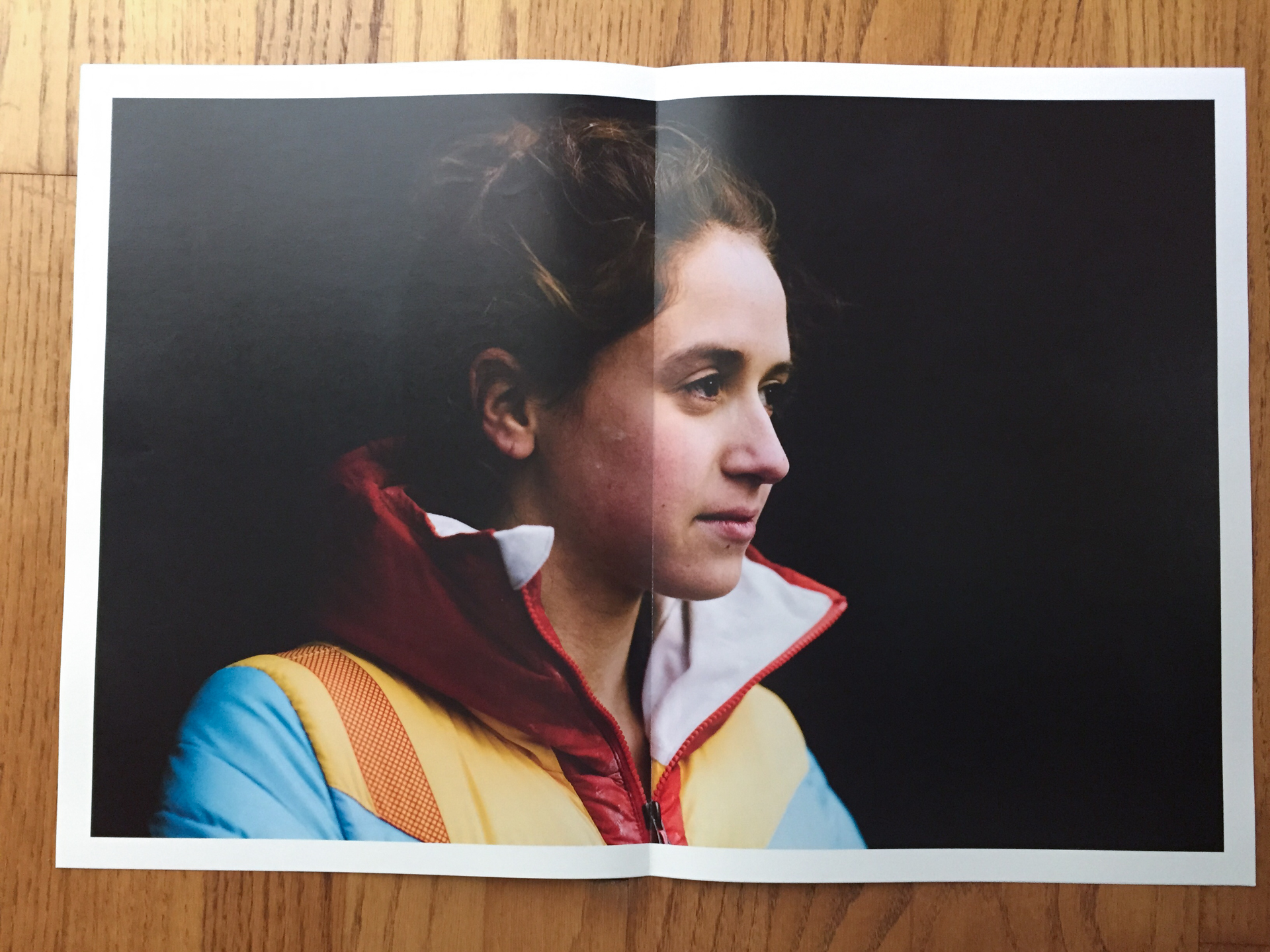
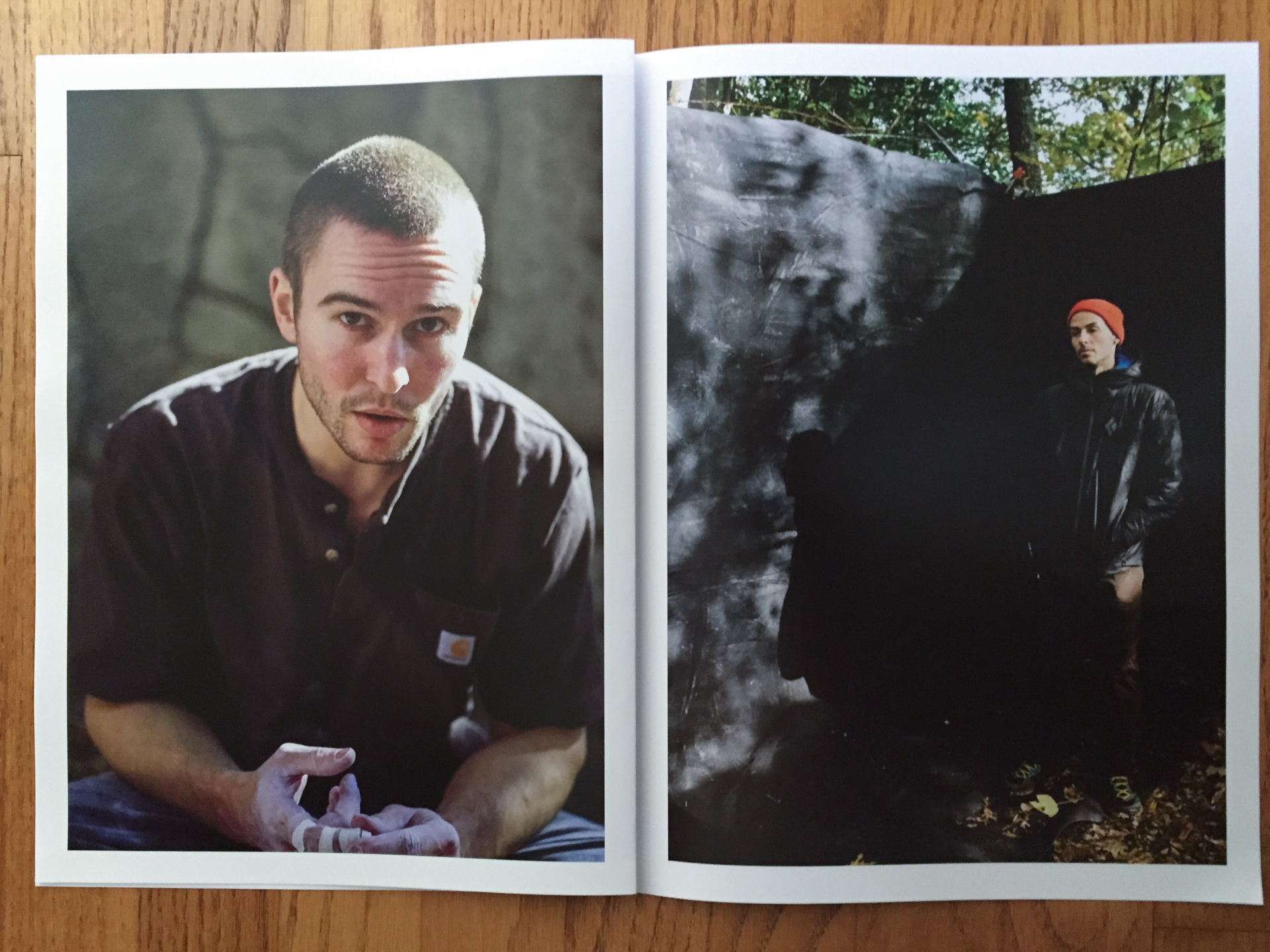
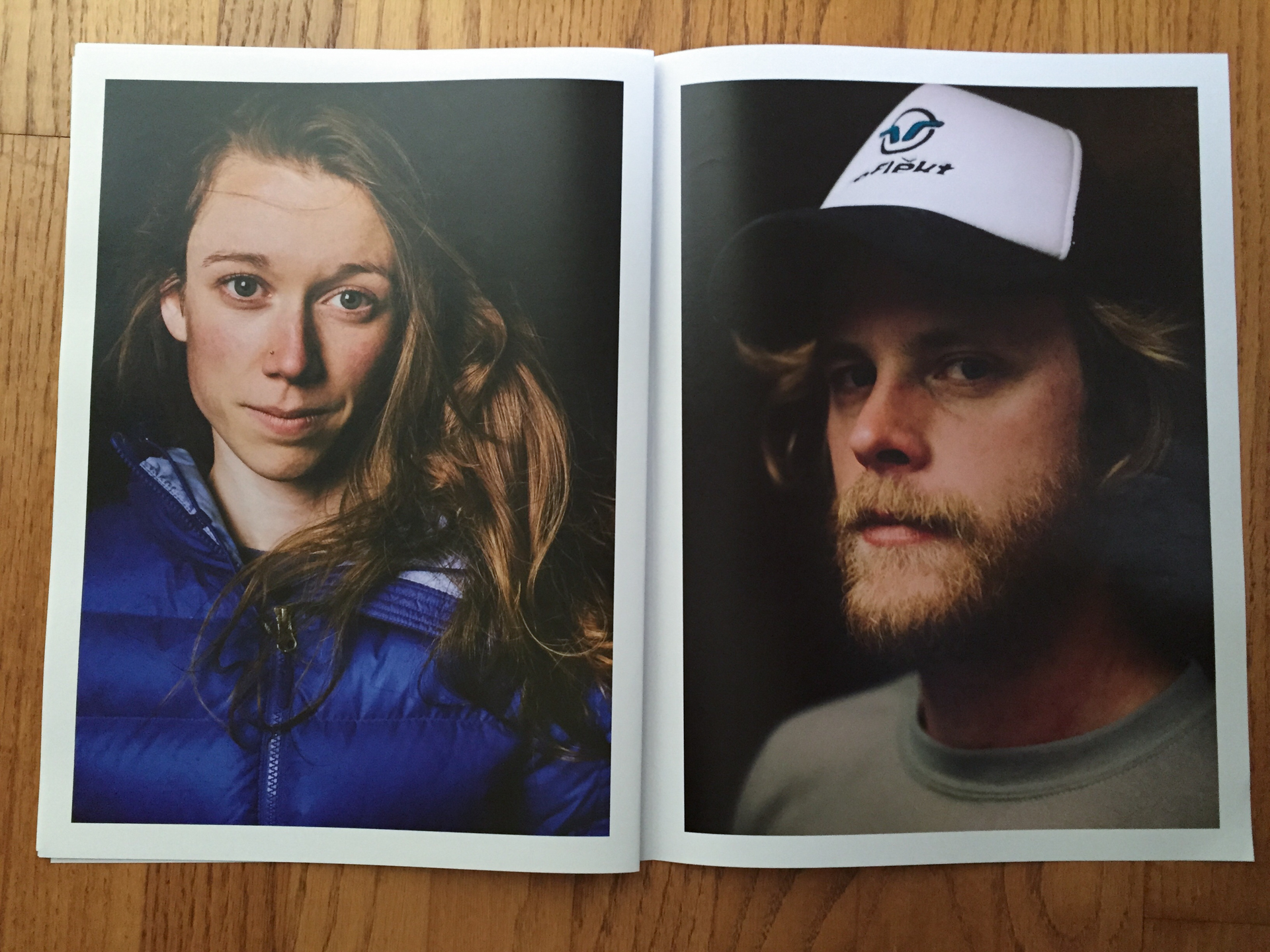
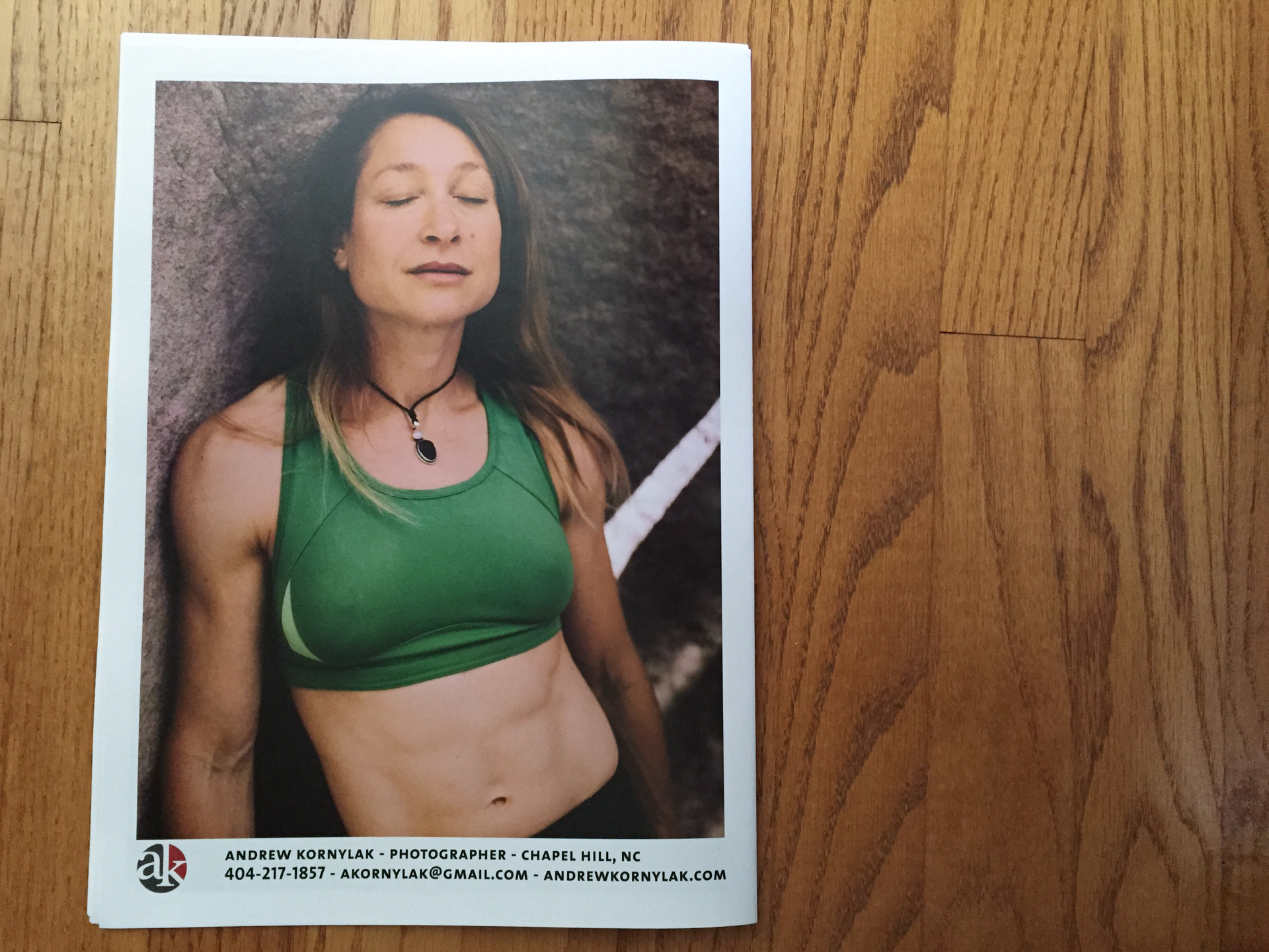
The “Southern Climbers” portraits came from a personal series I shot during the 2014 season of the Triple Crown Bouldering Series. It’s the largest outdoor climbing competition in the country and spans three events over three months every autumn in the Southeast US. I’ve been competing in and shooting at these competitions since 1996, and it’s kind of a crossroads of the Southern climbing scene with big name international climbers who migrate through every year. I painted a series of backdrops that I could lug around the cliffs with a bunch of lights and a pile of film and digital cameras. I made portraits of hundreds of climbers, spectators, vendors, and a biker gang who showed up for the fellowship and free beer. Climber and photographer Erik Danielson was instrumental in making this big setup work and making the light sing every time.

Peter Dennen of Pedro+Jackie edited the project down to something that would fit in a 12-page booklet. We went with a very simple design. I proofed it using an inkjet printer myself and Universal Printing in Durham did a superb job matching these proofs to the final 4-color booklet.

Chicago’s Filter Photo Festival – Part 3

by Jonathan Blaustein

I get confused sometimes.

I lose sight of what’s important, facing the never-ending onslaught of the 21st Century Hustle.

It happens.

Lately, I find myself in a Twilight-zone-ish reality, where I’m respected and lauded online, or when I leave town, but am treated like a sham here at home. (Where I’m attempting to reform the Art Department at UNM-Taos.)

As this week’s big interview with Trevor Paglen attests, Art leaves the door wide open. It’s all things to all people. If we call it Art, it’s Art. For him, that means surveilling the surveillance machine. For me, it might mean shopping for things to photograph, and then photographing them.

But here in Taos, for the last 50 years, (with a few exceptions, like Dennis Hopper, Agnes Martin, Larry Bell and Ken Price,) Art means looking at something pretty, and making a pretty painting of a pretty thing. Or, just as often, making an attractive abstraction that means nothing whatsoever. Beauty, or one might even say decoration, is its only reason for being.

Why? is a question never asked, because the answer is always, because I wanted to. Because I enjoy plein-air painting. You’re outside. The mountain is pretty. That’s that.

So the idea that Art should mean something, that it can critique society and provoke thought, that it might have a purpose beyond distraction, is a challenging one. It questions the validity of the accepted practice. (Nobody ever made friends by speaking truth to power. You might win a MacArthur Genius grant, a la David Simon, but you won’t become Homecoming Queen.)

Why am I on about this? Well, this column is something of a weekly diary. And my regular readers know there is always a “point” just round the bend, so let’s get there.

When I was in Chicago in late September, I had the opportunity to recharge my creative batteries in the one way that can’t be replicated via the Internet: I got to stand in the presence of some of the best Art being made today.

If you don’t get that feeling from time to time, you forget it exists. Without a regular dose, you become self-conscious about why you’ve devoted your adult life to a practice that many deem superfluous. (STEM, STEM, STEM these days.)

At the Art Institute of Chicago, on a balmy Sunday afternoon, just before the Museum was about to close, I was reminded why Art matters. As this is traditionally a photography blog, I’ll give a shout out here to the Deana Lawson photo show they’ve got up, which was genuinely excellent.

But my psyche was body slammed- Lucha Libre style- by the “Charles Ray: Sculpture 1997-2014” exhibition. In my first draft, I strongly recommended you fly, drive, or train your way to Chicago, ASAMFP, but I now know it sadly closed on October 4th.

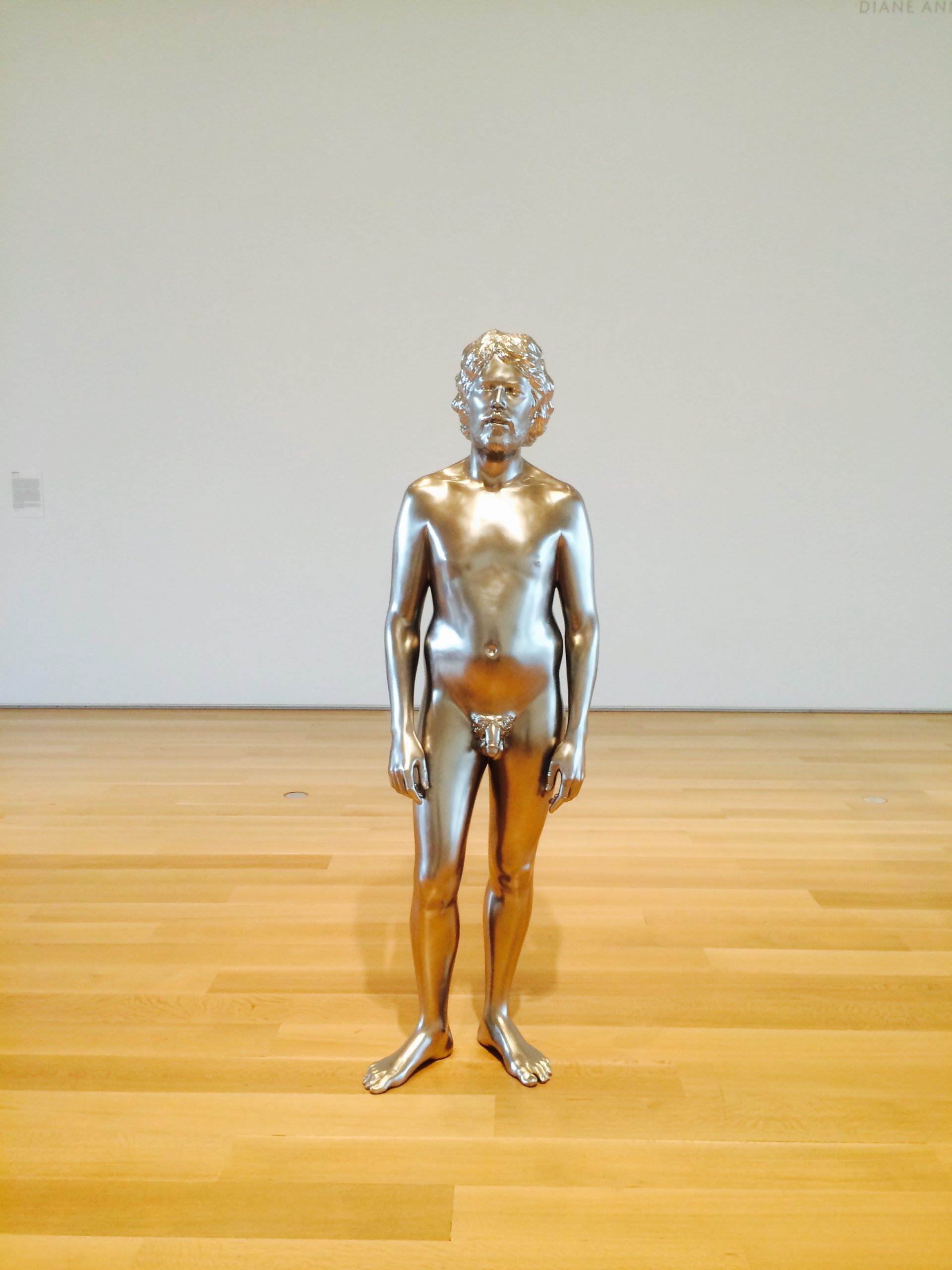
Mr. Ray makes sculptures that are in obvious conversation with the past, present, and future all at the same time. His figurative sculptures, in particular, are modeled off the Classical Greek and Roman riffs on humanity that take up many a square foot in the “Best Museums in the World.”

What we know of the past, we often know from Art. Stone lasts longer than paper, or papyrus, or whatever lambskin people were scratching on 3000 years ago. We read into those faces, and postures, what society valued then. We imagine a chisel hacking endlessly to give us an object that wind, rain, and time have worn down to what we see before us.

Charles Ray, working with a team in the 21st Century, makes figures out of machine-milled stainless steel. They are shiny and sleek, like a sexy robots circa 2432. They’re alluring, with their gleaming texture, and impossible manipulation of form, because metal shouldn’t look like this. (And will likely last forever.)

Some are painted white, and those are great too, but the silvery humans, rendered permanent like gods, took my breath away. That the AIC gives you 3 sculptures in a gallery as long as an American Football field, with ceilings as high as Seth Rogen on an average day, makes the experience that much more luxurious.

IMG_1679

IMG_1683

I missed that feeling of exaltation at being human. The pride at knowing such things exist in the world, and that future societies will judge us on them.

I had 1.5 hours of downtime in my entire near-week in Chicago, and with a walk to the museum and back, that left me 45 minutes to look. To think. To walk in circles, and realize how far I’d have to go to ever be NEAR the best in the world at what I do.

Will I ever get there? It’s unlikely, but impossible to know.

What about you? Do you want to grow? To challenge yourself? To emulate the immortals living on a Mountain somewhere, communicating with ghosts in togas, and yet-to-be-born phantasms in space-ships, who dream of sculptures in hyper-sleep?

It’s not my job to tell you how to aspire. And frankly, I’m learning that some people don’t want to imbue their Art with deep meaning. To contemplate, to fret, and to struggle. I suppose that’s OK. (Though I’d be a lot happier if at least they were nice to me.)

Now is probably the right moment to pivot back to photography. In particular, the rest of the best work I saw at the Filter Photo Festival in Chicago. As usual, these artists are in no particular order. That they are featured in the 3rd, and final piece, does not mean I like them least.

I hope you enjoy. We’ll be back to the book reviews soon enough.

Barbara Karant wrote to me this Summer, as she was sad we hadn’t met at Review Santa Fe. She suspected I’d like her work, and she’s absolutely right. (We’re actually installing a Pop Up exhibition of prints in the Art Building at UNM-Taos next week.)

Barbara teaches at Columbia College, in Chicago, and the institution recently purchased the former home of the African-American-owned Johnson Media Inc, the publisher of Ebony and Jet magazines. (They downsized.) Columbia bought the building, but they don’t have the funds to re-furbish it yet, so it sits alone in its funkadelic wonderfulness.

As you can see, the interiors evoke the mix of 70’s modernism, and the can-you-dig-it style we all remember. (Yes, my folks had shag carpet when I was born in ’74. I think it was orange.) I love these pictures so much, and they resonate more deeply, given the Nat Geo layoffs that were announced this very week.

Eight20

Eight20

820 Ebony/Jet

820 Ebony/Jet

820 Ebony/Jet

Eight20

Eight20

Eight20

820 Ebony/Jet

820 Ebony/Jet

820 Ebony/Jet

Eight20

820 Ebony/Jet

820 Ebony/Jet

Eight20

Eight20

Eight20

Eight20

Ileana Doble Hernandez is a Mexican photographer living in Massachusetts. I forgot to ask her how she handled the Winter from Hell last year. I’m guessing she was no fan, and nor were her pets. Ileana told me that in Mexico, pets always live outside.

When she got to the US, she learned that house pets lived indoors, so she adopted the local custom. These photos examine what that new life is like, and they do it with the humor and baroque absurdity that is familiar to people who know Mexico. Ridiculous stuff.

5_Nina&TheRawMeat

6_Chickens&Tea

7_Uh-oh

8_LeCrack

gorilla 001

10_FlyingLola

11_WindowShopping

12_PickeNickeII

13_FeetComparison

17_WhiteyWhitesKittyKat

18_PollitoChicken

Richard Alan Cohen was among the first people I reviewed at Filter. He’s looking at commercialism, and the fetishization of the female form, by photographing window displays in shopping districts around the world. The use of reflections and the Magritte-Hat-photo make the Surrealist references a little-heavy handed. But the pictures are cool, and I liked that some were constructions, but I couldn’t figure out where the seams lived.

3.Golden Goddess

5.Psyche-2_MG_6020

9.La Perla

10.Hats_MG_6065

13.Psychic_MG_6366

14.MAC_MG_5742

16.R-St-H-Model_MG_5682

17..Done with Mirrors

18. Shoe soul

19.Man4NYCredo_MG_4498

Paul Matzner had a project that I found cheeky and subversive, though he hadn’t thought about it like that. He photographs random strangers on the street, in various cities. Paul gets right up in their grill, and then clicks the shutter. Nothing new there. (Though the photos are very well made.)

What’s interesting is that he hands them a card, and tells them to contact him if they want a print. Almost no one does. So he never knows their name, or anything about them. He hangs out with people for a minute or two, and they’re gone forever.

So much photography aims to tells us more about a person than a picture really can. (Hence the captions.) Photography tries to seduce us into wanting to know more; to care about someone’s backstory.

Paul is doing the opposite of that. You may be curious, but answering questions is impossible here. These really are strangers, giving us 1/500 of a second of their lives. And it has to be enough.

GetInline-1

GetInline-2

GetInline-3

GetInline-4

GetInline-5

GetInline-6

GetInline

Marina Font is based in Miami, and showed me the typology project below. She based the work on a broken scale that she came across, and then “weighed” objects from her life that matter to her. Of course, the value provided by the scale is false, and that’s a fun idea.

But it also hints at obsolescence. TVs. Books. Records. All piled up, and waiting to be judged by a scale that can no longer do the one job for which it was invented.

el peso de las cosas 1

el peso de las cosas 4

el peso de las cosas 5

el peso de las cosas 8

el peso de las cosas 9

el peso de las cosas 11

el peso de las cosas 14

el peso de las cosas 16

el peso de las cosas 18

I’d seen Adam Reynolds work briefly in an exhibition at the Center for Contemporary Arts in Santa Fe. I remembered it being antiseptic, these photographs made in bomb shelters in Israel. Seemed a random subject for an American.

But Adam, who recently got an MFA at Indiana University, lived in Israel for years as a journalist. He even speaks Hebrew. (Which is more than this American Jew can do.)

We discussed the way in which some photos had a visceral quality that hinted at menace, death, and destruction, while others seemed more straight. He thought they were caught in the middle of a battle between the journalistic aesthetic, and the fine art style. (I agreed.) So we talked about how he might resolve that going forward, or if he even had to? Regardless, it’s a fascinating project, as certain societies are forced to live in a state of perpetual war.

Screen Shot 2015-11-05 at 12.43.08 PM

Screen Shot 2015-11-05 at 12.43.46 PM

Screen Shot 2015-11-05 at 12.44.10 PM

Screen Shot 2015-11-05 at 12.44.35 PM

Screen Shot 2015-11-05 at 12.45.07 PM

Screen Shot 2015-11-05 at 12.45.25 PM

Screen Shot 2015-11-05 at 12.45.59 PM

Screen Shot 2015-11-05 at 12.46.25 PM

Screen Shot 2015-11-05 at 12.46.42 PM

Screen Shot 2015-11-05 at 12.46.59 PM

Screen Shot 2015-11-05 at 12.47.19 PM

Screen Shot 2015-11-05 at 12.47.55 PM

Screen Shot 2015-11-05 at 12.48.25 PM

Finally, yes finally, we have Axelle Horstmann. She’s a French photographer based in Chicago, and she asked me to look at her work during the portfolio walk. I thought some of it was promising, and then we re-connected after she came to my lecture that Sunday. As such, I looked at her website, and found these photos made in Marktown, Indiana, a polluted enclave not far from Chicago.

Apparently, the oil company BP has been trying to buy up the town, as it’s already so toxified from all the refineries in the area. Just a grim place to live, and even then, people are fighting to stay, because it’s home. I thought the pictures were intriguing, so I offered to show them. I’ve since learned that Marktown is a mainstay on the Chicago photojournalistic tour, so you may have seen this place before.

Marktown-1

Marktown-2

Marktown-4

Marktown-5

Marktown-6

Marktown-7

Marktown-extra-01

Marktown-extra-03

If you’ve made it to the end of this, the last piece about the best work I saw in Chicago, you have my gratitude. Hope you enjoyed the series, and we’ll move on to our regular programming next week.
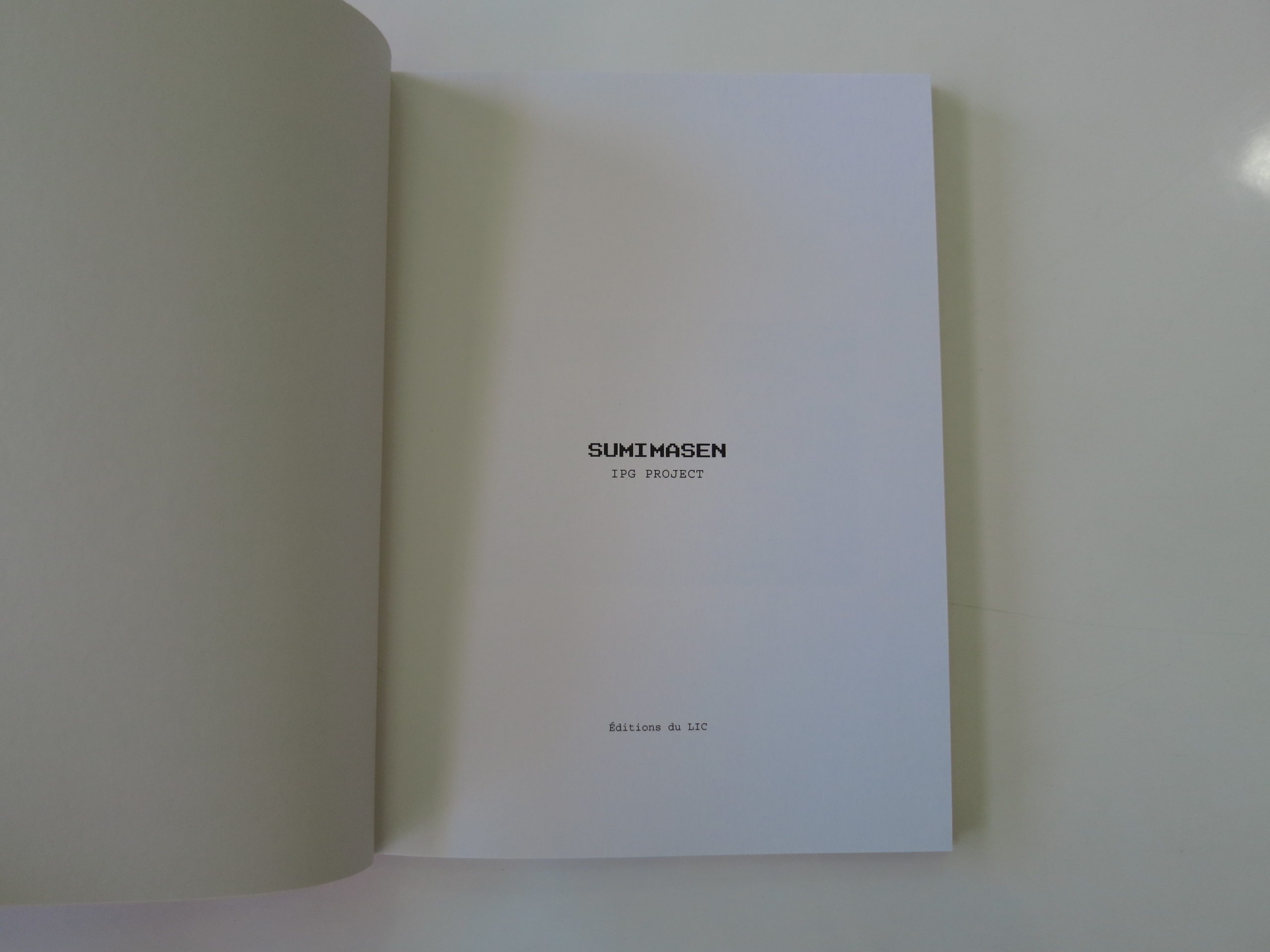
Adios.