Know Your Rights: Photographers

Taking photographs of things that are plainly visible from public spaces is a constitutional right – and that includes federal buildings, transportation facilities, and police and other government officials carrying out their duties. Unfortunately, there is a widespread, continuing pattern of law enforcement officers ordering people to stop taking photographs from public places, and harassing, detaining and arresting those who fail to comply.

Your rights as a photographer:

  • When in public spaces where you are lawfully present you have the right to photograph anything that is in plain view. That includes pictures of federal buildings, transportation facilities, and police. Such photography is a form of public oversight over the government and is important in a free society.
  • When you are on private property, the property owner may set rules about the taking of photographs. If you disobey the property owner’s rules, they can order you off their property (and have you arrested for trespassing if you do not comply).
  • Police officers may not confiscate or demand to view your digital photographs or video without a warrant. The Supreme Court has ruledthat police may not search your cell phone when they arrest you, unless they get a warrant. Although the court did not specifically rule on whether law enforcement may search other electronic devices such as a standalone camera, the ACLU believes that the constitution broadly prevents warrantless searches of your digital data. It is possible that courts may approve the temporary warrantless seizure of a camera in certain extreme “exigent” circumstances such as where necessary to save a life, or where police have a reasonable, good-faith belief that doing so is necessary to prevent the destruction of evidence of a crime while they seek a warrant.
  • Police may not delete your photographs or video under any circumstances. Officers have faced felony charges of evidence tampering as well as obstruction and theft for taking a photographer’s memory card.
  • Police officers may legitimately order citizens to cease activities that are truly interfering with legitimate law enforcement operations. Professional officers, however, realize that such operations are subject to public scrutiny, including by citizens photographing them.
  • Note that the right to photograph does not give you a right to break any other laws. For example, if you are trespassing to take photographs, you may still be charged with trespass.

Read more here: Know Your Rights: Photographers | American Civil Liberties Union.

The Daily Edit – Lollipop: Joshua Paul


Screen Shot 2015-06-17 at 2.30.45 PM

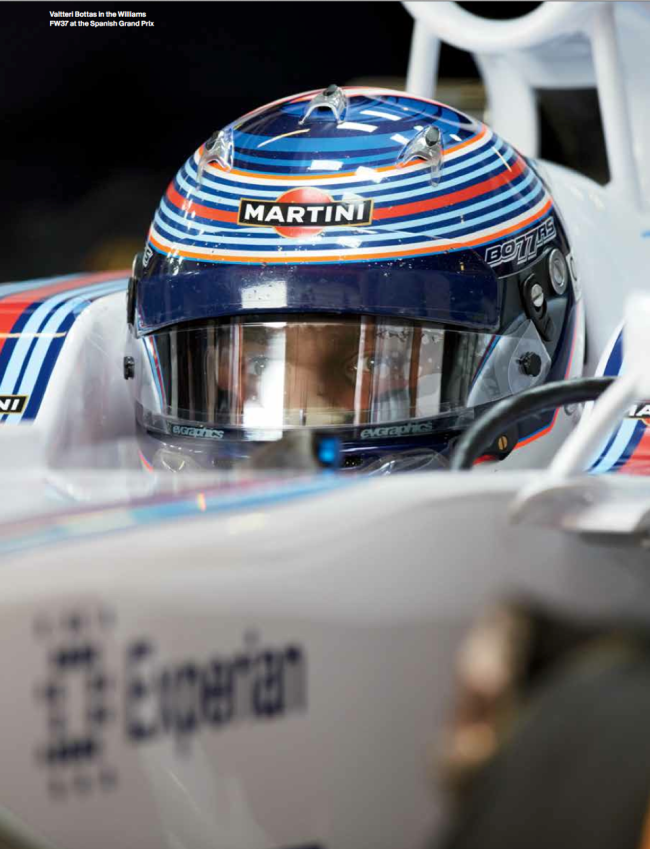
Forbes_ValtteriBottas (1)
Sergio PerezCrash

UnitedStatesGP WilliamsF1 Team


WilliamsF1
Lollipop Magazine

Founder & Editor in Chief: Joshua Paul 


Heidi: Was it your intention to be a Formula 1 photographer?

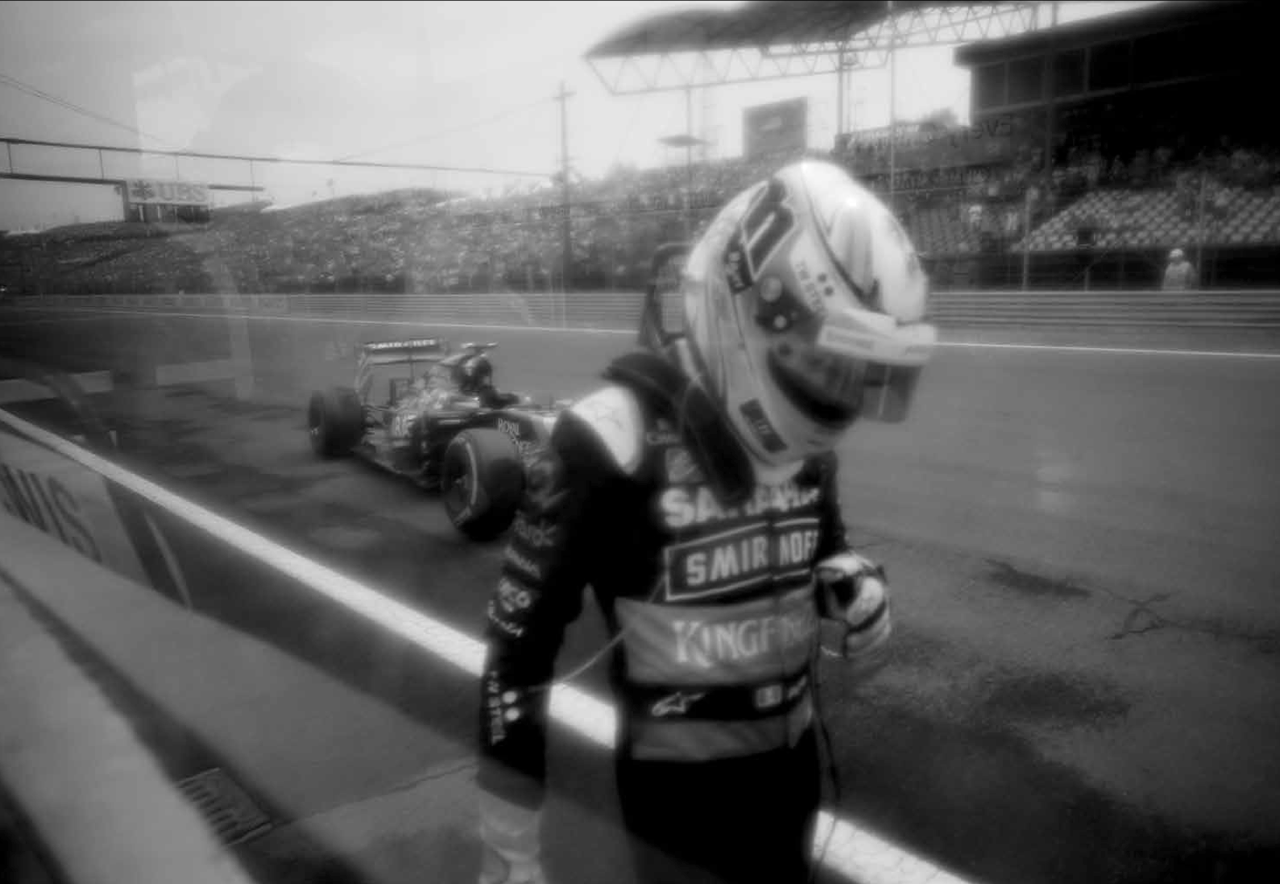
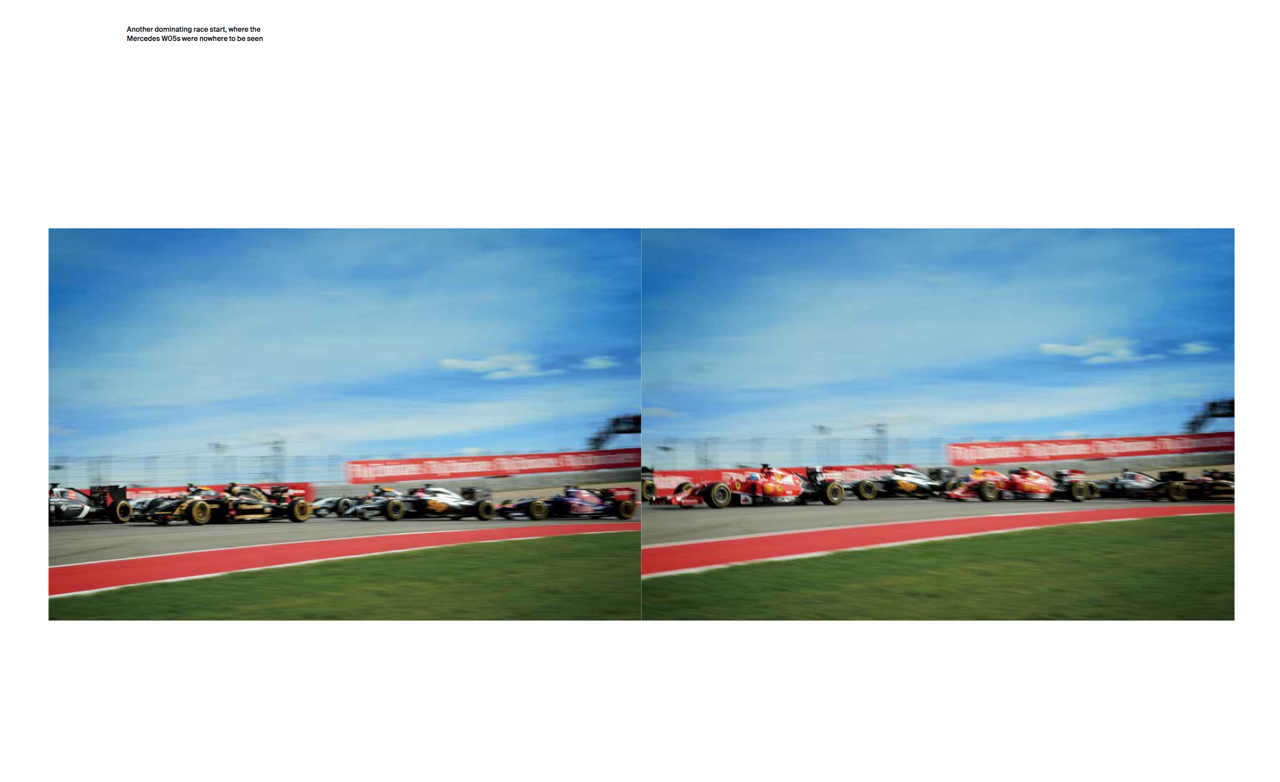
Joshua: I never intended to be a Formula 1 photographer, editor or publisher of a magazine. There was no concept, savings, or business plan, just a perfect sequence of events, dating back to childhood that brought this to fruition. I was born with innate love of cars and racing, specifically grand prix racing.  I also subscribed to Road & Track magazine for as long as I can remember.  As a photographer, I have been sent to over 85 countries, on some very dodgy shoots, traveling so frequently, I used to pre-pack my bags for subsequent trips. Lollipop couldn’t have happened more organically – Formula 1 brings together my love of cars, racing, travel, adventure, photography, and magazines.

How did the project get it’s start?
On a freezing day in February of 2013, I woke up to KCRW, and heard about an upcoming music festival in Barcelona, called Primavera Sound, with Blur as the headlining band.  I spontaneously bought a ticket, and booked a flight and room for the month of May.Over the next few weeks, realizing the Spanish Grand Prix would take place during my trip, I asked my friend and the new Creative Director at Road & Track, Dave Speranza, if I could shoot the race for them. They were into it, and helped me attain accreditation for the Spanish Grand Prix.

I didn’t see this as anything more than fulfilling a dream to shoot a Formula 1 race, before the concert the following weekend. I was psyched to be there, and nostalgic to be shooting for Road & Track. When I arrived at the circuit in Barcelona, the first person I saw was the NBC broadcaster, Will Buxton. I said hello, and with a very warm welcome, he encouraged me to introduce myself to the person who gave me accreditation, Pat Behar, and insisted I go to the Ferrari, Mercedes, Lotus and McLaren motorhomes, ask for the Press Officers, and tell them I’m with Road & Track, and ask if I can photograph the drivers, the cars, the garages, etc. I immediately went to say hello and thank you to Mr. Behar, who not only knew my name, but he knew my website thoroughly, referencing specific images, telling me, “That’s why I gave you accreditation.”  Then he offered, “You should come to Monaco,” the next race on the calendar. Then I went to Ferrari and Lotus, and they too generously offered to let me shoot the drivers getting suited up in the garages, buckled into the cars, and speeding off onto the track. That night, I called a friend back in New York to tell them what the hell had just happened, and his response was, “Dude, you’re in.” I didn’t feel that way at all, but knew something special was happening, I accepted the invitation to Monaco, sacrificing my Blur concert.

Did you have a previous relationship with Road and Track?
Not as a photographer, but as a long-time subscriber, since I was about twleve years old. My connection was through the Creative Director, Dave Speranza, who gave me one of my first assignments, for “Golf for Women” magazine, in 1999.

Screen Shot 2015-06-17 at 6.47.48 PM (1)


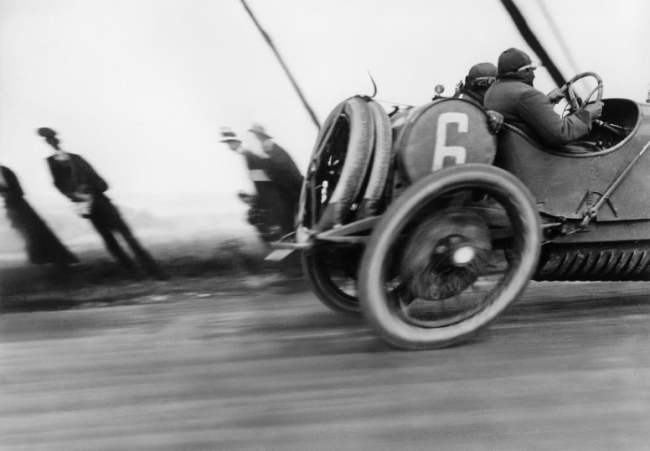
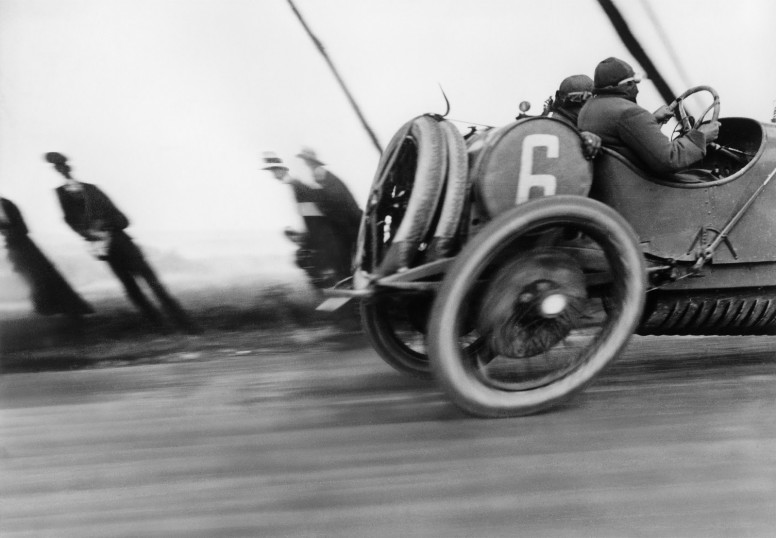
What was it specifically in this image by Jacques-Henri-Lartigue that inspired the project?

I love everything about this image!  It looks fast, dangerous and romantic.  The drivers are wearing leather helmets, there is an exposed gas tank behind the driver’s heads, and the wheels are bent to an oval, with two spare tires, suggesting there will be a flat tire. The people in the background look upper class, which hasn’t changed in F1 racing, and they are skewed in the opposite direction of the car, emphasizing speed. It’s also muddy, and I feel like I can hear the engine and smell the fuel. Mostly, what intrigues me about this image is the odd crop.  I so badly want to see the whole car, but it’s as if this was all he could capture at that speed.  He leaves me craving more. I’ve always wanted to create timeless images, and I’m trying to do it in F1.

I know self publishing is a challenge, what was your driving force?
After Road & Track told me they could no longer sponsor my accreditation, an idea arose to publish an independent, American Formula 1 magazine, as a photo-narrative of every race.  Most F1 magazines report news, driver gossip and the business deals. To stay in Formula 1 as a photographer, you must attend 12-14 races each season, and publish hundreds of photographs.  Lollipop helped achieve some of these requirements, but I had no idea how intense the travel would be.  There are twenty races in twenty different countries, taking place every other weekend, from March until November!  Had I known in advance what this would take, I’m not sure I would have done it, but taking it race by race was exciting and achievable.  I kept discovering new things about the sport, uncovering different layers, and I woke up every morning totally inspired to go explore, shoot something new, play with shutter speeds, etc. The more races I shot, the more I discovered, and realized I had access to not only the race track, the cars and drivers, but also with permission, to the team garages, the mechanics, engineers, teams trucks, and factories. There is so much to shoot – it’s the ultimate travel story.

Where did the funding come from Lollipop and what’s the backstory on the name?
Lollipop is self-funded.  I looked for sponsors and advertising, but Formula 1 is not well known in the United States, and there was no circulation to speak of. I took a loan for the printing of the third issue, but the sales are offsetting the costs, and inherent expenses. The name Lollipop pays homage to a piece of racing equipment formerly used during pit stops. The crew chief held a long pole with a disc at the end of it, affectionately called the lollipop. It was used to communicate with the driver of when to stop, and when to go. Now they are electronic, like stop lights.

Why is there no video allowed in F1?
The rights holder of Formula 1 owns the broadcasting rights worldwide.  He provides a live feed of each race, bringing all the cameras, microphones and cameramen around the world, from race to race. We are only allowed to shoot still frames, which is amazing for me, because I love the still image and narrative.

You’ve traveled to 22 races and been to 40/50 countries, are you also shooting other jobs?
I have taken a few races off here and there, to regroup and shoot other assignments.  It’s more a matter of letting my clients know I’m back in the United States.  This is where social media sometimes backfires.  If I post images from around the world, everyone assumes I’m gone, so I need to be careful about that. I also keep in touch and let everyone know I’m back – this goes for friends too. I’m grateful that they have been patient with me, and still call. As far as shooting assignments, I would like to concentrate on motorsports and the automobile industry.  I would also like to see Lollipop expand to different genres of prestigious racing, like LeMans. I am enjoying the challenge, and as much as I love being a photographer, I love every aspect of publishing, it’s exciting, empowering and new.     

How many different cameras do you have for each race?
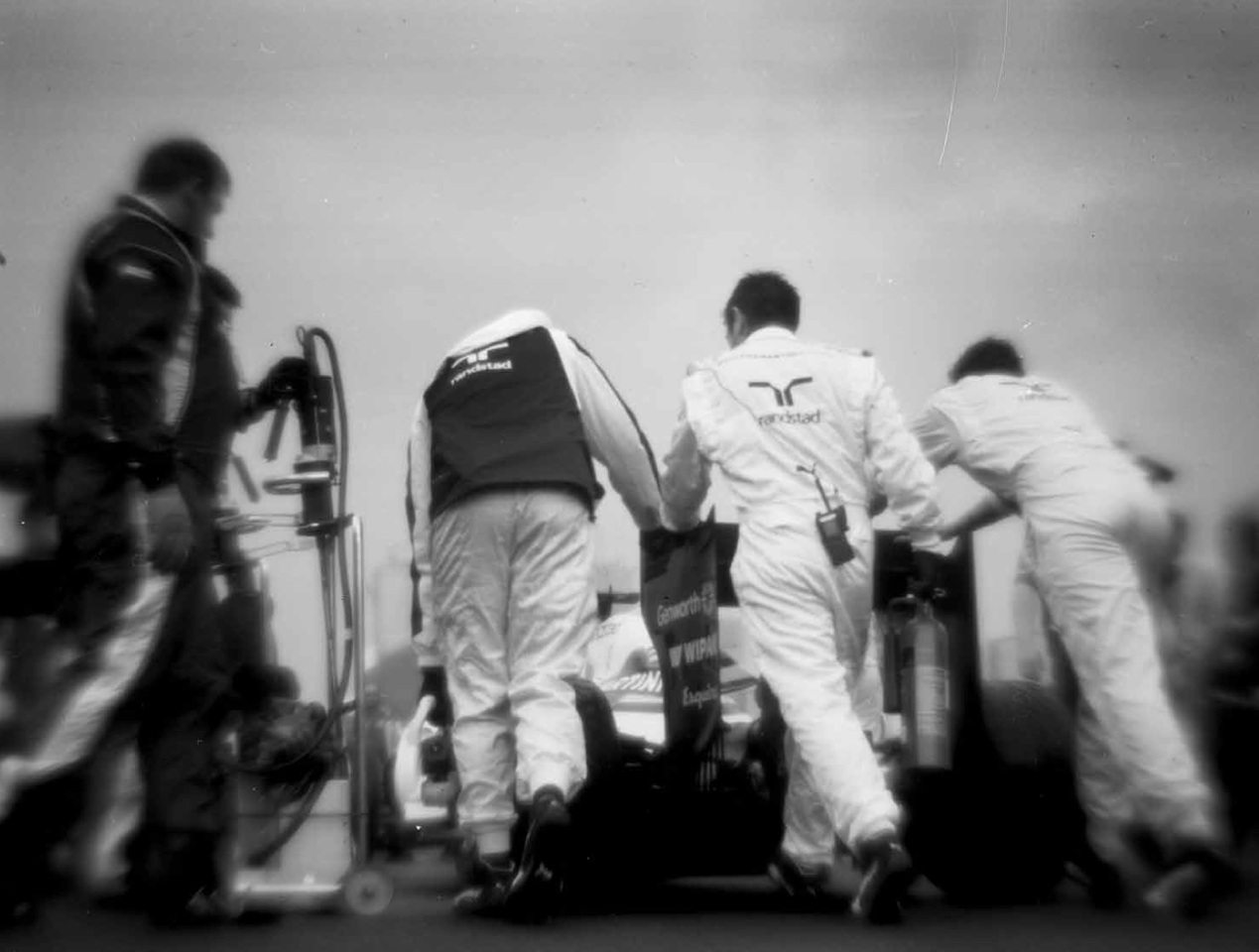
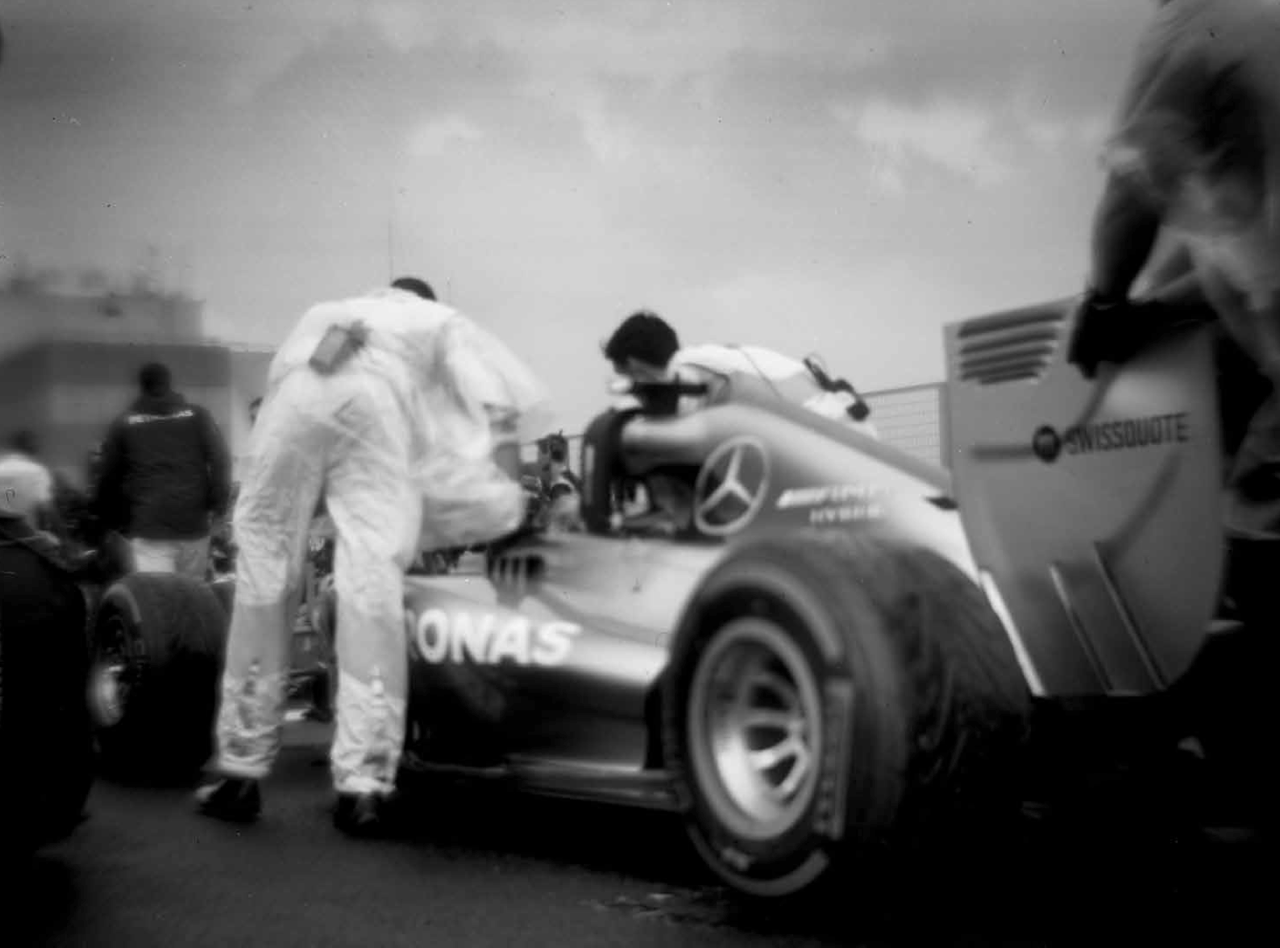
I bring one camera, and sometimes a backup body. I’m not a gear head and don’t like carrying all the weight.  I also like to choose a focal length and stick with it.  If I can do this from race to race, mixing it up a bit, it keeps me fresh, the work fresh, and gives a different look to each race. More important than the camera, I shoot with fixed focal length lenses.  I bring a Zeiss 35mm, 50mm, and a vintage Nikon 105mm, along with an autofocus 24-70mm, as a back up for portraits.  Both Nikon and Canon reps come to every race to service our gear, and bring crates of cameras and lenses for us to use.  I occasionally try a long lens, but I prefer to shoot wide. Last season, as I started to repeat races from the year before, and decided to bring along my 1913 Graflex 4×5, and shoot black and white film. I wanted to try to recreate some classic images with modern cars, and  deconstruct the cars a bit, concentrating more on their form, than the sometimes garish advertising. It’s a huge challenge, but keeps me intrigued, and really slows things down.  Instead of shooting infinite frames on memory cards, I shoot about twenty sheet per session, and I feel like a photographer again, thinking about composition, framing, and point of view.

How are you sustaining yourself, does the magazine have advertising?
Lollipop is produced on a shoestring budget, with no overhead or employees.   I’ve slept in tents, stayed in far away hotels, walked, taken public transportation and have asked for rides to and from the various circuits. Besides paying the designer, and expenses for the fashion shoot, all the money went into printing.  That couldn’t be sacrificed, and we printed it based on the paper and ink we wanted, vs. cost. I have not taken any advertising, not that I didn’t try, but in the end, I am happy we didn’t get any ads, because I want Lollipop to be exclusive and collectible.  I would like to think, if you picked up an issue ten years from now, you’d still say wow, and not be distracted by outdated ads. I know this is very idealistic, but I think it would be better to try to advertise by association, or by a single, per-issue sponsor, or through custom packaging. I also think and hope that when Lollipop is discovered by F1’s hundreds of millions of fans worldwide, the distribution will grow and help make it sustainable and profitable.

Are you selling any of there images?
I have supplied images to several magazines, but I decided I wanted to publish exclusive content, and simply try to create the most beautiful racing magazine ever.I would like to publish and exhibit the black and white work, and it’s a matter of time and priorities.  I’m doing my best to set realistic goals, and unfortunately, it’s not an immediate goal.

What’s the greatest challenge with this project?
The biggest challenge was getting to that first race.  Formula 1 has a bad reputation, based on how the sport was governed over a decade ago, but the people are incredible, and they are incredibly supportive. The challenges now are my stamina, and finding a financial solution to keep this going.  A lot has been achieved in two years, including permanent accreditation.  I believe in it, the response has been overwhelming, and I think money will come.

How have you grown from Lollipop?
If there was ever a more significant right of passage, this is it.  I came to a point in my life to take a real risk, and stopped caring what anyone thought, or failing, and ignored any discouragement. After 17 years shooting professionally, I feel like I’ve finally found my voice as a photographer and writer.  I feel more articulate, acute, and in the moment.  It’s hard to explain, but it’s like having a new career, doing exactly what I love to do.

What would you tell other photographers that have a deep passion for a hobby or sport?
I have always been very encouraging and I say go for it!  You have nothing to lose, and I think every day, if Lollipop stopped tomorrow, it was a huge success. Very few people take big risks in their lives, for fear of failure, lack of stability or peer pressure.  Nothing has been easy for me, but I work hard and I’ve had a lot of luck! My first assignment was to shoot shampoo bottles and I was psyched!  Then I shot a garden, and then a restaurant.  It took three or four years before I got a big travel shoot, and even then I took a deep breath and thought, okay, that’s one, now let’s try for two. You have to believe in yourself, and not be discouraged.  There is every reason to not try to be a photographer right now, or think it’s already been done. Everyone is a photographer today.  We all have phones, but what do we do with them? Photography is about nuance, and if you look at Robert Frank’s, or Irving Penn’s contact sheets, you’ll quickly see this is a working process, and the great frames jump off the page.Before my first race, a friend asked, “Why F1?  It’s already been done.” Not to me it hadn’t, not even close.

Are you also writing all the interviews?
Yes, and that’s empowering. I was an English major in the creative writing program at the University of Washington.  I have always felt comfortable writing and have kept a journal for about fifteen years. But again, this happened by accident.  One day the Press Officer from McLaren called and asked when I would like to interview their rookie driver, Kevin Magnussen.  I thanked her, and explained that I was a photographer and more interested in taking his portrait.  She kindly welcomed me to do both. I laid awake the night before, nervously thinking of questions to ask, and just went for it. It wasn’t the best, but it was a start, and it helped me get over being star-struck, and talking to the drivers. I had no idea how difficult it is to dictate an interview and make sense of it.  It is really challenging, and massively rewarding. After that, I asked the other teams for interviews, and tried to approach the interviews a little differently.  It got better, but drivers expect to hear questions about that weekend’s race, with the Press Officer by their side, so it’s hard to do a lifestyles piece. When I interviewed Pirelli Motorsports Director, Paul Hembery, I felt much more comfortable to just chat and listen. It felt more like we were sitting in a pub drinking a pint, with him telling me about his life.  I learned a lot, especially that the most interesting people in Formula 1 are not necessarily the drivers.

How long does on issue take to produce?
I have learned so much in the last two years, and most of it the hard way, but that’s kind of my style.The third issue was a redesign, which took about six months from inception, with three months of hard work to finish.  We missed our initial two deadlines, but benefitted by having more time to add written content, like an extra interview and an article about my camera repair with Lotus. Production took over four weeks, because our pages were so heavily coated in ink, it literally took three weeks for the paper to dry.  I have to factor that in for the next issue. And then of course, shipping, which took a week. I hope the next one comes together much quicker, but then again, there is a lot of content to gather and the season is long. I want to mix up the design to continue to keep it fresh.
The Daily Promo: Embry Rucker

Screen Shot 2015-08-09 at 4.53.54 PM Screen Shot 2015-08-09 at 4.54.00 PM Screen Shot 2015-08-09 at 4.54.05 PM Screen Shot 2015-08-09 at 4.54.11 PM Screen Shot 2015-08-09 at 4.54.15 PM Screen Shot 2015-08-09 at 4.54.21 PM Screen Shot 2015-08-09 at 4.54.26 PM

Embry Rucker


Who designed it?
I worked with Dustin Ortiz on the design. He has done a few newspaper catalogs and print jobs that I loved so his experience and skills were invaluable.

Who edited the images?
I had a collection of images I loved and wanted to include.  Dustin helped me cull the herd and pair images that I normally wouldn’t see together. I tend to associate images by  shoot.  It’s cool to see what fresh eyes see and think work well together.

How many did you make?
We mailed out 2500 and I think we printed 3,000 so we would have some to hand out and use to light fires with.

How many times a year do you send out promos?
I suppose everyone says ‘not often enough’ right? I probably send two realistically, but I think four is probably a good number. With the ‘mass’ mailing like this I’m less convinced it has much of an impact.  I prefer to stay in touch with my smaller select group of people I work with, have worked with, who I believe would be a good fit in the future. Something more personal, like the package I sent Rob with the zine, patches, stickers and note…

What was the most creative use of your promo and why the newsprint instead of the card?
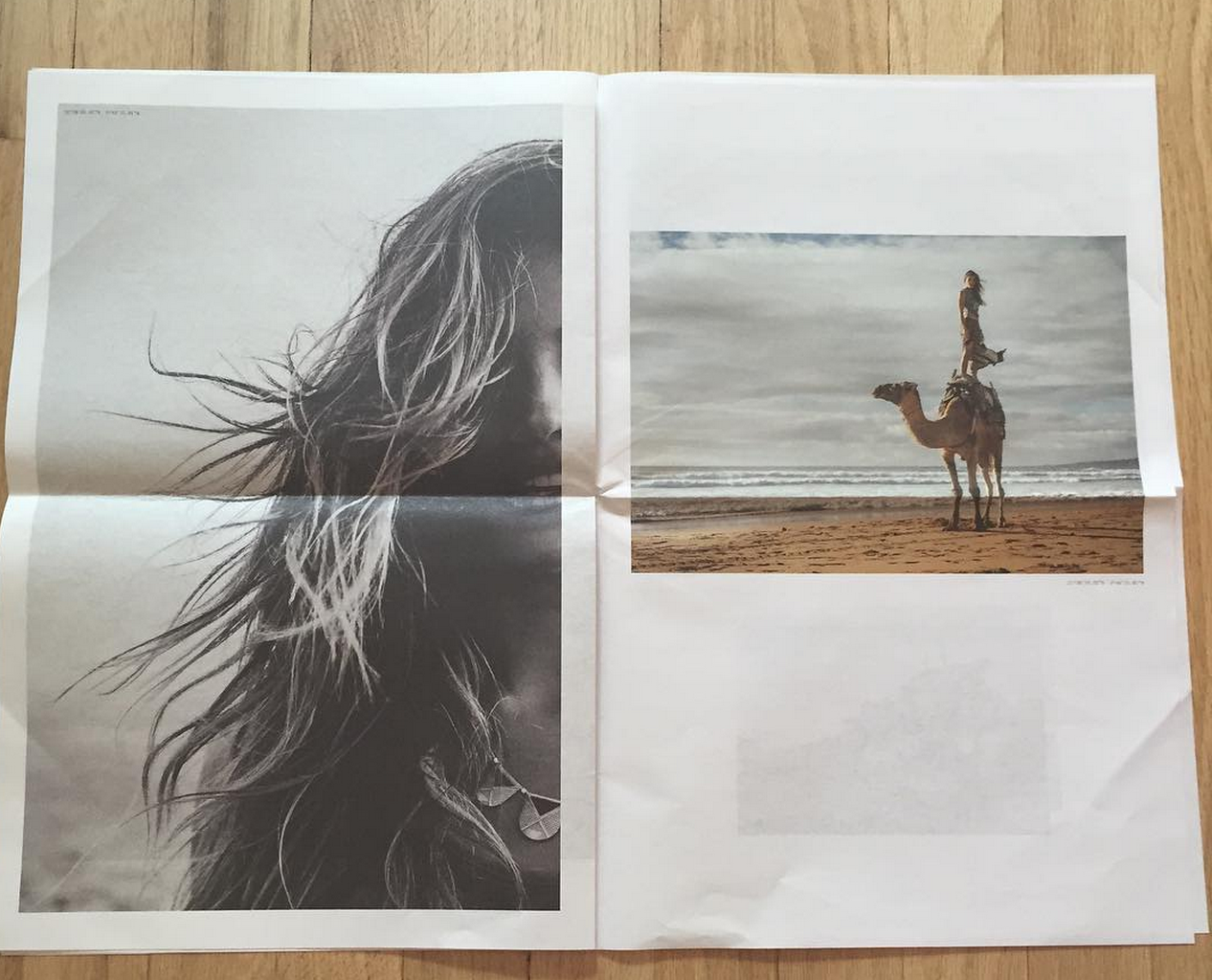
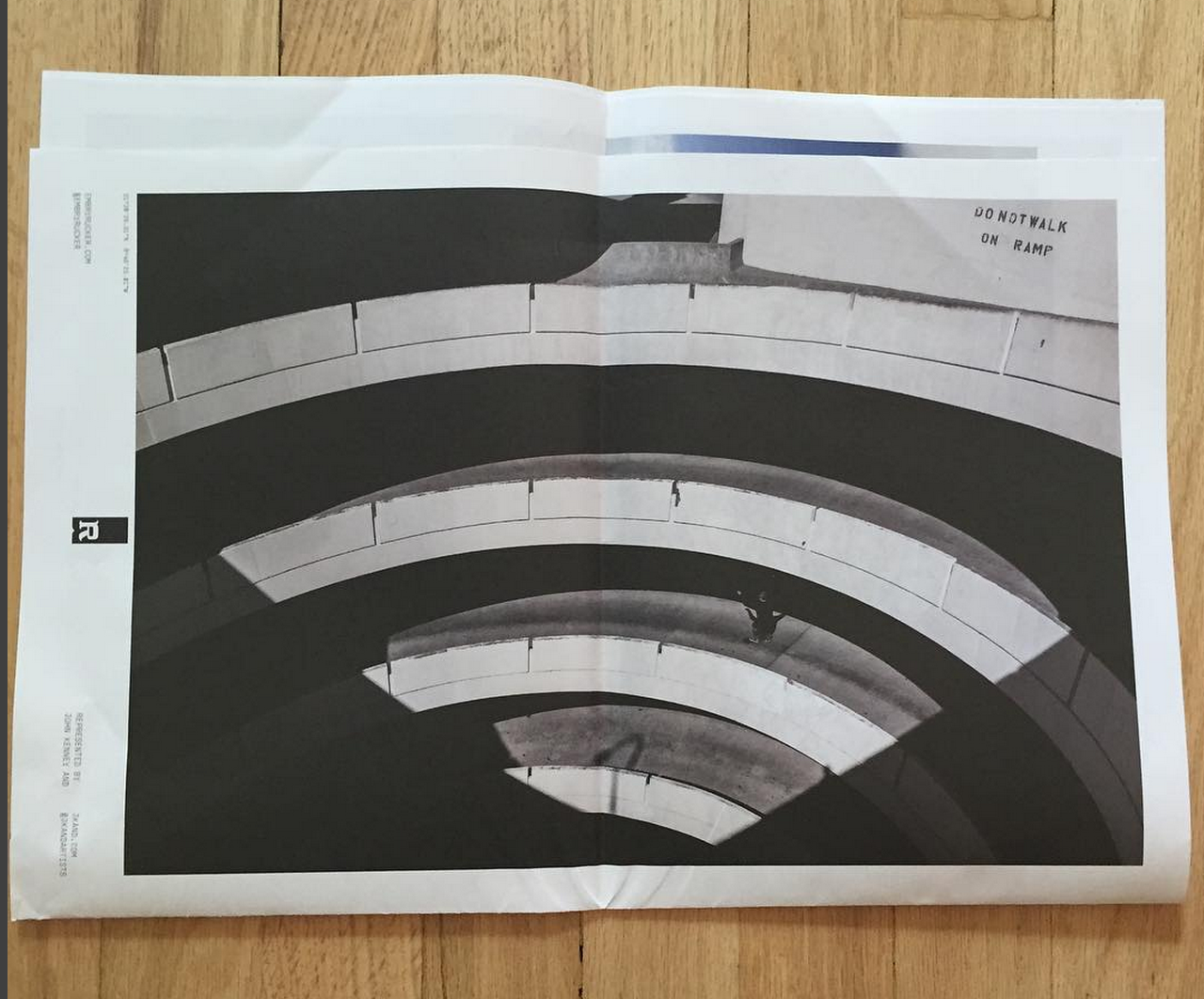
No real back story other than just wanting to break away from the postcard, grind. I like the newspaper size it’s like a zine and it gives you a tactile experience. Here’s my Daughter using it for shade at the beach…lots of possibilities!

This Week In Photography Books: Aapo Huhta

by Jonathan Blaustein

I just had some company in town. The official end of Summer. One last big dinner party to cook for, as my Aunt and Uncle came in from Jersey to meet my daughter, for her third birthday. Pasta and eggplant and cupcakes. (Oh My!)

It felt like an obligation, due to my general overtired-orneriness, rather than the pleasure I’d have normally taken it to be. My Uncle even commented that I didn’t look very happy, for a guy with lots of good things going on.

It was an odd conversation, because it was obviously true, but I knew I’d be a lot happier if I were relaxing all weekend, rather than chasing my kids and nephews around. Not a kind thing to say… so I kept it to myself.

Sometimes, there are things we ought not discuss. Either because they’re hurtful, or because they lead down dark, shadowy paths. Take politics. It’s a subject my Uncle and I avoid, as he’s a Fox-News-Addicted Republican, and I’m not.

We learned years ago, (when I was younger, and more easily riled,) that if we started talking politics, within 5 minutes, I’d be screaming and ranting like a frightened Drivers Ed instructor. (No, Jimmy, press the brake. The brake!)

Now that I’m past 40, and have a slightly better sense of how the world works, I know not to push those buttons. I’ve learned his opinions, and I choose not to pointlessly inflame his passion. (Back away from the bull, Timmy. Back away!) I love my Uncle despite his taste; not because of it.

As for my taste, I’ve got a nearly 4 year track record of writing about books I find cool and/or interesting. Is there anyone out there paying attention to my likes and dislikes? Is there a style that people expect I’ll praise?

I’m guessing yes. I suspect some astute readers have me pegged: if it’s weird, odd, discomfiting, and razor sharp, I bet Blaustein will have a field day. He digs the artsy stuff.

Is that right?

I’m starting to wonder, as Kehrer Verlag just sent me a book, unannounced. That rarely happens, where a publisher will drop something on me without checking in first. Even the artists will often feel me out, before spending the resources to get a book into my hands.

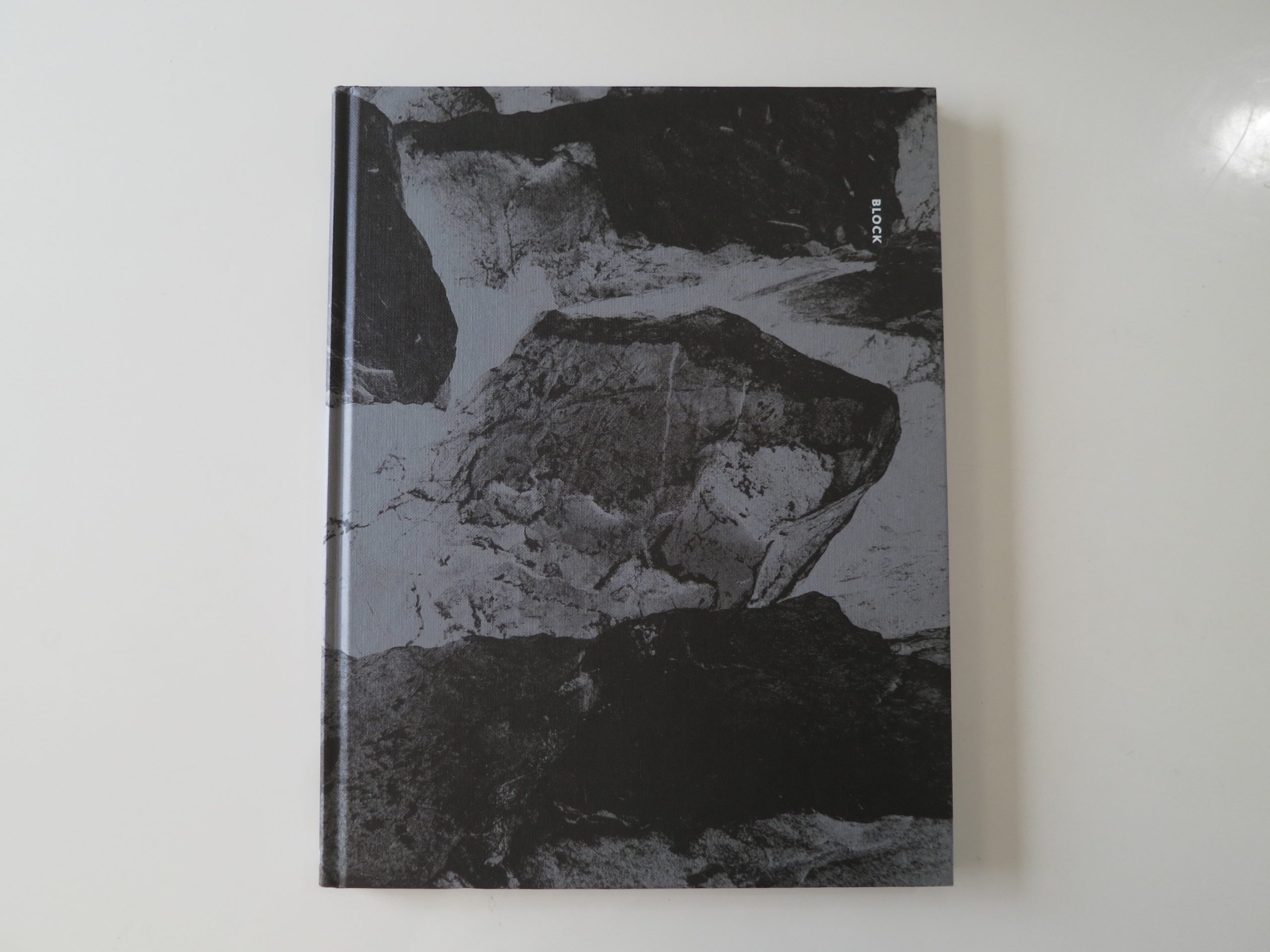
I opened up the packaging, swiped away the plastic wrap, and found a book called “Block,” by a Scandanavian-sounding artist named Aapo Huhta. (Turns out he’s Finnish.)

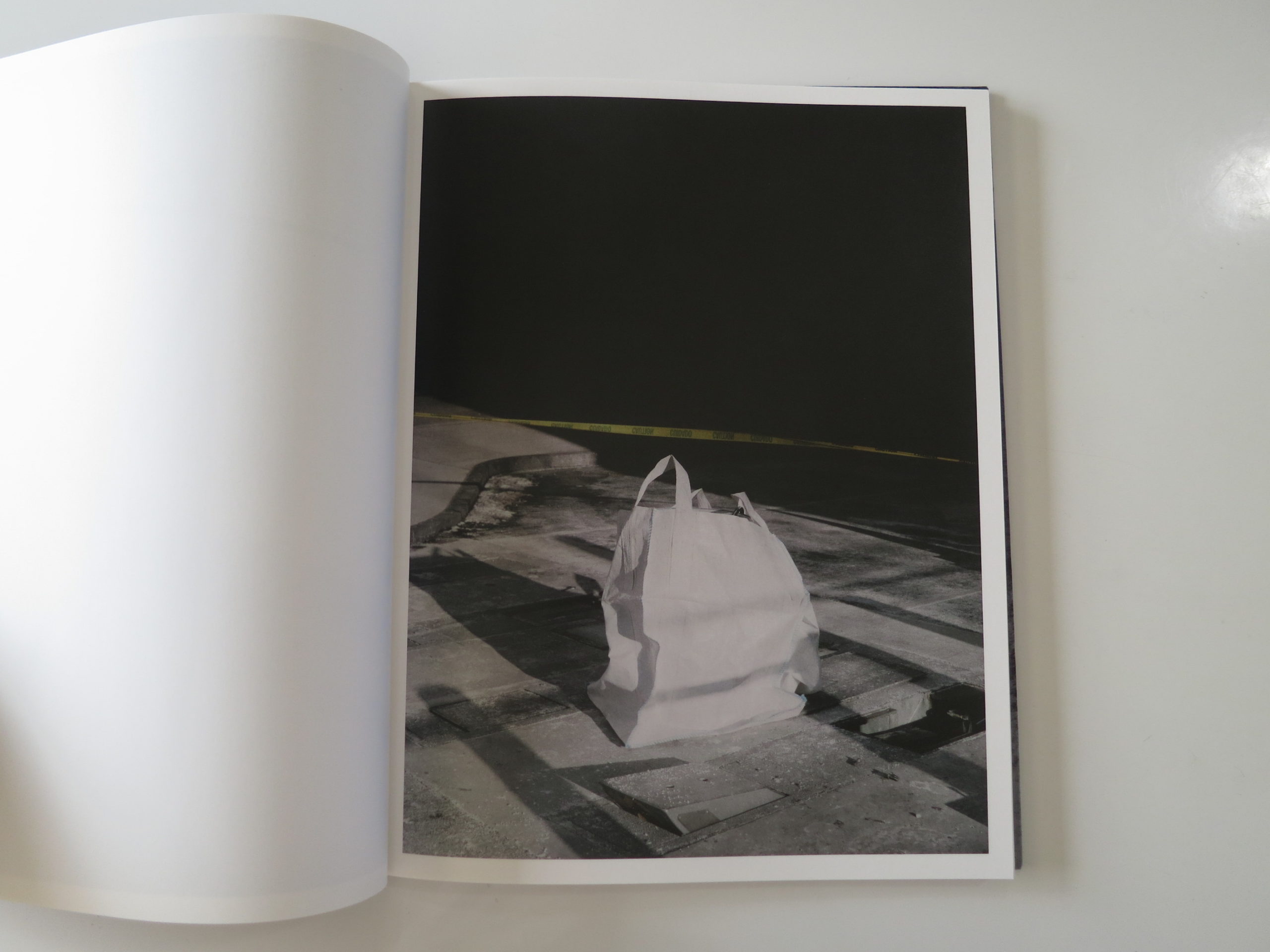
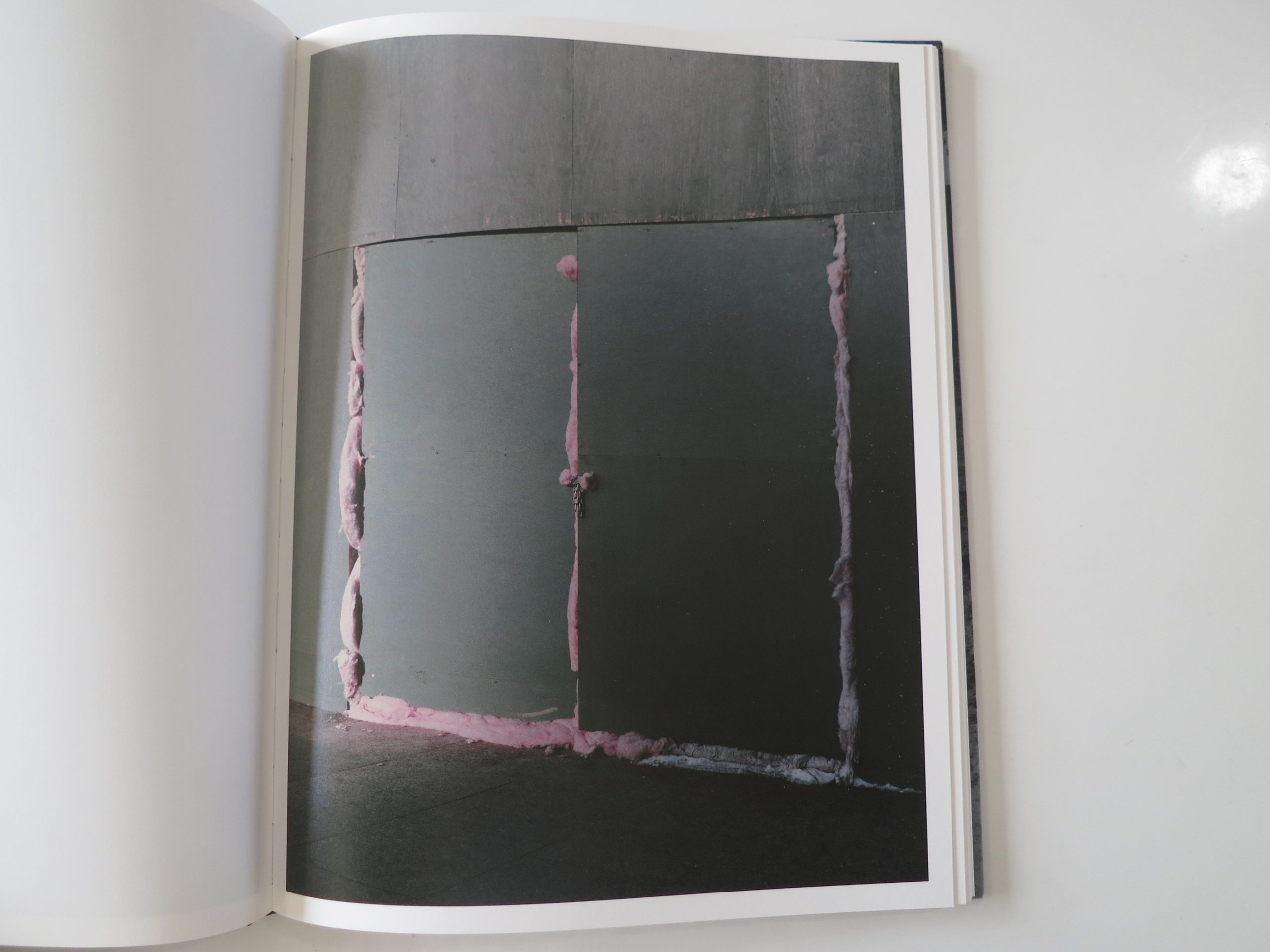
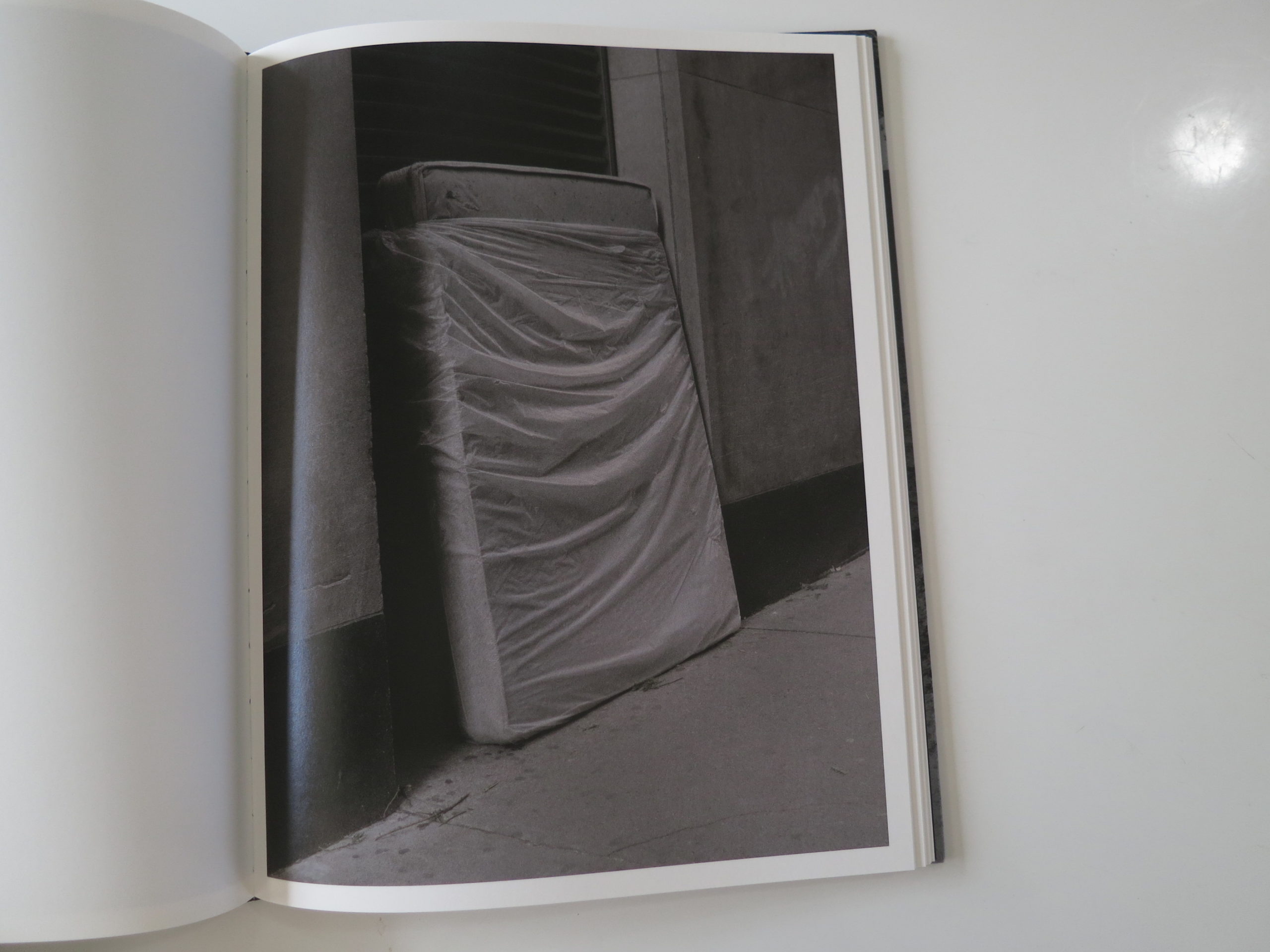
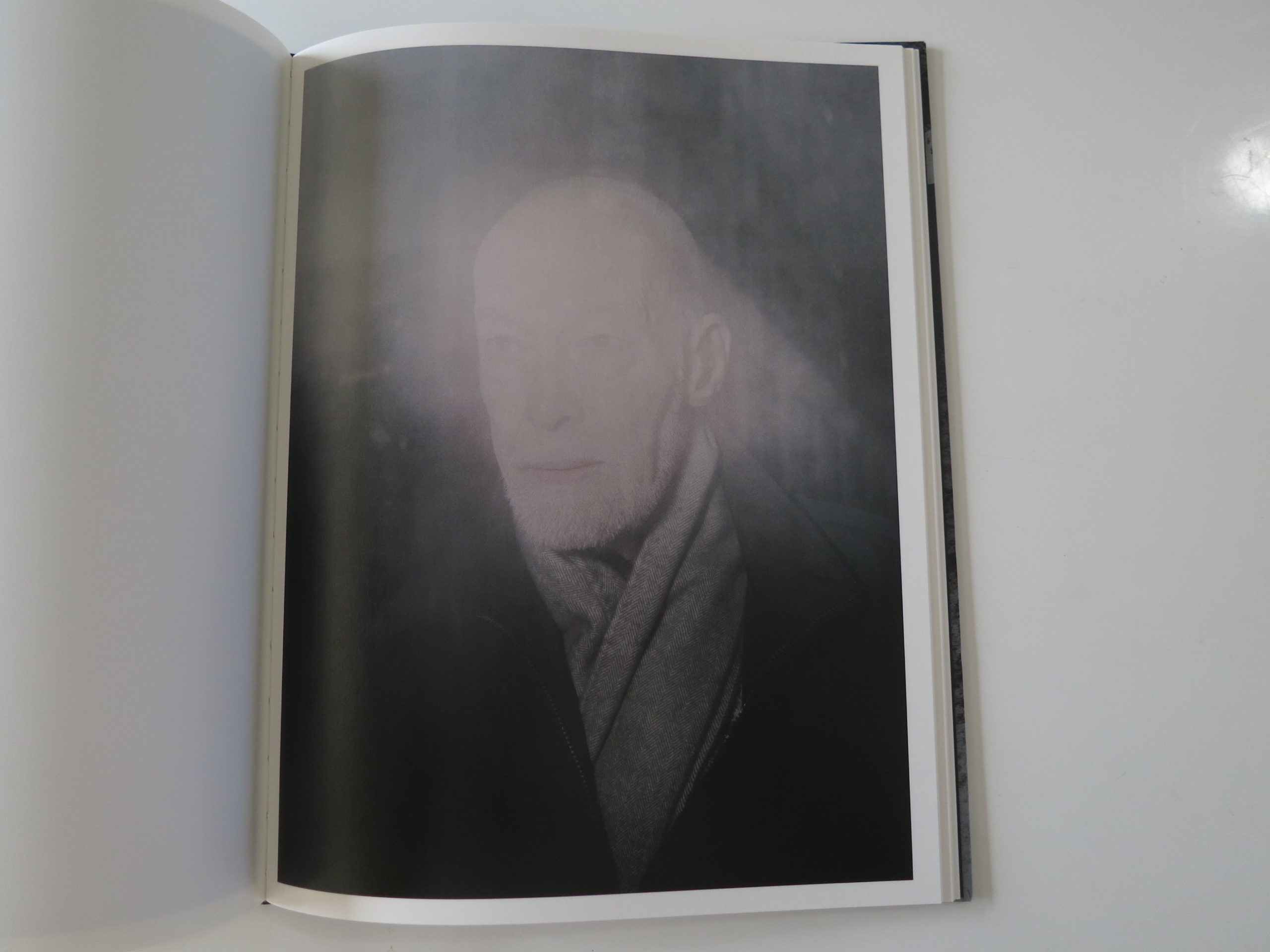
This seemed to be a book for me, as it opened up without any explication, and thrust me into a situation I needed to suss out. But right away, weird, odd, discomfiting pictures, razor sharp. (Either hi-res digital, or some good scans off of a medium or large format camera. Hard to tell, these days…)

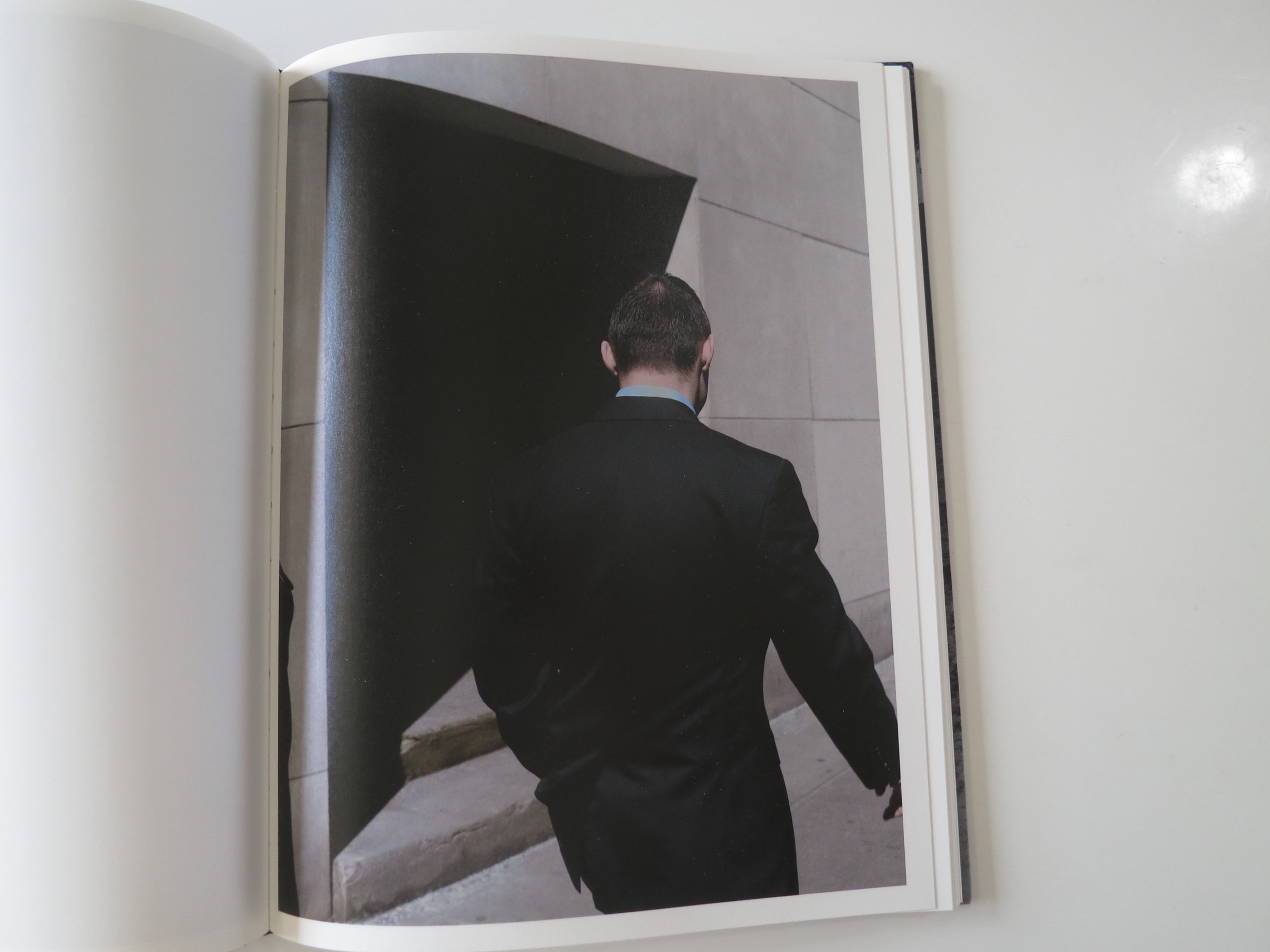
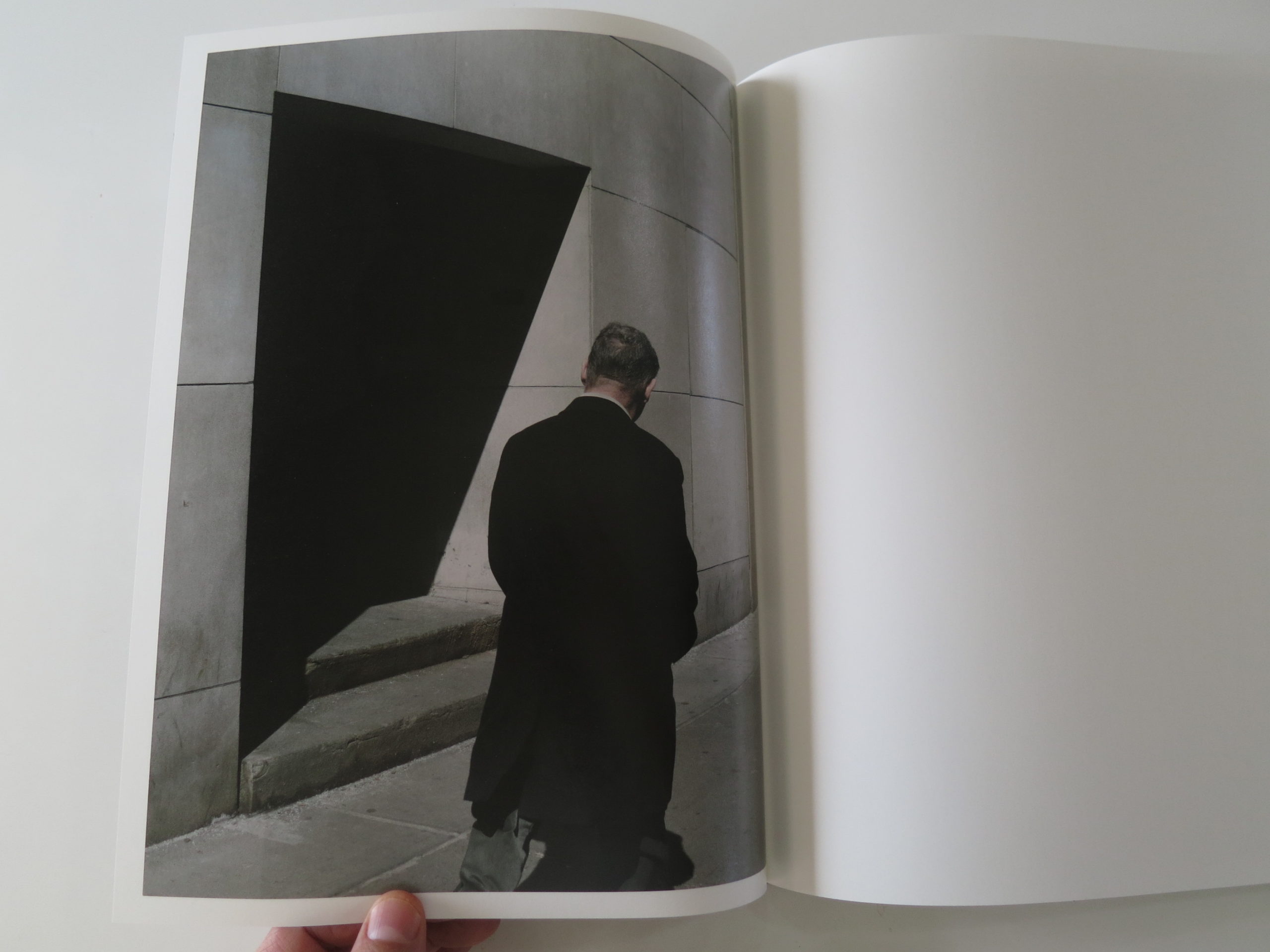
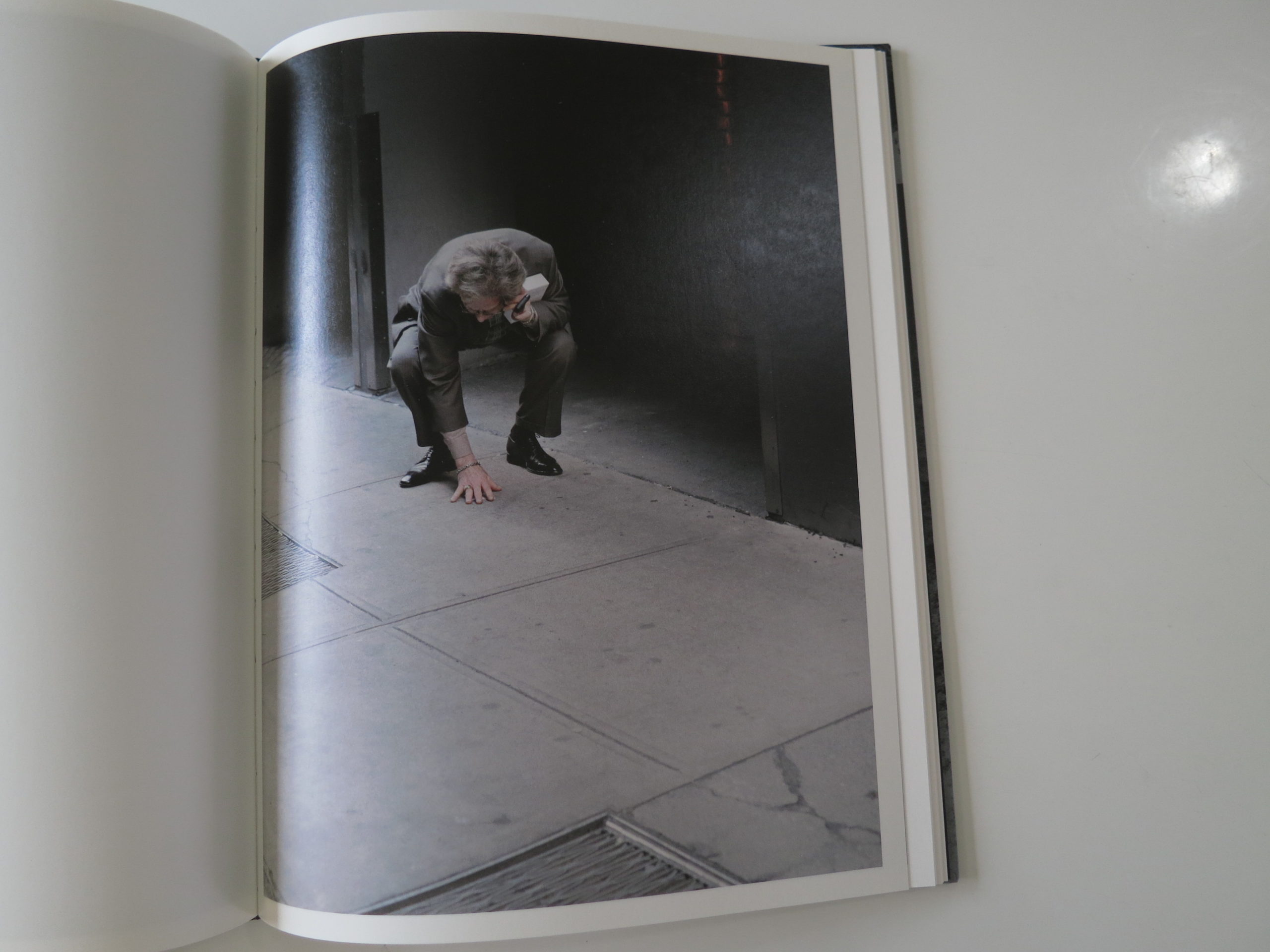
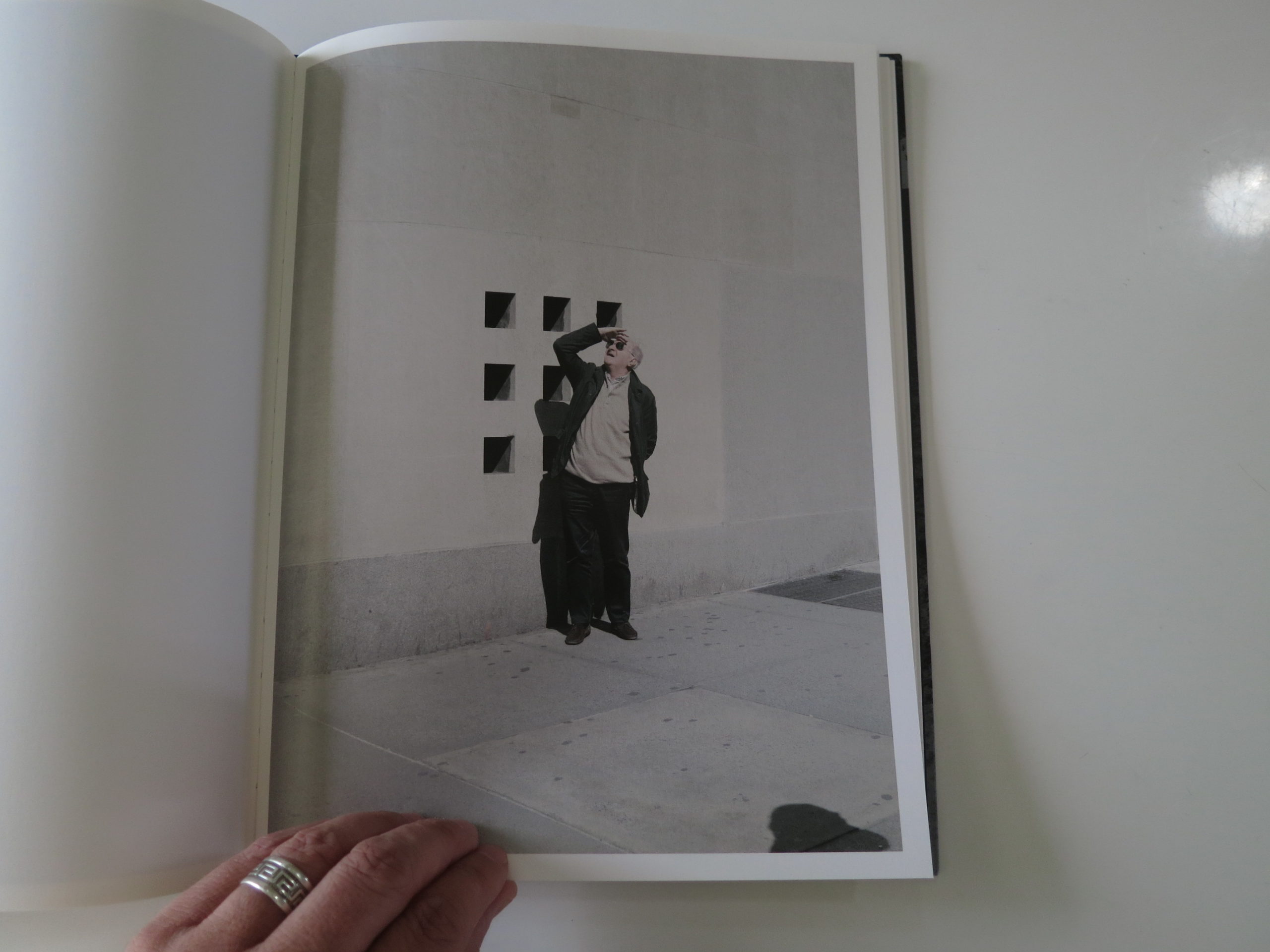
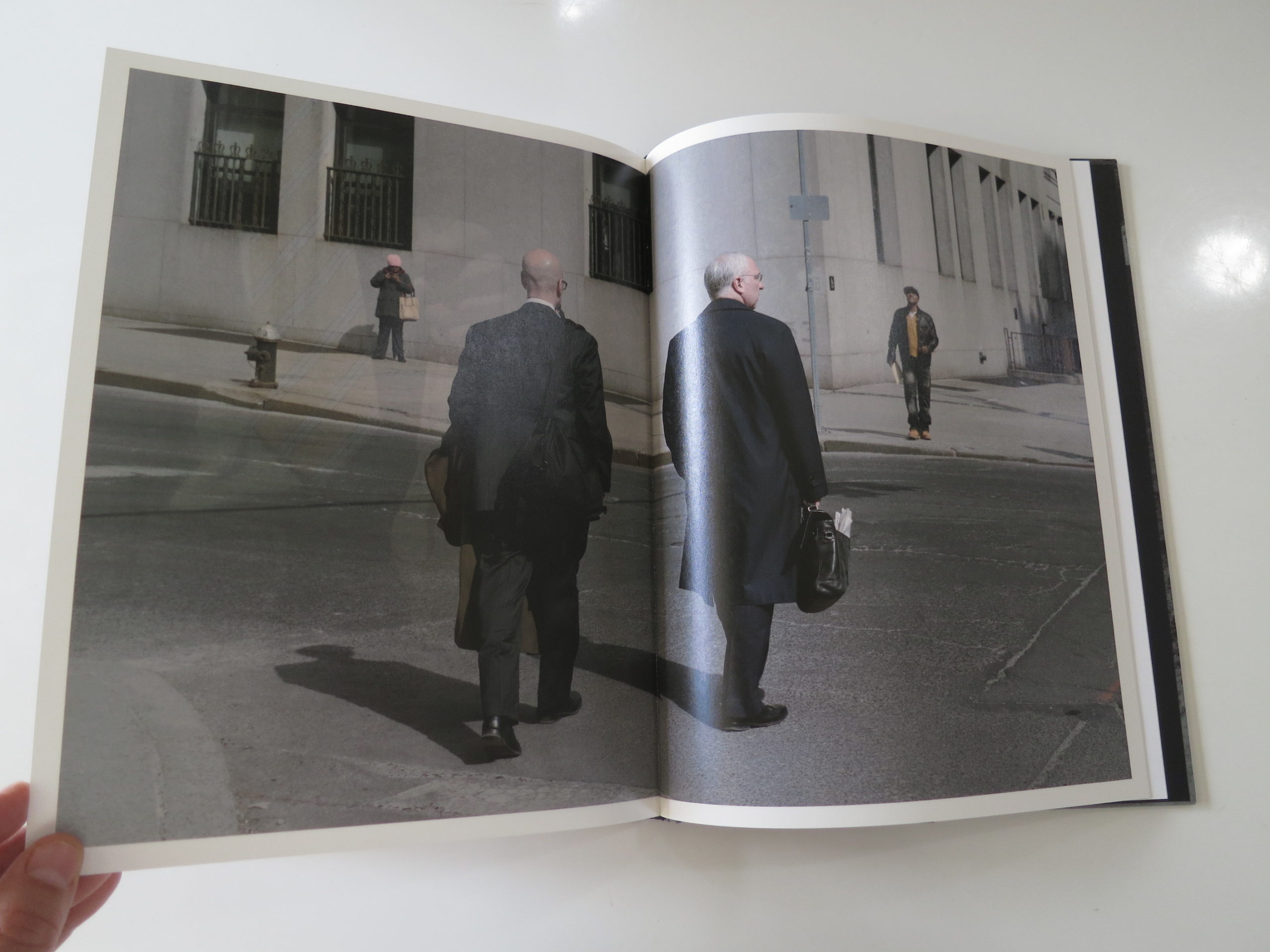
It says “Block,” and then we’re in an urban environment that quickly resolves itself as Lower Manhattan. Is it one block? In the Financial District? I don’t know, but that’s the general read. These would be normal street photos, taken by a different photographer, but instead, we have that “slightly-Haruki-Murakami-parallel-universe” vibe that I love so much.

Why do some photographers have the ability to see paranormal energy in a mattress leaning against a building wall? Or in the candy-pink of some insulation melting out of a joint, sealing up a makeshift door to a construction site?

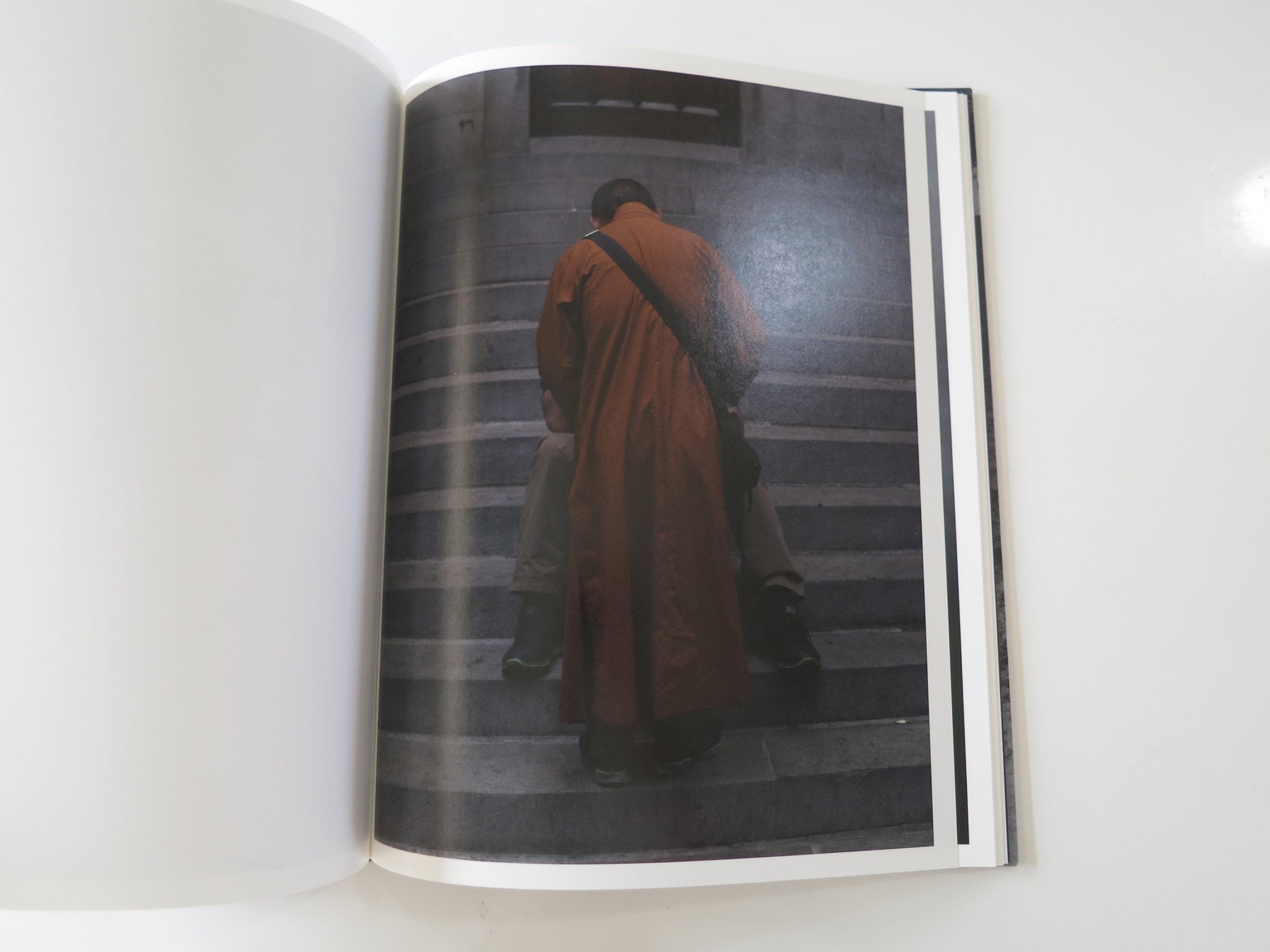
Who would make a photo implying a Buddhist Monk was being fellated by a faceless stranger, sitting on some steps outside a building? (This Guy, that’s who.) Again and again we see banker types, disappearing into shadow, which makes me think of Robert Frank’s amazing photos of British Bankers, made before he came to America.

And there are some similarities to Paul Graham’s book, “The Present,” which I reviewed a few years ago. (Image repetition, compositional style.) So I’m not suggesting that this work is radical, rather that it takes a certain kind of artist to find such weird moments, surrounded by normality.

With respect to context, there is only a small short story, by Jenny Hollowell, at the end. It doesn’t do much contextualizing, though it is a poignant read. (A mini-version of the super-sad opening of the Pixar movie “Up”.) Then, the thank you notes, and the first name listed was my former graduate school professor Allen Frame, whom I’ve mentioned here before. (Does that explain everything about where my preference for the awkward comes from?)

Regardless, we’re back on schedule. A book a week, each week. What will I write about next week? I don’t know. But I accept there are folks out there parsing the subtext, and bravo to Kehrer Verlag for getting it right, in this last week of August, 2015.

http://www.aapohuhta.com/BLOCK

IMG_0844

IMG_0845

IMG_0846

IMG_0847

IMG_0848

IMG_0849

IMG_0850

IMG_0851

IMG_0852

IMG_0853

IMG_0854

IMG_0855

IMG_0856

IMG_0857

IMG_0858

IMG_0859

IMG_0860

IMG_0861

IMG_0862

IMG_0863

The Art of the Personal Project: Ransom & Mitchell

As a former Art Producer, I have always been drawn to personal projects because they are the sole vision of the photographer and not an extension of an art director, photo editor, or graphic designer. This new column, “The Art of the Personal Project” will feature the personal projects of photographers using the Yodelist marketing database. You can read their blog at http://yodelist.wordpress.com. Projects are discovered online and submissions are not accepted.

Today’s featured photographer is: Ransom & Mitchell — the collaborative storytelling team of Digital Artist + Set / Prop maker Stacey Ransom and Director + Photographer Jason Mitchell.

rm_amazoniastrong-ss

rm_bonkersblack-ss

rm_drhuckleberryschuxley-ss

rm_fijimermaid-ss

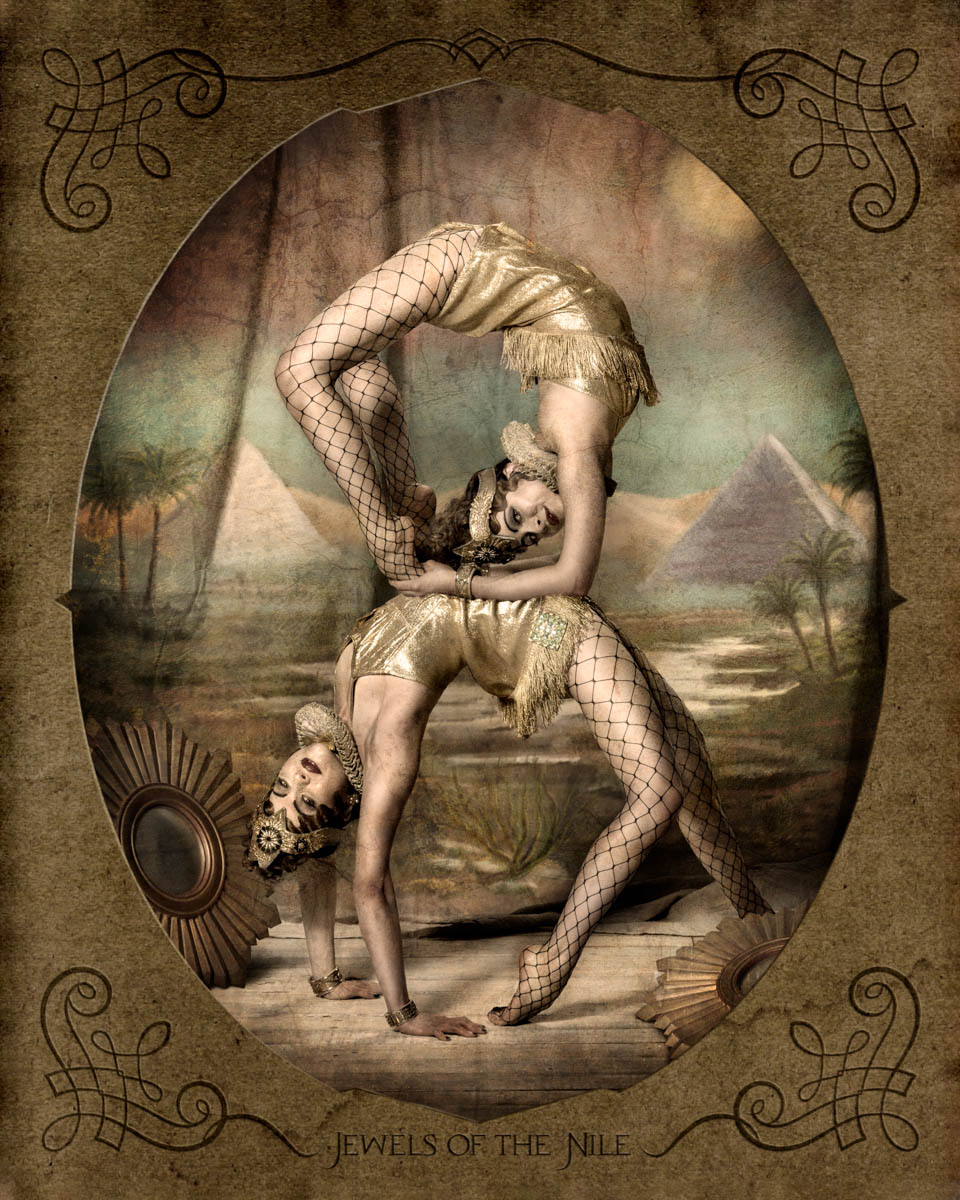
rm_jewelsofthenile-ss

rm_maharishimistari-ss

rm_missheadylamour-ss

rm_mizbeardsley-ss

rm_shkipperandthemaneken-ss

rm_spidora-ss

rm_thefinalact-ss

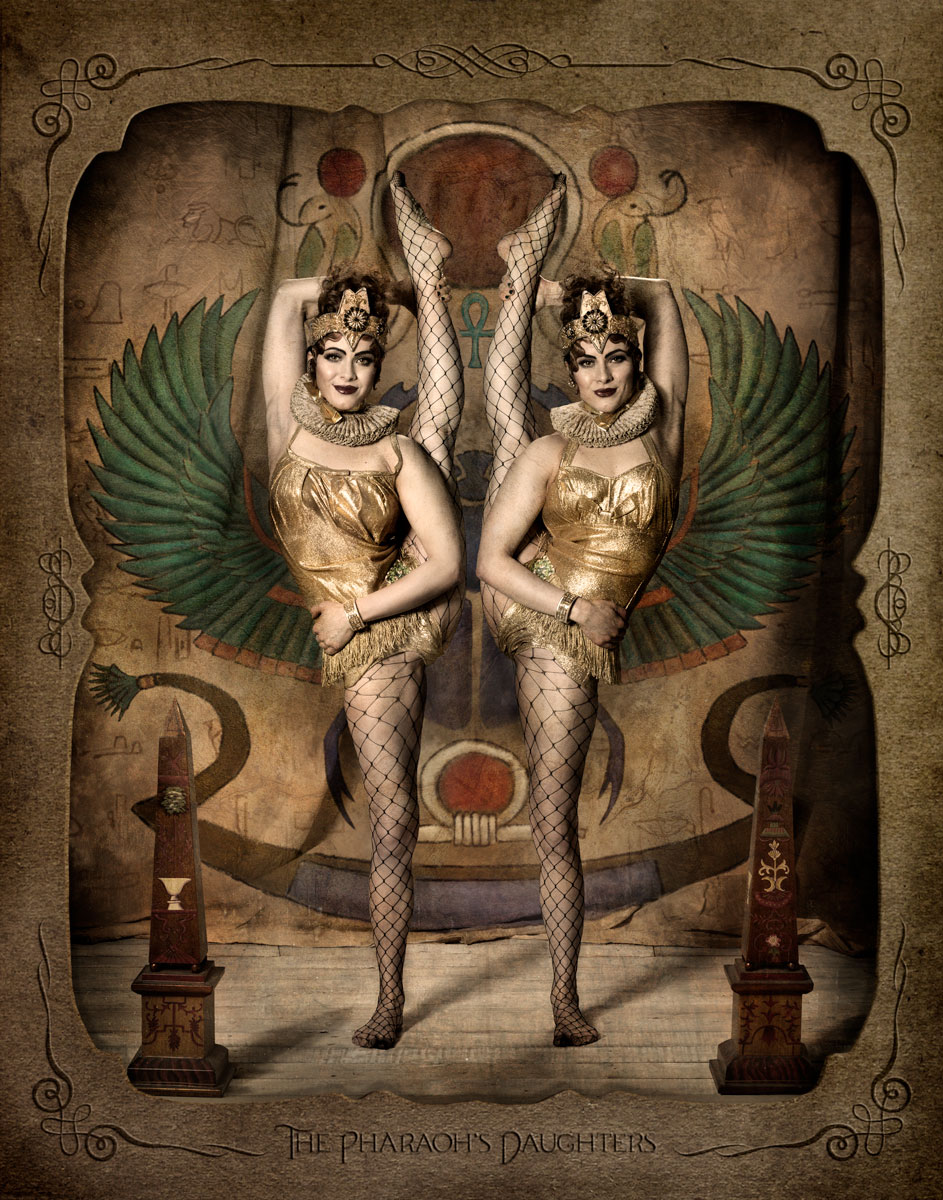
rm_thepharaohsdaughters-ss

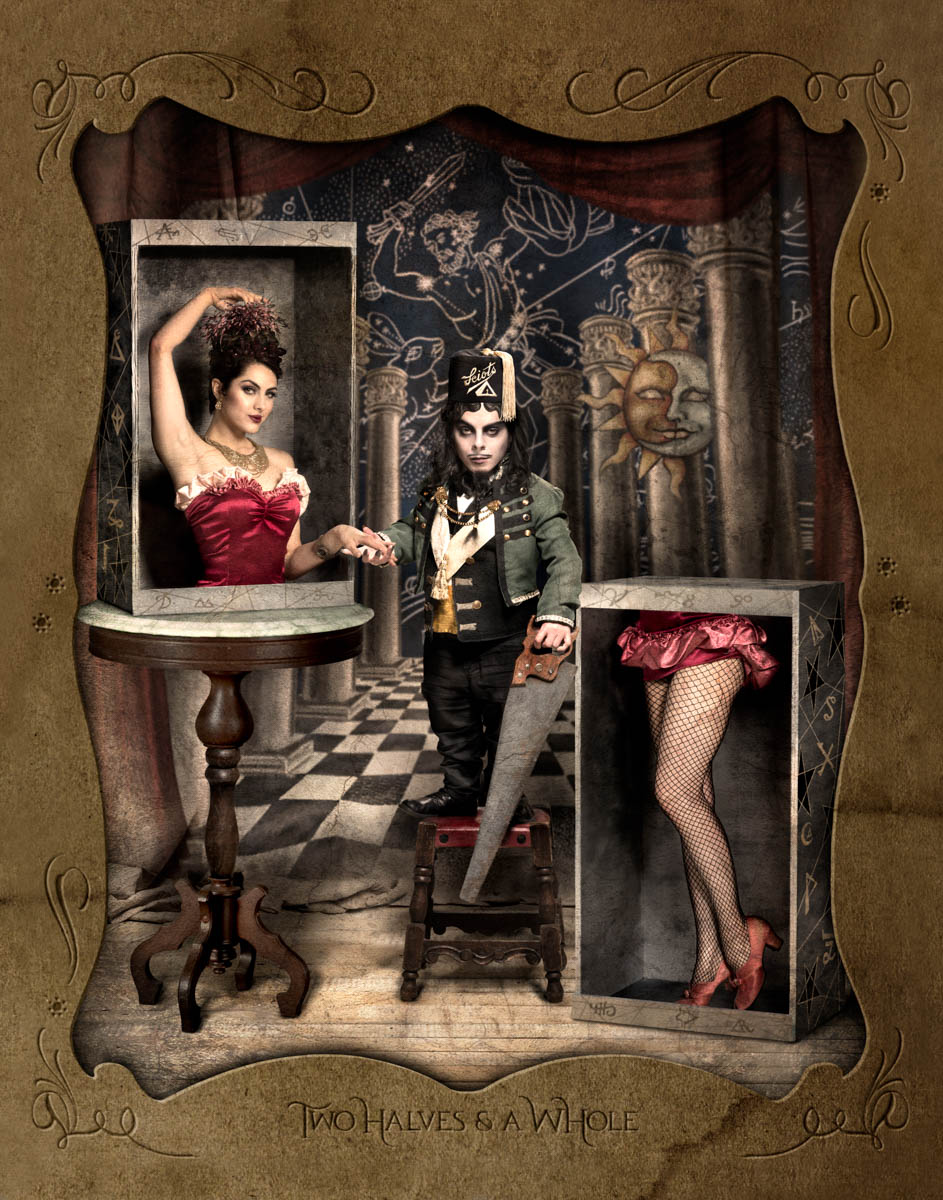
rm_twohalfsandawhole-ss

How long have you been shooting?
We’ve been working together with a focus on still production as a team for six years. Prior to that, our main focus was narrative film production. We both had been working in or near the industry for over 20 years.

Stacey started out art directing photoshoots while working in-house for major retail brands like Limited Stores and Columbia Sportswear. She then was the VP Design Director in charge of visual design and branding at the VIA San Francisco office. Soon after she transitioned behind the camera, to get back in touch with her roots as a set and prop maker for photos and film.

Jason was a broadcast journalist in the Navy for seven years before moving to San Francisco. There he began working in studio and field production for corporate clients which evolved into freelance commercial production as a cinematographer and director.

Are you self-taught or photography school taught?
Interestingly enough, Stacey majored in photography at the Bauhaus-focused Columbus College of Art and Design, but it was the set design and art direction that really captured her interest. Jason first studied acting at Carnegie Mellon University, then decided to jump behind the camera. He joined the Navy and went through their year-long journalism school that incorporated photography and motion production. After working as a Navy broadcast journalist that included four years in Japan, he came back to the States and finished a degree in Cinema at San Francisco State University.

With this particular project, what was your inspiration to shoot it?
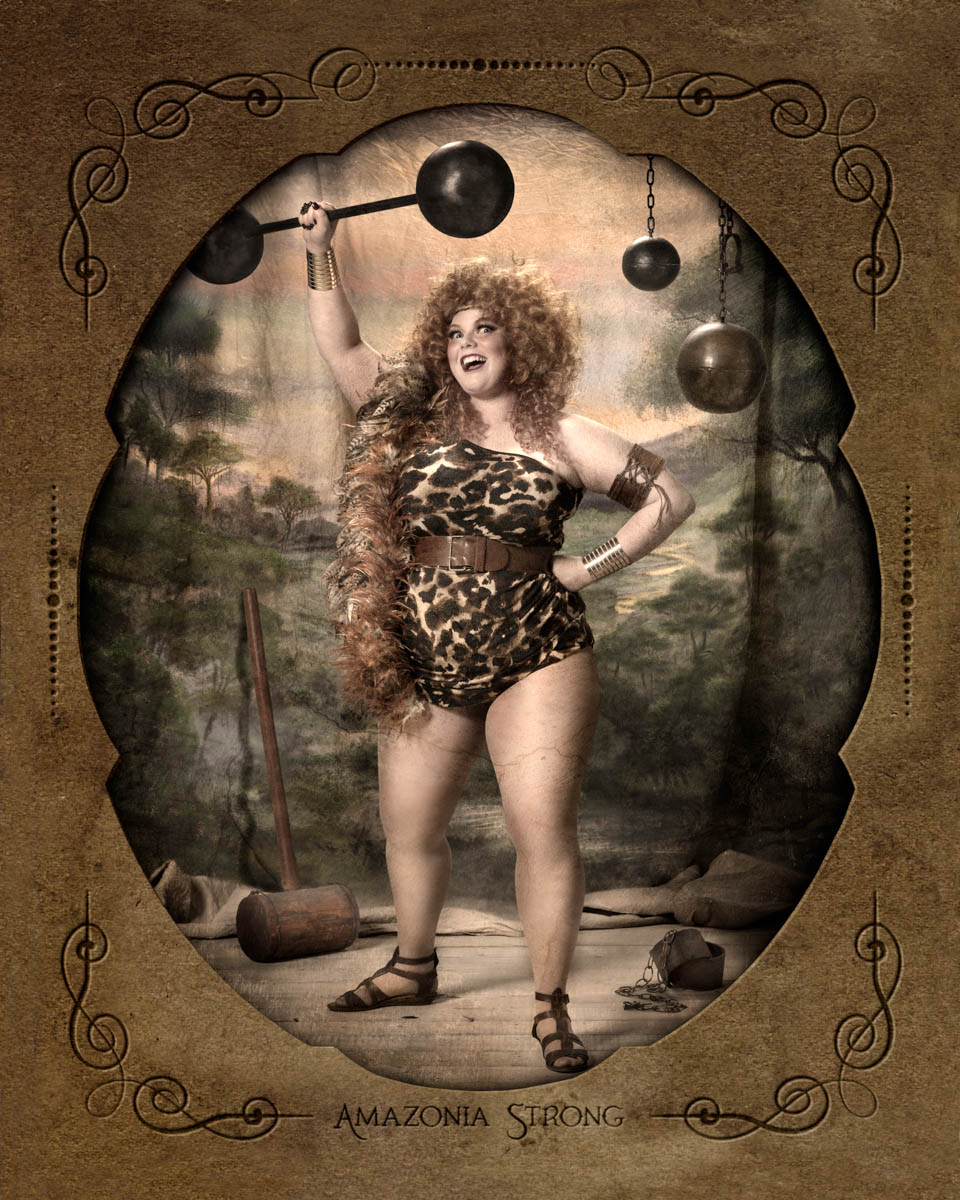
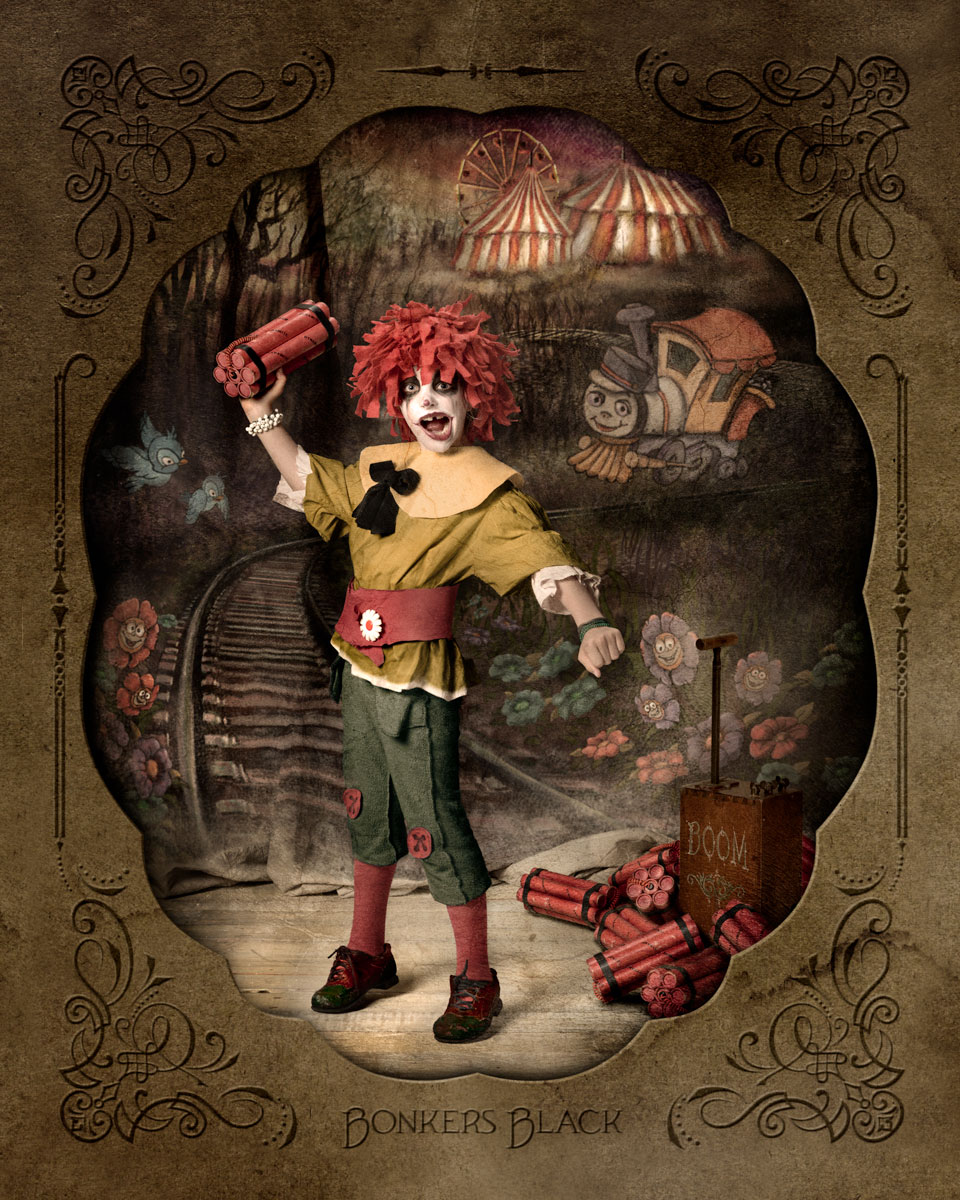
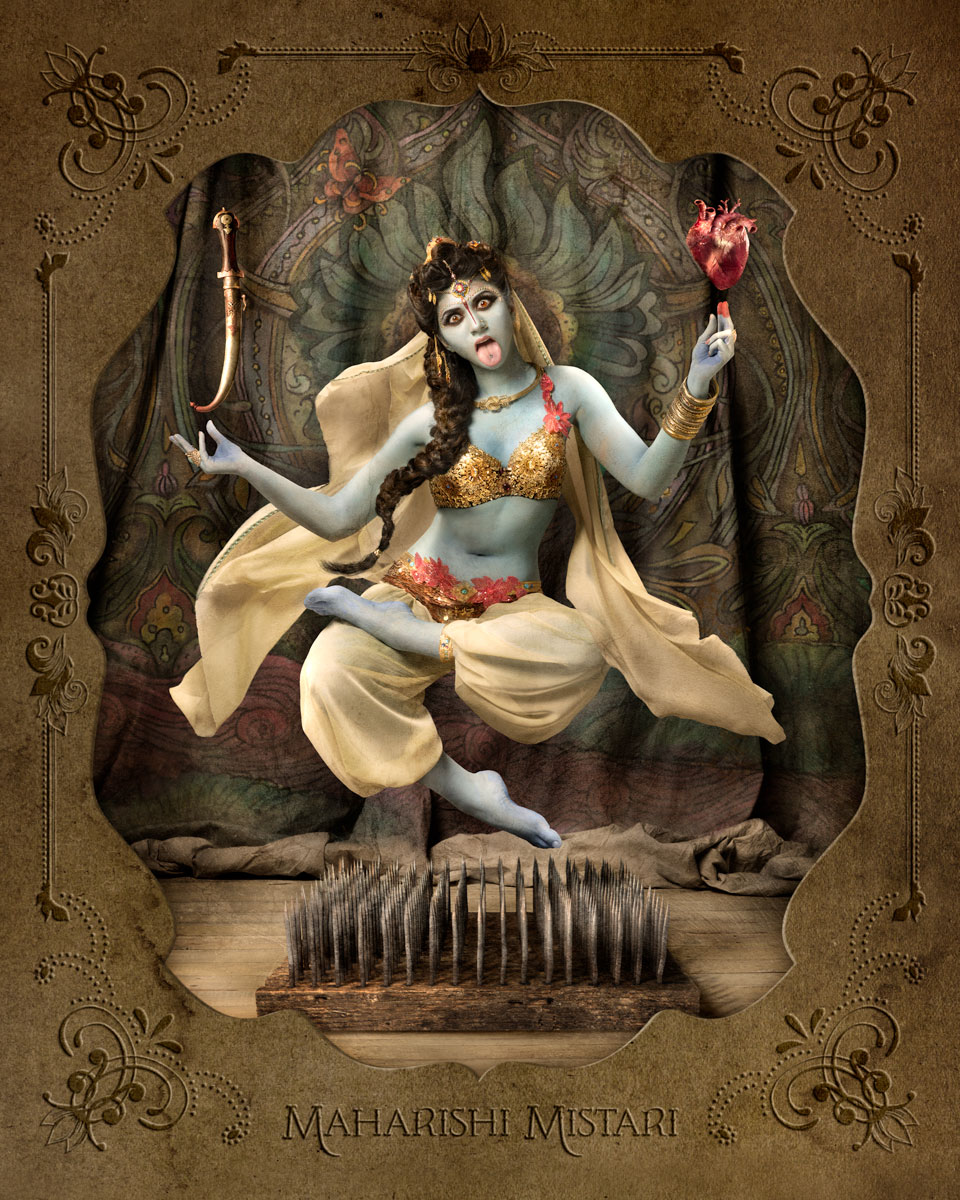
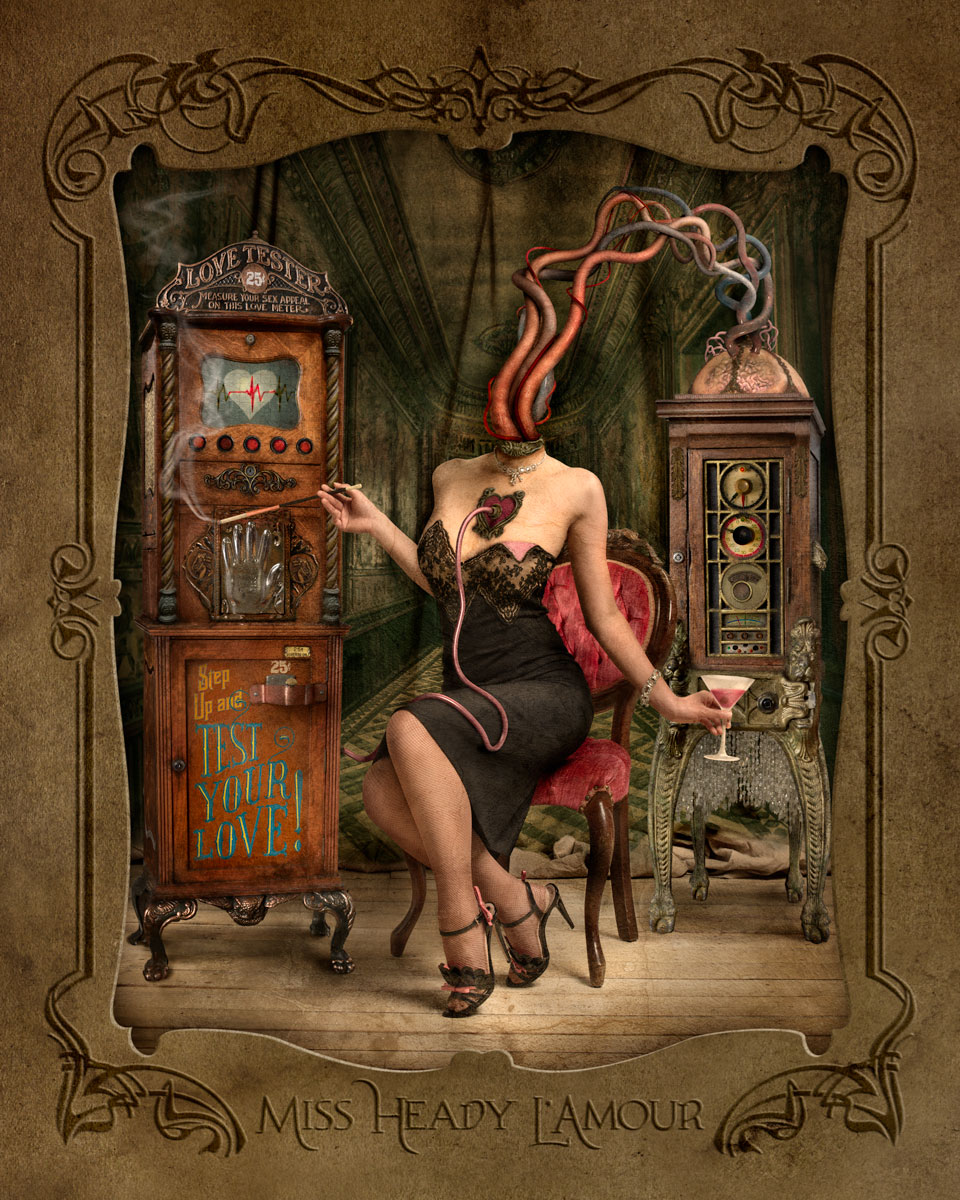
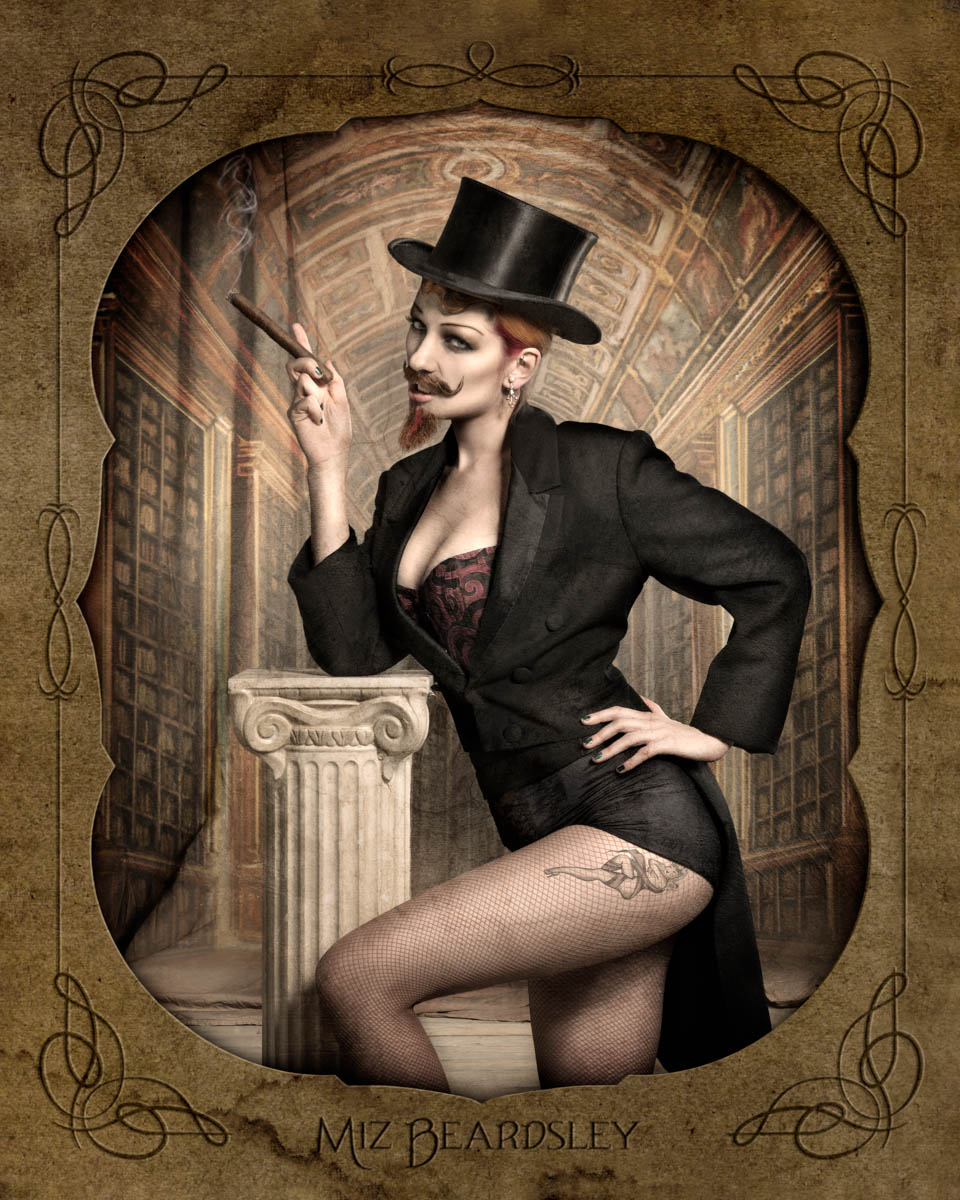
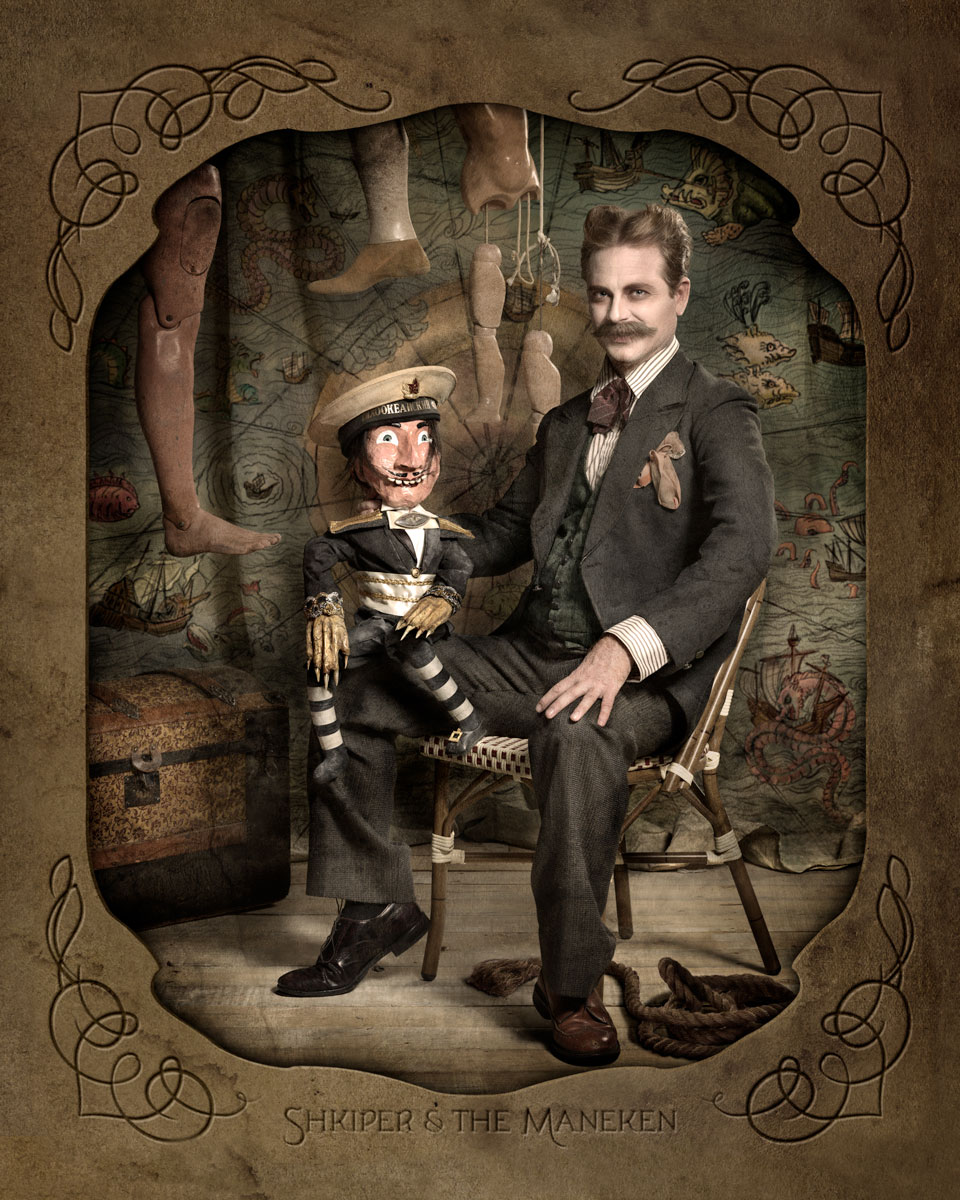
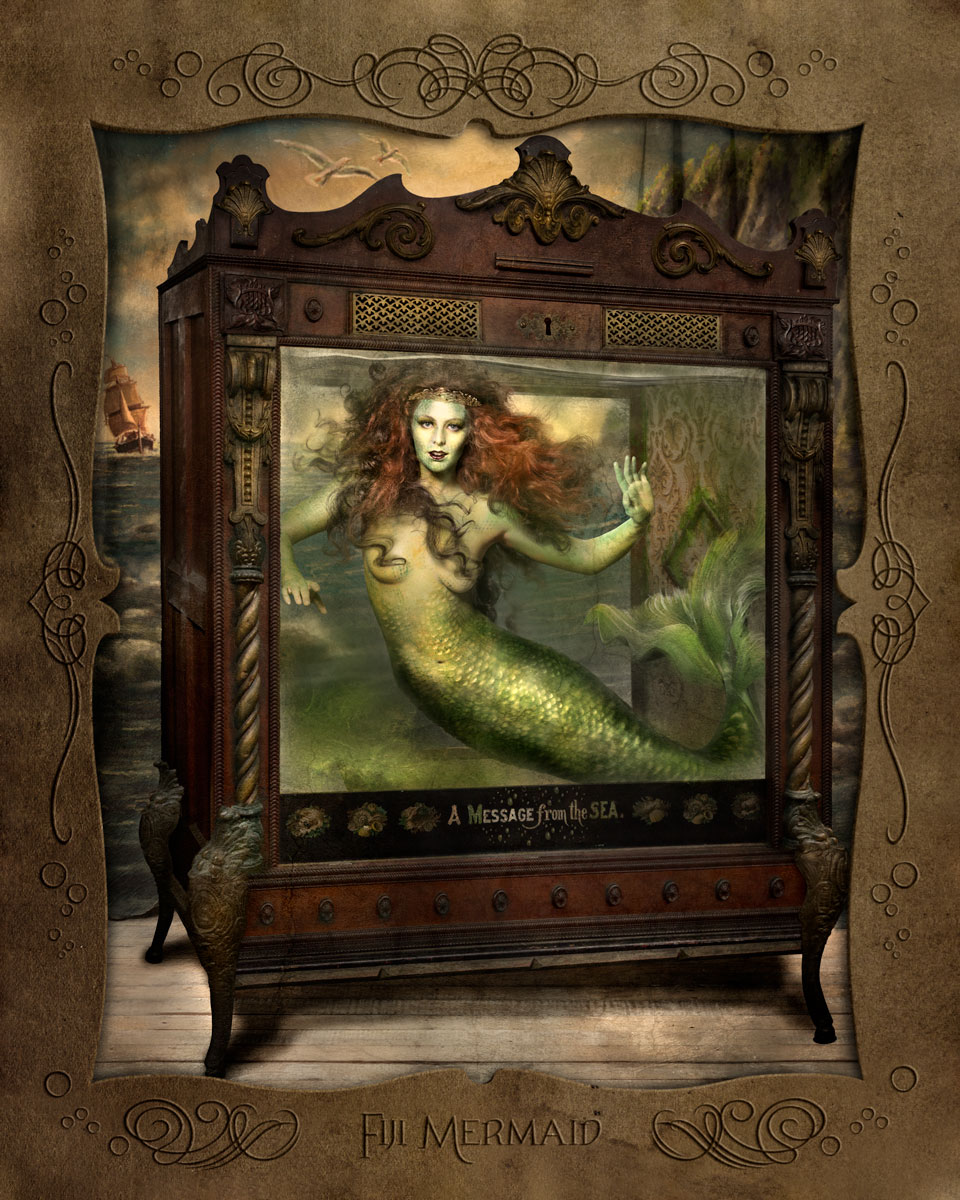
We had been looking to create something that could take advantage of all of our skills, from photography to digital painting and compositing, to CGI. We also wanted to develop a body of work that lovingly recreated the once-common side show that was so filed with curious tales of mystery. It was wonderful to have so many different ideas to pick and choose from! Since many of the carny characters are infamously iconic, we were able put our own personal spin on the subjects and they were still very recognizable.

How many years have you been shooting this project before you decided to present it?
The initial release of this project was slated for a gallery show we had at Bash Contemporary in San Francisco in October of 2014. We shot the first series in May of 2014 and worked on the post production over the next few months. We approach all of our shoots in much the same way as we would produce a commercial shoot. In this case, we pulled together the right team of costume design, hair design and make-up artists to tackle the 10 shots of the various talent in two days (and we actually added on two other concepts to maximize our time). The post end was much more intensive, with each image requiring around 20 hours each to finish. Some images required a bit of CG and the gathering of other elements to be composited together.
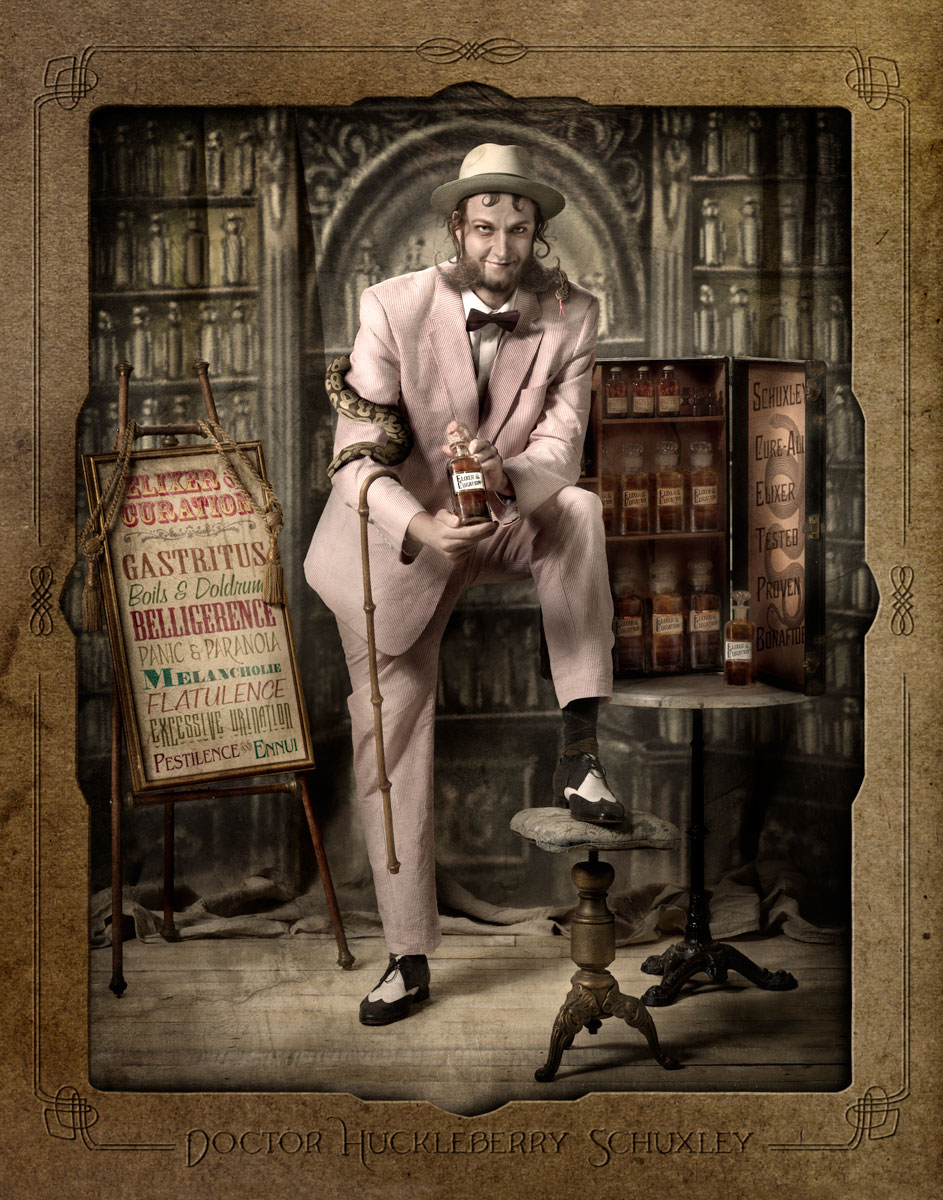
The series has been received very well, and it has gone on to show at Scope Miami, The LA Art Show, and Vanilla Gallery in Tokyo. For the Vanilla show, we did another shoot in February of this year and finished two new images in the series, and we still have three more pieces from that shoot to release. One will be released in early fall 2015 with Loved to Death, the infamous shop of curiosity from the TV show “Oddities.” Two more will debut in a soon-to-be-announced gallery.

How long do you spend on a personal project before deciding if it is working?
We often will develop an idea anywhere between weeks and months until we feel that the concept is solid. In truth, we don’t move forward with any project until we feel it is 110% dialed in. We meticulously plan all of our shoots and treat them in many ways, the same way we treat a commercial job, often building treatments to communicate clearly with everyone on the project so very little is left to chance. By the time we move into production it becomes more of an execution with room for flexibility and collaboration.

Since shooting for your portfolio is different from personal work, how do you feel when the work is different?
We try to satisfy both worlds whenever possible, or at the least, gather something for each. More and more, we’re finding that we tend to keep our portfolio pieces simpler in presentation, whereas our personal projects can become much more baroque and elaborate The artistic work is tremendously satisfying, and there are many, many roads we see that are worth exploring. The portfolio projects are great for really exercising our restraint, and challenge us to focus on the core concept of the image.
Have you ever posted your personal work on social media venues such as Reddit, Tumblr, Instagram or Facebook?
Instagram is our favorite outlet as we get to share so much of our art from works-in-progress, to on-set behind the scenes, to final pieces. We each have our own accounts (Stacey is @hld4ransom and @impureacts for Jason) where we share our individual processes, and we both use our artist account @ransom_mitchell to mostly focus on the finished work. These all feed into our Facebook and Twitter accounts, and occasionally Tumblr. Our recent expansion into international markets has us a little more focused on interacting on Twitter directly. We also participate in Behance, and we keep a few personal blogs such as http://www.fakebelieve.net that shares the Ransom & Mitchell process, http://jasonmitchell.org/blog/ where Jason shares his process and observations, and http://www.ransom-notes.net where Stacey writes about various artists and their work.

If so, has the work ever gone viral and possibly with great press?
We had one really evocative image called “It Will Be Ours,” http://art.ransommitchell.com/overview/1 of a young boy in a bare room watching TV with the room behind him consumed by an embodied Mother Nature. It was shared on Facebook a couple of days before we planned to released it for a gallery show — they had pulled it off of our website where we had parked it in preparation for our PR release. There was a sudden influx of hits — a quick Google image search showed us the breadcrumbs to find the first share. By the time we saw it, it had around 40 thousand likes and been shared thousands of times and was all over the place (mostly without attribution). We still find it here and there, and have thankfully seen an uptick in it leading back to us.

Jason’s personal nude series Dream Away http://jasonmitchell.org/dreamaway/ was just shown in May of 2015 at 111 Minna Gallery in San Francisco and was also a finalist for Critical Mass 2014. That series has been picked up by a number of international art and culture blogs as a result.

Have you printed your personal projects for your marketing to reach potential clients?
We love using our personal work for marketing as it can really show off how much we can flex our talents. And this work is always nice to send as a follow up to make a personal connection.

We created an art card box set of our bizarre “Die Familie” series which is sold through our art store. http://store.ransommitchell.com/product/die-familie-postcard-set Since it’s such an elaborate and unique set, it made a great impression on the select folks in the ad world who we sent it to as a gift. We find that sending unique art pieces that art Directors and Art Buyers can have for their own personal collection is a welcome way to reach out.

We’ve used “A Curious Thing” from our Undertow series http://art.ransommitchell.com/undertow/2 and “The Last Good Man” http://art.ransommitchell.com/artist-portraits/3 from our Artist Portrait series as postcard mailers. We then further our outreach by using the remaining postcards to increase our social media followers and fan mailing list. We simply ask followers to email us with their address and we send them an art postcard for free anywhere in the world. It’s amazing how the meager cost of postage creates incredible “share buzz” which in turn really increases our fan base.

——————

Ransom & Mitchell is the the creative team of director – photographer Jason Mitchell and digital artist – set and prop designer Stacey Ransom. Together they create highly-detailed and visually-lush photographic portraits and scenarios. By seamlessly weaving their photography, digital artistry, CG, and motion skills, their unique style blurs the lines of photography and illustration. http://www.ransommitchell.com

The results of this pairing have been selected for Lürzer’s Archive 200 Best Ad Photographers, twice for their 200 Best Digital Artists Worldwide, and included in the Photokina 2014 Best of CGI Gallery. Their clients include Young & Rubicam, DDB, DDB Remedy, Hub Strategy, Duncan/Channon, JVST, Virgin Records, KVP, Juxtapoz, Hi-Fructose, Decibel, Magnet, Apex, Kixeye, and The Oakland Museum of California.

Their fine art work draws upon the darker undercurrent that exists within all aspects of society. Described as pop-baroque, their art has exhibited worldwide at art fairs (Scope NY, Art Miami, LA Art Show) and galleries in cities including New York, San Francisco, Los Angeles, Miami, Seattle, Berlin, Tokyo, and Melbourne.


APE contributor Suzanne Sease currently works as a consultant for photographers and illustrators around the world. She has been involved in the photography and illustration industry since the mid 80s, after establishing the art buying department at The Martin Agency then working for Kaplan-Thaler, Capital One, Best Buy and numerous smaller agencies and companies. She has a new Twitter feed with helpful marketing information believing that marketing should be driven by a brand and not specialty. Follow her on twitter at SuzanneSease.

What Is Photographic Vision Or Voice?

A reader sent me this question awhile back:

Lately I have been hearing about photographers with ” vision” or “photographic voice”. I guess with everyone being able to do everything technique is kinda not as important as vision? Some quotes I’ve read heard recently”true style is vision” “those who are in demand have vision or a voice and people want to buy into that”. So my question is…what do you think photographic vision or voice is? And who do you think displays it? What photographers would you point to who have “it”?

and then I ran into this interview John Keatley made with his agent Maren Levinson and I think it has some good advice on the questions asked:

The Daily Edit – Parade: HollenderX2

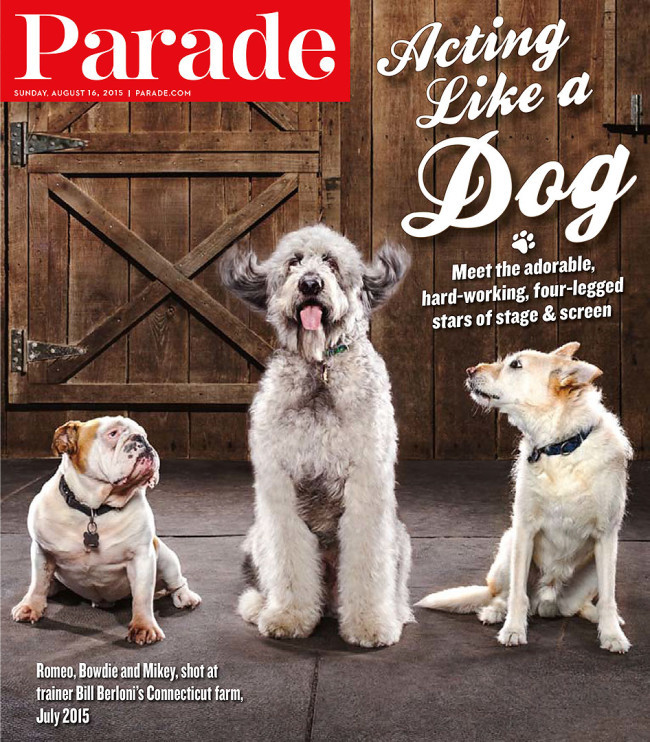
hollenderx2_Parade_cover

hollenderx2_parade_spread

Parade

Photo Director: Nicole Kopperud
Senior Art Director: Matt Taliaferro
Photographer:
HollenderX2

Heidi: Tell us about the subjects.
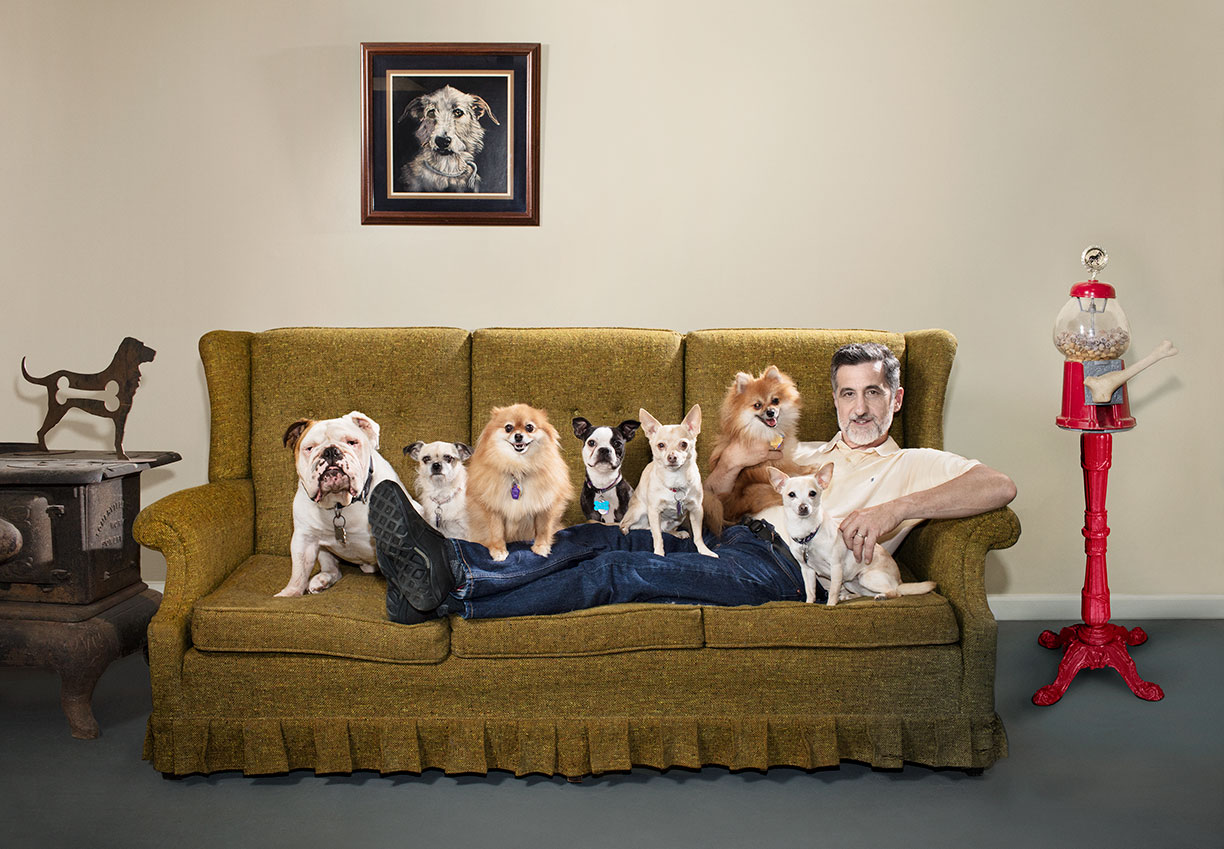
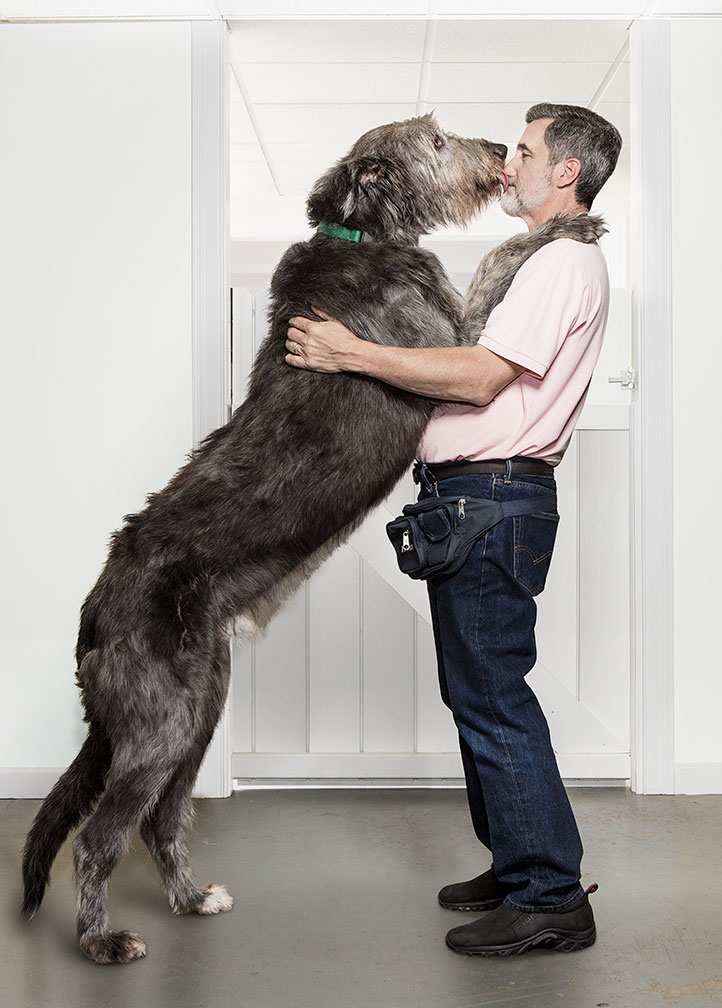
Jordan: Bill Berloni and his dogs were  photographed in Connecticut on Bill’s farm.  We were able to choose the dogs we wanted to work with (he has about 30 dogs).    We knew we were in for a treat as his dogs are some of the best trained in the country, with high day rates.  Fortunately they weren’t divas. He has a new show “From Wags to Riches” on the Discovery Channel that just came out where he turns shelter dogs into stars.

How hard was it to manage the dogs?
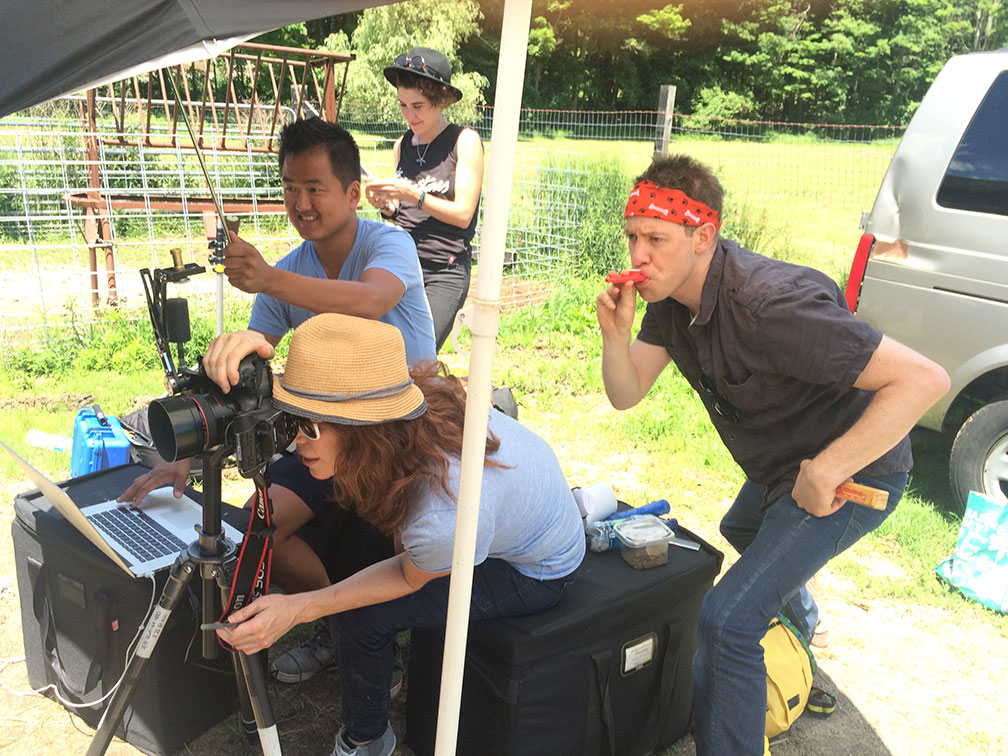
The magazine didn’t want a studio setup for the cover shot of the dog, so we photographed them outside.  After we set up the cover shot, we were told that they needed to bring the dogs out one at a time.  We then shot the dogs individually in our scene and later composted them together.  The biggest challenge was the heat.  We had a van with AC near the set for the dogs to stay cool — we were able to shoot each dog for a few minutes.  Since our subject is a master trainer and has such a unique connection with these dogs we needed to do less wrangling from camera than usual, but that didn’t stop us from doing some kazoo blowing of our own.

Did you have treats on set? 
There were treats and tons of different noise makers ranging from kazoos to the plastic trombone-like- whistles which were a big hit and seized the most attention from the dogs.

Were you concerned about any of your equipment with dog hair?
No – whether we are sippin’ a cappuccino in studio or rollin around in the dirt with dogs, we usually know what we are in for and plan accordingly.  In this case, we had plastic bags under our equipment.
 
Can the dog really make his ears go up or did you do that in post?
Ah, unfortunately no, or at least not in the short time we had to shoot him!
We wanted to create an organic movement from the centered “star” dog, so we had Bill pick up his ears and drop them to get this effect.

What was the most remarkable training command of the day?
I wish I could say there was a word but it turns out its mostly about hand signals.
There was this one thing Bill would do to get the dogs to run.  He would simply walk away and get into his car, and they would come a runnin’.

How hard was it to get all of the dogs looking for the group shot or was that done in post?
For the group shot, they were all so well trained that we were able to position them on the couch and with hand signals, they would stay in place.  There was an assistant dog trainer behind camera for that shot to help us.  It was done in camera and felt like a small miracle to have them all just sitting and looking at us like that.    Had we not been in the company of such well trained animals and top notch trainers this would have required lots compositing.

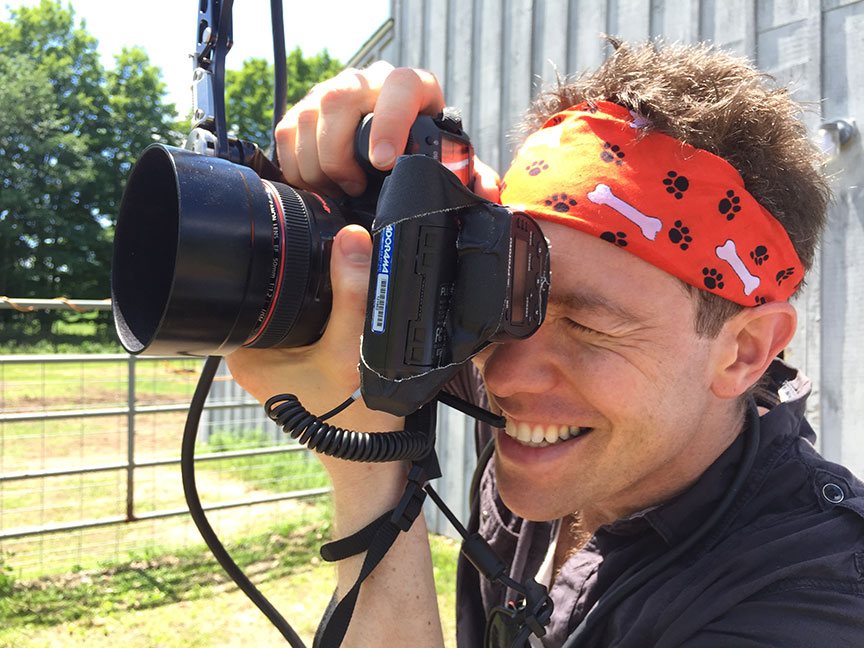
Here’s some BTS shots by Tye Worthington and another shot from the day.  Their subject gave Jordan a dog bone handkercheif and it came in real handy!
hollenderx2_bts_2 hollenderx2_bts hollenderx2_dog_kiss

The Daily Promo – Blair Gable

Screen Shot 2015-08-09 at 4.49.25 PM Screen Shot 2015-08-09 at 4.49.32 PM Screen Shot 2015-08-09 at 4.49.39 PM Screen Shot 2015-08-09 at 4.49.43 PM Screen Shot 2015-08-09 at 4.49.49 PM Screen Shot 2015-08-09 at 4.49.57 PM

Blair Gable

Who printed it?
The books were printed by Photobook Canada – 40 copies. The postcards were printed by Vistaprint and the stickers were printed by Loudmouth Print House in Ottawa.

Who designed it?
The Gablehead, Blair Gable Photography, and Third Floor York logos were designed by Jason Harper at Strongvine Visual Communications. I designed the book and postcard myself – layout using Photo Mechanic and page design with Fundy Designer.

Who edited the images?
I edited the images myself, though I showed a pre-production book to close family and friends to see if there was anything missing.

How many did you make?
I send out packages to editors that I regularly work with at least once a year. This was my first time sending promo kits to a large number of new editors.

How many times a year do you send out promos?
I mostly shoot politics and portraits for my editorial clients and rarely have time to work on personal or self-assigned projects. I worked on a number of projects last year that I shot first and sold later, so I thought I would showcase that work in this particular promo package.

I like the title, did you write that and was impact the goal? 
I did write the title, it came from the topics of the projects, but I thought together they were compelling enough to make someone crack the book. So I guess the goal was to make it as enticing as possible, as quickly as possible.

Work from Review Santa Fe 2015, Part 3

I’ve got my hands full at the moment.

In the last two weeks, I’ve begun a new job as the Chair of the Fine Arts Department at UNM-Taos, had a articles published online by APE, the NYT and The New Yorker, edited a new photo series of my own, put together the newest issue of Photographers Quarterly, and got my kids ready for a new school year.

Hell, just writing that sentence gave me a headache, much less living it.

Why am I complaining? As always, there’s a reason. In this case, it’s because I promised a book review this week. Back to normal, I assured you.

Alas…

I hate to be a liar, but in the mad rush to get everything done, I actually forgot to include an artist in last week’s article. Not something I’ve ever done before, but hopefully, given that my current to-do list is as ornery as a drunk barn owl, I’m hoping you’ll forgive me.

And of all the people to forget, I actually omitted the most memorable. I met Gloriann Liu at Review Santa Fe a couple of years ago. She showed me some pictures she’d made of Syrian refugees on the Turkish-Syrian border, as she’d spent significant time in the region, determined to see for herself what was happening.

I was floored for several reasons. To begin with, Ms. Liu had an Asian surname, but was a middle-aged, relatively small, blonde-haired woman. That’s the kind of detail that will stick in your mind. (It’s her husband’s name. Easy answer to that one.)

She also told me that she funds her travel herself. It’s art, for her, as she is so heartbroken and angry at the injustice that exists in the Middle East and Central Asia. As such, she spent much of her own savings making trips over there, reporting, working almost as a one-woman NGO.

And she shook with anger as she discussed what was happening to poor and vulnerable people. Literally, she was seething; physically manifesting her rage at a violent and unpredictable world. I’d never met anyone quite like her.

Most people who set foot over there have grant funding, or work for a major media organization. They have institutional protection of some sort. Gloriann was doing this as a private citizen, an artist whose inner necessity put her squarely in harms way. INCREDIBLE!

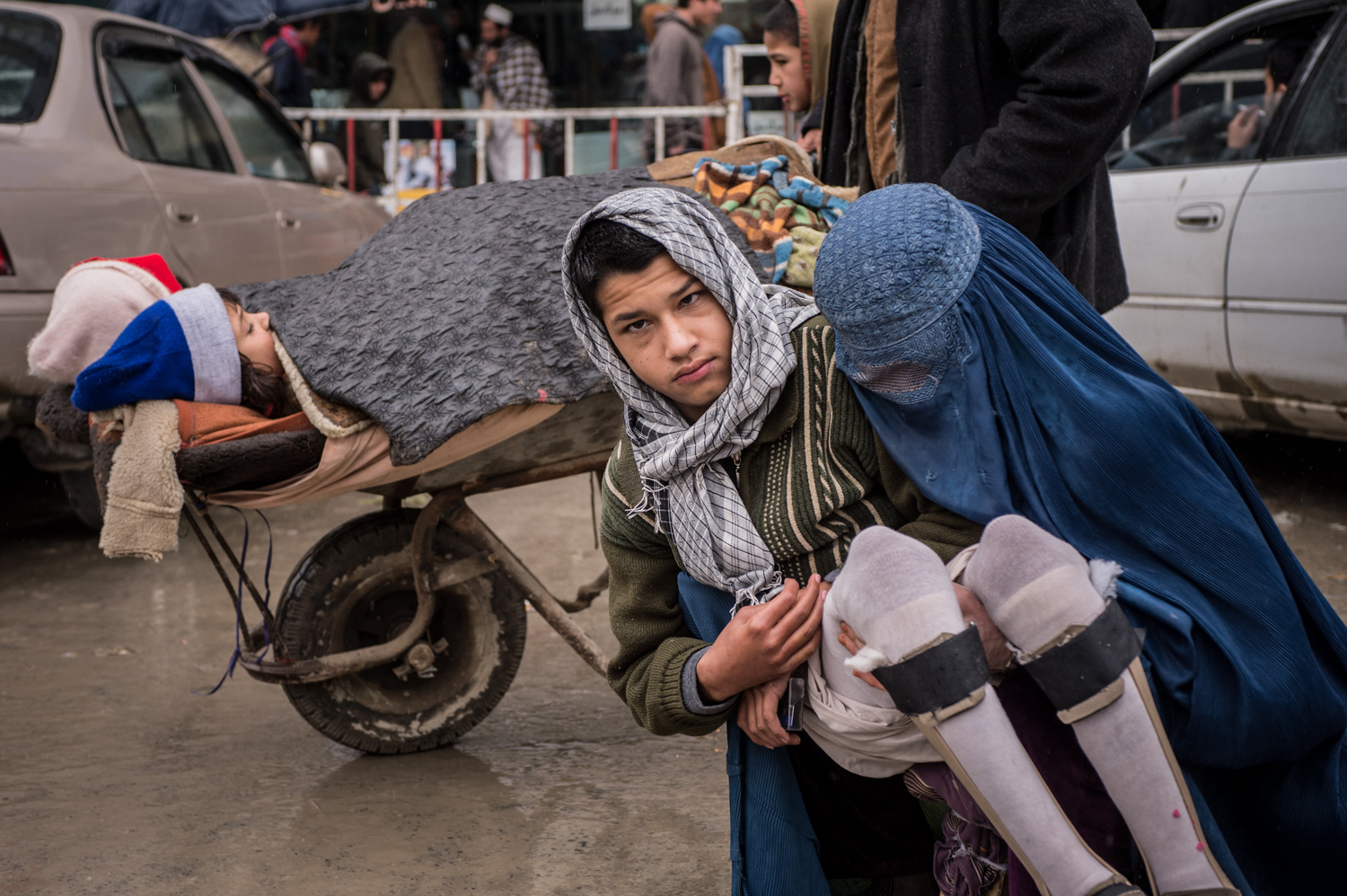
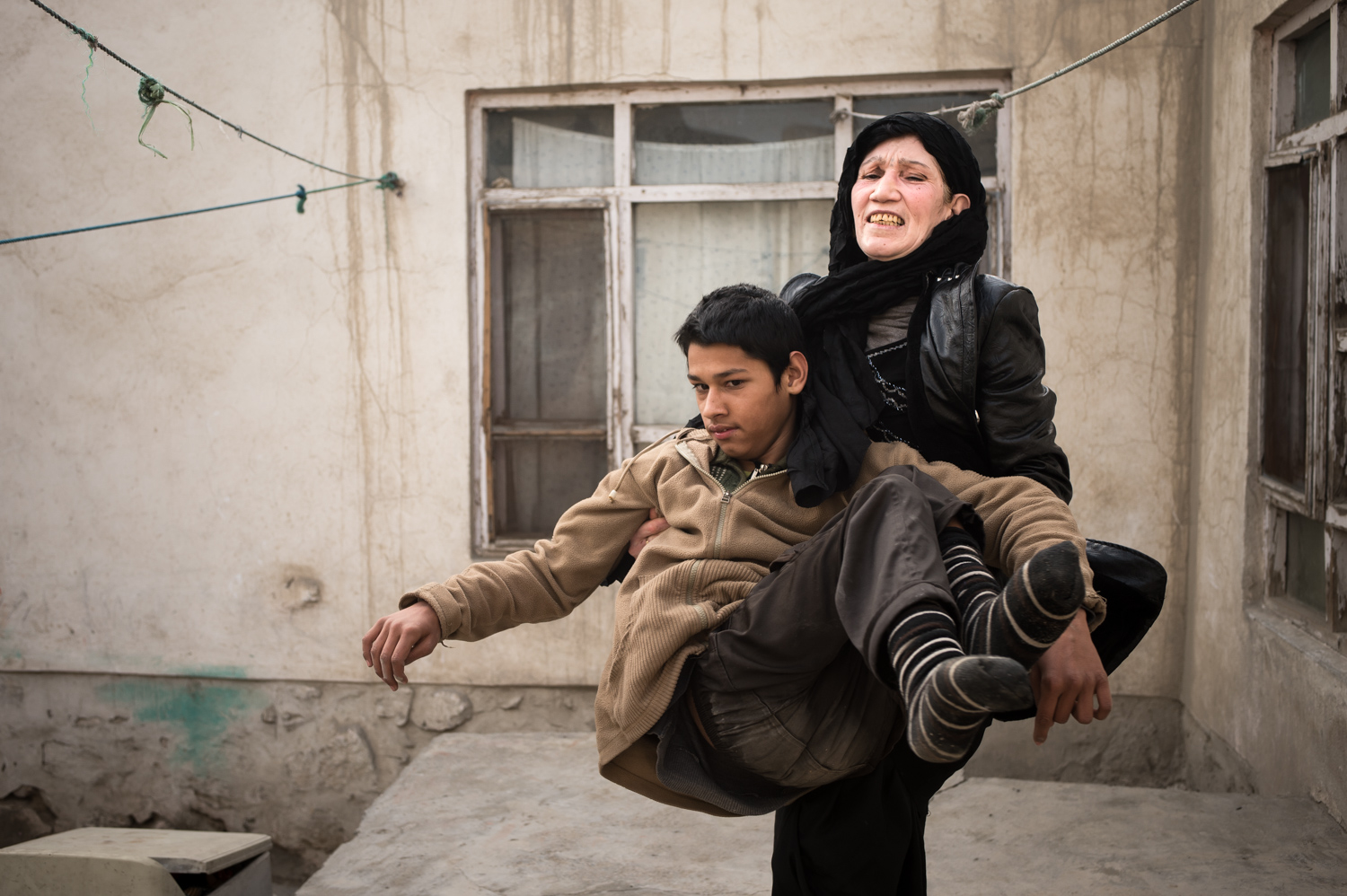
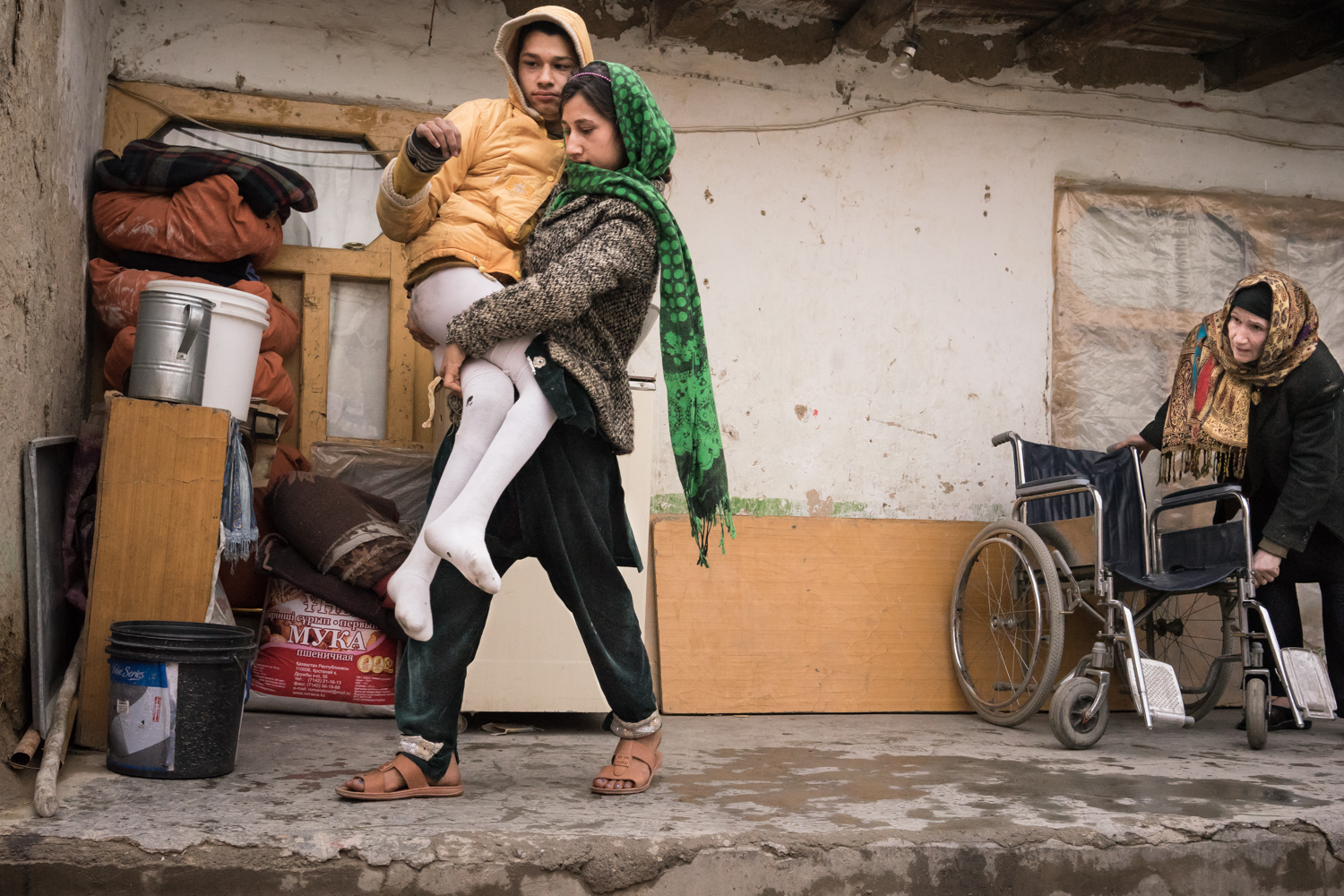
Fast forward to RSF ’15, and I reviewed her work, officially. She showed me a portfolio of images she made of Zarghona, a former Afghan child bride, now older, and the family she supports. One son, Barialy, who was injured by rocket-fire during the Afghan Civil War, is featured prominently in the project.

He has to be carried around, and sometimes his mother hires a man to cart him in a wheelbarrow, so that he can accompany her as she begs for money. Shocking stuff.

The only rational explanation for how I forgot to show you these photographs is that I was overwhelmed with life. It happens. But we’re rectifying things by showing Gloriann’s portfolio today, all by itself. The pictures are strong, of course, but also a great reminder that while we sometimes get wrapped up in our own lives…there are people out there who would kill to have our First World Problems.

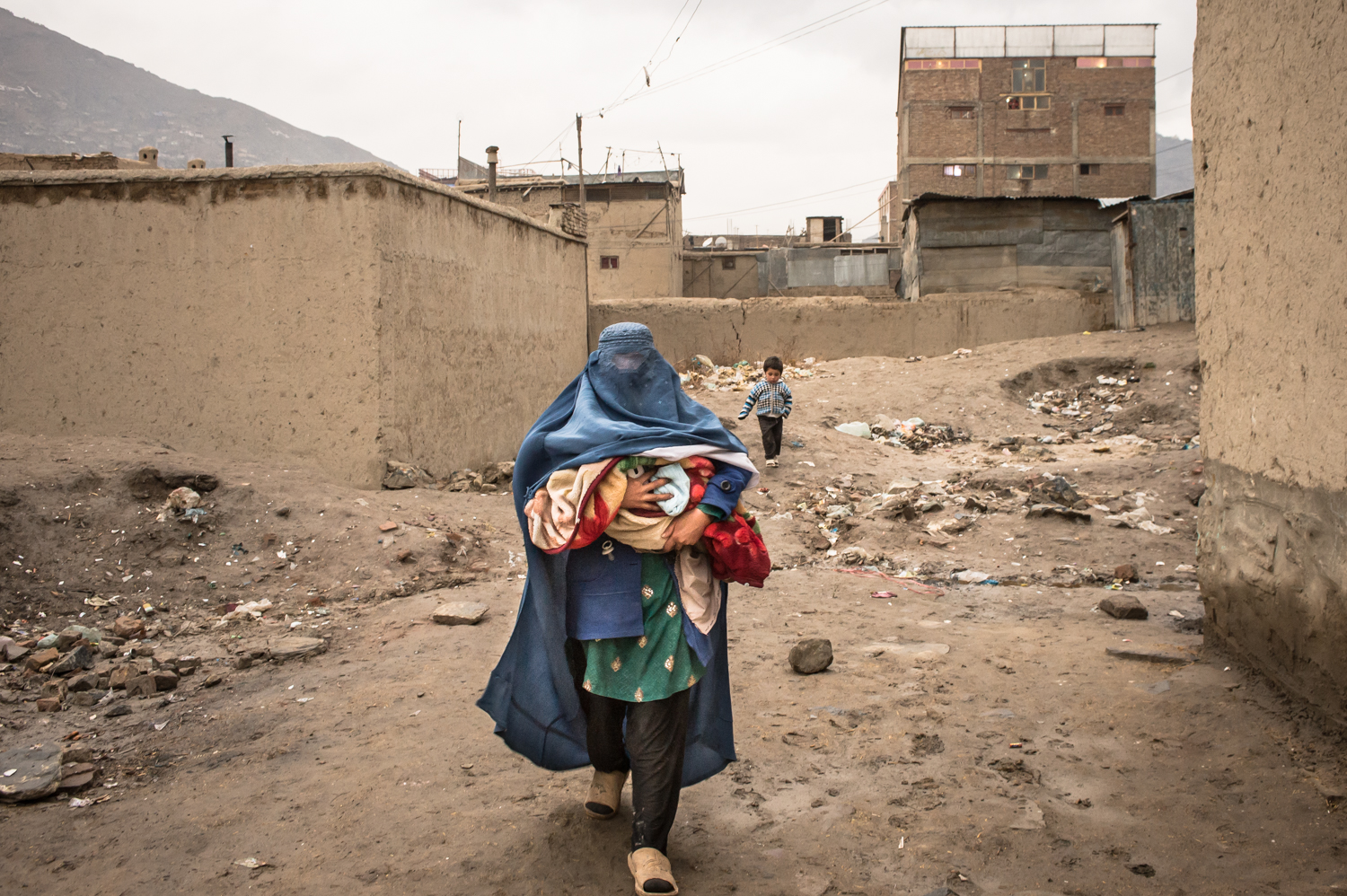
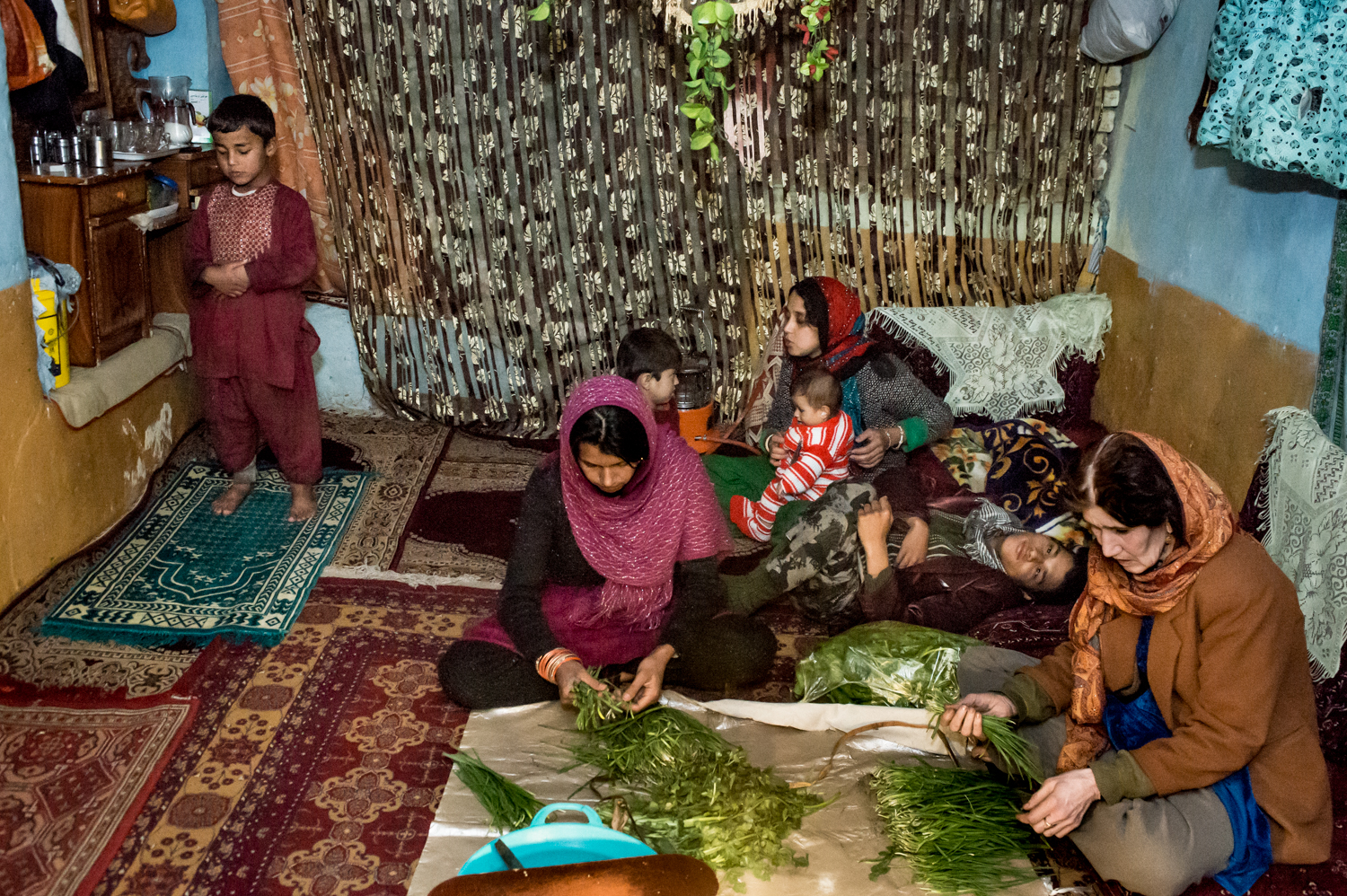
In early February of 2013 I met Zarghoma. The first time I saw her she was with Barialy, her son, begging in the center of downtown Kabul.  In the beginning she was very shy. Najibullah, my guide , Zarif, my driver, and I offered to take her home in old Kabul. It was extremely cold and had been snowing off and on since I arrived several weeks earlier. The car could only get to about a quarter of a mile from her home. Zarghoma had to carry Barialy all of the way through the slush and patches of ice and snow. Their home was small and very cold but had a very cozy atmosphere.
In early February of 2013 I met Zarghoma. The first time I saw her she was with Barialy, her son, begging in the center of downtown Kabul. In the beginning she was very shy. Najibullah, my guide , Zarif, my driver, and I offered to take her home in old Kabul. It was extremely cold and had been snowing off and on since I arrived several weeks earlier. The car could only get to about a quarter of a mile from her home. Zarghoma had to carry Barialy all of the way through the slush and patches of ice and snow. Their home was small and very cold but had a very cozy atmosphere.
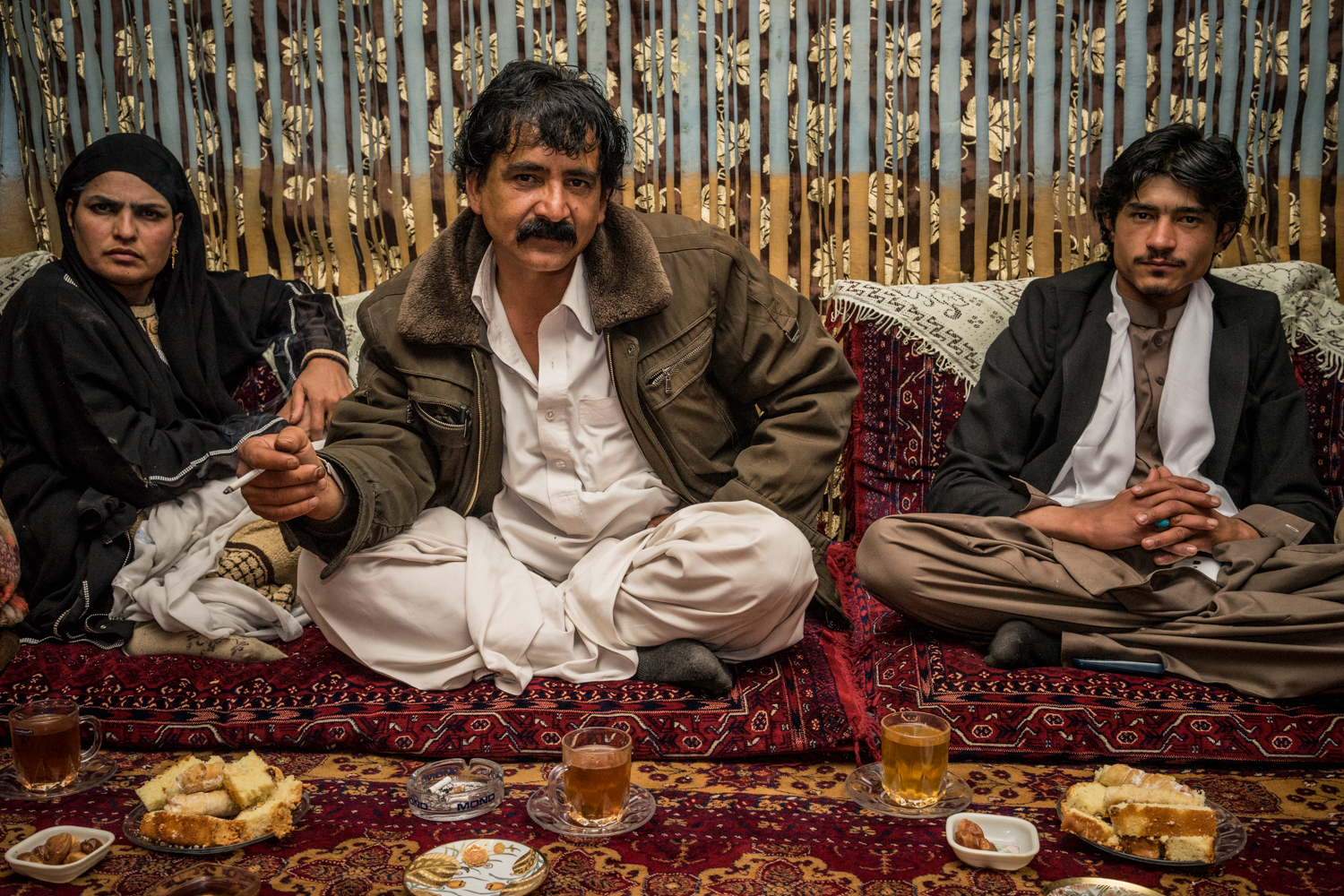
Zarghoma, her son, daughter-in-law and their children having tea several days before their  home was ruined.
Zarghoma, her son, daughter-in-law and their children having tea several days before their home was ruined.
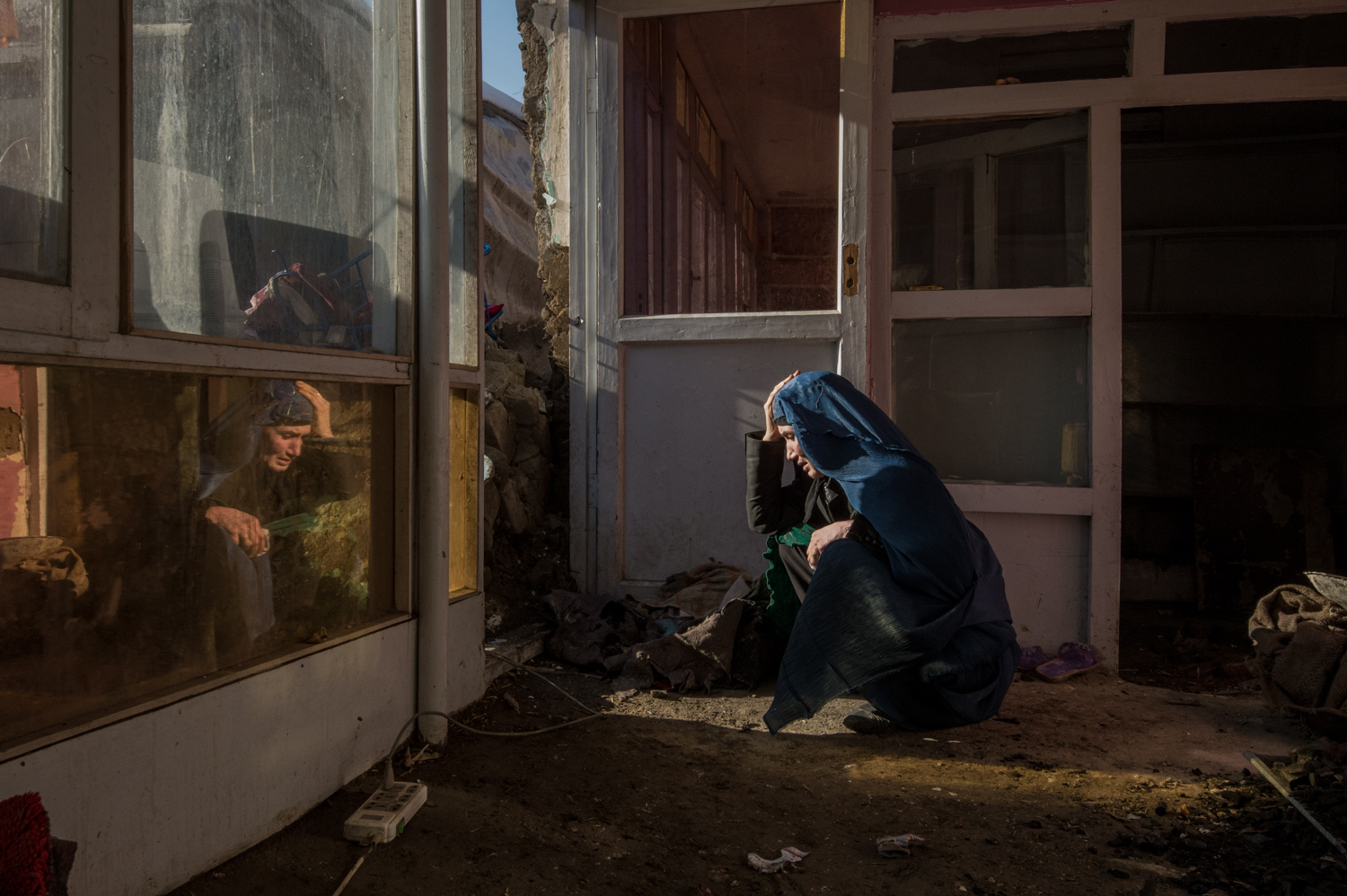
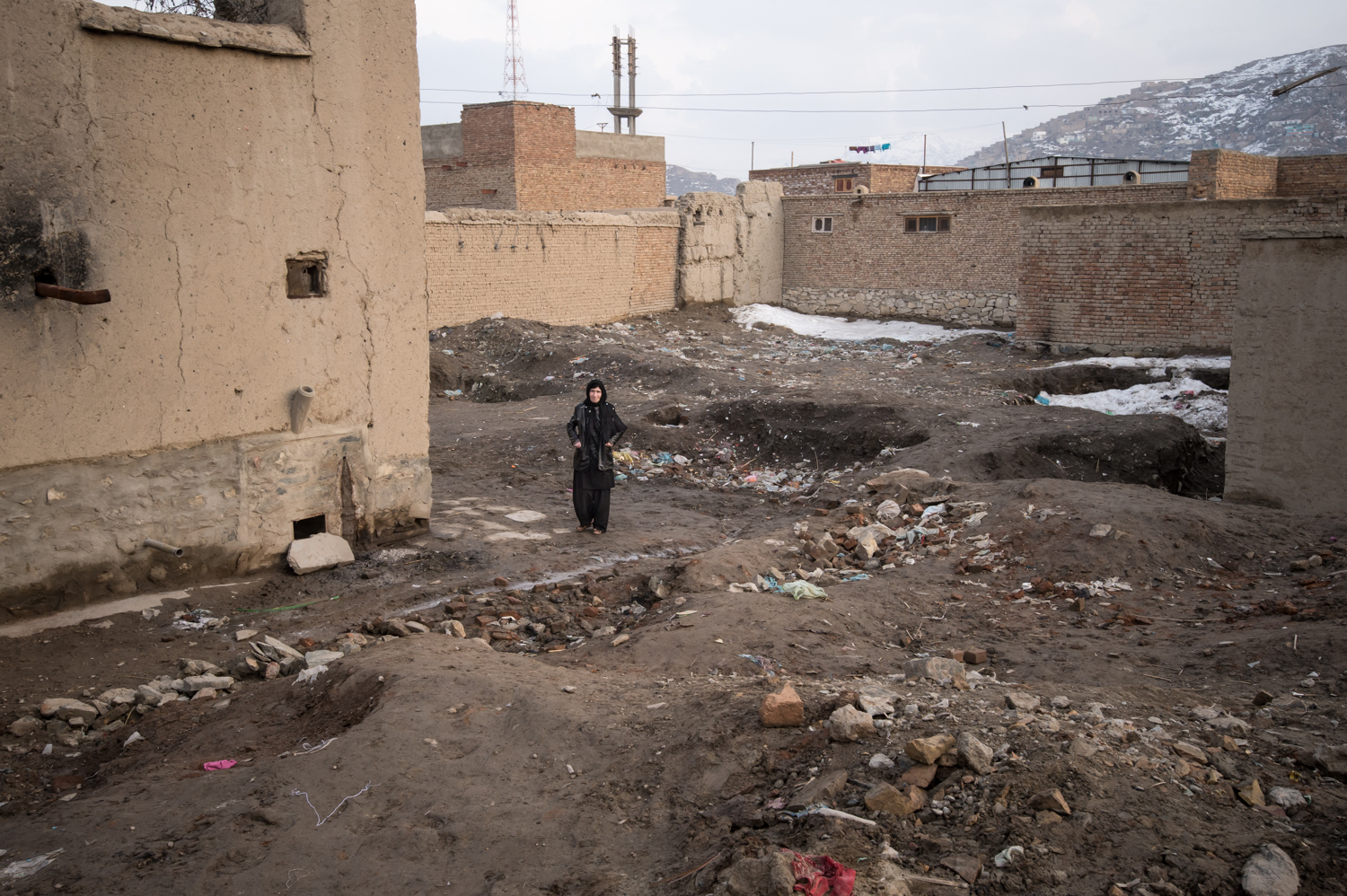
Kabul, Afghanistan. Zarghona is visiting her home for the first time since the roof had fallen during a heavy snow storm.
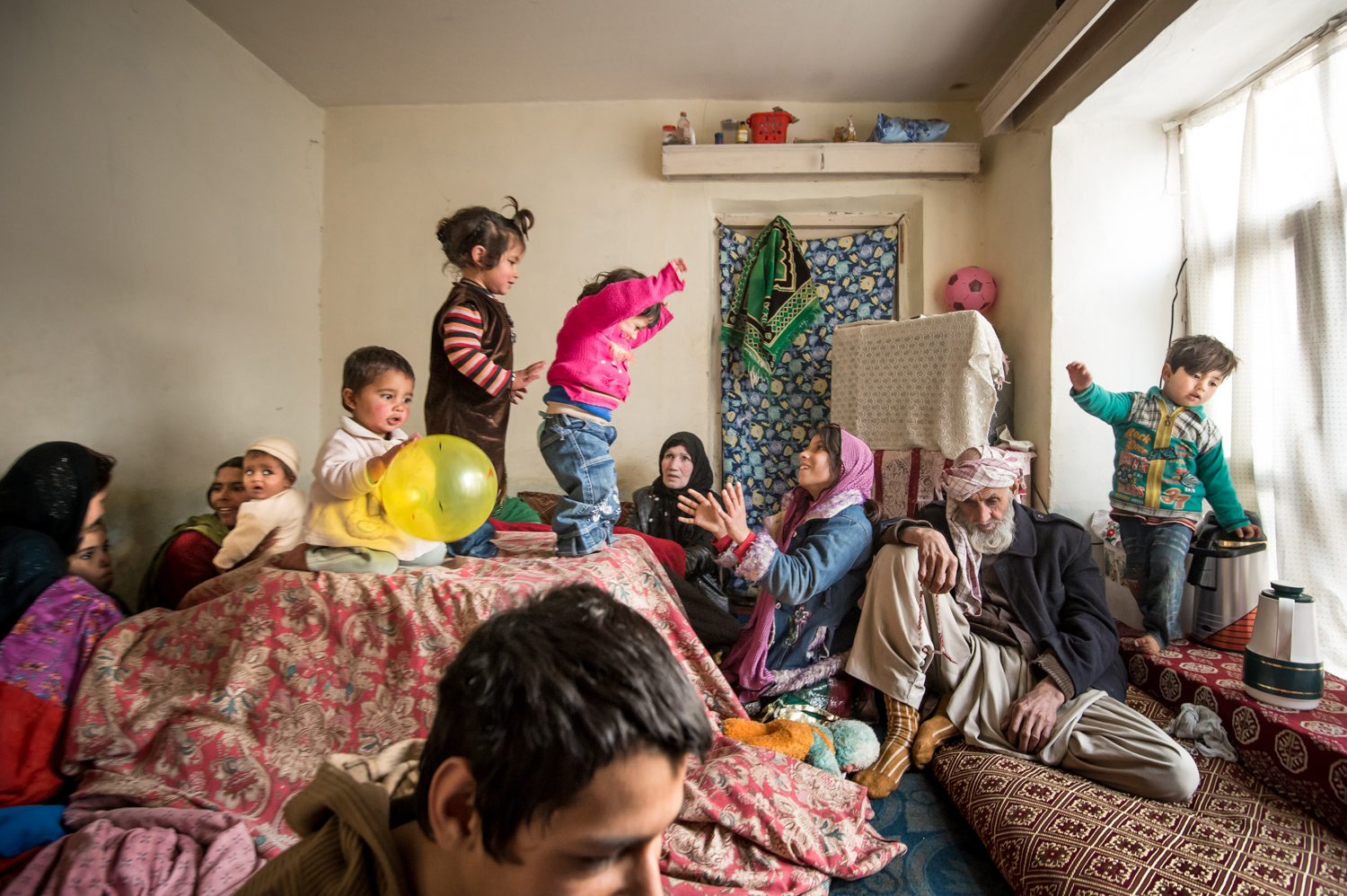
Kabul, Afghanistan. Zarghona and part of her family live in an apartment in Shah Shaid. On this day, they are visiting her son and daughter-in-law Carmela and other members of the extended family.
Kabul, Afghanistan. Barialy is now eighteen and becoming too heavy for his mother, Zarghona, to carry.
Kabul, Afghanistan.  A child bride at ten, Zarghona, now fifty, has a large extended family.
Kabul, Afghanistan. A child bride at ten, Zarghona, now fifty, has a large extended family.
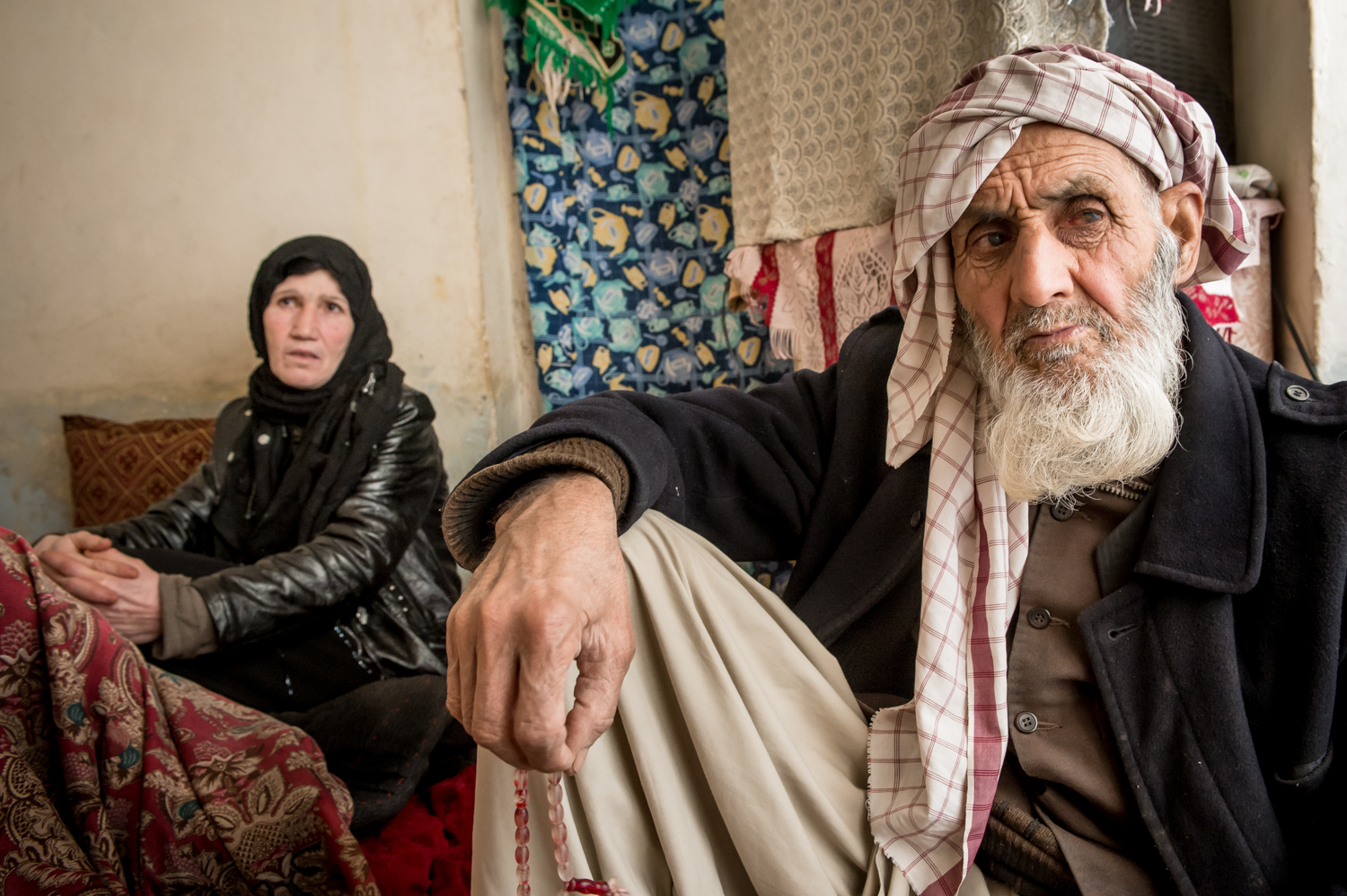
Zarghona and Ghulam-Faroq, her 92 year old husband.
Ghulam-Faroq's Bookstore
Ghulam-Faroq’s Bookstore
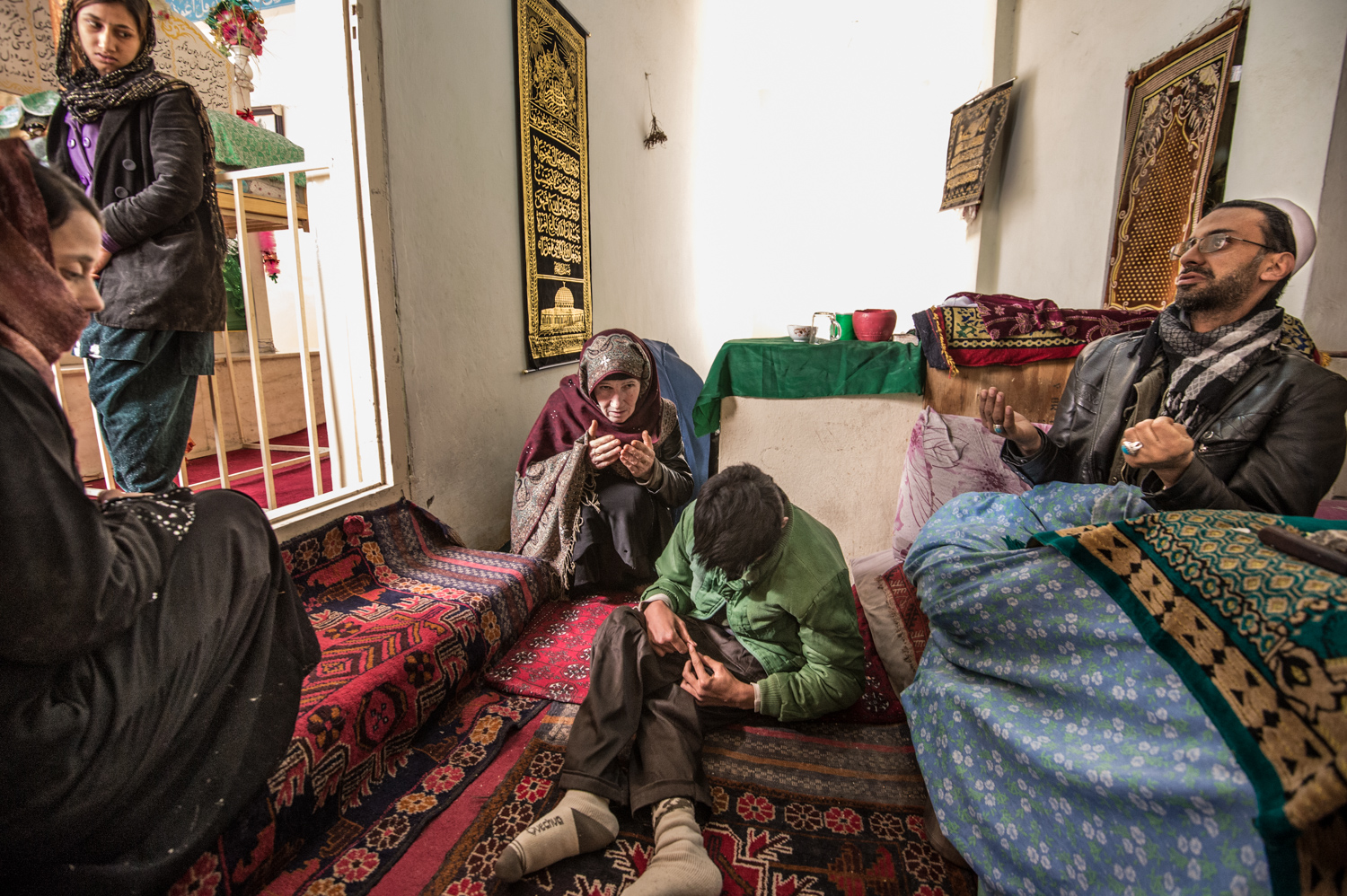
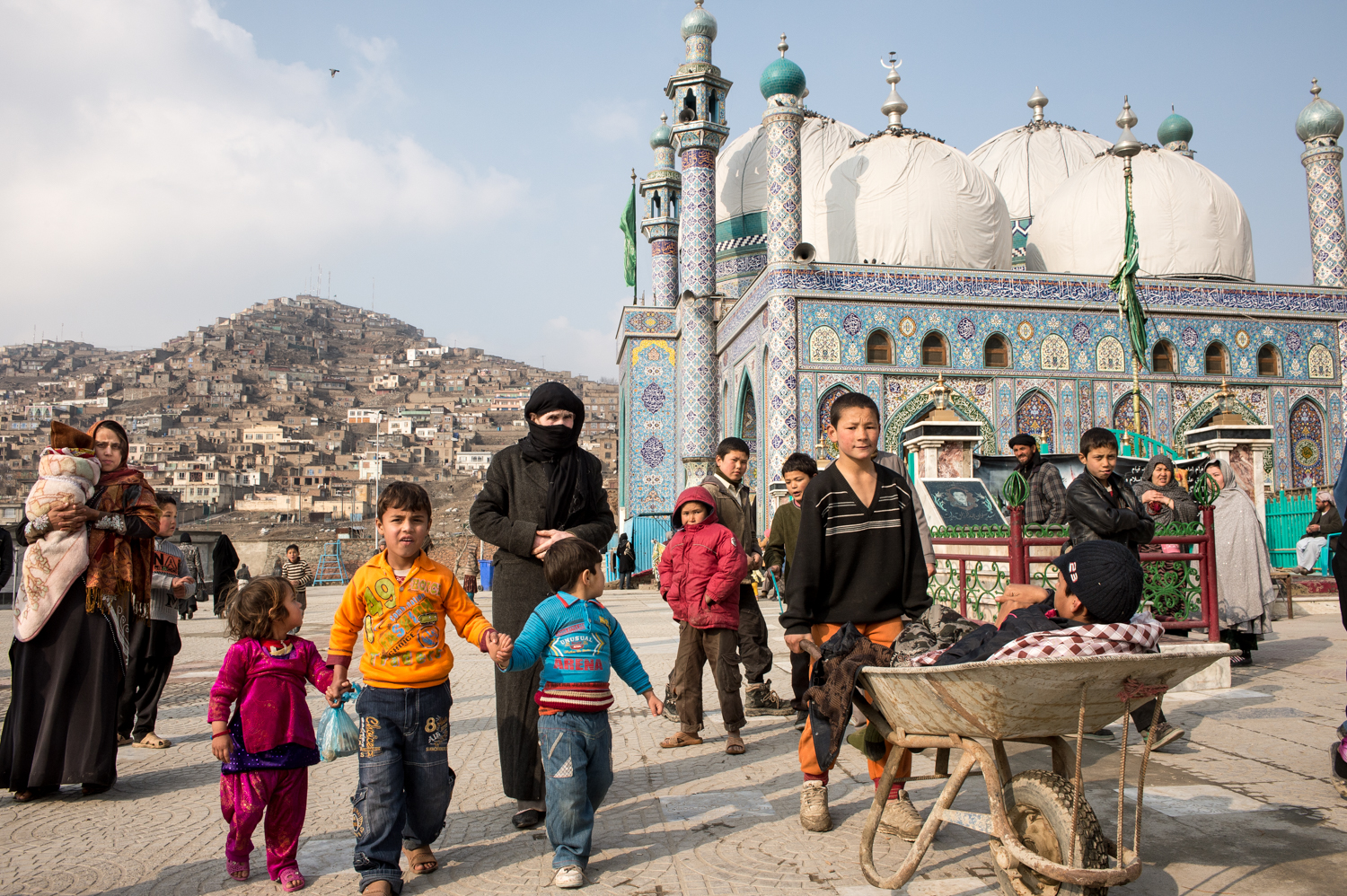
Zarghona took her son Barialy to a shrine in Kabul. Barialy was injured in The Civil War. There the ritual of “Doing Dam” was performed; verses are read from the Holy Koran and the touching with a knife to a sick or injured person is to take away the injury or illness.
Kabul, Afghanistan. Zarghona and family go to the shrine to be healed and to pray.
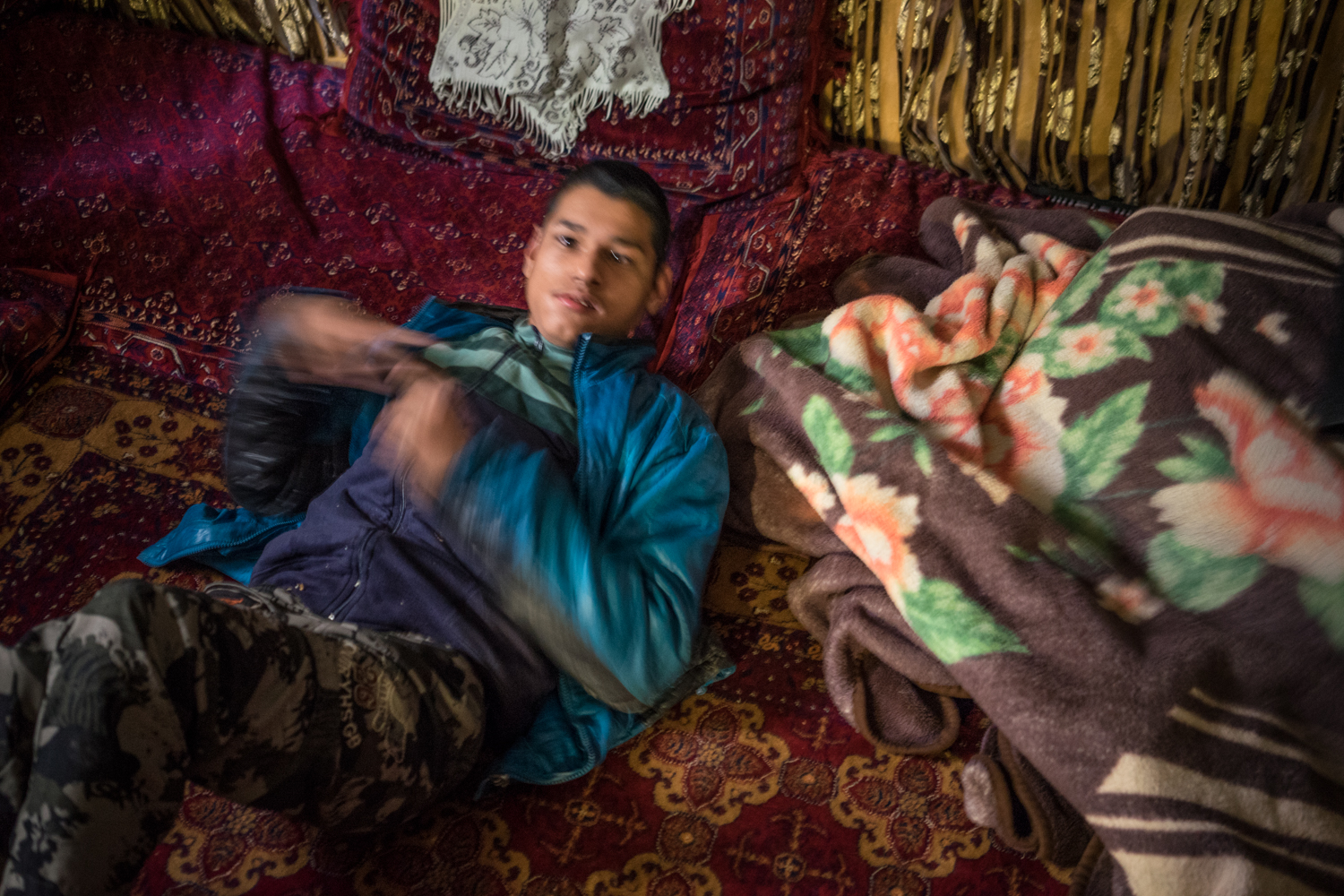
Barialy, injured in a rocket attack during The Civil War, often becomes angry and frustrated being confined in a semi paralyzed body.
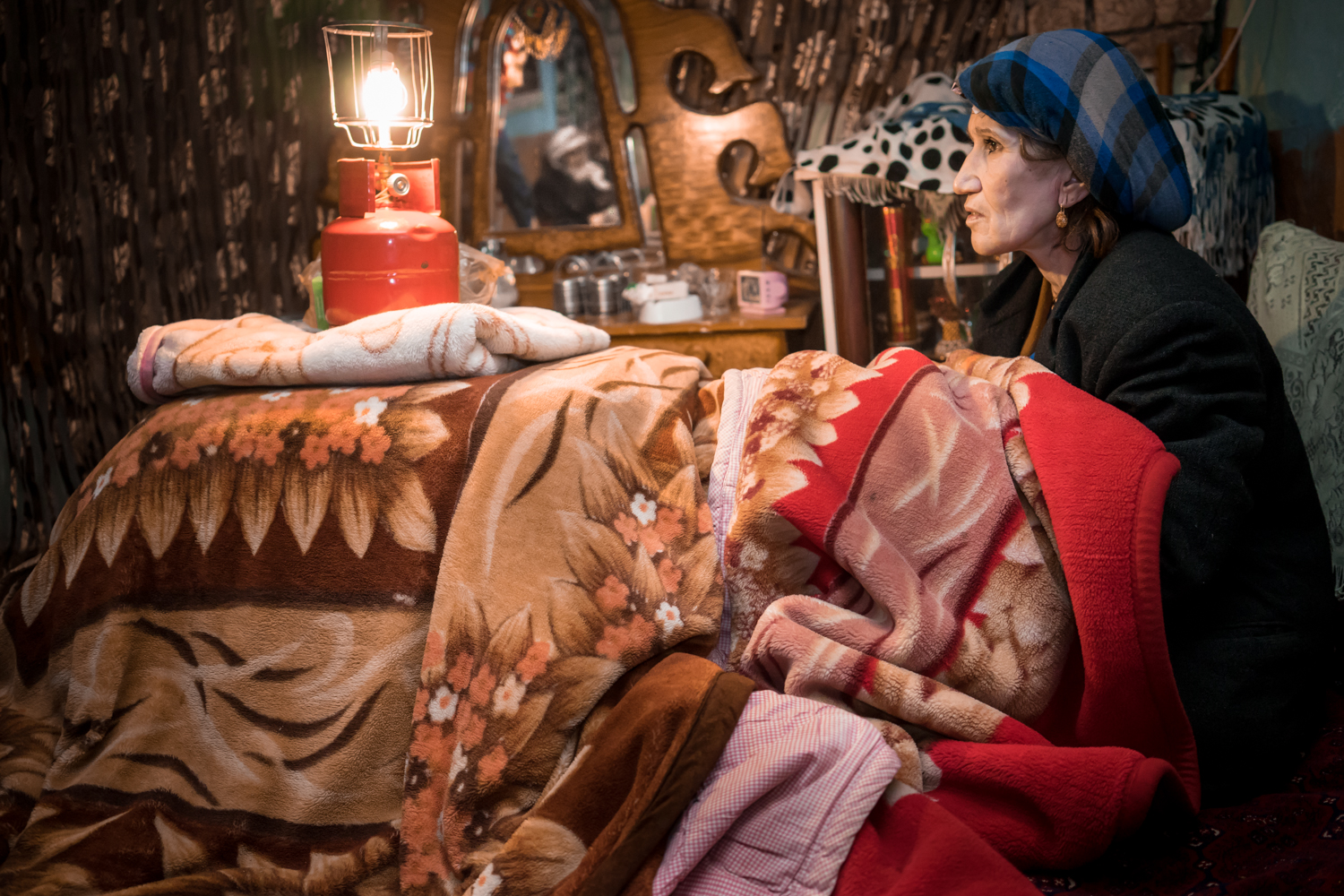
After a long hard and cold day Zarghona sits warming herself under blankets.
Zarghona's youngest daughter is now accepting suitors. This includes many visits and negotiations between the two couples before they can become engaged.
Zarghona’s youngest daughter is now accepting suitors. This includes many visits and negotiations between the two couples before they can become engaged.
Camilla, one of Zarghona's daughter-in-laws, Gulali, Malai, daughters and their children are together for a family gathering on Friday afternoon.
Camilla, one of Zarghona’s daughter-in-laws, Gulali, Malai, daughters and their children are together for a family gathering on Friday afternoon.
Fatima, Zarghona's youngest daughters helps care for Barialy.
Fatima, Zarghona’s youngest daughters helps care for Barialy.
Gh ullam Farooq, Zarghona's 93 year old husband, still loves caring for the children.
Gh ullam Farooq, Zarghona’s 93 year old husband, still loves caring for the children.
Barialy has be come to heavy for Zarghona to carry. She now hires someone with a wheel-barrel to help her transport him from place to place.
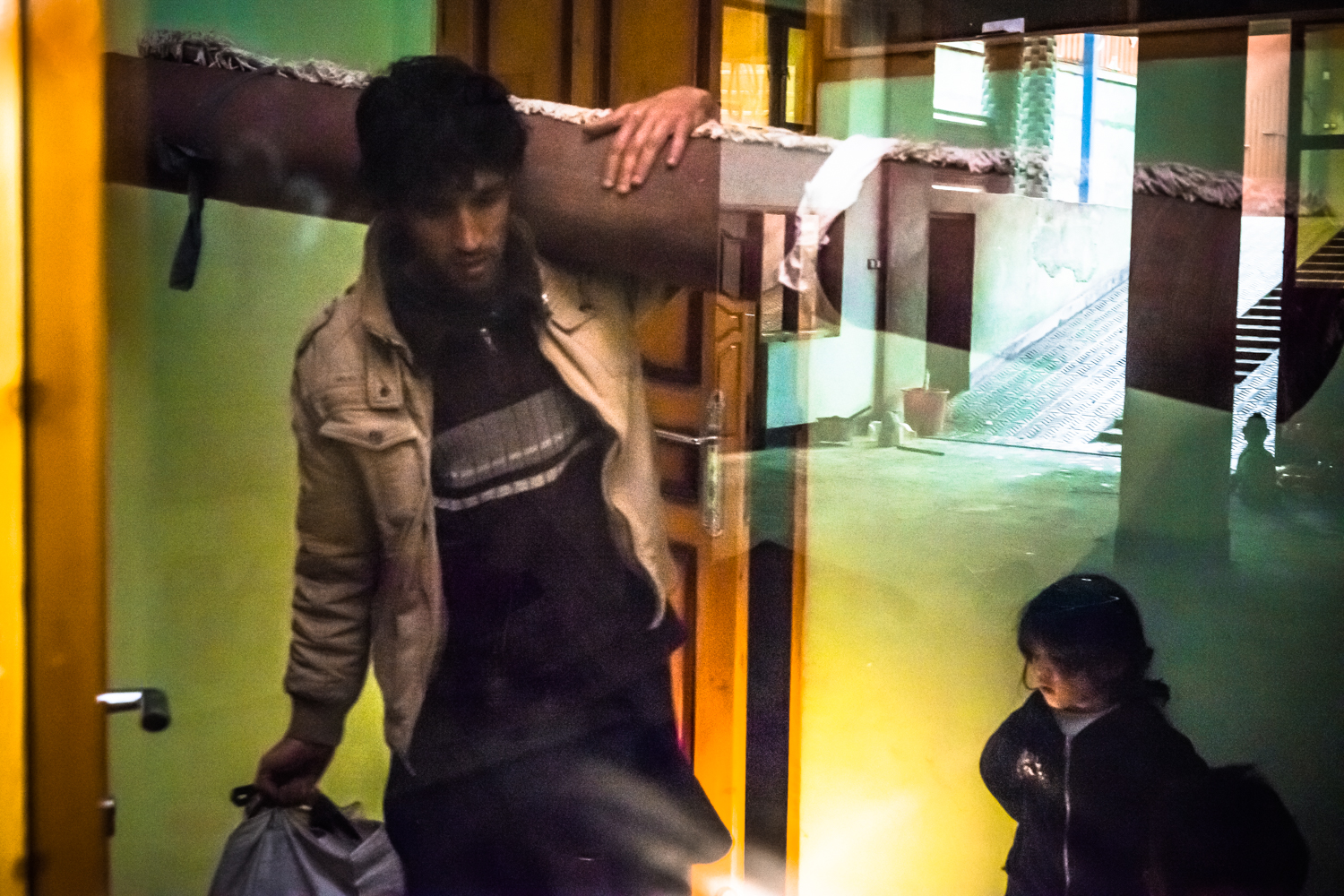
Zalmy, Zarghon's second son and Camila's husband is moving his family from a cold dark basement room to his brother-in-laws house. Zalmy and Camila had become indentured servants to a wealth man and his second wife. The conditions were deplorable. My guide, Najibullah made the arrangements for them to leave.
Zalmy, Zarghon’s second son and Camila’s husband is moving his family from a cold dark basement room to his brother-in-laws house. Zalmy and Camila had become indentured servants to a wealth man and his second wife. The conditions were deplorable. My guide, Najibullah made the arrangements for them to leave.
Camila and her two youngest children arrive at her brother's house which will be the family's new home.
Camila and her two youngest children arrive at her brother’s house which will be the family’s new home.

Liu_G-20

Zarghona and Gulali prepare diner for the family while her grandson prays.
Zarghona visiting the location of where her home had collapsed. She found out that night that her husband and son had sold the property and had not told her. Now, with an aging husband of ninety-two, an invalid son, one young daughter,  and several grandchildren to support, she has no property and has become severely depressed.
Zarghona visiting the location of where her home had collapsed. She found out that night that her husband and son had sold the property and had not told her. Now, with an aging husband of ninety-two, an invalid son, one young daughter, and several grandchildren to support, she has no property and has become severely depressed.

The Art of the Personal Project: Christina Richards

As a former Art Producer, I have always been drawn to personal projects because they are the sole vision of the photographer and not an extension of an art director, photo editor, or graphic designer. This new column, “The Art of the Personal Project” will feature the personal projects of photographers using the Yodelist marketing database. You can read their blog at http://yodelist.wordpress.com. Projects are discovered online and submissions are not accepted.

Today’s featured photographer is: Christina Richards

ChristinaRichardsEna_001

ChristinaRichardsEna_002

ChristinaRichardsEna_003

ChristinaRichardsEna_004

ChristinaRichardsEna_005

ChristinaRichardsEna_006

ChristinaRichardsEna_007

ChristinaRichardsEna_008

ChristinaRichardsEna_009

ChristinaRichardsEna_010

ChristinaRichardsEna_011

ChristinaRichardsEna_012

ChristinaRichardsEna_013

How long have you been shooting?
About 10 years

Are you self-taught or photography school taught?
I studied photography at the Savannah College of Art and Design.

With this particular project, what was your inspiration to shoot it?
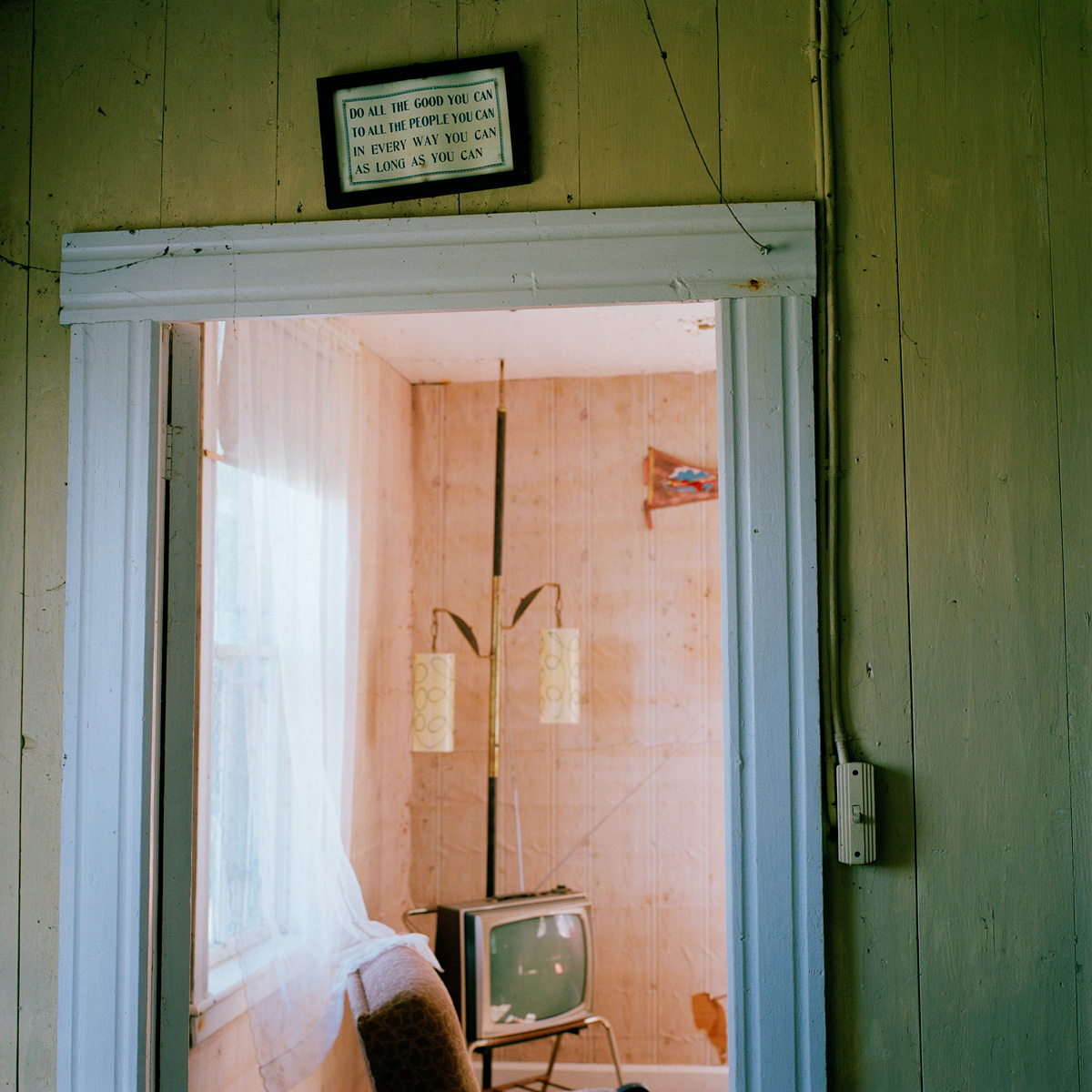
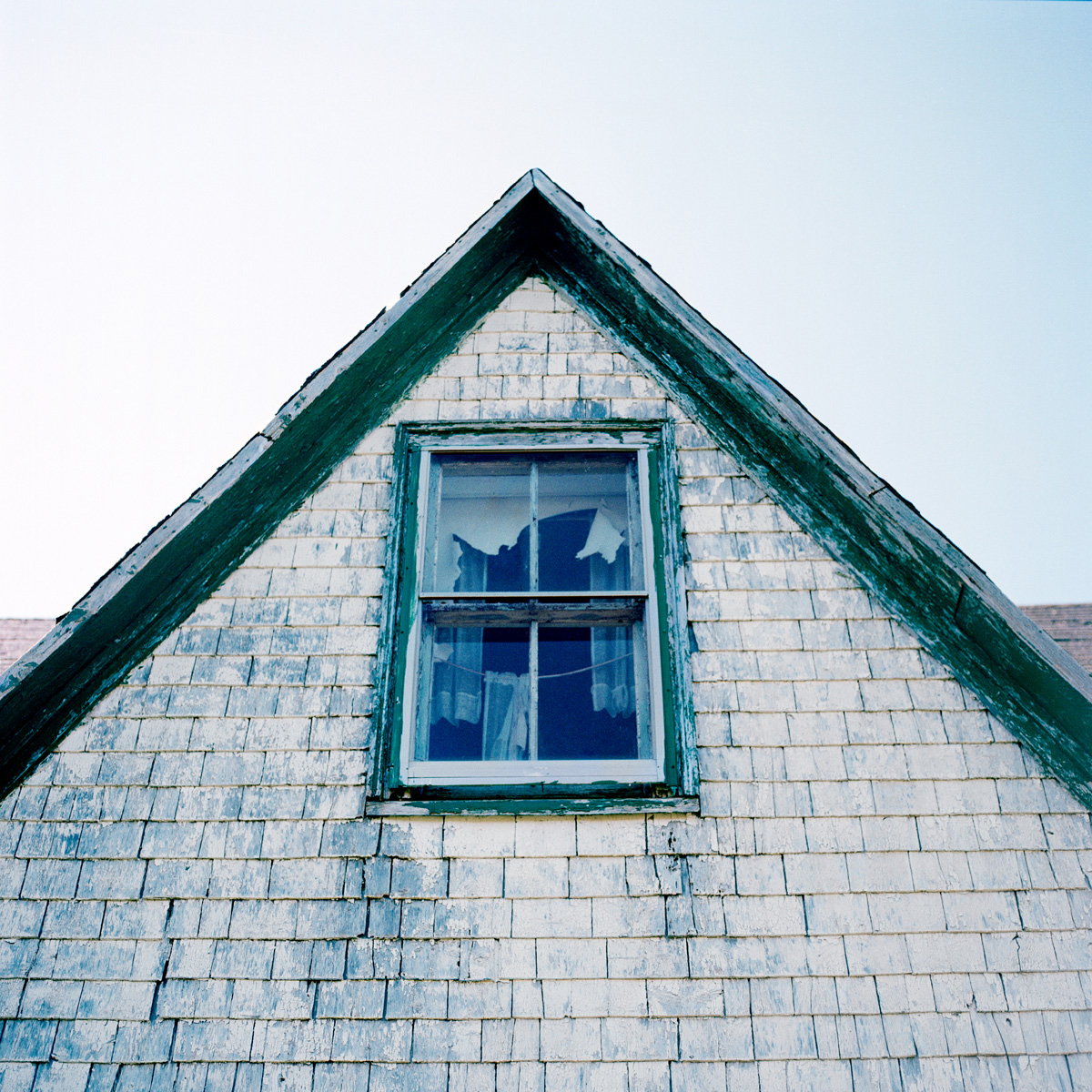
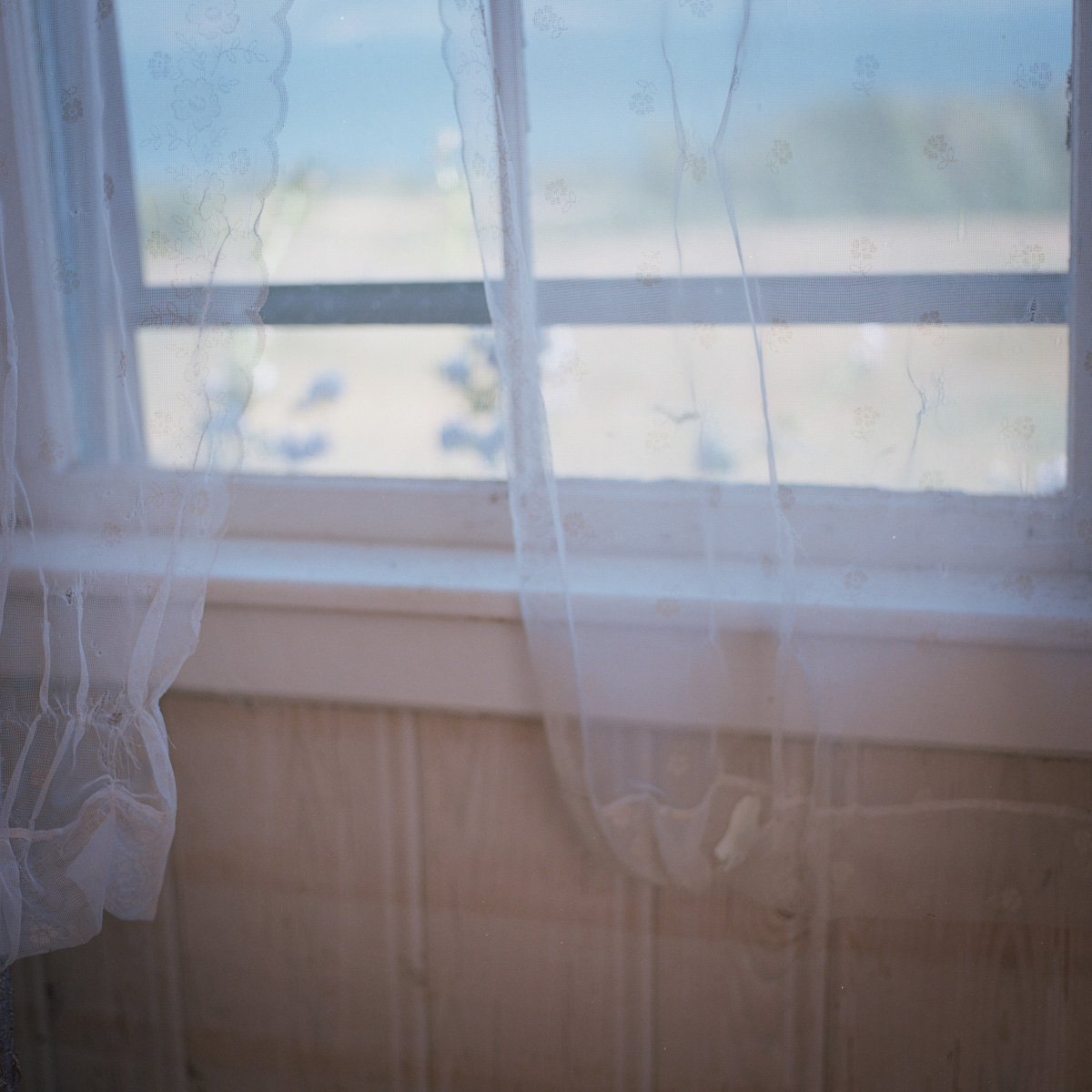
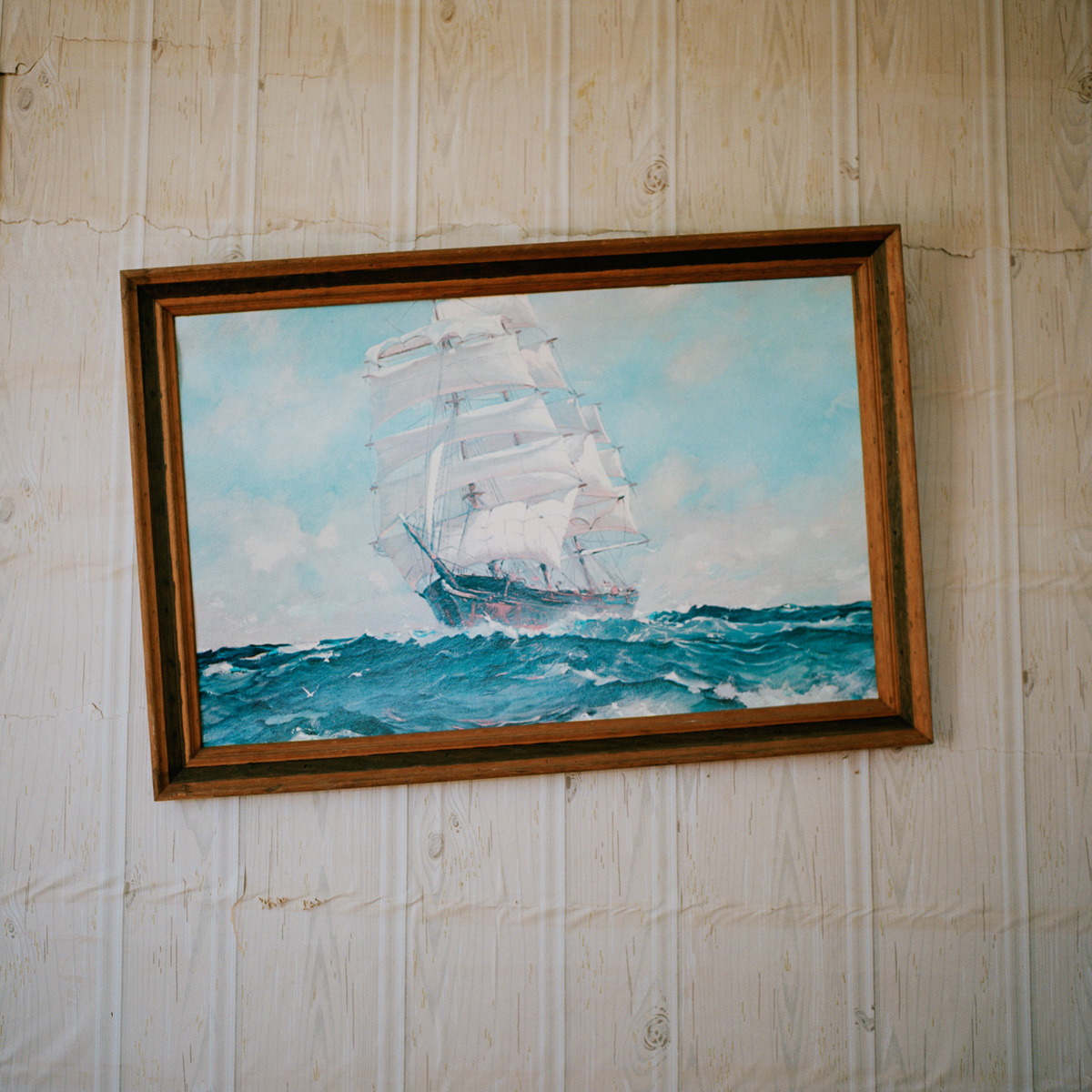
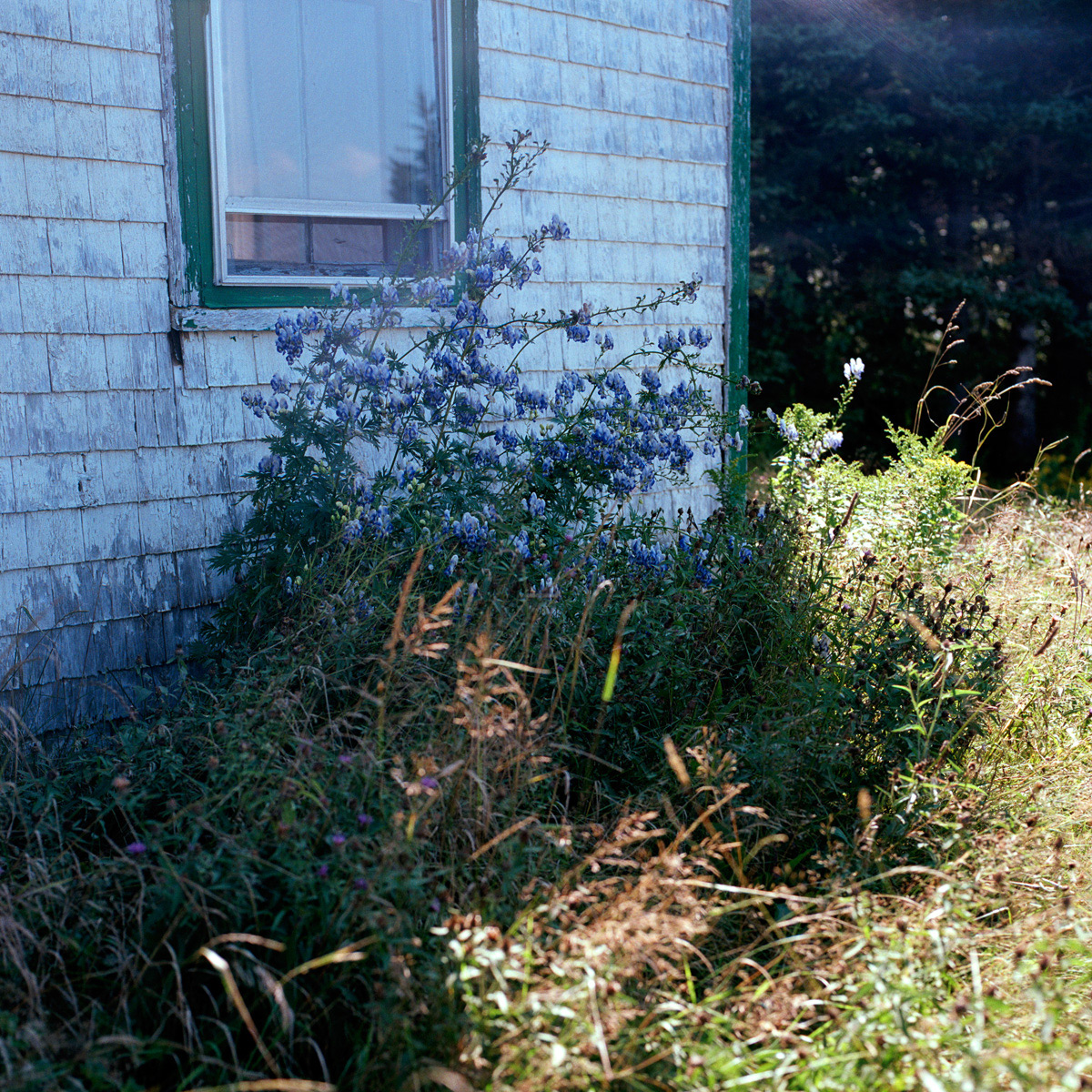
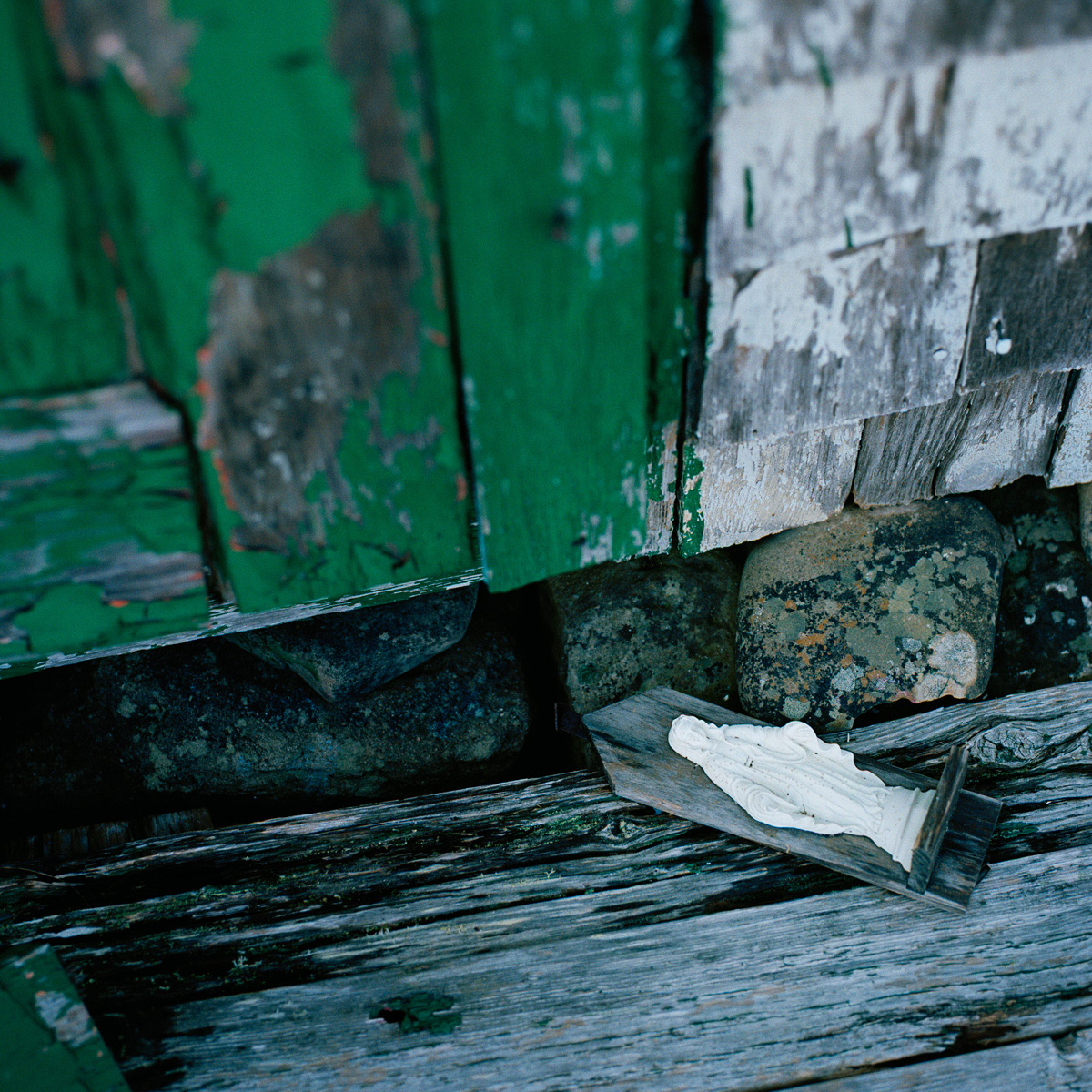
As a kid I loved flipping through the family photo albums at my great-grandmother’s house. Her name was Georgena, everyone called her Ena. Ena also had a painting of a house on a green hill. She told me this was the house she was born in, at Lake Ainslie in Cape Breton, Nova Scotia. I loved hearing stories about the house, Ena was a great story teller. When I found out that the house was still there and was still owned by a family member I knew I had to go and see it for myself. Once I got to Cape Breton it was such an adventure to actually find the house, there was no address and no one had lived there for years. I had the painting, a picture, and a verbal description from my grandmother and her sister. We knew it was at Lake Ainsley but not much else. When we finally caught a glimpse of the house we drove as far as we could then hiked up the overgrown drive and there is was. Being inside was thrilling. It was a dream come true to finally be there.

How many years have you been shooting this project before you decided to present it?
The idea to photograph the house and the land that surrounds it was in my head for years. I was working as a photo assistant when I finally had the opportunity and the means to make the trip. I spent about a week there, visiting the house, exploring the beautiful island of Cape Breton and of course taking pictures. The house is no longer standing, but I would love to go back and see what has happened to the land.

How long do you spend on a personal project before deciding if it is working?
It really depends on the project and how excited I am about it. I really value the input of my peers and friends when I start a project. I’ve started many projects that don’t end up working but they hopefully lead to something else.

Since shooting for your portfolio is different from personal work, how do you feel when the work is different?
For me shooting for the portfolio is a balancing act, I want it to feel like a personal project but also be marketable, fill a gap in the portfolio, strengthen my brand, etc. With personal work you are just working for yourself and it’s such a joy when it’s working and so discouraging when you can’t find inspiration or the images aren’t what you imagined they would be.

Have you ever posted your personal work on social media venues such as Reddit, Tumblr, Instagram or Facebook?
No, I still can’t quite figure out the social media aspect. I’m working on it!

Have you printed your personal projects for your marketing to reach potential clients?
Not yet, but I’m working on a new promo piece and it’s possible some of these shots will make it on at lease one version.

Artist Statement
My great-grand mother, Ena was a wonderful storyteller. I loved to hear the stories of her life in Cape Breton, Nova Scotia. Her stories sparked a curiosity about family history and how it shaped my life and the lives of others. Discovering Ena’s childhood home was the beginning of a continued exploration of memory and family.

—————-

Christina is an east coast native who calls California home.
She is fascinated by the fleeting, honest, and spontaneous moments of life. Her photography explores the themes of family, childhood, memory, and a sense of place and time. Christina spent her youth in New England and studied photography at the Savannah College and Design. After college she moved to NYC and finally to the bay area where she now lives with her husband and dogs. Christina loves exploring the wild and urban spaces that surround her. She often takes along one of her many film camera’s with the hope of finding magic in everyday life.
www.christinarichards.com


APE contributor Suzanne Sease currently works as a consultant for photographers and illustrators around the world. She has been involved in the photography and illustration industry since the mid 80s, after establishing the art buying department at The Martin Agency then working for Kaplan-Thaler, Capital One, Best Buy and numerous smaller agencies and companies. She has a new Twitter feed with helpful marketing information believing that marketing should be driven by a brand and not specialty. Follow her on twitter at SuzanneSease.

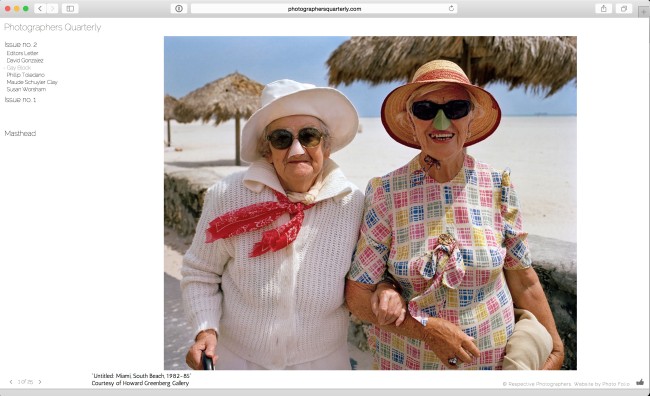
Photographers Quarterly Issue No. 2

Photographers Quarterly is a new online magazine edited by Jonathan Blaustein and designed by myself, that gives us an opportunity to to show portfolios and make something purely about the photography. And of course, being an online magazine, we can do whatever the hell we want with it, which I love.

Please enjoy the Summer issue of Photographers Quarterly featuring the work of David Gonzalez, Gay Block, Phillip Toledano, Maude Schuyler Clay, and Susan Worsham.

http://photographersquarterly.com

pqno2

The Daily Edit – Fast Company: Zach Gross

unnamed-2

unnamed

unnamed-1
Fast Company


Photo Director:
Sarah Filippi
Photo Editor: Annie Chia
Photographer: Zach Gross

Heidi: What type of direction did you get from the magazine?
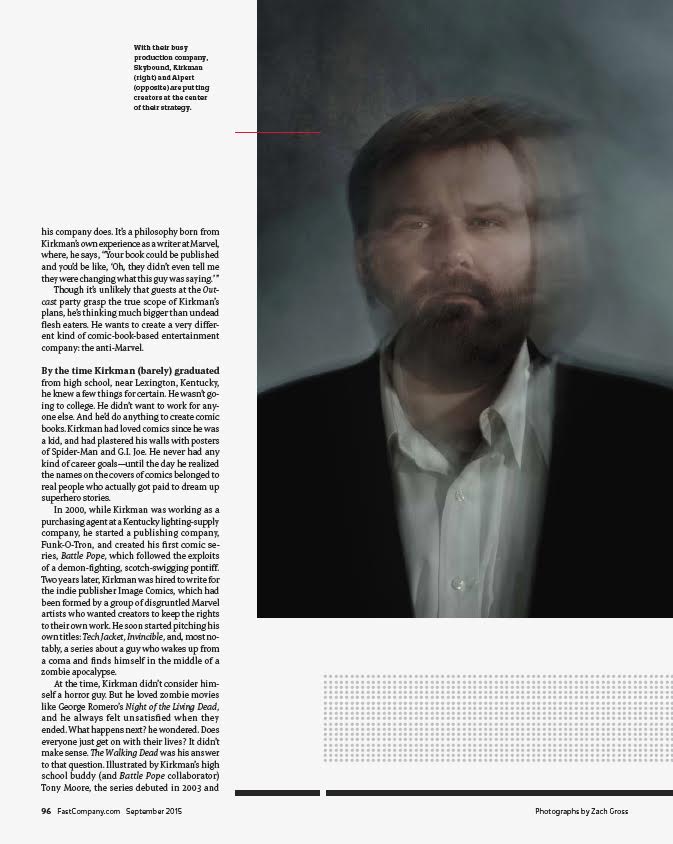
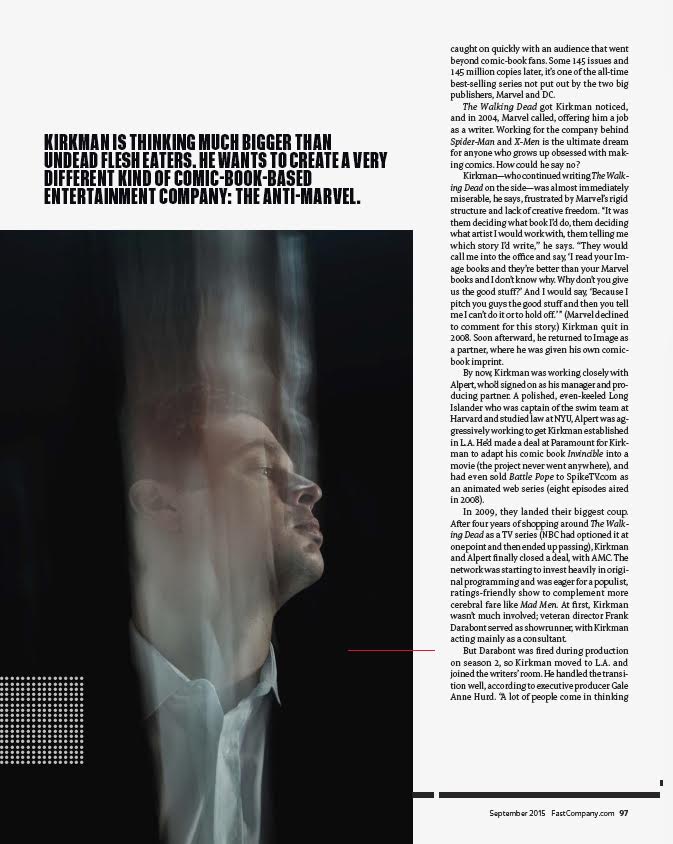
Zach: Annie asked me to do something a little creepy and eerie: using double exposures and shutter dragging to distort/obscure their faces. She wanted the portraits of David and Robert to look a little unsettling like their television show, The Walking Dead.

What was your technique for this?
I used three strobes mixed with the ambient light coming down from a skylight in the studio, and a smoke machine to create a hazy atmosphere.

How much time did you have to do the portraits?
Because of their tight schedules, I had thirty minutes with each subject.

It’s so refreshing to see a different style of portrait that suits the content. Have you done this type of portrait before?
I’ve experimented with this type of technique before while photographing dancers and performance artists.  This time it was a bit different because the subjects were not performers. I had to direct them more and suspend their literal interpretations of a portrait, asking them to perform a little more then they were used to.

Did you do any testing for this?
I arrived at the studio early, and did some tests for about an hour to adjust the light and get the technique dialed in. I came to the studio with specific ideas and goals. I sketched out some ideas on paper to help visualize the shoot. During the process, details get adjusted and tweaked but it was good to have a blueprint.

The blurs seem to be directional, how did you do that?
The blurs are directional because both the subjects and I were moving. The shoot was a bit of a dance trying to find the convergence of all the elements: strobe light, natural light, smoke, and expression. A lot of exploring different compositions…it felt like choreography.

The Daily Promo: Kevin Zacher

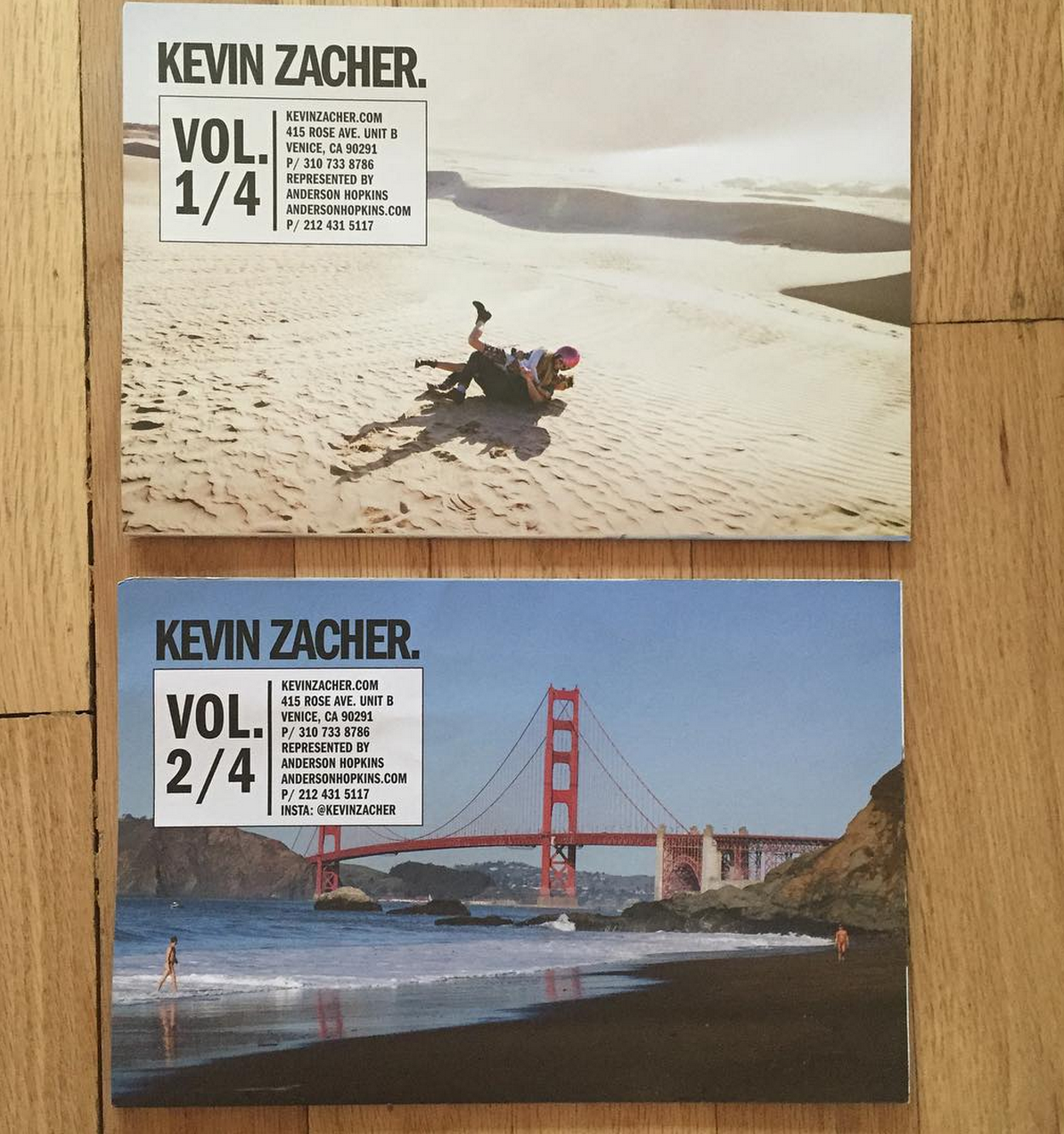
Screen Shot 2015-08-09 at 4.48.21 PM Screen Shot 2015-08-09 at 4.48.33 PM Screen Shot 2015-08-09 at 4.48.43 PM Screen Shot 2015-08-09 at 4.48.50 PM

Kevin Zacher

Who printed it?
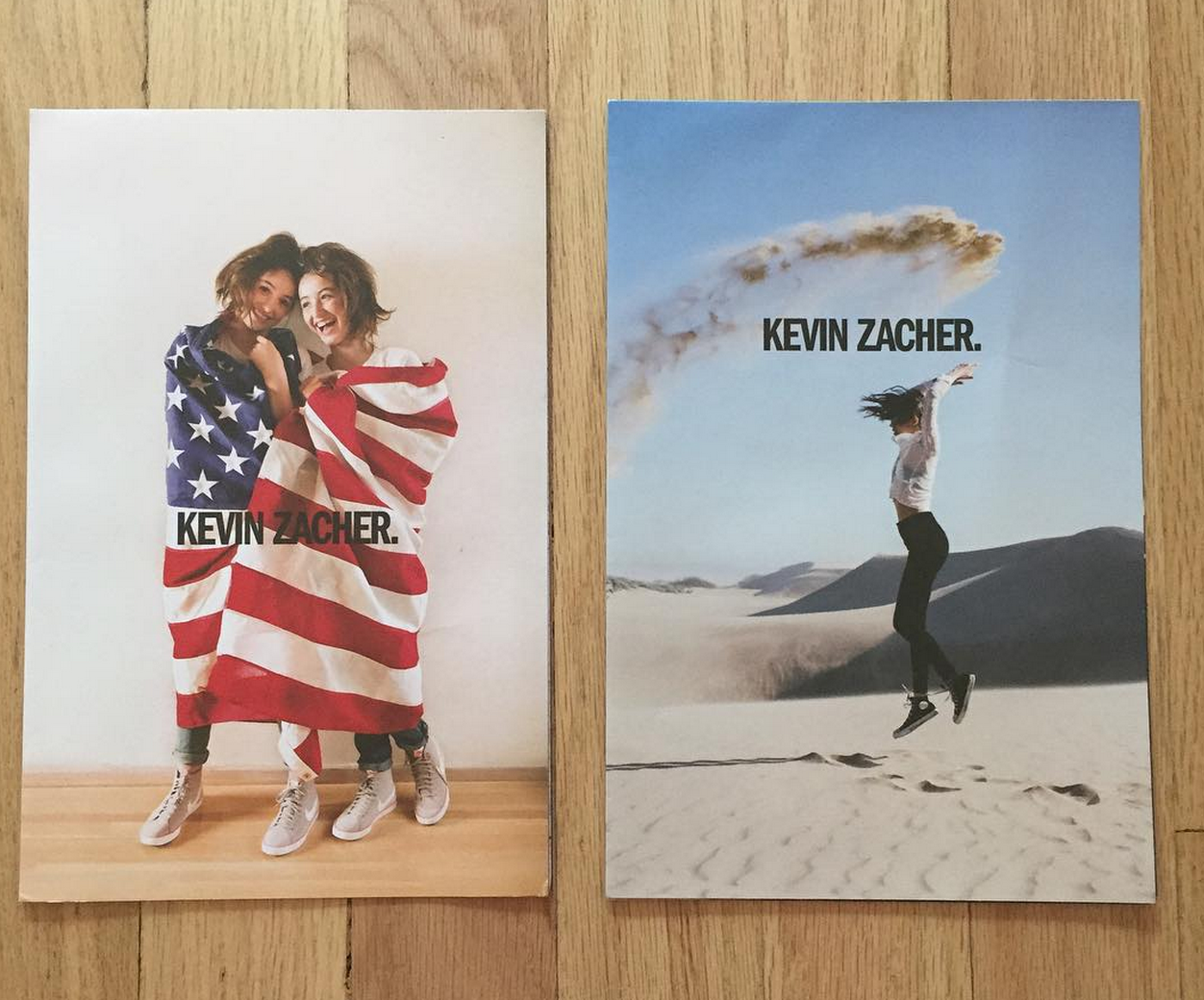
Source Print Media in LA.  I like to keep it local and in America.  We used a traditional litho process but with the new technology of UV inks and UV lamps. This allows the printer to not have any dry back issues in the uncoated stock which in turn keeps the colors more vibrant.  There is also less waste in this process.

Who designed it?
Eric Pfleeger who is a freelance art director in LA  and formerly in New York and Amsterdam doing the agency thing.  He’s done promos for Christa Renee, Amanda Marsalis, Karen Caruso, Justin Hollar and logos for Peter Bohler and Brian Stevens. He is currently working on a super cool top-secret book project with an entertainment artist.   He’s been doing all my promos for the last 2 years and has a great sense for simplicity and editing.   He did a mini book for me that I shipped a couple of years ago and it looked beautiful so I just kept going with him.

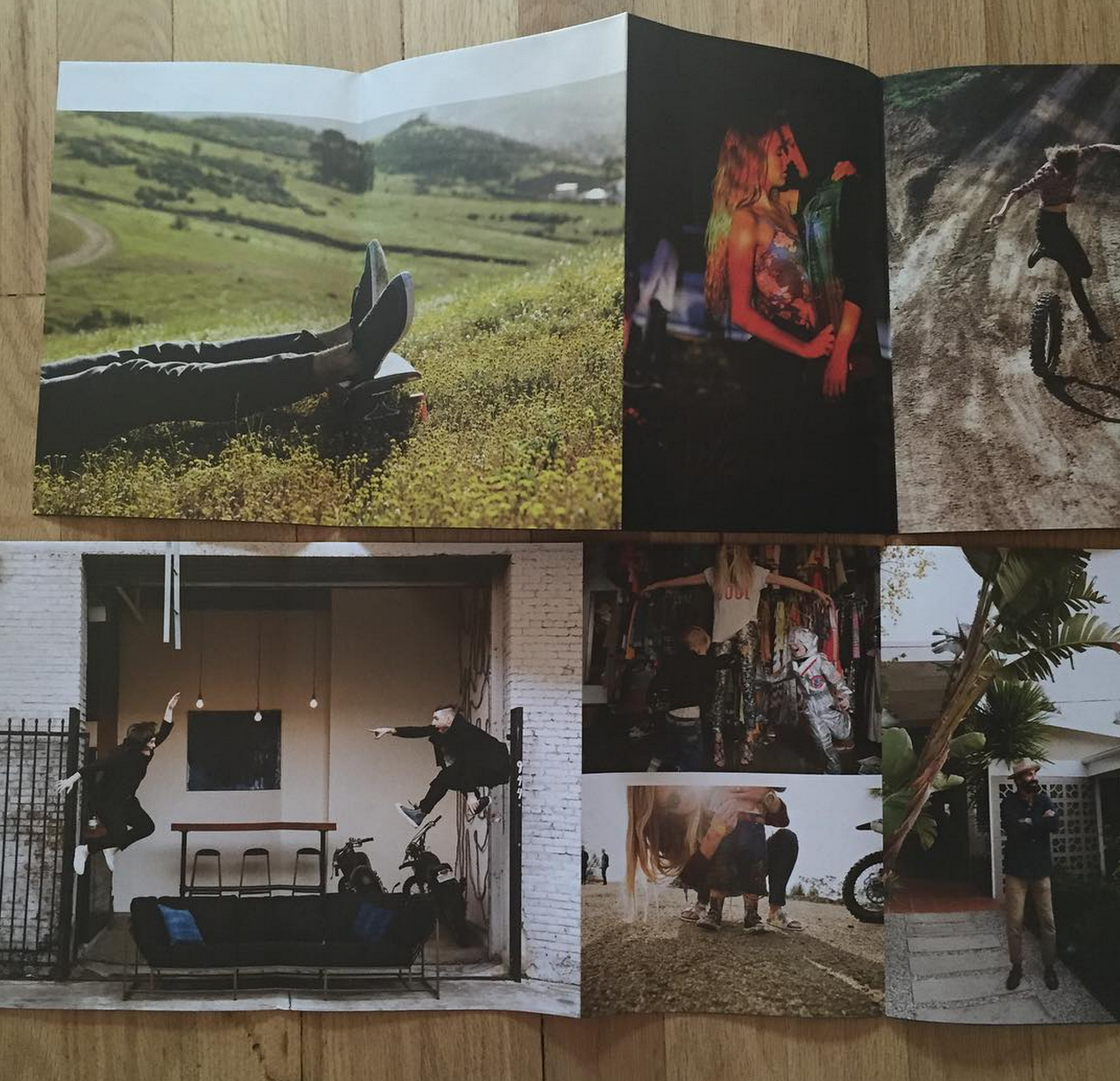
We wanted them to be more or less simple and utilitarian.  A promo that isn’t so much about the design, but the work, the ease of use and  the fun of a poster.  The fold is very specific, that is because I wanted the images to be upright almost no matter how you look at it.  If it’s completely folded you can sort of flip it like a magazine and the images will be right side up.  And then of course for those who are into posters we offer that.  Who doesn’t like a good poster.  All time best poster?  Farrah Fawcett in the one piece swim suit.  Don’t know it??   Look it up- you won’t be disappointed male for female.

Who edited the images?
A mix between myself and Eric Pfleeger.  Each promo is built from photographs from one specific shoot, not a montage of many shoots or images over time. I wanted to challenge myself to do a promo I was happy with from a limited amount of work.   Limited in that it’s not curated from anything I’ve done in the last year, but from a single shoot that might last a day or a week.  I shoot a lot, but it’s still a challenge to commit to so few images.    I will send Eric as broad an edit of a shoot as I can and he will whittle it down and put into 3 to 4 layouts for me to review.   I will then bounce back some images I don’t like or add ones that weren’t included and then we will battle it out until we are both happy.  I want him to be happy, because it’s not just about me.  It’s about the integrity and I want Eric to gain something for himself as well.

How many did you make?
4,250.  4,000 get shipped out and 175 go to my agent Anderson Hopkins for hand outs and I keep the rest to hand out and mail to awesome people as they come into my life like Rob Haggart!!!  If anyone wants one hit me up!

How many times a year do you send out promos?
This year I am doing 4.  Roughly every 3 months or when the timing and work seem right.  I’ve shipped two so far:  Vol. 1 and Vol. 2.  I would ship more if I didn’t think it was wasteful and that people aren’t already tired of getting promos.  I will fill in with some email promos here and there when the work calls for it.

Work From Review Santa Fe 2015 – Part 2

I never get drunk anymore. It’s true. I can’t even remember the last time I was woozy and boozy, swaying like bamboo in a disorienting world.

I know, I know. Just last week I was bragging about throwing back shots of whiskey in my car with Paccarik, but that was just a little tipple to prepare for the onslaught of chatter. I barely even get a buzz on at portfolio reviews, these days.

It’s not about the drinking per se, these reviews I’m always on about. The key is to have just enough alcohol to be extra social, but not so much that you can’t speak coherently about your work. (And definitely not so much that you make an ass out of yourself in front of some VIP.)

Is this all obvious to you? Am I once again preaching about things that don’t need to be said? I’m not sure.

But the social aspects of Review Santa Fe, and other events like it, are where the long-standing relationships are built. That’s the reason I always recommend people attend a good festival: you can make things happen that you wouldn’t have predicted.

Case in point: in last week’s article, I highlighted the work of Shane Rocheleau. I edited out a few comments I made about Shane being a massive Massachusetts meat-head, once the beer was flowing. He was hilarious, his humor infectious, but I needed to mind my word count.

The story I was planning to tell was how Shane organized a little print trade/after-party in a room in the Drury Hotel. As it was booked into room 145, they cheekily called it The Gallery 145. People flocked, after the last evening’s final event, and I was handed a beer before I even knew what was happening.

There was a board of directors in place, a set of rules, and each trade was documented with ironic flair. Unfortunately, the organizers were unaware the hotel was filled with families and older folks, so by leaving the door wide open, at midnight, they were begging for trouble.

I was there when the hotel cracked down, shutting the party tight within three and a half minutes. Everyone moved on to a more suitable location, on a nice balcony, and that was the last I heard of it. But clearly, a few people who’d never met each other before organized something cool, that benefited others, and showed people a good time to boot.

I checked back with Shane yesterday, so he could remind me of the room number, and he said the whole endeavor morphed into a collective, and a website. It’s right here, if you don’t believe me. The Gallery 145 is a thing, and the leaders: Shane, Will Douglas, Eric Pickersgill, the aforementioned Paccarik Orue, and Marcus DeSieno intend to re-stage print trades at upcoming portfolio reviews, including one in Japan at the end of August.

Then, the guys decided that just staging print trades at portfolio reviews might not give them a ton of momentum. So they went ahead and founded the collective website Mall Pretzel, where they’re highlighting contemporary photography, seeking submissions, and planning exhibitions, IRL.

How cool is that?

I know that some people must think I’m always championing Review Santa Fe because I know the people there, and they helped launch my career. True enough, I suppose.

But really, those who read me regularly know how seriously I take this platform, and how much I’d like to help others realize their dreams, and pay the bills at the same time. If you don’t want to go to RSF, cool beans, but if you’re on your way up, and trying to make a name for yourself, you really ought to consider attending a top shelf festival.

That said, the point of this article is to highlight the best work I saw at RSF’15, so let’s get to it. (Once again, in no particular order.)

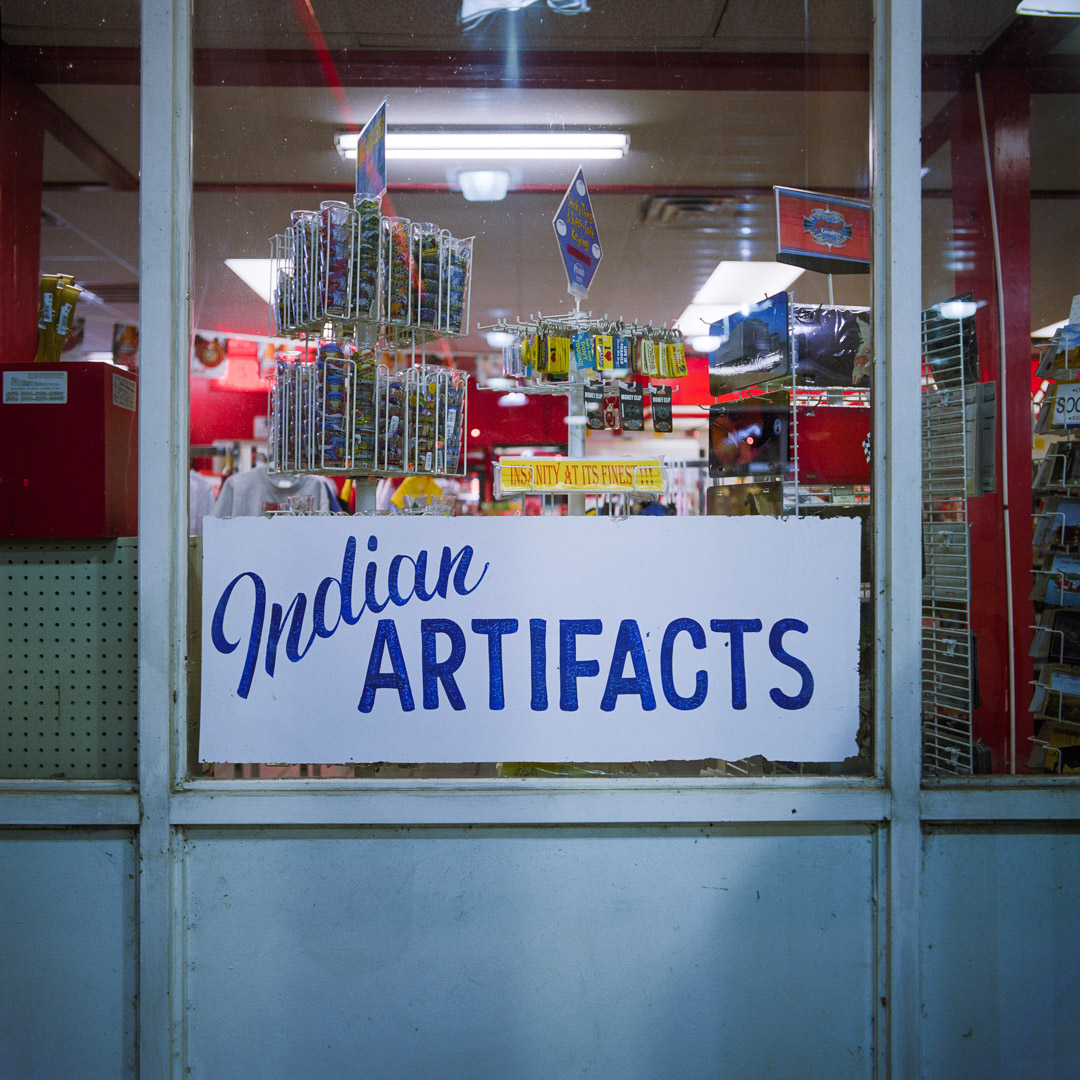
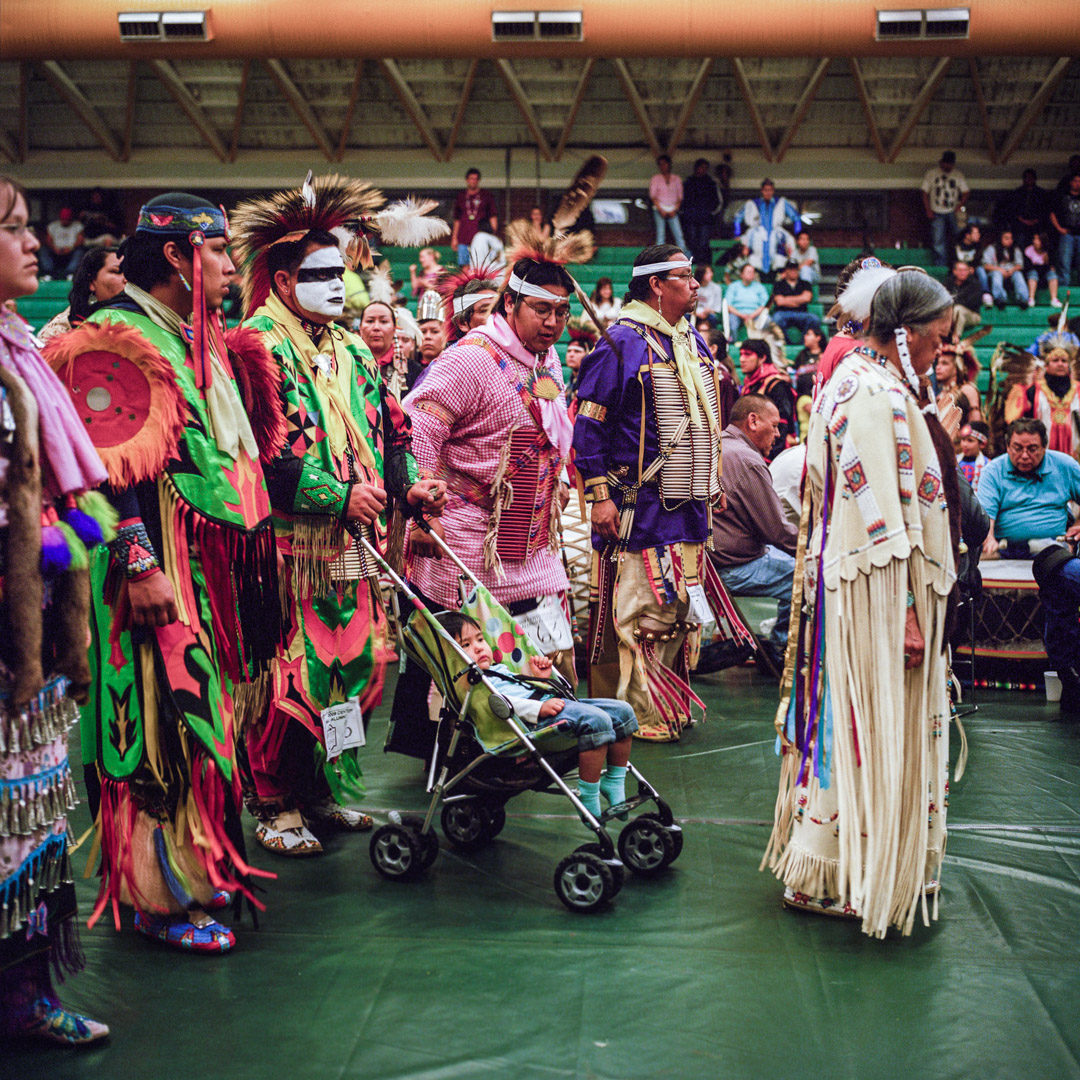
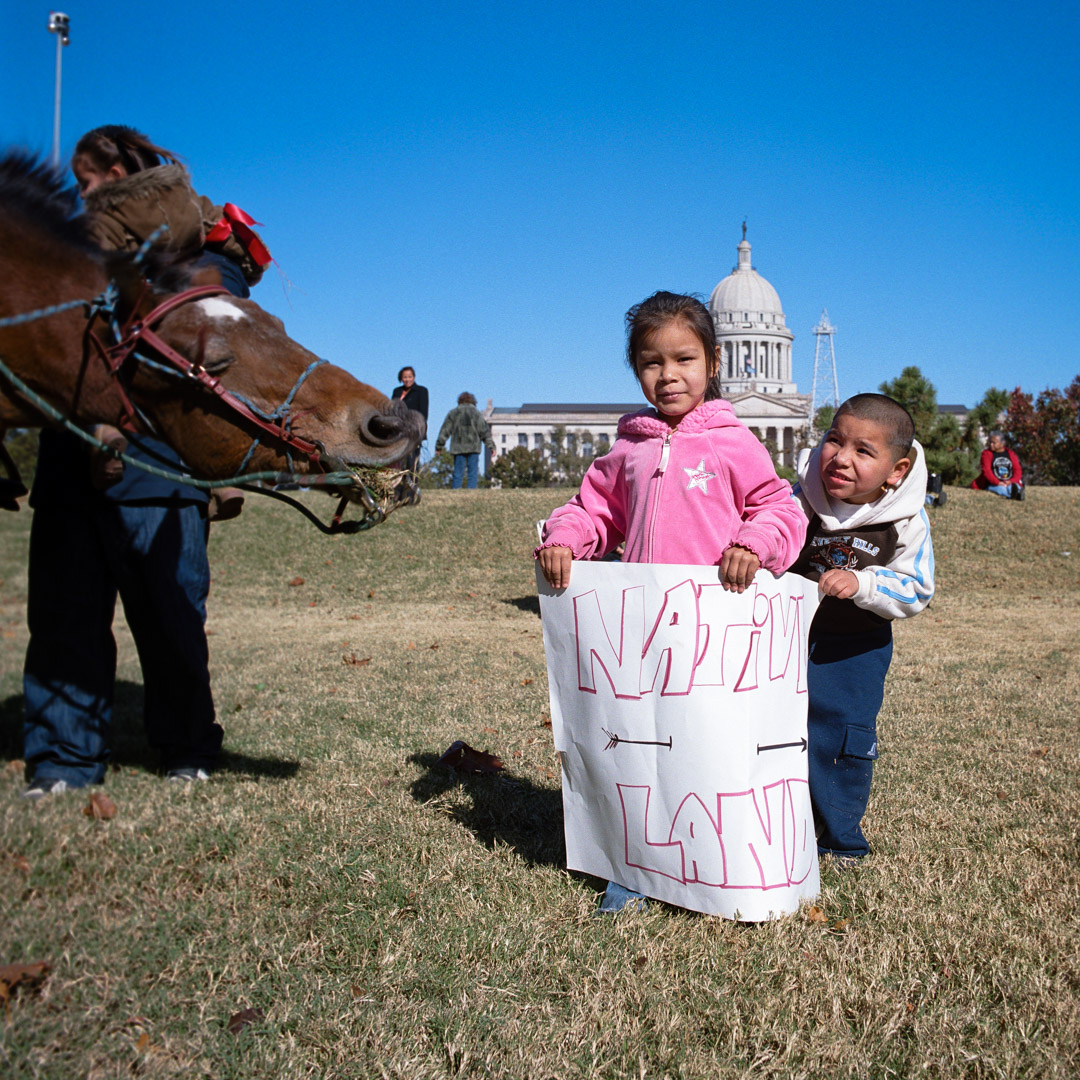
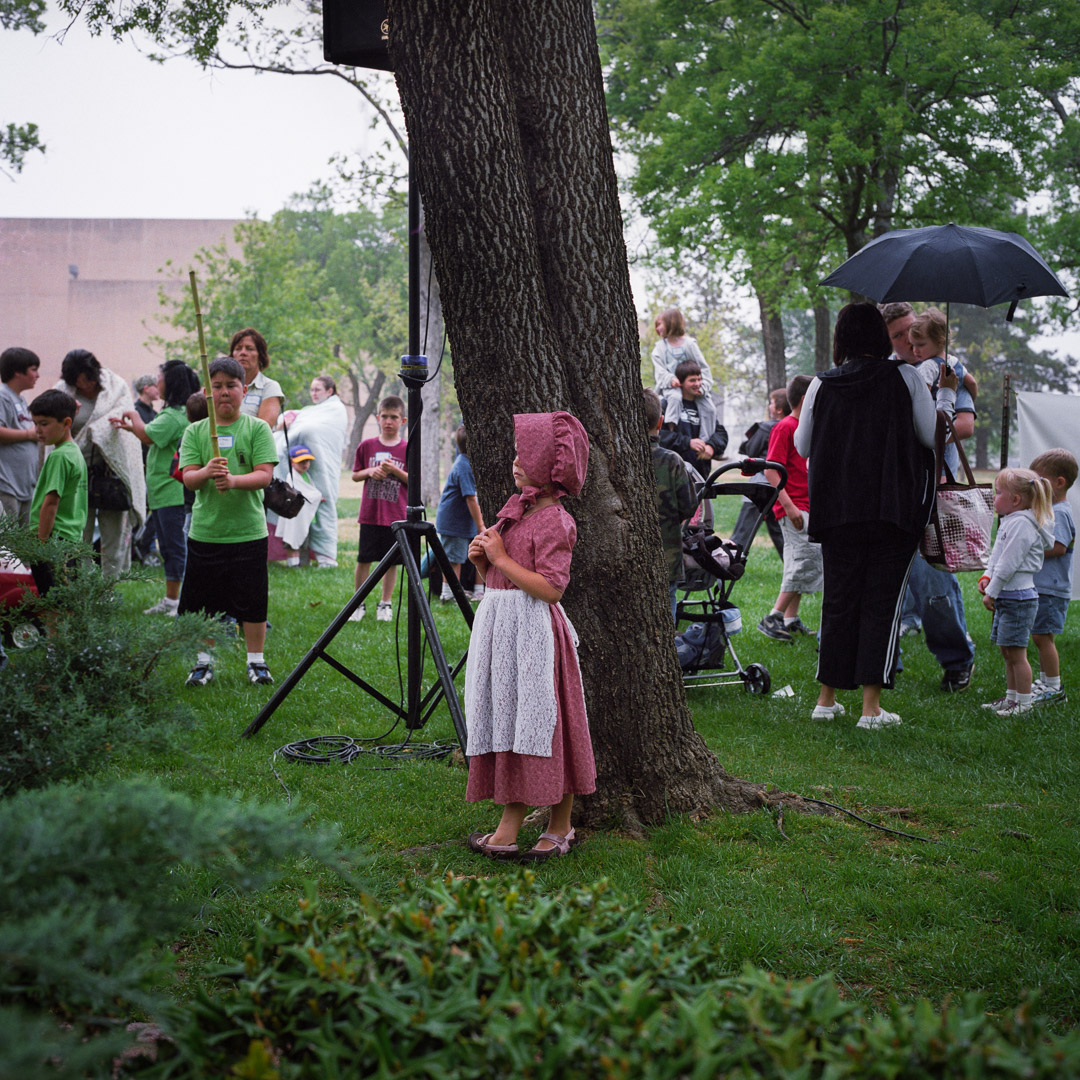
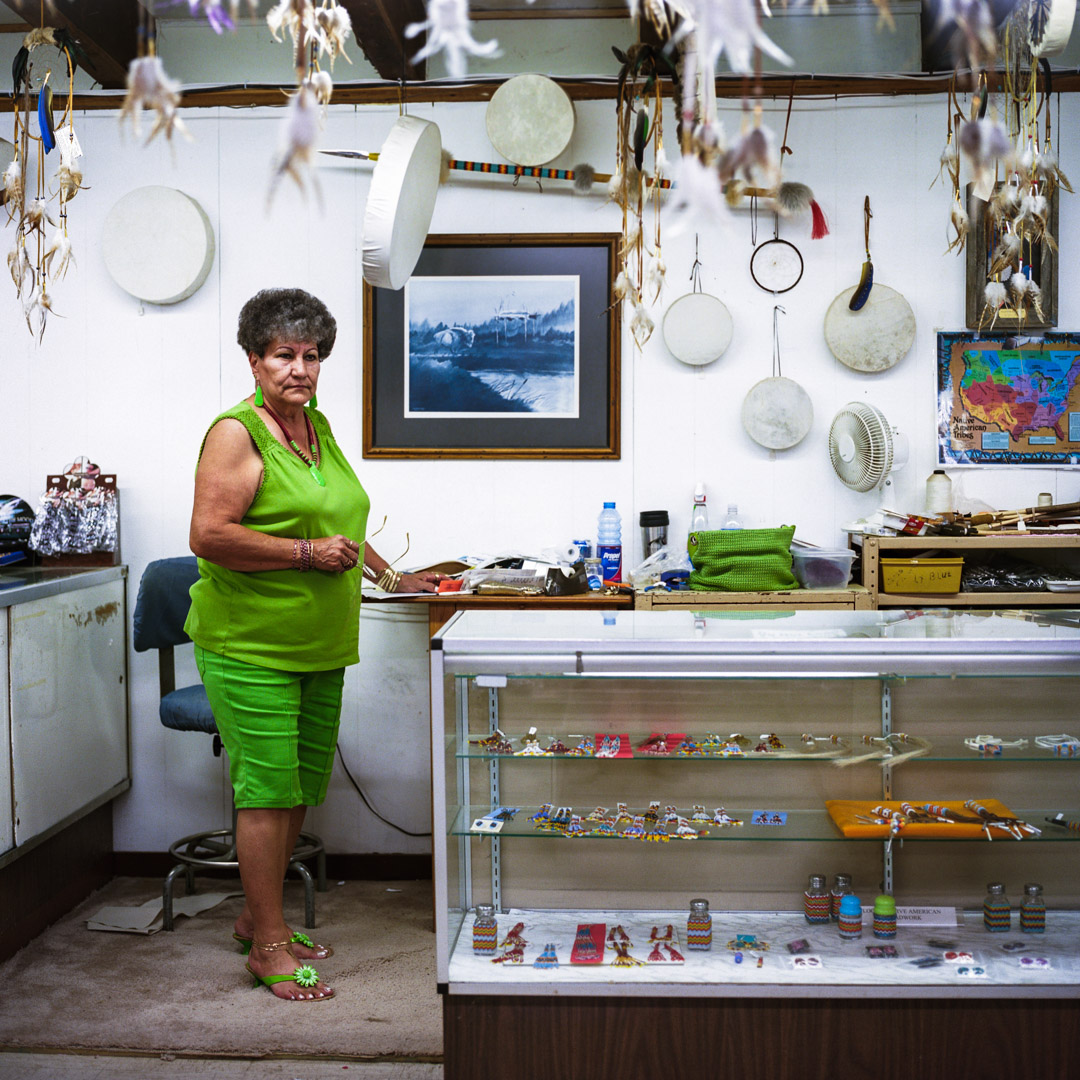
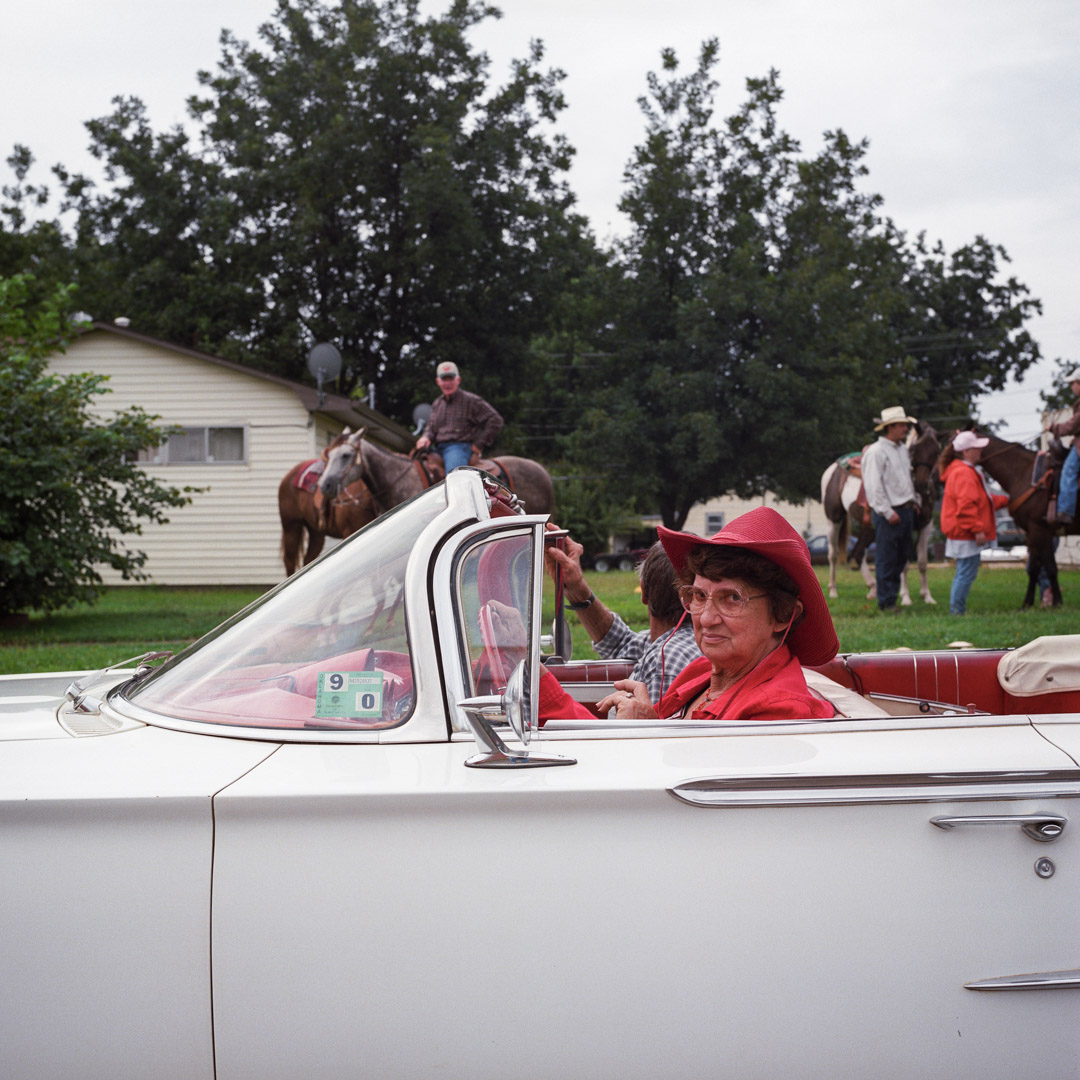
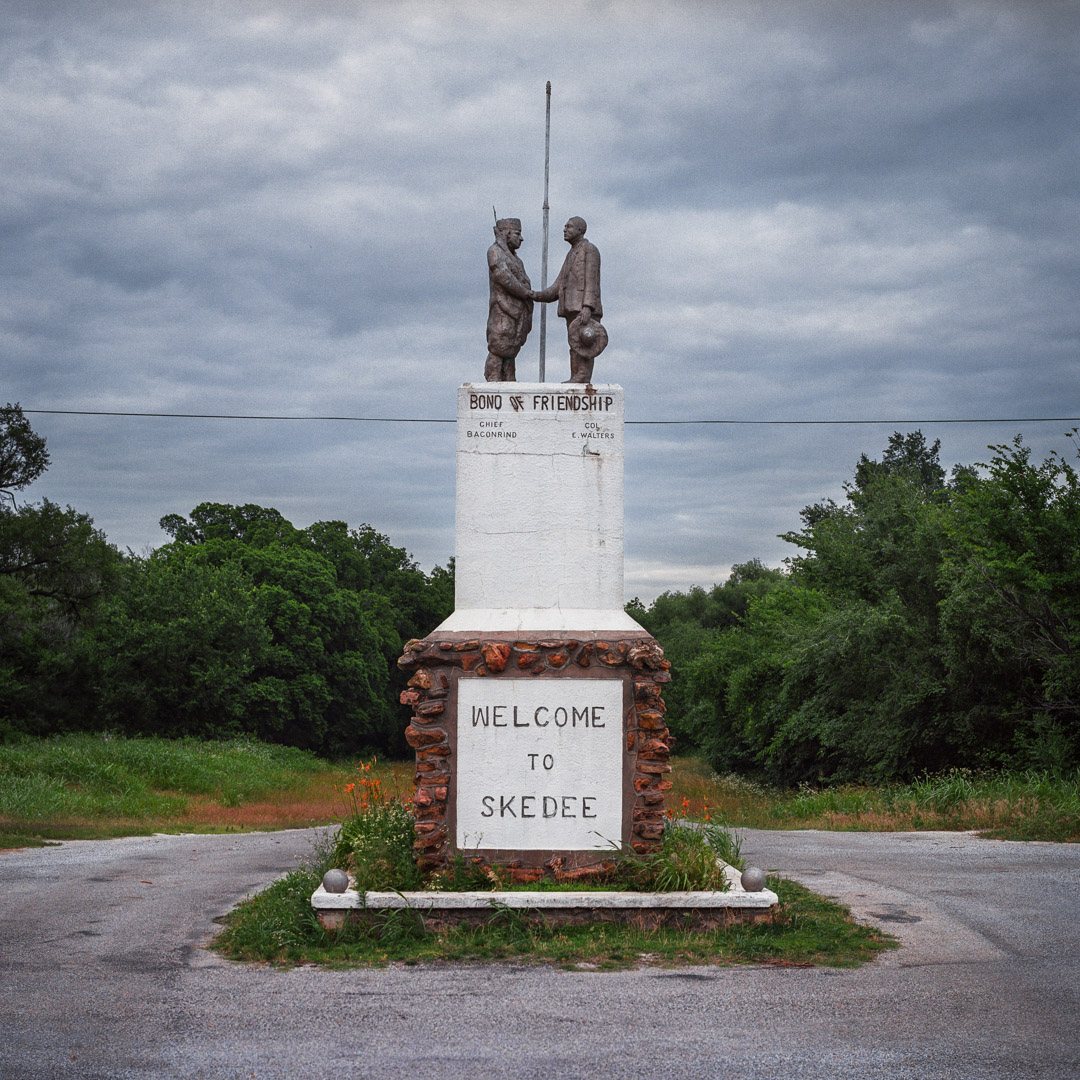
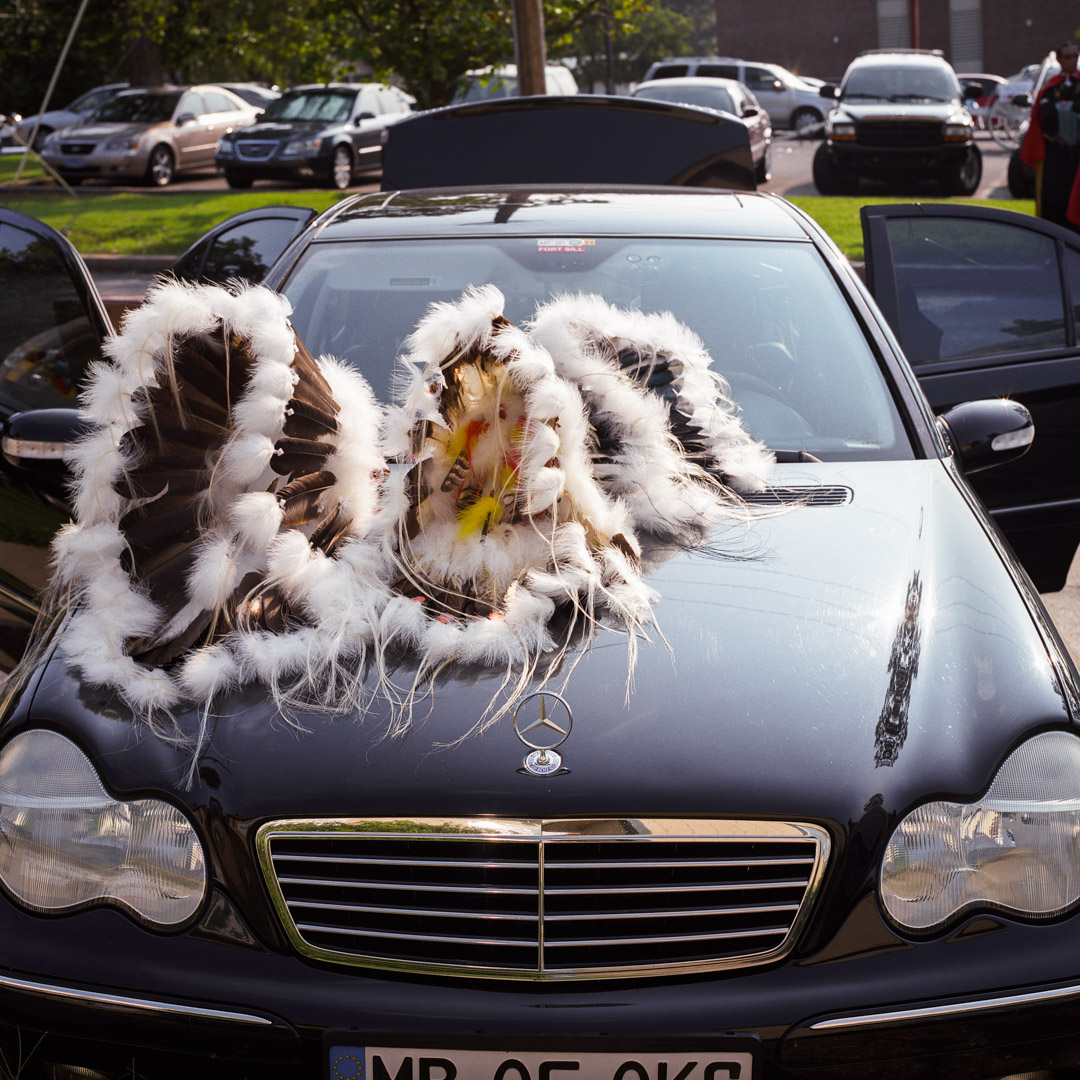
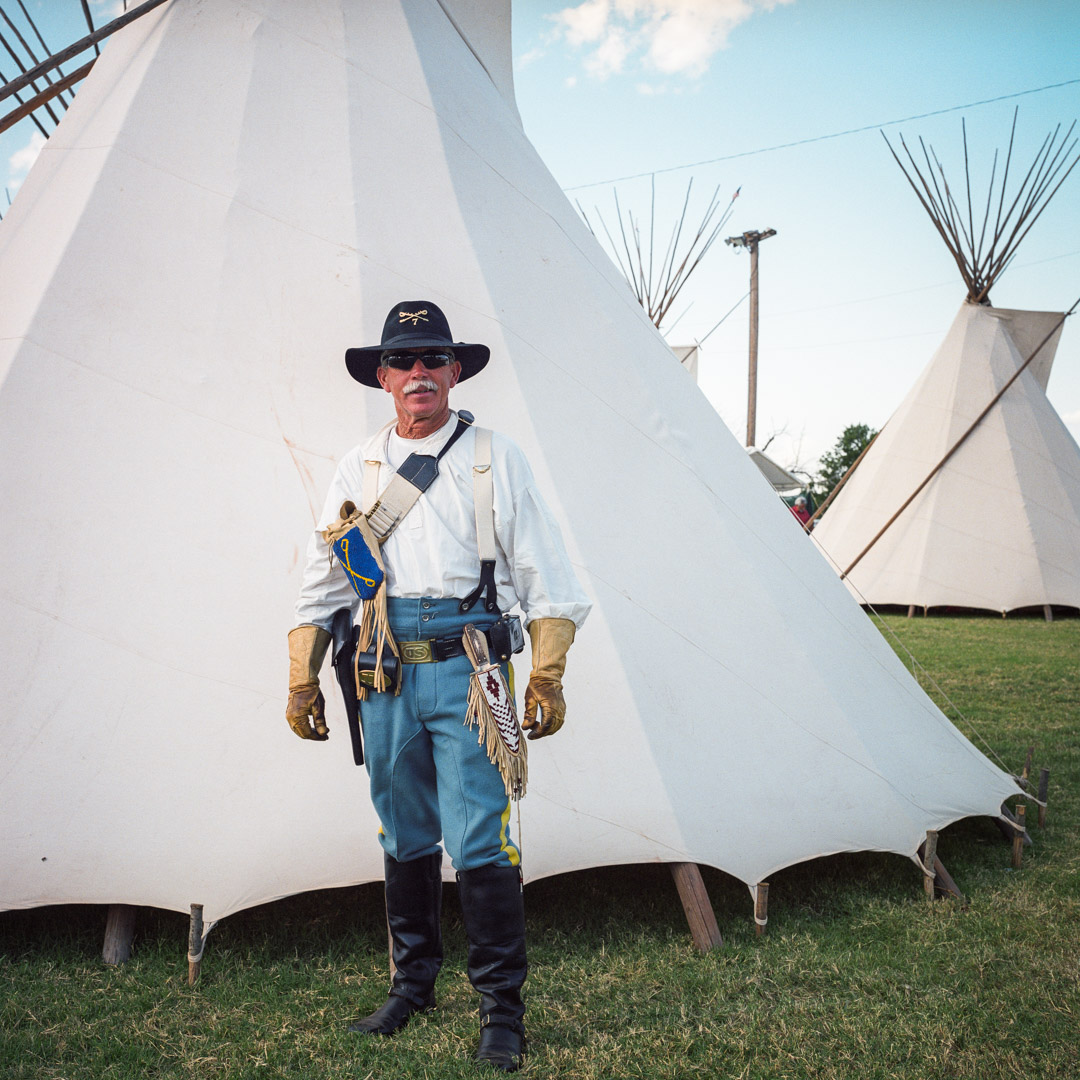
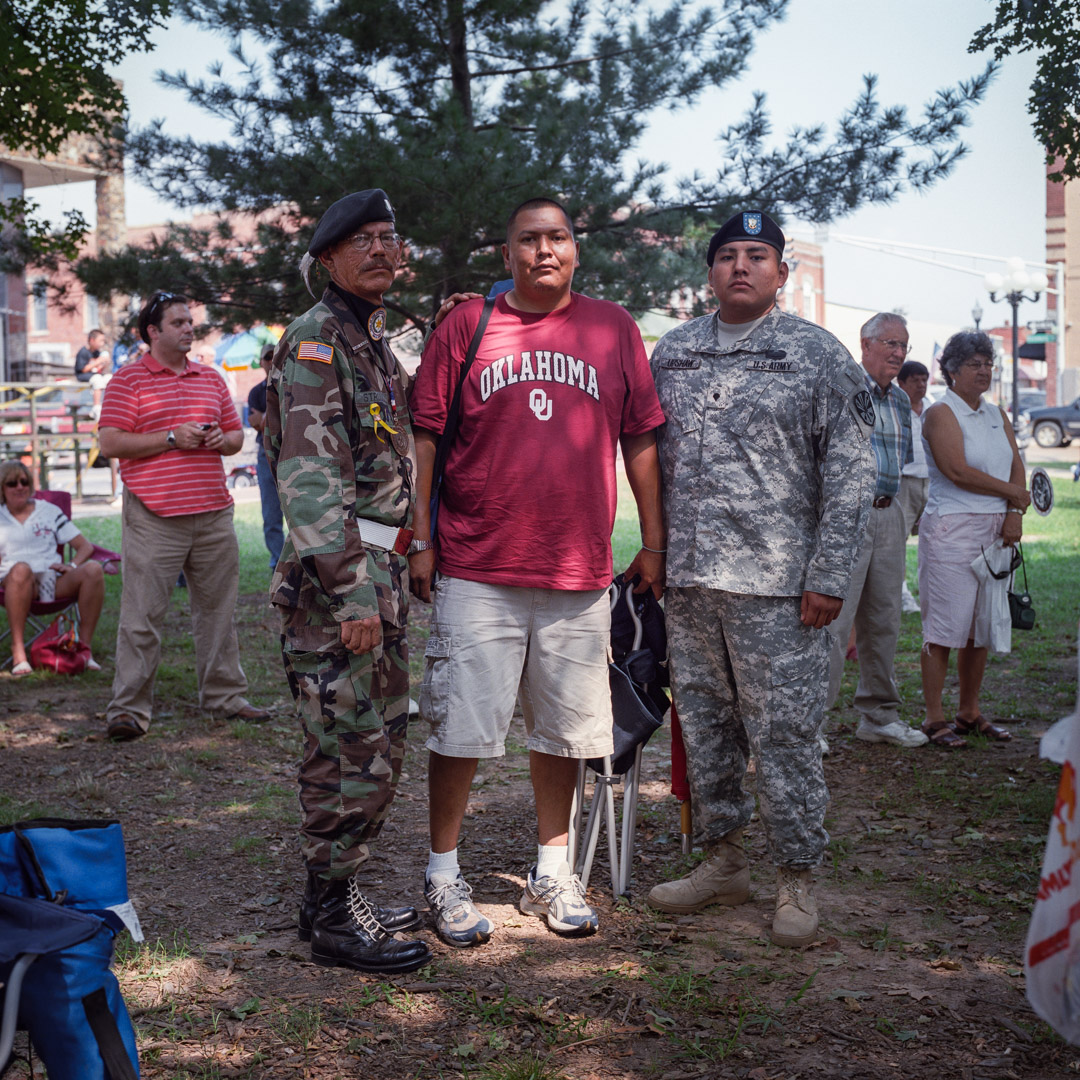
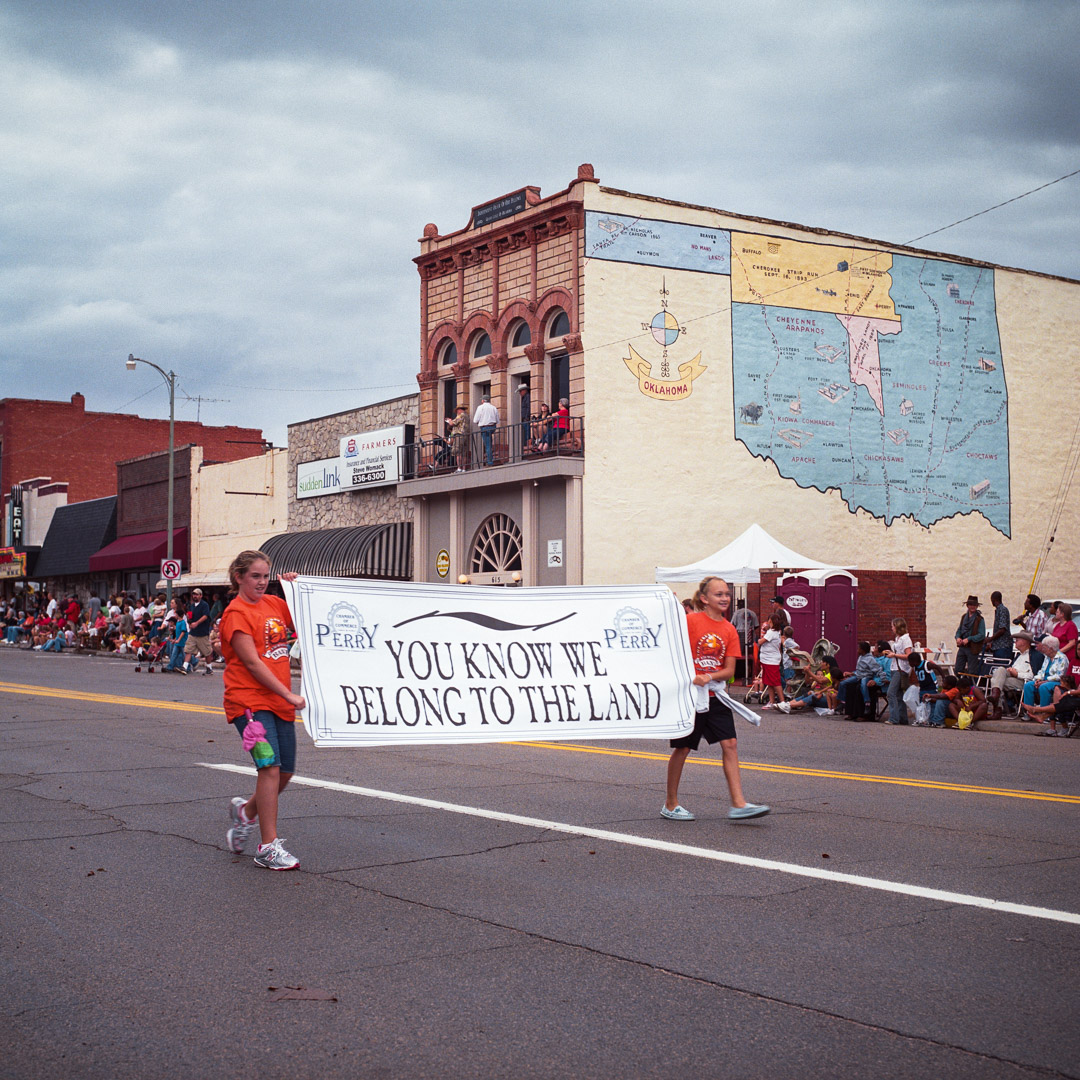
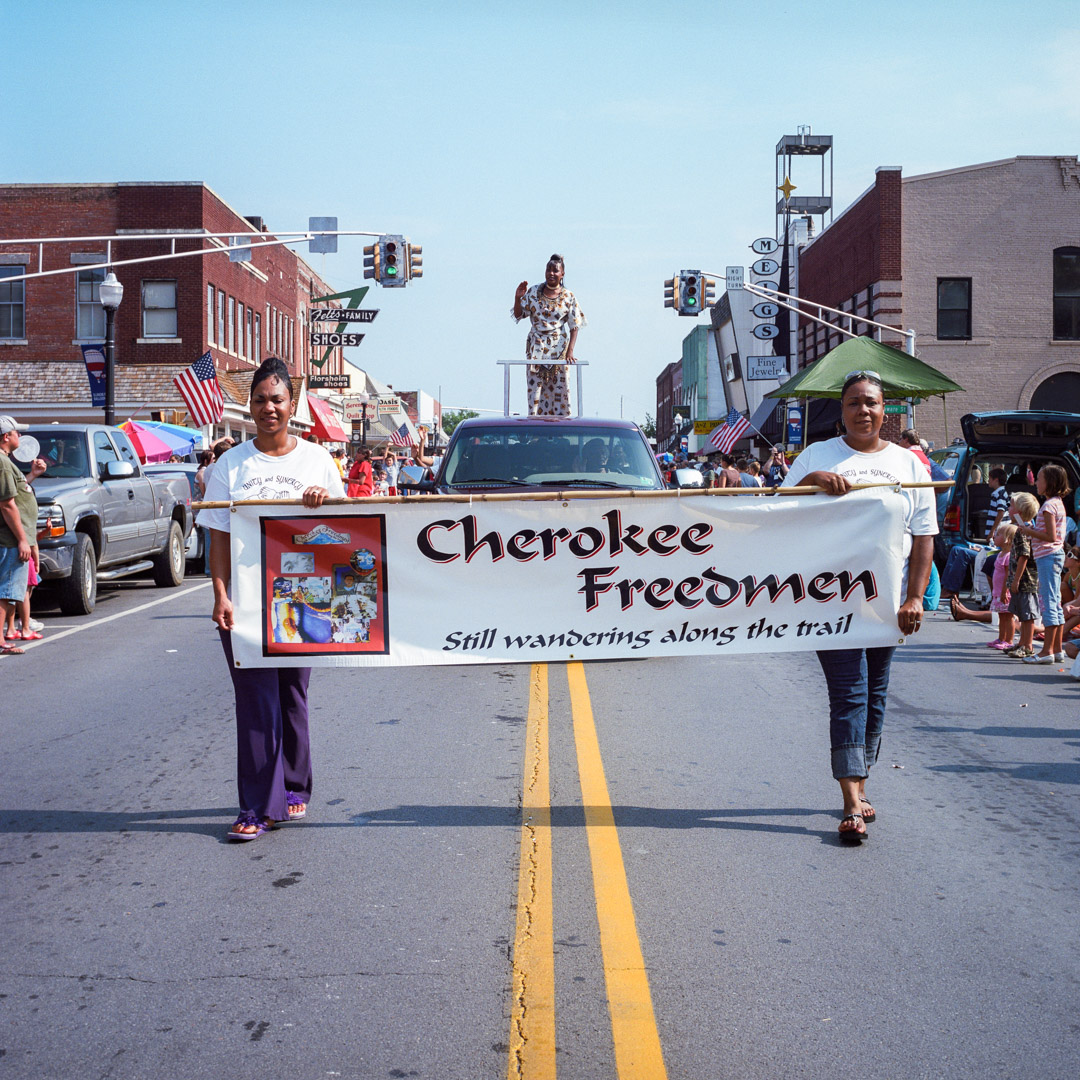
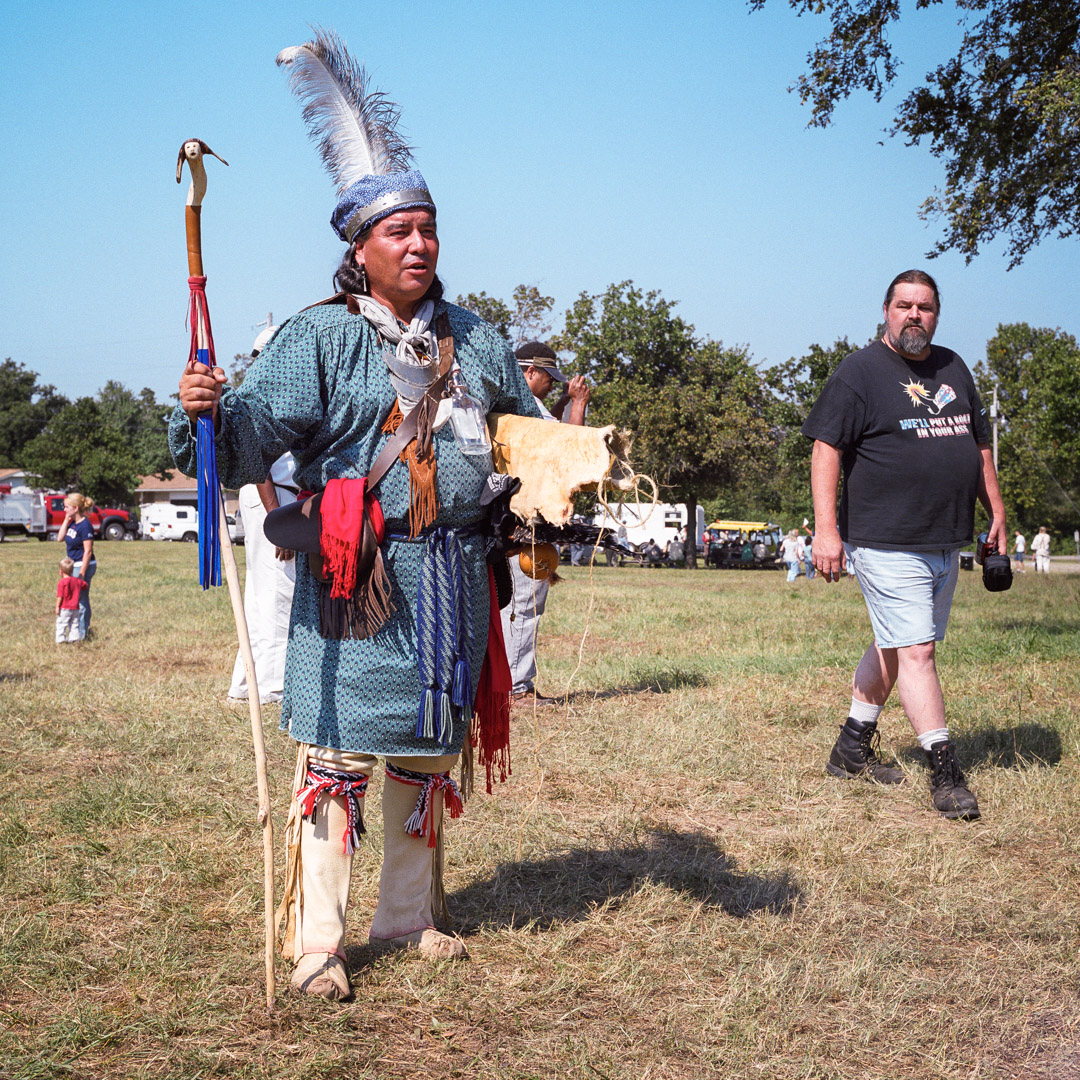
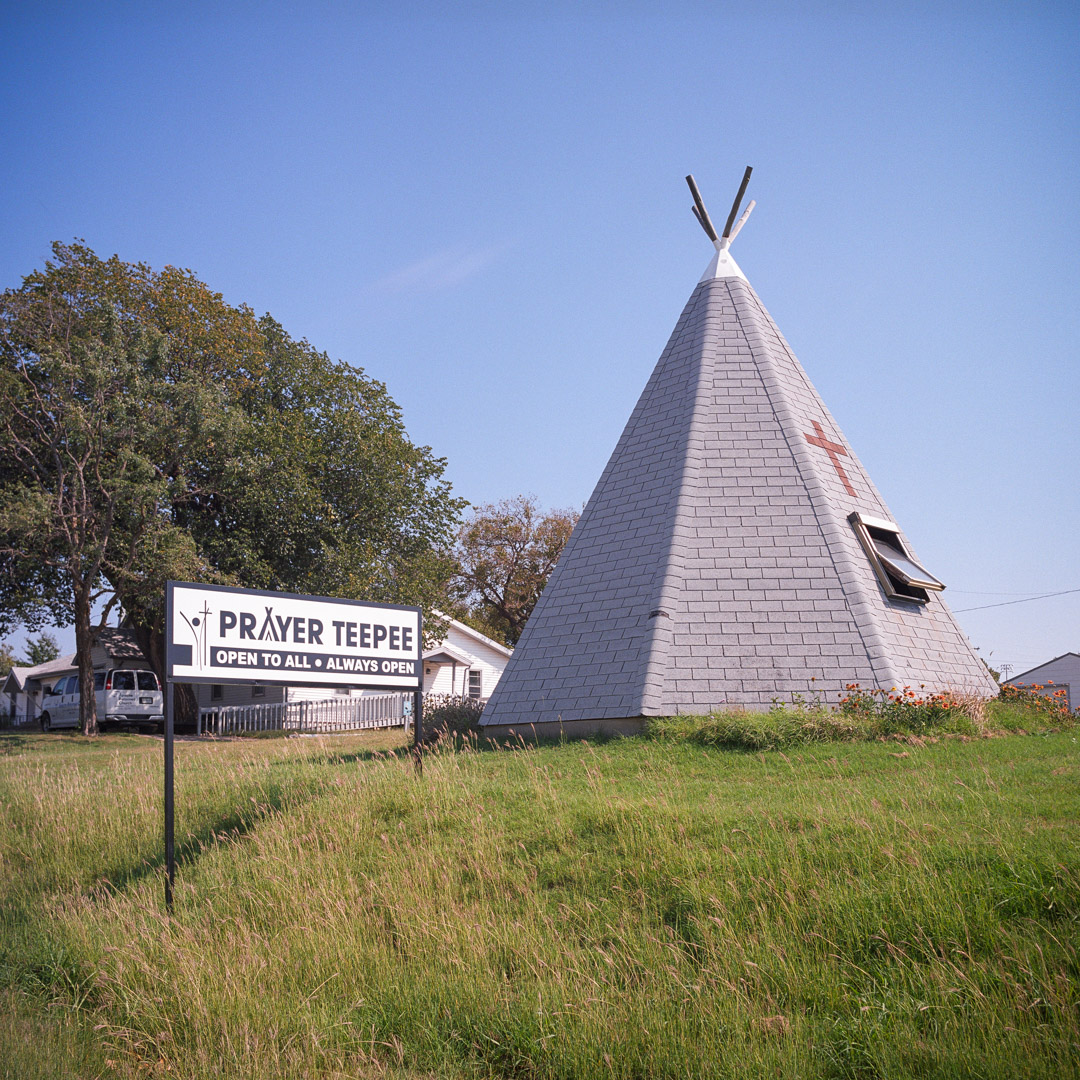
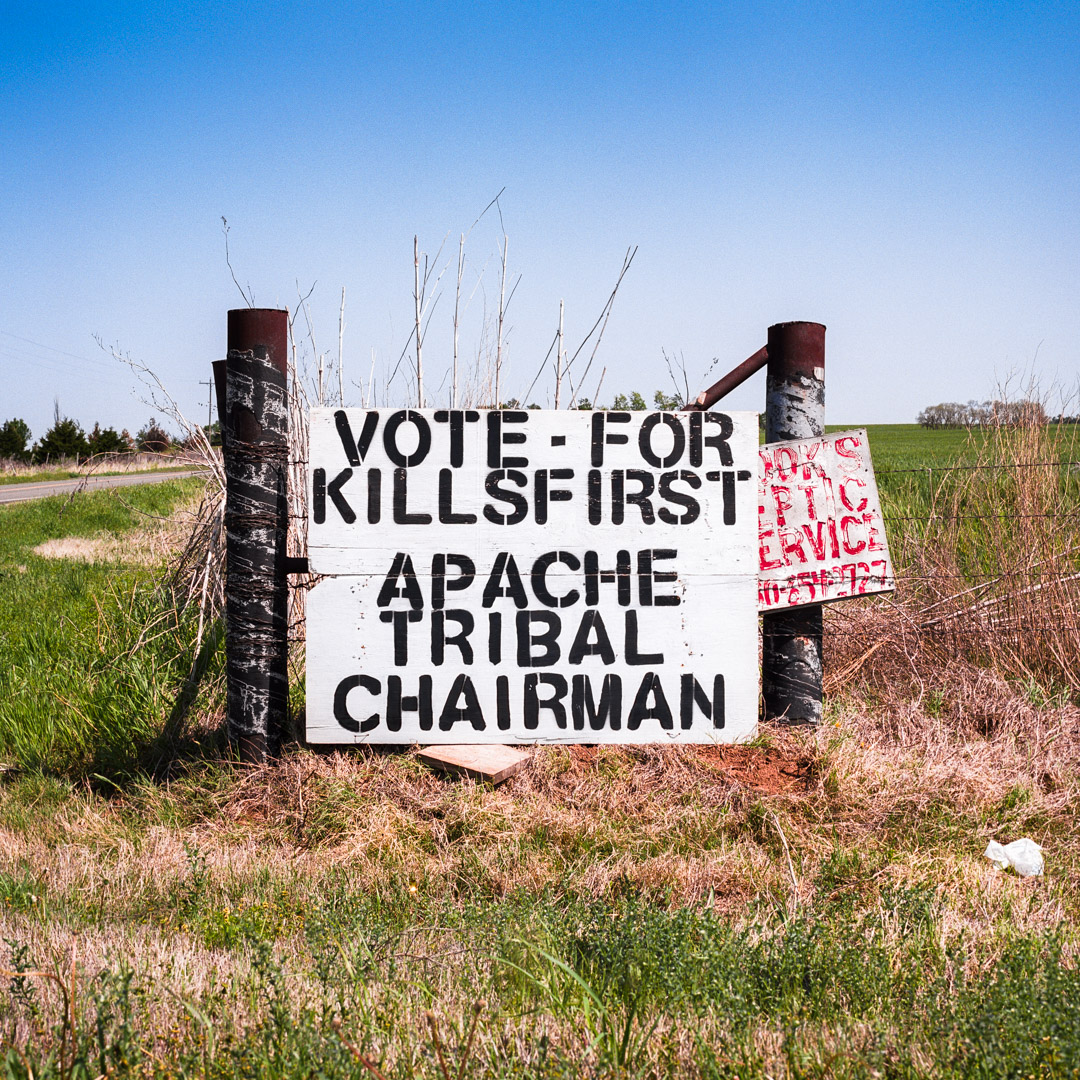
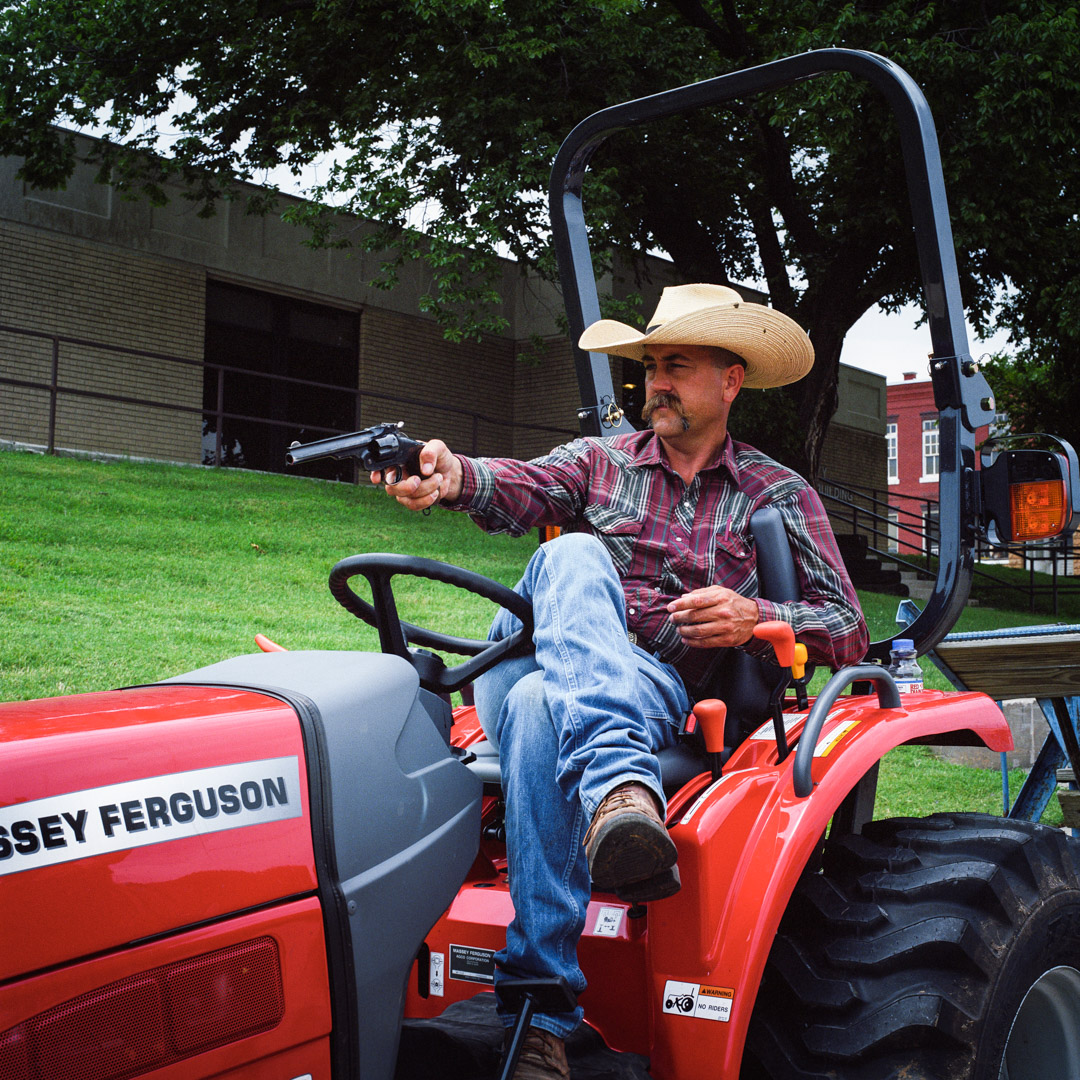
Shane Brown, (yes, two Shane’s today,) is a part-Native American artist from Oklahoma, where he still resides. (Otherwise known as the New Jersey of the Southwest.) Shane’s project, “In the Territories,” gives us an inside look at a State that was mostly known for football, historically, and is now infamous for man-made earthquakes caused by fracking.

Sallisaw
Sallisaw
Northeastern State University Pow Wow—Tahlequah
Old West Fest—Sperry
Protest of Oklahoma Statehood Centennial—Oklahoma State Capital
Harn Homestead Land Run Reenactment—Oklahoma City
Indian City U.S.A
Indian City U.S.A
Cherokee Strip Parade—Perry
Skedee
Skedee
Cherokee National Holiday—Tahlequah
Kiowa Gourd Clan's July 4th Celebration—Carnegie
Kiowa Gourd Clan’s July 4th Celebration—Carnegie
Cherokee National Holiday—Tahlequah
Cherokee Strip Parade—Perry
Cherokee National Holiday—Tahlequah
Enid
Enid
Honey Springs Battle Reenactment—Honey Springs Battlefield
Apache
Apache
Caddo County?
Caddo County?
Pawnee Bill's Wild West Show Parade—Pawnee
Pawnee Bill’s Wild West Show Parade—Pawnee

Camilo Ramirez teaches in the Boston area, and brought some work to RSF that he’s shot on the Gulf Coast, where he once lived. Camilo was interested in seeing what the region looked like, post-Gulf Oil spill, though the photos are not about that, per se. To me, they attempt the capture the spirit of a place in time, which is always an admirable goal for a photographer.

Ramirez-01

Ramirez-03

Ramirez-04

Ramirez-08

Ramirez-12

Ramirez-13

Ramirez-14

Ramirez-15

Ramirez-16

Ramirez-17

Ramirez-18

Ramirez-19

Ramirez-20

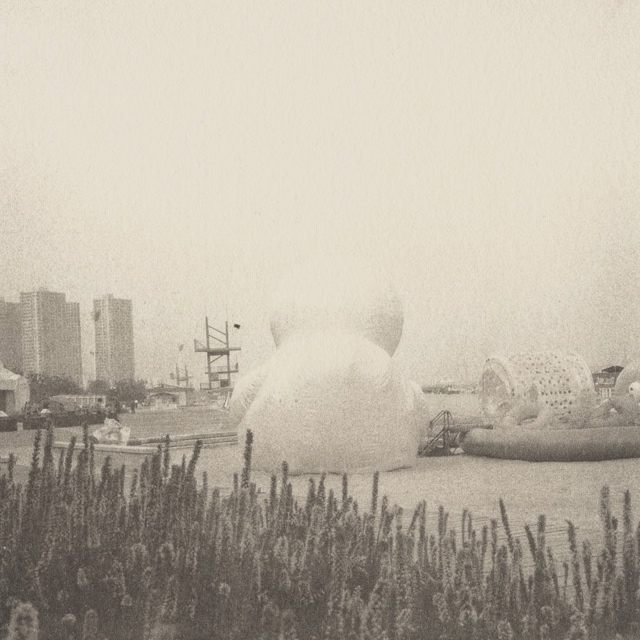
Svetlana Bailey is a Russian-born photographer, but she spent much of her life in Germany, and then did a long stint in Australia. (Have you got that?) Now, she’s studying at RISD, and will be featured in the Fall issue of Photographer’s Quarterly, alongside 4 other global female artists I met at RSF.

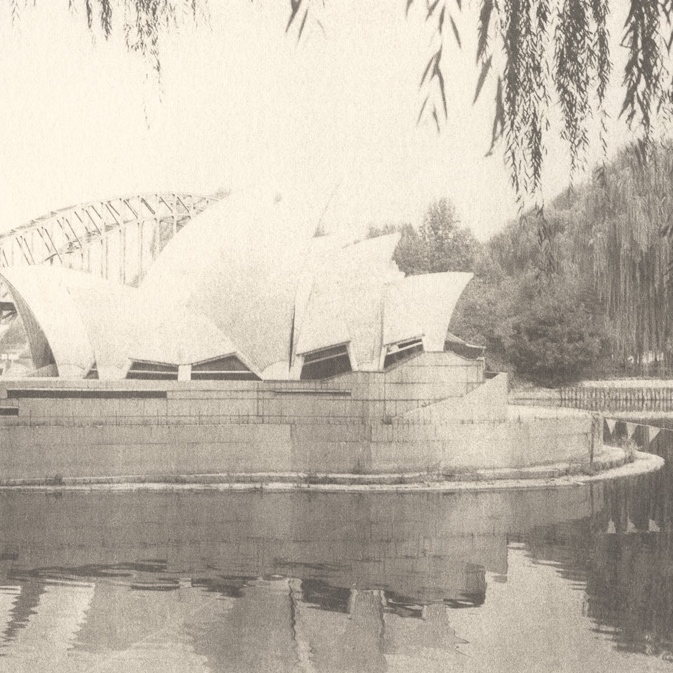
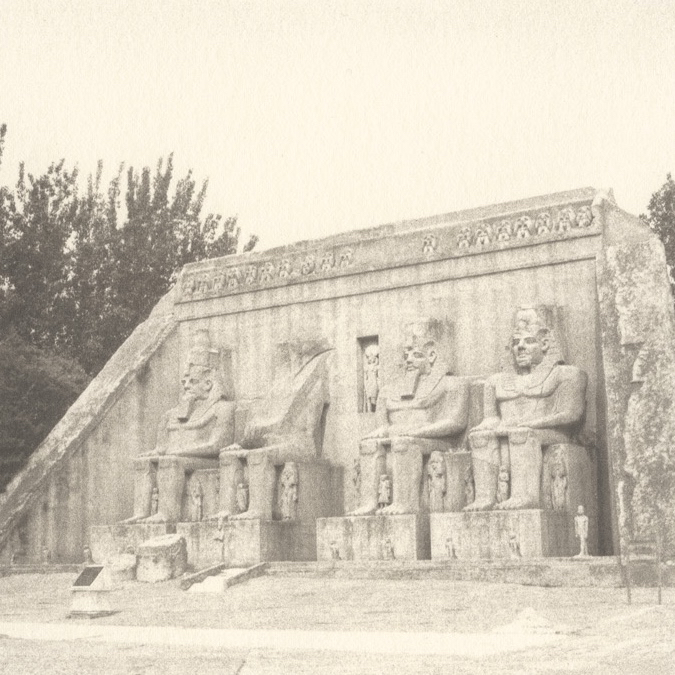
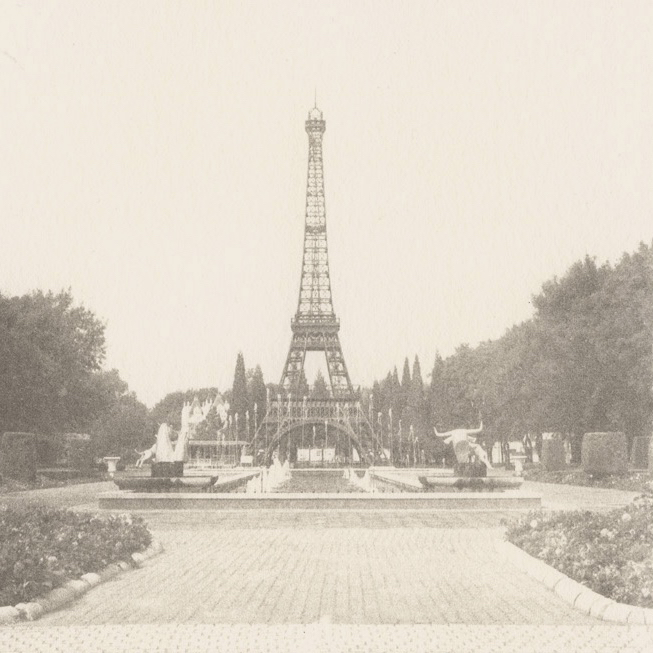
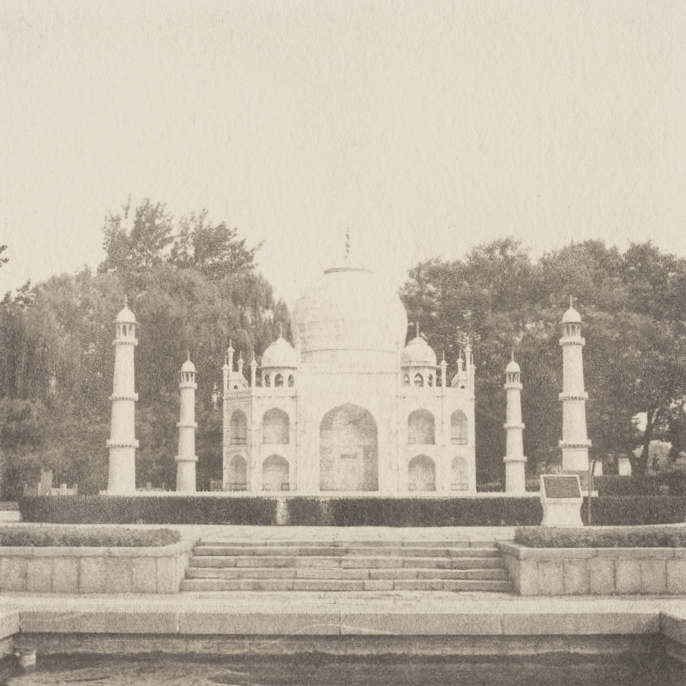
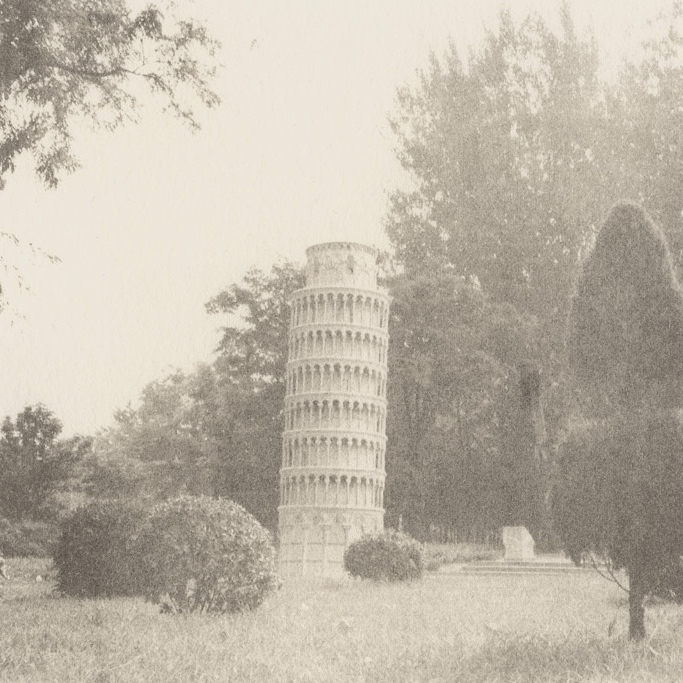
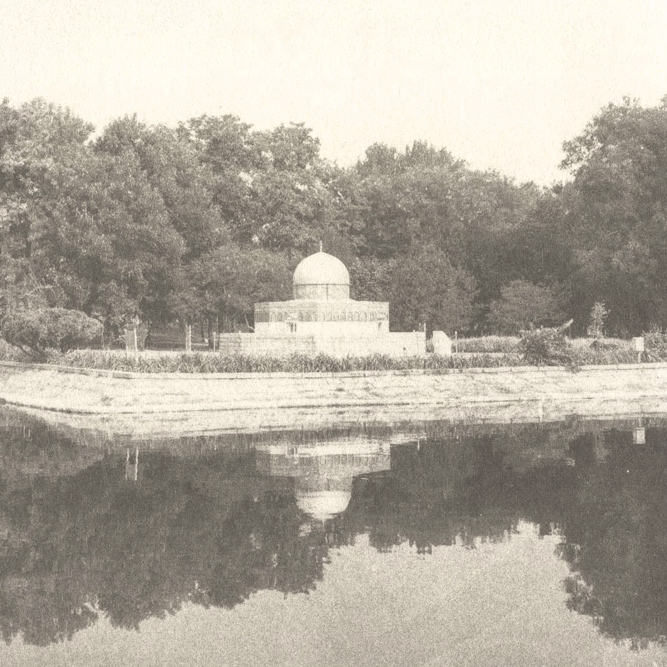
Beyond her primary project, which we’ll show in a few months, Svetlana also brought a few palladium prints made in an amusement park in China. That’s right, all the landmarks below are fakes. Fugazi. I guess they really do make everything under the sun in the PRC.

1_Neushwanstrin Castle

2_the opera house In Sidney

3_Abu Simbble Temple

4_The Eiffel Tower

5_Taj Mahal

6_The LeaningTower Of Pisa

7_Algubbat As Sarhah

8_yellow duck

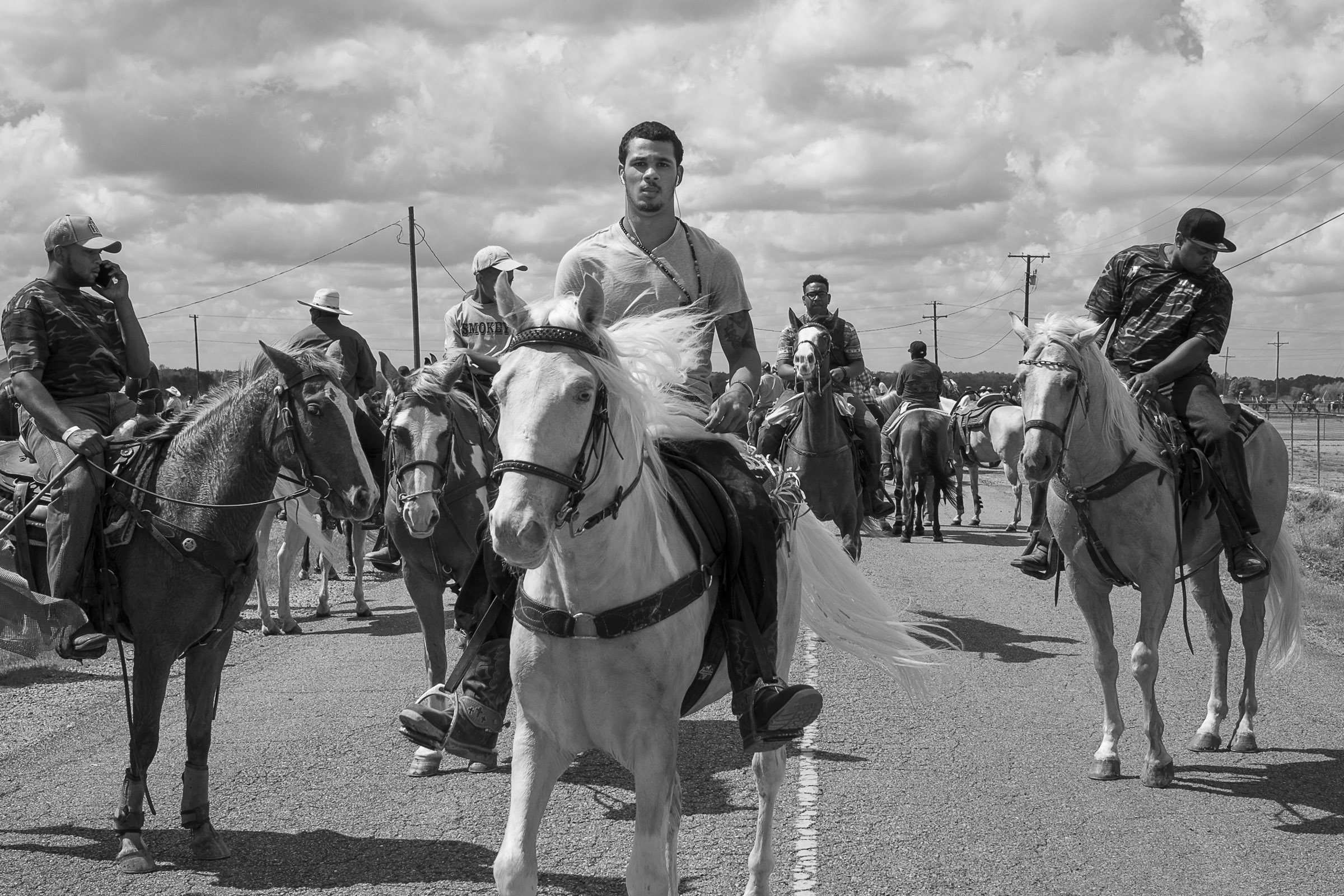
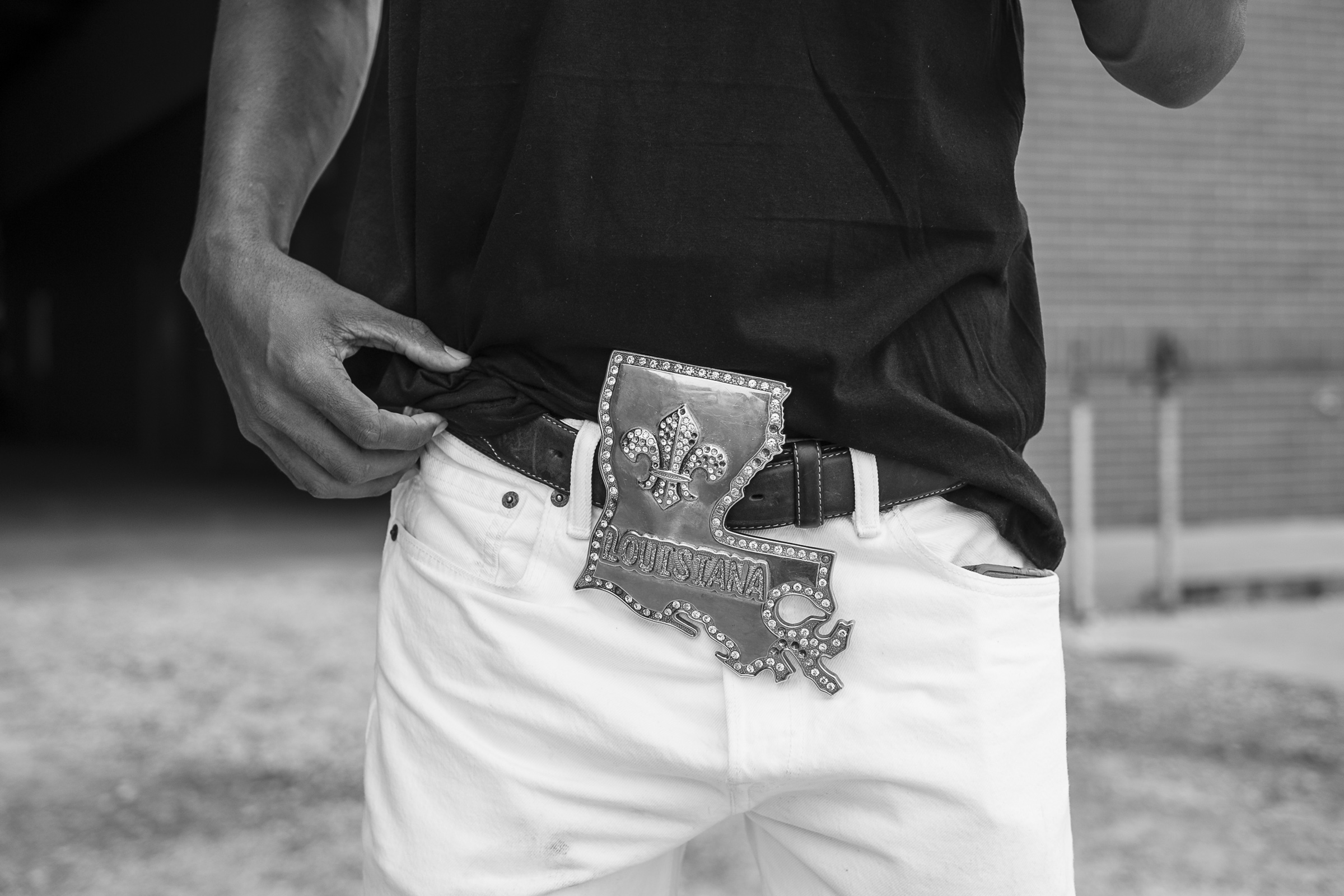
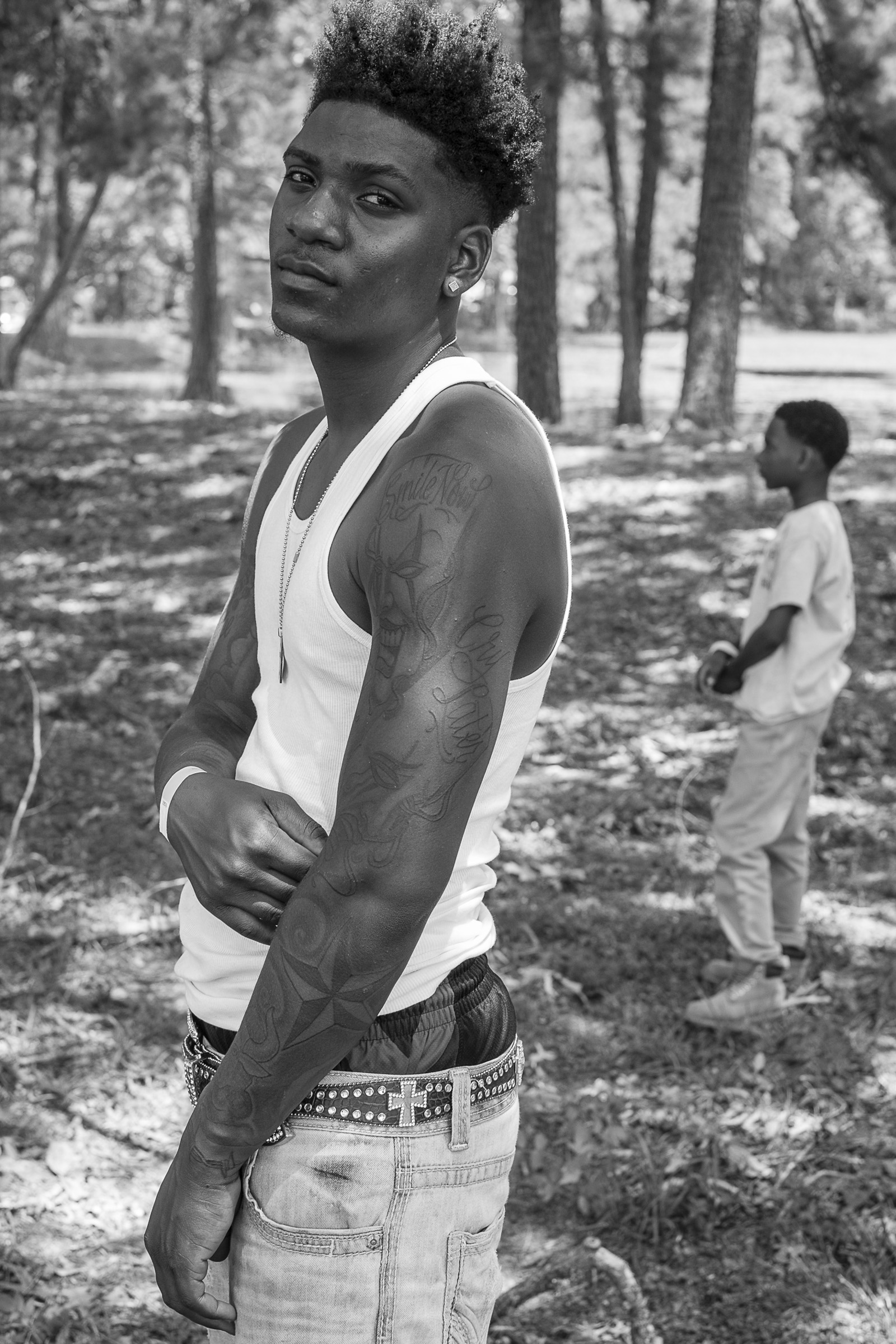
Jeremiah Ariaz strolled in 5 minutes late to his review, just when I thought I was going to get a break. (He was my second-to last meeting of the final day, so my brain was beyond fried.) Therefore, it was going to take a lot to get me back on his side. Fortunately for Jeremiah, his pictures were wild.

Jeremiah is a professor at LSU, in Baton Rouge, and had recently discovered a fascinating subculture, while riding his motorcycle around Southwest Louisiana. He happened upon a group of African-American men who have a Trail Riding club. No typical cowboys, these, as they tow a truck with a DJ to keep them company as they tool around on their horses. Badass, no?

Mr. Real Deal

Jeanerette Trail Ride

Semien Stables, Sulphur, LA

Young Riders

GetInline-4

Semien Stables, Sulphur, LA

Tommi

GetInline-8

GetInline-11

Trail Riders

Alejandro Duran, a Mexican photographer based in Ft. Greene, Brooklyn, was one of Center’s competition winners, so his work was displayed at the Center for Contemporary Arts. As I was schmoozing non-stop that night, I didn’t even get to see the pictures.

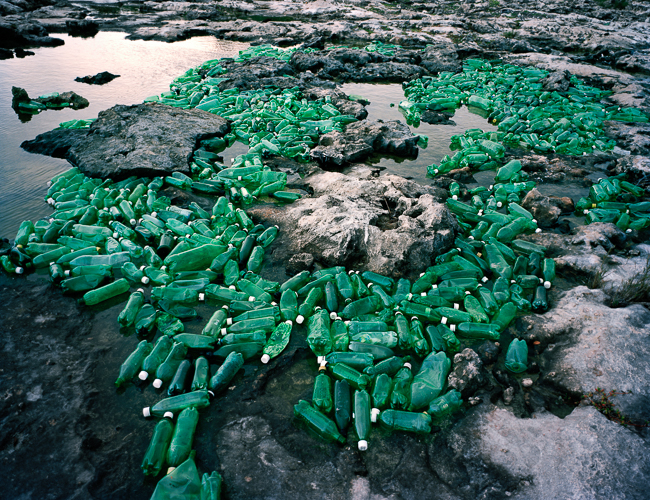
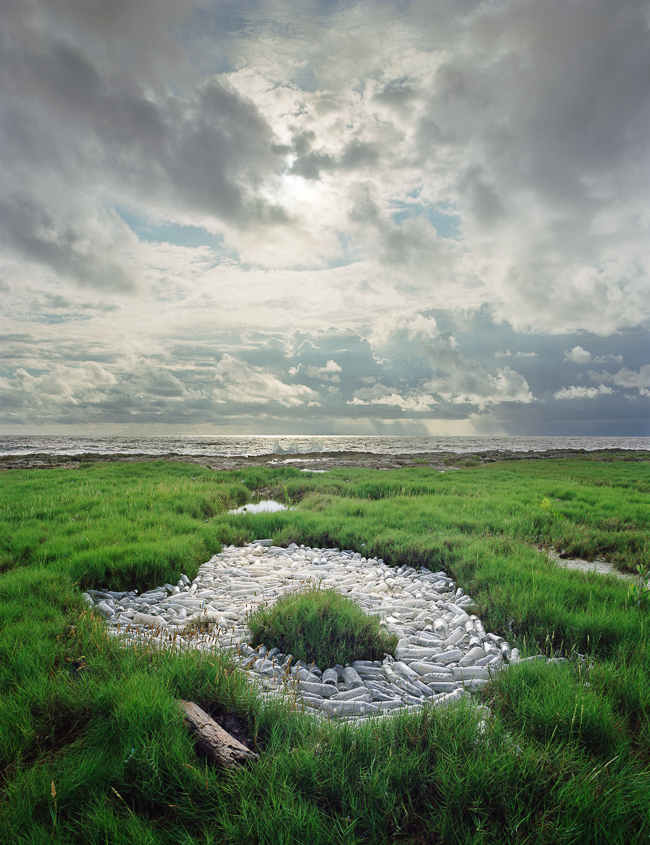
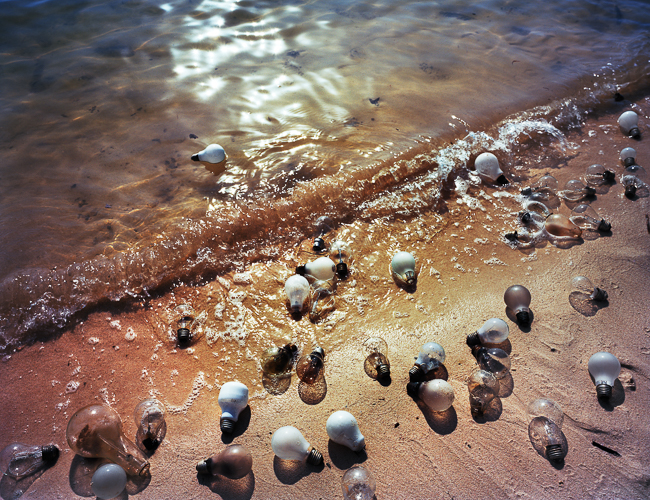
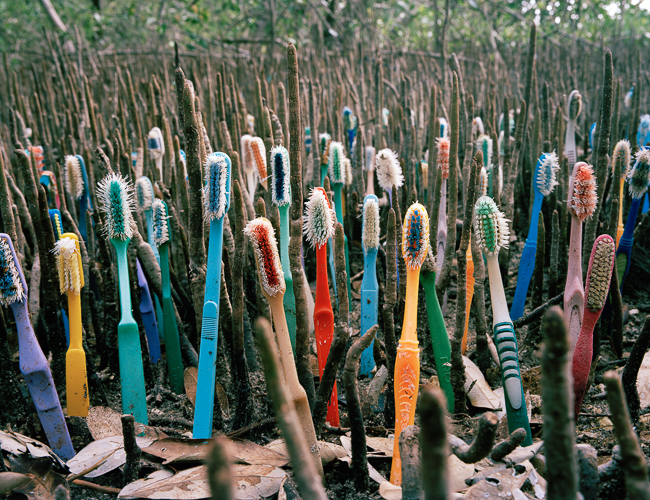
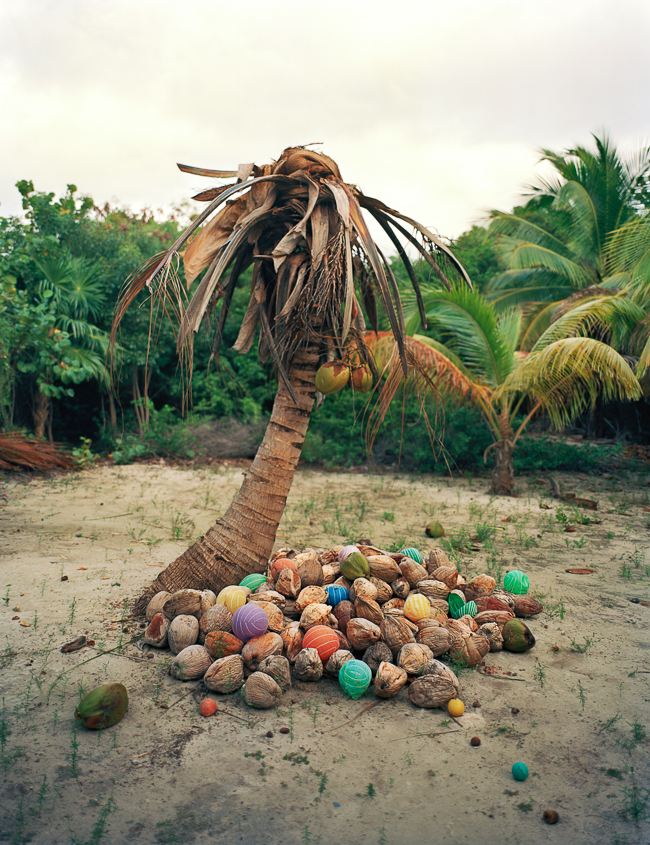
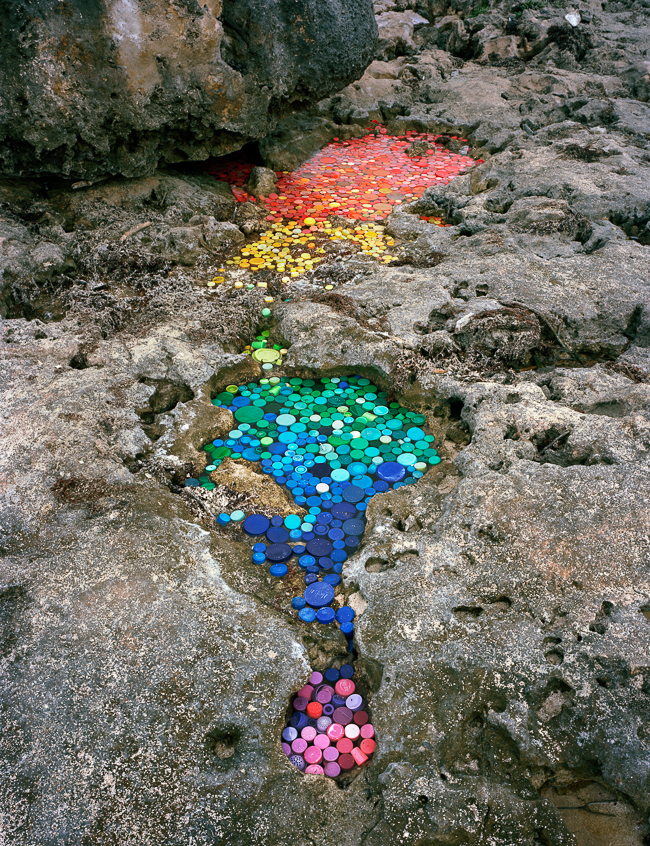
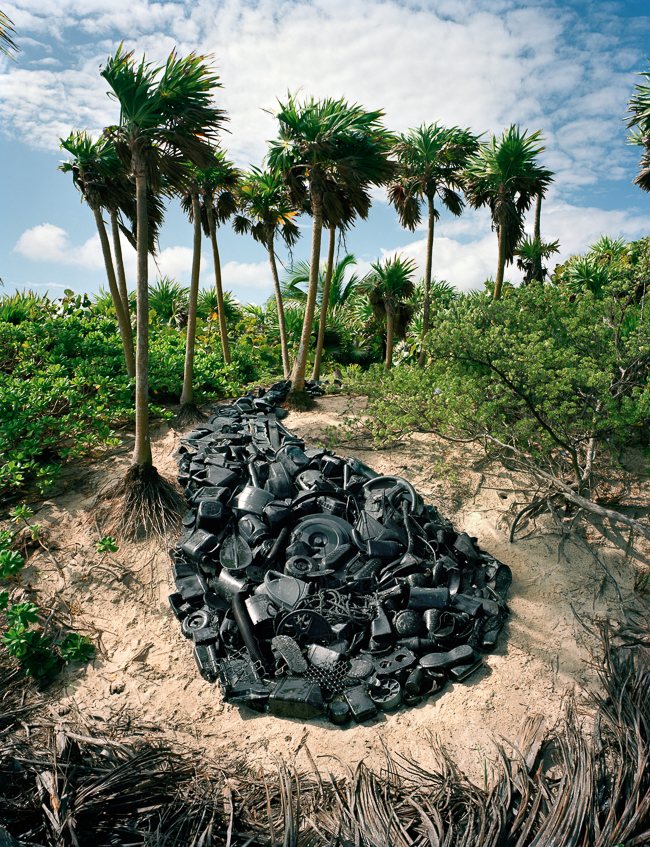
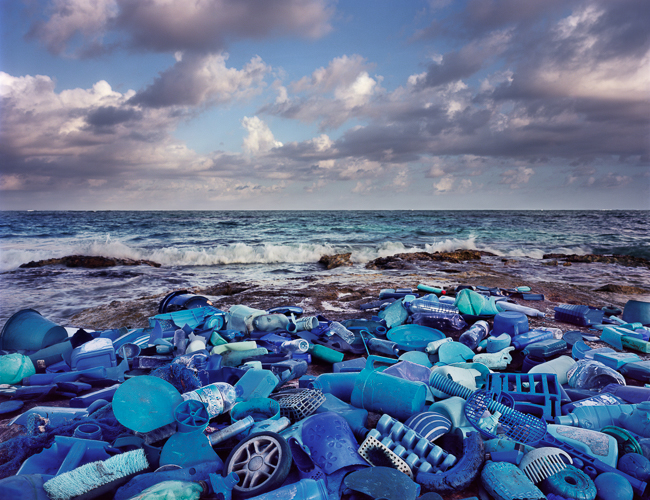
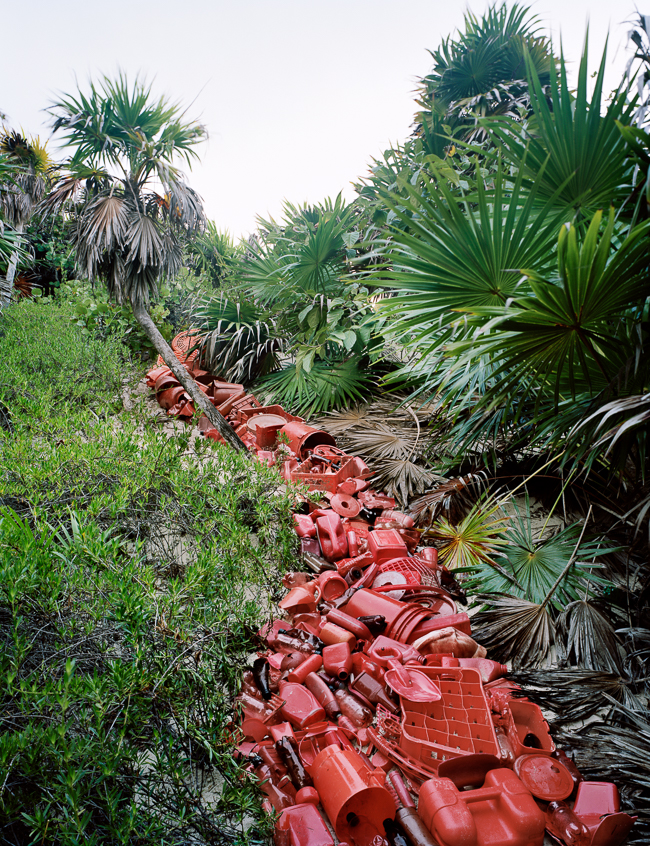
Thankfully, I had a review with him, and got to see his portfolio up close. Alejandro spent time in the Sian Ka’an biosphere reserve in Quintana Roo, Mexico, just south of Tulum. He was troubled to find washed up garbage, on the beach, from 50 countries around the world. (Can I get a WTF?) So Alejandro turned the trash into beach installations, which he then photographed. The work has been making the rounds on the Web this Summer, as it is clearly compelling stuff.

Algas (Algae) 2013

Amanecer (Dawn) 2011

Bombillas 5
Bombillas 5
Cepillos 005
Cepillos 005

Cocos (Coconuts) 2011

Derrame (Spill) 2010

Espuma (Foam) 2011

Gota (Drop) 2011

Mar (Sea) 2013

Vena (Vein) 2011

Finally, we’ll get to our last two artists, who were my dining companions at the Saturday night dinner honoring the legendary Anne Wilkes Tucker. To my left sat Tarrah Krajnak, a seemingly Peruvian artist based in LA.

I say seemingly, because Tarrah confided that she was from Ohio, and didn’t speak Spanish. A sharper person might have figured it out for themselves, but Tarrah told me she was adopted. Therefore, one might read into her project, “Dark Messengers,” shot in the American Southwest and South America, as an attempt to get in touch with her roots. Regardless, there is a mystical vibe I find alluring.
BlackHeralds_01

BlackHeralds_02

BlackHeralds_04

BlackHeralds_06

BlackHeralds_07

BlackHeralds_08

BlackHeralds_10

BlackHeralds_12

To my right that night sat Shawn Records, a photographer from Portland with whom I’d corresponded in the past, but never met. He’s been a part of the Photolucida organization for years, and I wrote a blurb about one of his books in the early days of my weekly column.

On a laptop, Shawn showed me a mockup of a book he’s been working on, called “Hero,” that’s modeled on Joseph Campbell’s famed ideas about the hero’s journey. Shawn has spent a couple of years combing through his massive photographic archive, trying to create a through-line that will parallel the aforementioned narrative.

There are a ton of pictures in his resulting effort, but we’re showing just a small sample, for obvious reasons.

Records_0509

Records_0711

Records_0736

Records_0931

Records_1079

Records_2021

Records_2496

Records_3174

Records_3605

Records_3770

Records_3991

Records_4448

Records_4784

Records_5817

Records_6535

Records_6555

Records_7064

Records_8724

Records_9187

Records_9241_2

All right, our coverage of Review Santa Fe 2015 is officially complete. We’ll be back to the book reviews from here on out, and then I’m headed to the Filter Festival in Chicago late next month, so we’ll have fresh portfolios for you in October or November. Have a great weekend.

The Art of the Personal Project: Peter Samuels

As a former Art Producer, I have always been drawn to personal projects because they are the sole vision of the photographer and not an extension of an art director, photo editor, or graphic designer. This new column, “The Art of the Personal Project” will feature the personal projects of photographers using the Yodelist marketing database. You can read their blog at http://yodelist.wordpress.com. Projects are discovered online and submissions are not accepted.

Today’s featured photographer is: Peter Samuels

PeterSamuels.animals.fairy-tale.photographer.Ca-3

PeterSamuels.animals.fairy-tale.photographer.Ca-6

PeterSamuels.animals.fairy-tale.photographer.Ca-7

PeterSamuels.animals.fairy-tale.photographer.Ca-8

PeterSamuels.animals.fairy-tale.photographer.Ca-10

PeterSamuels.animals.fairy-tale.photographer.Ca-11

PeterSamuels.animals.fairy-tale.photographer.Ca-12

PeterSamuels.animals.fairy-tale.photographer.Ca-13

PeterSamuels.animals.fairy-tale.photographer.Ca-14

PeterSamuels.animals.fairy-tale.photographer.Ca-15

PeterSamuels.animals.fairy-tale.photographer.Ca-16

PeterSamuels.animals.fairy-tale.photographer.Ca-17

PeterSamuels.animals.fairy-tale.photographer.Ca-20

PeterSamuels.animals.fairy-tale.photographer.Ca-21

How long have you been shooting?
About 20 years.

Are you self-taught or photography school taught?
A bit of both, while I desperately wanted to attend Art Center in Pasadena, but couldn’t stomach the debt so after a bit of research, I discovered my local community college, Orange Coast College in Costa Mesa Ca offered a great commercial photography program with outstanding instructors. OCC provided the technical knowledge and assisting provided the real world street experience. After that, I found myself hungry for more conceptual art knowledge. For this I took extension classes at Cal State Fullerton and UCLA, whenever I heard about a teacher or topic that appealed to me, I went and took their class. I found this ‘piece meal’ approach to education to be fun and it taught me a lot about being resourceful.

With this particular project, what was your inspiration to shoot it?
I should preface the question by saying that I only began photographing animals about 5 years ago after I got a dog. Since then, animals have been evolving as the strongest body of my work with lots of press, accolades and a growing amount of fine art print sales. So finally at the start of this year, I called it and owned up to the animal genre. As someone whose prior focus was product, people and animals, deciding to specialize has been ironically liberating, allowing me to hone my skill set and continually strengthen my work. It’s interesting to note that featuring animals hasn’t deterred new and prior clients from sending me product and people work.

This personal project is a series of surreal animal portraits that I call fairy tale inspired that started with Stanley the donkey. I had just completed a dog and cat project and asked the animal trainer what other animals I could test with for a reasonable cost. I was wooed by the possibility of an orangutan, but, as the story goes, the donkey was what I could afford.. As it turned out, that budgetary concern was fortuitous as the image of Stanley resonated with me. I kept thinking to myself that he looked as if he just walked out of a fairy tale, and voila, the series was born!

The fairy tale narrative has been incredibly useful as a conceptual container, both when selecting an animal to photograph as well as during the post-production process. I’m enjoying the surreal and macabre look of the animals. The animals are real and live, but the studio environment and quintessential poses challenge the viewer to consider that.

Since photographing Stanley, I’ve been slowly building the series by sourcing animal owners, animal trainers and most recently a bird rescue center. An awesome little stop motion video of me photographing Stanley the donkey in my studio, including bringing him up the elevator, is on my site.

How many years have you been shooting this project before you decided to present it?
Once I had three animals complete; the donkey, an owl, and a hare, is when I felt is was time to present and share. That was within a few months after the first of the series.

How long do you spend on a personal project before deciding if it is working?
Ha! That’s difficult question, sometimes it takes me a year or more to throw in the towel on a project that’s not coming together.

Since shooting for your portfolio is different from personal work, how do you feel when the work is different?
I have a saying that goes ‘keep your creative lane as wide as possible without driving on the wrong side of the road’. That being I always take a step back and review of the work I’m doing. If it doesn’t feel cohesive within the rest of my images then it may not make the cut, which is fine, personal work is sort of a sanctuary that tends to perform better without expectations. Though still, it’s a fine line because you really do want new work to fit, you’ve just got to do it and see.

Have you ever posted your personal work on social media venues such as Reddit, Tumblr, Instagram or Facebook?
Sure, I love the look of tumblr and use it as my primary blog, but I still post to wordpress since it performs better SEO. I also like Instagram and FB a lot, they all have their place and like it or not, they need attention. For the most part, I enjoy social media, especially as an animal photographer, I find social media to be (sort of) fun and (mostly) easy.

If so, has the work ever gone viral and possibly with great press?
While I wouldn’t say viral, my animal posts tend to get shared quite a bit and picked up by various blogs. That builds my fan base, which is always good and I’m doing my best to take care of those fans with occasional updates.

Have you printed your personal projects for your marketing to reach potential clients?
Yes, and this series will be a most certainly be printed and sent early next year.

—————–

In 2009 a dog named Leica became my muse and a new photographic passion was realized. However, I soon learned she was a gateway dog as I began photographing more dogs, then cats, horses and before I knew it, even farm animals were becoming suspicious. While my time with Leica was sadly cut short, she lovingly inspired a new direction in my work and career – good dog. http://www.petersamuels.com


APE contributor Suzanne Sease currently works as a consultant for photographers and illustrators around the world. She has been involved in the photography and illustration industry since the mid 80s, after establishing the art buying department at The Martin Agency then working for Kaplan-Thaler, Capital One, Best Buy and numerous smaller agencies and companies. She has a new Twitter feed with helpful marketing information believing that marketing should be driven by a brand and not specialty. Follow her on twitter at SuzanneSease.

Pricing and Negotiating: Splitting the Cost of an Architectural Shoot

Craig Oppenheimer, Wonderful Machine

Shoot Concept: Architectural photography of an event venue and city park

Licensing: Collateral and Publicity use of 50 images in perpetuity

Location: A prominent city in the South.
Shoot Days: Four

Photographer: Architectural specialist

Client: A landscape design company plus four other partners

Here is the estimate:


Creative/Licensing: A landscape design company contacted the photographer to discuss a project that they hoped to split the cost of between themselves and four other parties who were partners in the development of the new venue. At first, they wouldn’t reveal exactly who the other parties would be (or perhaps it wasn’t finalized at that point), but from conversations with the photographer and client, it was likely that they were collaborating with the architectural firm that designed the venue, the company that would promote the events at the venue, a local design firm and potentially the local tourism board.
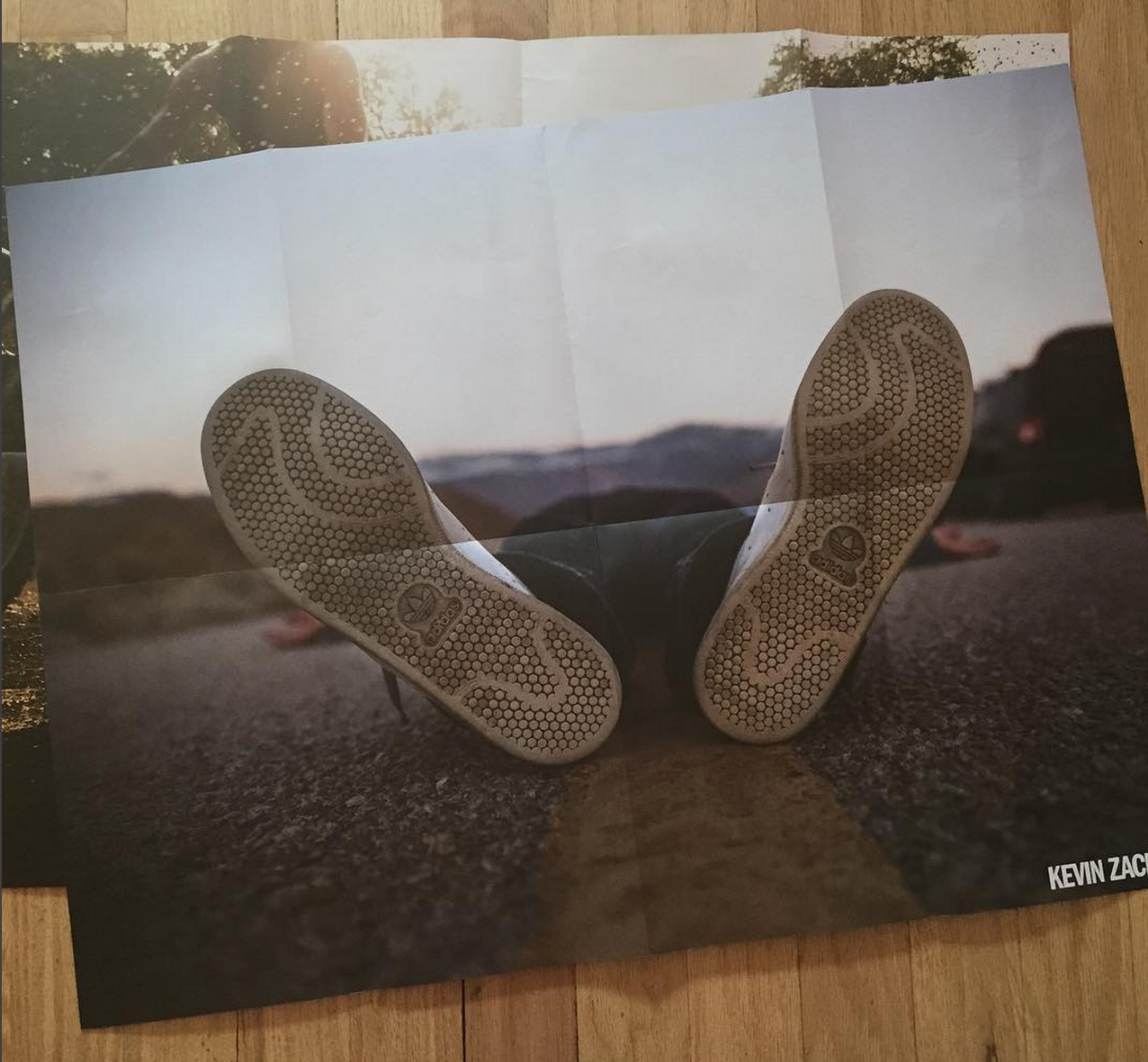
When discussing the project with the photographer, I told him that this is actually quite common in the world of commercial architectural photography. It typically takes many parties to plan, build, decorate and manage a property (whether it’s a residential house or a commercial building), and it therefore makes sense that all of these companies might want images of the final product to help promote their particular product or service. Most of the time, architecture firms, landscape designers, interior designers or general contractors will want to put the images in their online portfolios or submit them to industry publications and contests, and other times they’ll want to use the images for collateral pieces and to have them on hand for other publicity purposes.

Despite their intended use, it’s common for such clients to request unlimited use (including advertising), which was the original request from this client. However, I felt that such usage should be negotiated separately for each client (especially in this case since there were a few companies involved that could take full advantage of unlimited use), and we were able to convince them to limit the initial licensing to Collateral and Publicity use only.

Additionally, the commercial architectural photography segment of the industry has established rates that have more or less become standard. That’s mostly due to the same type of projects arising again and again for the same types of clients with similar expecations for the scope of the project and licensing. Oftentimes, architectural photographers are charging up to a few thousand dollars a day, plus expenses and a per image processing fee. In some cases, architectural photographers are even making more money on the processing than they are on the shoot. Given the time it takes for an experienced architectural photographer to process an image, they can earn a substantial amount of money by charging accordingly.

There’s nothing inherently wrong with these “standard” rates, as long as the photographer recognizes projects that fall outside of the typical project for an architecture firm or an interior design company. For instance, there are plenty of major brands that need architectural images to promote and sell products (like paint companies, home/garden products, appliance manufactures), and the typical rates that architectural photographers are charging their real-estate or architecture firm clients are most definitely not appropriate for these other companies.

In this case, we knew the parties were all interested in having the photographer capture 30 exterior images (20 during the day and 10 at night), and 20 interior images. Also, based on the shot list, time of day required for each shot and the photographer’s experience, we determined that the shoot would require four shoot days. Given the intended use, and having a grasp on what the local competition might be charging, we came up with a modest creative/licensing fee of $10,000. However, that fee did not account for multiple parties, and I felt it was only appropriate for a single client. So, that begs the question of how to charge for multiple parties licensing the same images.

A common tactic used by architectural photographers in these situations is to add a 33% surcharge to the fee for each additional party involved, and have all of the clients split the overall fee and all expenses. This tactic and approach can vary, especially if each client wants different images, but based on this concept and the fact that everyone was planning to share all of the images, we decided that each additional party joining in would increase the fee by $3,300 (33% of the $10,000 fee). Since those parties were still being lined up while we compiled the estimate, we included this rate as a “licensing option”.

Photographer Travel/Scout Days: The photographer would fly to the location on one day, scout the following day, and then fly home the day after the final shoot day.

First Assistant: The photographer would bring his first assistant with him, and this accounted for two travel days, one scout day and four shoot days.

Second Assistant: We included a local second assistant for each shoot day since the venue was quite large, and the photographer would need an extra set of hands to carry and set up equipment.

Equipment: The photographer owned all of his own gear, and decided to charge a rate of $1,000/day for wear and tear on his camera, lenses, lighting and grip, and based the total rate on a “3 days same as a week” discount that most rental houses apply.

Airfare, Lodging, Car Rental: I used kayak.com to estimate these rates based on the production schedule. Flights were a few hundred dollars round trip, which I rounded up to $500 per person (for the photographer and his assistant) to include baggage fees and fluctuation. Lodging was in the neighborhood of $200/night and I factored in six nights for two rooms. The car rental rate included $20/day insurance and fuel.

Parking, Meals, Misc.: I included a $75/day per diem for the photographer and his assistant for 7 days each, and included $25/day for lunch for the second assistant each day. Additionally, I included $100 for each shoot day to account for miscellaneous unpredictable expenses that may have come up during the trip. That totaled $1,550, which I rounded down to an even $1,500.

Shoot Processing for Client Review: This covered the time it would take the photographer to transfer and review all of the images in order to compile a web gallery for the client to choose from. Since most architectural images require a descent amount of post production and layering, I included this rate to account for some basic compositing the photographer would need to do prior to showing the images to his client. It would basically get the images headed in the right direction before really diving in and performing the more time consuming processing.

Selects Processed for Reproduction: As I mentioned earlier, it’s common to separate image processing fees and charge them to each party involved based on the images they want. However, since we felt we were already at the limits of the budgetary threshold, we included all 50 images for a single lump fee of $10,000. This broke down to $200/image, which would account for an additional 1-2 hours of retouching for each image.

Results: The project was awarded to the photographer, although he did end up making a few concessions by waiving his travel days, reducing the post processing fee a bit, and coming down on his equipment expenses. However, the four other clients did jump on board, which increased his fee by $13,200 ($3,300 each).

The Daily Edit: Walter Smith Self Published

Screen Shot 2015-08-09 at 4.22.23 PM

Walter Smith

What has been the biggest influence on your work? 
I love to look at photographs, photographer’s careers to see how they’ve created work year after year building on ideas,being flexible, creating work that has value.

What was your first real break if you can remember?
I clearly remember my first big project. It was a documentary project and it started as a 1 day shoot that evolved into a 10 day shoot. I came home, quit my day job, got a new job bartending and looked for work and photographed everyday for years. No BS in that statement. Not much has changed.

You have such a strong corporate client list, how did that happen?
I remember being a young photographer and looking at the stack of annual reports on my father’s desk. They were always interesting to flip through and very photo heavy. I started to keep a list of the design agencies that worked on them and started to hand print promos to mail out to the art directors. I drove many a receptionist crazy trying to get the names of the right people to mail to. It was a very organic process that worked for well for me.

 I enjoy that your promo’s are so interpretive. Quite a few of your images give us hope and an escape from whatever we are doing at the moment. I have your “Self Published spread 12-13” on my wall and often fall into that image when I need a break from my desk. Did you do this consciously? Put images in that promo as an escape for the viewer inevitably sitting at their desk wishing they were someplace else?

I’ve always thought that a promo should start a conversation with whomever is on the receiving end. Whenever I start a promo edit it tends to lean towards the commercial side. What I think people want to see, where the industry is at. I start to whittle that down with the help of the designers and the edit/promo starts to have a vision. Starts to feel like an extension of myself. I also start to have doubts and spend more that a few nights thinking about the image edits, the pagination–everything. It’s about a 3 month process from the first edit to the last with a few rounds of variations. The second guessing is an important part of the process (for me) and I generally feel that if the anxiety isn’t there then there’s something wrong.

When a promo arrives on a desk I want to get it opened. I want to allow the smell of ink to fill a room. We send out promos in clear envelopes with big imagery on both the label side and the back side. It’s always the goal for the promo to drive people to the site where they can see all the work they want. I’ve heard from a handful of people who spread 12-13 is hanging on their walls. There’s no better compliment than that. Yes, I certainly want a project from the promos but if It starts a conversation with a creative, adds a few Instagram/Facebook followers then its working.

I think in this crazy paced digital age everyone needs a visual respite. I don’t think that we consciously put in imagery that speaks to that but its tends to happen. I had spread 12-13 on my mind for weeks before the right situation presented itself. I wanted to shoot it out in Montauk but the weather just wasn’t right. We were 2 weeks aways from going to press when I found myself out in SF during a crazy December storm. I had an idea of something I wanted and reached out to Heather Elder who put me in touch with location master Jim Baldwin who turned me onto Sutro Baths. We hiked in wind and rain for about 30 minutes before I found the right spot. I actually thought the birds screwed up the shot until I saw the frames. I found what I was looking for and called Marcos, the CD at TODA who was working on the promo, and asked him to hold up while I sent it off to him. (Marcos and I have worked together on promos/websites/portfolios for 15 years)

A lot of your work and comments here keep you deeply anchored in the moment, were you always like this? Or has it become refined over time?
I like to think I was always anchored in the moment. It’s how I work; how I’ve always viewed situations. Everyone has a story to share and I try to tell these stories when I work. I try to find something that we can both relate to and build upon. It’s not the image that makes the photograph, it’s about the conversation that makes the photograph happen.

How has your family influenced your work and what has it taught you about yourself?
Being a father has taught me that the well-being of one’s family trumps everything. I talk about my children (2 boys 2 girls ) to everyone I shoot and that can lead to some interesting places. All teens make for a very interesting household.

I see you are without out a rep. What’s your best advice for marketing yourself?
Be smart with your time. Be respectful when reaching out to people. Research, research, research. I love sending out simple emails with personal notes and an image. Have a sense of humor. Know that it’s not about you and approach people that way. Be kind. Don’t make calls when you’re in a low or bad mood, go see a movie instead (advice to me from Duane Michaels years ago). Know that there are “friends” and “client friends” and understand the difference.

I could use a rep. When I go on appointments with larger agencies the first or second question is “who are you rep’d by.” I’ve worked with great reps in the past and have good relationships with them. Theres positive and not so positive things about working with agents. I think one needs to learn how to be their own rep before anything else. Learn the business because it’s a business no matter how creative you are.

Tell us about the conversations behind your promo images.

Screen Shot 2015-08-09 at 4.22.23 PM

Screen Shot 2015-08-09 at 4.22.31 PM
Spread one: 
Walter Kirn and first day of vacation.
I really wanted to use the shot of Walter for a couple of reasons. I loved the image but there’s also a great back story. I photographed him 17 years ago for GQ for the contributors section. Met at the Gramercy Hotel and did some pictures that were fine but when I left I never felt like I really got what I wanted, if I even knew what I wanted really. I’ve thought about if for years on and off. Seriously, years. I’ve always keep track of him and I saw a post on FB mentioning him. I reached out to him through FB and reminded him who I was. How many people named Walter are there in the world really? He remembered the shoot, actually remembered details that I forgot. I asked if I could shoot him again when he was in NYC next. As it turns out, he was in the city the next weekend. We met up, talked , shot and I got what I was after. The funny thing is, and I wasn’t even aware of this, is that there’s a white coffee cup in both shots we did.
The promo editing was done by TODA. I whittled down to about 500 images for this round. To say “edit” is a stretch though.

 Screen Shot 2015-08-09 at 4.22.40 PM
Spread two:
This is generally what my house looks like on any given weekend morning. I always have film cameras around and the table image was shot on Kodak 400 through my favorite camera the Mamiya7II. Its traveled the world with me multiple times and has never…not once, crapped out on me. I always liked this image but never saw it as a paired up with another image. They showed it to me with this image of my son Otis and I was immediately sold. This particular shot was from a test with the new Leica S camera. Most intuitive comfortable piece of gear I’ve shot with in years.

Screen Shot 2015-08-09 at 4.22.51 PM
Spread three:
The image of the 3 tourists against a wall was shot near the Grand Bazaar in Istanbul, Turkey. I love it there. Photographs to be taken at every turn and I never felt uncomfortable shooting on the streets there. We were originally there for a Coca-Cola lifestyle shoot. Whenever I go to a new place I generally throw on some running shoes and clear my head with a trek through the area that often turns into a scouting trip of some sort.
I paired this with an image from the Governors Island carnival from two summers ago. I wold have never put these two together but it works because the contrast between the backgrounds. This spread hung up in my office for a few weeks to see if it grew on me. That’s part of the process when I edit and make decisions with these things. It will live on my fridge, in my office, somewhere where I see it when I pass through. I wait to see what the spread feels like after a bit of time has passed. Might be odd, but it’s worked this long so why change?

Screen Shot 2015-08-09 at 4.22.58 PM
Spread four:
I’m always struck by how often people will not allow an experience to simply unfold before they start documenting it. I’m guilty of it at times but to see a kid walking down the street or sitting in a stroller with an ipad just kills me. What happened to just looking around, to being curious? I’m sure these ladies were just tourists outside Macy’s during the holiday but to me they we’re missing something. The leather fanny pack does it for me.

Screen Shot 2015-08-09 at 4.23.07 PM
Spread five:
What’s not to love about Miami in the winter?
 
Screen Shot 2015-08-09 at 4.23.16 PM
Spread six:
The last image to make it into the promo. I asked to swap this in just before it left for the printers. I love weather and I had this stormy sea image in my head for weeks. I was waiting for the right time to drive out to Montauk to get it but the weather was not cooperating as I said earlier. After I shot it I though I’d have to retouch the birds out. Ha. They made it that much better! I called Marcos in a “hold the presses” moment and we got this in. One of my favorites on 2014.

Screen Shot 2015-08-09 at 4.23.23 PM
Spread seven:
Just documentary portraits from jobs. Probably the only two images from paid jobs in the promo.
 

I love doing promos and find the process of how someone else experiences my work refreshing. It’s a long process for me. Lots of time goes into moving images around on pages before I even send the edit to TODA. It’s a bit of an emotional process in the beginning until it leaves my hands. Once it’s done the feeling of waiting to see what the designers come back with is equal to the feeling of waiting for rolls of film to come back from the lab. curiosity. Excitement. It’s all there.

Once we get round one done, I pin them up and live with them. This will generally lead to second edit that may have a few more commercial images in it. They always look great but I’m often left feeling like something is missing. I always know what’s missing but it takes sometime to make the changes. This time around I had my producer, Susan Shaughnessy, Paula Gren of The GrenGroup and Amanda Sosa Stone (my creative buddy for years) weigh in on the edit. All agreed more personal was stronger. I’ve always thought a promo should immediately stand out in the mail so that’s why we’ve always used clear envelopes. I’ve also started to send an email or PM to specific clients with a snap of the promo cover to let them know it’s on their way. It all works though sometimes a bit better than others. When I’m traveling to an area for appointments I generally will hold off sending a promo until two weeks before I arrive. It’s always a compliment when people remember receiving it. Promos are a way to start a conversation and my career has been one long conversation with many people.

The Daily Promo: Breungrega

BreunGrega_01 BreunGrega_02 BreunGrega_03 BreunGrega_04

Breungrega

Who printed it?
It was printed by Pinguindruck here in Berlin. They are specialised in printing all kinds of stuff for creatives.

Who designed it?
I did the designed by myself. But our logo was designed by Frauke Wiechmann & Vincent Kraft, graphic designer friends of ours.

As breungrega.com is a team of Martin Grega and me, David Breun, we have those half circles wich can be put together. We have this sheme on lots of our stuff for example also on our business cards. With the postcards i did the same you can put them together and then you have a full circle.

Who edited the images?
I edited the images with my business partner Martin.

How many did you make?
We made 1000 each.

How many times a year do you send out promos?
We are trying to send promo cards twice a year. I also have a couple of postcards with me all the time and i leave them as a addition to my business card. And its funny that you still see them a office tables if you visit the person the next time.

Did you purposely leave off your contact details on the promo to Rob? Your instragram friends were able to ID your team, you have fans!
Oh thanks, our US agent Tim Mitchell said that it’s a good strategy. I didnt do this on purpose, on the front our website & logo is printed with UV finish, so if you turn the postcard a bit you can see it. Next time i will write my full address and company name on the back, for sure! I attached some pictures where you can see the finish.

The 2 postcards are also trying to show our two aspects…one is the advertisement photography and the other one is editorial car photography. The 3 Porsche sports cars have never been on the location in Miami they only exist in the computer, they have been rendered, very common these days and a big change in car photography…the orange car is a Lancia Stratos prototype 1975, matte orange! This was an editorial shooting for ramp Magazine here in Germany and a completely hit & run shoot…the car wasn´t even registered neither had it working headlights…the owner just didn´t care he drove around the city the whole night with us…in the end he lost the ignition key…a shooting i will never forget…