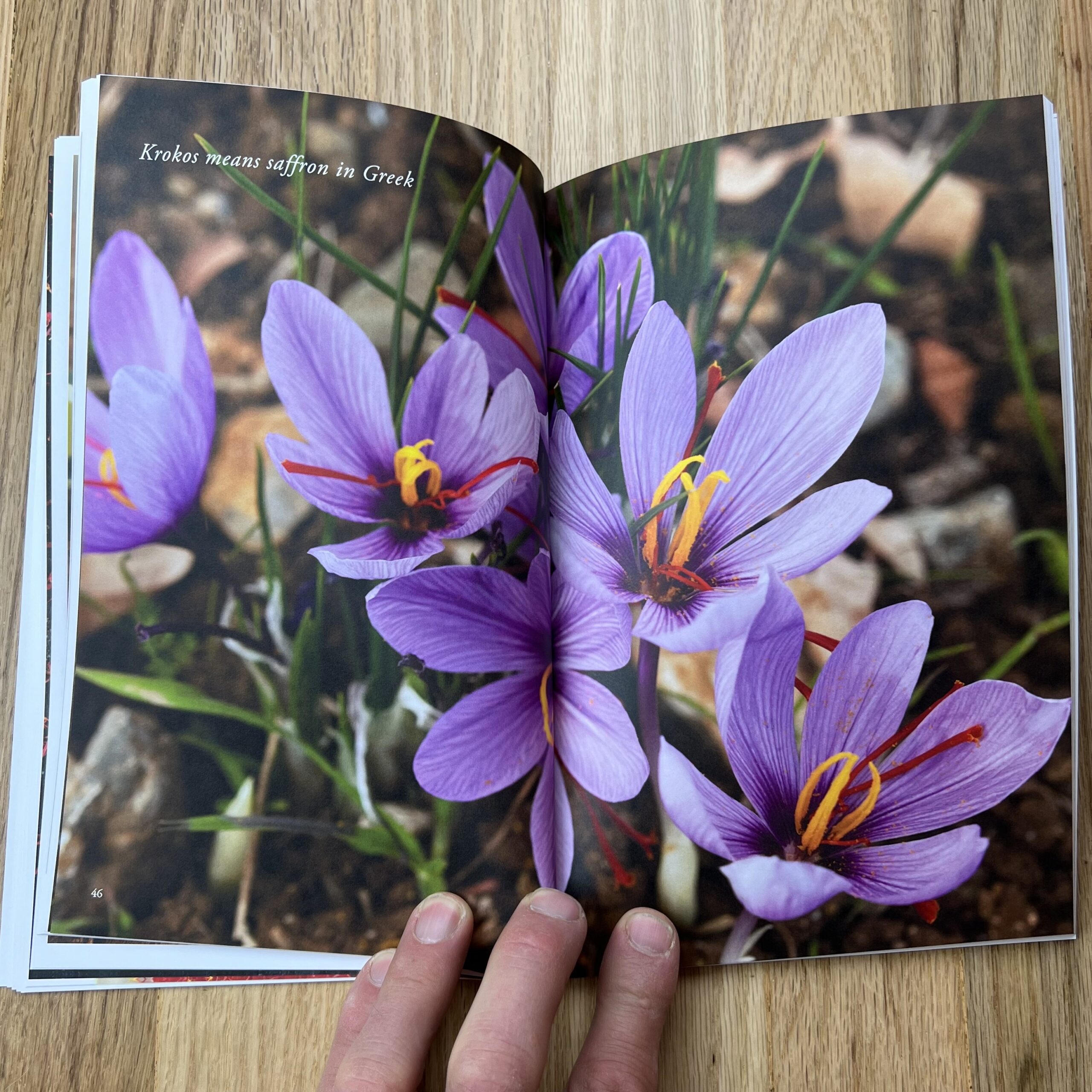
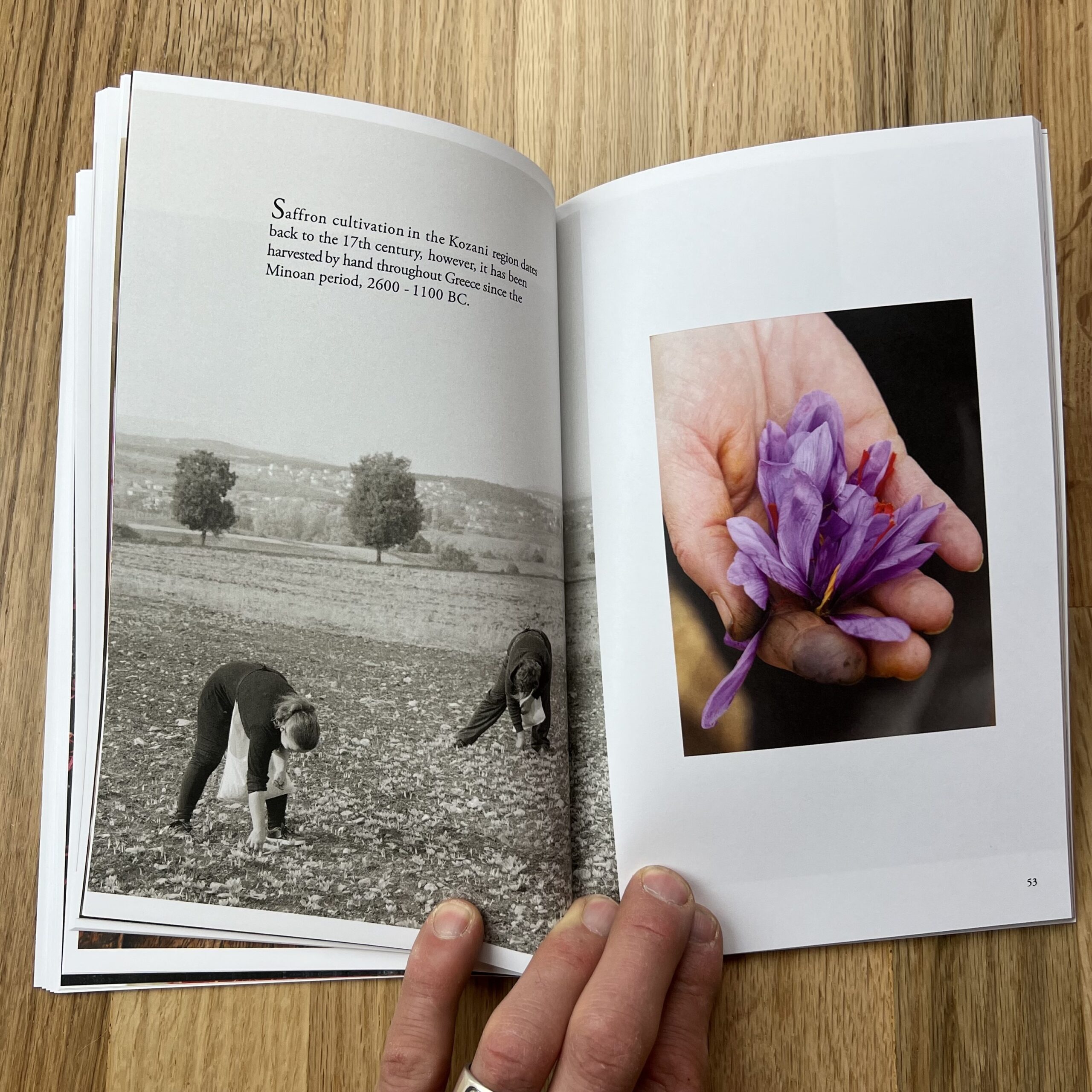
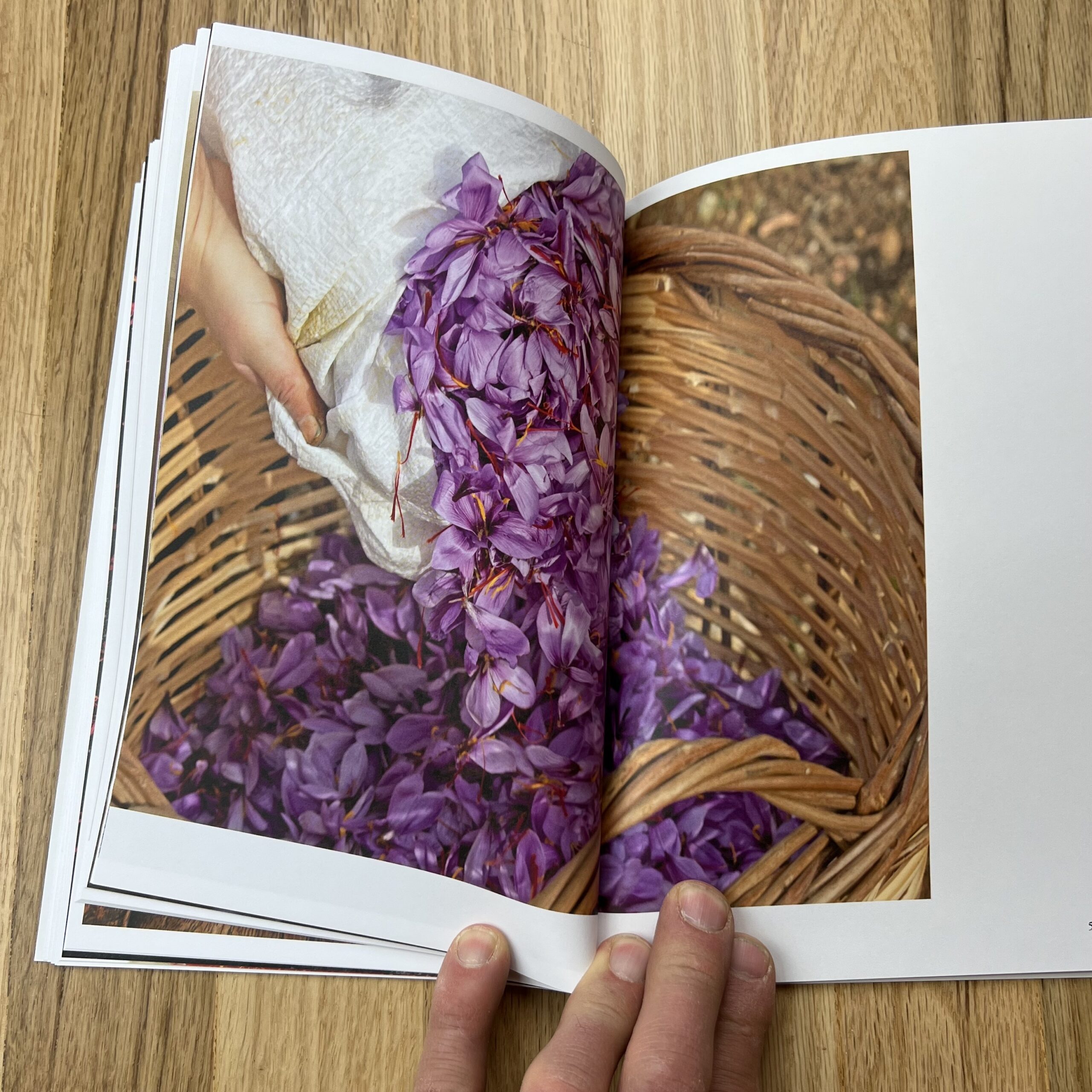
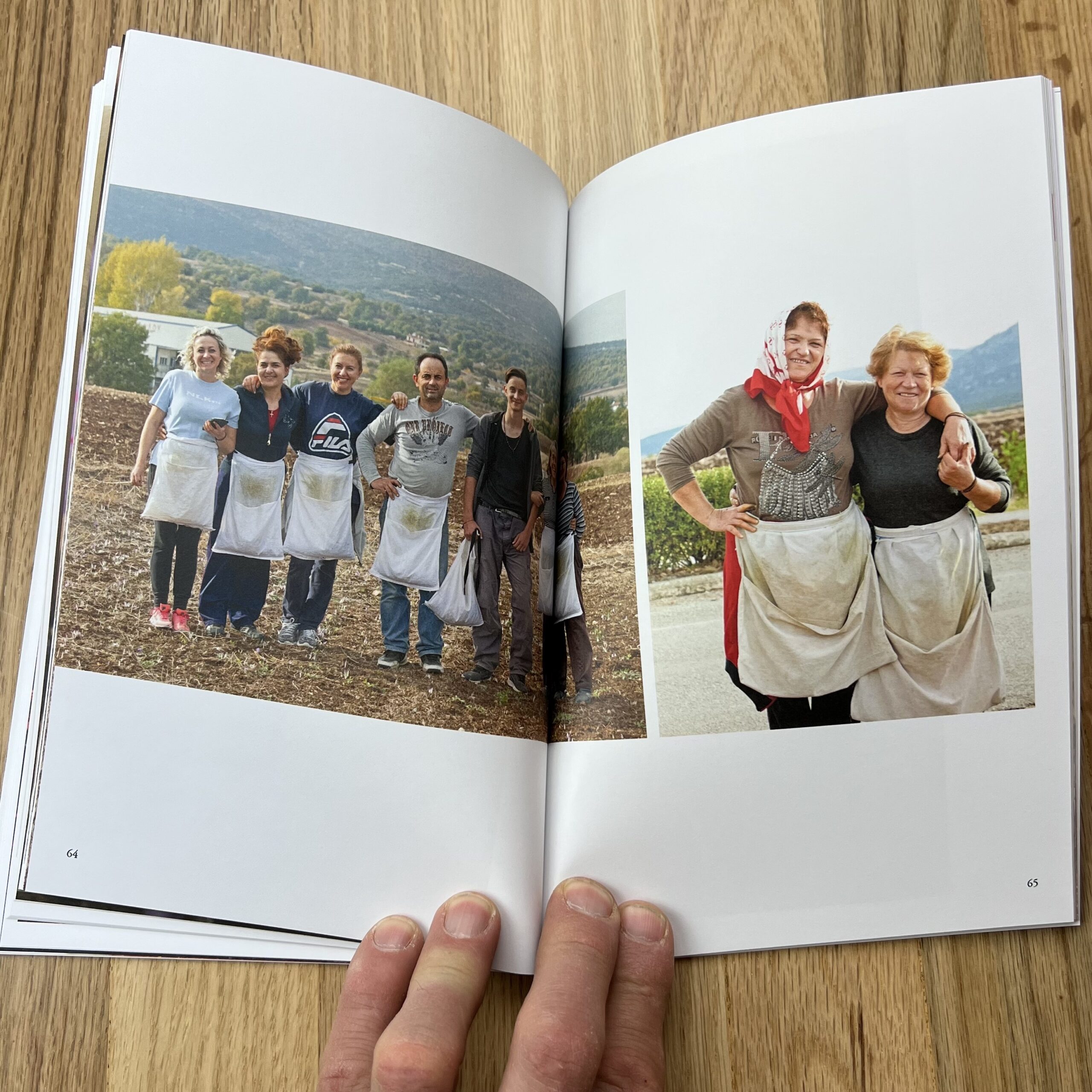
Who printed it?
It was printed at a small web press operation in Marble Falls, Texas. (about an hour outside of Austin) Their website and contact seem to be gone, I fear they didn’t make it through the pandemic.
Who designed it?
I designed it in photoshop myself but had a friend give me a hand getting it properly laid out in InDesign and press-ready.
Tell me about the images.
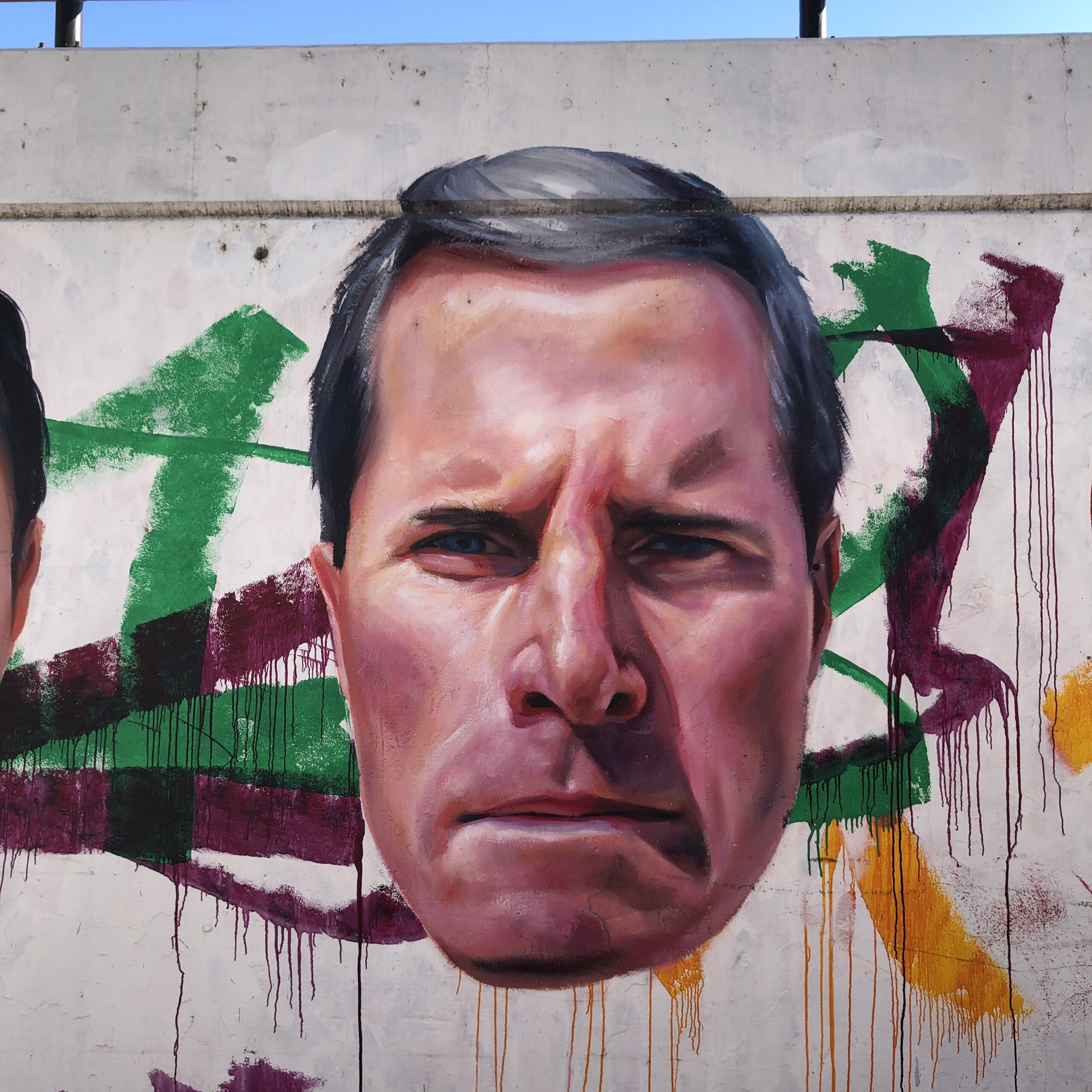
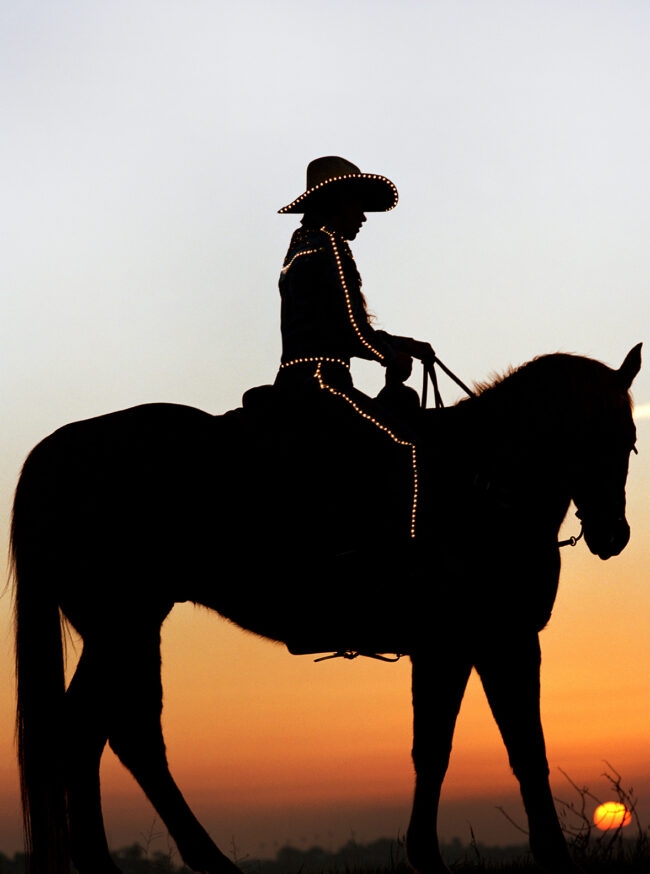
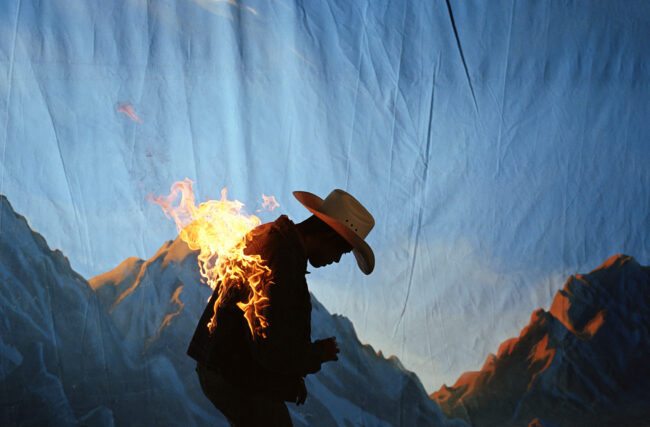
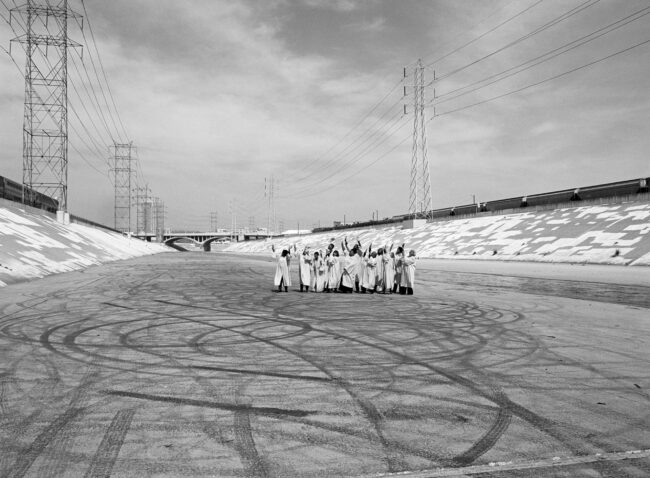
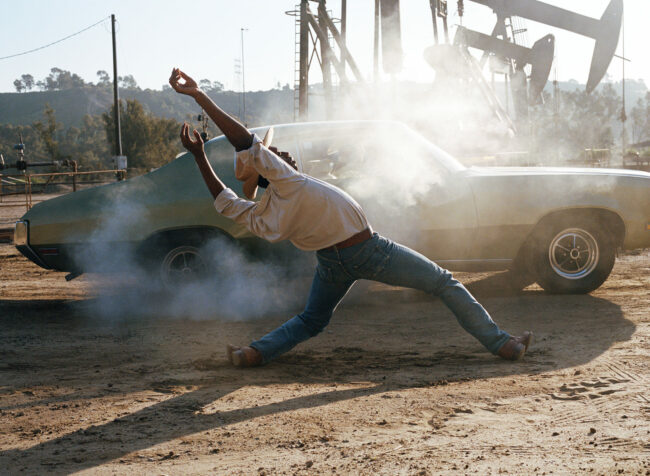
The subjects are all types of folks from in and around Austin. The cover shot is actually a judge out in Bastrop county, the Honorable Charles Carver. He and I worked in kitchens together years ago; one time he chipped my tooth with a microphone during a duet version of ‘My Way’ at karaoke. There are musicians, chefs, tattoo artists: weirdos, and friends of mine. I hand-painted the backdrop in my friend’s driveway and tried to light them all more or less the same.
How many did you make?
Since they were done on a web press, most of the cost was in setup fees. When the owner of the print shop called to quote me for 500 copies, he said the cost for 1000 would be practically the same. So naturally, I went with 1000. I still have a lot to give out though!
How many times a year do you send out promos?
I’m still pretty new to the marketing game. I’ve sent out a handful of postcard-type mailers with different designs before these newsprint ones.
Do you think printed promos are effective for marketing your work?
People are usually very responsive to these if I put one into their hands. It’s hard to judge the mailed versions though. I love printed materials regardless. That’s what’s especially great about these in my opinion – I really don’t have to be precious with them. I leave them in bars and coffee shops and put them into anyone’s hand that will stop long enough to let me.
Thankfully, there’s a good reason for the routine-shake-up.
Tomorrow, I’m off to New Orleans to attend the always-fun PhotoNOLA festival.
It will be my first IRL photo-event since the world shut in March 2020, and I can not wait to see friends, review portfolios, eat amazing food, and stroll around the beautiful French/Spanish/Creole/American city.
(Honestly, up until recently, I didn’t know Spain controlled New Orleans for forty years.)
On Wednesday, PhotoNOLA will be releasing six video interviews I did on their behalf, for the Virtual BookFair, and I was fortunate to speak to a really cool collection of artists and publishers.
I’ll include the link, even though it hasn’t happened yet, (for me,) and it’s already happened, when you’ll read this piece.
(Such a 2021 time-warp. Appropriate for a strange fucking year.)
Between writing on a Monday, still feeling discombobulated from the crazy book I reviewed on Friday, and needing to get my house in order for a big trip, I don’t have many available brain cells at the moment.
Certainly not enough to read/look at a new photobook, process it, think deeply, then spit out an appropriately-intelligent review, as you’ve come to expect these last 10 years.
Instead, we’re going to pivot.
Before I fill my head with a host of new stimuli down in Louisiana, I thought we’d time-jump back to mid-October, when I went to Chicago to eat, drink, be merry, and see some great art.
(If you can’t see amazing things there, you’re not trying hard enough.)
I was a bit sad the Hokusai/Hiroshige exhibition closed a few days before my visit, and will openly admit I didn’t do enough homework to know the well-received Barbara Kruger show was happening while I was there.
As a critic, I’ll offer a “my bad,” as I ought to have dialed in the radar, but my goal was to see the André Kertész show, (for you photo geeks,) in particular because my friend Greg was involved in the curation.
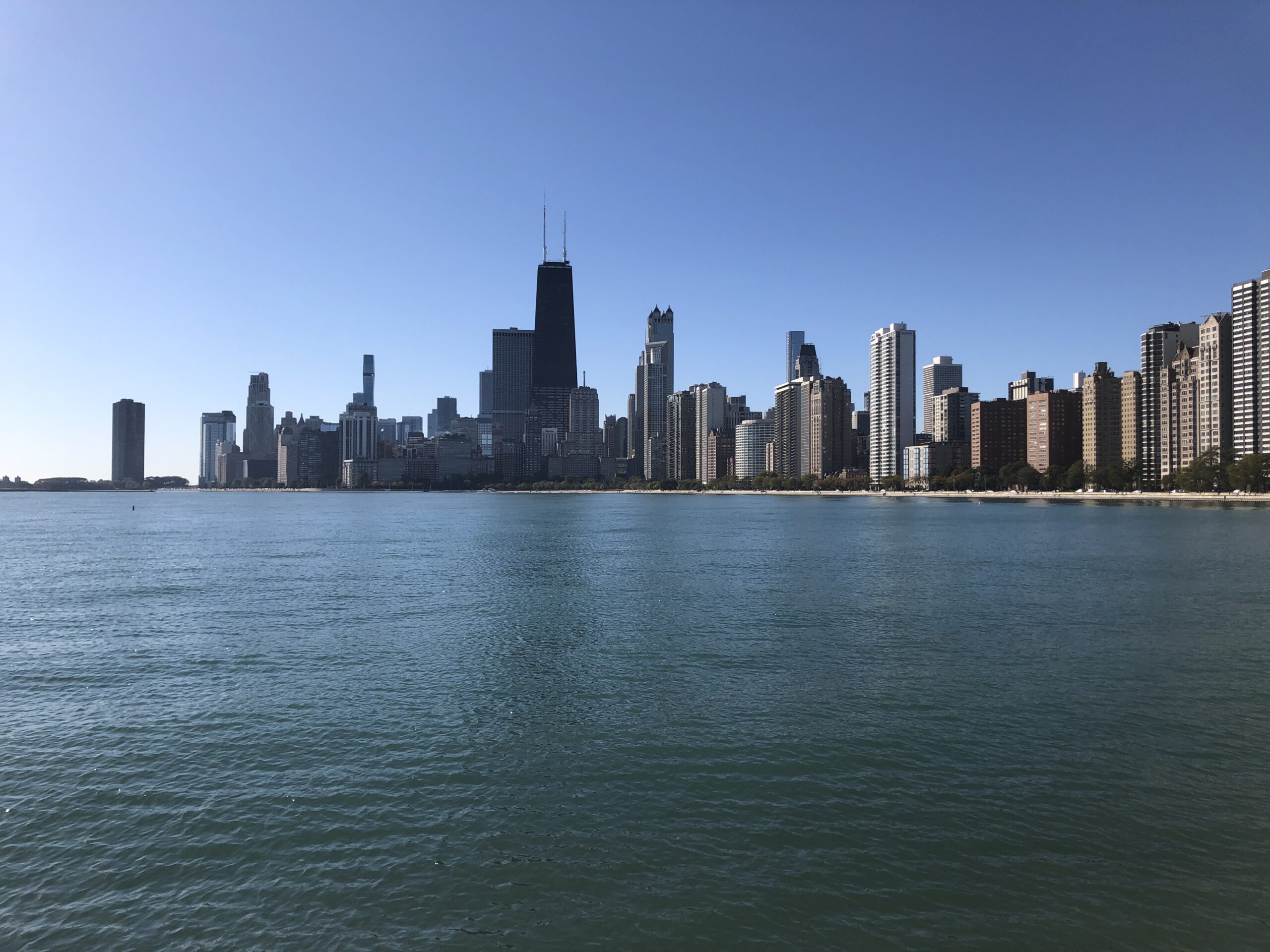
So with that as my action plan, I strolled South a couple of miles along Michigan Avenue, and stopped to take a photo for you, where the Chicago River emerges from the massive Lake.
I caught a cool video art installation in Millennium Park, and have since learned it was called Crown Fountain, by Spanish artist Jaume Plensa, featuring images of Chicago residents.
When I got to the museum, I let instinct be my guide, (as I arrived mid-afternoon, and didn’t have much time,) and headed up a floor in the Contemporary wing.
(The Museum is really two buildings connected together, and I’ve been through the historical wing a few times now.)
I found the opportunity to commune with some of the true greats of the 20th Century, including a few of my all-time favorites: Jackson Pollock, Mark Rothko and Charles Ray.
As to Pollock and Rothko, there’s not much I can say that hasn’t been written a thousand times.
I’ll admit the work, which is large-scale, and overwhelms the body with emotion, needs to be experienced in person to be understood.
Two Pollock paintings
Abstract Expressionism leans heavily on both words, and the feelings and energy expressed impose on your soul, (in a good way,) which is why museums are so bloody important.
(Sorry for the English slang. I’ve got an Arsenal game coming on in a few hours.)
Standing in the middle of a room full of Rothkos, none of which I’d seen before, is akin to sitting on the sand, staring at the Pacific Ocean.
His paintings are the only art that’s ever made me feel that way, and the experience alone was worth schlepping from Taos to Chicago.
However, I also got to be creeped out by an insane, large-scale boy sculpture by Charles Ray, which also needs no explanation.
Is it Hansel before he gets eaten? The inspiration behind Taika Waititi’s Jojo Rabbit? One of the kids from “The Sound of Music”?
Really, who’s to say?
Beyond that, I loved an installation by the brilliant Kerry James Marshall, the beautiful portrait of Chicago’s Barack Obama by Jordan Casteel, and these two super-textural paintings by Japanese artists Shimamoto Shozo and Shiraga Fujiko.
This Roy Lichtenstein painting was bonkers good, and held my attention for 5 minutes or so.
What a joy!
I was also mesmerized by this David Hockney painting, called “American Collectors (Fred and Marcia Weisman,) which I stood before for a good 6 minutes.
It was so seductive, in his SoCal sort of way, but like the Raymond Jonson painting I saw in Albuquerque earlier this Fall, it also felt Anti-Semitic.
When I reviewed that show, it was the first time I’d ever leveled that accusation in my career, but here, I recognized the feeling again.
A clearly unflattering depiction of a wealthy, Jewish art patron.
Is it OK to paint people as unattractive?
Sure, why not?
But when a person within a culture feels a negative emotional reaction to an old trope, (one used to denigrate a people for millennia,) I think it deserves mention.
Next up, I’ve got to discuss the issue of the exploitation of the female form by famous, powerful, White artists.
I realize at this point, I’ve been covering this subject throughout the pandemic, and maybe it’s time to let it go.
But I’ll let you be the judge if it’s worth considering today.
Richard Prince, who’s taken heavy fire from the photo-world for years, based upon his appropriation of Sam Abell’s work, and then Patrick Carou, had some pin-up photos of pretty, topless, young women, and I really thought they were tacky.
But they were joined by cheesy, exploitative work by Andy Warhol and Jeff Koons.
(I normally love Warhol’s paintings, as he’s been a huge inspiration to me.)
As I stood there, in the museum in 2021, I couldn’t help but wonder if the curators were oblivious to the cultural moment?
Really, is this the time to be flaunting such things, when one has an entire basement filled with genius works?
Do we need to see big, bulging breasts painted/sculpted by rich, old (or dead) White guys?
I say no.
And the only female artist of that level of renown in those galleries was Cindy Sherman, whose images both critique and simultaneously reinforce the stereotype of the young, blonde, damsel-in-distress.
Sure, we all know Cindy was subverting tropes, but the AIC draws plenty of “regular citizens,” and in the context of the Prince, Warhol and Koons work, I suspect Sherman’s subversive photographs are themselves subverted.
Lastly, I’ll show some images from the André Kertész exhibit, which focused only on small prints he made during stint living in Paris.
Normally, that wouldn’t matter, (the size of the photographs,) but after looking at so much big work, reveling in the power of scale, I admit it was hard to get so close to small pictures to absorb the details.
(The one Mondrian painting included, b/c Kertesz had photographed his studio, was a brilliant touch.)
There were beautiful night scenes in Paris, including images of the Eiffel Tower. (Naturally.)
And we also saw some well-constructed interior photos. (Including Mondrian’s studio, which explains the original painting on the wall.)
But wouldn’t you know it, one of Kertesz’s prominent subjects, while living in Paris, was shooting pretty and/or striking young women.
Like Paul McCartney admitting in a recent New Yorker article that he got into a band to catch birds, (English slang for girls,) I’m not going to hate on Kertész for gravitating his camera towards attractive women.
So many photographers have done it, and it’s not for nothing that Hollywood, (and the entertainment industry in general,) treats gorgeous young women as such prized commodities.
Certainly, these photographs were excellent, and held my attention while my brain cells slowly rebelled against me. (It was nearly 4pm on a day I walked 15 miles.)
But it is a good place to end today’s column.
When we describe “agency” and “power dynamics” in 2021, it’s within the context of a long history of the exploitation of women by men.
Sure, anyone can photograph anything they want these days, as long as the subject is a consenting adult.
I do think each artist who likes to photograph “hot chicks,” in our new times, should have a pretty compelling reason to do so, given our culture of objectification.
The Art of the Personal Project is a crucial element to let potential buyers see how you think creatively on your own. I am drawn to personal projects that have an interesting vision or that show something I have never seen before. In this thread, I’ll include a link to each personal project with the artist statement so you can see more of the project. Please note: This thread is not affiliated with any company; I’m just featuring projects that I find. Please DO NOT send me your work. I do not take submissions.
It’s been eighteen months since the global pandemic was first announced. It was a rare time where the machine of society, usually loud and seemingly unstoppable, came to a grinding halt and the resulting moment of silence remained etched in the memory of humanity for a lifetime. The sense of paranoia was dense, like a fog that had wrapped itself around the world. We were all facing an invisible enemy that had the ability to take the shape of anyone: our neighbors, our friends, our loved ones. The crisis also introduced us to a slew of new laws and rules. The most popular being the enforcement of always maintaining a minimum distance of six feet apart from everyone. We were constantly being reminded of this seemingly arbitrary distance just about everywhere. It was written on the floors of grocery stores and announced in the news, on the radio and over PA systems. Unfortunately, it also served to push the symbolic wedge even further between us.
As a human, it was scary and heartbreaking. As a professional portrait photographer, it was devastating. It had seemed we’d completely lost our ability to empathize. We were collectively in fight-or-flight mode and the thought of even approaching a stranger felt impossible and maybe even dangerous. My ability to connect with people and take their portrait, a skill I had constantly been working on and strengthening, had already begun to atrophy. I felt like an Olympic runner who had been damned to a potential eternity in bed. So, I decided to do something.
I wanted to use these circumstances as a challenge to connect with strangers and, by using an outstretched tape measure set at exactly six feet, include a visual representation of the physical and emotional distance that had been set between us. I approached people everywhere I went customers and check-out clerks in department stores, people I’d see walking through town, strangers in parking lots, and UPS workers delivering packages. At first, I was nervous; I didn’t know what to expect, but after some time began feeling more comfortable establishing rapport with people. It almost felt normal. I then realized that by using the very thing that had gotten me into photography to begin with – that of utilizing a camera to connect with people – had allowed me to reestablish trust again and, for a brief moment, for the fog of fear and paranoia to gently part.
APE contributor Suzanne Sease currently works as a consultant for photographers and illustrators around the world. She has been involved in the photography and illustration industry since the mid 80s. After establishing the art-buying department at The Martin Agency, then working for Kaplan-Thaler, Capital One, Best Buy and numerous smaller agencies and companies, she decided to be a consultant in 1999. She has a new Twitter feed with helpful marketing information because she believes that marketing should be driven by brand and not by specialty. Follow her at @SuzanneSease. Instagram
Success is more than a matter of your talent. It’s also a matter of doing a better job presenting it. And that is what I do with decades of agency and in-house experience.
Heidi: How long have you been living in Anchorage, what brought you there and why have you stayed? Ash: I have been living in Anchorage now for a little over ten years, with a brief year a few years before that before I left for grad school. Honestly, I came up to Anchorage because I was burning out working in cities in the lower 48 and wasn’t making the work I wanted to; being a young journalist is such a hectic, yet formative time, and my personality needed to be somewhere where it could breathe. I felt that in Alaska I could work as a freelancer and really sink into a place. Alaska has very few photojournalists who work for national media to this day, and very few women. So it felt like an opportunity to cover underreported stories and also an opportunity to learn.
I’ve stayed for a number of reasons, but mostly I tell people that I’ve stayed because I love it here, and I do. I love how much space is here, how much wilderness. Before living in Alaska, I had almost no acquaintance with the outdoors; I would need to take a minute anytime I came to “You are Entering Bear Country” sign at the start of even the most trafficked trails. Now, it is not uncommon for me to be backpacking for days (and sometimes weeks) alone. I found a place in the world through becoming comfortable in wilderness that I had no idea I needed. My children, now 7 and 9, backpack with me as well.
I love the people here, and many cultures, foods, and dialects. I love how much I have learned from the people here.
Having my children here, and with a person who is Inupiat, is obviously another pull. Making sure that they are close to and connected to their heritage is important to me, as is making sure that they feel that they have a place in the world, which I think comes from being connected to the land.
You’ve obviously earned trust from the community in order to share their stories in a variety of outlets. I would think this is reciprocal, what has the community taught you?
The communities within Alaska have taught me so much that this is particularly hard to answer, but Alaska has especially taught me about the concept of community itself. Alaska is an island made up of islands, and so every person in a community matters. It is easier to see the responsibility each person has in a small place and to therefore see your own. People see each other here. After one assignment, I was driving at night and the snow drifts were huge and the roads were slick, so even though I was driving carefully and had the right tires and right car for this, I slid into a bank and was absolutely stuck. I had no cell service and my GPS had died a while back. Within about 6 minutes, a truck came down the road, and two teenage boys hopped out, pulled out a tow rope, and just pulled my car out of the snow, with almost no words (and of course they would accept no money). It is this small act that honestly was huge. And teenagers already knew to do that; they’d been taught to see the people around them and acknowledge that they are part of the story of the world. I think about things like this a lot lately; individualism has a very dark and damaging side, and being a part of a place like this gives my heart hope.
And then there’s languages and cultures; the concept of what real family looks and feels like; the tastes of whale, seal, bear, moose, caribou, and so many other flavors I’d never had before; what resilience looks like–the list goes on and on. I am grateful in every way.
Ash Adams loading film while Photographing Warren Jones for Patagonia./Photo by Sarah Pulcino
Patagonia asked you to find a local assistant for this project, how did that align with goals you already had for mentorship? Diversity within the photo industry has been a hot topic in the last few years, but it’s been on my mind for well over a decade. I currently am a founder of a mentorship program, Show and Tell Alaska, with my ex-husband and co-parent, Brian Adams, who is both a phenomenal photographer and person, and the program was developed in response to a lack of diversity in photojournalism and in this state. People do not necessarily need a degree to be able to tell their stories to a larger audience, and for many and especially in rural Alaska, that doesn’t make sense; I think aspiring photojournalists need people to show them how to hone skills they’ve already started to elevate their work and then they need contacts within this specific industry that people often come to through educational programs (where people also learn about all of the workshops that will build them up, too). The lack of diversity in the industry is due in large part to just not having access–to mentors, to contacts. There have been many, many photographers who have come to Alaska from outside on $20,000 (or higher) grants to do a weekend workshop on i-phone photography in a village who then use the contacts for their stories and bail, and we wanted to do something that could actually help diversify our industry in this diverse and geographically complex state in a meaningful way.
So, all that is to say that working with Sarah Pulcino (who is currently in the mentorship program, but was not yet at the time), aligns with my values for a number of reasons; there are not many Indigenous female photojournalists in this state, and I want to support her journey in any way that I can. She’s talented and lovely to work with.
Did you know Waren prior to this assignment? I did, but not well; Alaska is a small-town state, and Warren is a brilliant writer who travels in similar circles, so we had met casually here and there over the years. After this assignment, however, Warren and I (and his family) have become a great deal closer, which was an unexpected benefit from making the work.
You have a love for writing, poetry that come up while photographing Warren?
Warren and I likely talked about his writing during the shoot, though I’m not sure that we’ve ever talked about poetry (in addition to journalism, I publish roughly a couple of poems a year in literary magazines, which is something I started doing in my early 20’s, but it’s such a tangential part of myself that it rarely comes up). We often tend to talk about ideas more than anything, and my recollection of the conversations of the day were no different. His article for Patagonia is a great example of the deep wells that he gets into on his own and that we also get into collaboratively; he is a deep thinker who revels in the way things connect. That we both love words I think becomes a kind of framework but not the subject of conversation. (If that makes sense!)
They’re around a lot, this time of year, the red-tailed hawks.
The brown, dead grass makes it easy to spot prey, so they sit and wait, before swooping with efficient ferocity.
I’ve noticed, over the years, whenever you get too close, the hawks fly away.
It doesn’t matter whether you’re a threat or not.
Either way, as soon as you reach their discomfort zone, off they go.
(That’s nature for you.)
The coyotes are no different.
I’ve seen two this week; their sand-gray coats blending perfectly with the ground color in winter.
(Until the snow comes.)
If you want to appreciate a coyote, and watch the way it moves, you have to stand perfectly still, and if you’re inside, never open the door to get a better look.
They always spook.
Always.
Again, it’s in their nature.
At the merest hint, the faintest whiff of trouble, off they go.
(It’s not for nothing coyotes are such great survivors.)
This week, in addition to watching hawks and coyotes, I’ve also been following The Beatles massive new documentary, “Get Back,” on Disney+, by the master of lengthy story-telling: Peter Jackson.
(Trying to explain to my kids why “The Lord of the Rings” trilogy was such a big deal, in an era of digital-effects-ubiquity, was more difficult than I might have imagined.)
Courtesy of IMDb
We’re only halfway through Episode 2, but I needn’t bother with spoiler alerts.
We all know how the story ends.
The Beatles break up.
They go out on top, as their late-stage-music is some of the best ever recorded.
But they also dissolve the group, more-or-less hating each other.
A decade of unhealthy relationship patterns turned the band into a ticking time-bomb, and the only question was when it would go off.
Not if.
There is a phenomenal moment, early in Episode 2, that Sir Paul must have nightmares about, as he correctly predicts in 50 years time, people will shake their heads that The Beatles broke up because Yoko Ono sat on an amp.
(Sidebar: Peter Jackson’s opening disclaimer scrupulously states each person is rendered accurately. If that’s true, Yoko was an inscrutably odd bird.)
Immediately after his prediction, though, the film cuts to a scene in which Paul and John are secretly recorded at lunch. The dynamic duo basically admits they ganged up on poor George all these years, denying him power or agency.
The agree (again, not knowing they were being taped,) that he had a right to be pissed at them.
It gives context to the narrative that George is ready to ride off into the sunset, with his Hare Krishna buddies, who at least show him some GODDAMN RESPECT!
What The Beatles prove, not-quite-exactly 50 years ago, is that unresolved emotional issues in relationships can doom even the most productive, successful, lucrative “family” the world has ever seen.
If you can’t sort out your business, it’s going to blow.
That’s as much a law of nature as spooking hawks.
When a person has tried every way to make things better, and failed, eventually that person will tap out.
Or go down in flames.
And this week’s book, “Tulsa, OK,” sent in by Victor d’Allant, a French photographer based in San Francisco, makes that point visually explicit.
Page after page.
This one came in Summer 2021, but I bumped it up the pile, as it represents two anniversaries at once.
“Tulsa, OK” was published this year, on the 100th anniversary of the Tulsa Race Massacre, and the 50th anniversary of Larry Clark’s seminal book “Tulsa.”
Speaking as an artist, a critic, and a human, the cold-open “Watchmen” recreation of the Tulsa Race Massacre was one of the most disturbing, riveting things I’ve ever seen filmed.
Larry Clark’s “Kids” would also make the short list, as watching poor, young Chloë Sevigny get HIV from her punk boyfriend almost made me vomit. (Should I have said spoiler alert? The movie is 26 years old.)
Courtesy of IMDb
And Clark’s “Tulsa” was one of the first photo books I was shown in class, at UNM in the late 90’s, and until that moment, I hadn’t realized anyone could make art that way.
As the well-written, extensive opening essay in “Tulsa, OK” explains, Larry Clark lived within the world he was documenting, in Oklahoma, and Victor d’Allant did not.
The former was a junkie, making photos of his own world, the latter is a “Visual Anthropologist” with a single-mother-drug-dealer as a fixer, introducing him around the sad, defeated city.
Said fixer, Julie Winter, actually wrote the intricate introduction, in which tells us she knew Victor before she ended up Tulsa, and invited him to come check it out.
Julie refers to this book, (as well as Clark’s,) as “grotesque, terrifyingly awful, full of despair.”
That about sums it up.
The text briefly mentions d’Allant photographs his subjects naked, but I don’t think it really landed in my consciousness when I read it. (At least, not enough to prepare me for what was coming.)
The quote is here:
“Many subjects in both Larry’s and Victor’s books are pretty much naked, as if they both felt their sitters were trying to display some human softness in this awful universe. But in truth, it’s a clever way for the artists to show what would be hidden beneath clothes: cuttings made in desperation, tattoos ordered on some drunken whim, flesh damaged by too many pregnancies…In Tulsa, Victor told me one night as I was trying to fall asleep, ‘nudity shows the fragility of life and the difficulty of survival.'”
I say this now, because it would be impossible not to discuss the elephant in the room, with respect to this book.
Given how much I’ve written about the male gaze in the last year, and the question of when, if ever, men photographing nude women is OK, (because of power dynamics,) I just couldn’t resolve the tension.
So many of the portraits of down-and-out, attractive young women, topless, or totally nude, struck me as exploitative to the point of obscenity.
Many viewers would likely dismiss this book immediately, and on the final page, even the text editor is credited as anonymous, because he doesn’t want his name associated with the book.
OK.
I said it.
But when a book is admittedly meant to be “terrifyingly awful,” you need to expect some fucked up shit within.
(And I will not be sharing any of the explicit photos below.)
The book is dynamic in its design, featuring messaging-app-style text bubbles, calendars, and really excellent image placement, with respect to the visual path.
There is a fire-engine red throughout, and as Victor is from Paris, I need to acknowledge in every episode of “House Hunters International” I’ve ever seen filmed there, that color has always been included in home interiors.
Always.
To the point that Jessie and I joke about it.
They’re filming in Paris?
We’re gonna see that red…
I guess it represents passion, or desire.
Maybe both.
But the quality of the production here, and the compelling, first-person stories of violence, addiction, depravity and love, within the context of a culture of poverty, kept me glued to my seat.
Page after page, my jaw would drop.
I never got comfortable with why the women were depicted topless, when confronting the camera directly, but there are some images, done in a documentary style, where the action is not directed by the photographer… and yes, the nudity makes sense there.
Trigger warning: one story describes a woman being fisted while she’s having her period, and I really hoped we wouldn’t see that illustrated, but we do, in full color.
Damn!
For a book trying to reflect on the vision of Larry Clark’s “Tulsa,” and the worst racially-motivated massacre in American history, I get that controversy serves a purpose.
(Which is why I’m reviewing this book, and why I don’t think it should be banned, panned, or denied its existence.)
It’s a seriously fucked up book about a seriously fucked up subject.
I’m guessing Victor d’Allant is an edgy dude, and though it might be cliché, the French supposedly consider Americans to be prudish.
The structure of book implies that all the subjects chose to be photographed, but if you’re high as a kite, can you actually offer consent?
(He even does a ride-along with the cops, which pisses off his new-underworld-buddies.)
So there we are for today.
Most of you will probably hate this book.
Some of you will love it.
As my old basketball coach used to say, “Where you stand depends on where you sit.”
If you’d like to submit a book for potential review, please email me at jonathanblaustein@gmail.com. We are particularly interested in books by artists of color, and female photographers, so we may maintain a balanced program. And please be advised, we currently have a significant backlog of books for review.
The Art of the Personal Project is a crucial element to let potential buyers see how you think creatively on your own. I am drawn to personal projects that have an interesting vision or that show something I have never seen before. In this thread, I’ll include a link to each personal project with the artist statement so you can see more of the project. Please note: This thread is not affiliated with any company; I’m just featuring projects that I find. Please DO NOT send me your work. I do not take submissions.
Today’s featured artist: Various Photographic Artist and their published books of photographers I have featured on “The Art of the Personal Project”
Candy Mountain is the final installment in David Black’s trilogy of titles with Hat & Beard Press. It follows his first two volumes, Cerro Gordo and The Days Change at Night, on another magnificent photographic journey, this time through the vast Western landscapes of his childhood memories and current geographical explorations. Pre-order here
Japanese dog grooming does not follow the rules of traditional, breed- standard grooming. In fact, it only has one mission―to make dogs look as adorable as possible! With extreme attention to detail and careful consideration of a pup’s best attributes, Japanese dog groomers and salons achieve the perfect transformation by forgetting uniform looks and getting creative. Purchase this book here
Punk, Post Punk, New Wave: Onstage, Backstage, In Your Face, 1978–1991 features stunning, never-before-seen photography from this iconic period in music. Order here
Though Sweet Noise: Love in Wartime (Damiani – October 2019) features events that began seventy-five years ago, the material is eerily timely. As Eastern Europe grapples with this horrific legacy, and many countries are reassessing their responses to mass immigration, those in a position to bear witness need a supportive environment wherein art and language serve to remind the world what can occur when hatred and the concept of ethnic cleansing are given free rein.
The Academy Award-winning director of Free Solo and National Geographic photographer presents the first collection of his iconic adventure photography, featuring some of the greatest moments of the most accomplished climbers and outdoor athletes in the world, and including more than 200 extraordinary photographs. Order here
Happy Holidays!
APE contributor Suzanne Sease currently works as a consultant for photographers and illustrators around the world. She has been involved in the photography and illustration industry since the mid 80s. After establishing the art-buying department at The Martin Agency, then working for Kaplan-Thaler, Capital One, Best Buy and numerous smaller agencies and companies, she decided to be a consultant in 1999. She has a new Twitter feed with helpful marketing information because she believes that marketing should be driven by brand and not by specialty. Follow her at @SuzanneSease. Instagram
Success is more than a matter of your talent. It’s also a matter of doing a better job presenting it. And that is what I do with decades of agency and in-house experience.
Heidi: How were the first few months of lockdown in India for you?
Hashim: The initial months of lockdown in India skewed all sense of distance and direction. I was living close enough to my parents to spot their home, but further than I have ever been in every other way. I decided not to visit them through this period, which felt particularly surreal during the month of Ramzan.
How did you cope?
I borrowed a telescope and found it bridged the gap a little. I called Ma and asked her to come to the balcony. I was able to spot her–a white speck. This became a routine, even a strange mode of communication. I would make photos of her through the telescope, and she would make some pictures aimed in my general direction.
In between, I found myself collecting pieces of the city that surrounds us. Otherwise receding images gained focus–the fact that we’re a port, or that the sea is never far. This is where my father went to work; these were some of the places where I grew up. All seemingly unreachable but carrying a sense of familiarity. Much like the moon. The moon that dictates the beginning and the end of this month.
Maybe it is the strange solace we seek from traditions when times are tough. In the end they only fit right, together, in the lunar chart made over thirty days.
This grid of images shot through the telescope is a map of many things, but most of all it is a way home.
How did the pandemic force you to find creative solutions for self expression? I think when the pandemic began and the world went into various states of lockdown, there was a massive urge for me (and I believe many others) to learn or create something during this period but then the numbers started rolling in and the devastation was extreme. People were losing loved ones. India saw a huge urban to rural migration crisis as the government had left its citizens with few alternatives. At some point we started looking inward and reflecting on what mattered to us. The work borne out of that stems from a similar space.
How did this new act of “seeing”, be it through binoculars or a telescope, push you as an artist? It made me rethink my relationship with photography. One which had so far followed the more linear approach of having a brief and finding a way to translate it. This was more organic. There was no brief. I was responding to how I was feeling. That in some strange way altered things for me and now I find myself more curious about the idea of photo fiction rather than just documenting.
What made you keep the edges of the images organic? When I began looking at the images together it was fairly obvious to me what I was going to do with them. The imperfect circles of the images were what got me to that decision.
What are you bringing forward from the last two years, and what are you leaving behind creatively? A large part of my decade old career has involved traveling. Mostly internationally. The pandemic turned that on its head. I wasn’t certain where my next gig would come from if I wasn’t allowed to travel. It took me a good year to make peace with that and change my approach to make work with what surrounds me. So far it has been rewarding. I am no longer excited by the idea of ‘skimming the surface travel editorial’ type of shoots that I once truly enjoyed. I want to find ways of doing work that is more immersive, closer to home or the idea of home.
Are you still selling prints in order to support those in need? My print sales are currently not associated with any organisation but please keep an eye on my instagram handle for regular updates.
What projects are you working on now? I am currently pursuing assignments that I am not certain I would have made the time for in the past. Some perhaps not as much about the images produced but the learnings they allow. I am currently in the process of documenting the palliative care work done in India by the Cipla foundation. At the same time I am quite excited by the idea of photo fiction and the path it allows me to take to narrate certain stories. One of them is called #makingupmanto. The series allows me to relook and document South Central Bombay through the life of a prolific and controversial writer who briefly lived in the city during the country’s partition years. I have also found myself on the other side of the camera hosting and participating in non fiction shows this year and it has been an interesting experience.
It was Thanksgiving, 2011, when I stumbled upon my signature style, so I’m always thankful for the opportunity to share my thoughts with you each week.
Thank you for the motivation, the inspiration, and all the kind words you’ve sent my way, as an audience, over the last decade.
I appreciate it!
The truth is, I have much to be thankful for.
I’m healthy, and have an amazing family, when it comes to my wife, children, and the dog.
(Who knew pandemic pets would be such a thing?)
Haley in the yard after dusk
My kids are off-the-charts fantastic; beautiful inside and out.
Being their teacher, their life-guide, their friend, their pandemic companion… it’s been the most rewarding experience of my life.
And I’m thrilled to report that after 20 months, my wife’s recovery from clinical depression is going better than ever.
We still have the occasional setback, and have learned it’s a disease like cancer, where you hope for a permanent remission, rather than all-out-victory, but really, Jessie is happier and healthier than she’s been in years.
Surmounting this challenge together has made us stronger as individuals, and as a family unit.
Thanksgiving 2021 family selfie, by Amelie Blaustein
I love my job, get plenty of recognition for what I do, and have created a network of super-talented, kind, and loving friends around the world, while also getting to travel.
As I said, I have much gratitude, and try to share it on the regular.
With respect to my family of origin, things are rarely rosy, and we had yet another blow-up last night, as our respective value structures do not align.
But no one’s road through human existence is totally smooth, and truly, we grow through challenges.
(Of course, personal evolution requires self-awareness, and the discipline to admit one’s failings in order to self-improve, which many can not do.)
Thankfully, the sky is deep blue at the moment, the sun is pouring in through the window opposite my writing-chair, and my belly is full with leftovers from Tuesday’s dinner party.
Hope you’re having a good morning so far as well!
That said, working on a holiday is challenging.
This time of year, the wheels come off the bus, as we all function on an annual cycle, and our energy winds down with the calendar.
So let’s get the show on the road, shall we?
I reached into the book stack this morning, searching for the final 2020 submission. (Need to keep my promises.)
I swear, I assure you, I had no idea it was thus, but the ultimate book from last year is actually an exhibition catalogue sent along by my friend, Richard Bram, called “Richard Bram: Short Stories,” which was published by the Mannheimer Kunstverein, in Germany. (In conjunction with a retrospective he had in Mannheim.)
Richard Bram is the best friend I’ve made via social media.
After corresponding on Twitter, we met up at the Photo Plus Expo, in NYC in the Fall of 2010, on the very first assignment Rob gave me for this website.
JB in the Fall of 2010, courtesy of Susan Worsham
He’s a kind, thoughtful, considerate, smart, literate, intellectual, creative soul, and has turned up as a character in this column many times now.
Once, we shared beers and katsu in a tiny Japanese restaurant in the East Village, after listening to a lecture from a brilliant Belgian video artist. In 2019, we toured Photo London on the day I ran into my NYT nemeses, and on another occasion, we walked through a terrific exhibition at the Brooklyn Museum, alongside a Slovenian photographer who’s based in Beijing.
In particular, because my family of origin believes in unconditional love, (code for not having to be nice to, or interested in someone, yet still they’re supposed to “love” you,) having friends who share my ethical and moral framework is a big part of how I’ve become a sane, happy person over the years.
So it was quite interesting to see this book, which chronicles my friend’s vision, as he has grown as a human, and a photographer, over time.
Full disclosure: when I opened it up, it contained a note stating the book was a gift, and not intended for review. (Though I told Richard when he sent it, every book that arrives is considered for review.)
I don’t love this one, and find it inferior to his Peanut Press book, “Richard Bram New York,” which I reviewed positively several years go.
But it is perfect to discuss today, for several reasons.
To begin with, Richard, in his many decades as a street photographer, has been fortunate to roam much of known Earth.
As a witness to humanity, he’s done a great job.
Off the top of my head, we see images from New York, Kentucky, (where he also once lived,) England, France, Italy, Germany, Japan, China, Cuba, Cambodia, and Mexico.
(Likely I’m missing a few locales.)
The book is structured with a schism between the early black and white work, and his later shift to color. (Which is the work I know.)
In the B&W section, there is an homage to Elliott Erwitt, one to Cartier-Bresson, and a captured moment of Mohammed Ali that will make you stop and take notice.
The images feel more generic, or derivative, but are still inspirational, because you sense the humanism in the man. And the Occupy Wall Street photographs, depicting a moment lost to time, are also prescient, as the ideas motivating that movement are more relevant now than ever.
{Editors note: when photographing the book just now, I realized perhaps I was a tad harsh about the B&W images. Some really are charming.}
When the shift to color comes, I released a breath, because while the essay tells us it was a challenge for him, I’d argue his vision is stronger working this way.
The compositions are more dynamic and strange, (edge to edge,) and some of the colors really pop.
Hot pink on the streets?
Why not.
The color pictures also have a wit that feels particular to the man.
Watching Richard’s work get “better” as he ages also gives a viewer reason to hope.
In the ideal world, with age comes wisdom, and perspective.
With experience comes deeper knowledge.
As I wrote in my 2019 London series, Richard lives in Limehouse, which is a river-front neighborhood in East London.
He has a daily relationship with the Thames, in romantic ways most of us can only dream of.
Watching the light change on the water, and the tides rise and fall.
Richard by the Thames, 2019
The book ends with his moody photographs of the river, and having seen those views with my own eyes, it made me nostalgic for London, a city in which I feel so comfortable.
Sitting here, on American Thanksgiving, licking the wounds from some pointless family drama, the last few images put me in a positive frame of mind.
If you have proper love in your life, it doesn’t matter who delivers it.
Real love is based upon respect, kindness, compassion, empathy, joy, and genuine interest.
As I’ve grown over the last 11 years writing for you, I’ve tried to share the accrued wisdom.
I’ve tried to cultivate my curiosity, chat with as many people as possible, see new things, eat great food, and live in a way that would entertain and educate you, along for the ride.
So it’s no exaggeration to say that writing this column has made my life so much better.
If you’d like to submit a book for potential review, please email me at jonathanblaustein@gmail.com. We are particularly interested in books by artists of color, and female photographers, so we may maintain a balanced program. And please be advised, we currently have a significant backlog of books for review.
The Art of the Personal Project is a crucial element to let potential buyers see how you think creatively on your own. I am drawn to personal projects that have an interesting vision or that show something I have never seen before. In this thread, I’ll include a link to each personal project with the artist statement so you can see more of the project. Please note: This thread is not affiliated with any company; I’m just featuring projects that I find. Please DO NOT send me your work. I do not take submissions.
The idea of belonging — the desire for it, the threat of it — wends its way into every American story ever told. In her brief history under the name America, this country has wrestled with every form and manifestation of belonging: how to belong to an old land, a new land, how to stake a claim of ownership of said land; how to belong to oneself, how to belong to each other, either by brute force, subtle coercion, or by open-hearted, willing choice.
How we hold our stories — as a nation and as individuals — is inexorably tied to how we understand how we belong within a society. As an immigrant to the United States, I am keenly aware of the tangled storylines of my adopted homeland; America’s storytelling tradition is expansive, born out of countless colliding, merging and overlapping storylines. American Portraits (working title) is a photo-collage series that seeks to honor the vast range of individual stories held within the American people. These large mixed-media portraits consider Americans from all walks of life, adorned with shared personal snapshots, revealing threads of ancestry and aspiration, a mix of hope, loss and dreams. Each portrait is a collaboration of sharing, reflection and listening spread over many months.
Americans have come from every corner of the world — willingly and unwillingly — creating a cultural landscape of shimmering memories and endlessly shifting storylines of many refurbished selves. Every snapshot deployed in these collages contains layers of meaning when considered across time, as a part of a larger American storyline.
We are made up of blood, bones and stories. A form of cultural DNA, stories show us who we have been, who we are now, and who we are becoming. This project is a way for me to make sense of the stories of my adopted homeland while also honoring individual Americans along the way.
ABOUT ME + MY PROCESS:
As a visual artist, Kris works primarily with American stories and memories. As a photographer, she makes portraits with a medium format camera (for large prints) and utilizes reproductions of archival/personal photographs shared by subjects in her artwork, along with paint and additional mixed media elements.
A native of Sweden, Kris Davidson spent the first half her childhood in the Scandinavian Arctic and the second half in Texas. In her twenties she became a travel photographer working worldwide, collaborating with various editorial and commercial clients including National Geographic, Lonely Planet Traveller, and others. In recent years, she has shifted her focus towards an in-depth study of the United States. Across all her current work, Kris investigates the question of what it means to become and be an American, with an eye to the role of reconstructive memory as it gives shape to individual identity in a larger cultural landscape. She also uses mixed media elements on photographic prints to explore the fluid intersection of perceived truth, memory and imagination. LightSource SF was the printer on this project. They can be found here. Instagram
APE contributor Suzanne Sease currently works as a consultant for photographers and illustrators around the world. She has been involved in the photography and illustration industry since the mid 80s. After establishing the art-buying department at The Martin Agency, then working for Kaplan-Thaler, Capital One, Best Buy and numerous smaller agencies and companies, she decided to be a consultant in 1999. She has a new Twitter feed with helpful marketing information because she believes that marketing should be driven by brand and not by specialty. Follow her at @SuzanneSease. Instagram
Success is more than a matter of your talent. It’s also a matter of doing a better job presenting it. And that is what I do with decades of agency and in-house experience.
Heidi: Before joining the protest at Fairy Creek were you involved in other environmental movements?
Ola: I first visited Fairy Creek in early April of this year. Prior to that in 2018 I had the privilege of living in Haida Gwaii for a year. Haida Gwaii is an archipelago off the central coast of British Columbia where Haida settlement has been proven to date back to 13,800 years. Shortly after moving to the island for a new job, I quit my job with certainty, and I found myself participating and documenting a stand where Haida citizens re-claimed the rights to their territories and put a temporary halt to a forestry operation that was expediently harvesting one of the islands last available stands of old growth red cedar.
During this stand I witnessed the approval of an injunction by the B.C. Supreme Court, which granted the RCMP the ‘legal authority’ to forcibly remove Haida citizens off their own land to make way for industry. Shortly after camp was dismantled, illegal logging commenced at St’alaa Kun by the Forestry company, Husby Forest Products.
It was this experience that opened my eyes to the fact that our ancient old growth forests are threatened and endangered. I also learned how the exploitation of land is directly related to the exploitation of Indigenous People’s culture. I was introduced to the complex issues that have arisen out of tensions that sometimes exists between Band Council governance systems and Hereditary Chief governance systems within Nations.
My experiences in Haida Gwaii gave me the initial courage and the motivation to participate in the protests that were taking place in Fairy Creek.
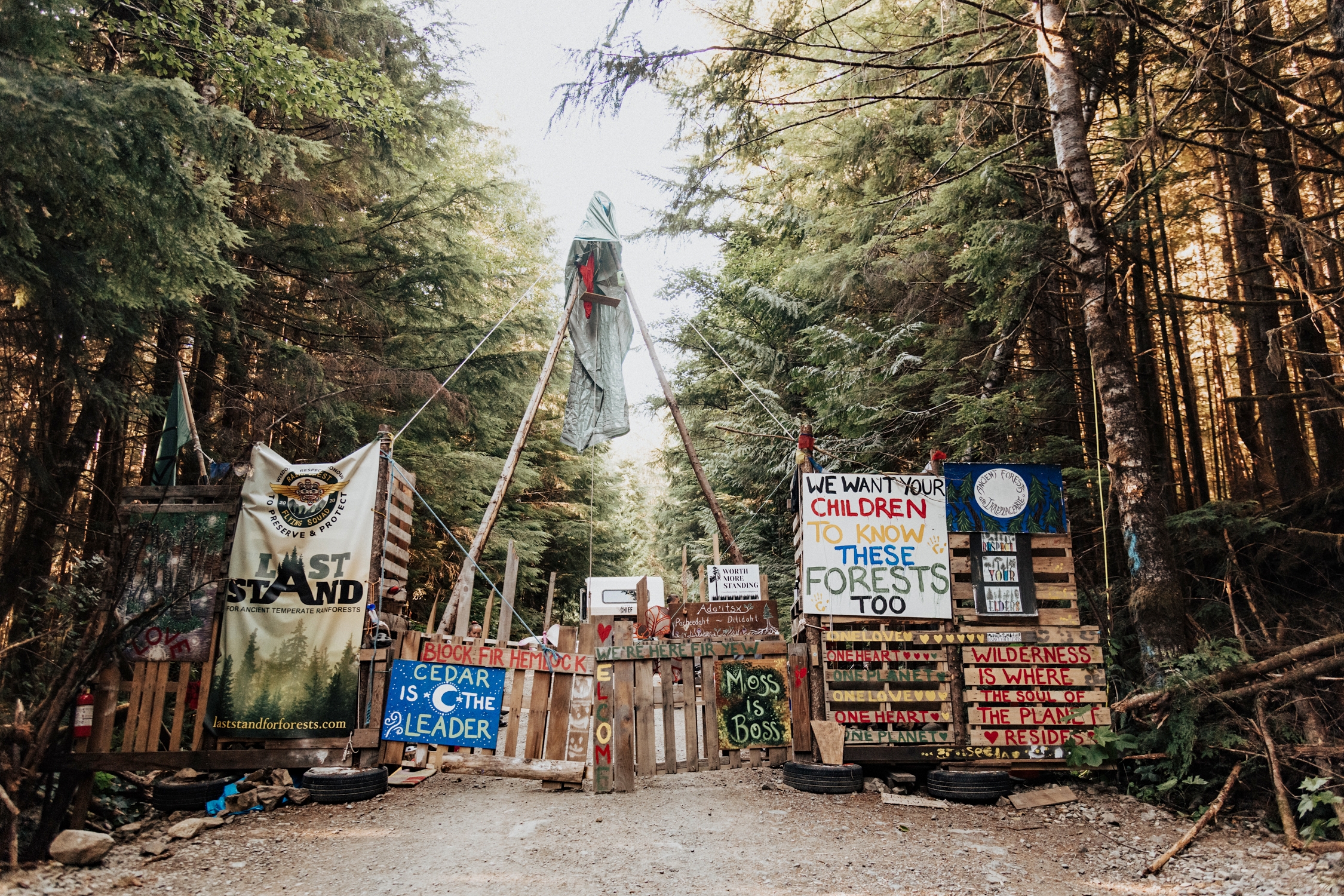
What was your process like in terms of joining and photographing the protest camp community? Initially I spent weekends on the mountain, getting a feel for camp. I spent time walking the lands of the Pacheedaht and Dididaht First Nation People, humbled that I had been welcomed by Elder Bill Jones and Hereditary Chief Victor Peters. I sat beneath ancient cedar trees- Grandmother and Grandfather tree up at a River Camp. I walked through mossy groves of lush old growth forest that was left intact along the river during previous logging operations. (The feeling of walking within untouched ancient old growth forest is comparable, I imagine, to the feeling of swimming in water for the first time. Sound, space and time all warp into an unfamiliar feeling. The beauty, balance, and biodiversity are simply too overwhelming to take in all at once).
)Two ancient cedar trees near River Camp at Fairy Creek.)
As I continued to visit on weekends, I could sense the movement was gaining momentum. Shortly thereafter an injunction was granted by the B.C. Supreme Court and on May 17th the RCMP began to forcibly remove land defenders and their supplies off the logging roads. It’s important to note that members of the Band Council did ask protestors to leave and agreed with the planned forestry operations, although, Hereditary Chief Victor Peters and Elder Bill Jones along with many other members of the community did not agree. Their views were ignored by our government and mainstream media.
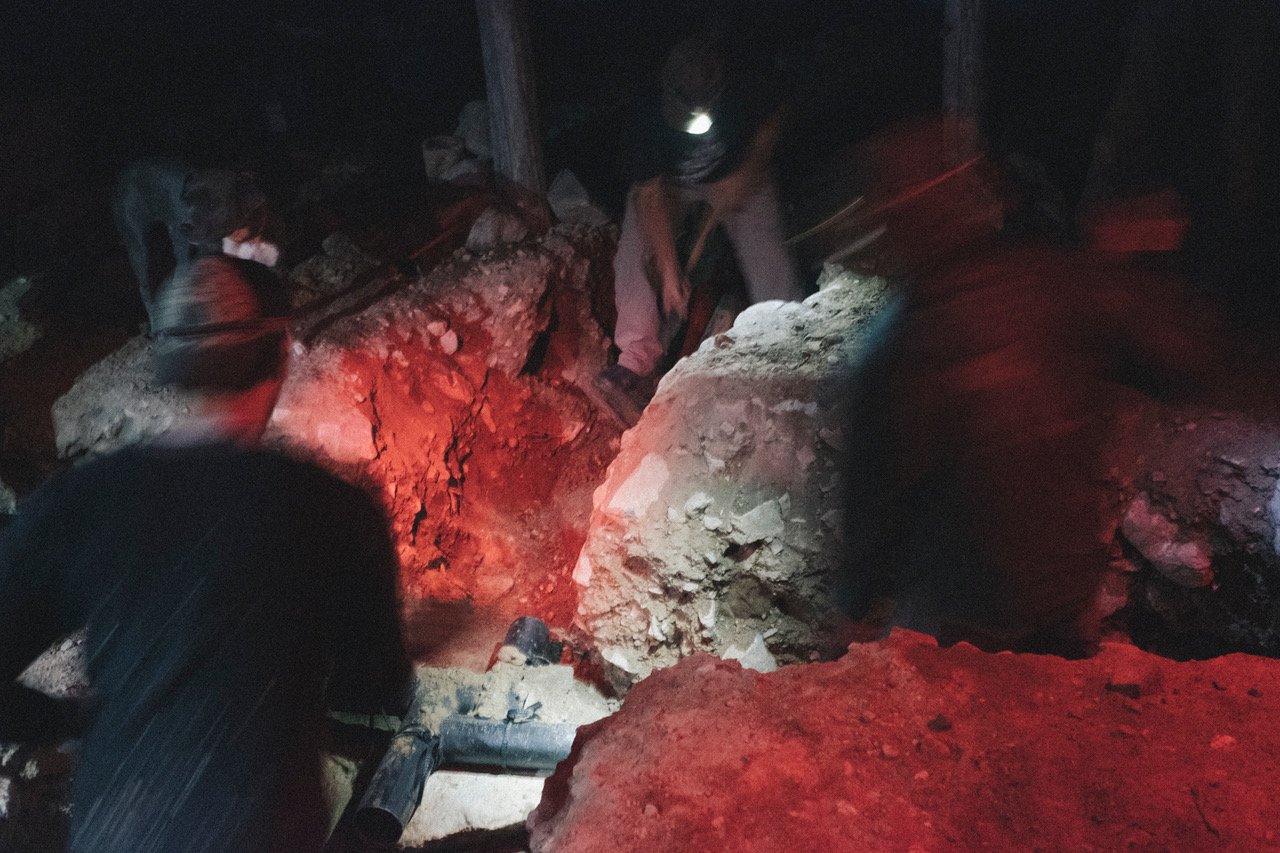
My first stint on the frontlines was a time in which I spent 5 nights up at Waterfall camp. It was an experience like no other. The nighttime missions, the pickaxes, the deep wells and complex hard block devices were all overwhelming to witness. Also, the intense pushes up the hill by the RCMP each morning and their nighttime patrols. I witnessed people chaining themselves into the land to block industry from accessing land deemed to be clear-cut, impeding industries perpetuation of the destruction of ancient eco-systems. The community shared in the knowing that once destroyed, via clear-cutting logging methods, the land would never be the same. No place for natural succession. Forests are planned, planted, and turned into farms. The biodiversity of the land lost forever.
In what ways are you experiencing effects of the ecosystem destruction? Today the land in our Province is literally speaking. The fires, the floods, the mudslides. Atmospheric rivers and heat domes, unfortunately two frightening terms we’ve become acquainted with this year.
We know that old growth forests are great climate moderators, cooling the air when it is hot, warming it when it’s cold. Douglas Fir stands hold the capability of withstanding fire. Trees are incredible organisms that retain and circulate water while they work to stabilize and create soil. Old growth forests work as giant carbon sequestering machines while tirelessly and simultaneously manage to pump out rich oxygen for us to breath. Ancient old growth forests are also deeply connected to the cultures of many Indigenous Nations in our province. From their arts to their medicines. Also, histories are literally held within the ancient pathways and the culturally modified objects that can be found within old growth forests. Activist and friend from Haida Gwaii Lisa White shared these words with me back in 2018. “Our culture is very, very, dependant on healthy lands.” Like the roots of the forest- land, language and culture are all deeply intertwined. (A culturally modified tree or CMT in Haida Gwaii showing a test hole that was carved into a trunk of a standing ancient tree. Test holes were used traditionally to check if trees were rotten on the inside. A way of avoiding unnecessarily cutting down a tree.)
Joining a blockade is bold action. Why did you choose to participate this way? I joined the stand at Fairy Creek to support the land and its biodiversity. As Rivers are being granted the same legal rights as human beings, I believe that our remaining Old Growth Forests should finally be afforded the same.
I joined the stand at Fairy Creek to support Elder Bill Jones, Chief Victor Peters, select members of the Pacheedaht First Nation and other individuals who wanted to join forces to stand up for the rights of Indigenous Peoples access to healthy lands and waters. It is time the government offers Nations, Inuit, and Metis, other means of economic gain. Means outside of resource extraction.
I joined the stand at Fairy Creek to do something useful with my time. To be a part of something greater within a wider community. To avoid complacency, comfort, and distraction. To take the feelings of overwhelm I was feeling and transform them into some sort of meaningful action. In my journal I wrote, “Uncertain of what else to do but travel to the Ancient Forests to congregate with like-minded humans.”
I joined the stand at Fairy Creek as a supporter of the movement and as a professional photographer. My camera, a tool that could capture both the light and dark. A tool that documented the hard work of a community that had a unified sense of purpose in protecting the forests and standing up for Indigenous rights while also documenting the violent actions of the RCMP and their escalating tactics while they enforced the injunction over time. (Elder Bill Jones had to negotiate permission to enter his own territory at the RCMP exclusion line blocking the road to Waterfall Camp.)
In May I witnessed Elder Bill Jones and Chief Victor Peters having to negotiate the rights to access their own lands with the RCMP. This was just days after there was a discovery of 215 bodies of children found within the grounds of a former residential school in Kamloops which closed in 1969. (The last residential school in Canada closed in 1996, just 25 years ago). How was it that a respected Elder and Chief were being blocked from entering their own unceded lands? How did industry have so much power over the land? Where was the Reconciliation that our government has promised for so long?
(Pictured here is Skunk in ‘The Well’. This is deepest hard block I have witnessed to date.)
(Front liners working through the night. This device created a 5-person hard block. An 80 year old man helped with the dig that night and also proudly took it upon himself to chain himself into it the next morning.)
It was recently published that 5 months of enforcement up at Fairy Creek cost the RCMP $3.7 million dollars. But still, the heavy machinery and fancy equipment could not outsmart the creative human minds on the frontlines. It was in the middle of August when enforcement really took a turn- there was a shift in the teams and tactics that were utilized on the ground.
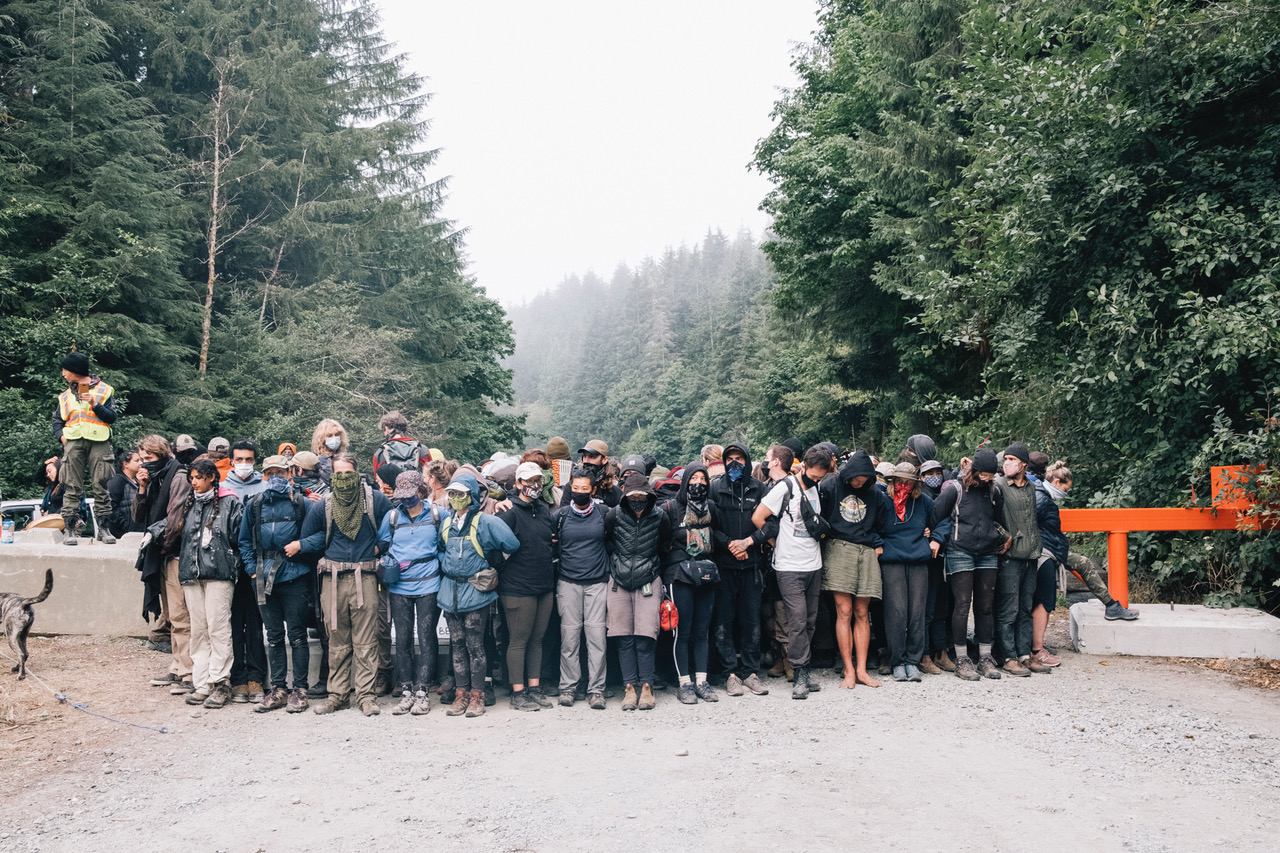
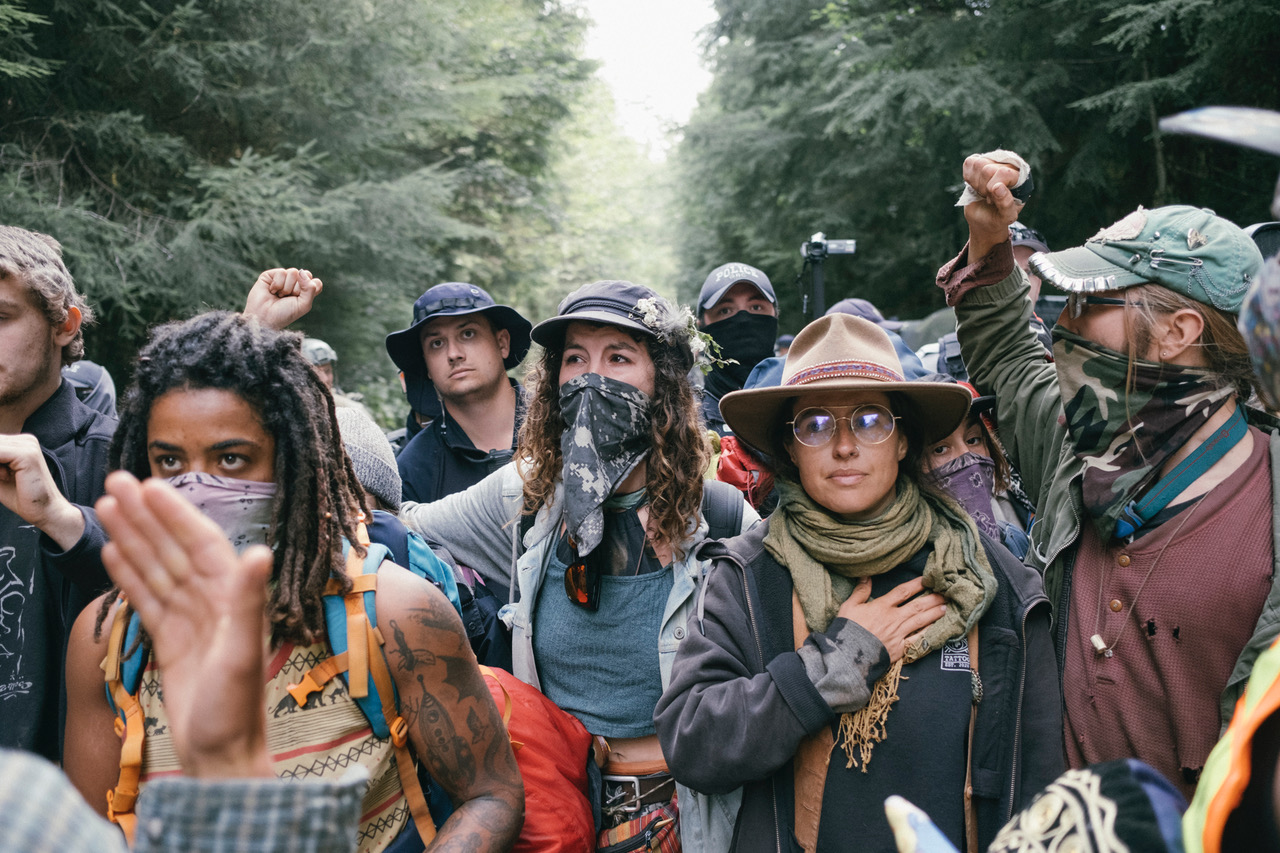
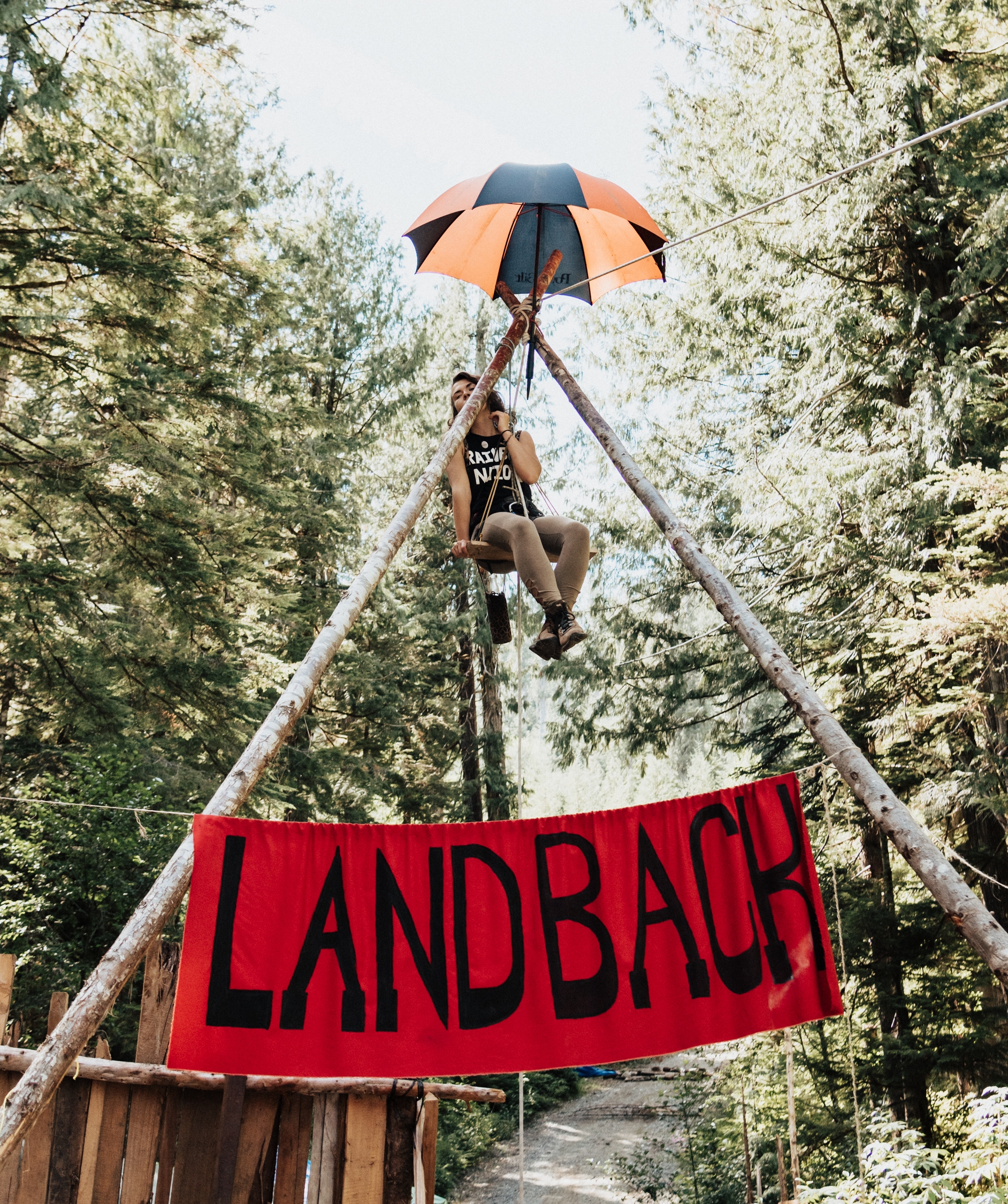
As we know peaceful protests can turn violent. Did you ever feel threatened or experience aggression here? On August 19th and 20th I witnessed an extreme escalation in the violent behaviour that came from the RCMP and Paramilitary. They pushed and aggressively rushed land defenders on the frontlines of Fairy Creek back towards the very last stand at Camp Landback where Indigenous Matriarchs were stationed. The intense movement tripped up land defenders and they toppled on top of one another. The RCMP and Paramilitary officers took this opportunity to tear and drag individuals out of the crowd to make violent arrests, some of which were clearly targeted because they were BIPOC. The violence and aggression was unnecessary and unprovoked. During these two days I also witnessed media presence on the ground being denied access to document the RCMP’s operations. On the night of the 20th there were only a few hard blocks remaining. On the morning of August 21st , RCMP enforcement was present at the front lines for a total 97 days, they were almost at the last hard block at River Camp which would clear the road for industry. The RCMP was desperate, especially given that the injunction was soon to expire. It was on this day that I again witnessed an unprovoked attack on a group of 60 protestors who were participating in their civil right to peacefully protest. This occurred after the movement in which land defenders enveloped a gate in the formation of a human blob.
What commenced from the side of the RCMP was excessive use of pepper spray and force. Meanwhile some of the land defenders were bare-foot. Others yelled out, why are you doing this? We aren’t doing anything wrong? I saw my friends in the crowd and I saw youth. I witnessed honourable humans putting their bodies on the line in hopes to create a more sustainable and ethical future for us all. There was no retaliation from the side of the protestors. One voice could be heard calling out, pull back, pull back. The group remained peaceful. (Land defenders on the morning of August 21st 2021 just before being pepper sprayed and attacked by the RCMP.)(The intense push by the RCMP and Paramilitary on August 20th which led to violent arrests.)
The RCMP’s frustration in failing to remove land defenders in what was nearly 100 days of enforcement might have had something to do with the officers violent actions that commenced that day. The alternate option could have been to peacefully wait out the blob, but with being so close to the end of the line at Camp Landback I believe the decision was made out of desperation to clear the road.
With your intense experience and coverage what impacts do you hope your imagery will have? I hope my photos will emote a sense of community and unification and inspire others to get involved in the experience of participating in meaningful action within their own communities. Experience is always more transformative than reading about other people’s experiences.
It’s difficult to know what to do with all the footage I gathered, I can’t help but feel a sense of urgency to share out and amplify the truth of what I’ve witnessed over the last 8 months. I was relieved to hear Patagonia was publishing a story about Fairy Creek. We are so infiltrated with media these days and it’s hard to know where stories will make the biggest impact. I felt grateful that Patagonia, with such a large following, is amplifying the truth of what is happening here on the Pacific Northwest Coast of Canada.
I also hope my photographs illuminate how Indigenous Communities are being treated by the RCMP and our government right here, right now in Canada. The government has recently claimed that there is no old growth logging taking place in Fairy Creek, a classic play on words to appease the public. Although a two-year moratorium has been placed on the inner portion of the watershed, logging all around the outer edge continues. For example, in an area where a friend and artist discovered a rare speckle-bellied lichen on a stand of ancient trees at Heli Camp is now gone, diminished to nothing but a clear-cut. If we continue to turn a blind eye there will be nothing left for our future generations.
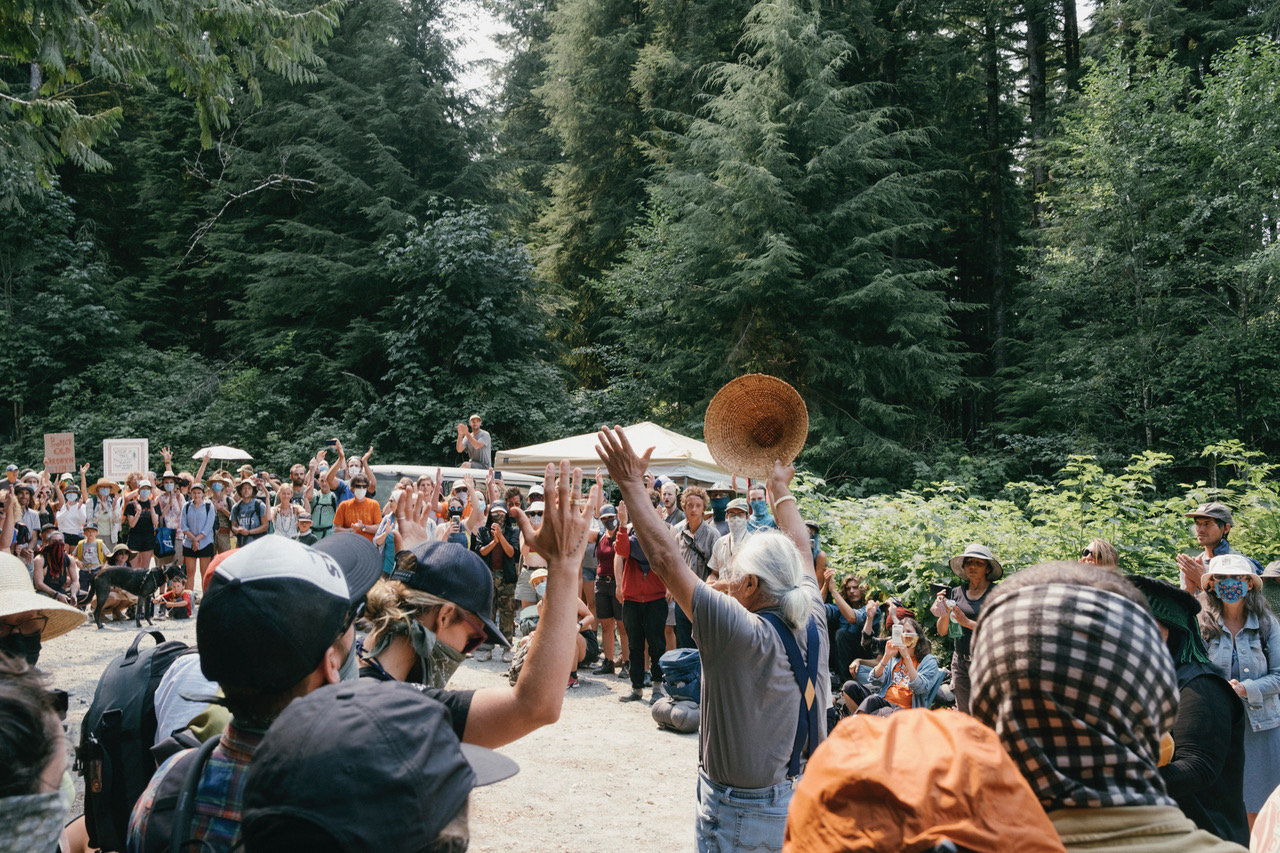
I’ll end with the words of Elder Bill Jones which he shared during a speech back in August. He said, “We will indeed tell all those who are in power that we are here, that we are standing for our old growth and that we will not back down.”
(Elder Bill Jones welcoming a crowd of his supporters.)
“Poor man wanna be rich, rich man wanna be king,
And a king ain’t satisfied ’til he rules everything…”
“…it ain’t no sin to be glad you’re alive…”
From “Badlands,” by Bruce Springsteen, written in my hometown of Holmdel, NJ, 1978.
I’m re-watching “Marco Polo” on Netflix.
Such a brilliant show.
It was the first thing I binged, when we finally got high-speed internet in 2015, thanks to Barack Obama.
He’d given a massive chunk of money to the Kit Carson Electric Co-Operative, here in Taos, to bring fiber-optic cable to every rural home in the County.
The funds were allotted in 2009, as The Great Recession began crushing so many Americans, yet it took 6 years for them to wire up our home.
And we were lucky, as the money ran out soon after, and some people got screwed.
Now it’s 2021, and I wouldn’t have been able to work through the pandemic, without Obama’s largesse.
(Thanks, Barack! We miss you!)
How could I have Zoomed without the good WiFi?
I really don’t know, but hopefully the new Biden infrastructure package will help those left behind without sufficient bandwidth.
(Hopefully.)
That said, “Marco Polo” is fascinating.
I was just telling Jessie, it’s the kind of entertainment that helped launch Netflix, paving the way for all the streaming services to follow.
It’s also the kind of content no one is making anymore, as it was far-too-expensive.
The amount of money spent, to recreate 13th Century China and Mongolia, must been seen to be believed.
The costumes, thousands of extras, the palaces, the horses, the piles of corpses; no expense was spared.
To achieve that degree of verisimilitude alone was a feat, but the acting is also terrific, the story-telling taut, (well, they do drag things out a bit,) and the kung-fu is stupendous. (Shout outs to Tom Wu and Michelle Yeoh.)
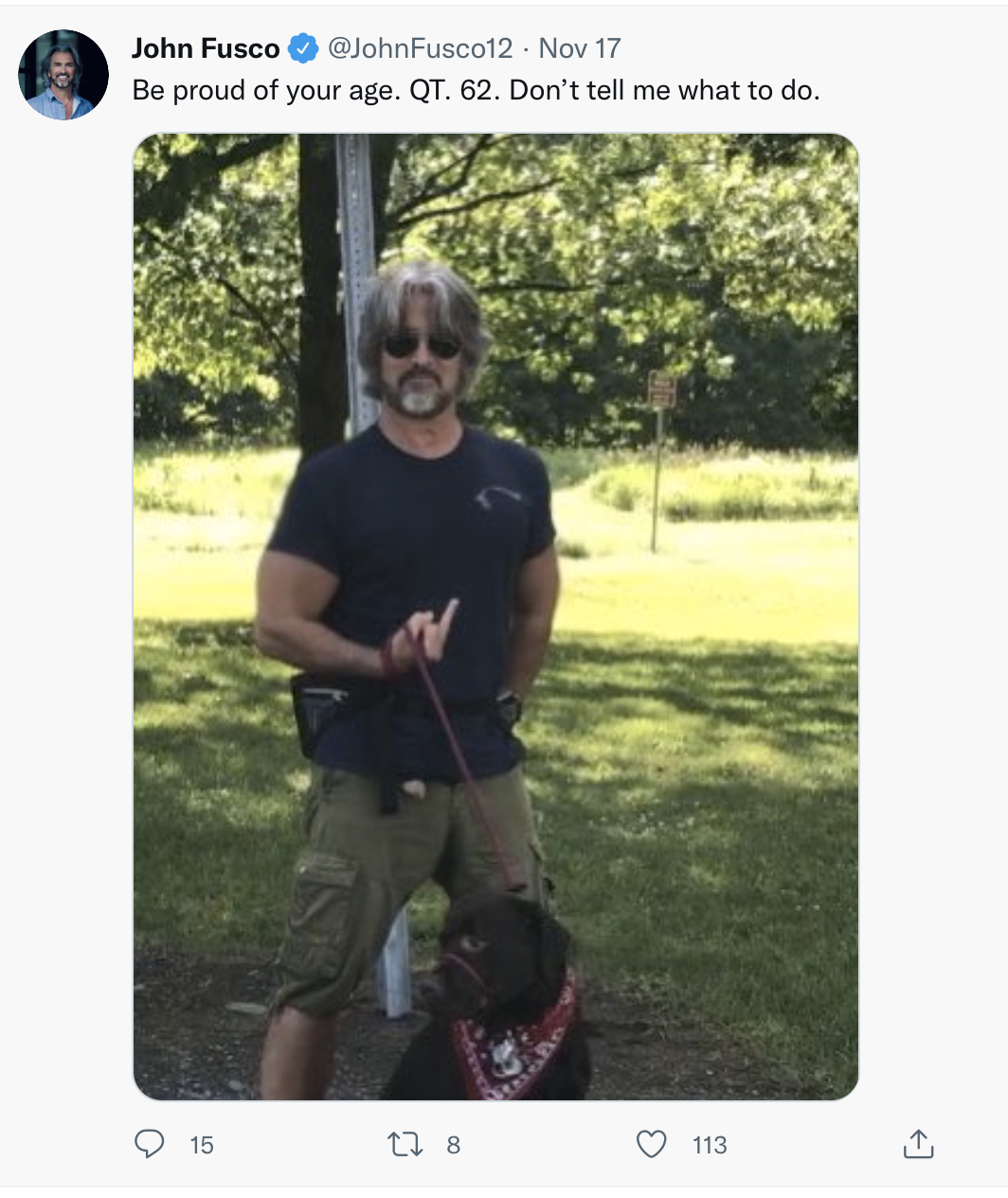
Doing a bit of research, I learned the show runner, John Fusco, also created “Young Guns,” “Thunderheart,” and “Spirit: Stallion of the Cimarron,” so the Dude is obviously a unique talent.
John Fusco, proud of being 62
But massive productions like this rest on the collective skills of hundreds of people, not just one, and that kind of lucre is now only dropped on Marvel movies. (That Benedict Wong, who was genius as the lead, Emperor Kublai Khan, is now a side-player in the MCU is definitely ironic.)
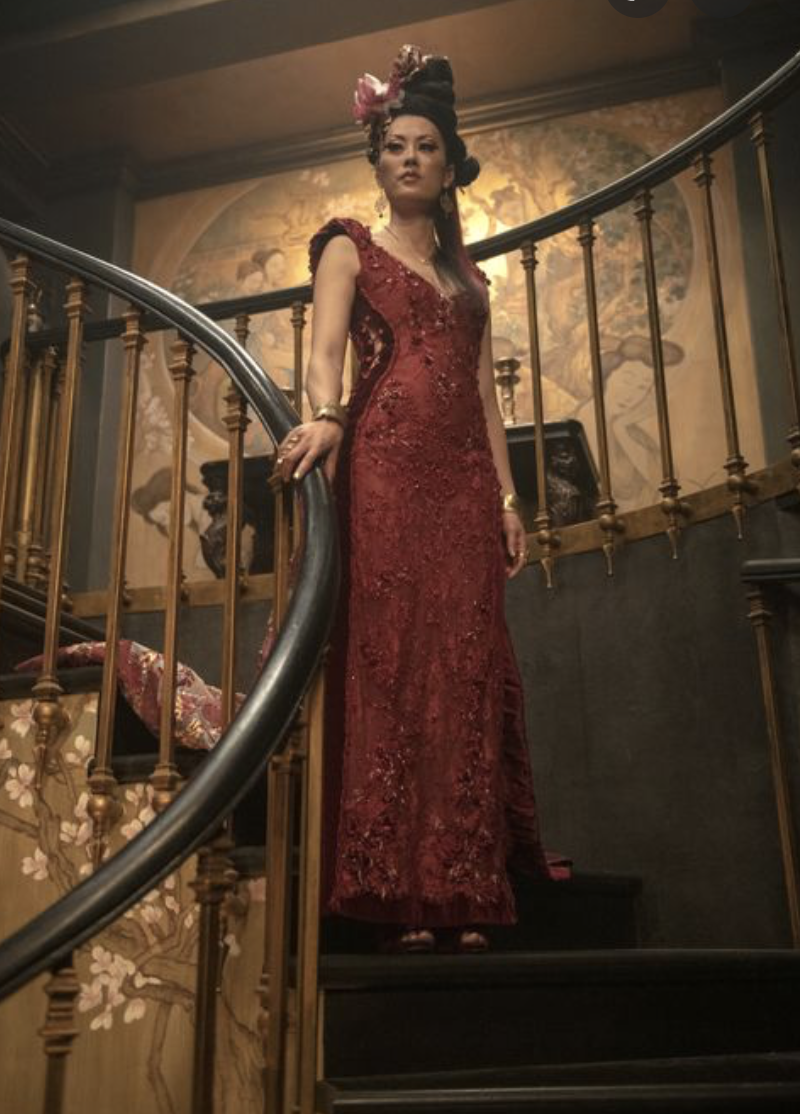
I could shout out so many of the actors, but Olivia Cheng deserves particular mention.
{Caveat: I’d be remiss not to state this was a Weinstein Company co-production, and the heavy nudity included would not be acceptable these days, if such shows were still being made. Which, again, they’re not.}
Olivia Cheng played a concubine/assassin, (a combo she reprised in the underrated “Warrior,”) and she is such a badass.
Olivia Cheng in “Warrior,” Courtesy of Elle
There is a scene, relatively early in the first season, where to show off her skills, (to the audience,) she fights, and kills, three soldiers intent on raping her.
She does this, it should be said, entirely naked.
It did take me out of the narrative, just a touch, because I empathized with the actress, wondering how vulnerable she must have felt, to be in front of the camera like that, without even the meagerest of fabric defenses?
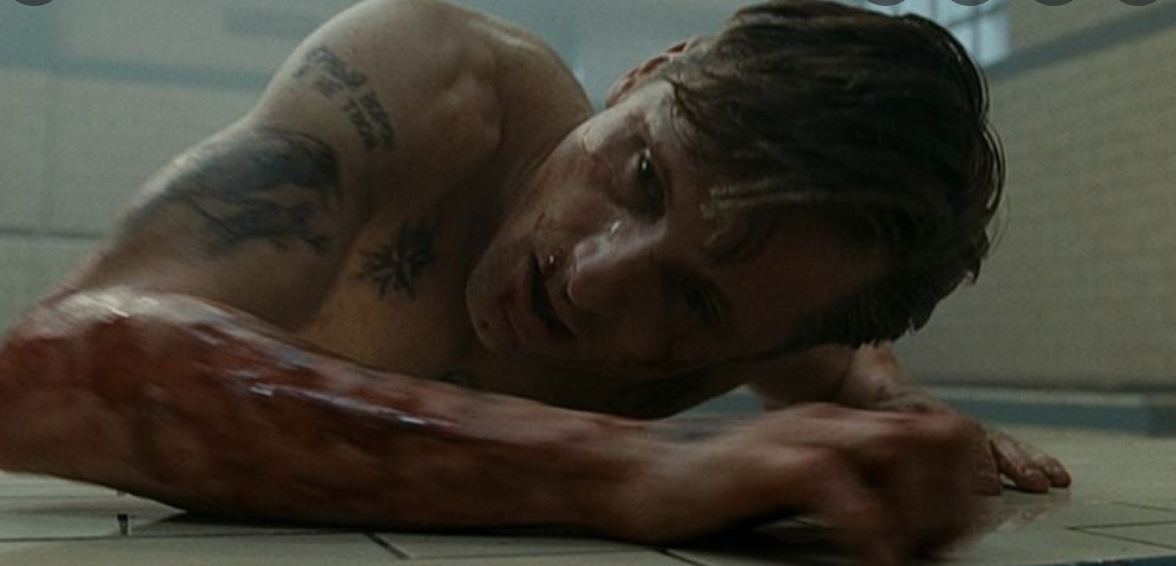
The scene reminded me of the unbelievably cool fight in the steam room, in “Eastern Promises,” in which a nude Viggo Mortensen takes out a Russian Mafia thug.
Courtesy of Flickering Myth
But that scrap is brutal, lacking grace, while Olivia Cheng’s triple-murder is filmed as if she barely breaks a sweat.
Girl power, indeed.
I mention all of this for a reason, of course.
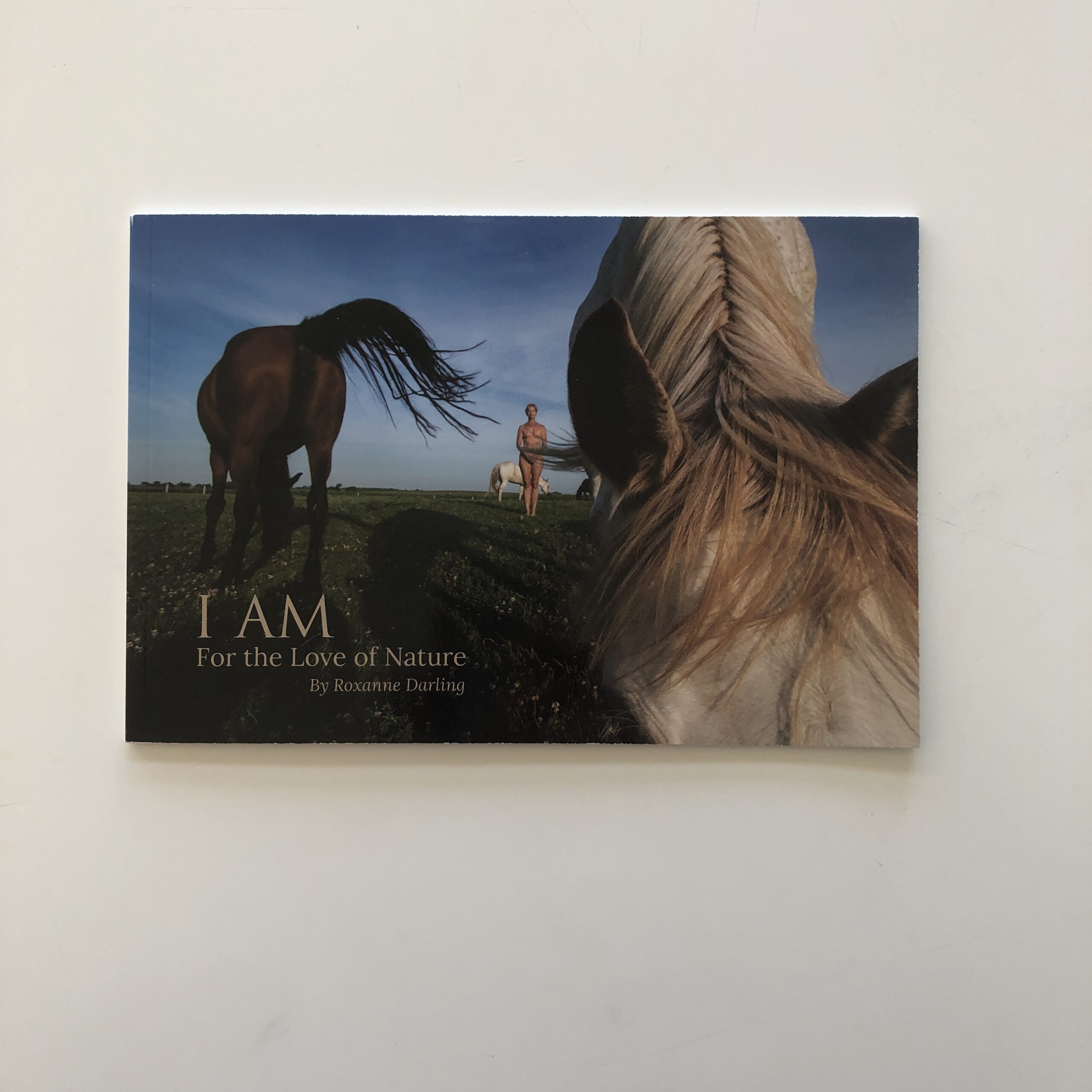
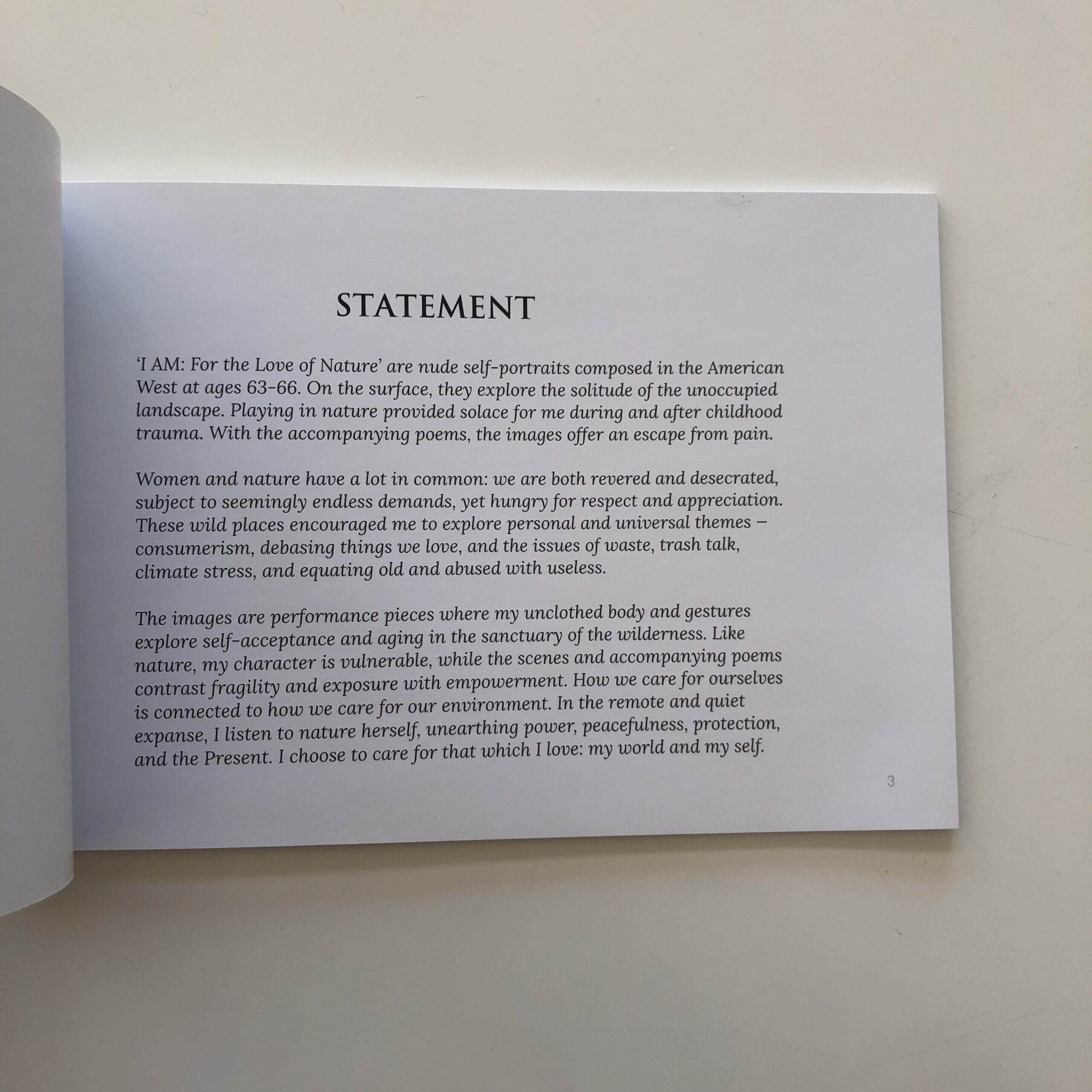
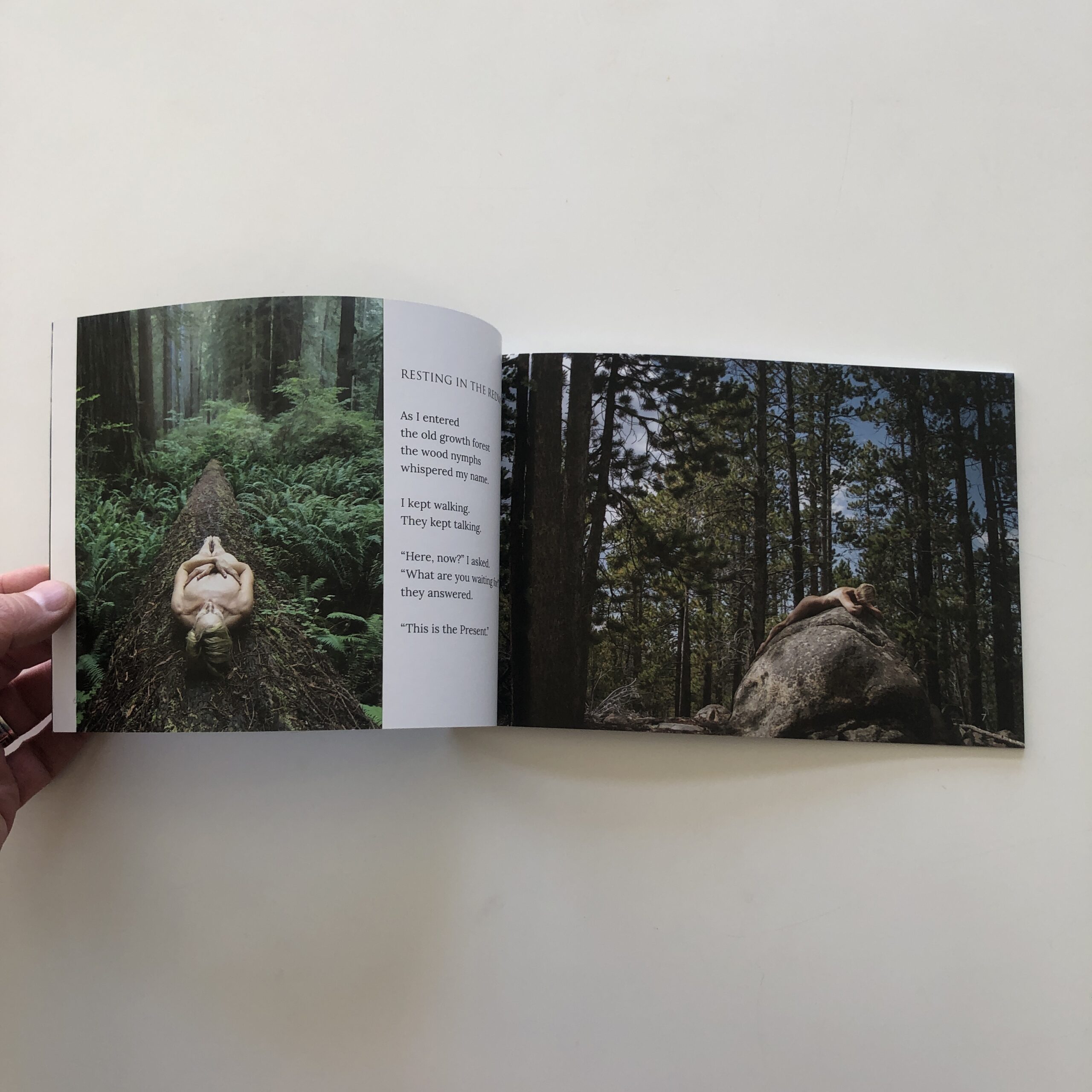
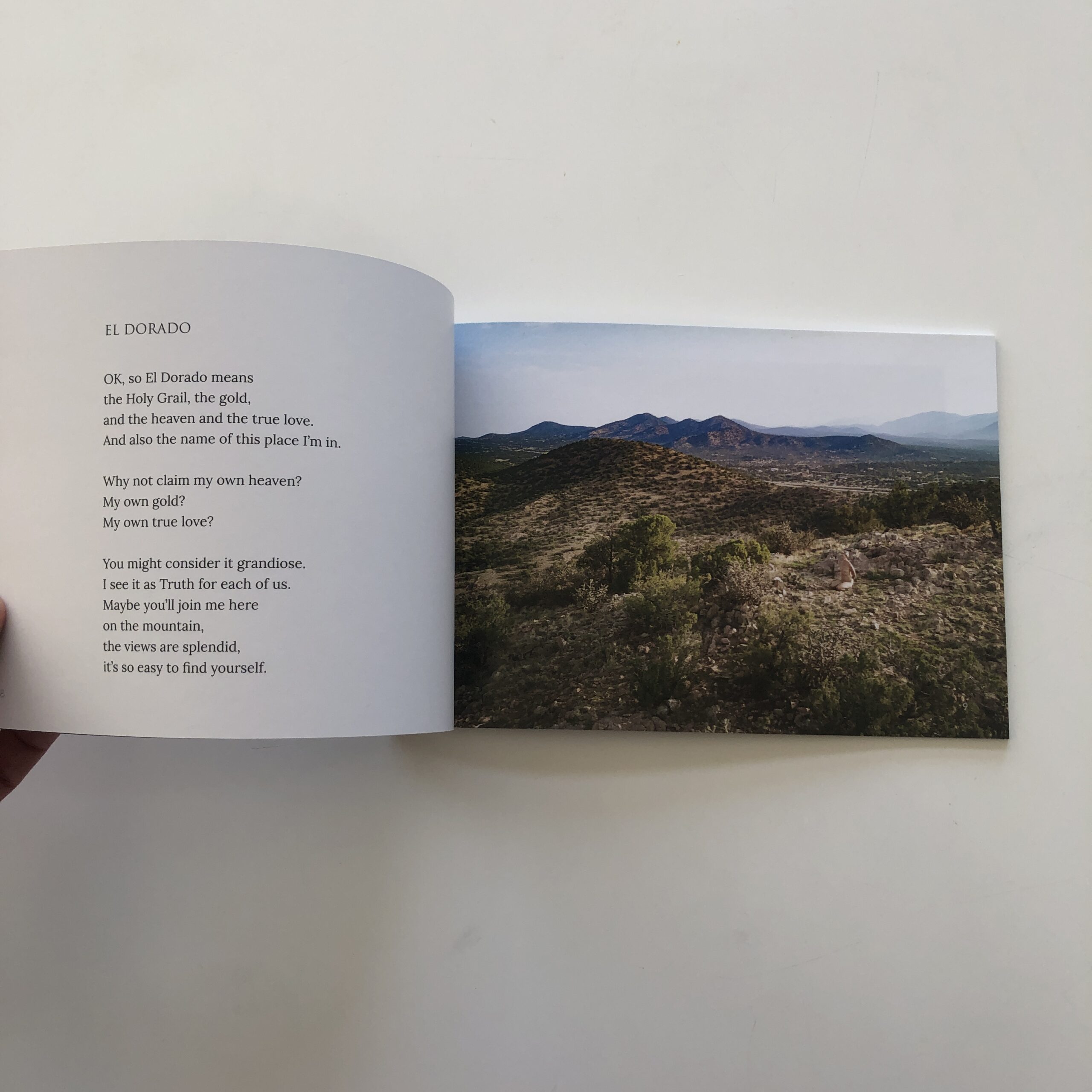
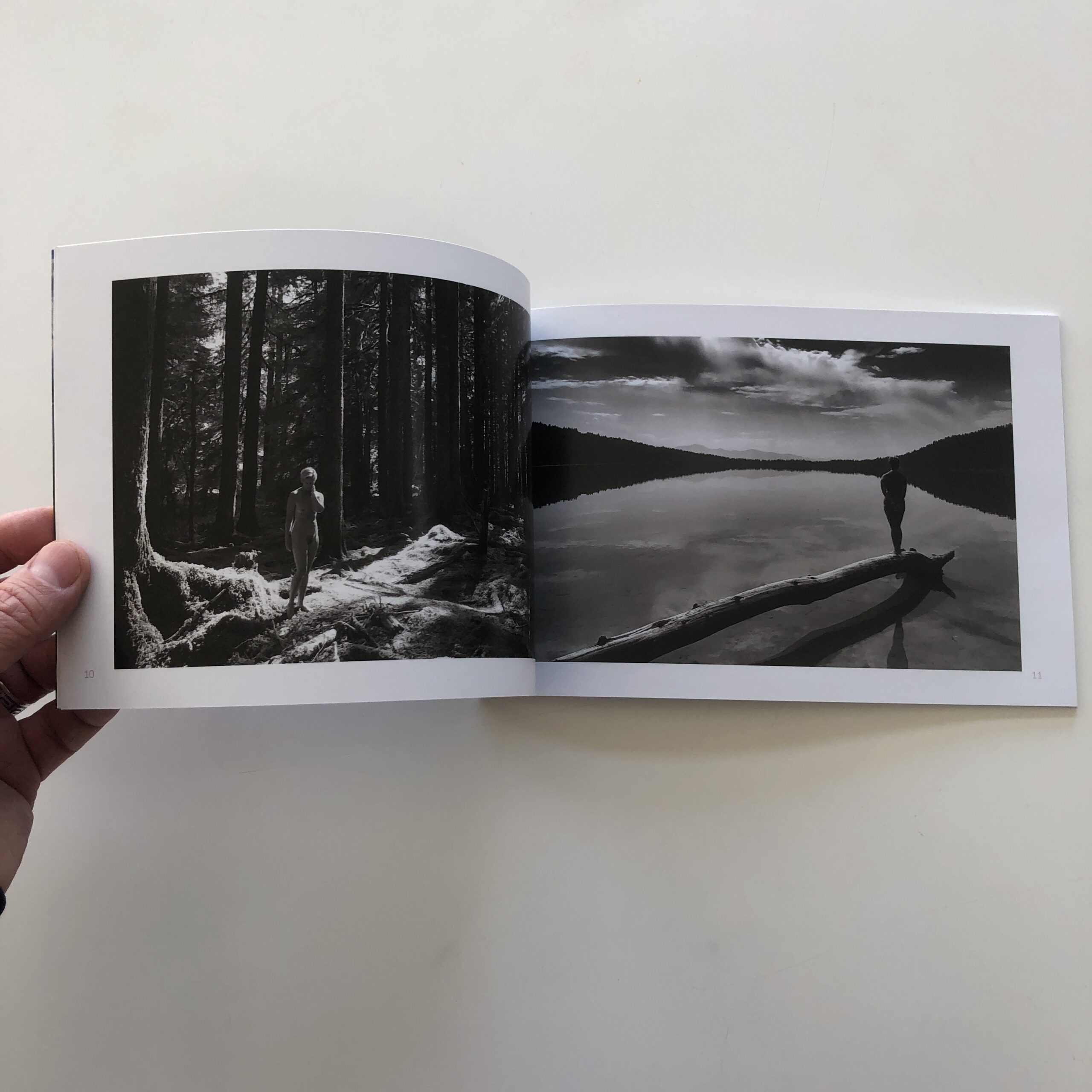
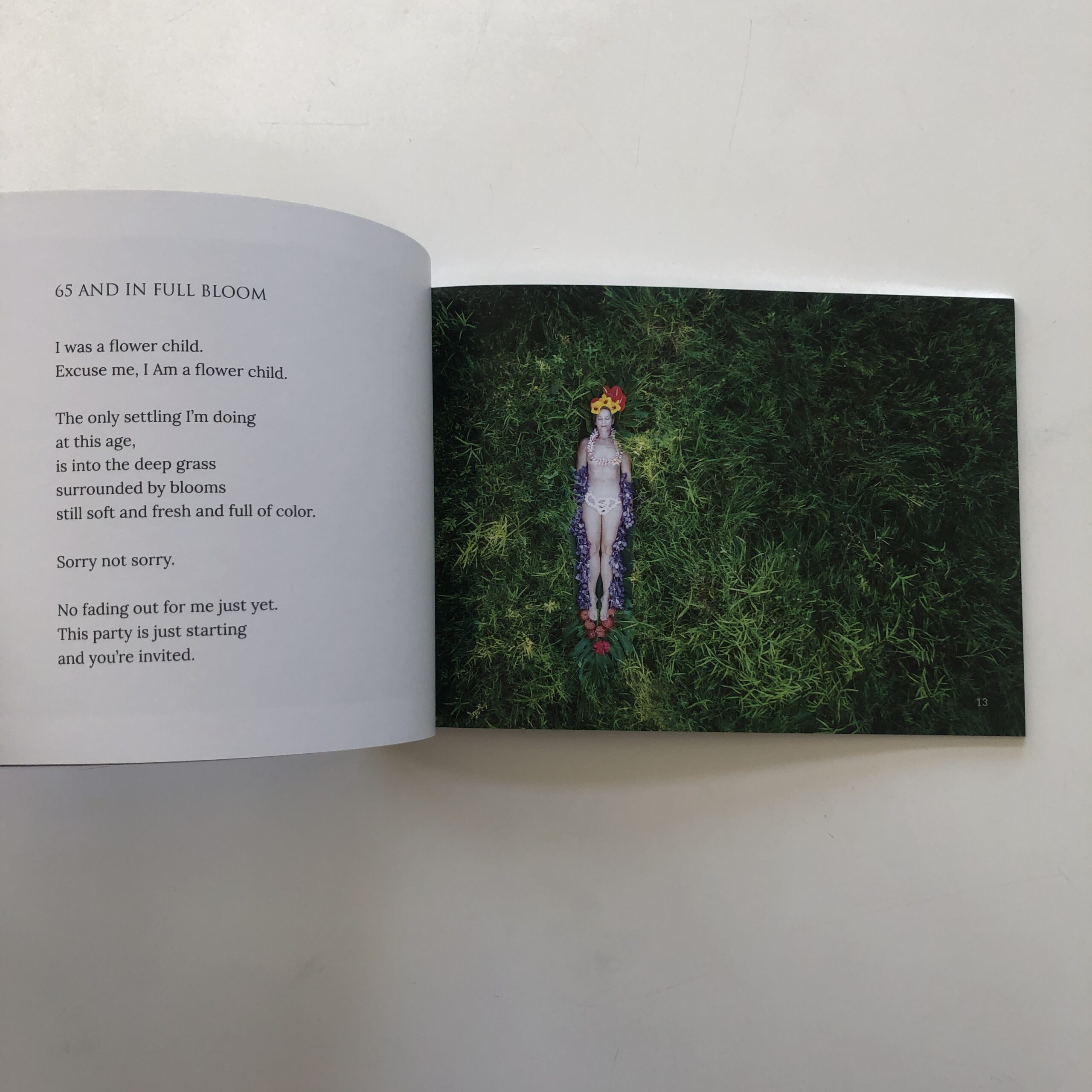
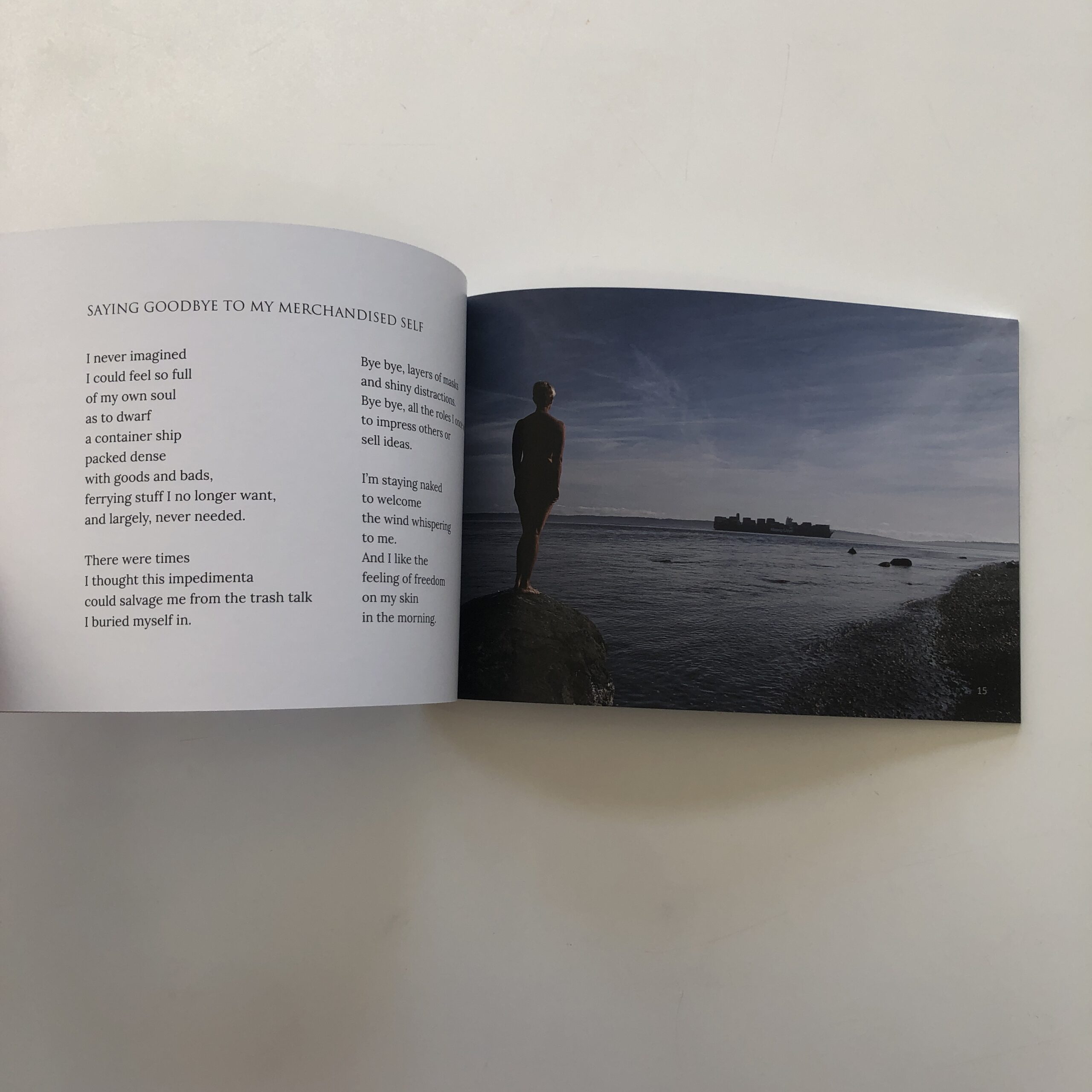
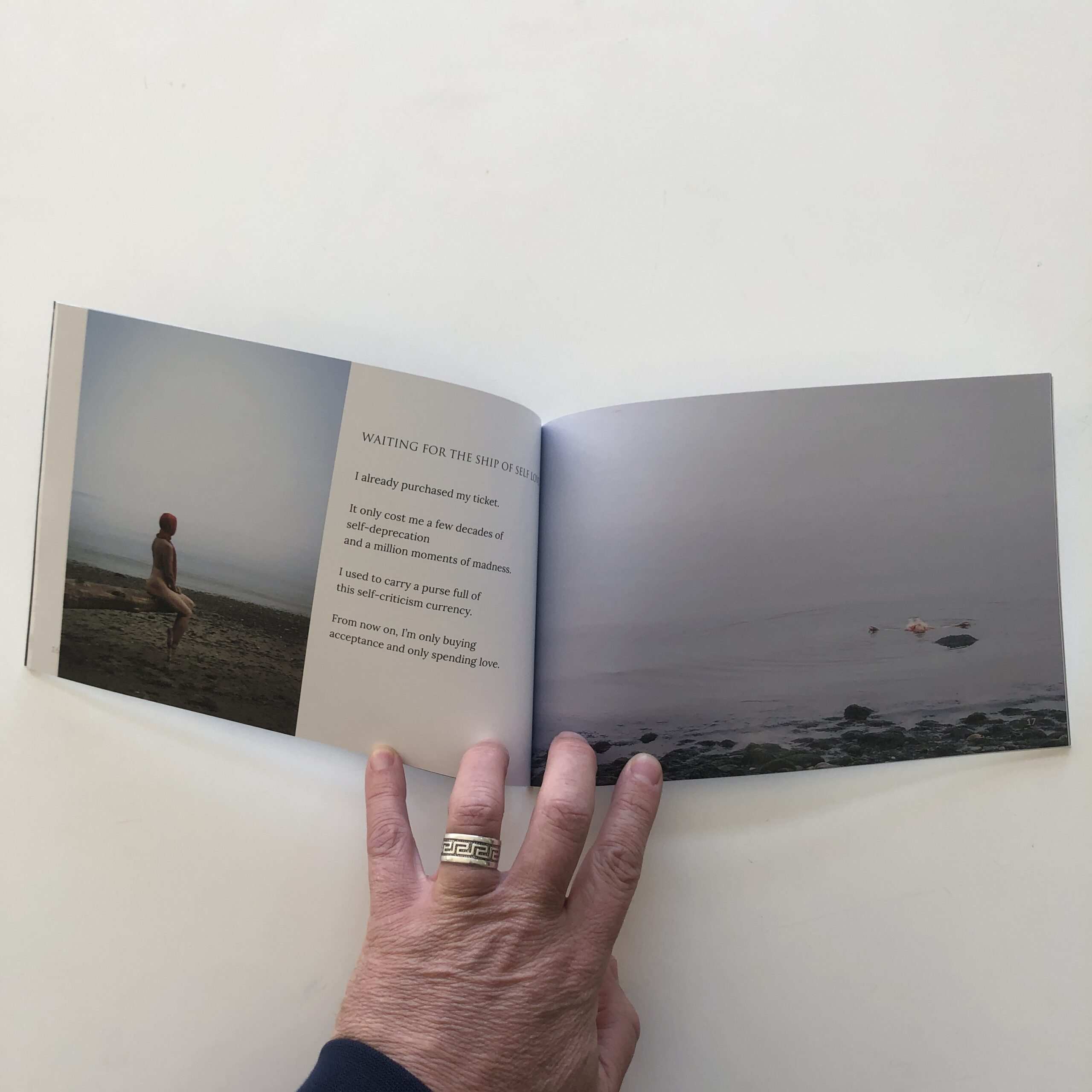
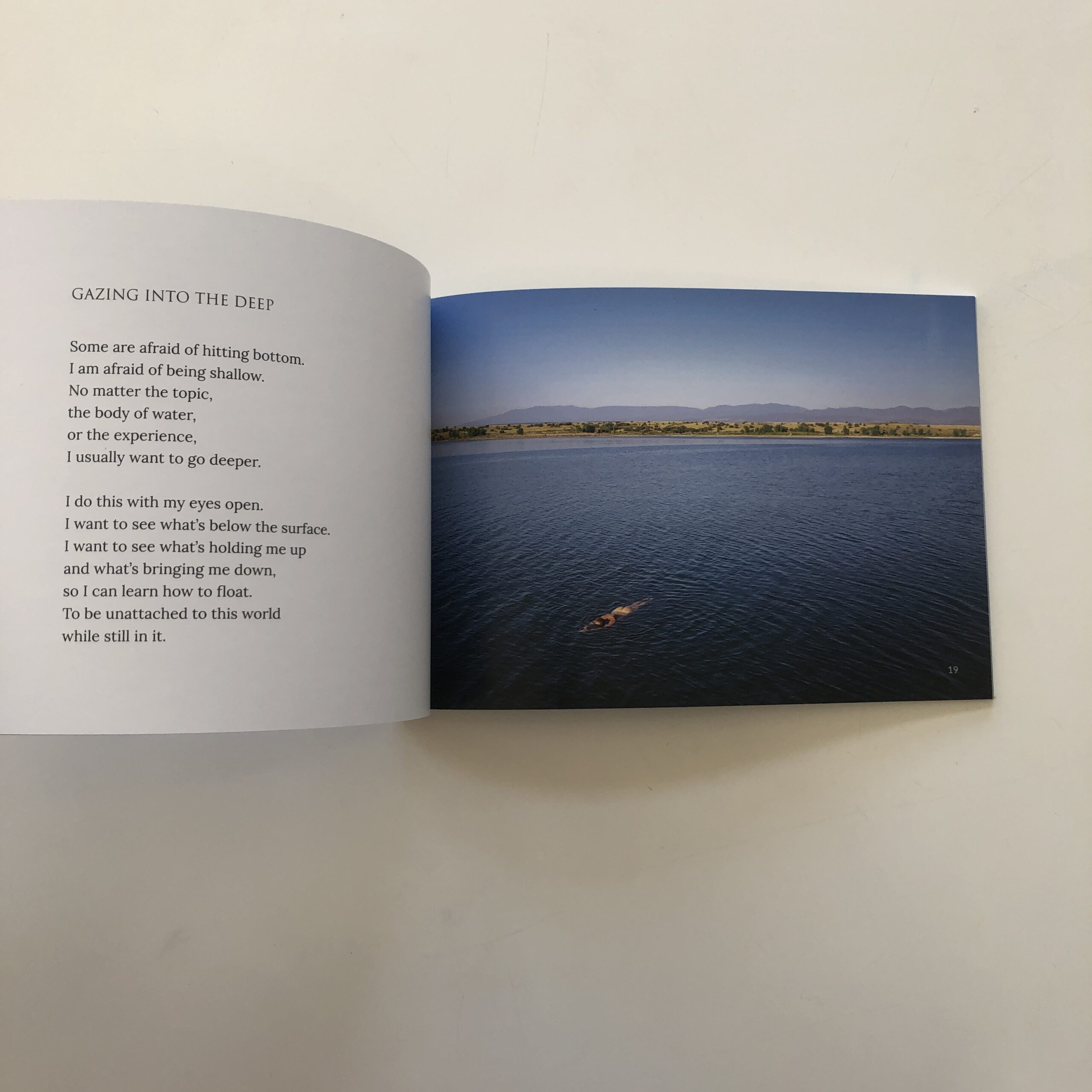
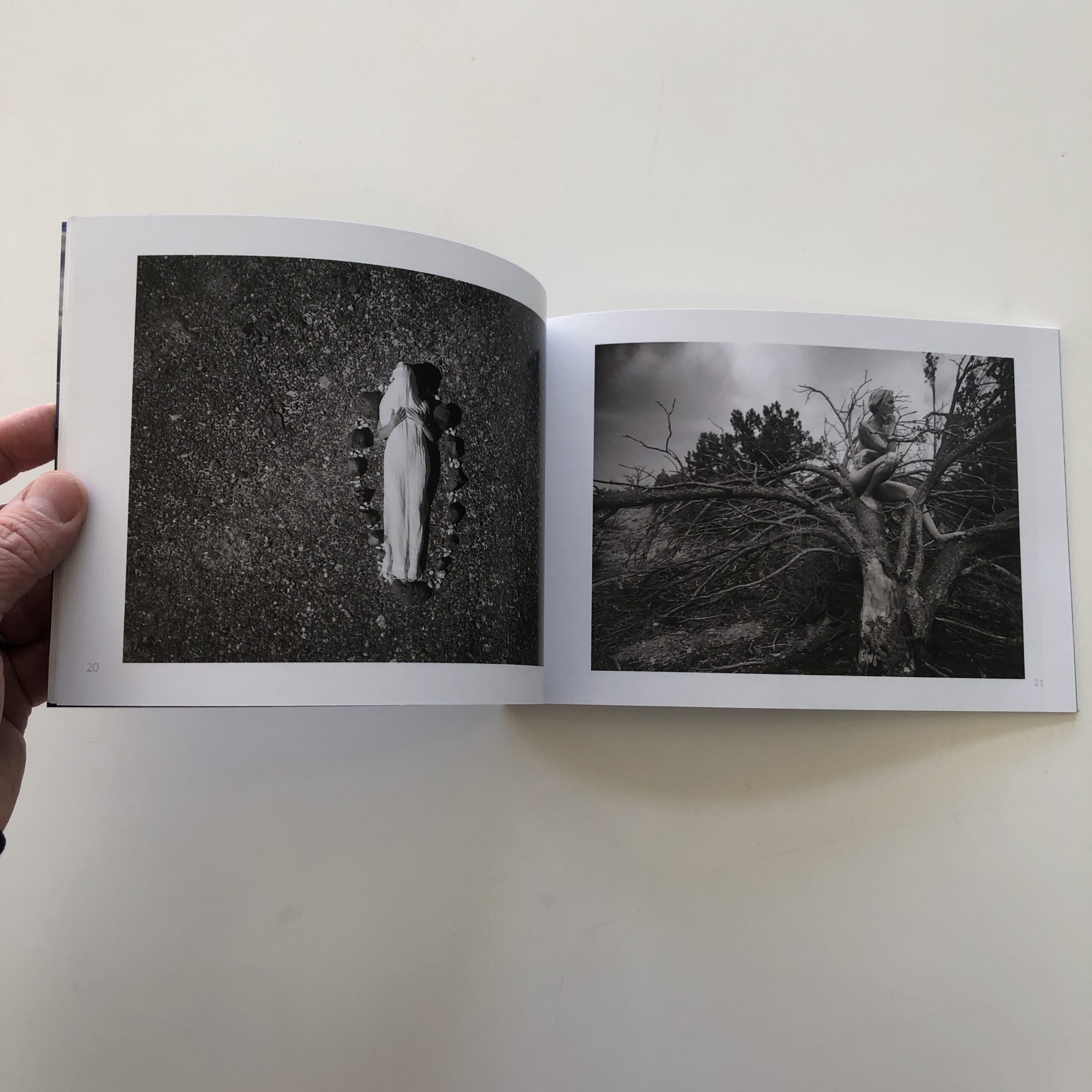
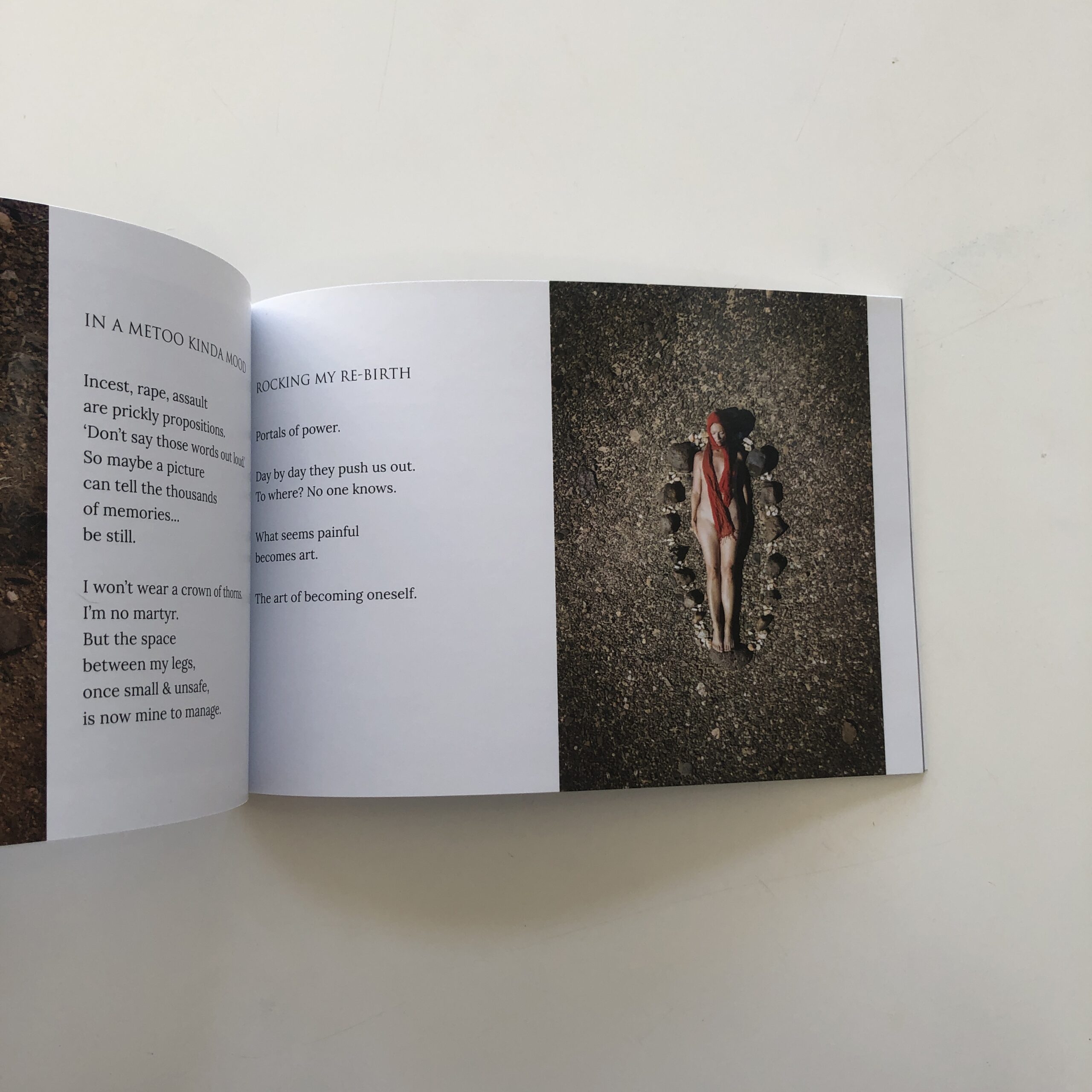
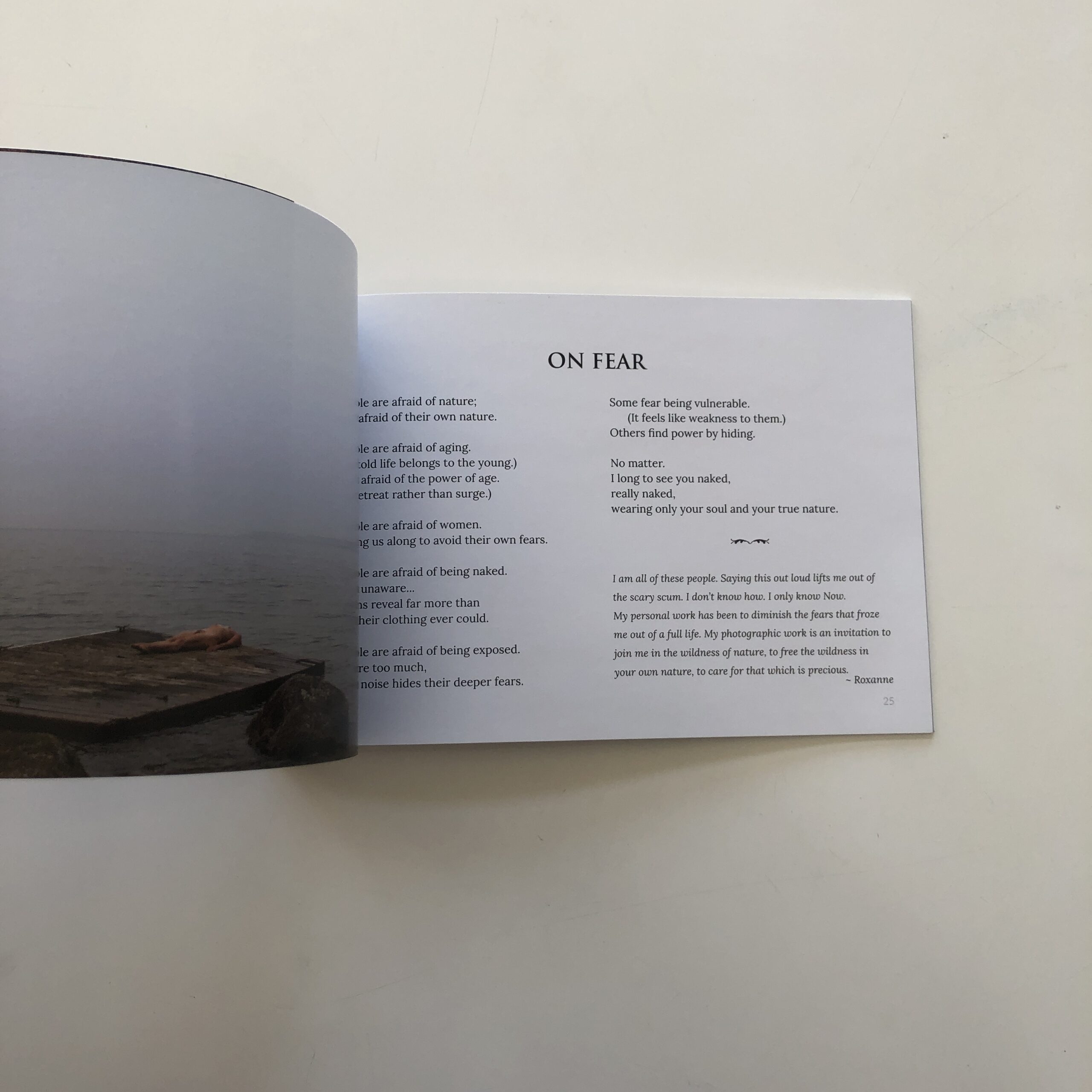
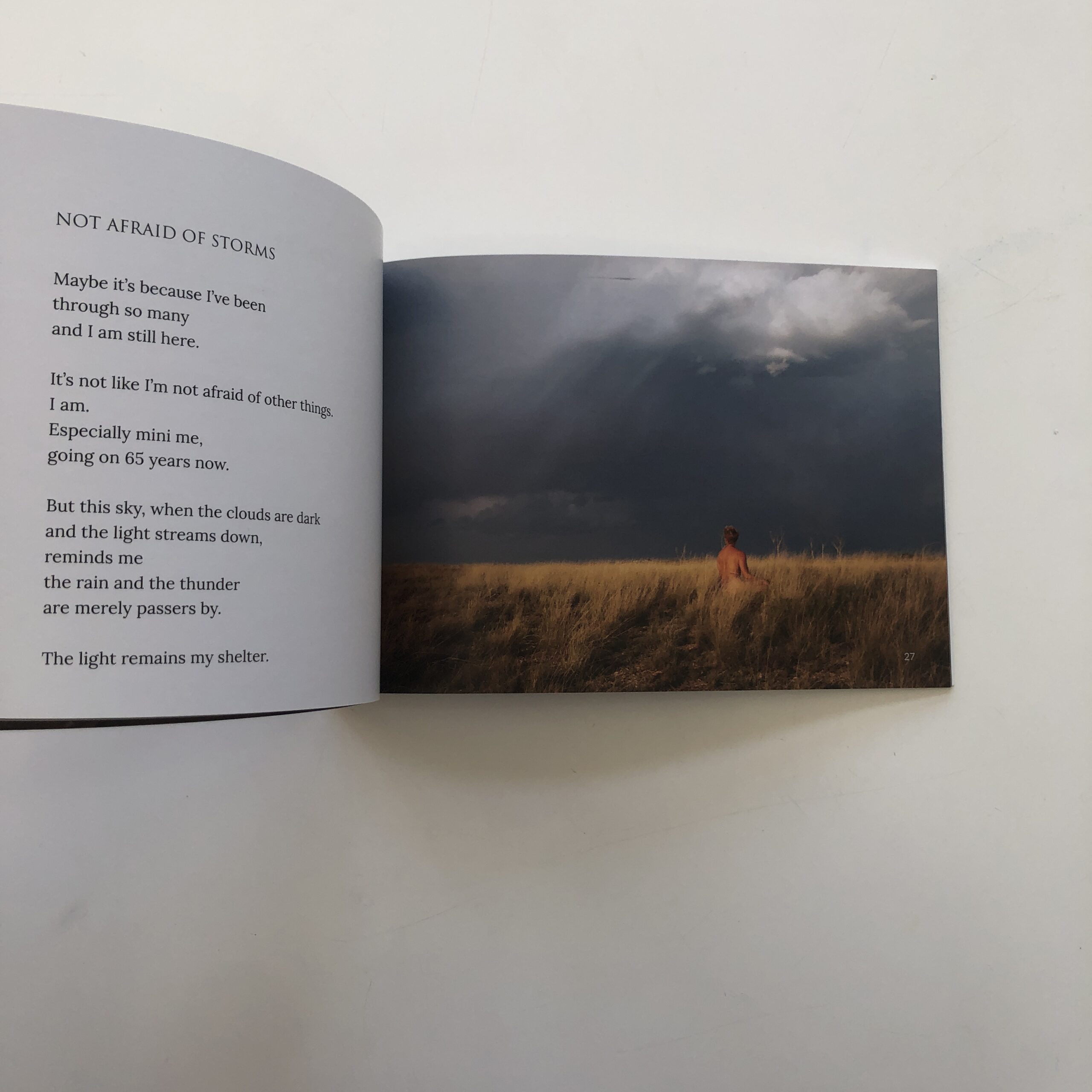
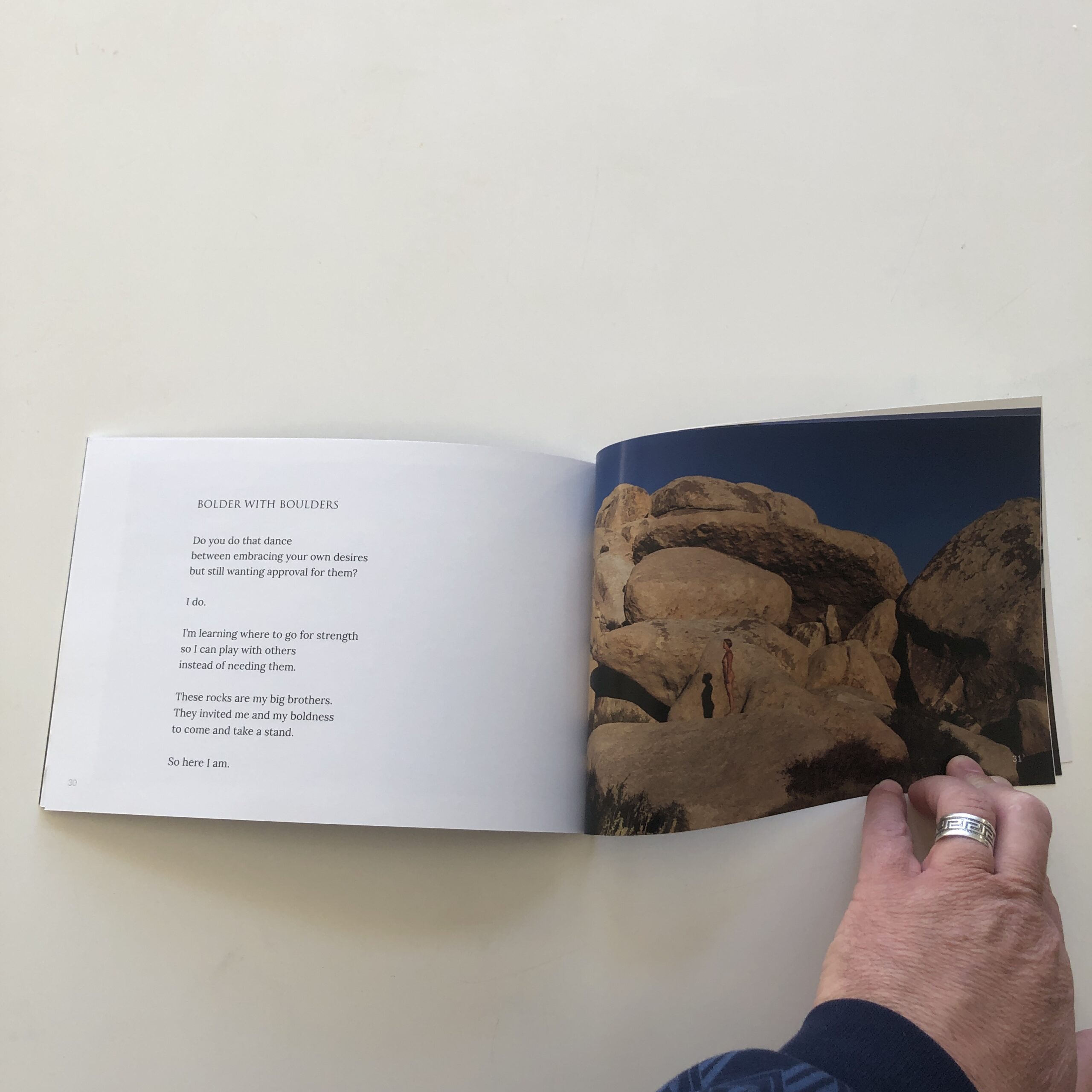
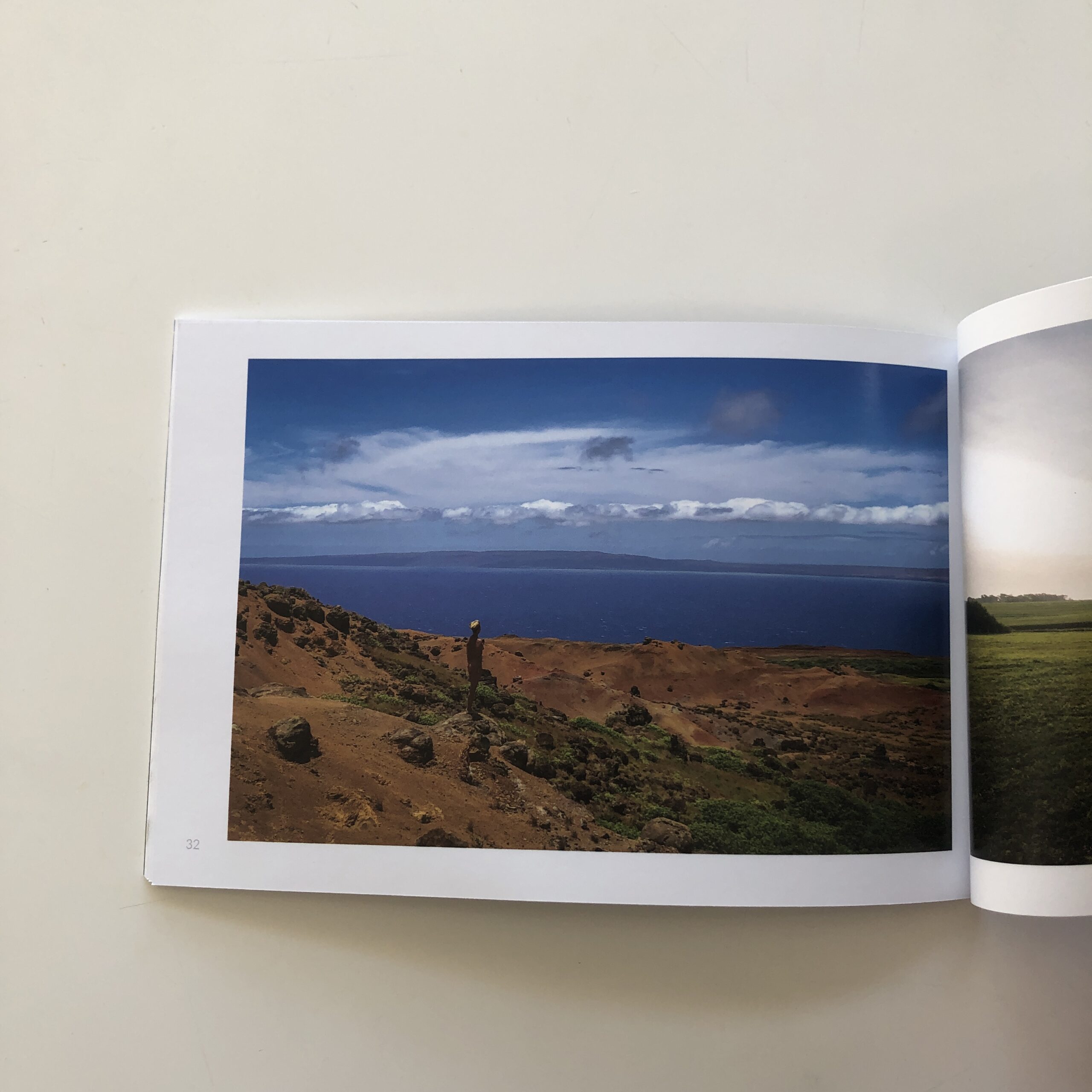
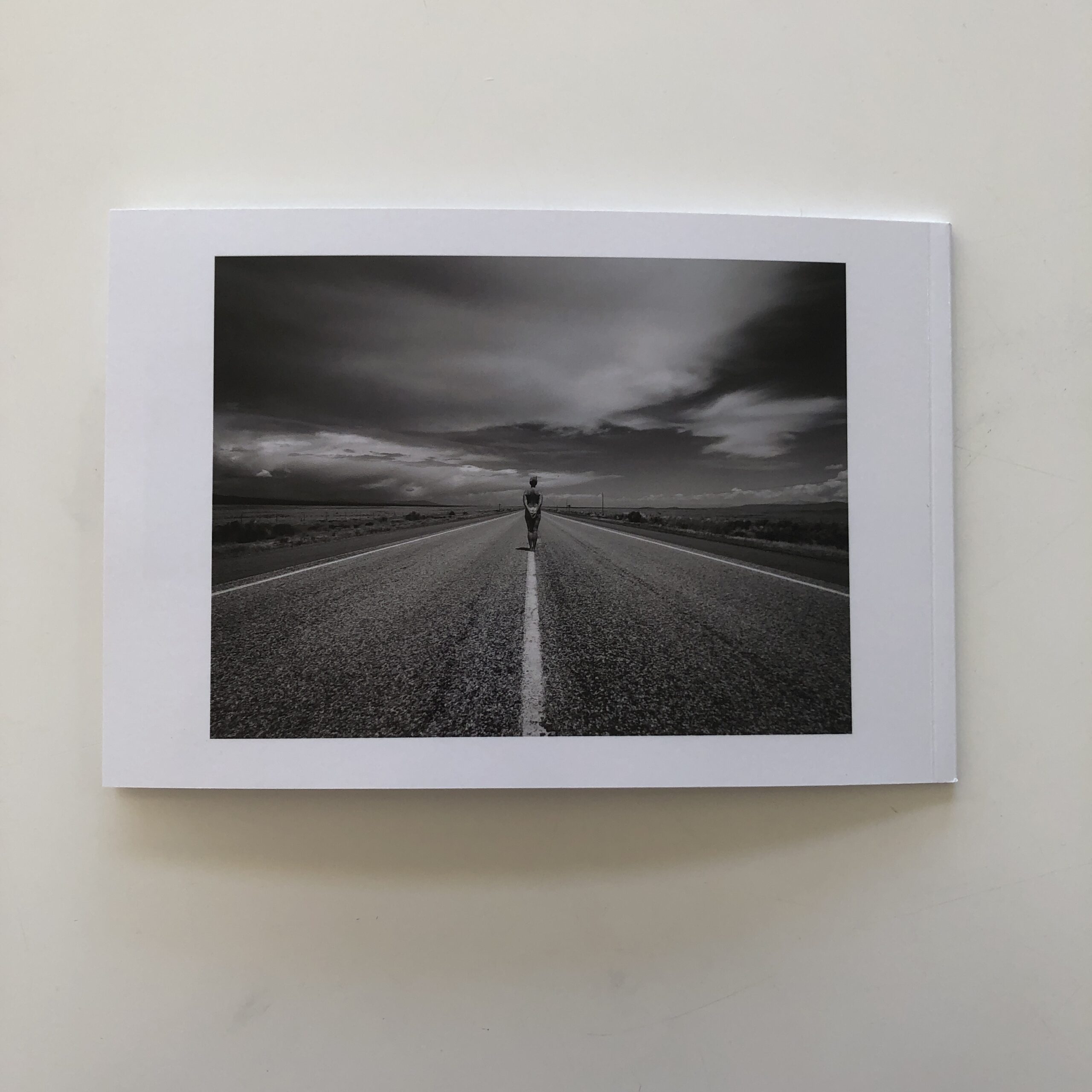
This morning, I looked at one of two remaining 2020 submissions, a slim, self-produced book of poems and images, by Roxanne Darling, called “I AM: For the Love of Nature.”
It arrived in December 2020, and features a series of self-portraits, in which the artist took her clothes off, in nature, in a feat of self-empowerment, declaring the aging female form should not be ignored.
(She was photographed from ages 63-66.)
As an honest critic, I’ll say these images are not the type I’d typically review, just as art.
There is an audience for every style of photography, for sure, and this is not exactly to my taste.
But I’ve written countless times, books are experiential, not just a collection of successive images.
Pictures do not need to be brilliant for a book to have power, and one like this, in particular, in which an artist is taking control of her own narrative, often gets extra-juice from that context.
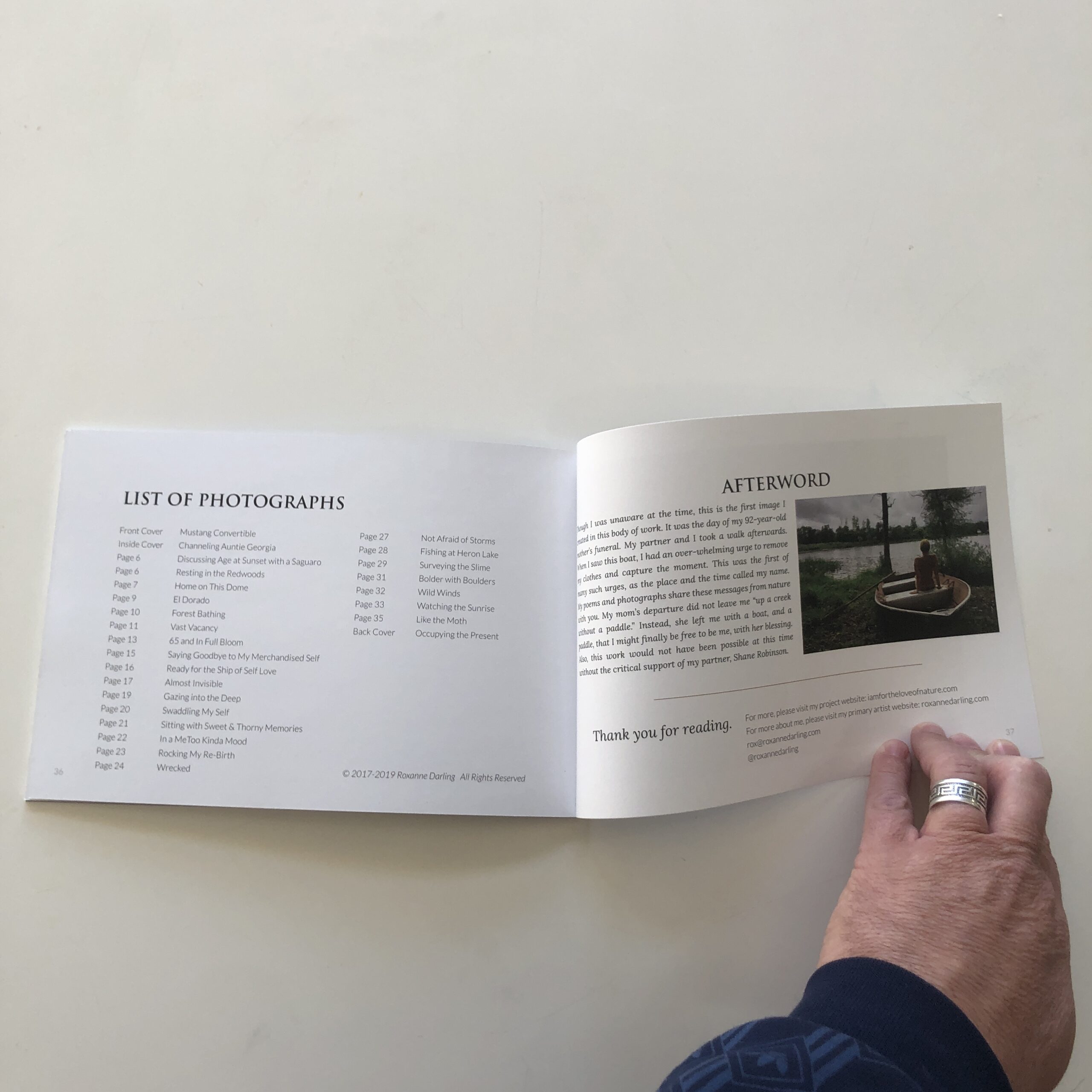
The opening essay states Ms. Darling has a history of trauma and abuse, and we learn at the end that her first nude-in-nature photo came just after she buried her mother, who died at 92. (We’re also told her partner, Shane Robinson, took the photos, so it’s not a tripod-and-timer photographic system.)
A fit of instinct pushed Roxanne to disrobe, and then she continued to do so, in various landscapes around the American West.
When I watch something like “Marco Polo,” I occasionally feel the naked women are being exploited by the camera.
If you’d like to submit a book for potential review, please email me at jonathanblaustein@gmail.com. We are particularly interested in books by artists of color, and female photographers, so we may maintain a balanced program. And please be advised, we currently have a significant backlog of books for review.
The Art of the Personal Project is a crucial element to let potential buyers see how you think creatively on your own. I am drawn to personal projects that have an interesting vision or that show something I have never seen before. In this thread, I’ll include a link to each personal project with the artist statement so you can see more of the project. Please note: This thread is not affiliated with any company; I’m just featuring projects that I find. Please DO NOT send me your work. I do not take submissions.
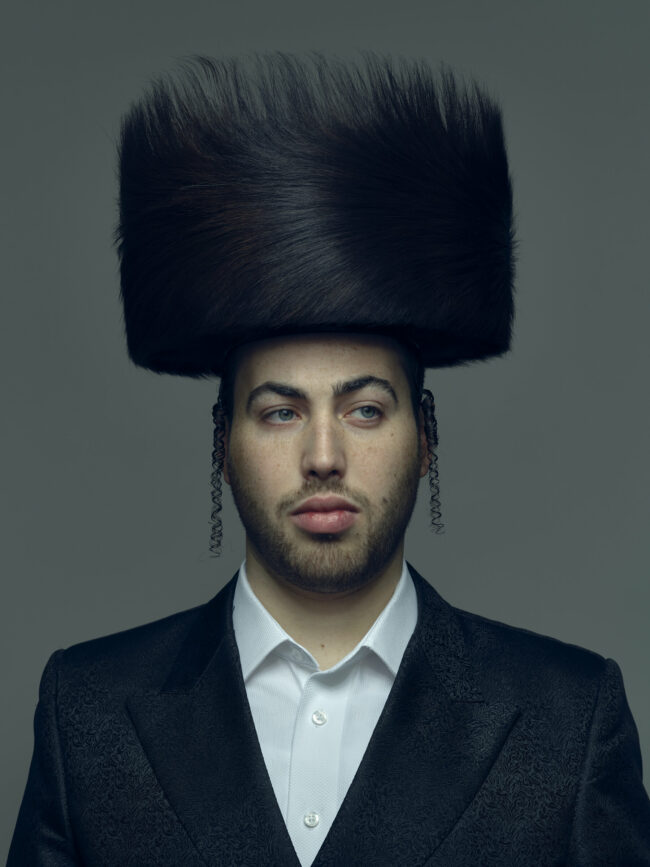
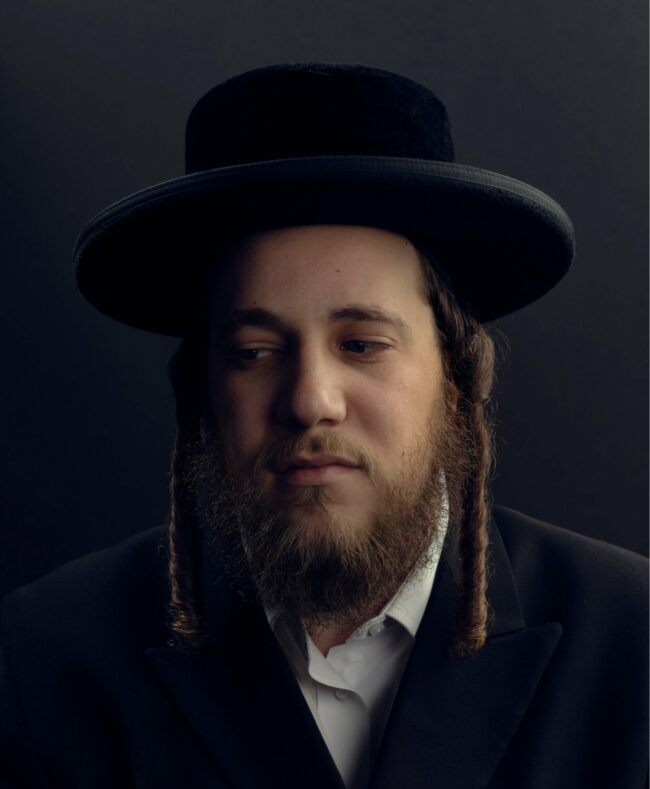
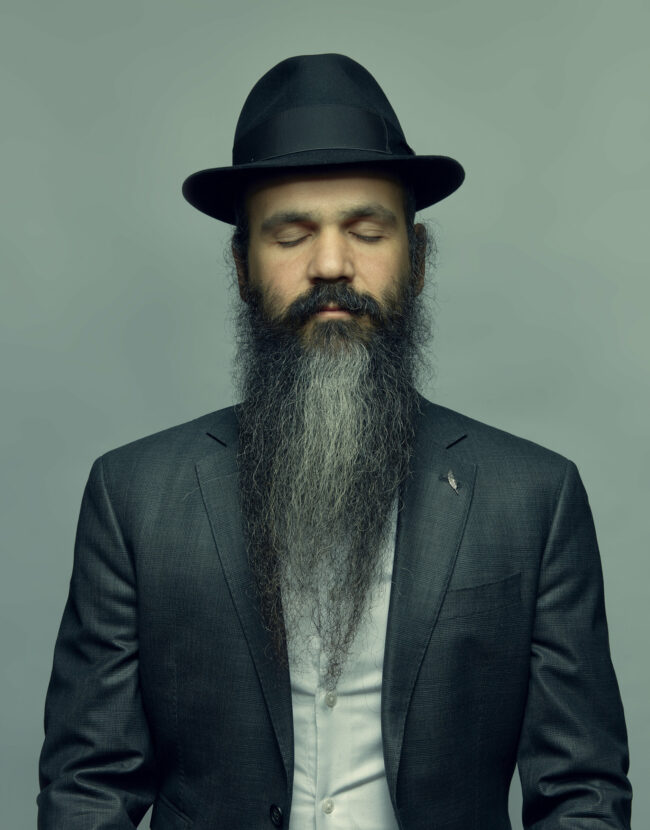
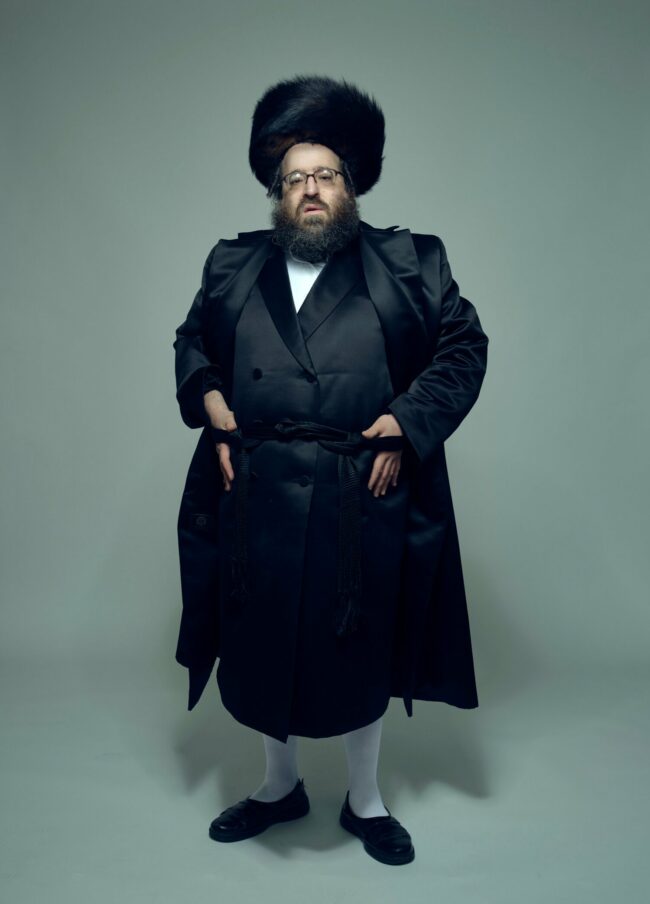
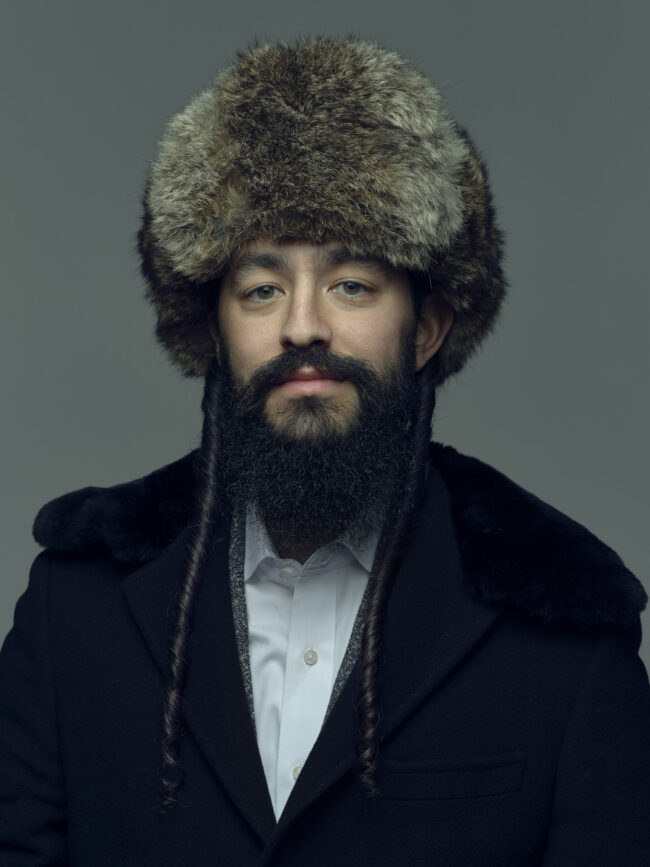
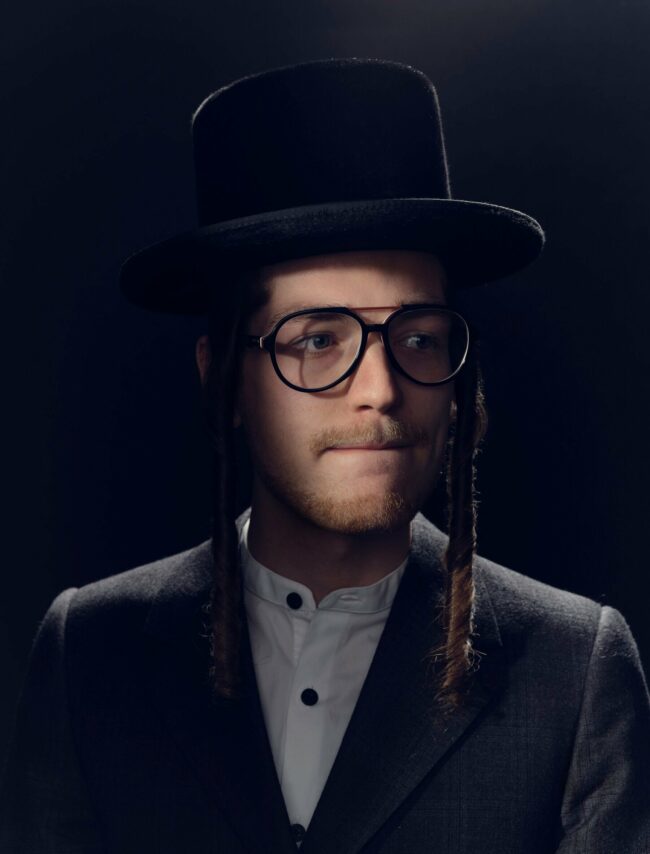
Having grown up in a reform Jewish household in Northern California, my initial perception of the Hasidic community when I moved to NYC was that it almost looked and felt like a completely separate religion. But I wondered: how are we similar? In this portrait series, I wanted to bridge the gap between the reform Jewish community I grew up in and the Hasidic Jewish community that I lived adjacent to in NY.
There’s a difference between watching people and really seeing them. To that point, many photographs of the Hasidic community in New York have a voyeuristic and documentary quality to them since there is a lack of permission and trust by many of the individuals in the Hasidic community. I did not want to replicate that. Rather, I wanted to elevate them and treat them the same way I would treat any individual or celebrity coming into my studio. I wanted consent and permission.
For many reasons, sitting for a portrait within the Hasidic community is seen as taboo. There is not a rule written in the Torah that expressly prohibits doing so. However, one of the main unwritten rules within the Hasidic community is to do what everyone else does and avoid what everyone else avoids. Without a doubt, the toughest part of this project was gaining the access and permission to find willing subjects to sit for a portrait.
My main goal was to make each person feel comfortable enough to reveal their unique characteristics and personality. Oftentimes, the outside world only notices the surface level trademarks that are reflected in the Hasidic community — their intricate hats, their beards, and their payot. I strived to go beyond that.
I used these photo sessions as an opportunity to learn more about the Hasidic community and share my experiences as a reform Jew. Through this sense of shared humanity, I was able to capture something timeless, personal and honest.
Many people have asked why I didn’t include women in the project. I had a few Hasidic women who were willing to sit for portraits, however they didn’t feel comfortable having their images shared publicly.
APE contributor Suzanne Sease currently works as a consultant for photographers and illustrators around the world. She has been involved in the photography and illustration industry since the mid 80s. After establishing the art-buying department at The Martin Agency, then working for Kaplan-Thaler, Capital One, Best Buy and numerous smaller agencies and companies, she decided to be a consultant in 1999. She has a new Twitter feed with helpful marketing information because she believes that marketing should be driven by brand and not by specialty. Follow her at @SuzanneSease. Instagram
Success is more than a matter of your talent. It’s also a matter of doing a better job presenting it. And that is what I do with decades of agency and in-house experience.
Concept: Images of people enjoying a luxury vacation
Licensing: Unlimited use of up to 30 images for two years
Photographer: Lifestyle and Portraiture Specialist
Client: Luxury vacation brand
Here is the estimate:
Fees: The client hoped to promote their brand and a new vacation they were offering with a lifestyle shoot featuring talent partaking in a luxury vacation over three shoot days. They would primarily use the 30 images requested for collateral purposes, with the slim chance of print ads in industry specific publications. I started with a creative fee of $2,000 per day for three shoot days, and added $300 per image on top of that to arrive at a creative/licensing fee of $15,000. While I wanted to go higher on the per image fee, I felt collectively we would probably be pushing the limits on a fee for this brand based on an initial call with the client. On that call, they also confirmed that they would be able to provide the locations, any necessary lodging, meals and prop styling.
Crew: We included a small crew consisting of a producer (including prep, shoot and wrap days) and two assistants for the shoot days. The client was comfortable without a dedicated digital tech.
Styling: In addition to a hair/makeup stylist, we include a wardrobe stylist and a wardrobe stylist assistant to shop and provide clothing for six talent. Each talent would have two outfits each, which we estimated at $250 per outfit. We also included a bit of padding for styling kit fees, and expenses incurred while shopping.
Casting and Talent: As a cost savings measure, we included a line item to cover casting from cards, rather than working with a casting agent and having a live casting. We included session fees to cover six talent for three days each, as well as modest talent usage fee, which we felt would work for the market and licensing needed.
Equipment: This covered the photographer’s own gear, and the potential need for a few rented lenses/supplies for three days.
Misc.: We included a few hundred dollars to cover any unforeseen expenses that might arise.
Post Production: This covered the time it would take the photographer to do an initial edit and then a per image fee for retouching of 30 selects.
Feedback: The estimate was well received, however we heard back a few days later letting us know that they determined their budget was $50k, and they asked what we could do to come down to that number. We discussed the production approach, and the client was comfortable taking on those responsibilities while reducing the talent needs as well. We removed the producer (while adding a pre-pro day for the photographer to help line up her crew), reduced the talent to 4 instead of 6, reduced the styling and equipment expenses, while making a few other additional tweaks, and submitted the following estimate:
Results: The photographer was awarded the project.
Cree Land Defender Lady Chainsaw Lady Chainsaw, chained to another wheelchair on the river camp bridge ready to confront the RCMP. Her fierceness is contagious, arrested more than 60 times
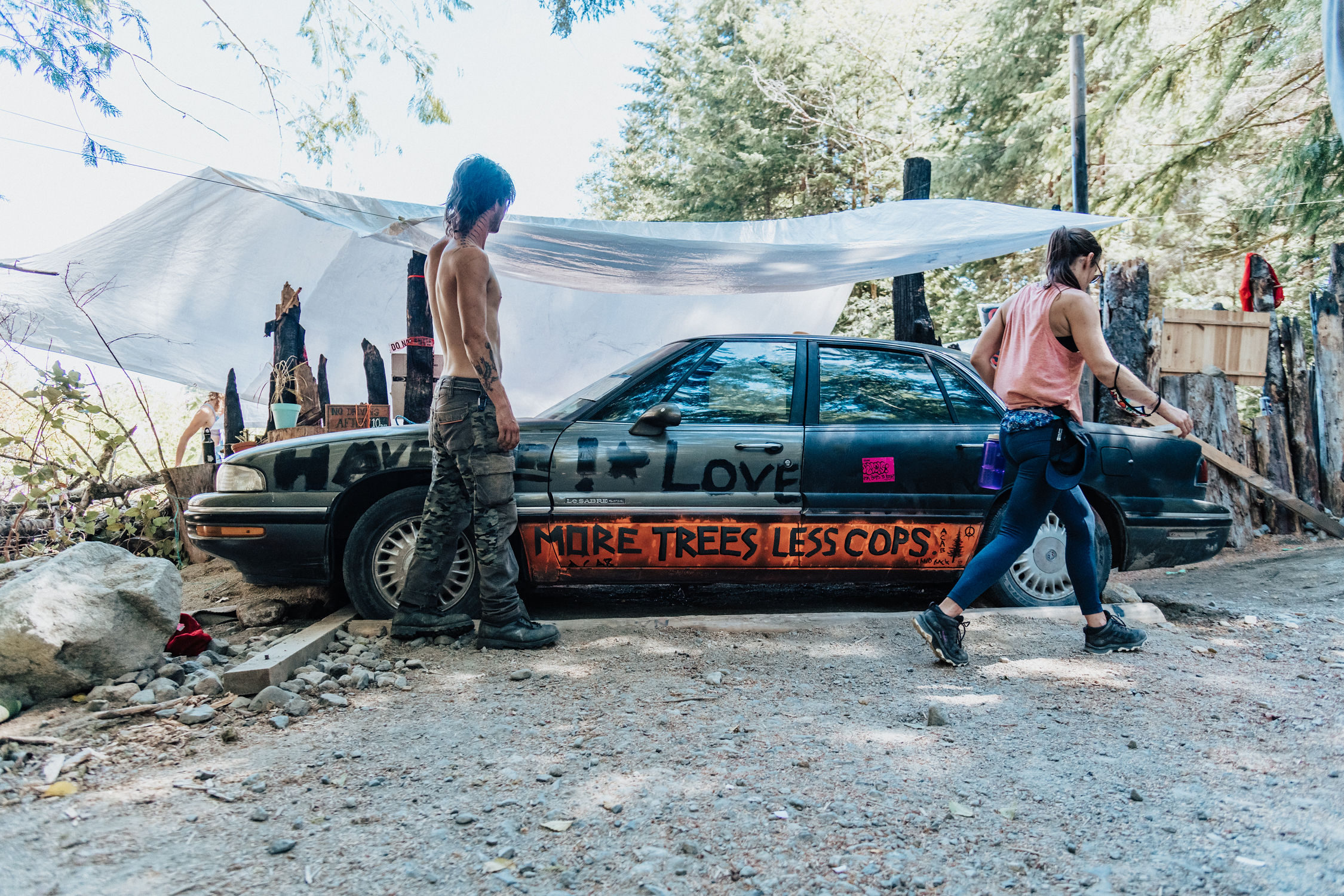
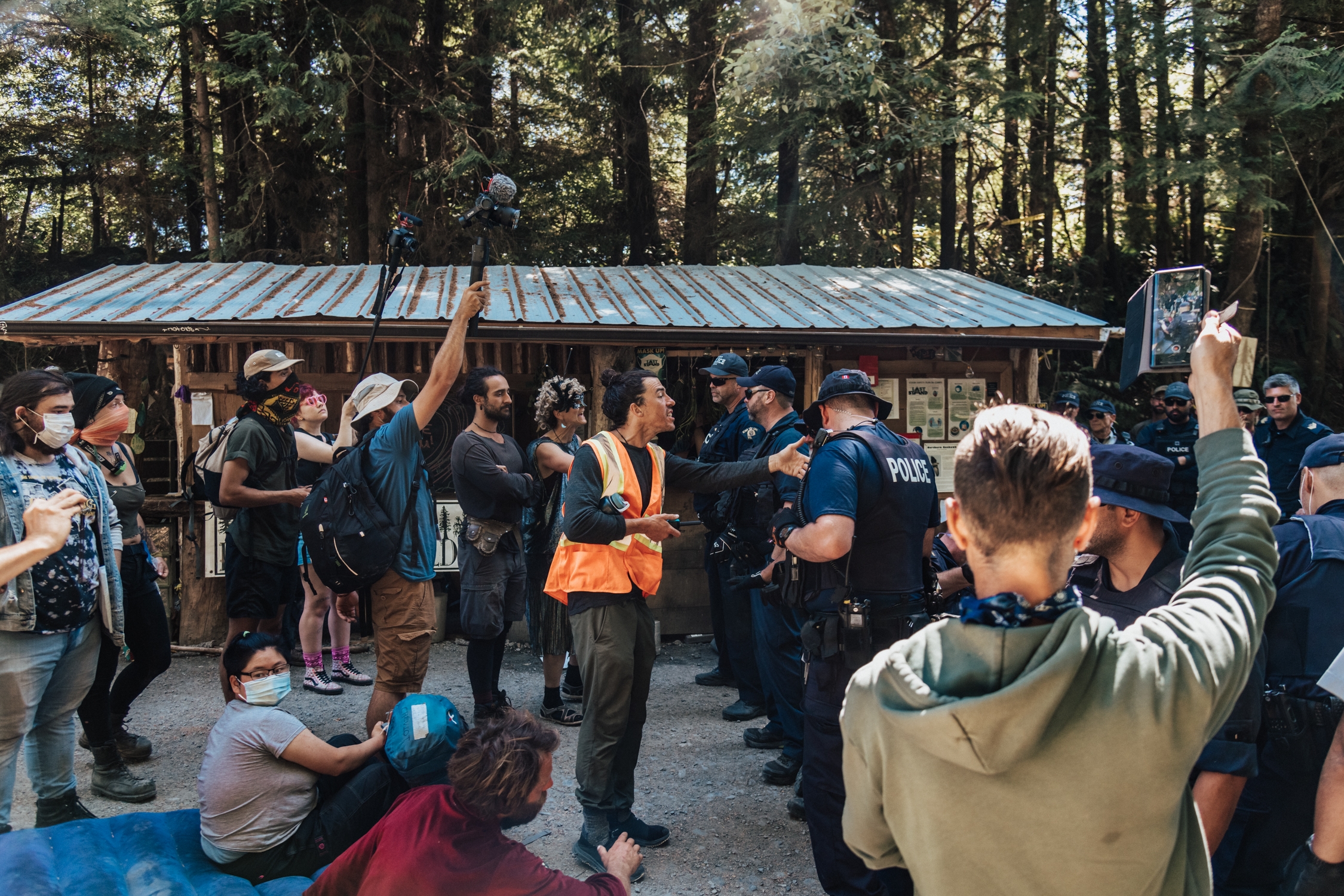
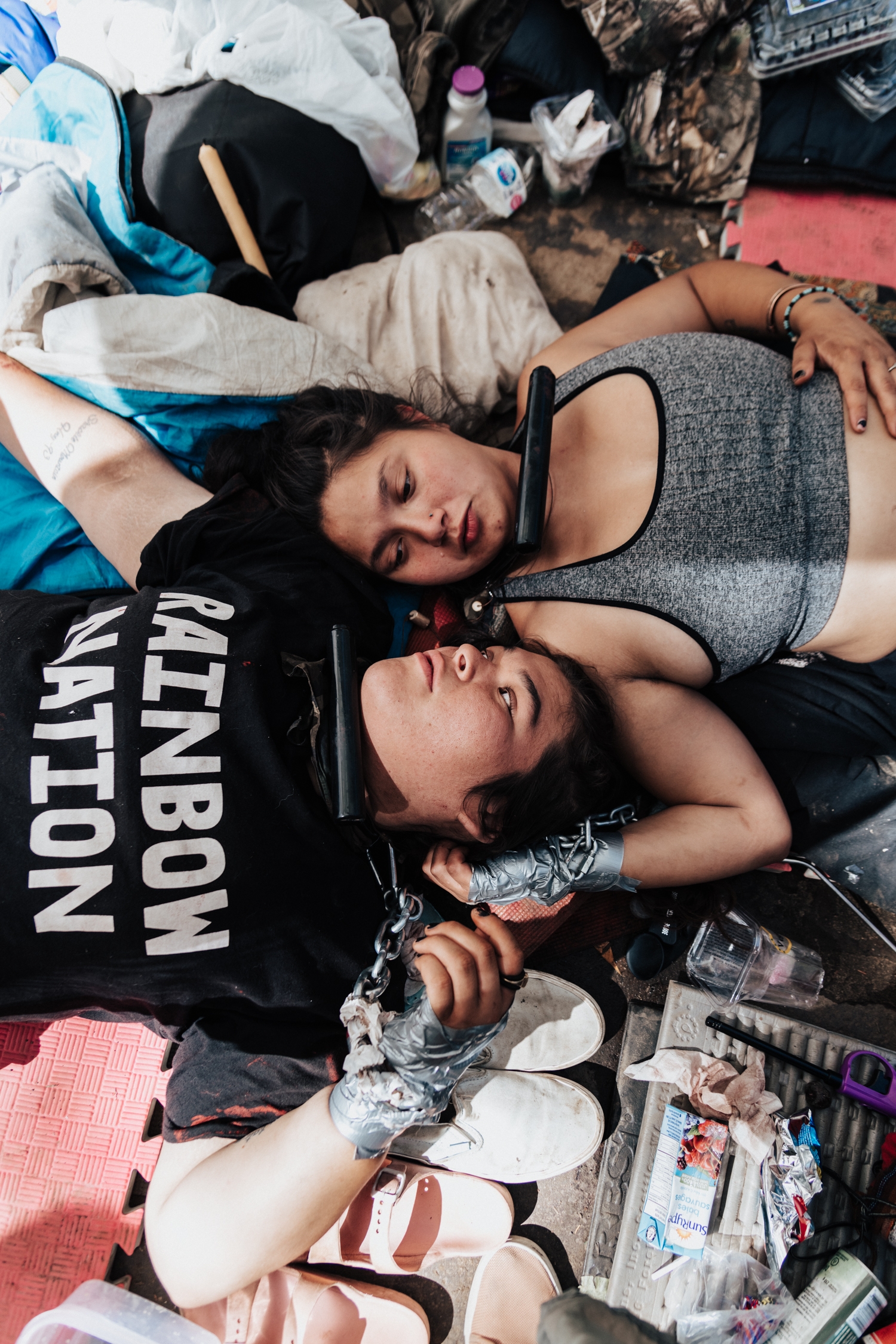
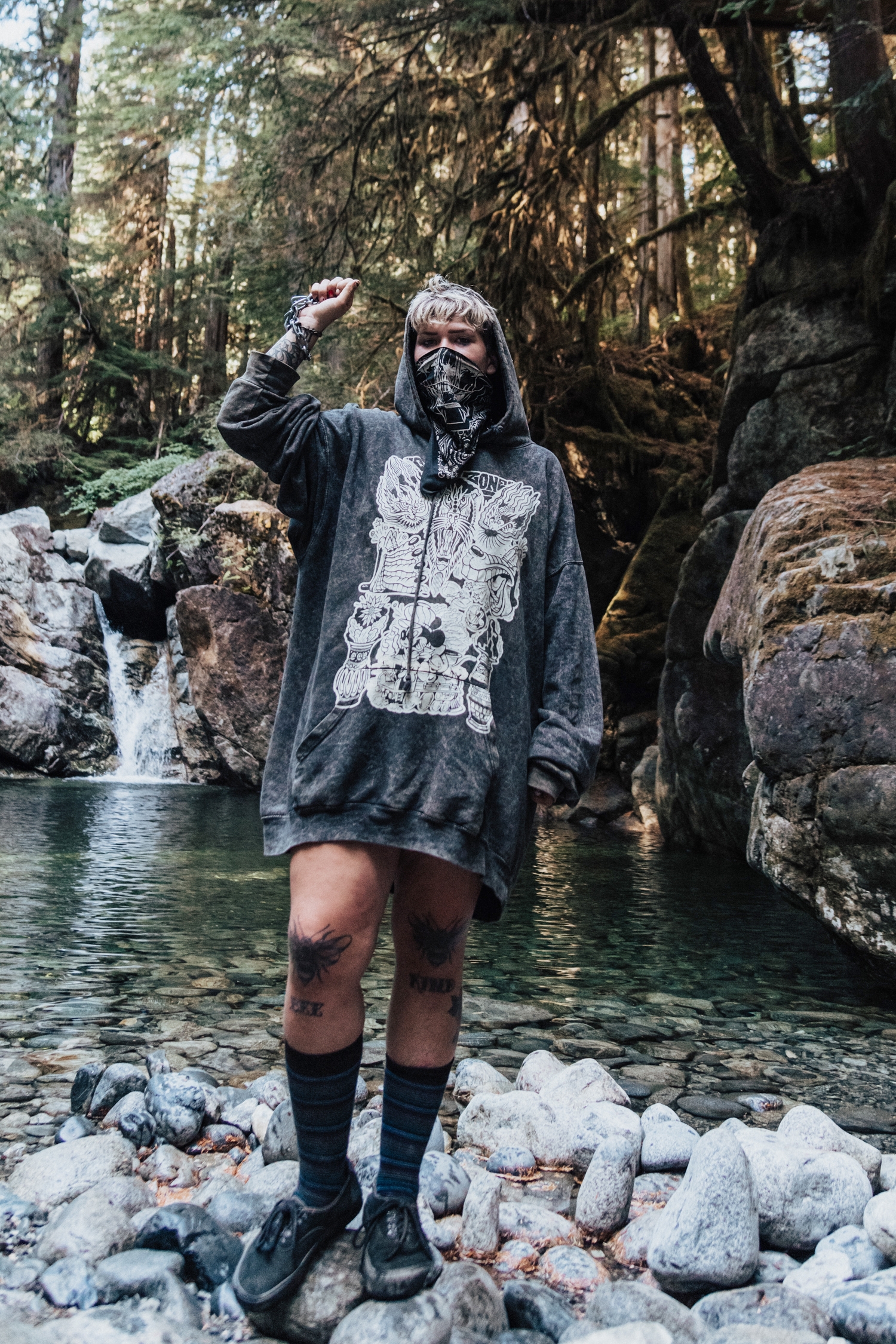
Heidi: Fairy Creek is located on the territory of the Pacheedaht Nation, RCMP began enforcement of an injunction to clear forest defenders out of the way of logging company Teal Jones. The battle to protect this area is still ongoing, what drew you to this protest? Agathe: In all honesty, when things started intensifying at Fairy Creek, I was swamped. I was working on a film about a double amputee going to the paralympics, pushing for the Sinixt (some of the Columbia River indigenous) to retrieve the rights back to their territories and get their voice heard through another film. I was working on a massive coastal cleanup. I didn’t have a lot of personal time then. I felt very isolated from the pandemic and in need of some girl time and community connection. So when Marie-France texted me to join her and Leah and a few other girlfriends, I knew deep down I had to show up, for the ecosystem, for the forest who gave me so much peace and to connect with the girls.
There were several female activists in your images; of course, men were present but was there a sisterhood afoot? Definitively! It’s actually quite fascinating how Fairy Creek gathered so many caring women. When the police force was so intense, knowing that we had each other and could take care of each other and laugh, sharing food or resources was an absolute force. These friendships are forever changed and so much stronger because we shared that experience together. Building community, in this case, a sisterhood around the things you love and care for, I think is the key to flight for environmental and human justice.
The violence against Indigenous women appears to be much more pervasive than publicly available data would indicate. This suspicion was confirmed in 2013, when the RCMP released a report revealing 1,181 cases of missing and/or murdered Indigenous women and girls. The 2015 update document now unavailable on the RCMP’s website added 19 female Aboriginal missing cases, for a total of 174 Aboriginal females missing for at least 30 days as of April 1, 2015.
Missing Murdered Indigenous Women MMIW is an essential and necessary movement that gives voice and raises awareness for mothers, daughters, sisters, wives and friends that have gone missing from reservations. What did you want your images to say and or how did making those photos hit you as a woman? I was quite intimidated to take photos of these incredible indigenous women. Knowing how much they had been through and suffered and how hard it was for them to show up for their right in hopes of a better future for their daughters, sisters and grandchildren. That was a very humbling experience! In these images, I was trying to convey their fierce and strong nature, that enough is enough, and you just don’t mess with indigenous women, period. In each woman I could see a set of Russian dolls standing, lineage of generations standing into each woman and saying: “No more, we have had enough, and we will not put up with the abuse anymore”.
It was like drawing a clean line with the past, acknowledging the intergenerational trauma and choosing to end it at all cost. I still have shivers going through my body when I think of how I felt taking these photos. I still feel so much shame for our society to have allowed that to happen and so much anger when I look around and see how people keep ignoring the harm. Some photos will change you forever.
When you are in the forest, what type of energy or messages do you get from the trees?
The forest is hands down my favorite place to recalibrate. Bathing in big trees sparks my senses so much. I love observing the leaves unfolding and the sun sparkling through the branches, hearing the sounds of the wind passing through…I grew up playing in a forest every day and visited the big lumpy tree daily, wishing it well. That tree had motherly energy to it; it was comforting, safe, always there for me until they built the golf course. I still go by that same place when I go back East, and it’s sad now, endless rows of suburban houses that look all the same.
I was given my first film camera at seven, and the trees were the first thing I photographed. I feel like I still haven’t broken down the code to give them justice. I never thought of them as male or female; they are the perfect balance between standing solid and sturdy yet swaying with the wind and adapting beautifully like a gracious feminine dance. It’s the ideal mix between the feminine, caring quality of nurturing and community and the more individualistic strong male nature of pushing upward towards the light.
How has the environment and or the outdoors informed your work?
I grew up in nature between a forest, a river and a lake that was the city water reservoir. The environment was always everything for me. I was a little bit of a black sheep and felt quite lonely at times with all my passions and big dreams; nature was my safe place.
I was stealing my dad’s Handycam daily, wrapping it in my sweater on my way to school and making movies secretly. I stormed into the minister’s office at 13 with it and my concerns about pollution. I wanted answers because it didn’t make sense that we were polluting our planet with aerosols.
I brought one film to show my school. It was about the seal massacre in northern Quebec (my mom and sister had agreed to play the dead seal covered in ketchup). My parents were teachers, so they explained everything we saw: how the glaciers formed, the river flow, how everything evolved through time. I was raised with curiosity and a thirst to explore.
When I went to BC for the first time at 19th years old, I felt like I didn’t deserve to be enjoying the mountains. I didn’t understand why there were volcanoes amongst the coastal mountains, so I went to do a geology degree. That was a first-hand experience in seeing the inside of “the industry” that didn’t feel good. When I graduated, I worked in Peru, and our team was kidnapped. That experience was eye-opening, I was so naive. Eventually, I went to work as an environmental scientist specializing in contaminated soil and water, knee-deep cleaning up the industry’s pollutants. Unfortunately, because I was on the front line there, my health took a hit. I went back to school to do a graduate certificate in environmental education and communication. I feel like I am finally finding where I belong, bridging science and storytelling to show up for what I think is the most important. An incredible editor (you) told me once “you can express those motherly caring and loving qualities towards the causes you care for” and that is how I have resolved my own life purpose. Hopefully, seeing my work published and creating tiny ripples of change has brought me to hope that love, perseverance, and trust can do anything.
What message do you hope to share?
The balance with our environment is very fragile. Ecosystems are getting affected to a level they may not be able to recover, and I hope to help people understand we need to take better care of our mother. We need to look after her rivers, bring salmon back, leave the glacier alone, forbid development that brings crowds of selfie sticks, have the cruise ships gone so that whales can communicate, and regenerative design systems that prevent single-use plastics, hold industry accountable for ghost net and contamination, to name a few solutions.
Healing our mother comes hand in hand with healing social justice issues and healing ourselves because consumerism is a bandage. How much do we really need? What if we gave back the love our mother gave us?
Who printed it?
I chose Mixam.com to print the Saffron cookbook. I first learned about Mixam from reading aphotoeditor.com, so here we are, full circle! Mixam has great customer service and I’ve been very happy with their print quality.
Who designed it?
My boyfriend an illustrator/graphic designer, Daniel Peacock, and I designed the Saffron cookbook together using InDesign. I knew that I wanted the Saffron cookbook to be a blend of my travel and food photography and designing the layout flowed easily – starting with a brief written intro, a short history of saffron, tips on how to use and store it, followed by twelve recipes featuring saffron, and finishing with a photo story of the annual saffron harvest in Krokos, Kozani, in northern Greece. I also collaborated with Greek-American chef, Christina Xenos, who co-authored this project and developed the recipes for the cookbook.
Saffron crocus flowers bloom for three weeks, only once a year. Every aspect of the saffron harvest is done by hand – picking and gathering thousands of flowers each day, separating the red saffron stigmas from the rest of the flower, and skillfully drying and packaging the spice. I wanted the Saffron cookbook to reflect this level of care, too. So, I wrap each book, add a handmade stamp of a crocus flower on the front, tie the book with red twine in a way that’s meant to mimic the red saffron stigmas, and include a handwritten note.
Tell me about the images.
There are a few categories of photos:
A photo of the saffron that I grew at home and a bowl of saffron corms were taken with my iPhone.
The recipe photos were shot over three days with prop stylist, Robin Turk. I used natural light, a diffusion panel, and several reflectors. I shot everything on the Canon 5D Mark II with the 100mm lens.
Daniel and I traveled to Krokos, in the town of Kozani, to document the annual harvest over ten days. I shot stills and Daniel shot video. We met many wonderful people we are still in touch with via social media. As a thank you, I sent 20 Saffron cookbooks to Greece to the folks who allowed us to photograph them. The majority of our shooting time was photographing outside, in the saffron fields – mostly of the saffron flowers being picked, and shooting various portraits of the harvesters. We spent one morning photographing the dried saffron as it was being weighed and packaged at the Kozani Saffron Producers Cooperative. That evening, we documented the saffron sorting process. At one point, it was good to put the cameras down and join the women sorting the saffron.
While out shooting in the saffron fields one day, it occurred to me that I would really like to get a shot of a single saffron crocus flower on a black background. It was windy and hot outside, so I sat inside the rental car and photographed a single flower on my lap (I was wearing black pants). When we returned home, Daniel retouched the shot and it became the cover of the cookbook.
How many did you make?
I’ve printed 350 Saffron cookbooks so far. I’ve been sending them out to clients, family, and friends. I’m also selling the cookbook, along with a few prints from the saffron project, in my Etsy shop, Xploria. www.etsy.com/shop/xploria
How many times a year do you send out promos?
I usually send out promos twice a year – but with a big project like Saffron, I think it’s going to be my only promo for a little while.
Do you think printed promos are effective for marketing your work?
Yes, definitely. There’s something wonderful about sharing a printed promo/book with someone who understands and resonates with the work.
Where did you get the idea for the project?
It’s amazing to me that a big project can start from such a small question: what is saffron?
Before this project, I didn’t know much about how to use saffron beyond a few recipes, so my little jar of saffron sat mostly on the shelf, unused. I knew saffron was pricey but wasn’t exactly sure why. I was cautious about using the precious red threads in a casual way and unsure of what to make with them. This spice held a lot of mystery.
My journey with saffron started because I was looking for something new and interesting to grow in my Los Angeles home garden. Then I got a job opportunity to photograph in Bulgaria and Crete and decided to extend the trip to photograph the saffron harvest in Greece. The only catch was that I had to wait a month for the saffron harvest to begin!
One of the best pieces of advice that I ever got from art school came from the late photographer, James Fee. I had asked him how he mentally/innerly prepared himself for a photoshoot. He responded, “Don’t be afraid to shoot on the way to the shoot.”
So, in preparation for the saffron harvest shoot, and because we had plenty of time to explore, Daniel and I did some photo/video mini-stories together: an organic olive mill on Crete, the cultivation of citron on Naxos, and the production of Kitron (a special liqueur made only on Naxos), and a family farm growing Greek mountain tea.
I want the Saffron cookbook to inspire others not only to understand and appreciate what saffron is but also to give some practical, easy ways to enjoy this beautiful spice – to demystify it a bit. Simply put a few saffron threads in warm water, add some honey, and, ta-da! saffron tea. Full of health benefits and tasty, too.
Chef Christina, Daniel, and I put together a video presentation of the saffron cookbook: https://www.youtube.com/watch?v=p9ToGVUkKcM Christina demonstrates how to make a few recipes and there’s a video of the saffron harvest that Daniel and I created.
I only consume occasionally now, as it’s better for my body.
Beyond the perpetual munchies, (which make you fat,) marijuana tricks the brain into dumping extra serotonin into the blood-stream, so once you stop, the emotional crash is no fun at all.
Like booze, with its famed “hair of the dog,” weed entices you to stay on the ride, because getting off is a bitch.
Thankfully, I prefer life sober, and only smoke for “special occasions” these days.
As such, the first thing Jessie and I did, once we dropped our bags at the Millennium Knickerbocker Hotel in Chicago last month, was head to Verilife, the closest dispensary we could find.
Given our stressful day, and that we were sort-of on vacation, it was a lock we’d go buy some reefer, as dealing with the maskless hordes all day was a big-fat-drag.
Verilife was a slick operation, with lots of digital interactions, a well-organized rope-line, and a succession of people who’d check you in.
The guy who verified our ID’s noticed we were from New Mexico, and asked about Ojo Caliente, the famed hot springs resort on a Native American Pueblo, about an hour from Taos.
When we made it to the front of the line, where you pre-order on an iPad, I asked the helpful bud-tender for a good pre-rolled Indica joint, to chill us out, and he massively up-sold us to an $80 Sixpack of pre-rolled, half-gram joints, which came in a fancy box, replete with matches.
He was right, of course, as who needs to go right back to the dispensary, and that box kept us good and happy until Sunday morning, when we went back for a pre-rolled Sativa joint to power us through our last day.
Just for context, I went to Chicago last month for three reasons:
1. To have a romantic weekend with my wife, by the ocean-esque Lake Michigan, as we hadn’t been away from the kids together in years. (Thanks for the help, Mom and Dad!)
Jessie by the lake
2. To hang out with some of my photo-world buddies, whom I hadn’t seen since March 2020, in Houston at SPE, the day before the entire world shut.
3. To visit some art museums and galleries to write reviews for you, and just enjoy the city, eating and having fun for a travel article. (The one you’re reading right now.)
Therefore, having some killer, chill, smiley joints to smoke as we walked around the lake, and the city, made everything so much more dramatic.
Looking South along the lake
I highly recommend it.
Just going to 7-11 for some blue Gatorade, right after we left Verilife and lit up, was great, as you get the woozy feeling, where everything looks hyper-real, but without the lack of control and potential for disaster that comes from getting too drunk.
(Luckily, I didn’t overdo it with alcohol at all, even though I almost always had a drink in my hand when kicking it with my buddies.)
The first night, I went to Sparrow with three friends, and it was my first time in an indoor bar or restaurant since April.
The experience was awkward, to say the least, as masks were required to enter, but then everyone took them off the second they got inside.
One of my buddies kept his mask on the entire time, when he wasn’t sipping, and I would put mine on for a few minutes, realize I couldn’t be heard when I spoke, because it was so loud, and then I’d take it off again.
There was no doubt my mask-wearing-system was pointless, but the human brain often needs time to process, in new situations.
And my friends assured me the vaccination rate was so high in Chicago, (higher than I was,) that I should feel comfortable no one would breath Corona-air on me.
(They were right. No Covid the entire trip.)
One line for negative
The highlight of the weekend, if I’m being honest, were the long walks Jessie and I took by the lake.
Each day, we spent hours ambling along the concrete shore, staring out at the beautiful blue water, watching the high rise buildings jut up at its edge.
Walking along, smoking joints, taking in the people-watching, was worth the price of the plane tickets and hotel.
No doubt.
Part of why I chose the Millennium Knickerbocker, (beyond the nostalgia of having been there for 4 Filter Photo Festivals,) was it’s the closest place to the Oak Street Beach, other than the Drake Hotel, which is across the street.
You only have to walk a half block, then a very-short-block, to get to the entrance to the park, and being that close meant we could really utilize the gorgeous Lakeshore.
Additionally, the entrance features a phenomenal mural, by Jeff Zimmermann, which sets the tone each time you head to the beach.
One thing we noticed is Chicago is a town full of grown-up frat boys. Or, at least, the Magnificent Mile area is full of them.
I cannot tell you how many massive dudes I saw, (like, really big,) and they all wore a similar outfit: hoodie, baseball cap, shorts, and sneakers.
Always, no matter how cold it got, (and it was pretty nice when we were there, if windy,) they wore shorts.
Somewhere, there must be a memo, describing the Chicago-bro uniform, because no one deviated.
Well, almost no one.
We did see one guy walking past us, heading South, and he was so fabulous it’s hard to put into words.
His skin was brown, and it made me think of Persia, not Mexico or India, but who can say?
My man was nearly naked, wearing only a floral-print banana hammock bathing suit, to go along with his brilliant mustache, well-chosen footwear, hairy chest, sunglasses, and mohawk.
Jessie and I tried not to gawk, as he was so compelling, strutting with confidence, and I felt it was too rare a moment to pull out the camera. (I mean iPhone.)
“You only see someone like that once in your life,” I said to Jessie, so we made sure to describe him to each other, to remember details for me to share. (Here. Now.)
Needless to say, we were shocked, thirty minutes later, to see him walking North as we headed South, as I guess the walk-up-and-turn-back thing is pretty common at Lake Michigan.
The second time, I had no reservations about grabbing some photos, so here you go.
Beyond the walking, people-watching, drinking with friends, and art-viewing, (which I’ll cover in a separate article,) we spent a fair bit of time eating.
Some people I know, (yes, I mean you, Louie,) insist on bagging on Chicago deep-dish pizza, calling it a bread bowl, a plate of hot cheese, or something other than pizza.
As a born-and-raised Jersey boy, I still Stan for East Coast pizza, but have no problem opening my mind to other styles of the World’s Best Food.
However, in my 5 previous visits to Chicago, I’d never had brilliant pizza, despite many attempts.
I’ve surveyed folks over the years, and heard Lou Malnati’s is everyone’s favorite local chain, so for lunch on Friday, we ordered a monster pie.
(We skipped dinner and breakfast to properly feast.)
The River North Lou Malnati’s is located just off a public plaza, which I’m told is called the Viagra Triangle, as it has a series of high-priced, outdoor restaurants where rich, older guys take their young, pretty girlfriends.
We stopped in and ordered a Deep Dish Malnati’s Chicago Classic, which featured sausage with extra cheese and sauce, and I asked them to add the garlic spinach, and olives, so it would have more of a Mediterranean feel. (Plus, you need get your vegetables where you can when you’re eating pounds of melted cheese.)
While waiting the 30 minutes, we walked down to Walgreens to buy more Gatorade, an umbrella, and some OTC Covid tests, (so I could prove to my buddies we were clean, before attending a small house party.) Then we walked up Rush St to grab the pizza, in full-food-crash-mode, and brought it back to the hotel to eat.
If I’m a truthful critic, it needed a touch of finishing salt, and some fresh ground pepper, but beyond that, the jazzed up Malnati’s pie was super-delicious.
Totally worth the hype.
The sauce was sweet, but not overly so, (and there was enough of it,) while the spinach cut some of the richness of the sausage.
Lou Malnati’s Three and a Half Stars
That night, at my friend’s house, we had even more deep dish pizza, this time from the opposite of a chain restaurant.
Instead, Doug ordered from Milly’s Pizza in the Pan, the kind of joint that popped up during the pandemic, where you have to be in the know, call ahead, take what they’re offering that day, show up at the appointed time, and they bring the pizza out to your car from a commercial kitchen.
It’s not remotely a restaurant, and I must say, the bougie food did have more flavor than Sweet Lou’s.
Photos courtesy of Doug Fogelson
Each pie, (one vegetarian, one with meat,) utilized various colored peppers, which added freshness and balance, plus you could actually taste each ingredient.
The pies were a bit thinner, while still being deep dish, and it was more food to savor than stuff in your face, as you desperately try to get all the fat in your stomach to soak up the booze.
Milly’s Pizza in the Pan Four Stars
I know today’s column is long, and I never want to go on forever, but there are three more restaurants to cover.
First off, on Saturday, we did a big takeout meal from Silver Spoon, which is an underground Thai restaurant I discovered in 2015, and continue to visit each time I come back to Chicago.
It’s literally below street level, and is always full when I go, so I’m not the only person who realizes how good the food is, and reasonably priced as well.
It’s near a Giordano’s, so watching the tourists line up, waiting for an hour to get mediocre pizza, when there is such great Thai food three doors down, always makes me giggle.
We had veggie eggrolls that tasted like they could be from a Jersey Chinese joint, (massive compliment,) vegan summer rolls that were as delicate as Donald Trump’s ego, some dumplings that seemed deep-fried, rather than in a pan, a brilliant Pad Thai, and a Pad See Eiw that was too spicy. (My fault for asking for medium-spicy.)
Silver Spoon Four Stars
On Sunday, rather than join my buddies for coffee out West, we wanted to maximize our time downtown, as the hotel allowed us a late checkout. So we went to Tempo Cafe for brunch, a classic diner of the type rapidly disappearing in America.
There was a long wait, but all those schmucks wanted to eat inside, so we grabbed a semi-private outdoor table, on the sidewalk, straight away.
Tempo Cafe has been my go-to hangover breakfast three times now, and it’s always delivered.
Though they brought us coffee super-quickly, and kept re-filling the cups, (thankfully,) we had to wait ten minutes to order, then half an hour for our food, which was a huge bummer.
I distracted myself by looking up, staring at the buildings, and making up stories about the people walking by.
Sidewalk views at Tempo Cafe
Given what I said about getting your veggies when you can during a weekend bender, I ordered an egg skillet with broccoli, spinach and mozzarella cheese, and was excited for it to arrive.
Unfortunately, when the food finally came, they brought me a skillet loaded with sausage, instead of spinach.
My face fell faster than Carl Lewis, (the 1984 version,) and I had a decision to make.
Wait for the server to come back, (5 minutes,) and then for the cooks to make a fresh breakfast, (30 minutes,) or suck it up and dive in.
Jessie and I joked about the short order cook, reading the ticket the server handed in.
“Spinach and Broccoli? Are you fuckin’ kiddin’ me? It’s Sunday brunch, and this poor schmo is just orderin’ vegetables? Nah, I don’t think so.”
“What do you mean, Morty?”
“I don’t think this guy ordered right. The dum-dum. He forgot the sausage! I’m sure he meant sausage, not spinach. So we’re gonna fix it for him.”
Thankfully, I’m not a vegetarian, so I trusted Morty, ate most of the plate, and wasn’t hungry again for hours.
Tempo Cafe Two and a Half Stars
Finally, I need to mention our Lyft ride, heading West to a brew-pub on Sunday, for our last visit with my crew before we schlepped to O’Hare again.
Her name was Delisa; she had an electric blue car, and electric blue nails.
Jessie and Delisa got to talking, as both were social workers for years, and though my mind was elsewhere, I kind-of followed along as they talked about helping kids in the system.
Eventually, (no surprise,) we got to talking about pizza, and she was a fan of Uno and Due, (which I’ll try another time,) but also said Parlor Pizza might be her favorite in town.
Sure enough, after we finished day-drinking at The Perch, (which has great beer, and good food, but was not-quite review worthy,) the remaining revelers walked down the street, in Wicker Park, looking for one last bit of sustenance.
There it was, right in front of us, Parlor Pizza Bar, so how could we not trust Delisa?
Sitting outside in the sun, savoring our last hour in the city, knowing we’d have a subway ride, the airport security line, then the plane flight home, and a 2.5 hour drive from Albuquerque, I hoped Delisa knew her pizza.
This time, it was more bar-pie-style, with a thin crust, and thankfully it was delicious. (Oddly, the menu was QR-code-only, which is apparently a thing now.)
The pizza margarita was amazing, a true gem of a pie. Our friends ordered a specialty number with honey and vegetables, which was also super-good, and I went off script, choosing a make-your-own, with burrata, heirloom tomatoes and meatballs.
In a place like that, with a long list of pre-selected options, the cooks obviously want you to go with their creations, and not do it yourself.
So the JB Special was good, but not THAT good.
The JB Special, which wasn’t so special
For some reason, they don’t put meatballs on pizza in Chicago.
It’s a sausage town.
And when I said it like the New Yorkers do, (SAUW-szige,) I was told that’s wrong.
From there, my friend Jeff dropped us off at the “L” train, where we waited in the late afternoon light, (with very full bellies,) hoping we’d make it back to New Mexico in one piece. (We did.)
The Art of the Personal Project is a crucial element to let potential buyers see how you think creatively on your own. I am drawn to personal projects that have an interesting vision or that show something I have never seen before. In this thread, I’ll include a link to each personal project with the artist statement so you can see more of the project. Please note: This thread is not affiliated with any company; I’m just featuring projects that I find. Please DO NOT send me your work. I do not take submissions.
The photographs in this book are images that came to me after the loss of my father. I followed these images and saw them into actualization over the course of two years.
Located on the edge of Death Valley, Cerro Gordo is a ghost town that was once the greatest producer of silver in California. In the early 20th century, Eastman Kodak used the silver mined at Cerro Gordo to manufacture early motion picture film stock. The film was then utilized by an emerging Hollywood to capture the most popular genre of the time: Westerns. Western films were then exported all over the world and used to define a vision of the West.
For me Cerro Gordo is a steep winding street in Echo Park – behind Dodger Stadium – where I lived during the years that this work was made.
The house I lived in was a crumbling mission style from the 1920s. It was in that house, on that street, I experienced both love and heart break. This book represents what I learned about the paradoxical duality of Los Angeles during that period.
APE contributor Suzanne Sease currently works as a consultant for photographers and illustrators around the world. She has been involved in the photography and illustration industry since the mid 80s. After establishing the art-buying department at The Martin Agency, then working for Kaplan-Thaler, Capital One, Best Buy and numerous smaller agencies and companies, she decided to be a consultant in 1999. She has a new Twitter feed with helpful marketing information because she believes that marketing should be driven by brand and not by specialty. Follow her at @SuzanneSease. Instagram
Heidi: Where is this artist based and is this a long term project?
Alex: Yes, great project and still on-going, in fact I’m working on a short film about Lina Prairie this week! She is an artist based in Point Reyes National Seashore. She collects kelp, bones, and other coastal artifacts, then uses the material to weave intricate baskets, wall hangings and other sculptures.
Was this a brand project or personal project?
Personal project.
Did you spend a day with her in the studio? Did you forage together?
I’ve spent multiple days with Lina in her studio and foraging along the coast. We are in the process of writing a monolog for the film and still have two more days of shooting together.
What was the art direction for the images?
I wanted to tell her story is a beautiful, cinematic and artistic way. Less doc style and more conceptual since her work is highly conceptual. The material she uses also has a life of its own and a beautiful all onto itself. It almost reminds me of lines in a midcentury drawing.
Your body of work ranges from stills to lifestyle, and portraits. How does one inform the other, or what is the common thread you are looking for in all three genres? Good question – People, landscape, still life form a triangle to me. They are the language of the world and also the buckets that help me round out my stories. People and lifestyle is the humanity, still life helps the viewer understand the details of the story and the landscapes drive a sense of place. The landscape or environment is the cradle that holds it all together.
What have you been shooting more these days?
I’ve been shooting a lot of travel and hospitality lately. One project I did was for SENSEI, which is a new hotelier concentrating on full approach to wellness travel. The project is a great example of giving me the freedom to express my photographic style while being in-line with the clients needs.
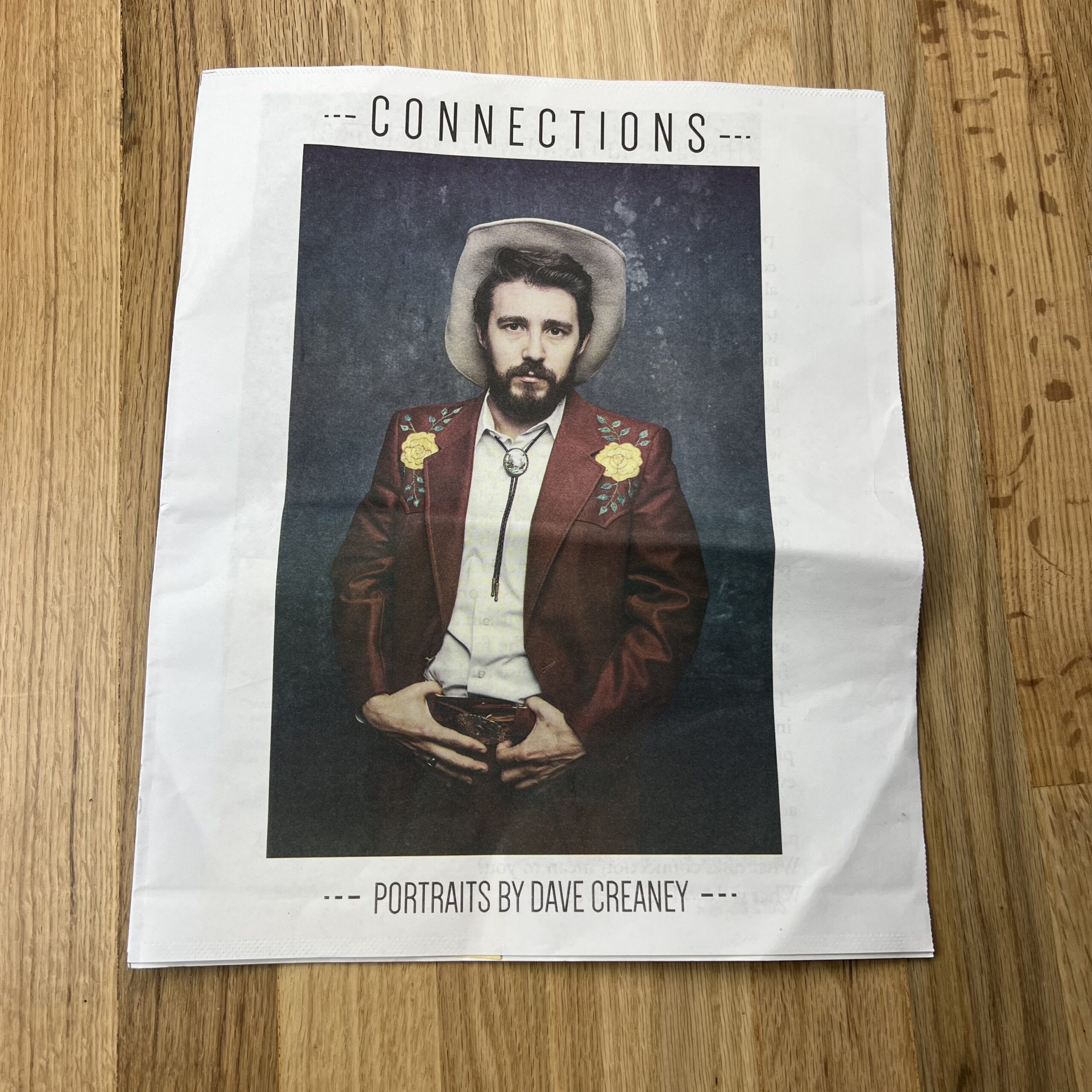
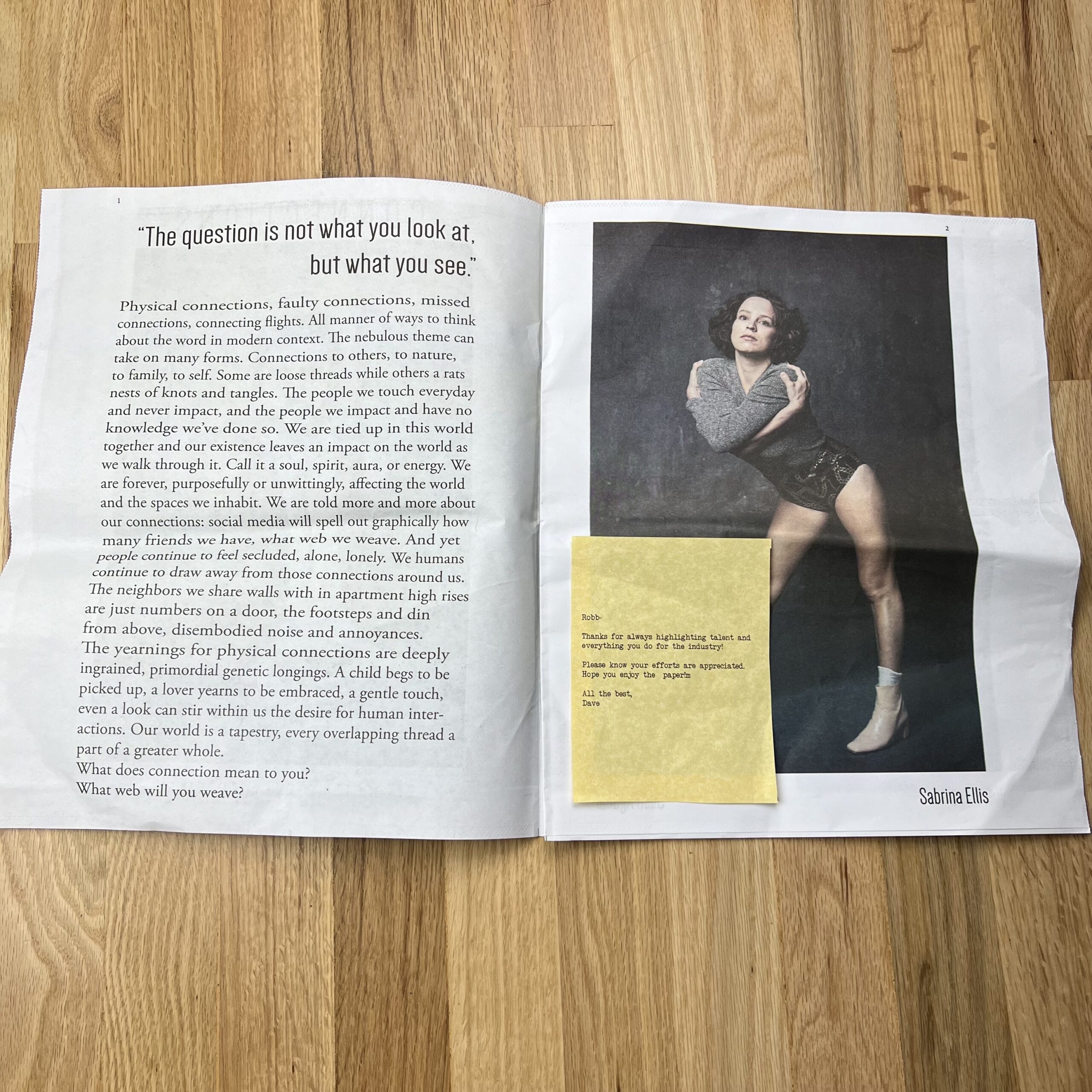
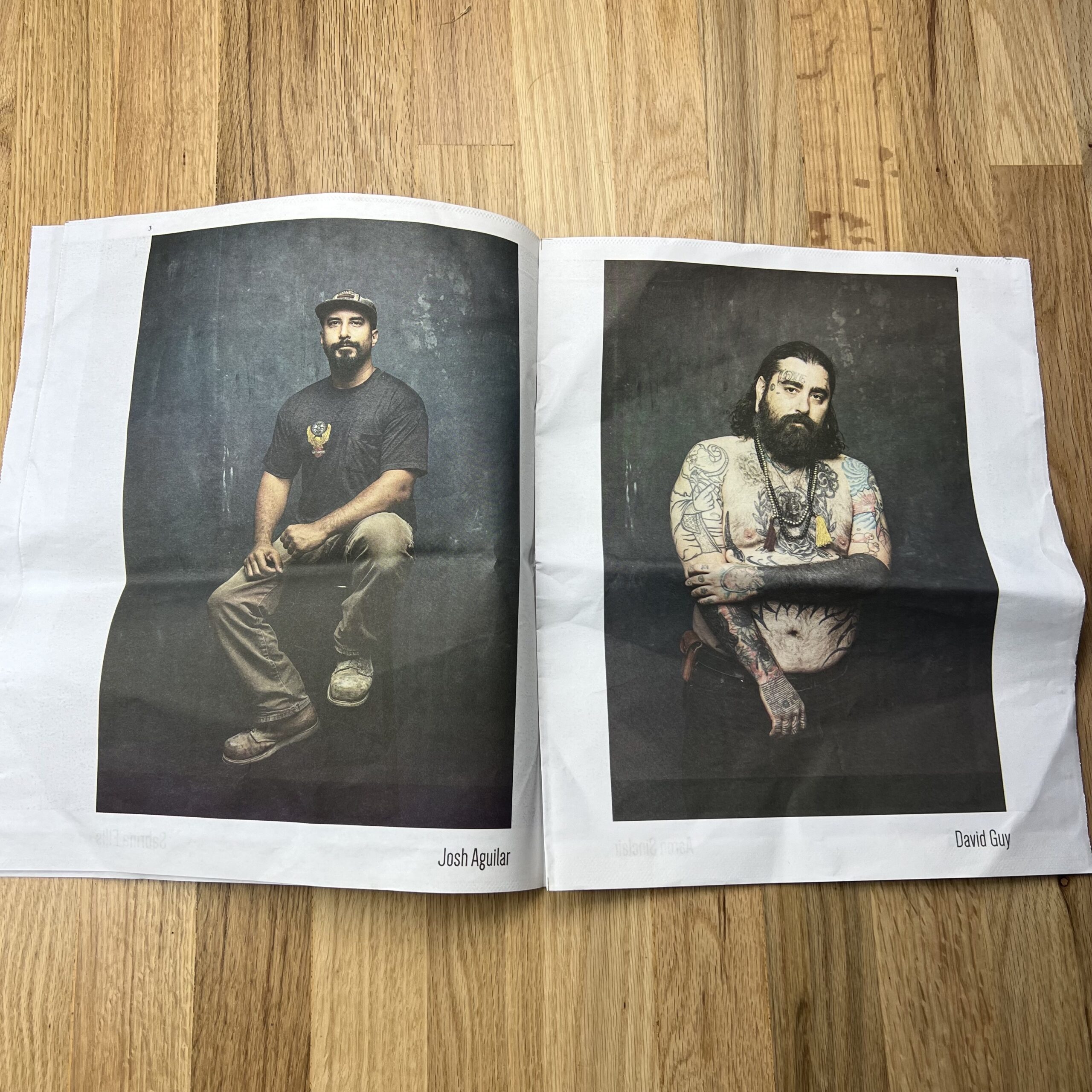
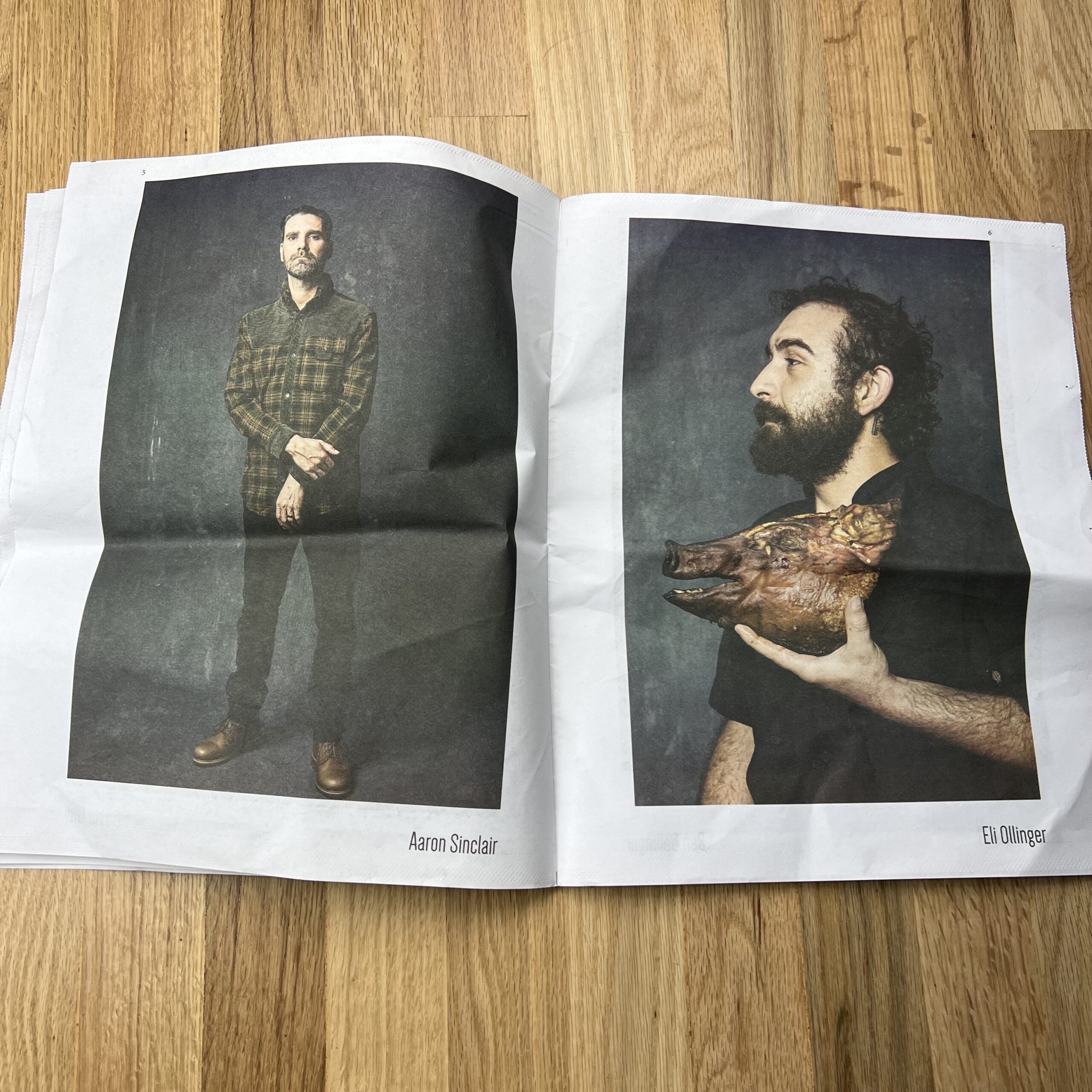
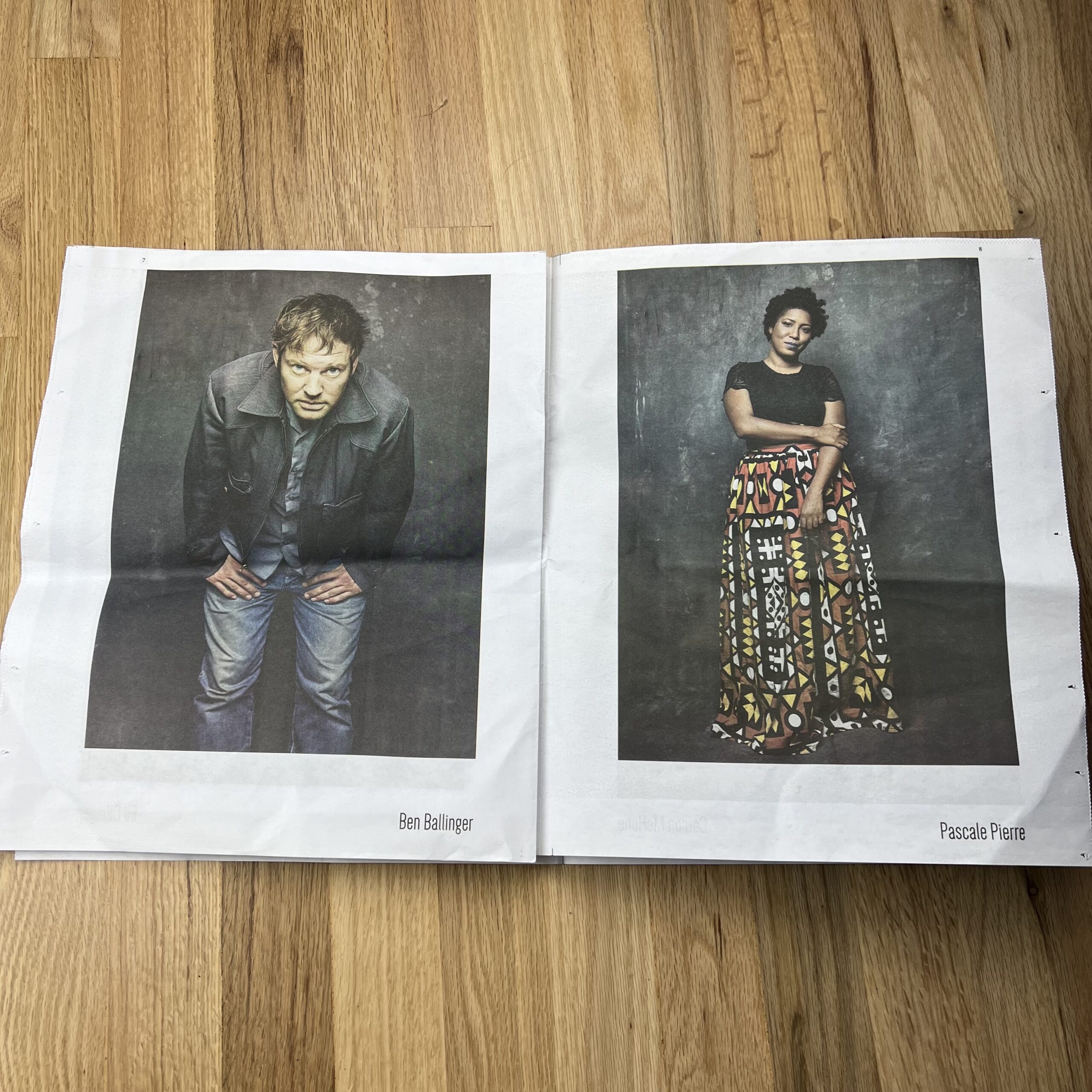
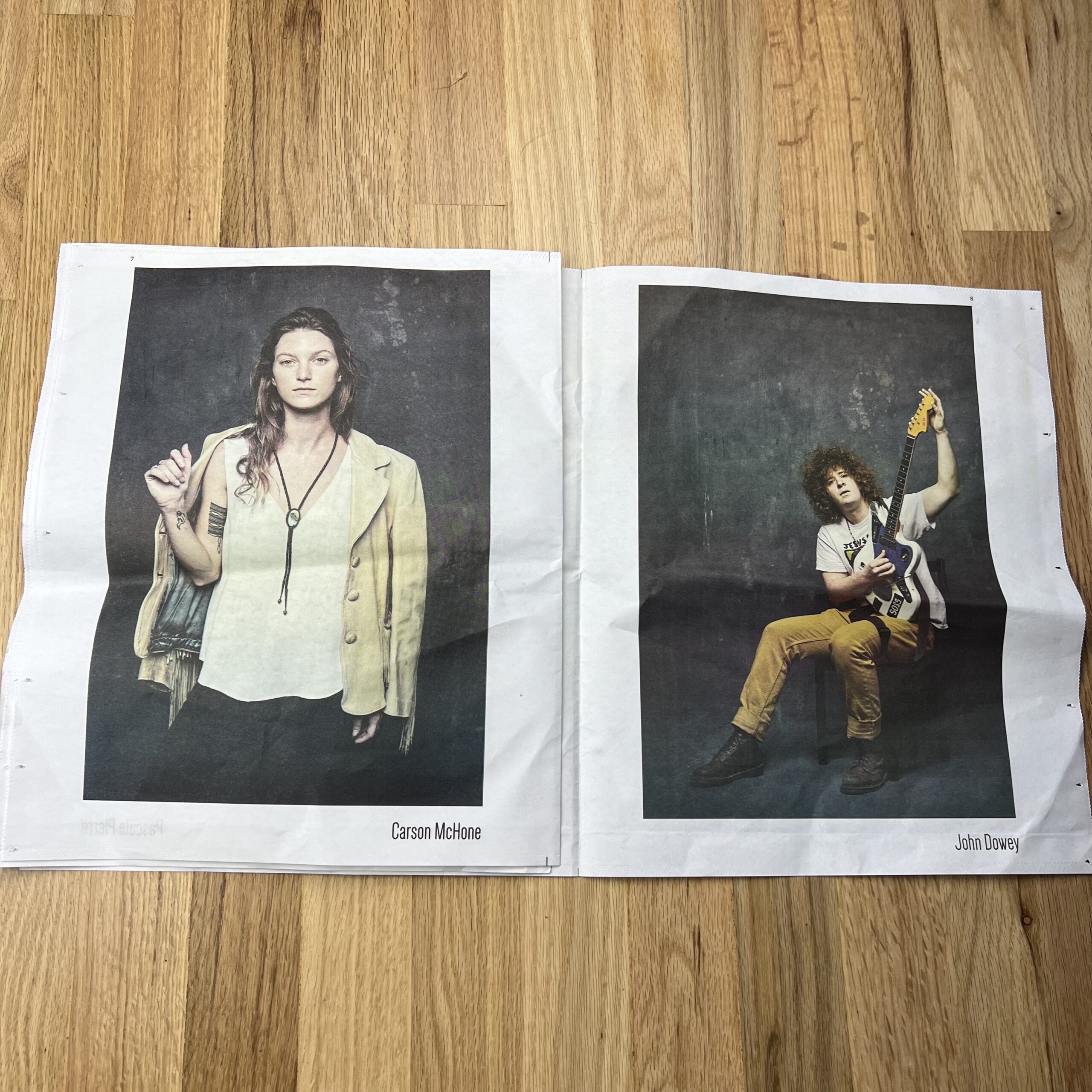


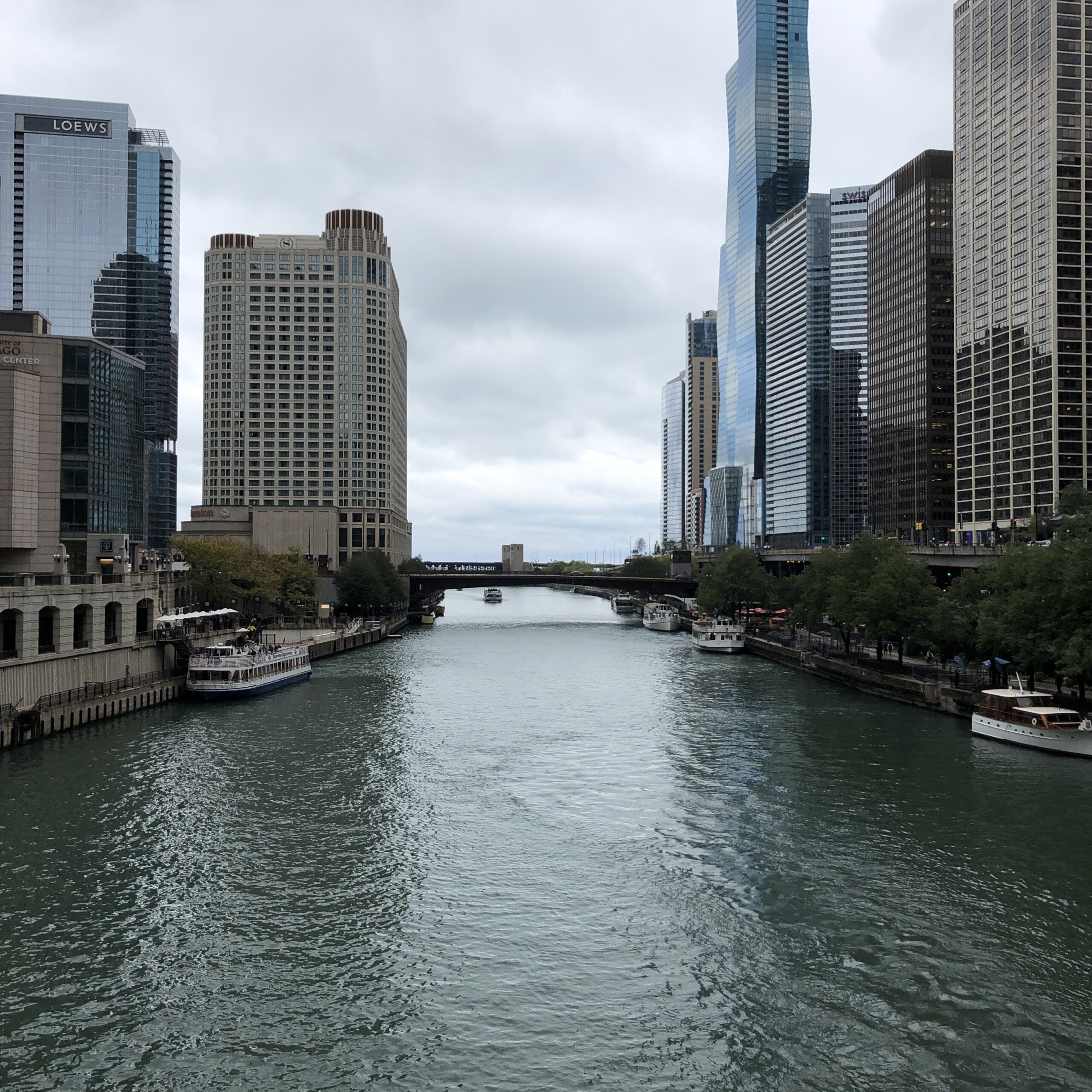
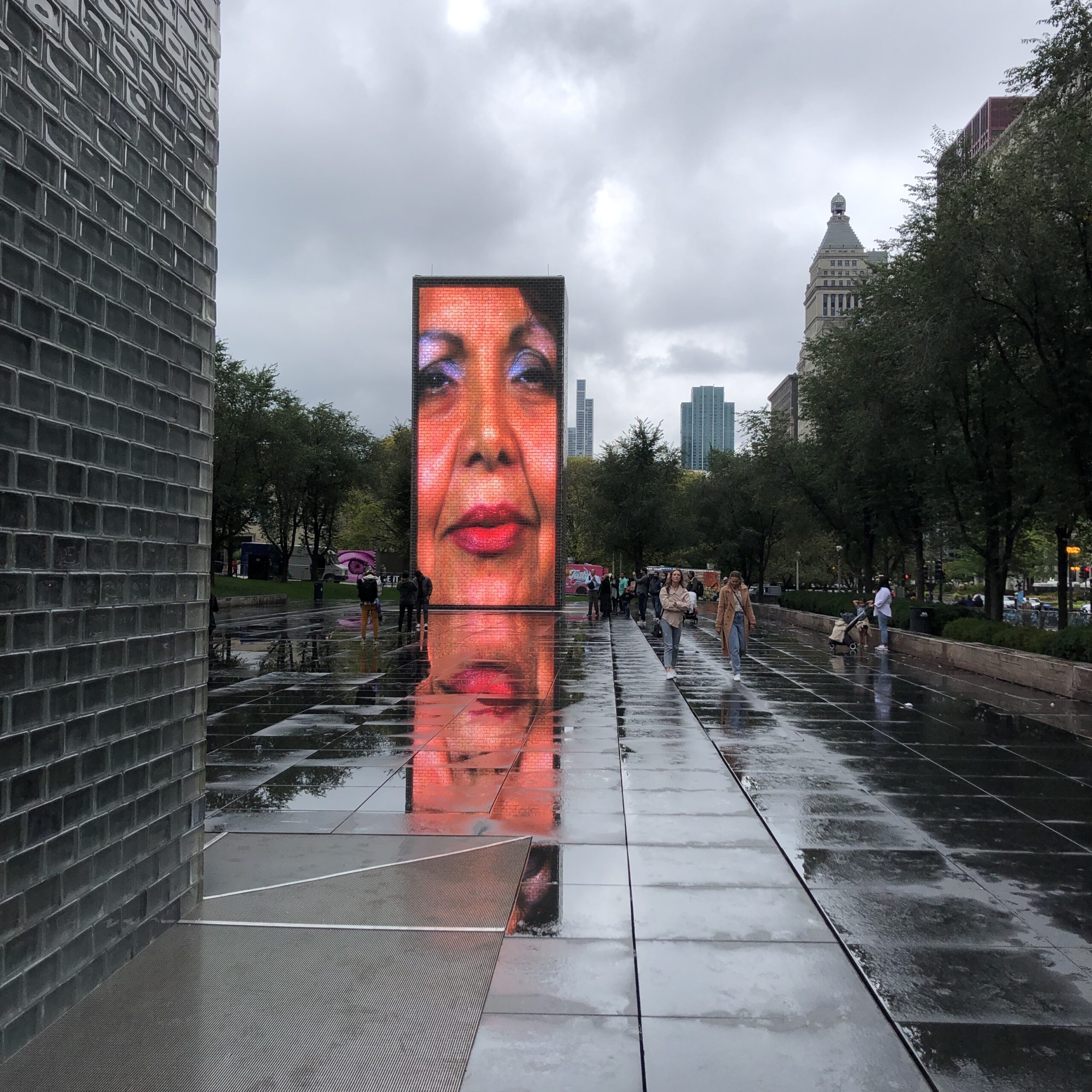
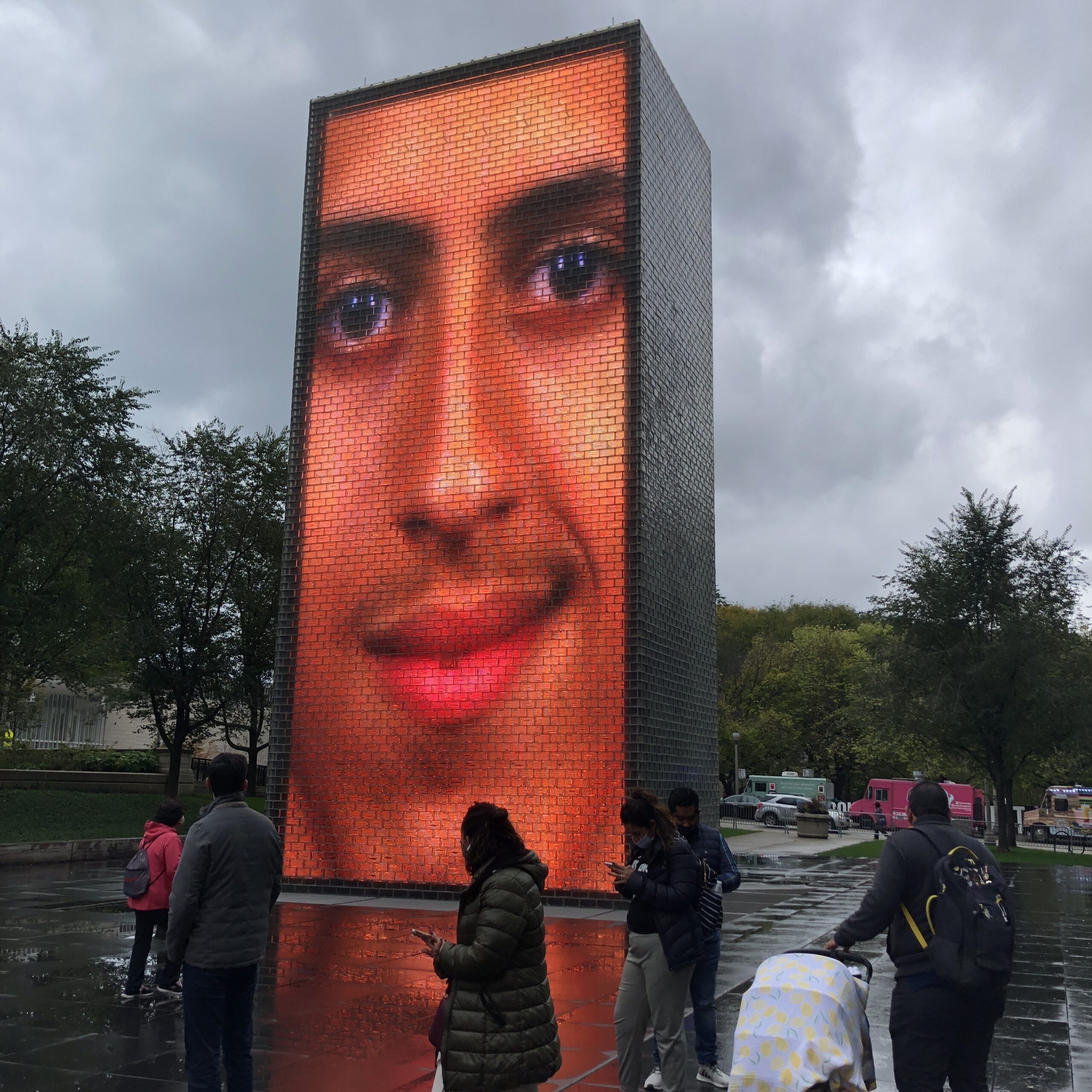
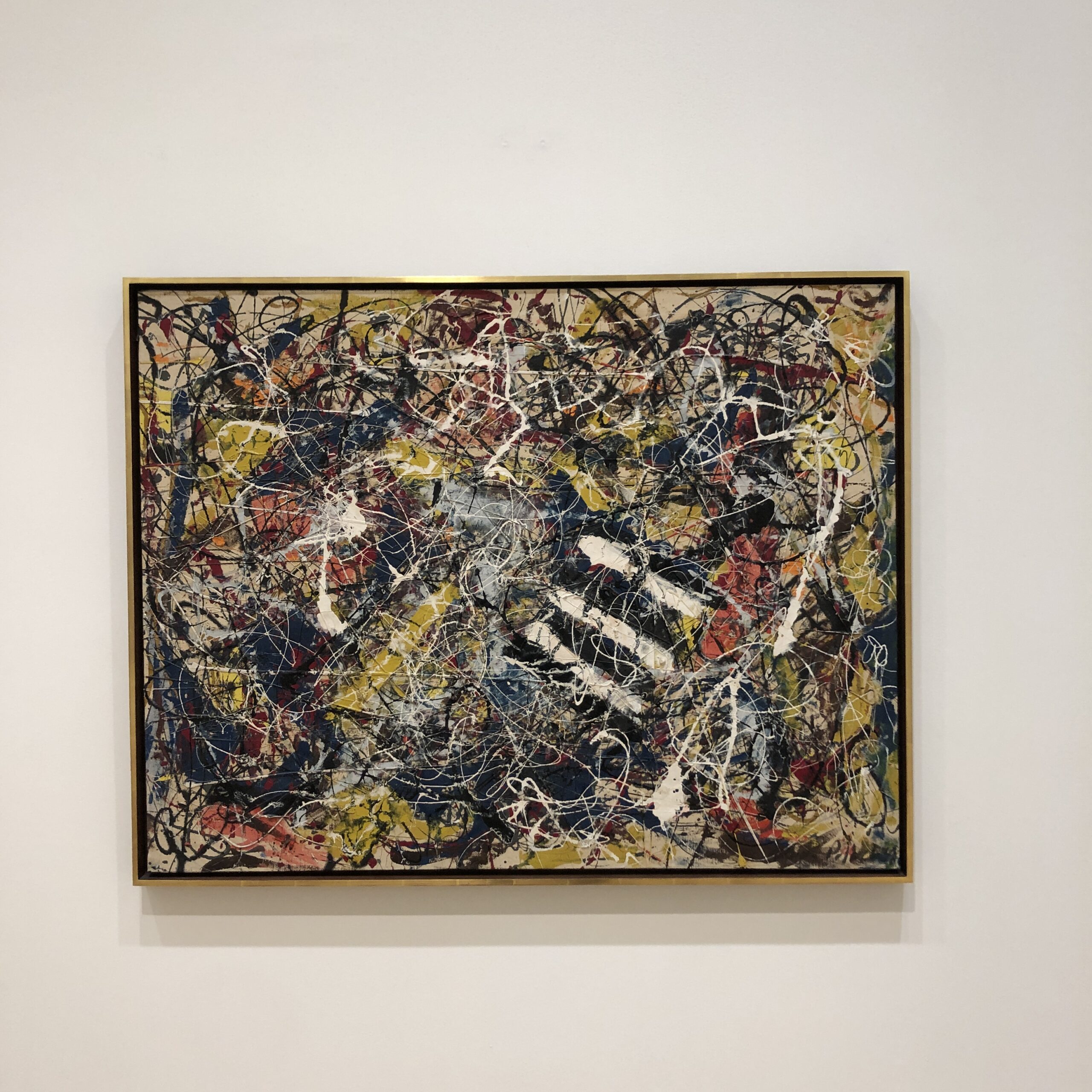

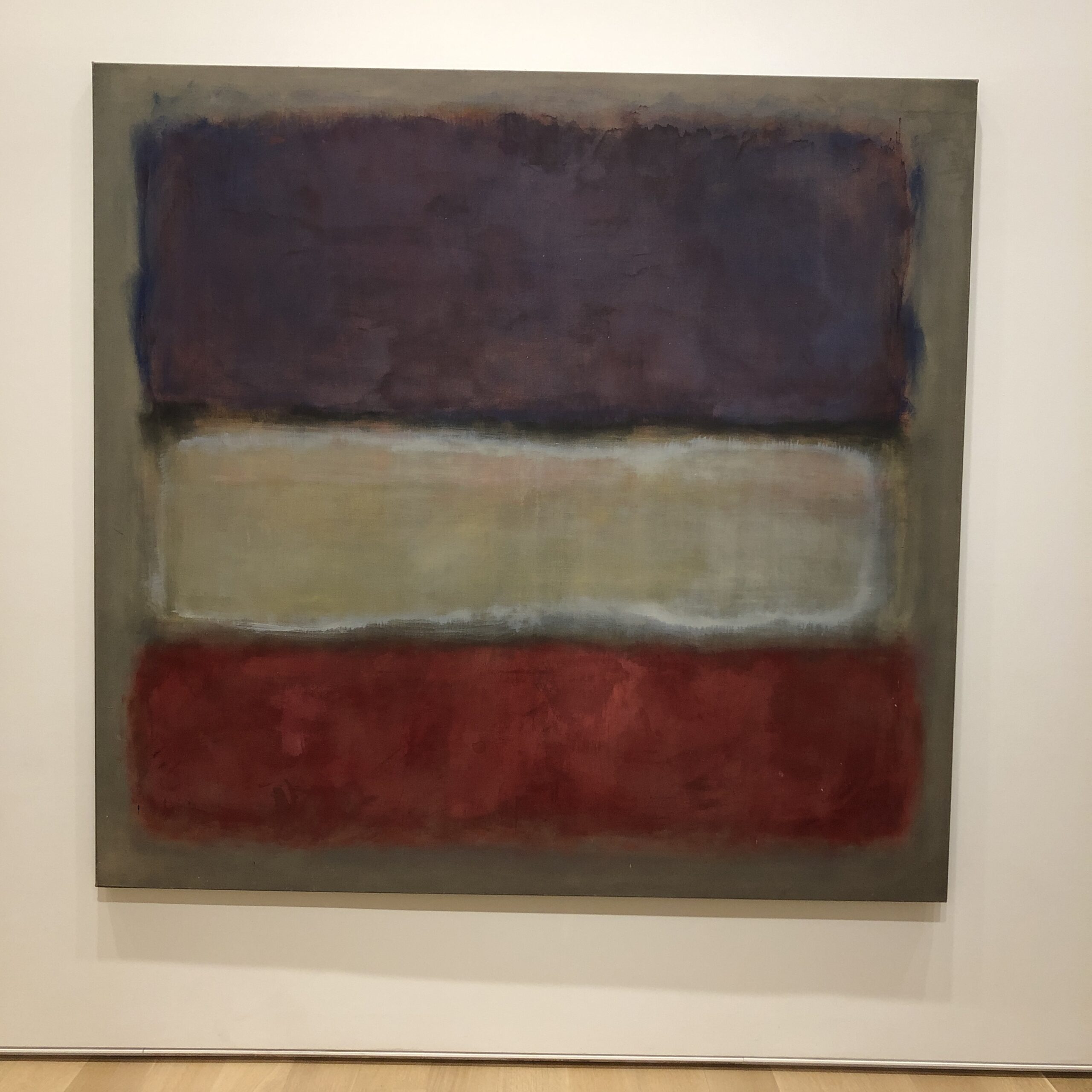
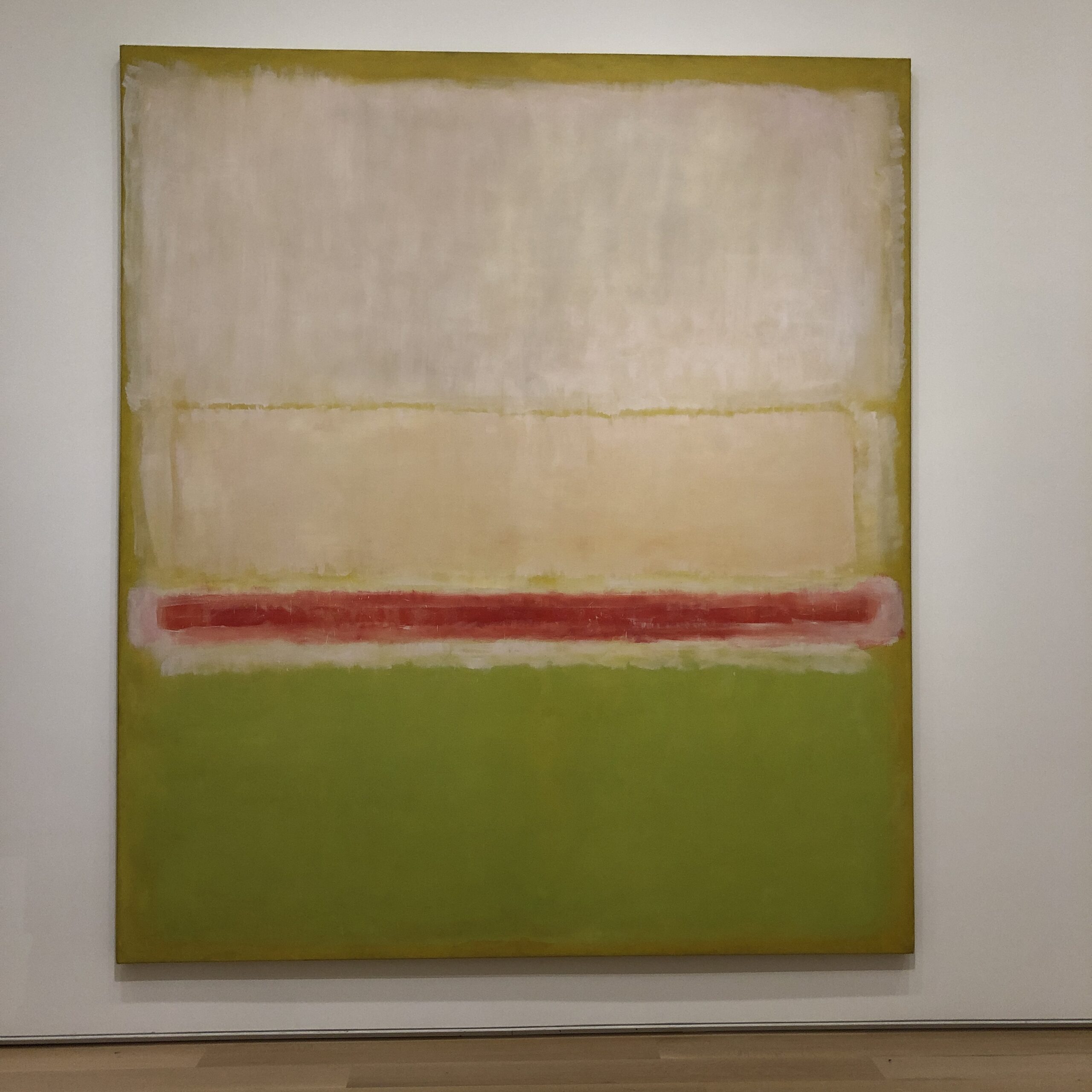
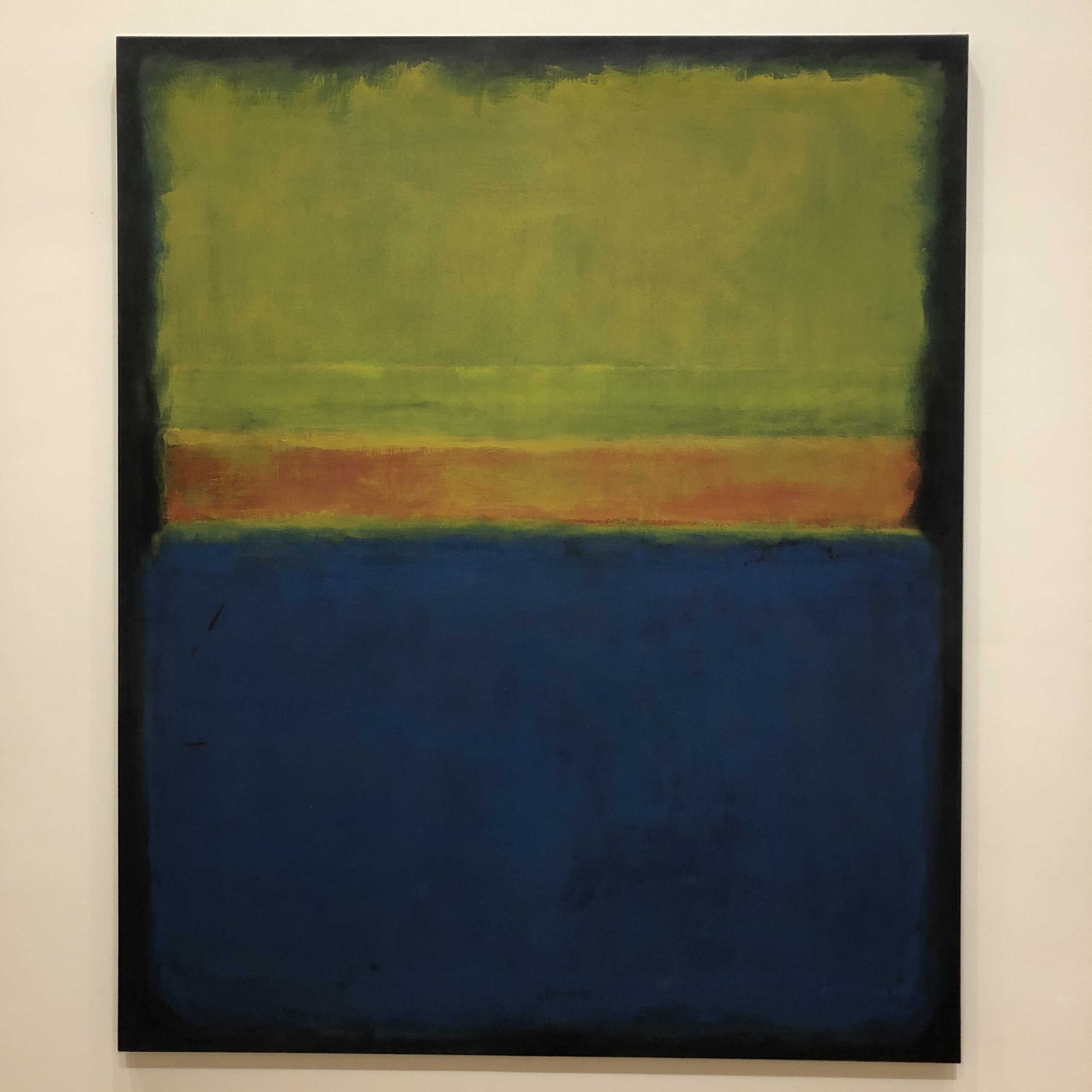
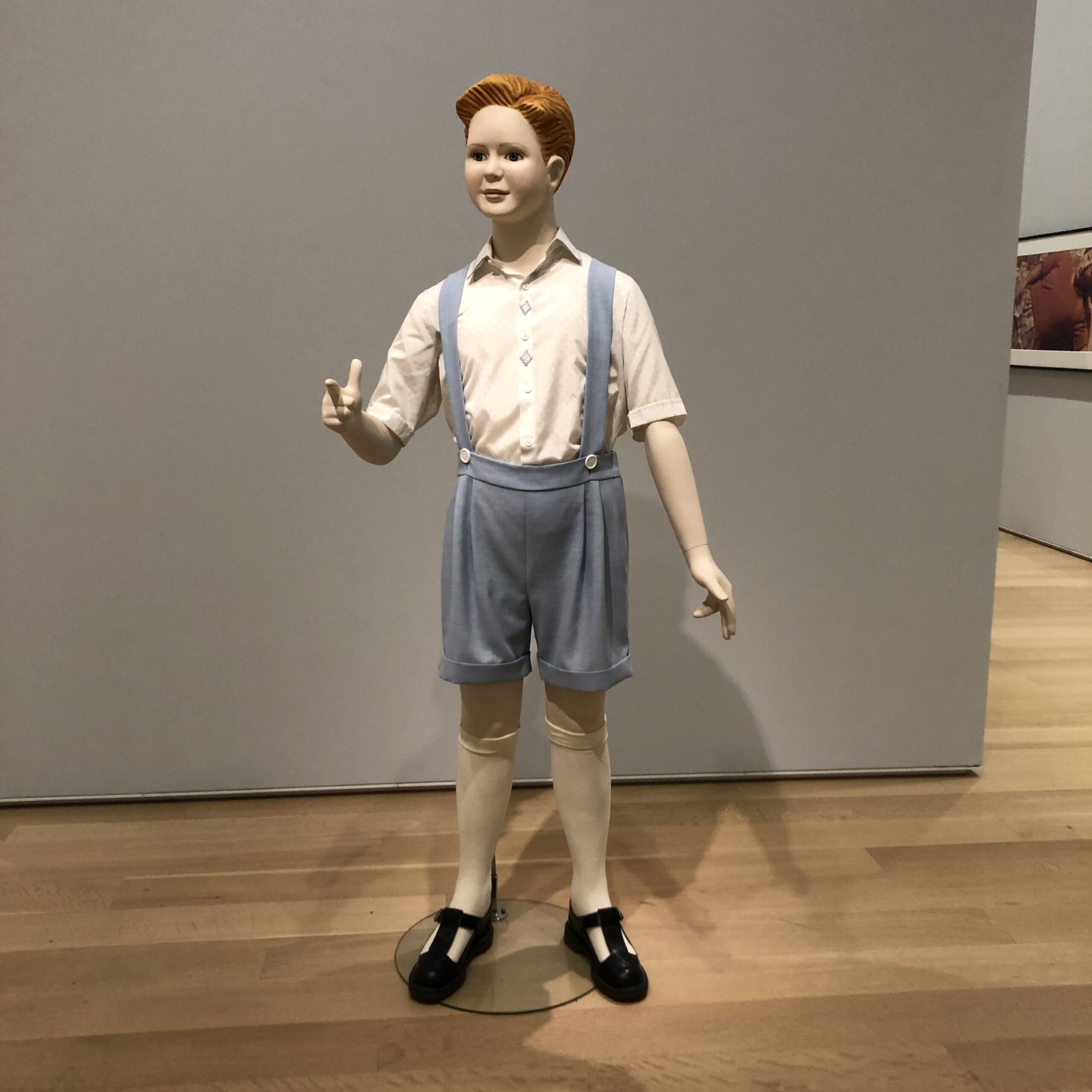
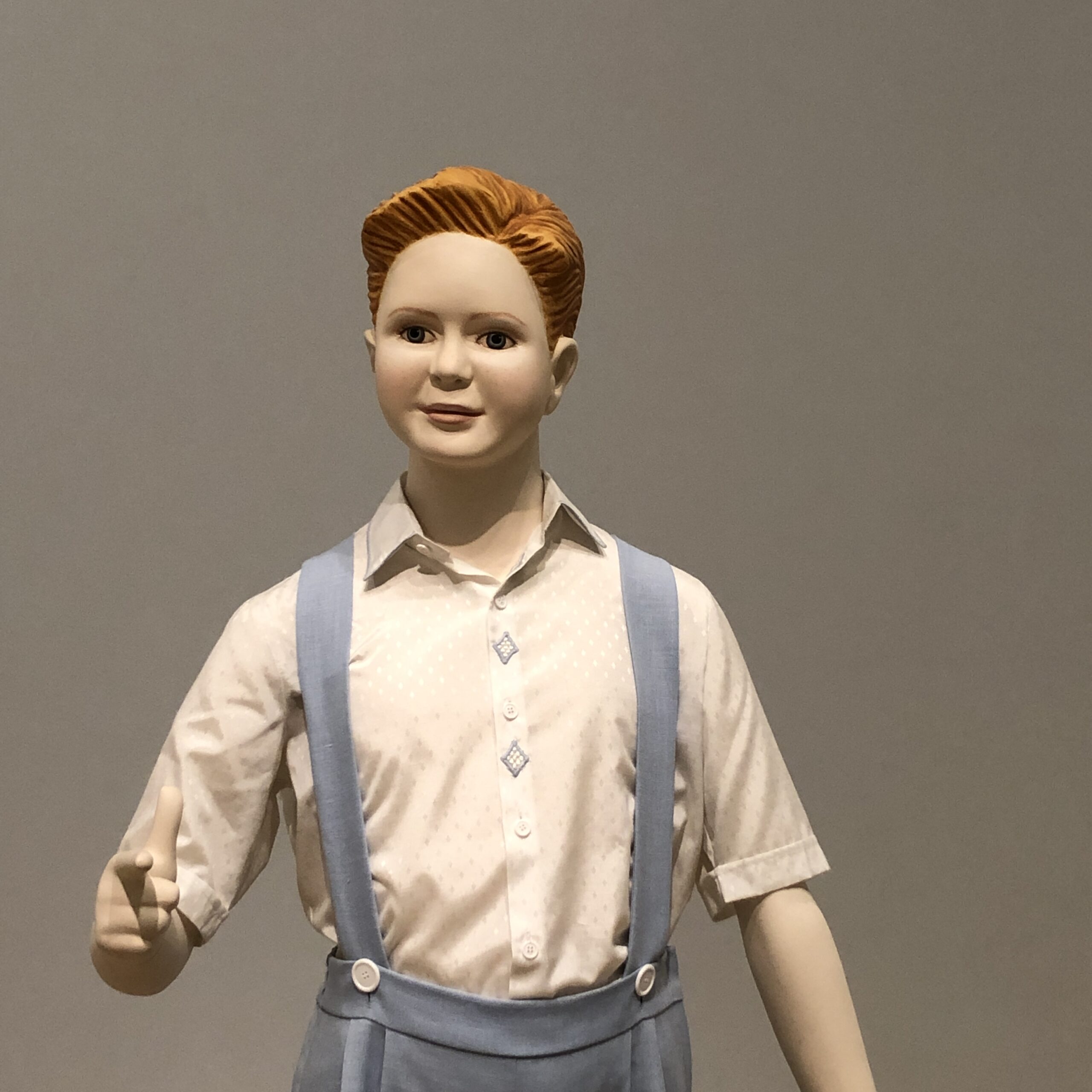

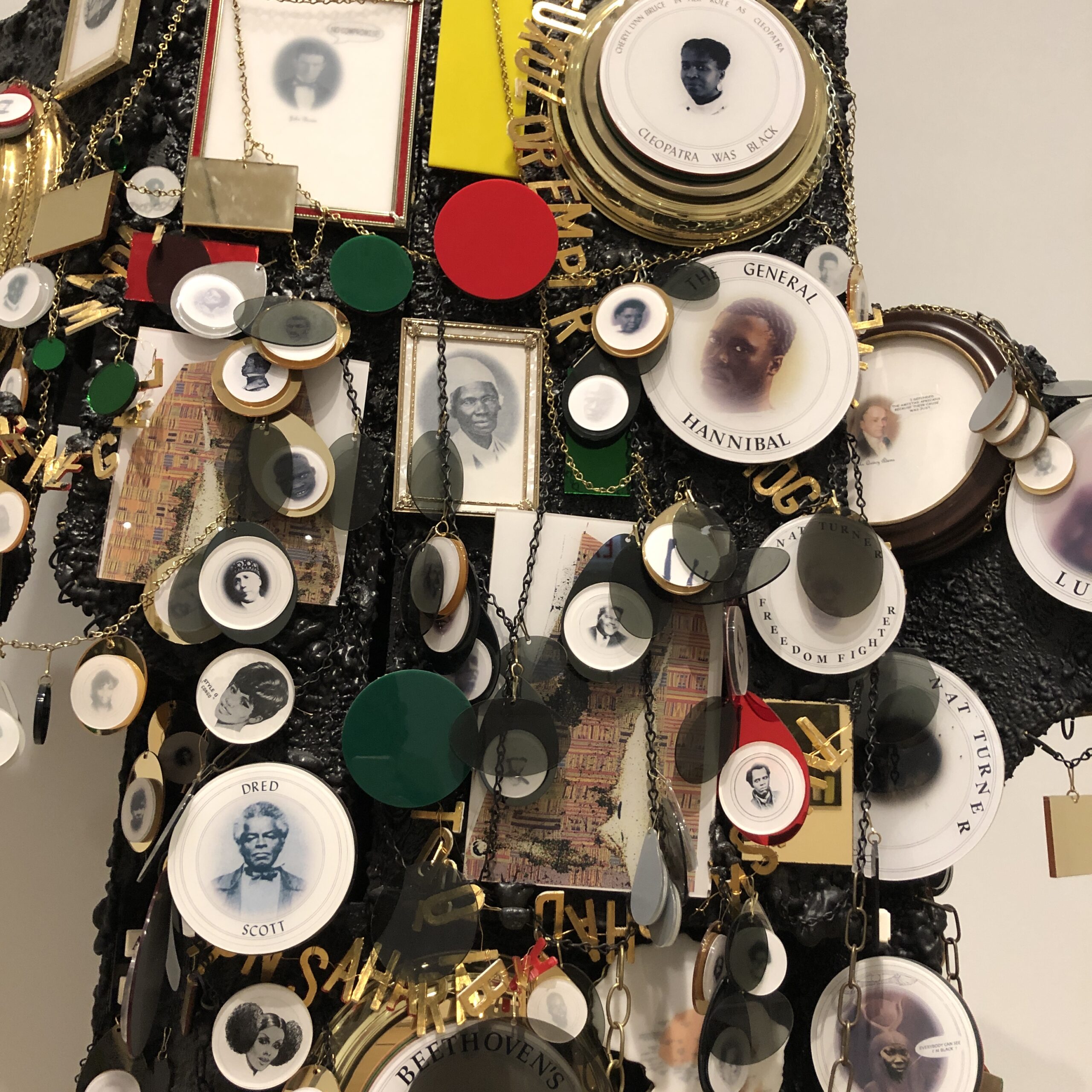
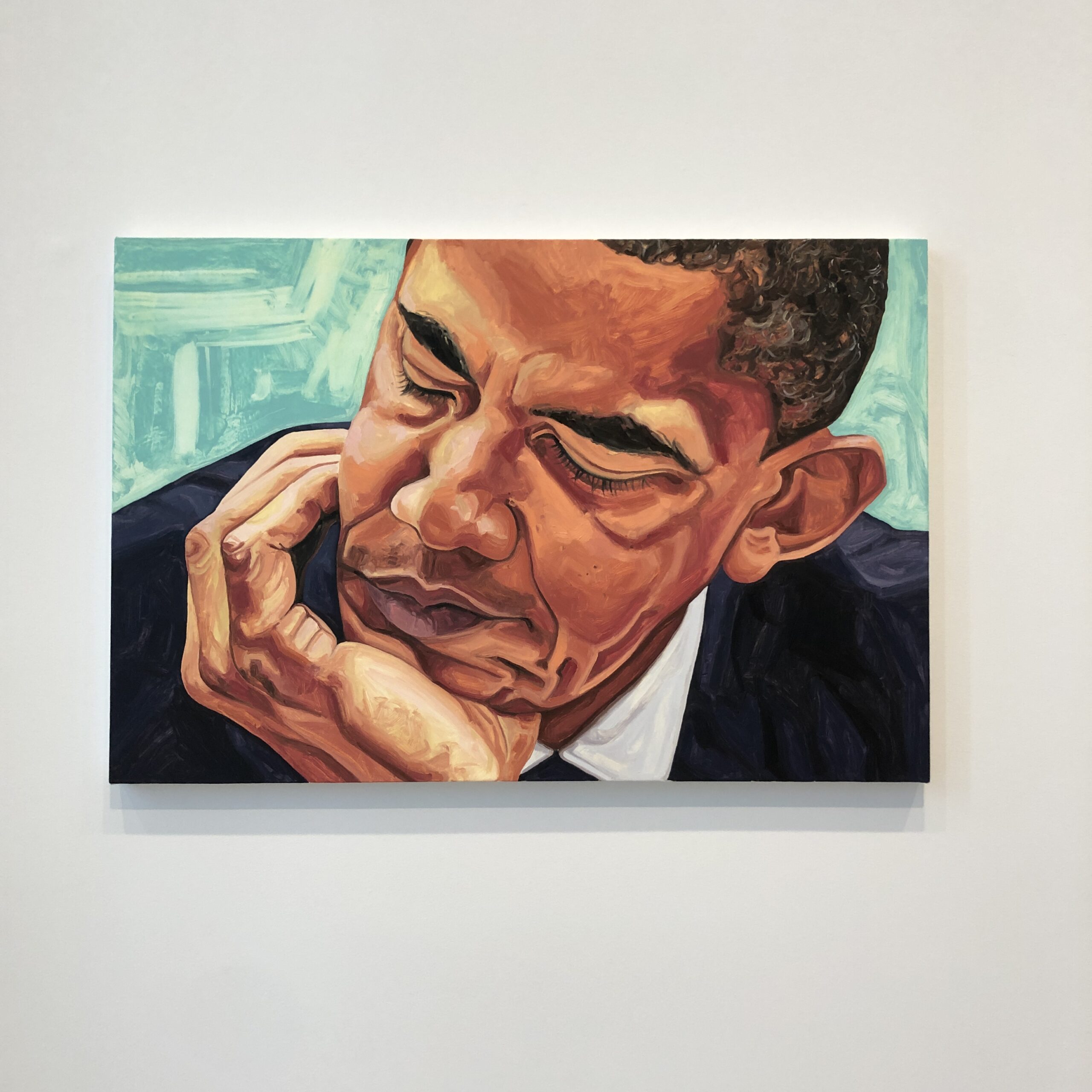
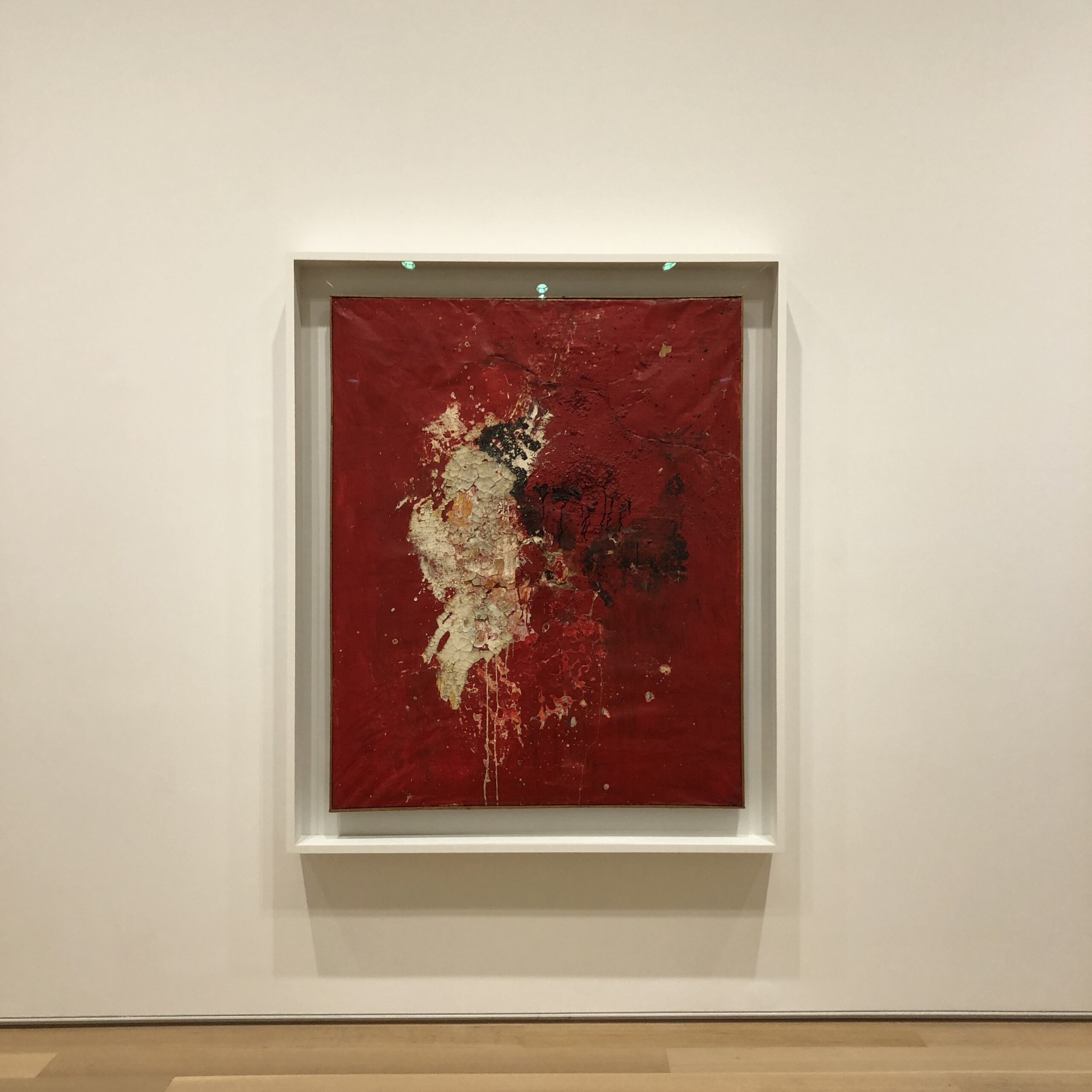
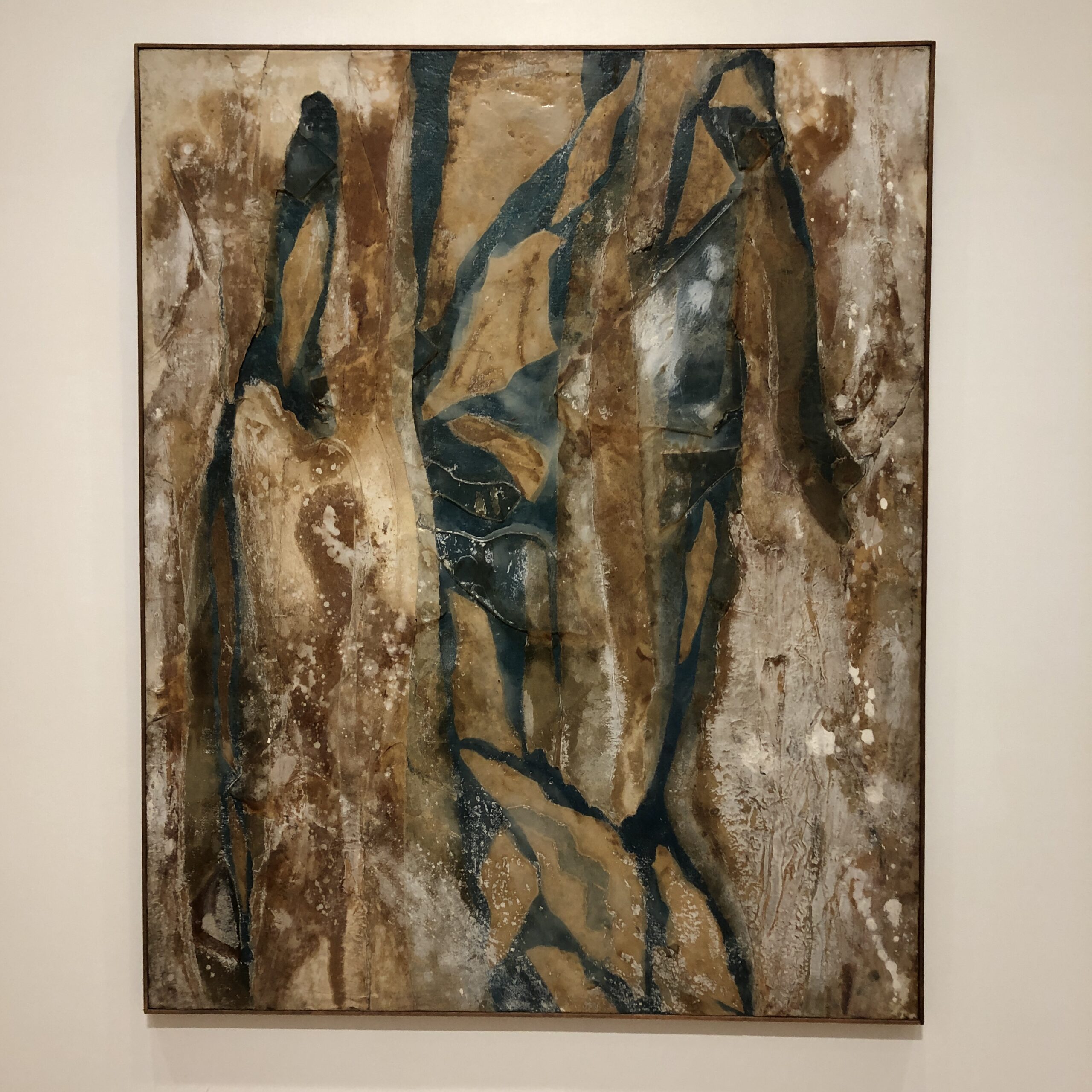
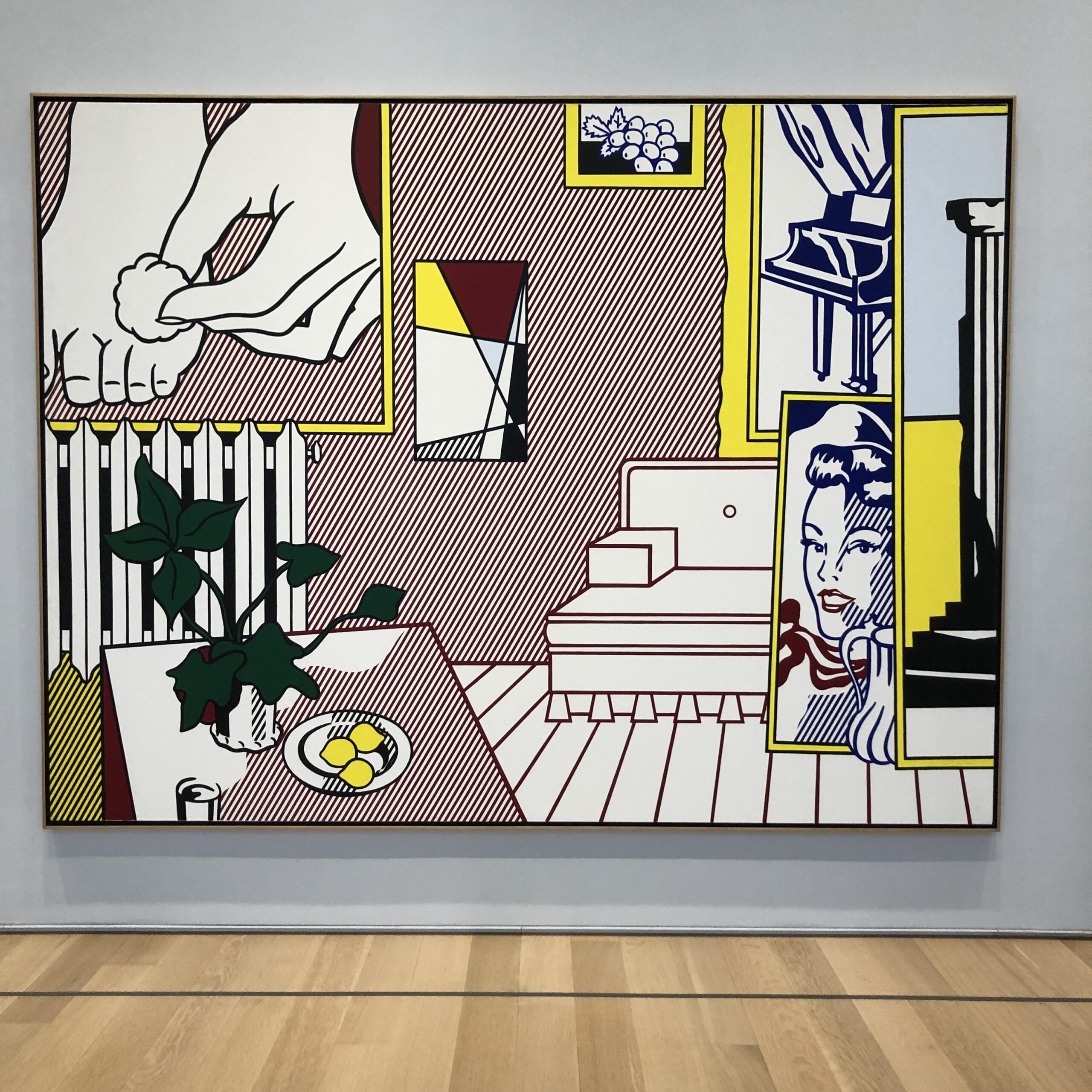
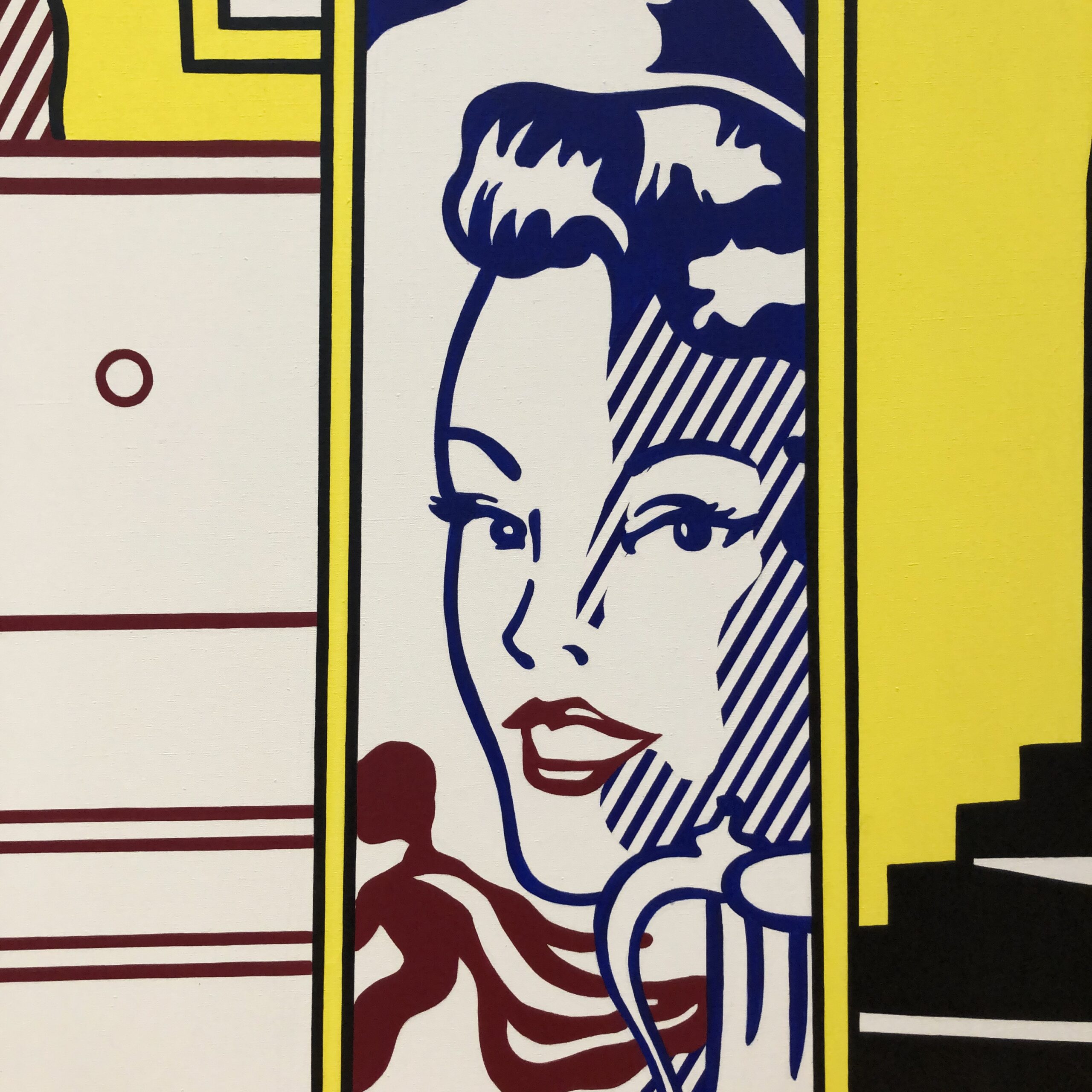

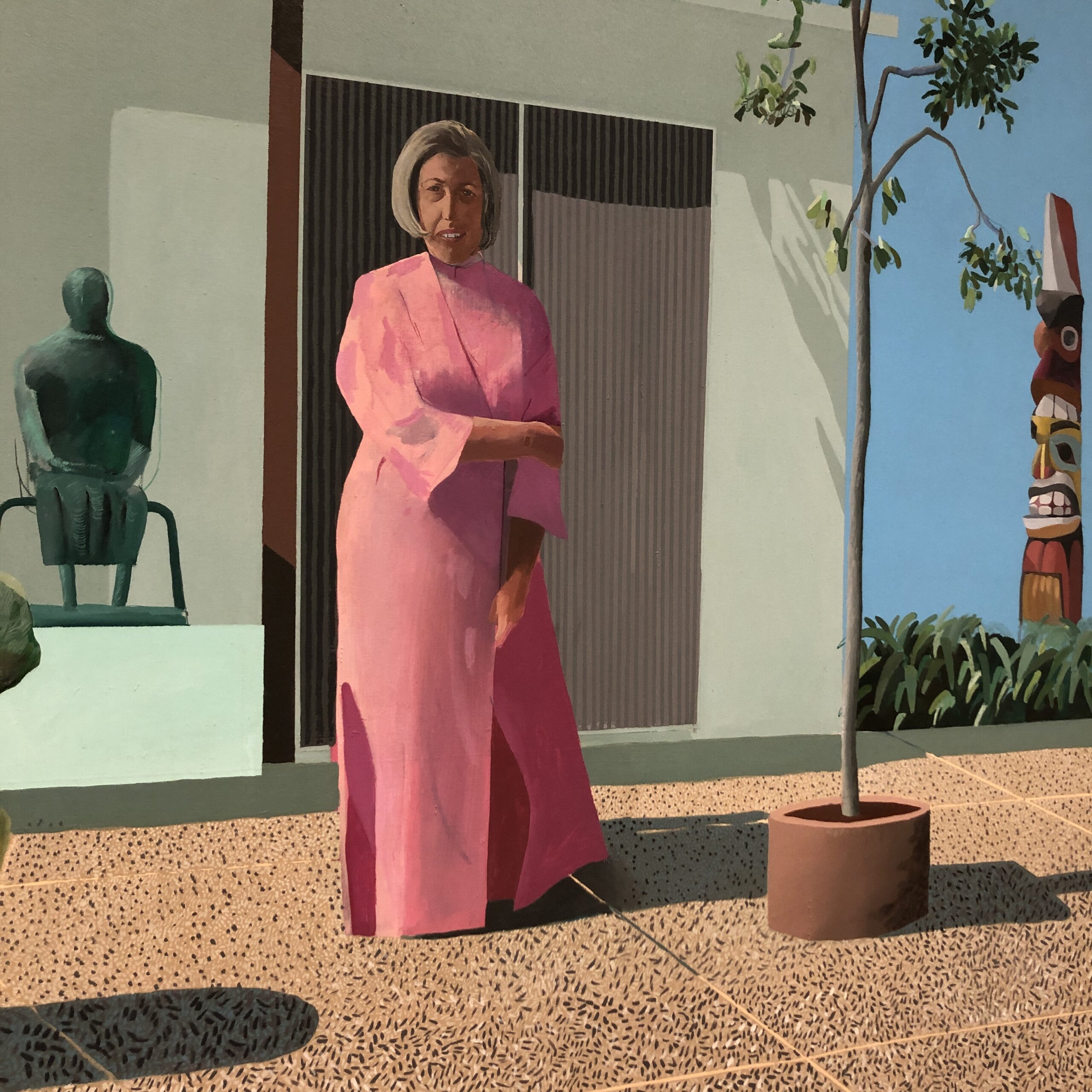
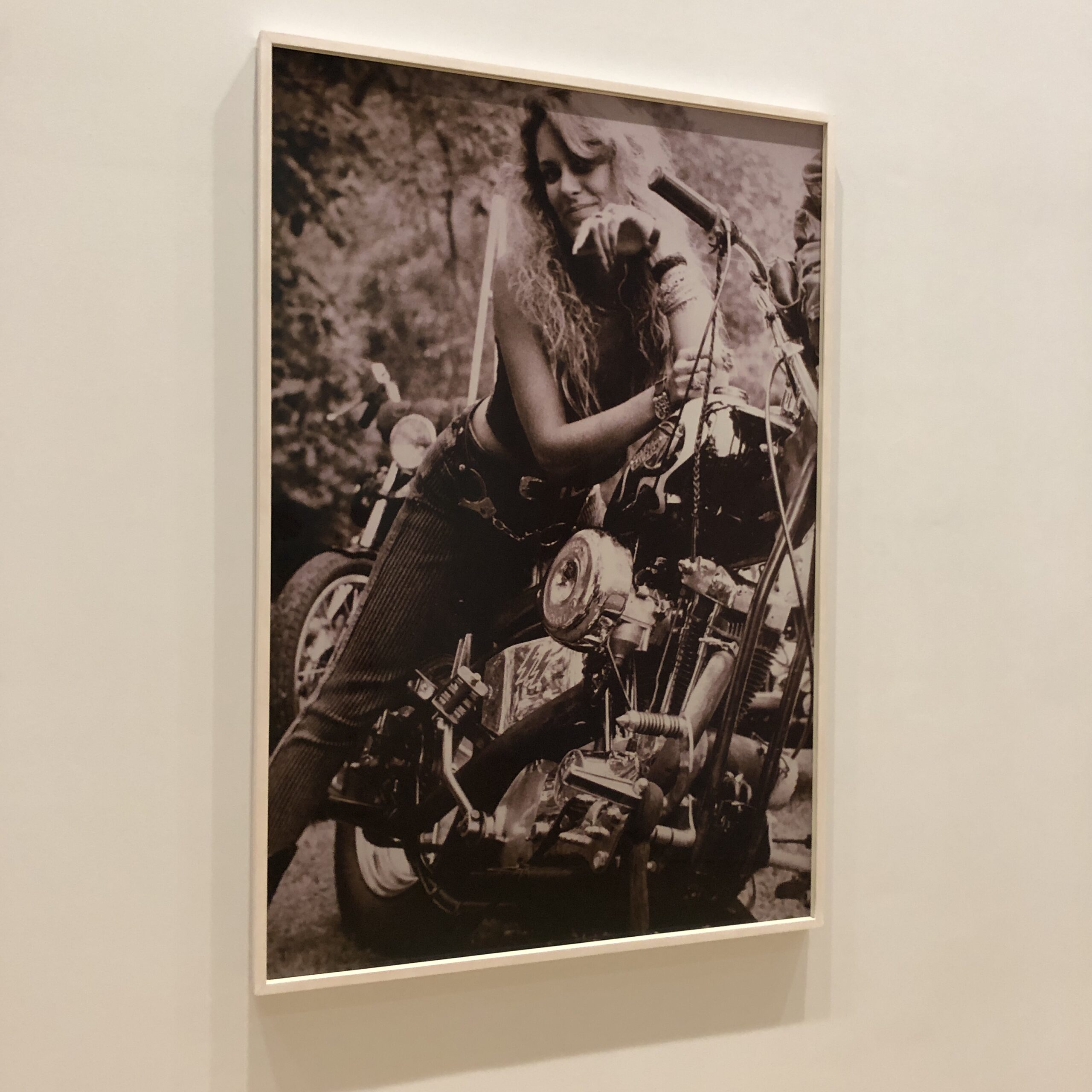
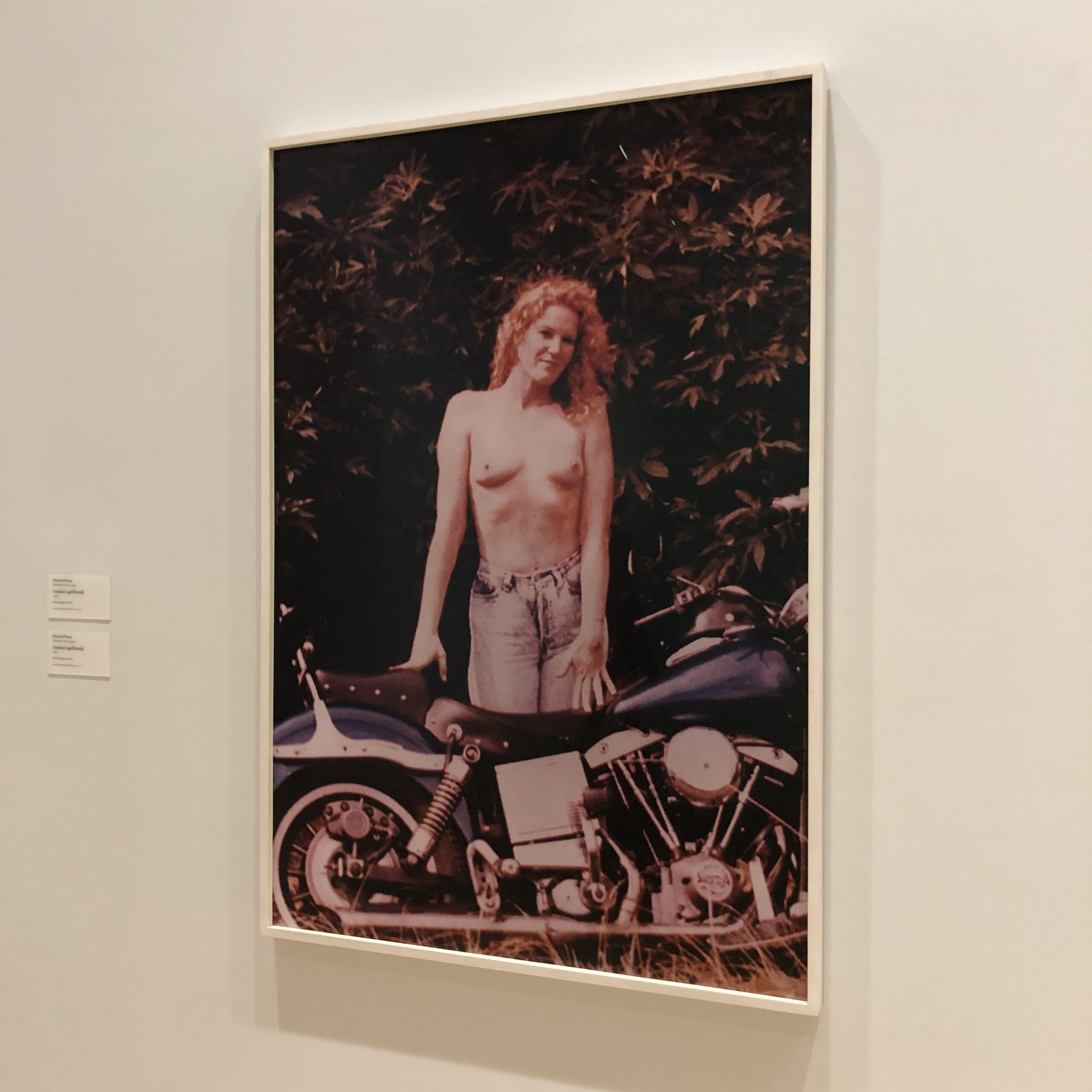
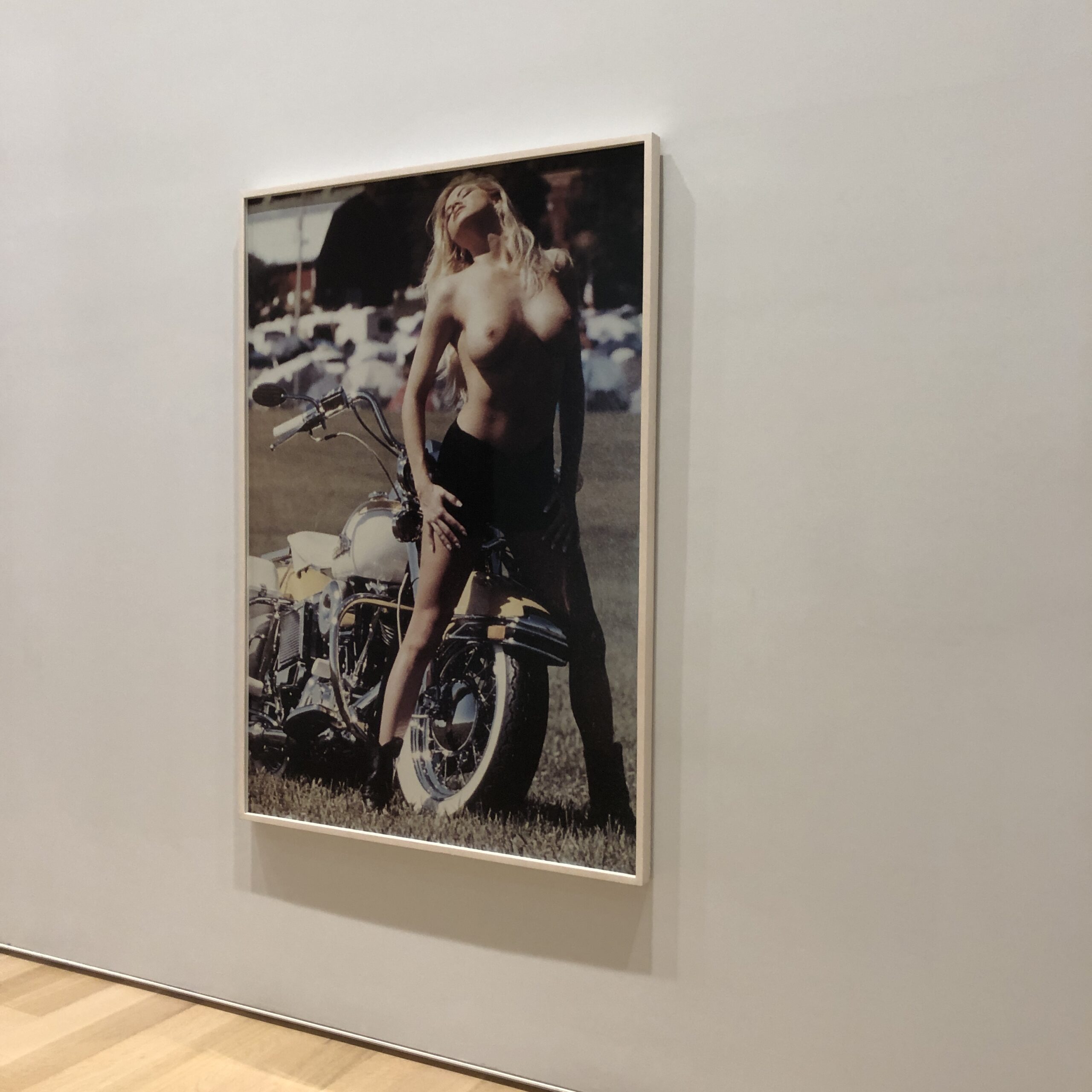
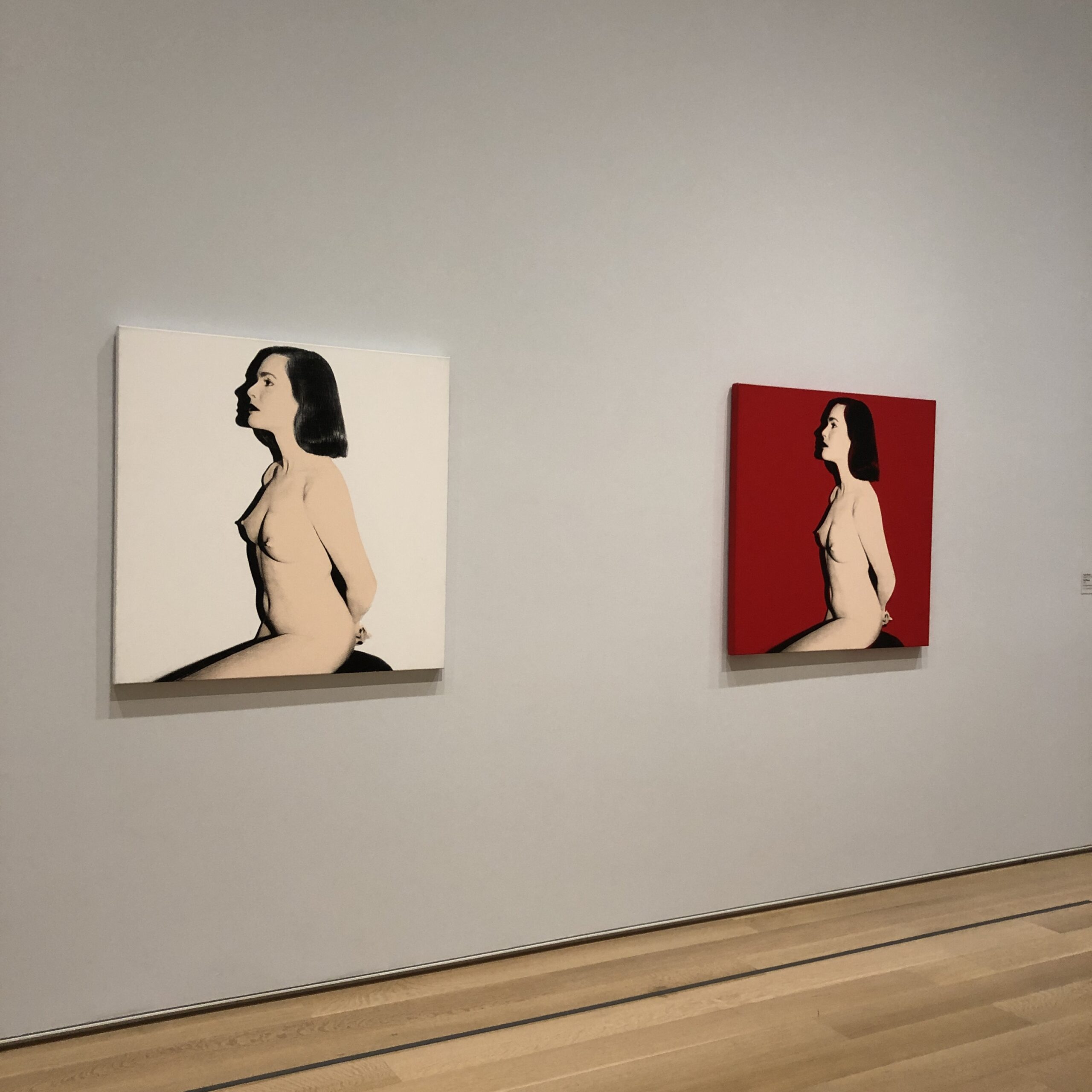

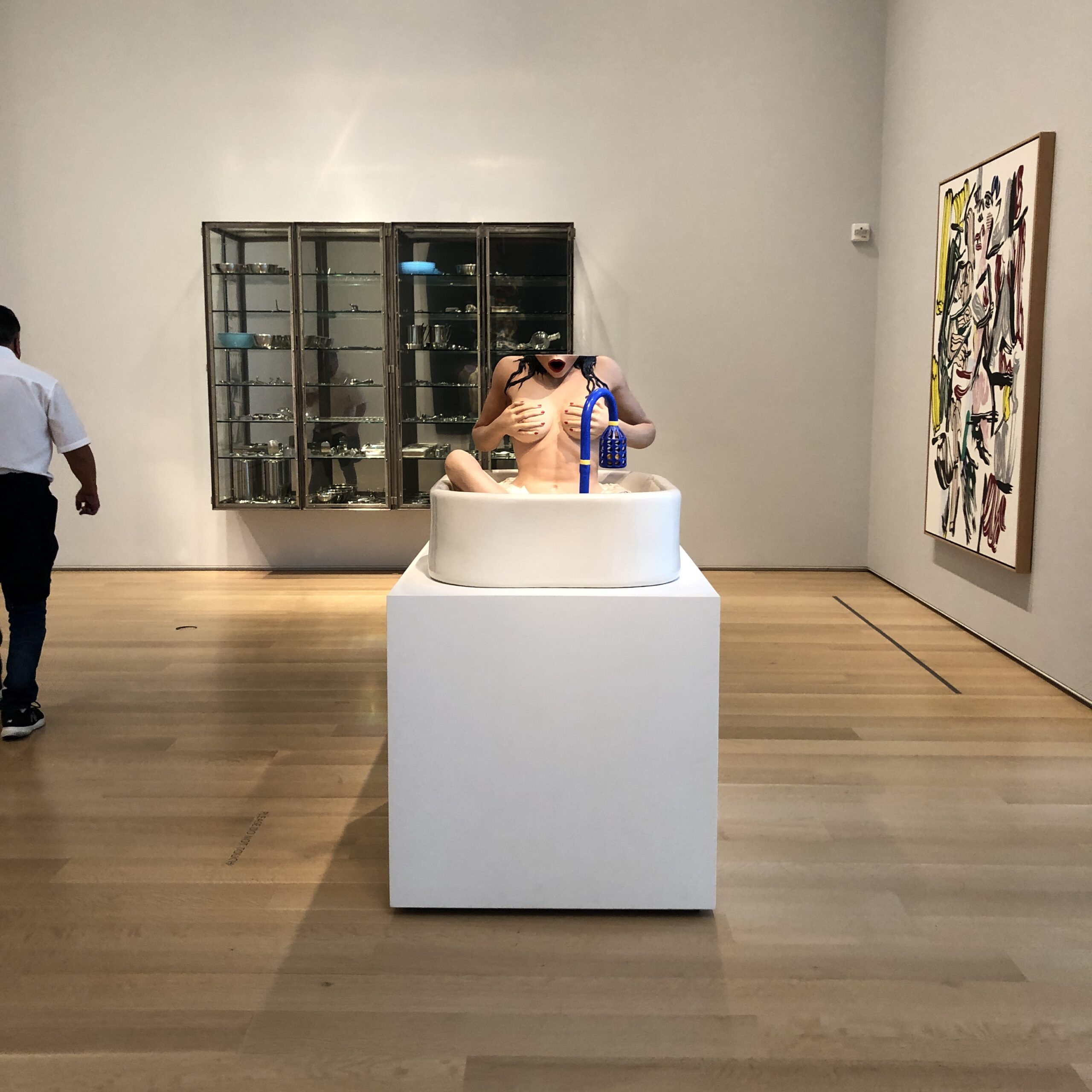
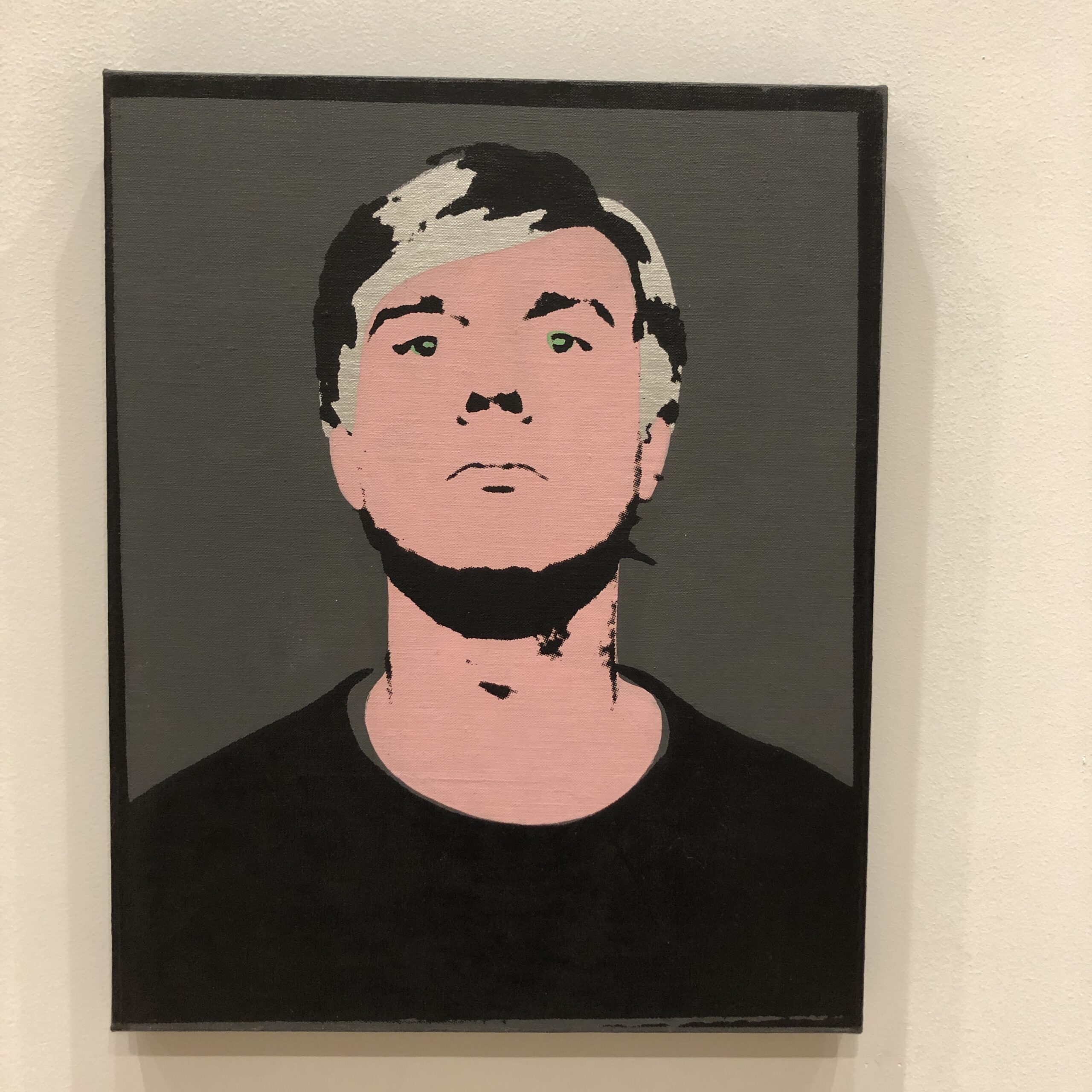
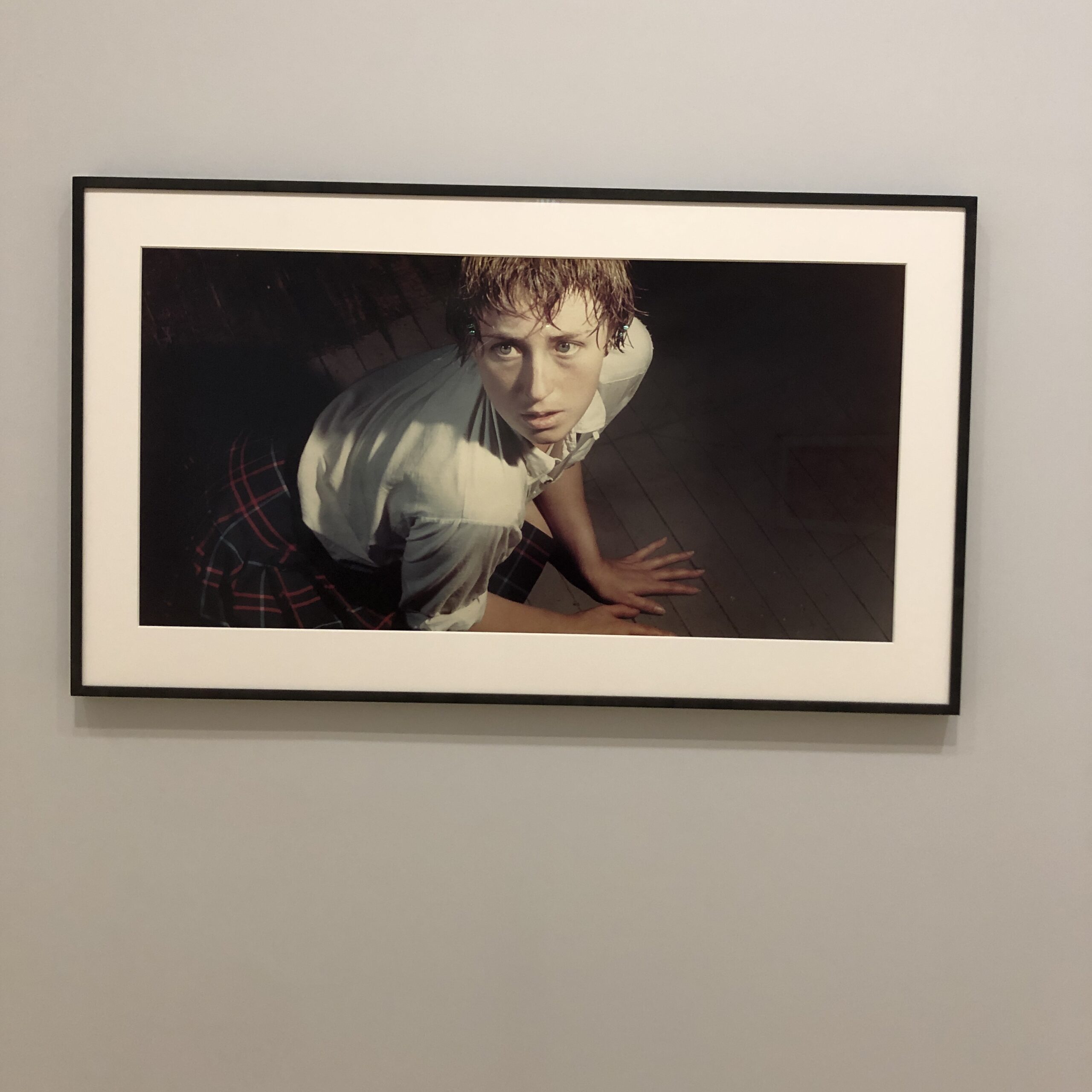
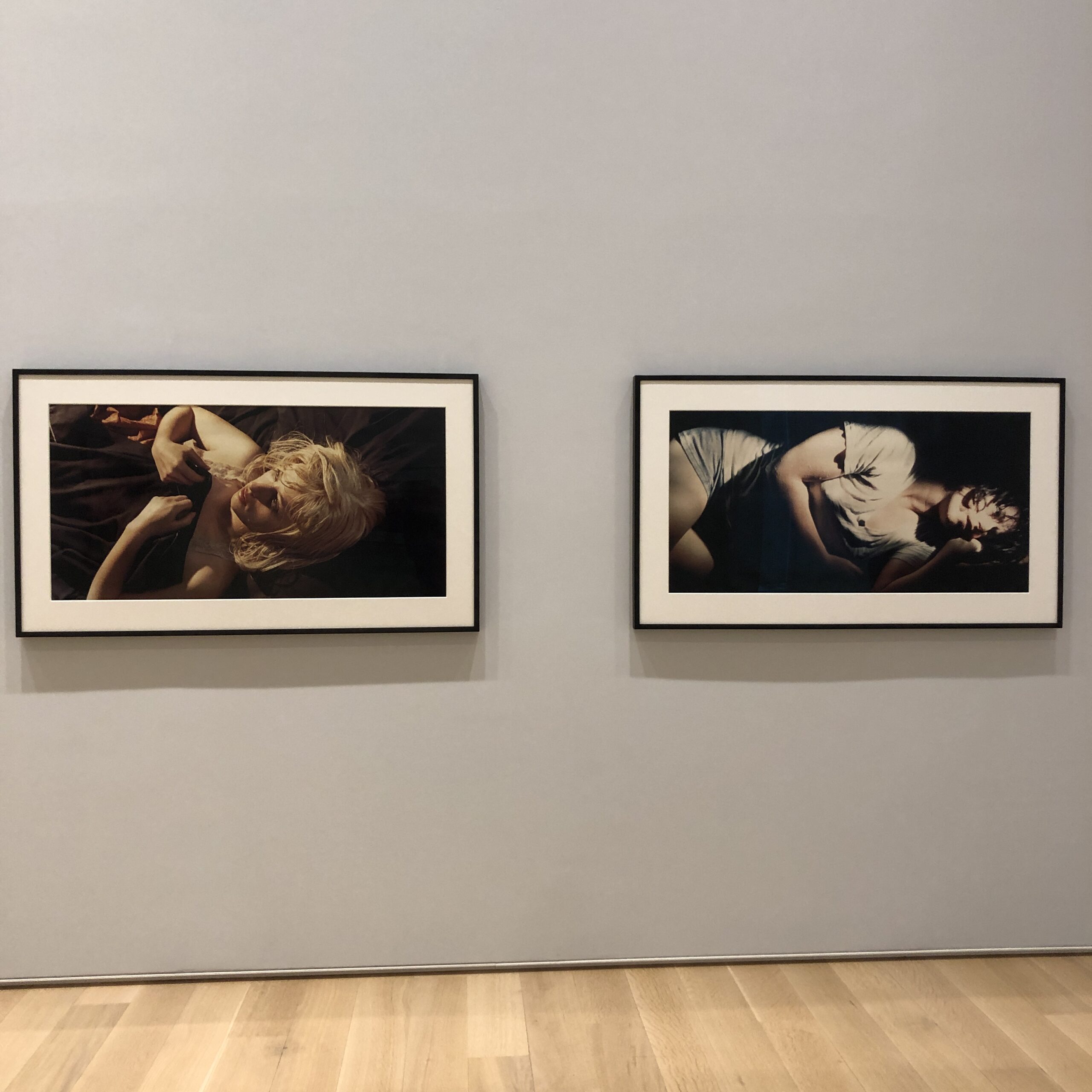
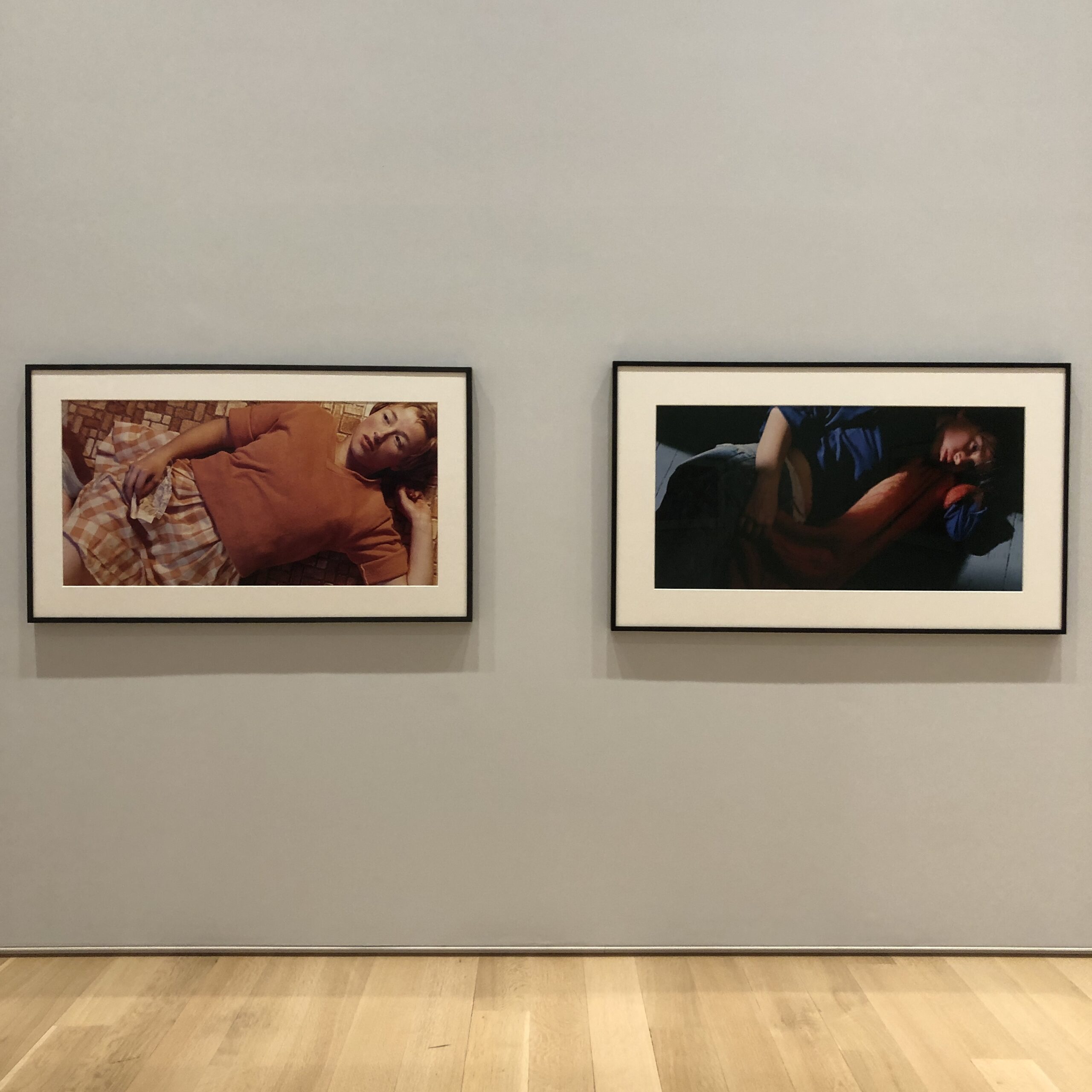

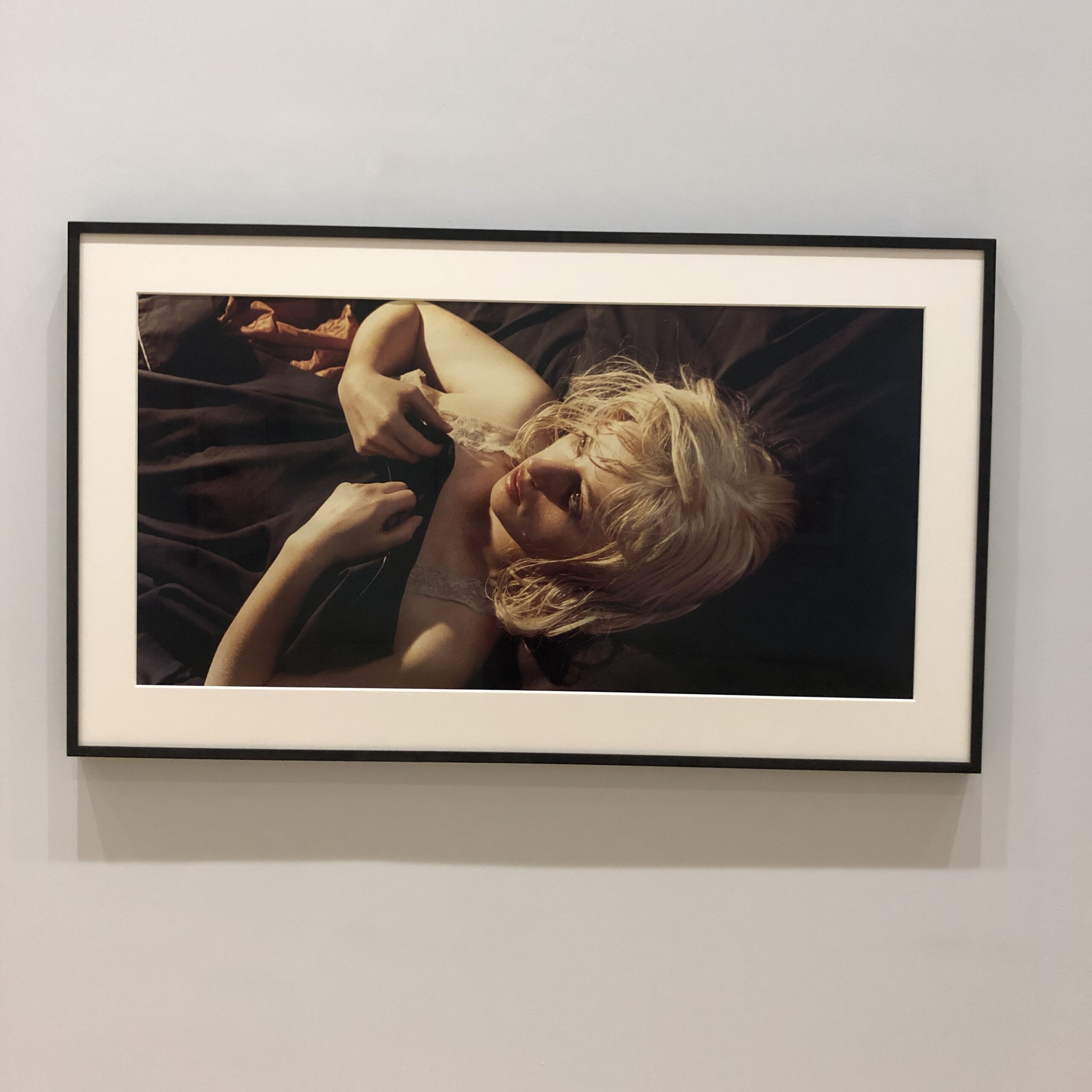
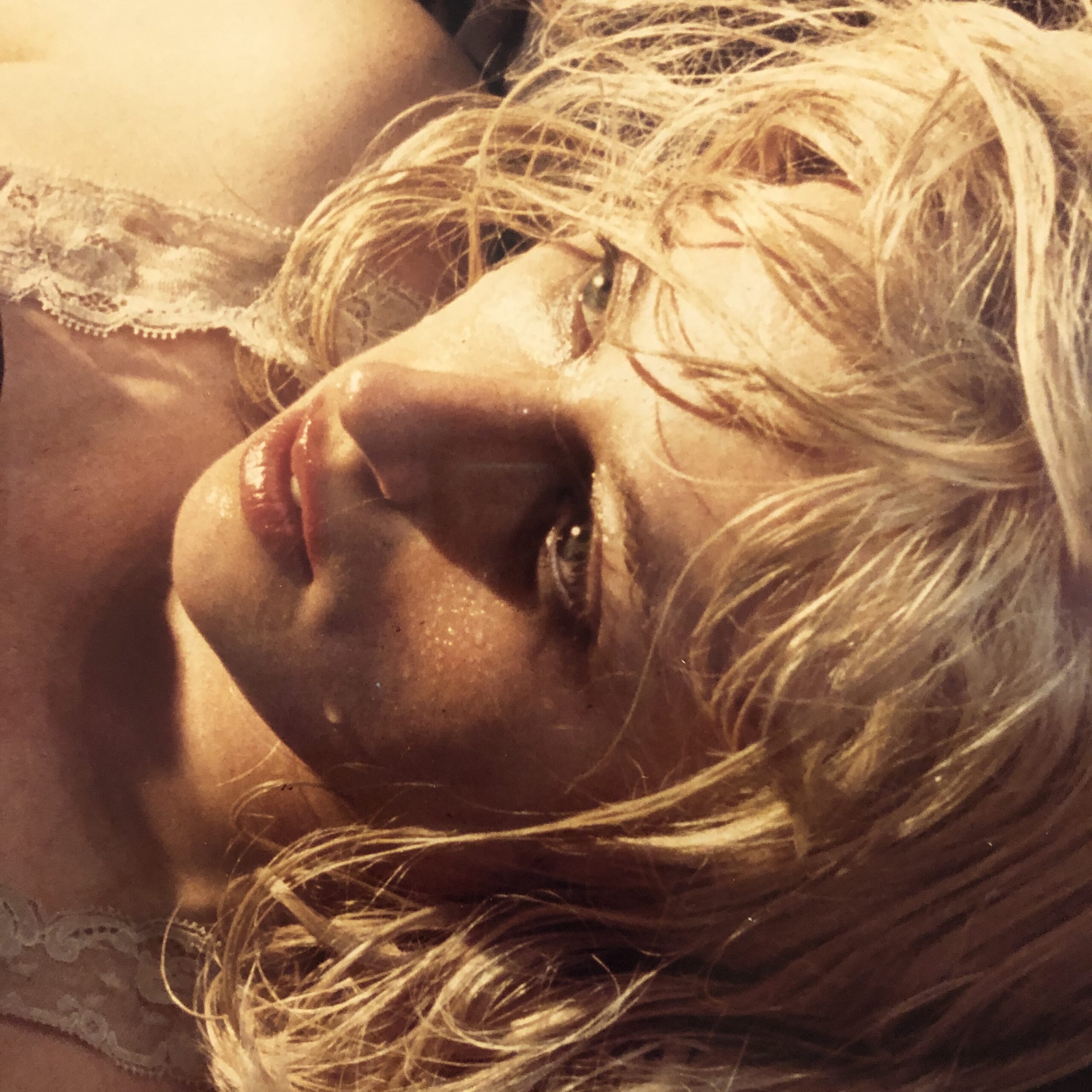
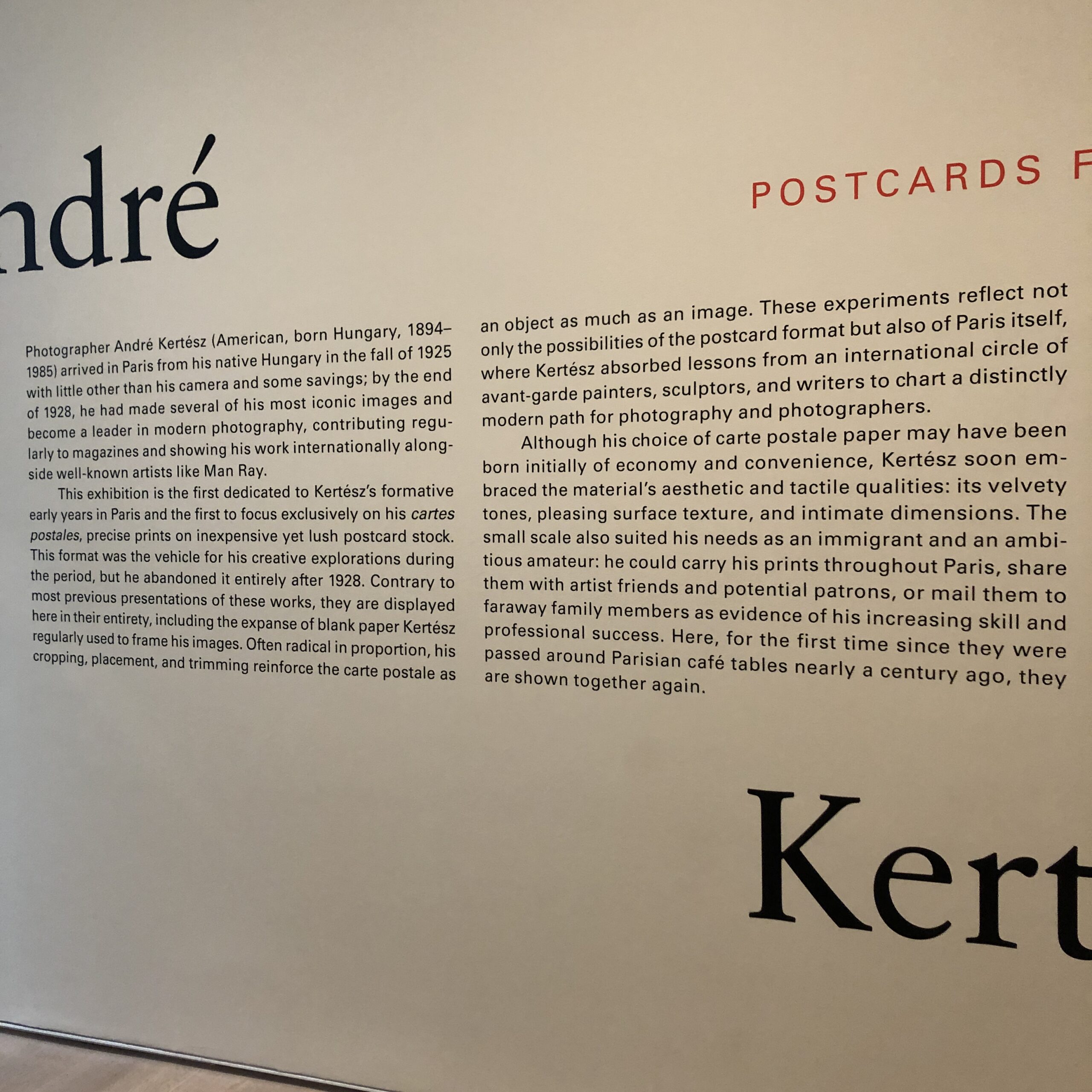

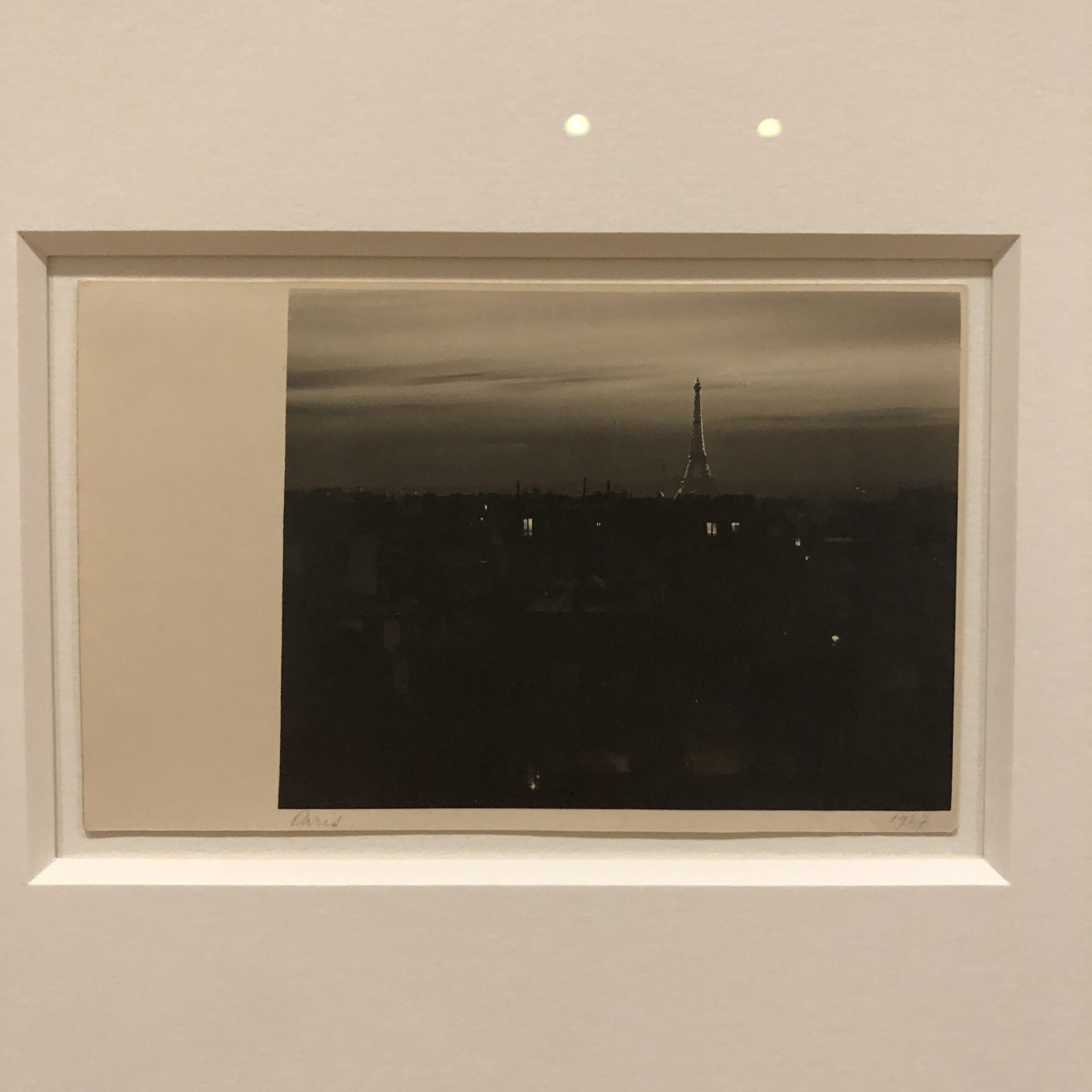
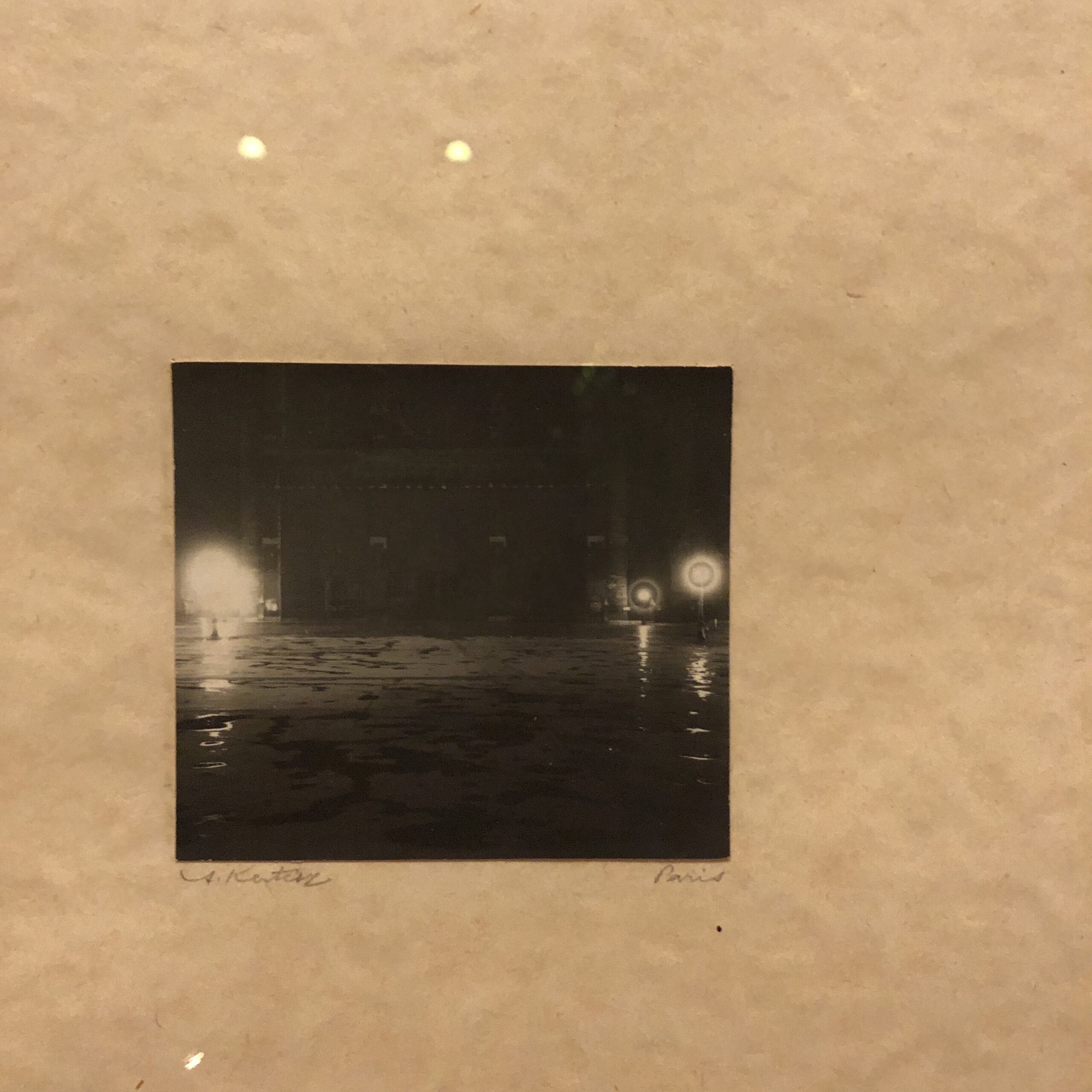


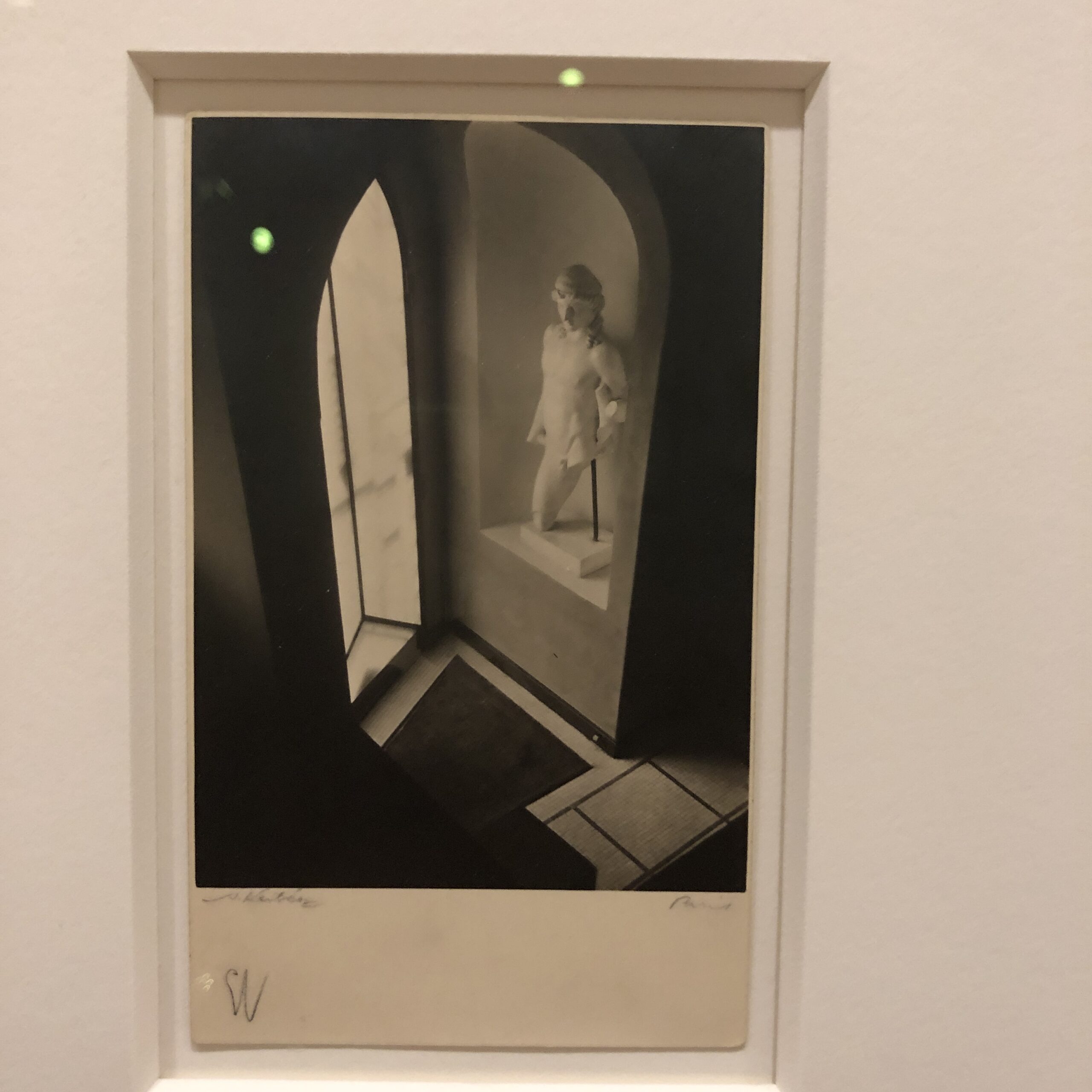
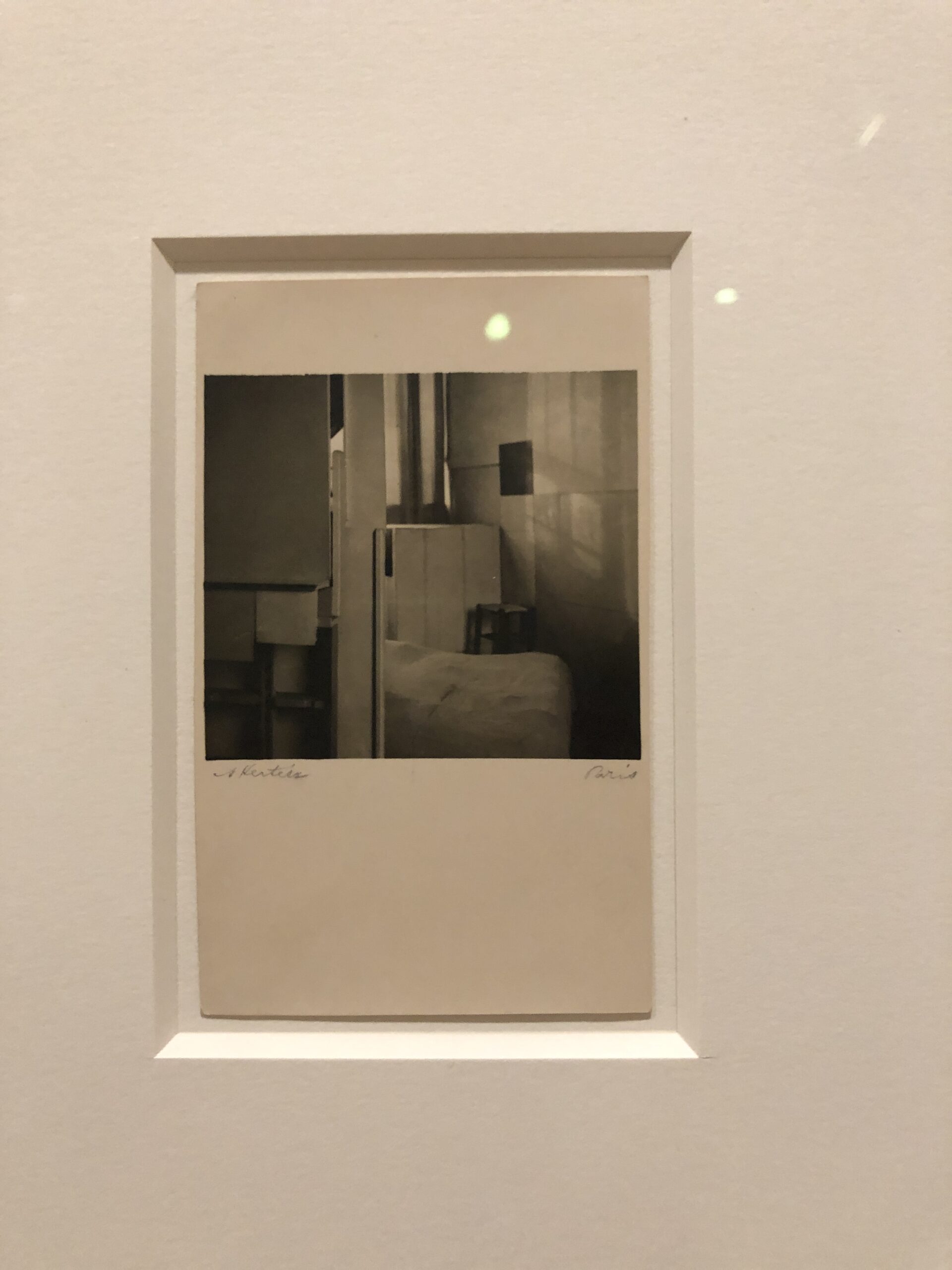

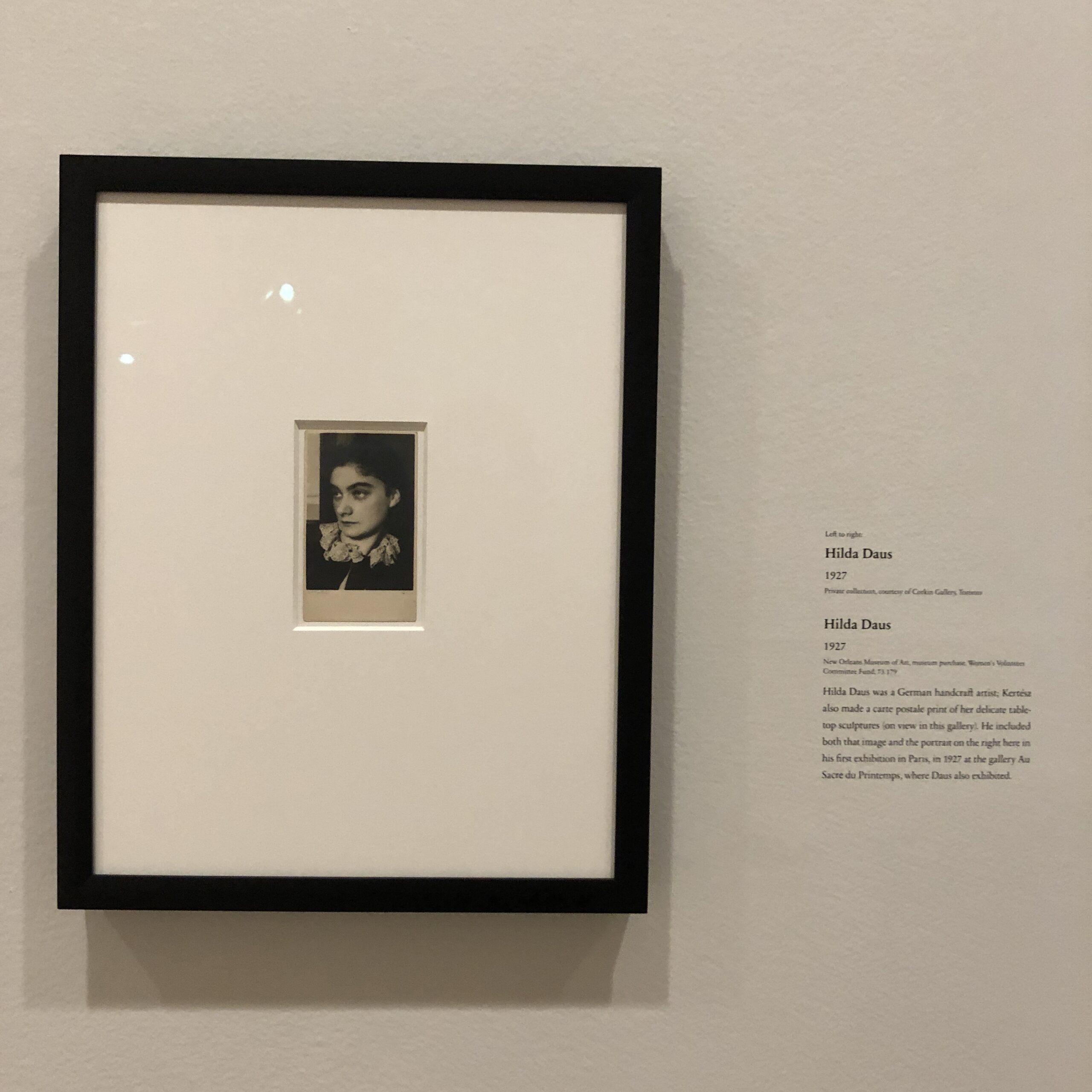

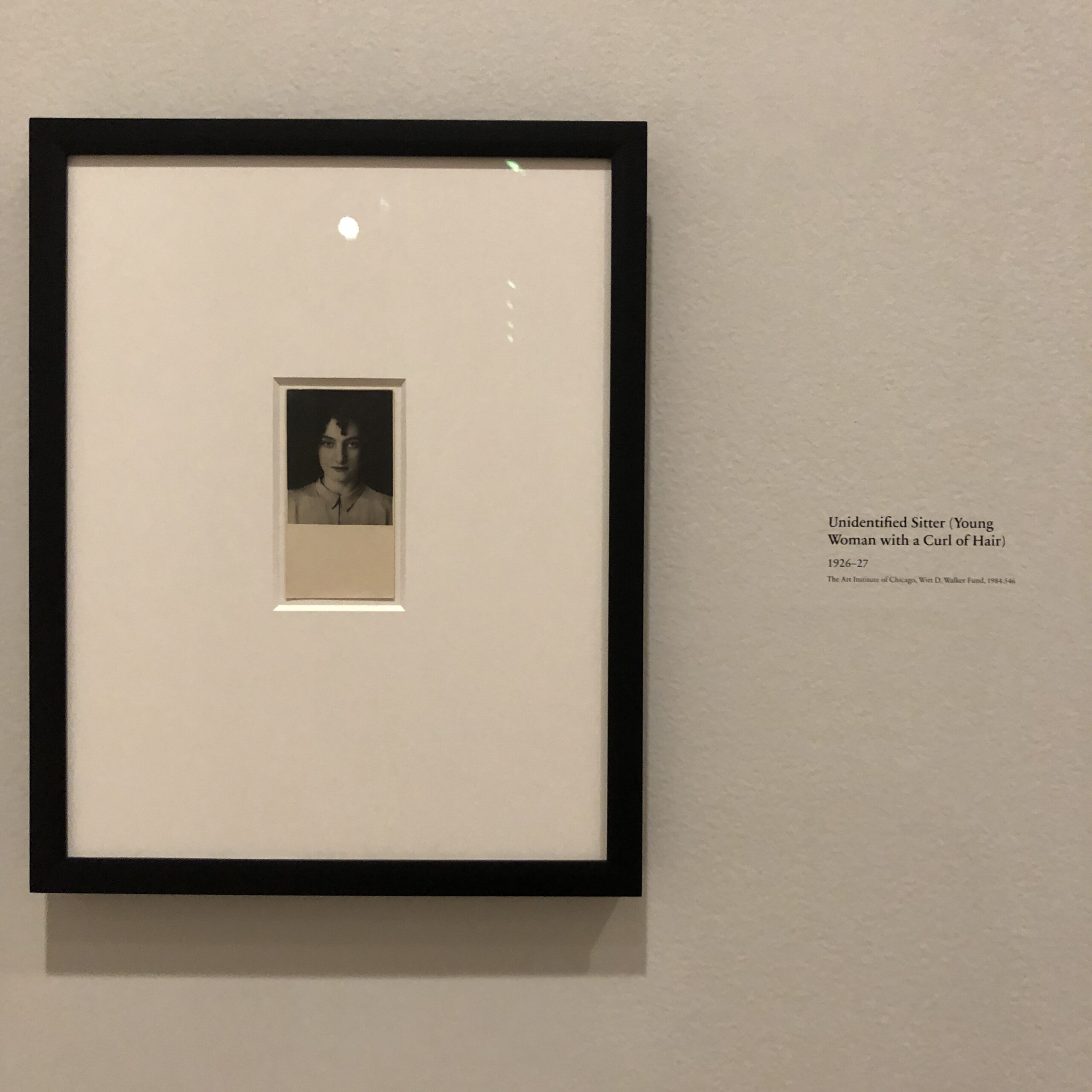


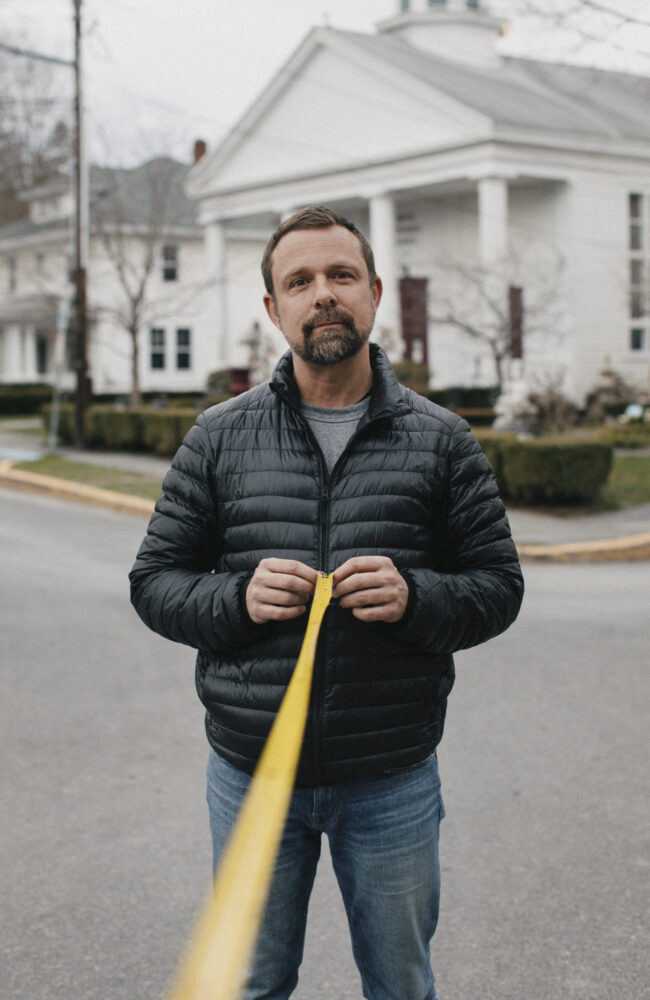
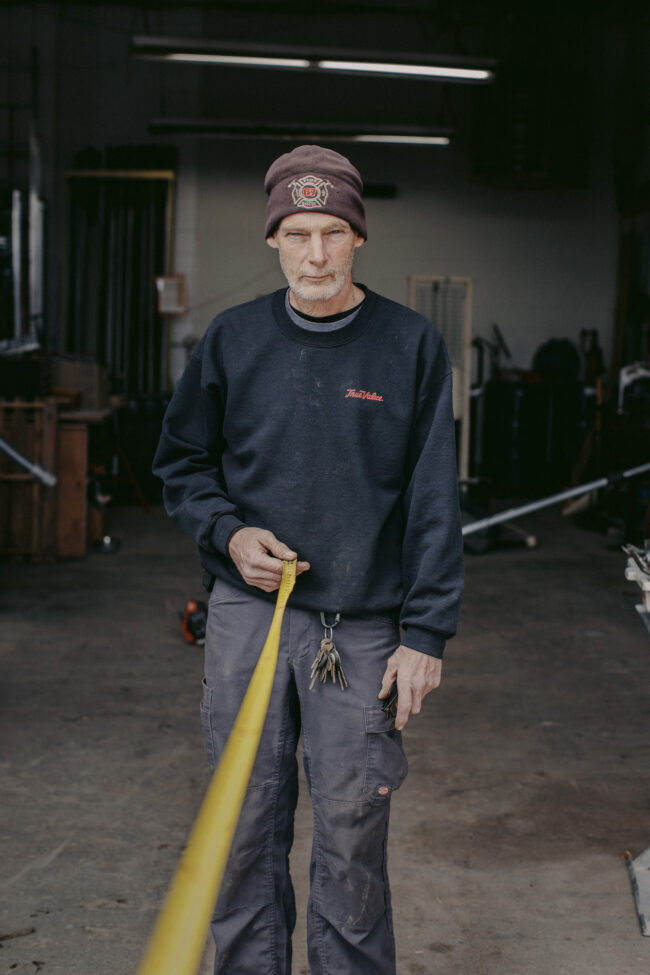
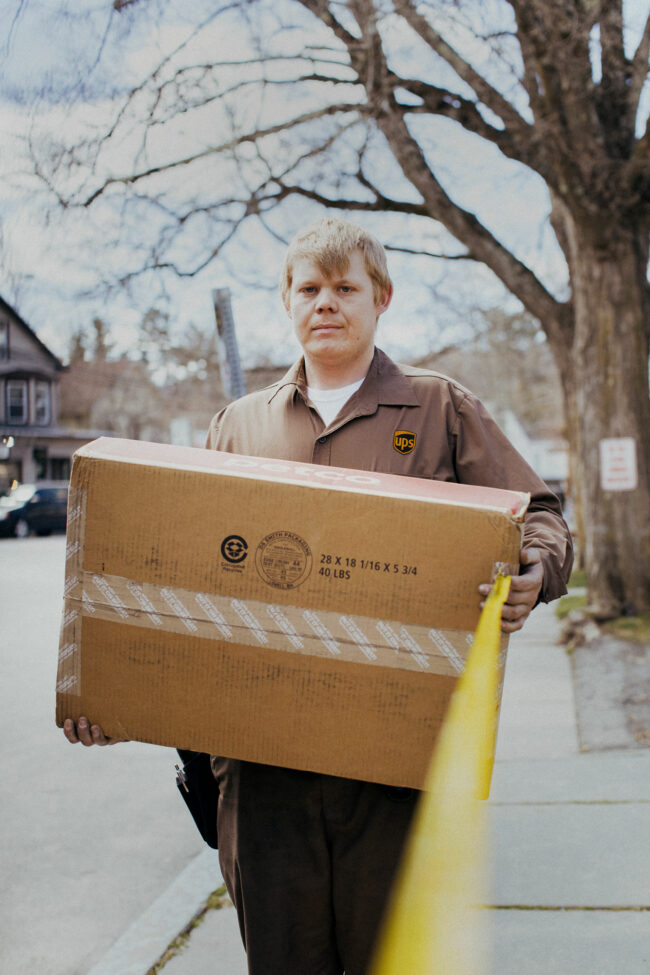
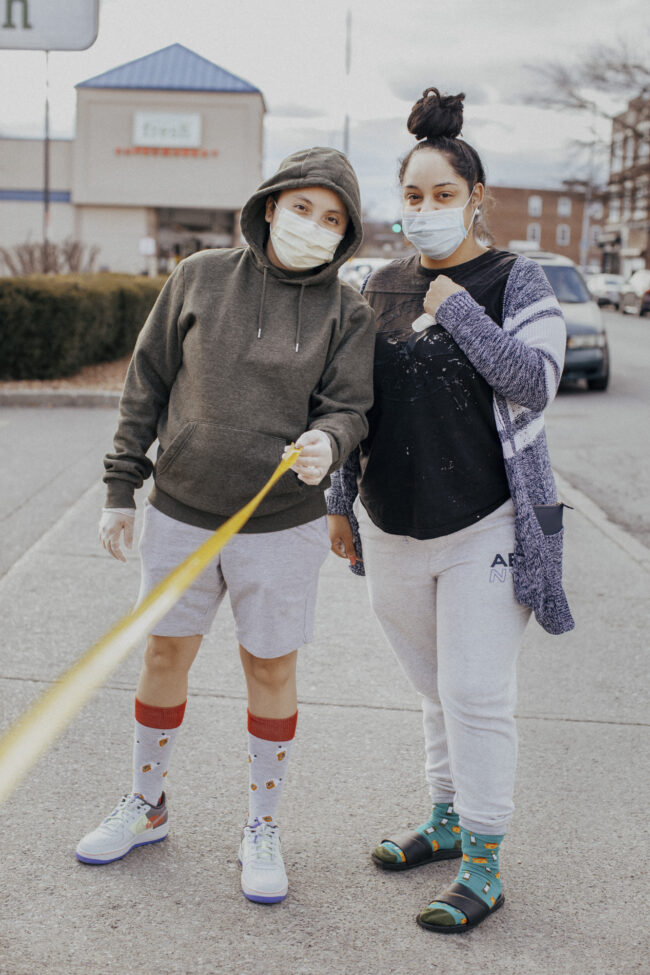
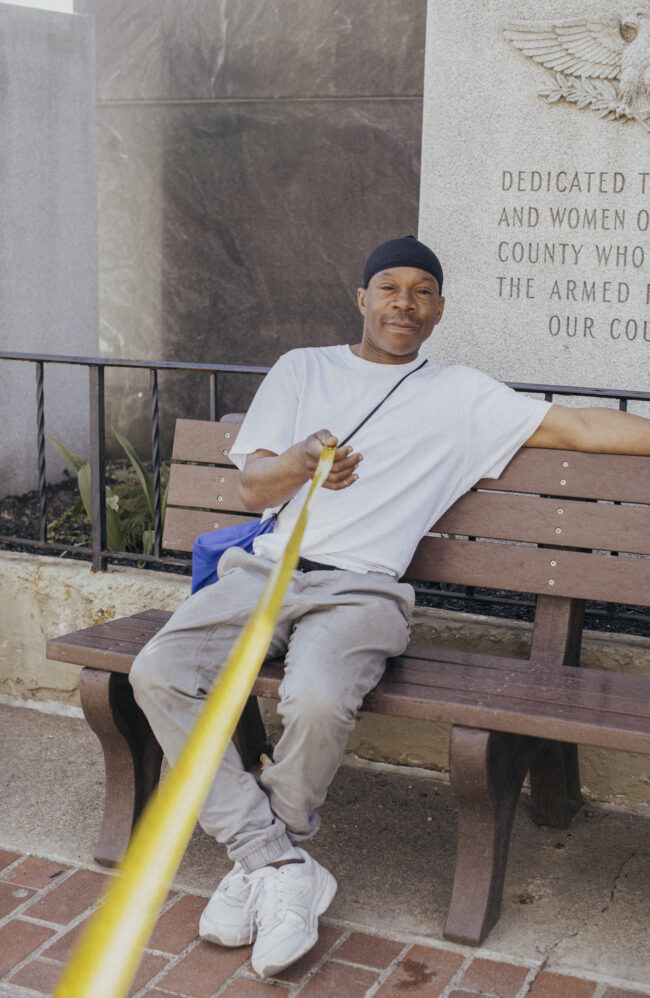
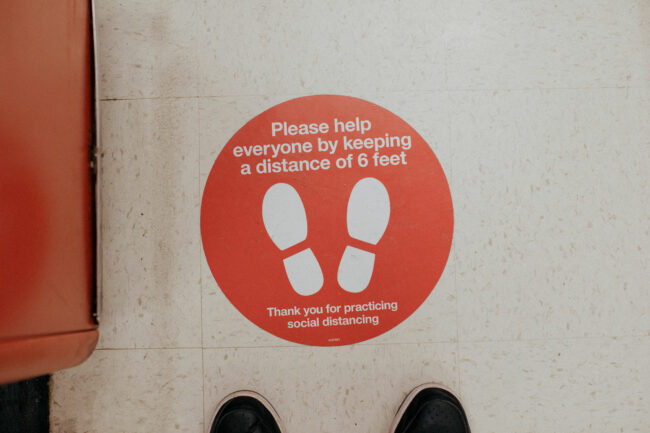
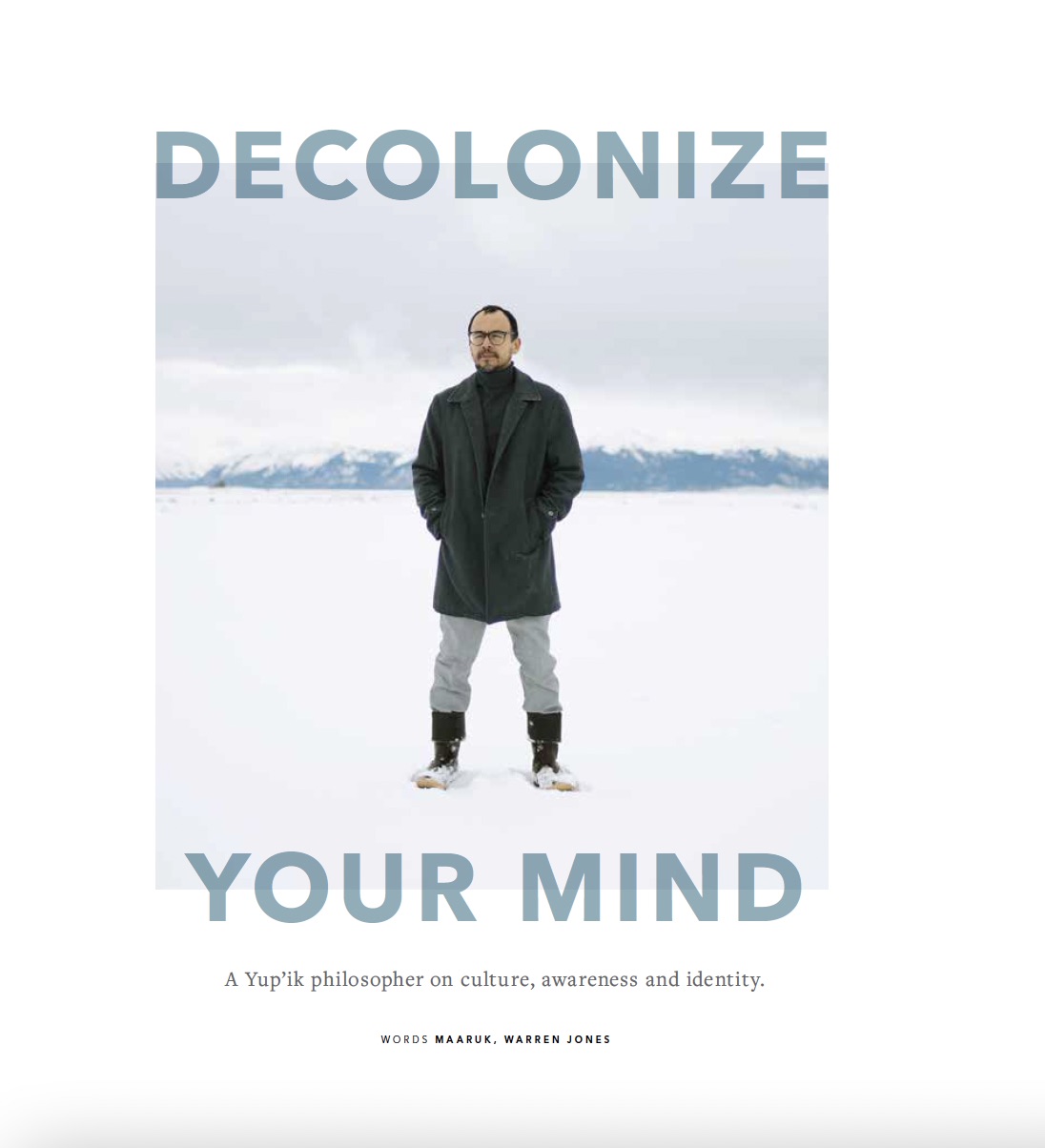
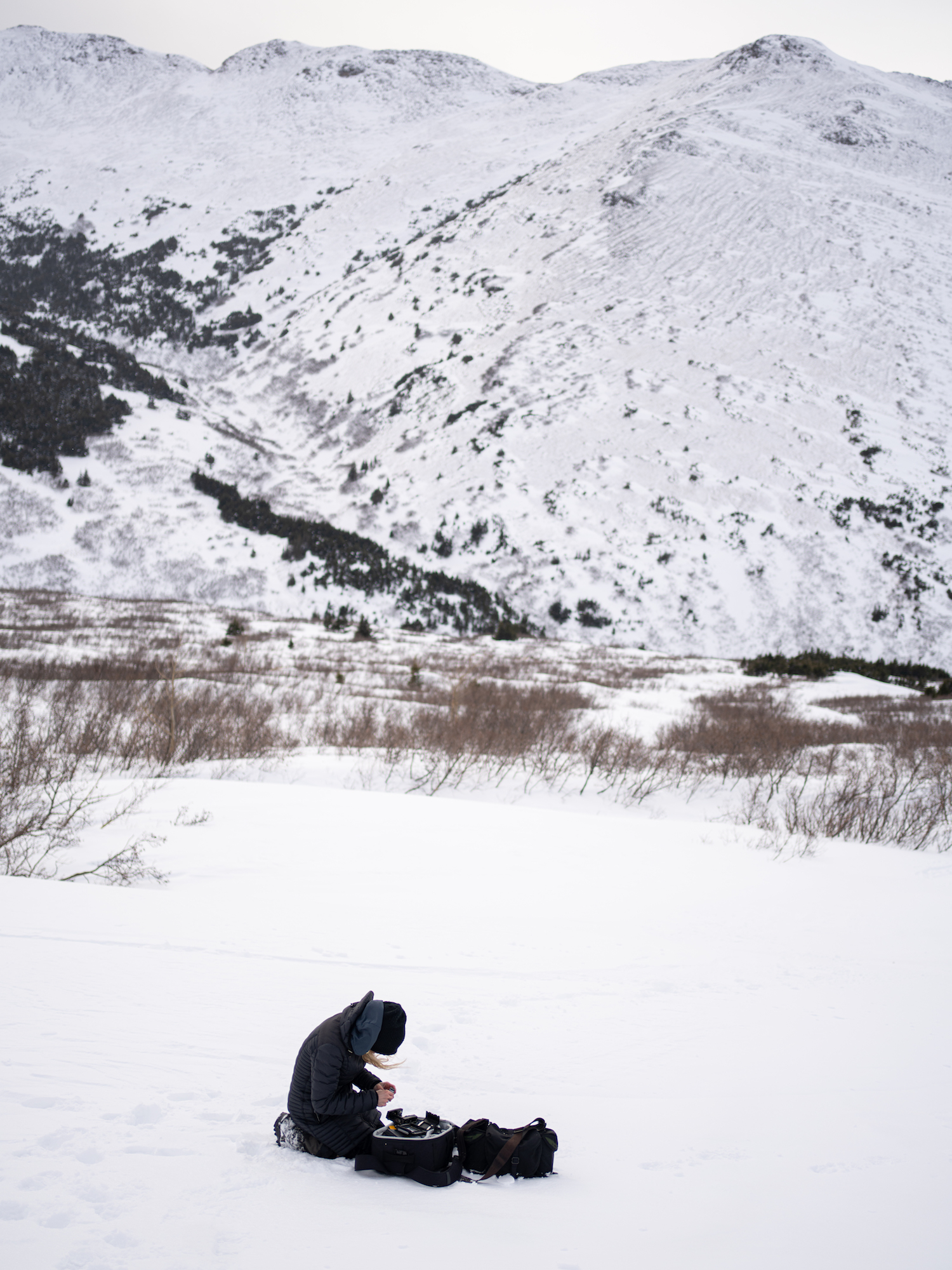


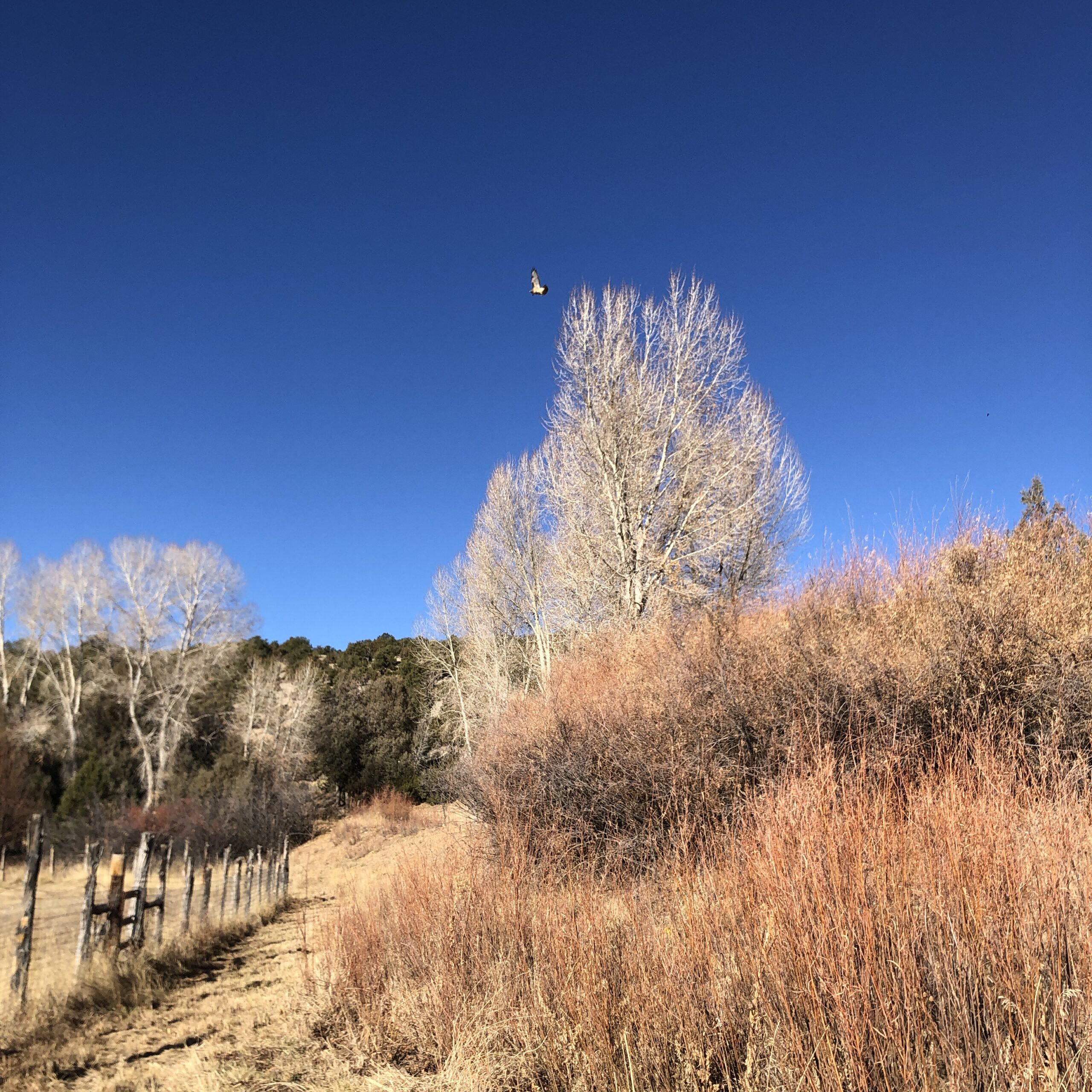
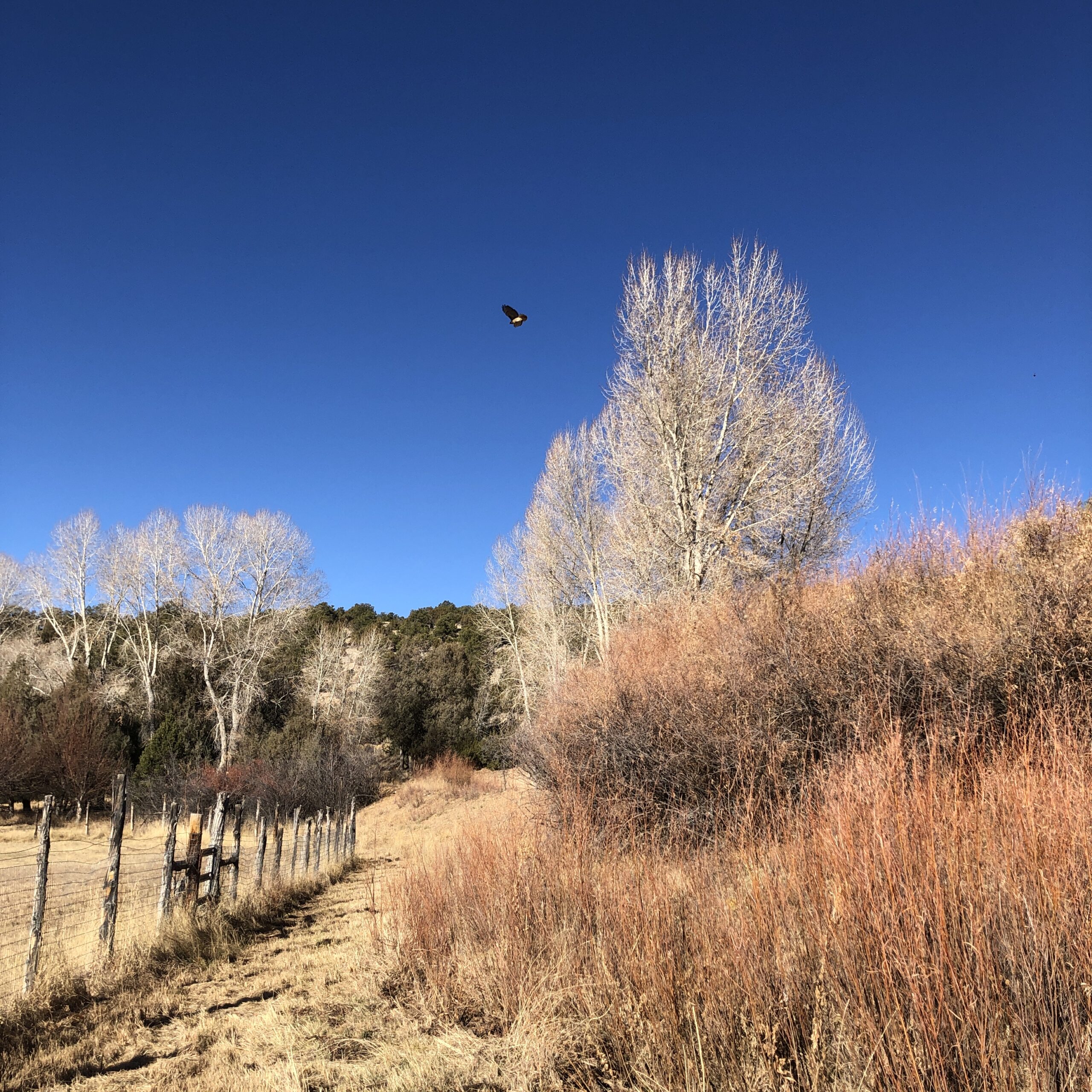
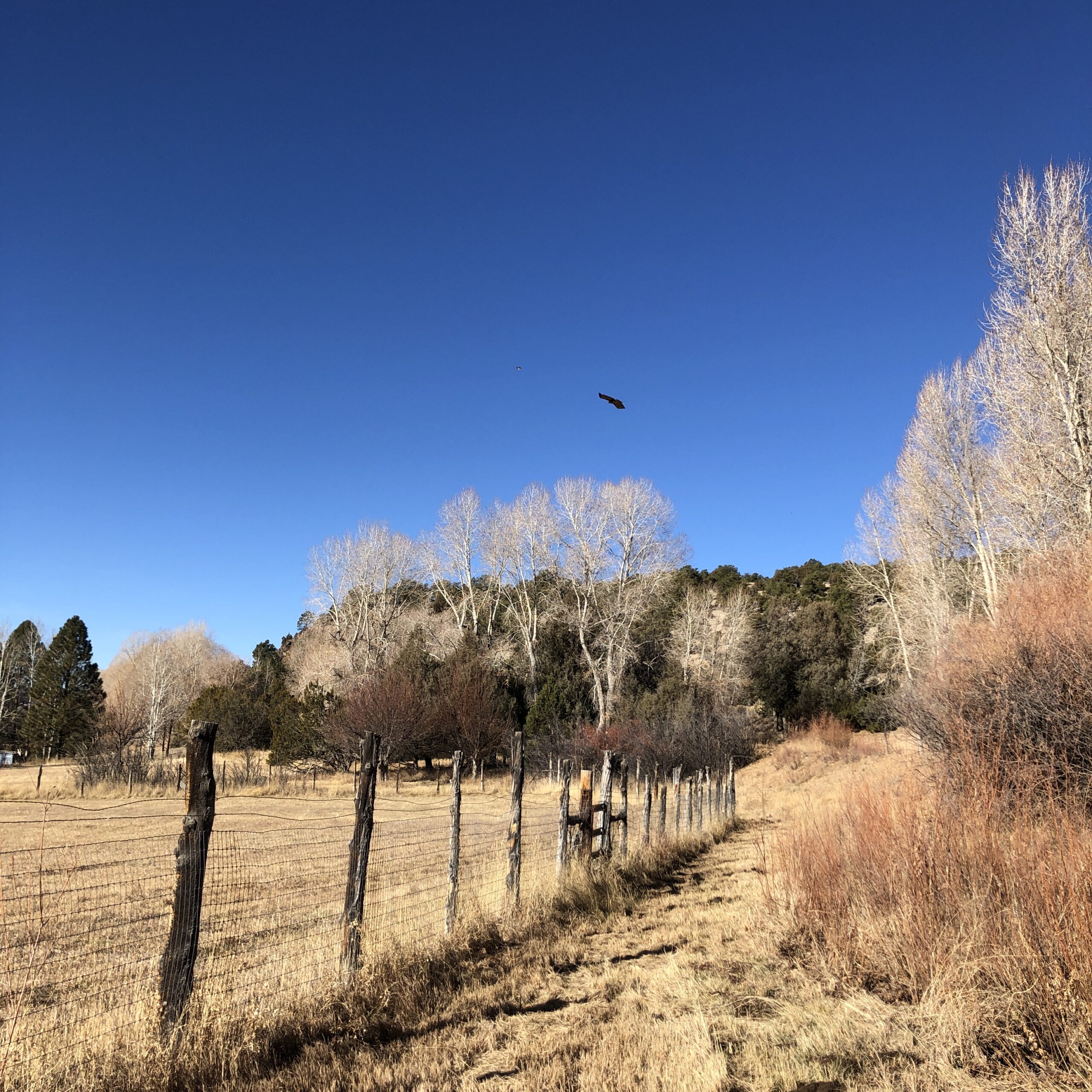
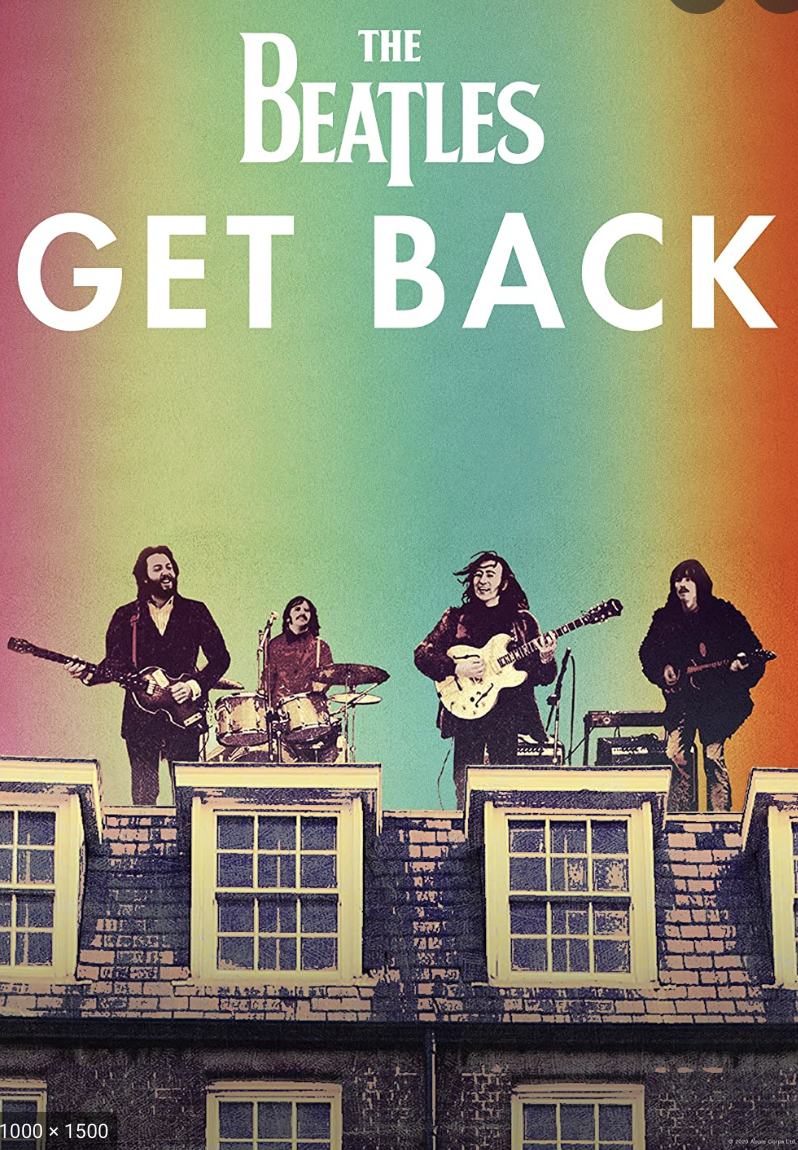
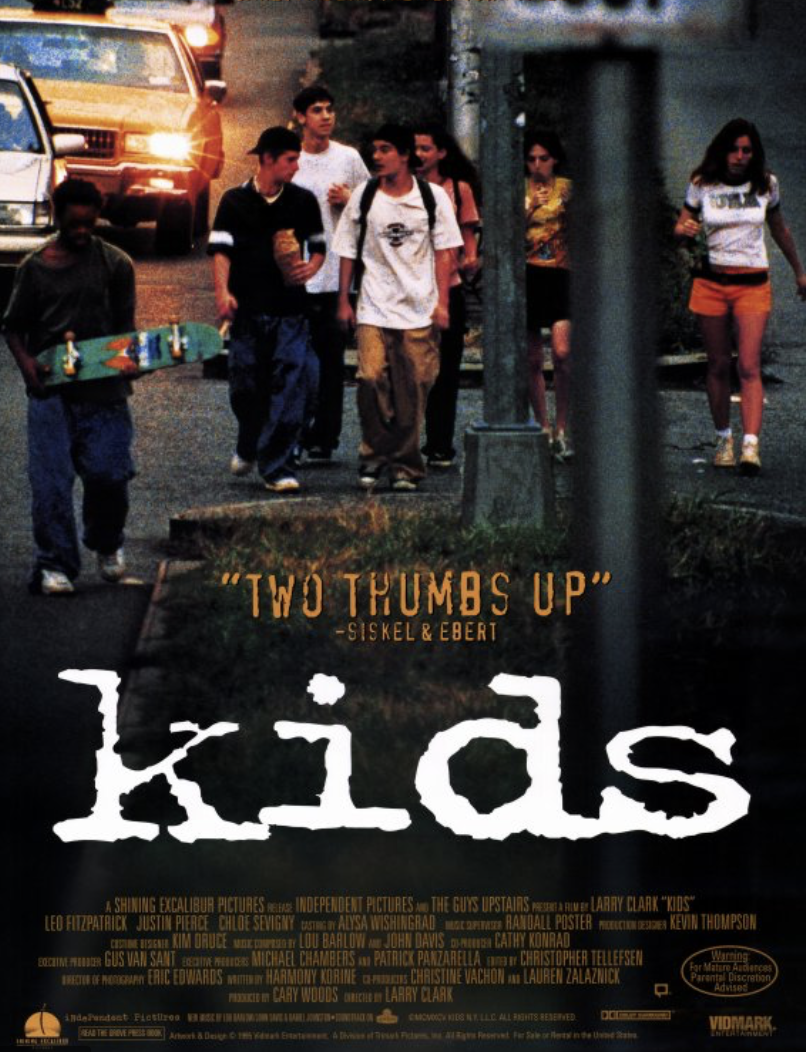
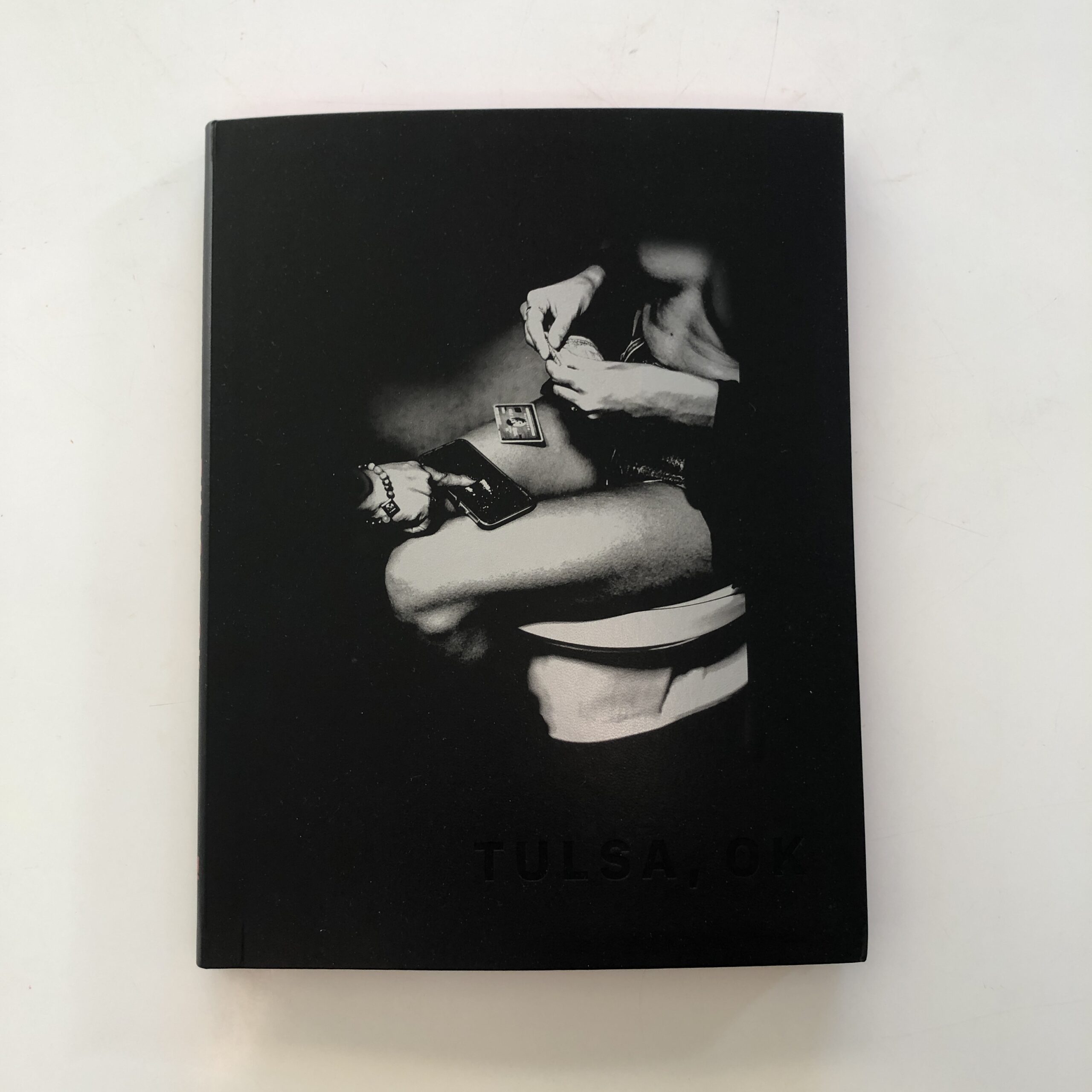
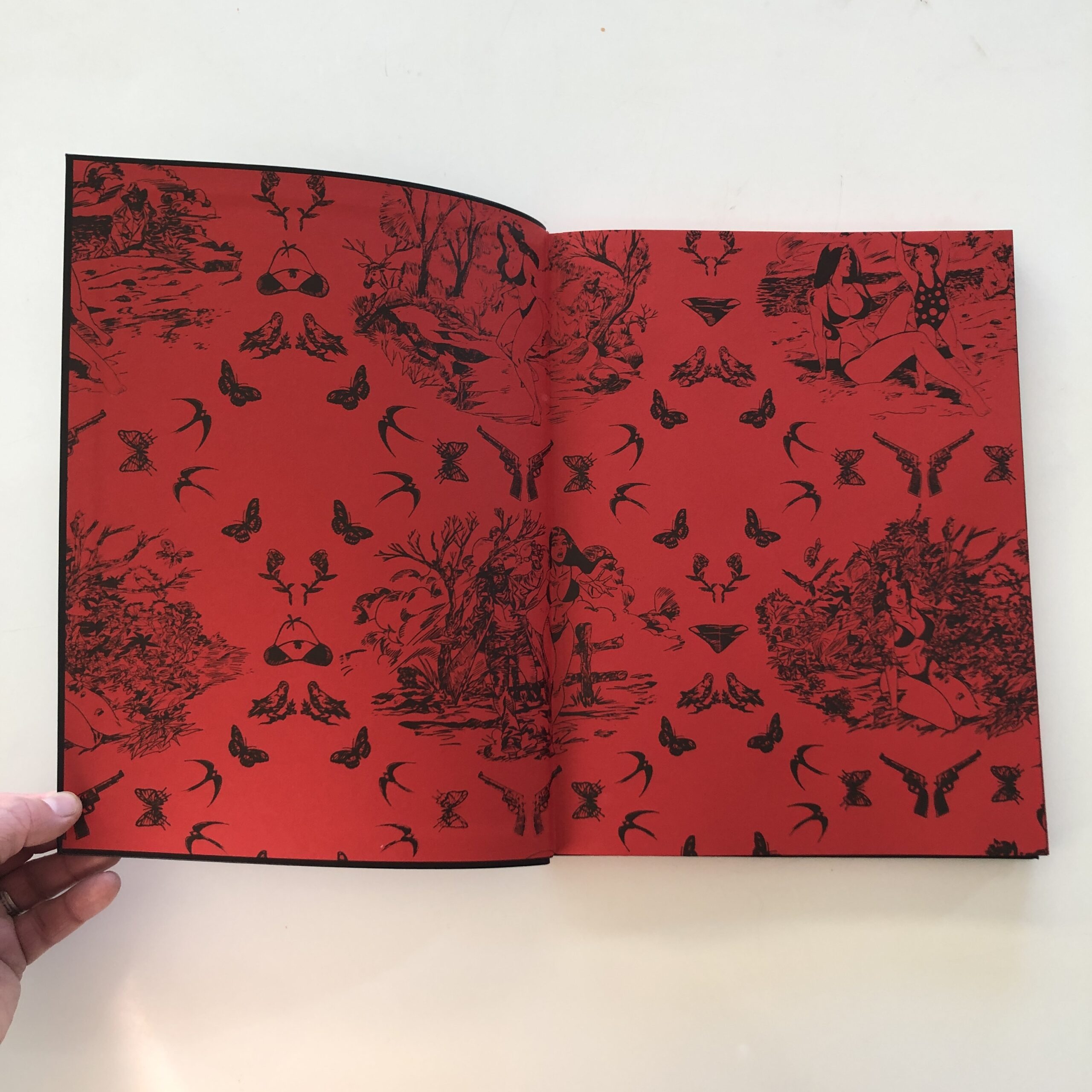
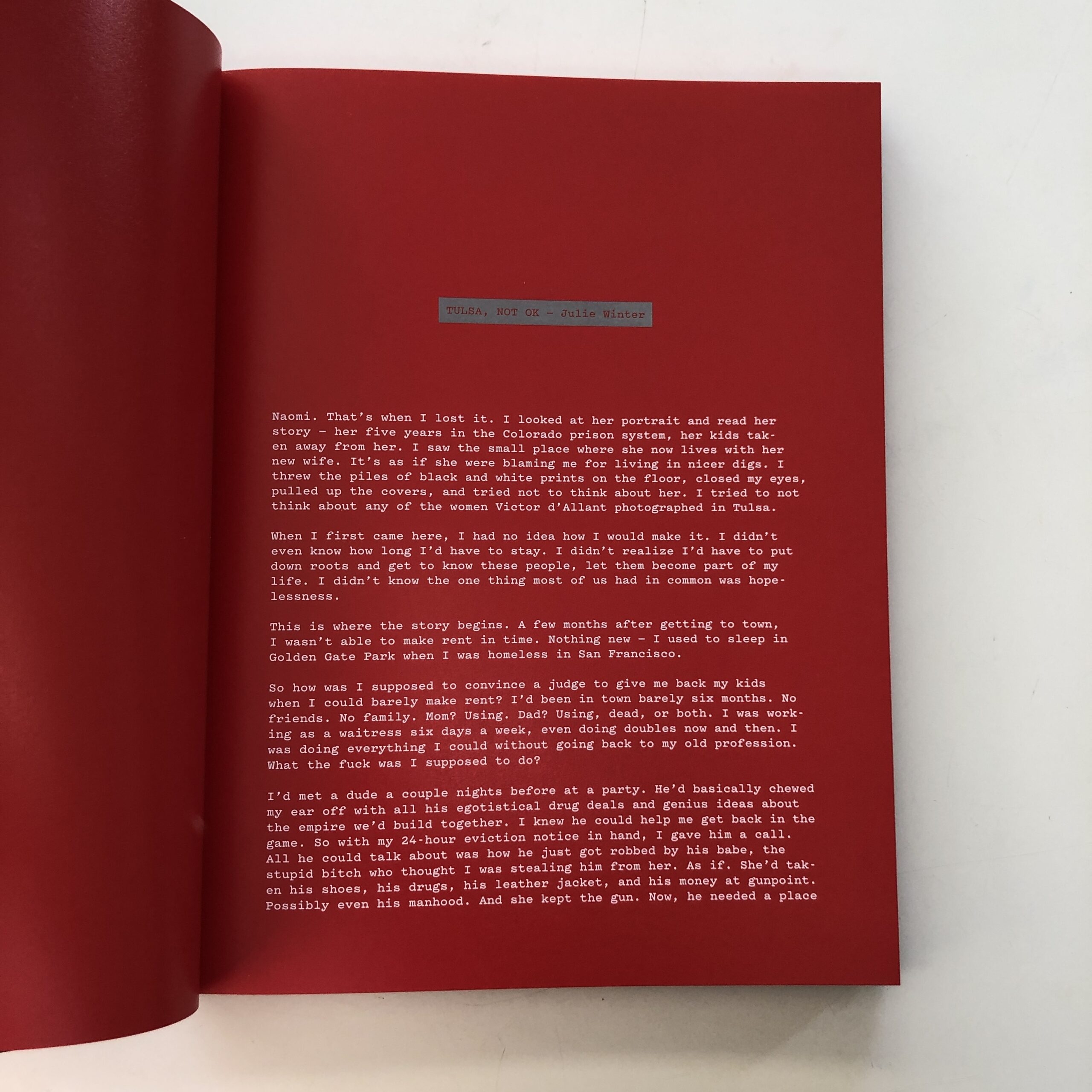
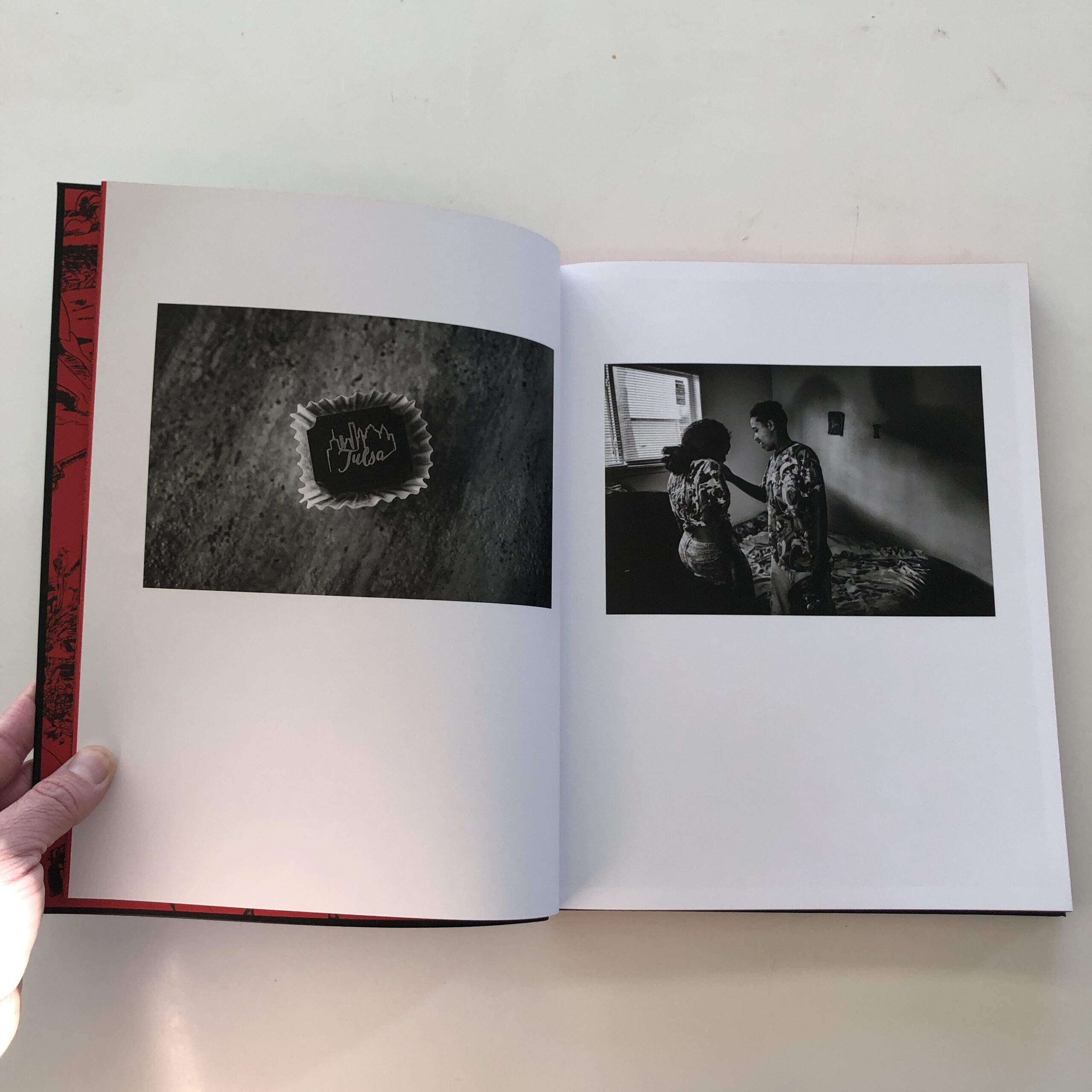
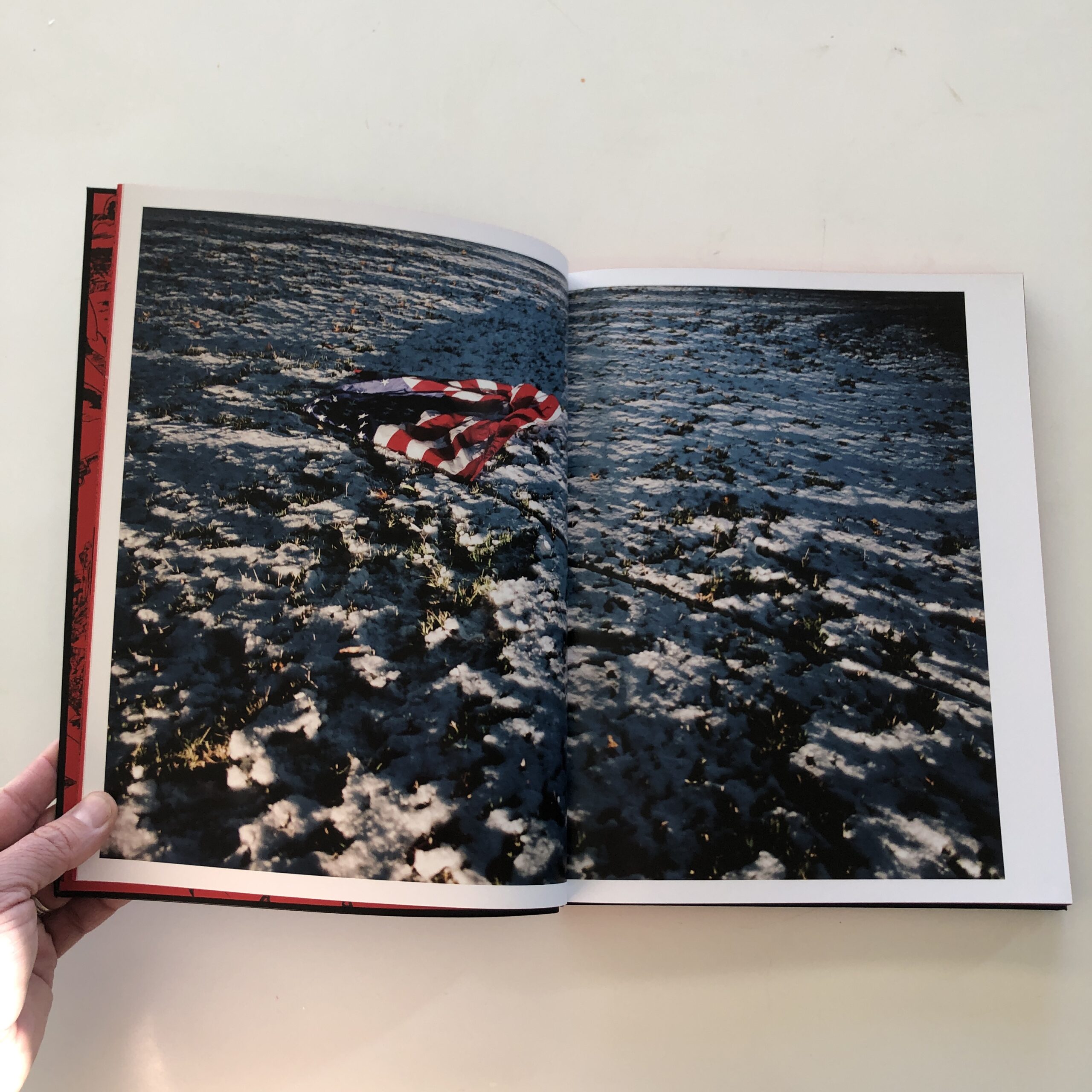
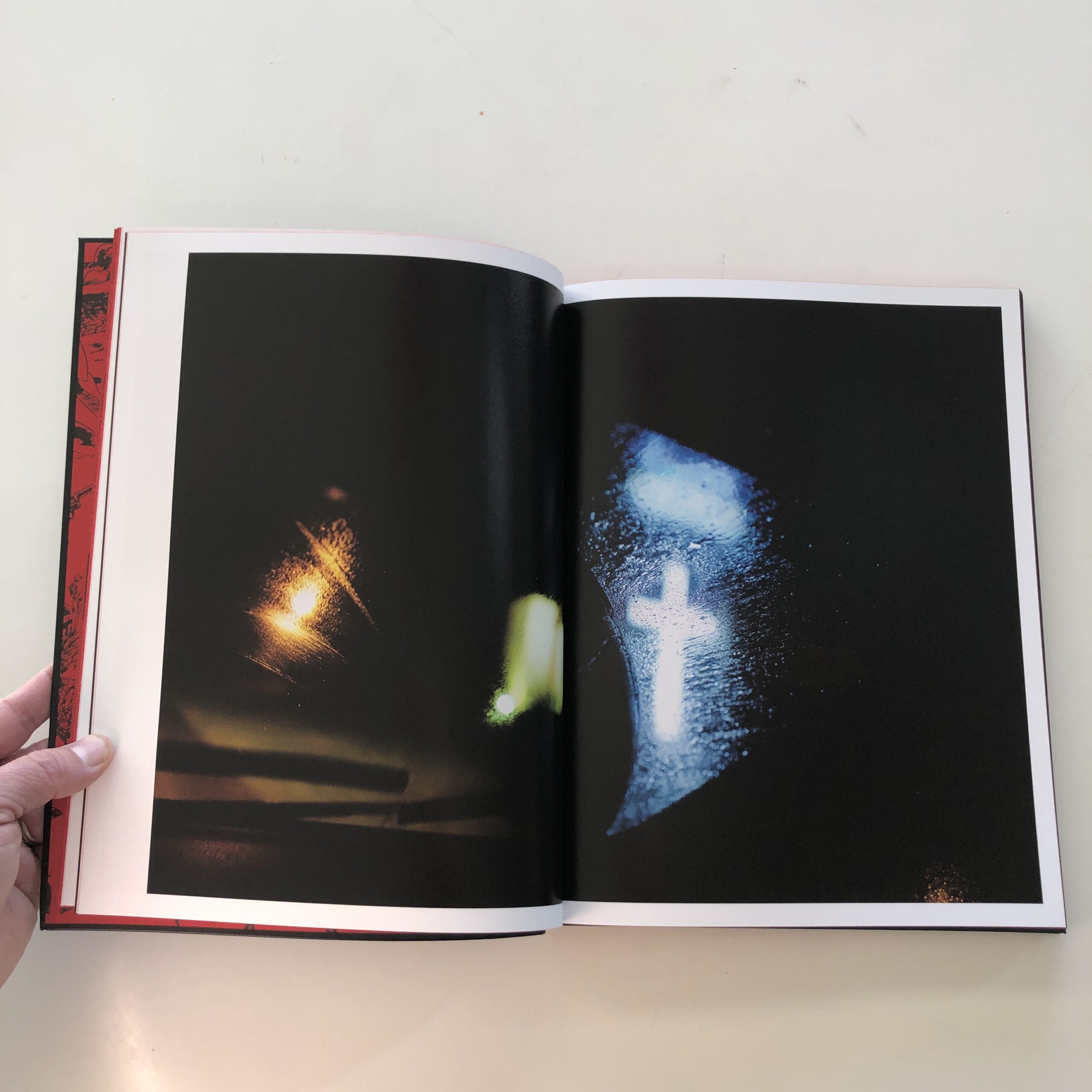
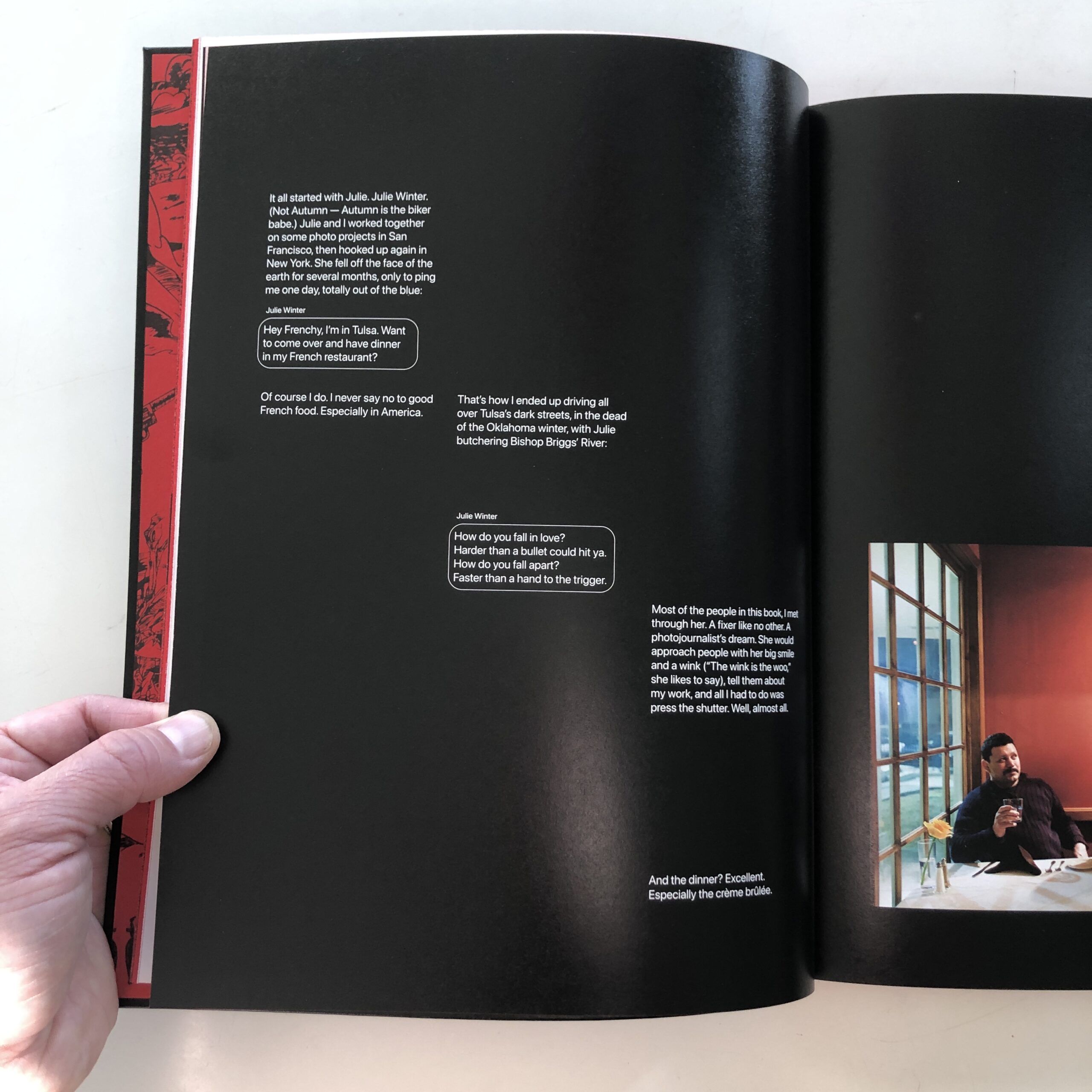
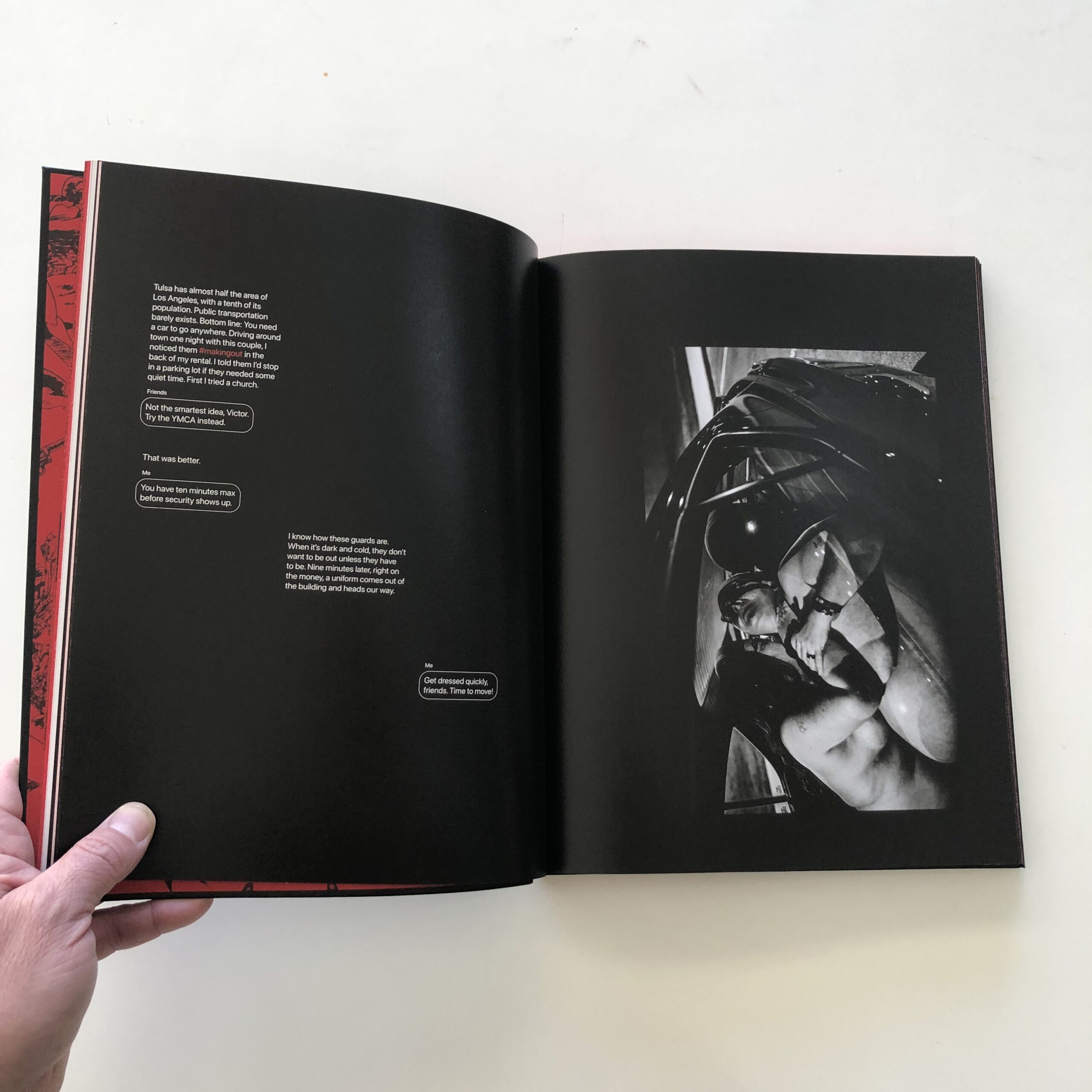
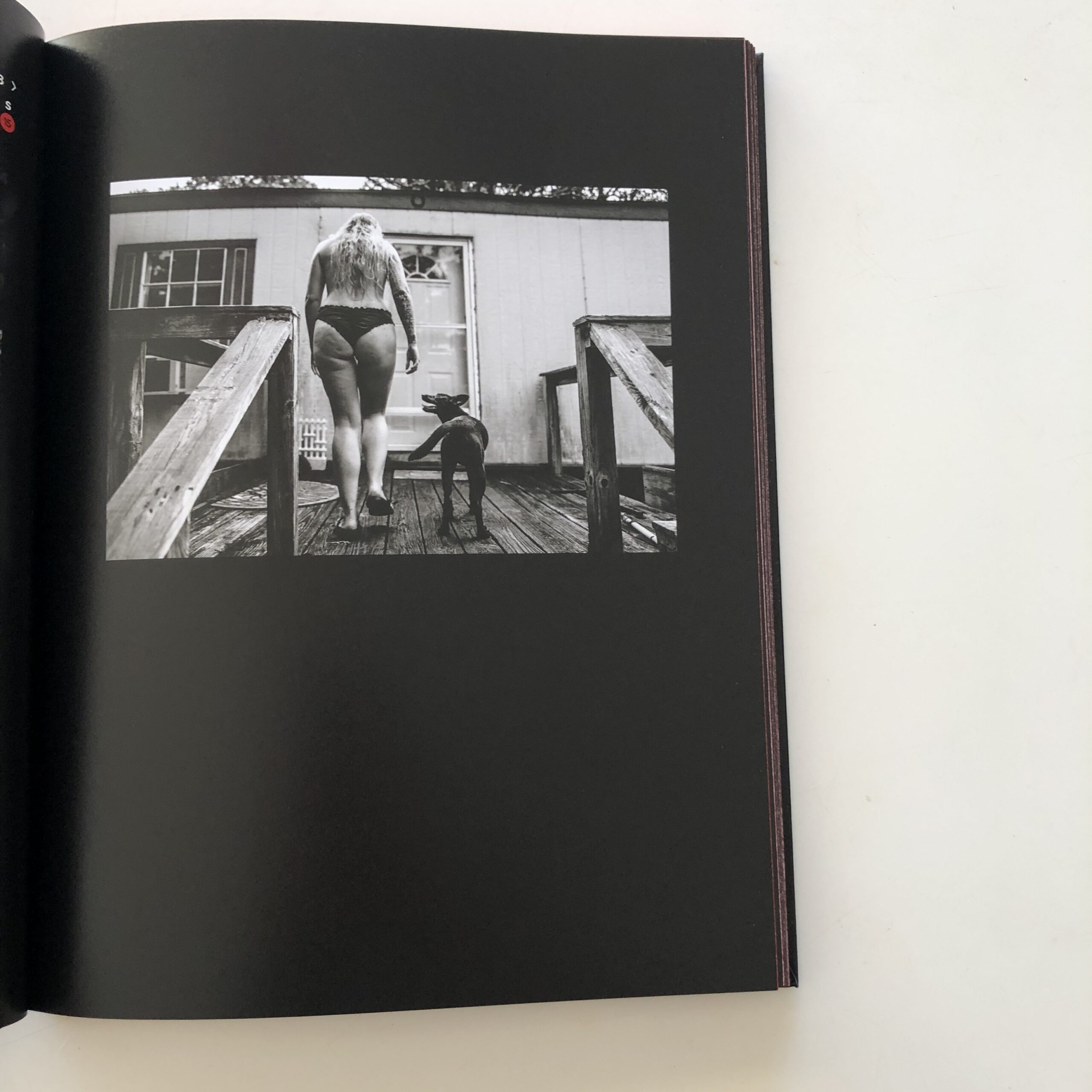

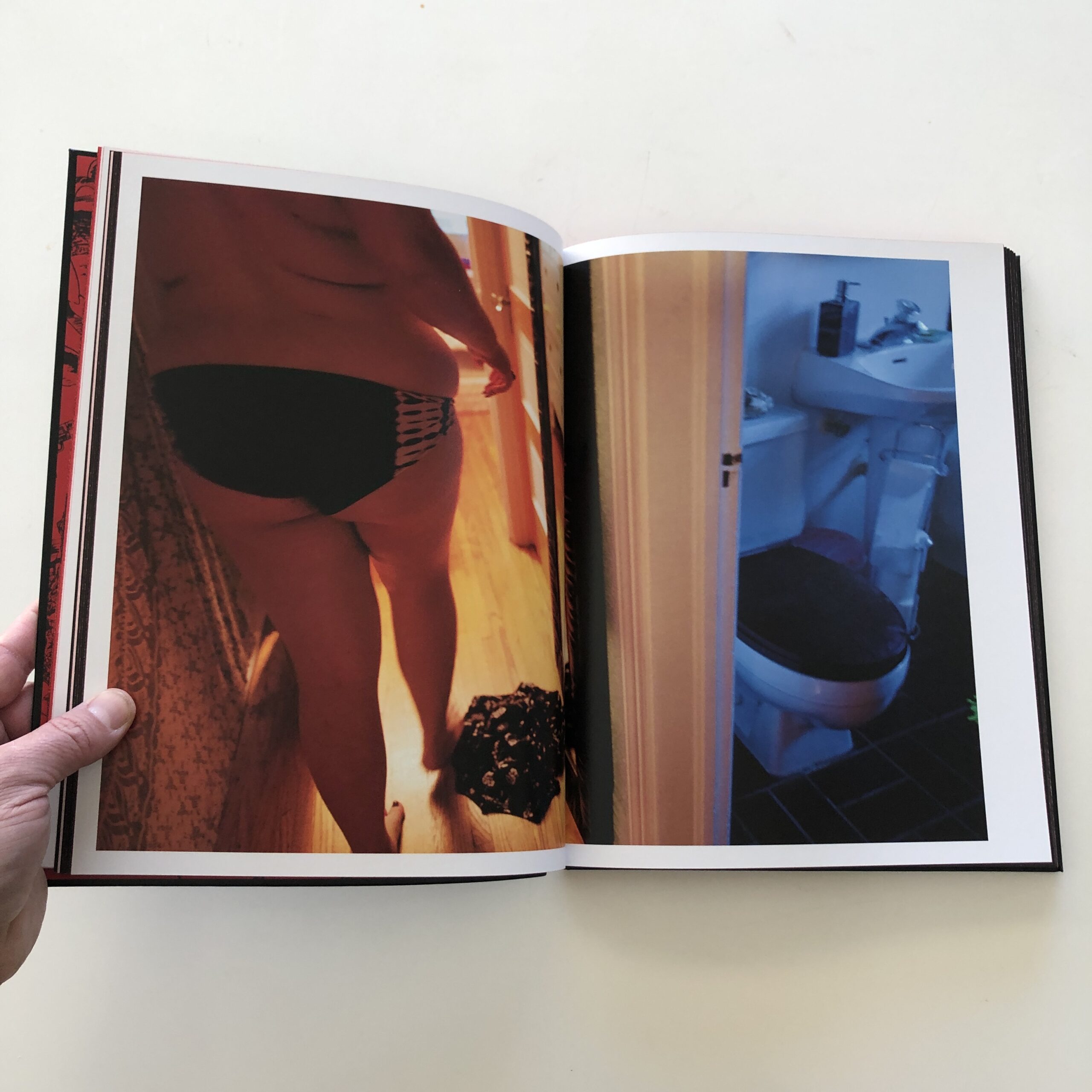
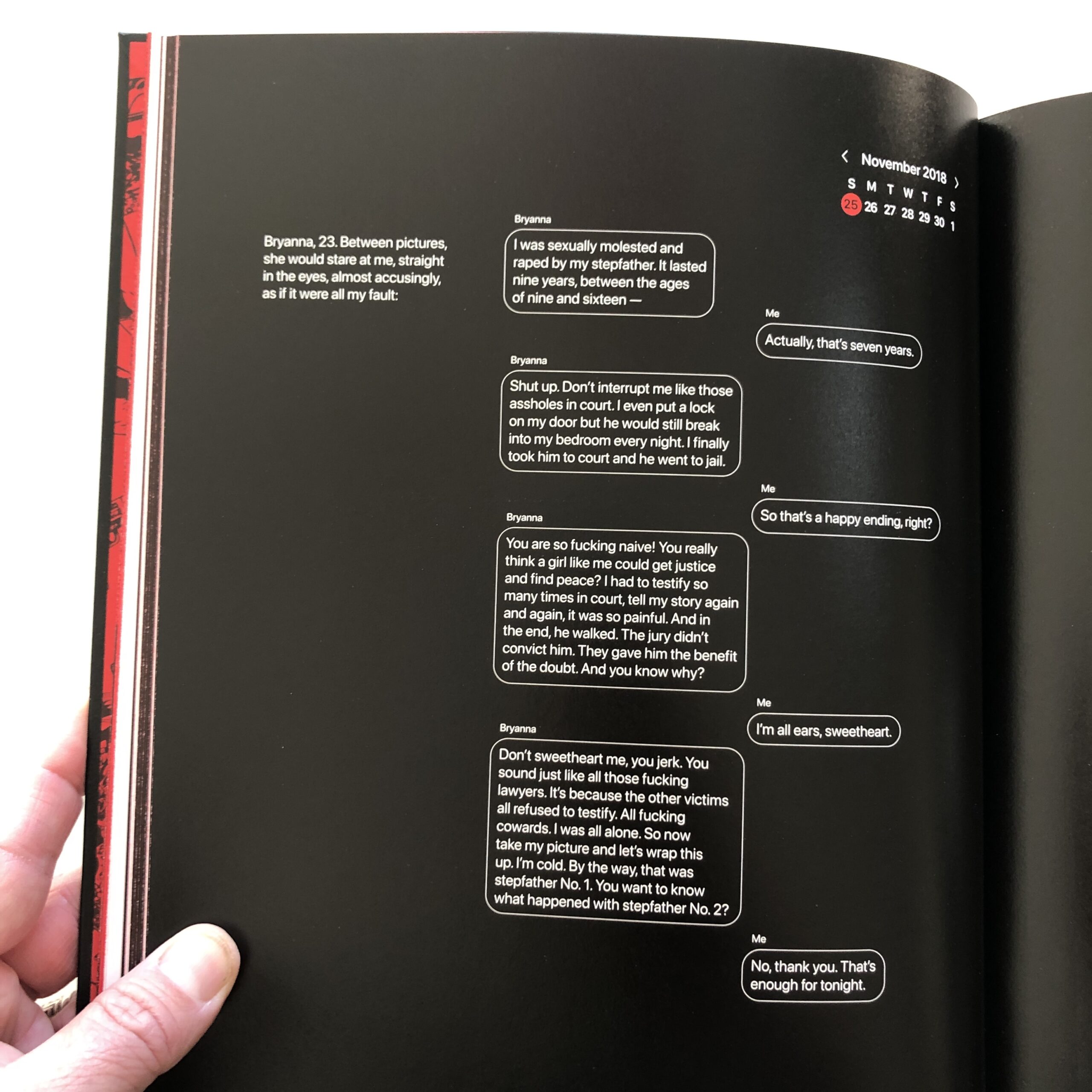
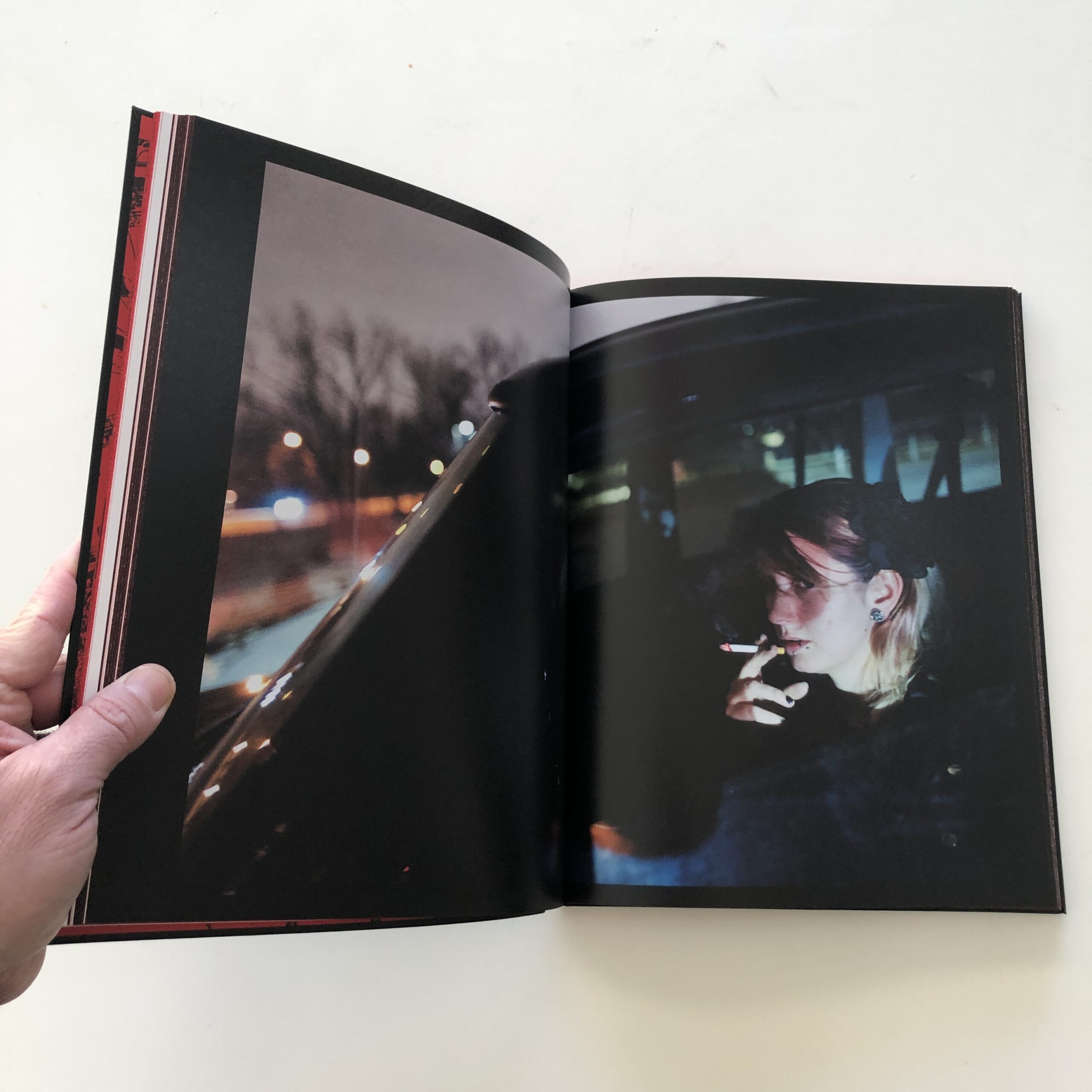
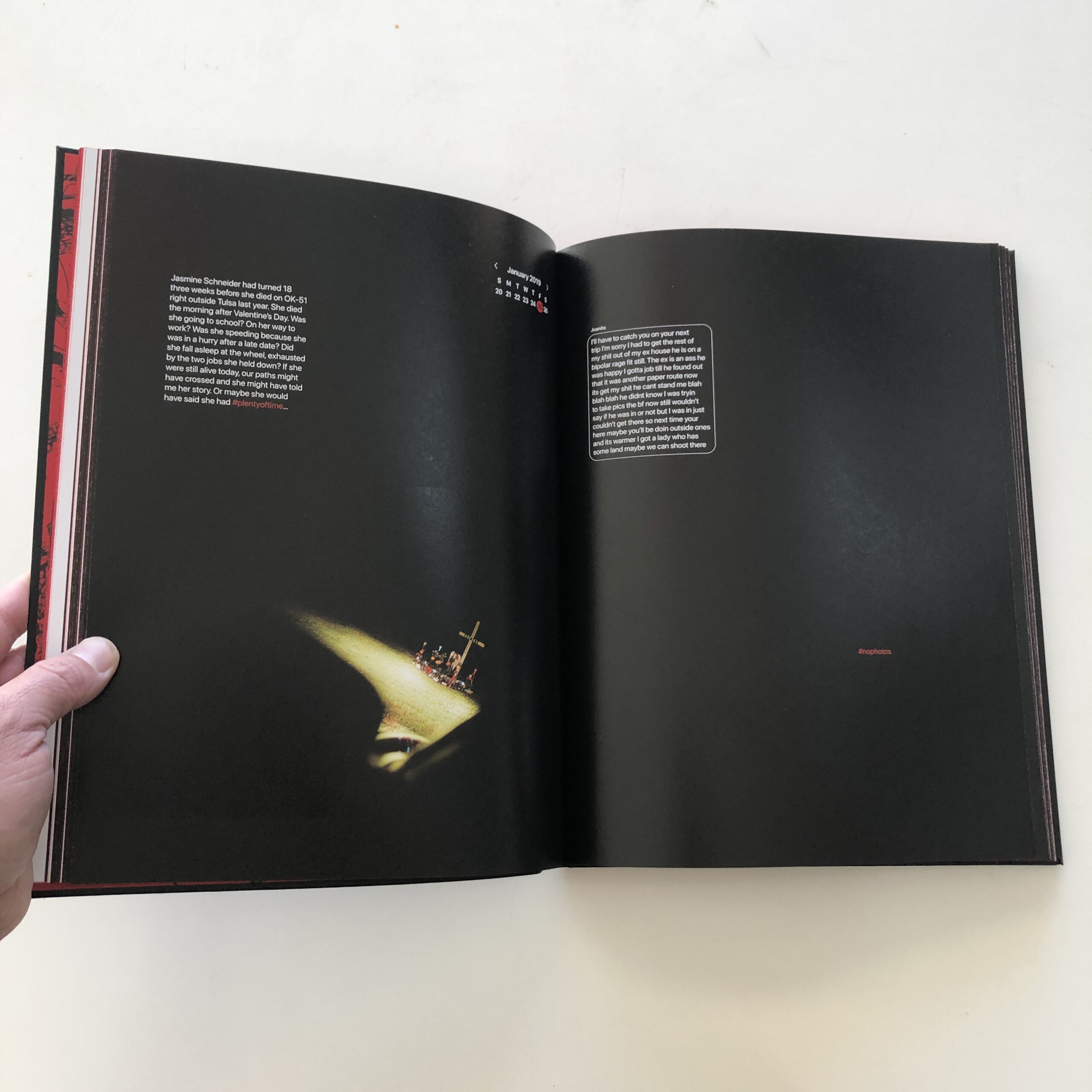
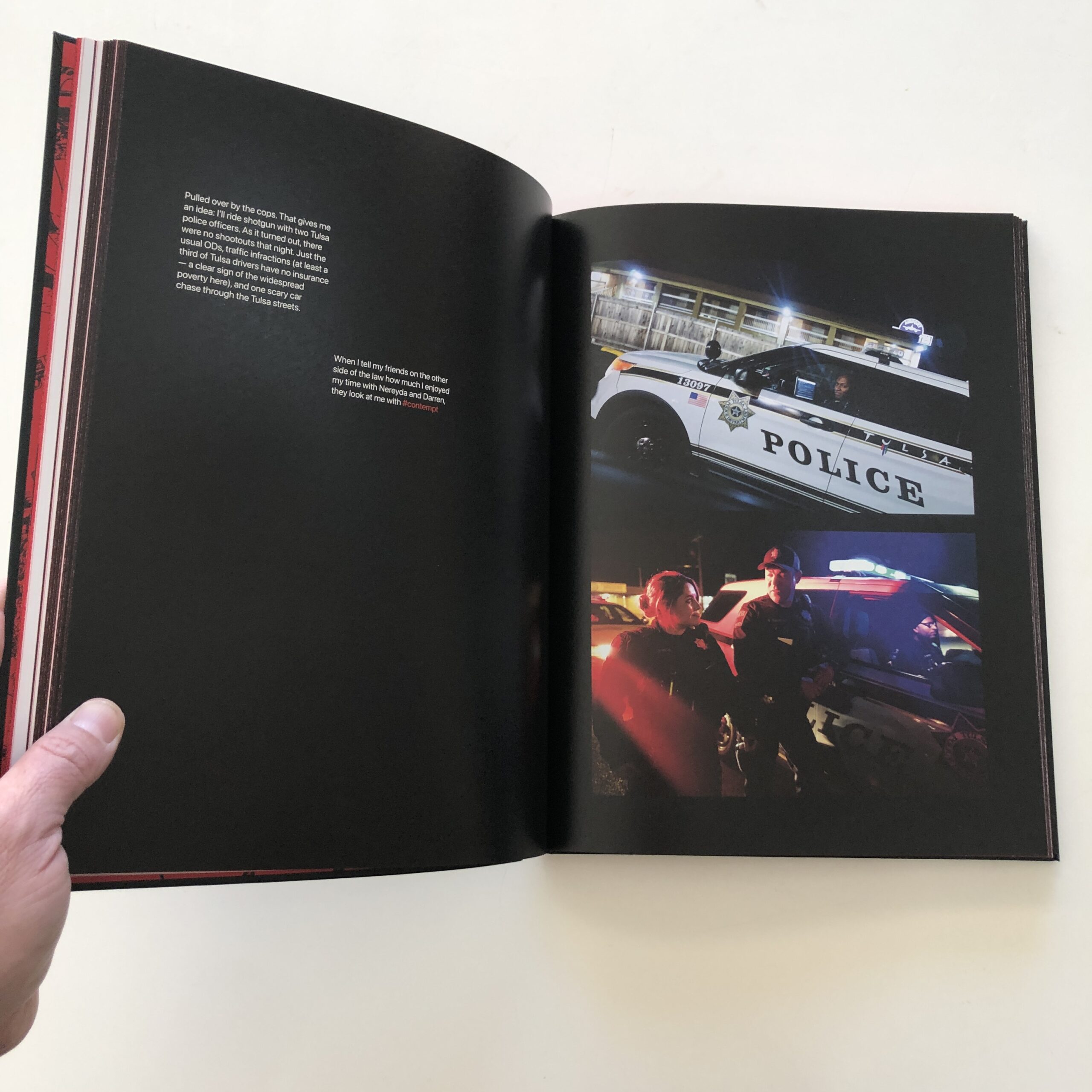
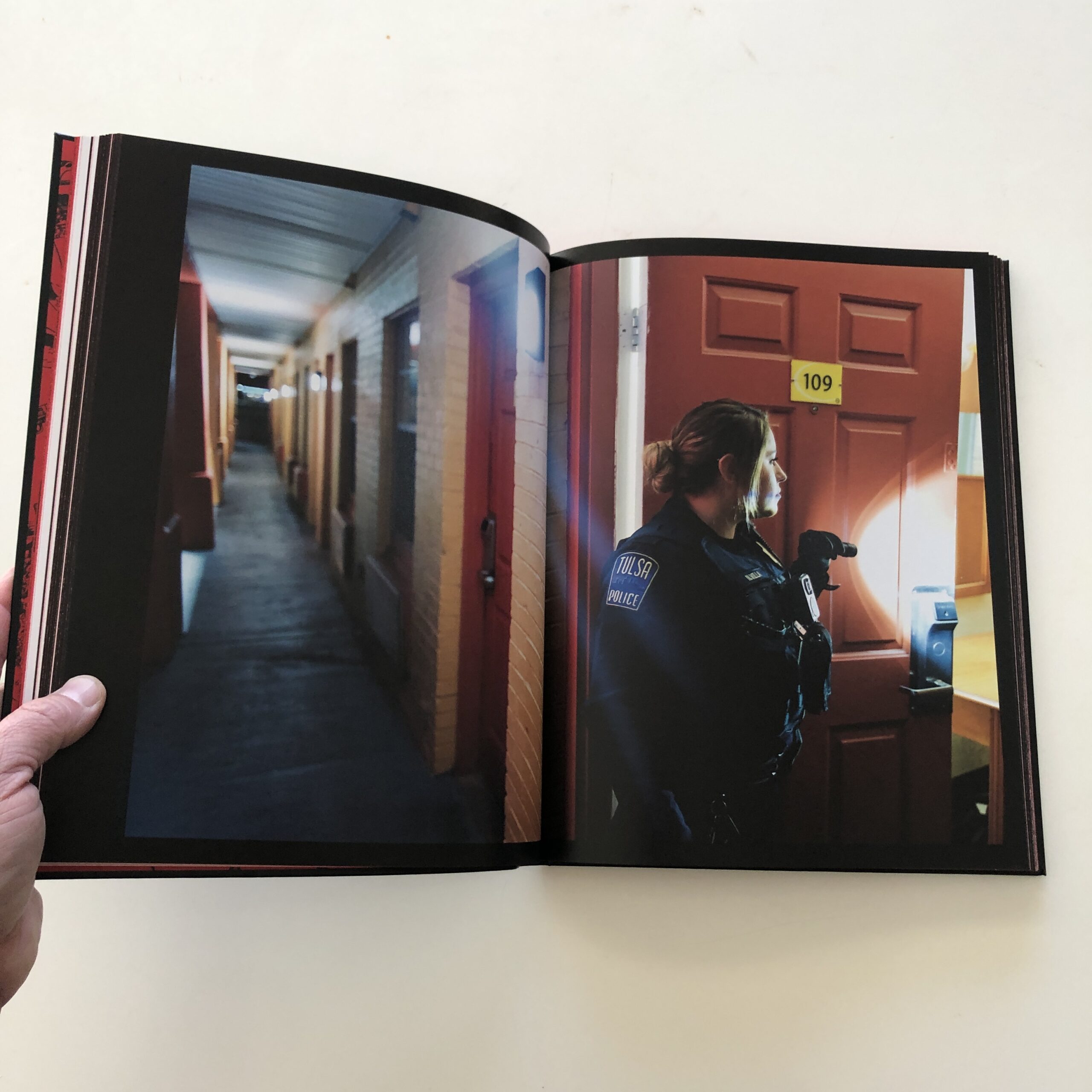


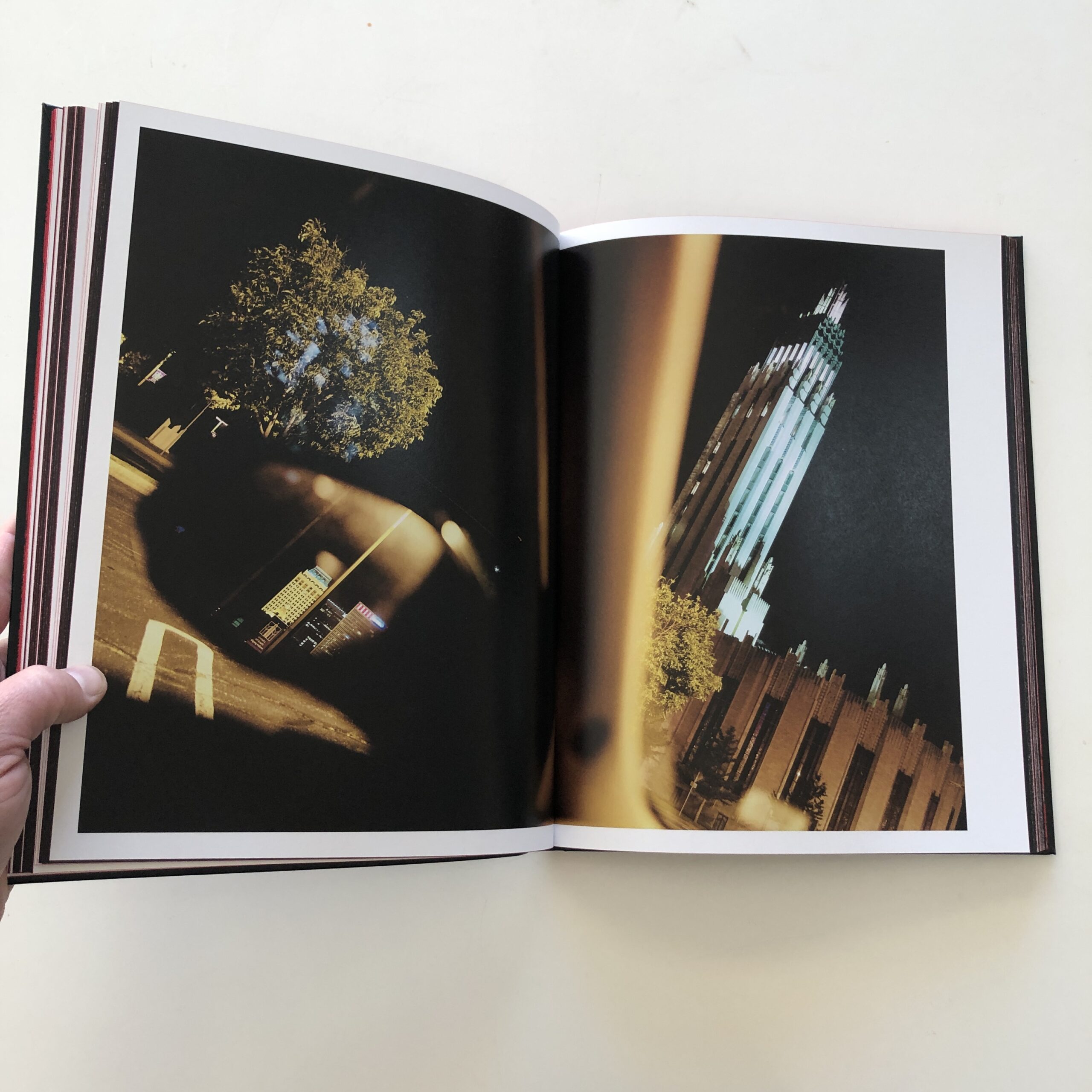
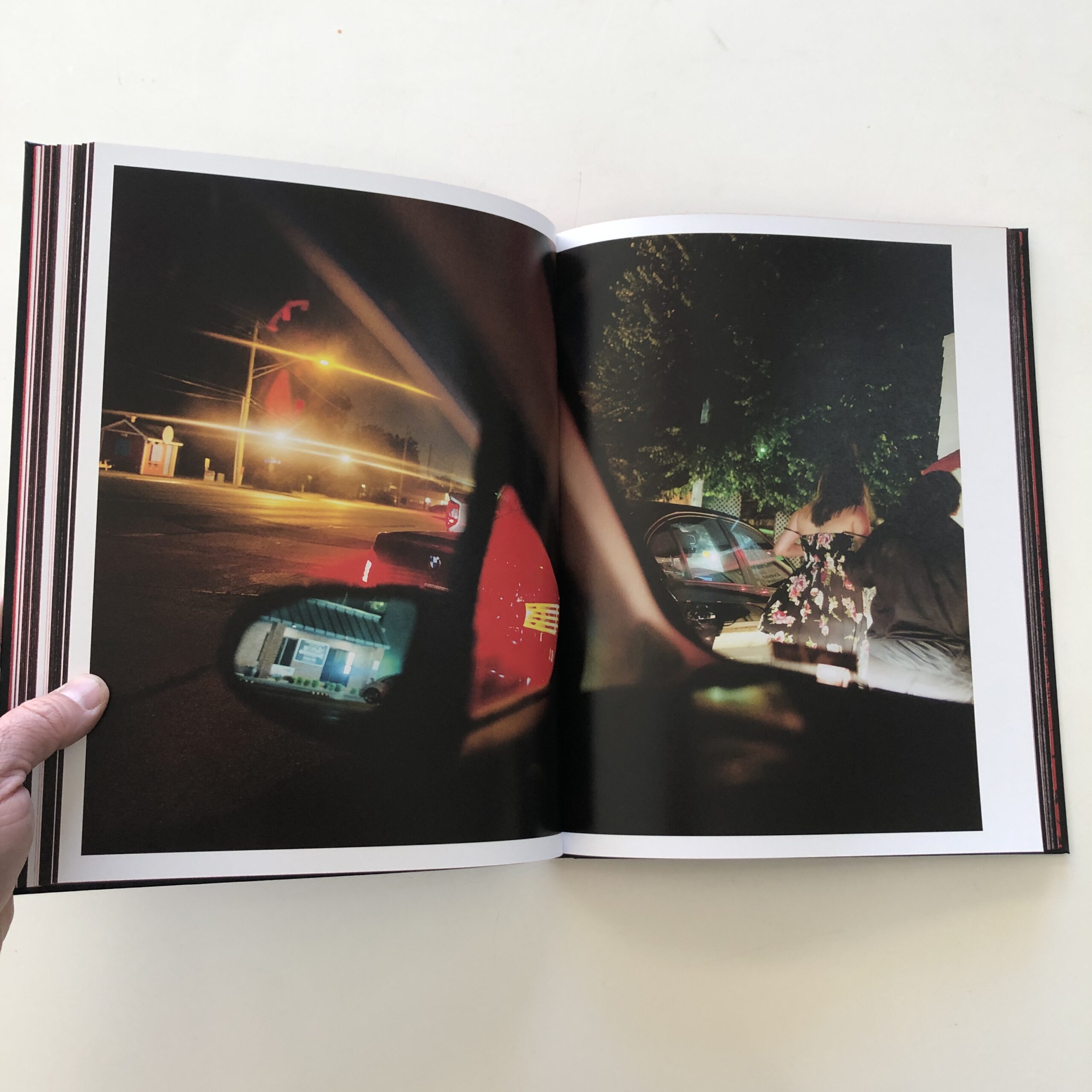
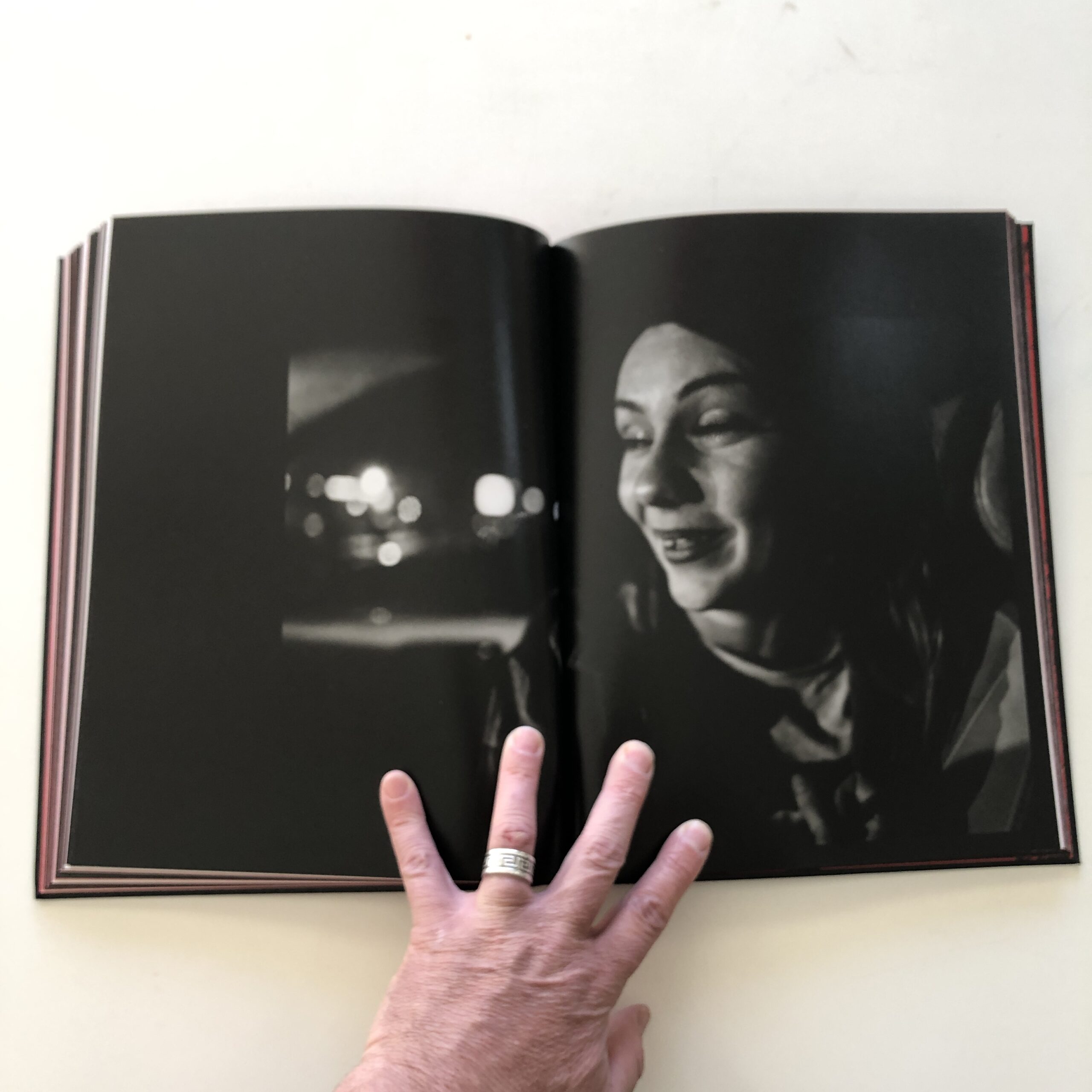
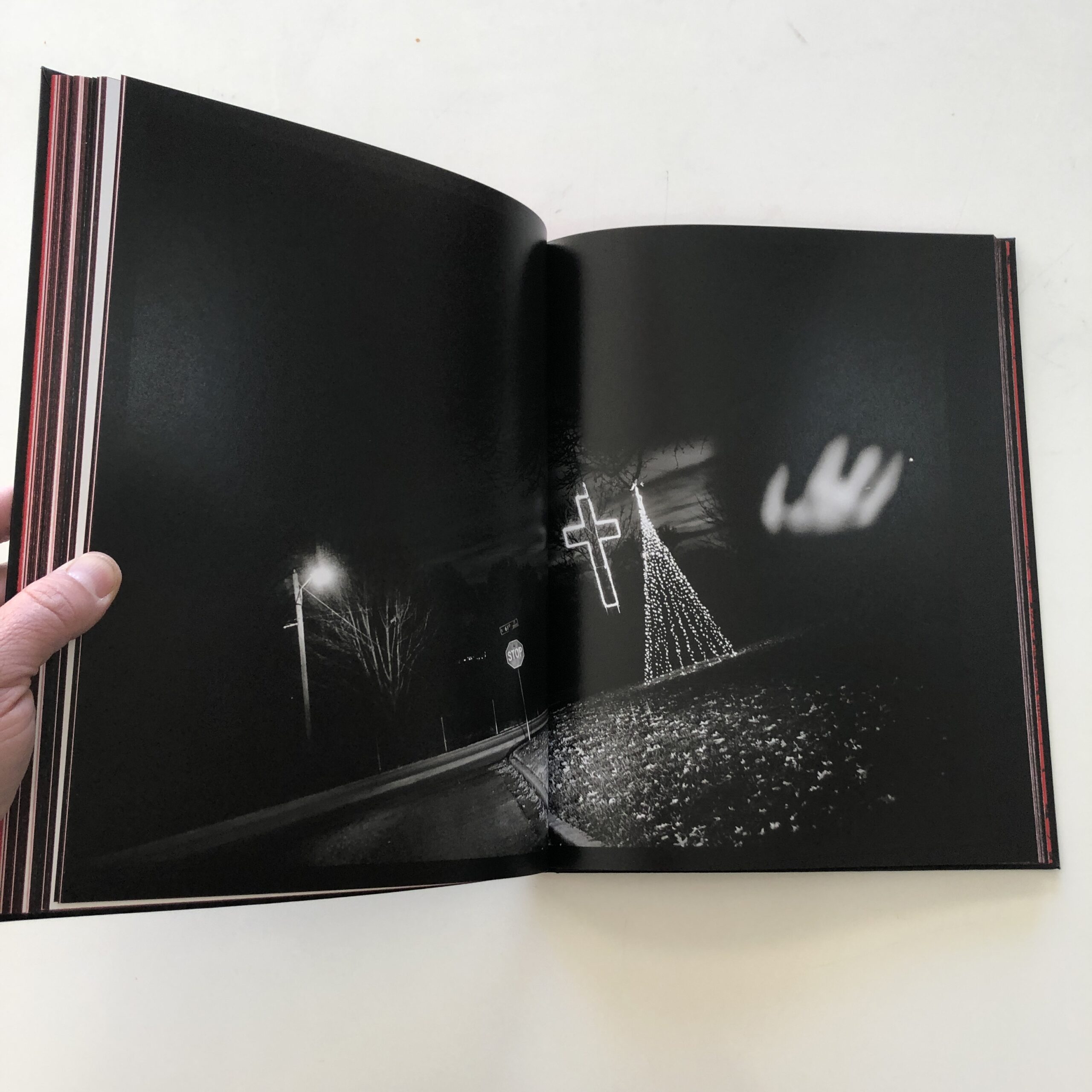
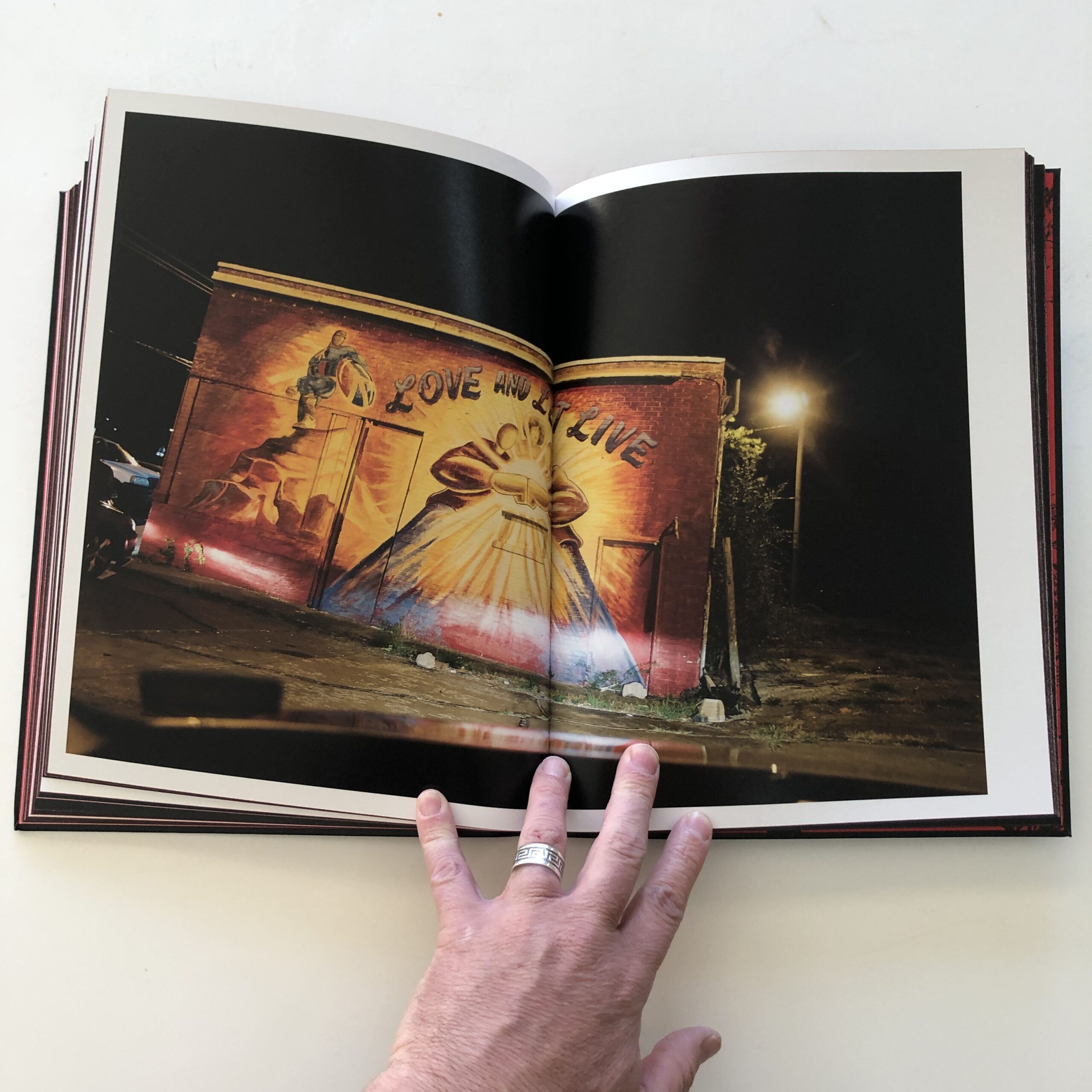
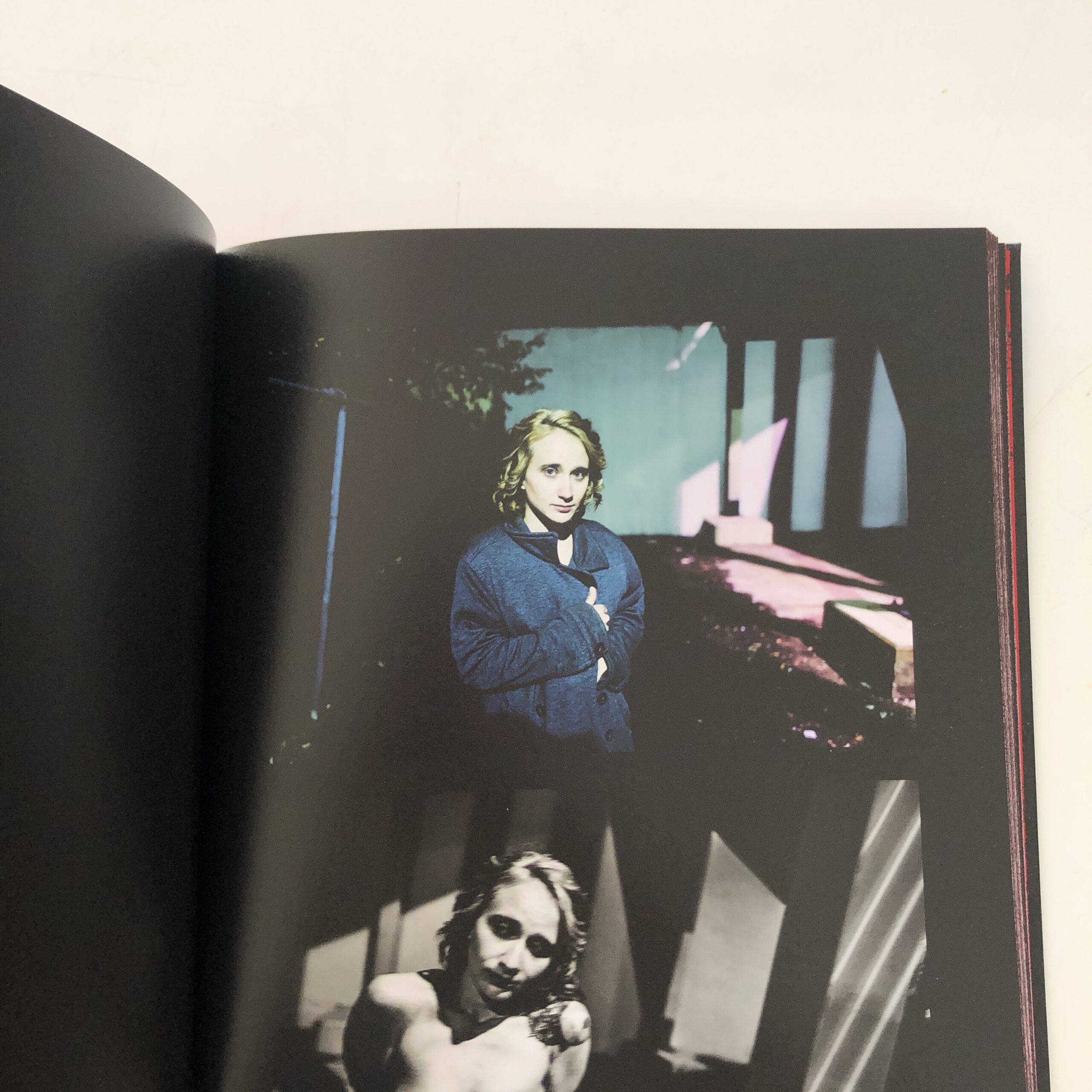
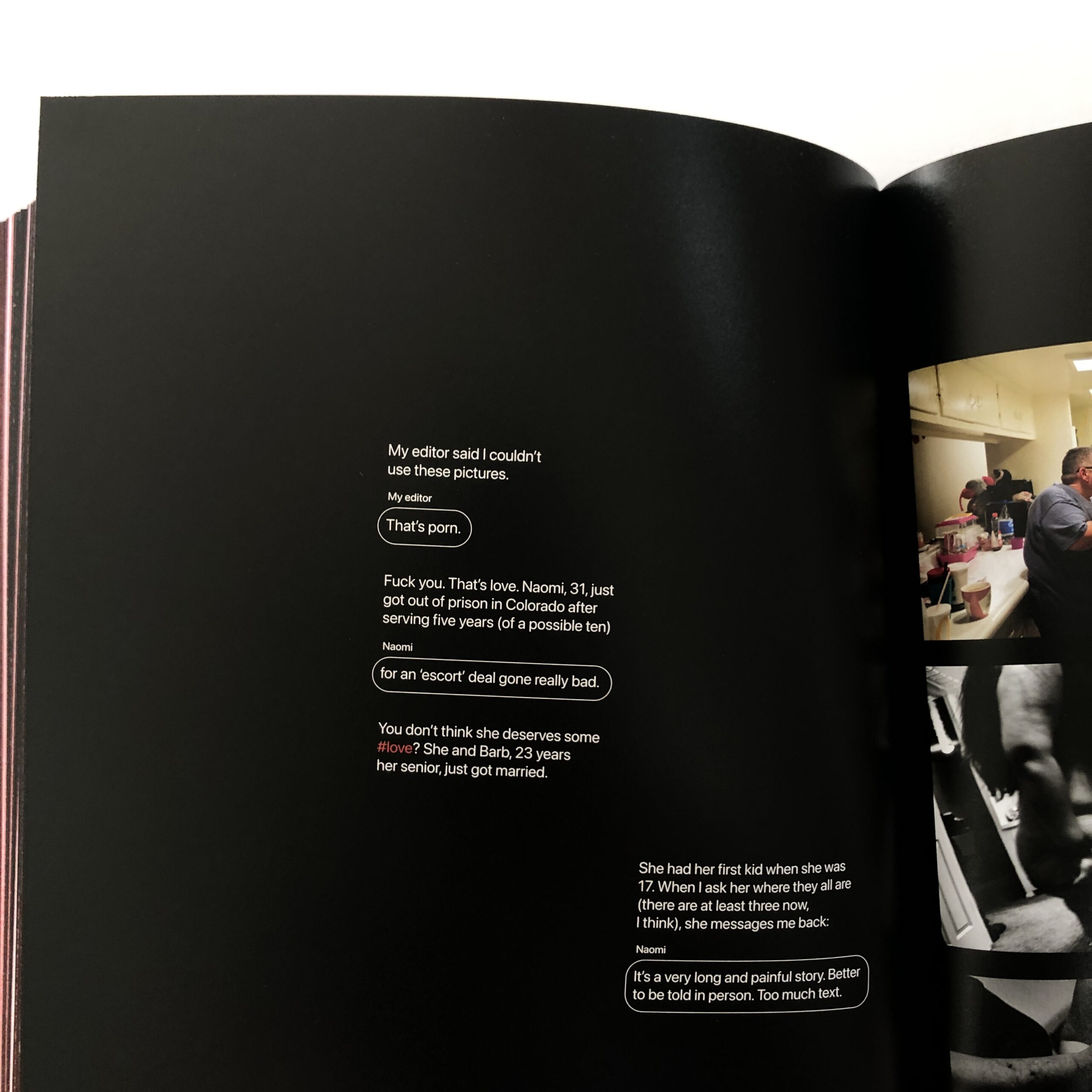
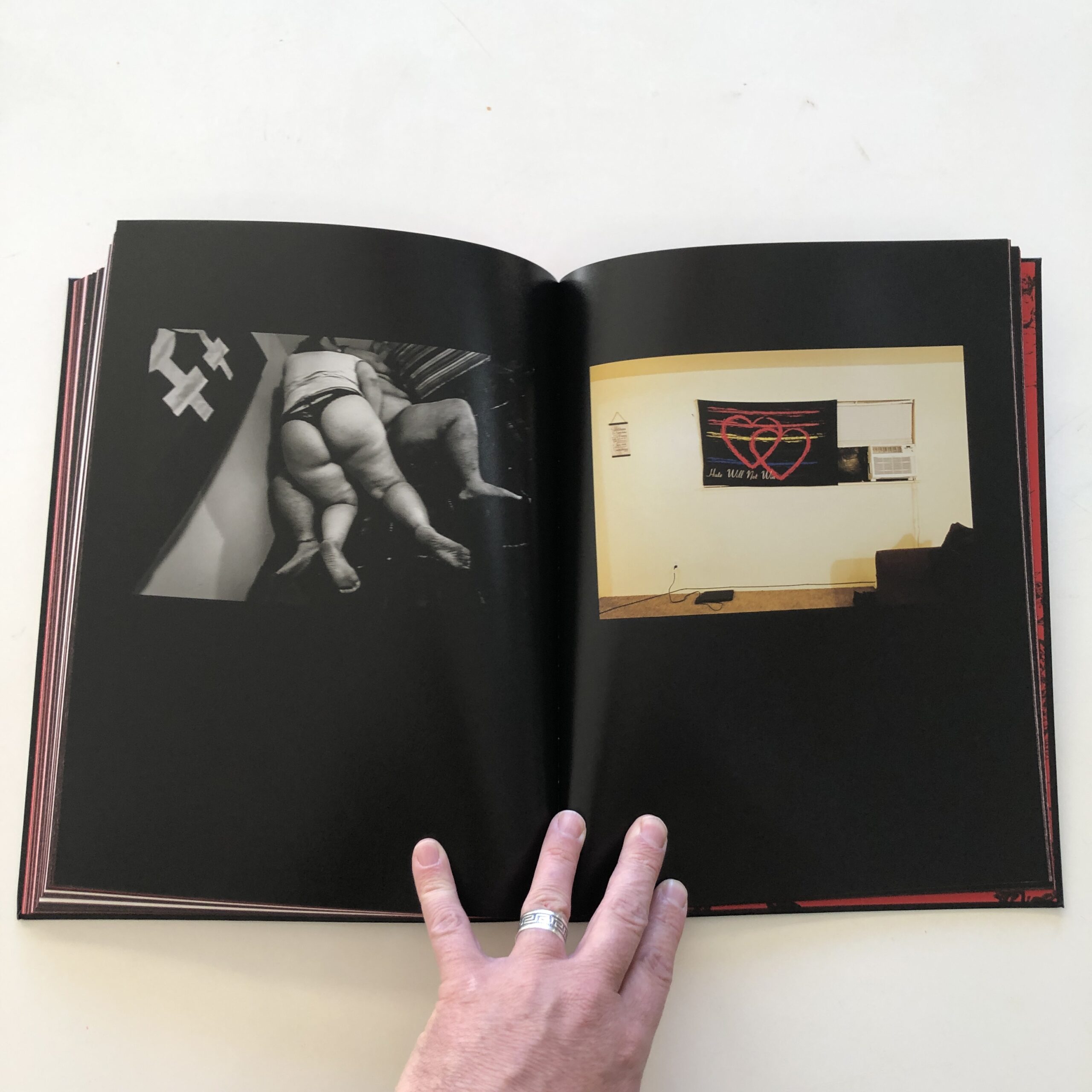
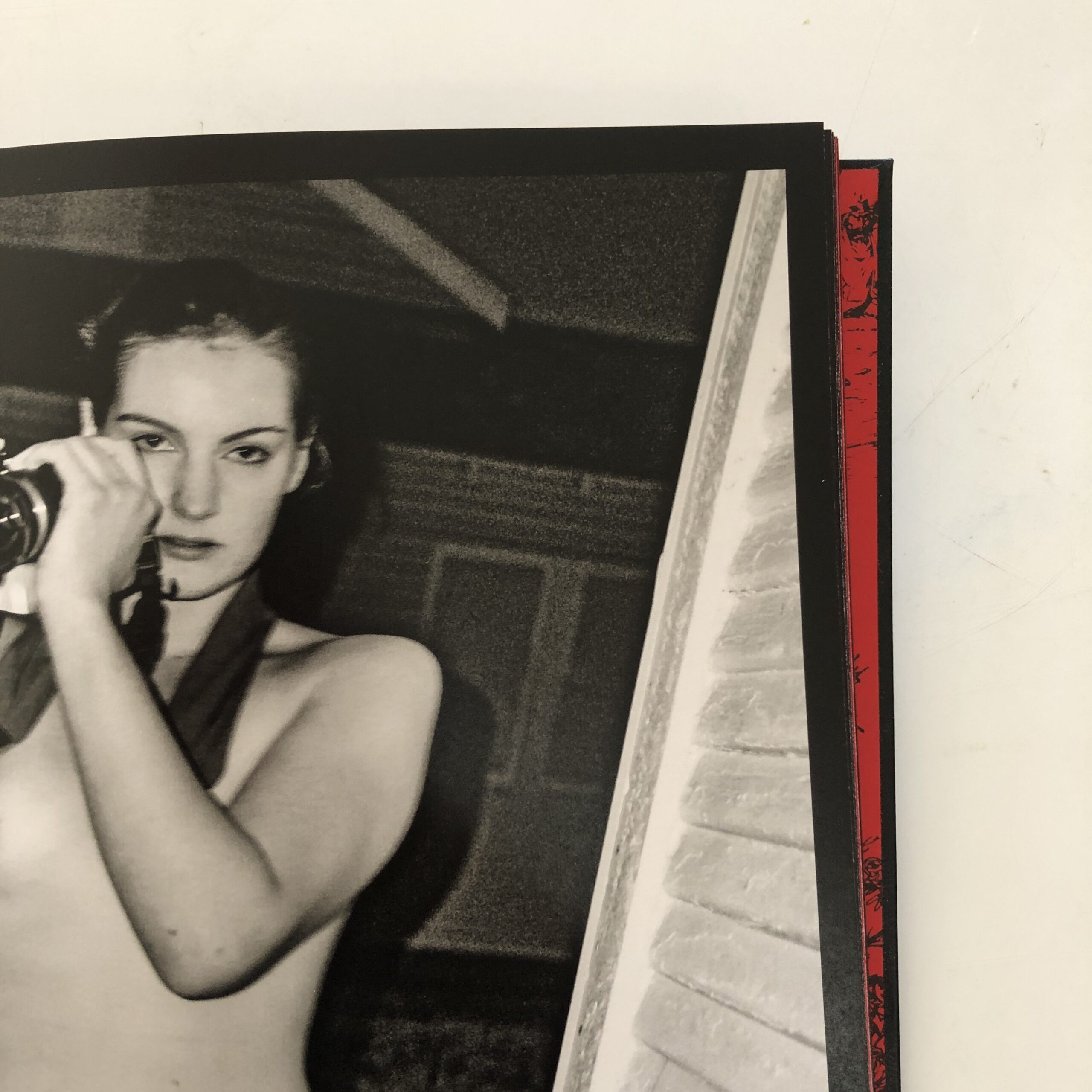
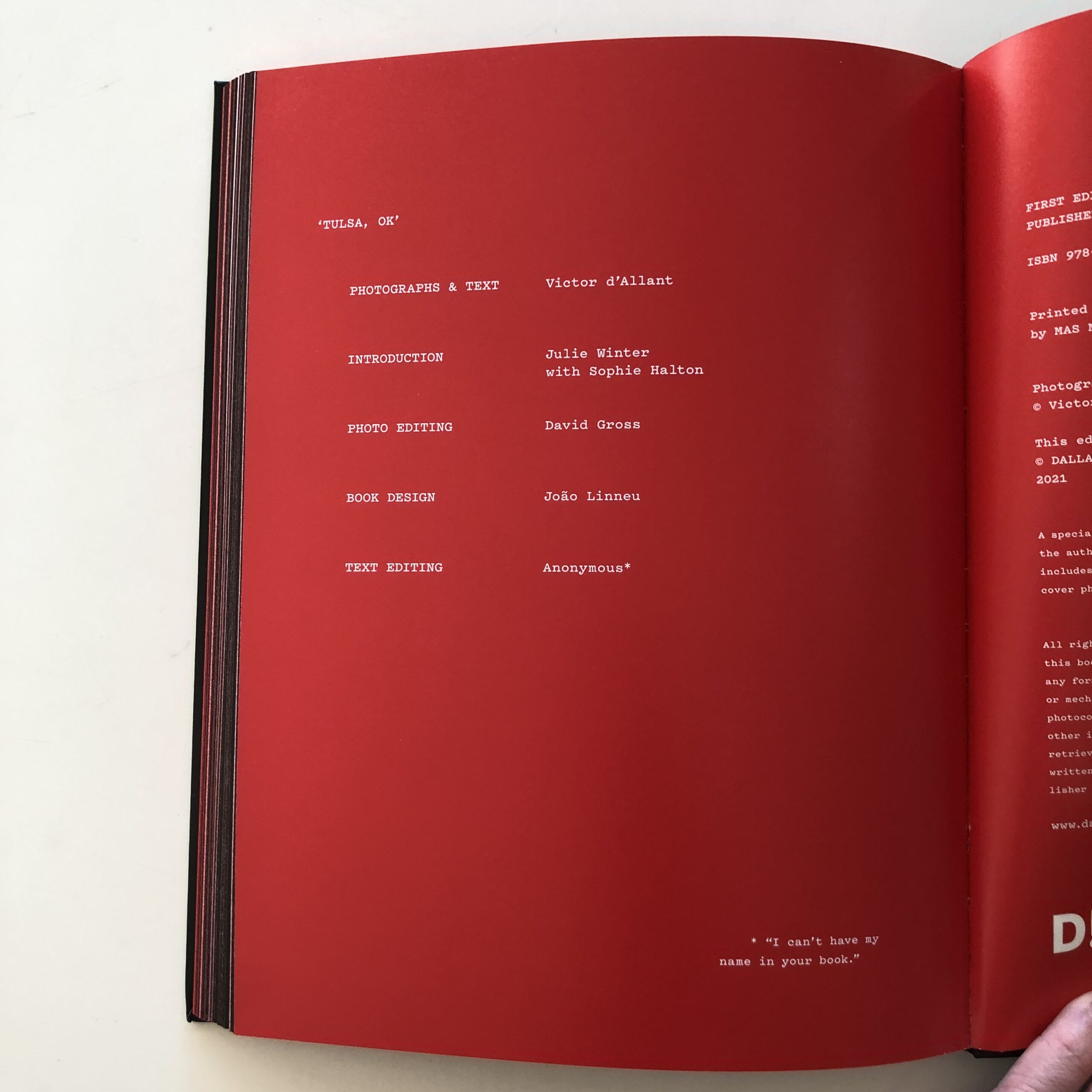
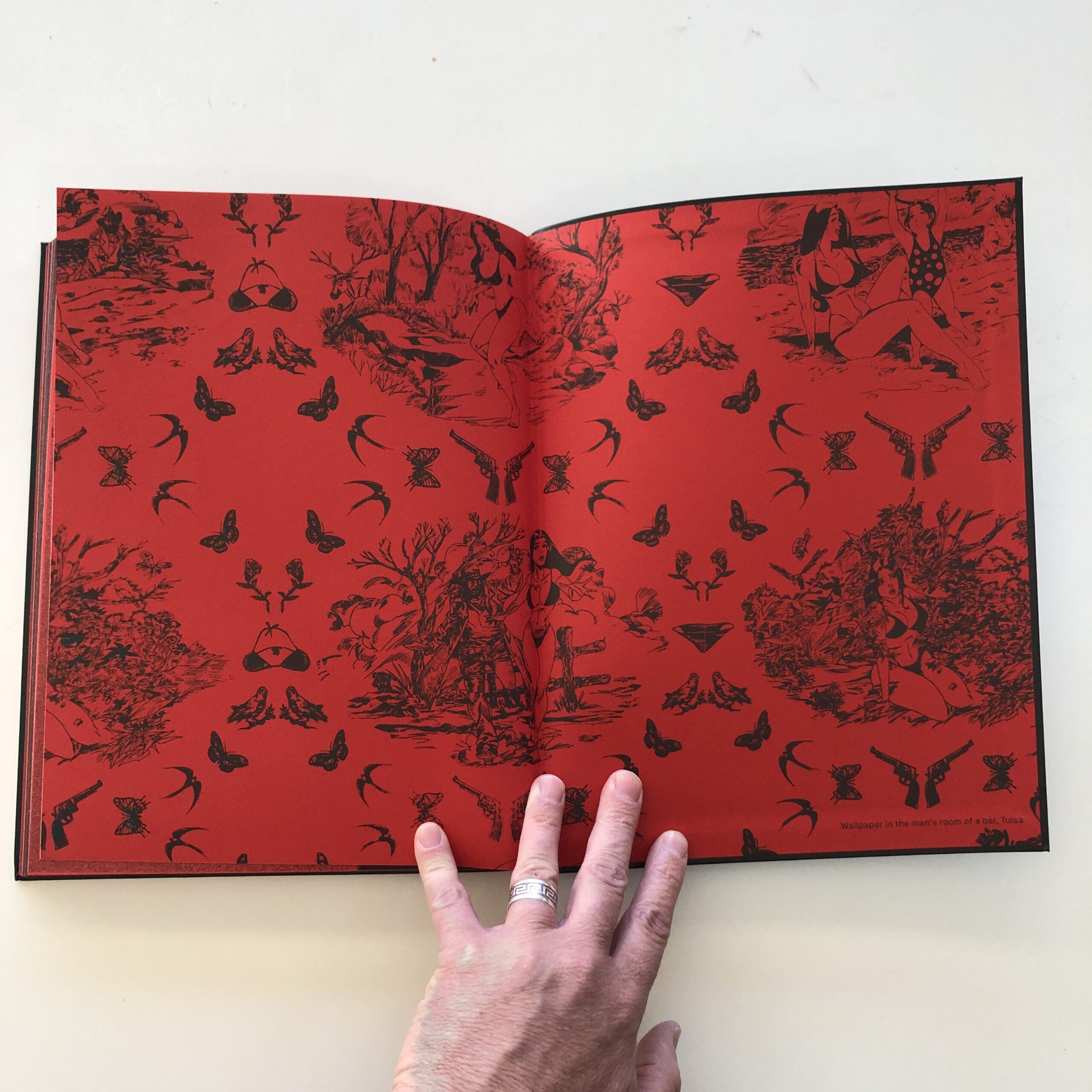
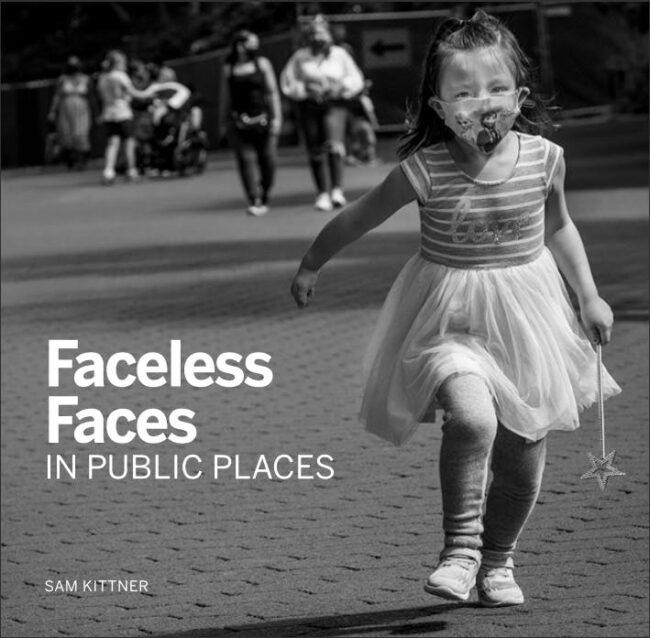
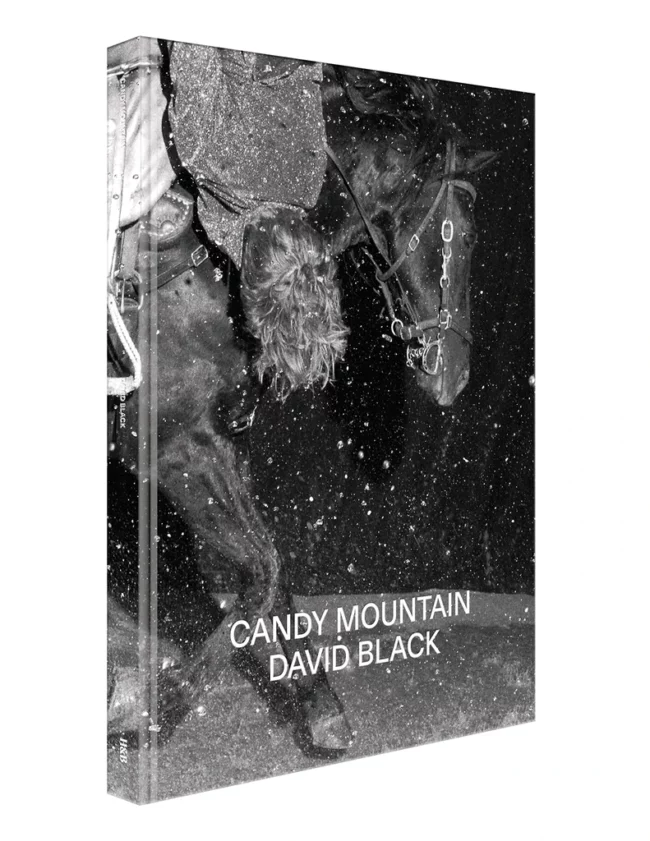

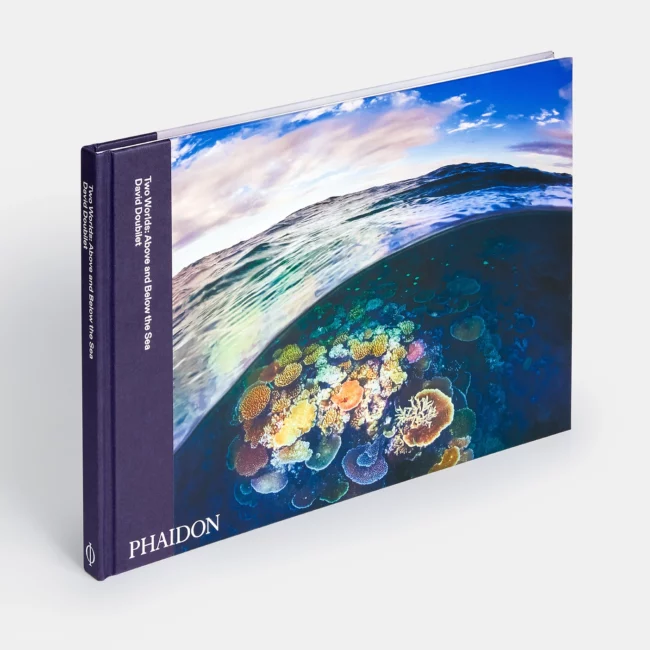
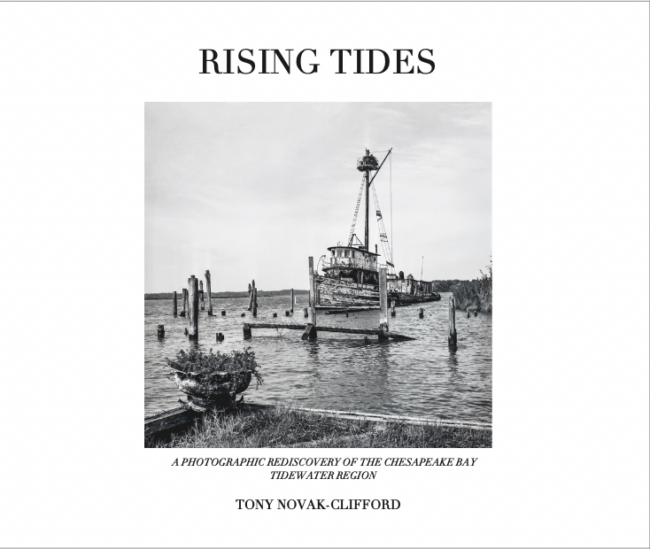
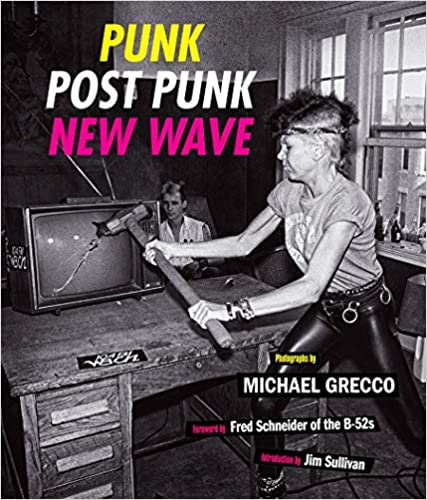
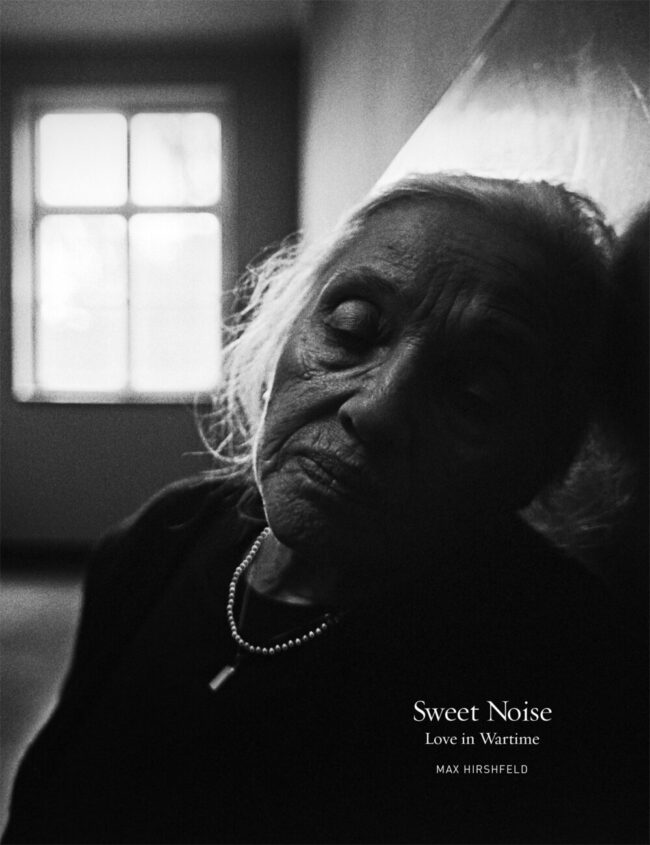
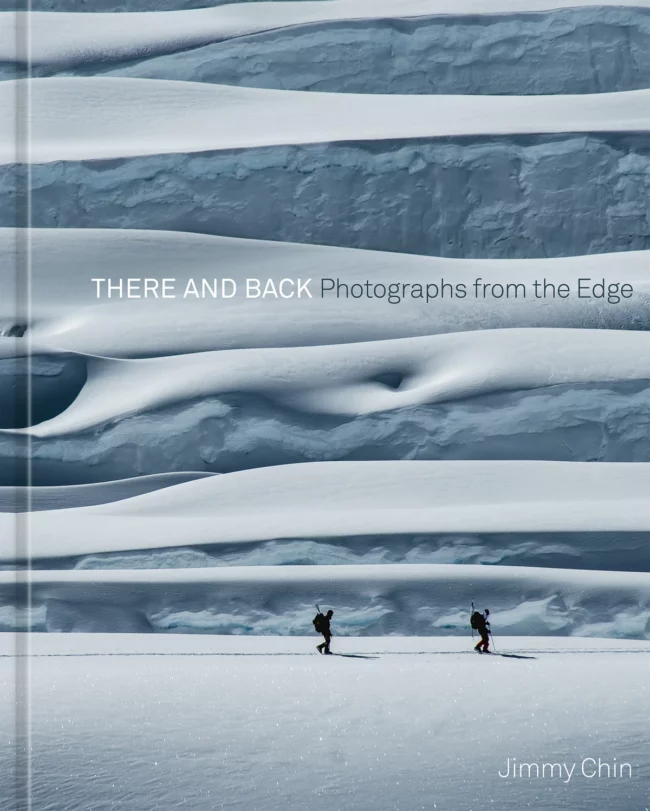
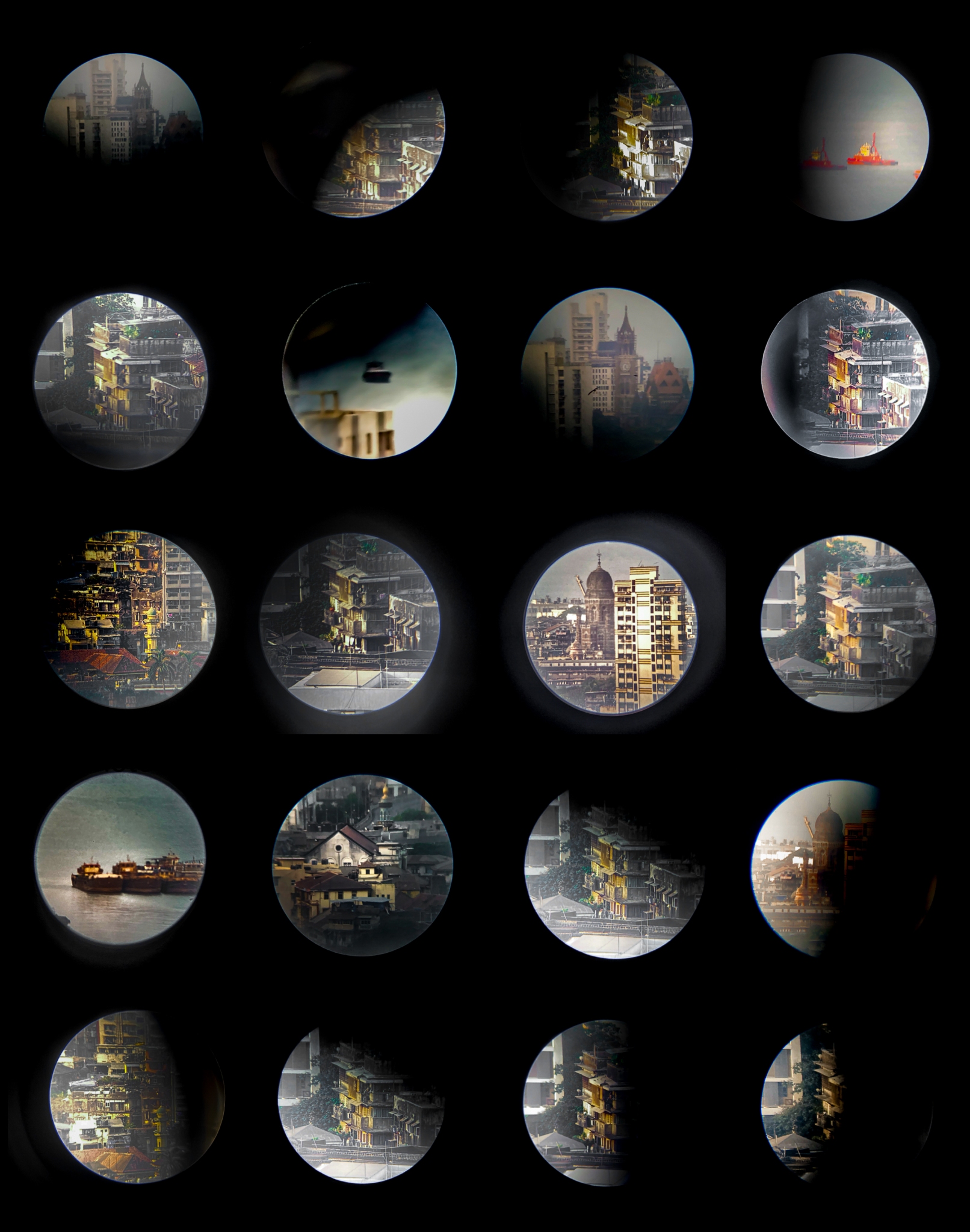


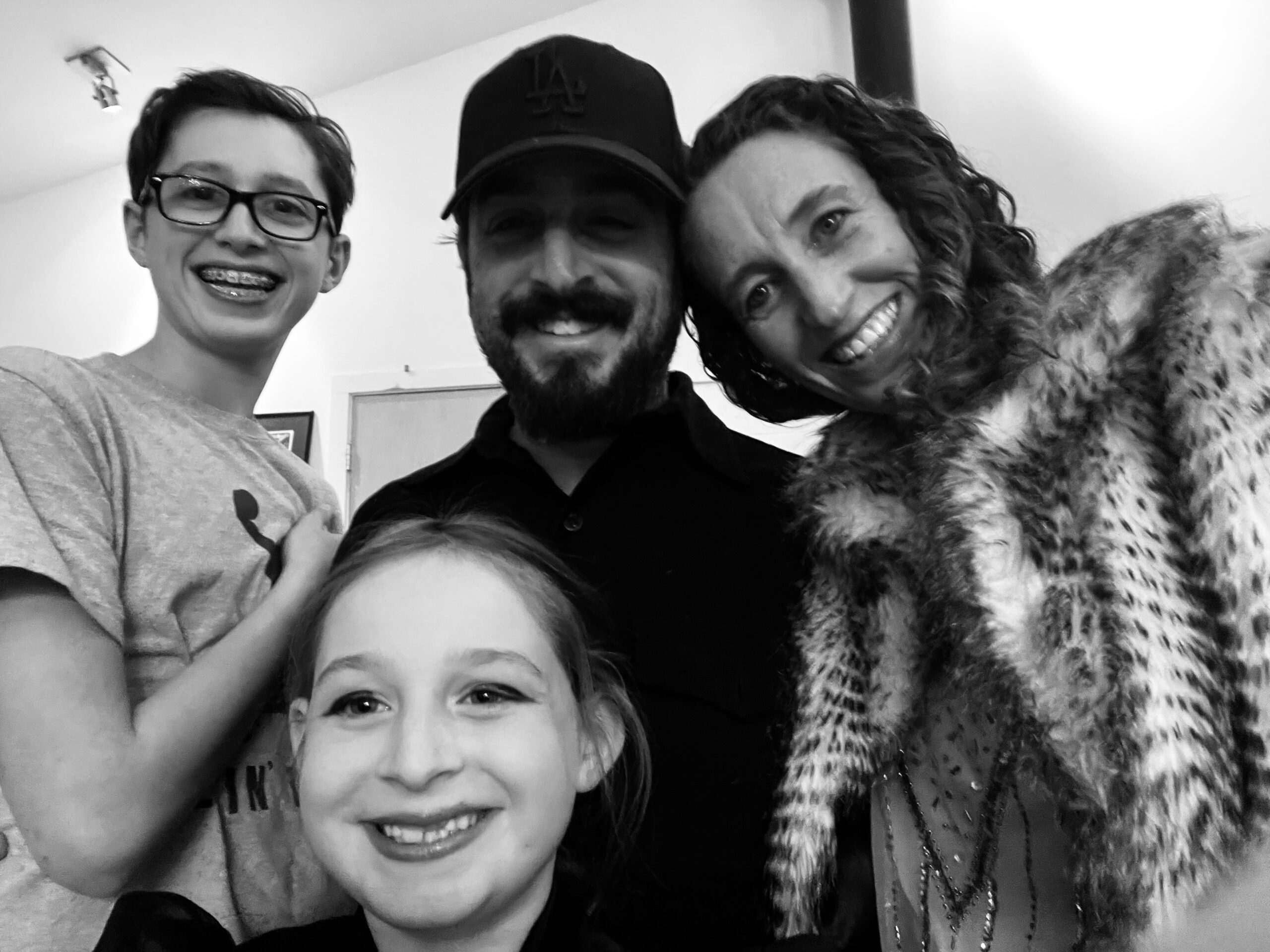
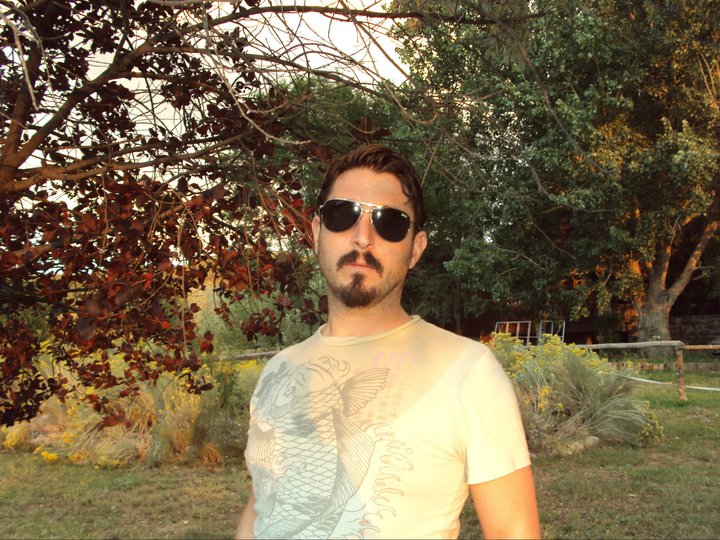
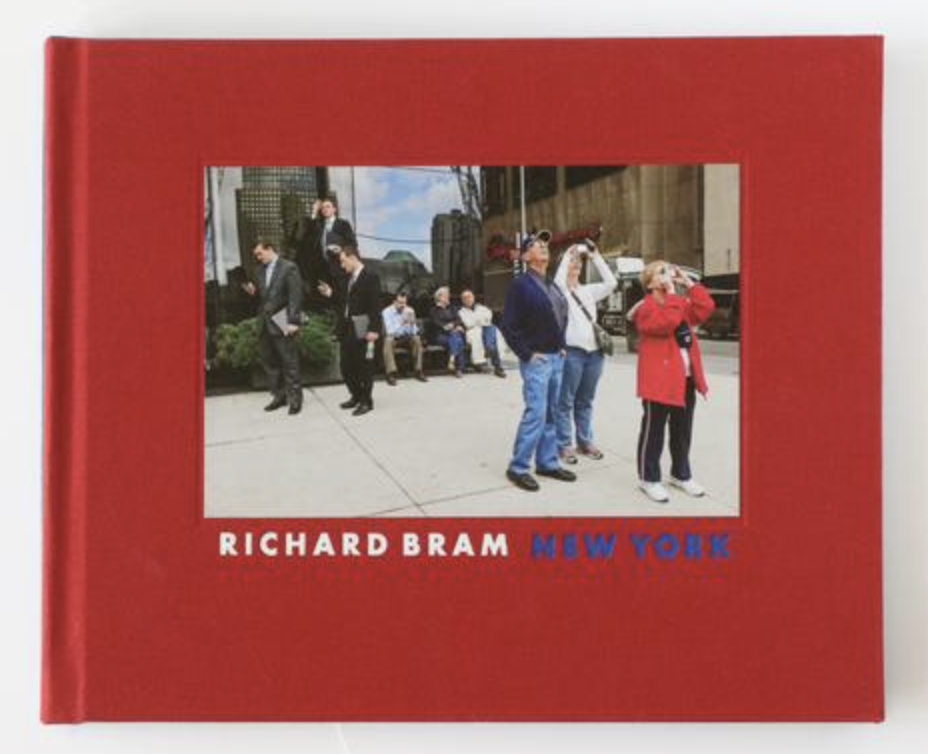
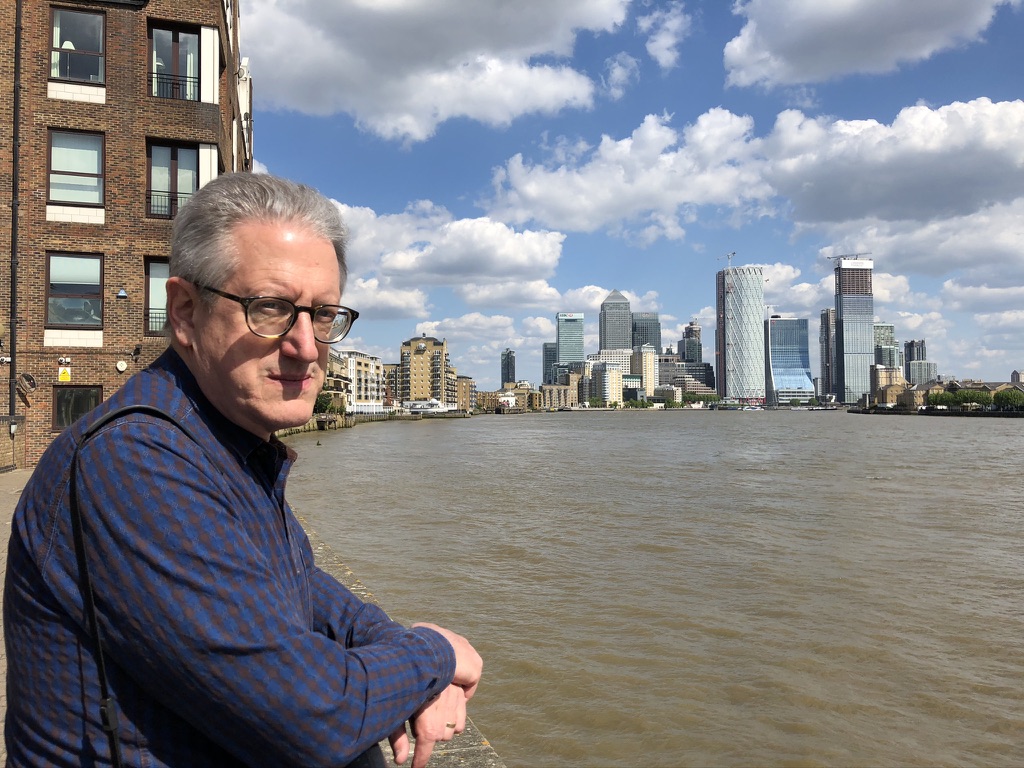
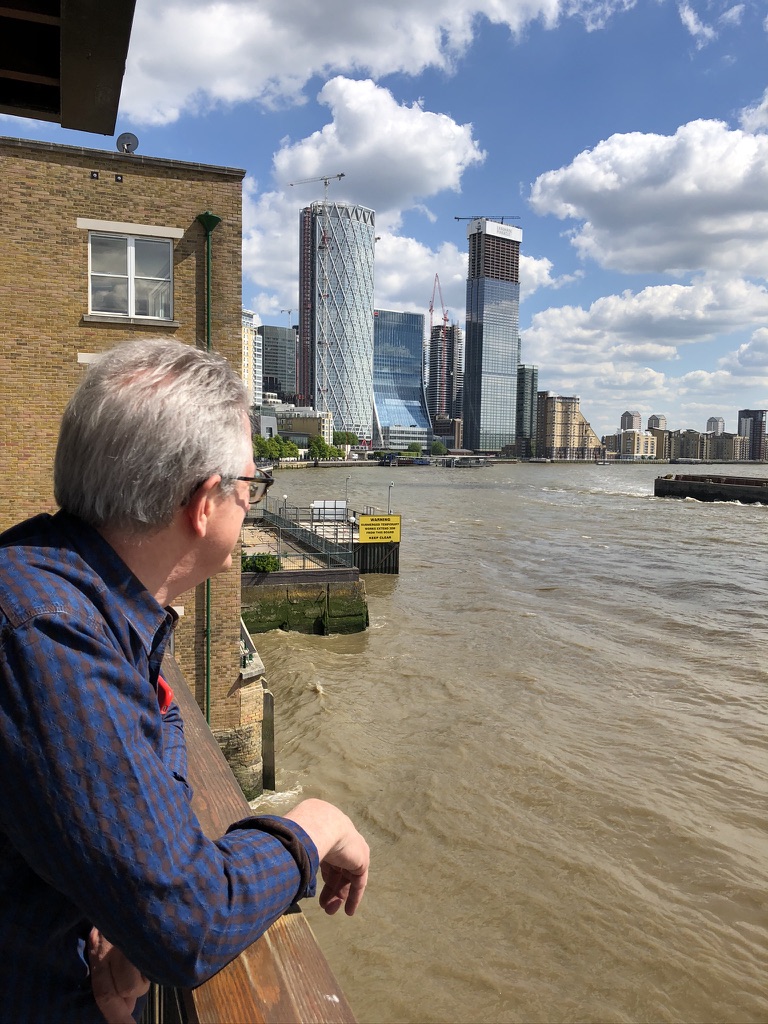
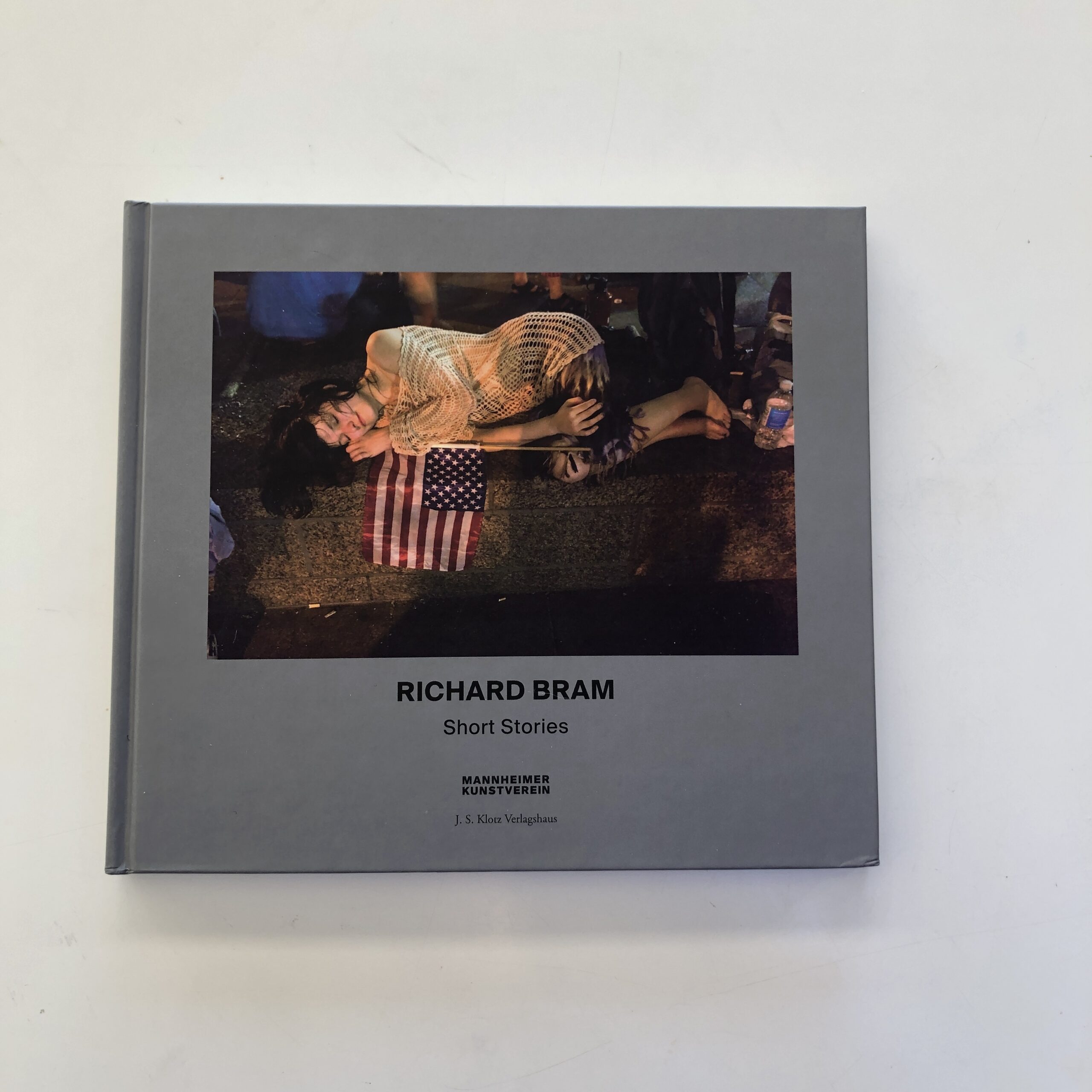
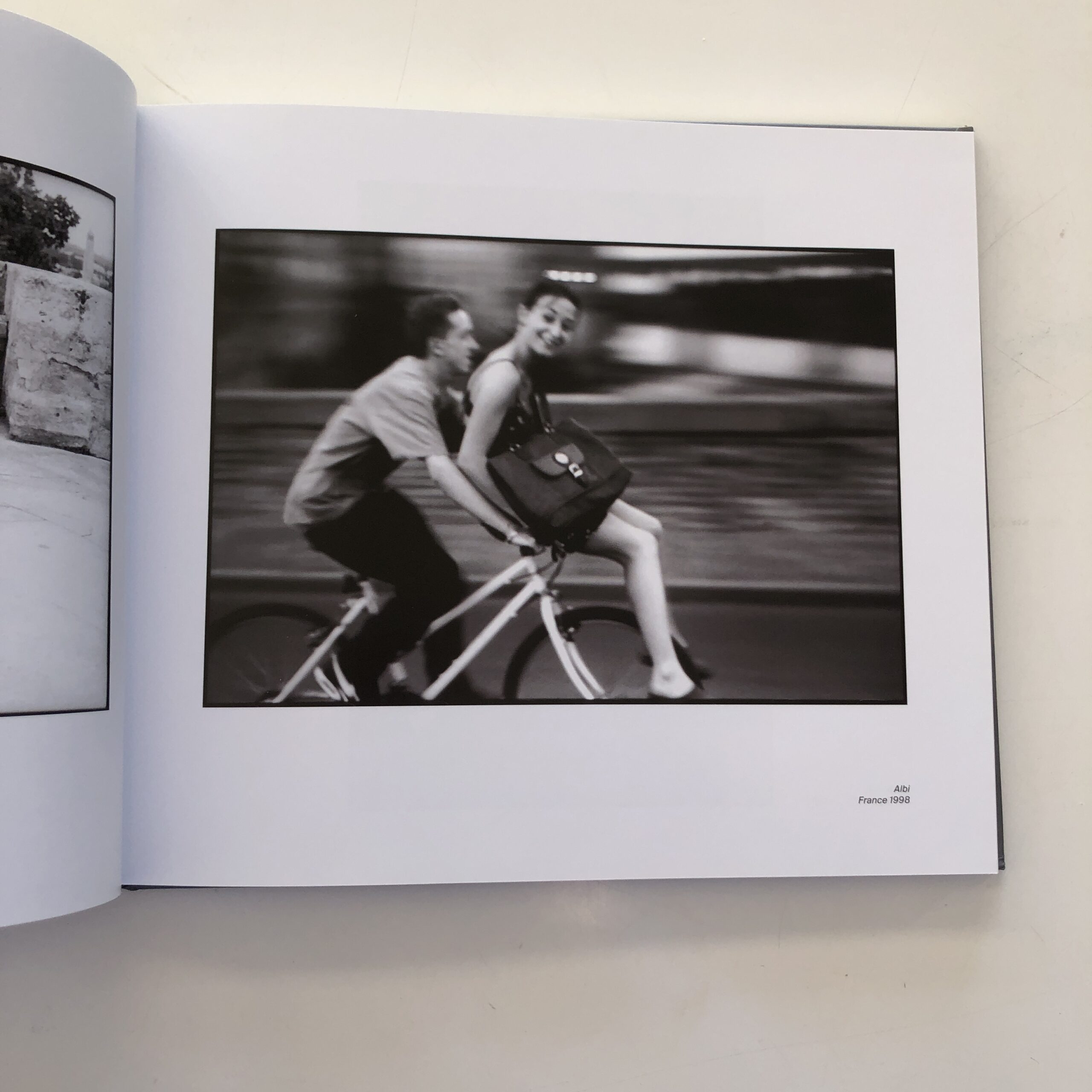
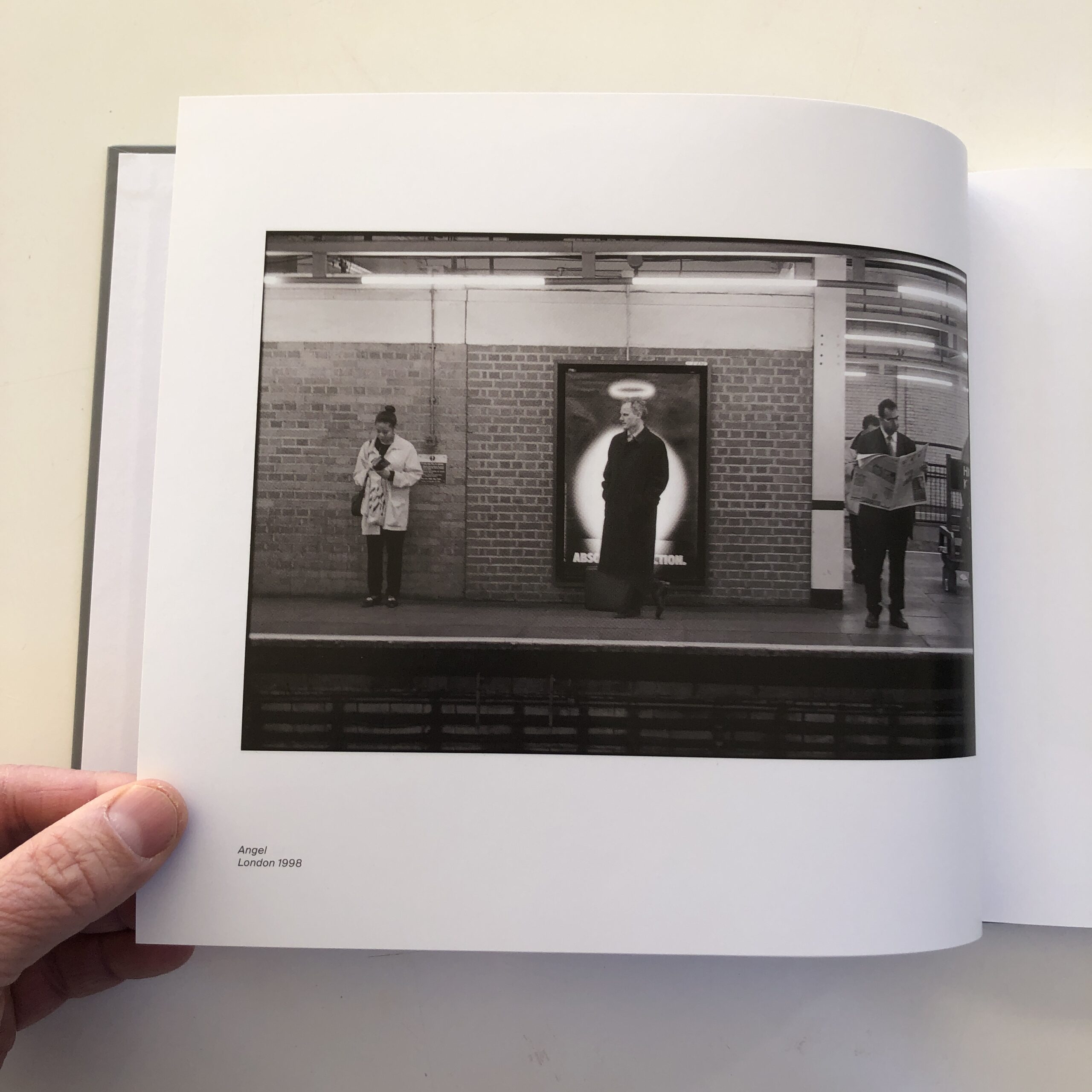


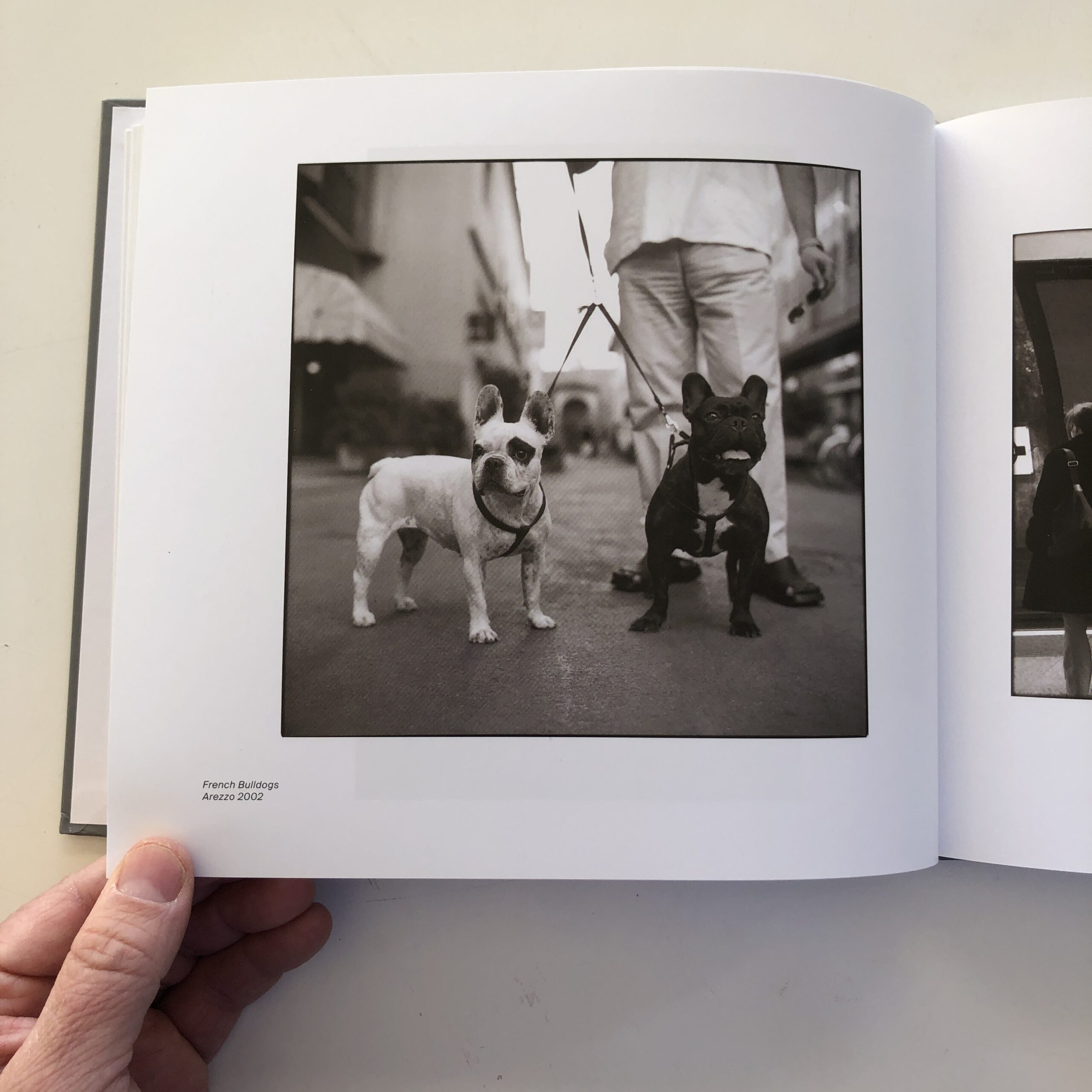

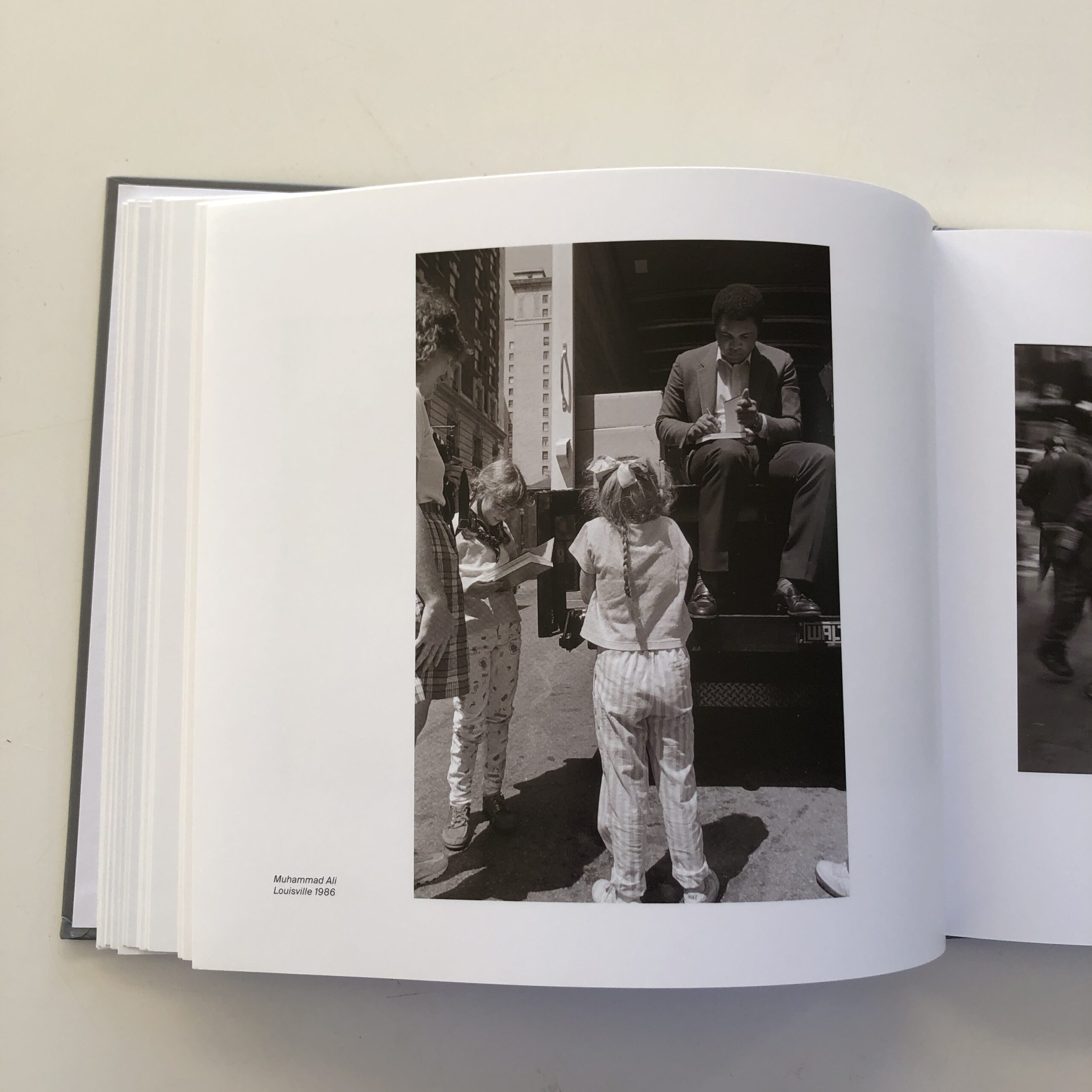
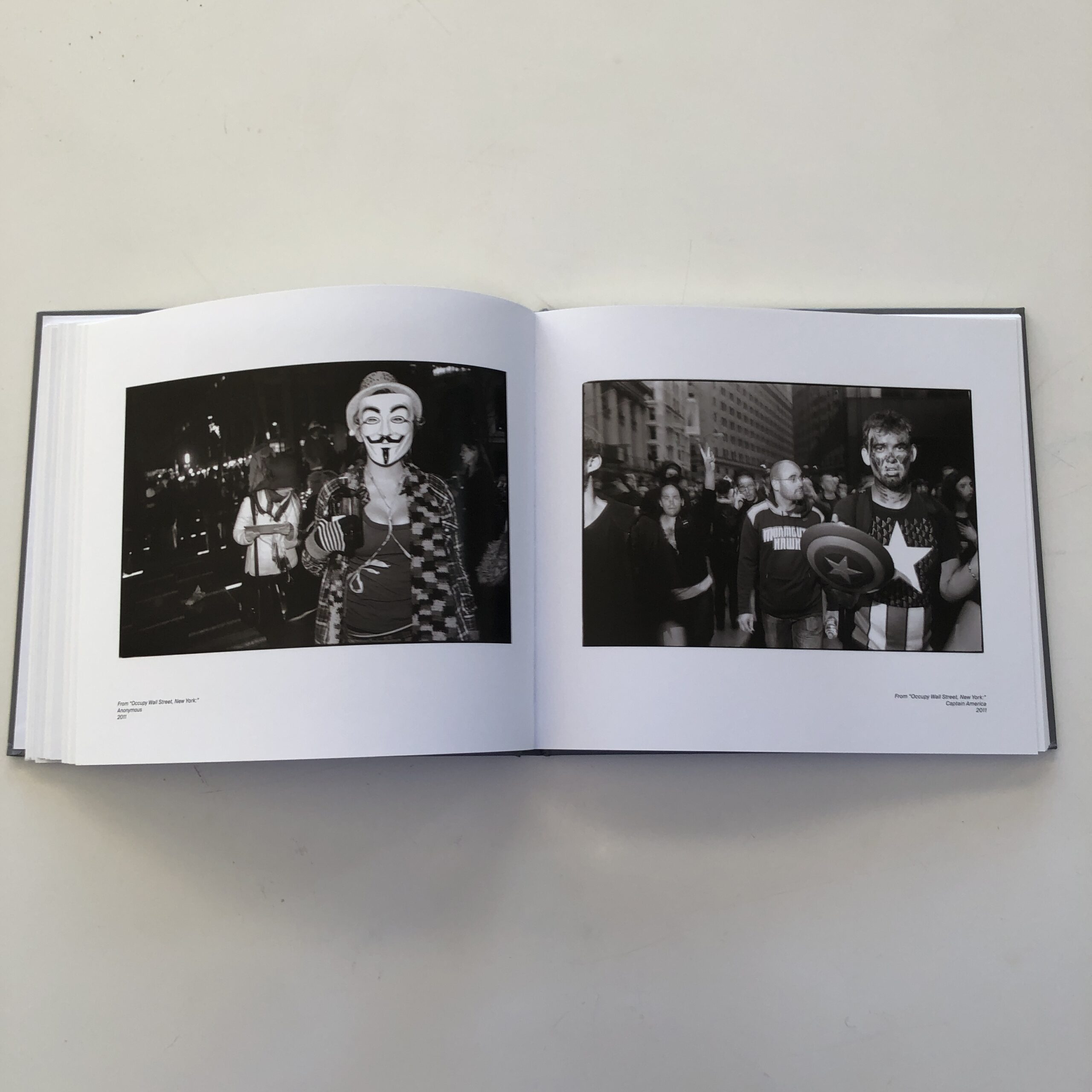

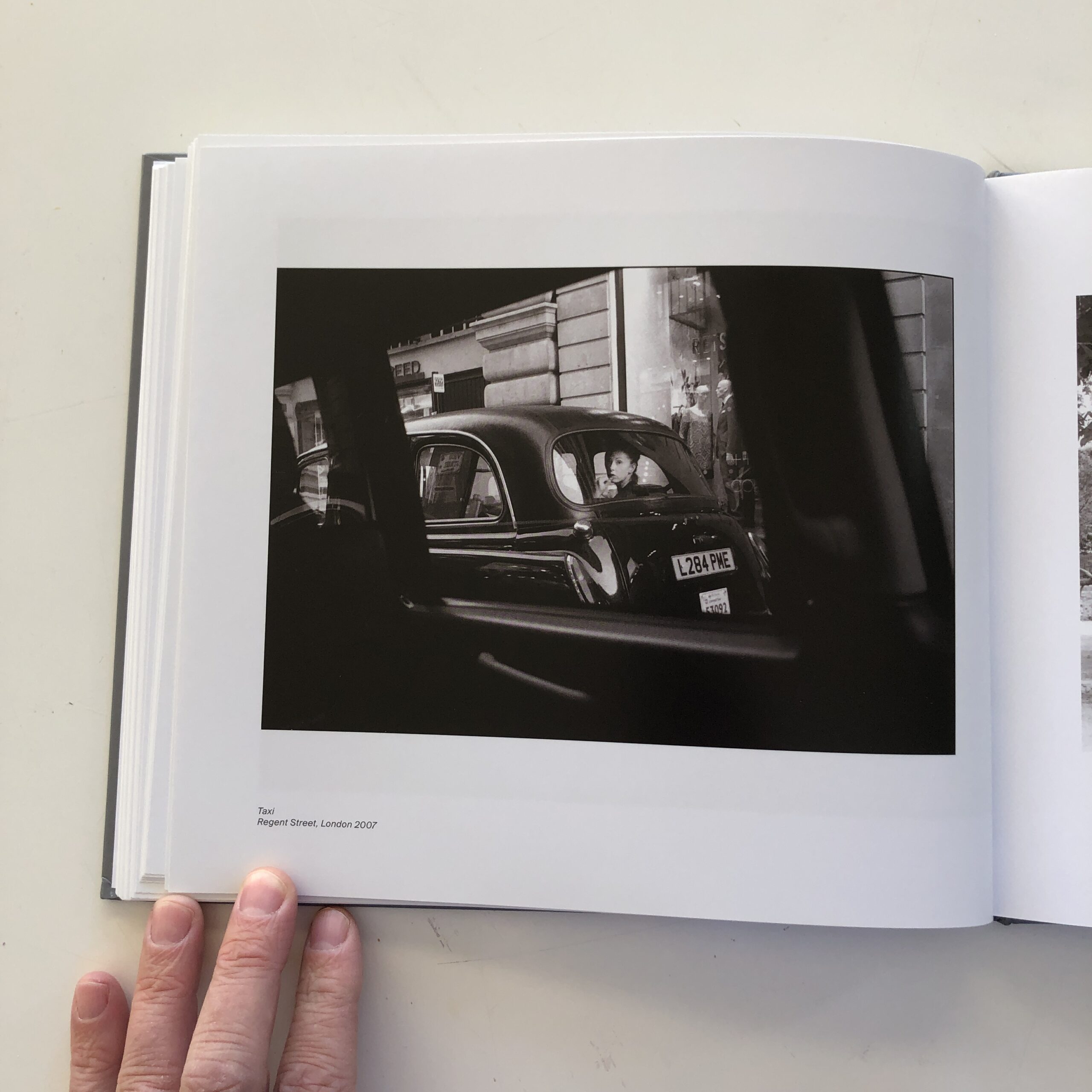
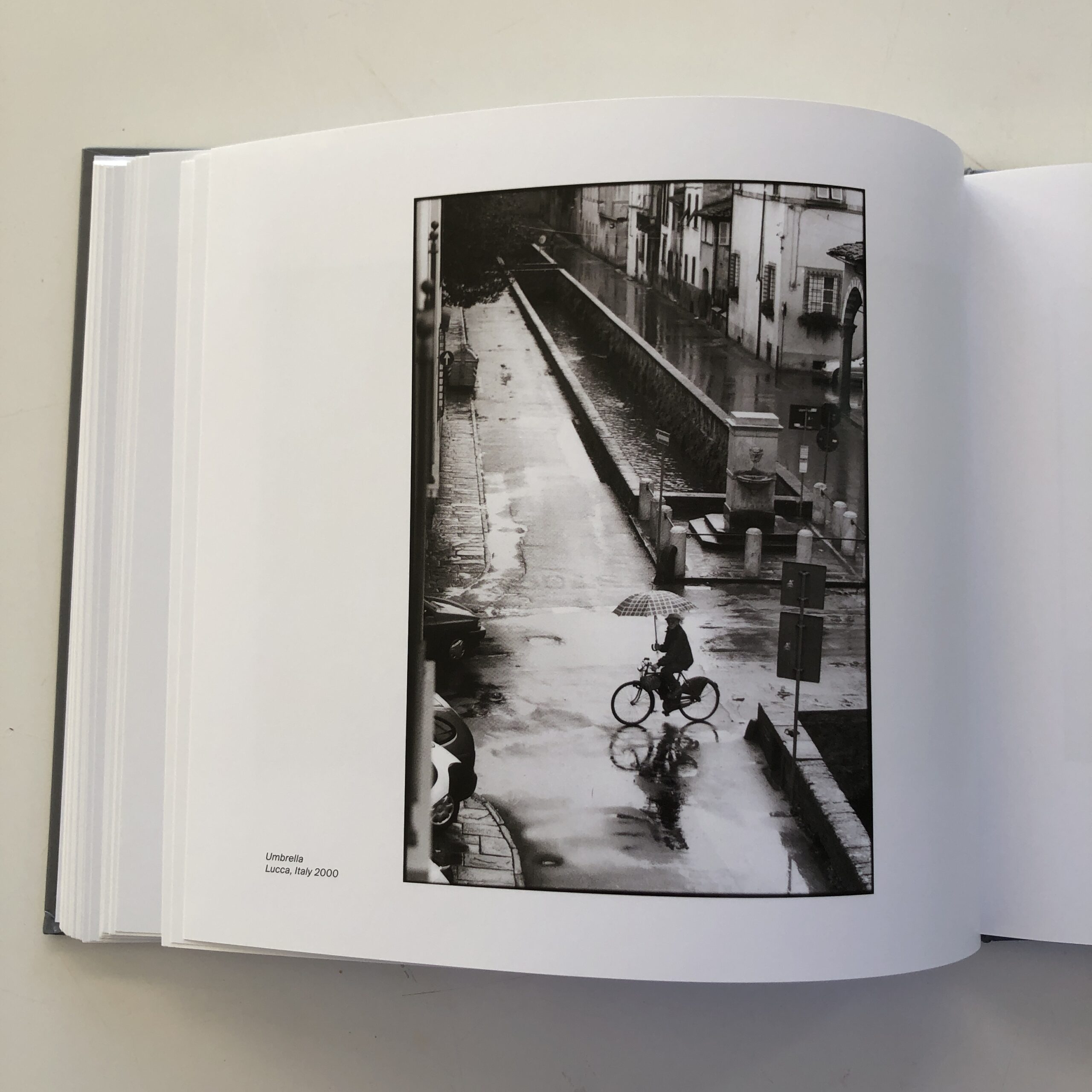
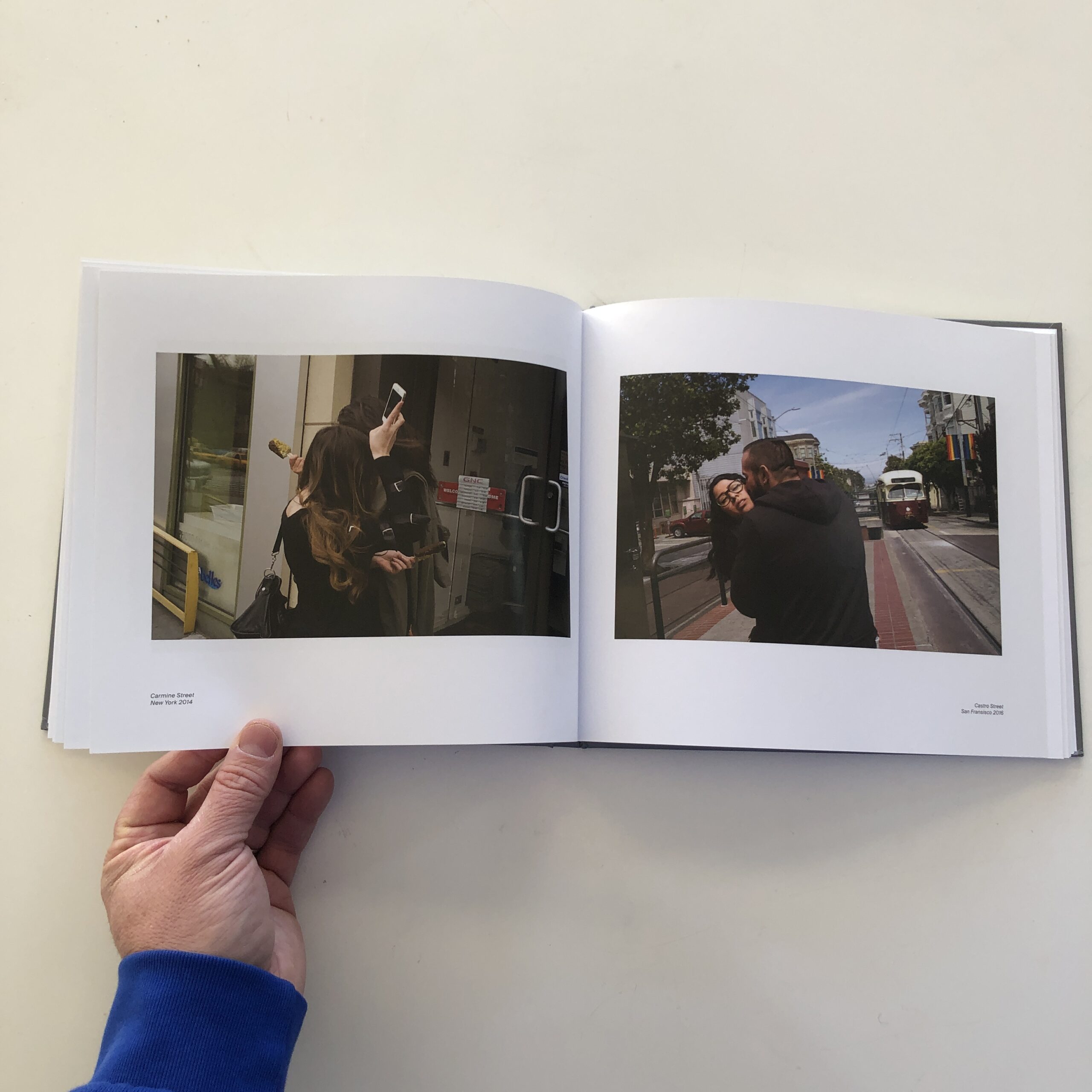

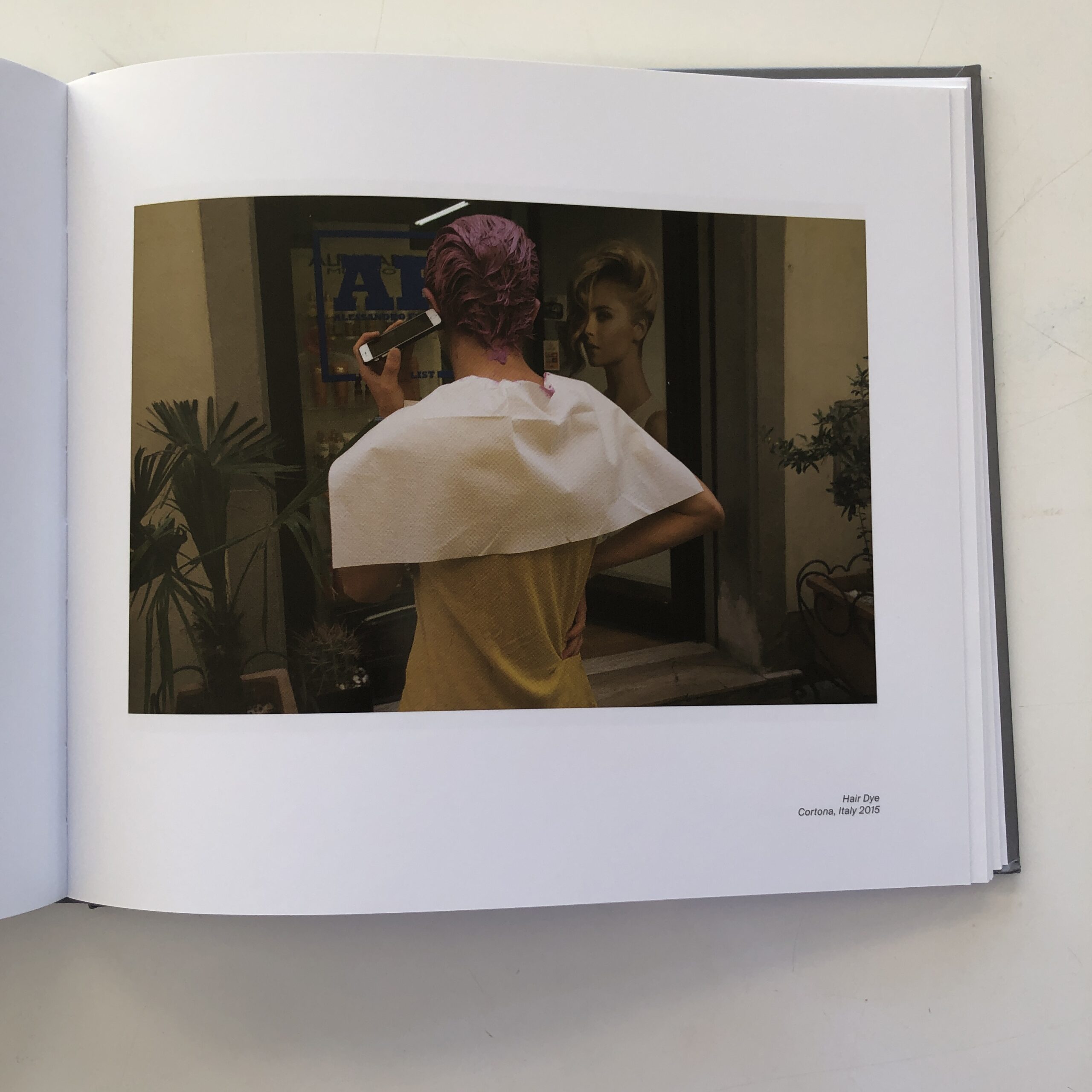
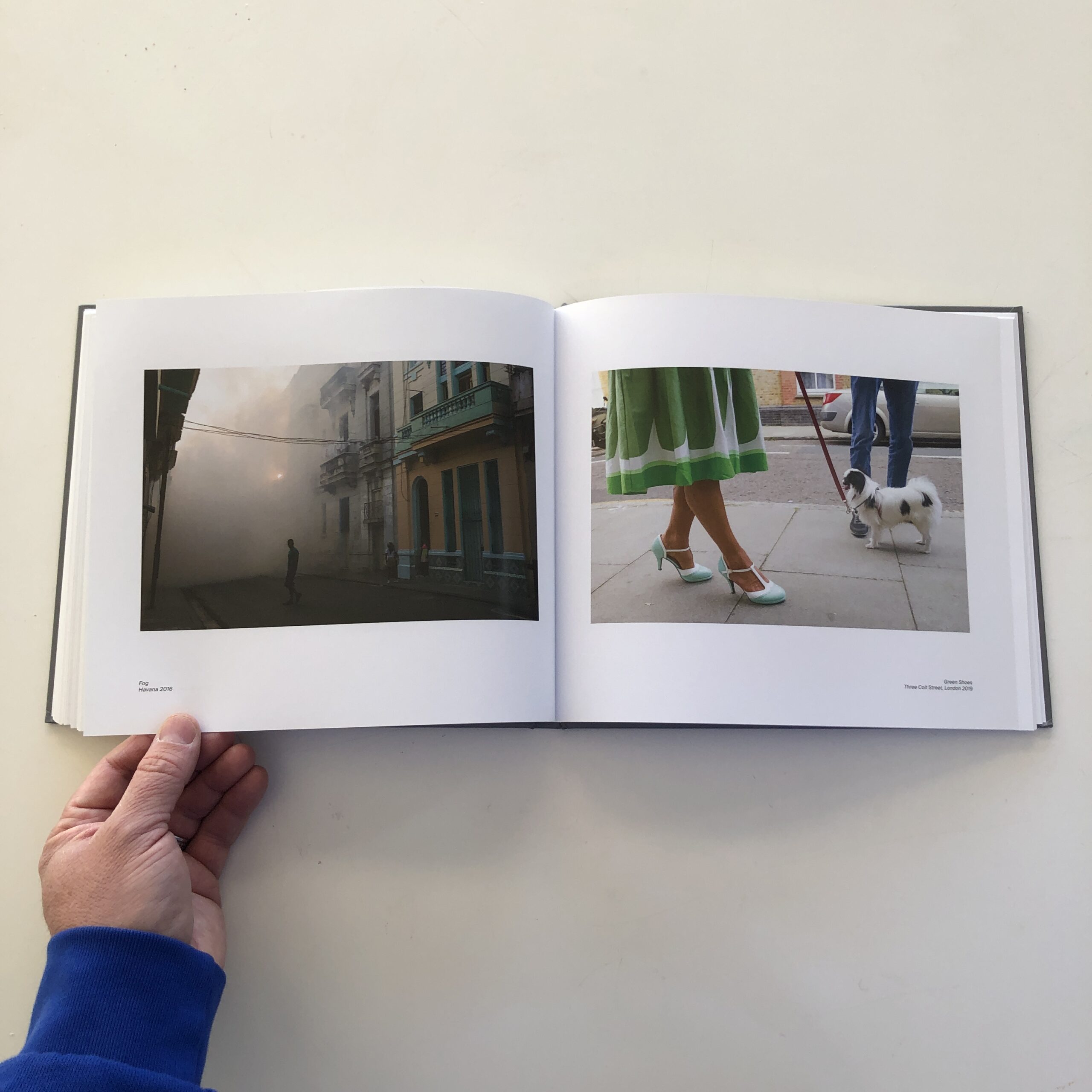
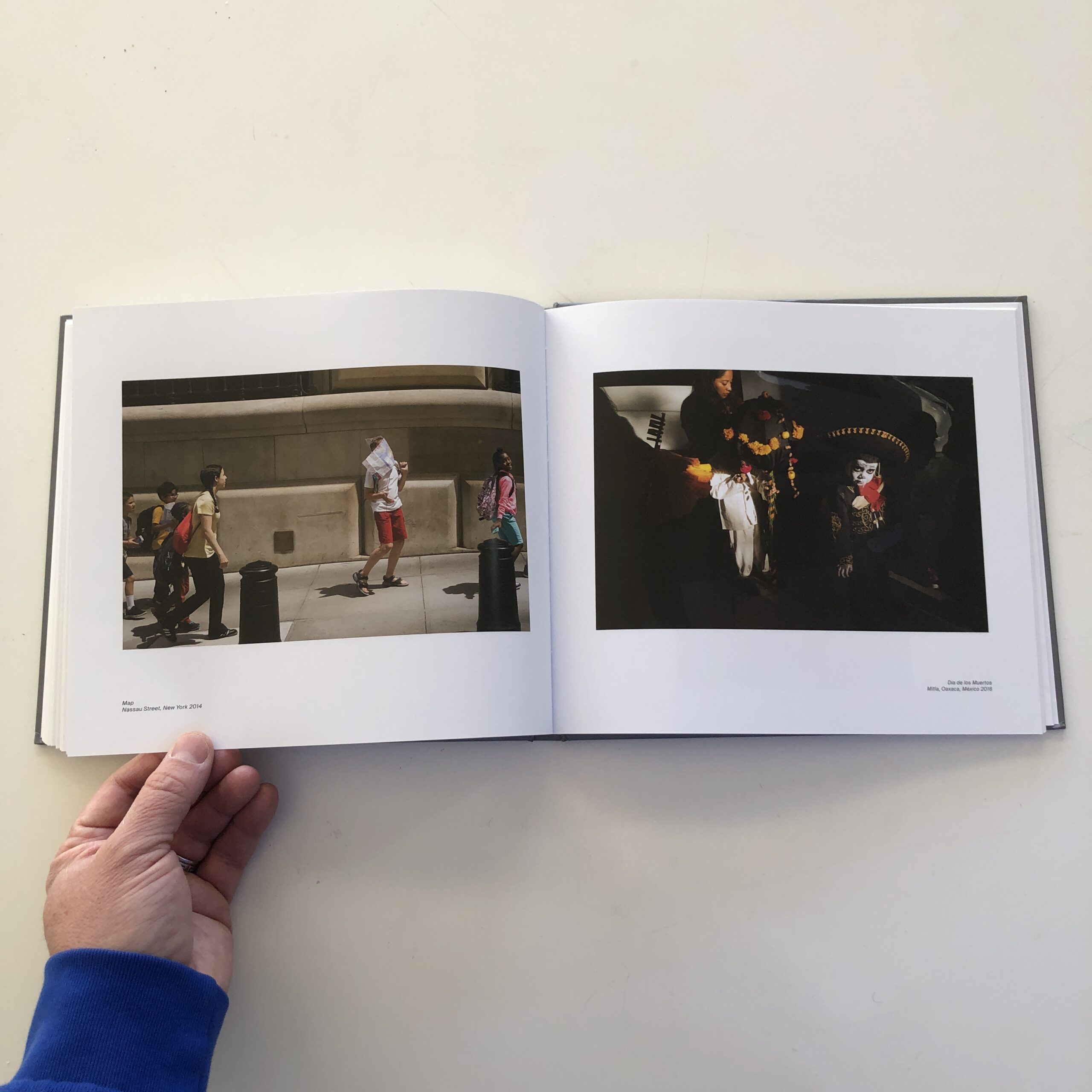
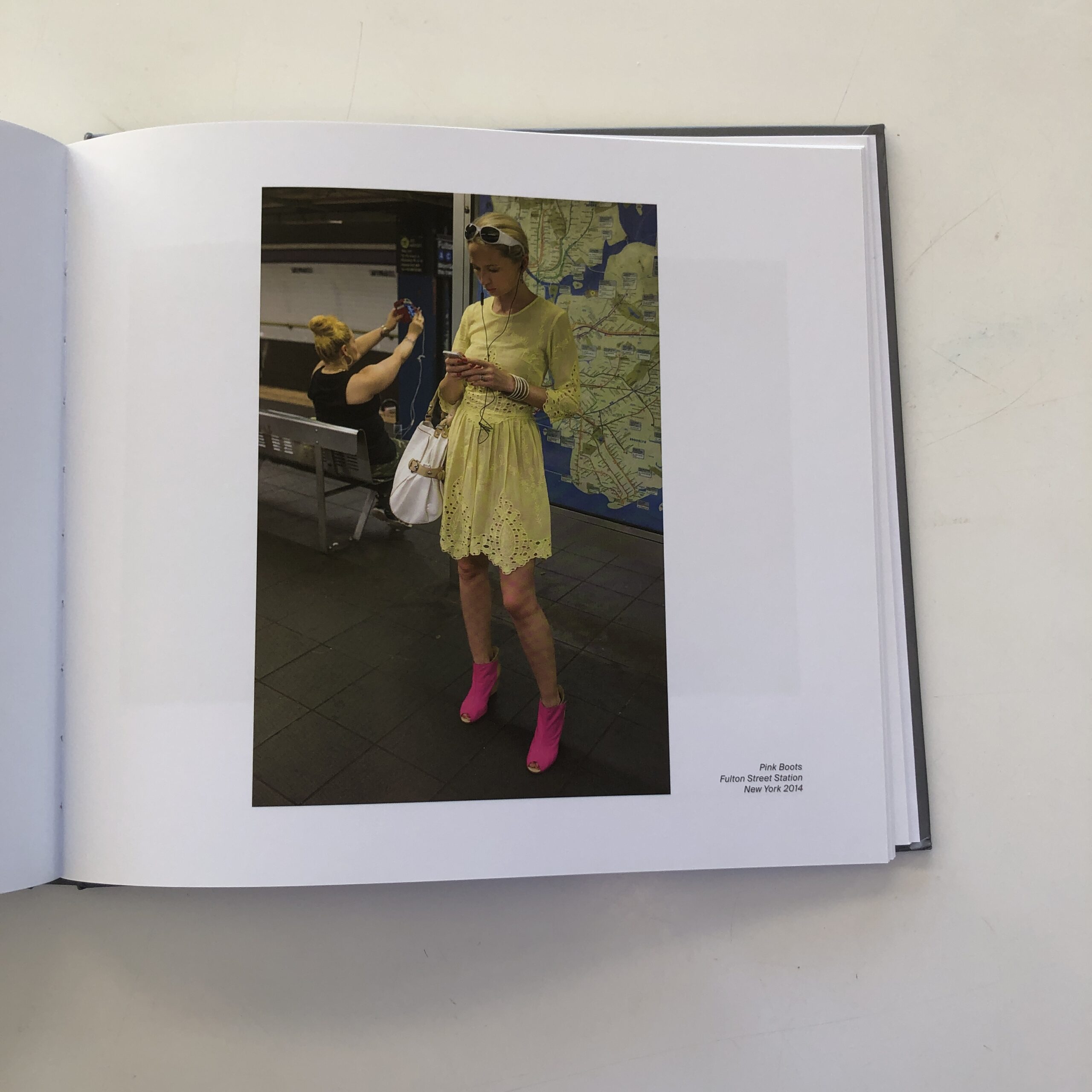

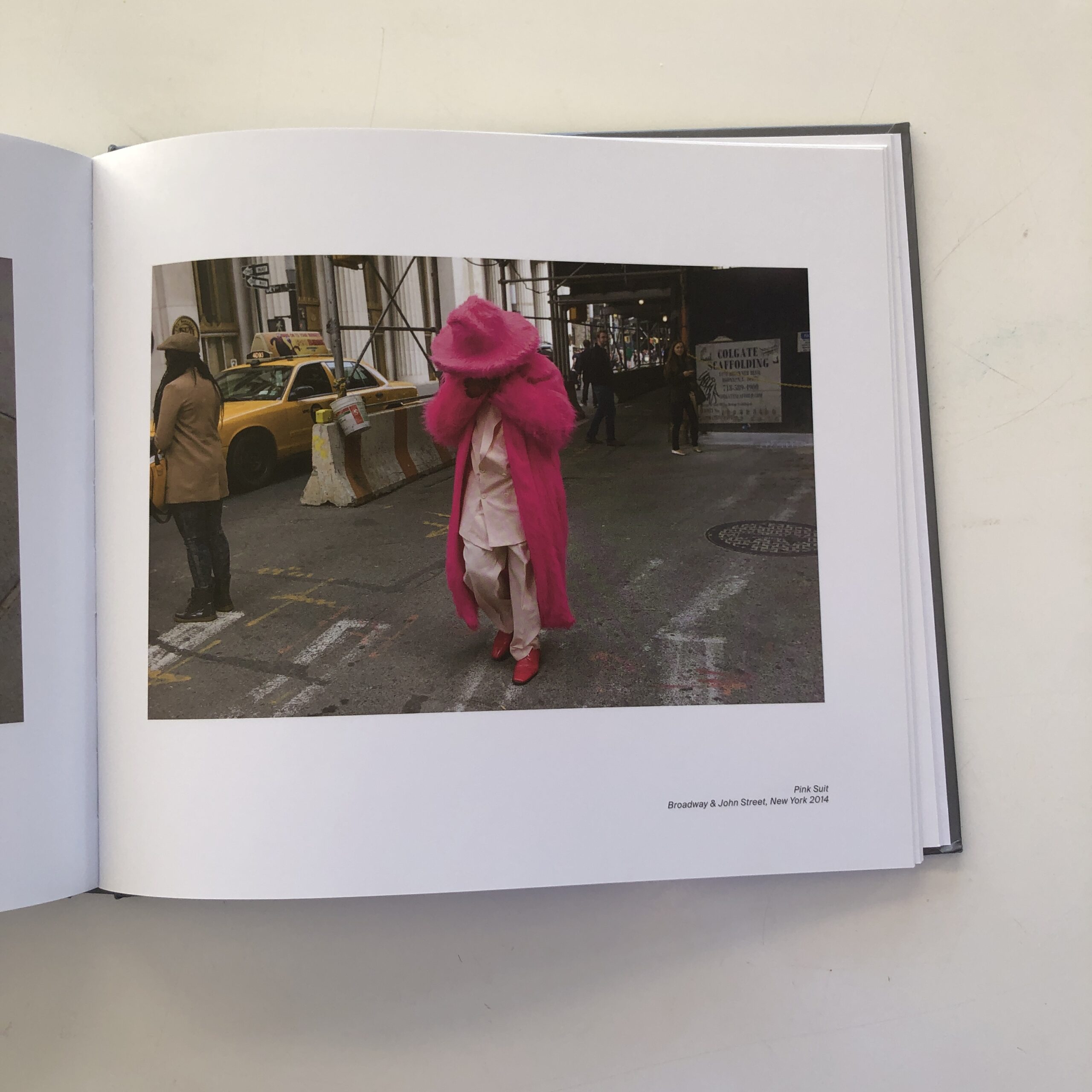
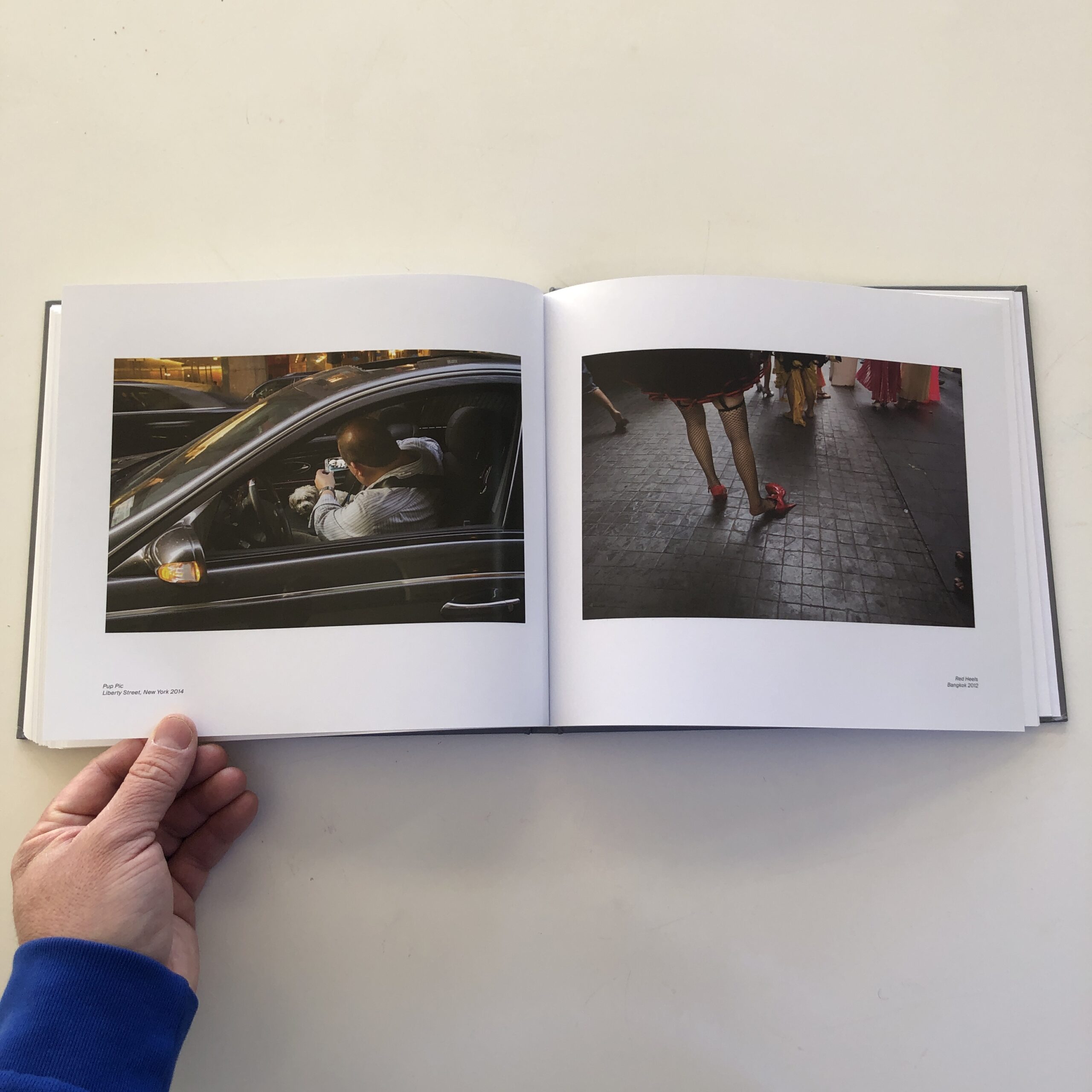
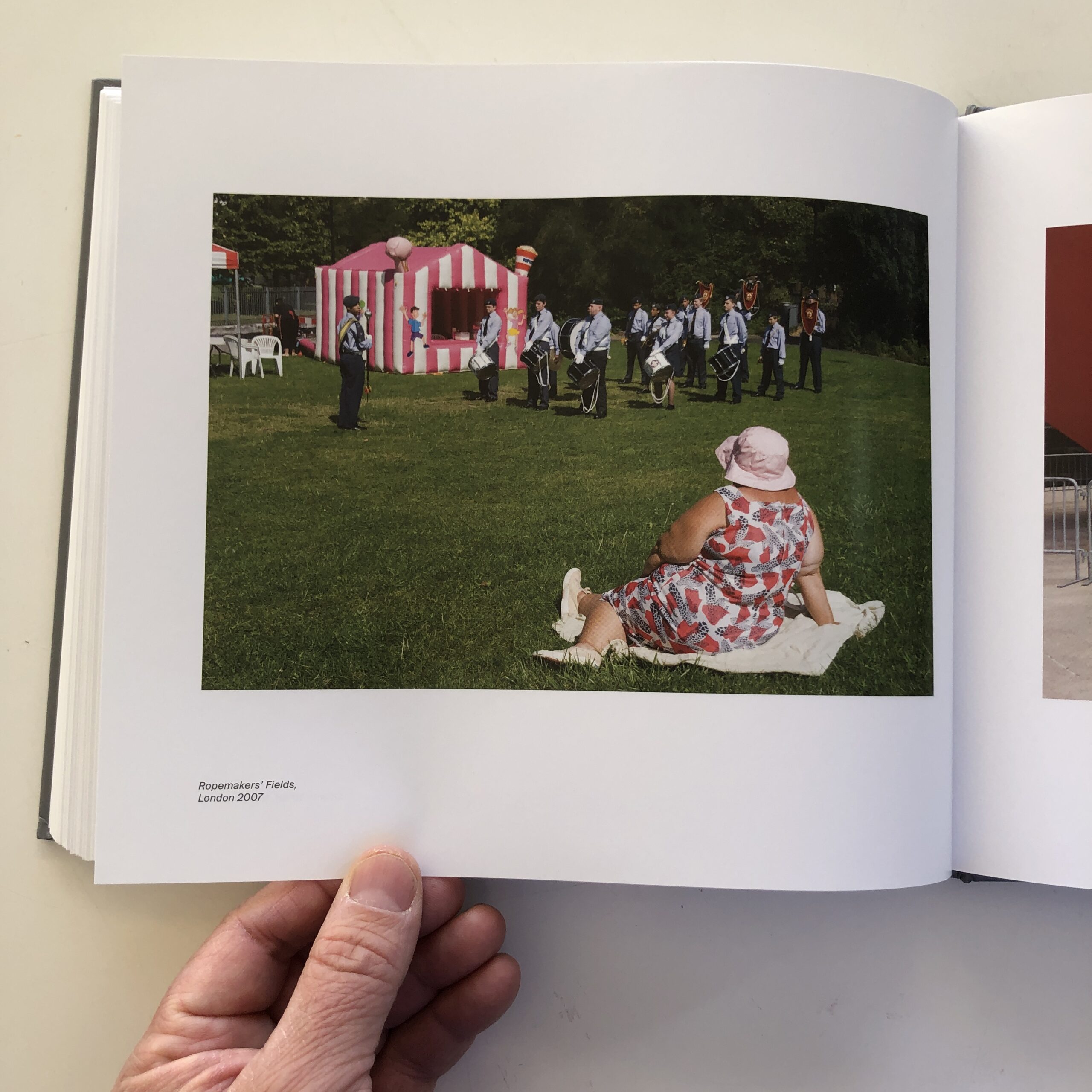
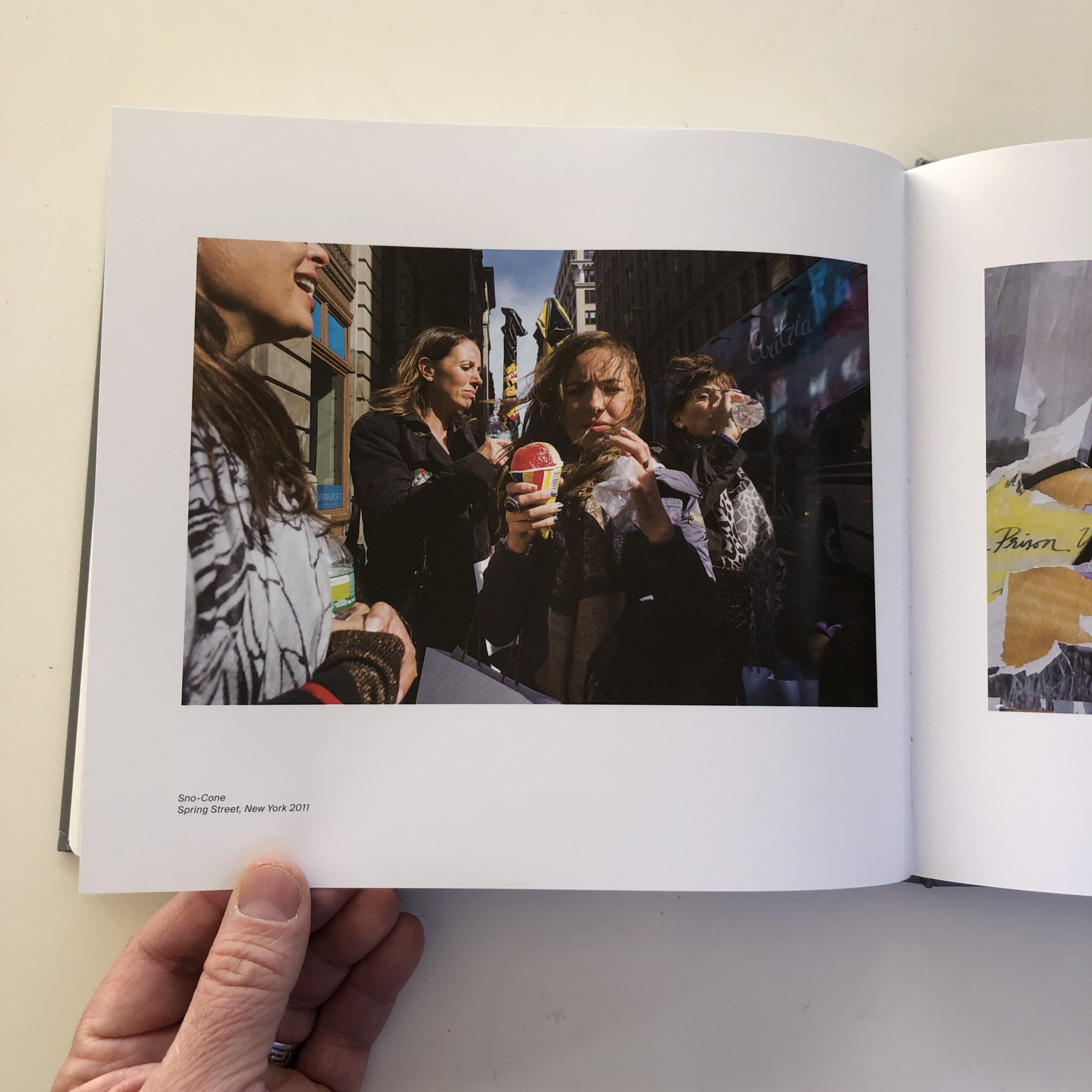
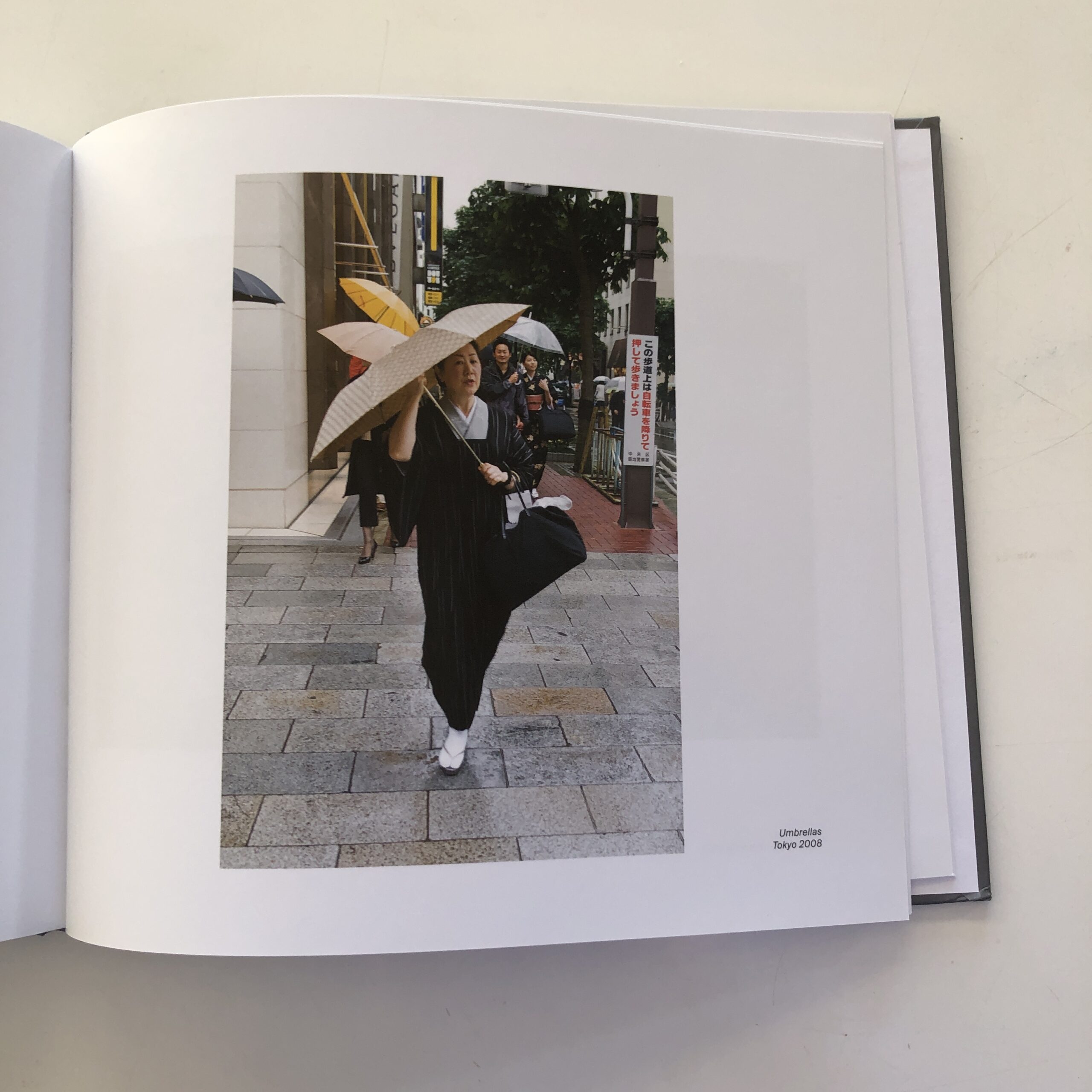
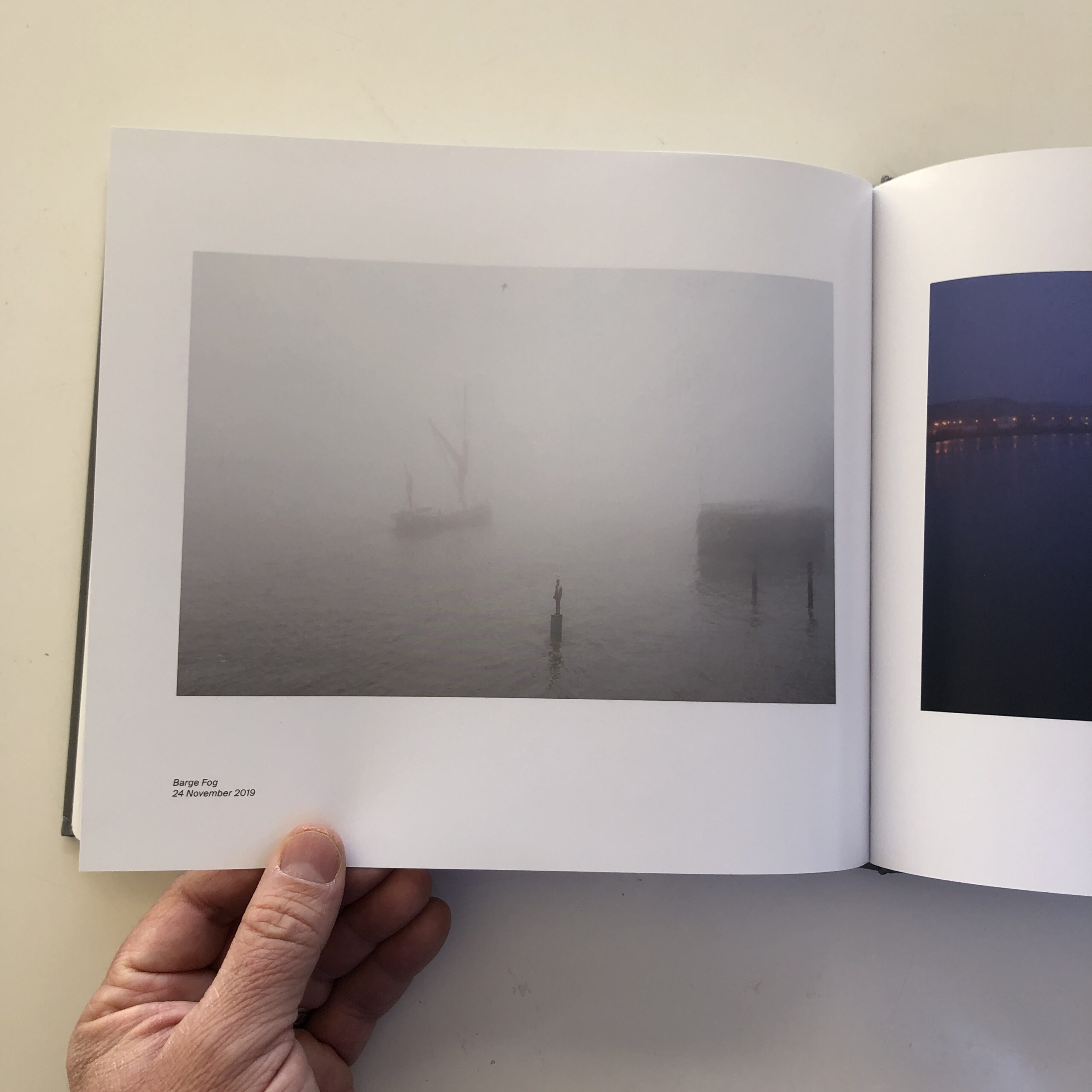
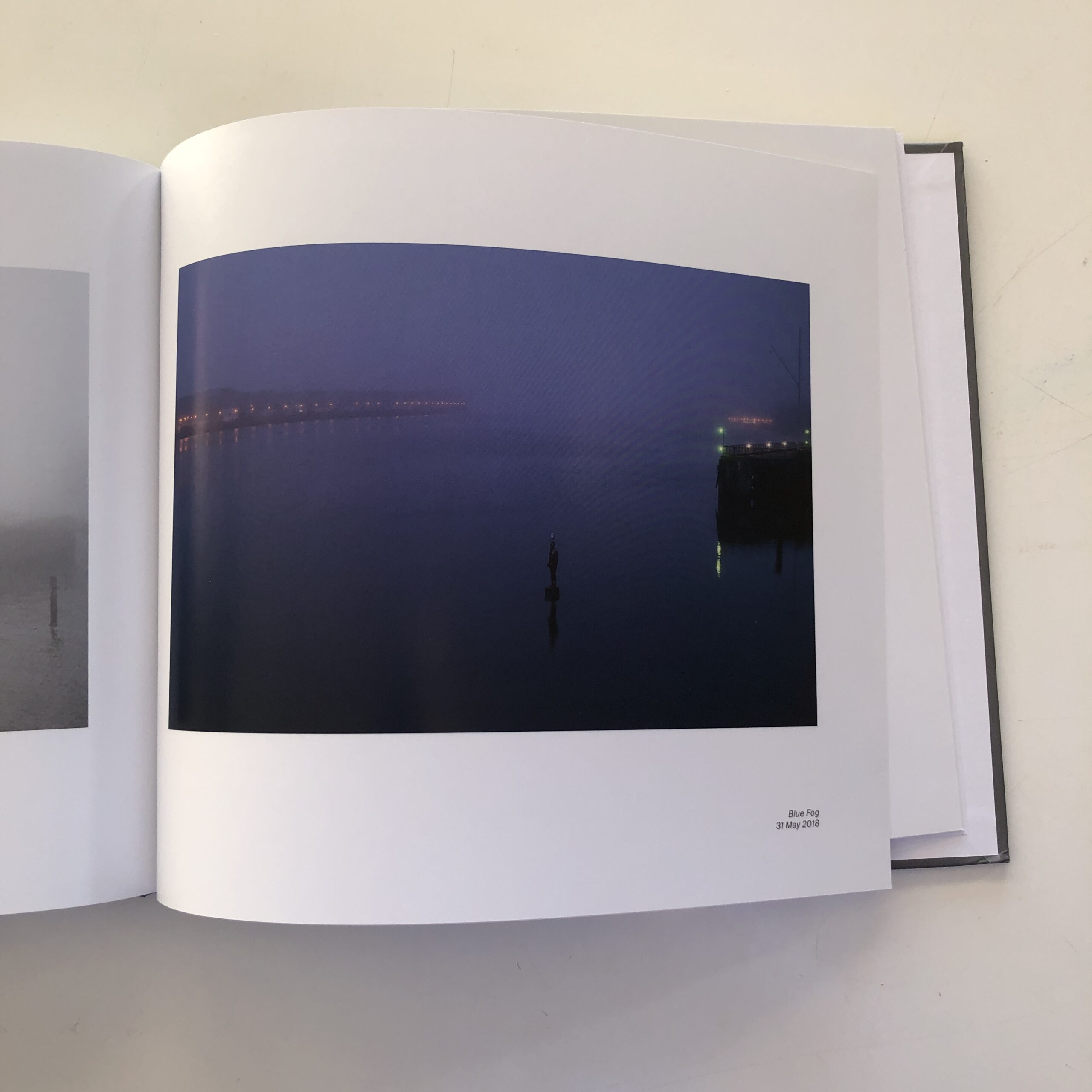

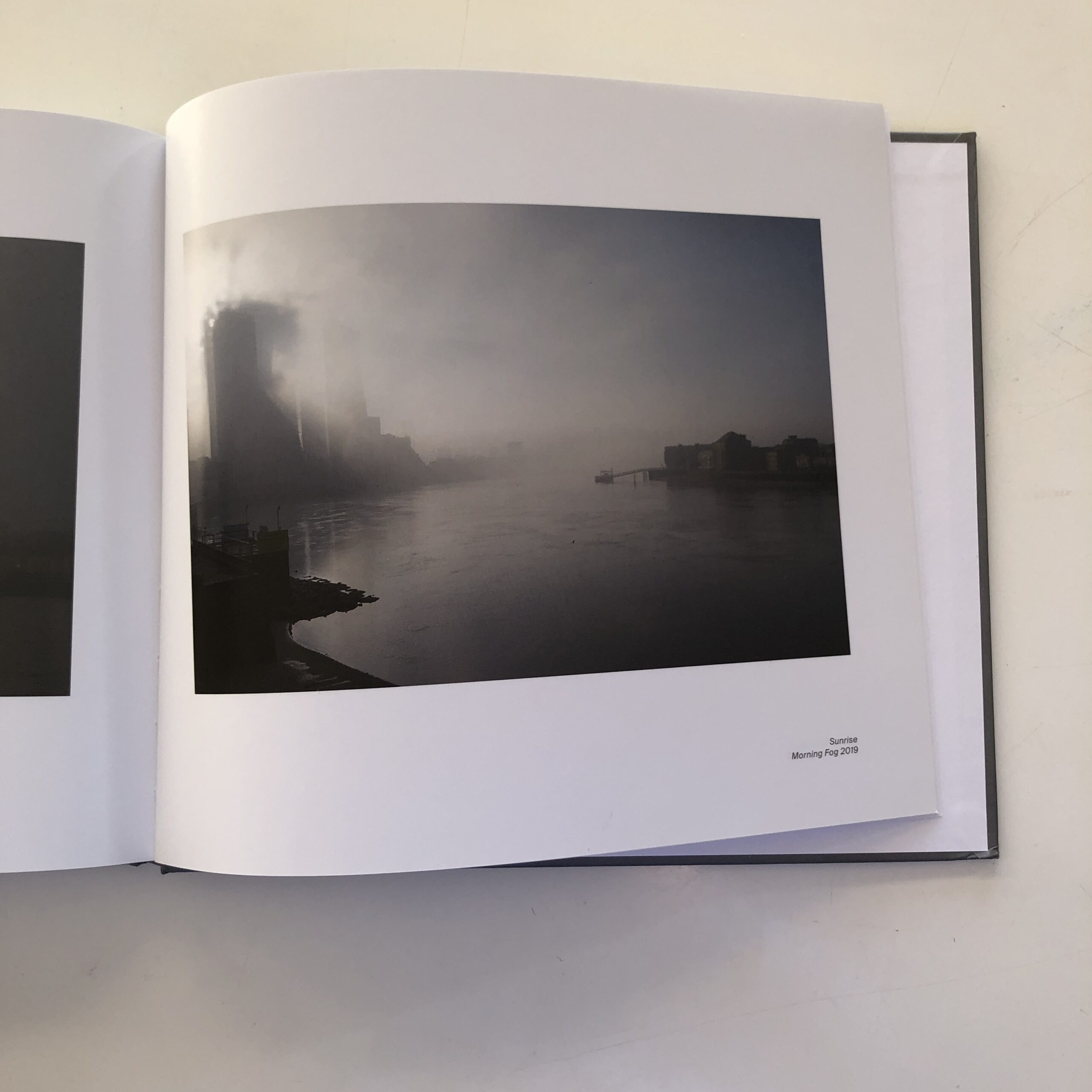
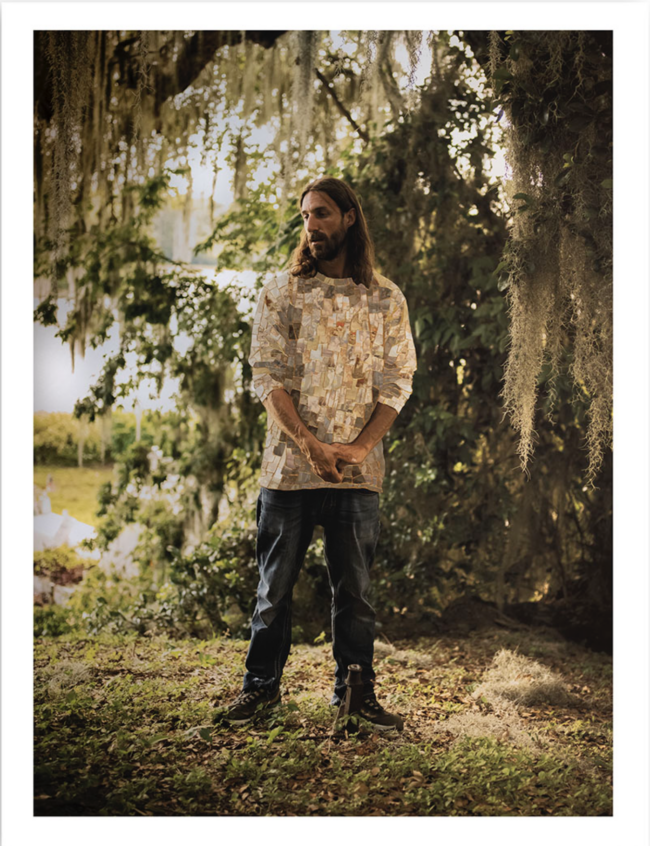
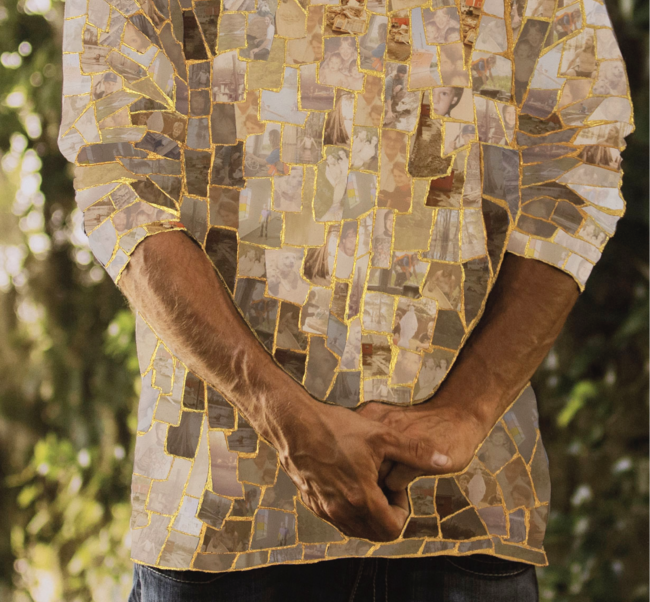
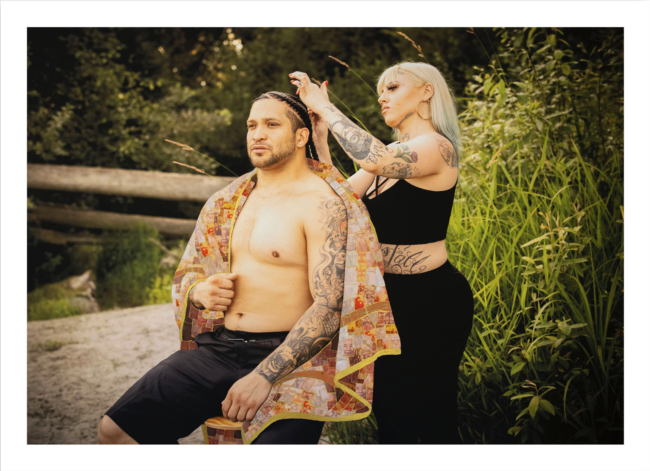
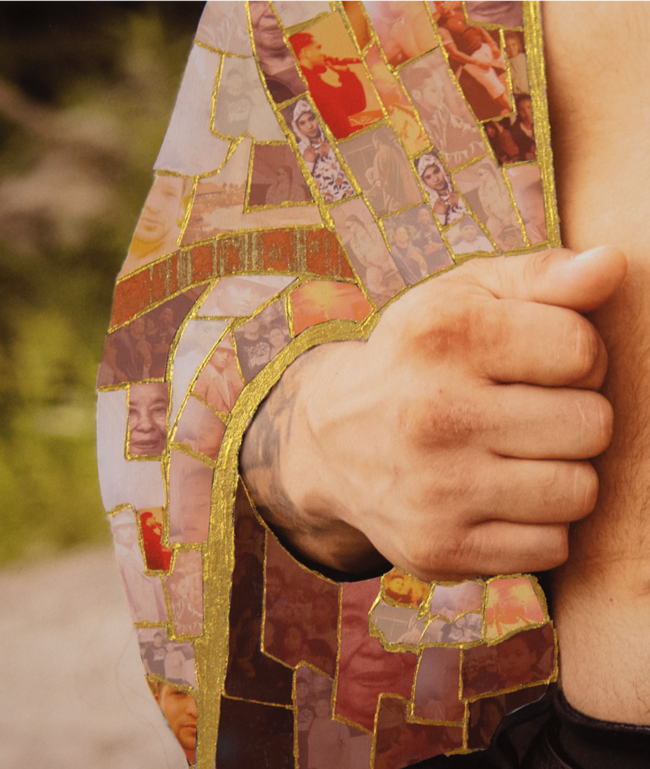
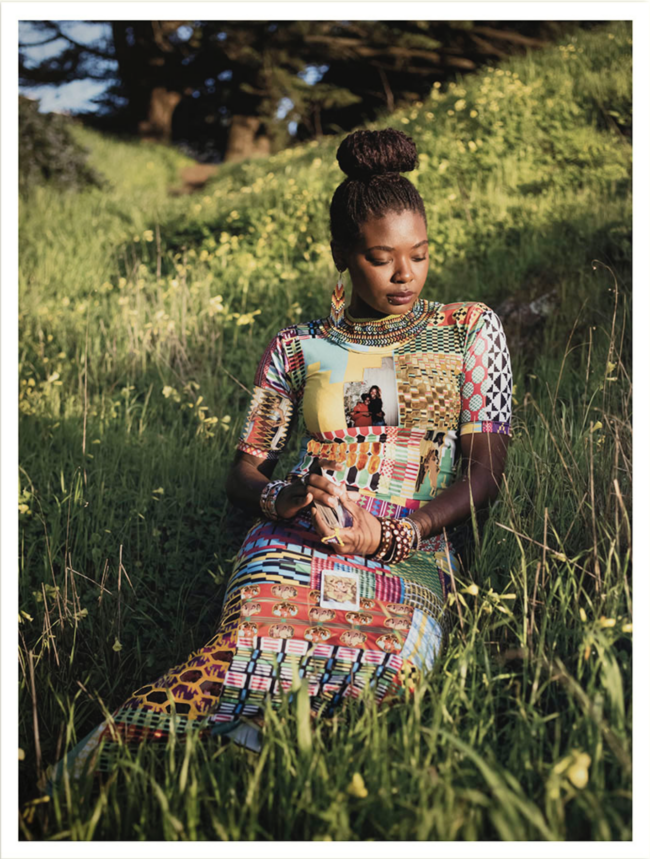
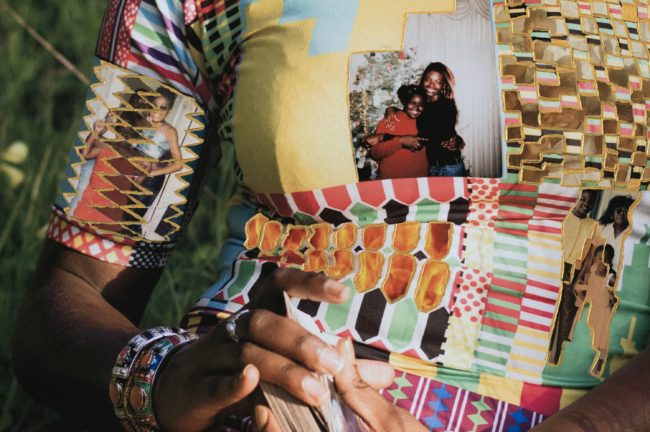
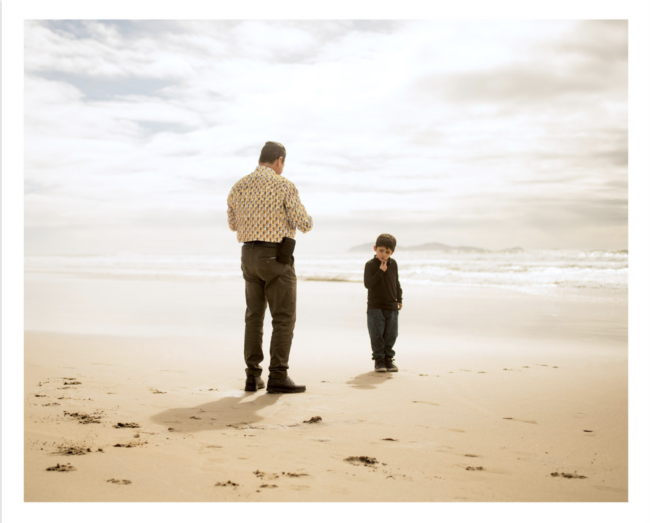
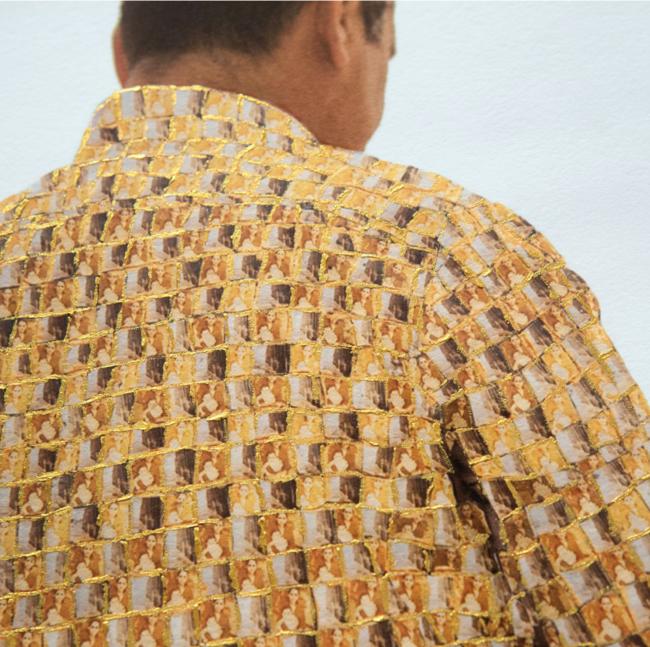
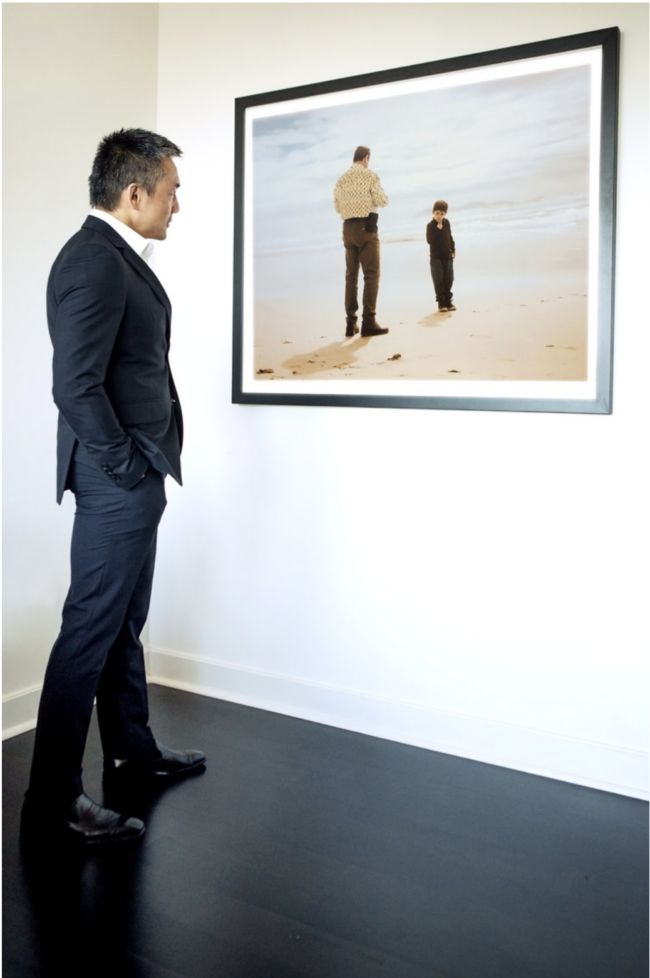
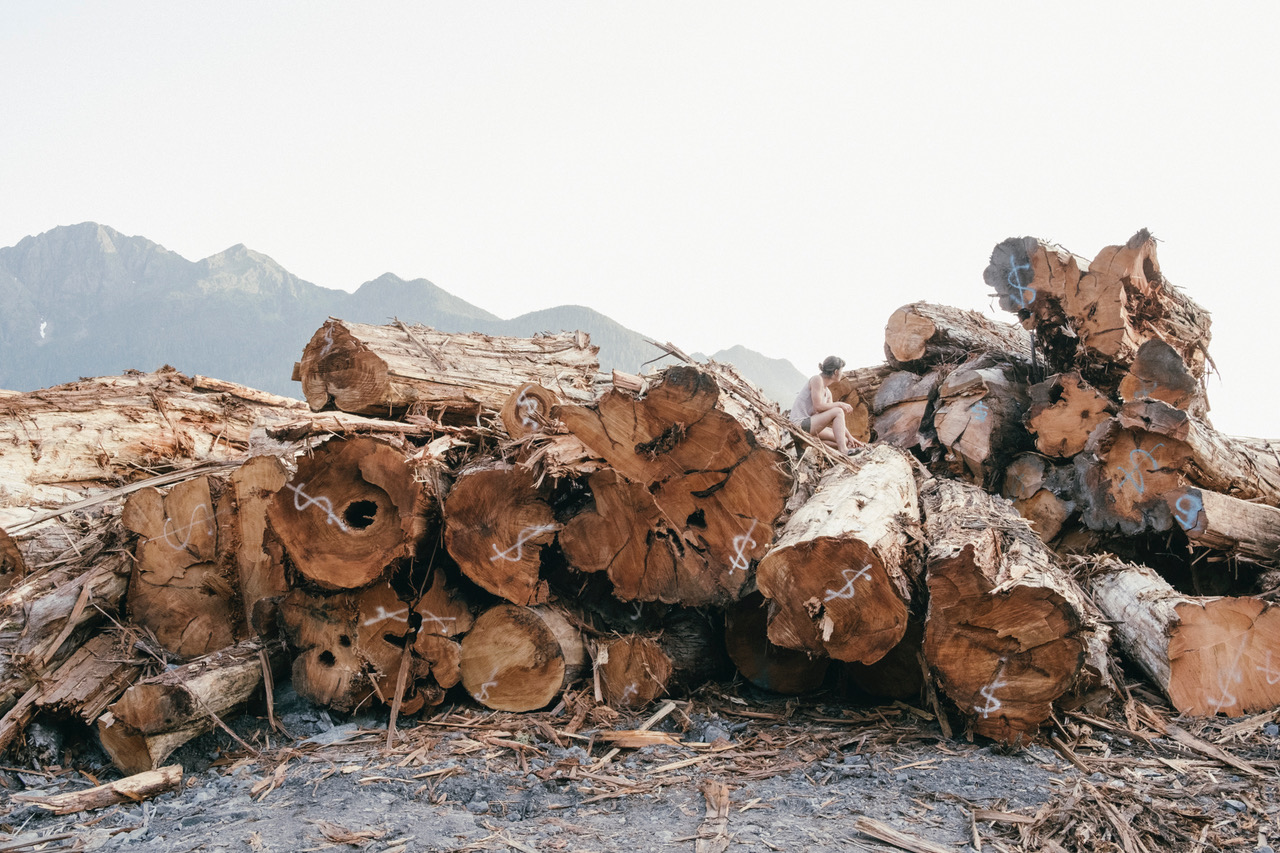
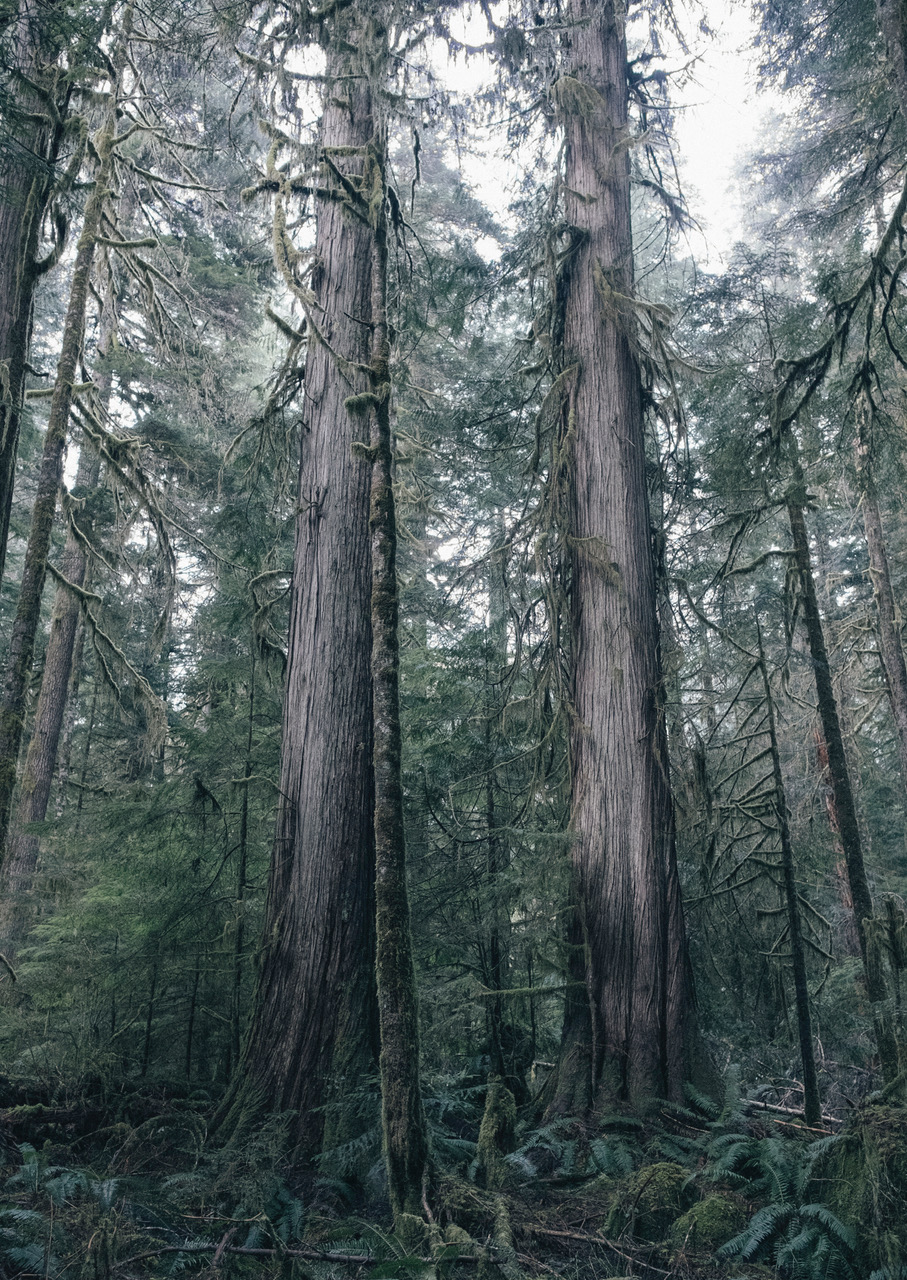
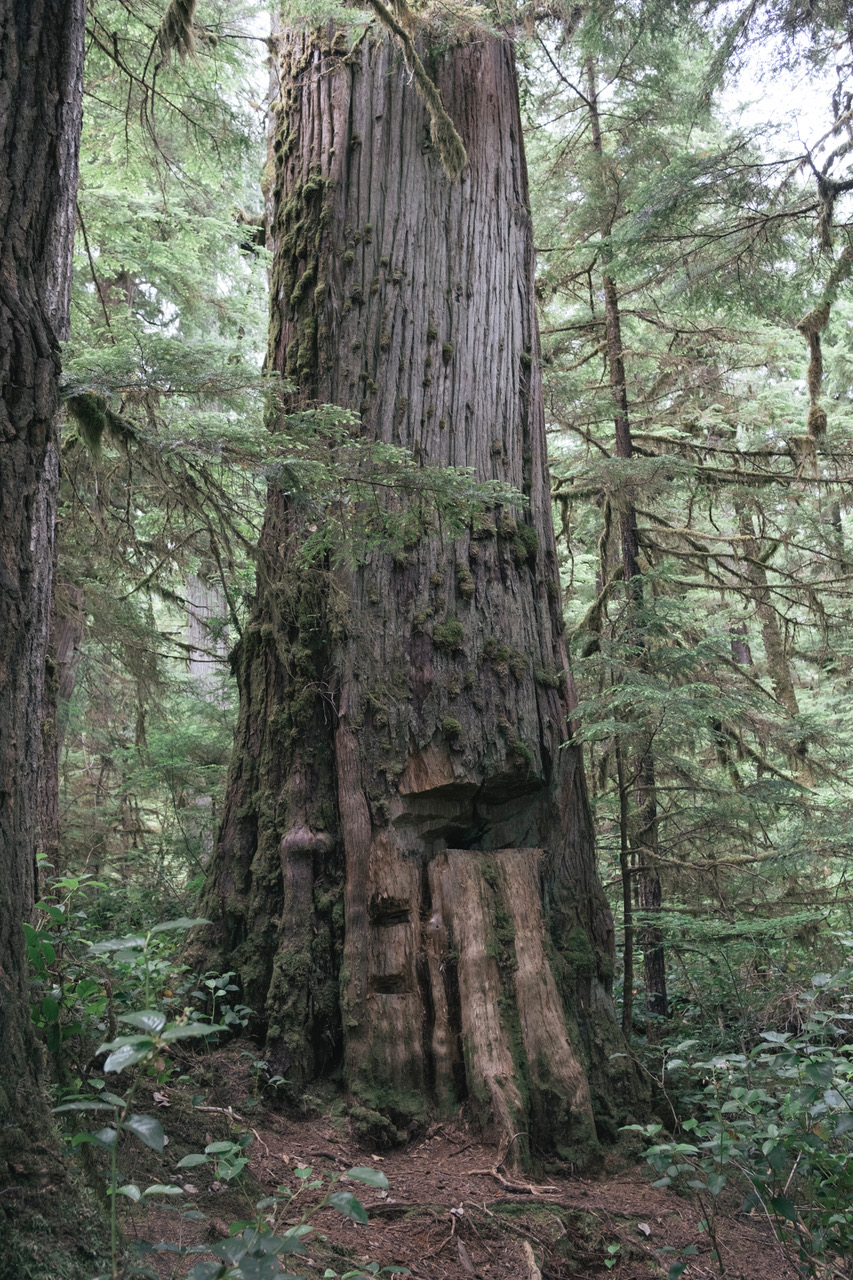 (
(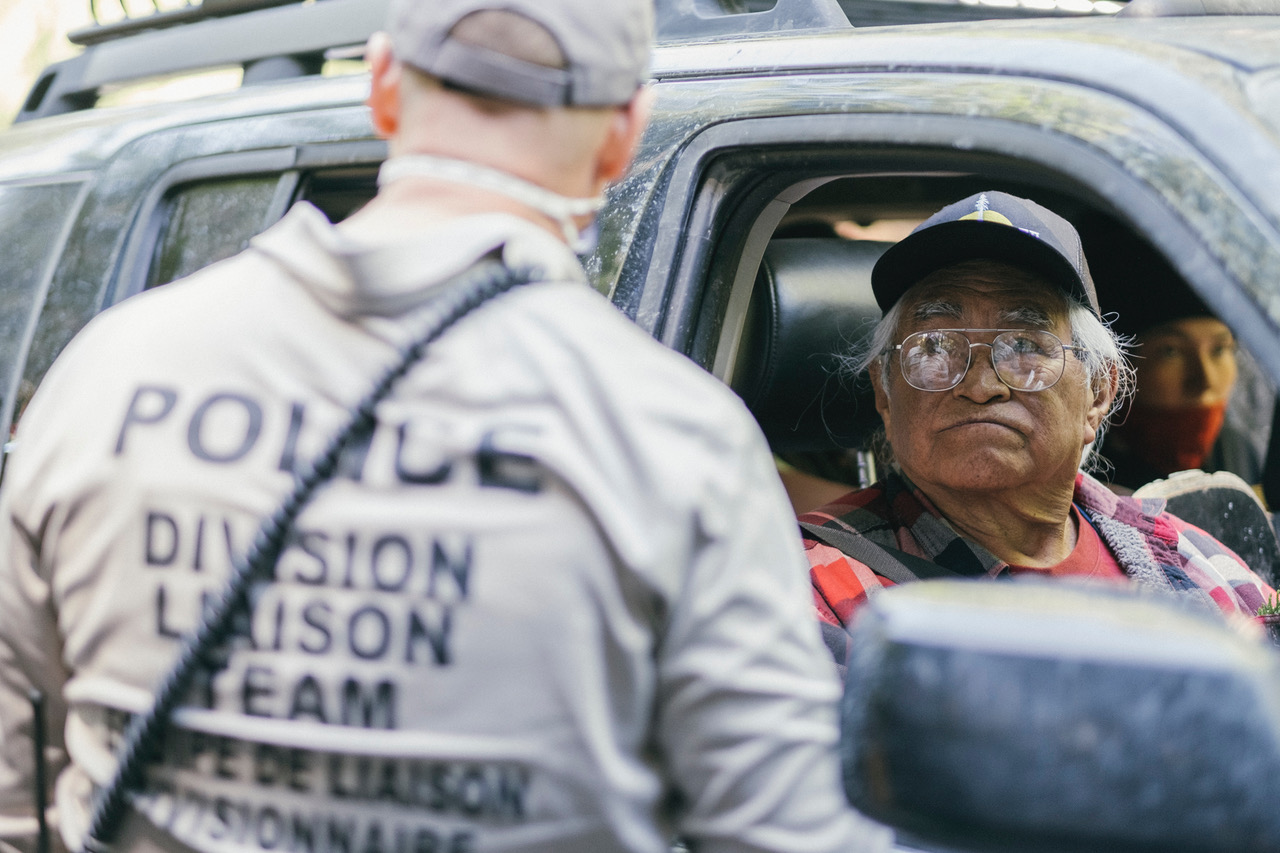 (
( (
(