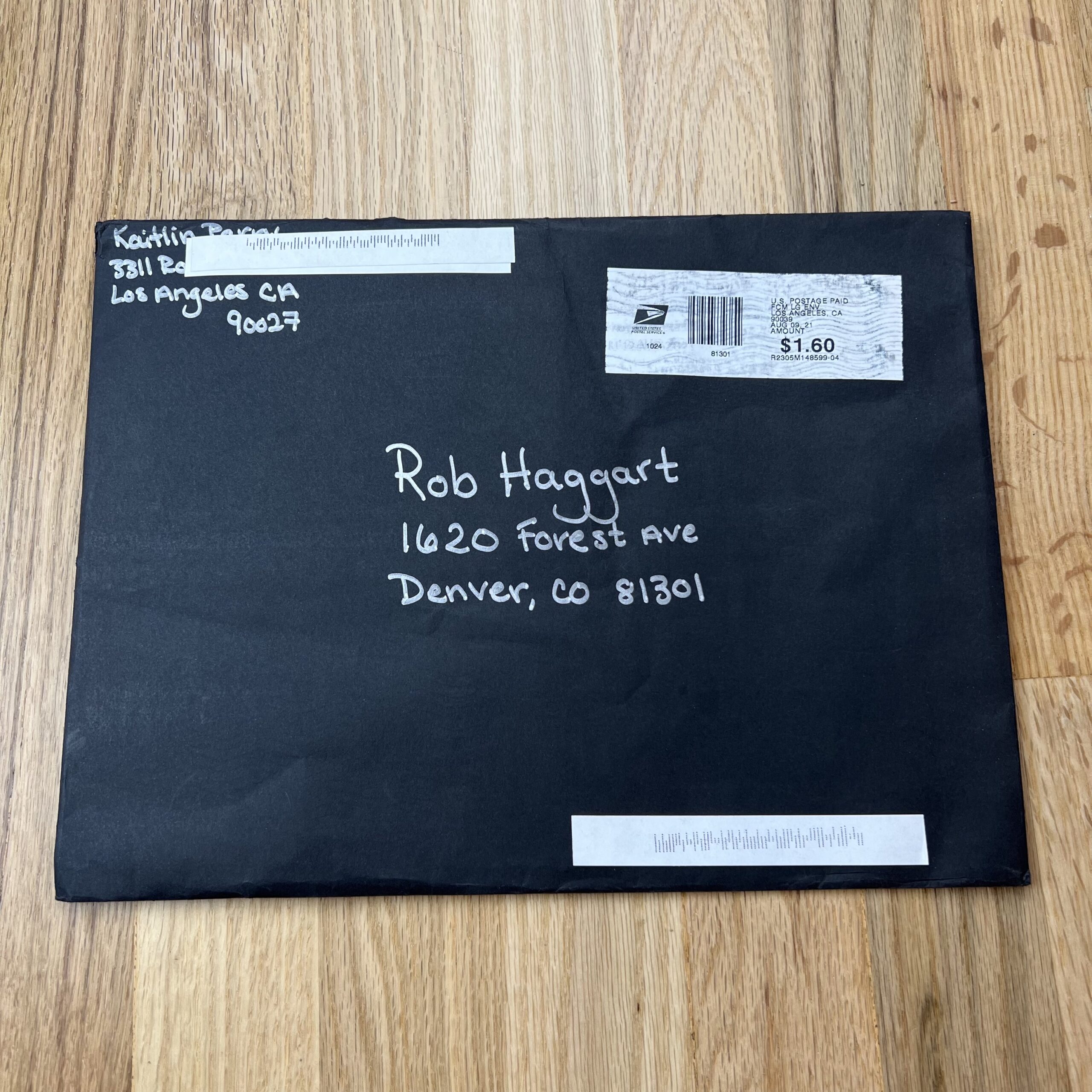
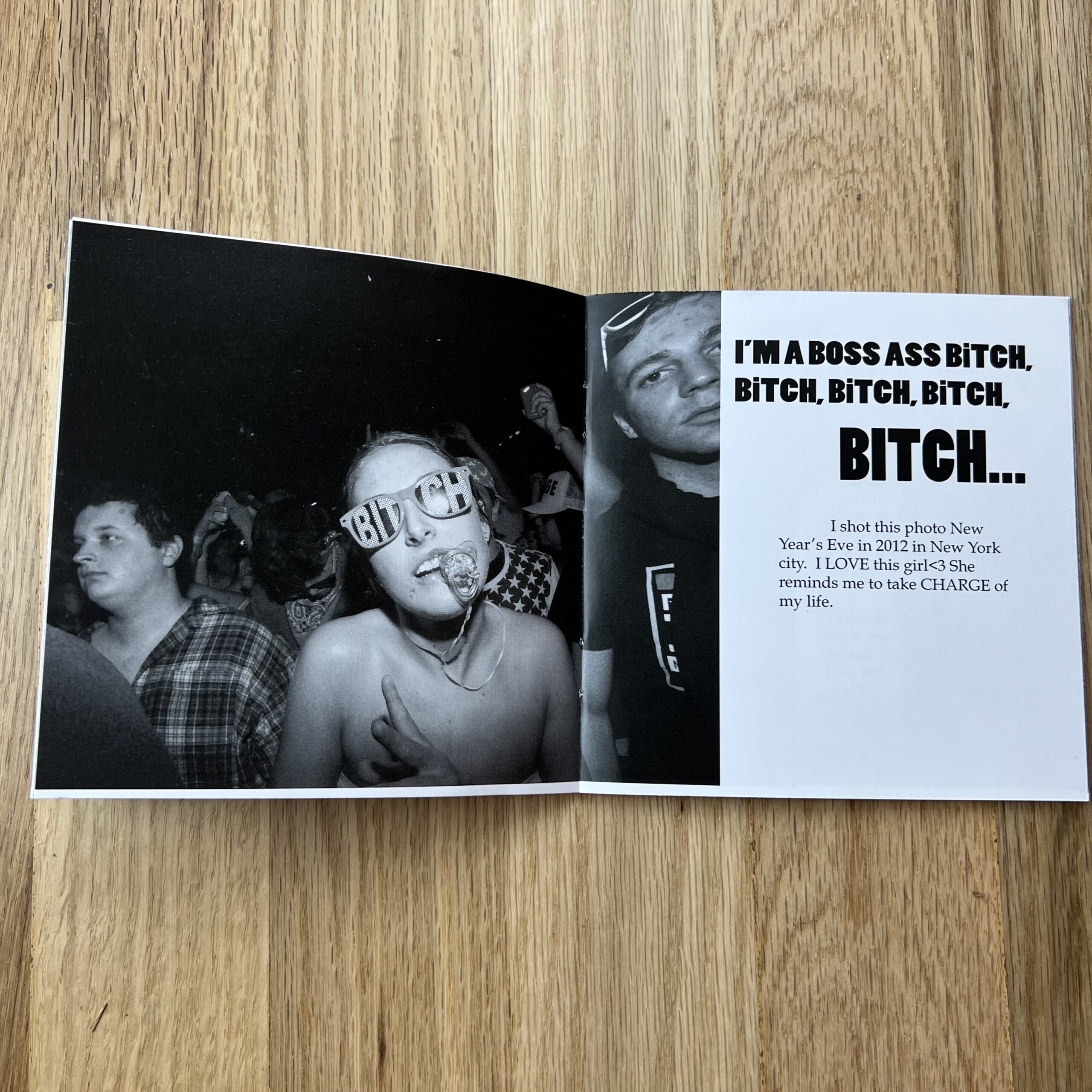
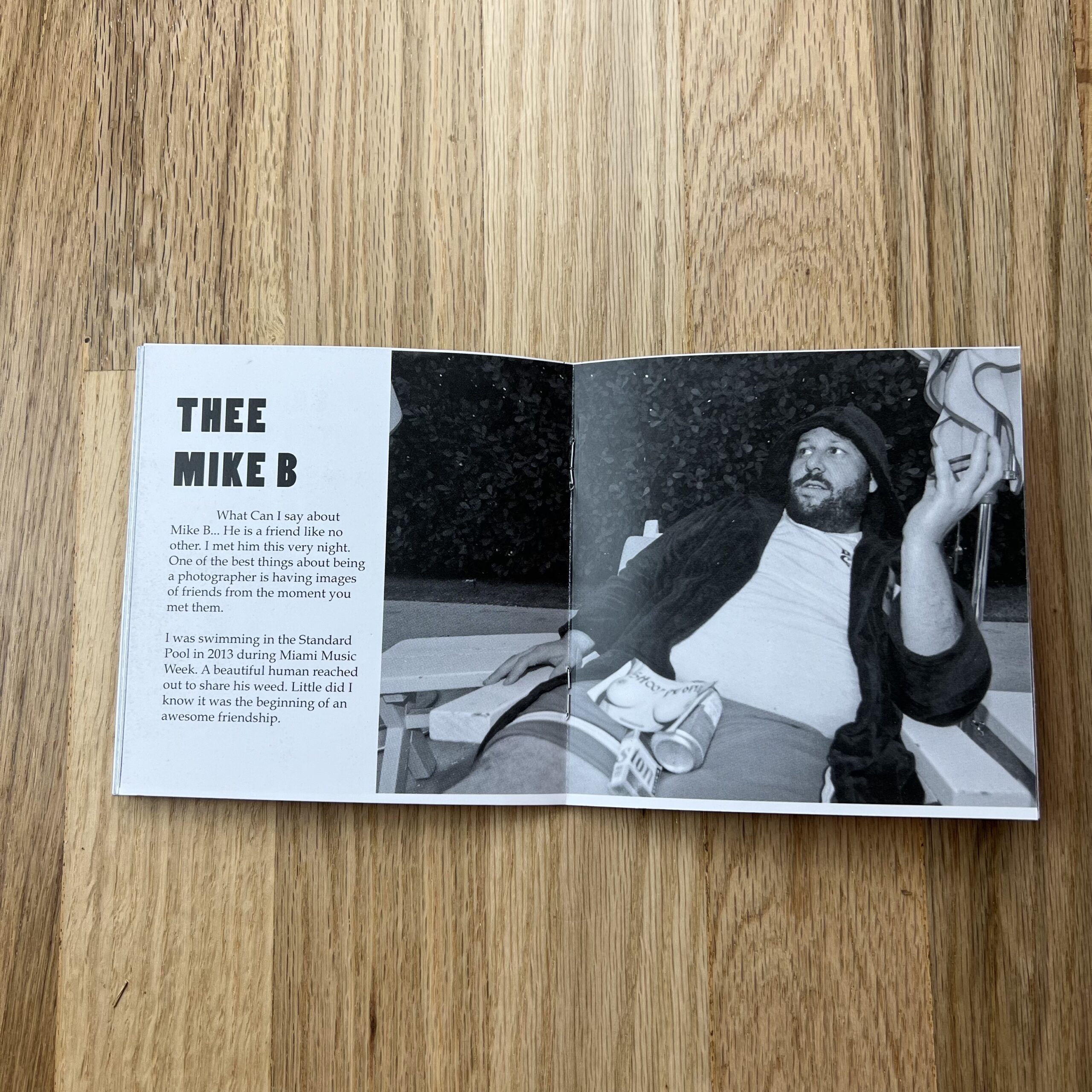
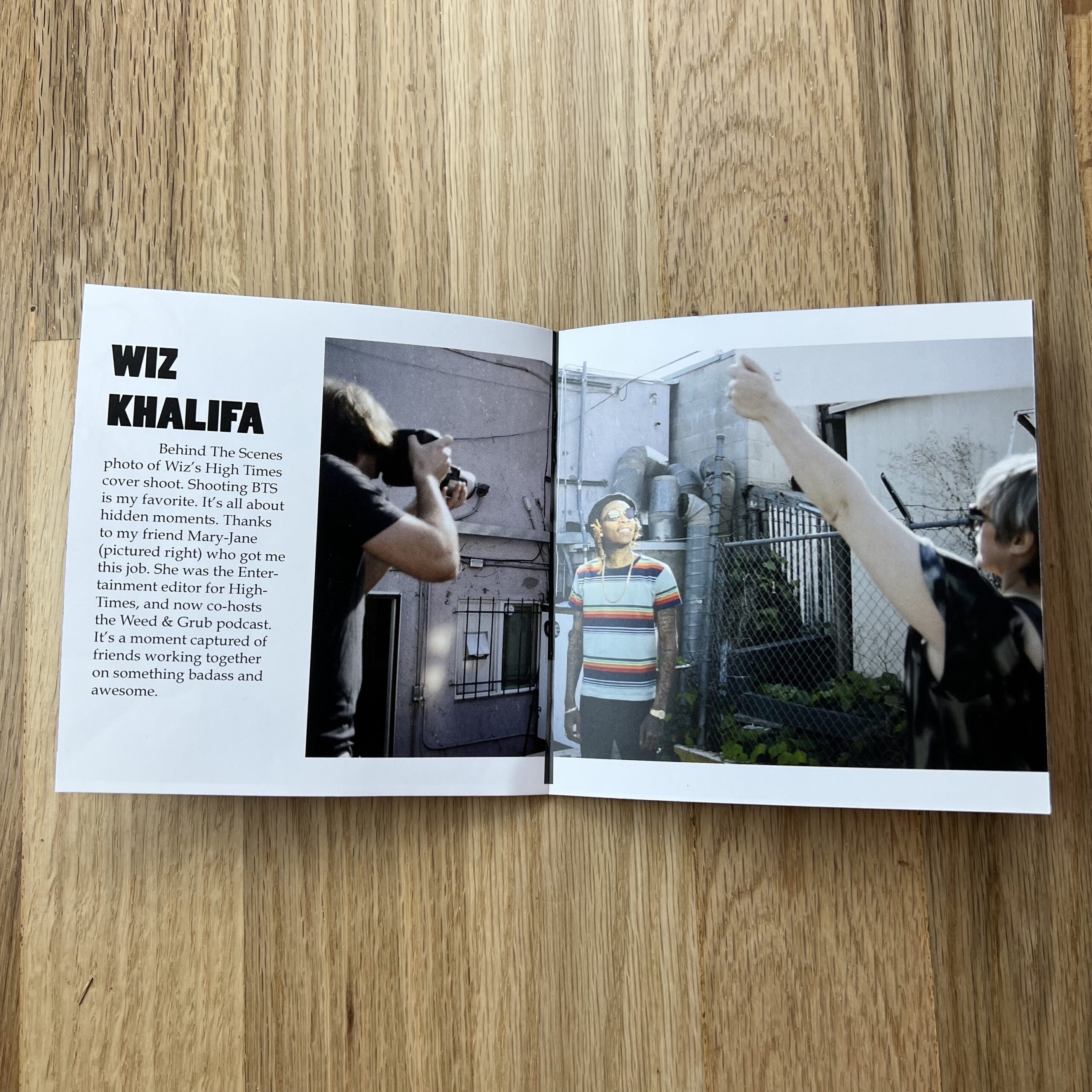
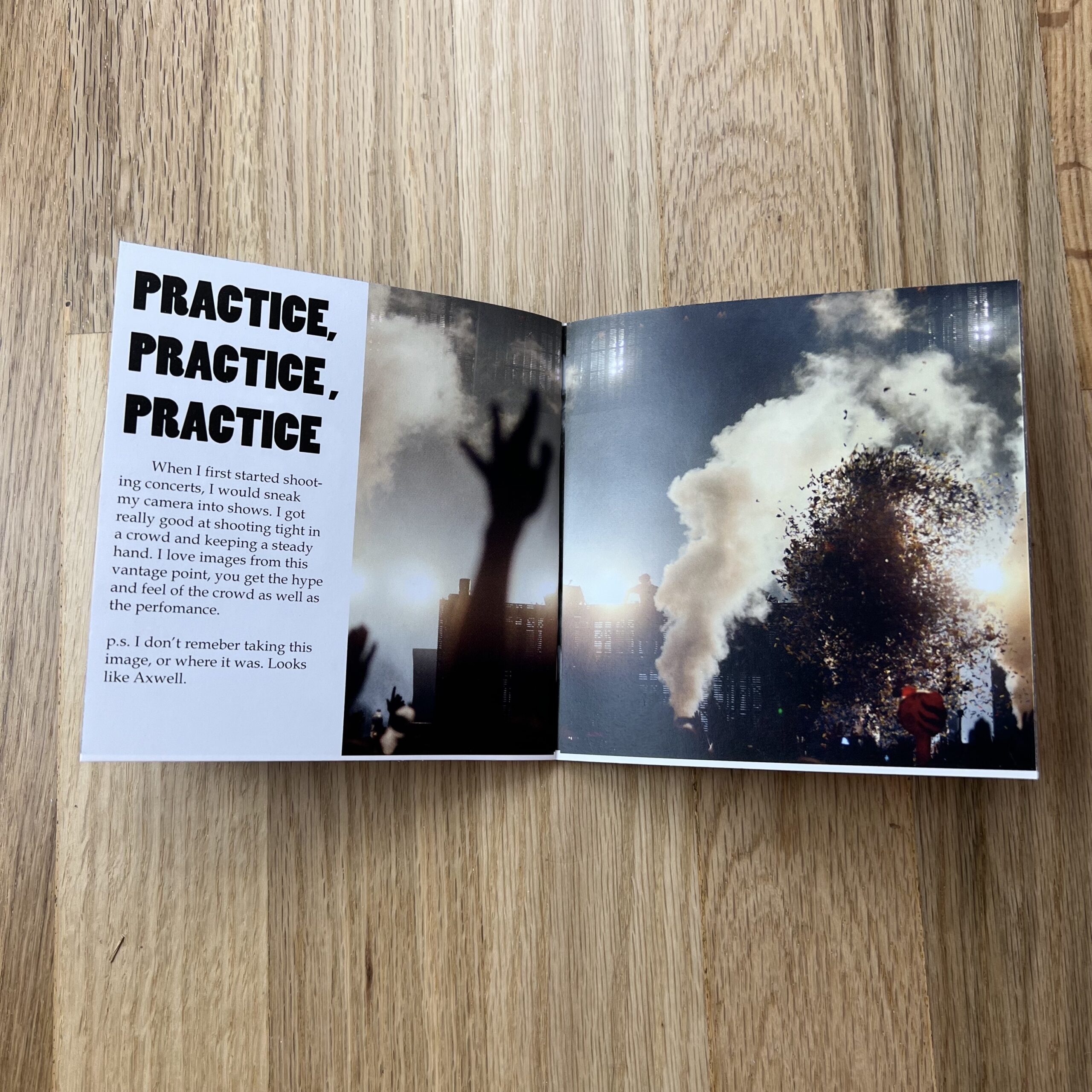
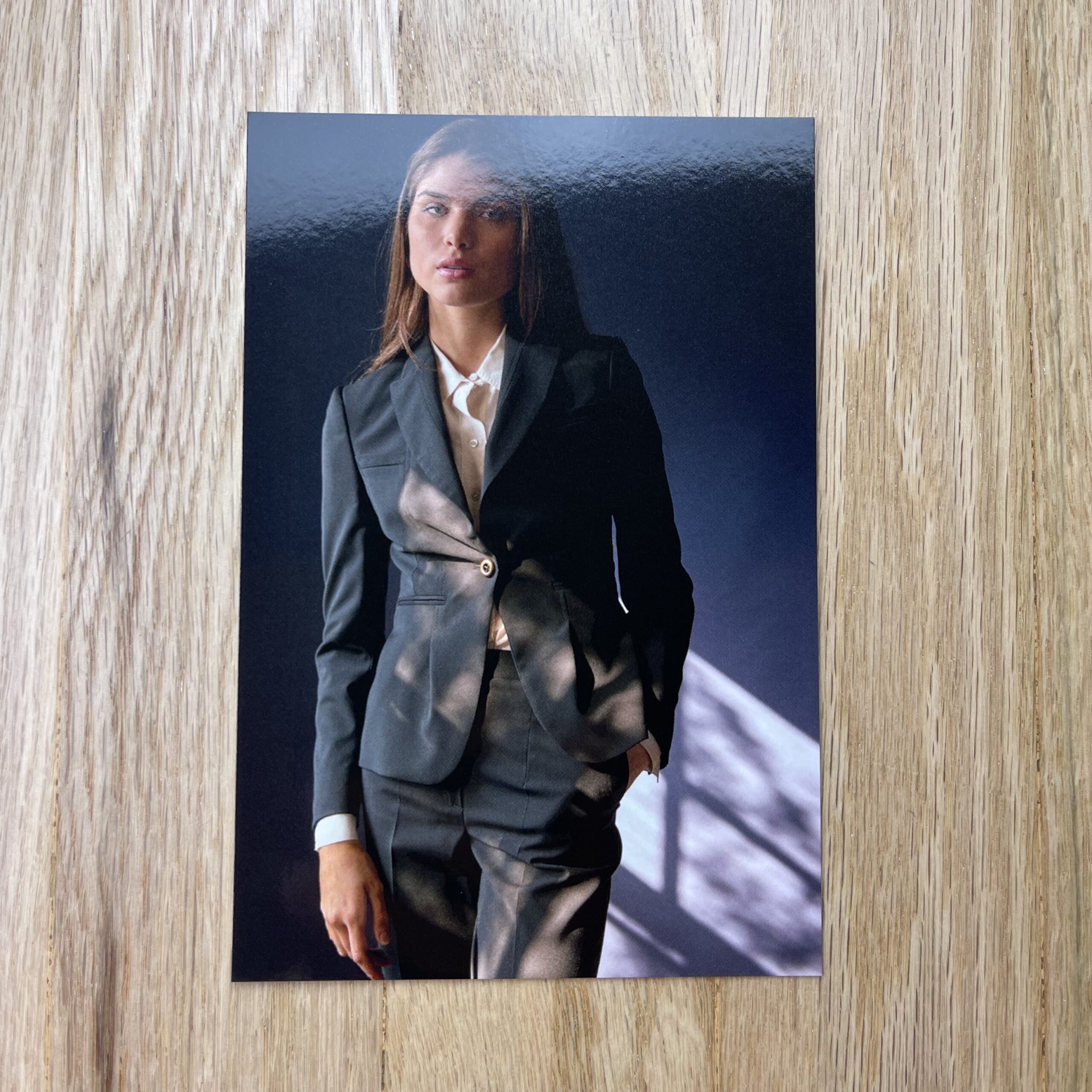
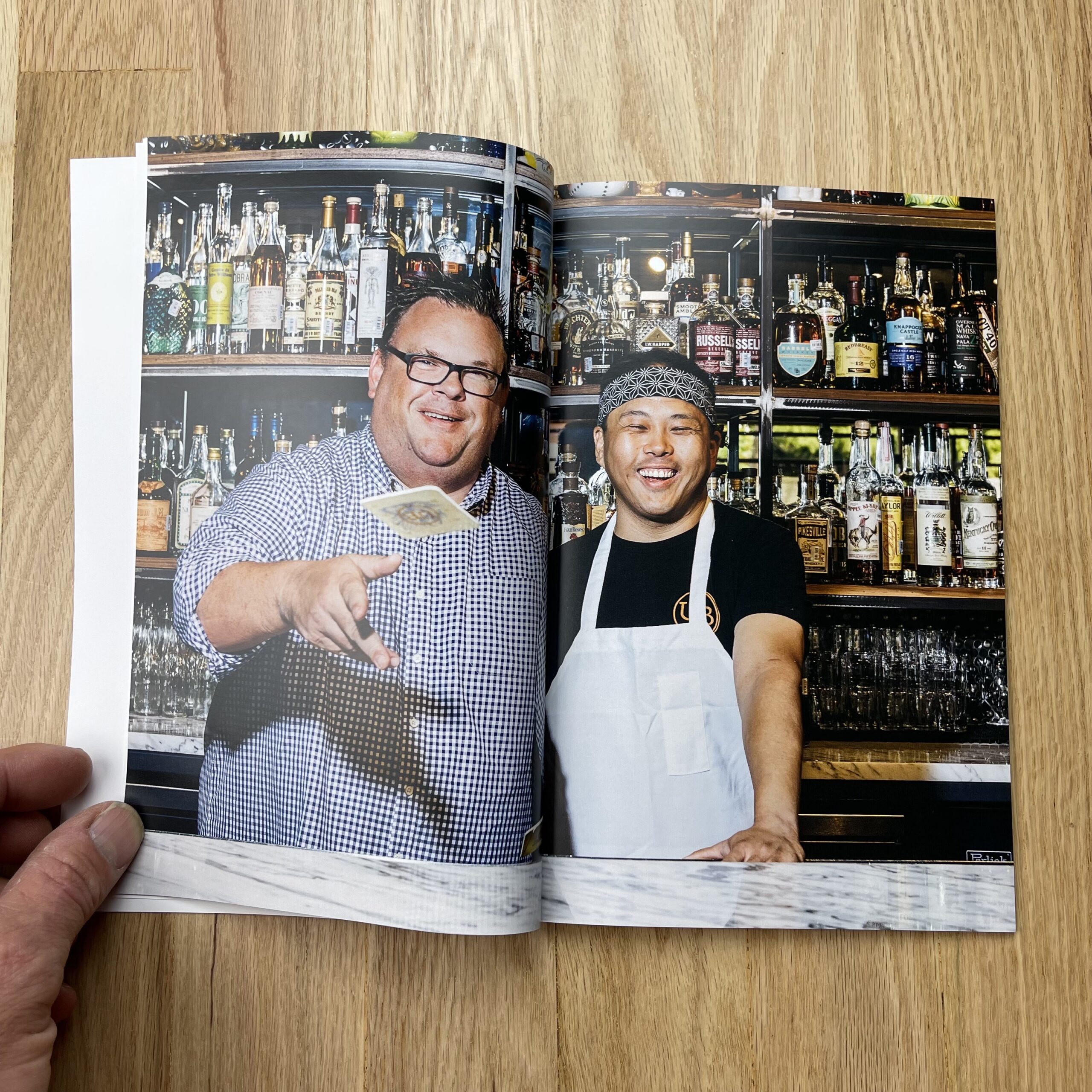
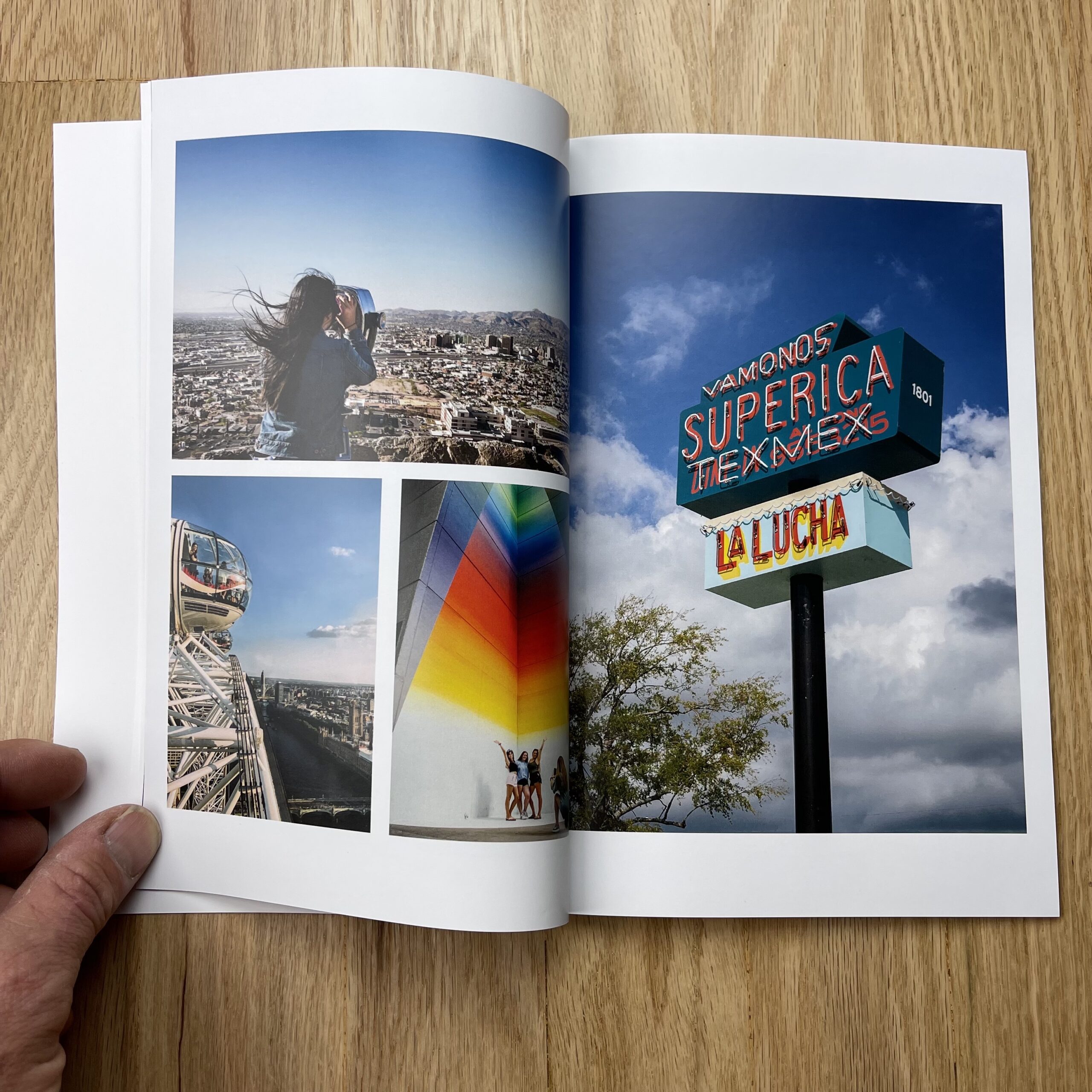
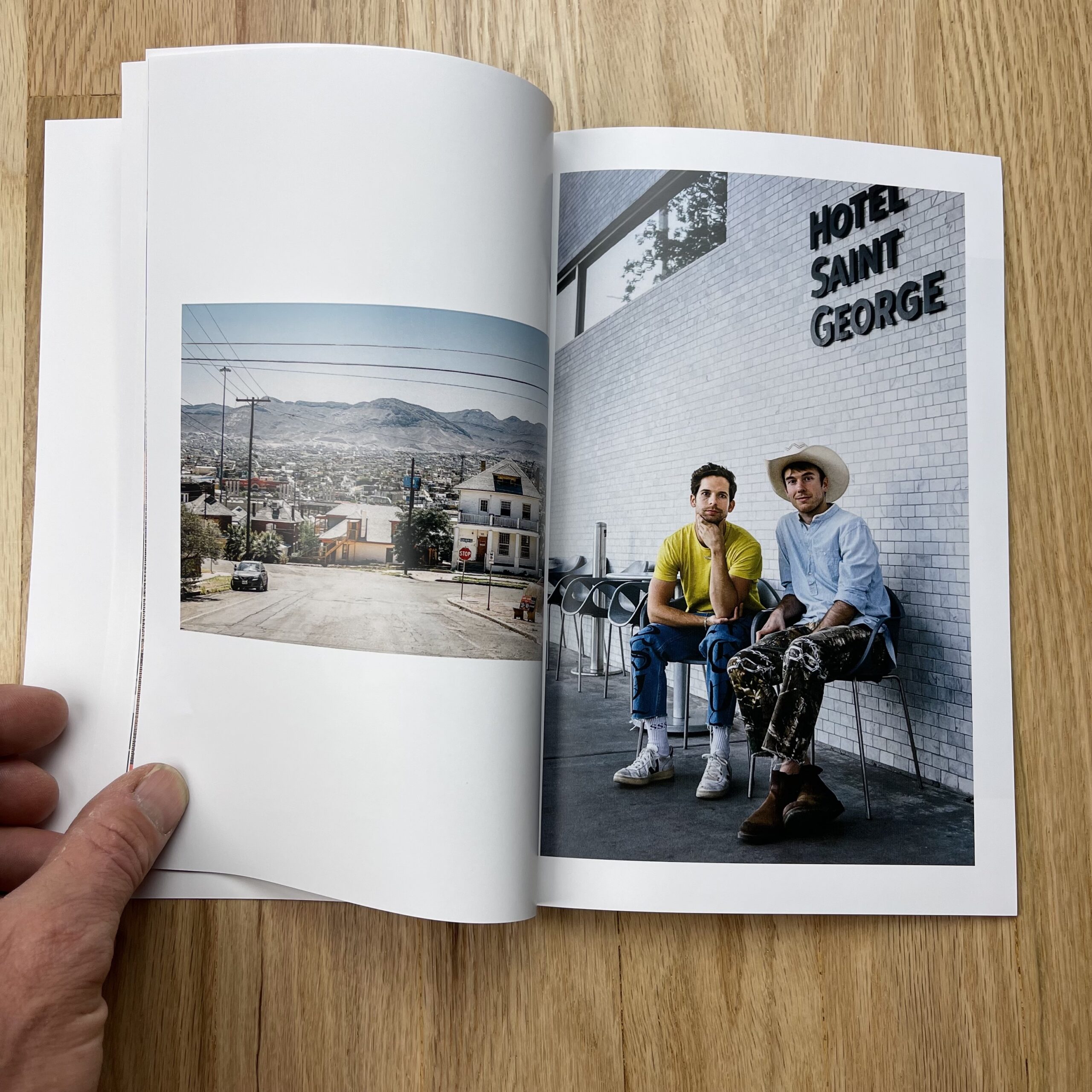
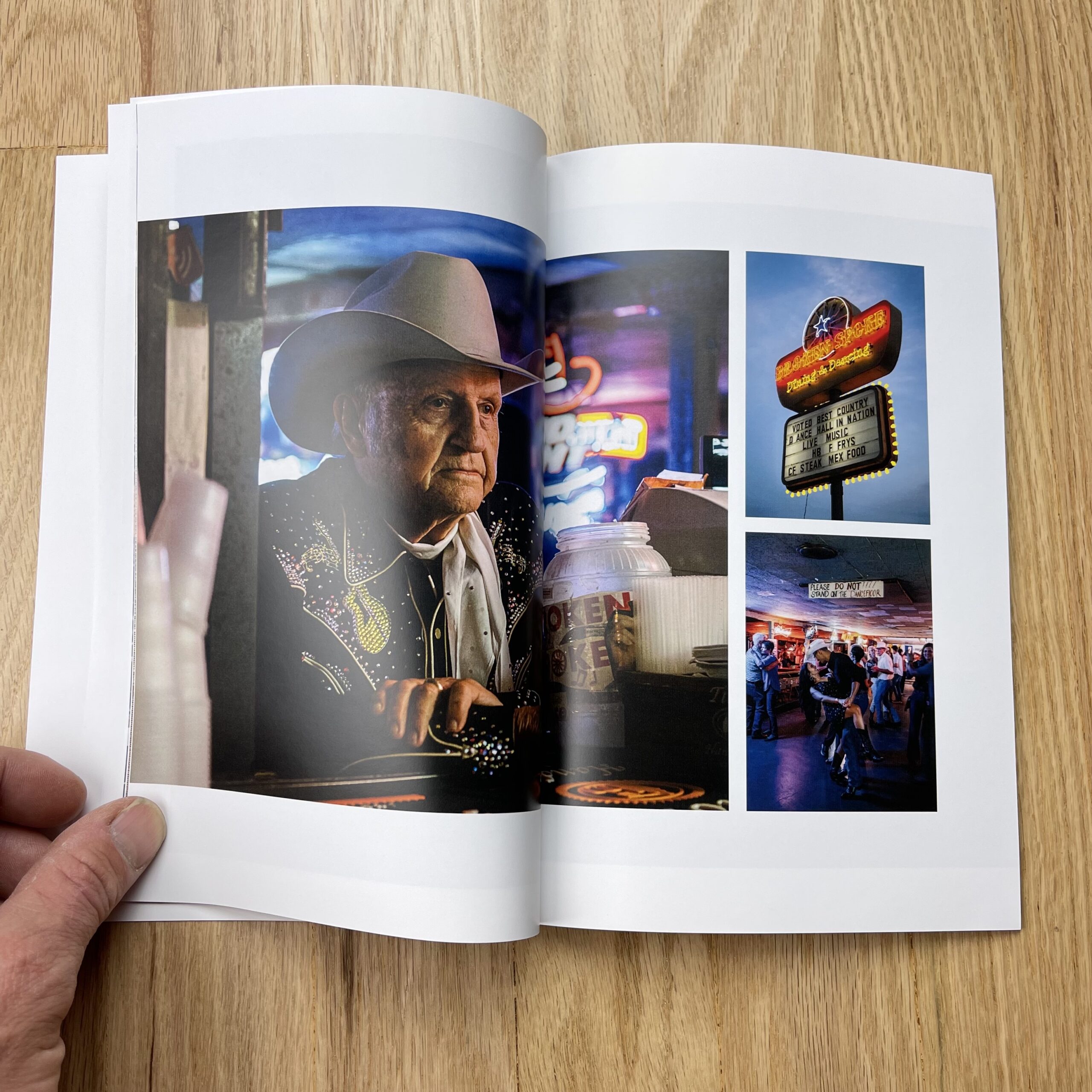
Who designed it?
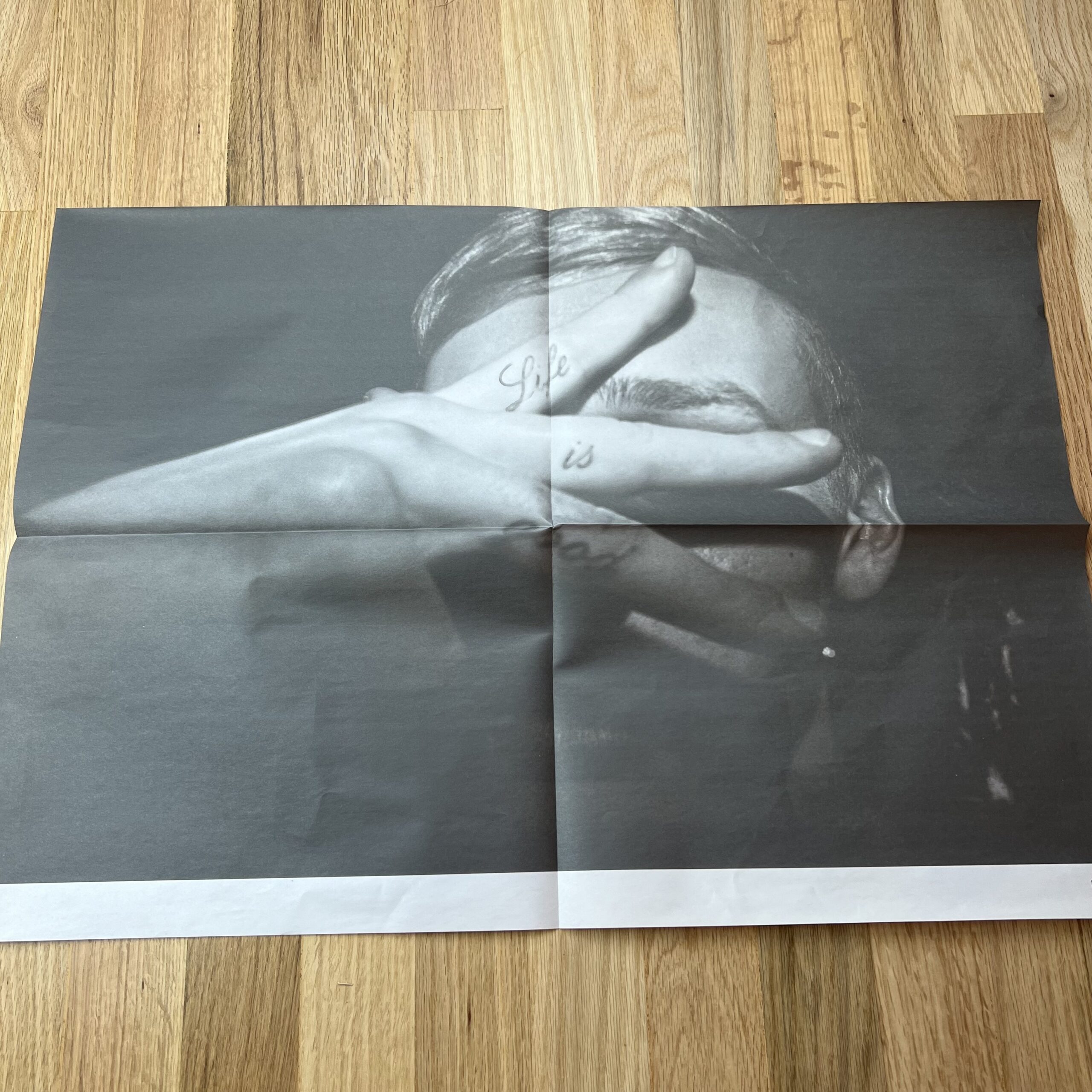
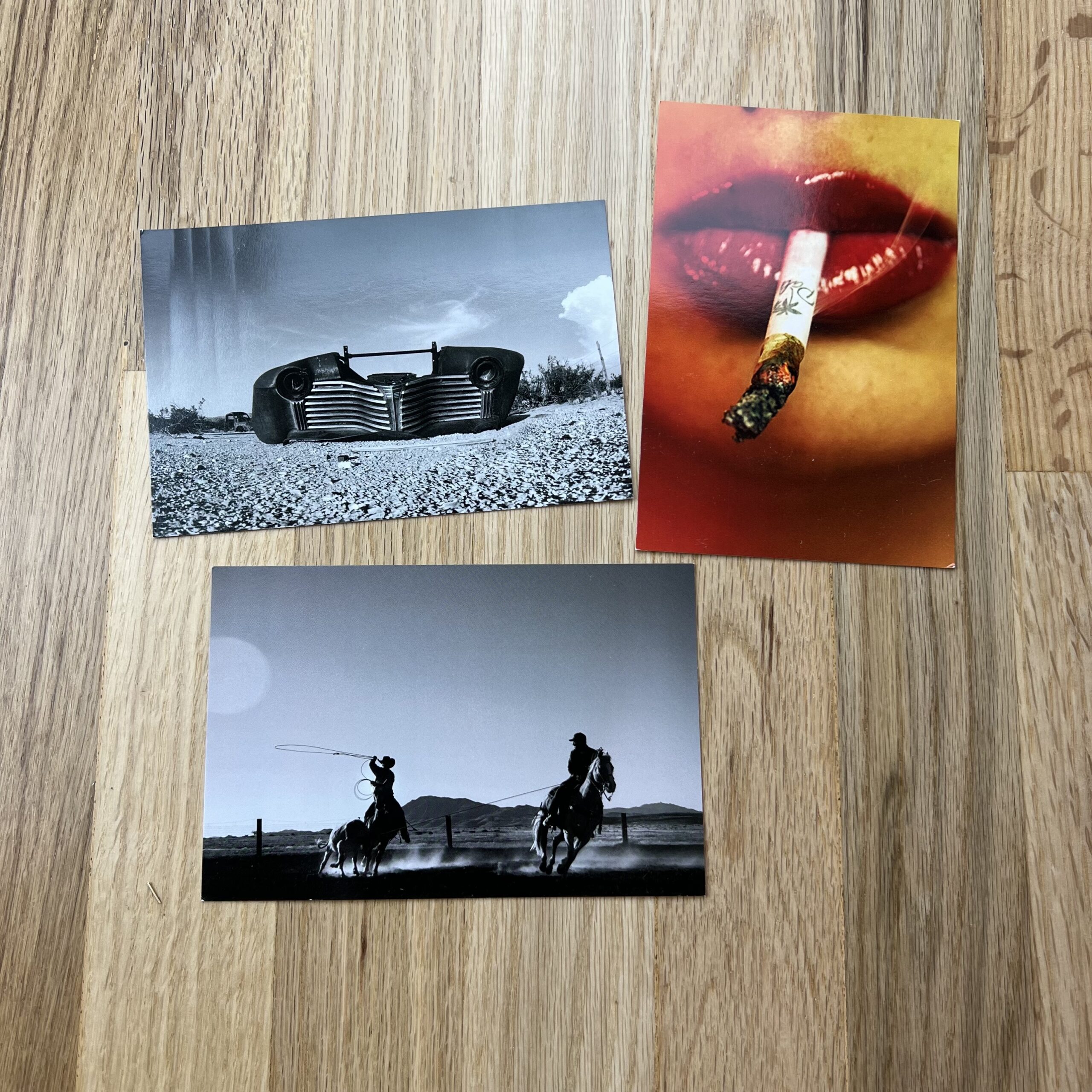
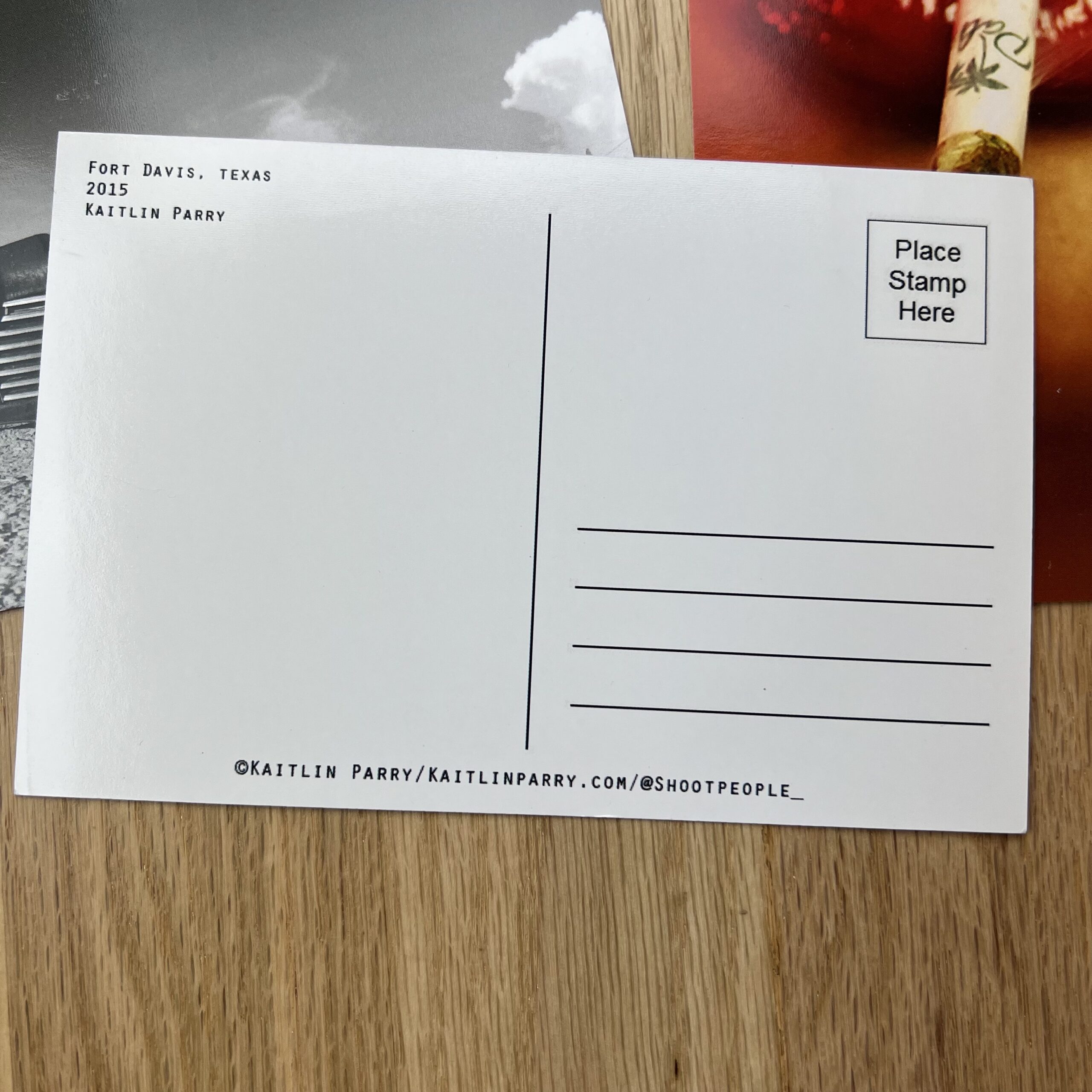
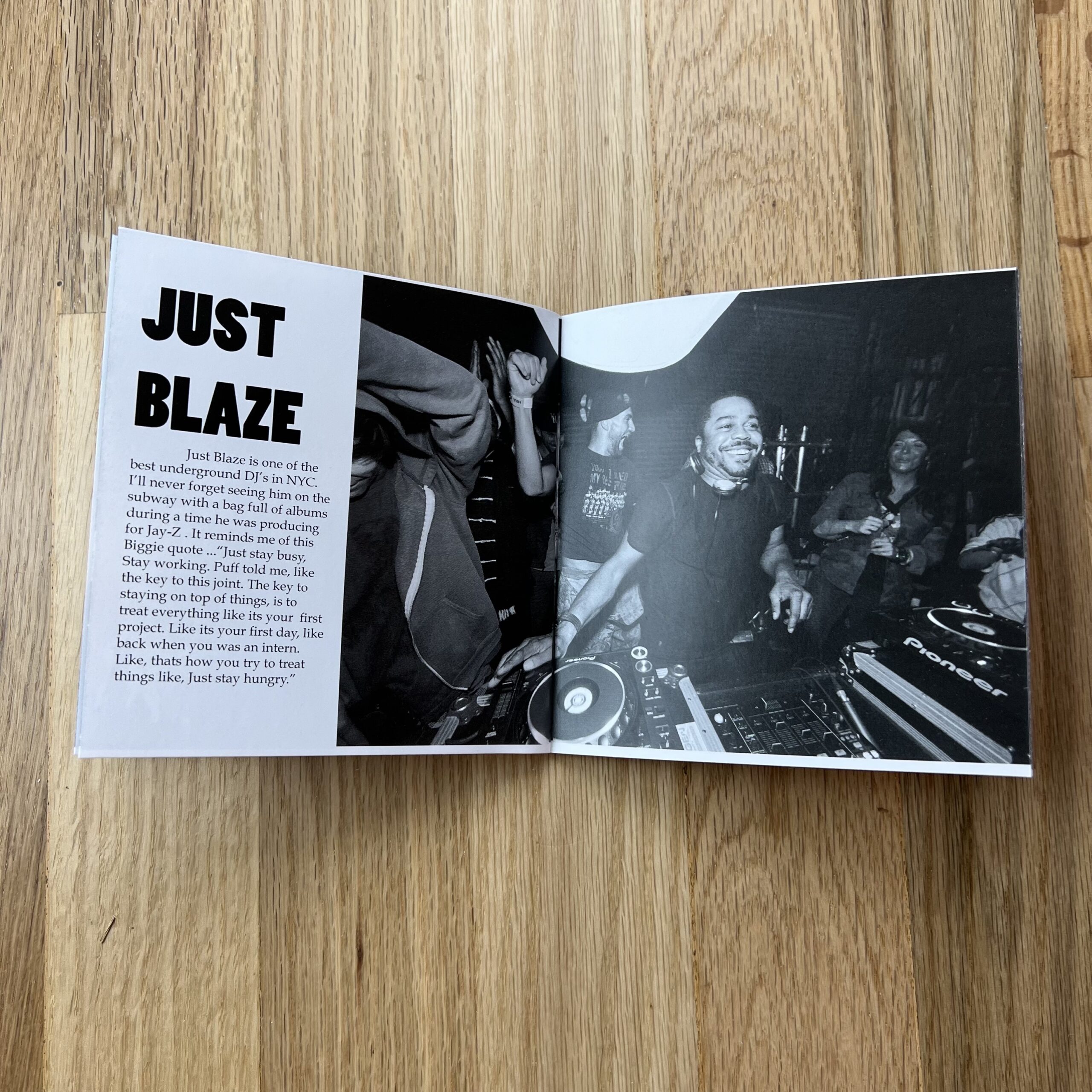
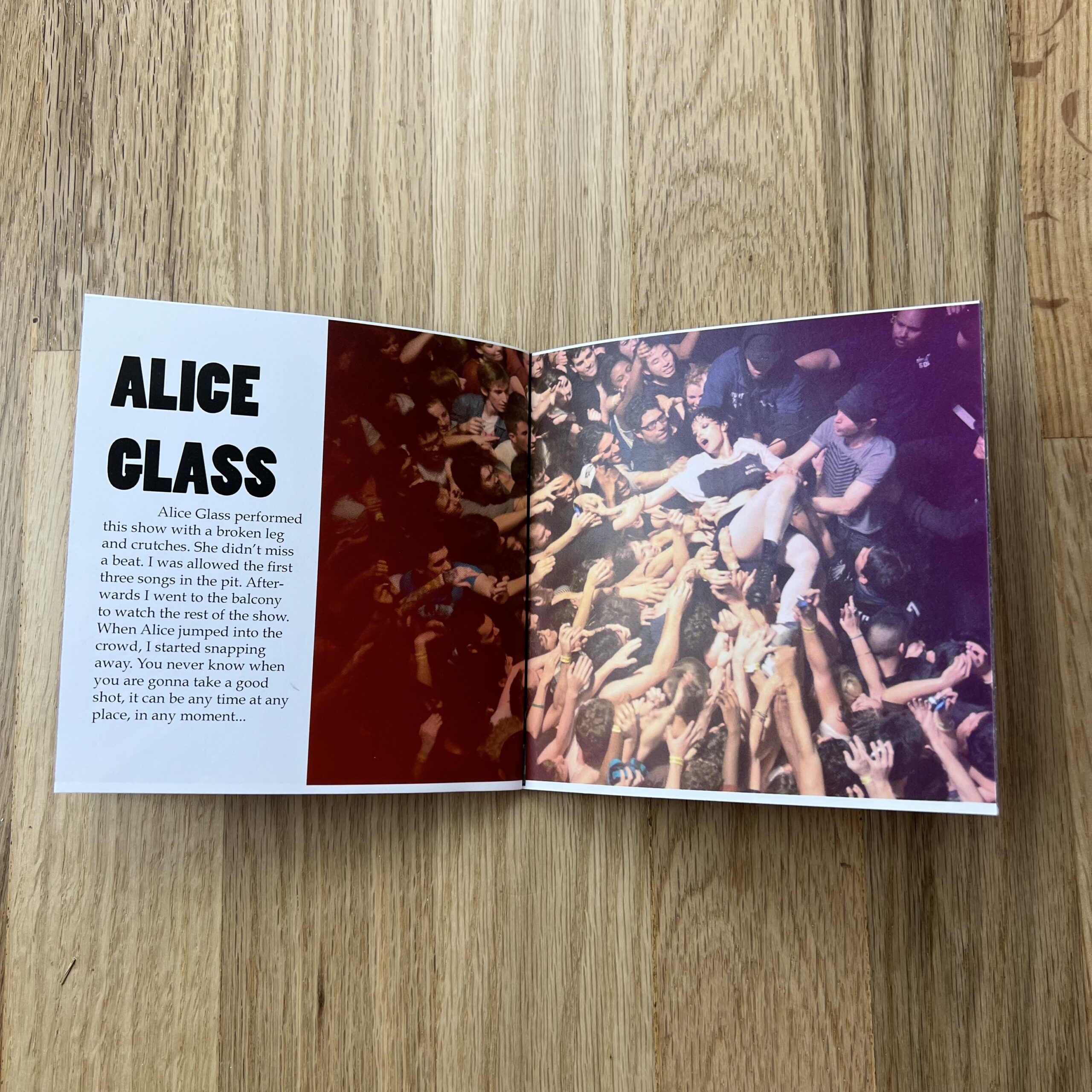
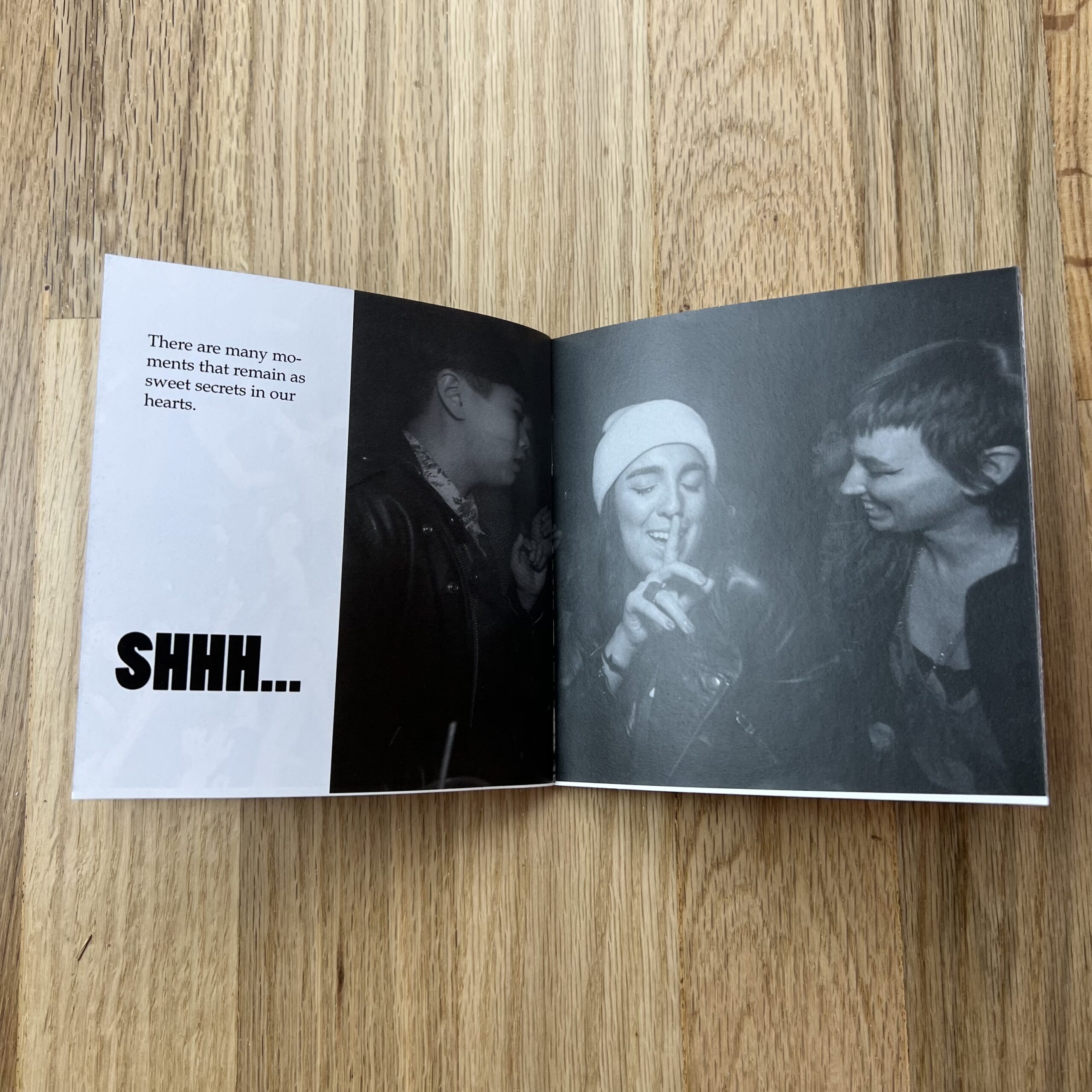
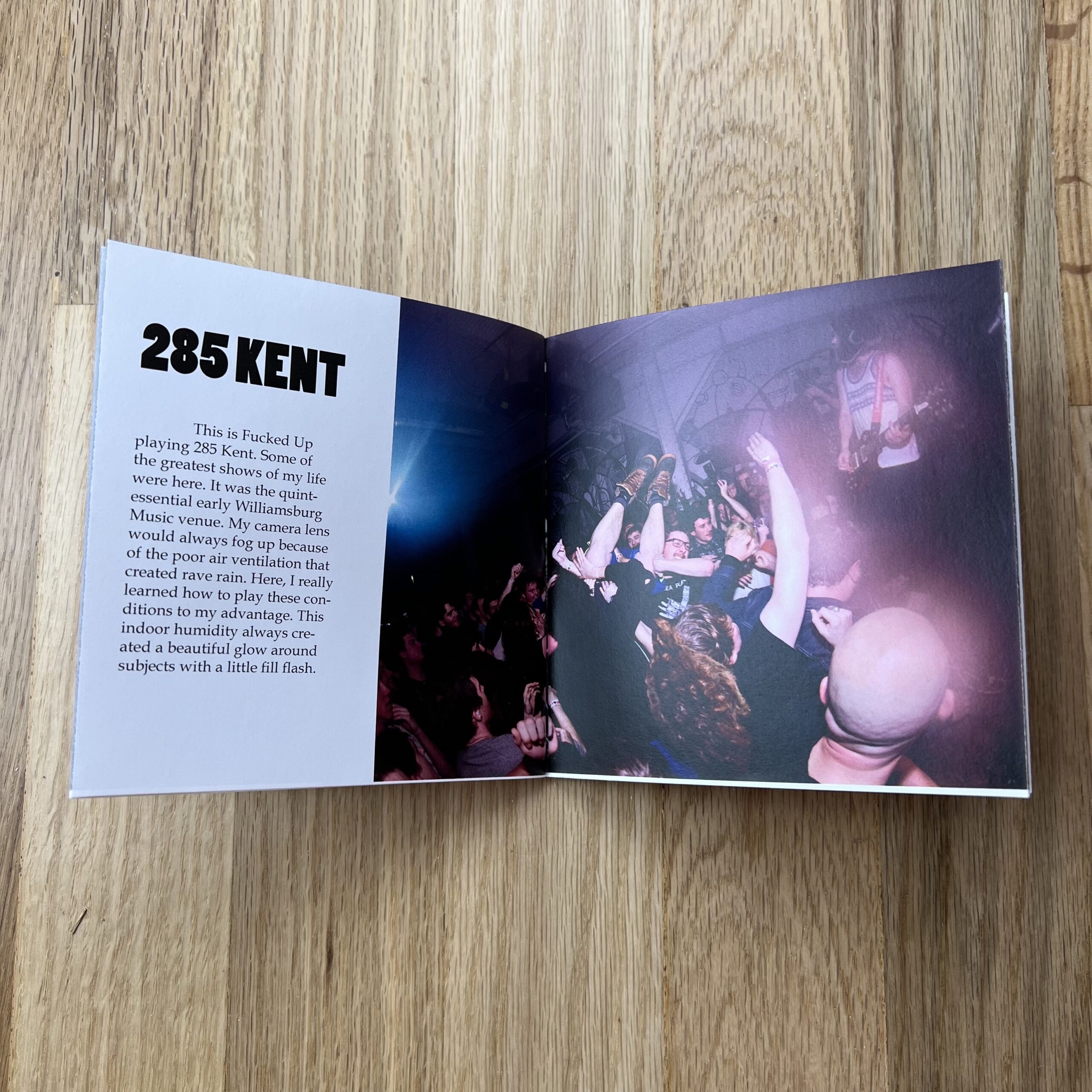
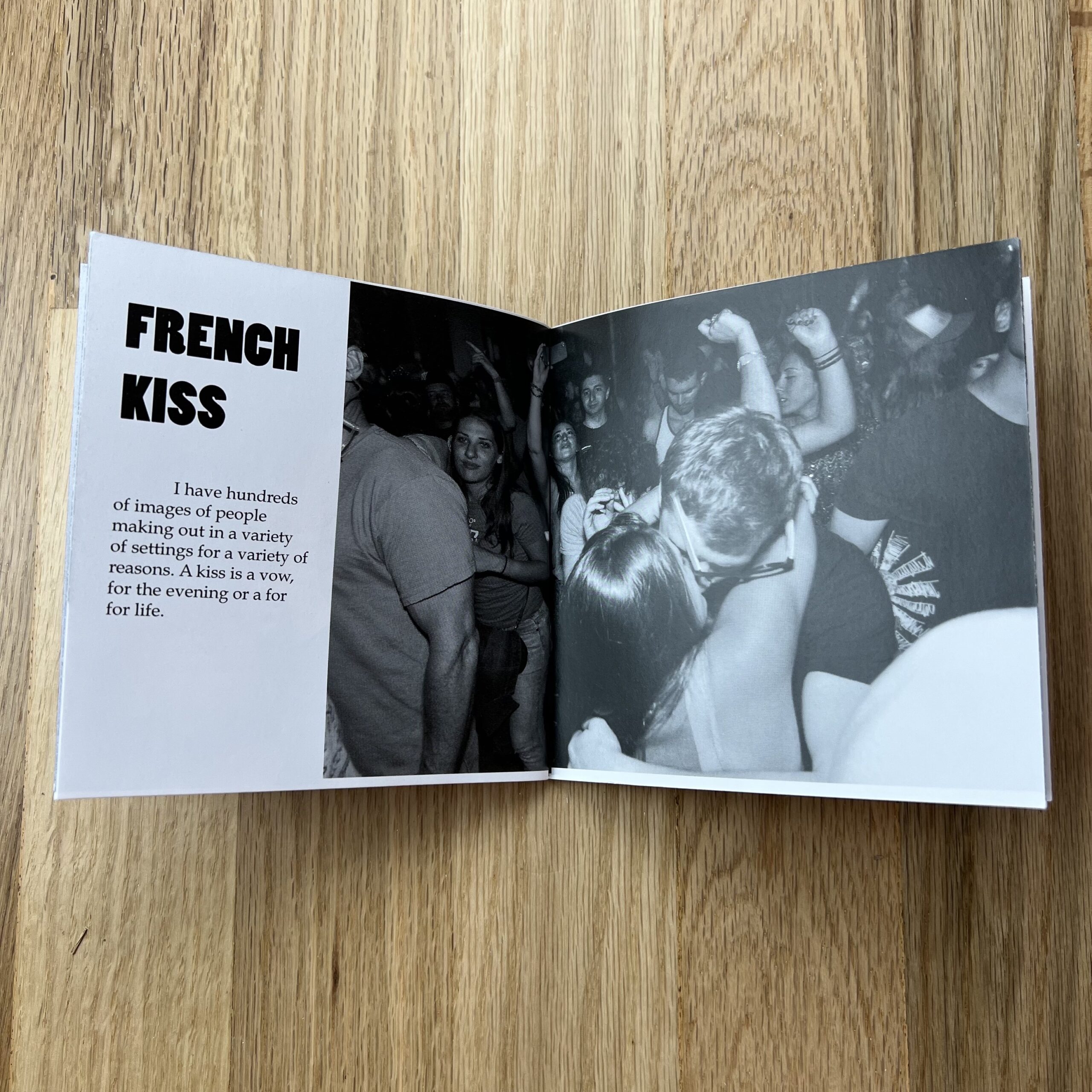
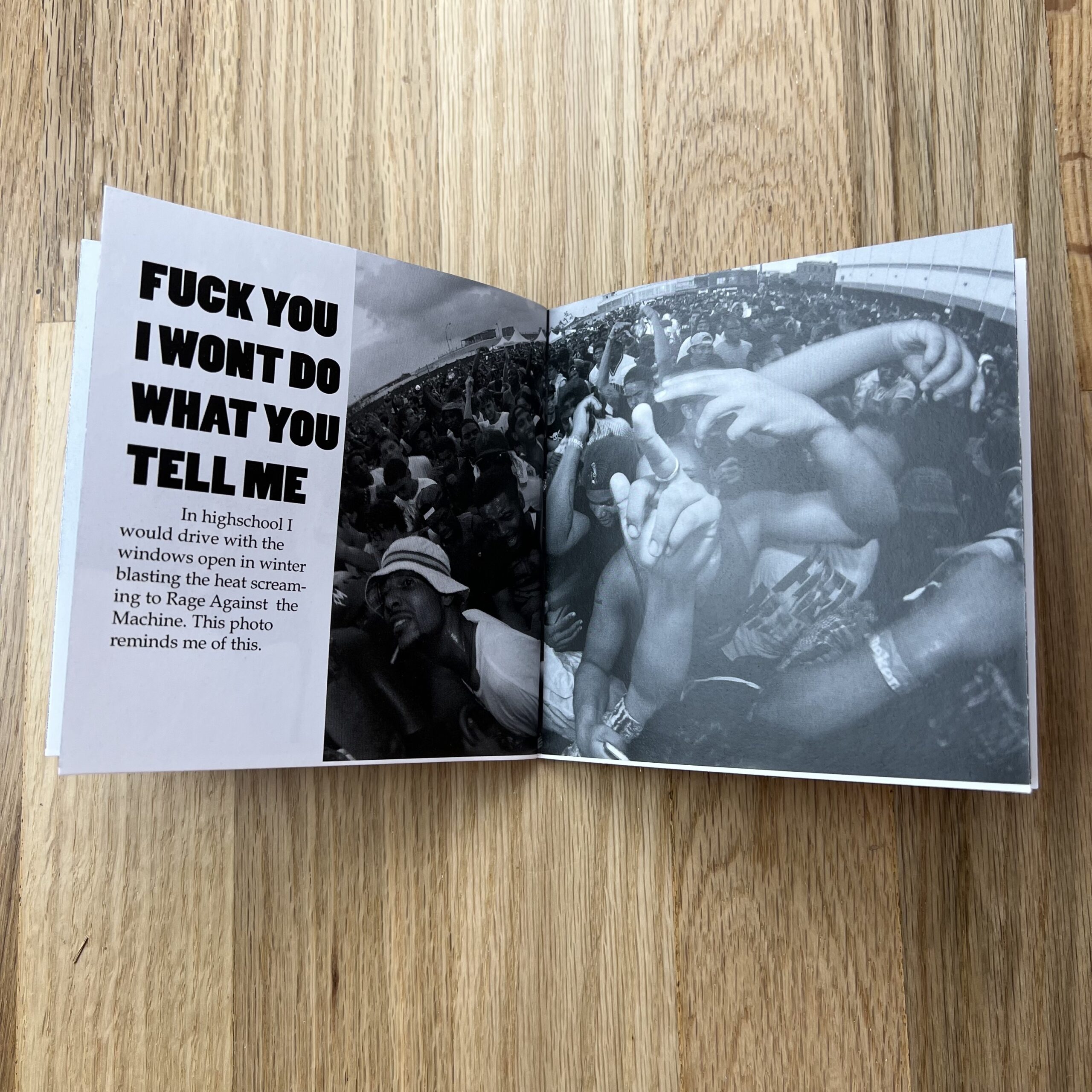
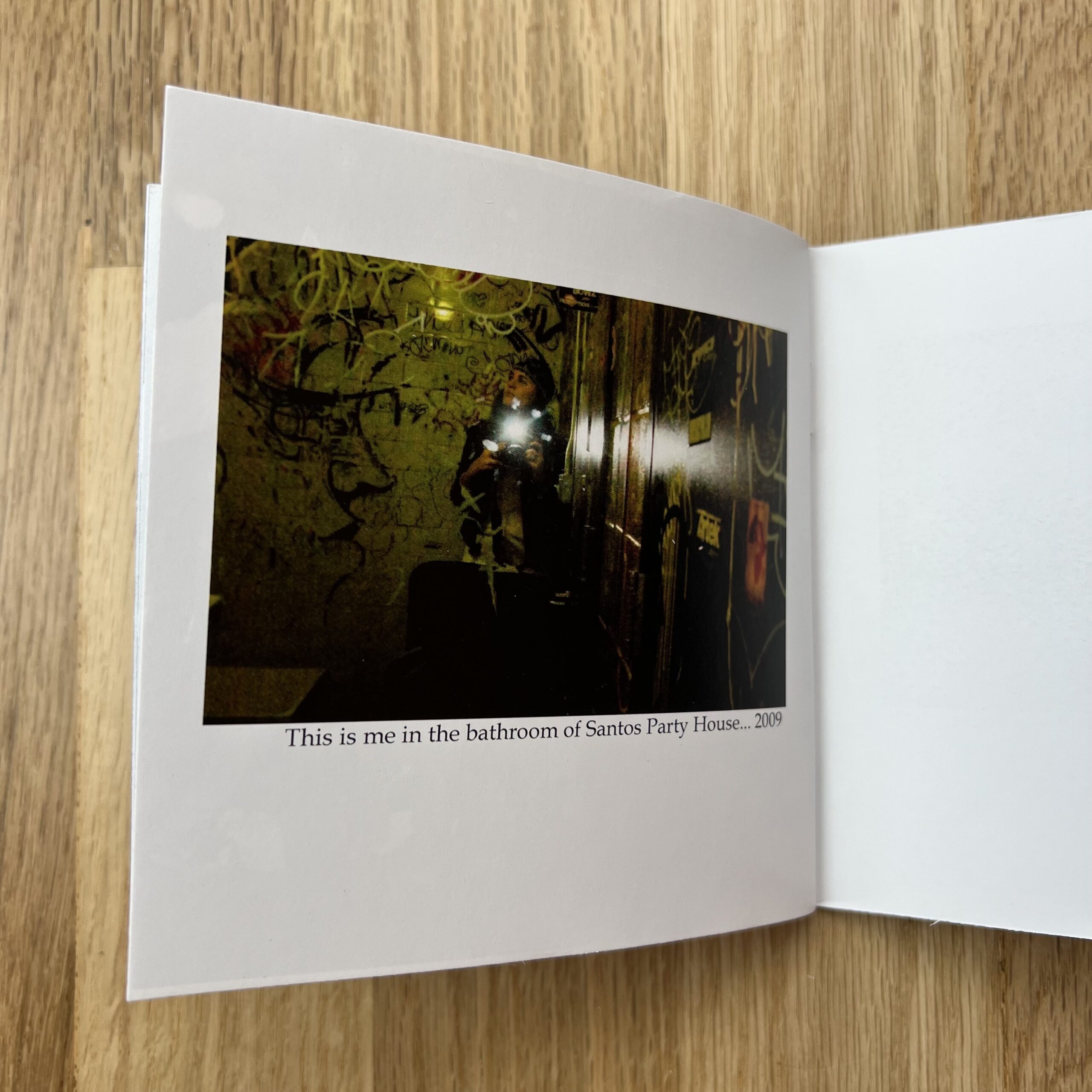
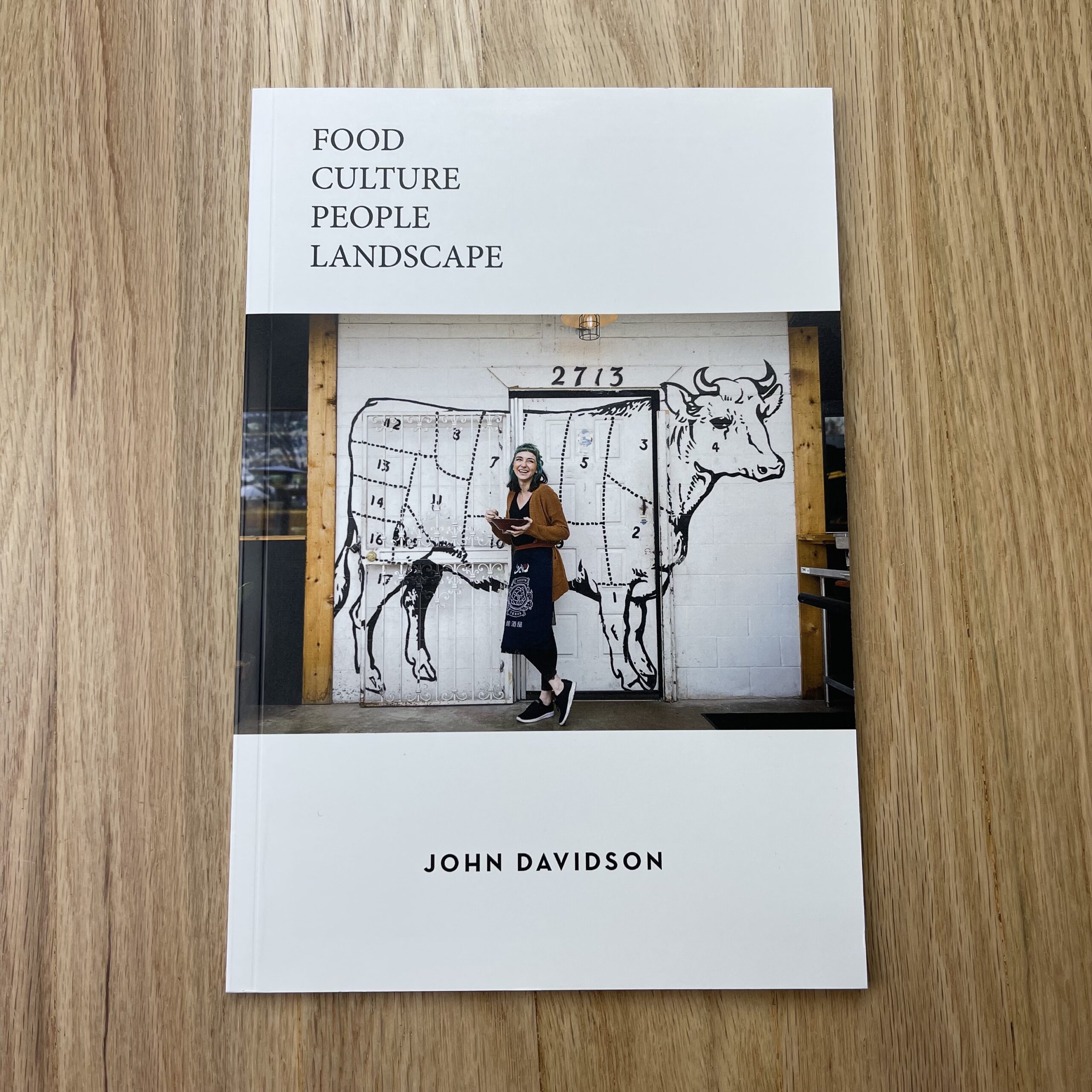
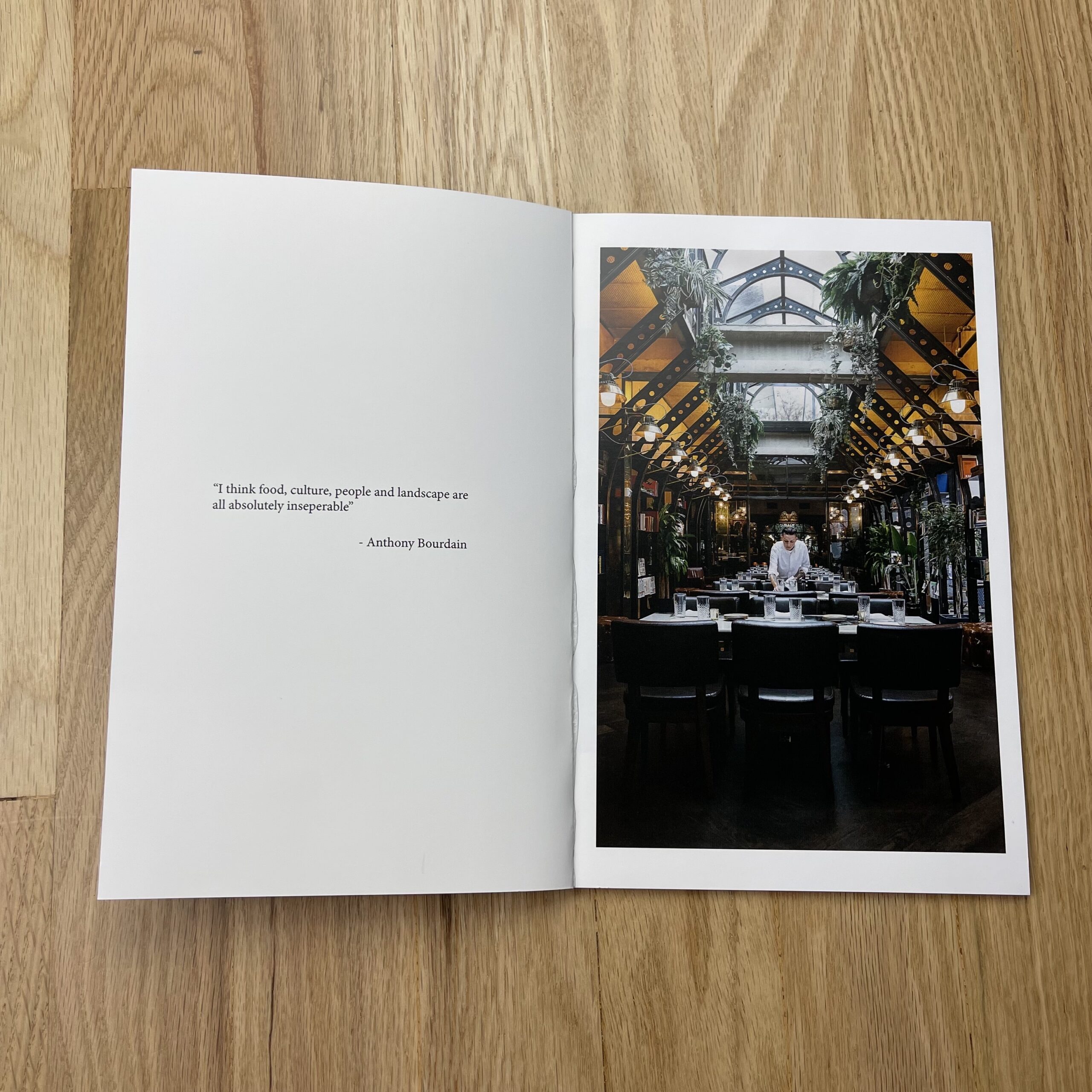
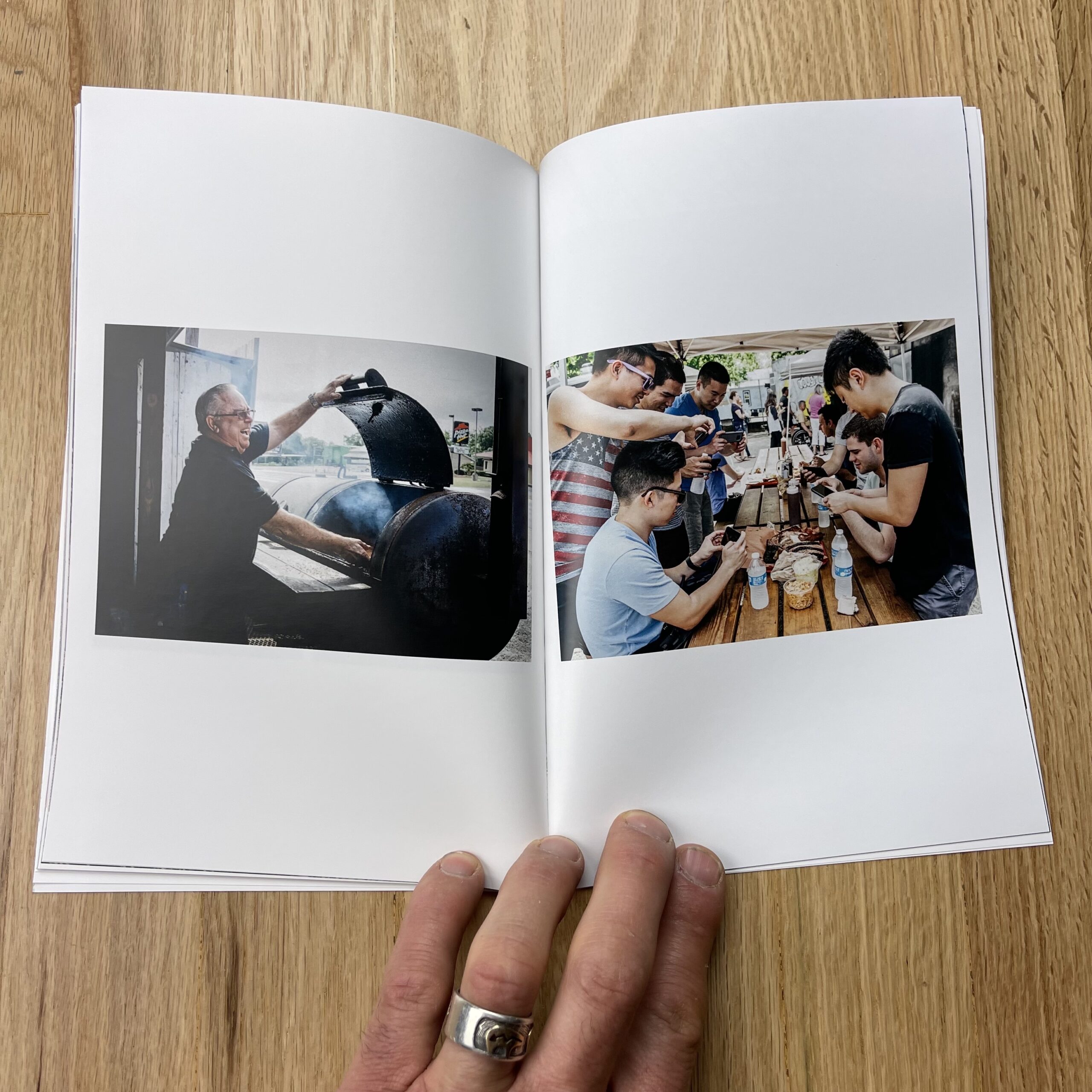
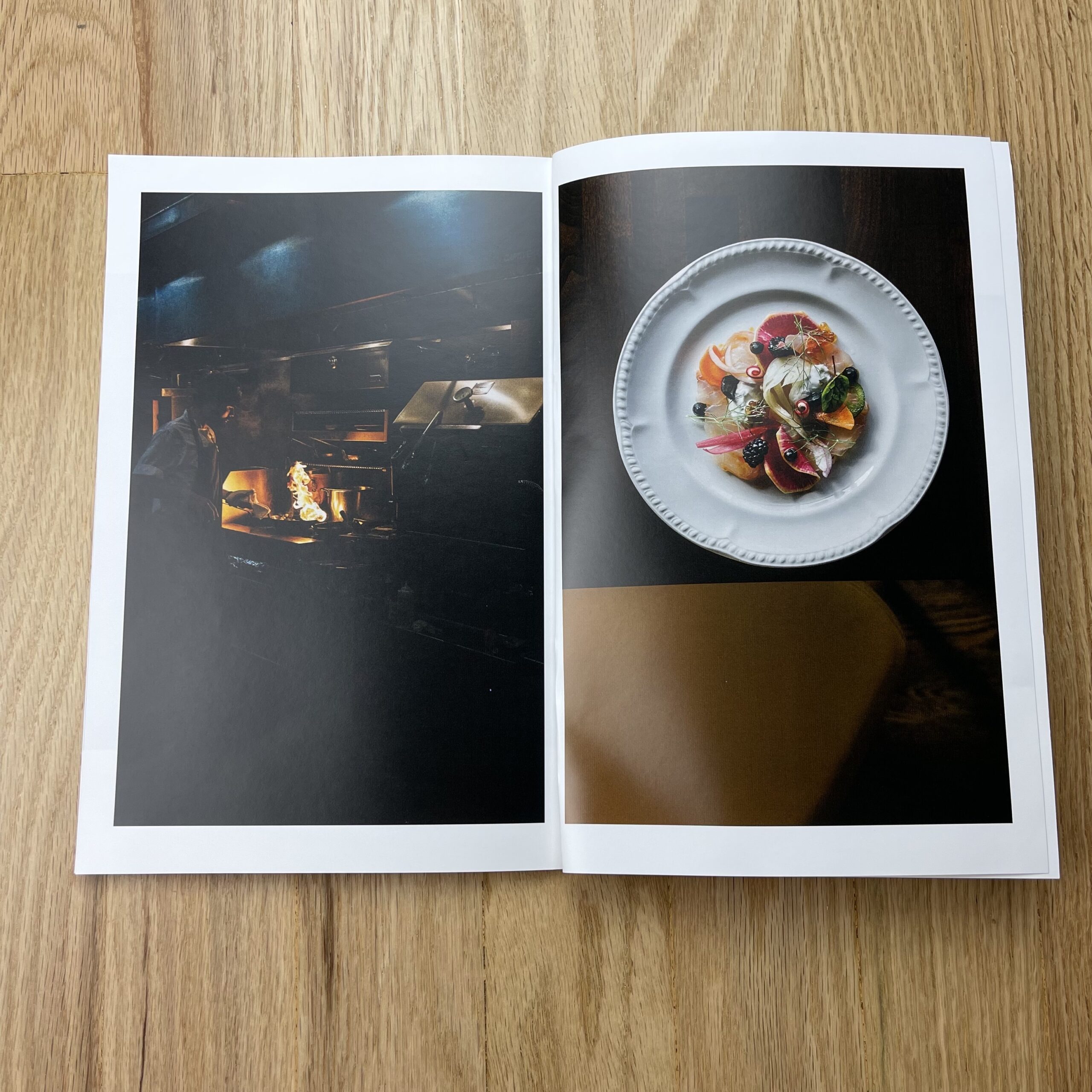
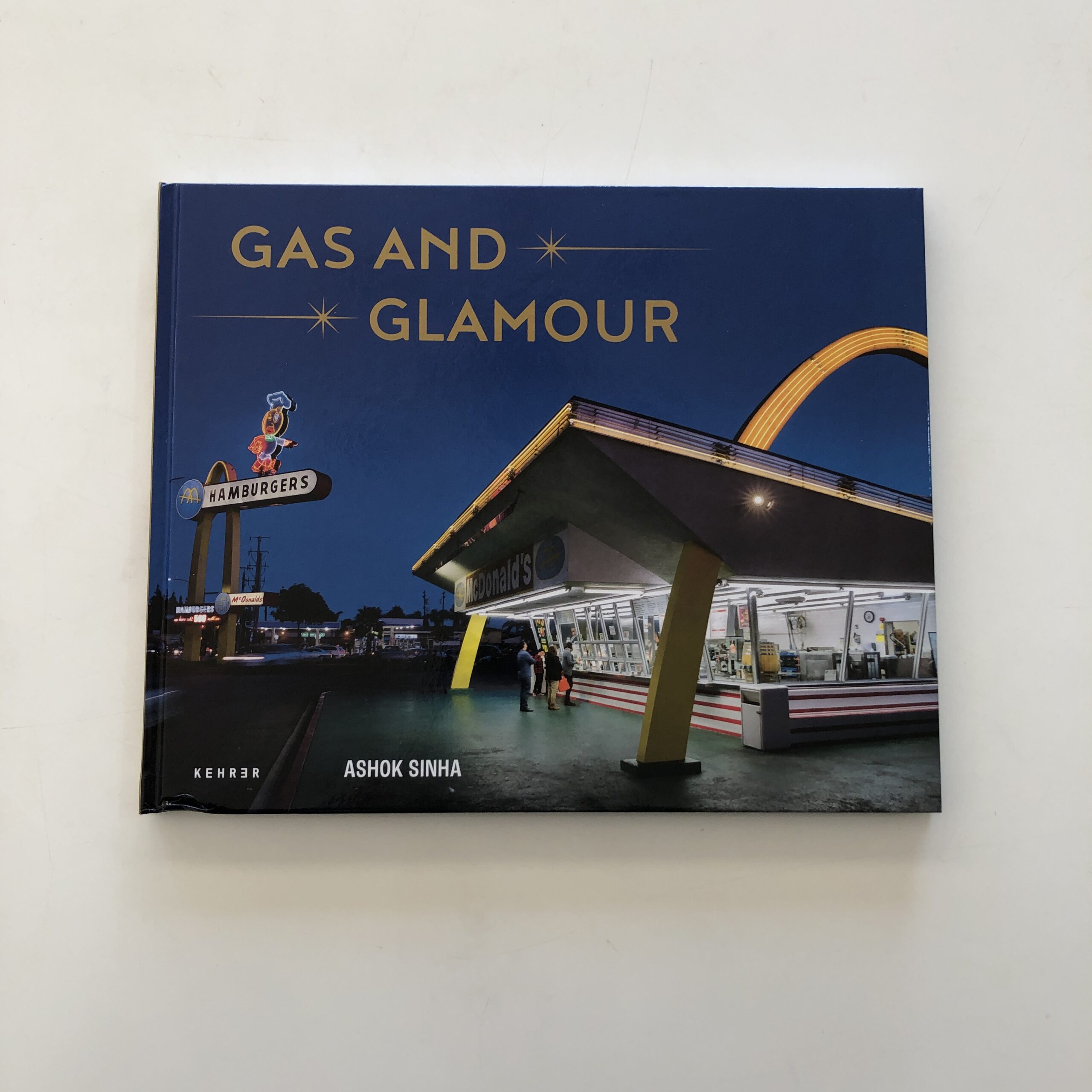
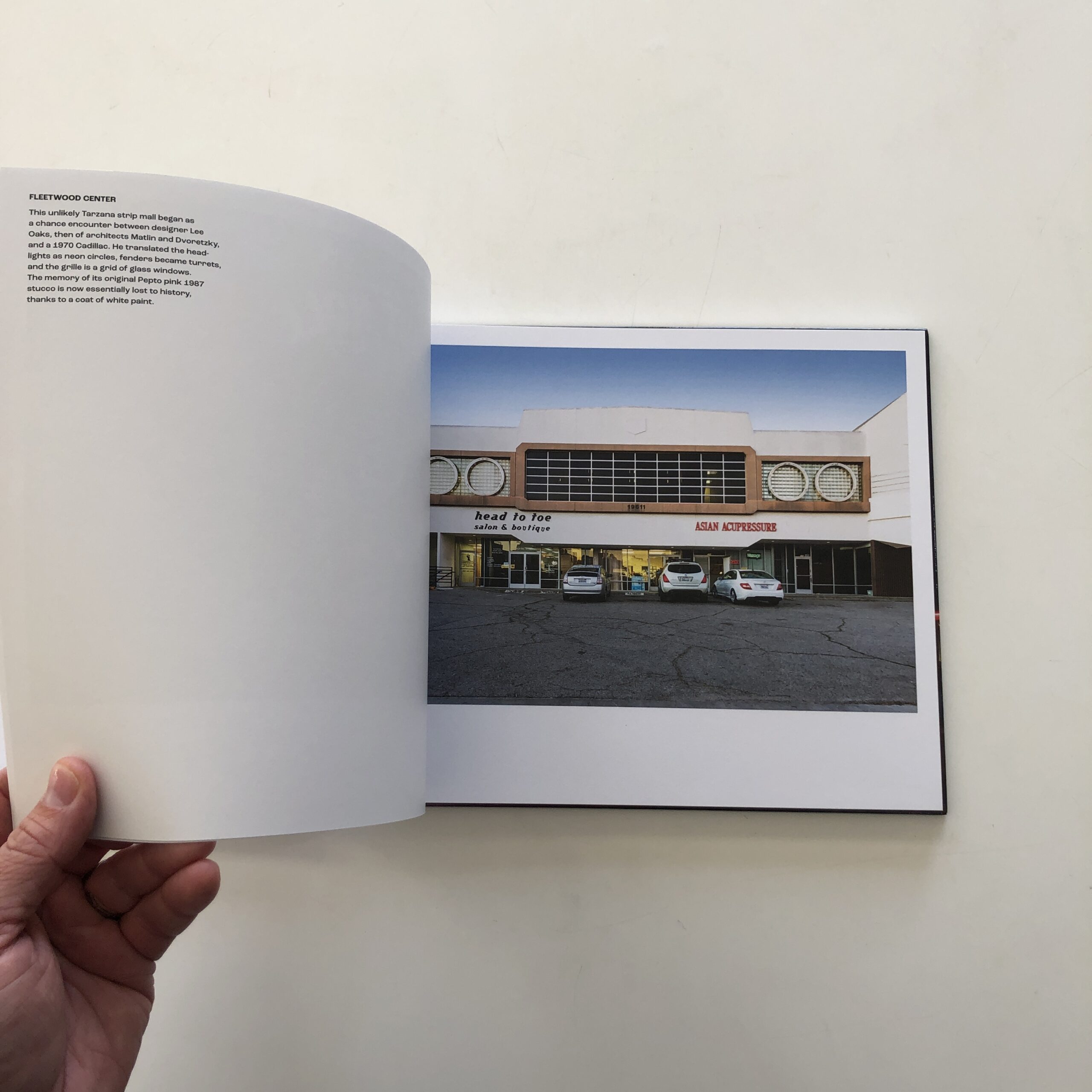
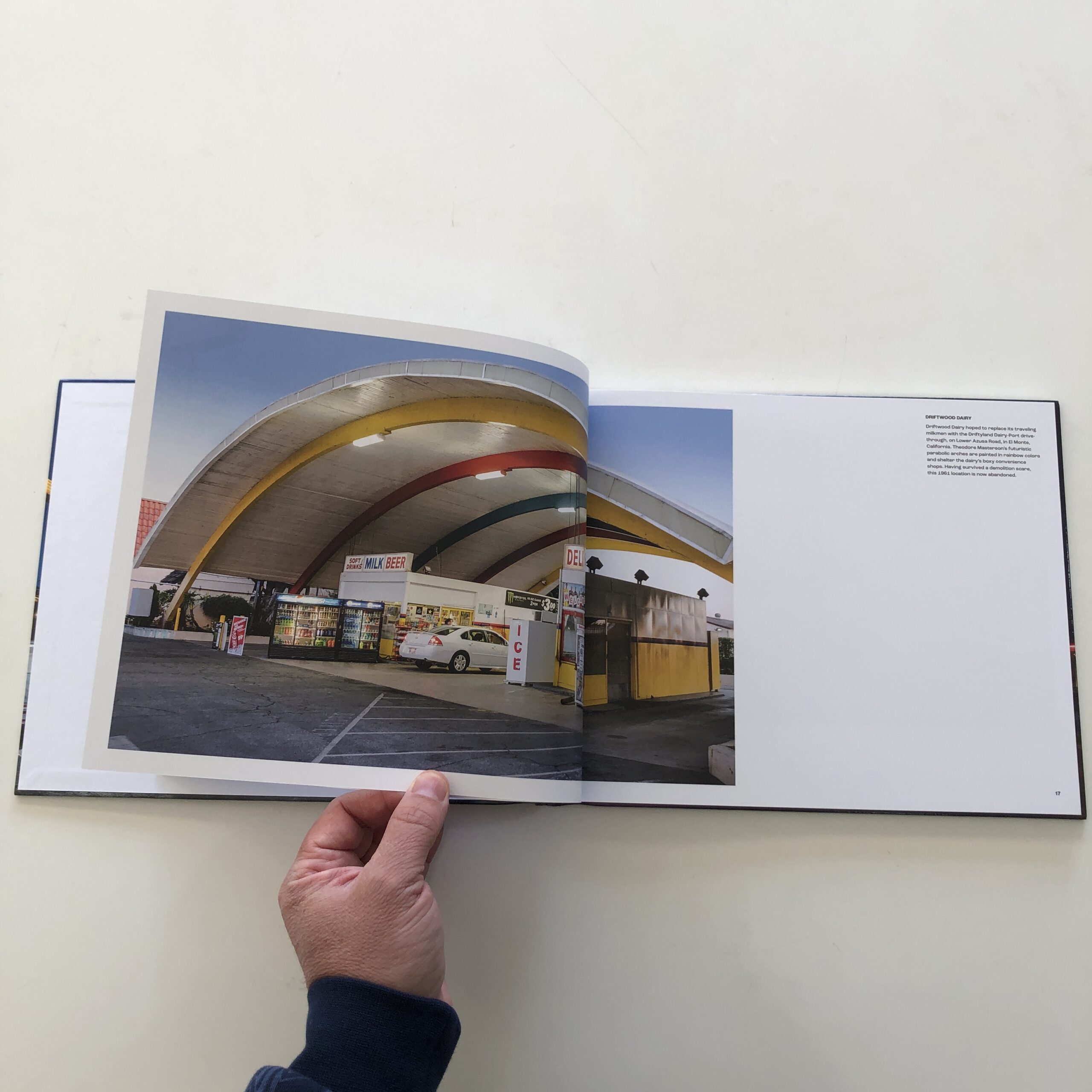
I designed the poster, book, and postcards. I wanted the poster and the book to have a very early 90’s NYC art feel when you would get posters in the Voice, and artists would hand out their work in cards and books. I am from New York, and its artistic history has really influenced me.
Tell me about the images.
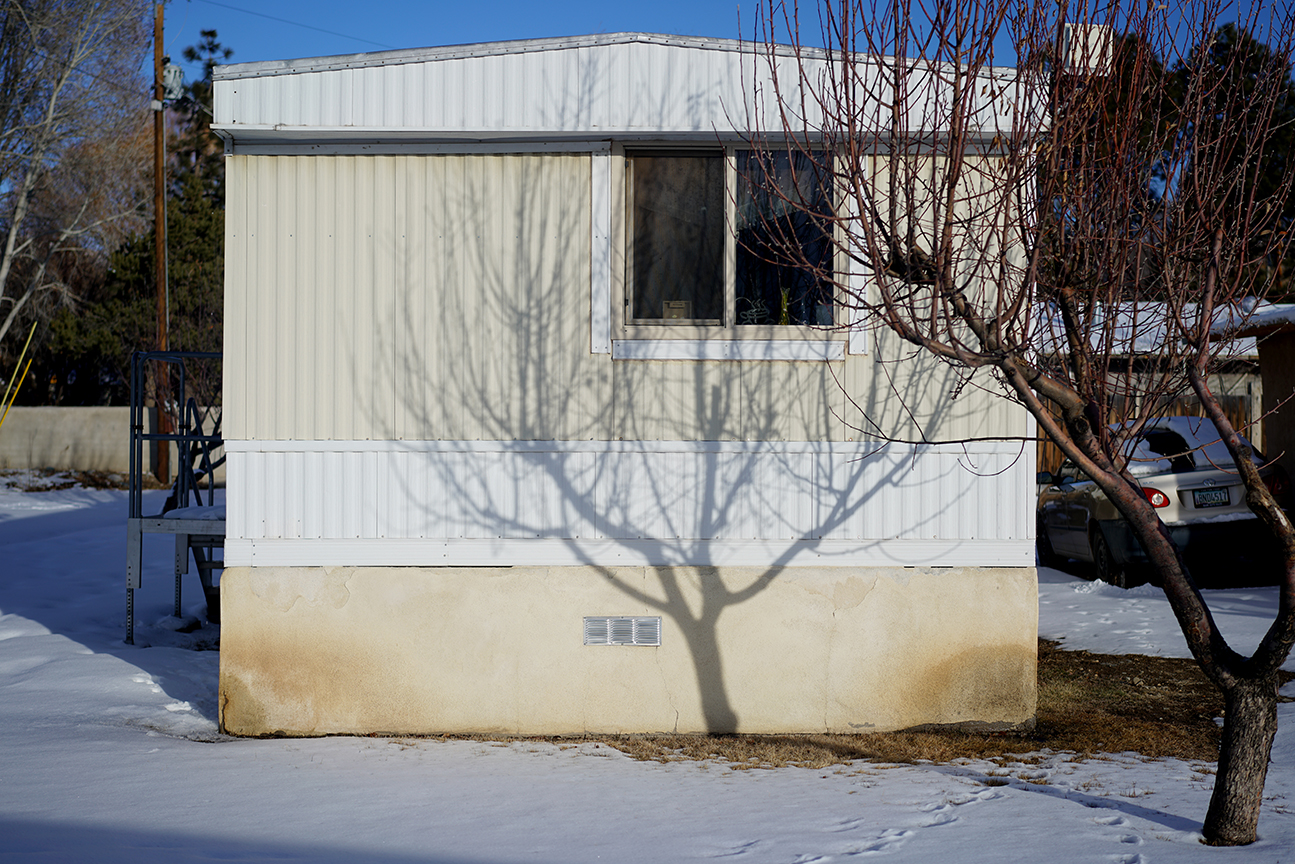
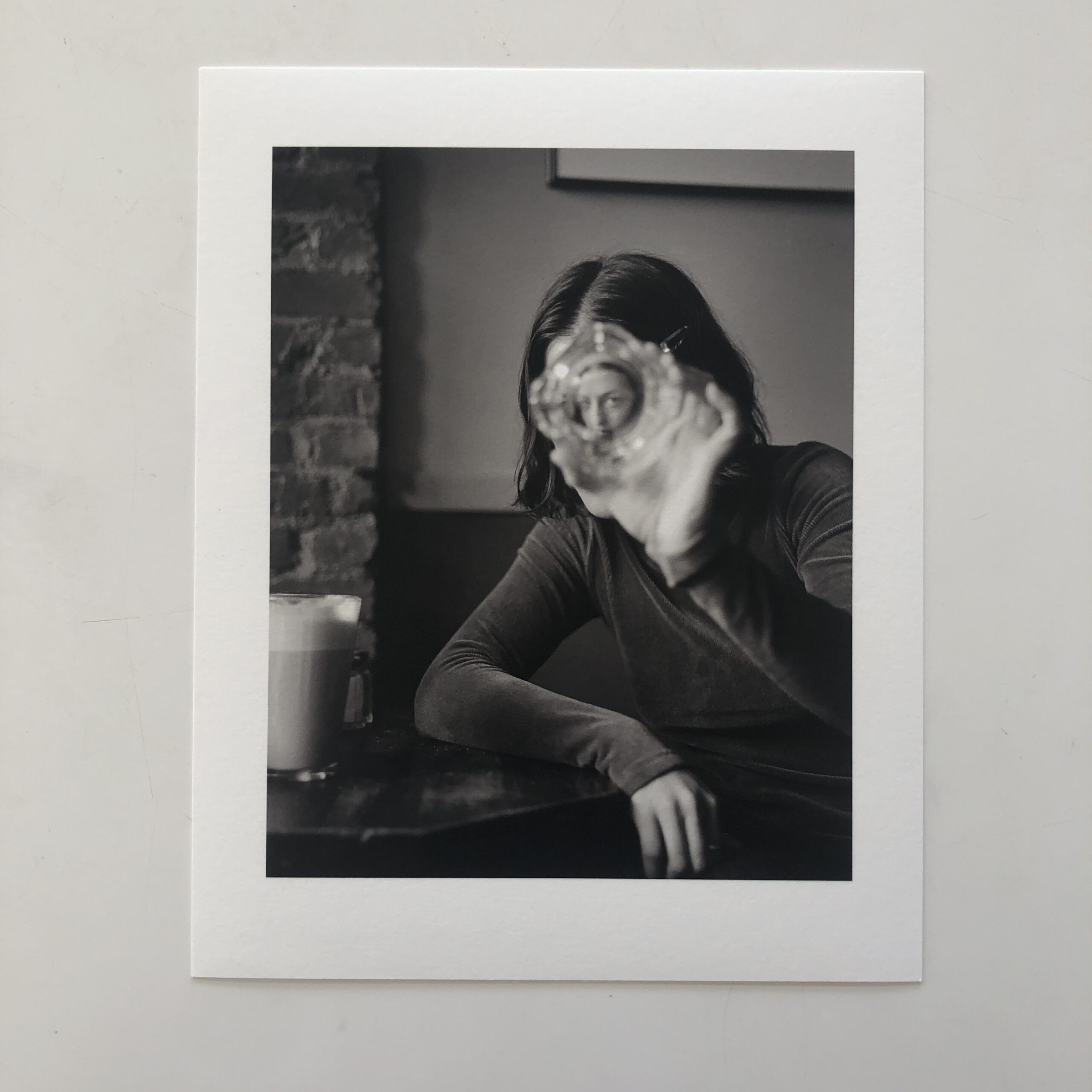
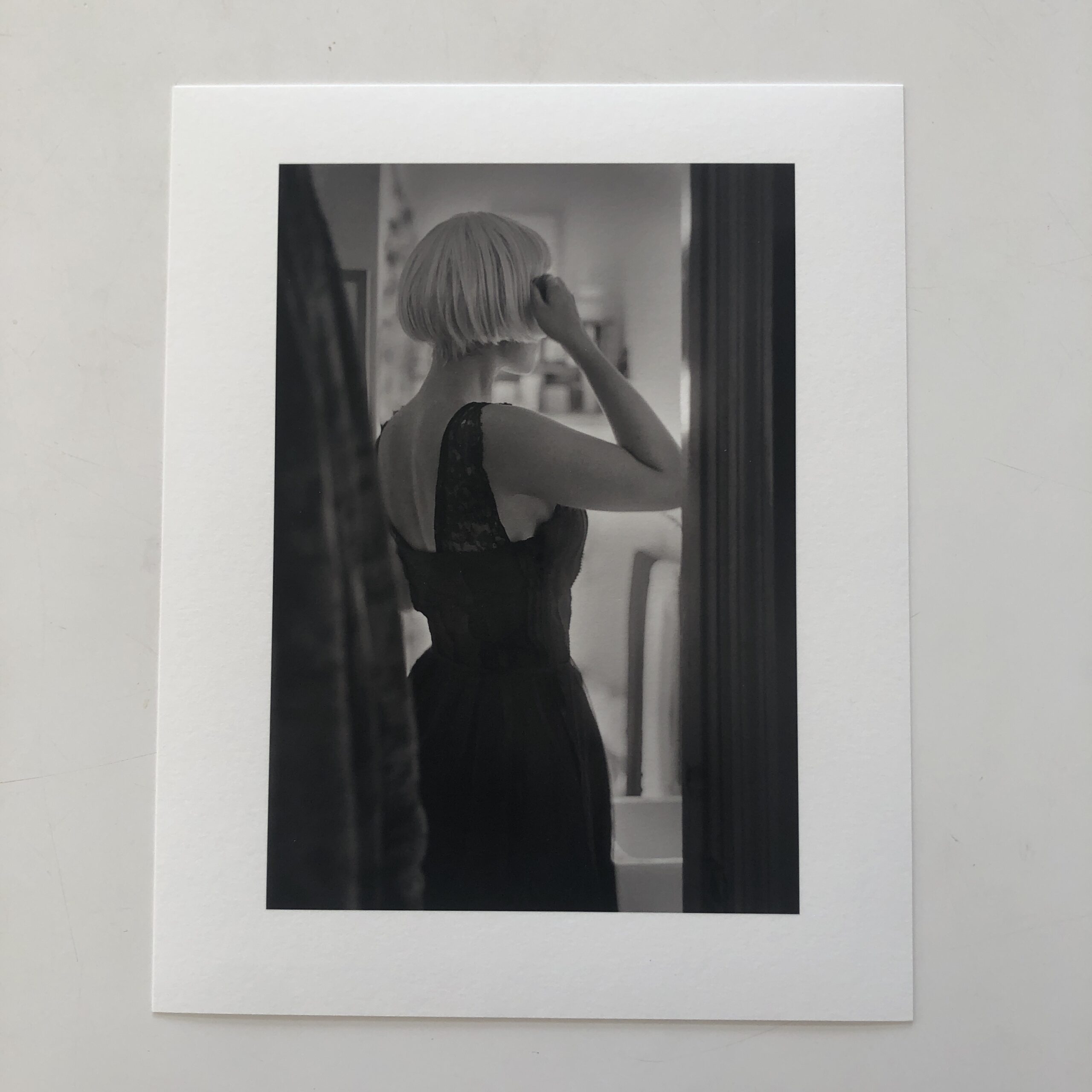
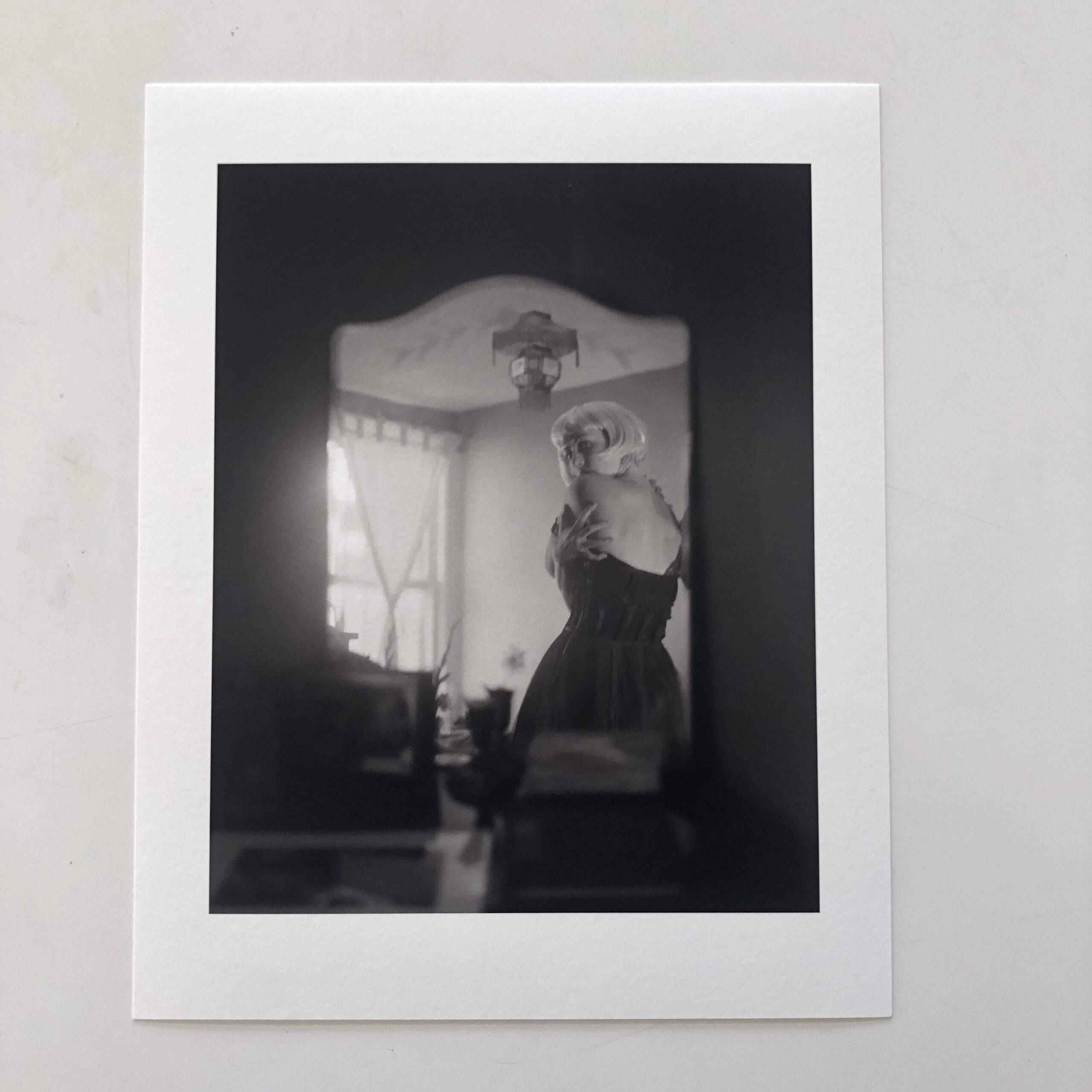
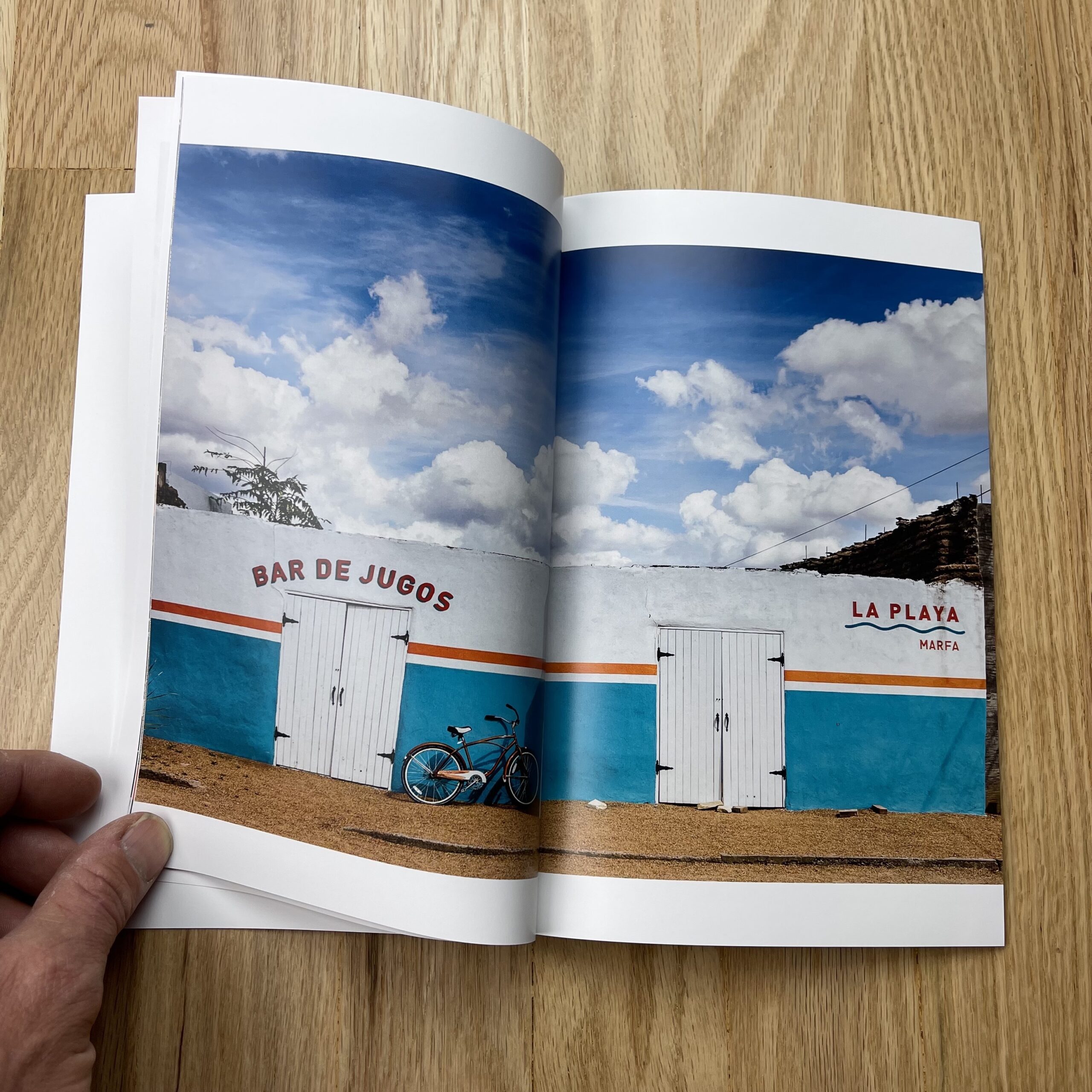
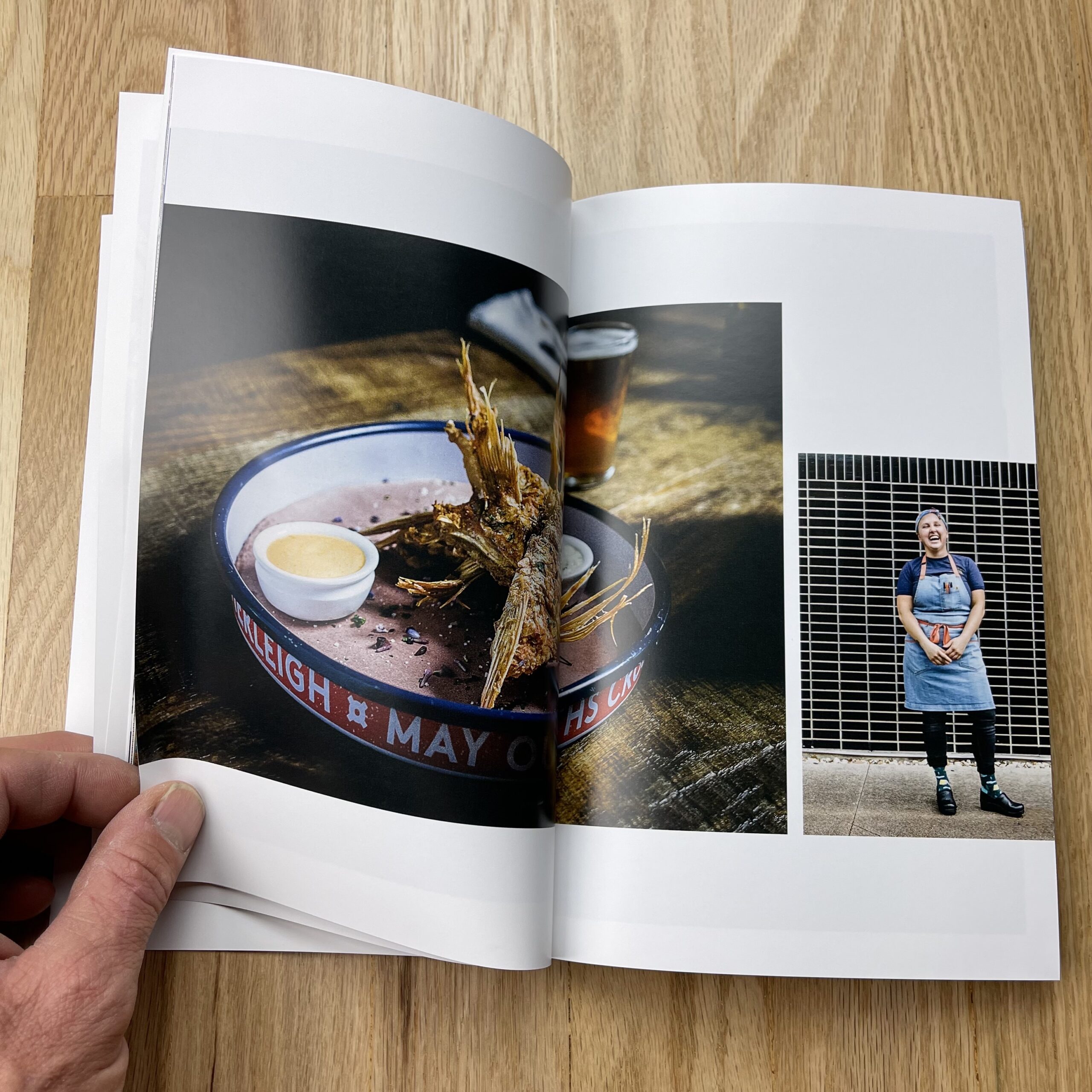
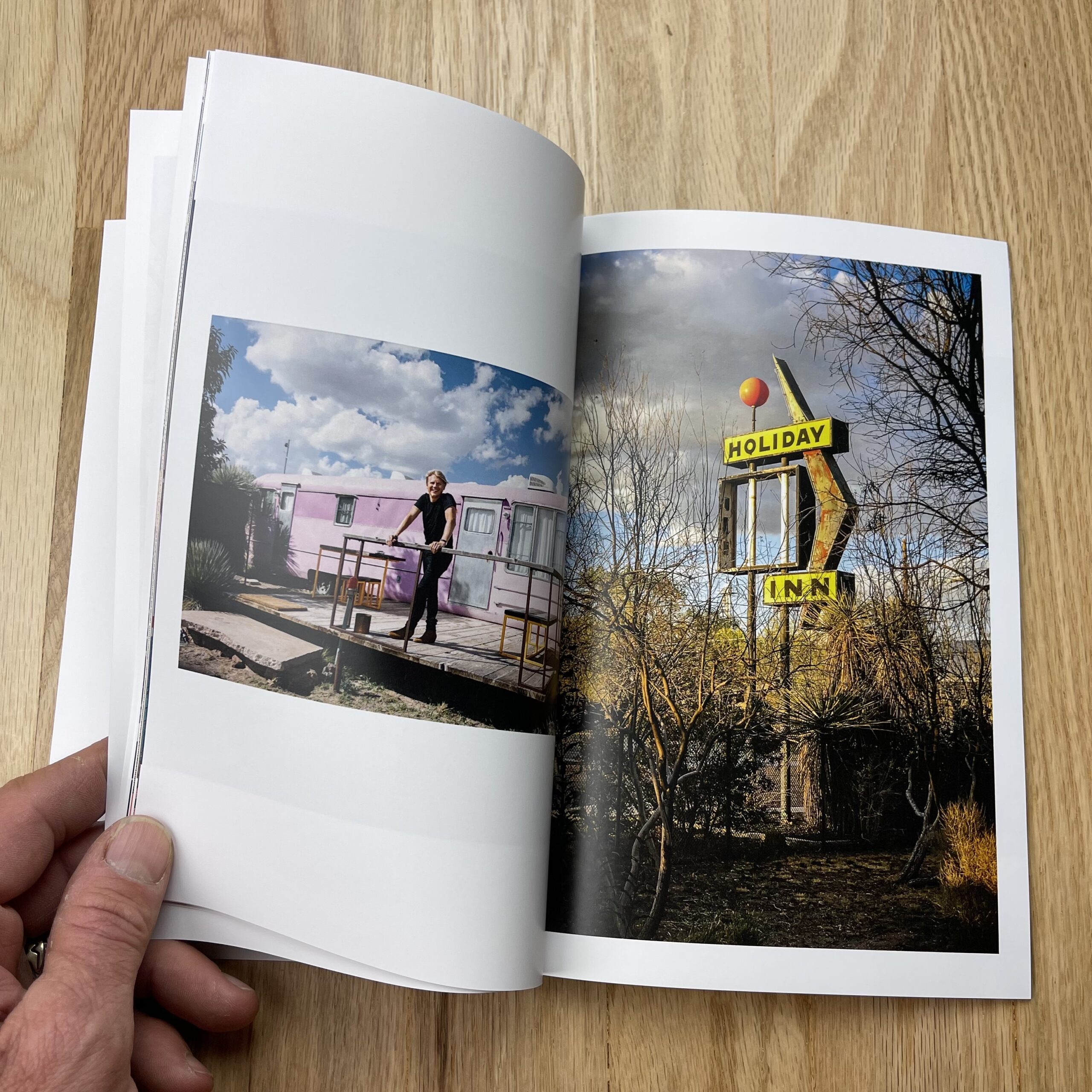
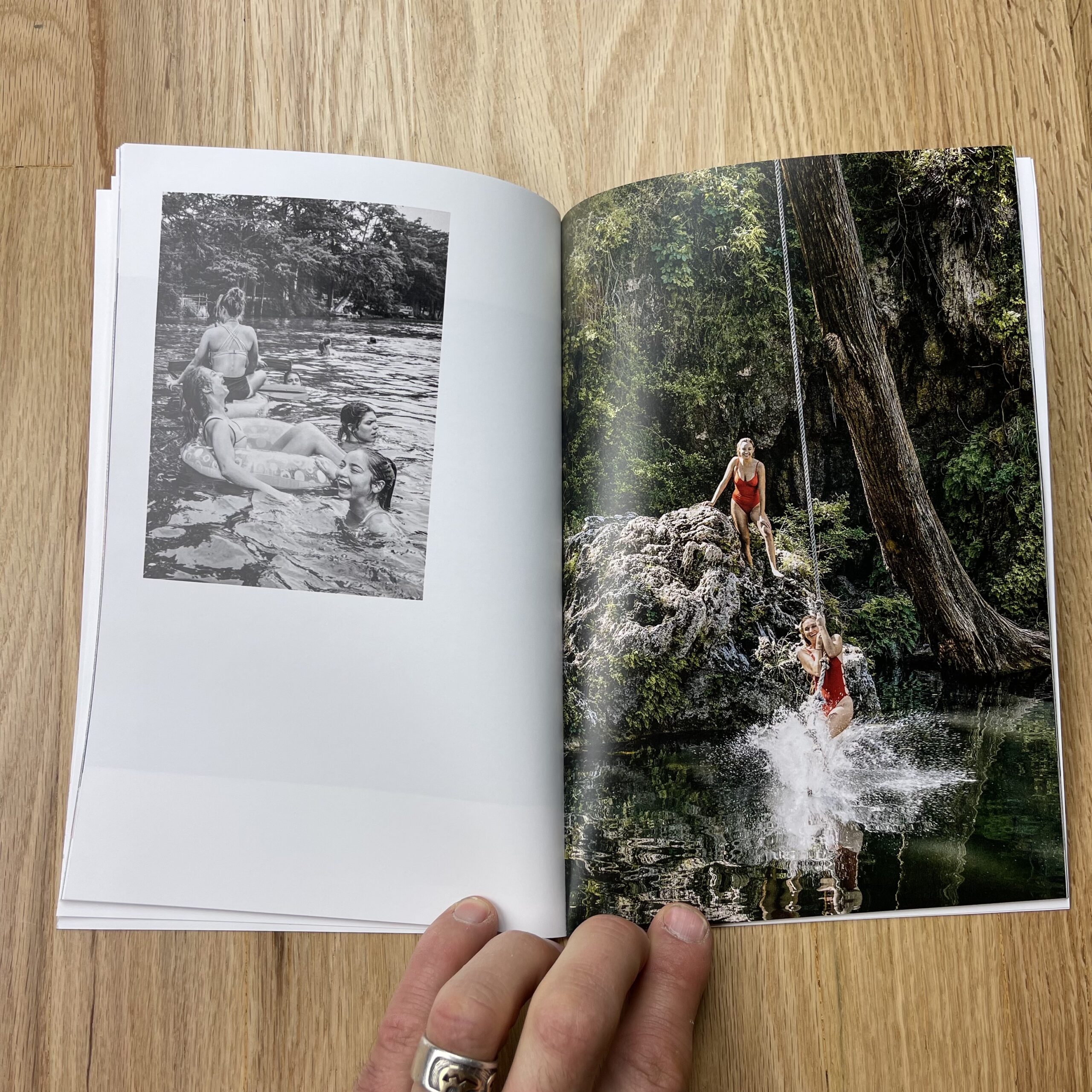
The book and poster represent the spark that made me want to be a fully professional photographer. Two of the cards are images from West Texas, I really enjoy traveling and these images never really have a place to live. The third image is a product shoot I did for the Company Palms.
How many did you make?
I made 100 books, I have friends asking me for more so I am thinking of printing more! I made 100 posters and 100 of each postcard. When I run through them, I make more as I use them as a business card.
How many times a year do you send out promos?
I am continually making digital promos. Some of my first internships for photographers involved running around New York handing out their promos to various clients and editors. I am continuously making promos, but sending them out to a client list becomes less frequent. Quarantine afforded me a lot of time.
Do you think printed promos are effective for marketing your work?
I am not sure. I have had clients reach out to me years after I had sent them a promo. I would say for every 25 promos I send I hear from one person. The book was a bit different as I sent it more to work friends as opposed to a traditional marketing campaign. I find that handing out cards to people has a greater impact than a standard business card. I find it is a good way to continuously foster relationships with various clients.
Both of those famous clichés collided for me this week, and as a result, I’m shaking off some serious PTSD.
That kind of stress will melt your brain, so we’re going a bit non-traditional this week.
(It is what it is.)
As to the details, I had my first proper Covid test, my first colonoscopy, and was held at gunpoint, by a raving lunatic, who might well have killed me had things gone differently.
(Like I said, it was a crazy week.)
Let’s unpack some of these things, so I can create a functional column, and offer the educational and entertainment value for which I’m known. (Or so I tell myself.)
It would be cruel to keep you in suspense, given the drama bomb I dropped a few sentences ago, so let’s get to it.
And before you ask, no, I’m not exaggerating.
It really happened.
On Saturday, I walked up to the basketball court behind the firehouse, to shoot hoops, and burn off some stress.
I’d been dreading the colonoscopy, for obvious reasons, and the fact I had to go into the hospital the day before, to get tested for Covid, was also weighing me down.
Nothing like a bit of exercise to combat the stress.
Right?
Of course I brought my camera, because as I wrote last week, I’m shooting every day now, (or close to it,) and this autumn light will only last so long.
Around here, November brings high clouds, gray skies, windy days, and brown grass.
Once the leaves drop, and until the snow comes, Taos is often dreary, no lie.
But Saturday was beautiful, and the afternoon light was great, so I was excited to shoot hoops, and shoot pictures, but it never occurred to me the verb might pop up in the worst possible way.
For the most part, I don’t trespass.
People around here like their privacy, a hallmark of the Wild West, and almost everyone has guns.
But I’m also known around the neighborhood, having lived here for 12.5 years, and my wife’s family has been here half a century, so that carries some weight.
I’ve also been shooting my project for 10 months, so I’m confident the neighbors have seen me around, which gives a sense of protection.
Plus, I’m a trained fighter, and carry a knife.
(Normally, that’s enough.)
As I was walking home from the court, I noticed a glowing, wooden, religious statue in a neighbor’s driveway, sitting next to a blue tarp, which was electric in the light.
It was a sure-fire photo, and there were no cars in the neighbor’s driveway, that I could see.
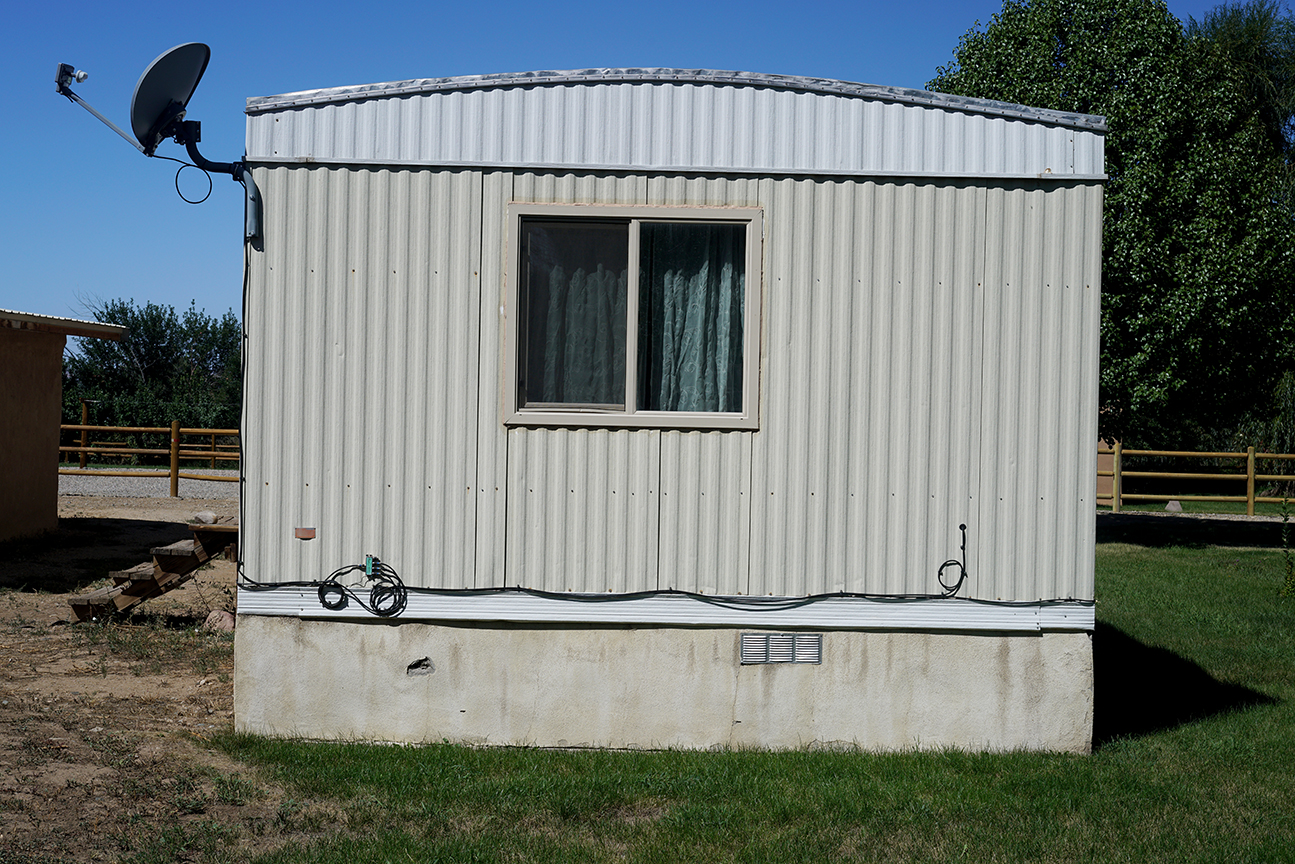
Frankly, I’d shot the trailer a couple of times already, as the place was normally empty, and no one had ever looked at me twice, much less said a word.
January, 2021August, 2021
I yelled “Hello,” and began walking the twenty feet or so up the driveway, when I saw a big, white pick-up truck parked there, and the door was open, so I immediately turned around and left.
Didn’t want to intrude.
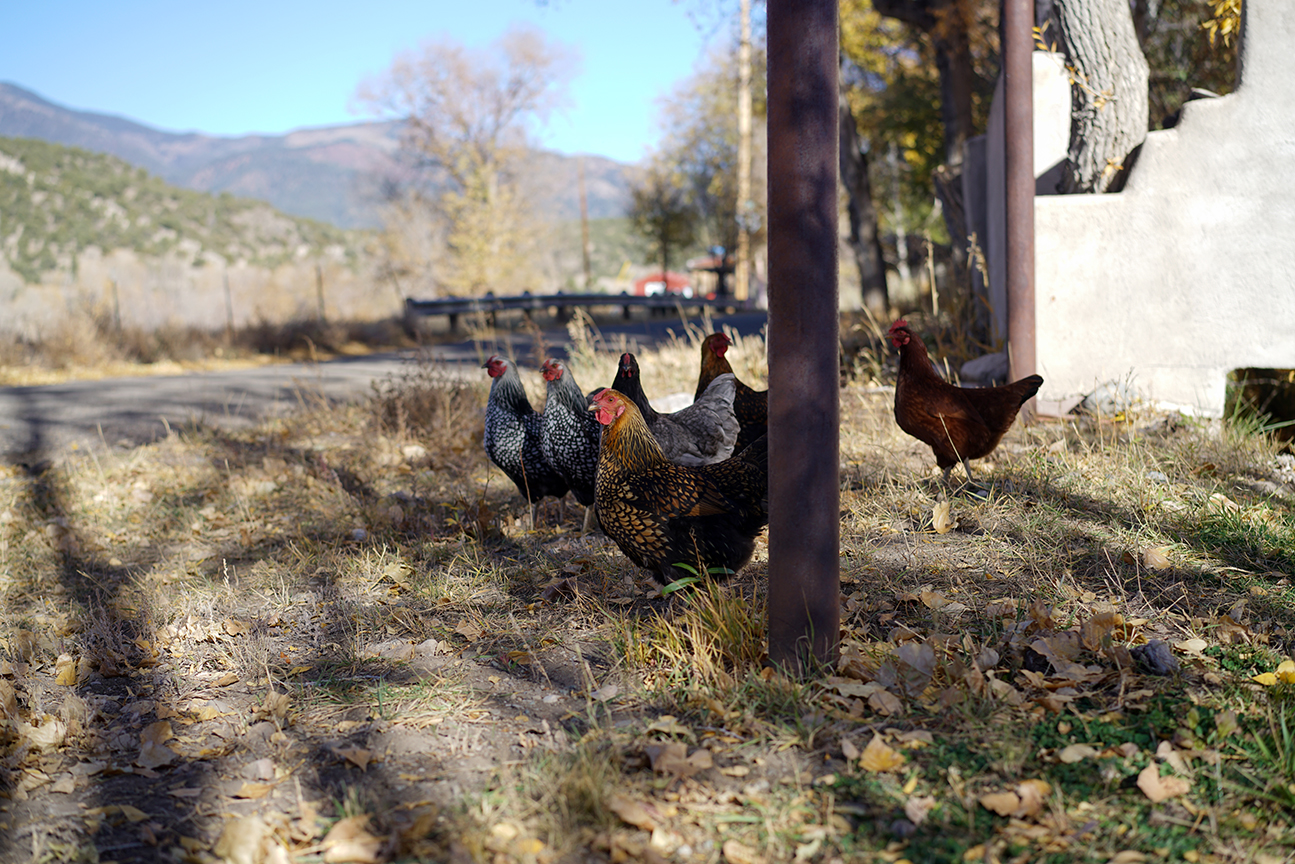
That said, as soon as I walked another five steps, I saw a group of chickens right in front of me.
The chickens
They belong to my neighbor, Morris, who lives across the street, and while the light wasn’t hitting them perfectly, of course I pulled out the camera to rip off a few shots.
There I was, crouching along the road, in full view of the trailer, with my camera, doing nothing but make art.
It got my blood pumping, but in a good way. All those creative juices flowing, combatting the stress chemicals I was trying to purge.
I got excited.
And it was totally quiet.
No one around.
So I got cocky, I guess.
And nearly paid with my life.
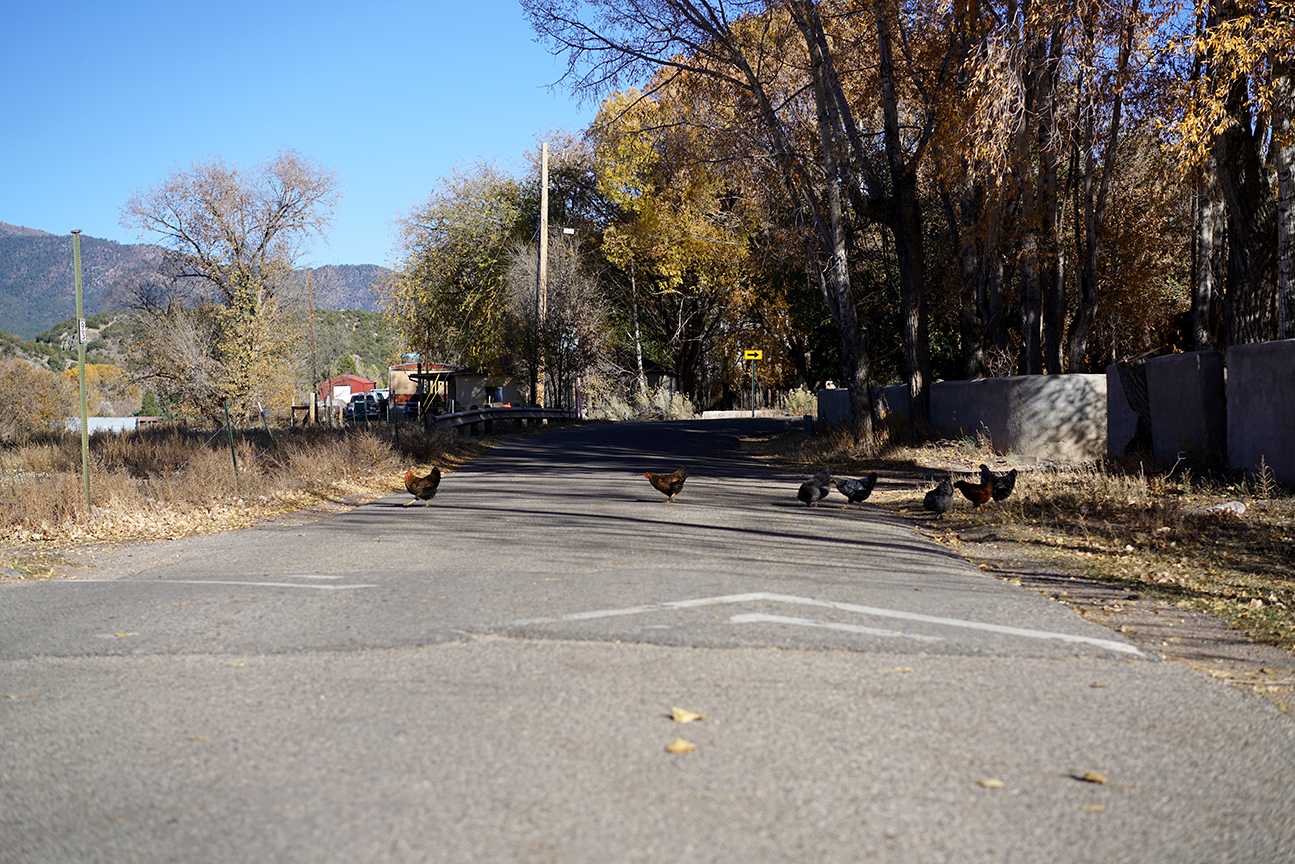
Having the camera out of the bag, watching the chickens literally cross the road, I wanted to keep going.
The chickens crossing the road
And as I said, it was totally silent.
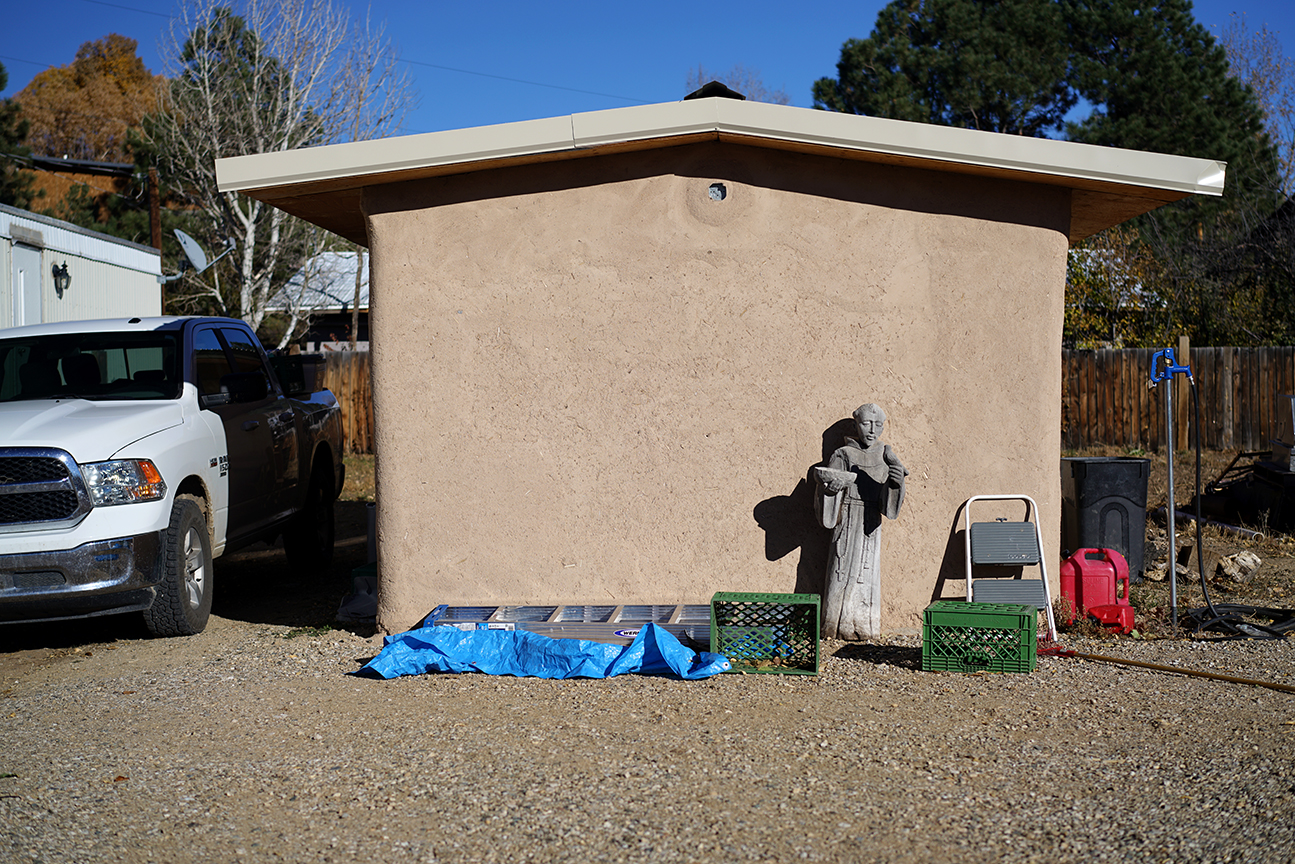
So I waved at the trailer window, as I could clearly be seen, walked back up the neighbor’s gravel driveway, and took two quick photos of the wooden Santo sculpture, the blue tarp, the driveway detritus, and a part of the white truck with the open door.
The Santo and the blue tarp
Trying to be respectful, even though it seemed there was no one around, I walked quickly back towards the road.
But before I could get there, out of the corner of my eye, I saw the door of the trailer burst open.
A large, White, bearded man came charging.
Fast.
He had a gun pointed right at me, with his finger on the trigger, was obviously very angry, and started screaming at the top of his lungs.
“GET THE FUCK OFF MY PROPERTY,” he yelled! “Do you hear me? Move! Move the fuck off my property. NOW!”
I put my hands up, started walking backwards, immediately, trying to create distance between me and the insane, armed man implicitly threatening to kill me.
“That’s right, motherfucker. I’m the kind of guy who carries a loaded weapon. You better get the fuck off my property right now,” he threatened, all the while, keeping the gun trained at my head.
“Listen, man,” I stammered, “I’m very sorry I trespassed. I shouldn’t have done that. Very sorry. That wasn’t cool. But I announced myself, waved at your window, and I’ve lived here in the neighborhood a long time. I’m an artist, and was just taking a quick picture. That’s it.”
I continued to walk backwards as I spoke, calculating how quickly I could get to the property line, as he kept coming at me with the gun, enraged.
“I just moved here,” he said. “I don’t know who the fuck you are. And I got robbed last night. So you better get the hell off my property. Now. MOVE!”
I kept my cool, and trained my eyes on the gun.
“Listen, like I said, I’m sorry. I apologize. My bad.”
“GET THE FUCK OFF MY PROPERTY,” he screamed again!
I kept back-tracking, but he stood his ground, instead of charging, or pulling the trigger, thank God.
Finally, when I was in safe range, I went with empathy.
“I’m so sorry you got robbed. That’s awful. I can’t imagine how you feel. Really, there are a lot of nice people in the neighborhood too. I’m sorry you got robbed, and that it’s affected your experience here.”
“Yeah, well,” he replied, “as long as you get the fuck off my property, and never come back, we’ll be good.”
With that, he turned around, walked back into the trailer, and stared at me through the window. The same window, I should add, I waved at a minute before, so anyone might see me approach.
“Listen,” I added loudly, “please, let me bring you a beer, to make it up to you. I shouldn’t have trespassed, and I’d like to make amends.”
“You don’t need to,” he said, “just stay away from my property, and we’re all good.”
But that’s tricky. We walk by there every time we go to the basketball court.
So I headed home, got a beer from the fridge, wrapped it in tinfoil to be discrete, and walked back up the road, my heart pounding quickly.
I stayed by the property line, yelled towards the window, and told him I was back with a beer, as a show of good faith.
“I don’t drink,” he said, more calmly than before.
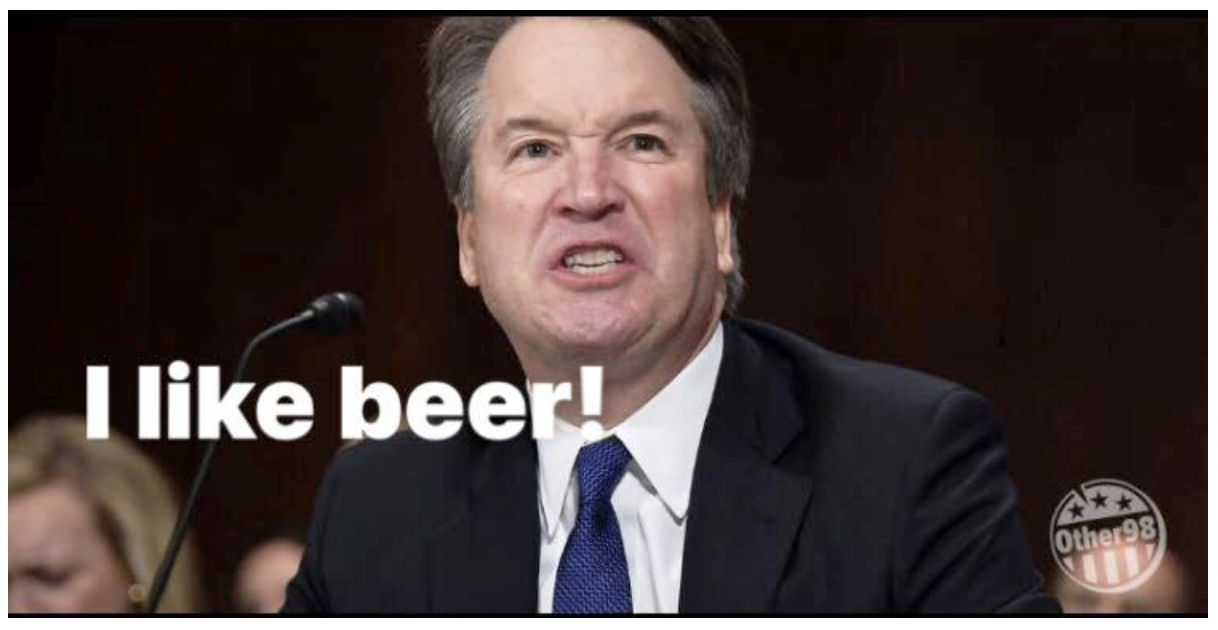
Are you kidding me? The only truck-driving, gun-wielding, large White guy in America who doesn’t like beer?
Courtesy of The Great American Disconnect
Just my luck.
But the tone of his voice had changed. I could tell he no longer perceived me as a threat.
“You don’t need to do that,” he said, more calmly still. “We’re good.”
“Listen, man, we’re neighbors. It’s important there be no bad blood. I just wanted to show you I’m a good dude.”
“Don’t worry,” he said. “We’re good. You’re peaches and cream.”
“OK,” I replied.
“I’m peaches and cream.”
So I re-wrapped my beer, turned on a dime, and walked home.
I’m going write about Chicago soon enough, but one thing was clear to me, traveling through two airports: people in America are ready to blow.
There is a seething anger that is not even below-the-surface anymore.
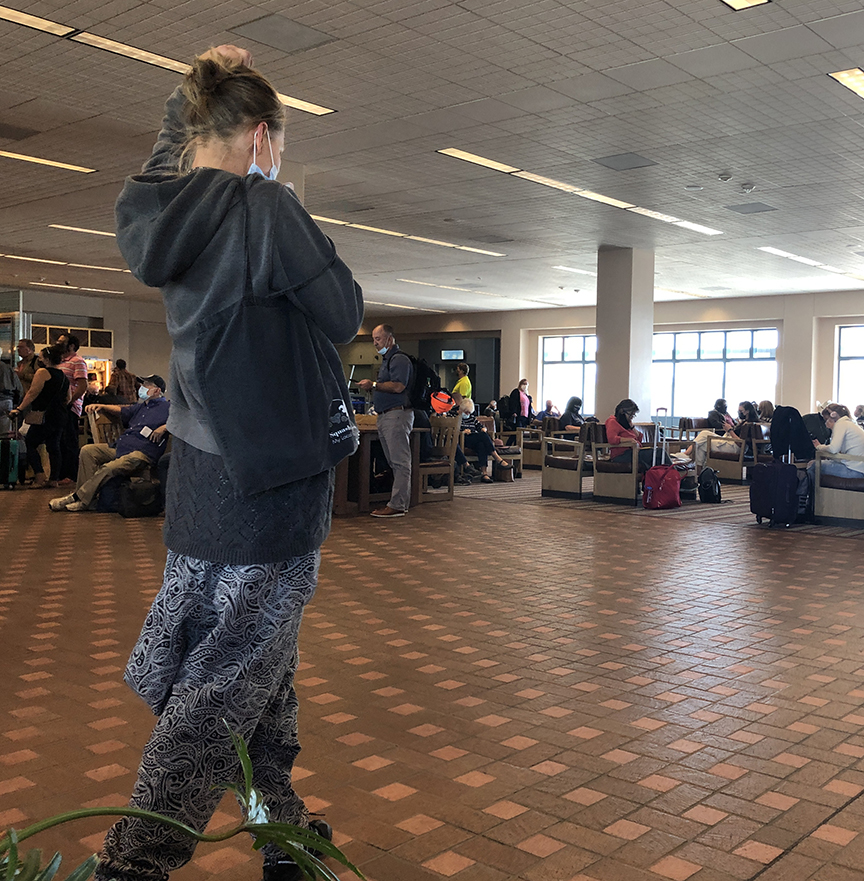
In both Albuquerque and Chicago, despite the Federal mandate, I saw people without masks, or confidently wearing masks below their noses, and under their chins, constantly scanning the area around them.
Woman with a mask under her nose; man with a mask under his chin
These people were waiting for someone to step to them, baiting anyone into speaking up, so they could unload.
They wanted to fight; to spew their anger at the world.
It was so unsettling.
You know I’ve been writing about the decline of America for years now, and when I came home from San Francisco in 2019, I did a big article reporting the social fabric in this country was badly frayed.
Clearly, the pandemic pushed things over the cliff.
People are ready to shoot, punch, or stab, and ask questions later.
I’m truly concerned.
When you have to kiss someone’s ass, and beg forgiveness, just so they don’t kill you, we’re in really bad shape.
But there’s one last part to this column, before I jump off and meditate some more. (It’s been helping with the PTSD, for sure.)
Today is Thursday, (as usual,) and this time on Tuesday, I was under anesthesia, having my intestines probed with a digital camera.
The whole thing was humbling, to say the least.
And it all came to pass, because my brother and Uncle both reached out this summer, within a week, to tell me the medical guidelines had changed, and people were supposed to get a colonoscopy at 45 now, instead of 50.
Then, my Uncle and Mom told me my grandfather had died of colon cancer, in his late 50’s, which meant I had a family history of the disease, making it vital I get checked ASAP.
Even typing the word, colonoscopy, I cringe a little, as it’s so much easier to say procedure.
Or surgery.
I really don’t want to evoke any visuals for you, (unlike last week, with the yellow hot-air balloon,) but I promised the surgical staff I’d use my platform to spread the word.
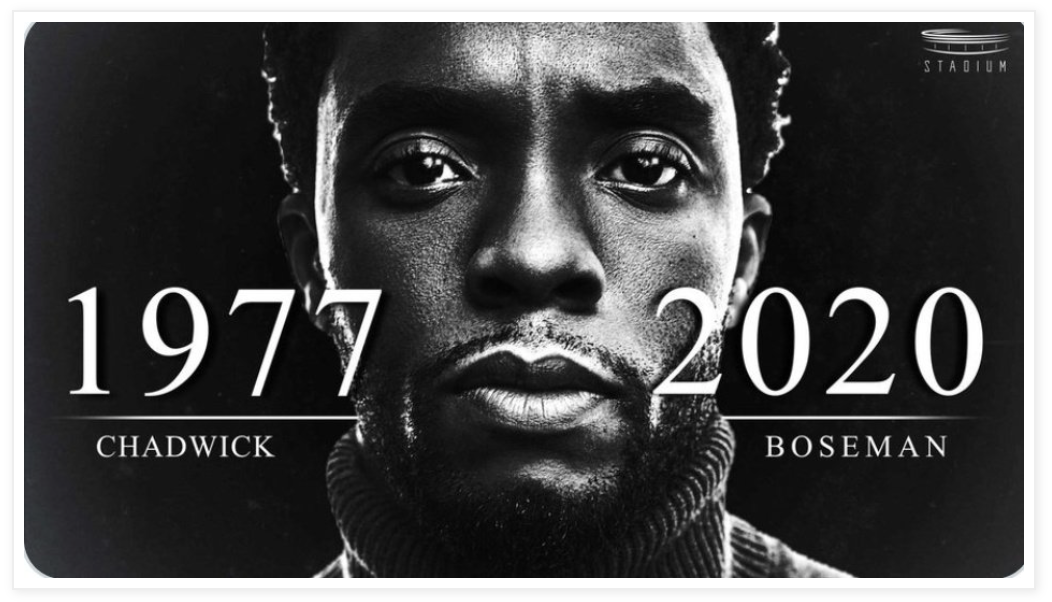
Colon cancer is deadly, and took down Chadwick Boseman last year.
Courtesy of Crazy Eddie’s Motie News
Black Fucking Panther, dead, in his prime.
(Scary stuff.)
But it is also preventable.
Listen, getting this cancer screening sucks.
I won’t lie.
Having the Covid test, with a Q-tip jammed almost into your brain, then taking all these medicines to clear out your insides, sticking to a liquid diet, following all the rules.
It’s laborious, and given the reality of many people’s work schedules, and insurance situations, I can see why so many put it off, or don’t do it at all.
Truly. I get it.
But having faced down the fear, and gone through the process, (with a clean bill of health, thankfully,) I wanted to at least share what I’ve learned.
There are so many things that can take you down, these days.
The Art of the Personal Project is a crucial element to let potential buyers see how you think creatively on your own. I am drawn to personal projects that have an interesting vision or that show something I have never seen before. In this thread, I’ll include a link to each personal project with the artist statement so you can see more of the project. Please note: This thread is not affiliated with any company; I’m just featuring projects that I find. Please DO NOT send me your work. I do not take submissions.
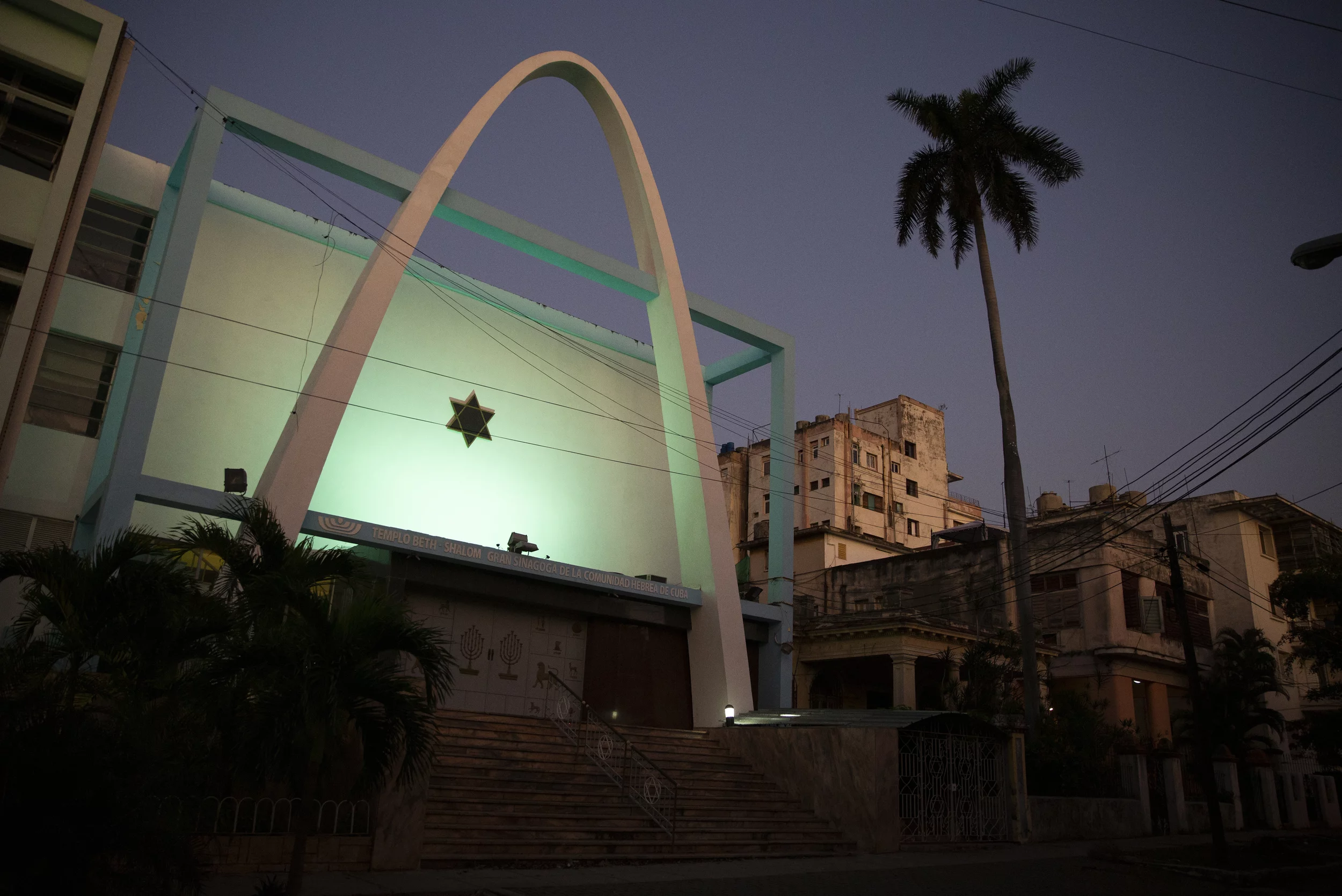
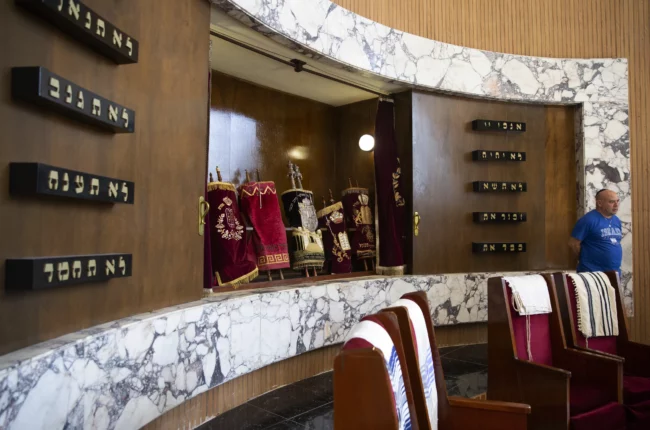
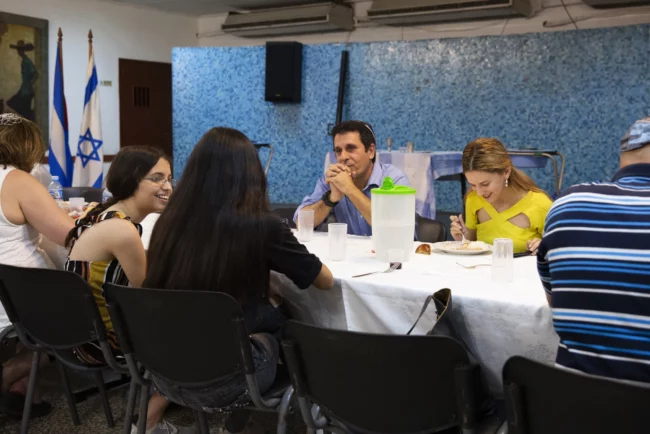
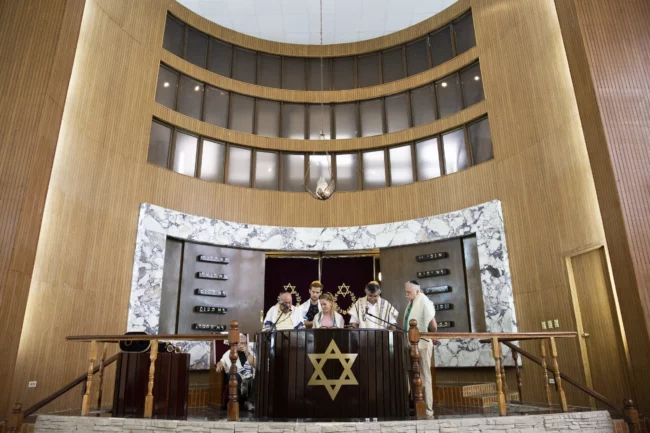
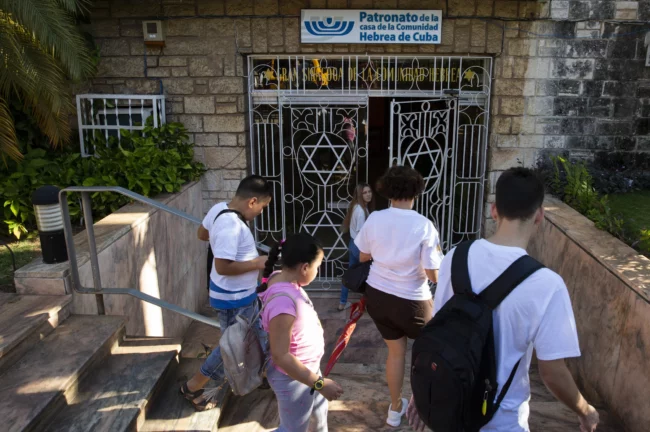
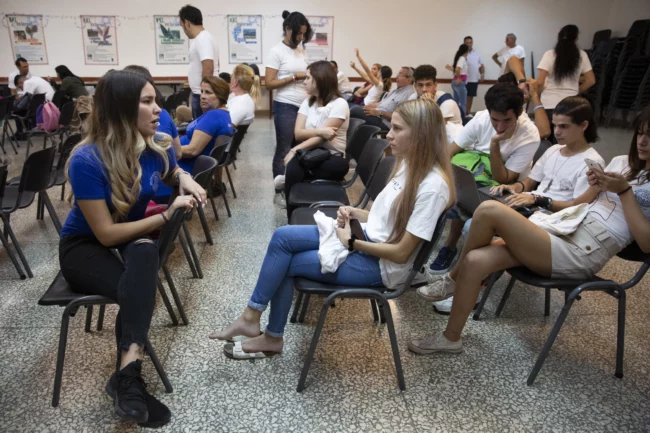
On a Friday night at Beth Shalom in January 2020, only 70 of the 270 synagogue seats were filled — at least a quarter of them by tourists. Adriana Quiñones, 19, led the evening services, chanting at the bema in Hebrew beside her ex-boyfriend, Jonathan, in a highlighter-yellow dress. While Quiñones can read Hebrew beautifully, she doesn’t actually understand what it means — a qualification that has been overlooked in light of the fact that the synagogue does not have a rabbi.
There isn’t one rabbi living in the whole country of Cuba. Currently, only about 1,200 Jewish people still call the island home, down from 15,000 prior to Fidel Castro’s revolutionary rise to power in 1959.
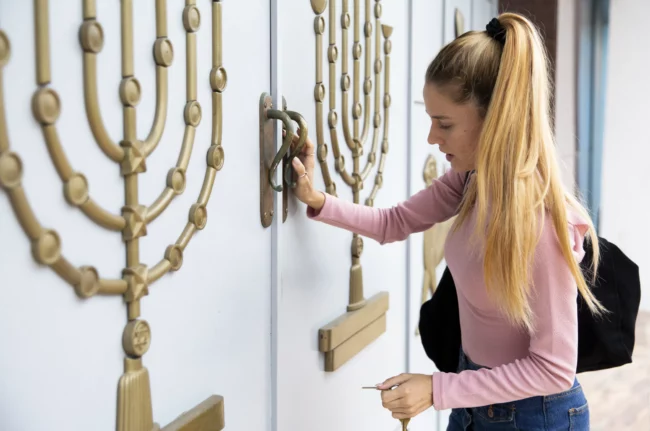
Beth Shalom was built in Havana’s Vedado neighborhood in 1952. It’s one of three synagogues in Havana, and only five in all of Cuba.
Most of Cuba’s Jewish population over the past hundred years has existed as a result of displacement and persecution elsewhere. Jewish people fled from Turkey and Eastern Europe in the 1910s and ’20s, then again from Europe in the 1930s and ’40s as Nazis seized power. Many considered Cuba a stopover point on the way to the U.S. but stayed after the U.S. shut them out.
Beth Shalom’s current president, Adela Dworin, is the child of Holocaust survivors. Quiñones’ paternal great-grandparents emigrated from Turkey after they faced discrimination, while her maternal grandparents are Cuban natives.
In deciding to remain in Cuba, the Quiñones family is part of a striking minority. After Fidel Castro came to power, more than 90% of Cuba’s Jewish population fled, primarily to cities such as Miami. Many were middle-class business owners who suffered under Castro’s economic policies.
Jewish people are a minority around the world — a tiny fraction of 1% — but particularly so among Cuba’s 11 million people. Their small numbers have made Cuba’s Jewish community extremely close-knit.
And like in other Jewish communities around the world, the onus for continuing the practice of the religion rests on the young. Quiñones is one of a small number of Cuba’s Jewish youth who are under immense pressure to preserve an already minuscule religious group.
When Quiñones was in her second year of pharmacy school at the University of Havana, she would travel an hour from her university to Beth Shalom each week — spending three nights at the synagogue for services, Sunday school, youth group, and recreational activities.
Alongside her friends, the other members of the youth group, Quiñones participated in dances, played hours of domino matches, practiced pingpong, and learned to bake challah from Ida, another member of the congregation. Quiñones was slated to attend the JCC Maccabi Games — an Olympic-style sporting competition held each summer in Israel — for pingpong in 2021, but the event was canceled because of COVID-19.
As an explanation for her commitment to the synagogue, Quiñones offered, “Why would I want to be anywhere else? All my friends are here.” Besides, she said, her school classmates know so little about Judaism that they try to make fun of her with Islamophobic jokes, not knowing the difference between Islam and Judaism.
Since the onset of COVID-19, Beth Shalom has been closed to its congregation. Quiñones’ father, Isac, taught Sunday school each week. He’s now teaching virtually.
“We’re doing online activities, but it’s not the same,” Quiñones says. As for the coronavirus’s effect on all of Cuba, she says, “the situation is really bad.”
Cuba kept case numbers low in 2020, but they started rising in 2021, with more than 1,000 a day by May. Widespread vaccinations haven’t started. Cuba is not using vaccines from abroad, instead developing its own vaccines, which are still undergoing trials.
The lack of tourists during the pandemic is hitting the Jewish community hard, as they rely heavily on tourism for service attendance, monetary donations, and simply a reminder that they are not alone.
Quiñones says, “I like that visitors from other countries come to our community. It makes me feel proud of it and also allows me to compare what we do here with what is done in other countries … and these visitors are what support the daily life of our community.” After more than a year at home, she says, “it’s hard … but there’s nothing I can do.”
“Really,” she says, “We need a miracle.”
Rachel Wisniewski is an independent photojournalist based in Philadelphia. Follow her on Instagram @rachelwizphoto.
APE contributor Suzanne Sease currently works as a consultant for photographers and illustrators around the world. She has been involved in the photography and illustration industry since the mid 80s. After establishing the art-buying department at The Martin Agency, then working for Kaplan-Thaler, Capital One, Best Buy and numerous smaller agencies and companies, she decided to be a consultant in 1999. She has a new Twitter feed with helpful marketing information because she believes that marketing should be driven by brand and not by specialty. Follow her at @SuzanneSease. Instagram
Success is more than a matter of your talent. It’s also a matter of doing a better job presenting it. And that is what I do with decades of agency and in-house experience.
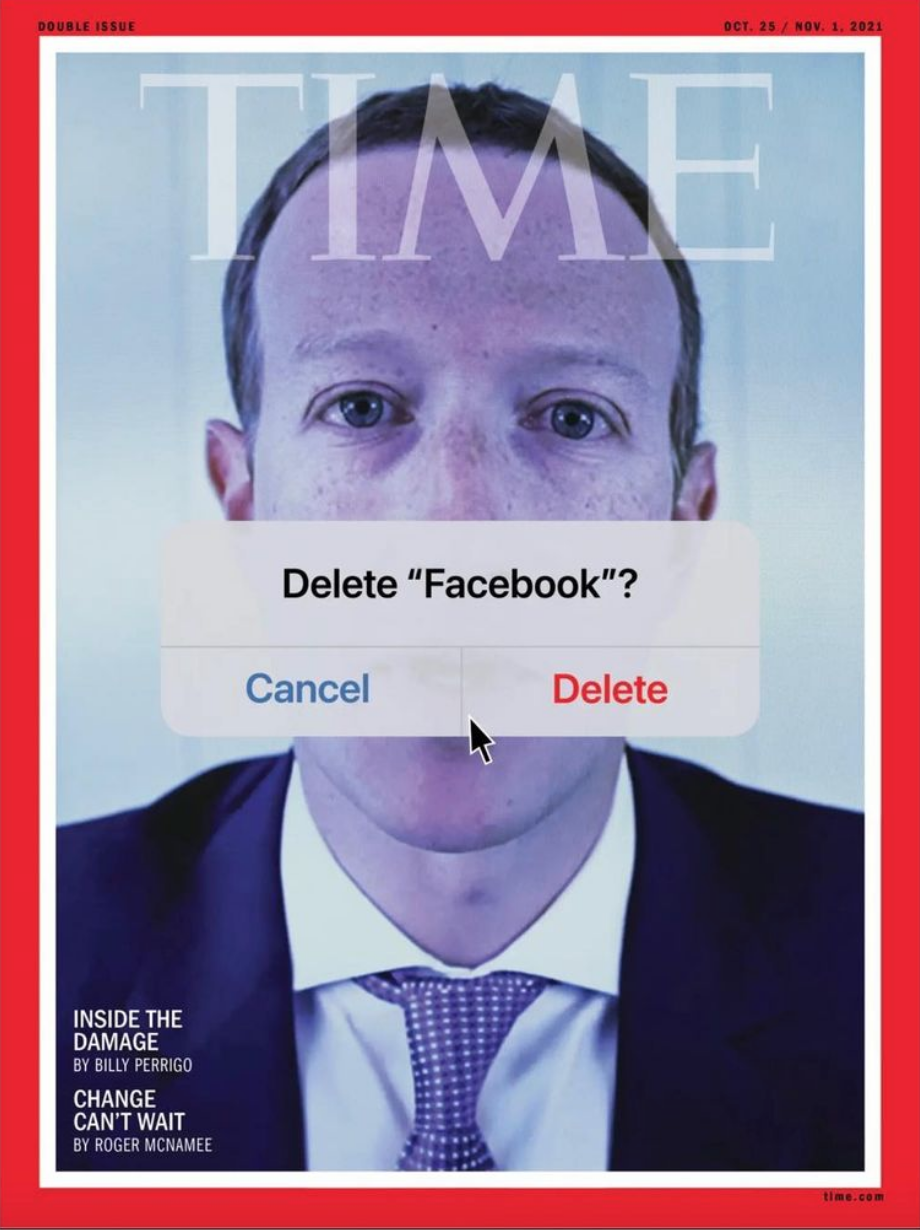
Heidi: Did you know that image was being used for an editorial cover? I was not aware of it until TIME tagged me on Instagram.
When you saw the composed cover, describe your reaction. Delighted and very surprised. I have not been published on the cover of TIME before, so it was certainly great to see!
What was the original scenario around that image, before it was part of the getty collection? Was it the from the testimony before the House Judiciary Subcommittee on Antitrust, Commercial and Administrative Law? Due to the pandemic, there are restrictions on the number of photographers who can photograph certain events at one time. There is a pool duty rotation on Capitol Hill that was put in place to accommodate this. I was on pool duty the day of the House Judiciary Subcommittee Hearing on Antitrust, Commercial and Administrative law. I knew ahead of time that it was a virtual hearing. As a prelude to this, I feel I should include a long back story…..
I have photographed Mark Zuckerberg before. In 2018 he came in person to Capitol Hill to testify before a joint hearing of the Senate Commerce and Judiciary Committees, about the use of Facebook data to target American voters during the 2016 election. I have photographed many important figures before, including the president, but I will admit that seeing Mark Zuckerberg in person had me just a tad star struck. Zuckerberg was wearing a perfectly tailored suit, he had a rather strange, generic haircut, perfectly manicured nails, and very pale skin. During this hearing, Twitter was going crazy with tweets. People were commenting on his somewhat robotic appearance. There was also a meme going around comparing Zuckerberg to the android character, Data, in Star Trek. All of this sparked my interest in him further.
After seeing all the reactions on social media, I started to think about a film I saw as a kid in the early 90s called The Lawnmower Man. It’s a movie about an experiment on a man to enhance his intelligence through virtual reality. The experiment goes wrong, and he becomes completely obsessed with evolving into an electronic being. I wasn’t quite sure what to make of Zuckerberg in the flesh, but I was starting to think of him as someone who exists in digital form, in a sort of electronic ether. Or as Zuckerberg himself has referred to it as the “metaverse”. Essentially a virtual reality world where people would interact just as they do in real life.
All of this brings me back to that hearing where Zuckerberg was in attendance via video. A virtual hearing. I saw Zuckerberg’s face on the multiple tv screens in the room, flickering, pixelated, flat against a plain white background. It made perfect sense. During the hearing I took many pictures on the large screens, including one of Zuckerberg on a screen in front of the dias where the members of Congress sit. This picture was used the following day by The Washington Post and The New York Times.
How did you start your photo journalistic career and why an interest towards post conflict societies and reconstruction? I started my career back in my home country of New Zealand. After finishing college, I worked freelance and was part of a book project about New Zealand going into the new millennium. I later moved to the UK where I continued to freelance. I worked with NGOs in Russia and the former Yugoslavia. My interest in post conflict areas began as a young college student where I took an interest in the work of many photographers such as Don McMullin, Ron Haviv, and Susan Meiselas. I also looked at images in magazines such as TIME, from the war in Bosnia and later Kosovo. I wanted to see these places myself and was curious what was happening in these parts of the world after the news media had left.
Do you remember your first assignment or when you knew this was the kind of work, you’d dedicate yourself to? When I was in college, I spent time reading about these places that I would later go on to document – post conflict societies such as Azerbaijan, Chechnya, and Bosnia.
Once I moved to the United States, I started to transition into covering politics and daily news in Washington D.C and other part of the U.S.
How long have you been at the Washington Examiner?
I’ve been staff with the Washington Examiner since 2011. I also work with other corporate and news clients. I cover Capitol Hill regularly. Coming from New Zealand, a relatively quiet place politically, covering American politics over the last 10 years has been a chaotic whirlwind for me. In recent years, I have become more and more interested in portraiture. I draw my influences from various fields – television and cinema, pictorialism, chiaroscuro art, many, many photojournalists, and well-known portrait greats such as August Sander, Diane Arbus, and Yousuf Karsh.
Who printed it?
After considering Modern Postcard, I ended up going with Moo because I had printed my business cards with them and was curious about their offset print quality. The images turned out well with the exception of some subtle color banding on one of the black and white images. Moo provides specific file output instructions to ensure color accuracy and use an online previsualization tool that’s helpful for the bleed/crop.
Who designed it?
Initially I asked a couple of graphic designer friends for help, but I was going to have to wait for their schedules to clear and so decided to do the simple type design myself. I picked a couple of fonts I thought would work well and simply laid it out in PS. Next time I’d like to do more with design.
Tell me about the images.
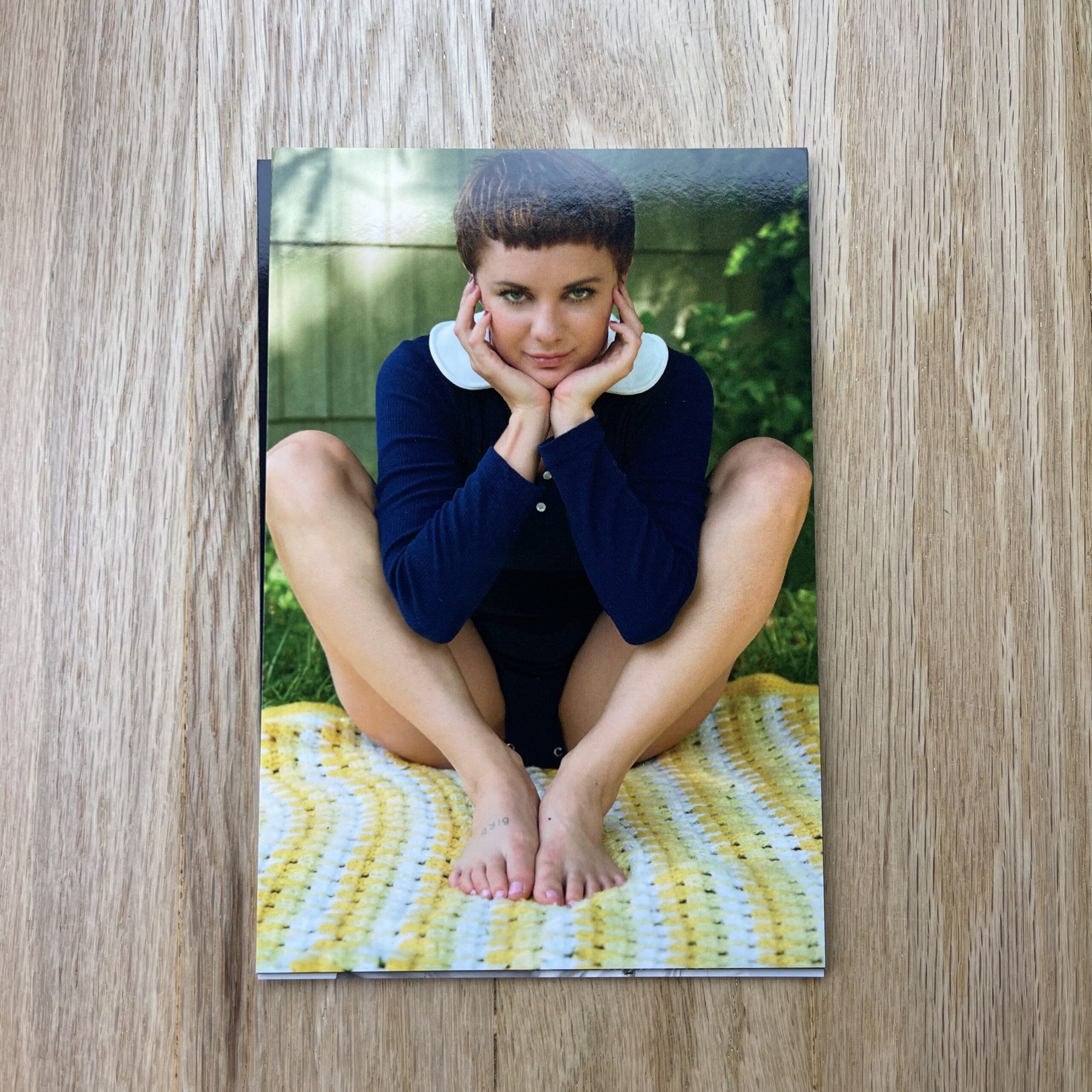
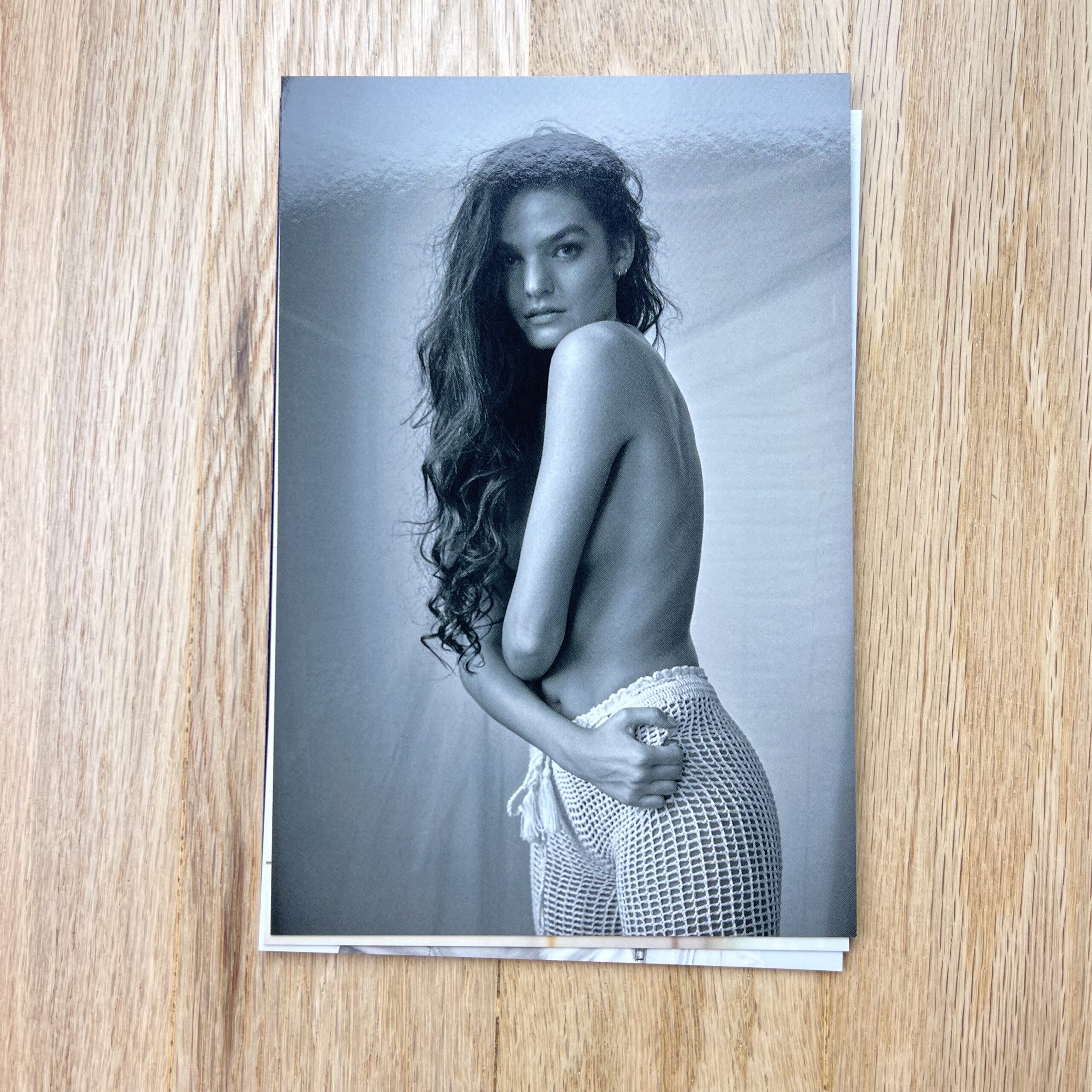
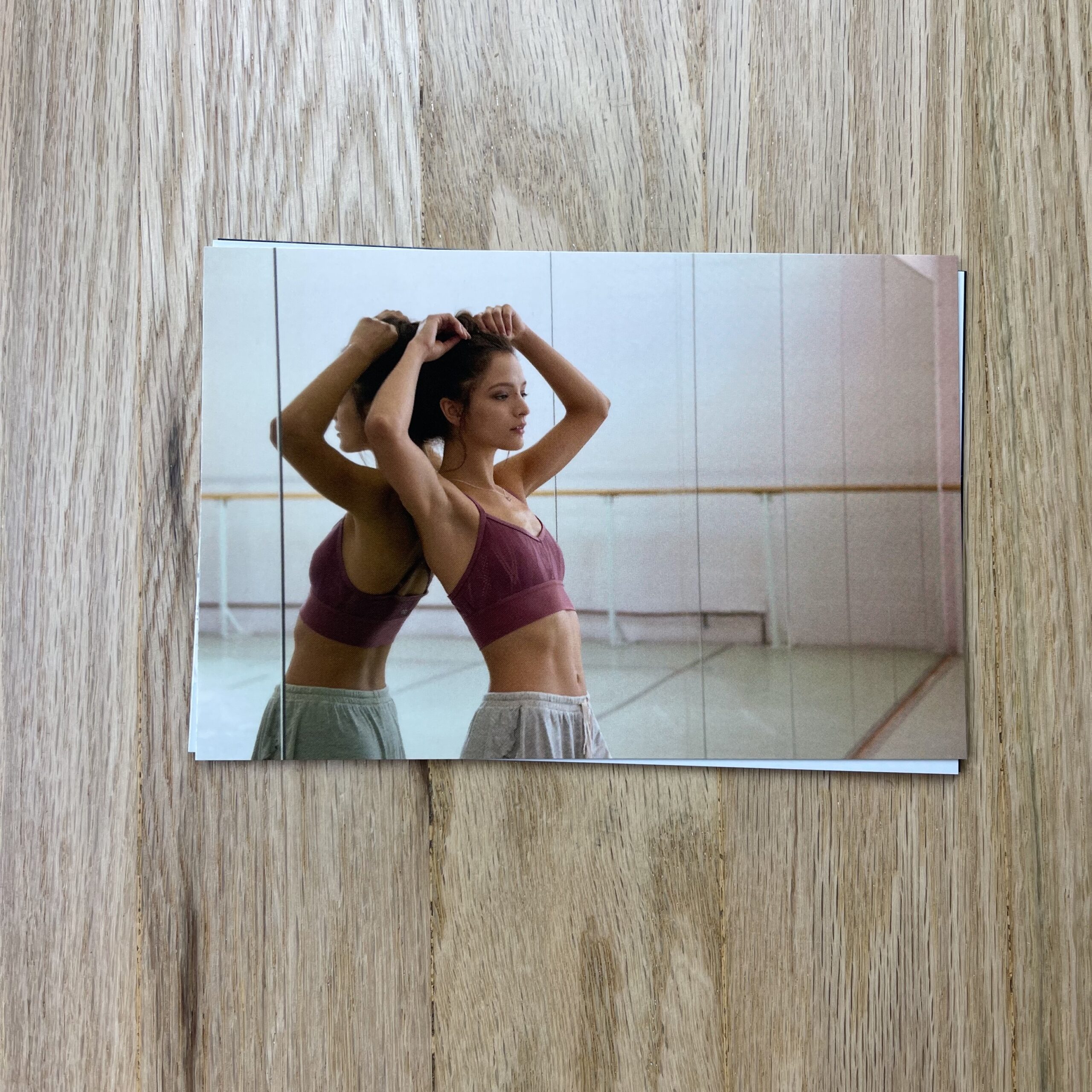
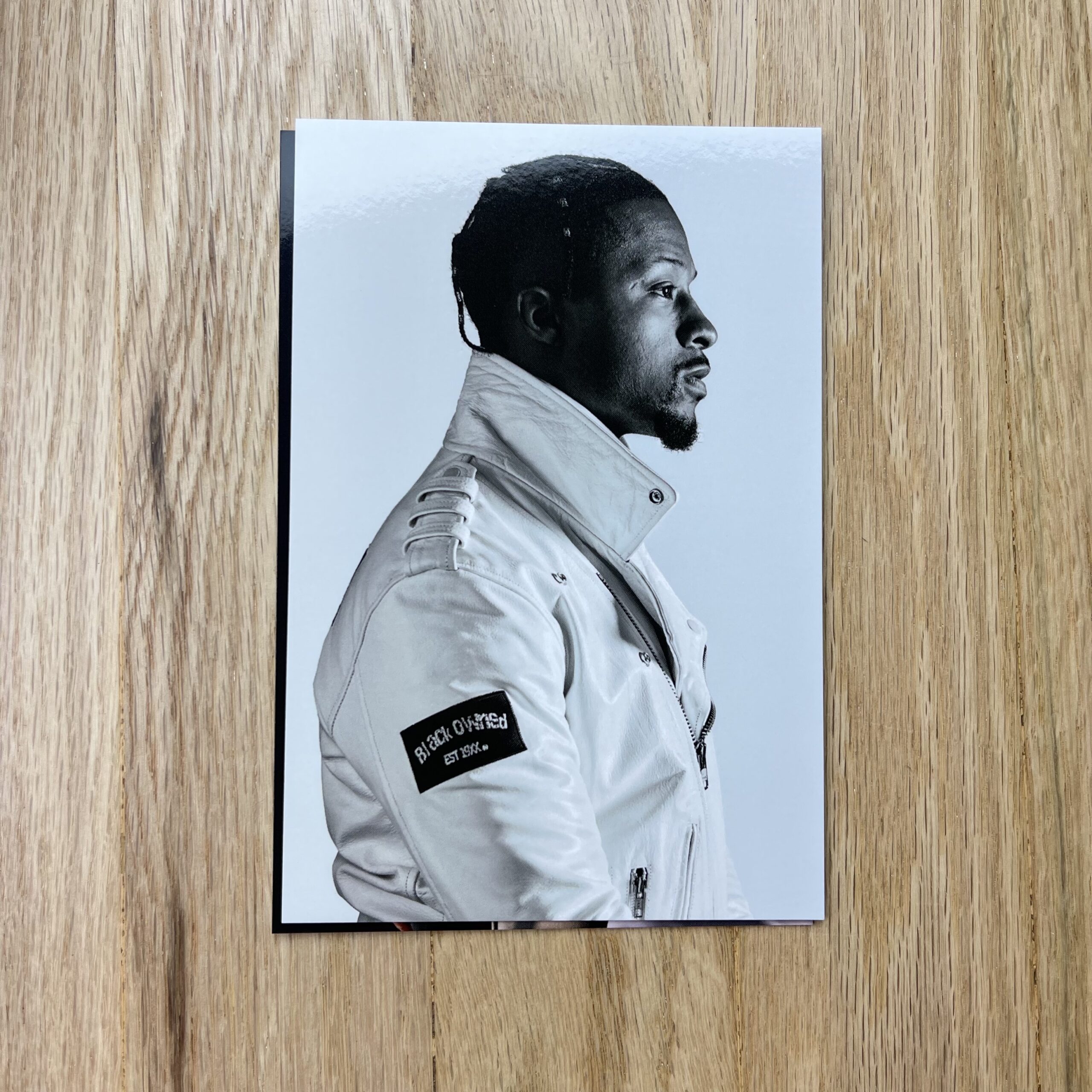
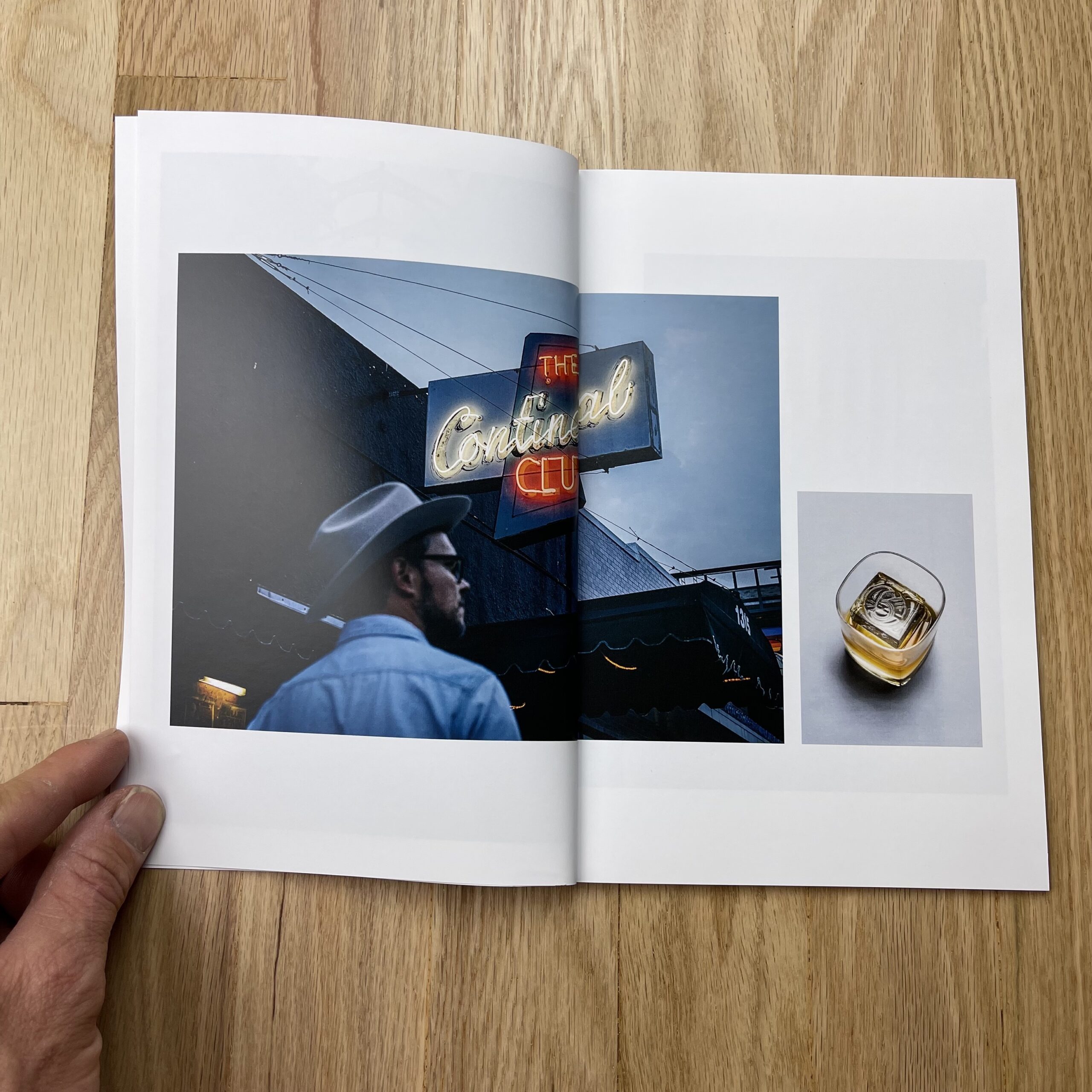
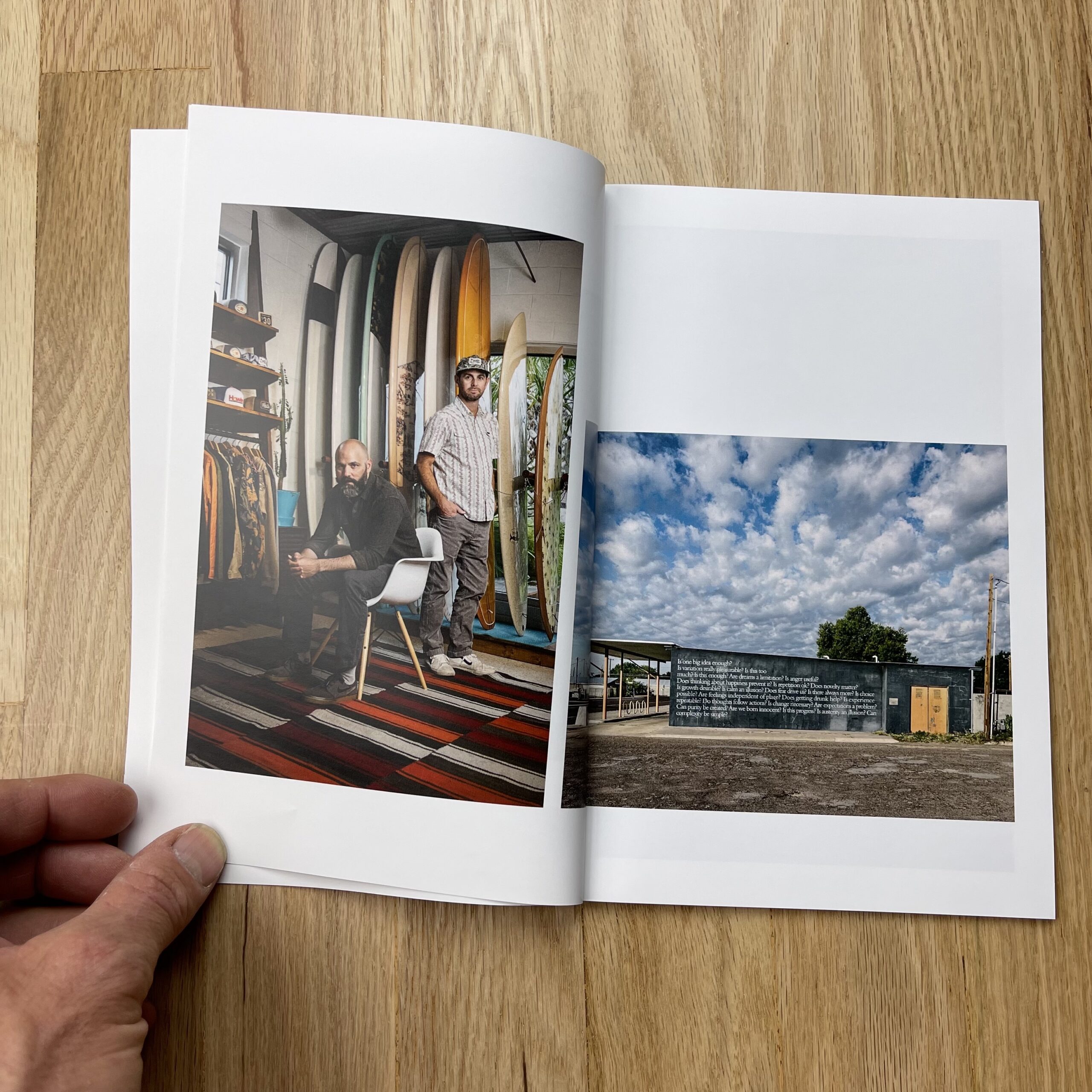
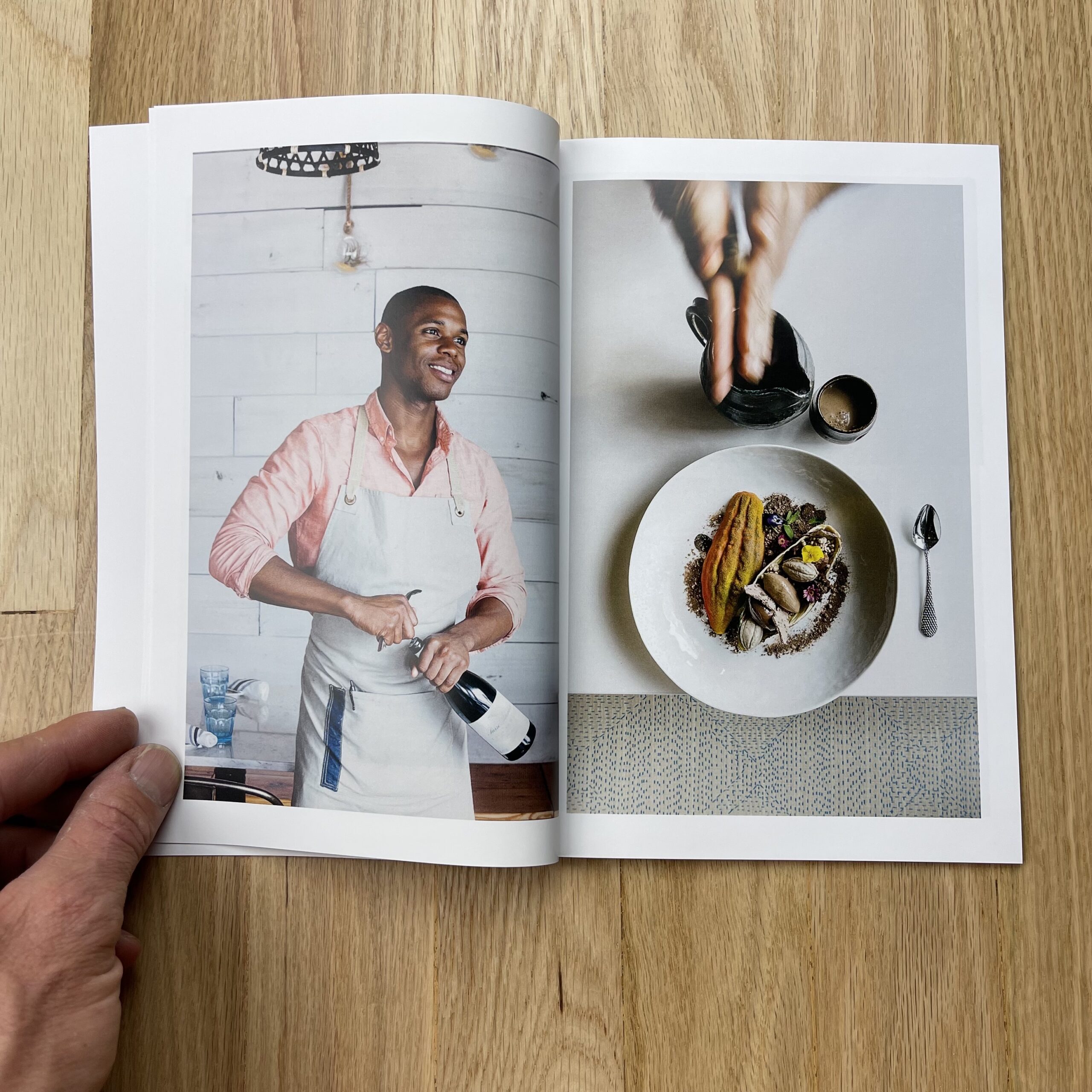
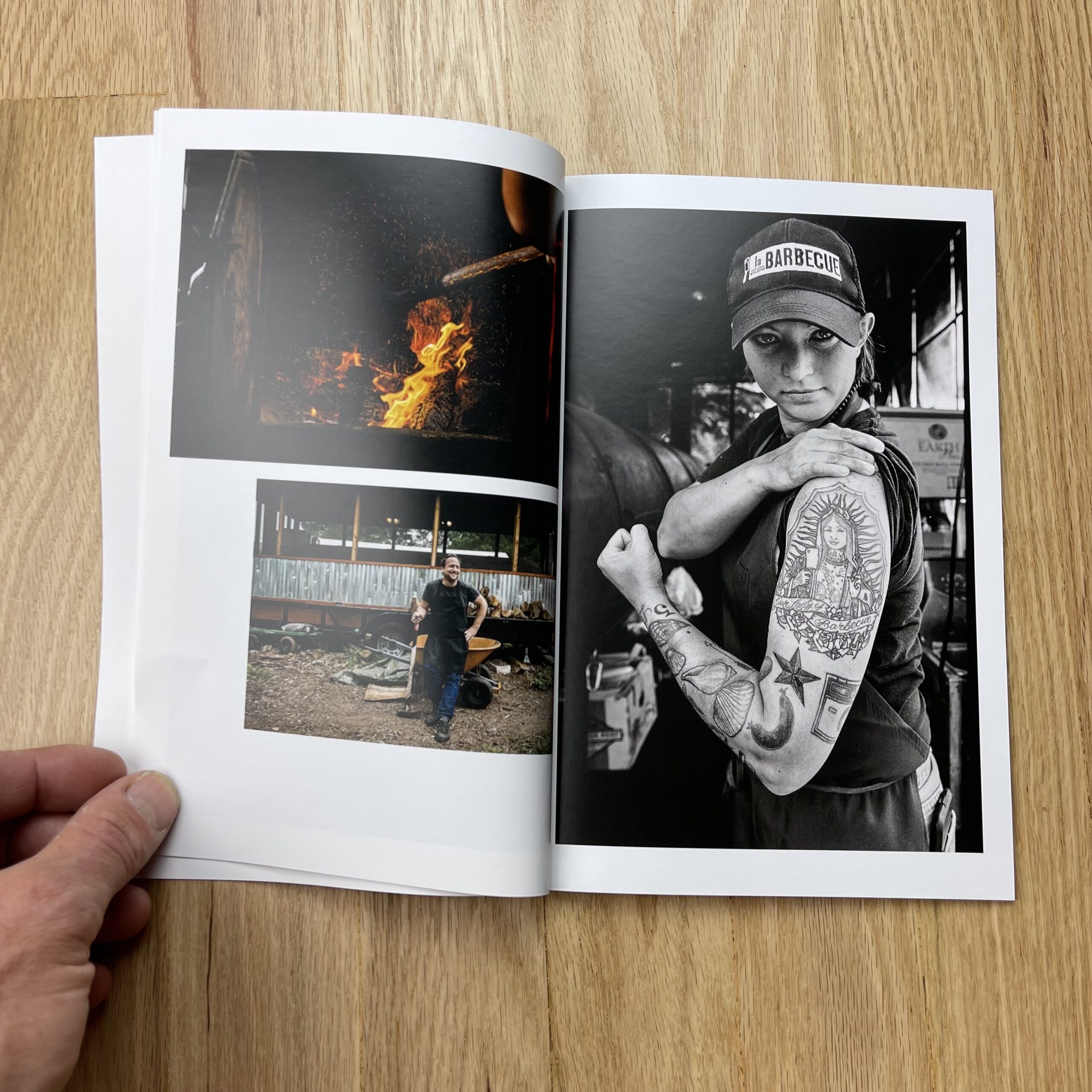
I chose a mix of editorial and commercial portraiture and decided on five images:
The first image in the set is from a shoot with LA actress/model Chelsea Debo. (Otto, Eris Talent) She was amazing to work with – very relaxed and generous with her time. The vintage wardrobe for the shoot was sourced from Casablanca Vintage by co-owner Mx. Ashley Baeufille Cook, and Chelsea styled one look with her own clothes. Actually, I think it was her brother’s Motorhead t-shirt. I gave Chelsea the wardrobe after the shoot and we finished by eating pancakes at a Waffle House. Chelsea recently landed her first leading role in a feature film!
The second image of good friend Courtney Dozier (formerly Next MIA, New View) was from a shoot at my former loft studio space. Courtney had brought a pair of white, knitted beach pants by Andi Bagus, and she was so tan at the time that they were a great, contrasty look on her.
The third image was from an editorial shoot for YogaOutlet featuring Erica Miramontes (Wilhelmina) at the Cincinnati Ballet, styled by Jessica Rathbun and assisted by Robert White and Aly Schneider. When I asked Erica’s agent how experienced she was with yoga from 1-10 she unhesitatingly answered “a 10”. She was a joy to work with for the entire team.
The forth image was shot for a story about entrepreneur and owner of Black Owned Clothing and Black Coffee, Means Cameron, for Polly Magazine. Polly Magazine’s Editor and Creative Director Deogracias Lerma assisted with styling by Camille Bacon. An image by talented Brooklyn-based photographer Billy Kidd served as lighting inspiration for this shot.
The fifth image in the set features model Emma Karle (The Rock Agency, New View) who I immediately wanted to put in menswear. Luckily for us Philipe Haas Bespoke Tailoring provided us with a beautiful suit that fit her perfectly.
How many did you make?
I printed 50 sets of 5 for a total of 250 cards. I sent the full sets out to Art Directors and Creative Directors, and to creative agencies who represent photographers. I was reluctant at first to send this set to the photo agencies because they’re not the most produced images in terms of editorial, but then went ahead anyway with the thought that it would help to build name/brand recognition. Some of these agencies included LundLund (Stockholm), Artsphere (Paris) and East (NYC).
How many times a year do you send out promos?
Biannually.
Do you think printed promos are effective for marketing your work?
I have always loved printed work and postcards especially. There’s a physicality and a ‘boots-on-the-ground’ quality to printed media that I think is still appealing. You have to have your brand represented digitally on multiple platforms, but there’s definitely still a place for print.
From 2006-20, I worked in little bursts in the studio, not-shooting for long stretches of time.
Now, though, I’m taking pictures out in the world, all the time, and it’s blowing my mind.
When you shoot constantly, (I now realize,) it locks-in a certain kind of seeing.
Your general awareness heightens, and you begin to feel where the photos might be.
(The Spidey-Sense.)
It’s been in over-drive lately, trying to capture the hyper-saturated Autumn light we’ve had here in New Mexico.
(Or not capture, as you’ll soon see…)
This morning, I was heading North on 522, in-between Taos and our little valley.
(We live 25 minutes away from my kids’s schools, and leave the house to commute before the sun is up, so that’s part-context.)
I was 4/5 of the way back home, after the double-school turn-and-burn, and hadn’t had my morning coffee yet.
But I HAD been to the grocery store, on a two-minute-mad-dash, and was really hungry, already visualizing how I’d make breakfast with the food I just bought.
{ED note: It was delicious.}
There I was, driving, in my head, day-dreaming, listening to The Beatles on Satellite Radio.
All of a sudden, like a jolt of electricity to the mid-section, I saw a flash of yellow to my left.
It snapped me back to reality, like getting hit in the eye with an errant-flying-rubber-band.
What the fuck, I thought?
It was a massive, bright-yellow, candy-colored hot-air balloon, hovering low in the sky to the West.
It had no markings, just that unmistakeable yellow.
The sky looked like Carolina blue had a baby with purple.
(Yes, it was THAT blue.)
I turned my head, and could see only the yellow hot-air balloon, the digital-blue sky, and the ancient, extinct volcanoes that fade in the distance to the Southwest, where they give way to the silhouette of the Jemez Mountains.
I had my camera in the back, and thought, my God, would that make an amazing picture!
The perspective was just right, from where I was driving at that second.
But at 65mph, that perspective was changing, quickly, getting worse and worse.
Do I slow down, make a U-Turn, pull onto the side of the highway, risk getting killed, for a photo of that beautiful, yellow hot-air balloon, against the perfect blue sky, with the insanely gorgeous mesa view that goes for 80 miles?
Do I?
No…I do not, I thought.
Hungry, bleary-eyed, ready to make breakfast, do I trust myself not to lock the keys in the car, or to avoid getting hit by a truck?
To make that photo?
No.
I don’t.
So it will have to live in my memory.
However…
However, I finished up a walk later in the day, down at the stream. After washing my face in the water for a minute, I saw a pooling of yellow leaves on the opposite bank.
They were in a little eddy; such a beautiful, different yellow than the puffy hot-air balloon.
Behind me, water flowed over a rock, making the most-amazing-sound.
I grabbed my cell phone and made a short video, so while you’ll never get to see the photo I chickened-out of making, at least I can share a moment of Zen with you now.
And by evening, while walking the dog, I looked up and saw the warm, just-before-sunset yellow light, illuminating the mustard-yellow leaves on a Cottonwood tree, and sure enough this time, I had the good camera with me.
So here you go.
While I admittedly Google beach-real-estate every few months, living in the Rocky Mountains is pretty amazing.
We’re blessed.
And speaking of the Rockies…
As I wrote a few weeks ago, Denver is not-too-far away.
It’s actually the biggest city around these parts, by a long stretch, as Phoenix and Dallas are thrice as far, and Albuquerque doesn’t count as a massive metropolis.
(No offense.)
Last March, I attended virtual portfolio reviews for the Month of Photography Denver, and saw a lot of excellent photographic projects.
Today, we’re going to take a peek at some of the work I viewed, as we’re happy to share The Best Work I Saw at the MOP Denver Portfolio Reviews.
As with most virtual events, attendees came from all over the place, but I saw a few Colorado photographers.
Today, it’s time to share their disparate, interesting work with you. As usual, the artists are in no particular order, but maybe we will start with the locals, out of respect.
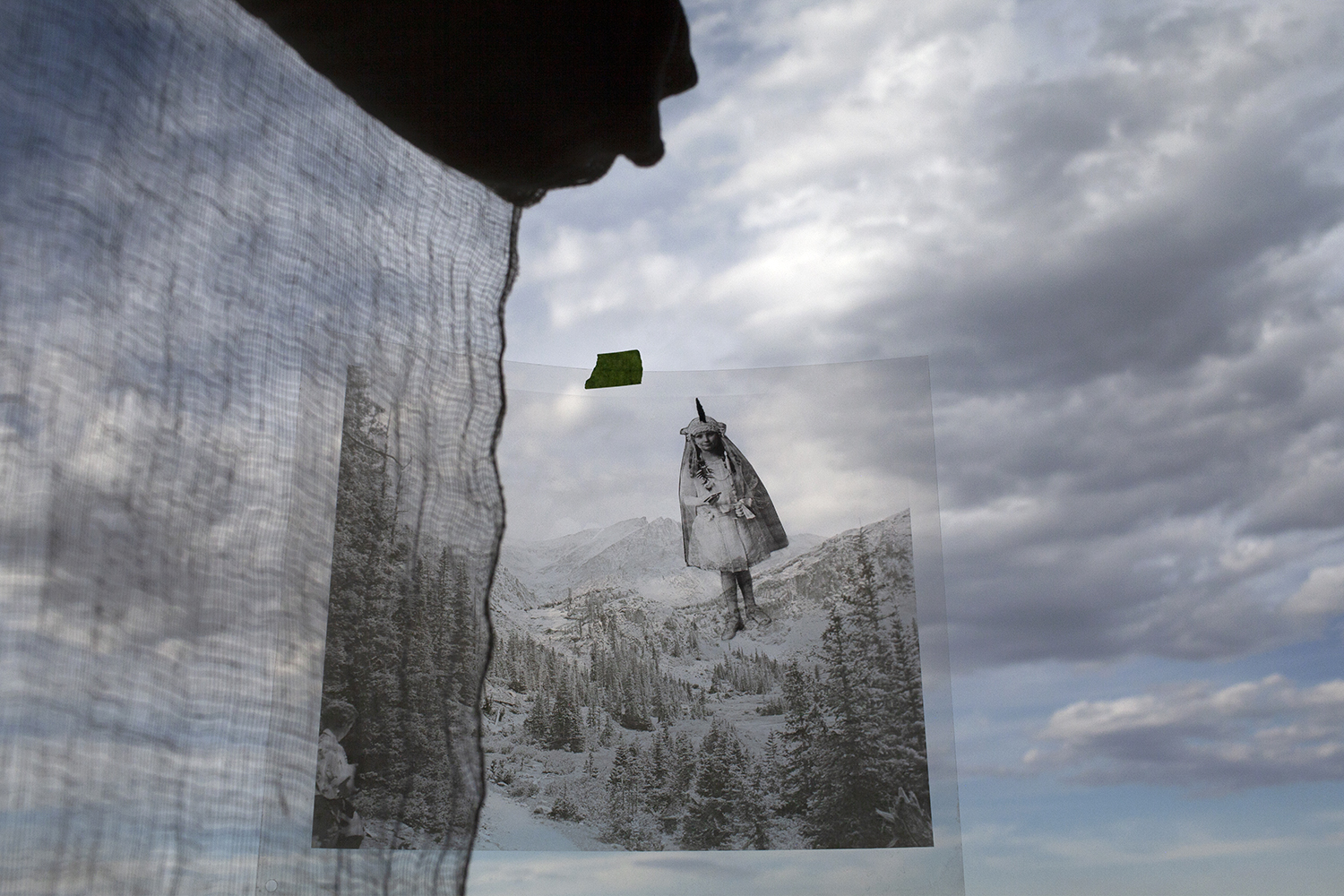
We’ve since bumped into each other over the years, and I was very into her Covid-inspired series, as Susan rarely left her home, and lived alone, for the pandemic.
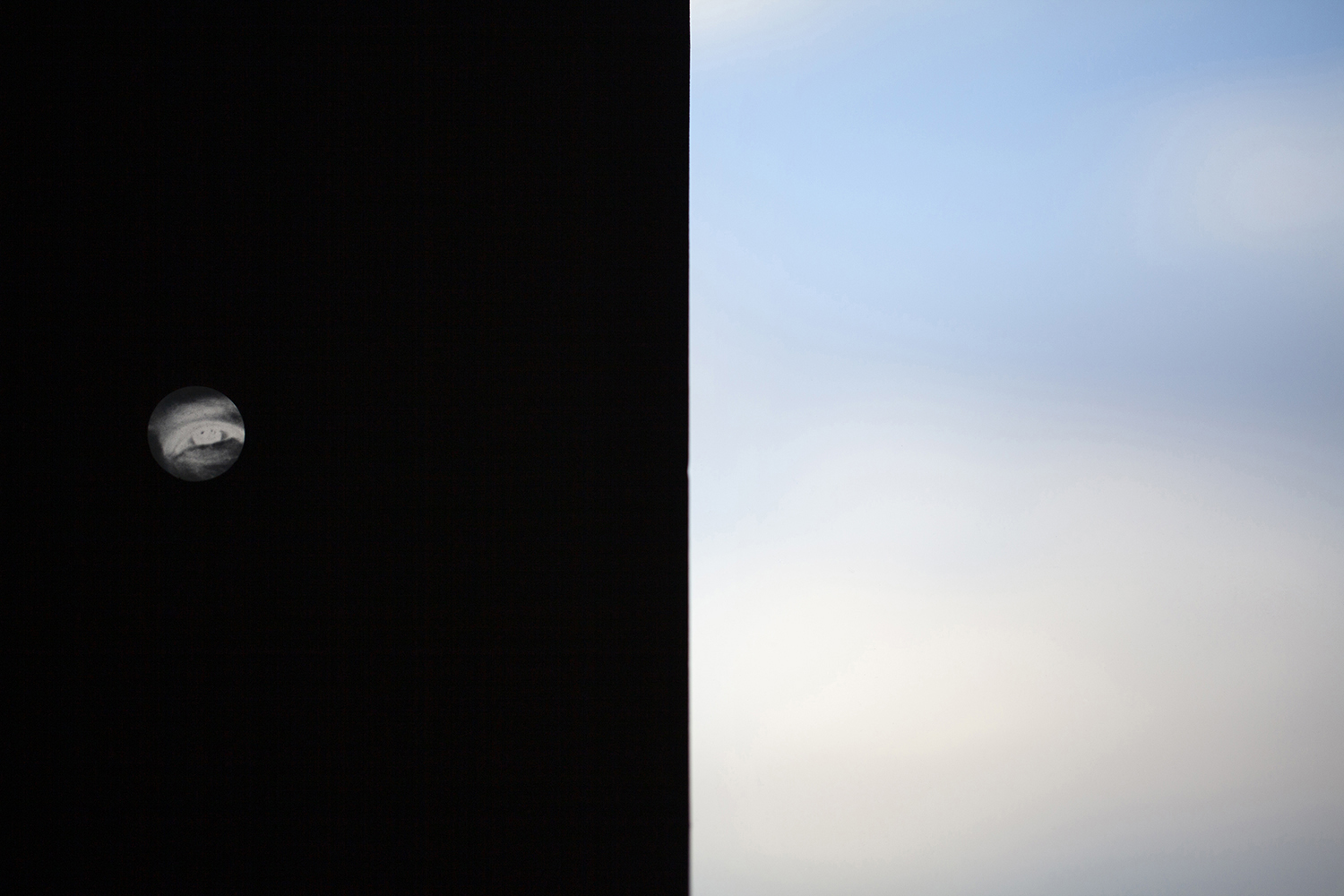
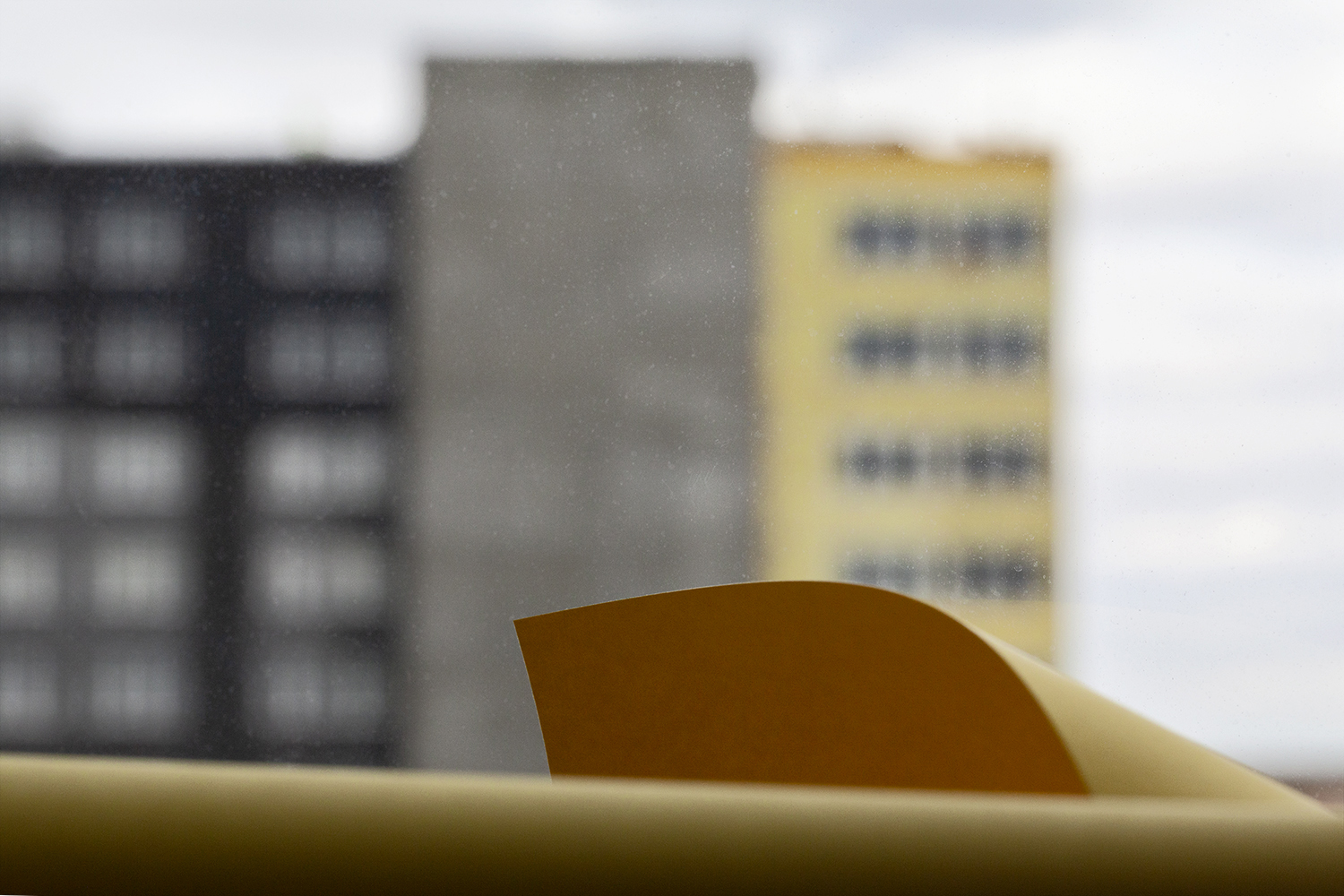
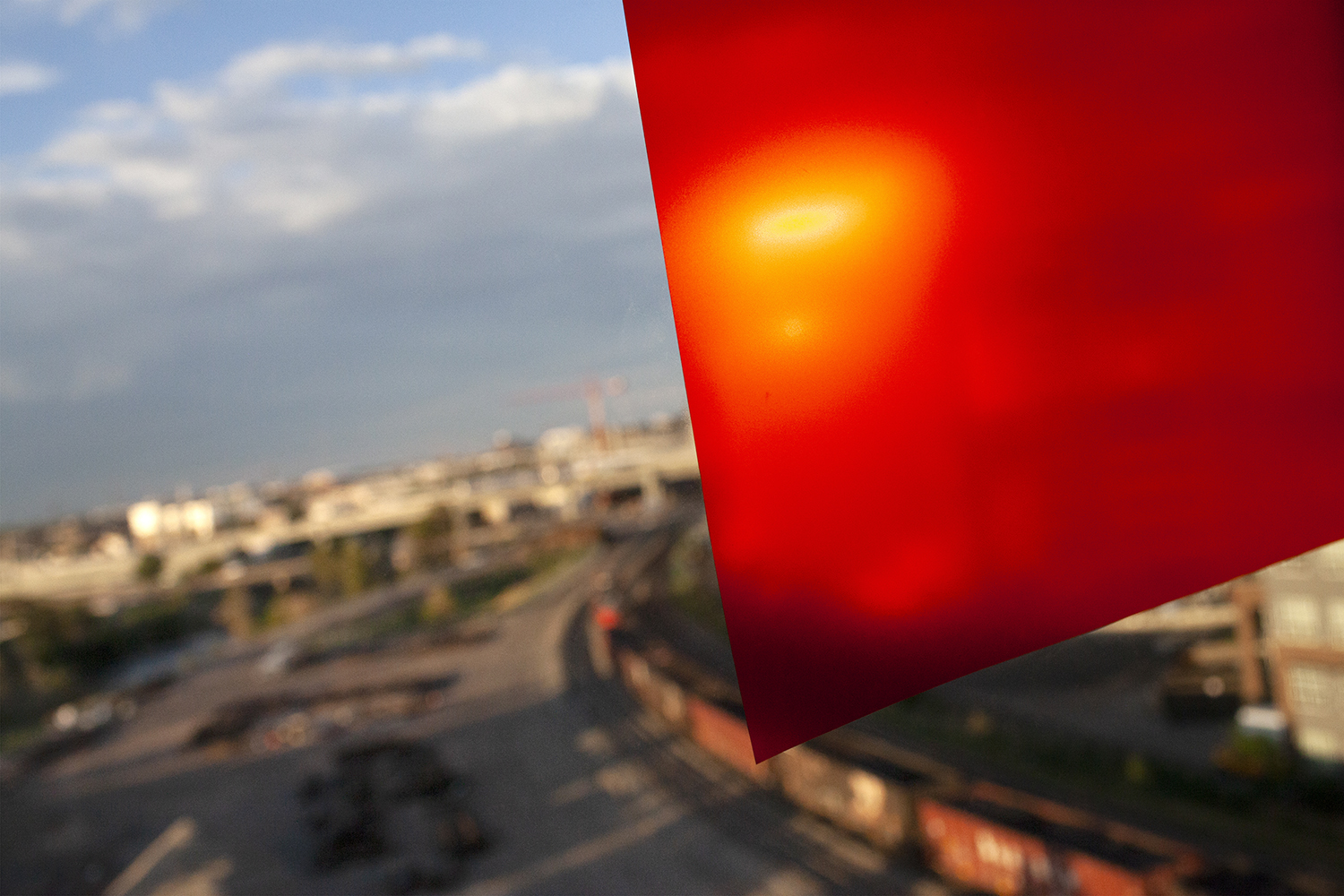
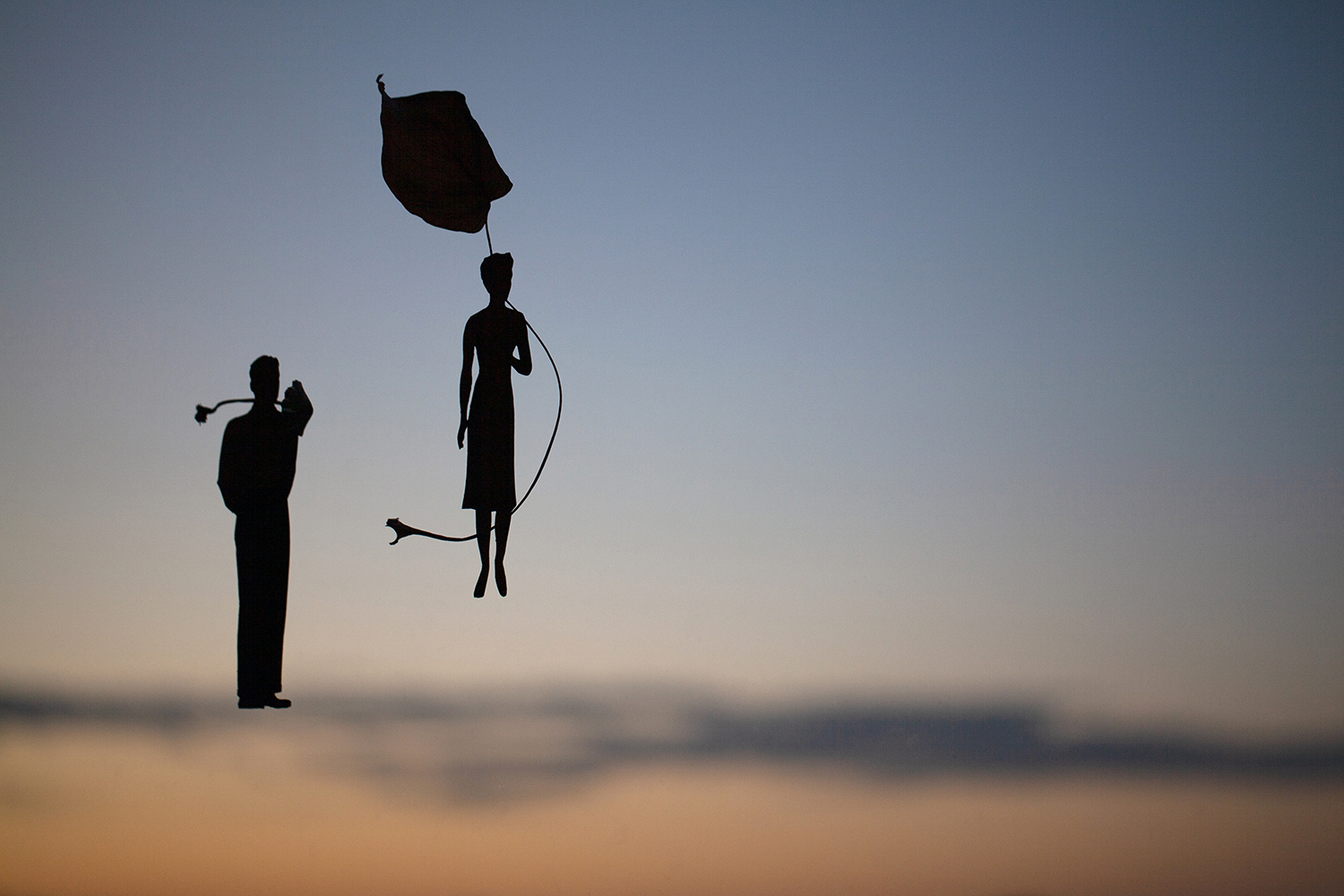
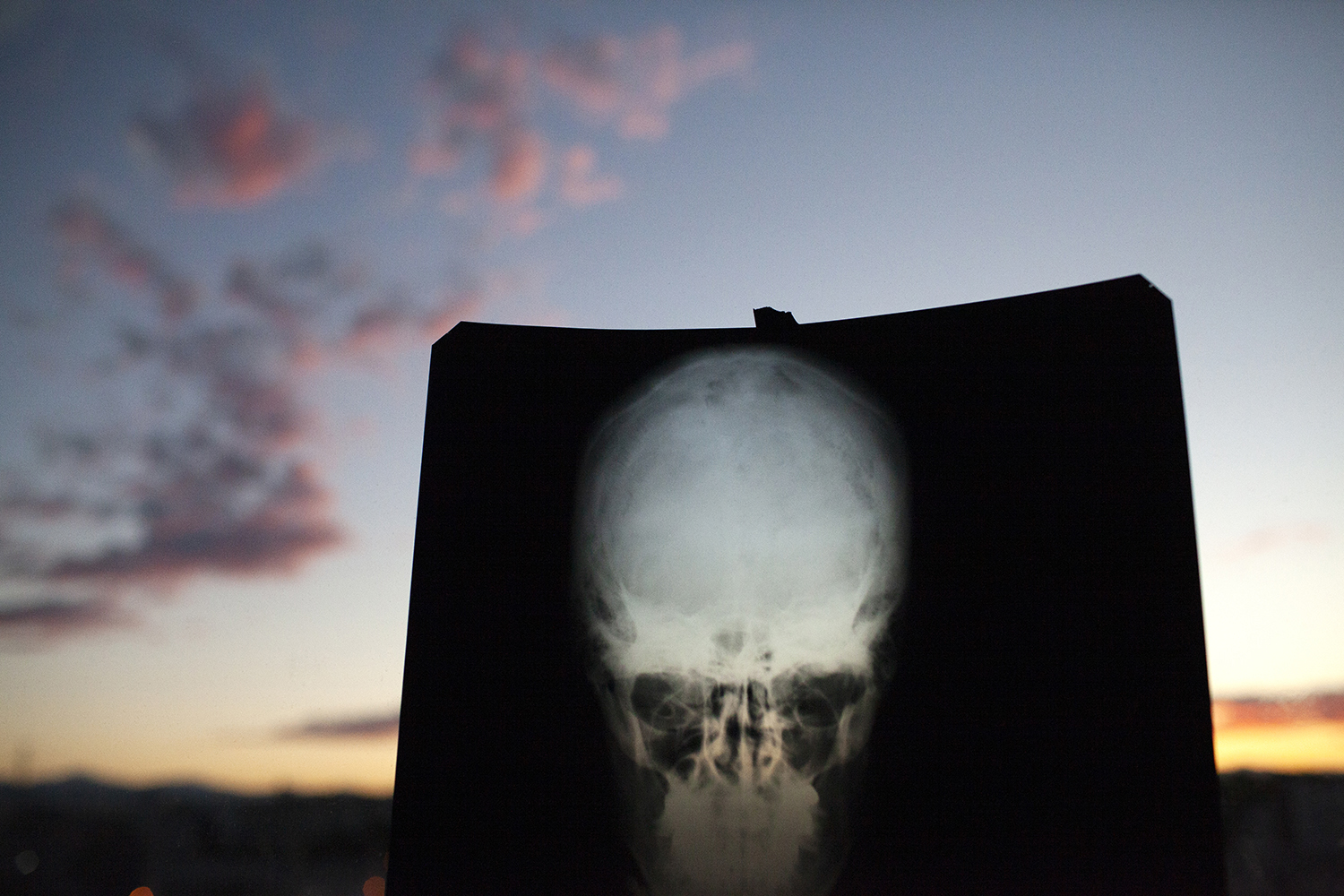
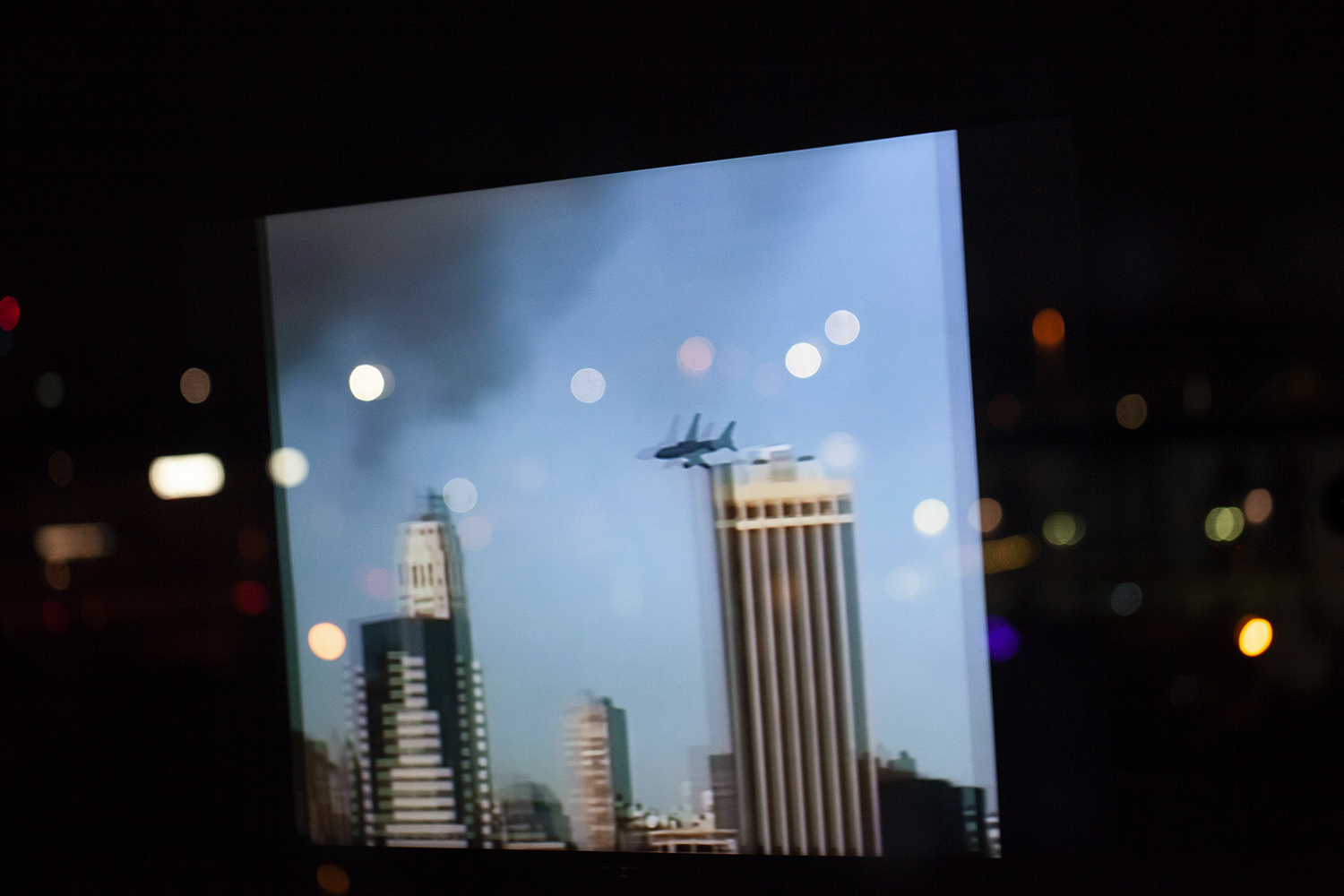
The window-sculptures are whimsical, and also a little sad. She actually told me sometimes she “put things in the window to change the landscape.”
It shows.
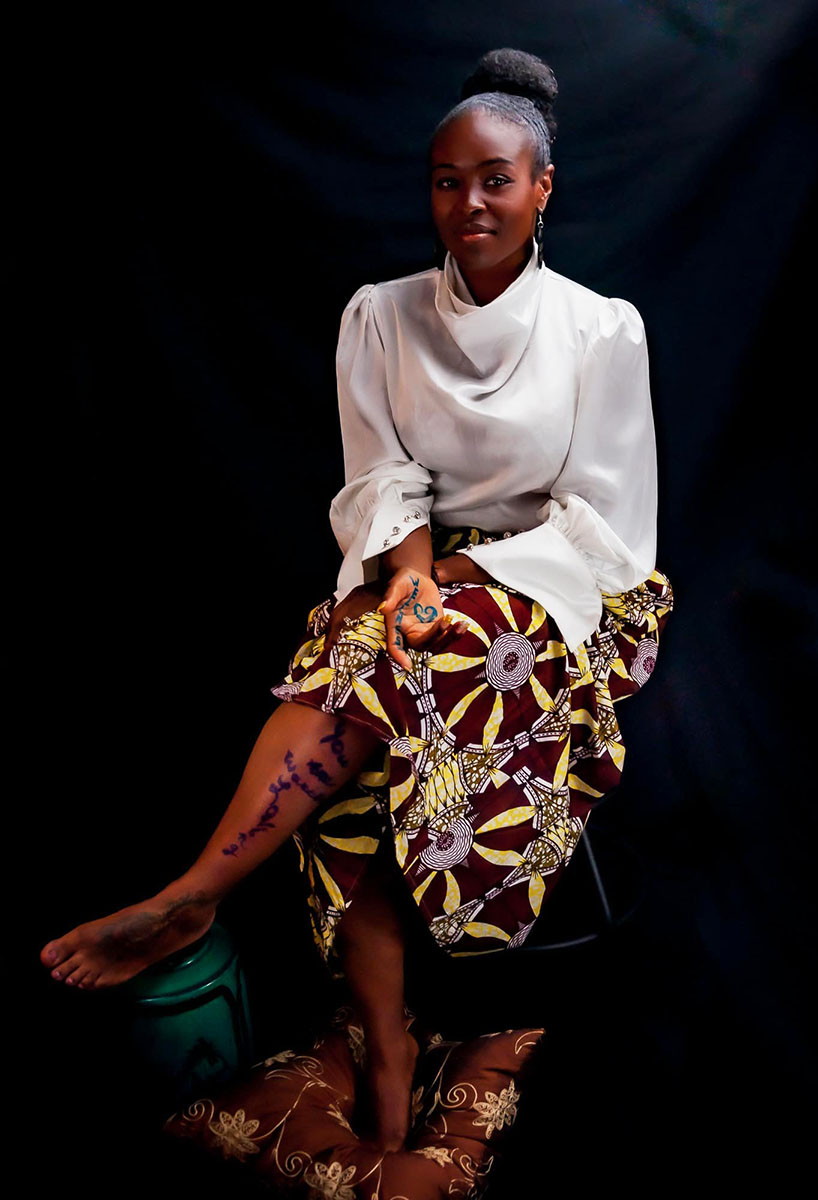
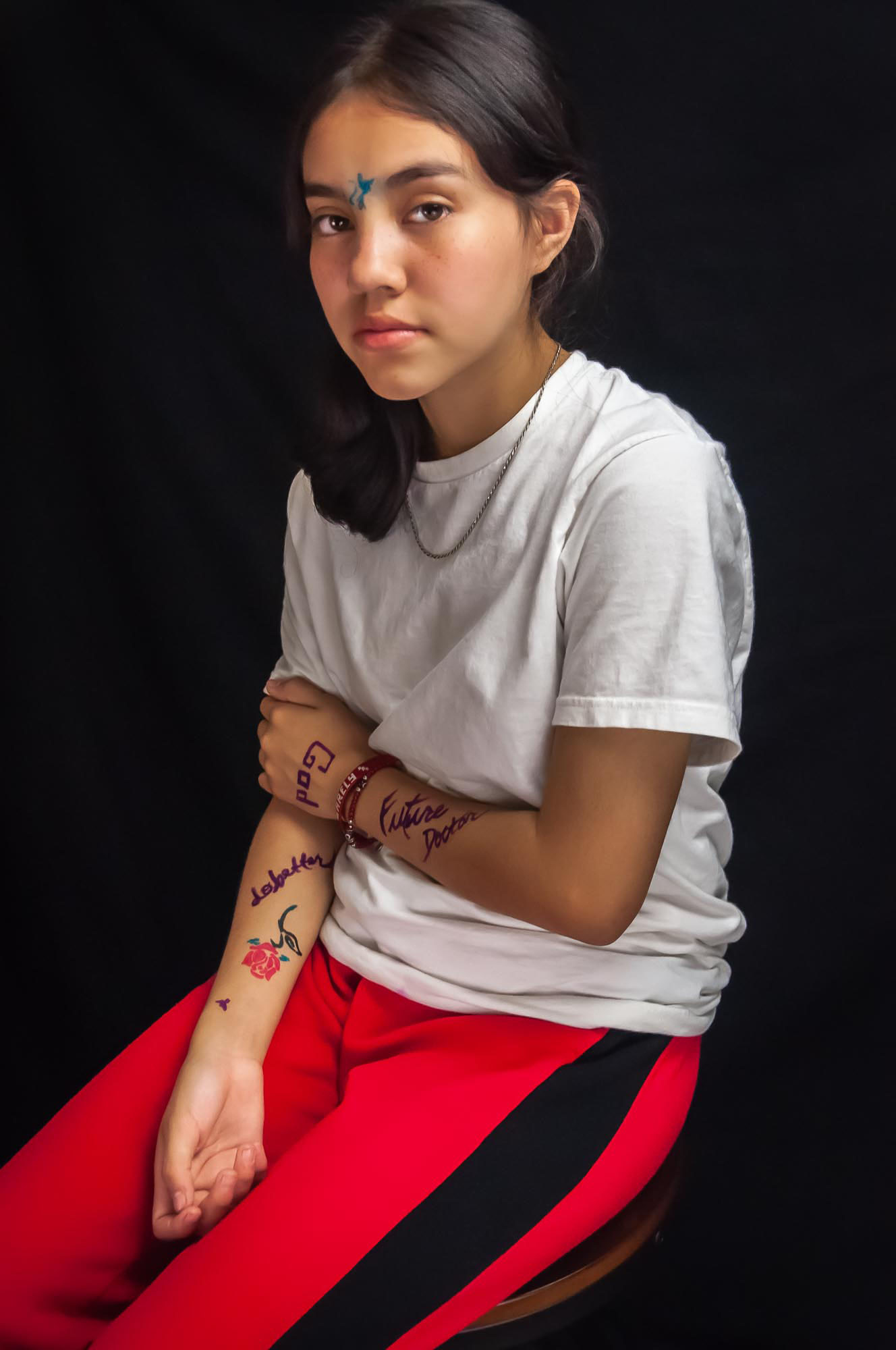
Cypriane Williams is a veteran, had studied in CPAC’s Veterans Workshop Series, and was doing a social justice portraiture series called “3 Questions.” (Which was featured as a billboard in Denver.) For her project, she asked women of color, from the Denver area, three questions, and the answers are written on the women.
The questions were:
1) “Who are you?” 2) “What do you believe?” 3) “Given the chance to say whatever you want to the world, what would you say? What do you believe the world needs to hear from you?”
Julia Vandenoever and I also met years ago, at a photo festival in New Mexico, and she’s been based in Boulder for ages.
Julia showed me a set of images, “Still Breathing,” that she’s publishing as a book with Conveyor. The photos focused on tense little moments within the visual narrative of our family lives.
They’re totally on point.
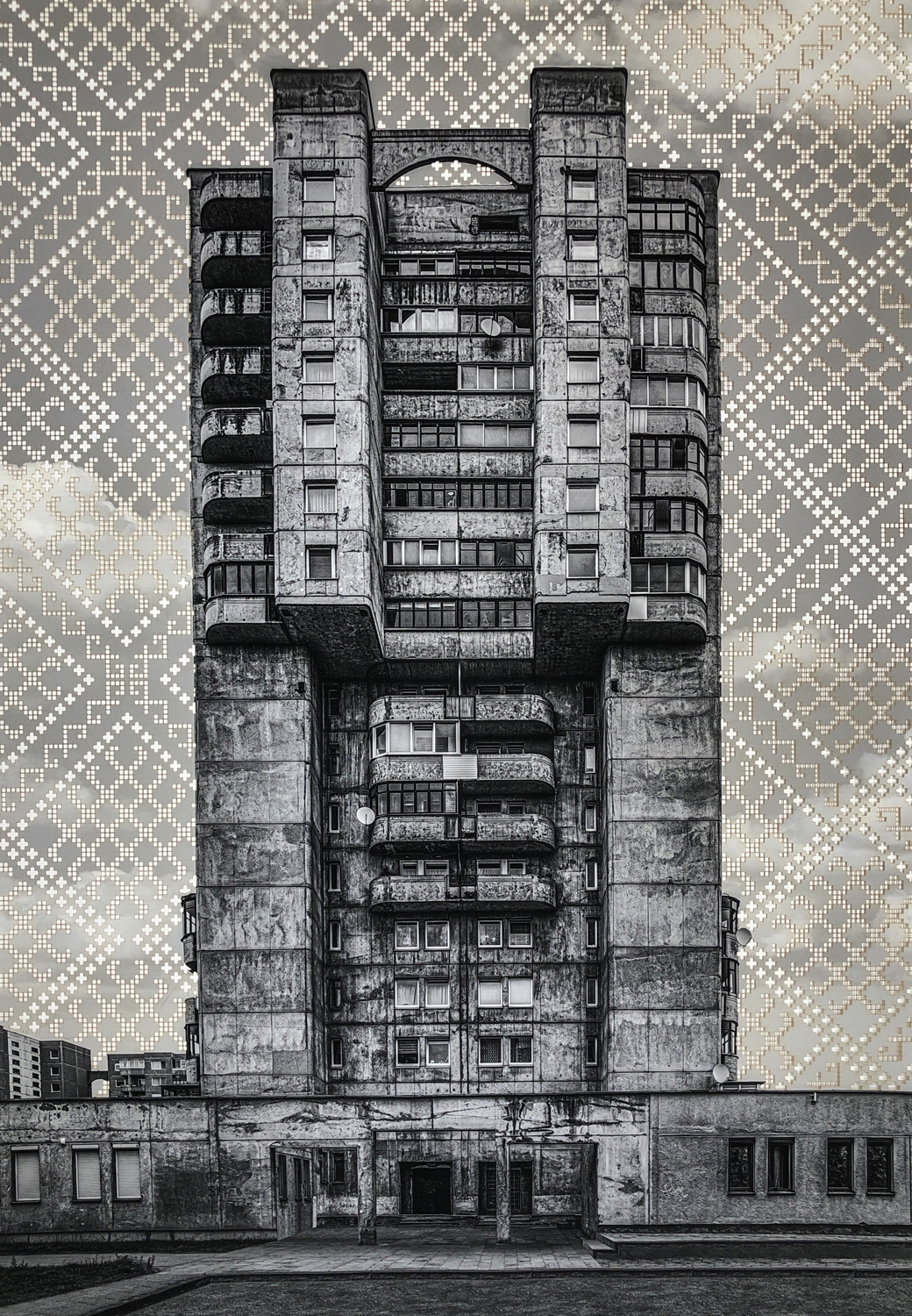
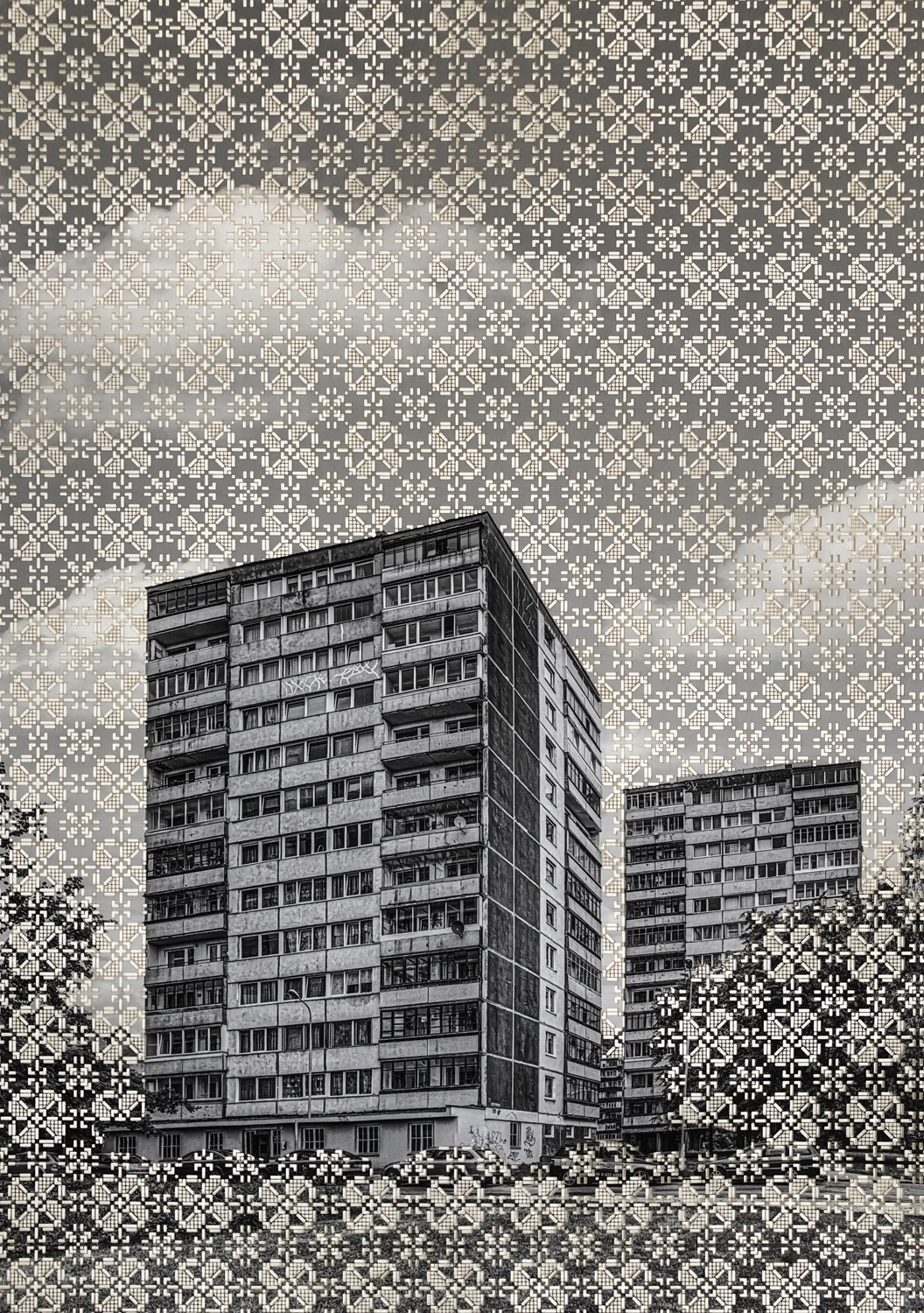
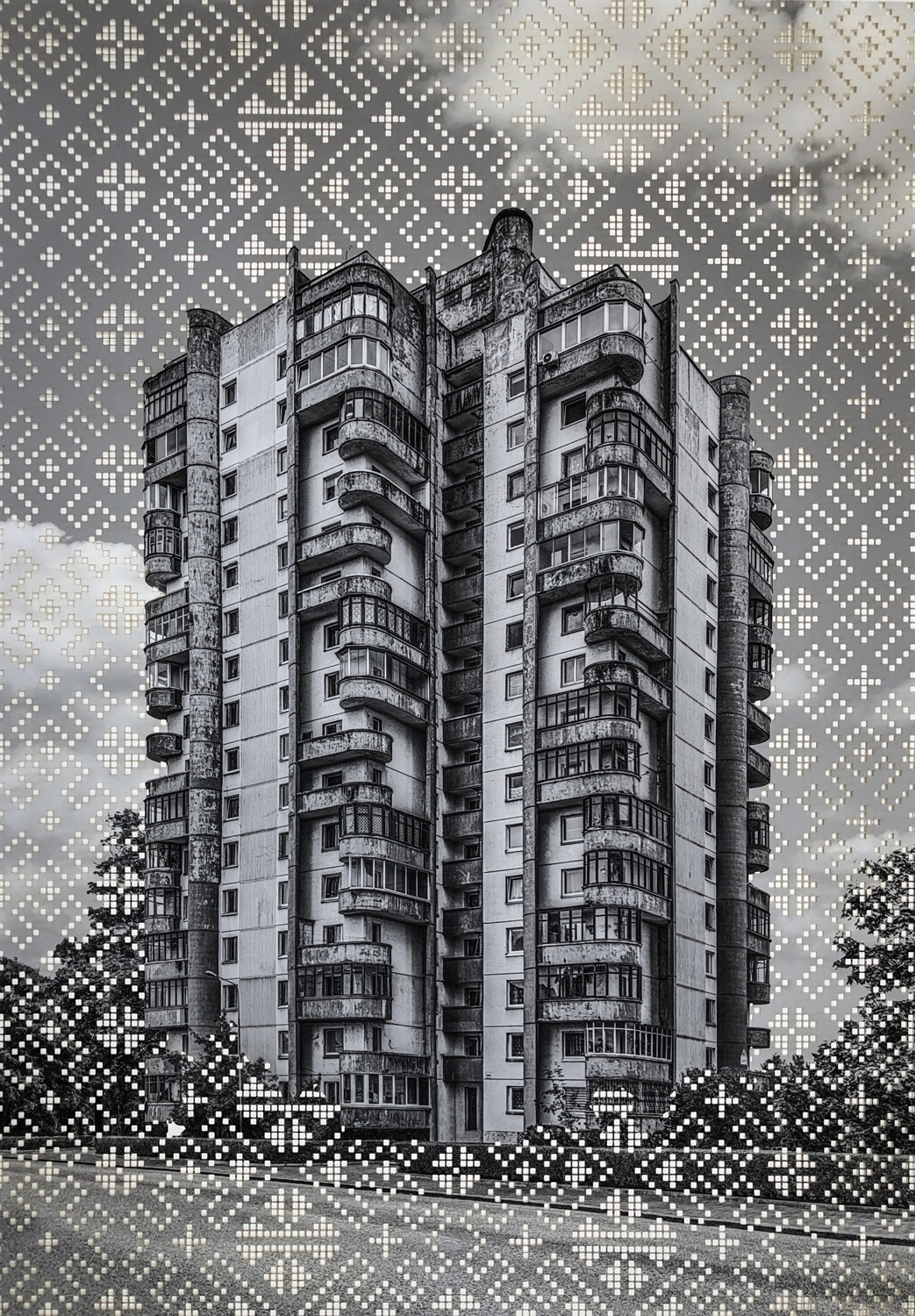
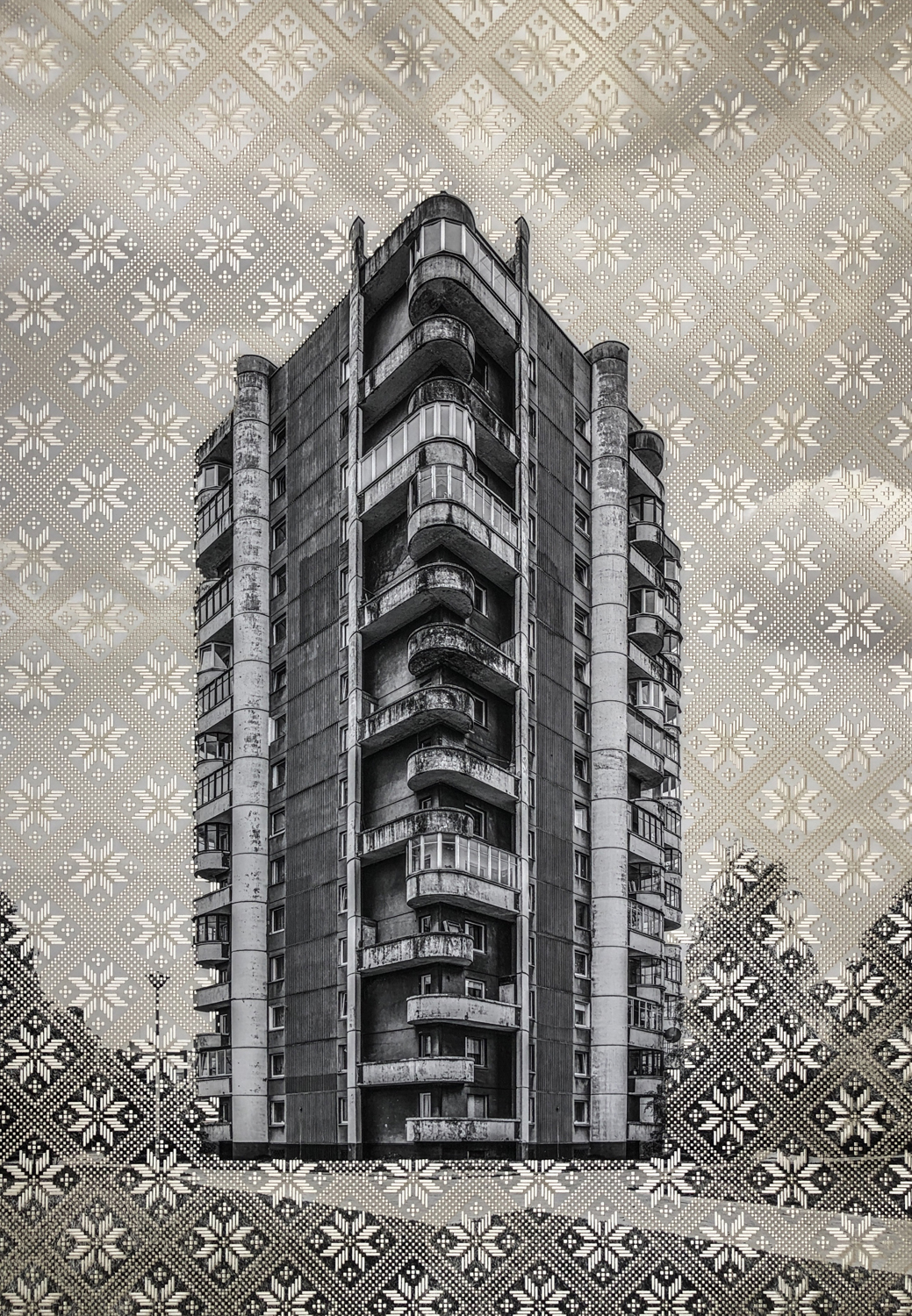
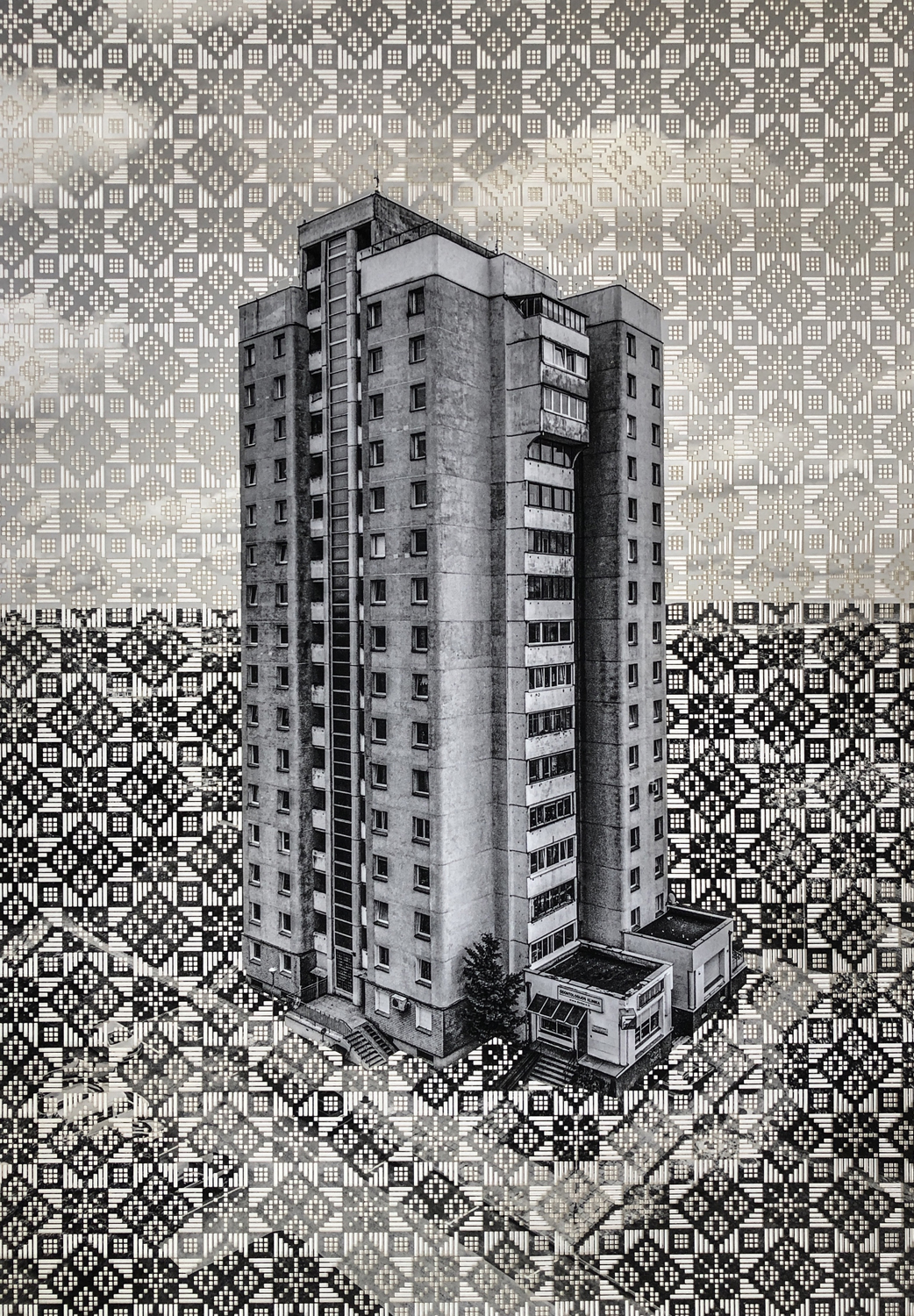
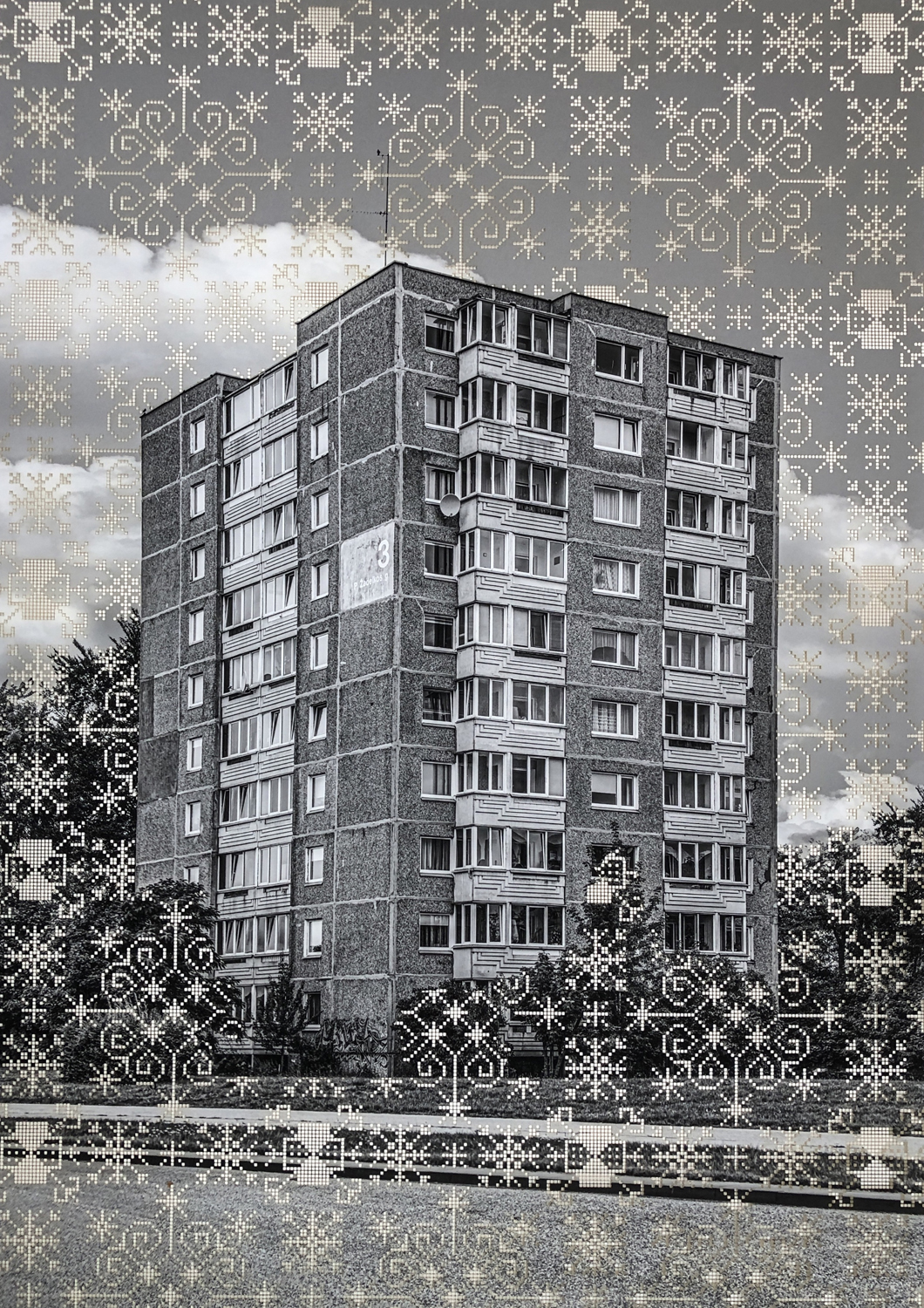
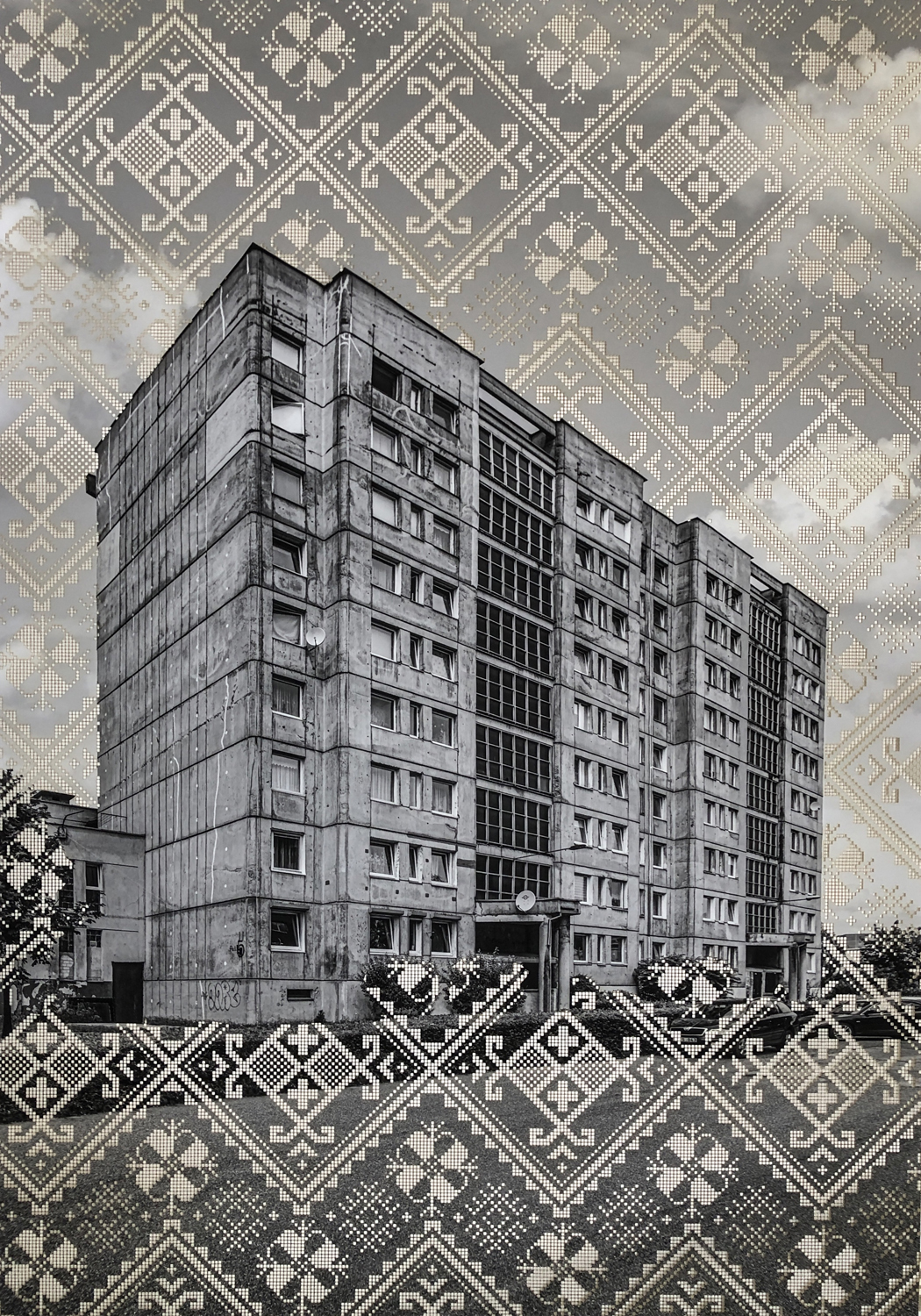
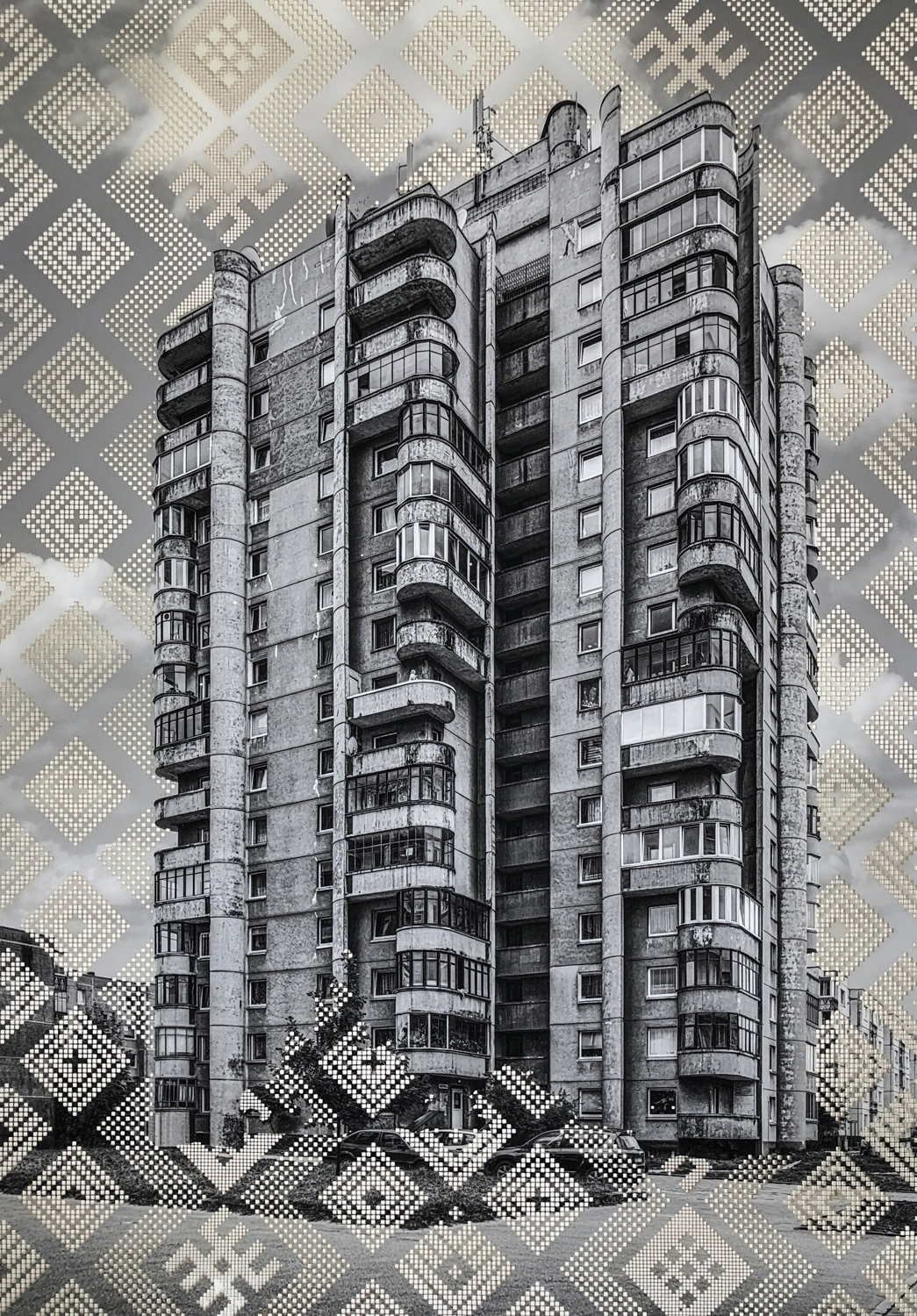
I’d first seen multidisciplinary artist Krista Svalbonas’s work at an IRL NYT portfolio review event in 2018, as the laser-cut physical pieces have an impact rather different from 2D paper prints. (She’s represented by Klompching Gallery in Brooklyn.)
Krista told me her relatives were immigrants from Latvia and Lithuania, and as her heritage was important to her, she went over to the former Soviet Republics and took photographs.
This series features actual architectural photos from Lithuania, which have been altered with patterns from local textiles, via the machine tooling of a 21C laser cutter.
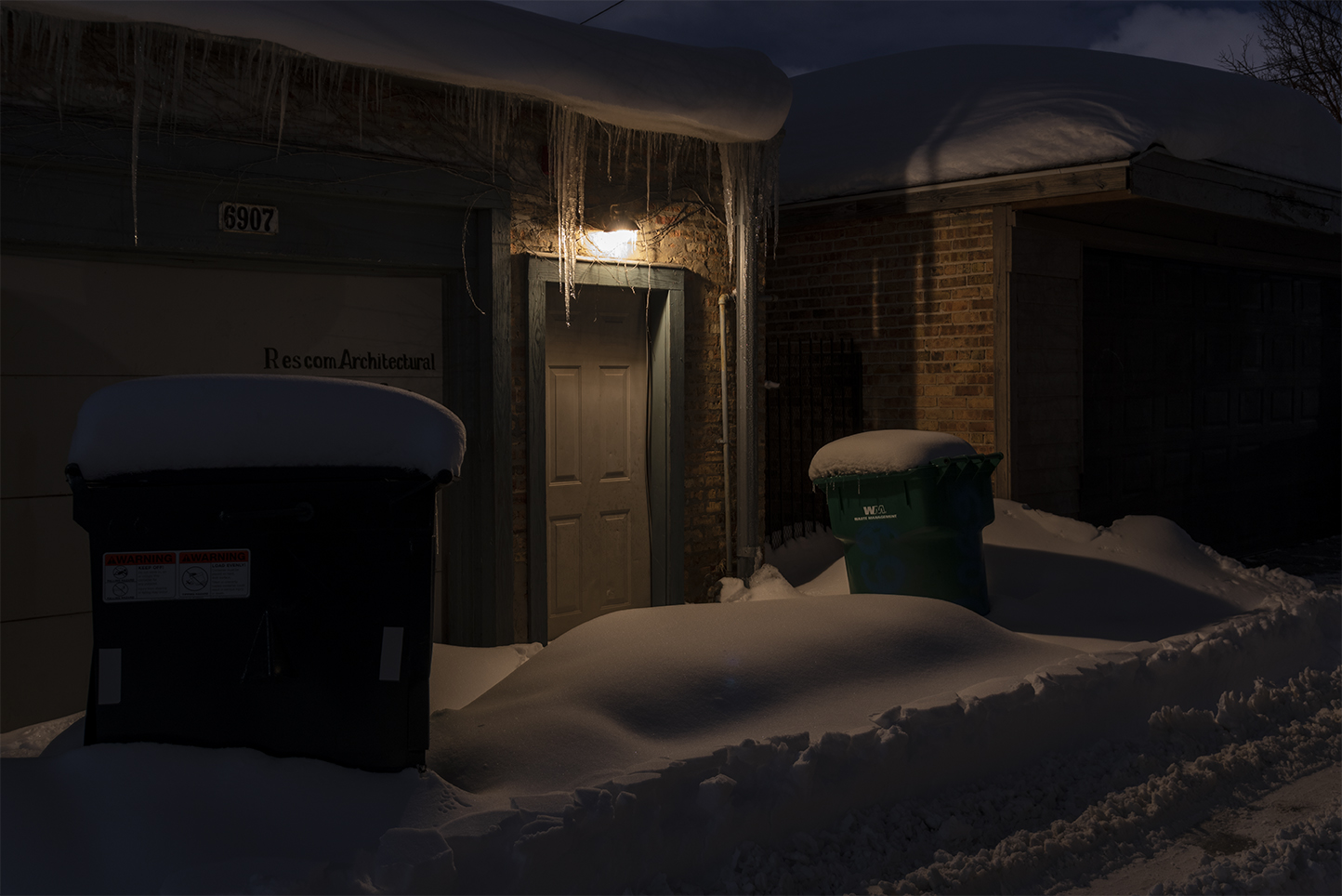
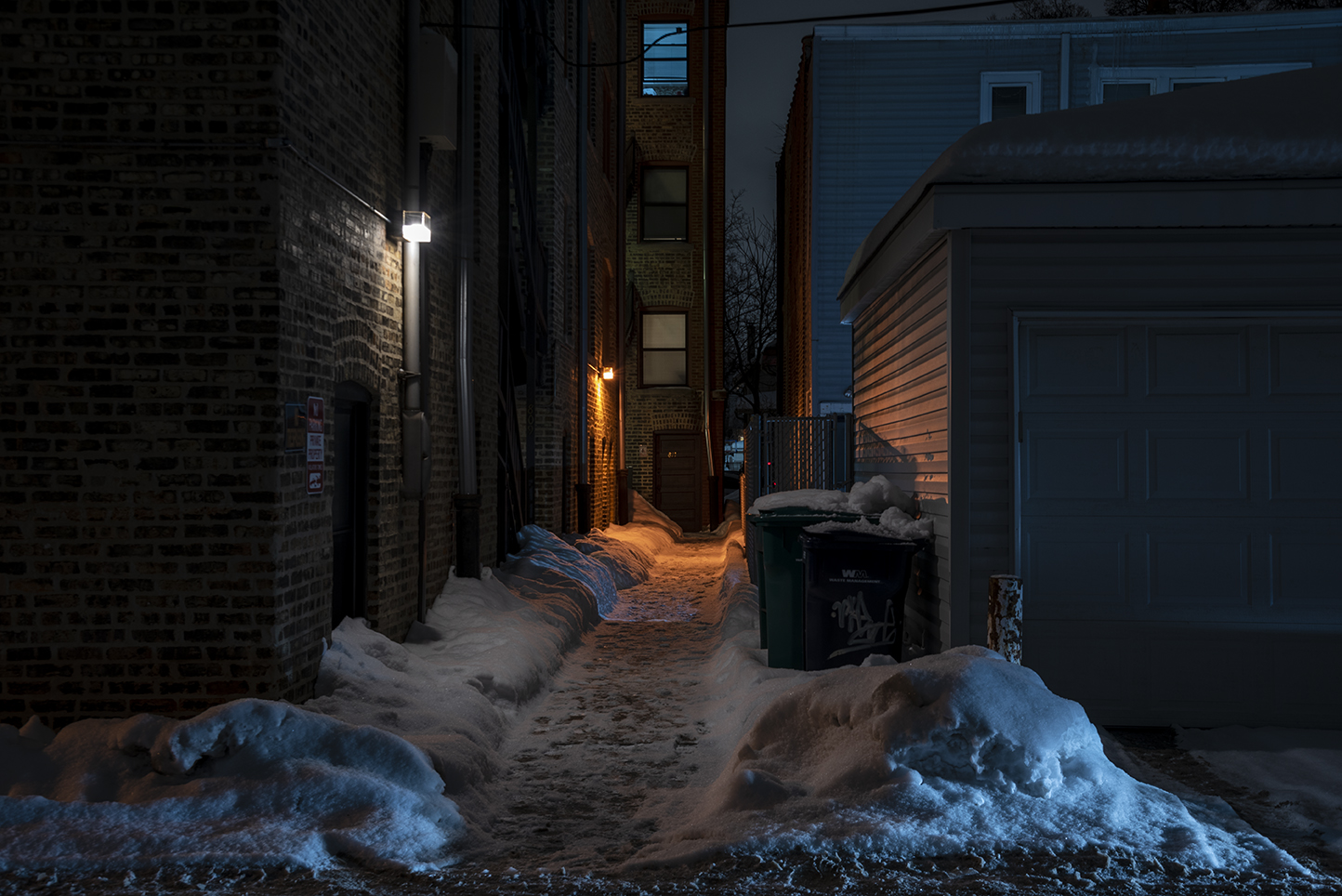
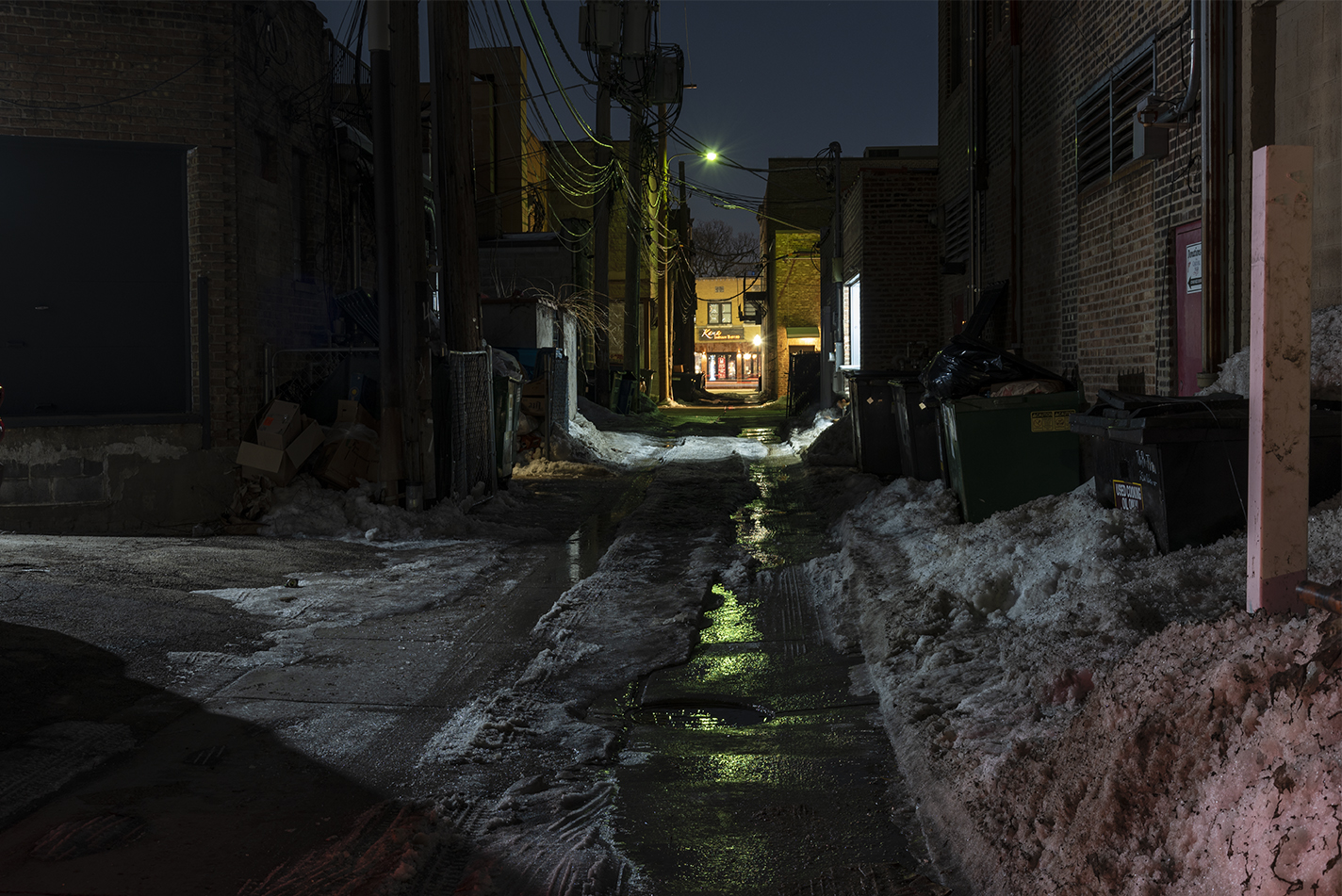
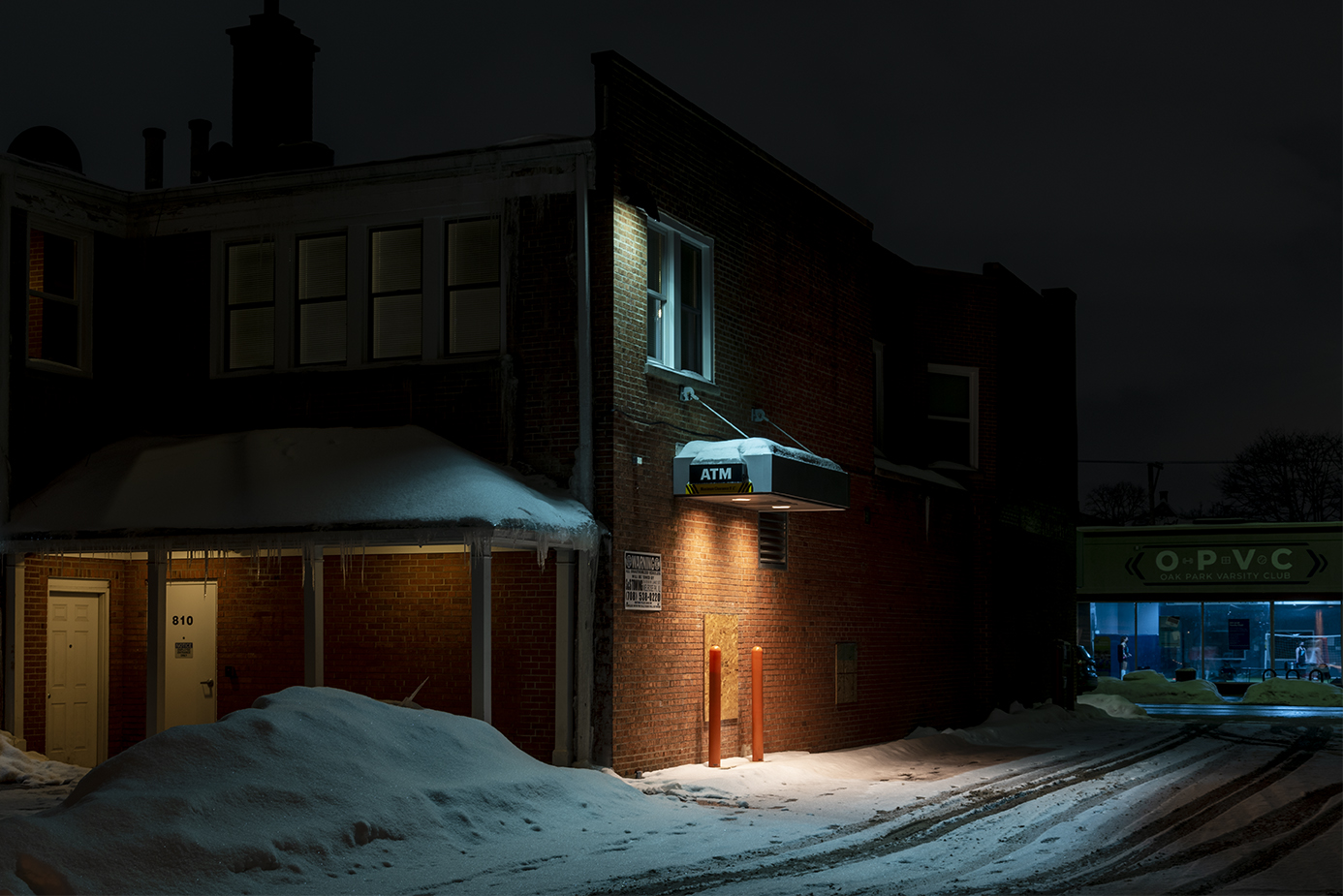
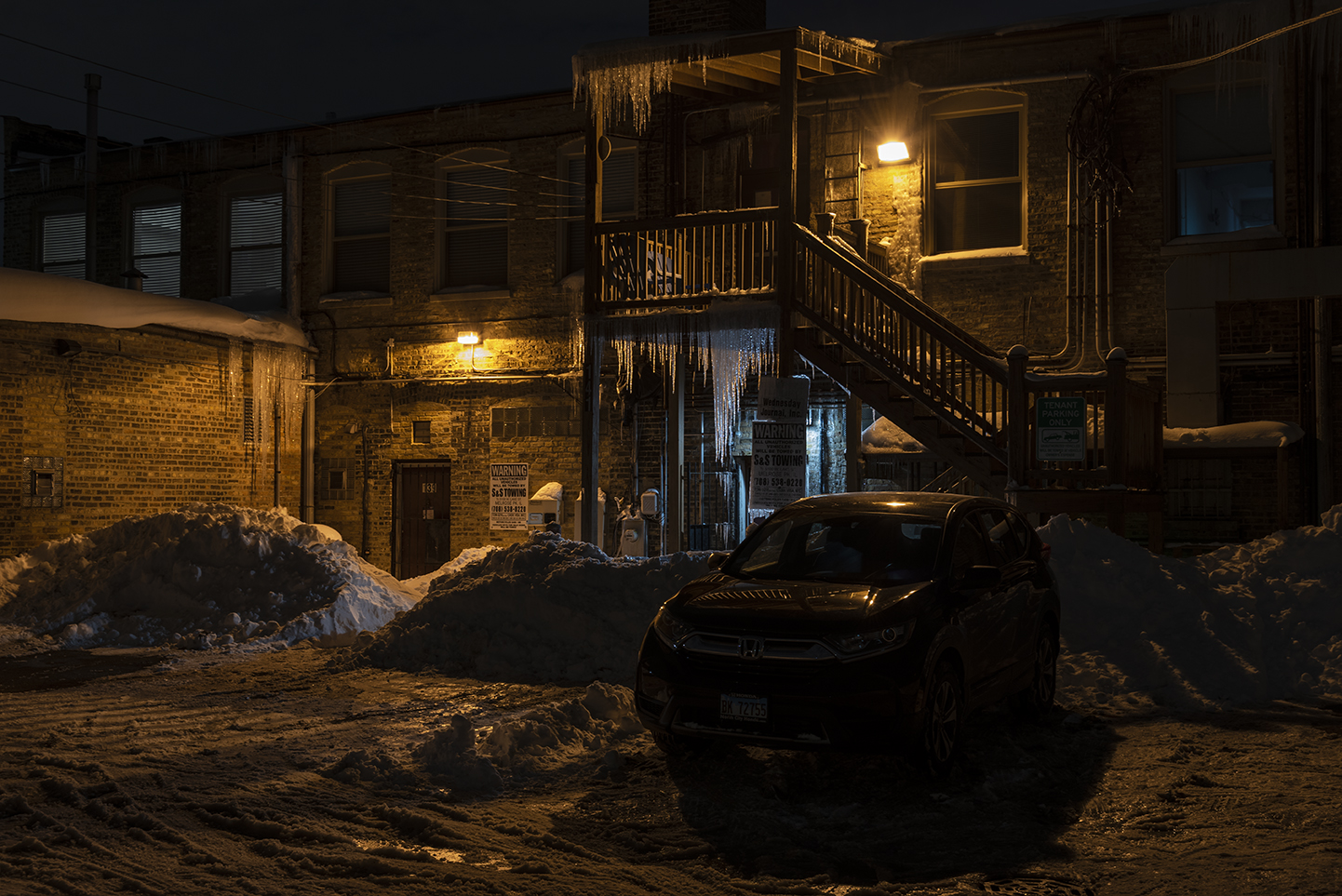
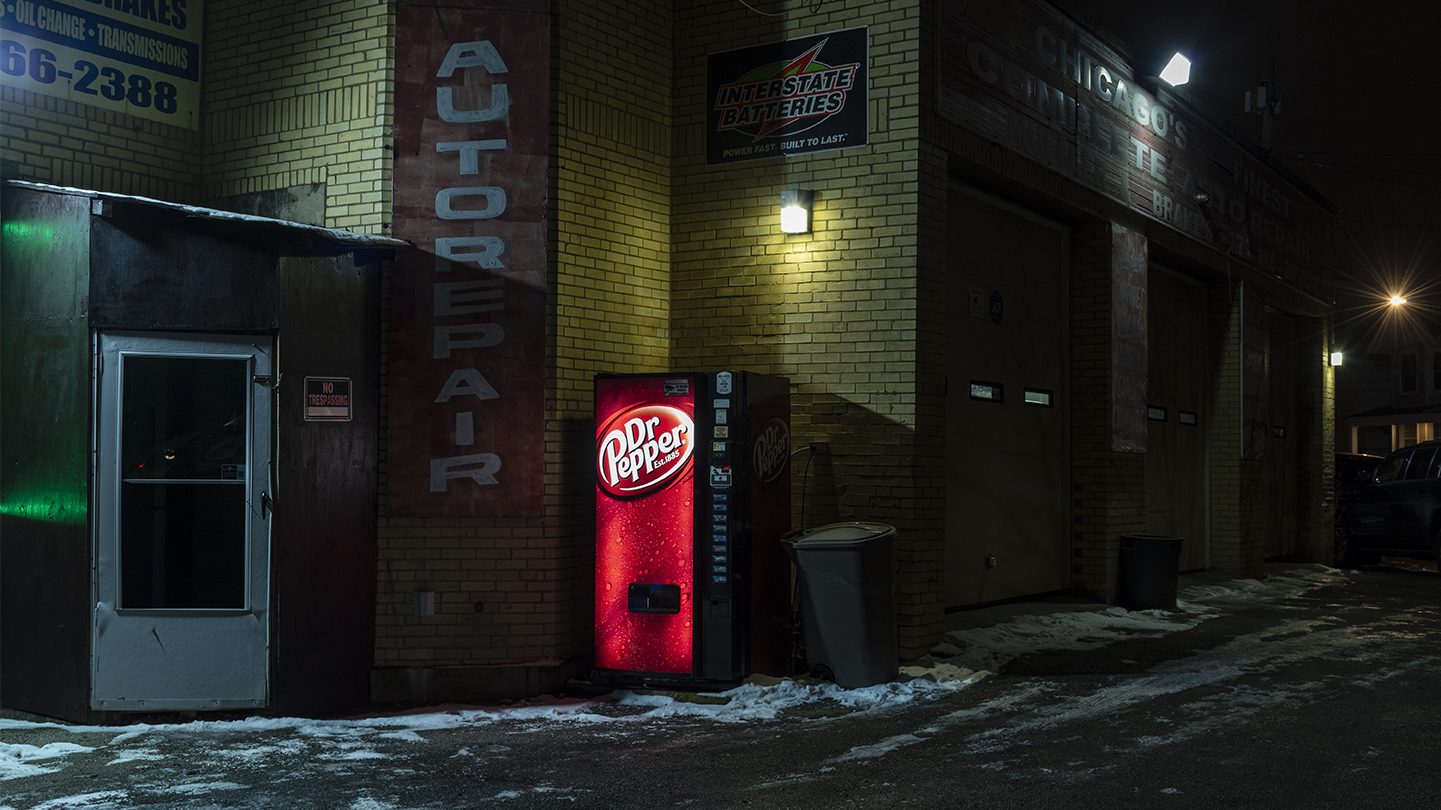
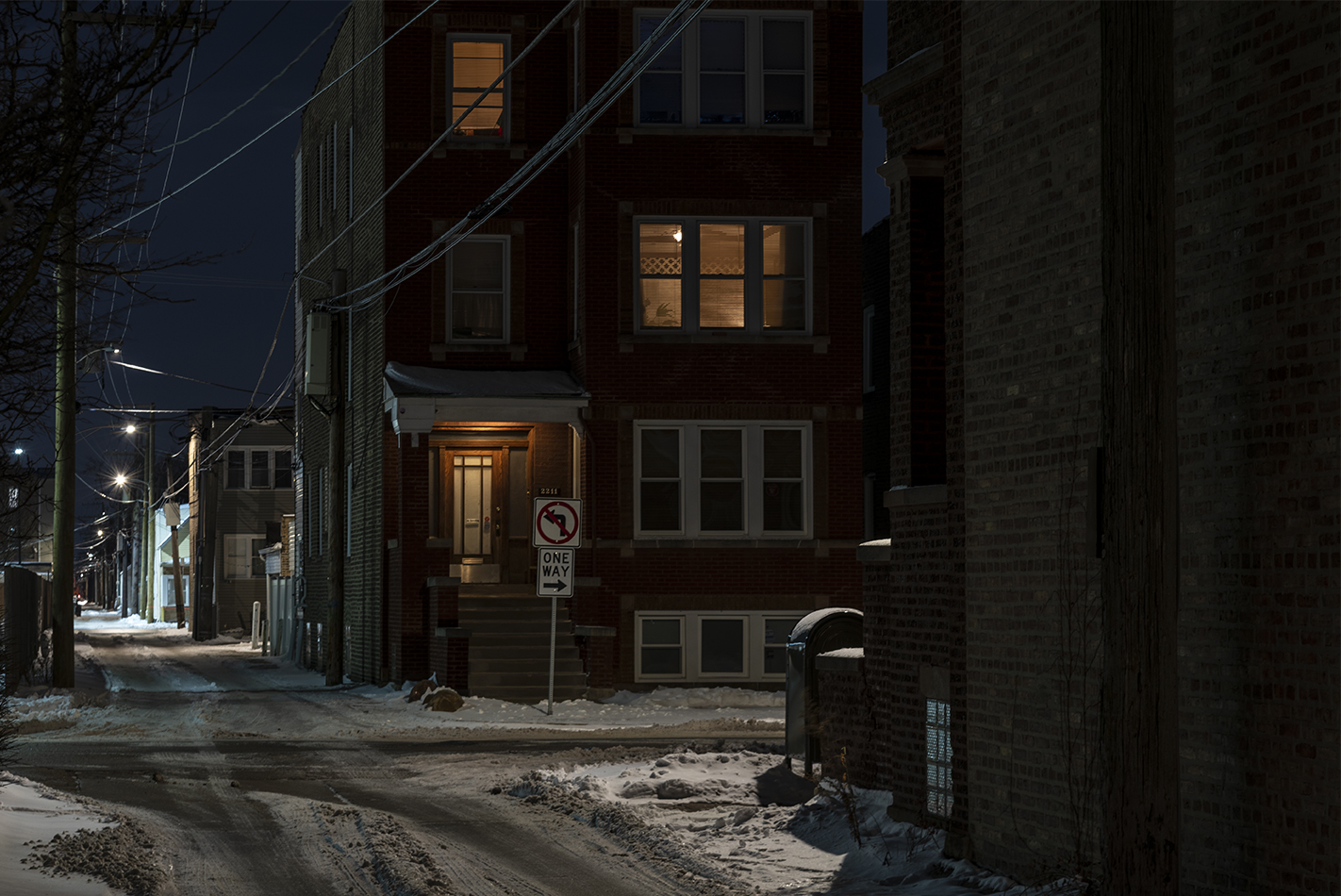
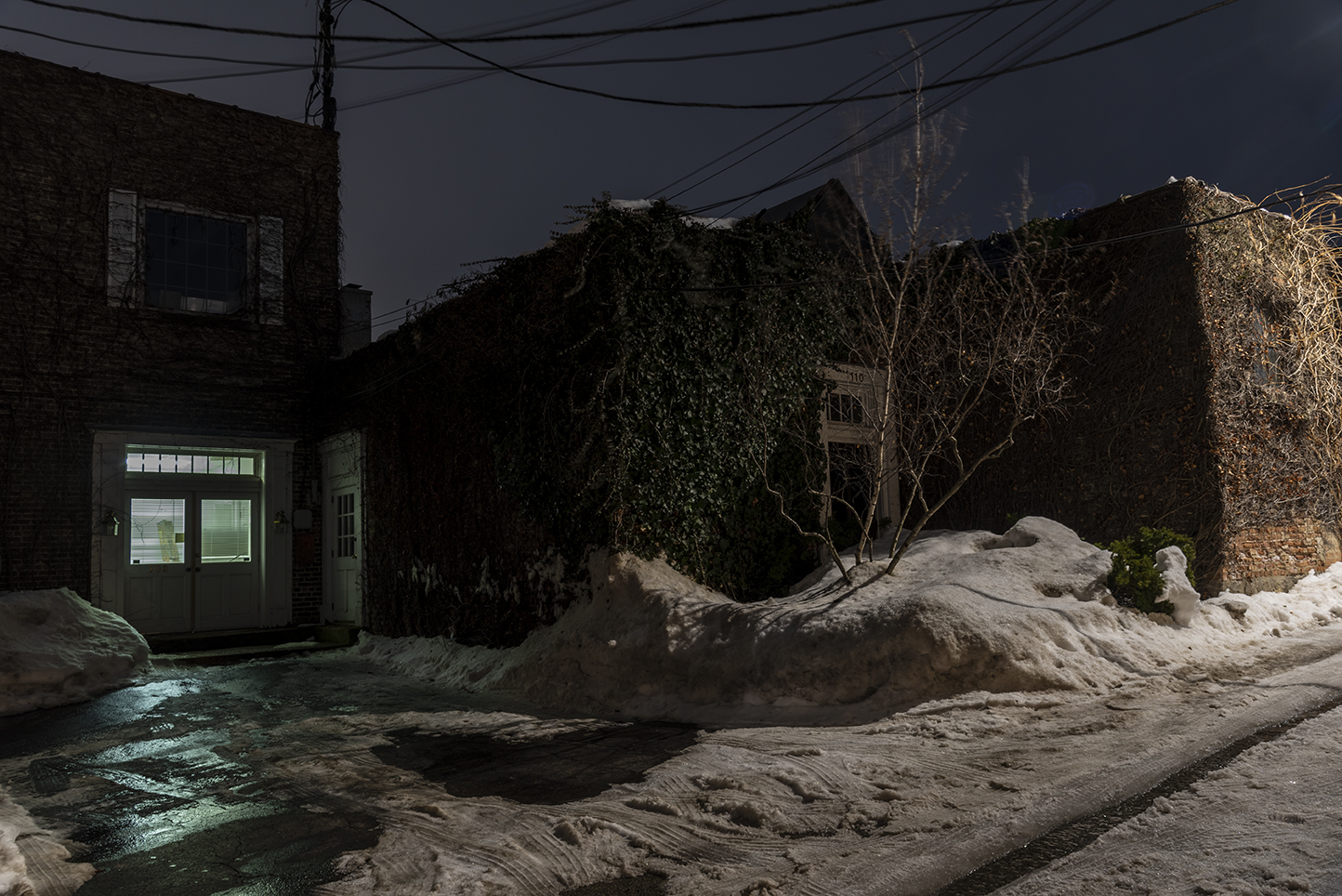
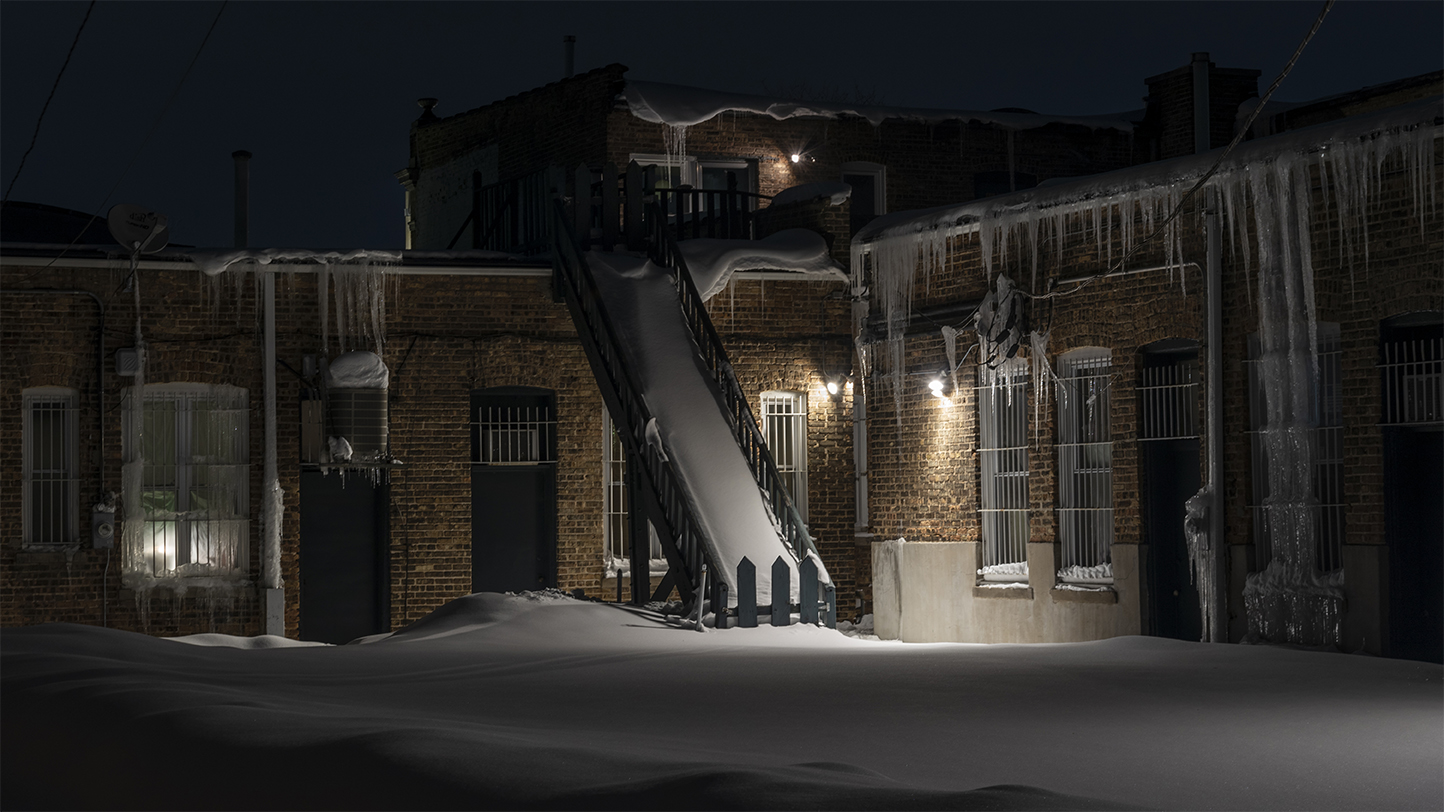
Jim Hill, who’s a retired geologist, brought night-time-alleyway images from Chicago, and they make me cold, just looking at them. (Meaning, I feel physically cold, not that they leave me feeling cold, emotionally.)
These night shots are terrific, and reminded me a bit of Dave Jordano, who also prowls the Upper Midwest.
I recommended to Jim that he ditch his zoom lens for a sharper prime, and he’s since reported he made the switch, and is much happier with his photos as a result.
André Ramos-Woodward was about to receive their MFA from UNM, when we spoke in March, and they’ve since graduated and moved back to Southeast Texas.
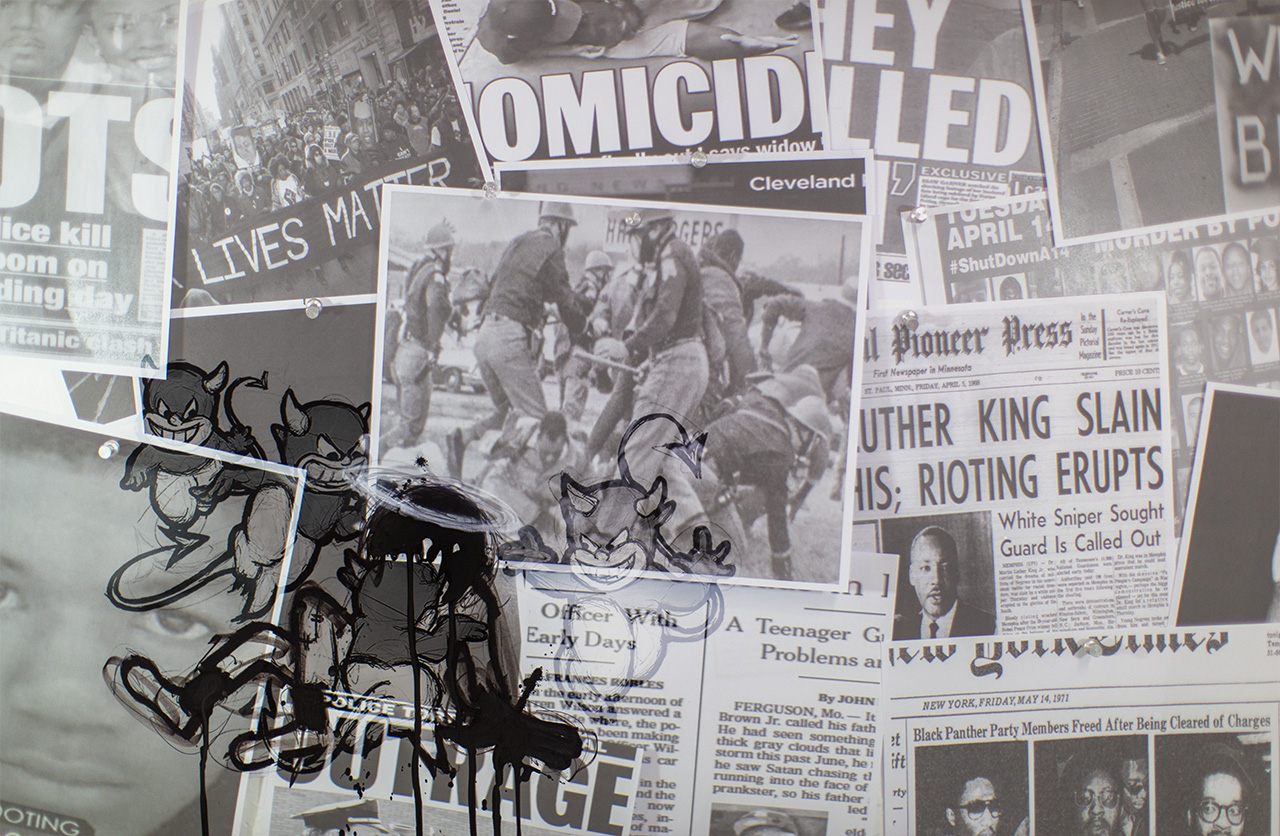
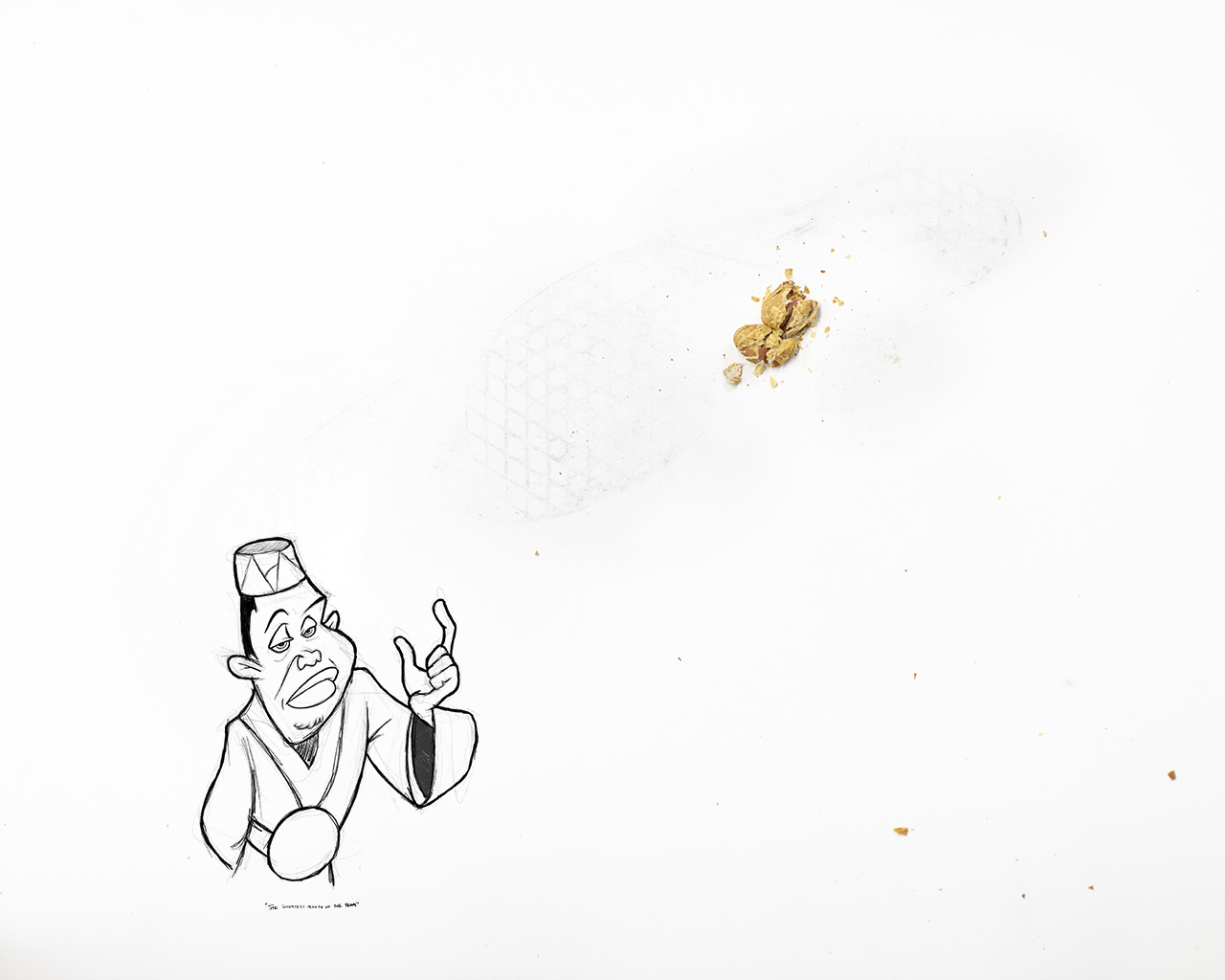
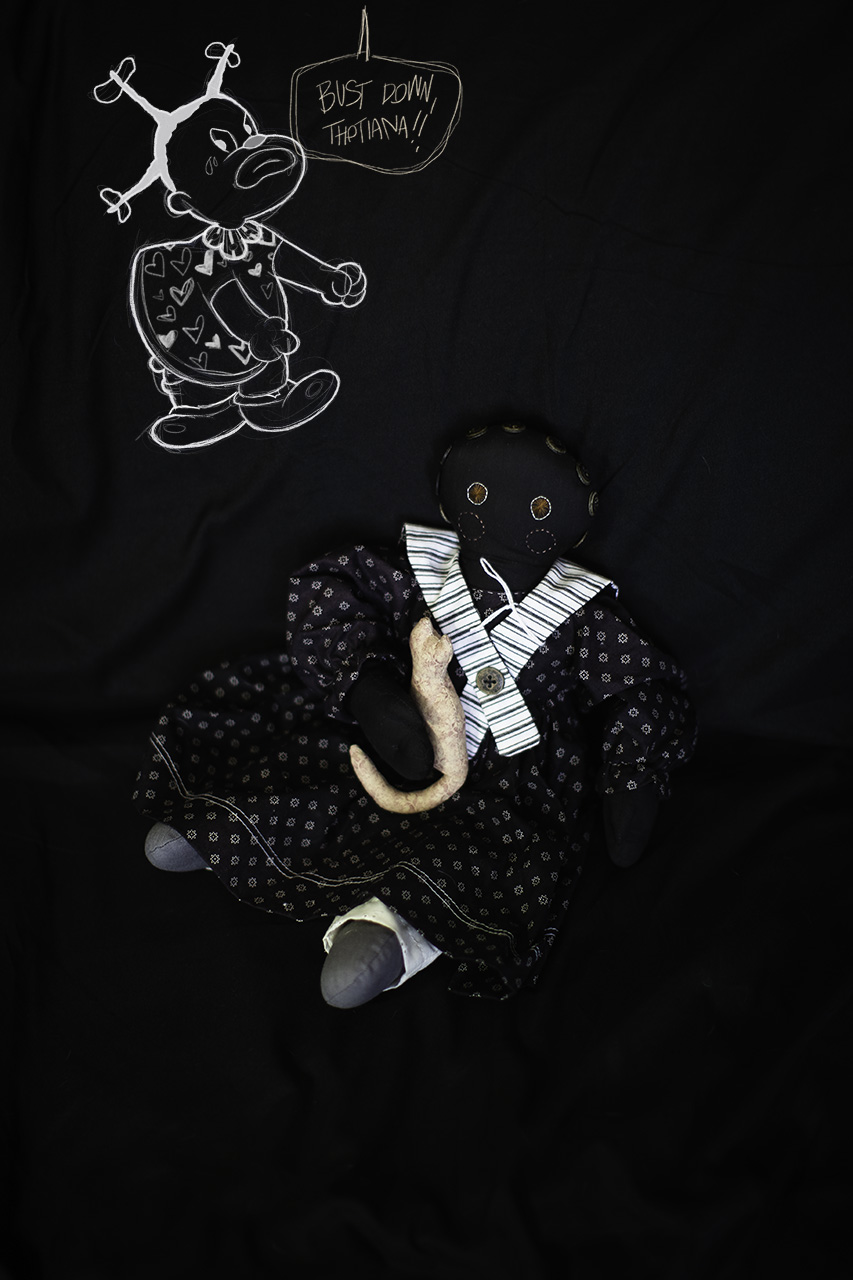
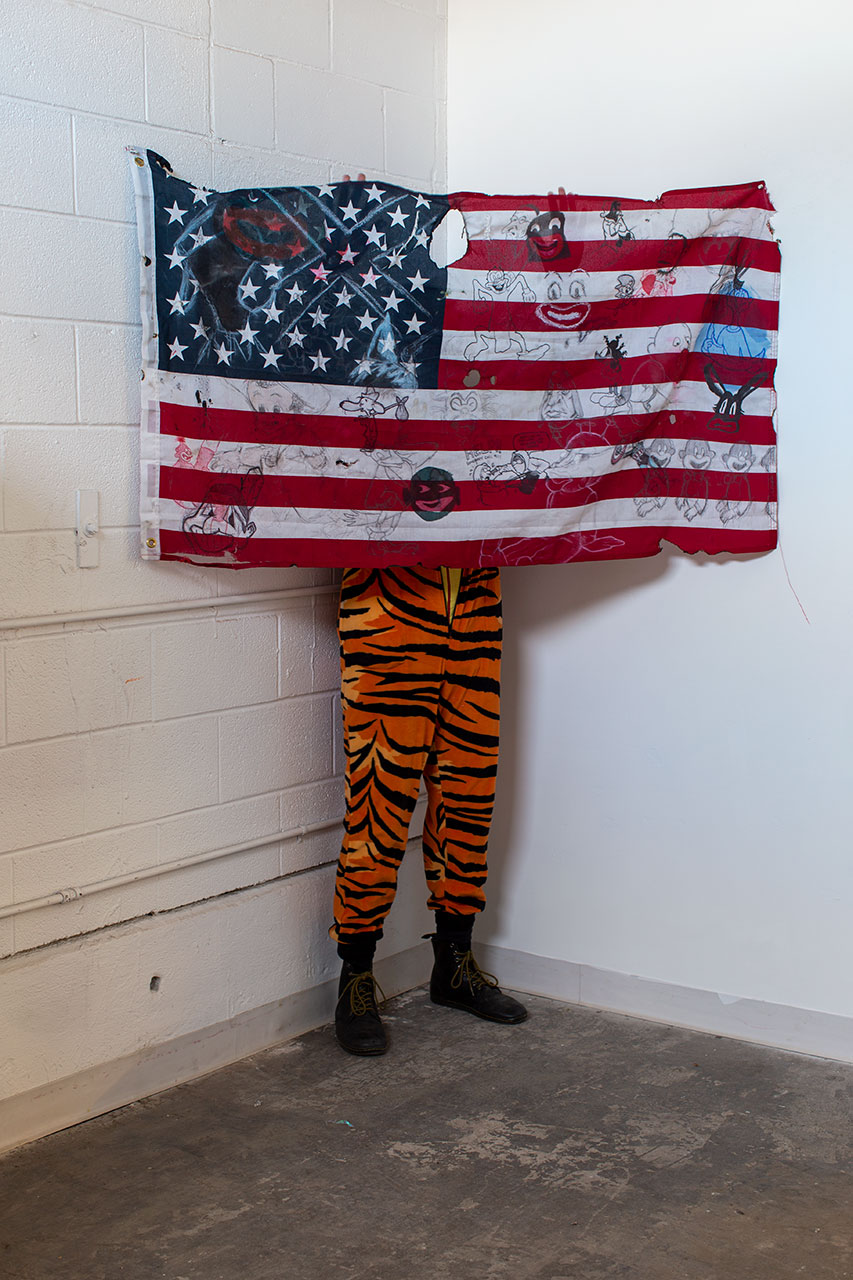
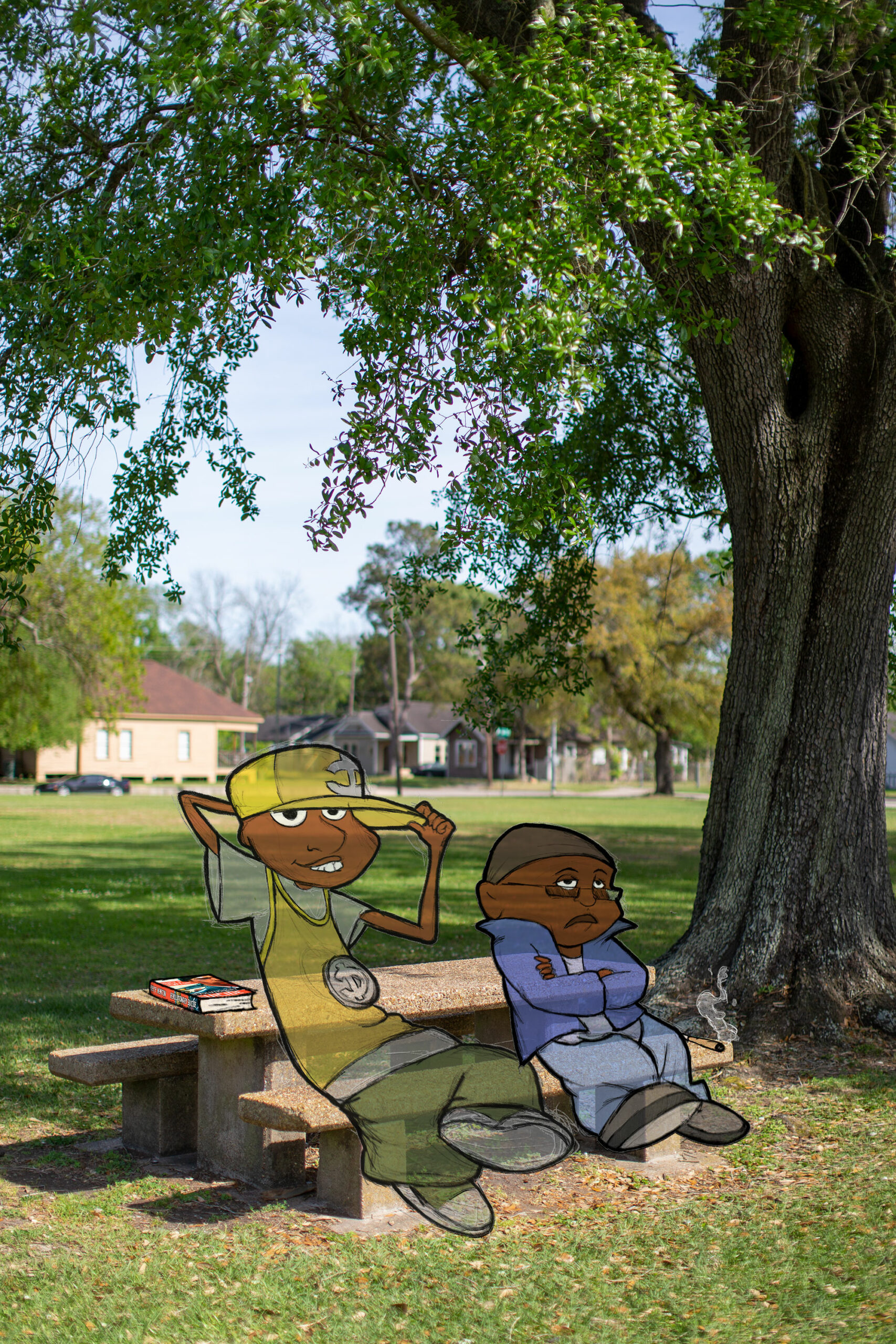
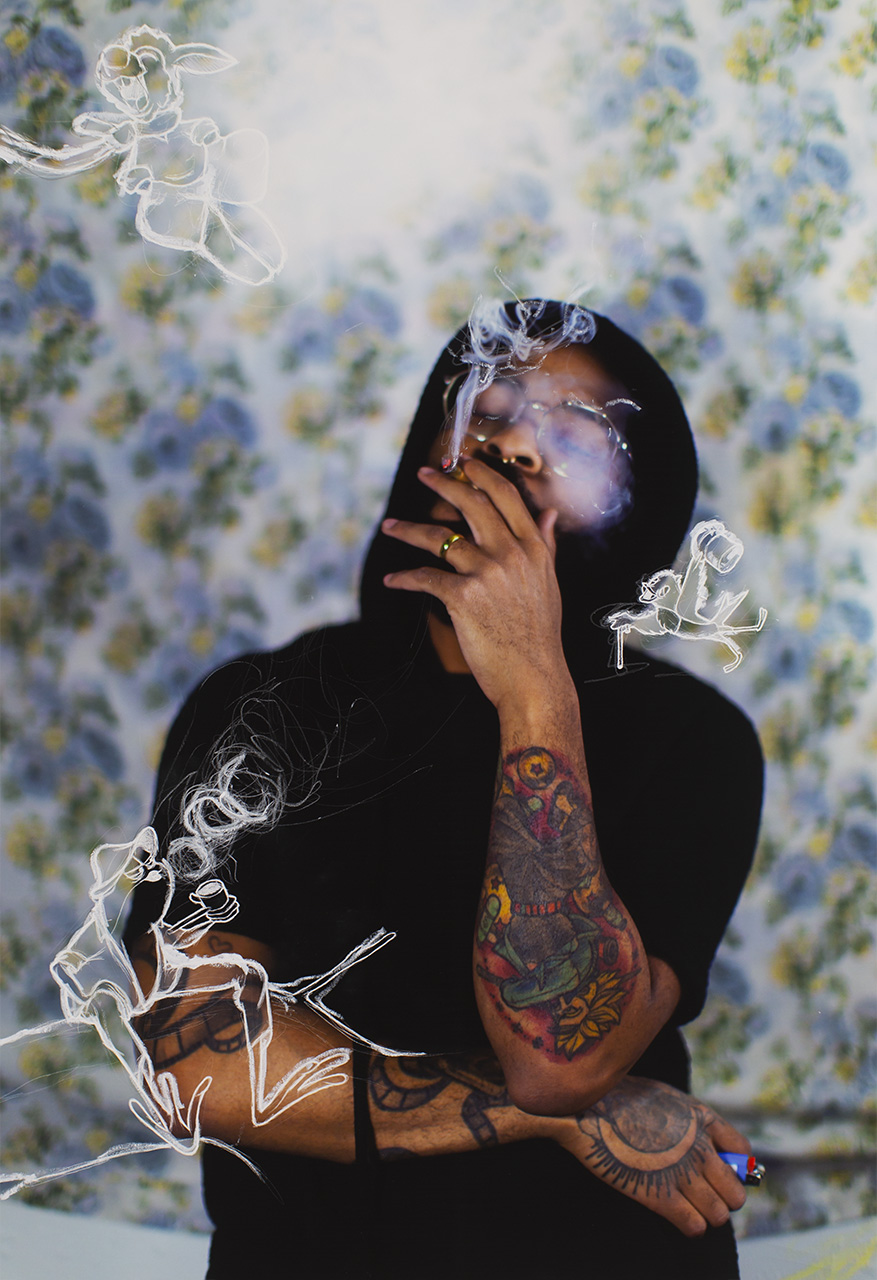
I recognized their work right away, having seen it in Critical Mass in 2020. The series is called “BLACK SNAFU (Situation Niggas: All Fucked Up,) and André reminded me one piece was an animated .gif in its original form.
You can feel the dynamic creativity in these images, which feature drawings mixed with photos.
Given that André wrote powerfully in the first person about this work, I’m going to share two paragraphs from his artist statement:
“I’ve been told plenty of times that in order to understand the present, I’ve got to know the history. I find that funny as a Black person born and raised in America. It’s not that I disagree, it’s just that I know that my history on this land—Black history—has been distorted and fucked-up to perpetuate the racist repercussions of European colonialism and white privilege in this godforsaken country.
Anti-Blackness at the hands of racist America seems inescapable no matter what context I place it into; literature, science, government, health, art… look into any “field” and see for yourself. My people have had to cry, scream, and fight for respect throughout all these fields of study for centuries, and we still haven’t gained the respect we deserve. Even in the visual arts, the field I’ve chosen to dedicate my life to, the history of racism against Black bodies runs rampant. In order to move on from this shit, we must acknowledge the many ways that this country has implemented a racial hierarchy since these lands were first colonized and stripped from indigenous peoples, and Black people were stolen from their native land and brought here.”
Suzanne Revy and I actually met at the virtual portfolio reviews at Photo NOLA, last December, but I made a rare mistake, and forgot to follow up when I wrote the article about the best work I saw there.
I don’t f-ck up often, so when I saw Suzanne in the waiting room for the Denver festival, I reached out and offered to publish her here in instead.
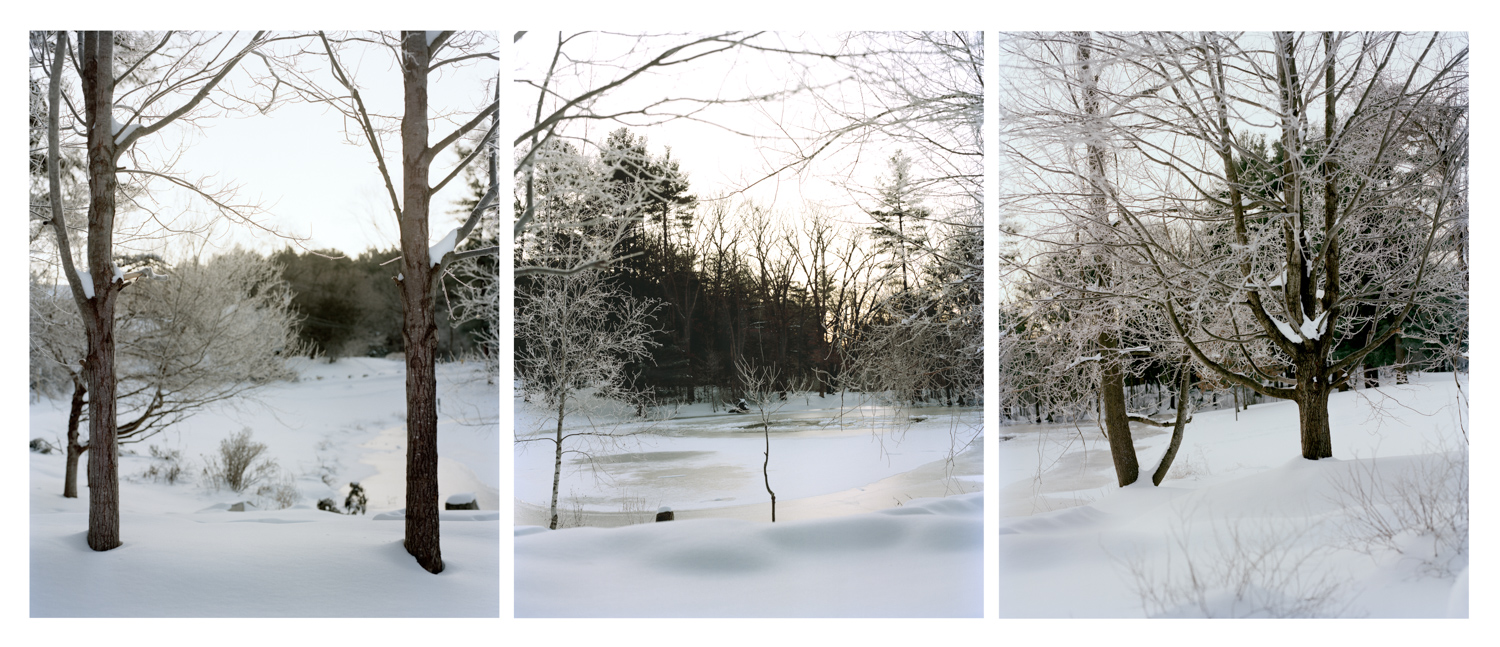
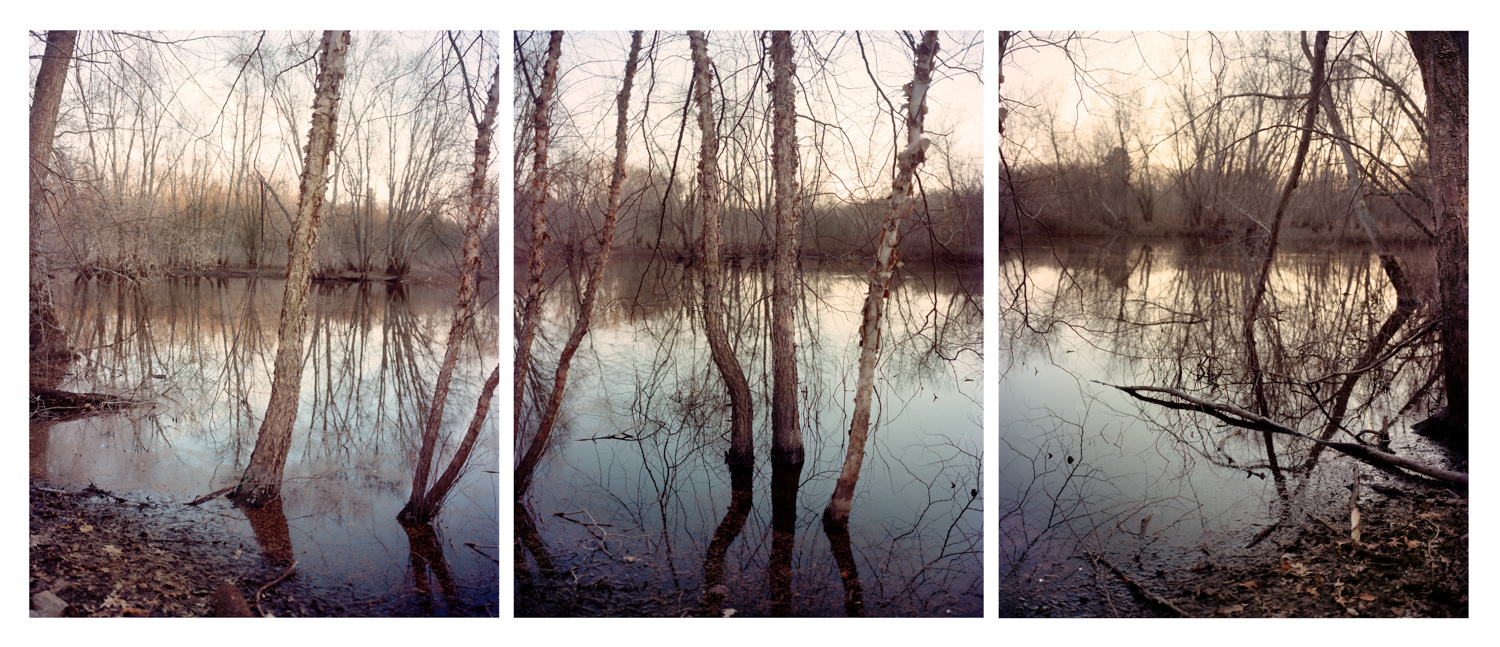
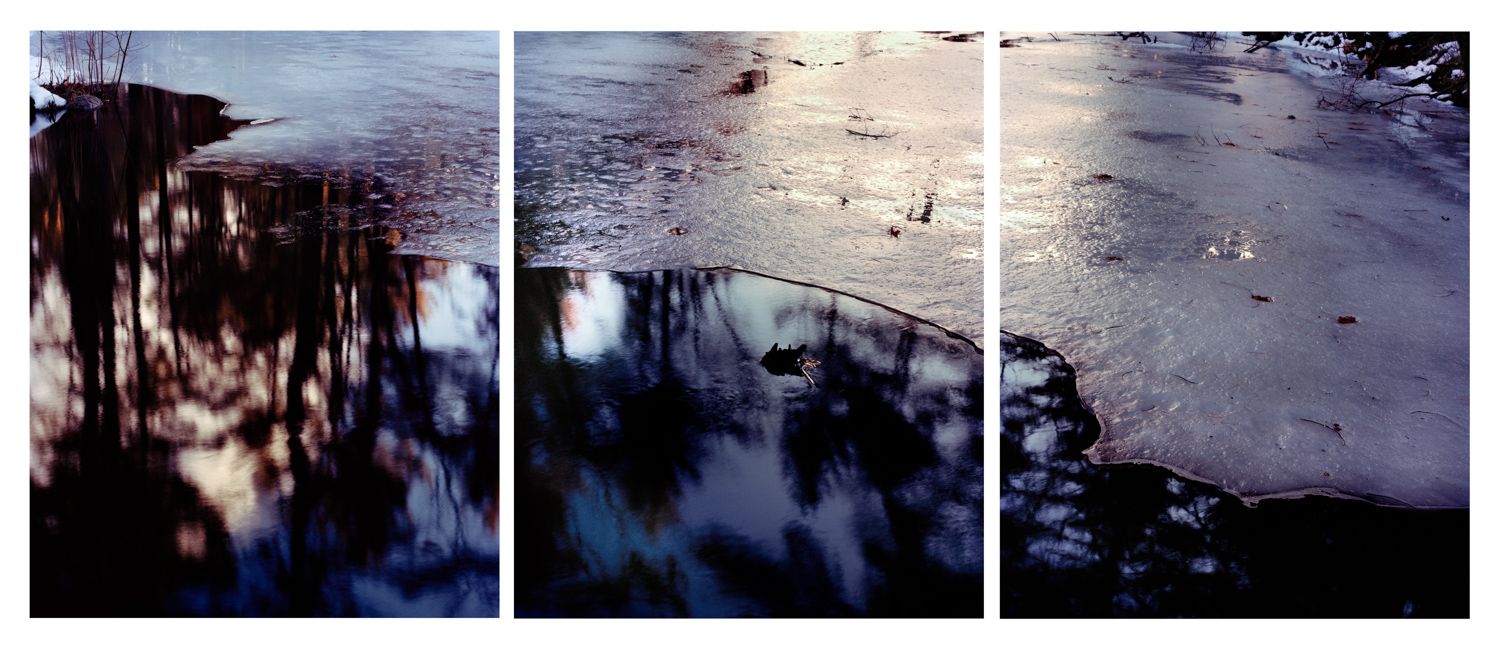
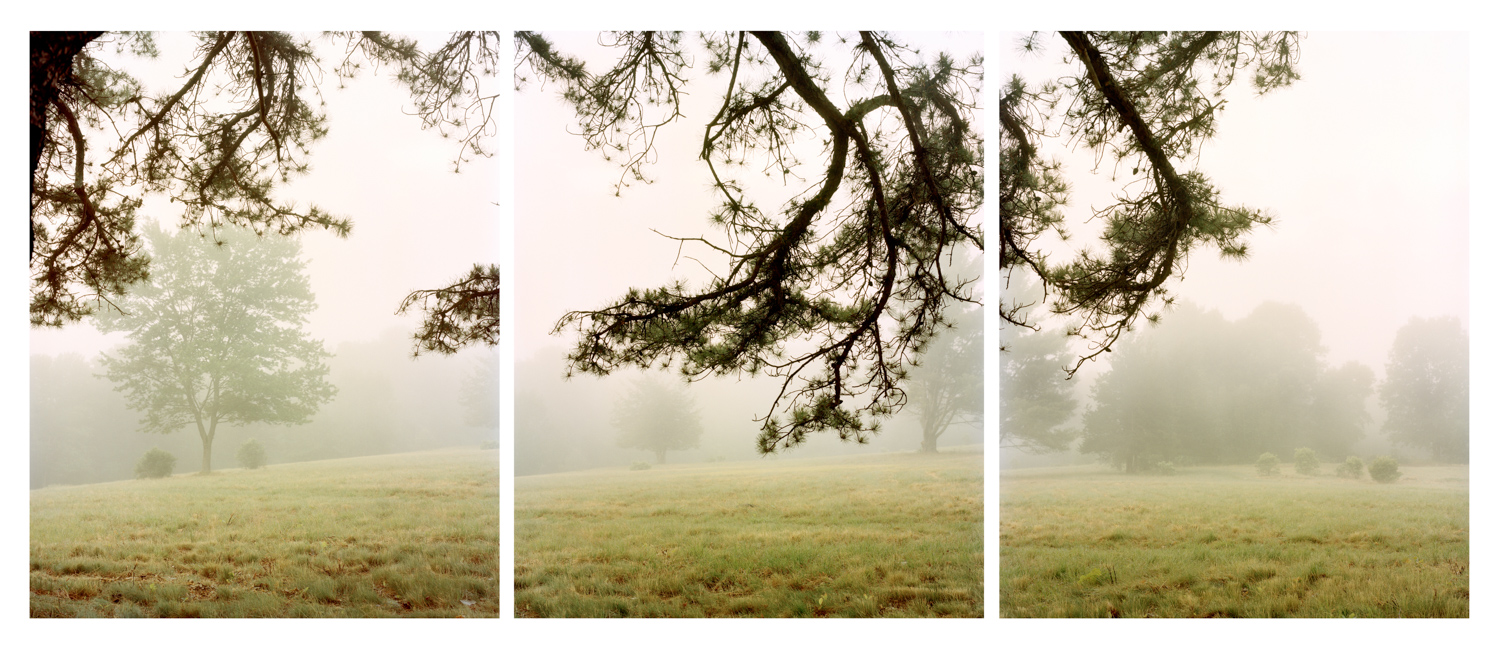
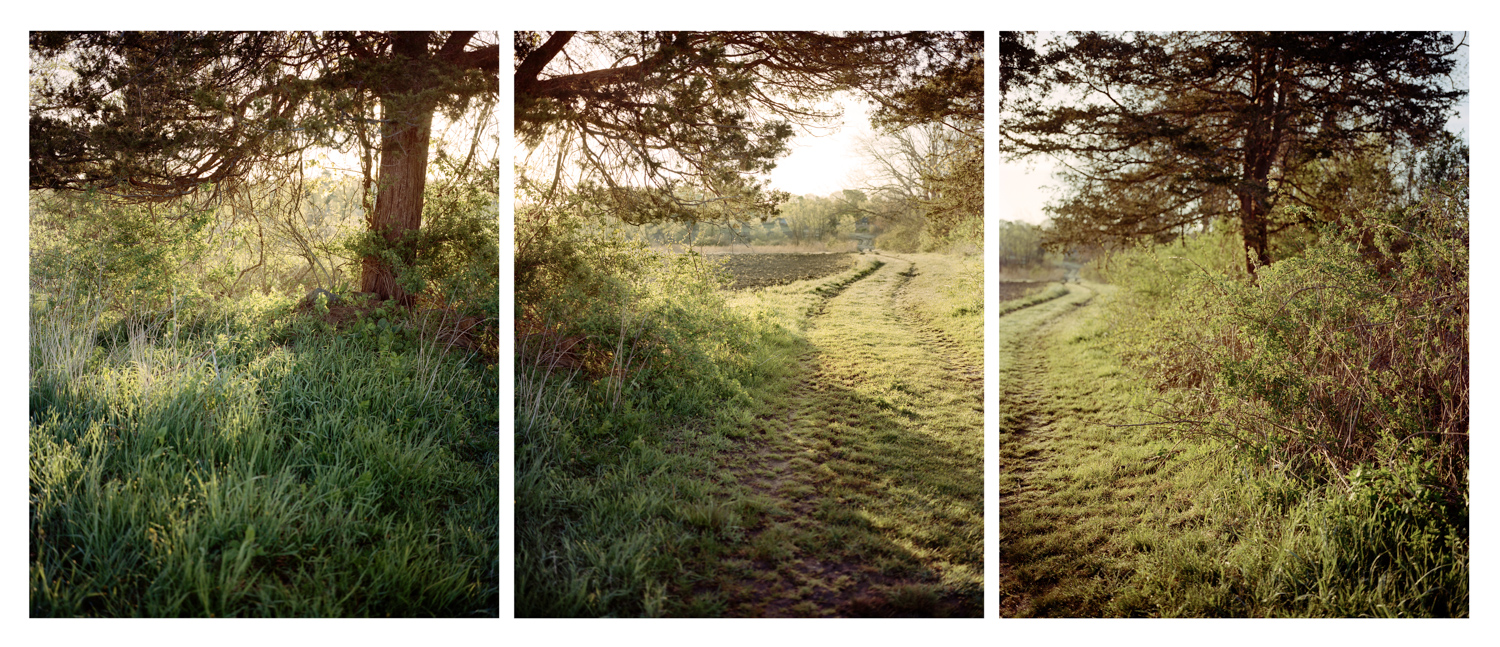
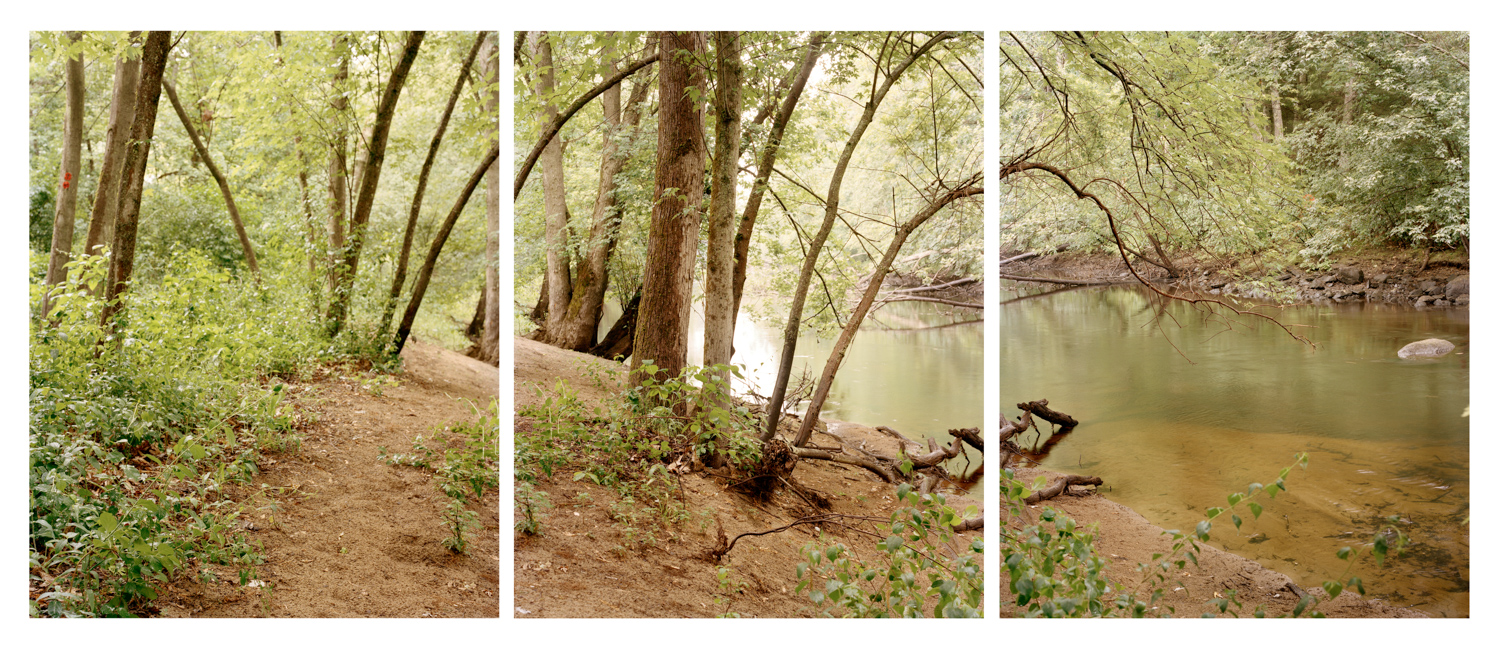
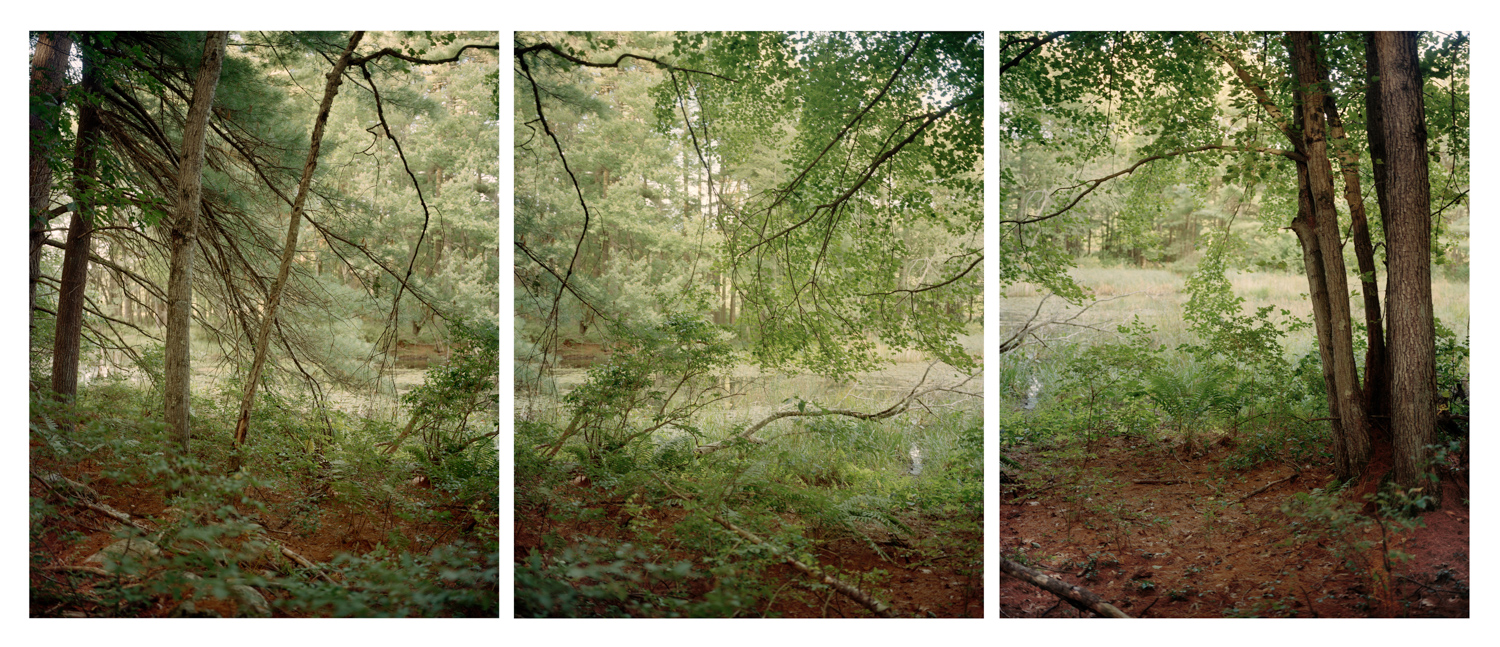
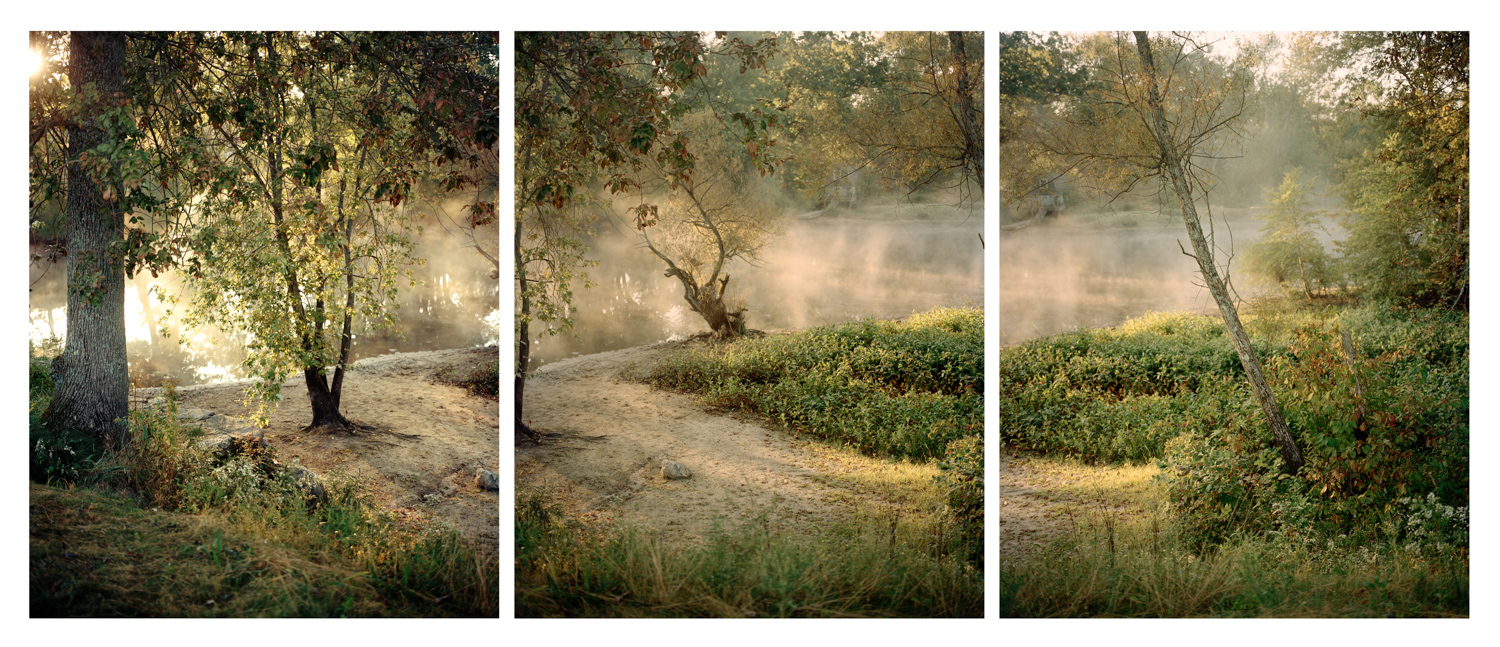
Unlike my Rocky-Mountain-Centric opening, this work is straight out of Massachusetts. So East Coast. It’s a series of triptych landscapes from Emerson and Thoreau country.
Super pastoral, for sure.
Becky Behar had two projects for me to see, and I preferred the latter, as the former reminded me of a style I was seeing a lot of in the photo world of late.
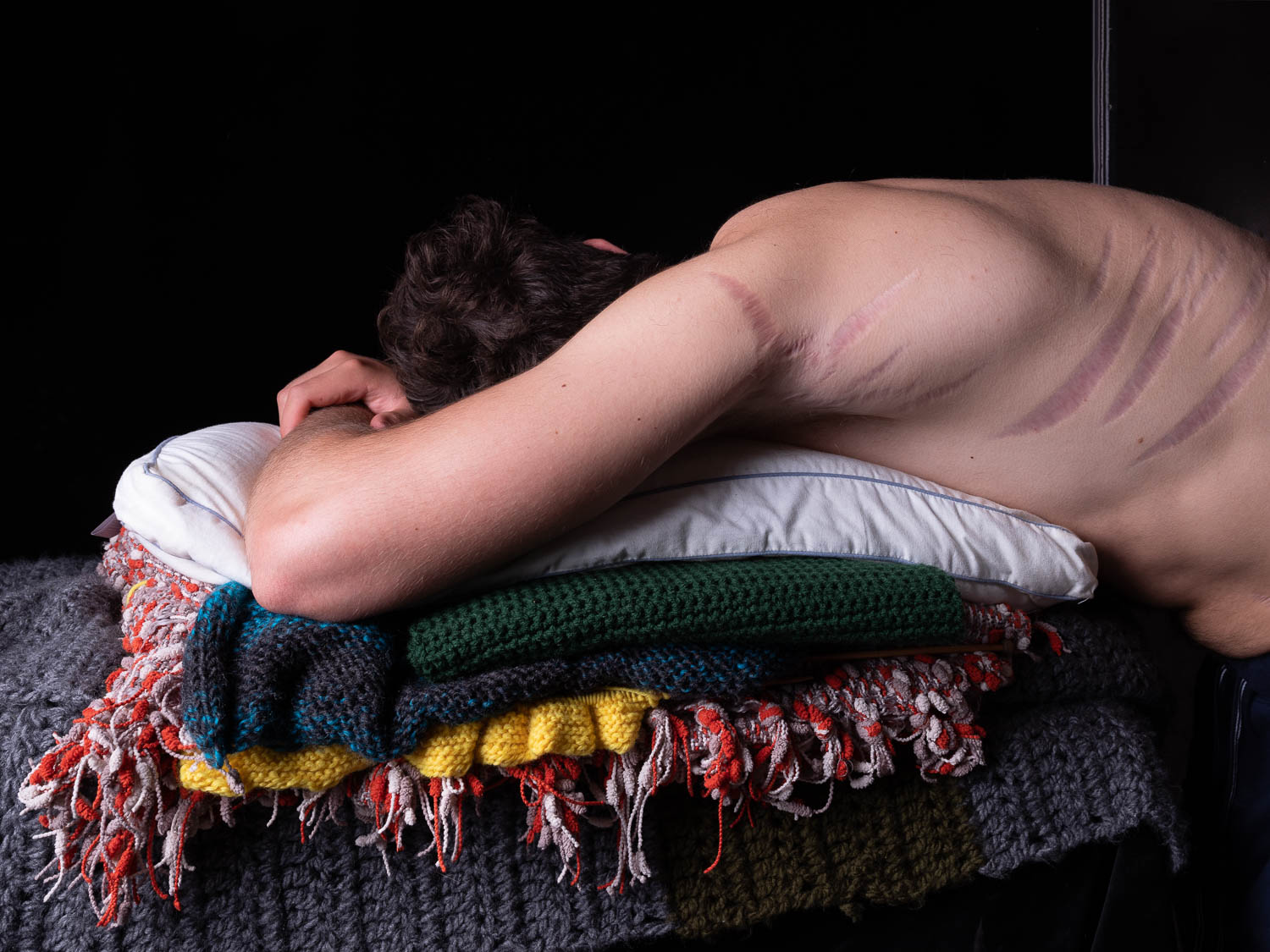
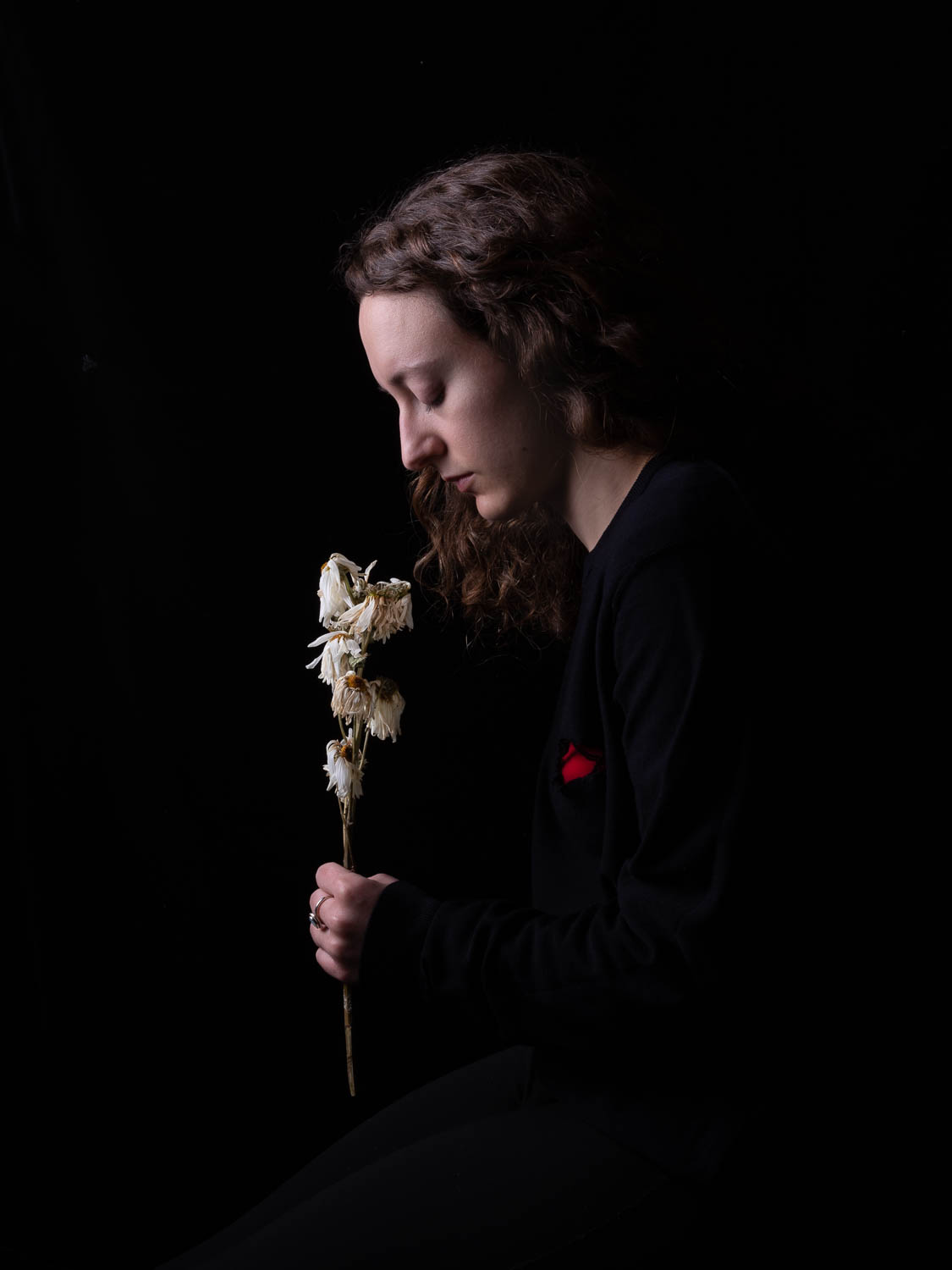
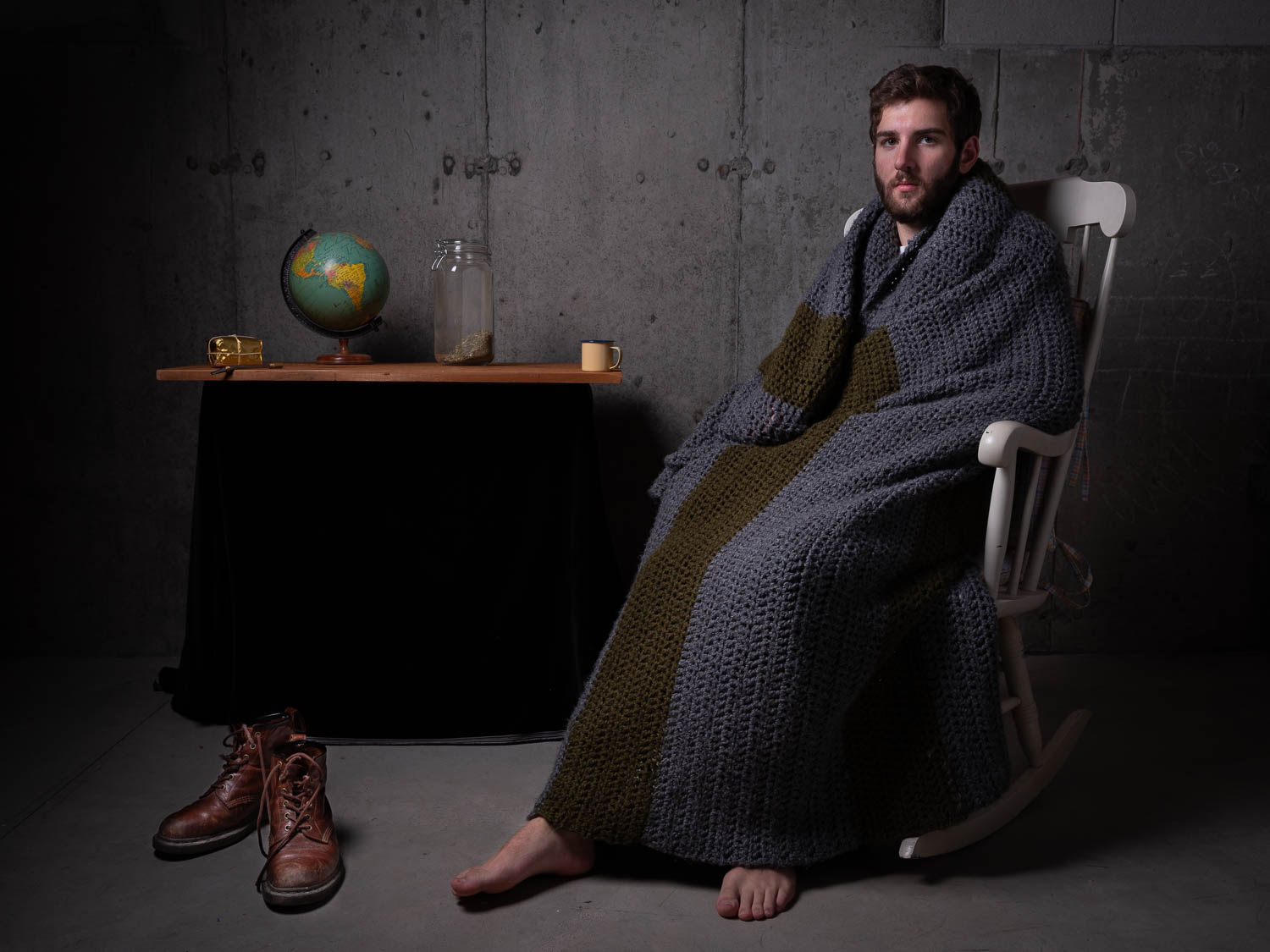
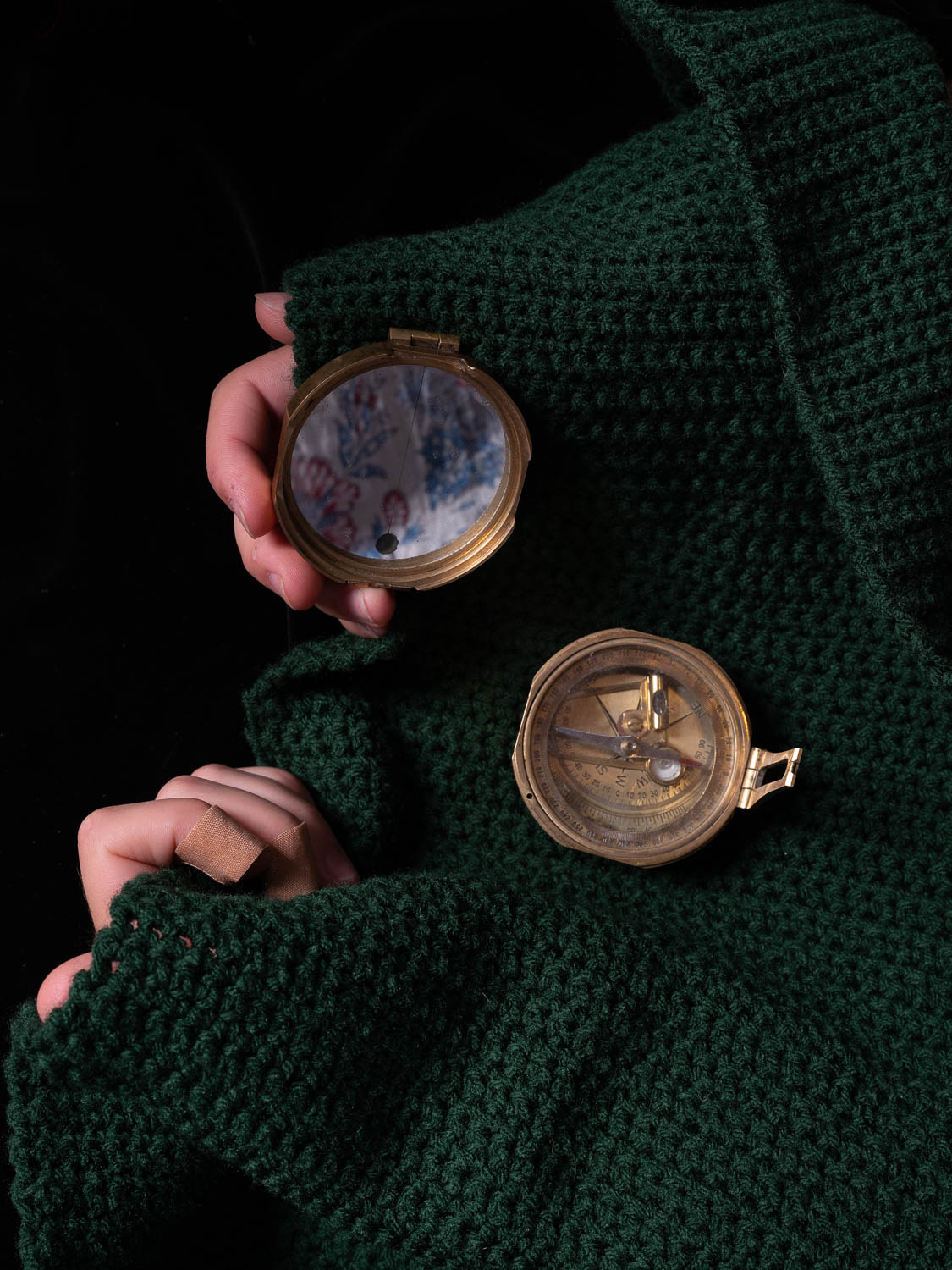
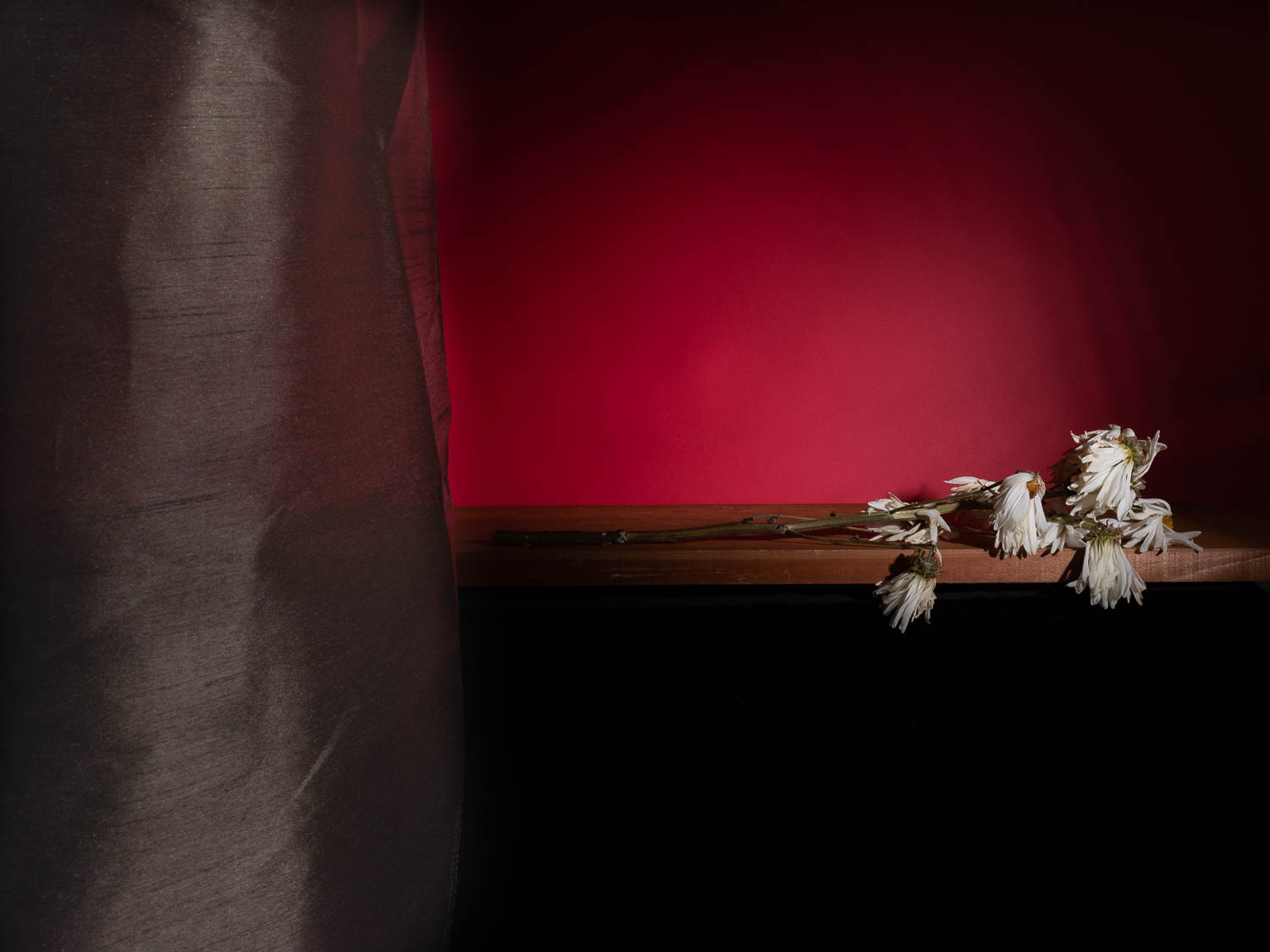
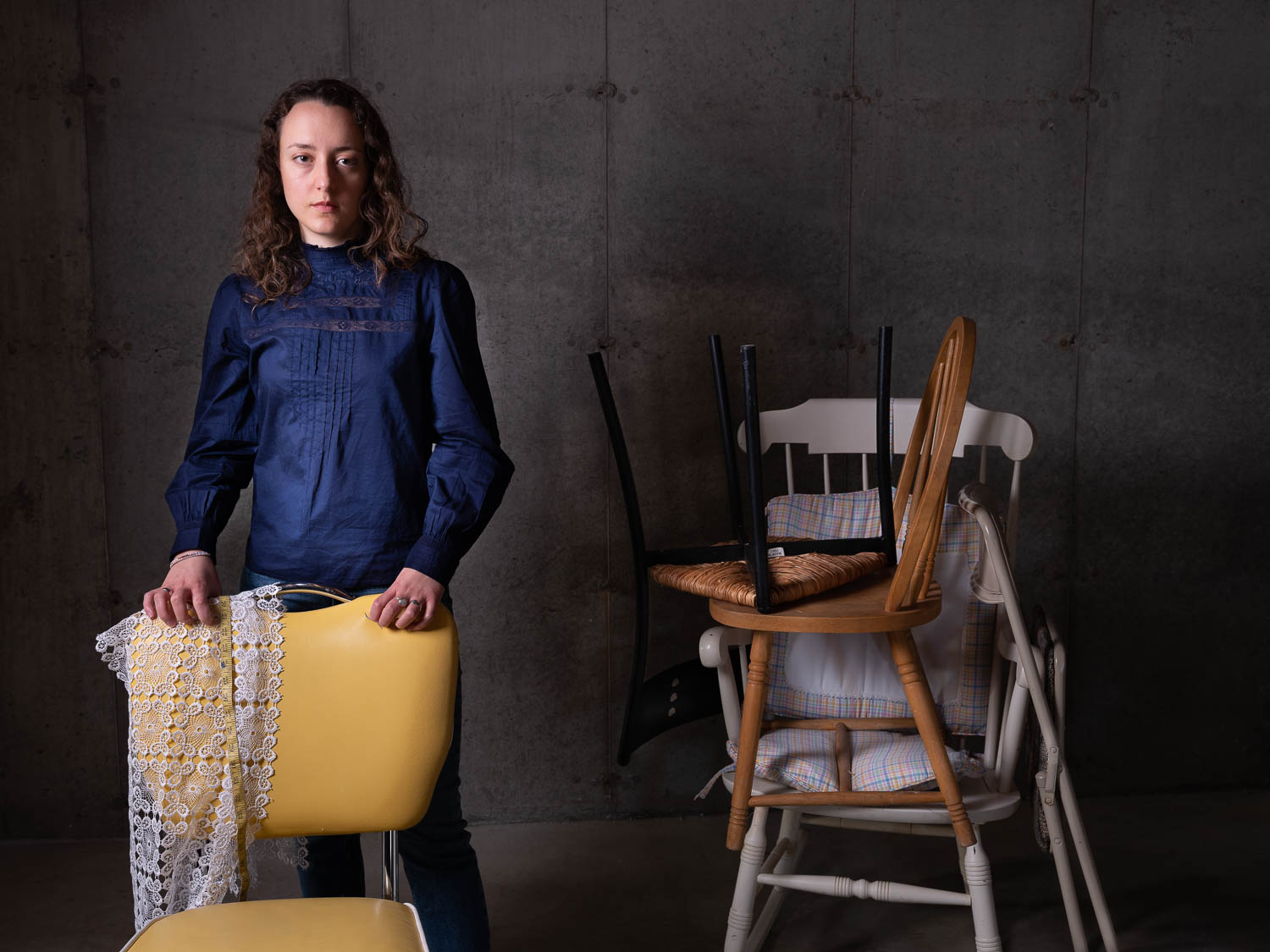
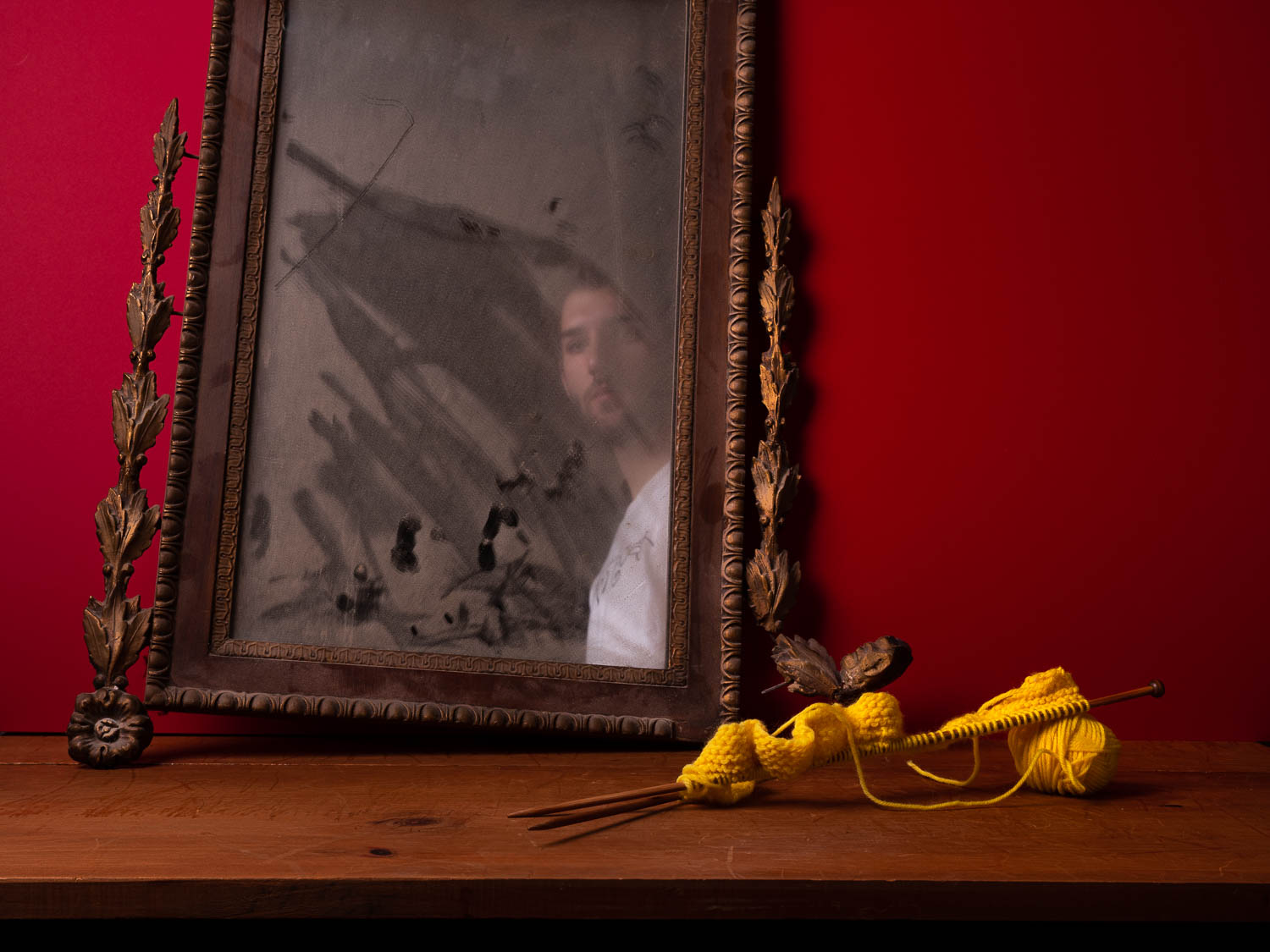
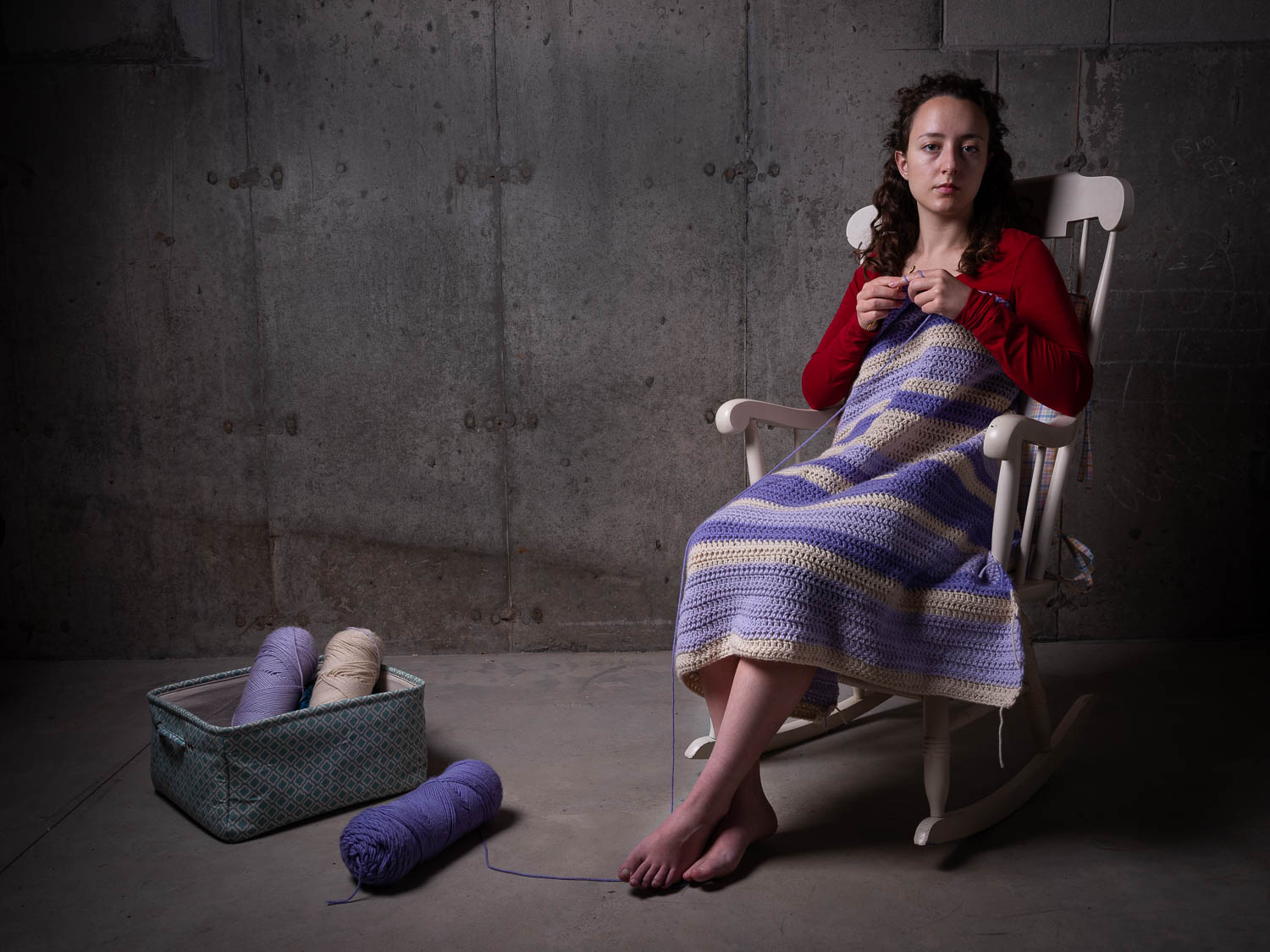
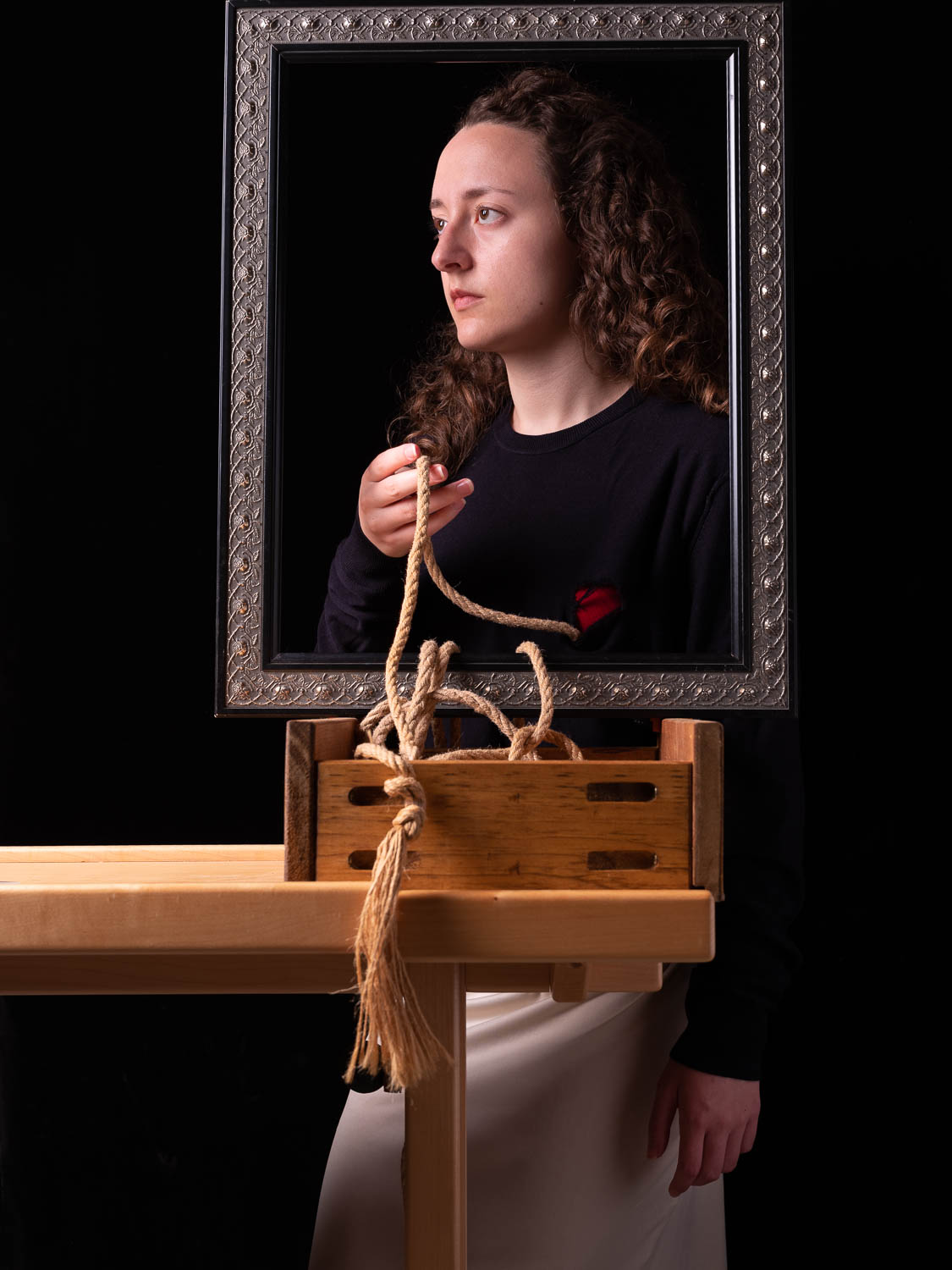
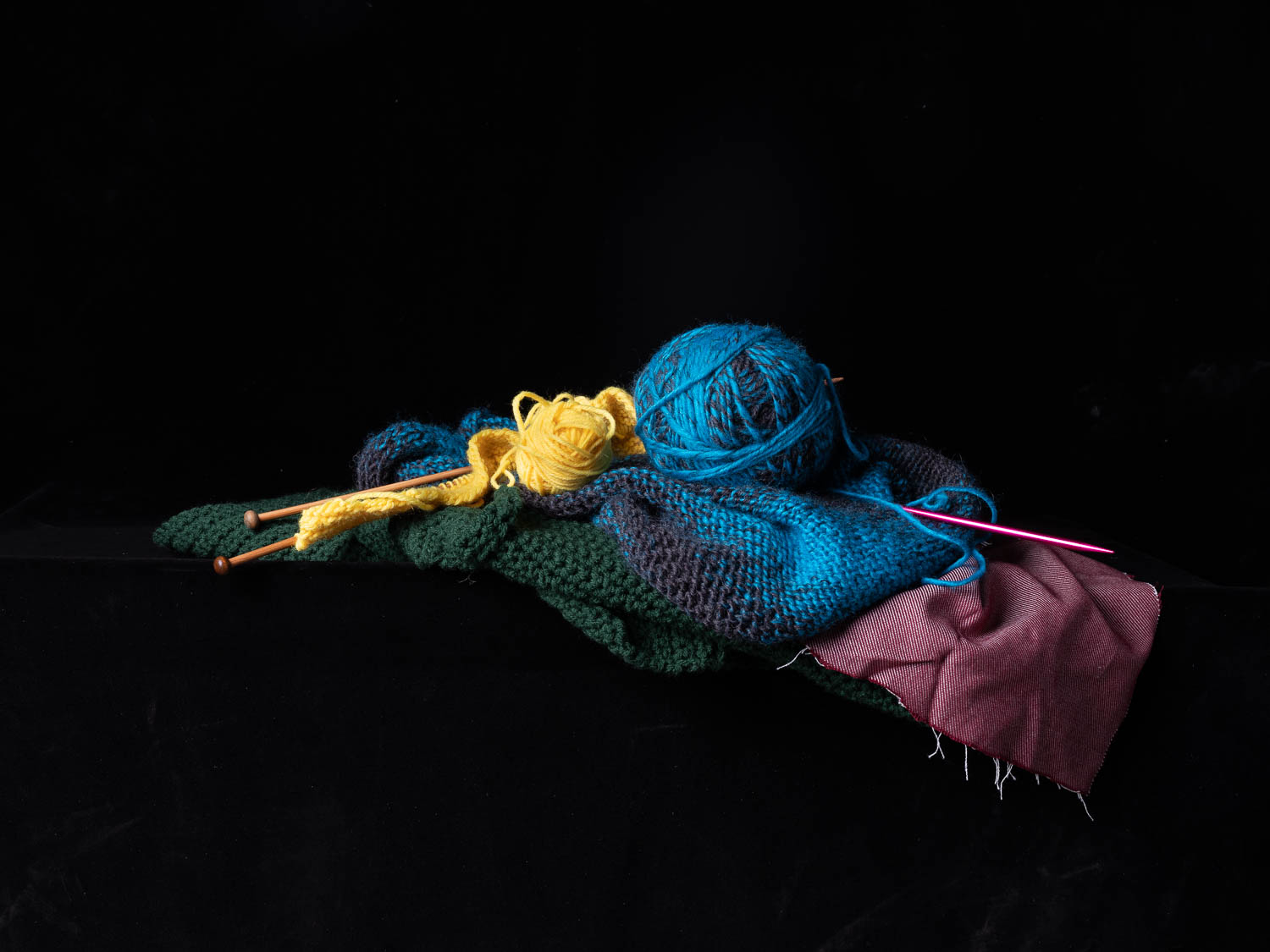
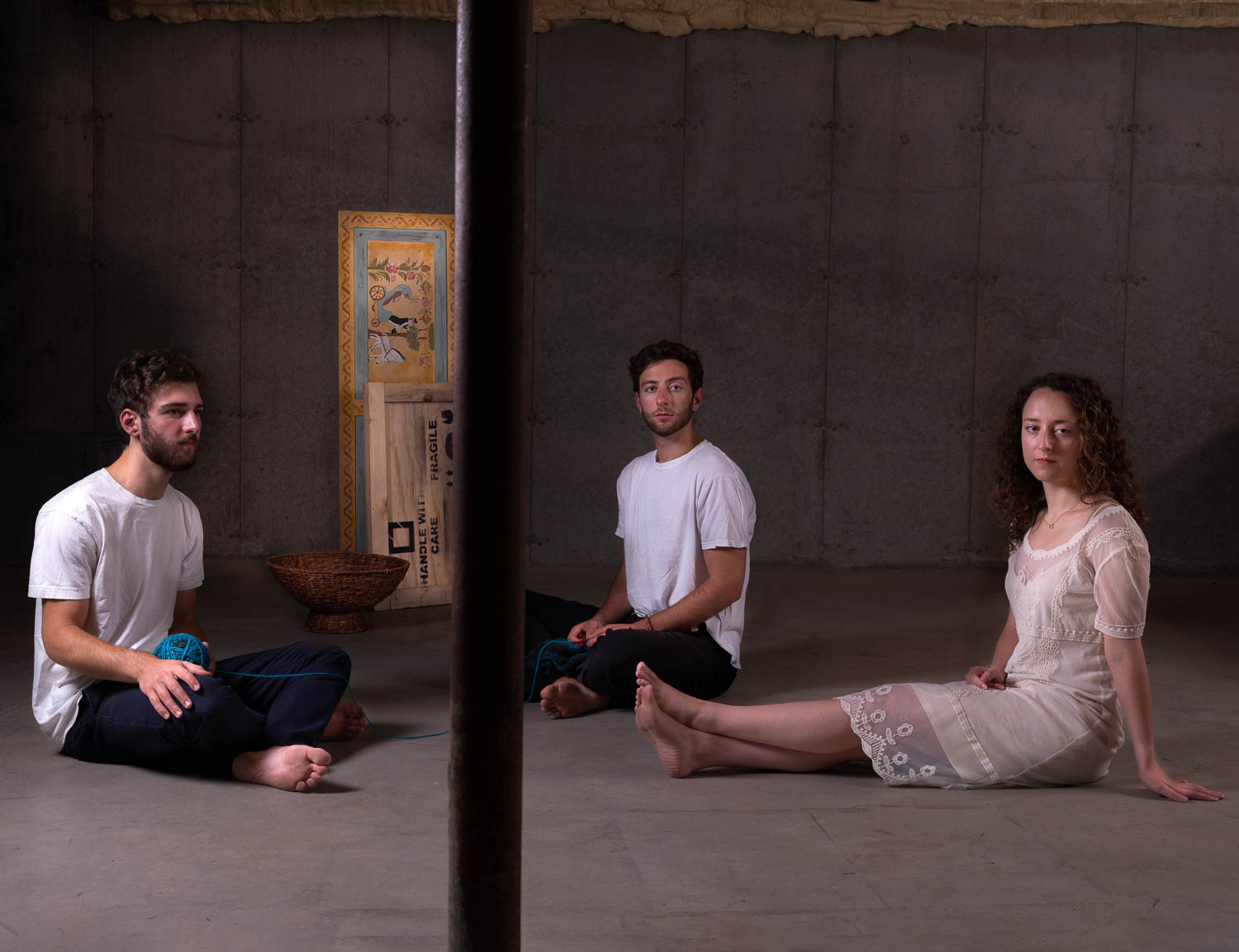
These images, “Homespun,” were made with her family during lockdown, as her children became interested in knitting. They’re reminiscent of Rennaissance stylings, but in a perfectly modern, it’s Covid and we’re hanging out with our adult children in the basement kind-of-way.
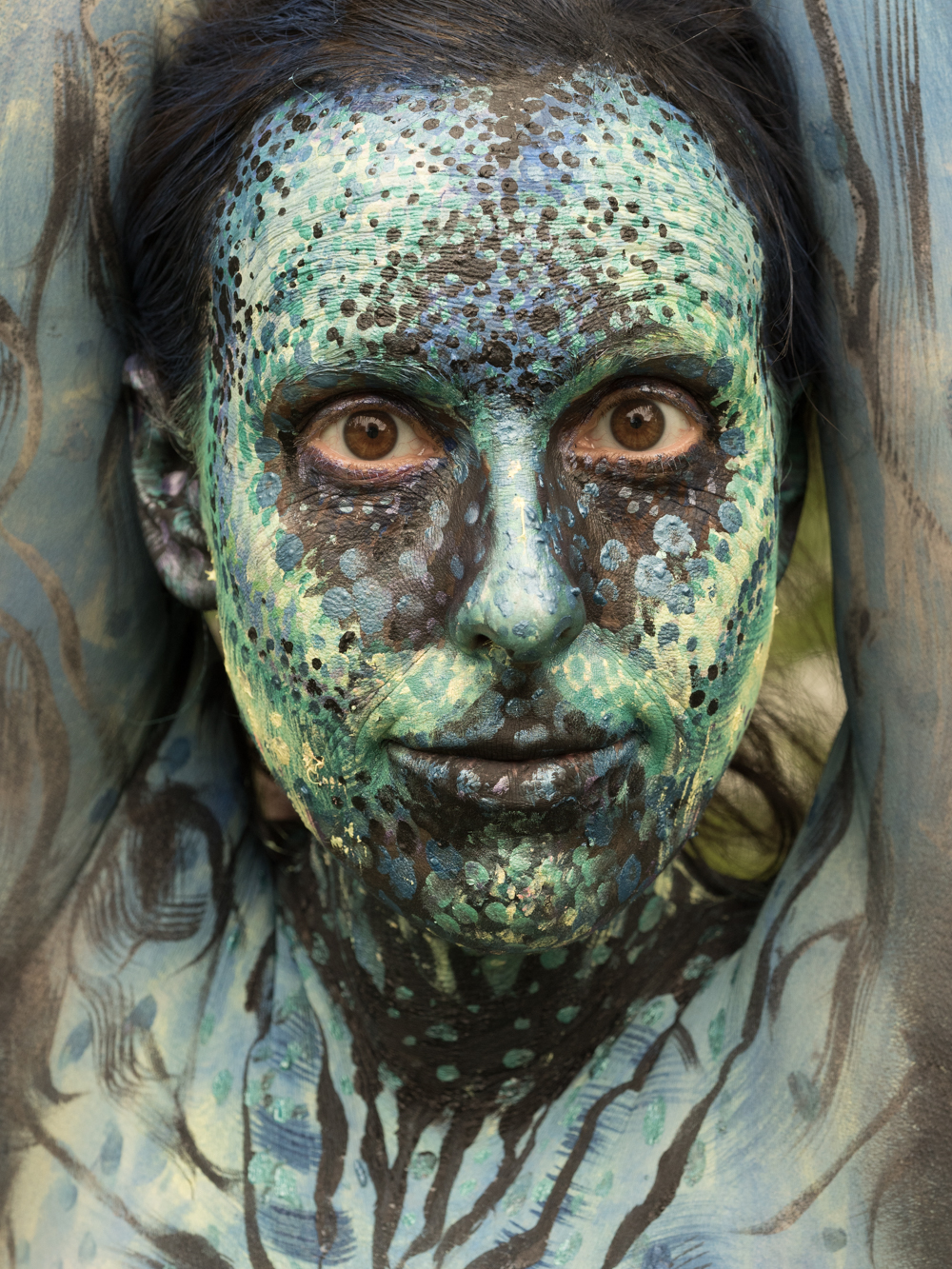
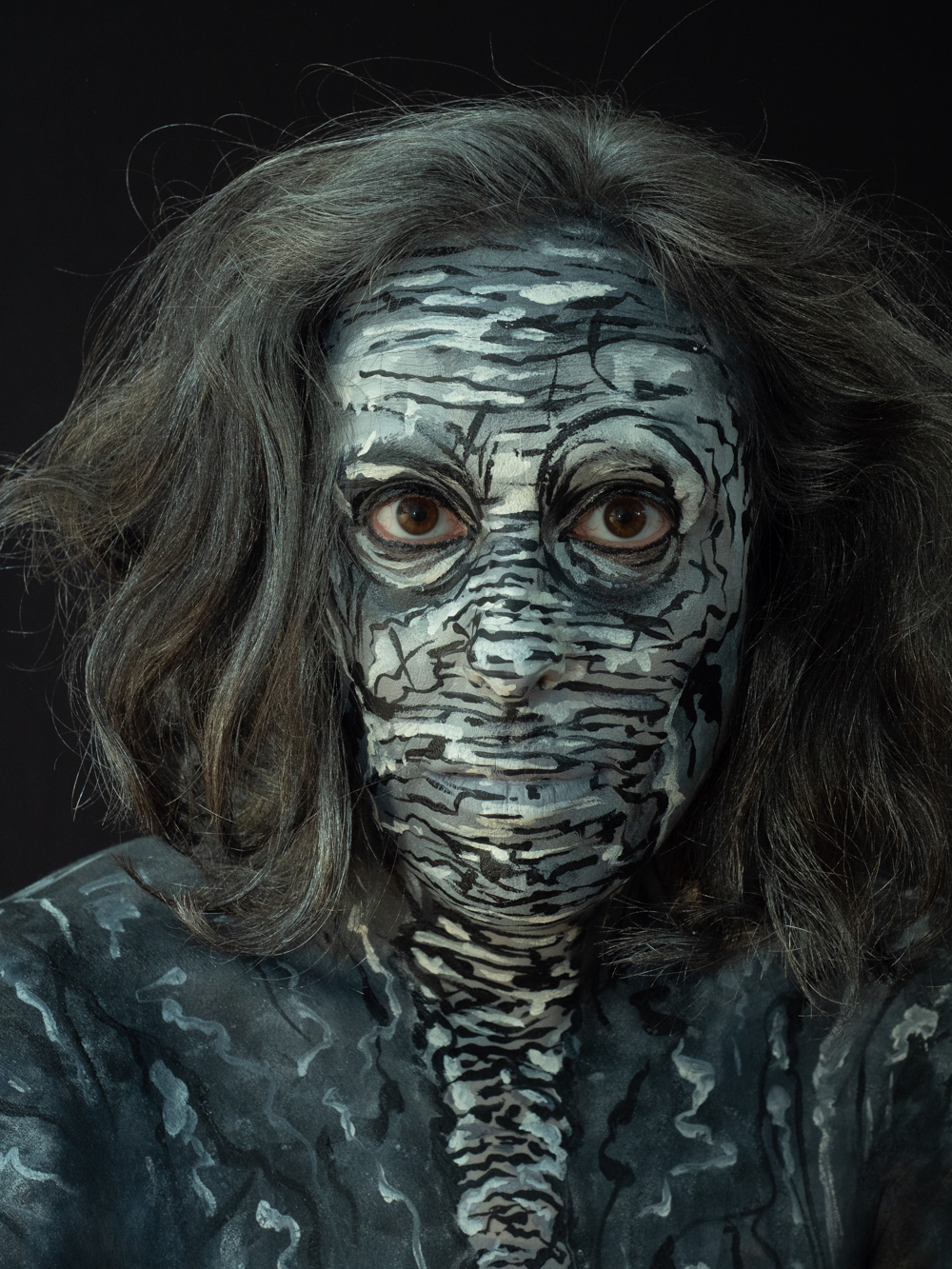
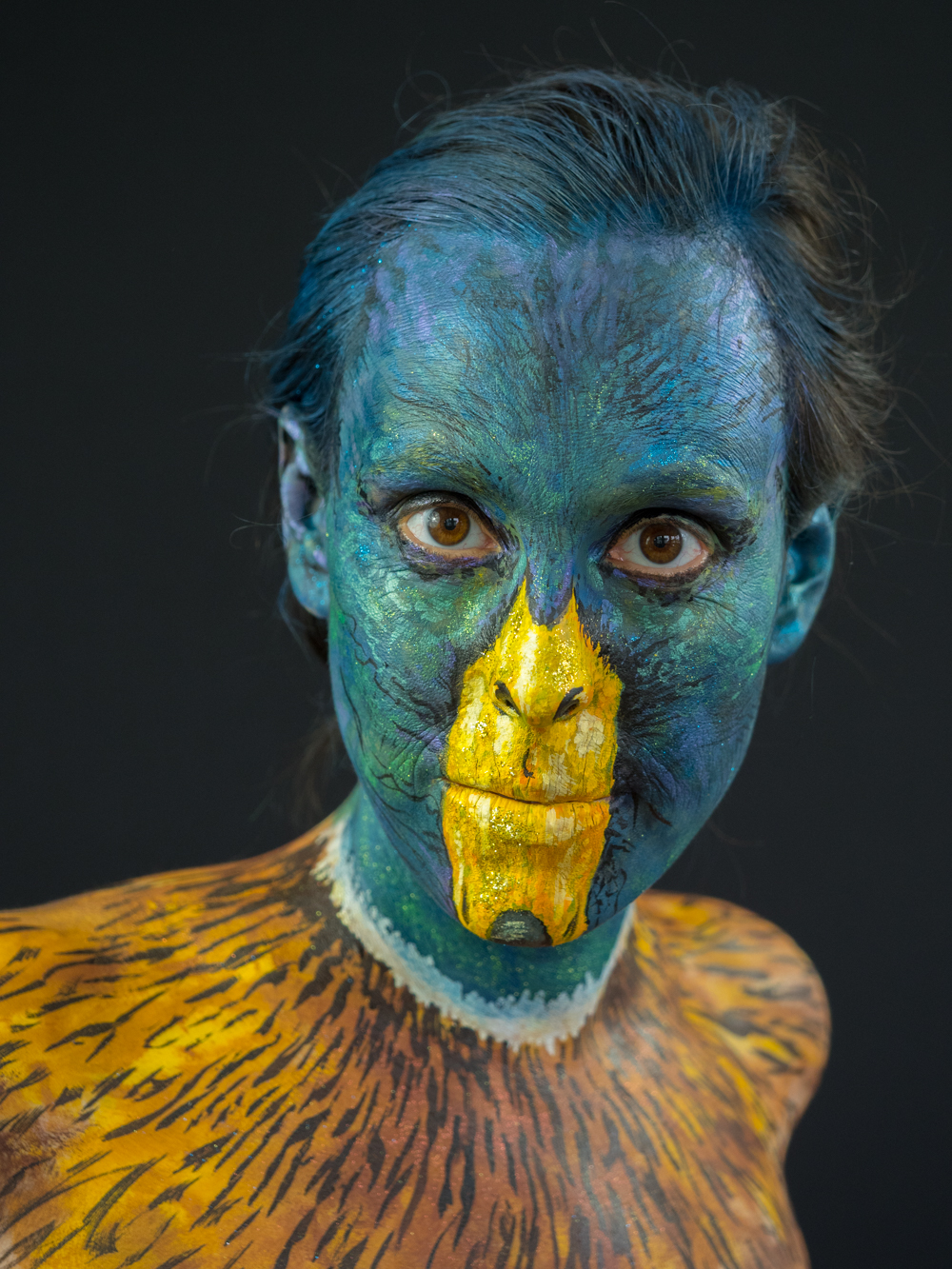
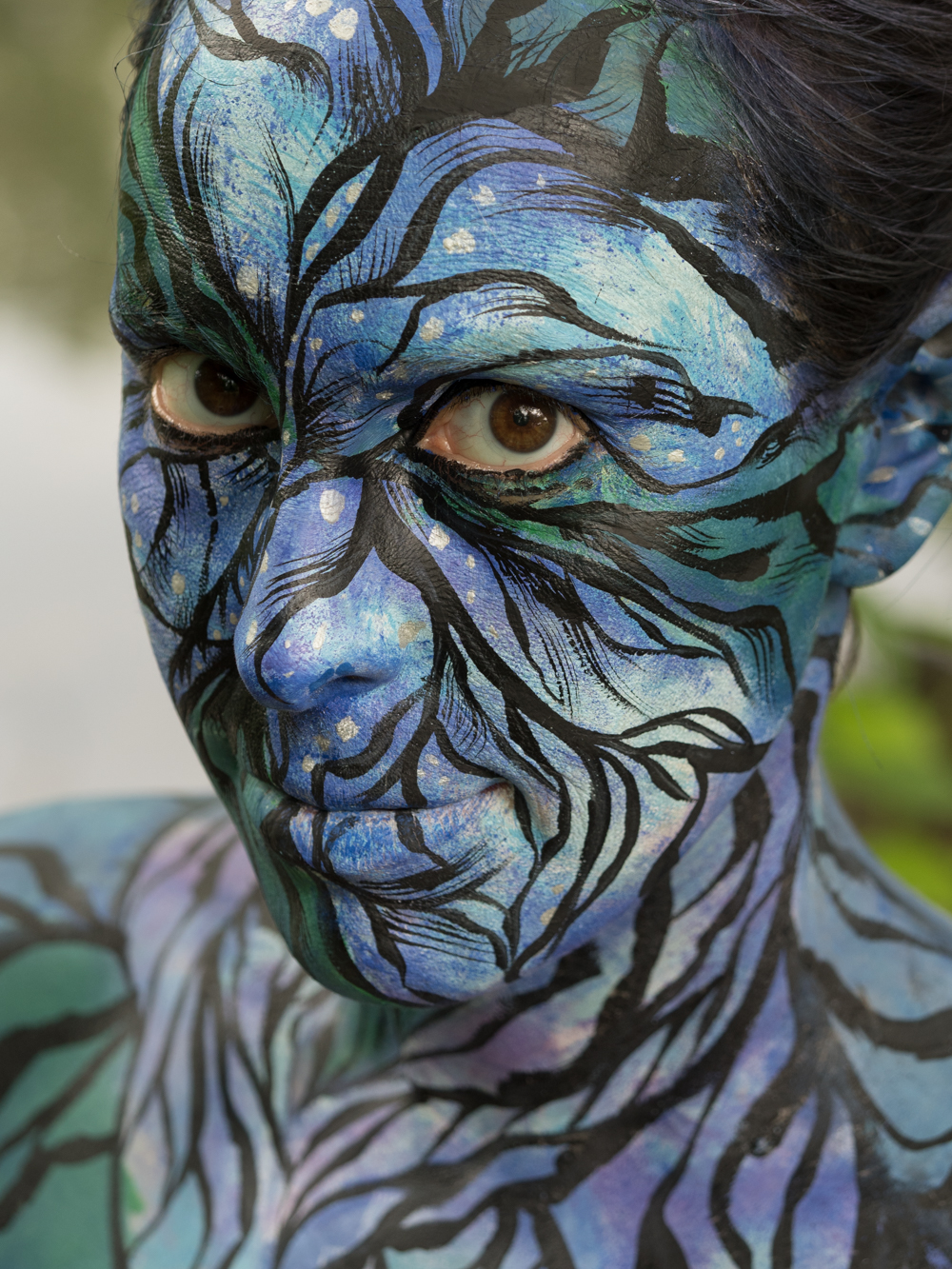
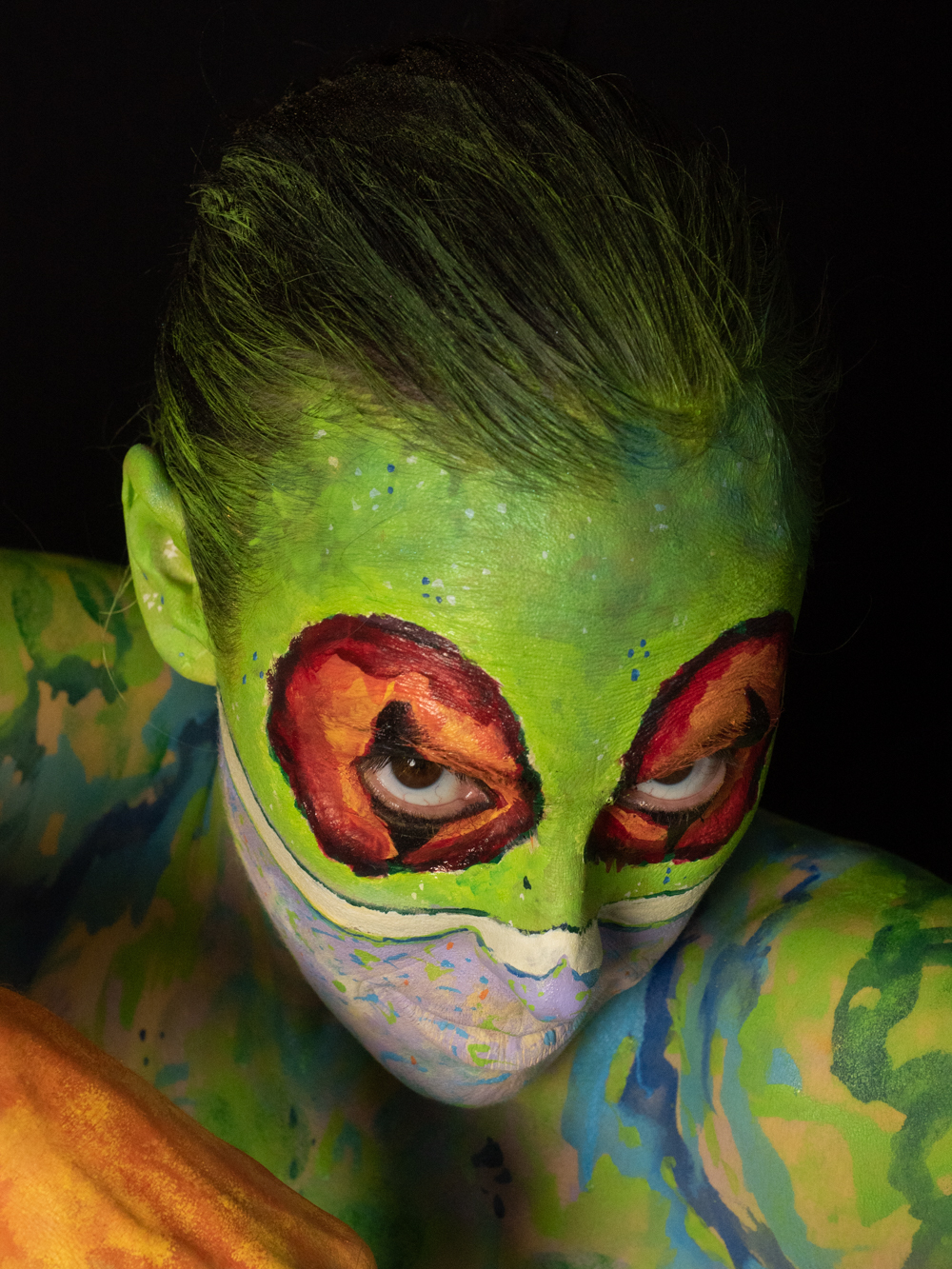
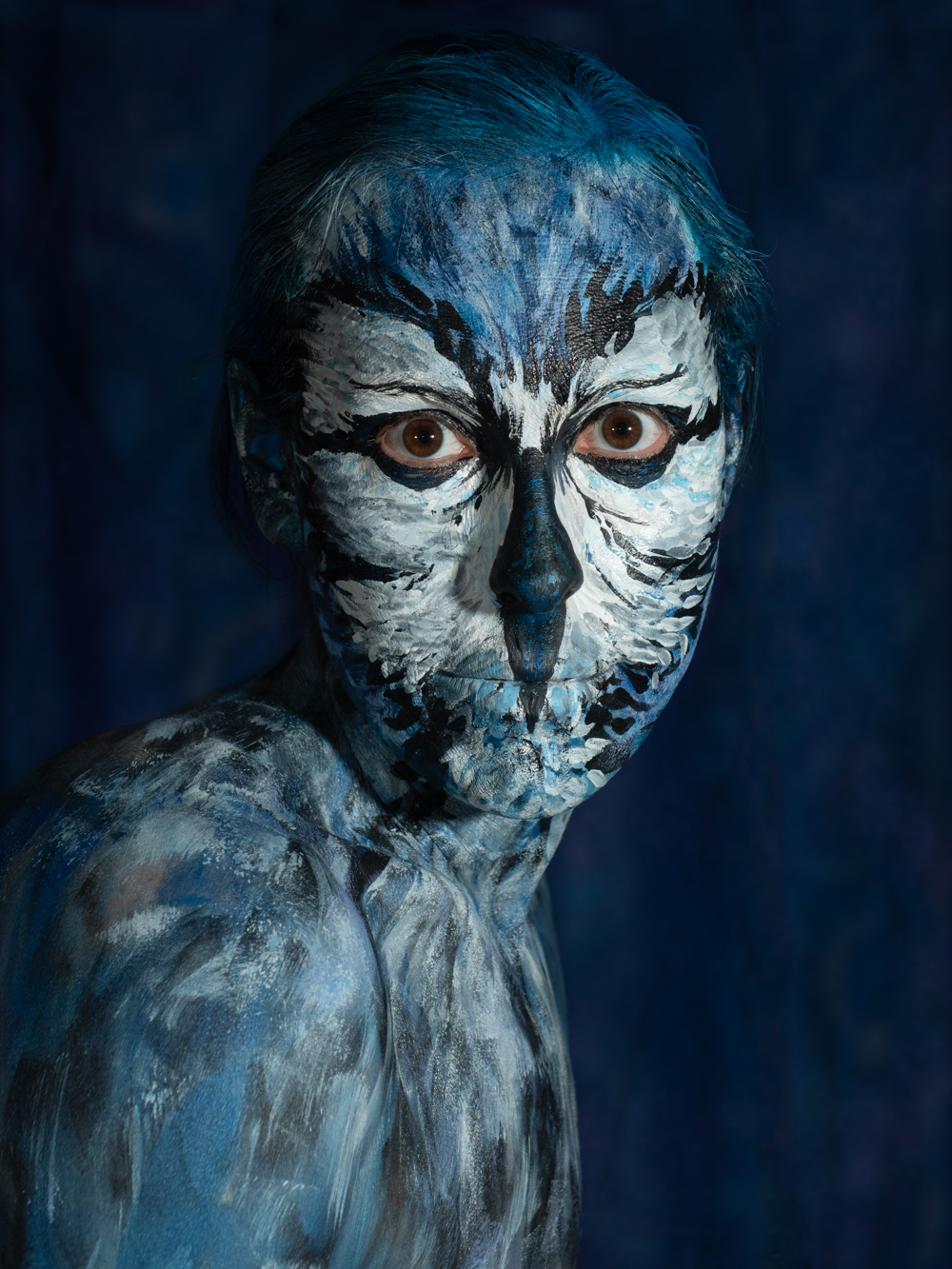
Last, but I promise you not least, we have Shelby Meyerhoff, a multidisciplinary artist who’s also from Massachusetts. Shelby had some of the strangest work I can recall seeing in quite a while, but it’s definitely perfect for Halloween week.
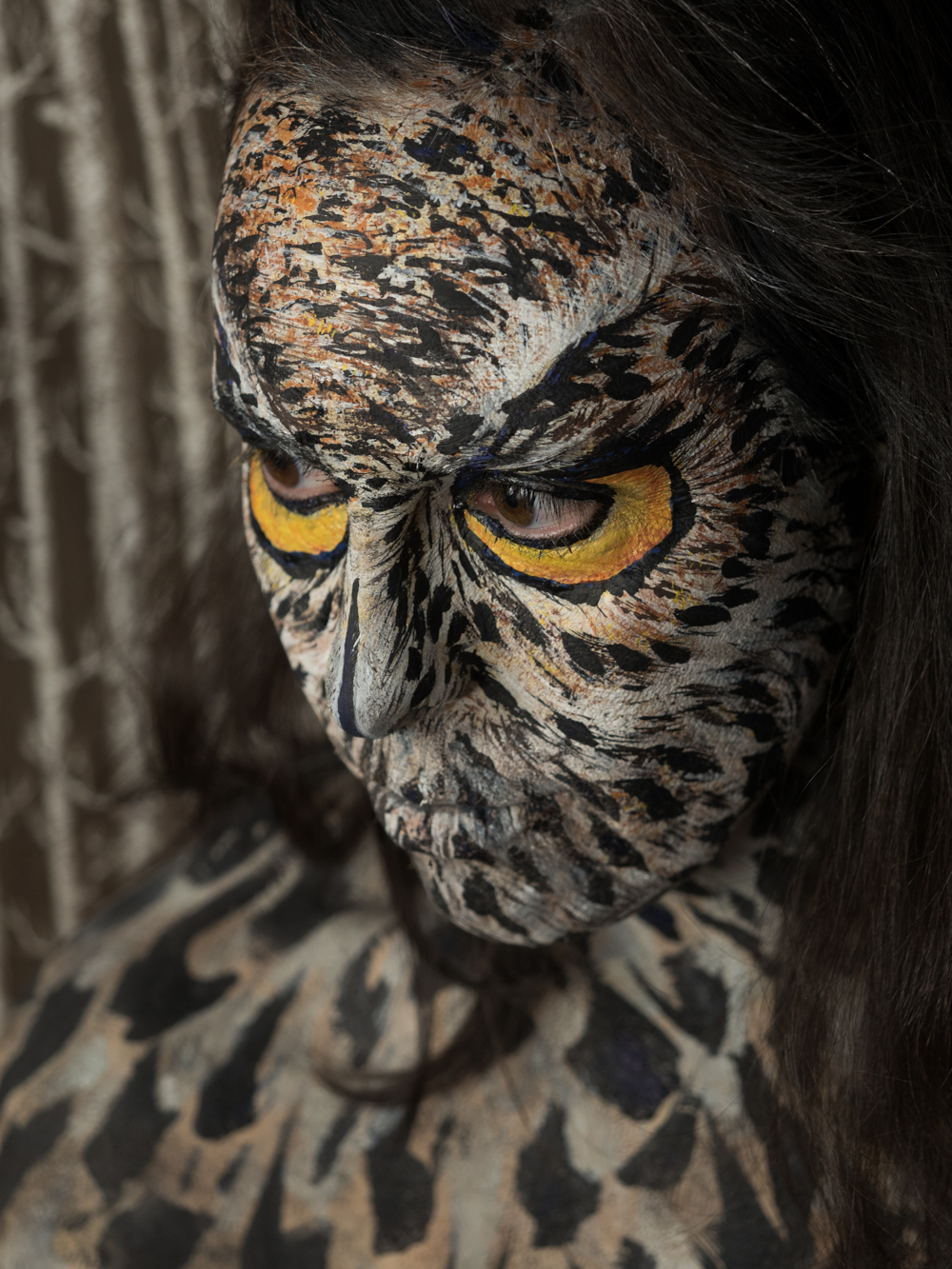
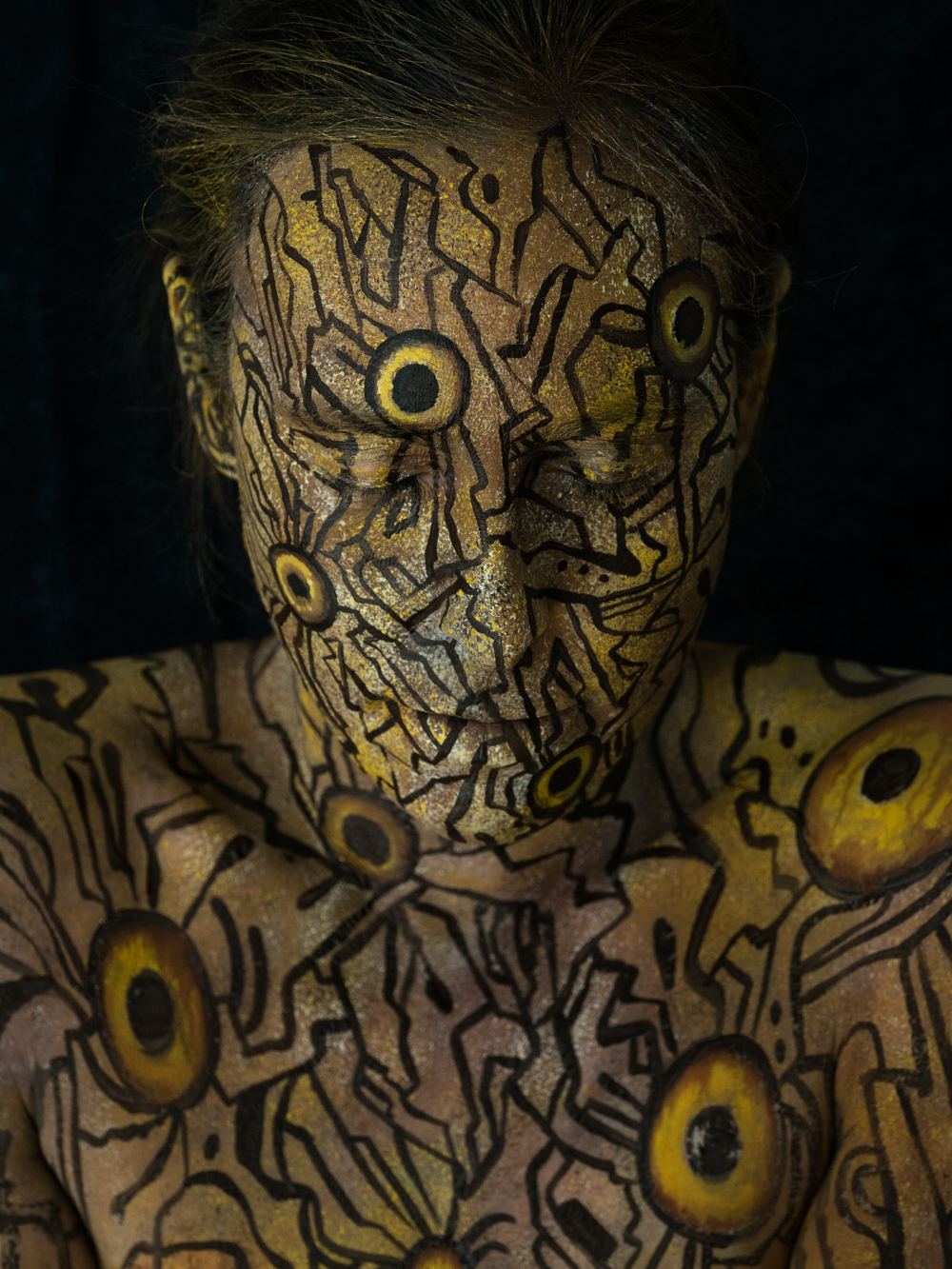
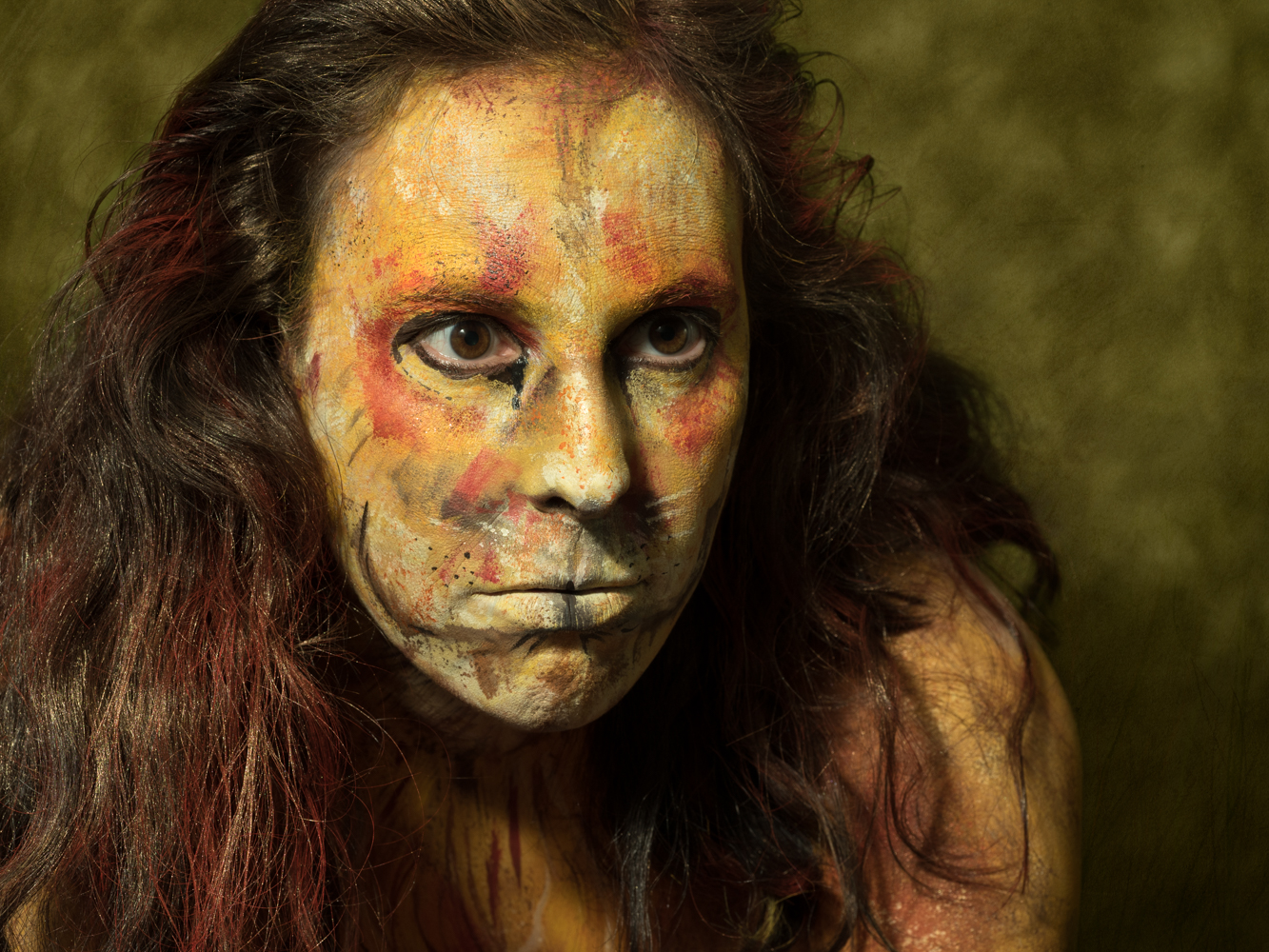
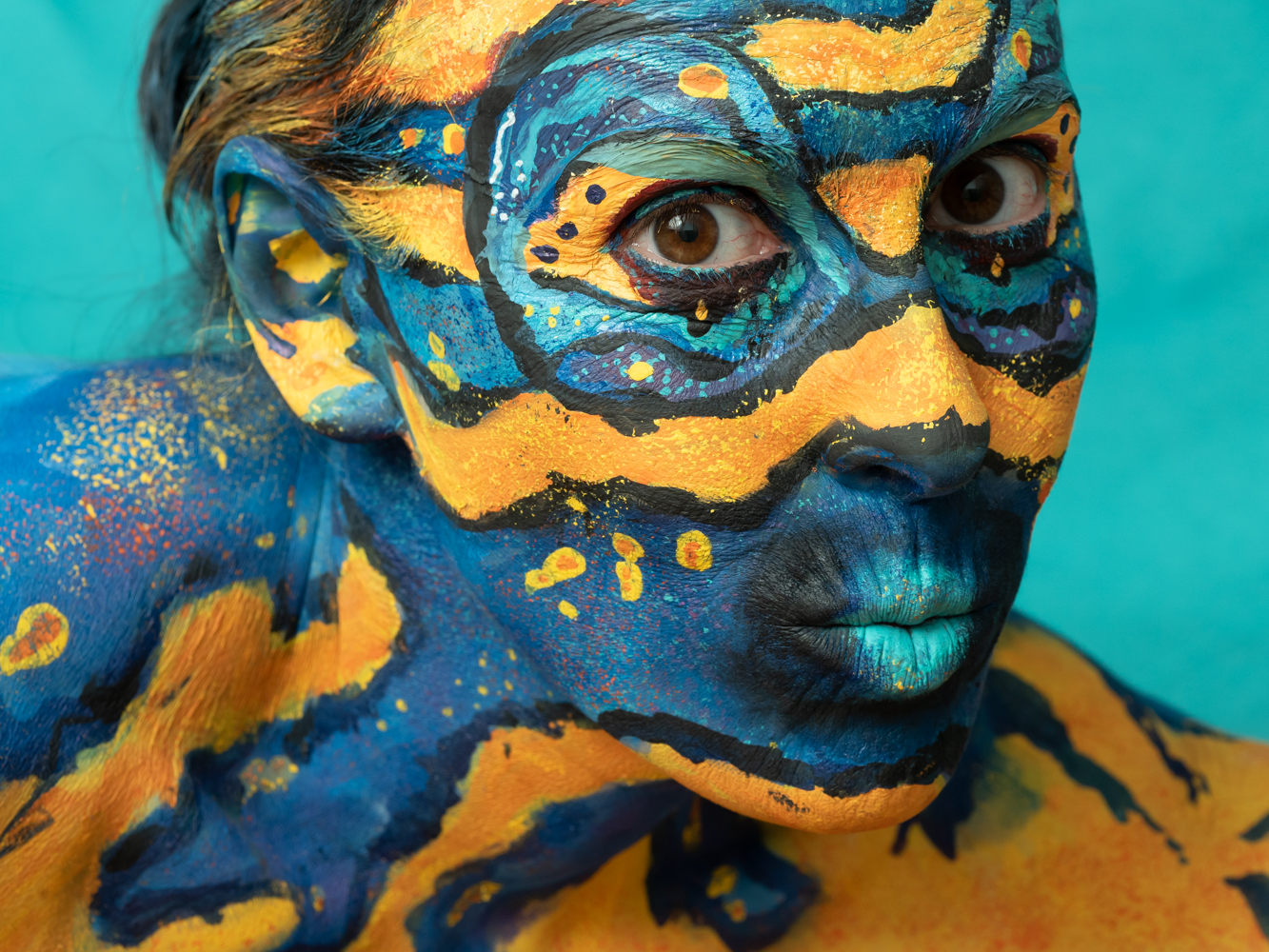
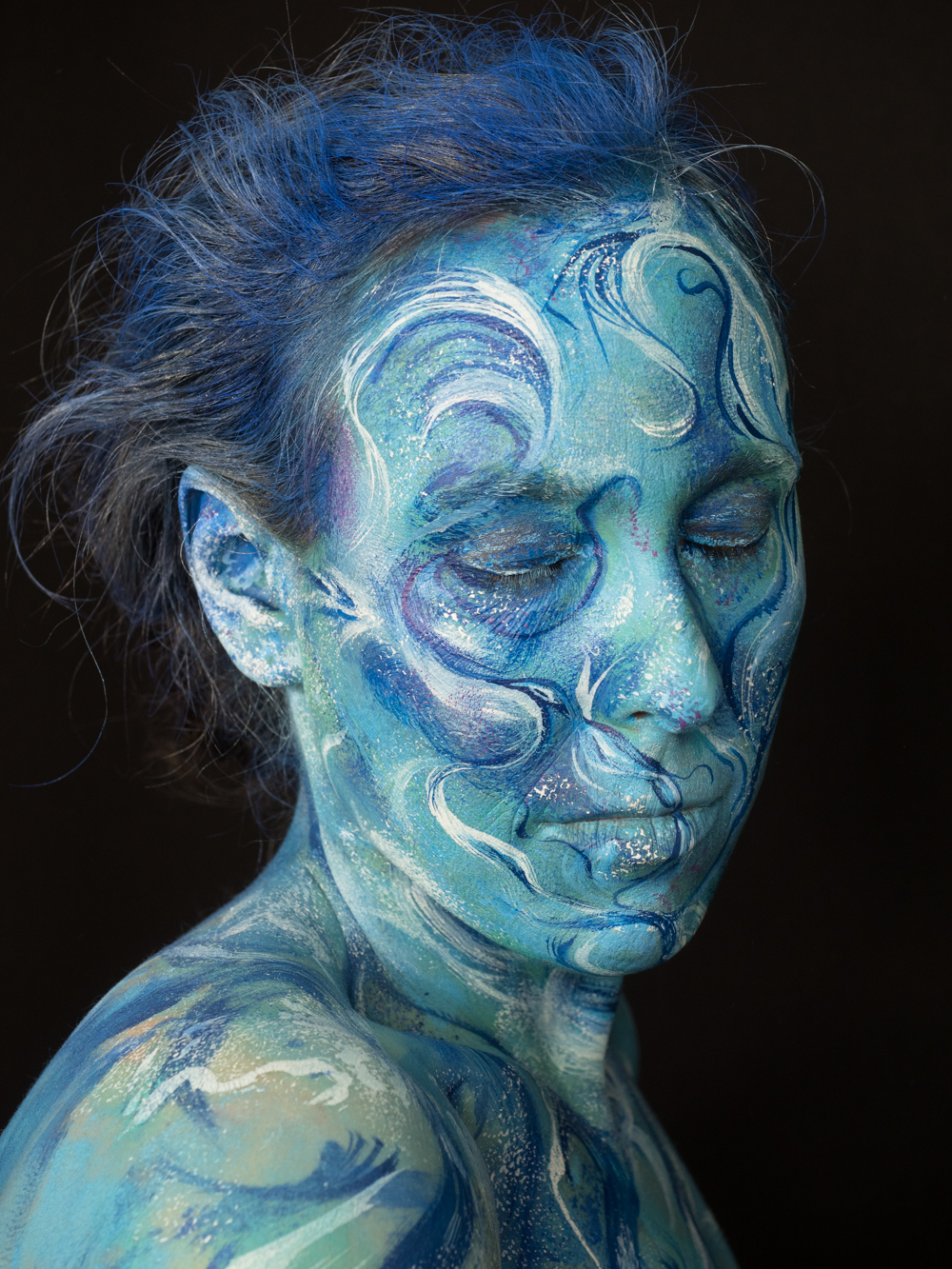
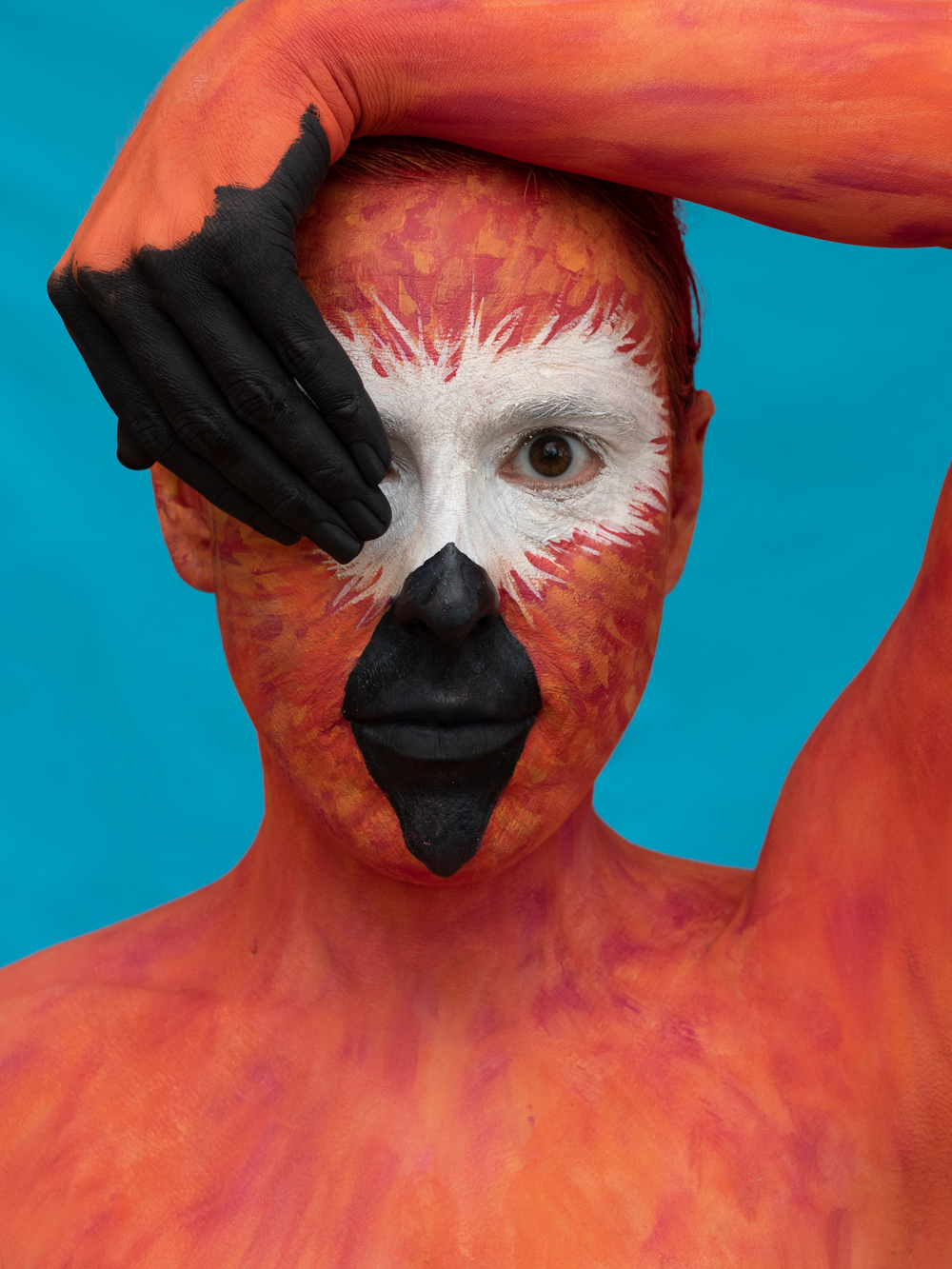
We chatted about trying avoid veering into full-on-kitch, but her selfies painted as animals and nature are weird-wonderful.
The Art of the Personal Project is a crucial element to let potential buyers see how you think creatively on your own. I am drawn to personal projects that have an interesting vision or that show something I have never seen before. In this thread, I’ll include a link to each personal project with the artist statement so you can see more of the project. Please note: This thread is not affiliated with any company; I’m just featuring projects that I find. Please DO NOT send me your work. I do not take submissions.
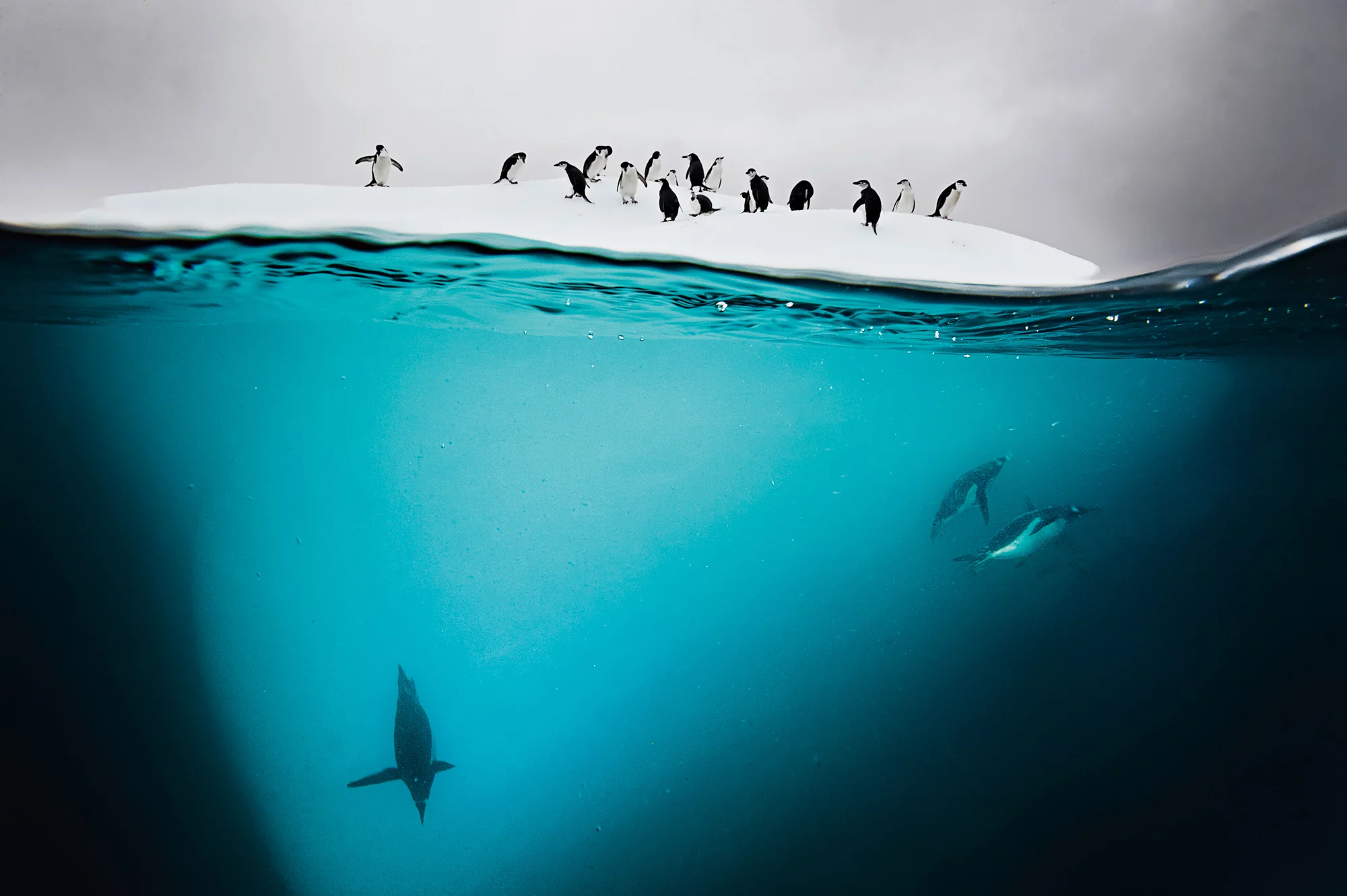
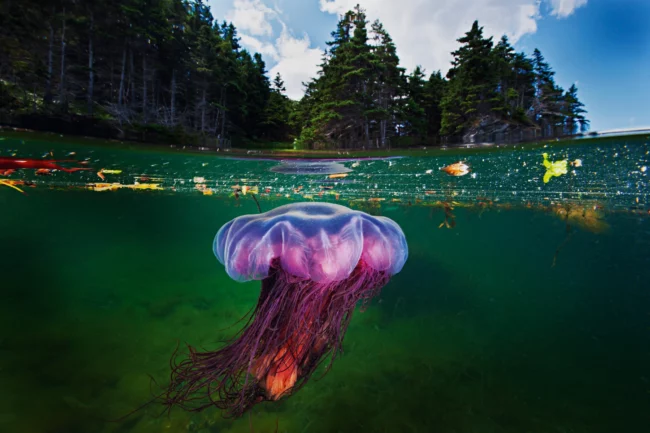
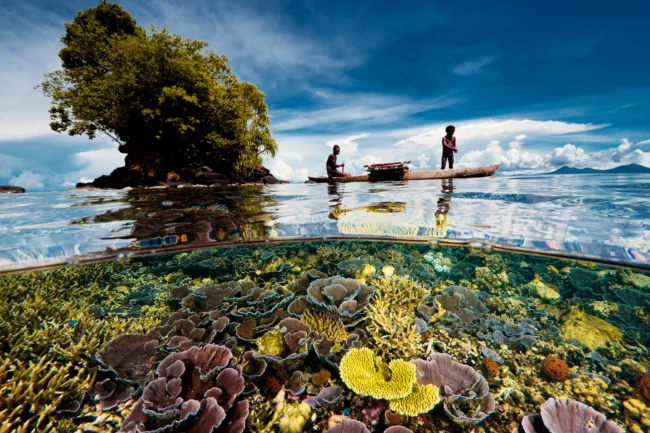
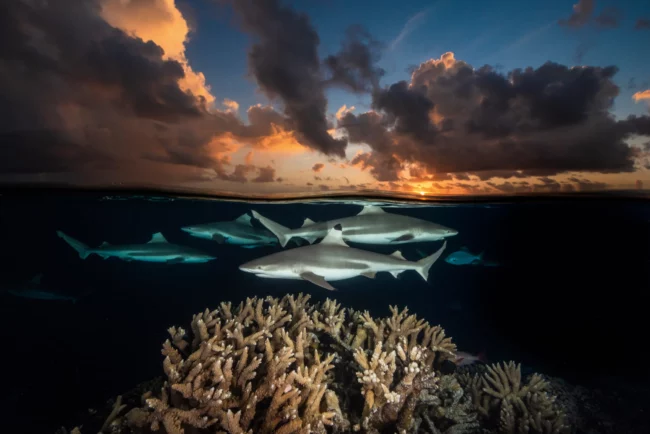
The ocean surface is the thinnest of lines between two worlds—”molecular thin”— underwater photographer David Doubilet calls it. Below is what Jacques Cousteau called “the silent world,” a realm as alien as outer space with galaxies of fish and kaleidoscopic corals as spectacular as the burst of a supernova. Above lies the world of human habitation with the clang and clatter of cars, factories, and fishing fleets, all of which imperil the world below.
Doubilet has married those realms in Two Worlds: Above and Below the Sea(Phaidon) to be published on November 3. The images, relating those “two worlds,” are a particular passion made over a trajectory of 50 years of underwater photography for National Geographic. We spoke with Doubilet by phone. The interview has been edited and condensed for clarity.
A hat tip to Jacques Cousteau who inspired you: “Civilization vanished with one last bow,” he wrote of moving from the cacophony of the world above to the silence below. But you also brought your own experience to the worlds of air and water at an early age. You were 8 years old when you asked your parents for a mask and fins…
I had devised a daring plan to circumnavigate the jetty at the Ocean Beach Club on the Jersey shore. While I was out there, I was spotted by a screaming lifeguard. I sank until I could see, but not hear, him and discovered I could be in two worlds at one time. I could see him red-faced, blowing his whistle, and could look down at this world of green shafts of light and see tautogs admiring my new flippers. It was a world I wasn’t just happy in, but comfortable in as well. It was all mine.
That was a first step on the road to what you call “the unalloyed joy of making images underwater.” Talk about the role technology played in creating these over/under photographs.
They were made possible by the invention of an underwater camera housing called the OceanEye by National Geographic photographer Bates Littlehales. I began making these [above/below the sea] pictures on every assignment. I realized I could create a window into the sea, a way to invite people through a portal into a world just out of their sig
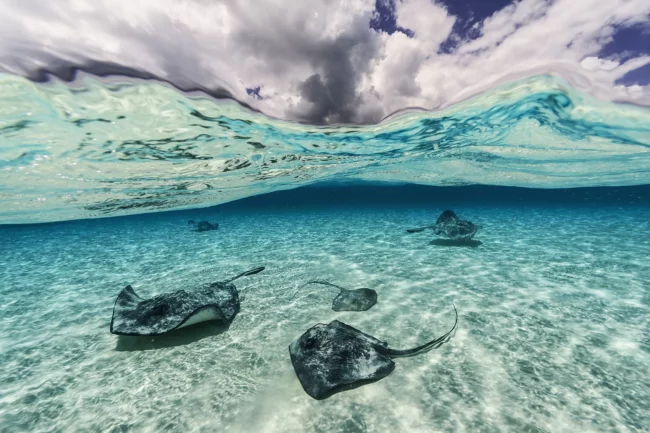
One of your memorable half and half images was made in the Cayman Islands: stingrays below; clouds above.
Want to see the power of the photograph? When National Geographic ran the story, everyone went to the Caymans to see the stingrays. Now thousands of people a day get off cruise ships [before COVID, at least] to meet those gentle ocean ambassadors and go home thinking and talking about them.
With half a century of underwater photography and more than 77 stories under your weight belt, you’ve had an unprecedented opportunity to compare then with now. Let’s consider the Great Barrier Reef. What changes have you witnessed?
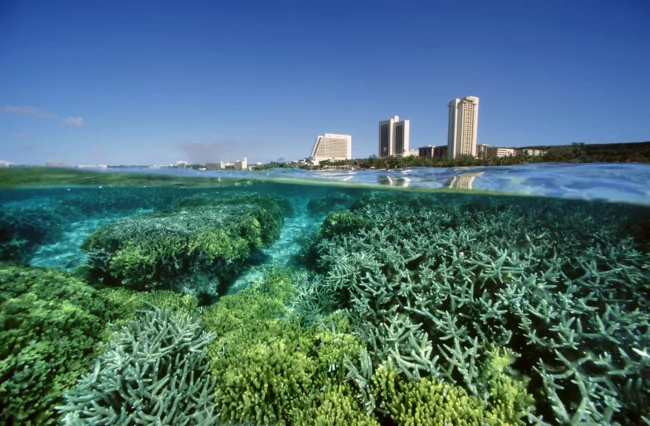
We did a Great Barrier Reef story in 2001, then another in 2009. Reefs are the glory of the planet. They are the most vivid and visually diverse environment in the world. I always think of coral as weightless architecture if an architect didn’t have to worry about gravity. One of the best examples was Opal Reef off Port Douglas [Australia] one of the places the snorkeling boats went to. It was dreamlike. When we went back in 2018 that section of reef was devastated. We made those 2009 pictures with the same crew, so we knew we were in exactly the same place — a 5,000-year-old reef dead in eight or nine years!
Climate change strikes again. Explain how that impacts reefs.
If you want to know what climate change looks like, look at a reef. Reefs are the thermometers of the world. When the water gets more than 89 degrees and does so repeatedly, the algae that lives inside and powers the coral—a kind of underwater photosynthesis—is expelled. The coral turns white, a process known as bleaching. The reef becomes a boneyard. But the ocean has resilience. Scientists like Peter Harrison in Australia are working on ways to reseed and reconstitute reefs.
So, all is not lost?
There’s always hope. We can change. We can improve things. As of January 2020, 80% of Palau’s waters are protected— an island nation preserving their reefs for the next generation. In 2011, the Bahamas became a shark sanctuary, setting an example that a living animal is more valuable than a dead one.
Though you are most often associated with images made in tropical waters, the book includes some spectacular photos of icebergs.
I came late to the ice. An iceberg is a metaphor of the ocean. There’s a little bit above which we can see and understand, and the rest is out of sight. You are also talking climate change. As glaciers melt more and more icebergs are being produced.
You’ve called natural history photographers like yourself the frontline reporters of the world.
The greatest story on earth is the earth itself. It’s all we have. There is no Plan B.
Cathy Newman is a former editor at large at National Geographic whose work has appeared in The Economist, The Wall Street Journal and Science. Follow her on twitter @wordcat12.
Zayrha Rodriguez photo edited and produced this piece. Follow her Instagram @zayrharodriguez.
APE contributor Suzanne Sease currently works as a consultant for photographers and illustrators around the world. She has been involved in the photography and illustration industry since the mid 80s. After establishing the art-buying department at The Martin Agency, then working for Kaplan-Thaler, Capital One, Best Buy and numerous smaller agencies and companies, she decided to be a consultant in 1999. She has a new Twitter feed with helpful marketing information because she believes that marketing should be driven by brand and not by specialty. Follow her at @SuzanneSease. Instagram
Success is more than a matter of your talent. It’s also a matter of doing a better job presenting it. And that is what I do with decades of agency and in-house experience.
I don’t have one submission left from 2020, but three. (Well, two after today.)
As you know, I review exhibitions, write about photography festivals, and share travel stories throughout the year, so I’m not able to get through my book stack as quickly as I’d like.
We’re fortunate that artists keep sending books in, for my perusal, but it means occasionally a book will linger here, in the stack, and for that I apologize.
Therefore, while I mix in tales from Chicago, (the trip was awesome,) I’ve decided the next books I review will be the ones that came in last year.
(It’s time.)
Today, though, we’ll be looking at a submission I purposely sat on, as I wasn’t ready to write about it until now.
As I got home after Midnight Monday morning, and have been going non-stop ever since, I hope you’ll allow me a more direct, less metaphorical transition.
There’s an English expression I like, where they just say two words: “Needs must.”
So there we are.
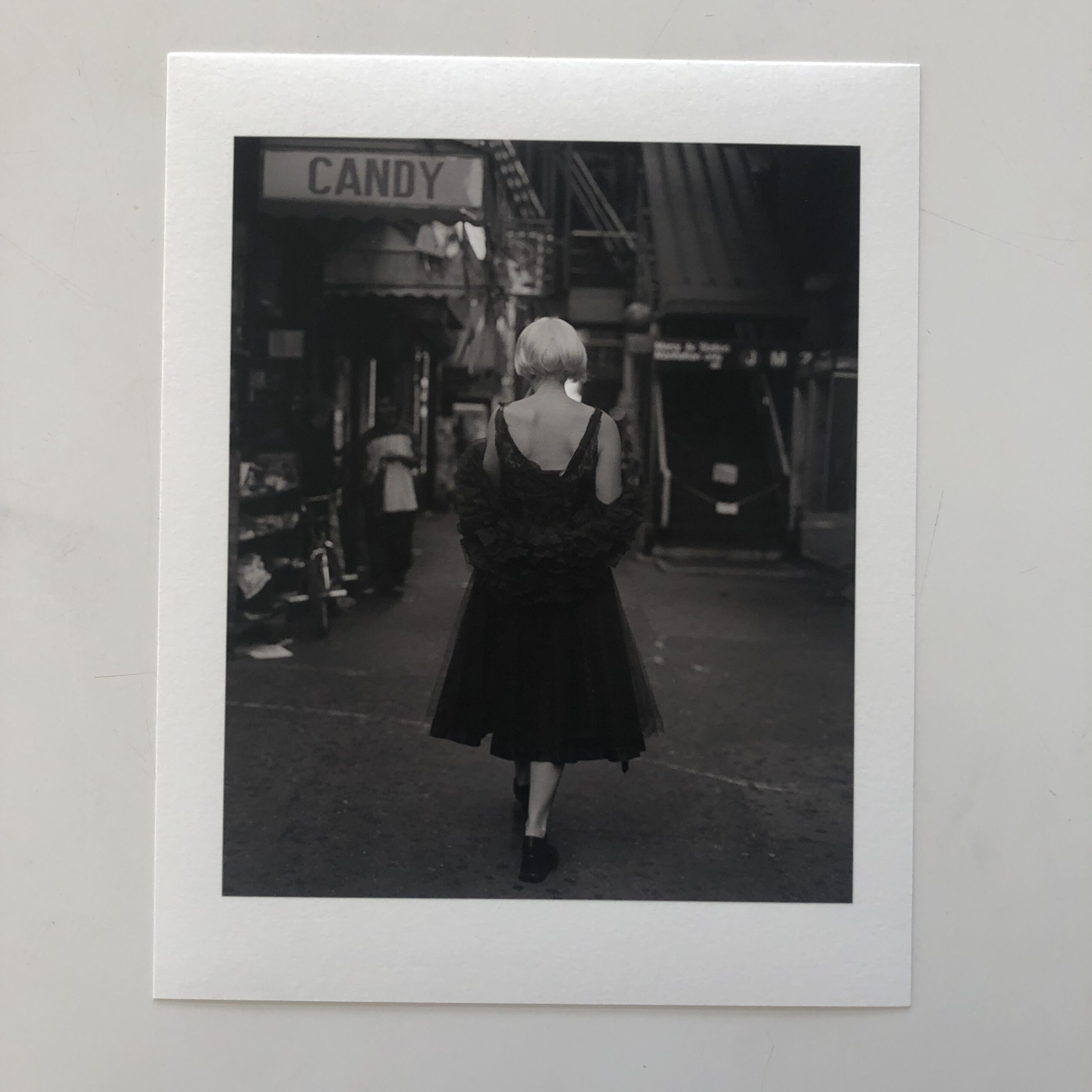
I reviewed a book by Portland artist Jason Langer years ago, and we remained in touch. I was enamored of his “timeless” style, as he often makes black and white photographs that appear conjured from the 19th Century.
It’s a “look,” I suppose, and of course removing 21st Century temporal artifacts helps as well.
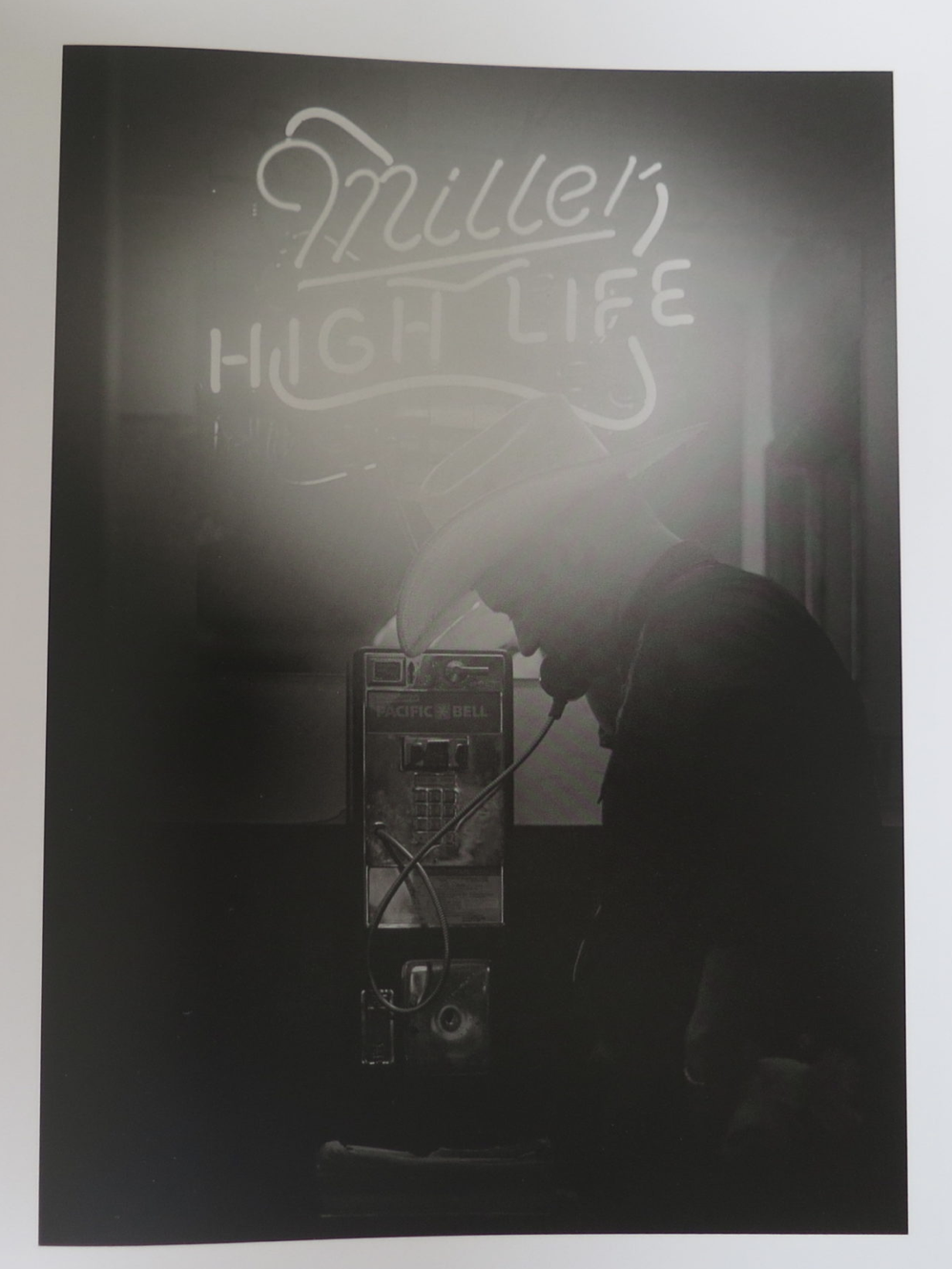
Sometimes, even when the details are current, (or end of the 20th Century,) they still feel ripped from the space-time continuum, as I vividly recall an image he took of a cowboy at a payphone in a bar in San Francisco, and it stuck in my memory banks.
Payphones?
Kids today don’t even know what the hell those are. (Just ask Eric Kunsman, he’ll tell you.)
But back in the summer of 2020, I wrote an article discussing male photographers, and the power dynamic imbalance when they photograph naked women, after stumbling upon an almost soft-core-porn Instagram account.
(I’m rarely naive, but really, I had no idea those things are out there.)
Whether it was via email or Facebook, I can’t recall, but Jason, who’s photographed nude men and women for years, reached out, saying he thought it was a far-more-nuanced conversation, and could he send me something that might open my mind a bit?
I said “Sure,” because that’s how I roll.
And here we are.
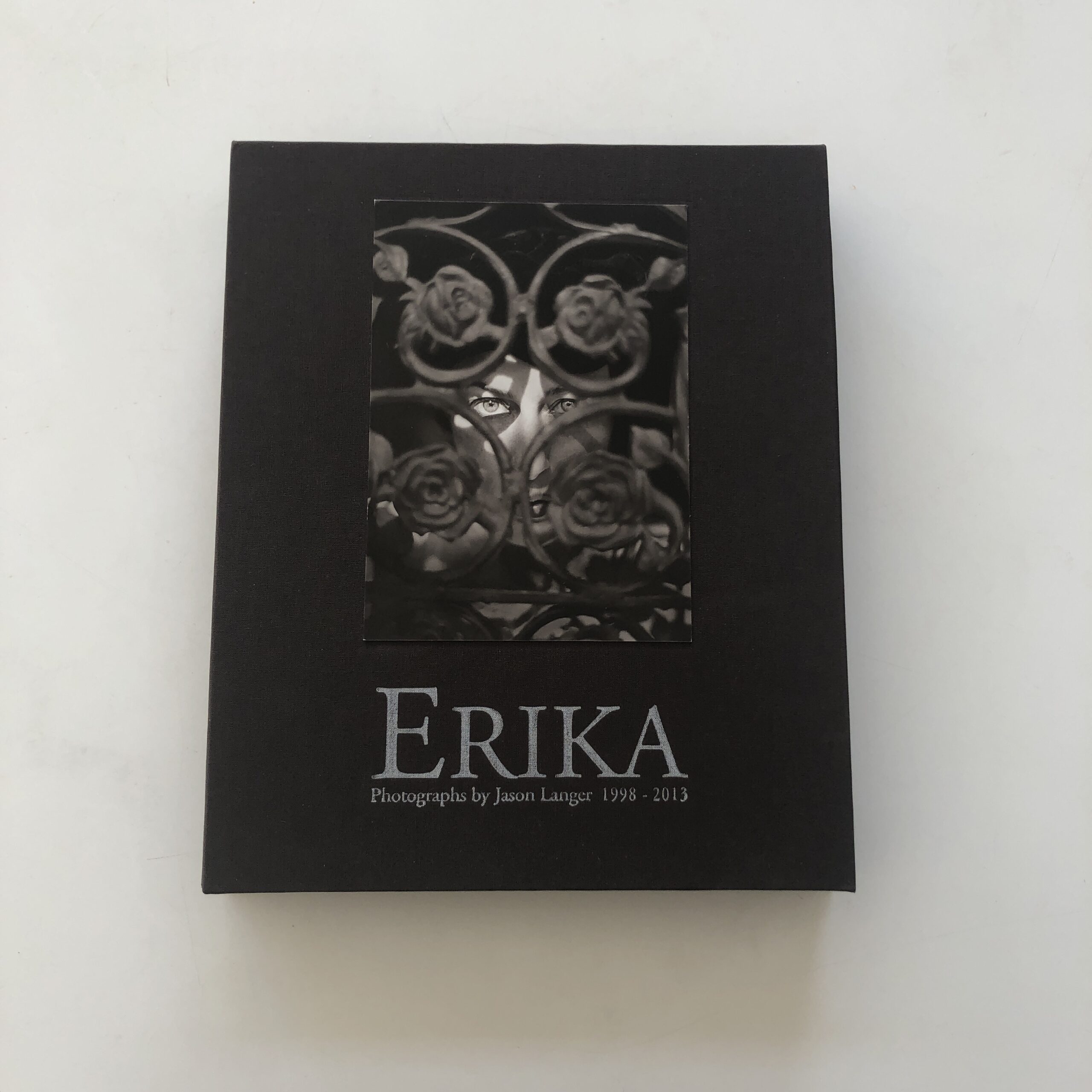
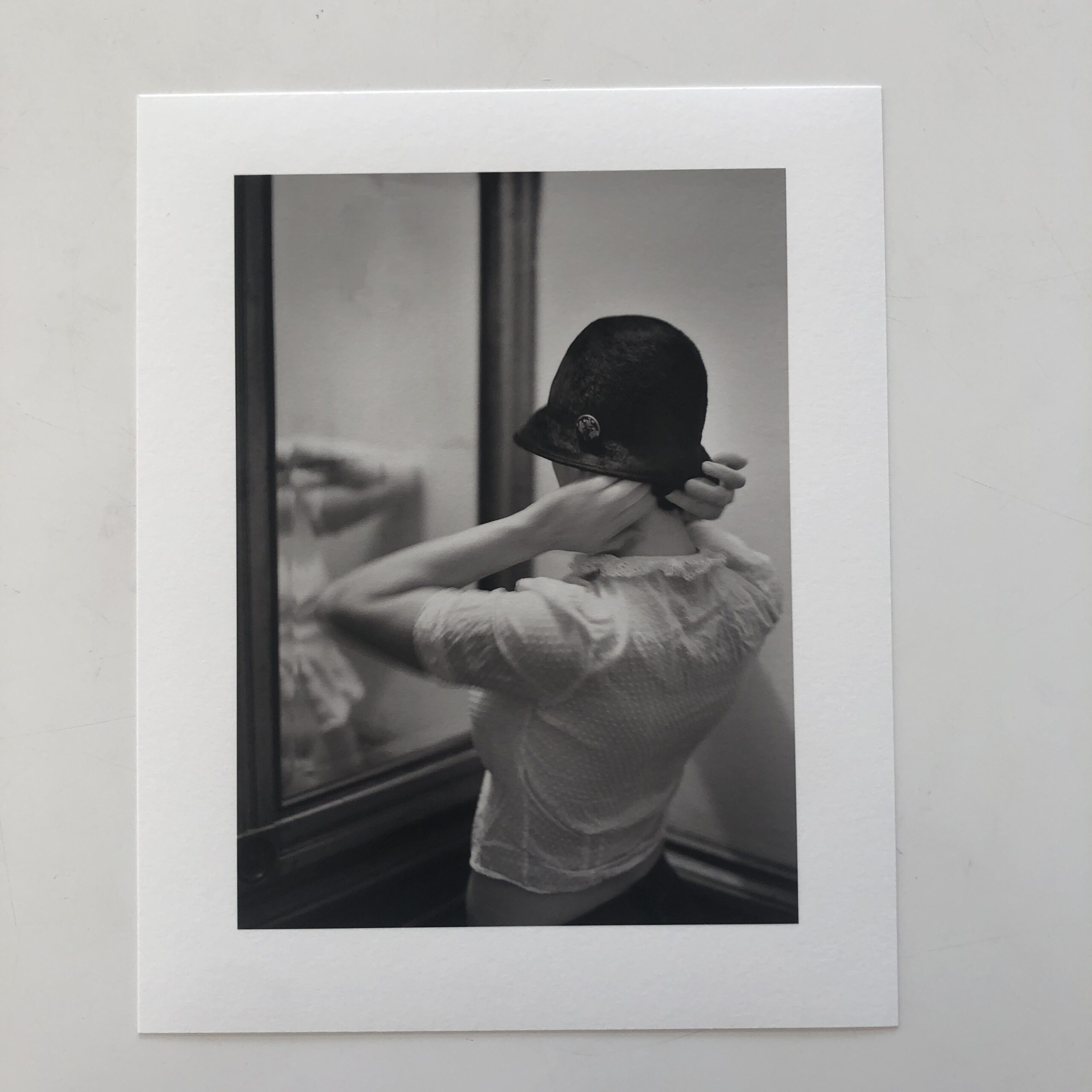
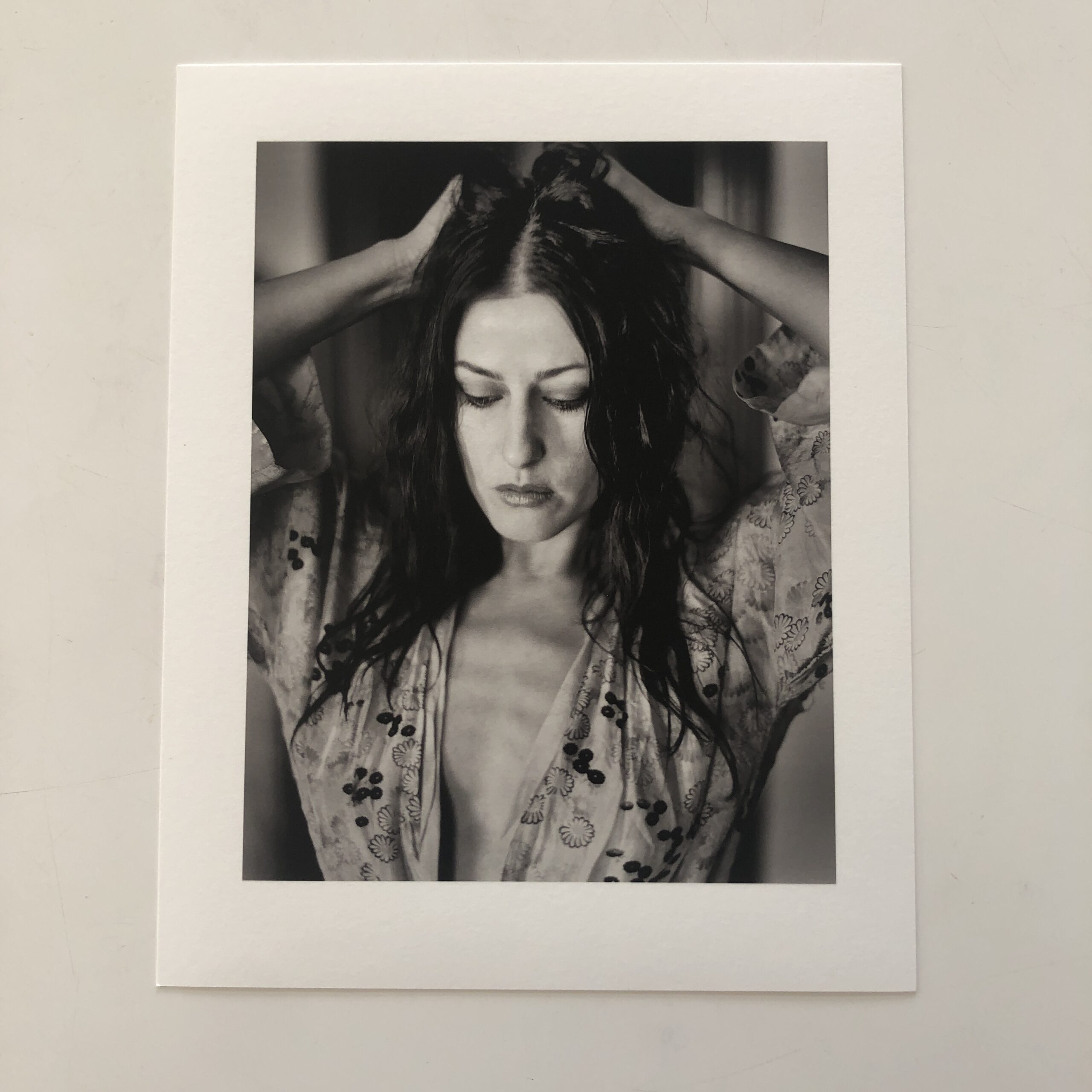
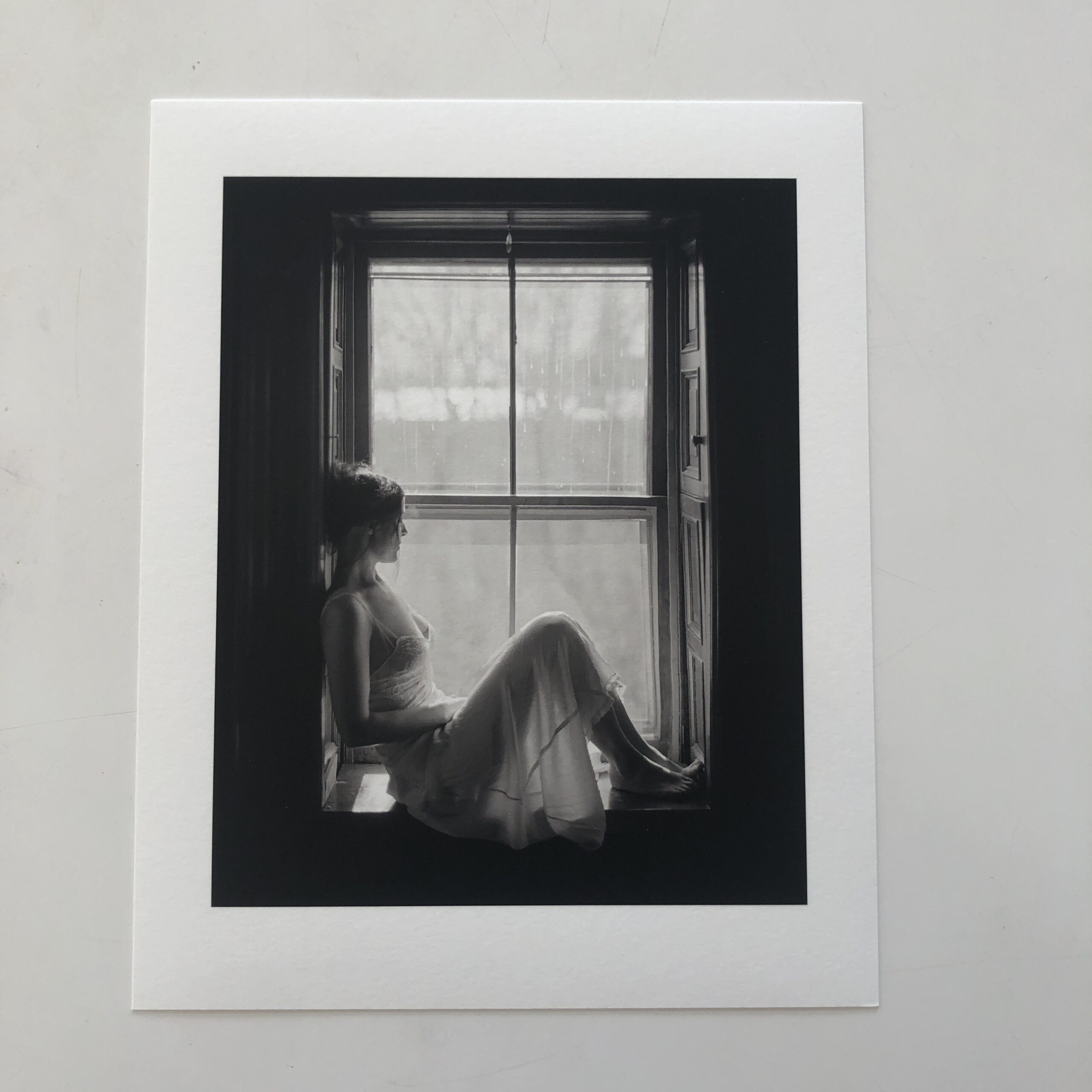
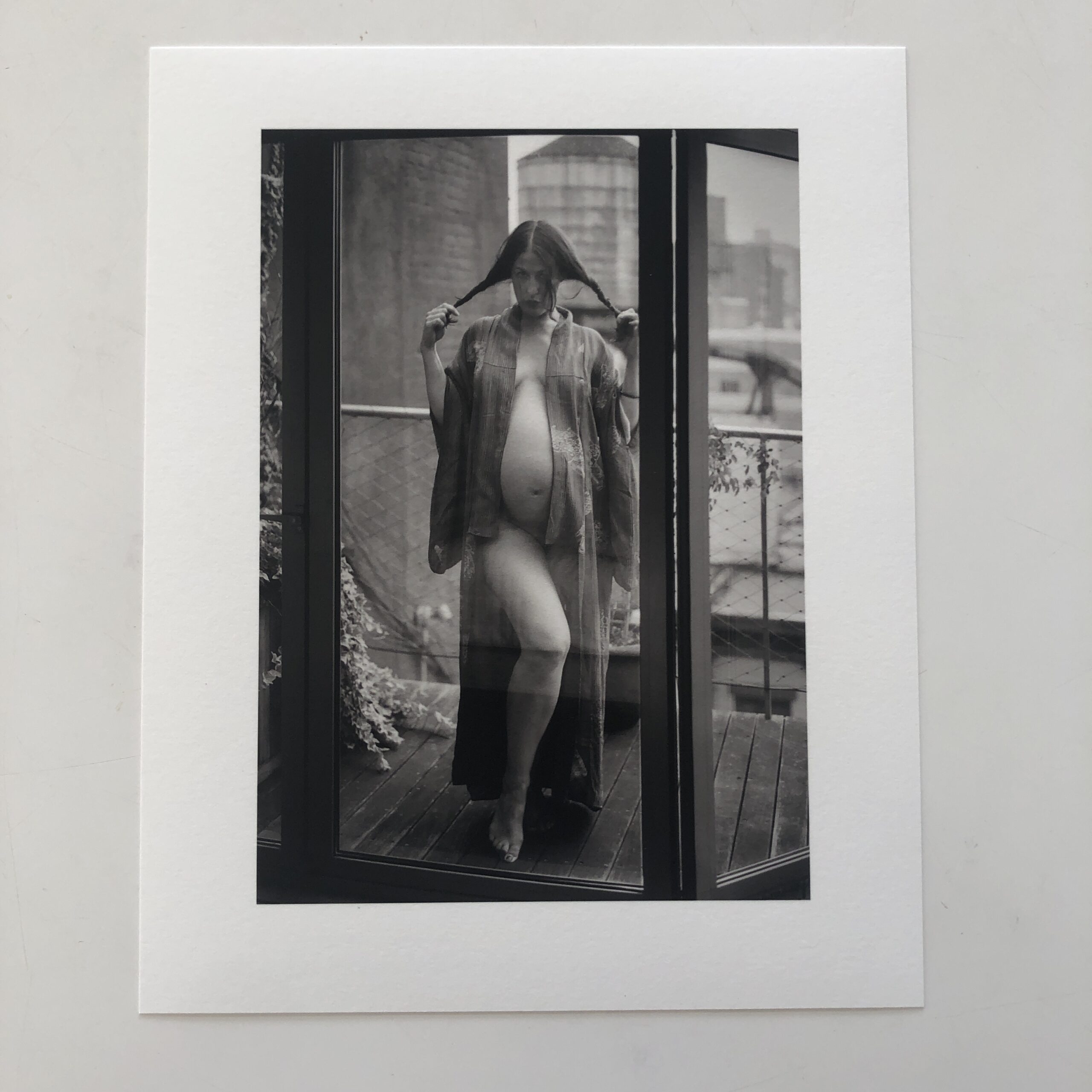
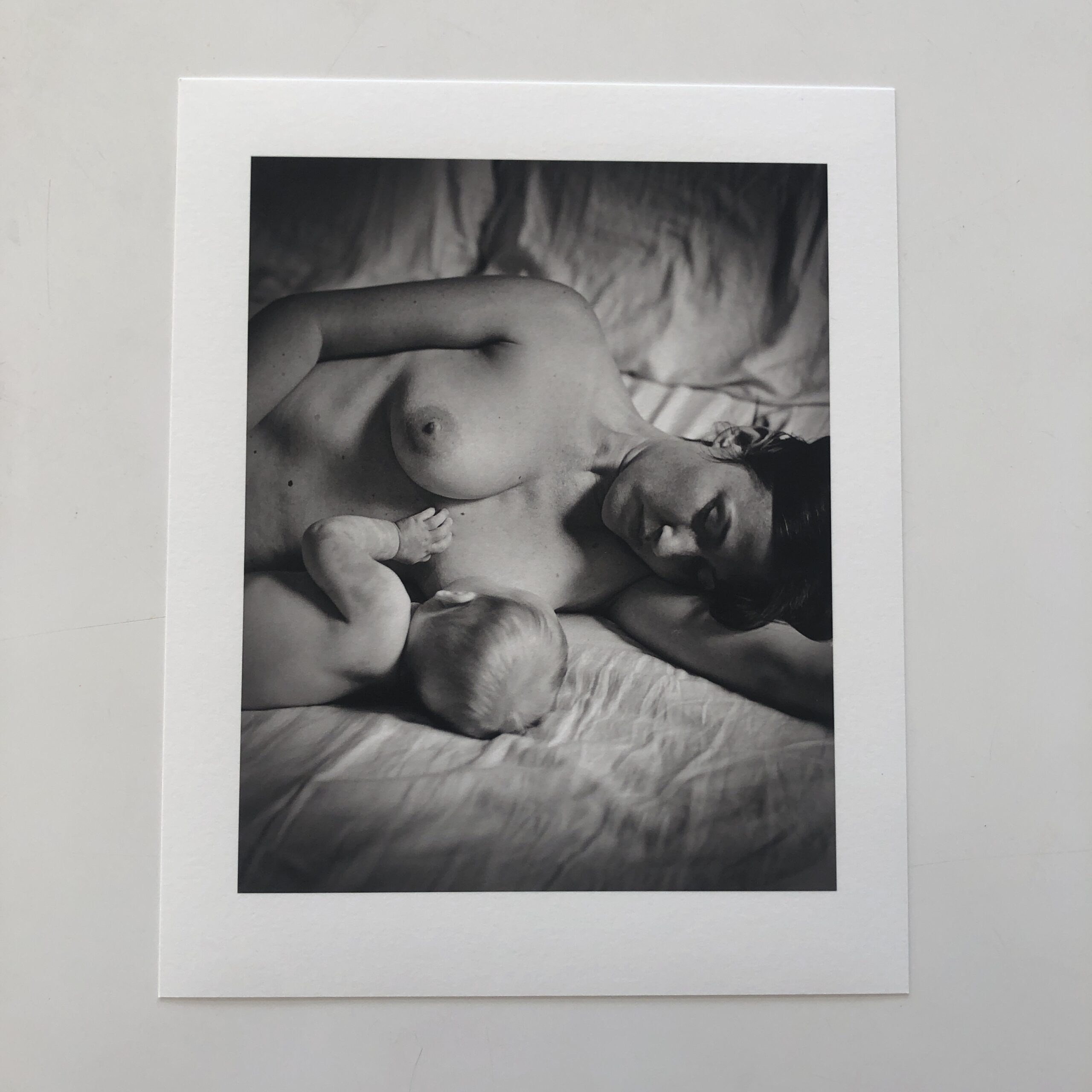
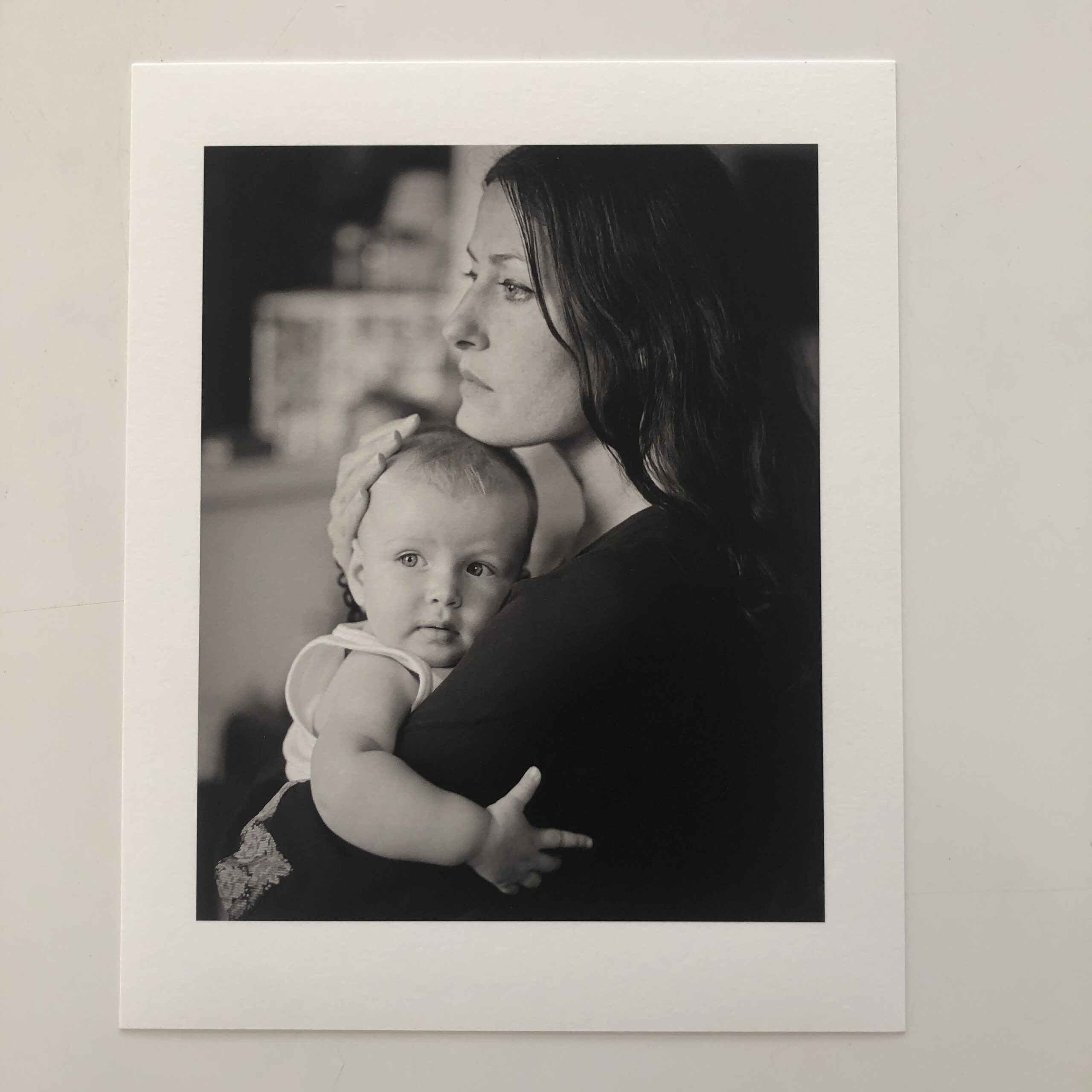
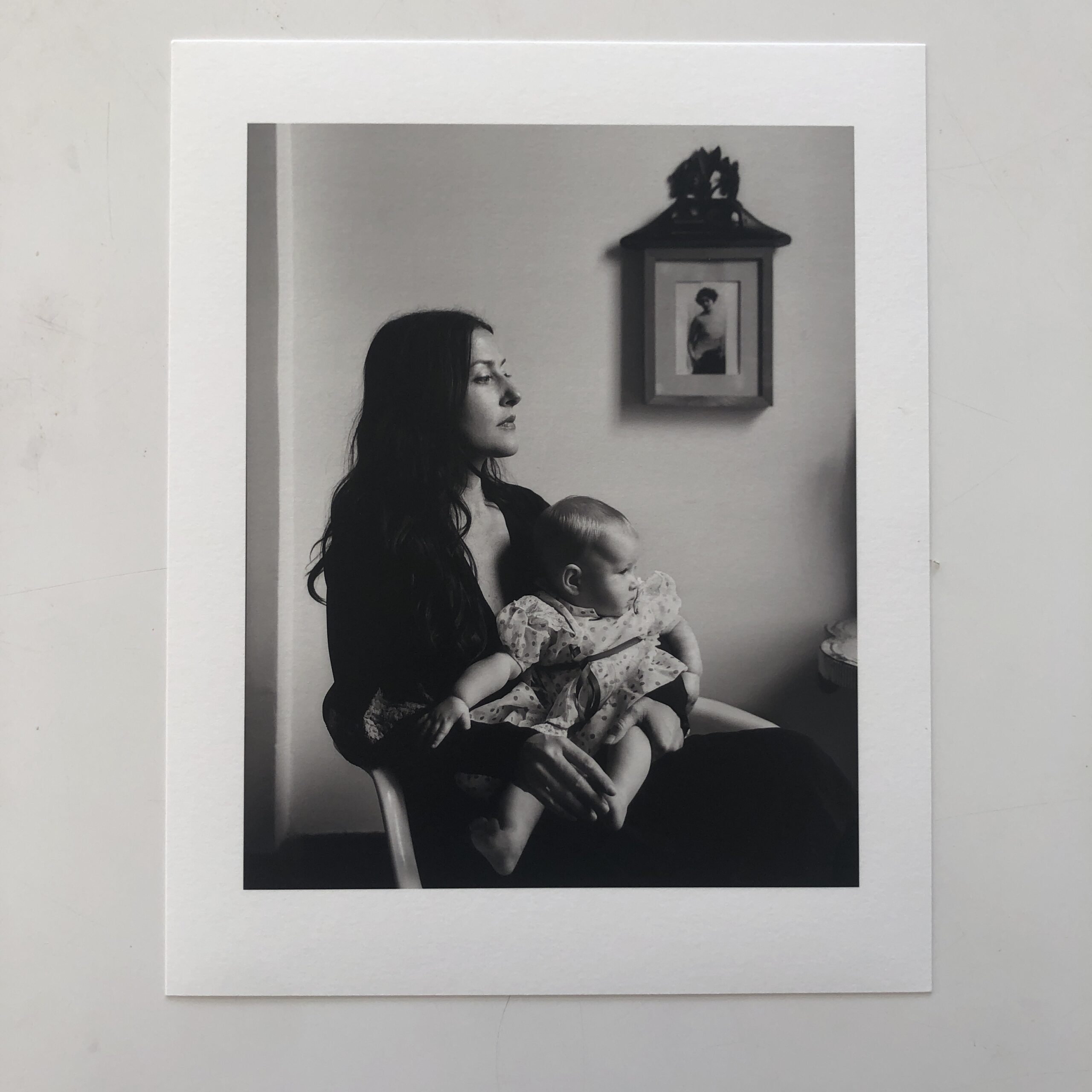
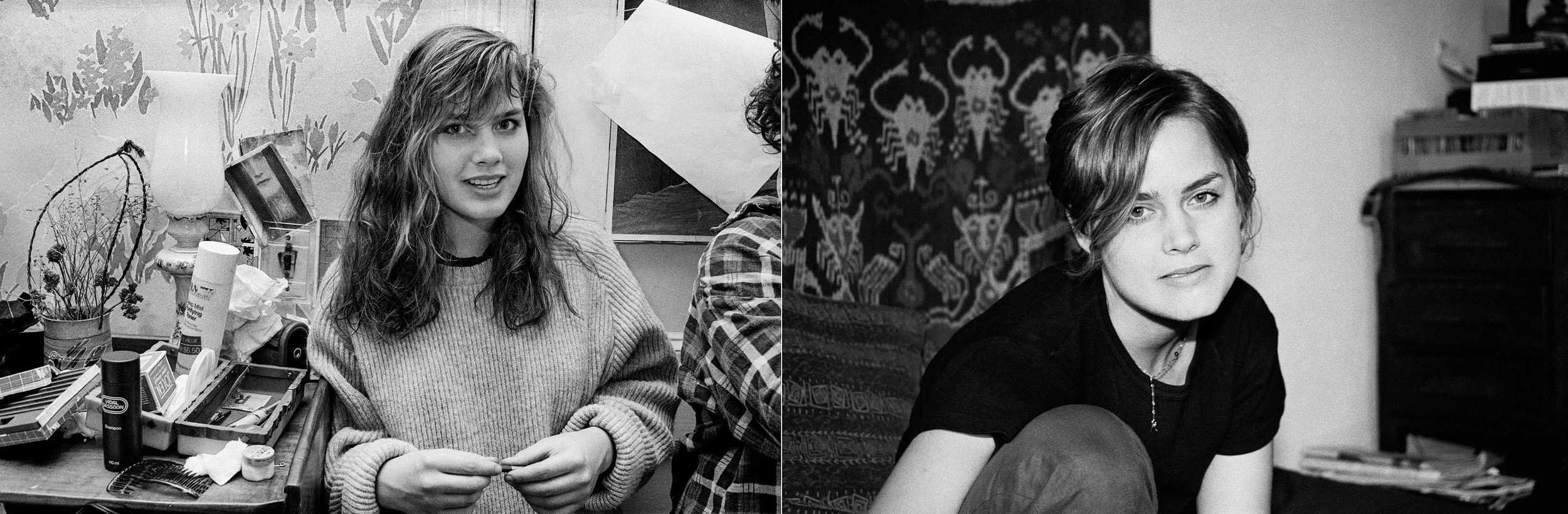
“Erika,” published by Reflecting Pool Editions, is not a traditional book, by any means, which Jason acknowledged in the letter that was taped to the brown-paper-wrapped offering.
Frankly, it looks like a portfolio of loose images, brought together in a fancy box, and if that’s how you see it, I won’t argue.
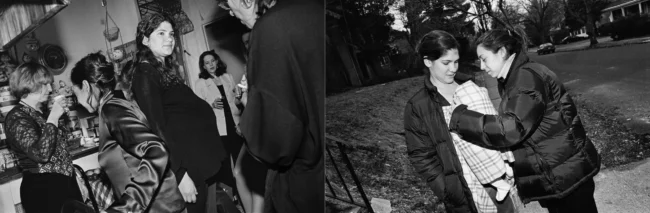
But experientially, it’s a book, as the narrative unspools over time, (15 years,) via multiple photo shoots the artist undertook with Erika, his muse.
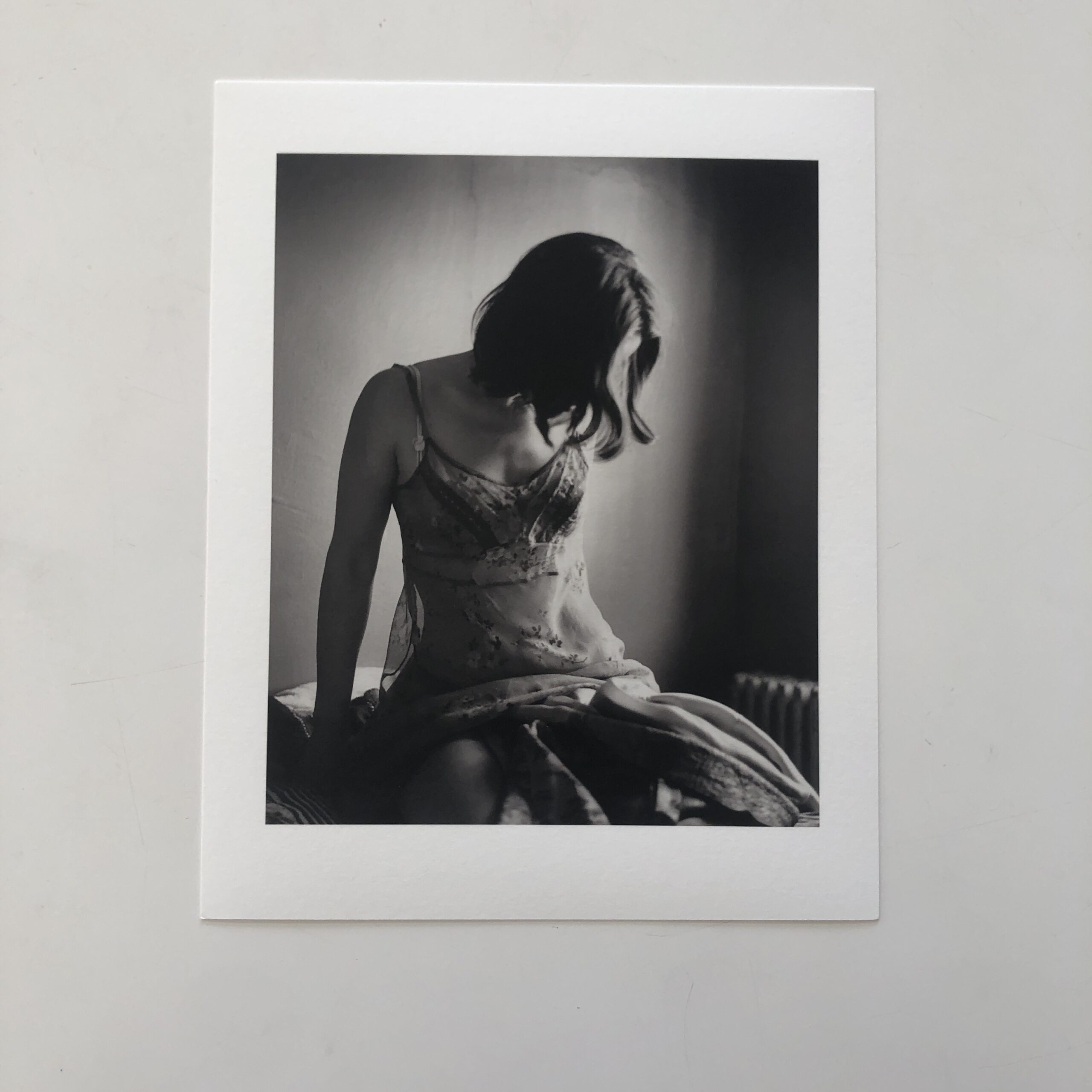
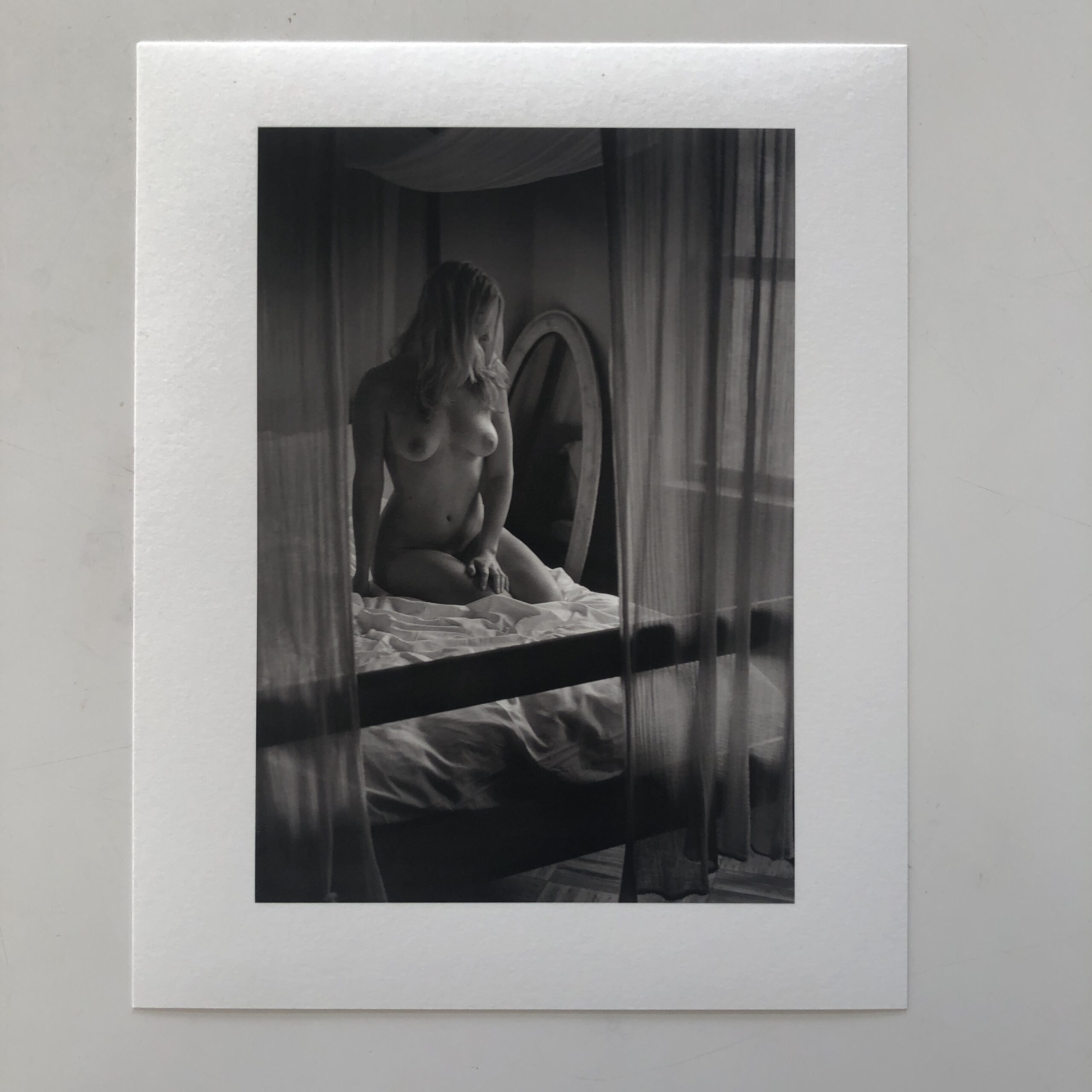
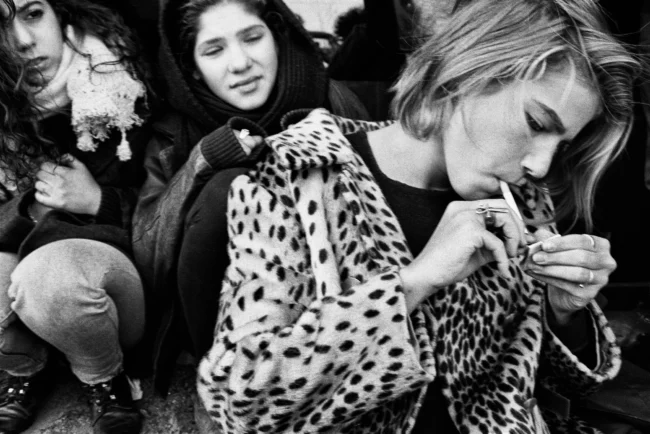
To begin with, there are only a few “nude” images in the book, but I held off looking at it until today, as I was afraid it would be more graphic than that, and we’ve avoided publishing nudity for many years now. (Rob gave me permission to include a couple of the photos, but really, it’s a small percentage of what’s in the box.)
Erika, who is obviously beautiful, is an actor, writer, director, producer and photographer, who made a career working in experimental theater, both in the US and around the world.
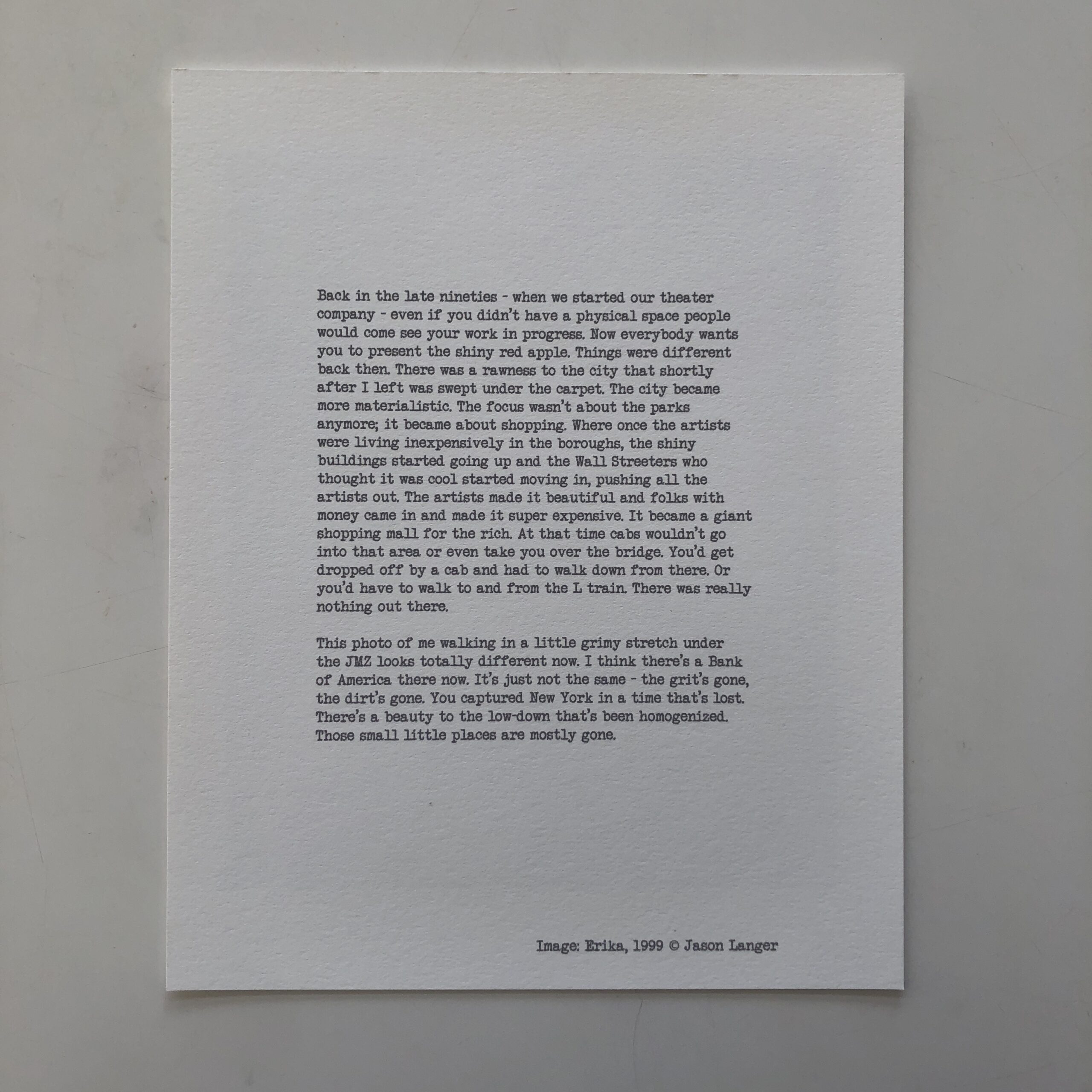
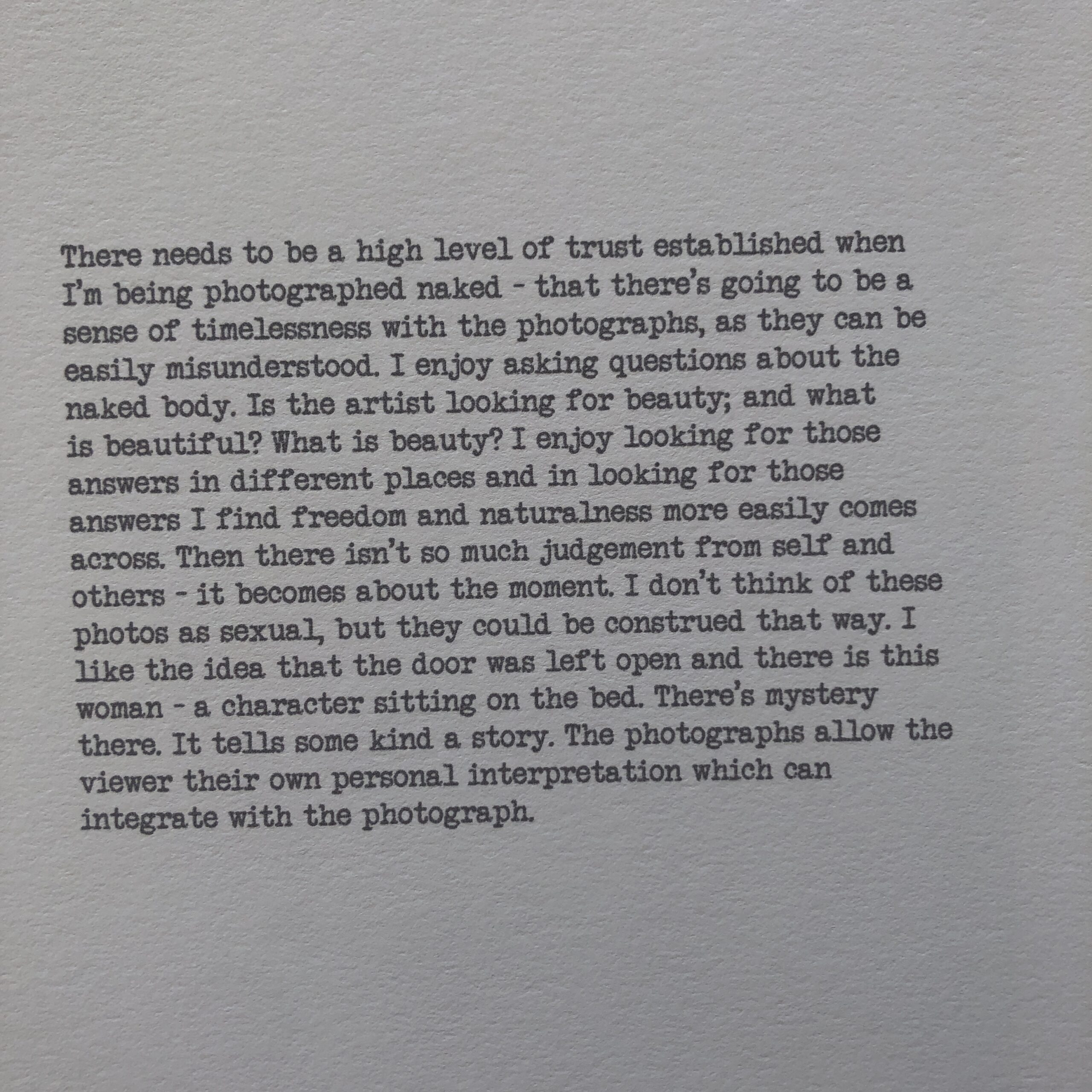
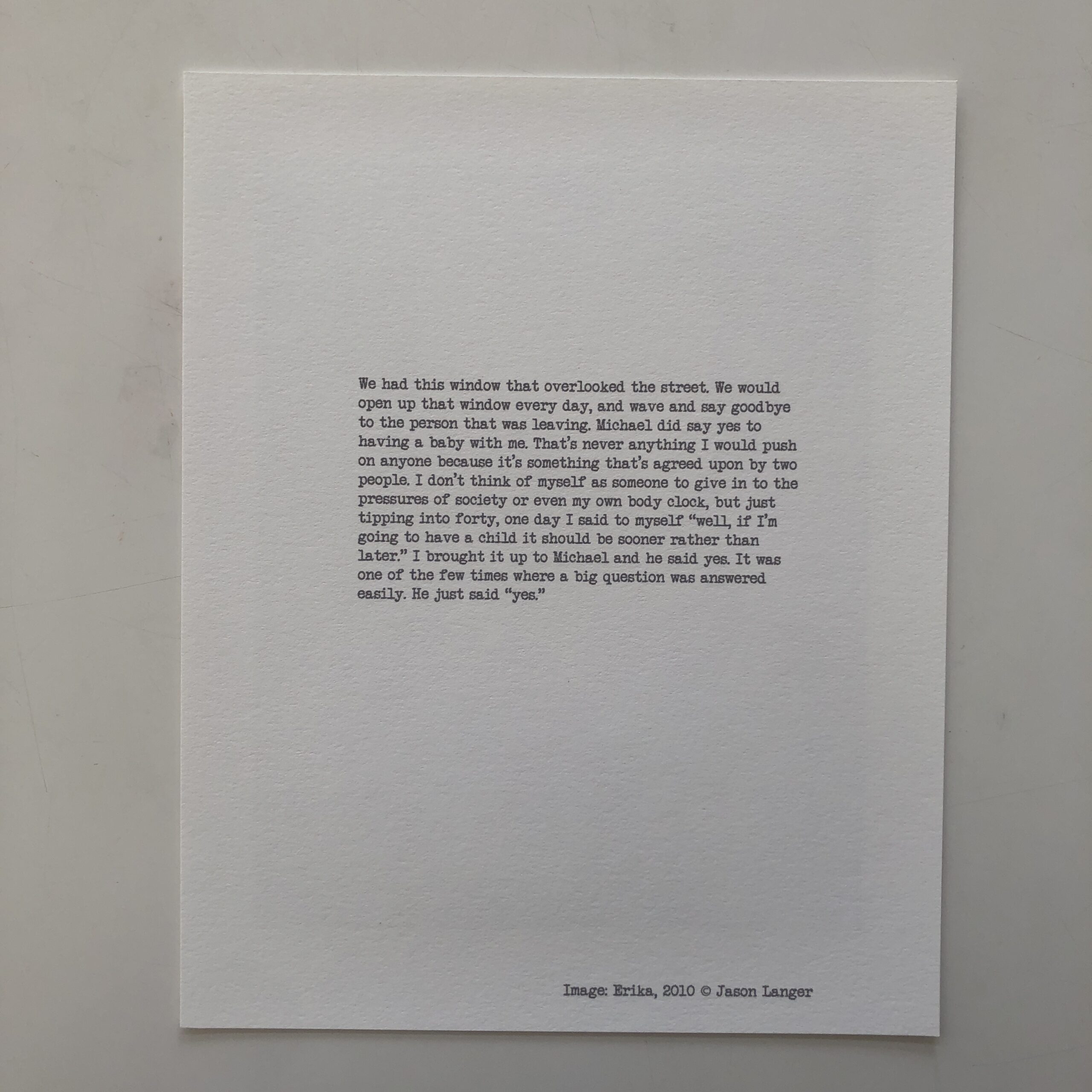
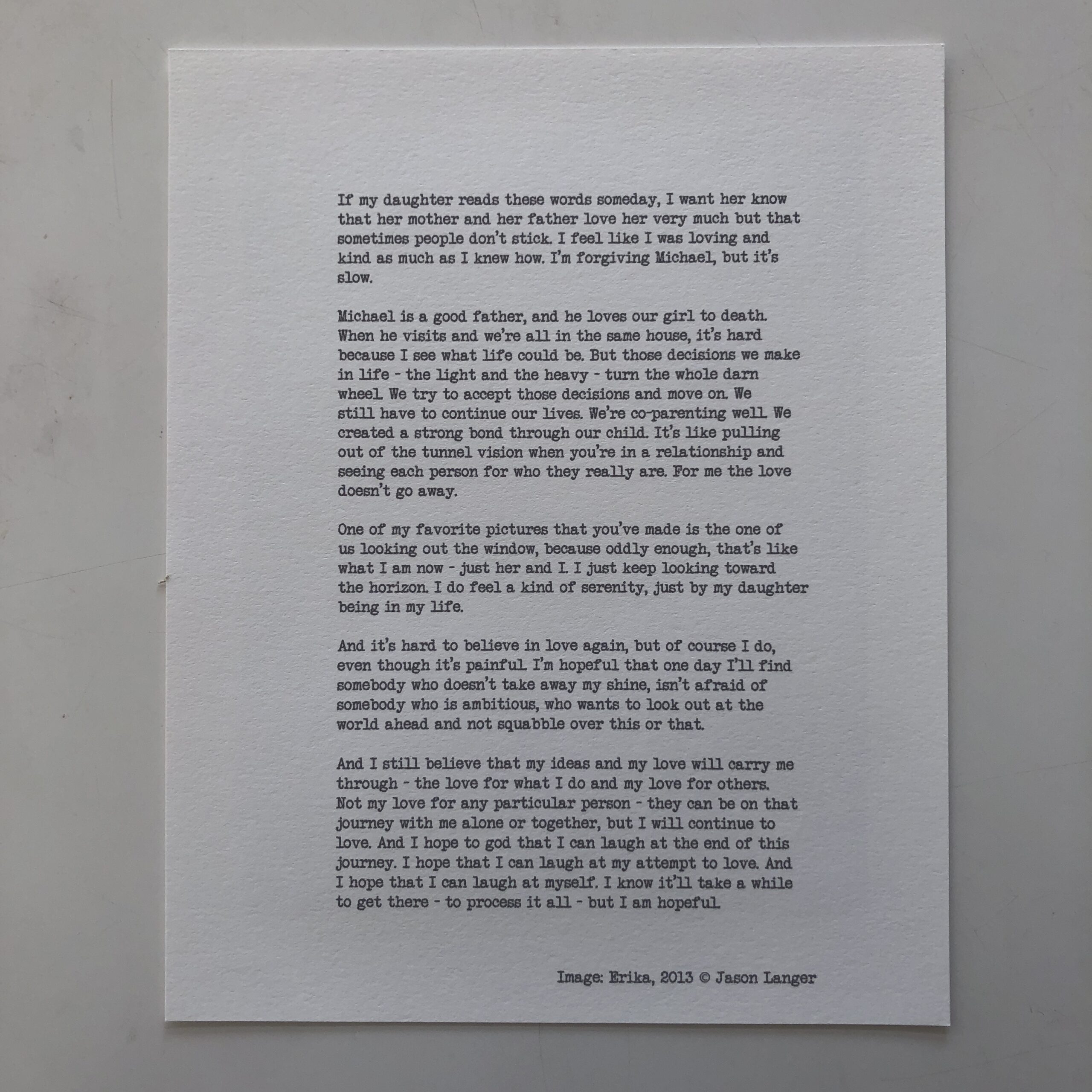
Each photograph includes a piece of her writing, printed on the back, and we learn from Jason’s ending essay the text comes from a series of interviews they conducted in 2019.
These are current reminisces, looking back at New York in the 90’s, her past relationships, and what it meant to become a mother.
Certainly, some of the images fit with Jason’s style of stepping out of time, but to me, that’s not really what this book is about.
Rather, it makes me think of agency, and collaboration, as when I wrote about men exploiting women last year, Jason, and one photographer with whom I traded off-the-record IG DM’s, both said many models love the work, and feel empowered by doing so.
(Foreshadowing here, but I saw some nude art in Chicago that gave me the creeps, as it so clearly fit with my sense of men commodifying women.)
But this doesn’t.
Erika is a performer, and in some images, you can feel her embodying a character.
She knows how to present herself, and there was no part of my viewing experience in which I felt she was an object.
As you read her thoughts, and the stories of working in Europe, having love affairs, living the artist’s life in rapidly gentrifying New York, it’s clear Erika is a powerful, intelligent, talented, confident woman.
She and Jason grew together, over time, which he confirms in his ending statement.
Working with Erika opened up his feminine side, and helped him push his photographic career forward.
At some point, over the last five years or so, commenting on someone’s appearance became verboten.
It’s not PC to call a women beautiful, outside of a very strict set of parameters, but certainly not in any professional setting.
I get it, and have no beef with that at all.
But you can’t look at a book like this without understanding Erika is lovely, she knows it, and as a performer, her face, mind and body are her tools of expression.
I’m still not sure I understand why it’s necessary for her to take her clothes off, but perhaps the prevalence of pornographic imagery in the 21C has skewed our cultural sense that the human form can ever be anything but sexualized.
(Certainly here in America.)
After looking at this book, though, I accept that if two collaborating artists, exploring the world, choose to make art this way, it’s not right for me to dismiss it out-of-hand.
Especially when it results in something I found captivating, enriching, and thought-provoking.
If you choose to disagree, that’s totally cool.
It’s still a free country, after all.
(At least until 2024, when all hell breaks loose.)
Please be advised, two of the images below feature nudity.
If you’d like to submit a book for potential review, please email me at jonathanblaustein@gmail.com. We are particularly interested in books by artists of color, and female photographers, so we may maintain a balanced program. And please be advised, we currently have a backlog of books for review.
The Art of the Personal Project is a crucial element to let potential buyers see how you think creatively on your own. I am drawn to personal projects that have an interesting vision or that show something I have never seen before. In this thread, I’ll include a link to each personal project with the artist statement so you can see more of the project. Please note: This thread is not affiliated with any company; I’m just featuring projects that I find. Please DO NOT send me your work. I do not take submissions.
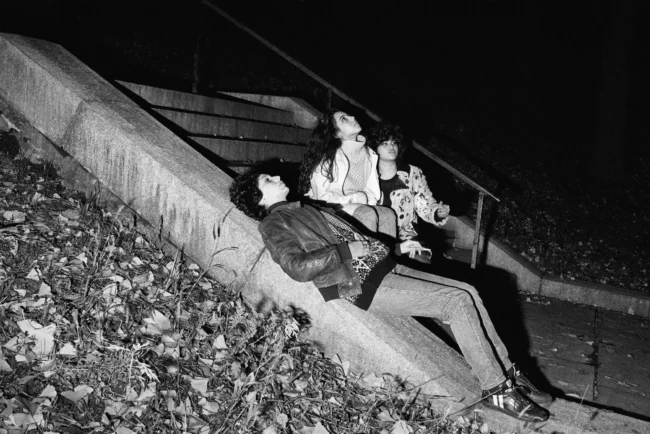
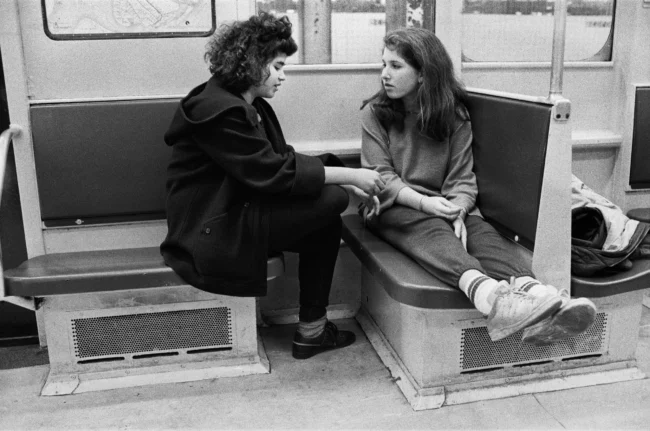
When photographer Karen Marshall was in her 20s, she couldn’t shake the feeling that friendships between women were, she says, “special” and “different.” She had grown up in a liberal household in the 1970s and was surrounded by discussions of women’s liberation and consciousness raising. She was finding a lot of meaning in her own female friendships. So, she wanted to get to the root of it.
“I remember going to bookstores and trying to think about films I had seen about women coming of age and that kind of thing,” Marshall remembers now. “And I couldn’t find hardly anything. Like I could find teenage stories, but I couldn’t find anything about what women share with each other. So, it was pretty specific, just thinking about my chronology, girls in history and even Greek myth, and all that stuff.”
So, Marshall decided to create the work herself. After being introduced to 16-year-old Molly Brover, a junior in high school in New York City, Marshall started photographing her and her friends’ daily lives. She wanted to catch glimpses of that ineffable bond between teenage girls. She followed them on walks and to parties. She photographed them at diners and at sleepovers. The project began in 1985, and no one could have guessed how many decades it would span, or the tragic event that made the project feel necessary for Marshall.
Ten months into the project, Molly died after being hit by a car while on vacation on Cape Cod. Her death turned the collection of photographs into something heavier and much more personal for Marshall.
“I had lost a friend in high school who actually was my first photography friend,” Marshall says. “And that was very emotional. But then I realized that lots of people had. There’s this pivotal thing that happens when there’s the death of a friend in those teenage years or early 20s. It’s like, you’re not going to live forever, things can change fast.
Marshall continued photographing the friends through their senior year of high school, and then off and on for years until all the work culminated in an exhibit in 2015, and a book to be released later this year.
She watched their friendships wax and wane, sometimes influenced by the reunions Marshall orchestrated in order to photograph and interview them. Two of the women had a falling out, and one didn’t invite the other to her wedding. Reuniting during a session with Marshall only created more tension between them. Later, another friend in the group shared that one of estranged friends was pregnant — a discovery that renewed their bond. And even later still, the newly reunited friends were pregnant at the same time and got to share the experience of motherhood together.
It was a pattern that Marshall recognized in her own life. “I actually knew much better as the years went on in my own life that I had friends that I will call my ’emblematic friends,’ ” Marshall says. “There are times I might not talk to my best friend from high school for like seven years. And then we have a phone call. And in about three minutes, we actually are on the same page.”
The birth of her daughter in 1992 is another event in Marshall’s life that brought extra meaning to the project. “There was a day, I’ll never forget, when she was probably 14, when two girls came over to our house,” Marshall says. “And I looked over, and I was like, this is like a repeat pattern. It’s a different generation of girls, and they’re doing exactly the same thing.”
To Marshall, that moment proved what she’d always suspected and the reason why she started photographing the girls in the 1980s in the first place. “It’s part of what I always knew: that this is cyclical, it’s things that happen everywhere.
“I do really believe these universal ideas about bonding,” she continues, “that even though you could be below the poverty line, or uber rich, or you could be in a very different culture, that a lot of these same things happen — maybe at slightly different times in people’s lives, but they happen.”
But there’s an even deeper reason Marshall spent decades photographing the same group of women, beyond the search for universal truths about emotional bonding.
“When I began, this notion of using documentary photography and visual storytelling as a way to talk about emotional bonding was an abstract concept for a lot of people,” Marshall remembers, “because their notion of documentary practice was that something was a conflict or something was how to be about human rights, or something about how to be exotic.
“Things are not just all about conflict,” she continues. “And I truly believe that in order to understand who we are as human beings, we have to look at how we get along.”
Melody Rowell is a writer and podcast producer living in Kansas City, Mo. You can follow her on Twitter@MelodyRowell. This article written by her was found on NPR.
APE contributor Suzanne Sease currently works as a consultant for photographers and illustrators around the world. She has been involved in the photography and illustration industry since the mid 80s. After establishing the art-buying department at The Martin Agency, then working for Kaplan-Thaler, Capital One, Best Buy and numerous smaller agencies and companies, she decided to be a consultant in 1999. She has a new Twitter feed with helpful marketing information because she believes that marketing should be driven by brand and not by specialty. Follow her at @SuzanneSease. Instagram
Success is more than a matter of your talent. It’s also a matter of doing a better job presenting it. And that is what I do with decades of agency and in-house experience.
Licensing: Unlimited use of up to 10 images in perpetuity
Photographer: Industrial and Lifestyle Specialist
Agency: Medium in size, based in the Northeast
Client: Large Food Manufacturer
Here is the estimate:
Fees: The shoot was to take place over one day at a manufacturing facility, and they hoped to capture images of employees preparing various food products for distribution. The photographer specialized in this exact type of project, and he would be on his own to create content throughout the day based on a loose shot list, and without the oversight of agency/client attendees. While they requested unlimited use, their primary usage was for collateral purposes and marketing within the food industry. The photographer had previously shot for this client on a larger campaign during a rebranding effort, and this seemed to be a supplemental project to capture additional content, but with more limited intended usage. Based on the previous shoot, and with an understanding that the client had a rather limited bottom-line budget, we included a $9,500 creative/licensing fee. It happened to break down to less than $1,000 per image, which for the licensing duration felt a bit low but also felt in line for the limited intended placement. The photographer planned to scout the location beforehand, and we included $1,500 for the day to account for his time to do so.
Crew: We included an assistant who would accompany the photographer on the tech/scout day, as well as a digital tech for the shoot day. While the client/agency wouldn’t attend, there would be a potential need to remotely gain approvals over Zoom, so the tech would be beneficial to help facilitate that.
Equipment: We included the expense for the digital tech’s workstation, as well as the expense of the photographer’s cameras, lenses, grip, etc. as well.
Misc.: Just to add a little buffer for unforeseen expenses on the shoot day, we included $200.
Post Production: As a cost-savings measure, the agency opted to handle retouching in-house, however, we still included $750 to cover the photographer’s time to go through all of the content, provide a gallery for the agency to review, and then send over their 10 selects.
Results: The photographer was awarded the project. When we received the purchase order from the agency, we did have to negotiate a bit further on payment terms. They told us their standard terms were payment within 65 days, which felt far too long, and we were able to get them to agree to payment with net 30 terms.
Need help estimating or producing a project? Please reach out. We’re available to help with any and all pricing and negotiating needs, from small stock sales to large ad campaigns.
Janice Reid (Mentors: Wade Hudson and Kristin Sjaarda) Marc Santos @marcsantosphoto (Mentor: Steph Martyniuk)
Sumi Siddiqa @sumisiddiqa (Mentor: Mark Binks)
Sumi Siddiqa @sumisiddiqa (Mentor: Mark Binks)
BIPOC Photo Mentorship Program
Founder: Heather Morton
Heidi: How did this idea come about?
Heather: The idea originated from a conversation I had with Toronto photographer and long-time mentorship advocate May Truong in the summer of 2020. She had just offered a residency for emerging BIPOC/LGBTQ BIPOC photographers and had an overwhelming response – over 50 applications in the first 48 hours. So there was clearly a tremendous need for these opportunities, while at the same time, there was growing awareness in the industry of the layers of systematic inequality and barriers to entry faced by young racialized photographers. I tested the waters by approaching my local contacts in the community and the response was super positive so BPM was launched.
How do the relationships work; what are the expectations? BPM is simply one big, evolving list of mentorship opportunities; we don’t “accept” mentors or provide a structure. Rather, we encourage any type of engagement that works for the mentor – it might be one phone call a month or it might be occasional visits to set. Some of our mentors have even formed small critique groups with multiple mentees that regularly share work and feedback. Many participants have likened the program to a type of photo-making therapy, but mentees and mentors are on their own to make sure that the offering fits the need and vice versa. So it’s simple – on both sides we expect the mentor and the mentee to communicate their own expectations and then commit to the relationship and the mentorship agreement that they make with each other. BPM has a very basic structure with lots of individual agency on the part of both mentors and mentees to do the research, decide what works best for them, and to act on it.
Having said that, our website and networks have been able to provide additional supports – we provide lists of best practices, and we have a resource section on our site as well as a growing suite of opportunities (outside of the mentorship itself) for our mentees. For example, the mentees have a Slack channel which they use to organize their own critique groups and share opportunities.
Where does the work get published? At this point, we’ve only occasionally highlighted mentee participants on our Instagram feed, but in the future, we are exploring partnerships with publications to share the work much more broadly. We have an ongoing relationship with Gallery 44 in Toronto who have generously offered free memberships and access to studios and gear to our Toronto-based participants. So there are lots of opportunities in the works but, being very grassroots, our ability to actualize the interest we’ve garnered takes time.
How do people get involved? It’s simple – both mentors and mentees just need to fill out a short survey on our website. The mentors are asked for a few details about their practice and their offering; the answers to the survey questions become their listing. The mentee survey basically “registers” them so that we can continue to communicate directly about other opportunities that come our way. But to secure a mentorship, a would-be mentee just needs to go to our site, peruse the list, and then reach out directly to the mentor that they are interested in. And so it’s a very fluid list – opportunities get filled up and new mentorships are added regularly.
What gap is this filling and how successful has it been? Our program has been tremendously successful – in the last 12 months, we’ve offered over 190 mentorship positions with over 90 mentors! Though most of our mentees come from Canada and the US, we are truly international, and have participants from Brazil, Australia, Sudan, India, etc. There are no geographic boundaries for participation, so our mentors also come from North America and further afield.
We know there is a lot of willingness to support emerging BIPOC photographers who might be existing outside of a more “typical” photo career trajectory – many of our mentees haven’t studied photography and may not live in an area with a thriving industry or photo scene. Additionally, we have mentees who have faced real racialized barriers to their participation in the industry. So we are open to whatever a photographer (or photo editor, curator, photo producer etc.) have to offer – even an hour phone call once a month can offer a huge amount of moral support and real concrete advice to an emerging photographer.
And the response from participants has been amazing.
Here are a few quotes (more on our Instagram):
“I never had the chance to assist EVER before and I’m happy through this program that I’m able to gain this experience”.
“It’s definitely really helpful to be able to turn to someone who is willing to share their experiences, learnings, and resources simply to help you thrive as a creative.”
“[My mentor] has really encouraged me and my ideas, while letting me do things at my own pace at the same time. Because of this mentorship, I have started to take my practice as an artist a lot more seriously.”
“From building strong concepts to creating a book, this mentorship ultimately ended up being a way for me to become more confident in myself as a photographer by challenging myself, and dealing with expectations regarding my work, through the many resources that [my mentor] has shared with me”.
“From lengthy analytical discussions on technical and artistic abilities to in-person collaborations, I have learned so much invaluable information in a short period of time”.
“It’s very liberating to ask questions freely and without judgement, and to be assured that someone has most likely had the same questions or faced similar obstacles as you at some point in their career”.
There are quite a few collectives that have formed in the last few years, what makes this program different? The major difference is that there is no barrier to participation. Any amount of experience in the industry is welcome (and disclosed of course – some of our mentors are newly-emerged themselves but know the difficulties a racialized photographer might face when just starting out), and all areas of photographic practice are represented. Plus, as I’ve said above, we do not pair up mentors and mentees, we merely facilitate the match by amplifying the offering. BPM is a clearinghouse of opportunities with no restrictions to what is offered or what is accepted; it has been a very powerful way to galvanize nascent opportunity and share it. This makes us quite different than the more structured, curated, and competitive mentorship programs.
To see the list and for more information, please visit
@bipocphotomentorship
You can join as a mentor here. If you’d like to register as a mentee, please click here
It’s Wednesday, and I’m writing, which means I’ve got a kink in my schedule.
Please allow me to explain…
I’m leaving for Chicago tomorrow morning; my first air-travel since the bender in Jersey last May.
But it’s not even my first big trip this week, as Monday at 4:30 am, the family poured into our trusty Subaru, and did a 15 hour turn-and-burn to Denver, so the kids could visit the eye doctor.
We’d planned on spending the night, but when my brother told me our dog wasn’t welcome, (he’s a long-time Denverite,) we had to pivot, and spent a full day cruising up and down I-25.
(Thankfully, a little adventure when it was sunny and 70 degrees was invigorating, as it snowed the next day.)
Hitting the road, I was reminded that just going a couple of hundred miles can change everything.
There are no mask mandates in Colorado, (apparently,) so we had to adjust to people strutting around, faces uncovered, knowing it was within their right to do so.
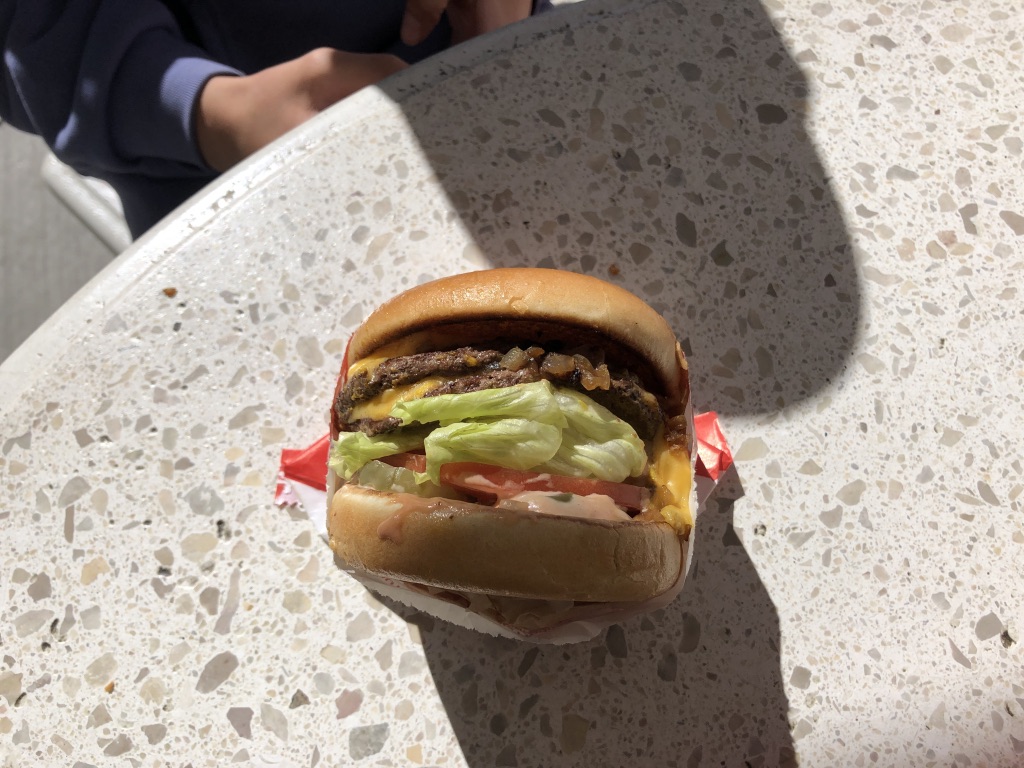
Plus, they have In-N-Out in Denver now, so we reveled in the absolute deliciousness of a perfect burger, (Double-Double, animal style,) while sitting at an outdoor table, overlooking a mall-parking-lot.
Frankly, feeling the friendly SoCal vibes in Conservative South Denver was enough to make my head spin.
(But the burgers! OMG! I rarely eat beef anymore, and can’t stress enough how phenomenal they were.)
That said, Denver on Monday, Chicago on Thursday, and you can perhaps understand why I’m brain-fried.
(Plus, yesterday was a full-work-day, while also parenting the kids, who are home on Fall Break.)
I’m cooked.
Out of gas.
Running on empty.
(Insert random tired cliché here.)
So let’s cut to the chase.
As I’ll have fresh, Chicago-based-content for you in the near future, we’re going in the opposite direction this week.
We’re keeping it local.
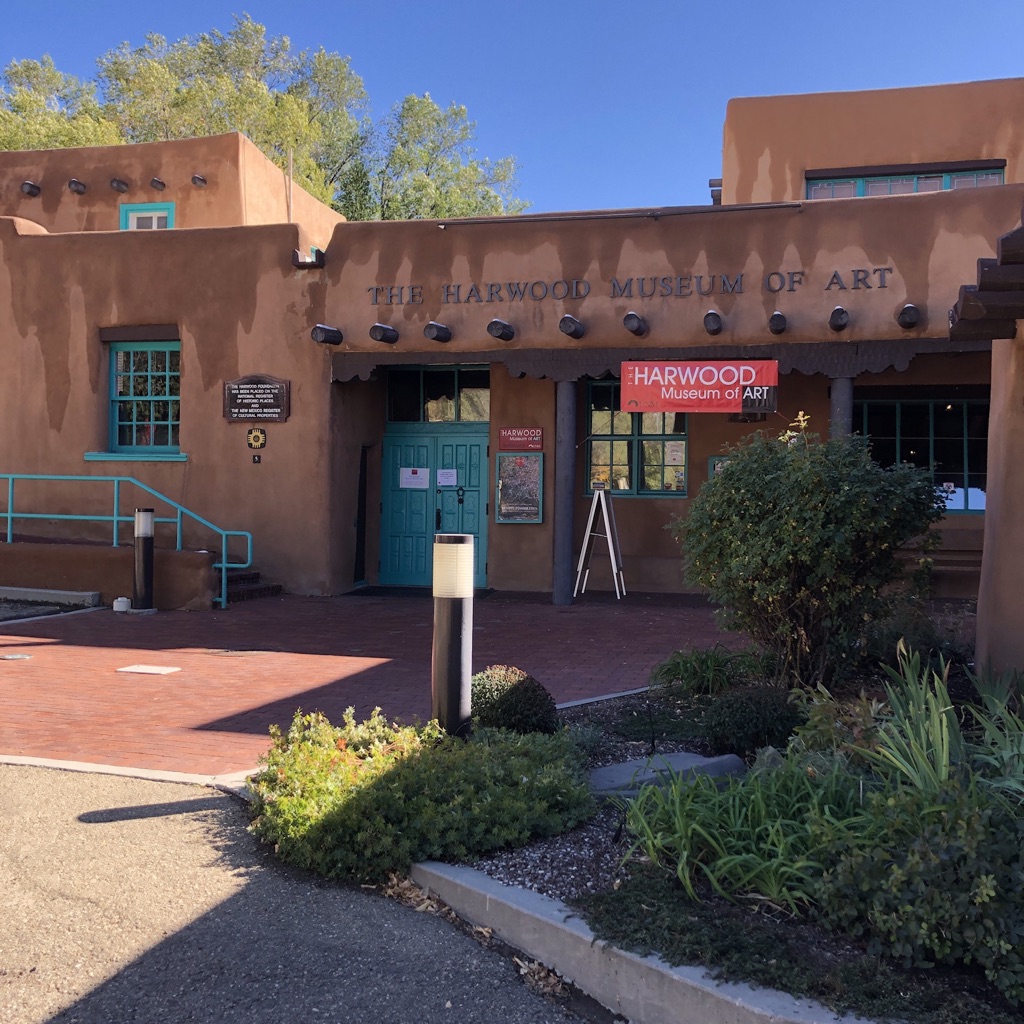
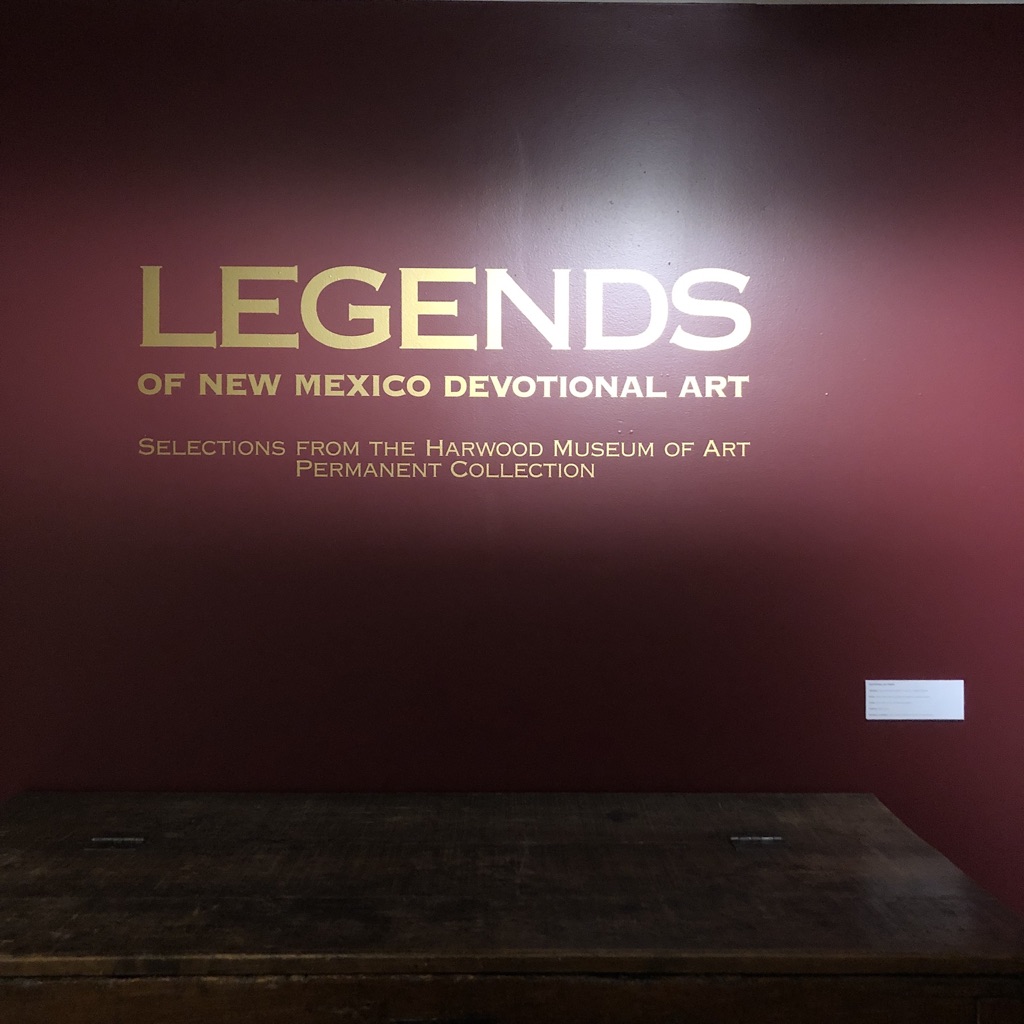
If you can believe it, I’m going to review a terrific exhibition I saw at the Harwood Museum of Art, right here in Taos, New Mexico.
The Harwood Museum of Art
Unfortunately, as with the stellar show I saw at the Albuquerque Museum recently, the exhibit I’m about to discuss has just closed.
(I apologize, but as pretty-much-none of you live in Taos, it’s not like you were going to see it anyway.)
Full disclosure, I had a solo show at the Harwood in 2019, and was part of a three-person exhibit there in 2014, so I do have ties to the institution, but both curators with whom I worked have since moved on.
I’ve never met the newish curator, Nicole Dial-Kay, who came to Taos from Colorado not-too-long-ago, so there’s no reason for me to be extra nice.
I’m telling you this, because I want to stress my objectivity, as I thought this show was dynamite.
Fantastic.
Inspiring.
Supremely well-done.
(Insert random compliment here.)
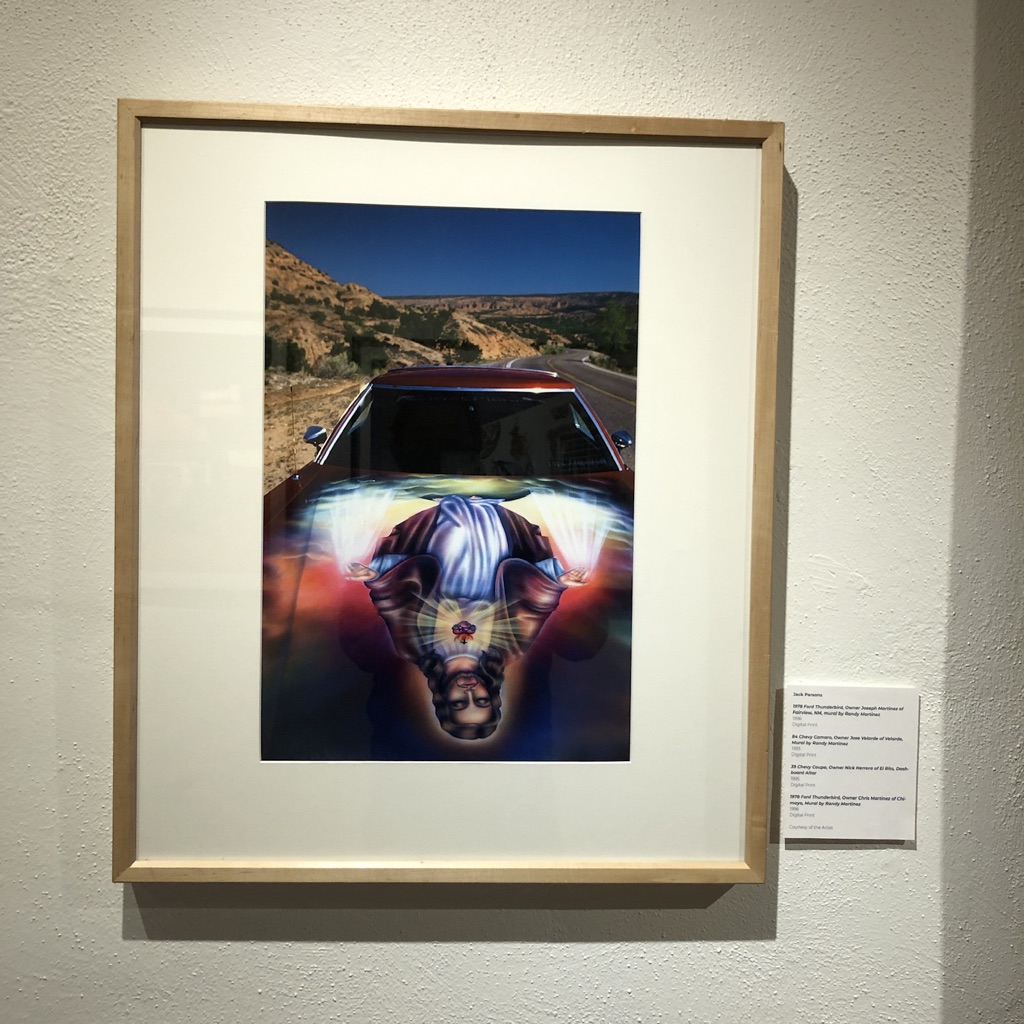
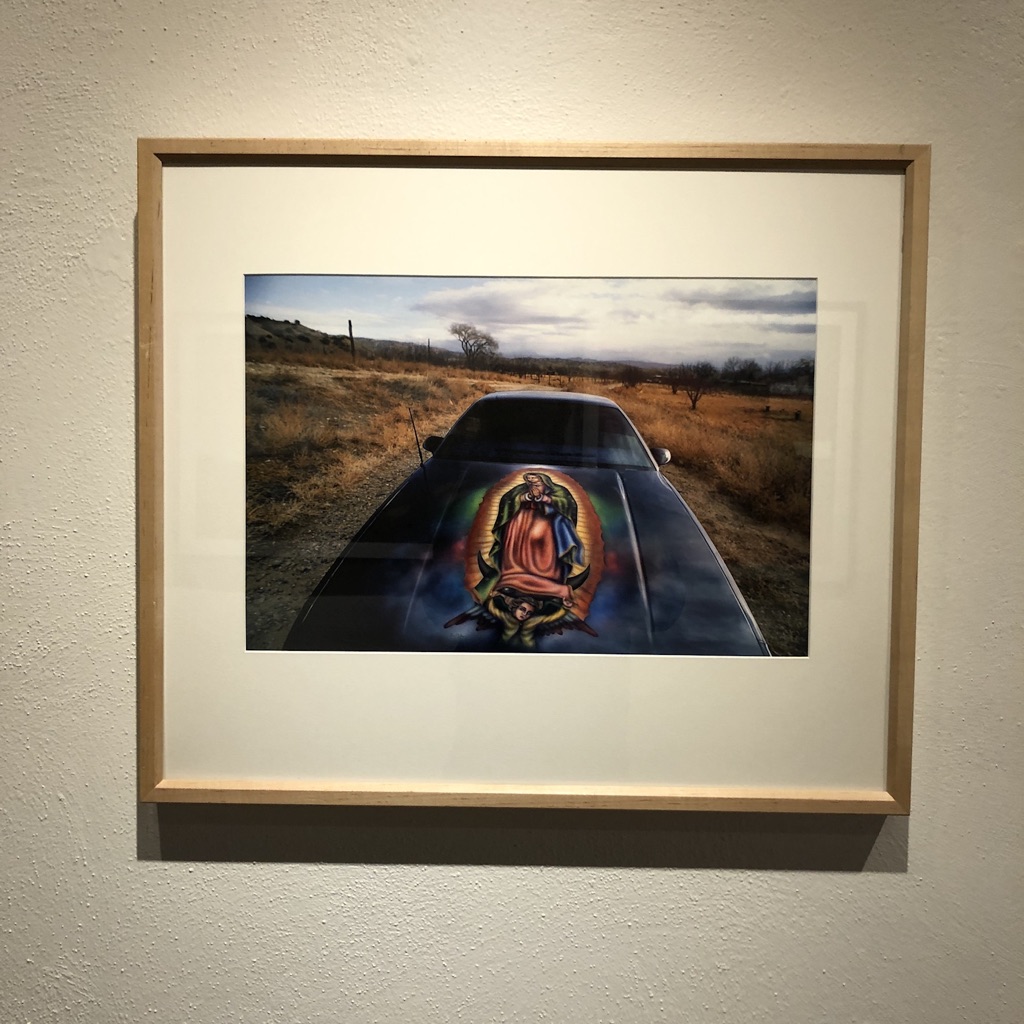
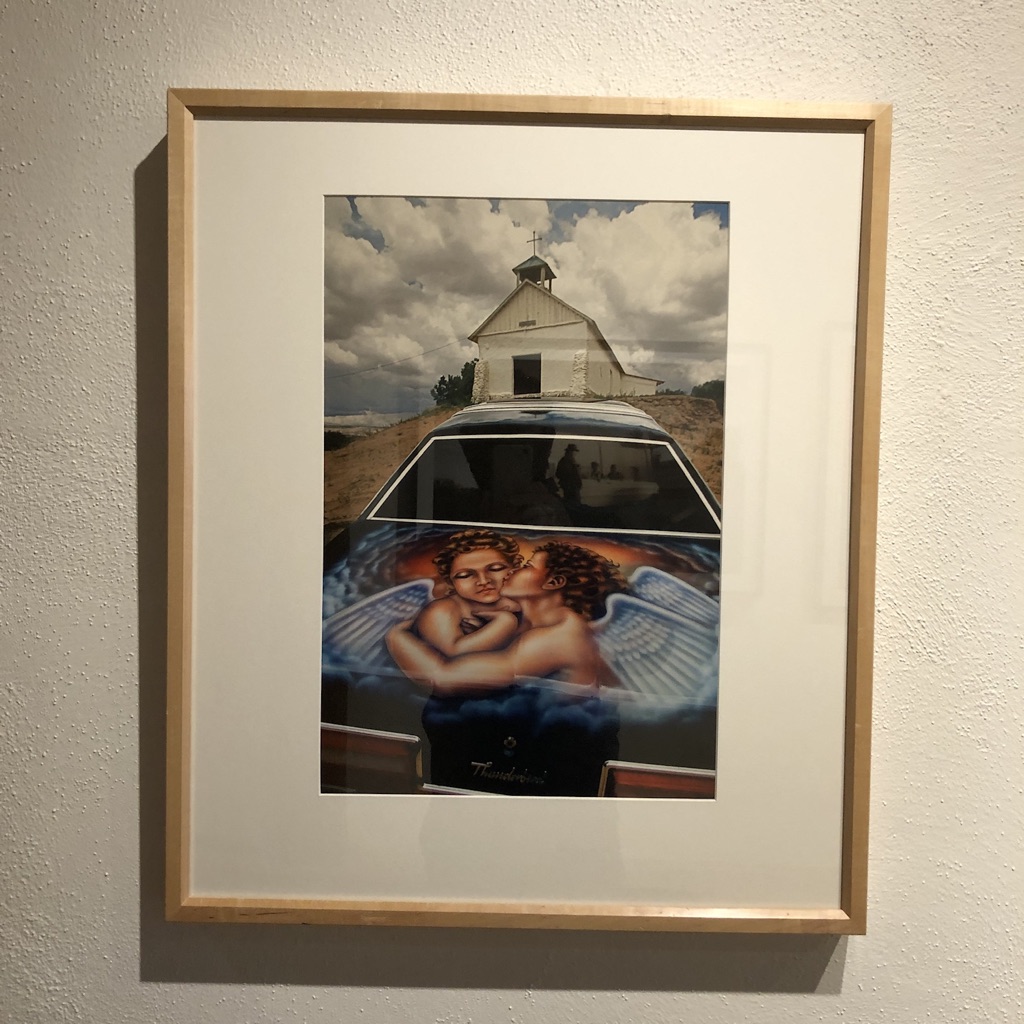
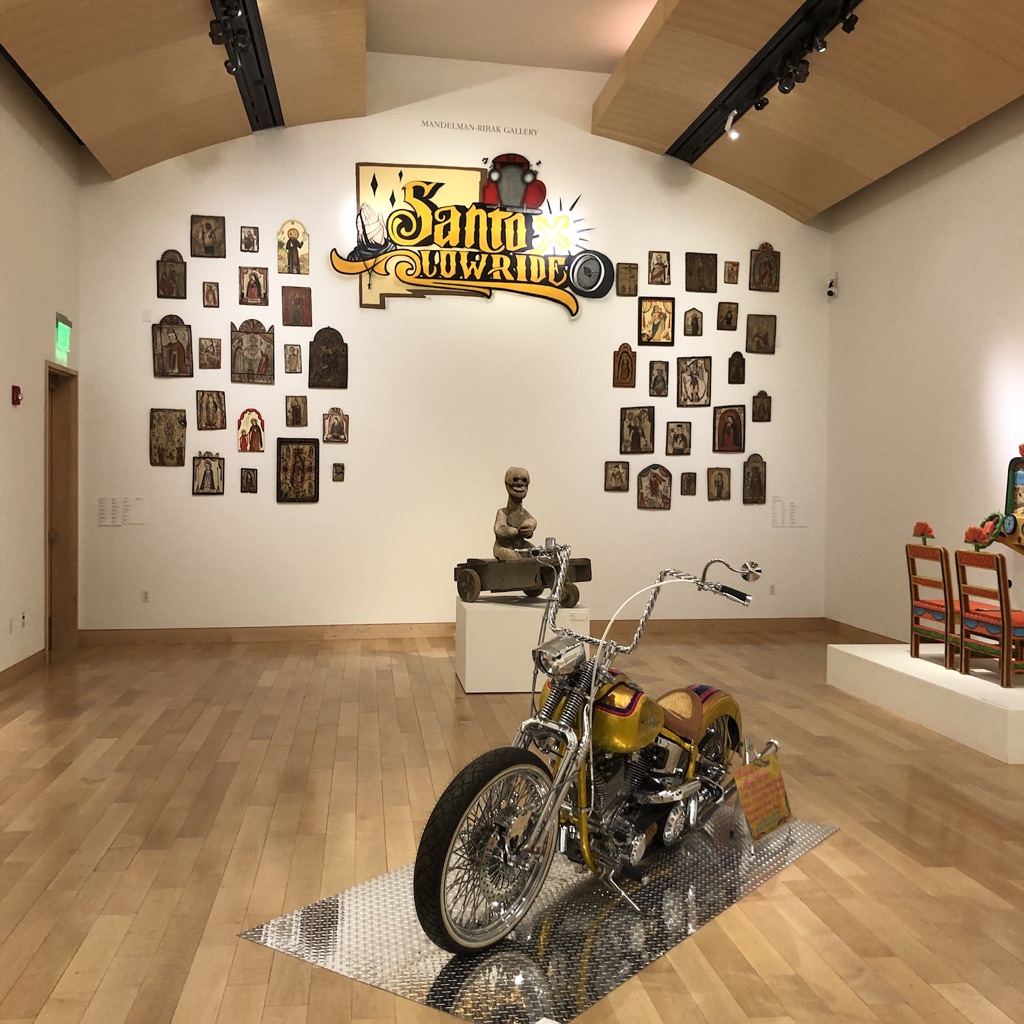
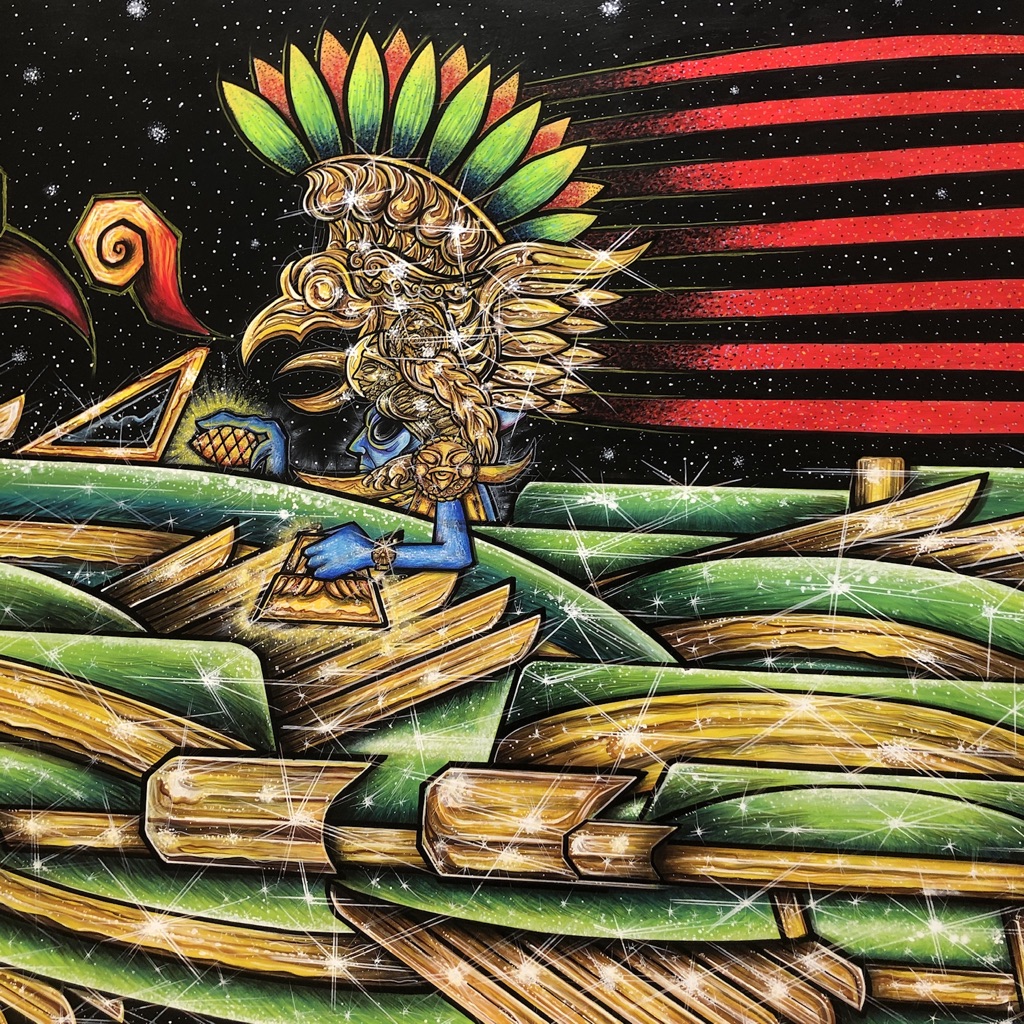
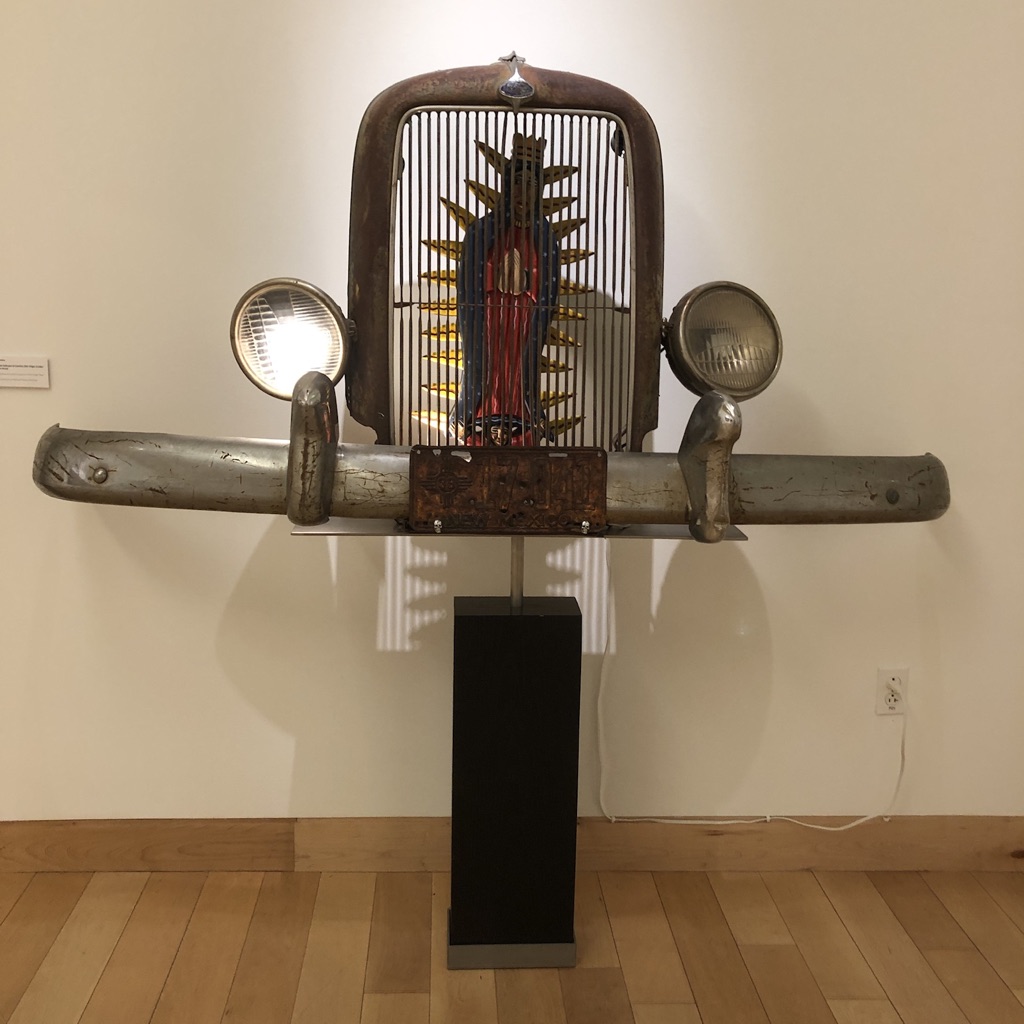
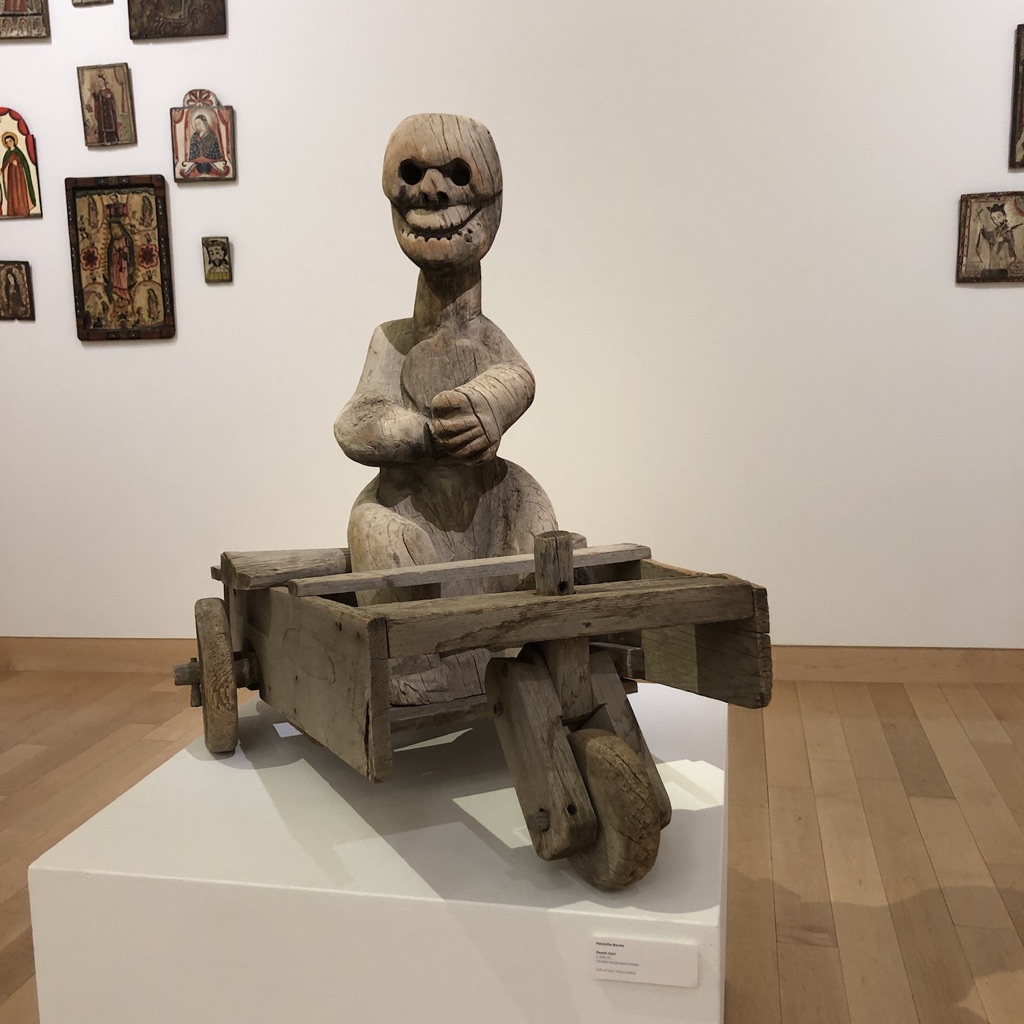
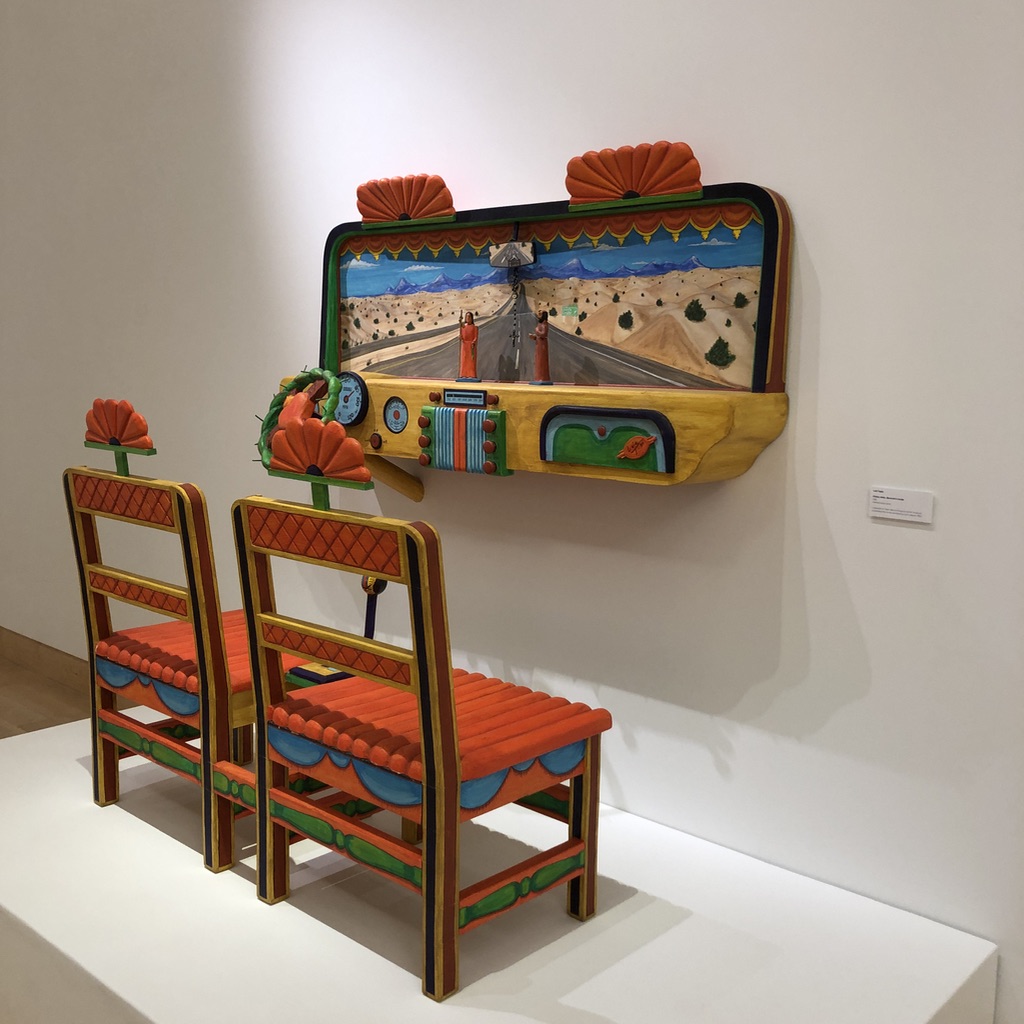
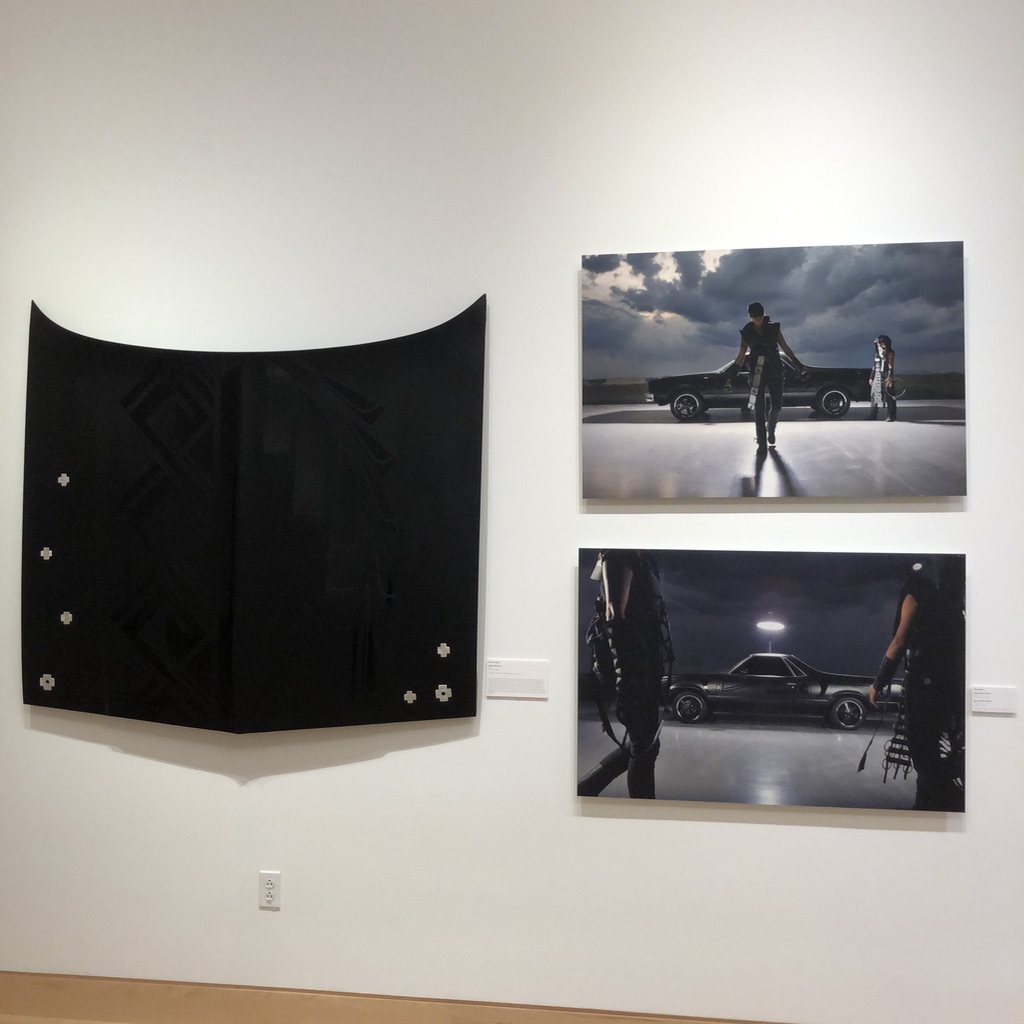
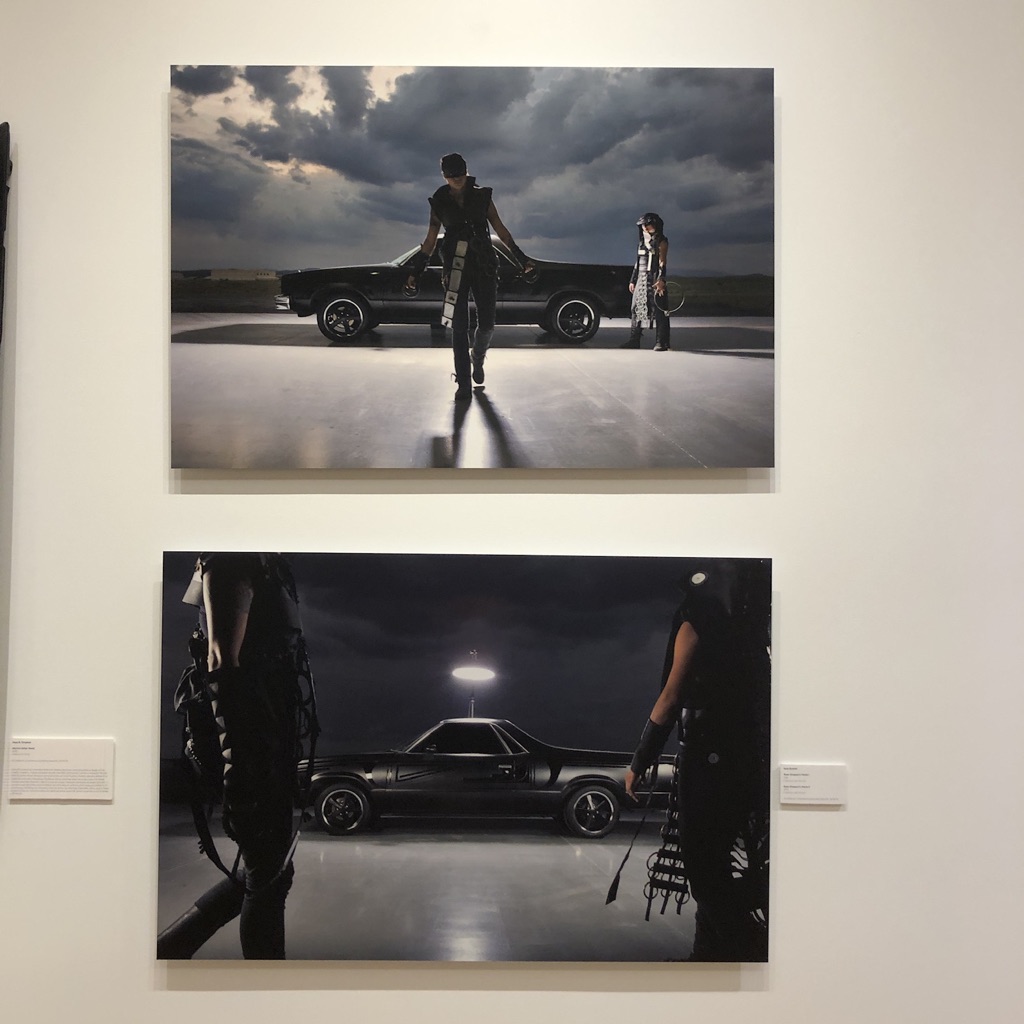
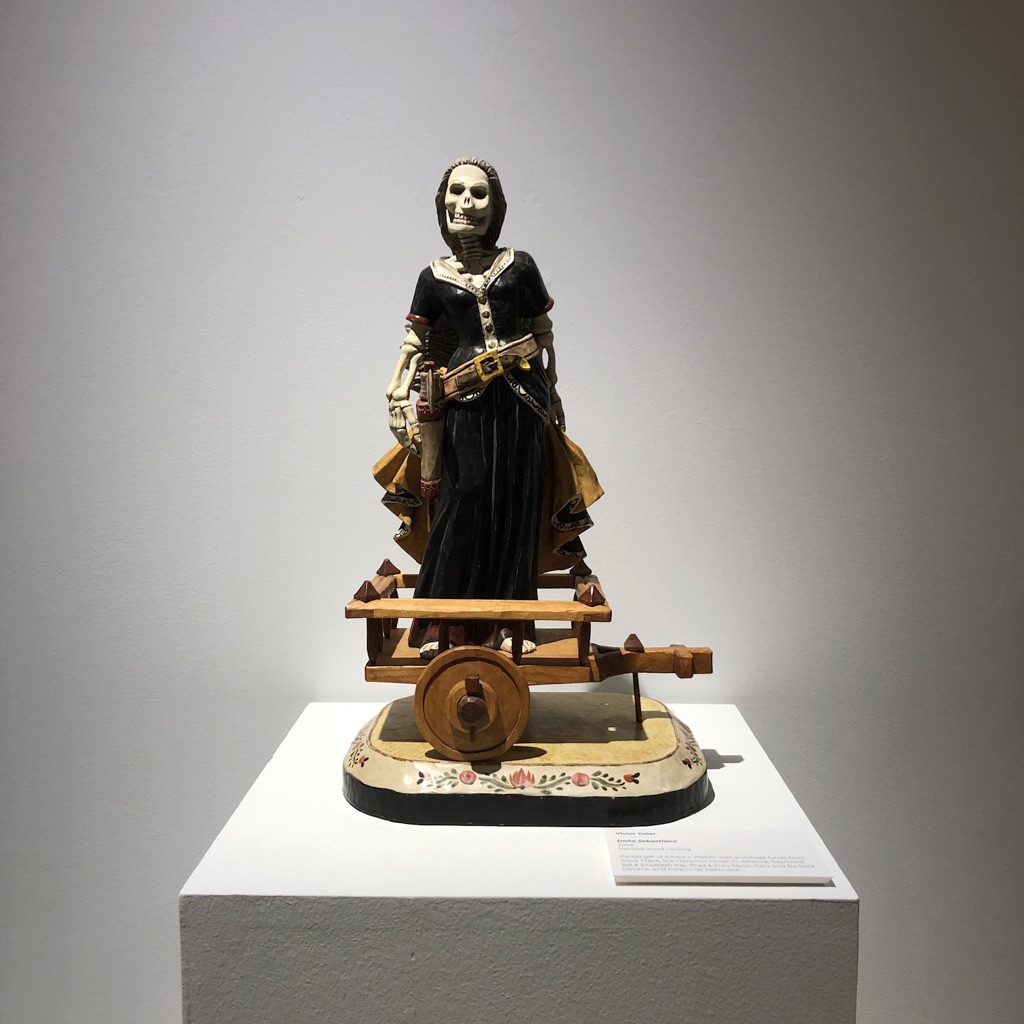
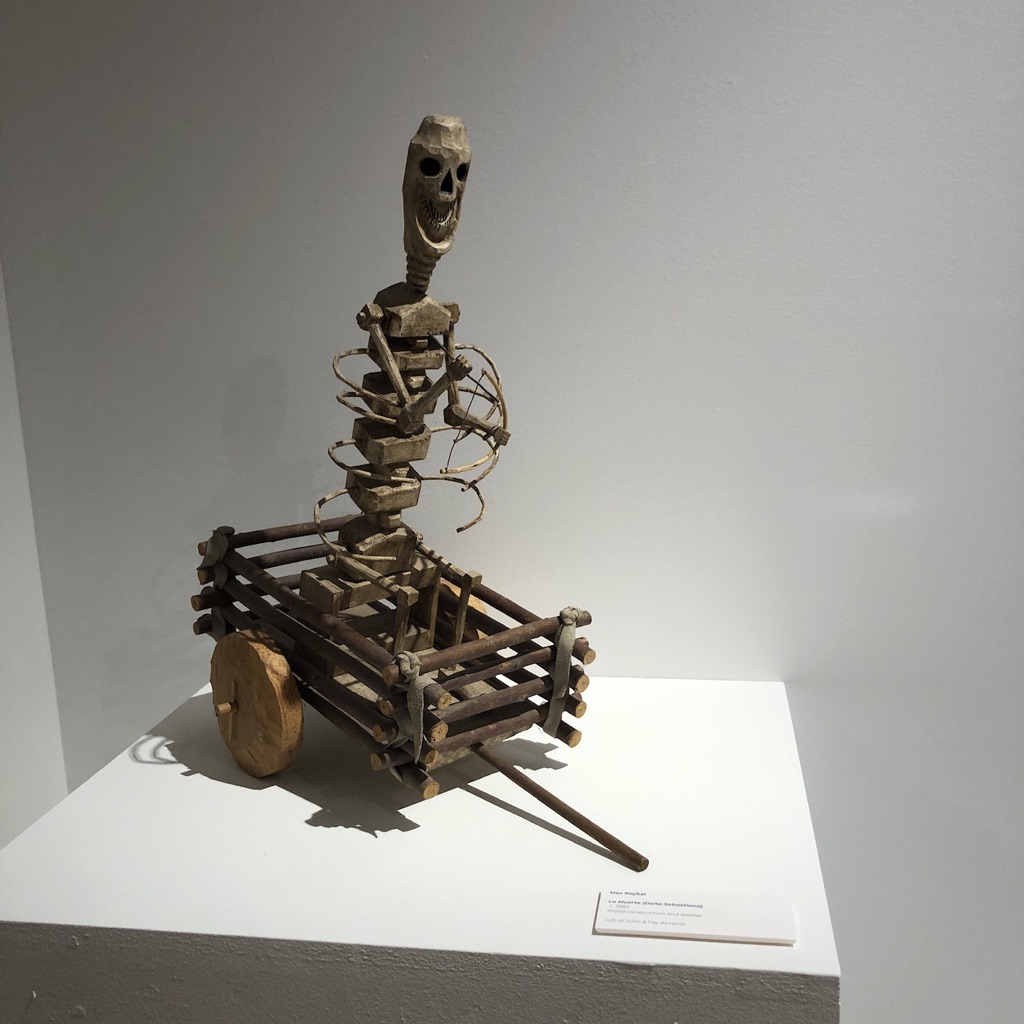
In the exhibition, “Santo Lowride: Norteño Car Culture and the Santos Tradition,” the deep roots of Spanish/Hispanic culture in Northern New Mexico, (which go back more than 400 years,) and the Native roots, which are more than 1000 years old, were honored and respected in vast and obvious ways.
Everything came together so well, as the art presented to the public was shiny, flashy, smart, though-provoking, rich and fascinating.
It’s literally a curator’s job to show off artists’ work.
To make it look as good as possible.
To create context, in which ideas, feelings and objects are synthesized, presenting a message in which the whole is greater than the sum of its parts.
And boy, did that happen.
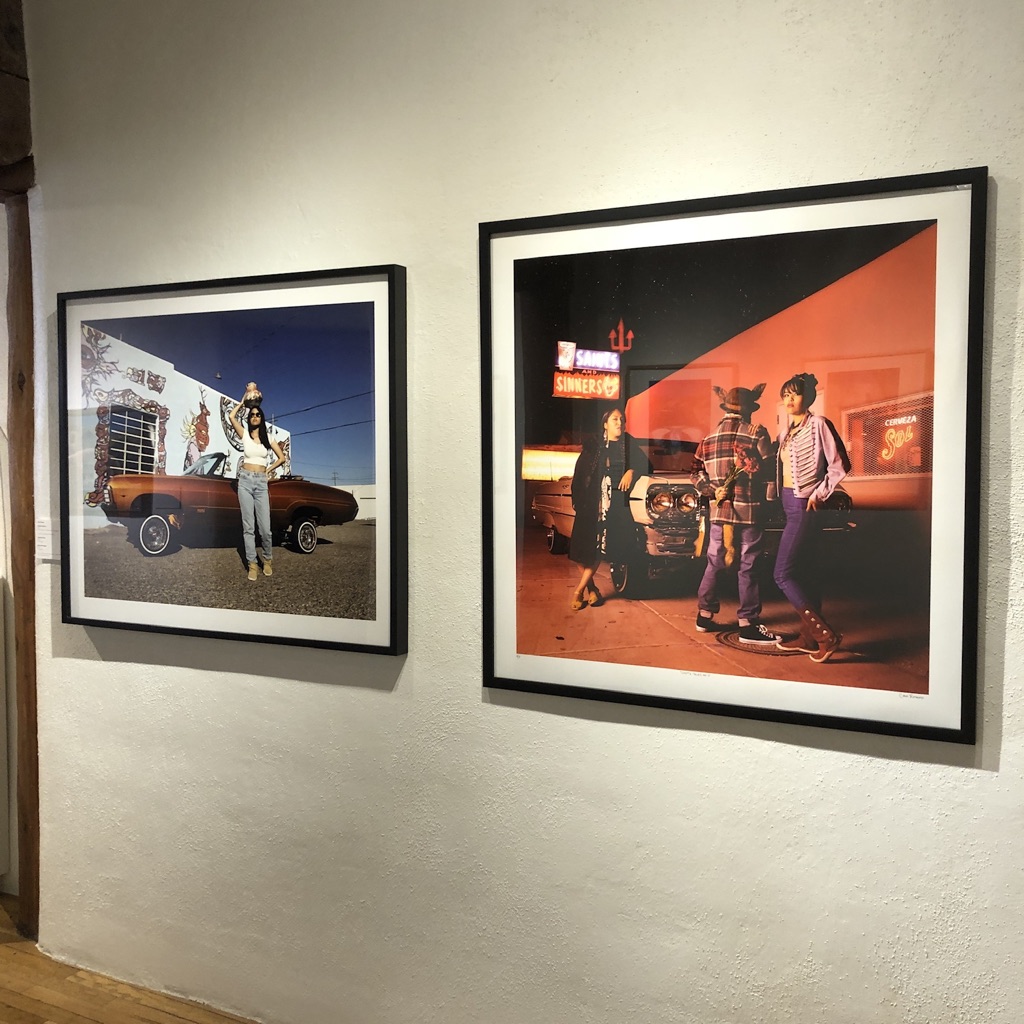
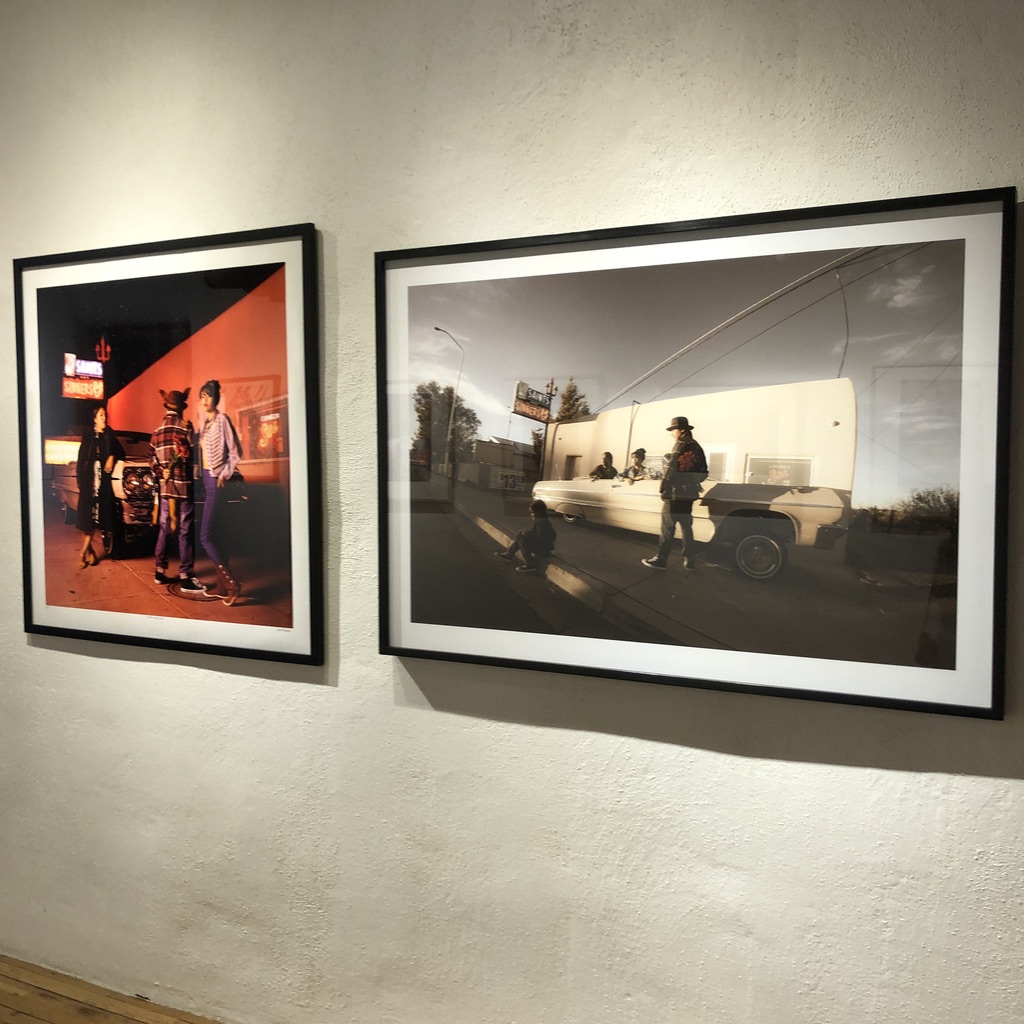
There were photographs by Cara Romero and Jack Goldsmith, in the entry hall, that announced the work was by the culture, for the culture.
Religious iconography on low-riders: that set the tone.
Three images by Jack Goldsmith
Two images by Cara Romero
We cut right after those photos, instead of walking down the long hallway, and wandered through a permanent installation of historical Taos art, before entering the Mandelman-Ribak Gallery, where the bulk of the exhibit was waiting.
I’ve got plenty of photos, because this was art to be experienced, but that’s not possible, so images become the next best thing.
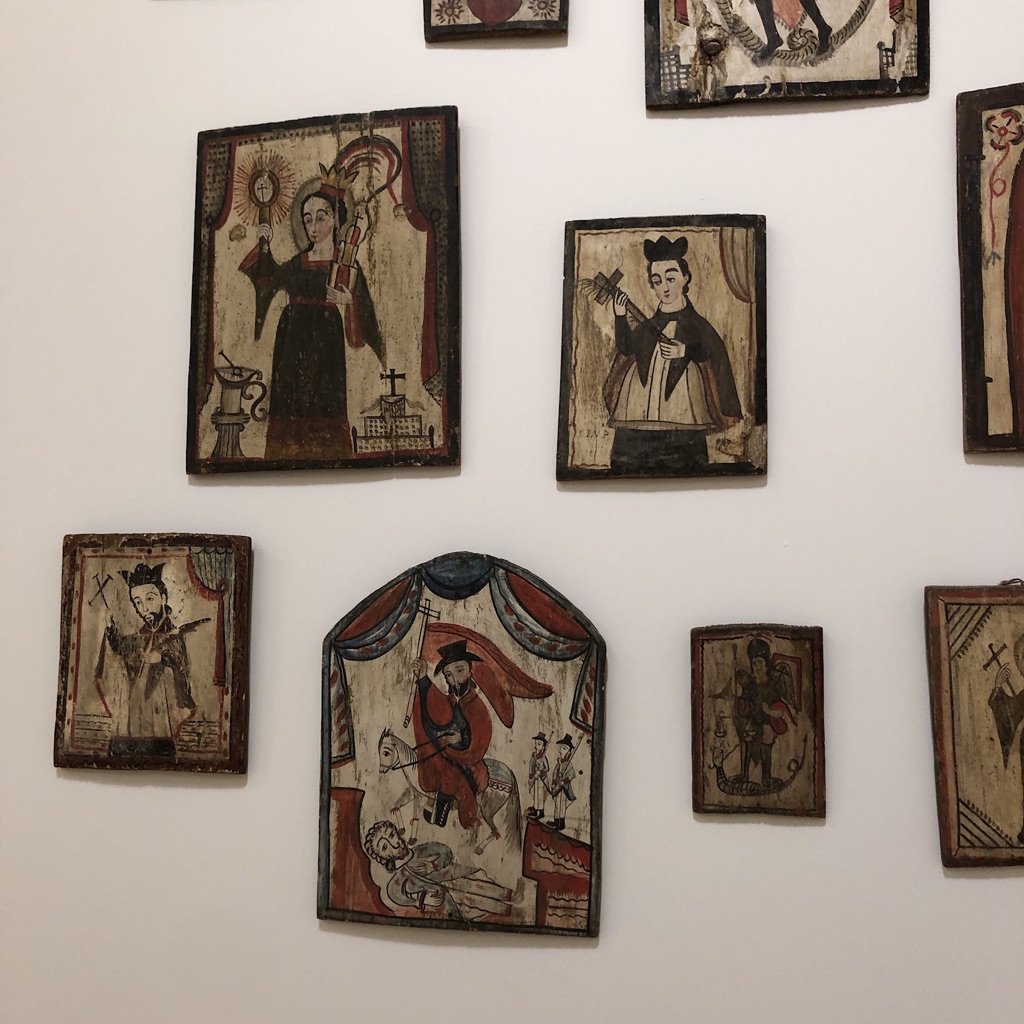
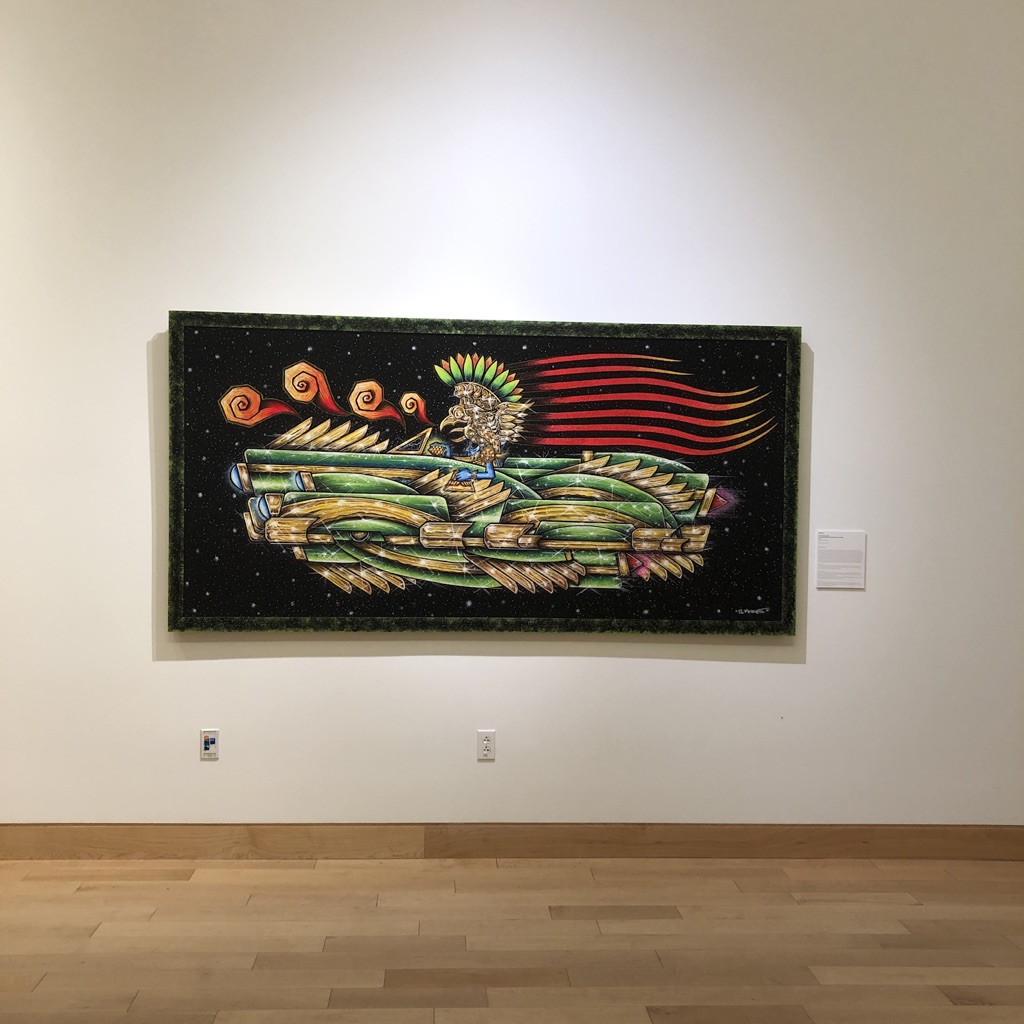
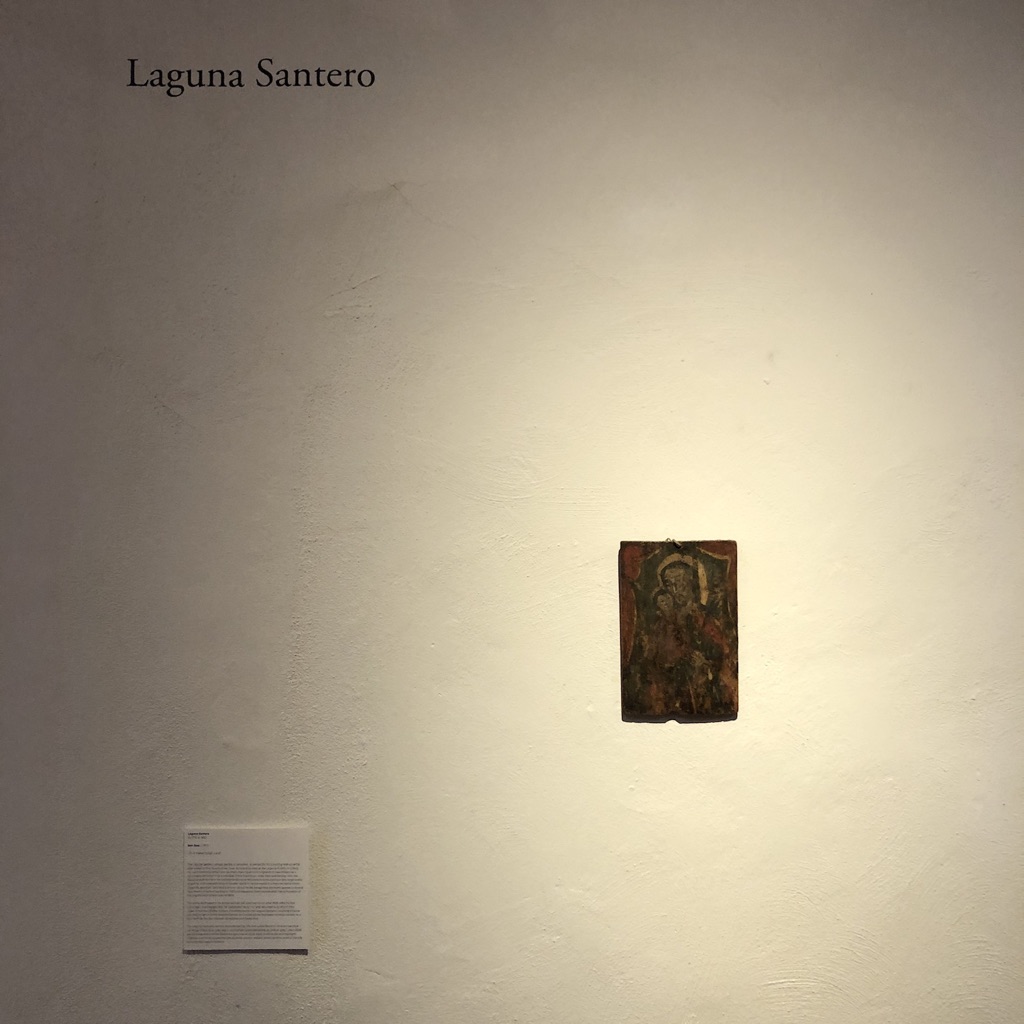
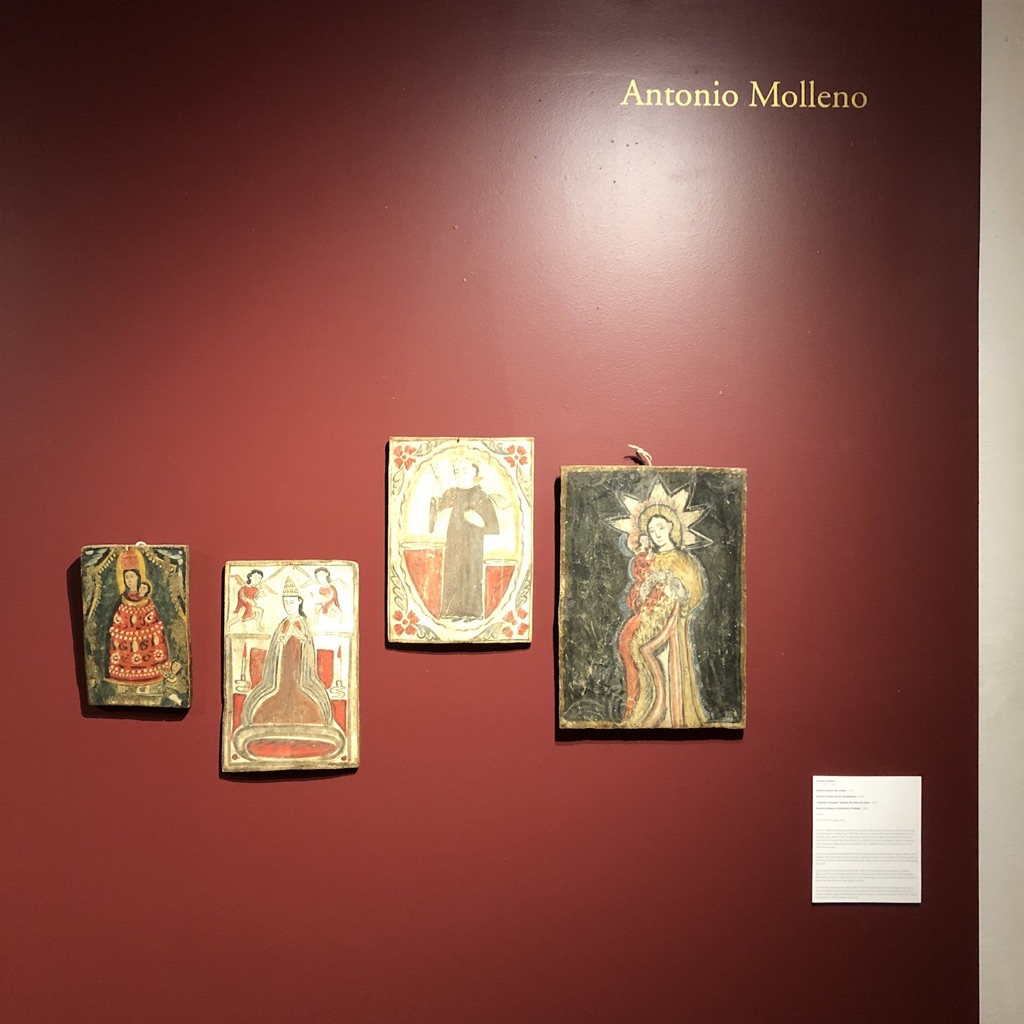
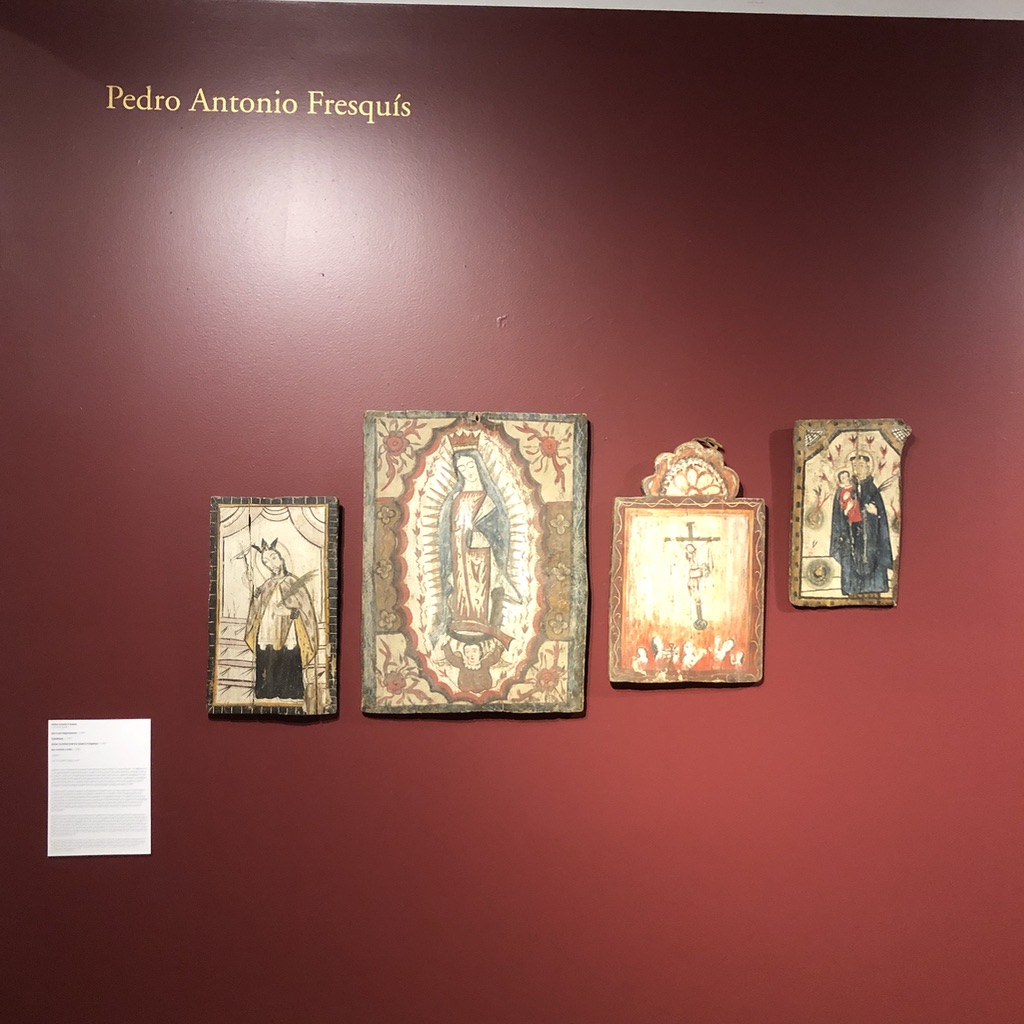
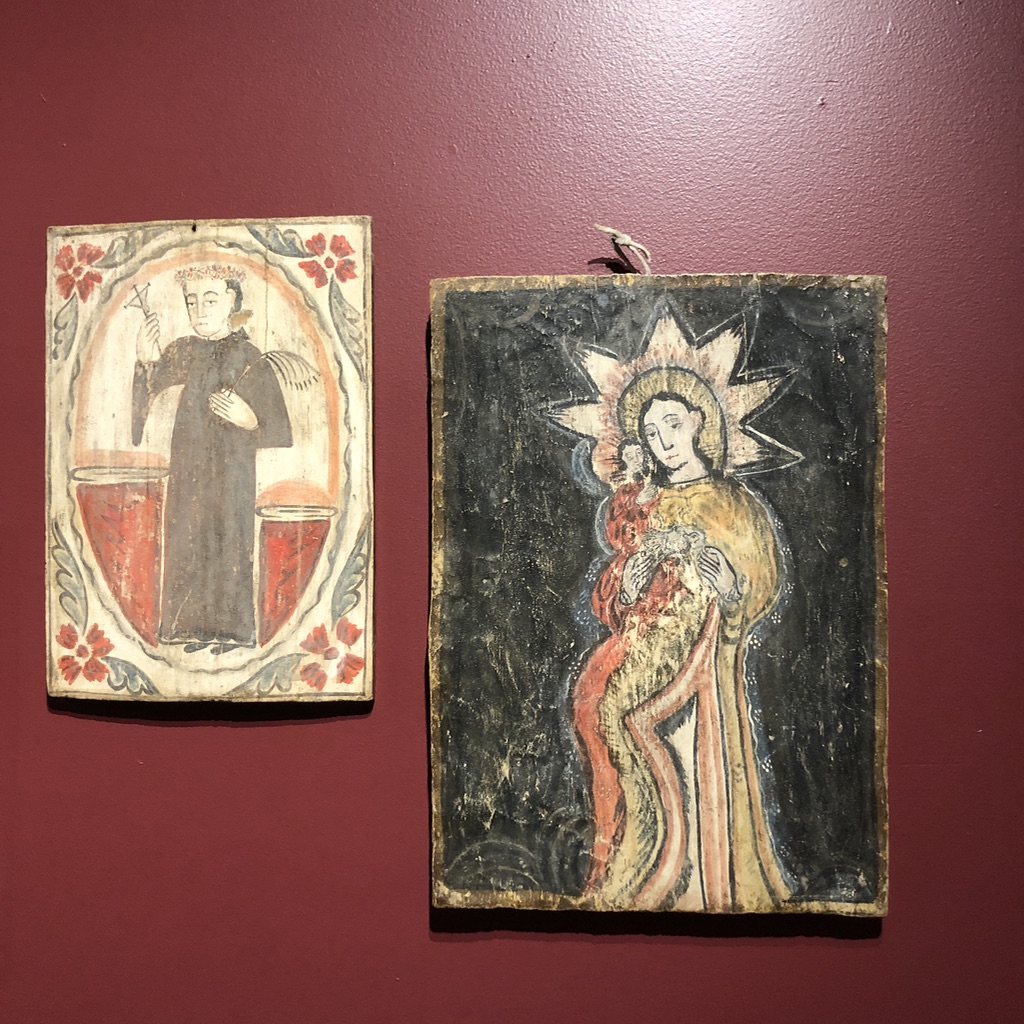
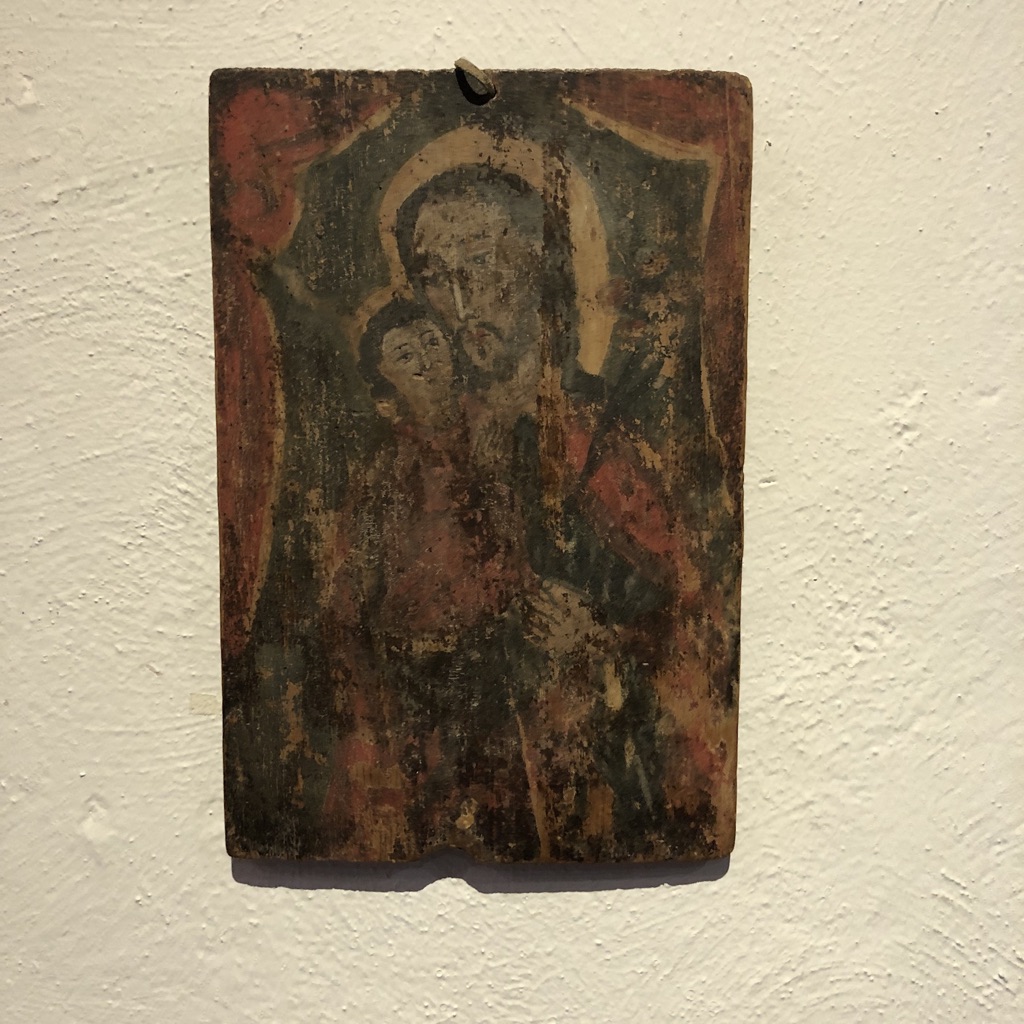
Shiny cars and motorcycles, costumed super-heroes, scary skull heads, Aztec-inspired paintings, all sharing space with a set of Retablos, which were made in the 19th Century as low-tech, hauntingly beautiful advertisements for the Catholic Church.
(I’ll drop the pictures for you now.)
I covered Cara Romero’s work in my first exhibition review of 2021, when I went to the New Mexico Museum of Art, and published Kate Russell’s work in the same article.
I’d seen her pictures, (of low-riders, ironically,) in a restaurant in Santa Fe, where I ate in April, right after my second vaccine kicked in.
I remember that feeling, where just taking a mask off in public and eating indoors seemed so uncomfortable, so absurd, I might have been in the Upside-down world.
Still, at that moment, I assumed “regular” life was right around the corner.
Instead, Delta hit, and our fellow Americans decided, by the tens of thousands, they’d rather die than give in to the the libs.
So…that’s the world we’re living in.
Straight up.
But Kate Russell’s photos here felt like they were hyper-charged by someone else’s creativity, and I mean that as a compliment. Perhaps it would be better to say she was collaborating with another artist, whose vision was so distinct, so AMAZING, that you’ll leave this article happier than you entered.
Just look at this.
The low-rider-hood is displayed on the wall, featuring designs that around here are associated with pottery, from the Santa Clara Pueblo.
(The black on black is common.)
In the photos, Rose B. Simpson presents as a Native American super-hero, like a female, indigenous Zorro, and for all the movie reboots these days, I dare you to find a protagonist you’d rather watch on screen.
This is SO FUCKING BADASS.
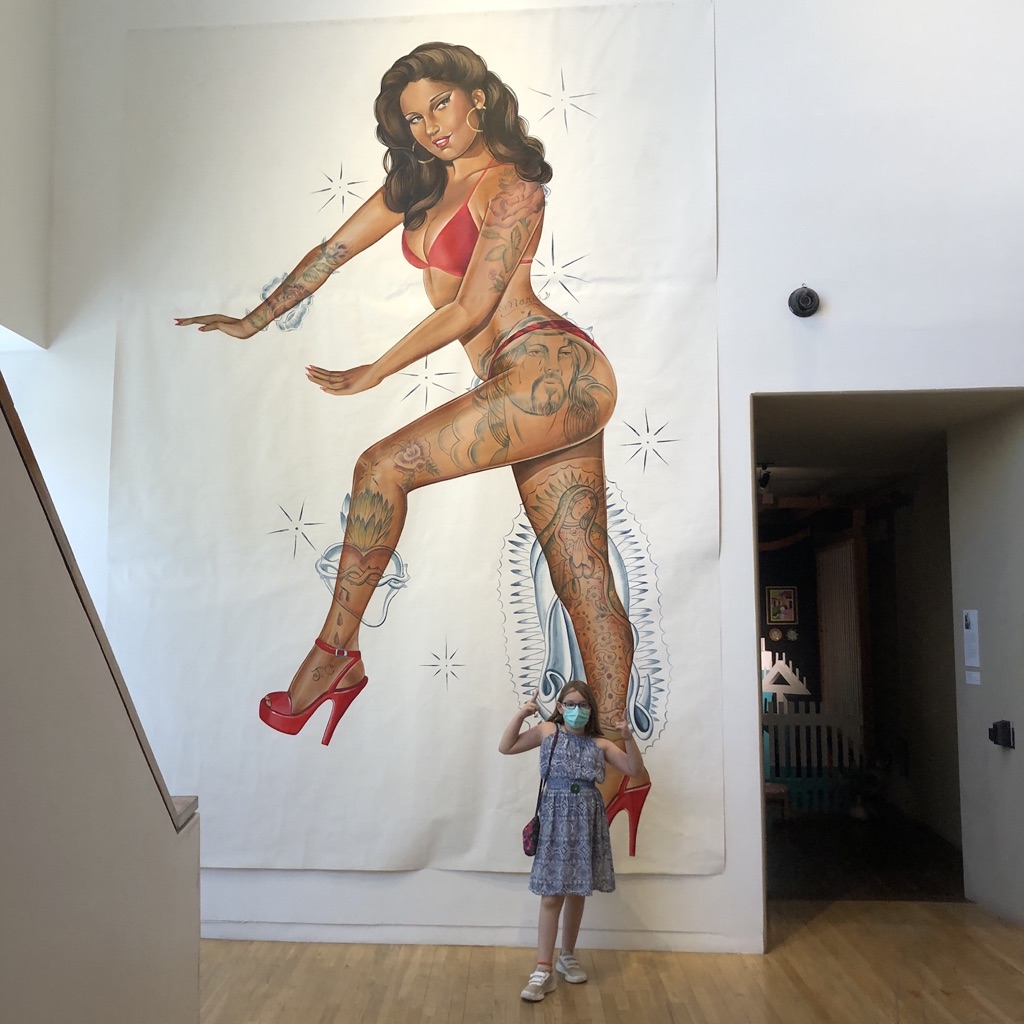
From there, we saw more blingy-bikes and creepy skulls, before going upstairs, (past the massive painting of a pin-up model,) to see a new installation of even more Retablo paintings.
My friend Ed was with me, (along with the kids,) and he agreed that in all his years visiting the museum, (he’s a long-time patron,) he’d never seen these paintings hung in such a modern, crisp way.
I luxuriated in the work.
Standing there.
Admiring the magnificence.
We all did.
It was so easy to travel back in time in your mind, to a dark, mud-walled church, two hundred years ago, with flickering candles, Latin-chanting priests, and huddled heads, where every now and again, someone would look at an image of Jesus, or Mary, and find hope.
Or solace.
So that’s where we’ll leave it today.
Art is, and has always been, a huge part of humanity’s salvation.
Art is an act of creation, and represents the best of us, as a species.
So let’s not forget that, in 2021, when so much bad-behavior gets us down.
The Art of the Personal Project is a crucial element to let potential buyers see how you think creatively on your own. I am drawn to personal projects that have an interesting vision or that show something I have never seen before. In this thread, I’ll include a link to each personal project with the artist statement so you can see more of the project. Please note: This thread is not affiliated with any company; I’m just featuring projects that I find. Please DO NOT send me your work. I do not take submissions.
I shoot personal work throughout the year around commercial assignments. Sometimes you just do self-assigned projects to feed the soul.
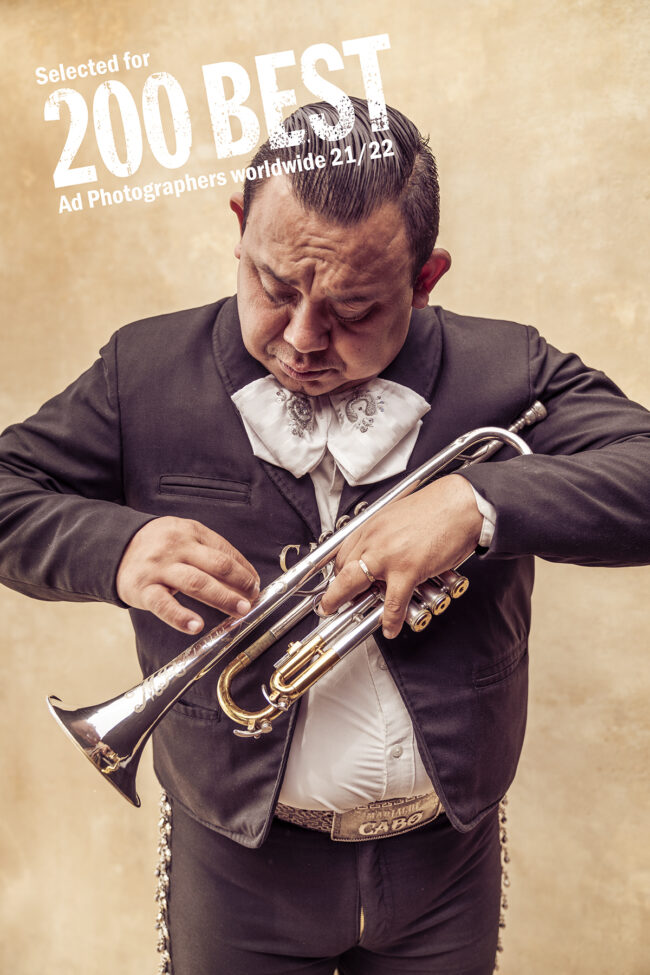
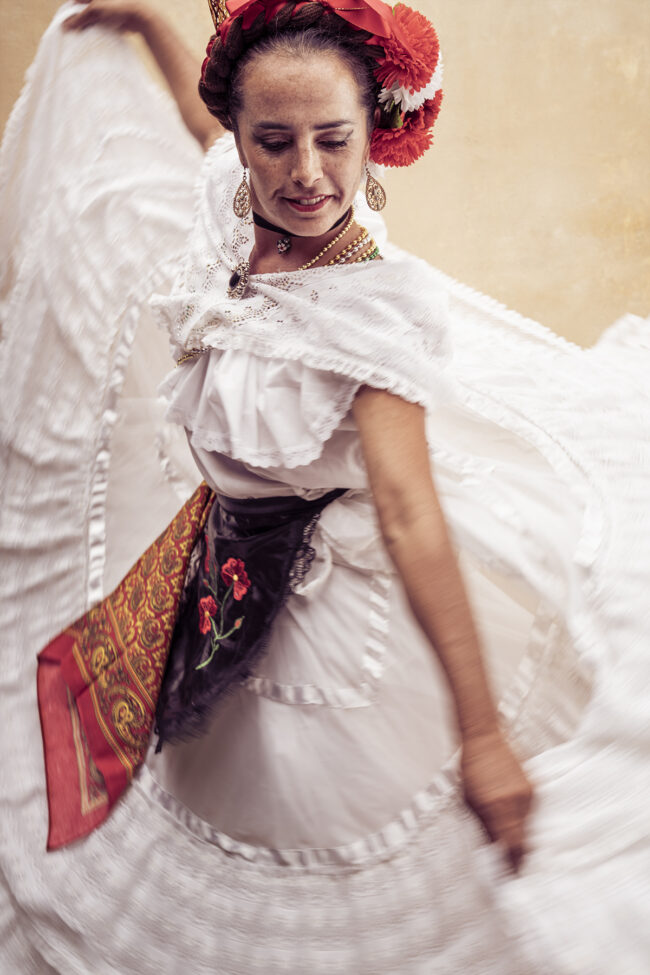
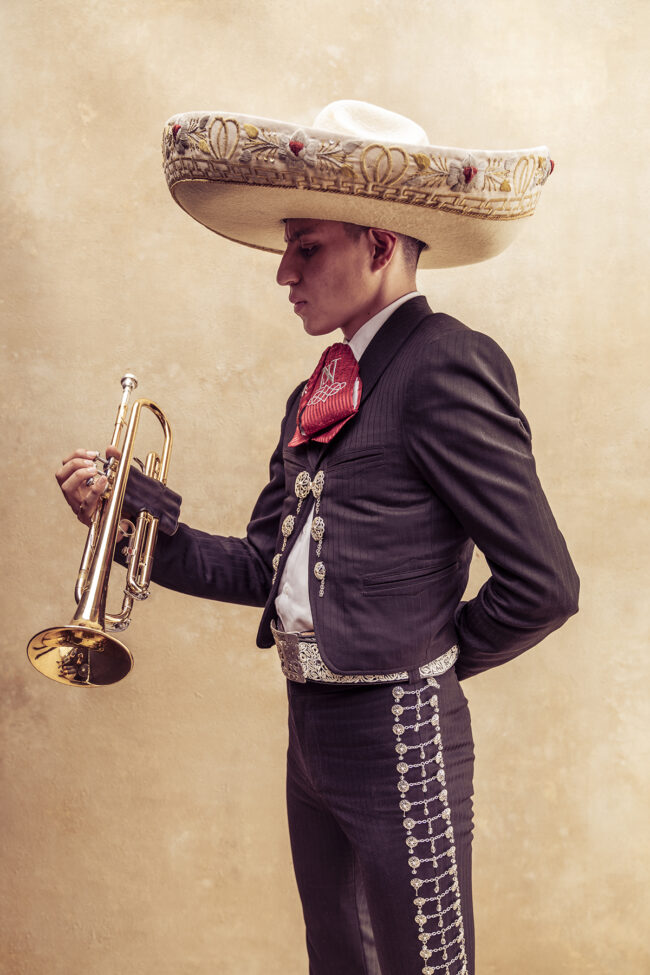
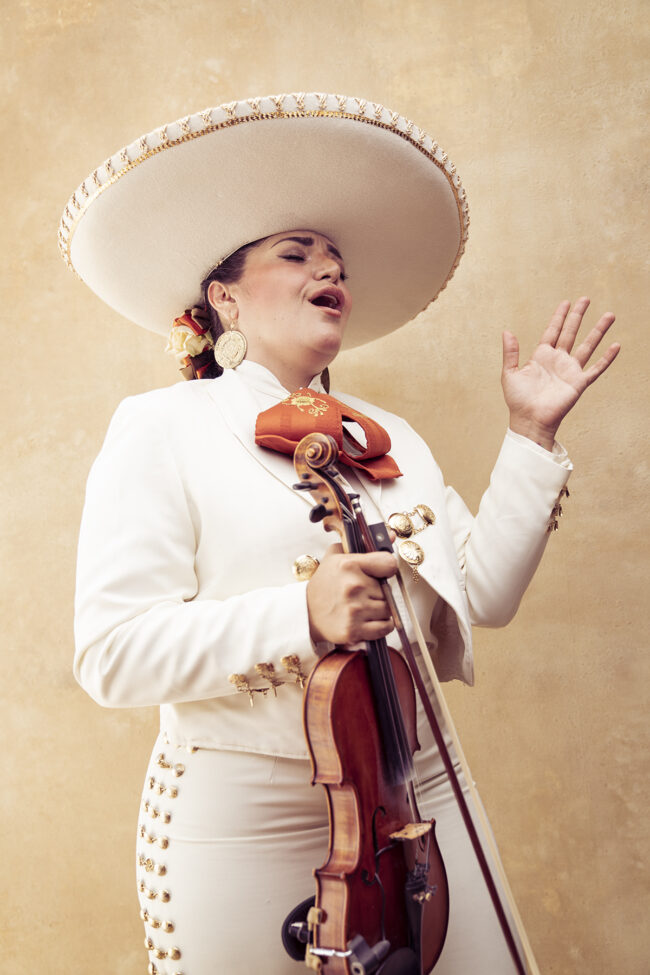
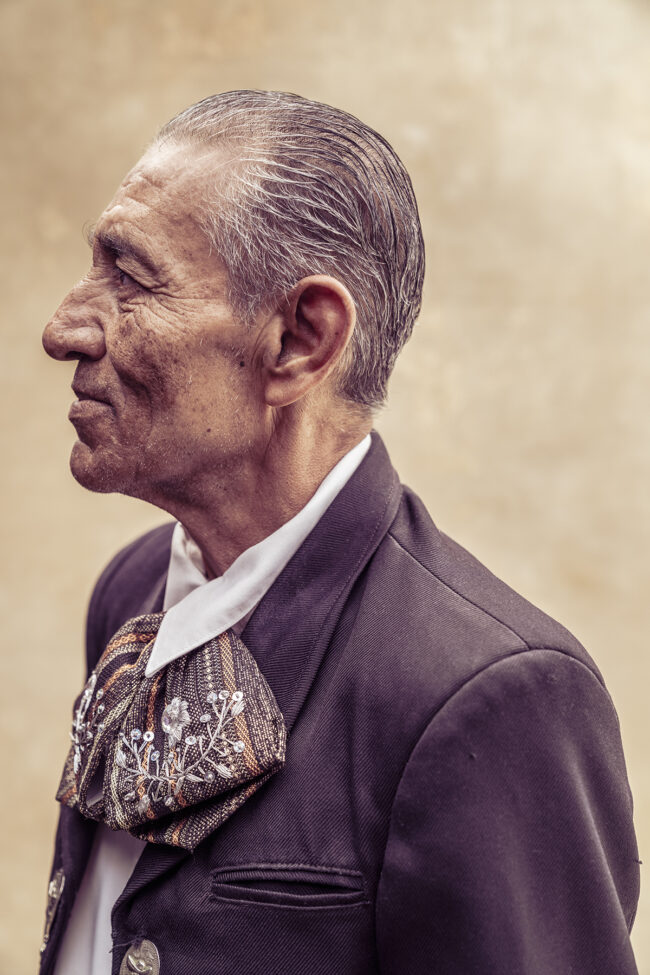
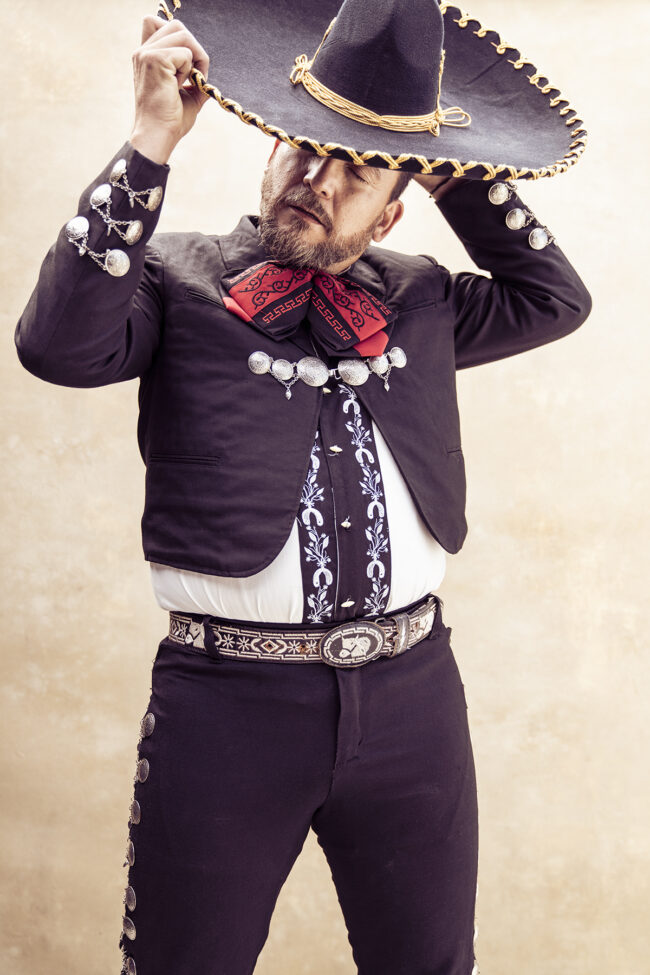
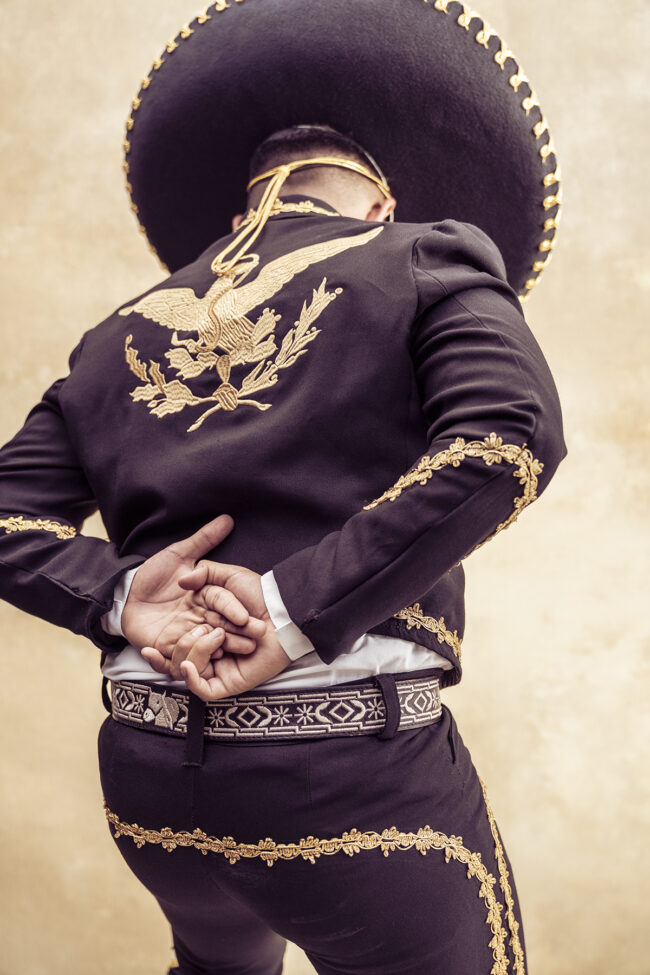
I grew up surfing around Mexico. It’s a place that is close to the heart for me. Recently traveled around the Baja Peninsula searching out and casting Mariachi band members. With an assistant and an outdoor studio, we focused on creating a series around the wonder of the Mariachi tradition.
I am a huge fan of Spanish culture, the food, the history, the people, and the traditions. This project allowed me to work on a project I have had on my list for a long time. Many years ago, while in NY for work I sought out an artist to paint a backdrop for me knowing I would eventually run out of excuses to take on the project and just go do it.
An opportunity came up when Marianne Campbell (my rep) was putting together a project including all her photographers. I needed to shoot something for it to be included, but I wanted it to be unique.
Normally I shoot in an editorial or story telling fashion where I’m immersing myself in the story I want to convey. Here I just focused purely on portraiture and the beautiful people performing their passion. I wanted to convey the commitment and joy around this tradition. The color palette chosen was based on my experience with the subject matter. To me it had to be warm, romantic and include the authentic elements. It’s hard to listen to this music and not be moved. I hope I have captured that in beautiful and respectful way.
The musicians were happy to be performing as they also have been affected by 18 months of lock down due to the pandemic. It was such a joy to be serenaded for several days. It was really a magical experience.
APE contributor Suzanne Sease currently works as a consultant for photographers and illustrators around the world. She has been involved in the photography and illustration industry since the mid 80s. After establishing the art-buying department at The Martin Agency, then working for Kaplan-Thaler, Capital One, Best Buy and numerous smaller agencies and companies, she decided to be a consultant in 1999. She has a new Twitter feed with helpful marketing information because she believes that marketing should be driven by brand and not by specialty. Follow her at @SuzanneSease. Instagram
Success is more than a matter of your talent. It’s also a matter of doing a better job presenting it. And that is what I do with decades of agency and in-house experience.
Heidi: How did this idea come about, did the pandemic have an influence?
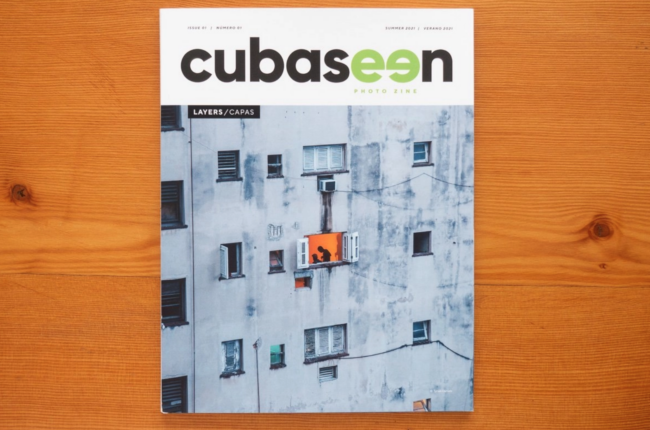
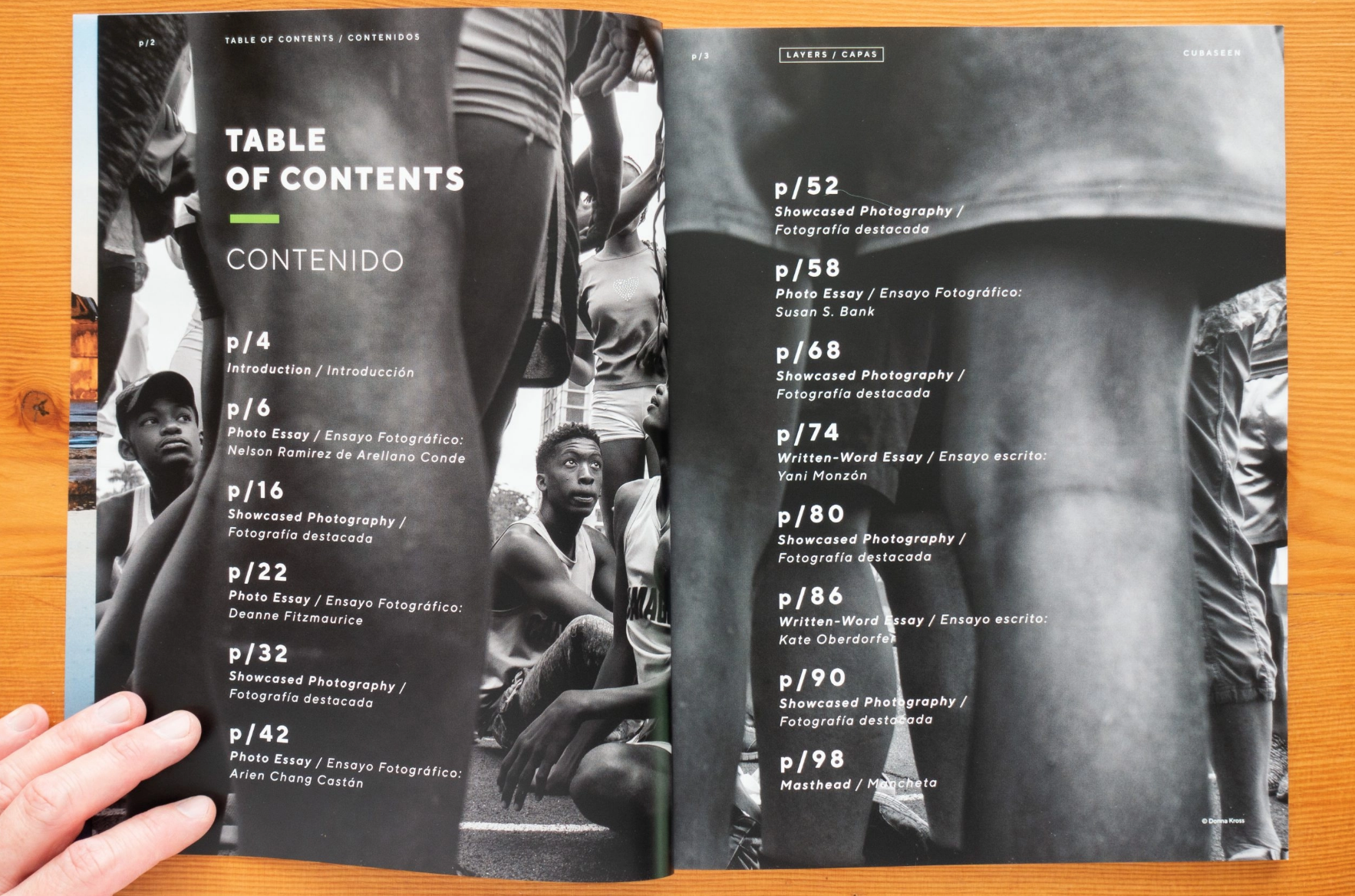
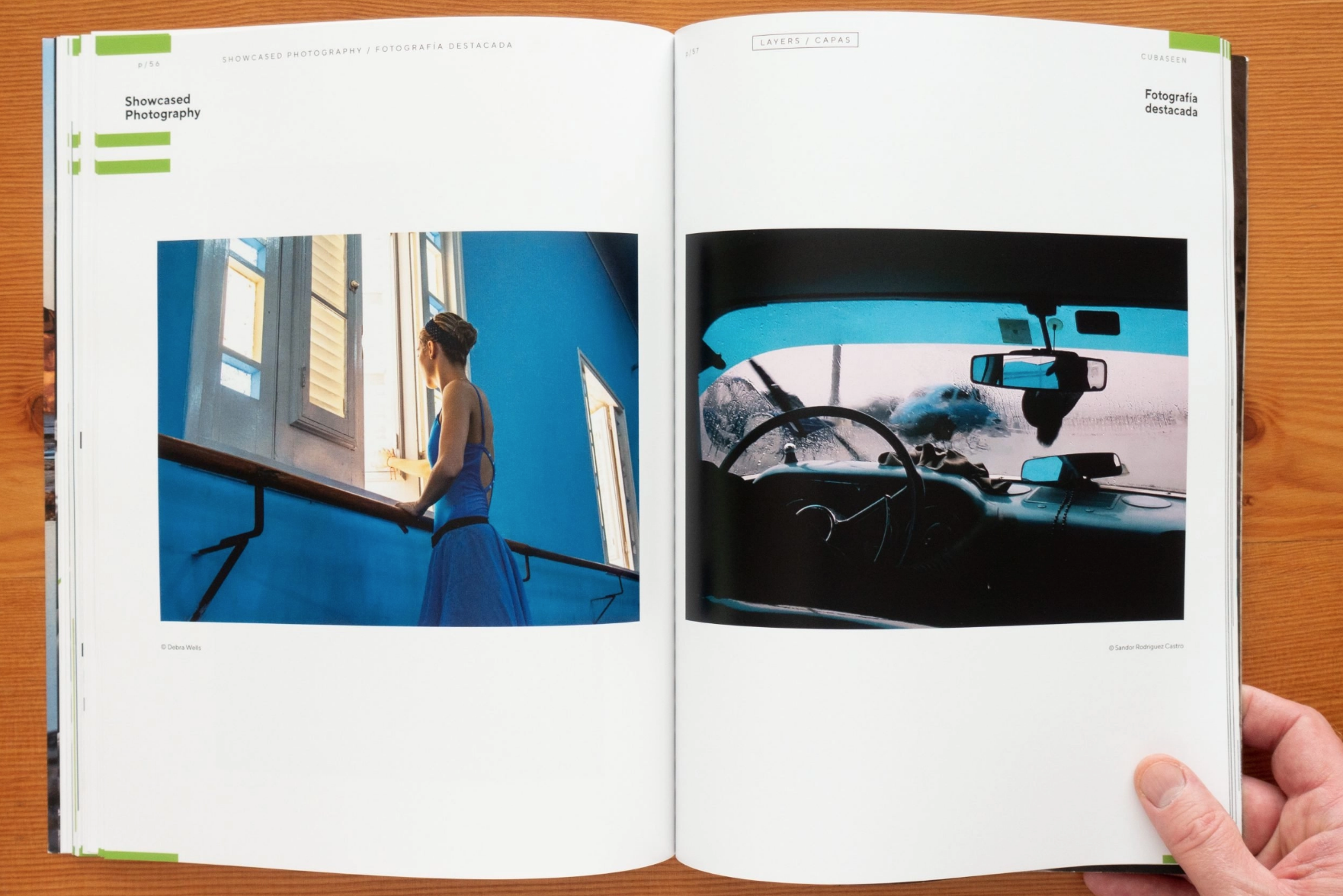
Jennifer: After travel came to a sharp halt I started teaching online courses with Santa Fe. One was on creating Zines – lots of fun to deep dive into projects, sequencing and designing after so many years just focusing on capturing images. Somewhere mid-pandemic a friend and fellow photographer, Andrew Child approached me with an idea of co-publishing a zine showcasing Cuban and US photographers together on one platform.
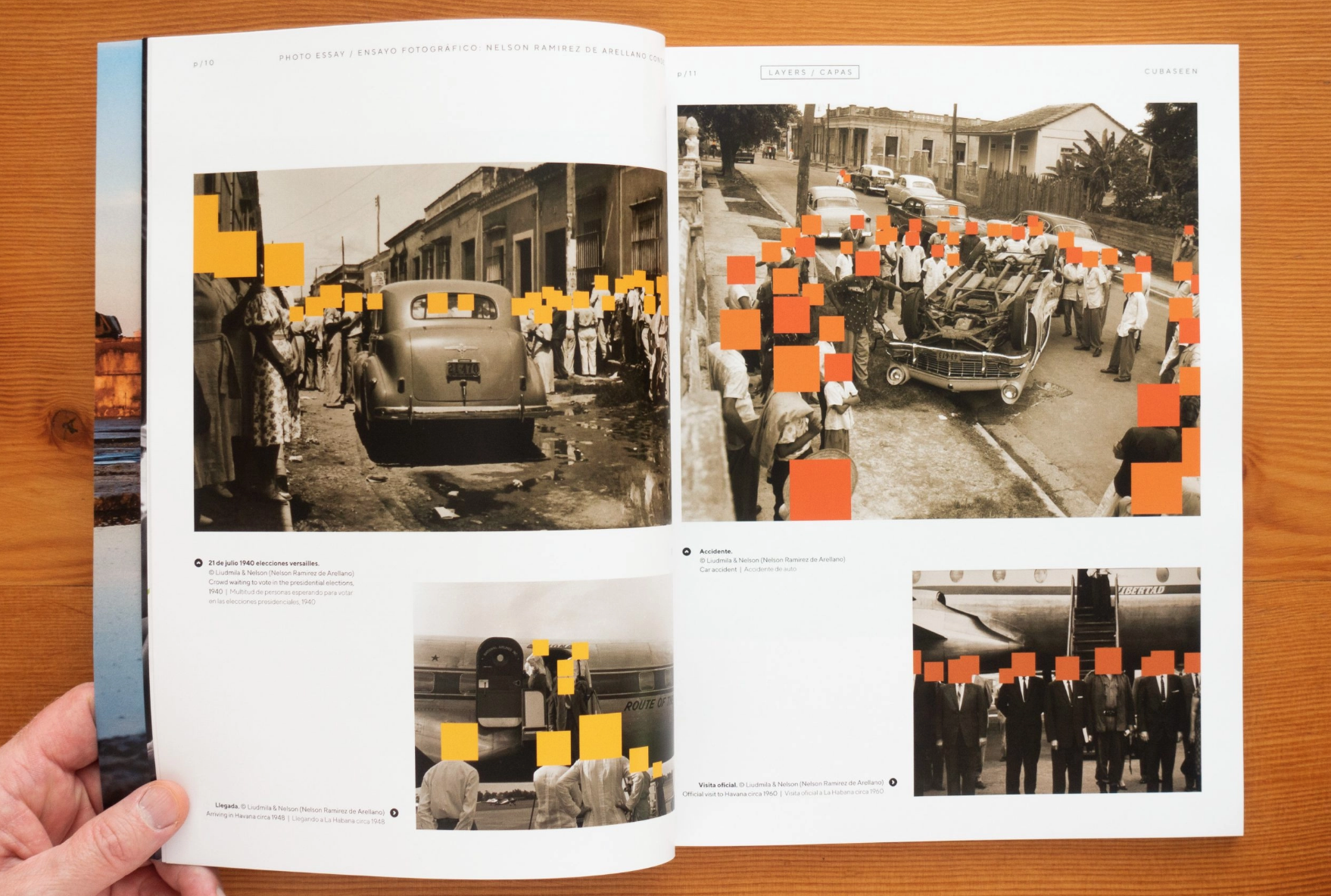
Why Cuba? Cuba is a place it’s hard to visit and not genuinely get attached to the people. It’s also a place it’s hard to understand through simple news headlines. It’s culture is layered in complexity, due to both politics and isolationism. We appreciate the strong commitment to the arts and music Cuba has always held. Our magazine is trying to provide a deeper lens into the happenings on the island and testing whether art and written words can actually help broaden perspectives. There are countless photos of Cuba sitting idle on the hard drives of talented photographers who have visited the country through people-to-people and support of the Cuban people programs. We provide a unique platform to share those photos and pair them with the work of Cuban photographers in a way that is thoughtful, creative, and exposes truths about both our cultures.
Is there any call to action for the magazine? CubaSeen exists at the intersection of both U.S. and Cuban governments recognizing the value of artists connecting across national boundaries. Distribution includes key members of the U.S. Congress and Biden Administration foreign policy officials. “We’re not political but we do want decision makers in Washington to understand the value of people-to-people interactions between artists during this time of strained relations between the U.S. and Cuba. CubaSeen is not just about beautiful photography, it’s about people forming friendships, the cross pollination of creative ideas, and debunking the myths we hold about each other in both countries.” Andrew Child
We are hopeful people will share the magazine with friends and fellow photographers and that our magazine can achieve what news headlines are often unable to do – giving a face to the people. Our distribution also includes a range of galleries and curators within the art world in hopes that the exposure will lead to other exhibits and more traction for the artists collectively.
How did you spread the word for call in to entries in both countries? So far everything has been by word of mouth and social media. We’ve reached out to photographers from Cuba and the US for entries and all have been eager to participate. We’re encouraged by the range of visual voices – from amateurs to professionals. We’ve now started getting submissions from all over the world and are excited by the depth in perspectives. It’s fun to see the difference in work that comes from outsiders looking into Cuba and insiders looking out from Cuba.
Are you creating diptychs with US based images and Cuban images?
We put a lot of focus into crafting the most dynamic page spreads we can – creating unexpected relationships and challenging juxtapositions between images. We understand that the meaning of an image can be influenced by what image it appears next to it and are enjoying editing the work to create these types of pairings. We are letting the imagery drive these relationships – sometimes they are between a Cuban and US photographer, sometimes two Cubans, sometimes work from photographers in other parts of the world. Andrew shared with me, “I see reactions from people who have not been to Cuba, I get the sense that those pairings and juxtapositions which Jennifer describes still resonate. The subject is always Cuba, but there’s plenty in the zine for anyone who just appreciates great photography.”
What are the themes based on? The themes are meant to encourage imagery beyond the standard cliches of Cuba. Our first theme of LAYERS was a tribute to the long history of powerful street photography in Cuba and the complex cultural layers within the island. Our next theme of PERSONAS was meant to amplify and personify the voices of the people of Cuba during a summer of incredible internal and external political unrest. Our current theme of “UNEXPECTED CUBA” is about celebrating the moments that delight, surprise and endear us to the island. We are excited to see what kind of photographs it yields.
It’s so inspiring to see all these collectives popping up.
We agree-it’s been beyond cool to see the cooperative endeavors that came out of us all having a little time to slow down and actually talk about ideas together. The very best part of CubaSeen has been working together with the most dynamic team Andrew and I could assemble. We have a copy editor/translator who brings extensive experience in publication, two Cuban designers who’ve helped craft the CubaSeen brand and weave the Cuban aesthetic into each page and a dynamic Cuban writer and US writer. Those folks combined with each of our rotating photo essayists and the over 100 photographers who’ve submitted work to each issue creates a synergy of visual thoughts far beyond what any individual perspective could do. Many times throughout the last year Andrew and I have remarked on the collaborative part of CubaSeen being the most fun and powerful part of the project.
Our next call for entries is on “Unexpected Cuba” and submissions are due by November 9th. Anything we can do to encourage submissions from folks who have visited Cuba would be great – https://cubaseen.com/submissions-03/
Who printed it? Smartpress. I’ve used them for the last couple of years, and the quality has been excellent every time. For photographers, color accuracy is obviously one of the first things we look at and I feel they do a great job in that regard. Their pricing is also very fair, helped in part by the flexibility they offer in terms of production quantity.
Who designed it?
It was a collaboration between myself and Peter Dennen of Pedro + Jackie. I usually have a fairly clear idea of the overall look and feel I’m after, but Peter was particularly instrumental in putting this one together.
I’ve worked with Peter on web edits, print book edits and a couple of promos. It’s always a conversation, which is as it should be, I think. Obviously one characteristic of a good conversationalist is the ability to listen, and Peter is not only good at that, but he’s good at parsing the necessary information from the conversation. He’ll also tell me if he thinks I’m headed in the wrong direction, which I appreciate. Of course, I’d like to think that doesn’t happen too often! But Peter has frequently made visual connections in my work that I might otherwise have missed.
Tell me about the images.
I conceived of this promo mostly as an introduction to this element of my work for potential clients who might not already know me or my work. With that in mind, I drew from a larger body of work rather than the most recent work specifically.
One of numerous privileges of my long relationship with Texas Monthly is that I’ve covered Texas far and wide… and as we know, it really is far and wide.
I think there’s only one image that’s not from Texas (it’s potentially a little awkward thematically, but I don’t think it registers in a huge way visually), so I think it really grounds me as a Texas-based photographer (for better AND most definitely for worse!).
How many did you make?
60. It’s a 28 page booklet, and it’s a fairly targeted campaign. I felt that I could order more a little later if needed.
We also designed a large-format hardcover print book that was largely based on this booklet. I intended ordering a handful of these books, thinking I’d show them at portfolio reviews and also send a couple to the likes of Wonderful Machine for them to show at their client meetings. Then the pandemic happened before I had chance to order them.
How many times a year do you send out promos?
In a normal year 3-4. I try to put together one booklet or at least a tri-fold, and beyond that, I typically send out a couple of postcards every year too.
But of course, this wasn’t a normal year…
Do you think printed promos are effective for marketing your work?
How much space do we have to devote to this subject?! Typically, I would say yes. The message when it comes to effective marketing seems to be about consistency across multiple channels. As many of us would admit, this a theory that isn’t always put into practice with as much reliability as we’d like… That said, I think a good printed piece is always going to resonate. Done well, it shows an extra level of care and attention to detail.
However. What about in the midst of a pandemic? What about now that work culture has irrevocably changed, and many art buyers, art directors, and editors won’t be returning to the office with anything approaching regularity? Truth be told, these promos were delivered to me literally DAYS before we went into our first lockdown. I sat on them for a year because who was going to be in an office receiving them? I finally reached the point that I felt they had to go out if they were to represent current work in any way. I sent them out in the knowledge that a significant number of them wouldn’t reach their intended audience, yet 50% of something beats 100% of nothing.
Meanwhile, the email boxes of industry creatives overfloweth. Honestly, I empathize with them. Who can possibly keep up? But right now, even as many emails will go ignored out of sheer necessity, it’s still the best option we have in terms of reaching creatives. This is obviously a time to nurture established relationships as well as seek to make new connections.
With all of this in mind I recently worked with a designer to create an attractive, adaptable email template, hoping to up my email game. Whatever we can do to grab a moment’s attention, right?
My neighbor built a heliport, about five years ago.
He didn’t have the permits to build in a remote, rural valley, but he’s a wealthy man, so he skirted the rules, and got away with it.
(Like that phrase, it’s easier to ask for forgiveness than permission.)
Sure, some people made a fuss, but as he built across the street from the volunteer firehouse, and enlisted some of the firemen to walk around with petitions, there was at least plausible deniability.
(That it was in the public interest.)
Ironically, my neighbor does not own a helicopter, (that I’m aware of,) but he does own a big chunk of land, so it was speculated he was planning to develop ranches for the “copter class.”
Given a hedge-fund billionaire, Louis Bacon, purchased Taos Ski Valley not long before, started his own airline, and expressly began cultivating a super-rich clientele, such conjecture about our misfit heliport seemed just.
But nothing like that has come to pass, and I’ve never even seen the damn place used. It just sits there, jutting out of a cow pasture, and has more No Parking signs than parked cars, much less helicopters.
Until today, that is.
Ten minutes ago, I was perusing today’s book, preparing to write this column for you.
As I sat on the couch, (having only recently had the confidence to leave my bedroom as a workspace,) I heard a shocking roar that split the silence.
My head started throbbing, as a hellacious noise tore though the valley, and I quickly ran outside to see what the fuck was happening.
I looked to the East, and saw nothing, so I ran to the other side of the house, looked West, and there was a massive, military helicopter up in the sky.
It made no sense, as was it landing, or what was it even doing here?
So I threw on some shoes, grabbed my camera, (and a leash for the dog,) and tried to suss out what was up.
I watched the helicopter ascend, right after landing, and then circle the valley again, before coming in to land.
Again.
It lifted off one more time, did yet another circle, but this time, I had the camera ready, and a fast shutter speed chosen, so I could at least get some photos of the random, unsettling phenomenon.
I might mention our valley ends in a box canyon, which amplifies sounds like mad, so this particular military helicopter made me think of what it must have been like in distant, Afghan valleys, when those war ships showed up over the nearest peak, ready to fuck shit up.
Viscerally, I was afraid, though logically, I knew we weren’t under attack.
The copter did the same maneuver, landing and immediately rising, and then headed off to the South, (perhaps towards Kirtland Air Base in Albuquerque,) leaving the place as abruptly as it arrived.
Just now, my heart rate has dropped back to normal, and I’ve convinced myself it was just a training exercise.
That’s all.
But if my rapacious neighbor had never built that heliport, in the middle of a cow pasture, when there was no actual demand for such a thing, I would be a bit calmer than I am.
The architecture had a purpose in mind, and eventually, people always find a way to use things, once they exist.
Last week’s piece ran nearly 3000 words; likely the longest I’ve written in my 10 years as a columnist.
There was much to discuss, and I leaned in.
Today, as a counter-point, we’ll keep it brief, and relatively obvious.
I’ll introduce today’s book, by Ashok Sinha, which showed up in the mail nearly a year ago. (I swear, we’re almost done with 2020 submissions. Maybe 1 more to go.)
“Gas And Glamour” was published by Kehrer Verlag in Germany, and is somewhat straightforward, as is today’s review.
I met Ashok at an NYT event a while back, and we stayed in touch, so when he reached out offering a book about LA architecture, I said sure.
And given the magic of that brief sequence, in “Once Upon a Time in Hollywood,” where Tarantino wrote his love letter to LA neon, and old movie theaters, it seemed like this book would mine similar turf.
The quick gist is, I found this book flawed, and had questions about its construction throughout, but there were also strong elements to the production, so it felt like one of those “teachable moment” column opportunities.
The project focuses on LA, mid-20th-century architecture, specifically buildings constructed for the burgeoning car culture that has since defined the city.
And the buildings are cool, to be sure, all shot in the gloaming, or at night.
The two intro essays, which set the scene, are printed on paper backed with small polka dots, so the eye begins to swim in space while focusing on the words, which reminded me of those 80’s prints with the hidden image embedded within.
(“Just relax your eyes, man, and you’ll get it.”)
The photos are good, and a few are excellent, but throughout, I found myself craving more formality. As in, I wanted them to look like tripod, 4×5 images, in which the photographer waited as long as possible to get the perfect, insanely-well-composed shot.
I did not get that sense, as these feel more Canon 5D Mark II, and while I’m sure a tripod was involved at times, I didn’t feel it in my gut.
Additionally, the modern cars included in the frames felt like afterthoughts, as they did not add much formally, or to the color-palette, and I kept thinking, “Why didn’t you just wait another 20 minutes until the lot was clear?”
Furthermore, the few images that lacked cars, or light trails, did communicate that more weighted, luxurious viewing experience, which confirmed what I thought and felt were in line.
As to text, there were descriptive, historical captions included in the upper-left-hand-corner of each double-spread, but they were more informative than interesting, (to me,) so I began to skip the reading.
These, I thought, would be perfect for an index at the end, so I could choose to inform myself afterwards, rather than breaking up the flow of images.
“I wish,” I said to myself, “there were more images instead.”
So I was quite surprised, at the end, to see an extensive index, featuring additional photos, including ones that showed the car in which Ashok travelled, as well as QR codes to give me the exact location of each building. (Which I would never use, though I’m aware others like the technology.)
“If only,” I uttered in my head, “he’d given us more dynamic images in the body of the book, and saved the textual info for the index, I’d have liked this book a lot more.”
Lately, I find myself telling book clients, and students with whom I meet, that every single part of a book needs to be considered.
All of it.
My design partner Caleb feels the same way, and when I recently interviewed Katherine Longly, she shared the same sentiment.
Think hard about every segment, and stress test those choices.
I don’t doubt that in “Gas And Glamour,” Ashok and his extensive team did think about the details. I guess I just don’t agree with the decisions they made, but it is literally their prerogative to make the book they want to make.
(And it’s cool, just not what I would have done.)
As a critic, though, it is my job to tell you what I think, and how you might avoid such (subtle) pitfalls when you make your own book.
If you’d like to submit a book for potential review, please email me at jonathanblaustein@gmail.com. We are particularly interested in books by artists of color, and female photographers, so we may maintain a balanced program. And please be advised, we currently have a backlog of books for review.
The Art of the Personal Project is a crucial element to let potential buyers see how you think creatively on your own. I am drawn to personal projects that have an interesting vision or that show something I have never seen before. In this thread, I’ll include a link to each personal project with the artist statement so you can see more of the project. Please note: This thread is not affiliated with any company; I’m just featuring projects that I find. Please DO NOT send me your work. I do not take submissions.
I was born and raised in Louisville, Kentucky. It’s the place I still think of as home. Even now living in Nashville, Tennessee I miss it. If you’re from Louisville there are three things you identify with regardless of your personal relationship to them… Bourbon, baseball (Louisville Slugger) and of course, The Kentucky Derby. In my youth I played baseball, so I saw Louisville Slugger bats everywhere. It was commonplace. Obviously, I was too young to enjoy bourbon and my parents weren’t big drinkers. But there was always a pageantry leading up to the first Saturday in May. It was akin to that anticipation of Christmas. A city came together through fireworks displays, parades, airshows, hot air balloons, and elaborate decor.
I never attended the race as a child, but I was always glued to the television with my family. Yes, we watch the race, but mainly we would take in the atmosphere and see the spectacle of it all. The hats and outfits. The cheering spectators and celebrities in attendance. It was always either the focus or secondary to the derby party we hosted in our home. So, when photography entered my life, I knew I had to be there to capture it. Fortunately, I’ve covered it every year since 2014.
They call it “The Greatest Two Minutes in Sports.” and “The Run for the Roses.” Sure, the racing aspect of it is incredible, but what always appealed to me was what’s happening outside of the racetrack. Whether it’s the backside stables that start working horses before the sun rises, the day drinkers in the infield, the gamblers looking to hit a trifecta, or the men and women dressed to the nines. Every year I’m like a kid in a candy store. It’s a homecoming for me and a reminder of the magic I experienced in my youth growing up in “Derby City”.
APE contributor Suzanne Sease currently works as a consultant for photographers and illustrators around the world. She has been involved in the photography and illustration industry since the mid 80s. After establishing the art-buying department at The Martin Agency, then working for Kaplan-Thaler, Capital One, Best Buy and numerous smaller agencies and companies, she decided to be a consultant in 1999. She has a new Twitter feed with helpful marketing information because she believes that marketing should be driven by brand and not by specialty. Follow her at @SuzanneSease. Instagram
Success is more than a matter of your talent. It’s also a matter of doing a better job presenting it. And that is what I do with decades of agency and in-house experience.
Heidi: The forced repose of the pandemic allowed us to take a collective pause and access our present and hopes for the future. How much did the hard costs of the pandemic overhead come into play for this, or was it simply a matter of time and space to think? Kelly and Carol: The idea of the AMA was a conversation that had taken place within the industry for years. Many different groups of artists representatives, on both coasts,would come together and discuss the need for a trade organization for our industry, but it was always difficult to get off the ground considering how hectic a typical work week had become. The silver lining of the pandemic was the opportunity to have the time and space for a few of us to really focus on the administrative aspect of developing a trade org. Those of us who could commit the time began to gather over zoom and discuss what the future held for our business and dig into the ground work of creating the organization.
What inspired this group to mobilize? Did the momentum of youth activism and the future of our photo industry sustainability come into play? The economic recession of 2008 greatly affected our industry. We all saw significant economic pressure on our businesses, as longer hours, higher shot counts and broader rights became the expectation of clients. An organic group formed from the west and east coasts, sharing the fears of a repeat from that time period as well as a discussion as to how these new trends weren’t sustainable for our business.
The events of the social justice movement during the summer of 2020 definitely inspired us to look at the lack of diversity within our industry as well. One of our intentions is to create industry standards for the next generation of agents and photographers, which will help those who are most marginalized. We have a diversity committee working towards connecting underrepresented talent with artist managers to increase representation within the industry.
Our hope is to also bring the conversation of sustainability forward in our industry. Part of our goal is to create educational initiatives around sustainability so that we are providing our members and partners with resources that can help them run “greener” productions. To that end, we have a webinar on sustainability in the planning stages.
How many new, younger agents are entering the market? We see that many new agents are entering our business and the AMA can really help them build their business on a strong foundation. We have many shared legal resources; from terms & conditions to NDA’s, as well as a usage glossary and definitions for common legal language found in contracts. It’s a great resource that can help launch a business.
WIth new media developing, how has the rights and usage flexed and before AMA?
The AMA has developed a usage Glossary to help define existing and emerging media. While we can’t give direction on pricing, we can offer the industry education around developing media that will allow for informed estimating by artists agents.
Has there been any one governing body formed prior to this? SPAR (Society of Photographers and Artist Representatives) was one organization that existed. The APA and the ASMP have helped our industry greatly. Our main reference for the work the AMA is developing is the Association of Independent Commercial Producers (AICP). As we developed the National Guidelines for Photo Production, we found alignment with the AICP, which also helps our clients since these are the standards offered by our live action counterparts.
With budgets changing, more people are being asked to take on more than one role. This “omni role” forfeits expertise in one given area, have you seen a shift in the who and how images are being assigned value? Yes we are seeing budgets changing in terms of fees, rights and expenses. New common occurrence is the all in budget which compromise production values as well as artists’ worth.
One other alarming trend is around payment schedules. Artists agents and photographers are small businesses and are being asked to carry large production debt while we wait for payment for 90-120 days, as well as advances that come post shoot. We’re working to educate our clients on why that is such a hardship and provide templates for payment models that are more in line with the standard in the live action world.
The elephant in the room is the tsunami of imagery available and its consumption rate. This creates an erosion of value. While there is a plethora of imagery available, from influencers to iphone photos, there is still a need for that subset of professional photographers that can make truly iconic imagery. Valuing their talent and the work (and crews) involved in that process is our focus.
For many years the internet and social media was considered a bit of a throw away, but now paid digital campaigns are the main form of advertising and amazing imagery is needed to break through this clutter. Additionally, Social media can often become the new catalog of retail sales, with click to buy offers embedded in the posts. Through education we are trying to change the mindset of “it’s just digital” and also awareness that you can’t just repost an image – that can equate to the illegal use of imagery.
How are you trying to educate and empower art buyers to create guidelines and best practices? The AMA has created the National Guidelines for Photo Production. Since the 1970’s, the AICP has been setting standards for the live action production industry. While many of us adhere to those, there are unique differences between live action and photo production. The AMA’s guidelines address those differences as well as areas of alignment with the AICP. These guidelines were created to support, educate and advocate for the interests of our members in the photo production industry.
The AMA developed a Usage Glossary which is a collection of terms and their definitions. The glossary is provided as an educational resource for our members and their clients to better define the terms commonly used,and assist agents in negotiating on behalf of their artists. The glossary outlines the standard understanding within the industry, and as new types of media enter the market, it can help to provide clarity within the bidding process.
There are also a variety of shared legal resources available to our members, such as templates for Terms & Conditions, a Mutual NDA and other confidentiality agreements. Each of which can be customized to serve the nature of the representative and their artist’s production, but gives them a strong foundation from which to start.
We are also in the process of developing a Universal Bid Form to serve as a platform for bidding. While the AMA can’t advise on pricing, it does create standards for categories that can be utilized when bidding. It’s up to the individual member to set prices for their services.
How can we retain/create value in the practice of creating and buying photography? We’re hoping to educate our community that photography lives on many different revenue generating platforms. Agreeing to broad licenses or rights buyout for current or future media can do a disservice to how an image is valued. Through education on the various types of usage rights and partnering with our buyers on the agency and client sides, we hope to protect our artists’ work and change the conversation.
What are your hopes for the group? Unlike the commercial production industry, which set standards years ago, the lack of leadership in our sector of the visual arts industry has led to individual terms & conditions and a lack of standards that has resulted in inconsistent business practices across our industry. With the emergence of new media platforms; the integration of stills and motion; and lack of standards around payment terms, image usage and copyright; our hope is that the AMA will play an optimal role in advancing the interests of its members, building a solid framework of best business practices and promoting expansion of the industry for years to come.