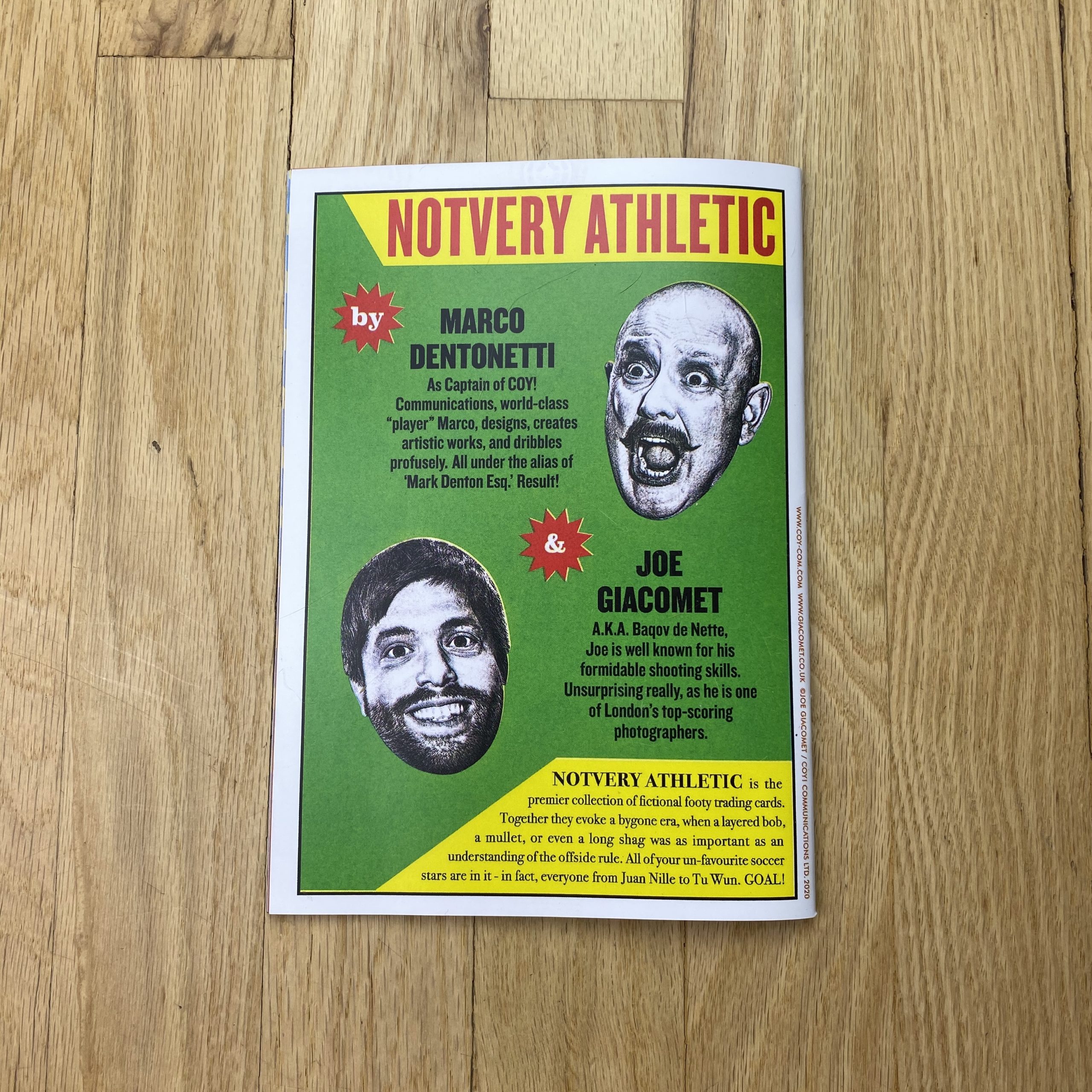
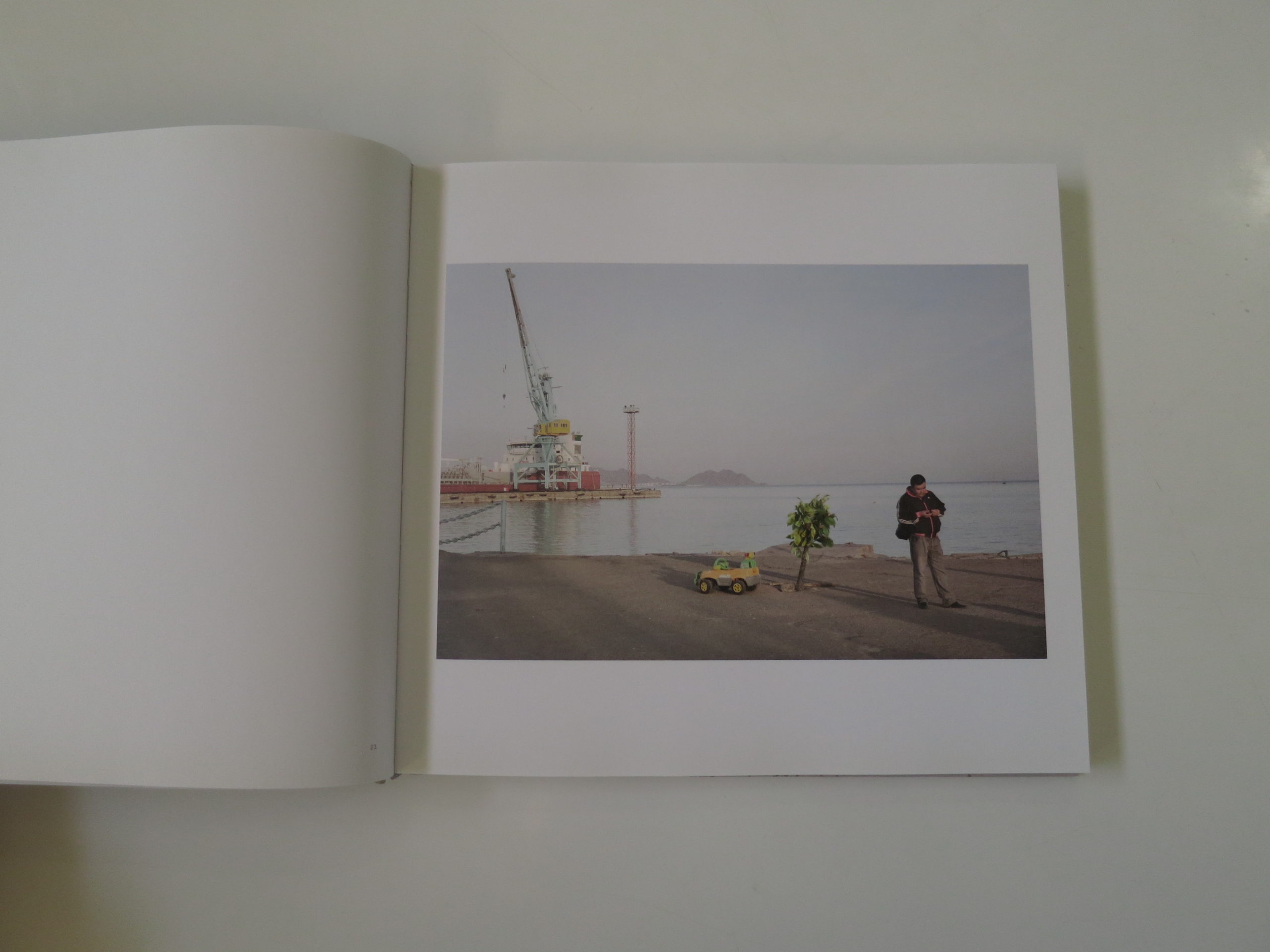
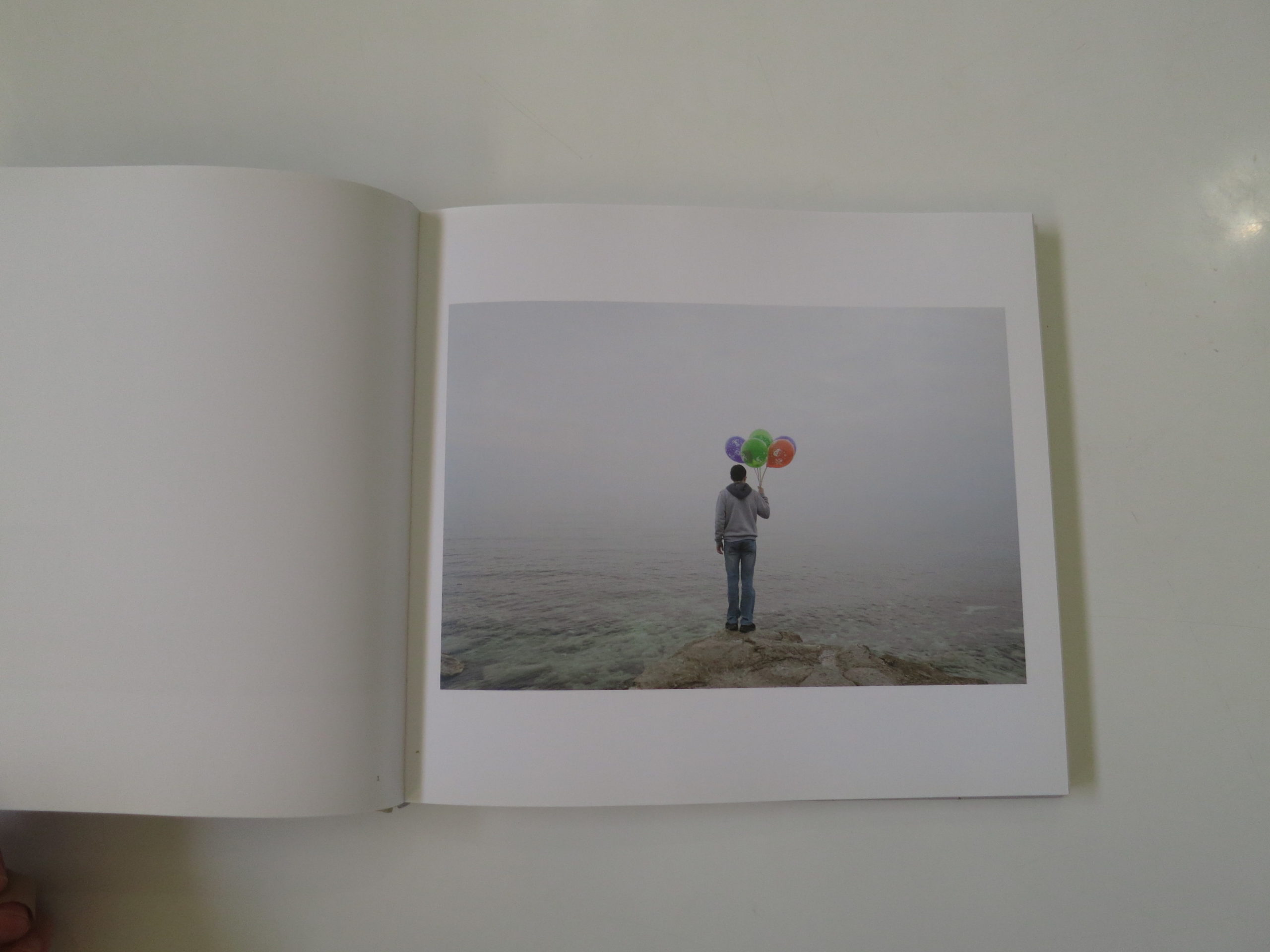
This Week in Photography: Spoiling for a Fight


Part 1: The Intro


Donald Trump has unleashed secret police upon America.

For all my repeated criticism of the man, over many years, that is not a sentence I ever thought I’d write.

But here we are.

They are secret, because their uniforms are unmarked, and they have apparently been pulling people off the street into unmarked vans in Portland.

Now, he’s sending them to cities like Chicago and Albuquerque, because he sees his best shot at re-election dependent upon an uprising of Red State voters, who fear for their lives.

(By implying that urban chaos will soon be coming to their small town or cluster of farms.)


How did we get here?

One of the biggest causes of our national decline over the last 4 years has been the language of dehumanization.

It began during the 2016 Presidential campaign, in which Trump was willing to use name calling, and nasty language, in a way that no “normal” politician ever had.

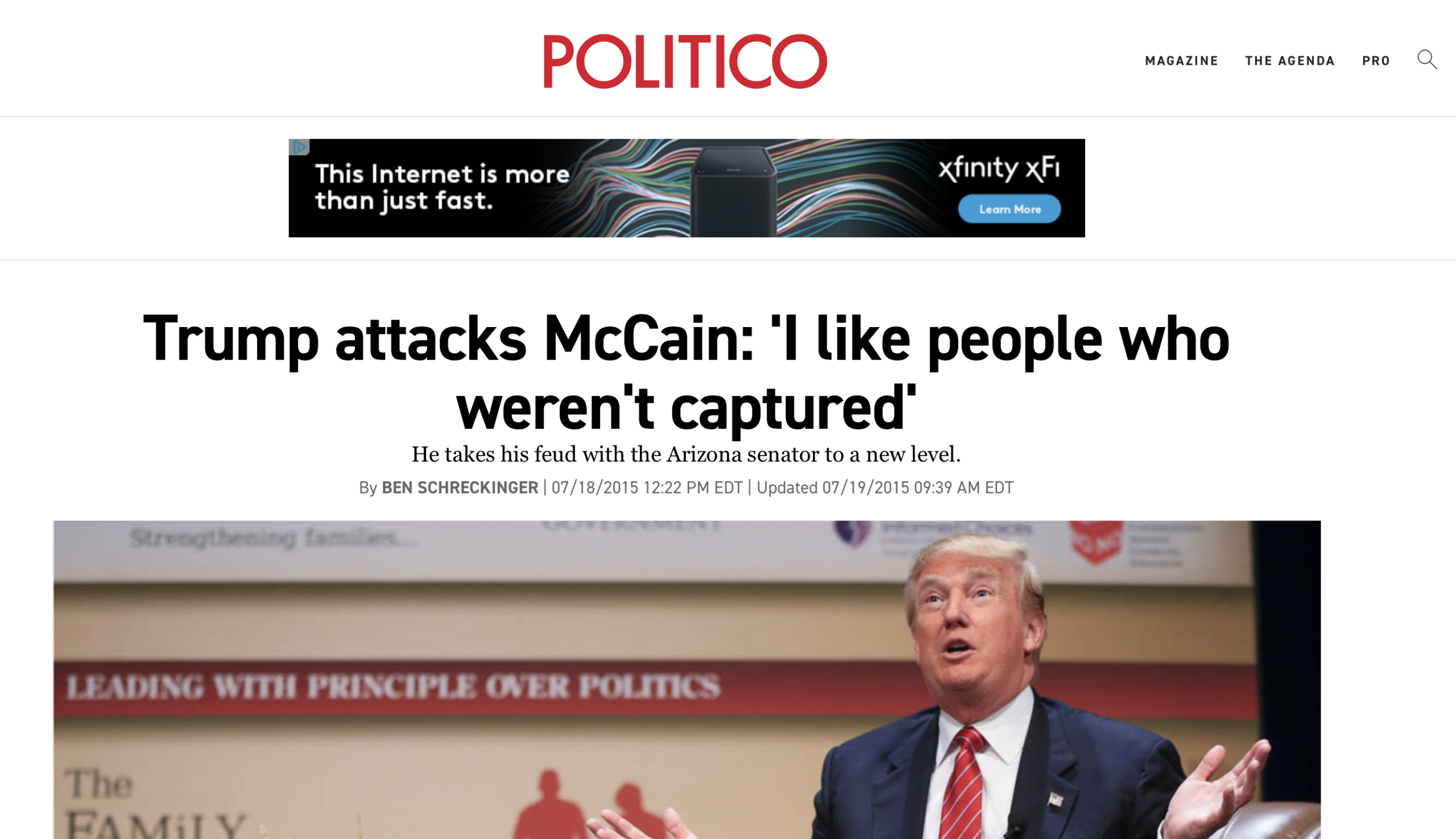
Whether calling Mexicans rapists, insulting a Muslim Gold Star family, or saying, of Republican war hero John McCain, “I like people who weren’t captured,” Trump’s insult comic schtick was entertaining to a certain type of American, and it propelled him to the White House.


Whether or not a person likes Trump, and supports him politically, I doubt there are many, if any, Americans alive who would suggest he has attempted to unite the United States at any point in the last 4 years.

I’ve written about Divide and Conquer before, but really, it’s not a theory: it’s happening in real time. He has attacked cities, and “Blue” politicians all along, while denigrating minorities, banning Muslims from entering the country, jailing brown children, and defending White Supremacists.

And it’s worked so well that liberals are turning on each other by fighting over racial and/or gender-based lines, often trying to takedown those who don’t conform to a specific set of beliefs. (Making it that much easier to be conquered.)

Years of calling people libtards and fascists, thugs and gestapo, and now we find ourselves in #2020, with one faction of the country aggressively risking the health of others over a belief in science, and people who label themselves as Anti-fascists are being deemed fascists by others.

Everyone keeps calling the other side “they,” and there is serious risk in that, as “us” only refers to “our” side.


Words matter.

And the words that Trump encourages, which make people less than human, (as the Nazis did,) make it that much easier to treat people as less than human.

To risk giving them a deadly disease, because they’re just Blue Staters anyway. (As when conservative Texans come to Northern New Mexico and refuse to obey our laws around face coverings.)

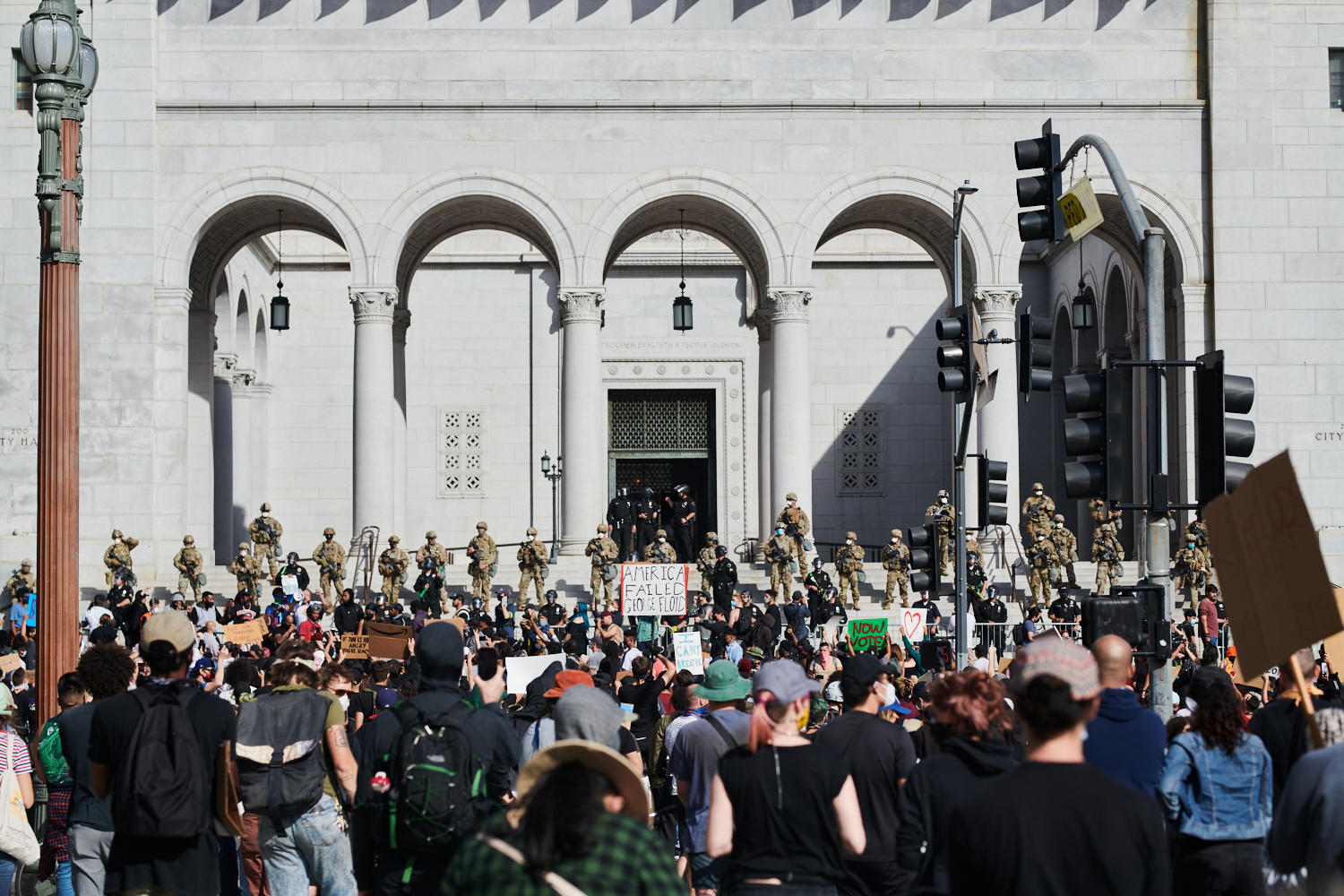
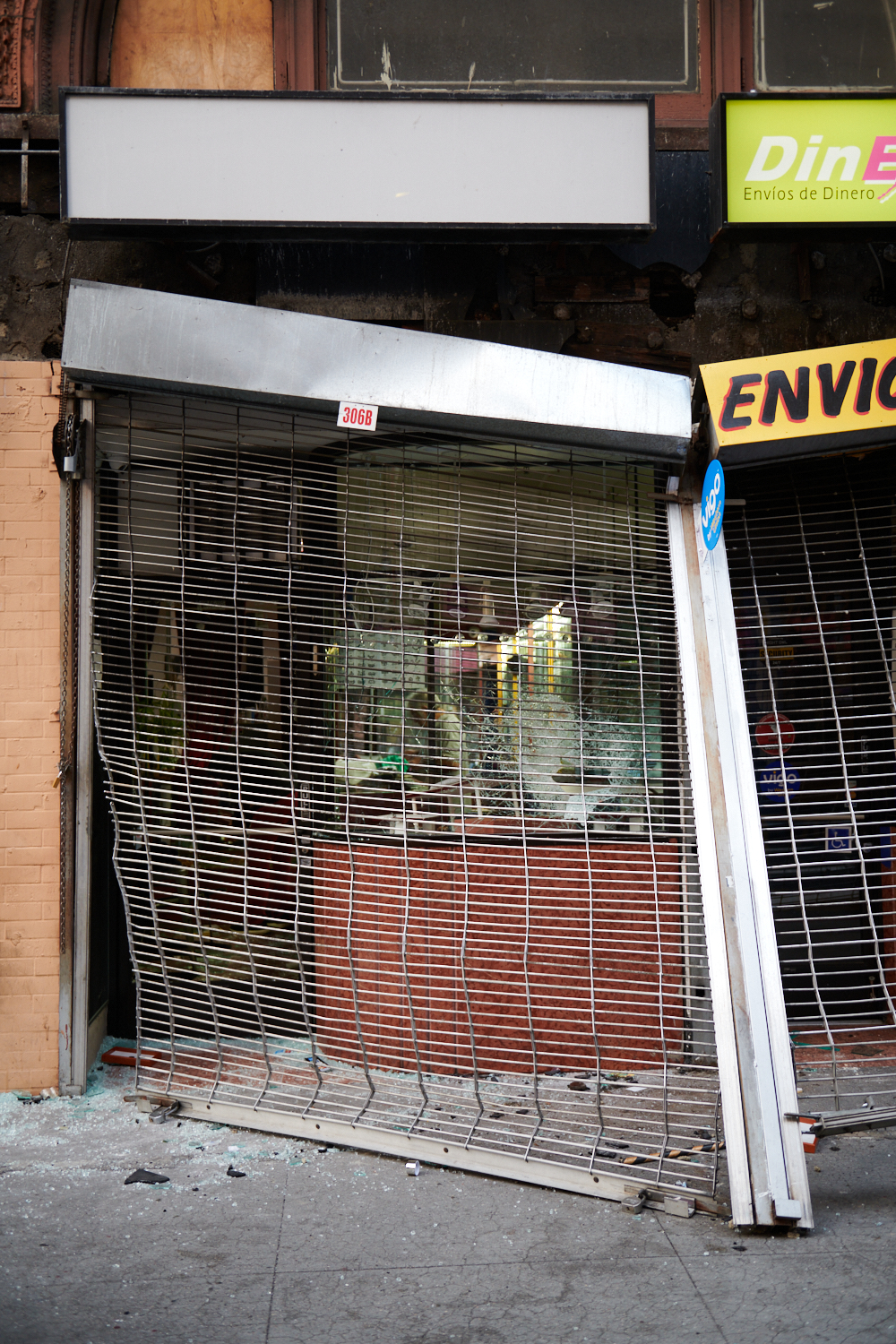
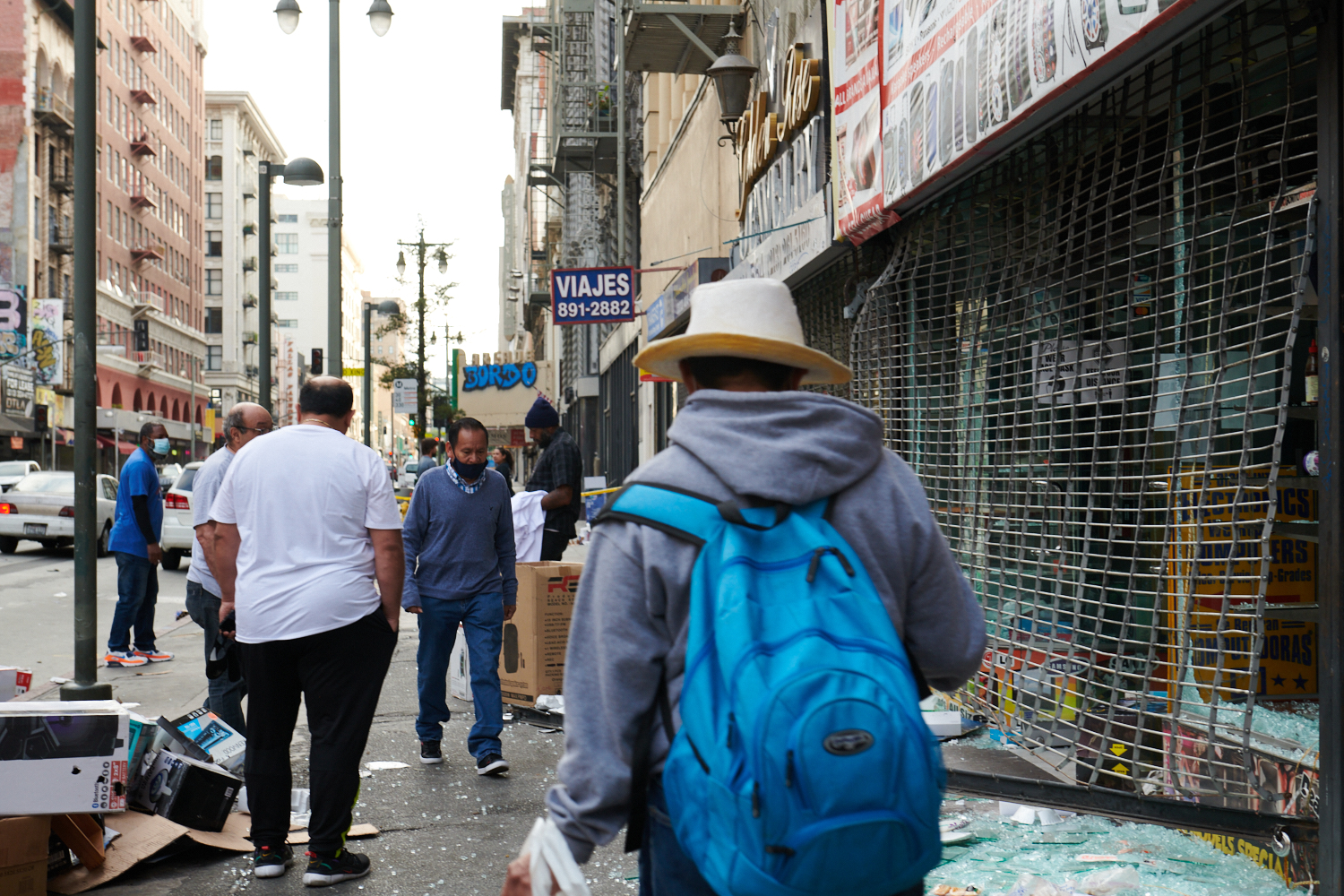
We find ourselves at a crossroads, where protestors believe they can engage in destructive behavior, because it’s justified against Trump’s evil, and then he responds by sending in federal police, (because the military already refused, after the Lafayette Square debacle,) and we all sit here, holding our collective breath, wondering what will happen next?


Part 2: The fighting instinct


I used the phrase “takedown” a few paragraphs ago, but really, how many of you know where it comes from?

IRL?

It’s a wrestling term, now utilized in BJJ and MMA as well, in which one person attacks the legs and waist of another person, and then either trips or throws them to the ground.

(Including the vicious body slam.)

I have both executed single and double-leg takedowns, and been the recipient of them, and they are violent as hell.

It’s a real thing, and another example of language migrating from the literal to the metaphorical.

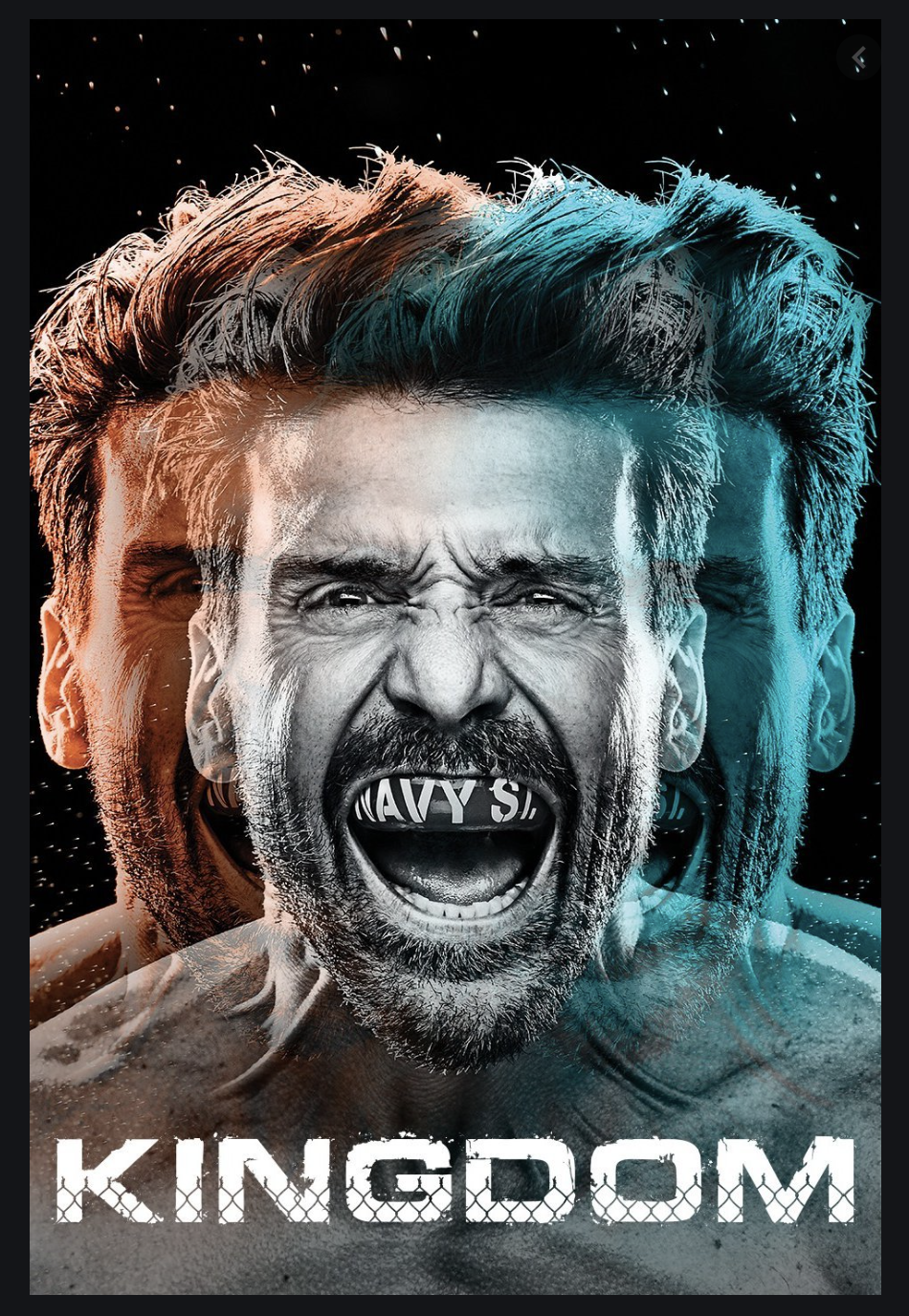
I mention it here, though, as I just finished binge-watching “Kingdom” on Netflix, and cannot emphasize enough how good the show was.


It is set in the SoCal world of MMA, (in Venice, where I almost moved in 2001,) and ran on a DirectTV streaming platform from 2014-17, which means that pretty much no one saw it.

I became aware of it in 2017, when I was doing some research on the actor Frank Grillo, but lacking DirectTV, I couldn’t watch it, and promptly forgot about it.

As soon as it came to Netflix this month, I jumped at the chance, and have rarely seen a better example of storytelling and acting fused together.

Because it’s a show about fighting, featuring very talented but not super-famous actors, (Like Grillo, Matt Lauria from “Friday Night Lights,” Kiele Sanchez from “The Purge: Anarchy,” Joanna Going from some 90’s movies, and the brilliant Jonathan Tucker,) I’m pretty sure most people would dismiss it as pulp entertainment without giving it a second thought.

However, like other superlative genre fare before it, (“The Wire,” “The Sopranos,”) Byron Balasco, the creator, managed to tell real, human, empathetic stories in a way that mesmerized, perhaps BECAUSE of the limitations of his genre structure. (To be clear, I’m not saying it’s as good as those TV pantheon shows.)

And I read in an interview that they were pretty much left alone, to do what they wanted, which comes across in the creative freedom they expressed.

Alcohol addiction, sex trafficking, the cycle of familial abuse, homophobia, drug addiction, mental illness, class difference, death, the penal system, and corruption; all are woven together deftly alongside positive values like love, loyalty, and determination.

It was just so good. (Though I’m pretty sure if it were shot in #2020, they would have a more diverse cast.)

One core message that comes through, again and again, is that fighting is a mentality, not just a sport.

Some people are trained to fight, and are often born into families that reinforce it.

(Like Trump, according to the new tell-all by his niece Mary Trump.)

Fighting perpetuates itself, and it requires a tremendous amount of discipline to not fight, when the situation presents itself.


Part 3: For example


For example, I recently came through the most difficult period of my marriage, as we diagnosed my wife with clinical depression in late-March, and were told the recovery would be rocky.

(It was.)

In the beginning of July, my wife went through a rage phase, where all sorts of repressed anger came to the surface, and for a few days, it was all directed at me.

Despite the fact that I was her support system, and she credited me with saving her life, I had said unkind things during the late stages of her illness, and the beginning of her recovery.

I used nasty words, thinking I was justified, because of the hurt her illness caused, and she did not call me on it.

It seemed OK.

But clearly, it was not.

When her anger finally flared, it was palpable, and scared the shit out of me, causing anxiety attacks.

With the help of some very good friends, (you know who you are,) we got through it.

But the key moment was when my amazing friend Ed advised me that the only way to break the cycle was to not bounce the anger back to her.

Not to absorb it into my body, which would make me sick, but to essentially channel it directly into the ground.

To admit what I said, apologize with kindness, and then not aggress back.

We never mentioned Jesus, at any point, but really, it was the theory of turning the other cheek.

And as a martial artist, I’m familiar with the concept of getting power from the ground, so the idea of sending this energy back into the ground, rather than rebounding it, made sense to me.

Thankfully, it worked.

In the weeks since, two readers picked fights with me, in emails responding to my column, and in each case, I used the same strategy.

Rather than perpetuating the anger, and participating in a fight, I refused, and responded with kindness, respect and peace.

It was clear that in each case, the other person was taken aback, and a bit frustrated that I chose not to engage in a disagreement based upon anger, but it defused the situation, and that was that.

On a macro level, that’s essentially what Americans need to do, if we’re going to heal from the misery of the Trump era. (If, god willing, he loses in November and moves on.)

We will somehow need to find the common humanity between political parties, between urban and rural, between cosmopolitan and sequestered.

The alternative is that we eat ourselves, and then eat each other.


Part 4: Another Example


Here’s what it looks like when you respond to anger with anger.

It backfires.

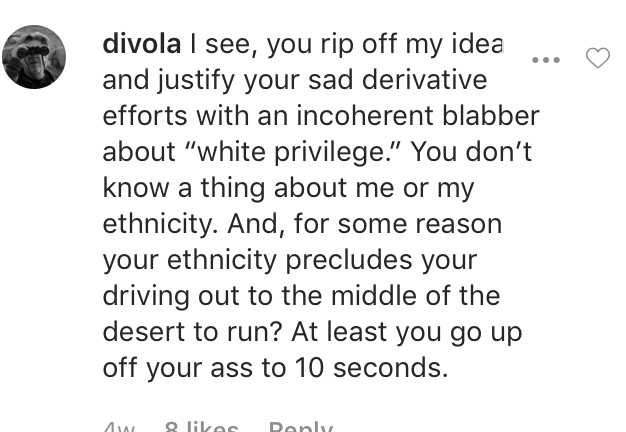
For example, last week, I saw a tweet by my colleague Jörg Colberg, which drew attention to an Instagram spat involving the renown SoCal artist John Divola.


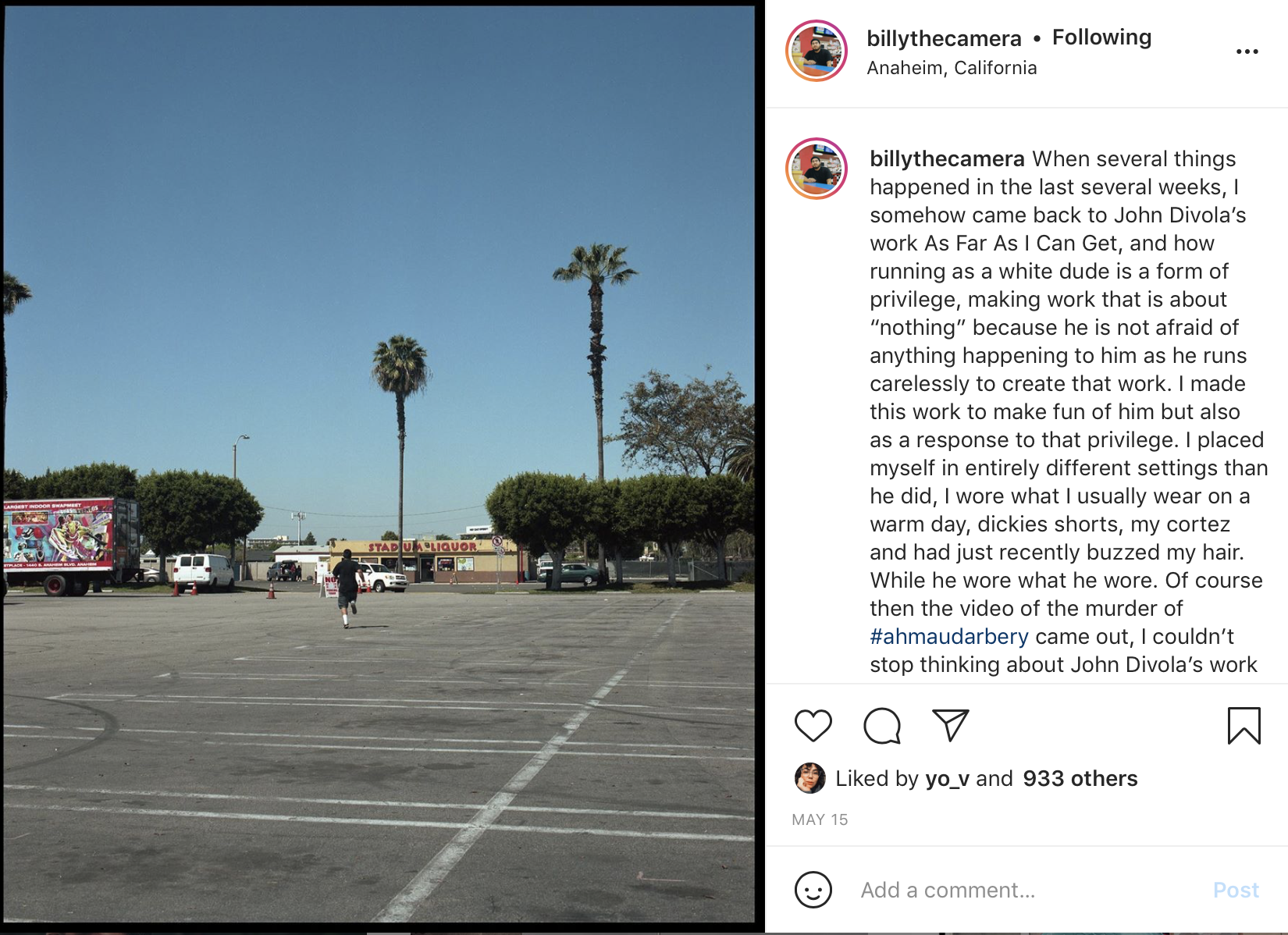
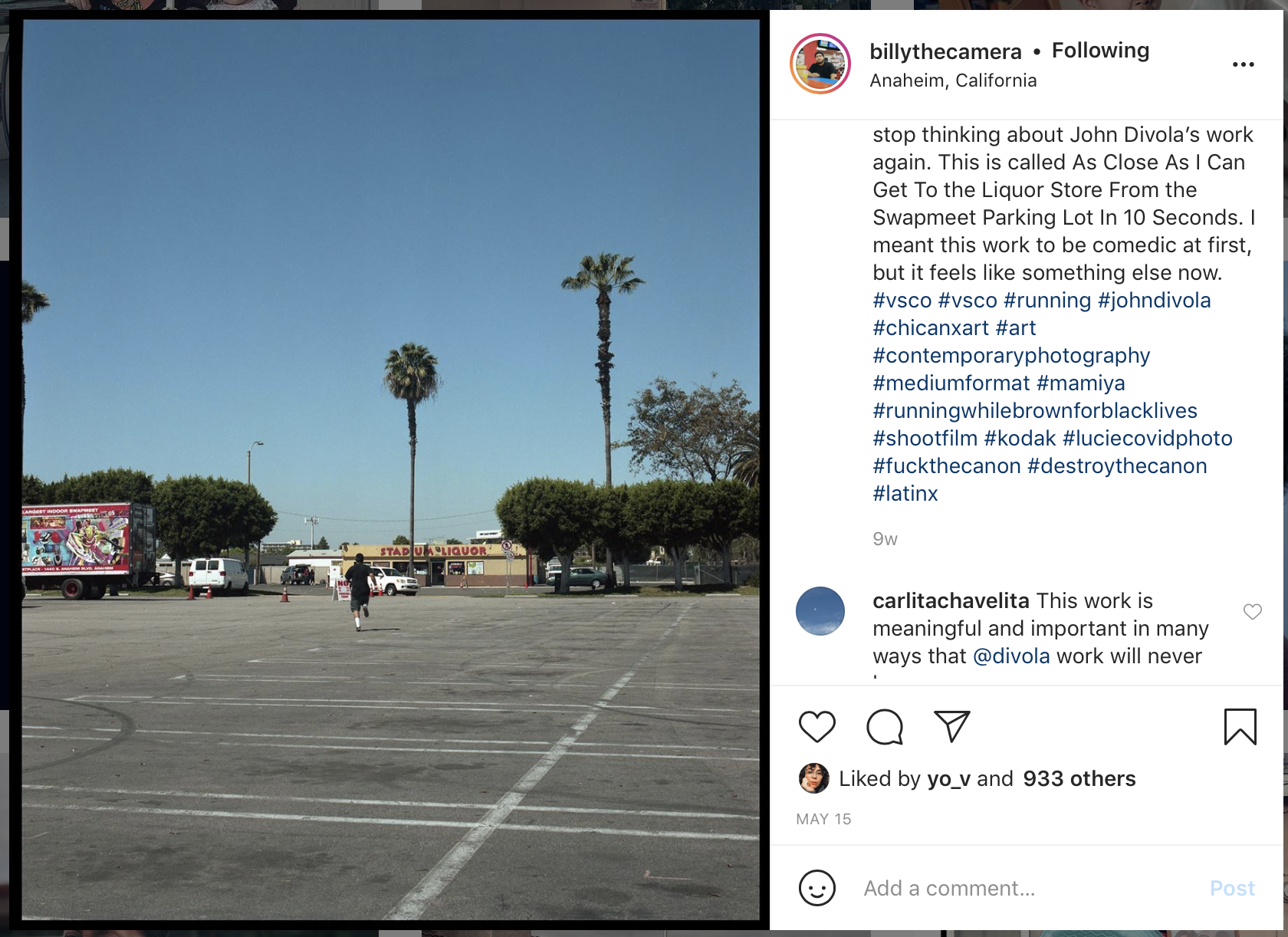
Apparently, William Camargo, a Latinx artist from Orange County, made a post about an image he shot that was a satire of, or homage to, or derivation of a series by John Divola, who’s from just up the way in Venice.

It references a series I’ve written about before, as I was lucky to interview John twice, for VICE and the NYT, and have spent time with him in person as well.

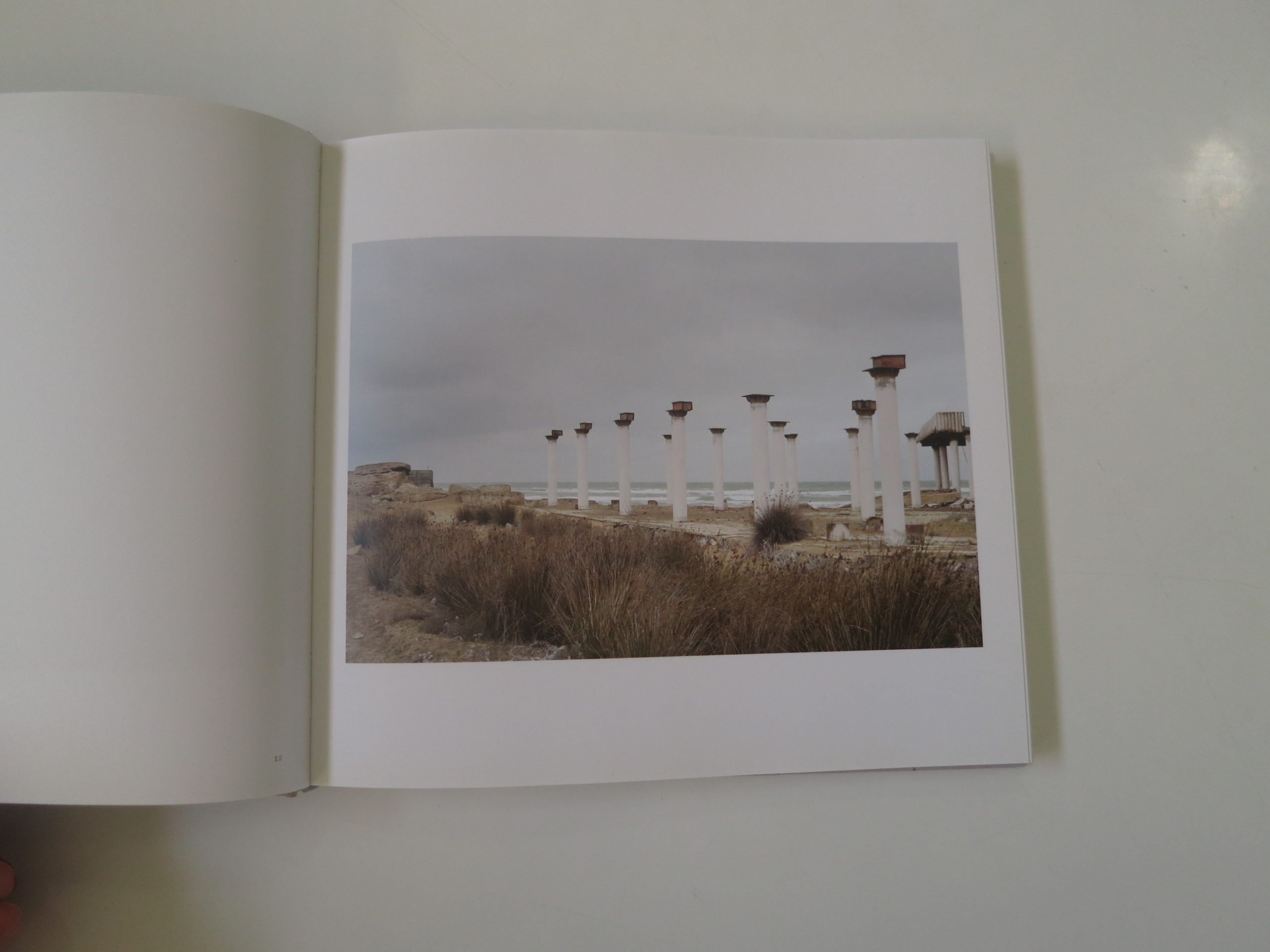
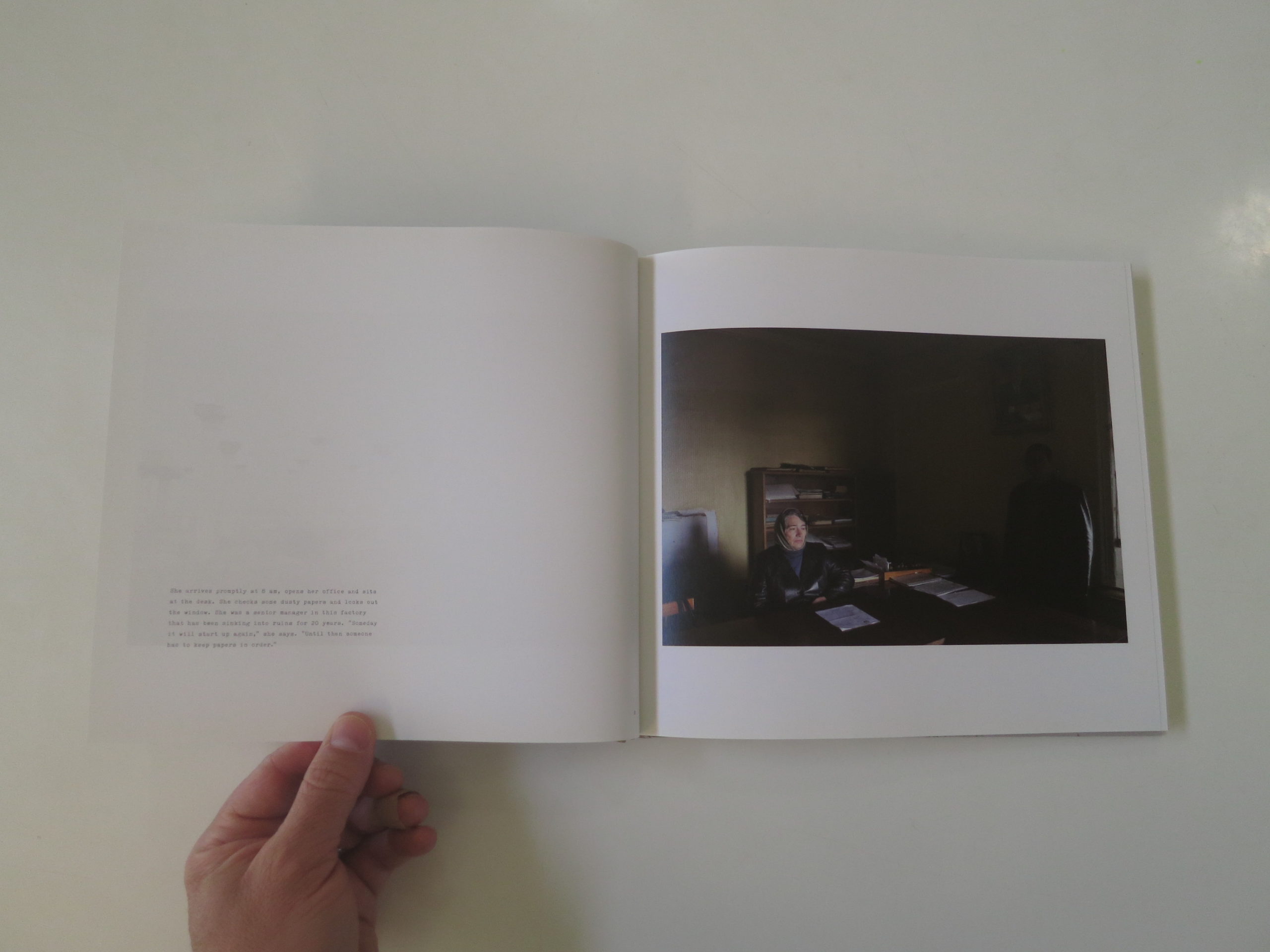
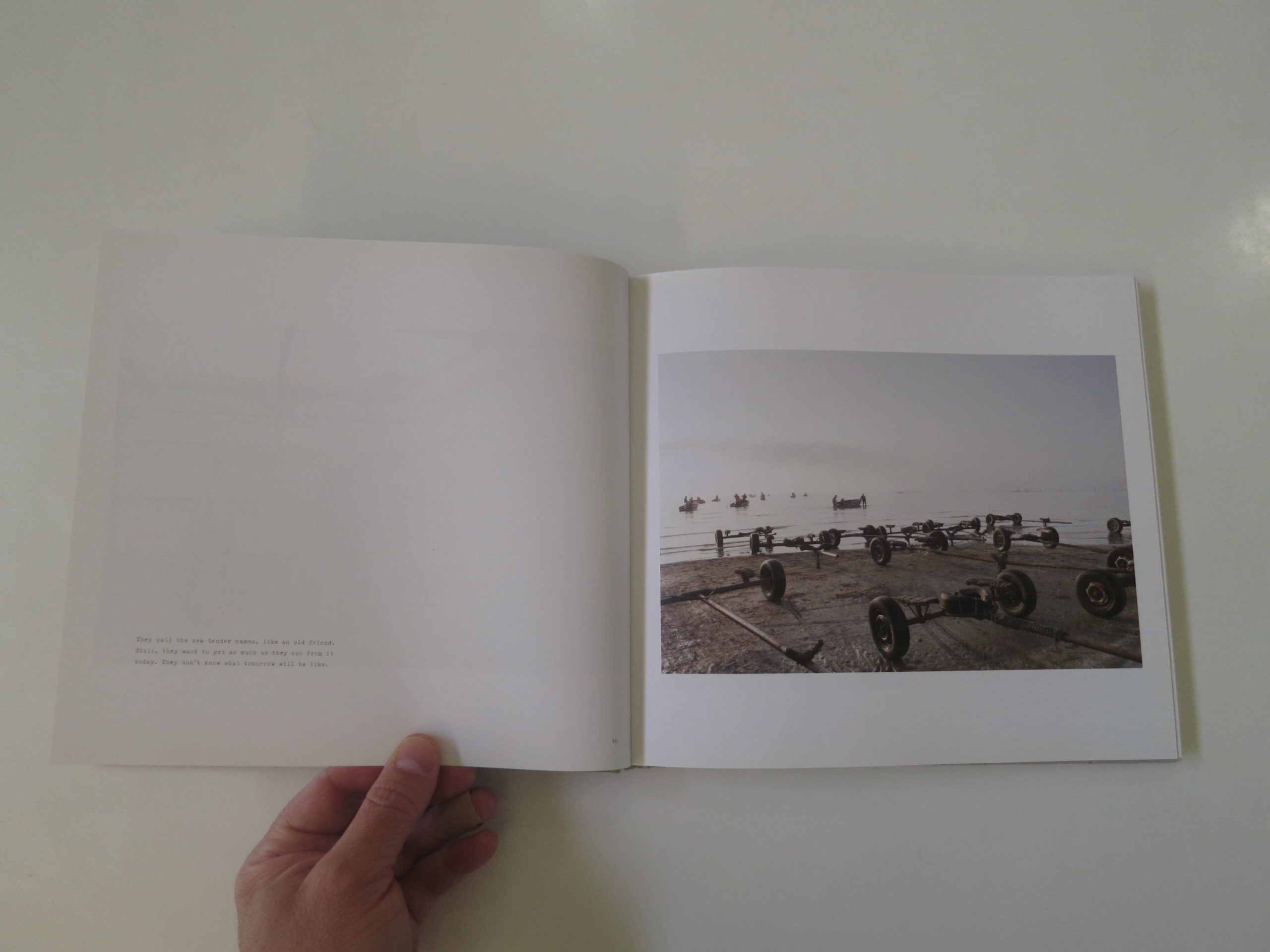
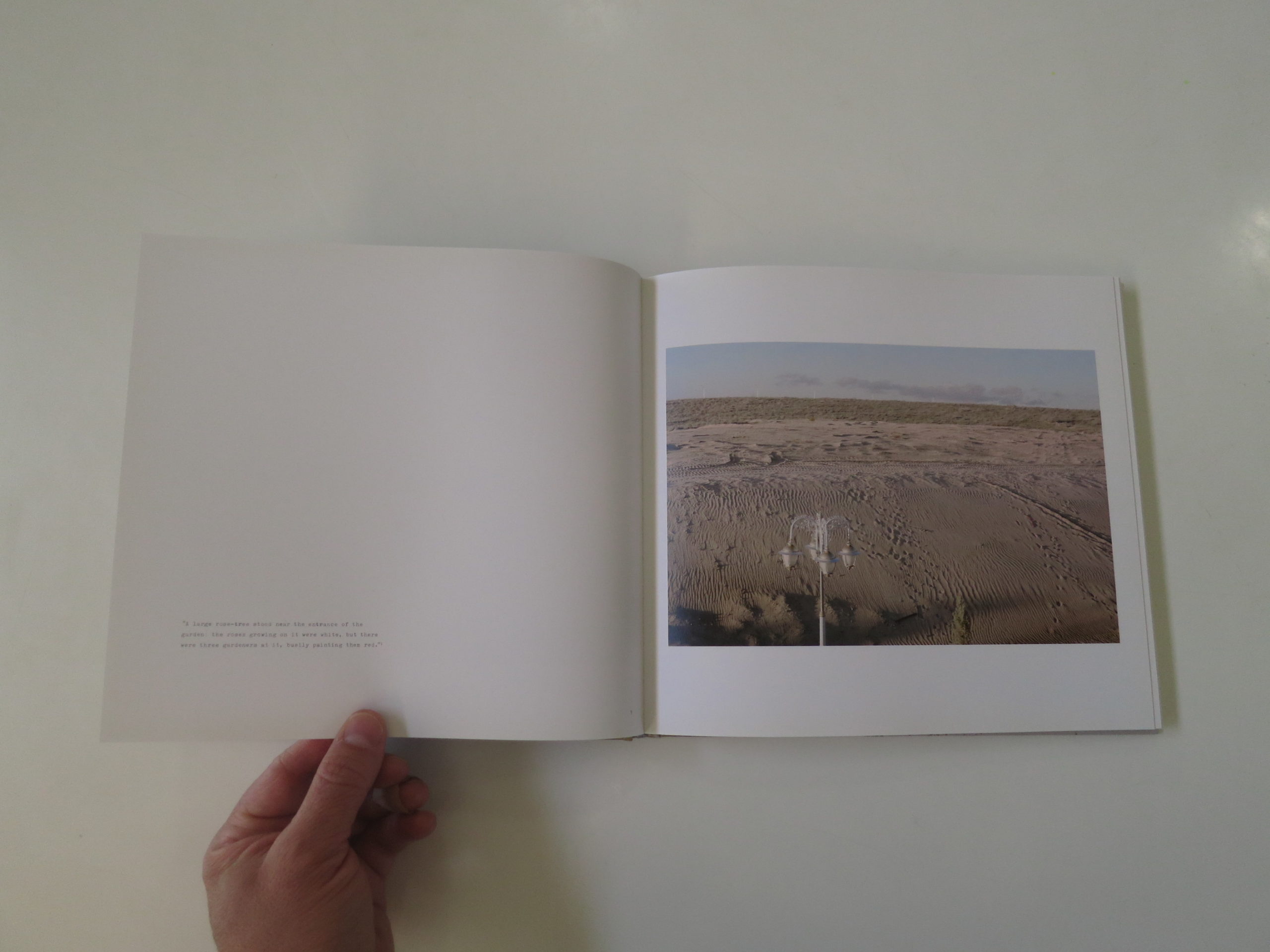
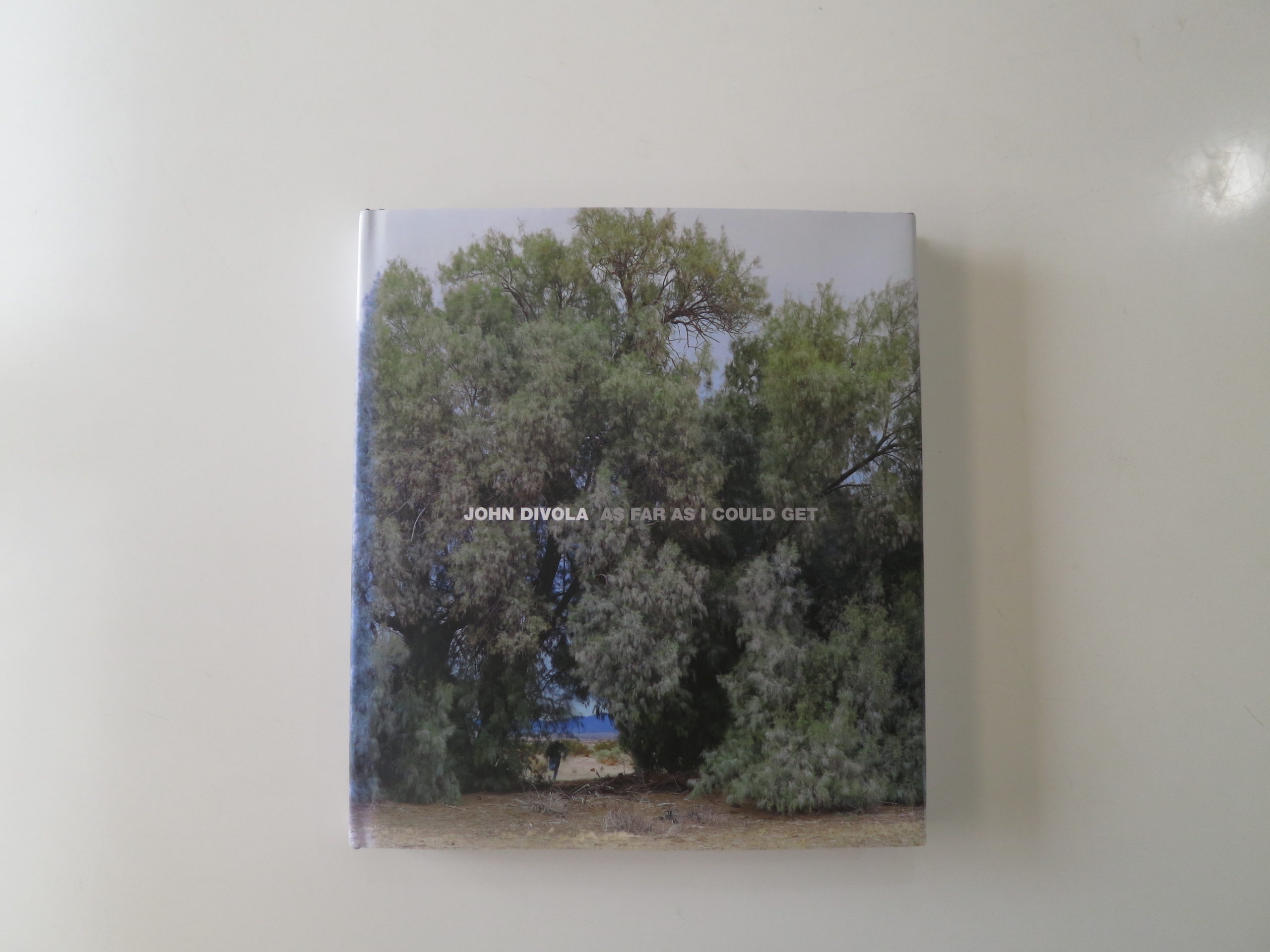
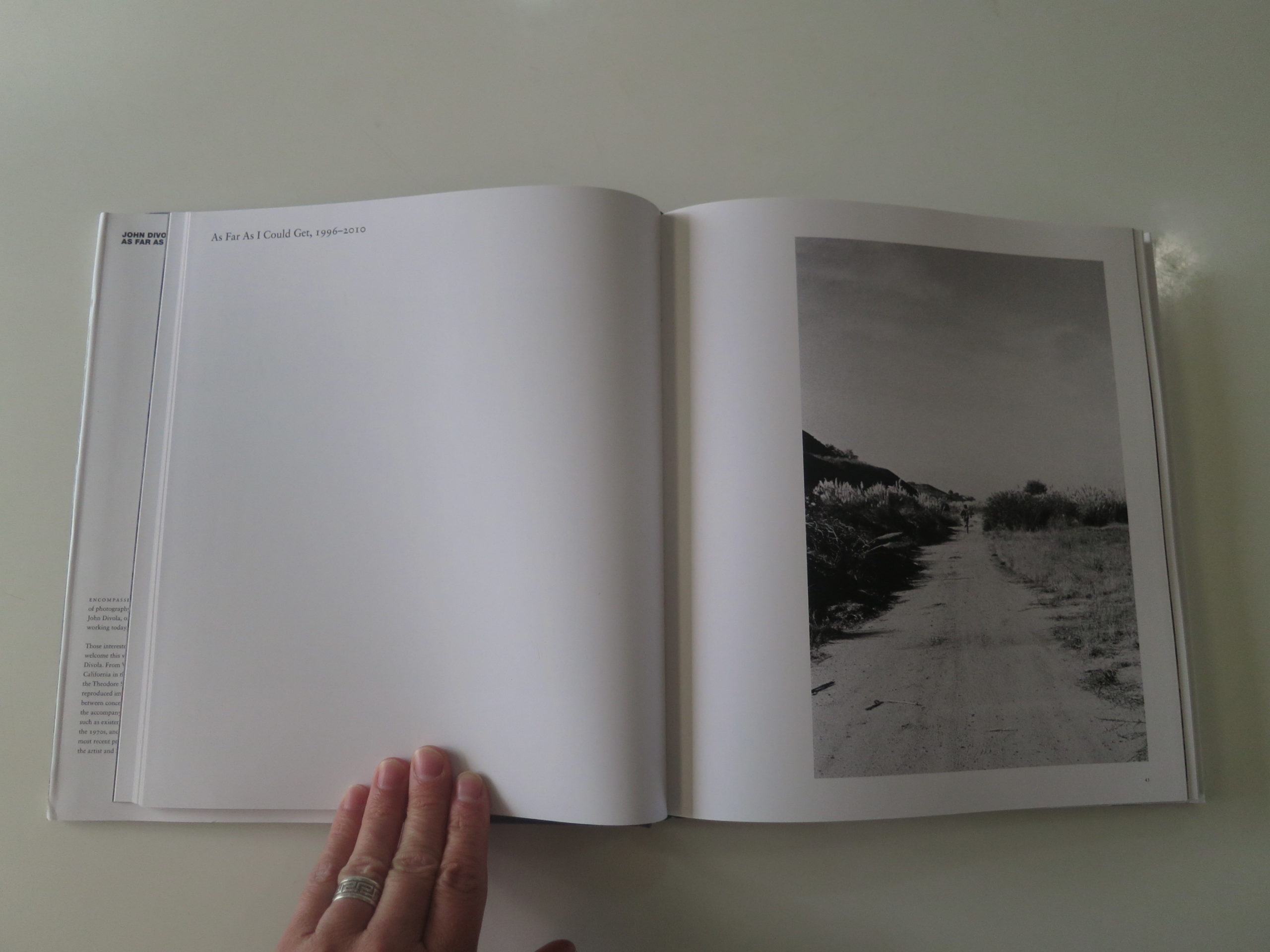
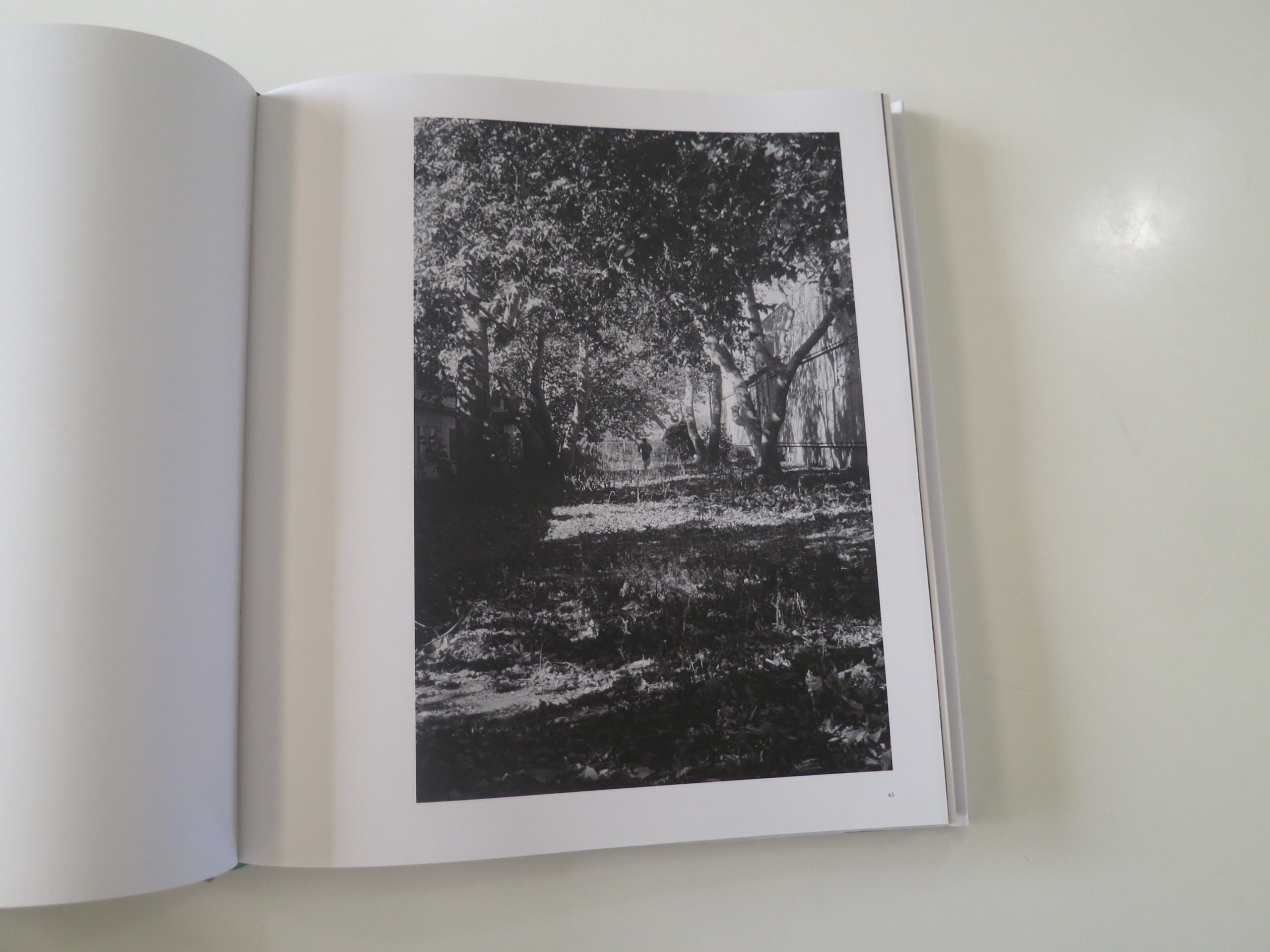
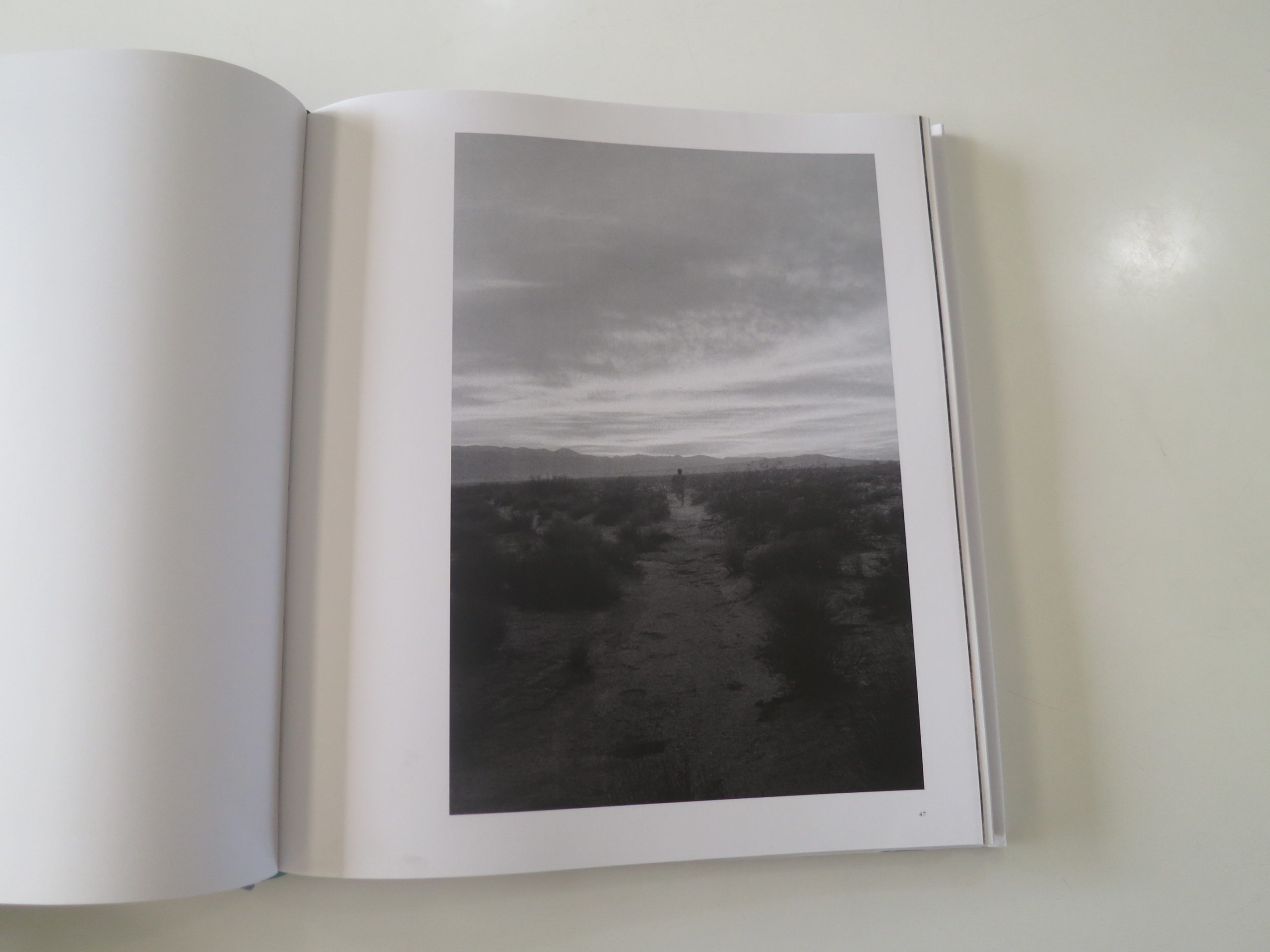
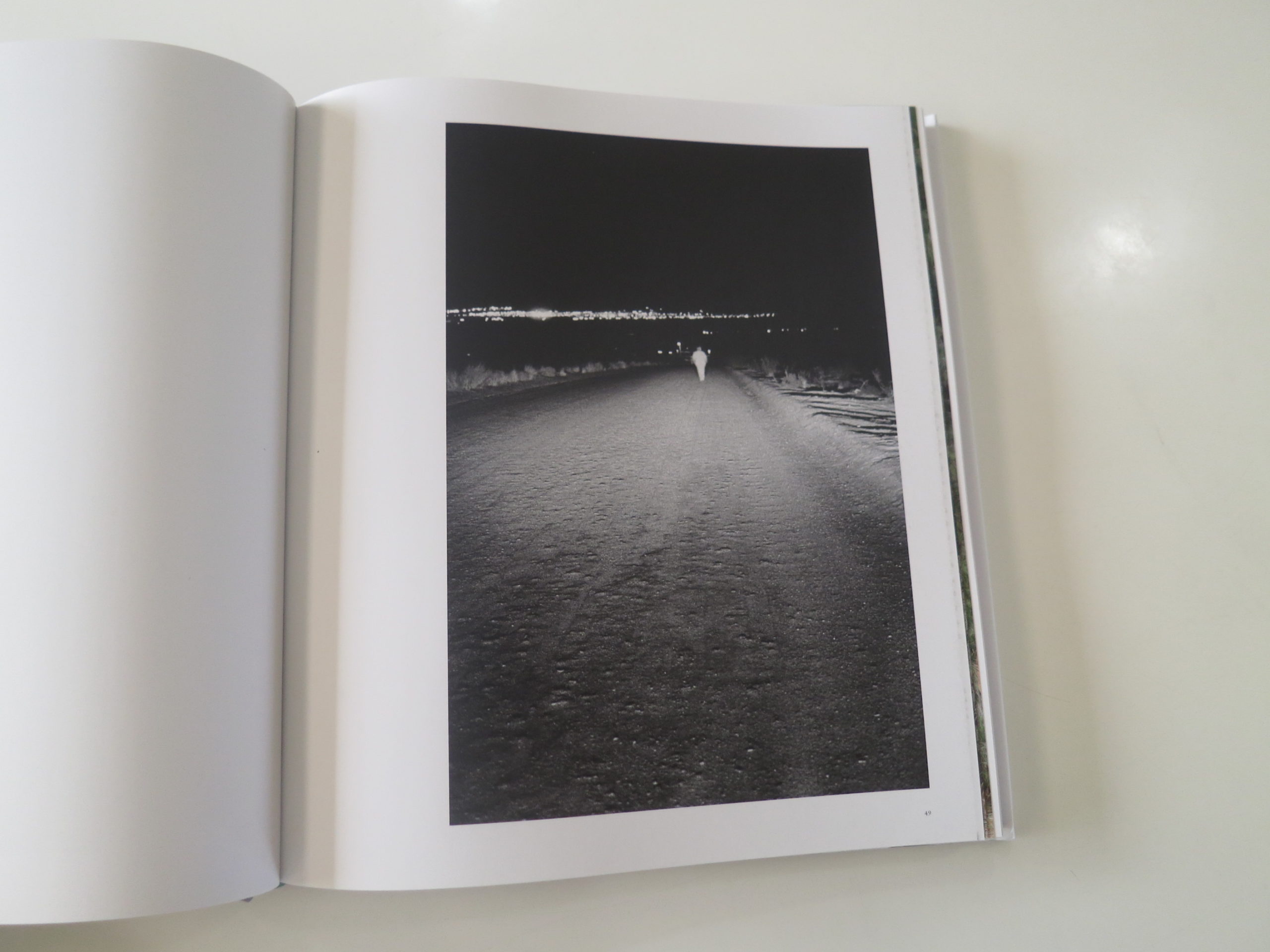
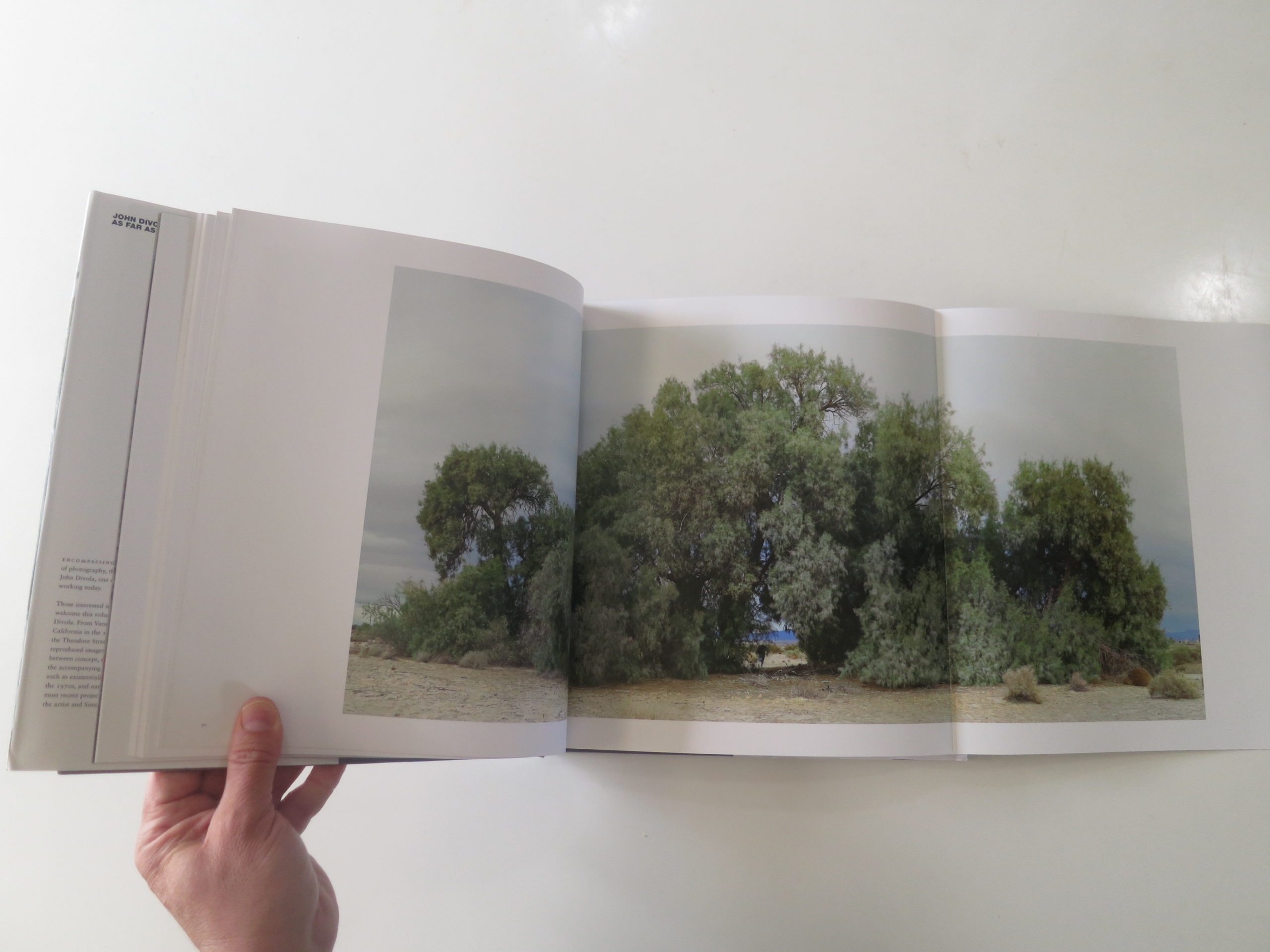
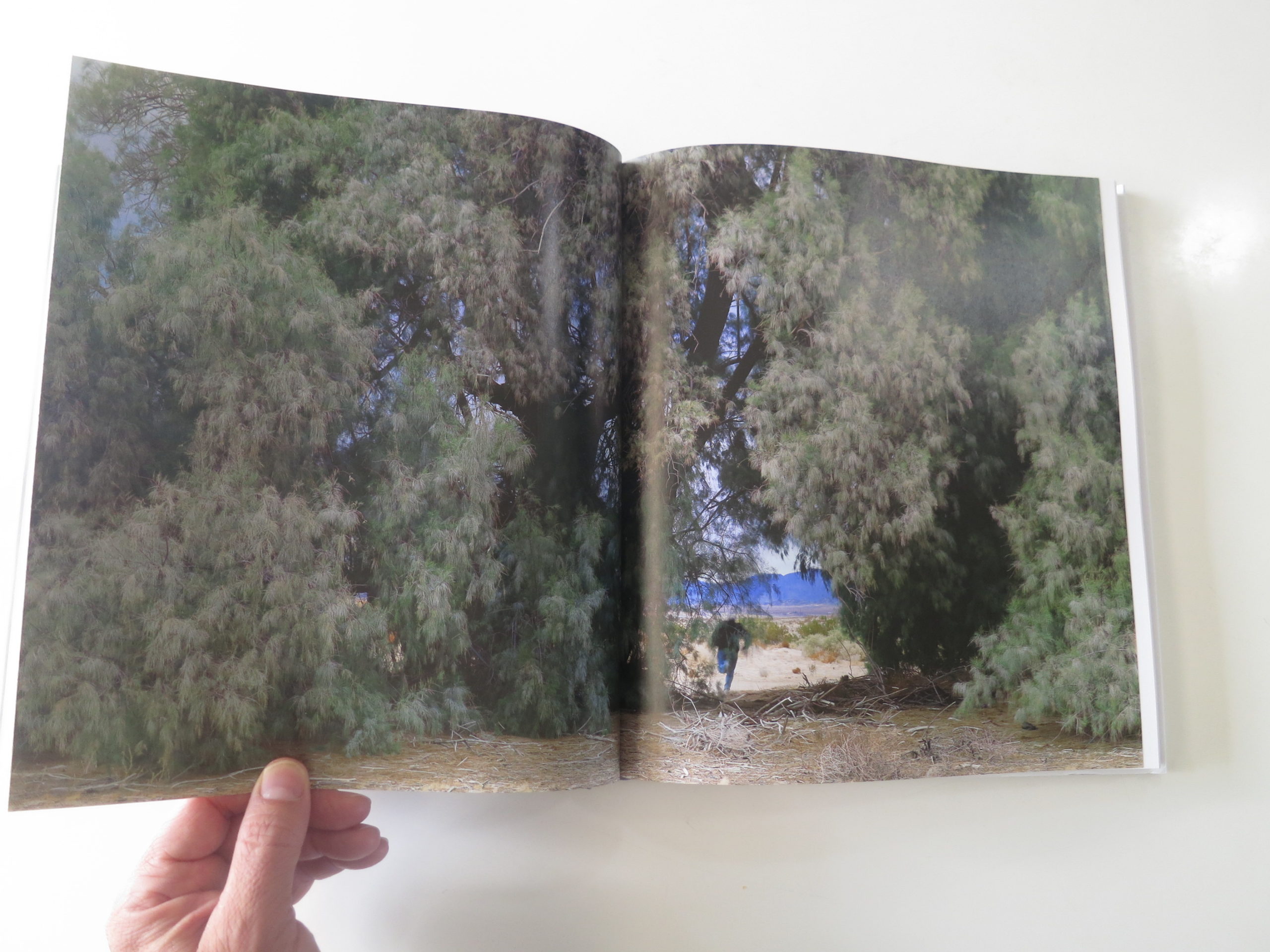
In fact, he gave me a copy of the book, which is named after the series: “As Far As I Could Get.”

Divola is known for conceptual rigor, and humor at times, and constantly wrong-footed me during our interviews, (another fighting term,) because his vision of what his work was about was always different than my expectations.

In this series, he set up his camera in the isolated California desert, set the timer, and then sprinted away from the camera, to see how far he could get before the shutter clicked.

I think it’s funny, as it speaks to a certain futility of the human condition.


Over time, as he aged, he would presumably cover less distance, but it was always a strategy, and done in an empty desert locale.

William Camargo, the artist who satirized him, set up a scenario in which he tried to see how far he could get from the swap meet parking lot to the liquor store, in ten seconds.

Seen by itself, I thought it was a smart update, an excellent photograph, and by re-contextualizing the scenario, was a takeoff on John’s idea, rather than a ripoff.

Kudos, for sure.

But in his caption, he tore into John for the fact that running is a sport of white privilege, and misrepresented the structure of Divola’s project.


William Camargo, who is a part of Diversify Photo, and espouses the language of the current progressive movement, chose to insult John Divola, who is white, in a public forum.

Isn’t it possible to draw attention to the fact that in certain communities, it is not safe to run, (a la Ahmaud Arbery, who’s mentioned,) without the concomitant need to attack someone else?

Especially when Divola’s work was not actually about jogging?

I get that it is fashionable at the moment, to “takedown” old white guys, (I critiqued Martin Parr last year, don’t forget,) but it was not the Instagram post that got John Divola in hot water.

It was his reaction.

He responded with anger, and put words in writing, in public, that looked really, really bad in #2020.


Indubitably, I am not defending what he wrote.

In fact, I just spent a whole bunch of words suggesting that letting anger go by, rather than fighting back, can be transformative.

(Not always: AOC was totally right to defend herself from that Florida man’s awful comments.)

But the glee with which some people then further attacked John Divola, as if it proved that all old white guys are unhinged, was equally unsettling.

And that is my final point for today.

If we on the left refuse to see the value of others like us, creative, passionate, liberal people of all races and genders, than how will we ever help heal these rifts with the rest of America?

Do we expect other people to do it for us?

(And there I go using “us” again. It’s so complicated!)

The Art of the Personal Project: Nigel Cox

The Art of the Personal Project is a crucial element to let potential buyers see how you think creatively on your own.  I am drawn to personal projects that have an interesting vision or that show something I have never seen before.  In this thread, I’ll include a link to each personal project with the artist statement so you can see more of the project. Please note: This thread is not affiliated with any company; I’m just featuring projects that I find.  Please DO NOT send me your work.  I do not take submissions.


Today’s featured artist:  Nigel Cox


DRIFT by Nigel Cox

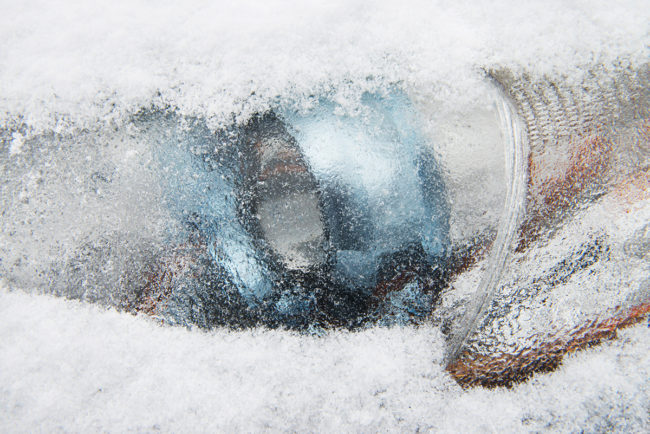
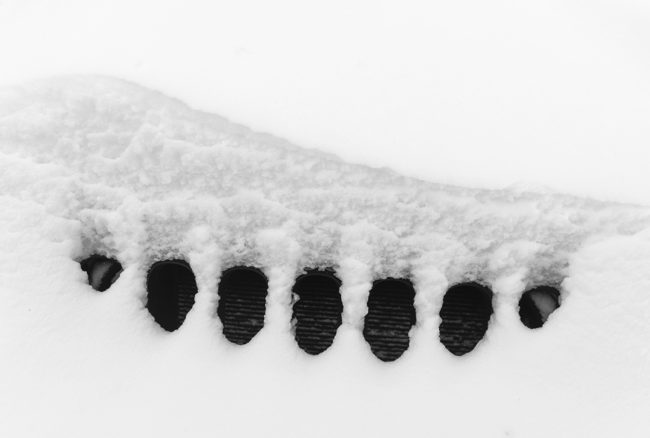
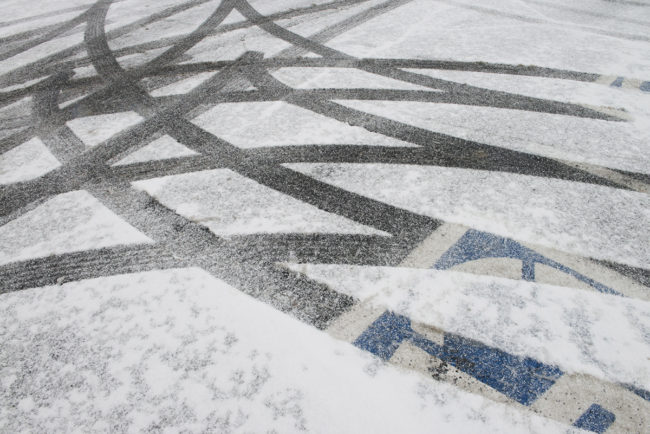
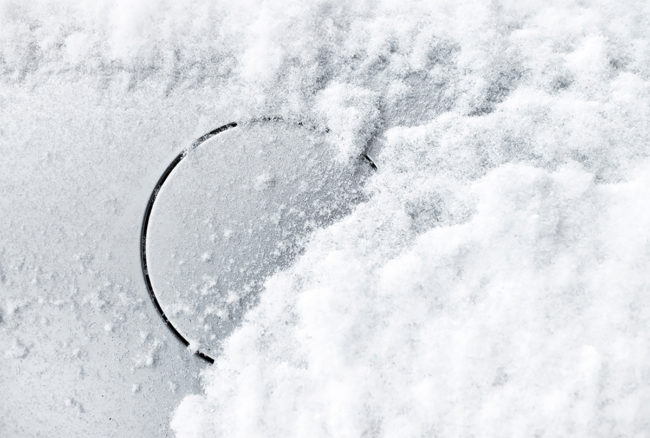
This ongoing series entitled DRIFT, named equally for wind blown snow and for my meandering outdoor search for subjects – not to mention a car steering technique- began in New York City in 2006.

The contrast between delicate individual snowflakes and the humbling and disabling power of a snowstorm has always fascinated me. I see vehicles becoming blanketed in snow representing that dichotomy whilst providing interesting forms, textures and color compositions.

Most of the images were shot close to my home in Brooklyn. As the cars are densely parked in that area I never have to venture more than a few blocks each time I shoot. Every vehicle provides a unique canvas but I’m often drawn to the ones with interesting colors, carefully studying every angle, seeking out elements that arrest my eye.

Snow dampens sound and for me, that tranquility, combined with bitter cold and scarcity of people, allows for a heightened level of concentration and patience. As a result, these images feel very personal and remind me of why I fell in love with photography at an early age.

To see more of this project, click here.

APE contributor Suzanne Sease currently works as a consultant for photographers and illustrators around the world. She has been involved in the photography and illustration industry since the mid 80s.  After establishing the art-buying department at The Martin Agency, then working for Kaplan-Thaler, Capital One, Best Buy and numerous smaller agencies and companies, she decided to be a consultant in 1999. She has a new Twitter feed with helpful marketing information because she believes that marketing should be driven by brand and not by specialty.  Follow her at @SuzanneSeaseInstagram

Success is more than a matter of your talent. It’s also a matter of doing a better job presenting it.  And that is what I do with decades of agency and in-house experience.


The Daily Edit – The Authority Collective

Aalisha Vasude: Gilbert Hill in Mumbai, India is one of three unique geological structures in the world.
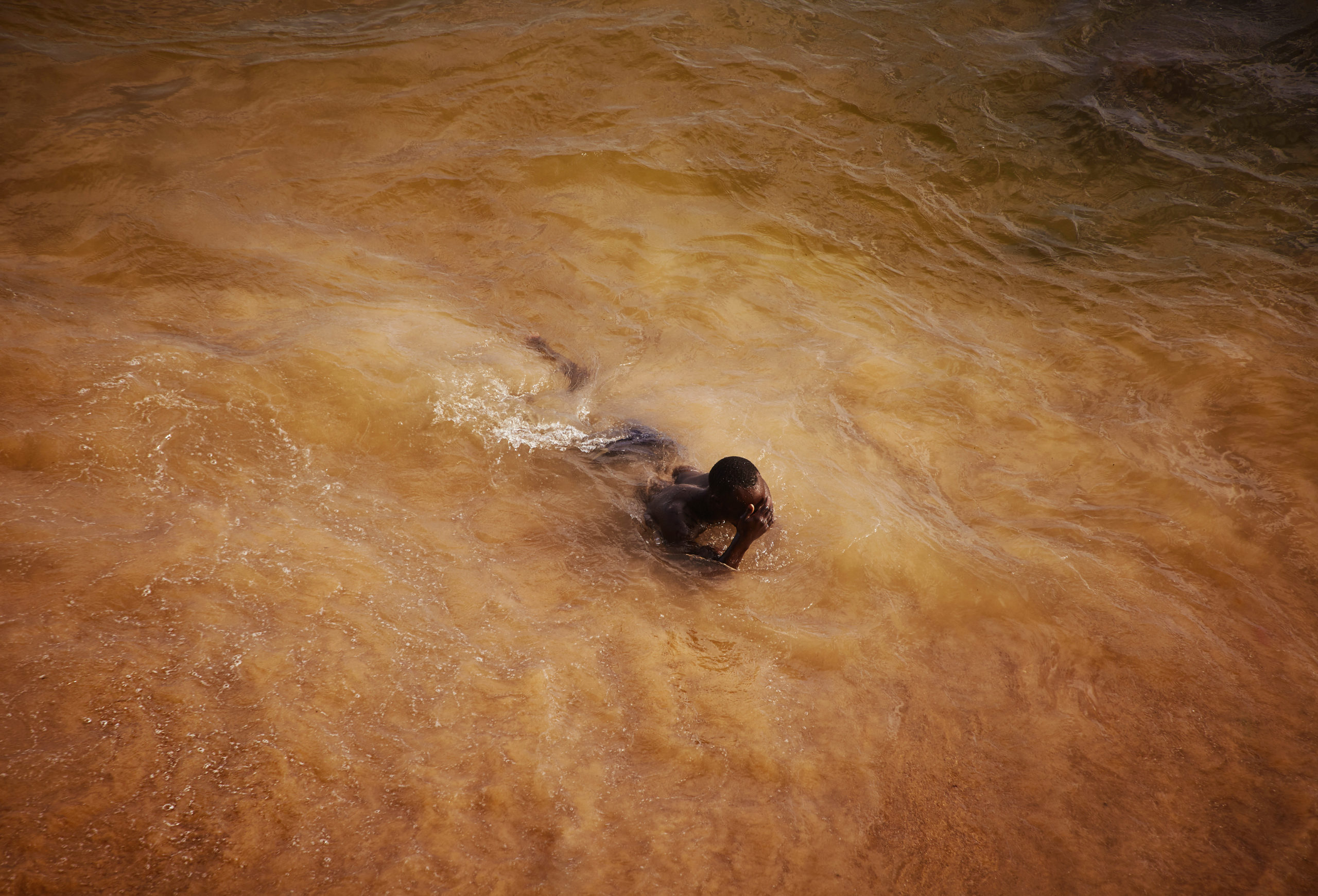
Nickey Quamina Woo: Babacar Diallo swims in the ocean in Saly, Senegal on July 8, 2018.
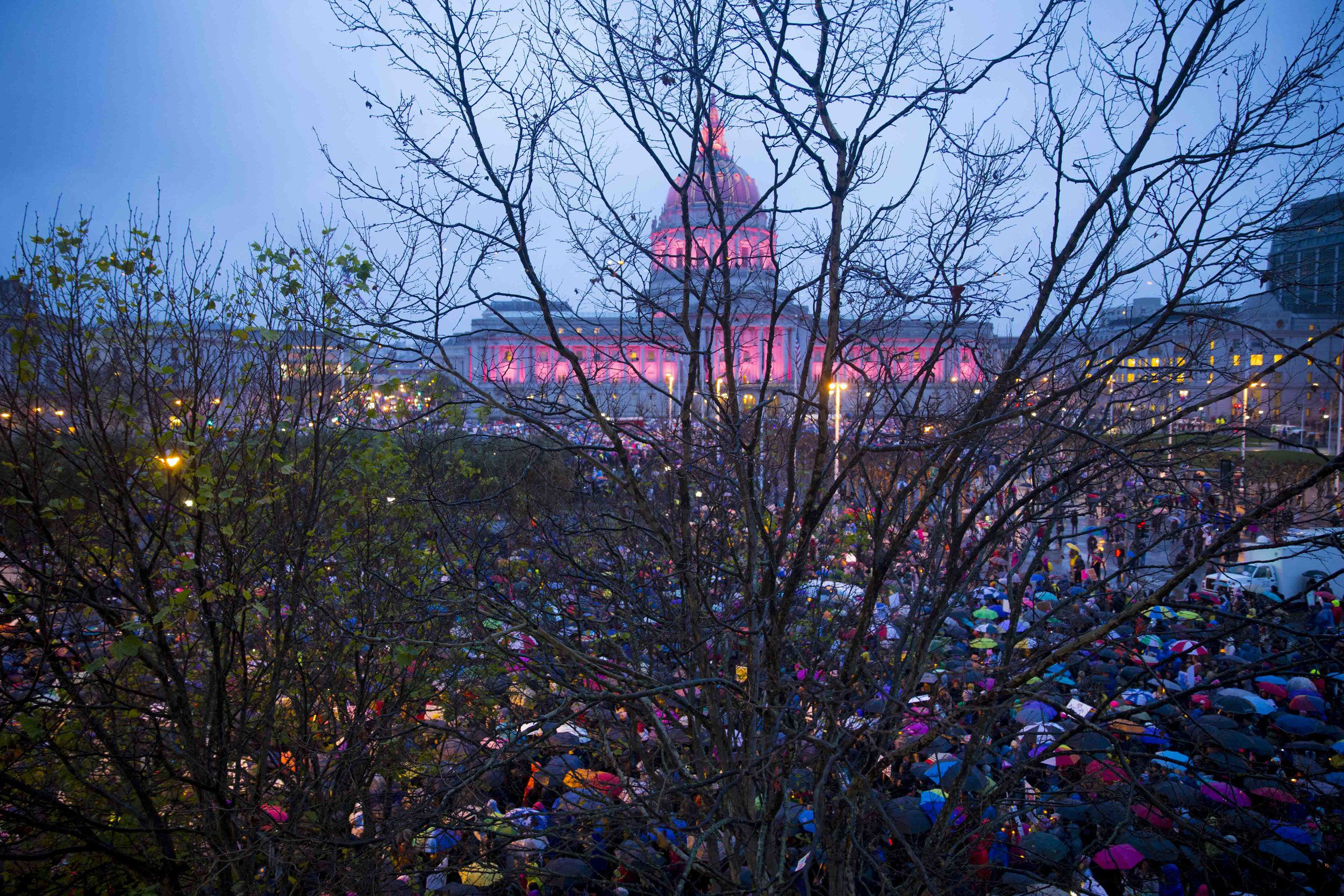
Vatsala Goel: San Francisco Women’s March attendees gathered despite rain and cold weather outside the city hall in a historic event to mark their dissent against Donald Trumps inauguration as the 45th President of United States. 21st january 2017.
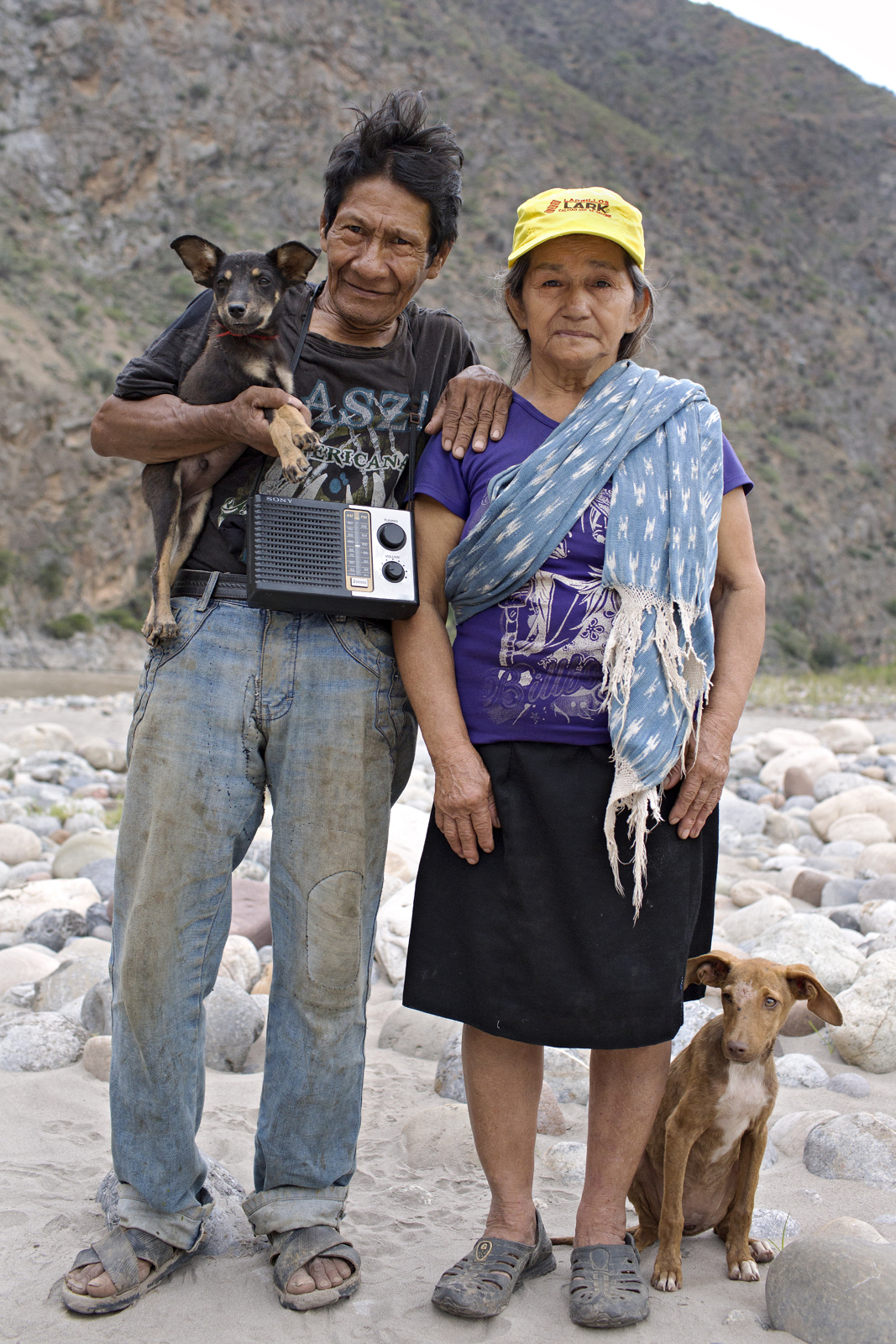
Danielle Villasana: A portrait of a couple that lives in a community along Peru’s Marañón River.
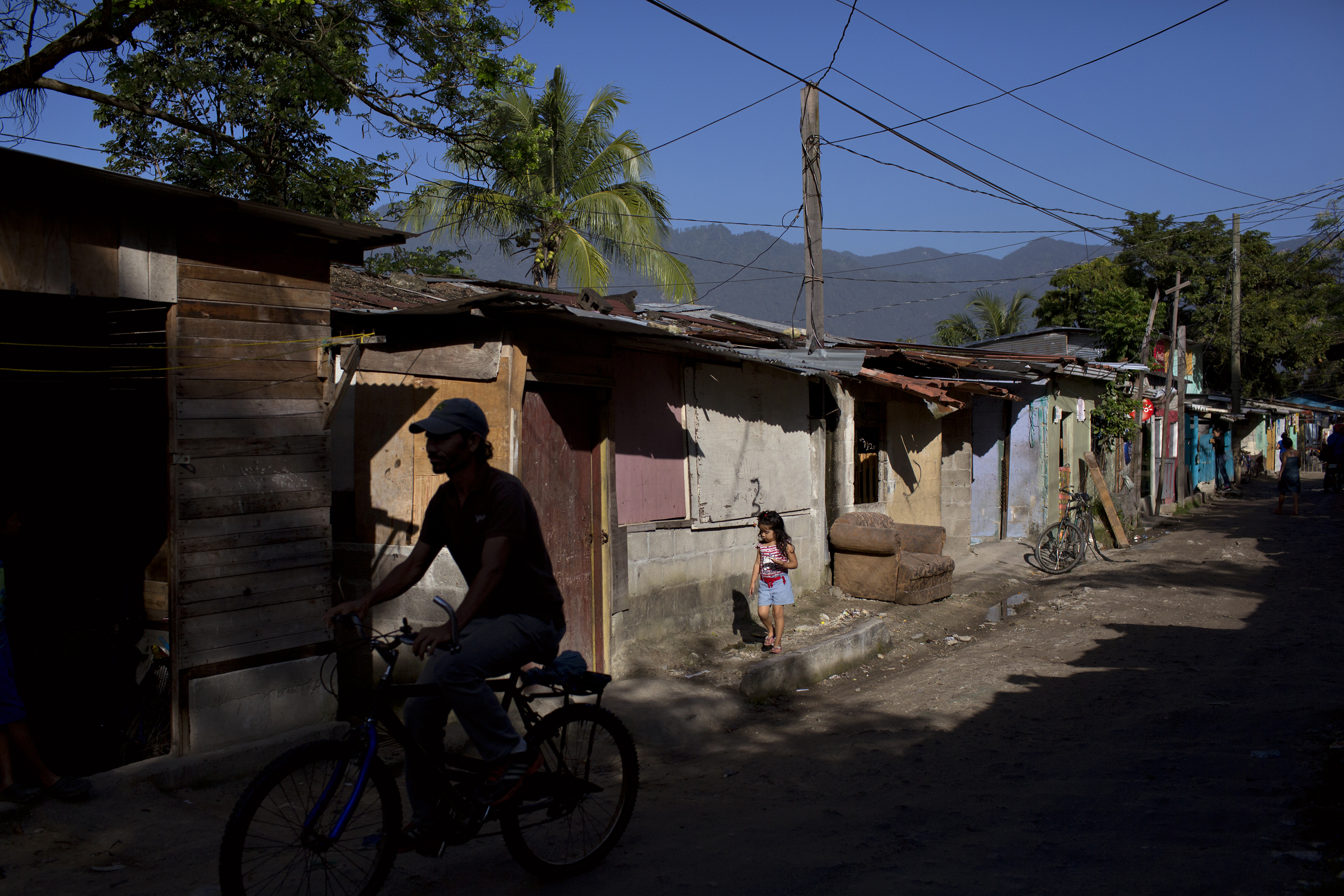
Danielle Villasana: A young girl walks along the streets of a neighborhood in San Pedro Sula, Honduras.
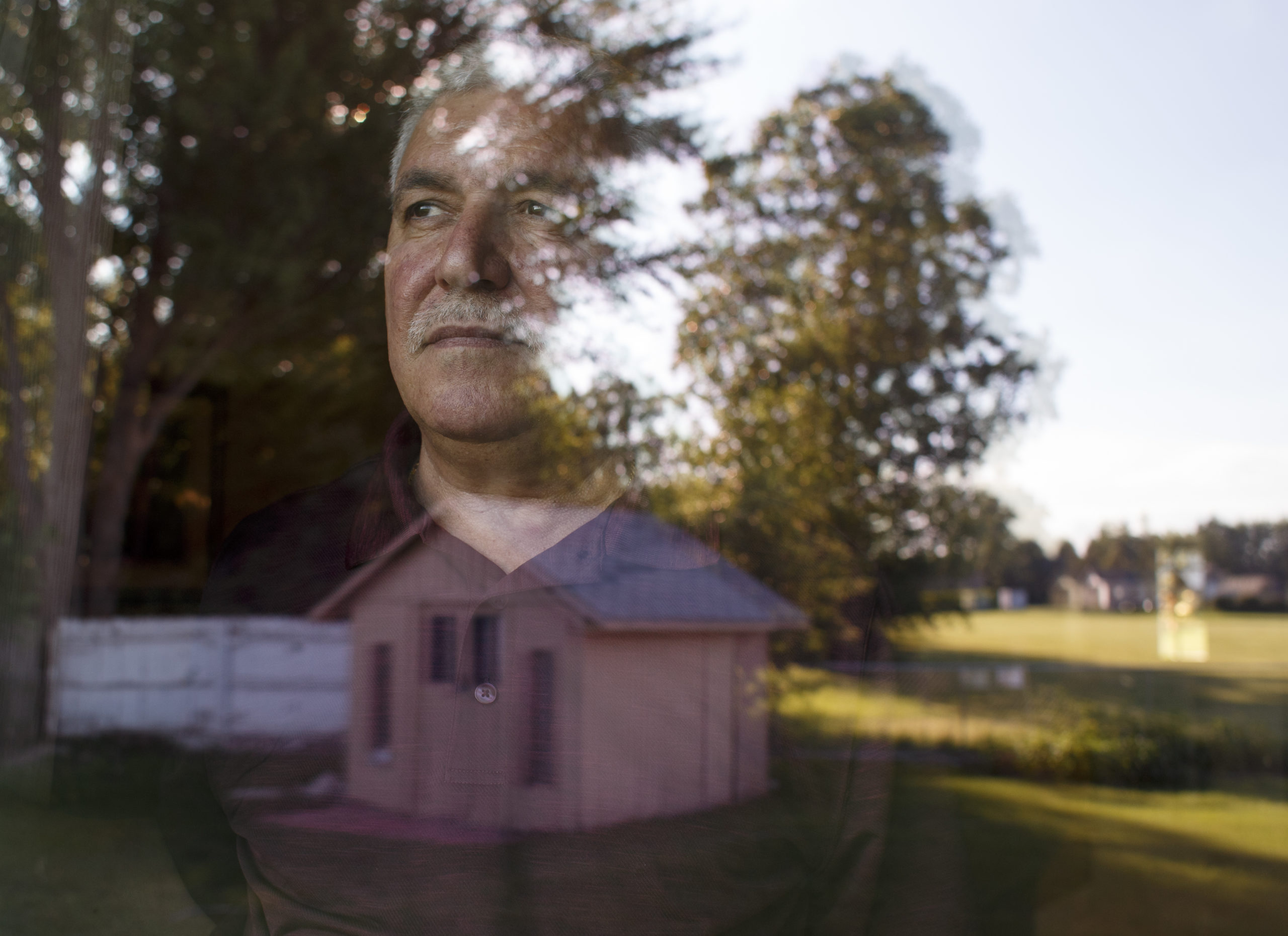
Elaine Cromie: Wail Aboajialo, an asylum applicant from Iraq who relies on Affordable Care Act coverage poses inside his home in Sterling Heights, Mich.
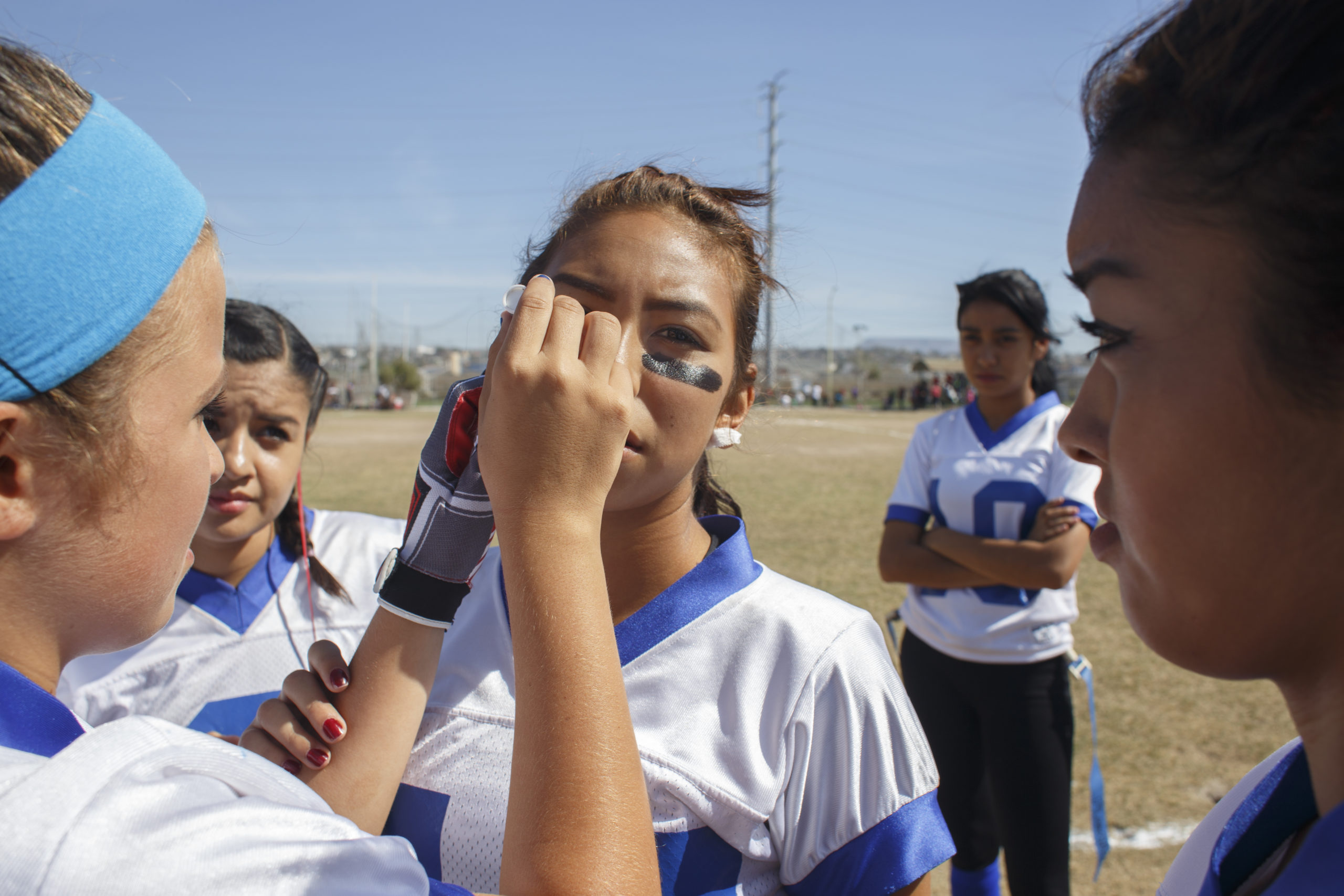
Elaine Cromie: The Rosarito Delfinas high school girls flag football team prepares for their afternoon game in Rosarito, Baja California, Mexico.
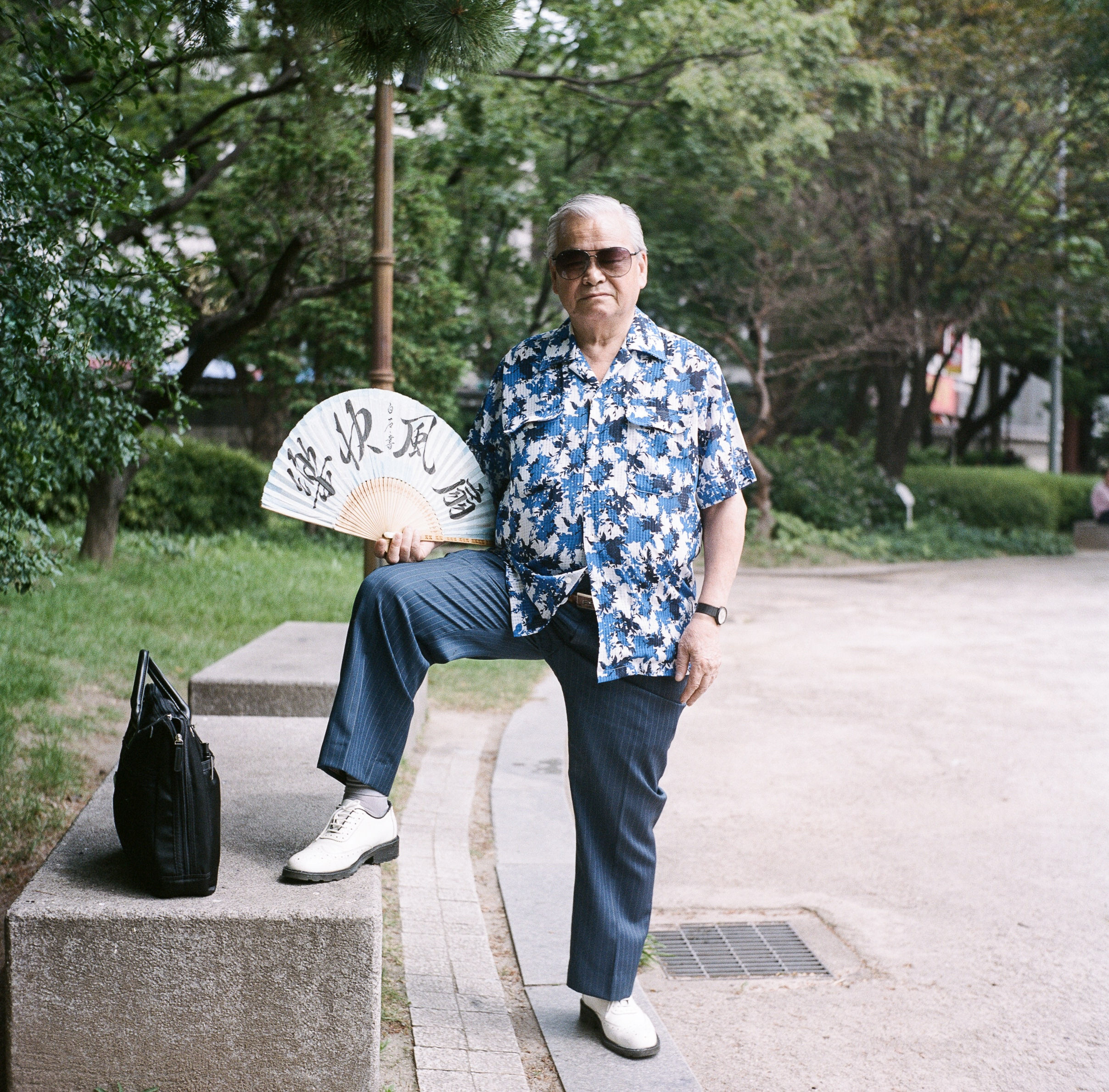
Hannah Yoon: Lee Cha-Dol, 81, stands for a portrait in Tapgol Park in Seoul, South Korea. Lee is a traditional Korean calligraphy and fan teacher. In 2014, the suicide rate of the elderly in South Korea was the highest in the OECD countries. On top of this, almost 50% of the elderly population lives in poverty. Despite these grave statistics, many persist, are active and want to be presentable in society. They do not want to be forgotten.
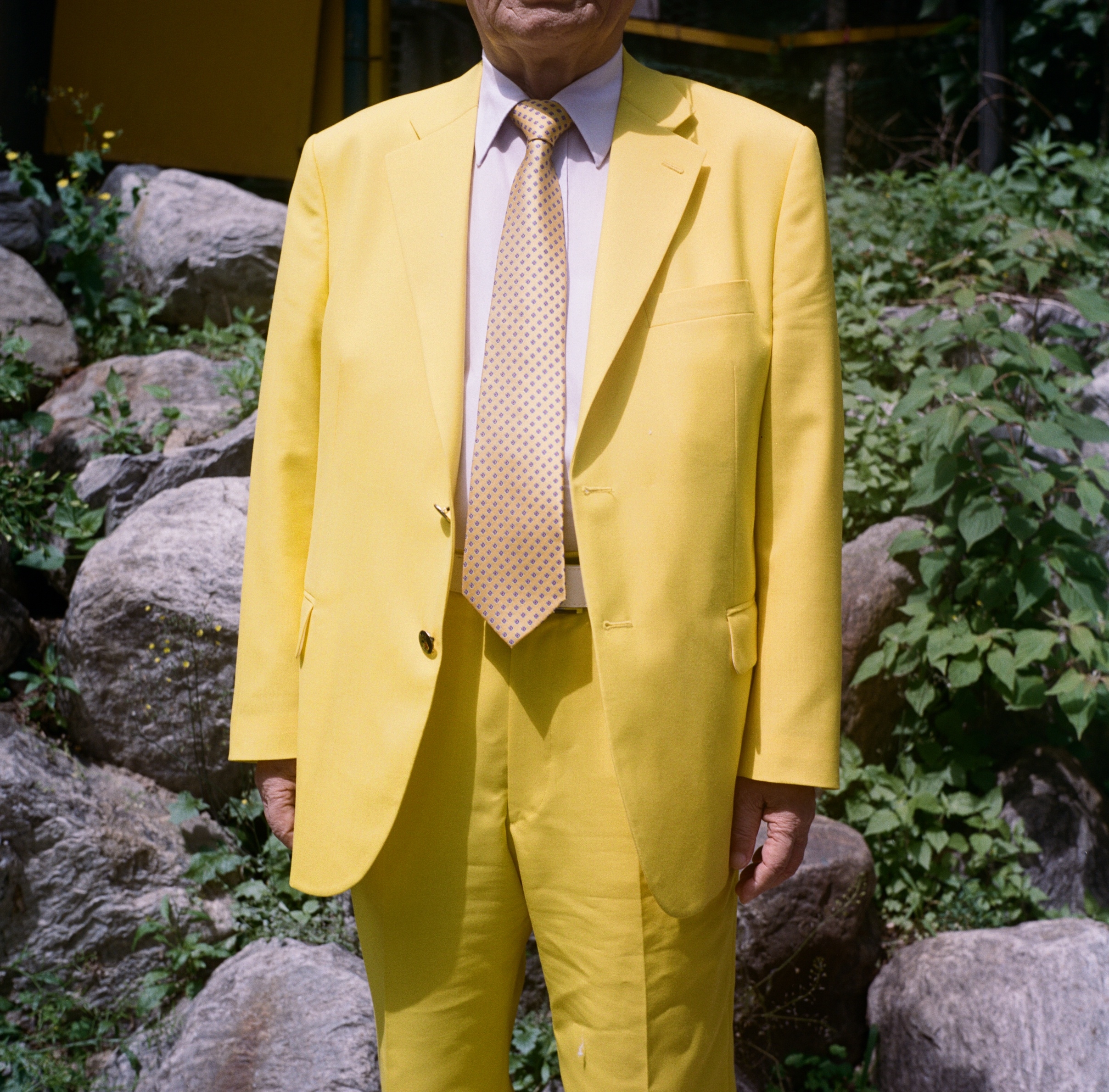
Hannah Yoon: Choi Yoon-Ho shows off his fancy suit in Seoul, South Korea. Choi makes sure to dress up everyday and show off his expensive clothes when he’s in public. In 2014, the suicide rate of the elderly in South Korea was the highest in the OECD countries. On top of this, almost 50% of the elderly population lives in poverty. Despite these grave statistics, many persist, are active and want to be presentable in society. They do not want to be forgotten.

Mary Kang

Mary Kang

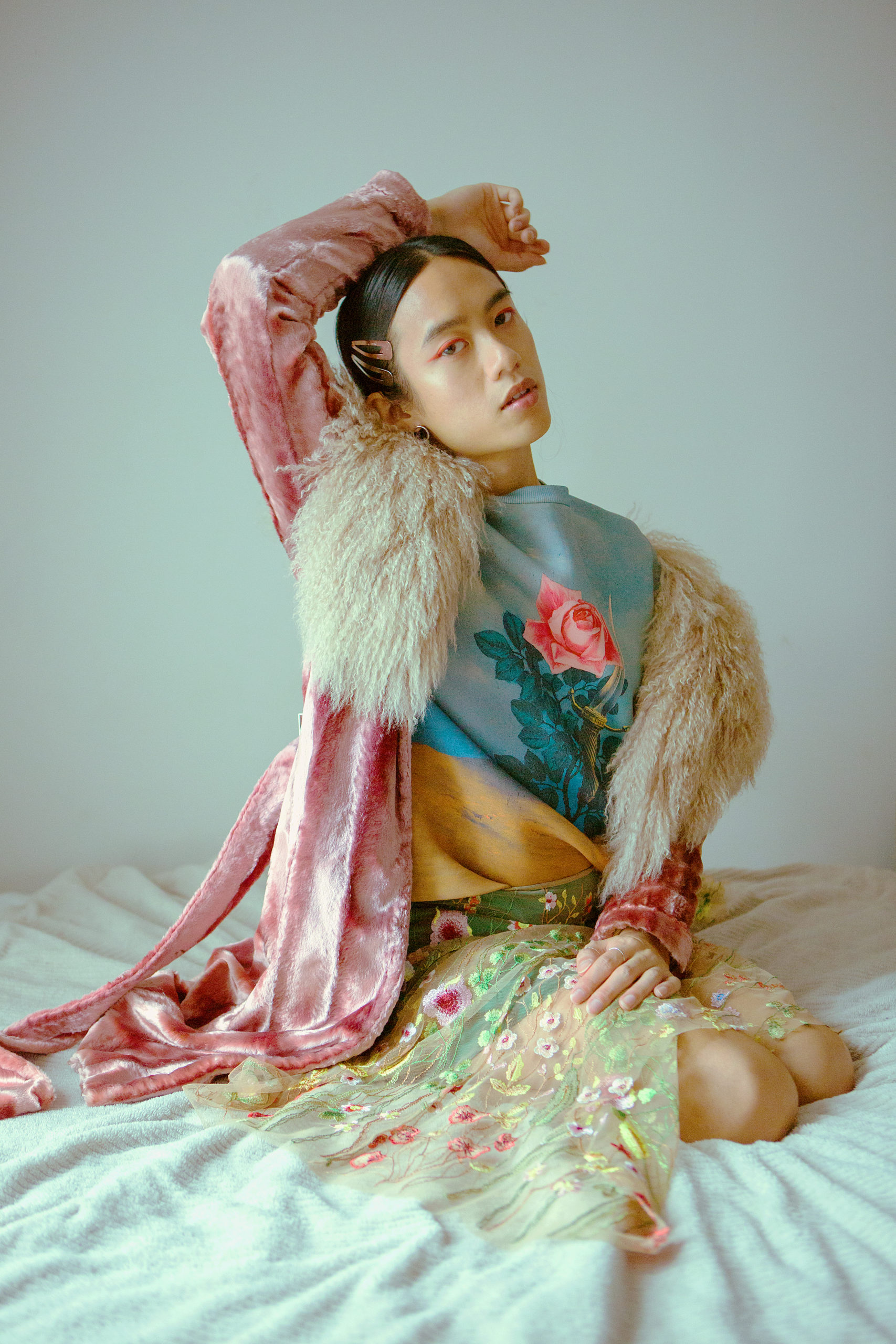
Mengwen Cao:  Nam Holtz, poses for a portrait at her apartment in Queens, New York. Adopted from Korea, she grew up in Chicago. She is an actor and dancer.
“I look this way, but I feel another way.”
– from the series “I Stand between”, a project on transracial adoptees, specifically Asians adopted by white families.
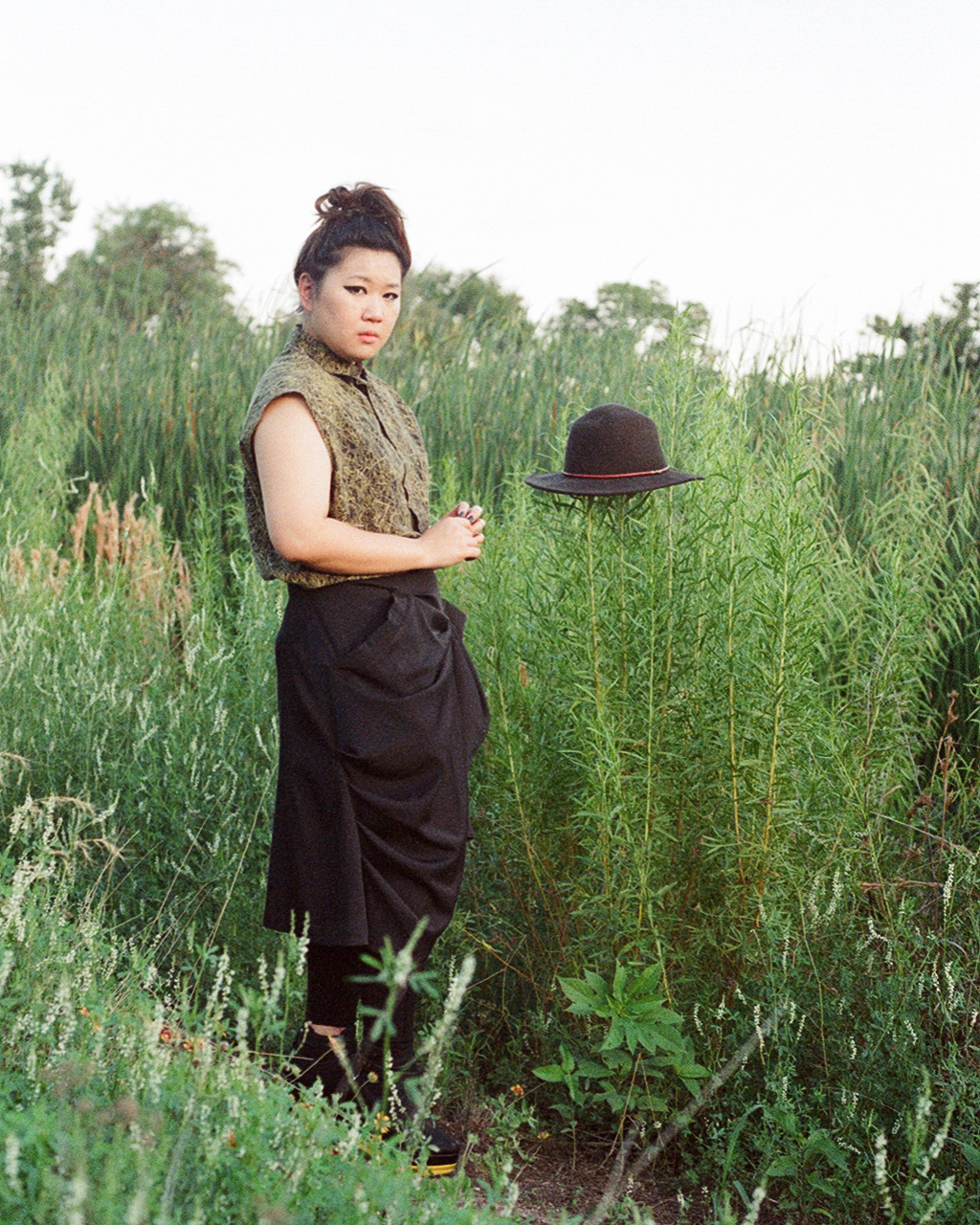
Mengwen Cao: Portrait of Luke Chang, Chinese American artist and designer, photographed in Catskills, New York in 2018
Tara Pixley: LOS ANGELES, CA.  One of the biggest attractions at the Leimert Park Juneteenth festival was a man on horseback who rode in circles carrying the Pan-African flag (also known as the Black liberation flag). The June 19 festival in Leimert Park, a historically Black LA neighborhood is one of Los Angeles’ largest Juneteenth celebrations, drawing several hundred people this year for art, music, food trucks and solidarity in light of recent protests for Black lives.

Tara Pixley

Authority Collective

The Photo Bill of Rights
The Lit List 2020
The
Photoshelter/AC Guide to Inclusive Photography
Exhibits, panels, talks, events and projects they’ve done over our two years as an organization

Instagram

Heidi: AC was formed during a symposium where you asked about who gets to tell marginalized stories. Since inception how has the script changed now that you’ve created these resources?
The beginning of AC came out of a desire for community and stability in a chaotic, unsupportive professional landscape for women of color media makers. Over the last two years, we’ve found that this is a movement, a reimagining and a reckoning for the old guard who hoard their resources, limit access and shut down attempts at progress. I don’t think we thought we would be attacked the way that we have been as we became more influential, but we also could never have imagined how powerful and necessary this community and the organization itself has become. I’ve seen a sea change in the last two years due to the labor of orgs like ours, Women Photograph, Everyday Projects, DiversifyPhoto and so many others. People are listening, they’re learning, they’re opening their spaces and those who are pushing back against diversifying and including more perspectives are showing the industry exactly why we need these changes.
— Tara Pixley, co-Founder and Board Member, Los Angeles-based independent visual journalist and professor at Loyola Marymount University || @tlpix || www.tarapixley.com

Since releasing the Do No Harm Statement, the Guide to Inclusive Photography, and the Bill of Rights we’ve discovered that many people were asking themselves these same exact questions. What we did was expose people to the thinking and language of decolonizing photography, which in itself sounds like a tall order. But, we aim for practicality, usefulness, encouraging action and ways of being. In these ways we make the work of decentering the western, gendered gaze accessible. What’s changed is that we’ve stopped asking the questions and started answering them ourselves, stepping into our authority.
— Bunni Elian, Board Member and independent multimedia journalist based in New York City || https://www.hellobunni.com/

Now that you’re a few years out, what would you tell your younger AC?
I would want to tell our younger selves that people will support us and people will believe in us. Despite the uncertainties and what seemed like slow or maybe hesitant reception, I would tell the younger AC to stick to what they believe in. I would tell them trusting friendships are growing out of it and so many people within the photo industry are taking AC seriously. AC is doing important work within the industry and you’ll see the fruits of your labor.
— Hannah Yoon, co-Founder and Board Member. Freelance photographer in Philadelphia @hanloveyoon || www.hannahyoon.com

I would tell our younger selves to get incorporated ASAP. We have had so many incredible opportunities and collaborations in this time, so many wonderful sponsors and kind individuals who have supported our efforts or amplified the message of decolonization and inclusion. However, the hundreds of hours of work put into building this community and making change through interventions, exhibits, talks, panels, community meet-ups, open letters and one billion meetings, etc. — all of that has been primarily volunteer labor on the part of a devoted 7-10 person crew (depending on the makeup of the Board at the time). If we could have incorporated earlier, we would have been in a better position to provide financial resources, grants, stipends, etc. to all the Authority Collective Community and work on much bigger scales. But that is all in the works now! And I wouldn’t trade a single thing from the incredible lessons learned from our grassroots, independent, scrappy efforts that built something really worthwhile and beautiful for our community. — Tara Pixley

What Hannah said above and that it is worth doing this because people who experience microaggression and discrimination in this industry don’t feel isolated. That they feel validated and affirmed.
— Mary Kang, Board Member and NYC-based independent photographer || @mary.kang || http://www.marykang.com

I would tell the younger version of our organization to focus on ideas in addition to the call-outs. Initially, we thought we could just single out corporations and institutions to help them do better individually, but we’ve found within the last few weeks that we provide more value in investigating the problematic conventions of journalism, rather than a case by case basis. Doing so took the conversation further, bringing more people to the table and fostering introspection among those who see our resources. Rather than saying one entity is a bad actor, people can internalize it and ask themselves ‘When have I acted in a similar way?’ We’ve also shifted from demands to suggestions and considerations.
— Bunni Elian

With all the resources available, are you still stumped by content creators finding it hard to find diverse voices? Are you feeling like people are not doing the work? Is it budgets? lack of risk? all of the above?
At times, we are stumped and not sure why there is still a slow movement to be as inclusive as possible within our industry. We wonder if it’s a budget issue or if some editors feel comfortable working with photographers they’ve already worked with. We have formed relationships with some photo editors within the industry, but there are others we have not connected with. We understand there is a culture of the editor+photographer relationship within the industry that is difficult to change. — Hannah Yoon

We notice the efforts being made by some photo editors, but we also understand the bureaucracy within each publication or company. If people in the executive level think hiring photographers they have never heard of is risky, then photo editors who push for equity also don’t feel heard. There needs to be a structural shift in company culture that values diversity, inclusivity, and accessibility. — Mary Kang

I would second what Mary said here. There are so many organizations and databases at this point highlighting the myriad brilliant photographers available to work, so it can’t realistically be said that photo editors “can’t find” photographers of color. In my experience, gatekeepers in journalism hire within their circles and known networks, relying on existing relationships. But also you can’t just make an intervention at the highest levels, saying “well here, you could hire these people” and think that’s a done deal, you’ve made it inclusive and accessible! No. It starts well beyond that. It starts when Black and brown children don’t know this is a job they can have, when they go to college and aren’t encouraged to develop a photographic aesthetic or are encouraged to align their existing perspective with the status quo of the Western Gaze. When they don’t have the resources to buy all the camera equipment their wealthier (often White) peers can. When they can’t take unpaid internships or travel around the world to get the portfolio pieces their White and wealthier peers can. The complex and inequitable dynamics of the photo industry start well before any database or list. Those are the things AC is pushing to address and make the industry recognize. Lists are great if you use them. What is far better would be a complete reimagining of what we perceive to be valid perspectives, what aesthetics are valued and included, what voices are listened to and encouraged. Also we need a re-education of the photo editor profession and practice. I’ve been a photo editor for international publications and news orgs: I will say that some take the job seriously and love being an advocate for photos and photographers. Others coast with limited knowledge of the field or the impact that images have in the world. We won’t achieve real change if we aren’t addressing the problems at every step of the editorial process and dedicating ourselves to making our visual media better across the board. — Tara

It should also be noted that so much of the newsroom has been consolidated to the work of researching photographers, mentoring, nurturing relationships and people are stretched super thin. I’ve heard countless photo editors say they lost that aspect of the work, which they really enjoyed. So photo editor burnout is real, very human and can create the conditions where some choose the shortcut of people they know. COVID-19 for example, is NOT a time to experiment. You’ll contact your go to photographer over a new hire and not pressure people to take on health risks. That’s understandable. That’s why it’s paramount to incorporate diversity and inclusion efforts throughout the years so you can maintain diversity of perspective when news breaks. — Bunni

What makes this moment different and what are the tangible goals you hope we hit as content creators?
The progress I want to see… the photo bill of rights explains it all (haha). Mostly equity, diversity, inclusion, accessibility, and fair contract and payment. Also, we need people to not only listen, but believe what we say and build actions. — Mary

The confluence of the unfair practices in journalism, the pandemic, and the narrow visual rendering of the Black Lives Matter movement in early June has put us in a unique position to rise to the occasion to use the current conditions as concrete examples we can all see. It also doesn’t hurt that the majority of people everywhere are stuck at home with plenty of time to spare! So often people want to engage, but life gets in the way. The truth is though, beyond the quick response of the Do No Harm Photo statement, the creation of these resources has been in the works for months. — Bunni

I am looking for the industry to want to be better. I understand progress is scary and some people won’t flourish with more competition. But if you’ve actually been working hard, doing great work and adhering to the ethics of our profession, a more inclusive and equitable industry will only positively affect you. Progress looks like recognizing the photo industry has passively been a part of the problem (of exclusions and stereotyping around race, gender and class) but now wants to actively participate in building a better world with more accurate and holistic visual perspectives. — Tara

There’s a big push to hire both in front of and behind the camera. How has the diversity and inclusion conversation progressed at this moment and how does the collective feel/what do they think about it?
I am seeing some progress, but still many POC photographers are being asked to work for free or at an unfair rate. I am seeing small incremental steps, but still the majority being hired are white cis male photographers. We are not hating on them, we just want people to think about that disproportion and bring more equitable changes as there is no shortage of talented photographers who are not a white cis male.— Mary

The conversation hasn’t changed, just more people are being loud about it. A sea change is bound to occur when photographers band together and demand for the hiring of black photojournalists to cover Black Lives Matter for example. The difference in coverage is immense. That’s been huge! Our members appear to be a part of this shift and cheer on the Authority Collective just as much as we cheer and uplift them. — Bunni

I would say that diversity and inclusion has become a very prevalent conversation in some realms and in other places people are doubling down on exclusion. However, the thing about forcing the conversation is it clarifies who is willing to engage and who is holding on to their white/Western/male/class privilege and uninformed stances for dear life. We’re in a historical moment for our industry and people are deciding what side of history they’re going to be on. They’re also very handily publicly stating those positions and uneducated/unethical/exclusionary approaches to visual media practices on social media. So, in a few years I think we’ll see really how our industry has progressed, how we’ve become better collectively, more diverse and more educated about social realities that affect our work as photographers and what more work there is to be done. — Tara

How do you celebrate your forward movement and big changes in the media landscape?
I think about the saying “we are only strong as the weakest ones in our society.” I wouldn’t say anyone is weak, better word may be under-resourced. Whenever there is progress it is good for the industry as a whole as we can be stronger together and that serves everybody. — Mary

As a board we are constantly celebrating each other’s efforts and the achievements of our membership and larger photo community, so we’re not really celebrating, we’re just trying to keep up with the flood of emails! Ha! But, seriously, I’d say we feel encouraged more than anything to keep on the right track. We’re beyond thrilled to see all these conversations popping up across social media. Maybe we’ll celebrate when we can see sustained changes. But for now we are pleased that our work has reverberated.— Bunni

Who and what inspires the collective?
I’m personally inspired by people who work in depth to uplift under-resourced visual storytellers and call in problematic behaviors so that more of us can concentrate on just making the works instead of having to deal with microaggressions and other barriers. I am inspired by those kindness and passion that look out for each other even when we may not feel perfect. — Mary

I’m inspired by being able to empower people on how to navigate microaggressions and cultural and racial insensitivity. It’s like solving a puzzle by handing each member a piece. I’m also inspired by the groups that have arisen in this time of many questions and few answers. Unofficially, we refer to this collection of groups as “RECLAIM” and that we at times work in tandem or collaborate directly and are not in competition is so inspiring. Cooperation has taken humankind immensely further than competition. I’m inspired by our dedication to be a force for something better. I’d literally be depressed if not for this work. It gives me purpose and community. Bunni

How do you try and stand out in the flood of social media? What is the one singular message?
We focus on amplifying the works of talented and underrepresented visual storytellers in mainstream media. This effort includes reposting their works on our Instagram stories as well as having people use our Instagram platform to introduce their works by doing Instagram takeover.  Additionally, we notice the discussions going around online discourses and try to amplify those messages as well, in support of bringing more equity and ethical values to the industry. Our social media platforms naturally grew over time through word of mouth. More so than trying to stand out, we focus on connectivity with people who share similar visions, building community and celebrating accomplishments of the members. — Mary

Our singular message, if we had to have one, is that the experiences, viewpoints and work of our membership are valid. We can be experts, we have a voice and we have something to say about this world through our work and we’re not going anywhere. — Bunni


Featured Promo – Pascale Weber

Pascale Weber

Who printed it?
I printed it at “Wir machen Druck” – www.wir-machen-druck.ch

Who designed it?
Graphic designer Lena Thomaka – https://lenathomaka.de/

Tell me about the images?
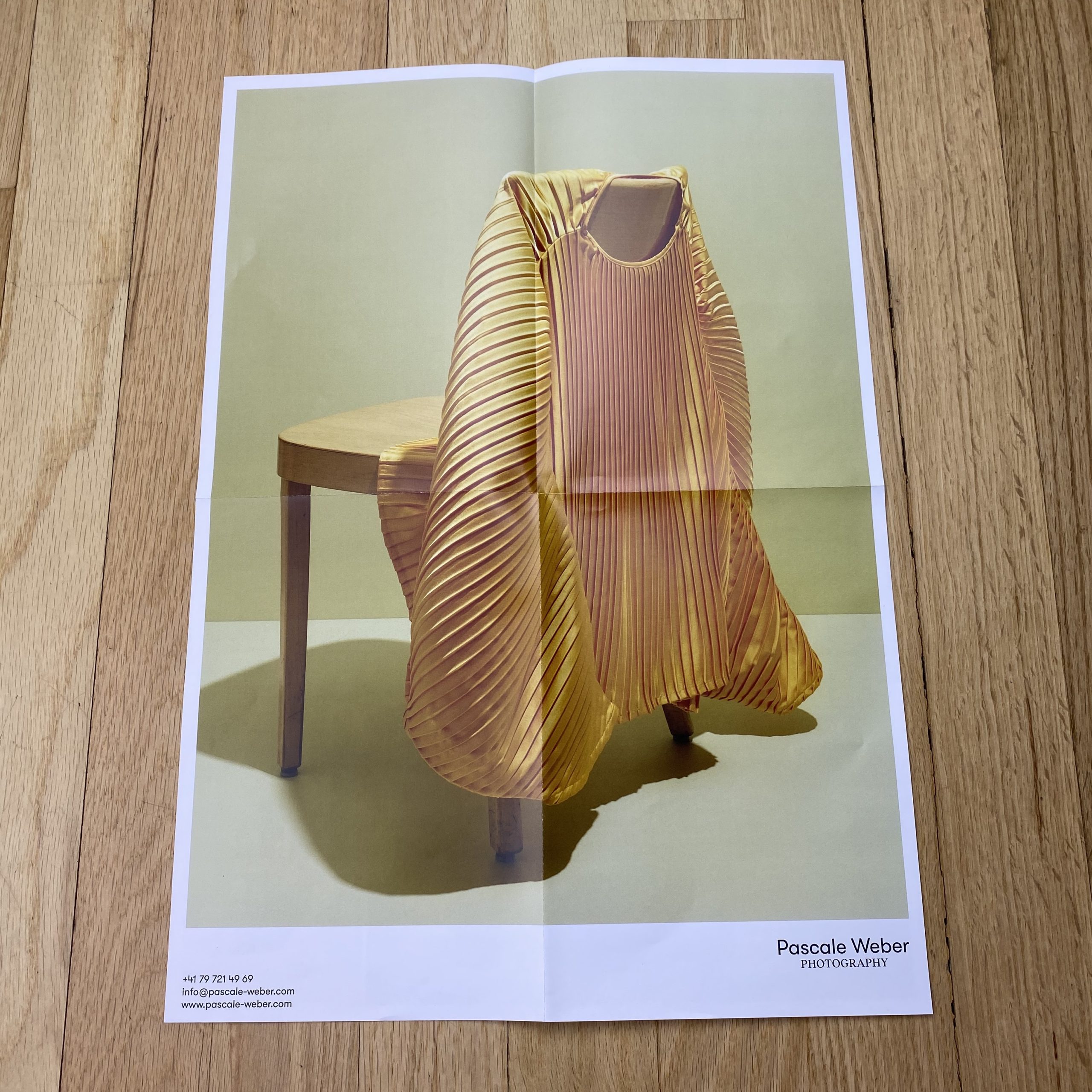
The chair picture was an editorial for the “SI Grün Magazine” in Switzerland. The story was for summer issue in May. And also the picture with the vase. The keychain was designed by Julian Zigerli – https://julianzigerli.com. The cosmetic pictures were a personal editorial with stylist Victoria Steiner – https://www.victoriasteiner.ch and also the picture with the cat. And the bag picture was created in collaboration with the designer RAËLLE ZURICH – https://www.raellezurich.com/.

How many did you make?
I made just 50 prints but I need to print more they almost finished. :)

How many times a year do you send out promos?
I try to send a newsletter every two months. And I am also at Gosee and always send them my latest projects.

Do you think printed promos are effective for marketing your work?
Yes, of course. I always have a few cards or this new promotional flyer with me. It is always nice to leave a printed card after a meeting. And I also think people like to have a printed version in their hand.

This Week in Photography: Chaos and Class

Part 1: The Intro


I love it when a plan comes together.

That’s what George Peppard used to say, as Hannibal Smith, in the cheesy 80’s TV show “The A-Team.”

Then, the character was played by Liam Neeson in a pretty-bad movie version of the TV show, which came out in 2010.

This morning, on Twitter, I stumbled upon a video of the comedian Frank Caliendo doing a Liam Neeson impression, pretending to be his character from “Taken,” (which was shot in France,) in which Caliendo-as-Neeson threatens to give a telemarketer a bad Yelp review.


I also read in the New York Times today that France would soon require all people to wear masks indoors.

(Elsewhere, I read that a French bus driver was beaten to death for asking his riders to mask up.)

In the Washington Post, I saw that the Governor of Georgia would bar all cities and municipalities from requiring people to wear masks, during our American-dumpster-fire-outbreak.

In a normal year, many Americans of means might be taking their European holiday right now, but of course Americans are actually banned from Europe, due to our anti-scientific, highly politicized handling of the Covid-19 pandemic.

Our leader, Donald J Trump, has made such a mess of things that I’ve had to officially apologize to my friend, about whom I wrote in this column early in the year, because Trump now does have mass deaths on his hands, if not nearly as many as Adolph Hitler.

DeSean Jackson, a football player for the Philadelphia Eagles, recently made an Instagram post in which he incorrectly attributed a quote to Hitler, while proudly promoting an Anti-Semitic agenda.

And also this morning, on Facebook, a friend posted that she and her family would be moving to Germany, for the rest of #2020, so their son could attend school, and have a “normal” life.

This same friend belongs to a family that famously fled Nazi Germany and came to New Mexico to found a ski resort, in which certain trails are named after members of a failed coup to take out Hitler.

The coup was featured in a movie starring Tom Cruise, who became mega-famous in “Top Gun,” in which Val Kilmer also became a super-star for playing Iceman, but then Kilmer lost a big part of his New Mexico ranch due to The Great Recession, which was the worst American economy until now.

In #2020.

Are you confused yet?

If so, my plan has indeed come together, because after a week off, I wanted to see if I could open this column in a manner that truly reflected the insanity of the moment.

Things change from second to second these days, and my fellow Americans are acting so irrationally that they’re willing to risk killing each other to prove a political point.

For example, in Red River, New Mexico, a town known at “Little Texas,” (which you can read about in a Reuters article written by my son’s former youth soccer coach,) apparently a man walked into the local health clinic, with Covid symptoms, but not wearing a mask, and he tested positive along with 3 other people, so that now the clinic has been shut for 14 days, and the town no longer has a functioning medical office, despite being in a valley surrounded by mountains, cut off from the rest of the world.

Like I said, welcome to #2020.


Part 2: Making some sense


The American Revolution was really about money, even if Freedom was a part of the mix as well.

Rich guys like George Washington didn’t like paying so many taxes to the King of England, given that the crown didn’t offer too much back in the deal.

We used to worship Old George here in America, but now he’s been cancelled because he was a slave owner.

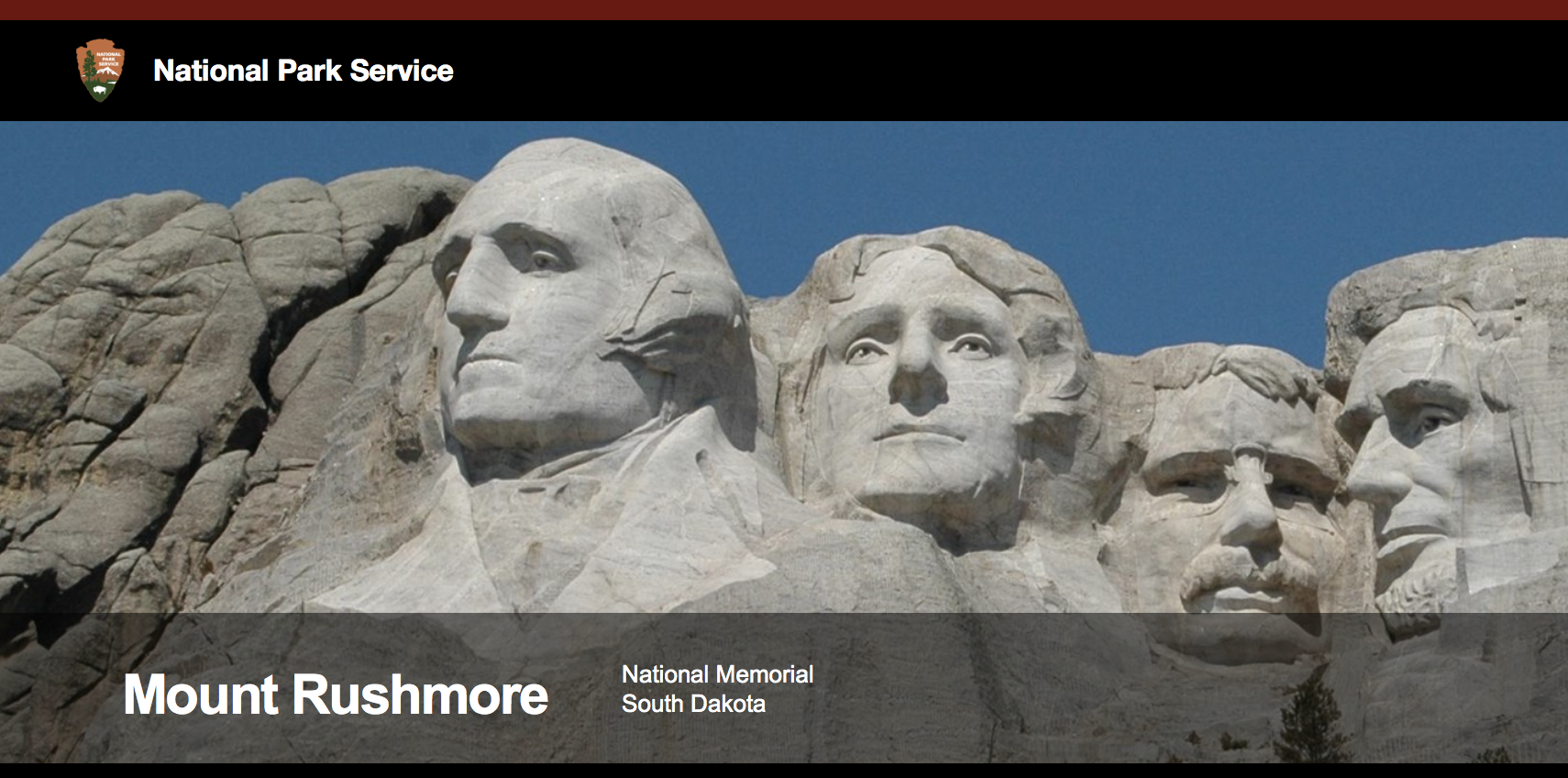
Donald Trump chose to give a maskless speech on the 4th of July, to a maskless white audience, at Mount Rushmore in South Dakota’s Black Hills, on land that was stolen from the Lakota people, despite treaties promising them their ancestral homeland in perpetuity.

(Those treaties were not worth the paper on which they were printed.)

As to the white men enshrined in stone on that mountain?
 

Washington and Jefferson were slave owners, and in the current moment, are considered assholes. (Rightly so, I guess. We may have idolized them for centuries, but slavery was simply inexcusable.)

Teddy Roosevelt was a racist, and now even Abe Lincoln has been criticized, because he promoted the stealing of Native American land in the MidWest.

This section of the column was titled “Making Some Sense,” but I’m not sure that I have.


Part 3. Follow the money


I was trying, before jumping off the rails, to bring attention to the fact that money and power are, and have always been, intricately connected.

It’s the real reason that the Washington Redskins are finally changing their highly racist, despicable nickname: sponsors like Fedex came after team owner Daniel Snyder’s money, so he folded.

That is literally the only reason he did the right thing.

Money buys power, and historically, power is enmeshed with class.

Here in America, while we’re occasionally willing to discuss race, and are often obsessed with money, class is barely allowed into the cultural conversation.

It’s the hush hush, as nobody wants to be considered lower class, the middle class has been shrinking for decades, and the Upper Class likes to stick to its own, and does a damn good job of keeping everyone else out.

I was reminded of that while reading my friend Kevin Kwan’s new book, “Sex and Vanity,” which both features and skewers the world’s jet-setting .1%, at a fabulous wedding in Capri, on New York’s Upper East Side, and in the Hamptons as well.

Kevin updated E.M. Forster’s acclaimed novel “A Room with a View,” while simultaneously examining entrenched racism in America’s chicest Upper Class apartments and beach clubs.

(It’s a fun read for summer too.)

But it really resonated with me, as I was first introduced to the New York Upper Class as a freshman at Duke, and my clumsy attempt at social climbing pretty much ruined my college experience, and changed the course of my life.


Part 4. The Photobook


Even though I took a week off from writing, and am definitely hopped up on super-high-caffeine coffee, this column is actually building somewhere.

I promise.

It ties together threads from above, and even from my last column before I took my break, in which I mentioned the students from various ICP programs that I reviewed via Zoom a few weeks ago.

How so?

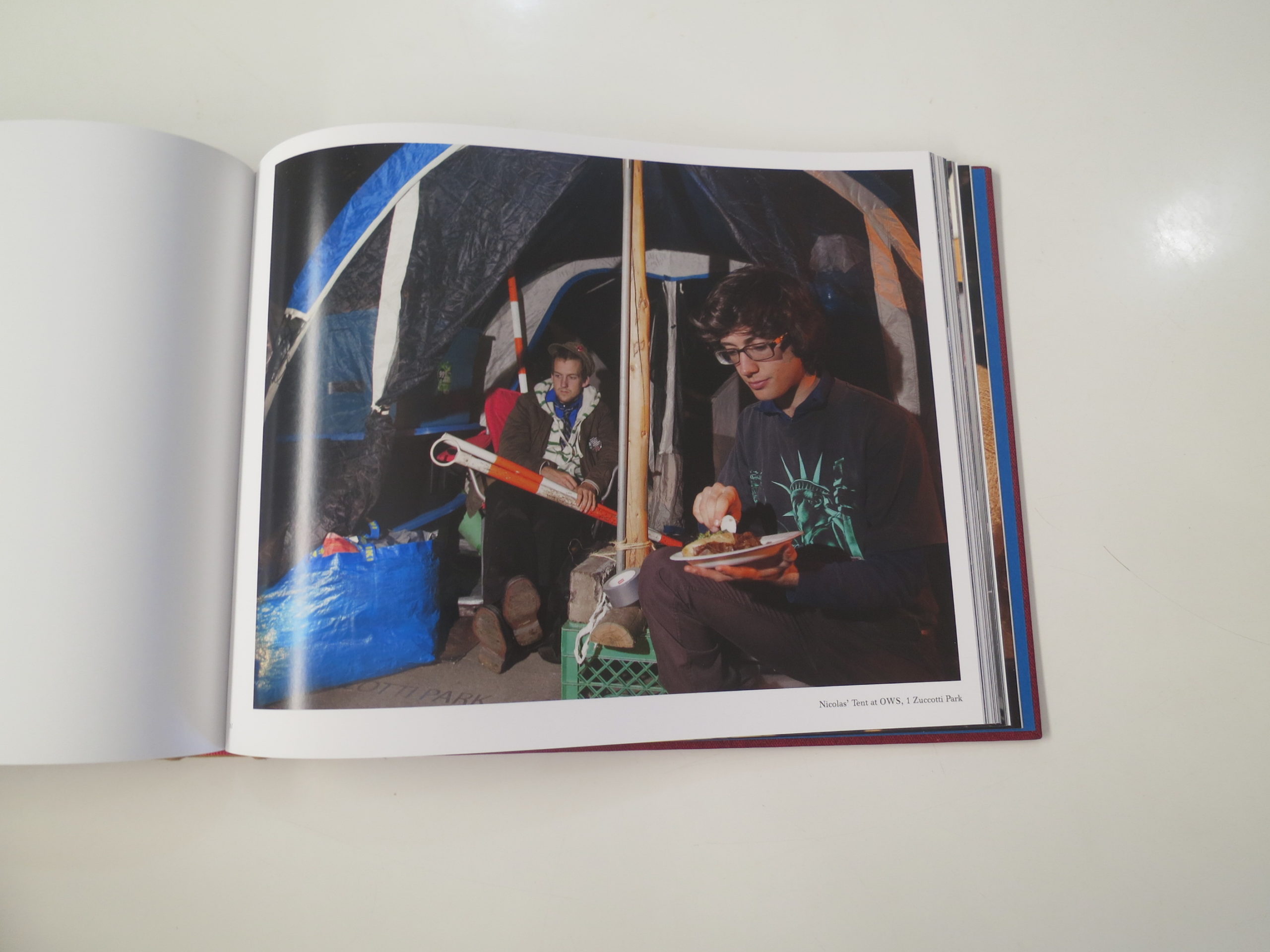
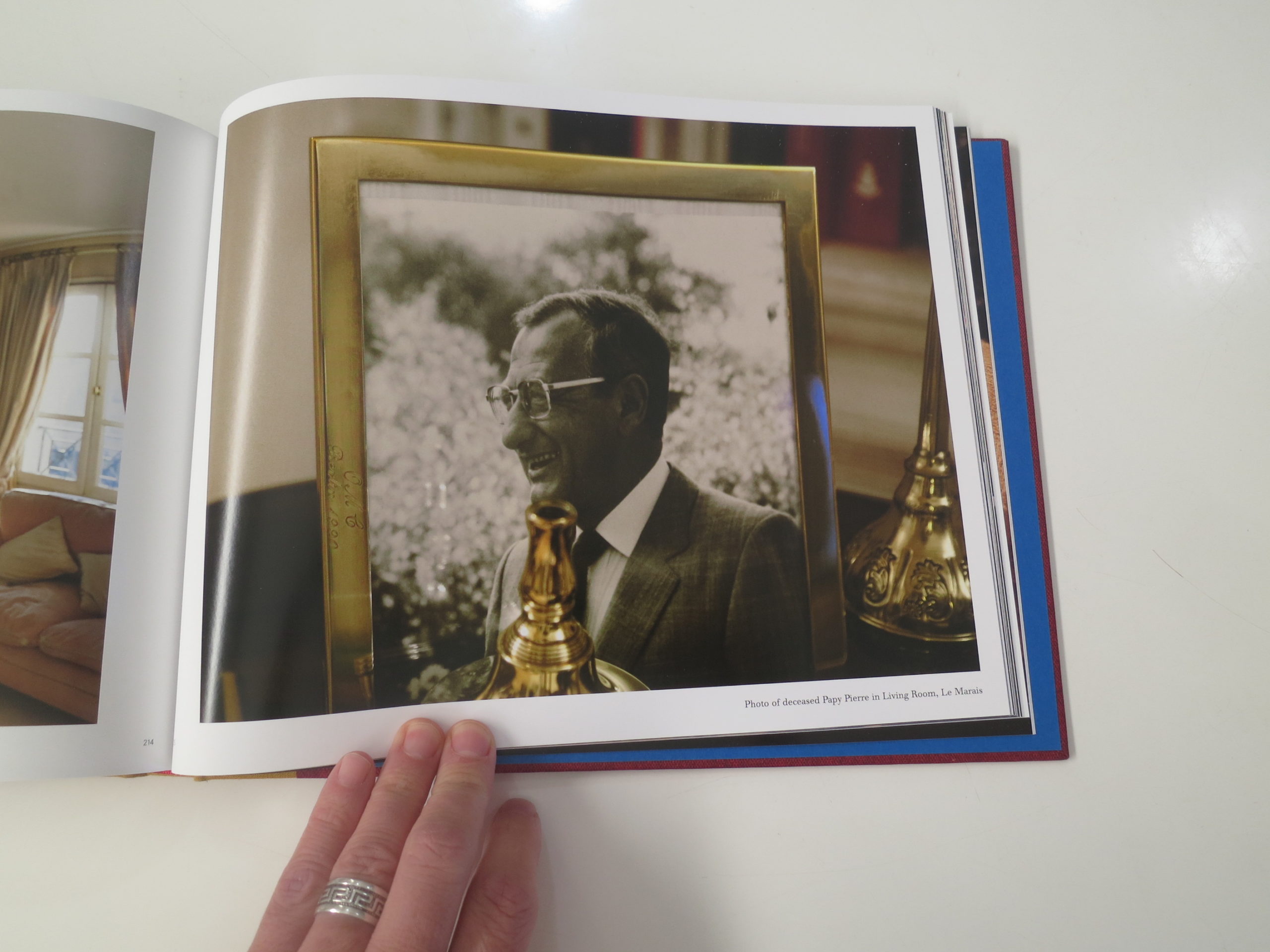
Well, a while back, my former photo professor, Allen Frame, who also teaches at ICP, wrote to see if I’d be interested in potentially reviewing a photo book by his friend, and former ICP student Martine Fougeron, and I said sure.

(She and I were once in a show together in the Bronx, but I wasn’t able to attend, so we’ve never met or been in contact.)

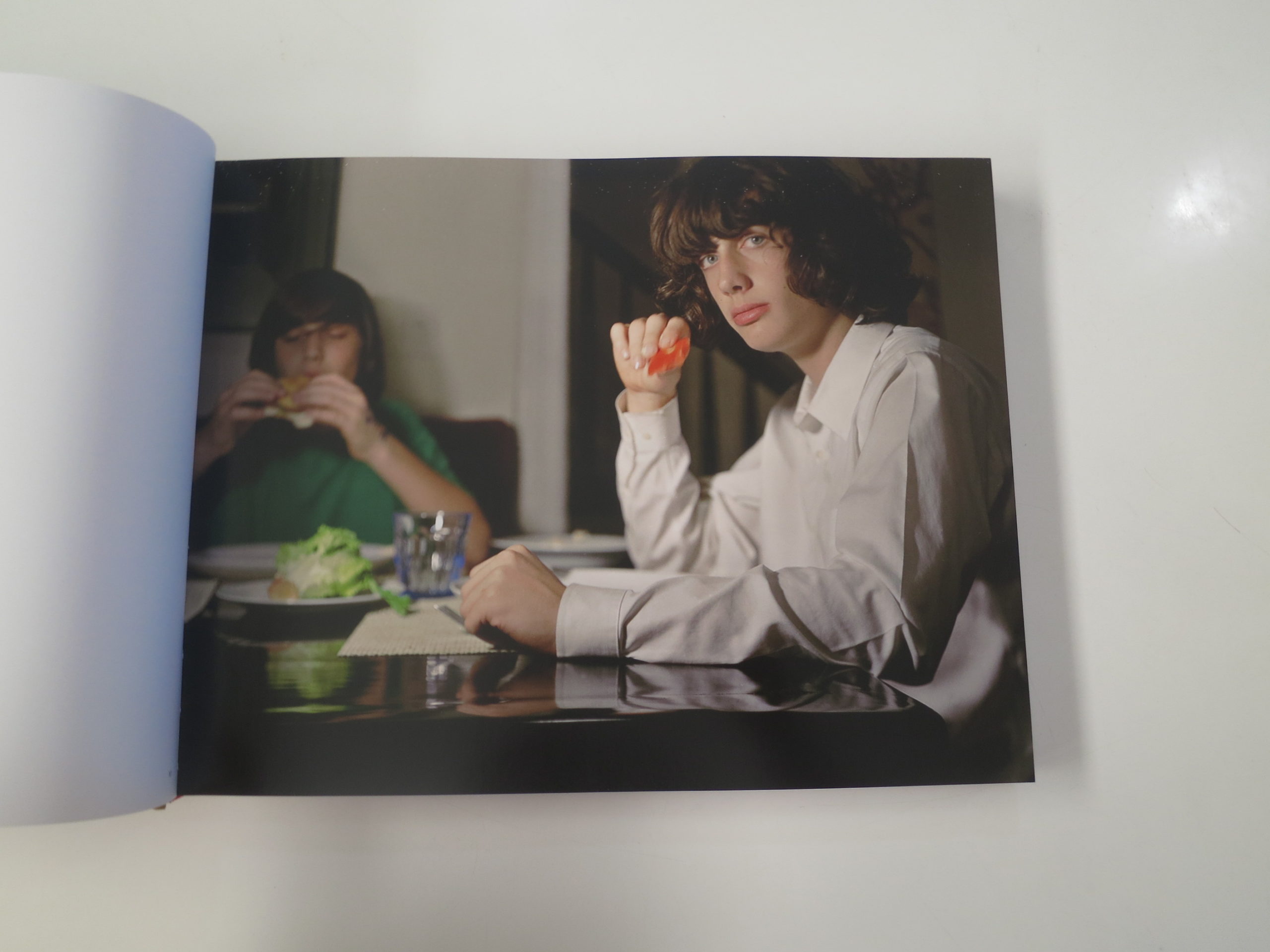
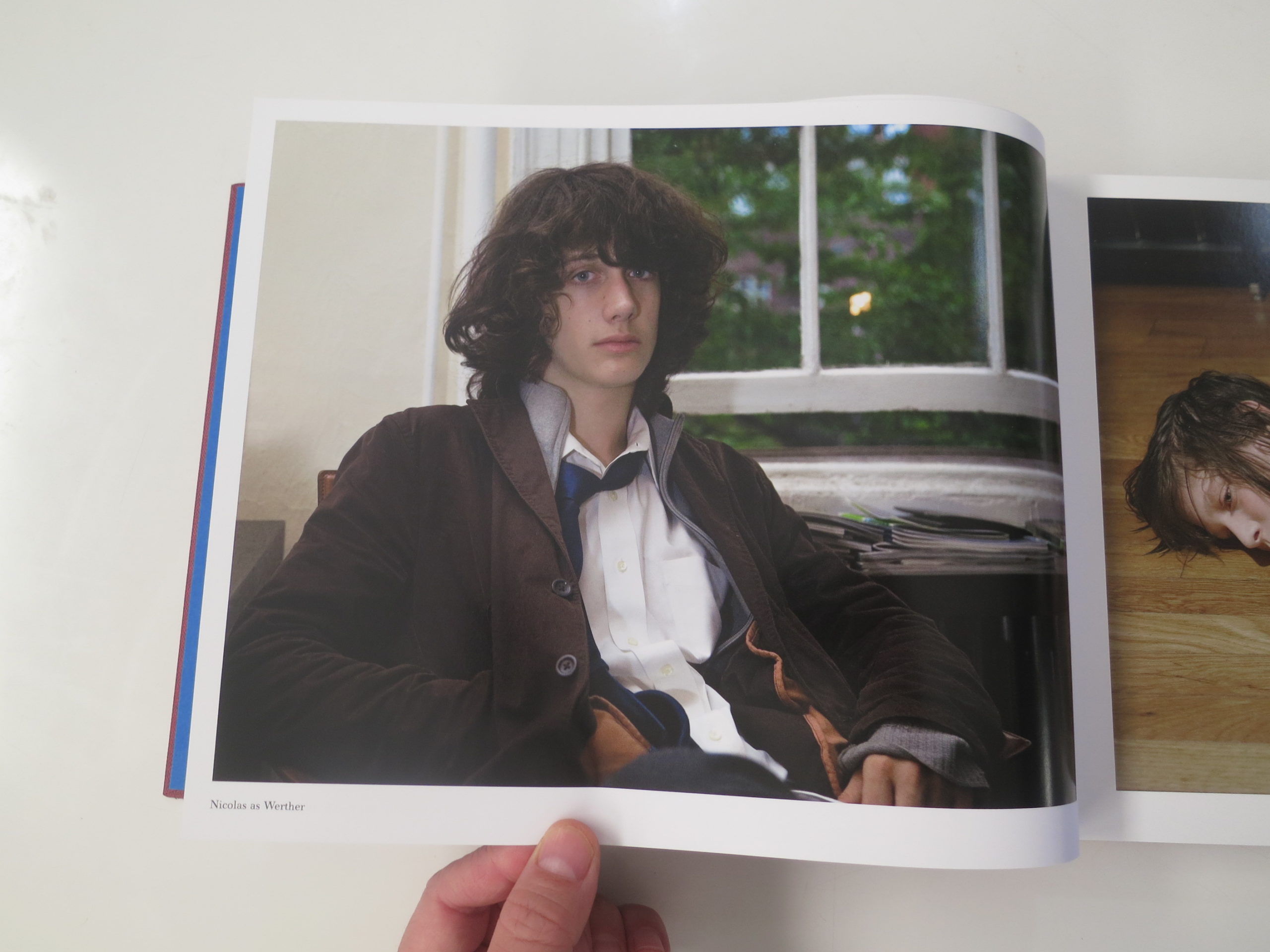
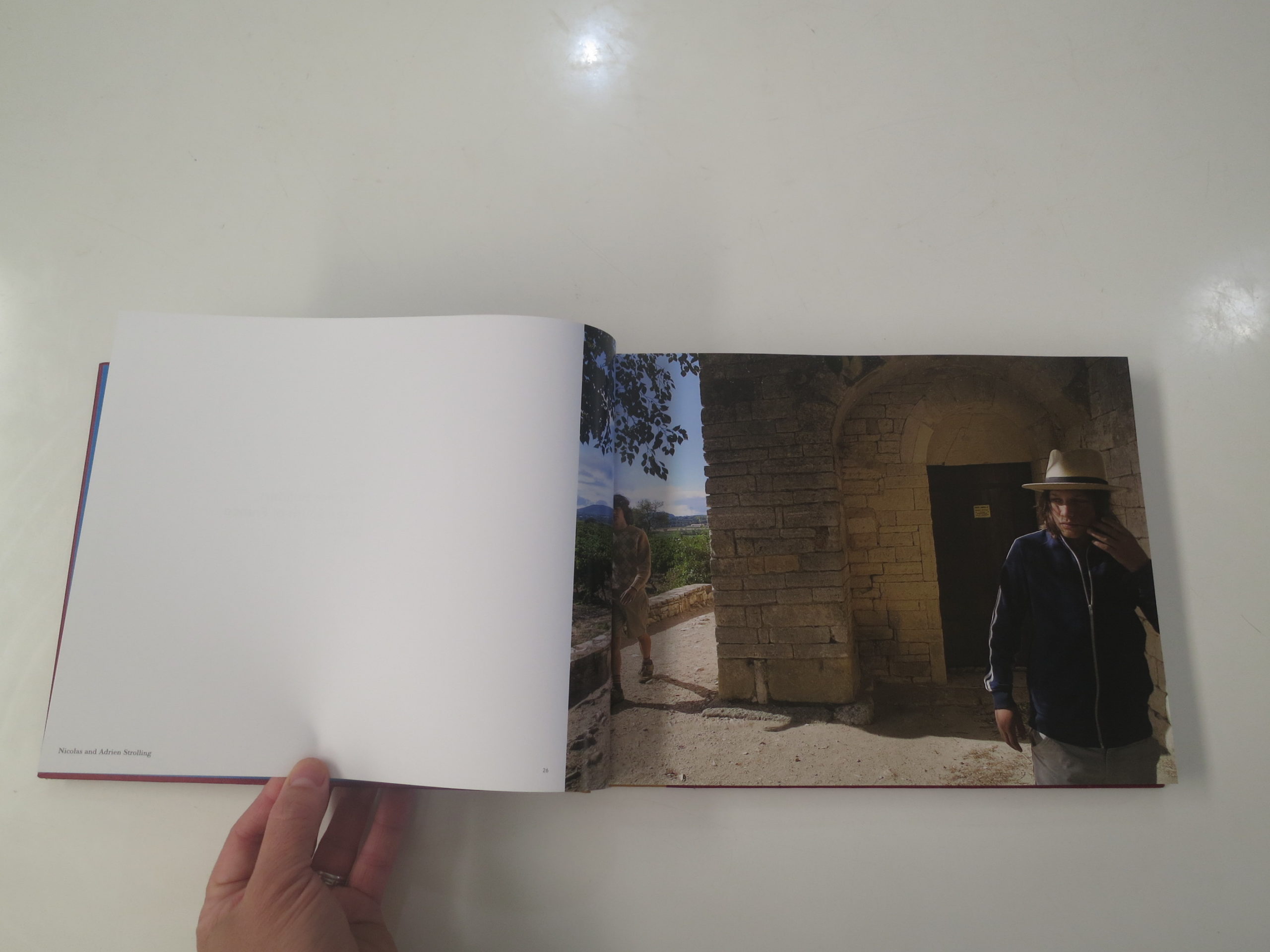
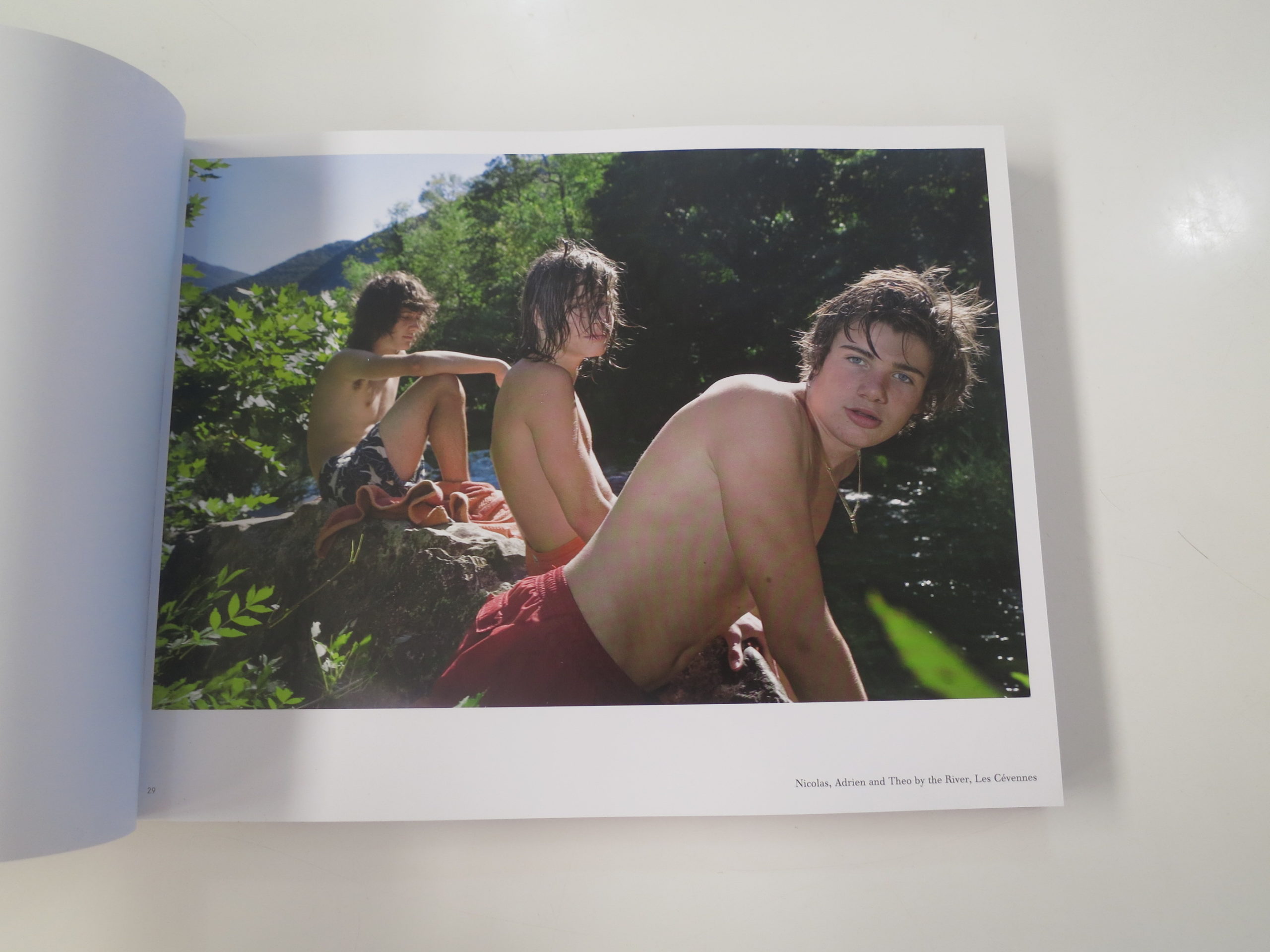
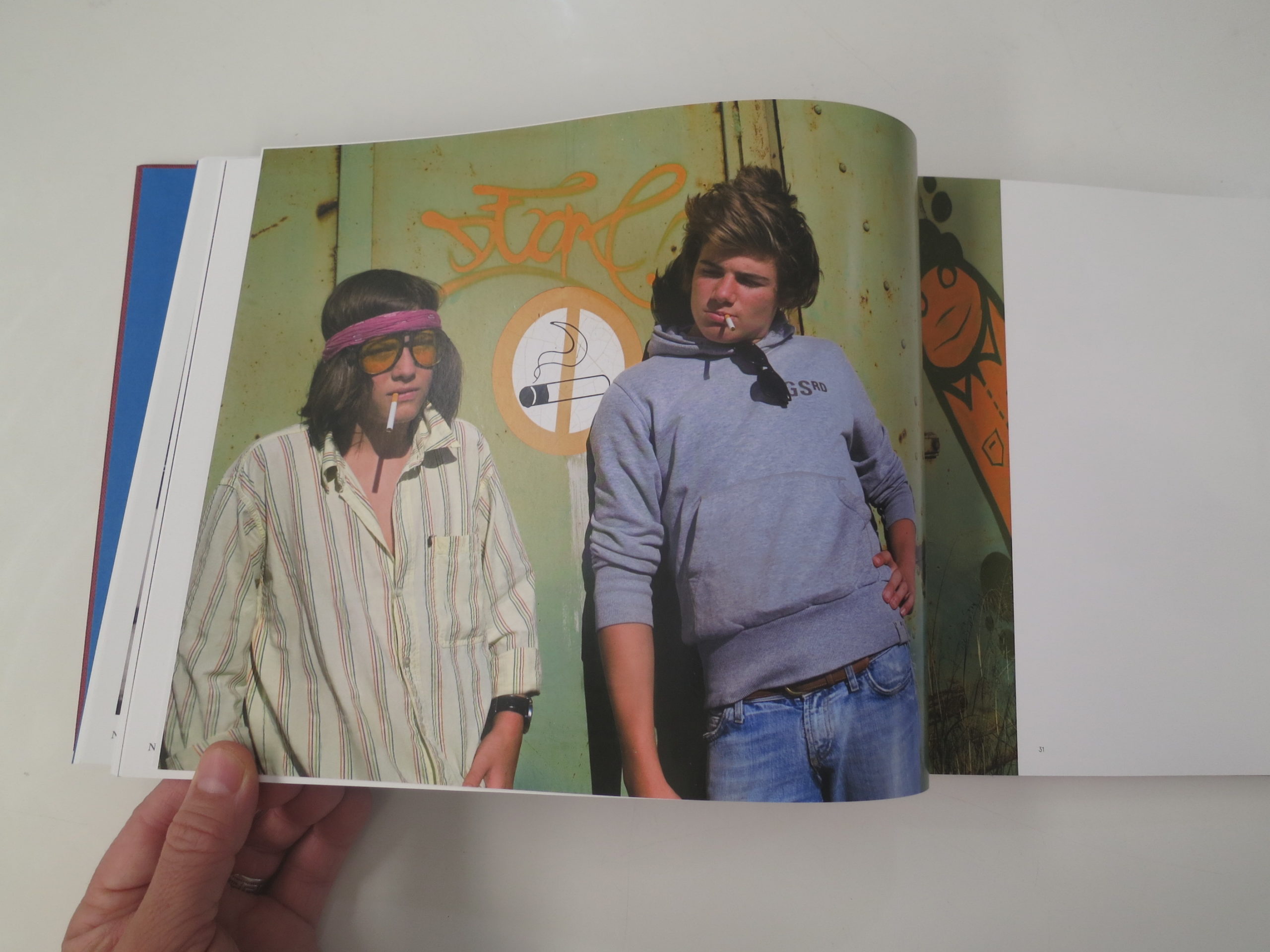
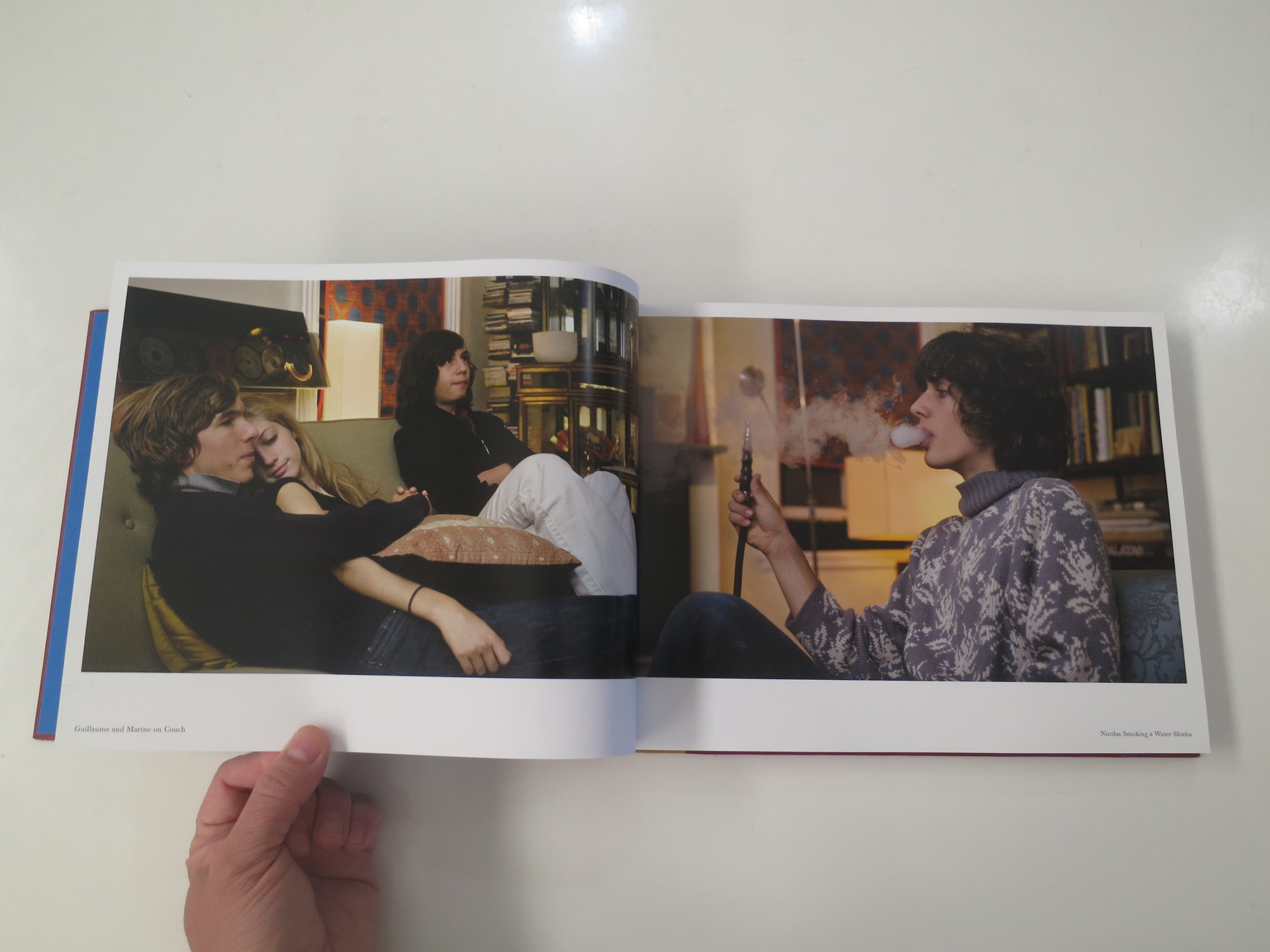
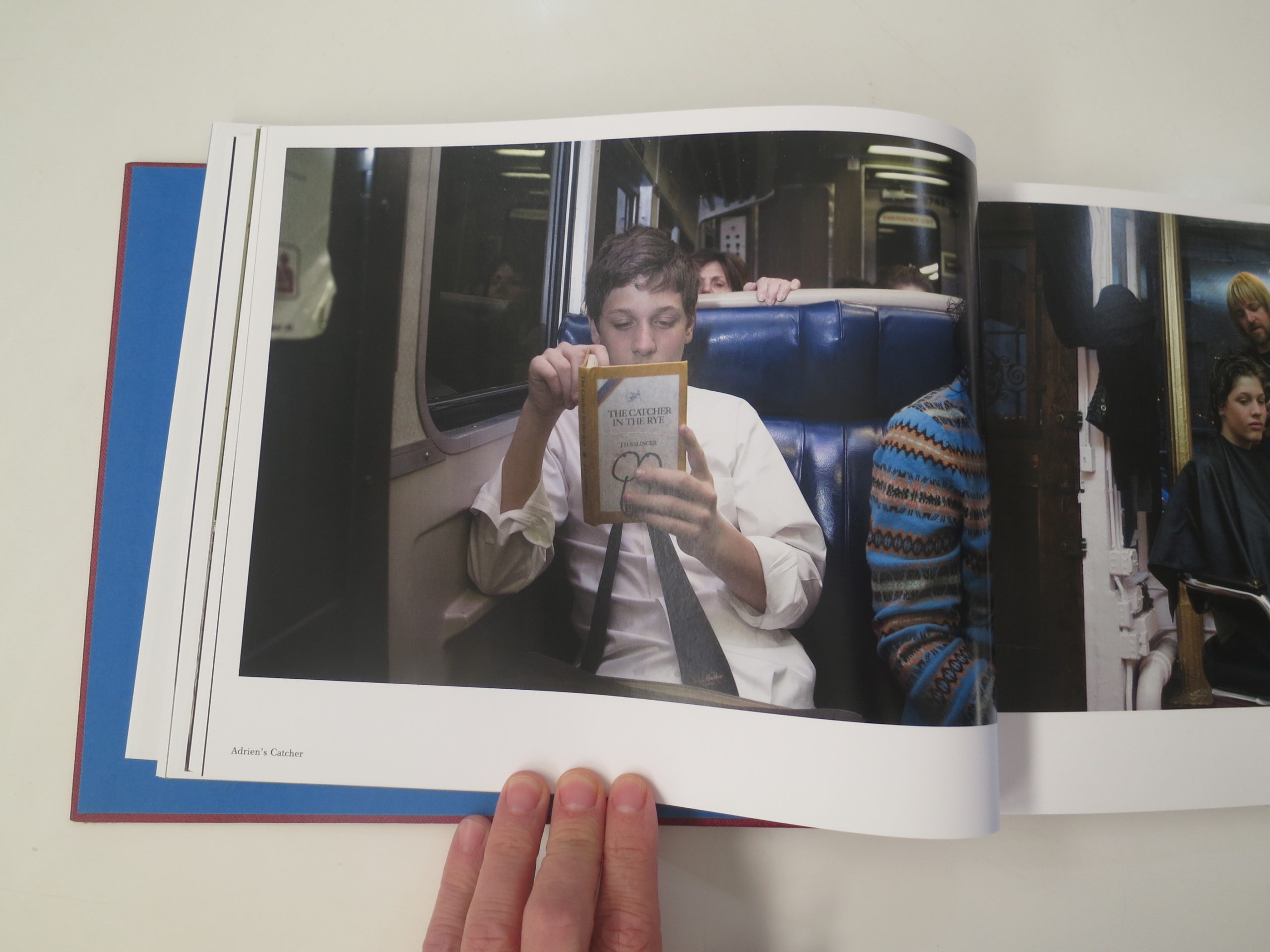
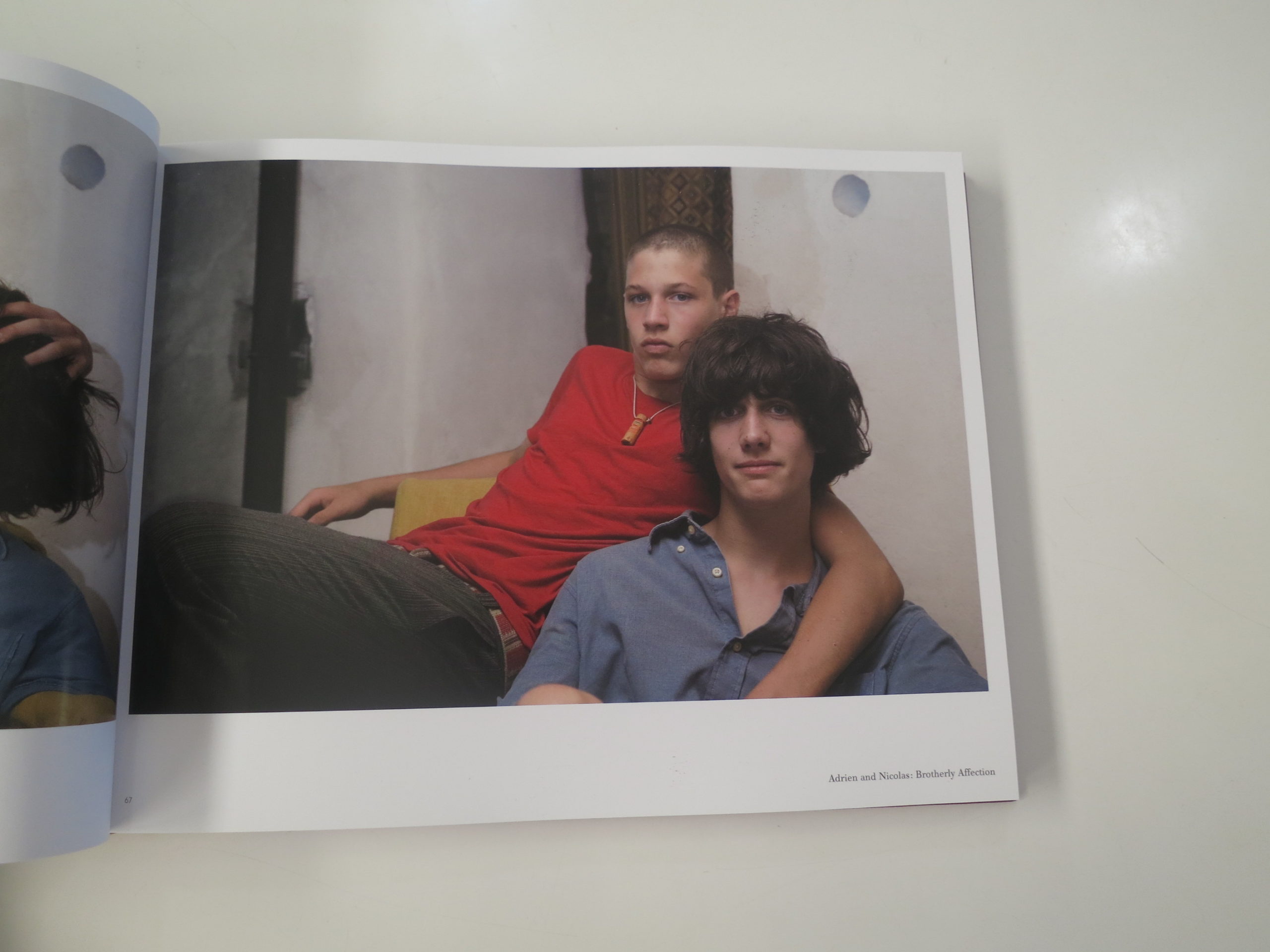
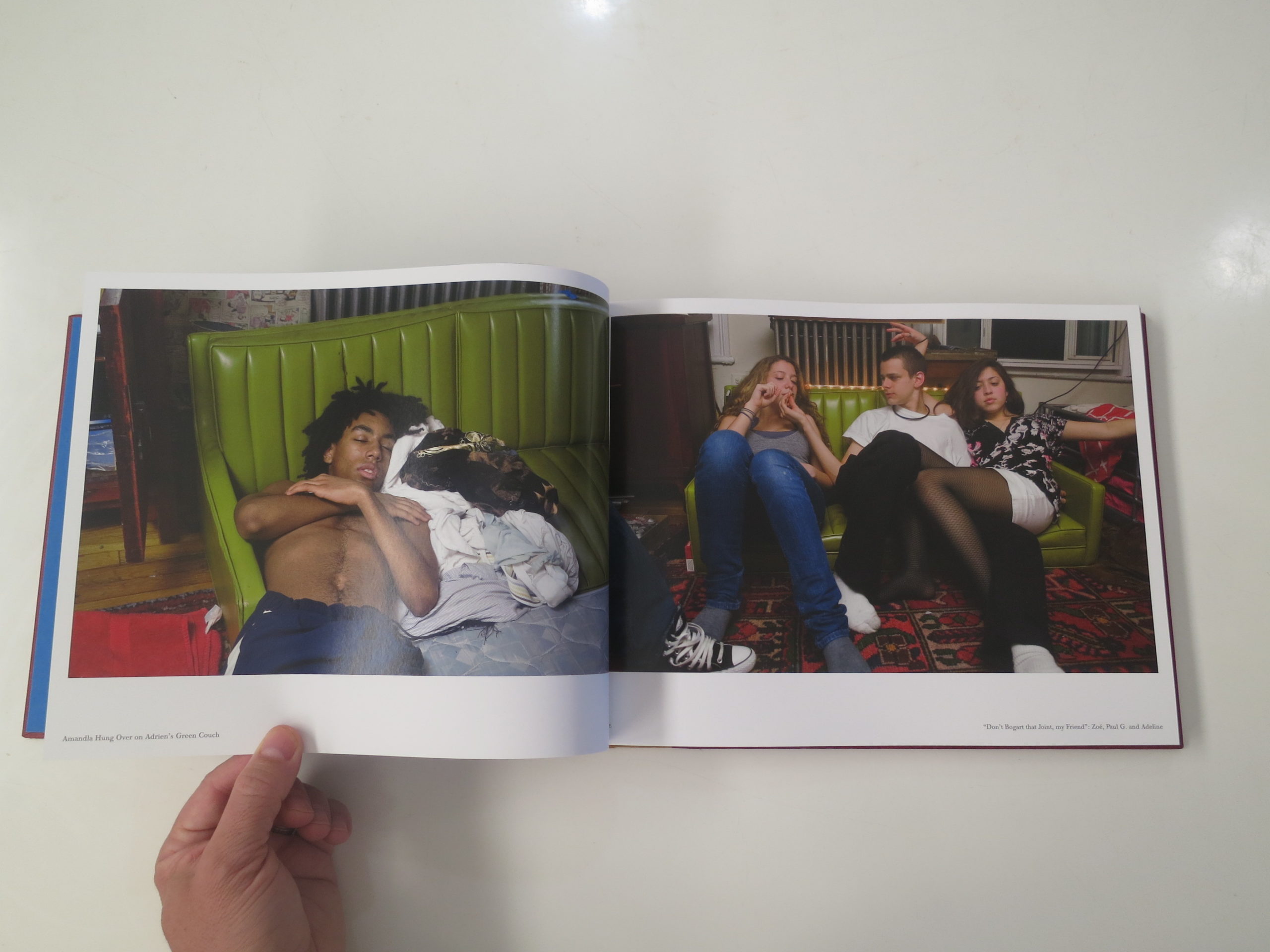
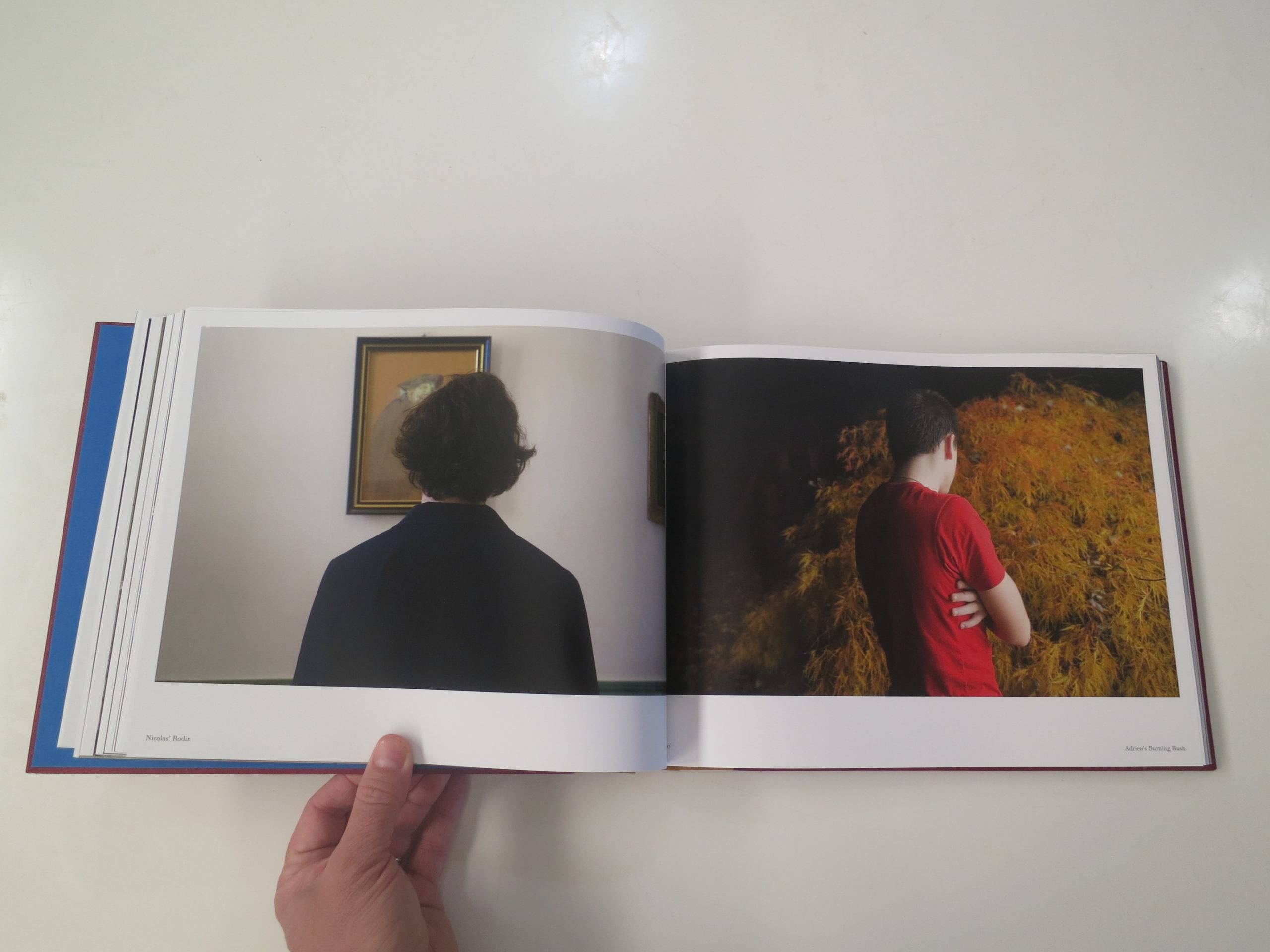
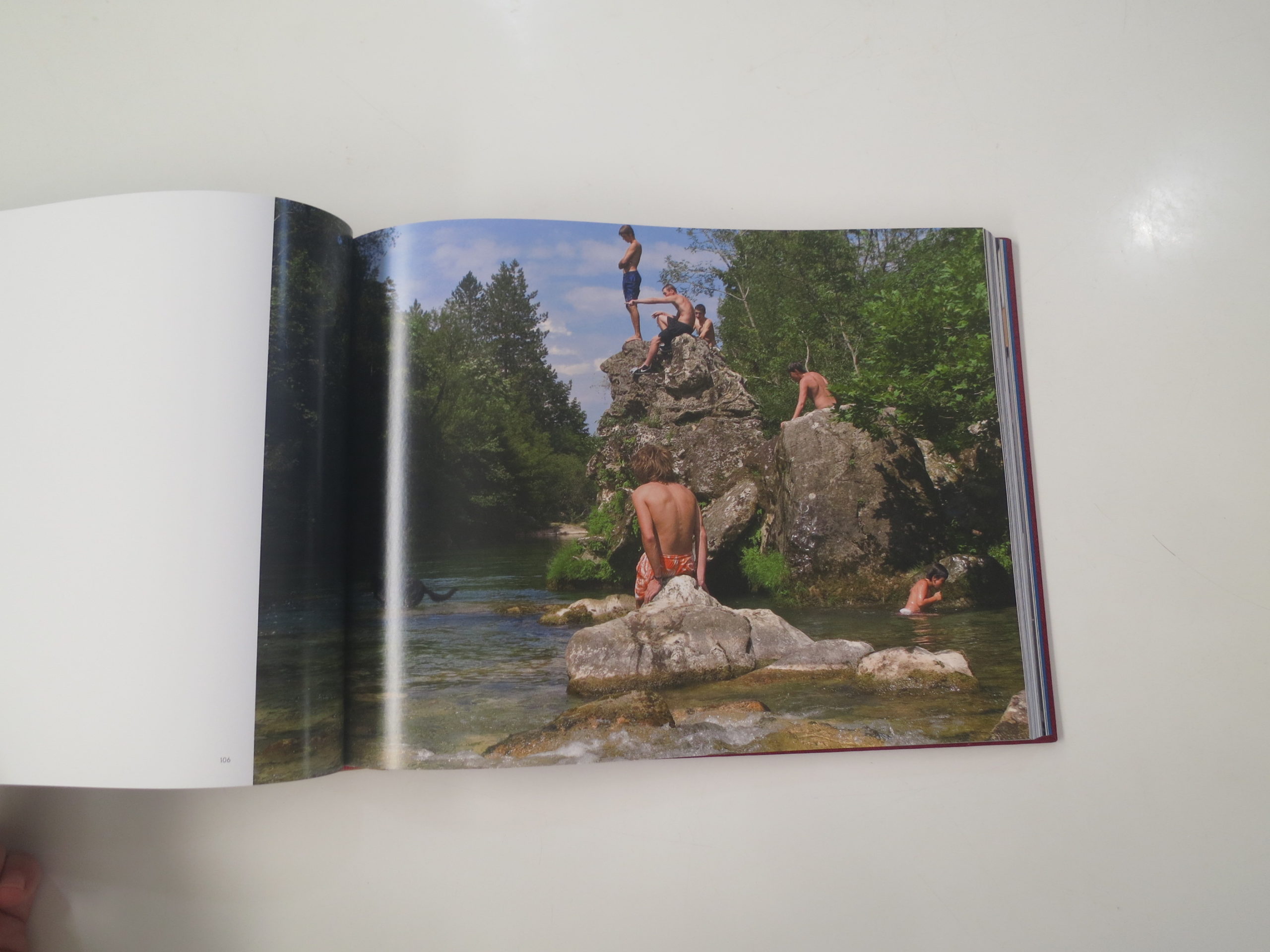
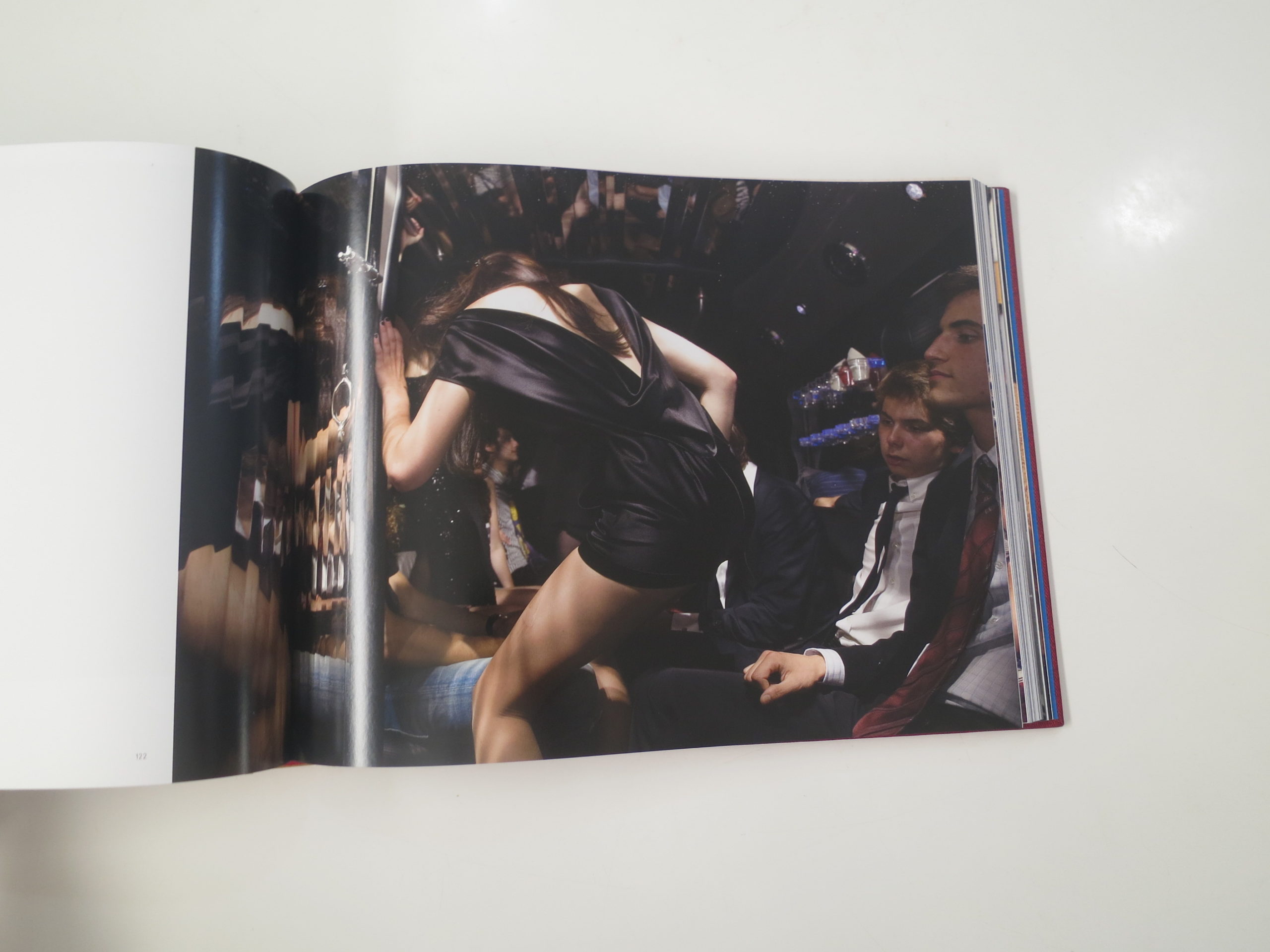
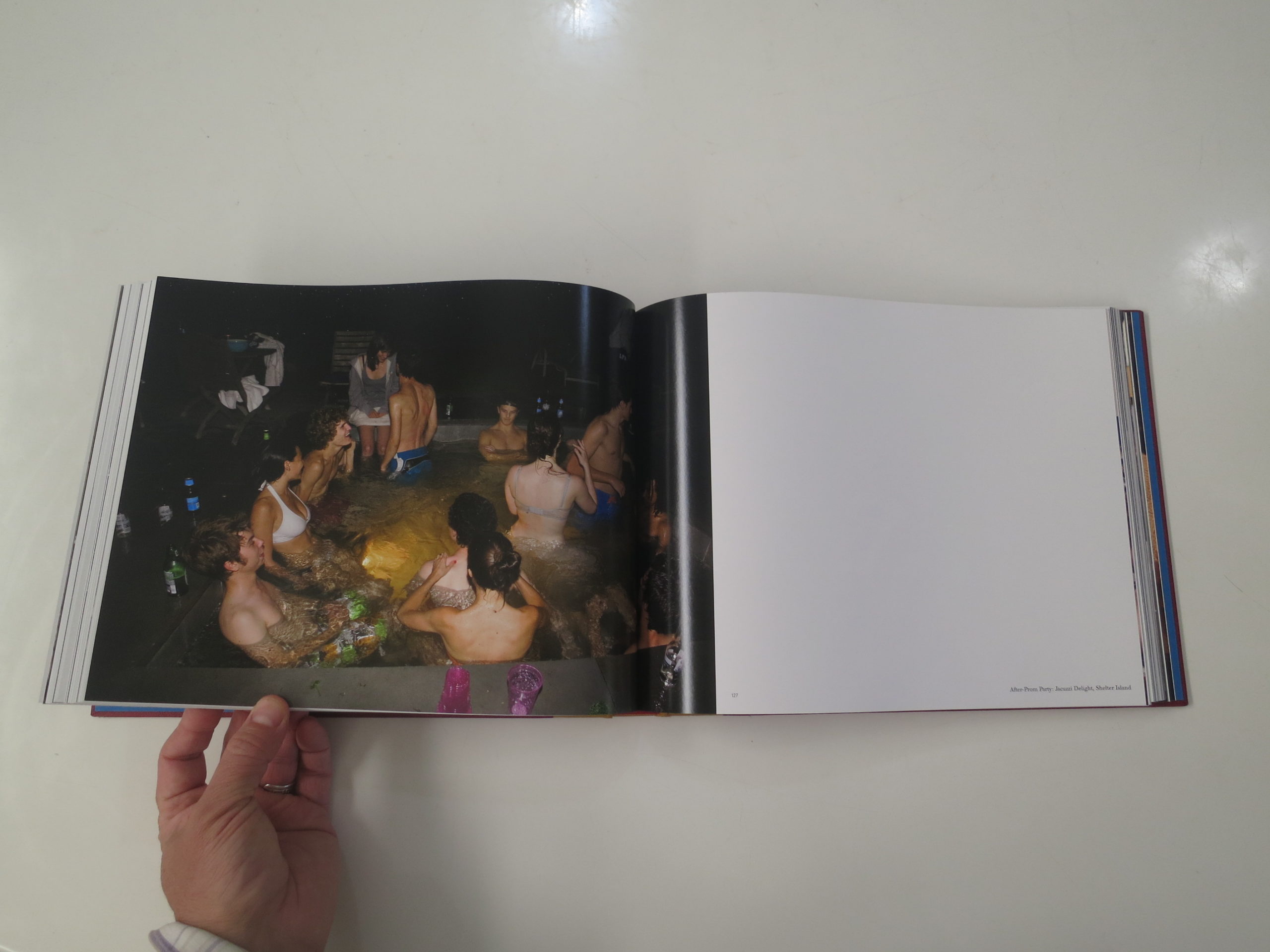
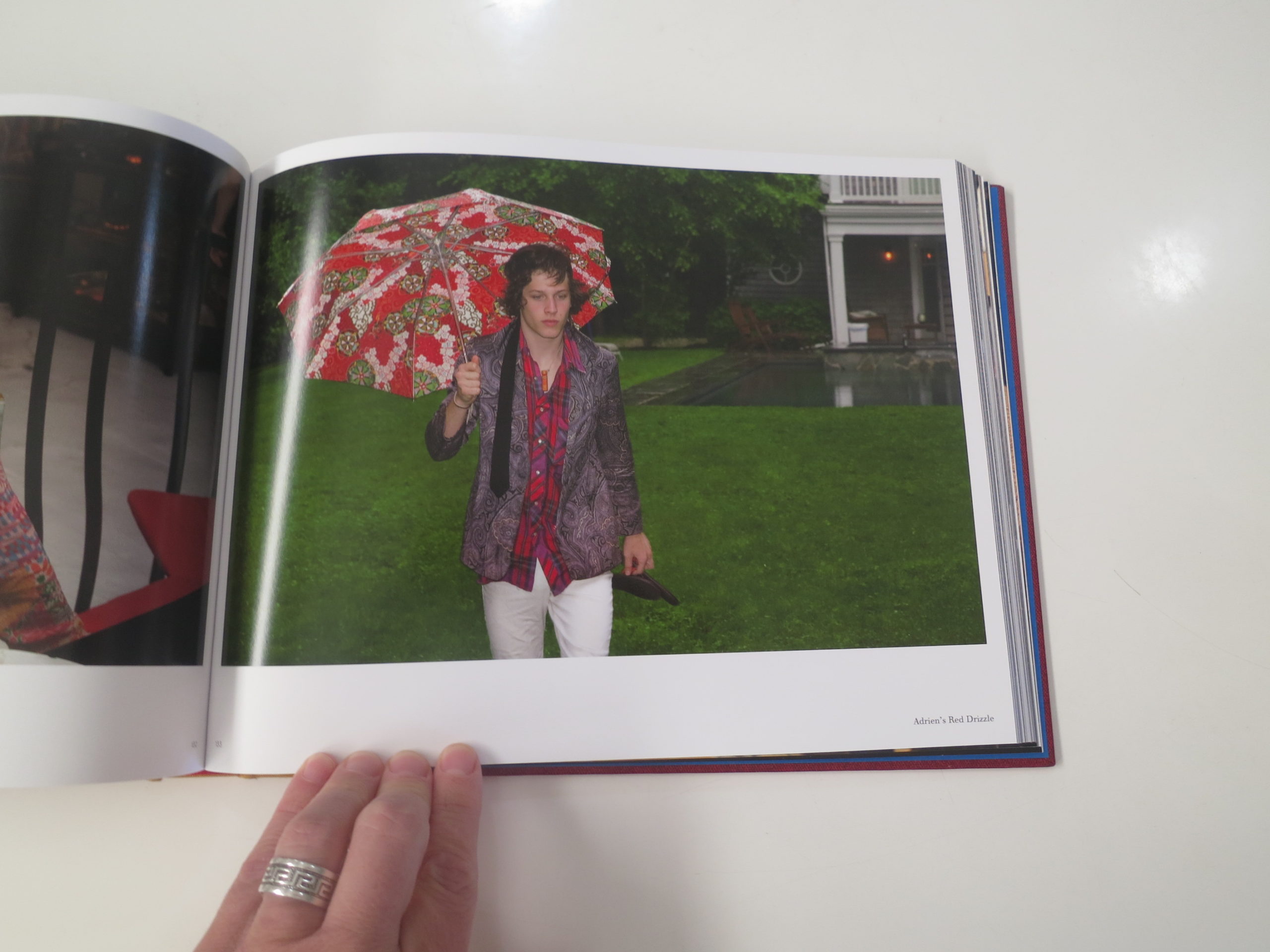
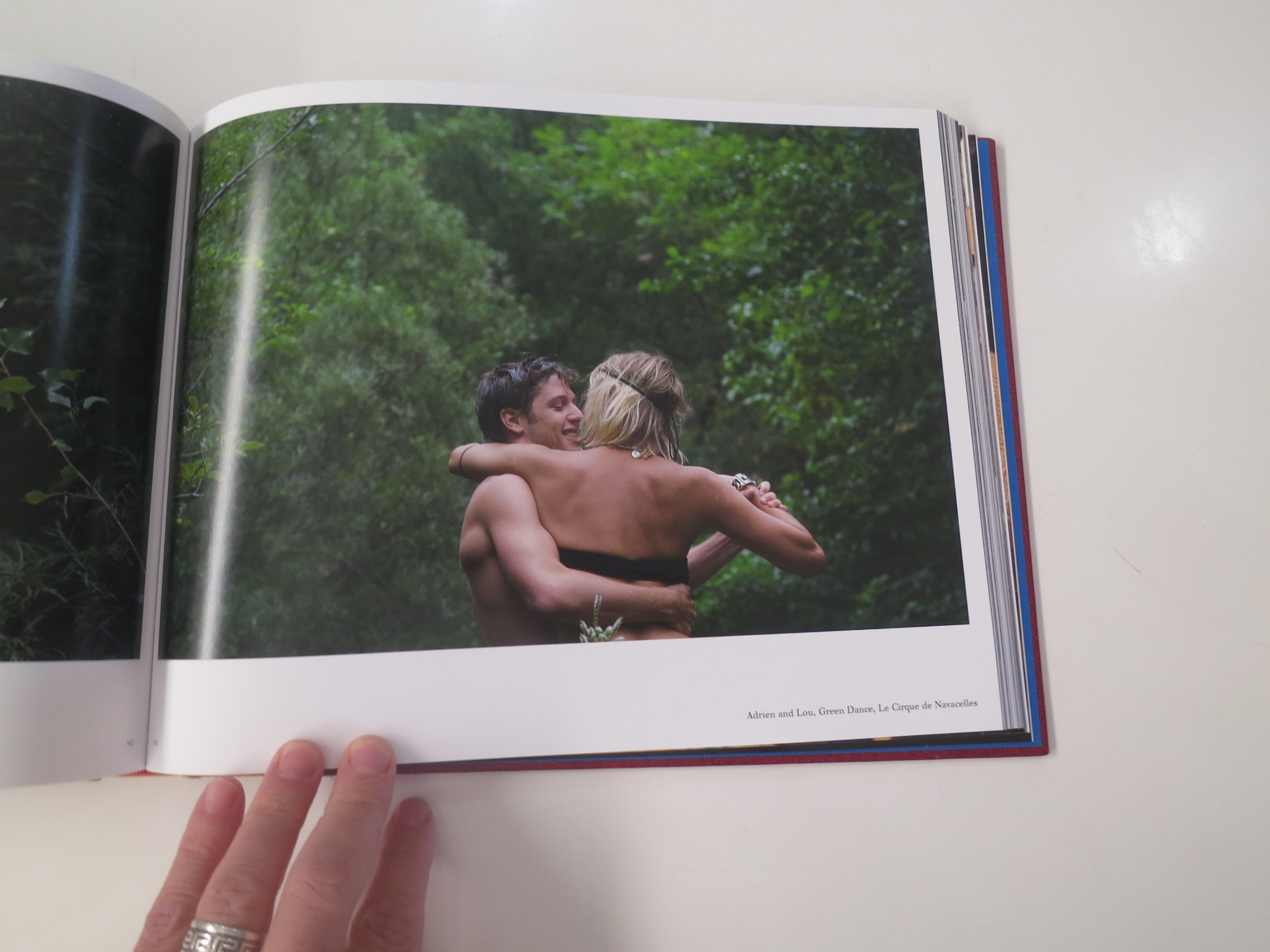
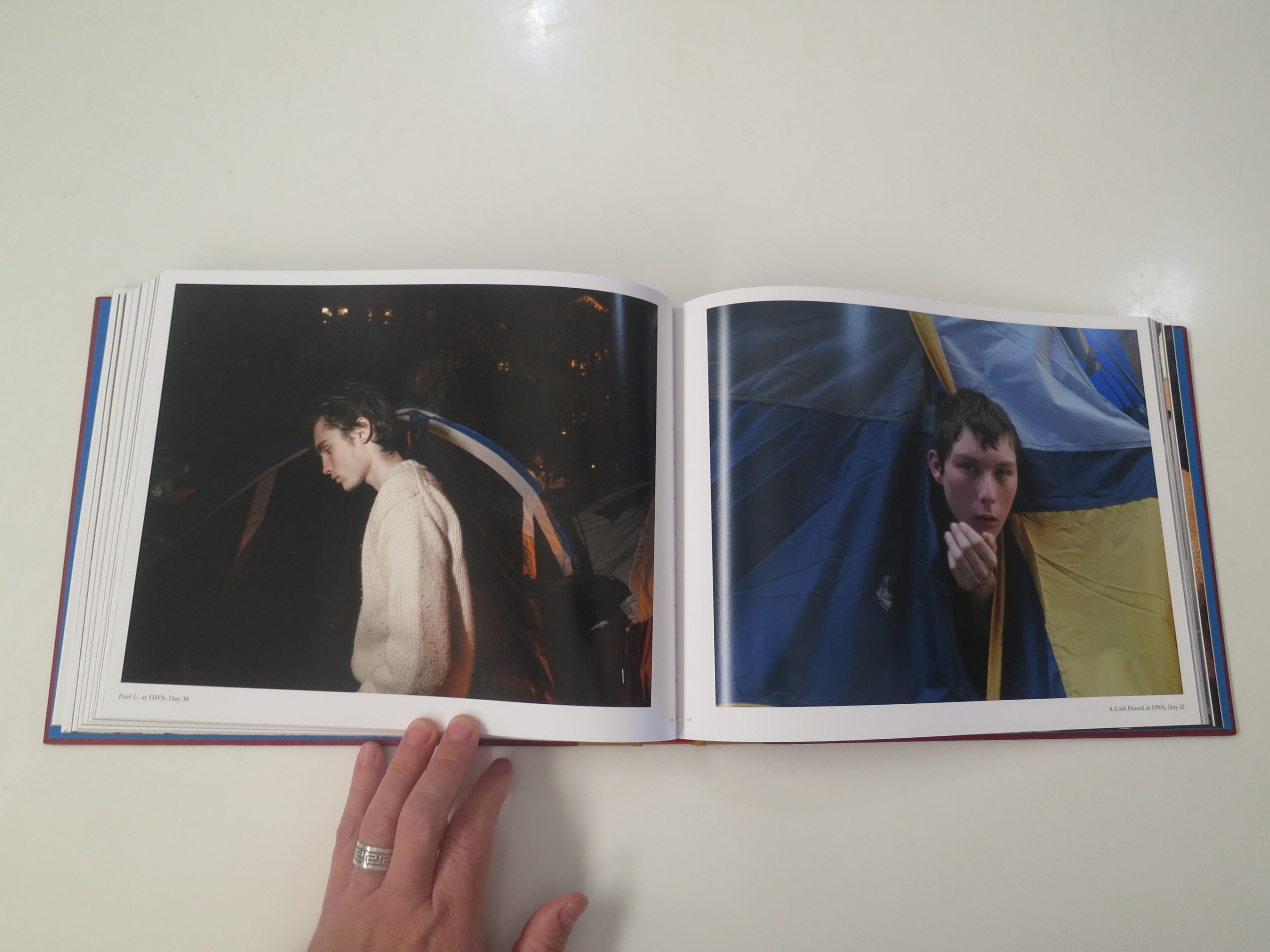
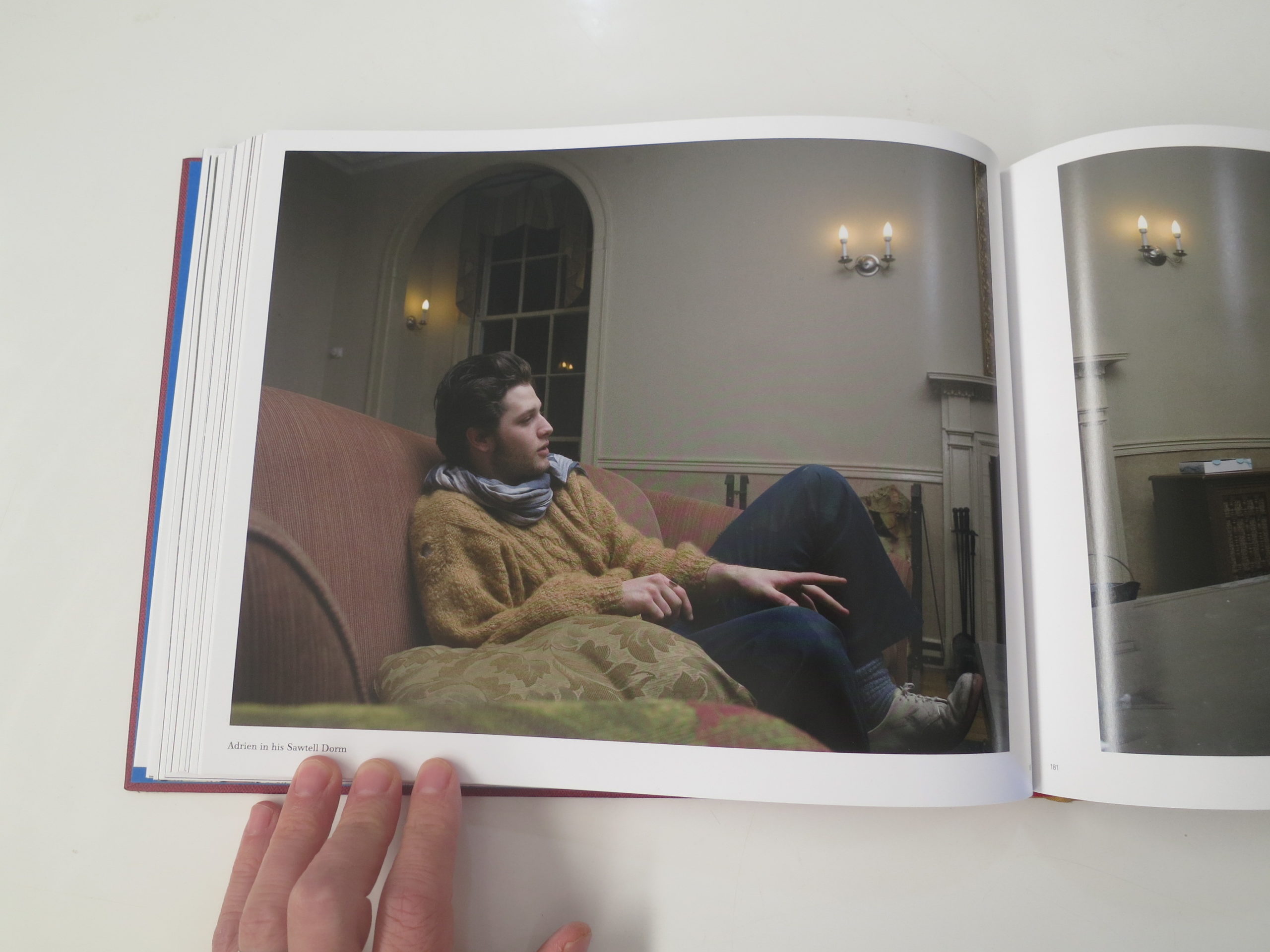
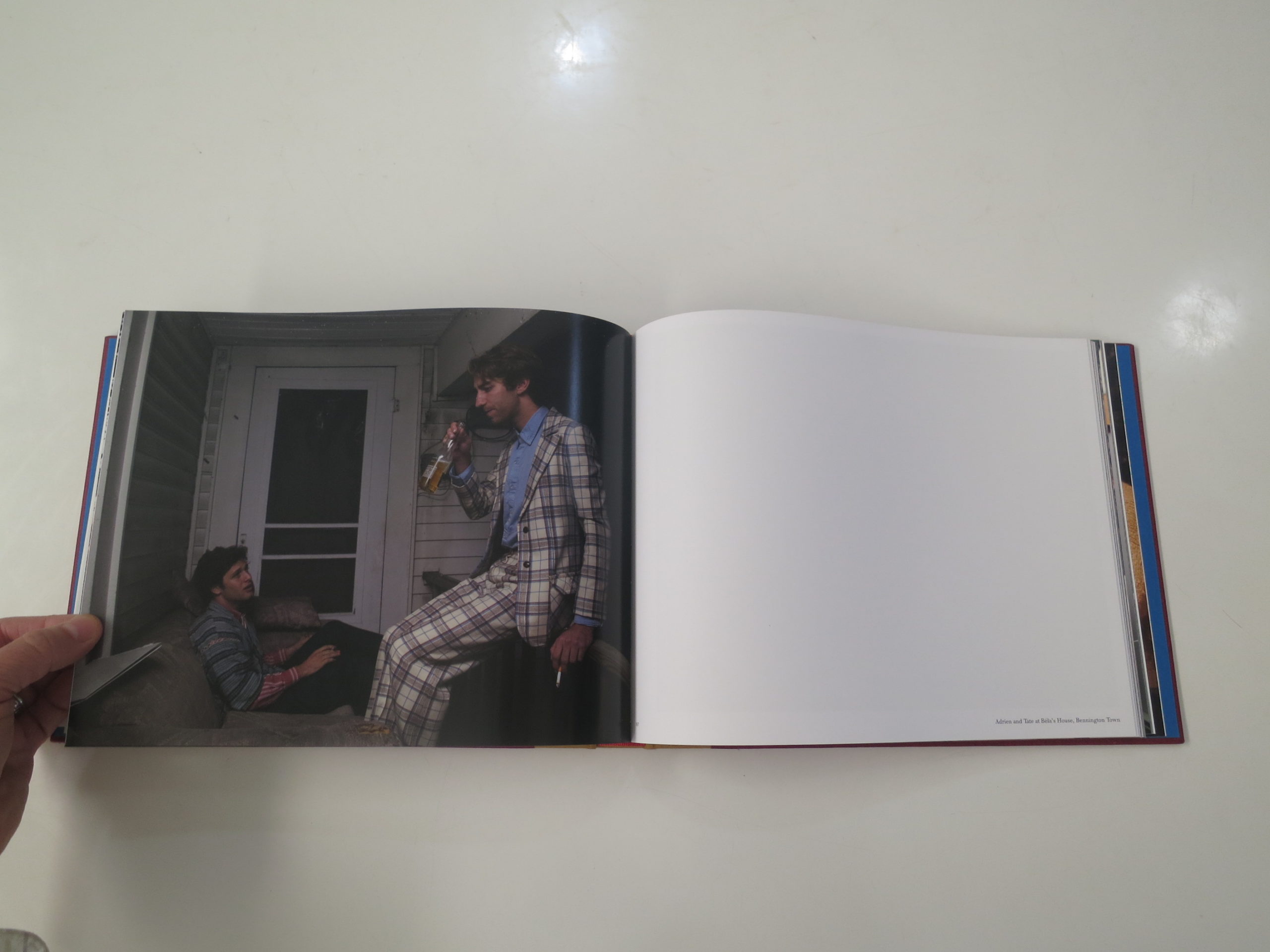
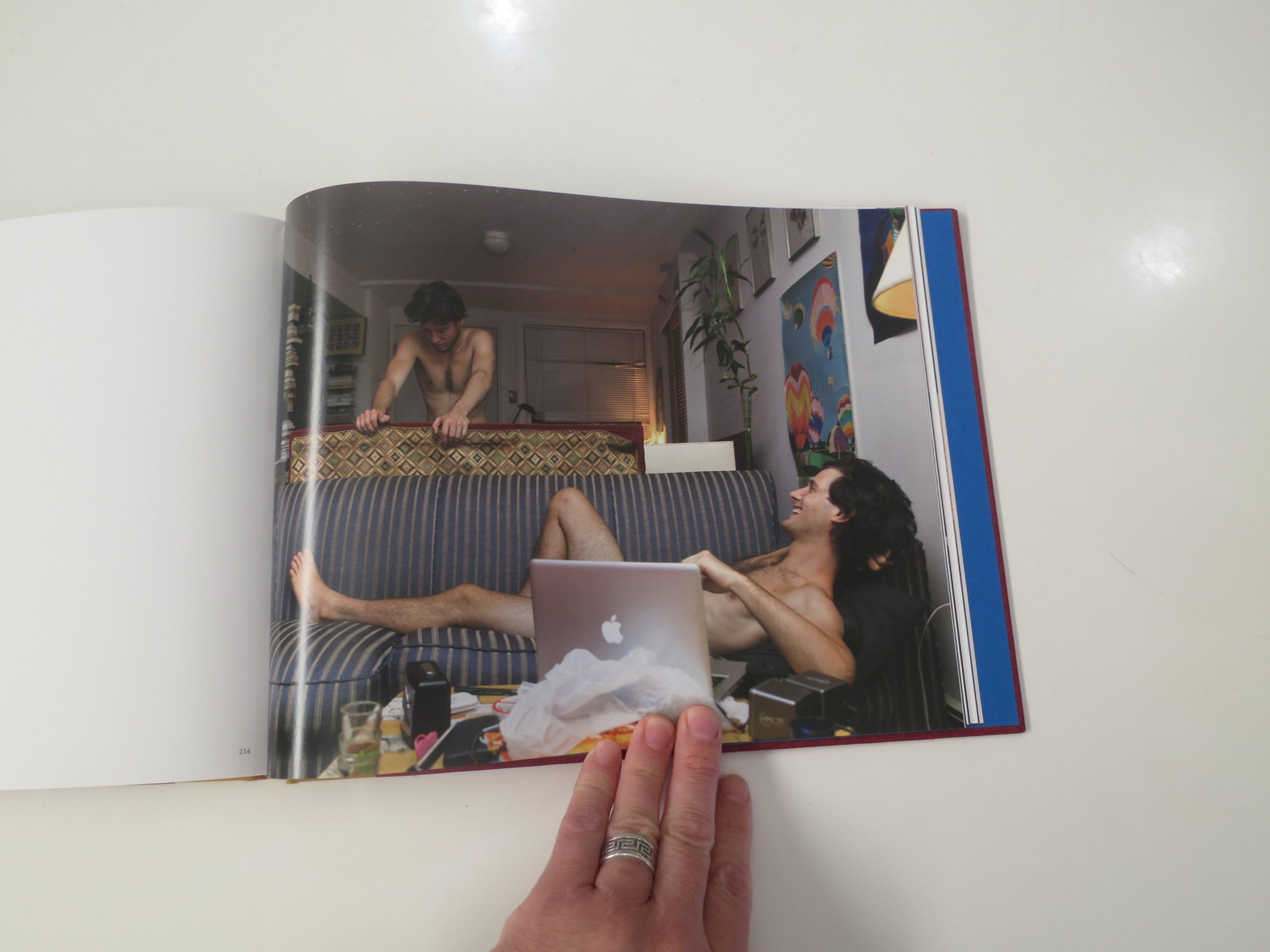
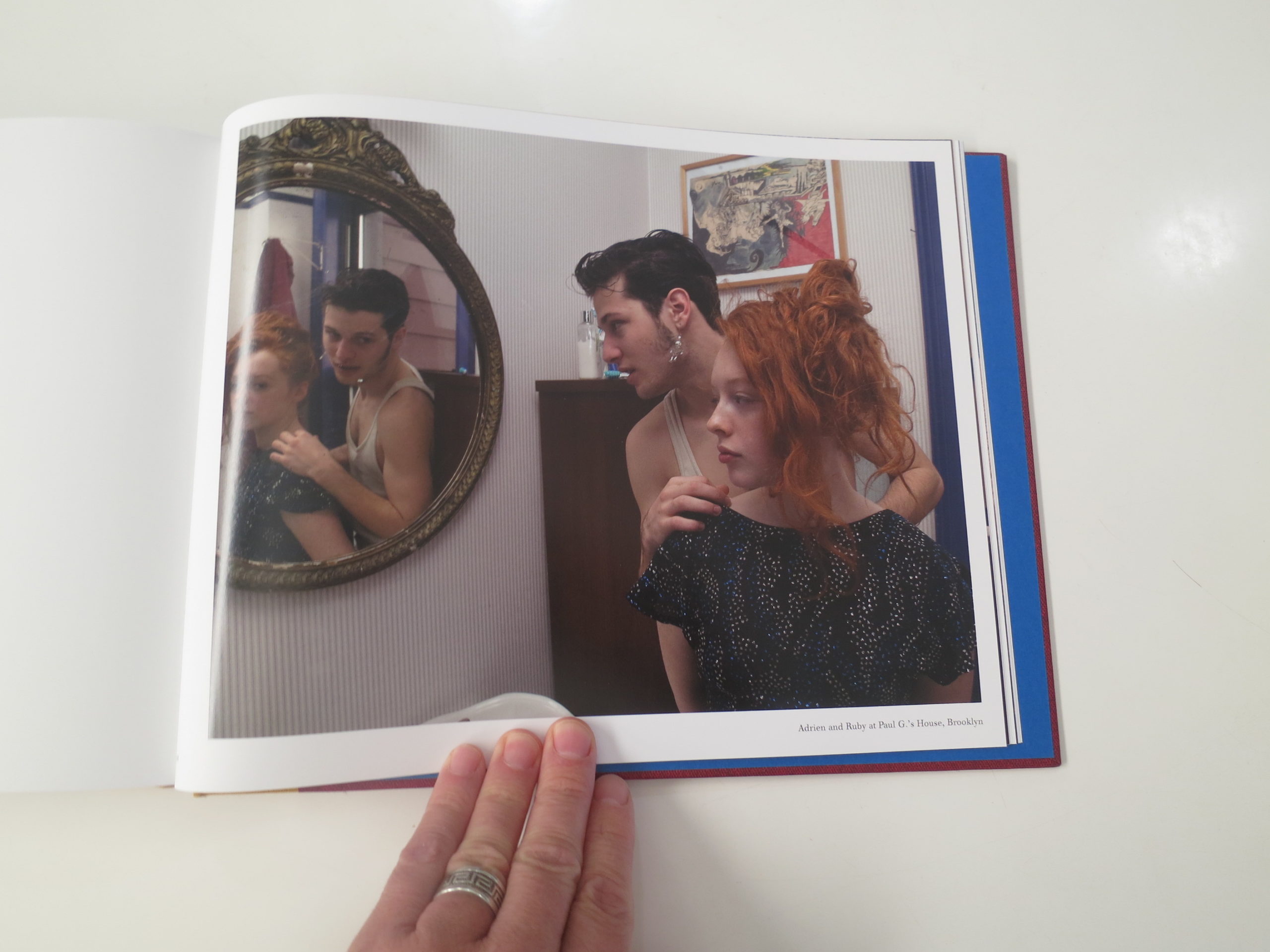
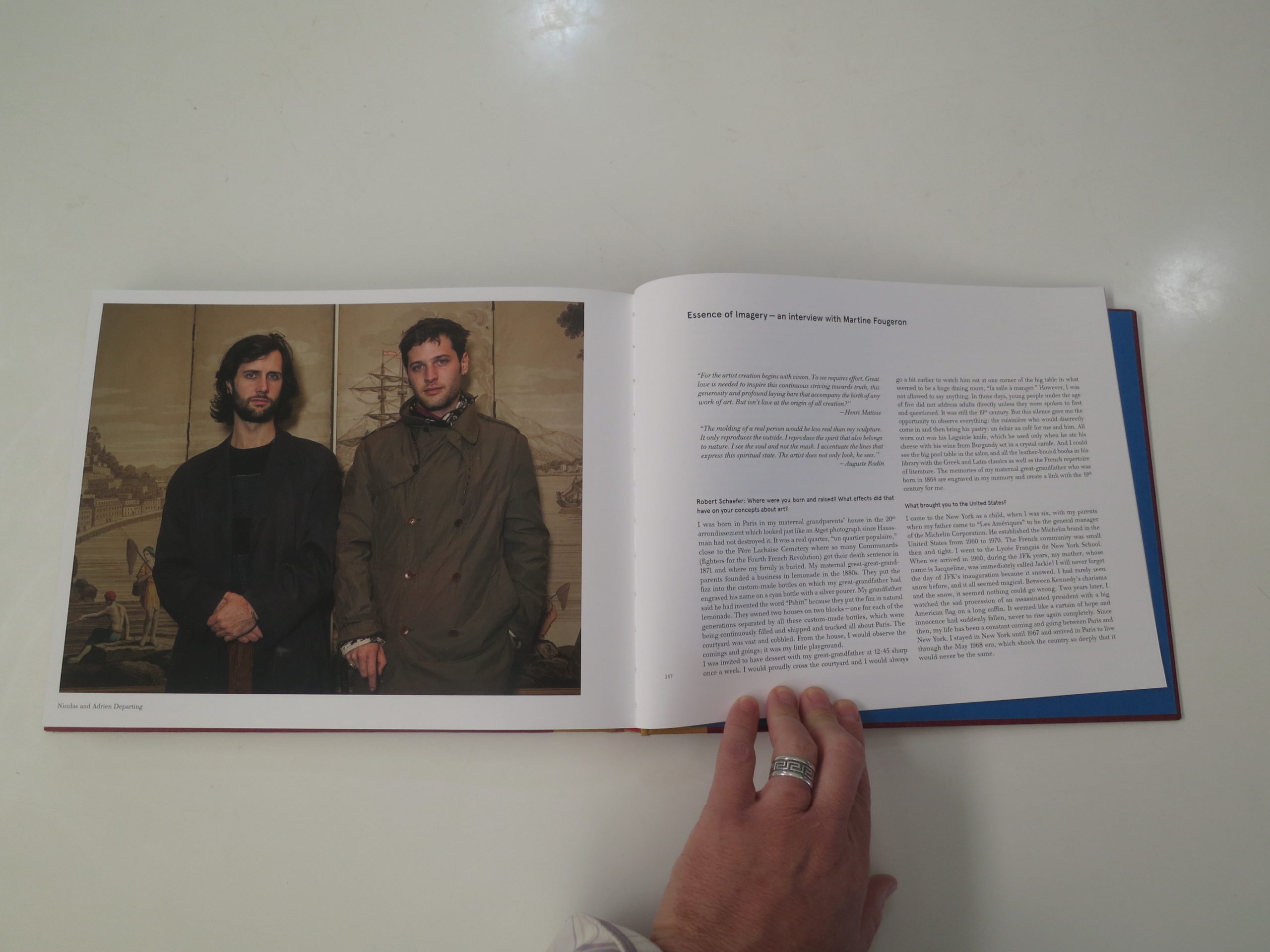
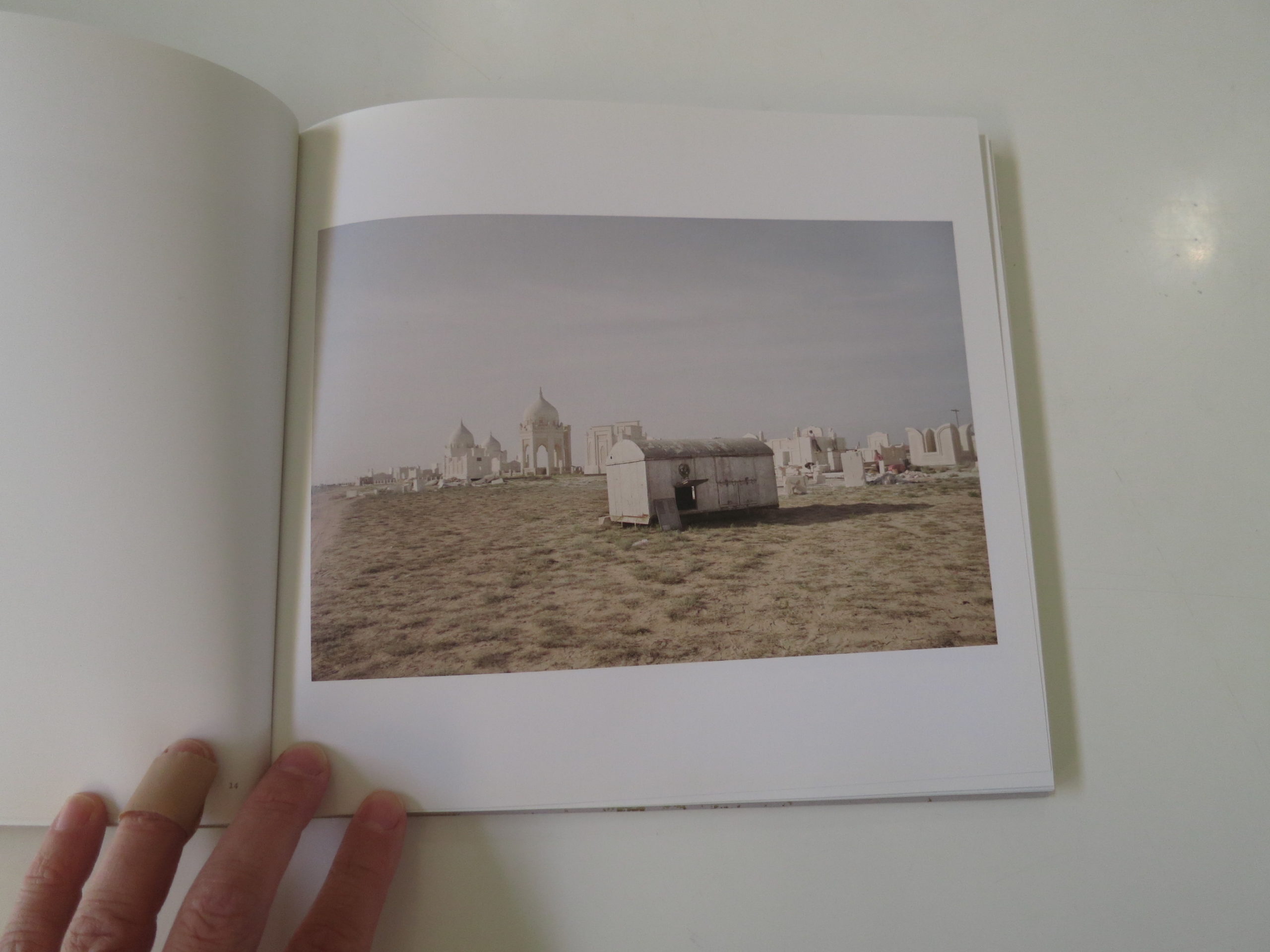
I opened the book today, and was immediately struck by the fact that she chronicles the lives of her two boys, Nicolas and Adrien, as they grow up.

It hit me quickly, as these last few months, my children, Theo and Amelie, have been each others’ best friends, companions, and social networks, as we live mostly quarantined on our farm at the edge of the Wild West.

The boys featured in the book, however, don’t share much in common with my kids, beyond the fact that my daughter has a French name.

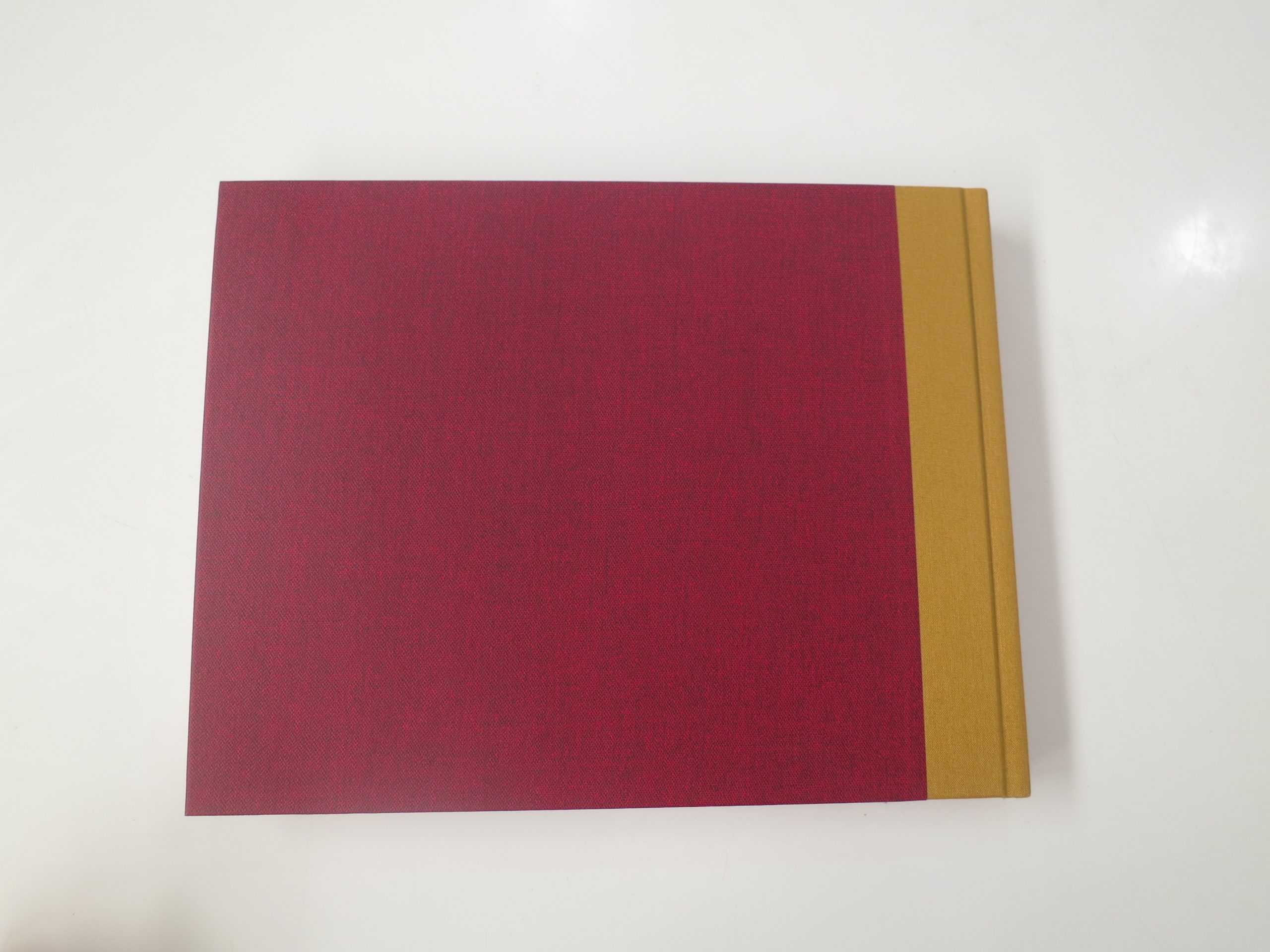
“Nicolas & Adrien” was published by Steidl in 2019, which is always the mark of art world insiders. And the cover features scarlet and gold, the colors of Gryffindor house in the Harry Potter novels, and wouldn’t you know, but I’m reading Book 3 to Amelie, but I’m not sure if we should keep it up, now that JK Rowling has come out as an Anti-Trans activist on Twitter.

(I promise, no more off topic rants in this column.)

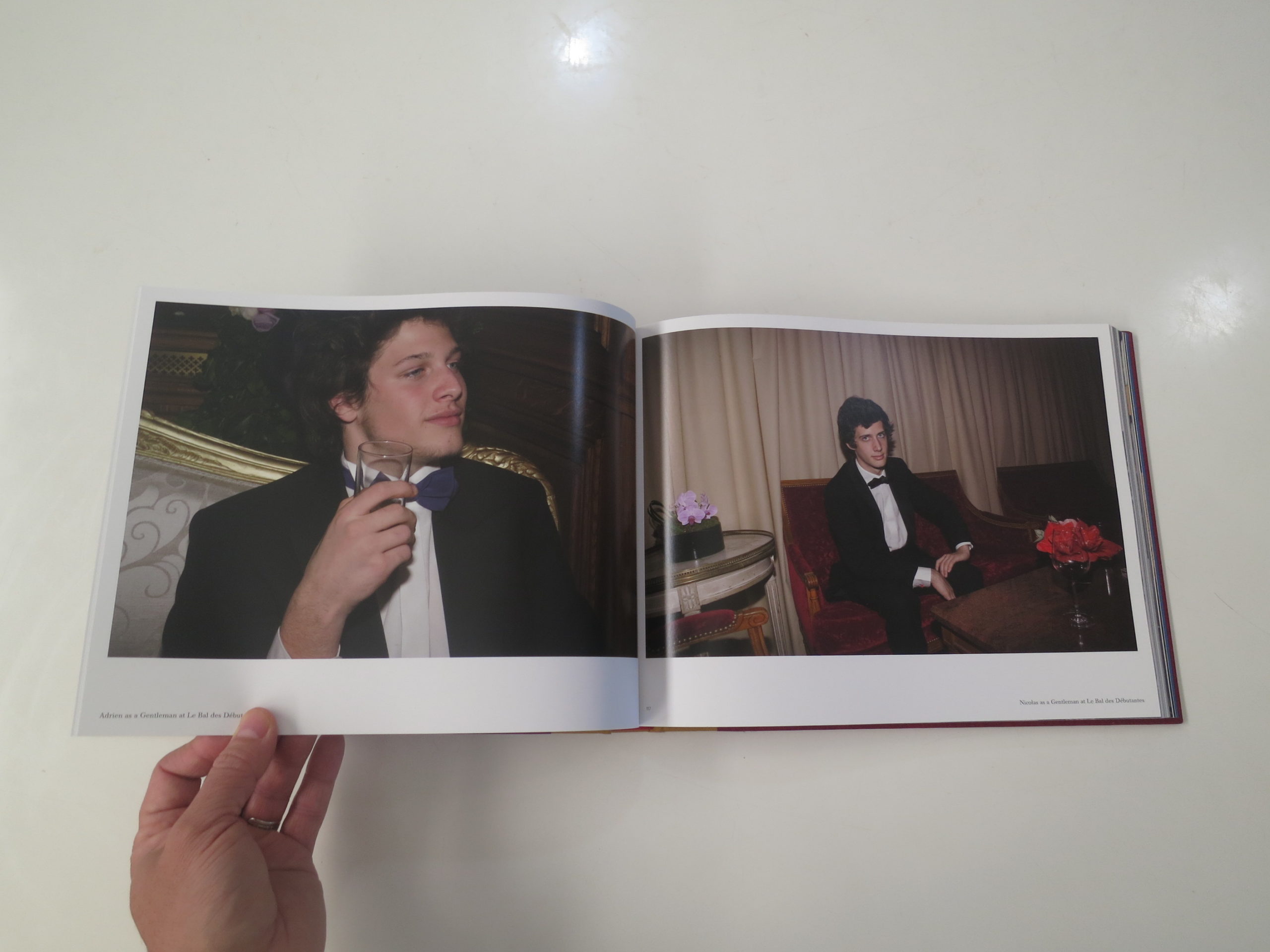
From the opening statement, in which Ms. Fougeron writes of her sons attending the Lycée Français de New York, and summering at the family home in the South of France, the book gives off whiffs of the Upper Class vibe.

From the chic fashion within, the strong chins, the subtly entitled body language, I was pretty sure the book represented a look inside the 1%, and as it builds, my suspicions were correct.

There is a reference to Le Bal des Debutantes, which also comes up in “Sex and Vanity,” and the end statement discusses the multi-generational wealth in which Ms. Figueron was raised in France.

That doesn’t make the book less interesting, though, as our prurient desires to see behind the velvet rope also drove work by Slim Aarons, and Tina Barney, among others. (Or even my much mentioned buddy Hugo, whose series, “Upper Class,” was his thesis show at Pratt in 2004.)

This book begins in 2005 though, and follows Nicolas and Adrien as they grow up, changing for the camera, smoking weed and frolicking with their good looking friends.

It it summer escapism?

I’m not sure.

Kevin’s book clearly satirizes the people with whom he fraternizes, and when “Nicolas & Adrien” depicts one of the boys in his Occupy Wall Street phase, I wasn’t sure if the irony was intended.

(I almost choked on my tea, which I drank before my coffee.)

Still, I found this book worth writing about, and recommending, as it crosses the threshold of making me think, making me want to write, and it’s also well-made, so that’s how we got here.

To stick my landing, I’d like to mention that the rich have always ruled the world, and likely always will.

Whenever they’ve been taken down, like when heads rolled in France, or when communists took over in Russia, they’ve always been replaced by other people who like to keep the money and power for themselves.

It’s why all those Chinese politicians are billionaires these days, (which Kevin chronicled in “China Rich Girlfriend”) or why the Soviet leaders kept all the good food and pretty dachas for themselves.

That doesn’t mean we shouldn’t press against that selfish mentality, (because we must,) but based on the history of human civilization, we should at least understand how big a fight we’re facing, to undo millennia of entrenched inequality.

See you next week.

The Art of the Personal Project: Art Streiber

The Art of the Personal Project is a crucial element to let potential buyers see how you think creatively on your own.  I am drawn to personal projects that have an interesting vision or that show something I have never seen before.  In this thread, I’ll include a link to each personal project with the artist statement so you can see more of the project. Please note: This thread is not affiliated with any company; I’m just featuring projects that I find.  Please DO NOT send me your work.  I do not take submissions.


Today’s featured artist:  Art Streiber

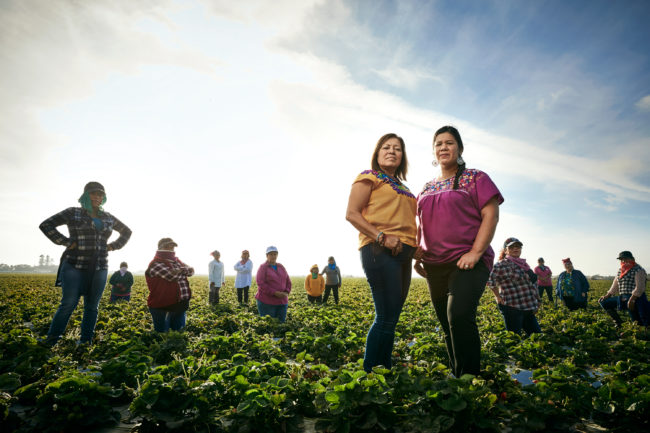
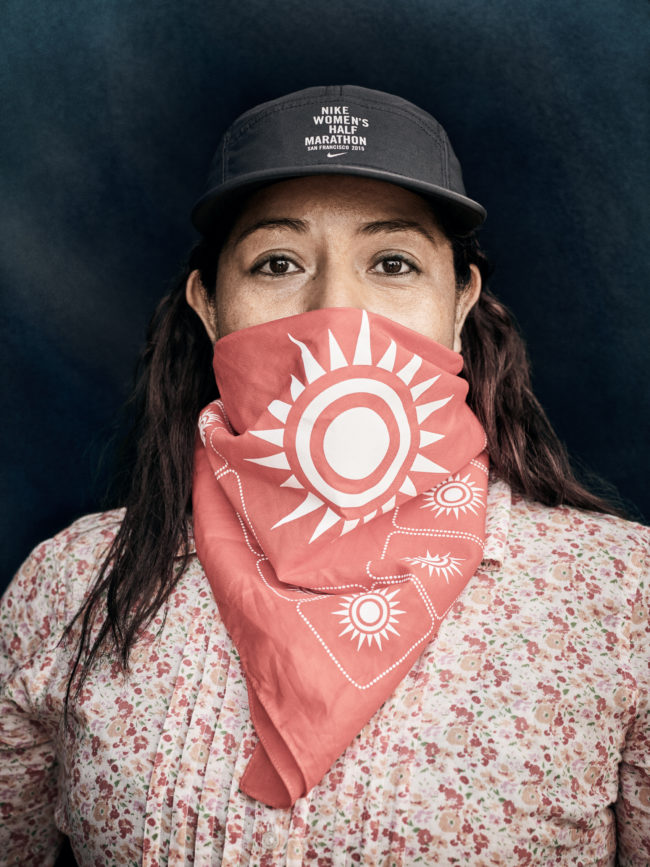
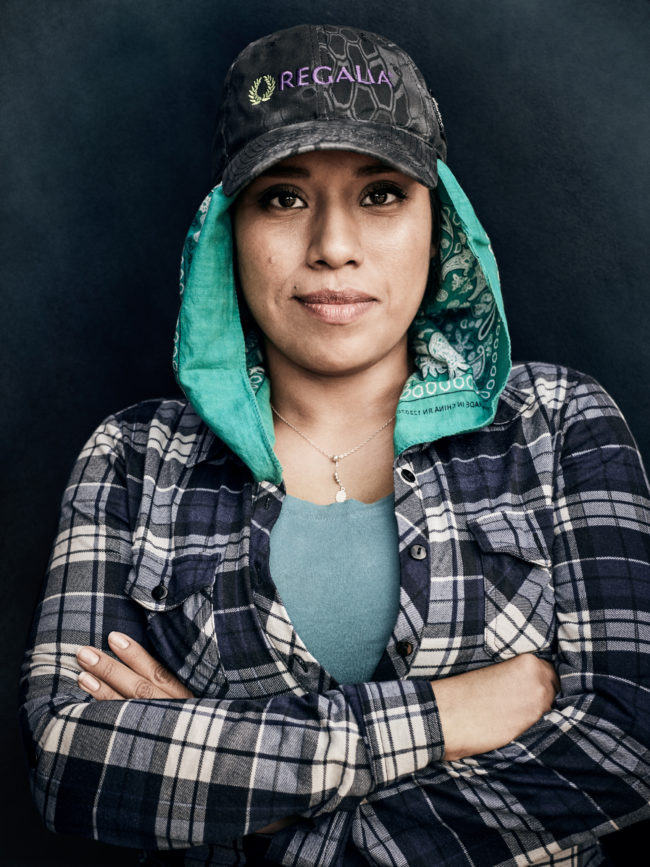
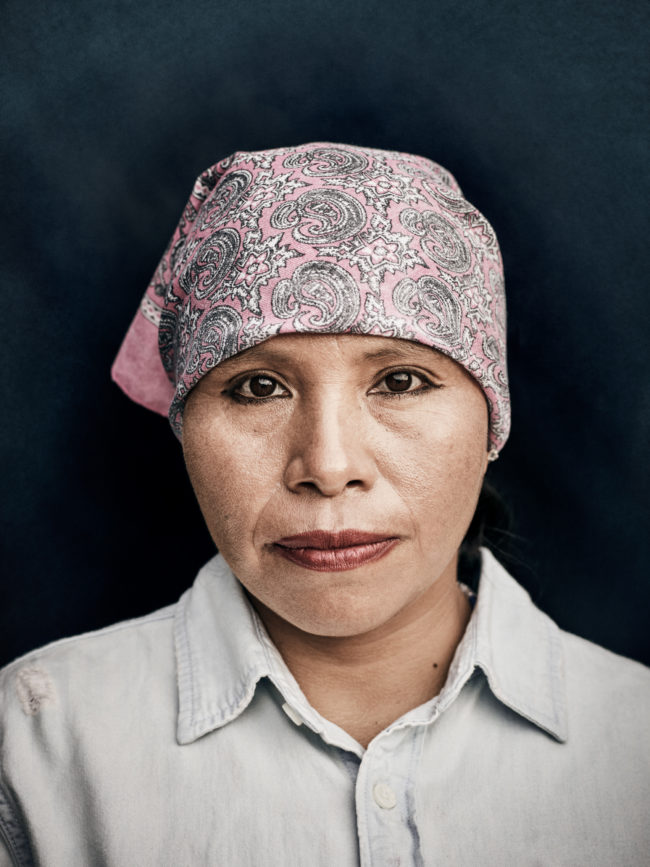
According to the website farmworkerfamily.org, between 1/3 and 1/2 of all farmworkers in America reside in California, which means that there are roughly 500,000 – 800,000 farmworkers laboring in the state’s fields and orchards and approximately 1/3 of them are women.

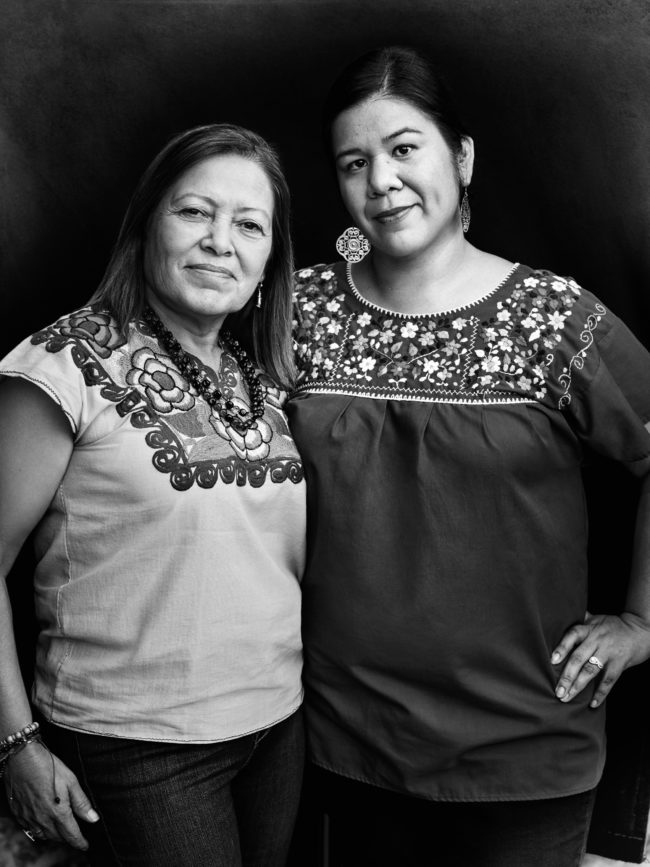
Mily Treviño-Sauceda and Mónica Ramírez had both spent years organizing and representing farmworkers before they joined forces in 2012 as co-founders of the Alianza Nacional de Campesinas (The National Farmworkers Women’s Alliance).  It was the first national organization to represent the country’s 700,000 women farmworkers, uniting one of the most vulnerable groups in the American workforce.  

The intention of my group portrait was to have the dozen women farmworkers that agreed to be photographed stand in for their (approximate) 200,000 counterparts.  I wanted to create a sense of infinity with just a few subjects.

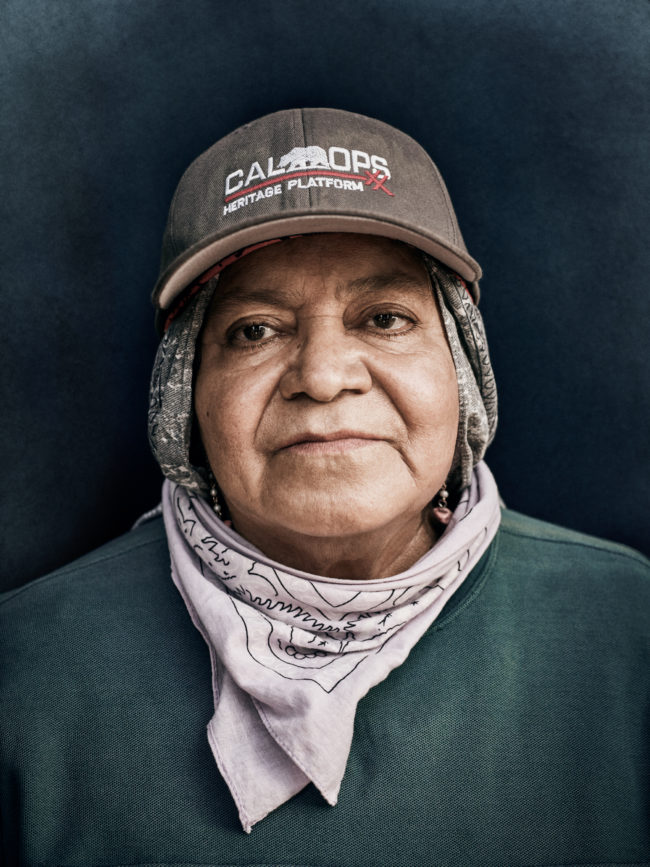
After the group portrait was finished my crew and I set up a simple portrait station on the back of the equipment van in order to honor each woman individually.

The California Department of Food and Agriculture reports that California produces 1/3 of the country’s vegetables and 2/3 of the country’s fruits and nuts, which means that these women are responsible for providing Americans with lettuce, apricots, grapes, apples, almonds, broccoli and avocados to name just seven of the 400 agricultural commodities produced in the state.

Keeping these women safe and healthy is the mission of the Alianze and while the organization is addressing numerous issues from domestic violence to workplace environmental concerns and sexual harassment, Treviño-Sauceda says, “There’s still a lot of work out there we need to do.”

If you can donate to this organization and help these amazing women, please do as they are the ones keeping fruit and vegetables in the markets: https://www.alianzanacionaldecampesinas.org

To see more of this project, click here.

APE contributor Suzanne Sease currently works as a consultant for photographers and illustrators around the world. She has been involved in the photography and illustration industry since the mid 80s.  After establishing the art buying department at The Martin Agency, then working for Kaplan-Thaler, Capital One, Best Buy and numerous smaller agencies and companies, she decided to be a consultant in 1999. She has a new Twitter feed with helpful marketing information because she believes that marketing should be driven by brand and not by specialty.  Follow her at @SuzanneSeaseInstagram

Success is more than a matter of your talent. It’s also a matter of doing a better job presenting it.  And that is what I do with decades of agency and in-house experience.


The Daily Edit – Anthony Geathers

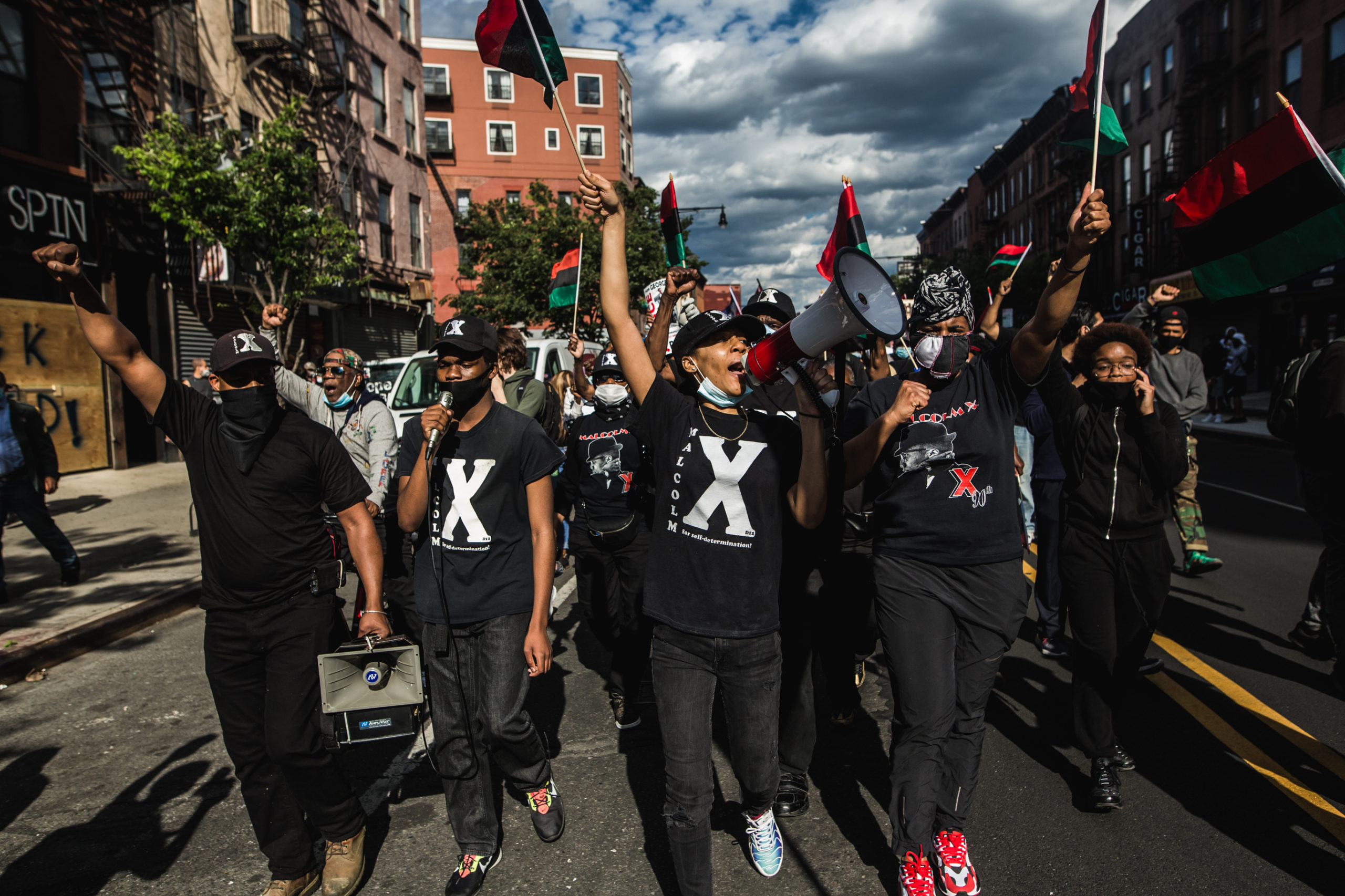
NYT UNREST BROOKLYN, NEW YORK- JUNE 2, 2020: Photo of members from The December 12th Movement organization and civilians marches in the middle of the road going up to Restoration Plaza on Fulton Street in the Bedford Stuyvesant section of Brooklyn, New York.(Photo by Anthony Geathers for The New York Times)

Anthony Geathers

Heidi: Where were the protest images photographed?
Anthony: All of my protest imagery was photographed in my hometown of Brooklyn, NY, between Bedford Stuyvesant, Flatbush and Fort Greene

Why do these particular images stand out for you?
These particular images stand out to me because for many years, Brooklyn has always been one of the hubs for Black people in terms of fighting for change in our own communities and speaking out against systemic oppression and police brutality. So for me, all grown up and able to photograph this in 2020 is insane to me. That is why these images stand out to me.

How did you get this protestors attention during this intense moment?
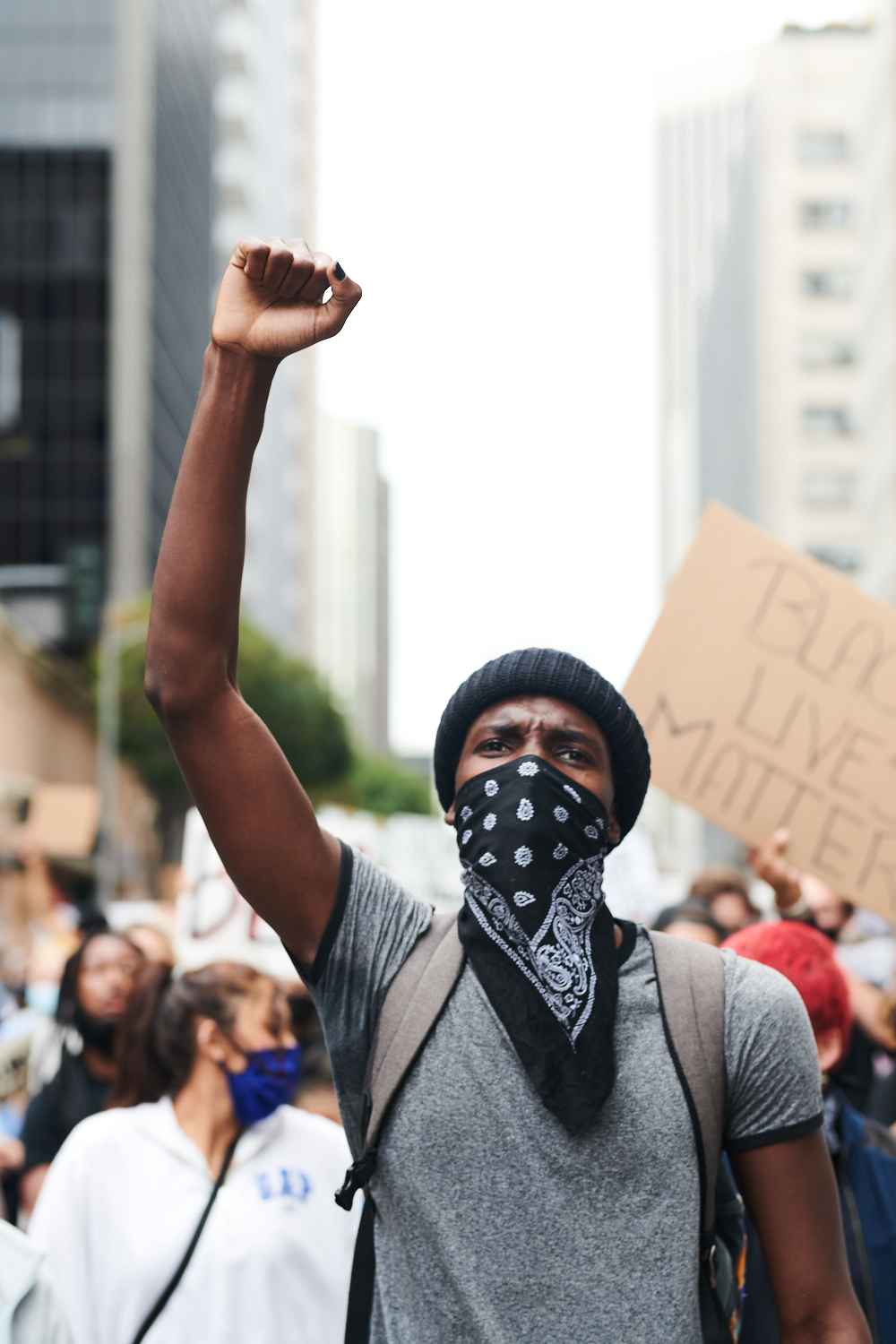
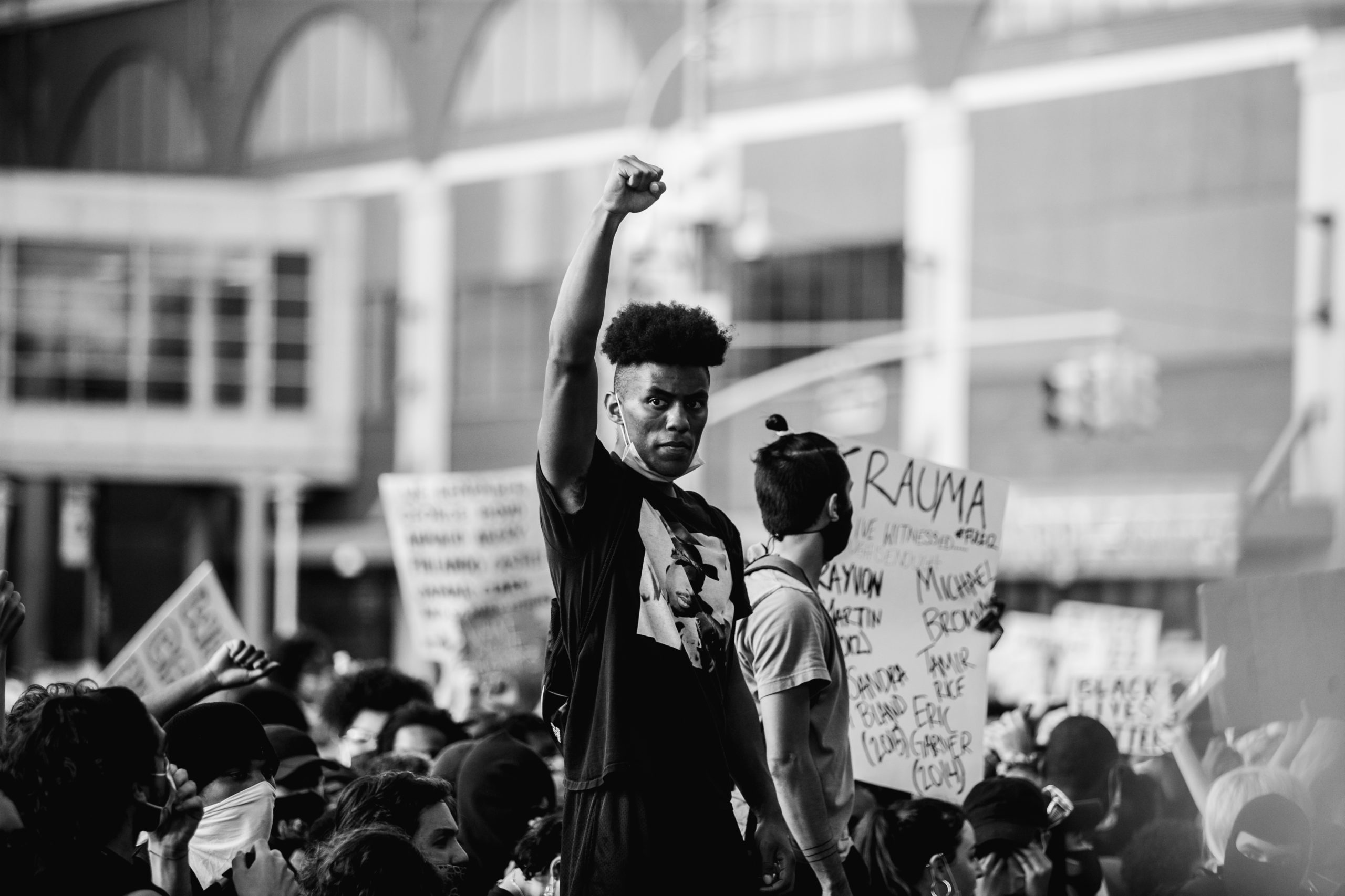
This image was from the very first day of protests here in Brooklyn. Thousands of people from all over Brooklyn gathered at The Barclays Center to protest against police brutality, young, old, able and ready, etc. It was beautifully chaotic and there was a militant energy in the air. People have had enough of the police and were adamantly voicing their displeasure with the NYPD. A lot of black people in the protests looked my way once they saw me with my camera and threw up the black fist salute in the air like this young protester here. They put their trust in me without telling me, to represent them the right way.

How has your Marine Corp background transcended your photograph approach?
My Marine Corps background,, and having served in actual combat in Afghanistan has allowed me to work and deal with chaos no matter what’s going on, having discipline to make good decisions when I’m shooting photos on the street, what I need to be aware of depending on the situation, reading the environment and how people are behaving,  or even coming up with ways to execute on commercial jobs on the fly and with very few resources (the Marine Corps definitely taught this lesson about working with nothing HAHAHA). A lot of my time in the Marines, especially in combat, has prepared me to deal with madness and chaos very calmly.

Can you share more about the embed project
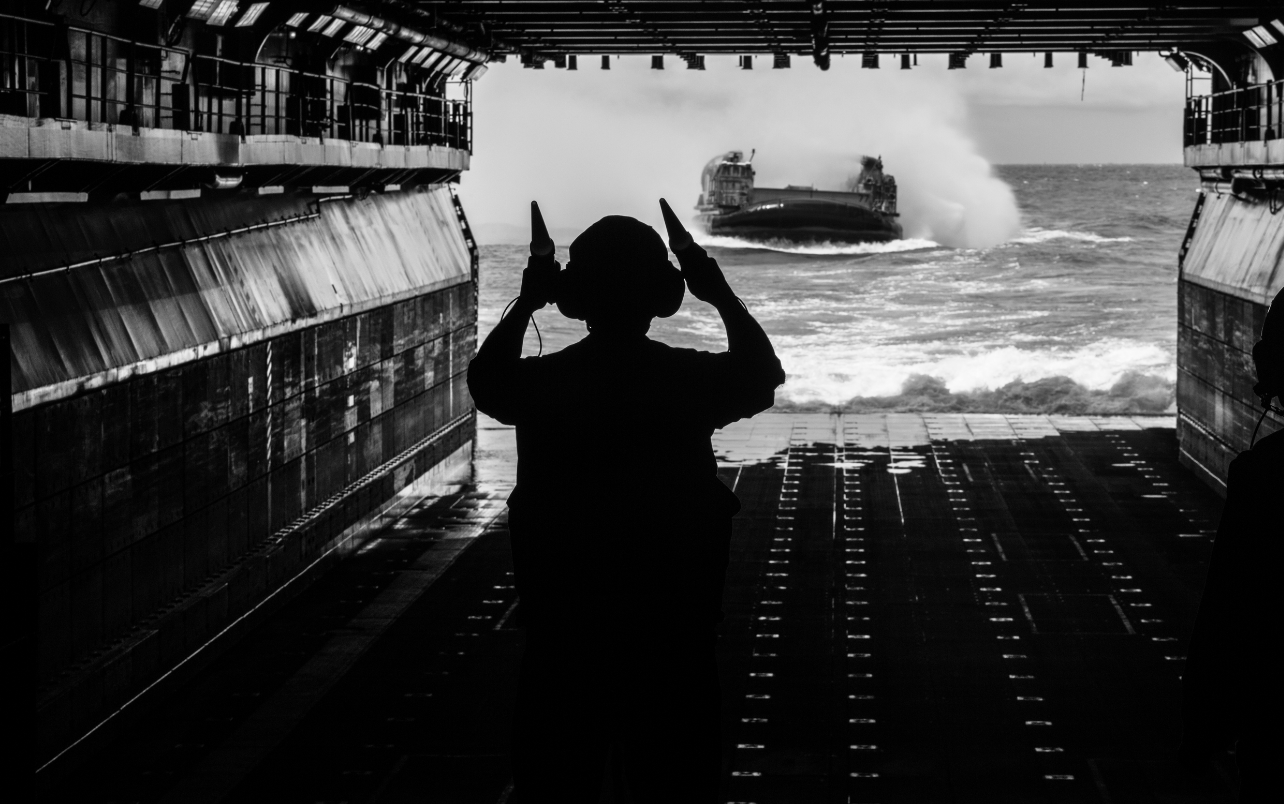
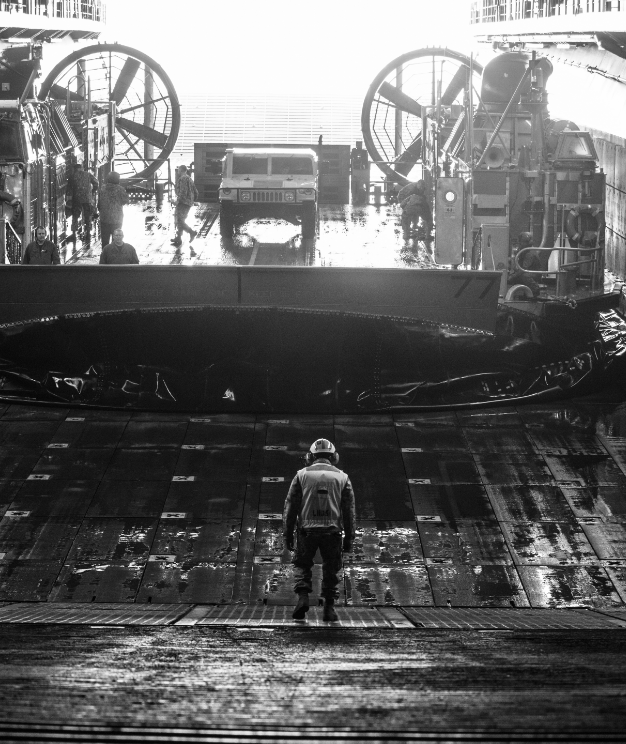
The project came about at the request of the US Marine Corps in their idea to expand their use of social media and use Instagram specifically more successfully. The idea of the embed was born from abr ainstorm session the Marines and Instagram had. This was the first time ever that Instagram facilitated embedding photographers from the Instagram community with the US military. I had the honor and privilege of spending time on The USS Bataan with the Marines of 3rd Battalion, 6th Marines, the sister unit to my past infantry unit 1st Battalion, 6th Marines  with three other incredible photojournalists. Riding from Norfolk,Virginia all the way back to NYC, I spent time documenting the Marines (mainly. sorry my heart is always with the Corps) and the Sailors.

You started your photo journey young, do you remember those images you shot in 7th grade?
The images I shot in 7th grade were pictures of everybody in the neighborhood in Bed-Stuy. They were garbage but at the time I didn’t care. The camera was the way I really got to know everyone in the community, from the business owners to the librarians and after that moment in time, I decided it was time to take photography very seriously. I was always self aware, even as a kid.

Not that you’re established in your career, what would you tell your younger self?
I would tell my younger self to stay the course in his journey, stay alive and to get as much sleep as possible because after high school, you’re not going to sleep as much and life is going to change!

What work are you hoping to get hired for?
The work I want to be hired for is more commercial/portraiture work for various brands,campaigns, and magazines involved in sport, music, streetwear, movies and Black culture, Just like the work one of my favorite photographers, Marcus Smith from Chicago has been doing!! I also want to balance that with more sports action work as well as more photojournalism stuff too.

What projects pushed you creatively in, let’s say, the past 3 years:
The projects that pushed me creatively these last three years are 1) the photo shoot with Toronto Raptors player Fred Van Vleet for And1/ Footlocker Canada. This was the shoot that was a nightmare but motivating to do because in Canada the worst thing happened with the hotels. Between the ballroom flooding and some of my studio gear getting messed up, to dealing with racism alongside the four man And1 creative staff for the shoot from the hotel staff. It’s a long story but we got it done with only one hour to set up everything in order to photograph Fred. The circumstances changed my initial idea for the shoot, but we made it work.
The other project that pushed me was the shoot with Prodigy of the rap Group Mobb Deep. I had literally no time to prepare because this was a very last minute shoot so I had to draw inspiration from old hip hop magazines I remember reading growing up. I had to look up inspiration while on the A train on the way to the shoot. this really pushed my creativity, down to the minute. All of my personal projects, ranging from streetball to car drifting, push me to see differently and be a part of many worlds. I grew up being a fan of and witnessing in NYC, so when I go photographing these personal projects, I go in with uncertainty but I wind up walking away with photos I enjoy.

Featured Promo – Alex Troesch

alextroesch.com

Who printed it?
I did it myself with an Epson printer and a lot of patience.

Who designed it?
I submitted 6 different versions to 3 different photographers I am close with and whose work inspires me and essentially adapted the design accordingly. I usually work with designers for this kind of promos but I felt the times were so special that I needed to make things differently this time. I also took a class with Susie Cushner at the ICP few years ago on how to promote your work and build promo cards which helped me a lot.

Tell me about the images?
It’s a collection of portraits I did recently and other which are part of my archives. Some were published (editorials) while others are simple portrait session I like to build around musicians, artists and actors I meet and whose work touches me. The B/W cover is from Engels the Artist who recently had a show at the Neuberger Museum of Art and whose studio is very close to mine. It also gave me the idea of using my printer because I had a very precise idea on how I wanted the shadows to be on this promo and had a feeling it would have been more complicated using a different printer or method. Maybe I am wrong… The idea of the back side is based on several other photograph I take when I edit and sequence small prints and stick them on the wall.

How many did you make?
50

How many times a year do you send out promos?
Last time was 3 years ago…I wish I could do more but it just depends on the time I have in front of me, which new images I have and also who is new out there.

Do you think printed promos are effective for marketing your work?
Yes definitely. I get quite good responses, including this one which I rarely get with emails. I love printing, paper, the attention to detail and the slow pace it requires sometimes to get to a good result. And I do believe Art Directors and Photo Editors are also very sensitive to this.

The Art of the Personal Project: Clemens Ascher

The Art of the Personal Project is a crucial element to let potential buyers see how you think creatively on your own.  I am drawn to personal projects that have an interesting vision or that show something I have never seen before.  In this thread, I’ll include a link to each personal project with the artist statement so you can see more of the project. Please note: This thread is not affiliated with any company; I’m just featuring projects that I find.  Please DO NOT send me your work.  I do not take submissions.


Today’s featured artist:   Clemens Ascher

Clemens Ascher graduated from the Miami Ad School Europe in Hamburg, where he completed his qualifications as an art director and commercial photographer. His talent was already discovered while he was still studying and won him awards such as the ‘German Student of the year’ from the ADC.

Once he graduated he completed a long-term photography assistant job in Hamburg, before launching his freelance photographer career in 2008. Since then he has participated in several group and solo shows in Austria and works for international clients.

To see more of this project, click here.

APE contributor Suzanne Sease currently works as a consultant for photographers and illustrators around the world. She has been involved in the photography and illustration industry since the mid 80s.  After establishing the art buying department at The Martin Agency, then working for Kaplan-Thaler, Capital One, Best Buy and numerous smaller agencies and companies, she decided to be a consultant in 1999. She has a new Twitter feed with helpful marketing information because she believes that marketing should be driven by brand and not by specialty.  Follow her at @SuzanneSeaseInstagram

Success is more than a matter of your talent. It’s also a matter of doing a better job presenting it.  And that is what I do with decades of agency and in-house experience.


Pricing & Negotiating: Corporate Lifestyle Shoot for a Tech Company

Craig Oppenheimer, Wonderful Machine

Concept: Employees at work in an office space

Licensing: Web Advertising and Web Collateral use of up to six images for one year

Photographer: Portraiture and lifestyle specialist

Agency: Small, based on the West Coast

Client: Large technology company

Here is the estimate:

Initial quote of expenses for corporate lifestyle photoshoot.

Creative/Licensing Fees: The original project scope included corporate lifestyle images of six employees at work, and they hoped to license one shot of each employee for use on web ads and placement on their website for one year. Based on a conversation with the agency, I knew this would be a low-profile project for them and therefore have a tight budget. I started at $500/image, and while I wanted to add at least $2,000 as a creative fee, we decided to cut that in half and go with $4,000 as a combined creative/licensing fee.

Pre-Production/Scout Day: We included $1,000 to account for the photographer’s time to line up his crew and briefly visit the office to see the space beforehand.

Assistant: We included $500 for an experienced assistant to help lend a hand for the shoot day.

Hair/Makeup Stylist: $900 was an appropriate rate in this market for a stylist to make sure each subject was presentable and camera ready.

Equipment and Digital Workstation Rental: The photographer would have minimal equipment, and this accounted for his cameras, lenses, grip, lighting and a laptop for the client to review the images as they were being captured.

First Edit for Client Review: This accounted for the photographer’s time to do an initial edit and provide the client a web gallery of images to review, as well as delivery of six images by FTP.

Retouching: We were asked to detail a rate for retouching as an option, but not include it in the bottom line, so we noted a fee of $200/image should the client decide to outsource the post-production to the photographer.

Mileage, Parking, Misc.: This included a light lunch for the photographer and his two crew members, as well as some buffer funds for unforeseen expenses.

Feedback: A week later we were asked to revise the estimate and reduce the number of subjects from six to three while maintaining six shots (two per subject). Additionally, they requested perpetual use, rather than usage for just one year. I considered that perhaps the second shot per subject was less valuable than the first, but ultimately decided to base this new request on a per image fee of $1,500 each ($9,000 total). Prorated, the original $4,000 fee broke down to just over $650/image, so more than double this amount per image felt reasonable as a fee for perpetual use. While I might typically triple (at least) the price to go from one year to perpetual use, I felt that the shelf life of these images was just about a year or so as the subjects would primarily be working with technology in the images, which would quickly become out of date.

Here was the revised estimate:

Second estimate for corporate lifestyle shoot.

Feedback: We were told a few days later that the project scope was being tightened up to include just two subjects, and they wanted two images per subject. We were also told that they were hoping to keep everything under $10k. Based on $1,500/image, we included $6,000 as a creative/licensing fee. They also asked us to include basic post-processing for these images, and we added $150/image for the light retouching.

Here was the revised estimate:

Third revision of the estimate for the corporate lifestyle shoot.

Results: The photographer was awarded the project.

If you have any questions, or if you need help estimating or producing a project, please give us a call at 1 610 260 0200 or reach out. We’re available to help with any and all pricing and negotiating needs—from small stock sales to large ad campaigns.

The Daily Edit – Seth Adams: Bowhead Census


Seth Adams

What is the bowhead census?

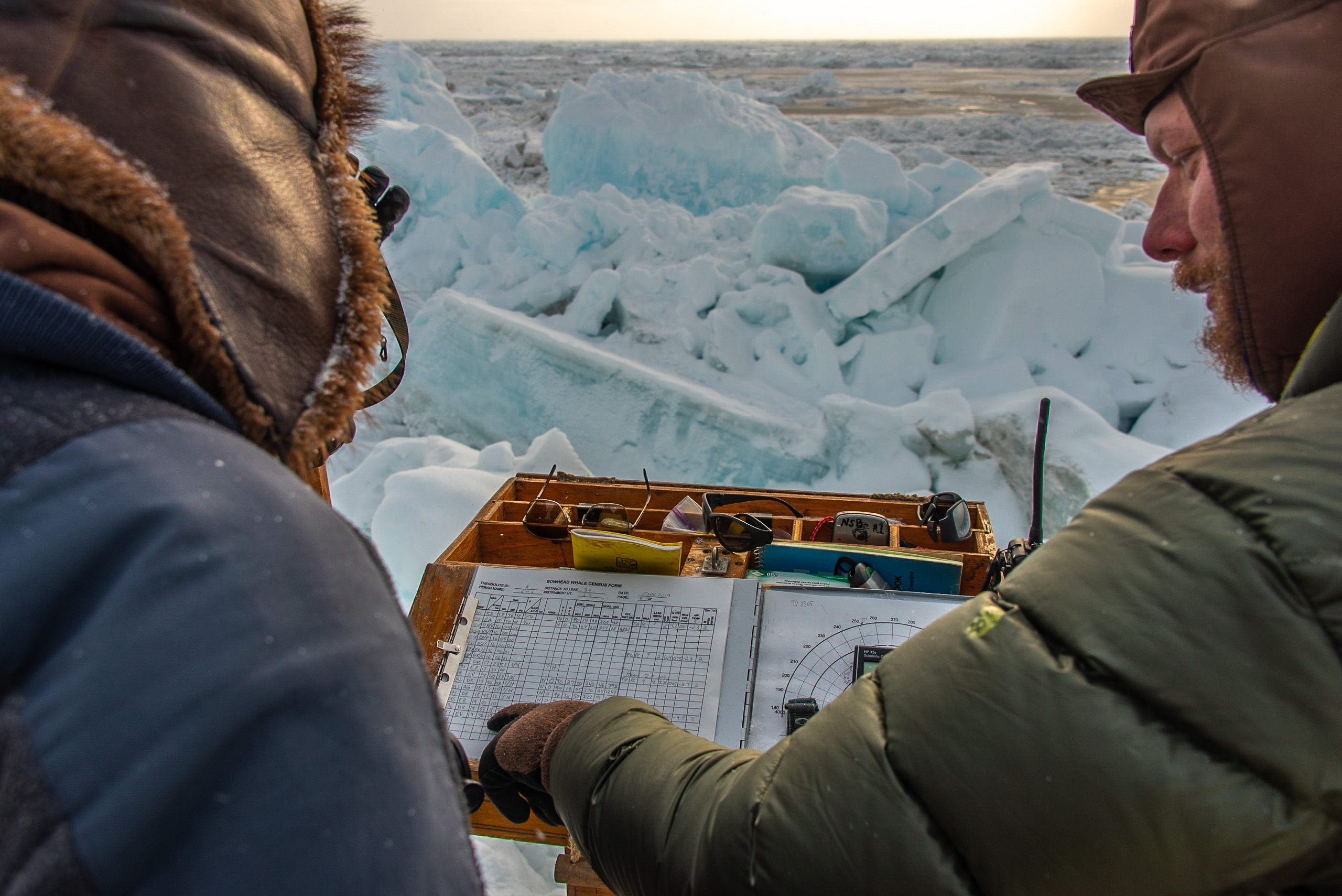
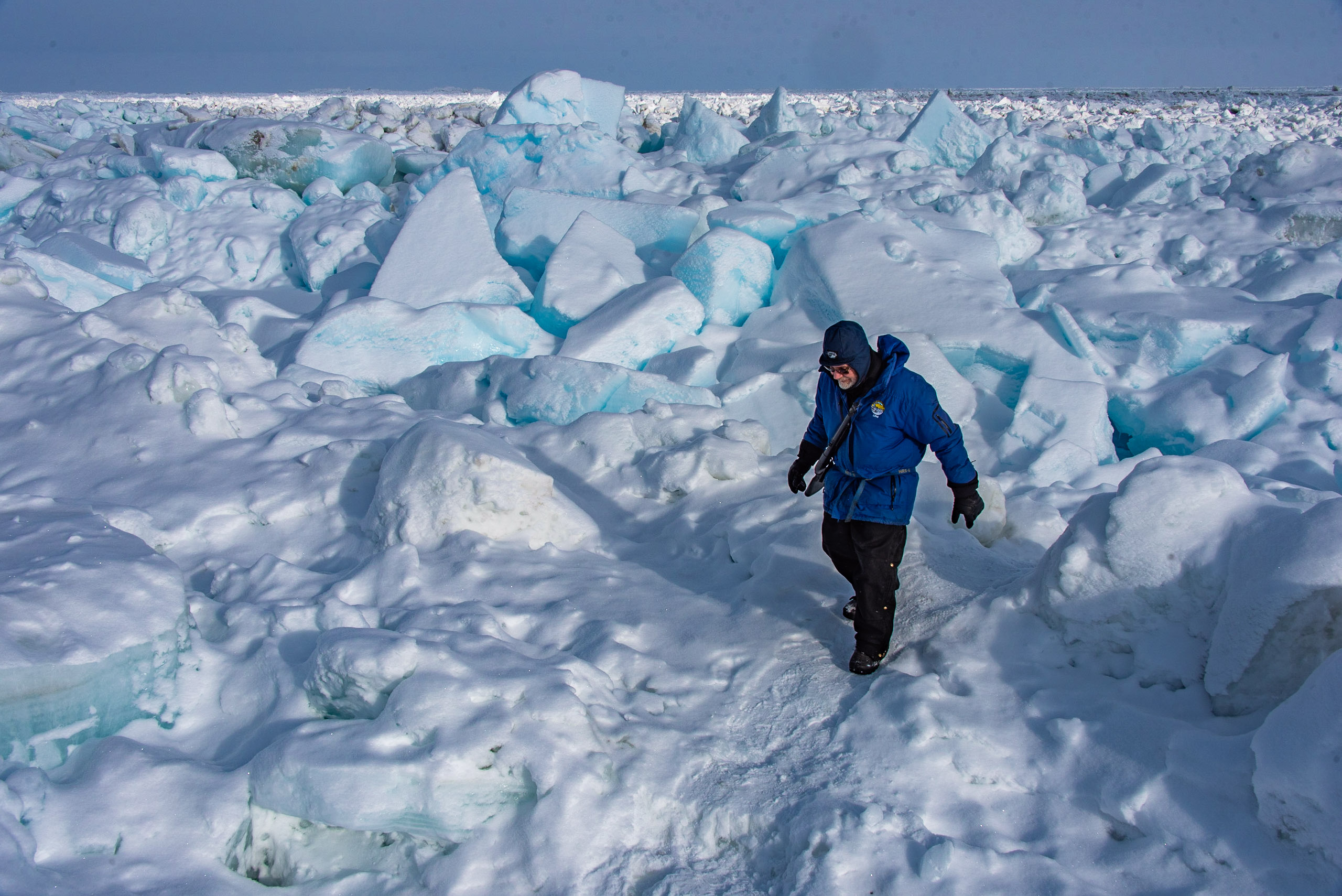
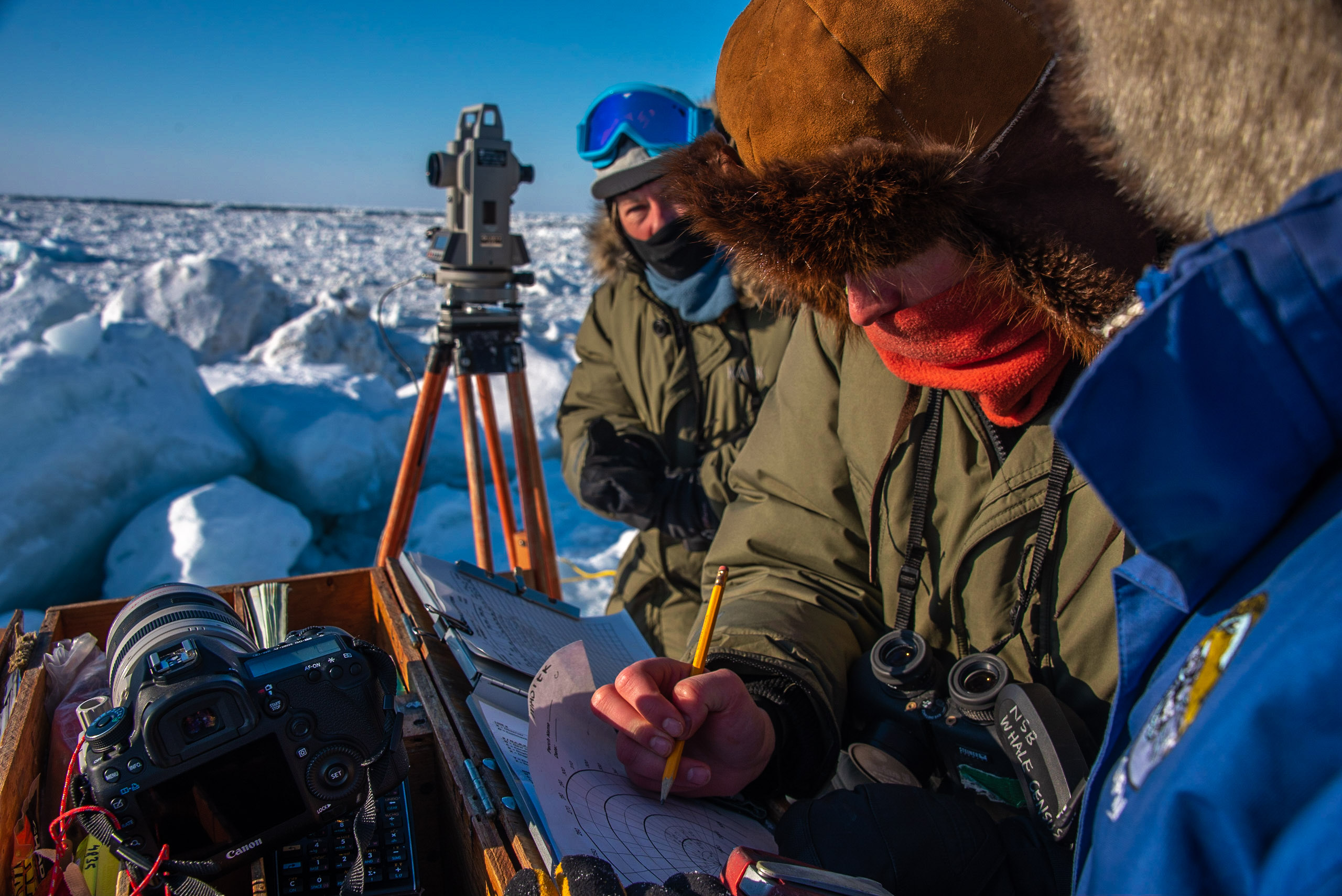
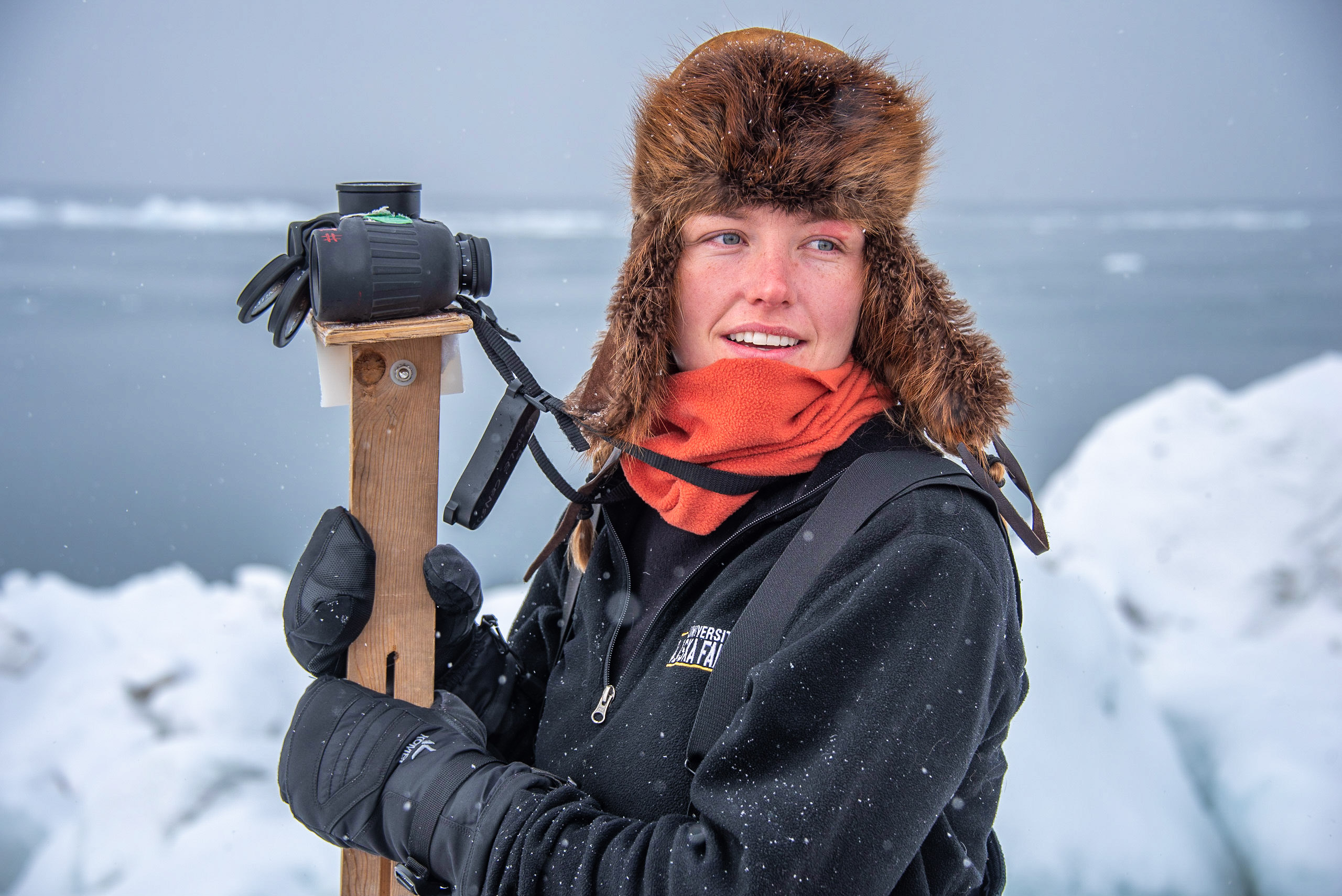
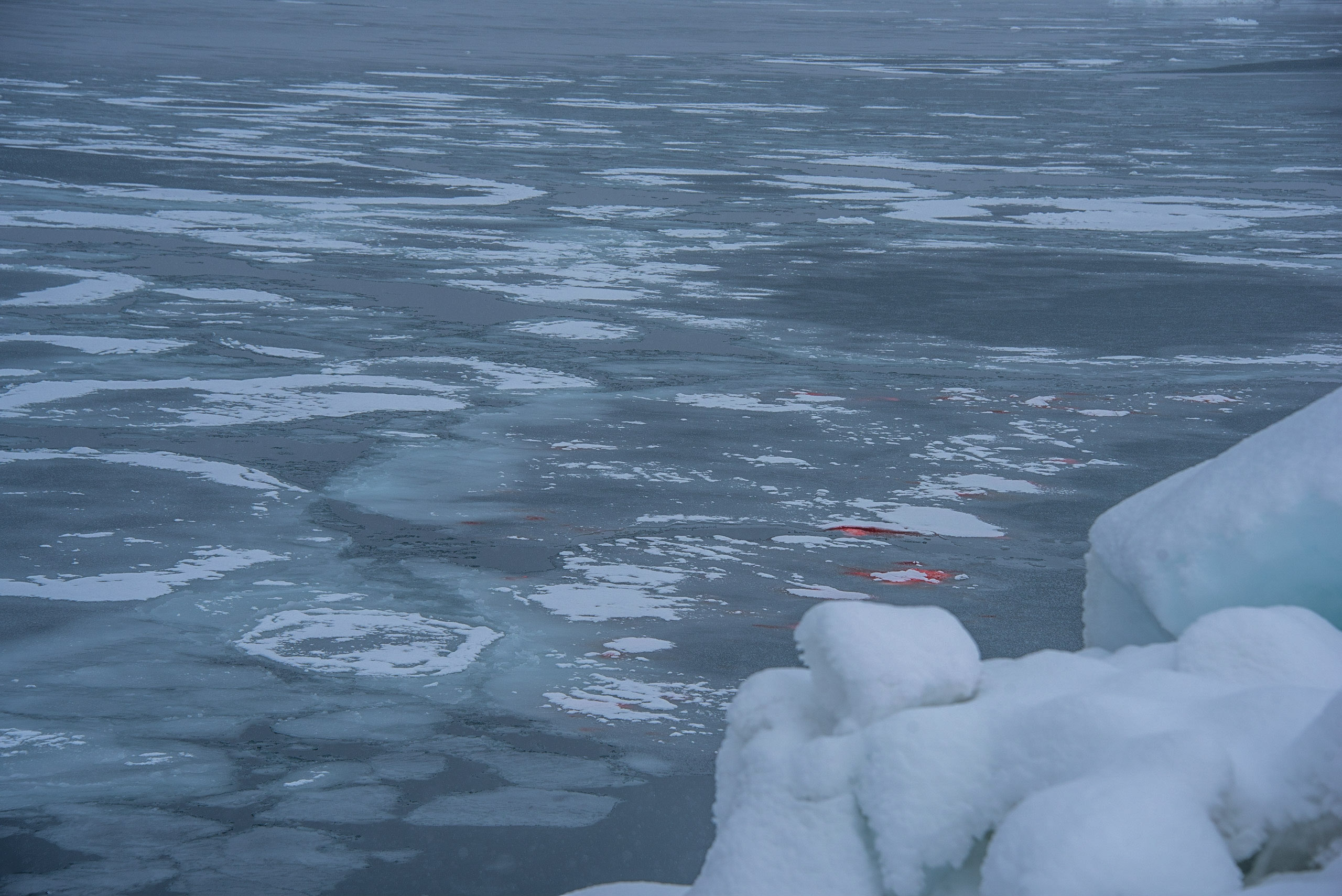
It’s a once-a-decade survey of the bowhead whale population in the Bering-Chukchi-Beaufort Seas. As the bowheads migrate from the Chukchi Sea to Beaufort Sea they swim past Point Barrow. The researchers set up the perch on a pressure ridge overlooking an open lead where they visually count the whales as they swim past during their migration. It’s a fascinating project that is very little known.

Was this a personal project?
Yes, sort of. I was in Utqiaġvik (formerly known as Barrow), which is the northernmost point in Alaska, with a program called Skiku that sends volunteer coaches to rural Alaska to teach kids to ski. My wife, Faustine, used to live in Utqiaġvik so for her it was a trip back to her old stomping grounds, and hearing stories about the place, the sea ice, its people for years really made me want to explore this part of Alaska I did not know. Geoff Carroll is now retired, but worked for decades as a biologist with the North Slope Borough’s Wildlife Department and as a Wildlife Biologist for the Alaska Department of Fish and Game. He is also an old friend of Faustine’s. He was going to head out onto the ice one afternoon to take on a shift with the Bowhead census, and he invited us to come along.

What is “the perch?”
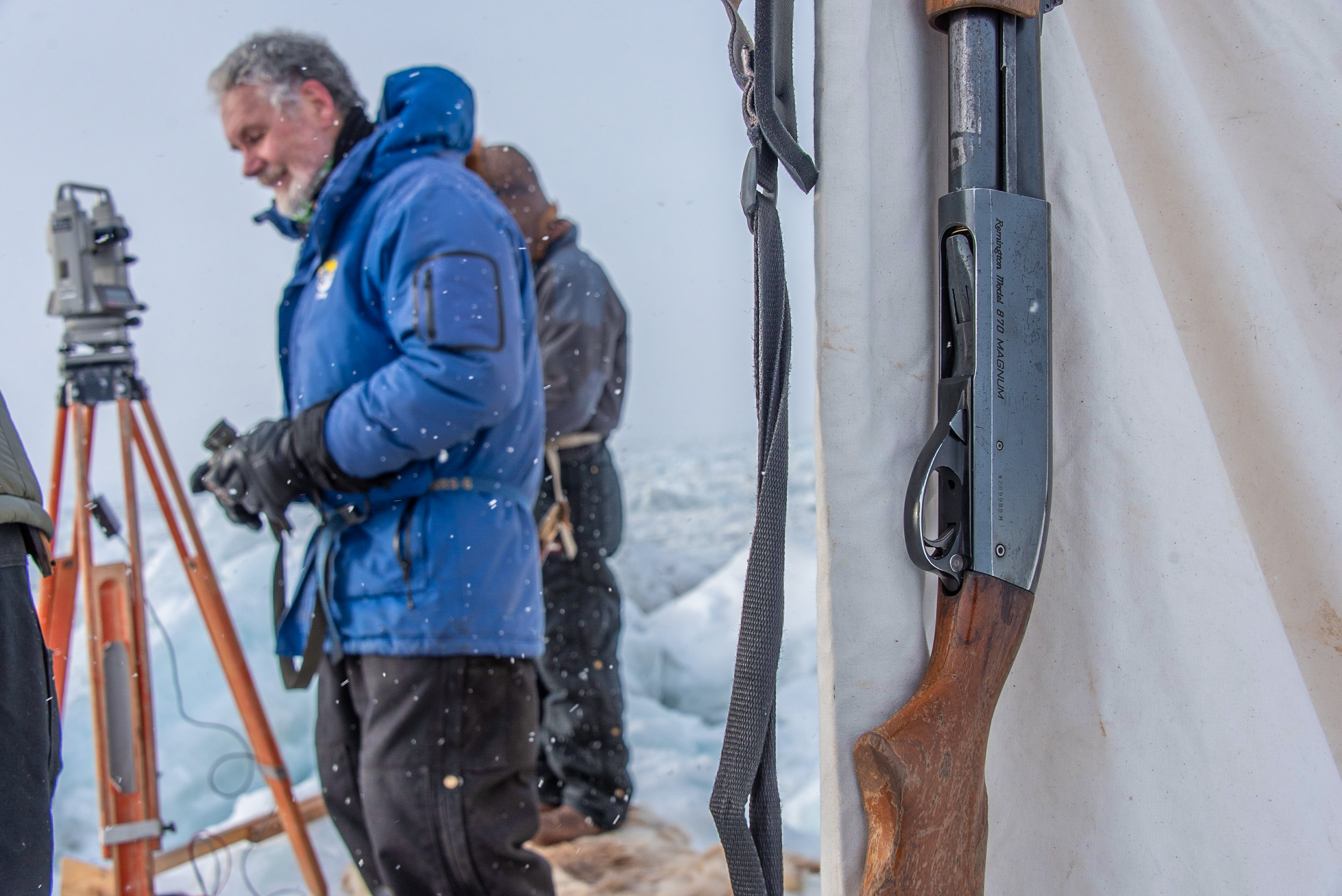
The “perch” is a high point on the sea ice pressure ridge that the Census team builds up and where they set their workstation and a blind to do their observations. The blind is mostly there to shield people from the wind and make it a little more comfortable to stand on the ice for hours. The team also sets up a comfortable wall tent close by the perch to rest, make food and warm up. The tent is surrounded by an electrified bear fence to keep curious polar bears out of it. The first day we went out we had been skiing with the middle school kids all morning, and Geoff invited us to go out with him that afternoon. We were able to borrow a snowmachine (that’s what we call snowmobiles in Alaska), so we headed out! Geoff didn’t really know I was a photographer, and that’s not why I was going. I just took my camera stuff because I always do. We went out twice more, as well, and on two of the days (but especially the first day) I got super lucky with nice light. 

How did you get access?
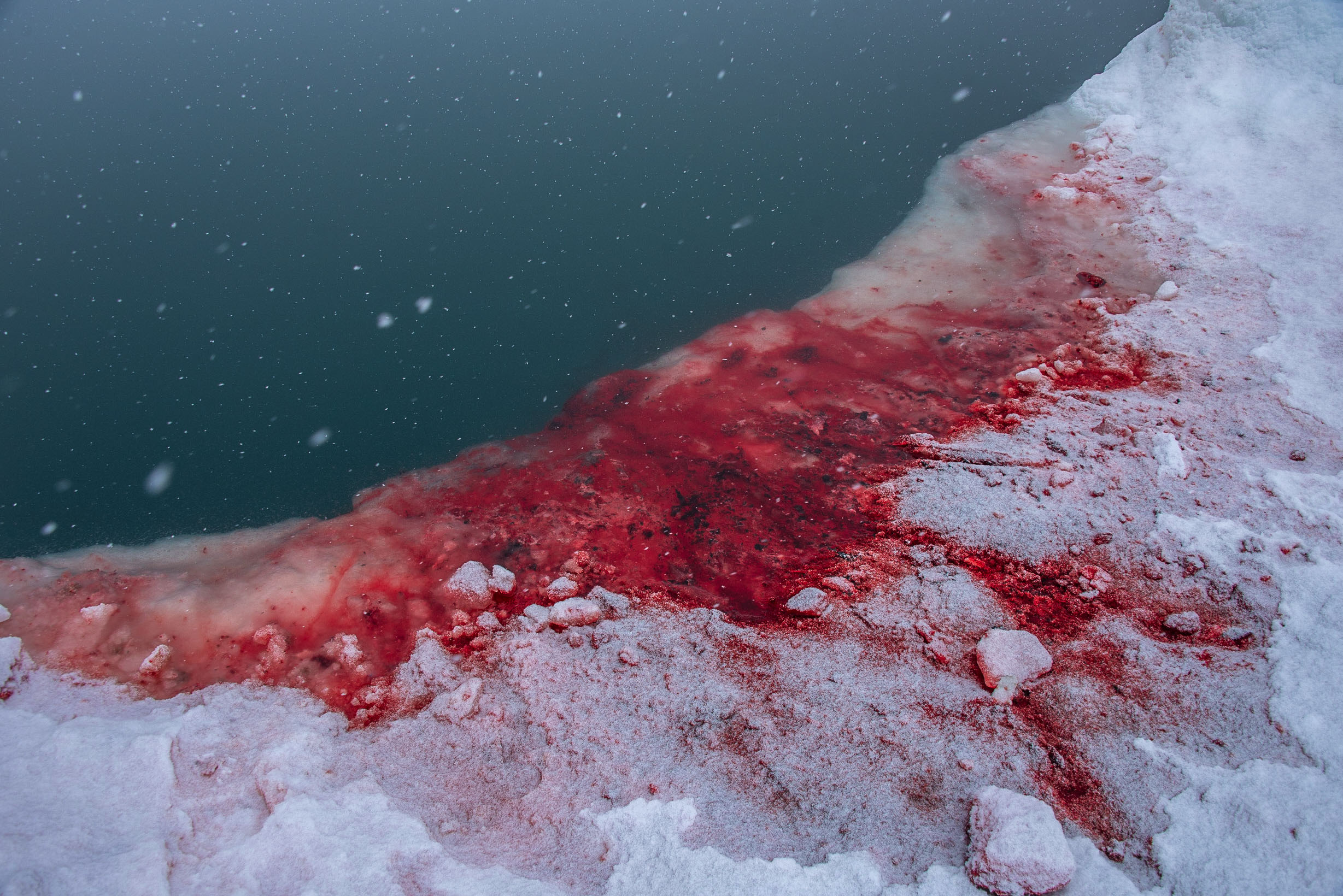
“Access” was a little funny, because on the North Slope taking pictures of anything to do with whales and especially whaling is pretty sensitive (and rightfully so; whaling can be controversial, and people don’t want to see their culture and traditions misunderstood or criticized by people who don’t understand the history or context.) However, I didn’t fully realize how controversial photography out on the sea ice can be at the time, and it was only a little later that it was explained to me just how sensitive it all is. I’ve since asked if it’s okay to use these photos to tell this story, and since my photos are really of the census and not of whaling I got a general okay to tell this story. Legally, of course, you don’t need it, but it’s a matter of respect.

Why is photography so sensitive?
I feel like I understand, but now that I’m asked to explain it, I’m not sure how to. There is a lot of history on the Slope, and because it’s such a small community things that might not seem like such a big deal to outsiders don’t get forgotten in the same way. I can point to one thing, for sure, which was a teenage kid from Gambell (an Inupiat village on an island off the western tip of Alaska) who harpooned a big whale. It’s a big deal in Inupiaq culture, and a big deal for the village – a whale will feed the whole village for an entire winter. Some photos were posted on Facebook by relatives, and were picked up by a newspaper reporter in Anchorage, where the catch was covered in a positive way. But then some asshole from an animal rights group launched a coordinated internet smear campaign against the kid, and he got non-stop hate mail and death threats and the like. It was really mean, and no matter what your views on whaling it was a fucked-up thing to do to a kid. That event is something that many native people cite as a reason that publicizing the traditional whale hunts only has downsides for them. Here is a story about that whole event. 

And actually, I read that article over a year ago, and just now I quickly reread it as I pasted the link, and I noticed something that makes for a good example of why it’s hard to tell stories about the North Slope – the article says that Gambell is a Siberian Yupik village, whereas I just wrote that it was Inupiat. From my perspective, it’s easy to say “I’m pretty sure they’re Inupiat. Yeah, I think that’s right.” and write it down. But when you’re a white guy who parachutes in, but then gets something like that wrong, it’s a huge deal to the people whose lives and cultures you’re writing about. It’s all very personal. 

How many days did you work on this, what was your biggest obstacle?
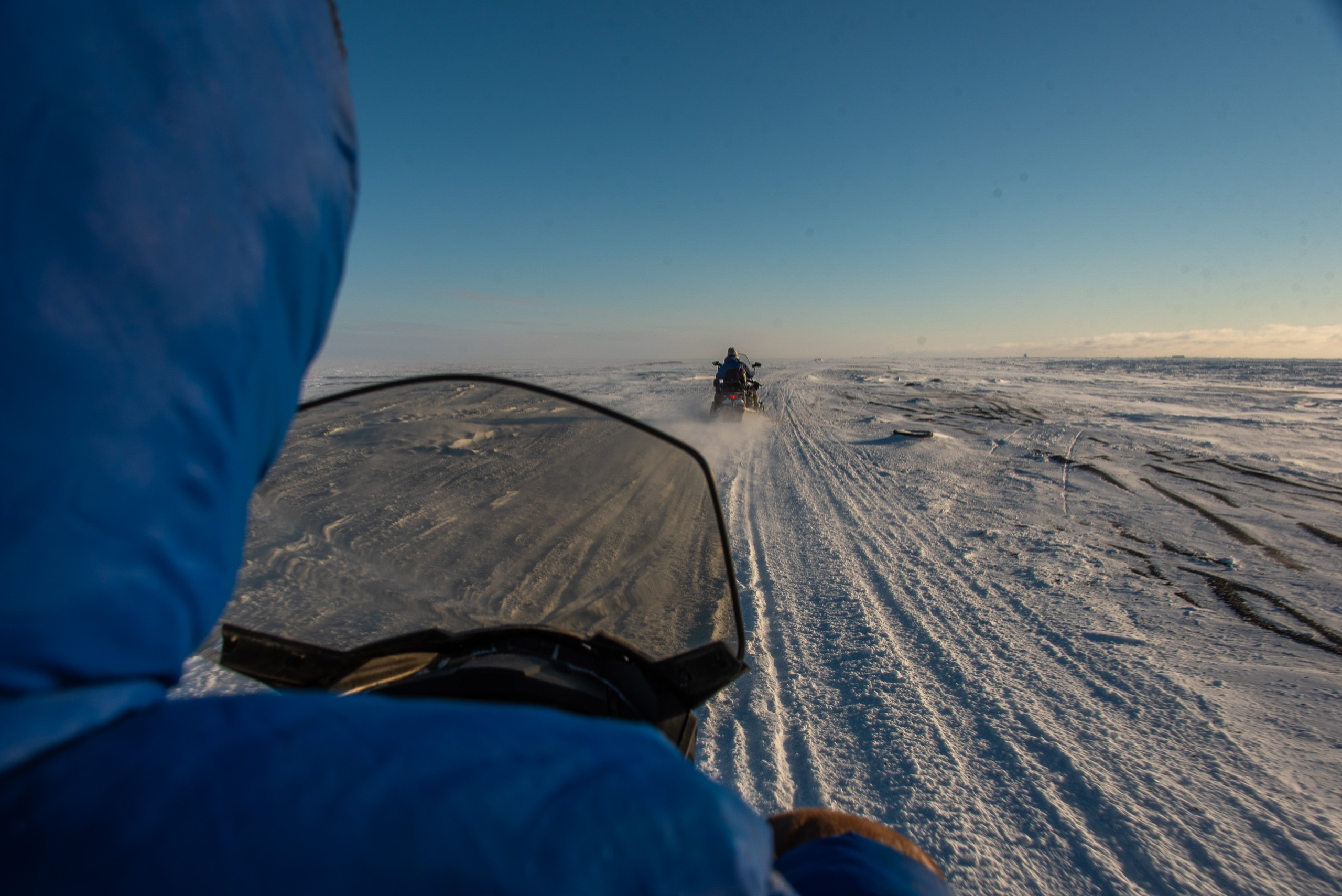
I shot all these photos in three short afternoons. The biggest obstacle was access to the sea ice – we had to borrow a snowmachine to get out there, and one wasn’t always available. One of those same days I heard that one of the crews had gotten a whale in the late afternoon – and the evening light in town was unbelievable (by mid-April it’s nearly light all night that far north, so “evening light” can mean 10 or 11pm) – and I was dying to get back out on the ice to see it and take pictures, but everyone that had a snowmachine was out riding it! So no dice. That’s why there are no pictures of actually landing the whale. I was pretty bummed about that at the time. I wanted to experience the happiness and community getting together to help with the whale.

How did you travel, and what were you trying to protect yourselves from?
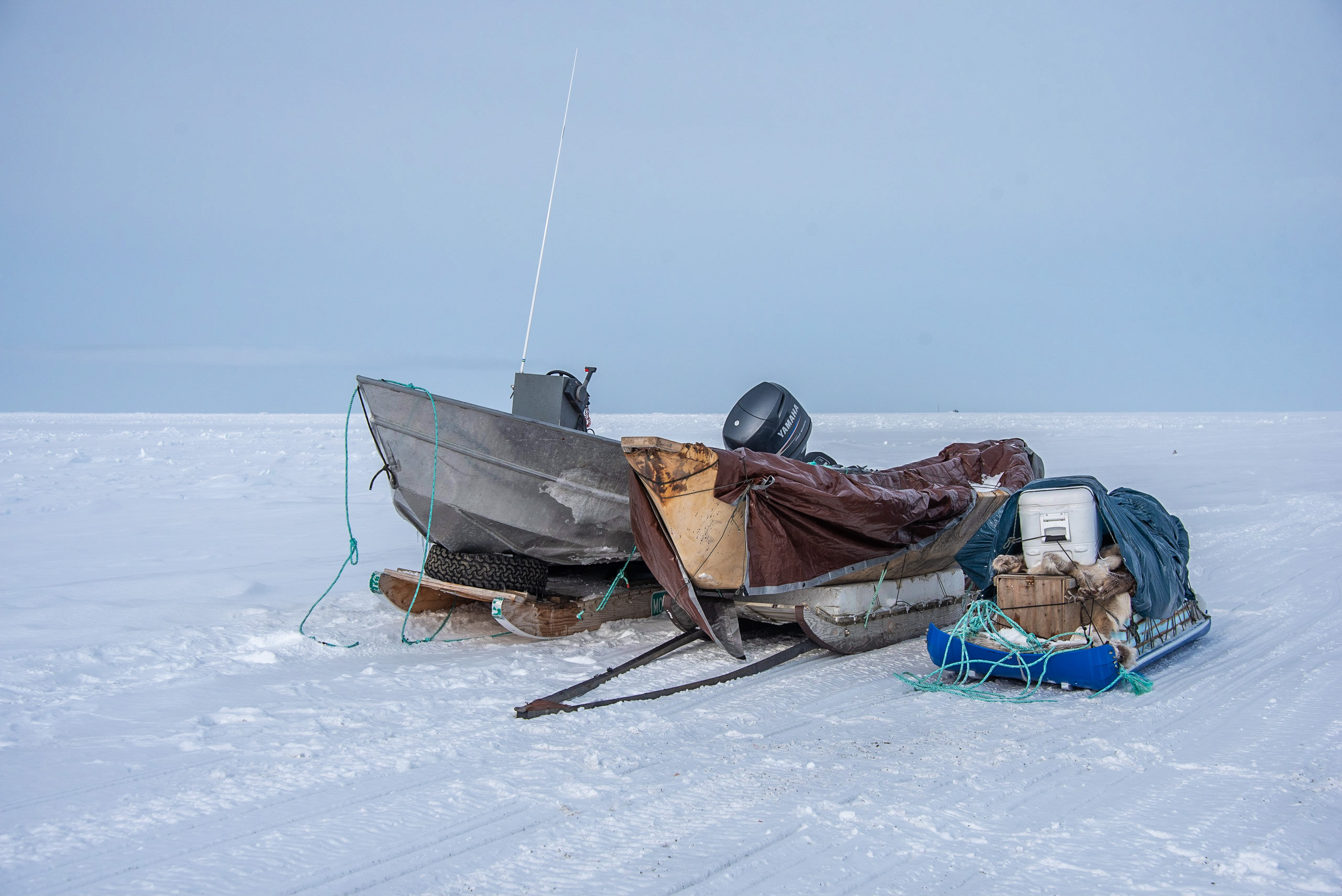
We flew to Utqiaġvik, and got around town by car. But travel onto the sea ice was by snowmobile. The whaling crews very (very) laboriously chop a trail through the jumbled sea ice in anticipation of whaling season. Guns are for protection against polar bears, which can be a real danger out on the sea ice.

How did you protect yourself/gear in these temps?
The gear does fine in the cold, though obviously battery life is shorter. You have to be careful when you bring it back inside to protect it from the warm air, as condensation can form in places where you’d really rather it didn’t. There are a few tricks to keeping gear working in the cold, but mostly it’s fine. Keeping ourselves warm was a whole other deal, though – we had warm enough clothes to “actively stand around” while we taught kids to ski in the warm April sun, but we didn’t know we would be going out onto the sea ice when we packed for the trip. Out on the sea ice it is fucking cold. The wind blows in literally off the North Pole and it’s fucking cold. I was able to borrow a big sheepskin coat from Geoff – the same style the locals wear- after the first or second day out in the cold, and after that I was warm enough. But before that I just suffered.

Tell us about the drone shot.
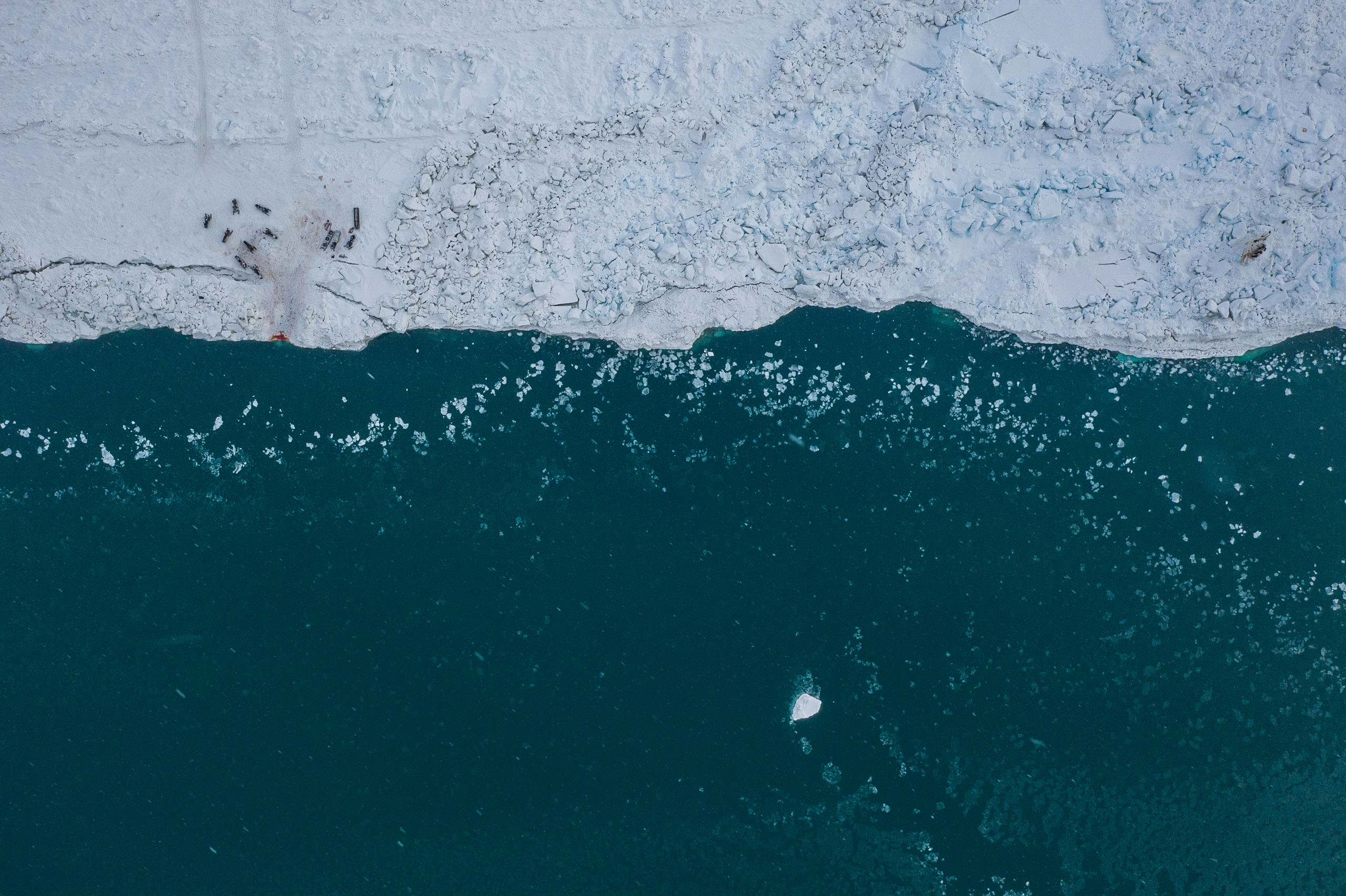
I love drones for the ability to set the scene. I feel like the scale of and ‘out-there’ness of the place is hard to capture from the ground. I included the video and the photo that looks out across the open lead for that reason; the one with the cluster of snowmobiles in upper left of the frame shows the spot that the whaling crews launch their boats from, and where a whale was hauled out the previous day. The Perch is on the right side of the frame in the same photo; it makes for an interesting metaphor, because it shows that the census and the whalers are separate, but also how inevitably close they need to be – they both need to share the trail onto the ice, share the open open lead, and they rely on each other in the event of any emergencies.

This Week in Photography: Towards a New History


Truly short post today.

(Like, for real.)

I’ve been writing some intricate columns lately, which have required me to spend a lot of time ingesting media in a toxic environment.

So I’m taking next week off, for my annual summer break, and will do my best to recharge the batteries so I can continue to put my finger on the cultural pulse for you.

I’ll have some more book reviews, travel articles from the winter, and then yesterday, I did online portfolio reviews with students at ICP in New York, and saw so much good photography and art that I’ll be writing a “The Best Work I Saw at…” post for you soon too.

As I’m isolated out here in my field, it was a blessing to have so many fun, cool conversations with a talented and diverse group of artists.

In eight reviews, I spoke with six women, and two men of color, so it felt like the most perfect experience for #2020.

The first artist showed me some incredible water color drawings/paintings, and we discussed the idea that it’s important to find the right medium to express our thoughts in the most appropriate way.

(Some ideas or emotions don’t need to be photographs.)

And just last week, I had another deep, intricate conversation with an African-American friend/colleague, in which we got into all the real issues, in a calm, positive way. (It may lead to an interview, so I’m keeping it cryptic for the moment.)

One thing he said, though, was so relevant, I want to share it here.

He suggested, bluntly, that if you asked 100 photographers to name their top 10 in the History of Photography, there was a strong chance almost no Black photographers would be chosen at all.

The established canon skews super-duper-heavily towards white people. (And men in general.)

It was hard to argue, as I began to think of my “favorite” names, and wasn’t sure I would pick a Black photographer, unless I were trying to front.

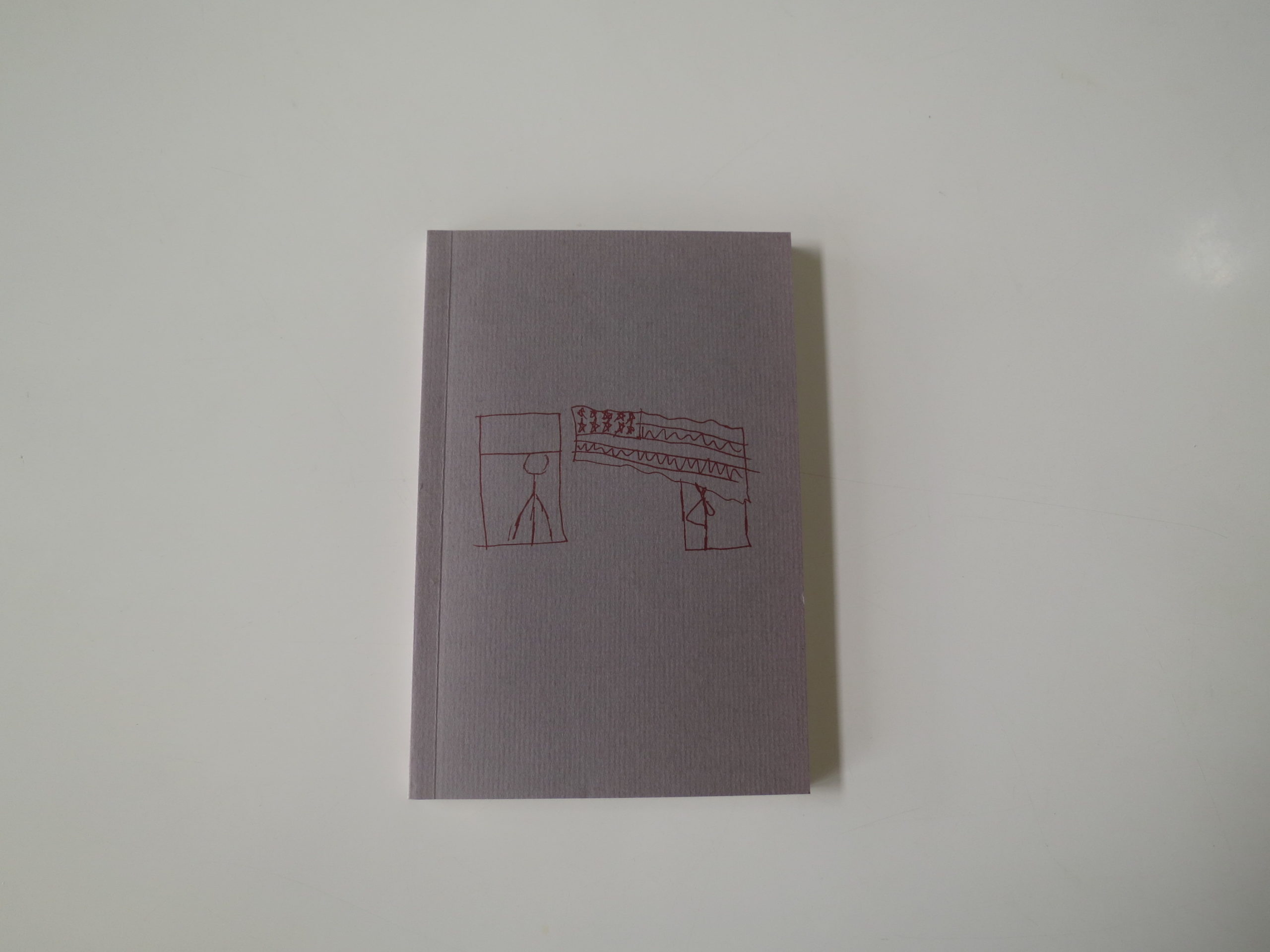
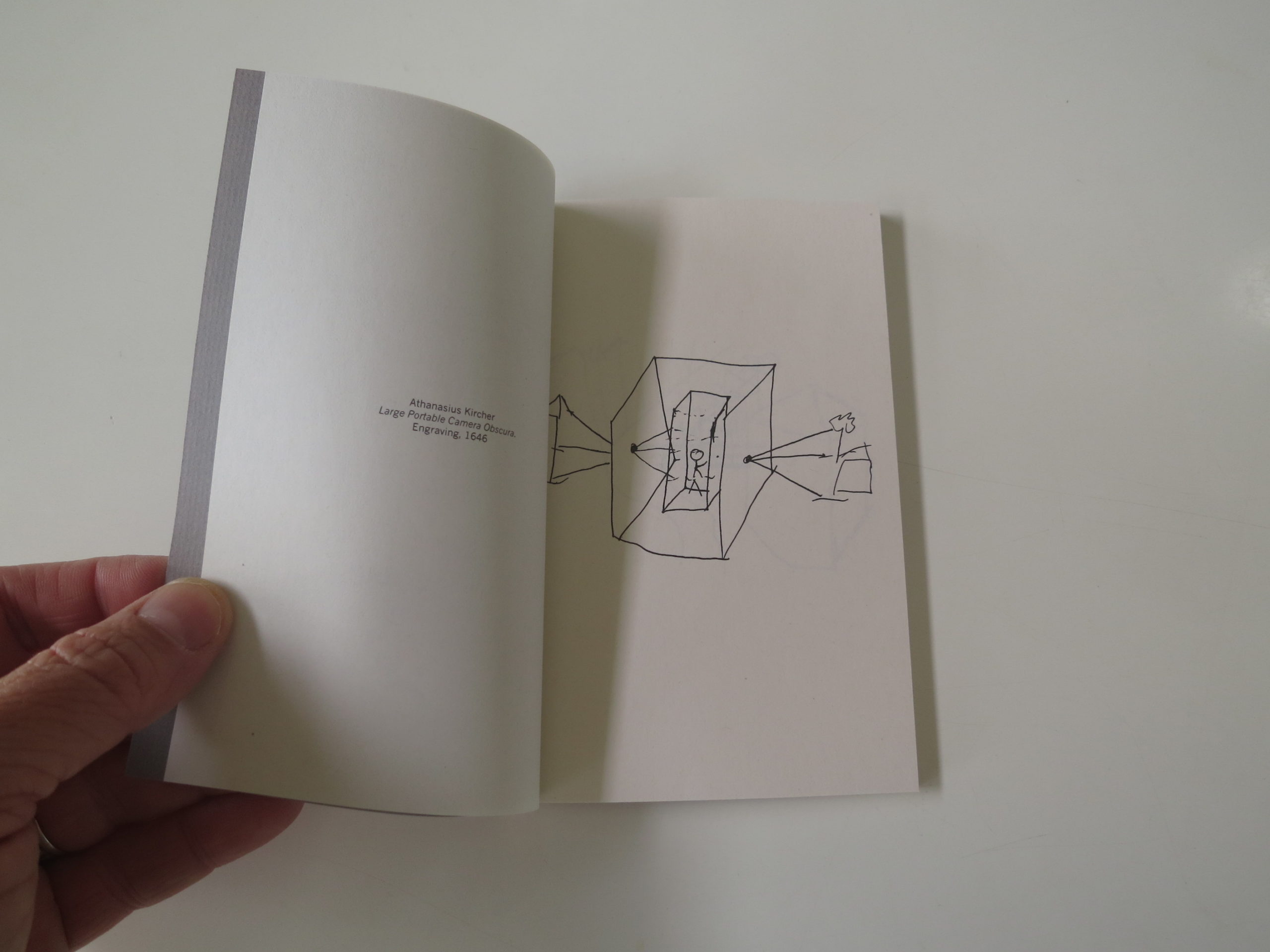
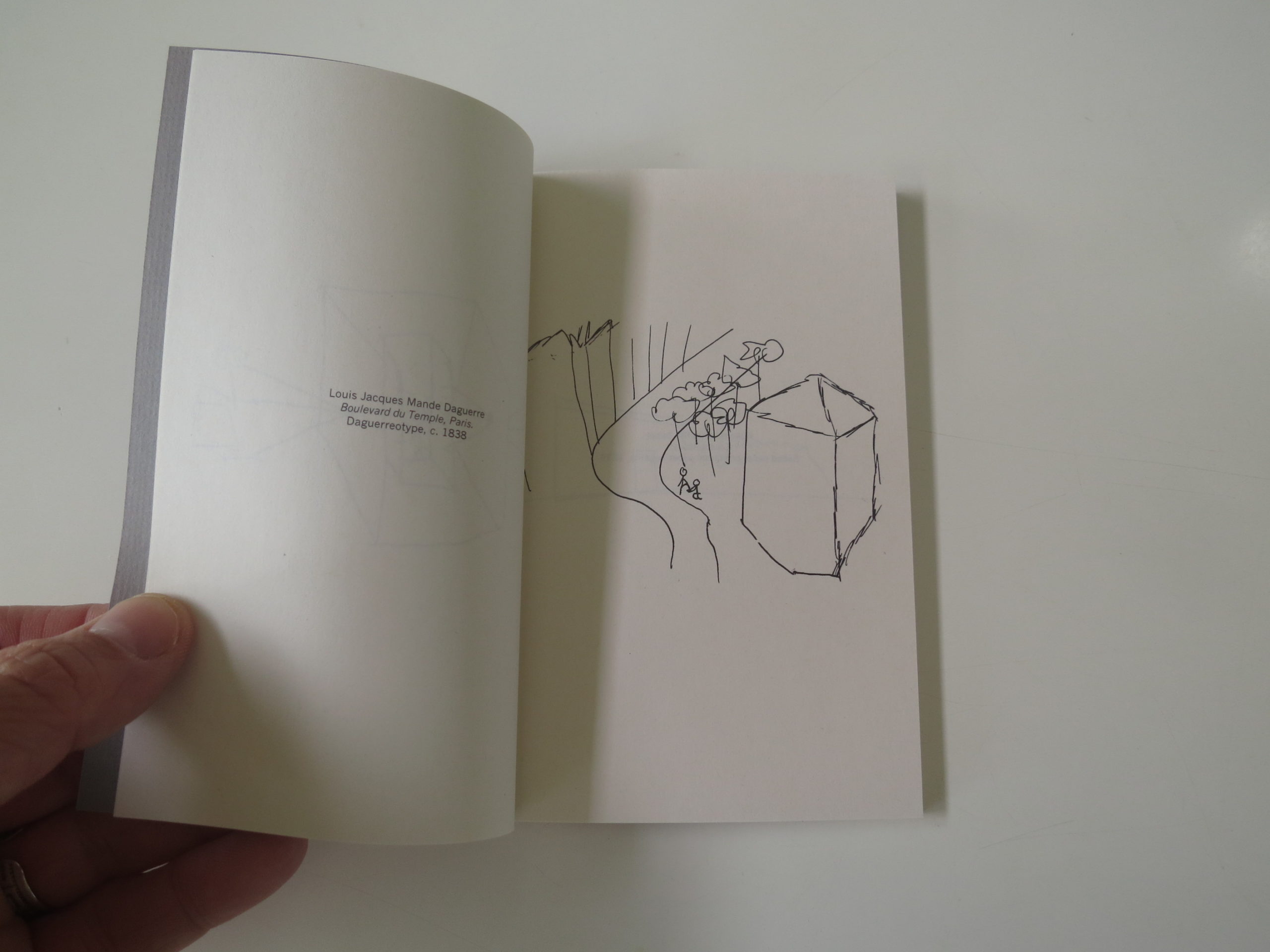
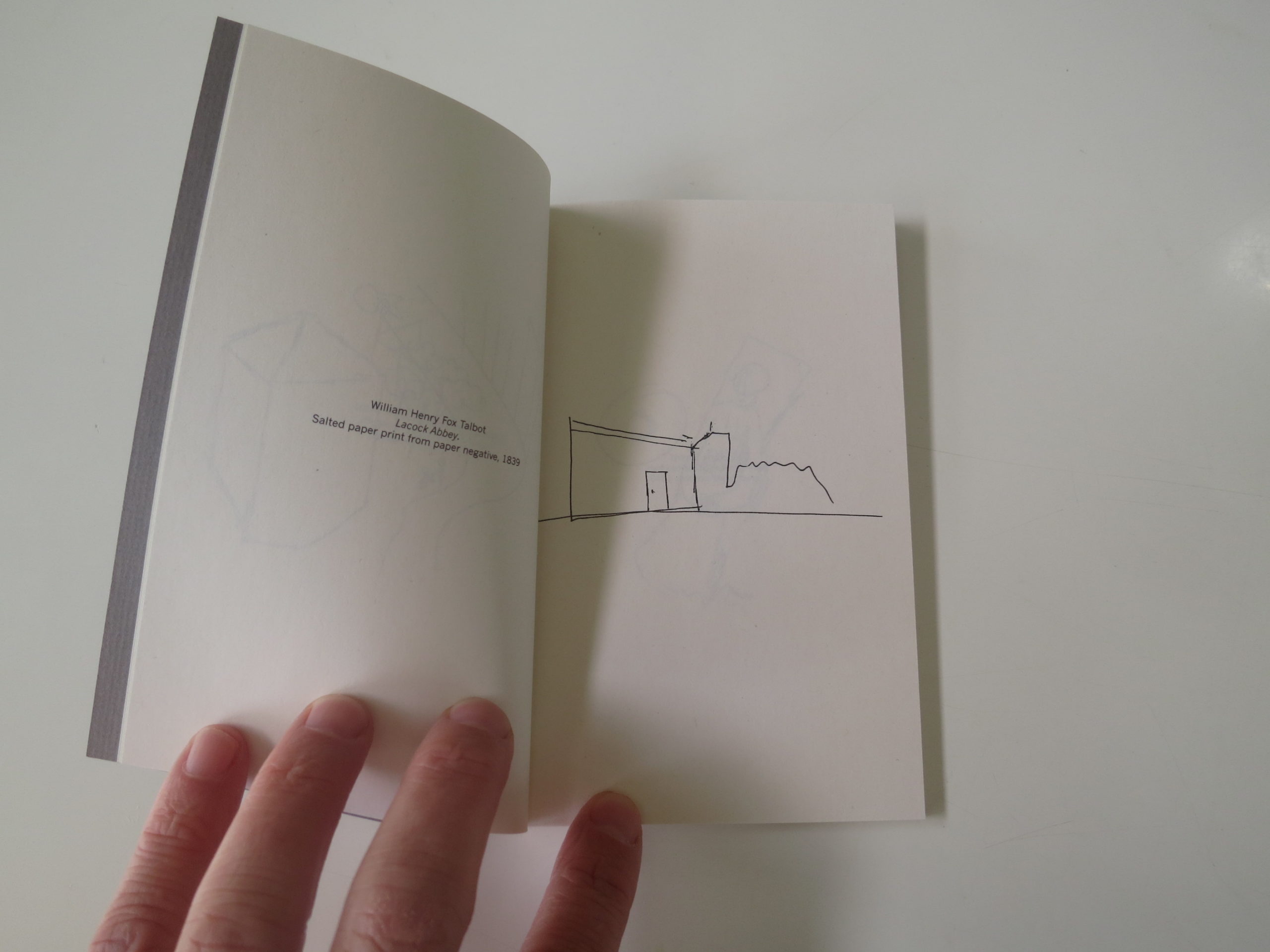
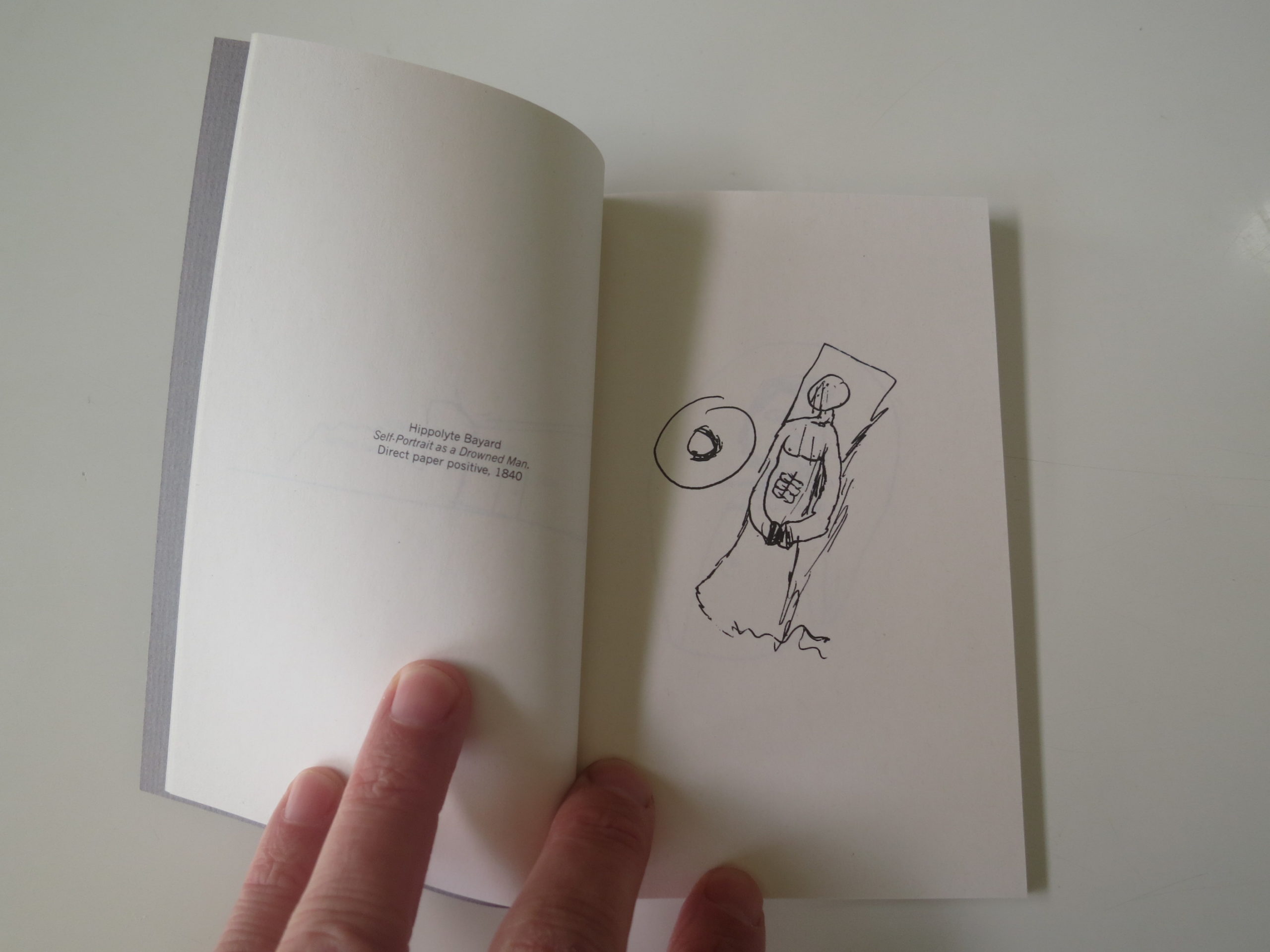
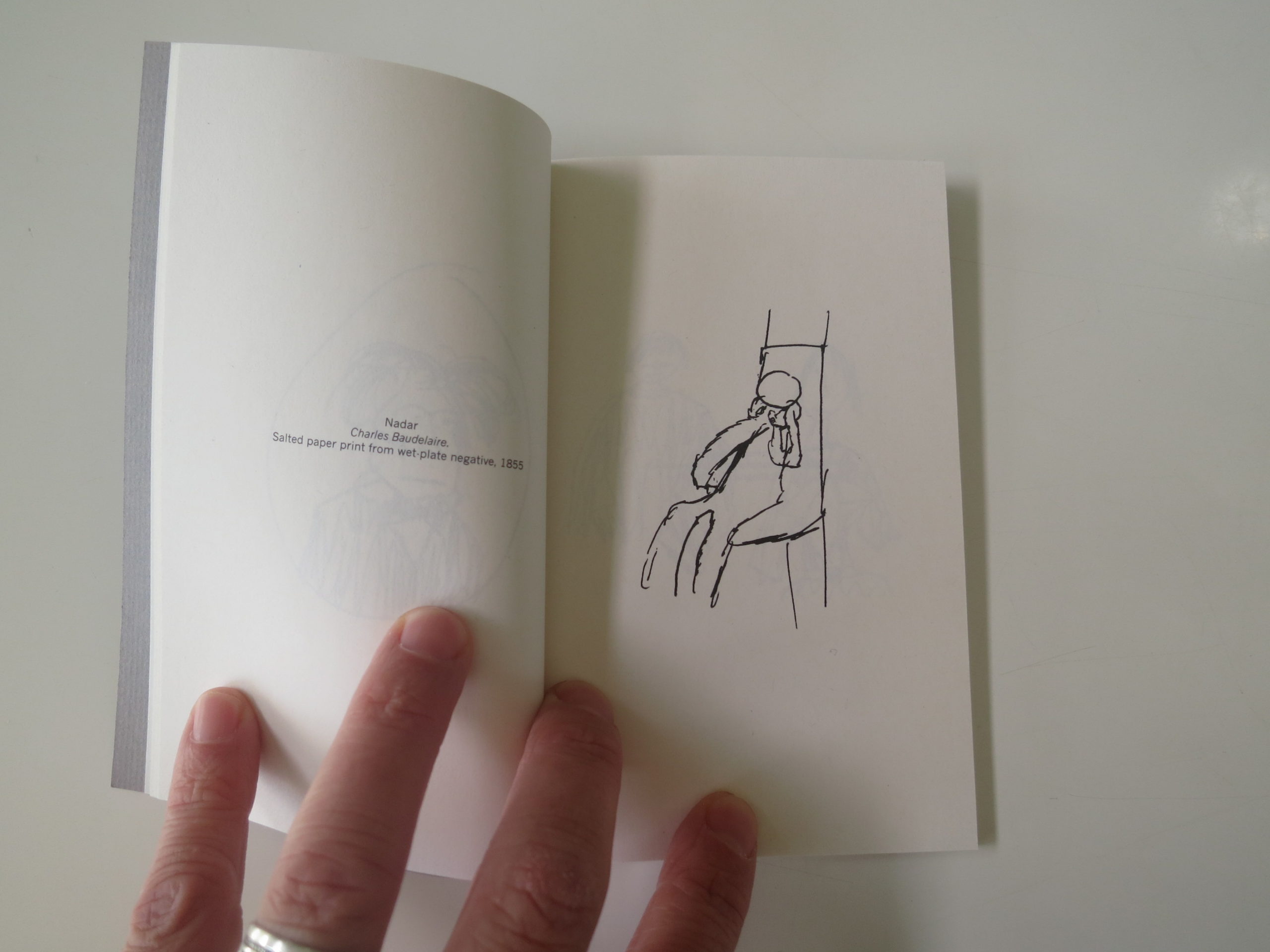
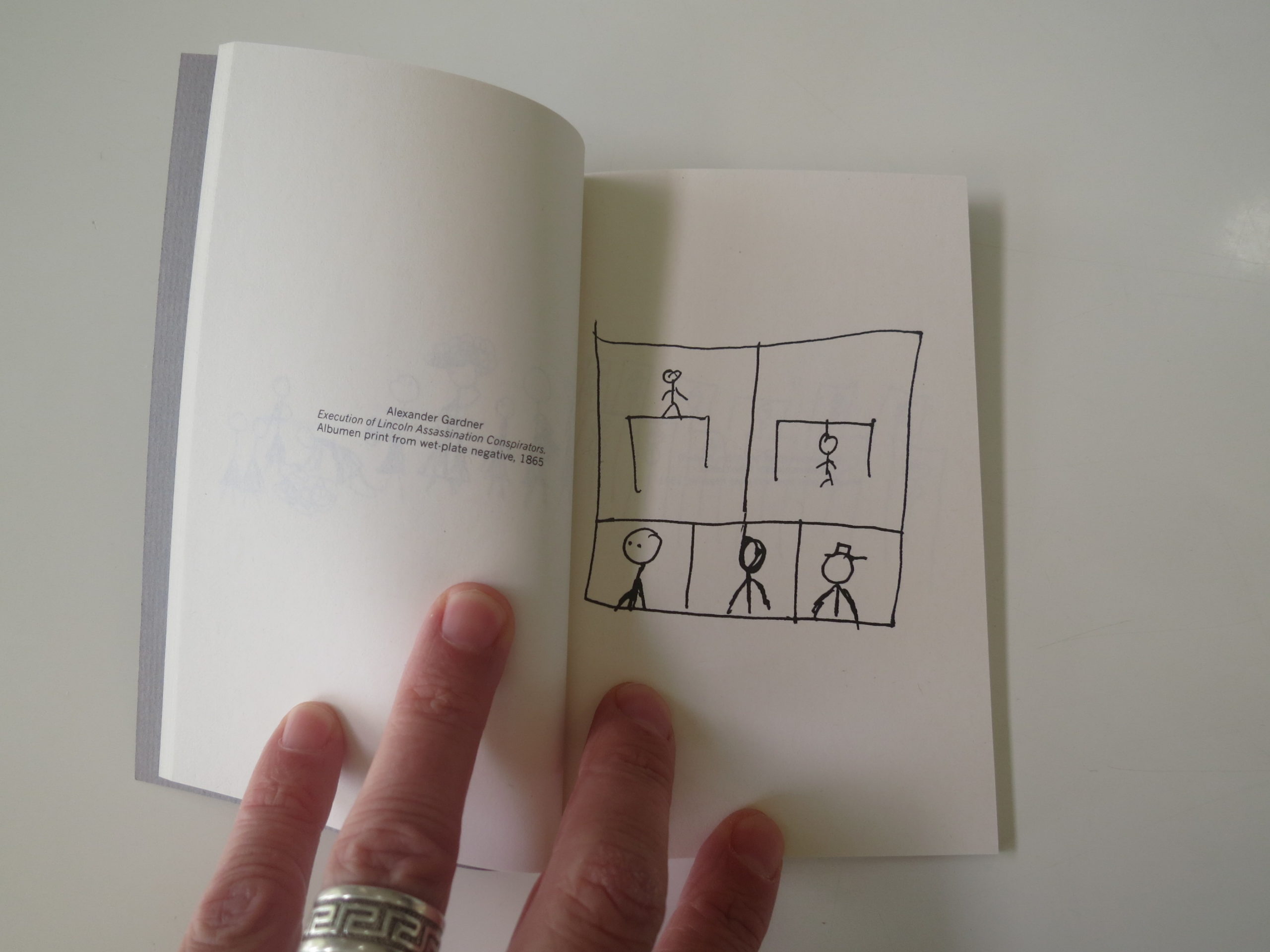
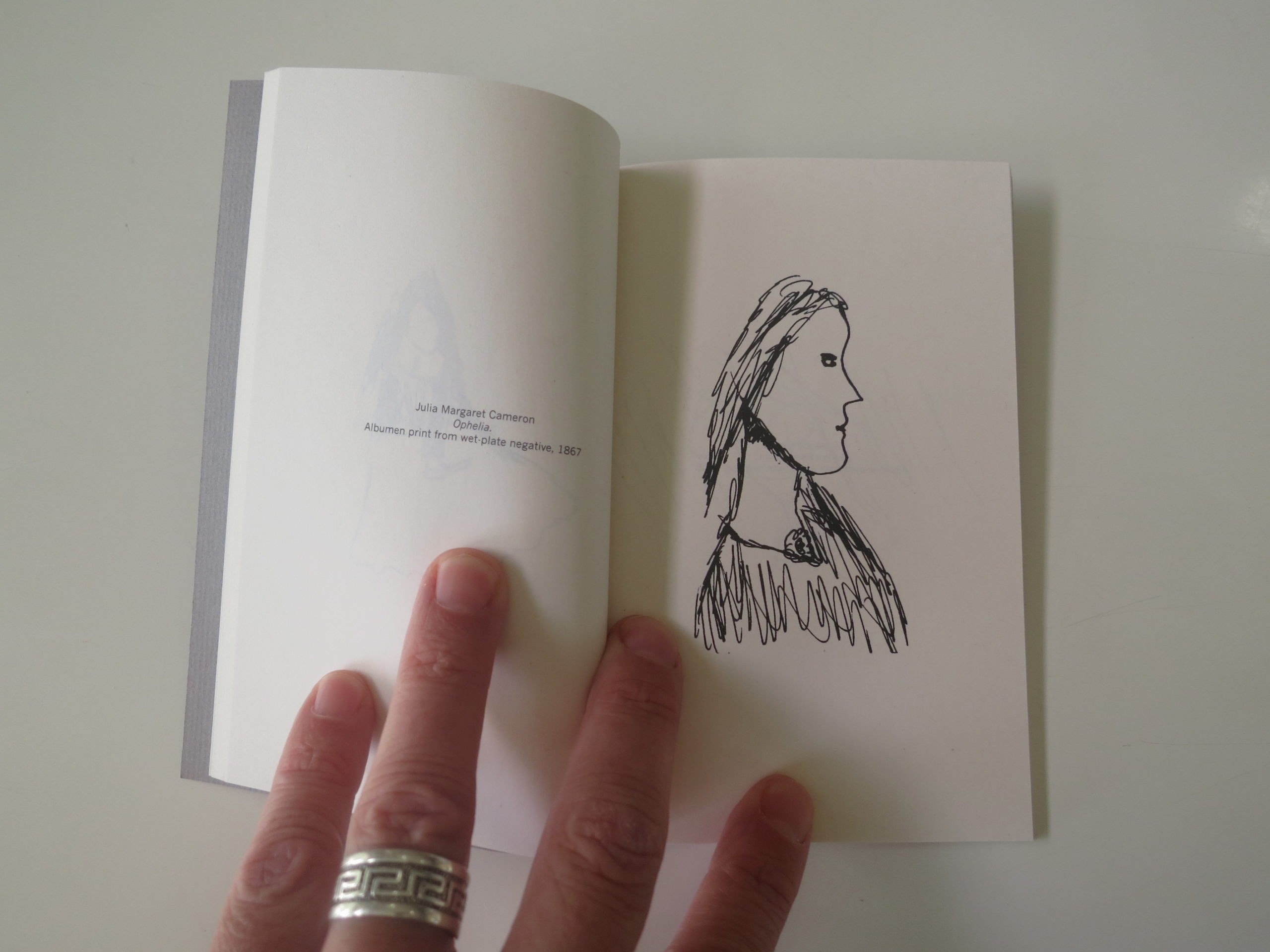
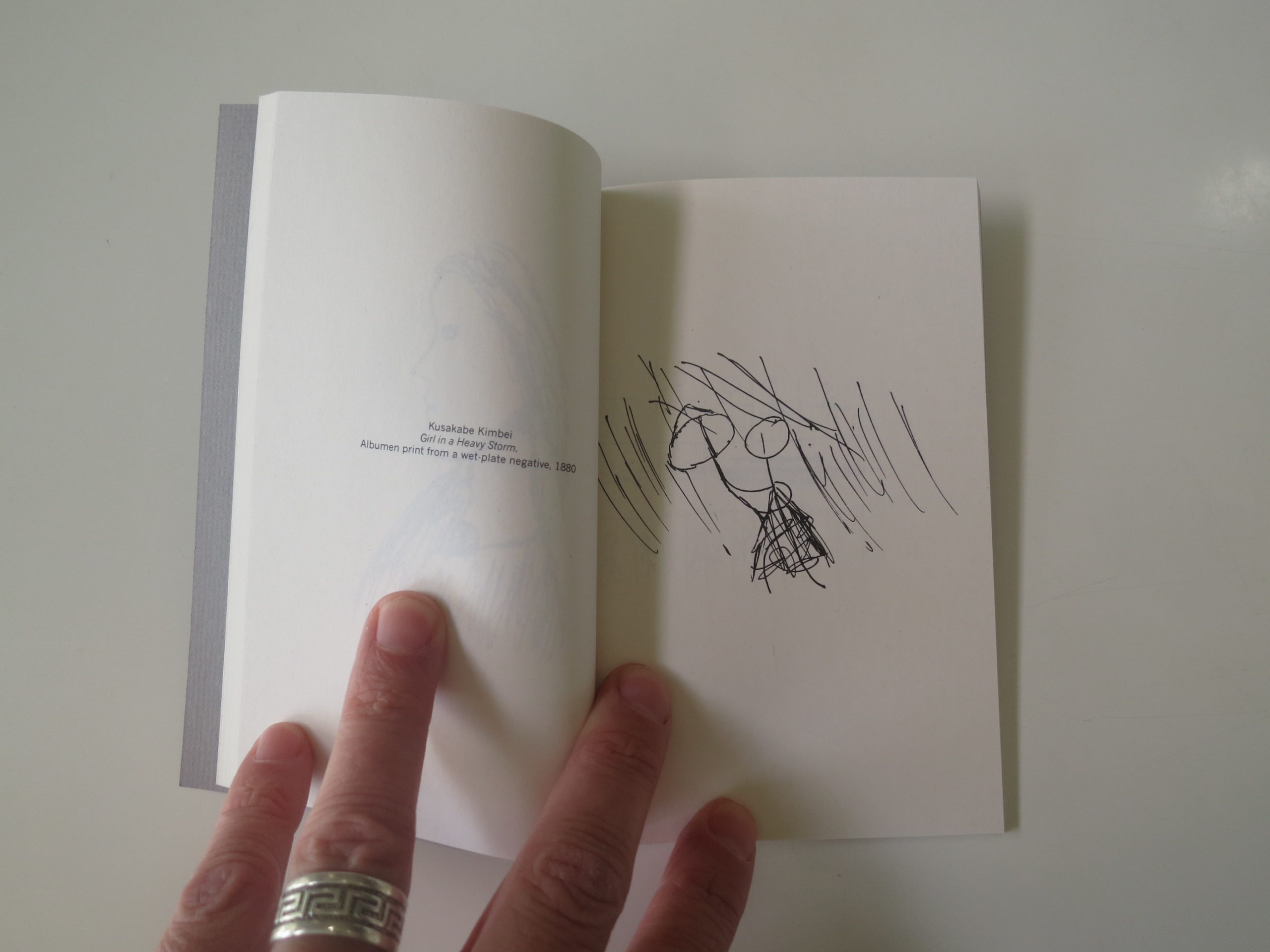
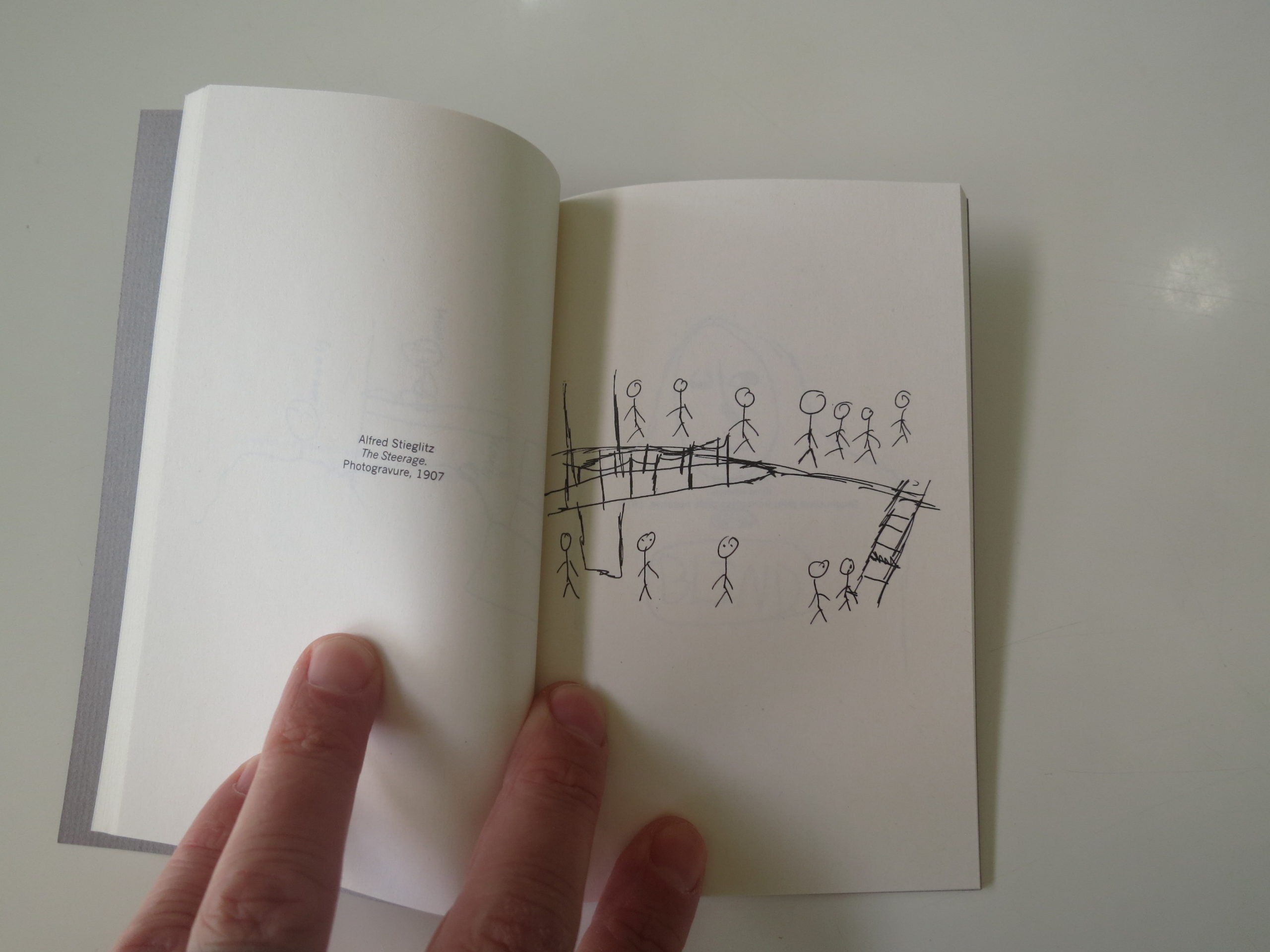
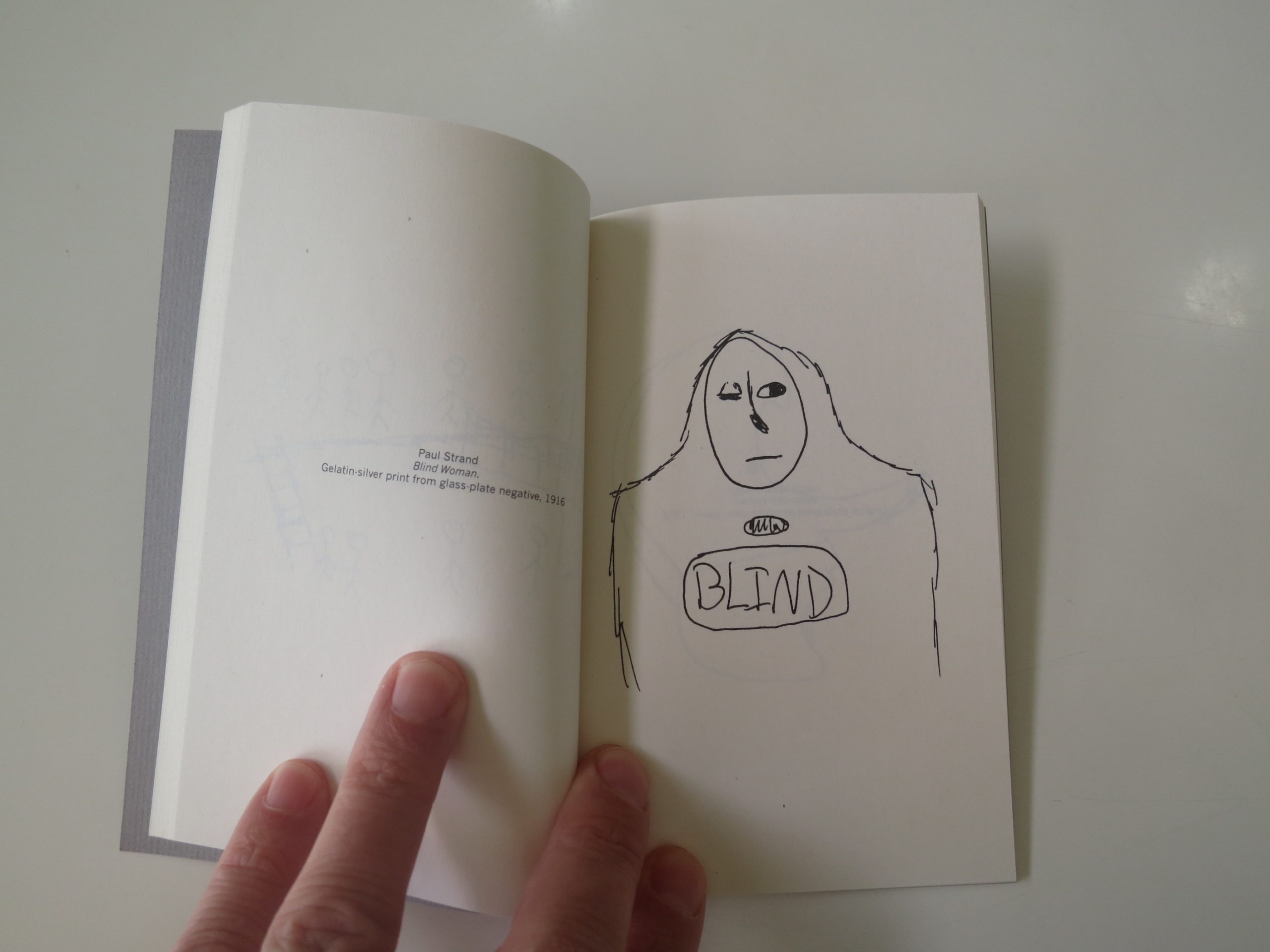
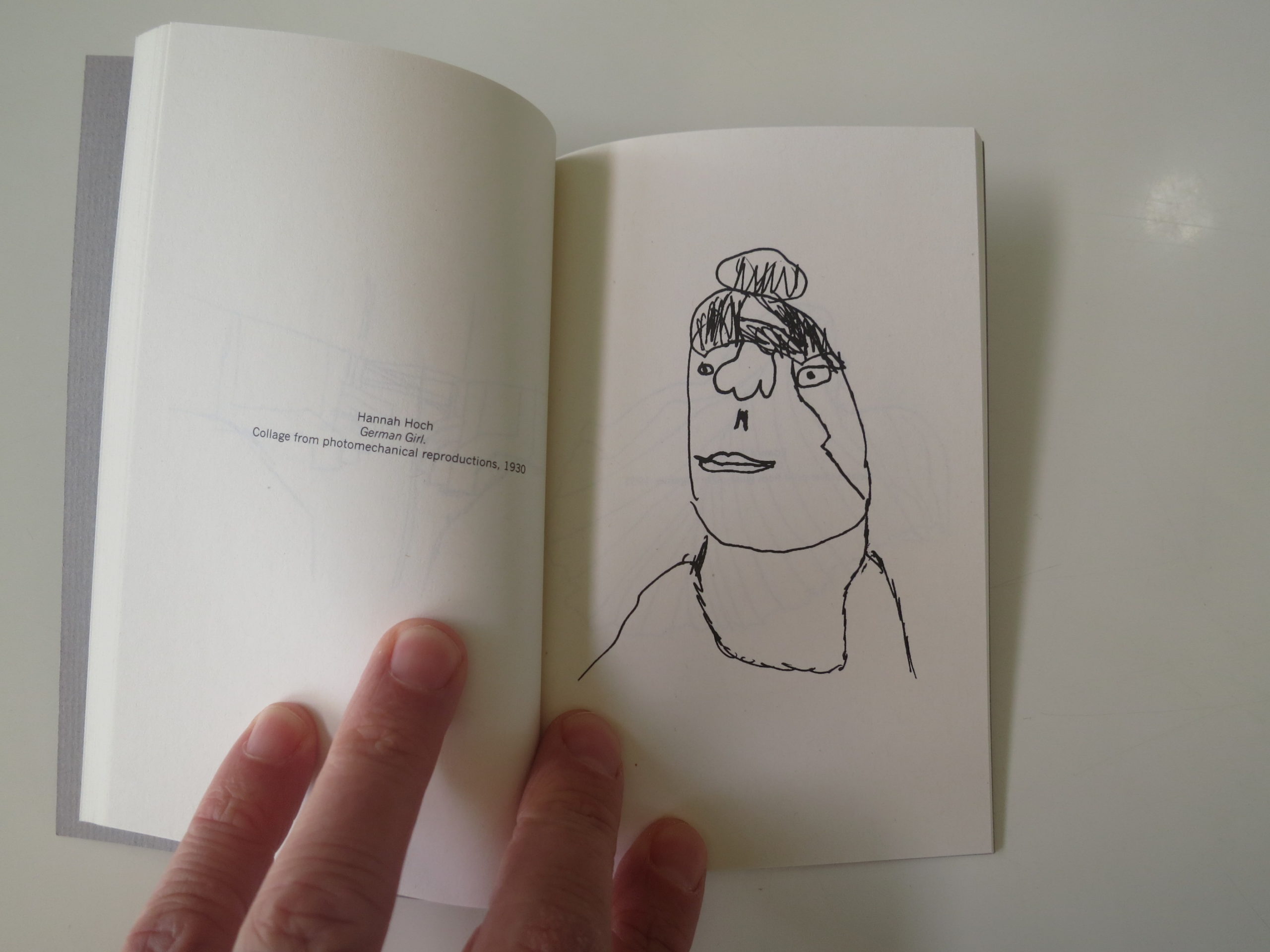
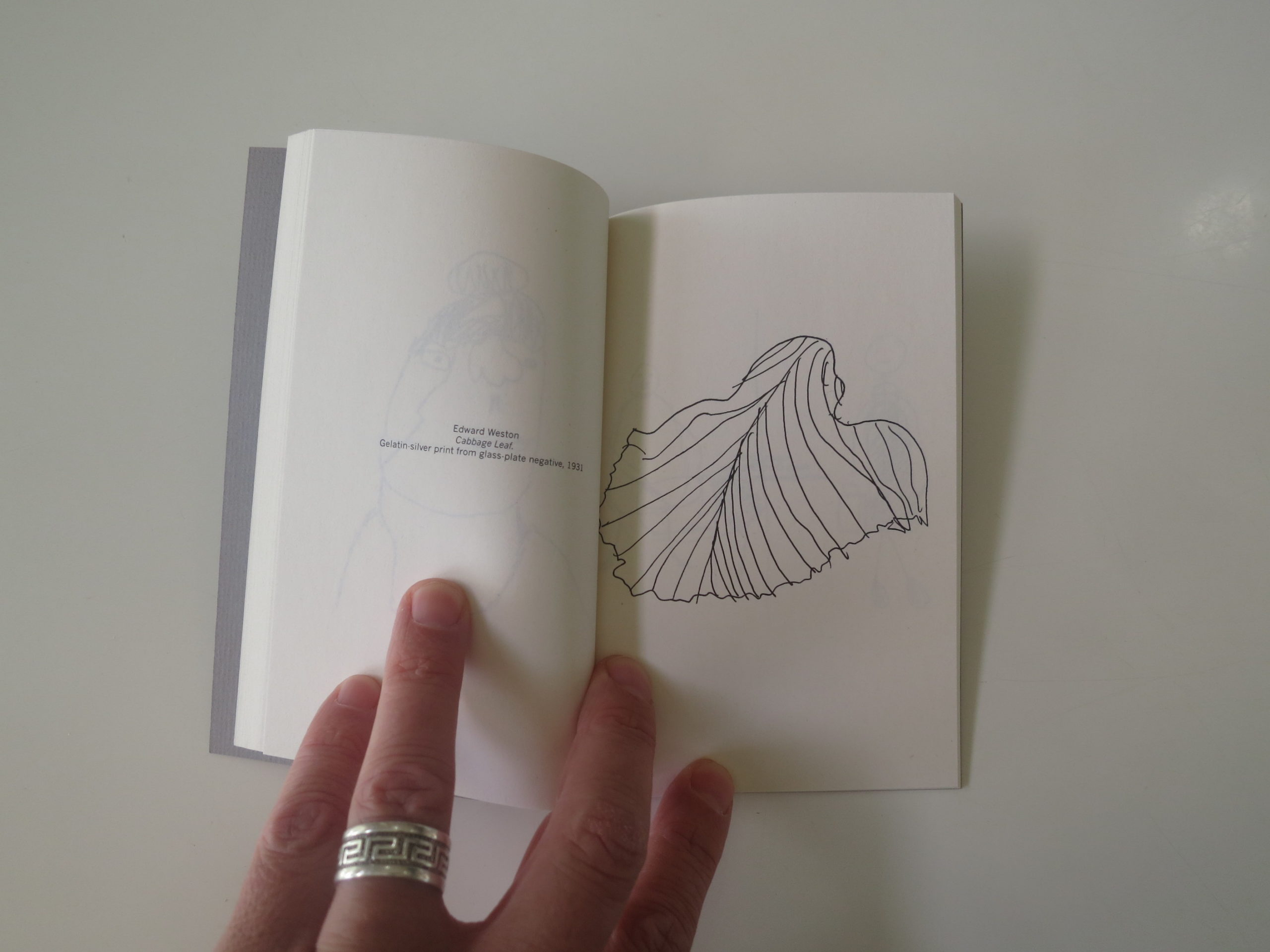
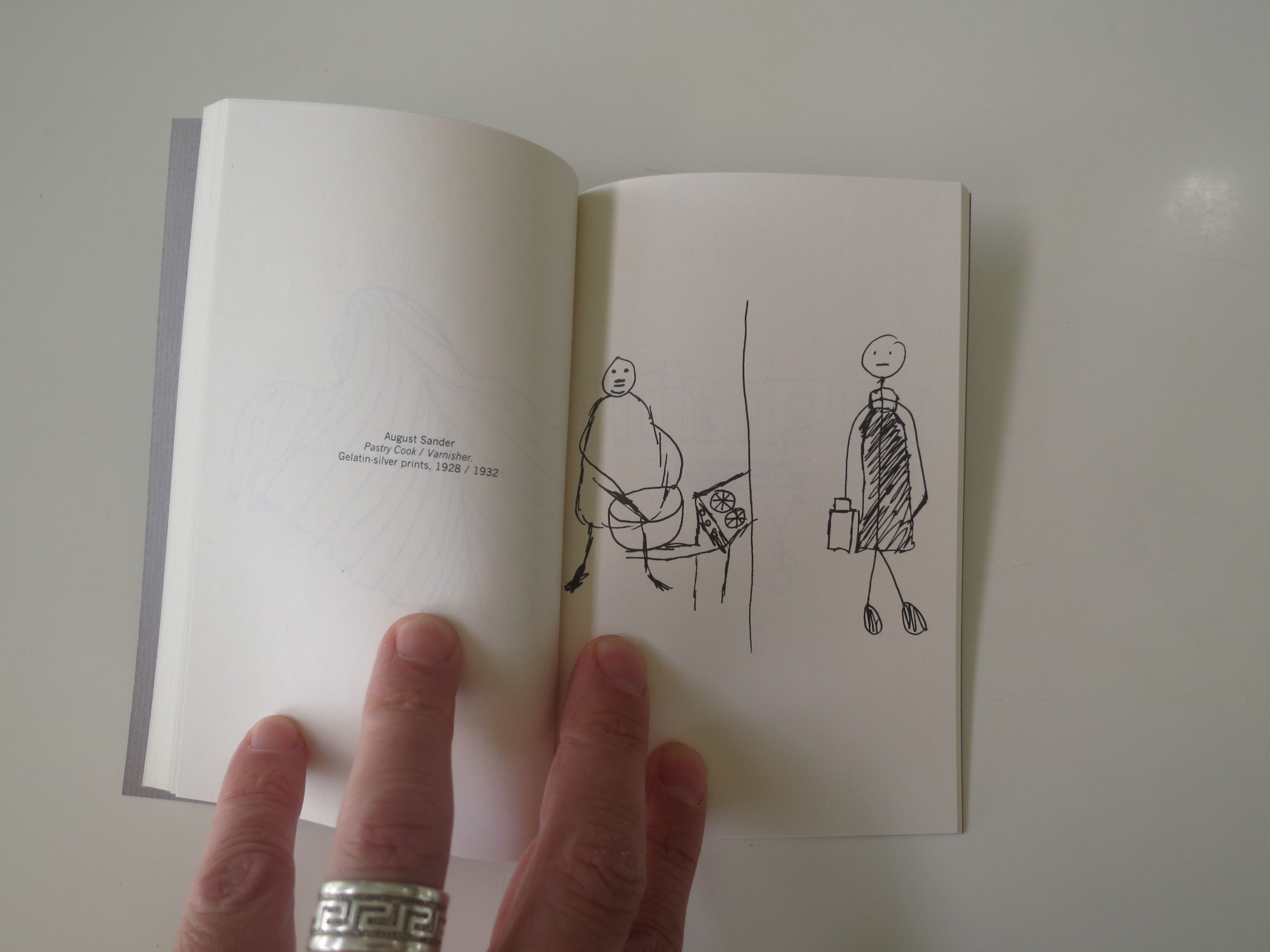
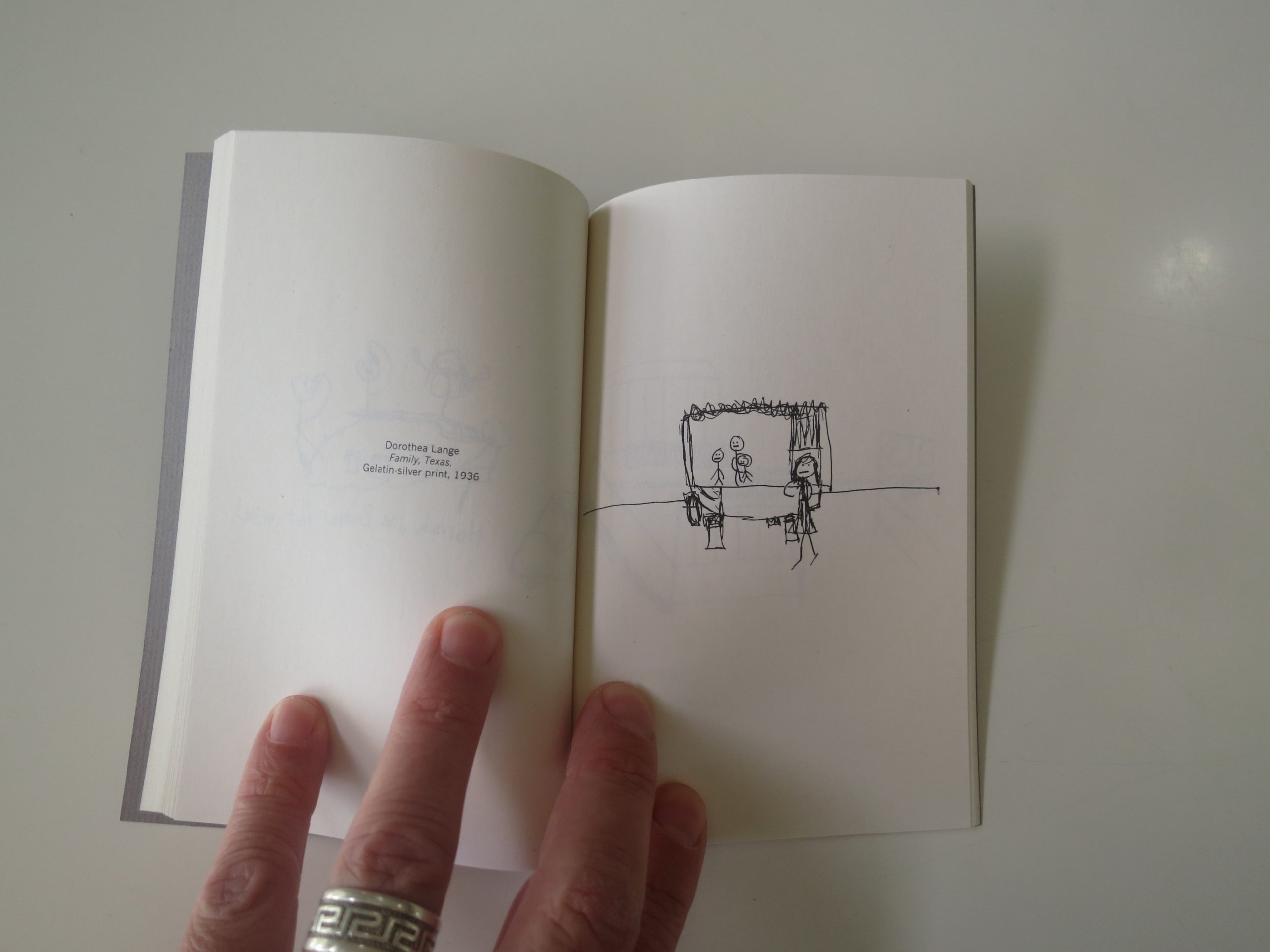
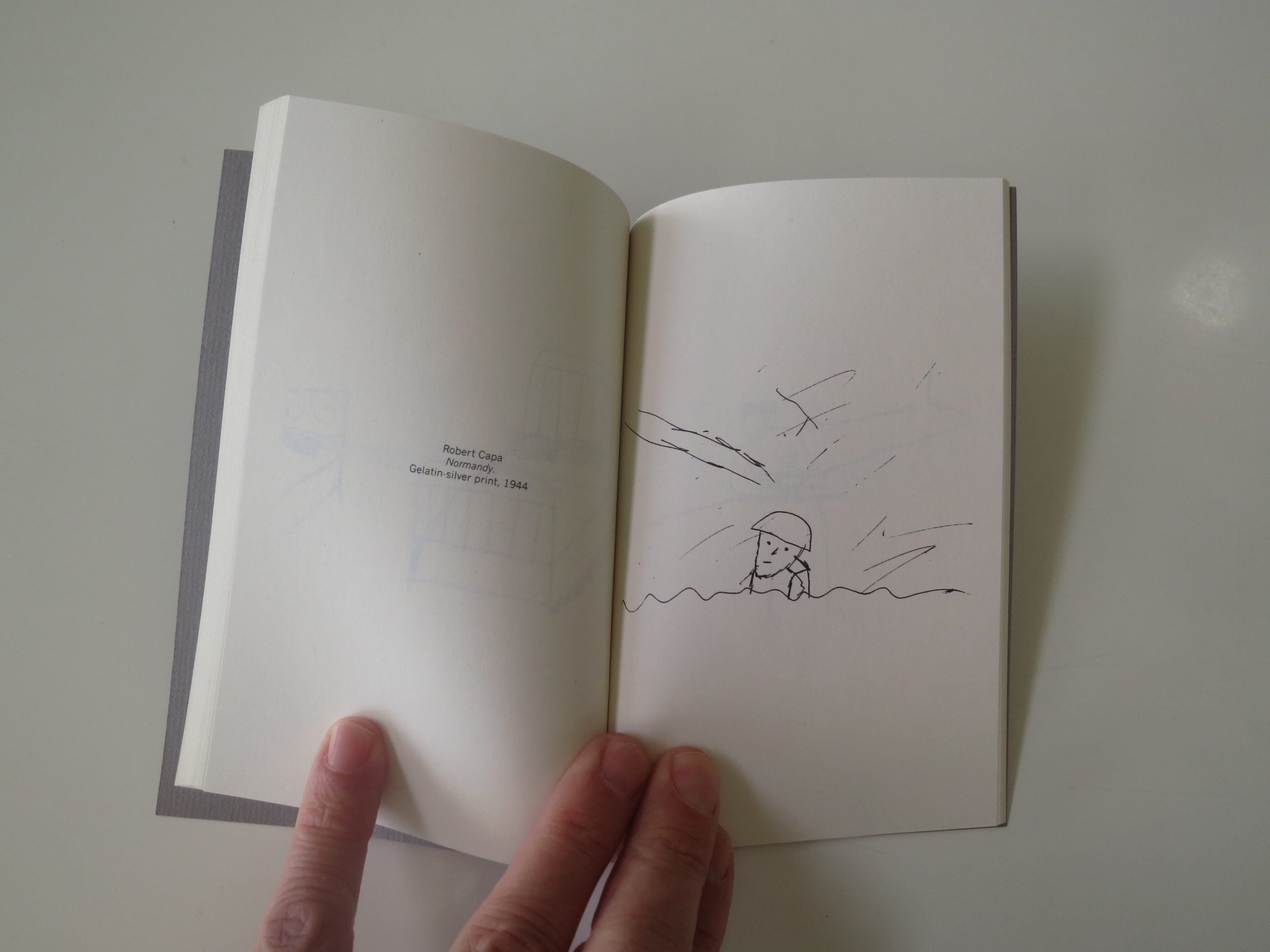
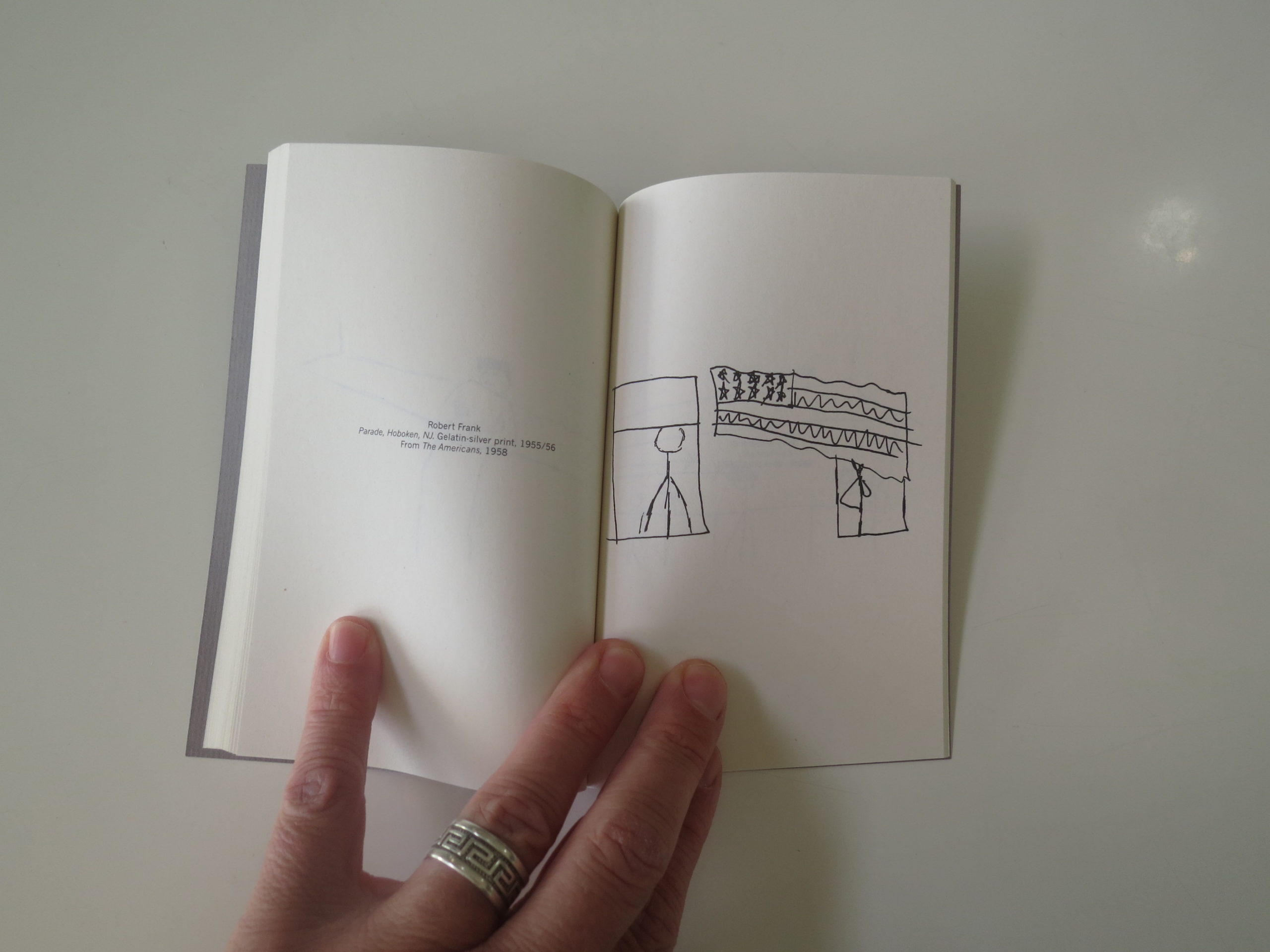
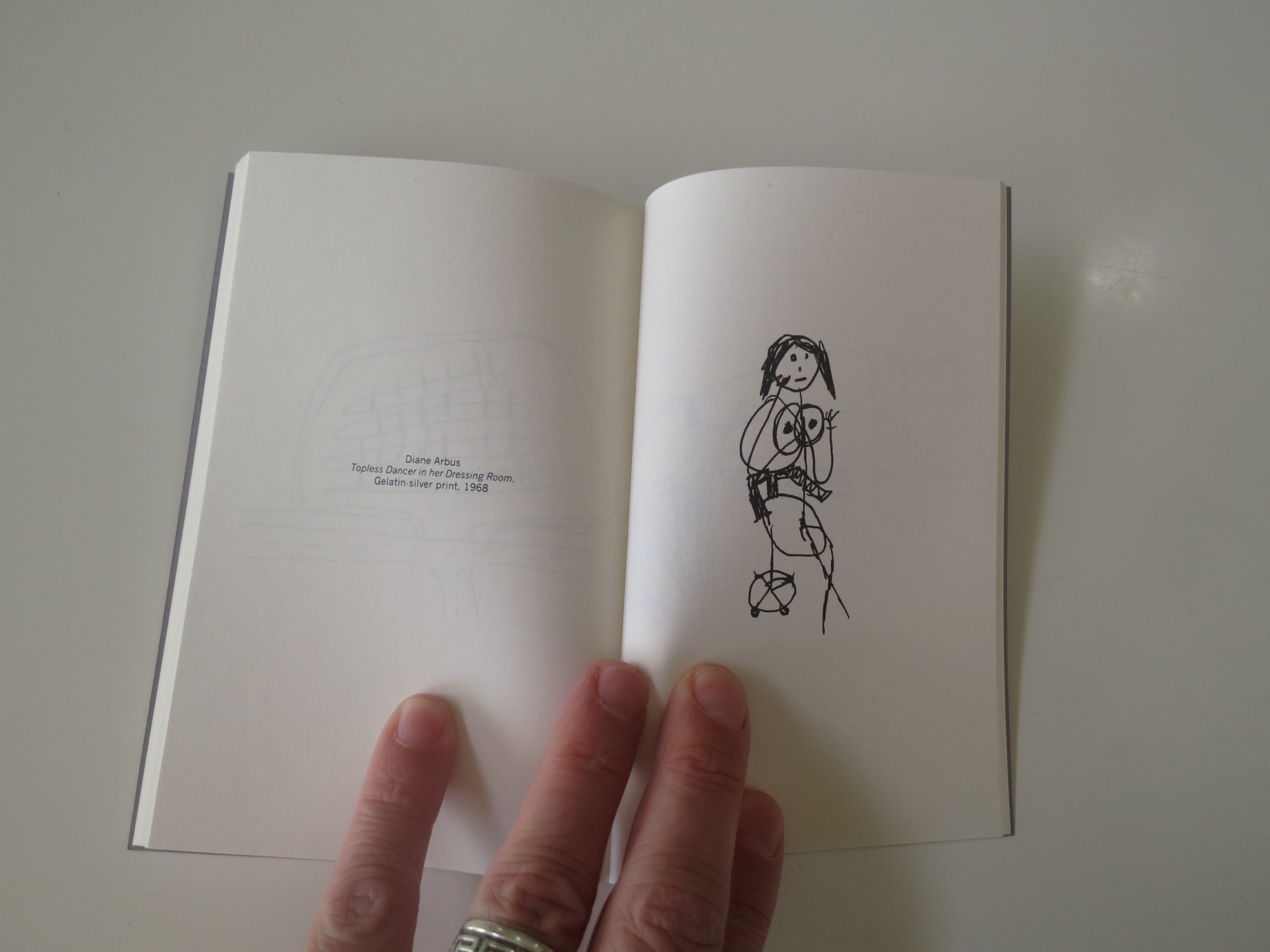
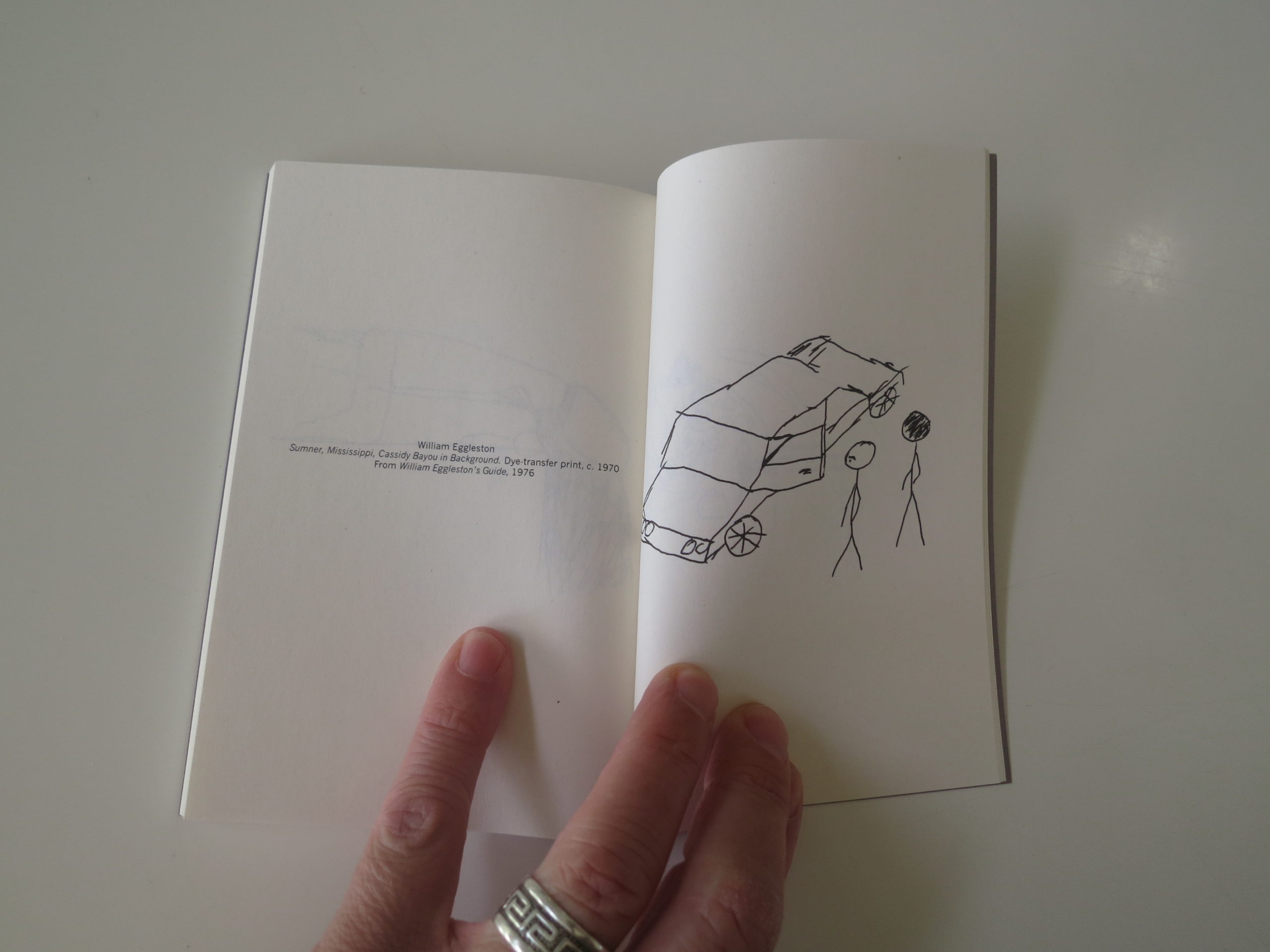
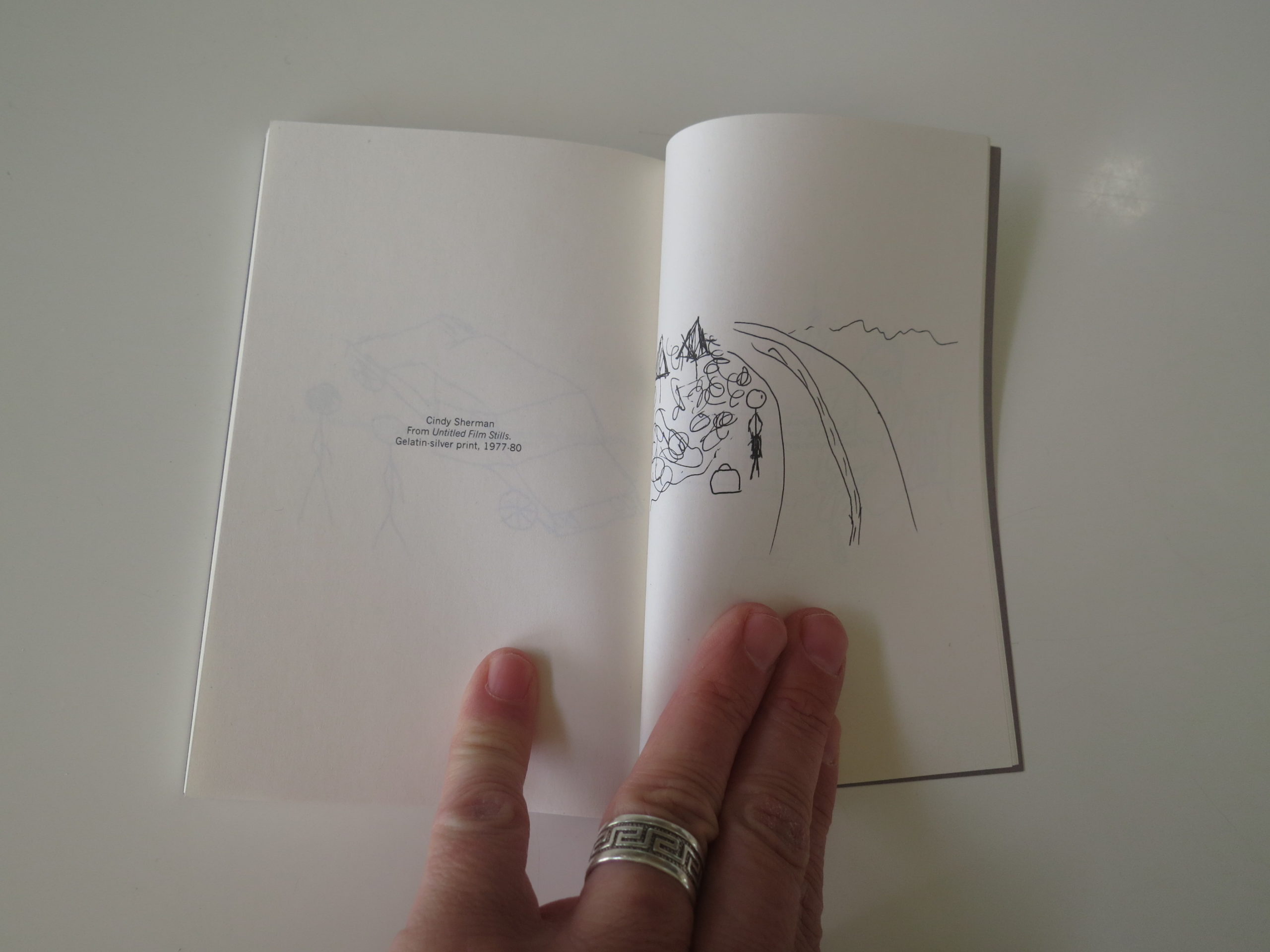
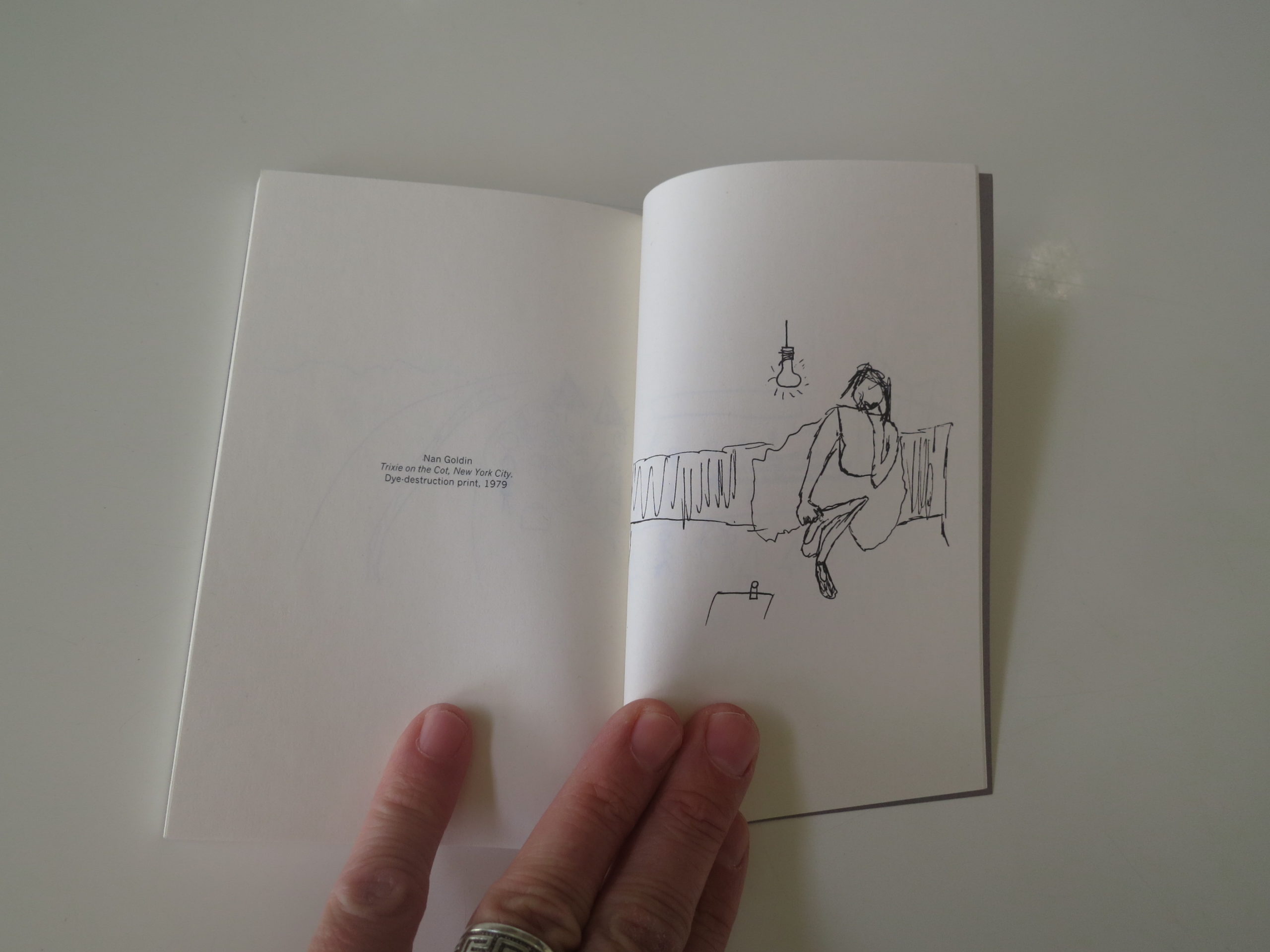
Which brings me to today’s book, “The History of Photography in Pen and Ink,” by Charles Woodard, published by A-Jump books in 2009. (Right in the eye tooth of the Great Recession, and given to me by someone who is no longer my friend, it’s been so long.)

I thought of this book, at first, because it is light and funny, and I knew I needed to keep it short today. (I rediscovered the book while searching my shelves a couple of months ago.)

Plus, after the NYT did that deep dive into Robert Frank’s famous image from “The Americans,” I figured you’d all like to see one of his other classics rendered as a simplistic drawing.

But these days, even reaching for a cute-little-production led to deeper thoughts, as I turned the pages, and counted how few women were included.

As I neared the end, my friend’s words echoed in my mind, as I recalled one Japanese photographer within, but no other obvious artists of color.

In #2020, if Charles Woodard decided to do this project from scratch, I expect we’d see the inclusion of some Latin American photographers, like Manuel Alvarez Bravo or Graciela Iturbide.

Maybe Gordon Parks would be in there, or Carrie Mae Weems?

I’d like to think so.

But the book, cute as it is, is evidence that our shared history, the History of Photography, (as it’s traditionally been taught,) does not include enough diversity.

Surely this will change, now, and hopefully it won’t mean the exclusion of some of the great Jewish-American photographers, or all those amazing Germans and French artists.

Maybe, just maybe, we can write bigger books, that include all the great photographic artists in history, from across the world, and show respect for what he, she or they had to say?

Just a thought.

See you in two weeks.

The Art of the Personal Project: Doug Ross

The Art of the Personal Project is a crucial element to let potential buyers see how you think creatively on your own.  I am drawn to personal projects that have an interesting vision or that show something I have never seen before.  In this new revised thread, I’ll include a link to each personal project with the artist statement so you can see more of the project. Please note: This thread is not affiliated with any company; I’m just featuring projects that I find.  Please DO NOT send me your work.  I do not take submissions.


Today’s featured artist:  Doug Ross

Artist Statement (Repeat post to honor Coney Island):

“Coney Island, a black and white retrospective” is my photographic journey of the past ten years shooting at Coney Island. My photographs, of Coney Island, Brooklyn NY, represent my vison of an ever-changing canvas of people and experiences by the water’s edge, on the boardwalk and the streets that surround. They bring the viewer into a place that is intimate, gritty and unretouched by society. The people are who they are and have no excuses or facades. The rich black and white tones strip away the screaming colors and even sounds of the seashore park and its patrons and leave the viewer to just be fixated by the subjects alone. I am pleased to present this compellation of some of my favorite images from the area I so love.


To order a copy of his book ($40), please contact him here

APE contributor Suzanne Sease currently works as a consultant for photographers and illustrators around the world. She has been involved in the photography and illustration industry since the mid 80s.  After establishing the art buying department at The Martin Agency, then working for Kaplan-Thaler, Capital One, Best Buy and numerous smaller agencies and companies, she decided to be a consultant in 1999. She has a new Twitter feed with helpful marketing information because she believes that marketing should be driven by brand and not by specialty.  Follow her at @SuzanneSease.

The Daily Edit – François Lebeau: Quarantine Photo Project: What is Home?

Tara Murao, Santa MonicaTerumi Murao, BrooklynRaheim Robinson, BrooklynCHAS, OaklandChuck Palmer, Coney IslandColette McInerney, Northern CaliforniaMargo Hayes, Boulder
Marine Johnson, MontréalJason Sellers, Frankfurt Germany

Quarantine photo project: What is home?

Photographer: François Lebeau

Heidi: How are you curating/finding your subjects?
François: The project’s goal is to showcase people’s ‘homes’ and how they interact with them: their physical home where they quarantined, their safe space where they go to, how they’re dealing with their own solitude and loneliness and also who they are in their own self. This 2020 spring has been very challenging for all of us, affecting people on so many different levels.

To find people, I first sought out into my extended network for creative minds that would be willing to collaborate. Once I had some satisfying results that I could show to get more participants, I started to reach out to people in my network that I never had the opportunity to shoot with and thought it was such a good opportunity to do so. I did also started to reach out to people I never met who I had the desire to shoot with. Obviously, the response back was pretty low, but I did get a few answers back which was awesome. I did ask to the people I shot if they would have a few recommendations for me in their own network and it just snowballed from there.

The fact that I can shoot everywhere in the world, it was a little overwhelming at first to decide who I should ask.. I knew I wanted a variety of occupations, locations in the world and many type of ethnicities. I decided to aim on a certain category: creative people, at large. I know their work life has been affected a lot by the virus and they would potentially be more prone to collaborate since they understand the process of a creative project, it requires a lot of work on their end, propping the camera, moving all around their space, being patient with the whole process.

What is the commonality in this series?
The element that had a strong presence in every session was this openness and desire to connect, to exchange with another human. The participants had been so generous with their time and privacy, willing to do whatever it took to get the images I was envisioning. This brought this sense of intimacy and vulnerability to the whole series, which I was hoping for when I started. I have this fascination for the authenticity of people and accessing their vulnerability. I think the word vulnerable has a negative connotation in the general culture, but to my point of view, being vulnerable reflects strength, trust and confidence in yourself. Everybody is human, everybody has their own feelings, and we should celebrate that.

Did these questions get answered: Who we are? Where we come from? What values are at its foundation?
With the recent events of police brutality and racism on top of the pandemic, it brought people to think deeply about ourselves, as a society and as a human. It affected me a lot, I reassessed all my beliefs and scrutinized my origins as well. I basically asked myself those questions in the attempt to understand more who I am. It is not easy questions to answer, but asking these to ourselves is part of the solution for a better world. I won’t pretend I found those answers cause they will take time to find and they will be personal to each one of us. It is more an invitation to ask them yourself where are you in your thought process and find your own ones.

How has this changed your view of photography? (travel impact, resources needed, process?)
I still believe that ’standard’ photography has its place. This is definitely a new way to approach our medium, which probably will influence the way we will be working in the future, at least for certain type of shoots. It is convenient, but has its limitation as well. Technology will evolve around it to make that way of shooting better, but who knows. Only time will tell how it will converge.

When I decided I would work in photography, I didn’t sign up for that kind of photography. But like the photographers that, not so long ago, needed to adapt from film to digital, we will need to adapt as well if this is to become a new avenue.. I can see good things coming out from this new way of approaching our medium that is photography.

How much are you engaging with each person? What are the parallels or differences from shooting your portraits in person?
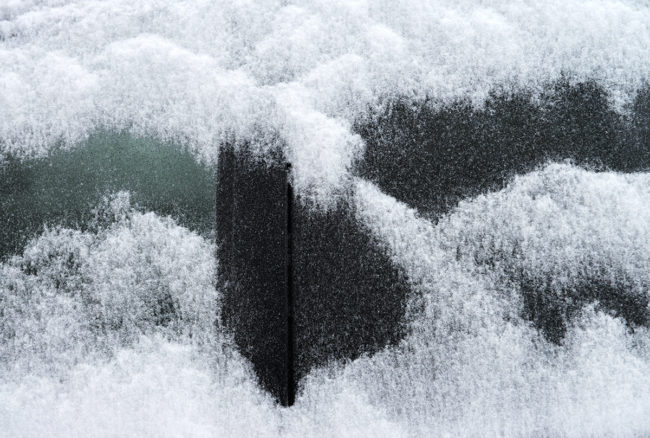
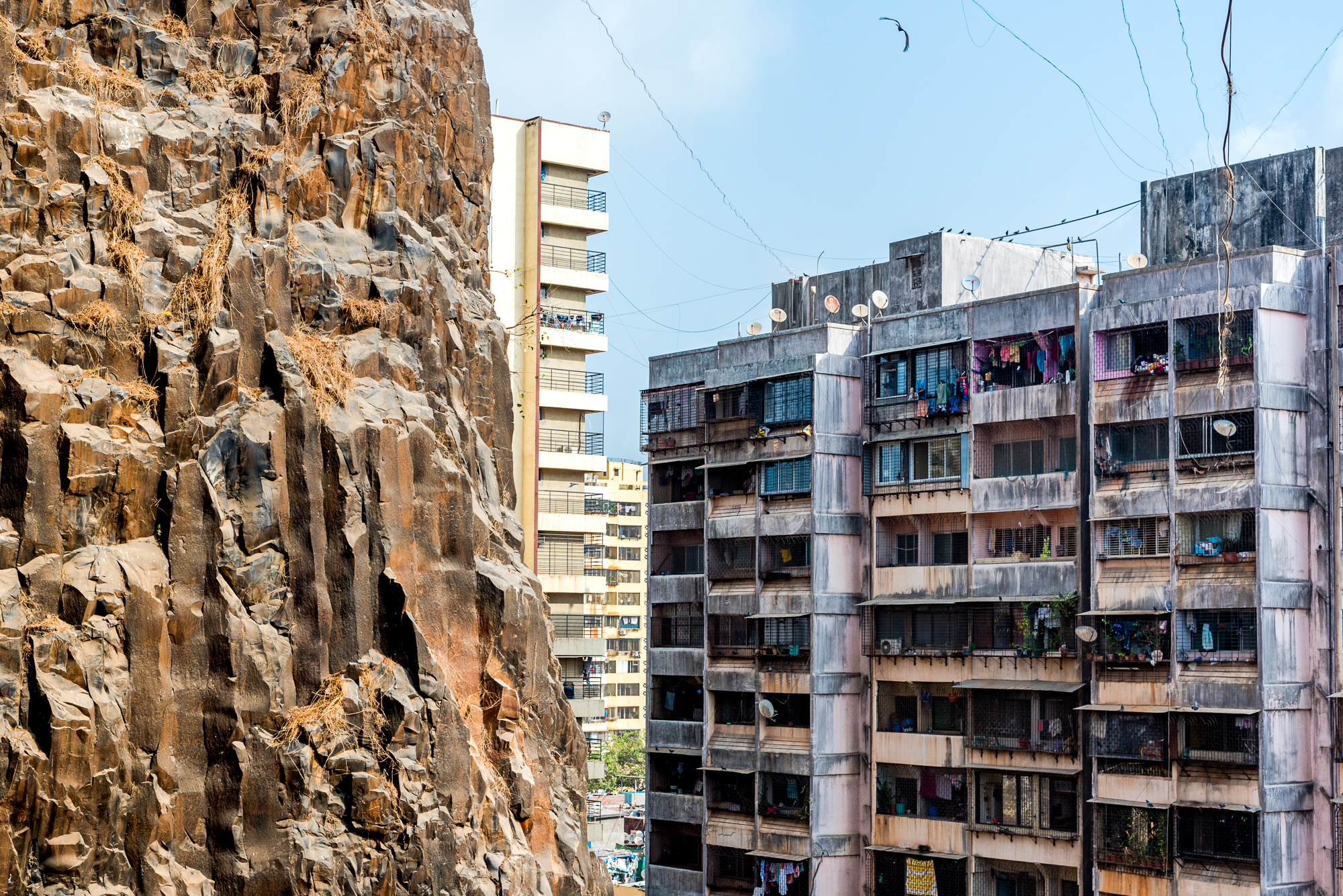
The nature of the project itself has a very personal approach. I’m in the personal space of my subject, we work together to get the image we want, we talked about how we are doing through these interesting times, we hang out. So yes, it is very engaging. I am also living the same things as well. I need that human connection, so I’m taking the opportunity to connect with them too which is great.

One thing that is very different is that there is no body language while I’m shooting from my end. Usually, in the ’normal’ world, I direct my subject a lot with my body itself, showing them what I’d like them to do. But the way I shoot those portraits, they don’t see me. I’ve learn pretty quickly that I’d need to refine my vocal directions, figure out which is their left and right and slow down a little how I talk so my directions are as clear as possible. I want them to feel that I am there, even though I am not. One interesting thing that I’ve heard from them many times is they are surprised how I see details of their space, that they didn’t even see. Light, objects, angles and composition. It’s like I’m there, but I’m miles away. Some sort of presence without being there. Very paradoxal.

Your body of work celebrates the natural world, what have you discovered about this virtual one? What will transcend into your adventure work, if anything?
The main thing I’ve always been drawn in photography has been the duality between beauty and rawness, wherever it is. I always had this appreciation for imperfections, natural states and authenticity. At first, when I started to shoot this project, I encountered a few obstacles that was stopping me to get my initial desired results: quality of the internet connection, shooting my laptop screen with my camera and not being at the same place as my subject. But more into the project, I embraced those imperfections and it made the narrative of the project even stronger by accentuating the physical distance in between us and accepting that actual way of communicating. It puts us in context of this era with the imperfections of our communications tools and makes those images and people more relatable with those interesting life situations we are all in.

Most of my work has been in the outdoor industry, but what lies behind this work is my fascination to the complexity of everybody’s story. My story is complex, everybody’s has their own as well. Having the privilege to access theirs for a moment is just one of the best compliments I can have as a photographer. Whether it’s outside, in studio or through a virtual shoot, I barely see any difference.

Why is ‘’Climbing Rock’’ important to you as a book and body of work?
Rock climbing photography was how I got to start my professional career. Rock climbing has been a passion on many levels: I love the lifestyle of it, I love the people that makes the community, I love the sport in all its aspects and being able to document it is just a joy. Through my network, I knew Jesse Lynch, the author, and Martynka Wawrzyniak, the project manager at Rizzoli and they wanted to put a climbing book together. They approached me, we worked on the concept and we were in for a full year to put that book together. Being chosen to put a collection of my own personal work in a 250+ pages coffee table book is just one of the best compliment I had and affirmed my place in both the photography and climbing world. I’ve been doing those images for myself and for others for quite a bit, and being able to share them with many more people through this outstanding piece of work is just a gift.

Naturally you/the camera goes unnoticed; we are focused on the climber athlete, I feel we often forget you are also on the wall, and at equal risk.
That’s a really good observation which I rarely think of. Maybe due to the vision I want to create and also probably because I’m so familiar to be in those unusual positions.  Rock climbing photography in the outdoor community has always fascinated me. It got into me, and many others. Its exposure, different angles and just this energy that transcends freedom, making those compelling images when it’s well done. I always like that in one image, I can capture physical prowess, authenticity in the effort, magic light and graphic lines. But yes, for certain type of photography, it can be risky, even more if your system is not very refined, or even worse, if you don’t know what you are doing. It requires some knowledge to navigate on ropes and to be able to judge if what you are doing won’t put you in danger. So in a nutshell, yes, we are in precarious positions up there, but with experience, the risks are pretty low. It takes a lot of work to get in position, so getting an unforgettable image is very rewarding.

This Week in Photography: Racism and Art


Part 1. The Intro


I have a question.


Do you think everyone is racist?


Personally, I don’t. And I wrote as much a few weeks ago, when I claimed I’m not racist.

Given all the supposedly controversial things I write here, I’ve expected someone to come after me, at some point, and pull something out of context.

And it may yet happen.

But I also believe that some people, (frankly a lot of people,) don’t hate and disrespect others based solely on the color of their skin, or their ethnicity.

(And I’ve written about the evils of structural racism many times.)

If you’ve been reading all along, you know I’m happy to admit my failings, and have chronicled my own privileged youth, so I try to keep it real for you each week.

Hell, I even called out the NYT for building a super-diverse room, at their annual portfolio review, but encouraging conditions where each racial/ethnic group stuck to its own.

What’s the point of that?

Maybe it’s because I’m a “bohemian artsy type,” but for me, few things are more pleasurable than hanging out with people from different parts of the world, or different cultures.

As I wrote last week, when we come together, it creates an energy that is as addictive as it is infectious. Of course, the one thing that can get in the way is one’s political philosophy, because while I try to treat each person with respect, that falls apart when we’re talking about people who don’t respect others.

(Like all the Texans and Arizonans who won’t value other people’s health by wearing masks or social distancing in their home states, and then come to New Mexico and disregard our public health ordinances. Fuck those guys!)

I’m on this rant for two reasons, which will hopefully become obvious before this column is done.

First off, I came across a story on Twitter yesterday, where the actress Jenny Slate left a Netflix show, “Big Mouth” because she had been hired and paid to be the voice actress for a character who was half Black, and half Jewish-American.

Truth: I’d never seen the show, and typically find Jenny Slate to be annoying every time I’ve seen her on screen.

I’m literally not a fan.

But her mea culpa letter on Instagram felt like something from a Maoist re-education camp, in which she wrote:

“I reasoned with myself that it was permissible for me to play “Missy” because her mom is Jewish and White- as am I. But “Missy” is also Black, and Black characters on an animated show should be played by Black people. I acknowledge how my original reasoning was flawed, that it existed as an example of white privilege and unjust allowances made within a system of societal white supremacy, and that in me playing “Missy,” I was engaging in an act of erasure of Black people.”

Cultural Revolution propaganda poster


Have we gotten to the point where an actress accepting a job a few years ago, in which the character is 50% her ethnicity, means she was complicit in “the erasure of Black people”?

I’m having a hard time with that one, even though it’s obvious now that such jobs need to go to Black people.

Couldn’t she have stepped down gracefully, doing the right thing in letting Black actors voice Black characters, without the massive and awkward public apology?

Especially because I watched an egregious act of racism on Top Chef All Stars this week, yet I found no mention of it anywhere in the media.

My wife and I were bingeing the series, right before the finale, and came upon an episode where the chefs were pitching concepts for a restaurant, with the top 2 chosen for the traditional “Restaurant Wars” episode.

One chef, Eric Adjepong, a Ghanian-American, pitched a restaurant called “Middle Passage,” which was in honor of the Trans-Atlantic slave trade.

Food from Eric Adjepong’s website


The judges passed.

Another chef, white-guy Kevin Gillespie, from Georgia, pitched a concept called “Country Captain,” which promised “Plantation” food, and he WAS chosen.

Primarily because his main dish, the eponymous Country Captain, was the first American version of chicken curry, as the necessary spices were brought over in the 19th Century.

If you can believe it, no mention was made that the spice trade was interconnected with the slave trade, which brought SLAVES to those plantations.

WTF!

And it gets worse…

Eric Adjepong was actually the chef who was eliminated that week, and one reason, (beyond his food not being good enough,) was that the judges called his concept confused, because he wanted his restaurant to have both fine dining quality food and causal service.

They could not comprehend such an idea.

One judge, former Top Chef winner Stephanie Izard, from Chicago, actually said to him that it sounded like he didn’t want his service to be “uppity.”

UPPITY!


To recap: Top Chef supported a concept about Plantation food, with spices brought over along with the slave trade, and cut one of only two African-American contestants, while using the word “uppity” while chopping the Black guy, and rewarding a chef who has a restaurant literally called “Gunshow.”

(As in, the only places where Americans can buy guns without background checks.)


Say what you will about Jenny Slate, but I checked out “Big Mouth” this morning for a minute, to see if she had done the voice acting equivalent of “blackface,” but she had not.

(It was kind of a nerd voice.)

How does one group of actors self-excoriate, when the other act of racism isn’t even in the public consciousness?

Maybe because systemic racism is so systemic that most people don’t know or care that it’s there until mass protest movements form?

(And because legitimate, self-aware artists can sometimes get caught up in a wave of shame.)

Jenny Slate, and Nick Kroll, who created “Big Mouth,” are both Jewish-Americans, and “our” group has been the victim of hatred for Millennia. (Nick Kroll also issued a public apology.)

Frankly, I think it’s time all the rational, cool people unite against our common enemy, Donald J Trump, (and his maskless hordes,) and make sure to vote the asshole out, no matter what!


Part 2: The Good Stuff


I swear, today, my goal was to write about the amazing art I saw at the Rijksmuseum, back in Amsterdam in February.

I was lucky enough to get press access, in the only free hour I had, and was there for the brilliant, inspirational Caravaggio/Bernini exhibition.

As I’d learned about art in Rome, back in 1997, of course these two are among my favorite artists of all time.

Proper geniuses.

The best of the best.


Then, getting to roam through the Rembrandts and the Frans Hals paintings, and the Vermeers as well…

I saw so much great shit.

And I want to show it to you in a nice set of images.


But I also remember walking through Amsterdam, and overhearing a tour guide instructing his followers in a bit of the city’s history.

The reason all those great paintings exist is that the Dutch had the Western World’s first middle class, due to their Republic in the 17th Century, because of all their global raiding.

And they took part in the slave trade too!

They colonized like motherfuckers, from Indonesia to South America to my hometown of Holmdel, New Jersey.

The Dutch, these days, are the most progressive, cool, open-minded people out there.

But it’s mostly because their ancestors were a bunch of resource-and-people stealing assholes 400 years ago.

And most of the great art, through the Millenia, was made in service of money and power.

I’ve taught art history, and I’ll tell you, almost all the good old shit is basically religious and/or political propaganda.

The spoils of war are what we worship.

How do we reconcile that?

I’m not sure we can.

But if anyone starts trying the burn down the museums, and the paintings, I’ll pull out my martial arts and try to defend our collective history.

(Or at least, I tell myself I will.)

Because art is about creation, and it’s one of the few things we can hold up against centuries of destruction, and death, and feel good about.

Right?

Then again, if the biggest museums offered equal space, acclaim, and respect to non-Western traditions, maybe we’d have a less racist world?

Maybe if the museums, (at least in America,) which are supported by billionaires and oligarchs, were themselves less a part of the structural racism problem, we’d already be living in a better country?

Like I said, there are no easy answers.

But at least we can ask the right questions.

Pricing & Negotiating: Point of Sale and Collateral Content for a Wine Brand

Craig Oppenheimer, Wonderful Machine

Concept: Wine and food pairings with lifestyle and cooking images in an outdoor environment

Licensing: Point-of-sale and collateral use of up to 26 images in perpetuity

Photographer: Portraiture and home/garden specialist

Agency: N/A

Client: Large wine brand

Here is the estimate:

Creative/Licensing Fees: The client presented a shot list that included six food/wine pairings, each with two variations: one featuring the owner of the company and one without. Additionally, they asked for one hero shot featuring the same subject preparing food. For each of these 13 images, they asked for a vertical and a horizontal option, totaling 26 shots. The primary purpose of the shoot was to create point-of-sale content to accompany the bottles in stores, and they anticipated using some of the shots on their website and for other collateral purposes. I priced the first image (the hero shot) at $2,500, images 2-7 (the first six food/wine pairings) at $1,000 each, images 8-13 (the next six food/wine pairings) at $500 each, and images 14-26 (the second orientation of each shot) at $300 each. That totaled $15,400, which I rounded down to an even $15,000. While I wanted this number to reflect a fee for a one-year license, and then double or triple it to account for the perpetual duration, based on my experience I knew that aiming higher than $15k for a one day shoot would likely put this photographer out of the running for this particular project, so we stuck with this number.

Tech Scout, Pre-Production and Travel Days: We included one day for the photographer to scout the location ahead of time and another day to line up their crew and work out logistics/scheduling with the client. We detailed that two travel days were waived because the photographer was willing to work as a local.

Assistants: We included a first and a second assistant for the shoot day to help with lighting/grip and to be extra sets of hands on set.

Digital Tech: We included a digital tech to help display the images to the client as they were being captured.

Equipment: This included the photographer’s cameras and lenses, as well as their grip and lighting equipment and workstation for the digital tech.

Airfare, Lodging, Transportation: We detailed that these expenses were waived as the photographer was willing to work as a local.

Mileage, Parking, Additional Meals, Expendables, Misc.: This included about $250 for mileage and supplemental meals and another $250 for a bit of buffer and to cover unforeseen expenses.

First Edit for Client Review: This covered the photographers time to do an initial edit of the content, and provide the client a gallery of content to review.

Retouching: We included $200 for each of the 26 shots, and noted that this included up to 2 hours or retouching per image.

Results: The photographer was awarded the project


If you have any questions, or if you need help estimating or producing a project, please give us a call at 1 610 260 0200 or reach out. We’re available to help with any and all pricing and negotiating needs—from small stock sales to large ad campaigns.

The Daily Edit – Brandon King: Theotus Media

Brandon King

Heidi: Tell us about this photo
Brandon: On that day protestors laid face down, with their hands behind their backs in reaction to the excessive force used by the Minneapolis Police Department that caused George Floyd’s tragic death. This was easily the most powerful single moment I’ve encountered while photographing protests in Ventura. I vividly remember sifting through possible photos to edit following the protest and getting chills as I landed on this photo. This moment was one of a few during that day where emotions were just so genuine and vulnerable on the faces of protesters that it truly shifted things into perspective for me. This isn’t a trend. We are all here fighting for something much bigger than us. Fighting for a freedom that we shouldn’t have to fight for, but yet we’re here, laying face down in our local streets in hopes of change.


Heidi: When did you have clarity about White Silence?
Brandon: I gained clarity to the idea of “White Silence” within the past month or so, during the controversy of the murder of George Floyd. I am a African American man who grew up in a melting pot of a city which is Oxnard, CA. I truly have not “Seen in color” my entire life. I’ve looked at people equally my entire life, and I felt that if you had an opinion on something, well cool,while if you did not have an opinion on something, it’s just as cool. This is different in the sense that for a true CHANGE, us black people need our brothers and sisters of all races and cultures to come through for us to get the point across and bridge the gap of systemic racism.

How did you grow as a photographer while covering the protests?
As a photographer, I don’t know if I grew much while photographing the protests specifically due to the adrenaline rush of it all, but I do know that I grew some when editing the photos. Sifting through the photos making selections for images that I would eventually edit is usually looking for the most “Perfect” photos. This time was different because I wasn’t looking for a genuine smile. I was looking for the most powerful photos. Not only powerful with my subject(s) expression, but the words that were plastered on the poster boards. These words were so beautiful, and much more meaningful than anything I could create with my camera, alone.

Where do you hope to be in 5 years?
I’ve been into photography seriously for 5 years. Lifestyle portraits are among my favorite types of photos to work on. Creating with my photos gives me a different type of liberating happiness that I can’t feel through any activity or medium of art. Before COVID-19, I was working hard to establish myself as a hybrid sports & concert photographer, but unfortunately those endeavors have paused temporarily. With all the extra quarantine time I’ve been trying to decide where I want to direct my focus next in the field of photography. Protests have been awesome to photograph because they have allowed me to express my frustration in social issues that I have dealt with directly, as well as use my artistic gifts to spread awareness in hopes of change.

Do you remember your first paying job? If you could talk to your younger self, what would you say?
My first paying gig was actually a grad shoot back in 2014 for someone who was a family friend, yet they were a complete stranger to me. Looking back on the shoot, it was a rough one. I remember struggling in the bright CSU Channel Islands midday sun so vividly. I was still adjusting to shooting in Manual mode so I struggled within peaking highlights throughout the shoot, and I manually focused every photograph that day simply because I didn’t know any better. If I could speak to my younger self, I would’ve informed myself that preparation is key! Having some examples to work off of, knowing what your client is looking for, time of day, etc. I went into the photo session with zero game plan and ultimately it showed as I look back.

How much direction do you give your subjects during portrait sessions?
During portrait sessions I tend to not give my subjects too much direction. Every model, subject, or family is different. I tend to choose a general area, set them in that location, see what they do naturally and then work off their energy. Some people are completely comfortable in front of the camera and it’s easy from the beginning of the shoot to get a solid groove going, while others take a bit more time, and maybe even some confident boosters from me to find their zone of comfort where they are then able to be photographed to show their true colors.

Featured Promo – Maya Visnyei

Maya Visnyei

Who printed it?
Printer: Flash Reproductions // flashreproductions.com

Who designed it?
Designer: Awake Studio // weareawake.ca // @awake.studio

Tell me about the images?
Light in the Dark is built around a distinct and refined palette—black and gold. I created two types of imagery: food as sculpture, texture, and shape which contrast with the scenic images conveying time and place. This project comprises a booklet in two parts, bound together in a way that allows the viewer to experience both simultaneously. There is a push and pull between the images so that they interact with each other regardless of what sequence or pairings they are viewed in. Its unique binding and collection of images encourage active engagement and open interpretation on the part of the viewer.

In addition to its function as a marketing tool, I also used the promo piece as an opportunity to push myself creatively. I chose to go beyond seeing the project as a collection of stand-alone images, but instead to craft a unique piece where the images worked in-tandem with the design. Working on the project over the course of a year, I focused on the mood and feeling that I wanted to create, tailoring each of the images to best highlight the black and gold aesthetic.

How many did you make?
1000 pieces

How many times a year do you send out promos?
I send out promos once a year

Do you think printed promos are effective for marketing your work?
Yes definitely. I have seen a direct correlation between sending out my promo pieces and getting noticed + hired by new clients. Which makes the time and financial investment worth it. It’s an opportunity to get people to stop for a moment during their busy day at the office and look at my work. Perhaps they will tear out an image that speaks to them or they will go to my website, either way it’s an opportunity for me to make an impression. It is also a great way to continue a conversation with a client, reaching out to them through email after they’ve received the promo.