The Daily Edit – Getting it Right in Camera: Daniel Pullen


Daniel Pullen

Heidi: You started during the tail end of disposable cameras and analog creativity—how did that impact your early career? 
Daniel I started with disposable cameras, then eventually moved on to a point-and-shoot and then an SLR. Shooting with film was challenging for me; it had a steep learning curve. You would wait weeks to get the film back, only to learn from your mistakes. Additionally, I couldn’t afford a lot of film, so I had to be selective about what I wanted to shoot. You really had to think about what you were photographing. Now, with digital, I often find myself not thinking and just firing away—there’s not even an inkling of thought, just mindless shooting. Forcing myself to slow down is difficult; however, I find that I make better photographs when I take my time. I believe that slowing down works for both photography and life.

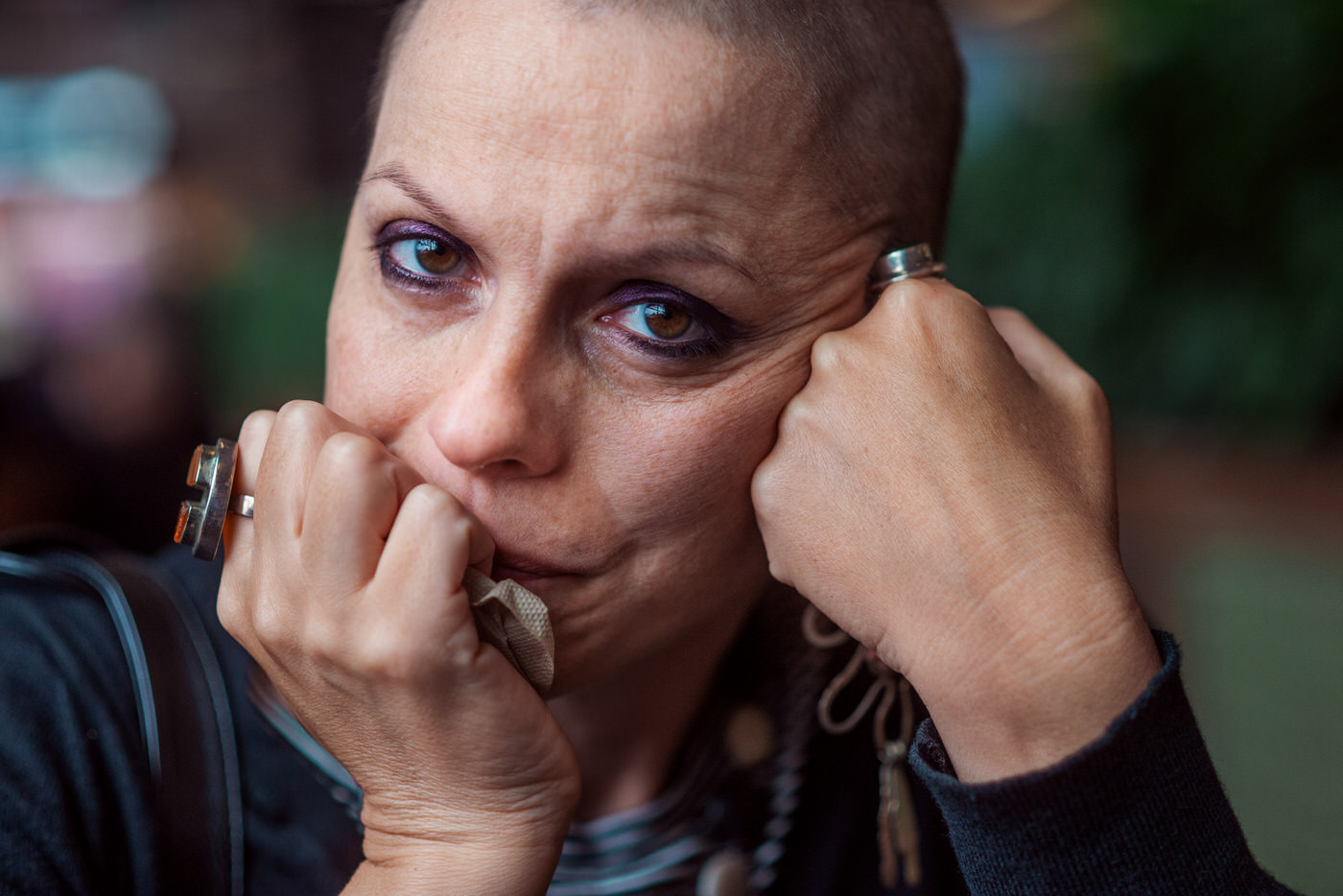
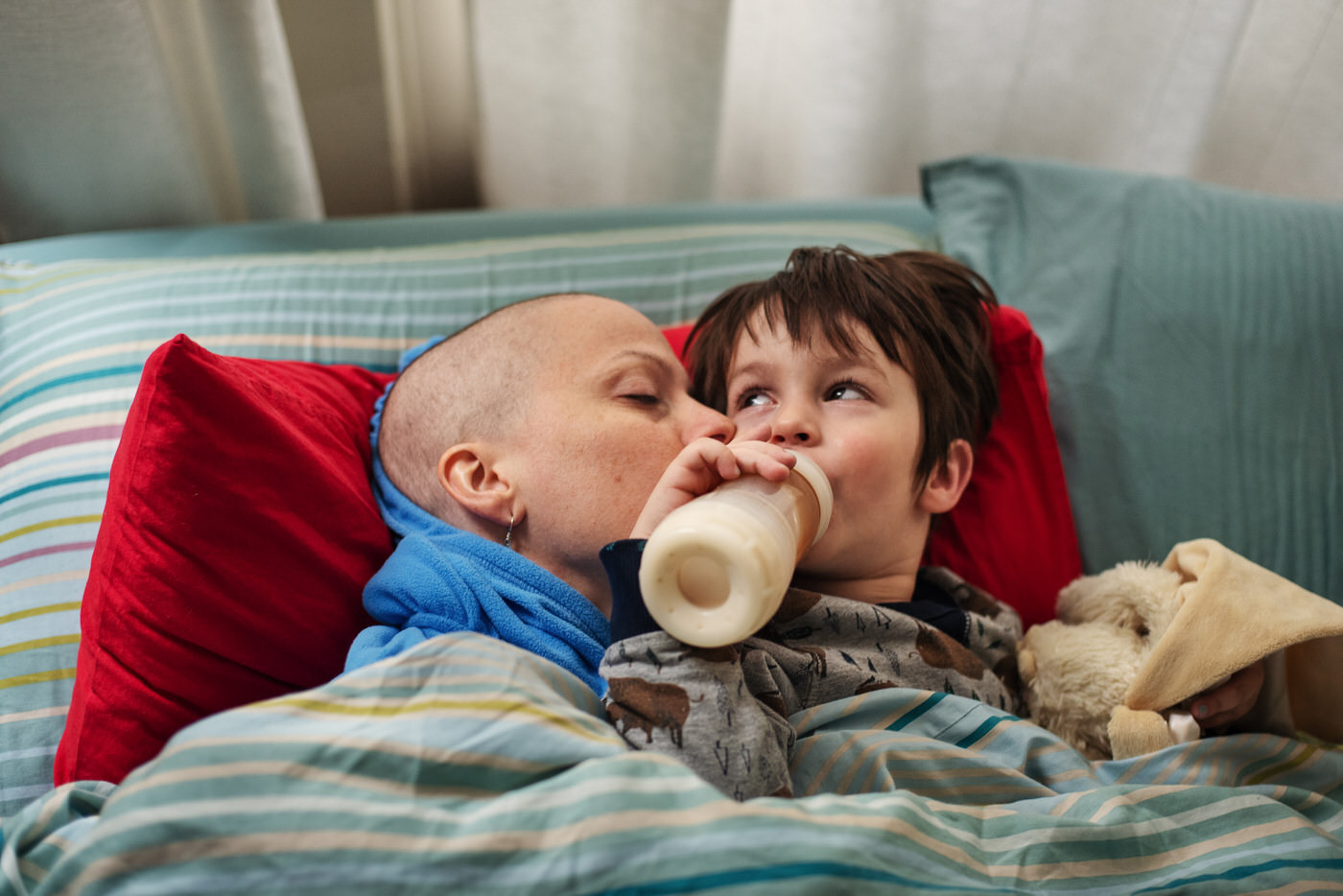
Homesick was your first zine, documented on film, followed by Mommicked—both have soul-stirring narratives, why no surf photography?
Homesick was a zine my wife and I put together; they were all shot over a few years using a digital camera. The idea was to highlight aspects of Hatteras Island that I would miss the most or things that are dear to me. There are very few surf photos, but the ocean is prevalent in the zine. Surfing is obvious; however, I didn’t want it to revolve around surfing. There is so much more to life here than just surfing. Hatteras Island is incredibly dynamic, and putting surfing prominently in my work would have pigeonholed it. A couple of years later, we released Mommicked. Mommicked is about living through and navigating heavy weather here on Hatteras and how it impacts our community. Once again, even though surfing is the obvious focus, I chose to go in the opposite direction—to showcase what truly happens here before, during, and after storms. I guess I moved away from surf photography and fully embraced documentary photography.

How did working with film inform your digital work, if at all?

When I began photography, I was shooting film. Since I wasn’t developing my own work, I had to get it right in the camera, which became ingrained in me: get it right in camera, get it right in camera. That mindset has certainly carried over into the digital side of photography. Although there is more leeway with post-processing, I still aim to do my best in getting it right in camera, which also means less time sitting in front of a computer.
You’ve been photographing dynamic weather for almost 30 years—how did that documentary work evolve into a successful wedding photography business?
Documenting weddings and family portraits provided income to cover my bills and living expenses. Documenting the weather has always been a passion for me, but it never really generated that much income. Even to this day, it doesn’t generate income, but photographing weddings and family portraits gives me the time to shoot the things I’m passionate about (weather/surf) that don’t generate income but feed my soul. I photograph an average of around 40-50 weddings and about 90-120 family portraits a year. This allows me to pursue my passions while managing wedding and portrait numbers, which is definitely a juggling act.

Tell us about the making of this photo from an abandoned rental home and the trajectory that followed.
We are a really small community here, and pretty much everybody knows everybody. You grow up with half the island. It has its faults, but for the most part, it’s great; I love the small-town vibes.
The houses aren’t abandoned; they are rented out by the week. I think, for this particular storm, the people who were supposed to stay at that house were moved to one that wasn’t flooding. My friend Jake Throne posted a video of water pouring into the downstairs area of the house, which had a pool table in the middle of the room. I texted him to ask which house it was. I knew it was in a general area but wasn’t sure which particular house it was.

The next morning, I went out with my daughter and entered the house I thought Jake was talking about, but it turned out to be a completely different one. When we went in, the pool table was racked; someone had already played and set it back up. My daughter broke the balls, and I snapped a few pictures of her playing pool. I then asked her to step out of the frame so I could take a few empty shots. There wasn’t a danger of getting arrested for trespassing, just the potential for a tongue-lashing for being in a rental house. We yelled before stepping inside to see if there were any renters there, but it was empty.

There is a massive rental home industry here on Hatteras Island and the Outer Banks as a whole. When I was a kid growing up here, there weren’t many houses on the beach. The rental property industry exploded in the 80s and 90s, with very few zoning laws to keep things in check. Thank God for the Park Service and the National Park, or else every square inch of the island would have been developed. Homes weren’t necessarily built on the beach, but over time, they have ended up there due to island migration, erosion, and sea level rise. Now, there are rows of houses in each village that are in danger of being destroyed by the ocean. When it’s calm here, the views from the houses are great, and the proximity to the beach makes for a short walk to the ocean. However, that doesn’t translate well when we have a storm.

I snapped about 10-15 frames, was in the house for about 5 minutes, then left. I shared the image on Instagram, and within 24 hours, an editor from Time Magazine reached out to me. It was initially supposed to run in a climate change issue but ended up as an image in Time’s Top 100 of 2020. It’s surreal to have the image in that collection, especially since it seemed like the world was on fire back then, and the images taken worldwide were incredible. Having a photo in that collection will always be a career highlight for me.

You’re a self-described climate advocate and have been documenting the barrier island, which behaves like a living, breathing piece of land. When did you start to see catastrophic changes, and what are your hopes for this body of work?
I live on a barrier island off the coast of North Carolina. It is a sandbar—a thin strip of sand located 30 miles out in the Atlantic Ocean. It’s a wild place. Barrier islands are supposed to migrate over time from east to west. When you take something as dynamic as a barrier island and place static structures on it, like roads and houses, conflict is bound to arise over time. It’s a slow process, but it currently appears to be happening rapidly; this has been building up over the past 40-50 years. Houses are falling into the ocean, and roads are washing out. That has always happened here, but due to the way homes were built in proximity to the ocean, we are witnessing drastic changes. I think we have lost about six houses this year due to island migration, erosion, and sea level rise, and the road has washed out numerous times. As for houses collapsing, there has definitely been a shift over the past couple of years, and it is only going to get worse. I don’t have a specific plan for what will happen with the photos I am creating about these storms, but for now, my aim is to tell the story of how our community is dealing with these weather events. If my work can somehow inform policy changes related to zoning laws and educate people about how barrier islands function, I suppose that would be the long-term goal. At some point, I would selfishly like to create an updated version of Mommicked.

You grew up in Buxton, NC, home to the famed Old Lighthouse Beach, the spot where East Coast pro surfing was born. Russell Blackwood, a great surfer and photographer, was a friend and mentor and he passed down advice along with his old Nikonos V camera. Years later, Russell’s son, Wolfi, named you as one of his mentors. What does that say about the Cape Hatteras community?
Daniel: I wouldn’t say I’m one of Wolfi’s mentors, but we are good friends. I got to see Wolfi grow up and was there for his first attempt at paddling out at big Lighthouse and getting denied. I’ve witnessed him turn into an amazing surfer, charging the Lighthouse at its absolute rawest. We still surf together—me, Wolfi, and his dad. Wolfi and his wife are expecting a girl in a couple of months, starting a family of their own. It’s super odd to think that our kids will grow up together since I have a 20-year-old, an 18-year-old, and a 1-year-old. Our community is incredibly tight-knit. We are small, and for better or worse, we experience our community’s highs and lows. I wouldn’t have it any other way.

Best career advice?
I wish I would have gotten this advice when I first picked up a camera (but I prolly wouldn’t have listened)…over 30 years ago.
Buckle up….
Compose and wait.
Create photos that resonate with the heart.
Do what it takes, do the work.
Be honest with yourself.
Don’t take the easiest safest path.
Technical has to be automatic…like breathing.
Make your work personal.
Look beyond the obvious.
Compose and wait…(needs to be said again and again and again)
Work the scene.
Trust your gut.
In every situation there is opportunity for a great photograph.
Always shoot with a purpose.
Show the truth.
Success does not give you knowledge, failures do.
Start appreciating things around you.
A moment can change your life.
Great photography is always on the brink of failure.
In any given moment…we have two options…to step forward into growth…or step back into comfort…

And worst?
Probably when I was starting to shoot surf photos.
you need to shoot really tight.
You have to shoot surfing a certain way…
Looking back it was so cookie cutter…but I get the advice…it was a way to help you produce surf images that fit into a narrative or into the pages of a magazine or website…
But leaves absolutely no room for growth or creativity
The Daily Edit – Standing Strong: Josué Rivas

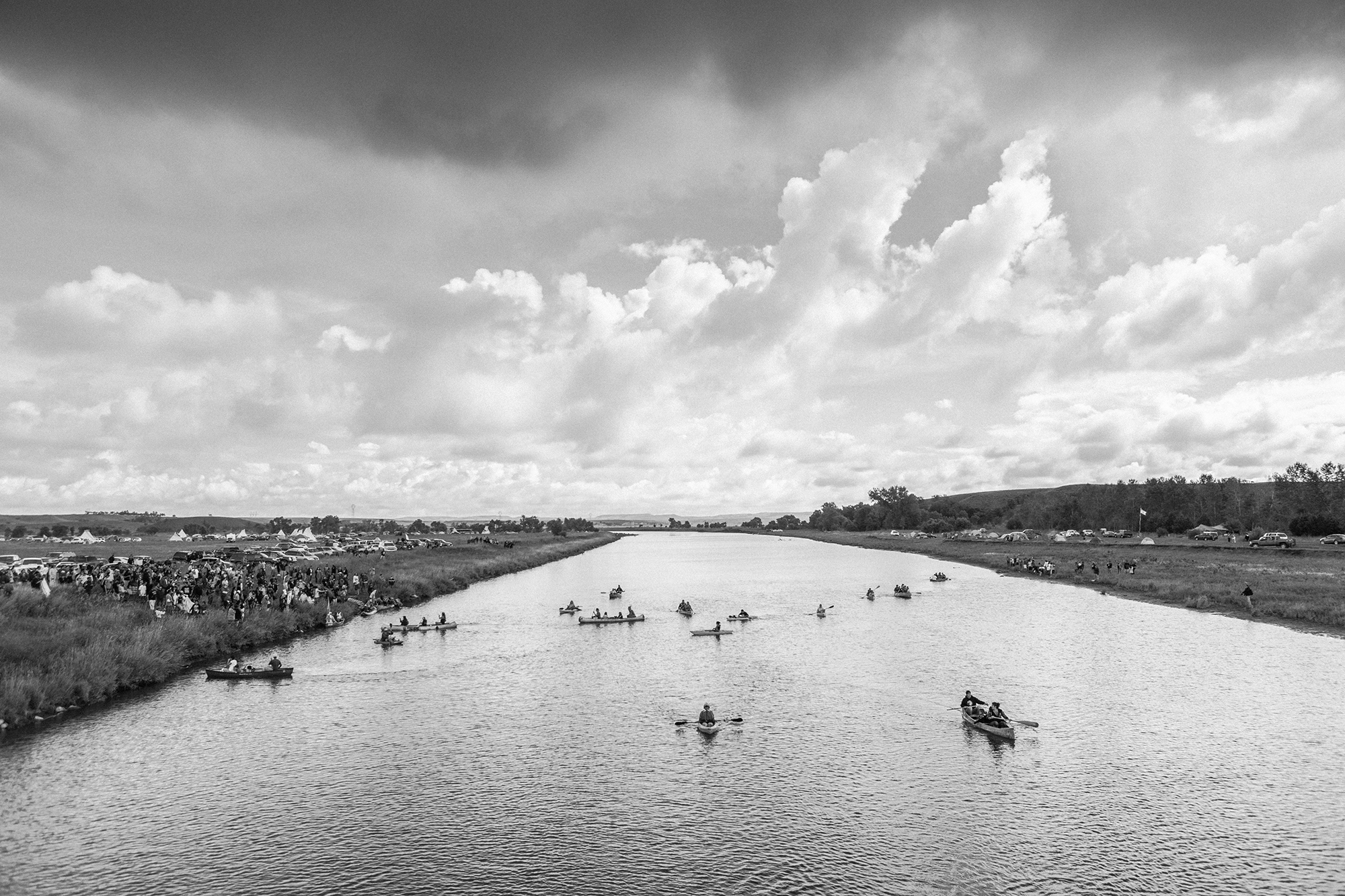
Canoe ceremony at Oceti Sakowin Camp. Cannon Ball, North Dakota, USA. August, 2016.
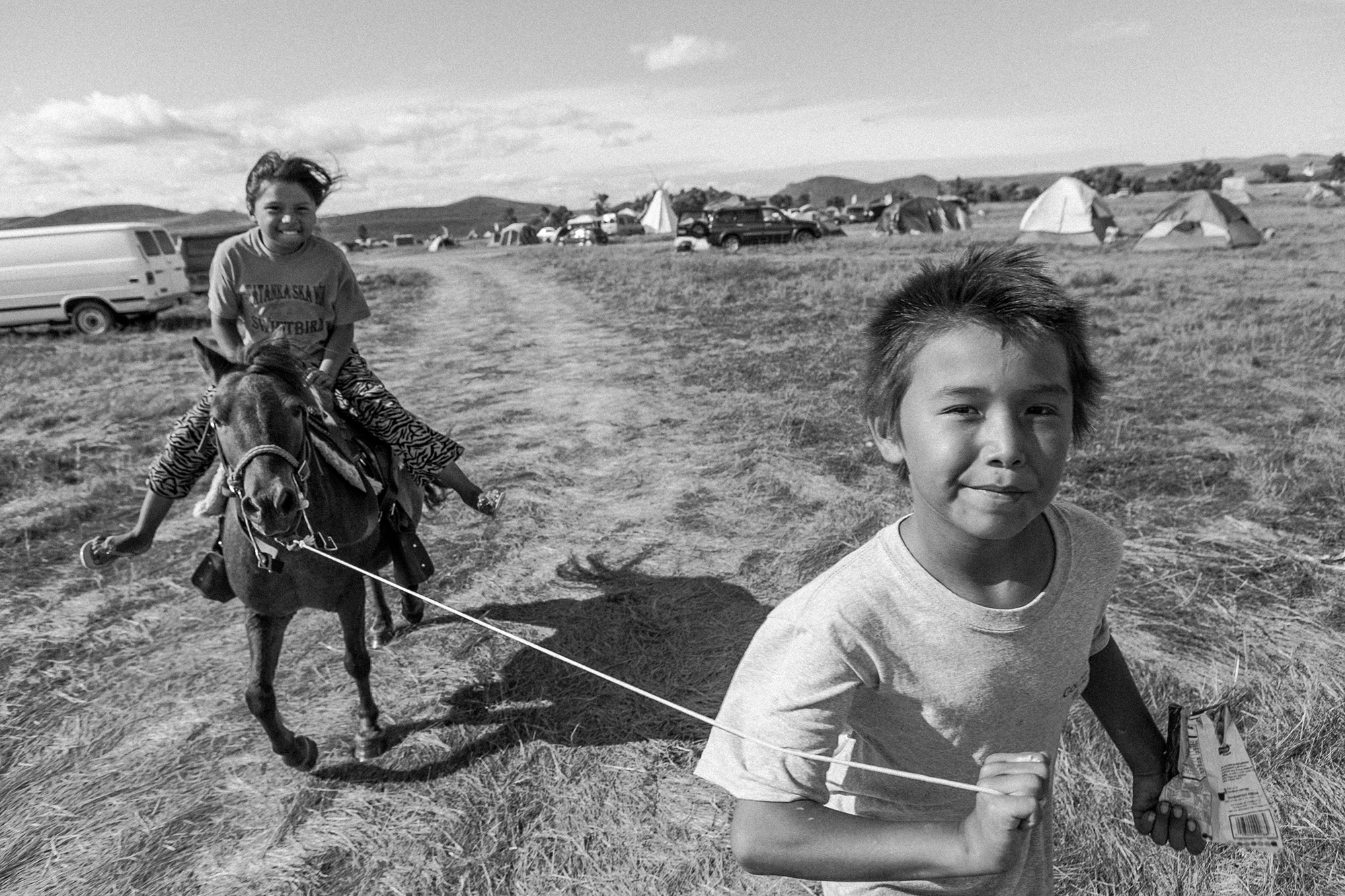
Children running free. Cannon Ball, North Dakota, USA. August, 2016.
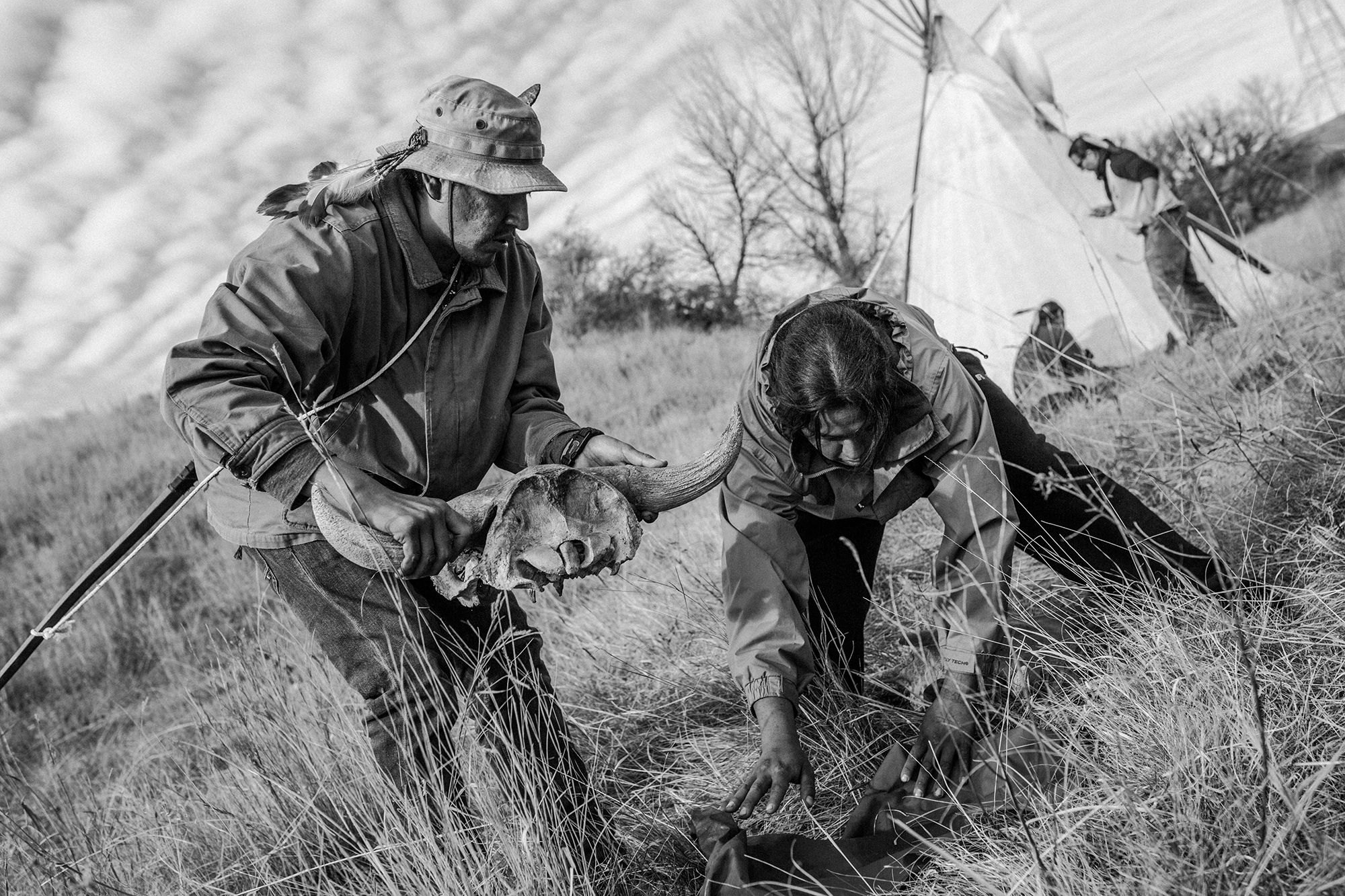
Men setting up an altar. Cannon Ball, North Dakota, USA. August, 2016.
Spirit of the Missouri River. Cannon Ball, North Dakota, USA. September, 2016.
Man braiding his hair. Cannon Ball, North Dakota, USA. September, 2016.
Tepee poles. Cannon Ball, North Dakota, USA. November, 2016.
Thanksgiving ceremony. Cannon Ball, North Dakota, USA. November, 2016.
Water of Life. Cannon Ball, North Dakota, USA. November, 2016.
Police mace Water protectors. Cannon Ball, North Dakota, USA. November, 2016.
A group of women carry a wounded warrior. Cannon Ball, North Dakota, USA. November, 2016.
A man gets treated with a solution made of half liquid antacid and half water after being sprayed with mace. Cannon Ball, North Dakota, USA. November, 2016.
Police barricade. Cannon Ball, North Dakota, USA. November, 2016.
Chief Arvol Looking Horse sits near the Dakota Access Pipeline during a prayer. Cannon Ball, North Dakota, USA. November, 2016.
Resistance. Cannon Ball, North Dakota, USA. November, 2016.
Matriarch. Cannon Ball, North Dakota, USA. November, 2016.
Water protector praying by the river. Cannon Ball, North Dakota, USA. November, 2016.
A girl and her horse. Oceti Sakowin Camp. Cannon Ball, North Dakota, USA. November, 2016.
Diné walker. Cannon Ball, North Dakota, USA. November, 2016.
Elder praying during a peaceful demonstration. Cannon Ball, North Dakota, USA. November, 2016.
People cross a handcrafted bridge to Turtle Island, a sacred site and burial ground. Cannon Ball, North Dakota, USA. November, 2016.
People stand near a handcrafted bridge. Cannon Ball, North Dakota, USA. November, 2016.
Man under a tepee near the Dakota Access Pipeline. Cannon Ball, North Dakota, USA. November, 2016.
A woman walks in the snow during a blizzard. Cannon Ball, North Dakota, USA. November, 2016.
Two men get sprayed by law enforcement with high pressure water during a demonstration near the Oceti Sakowin Camp. Cannon Ball, North Dakota, USA. November, 2016.
Last stand at Oceti Sakowin Camp. Cannon Ball, North Dakota, USA. February, 2017.
The end of the Oceti Sakowin Camp. Cannon Ball, North Dakota, USA. February, 2017
People peacefully leave the Oceti Sakowin Camp. Cannon Ball, North Dakota, USA. February, 2017.
Sacred Fire. Fort Yates, North Dakota, USA. September, 2017.
Young man putting down tobacco. Fort Yates, North Dakota, USA. September, 2017.
People harvesting wild sage. Fort Yates, North Dakota, USA. September, 2017.
Young man leaving a tepee. . Fort Yates, North Dakota, USA. September, 2017.

An upside down American flag waves at a healing gathering. Fort Yates, North Dakota, USA. September, 2017.

Creative Director: Josué Rivas
Founder of  INDÍGENA

Heidi: You drove 1,400 miles to Standing Rock and committed seven months of your life to being in the community, serving as a witness and documentarian to ensure that Indigenous perspectives were included in the narrative. Eight years later, the images made in “Standing Strong” remain iconic and impactful. How has this body of work informed your creative evolution?
Josue: In retrospect, I gained a deeper understanding of the significance of a movement transcending traditional creative practices. The protocols and prayers I experienced, led by both elders and youth at Standing Rock, were integral to this transformation. Addressing the question of creative evolution, it’s fascinating to reflect on how this large gathering was inherently infused with conflict. The challenge lies in honoring these moments through spiritual practice while still innovating the narrative. My approach to creating that work was rooted in intention—seeking to create a space where we could tell our own stories, which I believe is a fundamental human right. I think there’s something we can all learn from Indigenous stories, especially in this current time.


Two of your illustrated images appear in “Protecting the Right to Protest,” written by Annie Leonard. Can you share the story behind the weather conditions on the night when two water protectors were sprayed by police with high-pressure hoses? The image holds a tension between peace and violence, appearing almost magical at first glance.
On November 20, water protectors were sprayed with freezing water by law enforcement. Standing Rock represented a moment in time we probably won’t relieve in a while. These impactful moments served as a portal—through my documentation I hoped to document an awakening for both Indigenous peoples and society at large.

One of my mentors, Nick Tilsen who is the president and CEO of NDN, described this as the “curb cut effect.” When certain groups are treated with dignity, it leads to broader societal and cultural shifts in how we treat one another. The stories I create aim to ignite a piece of this curb effect by honoring Indigenous sovereignty.

Looking at Standing Rock and the lasting value of that work in society, I see how it can continue to evolve. It was during my time in the Magnum Foundation Fellowship with Fred Ritchin that he encouraged me to let go of the pressure to be overly precious about my images. He reminded me that I don’t have to be a traditional photojournalist or win a Pulitzer Prize to create images that are a cultural currency to society. This approach has influenced how I approach my later projects. The collaboration with Patagonia was a reflection of this, layering existing images with elements not visible through the lens.

How did your storytelling process align with current cultural narratives?
During my time at Standing Rock, I began to grasp the longevity of the experience and its stories. Storytelling should not merely document a fleeting moment or platform, nor should it reside solely in a viral image. The iconic image had a profound societal impact, yet it can be exchanged for something more immediate—a viral video or story that shifts perceptions and cultures. Layering images creates a new toolkit for storytellers. We are shifting away from the notion that an award represents the pinnacle of achievement, and embracing how short form videos or images from a smartphone can profoundly influence communities and society.


Purpose, collective healing, and the power of community are central to your work. Why do you believe this story held purpose and power?
In an era where social media dominates our lives, it’s crucial to remember that it can serve as a transformative tool—regenerative instead of exploitative. My intent is to reveal through this work that transformation is possible when you share your story.

I’ve always appreciated the added layers of context that photography and storytelling can provide, tell us about your process.
With the Patagonia project, we layered images, granting the process its own significance while remaining open to how it might be perceived.
For “The Right To Protest” project, I collaborated closely with artist Tekpatl from our creative agency INDÍGENA. Despite my busy schedule, we leaned on one another to showcase various layers of the story. This collaboration was particularly poignant since the images we illustrated were created on Thanksgiving Day about seven years prior. Tekpatl brought balance to our work, grounding it by representing unseen energies in the images—using a technique Yael Martinez introduced in photojournalism, who has been a significant inspiration

Please download, print this image and scan the QR code in the bottom right.

When did you begin incorporating AR into your photography? Was “Be a Good Ancestor” the starting point for your multimedia and motion work?
I’ve always seen myself as more than a photographer and more of a conduit to something bigger than myself. My intention is to be of service. What happens when we accept that images are tools for society, not mere illusions; they can convey truths. Can one story carry a universal truth?

To try and find the answer to some of these questions we created “Standing Strong,” a multi-disciplinary visual project using augmented reality and community intervention. This project showed how we can innovate within our imagery while embracing new technologies—the message continues to evolve and spread.

Empowering Indigenous youth and refining journalism to be more inclusive and collaborative are essential values in your work. Fast forward to 2022; as a juror for the World Press Photo Contest and with your recent inclusion in the ICP’s exhibit “We Are Here: Scenes from the Streets,” have you noticed increased representation among storytellers?
Yes and no, at times I see the intention for collective change and it’s also a process. I think our days are ahead as we build systems to transform visual storytelling. I think it’s the beginning of the blossoming of years worth of work by people that came before us, we just keep doing the work.

You founded INDÍGENA. Are you returning to your role as a witness and documentarian, ensuring Indigenous perspectives are part of the narrative—especially in light of recent election results?
Social Justice Documentary work is always going to be part of my creative practice, it’s also limiting. I see this practice as an evolving song, an offering. Currently, I am co- documenting stories from boarding school survivors through a trauma informed lens. We are also innovating the way we tell those stories. Reflecting on the recent election results, I see how images will be powerful tools for communication and change but also confusion. We have reached a point where images serve not only as interpretations but as instruments for shifting societal consciousness. Ultimately, I hope my work demonstrates that transformation is possible when you share your story.

The Art of the Personal Project: Karan Kapoor

The Art of the Personal Project is a crucial element to let potential buyers see how you think creatively on your own.  I am drawn to personal projects that have an interesting vision or that show something I have never seen before.  In this thread, I’ll include a link to each personal project with the artist statement so you can see more of the project. Please note: This thread is not affiliated with any company; I’m just featuring projects that I find.  Please DO NOT send me your work.  I do not take submissions.


Today’s featured artist: Karan Kapoor

My shoot with Alon Fainstein began during a project I was shooting in Cape Town, where I was introduced to him by my producer, Gavin Schneider. Alon is not just an ironmonger; he is a storyteller, weaving narratives of transformation and discovery through the medium of metal.

I am drawn to photographing people who are deeply passionate about their work, and Alon embodies this passion fully. As he reflects, “Every time I work, I learn and discover something new about the material and myself. I feel that my work grows and evolves with me. The two are symbiotic and go hand in hand. To say that there are limits to forging would be to say that there are limits to inspiration, creation, and growth. When I feel connected, I find them in an abundant supply.”

Through my photographs, I aim to capture the essence of this connection—the symbiotic relationship between Alon and his craft. His workshop becomes a stage where sparks, textures, and shadows reveal the ongoing dialogue between artist and material, inspiration and creation. These images celebrate the unyielding spirit of those who find beauty and meaning in their work, reminding us of the boundless potential within ourselves and the world around us.

To see more of this project, click here

Instagram

APE contributor Suzanne Sease currently works as a consultant for photographers and illustrators around the world.  She has been involved in the photography and illustration advertising and in-house corporate industry for decades.  After establishing the art-buying department at The Martin Agency, then working for Kaplan-Thaler, Capital One, Best Buy and numerous smaller agencies and companies, she decided to be a consultant in 1999.  Follow her on Instagram

Charlotte Schreiber Breaks Up With Her Identity As A Photographer

by Angie Smith

Angie: How did you get started in your career as a photographer?

Charlotte: I’ve been a photographer for the past 15 years. I studied photography here in Germany. I had chemistry and art as majors before I finished high school. We had a photography assignment and there was a small dark room that we could work in. I know it sounds so cliche, but when you are in the darkroom and the image suddenly appears on paper, it’s this magic moment. I said to myself: ‘Oh, this is fun and I think I’m good at it. Is a photographer something that you can become? Let’s see how this plays out.’

Me and my father‘s first 6×6 camera, ca. 1989.

Sometime into studying, my father passed away and I had to get rid of his things. The attic was full of his photographs and Super 8 films. I remembered that he taught me a lot about photography. When we would go on holiday, he always had a camera. There are pictures of me as a 4-year-old trying to take pictures. Now looking back, I realize photography was such a big influence, it was always there. So the idea of becoming a photographer didn’t feel too far-fetched.

Angie: What was your first published photo?

My first proper assignment was for Nylon magazine.

I was interning with a photographer in New York and she had to travel to LA for work. She said: ‘I can’t take you with me on the shoot, but you’ll have time, so I’ll give you contacts. Why don’t you show your portfolio around?’

I said: ‘I don’t have a portfolio.’

She said: ‘Okay, when I’m back, you’ll create a portfolio and start showing your stuff around.’

She gave me all her contacts. I was very young and I had no fear. I would go everywhere and anywhere. I went to Nylon Magazine and asked for a meeting. I had my meeting and the next day, they called me with a small shoot. I got paid $50 for it, which I would never accept now, but I thought: ‘If I can do this in New York, I can definitely do it in Germany.’

After my time in New York, I photographed a cookbook with a friend. We sold the concept to the publishing company– that was the first book that I made and was the gateway into my next project, Makers of East London where I visited artists in their workshops across East London, documenting their workflow. That period of time was full of a lot of coincidences and luck and it was one of the most important times that prepared me for everything else because I was constantly producing photographs for my portfolio.

When people ask what kind of photography I do, I say that it’s everything that’s atmospheric.
I’m a very emotional person and I do emotional portraits, but what I’m good at is giving people space. My portraits are good because I can hold space for people to just be themselves. Which I find is important for the work I do.

Often, the person will see their image and say: ‘No one has ever photographed me like that. I feel like it’s the first time that somebody has seen me the way I really am.’ That is the biggest compliment you can probably get as a photographer.

Fashion editorial for Le Mile magazine, photogra- phed in my first studio in 2015.
Author Peter Høeg at his hideway place in Denmark, 2015.
Tokyo, 2016.
Tokyo Metropoliton Government Building, 2016.

I’ve been freelance for the past 15 years. The pandemic was quite good for me. I think it divided the people– some stopped working and for others, it fueled them.

I was successful because it’s just me and my camera. I don’t have much overhead, assistants and tons of equipment. During Covid, people knew I could be distant from the subject and shoot quickly. That was kind of my thing and editors knew they could get what they wanted.

I think a lot of photographers pushed through the pandemic and then it came to that point for me where it wasn’t working anymore. I didn’t get assigned to anything. People stopped reaching out. Financially it was really, really bad. In the beginning, I thought, well, it’s gonna pick up but it never really picked up.

In a way, I got lucky because I was dealing with an illness and I couldn’t do anything. I had to stay in bed for a really long time and I was constantly thinking about my career not working.

I had a lot of time and I was thinking about what else I’d be good at. I have experience with grief and death in my family. And it’s been something that I’ve had to deal with and do on my own. In Germany, no one talks about grief and death because you’re not taught how to.

I photographed a grief counselor once and the memory popped in my head again. I thought: this could be something. The second I said it out loud, I thought: This is what I’m going to do.

I applied to a program and it’s going to start in May. The training goes for about a year and then I’m a certified grief counselor. After that, I want to go into the funeral business.

I think what connects grief work and my photography is that I’m able to find beauty in whatever I see. Obviously death is not beautiful but it is natural, it’s part of life and it’s happening for all of us. To define the beauty in something makes it easier for people. And to be honest, we are all gonna die. It’s just something that’s part of life.

Anne Petersen for Mercedes, 2021.

Angie: What has the grieving process been like with your photo career changing? Have you let go slowly or made a sudden cut?

I do feel like I need to make a cut. I think I’ve just reached the point where I know I am good at what I do but I also have so many more talents and it’s just time for me to move on. Photographers put so much into their careers—it’s just so personal. Every time you get rejected, it’s hard to not take it personally.

Photography is something that I’ve been successful at and I’ve loved it. But I’ve been angry for so long. I’ve asked: ‘Why? I don’t want it to be over. It’s something that brought me so much joy. I met amazing people and I went to great places. Why is this ending?’

Christine Lagarde, president of the European Central Bank, photographed in 90 seconds for manager magazin, 2022.
Jens and Marc Brune for manager magazin, Norderney 2023.

I have a small studio and I have it for another couple of months. I made an offer to people who want to be photographed– that they can come to the studio and pay whatever they can afford for a portrait. This is me slowly saying goodbye to the studio.

I’m probably going to keep one small point and shoot. I don’t think I cannot take pictures. It’s something that I’ve done for the past 20 years– it’s a big part of my life. When I talk about it with people, I feel happy with the decision and that it’s the right decision but I’m also sad and I circle back to the same question: ‘Did I do something wrong? Is it my fault that my photography career isn’t working anymore?’

I’ve been breaking up with my identity of being a photographer and I have been going through all the stages of grief over that.

Angie: What a beautiful way to say goodbye. When did you know it was time to throw in the towel?

I think that’s everybody’s own personal decision. I’m slowly approaching 40 and I always want to know how to pay rent. I’m just tired of constantly being the person saying to the photo editor: ‘I need more money. I can give you what you want but you have to pay me properly because I’m good at what I do.’

I’m young enough to start over and feel like I can do so much more. And you know, I don’t want to be that person in 10 or 15 years when there’s no no other way. I am at peace with having made that decision and I’m excited to do something different. But I still ask myself: ‘Why did this not work? Is it my photography? Am I not at the right time in the right spot? Should I have done something differently?’

I am a hard worker and I gave it my all – but it just didn’t happen.

Lisa in the studio, 2024.
Sarah in the studio, 2024.

[Six months later…]

Angie: How did it go letting go of your studio? How did that feel and where are you in the process of changing careers?

I am still working on letting it go. I’m starting to slowly be okay. It’s still a dream that I had to give up. I have been crying a lot. When I went through images of my career for this interview, I was going through my archive, bawling my eyes out. This has been a great 10-15 years of lots of hard work. I did amazing things and I met amazing people. Sometimes I still ask ‘why do I have to stop doing this? I am really good at what I do’.

I just started the grief counseling program and I am in the middle of it now. Going through the training, we talk a lot about finding creative ways to make people feel comfortable and seen. Taking portraits of people is very similar– trying to empower people and have them look at themselves and make them feel good and seen and safe. I realized that they are trying to teach me something I have been doing for the last 15 years.

Angie: How does it feel to be on the other side of changing careers?

It’s been a really hard process with so many layers but I’ve finally come to a point where I am excited to reinvent myself. I am so free, it scares the shit out of me. I can be whoever I want, I can explore myself and different ways of living.

In the beginning I thought I wanted a hard cut from photography. But at this point, I am starting to be softer with myself about ending it. I have no clue where I will end up, I am just here trying my best to find myself and find new ways to explore my talents.

With photography, I have more boundaries than I used to have, which gives me the freedom to be more myself with making photography work. I am declining a lot of jobs because I don’t accept the terms or budget and it gives me the freedom to choose what I am the best at. I am making great work now because I don’t care as much about what I should do. I am excited for the first time in a very long time. I found my way back to why I got into the business in the first place. Sometimes I wake up and ask myself: ‘Who am I today?’ It’s so nice. I am trying to be gentle and give myself space and see where life takes me.

The Art of the Personal Projects: Kip Dawkins

The Art of the Personal Project is a crucial element to let potential buyers see how you think creatively on your own.  I am drawn to personal projects that have an interesting vision or that show something I have never seen before.  In this thread, I’ll include a link to each personal project with the artist statement so you can see more of the project. Please note: This thread is not affiliated with any company; I’m just featuring projects that I find.  Please DO NOT send me your work.  I do not take submissions.

Today’s featured artist:  Kip Dawkins

Photographer Kip Dawkins recently took on a personal project aimed at capturing the character and light of the Southern California desert. Unlike his work as a commercial photographer, there was no styling required for this shoot. Instead, he met and photographed partygoers at a van show and rock concert. The images radiate a sense of danger and freedom. The muted tones add an extra layer of authenticity, drawing the viewer into this subculture and the spare beauty and outlaw vibe of the desert.

To see more of this project, click here

Instagram

APE contributor Suzanne Sease currently works as a consultant for photographers and illustrators around the world.  She has been involved in the photography and illustration advertising and in-house corporate industry for decades.  After establishing the art-buying department at The Martin Agency, then working for Kaplan-Thaler, Capital One, Best Buy and numerous smaller agencies and companies, she decided to be a consultant in 1999.  Follow her on Instagram

The Art of the Personal Project: Frank Ockenfels 3

The Art of the Personal Project is a crucial element to let potential buyers see how you think creatively on your own.  I am drawn to personal projects that have an interesting vision or that show something I have never seen before.  In this thread, I’ll include a link to each personal project with the artist statement so you can see more of the project. Please note: This thread is not affiliated with any company; I’m just featuring projects that I find.  Please DO NOT send me your work.  I do not take submissions.

Today’s featured artist: Frank Ockenfels 3

Artist’s Statement 

“A personal project should have an openness to a thought or idea that in my world has no need at first to succeed, but finds new paths that lead forward. The key is to embrace being uncomfortable and to block out the worry of explanation.

I’ve always been uncomfortable about the term.. “personal work”, because my creative journey has always been to look beyond what I am doing and to push beyond, always trying to find new ways of illustrating what I see.

This has allowed me to grow and be open to change and collaboration without the fear of outcome or failure. There are only rules if you make them and no growth unless you break what has already been done.

I have been lucky enough to find subjects who embrace collaboration and are open to experimenting with light, optics, and texture. My ongoing collaboration with photographer & artist Shelbie Dimond continues to fuel this exploration.

A partnership like this not only enriches the work itself but also deepens my understanding of the creative process, reminding me that every project is an evolving journey.”

To see more of this project, click here

Instagram

APE contributor Suzanne Sease currently works as a consultant for photographers and illustrators around the world.  She has been involved in the photography and illustration advertising and in-house corporate industry for decades.  After establishing the art-buying department at The Martin Agency, then working for Kaplan-Thaler, Capital One, Best Buy and numerous smaller agencies and companies, she decided to be a consultant in 1999.  Follow her on Instagram

The Daily Edit – Haiyun Jiang

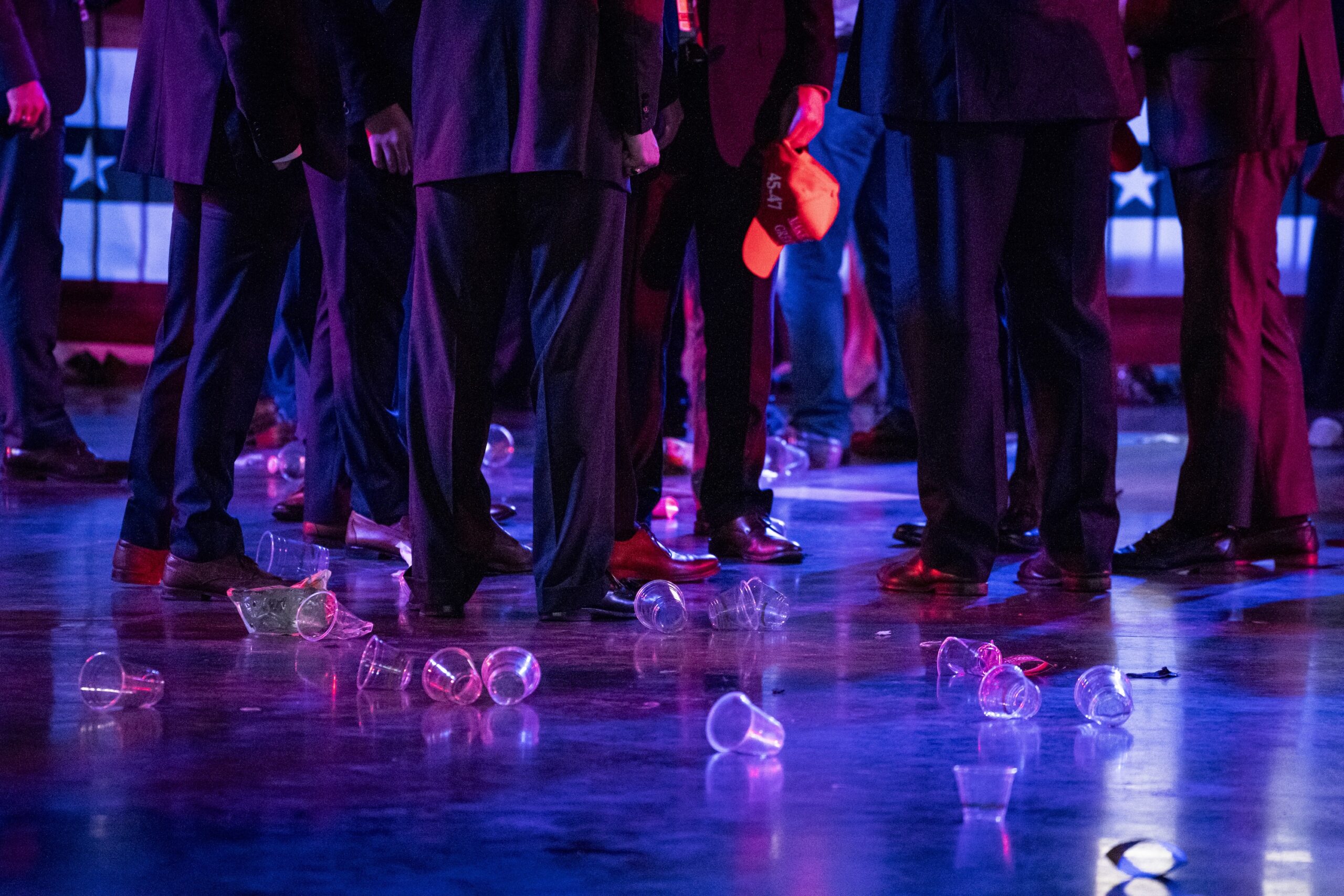
ELECTIONDAY. Trash is seen after former president Donald Trump speaks at an election watch party in West Palm Beach, Florida, on Wednesday, November 6, 2024. (Photo by Haiyun Jiang for The New York Times)
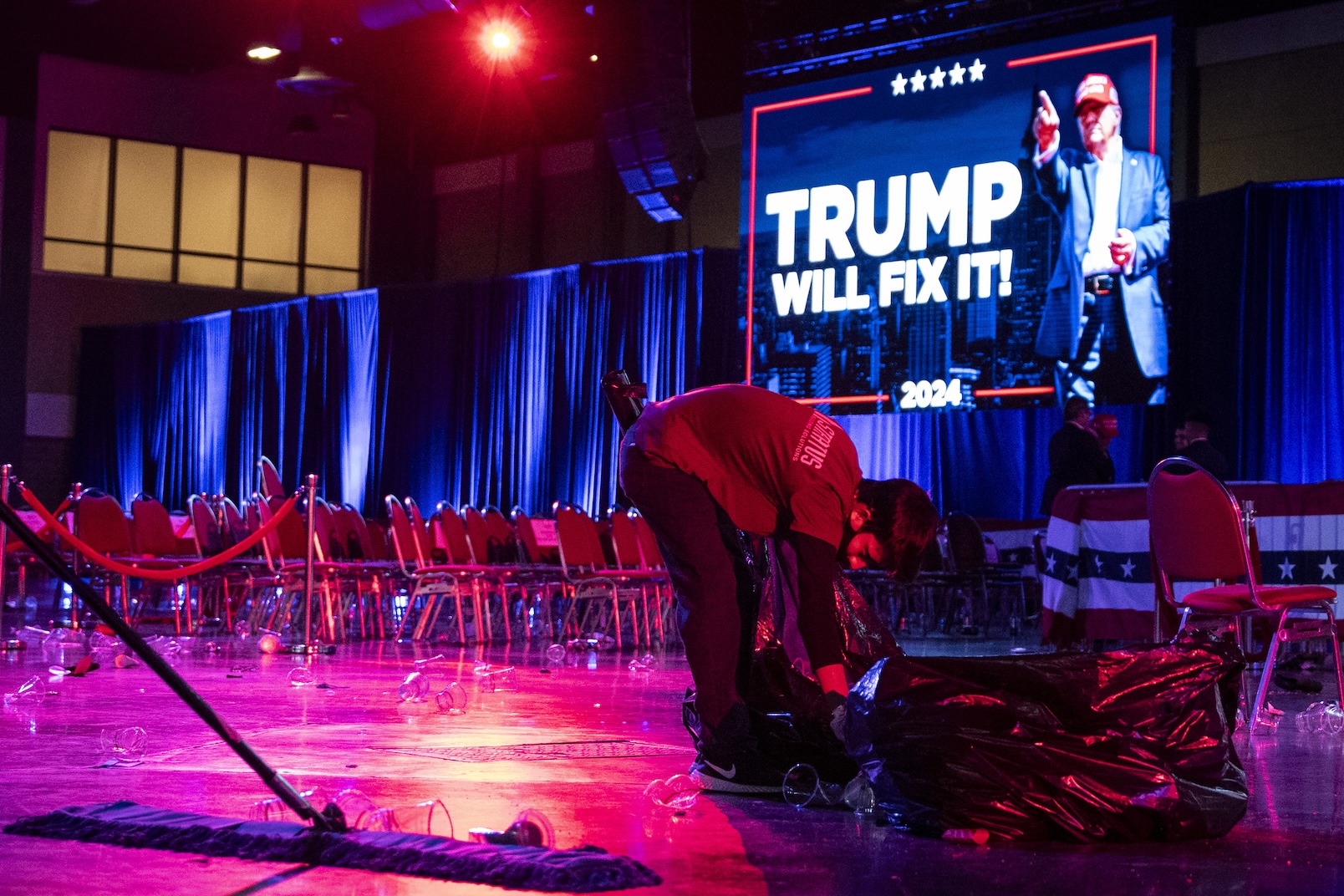
ELECTIONDAY. A worker cleans up trash after an election watch party for former president Donald Trump in West Palm Beach, Florida, on Wednesday, November 6, 2024. (Photo by Haiyun Jiang for The New York Times)
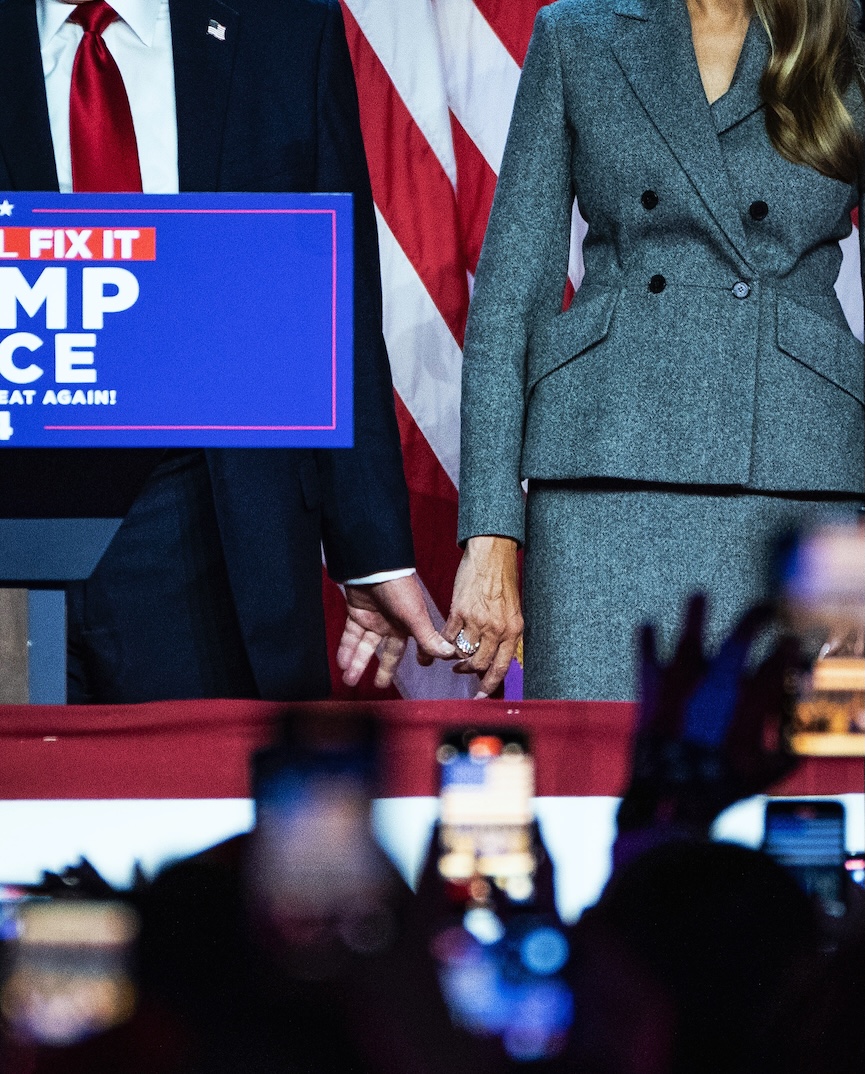
ELECTIONDAY. Former president Donald Trump and former First Lady Melania Trump hold holds as he speaks at an election watch party in West Palm Beach, Florida, on Tuesday, November 5, 2024. (Photo by Haiyun Jiang for The New York Times)
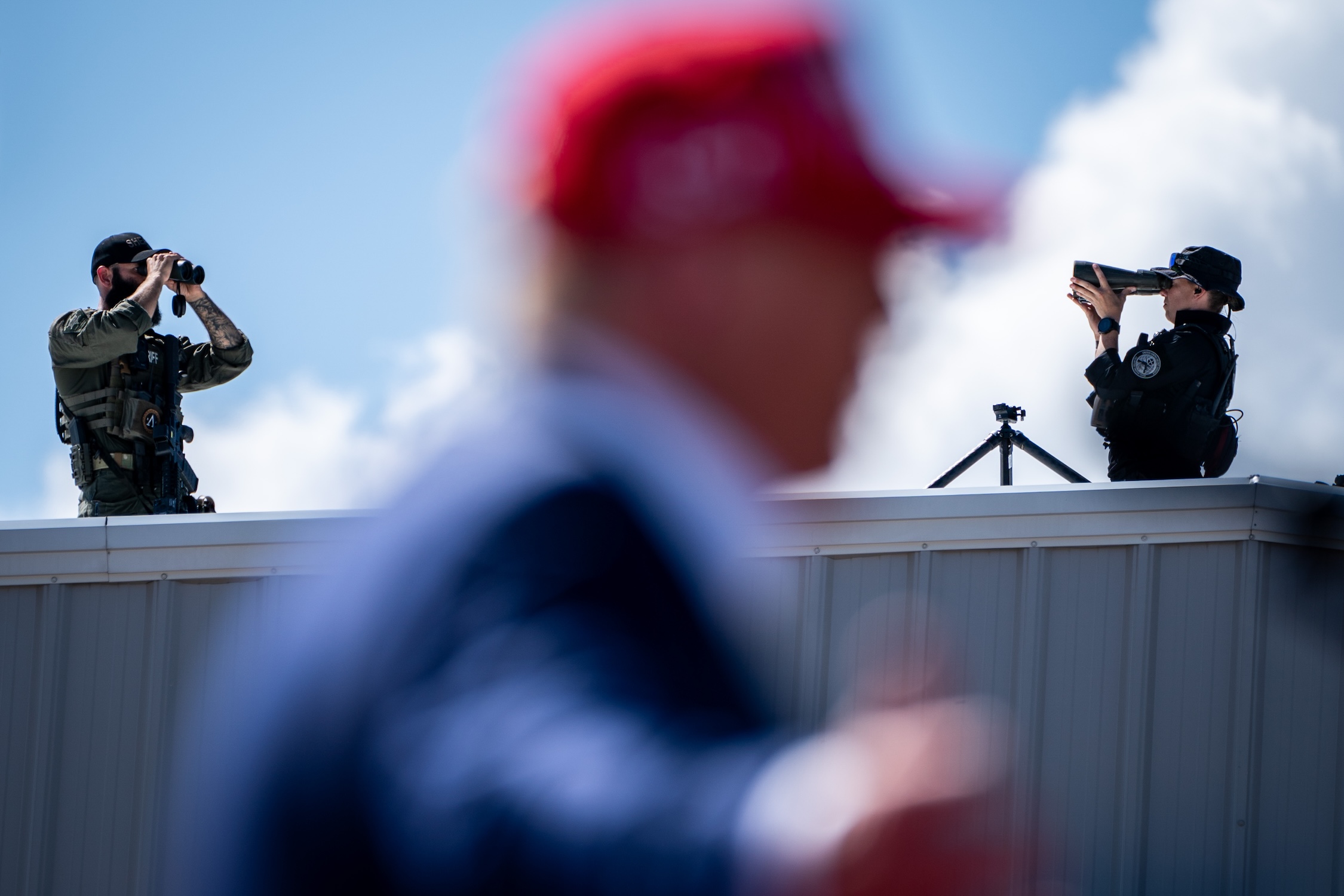
TRUMP. Secret service agents are on the watch as former president Donald Trump holds a rally in Wilmington, North Carolina, on Saturday, September 21, 2024. (Photo by Haiyun Jiang for The New York Times)


New York Times

Photographer: Haiyun Jiang
2022 -2023 The New York Times Fellowship Recipient – Washington, D.C. 


Heidi: You created Grassroots, a magazine that focused on individuals involved in the different aspects of the 2018 midterm election. What trends did you notice then, and how were they represented in this 2024 election cycle?

Haiyun: When I created Grassroots for a class assignment at Ohio University, I felt the momentum from local Democrats, as well as women, to run for public office at a local level, after almost two years into Donald Trump’s first presidency. I was interested in how local elections reflected a national sentiment or lack thereof. I followed Erica Crawley, a black single mother who was running for Ohio State Representative at the time, on her campaign.I covered both former President Donald Trump’s and Vice President Kamala Harris’s campaigns on and off for this election cycle, and from my experience I felt a stronger sense of urgency from both sides to get their candidates elected to the White House, more so than the 2018 midterm election.

Did your photography approach change as the election and divides became more unpredictable?
I am constantly trying to learn and refine my photographic approach on every assignment, and the learning will never stop. I freelance for the New York Times for the majority of the time and the Times always is on a mission of searching for unique, revealing, fair, and strong visuals to inform its readers. And that mission requires photographers, like me, to find new ways to illustrate mundane situations. I think it’s more the sense of providing readers with information and scenes I see in the field that helps refine the photographic approach than the election itself. The image you were thinking was made after the first attempted assassination of the former president. I have seen lots of photos of snipers as a sign of heightened security around Donald Trump’s rallies from my colleagues and I was trying to make frames that could offer a bit of larger context. The election and divides might have become more eruptive but the bottom line for my photographic approach has always been and will always be remaining fair to whomever I may cover.


Did you pre-visualize this image? or was this a surprise moment for you?
I was assigned to document former president Donald Trump’s rally in Grand Rapids, Michigan, right after the Republican National Convention in July, 2024. After a while, I started walking around the “press pen”, where all my colleagues from different media outlets were typically confined at rallies. When I noticed a glare from the stage, I stopped and observed for a bit. I wondered what the rally attendees, who were sitting at this exact angle towards the podium, could see with the glare. Then I made the photo.

How did this election coverage challenge you as a photojournalist?  or what made this one different?
This election, in many senses, has been an unprecedented one. With the current president dropping out after the first presidential debate and the vice president having to scramble together a campaign that helped reintroduce herself to the nation, nothing was ordinary. It challenged me to be adaptable and flexible, having a sense of knowing things may happen super fast and being ready for anything. Physically, especially, it could be exhausting for photojournalists to hop from place to place, and still remain focused and creative on every assignment. My mentors and colleagues, Doug Mills, Erin Schaff, and Kenny Holston, spent on average 12-14 hours a day following a candidate across multiple states. I think the human resources and effort into this campaign were remarkable.

What were the most salient points Doug Mills, whose been photographing presidents since 1983 shared with you and why is it important to have a mentor?
One of the most important lessons I learned from Doug is not to dwell on your mistakes. Learn from them, then move on to the next thing. Also, do not be afraid to take risks. Instead of getting the “safe shots” that everyone else is making, do something or go somewhere different. It is a tough business to be an editorial freelancing photographer. There are very few staff jobs available and I am very, very fortunate to be able to work consistently on editorial assignments. Having a mentor has helped me navigate the photojournalism industry and get feedback often. And Doug Mills couldn’t be any more nicer, wiser, and generous towards younger photographers like me. I am very lucky to have him as a mentor.

Can you share thoughts about your process for covering the election?

My process of covering the election, again, was mostly informed by the NYT’s mission in searching for strong and unique visuals that help provide the readers more context. Therefore, when I covered campaign events, I was trying to keep an eye on details, subtle moments, etc. that might have been overlooked.
For the most part, when I covered candidates, I either joined them on the tarmac as they landed in the city of a rally or campaign events, or I did preset at the rally venue. There usually was not much of a location scouting for me, per se, before events actually started. I would have some ideas of photographs that I would like to make but also need to constantly remind myself to be alert and flexible as anything could change in a split second. I finished my year-long NYT fellowship at the end of May in 2023 and have been freelancing since then. I am extremely fortunate to have continued working for the Times, but most of the campaign coverage I have done was during my time as a freelancer.

Can you share the mood, your approach, what it was like photographing VP Harris?
The SNL photos are more of moments from a photo spray than a project. As VP Harris finished a campaign rally in Charlotte, North Carolina, and was scheduled en route to Detroit, Michigan, the traveling press was told midway through the flight that we were making an unscheduled stop in New York City. After holding for more than three hours, the traveling photographers were brought into the SNL studio and when Vice president Harris took the stage, we were given the time of the cold opening to photograph her interacting with comedian Maya Rudolph. Audience members erupted as they saw her on stage and the mood was jubilant.
When I photographed VP Harris, I was always trying to find moments that she was more introspective, not performative. I would try to educate myself about the news of the day and observe how it affects the mood of hers, as well as her campaign’s.

What is a photo spray?
A photo spray is when press photographers are brought into an event or meeting for a short period of time to photograph. It can range anywhere from 10 seconds to 5 minutes.

Where were you on election night and what was your assignment? Take us to that moment – what was going on in your mind as the results rolled in?
I was assigned to photograph Republican presidential nominee, now president-elect Donald Trump’s election watch party at the West Palm Beach Convention Center. There were supporters of Mr. Trump trickling in throughout the night, wearing his signature red “Make America Great Again” hats, and lining up at mini bars for drinks. There were many TV news outlets and photographers on a riser and on ladders at the back of the ballroom where the watch party took place. The mood was jubilant among the crowds as the election results rolled in. Many news reports stated that we wouldn’t know the election result on election night but I was prepared for anything that might happen. It was incredibly fast as the results rolled in and the crowds’ mood improved significantly. I thought to myself that there was a good chance that we would know the result tonight and Mr. Trump would take the stage once his margin of victory widened more. Therefore, I was keeping an eye on the movements on stage as well as the TV screens.

What moments were you looking for that evening and what stood out to you during those subtle times?
As news coverage as the election results rolled in I was looking for moments of either despair or jubilation among former president Donald Trump’s supporters, depending on how the electoral map looked. More importantly, I tried to keep an eye on more subtlety, people chatting, taking a moment for themselves, etc.
At the end of the election night, after president-elect Donald Trump’s remarks and his supporters exited, I noticed workers of the convention center started cleaning up the plastic cups as well as other trash discarded on the floor. I photographed the workers bending over to pick up trash, with the America-themed lights as background.

Photographically covering an election requires a range of elasticity and neutrality for your own personal feelings, how do you stow that away?
When I am working, I am focused on making photos that help illustrate a story and identify moments that sometimes writers may have overlooked; and I’l fairly good at compartmentalizing. When I am off, I do not spend time thinking about work and instead, I focus on my hobbies, such as Legos and reading. As a journalist, I remain neutral to whomever I may cover and my number one goal has always been fair coverage. It is not my job to insert my personal feelings to make the public feel certain ways. My job is to be their eyes and bring photos to the audience for information consumption.

How do you take chances or risks to convey a point of view?
When I see a photo with potential, I would stick with the frame. I may miss other photos but it’s a risk worth taking. For example, the snipers photo at Mr. Trump’s rally that you mentioned, took five minutes for me to be in the same spot, to get the right symmetry and composition. That means I might not have photographed the candidate himself or his supporters behind me during that five minutes. That being said, I always photograph with both of my eyes open, so I could see peripheral movements while photographing.

The Art of the Personal Project: Ian Spanier

The Art of the Personal Project is a crucial element to let potential buyers see how you think creatively on your own.  I am drawn to personal projects that have an interesting vision or that show something I have never seen before.  In this thread, I’ll include a link to each personal project with the artist statement so you can see more of the project. Please note: This thread is not affiliated with any company; I’m just featuring projects that I find.  Please DO NOT send me your work.  I do not take submissions.

Today’s featured artist:  Ian Spanier

FOREWORD TOM CHAMBERLIN // WRITTEN AARON SIGMOND // PHOTOGRAPHY IAN SPANIER From AARON SIGMOND (author of The Impossible Collection of Cigars) and photographer IAN SPANIER, the team that brought you PLAYBOY: The Book of Cigars & ARTURO FUENTE: Since 1912, comes a work of literary nonfiction artfully lavished with award-wining documentary photography.

CIGARS: A Biography.

February 2025 will mark the arrival of CIGARS: A Biography, an extraordinary undertaking more than 15 years in the making that deftly combines the remarkable talents of author Aaron Sigmond and photographer Ian Spanier in their fourth collaboration.

Richly illustrated with exclusive photography by Spanier—shot on location in Cuba, the Dominican Republic, Nicaragua, Honduras and Mexico, as well as across the United States and throughout Europe—and penned by Sigmond, CIGARS: A Biography is part history book, part travelogue, part photographic monograph and part luxury reference book. It all adds up to a comprehensive survey of cigars that weaves in the narrative tapestry of Sigmond’s more than 35 years as a renowned cigar connoisseur. Over the decades his travels have taken him (often accompanied by Spanier) to cigar factories and tobacco farms throughout the Caribbean Basin, Europe and the United States, as well as cigar merchants and lounges around the world.

This hand-bound illustrated volume is presented in a handcrafted cigar case–inspired slipcase, a must-have for any cigar aficionado. Included as well is past work from Spanier, blended seamlessly with unpublished photographs taken in the last decade and a half, and all-new images shot specifically for CIGARS: A Biography over the last two years. The result is the book Sigmond and Spanier have long envisioned. It was designed by award-winning creative director Liliana Guia. “From a photographer’s standpoint, a comprehensive body of work like this signifies a deep exploration of the subject, capturing nuances and intricacies over time,” Spanier says. “The evolution in my approach reflects not only a dynamic journey but shifts in composition, lighting and perspective, showcasing my growth as a photographer and, equally, my growing desire to visually interpret the complexities of this distinctive subject.”

PREORDERS OF CIGARS: A BIOGRAPHY ARE NOW BEING TAKEN EXCLUSIVELY AT SigCulture.com & AT SELECT CIGAR MERCHANTS WORLDWIDE.

To see more of this project, click here

Instagram

APE contributor Suzanne Sease currently works as a consultant for photographers and illustrators around the world.  She has been involved in the photography and illustration advertising and in-house corporate industry for decades.  After establishing the art-buying department at The Martin Agency, then working for Kaplan-Thaler, Capital One, Best Buy and numerous smaller agencies and companies, she decided to be a consultant in 1999.  Follow her on Instagram

The Art of the Personal Project: Scott Montgomery

The Art of the Personal Project is a crucial element to let potential buyers see how you think creatively on your own.  I am drawn to personal projects that have an interesting vision or that show something I have never seen before.  In this thread, I’ll include a link to each personal project with the artist statement so you can see more of the project. Please note: This thread is not affiliated with any company; I’m just featuring projects that I find.  Please DO NOT send me your work.  I do not take submissions.

Today’s featured artist:  Scott Montgomery

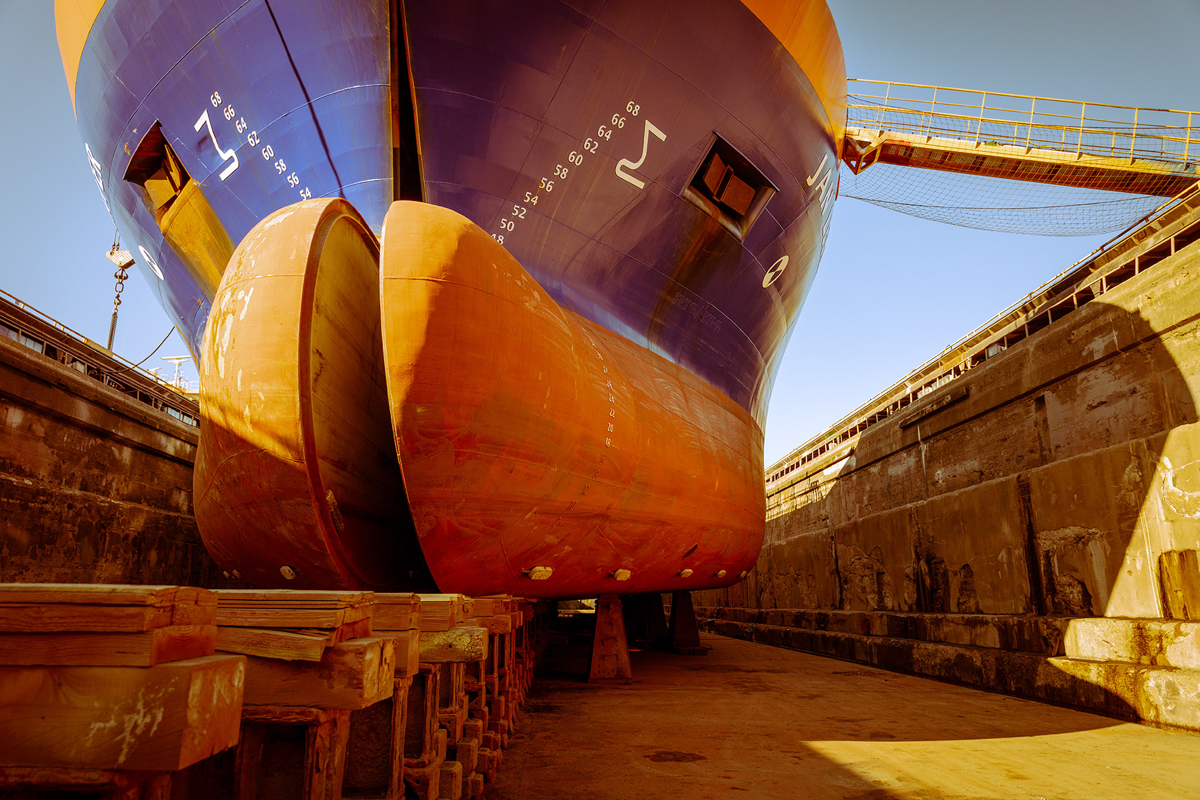
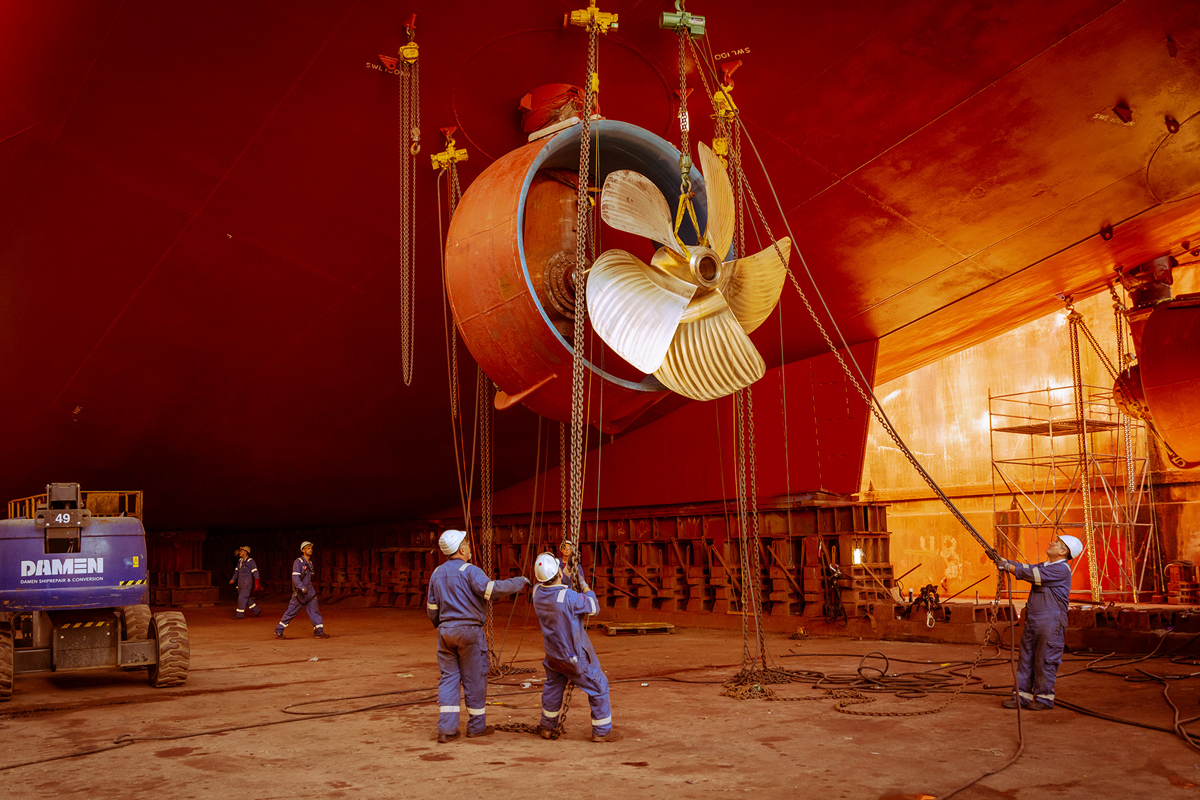
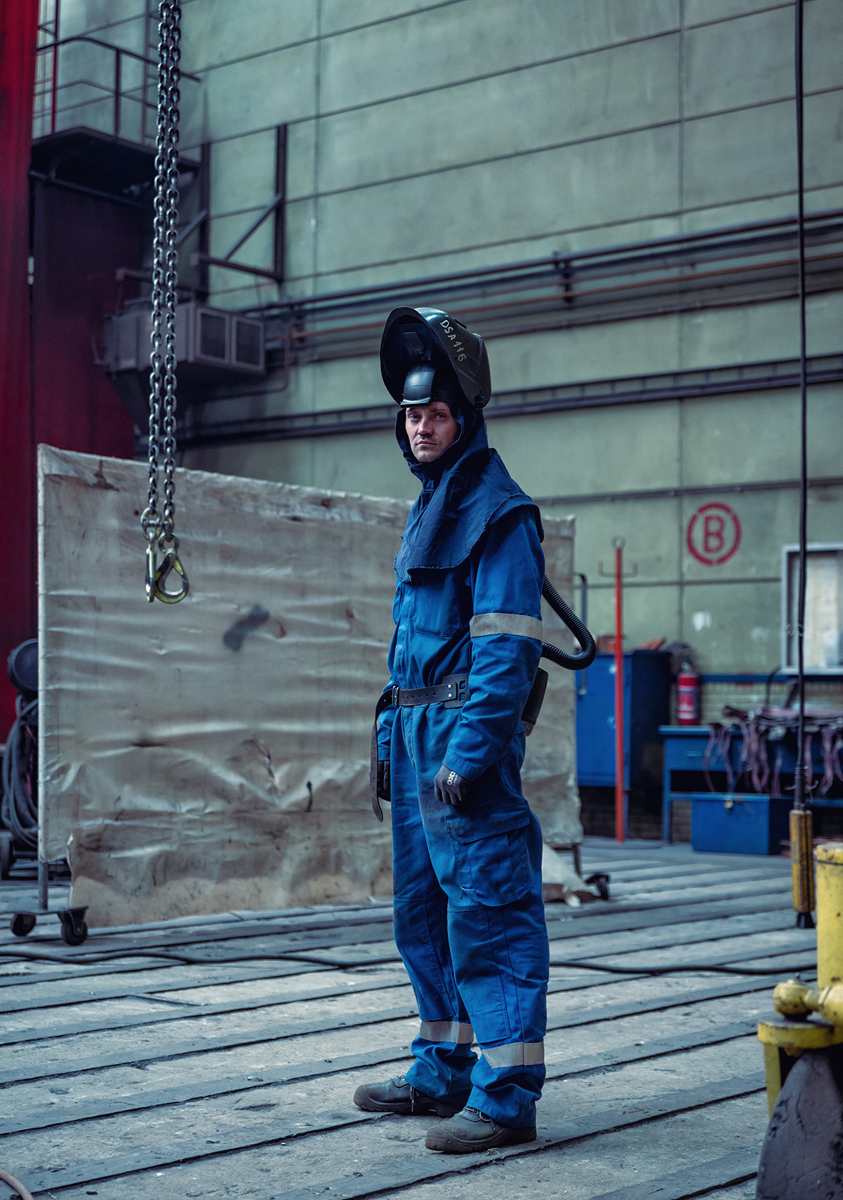
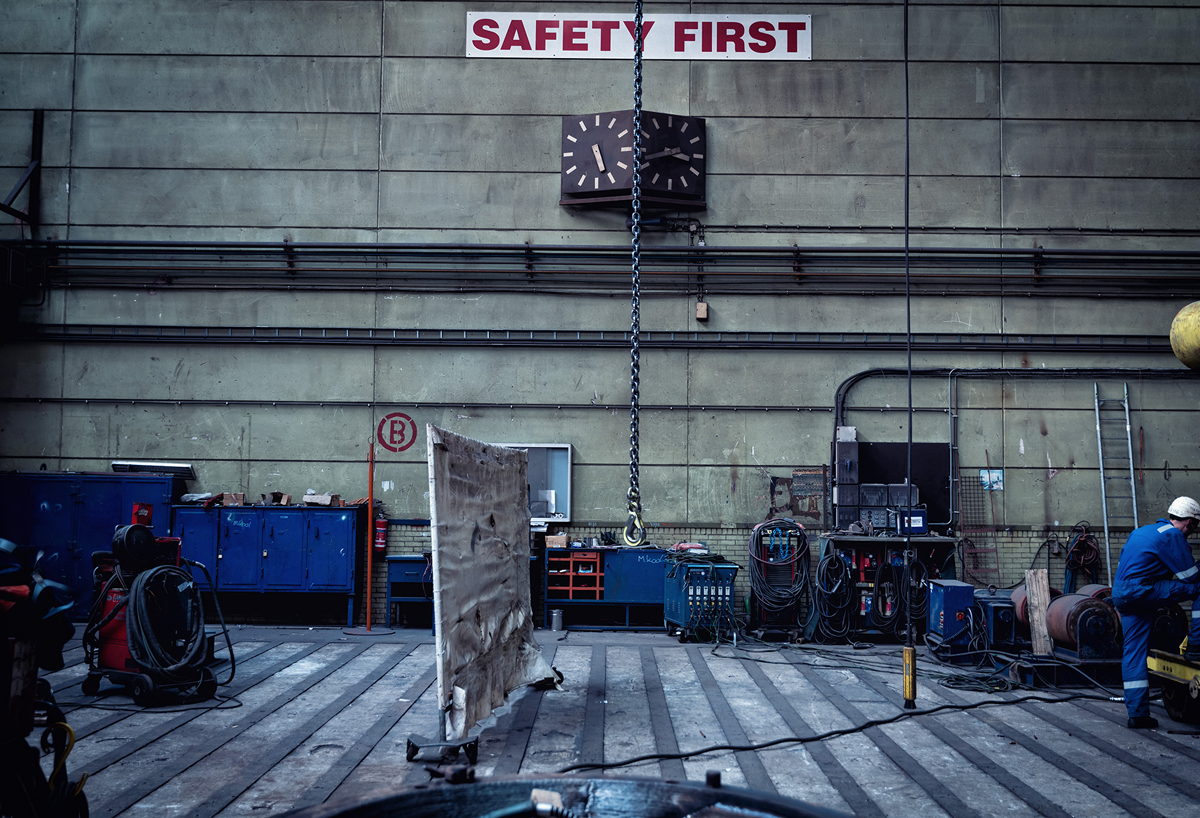
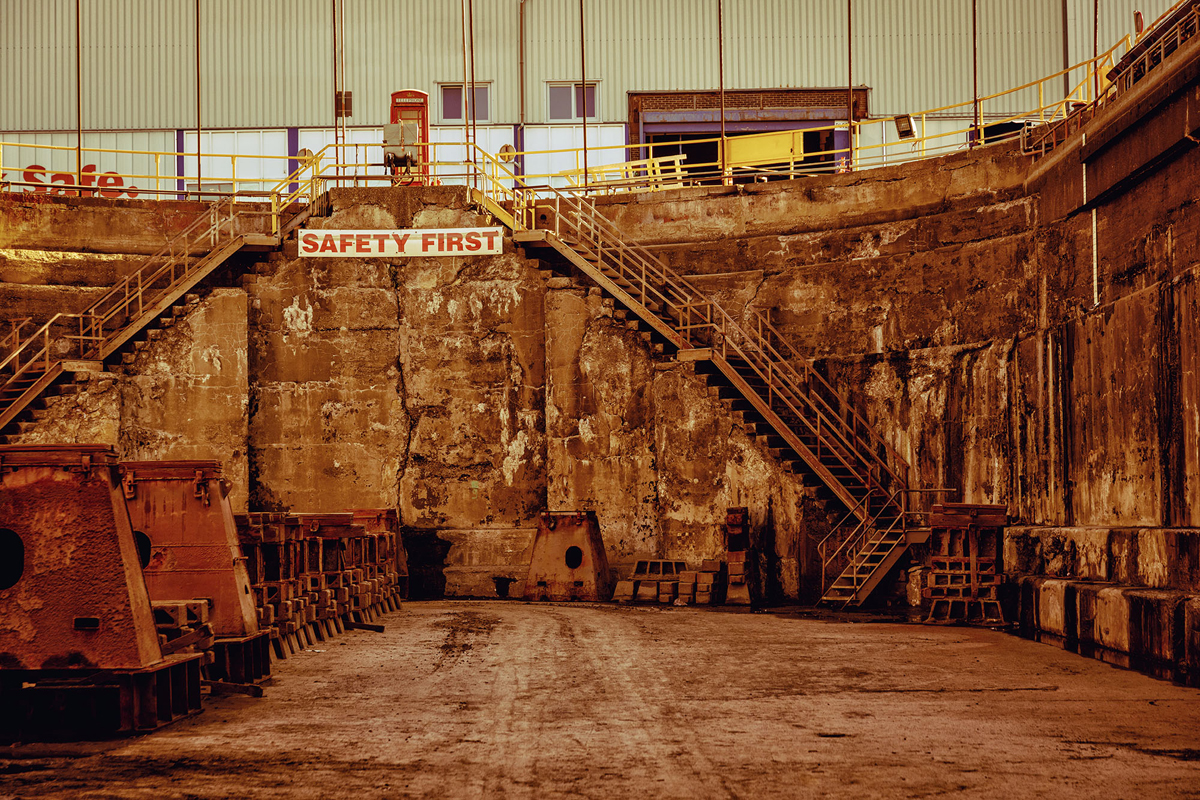
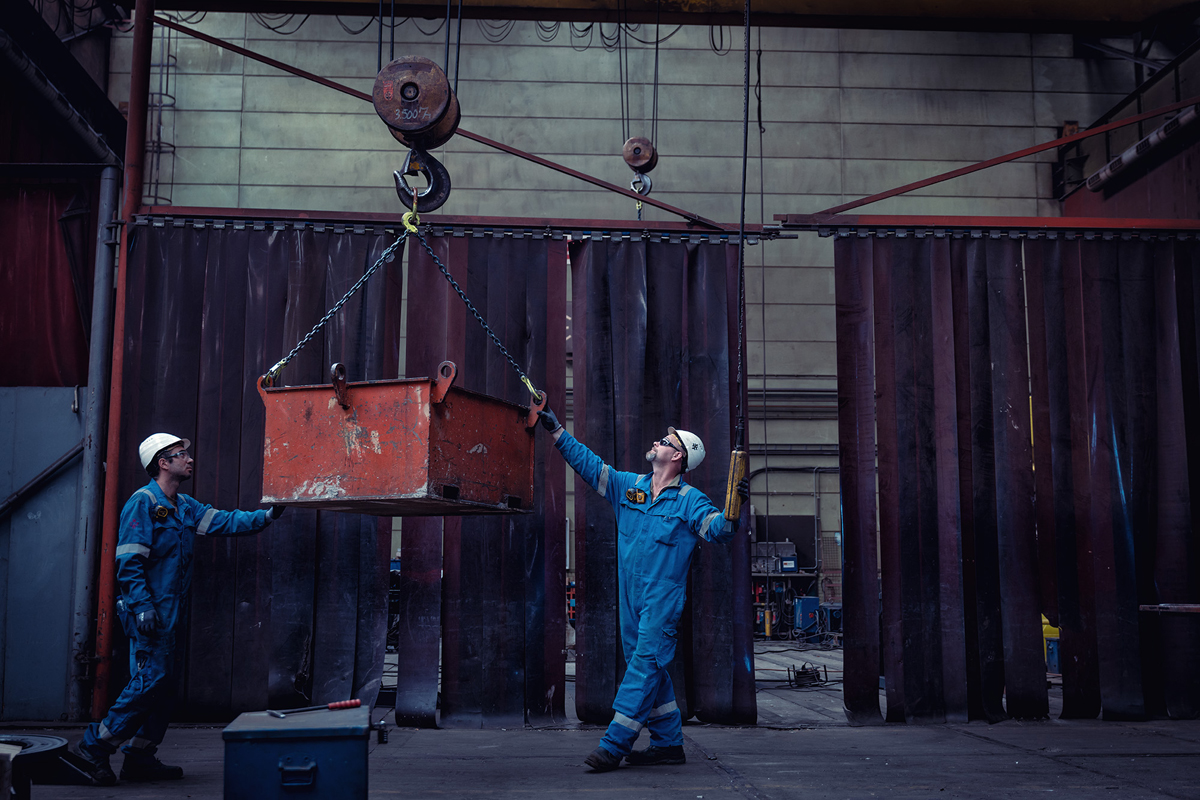
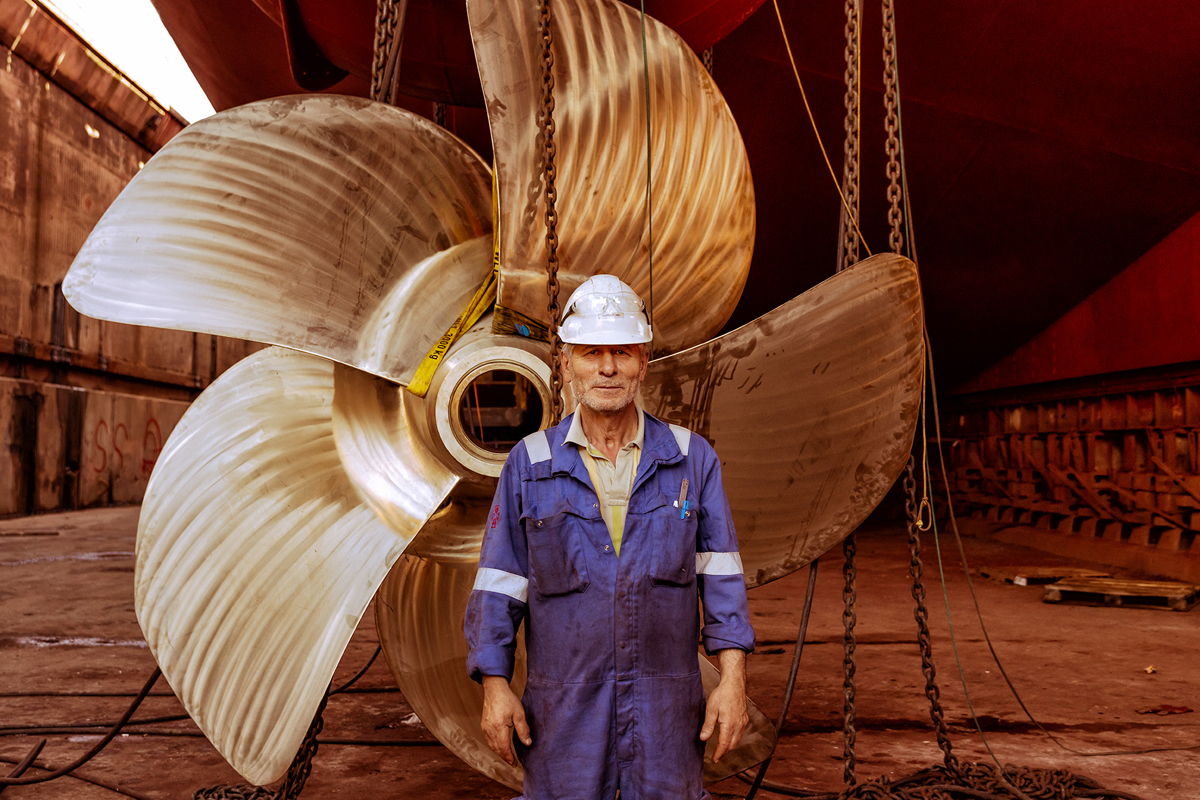
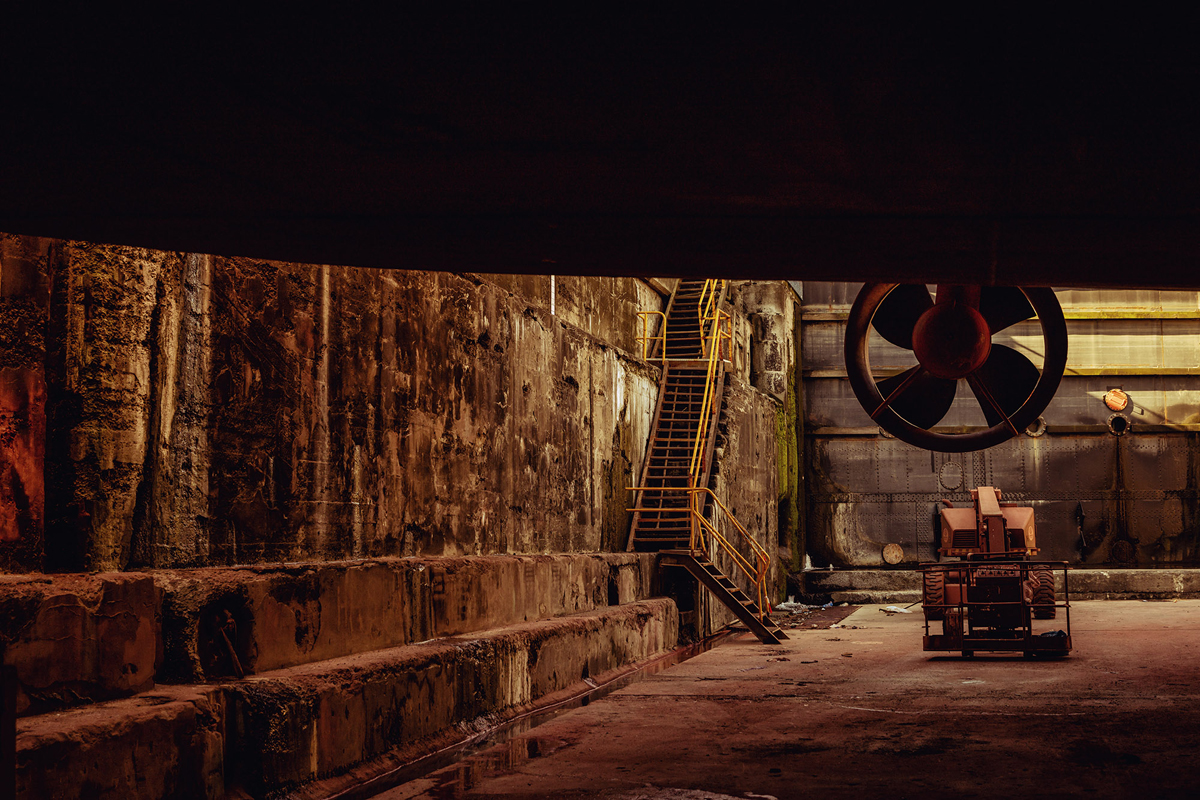
Damen Shipyard Amsterdam was an opportunity to reconnect with both my family and photo roots in one. My grandfathers worked in the same steel mill south of Pittsburgh and big industry feels like I’m visiting them. Photo wise, I thrive in the energy of a big set and team, but this is how most of us start. No production, just a camera… and a safety manager on my hip who doubles as a translator.

It’s really hard to describe how massive and powerful these vessels are until you stand under them, knowing the ocean is 40 feet above where you are, just on the other side of those doors. Goal is to organize the visual mess and focus on the workers. It’s the trades that make this place go and give the images purpose and scale to what starts to be unreal without them. The crew largely ignore me, the walls are leaking seawater and there is orange/red paint everywhere matching the refurbished hull. Later when I’m playing with the color grade, a push of red to match the paint brings these alive.

The machine shop is very different story. Calmer giant spaces with skylights a fashion studio would die for. Same me, let’s organize and make shapes. I’m itching to do portraits of the welders – their helmets and air tanks look Mad Max. Welders are from Damen’s Ukrainian yard closed after Russia’s invasion. Nobody knows how to translate, and my safety translator runs off. They’re looking at me, I’m looking back. Finally, I start pointing and stand how I want them. They mirror me and flash big class photo smiles…. apparently smile for the camera is international. I correct them, we get there….

Big production we analyze and control EVERYTHING, this was the opposite. There’s an old adage of journalist, how you get the shot is f:8 and be there. I didn’t exactly know what I had until the edit. I’ll call it 2.8 and a good day.

To see more of this project, click here

Instagram

APE contributor Suzanne Sease currently works as a consultant for photographers and illustrators around the world.  She has been involved in the photography and illustration advertising and in-house corporate industry for decades.  After establishing the art-buying department at The Martin Agency, then working for Kaplan-Thaler, Capital One, Best Buy and numerous smaller agencies and companies, she decided to be a consultant in 1999.  Follow her on Instagram

The Daily Edit – Rosser Lebeau

   
Rosser / Lebeau

Francois and Ben say “life is an intricate narrative that requires us to appreciate its depth and authenticity by embracing its genuine, spontaneous, and natural beauty.” By adopting a documentary approach, they focus on capturing spontaneous, realistic moments to showcase the raw beauty of life and evolved their friendship into a new photography business. I checked in with them to learn more now that Volume 2 is out.

Heidi: How did your friendship begin?
Rosser / Lebeau: It was in 2012. We were both new to living in NYC and learning how to navigate that place. Our paths were bound to cross because we were both in the photo industry already and avid rock climbers. We got to assist a friend at the same time, and we just got along instantly. We started rock climbing and sharing photo ideas, knowledge, and experience, and our friendship just grew from this.

Now that you are 4 years into this project, what surprised you about this new endeavor?
It surprises us that we’ve been doing this together for four years! Also, the reception of our service has been above and beyond our expectations. Our work gets in front of people who appreciate what we observe in the daily lives of the families we work with, which is very rewarding. To see that our initial vision and drive found their audience, we couldn’t ask for better.

As a team, we consistently reevaluate the business, asking each other what we could do differently to improve, which leads to a to-do list that we are tackling one by one. But as of now, I don’t really know what we could have done differently cause it’s been going quite well.

Ben’s photography career has some early influences from event, fashion, and celebrity photography, and François’s in the outdoor industry – how did both these influences inform your business?
The experience we were able to accumulate helped to mold how we approach our shoots with Rosser / Lebeau. When we met, we realized quickly that we had a very similar taste in photography. Being observant, and build the strength of a photograph through composition, light, and somewhat the decisive moment. In Ben’s career, there’s a lot of this that is applicable to get the best of his coverage or portraiture. Always need to be fully present and have a high sense of anticipation.

On François’s career side, it is practically the same, but just in a different environment. Planning the shoot around the best light, be there and ready for the unexpected, and being involved with the story itself to have a high sense of intimacy through the images.

All those tools, from our perspective, are necessary to allow ourselves to create what we want to create with Rosser / Lebeau. Working with kids is not easy, and it can go in EVERY direction imaginable. So when we decided to take the leap, we were well-equipped to start this endeavor. We’ve learned a lot since then, and that new knowledge pays back now in our solo careers too.

How do you complement each other?
Great question. Ben has a high sense of elevated imagery, due to his background covering celebrities, fashion, and events. Well composed, clean, and thoughtful. Ben always has good remarks on what makes a good photograph and how we can improve from one image to the next.

François, on his side, always loved the saying “imperfect perfection”. He often embraces being organic and in the moment, often pushing further in that realm to see through what people should expect. He is a firm believer there’s beauty in anything and uses it to his advantage when he creates.

On the business side, well, we learn together everyday. We definitely have separate strengths that when combined, makes those tasks easier too.

François is a father of two now, how is family life fueling that creativity? Do you think you’d take the same photos if you were both child-free? This is assuming Ben has kids….
Francois: I think having kids doesn’t affect much how I perceive things. At least for me. But what I understand way more is the value of those images we are doing for the families. When Ben gets to spend time with us in Colorado, he always carry his camera and shoots loosely. And ALL the images that he takes are SOOO precious to us. I cannot imagine how it is to receive a gallery of that caliber, without being used to be surrounded by quality imagery.

It just lines up with our motivation when we started Rosser / Lebeau : We wanted to create images that will last a lifetime and be passed to the next generations, instead of being a short lived creation that the nature of commercial photography is. And by experiencing it myself, it means a lot to have those images for our family.

In Volume 2 the images feel more intimate, and graphic – is this a reflection of you both feeling more comfortable in this new space?
Probably just the nature of putting the hours in. We have more opportunities, we met many types of families and people, and we also have the work we created that supports us. We are totally aware that it is very vulnerable to open yourself to be photographed this way, but when people embrace it and feel comfortable with us, that’s when ‘’the good stuff’’ happens.

How much time do you spend with the families, there’s spontaneity and intimacy to this work which is hard-won.
We allow ourselves to let things happen, so the classic 30 minutes session is not applicable for us. If we want to deliver the product and service we promise ourselves to do, a minimum of 2 hours is a must, but if we feel the energy is still there and thing are happening (or will happen) we will definitely stay with the family.

Do you both travel to the locations or is the work divided by location?
Definitely. We had inquiries from all over the continent and hoping that we will find a way to make it sustainable even on the international level. For families, we shoot them most of time solo. Ben being located in NYC will take care of the east coast, while Francois being in Denver will connect with the people on the west coast. Everything is interchangeable depending on availabilities, but it’s been working great like this. And for weddings, we tackle the coverage together. Having our style being very similar, it is nice to be working under the Rosser / Lebeau umbrella, and being able to trust each other with delivering images of the quality our company aspires to.

The Art of the Personal Project: Renny Maslow

The Art of the Personal Project is a crucial element to let potential buyers see how you think creatively on your own.  I am drawn to personal projects that have an interesting vision or that show something I have never seen before.  In this thread, I’ll include a link to each personal project with the artist statement so you can see more of the project. Please note: This thread is not affiliated with any company; I’m just featuring projects that I find.  Please DO NOT send me your work.  I do not take submissions.

Today’s featured artist:  Renny Maslow

Born and raised in New York City and now based in Los Angeles, Maslow uses photography to explore our relationship with the physical world. “Growing up in New York, you develop this heightened awareness of your surroundings. It’s like a radar that’s constantly analyzing what’s happening on the streets around you. I’m noticing and feeling all the little details. With my photography, I’m drawn to the idiosyncratic elements of my environment that cause an emotional ripple; something unsettling, humorous or ironic. It could be an unusual object, or a strange structural landscape populated by a lone person that feels like an uncanny or mysterious window into a larger story.”

Having spent much of his career directing commercials defined by a dry sense of humor and a very intentional visual style, Maslow opts for a less controlled approach with a body of photographs titled SIGNS OF LIFE. In this work he uses his cinematic sensibilities to capture moments of oddity and drama that are naturally occurring all around us. Maslow aims to find beauty and order within the grit and chaos of the urban world, while bringing light to particular aspects of the human condition. He presents the work as large-scale prints, inviting viewers to become absorbed by a heightened sense of detail throughout the composition.

SIGNS OF LIFE debuted in April 2024 at The Good Mother Gallery in Los Angeles followed by another show in Ojai California this past August. He has plans to turn this work into a book and you can inquire about available prints at rennymaslow.com

To see more of this project, click here

Instagram

APE contributor Suzanne Sease currently works as a consultant for photographers and illustrators around the world.  She has been involved in the photography and illustration advertising and in-house corporate industry for decades.  After establishing the art-buying department at The Martin Agency, then working for Kaplan-Thaler, Capital One, Best Buy and numerous smaller agencies and companies, she decided to be a consultant in 1999.  Follow her on  Instagram

Pricing & Negotiating: Brand Narrative And Interiors Photography For A Medical Client

By Bryan Sheffield, Wonderful Machine

Each month, we pick one of our recent estimates to write about in a Pricing & Negotiating article. Redacting the names of the photographer and client allows us to share valuable and educational information that would otherwise be confidential.

Concept: Architecture/Interiors and Brand Narrative content of an upscale medical center’s treatment facility in an affluent area of a major U.S. city

Licensing: Perpetual, Unlimited Use (excluding Broadcast) of up to 35 images

Photographer/Director: Architecture and Interiors specialist

Agency: High-end Public Relations Agency

Client: Medical Center

Summary

I recently helped a photographer build an estimate for a client seeking brand narrative and architecture/interiors photography of their upscale medical center and specialized treatment facility.

The client brief described atmospheric interiors, and stylized content of the location for use in the brand’s marketing and advertising efforts. The shot list consisted of 35 images created through eight unique set-ups within the location. The final use of the photography was described as client web and social placements, as well as advertising within trade and select consumer publications. We called this Unlimited use (excluding Broadcast).

The client wanted to handle all the location coordination, location styling, employee/staff talent and talent coordination, wardrobe/hair/makeup styling, crew meals and crafty. Therefore, we included a Client Provisionssection within the Job Description to note who would be handling these items.

Here is the estimate:

Fees

The client had a prescribed shot list of what they wanted to capture. And so, based on the client, our budget range conversations with the PR agency, and the intended content use, I advised a Creative/Licensing fee of $12,000 for up to 35 images. This equated to $2,500/day for the shoot and an additional $9,500 ($271/image) licensing fee. The photographer was happy with the suggested fee and we were both under the assumption that only a handful of images would be used within any paid placements. It should be noted that this fee was significantly higher than other Architecture/Interiors projects the photographer had worked on (albeit those licenses were mostly only for Collateral and Publicity use), and the photographer was initially apprehensive about the fees total, based on the rates of their competition.

Our estimate included a line stating the cost of additional images to be $1,250/each (including up to one hour of retouching). This additional image fee was purposely created to be significantly higher than the other images. I also added $750 for the photographer to scout the location in advance of the shoot.

Crew

We added a First Assistant at $600/day for both the tech scout and shoot day. Then we added a Second Assistant on the shoot day for an additional hand with lighting and camera equipment management to help to expedite the day. In addition, we included a Digital Tech at $750/day. These fees were consistent with previous rates the photographer had paid their crew on past productions in this city.

Equipment

We included $1,400 for cameras, lighting, and grip rentals. This would all go to the photographer as they anticipated bringing their own cameras, lenses, and basic lighting kit. Another $650/day was then added for the digital workstation rental. Finally, we also included a line for hard drives at $0 to be included with the production. We have found it always helpful to note items to be included, even if $0, to let the client know the photographer is considering all needs, and in this case the need to back up the images on site.

Misc

For insurance, we included $450, and we added $325 to cover taxis, additional meals, and any unforeseen expenses.

Post-Production

The photographer would perform a First Edit for Client Review and deliver roughs to the client for $500. We also included a retouching fee for the 35 images at $100/hr. The photographer would be doing the retouching themselves, and this hourly rate is consistent with their previous projects.

Results

The photographer was awarded the project. The client loved the work and returned about a month later to license an additional image at $1,250. The final images are gorgeous, and are currently in use on both the client’s web/social pages and the photographer’s portfolio!

Follow our Consultants @wonderful_at_work.

The Daily Edit – Red Bull: Paris Gore

Brage, Kade and Brett Rheeder
Brage Vestavik and Kade Edwards
Brage Vestavik
Brett Rheeder
Brage Vestavik and Kade Edwards
Brage, Kade and Brett Rheeder
Brett Rheeder
Brage, Kade and Brett Rheeder
Paris, Brage and Kade

Red Bull Media House
Photographer: Paris Gore
Anthill Films Director: Darcy Wittenberg

Heidi: How did your personal life and love of riding evolve into this project with RedBull?
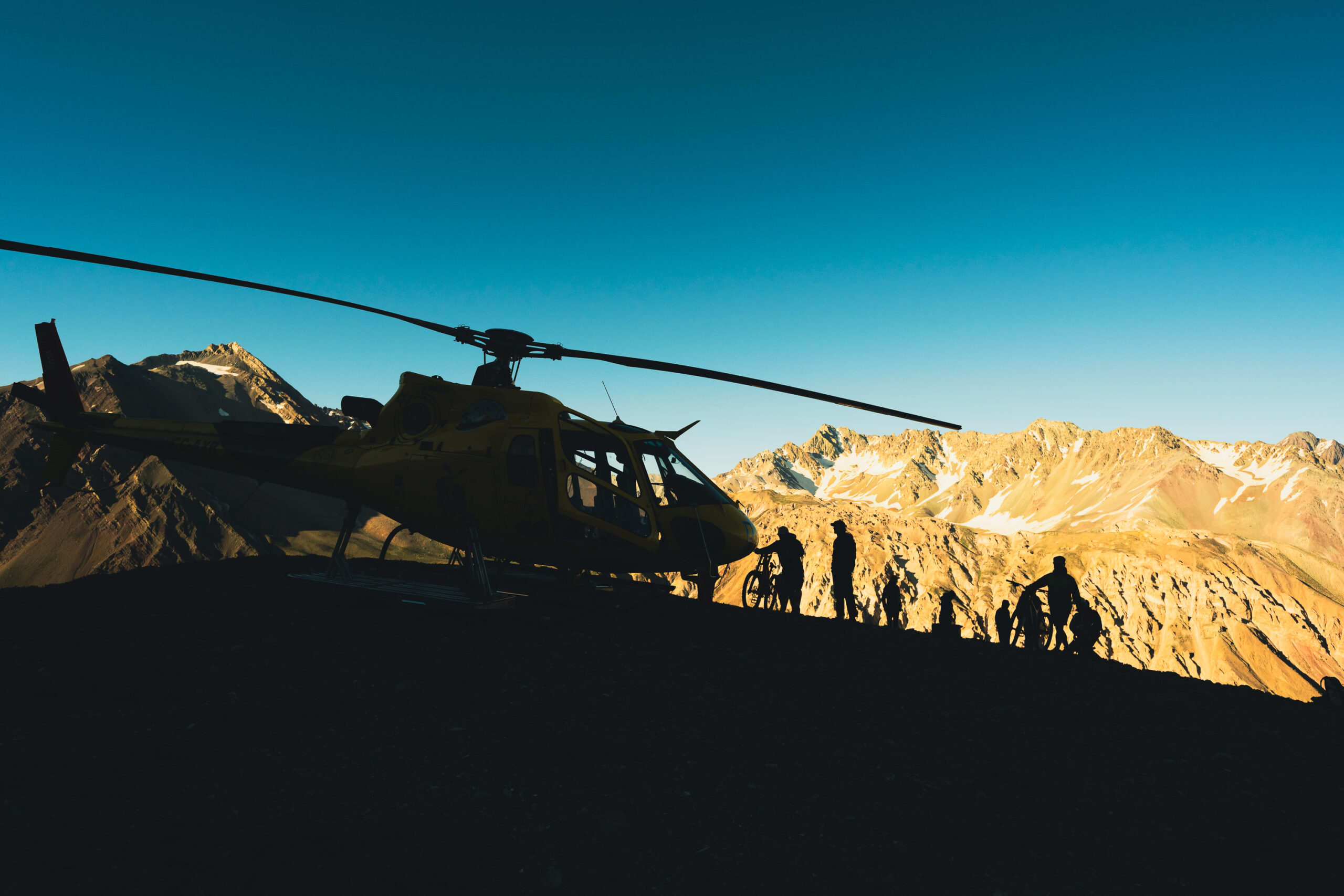
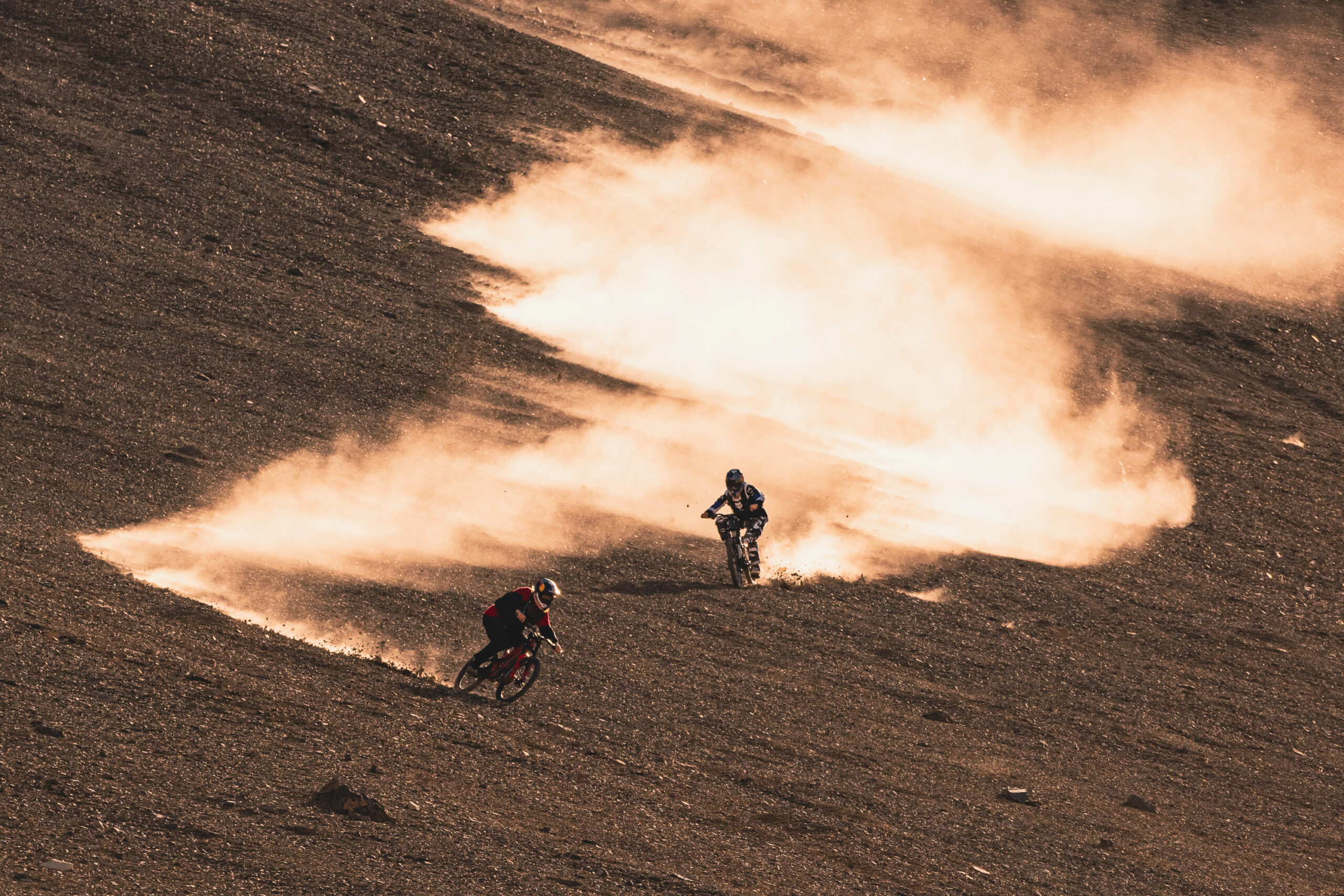
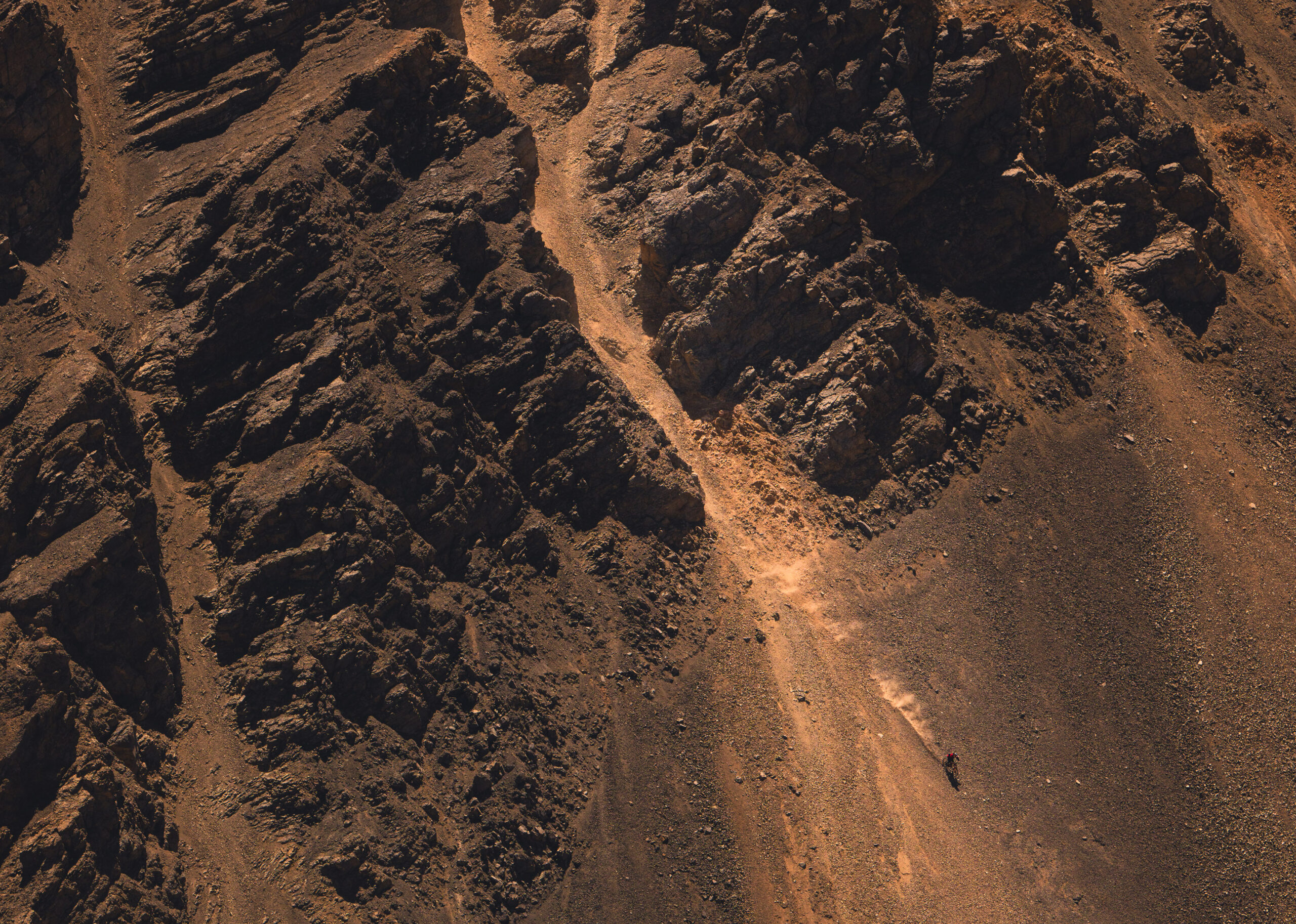
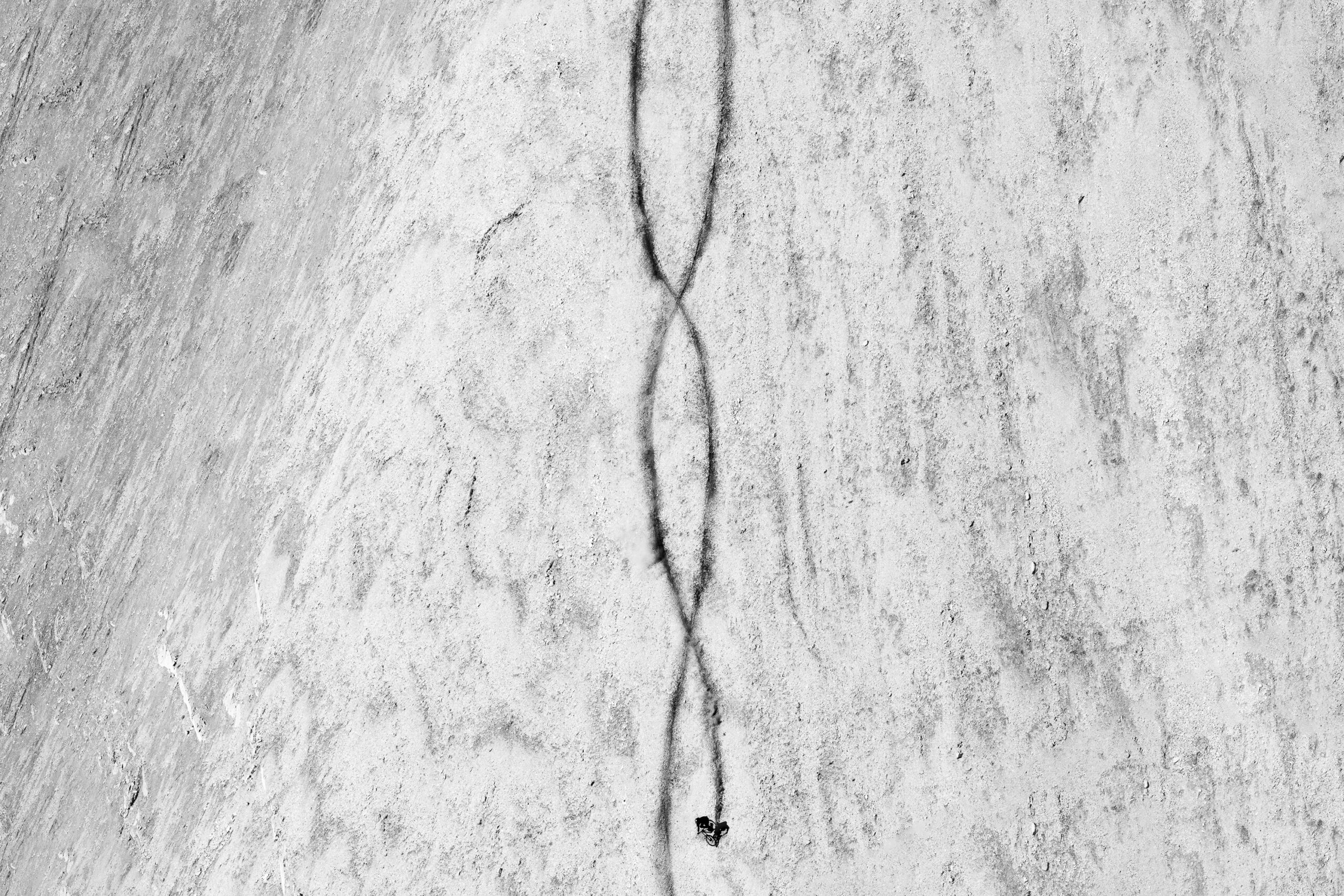
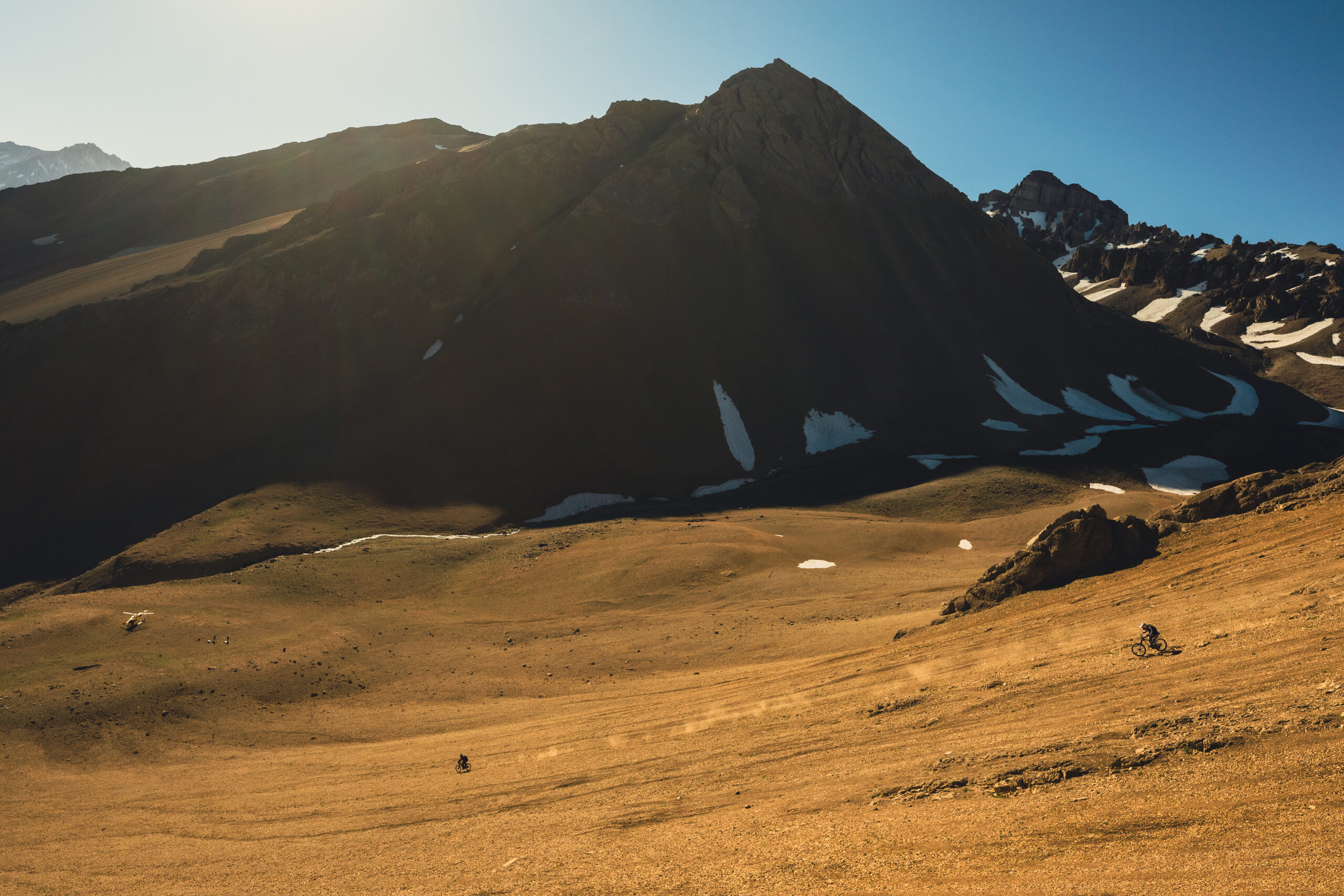
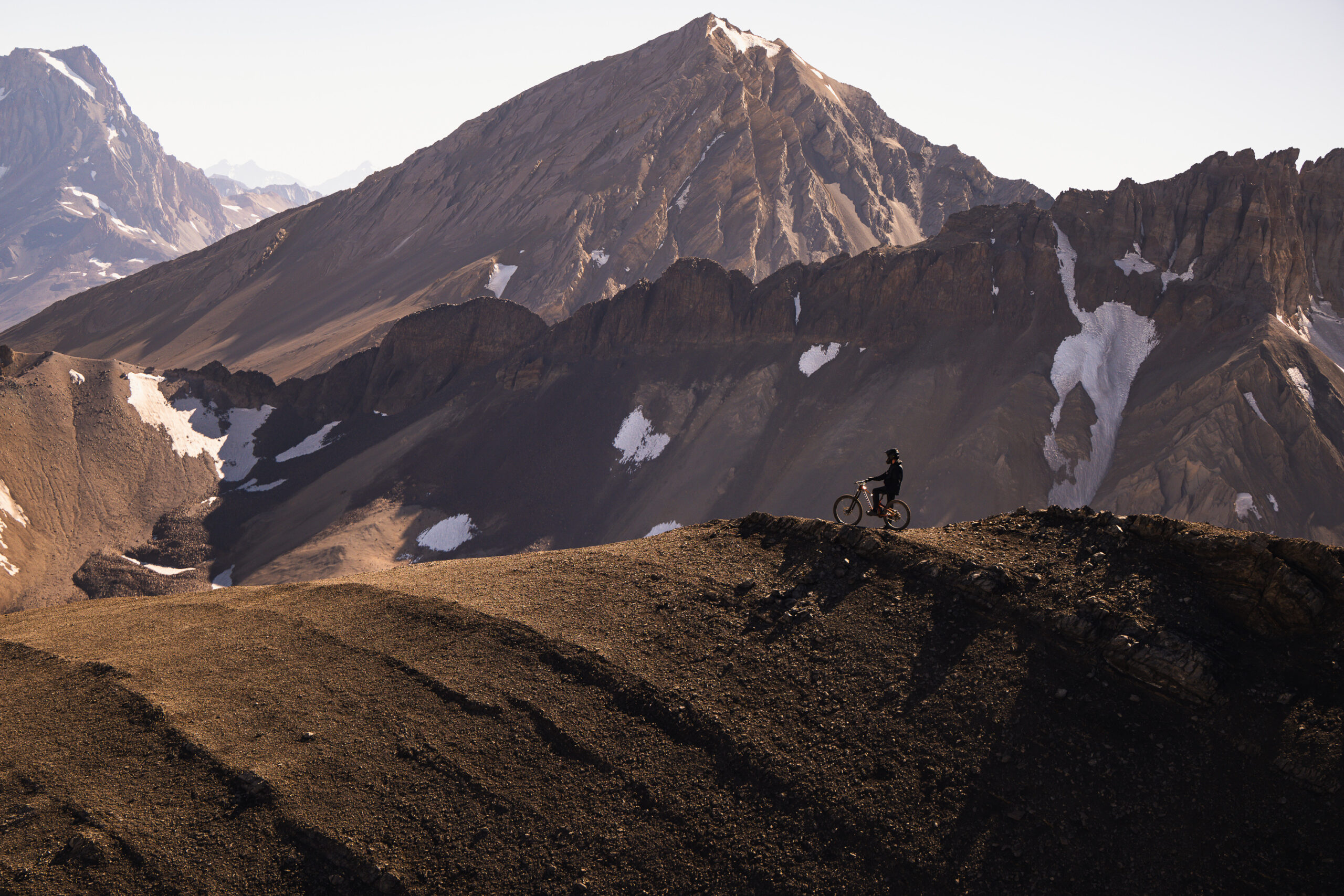
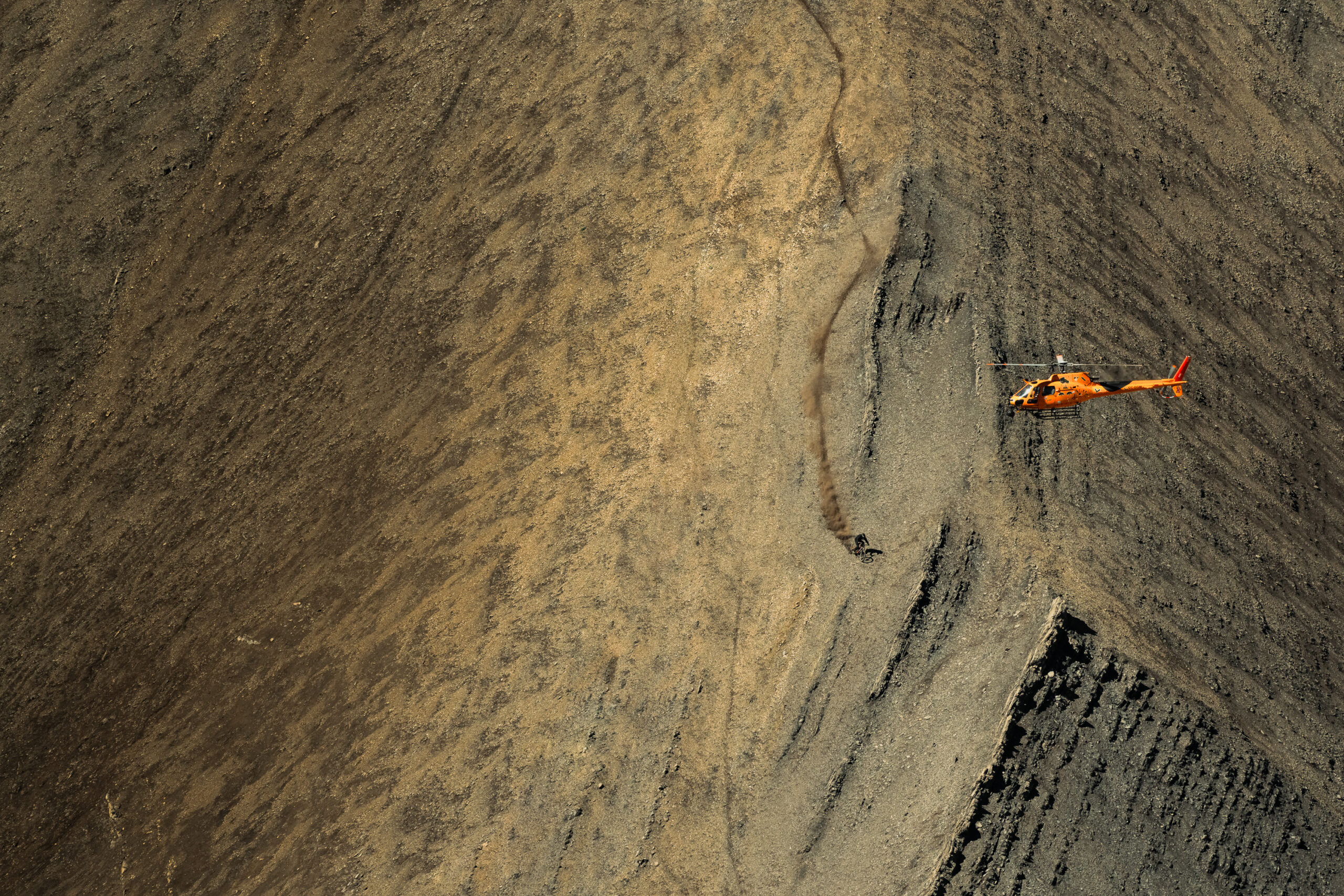
Paris: A few years ago I had done some heli biking in the Andes outside of Santigao, Chile and flowing around some areas that had these massive 4,000 foot plus open faces that could totally be ridden by the right athletes. We were filming for a Specialized Bikes gear shoot in 2022 and came back from that trip with a ton of knowledge and contacts in the area. Jumping forward to the following year Darcy Wittenberg (Anthill Films Director) and I sat down last summer 2023 to chat about a potential new movie they were working on with Red Bull. Anthill has produced some of my favorite bike films of all time and grew up watching some of the original films on repeat. Darcy wanted to know if I had any knowledge of some big mountain freeride biking zones that would push the boundaries of what has been done before. Turns out my previous trips insight was enough to sell Anthill on Red Bull on going there for this movie project.

What made this feel like a long shot?
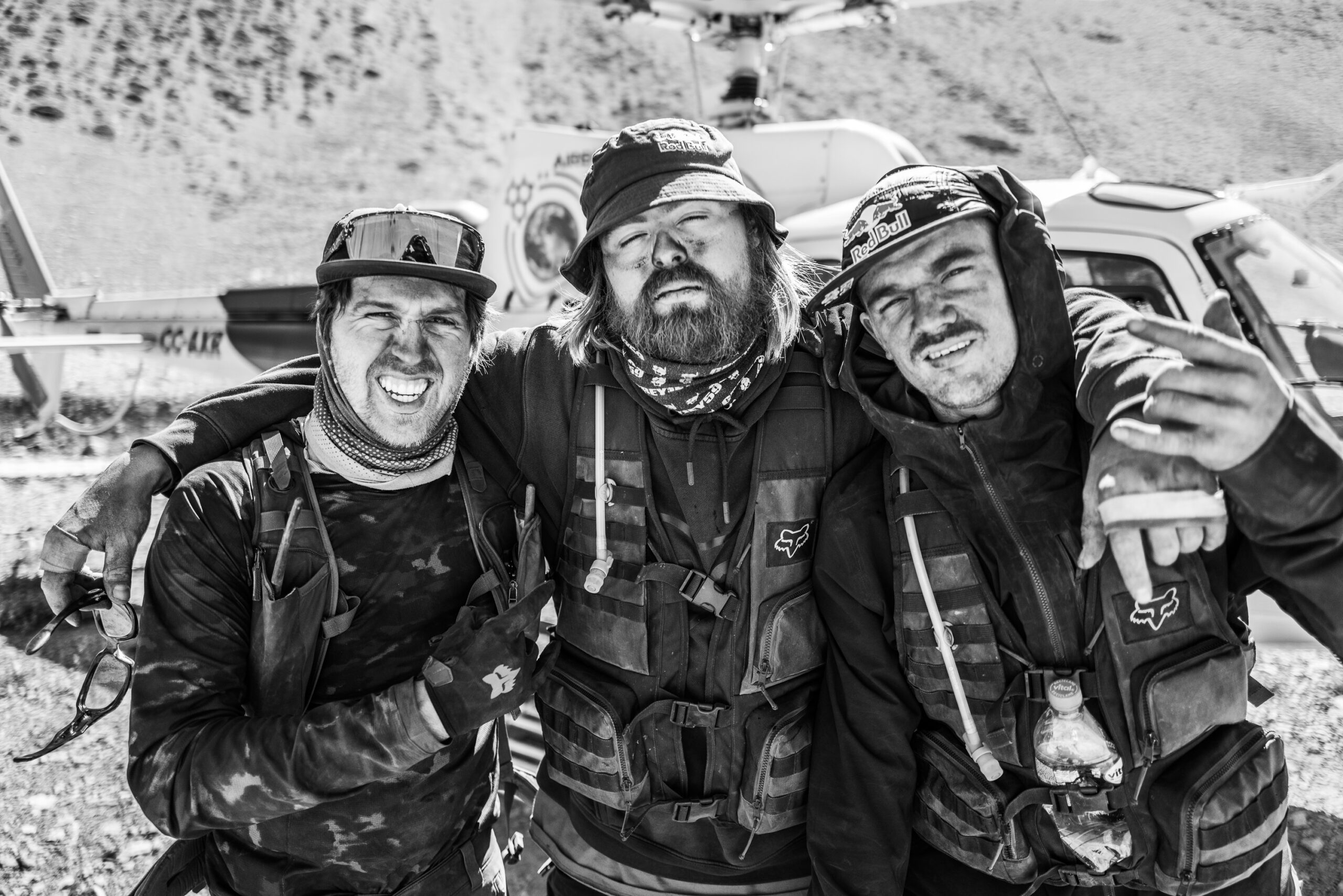
Pitching the idea to Darcy felt like a long shot, but as the conversations went on it sounded like the trip was going to happen with Brage Vestavik, Kade Edwards and Brett Rheeder with a full film crew, two helicopters and some of the most exposed riding anyone has ever attempted to ride in the world. I’ve pitched a lot of ideas before and they all are usually well accepted but never the right “fit” for a brand or too much money, etc. So it felt really rewarding that this entire production was trusting what I had seen down there and actually went for it considering how much money was being spent to produce this segment all I could think about now was hoping that it actually works to ride these faces.

Dream jobs like this often come with risk, reward – what was the situation that led to the crux move for the crew?
Kade and Brage evidently had found this line they wanted to ride; we named the Horny Condor which was a couloir through some massive rock exposure and was super tricky to ride the top portion of. So we had to bring in tools to bench in some dirt for the guys to safely get into the line before freeriding down to the bottom. I’m finishing up in the helicopter making our way over to the top and we get word that Kade and Brage have both broken all the tools they have and need one from the truck and lodge. I get deemed the man for the job and jump in the heli to fuel up and grab these tools for the boys.

The intensity of a situation ramps when someone uses your first name to give a directive, true?
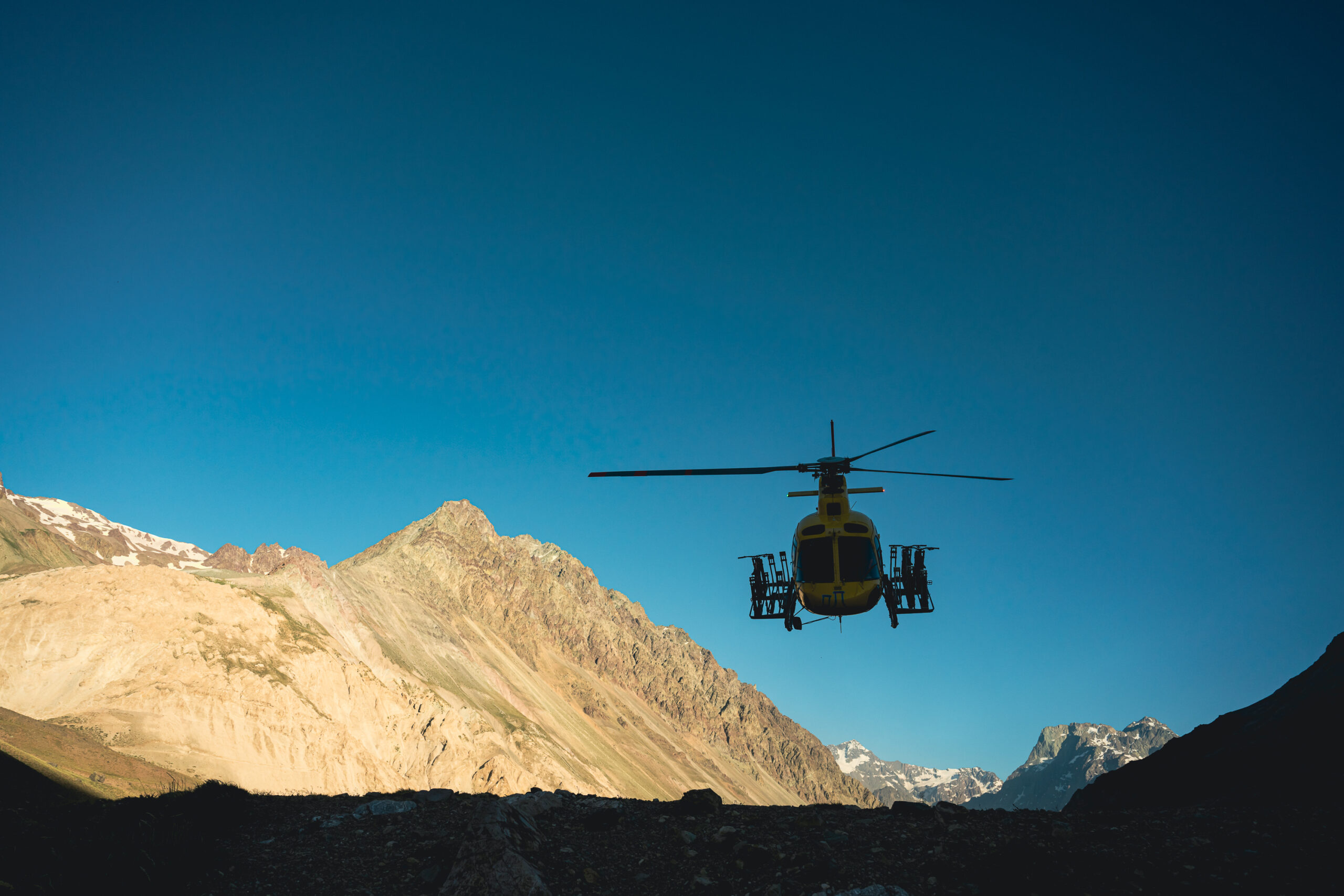
Tools in the back of the chopper, me and the pilot make our way back up into the zone where the guys are working and Julio has a wild idea to fly into the area and land on a semi truck sized boulder. Things were starting to get a little crazy now and I’m thinking what in the actual fuck is this guy doing. A pilot myself I started to feel the adrenaline coming on and feeling the intensity of the situation I’m getting in. Julio starts flying up the line blasting rotorwash down on the crew and I’m like dude I don’t think is a great call but he puts a skid on this rock holding collective and tells me “Ok Paris, open the door and put the tools on the rock”. Which I began to do and unable to reach behind me, I have to undo the full harness I’m locked into. Immediately, Julio is throws his hand onto my chest and says “NO” So I buckle up and eventually get the pick axes out the door onto this rock ledge he’s got hardly one helicopter skid on. We do a wild turn out and land on a river bank with my blood pumping into my brain so hard I could hear it.

Along with being an athlete you’re a trained pilot, how has that informed your creativity and ability to navigate jobs?
Being an athlete and pilot myself, I genuinely live the sports and adventures I shoot so it really translates into authenticity while on an assignment. It helps me have a better connection to the subjects and people I’m shooting with finer detail. The other part of that is also just being able to get into certain situations that require experience in the mountains. Being able to snowmobile, snowboard or mountain bike into hard to get places gives you an advantage to really put yourself in the same terrain as a professional skier or mountain biker. Being awarded jobs due to this is definitely a factor, most athletes or brands might be hesitant to work with someone that is more green and could pose a risk to the crew because at the end of the day we are all working as a team for safety, hazards and ability to get where we need to go

Were you shooting mostly from the heli along with reportage of pre and post riding?
It was a mix with the helicopter since it’s time is expensive and limited there were a few shots where I was able to shoot from the helicopter. It’s a lot trickier than you might think but in the end it’s always worth it. We would also get dropped onto opposing ridges or slopes that would give us a solid angle without needing to shoot out of the helicopter which was generally the most ideal scenario. The only speciality equipment I had brought was a Nikon 180-600mm lens due to the sheer size of the mountains it was absolutely necessary.

What was the directive from the film crew? how did you integrate – remain unobtrusive?
We worked together easily to perch in a similar area together with another filmer so we never really got in each others way. Since most of the angles they are shooting are what I would need as well or vice versa.

Were stills integrated as part of the final film or supplemental creative?
The stills were not used in the film itself but more in the promotion and titles for trailers, youtube, Red Bull TV, etc.


The Art of the Personal Project: Aaron Dougherty

The Art of the Personal Project is a crucial element to let potential buyers see how you think creatively on your own.  I am drawn to personal projects that have an interesting vision or that show something I have never seen before.  In this thread, I’ll include a link to each personal project with the artist statement so you can see more of the project. Please note: This thread is not affiliated with any company; I’m just featuring projects that I find.  Please DO NOT send me your work.  I do not take submissions.

Today’s featured artist:  Aaron Dougherty

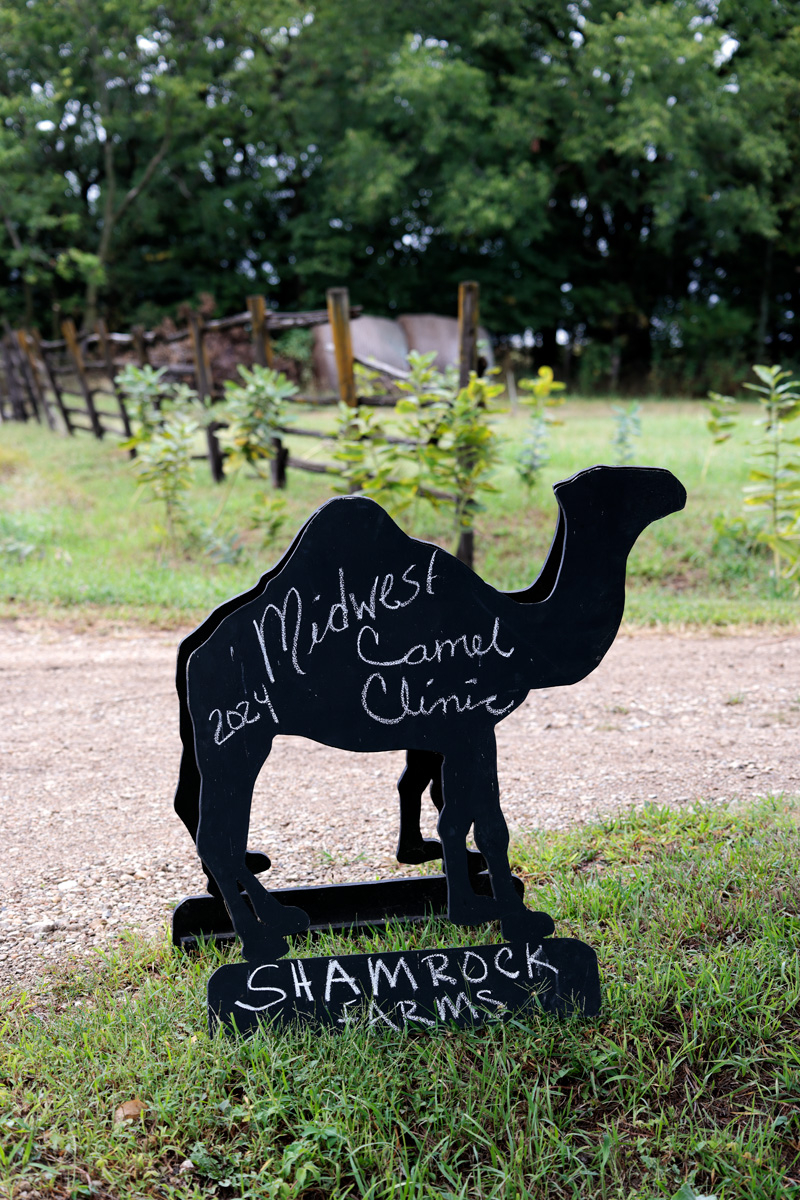
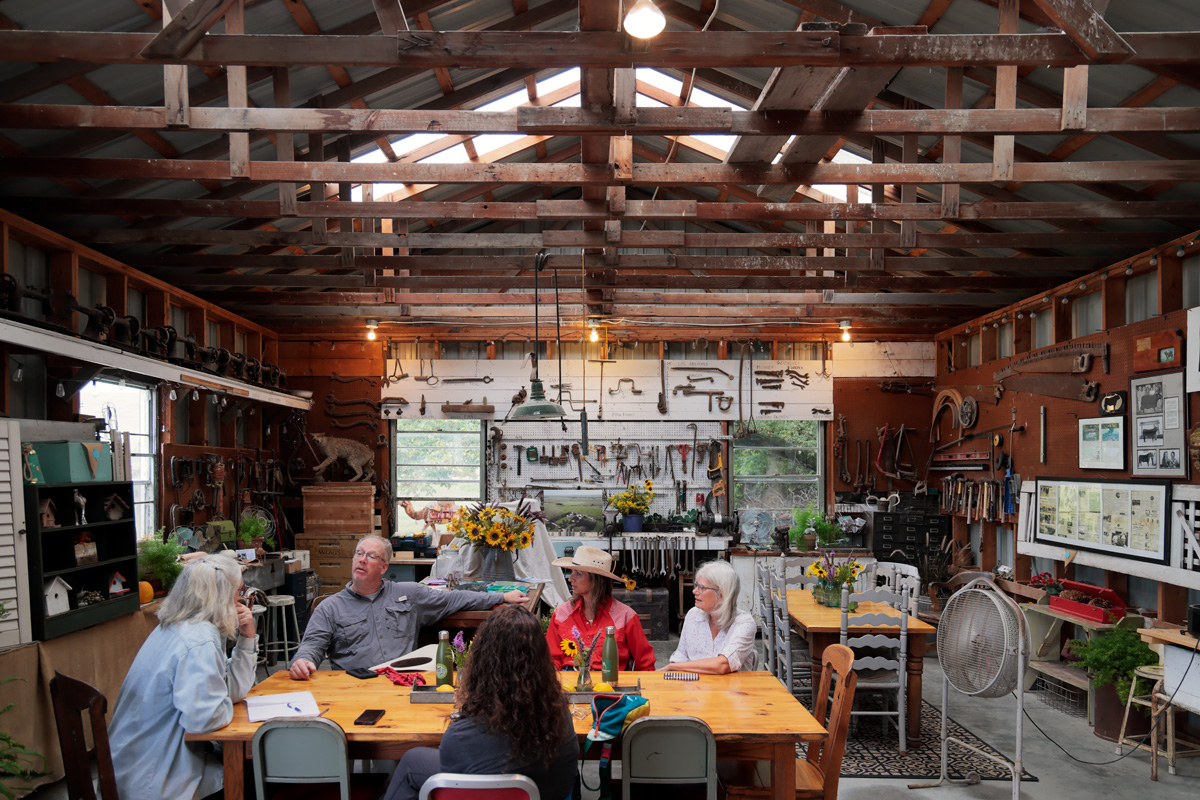
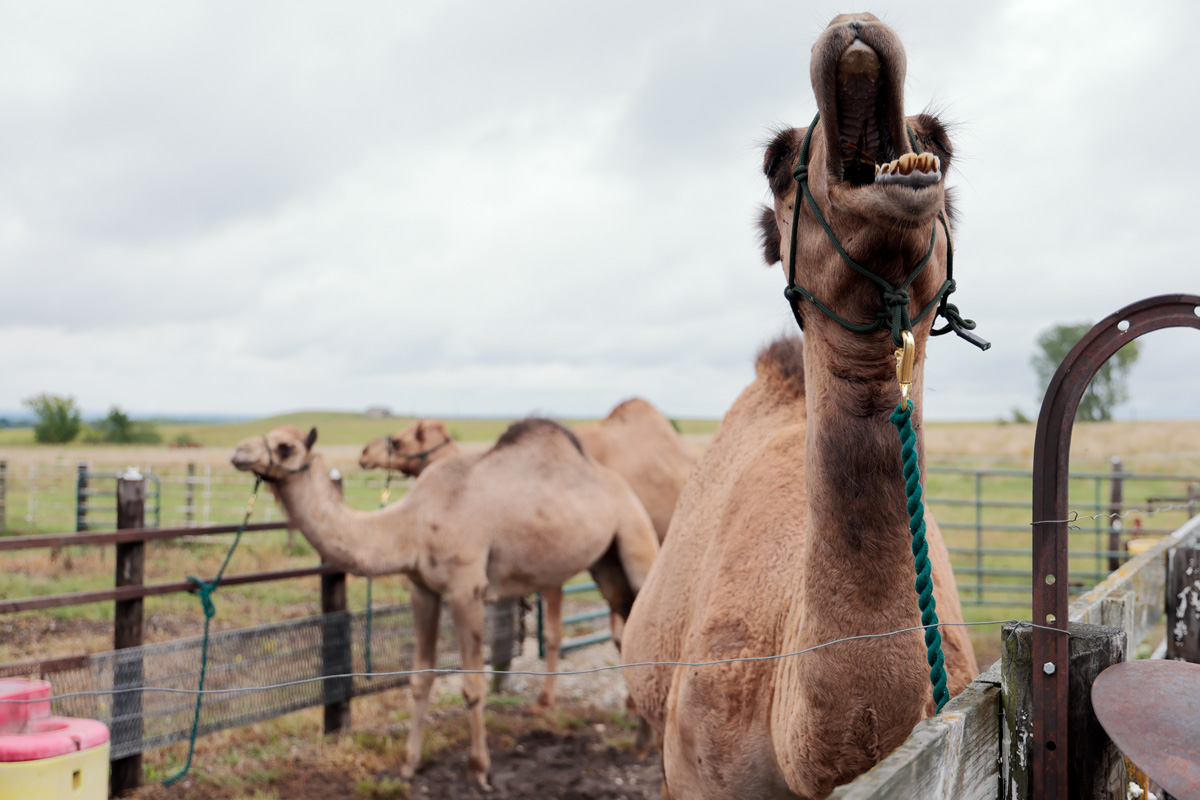
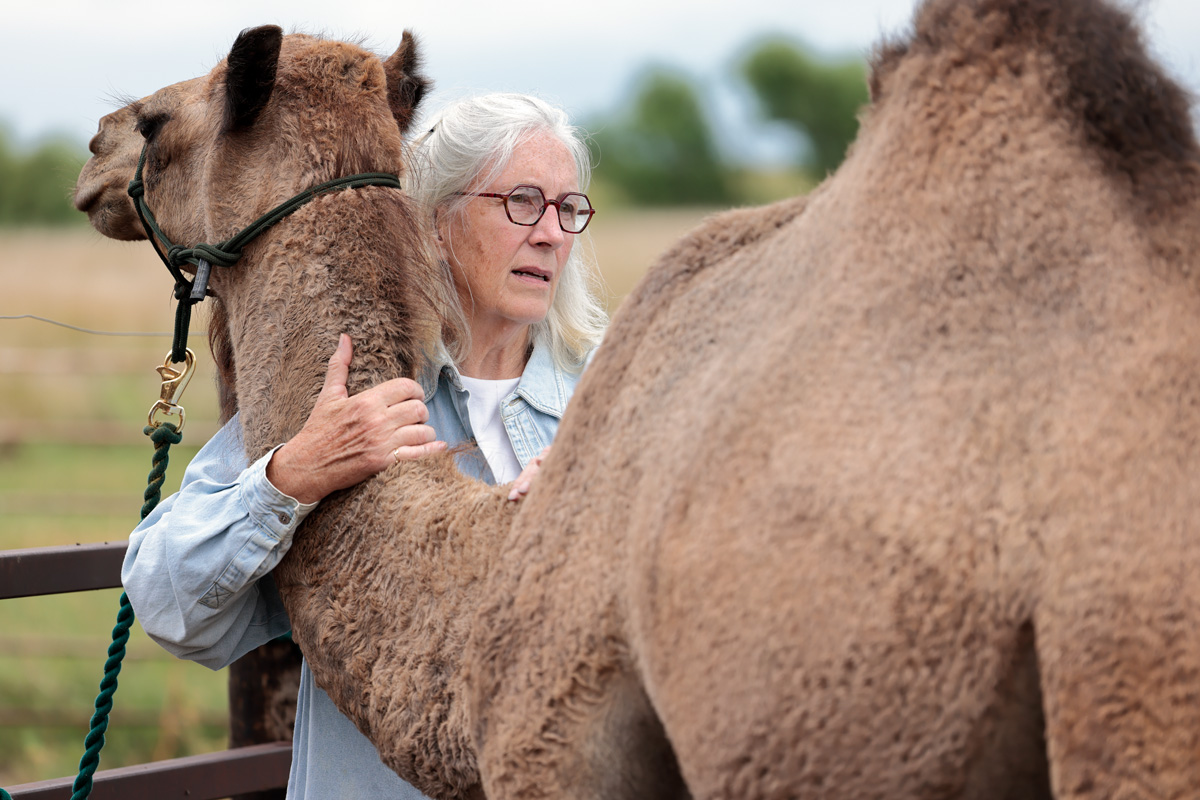
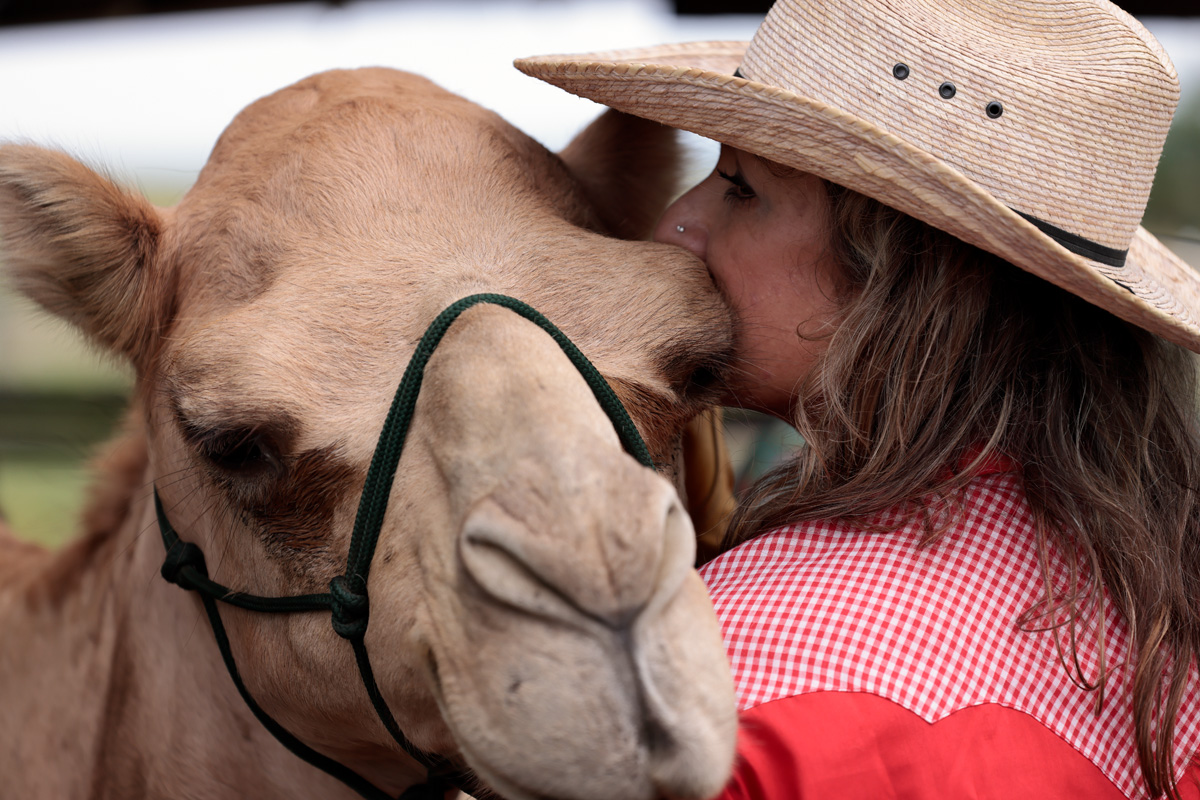
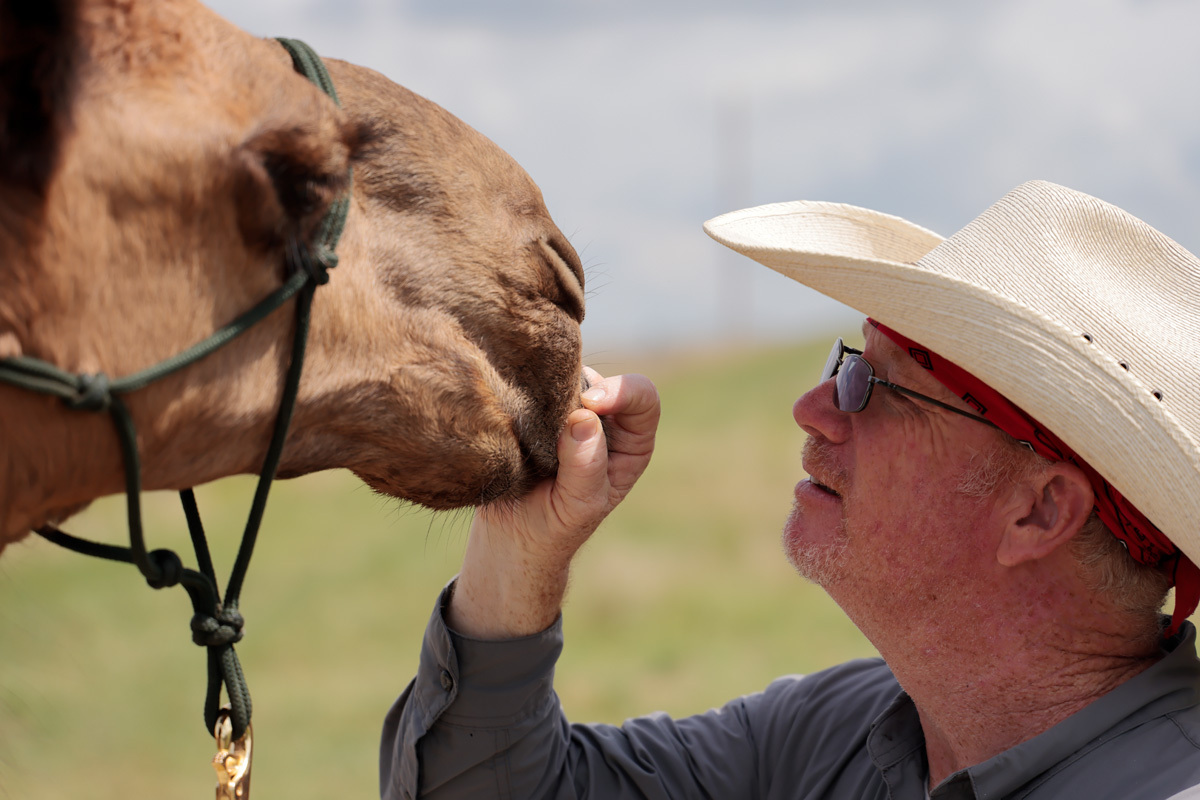
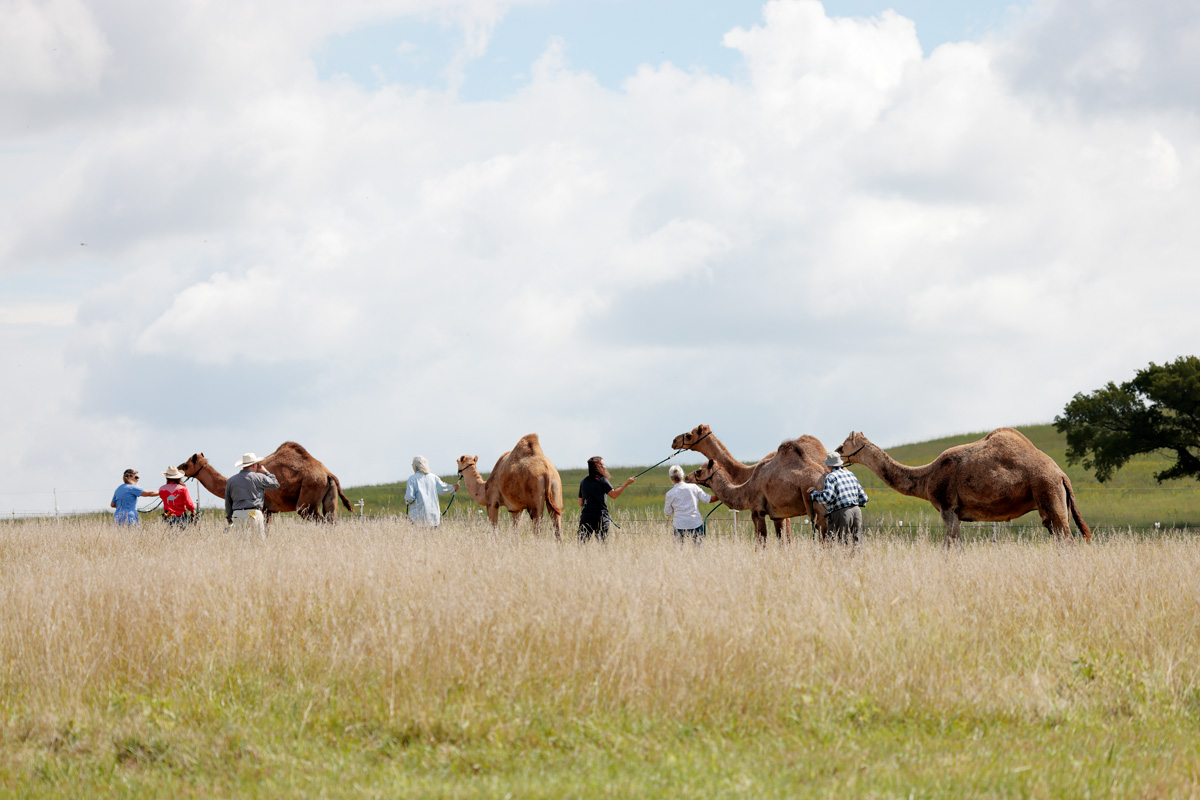
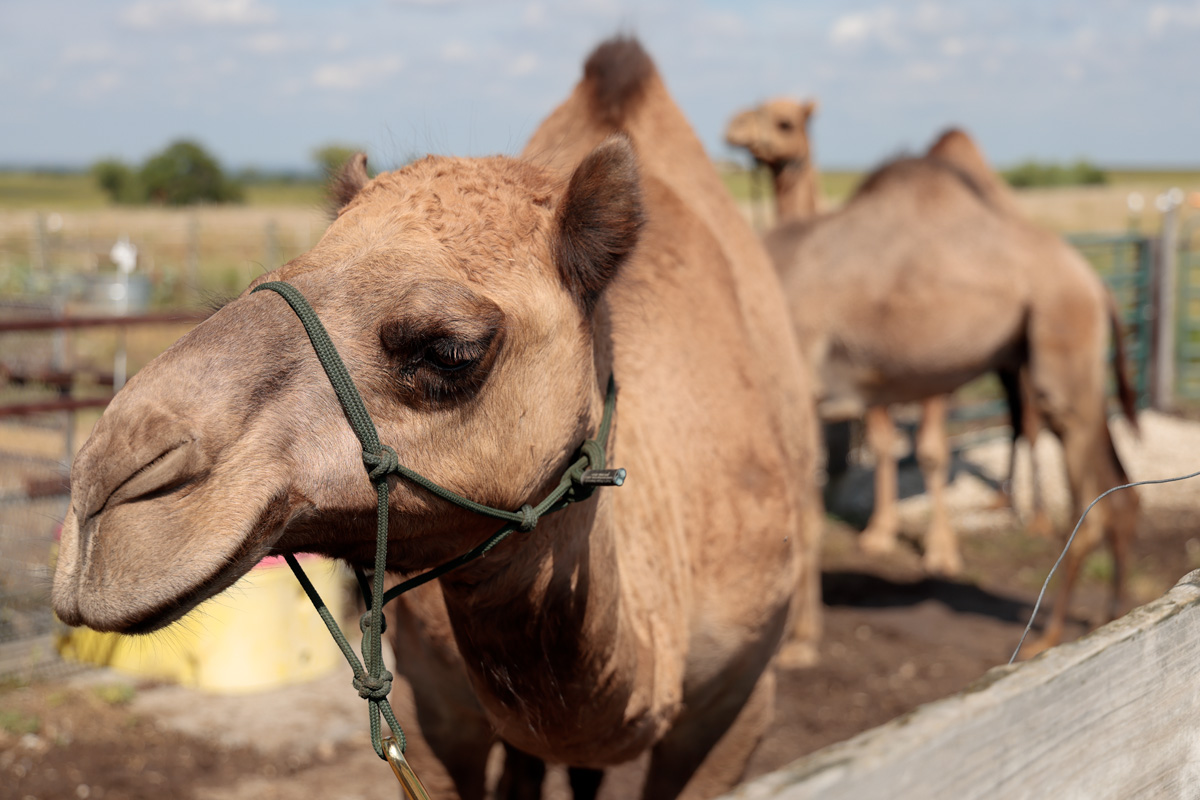
Valeri Crenshaw is a friend who has camels.  She keeps them on her family’s farm near Manhattan, Kansas where her father lives and raises cattle.

I can only scratch the very surface of her story, so I’ll stick to what very little I know.

She and her family in different combinations have traveled to some of the most exotic locations imaginable.  I am aware of Bhutan, Saudi Arabia, Algeria, India, Pakistan, Egypt — and France.  She’s been to these places with her husband Kyle, and/or Father Roy, and/or on her own.  She’s attended and/or organized camel fairs and camel excursions all over the world.

She currently holds the title Secretary General for the North American Camel Ranch Owners Association and was named Vice President of the American Camel Sports Association by her host at an event in Pakistan, where she represented at a televised event before a crowd of thousands.

I love to travel, though the most exotic I can claim is 24 hours on the ground in Tangier.  So, when the opportunity to document her first annual Midwest Camel Fair came up (co-presented with Doug Baum of Texas), I didn’t hesitate.  I was able to vicariously enjoy a tiny fraction of her adventure without having to get any visas or inoculations.  My goal was simply to do the event visual justice and capture at least some of the spirit of the day.


To see more of this project, click here

Instagram

APE contributor Suzanne Sease currently works as a consultant for photographers and illustrators around the world.  She has been involved in the photography and illustration advertising and in-house corporate industry for decades.  After establishing the art-buying department at The Martin Agency, then working for Kaplan-Thaler, Capital One, Best Buy and numerous smaller agencies and companies, she decided to be a consultant in 1999.  Follow her at @SuzanneSease.  Instagram

The Daily Edit – Powder Magazine: Anthony Smith

Powder Magazine

Editor – Derek Taylor
Director of Photography – David Reddick
Art Director – Hart Vandelay
Photographer: Anthony Smith

Heidi: Have you always been multi-hyphenated? By that, I mean photographer and photo editor. Which came first?
Anthony: I studied photography at art school, but in the first few year’s post-graduation, shooting photos didn’t pay the bills. So, you could argue that my role as a photo editor came first, as it allowed me to earn a living as a full-time creative. At that time, I hadn’t found my own voice in photography, and working as a photo editor was extremely beneficial for my development. Being immersed in other photographers’ work—seeing their successes and failures—gave me a strong vision of what I wanted my own work to be. I can’t imagine how I would have reached my current point without those experiences.

How does your love of sport inform your work, both past and present?
I believe it’s challenging to shoot sports effectively without being an athlete yourself. Having that experience gives you a deeper understanding of the emotions and moments you’re trying to capture, which can tell a richer story for the audience. I’ve always been fascinated by sports imagery that isn’t overly literal, challenging the viewer to engage on a deeper level. I’m interested in uncovering stories about the human experience through sport.

Were your early photo editing roots in snow culture and sport?
Yes, but it happened somewhat by accident. A college internship with Bike and Powder set me on that path. Without that opportunity and the connections I made, it’s hard to imagine how a Canadian kid would have broken into the publishing world and become a photo editor in Southern California. A few years after that internship, a full-time position opened up, and I joined Bike and Powder as an assistant photo editor.

Did you and Dave cross paths at BIKE?
Yes, I worked for BIKE for nearly a decade, from 2010 to 2019. For the first five years of my tenure, Dave Reddick was the photo editor for both Bike and Powder, so we worked closely together on both titles. I was fortunate to learn from Dave; he has a wealth of knowledge and a keen eye for storytelling. I certainly had big shoes to fill when I took the reins at Bike in 2015. This recent shoot for Powder is the first time we’ve worked together since my time on staff.

Why do you think those sports verticals are still relevant for print in 2024?
I sense a growing enthusiasm for print these days, which may be a biased opinion given my background in the print world. Personally, there’s nothing quite like the feeling of seeing my images in print. The collaboration between the photographer, writer, editorial team, and art director results in something that feels carefully crafted and thoughtfully put together. I believe this process resonates with people, especially in a visual landscape that often caters to short attention spans. More than ever, I feel that print has a relevant place in today’s media landscape.

 What was the direction for photographing Bryce?
I believe that Dave met Bryce James last ski season. He described Bryce’s collection to me as extensive, and we brainstormed ideas on how to capture it; however, I don’t think either of us could have anticipated just how in-depth it truly was. The space was small, yet Bryce had a remarkable awareness of where everything was and how each pile was supported by its respective treasures. Every piece had a story intertwined with its surroundings. Any initial thoughts we had about photographing a few key pieces separately with Bryce felt like the wrong direction once I experienced the incredible environment. The project was as much about Bryce and his passion for the history of skiing as it was about the collection itself, so capturing him alongside the pieces felt completely natural.

 What made this project unique, and how did it stretch your creativity?
Documenting something as vast as Bryce’s collection presented a significant creative challenge. There are countless ways to approach such an extensive subject. From the moment I walked in, I could sense his enthusiasm—not just for his collection, but for the history of ski culture as well. I allowed that enthusiasm and our conversation to guide the direction of the shoot. I focused on listening to all the stories and shooting in an unobtrusive manner to avoid disruption. Each story naturally led to the next, creating a very organic flow. However, after a few hours of shooting and talking, I left his house feeling as though I hadn’t captured enough to do the collection justice, even though I knew only a handful of photos would ultimately be used to convey the story.

Are you a decent editor of your work? Twelve images were published; how many selects did you turn in?
By that metric, perhaps I’m not the best editor, as I turned in around 100 photos. However, I believe the conversations that happen behind the scenes with the art director and photo editor play a crucial role in striking the right balance between design and photography, often leading to unexpected directions for photo selects. During my time as a photo editor, I always preferred having more options rather than fewer. I truly enjoyed collaborating with our art director, as I loved being hands-on in the design process. We would exchange InDesign files back and forth to revise photo selects, layout options, and design treatments. This approach felt much more organic than simply passing along selects and waiting to see what layout would come back. With that perspective, I tend to overdeliver, assuming that the team I’m passing images to appreciates that collaborative workflow as well.

 Do you have any personal projects on deck? What are you most stoked about photographically?
I’m really excited about shooting outside of my comfort zone these days. I thrive on being placed in situations—like the one with Bryce James—that feel creatively challenging. At this point in my career, I feel I have the creative tools to solve those puzzles and tell compelling stories. I haven’t always felt capable of approaching projects like this effectively in the past, so it feels great to be comfortable in the unknown these days.


The Art of the Personal Project: The Rathkopfs

The Art of the Personal Project is a crucial element to let potential buyers see how you think creatively on your own.  I am drawn to personal projects that have an interesting vision or that show something I have never seen before.  In this thread, I’ll include a link to each personal project with the artist statement so you can see more of the project. Please note: This thread is not affiliated with any company; I’m just featuring projects that I find.  Please DO NOT send me your work.  I do not take submissions.

Today’s featured artist:  Anna Rathkopf /The Rathkopfs

Artist Statement for HER2: The Diagnosed, The Caregiver and Their Son

HER2: The Diagnosed, The Caregiver and Their Son, began as my attempt to regain control after being diagnosed with aggressive breast cancer at 37. When my husband Jordan and I—both photographers—couldn’t find images that captured the complexity of our experience, we turned the camera on ourselves. This became our way to process what was happening and to better understand the things we struggled to express in words. The result is HER2: The Diagnosed, The Caregiver and Their Son: a deeply personal visual chronicle of how serious illness reshaped our family’s life.

This project transcends the typical “warrior” narrative often associated with illness. It captures the raw, unfiltered reality—the fear, exhaustion, and grief, but also the love, connection, and moments of joy that sustained us. For me, the camera became a tool to process my changing body, the loss of my fertility, and the emotional upheaval, allowing me to reclaim my story on my own terms.

HER2: The Diagnosed, The Caregiver and Their Son also reveals how illness affected Jordan and our young son, Jesse. Jordan’s images portray the weight of caregiving while being a father, and how Jesse, in his own way, coped with the upheaval around him. This project isn’t just about cancer—it’s about the impact of illness on families, relationships, and identity.

Through HER2: The Diagnosed, The Caregiver and Their Son, and our dual photographic perspectives in conversation and collaboration with each other, we aim to show how art is a means of self-preservation, helping us navigate and make sense of profound life changes. We hope to spark deeper conversations about the emotional, physical, and financial toll of illness, offering a more honest, layered perspective on what it truly means to live through—and alongside—serious illness. By sharing our journey, we seek to foster empathy and understanding, contributing to a more inclusive dialogue about illness and its far-reaching effects, while exploring tangible solutions to support patients and caregivers.

To see more of this project, click here

Purchase the Her2 book

Instagram

APE contributor Suzanne Sease currently works as a consultant for photographers and illustrators around the world.  She has been involved in the photography and illustration advertising and in-house corporate industry for decades.  After establishing the art-buying department at The Martin Agency, then working for Kaplan-Thaler, Capital One, Best Buy and numerous smaller agencies and companies, she decided to be a consultant in 1999.  Follow her at @SuzanneSease.  Instagram

The Art of the Personal Project: Robin O’Neill

The Art of the Personal Project is a crucial element to let potential buyers see how you think creatively on your own.  I am drawn to personal projects that have an interesting vision or that show something I have never seen before.  In this thread, I’ll include a link to each personal project with the artist statement so you can see more of the project. Please note: This thread is not affiliated with any company; I’m just featuring projects that I find.  Please DO NOT send me your work.  I do not take submissions.

Today’s featured artist:  Robin O’Neill

“Kevin is a friend, local alpine climber and ASMG guide. One day, he shares with me his eight-year-old’s passionate climbing pursuits. “She is too light to belay anyone and is working on problems beyond most adults.” So, he is her climbing partner. “Daddy-day care” is what he calls it, with a grin from ear to ear. He absolutely adores telling me about his time with Marion on the rock, so I think, why not ask him if I can photograph that experience? And I do.”

“I approach this project with no script other than to capture their relationship through climbing and to share that story as it unfolds organically. My camera serves as a tool that allows me to forge an intimate connection with people and landscapes that would otherwise be out of reach, giving deeper purpose to my curiosity.”

Whether commercial, editorial, or personal work, my images naturally gravitate to form a narrative. I like to create thoughtful, honest, spontaneous, and inspired images that tell a story. I love working collaboratively, and I am most fulfilled when both sides of the lens are equally happy with the images we make.

To see more of this project, click here

Instagram

APE contributor Suzanne Sease currently works as a consultant for photographers and illustrators around the world.  She has been involved in the photography and illustration advertising and in-house corporate industry for decades.  After establishing the art-buying department at The Martin Agency, then working for Kaplan-Thaler, Capital One, Best Buy and numerous smaller agencies and companies, she decided to be a consultant in 1999.  Follow her at @SuzanneSease.  Instagram

The Daily Edit – Douglas Marshall: Marshall Gallery

Artist Talk with Krista Svalbonas

Artist Consultation with photographer Michael James Hillman

Founder and Curator: Douglas Marshall
Marshall Gallery
Current Exhibition

Heidi: How long have you been doing portfolio reviews?
Douglas: Well, I’ve been doing reviews overall close to a decade now I guess. I’ve done many of the review festivals around the country as well as looking at countless portfolios in the galleries over the years. But for the last 2 or 3 years I have been doing the private portfolio reviews, meeting with artists one-on-one either online or at my Santa Monica gallery. These started in response to the ubiquity of the standard 20m-minute tabletop review format. Many people on both sides of the table relate to a form of speed dating. I found many artists felt unsatisfied, understandably, never getting to any depth in such a short meeting. So these longer private meetings allow us to go there. And that many artists had nuts and bolts questions about the gallery world which can often be murky and gate kept. Like commission percentages, production costs related to exhibitions, pricing, etc.

What form do you like to review photography work? Formed or unformed – one is open to possibilities, the other you build together as the discussion unfolds.
As far as the state of work we review… The work can be at any stage really, I just put myself in a position to help in whatever way is useful. It can sometimes be like a therapy session haha!  Sometimes the work is raw and unformed and it’s editing people want to go through and general framework development… what’s working, what’s not. Other times they are finished portfolios with which people want to discuss things like pricing, editions, printing, and gallery relationships. The former, for me, is more my background as a once-upon-a-time artist myself and the latter from my 15 years in the gallery field having worked for four galleries before starting my own. But I always try to be honest and direct with the artists. No one just wants a pat on the back, they are there for the fair criticism. There is so much BS in the art world, people appreciate honesty.

I do prefer to look at prints, when possible, but of course virtual meetings open the reviews to many more artists around the world. In person always allows for deeper connections and when artists ask about doing festival reviews, I always encourage to do in-person only. This business is all about relationships, and you can’t accomplish quite the same thing online.

Your gallery has a specific focus, was that in response to seeing beyond the medium – looking towards the hybrid of where photography and art intersect? Reframe photography?
Yes, the gallery focuses primarily on what I often refer to as process-based photography. That is to say, that for me and my curatorial focus the physical or conceptual act of how the photograph is made is of equal weight as what it visually records. So many of the artists whom I present use experimental analog processes, unique printing techniques, mixed media with painting, embroidery, etc.

The focus of which is probably three-fold in origin. My background in school and early in my career was all black and white humanist photography. Street, documentary, etc. But as I got exposed to the wider photo world primarily through visiting international art fairs, I began to see a growing prevalence of these experimental practices from contemporary artists and their origins in art history. I also have a love for the “traditional” fine arts, like painting and sculpture, so it sparked my interest to see the boundaries between them and photography blurred in contemporary work.

Sunburned GSP#1076 (Dietrich River, Arctic Circle, Alaska), 2015. two 12″x 41″ unique gelatin silver paper negatives

For the artists, my thinking is that it’s somewhat of a reaction, conscious or otherwise, to the mass consumption and ubiquity of digital images. Mass even seems an understatement with some billions of images produced daily. To see the work of an artist like say Chris McCaw, our current exhibition, who is creating real objects with his method of photography is so refreshing in a world drowning in pixels. We are just tired of staring at screens and want to get our hands dirty like painters, there is something quintessentially human about working with material while still loving the documentary / story-telling potential of the camera. And then for me, realizing there were few if any galleries focused on this intersection, I decided that my gallery would do so, but it’s always evolving.

We met when your studio was on Abbot Kinney, fast forward to today – what has changed, and how has your gallery evolved beyond showing work?
I’m not sure too much has changed. Even in the 500 sq ft shoebox in Venice where we met I was trying to produce exciting and ambitious shows. Now I just have 3x the space to do so. But certainly, Bergamot Station has a certain legacy of galleries and especially with focus on photography. So being here allowed me more access to collectors, curators and foot traffic by proximity with my gallery neighbors, many of whom I have worked with over the years.

But I am happy to say with certainty the gallery’s capabilities and awareness has grown exponentially since then, having recently exhibited in the most important international photography fairs and making regular acquisitions with major museums, both important signifiers that something we’re doing here is working.

Beyond the exhibitions, we of course host the private consulting appointments as well as quarterly critique nights that we call “Static Fire” where we invite four photo-artists to show work in progress with about two dozen guests and just have a fun night looking at work. We sell tickets for these events to cover costs and afford a small donation to various local art non-profits like Las Fotos Project and Venice Arts, both of whom are doing great work for LA youth. These have been fun and for me less pressure than the requisite salesmanship that is required for the exhibitions.

Robert Adams, House Construction, Colorado. 1975 Vintage silver gelatin print 6 x 7 1/2 in.

Rodrigo Valenzuela, New Land, 2024. Toner ink on canvas with acrylic. 36 x 48 in.

How you are defining the two sets of artists you are showing?
Well, most of my career pre-Marshall Gallery was in showing 19th and 20th Century work which has a strong market and thus many legacy galleries focus there. So, while the main exhibitions at Marshall focus on contemporary work, I really enjoy putting their work in conversation with vintage works which I source from a network of collaborative collectors in LA. For example, a recent show juxtaposed UCLA Photo Professor Rodrigo Valenzuela’s mixed-media works from his “New Land” series with vintage prints from the 1970s New Topographics movement such as Robert Adams and Henry Wessel. Both had conceptual angles of thinking about land use in the American West. It also helps to bridge the gap to contemporary work for collectors who may typically only be interested in vintage works. Many collectors are wary of the edition systems of contemporary photography, so I think it helps when works are one-of-a-kind due to the physical process of the artist.

Ultimately, I love the history of the medium and revere so many of our bygone photo-heroes, so I do love to show them when it makes sense with the contemporary show on view. But certainly, most of my energy goes to the artists working today. I keep close relationships with my artists, it’s like a sort of creative marriage.