The Art of the Personal Project is a crucial element to let potential buyers see how you think creatively on your own. I am drawn to personal projects that have an interesting vision or that show something I have never seen before. In this thread, I’ll include a link to each personal project with the artist statement so you can see more of the project. Please note: This thread is not affiliated with any company; I’m just featuring projects that I find. Please DO NOT send me your work. I do not take submissions.
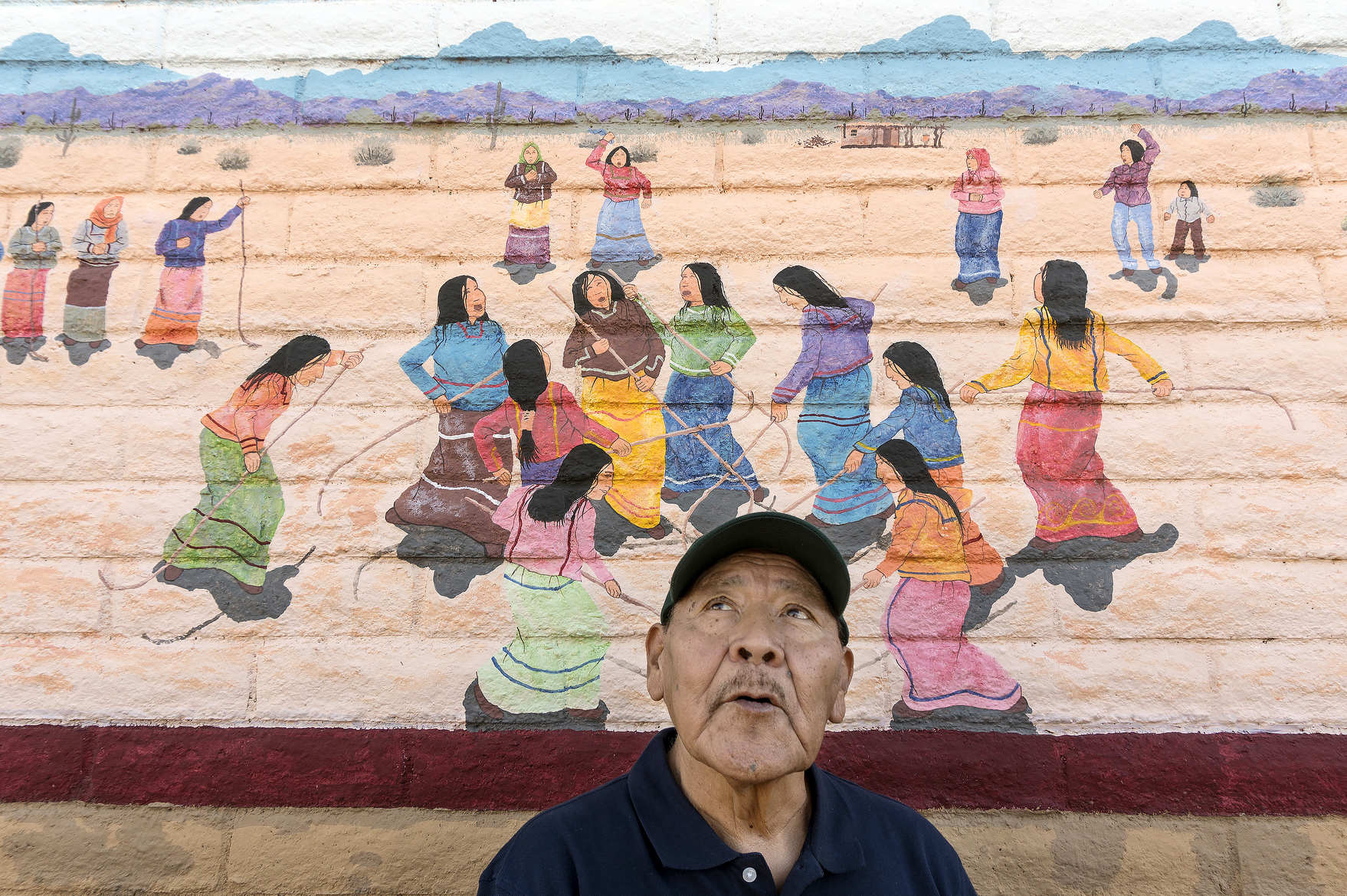
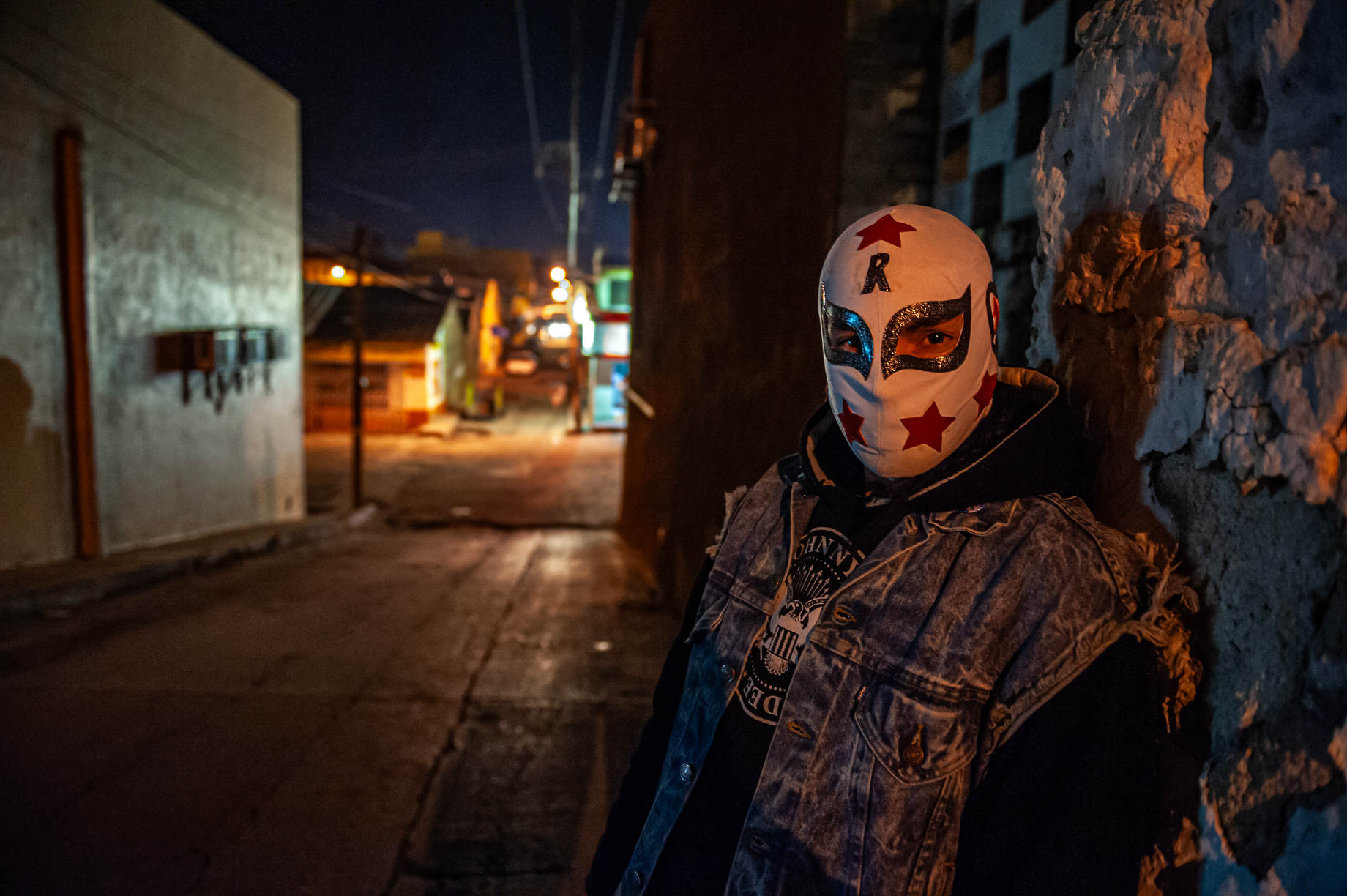
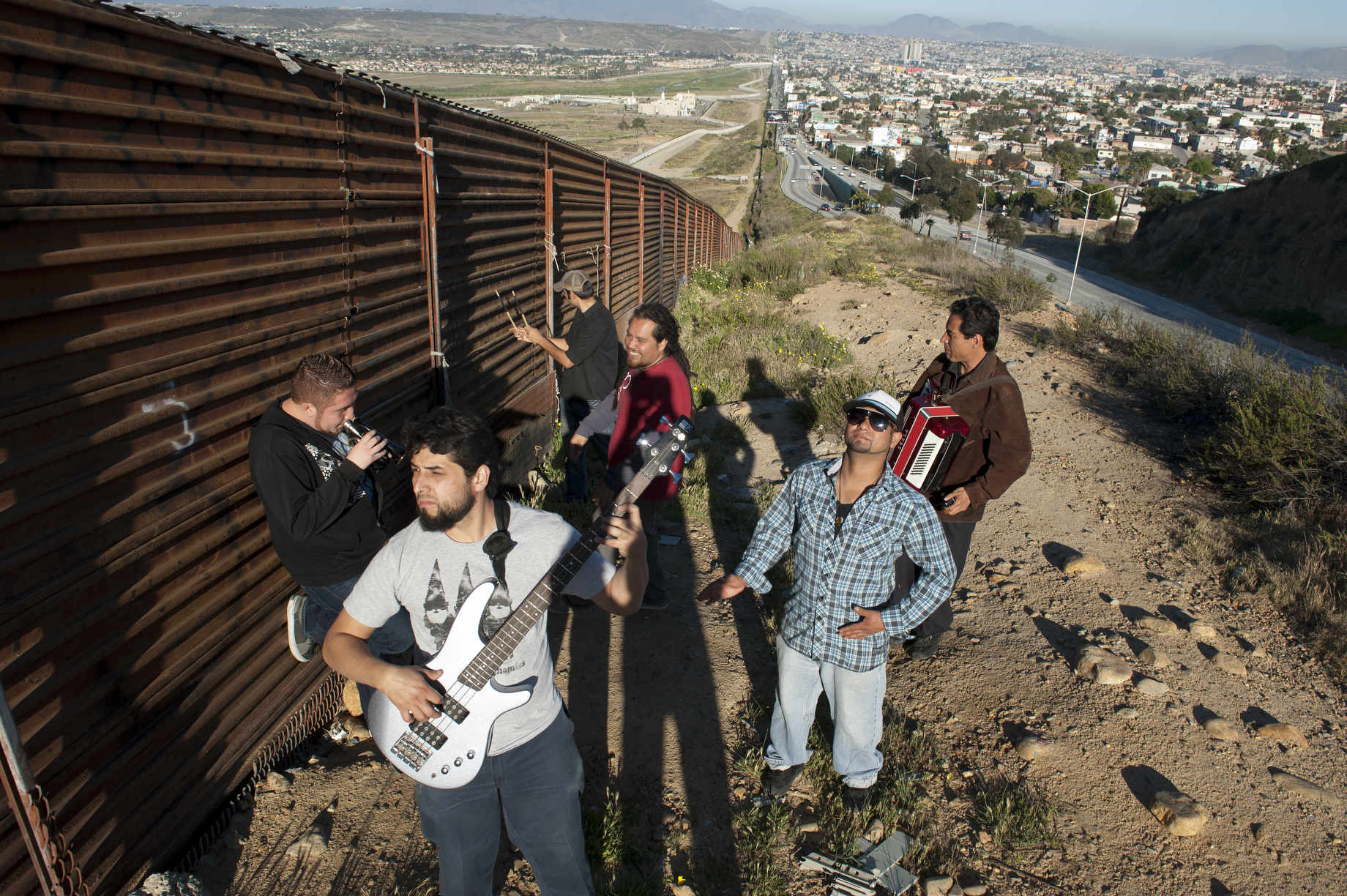
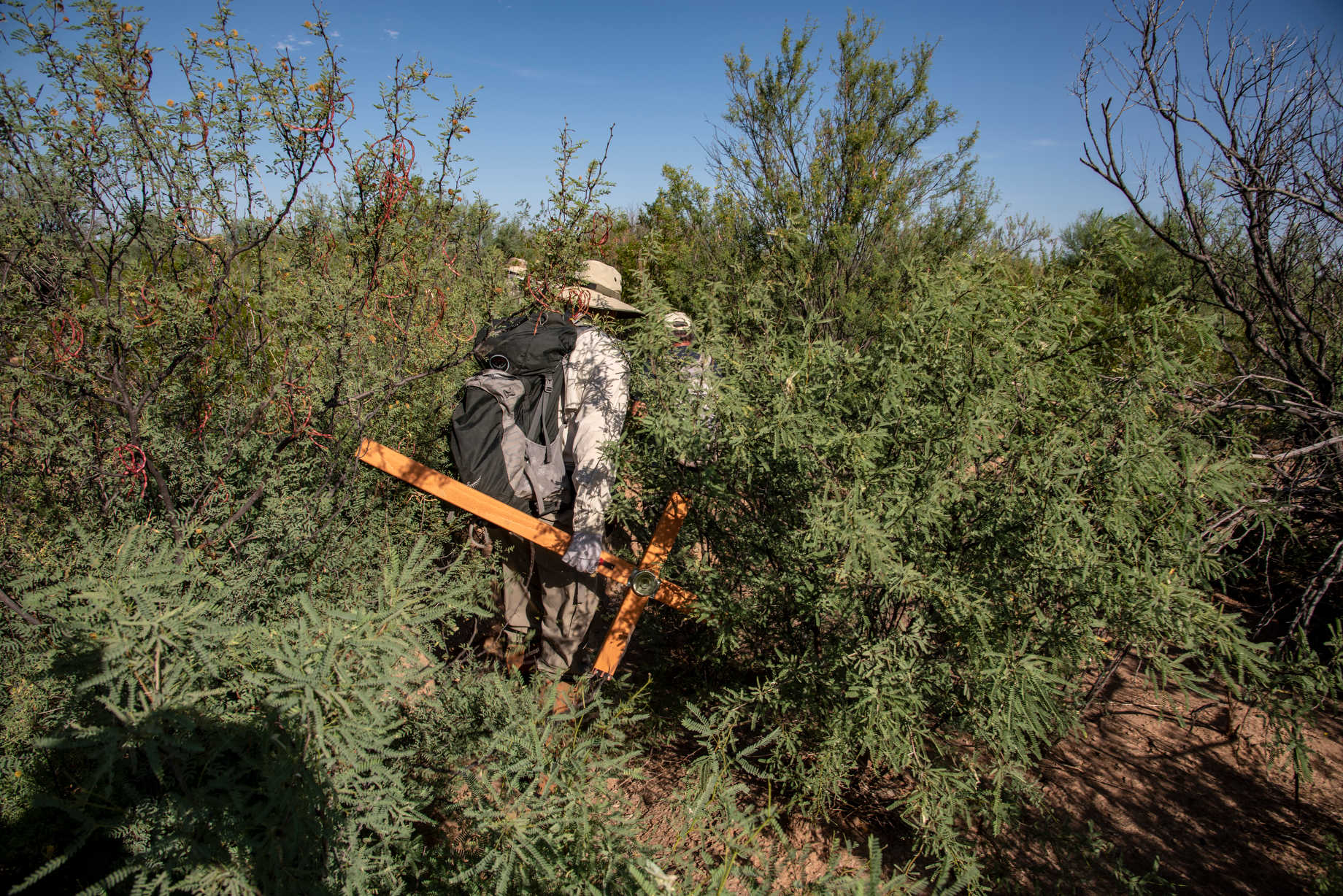
I photographed over 200 artists and art supporters on both sides along the entire 2000 miles long divide to show the vibrant cultural side of a region that is usually portrayed by the international media with the sole focus on violent crime. The high security steel fence erected by the US over most of the 2000 miles long border did its part to create a physiological and physical barrier. This had particular significance to me ever since I moved to New York – probably because I am German and because I have lived with a wall dividing Berlin and my country until 1989. Artists are the pulse of a society, and I believe if we ignore the cultural side of troubled places, we will soon stop caring about them all together. I met with both internationally renowned as well as only locally known artists. It was not about the value of their art in the eyes of the art market, but about the value and positive impact of the often highly visible creations and activities on their communities.
A book about the project was published in Germany. The project has been featured by major publications: BBC, The New York Times, Wired Huffington Post and Hyperallergic. The work had solo exhibitions in museums, galleries and photo festivals in the US, Mexico and Germany.
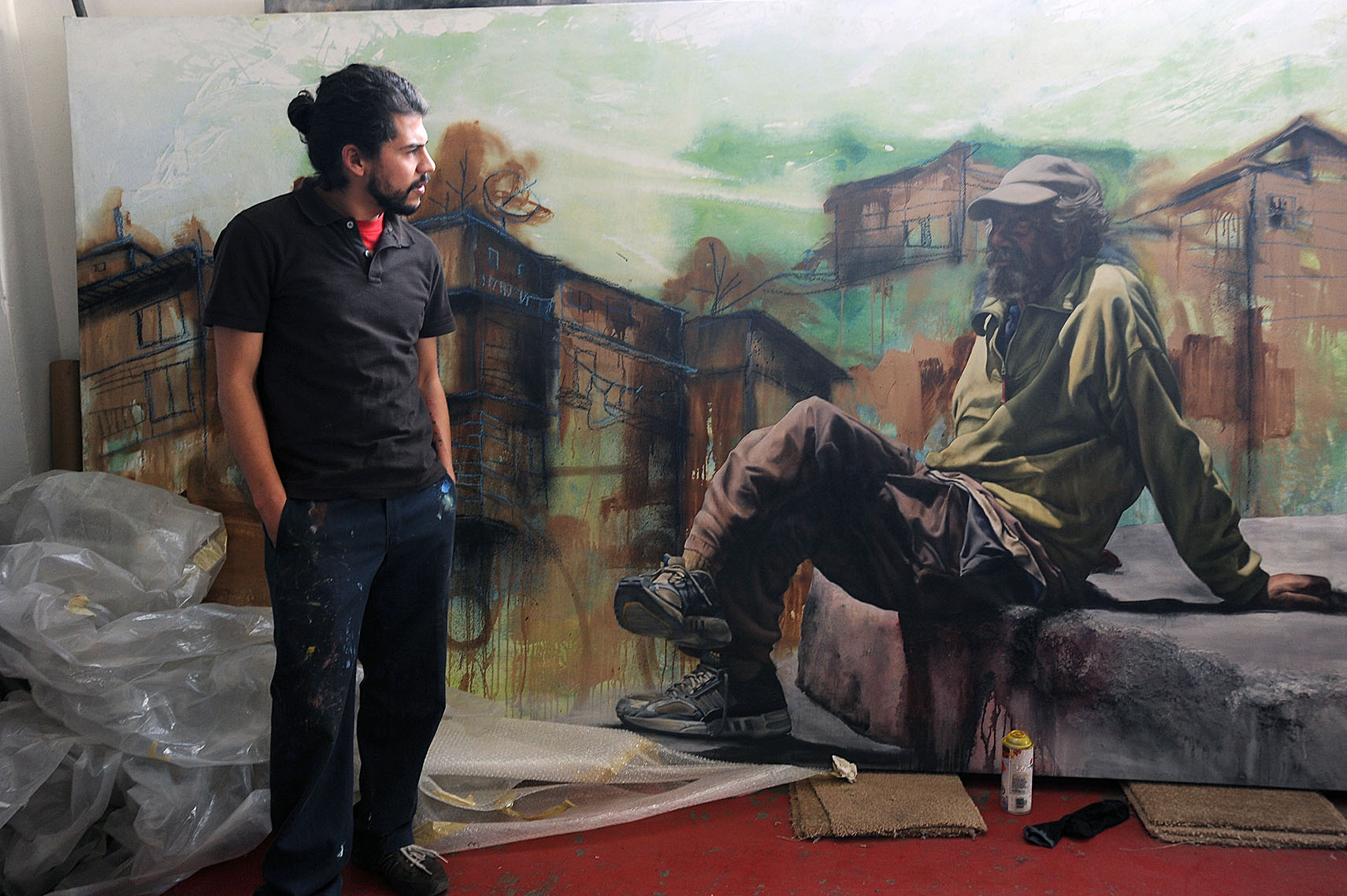
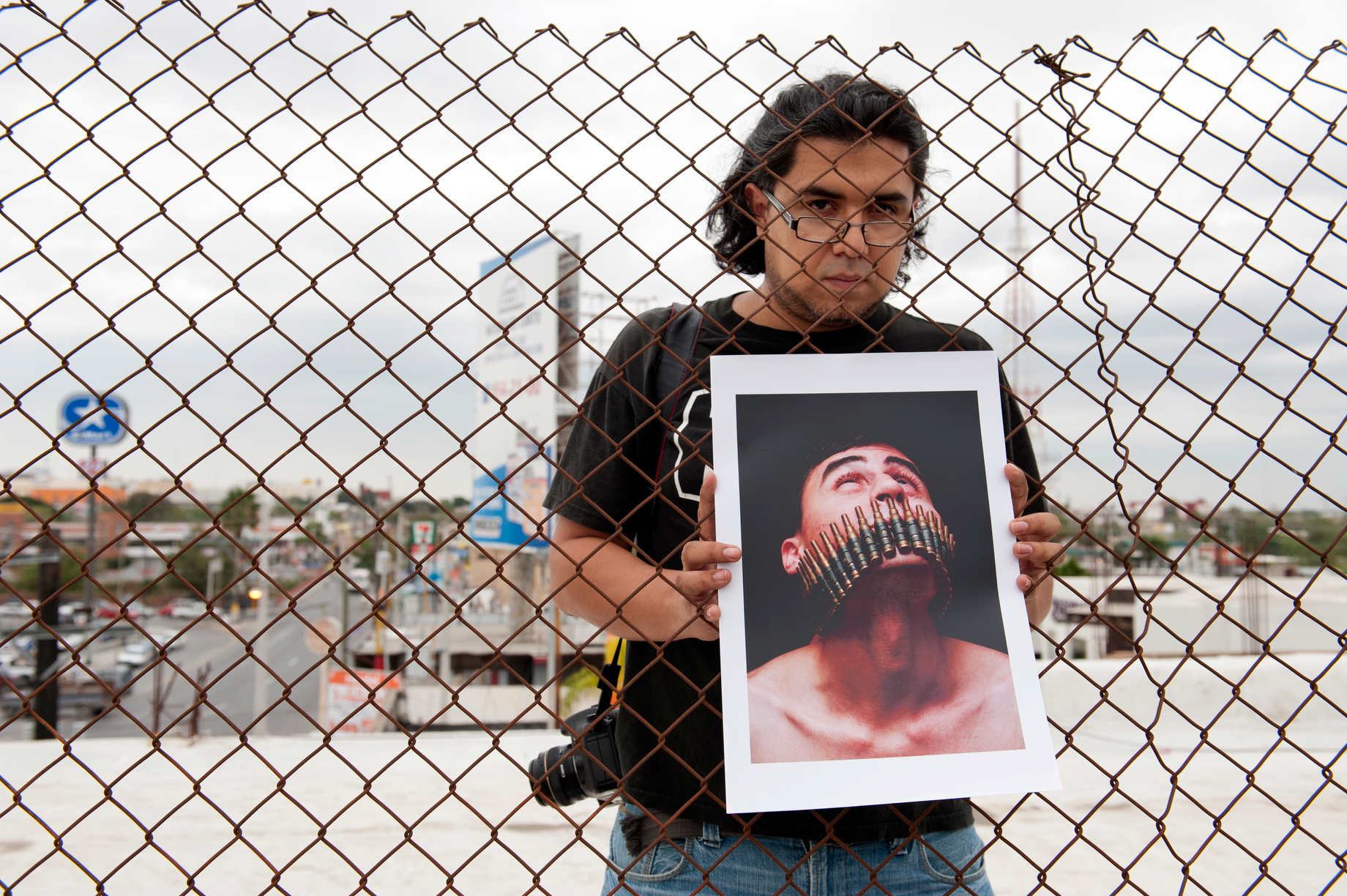
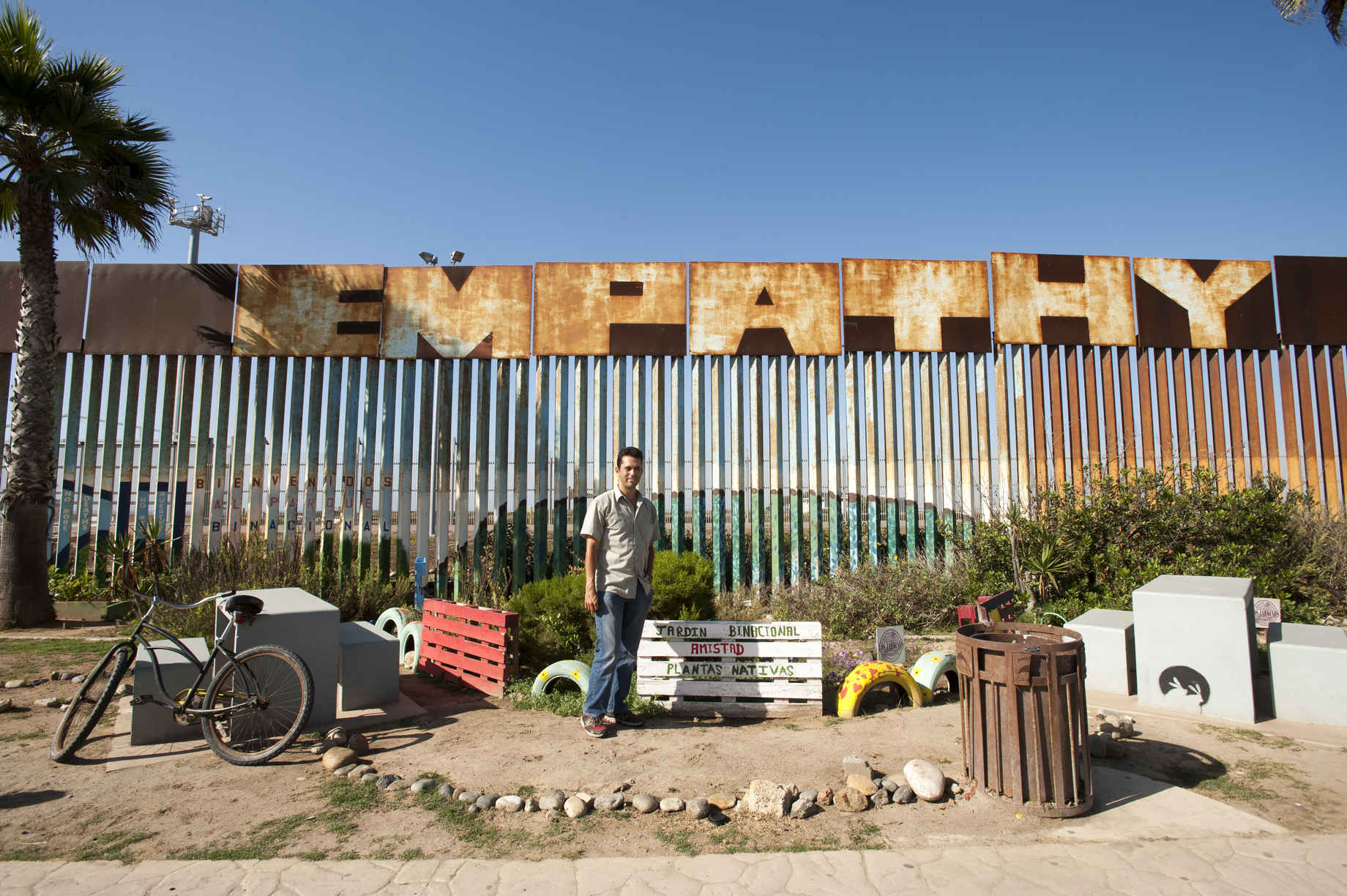
Photographer Tochiro Gallegos on the roof of his studio in Reynosa, Mexico. His strong personal work reflects the violent circumstances in border cities like Reynosa.US Mexico Border in Tijuana. Border activist and poet Daniel Watman at the border fence in Playas de Tijuana. Photographer Raechel Running at the border fence near Aqua Prieta, Mexico.Native American master watercolor artist and muralist Michael Chiago in front of his mural in Sells on the Tohono O’odham reservation in Arizona, near the US-Mexico border, in March 2017. The territory of the Tohono O’odham Nation reaches into Mexico and is divided by the border fence.Musician Carlos Velazquez, a member of the punk band Tripa Revancha in Nogales, Mexico. The band usually wears suits and wrestling masks on stage.Cantamo, Reggae and Ska band, at the border fence in Tijuana.For over 5 years now, once every week, Alvaro Enciso has quietly gone out into the Sonoran Desert, placing a cross in each place where the remains of migrants who died in the desert after illegally crossing the border into Arizona were found by the border patrol. The County’s Medical Examiner provides him and his volunteers (members of the Tucson Samaritans) with updated maps that lists the exact location of nearly 3,000 human remains, found in the Arizona desert since 2001. The number is continuously growing; the crosses he and his team placed during my visit were for two of this years casualties. Alvaro has placed over 800 crosses alread, his project, titled Donde Mueren Los Suenos / Where Dreams Die, is ongoing.Artists Alfredo ‘Libre’ Gutierrez at his studio in Tijuana, Baja California, Mexico. The young artist Alfredo Gutierrez portraits American homeless people who come to Tijuana because life in the street is cheaper here than in neighboring California. Alfredo ‘Libre’ Gutierrez is well known for his murals in Tijuana and other Mexican cities.
APE contributor Suzanne Sease currently works as a consultant for photographers and illustrators around the world. She has been involved in the photography and illustration advertising and in-house corporate industry for decades. After establishing the art-buying department at The Martin Agency, then working for Kaplan-Thaler, Capital One, Best Buy and numerous smaller agencies and companies, she decided to be a consultant in 1999. Follow her on Instagram
For those who haven’t been following the major rift in the world of photojournalism a quick summary of what is going on: A film called “The Stringer” directed by Bao Nguyen (previously directed The Greatest Night In Pop) and produced/starring Gary Knight (VII Agency co-founder and ED) premiered at The Sundance Film Festival on January 25 claiming and attempting to prove that 53 years ago Nguyễn Thành Nghệ actually took “The Terror of War” (AKA Napalm Girl) image and not Nick Ut. AP photo editor Carl Robinson claims his boss, Horst Fass, told him to switch the credit from Nguyễn, a stringer, to Nick, an AP photographer. The filmmakers find Nguyễn, and he says, yes, he took the picture.
Prior to the film’s premiere, the AP released a preliminary report disputing the claims of the film. At the premiere, the AP watched the film and followed up (May 16) with a 100-page report saying that there’s not enough evidence to remove Nick Ut’s credit.
Then, on May 16, World Press Photo released a statement saying they investigated (David disputes the characterization that they investigated and rather they simply got a private screening of the film and agreed with the conclusion) and are suspending Nick Ut’s credit on his 1973 Photo of the Year award.
This sparked outrage on social media with posts from what appears to me to be the VII camp (Ashley Gilbertson, Ed Kashi, Sara Terry) and the Nick Ut camp (David Burnett, Pete Souza, David Kennerly).
And the real zinger in the whole dust-up is that David Burnett was there! He’s an eyewitness to the events at Trang Bang, where the famous image was made.
Ok, one final note: besides the premiere at Sundance and private screenings, the film cannot be watched until a distributor is lined up. I’m aware of a screening in DC next month, but most people, including David and myself, have not seen the film.
I talked with David over the phone, and here’s a condensed and edited version of our conversation.
Screenshot from AP Report: Investigating claims around ‘The Terror of War’ photographScreenshot from AP Report: Investigating claims around ‘The Terror of War’ photographScreenshot from AP Report: Investigating claims around ‘The Terror of War’ photographScreenshot from AP Report: Investigating claims around ‘The Terror of War’ photograph
Rob Haggart: I want to start by asking if it’s really difficult for you to go back and rehash all this stuff.
David Burnett: No, I mean, I have these moments from not just Vietnam, but the jobs that I worked my whole life, French elections, Ethiopia, Chile, and it’s not really something that causes me great pain. There are so many of these things that I’ve lived through that the memories of them and what I was doing in them as a photographer is very, very clear in my head. And Trang Bang is really no different than almost anything else.
The first time I was under fire and had the crap scared out of me, it’s one of those things where you don’t just think, will I ever get over it? Because you don’t, they become part of what your life is about.
The running joke about Trang Bang and me was that, well, I missed the shot because I was changing film in my old screw mount knob wind Leica which is kind of a slow, kludgy film camera. It was not an easy camera to operate.
And yet, Cartier-Bresson shot with them for something like 20 years before the M2 and the M3 came along and made some pretty great pictures, so I mean, I think part of why I even bothered shooting with that camera instead of getting another M2 for 200 bucks, was kind of a historical thing with the old Contax and Leicas, you felt a little more attached to some kind history if you’re shooting with this kludgy old camera and um you know, and I was trying to reload it and anybody had ever owned one of the cameras knows that if you take a 35-millimeter film where you have the little cut-down tongue that you really need to cut an extra inch or inch and a half away from that one side that’s cut so that when you drop the film in the camera, it will seat itself perfectly.
I never bothered doing that, so I was always stumbling, trying to get the camera reloaded. So I was reloading it when the plane came in to drop the napalm. I was holding the open camera in my left hand and shooting with a 105 in the other hand. When the napalm hit right next to the pagoda, there was this Gigundo fucking fireball, Nick has that picture, and I kind of have it a few seconds later. But it was the in the days when you didn’t shoot with three motor drives, you know, you weren’t going out there to shoot 25 rolls of film. I think I shot maybe three or four rolls that day, and it was a fairly long period of time we were there because we were kind of hanging out waiting to see what was going on.
You could hear firing and shooting coming from the village. Then the planes came in, and there was that fireball, and then like three minutes later, the kids started running out of the field and onto the road toward us, and that is the moment, more than anything in my mind, where Nick was the one guy who was in a position to shoot the picture, and nobody else was. There was this line of journalists, and we were all within a few feet of each other lined up across the road. As soon as we could tell that, there were people on the road racing out toward us, and the kids were running as fast as they could run. Nick and this guy Alex Shimkin, who was killed a few weeks later up north, took off running towards them, and no one else did.
RH: When did you first hear a film was being made about this event and that there were questions about the author of the famous image?
I was sitting at a Walgreens parking lot in Florida 3 years ago going in to go get some stuff, and Gary Knight called me and said tell me everything you know about Trang Bang, so I spent a couple hours on the phone and told him everything I know and then said you know there’s this guy and he’s kind of a horses ass, ex AP guy and he says that Nick didn’t shoot the picture and I kind of think he’s full of crap as does everyone else but along the way you’re gonna run into Carl Robinson.
Carl had this real chip on his shoulder about AP, and he was never afraid to let people know how he felt like he’d been screwed over by the AP.
RH: So you’re telling me this rumor has been around for a while?
Yep, a long time. It’s not new. The last time I saw Horst Faas was in 2008. There was a gathering for a memorial wall at the news museum in Washington, and if you lived near the East Coast and worked as a journalist in Vietnam, you pretty much were there that day. Somebody at that point could have said, hey, Horst, let me talk to you about this thing that Carl’s been telling everybody that you told him to put Nick’s name on the image, and it was really some stringer’s film.
And no one ever, no one ever asked Horst.
No one ever just asked him point blank.
I guess Carl makes a pretty reasonable case for trying to talk about how the guilt of 50 years and being able to unburden his guilt when he finally met this guy. But you know, every crackpot theory that ever was has at least a 2% chance that it happened.
Could Horst have said it? I suppose he could have. But it would have been very out of line with what always happened.
If you talk to Neal Ulevich, who was in the AP bureau as a staff photographer for, I don’t know, six or seven years in Asia and was in the bureau the whole time, he will tell you about the sacrosanct policy of never allowing anyone’s film to have any name on it other than the actual photographer that shot it.
He said, “All the time I was in Asia, never once did I see anybody do anything like that.”
It just didn’t happen.
I was in that group of people who were looking at the first print of Napalm Girl when it came out of the darkroom, and I did what every photographer in the history of photography would have done, which is I look at this picture and I try and think to myself without having seen my own film, hm, I wonder if I have anything better. I’m thinking, yeah, that’s pretty good. That’s probably better than anything I have.
There were 3 or 4 of us looking at this little 5 x 7 print that was still wet, and Horst, without making a big deal out of it, just turned to Nick and said, “You do good work today, Nick Ut.”
I still have the memo I wrote when I went back to my office at the Time-Life Bureau. I said there was this accidental bombing in this village called Trang Bang, and I said, Nick from AP got a pretty good picture, and they tell me they’re shipping the negative to New York on what’ll be the same flight that my negatives are gonna be on, so you’ll be able to get an original print made in the lab rather than rely on a wire service photo.
So that’s what they ended up doing. It was in the front section of the magazine called the Beat of Life; there were always 3 or 4 of these big picture spreads.
Usually one picture, sometimes two or even three, and they ran one of mine of the grandma with the burned baby and Nick’s picture side by side, and when you look in the photo credits, it says page four and five, David Burnett, AP. I mean, it was the wire services in the 70s. They weren’t going to put a photographer’s name on it. It’s kind of funny that way.
RH: What are the chances, if you’re Nick, that you don’t know beforehand you made that picture?
There’s no way that either of those guys would not know they took that picture. It was such an enpassant moment, and I’m sure there was just one frame that was the one.
For sure, there are times when you’re surprised by something you’ve done when you move from wherever you shot it, and now, you know, we’ve kind of shut out the middle man, and you go right to the computer and see if what’s on there is anything like what you remember, but in the film days I would find it really hard to not know that you had something.
I can’t imagine that the camera wasn’t up at the eye; it’s not like a chest-high Hail Mary, although technically, it was never great, but maybe at the same time, some of the imperfections add to the raw reality of that moment.
RH: That leads me to this talking point I see from the film’s defenders saying that this is not a critique of Nick, but that would mean that Nick didn’t know he took the photo. But you think there’s no way he didn’t know he took the photo, so the film is saying he’s been lying for 53 years about this.
He’s a 21-year-old kid with a camera, and I think incapable of that. Yes, it was a good picture, but there were a lot of good pictures out there.
And, you know, some people have said, oh, but Horst knew right away that that was gonna be a great picture, and he wanted AP to have the copyright on it instead of a stringer. But the thing is, you’ve got all these little sub-arguments if you accept a certain premise, and you can walk yourself right off a cliff of trying to figure out what it is you believe or don’t believe.
Gary called me back at one point, and he said, you know, I think there’s really something to Carl’s statement here, but you know, once you get the first bit of the Kool-Aid, you just gotta drink the whole pitcher, and I just don’t see it.
I mean, like I said, it’s possible.
Everything’s possible, you know?
I mean, you know, once you start to believe part of it, you kind of end up believing the whole thing, or you believe none of it.
To me, it looks like Gary’s trying to make himself into a big documentary producer, and this is his launch pad.
Gary said you ought to be in the film, and I just said, Gary, I don’t wanna do a goddam Mike Wallace interview where I have no control over how you cut it or anything else. I’ve watched 60 minutes too many times where Mike managed to hammer somebody, and I had no confidence that it would be a fair representation.
Fox Butterfield was the reporter I was with that day working for The New York Times, and he got a call from Gary’s wife, a producer on the film, he started to tell her his version of what took place, and she told him everything you’ve said is wrong. That’s not a really good way to coax people into a discussion. She said he would have to sign a non-disclosure agreement, and he said, what the hell for? I’m the one telling you stuff; you haven’t told me anything.
Gary said to me last time I talked to him like six weeks ago, he said, well, you know, we’ve done all this forensic stuff, and we’ve proven that he couldn’t be down there to take the picture.
And I said to him, in my mind, because I remember the way he ran out on the road ahead of everybody else when the kids were coming down the road, he’s the only one who could have taken that picture because it was in the very first moments that the kids were coming down toward where the journalists were lined up, and it was after that everybody else started wandering around, but that was another five or ten or 15 minutes later.
And I just don’t see how anybody else was out there in front, and to me, that picture was taken out in front. It wasn’t taken right next to the press people.
It was out there away, maybe, I don’t know, 20 yards, 40 yards. 50 yards.
RH: How do you think the filmmakers should have handled this? What should they have done with the information they got from Carl?
You don’t ever want to get to a place where people are afraid to posit things, but I don’t know what the answer is, but you know, unlike a lot of people who don’t shut up about it, I’m not sure I have an answer to what the most perplexing question is.
And I never said I was right behind him when he shot that.
I saw him, I was changing my film, and it was a minute or two minutes later, and in those moments, that could be a long time. I offer it strictly as a witness to what happened that day and nothing more.
I find one of the most curious things of all, aware of the fact that Nguyễn probably had to leave Saigon with almost nothing, that he left everything behind, andI totally get that.
But apparently, he never sold another picture to anybody, and in the last 50 years, no one has even seen one picture that he’s taken.
Other than the most famous picture of the Vietnam War.
I had the pleasure of serving on the 2025 Communication Arts Photography Competition jury—a fantastic opportunity to step outside my usual discipline and review photography alongside my esteemed peers. One standout moment was discovering Sacha Stej Sacha, an Auckland-based photographer represented by Image Driven Content.Her accolades include being named one of the top 200 advertising photographers globally by Lürzer’s Archive and being recognized as one of the 23 World’s Best Sport Photographers by The Agents Club in 2023. I recently had the pleasure of catching up with Sacha to discuss her award-winning image.
Your photography is known for its cinematic and powerful portrayal of women—what are the key elements you look for when capturing intensity and resilience in your subjects?
When I’m gearing up to capture my subjects, there are a few key elements I always keep in mind. First and foremost, getting to know my subjects is essential. I want to know what shapes who they are. Before the shoot and even during it, I dive into conversations that reveal what makes them tick.
Once I have a sense of them, I try matching their emotional tone; if they’re fiery and passionate, I want that to jump off the frame. I aim to include a piece of who they are in every shot, whether it’s a glimmer in their eye or the way they hold themselves. I strive to create an image they can recognize, one that resonates with their energy. It’s all about connection, and that’s what I love most about photography: being able to freeze a slice of someone’s narrative, a moment of resilience and intensity, in time.
In your “Girls in Sports” campaign for 2 Degrees, you highlighted both strength and vulnerability in your subject. Can you talk about how the casting went and what direction you gave?
This campaign was shot alongside a TVC, and the fantastic Director Taylor Ferguson did the casting. When I met these young women I could see that they radiated talent and spirit. For this brief, I wanted to capture that passion and grit. They don’t just play the game—they own it. I love the dichotomy between their sweet appearances and the fierce determination they display on the field – there is nothing more badass than seeing these girls in their element. Take the rugby girl, for instance. I asked her to sprint full speed towards the camera, like she was dodging the opposing team. In that moment, she transformed into a powerhouse charging at me like a freight train, the fire in her belly blazing as she zoomed closer. It was exactly the energy we were after.
How do you balance storytelling with advocacy in your visual work, particularly around gender representation?
Women in sports face a harsh reality—they often get overshadowed, and it’s disheartening to see that women’s sports internationally don’t get the same spotlight as men’s. That’s why campaigns like this are so crucial; encouraging fans—especially from a young age—to rally behind these amazing athletes.
In my visual work, I find that storytelling and advocacy naturally go hand in hand—probably without me even realizing it. As a woman photographer, I’m drawn to capturing fierce, strong women because I know just how powerful we can be. In a society that often tries to box us in or undermine our strength, it’s crucial to keep that fire alive. That passion burns even brighter as a mother to a spirited young daughter. I want her to see women as capable and unafraid, sensitive and kind, just like the women I photograph.
How do you ensure your images challenge traditional portrayals, particularly of femininity and athleticism, while still maintaining authenticity and emotional depth?
I’m usually guided by how I want the image to feel, especially when it comes to capturing femininity and athleticism. My images become a deep dive into an energy that connects the viewer to the subject. I want to create an atmosphere where the audience feels confronted, pulled into the frame, and unable to look away.
I find authenticity through genuine human connections, digging beyond the surface, whether I’m photographing a seasoned athlete or someone new to the sport. There’s something superhuman about athletes; they possess more than just physical strength; they embody resilience and discipline. There’s a profound sacrifice that comes with striving for excellence, and that narrative fascinates me. Each image I capture is a testament to that journey—an exploration of what it truly means to balance vulnerability and power.
Can you talk about the role visual media plays in shifting public perception and promoting equity, especially in underrepresented communities and activist movements?
Photography holds a unique power in shaping public perception and promoting equity. As a visual person myself, I’ve always felt that a single image can convey emotions and stories far more effectively than words ever could. It’s the raw authenticity of a photograph that can resonate with someone’s heart, breaking down barriers and connecting us all on a fundamental level.
Through the lens of a camera, we can reveal the complexities of human nature and amplify voices that often go unheard. In this visual storytelling landscape, images become tools for change, not just documenting reality but actively reshaping how we view each other. Ultimately, photography fosters a shared humanity that can inspire action and fight against injustice. They remind us that, at our core, we are all just humans with similar desires for love, acceptance, and dignity.
The Art of the Personal Project is a crucial element to let potential buyers see how you think creatively on your own. I am drawn to personal projects that have an interesting vision or that show something I have never seen before. In this thread, I’ll include a link to each personal project with the artist statement so you can see more of the project. Please note: This thread is not affiliated with any company; I’m just featuring projects that I find. Please DO NOT send me your work. I do not take submissions.
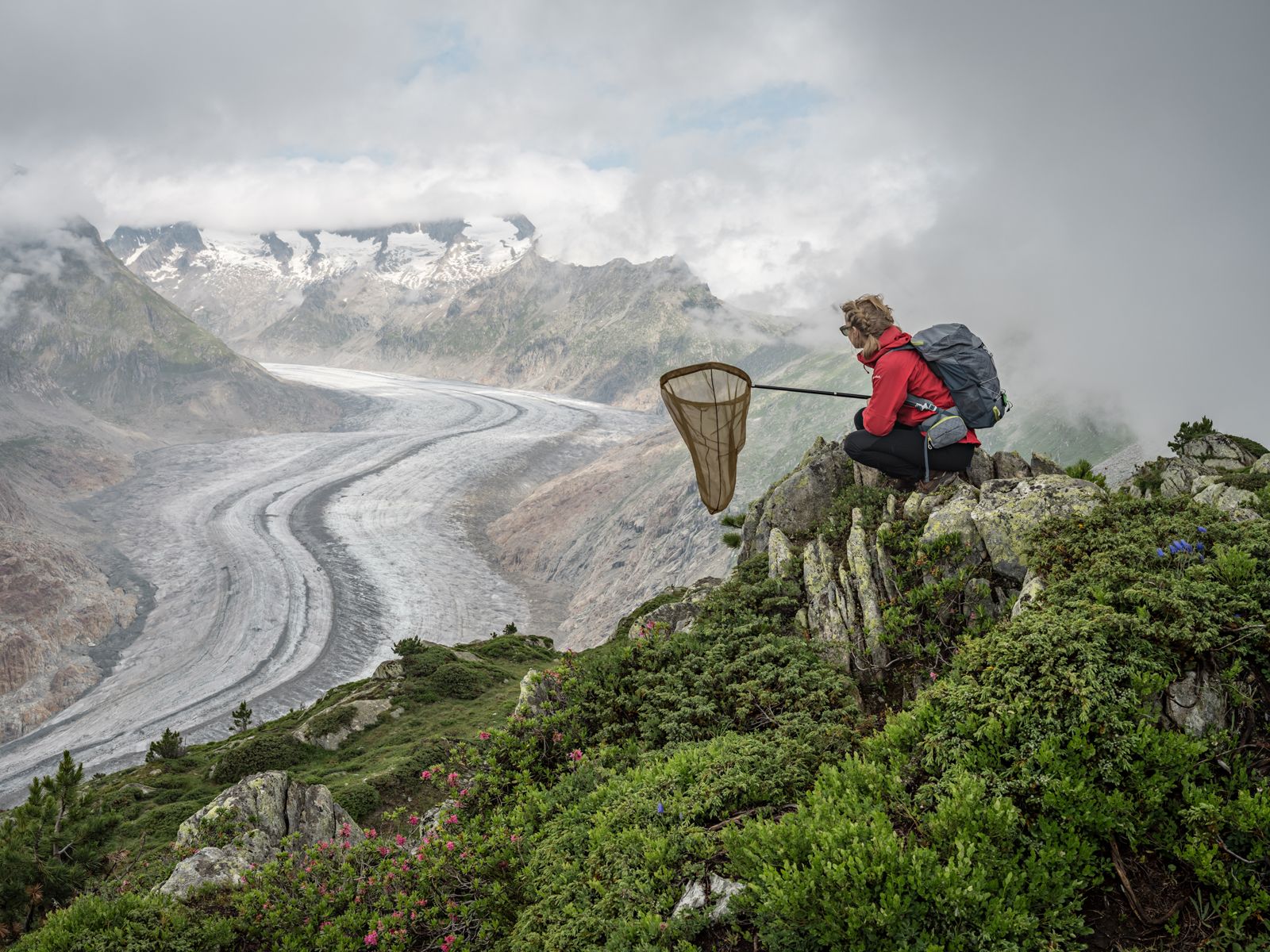
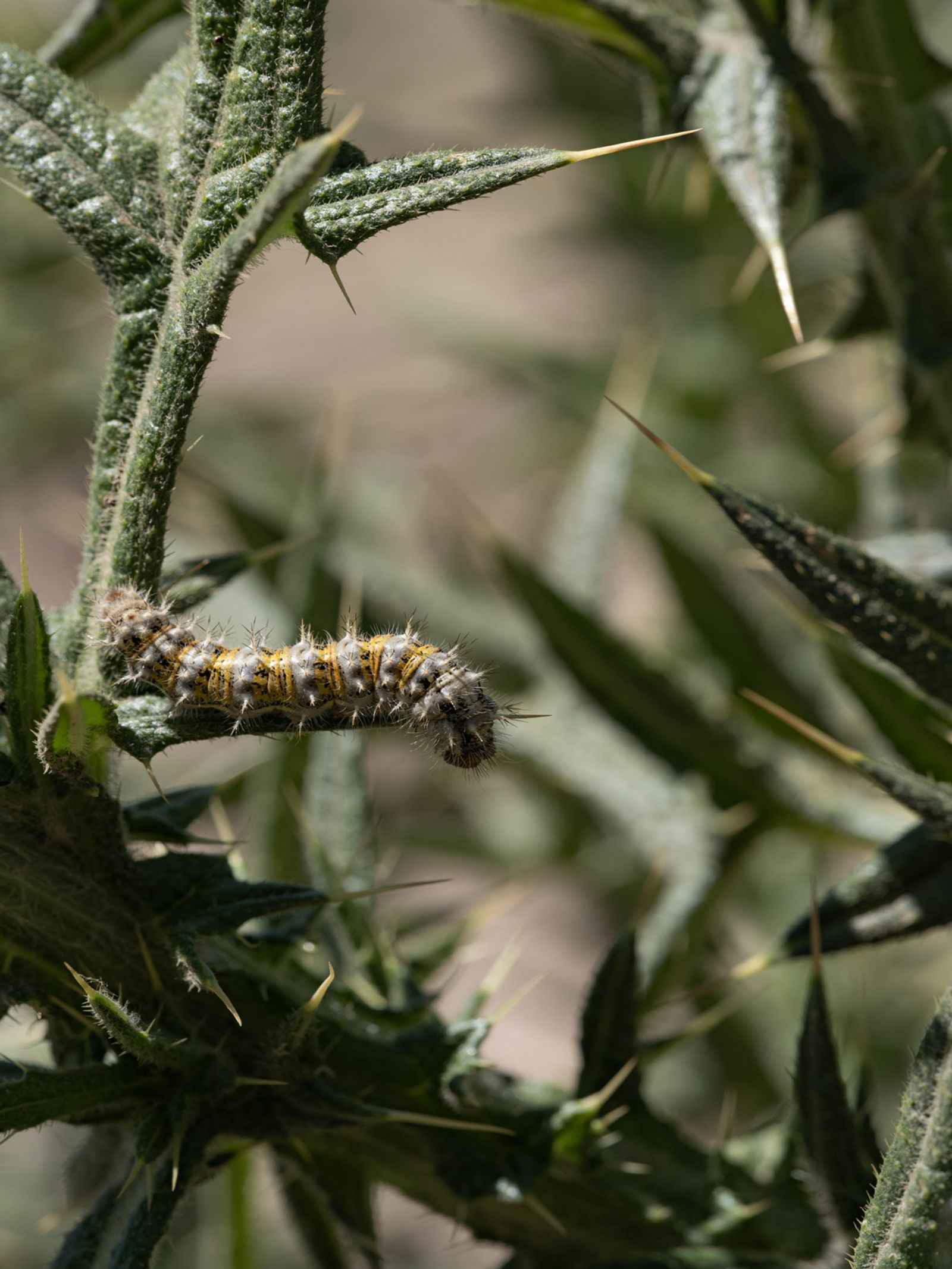
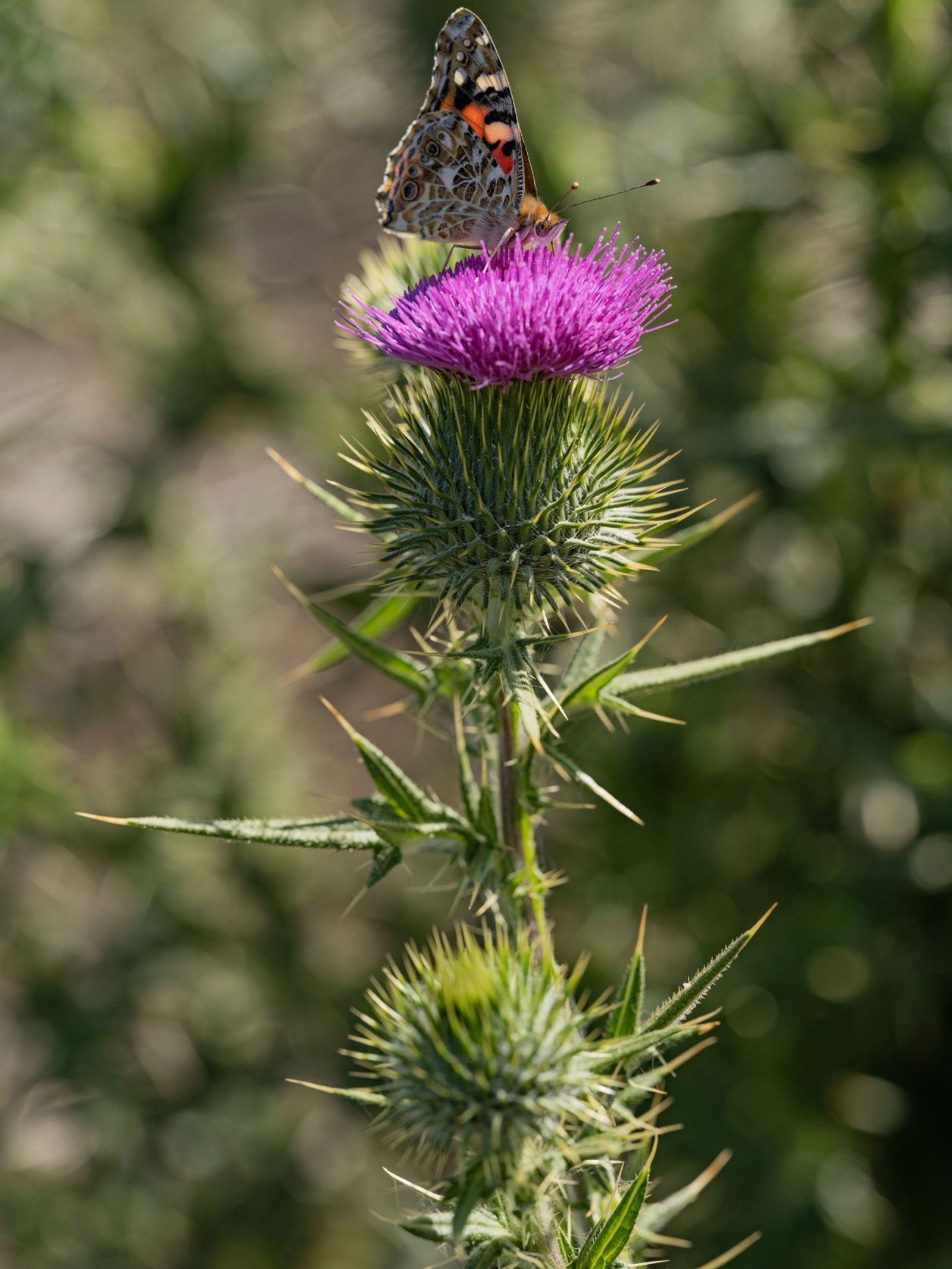
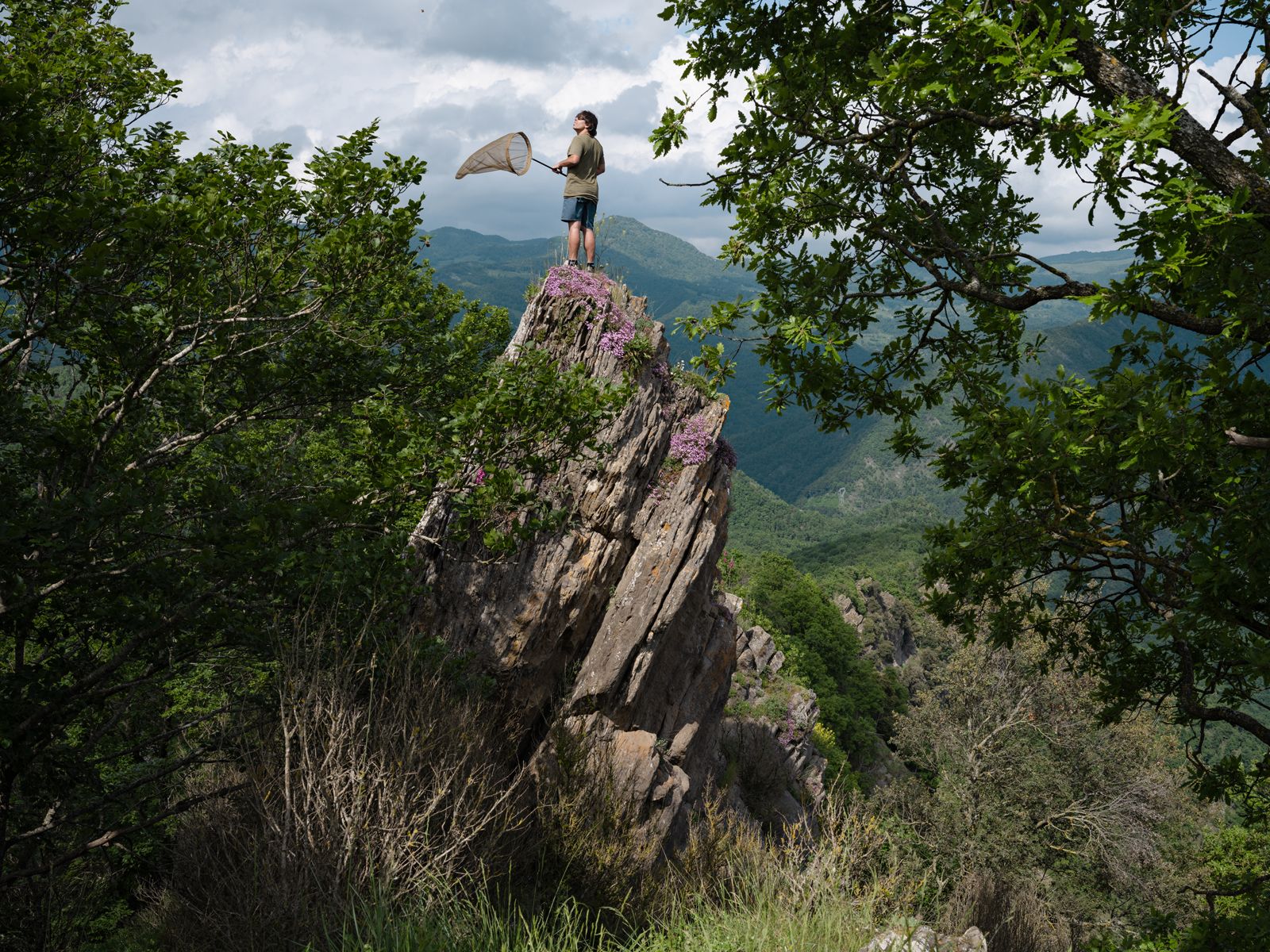
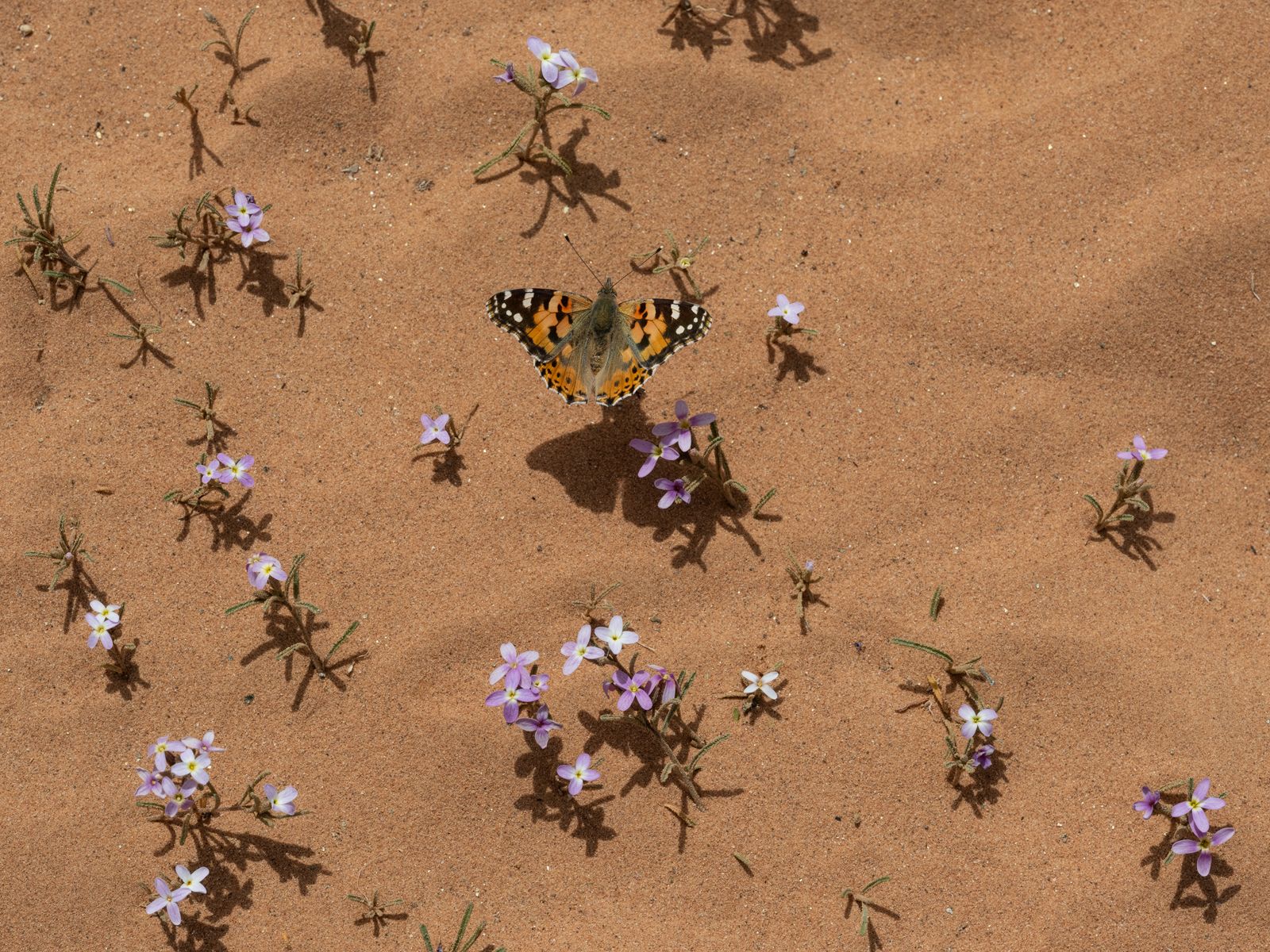
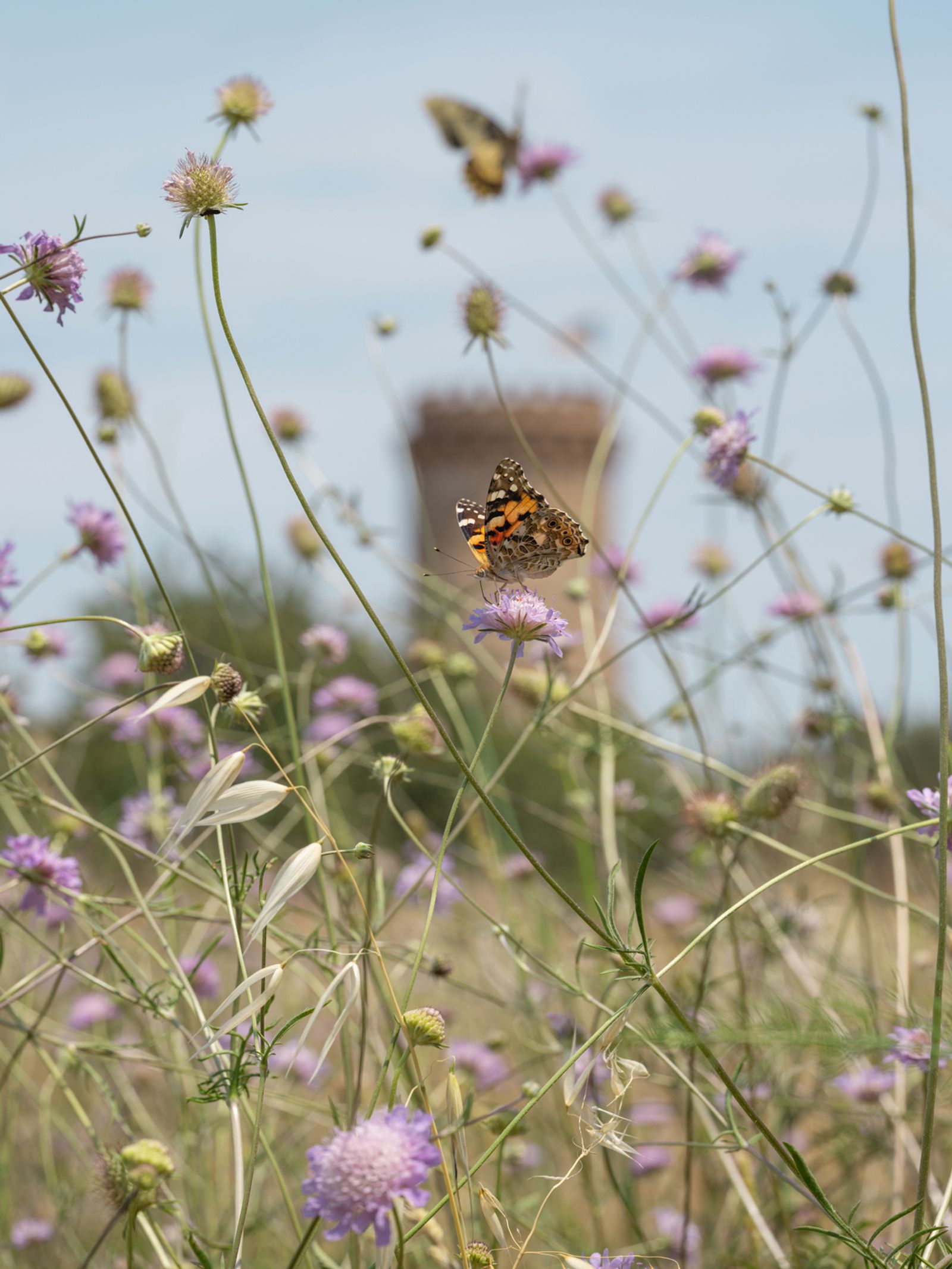
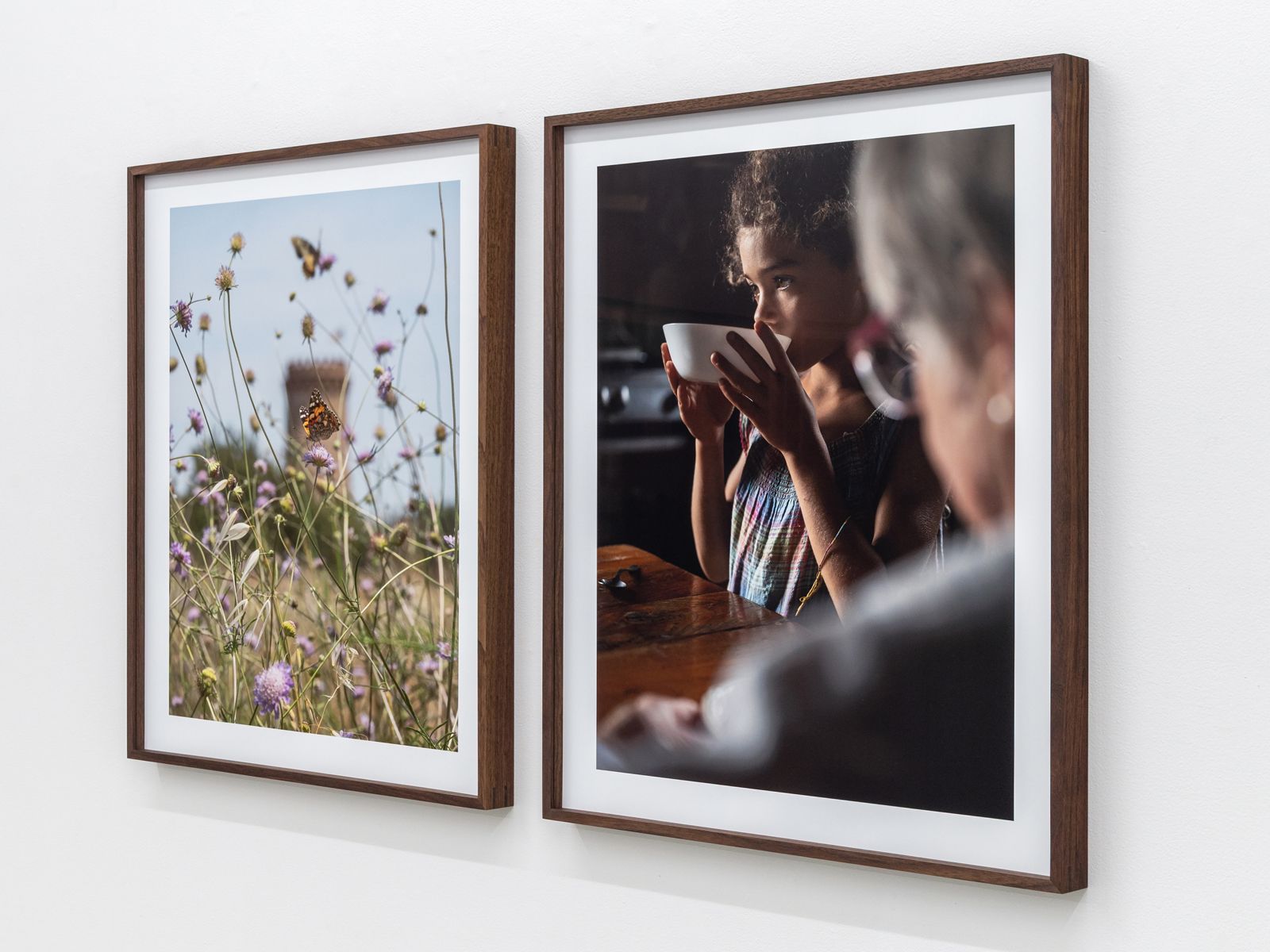
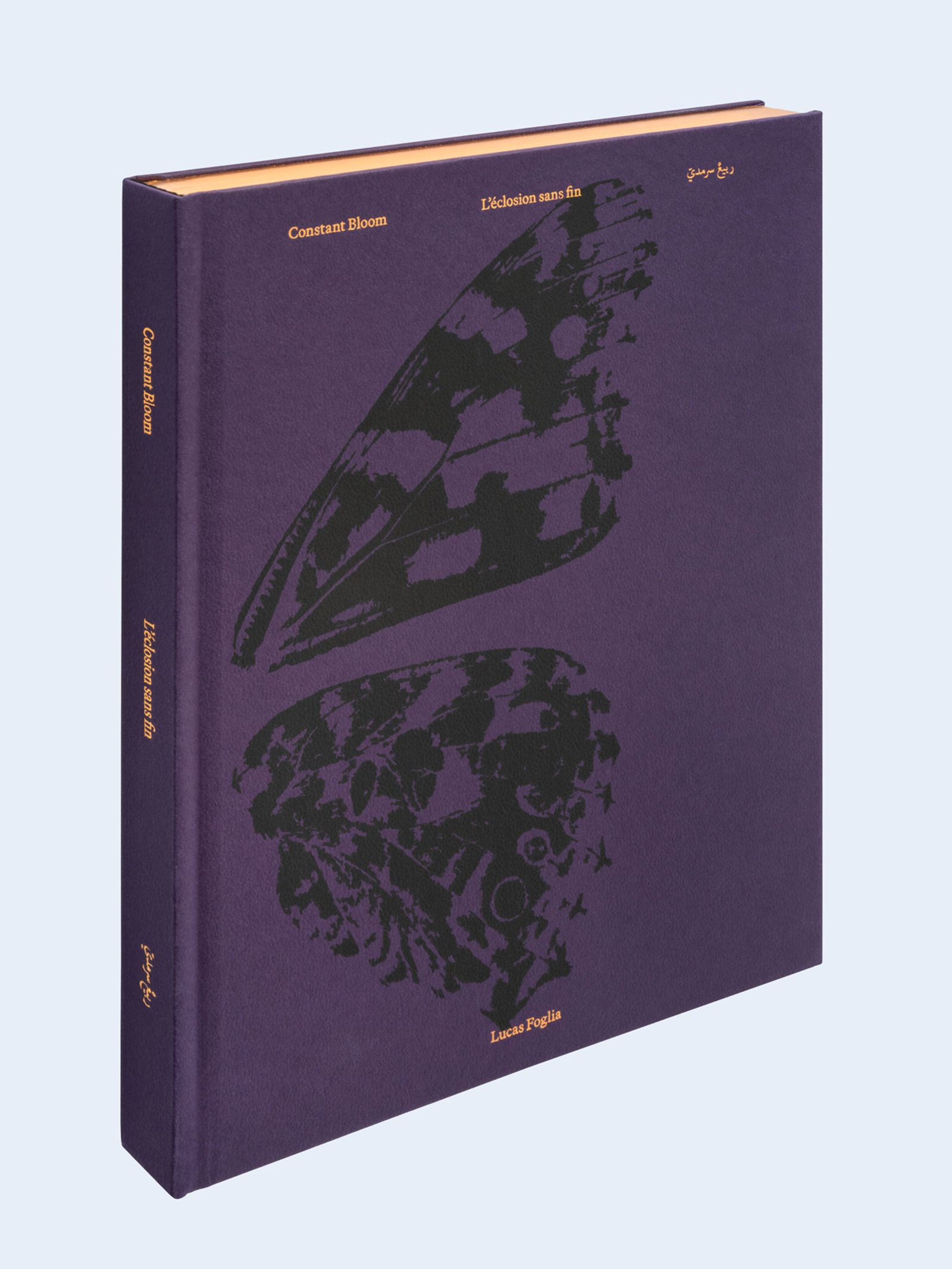
Constant Bloom follows Painted Lady butterflies on the longest butterfly migration ever discovered, spanning Europe, Africa, and the Middle East. My photographs trace both the path of the butterflies and the people they encounter, offering an allegory for our delicate, interconnected, and resilient world.
Suzanne Sease is a creative consultant and former ad-agency senior art buyer. She works with both emerging and established photographers and illustrators to create cohesive, persuasive presentations that clients can’t resist.
Suzanne offers something rare: an insider’s perspective on how client’s source creative talent. Her deep understanding of the industry is underscored by her impressive resume: 11 years as senior art buyer at The Martin Agency, seven years as an art producer for Capital One, and stints with the art-buying department at Kaplan-Thaler and the creative department at Best Buy, where she applied her expertise to reviewing bids to see which were most likely to come in on budget. Over the years, Suzanne has worked with a wildly diverse range of clients, including Seiko, Wrangler, Bank One, AFLAC, and Clairol Herbal Essence. Now, as a consultant, she is equipped to problem-solve for her clients from an unusually dynamic point of view.
As a longtime member of the photo community, Suzanne is also dedicated to giving back. Through her Art of the Personal Project column on the popular website aphotoeditor.com, she highlights notable personal projects by well-known and up-and-coming photographers. The column offers these artists excellent exposure while reflecting Suzanne’s passion for powerful imagery.
Heidi: Archival and historical records play an important visual role in the future of accountability – who did what, when, and with what impact? What type of photography are you looking for to support these themes? Alastair: Absolutely, and photography can bring this kind of accountability to life in ways that words and data can’t. At Climate Visuals we are predominantly working with photojournalistic imagery, prioritising photography that tells real stories and engages, educates and informs audiences.
In the most obvious sense, photography can powerfully highlight what is going on, raising awareness and driving public concern. This could be in an immediate, more news focused context, or over a longer period of time. With the latter, the value really comes through in the power of images to show a change over time, to make clear what has happened, changed, been lost or damaged. Some of these changes may be visibly dramatic and obvious, but they could also be more discreet, happening at a scale or pace not immediately visible day to day. In both instances, photography can be a powerful tool in recording and archiving, and in highlighting and proving a reality.
To maximize this potential for engaging audiences we are often looking for images that distill wider issues into tangible, relatable human-focused stories – what was the effect on a community? How did that community adapt to the changes? We’re also looking for images that go beyond overly familiar visual stereotypes and tell stories in new, compelling ways. We are now all familiar with images of polar bears clinging to melting ice, forest fires sweeping across hillsides, and smokestacks pumping out pollution into the air – and there’s no doubt that these photographs have powerfully contributed to the public image of climate change. But it is our responsibility as photographers and picture editors to build on this and seek new ways of telling these stories and to continue to develop how we visualize these issues. Think about how complex, intersecting issues can be distilled into tangible stories, how your audience might approach an issue and what kind of imagery they are likely to respond to.
Photography has the potential to fulfill an evidentiary role and then go further, going beyond literal illustration to demonstrating to an audience why something matters. We are looking for photography that can do this – telling the stories of what is happening and then providing a compelling narrative for the viewer to engage with.
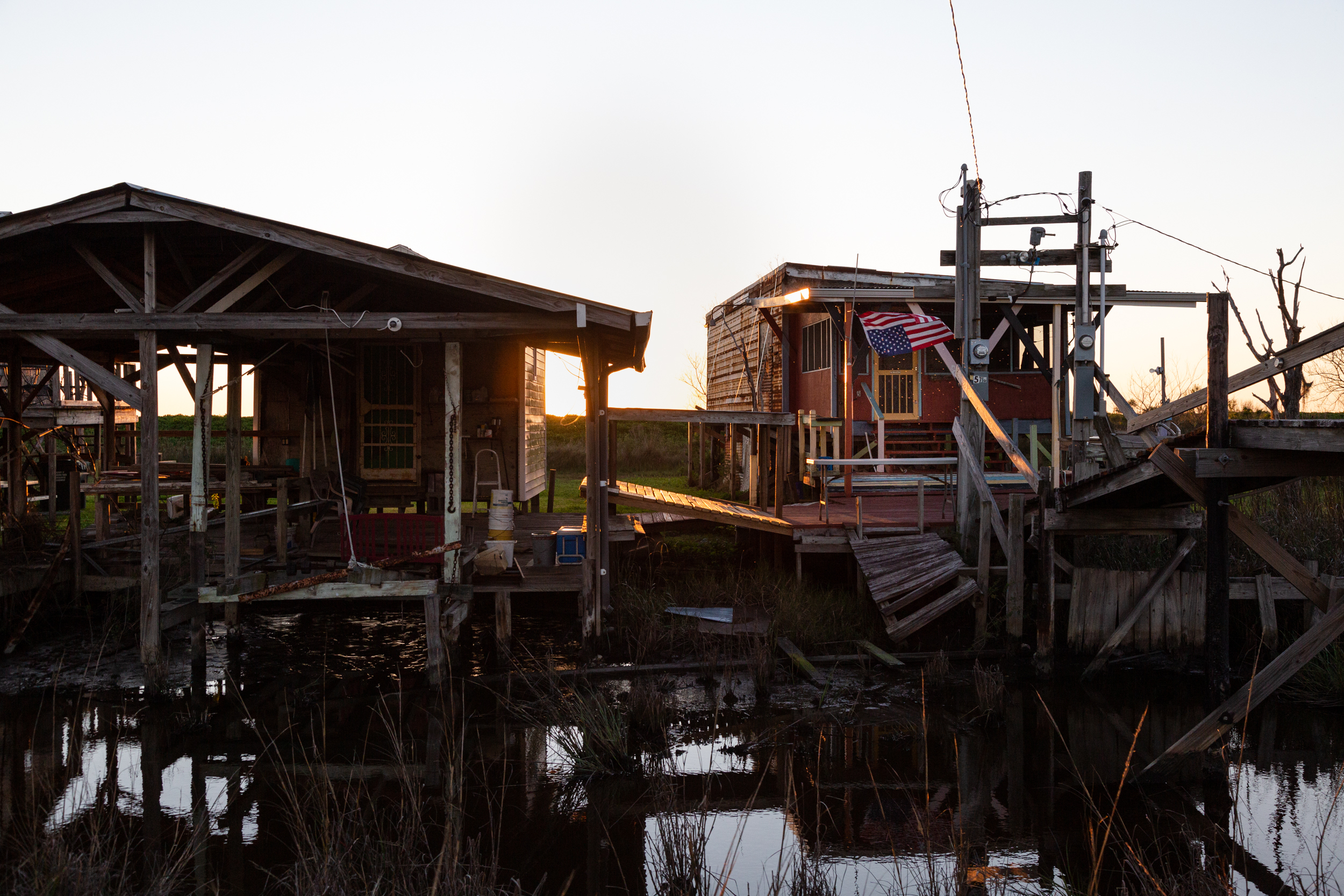
Abandoned homes along the only road traversing Isle de Jean Charles. Home to the Band of Biloxi-Chitimacha-Choctaw Indians that have inhabited this narrow island since the 1830s. Located in the Terrebonne Parish, LA, the island and its residents have been in direct threat from hurricanes and sea level rise, which has led to a controversial resettlement project for the community. The increased and consistent threat of climate related events for the island has resulted in a majority of residents moving away, with only 5 families remaining on the island. February 8, 2020. Photo credit: Juan Diego Reyes / Climate Visuals
Proof of degradation, before and after comparisons and human rights angles come to mind, what else? All of those themes are very important. I’d add highlighting the impacts of climatic changes both locally and globally, the inequality of how impacts are felt, and foregrounding any systemic issues at the heart of a story.
I’d also say that connecting all of these angles into a compelling narrative is an essential role for photography. From an editorial perspective, photography presents a powerful opportunity to knit all of these elements together, again coming back to the idea of helping audiences to engage with what is going on, why a story matters, why they should stop scrolling and engage in more detail, and why this subject deserves their concern. In distilling complex issues into tangible stories, photography can play a vital role in taking climate storytelling out of the abstract, humanising technical details and building a compelling, relatable sense of why stories matter.
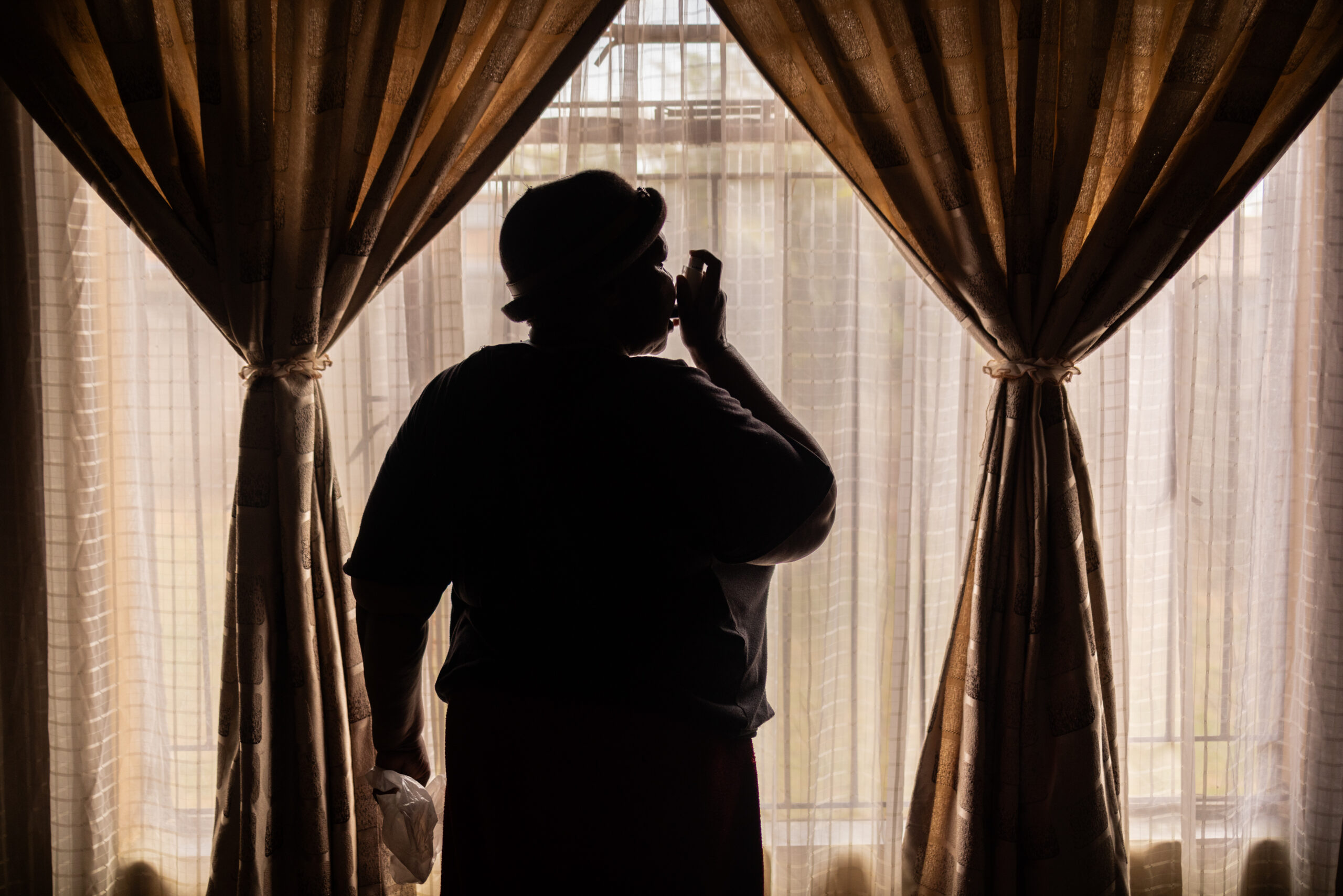
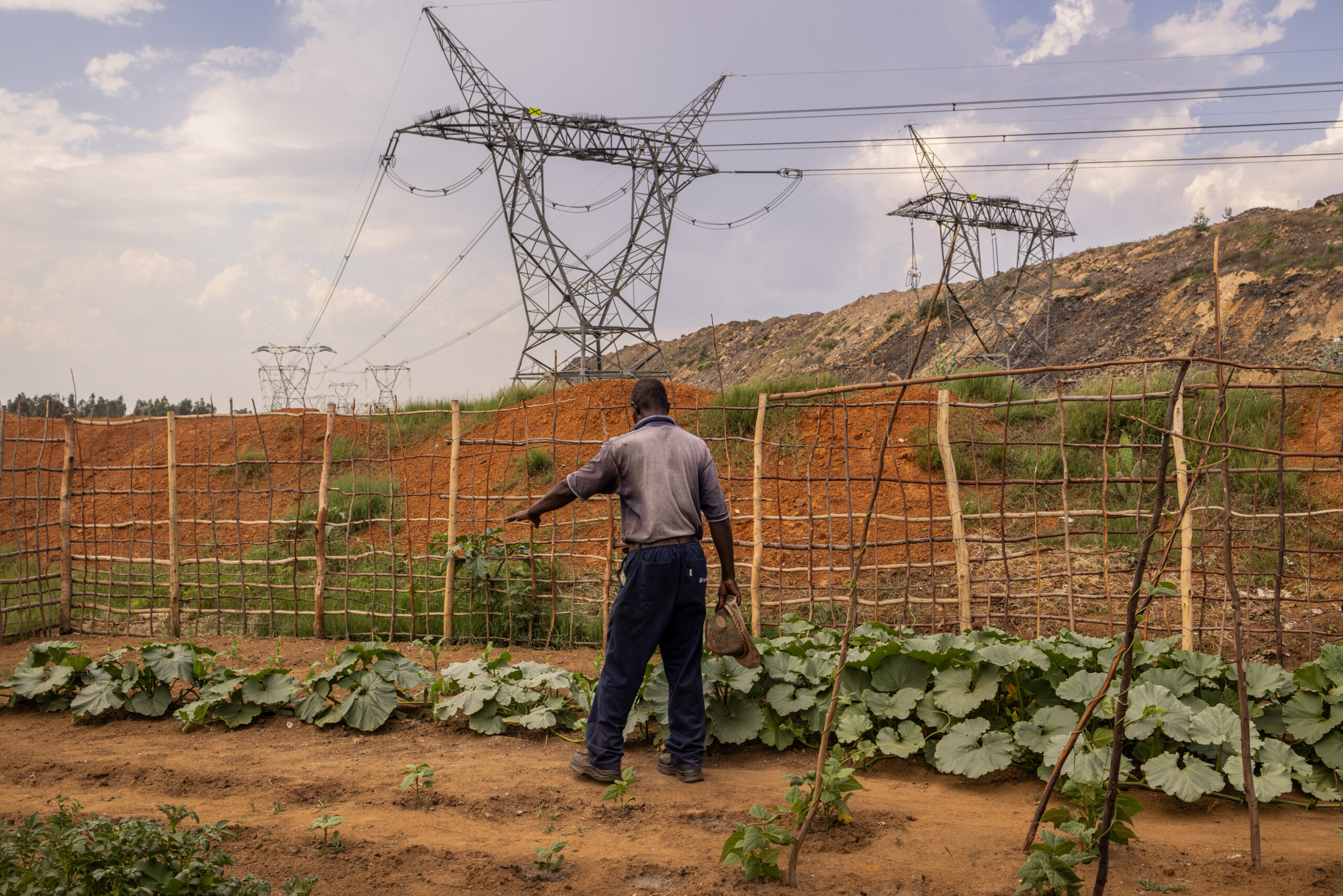
What examples came across your desk recently that felt powerful to you? We recently worked on a project looking at the effects of air pollution on communities in Indonesia, Poland, South Africa and the UK. In South Africa, photographer Gulshan Khan made some great work with communities in the Highveld region, showing the serious health effects of air pollution in the area. These effects were part of the so-called Deadly Air Case, where the poor air quality over the Highveld Priority Area was deemed a breach of residents’ section 24(a) constitutional right to an environment that is not harmful to their health and well-being. These photographs, combining striking portraits of affected individuals with documentary images of daily life and compelling general views really tell the story of the effects on the local community.
Maria Nkosi* demonstrates how she uses a few times a week for her asthma at her home which is a street away from a mine in Clever, Witbank, Emalahleni, South Africa, on November 28, 2023. In 2021 the High Court in Pretoria confirmed a judgement in what was called the Deadly Air Case, that the poor air quality over the Highveld Priority Area is a breach of residents’ section 24(a) constitutional right to an environment that is not harmful to their health and well-being. *not her real name. Photo credit: Gulshan Khan/Climate Visuals
Samuel Nkosi* walks through a plot of land next to a mine where he farms vegetables which he donates to the church in Witbank, Emalahleni, South Africa, on November 28, 2023. *not his real name. Photo credit: Gulshan Khan/Climate Visuals
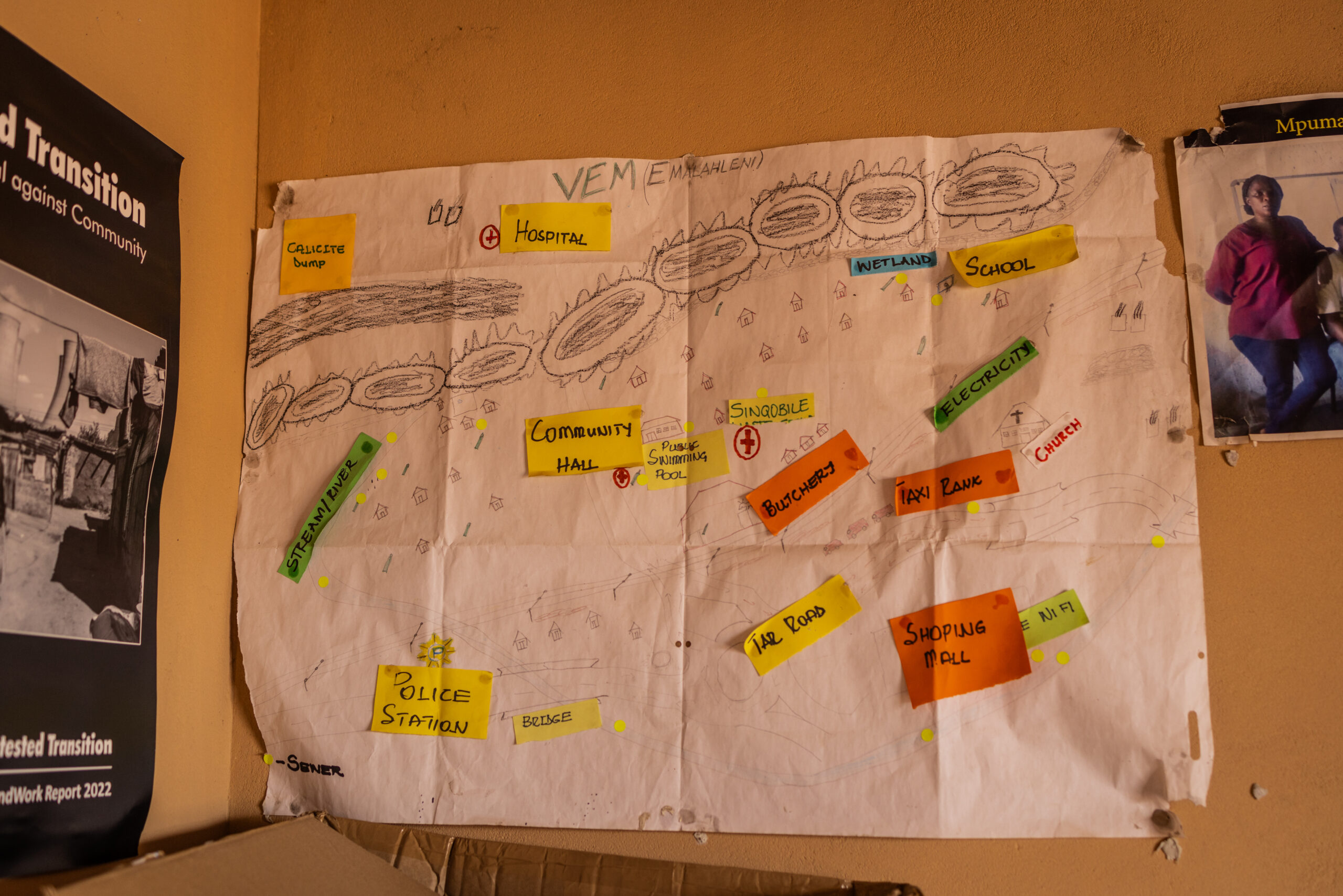
A map of the Vosman area drawn by founder Vusi Mabaso hangs on the wall of the offices of Vukani Evironmental Movement (VEM) discuss the issue of informal miners called Zama-Zamas at their offices in Witbank, Emalahleni on November 28, 2023. VEM is a non profit organisation that was established in 2016, focused on environmental justice issues like Air Pollution, Climate Change and Energy, Water and Sanitation. Photo credit: Gulshan Khan / Climate Visuals
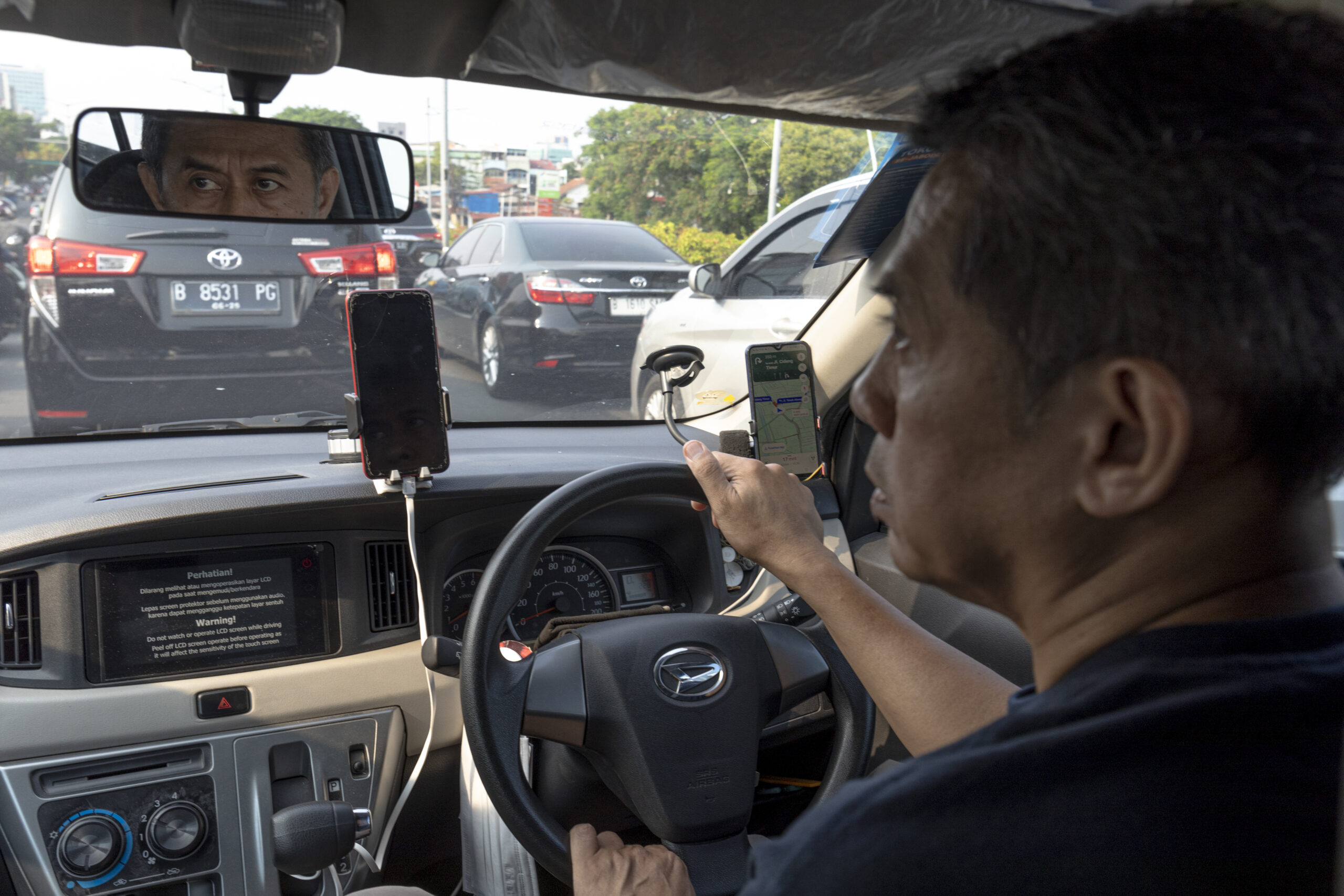
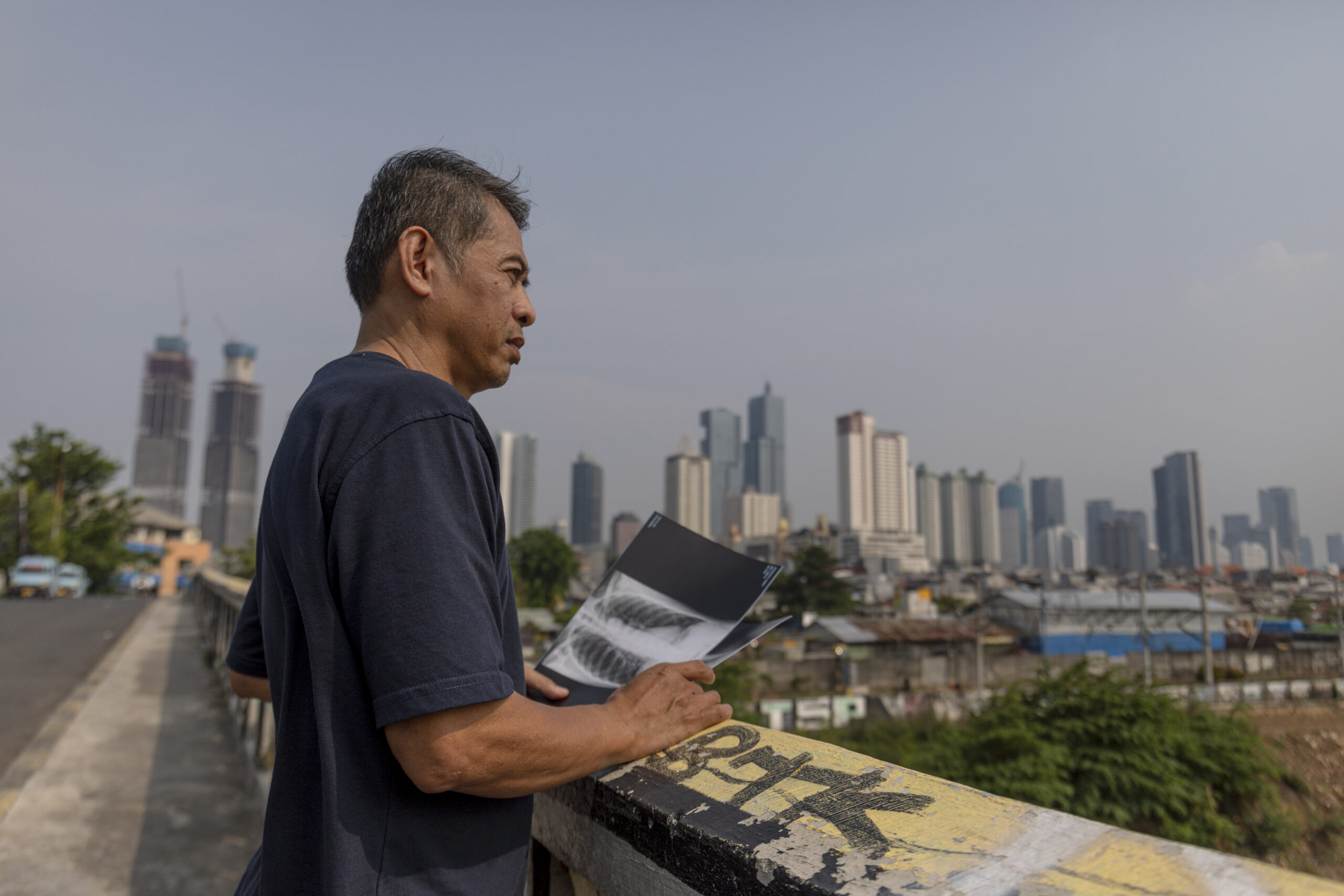
Similarly, in Indonesia, photographer Aji Styawan photographed taxi driver Istu Prayogi in Jakarta who was part of a group of residents of the city who filed a lawsuit relating to air pollution problems. In portraits and reportage of daily life, these images help to ground an expansive problem in real world, relatable stories.
Istu Prayogi (58) working as an online taxi driver, looking for passengers amid the traffic in Jakarta, Indonesia, on November 16, 2023. Every morning he coughs and spits out ripples of thick blood, affected by the air pollution. In 2016, Istu was diagnosed with respiratory problems, referred to as Acute Respiratory Infections (ARI). In August 2019, Prayogi as part of a group of 31 residents who are members of IBUKOTA (Capital) Coalition filed a citizen lawsuit to the Central Jakarta district court related to air pollution problems. They sued the President of Indonesia, the Minister of Health, the Minister of Transportation, Minister of Environment and Forestry, Governor of Jakarta Capital Special Region, West Java and Banten Province. One of their demands is regarding improving regulations for handling air pollution in Jakarta and its surroundings. Photo credit: Aji Styawan/Climate Visuals
Away from our work, I thought that Chris Donovan’s photography of St. John, New Brunswick, recently featured in the New York Times, was a standout example of the power of deeply reported visual storytelling to communicate complex, intersecting stories to an audience and I was really pleased to see the work given the space to tell the story in this way.
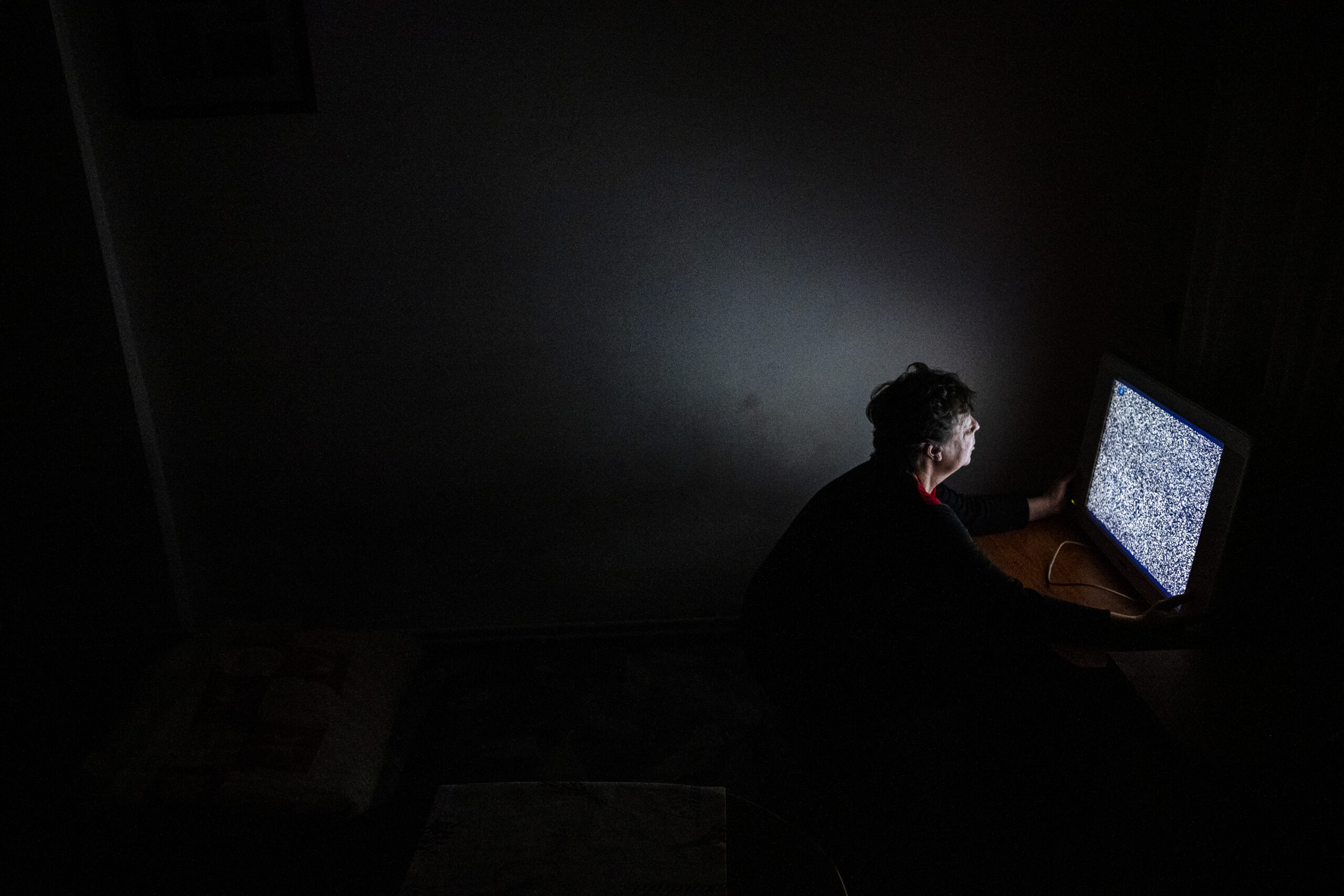
Ewa Pisarzowska worked for over 25 years in the coal mines and salt extraction industry in Rybnik. She lost work during the pandemic and so did her partner, they soon could no longer afford to rent an apartment and for a few months lived at their friend’s place. Recently they rented a studio apartment with central heating, but without furniture. They struggle to pay for food or electricity. Ewa sometimes helps at the “Wspolny Stol” center, she looks for food, still edible but not for sale, in dustbins near big grocery stores. To save money on electricity and still know what is happening in the world she often uses TV as the only source of light in the house. Rybnik, Silesia, Poland. December 14 2024. Photo credit: Kasia Strek / Climate Visuals
While photography could be a game-changer for climate litigation, there are real, structural, and even ethical barriers that prevent the kind of visual storytelling and documentation that would truly support justice-centered climate work. What do you see as the biggest barriers? Firstly, time and money. Much of what Climate Visuals advocates for has detailed, in-depth, photographic storytelling at its heart, which as we all know is often expensive and time consuming to produce and all too often out of reach for many. Relatedly – display space. This kind of photojournalism needs to be afforded the space on publication to get into the detail and hold a narrative structure. Whilst there are outlets publishing fantastic, long-form and in-depth, visual reporting, the opportunities for this are only ever decreasing, whilst all the while the dominance of single-image distribution via social media grows. This is a challenging environment for the kind of imagery our evidence tells us audiences want to see.
Interlinked with these three challenges is the appetite for a less literal, limited and illustrative role for photography in the coverage of climate change. As above, much of what our evidence base encourages becomes more possible when photography’s role in storytelling is not restricted to place-holder, generic images at the top of web articles and in social media thumbnails. Whilst digital platforms provide near limitless opportunities for complex and in depth visual storytelling formats, all too often comprehensive reporting is accompanied by generic, familiar imagery and the potential for compelling and engaging photography is missed.
As a photography industry we need to continue to push for the expanded role that I’m sure we all believe images should fulfill. We need to seek evidence and rationale for this expanded role to build that justification – be it research evidence like at Climate Visuals, or case studies of high performing exemplary content through audience metrics. It is with these kinds of insights that you can build a case and achieve the necessary buy-in.
Beyond those structural barriers, I would highlight a couple of other key issues, firstly the safety of participants. This must be at the heart of any considerations about visual coverage of climate litigation and include the full spectrum of potential image uses into the future. Appearing in imagery and being linked to litigation could bring with it significant personal and community risks for participants. Truly informed consent and frank, detailed and empathetic conversations including all available information with any potential participants is essential. Added to this is the ethics of using individual stories to represent wider, more systemic issues. This needs to be carefully considered on a case by case basis, and individuals and their stories need to be appropriately protected, for example with clear limitations on how, where and when imagery can be used. Ensuring that a diverse range of perspectives contributes to the visual coverage is also key. As commissioners and photographers we must collaborate with communities in telling their stories, seek to work with photographers connected to the stories, locations and contexts they are photographing and prioritise expanding the diversity of perspectives seen by audiences. Only by doing this can the full potential for engaging, empathetic and ethical, justice-centered climate visual storytelling be realised.
Visual evidence-based imagery can serve as critical documentation in legal cases – how are you verifying these images are not manipulated? Climate Visuals works to, and promotes, photojournalism industry best practice with regards to image manipulation. With commissioned work we are collaborating with trusted photographers who know, understand and actively represent the values and ethics that underpin our work. With submitted images we work with a set of submission guidelines that include standards for manipulation as well as ethical best practice. In addition to these safeguards we carry out verification checks on imagery through a mix of processes including OSINT analysis of content, scenes and locations, fact checking of details and caption information, and working with trusted local partners to confirm image and story details.
We also prioritise accompanying images with detailed caption information and encourage its inclusion when images are used to ensure that further detail, context and nuance accompany the images.
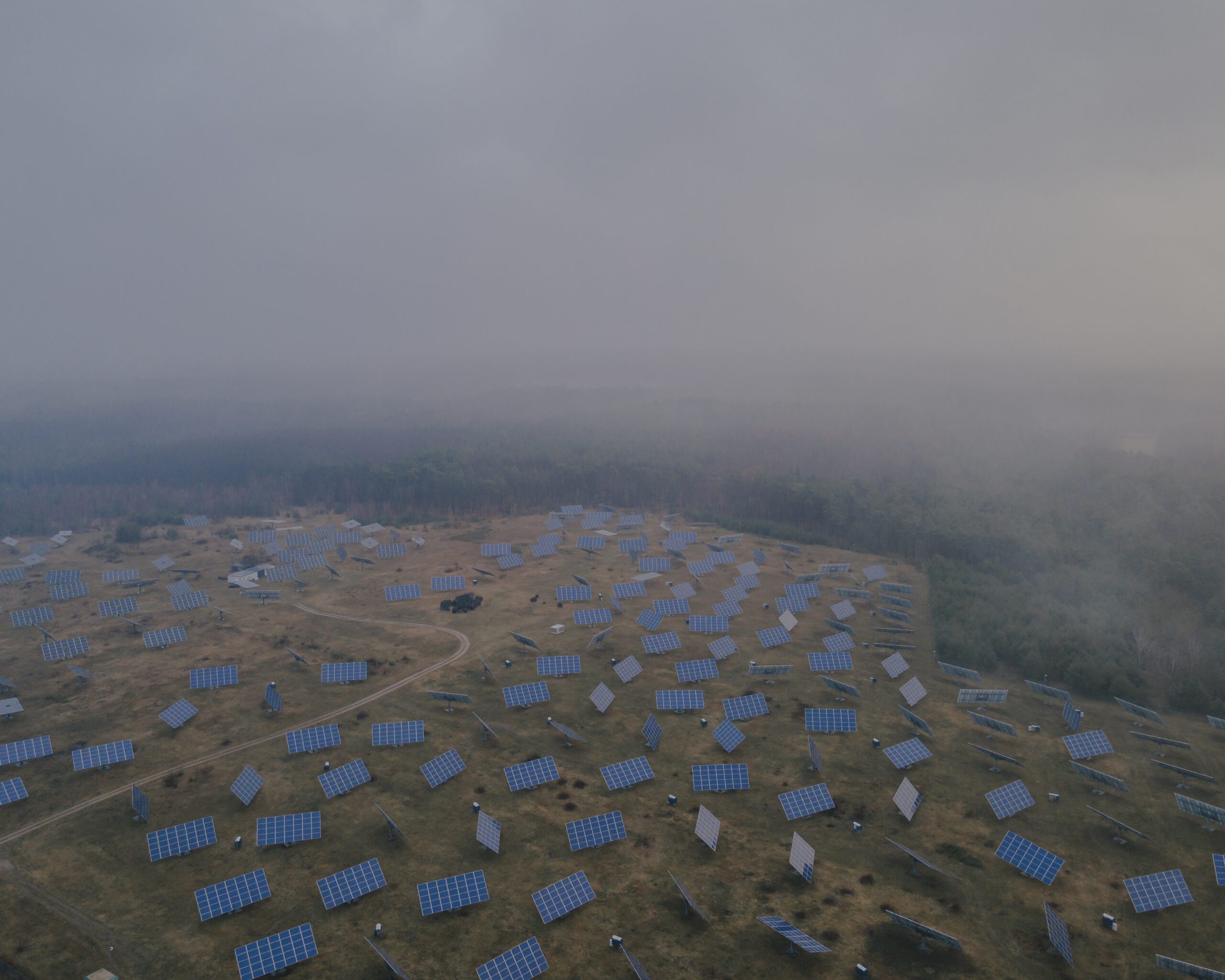
The solar park located outside the village of Feldheim, Germany on February 21, 2023. The park produces enough energy to meet the yearly electricity demands of approximately 600 households consisting of four individuals each. Feldheim is the first village in Germany to be completely self-sufficient in energy. With the help of wind energy, photovoltaics, biogas, biomass, a regulating power plant and a local heating network, the village covers its own needs. The large amounts of surplus energy generated in the process are fed into the public grid. Photo credit: Ingmar Björn Nolting / Climate Visuals
What role do you see photography playing within political activism to support the themes of climate change and justice? Photography can play an important role in helping audiences understand and relate to complex issues. From performing an evidentiary role, recording and highlighting what is happening around our planet, to driving public concern and opinion, there’s a long history of photography playing a powerful role in the issues of climate change and justice. In our ever increasingly image-saturated world I still believe that photography has an essential role to play here, but I do think that the way in which it can play this has changed. I believe that the potential for single photojournalistic images to take on ‘iconic’ status and go on to represent whole issues is now greatly reduced, the volume of new imagery being produced and consumed, and the speed of its consumption, is just too great. Instead, photography’s power as a tool for in-depth, empathetic storytelling, across different platforms and use contexts, should be prioritised. In a highly competitive visual environment, compelling visual reporting presents an opportunity to capture audiences’ attention, inform and build understanding, concern and empathy. To do this however, photography’s role in telling stories of climate change and justice needs not to be restricted to pure illustration, but instead to have the scope and freedom to tell these stories in depth, from a diverse range of perspectives, and with adequate space on publication. Only then can photography fulfil its full potential to humanise complex issues and build empathy, ground stories in a reality that audiences can relate to, and build a weight of evidence behind concerns.
I also think photography can play an important role in helping audiences to visualise a future. It can show how a situation could be improved, how a community elsewhere came together and solved a similar problem, and what opportunities could come were a cause to be fought. Photojournalism’s role in telling constructive stories shouldn’t be overlooked – we know from our research that images of climate change impacts are very emotionally powerful, but they can also overwhelm audiences. One way to combat this is to pair them with images highlighting tangible, relatable actions that audiences can take, or visual reporting that shines the light on ‘what happened next’ – it’s vitally important to record and show the devastating impacts of climate change, but don’t stop there, seek ways to demonstrate future potential through imagery too.
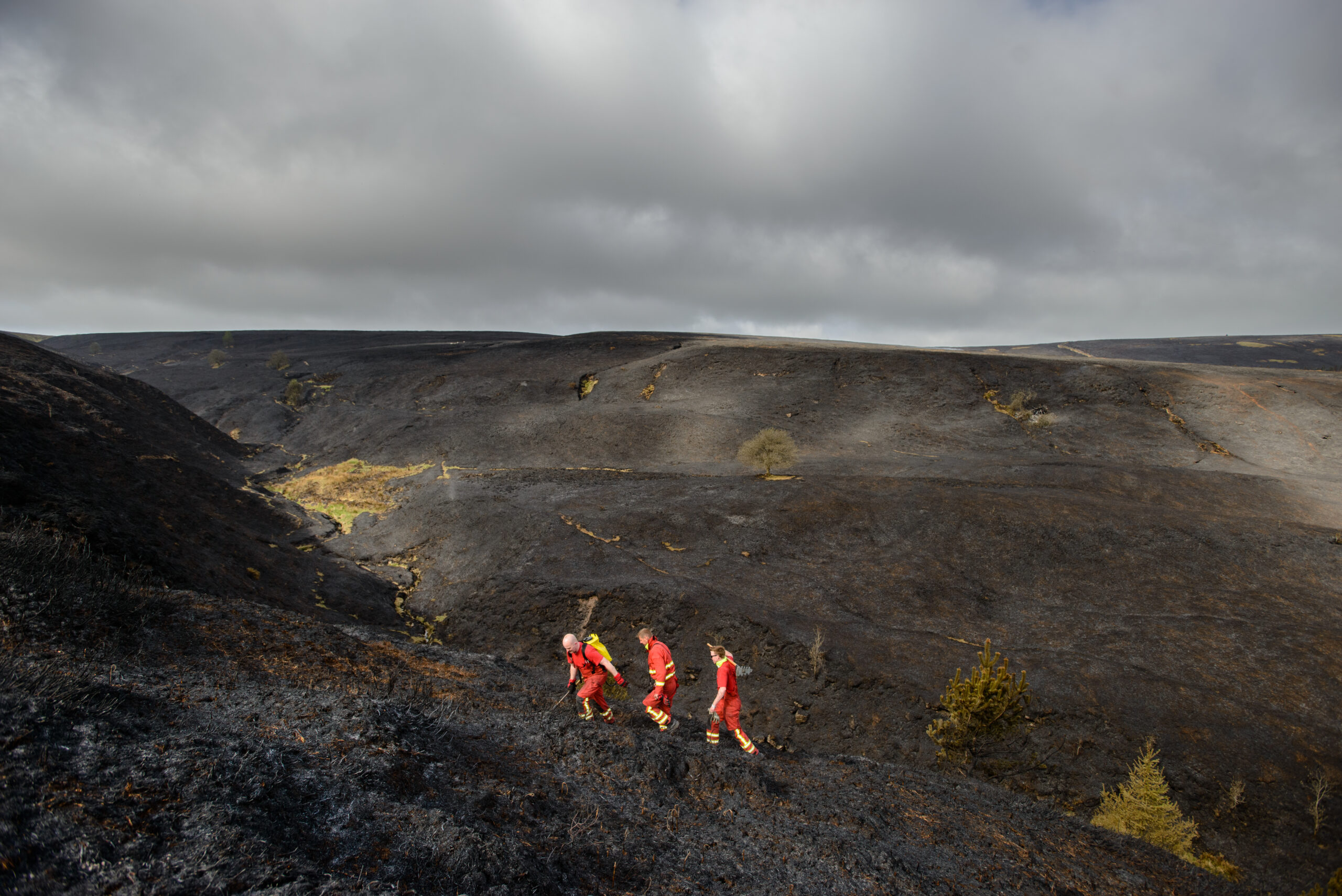
Firefighters are surrounded by a scorched landscape as they continue to work to tackle a large moorland wildfire in the Goyt Valley, near Buxton in the Peak District. Derbyshire, England. 3rd May 2025. The blaze caused extensive damage to vegetation in the area. Credit: Alastair Johnstone-Hack / Climate Visuals
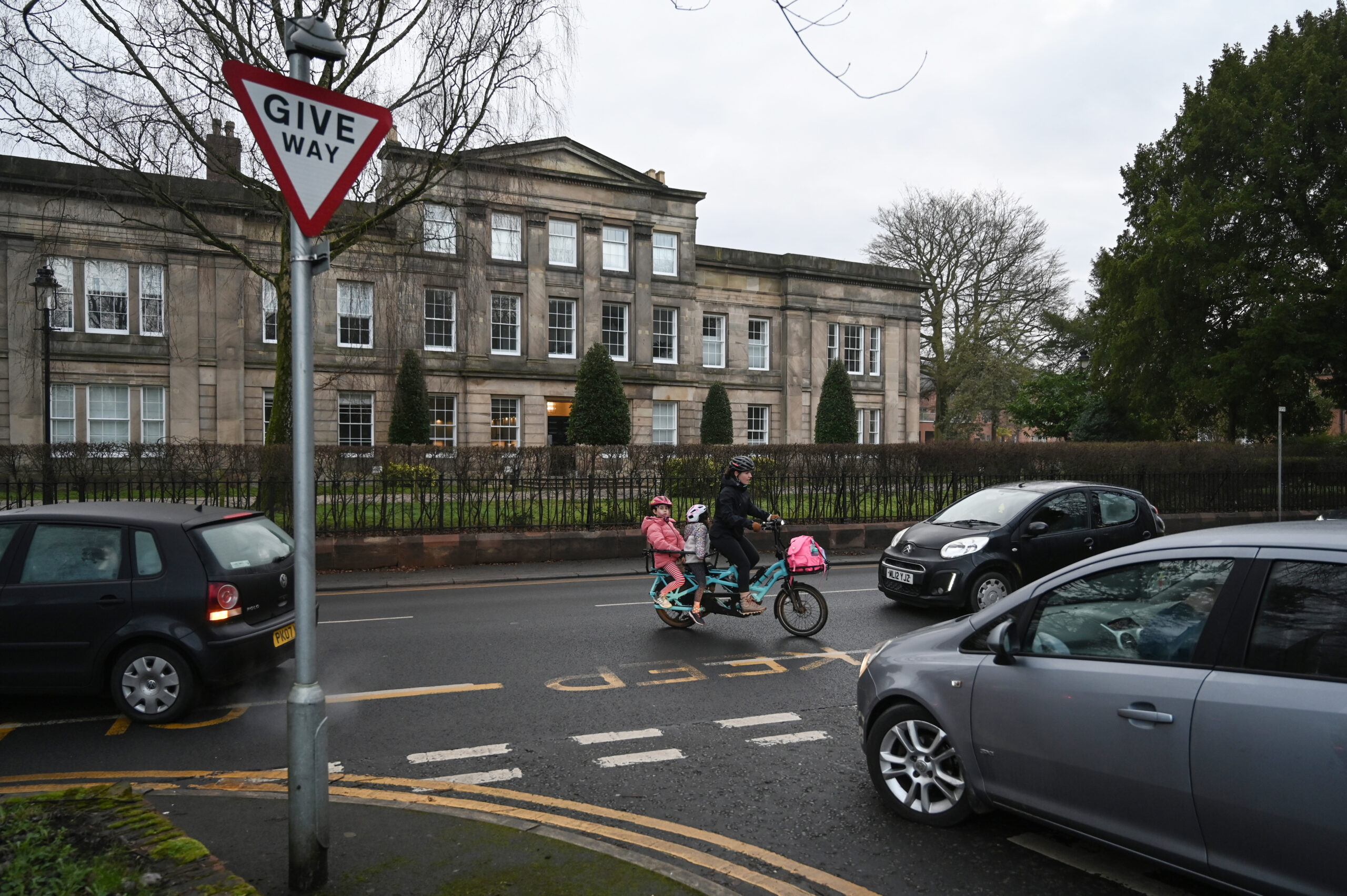
Rachel cycles her children to school on a cargo bike, through busy traffic, in Didsbury, Manchester, UK. 2nd February 2024. Photo credit: Mary Turner / Climate Visuals
How did you get involved in Climate Visuals and what are your core themes? I came to Climate Visuals from my previous role as Deputy News Picture Editor of The Times and The Sunday Times newspapers in London. Before that I was an agency news photographer in south west England. I have long been a keen follower of the work Climate Visuals was doing to combine research insight with practical, usable guidance and resources, and jumped at the chance to get involved.
If a photographer wanted to submit images, are you centered around specific themes? I’m always interested to hear from photographers and see any work people think we might be interested in. Our thematic focus depends on the specific projects that we are working on, but broadly I’m always excited to see images and stories that fulfil our guiding principles/evidence and tell new, compelling environment and climate stories. Whilst we aren’t always able to accept submissions, I am always seeking to expand our network and awareness of photographers working on climate and environment stories in case the opportunity arises for collaboration.
How does the funding work and is there any assignments, or is this all submission based? It depends on the project we’re working on – we work with a mix of commissioned assignments, such as with this project on air pollution, and submissions such as with our Ocean Visuals and Visualising Climate Change initiatives. For updates on what we are currently working on you can follow us on social media @climatevisuals.
Photographers! It’s here! Click the link below to learn more about completing the @aphotoeditor and @hmphotoprof 2025 State of the Industry Survey!
We’re recruiting photographers to participate in a massive, state of the industry survey. Open to all professional photographers from all genres and markets. Please share with your colleagues and within your photo network. The more folks that participate, the more accurate the information.
The Art of the Personal Project is a crucial element to let potential buyers see how you think creatively on your own. I am drawn to personal projects that have an interesting vision or that show something I have never seen before. In this thread, I’ll include a link to each personal project with the artist statement so you can see more of the project. Please note: This thread is not affiliated with any company; I’m just featuring projects that I find. Please DO NOT send me your work. I do not take submissions.
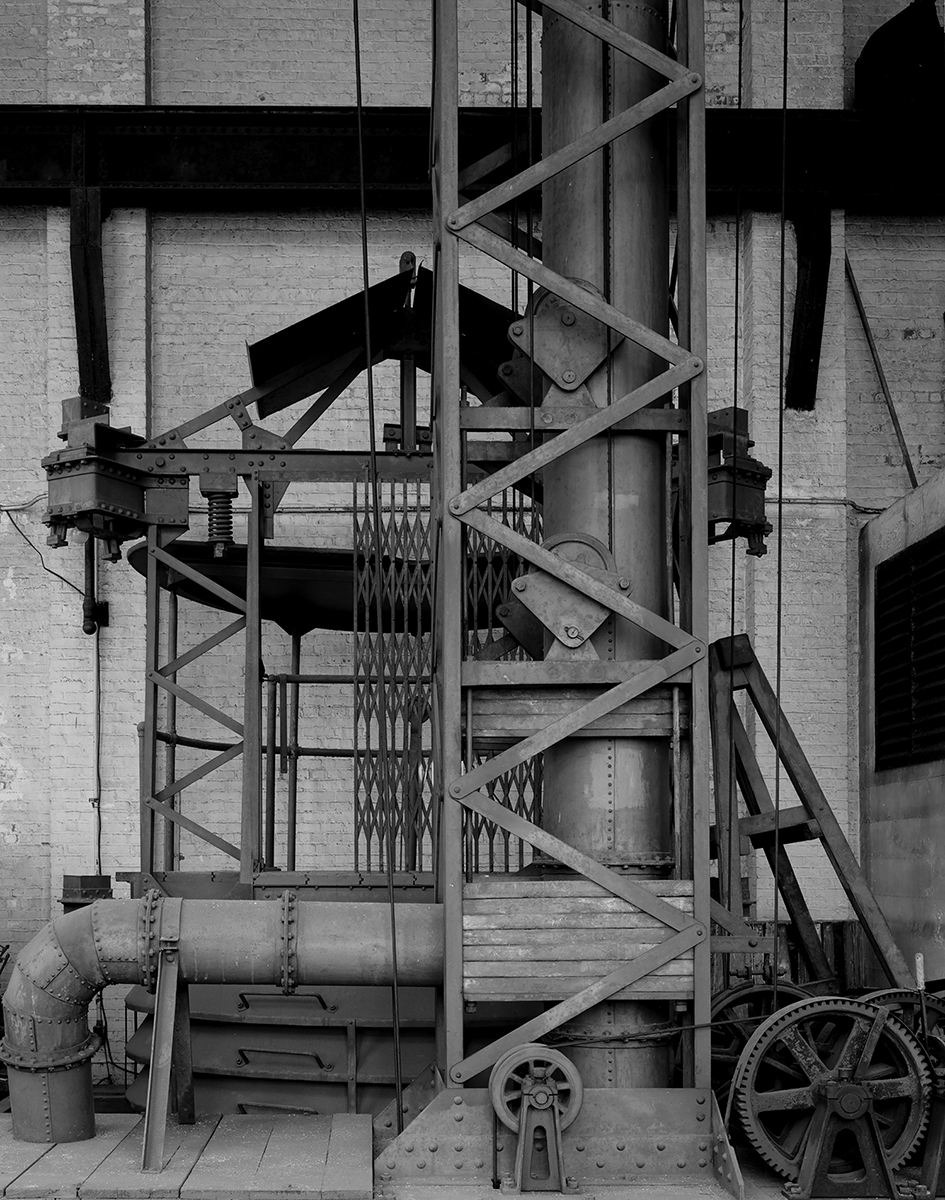
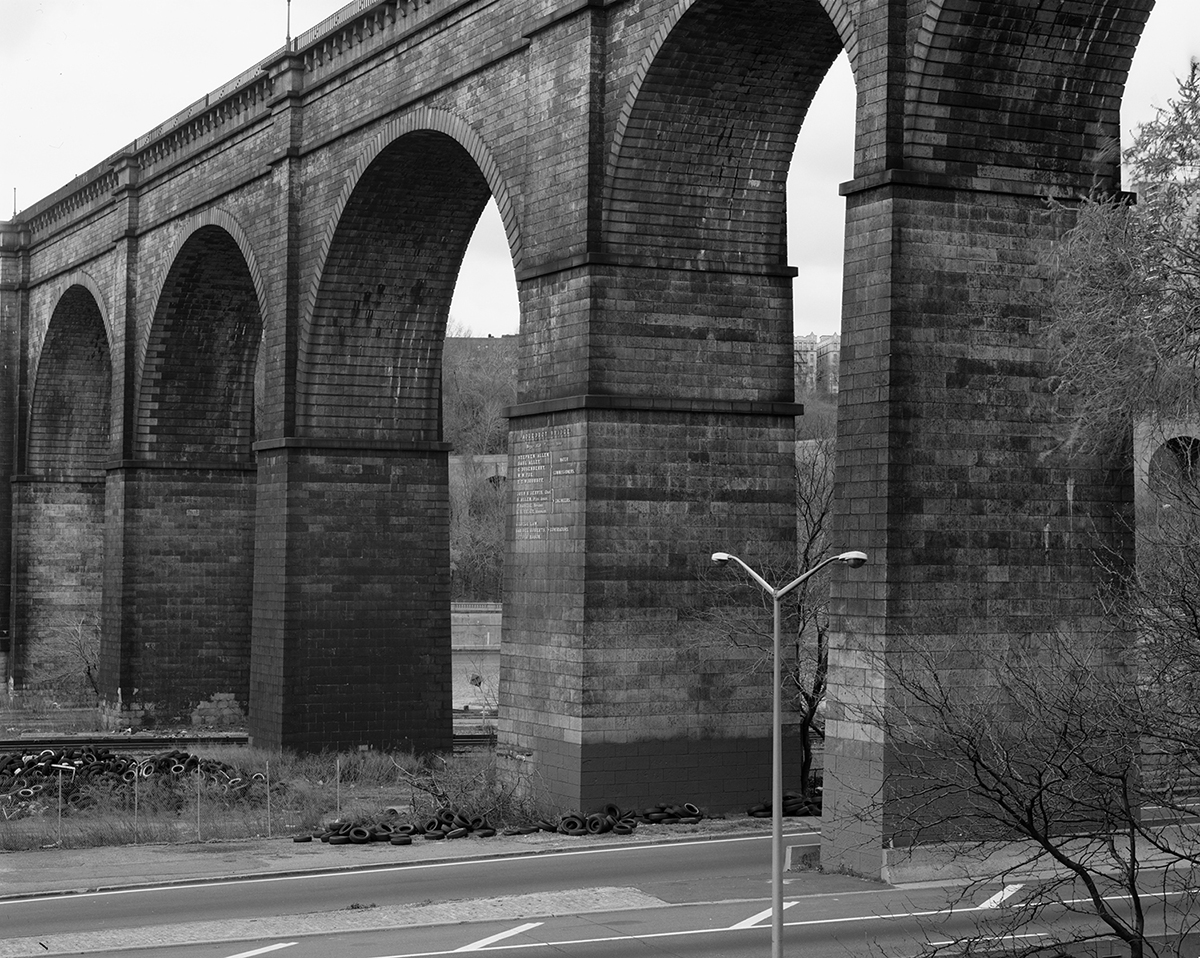
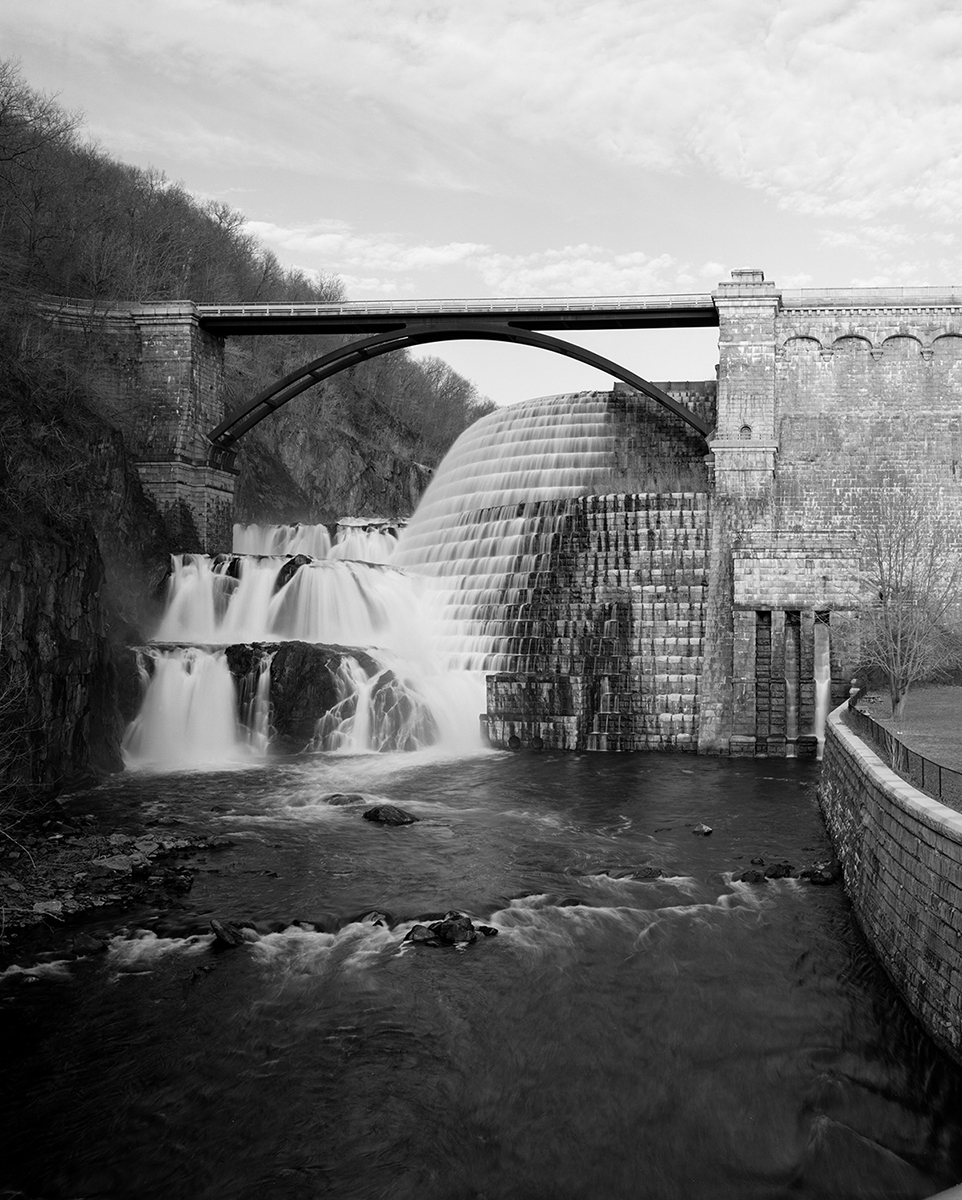
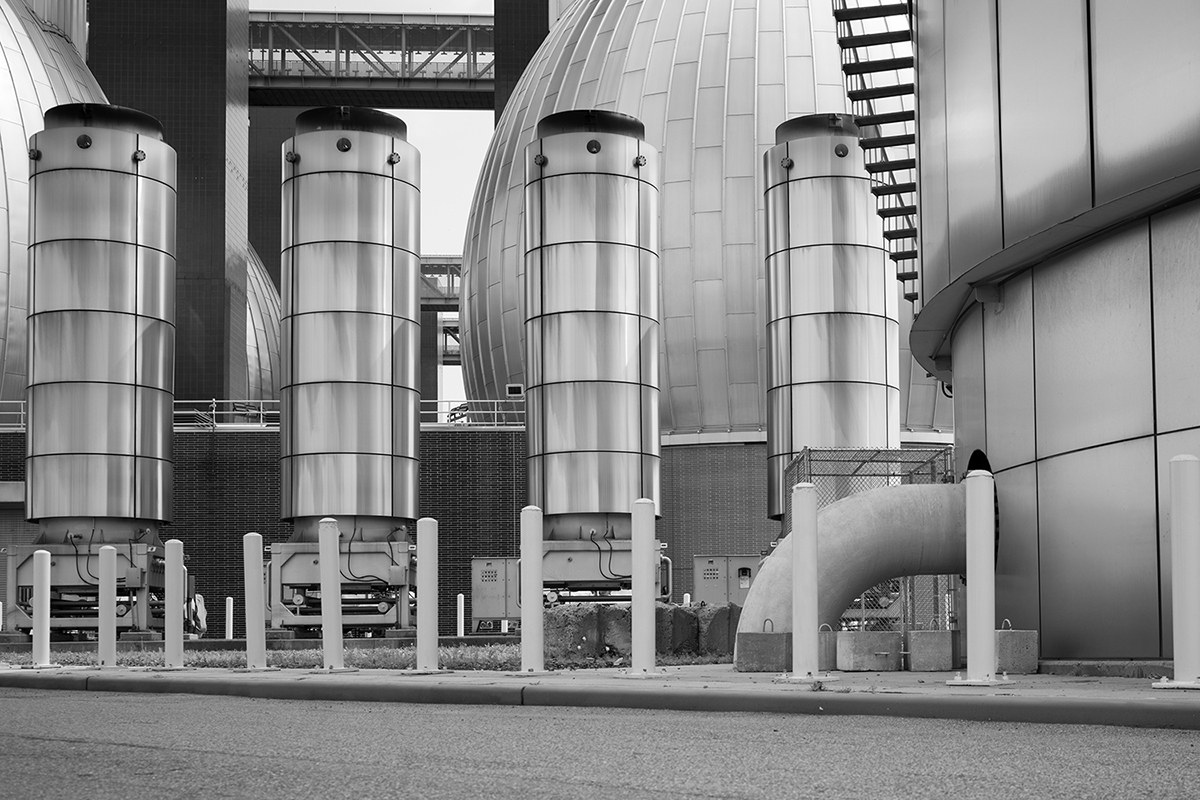
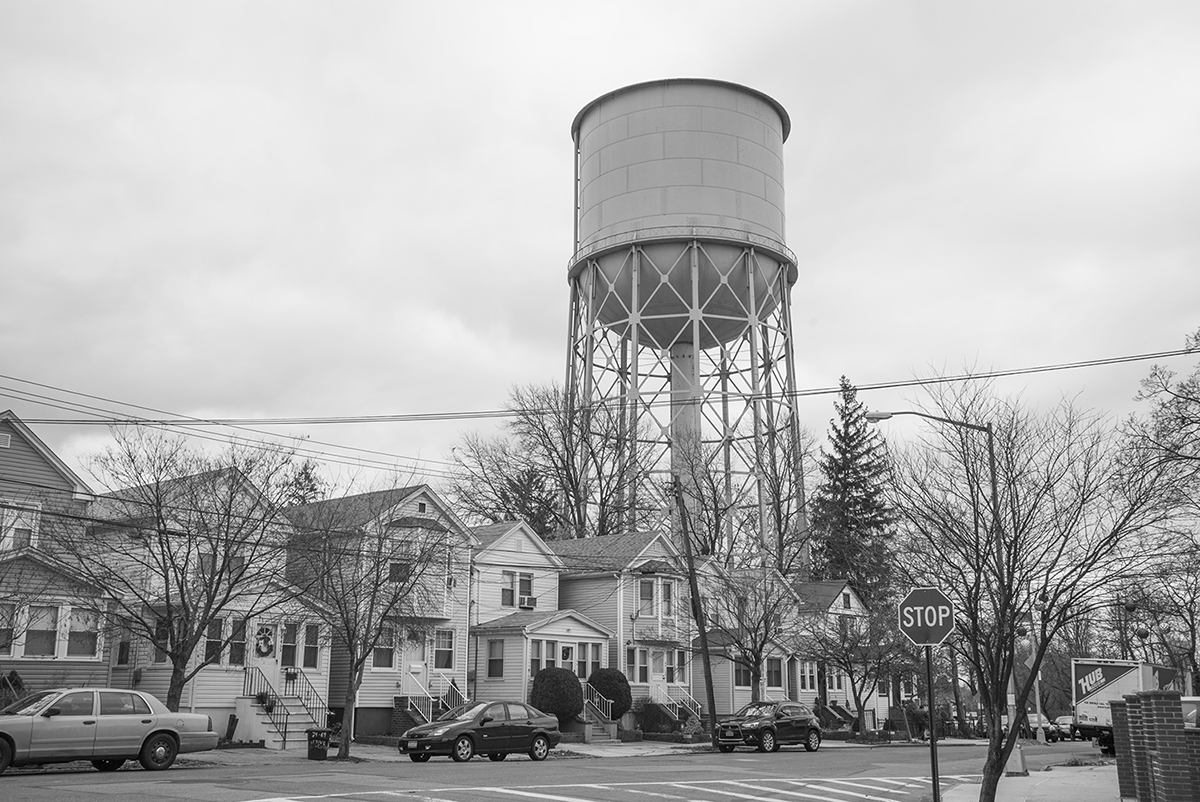
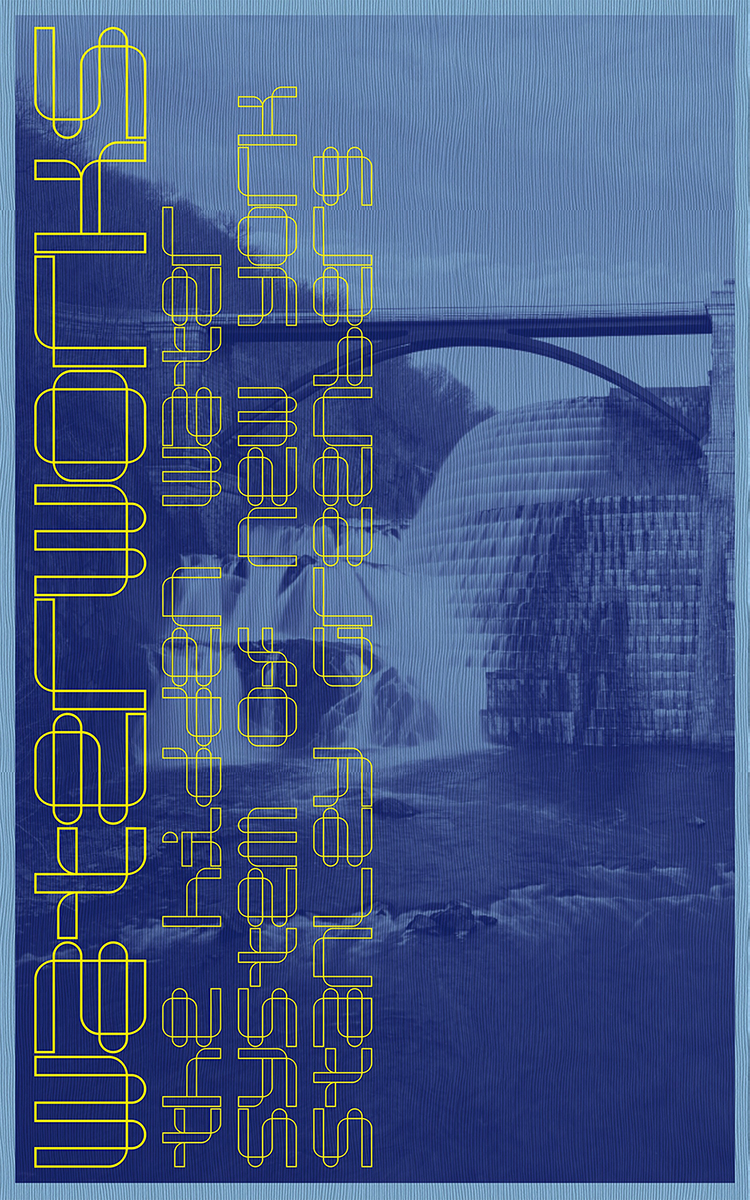
Waterworks, an exploration of New York City’s water supply and wastewater treatment systems, was originally published in 2003. This new and expanded edition is a complete reworking of the book, featuring 362 photographs, made between 1992 and 2024, and two new large, folded insert maps. Greenberg visited reservoirs, aqueducts, tunnels, gatehouses, water supply and sewer pumping stations, water tanks, wastewater treatment plants, stormwater retention facilities and maintenance covers throughout the watershed and around the city. The maps identify over 400 sites in the system, from upstate reservoirs to abandoned systems and tunnel shaft sites. In the late 1990s, Greenberg received unprecedented access to photograph the system, which made much of this work possible. After 9/11, all facilities were closed to the public. Since then, Greenberg has located hundreds of sites in plain view but largely unknown and unidentified; anonymous street furniture invisible to most people. The book and map — a field guide for anyone called to their own exploration — show a mostly underground and hidden system. The map is based on field investigations and historical documents and is designed by Greenberg and Larry Buchanan.
Suzanne Sease is a creative consultant and former ad-agency senior art buyer. She works with both emerging and established photographers and illustrators to create cohesive, persuasive presentations that clients can’t resist.
Suzanne offers something rare: an insider’s perspective on how client’s source creative talent. Her deep understanding of the industry is underscored by her impressive resume: 11 years as senior art buyer at The Martin Agency, seven years as an art producer for Capital One, and stints with the art-buying department at Kaplan-Thaler and the creative department at Best Buy, where she applied her expertise to reviewing bids to see which were most likely to come in on budget. Over the years, Suzanne has worked with a wildly diverse range of clients, including Seiko, Wrangler, Bank One, AFLAC, and Clairol Herbal Essence. Now, as a consultant, she is equipped to problem-solve for her clients from an unusually dynamic point of view.
As a longtime member of the photo community, Suzanne is also dedicated to giving back. Through her Art of the Personal Project column on the popular website aphotoeditor.com, she highlights notable personal projects by well-known and up-and-coming photographers. The column offers these artists excellent exposure while reflecting Suzanne’s passion for powerful imagery.
If you picked up this book, I’m betting you love photography enough to pursue a career in it, but you have no idea where to start. That’s where I come in. I want to be the resource and mentor I never had, so you don’t have to learn the hard way. I’ll be sharing the insider secrets of the photography industry that they don’t teach you in school. Because combining your passion for photography with a career can get a little messy. Being a great photographer is only half the battle. To thrive in this industry, you need to be a savvy entrepreneur, too. And that’s why I took it upon myself to fill in this much-needed gap. Instead of hoping things will change, it’s time we take control of our careers—and I’m here to help you do just that. This book will equip you with everything you need to know for a successful photography career. But you have to show up and put in the work.
The photo hustle is real. These days, it’s not enough to have talent. You have to know the industry—and it’s a tough one to break into. Most photography schools and workshops don’t teach you how to run a successful business. Rather, they focus on the latest gear and techniques. They’ll teach you about posing, directing clients, composition, and lighting. They’ll show you all the pretty editing tricks and how to set up a shot.
But actual business skills? That stuff rarely gets taught in the photography world. Marketing and branding? Not in most curricula. Sales and pricing strategies? I don’t think so. Client experience and retention? Doubtful. Financial planning and management? I’m not seeing it. Most photographers are expected to figure it out on their own, often through trial and error. But in reality, most photographers were never prepared for the “photo hustle” that exists on the flip side of their passion… I know I wasn’t.
Listen, I know you have the passion. I know you’ve dedicated your time to your craft. And I know you’re ready to get out there and share it with the world. Yes, photography is a tough road. But if you stick it out, get up when you get knocked down, and keep going, you can succeed. Keep pushing, keep creating, and keep capturing life through your lens. The world is waiting to see your visual eye.
There is no magic formula for making it in photography. If you’re hoping for a perfect path to success from Point A to Point B, I’m sorry to be the one to break it to you—it just doesn’t exist. No two photographers fall into success in the same way.
“I’ve done everything right, but nothing is working. How do I get in?”
It’s a question I get almost daily, but this time it came from a friend—let’s call her Michelle—over coffee. Michelle, an incredibly gifted photographer, had been struggling. Two years out of photography school, and she hadn’t landed her dream gigs…or anything close to them. Instead, she was building a business photographing families and pets. She was good—damn good—but it wasn’t her dream. Like so many photographers I talk to every day, Michelle had talent and drive, but couldn’t break into the industry. So, what gives?
I told Michelle what I tell all photographers: the industry has secrets they don’t want you to know. No matter how good you are or how many boxes you check, breaking in is tough. And if you don’t know what I’m going to share with you on these pages, then your chances of getting in are just as slim. Some photographers make it by luck, some hustle, and some are “discovered.” But believe me, there’s no perfect path, no magic formula—just straight talent and lots (and lots) of hustle.
When I was studying for my BFA, my dream was to shoot the cover of Rolling Stone magazine. That dream was shaken when, in September 2023, the president and founder Jan Wenner dismissed Black and female artists as not “articulate enough” for his book The Masters, a collection of interviews with rock’s greatest.2 His words hit hard, sparking the same frustration I felt following the George Floyd tragedy and the hollow promises made in light of his death. After fifteen years in the industry, I had become accustomed to being one of the few Black people on set, and I began to question why so many talented, hard-working photographers of all kinds were being sidelined. The answer is simple: the industry keeps a lot of information locked away. And I had become a part of the industry-wide gatekeeping that I hated so much. This book is the product of my determination to change that.
Spoiler alert: I’m not a professional photographer—I’m the person behind the scenes, hiring photographers, shaping art direction, and building brand stories big and small. I’m living my dream as a photo editor. Over the last fifteen years, I’ve had the opportunity to work for WIRED, Southern Living, Netflix, AARP, MasterClass, Square, and San Francisco Magazine. But the journey wasn’t easy—I faced a ton of job rejections that nearly shattered my confidence. But I refused to let them break me down—I chose not to let others dictate my worth or my future in the field. So, I took matters into my own hands and hustled hard for years. I even changed jobs fourteen times in sixteen years, transforming each of my setbacks into an opportunity to learn, grow, and improve my craft. My journey of hustle and hard work led me to where I am today. I even founded my company, Black Visual Queen, to change the industry and help photographers like you find their path to success in this highly gate-kept arena, where opportunities are often so elusive.
First, a word of warning: this is a tough industry, and brand photography isn’t for everyone. The road to that dream is a long one, paved with hustle, hard work, and lots (and lots) of rejection. But since you’re reading this book, I’m willing to bet that knowing this doesn’t deter you. You’re one of the photographers who have the determination to work with prestigious, big-name clients, and you’re not ready to throw in the towel on your dream just yet. If this is you, then listen up, because I’m going to teach you everything you need to know about the photo hustle—and how to get in. The photo industry is not just reserved for the elite; it’s for anyone willing to do the work. All you need is a little tenacity, talent (which you have), and the tips and tricks I’m going to spill in this book.
Through the years, I’ve seen top photographers ready to quit, exhausted by fierce competition and overwhelmed by technology. Many don’t know how to market themselves. So, if you’re frustrated by rejections, ghosting, or “we’ll keep your name on file” responses, just keep going. Keep hustling, keep honing your craft. The challenges are real, but don’t let them extinguish your passion. Embrace your uniqueness, stay motivated, and don’t fall into the comparison trap. Photography is rewarding, and the world is waiting to see your unique perspective.
In the following pages, you’ll learn everything photography school didn’t teach you and all the industry secrets the insiders don’t share. This is the book I wish I’d had back when I was starting out in photography: the tell-all (well, maybe not all—I’ve signed a lot of non-disclosure agreements!) about the photography biz, especially for editorial and brand work.
The book is split into two parts. Part 1 covers how to get in the room—in other words, how to break into the industry, how to pitch, how to market yourself, handle finances, and land the gig. We’ll be diving into your “why” as a photographer because knowing that helps you make the next right decision.
Part 2 explains what to do once you’re hired—how to navigate estimates, contracts, agents, photoshoot etiquette, avoid the dreaded blacklist (yes, it’s real), and how to redeem yourself if you find yourself on it.
Consider this book your trusted mentor. I want this to be the book you reach for when you land the gig and have no idea what an estimate looks like or what to watch out for in a contract. I want you to take this everywhere with you. Carry it in your purse. Stow it in your camera bag. Use it as a resource to help you navigate the tough business side of photography. By the end, I want you to feel encouraged, equipped, and confident to build the successful photography career you’ve always dreamed of.
Ready to find your “magic formula?” Let’s dive in.
The Art of the Personal Project is a crucial element to let potential buyers see how you think creatively on your own. I am drawn to personal projects that have an interesting vision or that show something I have never seen before. In this thread, I’ll include a link to each personal project with the artist statement so you can see more of the project. Please note: This thread is not affiliated with any company; I’m just featuring projects that I find. Please DO NOT send me your work. I do not take submissions.
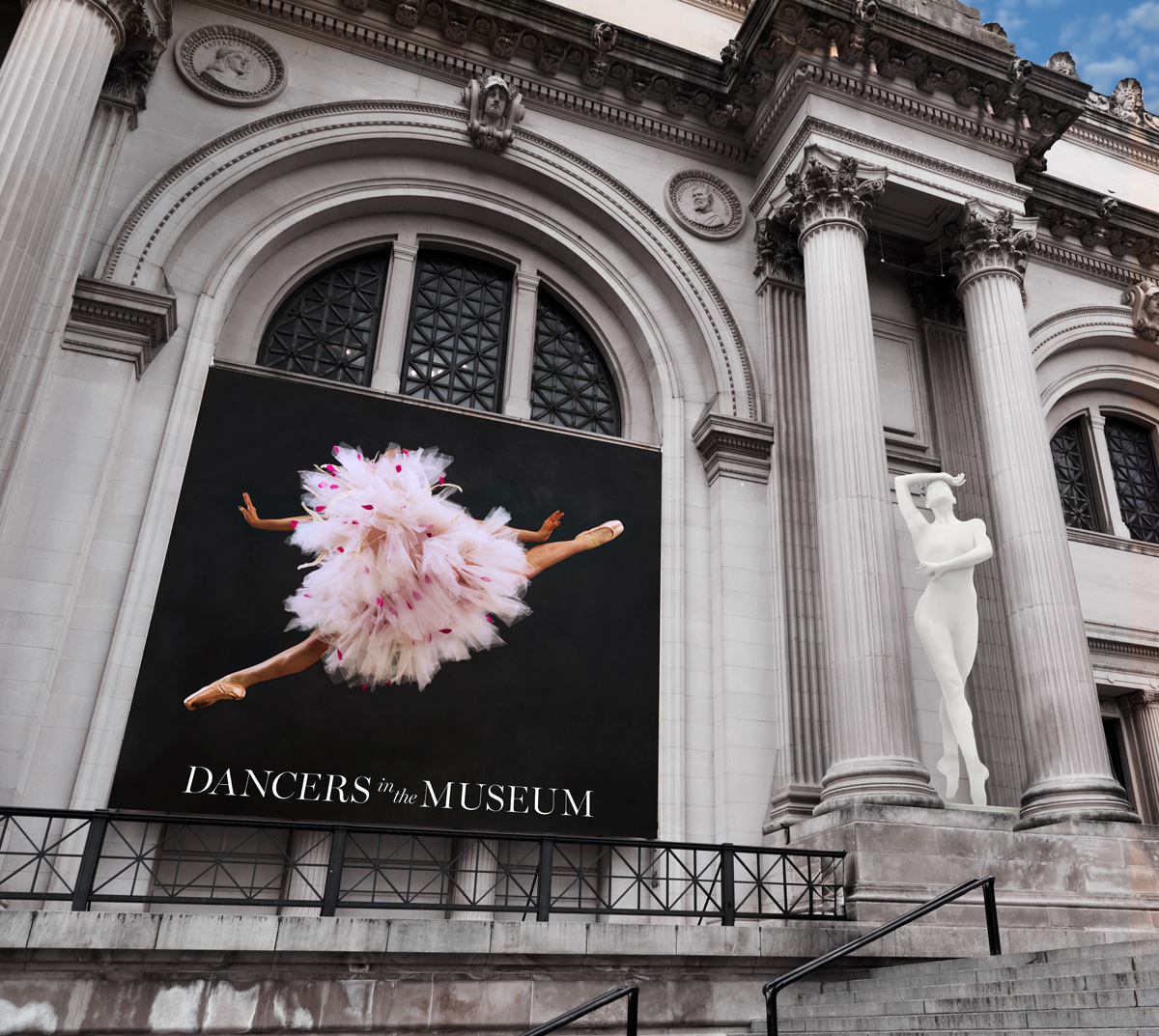
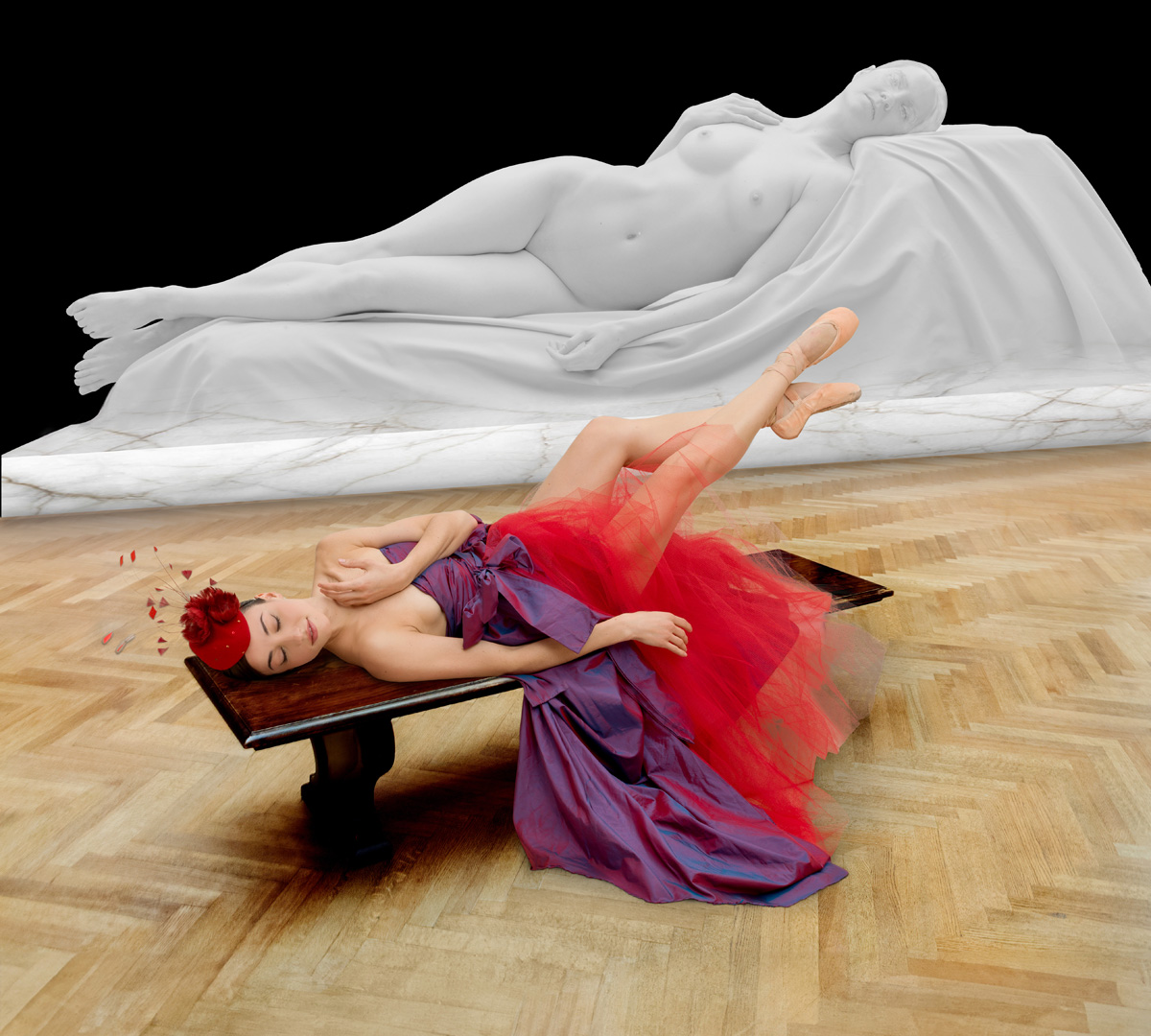
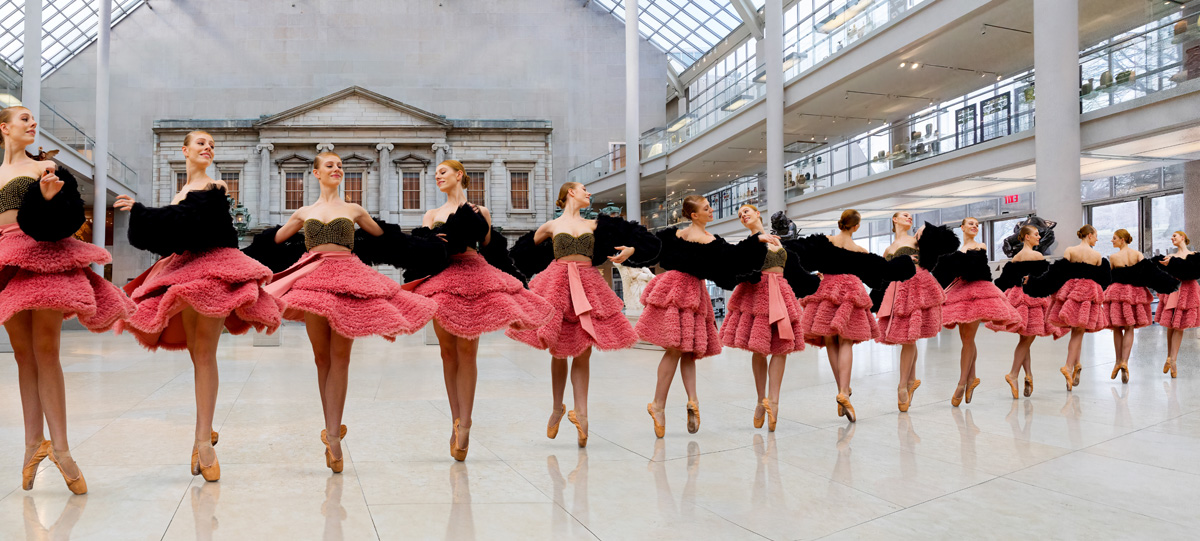
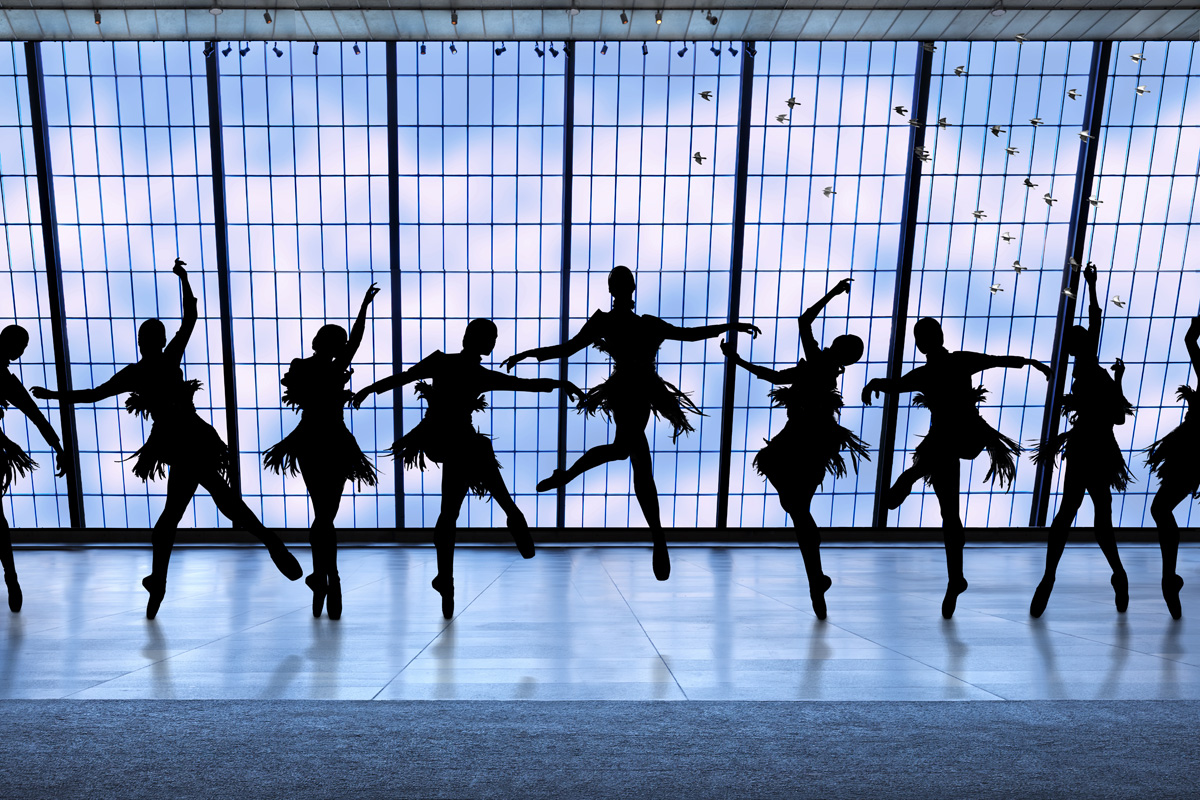
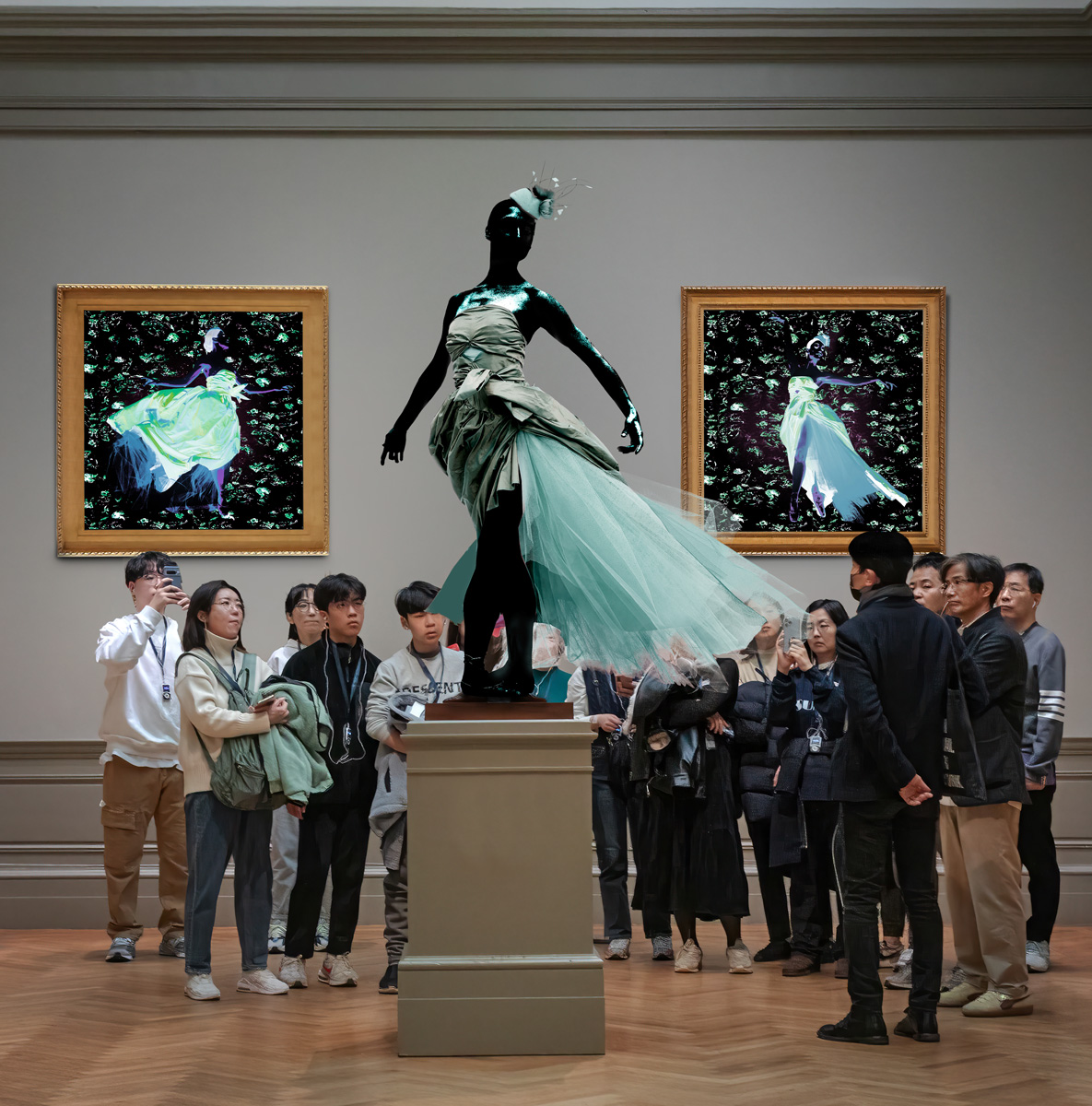
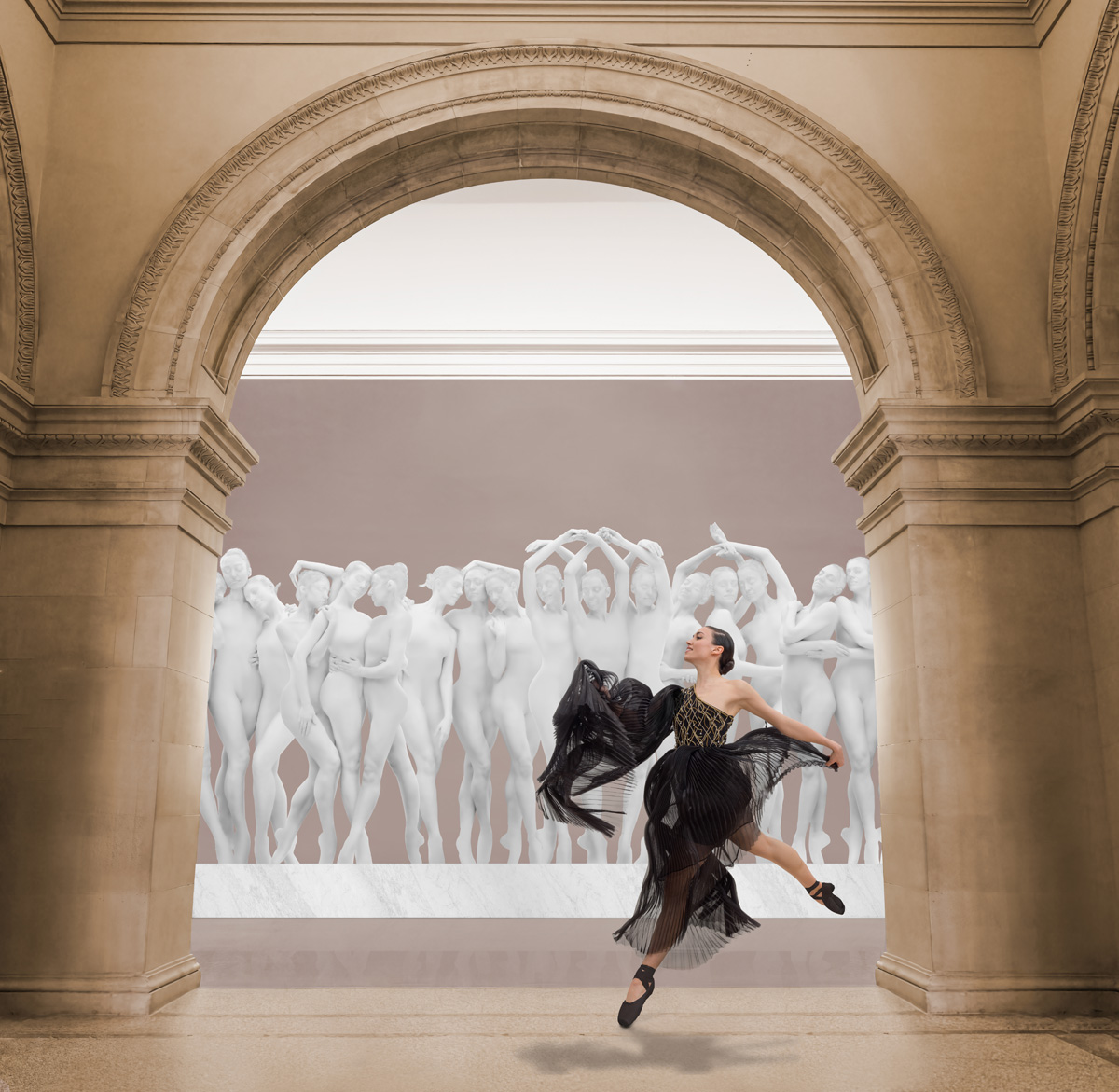
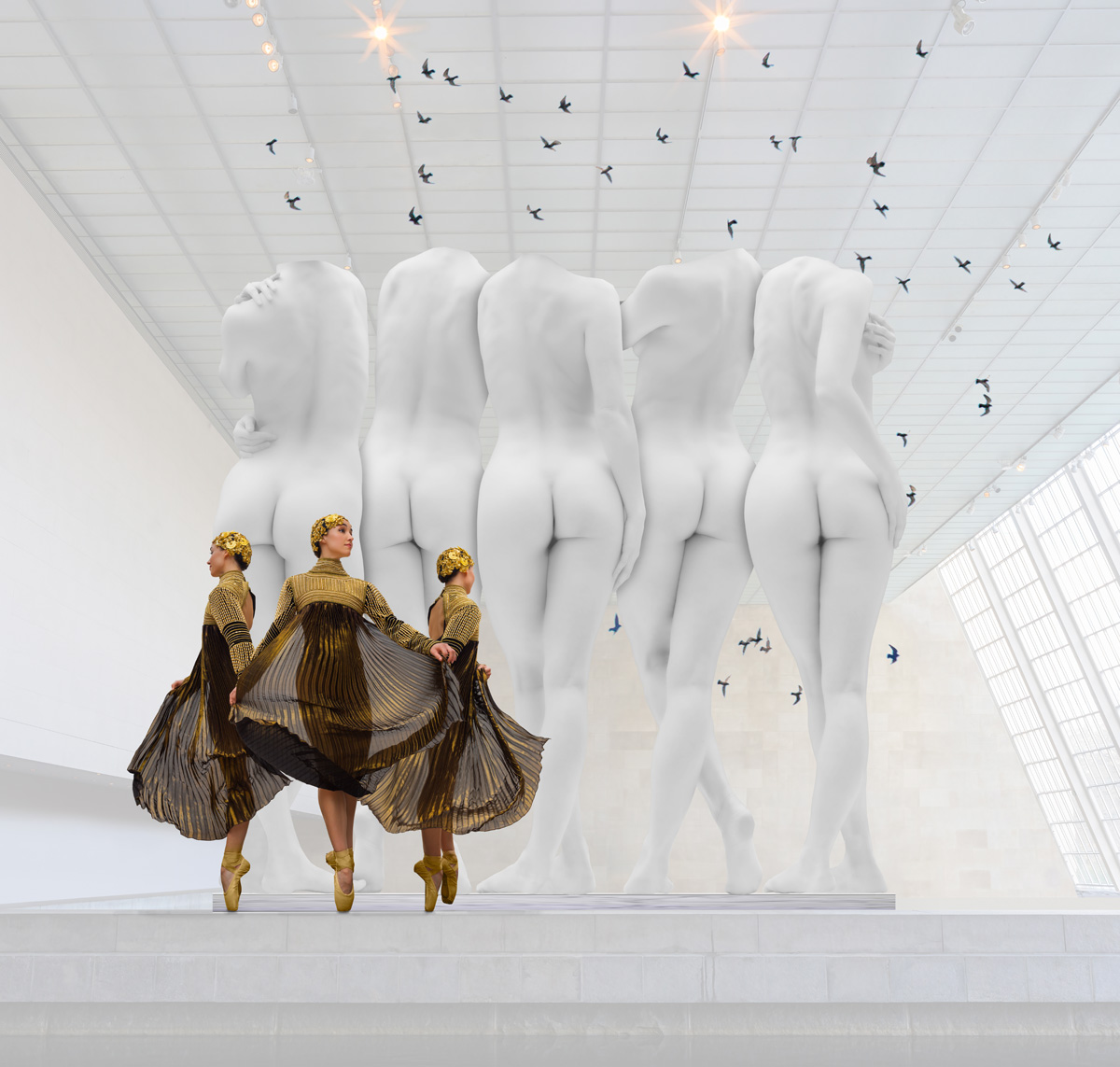
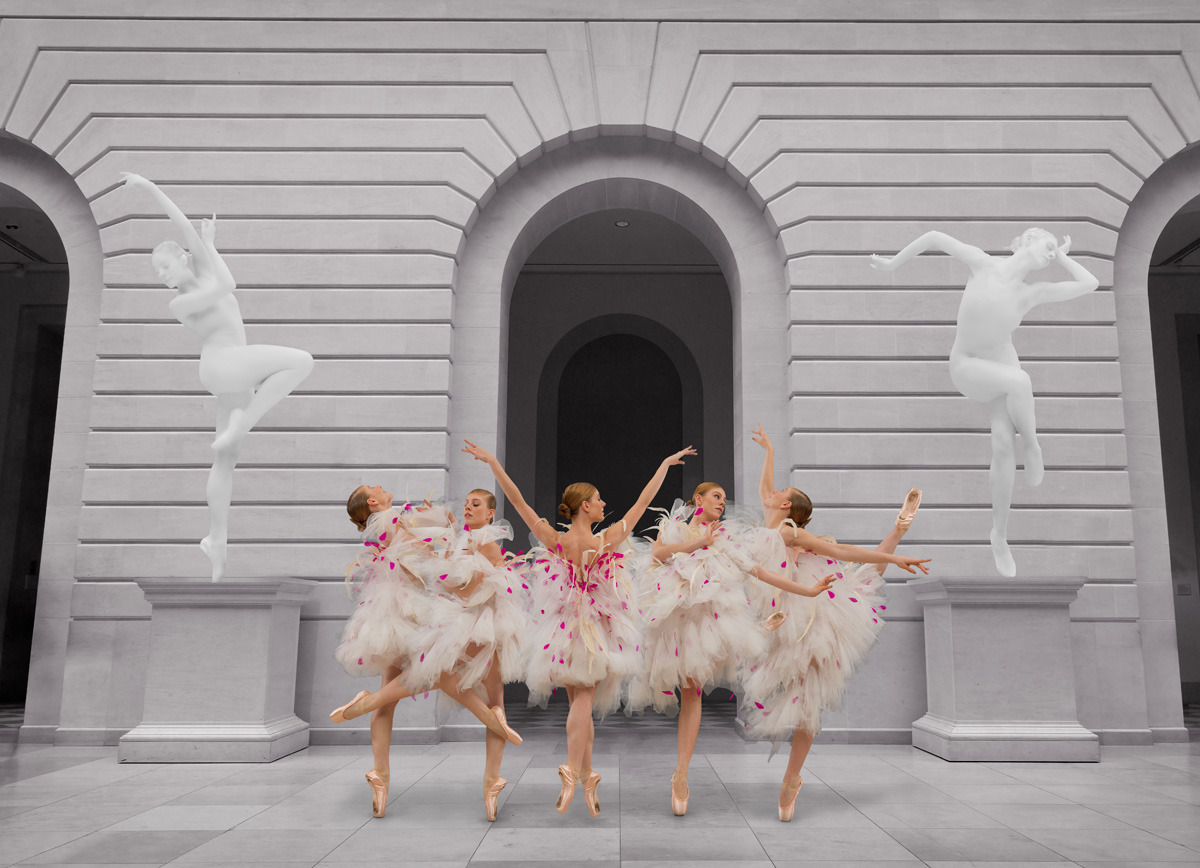
I worked for three days making photographs of the innumerable spaces and galleries at The Metropolitan Museum of Art in New York City, using my imagination to “picture” what it would look like with ballerinas in the various spaces.
In my studio, working with two dancers from The American Ballet Theater, Camila Ferrera and Betsy McBride, as well as a fashion stylist, Nikko Kefalas, hair stylist, Anike Rabiu, and make-up artist, Magdalena Major, I made images that would “fit” in the Museum’s spaces.
Suzanne Sease is a creative consultant and former ad-agency senior art buyer. She works with both emerging and established photographers and illustrators to create cohesive, persuasive presentations that clients can’t resist. Suzanne offers something rare: an insider’s perspective on how client’s source creative talent. Her deep understanding of the industry is underscored by her impressive resume: 11 years as senior art buyer at The Martin Agency, seven years as an art producer for Capital One, and stints with the art-buying department at Kaplan-Thaler and the creative department at Best Buy, where she applied her expertise to reviewing bids to see which were most likely to come in on budget. Over the years, Suzanne has worked with a wildly diverse range of clients, including Seiko, Wrangler, Bank One, AFLAC, and Clairol Herbal Essence. Now, as a consultant, she is equipped to problem-solve for her clients from an unusually dynamic point of view.
As a longtime member of the photo community, Suzanne is also dedicated to giving back. Through her Art of the Personal Project column on the popular website aphotoeditor.com, she highlights notable personal projects by well-known and up-and-coming photographers. The column offers these artists excellent exposure while reflecting Suzanne’s passion for powerful imagery.
The Art of the Personal Project is a crucial element to let potential buyers see how you think creatively on your own. I am drawn to personal projects that have an interesting vision or that show something I have never seen before. In this thread, I’ll include a link to each personal project with the artist statement so you can see more of the project. Please note: This thread is not affiliated with any company; I’m just featuring projects that I find. Please DO NOT send me your work. I do not take submissions.
Throughout my 27 years of freelancing, I’ve constantly needed book projects to maintain my sanity.
Back in October 1999, my talented editor/designer/wife Jodi and I ambitiously published my first photography book, Back on the Farm. It was self-funded and wholly terrifying…but also thrilling. We printed 4,000 copies and I figured that if we could sell them all within 10 years, the book would be a success.
Two months later, the book had sold out and a new side business was born.
Over the next ten years, we published seven more photography books about various South Dakota subjects, including a children’s book written by Jodi, and books about the Missouri River, small towns and World War 2 veterans.
After that furious decade of publishing, our three busy kids needed more of our time and the books took a backseat. But it didn’t take long to realize that these book projects had been my main creative outlet. The freedom that book photography offered was something I sorely missed as my stable of advertising clients grew and my assignment work squeezed out any spare time for book projects.
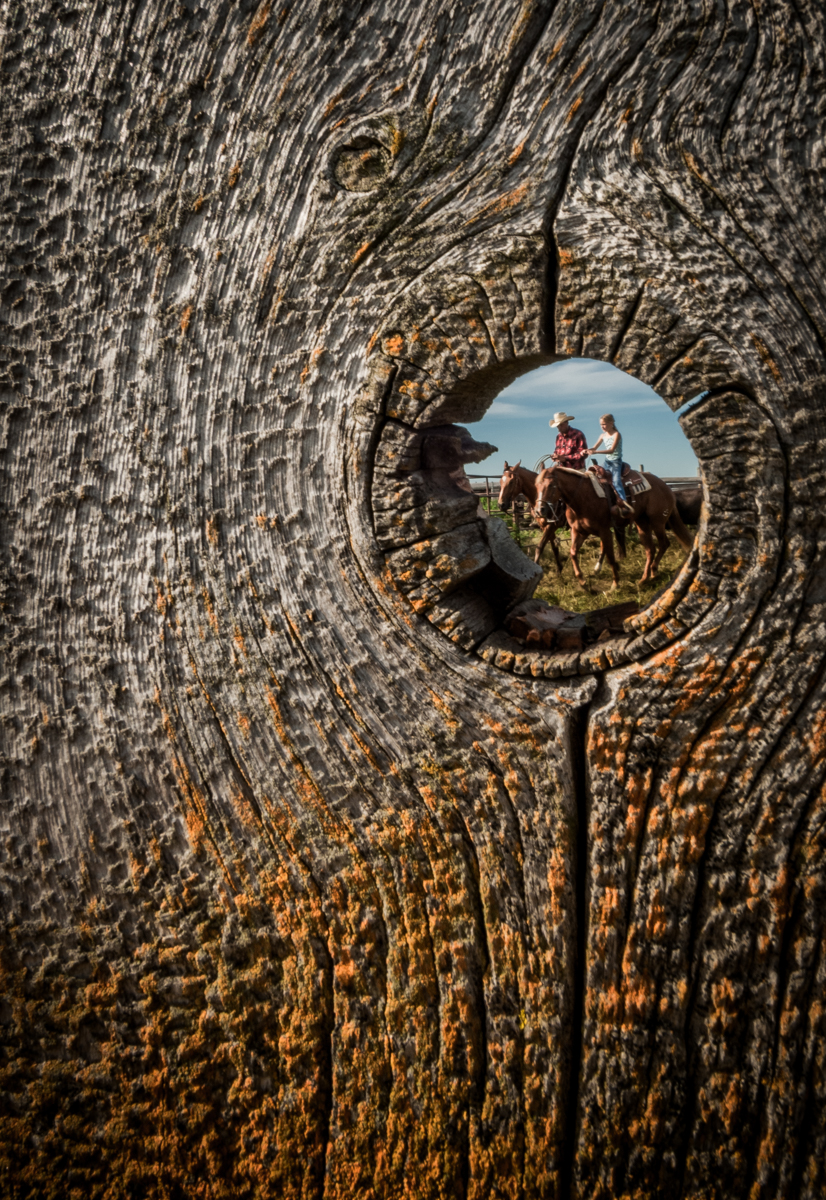
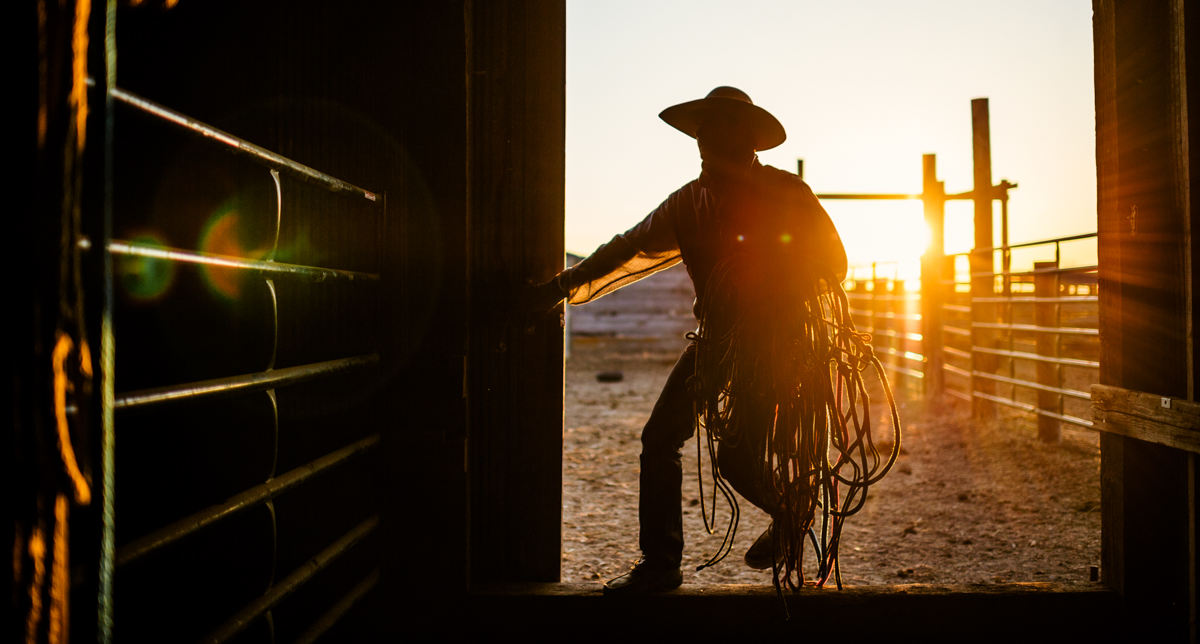
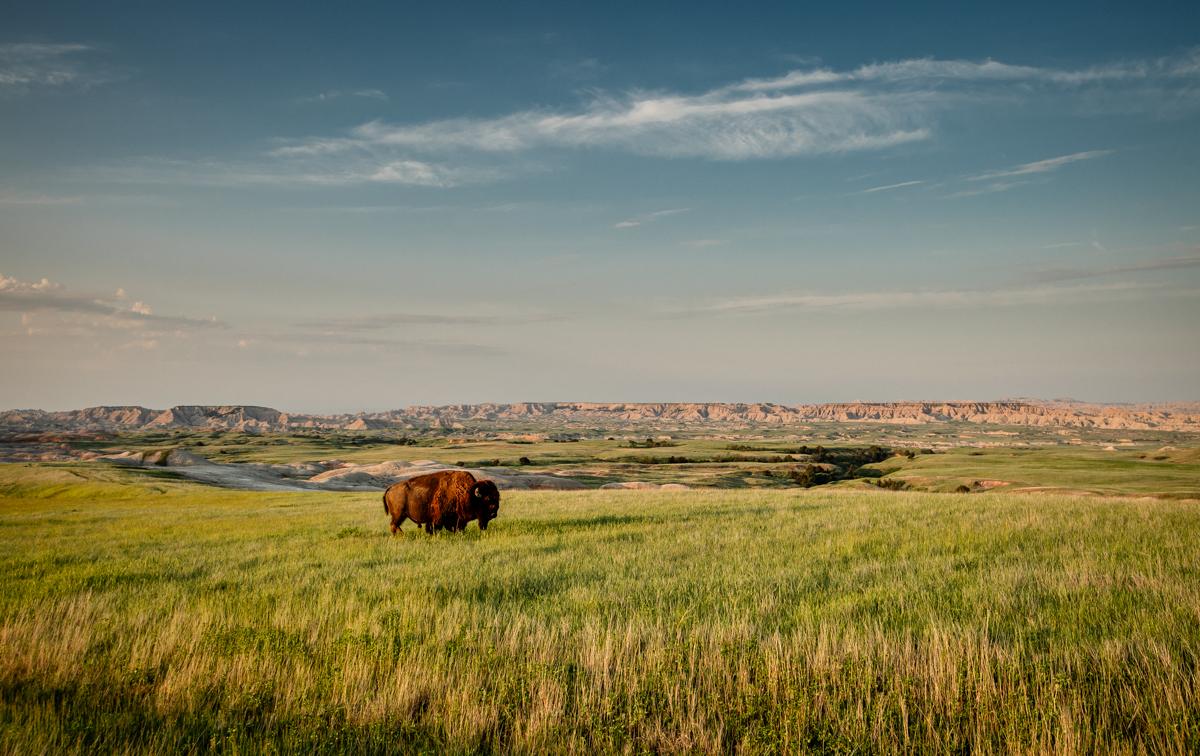
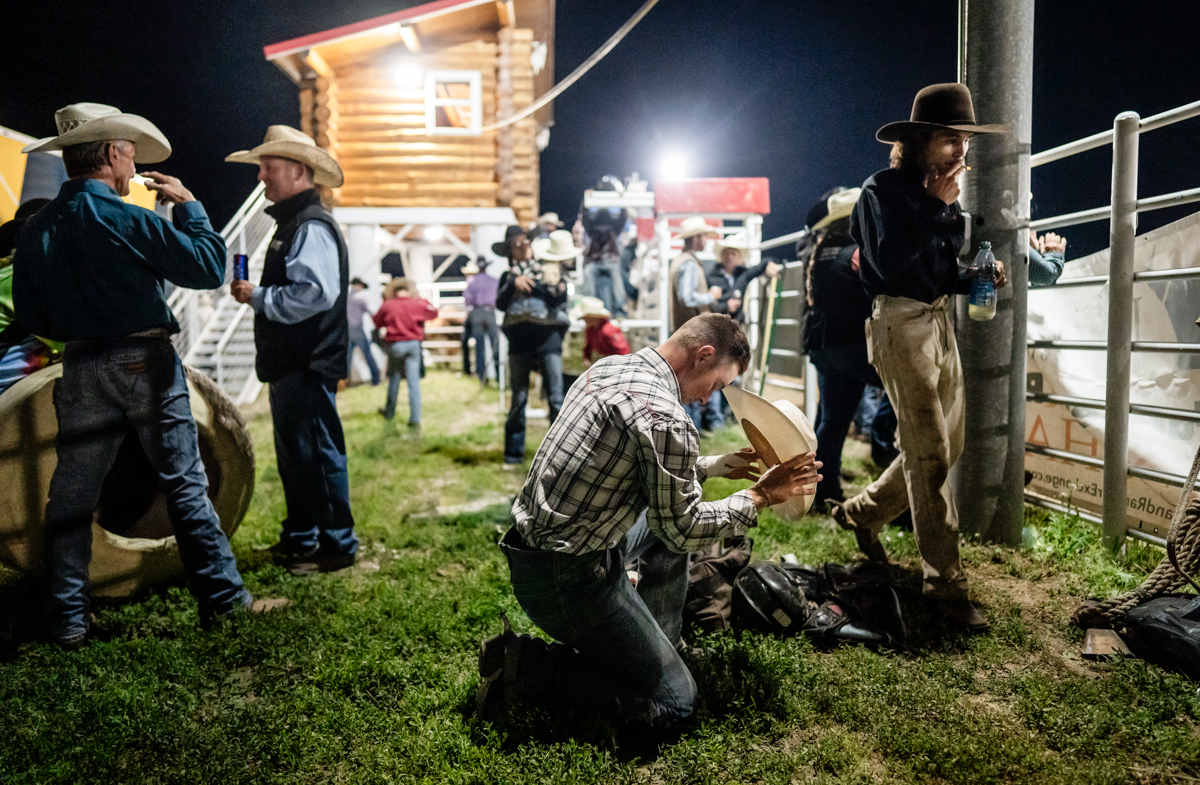
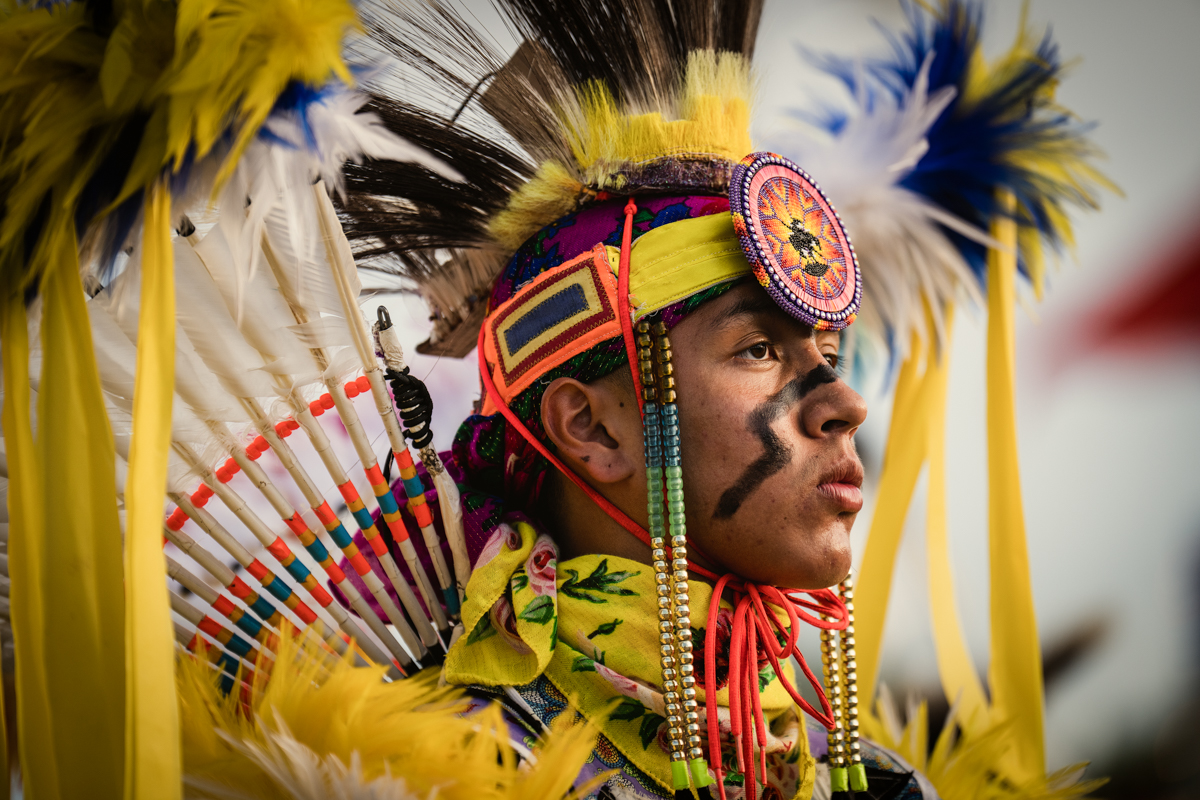
I’d been photographing western South Dakota for my fine art catalog for years, and I always knew that another book was hiding among those images. I assembled the bones of the book during the pandemic and shot the remaining 60% of the photos between 2020 and 2024.
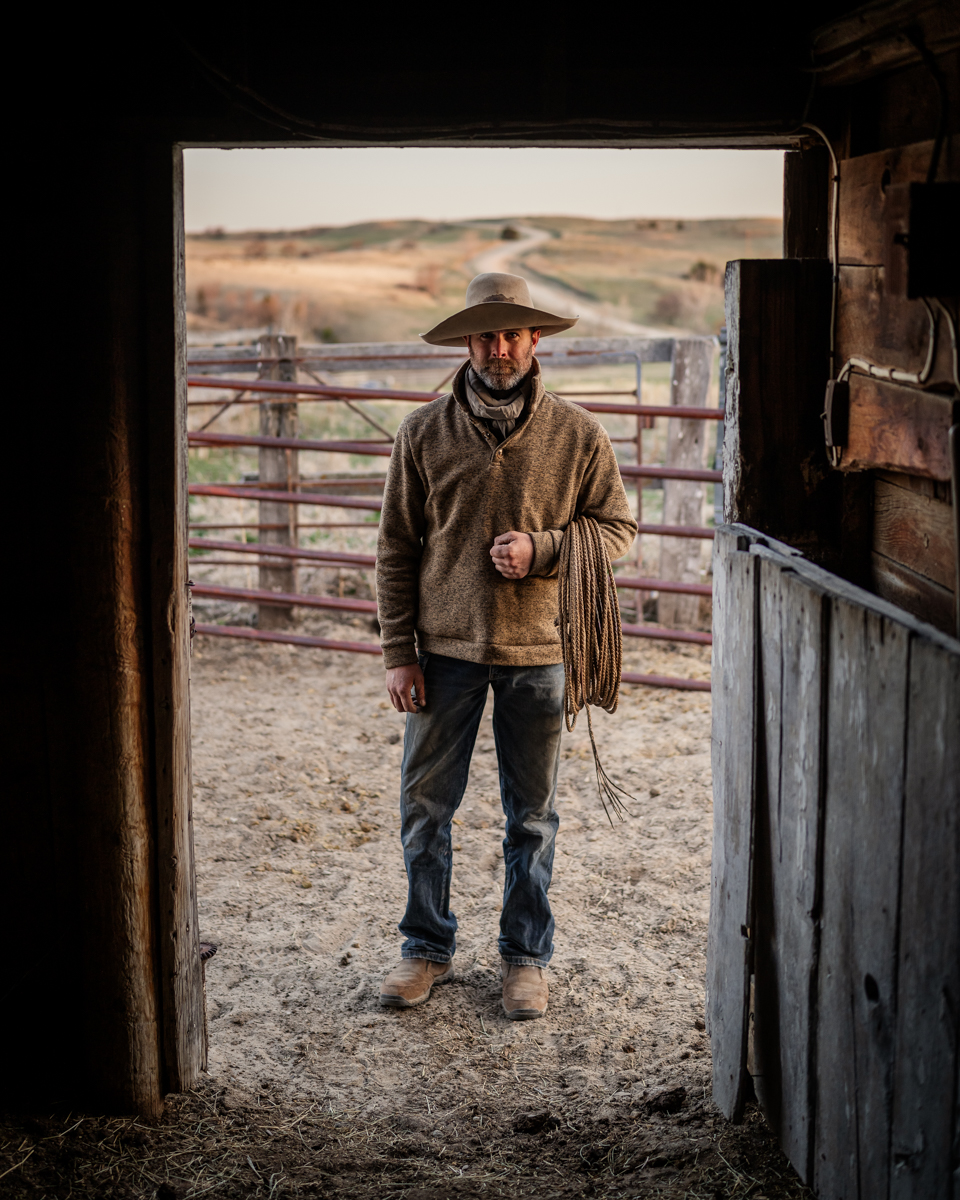
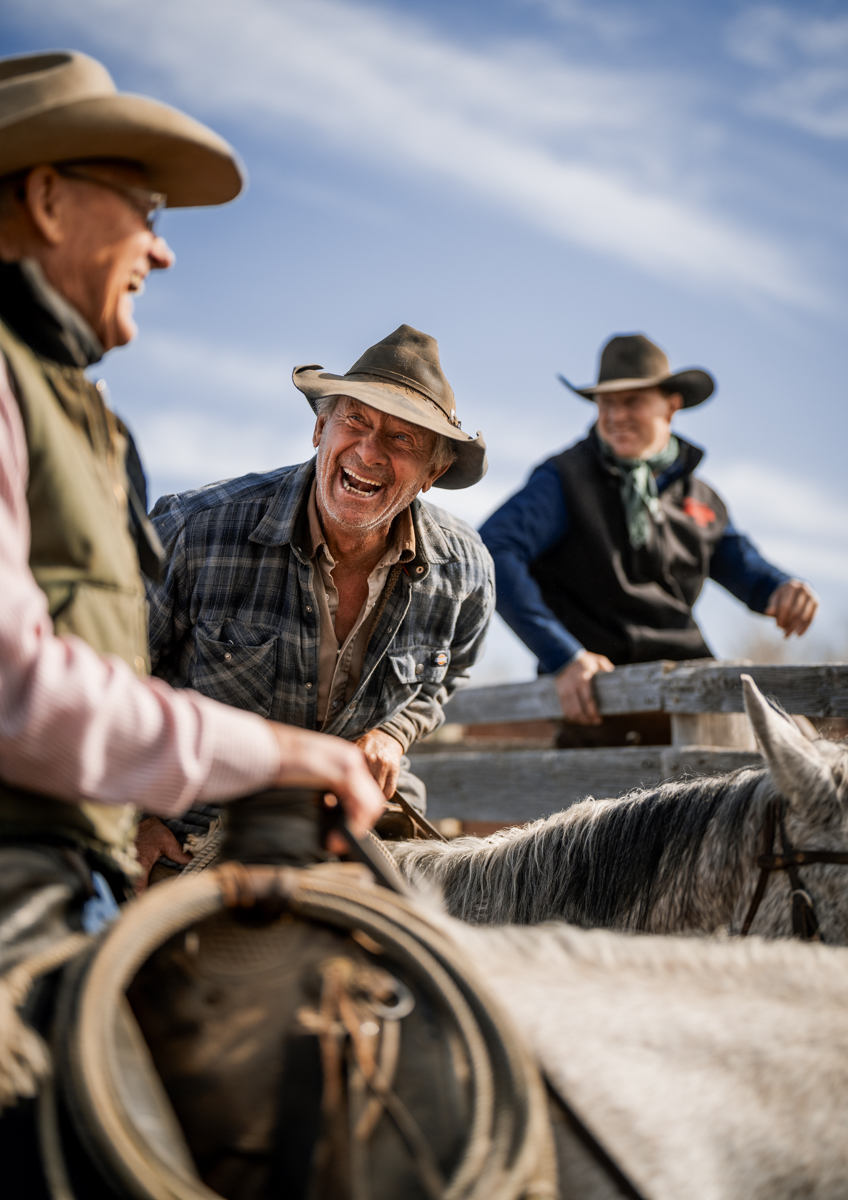
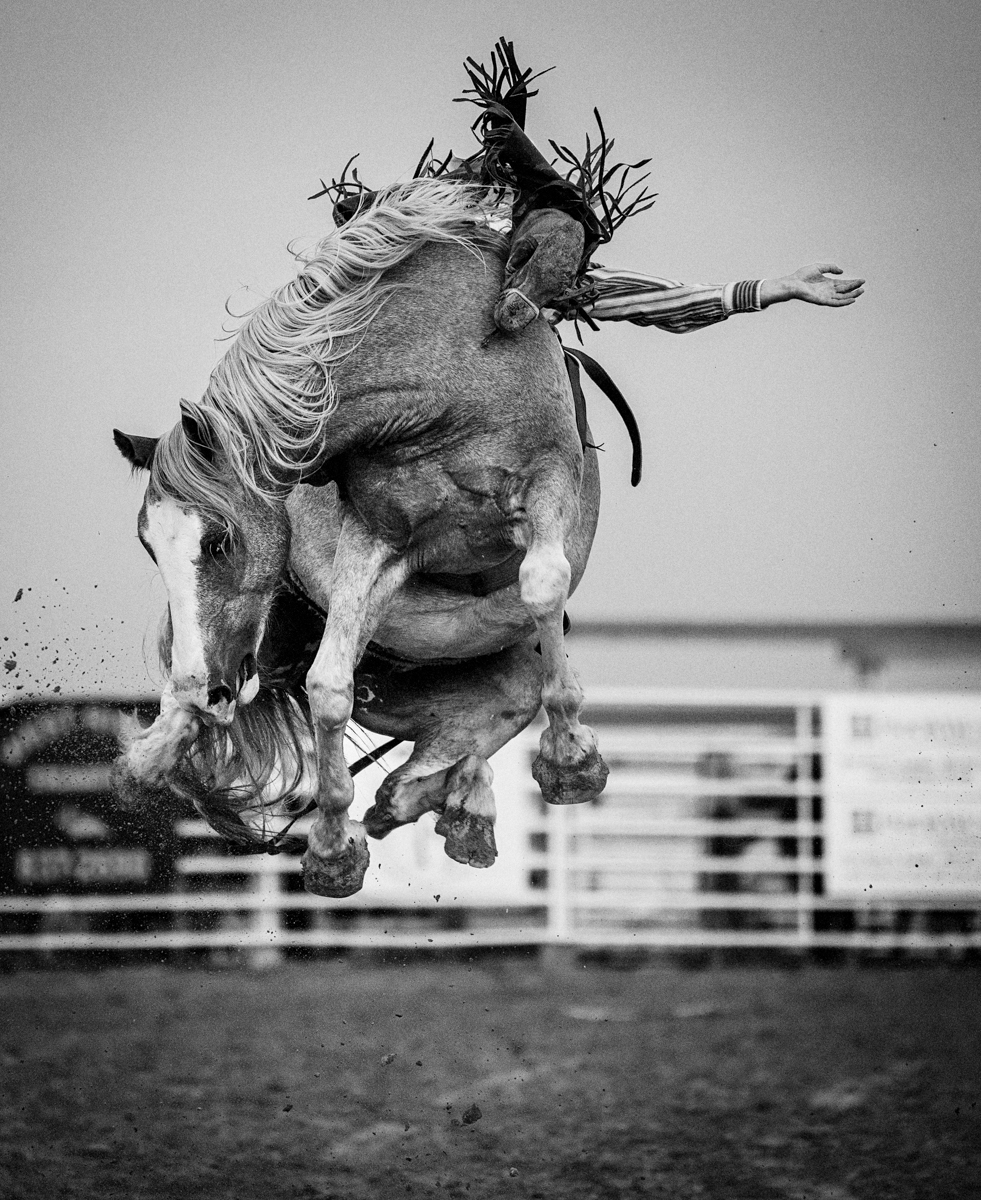
We published West River in October 2024. The book is a tribute to ranching families and the amazing landscape they inhabit, as well as a few other uniquely western South Dakota tidbits. The title is derived from how the Missouri River splits the state into halves, known by residents as East River and West River.
We are planning to publish East River in late 2027, and it will be an equal-sized companion piece to West River.
With these new book projects to work on, most of my sanity has returned! They’ve been great fun to plan and execute, and in turn I believe these personal projects make my corporate work better
Greg Latza is a freelance photographer based in Sioux Falls, South Dakota. The majority of his work is for agricultural, industrial and energy clients, most notably Tractor Supply Company and Kubota.
Suzanne Sease is a creative consultant and former ad-agency senior art buyer. She works with both emerging and established photographers and illustrators to create cohesive, persuasive presentations that clients can’t resist.
Suzanne offers something rare: an insider’s perspective on how client’s source creative talent. Her deep understanding of the industry is underscored by her impressive resume: 11 years as senior art buyer at The Martin Agency, seven years as an art producer for Capital One, and stints with the art-buying department at Kaplan-Thaler and the creative department at Best Buy, where she applied her expertise to reviewing bids to see which were most likely to come in on budget. Over the years, Suzanne has worked with a wildly diverse range of clients, including Seiko, Wrangler, Bank One, AFLAC, and Clairol Herbal Essence. Now, as a consultant, she is equipped to problem-solve for her clients from an unusually dynamic point of view.
As a longtime member of the photo community, Suzanne is also dedicated to giving back. Through her Art of the Personal Project column on the popular website aphotoeditor.com, she highlights notable personal projects by well-known and up-and-coming photographers. The column offers these artists excellent exposure while reflecting Suzanne’s passion for powerful imagery.
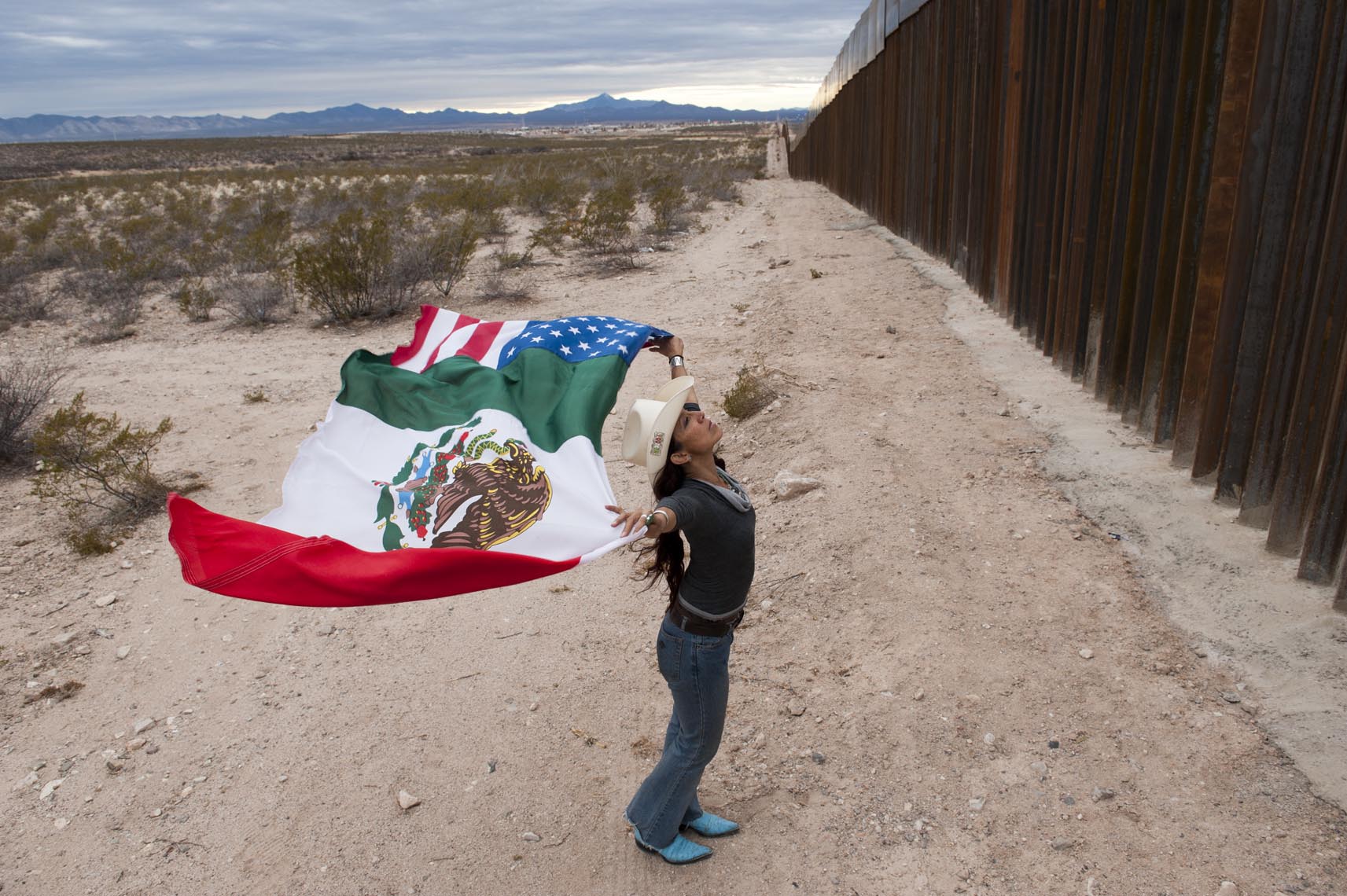 Photographer Raechel Running at the border fence near Aqua Prieta, Mexico.