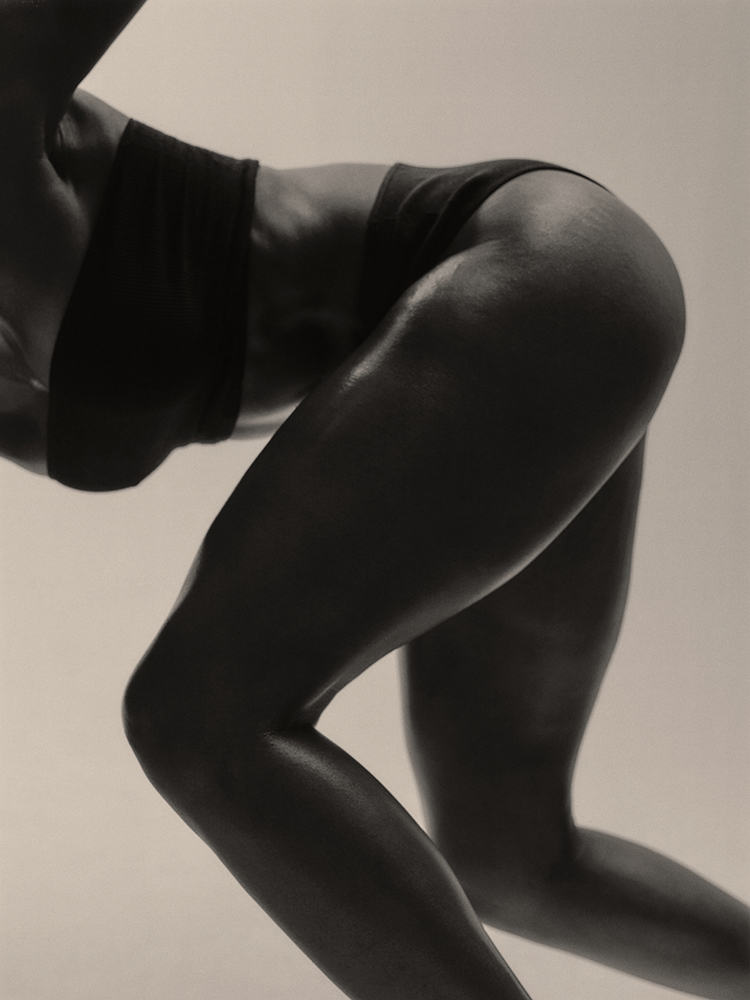
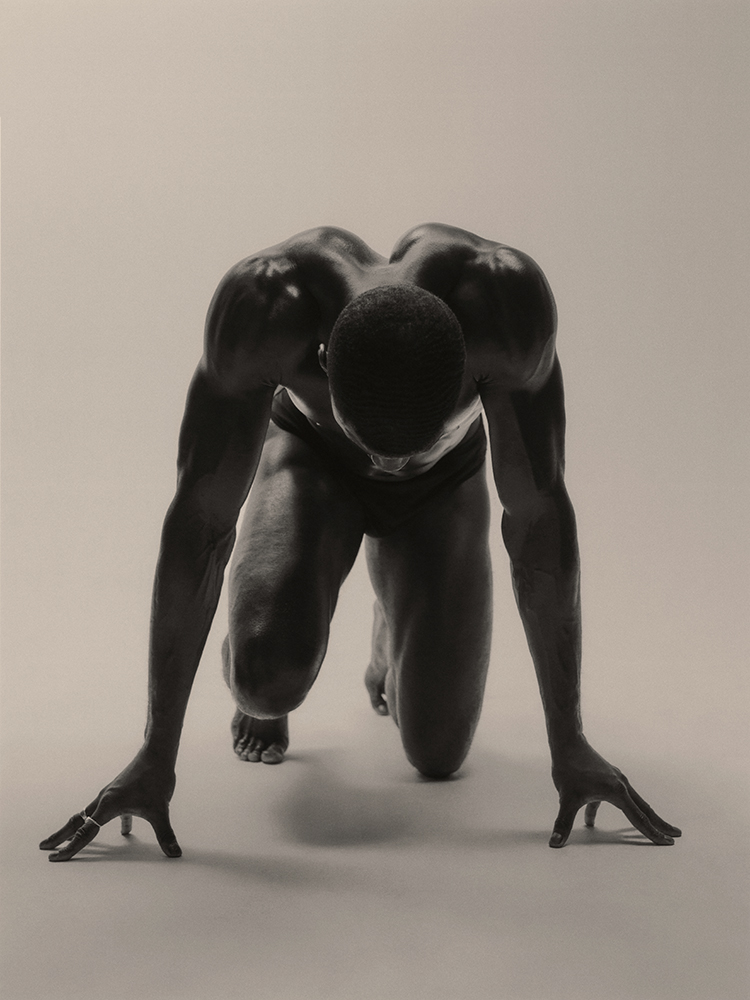
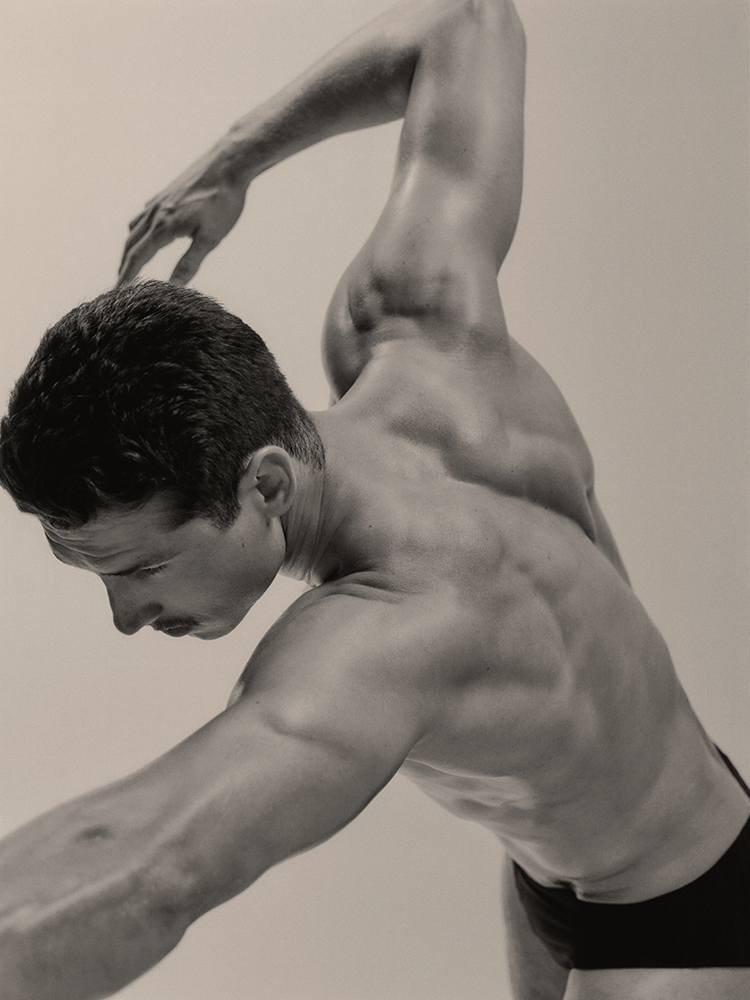
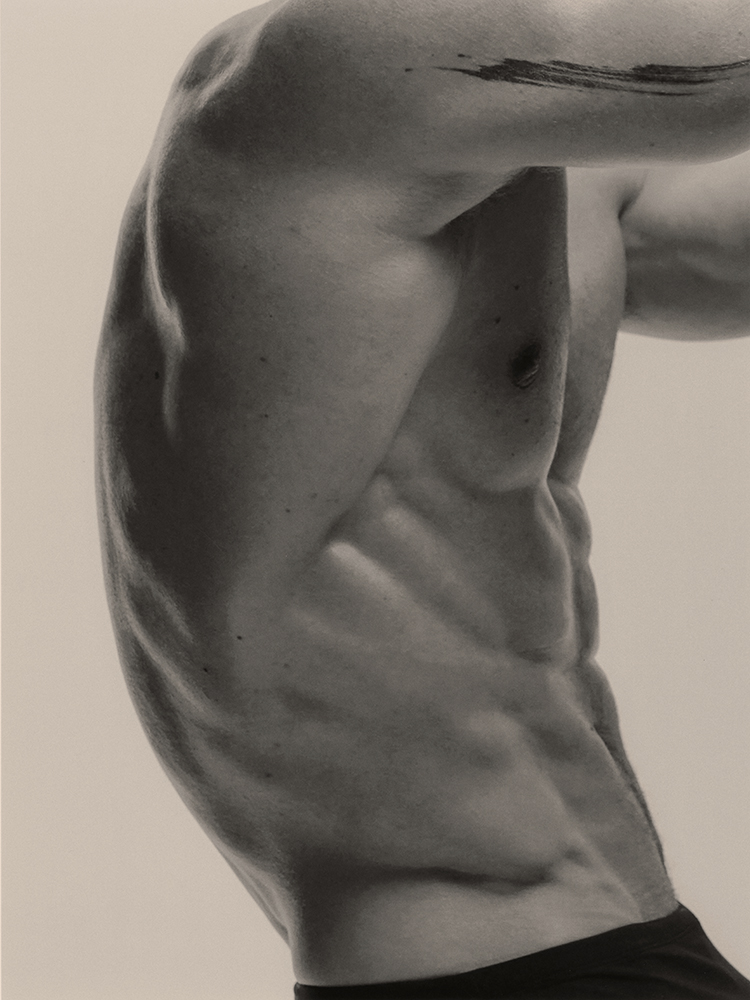
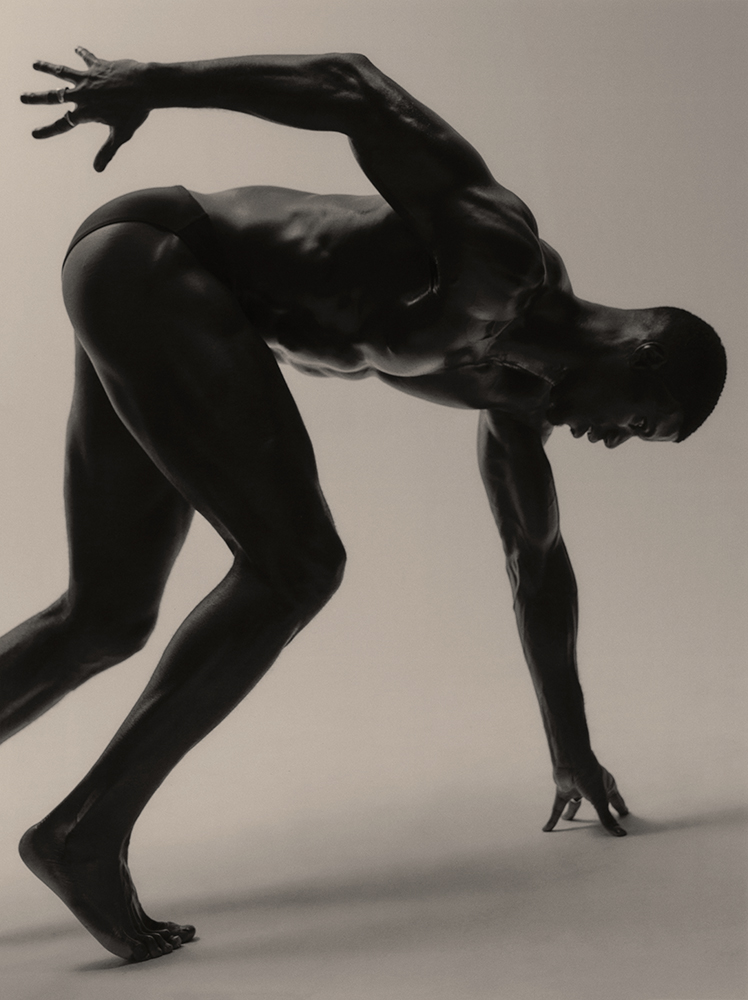
Heidi: Much of your work explores the relationship between humans and nature. How did that relationship inform the athletes’ in-studio work? My personal work is largely about slowing down and observing, finding the extraordinary in quiet, overlooked moments. With the Enhanced Games athletes, I tried to bring that same attention into the studio. We shot in Dubai, in a space that felt controlled and almost clinical on the surface, but what I was looking for was something underneath that, the texture of skin, the weight of a body at rest, the way muscle holds tension even when someone is still. Nature has always taught me to look closer. That’s what I was doing here.
Why did you choose tight framing? Because I wasn’t interested in the spectacle. These athletes exist in a world of performance and spectacle already. What felt more honest and more interesting to me was proximity. Getting close enough that you stop reading someone as an athlete and start reading them as a human body. Tight framing forces that shift.
How much were you influenced by sculpture or terrain in this body of work? What type of direction did you get from the magazine? The moodboard VF sent was heavily rooted in classical sculpture, Greek and Roman forms, the Discobolus relief carvings. That language made complete sense to me. These athletes are already pushing the body toward something almost architectural. The brief gave me a clear foundation: artful, dignified, focused on form. Within that, I had real creative freedom, which I appreciated.
These athletes are participating in something both futuristic and deeply primal. How did you approach the photo direction, and what type of direction did you give the athletes on set? I tried not to over-direct. My instinct was to start by just watching them, how they hold themselves, where they naturally go when they’re not being told what to do. Athletes have an incredible relationship with their bodies, far more sophisticated than most people. So I mostly created conditions and then followed. I’d ask for stillness, for weight, for them to settle into themselves rather than perform for the camera. The futuristic element was already there in the context, I didn’t need to add it.
What was the conversation like on set? Surprisingly relaxed. I think because we stripped away a lot, minimal styling, minimal set. When there’s less to hide behind, people either close up or open up. These athletes opened up. There was curiosity on both sides. I was learning about their world, they were navigating being photographed in a very different register than they’re used to.
The story questions where the boundary between natural and engineered bodies now exists. How did that translate into your images? I didn’t want to answer that question with the pictures; I wanted to hold it open. The images are studies, not verdicts. What drew me to this project was that ambiguity of these bodies, which are both completely natural and deeply intervened upon, and visually, you often can’t tell where one ends and the other begins. I found that genuinely fascinating rather than troubling.
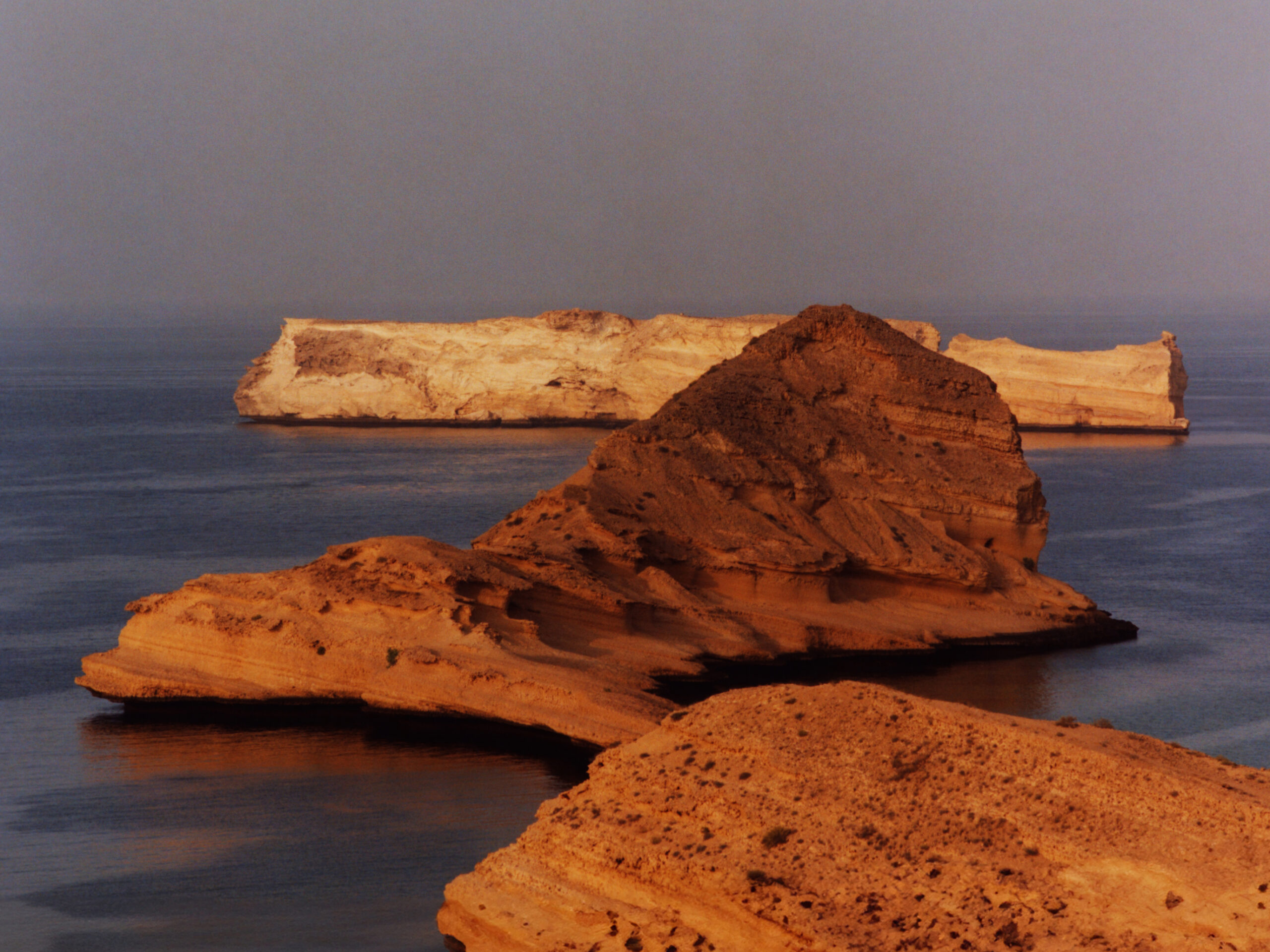
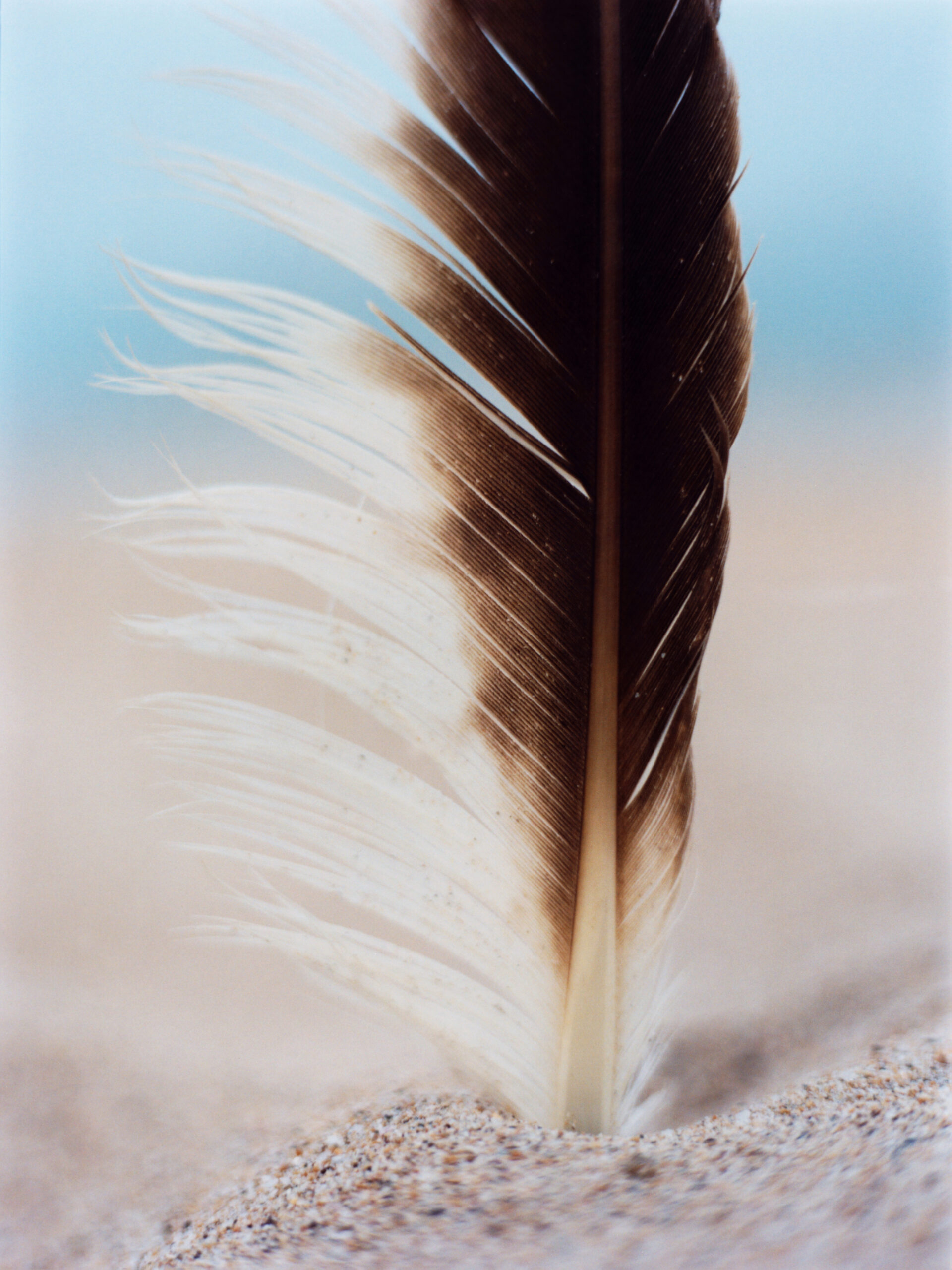
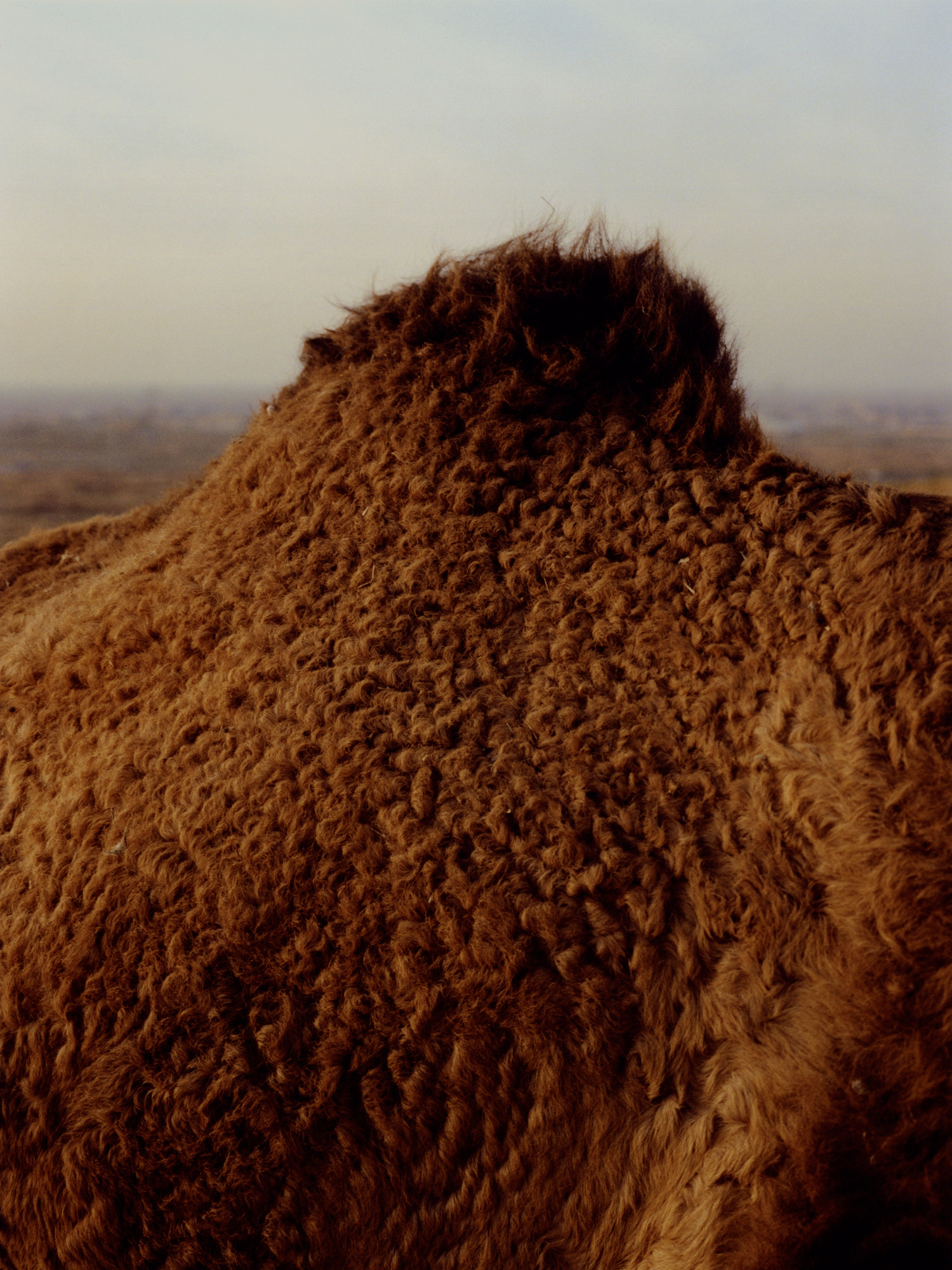
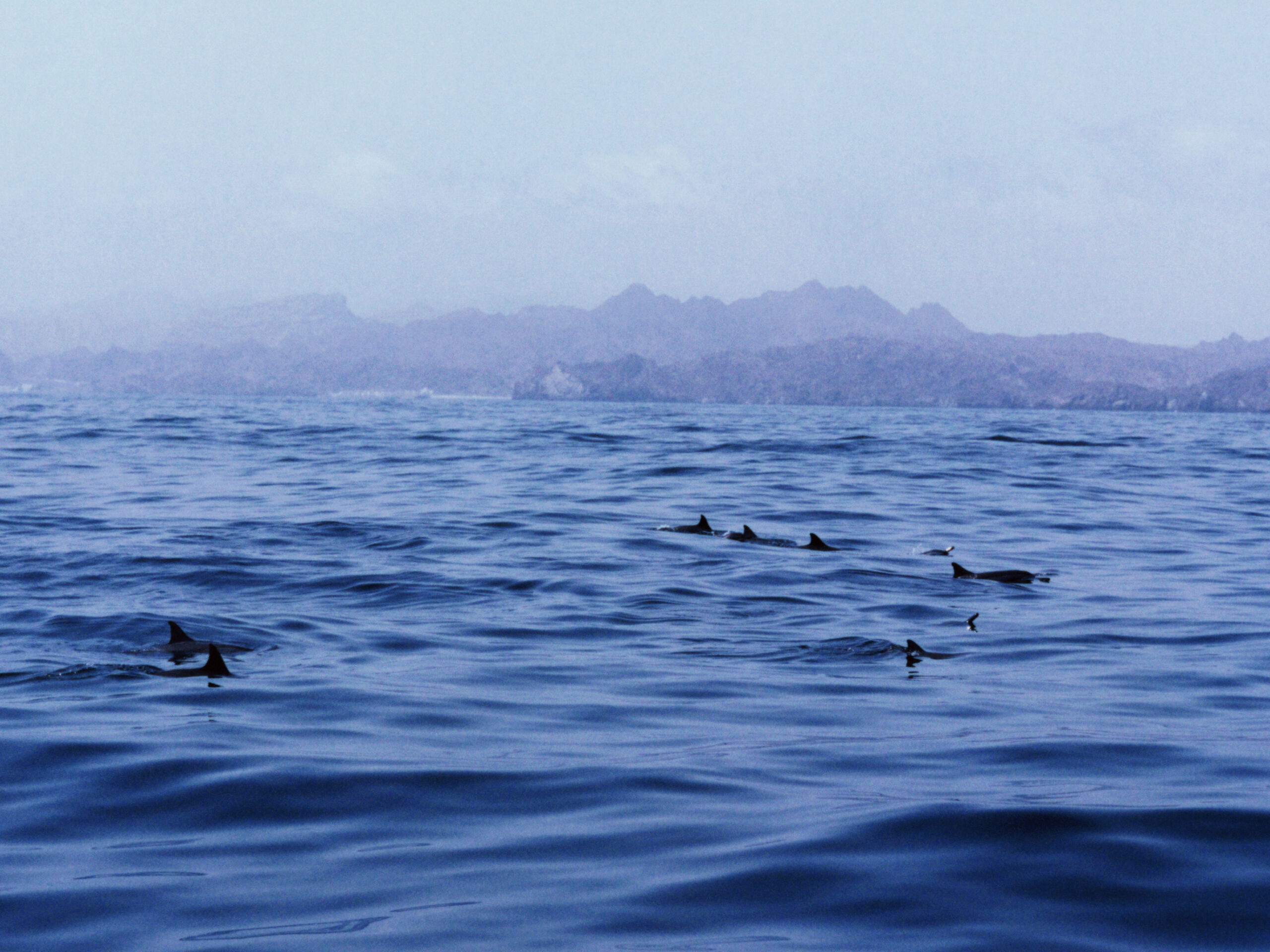
Rhythms of Light and Desert Allure feel deeply observational compared to commissioned editorial work. Were these series created in the spaces between assignments? Yes, exactly that. I’ve been spending a lot of time in the UAE and Oman over the past few years, Desert Allure grew out of the period when I was based there during the pandemic, traveling with my wife across parts of the country most people never see. Rhythms of Light came from time I spent at Muscat Bay, just watching crabs building sand towers, birds diving, and dolphins. These projects are how I stay connected to the reason I picked up a camera in the first place. The commissioned work feeds one part of me; the personal work feeds something quieter and more essential.
The Art of the Personal Project is a crucial element to let potential buyers see how you think creatively on your own. I am drawn to personal projects that have an interesting vision or that show something I have never seen before. In this thread, I’ll include a link to each personal project with the artist statement so you can see more of the project. Please note: This thread is not affiliated with any company; I’m just featuring projects that I find. Please DO NOT send me your work. I do not take submissions.
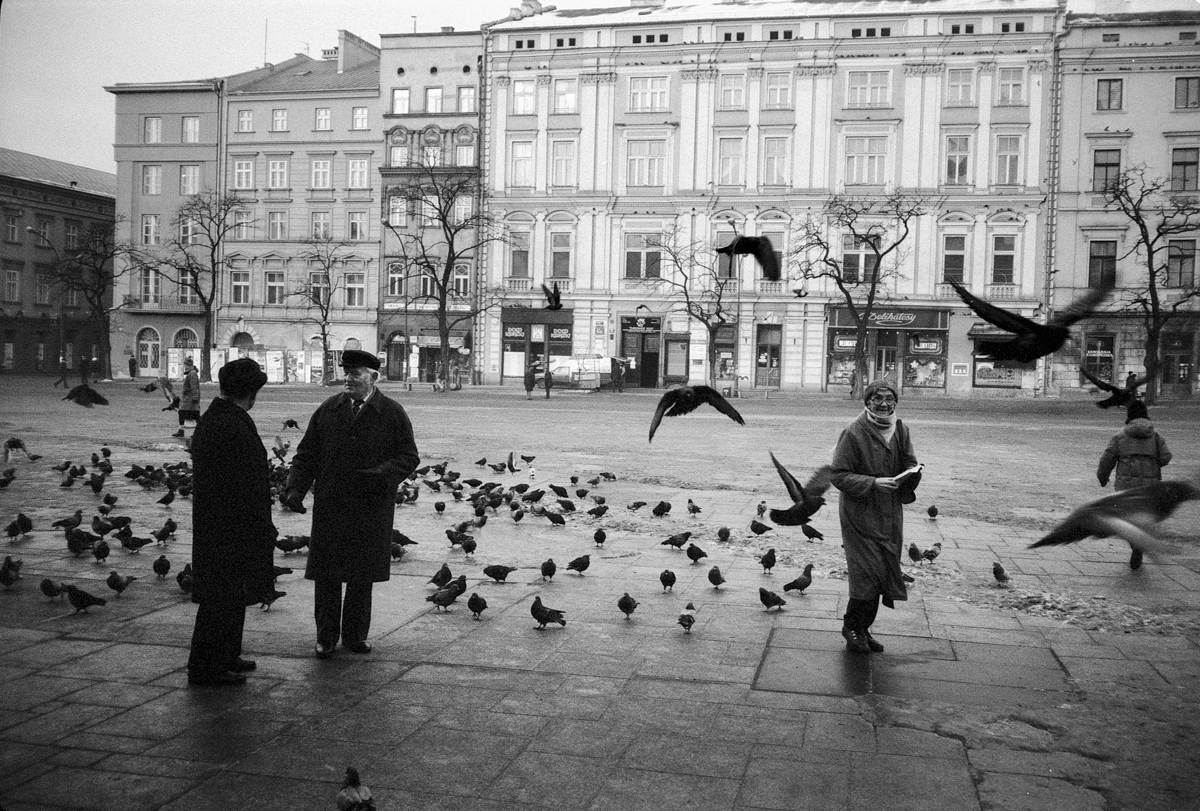
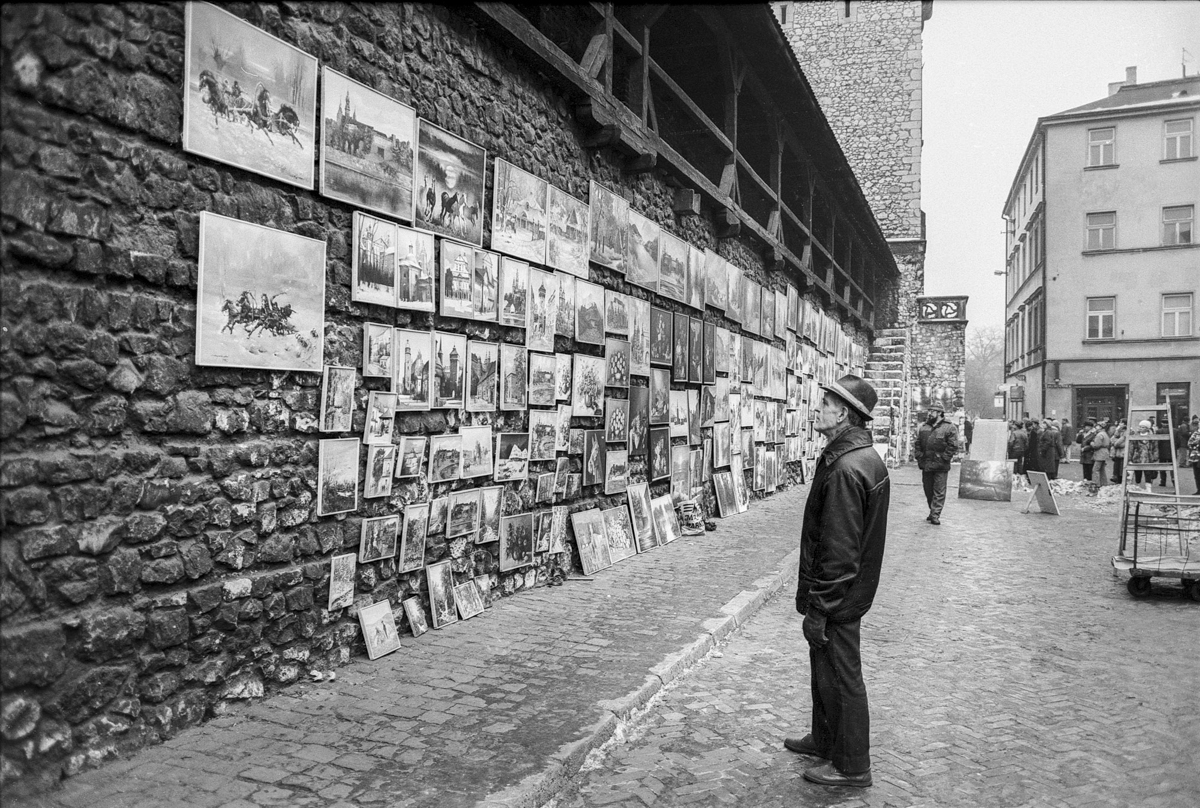
Where winter light meets history, and stories wait in every street.
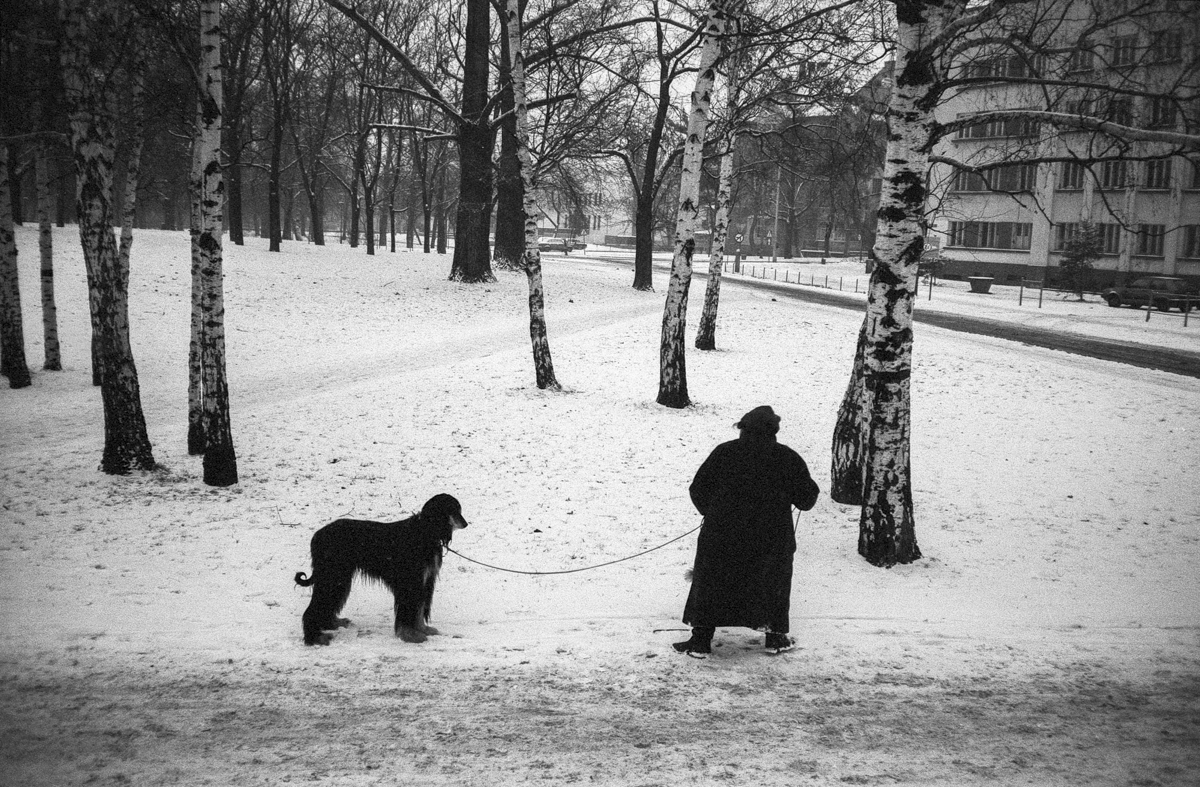
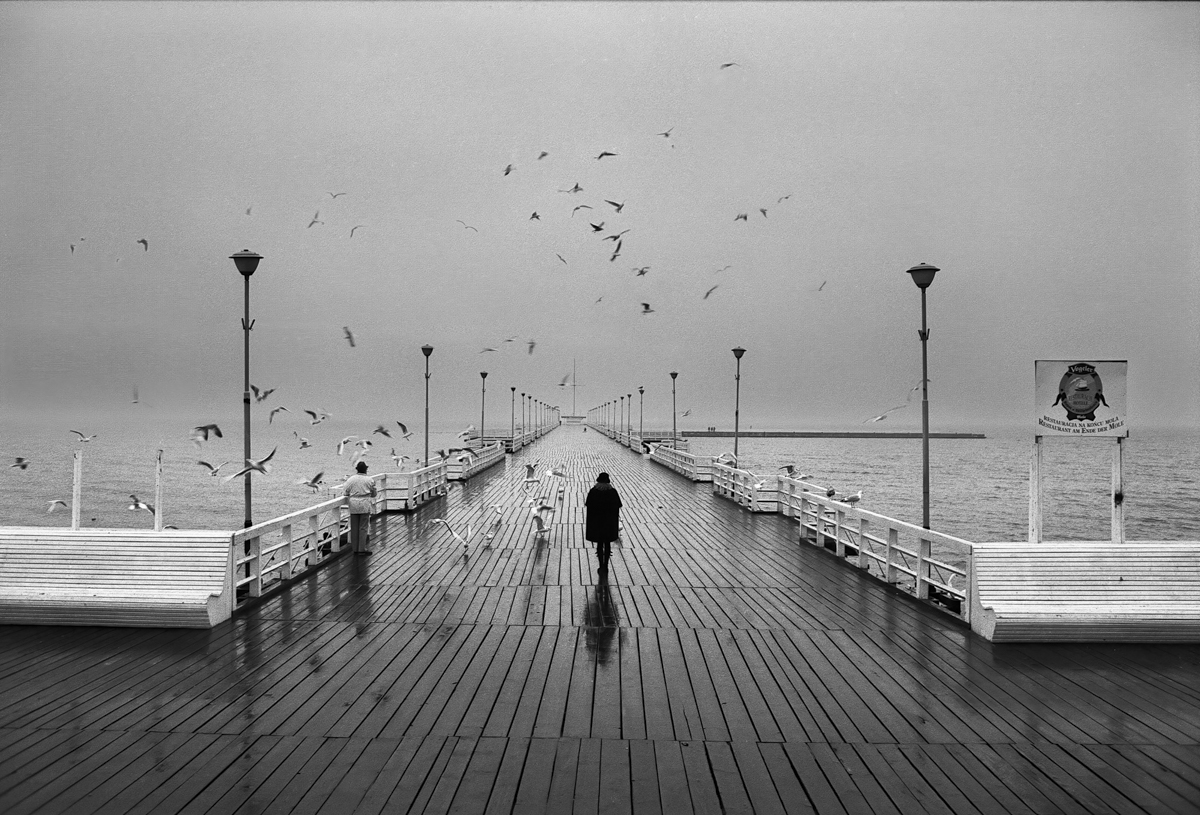
A while ago, I went to Poland to shoot a commercial in the dead of winter. It was visually arresting in every way. The light had that silvery melancholy that makes every surface seem etched in memory.
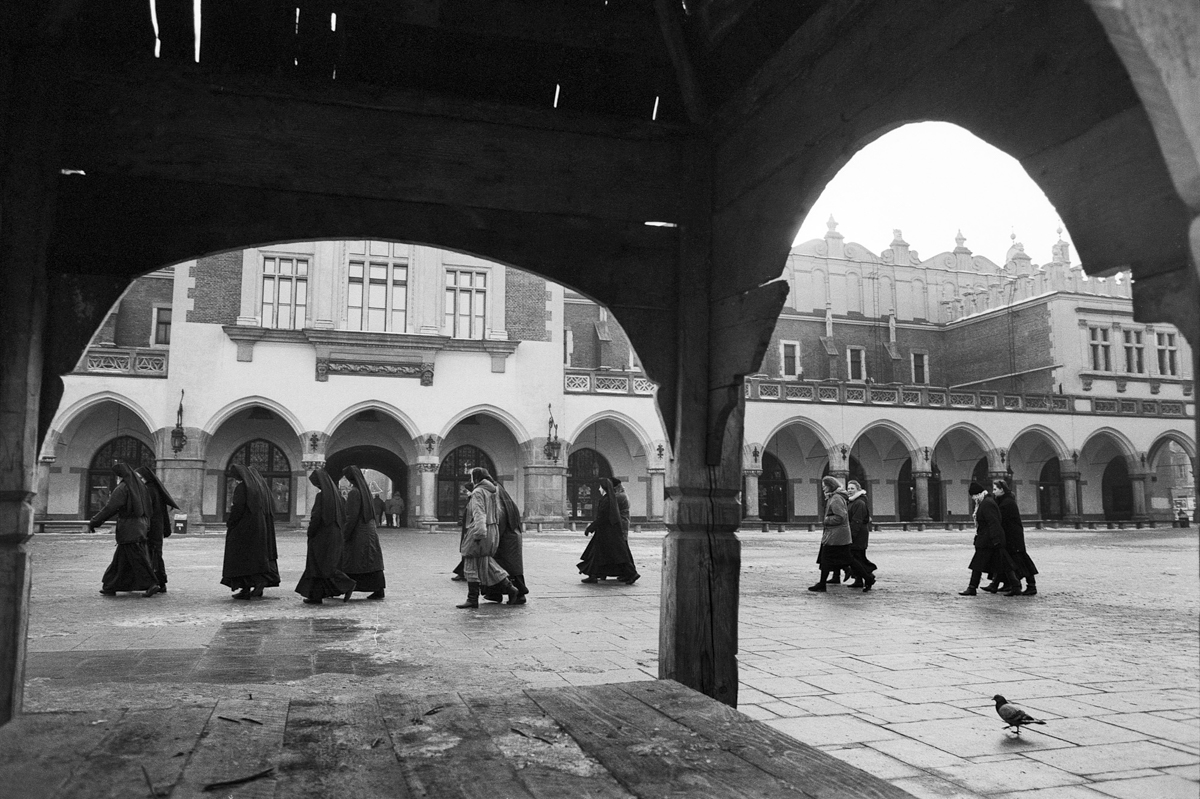
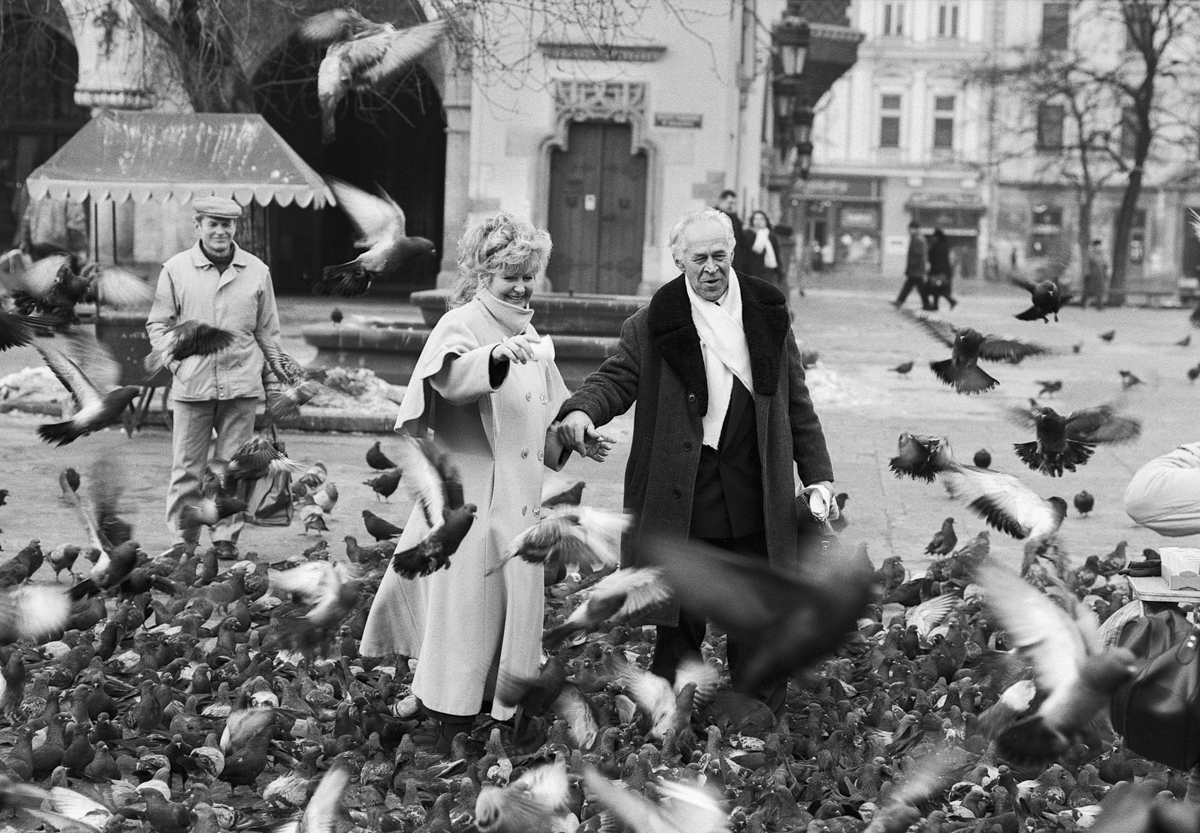
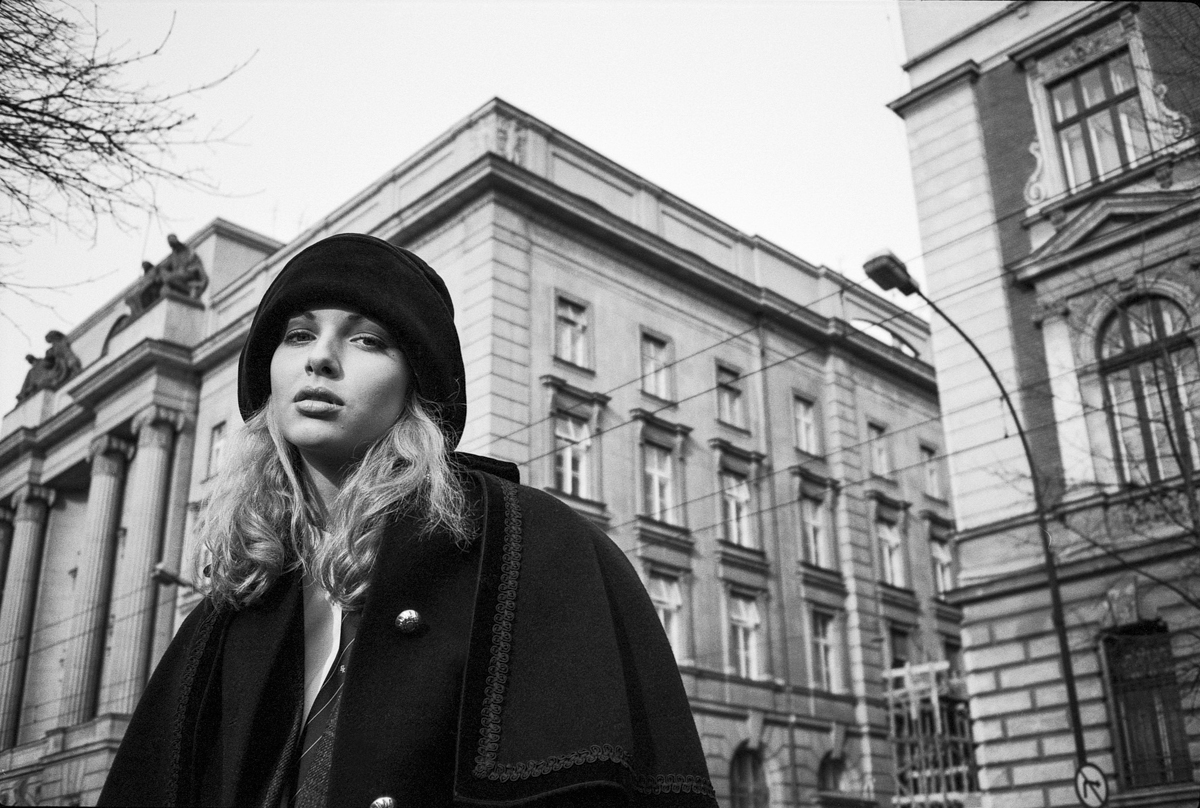
On the scout, I went a bit mad with the camera, roaming the backstreets of Gdańsk and Kraków, drawn to their quiet grandeur. The cities felt like film sets waiting for a story. I felt strangely at home there; the starkness, the architecture, the faces. Everything was steeped in history, heavy with echoes of resilience and reinvention.
There was a sense of a nation still finding its new rhythm, caught between the remnants of communism and the pulse of a modern Europe pushing through. The people reflected that duality: intense yet warm, stoic yet wickedly funny, carrying the weight of their past with a kind of effortless grace.
Suzanne Sease is a creative consultant and former ad-agency senior art buyer. She works with both emerging and established photographers and illustrators to create cohesive, persuasive presentations that clients can’t resist.
Suzanne offers something rare: an insider’s perspective on how client’s source creative talent. Her deep understanding of the industry is underscored by her impressive resume: 11 years as senior art buyer at The Martin Agency, seven years as an art producer for Capital One, and stints with the art-buying department at Kaplan-Thaler and the creative department at Best Buy, where she applied her expertise to reviewing bids to see which were most likely to come in on budget. Over the years, Suzanne has worked with a wildly diverse range of clients, including Seiko, Wrangler, Bank One, AFLAC, and Clairol Herbal Essence. Now, as a consultant, she is equipped to problem-solve for her clients from an unusually dynamic point of view.
As a longtime member of the photo community, Suzanne is also dedicated to giving back. Through her Art of the Personal Project column on the popular website aphotoeditor.com, she highlights notable personal projects by well-known and up-and-coming photographers. The column offers these artists excellent exposure while reflecting Suzanne’s passion for powerful imagery.
The Art of the Personal Project is a crucial element to let potential buyers see how you think creatively on your own. I am drawn to personal projects that have an interesting vision or that show something I have never seen before. In this thread, I’ll include a link to each personal project with the artist statement so you can see more of the project. Please note: This thread is not affiliated with any company; I’m just featuring projects that I find. Please DO NOT send me your work. I do not take submissions.
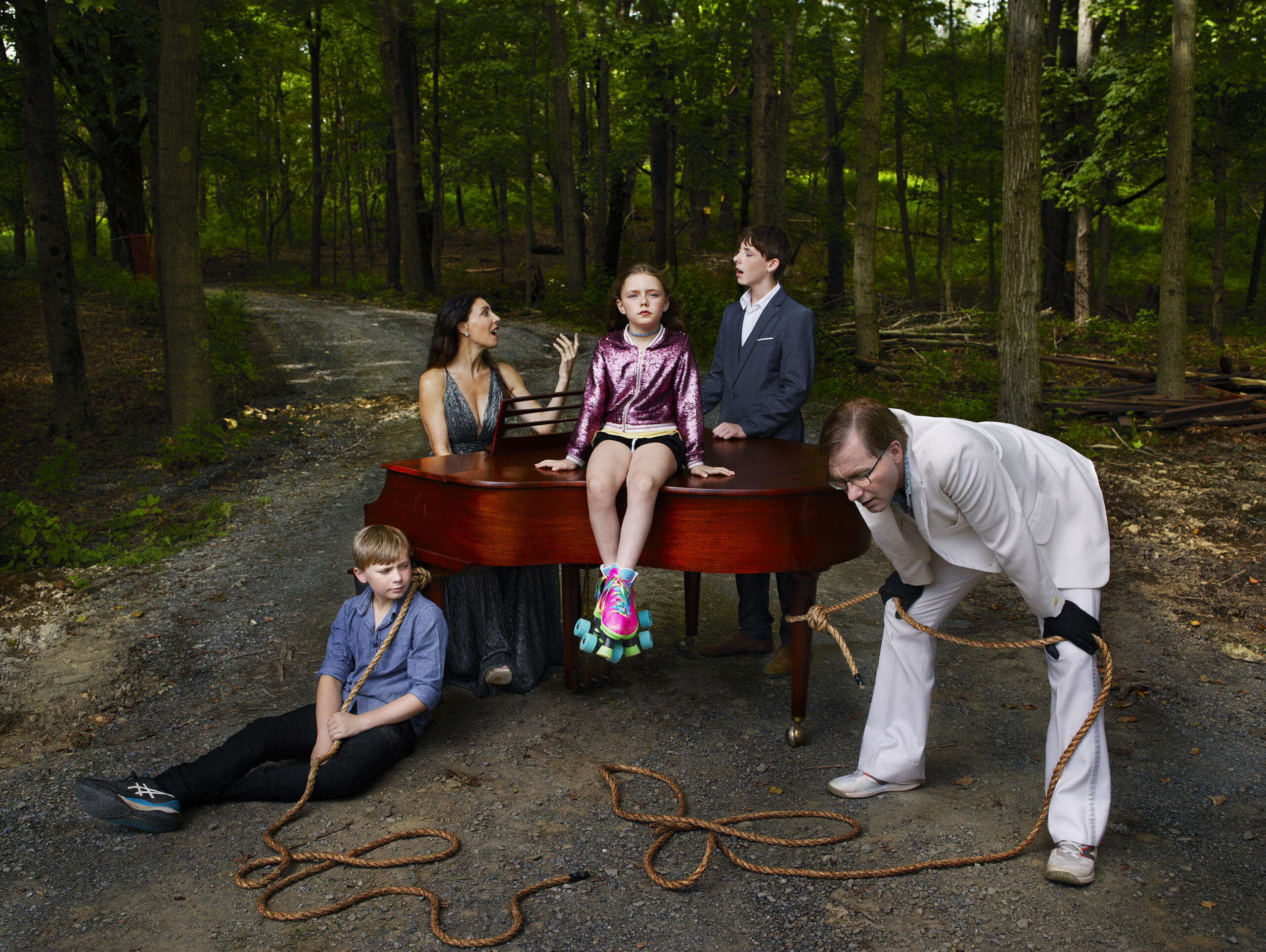
Throughout his career, photographer Doron Gild has successfully balanced artistic vision with commercial demands. Rather than viewing these as opposing forces, he creates meticulously crafted family portraits that honor both creative integrity and the client’s narrative. Gild’s methodology is rooted in three principles: excavating authentic stories, assessing resources with strategic precision, and defining the creative challenge. This deliberate process allows him to produce imagery that serves as both personal expression and a meaningful documentation. Moving beyond the traditional gallery model, Gild considers his entire body of work to be his artistic statement. Each commission is an opportunity for creative exploration and artistic satisfaction.This approach ensures that every image reflects his commitment to artistic truth and the responsibility of capturing human stories. Gild’s practice uniquely positions him in contemporary photography, where the boundaries between commercial and fine art dissolve in favor of authentic, conceptually driven imagery.
Suzanne Sease is a creative consultant and former ad-agency senior art buyer. She works with both emerging and established photographers and illustrators to create cohesive, persuasive presentations that clients can’t resist.
Suzanne offers something rare: an insider’s perspective on how client’s source creative talent. Her deep understanding of the industry is underscored by her impressive resume: 11 years as senior art buyer at The Martin Agency, seven years as an art producer for Capital One, and stints with the art-buying department at Kaplan-Thaler and the creative department at Best Buy, where she applied her expertise to reviewing bids to see which were most likely to come in on budget. Over the years, Suzanne has worked with a wildly diverse range of clients, including Seiko, Wrangler, Bank One, AFLAC, and Clairol Herbal Essence. Now, as a consultant, she is equipped to problem-solve for her clients from an unusually dynamic point of view.
As a longtime member of the photo community, Suzanne is also dedicated to giving back. Through her Art of the Personal Project column on the popular website aphotoeditor.com, she highlights notable personal projects by well-known and up-and-coming photographers. The column offers these artists excellent exposure while reflecting Suzanne’s passion for powerful imagery.
Heidi: You once said the best advice is to “fill the frame with what you like.” In an era of trends and algorithms, how do you protect personal taste?
Abraham: I think personal taste, or giving expression to what is real and true within ourselves, is the basis for nearly all compelling creative endeavors. Otherwise, what’s the point? The poet Rilke said it best when he wrote, “I beg you to give all that up. You are looking outward, and that above all you should not do now… There is only one single way. Go into yourself… Describe your sorrows and desires, passing thoughts and the belief in some sort of beauty—describe all these with loving, quiet, humble sincerity… And if out of this turning inward, out of this absorption into your own world verses come, then it will not occur to you to ask anyone whether they are good verses.” This applies to any medium. I prefer to forget trends and conventions (or never learn them at all) and simply fill the frame with what moves me. Which part of the scene in front of me is saying something interesting? What evokes a feeling of aliveness in my body? It’s about honing in on this and stripping the rest away, using these feelings as a guide when composing images and throughout the entire creative process. Sharing my work has led to some wonderful things for myself and others, but I usually wait a while after a trip before publicly sharing anything so it doesn’t color my experiences or motivations.
You describe photography as a devotional act. What does devotion look like in practical terms when you’re alone in the wilderness with a camera?
This can look like eating cold-soaked couscous and frozen olive oil each night for two weeks while hauling an 80-pound backpack across the arctic tundra. Or going into the mountains of El Chaltén every time a marginal weather window appeared over six months, knowing I’d likely get thrashed by a violent storm and come back empty handed. Or shivering in my bivy sack on a snowy ridgeline, awestruck by the aurora dancing across the sky. Or bushwhacking down a muddy mountainside in the Alaskan rainforest and then pushing a shopping cart loaded with three weeks of gear through Juneau all night to make it onto a boat in time. Or letting light dictate my sleep schedule, navigating glaciers and steep talus in the dark and pushing deep into exhaustion in order to be where I want for sunrise. I try to approach with reverence and curiosity. A key piece while I’m out there is journaling to better preserve my experiences and use as a reference later when editing. I extensively scour Google Earth before stepping foot in the backcountry but build enough slack into my systems for spontaneous exploration once I’m there. It’s an integration of physical capacity, decision making in consequential environments, technical camera skill, attunement to the outer and inner landscape, and a whole lot of stubborn will in service of venerating a place that inspires me.
You studied neuroscience and philosophy before leaving that path for a life built around meaning and experience. How has that academic background shaped the way you photograph landscapes?
I’m incredibly grateful for my academic background, doing neurobiology research at Stanford and UCSF and studying both Eastern and Western philosophies with awesome professors. These inquiries have led me to believe that reality is probably far weirder and more mystical than any of us can fully know—not even in a faith-based way but by rigorously following the available evidence. That is a whole other conversation, but through academic study and repeated personal experience, I’ve become increasingly open to the possibility that landscapes are more than inert physical matter. I have an unmistakable affinity for specific mountains and valleys where the veil of ordinary reality feels thinner, where mountains feel like entities with unique dispositions and it seems like some sort of ancient awareness or energy is pulsing through the land. I don’t pretend to be certain about what is going on, but I’m not speaking metaphorically here either. I think this tracks with your earlier question about devotion. Landscape photography is most interesting and meaningful to me when using it to commune with these special places, and I’ve organized my life around doing so. Studying neuroscience and philosophy has also been part of an ongoing personal journey of healing, joy, love, truth, etc. With the help of a skilled therapist, this has included integrating aspects of myself that are suppressed or polarized. One example is the false dichotomy between strength and sensitivity. They are valuable parts of a whole and can support each other tremendously. When I’m able to give expression to both, a sense of wholeness and vitality naturally emerge within me. I notice similar dynamics mirrored in outer landscapes, like when warm delicate light adorns a rime-plastered granite monolith and in that moment everything surges with aliveness. In one way or another, most of my landscape images are about interdependent relationships between polarities. I like to play with these relationships to convey the character of the place and conjure dynamic tension, stillness, or both at once.
How do you assign photographic meaning to consciousness?
Photography can be used to express conscious states and subjective experiences in an immediate way that bypasses conceptual overlay. I especially consider this when making editing decisions. Your question reminds me of Alfred Stieglitz’s Equivalents.
There’s a recurring tension in your story between conventional success and inner alignment. What did the wilderness teach you that institutions couldn’t?
In academia and the rest of modern society, self-abandonment is widespread. Inner alignment is systemically undermined. I noticed a compulsion to always work harder, achieve more, posture to be perceived in a certain way, and conflate my worth and identity with what I did. I’m privileged to have attained a fair bit of conventional academic success to see how empty and futile this game is even when played well. I worked hard, reached most of my goals, moved the goalposts and reached them again, got recognition that momentarily felt nice, and learned a lot about the things I was genuinely interested in. Yet my day-to-day experience was no more joyful. This pretense simply doesn’t exist in the wilderness. While it’s easy to repurpose time in nature into similar achievement-oriented activities, even just a few days of real stillness in the wilderness can help us see through the whole charade. We become our environment to some degree. Spending so much time in expansive, austere landscapes has helped me shed layers of conditioning and begin uncovering an innate sense of wholeness decoupled from subtle forms of posturing. Relatedly, I suggest people read a beautiful poem called Clearing by Martha Postlethwaite.
You’ve spent years living out of your car and prioritizing experience over comfort. What have you gained creatively by stripping life down to its essentials and how does that map back to your philosophy studies, or ego consciousness?
Organizing my life so intentionally has made it possible to truly immerse myself in the landscapes I’m drawn to. Over the past four years I’ve averaged 300+ days/year in wild places, with four months in Alaska and the Yukon, two months in the Canadian Rockies, a month in the Himalaya, six months in Patagonia, two months in the Peruvian Andes, and most of the rest of that time in the Eastern Sierra and Southern Utah. Living out of my car greatly reduces distraction and financial overhead. It offers far more time for photography and writing, along with time for my growth as a person which of course feeds all forms of creativity. Some things need space and stillness to unfold. Observing the land and weather every day also builds deep pattern recognition. Often I’ll intuitively know how to position myself to capture interesting moments without being able to explain why. Mapping back to my studies, this lifestyle has helped abstract philosophical concepts like interconnectedness become more of a direct embodied knowing. The concept of connecting with nature misses the point in my opinion. We quite literally are nature.
What place has changed you the most—not as a photographer, but as a human being?
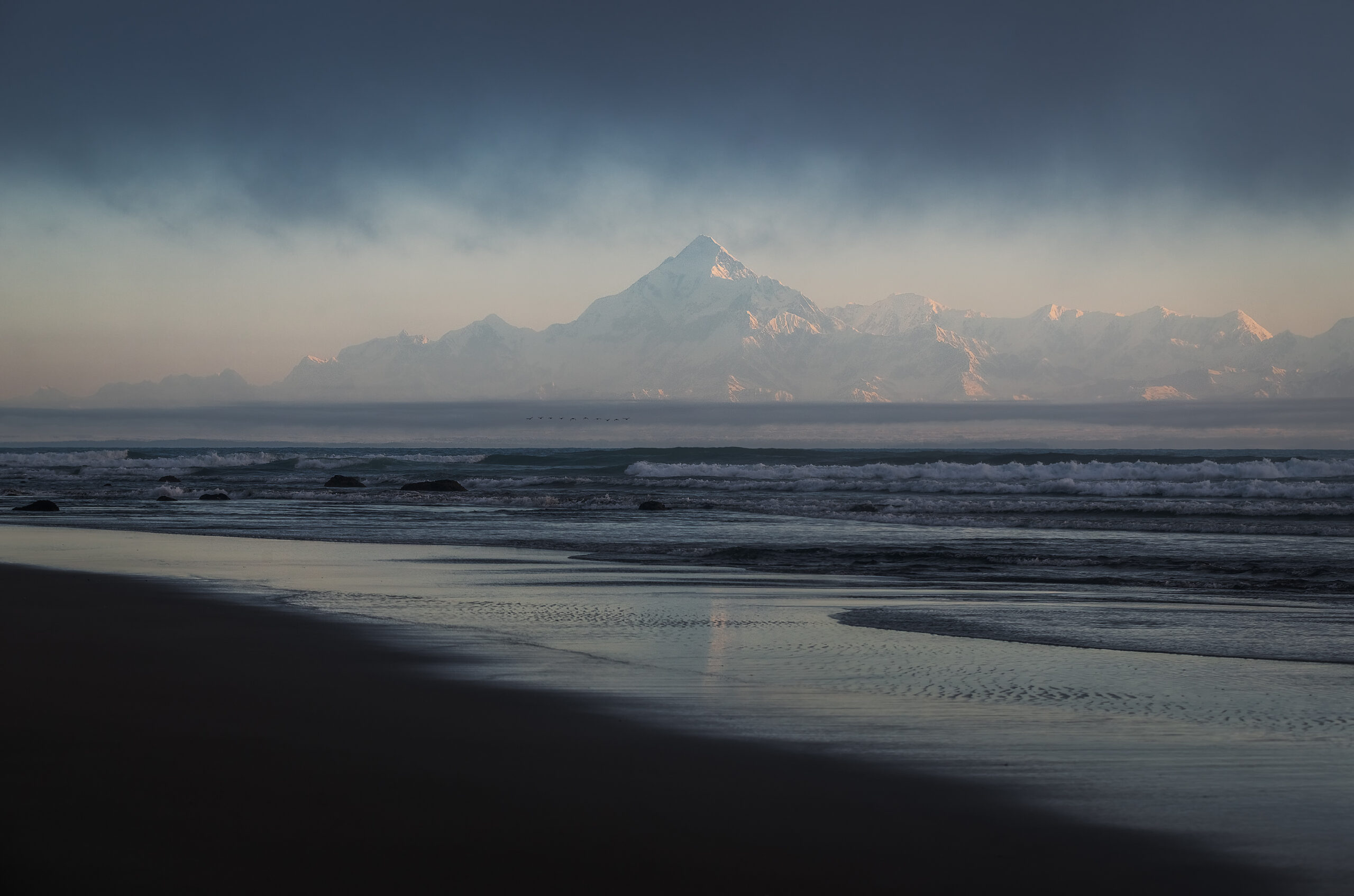
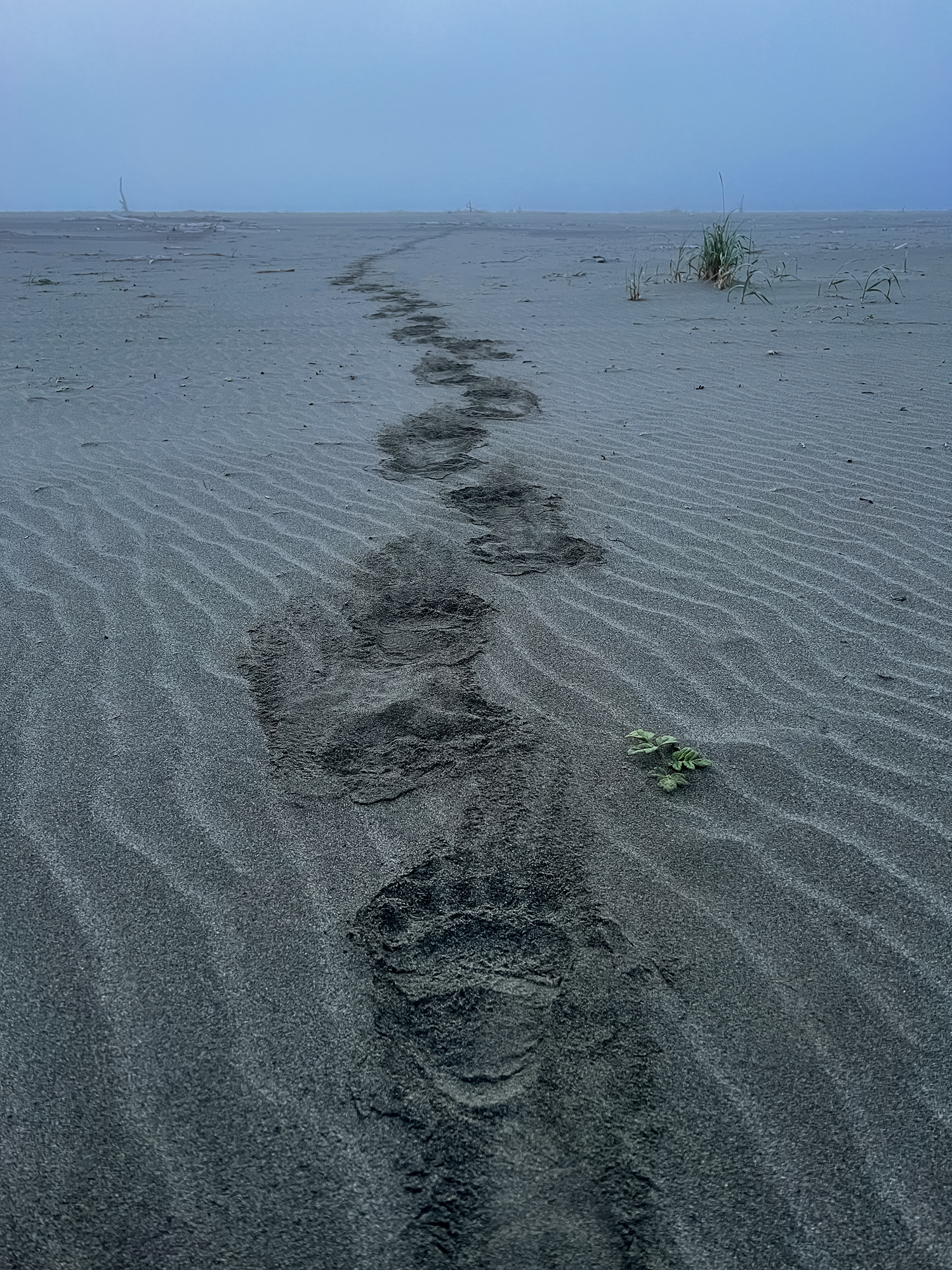
The Eastern Sierra changed the course of my life at age 19 and was my initial training ground, but Alaska at age 23 is the clear answer for several reasons. Many strangers supported me along the way, such as welcoming me to stay in their homes, assisting with trip logistics, and inviting me to hitchhike on a helicopter. Two companies put me on flights around Denali and Mount Logan to shoot photos for them. Countless unexpected acts of kindness revealed limiting beliefs I held around self-reliance and feeling undeserving of care and connection. This helped me see how much more wonderful life can be when I show up with my own abilities AND remain open to others. The scale and severity of the Alaskan wilderness elicited several profound experiences which have enriched my life ever since. What most stuck with me was an eerie grizzly bear encounter alone at night on a beach near Mount Saint Elias. With my fate uncertain as the huge bear walked toward me, the gravity of the situation consumed my entire being. My thinking sped up and time ground to a halt. Everything that wasn’t real was stripped away, including any sense of myself distinct from the bear, the rest of the landscape, the earth, the cosmos, and existence in the broadest sense. All distinctions fell away. It was all just one thing, indescribably vast and beautiful. In these same moments, my awareness seemingly split in order to deal with the situation at hand. I’m getting goosebumps thinking about it now, four years later. Every instinct was screaming at me to cower or flee, which is exactly what not to do with a grizzly bear. With primal terror coursing through me, I stood my ground and calmly spoke to the bear until it hopped up on its hind legs and trotted back into the forest. I was in awe of the strength and capability emerging from the depths of me. Knowing beyond doubt who I am when it really counts has changed how I carry myself. A quiet inner knowing has stayed with me. The encounter also grounded in lived experience rather than theory how sophisticated the nervous system is at protecting itself, and how fear and trauma responses usually make perfect adaptive sense. The bear gave me an undeniable, visceral reminder of how precious and limited my time here is, shifting my risk calculus and strengthening my resolve to live as fully as I can. Objective hazard has no place in my life now.
What body of work are you engaged in now, you have a list of inspirational photographers, who is on your mind lately?
I draw a lot of inspiration from landscape photographers who depict abstract scenes with exquisite post-processing and delicate interplays of light, color, and form. Alex Noriega, Jennifer Renwick, and Guy Tal come to mind among many others. A quiet awe arises when I view their work. I sense a subtle, unwavering honesty in nearly every image of theirs. It’s rare that I see the monumental alpine landscapes I’m most inspired by photographed with such precision and thoughtfulness. Often it’s hard enough to get to and from these places safely, let alone arrive with the sensitivity and vitality required to act as a vessel and create truly evocative images. Vittorio Sella and Bradford Washburn are timeless examples. Refining the varied aspects of this craft in the world’s most powerful mountain ranges, especially the Karakoram, is what currently excites me.
The Art of the Personal Project is a crucial element to let potential buyers see how you think creatively on your own. I am drawn to personal projects that have an interesting vision or that show something I have never seen before. In this thread, I’ll include a link to each personal project with the artist statement so you can see more of the project. Please note: This thread is not affiliated with any company; I’m just featuring projects that I find. Please DO NOT send me your work. I do not take submissions.
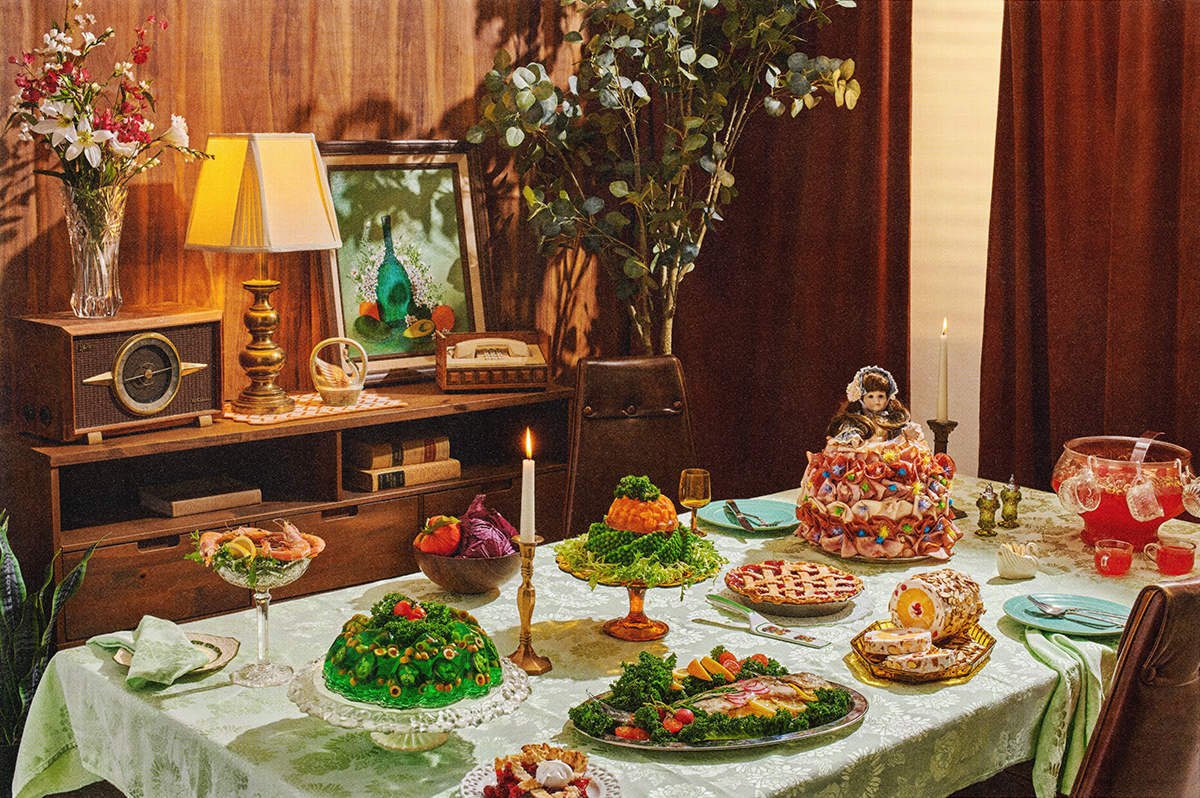
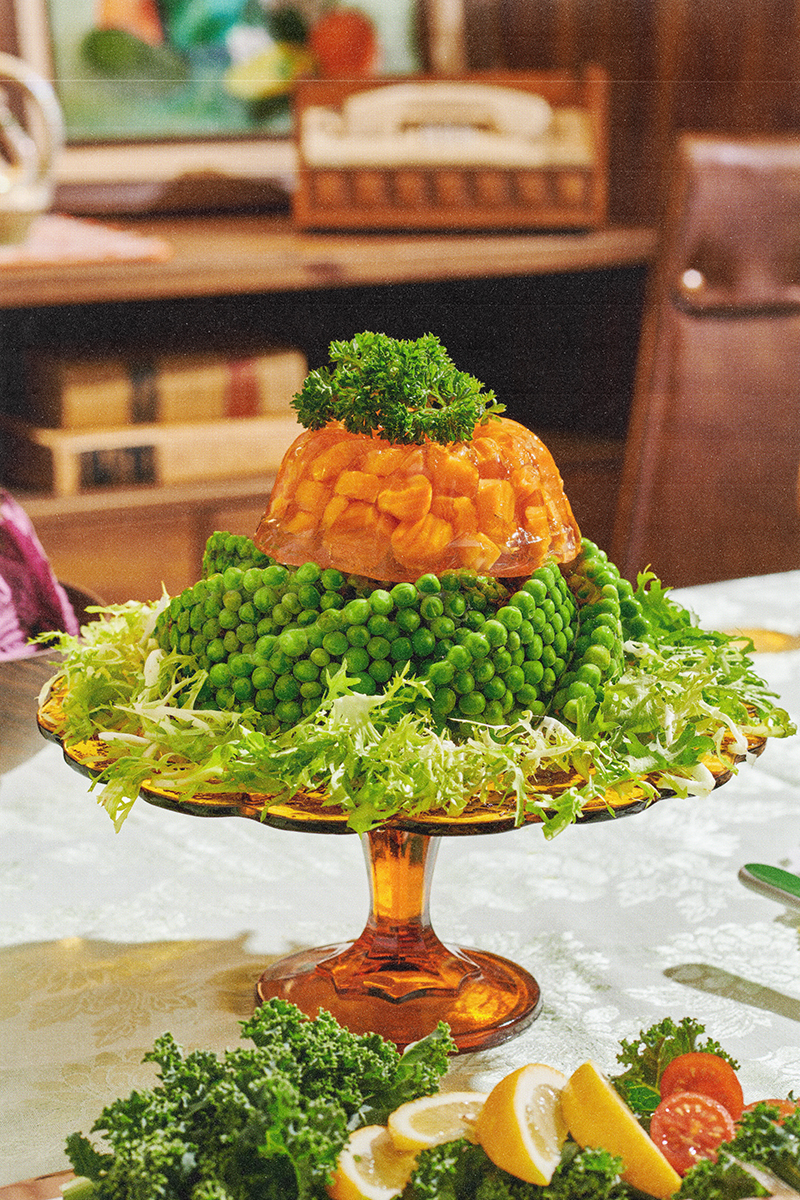
As a collector of vintage cookbooks and food advertisements, I’ve always particularly loved seeing just how many iterations of Jello “salad” one could come up with. I wanted to channel my love of vintage advertising into a photo project that looked like something you’d clip from the pages of a 1960’s magazine to tuck away with your collection of recipes and ideas for your next dinner party.
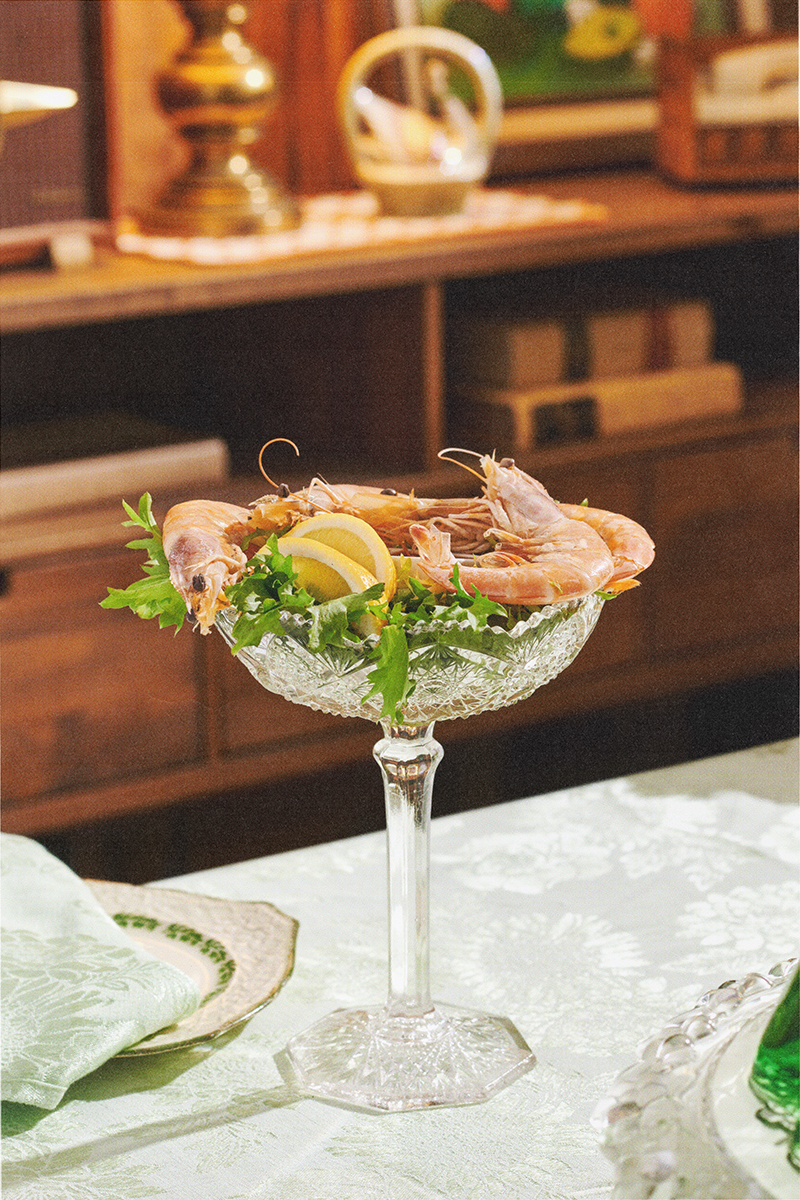
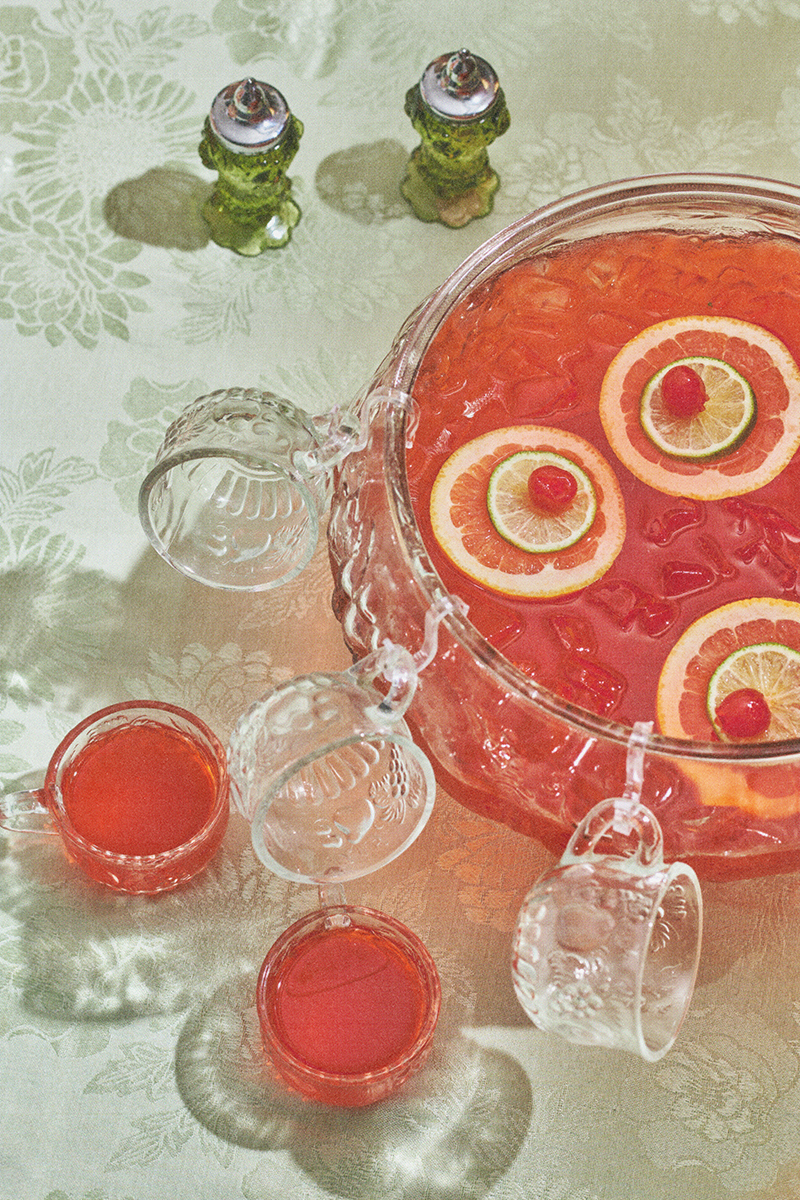
Prop stylist Lisa Ornelas curated period-specific props to design a nostalgic set ready for party goers, and food stylist Amanda Anselmino worked with recipes from old cookbooks to create an array of playful Jello-based dishes.
I worked with designer Joseph Casey to turn the images into a printed promo reminiscent of the things you’d find in vintage recipe keeper binders; recipe cards, a magazine advertisement for Jello, Miracle Whip coupons, and a “marketing bulletin” that was hand typed on a typewriter, addressing the recipient with a summary of our project framed as a mid-century marketing promo for Jello and Miracle Whip. The risograph folders the printed components were compiled into were a reproduction from a thrifted 1960’s recipe keeper I own.
This project allowed my team and I to create a series of images that acted as an immersive step back in time to a mid-century dinner party, alongside a printed promo to keep the nostalgia alive with physical prints.
To see more of this project and others, click here
Jackie Hancock with jackie represents – Rep + Producer
Amanda Anselmino – Food Stylist
Lisa Ornelas – Props & Set
Joseph Casey – Graphic Designer
Haley O’Rourke – Digital Tech
Printed materials by:
Secret Room Press – Risograph folders
Fireball Printing – Recipe cards
Suzanne Sease is a creative consultant and former ad-agency senior art buyer. She works with both emerging and established photographers and illustrators to create cohesive, persuasive presentations that clients can’t resist.
Suzanne offers something rare: an insider’s perspective on how client’s source creative talent. Her deep understanding of the industry is underscored by her impressive resume: 11 years as senior art buyer at The Martin Agency, seven years as an art producer for Capital One, and stints with the art-buying department at Kaplan-Thaler and the creative department at Best Buy, where she applied her expertise to reviewing bids to see which were most likely to come in on budget. Over the years, Suzanne has worked with a wildly diverse range of clients, including Seiko, Wrangler, Bank One, AFLAC, and Clairol Herbal Essence. Now, as a consultant, she is equipped to problem-solve for her clients from an unusually dynamic point of view.
As a longtime member of the photo community, Suzanne is also dedicated to giving back. Through her Art of the Personal Project column on the popular website aphotoeditor.com, she highlights notable personal projects by well-known and up-and-coming photographers. The column offers these artists excellent exposure while reflecting Suzanne’s passion for powerful imagery.
The Art of the Personal Project is a crucial element to let potential buyers see how you think creatively on your own. I am drawn to personal projects that have an interesting vision or that show something I have never seen before. In this thread, I’ll include a link to each personal project with the artist statement so you can see more of the project. Please note: This thread is not affiliated with any company; I’m just featuring projects that I find. Please DO NOT send me your work. I do not take submissions.
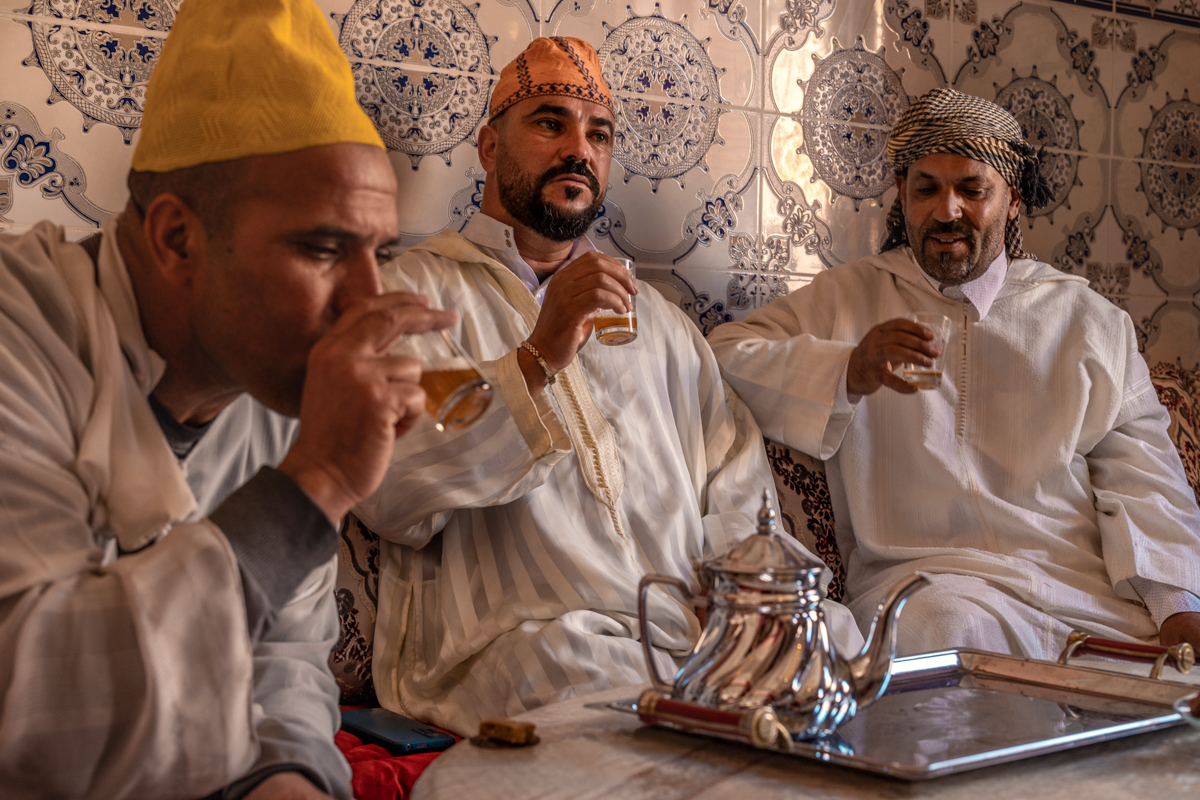
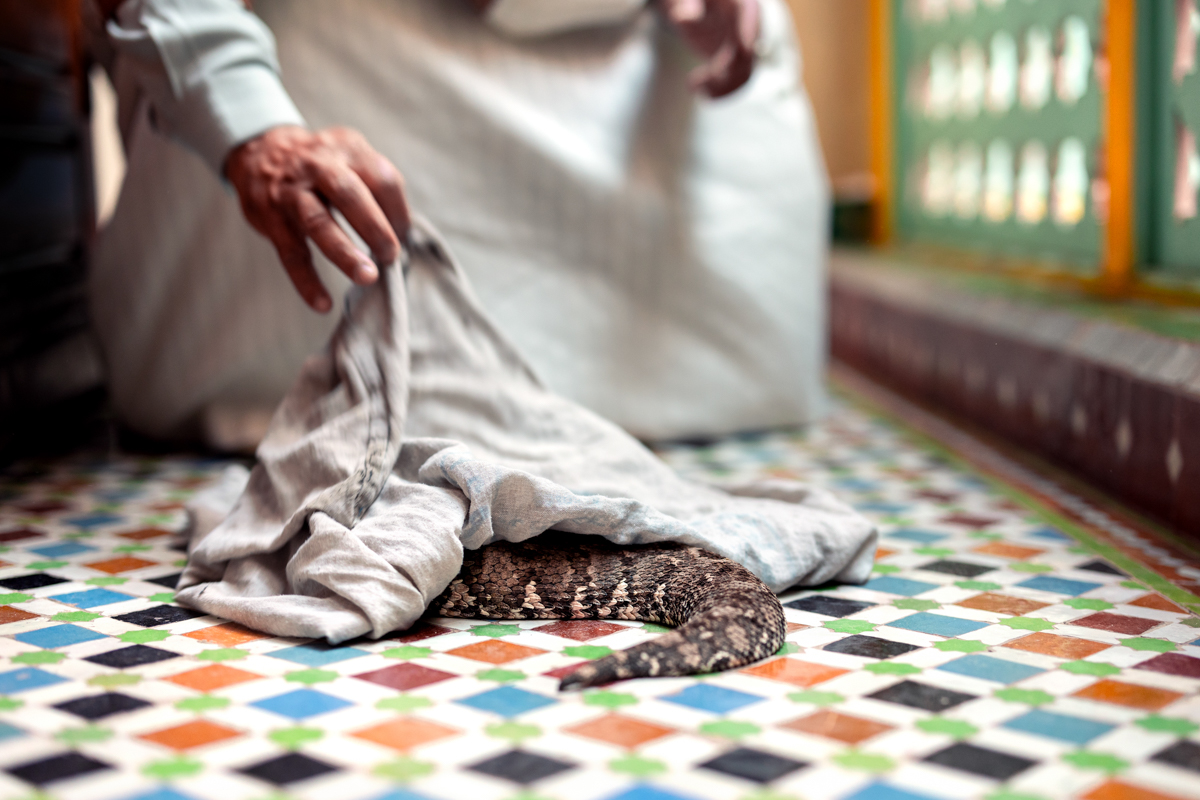
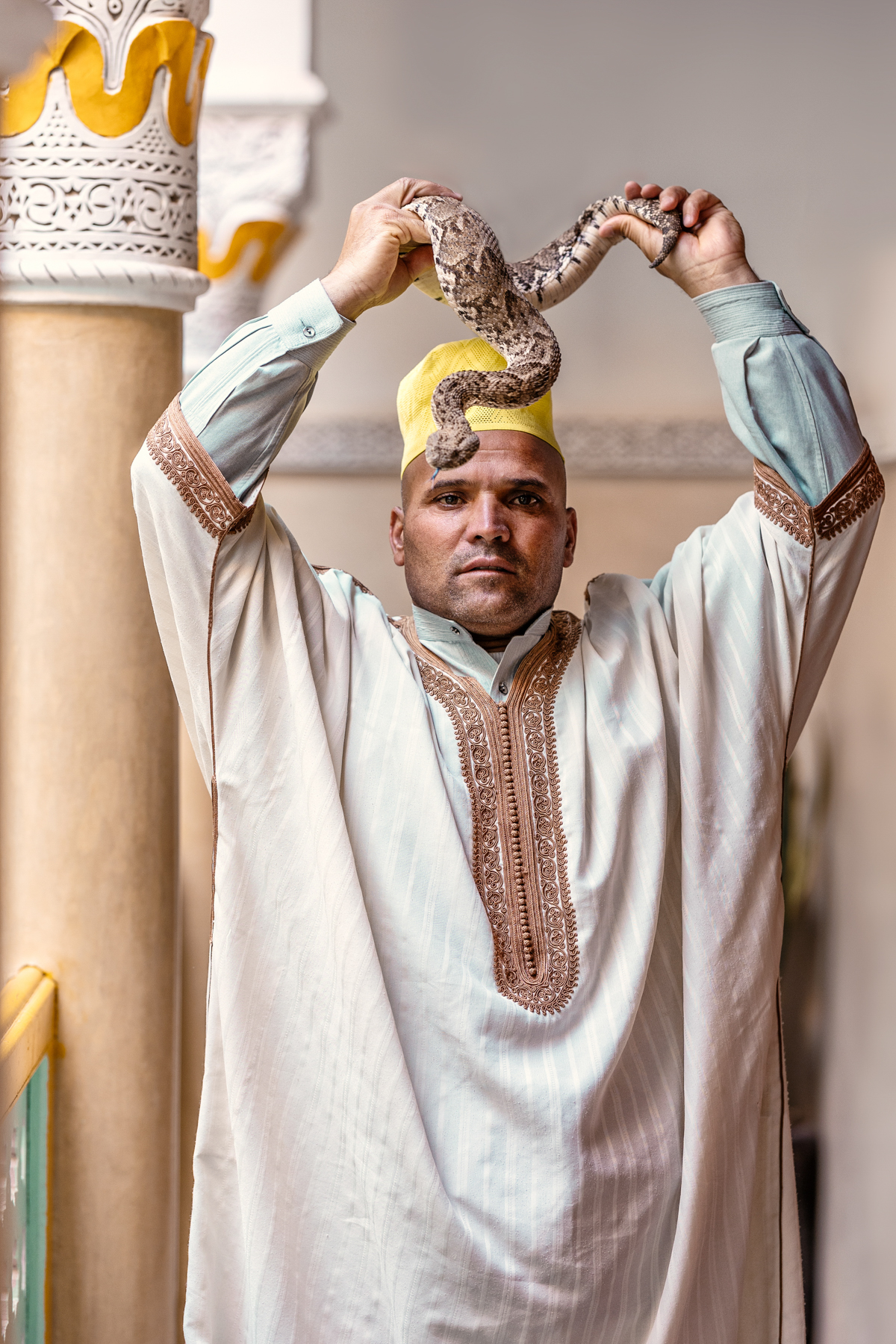
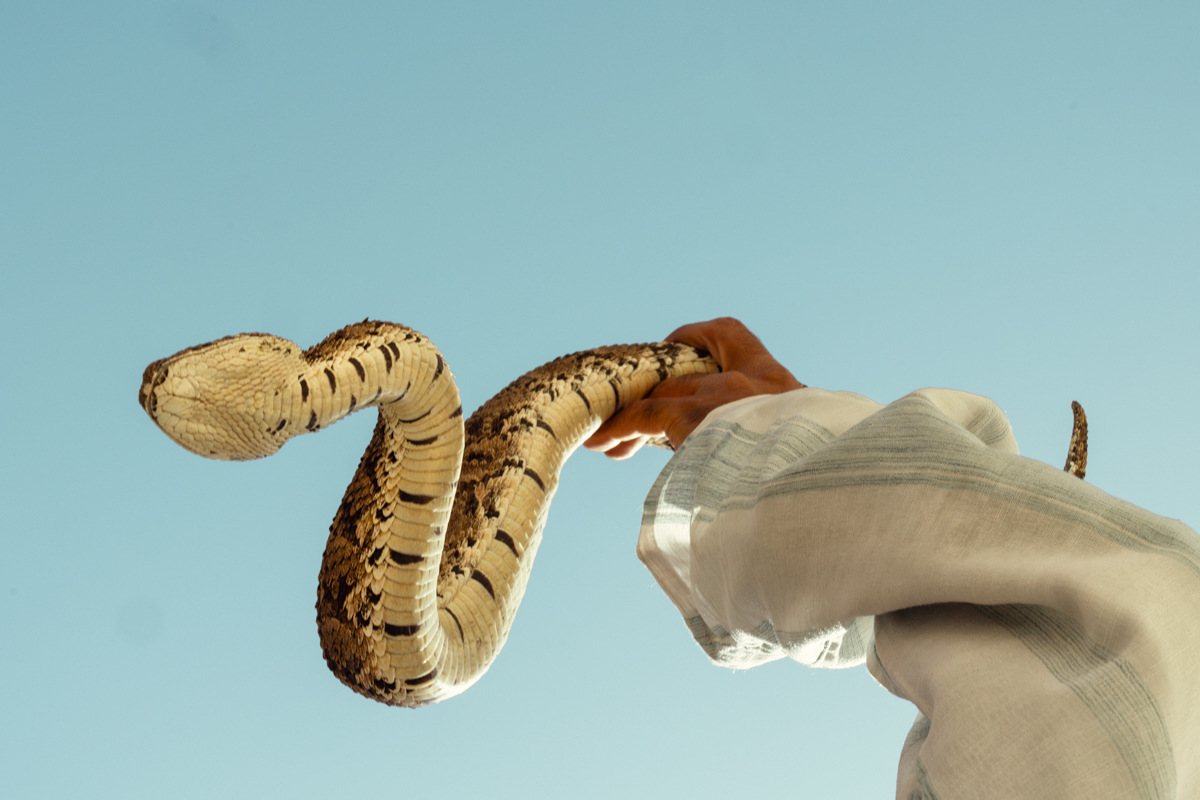
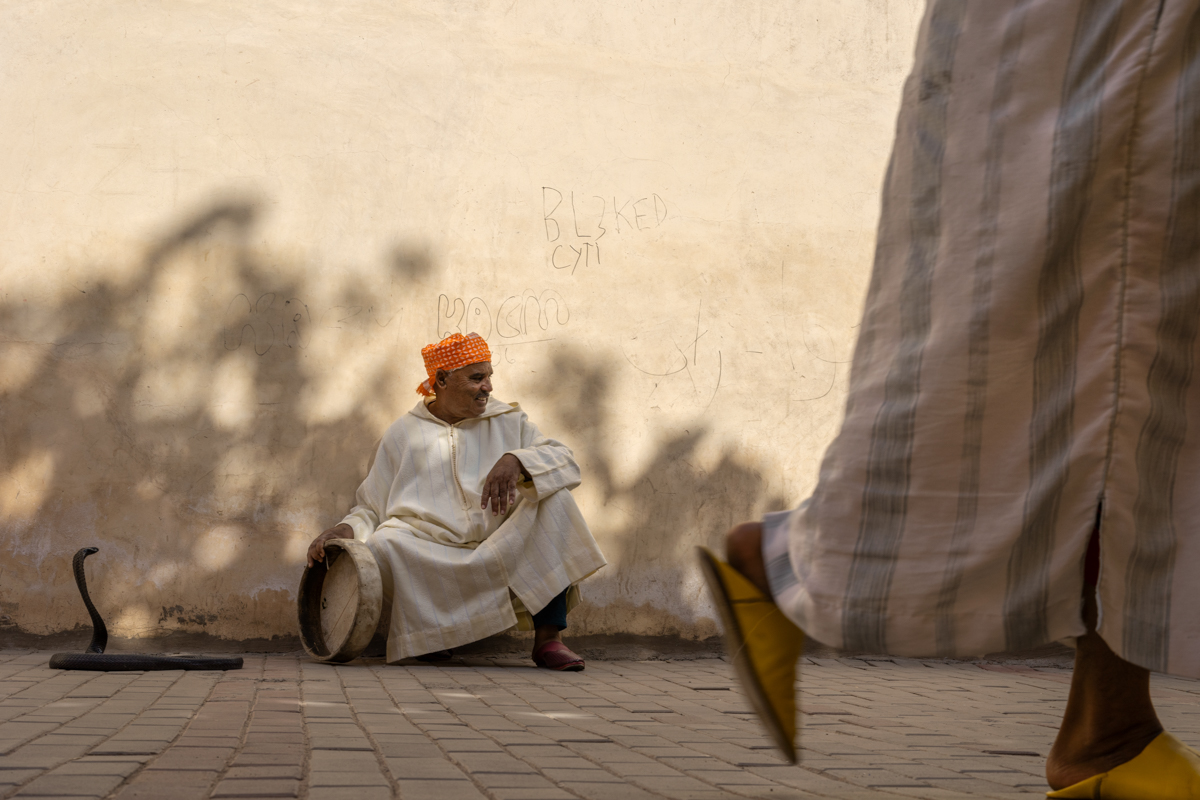
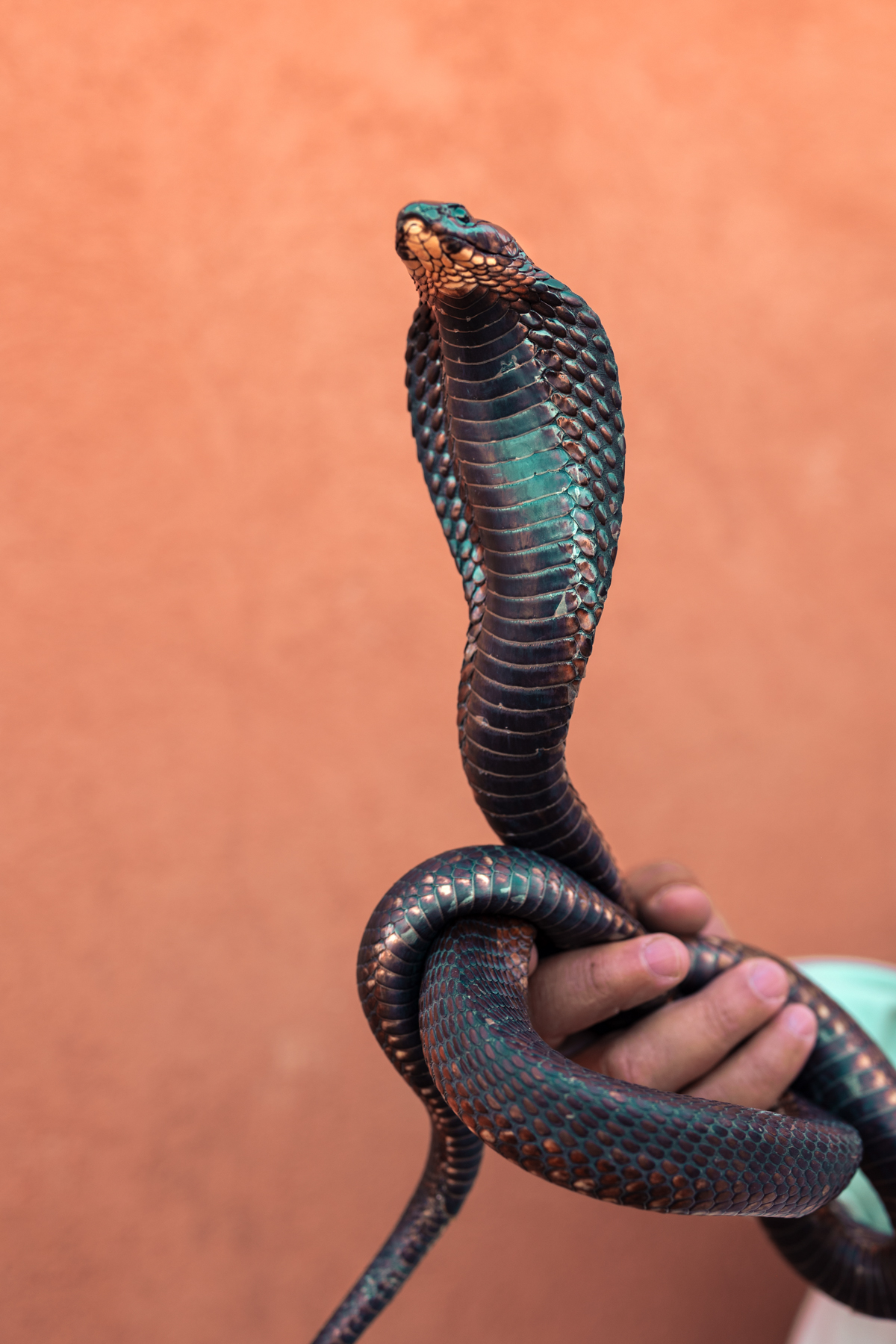
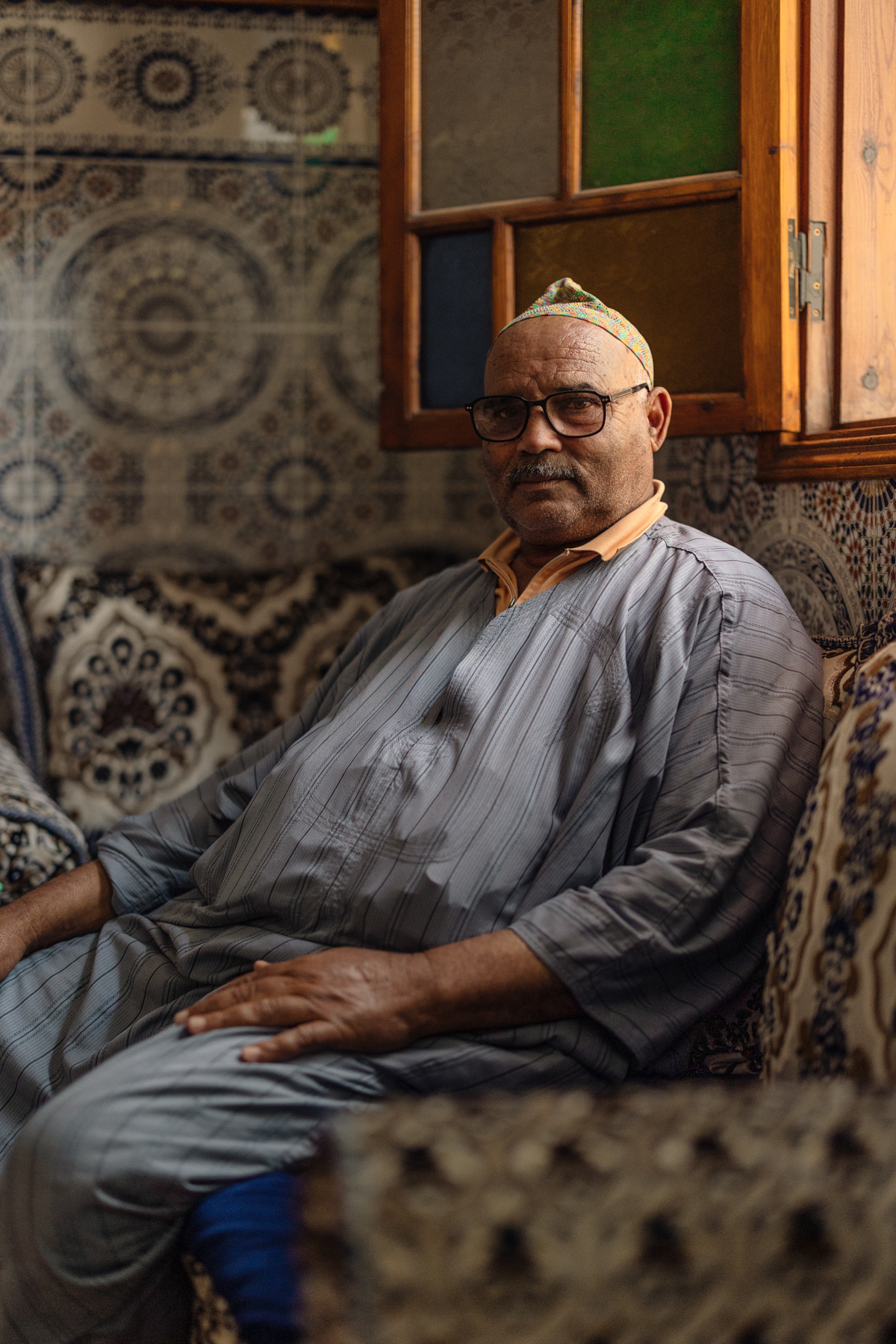
Snake charming has been practised in Jemaa el-Fna for centuries, arriving in Morocco around 500 years ago. Today, only five families continue the tradition. The Sadik family is one of them.
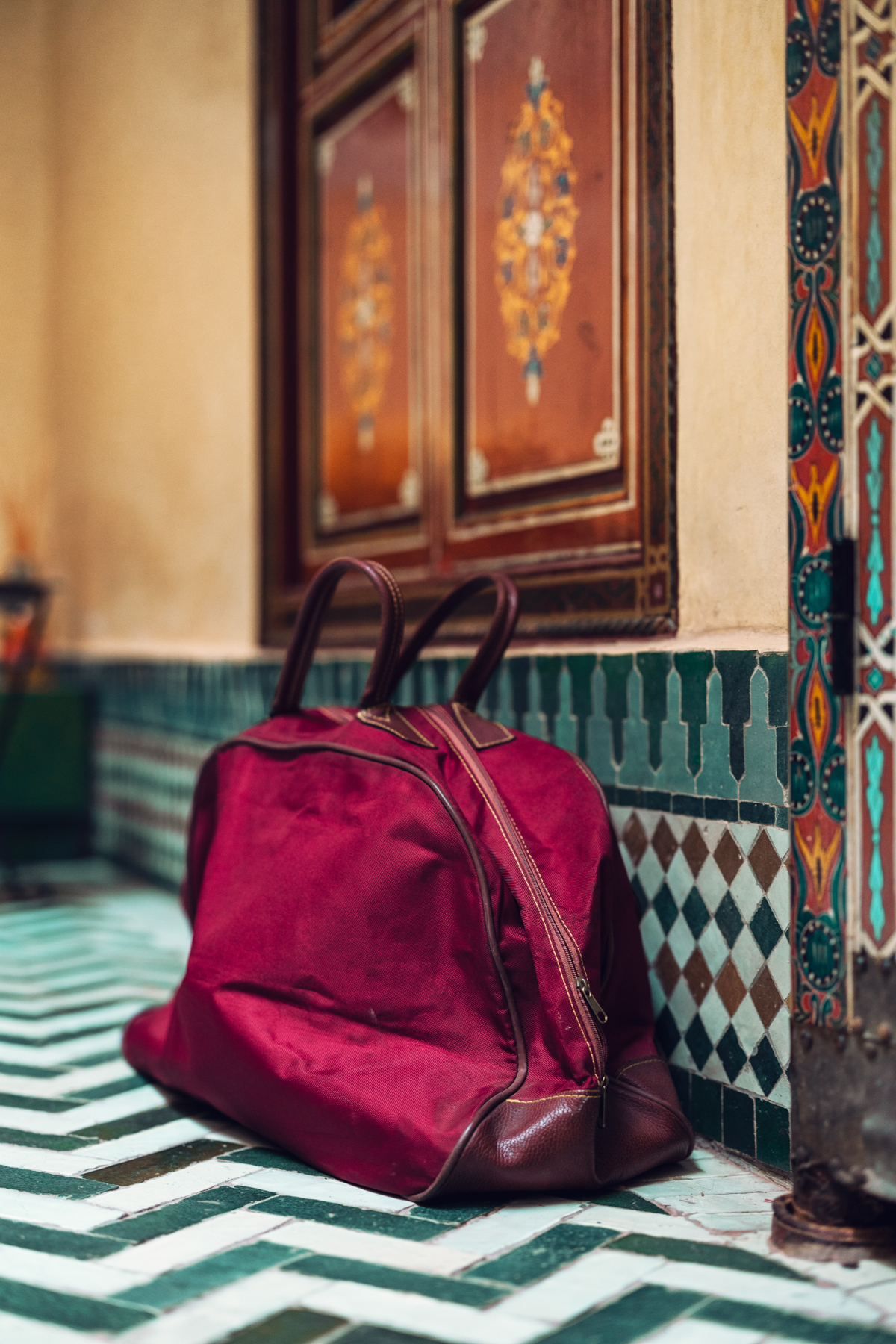
I’m afraid of snakes. On my first day, I was left alone with a bag of live vipers while the charmer stepped away for the call to prayer. Every instinct told me to leave, but I stayed.
Over time, that fear shifted into fascination. As I spent more time with the family, trust built slowly, and I was invited into their homes and their lives. What began as fear turned into curiosity, and a need to understand what exists beyond the performance in the square.
Suzanne Sease is a creative consultant and former ad-agency senior art buyer. She works with both emerging and established photographers and illustrators to create cohesive, persuasive presentations that clients can’t resist.
Suzanne offers something rare: an insider’s perspective on how client’s source creative talent. Her deep understanding of the industry is underscored by her impressive resume: 11 years as senior art buyer at The Martin Agency, seven years as an art producer for Capital One, and stints with the art-buying department at Kaplan-Thaler and the creative department at Best Buy, where she applied her expertise to reviewing bids to see which were most likely to come in on budget. Over the years, Suzanne has worked with a wildly diverse range of clients, including Seiko, Wrangler, Bank One, AFLAC, and Clairol Herbal Essence. Now, as a consultant, she is equipped to problem-solve for her clients from an unusually dynamic point of view.
As a longtime member of the photo community, Suzanne is also dedicated to giving back. Through her Art of the Personal Project column on the popular website aphotoeditor.com, she highlights notable personal projects by well-known and up-and-coming photographers. The column offers these artists excellent exposure while reflecting Suzanne’s passion for powerful imagery.
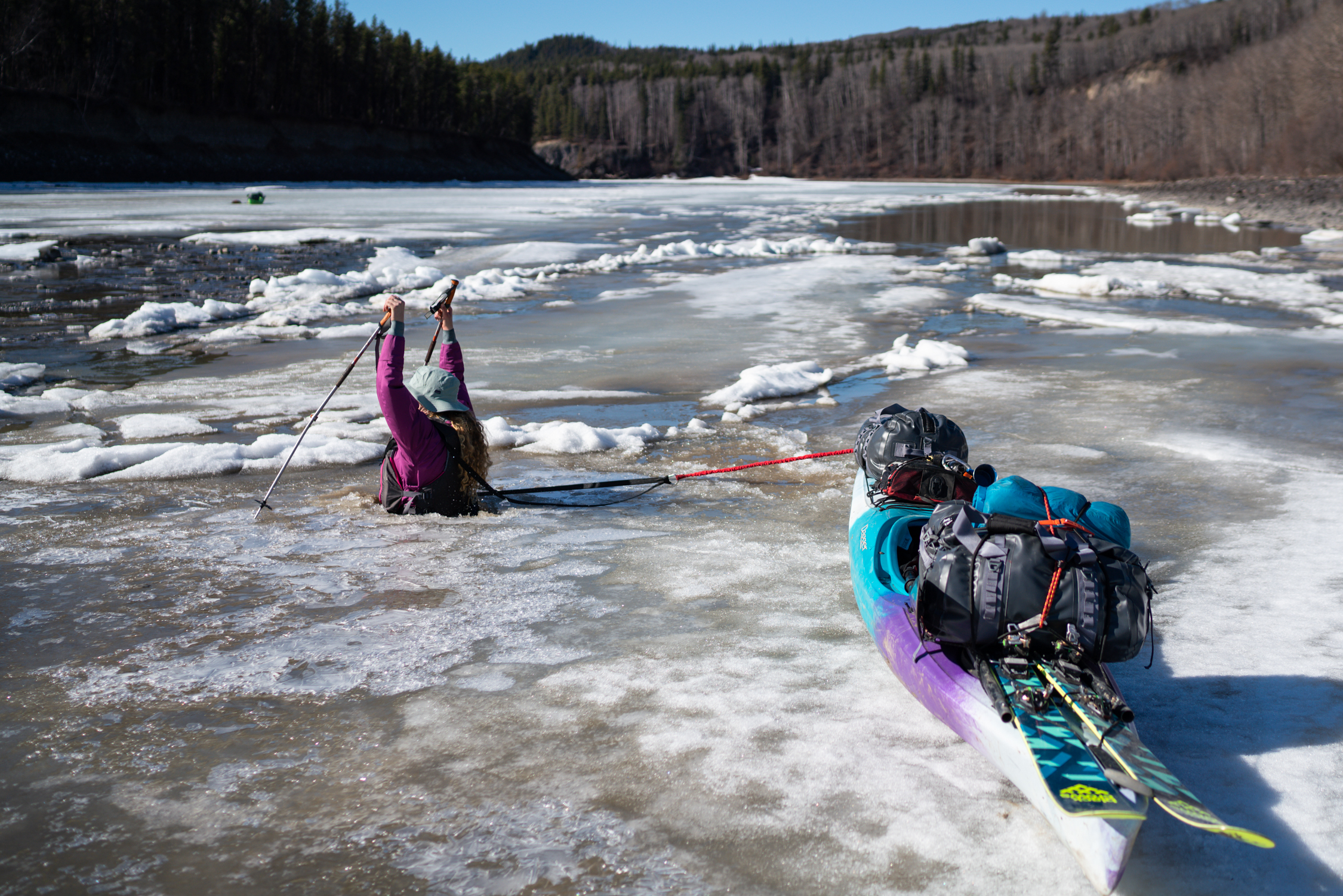
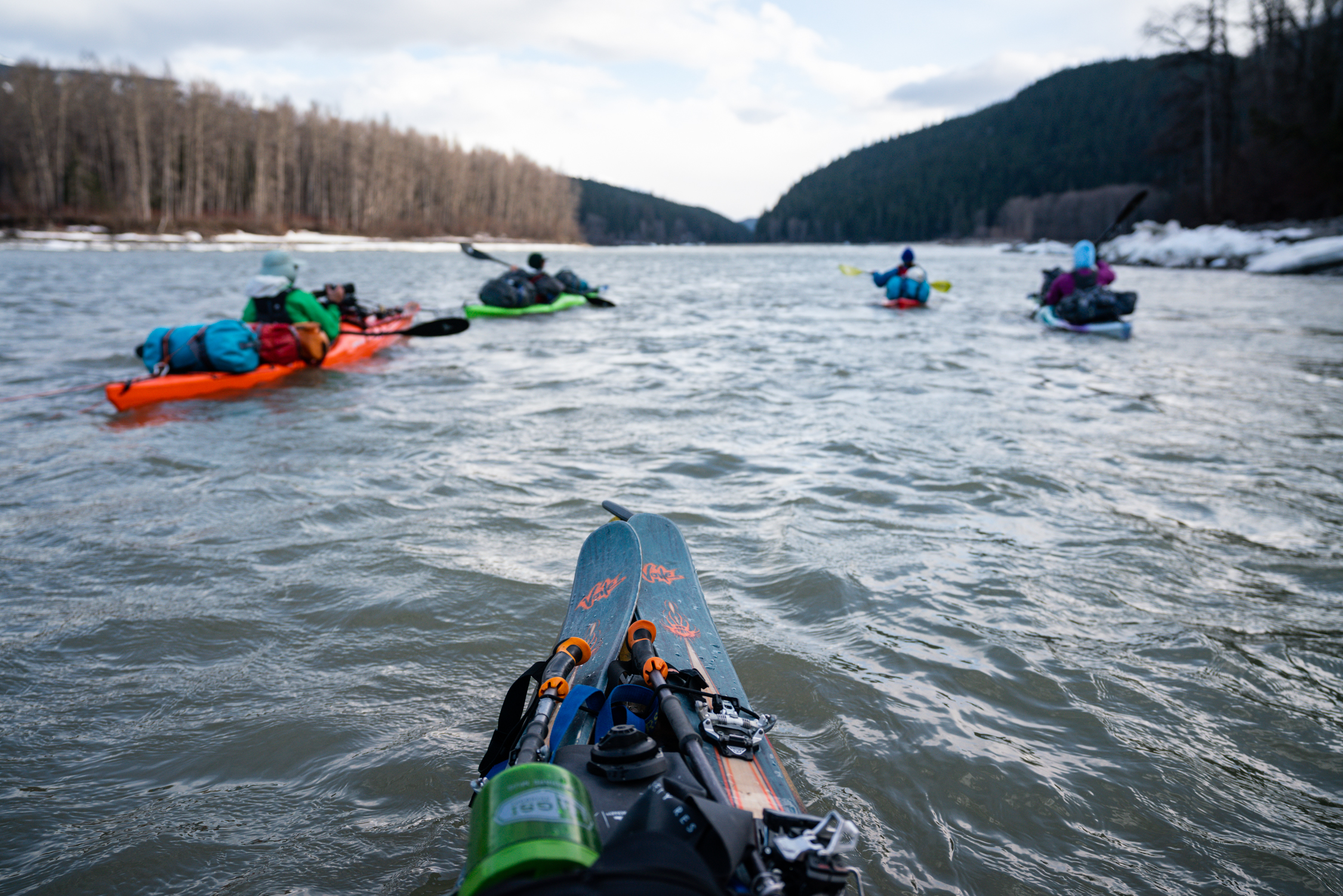
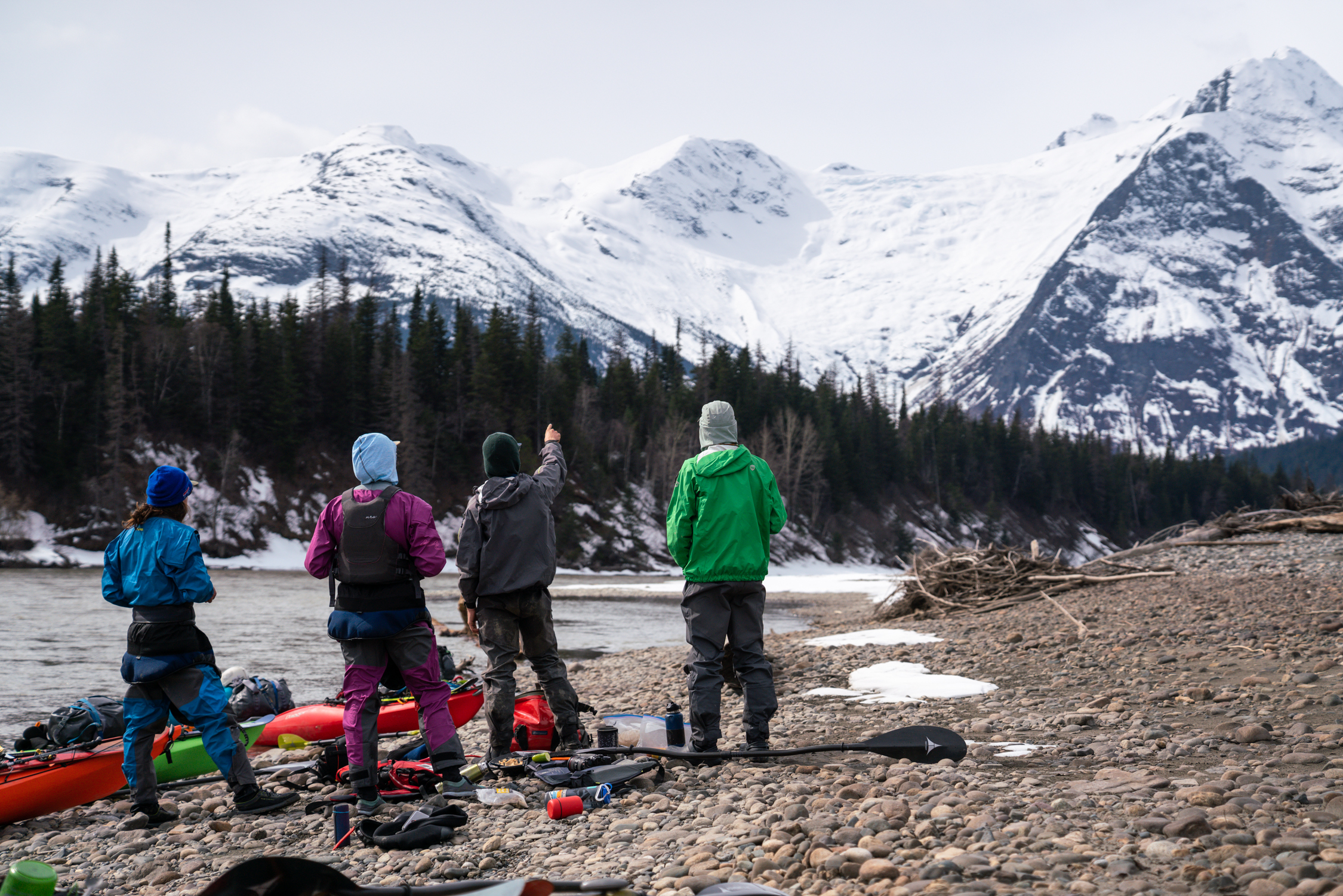
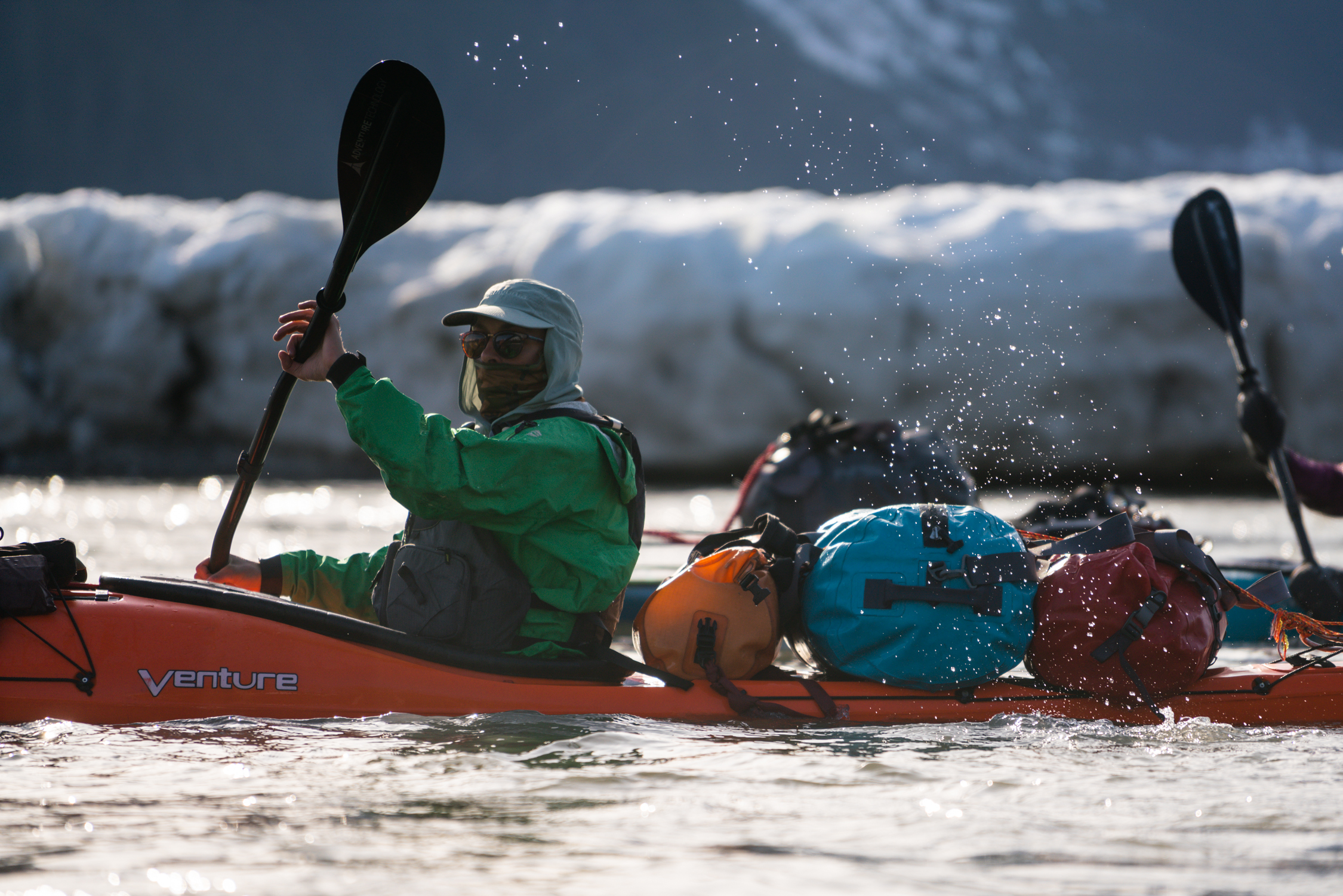
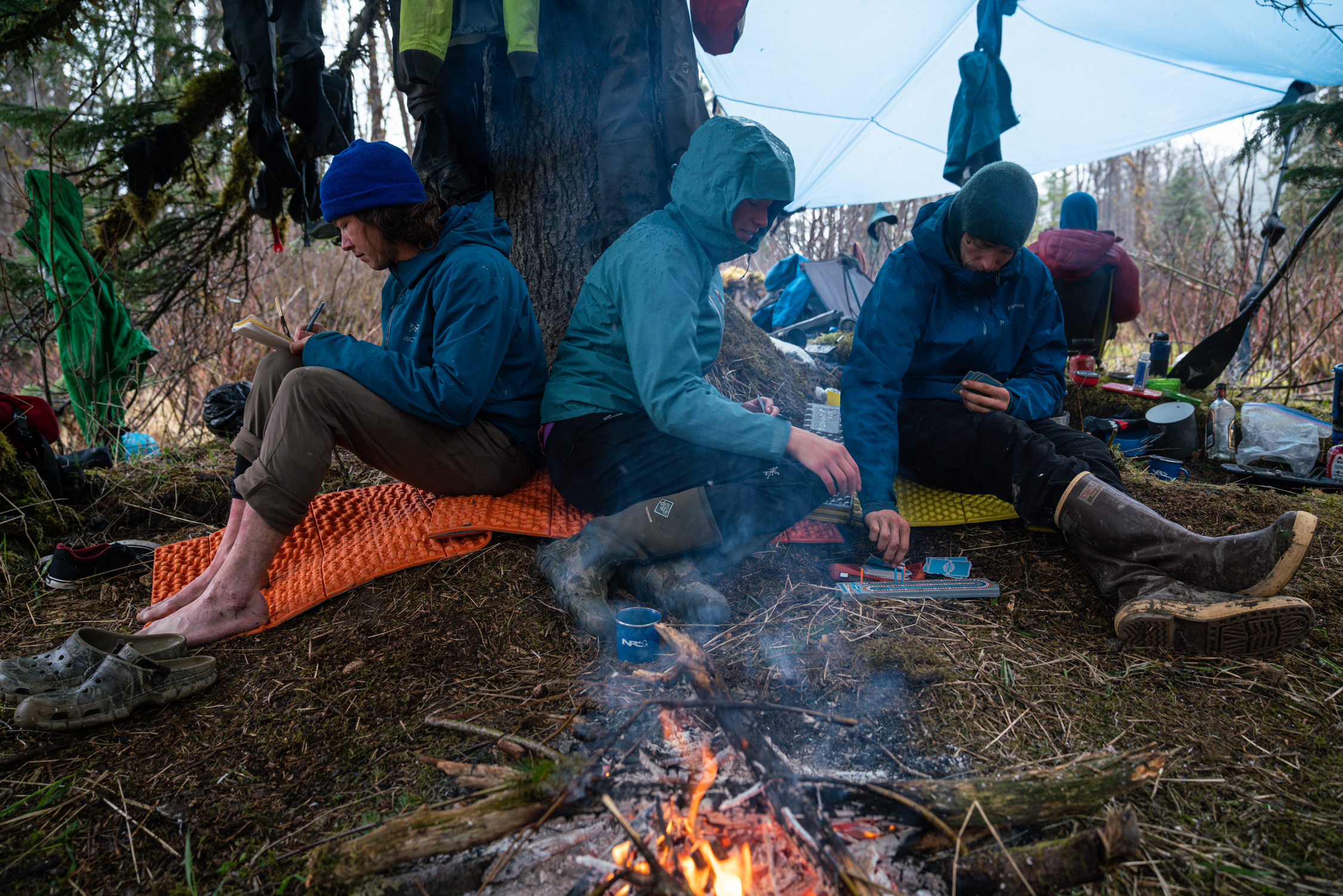
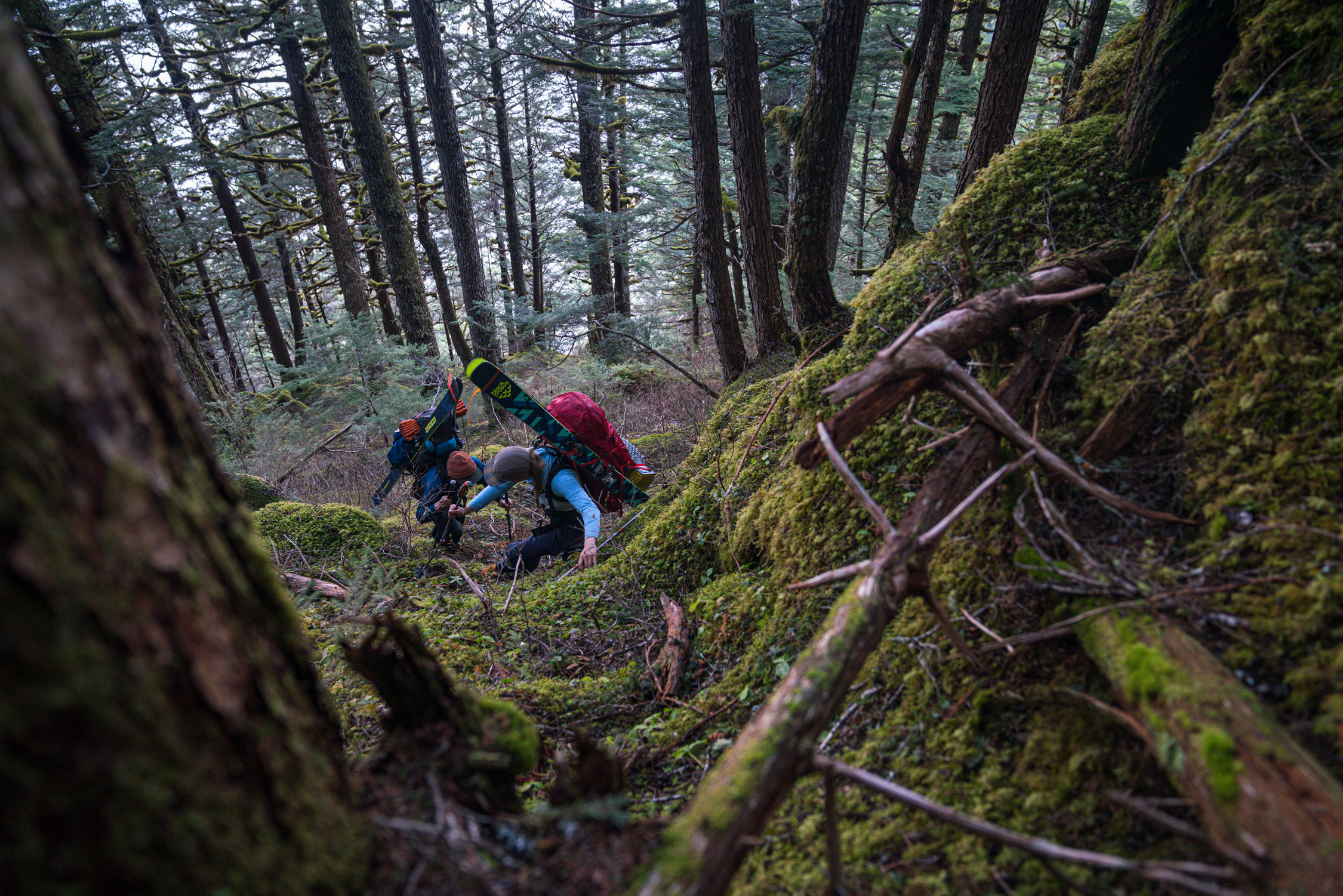
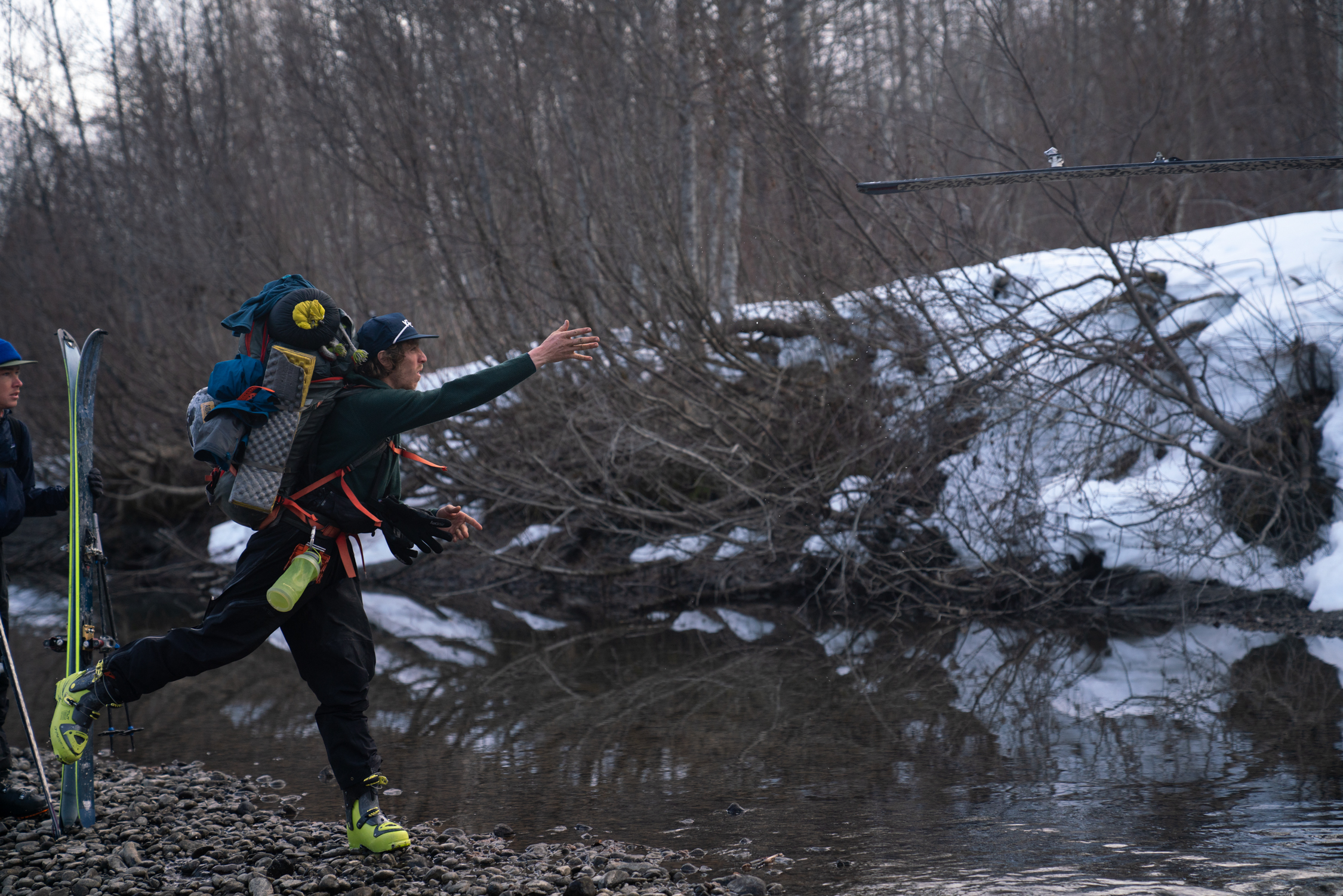
Heidi: The kayaker wading through the ice is one of my favorite images for “type 2” fun – can you share the backstory on this trip? Jasper: This is from an 18-day sea-kayak-supported-ski-trip down the Stikine River in remote northern British Columbia. That image was taken within the first 10 minutes of the expedition, and luckily, it wasn’t our reality for the rest of the trip. The first day and a half of that trip we had to drag our 300lb sea kayaks across the river ice to reach the flowing, open water of the Stikine, and we would often punch through the ice as seen in the photo. The rest of that trip felt like a true adventure, gigantic, wild spaces, grizzly bears in camp, sketchy ski conditions, arduous climbs into the alpine through heinous slide alder and devil’s club, territorial elephant seals, hot springs, and some of the most beautiful places I’ve ever seen.
You grew up in northern Idaho and spent a lot of time in places like the Selkirks, the desert, and the Alps—how have those environments informed your work?
That’s a great question. The outdoors completely shaped my work. I wouldn’t have a career or a portfolio without the wild spaces in our world. Growing up in northern Idaho I was immersed in an outdoor lifestyle from birth; hunting, fishing, skiing and exploring the vast expanses of forests that blanketed the region. As I got older and picked up a camera, my photography instantly steered towards the outdoors and the adventure that took place outside. Photography and my time in the wild have a symbiotic relationship in the sense that photography has pushed me to go to places I maybe otherwise never would have and living an outdoor lifestyle has taken my photography to places I couldn’t have dreamed of.
Your imagery spans many sports and demanding environments—how important is staying physically fit to your ability to do the work the way you want?
It’s absolutely vital for me to stay all-around-fit for the outdoor adventure photography work that I do. I need to be able to keep up with professional athlete and I often carry more weight than them because of my camera gear. If I am dragging ass because of my fitness, not only am I a liability to the endeavour but I likely won’t be able to get myself into the positions I want to be in to photograph the adventure. Often, I want to be ahead of my subjects to get the shots I’m going for. Plus I want to be an integral team member and carry my own weight on any trip that I am on.
A lot of your images come out of friendships and shared time—how does being part of the crew, versus being brought in as a photographer, change what you’re able to photograph?
Again, great question. I would say that in the end it ends up being the same but a level of rapport must be established with my subjects for me to get the authentic style of imagery which I go for. I’m lucky that I am naturally a people person and can find common ground with just about anyone, so if I didn’t start off as friends with a crewmember, we’ll be friends by the end of the trip.
Do the folks in your images every get grumpy when you’re taking photos on a mission?
I can’t remember that ever happening to be honest. I try to be cognizant of when we need to focus on the task at hand or if I have time to photograph. Again, I don’t want to slow the mission down.
Can you share a pivotal moment in your photo career or what advice do you have for someone starting?
A pivotal moment in my photographic journey actually came pretty early on. When I was 15, Patrick Orton, a photographer a few years older than me saw that I took a liking to photography and he helped to show me that a life and a living could be made as a photographer. He became my first mentor and a bright light in showing me how it could be done. Unfortunately, he passed much too young at 24 years old as he was well on his way to becoming one of the most prolific outdoor adventure photographer to ever live. My advice for someone just getting started would be to find a mentor or to assist or intern for a photographer whom you admire and with whom you also get along well with.
Five days in—soaked, exhausted, morale slipping—how does that state change what you choose to photograph, and what you leave behind?
I feel like that is when the best photographs often occur. Thats when the real rawness and emotion of an adventure emerge: when you’re suffering and pushing your comfort zone. That’s honeslty when you should be shooting more than any other portion of the trip, because thats the realness.
You have to push past your own comforts to make great photography, and I think that applies to any avenue of photography. You must push past what you formerly believed to be your limits and set a new bar.
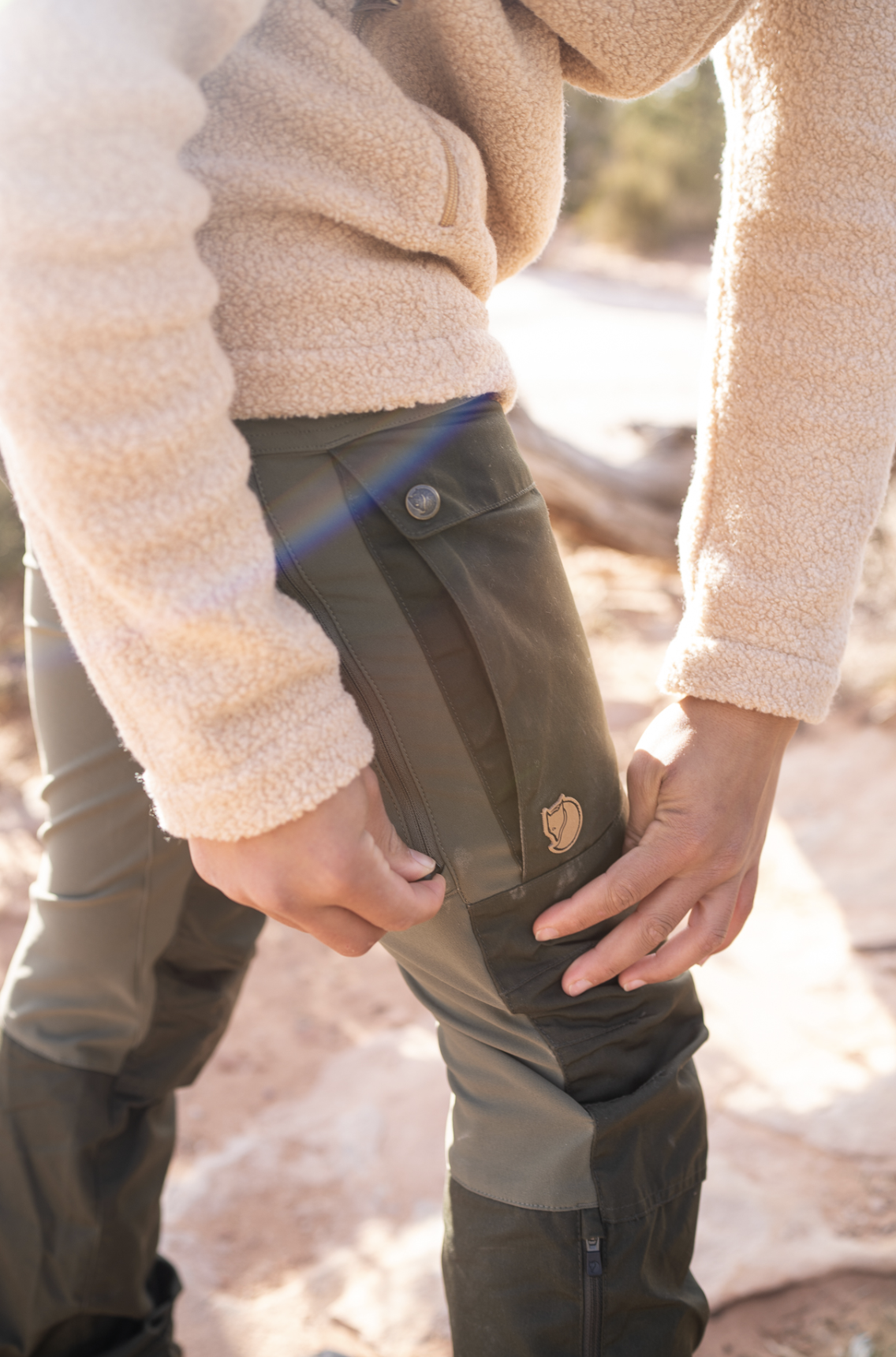
How did the work for Fjallraven come about? Do you suggest locations for them or does their creative team lay out the trip?
That shoot came from my connections with a producer within my network. In this case the producer and their creative team came up with the locations and activites based upon Fjallraven’s needs. Locations and location scouting is one of my favorite parts of production because I love nerding out on maps and reseaching areas.
What are you fired up about now?
I am so stoked on photography in general right now. I am always looking to learn, grow my skillset and find a new challenge and studio photography is that for me at the moment. It has been really fun to learn studio lighting and to practice more portraiture and lifestyle photography. I’m just excied to keep expanding my horizons while always coming back to water my roots in the outdoor adventure space.
The Art of the Personal Project is a crucial element to let potential buyers see how you think creatively on your own. I am drawn to personal projects that have an interesting vision or that show something I have never seen before. In this thread, I’ll include a link to each personal project with the artist statement so you can see more of the project. Please note: This thread is not affiliated with any company; I’m just featuring projects that I find. Please DO NOT send me your work. I do not take submissions.
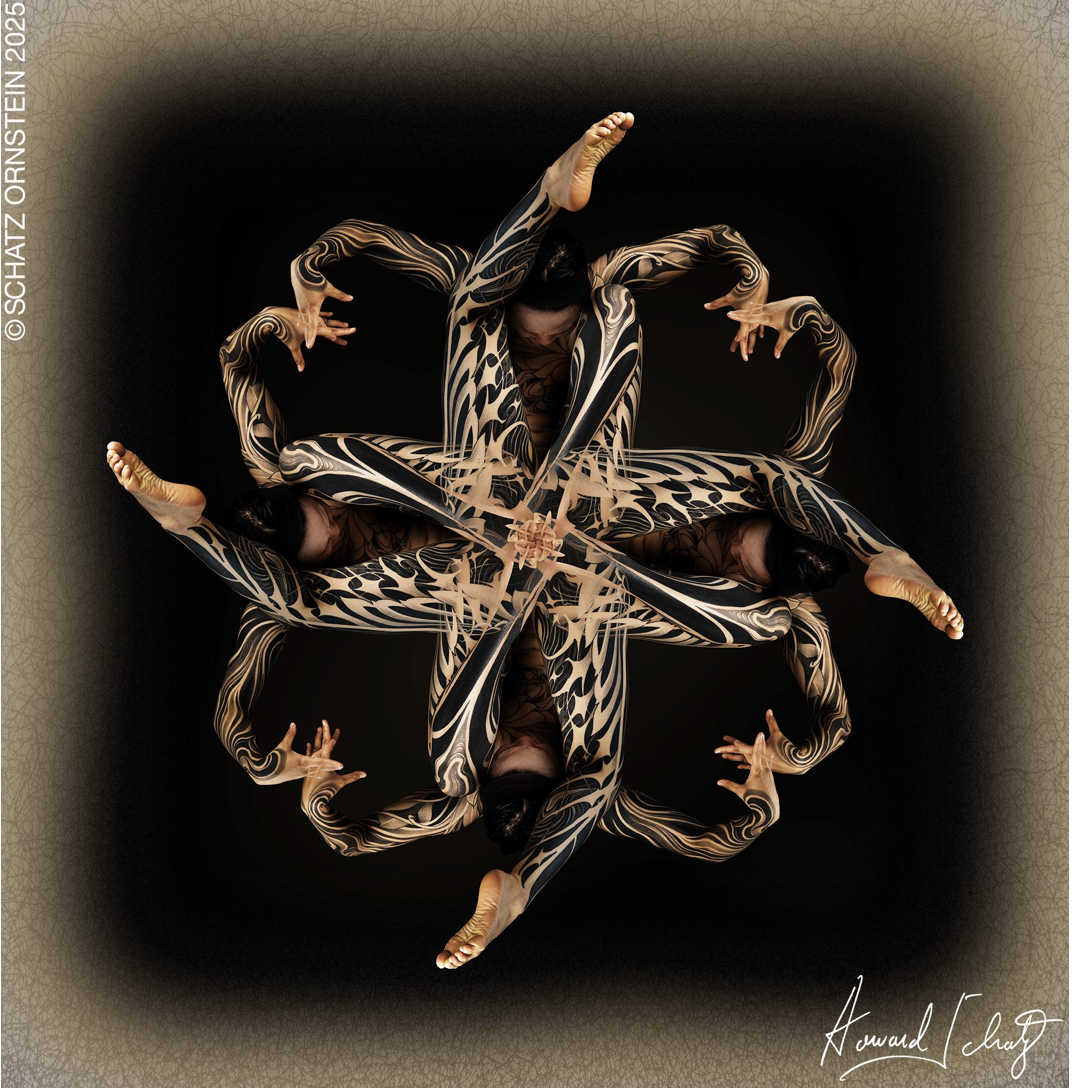
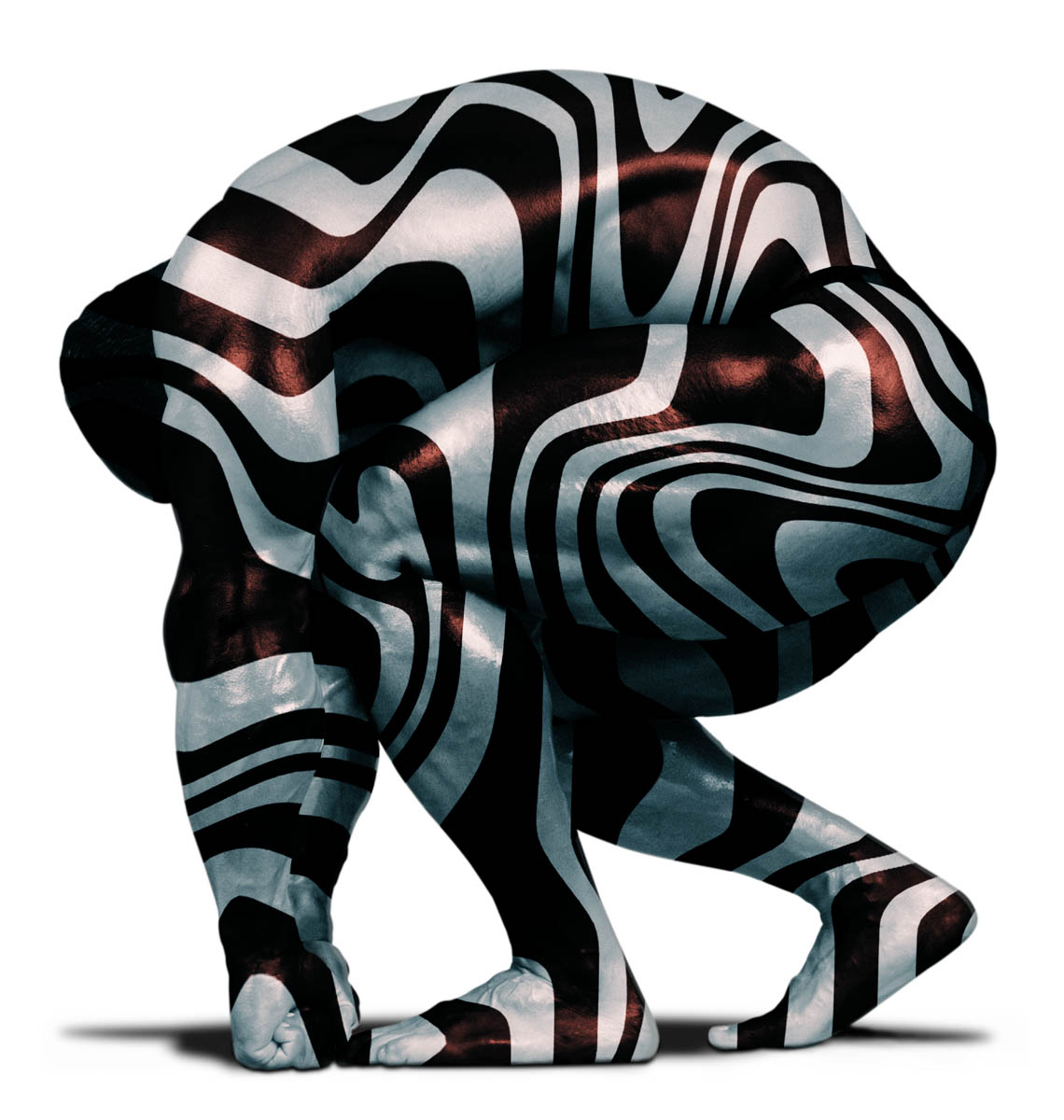
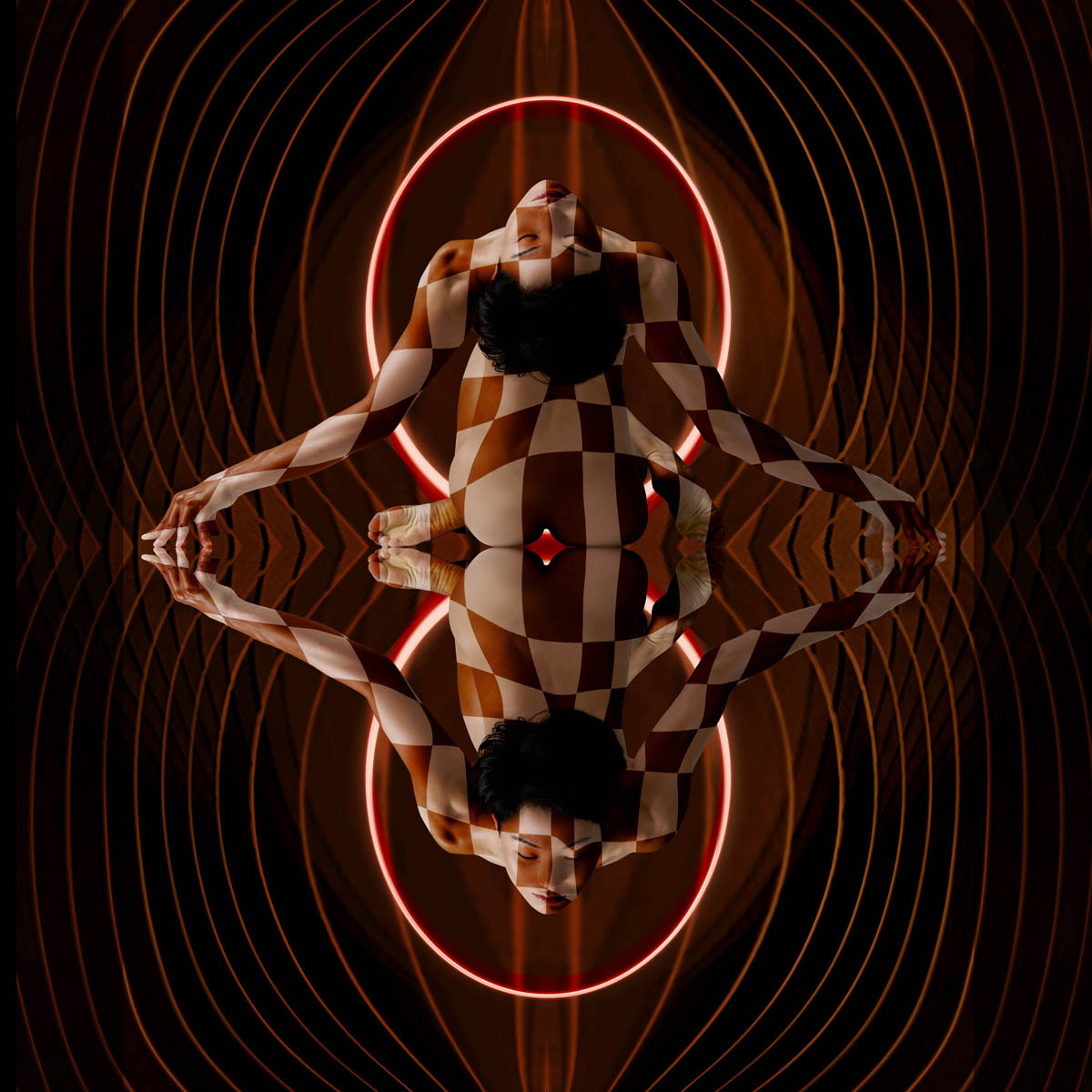
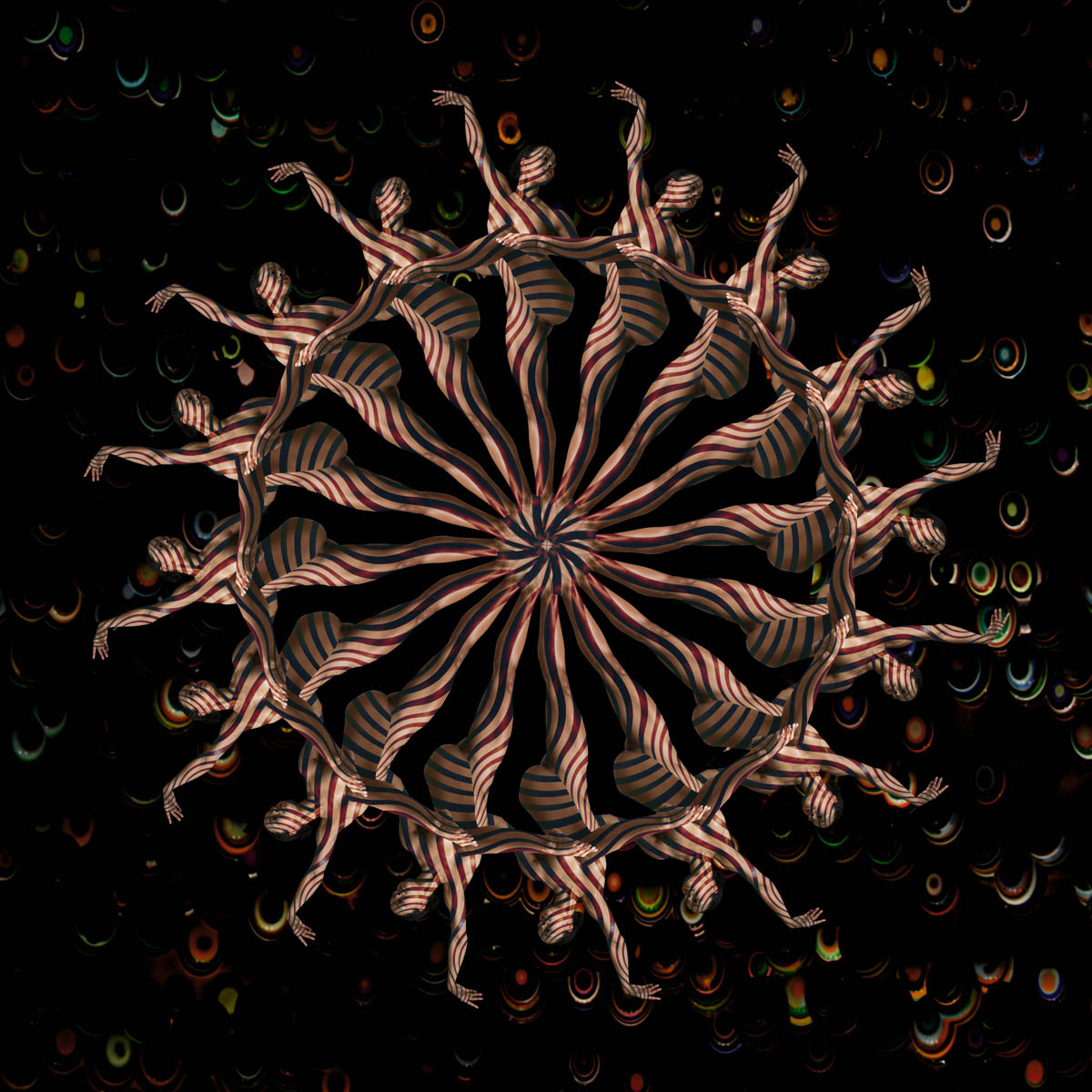
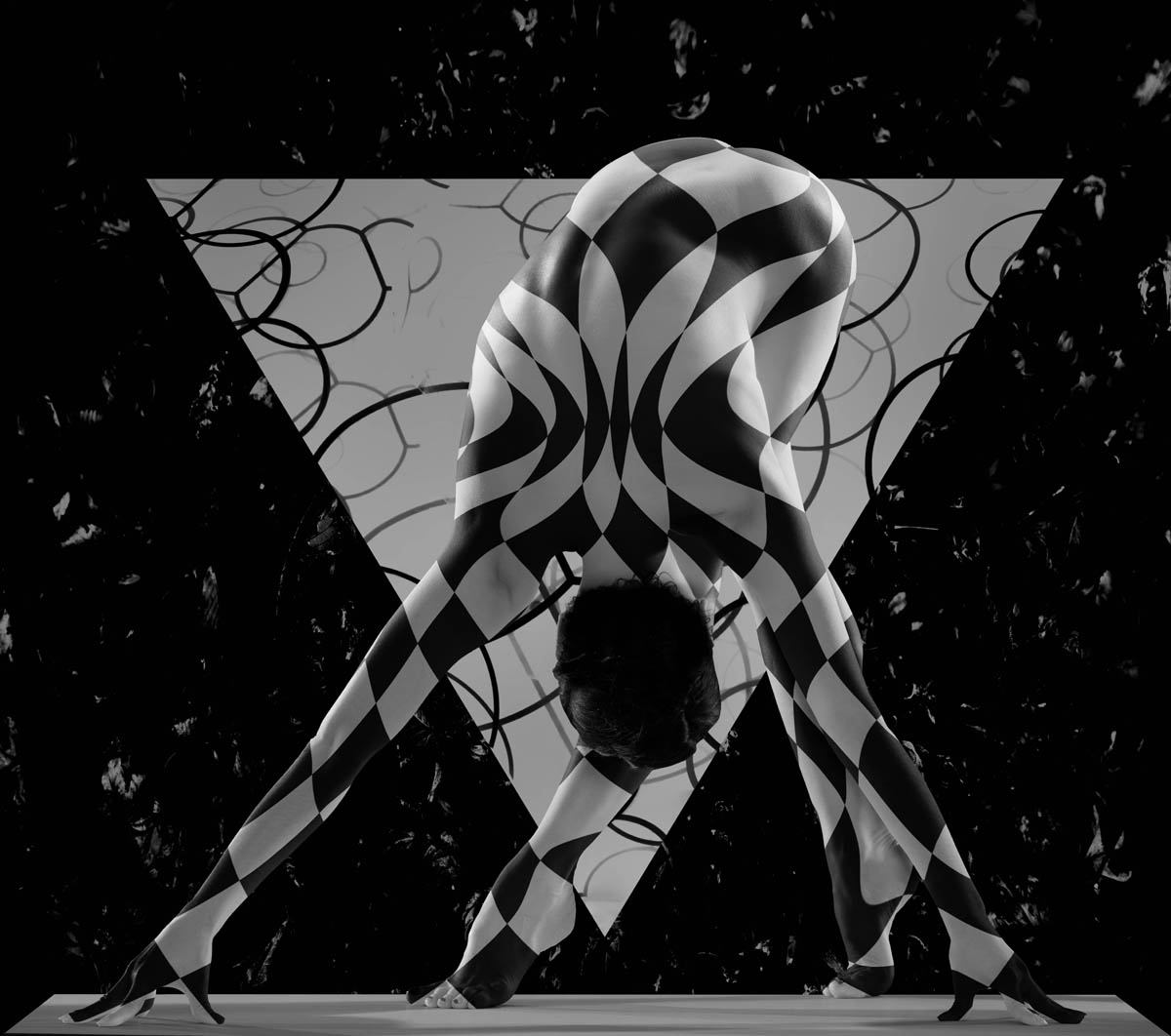
I have been working on a “Human Body” project that looks like body painting but isn’t.
Body painting, when done well by a skilled and talented make-up artist working with airbrushes, body makeup and other tools often takes many hours, if not all day. The event ties up the studio so that not much else can be accomplished. Also, once a body is painted,
that’s it; further exploration and discovery, the essential seeds of creativity, are only minimally possible.
For this current project, I’m the “painter.” Using post production techniques, especially Photoshop, I adorn and cover the body fitting my own creative tastes. Exploring and experimenting is “play,” and the possibilities infinite. Most “trials” don’t work: I move on, open to examining others. Working hard to create imagery to surprise and delight myself, never knowing if or when it will happen and on only rare occasions, the creative gods astonish and bless, generously.
Suzanne Sease is a creative consultant and former ad-agency senior art buyer. She works with both emerging and established photographers and illustrators to create cohesive, persuasive presentations that clients can’t resist.
Suzanne offers something rare: an insider’s perspective on how client’s source creative talent. Her deep understanding of the industry is underscored by her impressive resume: 11 years as senior art buyer at The Martin Agency, seven years as an art producer for Capital One, and stints with the art-buying department at Kaplan-Thaler and the creative department at Best Buy, where she applied her expertise to reviewing bids to see which were most likely to come in on budget. Over the years, Suzanne has worked with a wildly diverse range of clients, including Seiko, Wrangler, Bank One, AFLAC, and Clairol Herbal Essence. Now, as a consultant, she is equipped to problem-solve for her clients from an unusually dynamic point of view.
As a longtime member of the photo community, Suzanne is also dedicated to giving back. Through her Art of the Personal Project column on the popular website aphotoeditor.com, she highlights notable personal projects by well-known and up-and-coming photographers. The column offers these artists excellent exposure while reflecting Suzanne’s passion for powerful imagery.
The Art of the Personal Project is a crucial element to let potential buyers see how you think creatively on your own. I am drawn to personal projects that have an interesting vision or that show something I have never seen before. In this thread, I’ll include a link to each personal project with the artist statement so you can see more of the project. Please note: This thread is not affiliated with any company; I’m just featuring projects that I find. Please DO NOT send me your work. I do not take submissions.
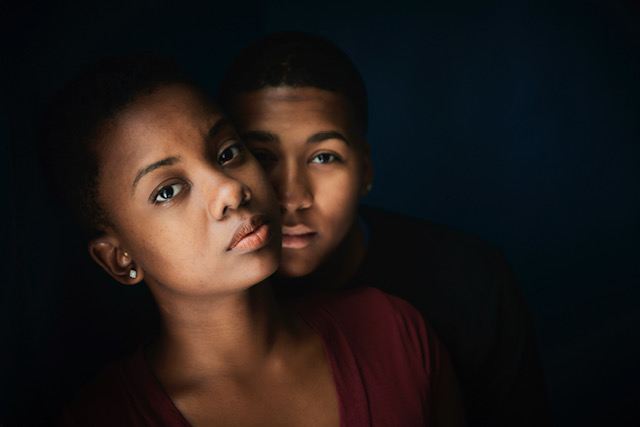
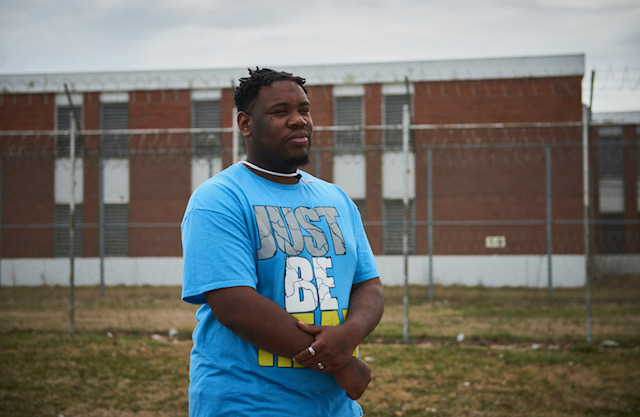
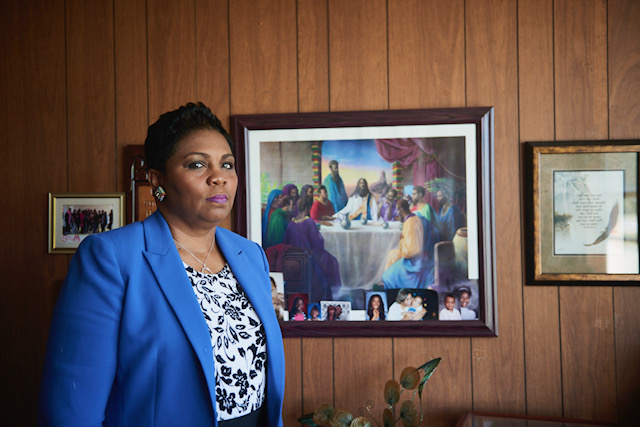
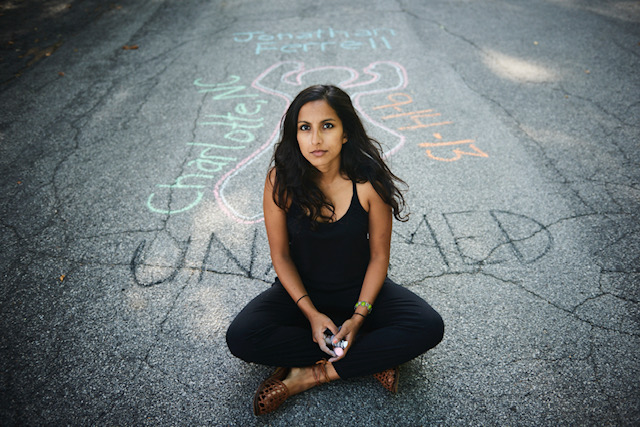
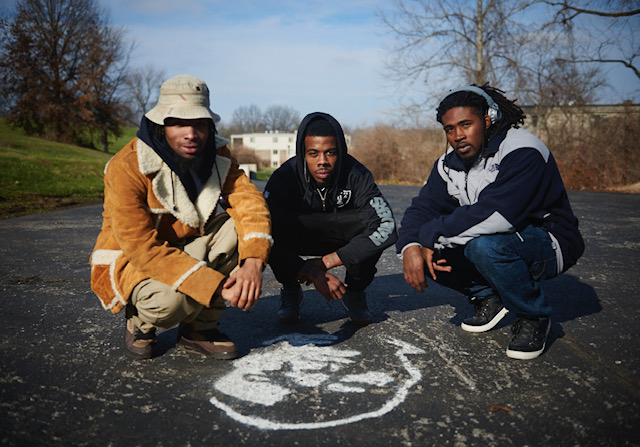
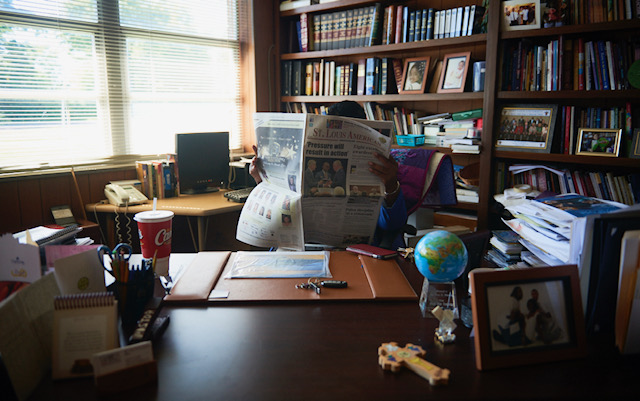
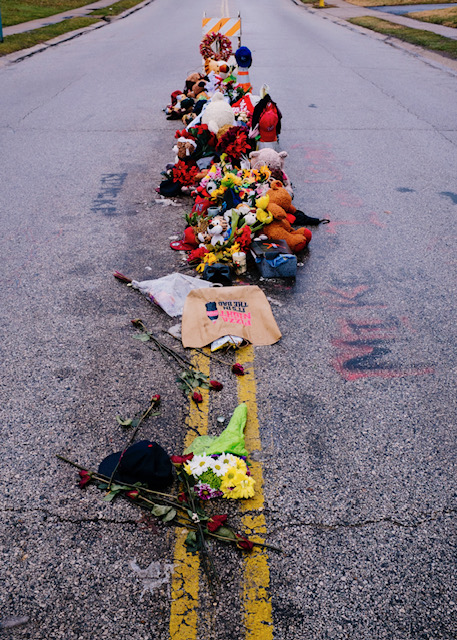
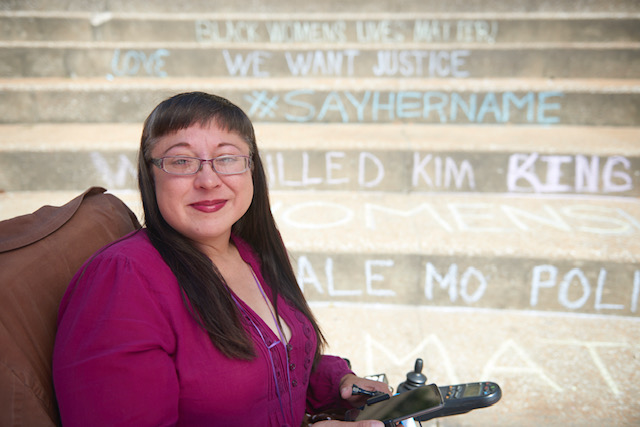
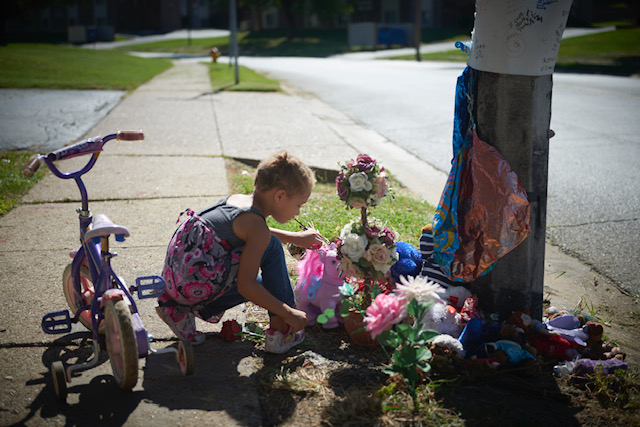
A series of individual stories told in pictures and words, exploring the real lives behind the public conversation surrounding the death of Michael Brown, Fragments of Ferguson exists to advance both personal and societal understanding of the volatile conversation about race and ethnicity underway in cities all across the country. Perhaps no story is more emblematic of this moment than that of Ferguson, Missouri. As a St. Louis native now living in Los Angeles, Swaty is positioned as the ultimate Insider/Outsider — one whose perspective includes both the macro and microcosmic experience of the time and place where the story unfolds. “I feel like a St. Louis artist,” she says. “My heart lives there.”
The shooting of Michael Brown on August 9, 2014, inspired a sustained national civil rights and social justice movement — starting with #blacklivesmatter and then subsequently #handsupdontshoot, #icantbreathe, and #sayhername, the movement that started in Ferguson turned outrage and resistance to oppression into a political rallying cry.
Fragments of Ferguson recognizes the community of passionate and dedicated individuals who refused to be silent in the face of injustice — beyond the homicide and humiliation, but the subsequent lack of criminal accountability for Officer Darren Wilson. It takes communities from all walks of life to make change — activists on the streets and on social media, politicians, lawyers, artists, clergy, writers, musicians, and many more. People young and old are combining forces in the streets, courts, and online. No one can fight injustice alone. We all need allies.
Making big, broad ideas more accessible through the unique combination of visual art and the written word, Swaty’s documentary structure combines fine art portraiture with a set of questions whose answers become the captions, pairing moving artistic portraits with perspectives told in their own voices.
APE contributor Suzanne Sease currently works as a consultant for photographers and illustrators around the world. She has been involved in the photography and illustration advertising and in-house corporate industry for decades. After establishing the art-buying department at The Martin Agency, then working for Kaplan-Thaler, Capital One, Best Buy and numerous smaller agencies and companies, she decided to be a consultant in 1999. Follow her on Instagram
The Art of the Personal Project is a crucial element to let potential buyers see how you think creatively on your own. I am drawn to personal projects that have an interesting vision or that show something I have never seen before. In this thread, I’ll include a link to each personal project with the artist statement so you can see more of the project. Please note: This thread is not affiliated with any company; I’m just featuring projects that I find. Please DO NOT send me your work. I do not take submissions.
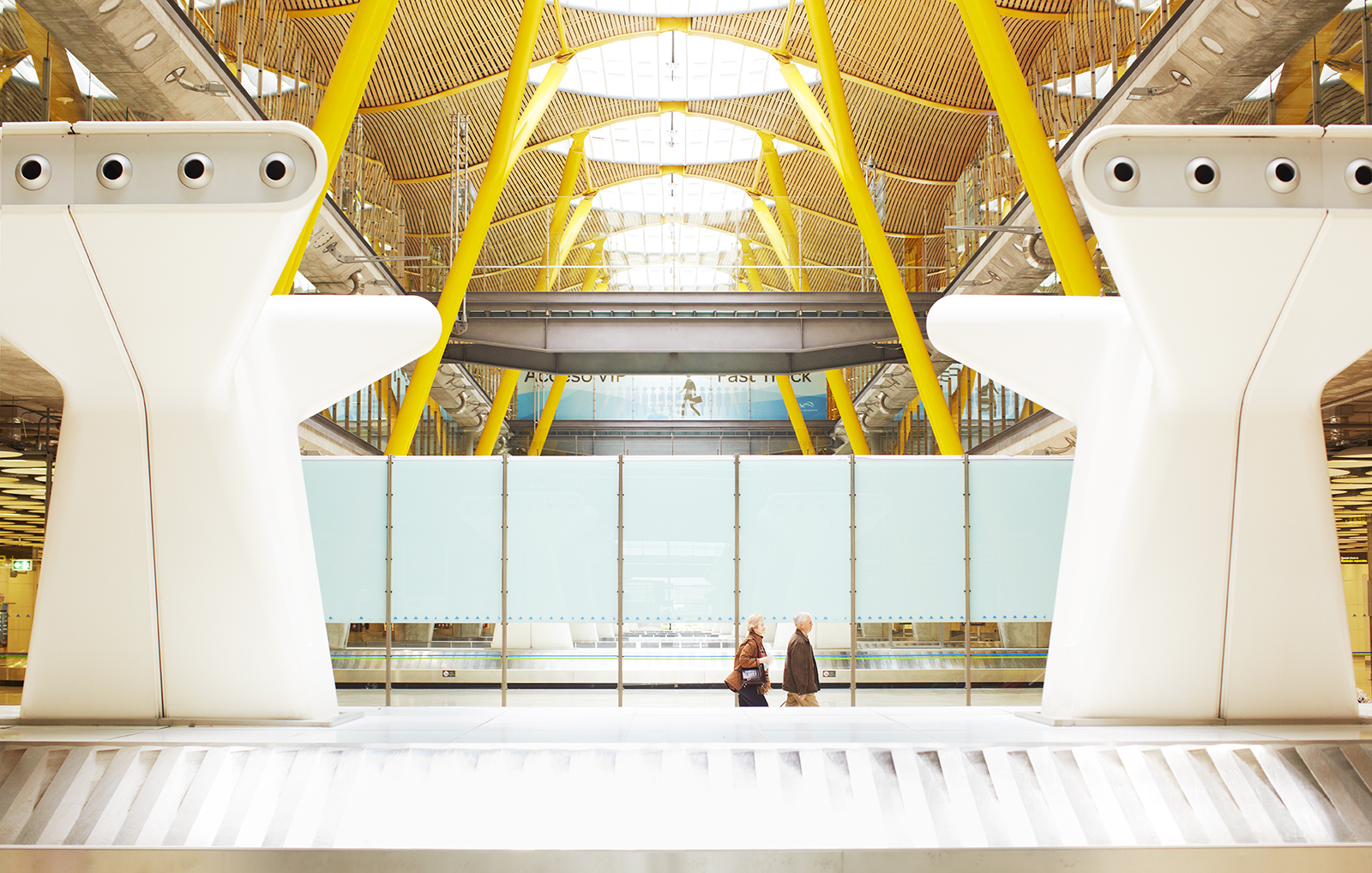
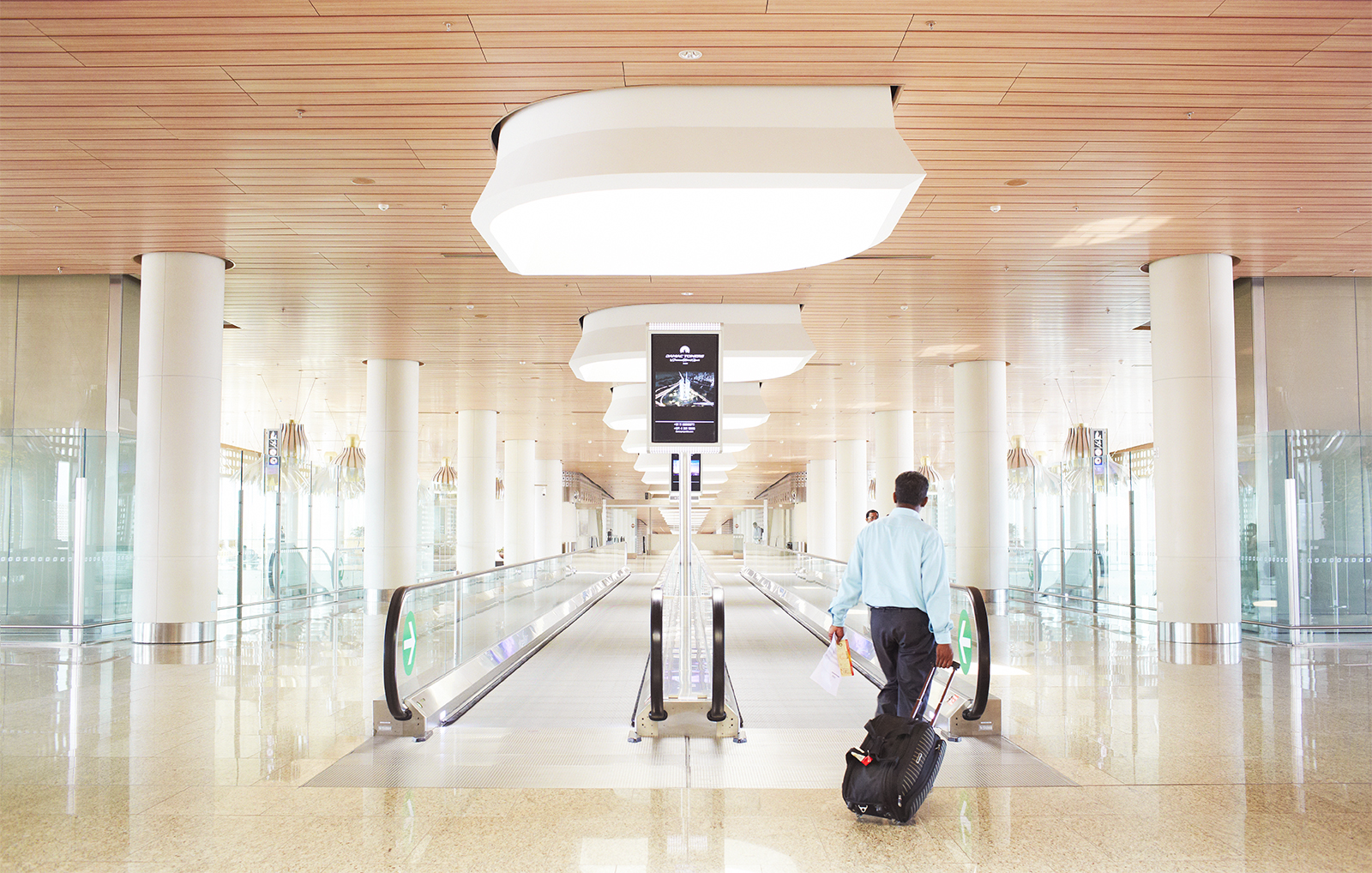
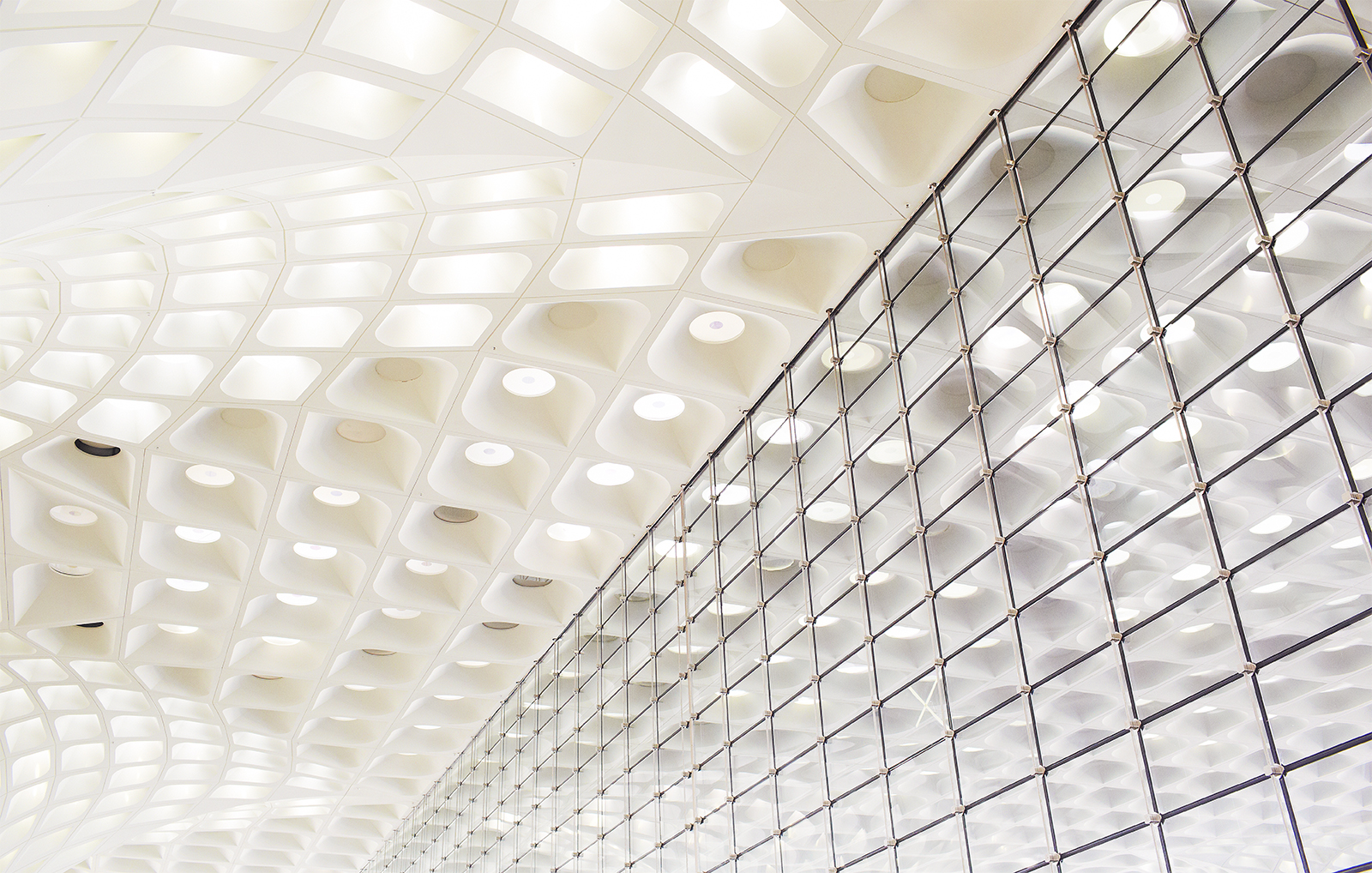
My Airports series is an intimate look at the heart of global transit, born from the experience of travel and my love of architecture. I spent time in airports around the world, drawn to the clean lines and the constant movement within these terminals. I have always been interested in the scale of the architecture—how the sunlight and shadows interact with the people moving through these massive hubs.
The way the natural light catches the glass and steel, along with the quiet moments of travelers in motion, creates a unique atmosphere in every terminal. This project is my personal tribute to the experience of travel and what airports can represent—a gateway to a new destination and the start of a journey. I hope these photographs invite others to find wonder in the vast scale and the stories that unfold within an airport.
Suzanne Sease is a creative consultant and former ad-agency senior art buyer. She works with both emerging and established photographers and illustrators to create cohesive, persuasive presentations that clients can’t resist.
Suzanne offers something rare: an insider’s perspective on how client’s source creative talent. Her deep understanding of the industry is underscored by her impressive resume: 11 years as senior art buyer at The Martin Agency, seven years as an art producer for Capital One, and stints with the art-buying department at Kaplan-Thaler and the creative department at Best Buy, where she applied her expertise to reviewing bids to see which were most likely to come in on budget. Over the years, Suzanne has worked with a wildly diverse range of clients, including Seiko, Wrangler, Bank One, AFLAC, and Clairol Herbal Essence. Now, as a consultant, she is equipped to problem-solve for her clients from an unusually dynamic point of view.
As a longtime member of the photo community, Suzanne is also dedicated to giving back. Through her Art of the Personal Project column on the popular website aphotoeditor.com, she highlights notable personal projects by well-known and up-and-coming photographers. The column offers these artists excellent exposure while reflecting Suzanne’s passion for powerful imagery.
The Art of the Personal Project is a crucial element to let potential buyers see how you think creatively on your own. I am drawn to personal projects that have an interesting vision or that show something I have never seen before. In this thread, I’ll include a link to each personal project with the artist statement so you can see more of the project. Please note: This thread is not affiliated with any company; I’m just featuring projects that I find. Please DO NOT send me your work. I do not take submissions.
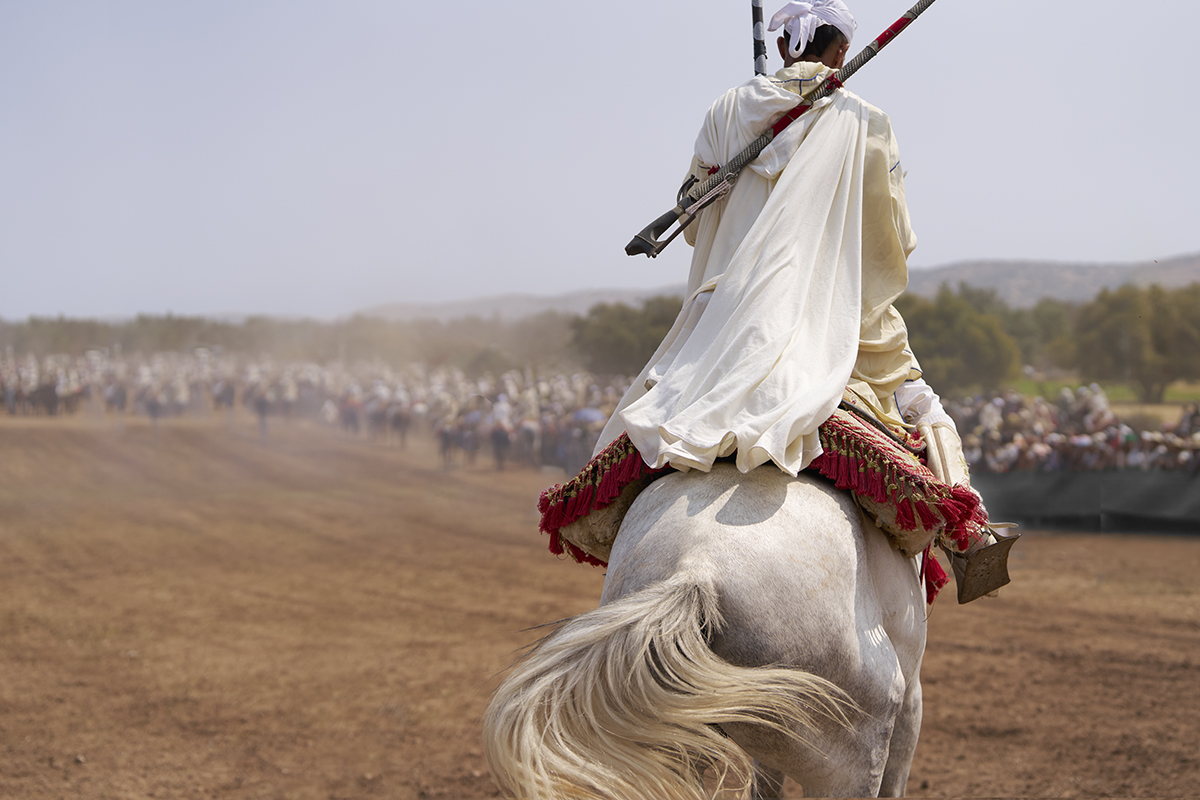
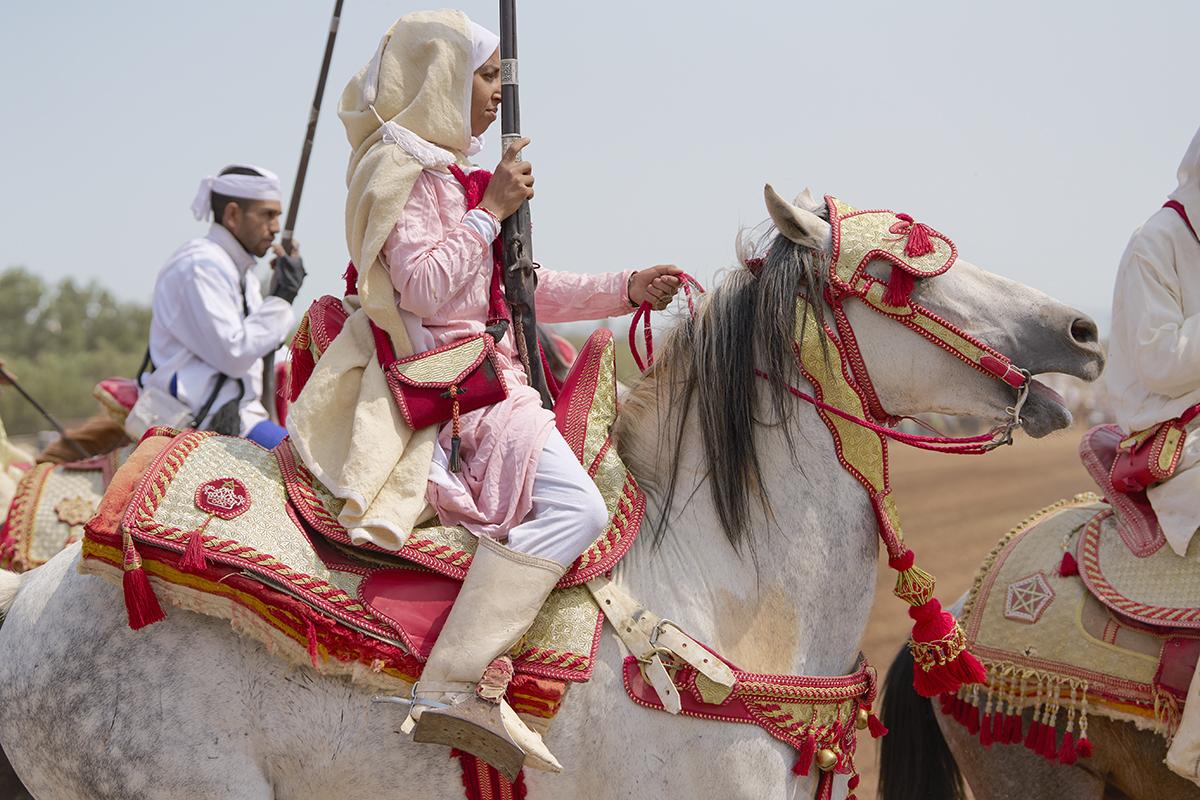
I was the child that loved horses and constantly asked my parents for one so last year when I was researching the culture of Morocco to make a personal project, I discovered Tbourida and was hooked.
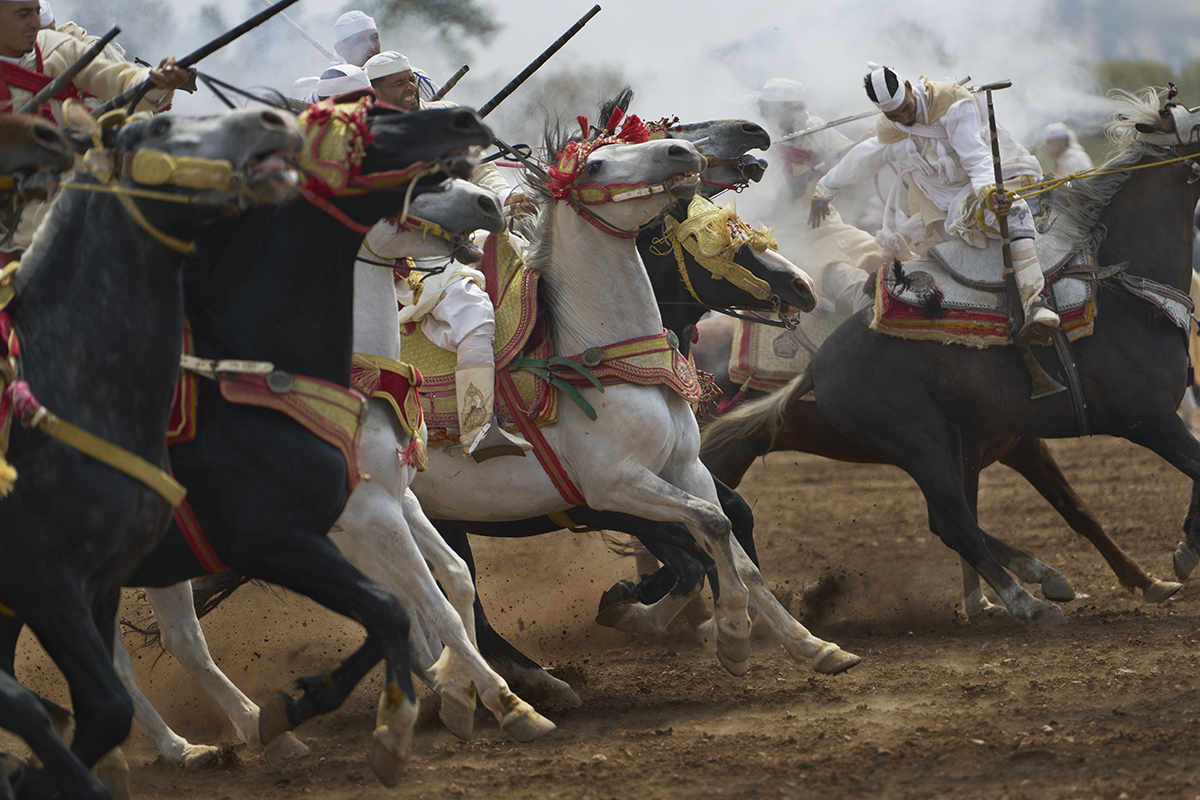
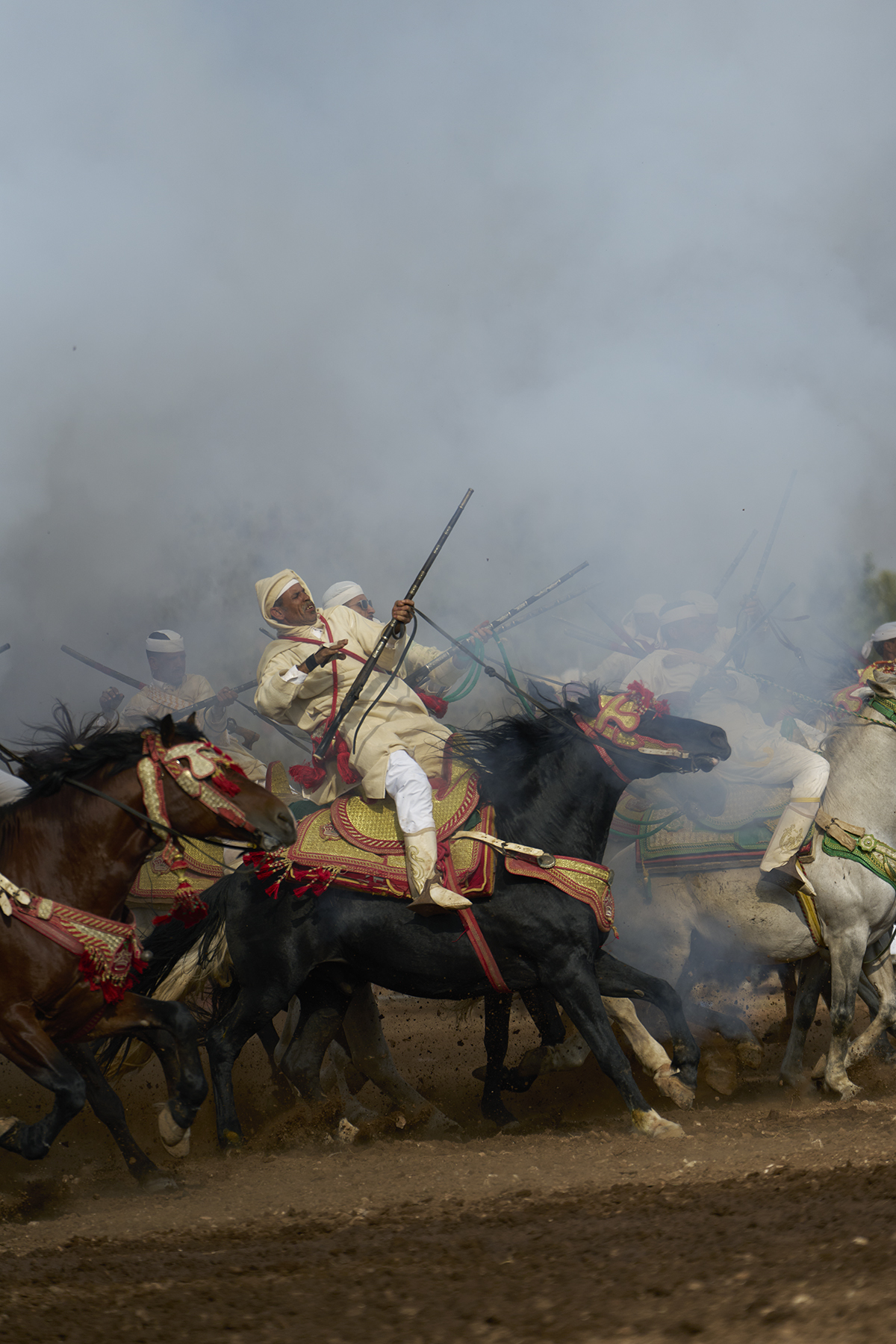
Five weeks later I was the only foreigner in the baking heat of a tiny town in Essaouira being crowded by 350 unpredictable horses and breathing in clouds of dust.
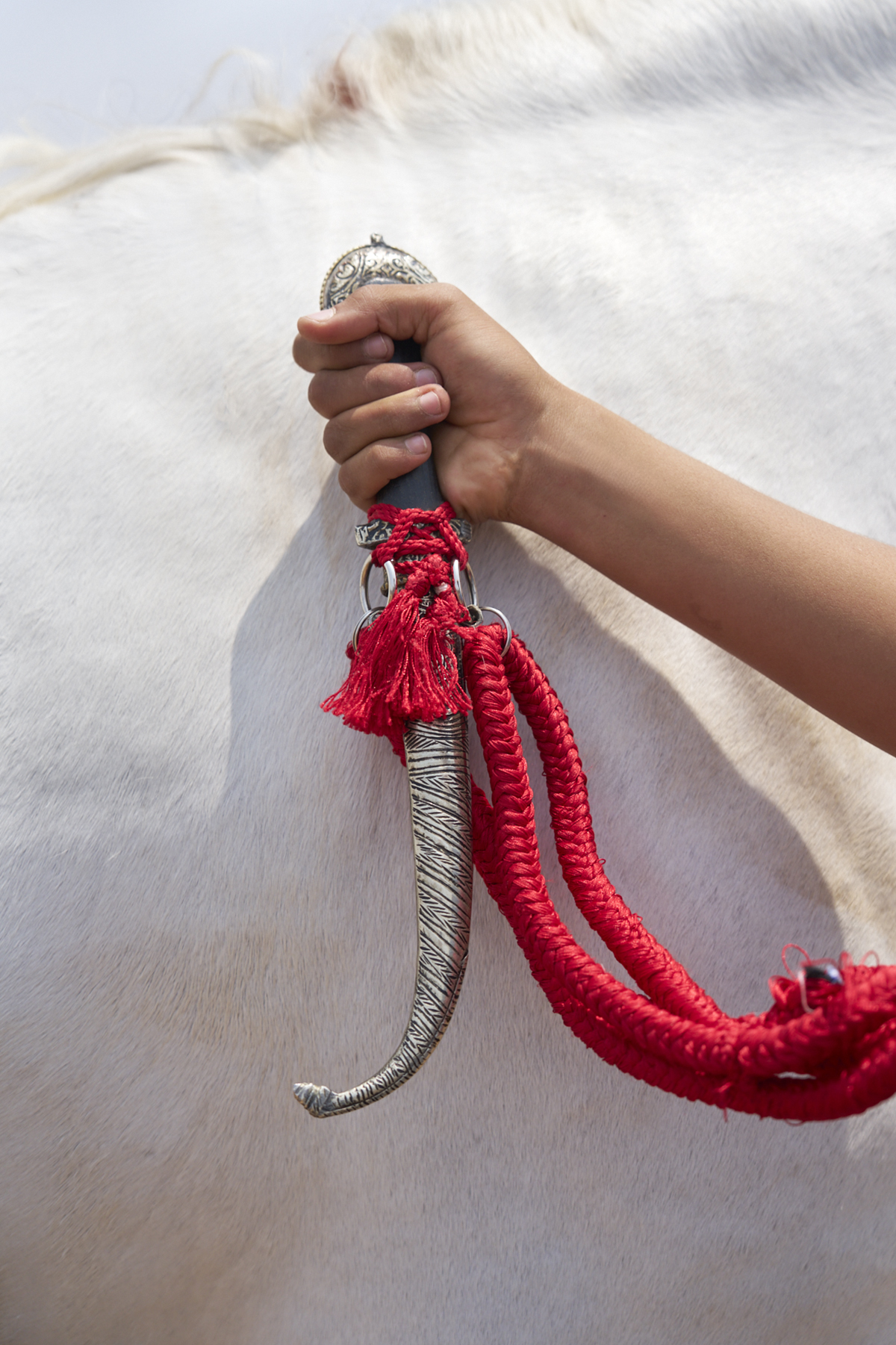
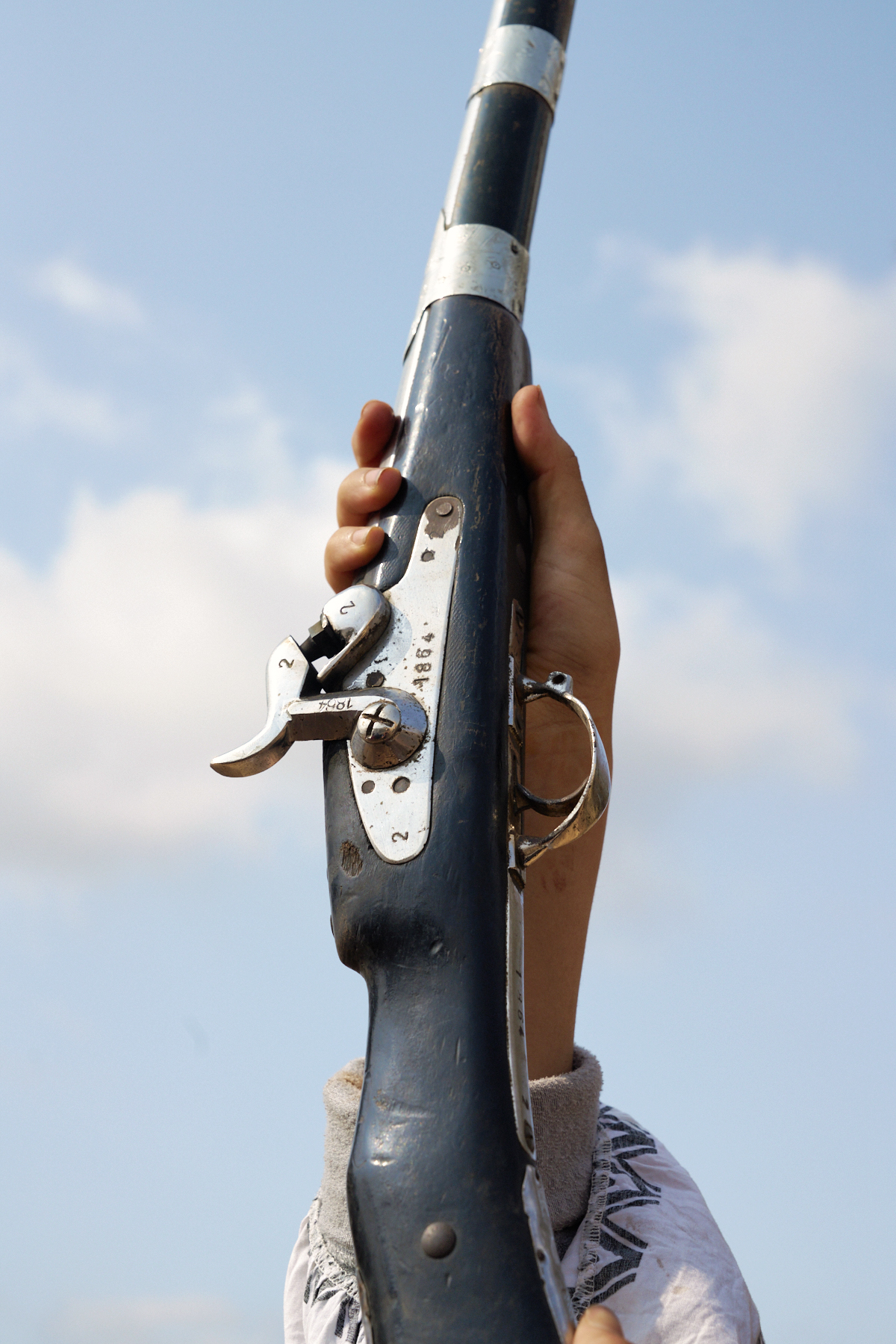
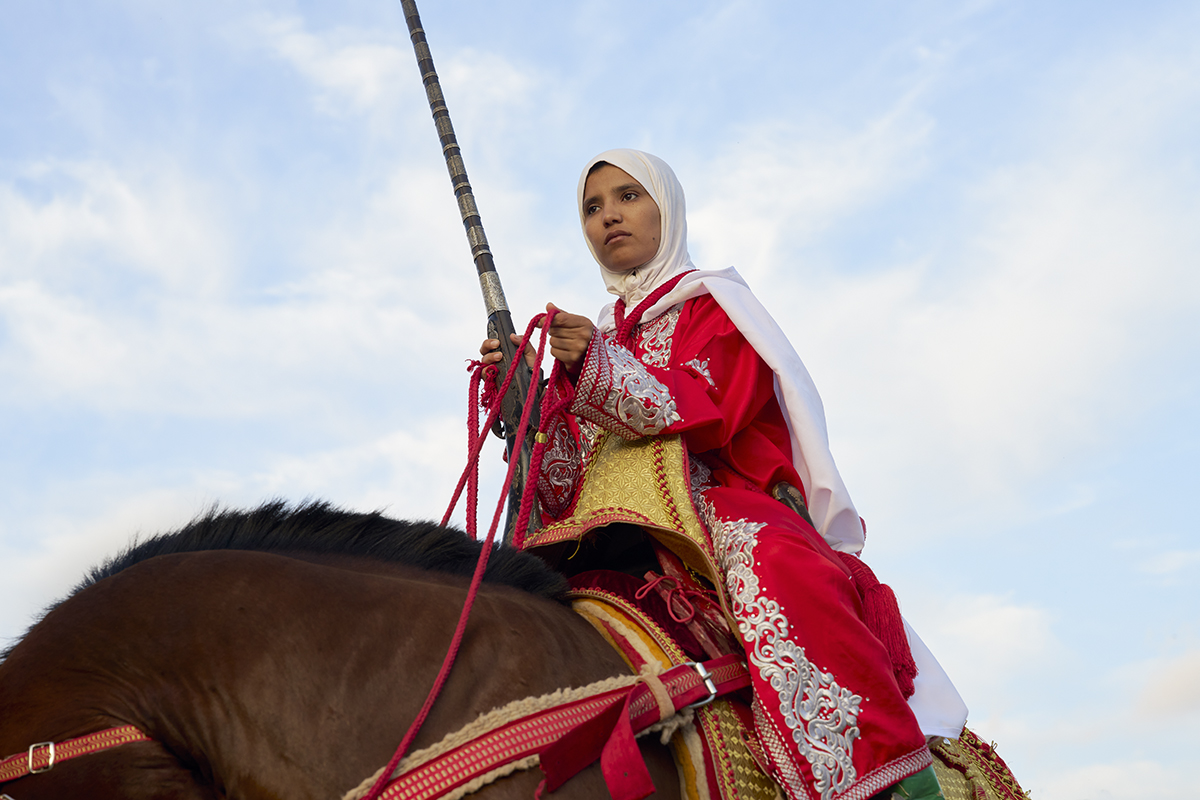
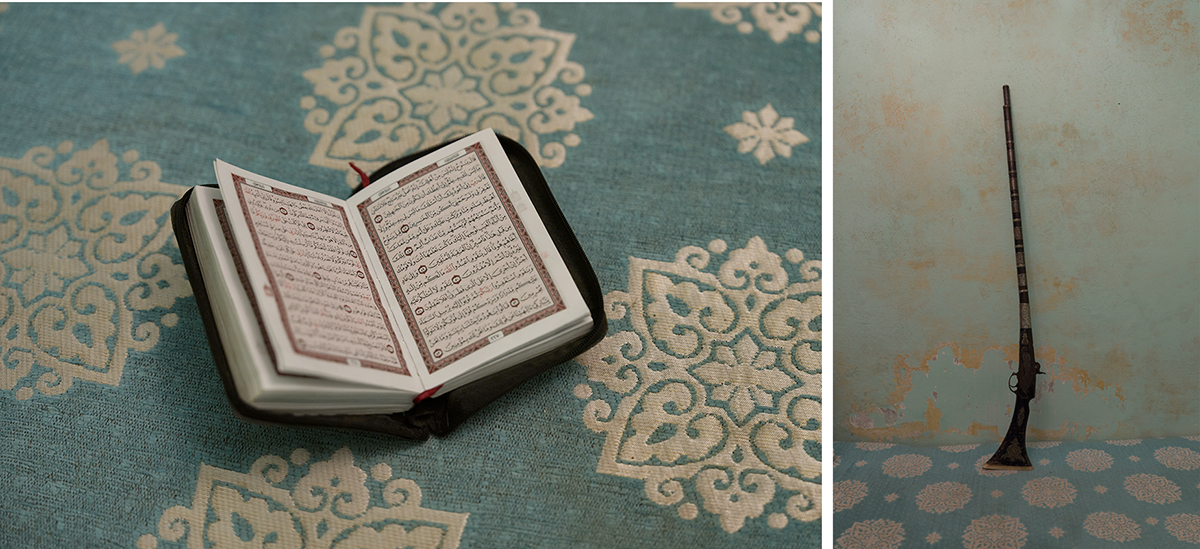
Born from the battlefields of ancient Morocco, Tbourida is a loud and adrenaline fuelled spectacle, like a modern-day Narnia but one with deep familial and spiritual roots. Histories are written in the saddles and every rider carries a miniature copy of the Qur’an.
A team of 10 to 25 riders thunder 200 metres down an arena then come to a screeching halt and single-handedly fire gunpowder filled rifles. It’s deafening and riders can lose their limbs or even their lives.
Until recently it was restricted to men only but now women have entered the fray, riding stallions and carrying guns to challenge stereotypes and change the face of tradition.
But like many women’s sports they have a lot to contend with behind the scenes. They have to dig deep to overcome resistance from their families, bans from sporting bodies and opposition from men’s teams who don’t want them to compete.
Suzanne Sease is a creative consultant and former ad-agency senior art buyer. She works with both emerging and established photographers and illustrators to create cohesive, persuasive presentations that clients can’t resist.
Suzanne offers something rare: an insider’s perspective on how client’s source creative talent. Her deep understanding of the industry is underscored by her impressive resume: 11 years as senior art buyer at The Martin Agency, seven years as an art producer for Capital One, and stints with the art-buying department at Kaplan-Thaler and the creative department at Best Buy, where she applied her expertise to reviewing bids to see which were most likely to come in on budget. Over the years, Suzanne has worked with a wildly diverse range of clients, including Seiko, Wrangler, Bank One, AFLAC, and Clairol Herbal Essence. Now, as a consultant, she is equipped to problem-solve for her clients from an unusually dynamic point of view.
As a longtime member of the photo community, Suzanne is also dedicated to giving back. Through her Art of the Personal Project column on the popular website aphotoeditor.com, she highlights notable personal projects by well-known and up-and-coming photographers. The column offers these artists excellent exposure while reflecting Suzanne’s passion for powerful imagery.
The Art of the Personal Project is a crucial element to let potential buyers see how you think creatively on your own. I am drawn to personal projects that have an interesting vision or that show something I have never seen before. In this thread, I’ll include a link to each personal project with the artist statement so you can see more of the project. Please note: This thread is not affiliated with any company; I’m just featuring projects that I find. Please DO NOT send me your work. I do not take submissions.
One of the greatest things about photography is being in the right place at the right time. Sometimes that means chasing light, or waiting for a scene to reveal itself. And sometimes, it means noticing when something ordinary is about to turn into something unforgettable.
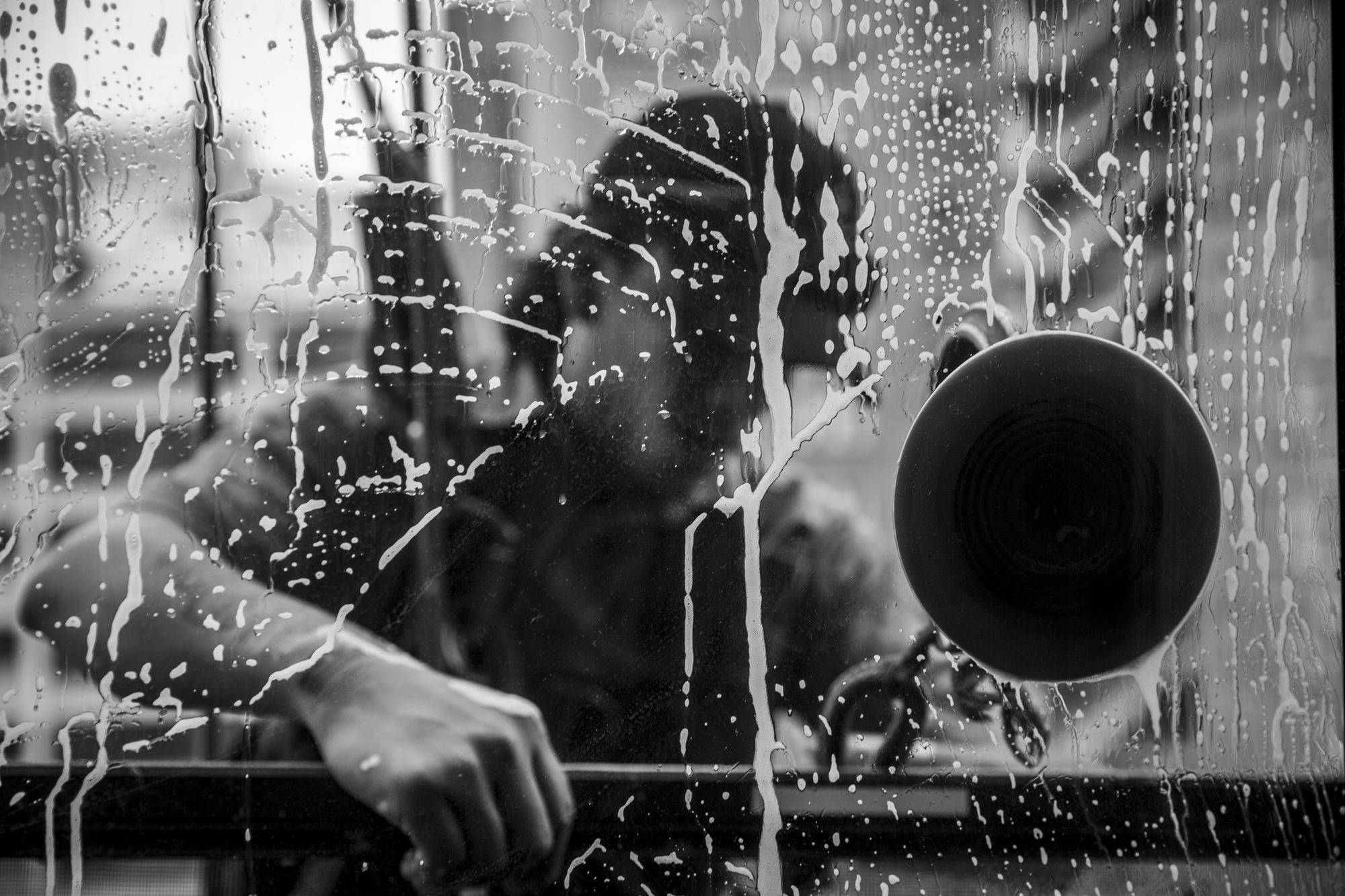
That morning in Chicago, I had no idea I was about to photograph a moment that would stay with me. I was staying at a friend’s place when I looked out and saw a crew of window washers making their way down the building across the parking lot. The scene grabbed me immediately. I’ve always wanted to photograph window washers, and this felt like one of those rare moments when timing hands you exactly what you’ve been hoping for.
I’ve always had a deep respect for window washers. They’re suspended high above the city, doing a job most of us wouldn’t dare attempt, just so the rest of us can enjoy the view from behind clean glass.
So I waited.
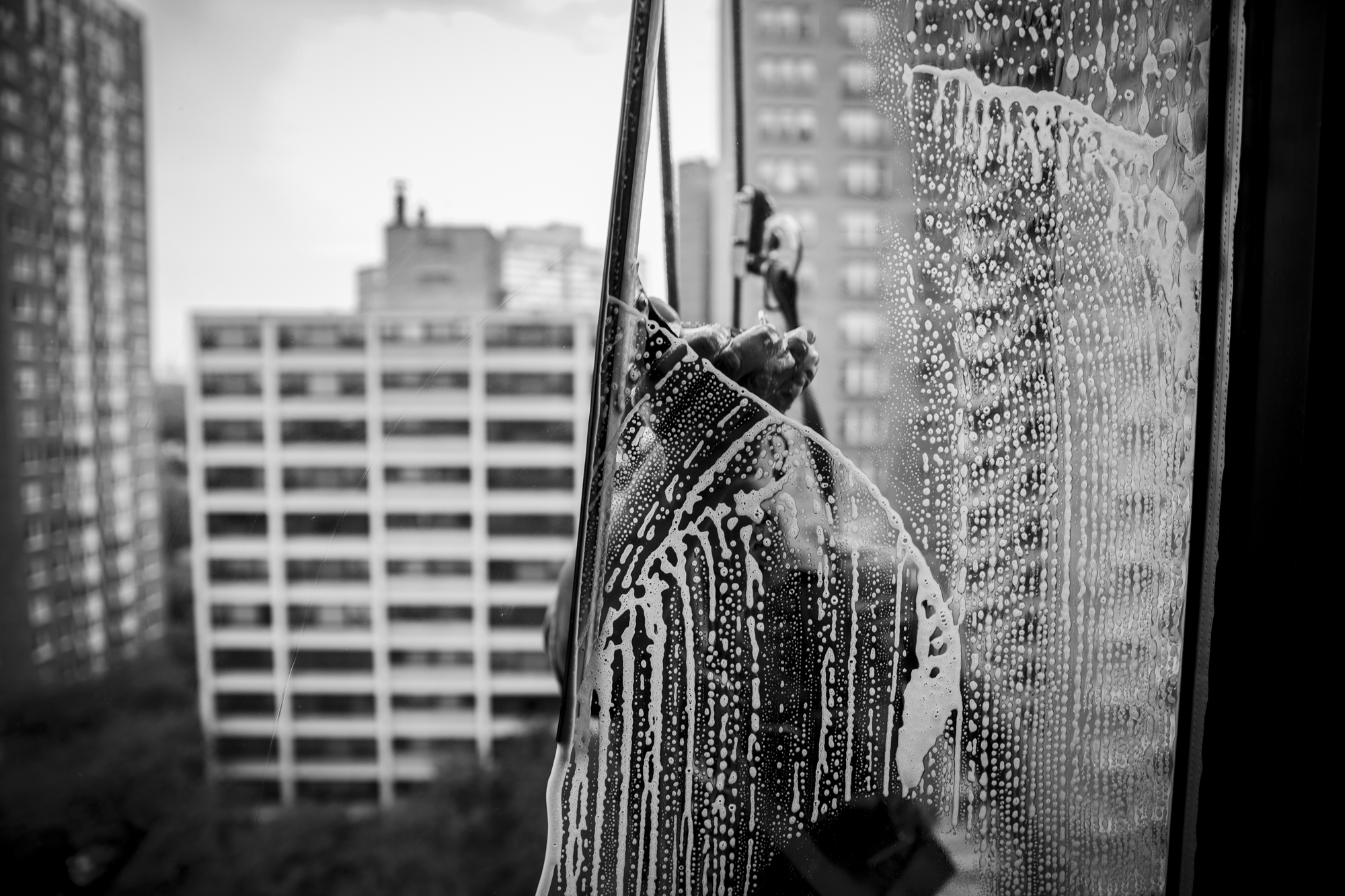
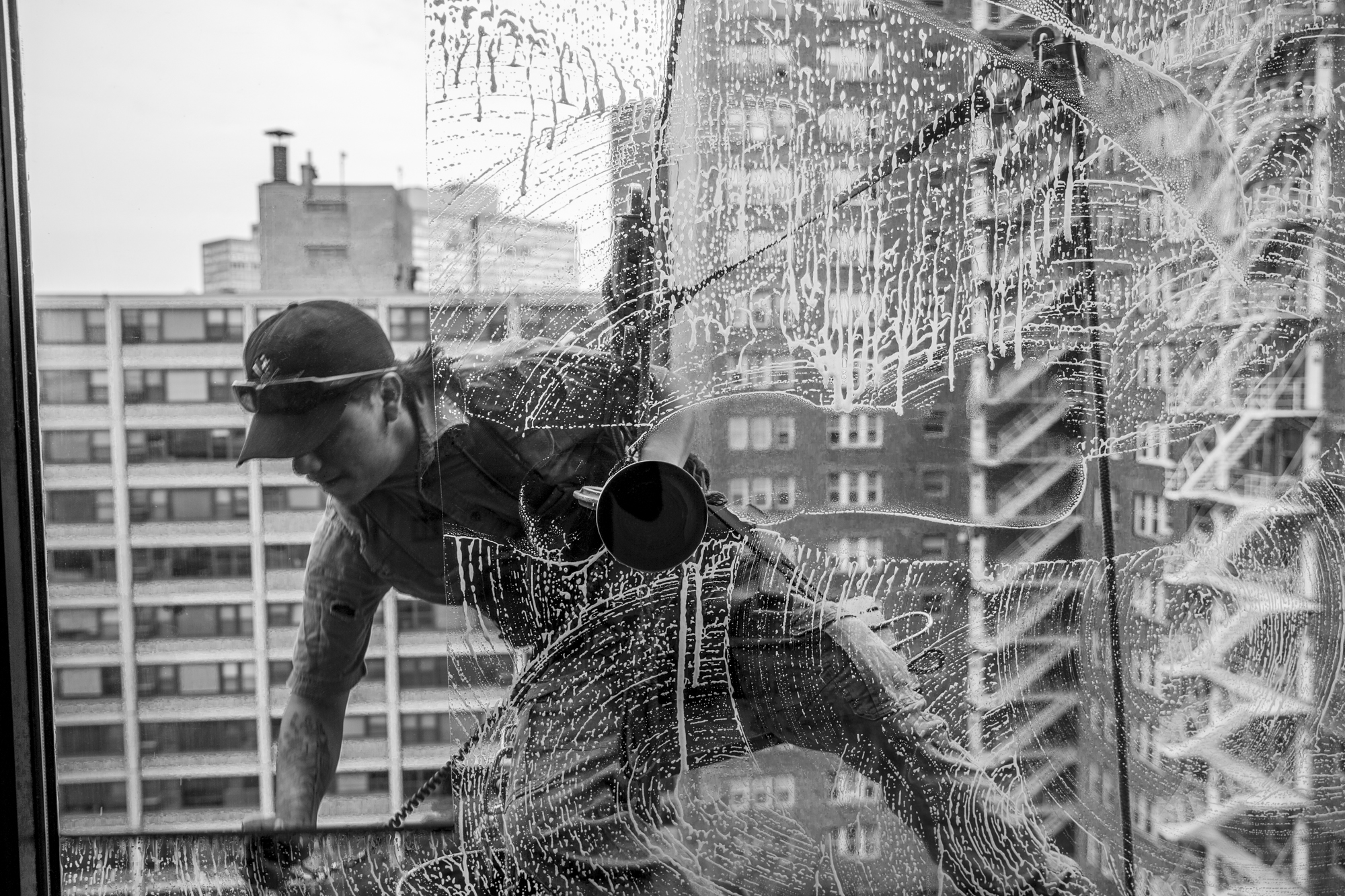
I told myself I wasn’t leaving that spot until they made their way to our side of the building. About an hour and a half later, the ropes finally dropped from the rooftop. That’s when I got pumped. As one of the workers lowered himself in front of my window, I asked through the glass if it was okay to photograph him. He looked over and gave me a thumbs up.
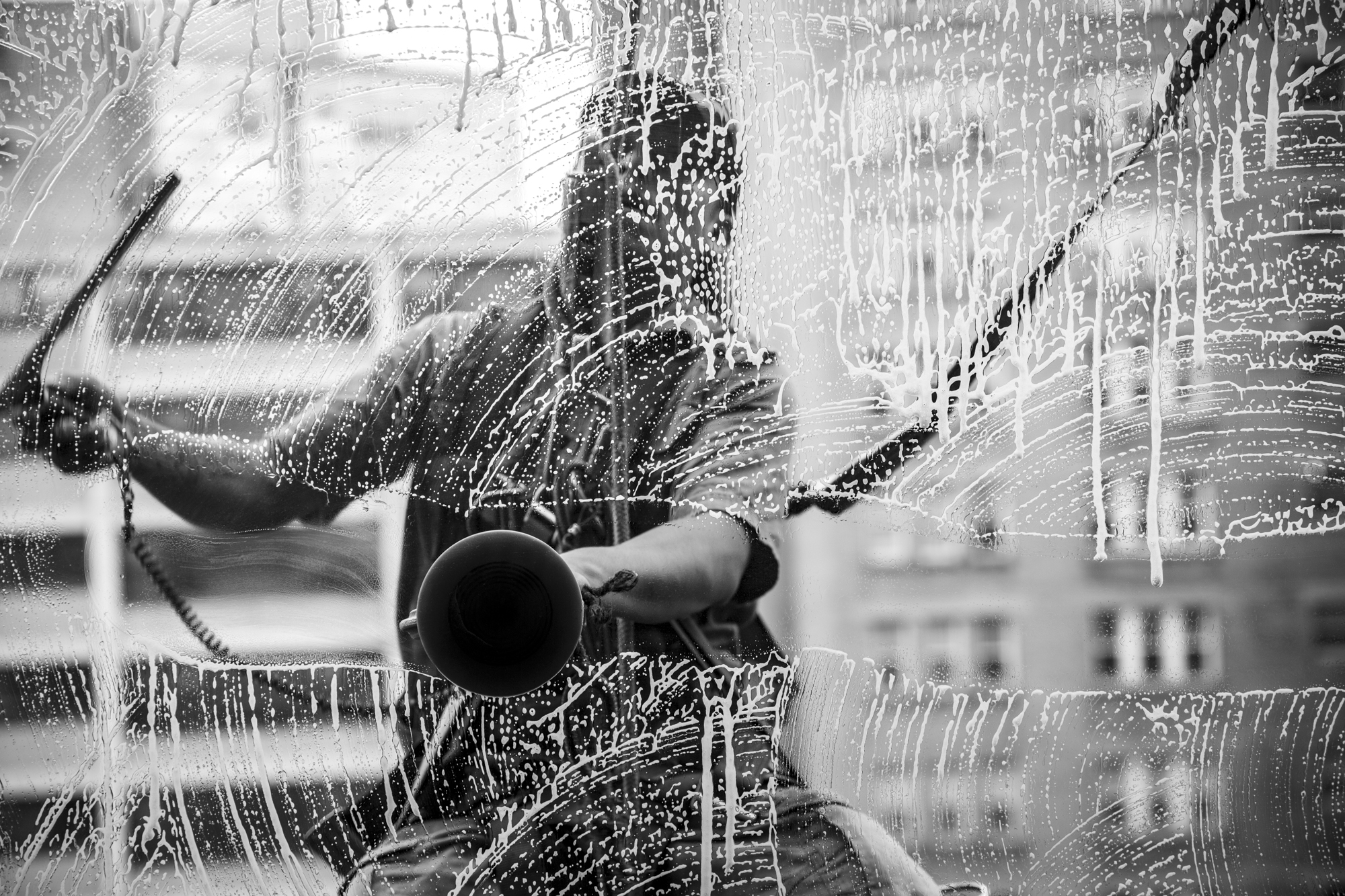
From that point on, I simply observed. I gave him no direction and just watched him do what he had clearly done thousands of times before. Fourteen stories above the ground, he moved with a kind of calm precision and confidence. It was remarkable to watch.
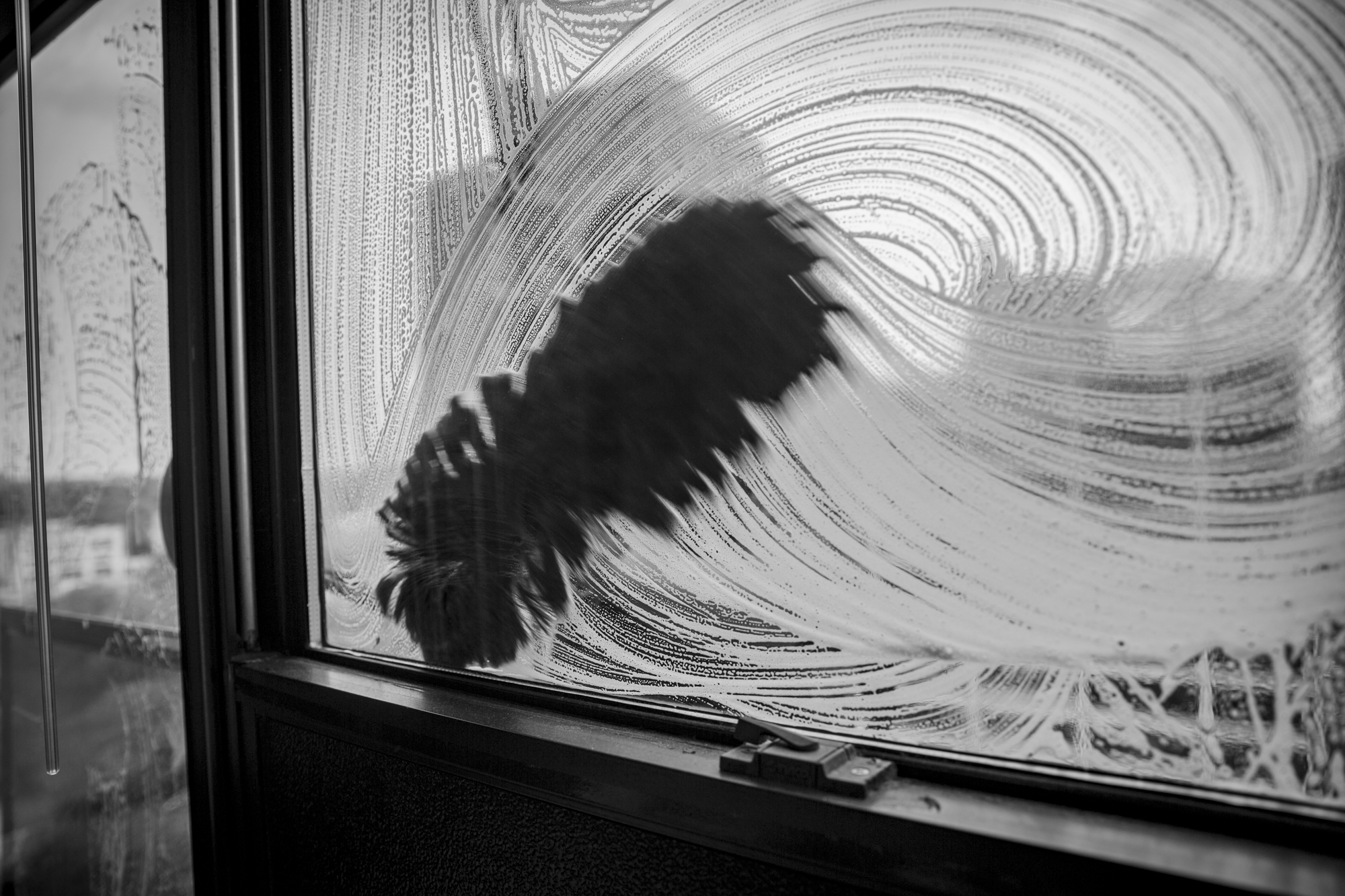
As he worked, the soap began creating these beautiful, almost abstract patterns across the glass. At times, it was hypnotic watching the suds slide and reshape themselves.
In the end, the whole moment lasted about five minutes. That’s how long it took him to clean the window. I hoped I made the most of those five minutes.
Photography often asks for patience. Sometimes you wait a long time for a single moment. But when it finally happens, when everything comes together, it’s one of the greatest feelings in the world.
Suzanne Sease is a creative consultant and former ad-agency senior art buyer. She works with both emerging and established photographers and illustrators to create cohesive, persuasive presentations that clients can’t resist.
Suzanne offers something rare: an insider’s perspective on how client’s source creative talent. Her deep understanding of the industry is underscored by her impressive resume: 11 years as senior art buyer at The Martin Agency, seven years as an art producer for Capital One, and stints with the art-buying department at Kaplan-Thaler and the creative department at Best Buy, where she applied her expertise to reviewing bids to see which were most likely to come in on budget. Over the years, Suzanne has worked with a wildly diverse range of clients, including Seiko, Wrangler, Bank One, AFLAC, and Clairol Herbal Essence. Now, as a consultant, she is equipped to problem-solve for her clients from an unusually dynamic point of view.
As a longtime member of the photo community, Suzanne is also dedicated to giving back. Through her Art of the Personal Project column on the popular website aphotoeditor.com, she highlights notable personal projects by well-known and up-and-coming photographers. The column offers these artists excellent exposure while reflecting Suzanne’s passion for powerful imagery.
Heidi: The photograph of Laura Pineau on Wet Lycra Nightmare ultimately became the cover of Gripped. When you were hanging there watching Laura move through the crux, did you sense that the moment had the potential to become a defining image? Miya: Initially I was up there to film Laura climbing Wet Lycra Nightmare so when she actually sent the crux, she was climbing in the shade and I was filming it. Higher up on the wall, I was waiting to shoot another pitch and I watched this sliver of light hit the wall, with the valley still mostly shaded in the back, and I knew I wanted to go shoot the crux in that light. So when Laura sent the route I convinced her to stay another night on Ahwahnee Ledge with me so we could get photos of the crux pitch. I knew that it would be an impactful image – it’s not every day you get to watch history being made in rock climbing with a female first ascent of a notoriously difficult route. We both were committed to bringing that photo to life, knowing it would be an important one.
When a woman photographs another woman in a space like Yosemite — a place with such a long photographic legacy — do you think the image carries a different kind of narrative weight?
I think it does carry a different kind of narrative weight. I love the camaraderie that comes along with women shooting women, which is something we experience together on the wall. But also creating photos together that will go down in Yosemite history feels meaningful. There are so many incredibly strong women in the sport, absolutely dominating big wall free climbing. And I feel like it’s significant when women are behind the lens as well to capture it.
Because you’re also a climber, you’re not just observing the moment — you’re part of the system on the wall. How does that embodied perspective change the way you compose an image or anticipate a moment for your work on the Free Wall Kit and your Gripped cover?
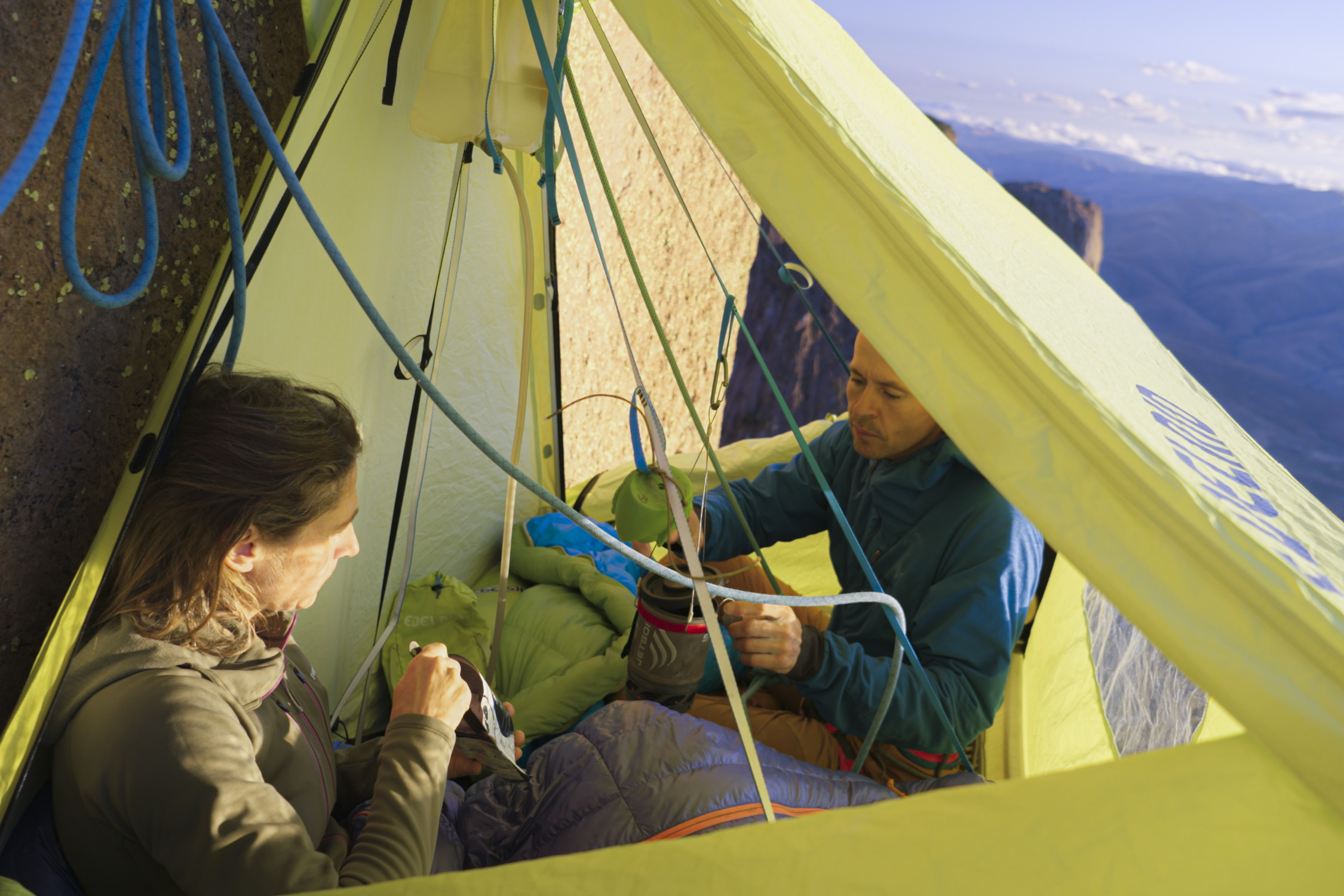
Being a climber who is familiar with big wall environments has become a huge advantage in what and how I shoot. One of my biggest concerns is always how to move around athletes in the least impactful way possible, and knowing how to adapt quickly to different scenarios. Whether that’s climbing ahead myself, or fixing lines, sleeping on the wall, or rappelling in; it is a constantly shifting environment and each assignment demands different tactics. And a lot of the time I’m shooting things in real time as they happen, like shooting Doerte Pietron and Daniel Gebel for the Freewall Kit in Madagascar as they attempted to send King Line, 8a+ (5.13c/d), which means I don’t always have the luxury of composing and recreating a shot like I did with Laura. So I have to rely on my instincts as a climber and photographer to capture what I can the best I can.
Patagonia’s The Freewall Kit was designed around the realities of long days on the wall. How do those design details change the experience of working as a photographer in that environment?
The Freewall Kit was designed for big wall free climbers, which has become the new frontier of modern rock climbing. But photographers and filmmakers are doing just as much work, jugging like crazy up fixed lines, hauling, managing ropes, only to sit for hours shooting. So a kit that emphasizes durable, flexible layers like the Freewall Kit for when you’re moving but also for when you’re resting is also a big wall photographer’s dream. We have to prepare to shoot in any conditions that the athlete wants to climb in, and taking care of yourself up on a wall is really important. And a huge part of that is having the right layers. You never want to be the reason why something can’t happen.
You spent time working with photographer Corey Rich and his production company Novus Select. What did that experience teach you about the craft and logistics of adventure photography and filmmaking? Interning under Corey Rich was a huge stepping stone in my career. At that point I knew how to use a camera, but knew next to nothing about the broader world of photo and video production. I was able to take part in such a variety of shoots, and absorb what it takes to be the best at your craft as well as run a production business. I think mentorship in this career path is essential. And there’s no easy, straightforward path to finding the right mentors. I’ve been lucky to have people like Corey as well as Ben Ditto to get me on jobs and give me advice. Corey also introduced me to Sarah Steele who helped to found an all-female production company called Well Travelled which has grown my network of female creatives to look up to.
Your work often sits at the intersection of athletics and storytelling — you’re a strong climber yourself, but also documenting the moment. How has developing your own climbing ability influenced the kinds of images and films you’re able to make? Developing my own climbing has definitely helped with what types of images and films I’m able to create. I used to be a guide for the Yosemite Mountaineering School, and those skills also have come into play a lot when I’m out shooting. Not only do you have to be fit enough to keep up with athletes, but you have to have a keen awareness of how to adapt to different climbing environments. Being someone who is really dedicated to my personal climbing allows me to know I have more wiggle room in planning logistics of a shoot. Because sometimes the easiest way to shoot is by climbing ahead of a team yourself.
You started in Yosemite with a one-way ticket, a service job, and a life built around climbing. Now you’re photographing historic ascents and landing magazine covers. When you look back at that version of yourself arriving in the Valley, what would surprise her most about where you are now?
I was just talking about this to a friend the other day. What would me 10 years ago think about me now?? We take so much for granted in our present realities. And I’m guilty of falling into the trap of “not good enough, have to work harder, have to do better,” that it’s good to remind myself that the me 10 years ago, who was bussing tables in the Ahwahnee dining room and climbing 5.8 would be utterly in awe of who I am now. I think she would feel amazed that she gets to work regularly with a brand like Patagonia, and gets to shoot all around the world for her job. It’s a good reminder. Always look back to see how far you’ve come. And always strive for more.
What are you working on now (photographically and personal climbing objectives)?
Right now I’m coming off a wonderfully simple winter of being at home in Bishop, California, working on some local photo and video jobs and putting time in out at the boulders to build up my strength base for the year. I’ve got some exciting international work trips planned this summer, and am going to the valley in the spring to try to tick off some personal climbing goals and get back into route climbing and multipitch shape. It’s a constant management of expectations trying to balance my personal climbing and my job, but I love both so much and am so grateful to be able to do what I do.
The Art of the Personal Project is a crucial element to let potential buyers see how you think creatively on your own. I am drawn to personal projects that have an interesting vision or that show something I have never seen before. In this thread, I’ll include a link to each personal project with the artist statement so you can see more of the project. Please note: This thread is not affiliated with any company; I’m just featuring projects that I find. Please DO NOT send me your work. I do not take submissions.
Personal projects are the backbone of my work. The topics usually find me, there is very little thinking or planning involved, they usually start with a visual impulse. I often work on some new series between my assignments as a professional photographer; sometimes the paid work leads to a project which in return could – and have – lead to paid work. I published 4 books about my personal work so far, two with publishers (“MOKO JUMBIES: The Dancing Spirits of Trinidad” and “LA FRONTERA: Artists along the US-Mexican Border”, and the latest two self published (“Keep Going New York !!” and “Reflecting New York”). Since most publishers demand the full costs for printing and layout etc these days before they commit to publishing your book I switched to self-publishing my books on the print-on-demand platform Blurb.com.
REFLECTING NEW YORK:
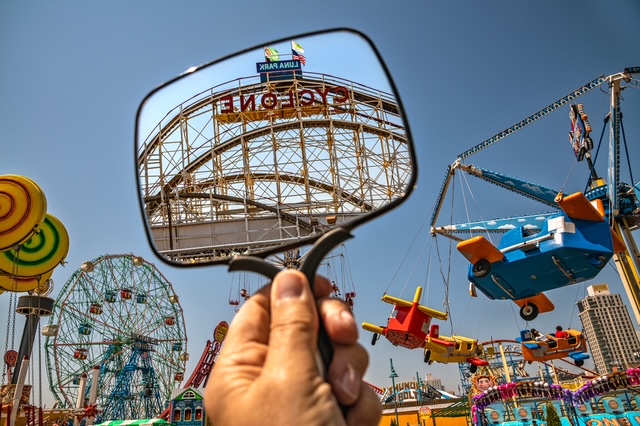
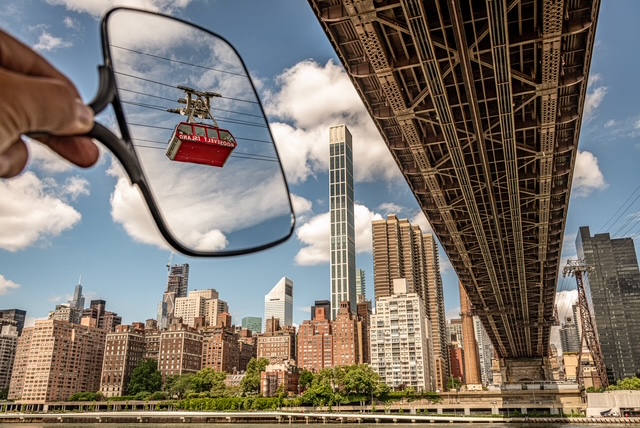
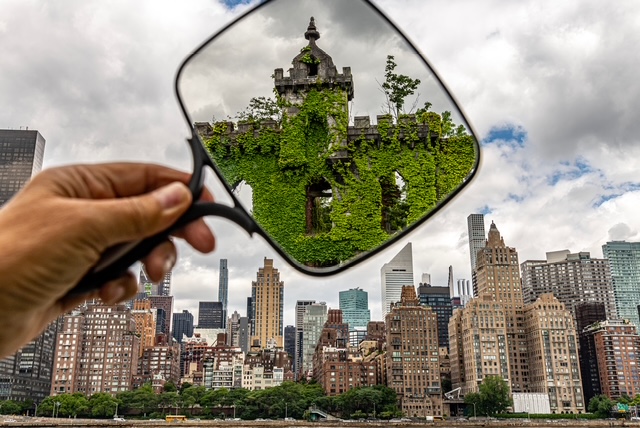
It started with a series of photographs I took from my window, year in year out, of Hudson Yards with an overlaying reflection of clouds or sunsets – or both – in the window I shot through. One day I used a mirror to make that photo more interesting and multi layered. It didn’t really work, but I took the mirror to the street to see what else I could with it. Long story short, using the hand held mirror in locations around my chosen hometown New York I invited distant buildings, structures or other nearby scenes into the main photo to create a viewing experience that requires a second look. My goal is to visually loosen up the obvious, to create images that often surprise me as much as I hope they will surprise and intrigue the viewer. It took me most of 2024 to finish this series in New York.
I started working on REFLECTING DUBAI last year too but I need to secure more funding to finish that book project.
Photos from REFLECTING NEW YORK were published in WIRED online, chosen by American Photography, featured by LensCulture and received The Award of Excellence from Communication Arts for books in 2025.
Suzanne Sease is a creative consultant and former ad-agency senior art buyer. She works with both emerging and established photographers and illustrators to create cohesive, persuasive presentations that clients can’t resist.
Suzanne offers something rare: an insider’s perspective on how client’s source creative talent. Her deep understanding of the industry is underscored by her impressive resume: 11 years as senior art buyer at The Martin Agency, seven years as an art producer for Capital One, and stints with the art-buying department at Kaplan-Thaler and the creative department at Best Buy, where she applied her expertise to reviewing bids to see which were most likely to come in on budget. Over the years, Suzanne has worked with a wildly diverse range of clients, including Seiko, Wrangler, Bank One, AFLAC, and Clairol Herbal Essence. Now, as a consultant, she is equipped to problem-solve for her clients from an unusually dynamic point of view.
As a longtime member of the photo community, Suzanne is also dedicated to giving back. Through her Art of the Personal Project column on the popular website aphotoeditor.com, she highlights notable personal projects by well-known and up-and-coming photographers. The column offers these artists excellent exposure while reflecting Suzanne’s passion for powerful imagery.
The Art of the Personal Project is a crucial element to let potential buyers see how you think creatively on your own. I am drawn to personal projects that have an interesting vision or that show something I have never seen before. In this thread, I’ll include a link to each personal project with the artist statement so you can see more of the project. Please note: This thread is not affiliated with any company; I’m just featuring projects that I find. Please DO NOT send me your work. I do not take submissions.
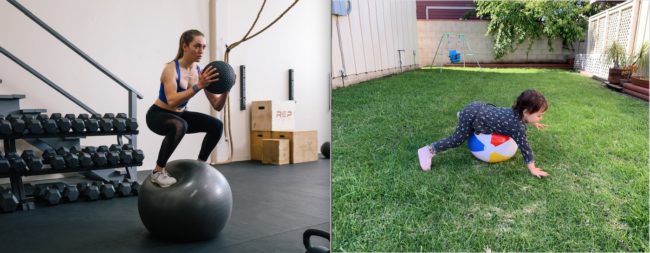
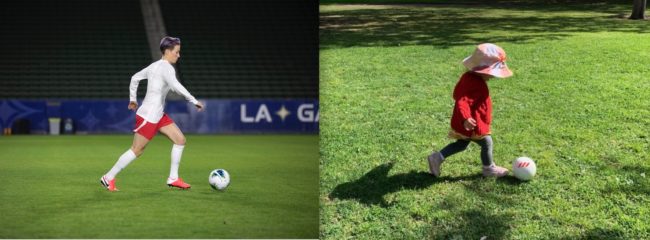
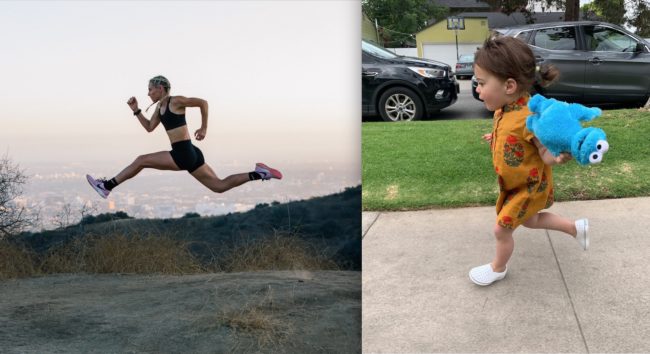
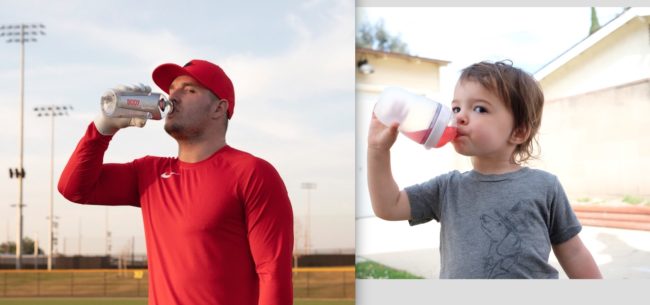
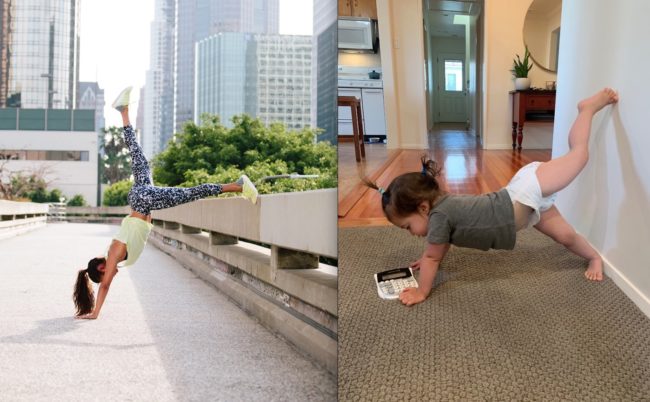
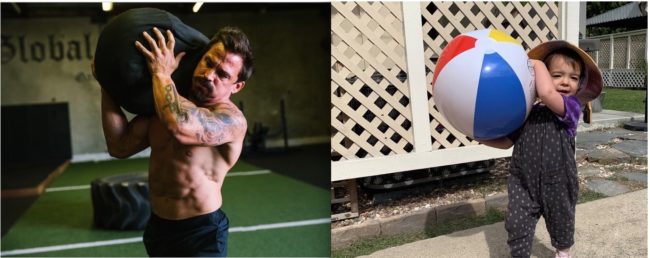
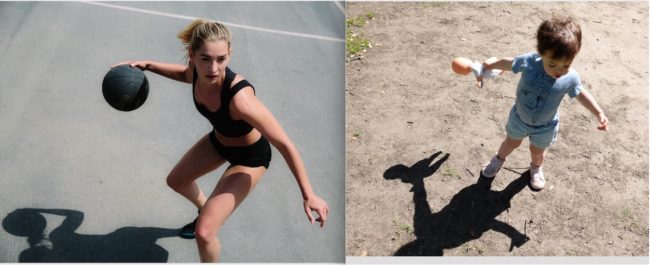
When the world started to shut down due to Covid 19, all my future shoots were cancelled/postponed, and like many other parents suddenly my wife was working from home full time, and we had lost our childcare. Since I had no future work, I was there to take to over the childcare full-time for our daughter Mabel who was almost 2. She’s a kid with a lot of energy, she wants to be out running, chasing squirrels, climbing stairs, or just about anything active. Since I could no longer take her to the playground we only had a small grassy park in our neighborhood and our backyard as our little world to burn out her energy.
I take a million photos of her already to share with our families on the East Coast, but suddenly I found myself taking more and more since we were together 24/7. I would shoot a photo either on my iPhone or mirrorless that I bring everywhere, and then I started to notice funny similarities between some of my sports and fitness work. Sometimes it was the light and lines, sometimes the pose, and sometimes it was just a funny coincidence. I quickly realized that at times I couldn’t help it, I was trying to frame photos the same as I did at work, when she was just playing around. After a few weeks I started to dig into the drives, and match up the photos for fun, and then I started posting them on my instagram account. I’ve kept my instagram mostly work related for the last year, so this was suddenly making my daughter more public on there, but in a funny way. After a few shots I started getting so many messages from people to keep it coming, and they were looking forward to it each time. In the end I did 16 match ups with Mabel and athletes like Mike Trout, Tony Hawk, Megan Rapinoe and more. My time with Mabel is a break from all the craziness in the world right now, and I think these photos matchups were a simple way to keep things light, when it all seems so heavy. At one point I was stressing that I didn’t have a “corona project” like everyone else was talking about, and then I realized I didn’t need to come up with one, my project was our life together, and I just getting to shoot that is the best project possible.
APE contributor Suzanne Sease currently works as a consultant for photographers and illustrators around the world. She has been involved in the photography and illustration industry since the mid 80s. After establishing the art-buying department at The Martin Agency, then working for Kaplan-Thaler, Capital One, Best Buy and numerous smaller agencies and companies, she decided to be a consultant in 1999. She has a new Twitter feed with helpful marketing information because she believes that marketing should be driven by brand and not by specialty. Follow her at @SuzanneSease. Instagram
Success is more than a matter of your talent. It’s also a matter of doing a better job presenting it. And that is what I do with decades of agency and in-house experience.
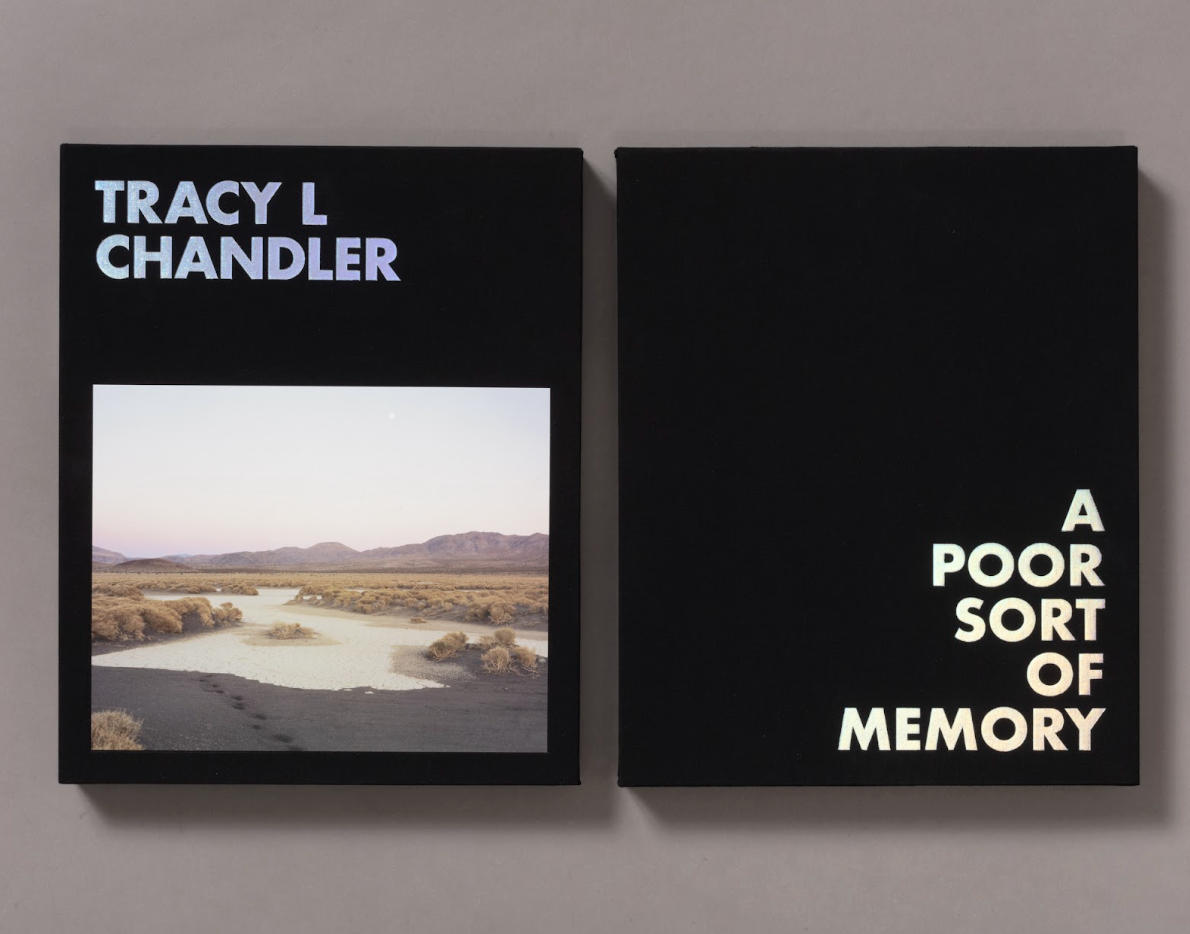
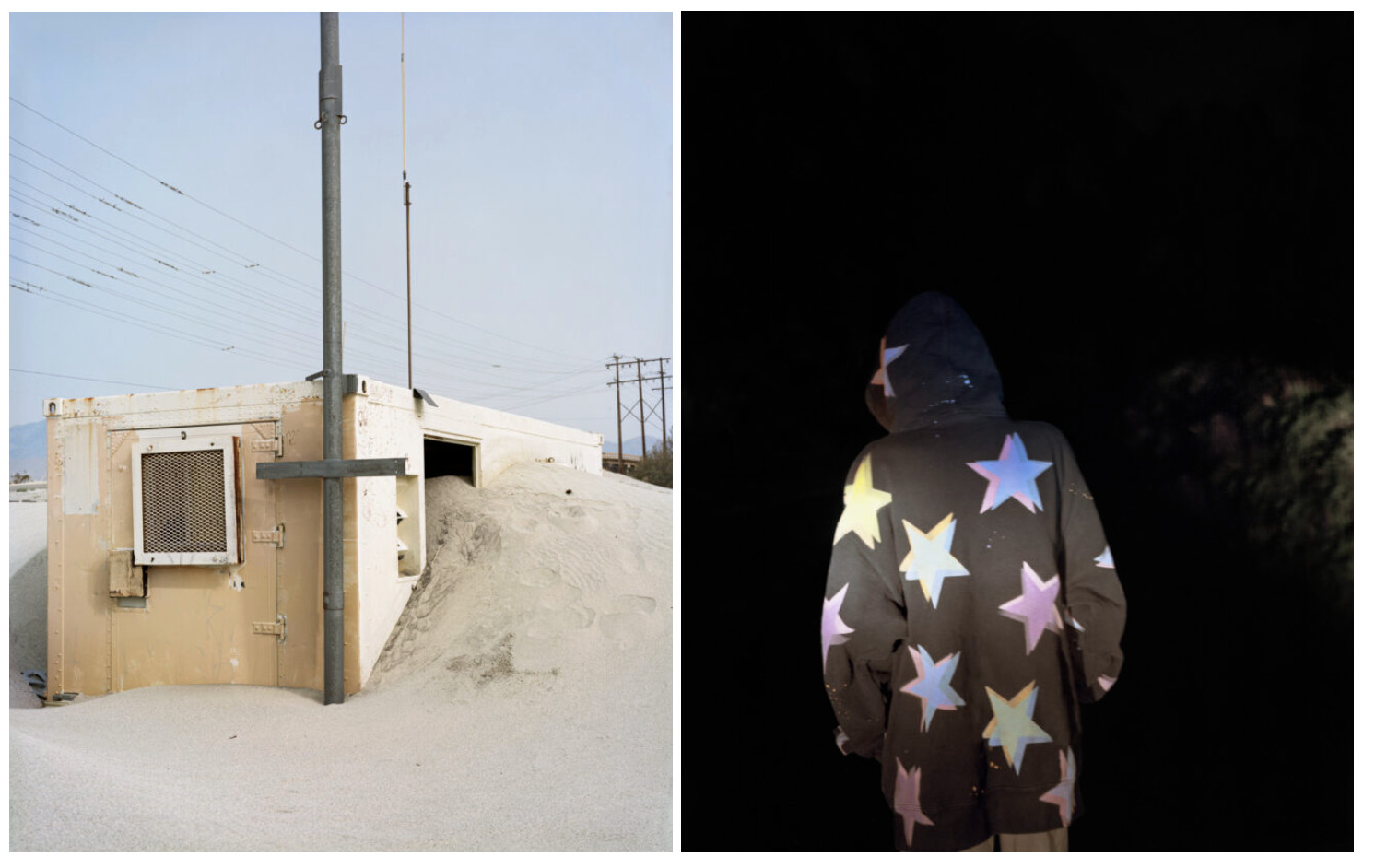
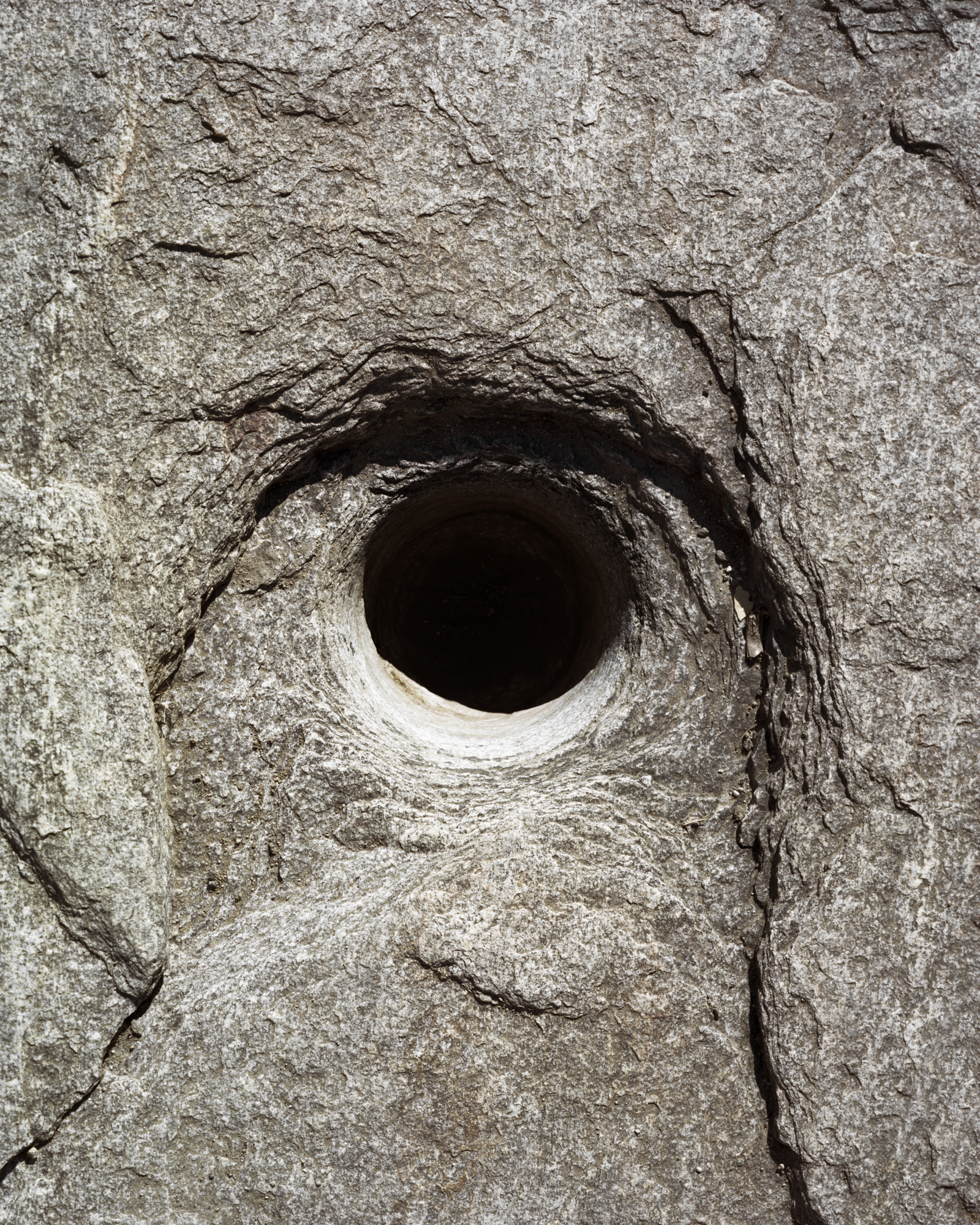
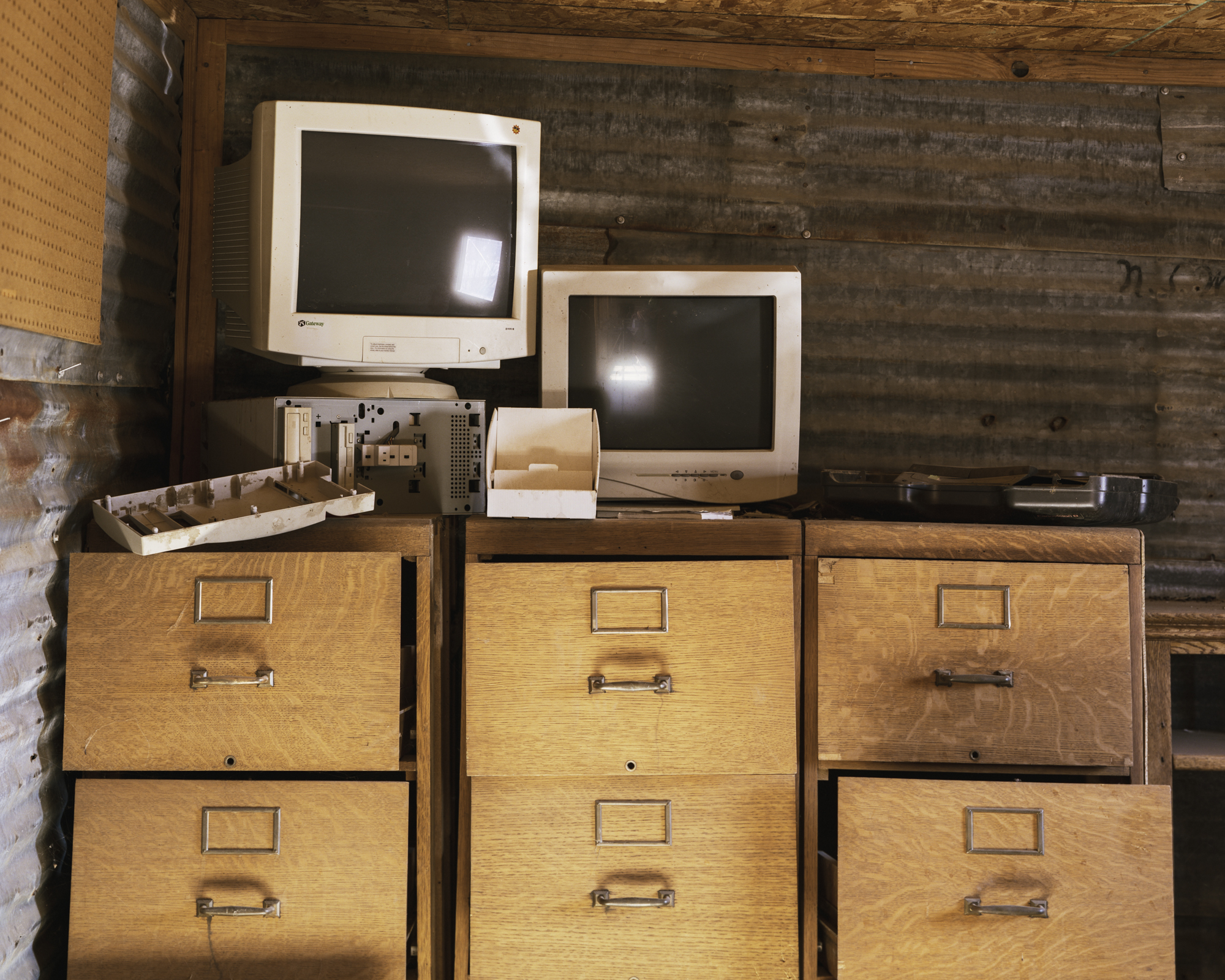
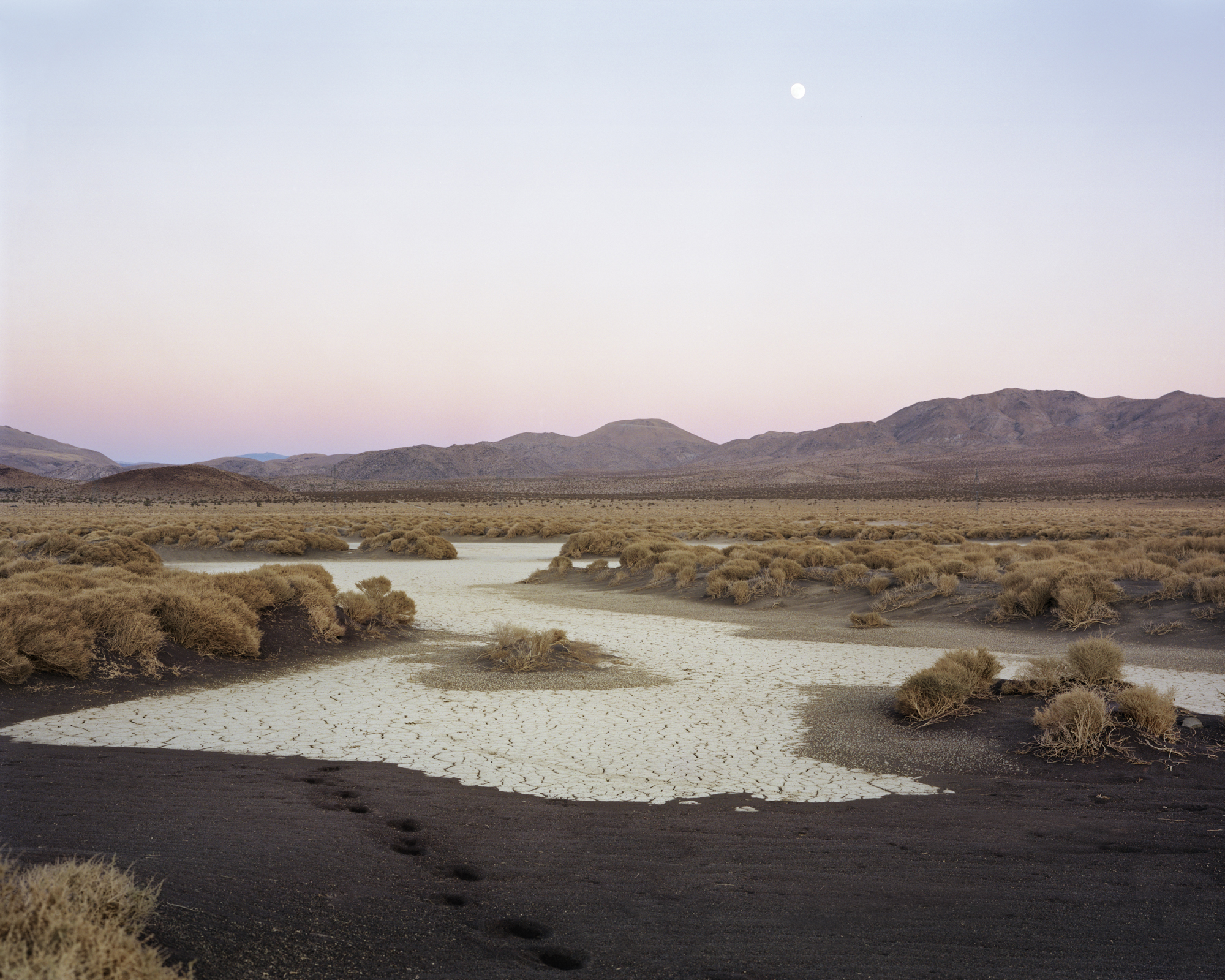
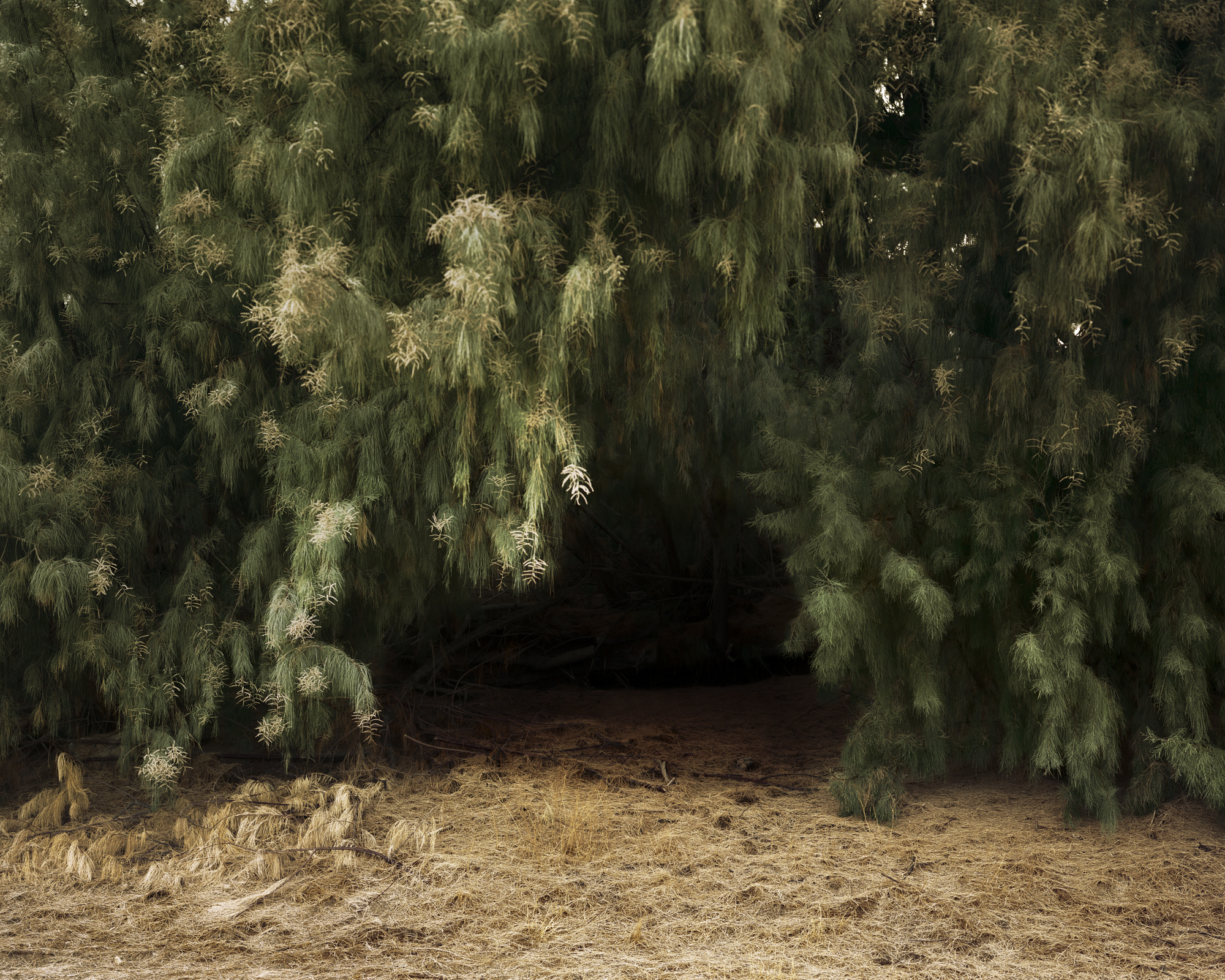
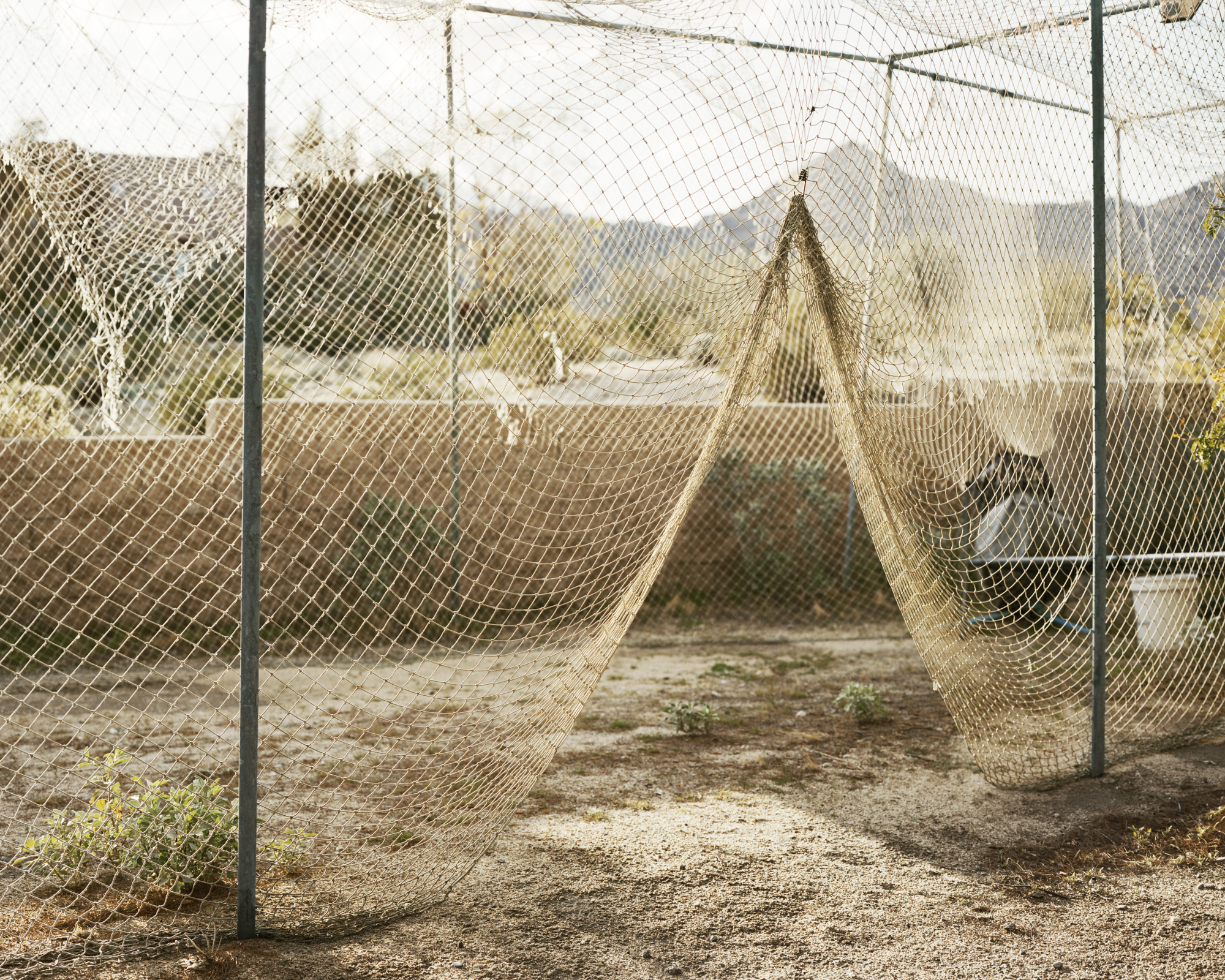
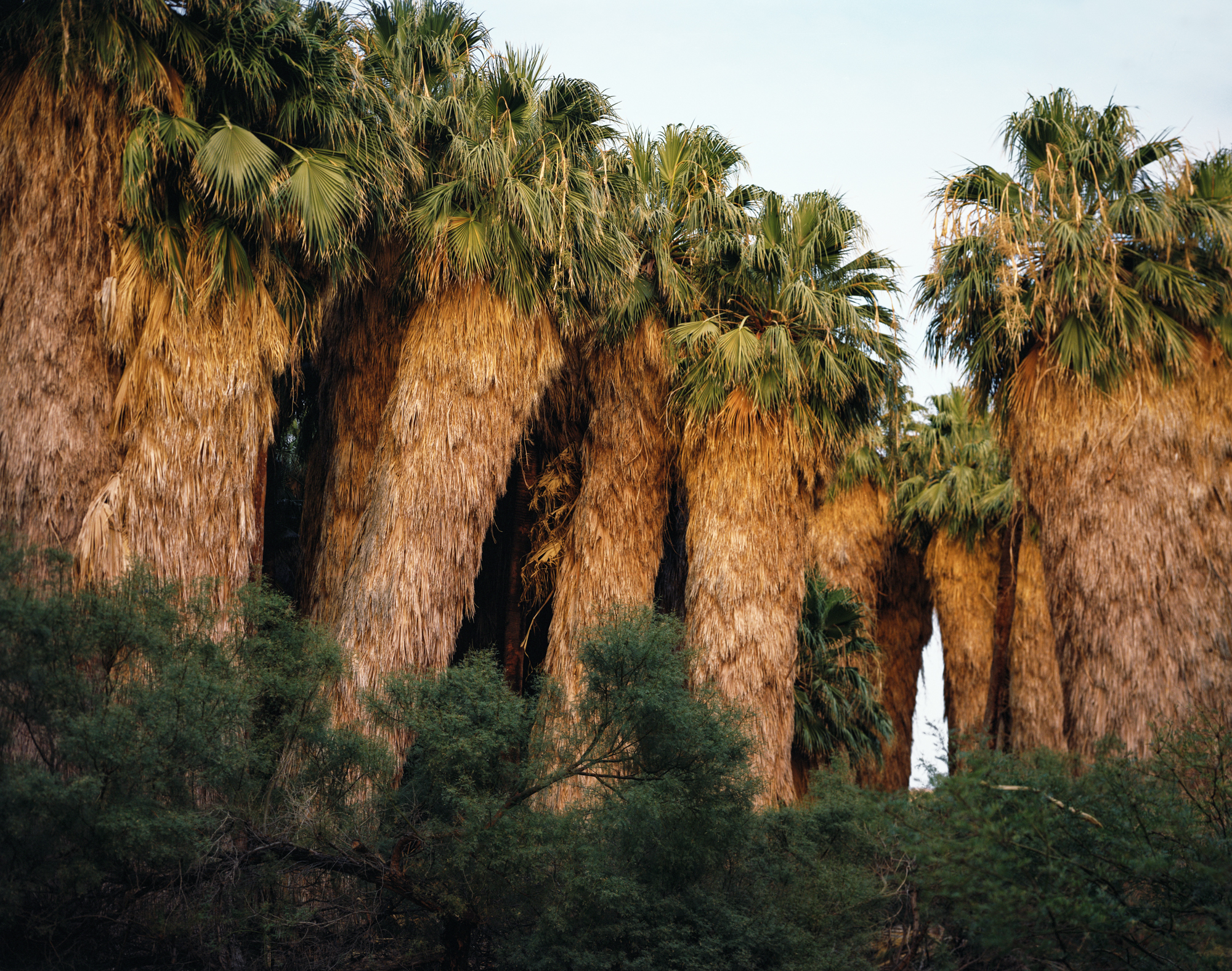
Heidi: You talk about the desert as a ‘silent character’. How do you think it’s harshness and beauty influenced the emotional language of the images, beyond simply being your physical past? Tracy: The desert is both a container and a character in this work. I grew up there. I breathed that air, I was shaped by that light. It’s in me. What makes the desert so particular as a photographic subject is the way it refuses neutrality. The light alone can shift from oppressive to tender within a couple of hours. At high noon it obliterates everything. It’s so vast and so harsh that it becomes almost claustrophobic, which I know sounds contradictory, but there’s something about that relentless, unforgiving openness that offers no refuge, no shade, no place to hide. You can’t escape it. That sense of being exposed and trapped at the same time, that was the emotional texture of growing up there. But then at the edges of the day, that soft pastel window at dusk, the desert can feel like the most gentle thing. And then at night it gets strange. There’s this deep black with nothing in the distance to emit or reflect light. Everything just falls into the absolute unknown. I think that swing between beauty and threat is the same emotional range I was navigating as a kid. The desert didn’t just inform the pictures’ content and aesthetics. It became the psychological language of the work.
How do you wrestle with time’s passage and nature’s relentlessness in shaping how we feel and remember? Here I was thinking about time as a photographic element and how you created portals for us to explore….or simply put, how do you approach photographing time? Time in the desert is genuinely strange. The natural environment is so prehistoric and durable. Any trace of humanity just accumulates dust and holds its shape for decades. So when I’d return to a site from my adolescence, the architecture or object often hadn’t changed. But I had. Time had changed me. And now my memory of those places wasn’t the same as what I was looking at. So what you get is this uncanny collision where the present physical reality clashes with the ghost of your past experience of it. And then to photograph it morphs the perception once again.
I tried to honor that strangeness by working slowly. I use a large format camera, which forces you to be deliberate and spend real time in a place. And I’d return to the same sites over years, letting meaning accumulate rather than looking and moving on.
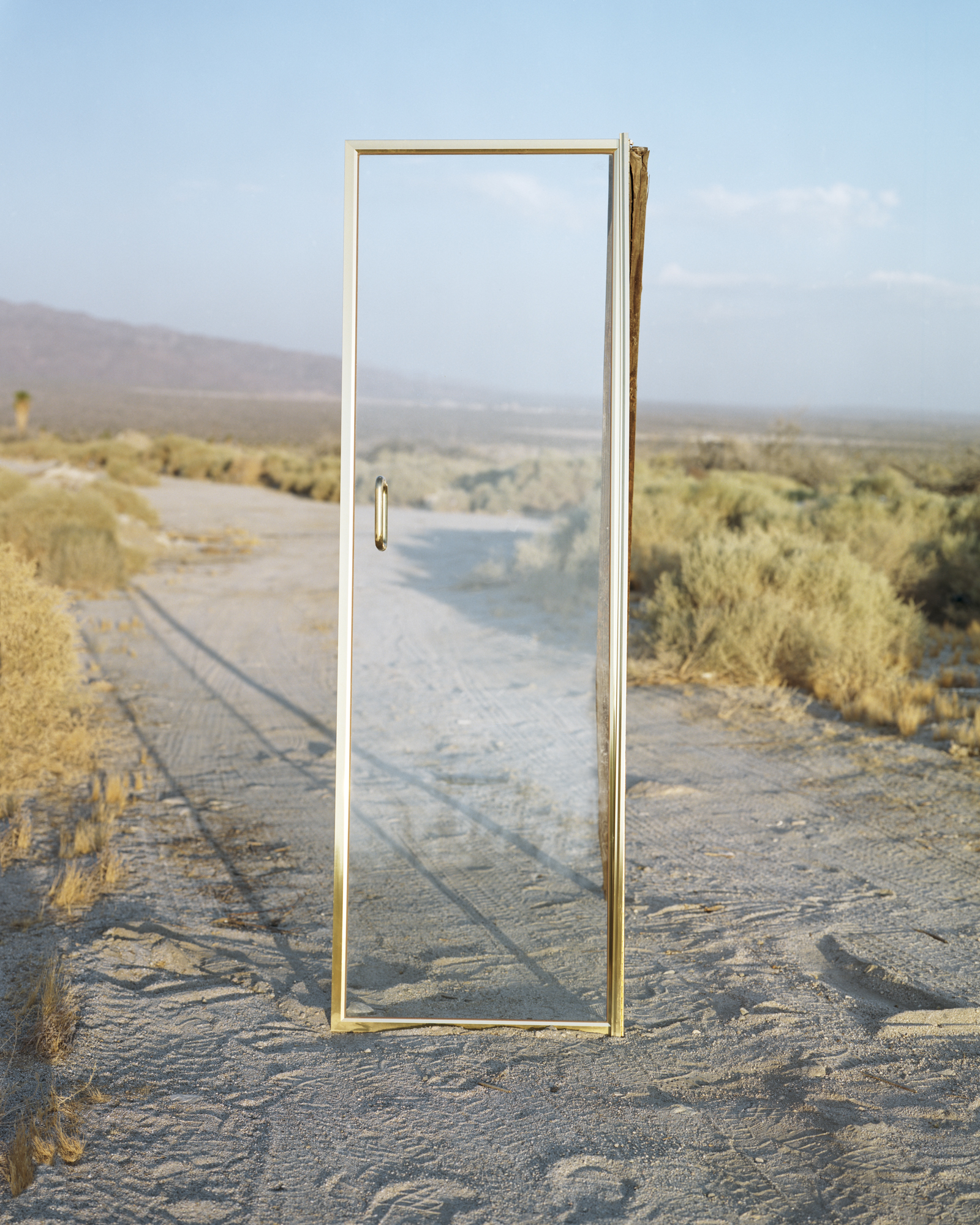
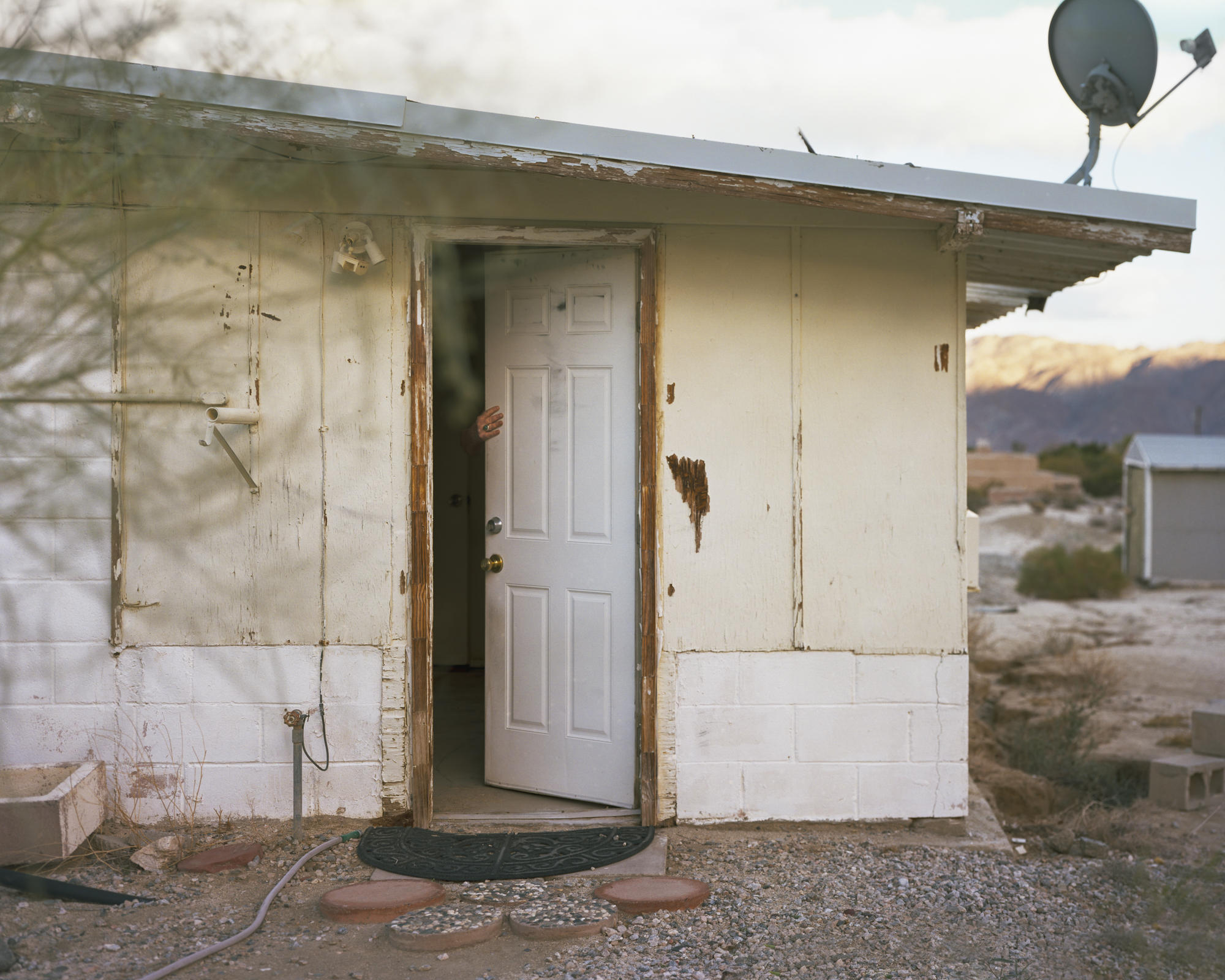
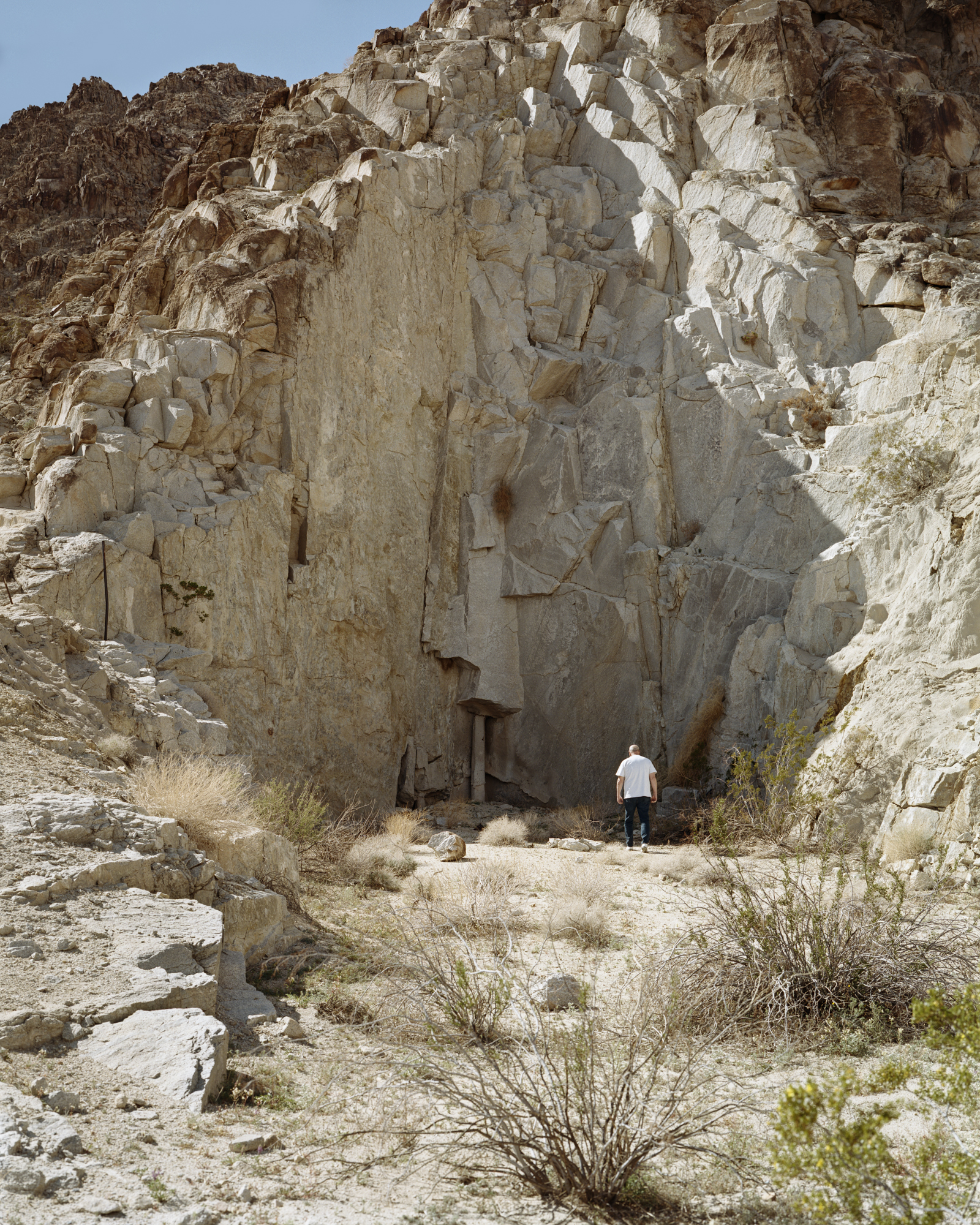
The portals and other constructed objects in the work were my way of using symbology to make time and transformation visible as a concept. A door in the middle of nowhere is absurd. It asks a question… What is on the other side? For me those objects function as portals in the most literal sense, apertures between past and present, between what I remember and what actually exists and what could be in the future.
You noted photography is a “fraction of truth,” what does photography fail to capture in this work, and how might that failure be as meaningful as what is shown or remembered? Photography only records a surface, a fraction of a second, framing more out than in. I knew this going in but the full weight of it hit me hard on this project specifically, because I wasn’t just grappling with photography’s limits in the abstract, I was living them.
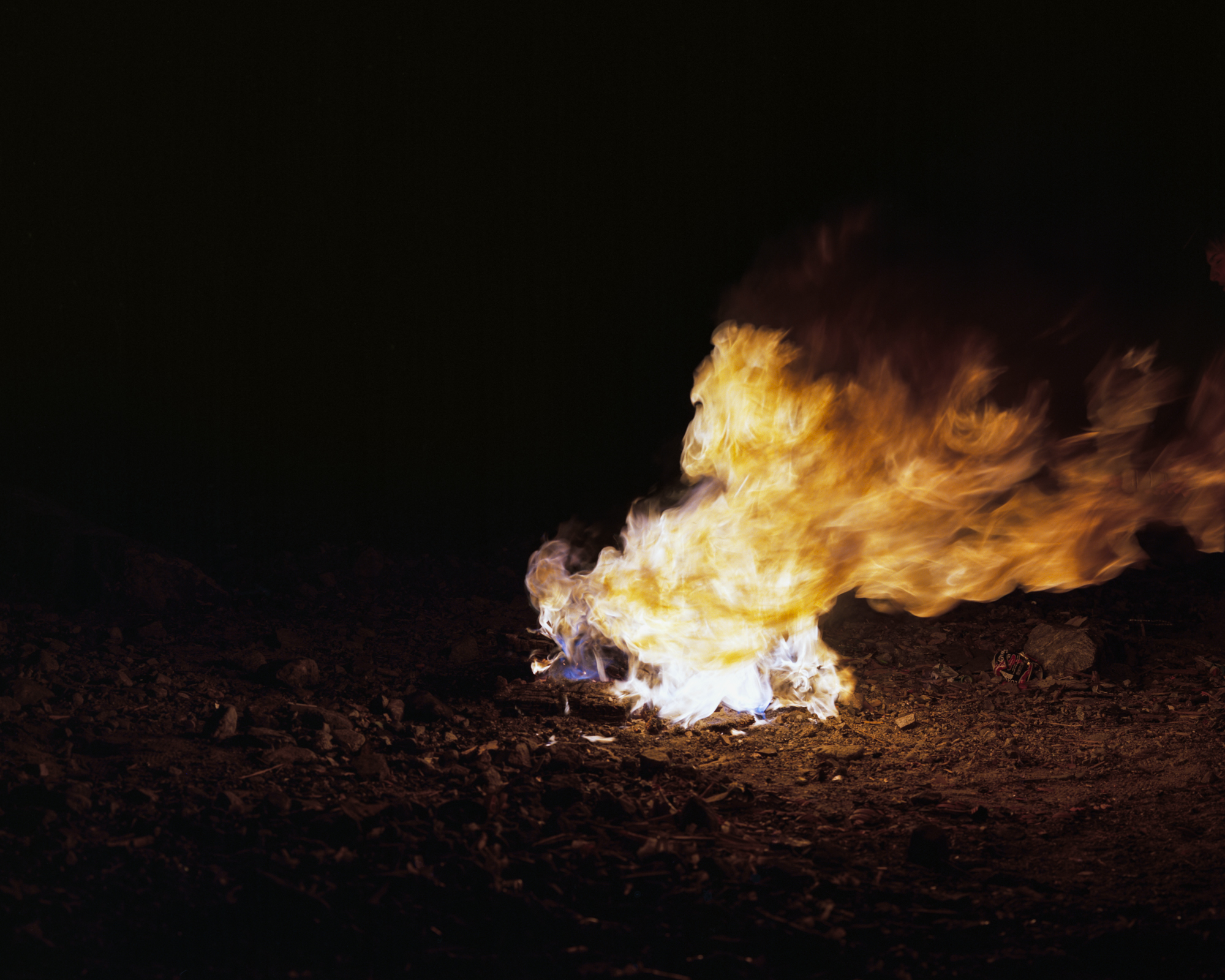
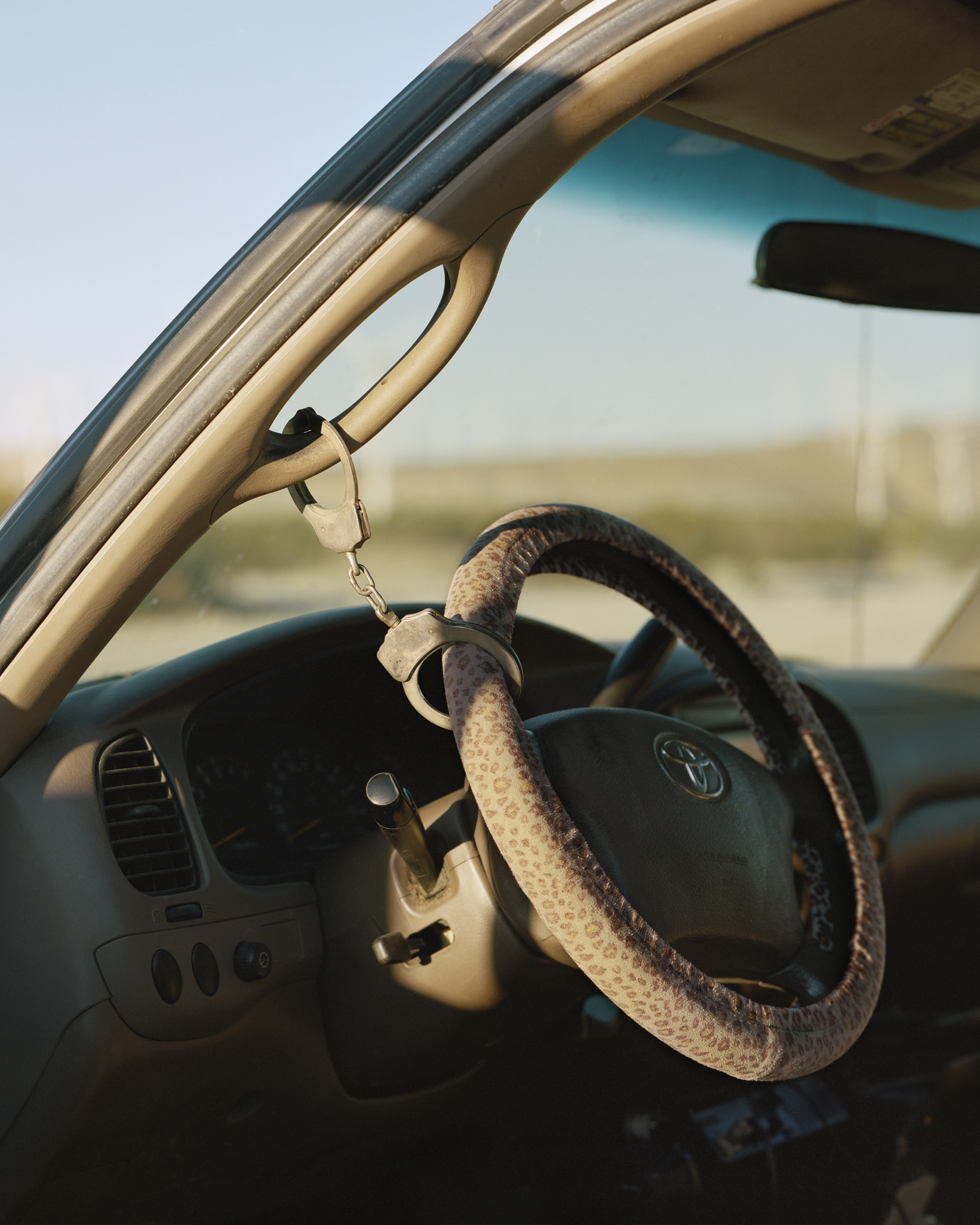
Years before I began this work, a storage unit fire took everything. Every photograph I had ever made. All of my family albums. And the photographs I had of my father, who died when I was seven. All I had left of him visually were my own memories, which are unreliable and fading. So I went back to the desert to make new photographs, partly to replace that lost archive, but what I came away with looks nothing like what I lost. What I made is not a document of my story. It’s more like a fiction based on a true story. And strangely, it feels more true to me than the literal photographs ever could have.
That’s the paradox I keep circling. Photography’s failure to capture the full truth created the space for something more emotionally honest to emerge. The fire took away a whole version of history and forced me to reconstruct. I had to invent. And what I built is mine in a way that a documentary record never could have been.
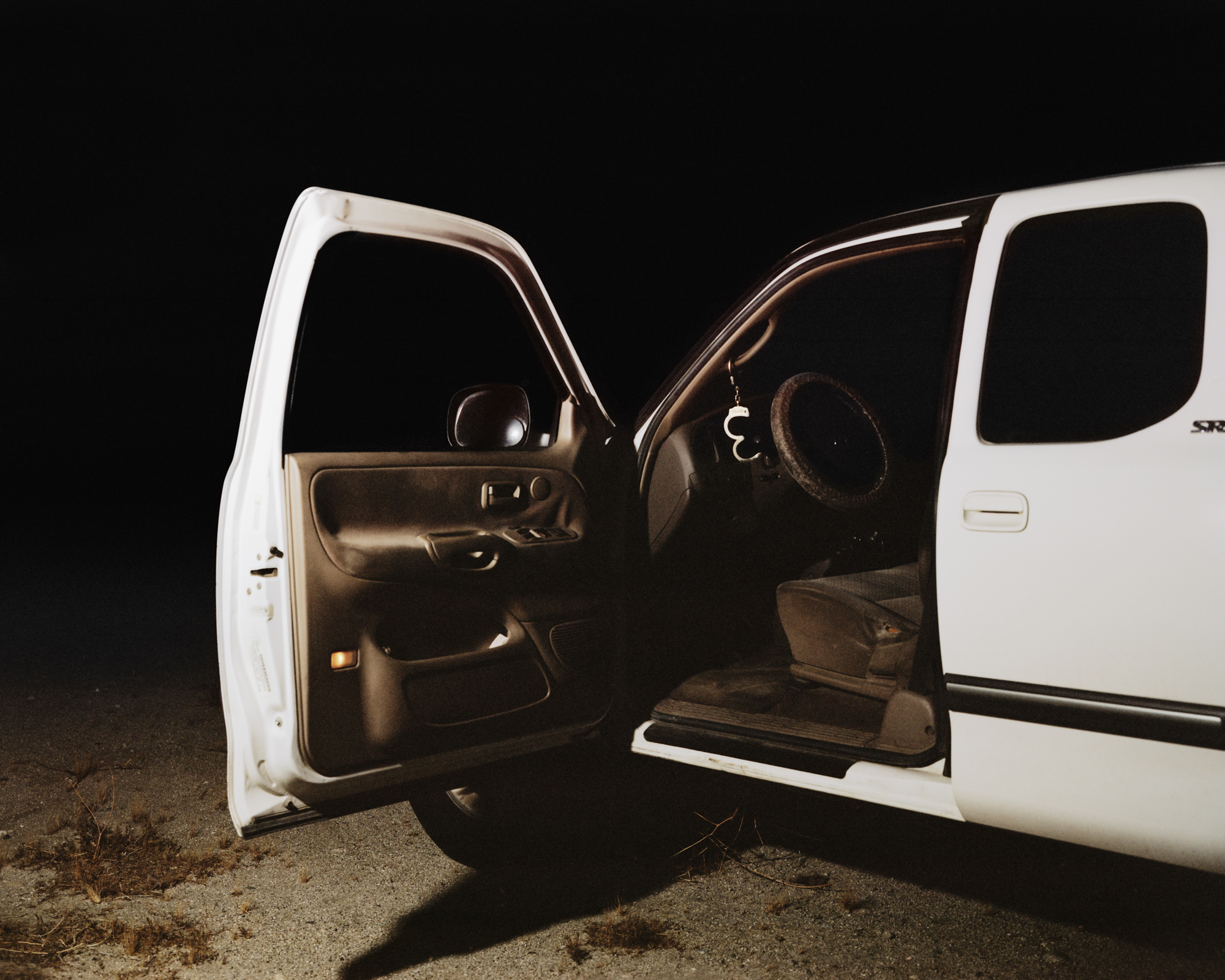
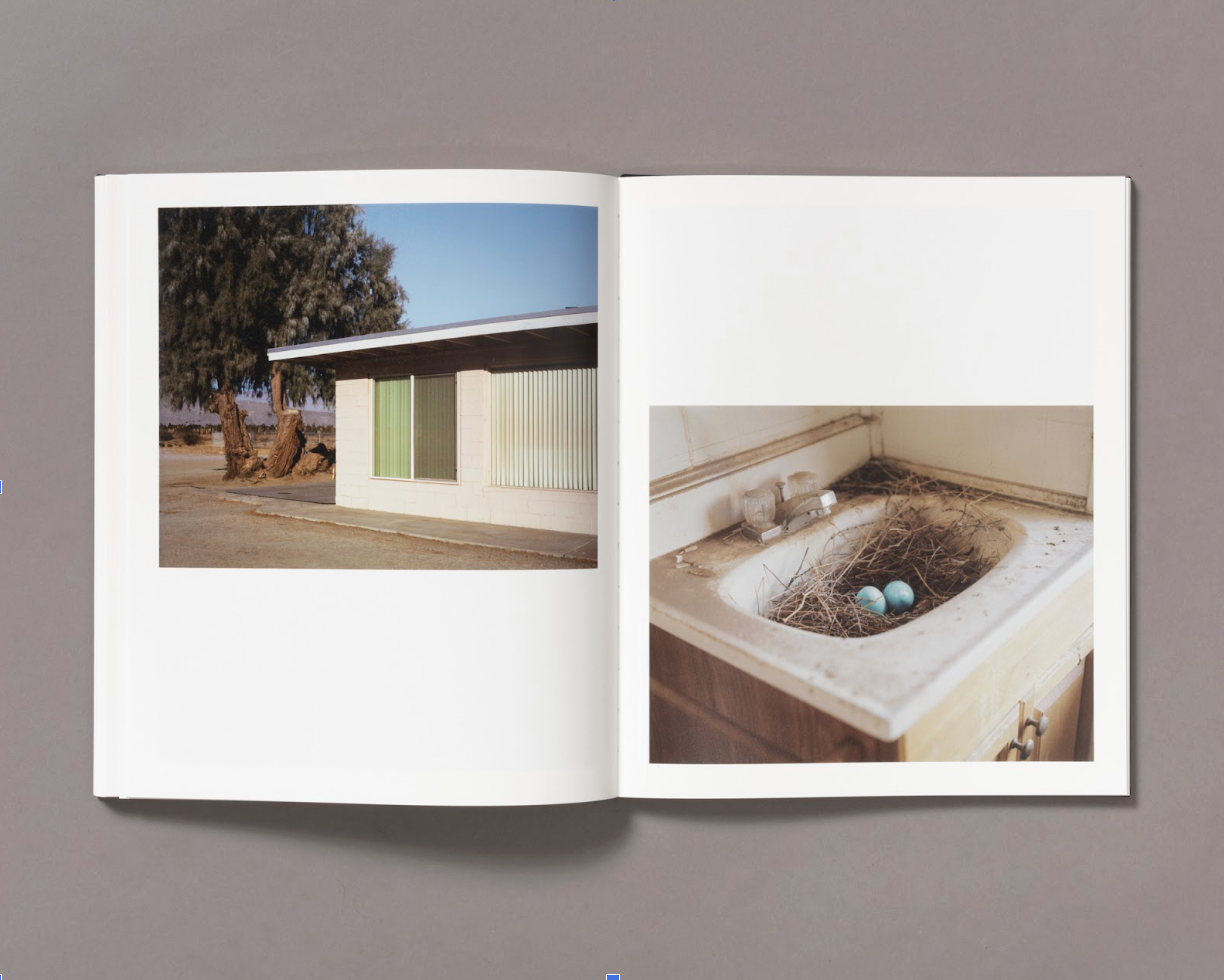
How does your personal narrative intersect with broader cultural or socio-economic narratives of the American desert (e.g., displacement, development, tourism, climate)? I grew up in Palm Springs, which is a strange place to be from. It was built as a playground for Hollywood elites and retired snowbirds, gated communities, golf courses, tennis clubs, designed for people who were passing through or escaping, not for the people who actually lived there year-round. My family was not wealthy. We were locals on the fringe, and I always felt like an outsider in my own hometown, a kind of reversed displacement. So when I photograph, I’m not photographing Palm Springs the brand. I’m in the peripheral spaces of my youth, the dry lake beds, and makeshift shelters at the margins, places that hold a different story. One of people who couldn’t afford the fantasy. And maybe that’s a class narrative as much as a personal one.
And then there’s the land itself. The Coachella Valley is in the middle of a desert. It only exists the way it does because of massive water infrastructure, aqueducts that pull water from hundreds of miles away. The whole thing is precarious at best. Climate is not an abstraction here. As I photograph, I’m aware that this landscape has its own timeline that dwarfs all of our efforts to control it, and hoarding these resources will prove unsustainable.
I didn’t set out to make a political project, but I think those tensions are in the work. I think personal work does that. We can’t escape being part of the whole.
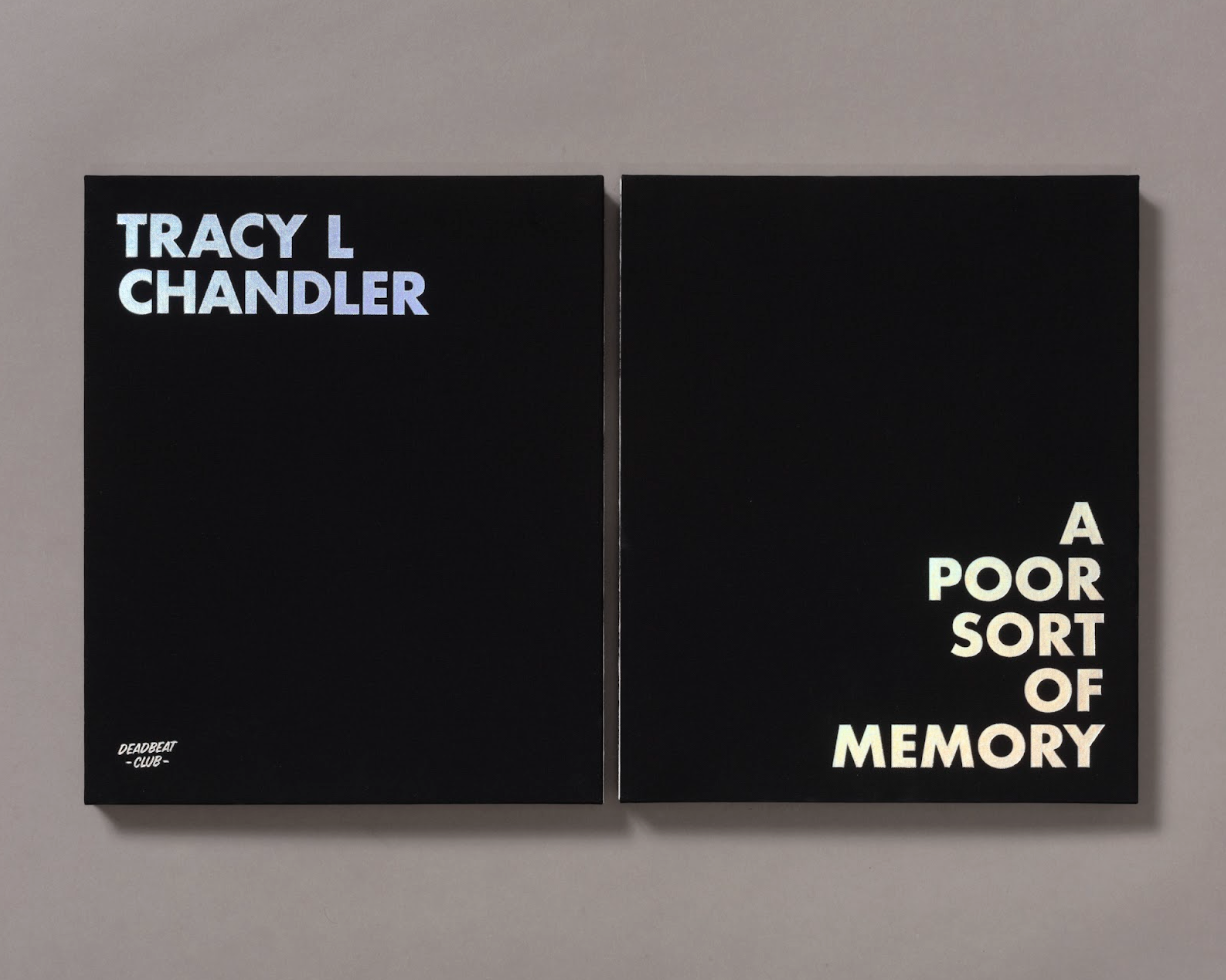
What does the title A Poor Sort of Memory suggest about the reliability of memory? The title comes from Lewis Carroll’s Through the Looking-Glass, where the White Queen tells Alice: “It’s a poor sort of memory that only works backwards.” On its face that’s nonsensical. How else would memory work? But that’s exactly what makes it interesting. Carroll is suggesting that memory doesn’t have to be fixed or unidirectional. It can work forward. It can be circular. The past doesn’t just recede behind you, it’s also present, maybe even ahead of you in ways you haven’t recognized yet.
For me, “poor” doesn’t just mean unreliable. It means limited, insufficient, sad. When I first started making this work I was trying to recover something fixed, to return to a static past and document it. What I found instead was that the past kept shifting under my feet. My childhood home was much smaller than I remembered. Specific locations looked nothing like my mental image of them. The camera kept showing me how partial and warped my version of events was.
So the title is both a confession and a provocation. Yes, my memory is poor, unreliable, incomplete, distorted by time and trauma. But maybe that instability is what makes memory a living thing rather than an archive. It keeps reshaping itself in response to who you are now. That’s actually how we survive.
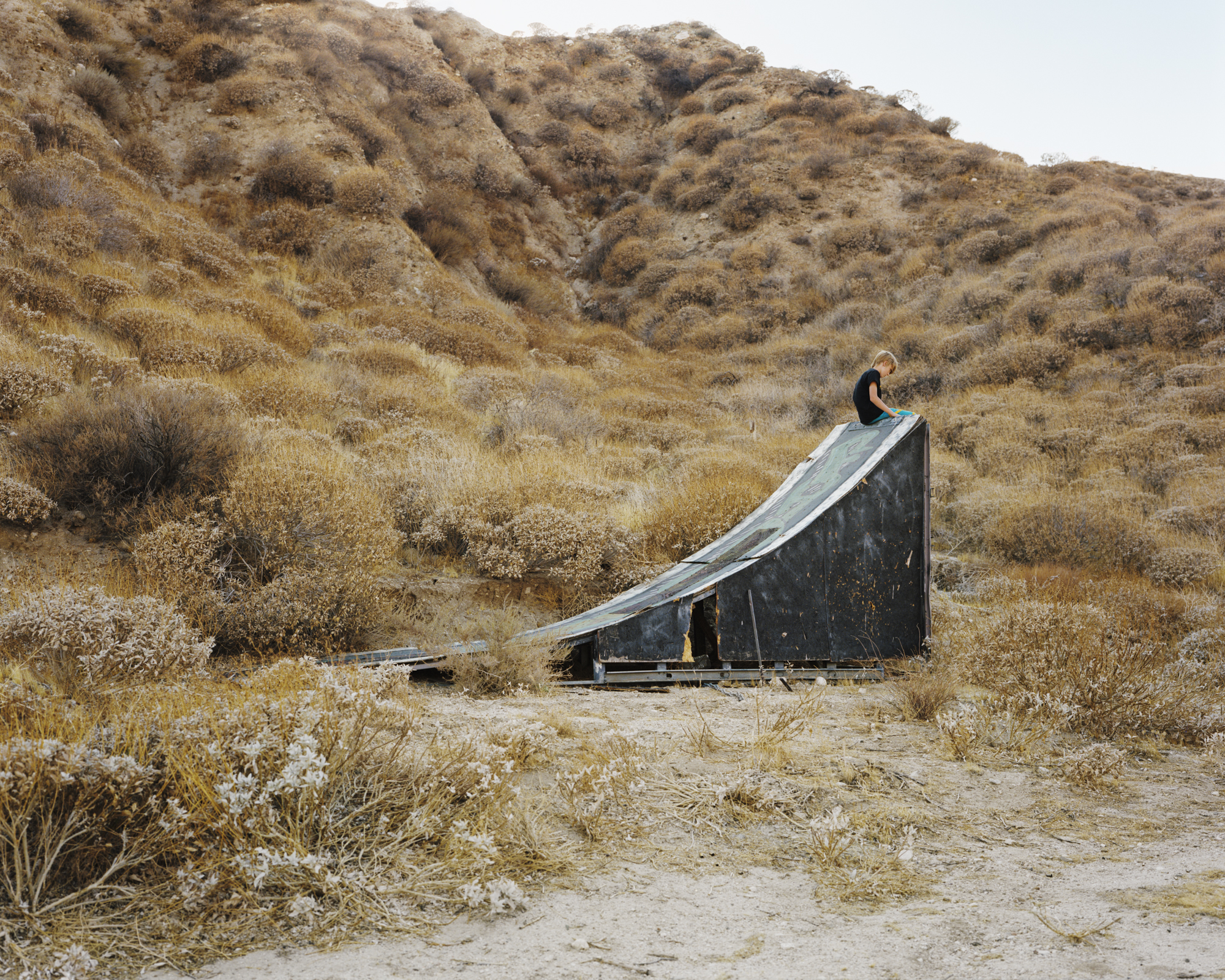
How does the inclusion of human figures, such as your son, affect your interpretation of the narrative? Are they bridges from past to present, self reflective metaphors or memories? I was thinking about the ramp image here… All of those things at once, which is what makes it complicated.
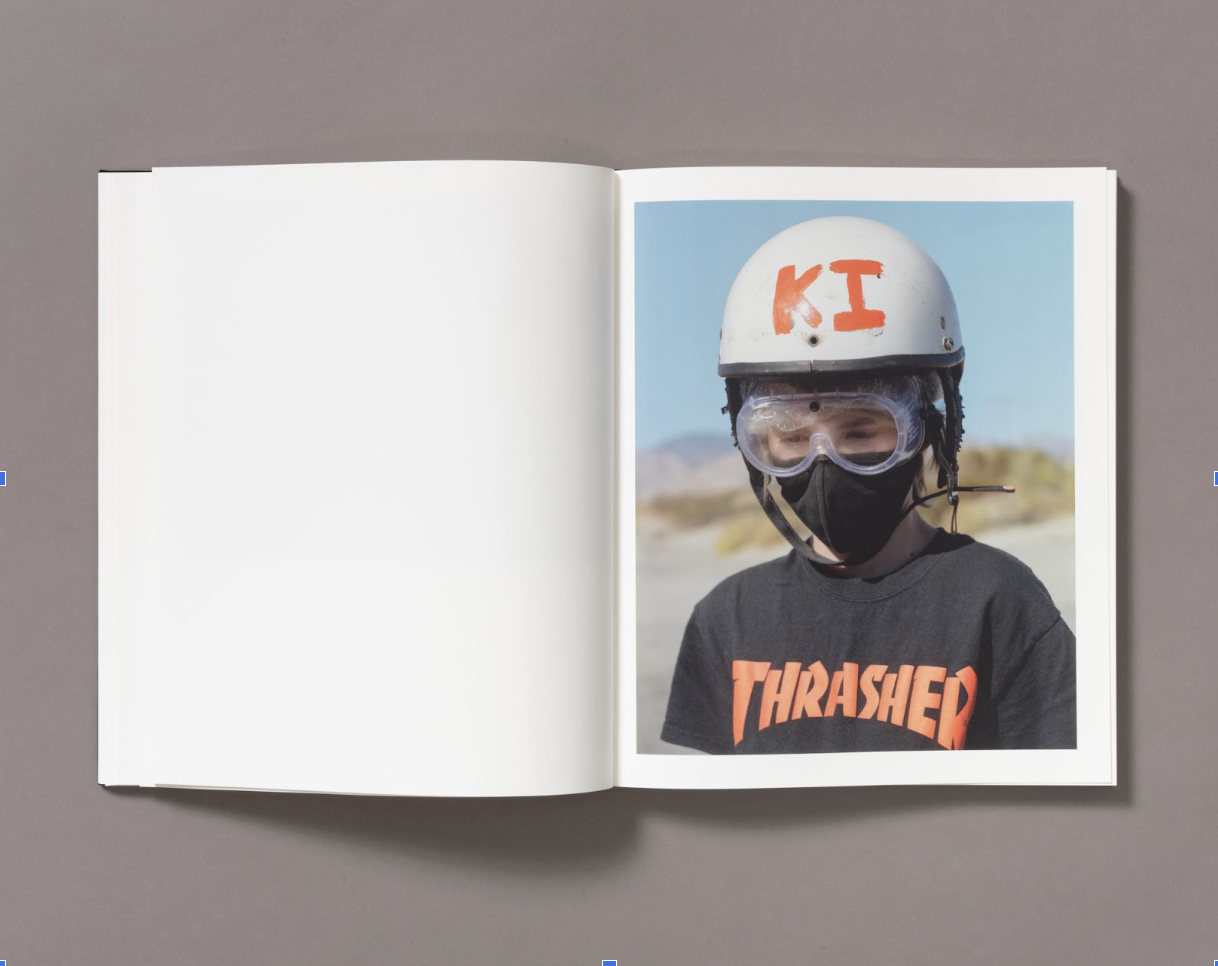
Eli (my son) wasn’t part of the original plan. I started making this work alone, out in the desert, and then COVID hit and there was no school, and suddenly I was bringing a tweenager on my photography trips. I was initially annoyed, I was in work mode and now I had to be in mom mode, and those felt like incompatible states. But then I turned around and saw him sitting on top of this old motorcycle ramp in the middle of nowhere, and something shifted. It was like a Hitchcock zoom. I looked at him and I saw myself as a kid. I saw my father. He loved motorcycles, he died in a motorcycle accident, I had lost every photograph of him in the storage fire, and here was this ramp in the landscape he would have loved. And in one frame I had all three of us: him, me, my dad. Past, present, and future all collapsed into each other.
Eli became a child guide, a protagonist to lead me through my own story. But the closer I got, the more he resisted it, and I think that resistance was honest and important. He wasn’t going to simply be a vessel for my projections. He’s his own person. And that pushing back, that refusal to stay still as a symbol, that became part of the work too. The mother-and-son dynamic folded back on itself and complicated everything, which is exactly right for a project about the instability of memory.
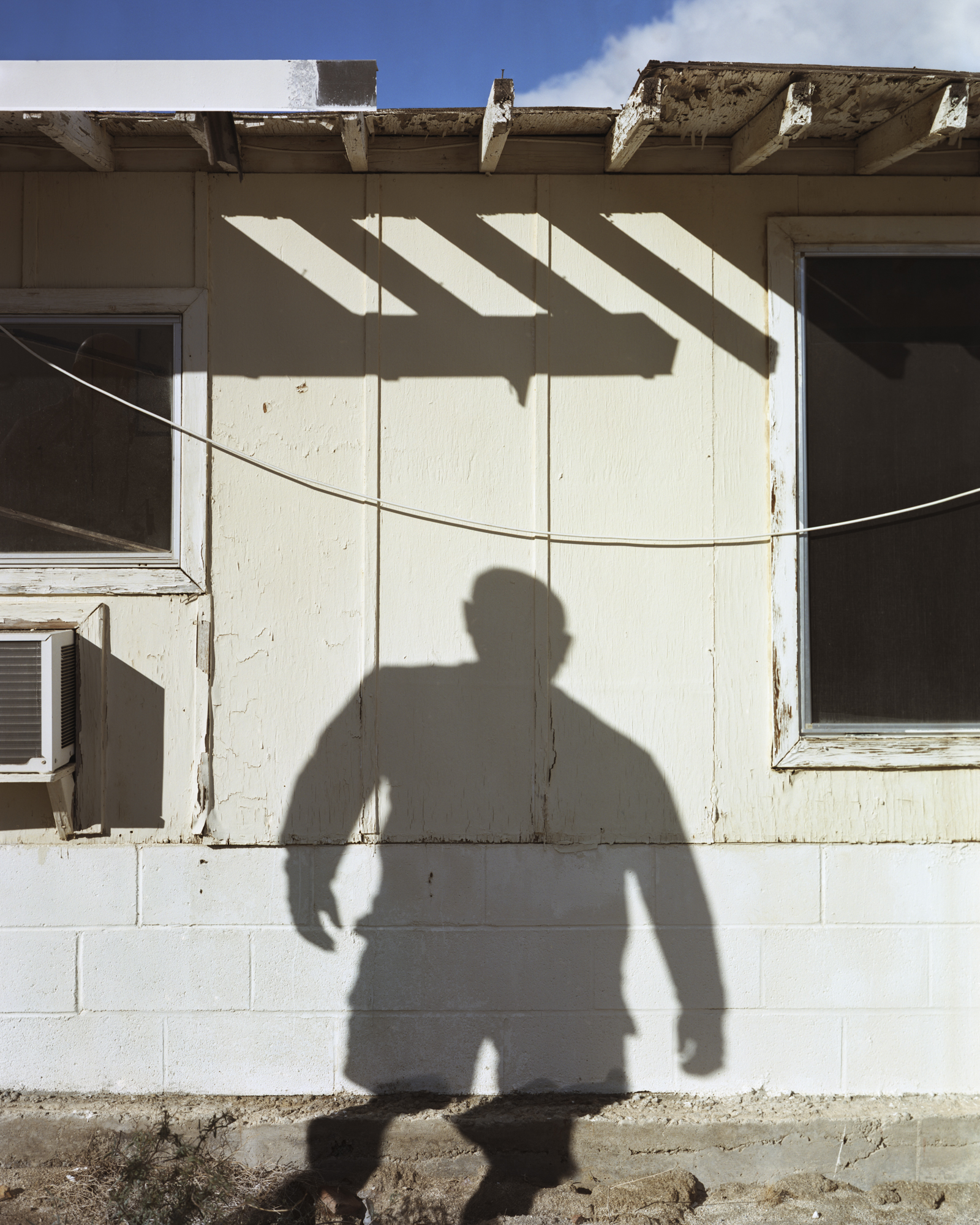
There’s also Uncle Bill in the work — this adult male figure who carries both the longing for a father and the menace of the stepfather simultaneously. Longing and danger. That’s a pretty exact description of what it felt like to be a kid in my house growing up. Together they hold this protagonist-antagonist tension throughout the work. There’s a sense of chasing ghosts and evading monsters.
Which places in your work feel most alive — and which felt like ghosts and why? Did reframing meaningful events act as a release or allow you to heal? The places that felt most alive were the edge spaces, concrete washes, the end of a dirt road, etc. There was still a charge in those places. The isolation, the sense of potential danger and freedom existing right next to each other felt like a homecoming of sorts, even if it was an uncomfortable one.
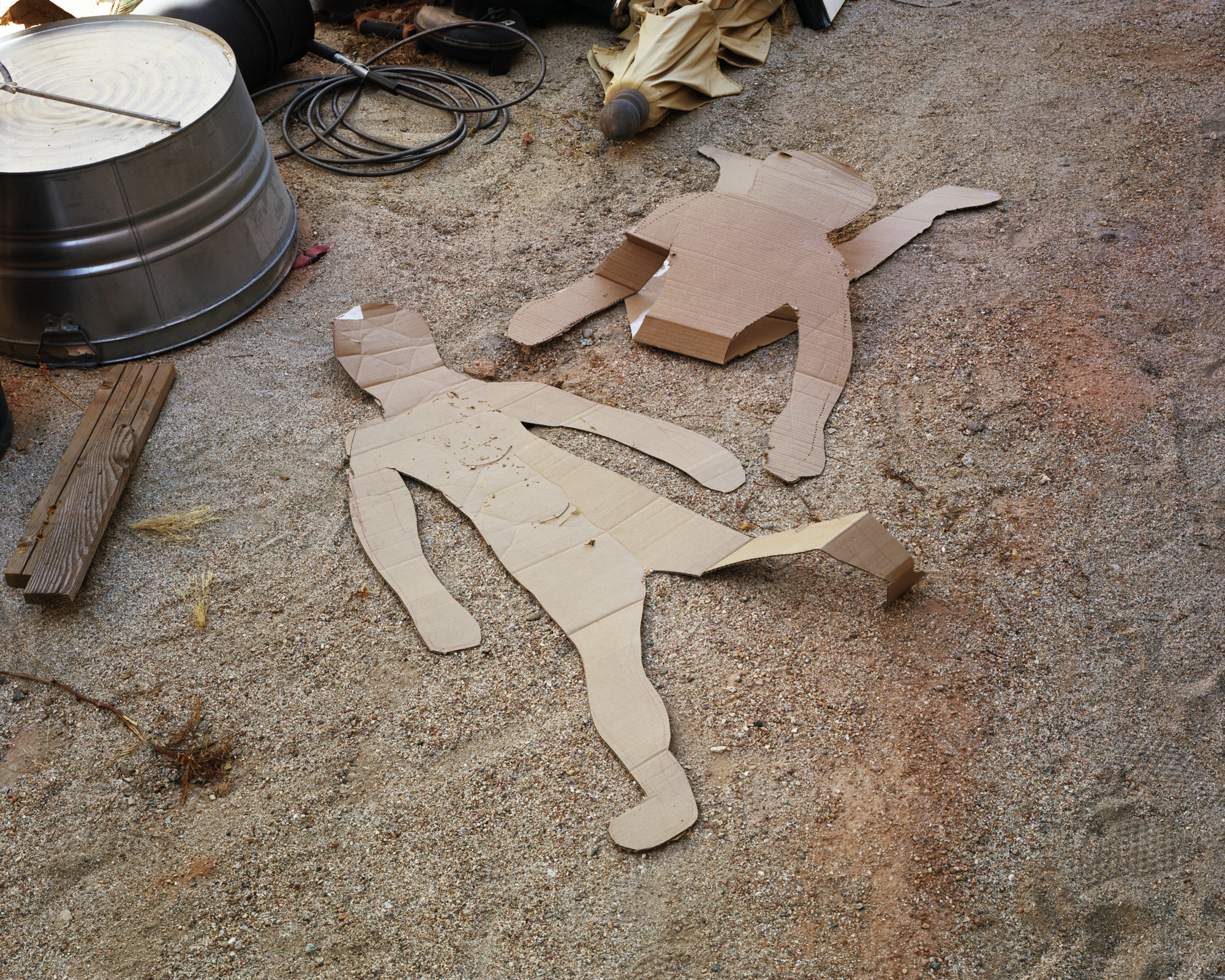
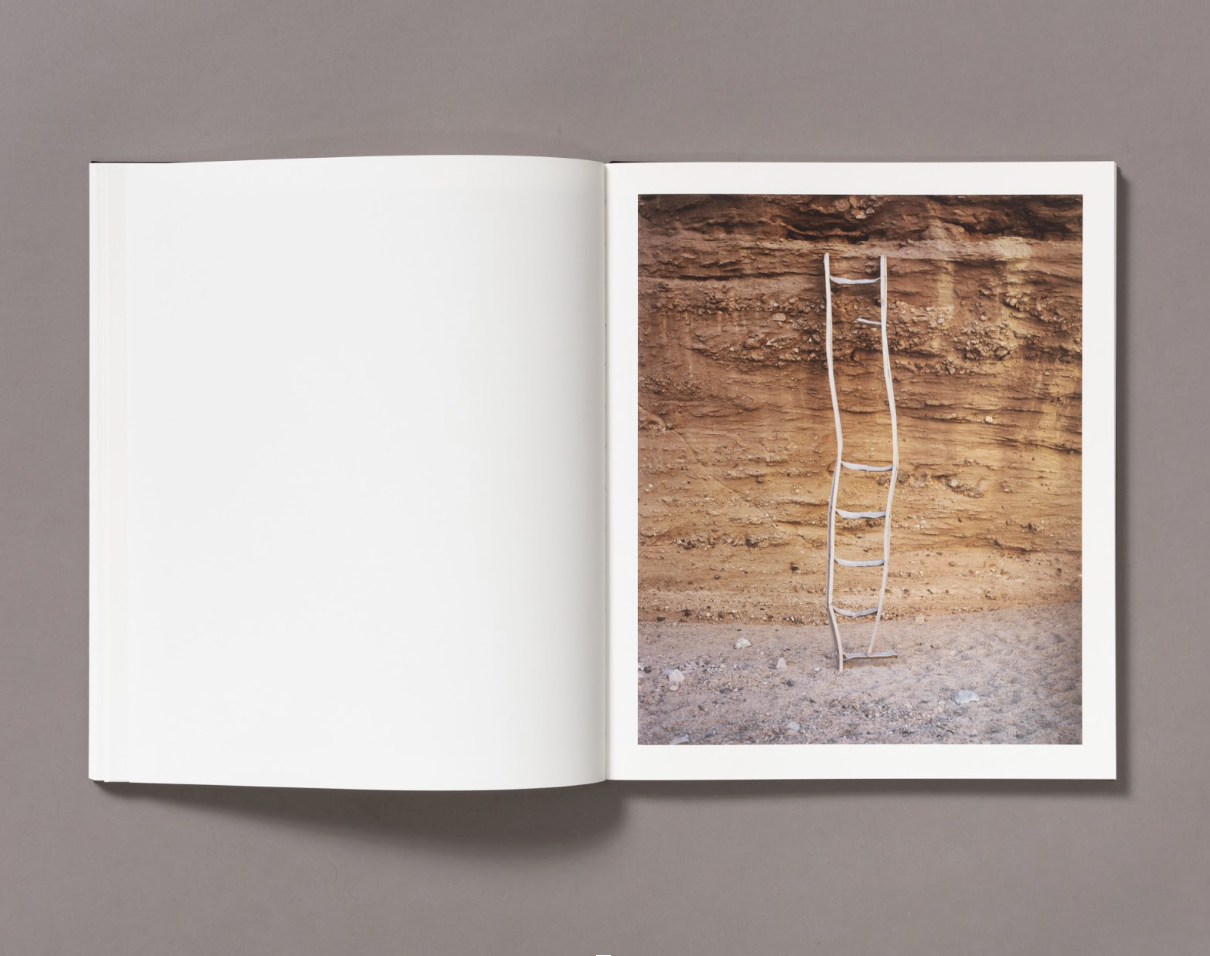
And then there were the objects. Found things, constructed things, totems I placed in the landscape. Those became some of the most alive moments in the work for me, because an object in the right context stops being a thing and starts being a symbol. It opens up. It becomes a portal into something larger than itself, a way into a story that language alone couldn’t access. That’s where I felt most free as a photographer, in that space between the literal and the symbolic.
As for healing, I want to resist that framing a little. I don’t think this work healed anything or released anything in a clean sense. What it did was build complexity. It gave me a more nuanced relationship to my own history. I came to understand that memory isn’t a fixed record, it’s a living thing, and the only constant in it is change. It’s something more like making peace with ambiguity.
Now that you’ve had distance on the project – what have you learned about yourself as a creative? Or what surprised you?
The thing that surprised me most was the gap between what I set out to make and what the work actually wanted to be. The pictures I felt sure about at first weren’t the ones that lasted. The quieter, stranger, slightly-off images were the ones that kept creeping up on me over time and revealing more meaning the longer I sat with them.
That taught me something real about patience and about listening, to the pictures, to the place, to the process itself. The best images in this project are NOT the ones I planned. They arrived sideways. And I think that’s true of creative work more broadly: you have to make your way toward the thing you don’t know you’re looking for. You may have to be wrong first. I’m still learning to trust that.
The Art of the Personal Project is a crucial element to let potential buyers see how you think creatively on your own. I am drawn to personal projects that have an interesting vision or that show something I have never seen before. In this thread, I’ll include a link to each personal project with the artist statement so you can see more of the project. Please note: This thread is not affiliated with any company; I’m just featuring projects that I find. Please DO NOT send me your work. I do not take submissions.
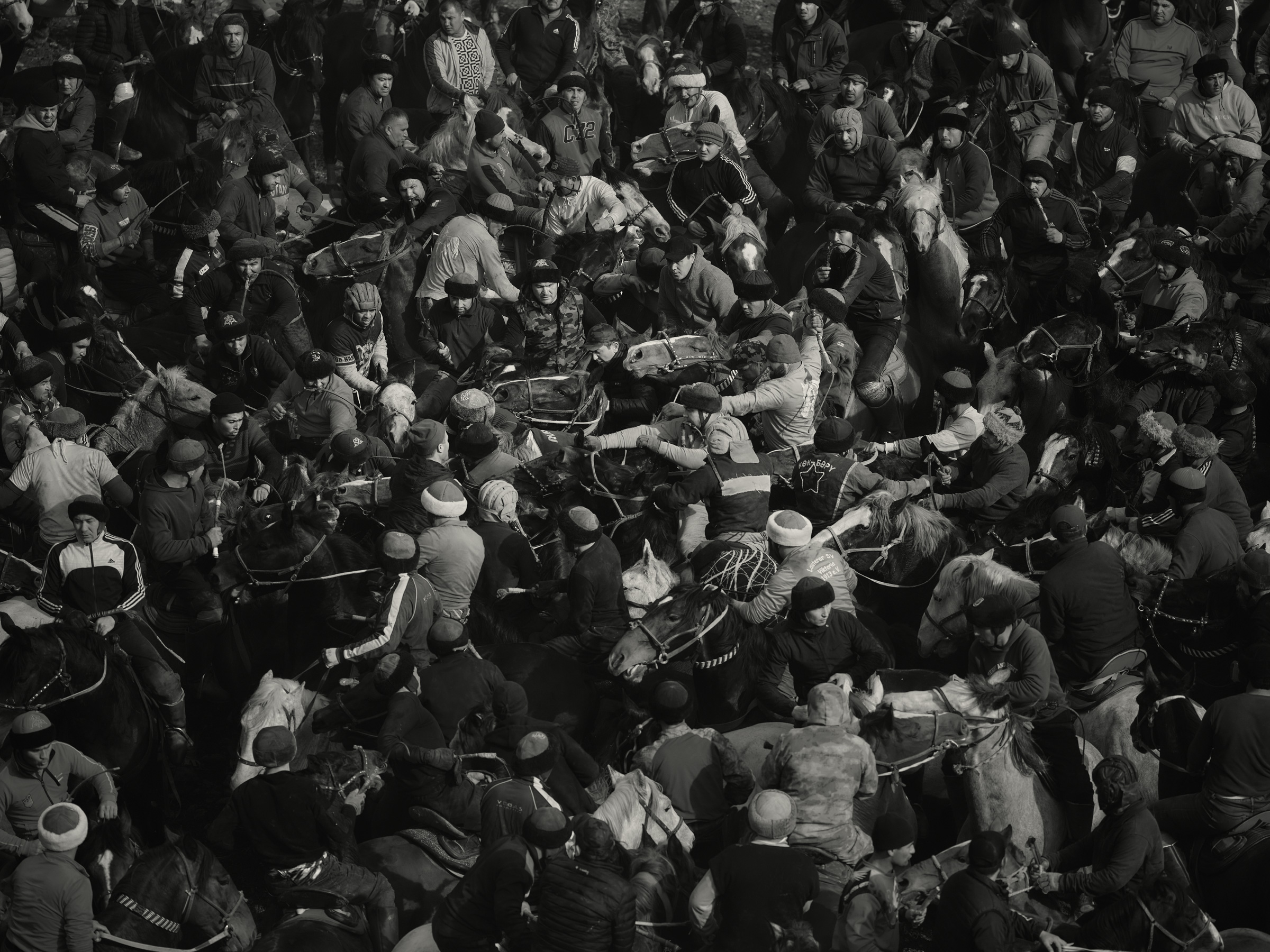
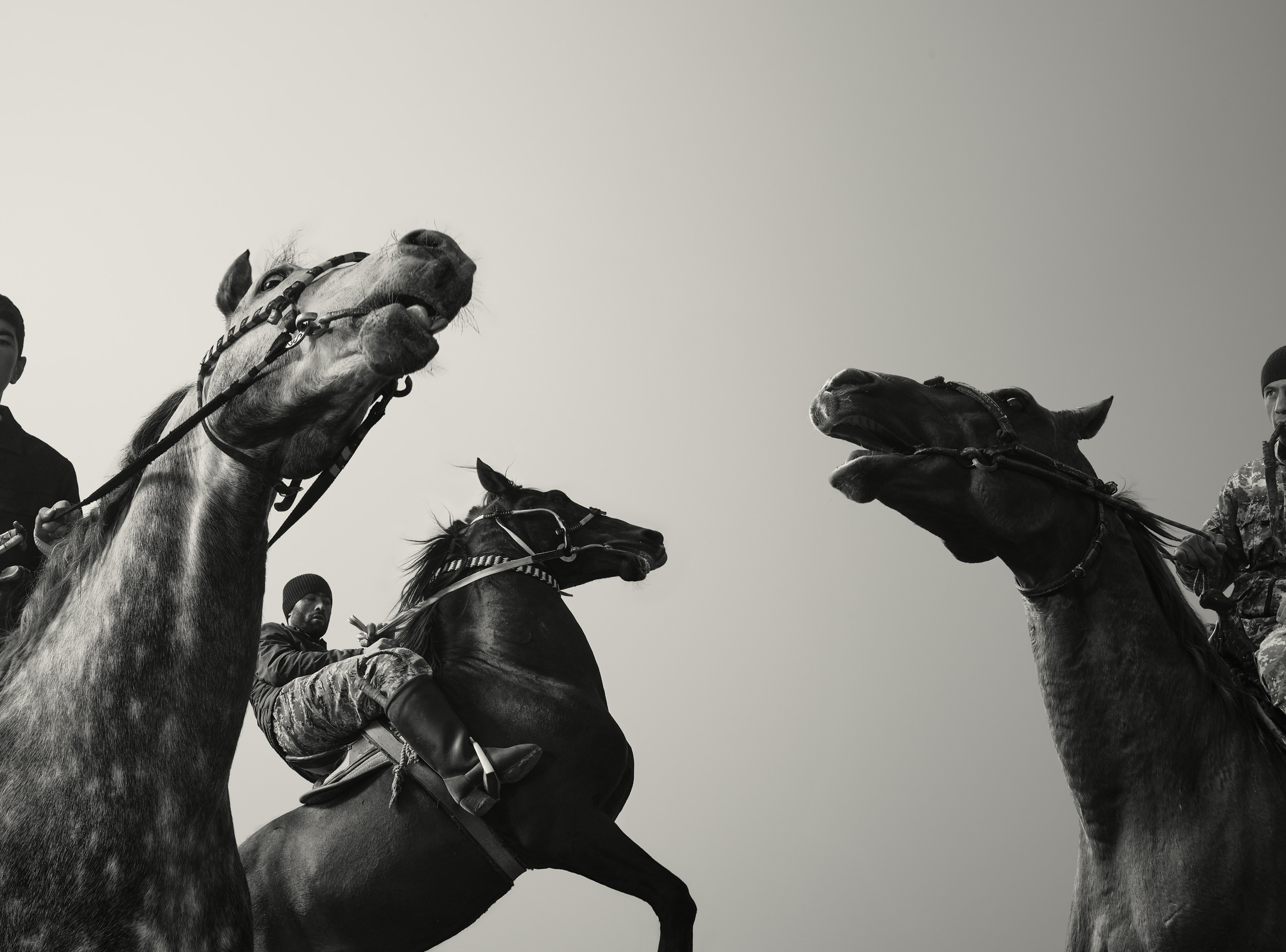
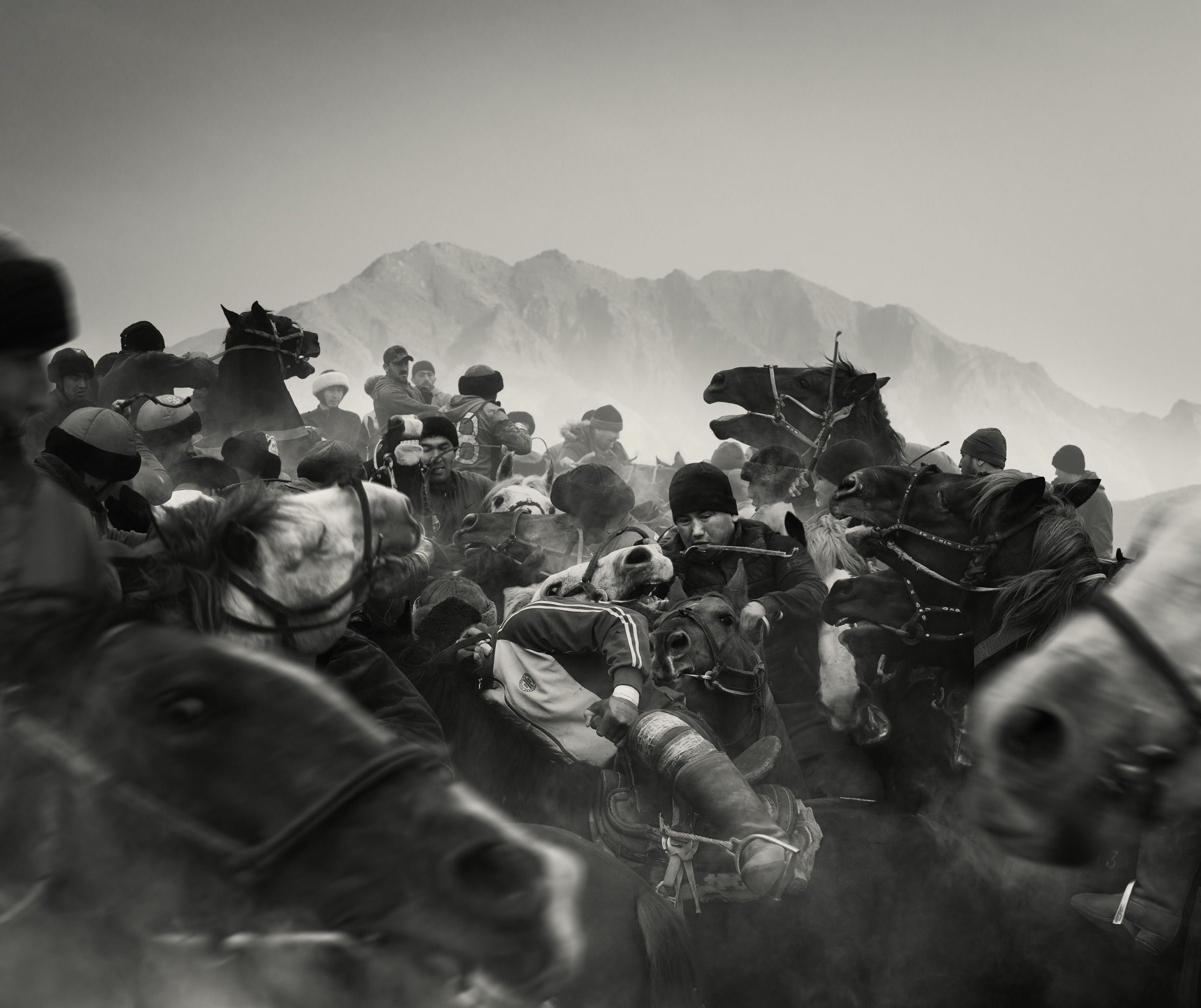
Buzkashi, meaning “goat pulling” in Persian, is the wild, brutal sport of Tajikistan and its neighboring ‘Stans.’ Think polo – but with a headless, eviscerated goat standing in as a ball, hundreds of riders, and no formal teams. Rooted in the nomadic cultures of Central Asia and played for hundreds of years, riders, or chapandaz, battle for control of the goat while dodging rivals (and the occasional whip or elbow) in scenes reminiscent of a Napoleonic battle painting. The rule book is less of a book and closer to a couple of sentences, with the match often overflowing into the fleeing crowd (something I can testify to firsthand) games can last for hours until one rider hauls the goat across a hay-marked goal line in the dirt. Once a pastime of the steppes, Buzkashi is now a beloved spectacle at festivals and major gatherings such as weddings.
Watching Buzkashi matches was often like stepping directly into famous Napoleonic battle paintings. A seething morass of fighting players and horses, kicking up clouds of dust and visceral noise. I wanted some of the images from the project to take on the visual cues of those old paintings. Idealized in the middle of what is an otherwise brutal moment.
Suzanne Sease is a creative consultant and former ad-agency senior art buyer. She works with both emerging and established photographers and illustrators to create cohesive, persuasive presentations that clients can’t resist.
Suzanne offers something rare: an insider’s perspective on how client’s source creative talent. Her deep understanding of the industry is underscored by her impressive resume: 11 years as senior art buyer at The Martin Agency, seven years as an art producer for Capital One, and stints with the art-buying department at Kaplan-Thaler and the creative department at Best Buy, where she applied her expertise to reviewing bids to see which were most likely to come in on budget. Over the years, Suzanne has worked with a wildly diverse range of clients, including Seiko, Wrangler, Bank One, AFLAC, and Clairol Herbal Essence. Now, as a consultant, she is equipped to problem-solve for her clients from an unusually dynamic point of view.
As a longtime member of the photo community, Suzanne is also dedicated to giving back. Through her Art of the Personal Project column on the popular website aphotoeditor.com, she highlights notable personal projects by well-known and up-and-coming photographers. The column offers these artists excellent exposure while reflecting Suzanne’s passion for powerful imagery.
The Art of the Personal Project is a crucial element to let potential buyers see how you think creatively on your own. I am drawn to personal projects that have an interesting vision or that show something I have never seen before. In this thread, I’ll include a link to each personal project with the artist statement so you can see more of the project. Please note: This thread is not affiliated with any company; I’m just featuring projects that I find. Please DO NOT send me your work. I do not take submissions.
“To me, every hour of the day and night is an unspeakably perfect miracle”.
-Walt Whitman
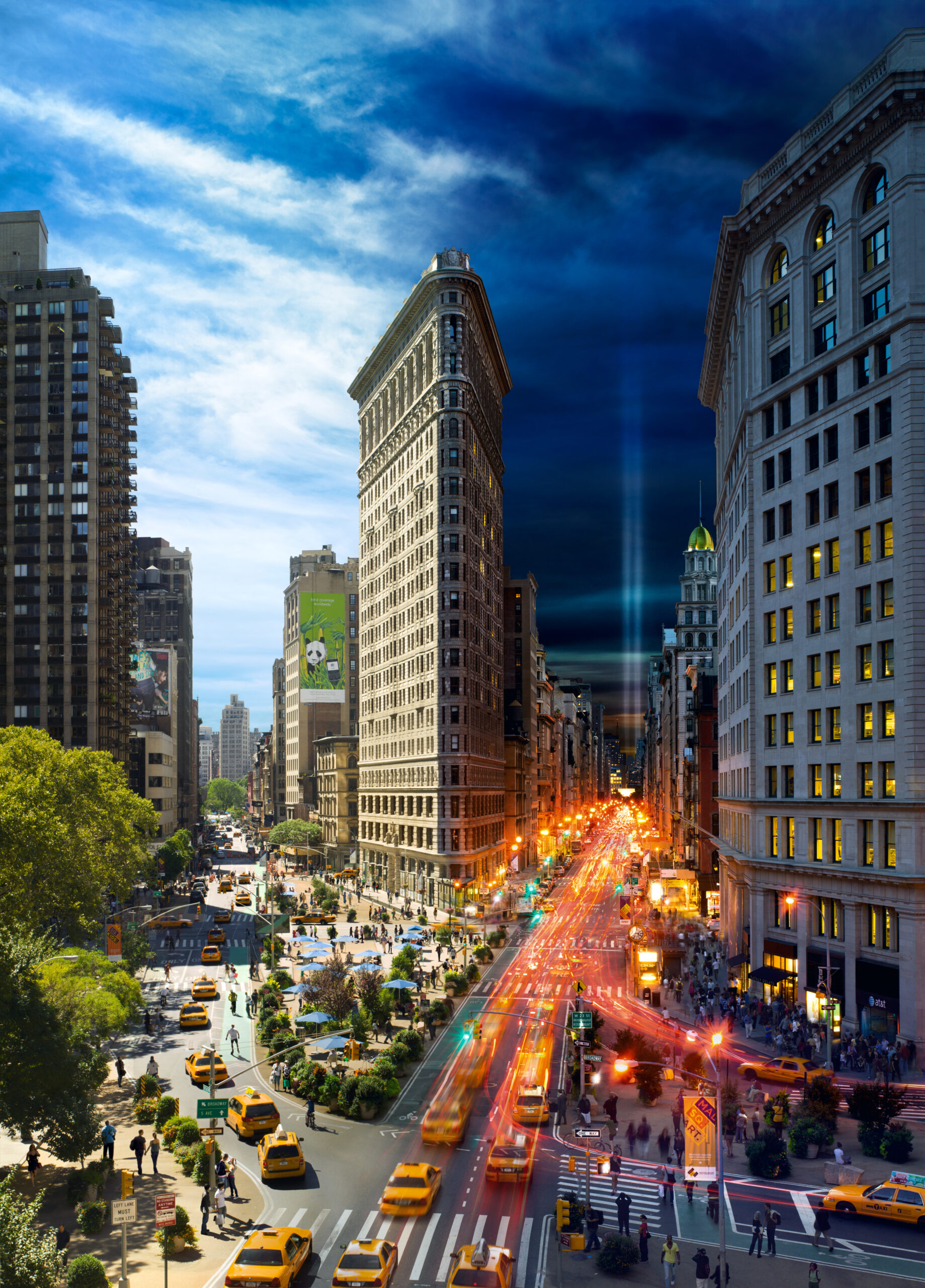
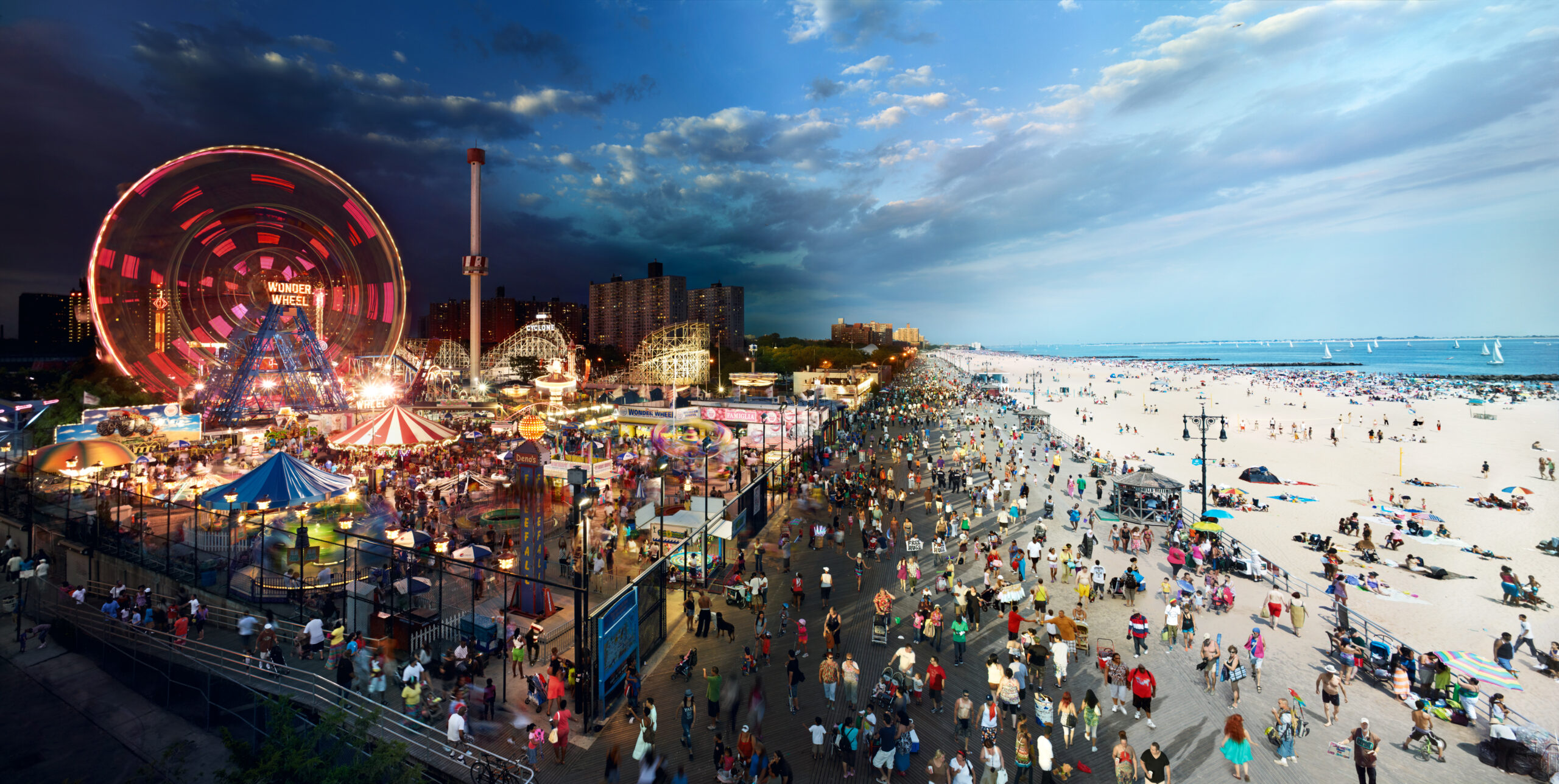
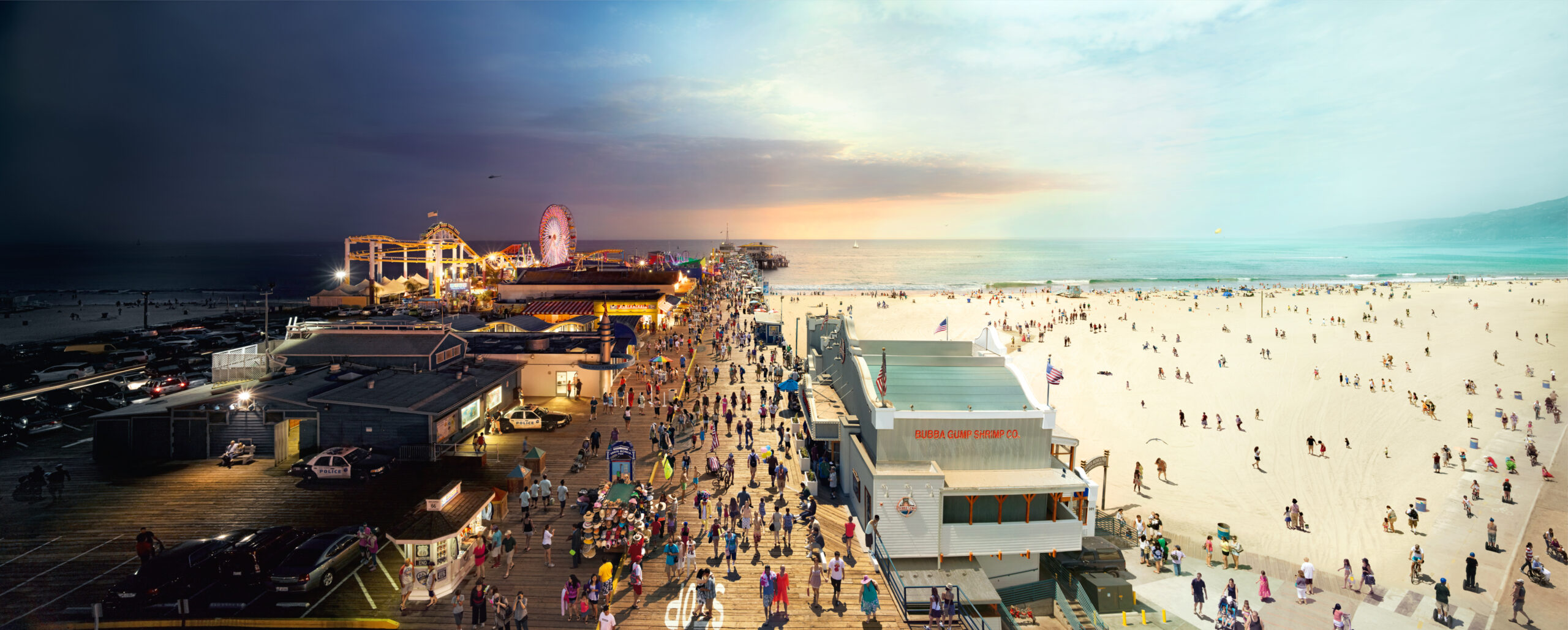
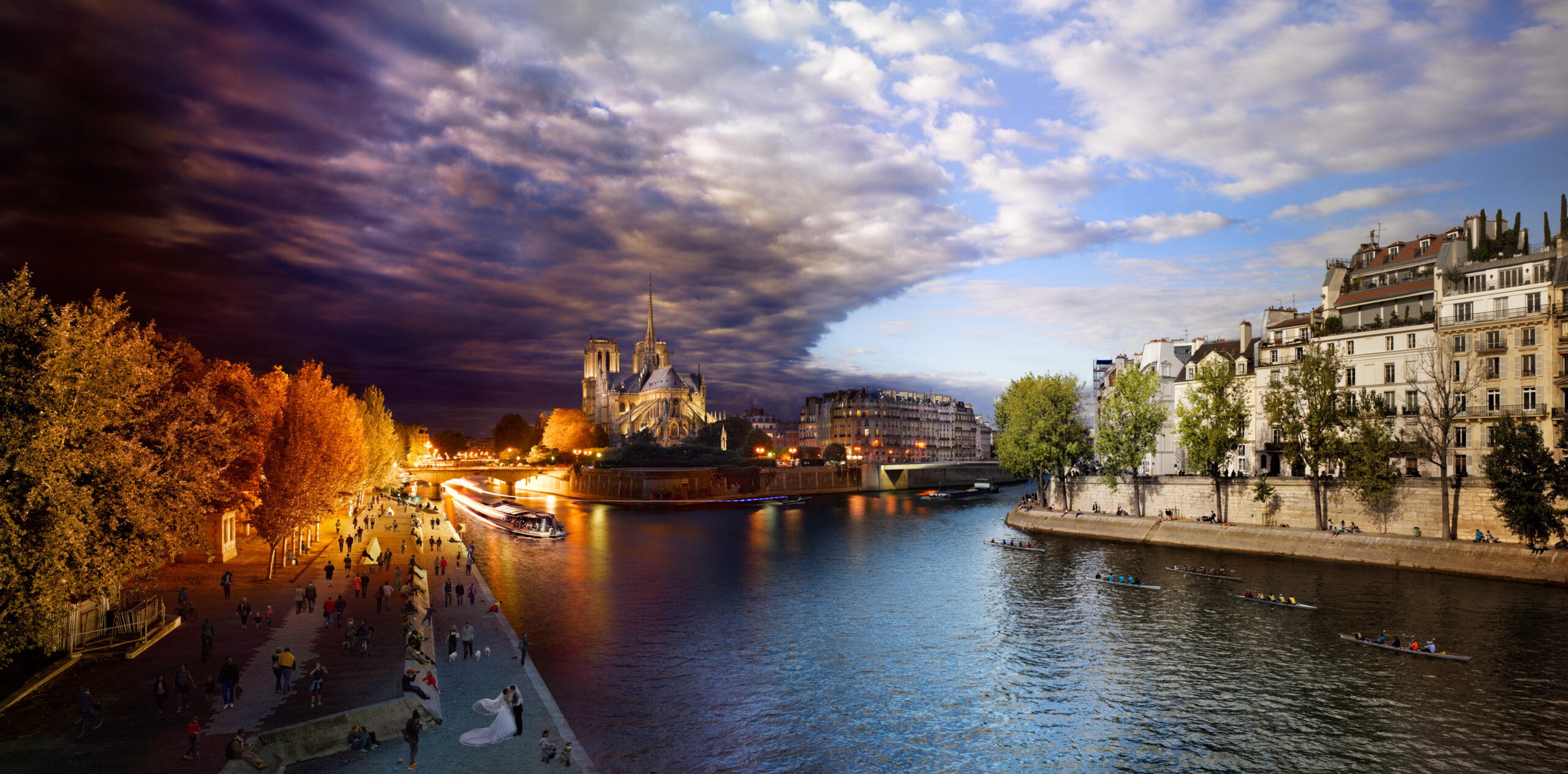
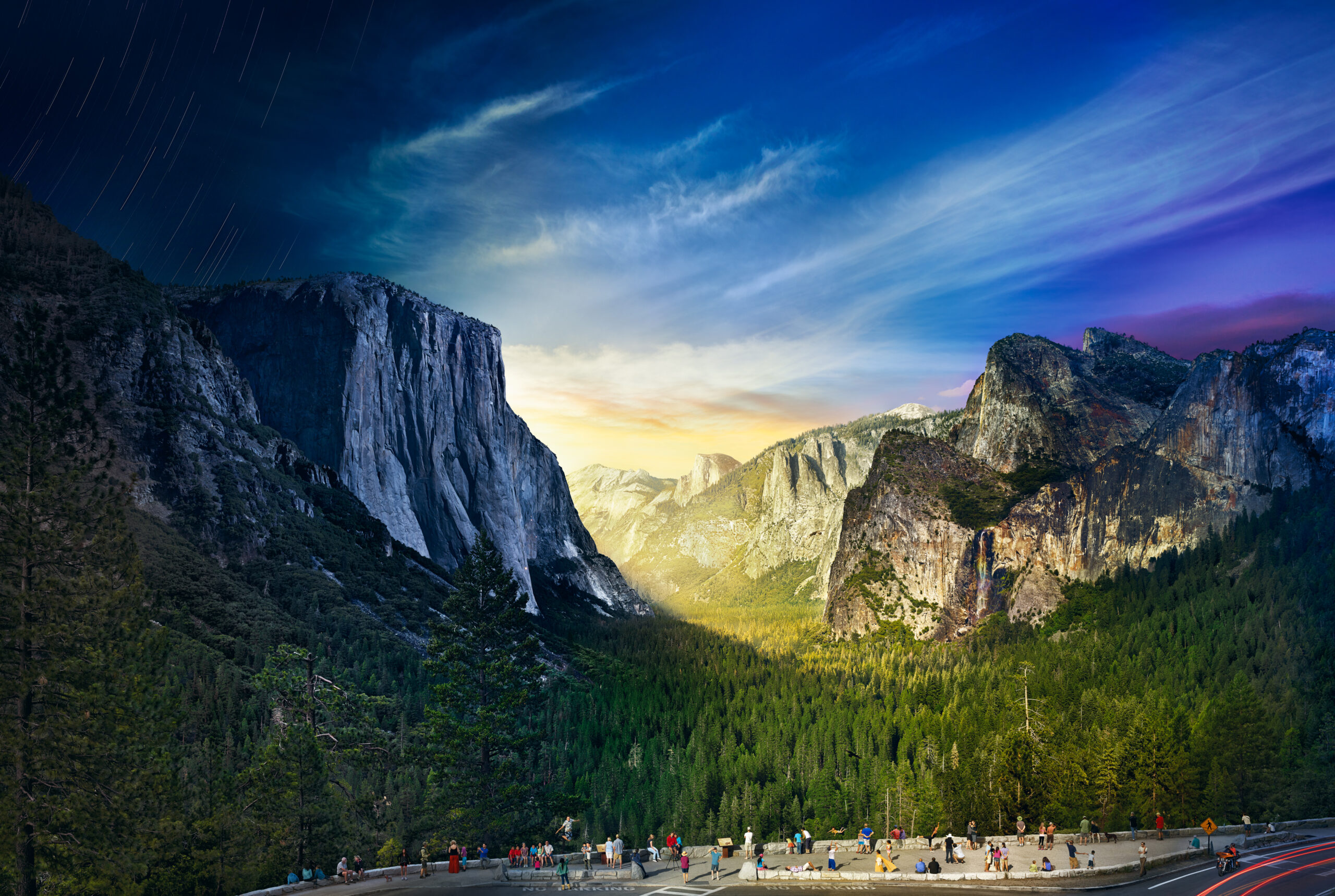
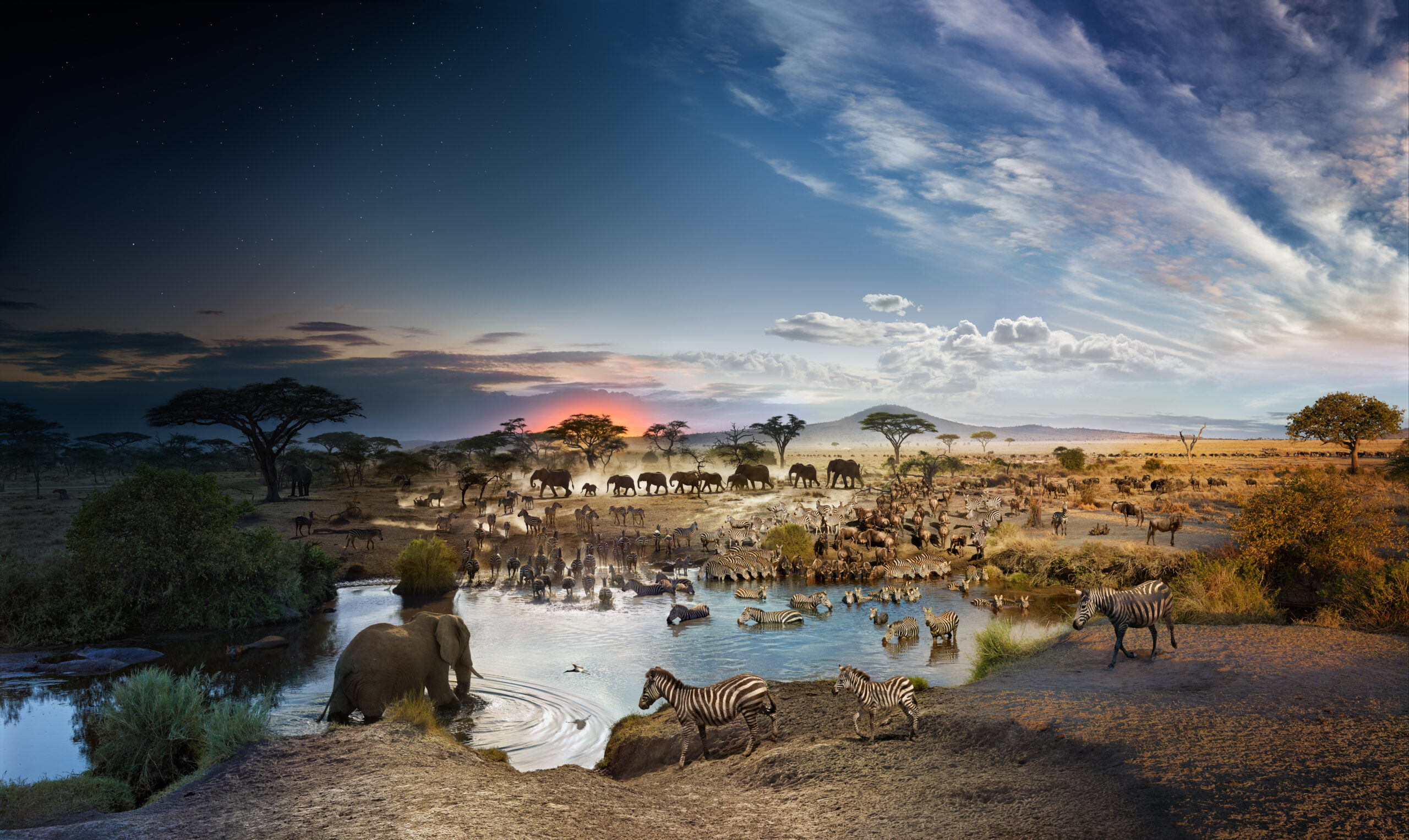
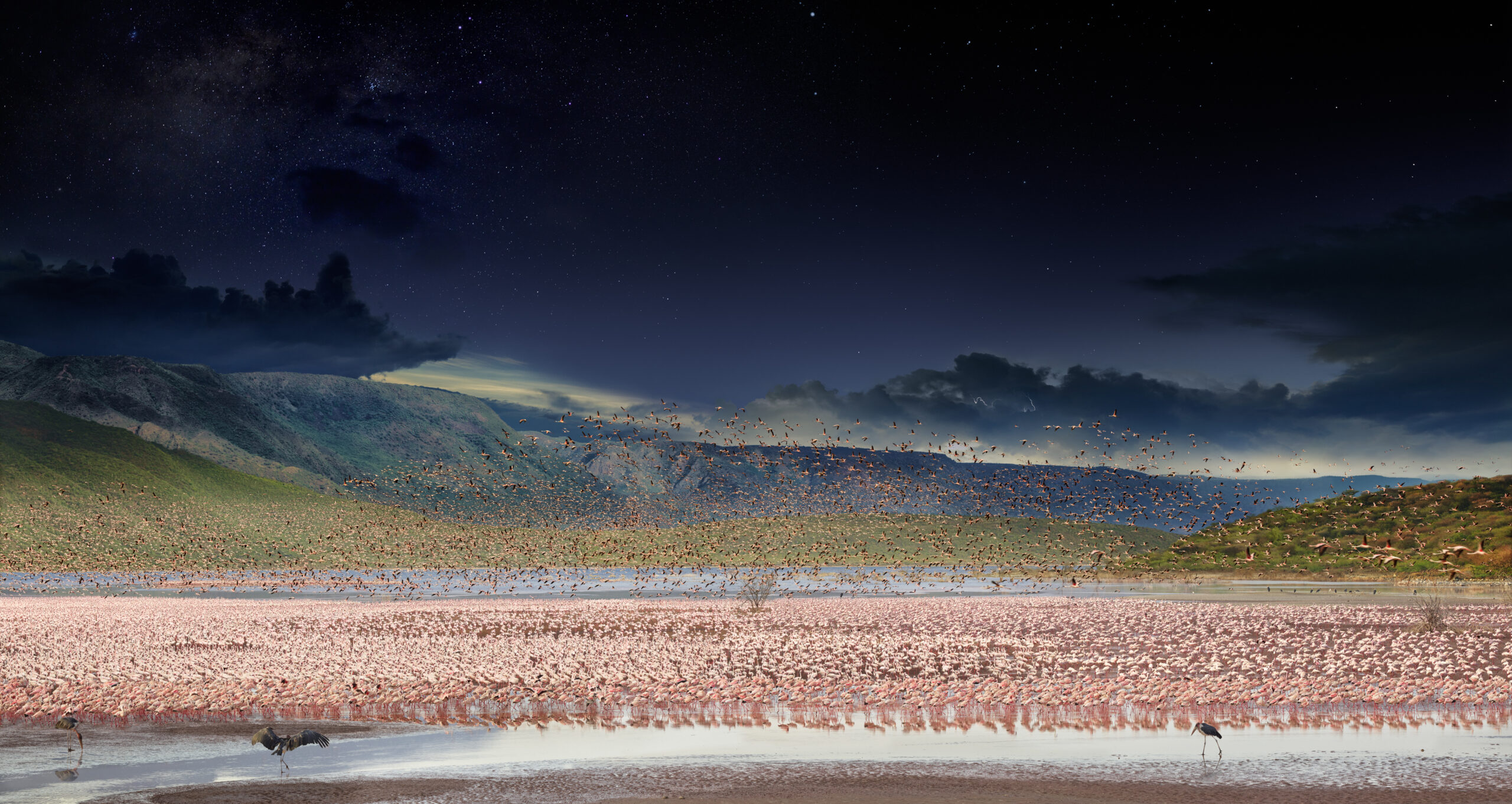
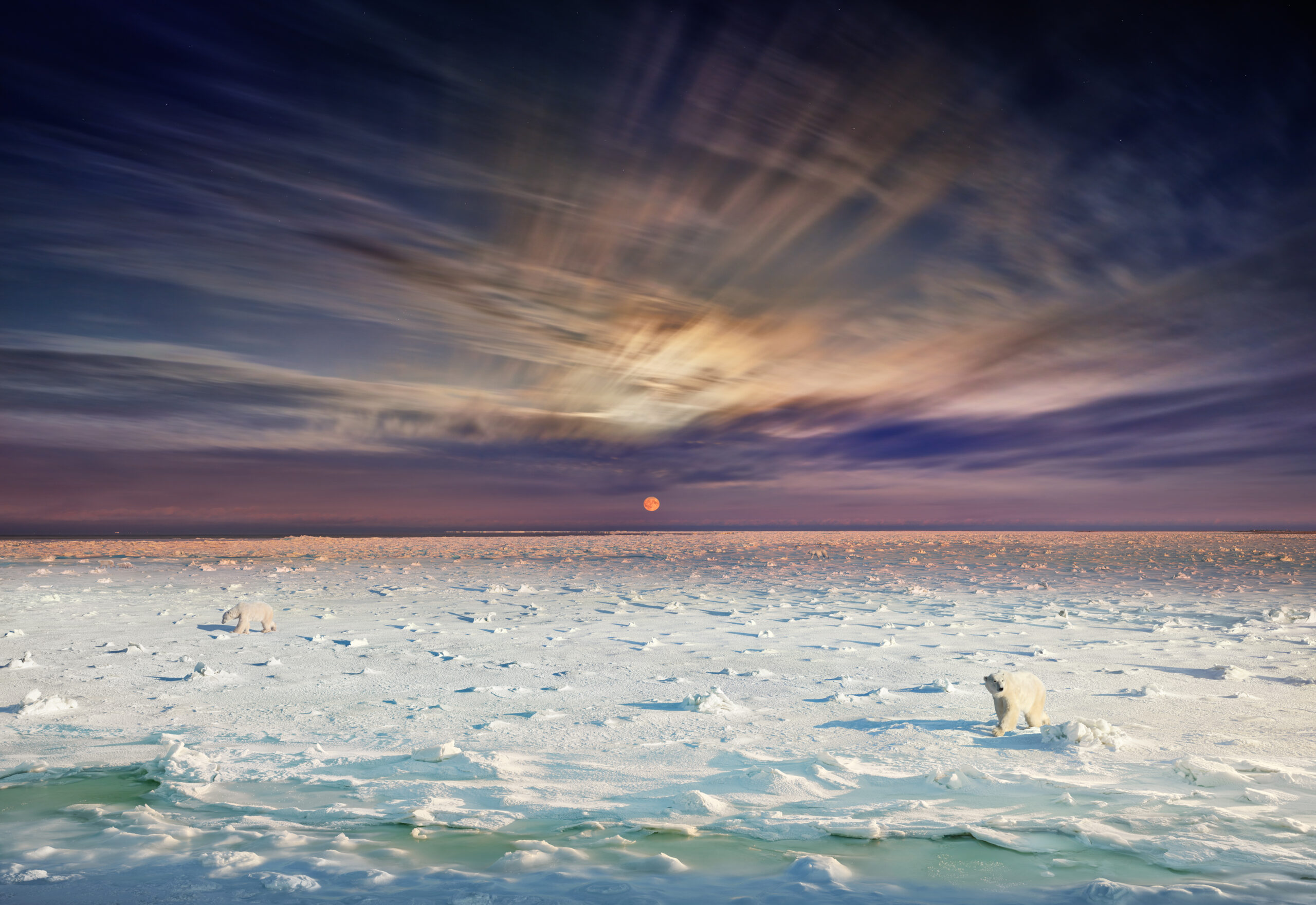
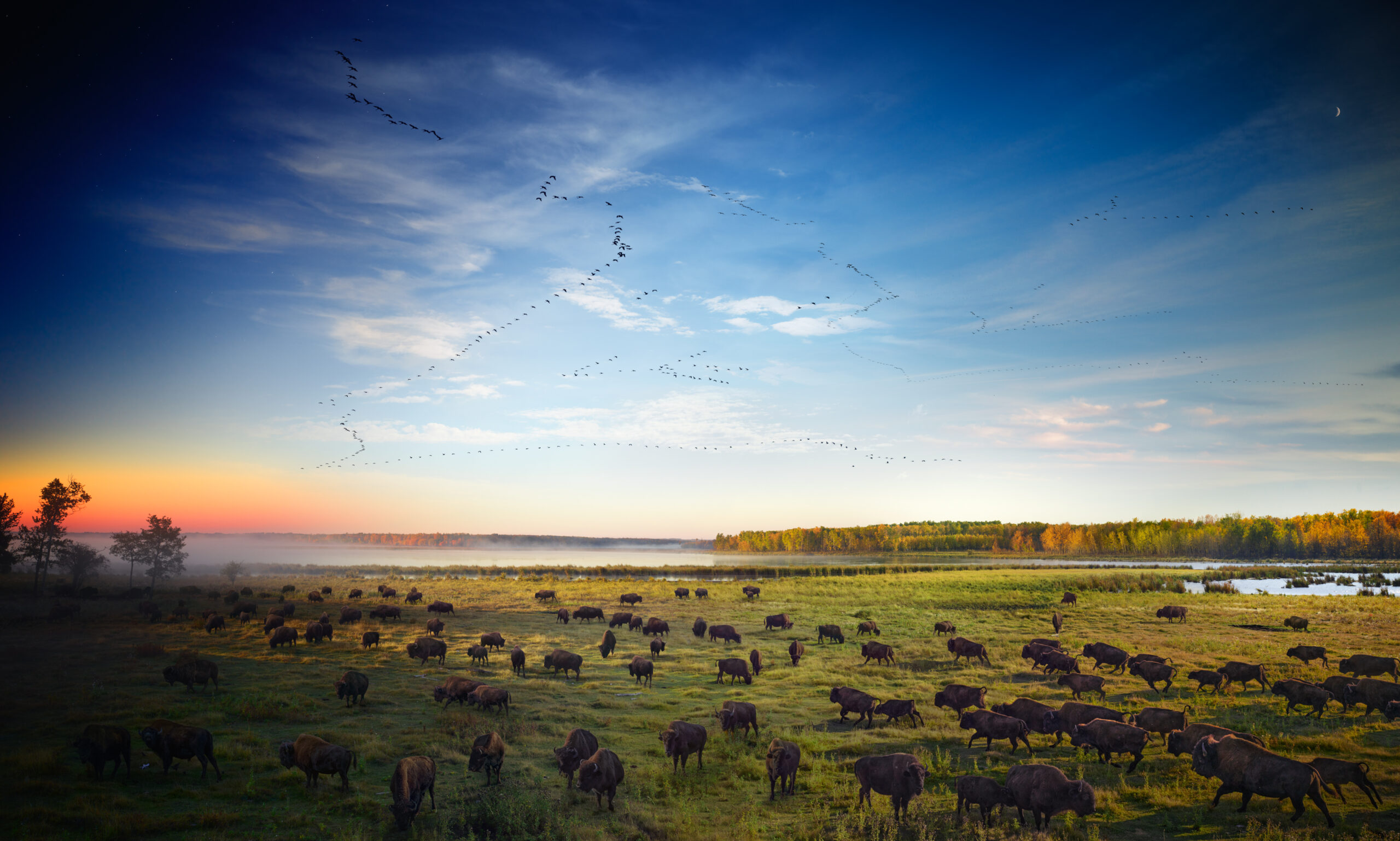
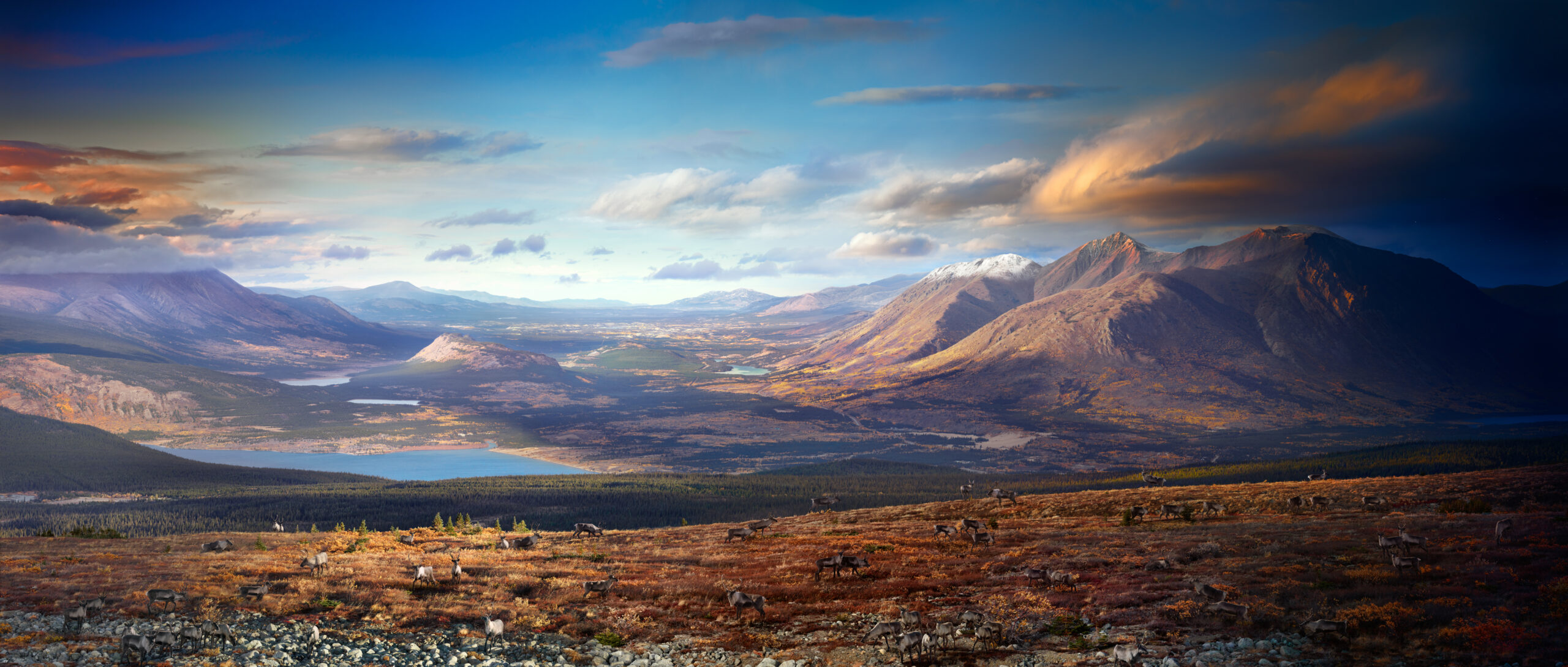
Day to Night is a 16 year personal journey to capture fundamental elements of our world through the hourglass of a single day. It is a synthesis of art and science, an exploration of time, memory, and history through the 24- hour rhythms of our daily lives.
I photograph from locations and views that are part of our collective memory. Working from a fixed camera angle, I capture the fleeting moments of humanity and light as time passes. After photographing as many as 1500 single images, I select the best moments of the day and night. Using time as my guide, all of these moments are then seamlessly blended into a single photograph – a visualization of our conscious journey with time.
In a world where humanity has become obsessively connected to personal devices, the ability to look profoundly and contemplatively is becoming an endangered human experience. Photographing a single place for up to 36 hours becomes a meditation. It has informed me in a unique way, inspiring deep insights into life’s narrative, and the fragile interaction of humanity within our natural and constructed world.
To purchase “Day to Night Monograph, Taschen, click here
Suzanne Sease is a creative consultant and former ad-agency senior art buyer. She works with both emerging and established photographers and illustrators to create cohesive, persuasive presentations that clients can’t resist.
Suzanne offers something rare: an insider’s perspective on how client’s source creative talent. Her deep understanding of the industry is underscored by her impressive resume: 11 years as senior art buyer at The Martin Agency, seven years as an art producer for Capital One, and stints with the art-buying department at Kaplan-Thaler and the creative department at Best Buy, where she applied her expertise to reviewing bids to see which were most likely to come in on budget. Over the years, Suzanne has worked with a wildly diverse range of clients, including Seiko, Wrangler, Bank One, AFLAC, and Clairol Herbal Essence. Now, as a consultant, she is equipped to problem-solve for her clients from an unusually dynamic point of view.
As a longtime member of the photo community, Suzanne is also dedicated to giving back. Through her Art of the Personal Project column on the popular website aphotoeditor.com, she highlights notable personal projects by well-known and up-and-coming photographers. The column offers these artists excellent exposure while reflecting Suzanne’s passion for powerful imagery.