How Much Do You Make – Milan Based Fashion and Lifestyle Photographer

A male Fashion and Lifestyle Photographer based in Milan, Italy, with 20 years of experience.

100k pre covid

130k during covid

I’m repped by a small agency and have been full time for 13 years.

During covid Italian companies needed to remain local rather than shooting in NY or London which increased sales by 30%.

I shoot a lot of ecom at 350-500 per day, then mid tier social media work which goes for 1500-3000 a day plus usage which is usually about 100% of the day fee for 1 year.

I get about 3 large agency gigs a year the last of which was a cellphone company doing a single city ooh campaign and that was 5000 plus 3000 usage for the one city. 

I have a studio which I rent out to cover its costs but apart from that and a few leasing deals for cameras and computers, I have no other fixed costs… I charge rental for all my personal gear and will often retouch editorial or small commercial jobs myself. 

Since December 2022 work has dropped sharply due to markets opening up again and a deep sense of instability due to inflation and war and whatnot… everybody in Milan is in a holding pattern except for the very big boys or the very cheap boys

I do video but it’s more of an extra, I would say less than 10 percent of my income but it’s a big growth market that if I got my finger out my bum and did some proper tests i could probably increase that. The big issue is that volume clients like ecom take up so much time when things are cooking that working on new business becomes difficult. Photographers aren’t supposed to work every day… hahahahah.

 ———————————————-

If you want to participate in this column email me: rob@aphotoeditor.com 

I will send you a link to a google form that will ensure your anonymity. 

A Photography Rep’s Point of View on AI

Photographer Rep Heather Elder has a post up on AI in photography from a reps point of view:


Yes, AI is terrifying. Yes, it is ok to be afraid.  And yes, it is changing our industry. But it is here; so you should not ignore it and hope it goes away. Now is the time to educate yourself. Whether you choose to sell against it or advocate for it (or both), you will need to understand it because the person bidding alongside you and the creative you want to work with most certainly will. ”


Craft will see a resurgence. Just like any artistic endeavor you need to be talented. The best work will always rise to the top and this is because the best photographers understand all that is required to create a truly compelling photograph.


Read the whole post here:
https://heatherelder.com/post/are-we-going-out-of-business-a-photography-reps-point-of-view-on-ai

How Much Do You Make – Massachusetts Based Fashion & Lifestyle Photographer

Massachusetts-based fashion and Lifestyle photographer (NYC-based rep) with occasional ad agency gigs working professionally for 10 years.

Pre Covid: $180k taxable income
Last couple of years: $80k

2023 is starting off well. January billing was $37,500 from 6 shoots and only $3k in expenses.

My best-paying job was working with an ad agency for an eyewear brand. Global usage for 2 years, 5 days of shooting which paid $76k. I shot for that client for years, and every 2 years, they would re-up a lot of the usage.

Average fashion shoot: $4,500/day 1yr term (they change the collection every 6 months)

Average lifestyle shoot: $4,500/day +10k usage.

Ad agency jobs: Last year, my best one was 1 day, 15k for an OOH campaign in 3 cities for an energy company. The worst was $1k to shoot stills on a TV commercial shoot.

No employees… just freelance assistants

I’m all about working with any budget because, in my experience, small gigs have led to big ones either directly or through word of mouth or contacts made. The agency that gave me the 1-day 15k job this past fall is the same one I shot a day for 1k and have a 1-day 5.5k gig coming up.

Featured Promo – Paul Yem

Paul Yem

Tell me about your promo.
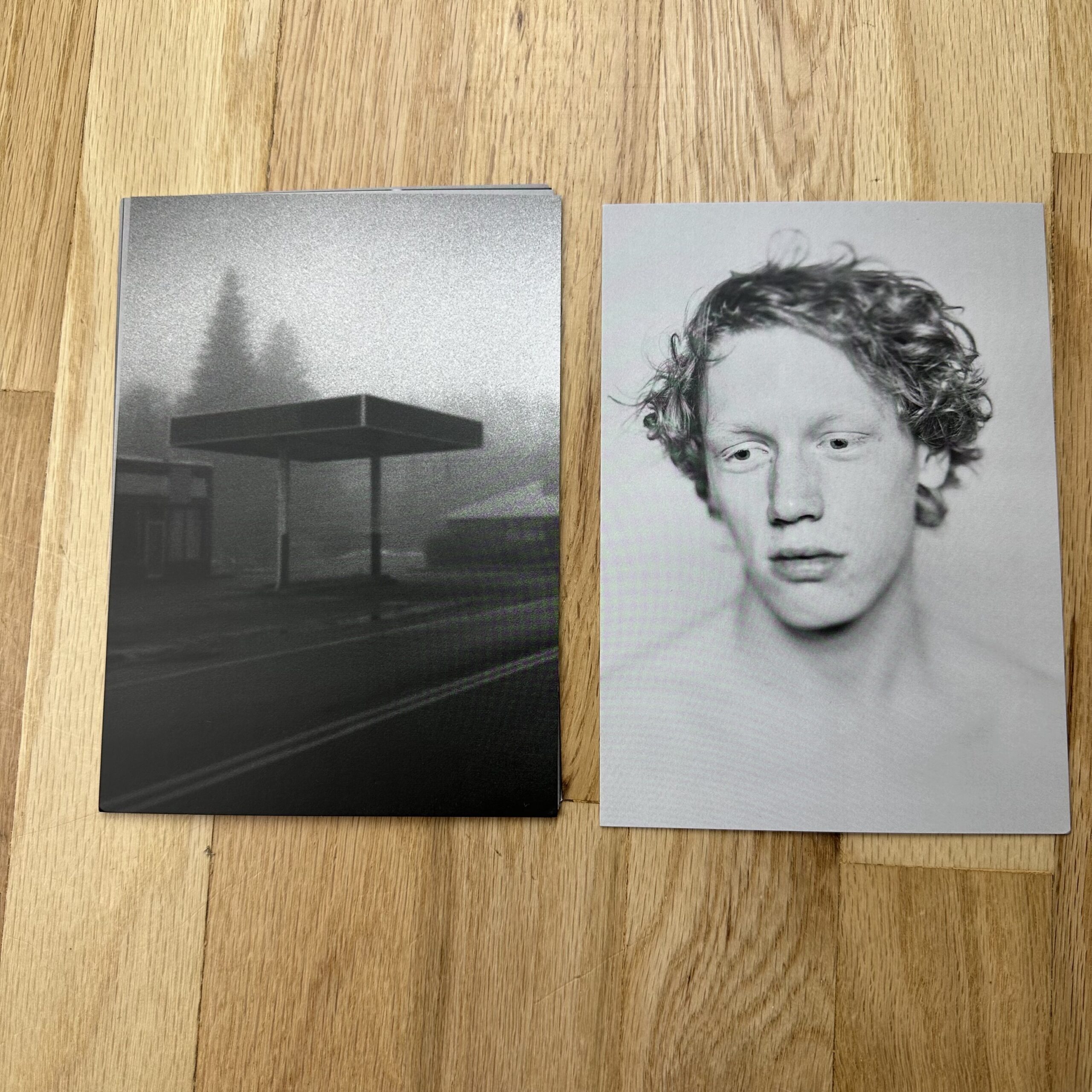
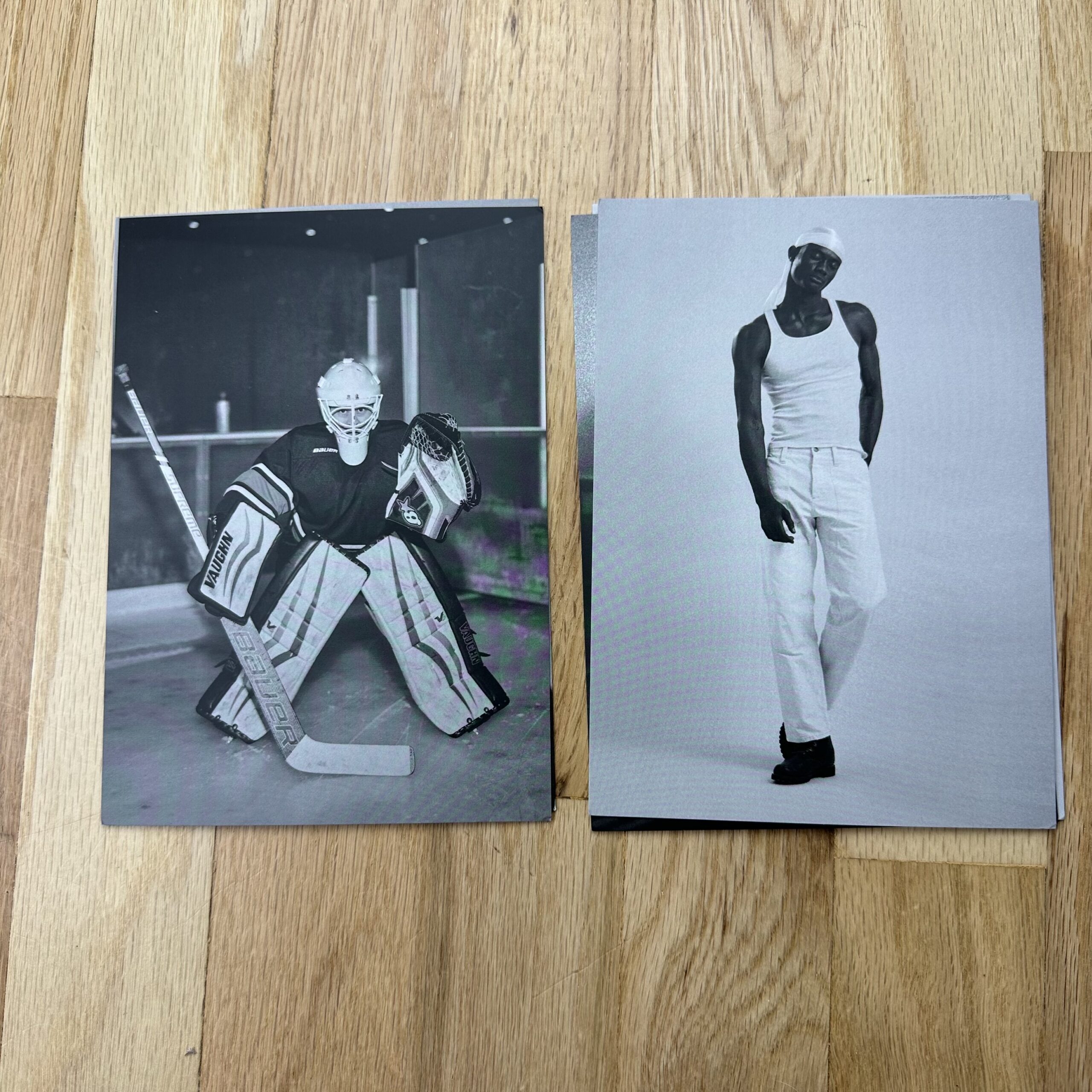
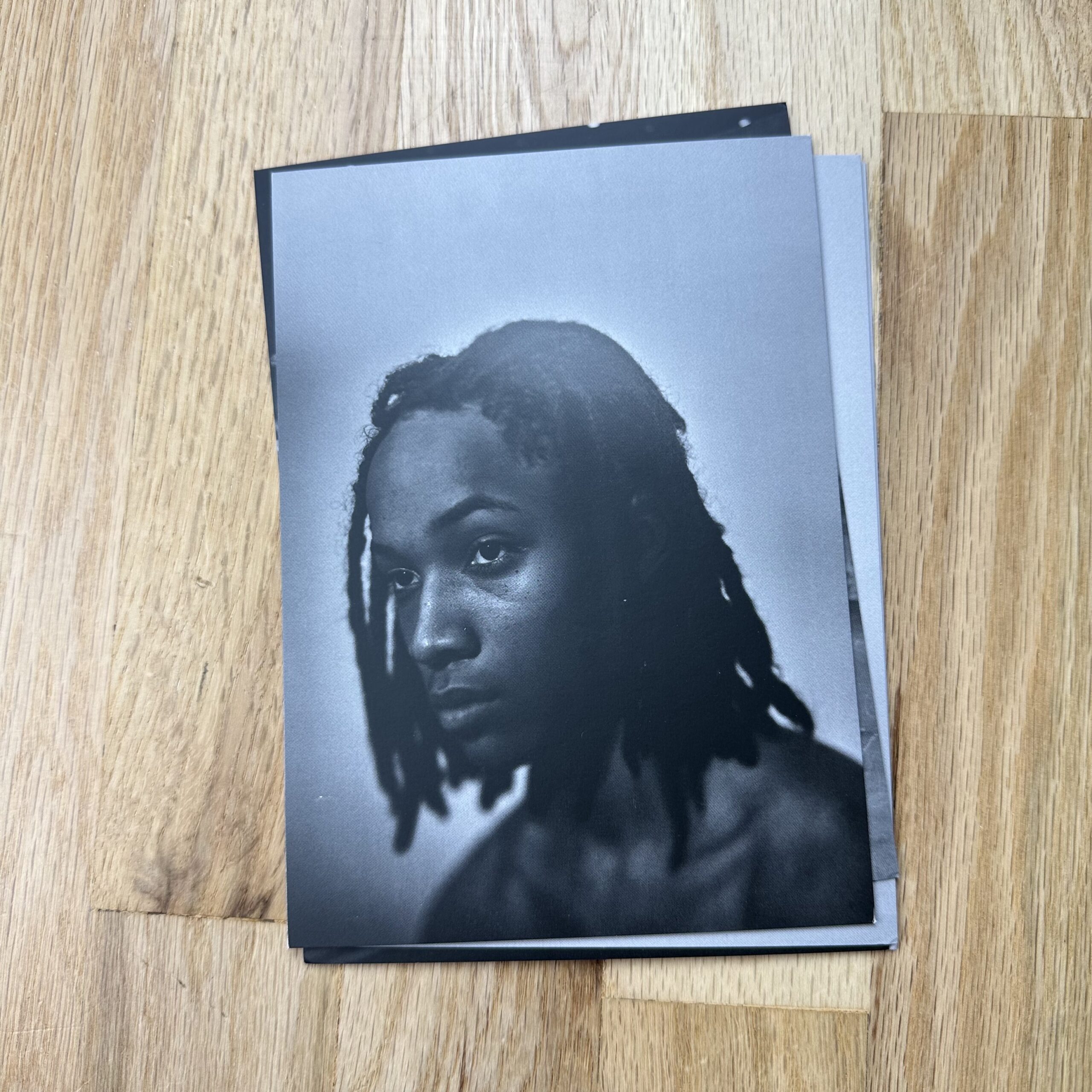
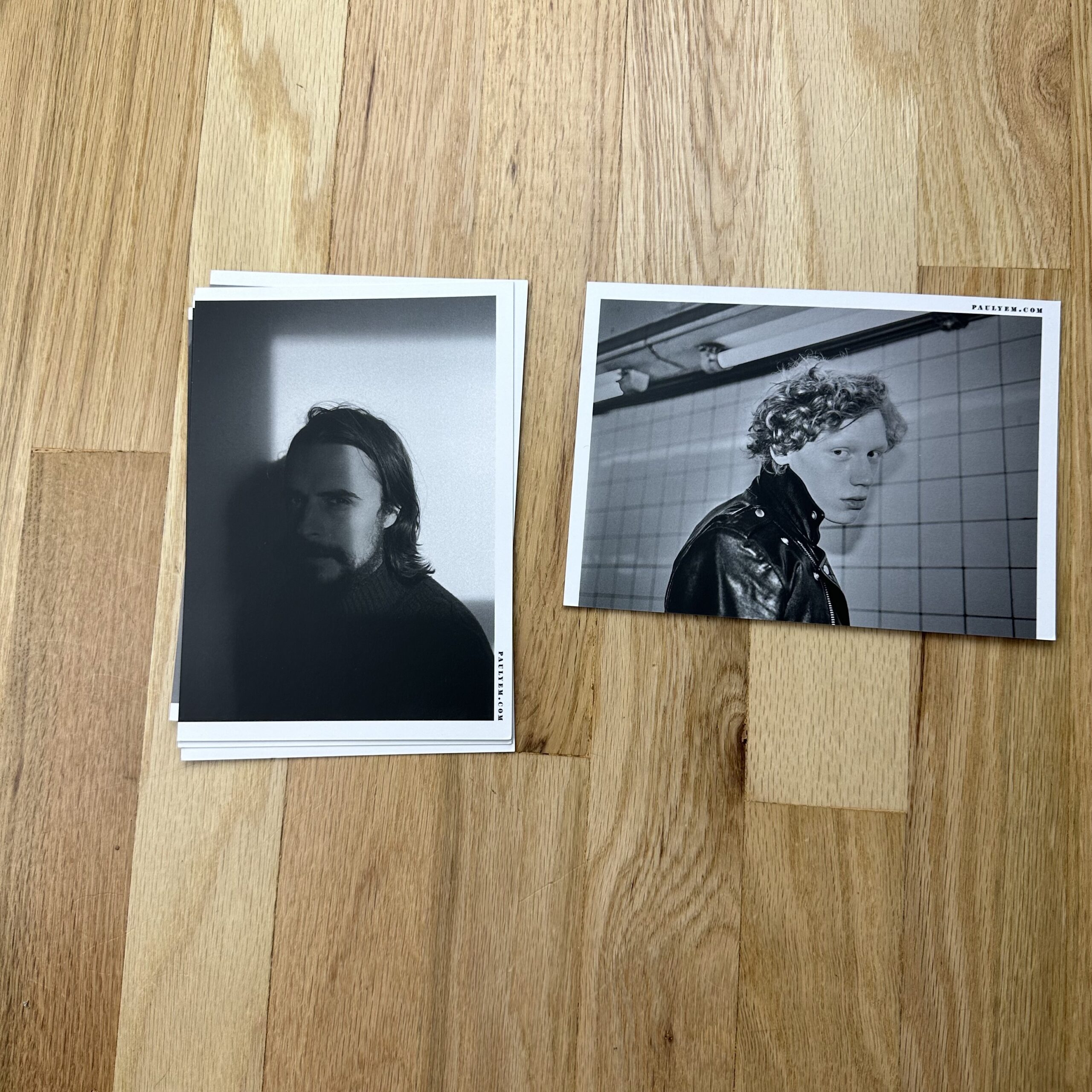
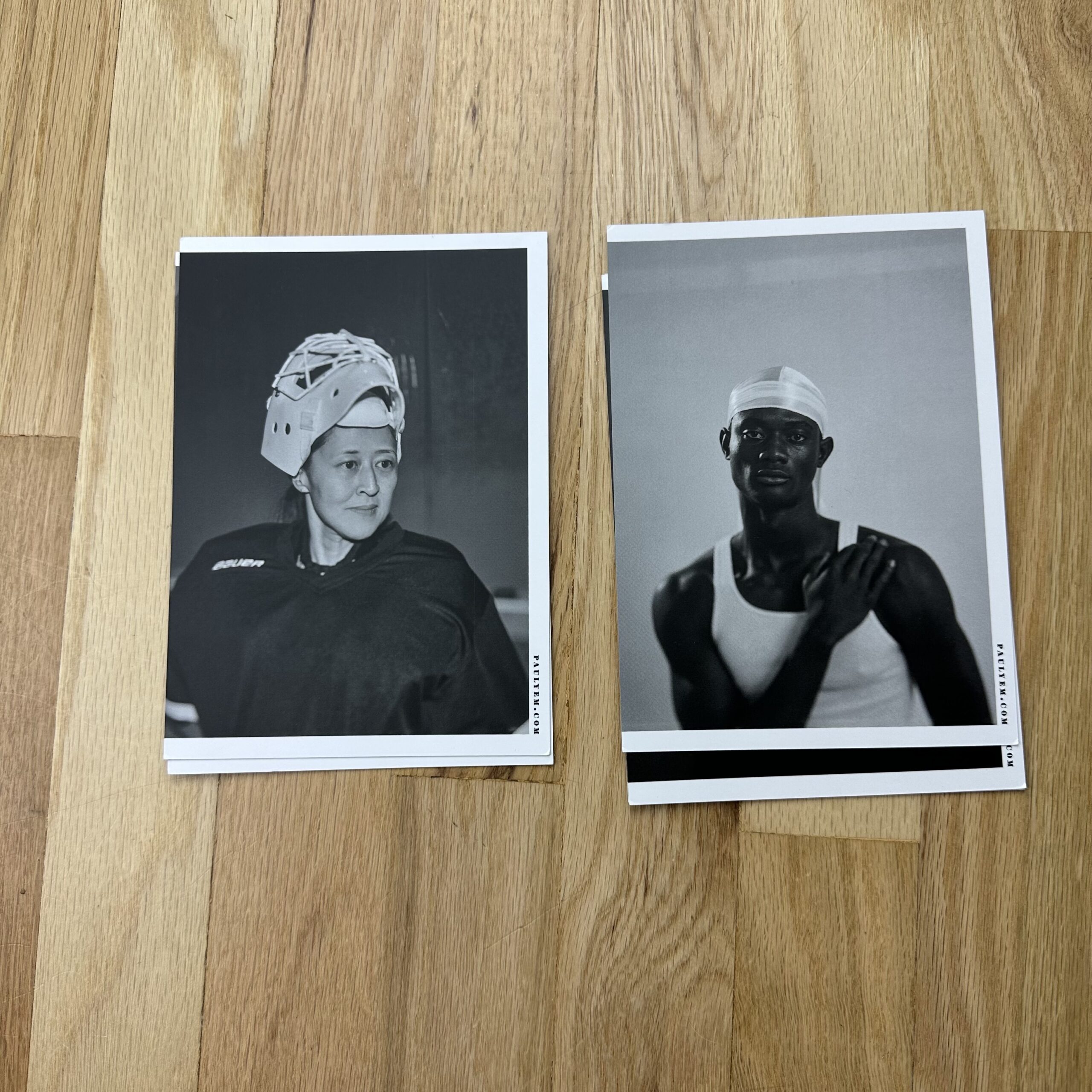
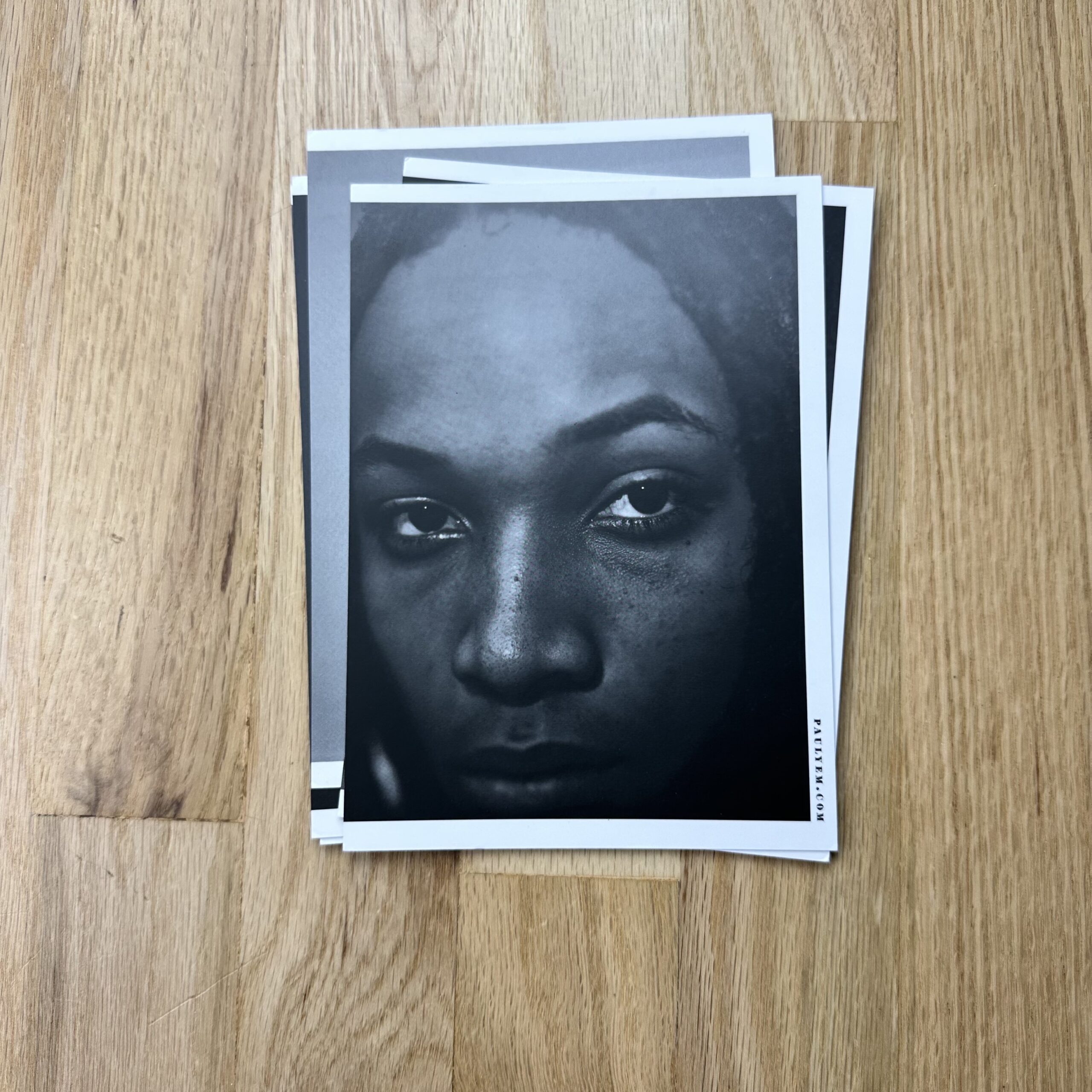
I used Paper Chase Press for these promos; they are a community-driven, environmentally conscious printing press based in LA. I had a lot of back and forth with Cole, and his knowledge and patience made a usually frustrating process seamless and rather exciting.

I designed these myself; I always laugh a bit at the overexertion of wanting to be found. I think it looks rather funny to list websites, email addresses, and Instagram handles, as they often are different combinations of my name: www.paulyem.com, info@paulyem.com, @paulyem, etc. etc., so I went a super minimalist route. I feel strongly about conveying a connection through my portraiture, so I didn’t want there to be much other than the imagery I’m passionate about. I trust that if the work resonates with who I am targeting, they’ll have no problem finding me through the one point of contact.

These images are a somewhat disjointed culmination of an exploration over the past 5ish years in finding my voice as an artist. I moved to NYC in 2017 to pursue a career as a photographer, and as many of us have come to find, being an artist isn’t exactly the easiest way to make a living. Through assisting other photographers, I started to identify the different tiers of what being a professional photographer could look like. I became very passionate about staying connected to my roots as a fine artist and started visualizing my identity being intertwined with my approach to photography as a career. I dreamed of the possibility of being hired for my voice, and I knew the more honest I was with what was bubbling up from my soul, the more compelling my images would be. Staying true to that voice has seemed at times ill-advised, as I never positioned myself as an attractive option for the low-hanging fruit, the e-comm jobs, the sort of mindless application of being a just technician. My goal was to be hired because I was Paul Yem not because I could own and operate specialized tools. More of this work can be found here https://www.booooooom.com/2021/04/15/fragments-by-photographer-paul-yem/

I printed 200 of these postcards, Paper Chase had a nice option where you can submit a handful of images per order, I thought it would be nice to send people a little stack of 5 through the mail or to have a variety of images in my pelican when I’m on set. They sort of act as free prints for me to give out.

Unfortunately, from what I’ve gathered through taking meetings with various photo editors, the printed matter is becoming a bit obsolete. I’ve found that our friends in the editorial world don’t often have the personalized desk space they once had, and the collecting of promos has become a bit cumbersome. I’d like to get into a better rhythm of printing things; I think it’s important for us to think about our work existing in the physical form as it gives the images more validity in my mind. I’ve found myself more in the habit of making PDFs; I’m on a much better consistency with reaching out through cold emails and to contacts I’ve made with a nicely designed PDF. It’s something that is minimally invasive and easily forwardable to other editors, and if I’m able to get a face-to-face meeting that’s where I’ll give out my printed promos. I’d say I’d send those emails once every 3 months. I’ve found following up after about a week of the initial email is the most successful in getting a response. Just make work and put it out in the world, and nothing bad can come of it (and emails are a lot cheaper).

I think what this industry lacks the most is honesty. Honesty in what we want to make, in what we want to be hired for, in how we truly want to convey a message through imagery. We are held so tightly by the anxiety of trying to make ends meet that we lose our unique voice. The beauty in art is being unique, pushing the envelope, and being unapologetically passionate. Being an artist is vulnerable, it’s daring, and it’s brave, and so we should let go and be all of those things. I want to see what people truly want to make, not what they’ve made to hopefully make money. I’m not exactly sure what my point here is, but if at the end of the day the rent is paid fuck everything else and just be free and true to yourself. I need our community to do that for my own inspiration and in return, I’ll promise to never compromise in the images I’m adding back into the pool.

Featured Promo – Adrian Mueller

Adrian Mueller

Who printed it?
Modern Postcard

Who designed it?
I designed it myself

Tell me about the images.
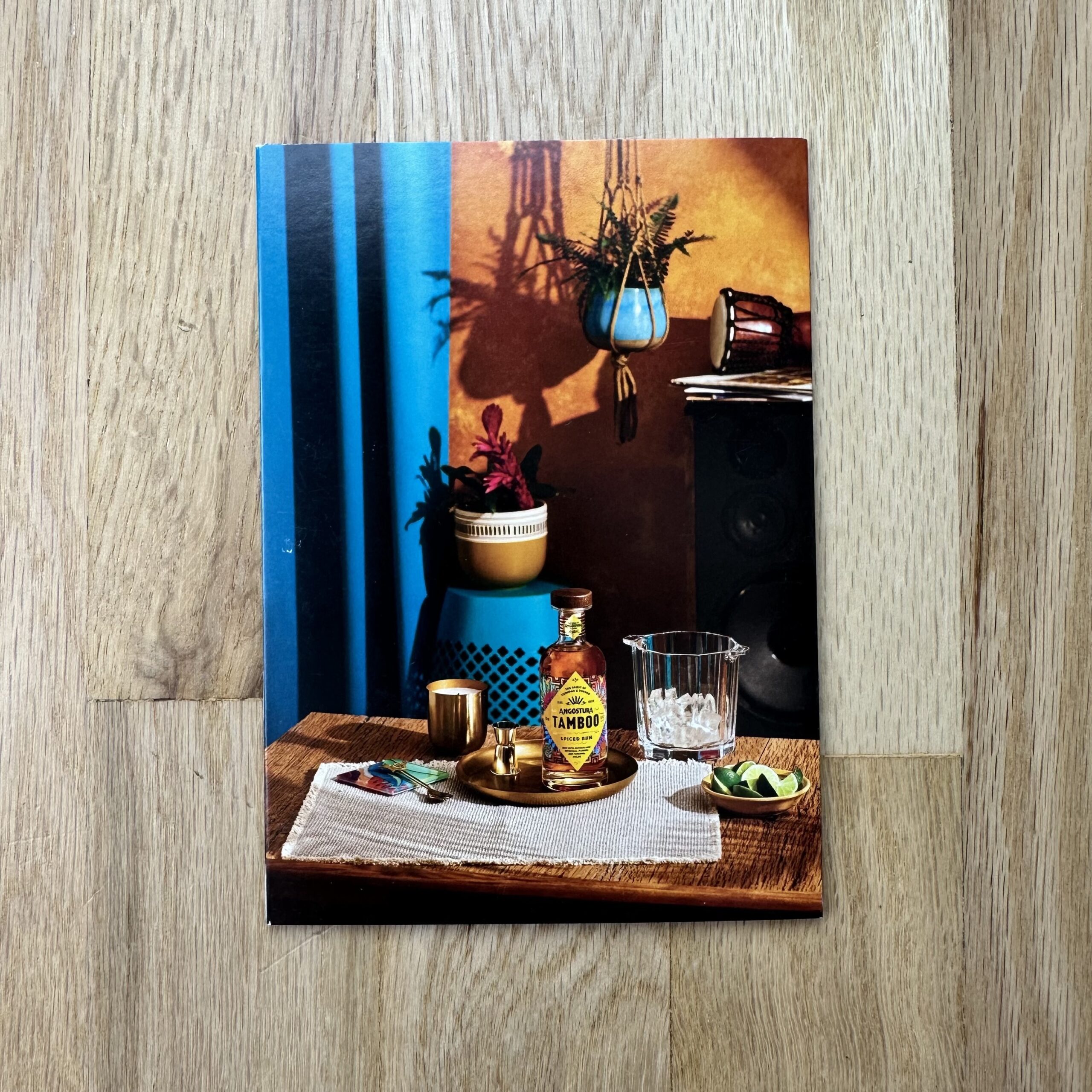
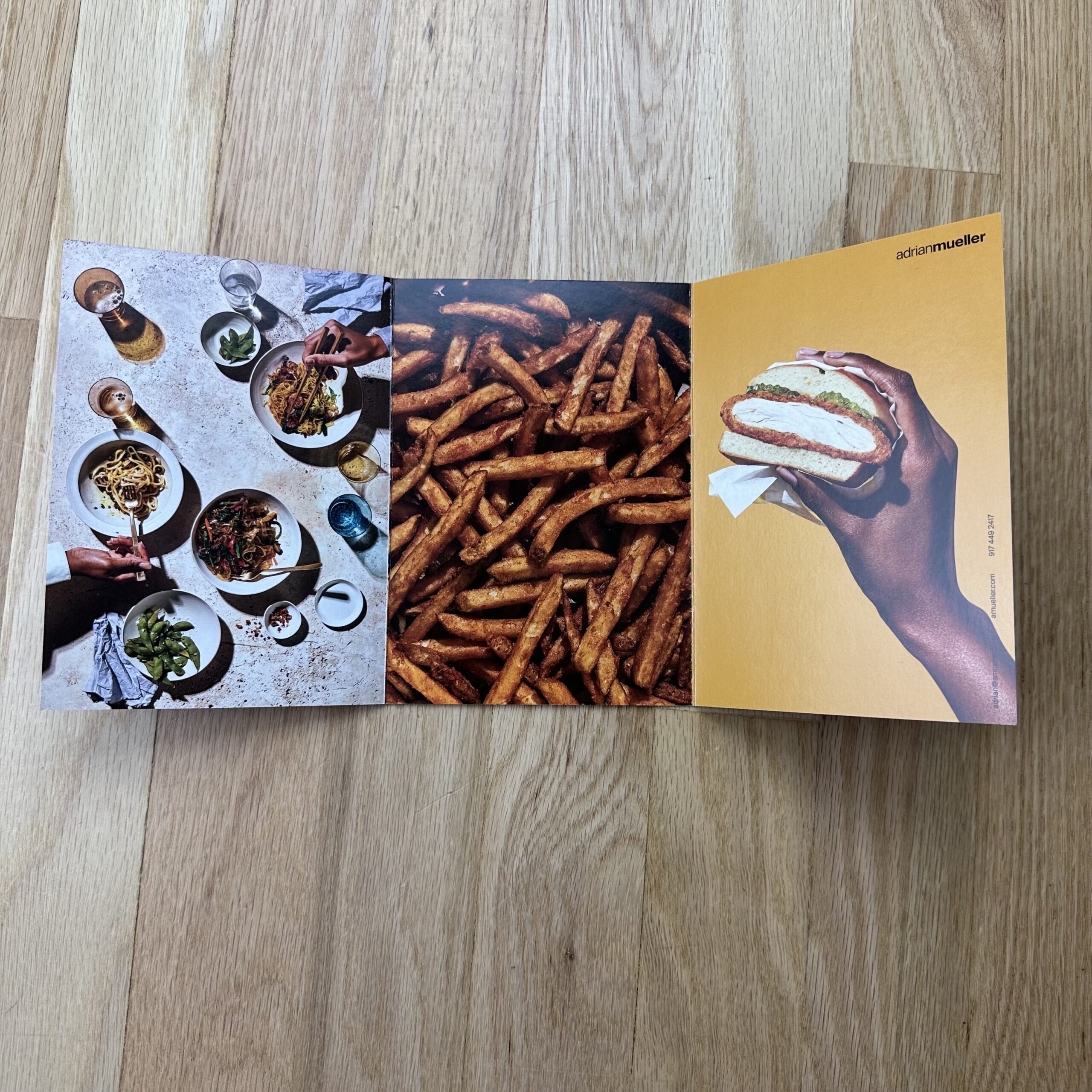
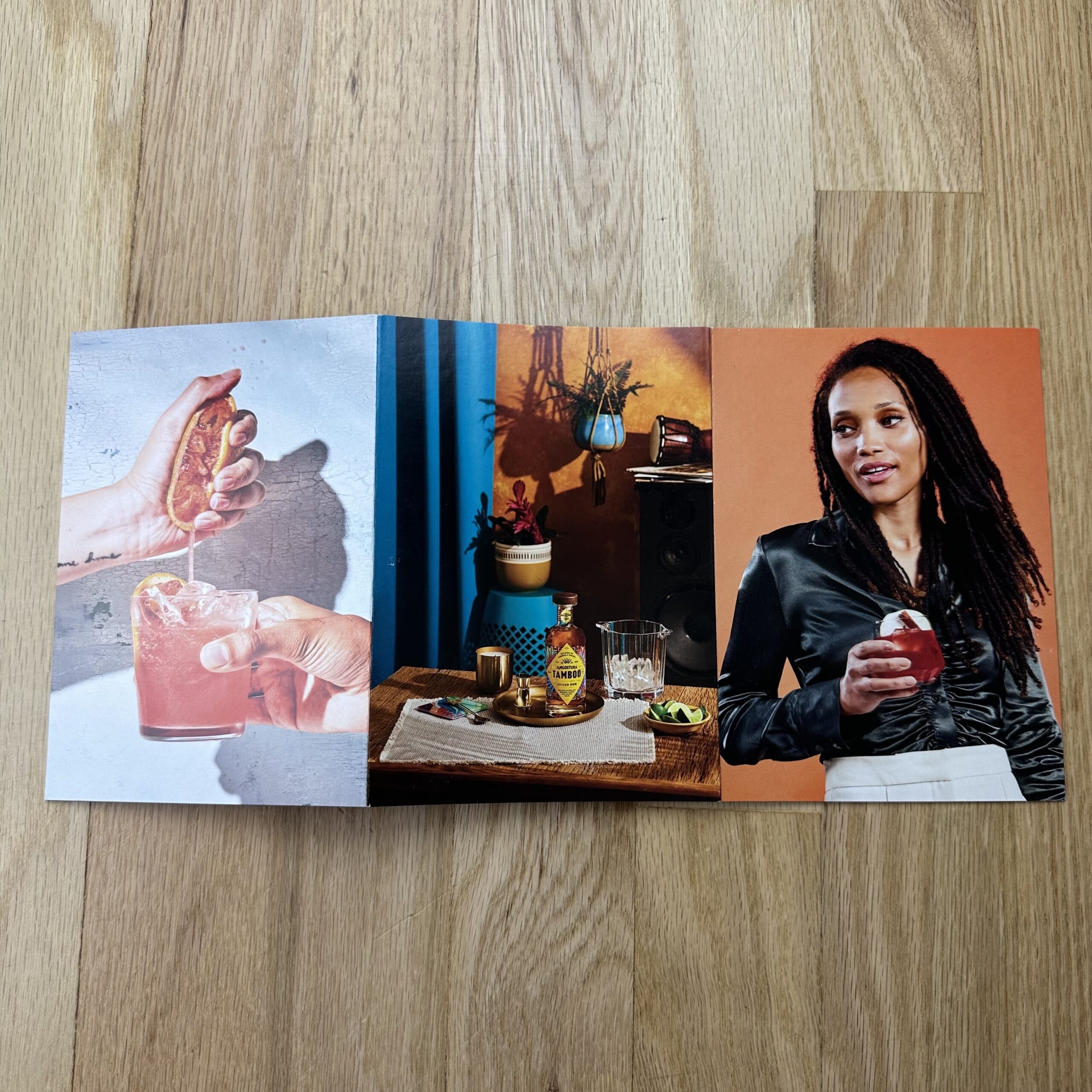
It is a mix of new personal and new client work for brands such as McDonald’s, Patron, UBER EATS and Angostura Rum. Stylistically, I’ve paired the vibrant shots on one side, and the somewhat warmer ones on the other. I like the fact that there is a coherent theme and look. Those are really my favorite images from the previous 12 months, as I don’t like to select work in a calculated way. I hope that approach resonates with the creatives who receive the mailer.

How many did you make?
I’ve printed 250 of them

How many times a year do you send out promos?
I usually send out a promo with new work 1x a year to specific and select clients who have opted in to receive them. The rest I hand out during in-person portfolio reviews and meetings.

Do you think printed promos are effective for marketing your work?
As a targeted approach, I think it is an appreciated reminder for those who are connected to me and really want to receive them. I’ve stopped sending mailers out to contacts I don’t personally know, haven’t worked with or haven’t met. I have a curated, personal list of about 1100 creatives I’m connected to that way and about 200 have opted in to receive actual mailers. I see it as an old fashioned way of staying in touch and I would of course love it if everyone on my list would opt in. I understand though that many don’t feel comfortable sharing their personal address, which is absolutely fine. This way, I don’t waste natural resources, money and efforts and know that I don’t bother anybody with unwanted mail.

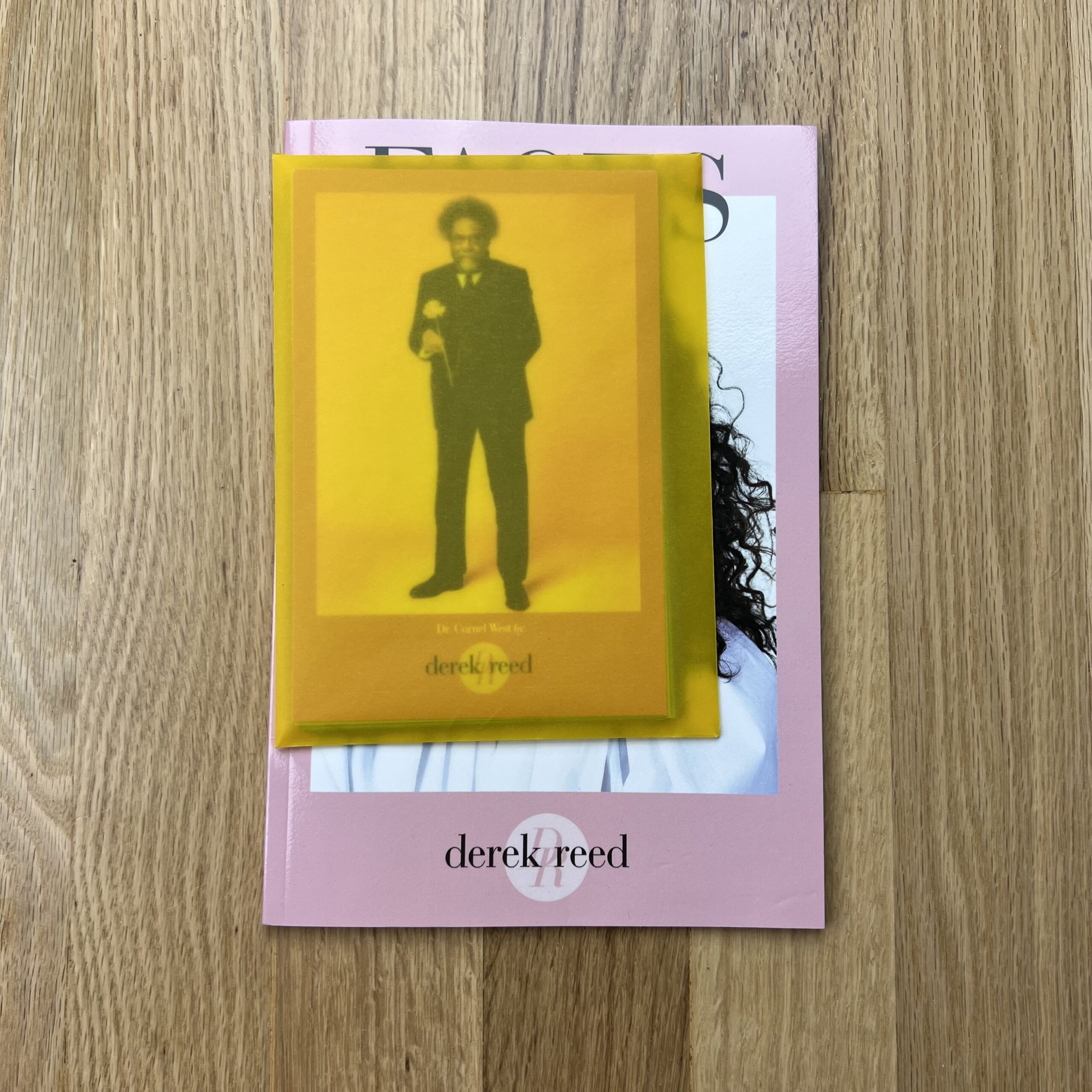
Featured Promo – Derek Reed

Derek Reed

Who printed it?
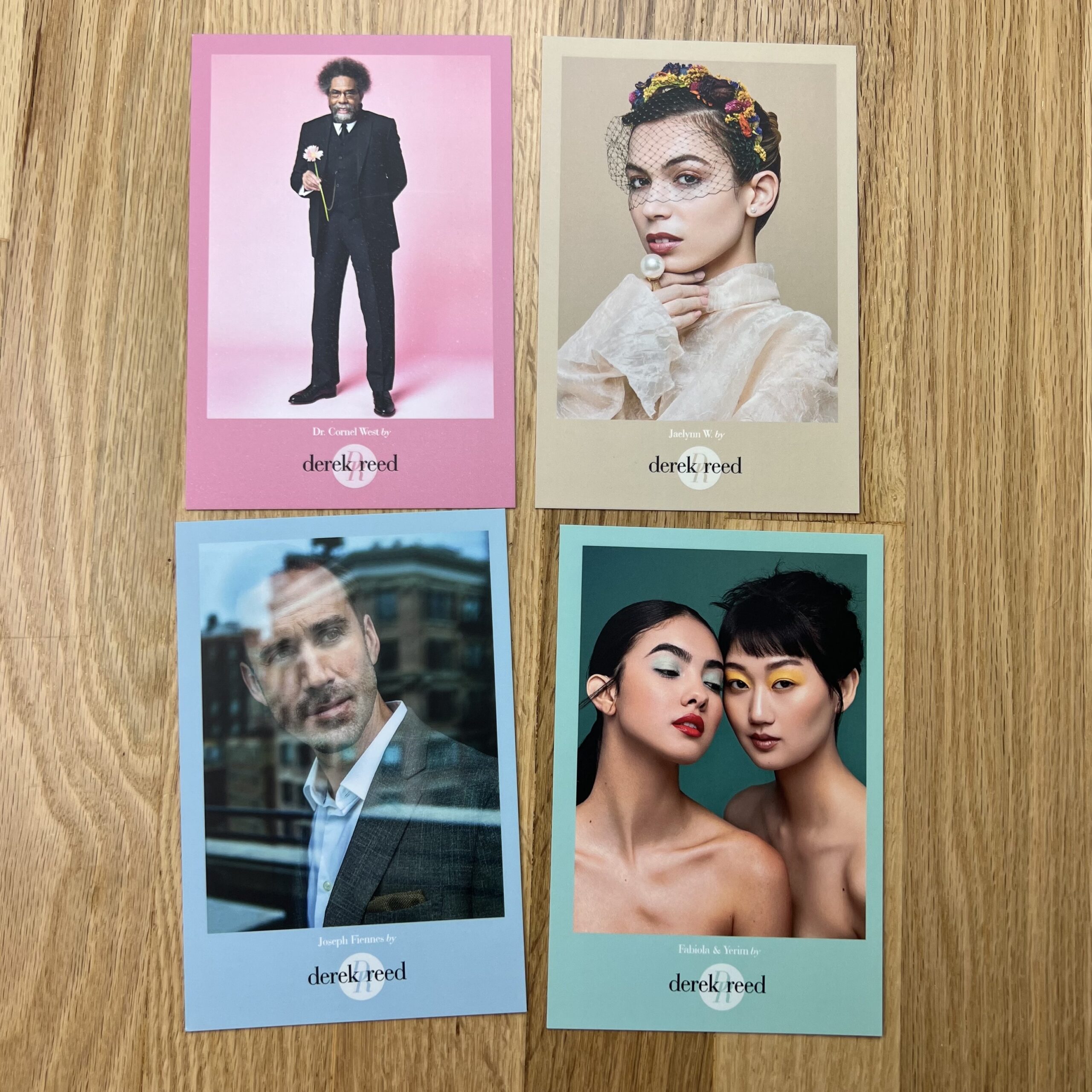
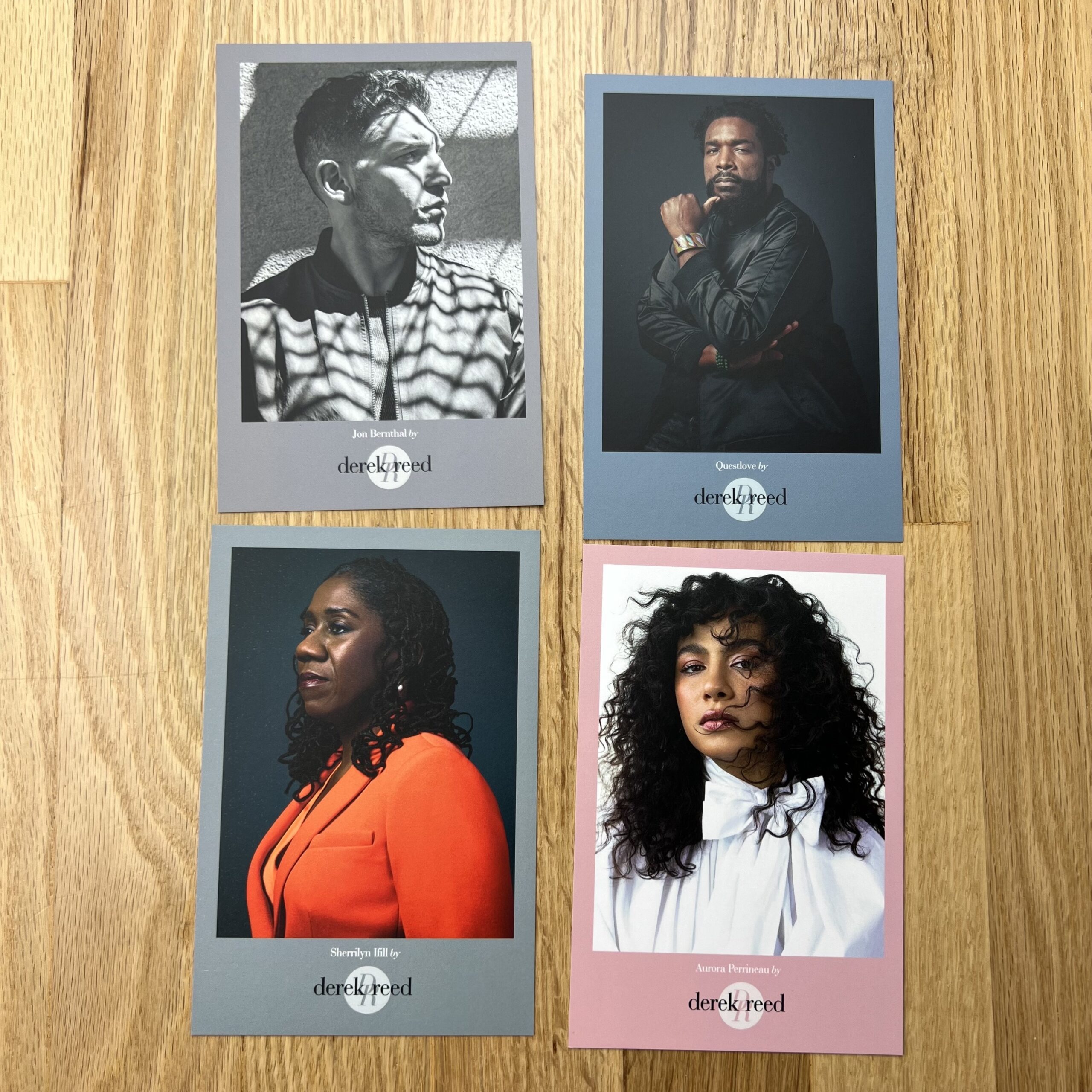
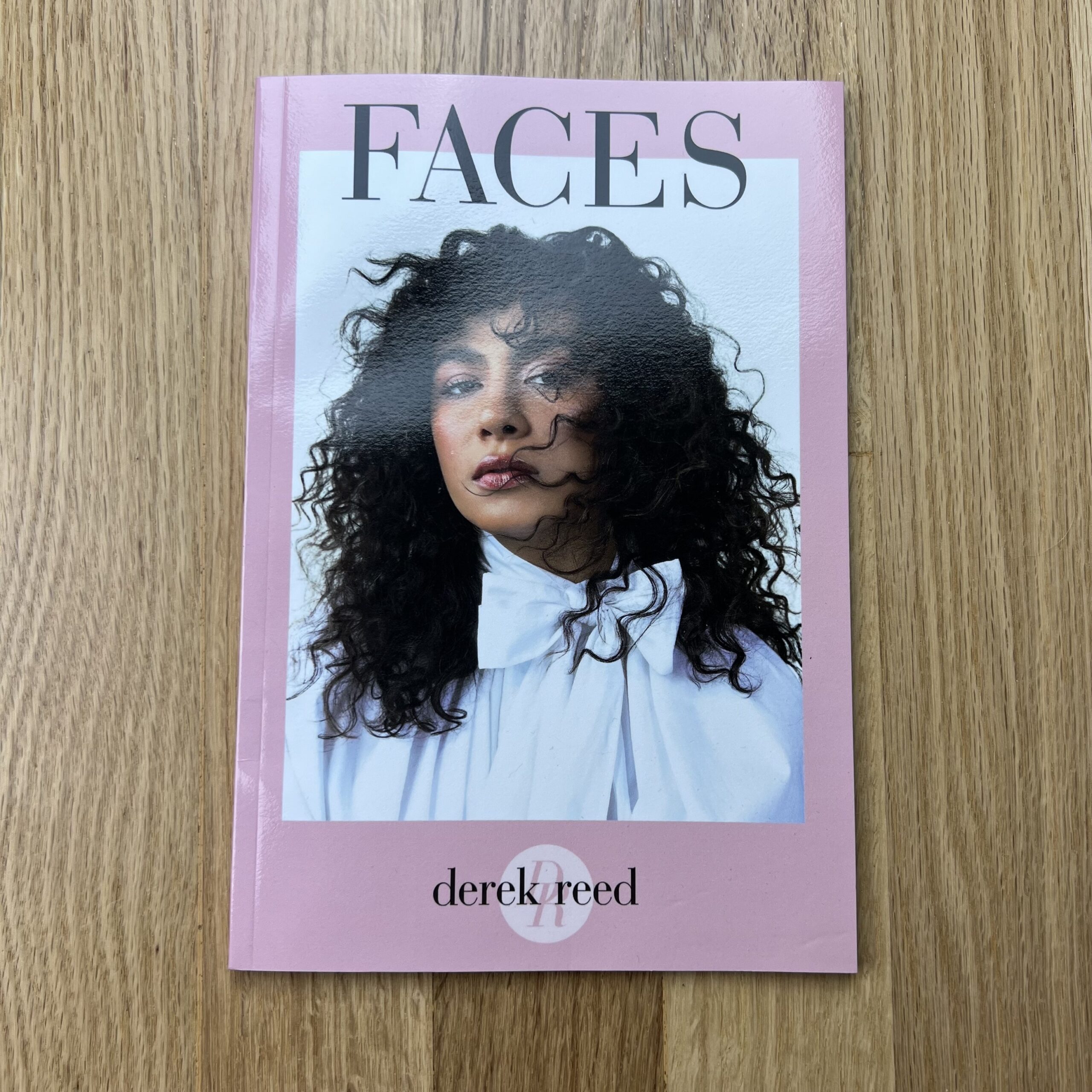
The cards are printed by https://www.4by6.com. I’ve been using them for several years and they print both my Promo Cards and my Business Cards. I really love them because they allow small orders so you can make multiple cards and not have to rely on just one design that you have to have a large number printed. Also their Satin finish is really nice.

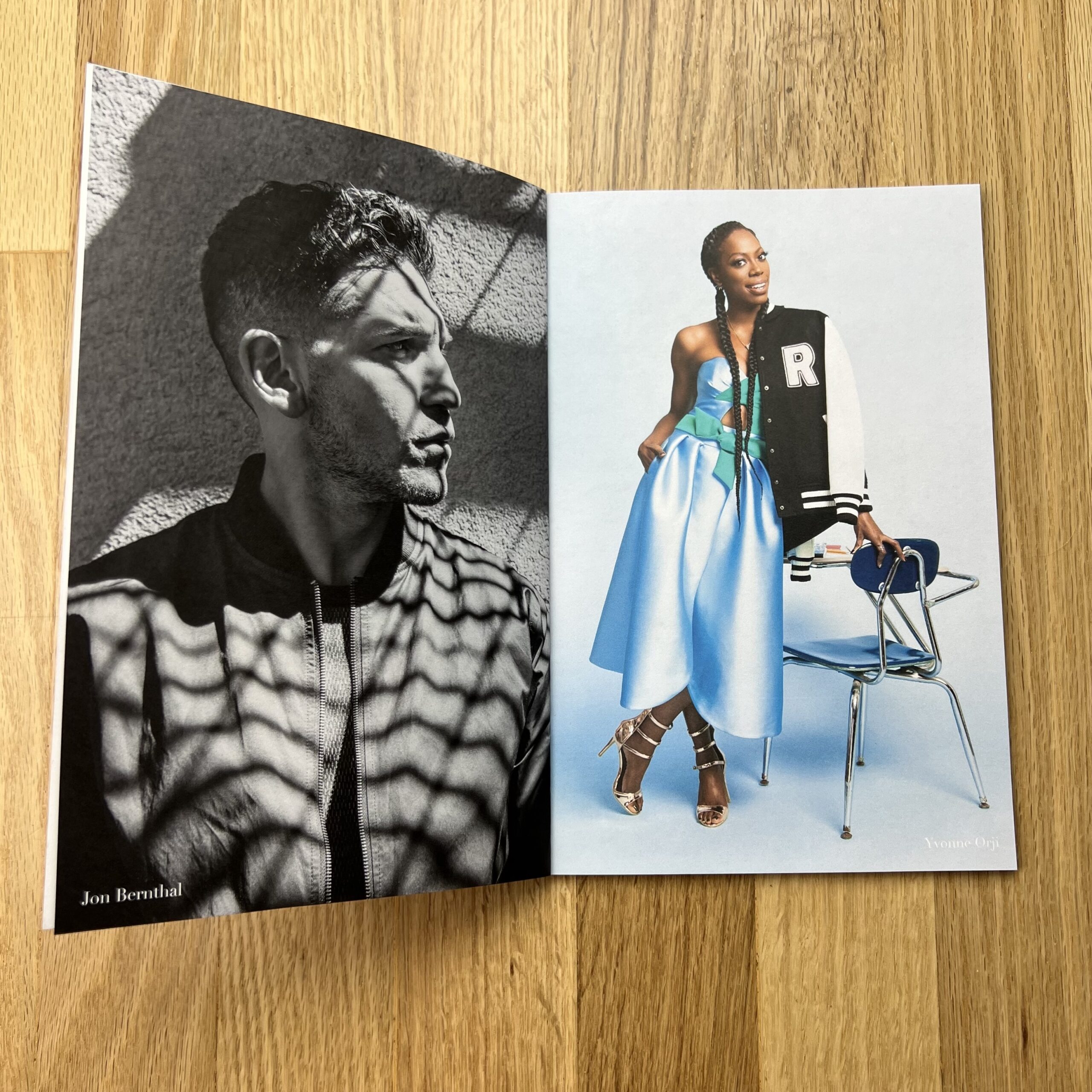
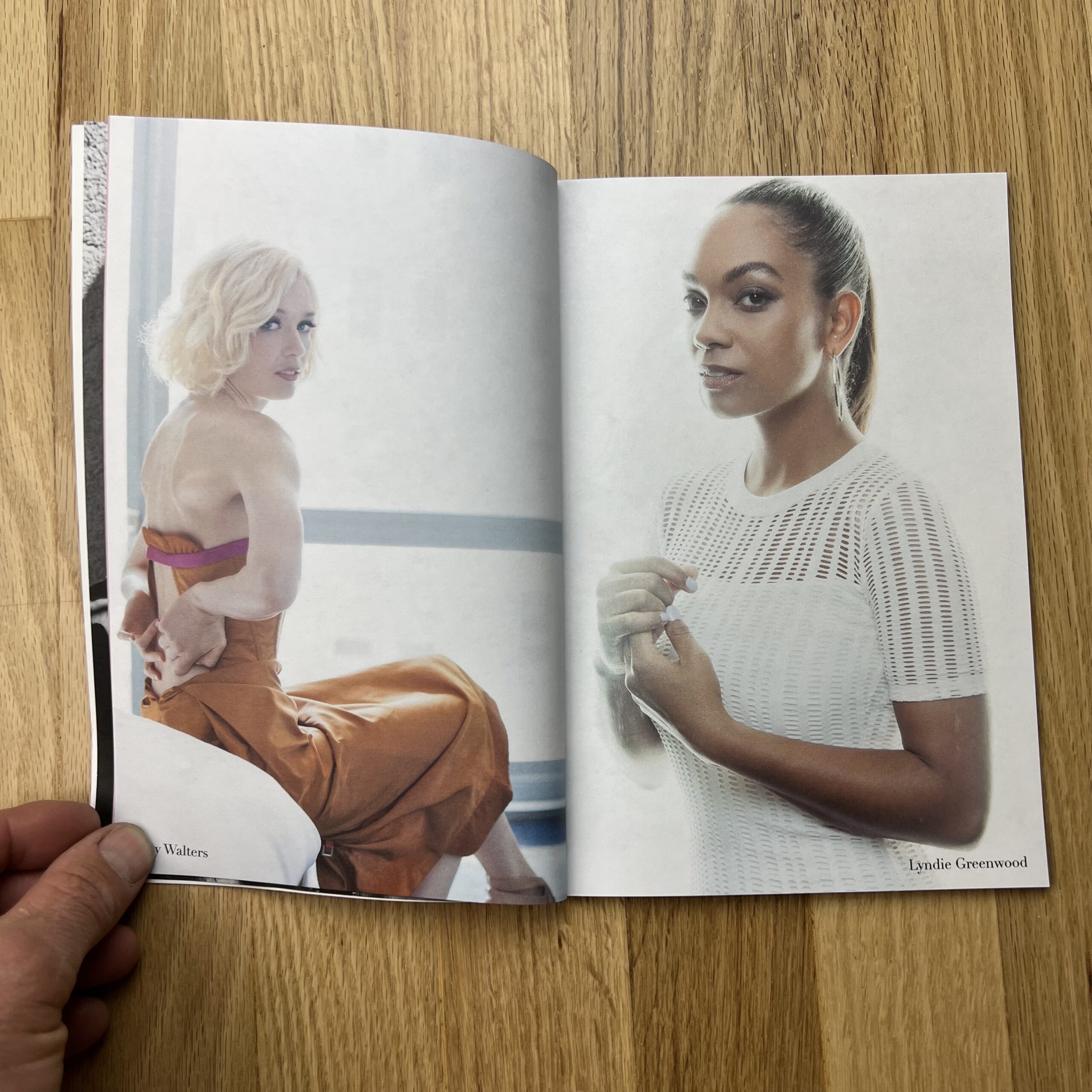
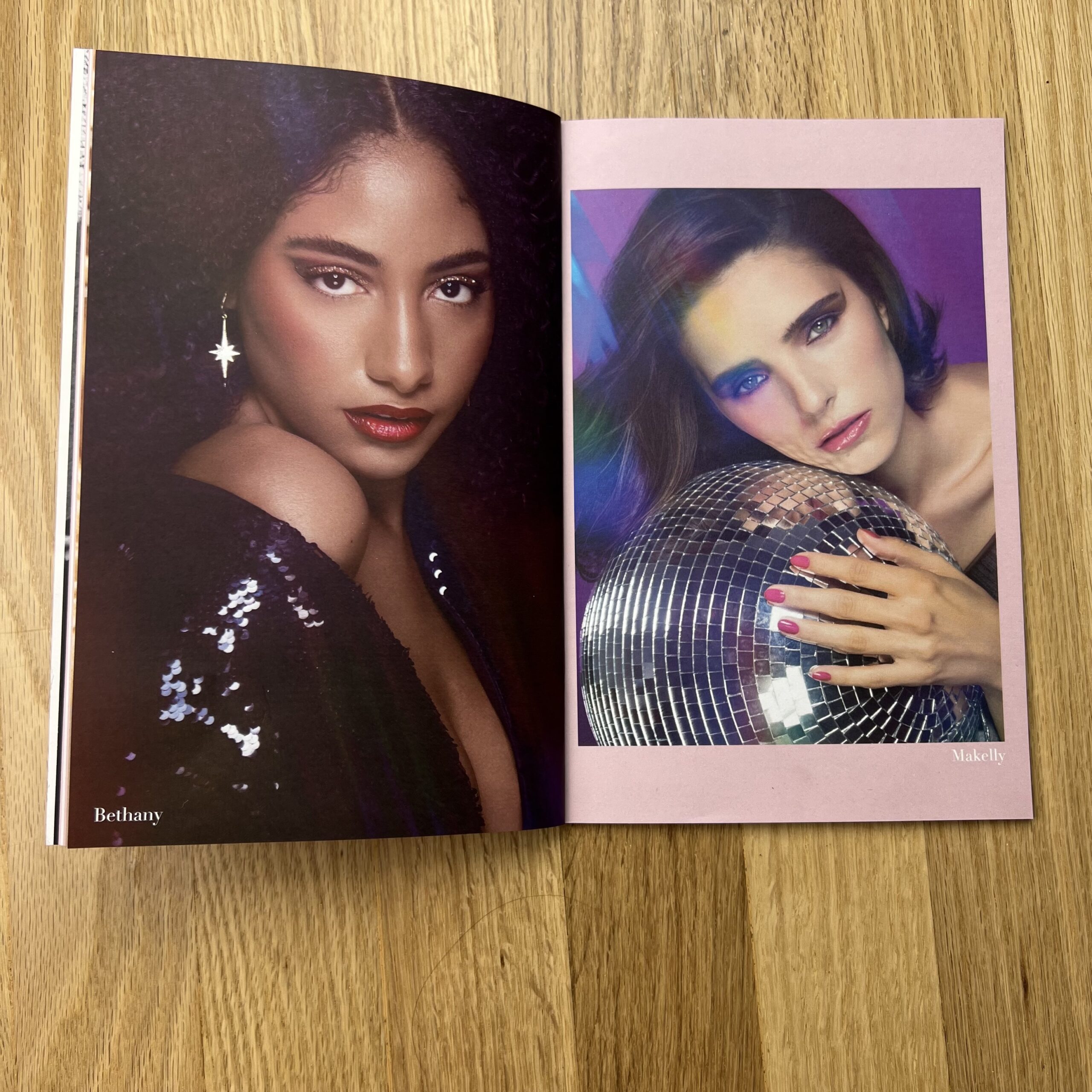
The Promo Book was printed by https://www.blurb.com. It’s their Trade Book size. I just wanted to create something similar to a “zine”. And I see it as it can be updated or changed around as I create new work. As with the Promo Cards I like that Blurb will allow limited runs so I tend to order as needed.

Who designed it?
The cards and the Promo Book where designed by my Graphic Designer friend, Lisa Kay based on a rough design I had. Lisa is based here in New York and her resume and client base is extensive and impressive. I feel she certainly elevates my work. Also I think it helps to have another set of eyes, (especially someone who might not be so personally attached to the work) look at what works together and what might not.

https://lisakaynyc.com

Tell Me About The Images.

Essentially I like to do new physical cards whenever there is new work that I am really excited about or I feel will be a nice addition to the set.

When I first started working with this particular design it was only my work of cultural icons but about 10 months ago I decided to start incorporating some of my Beauty work into it with the thought that it complimented the portraits rather well.

How Many Times a Year Do You Send Out Promos?
This is a trickier question to answer. I primarily use promos as leave behinds when I have in person meetings or portfolio reviews. I find that with a lot of people now working hybrid it’s more effective to just send a digital PDF of new work via an e-mail. I also believe in personalizing or catering the e-mail to the specific and hopefully potential client who is on the other end of the e-mail. So I’m not really using an e-mail blast service.

I’m basically writing each person individually. I think this is effective especially if you are reaching out to a team of people who work together. At least this way it’s not just the same e-mail going to each of them. I do try to find a way to personalize the body of the e-mail to each team member even if the PDF that they are receiving is the same one that their colleagues are receiving as well.

Because my work is more portrait driven and not lifestyle advertising I think this approach has been beneficial. So the round about answer is for the past year whenever I’ve done new work, whether it be client work or just a personal Beauty shoot I will make a PDF of the new work and send it out to Editors and Clients I’ve worked with in the past and to new potential clients.

When there is a positive response from someone I have not met with in person before depending on the response I may ask if I can send them the physical package. But before doing that I like to ask if they are in the office these days first. Because if they aren’t, I feel asking for someone’s home address might be a bit of an overreach.

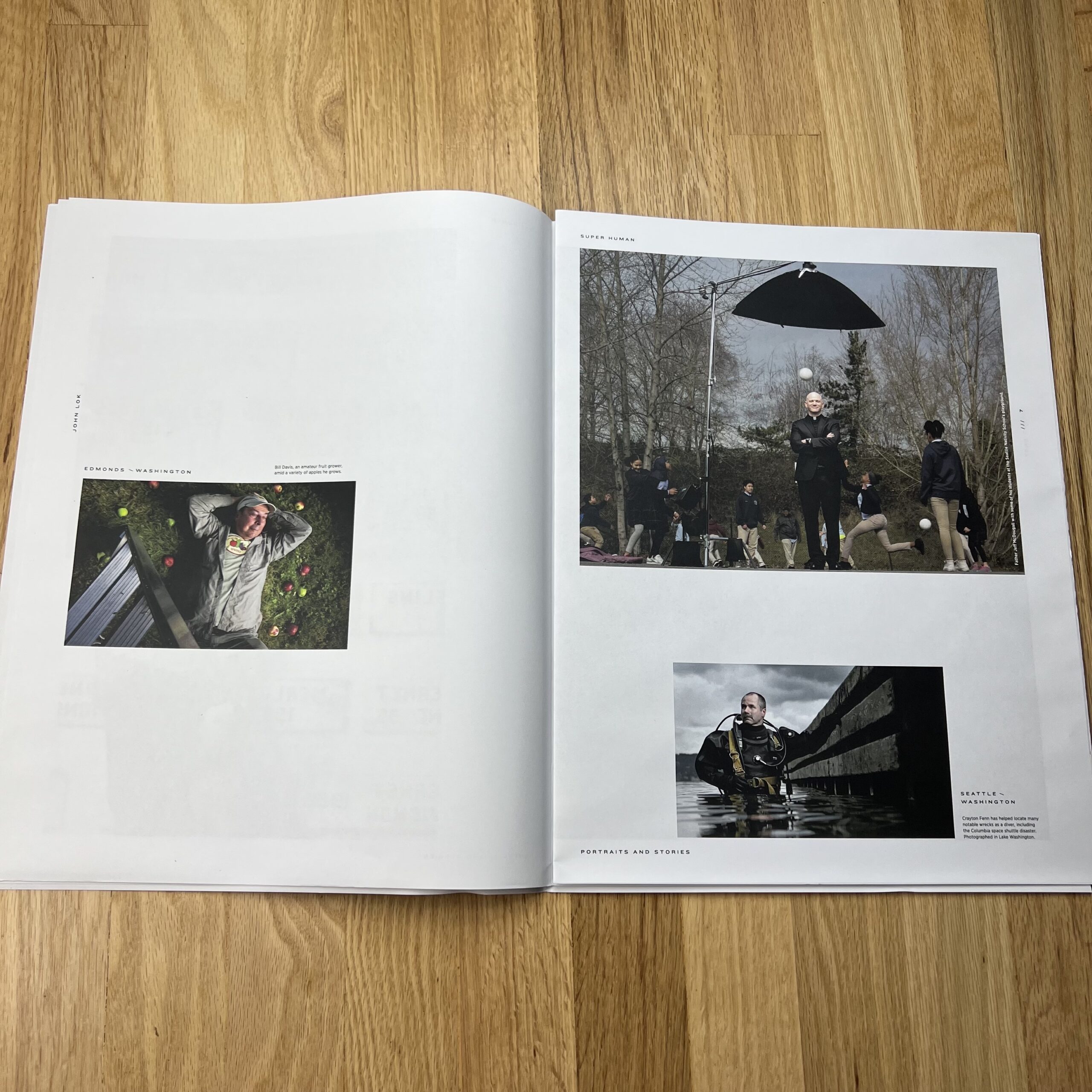
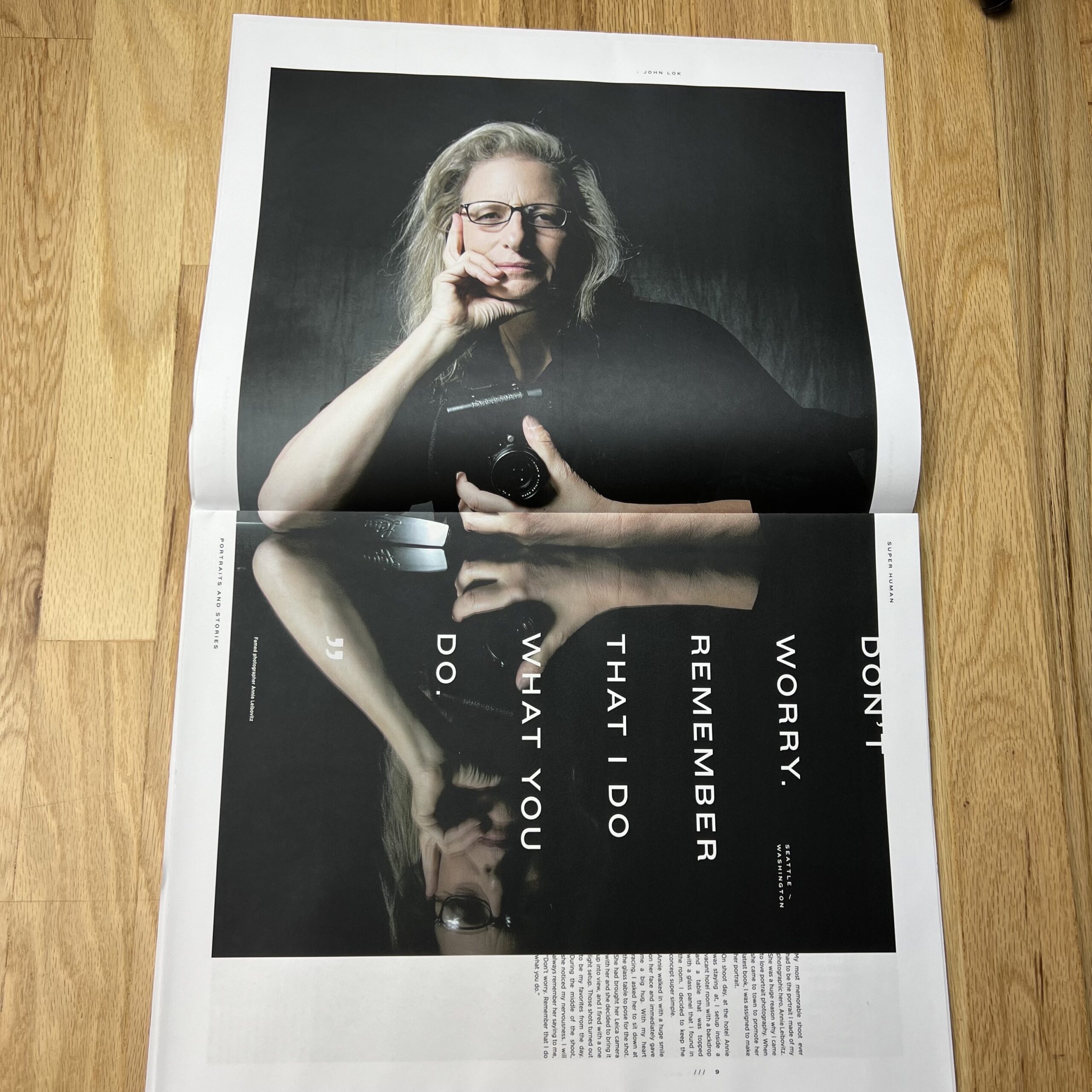
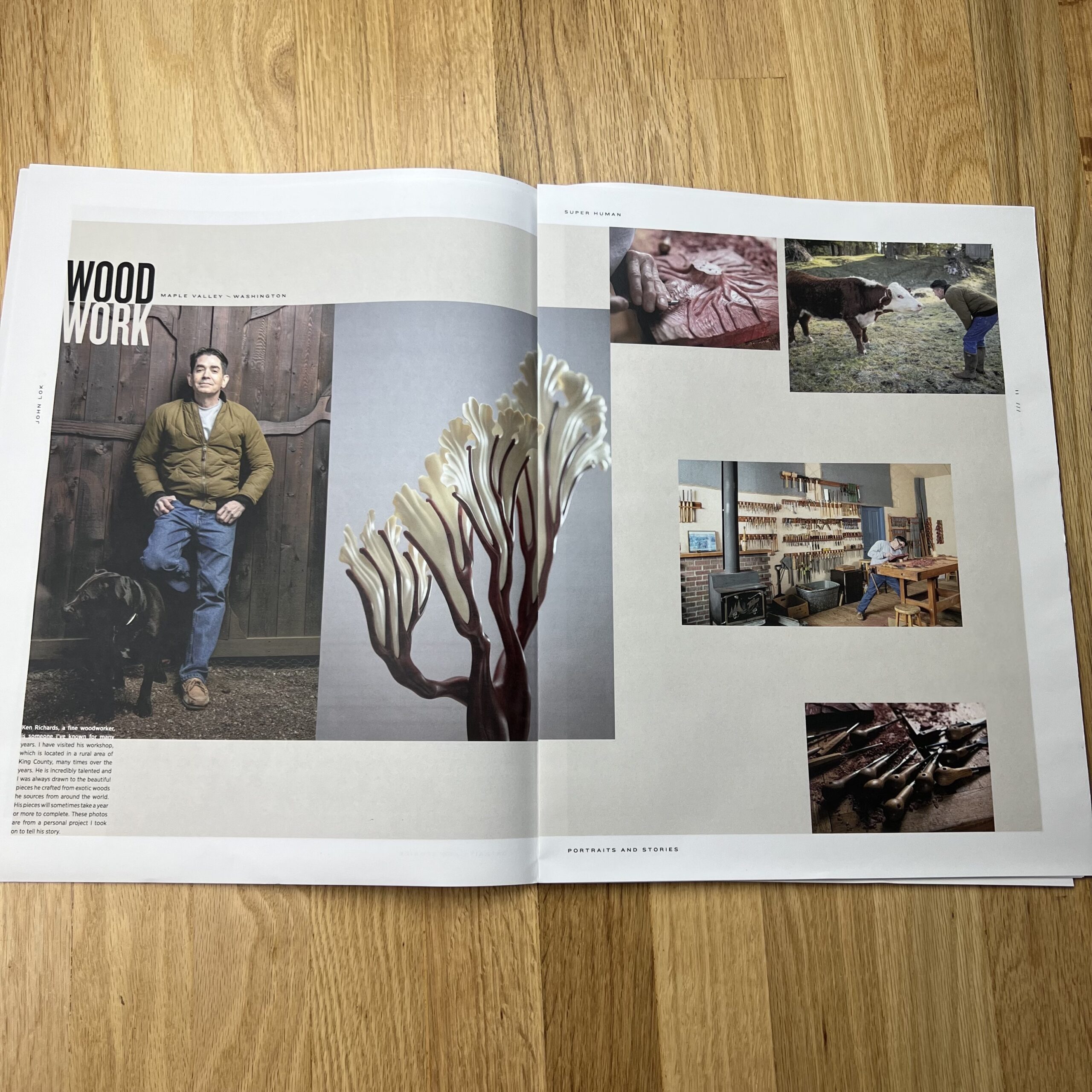
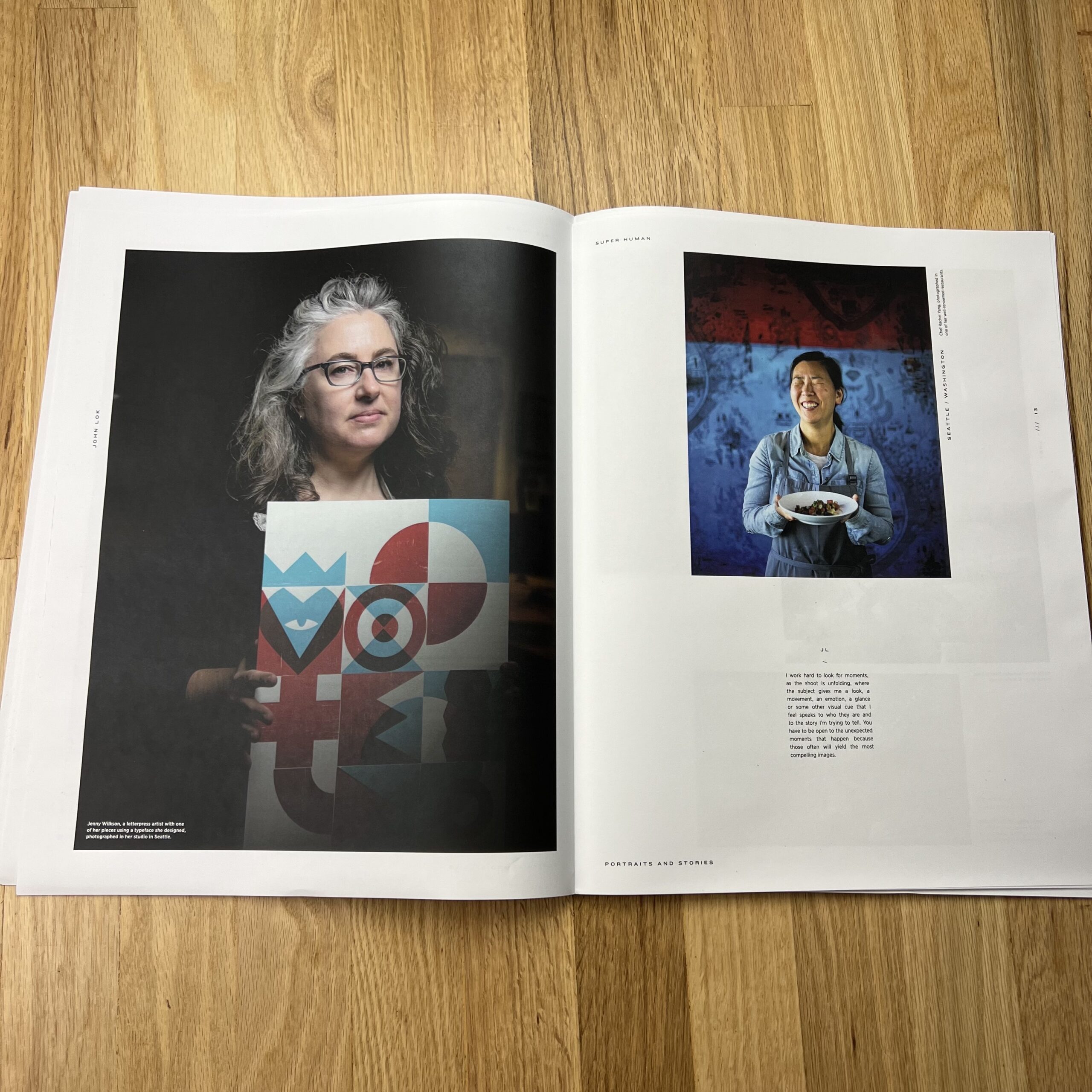
Featured Promo – John Lok

John Lok

Who printed it?
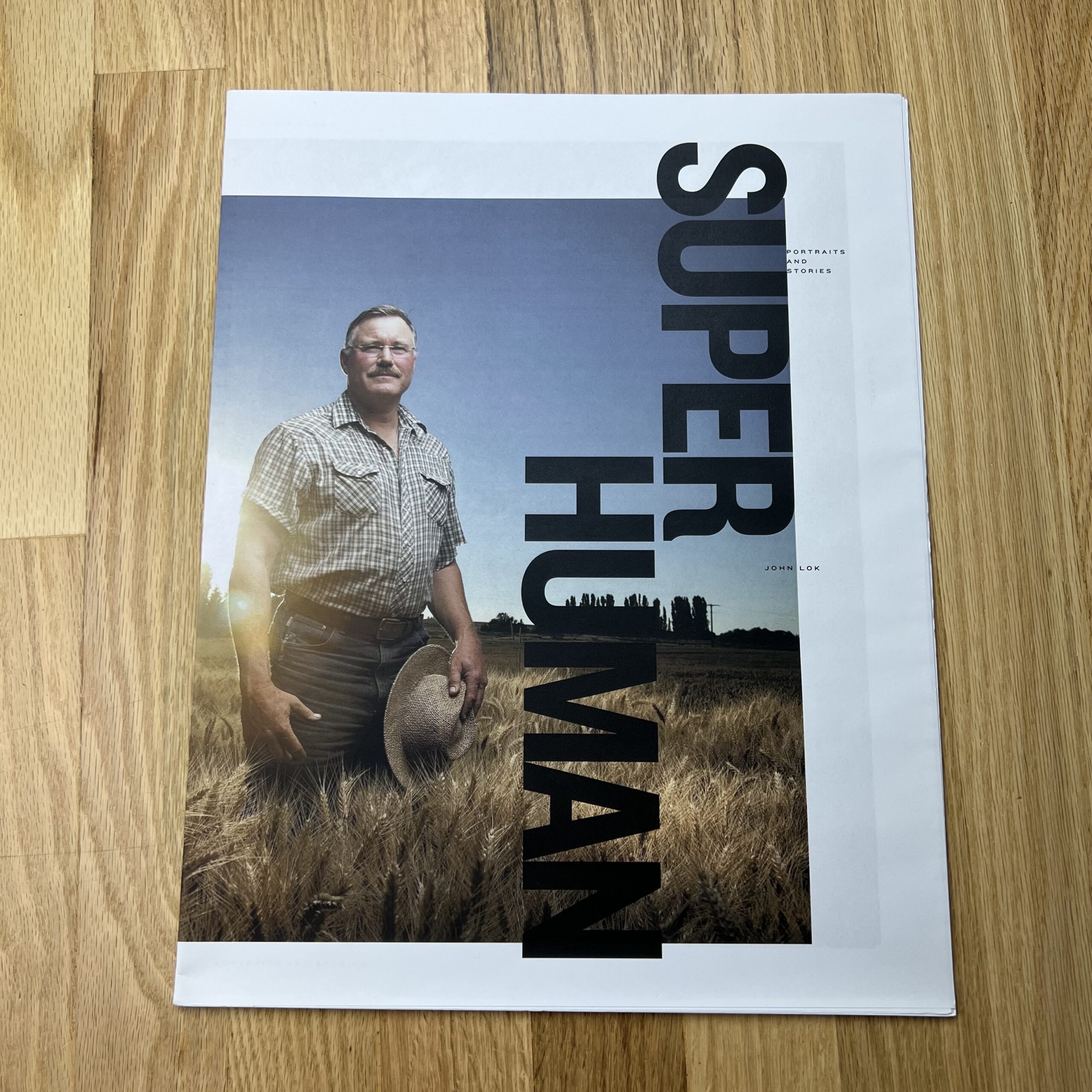
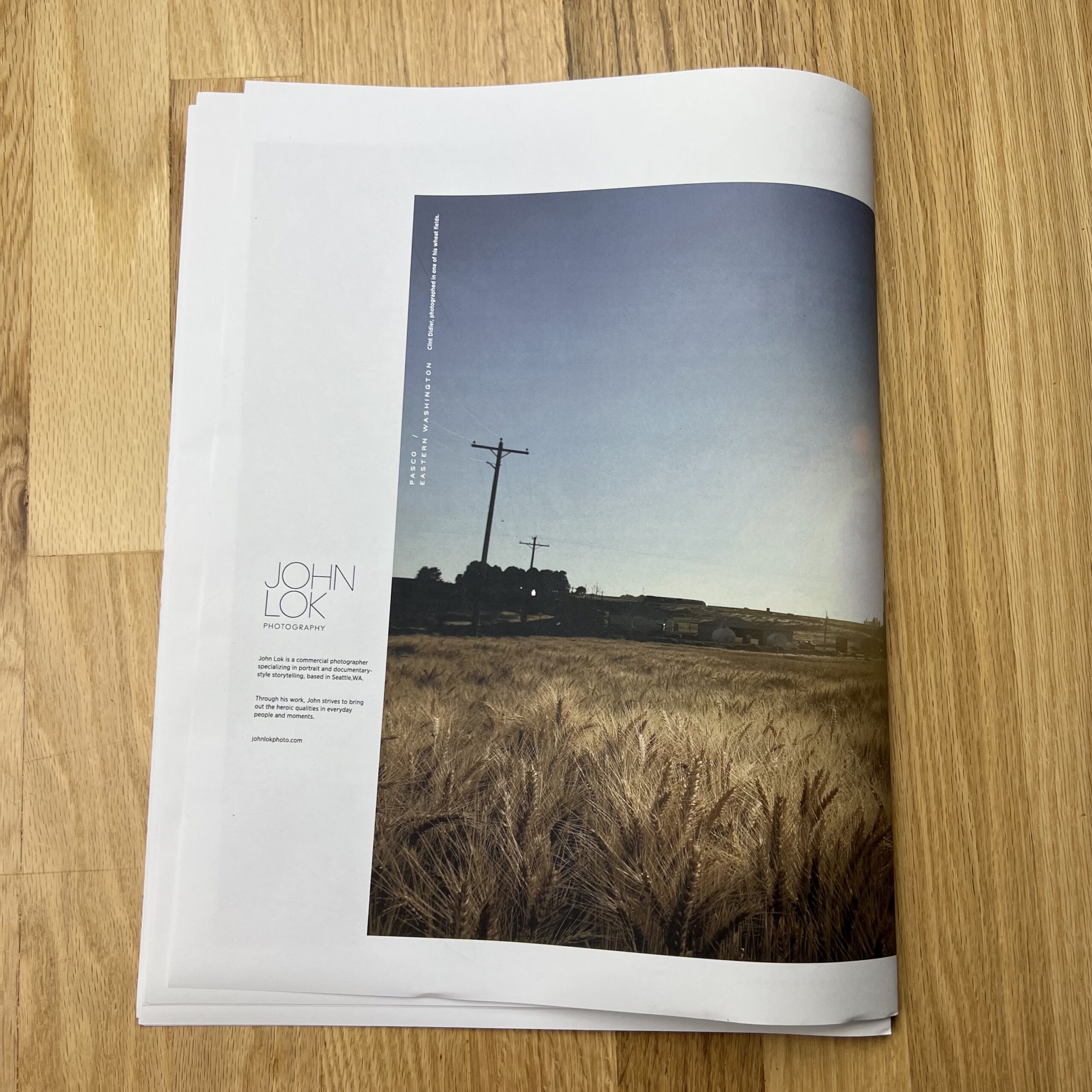
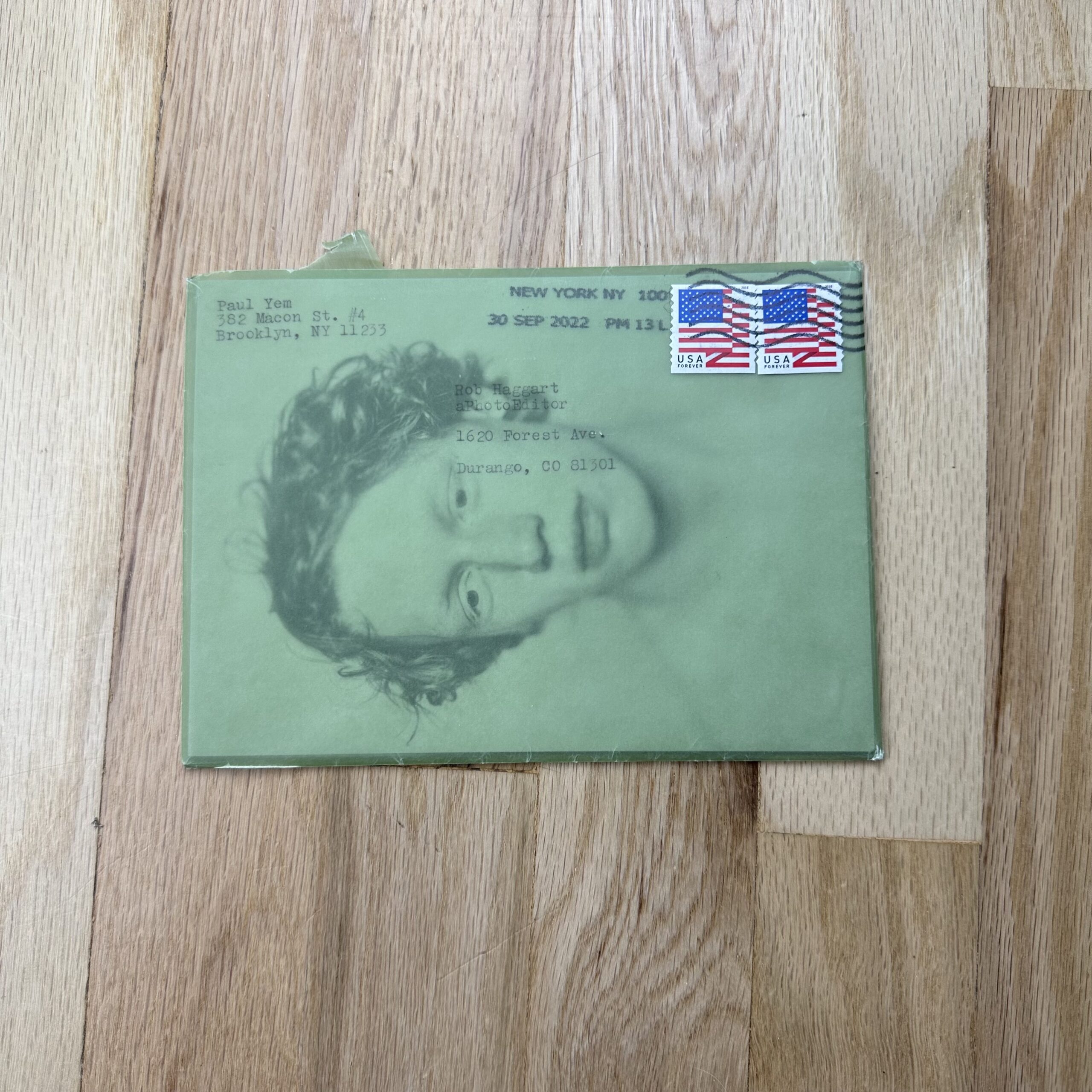
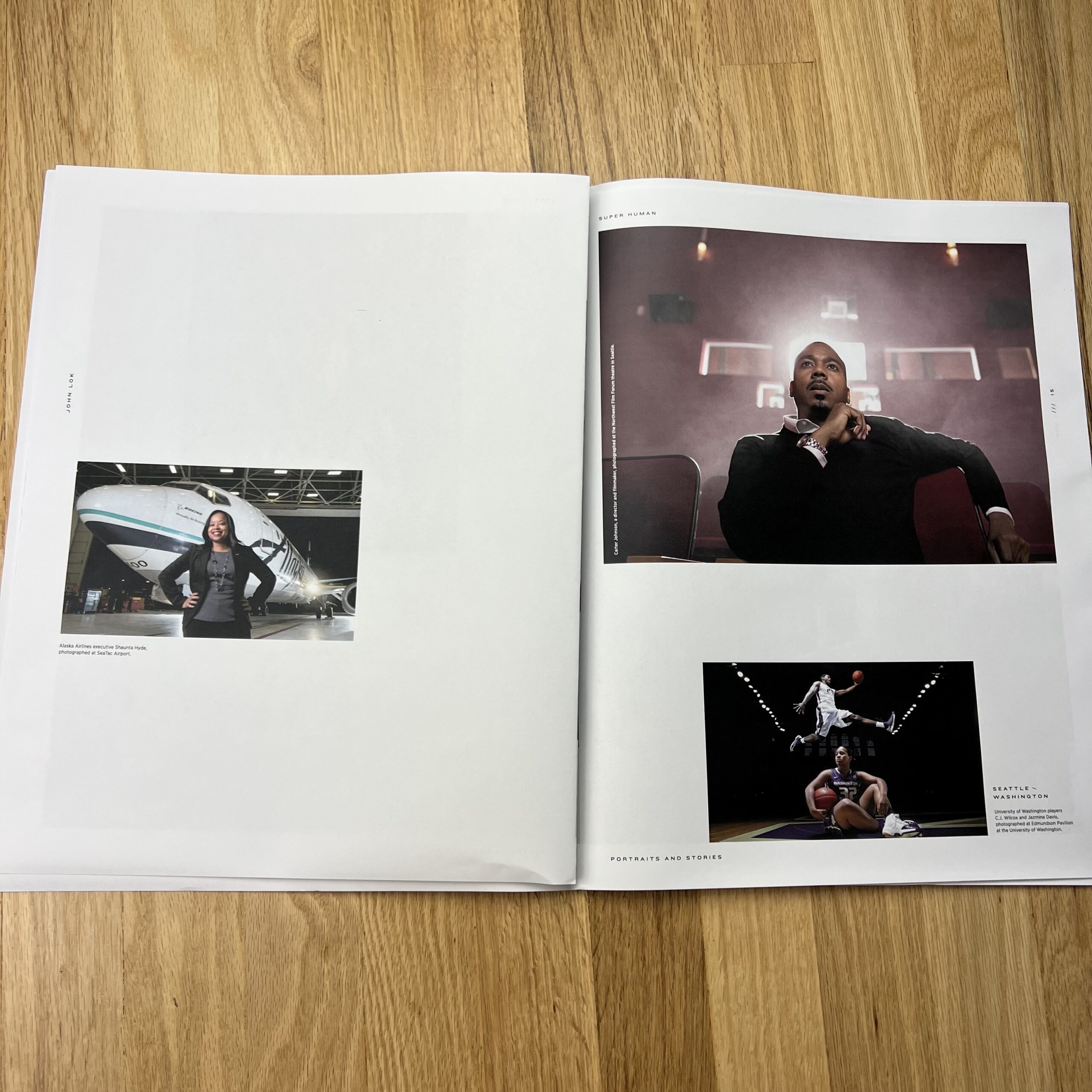
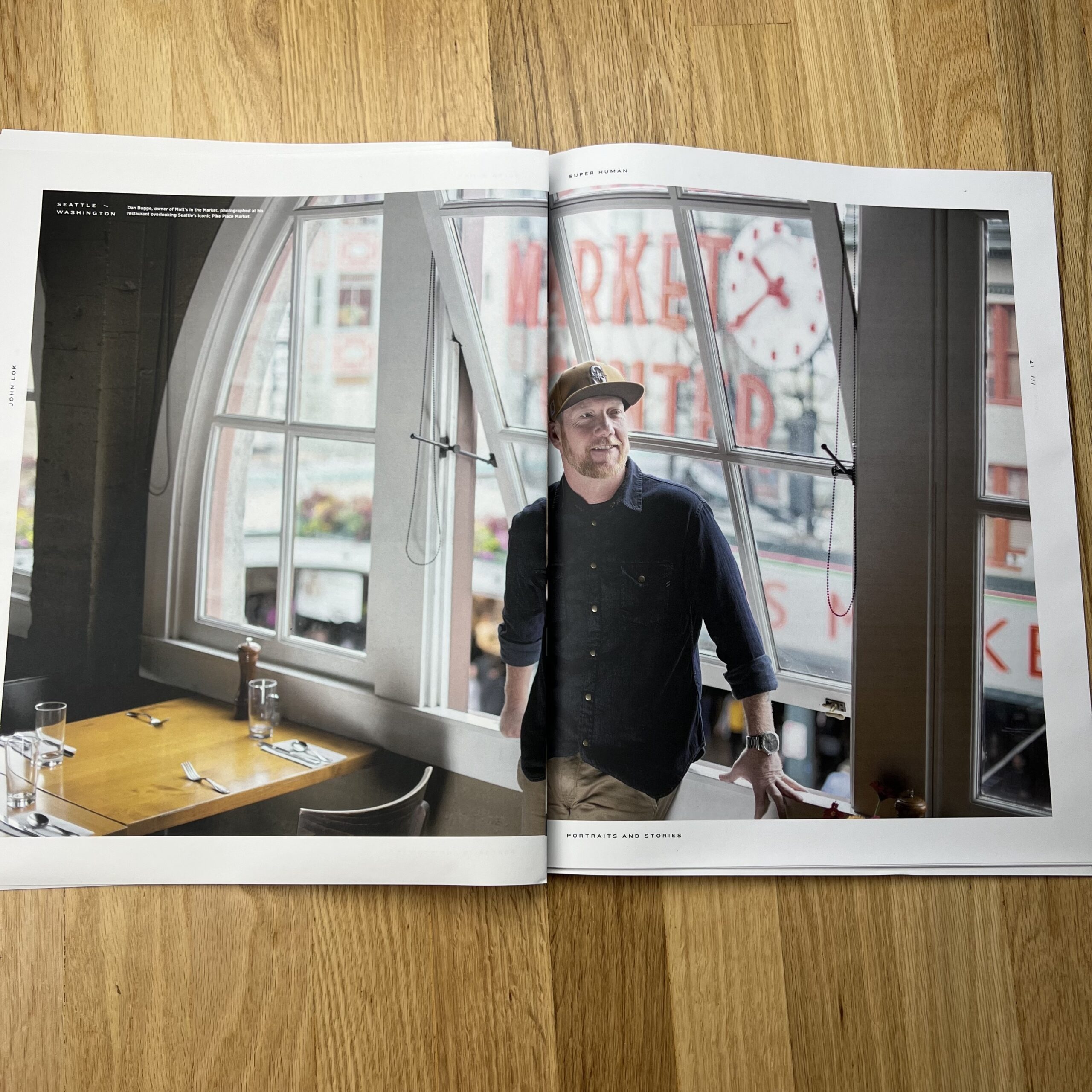
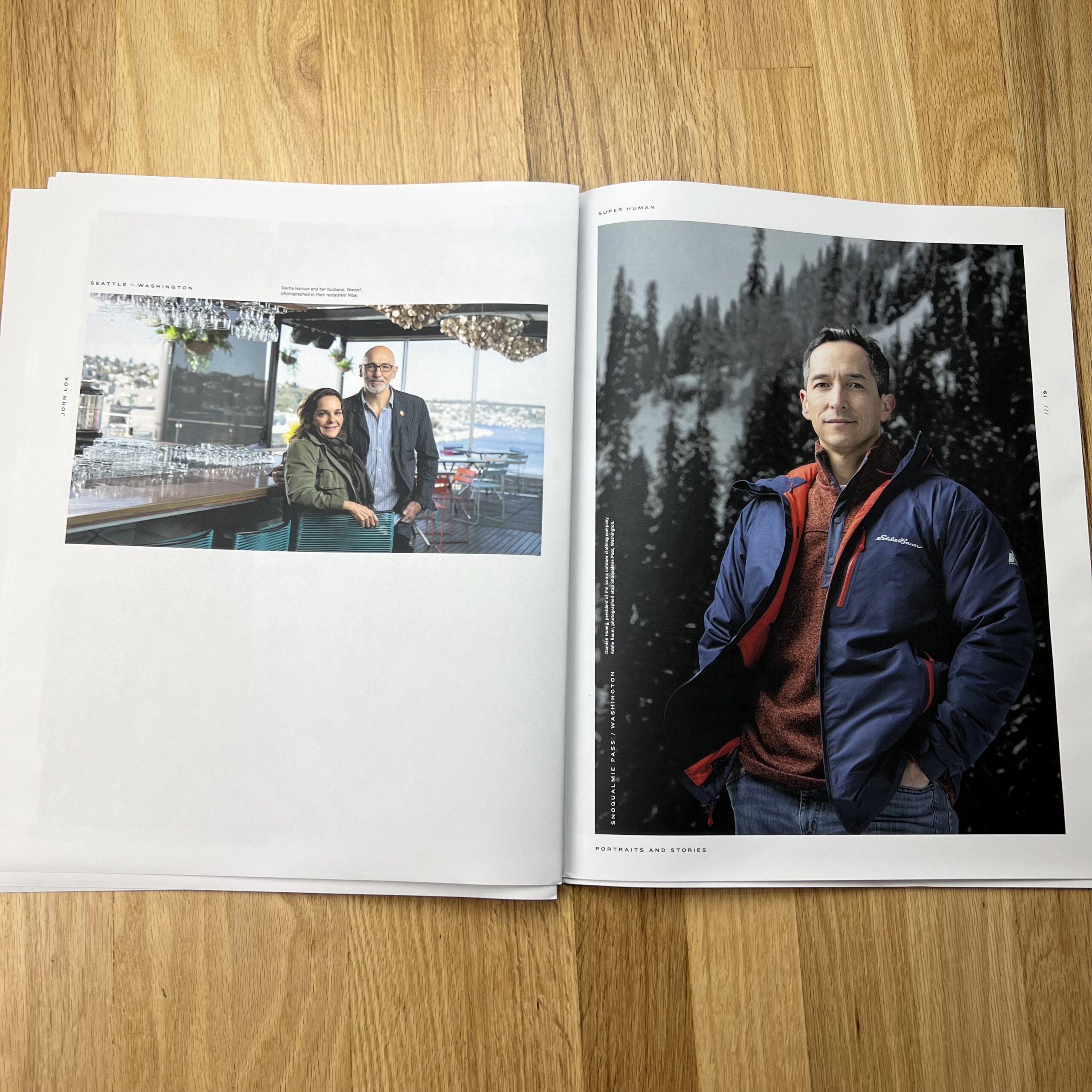
Newspaper Club out of the UK. This is my first time printing with them and I was impressed with their quality and customer service.

Who designed it?
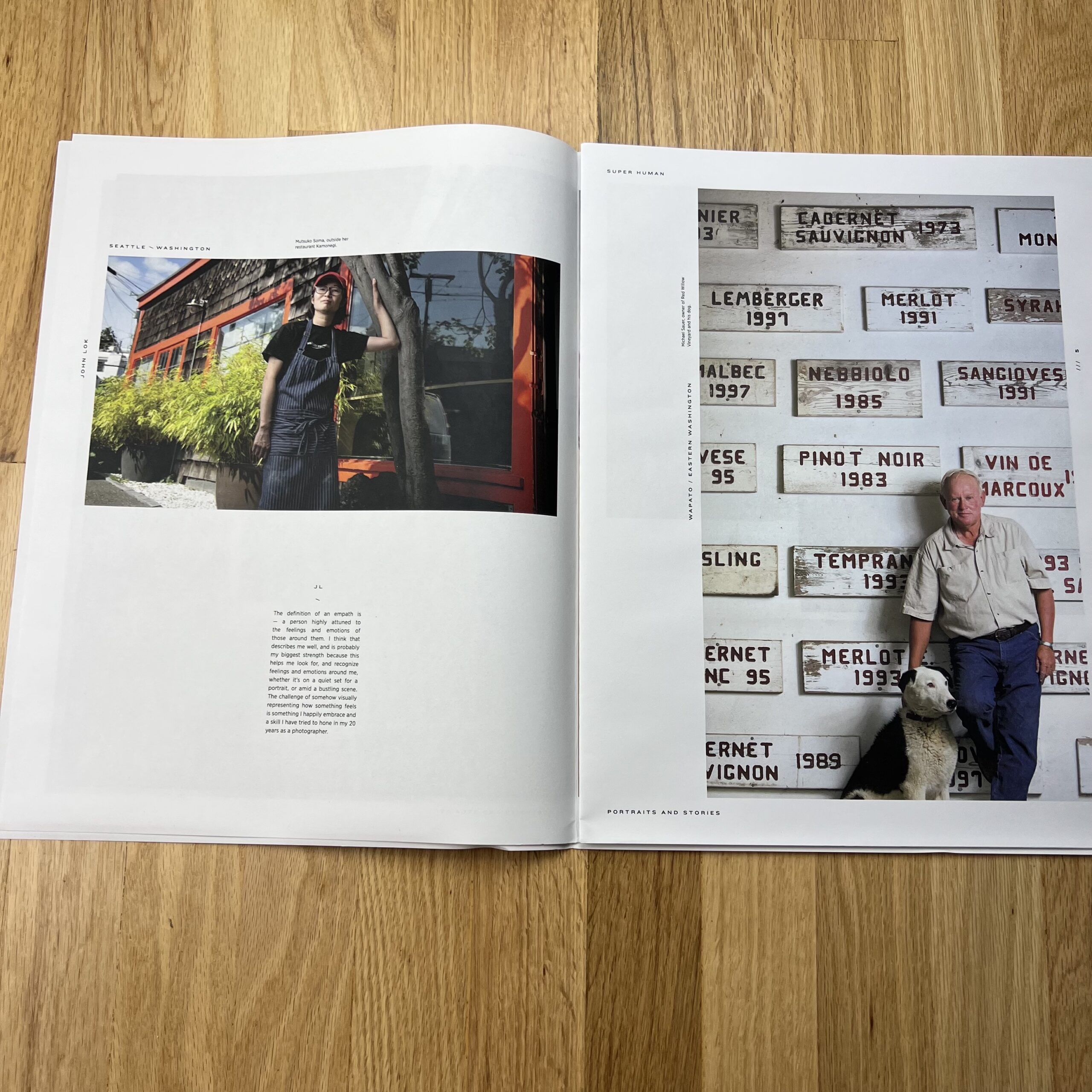
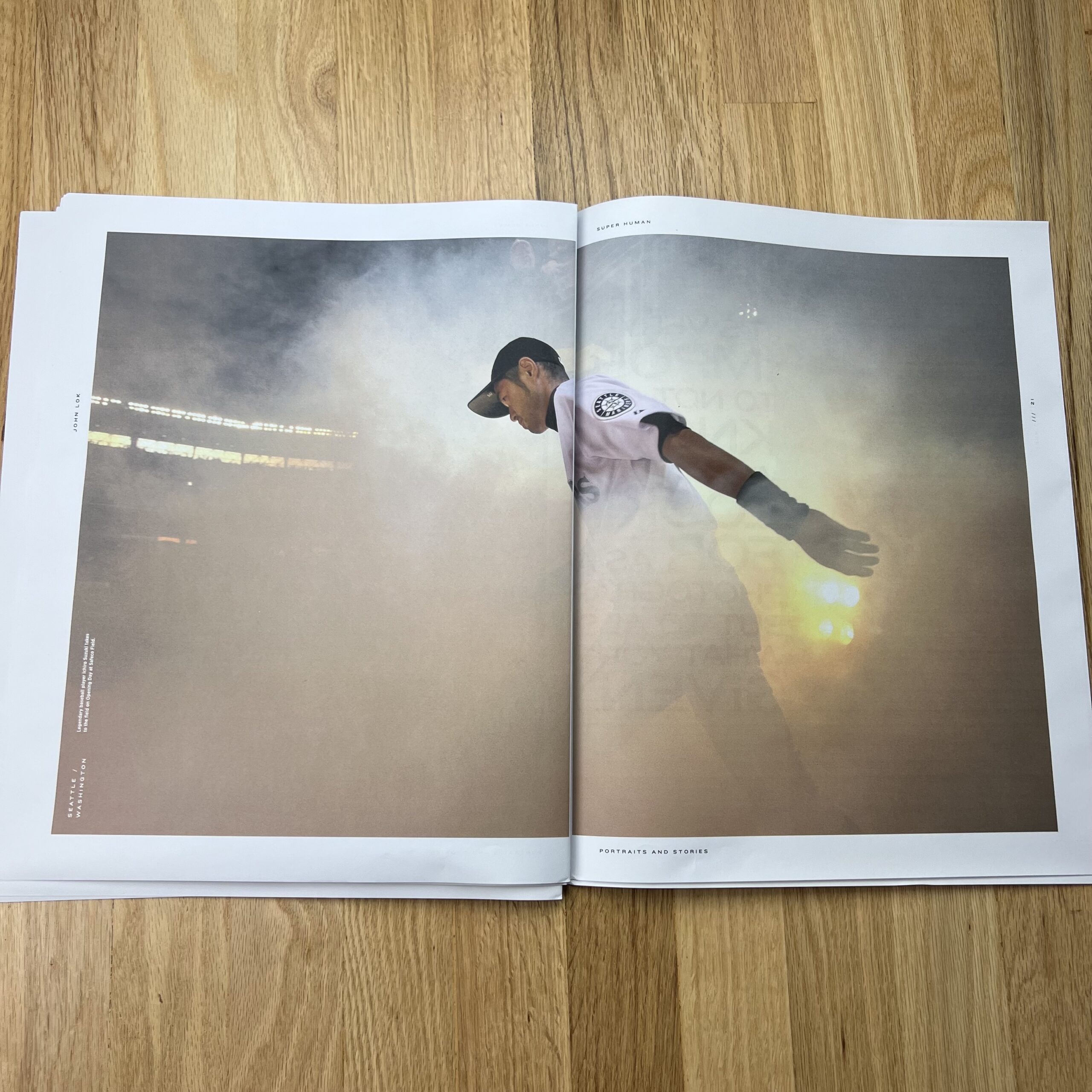
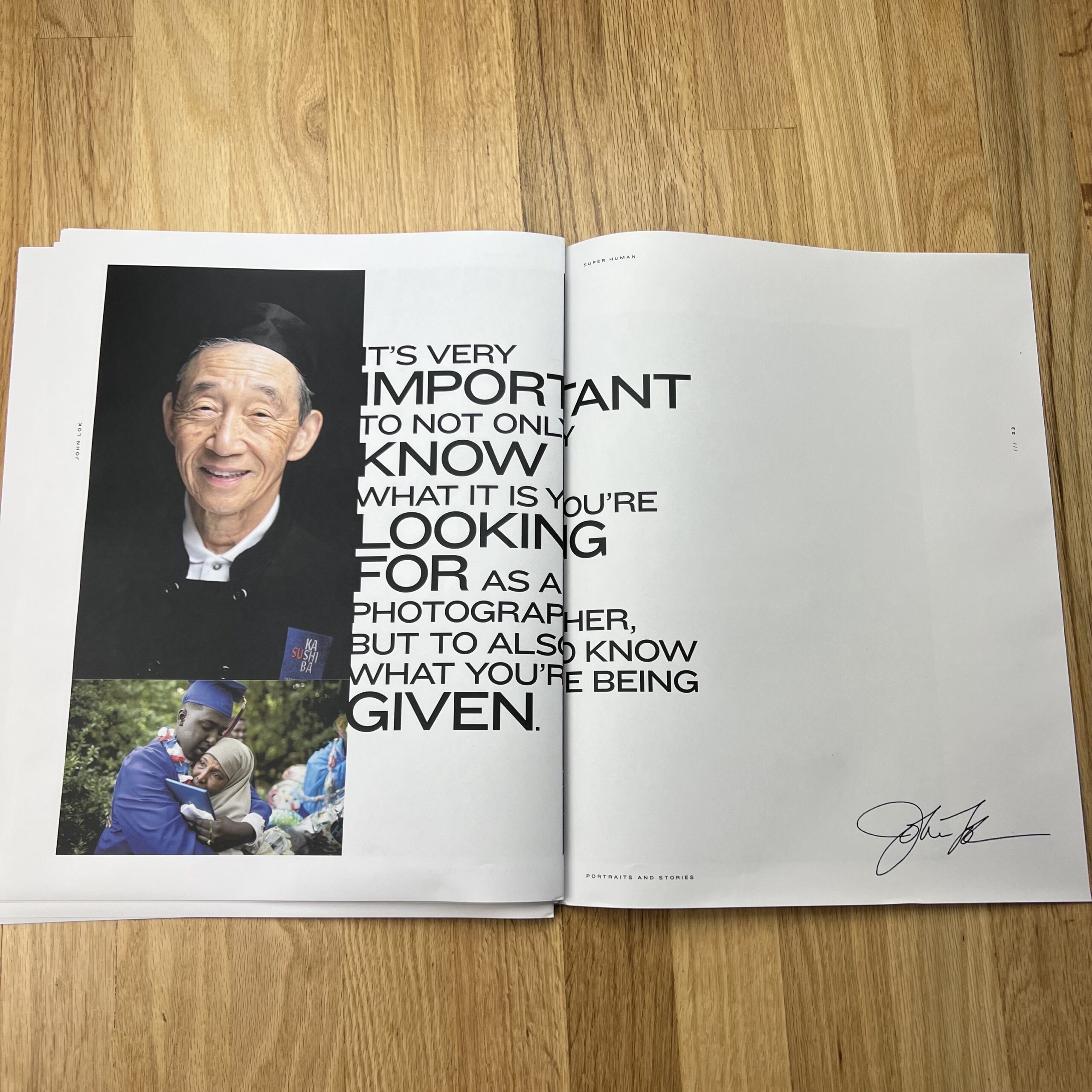
I worked with Samantha Ricca, a talented designer and art director based here in Seattle. I love design so I found the process of working with her very exciting and collaborative throughout. We each provided input on the scope and direction of the promo, down to the small details. During one of the early brainstorming sessions, she came up with the idea to incorporate some of my behind-the-scenes stories from the photos, as well as my general thoughts/philosophies on how I approach my work. They appear as copy blocks and pull quotes in the promo, and help give it a magazine feel, which is exactly what I had envisioned.

Tell me about the images.
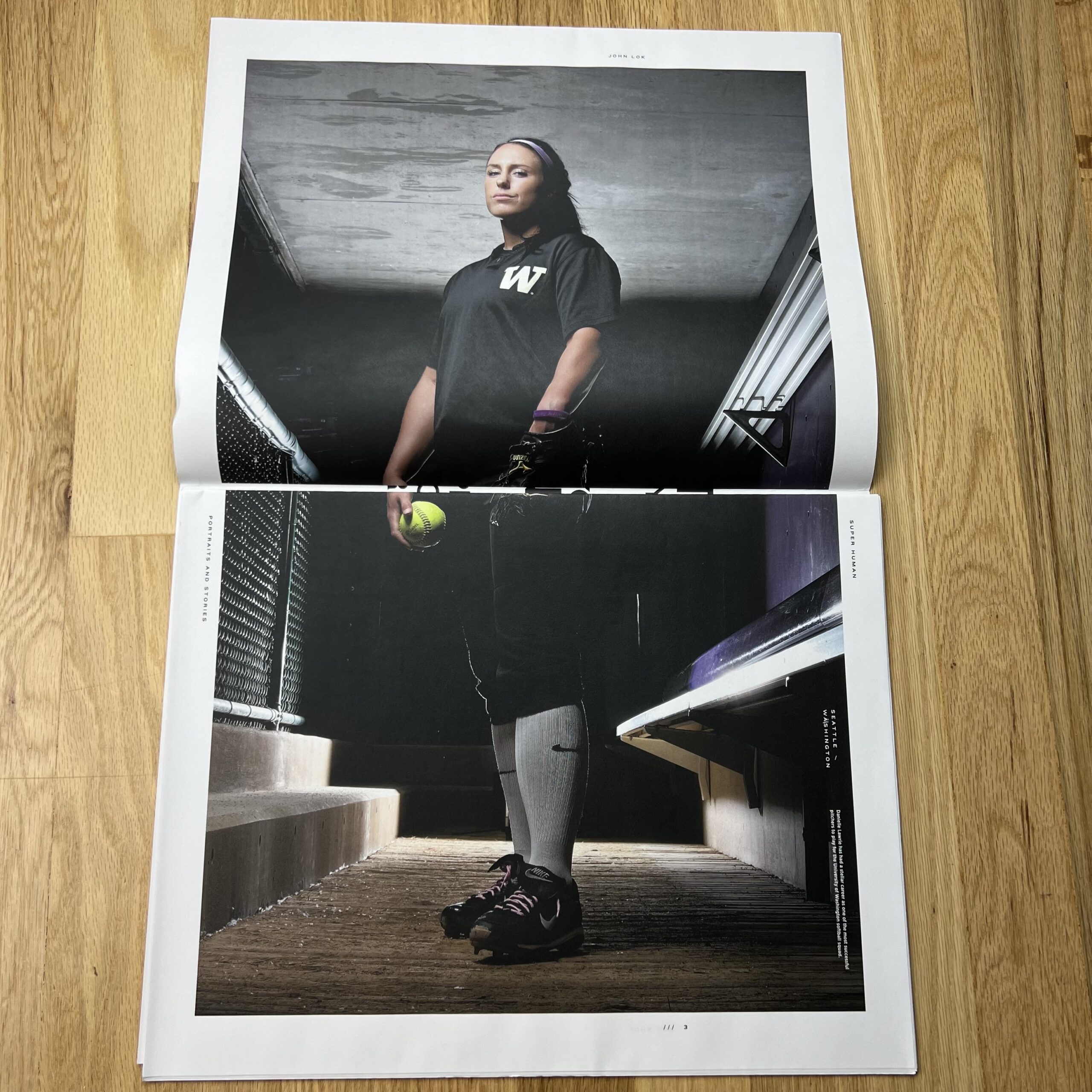
Ultimately, I wanted the piece to showcase my portraiture, which is my biggest love, and the area I feel I’m strongest in. The images come from many different projects spanning my career so the portrait theme was a natural way to keep the promo cohesive. The edit includes some favorites from my time as a photojournalist, where I first developed my affinity for portraits, and now as a commercial/advertising photographer. I not only wanted to show clients the style and quality of my work, but it was important to also convey its range and diversity of subject matter. Part of the reason why I enjoy portraiture so much is that I really enjoy working with all kinds of people, and am always excited at figuring out how to tell their story visually. These were some of the main things I hoped to convey in the piece.

How many did you make?
I made one copy as a test to make sure it looked good. I was happy when I opened the package to see that it was great, so I went ahead and ordered 100 more copies. Since this was my first time with Newspaper Club, I was a little concerned on whether the quality of the second run would be consistent with the single copy run, but they really nailed it again on the bigger order. They were identical in all respects.

How many times a year do you send out promos?
To be honest, this is the first promo I’ve ever made, so I’m still trying to find a good cadence that works for me. Overall, I think I will aim for once a year for promos of this size.

Do you think printed promos are effective for marketing your work?
Yes, I do. I feel it’s a wonderful way for clients and anyone else who receives it, to remember you. I have begun sending these out in an organic manner and the response has been extremely positive, and heartening. Given the feedback, I get the sense that it not only serves as a promo of your work, but also as a gift of sorts, in a gentle way. It fits the way I work and my personality, so this first experience with promos, so far, is extremely encouraging.

AI Photography Hype

I’ve been seeing lots of hand wringing over the AI Photography engines released recently: https://www.midjourney.com/home/ and https://openai.com/dall-e-2/ and well… there’s probably something to that tho not the “death of photography” level but more in the injury by a thousand cuts vein. If you are interested in the topic you should definitely check out this Verge article “The scary truth about AI copyright is nobody knows what will happen next

“The training dataset for Stable Diffusion, for example — one of the biggest and most influential text-to-AI systems — contains billions of images scraped from hundreds of domains”

“it is much more likely than not” that training systems on copyrighted data will be covered by fair use. But the same cannot necessarily be said for generating content”

“the current interpretation of fair use may actually change in the coming months due to a pending Supreme Court case involving Andy Warhol and Prince.”

Here is a story on the Warhol and Prince case: https://www.npr.org/2022/10/12/1127508725/prince-andy-warhol-supreme-court-copyright

All important topics to think about. My personal opinion is that the images generated by the AI engines will not be copyrightable, giving traditional photography an edge in the world of editorial and advertising.

Here is a deep dive on the topic from a law professor at Vanderbilt:

Pricing & Negotiating: International Hospitality Stills And Video

By Craig Oppenheimer, Wonderful Machine

Concept: Two talent enjoying the amenities of a hotel, captured in both stills and video.

Licensing: Unlimited use (excluding broadcast) of up to 10 images and all video content captured in perpetuity.

Photographer: Lifestyle and hospitality specialist.

Client: Hotel Brand.

Here is the estimate:

Fees

This project was part of three other similar shoots the agency was coordinating around the world, and at each one, they hoped to capture two talent enjoying the amenities of the hotel. While stills would be the priority, they asked for some b-roll video content to be captured of the same sets, primarily for web advertising. While we’ve seen higher fees for more limited usage for such brands, it became apparent that the usage would essentially be five images, delivered in both horizontal and vertical. Given the local market where the shoot would take place, and the limited quantity of images and intended usage, I decided to include $10,000 as a creative/licensing fee. I also added two scout days for the photographer.

Crew

The agency hoped for a minimal crew to keep the production footprint as small as possible. We included a producer, videographer, assistant, and a digital tech, all with appropriate travel/shoot days and rates for the given market.

Casting

We planned to cast from cards, rather than do a live casting, and include $750 for the time to accomplish this. We split the fees for the two talent into three categories; a session fee for their time, a usage fee for their likeness based on the unlimited use, and a travel fee for them to get to the locations.

Styling

Rather than a full styling team, and in an effort to keep the footprint small, we included one stylist to help ensure the talent looked presentable and to help with the wardrobe the talent would provide. I typically break out these roles and have a separate person handle hair/makeup while another stylist handles wardrobe, however, the agency preferred to bundle the roles.

Equipment

We included appropriate fees for both stills and video equipment, along with a rental fee to use the digital tech’s workstation. These rates included cameras, lenses, and all of the supporting grip equipment and sliders needed to get the shots noted in the provided creative brief.

Health & Safety

To maintain public health and safety on set we included a fee that would compensate each crew member, upon providing us with a negative covid test result that they would receive prior to the shoot.

Miscellaneous

While the client’s onsite services would provide catering, we included $500 for additional meals and $1,750 for unknown expenses incurred during international travel.

Travel

Eight people would be traveling to the location, and we included airfare, transportation, and per diems for each of them, based on the number of days they’d be traveling. Despite the client being a hotel where the shoot would take place, they were not able to provide lodging for the crew and asked for us to include lodging elsewhere for the team.

Post Production

Lastly, we included $500 for the photographer to sift through the content and provide a gallery to the agency, along with a fee of $200 per image for the photographer to ultimately retouch the agency’s selects. Additionally, we added $400 for hard drives and shipping.

Results

The photographer was awarded the project.


Need help estimating or producing a project? Please reach out. We’re available to help with any and all pricing and negotiating needs, from small stock sales to large ad campaigns.
Featured Promo – Libby Volgyes

Libby Volgyes

Tell me about your promo.

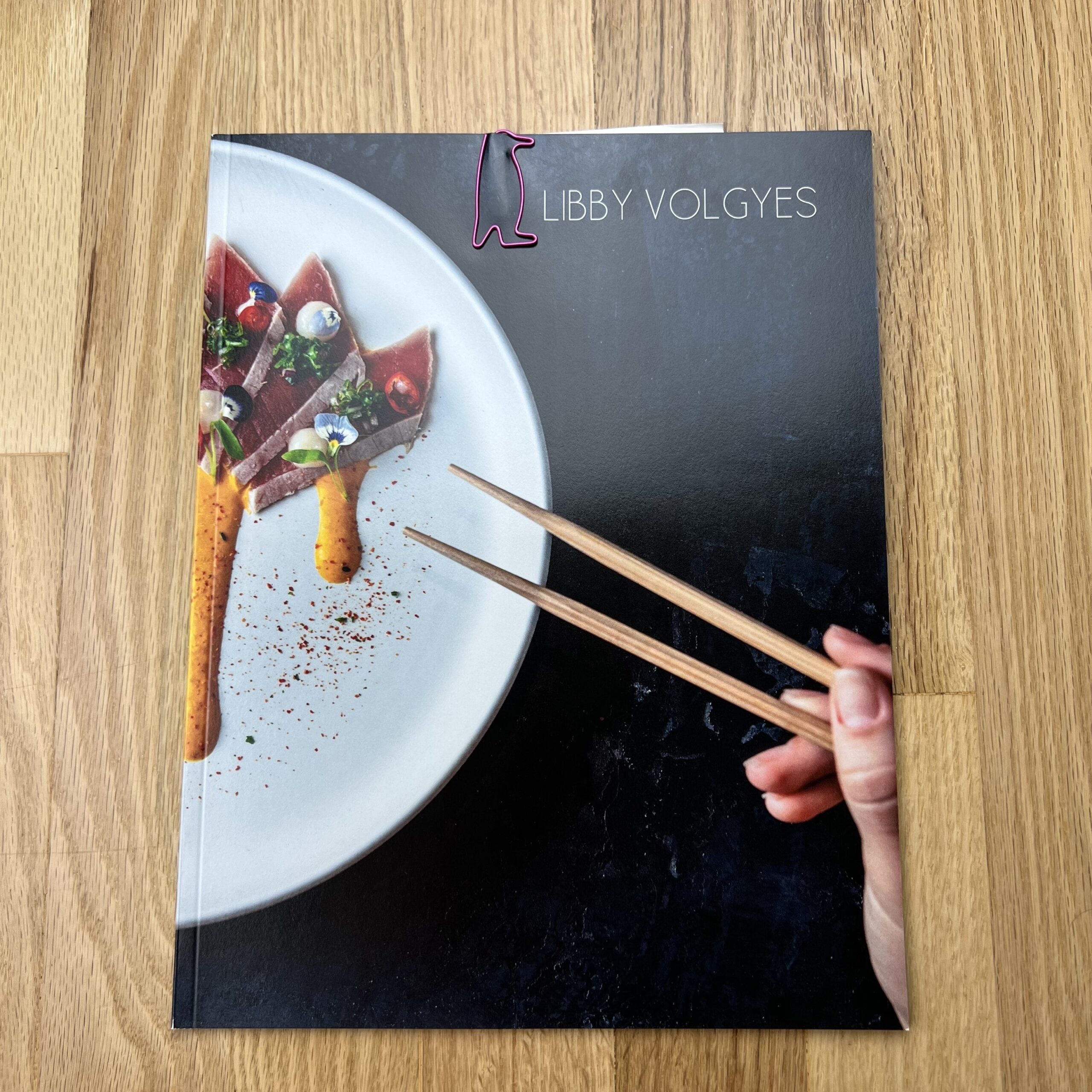
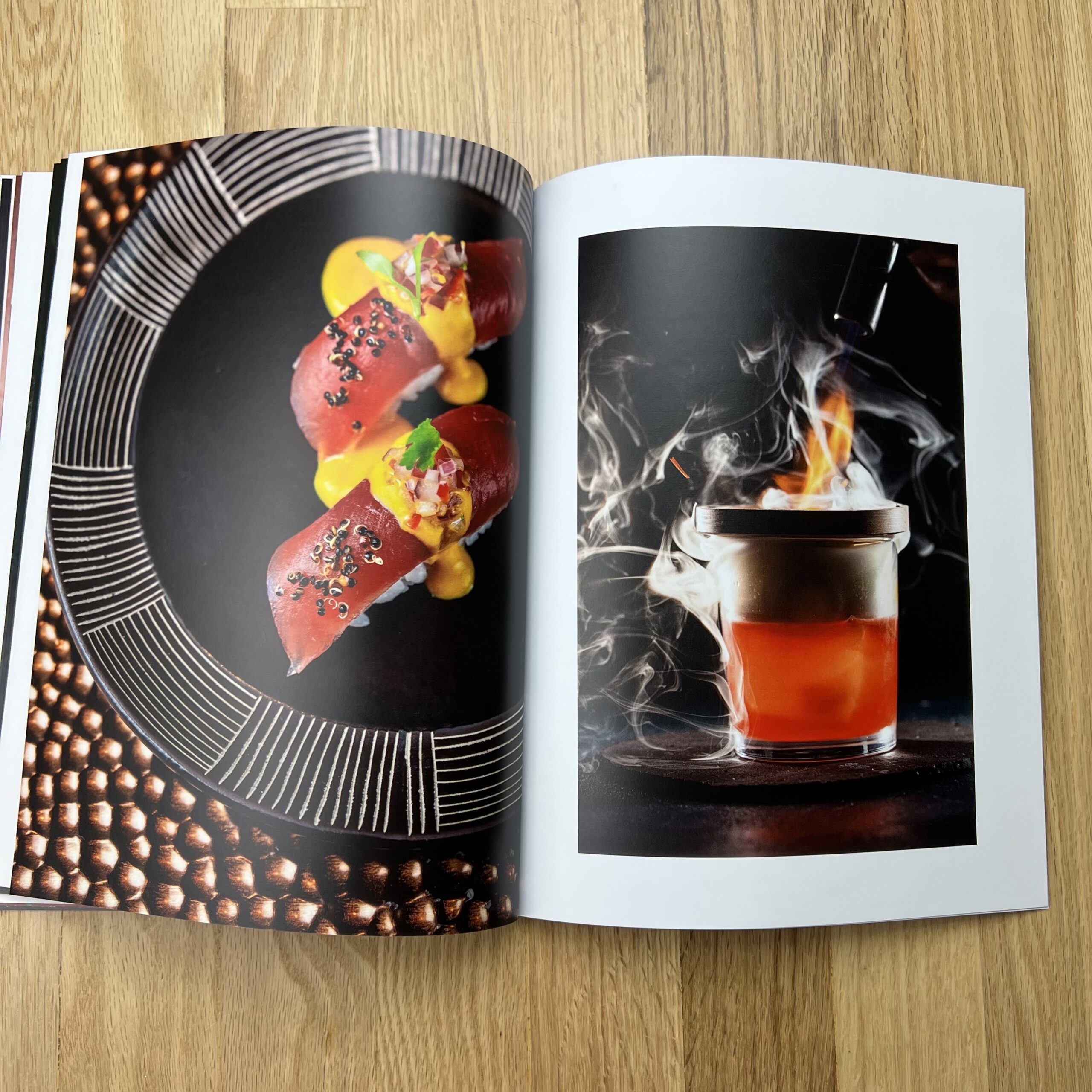
The magazine was designed by Monashee Photo Consultant and printed by Blurb. We did a first run of 100 to send out to ad reps and marketing reps, and other people I wanted to work with. I suspect I’ll make more to hand out once I’m brave enough to start trying for desk-side meetings.

I’ve sent out print promos before, but this was the first big print campaign, and I enlisted the amazing Monashee that I’ve been working with the last year. I am REALLY terrible at design – so terrible that when I was studying at the University of Missouri-Columbia and taking my Photojournalism Capstone class, Rita Reed made me do an extra project on design because I was so terrible at it. So I think I knew from a pretty early age in my career I was never going to be a photo editor or designer and that I’d always need someone to hold my hand for design projects.

I think, particularly in this day and age of social where we barely have the energy to double-tap an image, there’s something incredibly beautiful about the permeance of prints and collateral. I don’t feel bad at all if anyone throws it out- I can’t stand clutter, so I would understand that. But I hope for the moments when they’re holding, feeling, and flipping through my book that they’re enjoying a couple of moments of peace. And to me, that’s what prints are about. Permanence even in impermanence.

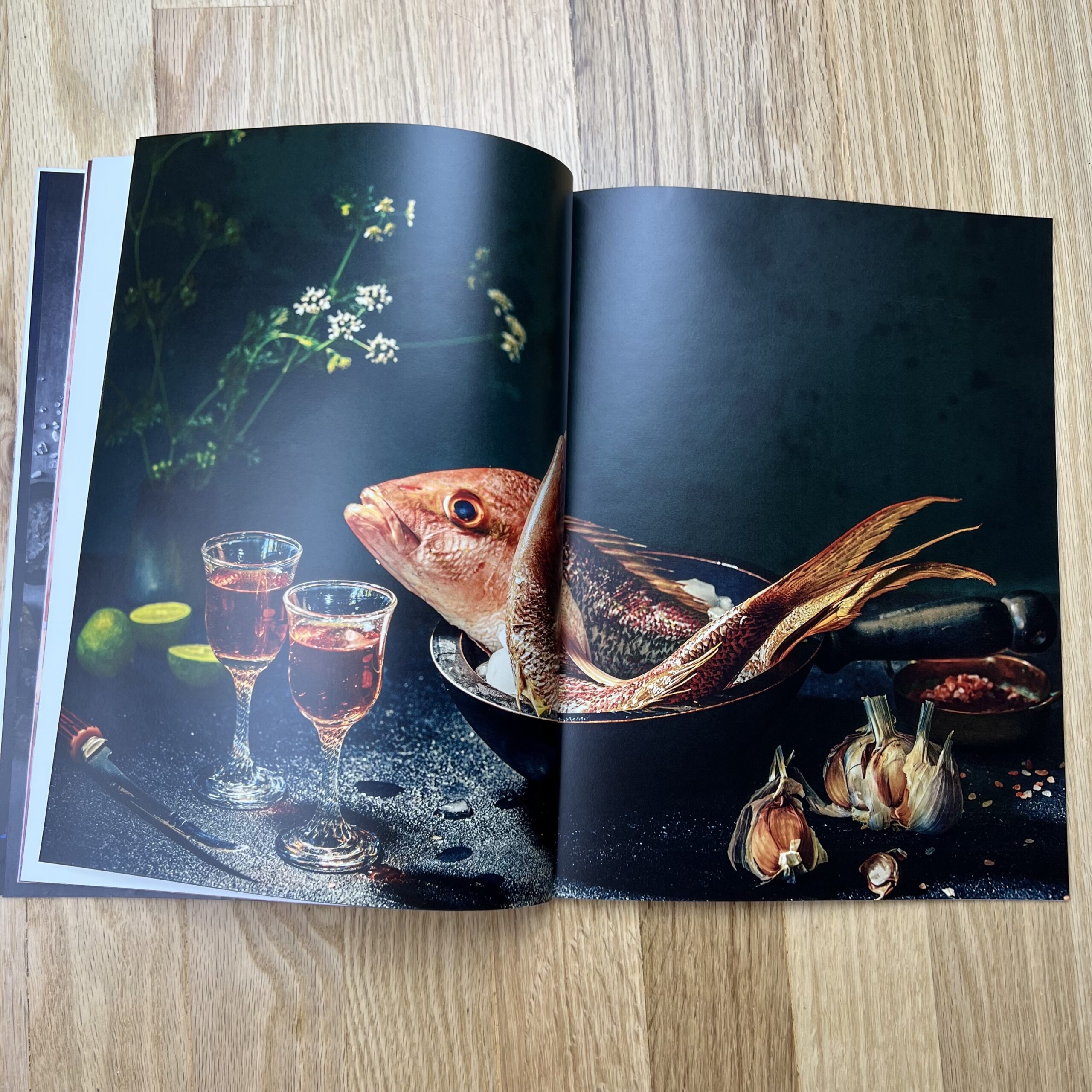
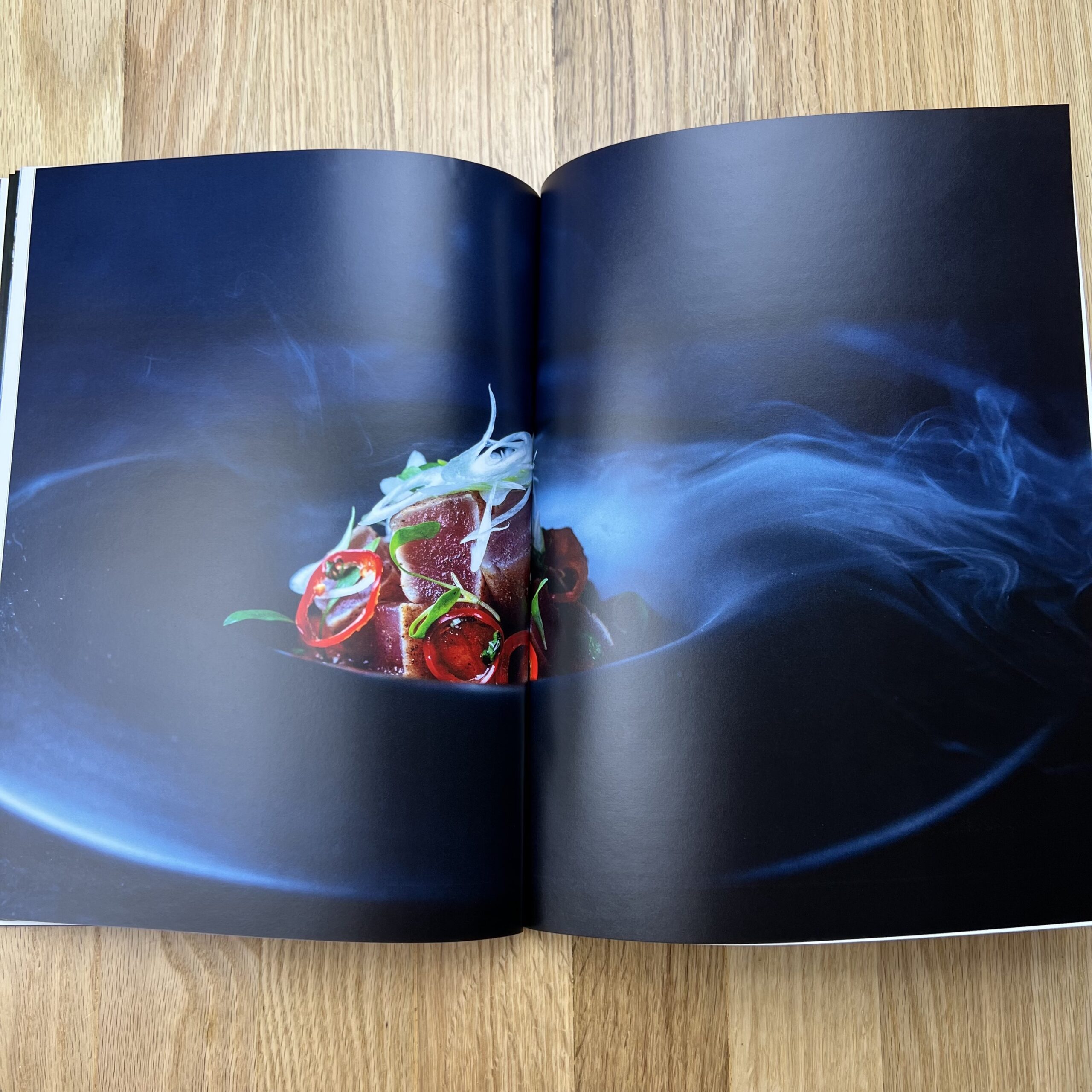
A lot of the images in the book – and most of the ones you featured on Instagram were personal projects. 20 years into this profession, I still just really LOVE taking photos. So when I had some time off, and my food stylist did too – and I’m lucky to have a really wonderful relationships with my food stylist – one I consider “my muse” — we get together and play. It is unbelievably fun. The picture of the fish and the hanging fruit were both play days. Sometimes we look to art – paintings from the Dutch or the Flemish and are inspired by their light and their subjects that we can easily translate realize. Often we’re motivated by beautiful old props or stunning ingredients. That’s enough to make a photo many days!

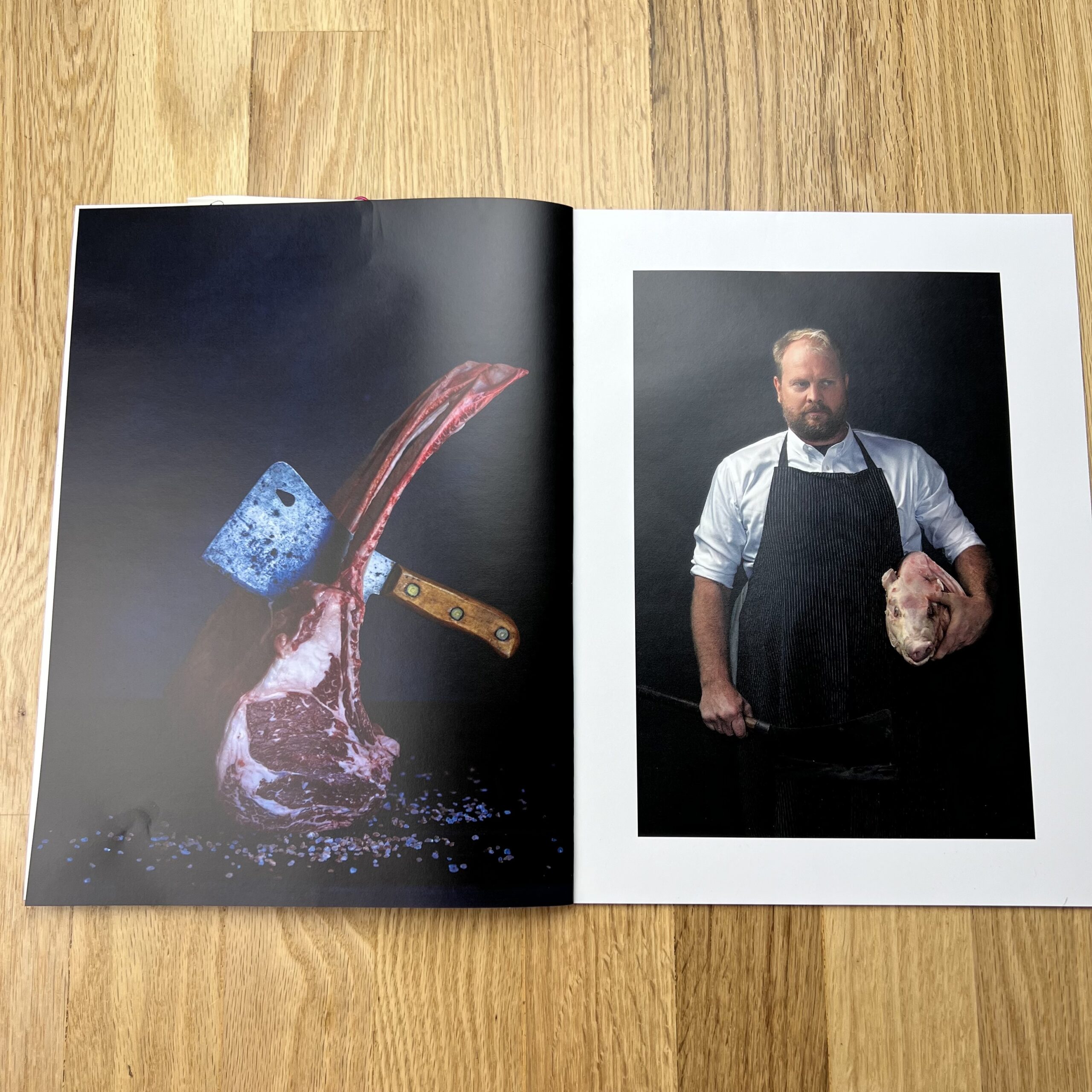
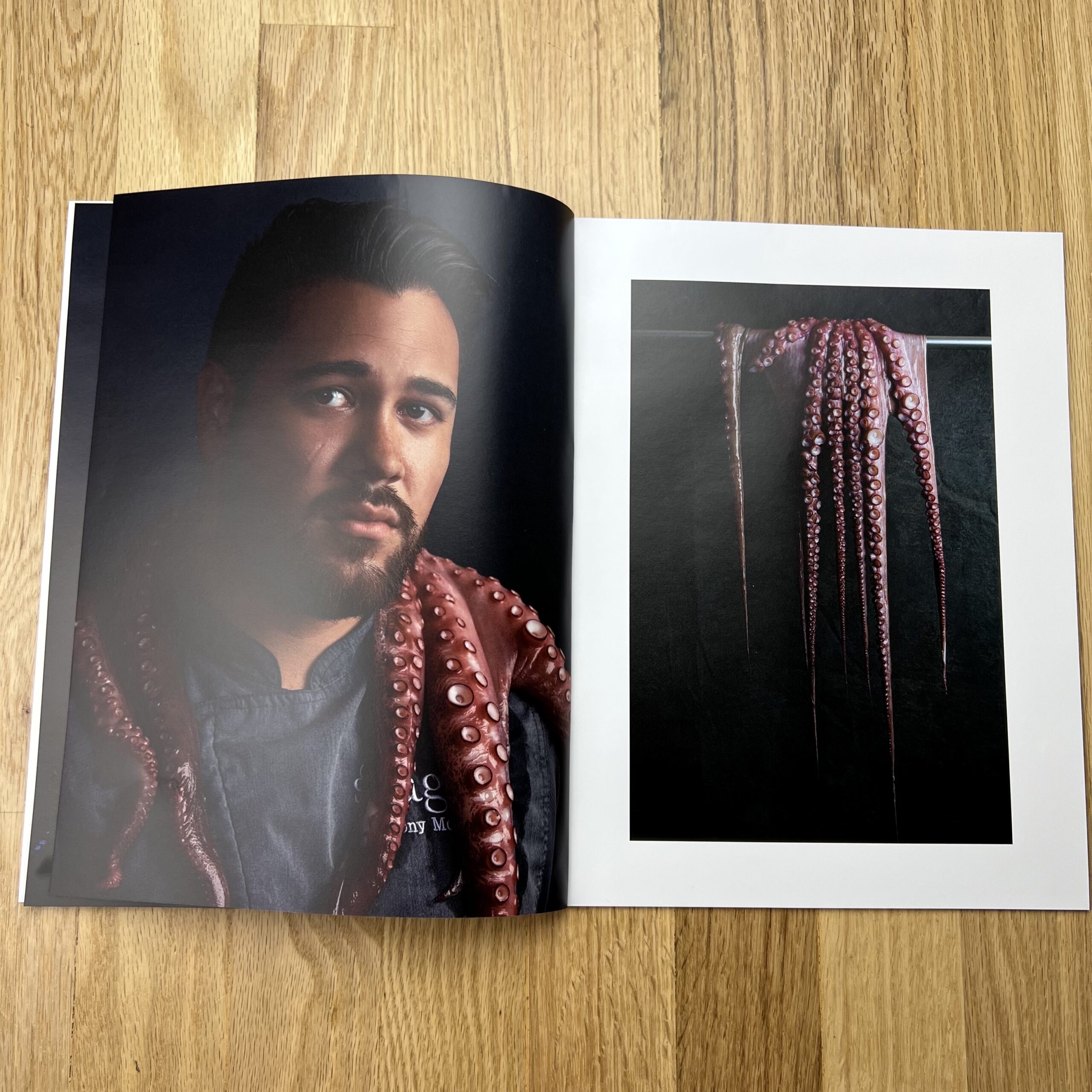
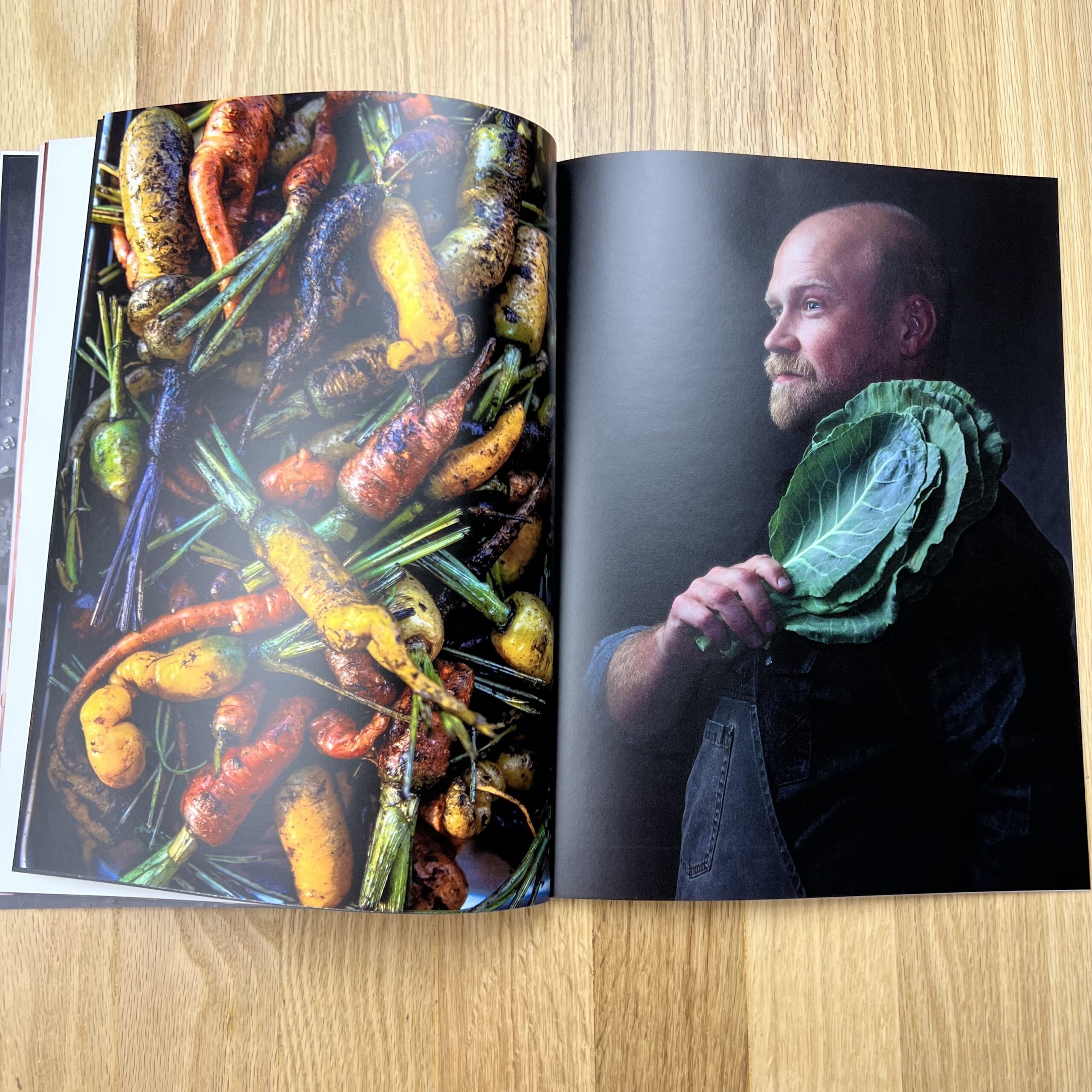
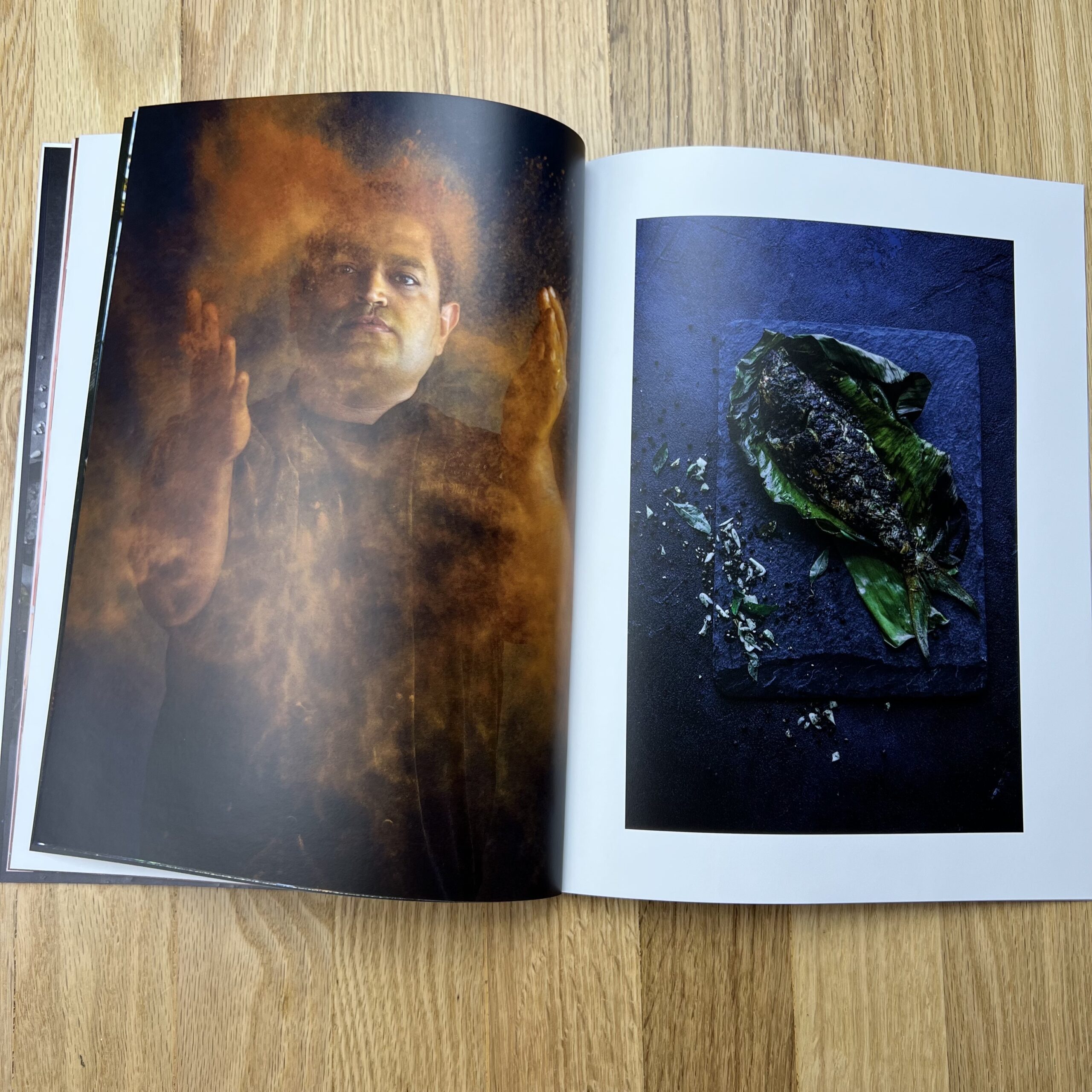
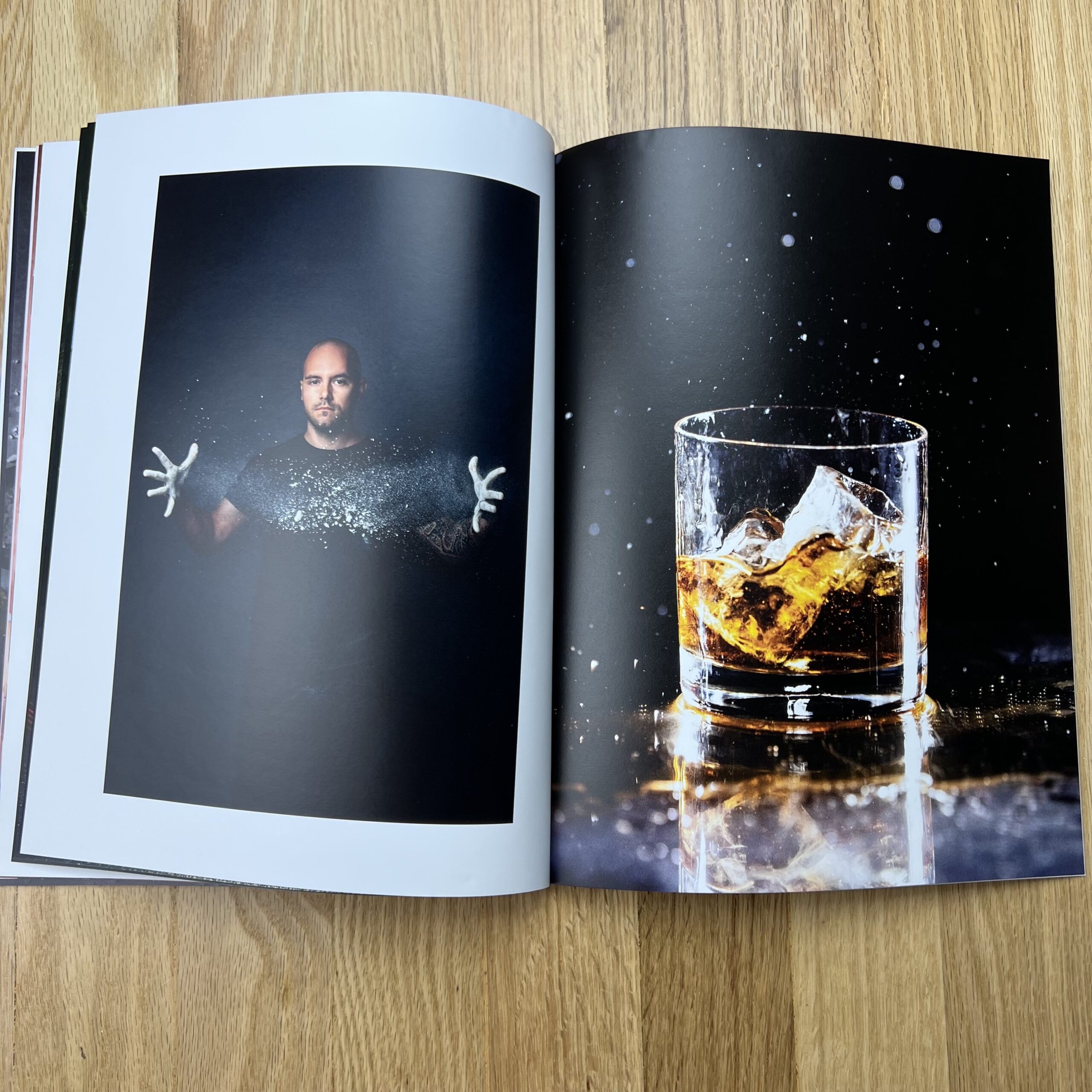
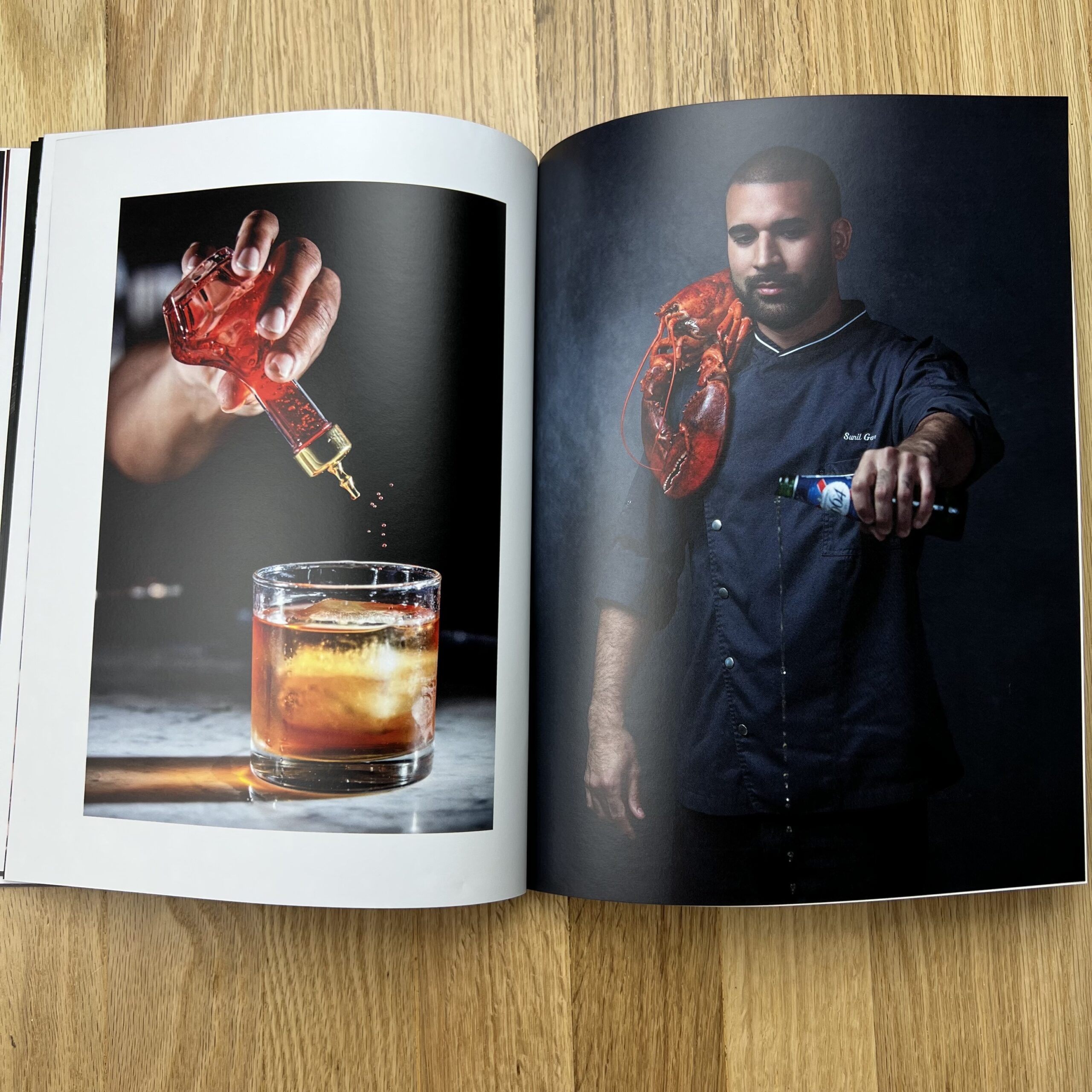
The portraits are from a project I started four years ago called “Faces of Food” where I wanted to improve my portraiture, so I set about to photograph the faces behind the food industry. It ended up being a huge body of work– I photographed close to 100 food professionals (bartenders, farmers, chefs, pastry artists, etc.) over three days for a final edit of 18. It ran in the local magazine, we had a nice art opening, and I displayed the art around town; finally, it displayed at Food Photo Festival in Vejle, Denmark, where it was a finalist for the Feature Award. Today, I’m still photographing “Faces” whenever I get the chance. Props, similar lighting and the same backdrop. It just keeps being fun for me.

Honestly, I shoot a lot in my spare time. I’m bi-coastal – my husband and dog live in a small town in Oregon (Hood River), and my business is based in West Palm Beach, and I have studios in both places. So I get exposed to different light and different ingredients, and there’s just something crazy intense in me that just loves to shoot for myself. It’s probably a sick compulsion and needs to be medicated but there’s nothing in the world that feels like, “I JUST TOOK A PICTURE THAT MIGHT BE GOOD.” Just for those few moments when the world just stops…and you can breathe … that’s what I can’t wait for.

Announcing The Kurt Markus Photography Scholarship Fund

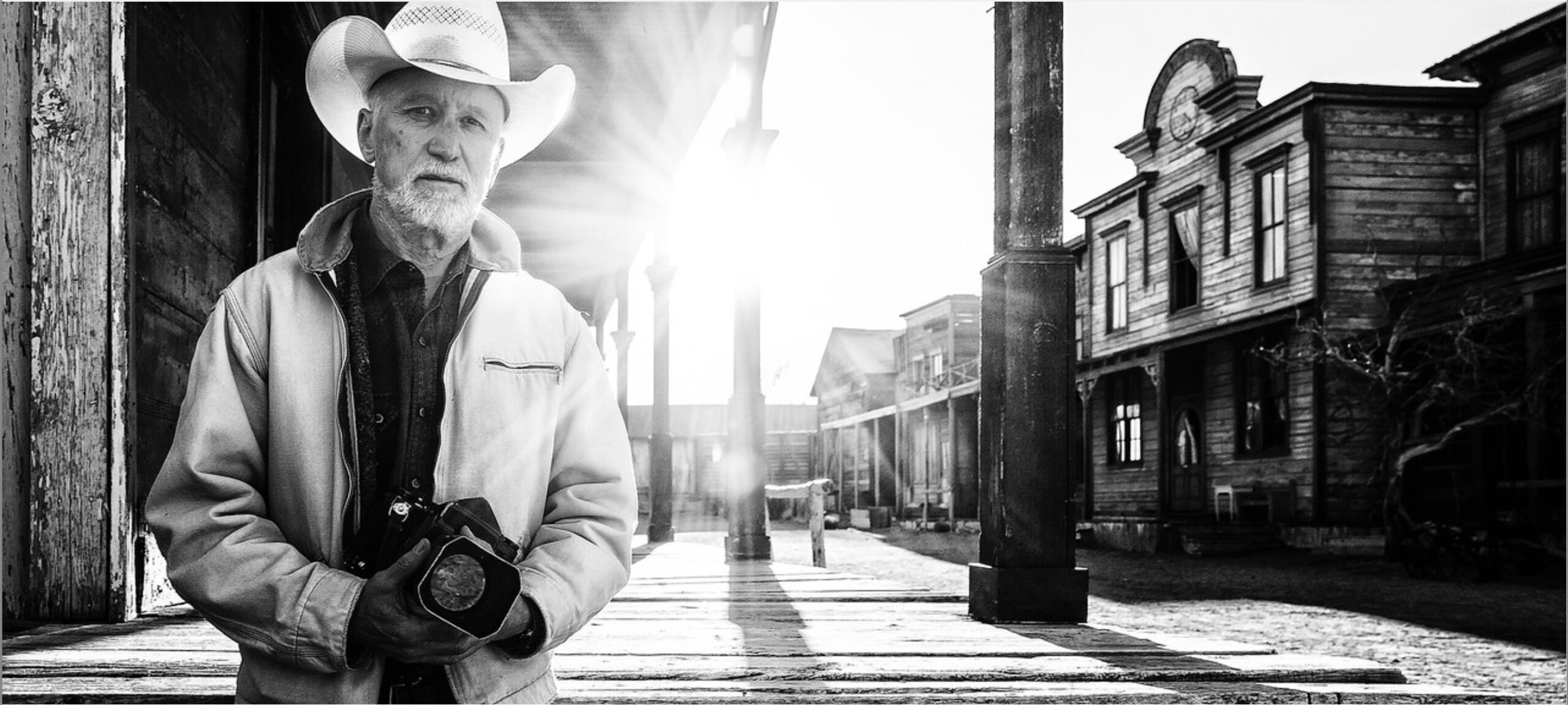
Portrait of Kurt Markus at Eaves Ranch in Santa Fe, © Christopher Michel

The Kurt Markus Family and Santa Fe Workshops are pleased to continue Kurt’s legacy as a teacher and role model for young photographers by awarding an annual scholarship in his name.

The Kurt Markus Photography Scholarship recognizes artistic promise coupled with a desire to live a photographic life by awarding a full scholarship to a one-week workshop in Santa Fe each summer to a young imagemaker.

Kurt Markus was a visual poet of the American West, creating authentic portraits, classic landscapes, and beautifully seductive fashion images. His photographs touched all strata of humanity and left a lasting imprint that will endure for many generations.
Equally important to Kurt was his role as a mentor. Starting in 2008, he made time each year to teach at Santa Fe Workshops. Instructing solo, co-teaching with Norman Mauskopf, or joining Jimmy Chin and Robert Maxwell for a Santa Fe Workshops/Outside Magazine Master Class, Kurt was dedicated to passing on his knowledge and passion for photography to the new generation of photographers.
The Kurt Markus Photography Scholarship Fund offers the financial support for a young photographer to attend the workshop of their choice to include travel expenses to Santa Fe and return, workshop tuition and fees, car rental, meals, accommodations, and $500 for photographic supplies and miscellaneous expenses. In addition to the workshop in Santa Fe, the recipient will forever be linked to the spirit and accomplishments of Kurt as they traverse their own path forward in photography.

Photographers under 30 years old are encouraged to apply (contact Reid Callanan for more information). Applications for this scholarship will be available on December 1 and due by January 15. There is no fee to apply for this scholarship. Jurors to award this annual scholarship are Laurie Kratochvil, Andy Anderson, and Reid Callanan.

Donations to this fund to honor Kurt and his legacy as a teacher and a mentor are now being accepted. Tax-deductible donations should be made to CENTER, a 501(c3) not-for-profit organization based in Santa Fe. CENTER, founded in 1994, honors, supports, and provides opportunities to gifted and committed photographers.

A generous lead donation of $25,000 has been made to inaugurate this fund.

———————-

Suggested Donation Levels: $250, $500, $1000, $2500, $5000.

$7500+ will receive a limited-edition digital print of Monument Valley by Kurt Markus. For details inquire to Reid Callanan at rcallanan@santafeworkshops.com.

Please mail donation checks to CENTER, PO Box 8372, Santa Fe, NM 87504 with a notation “For Kurt Markus Scholarship Fund”, or make a donation online at www.visitcenter.org

Featured Promo – Daniel Brenner

Daniel Brenner

Who printed it?
SmartPress

Who designed it?
I did, with some guidance from Ben Rasmussen.

Tell me about the images.
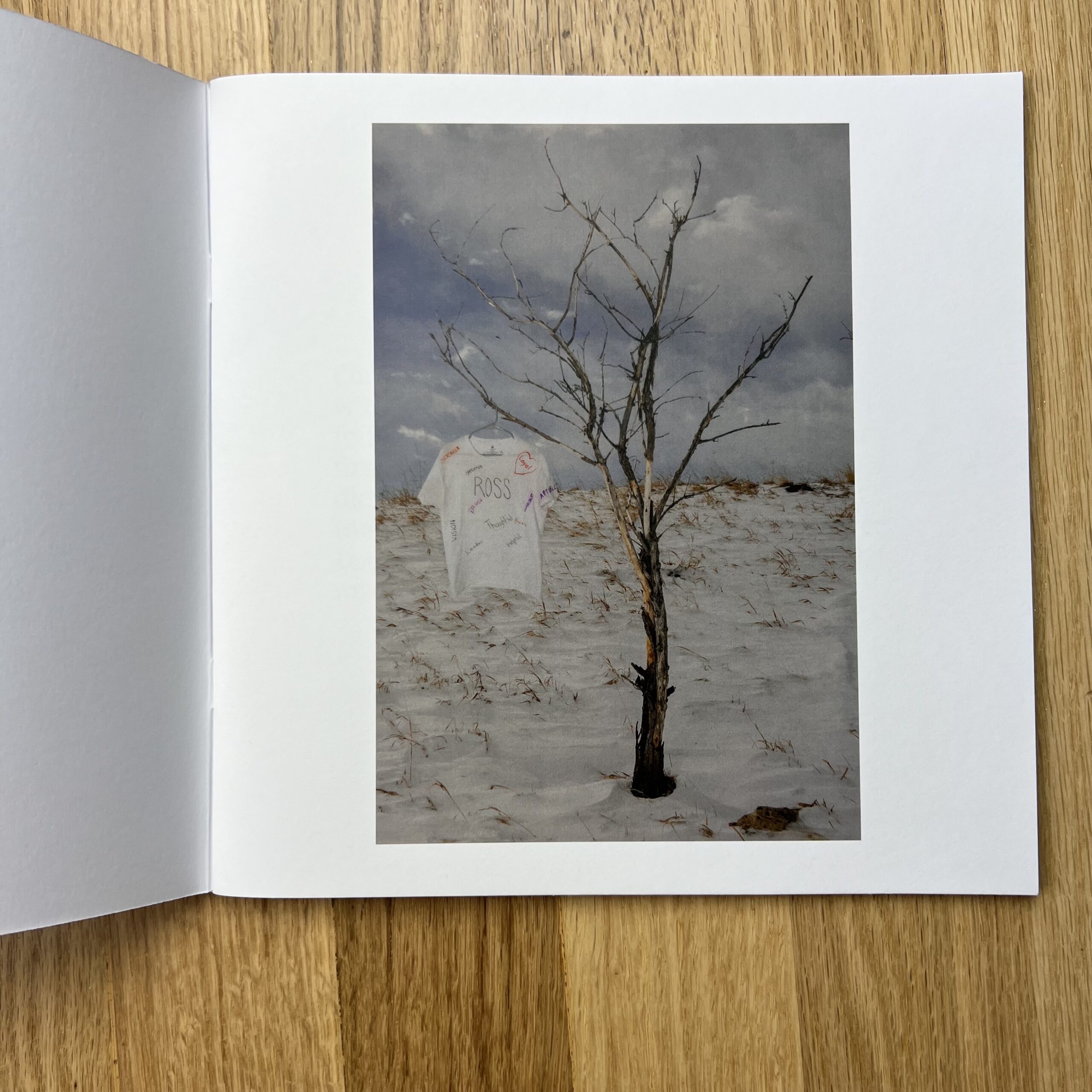
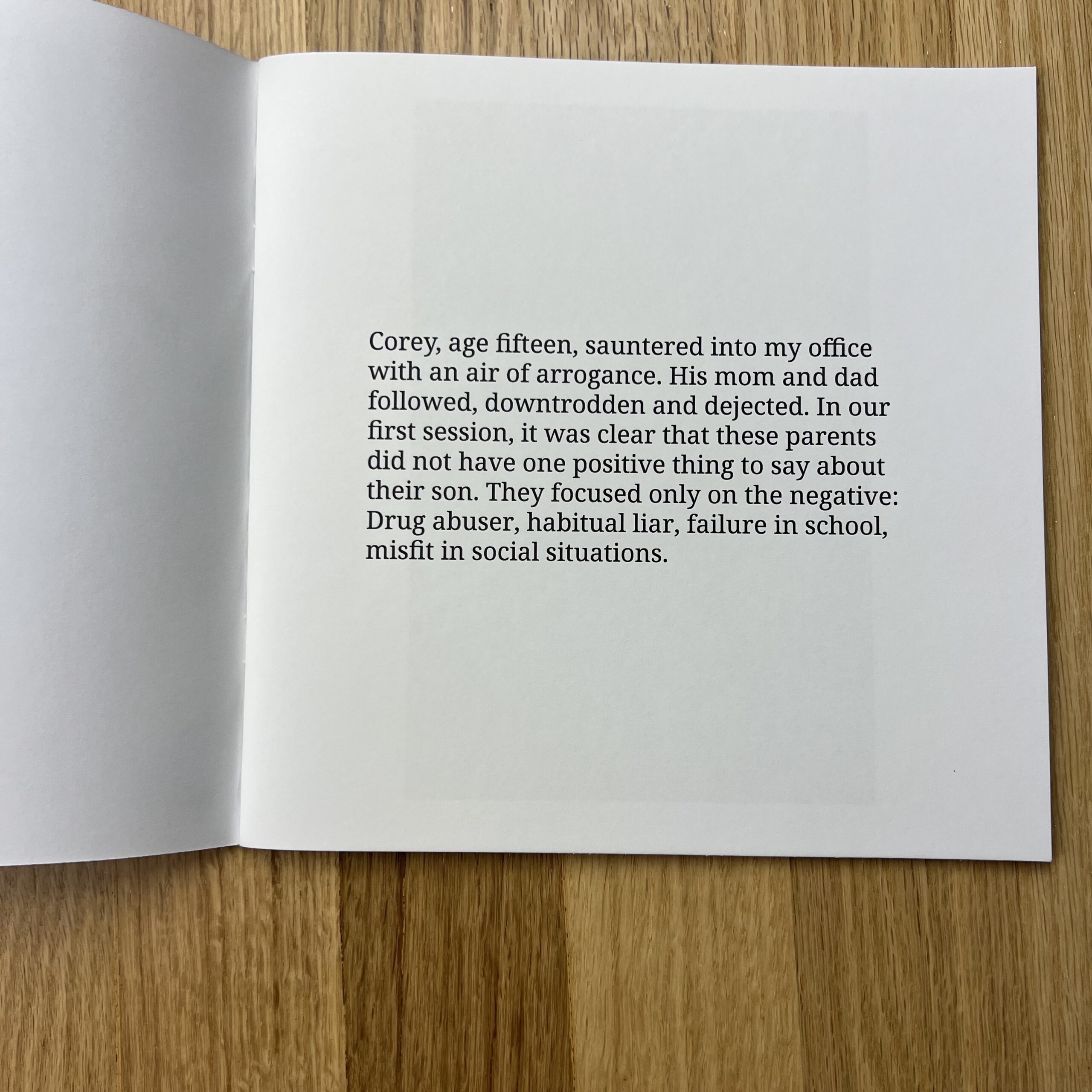
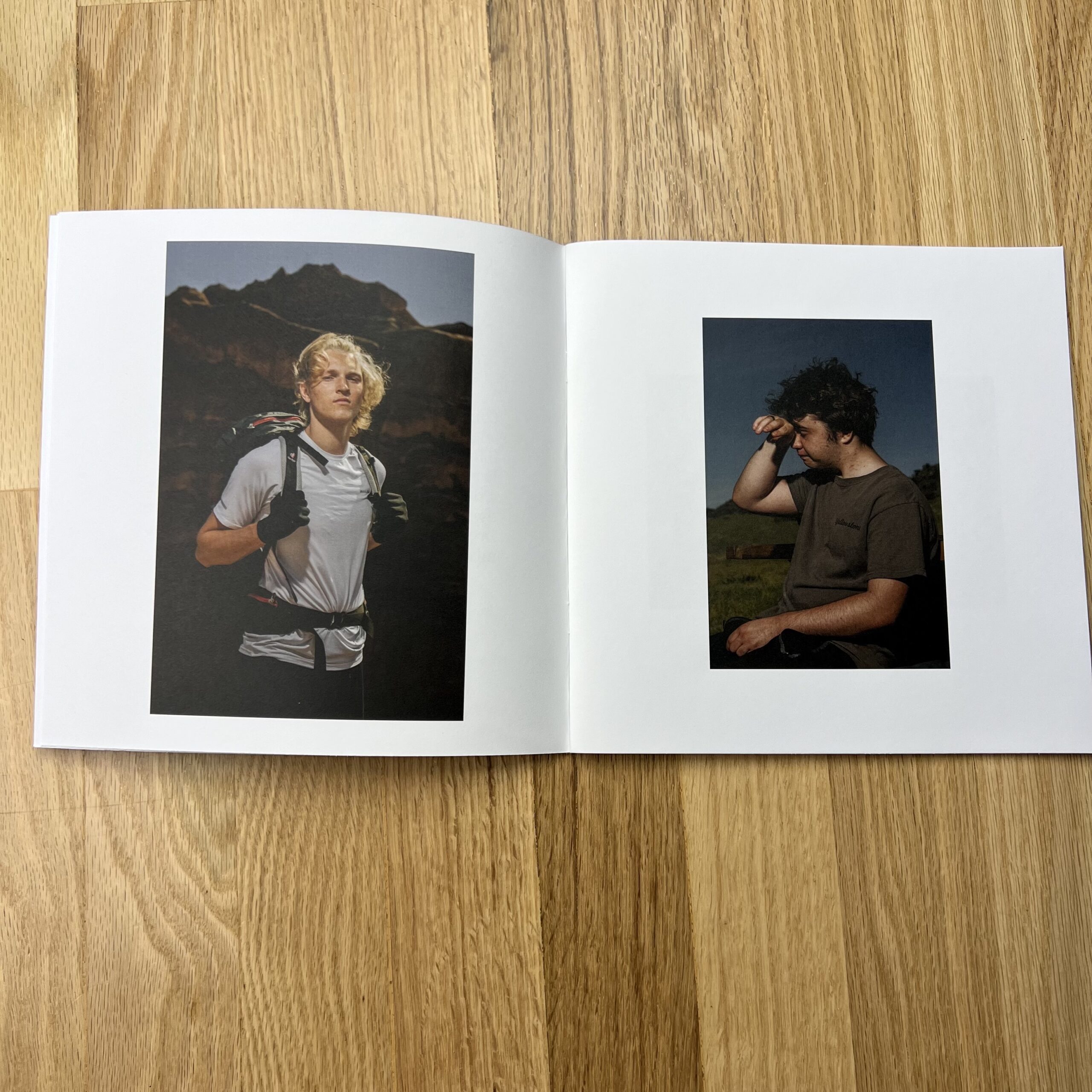
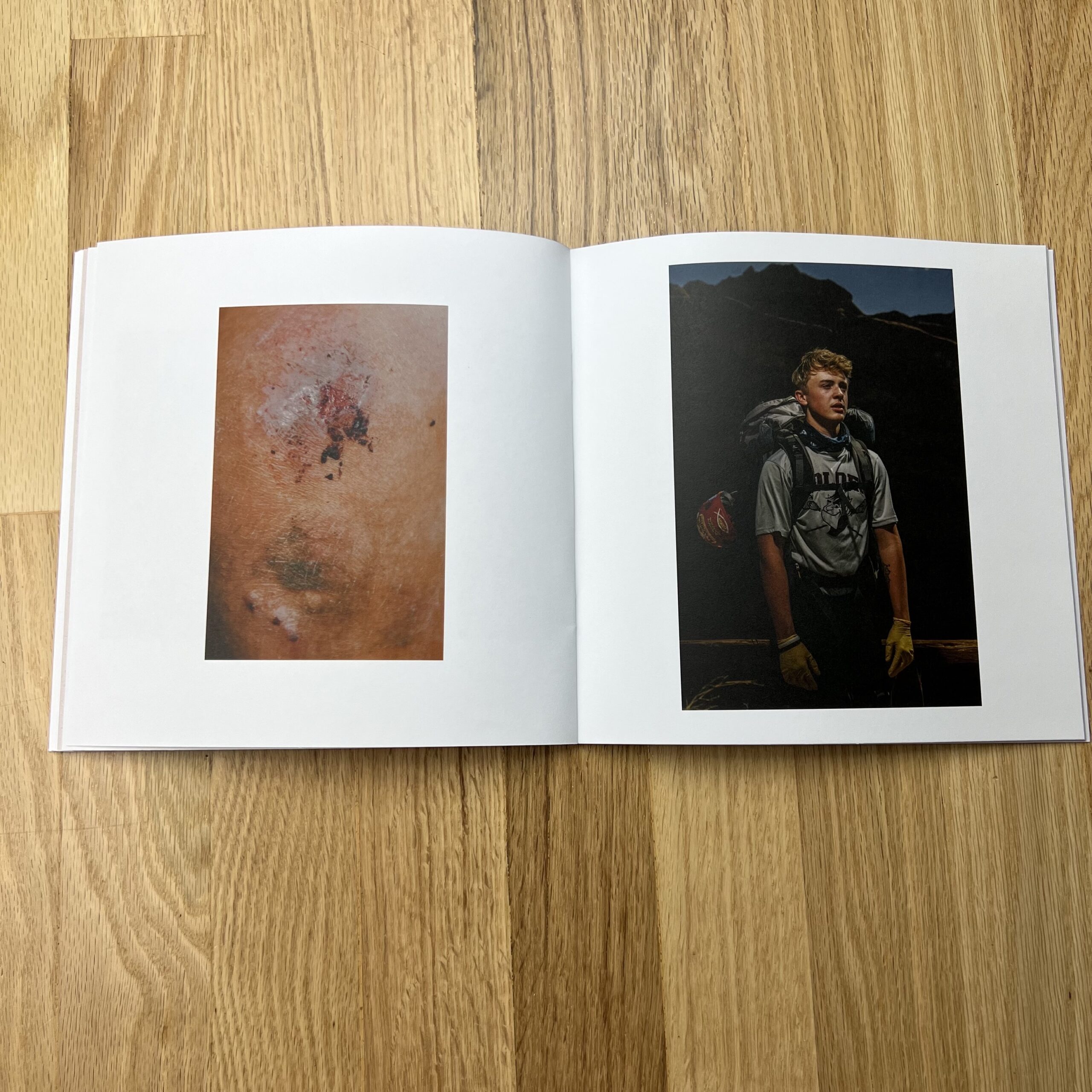
This is a personal project I’ve been working on for a few years. When I transitioned from a newspaper photographer to freelance, I lacked a project I cared about. I met an addiction counselor with an unconventional approach to treatment. He fosters relationships while bonding on a cliff or revisiting a traumatic setting. His experiential therapeutic program is designed for tormented, traumatized, drug-using and self-sabotaging young men.

How many did you make?
150

How many times a year do you send out promos?
Once a year.

Do you think printed promos are effective for marketing your work?
Most certainly. It’s a critical tool to connect with editors, especially now when we are separated by zoom screens and the oversaturation of images on social media.

Featured Promo – Markus Altmann

Markus Altmann

Who printed it?
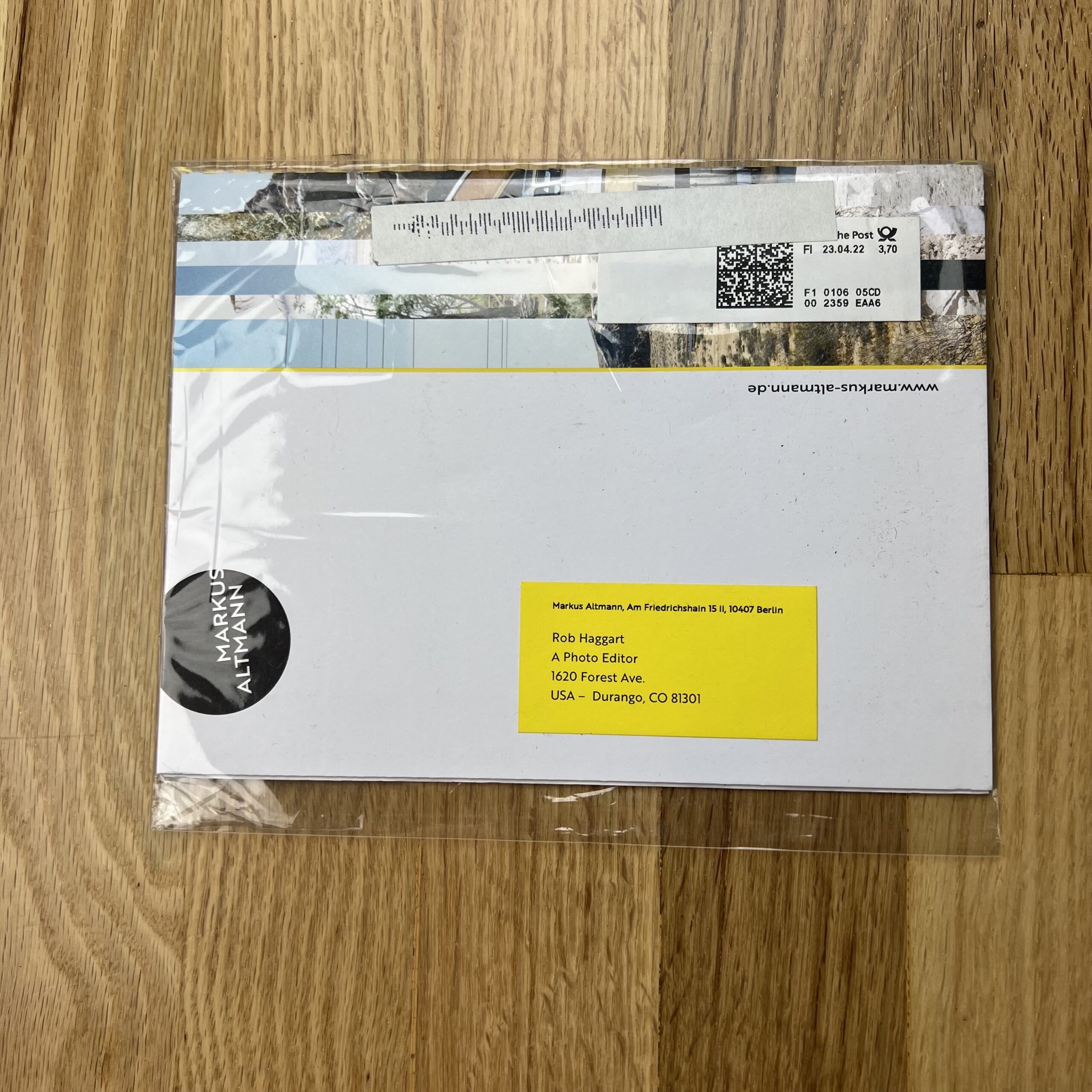
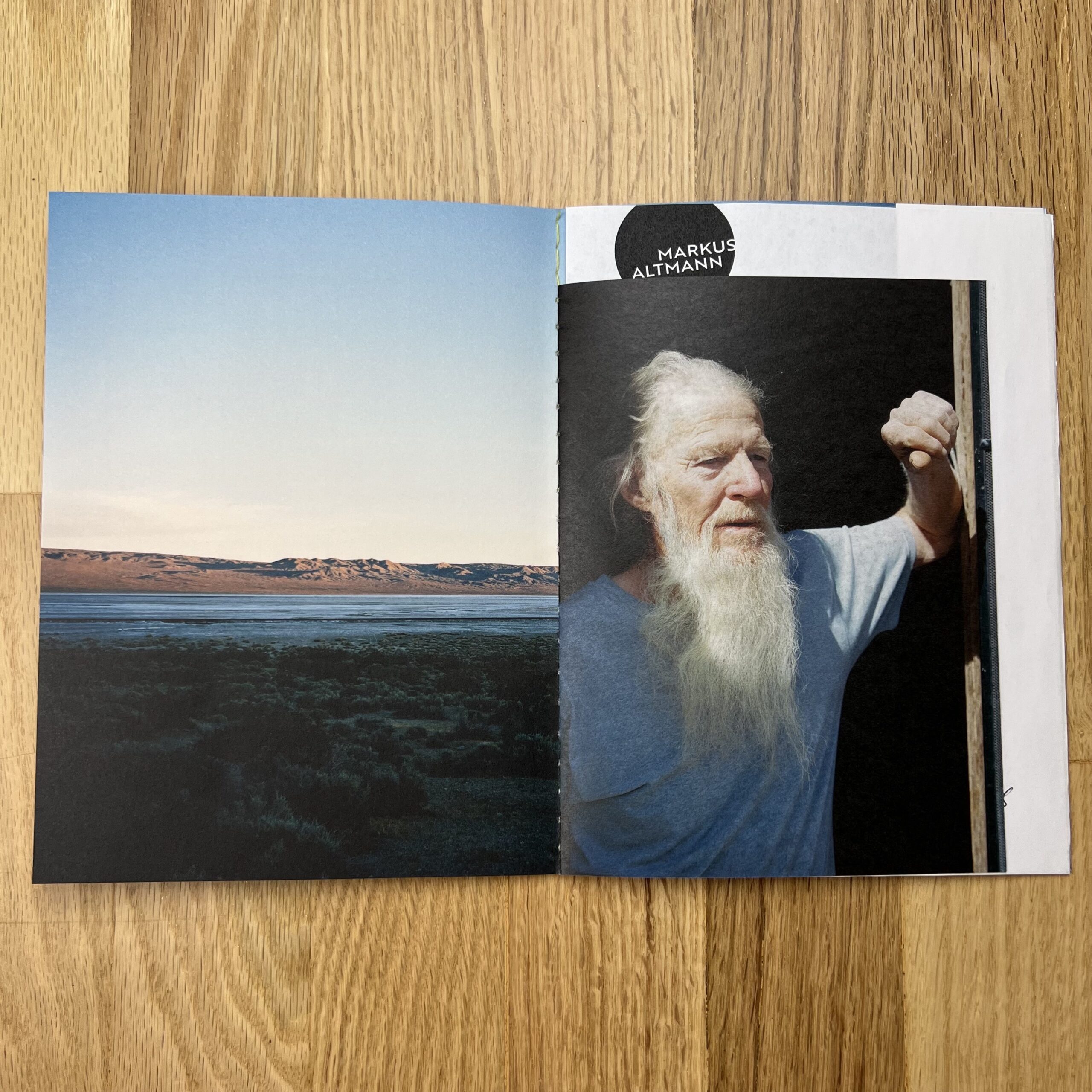
Königsdruck in Berlin. My designer had worked with them before and knew they would be open to a small project with some challenges.

Who designed it?
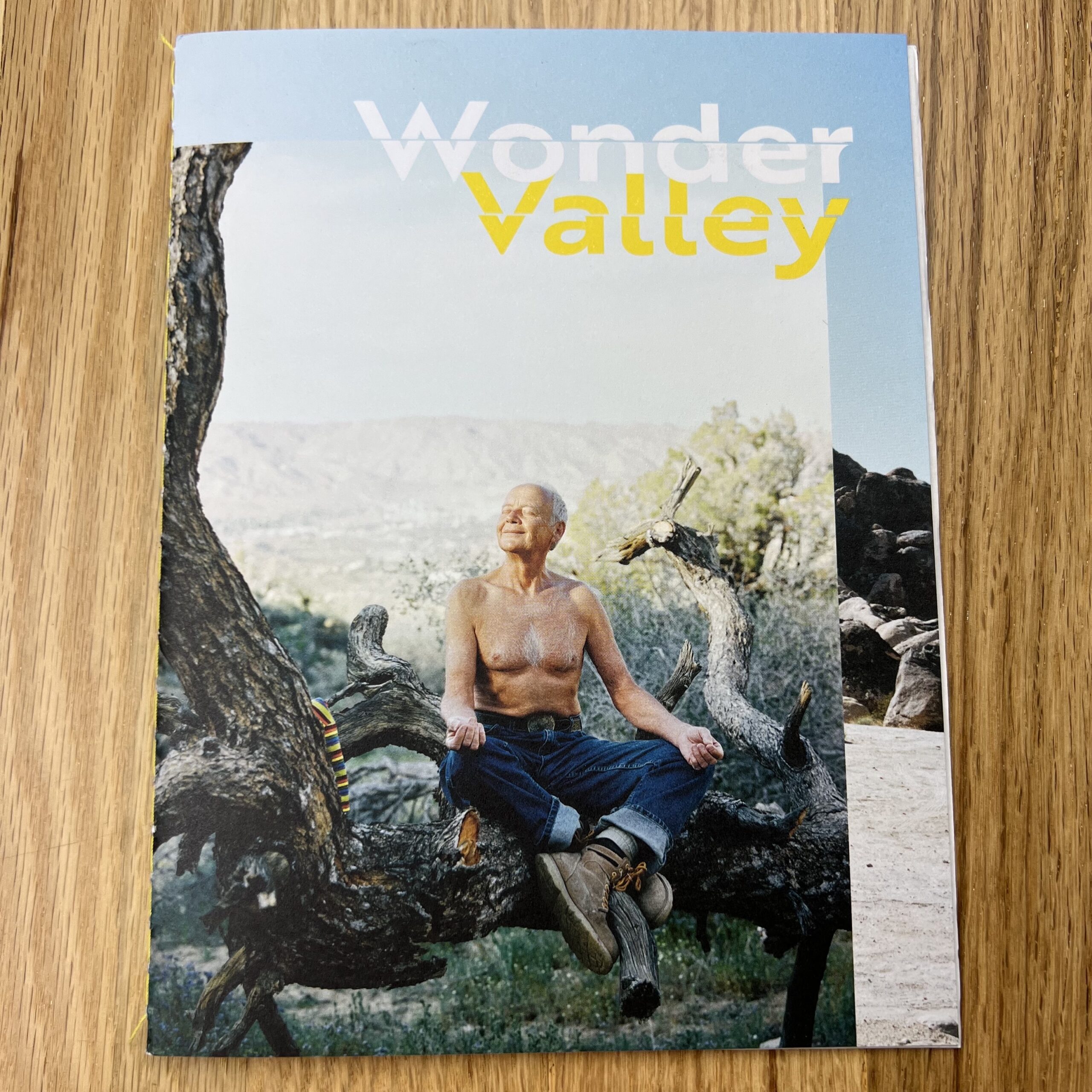
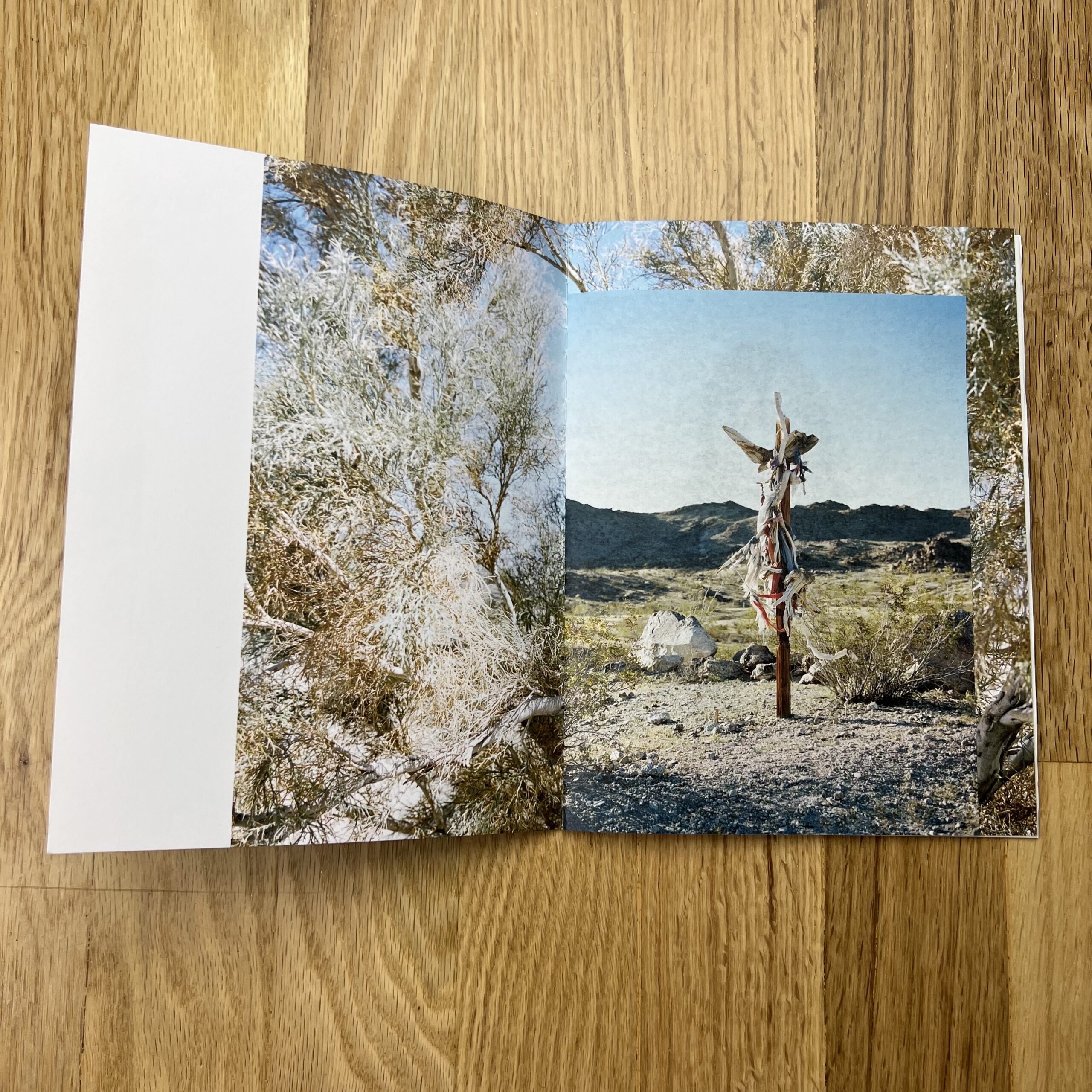
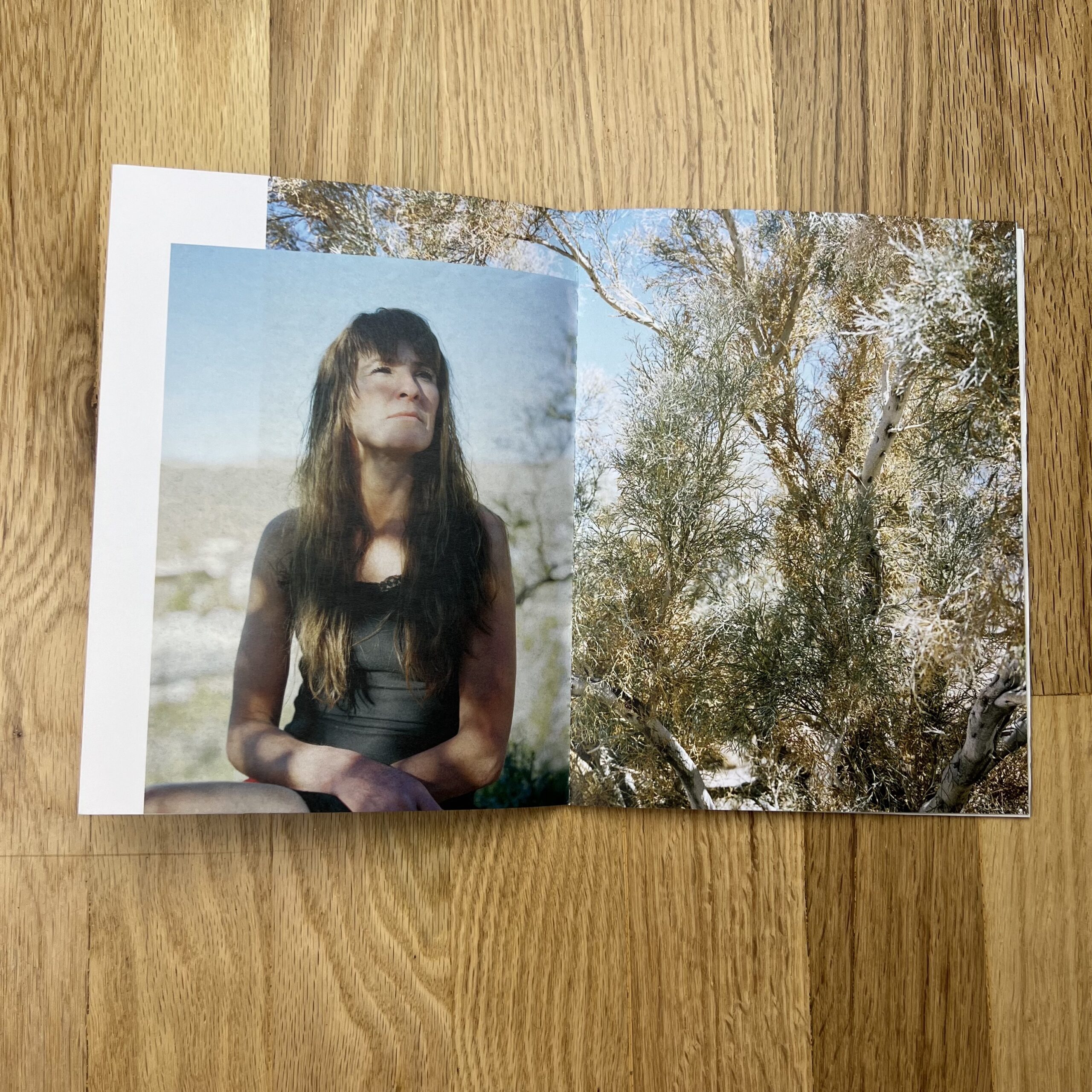
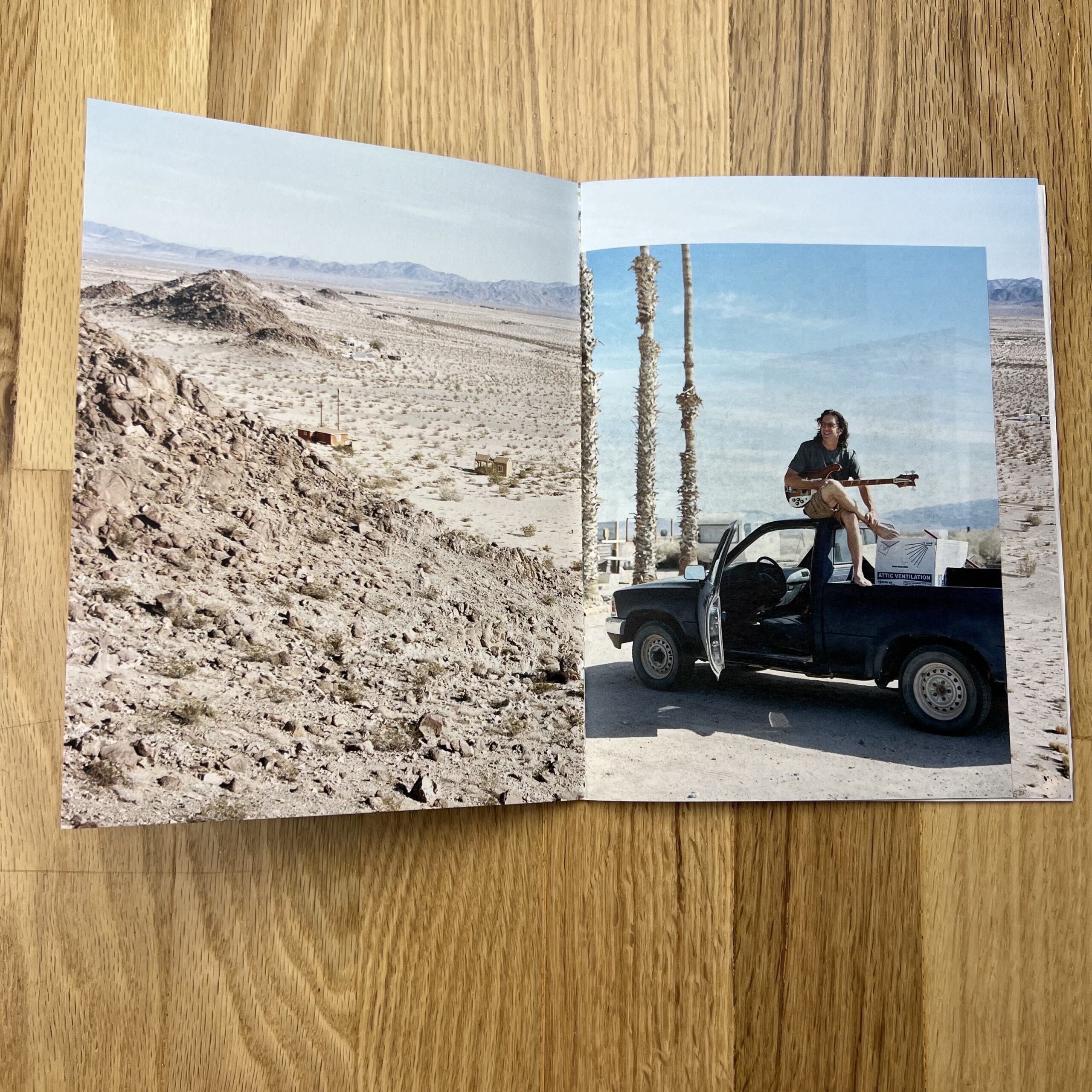
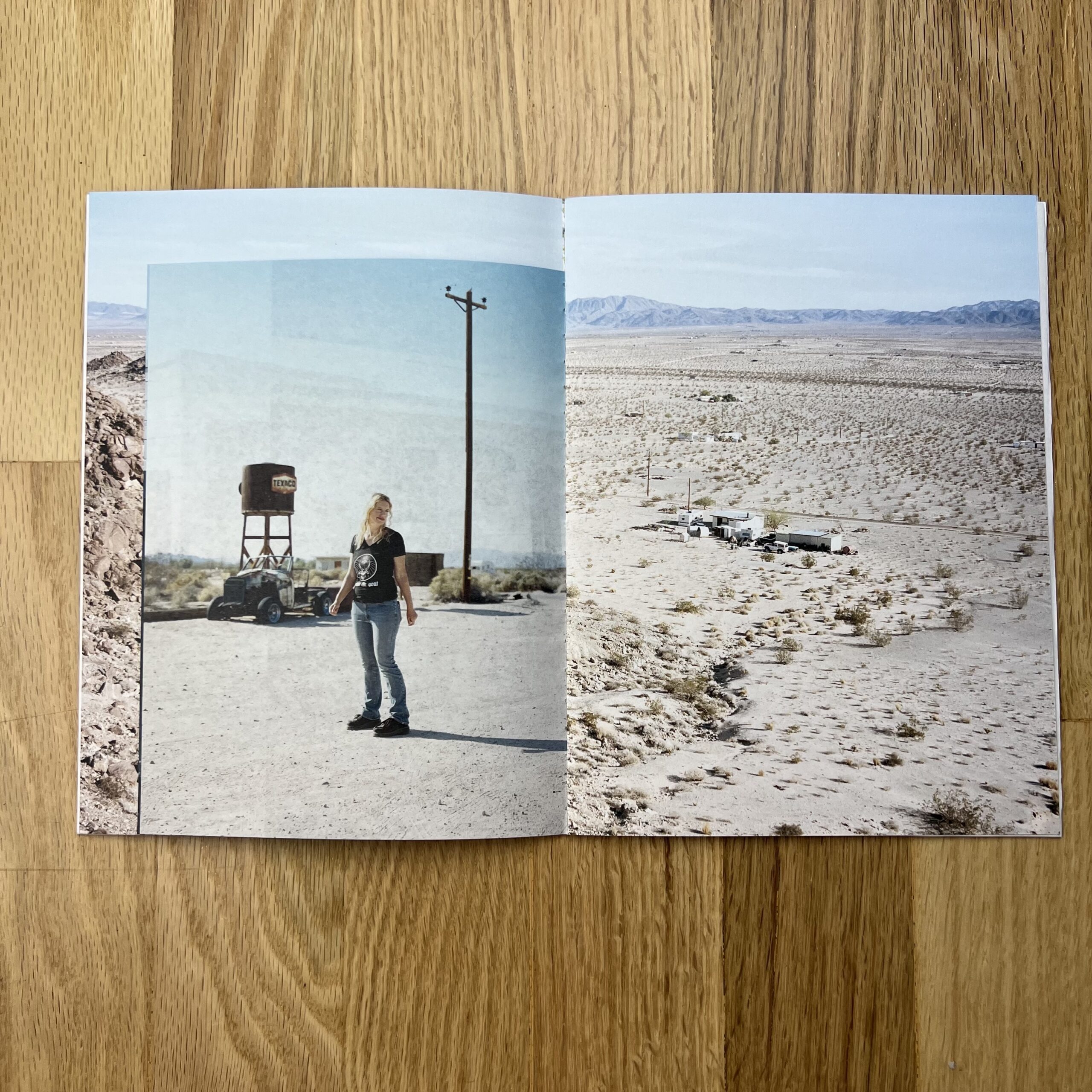
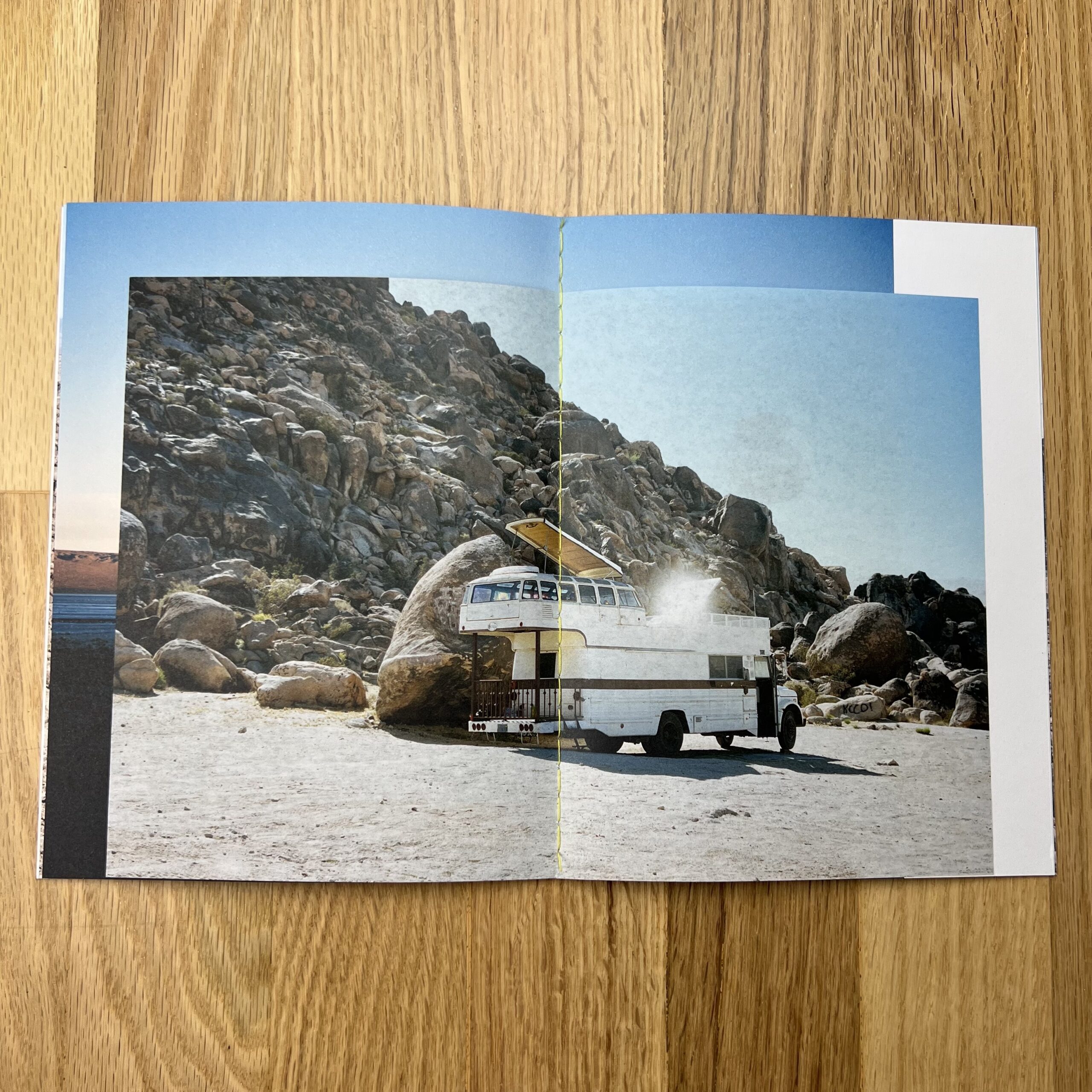
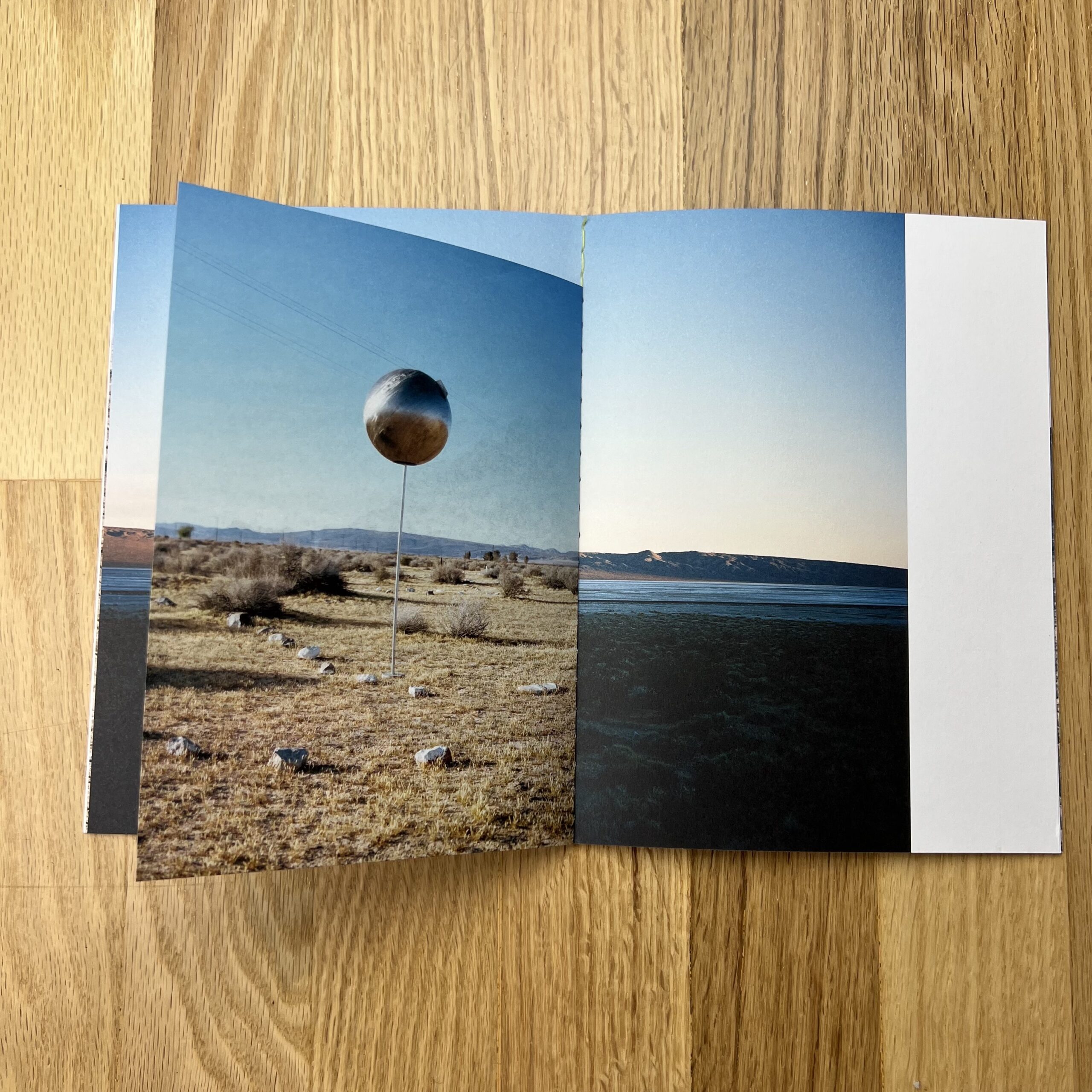
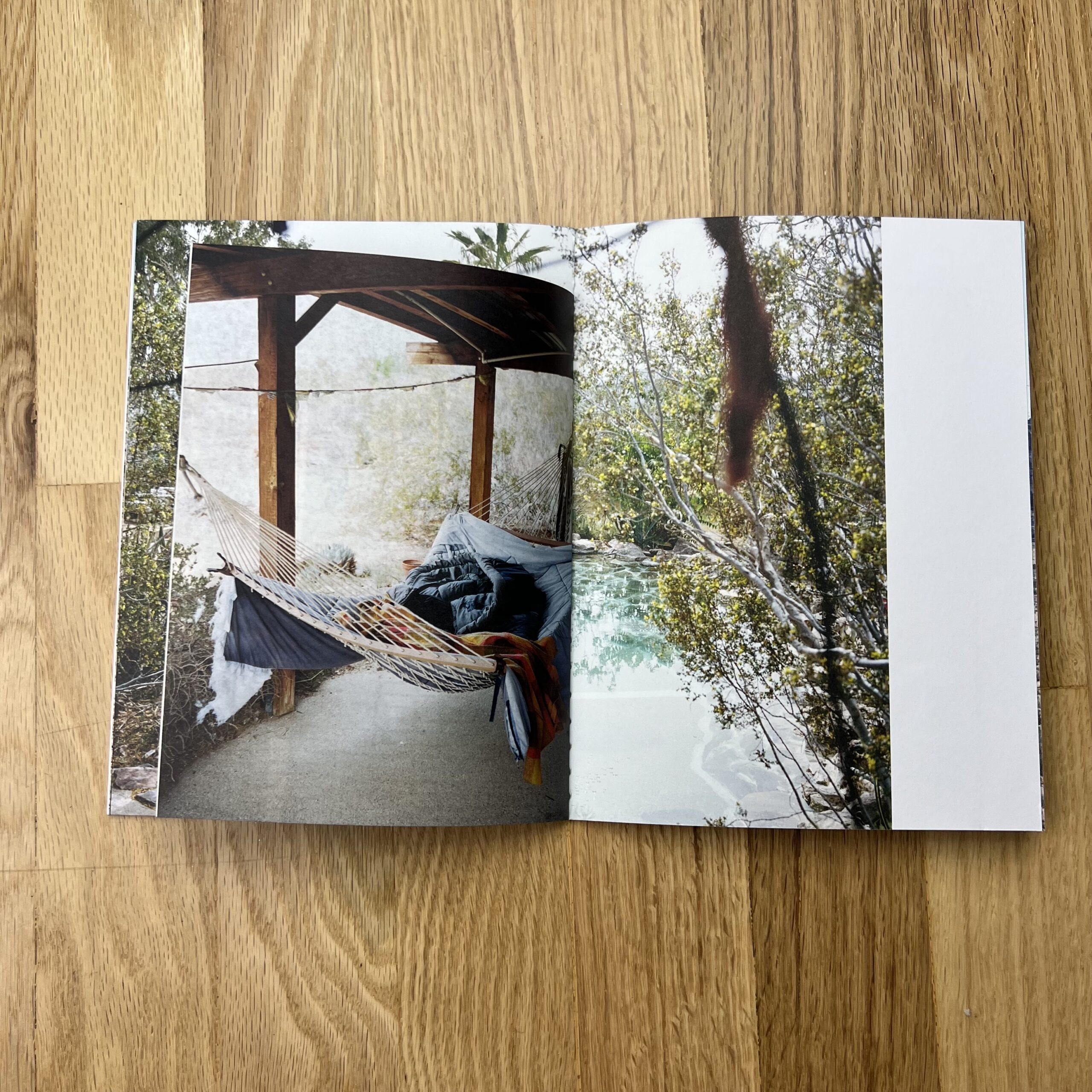
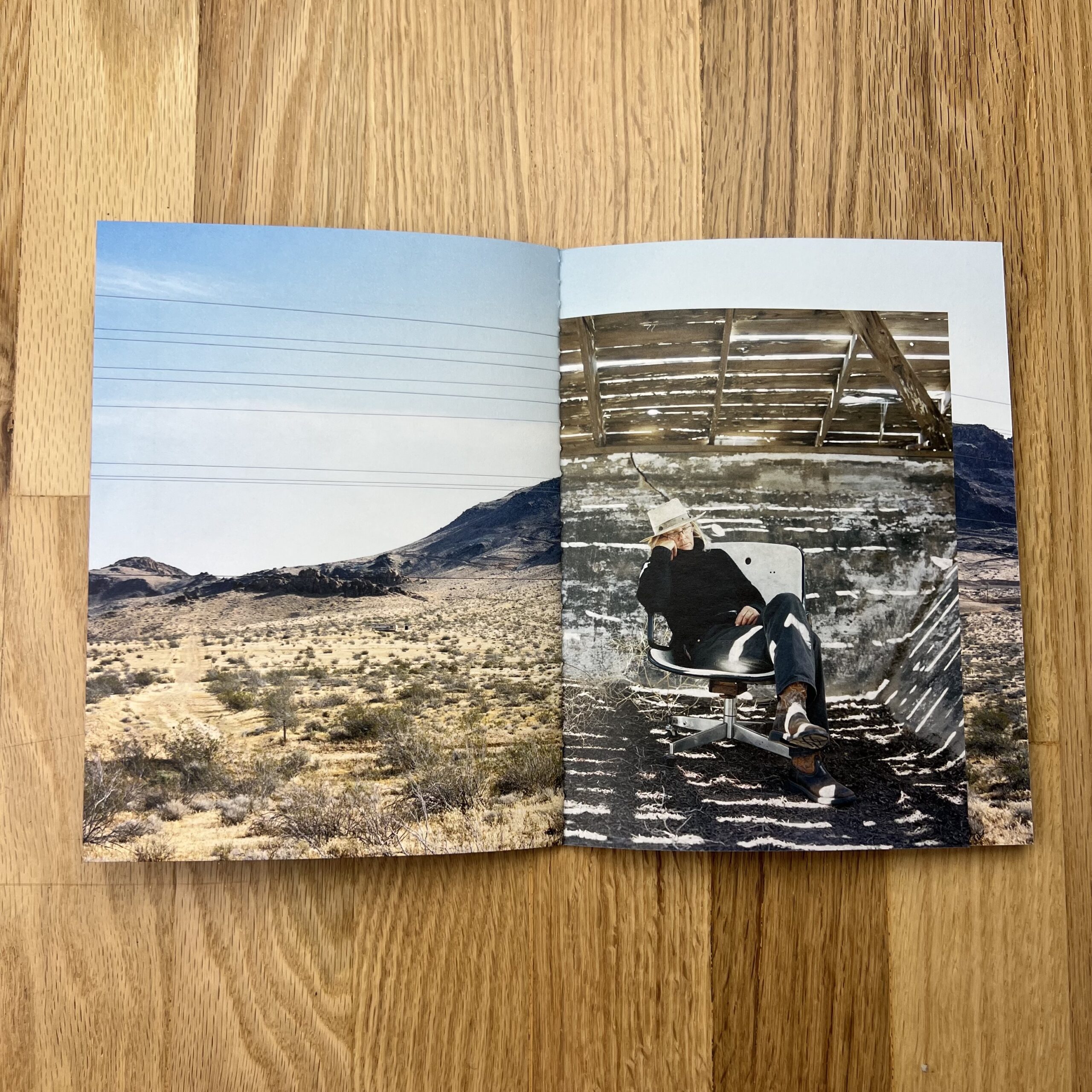
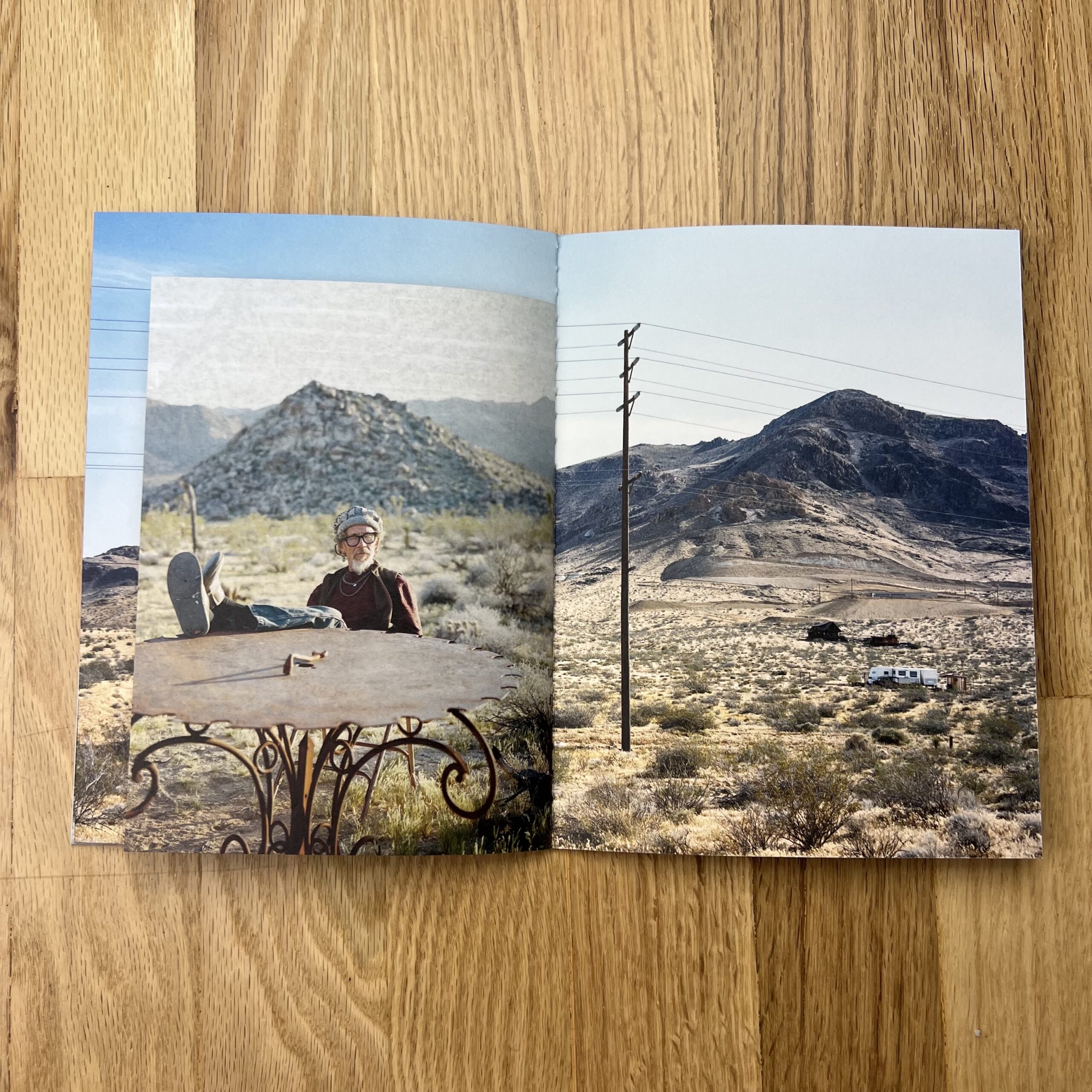
Dagmar Dunkelau (who is a graphic designer at BogunDunkelau, www.bogun-dunkelau.de) and me. I came up with the idea for the layout and the sequencing of the images. I thought two different-sized pages would work well – putting the portraits on a smaller insert in front of a larger double-page landscape image. The inserts are printed on thinner paper too, which adds to the contrast. Dagmar was a great help in the design process. She also did the cover design and handled the final artwork and production.

Tell me about the images.
They are from a personal project I shot a few years ago. Wonder Valley is the name of a community near Twentynine Palms; some of the images were taken around there, some in other parts of the Mojave. Since this is really more a zine than a classic promo, I’ve included an insert in the booklet: “The Mojave Desert northeast of Los Angeles: for some a place of longing, for others tough everyday life. An extraordinary living space, without a doubt, challenging and inspiring at the same time. For a personal project, I visited people who have made it their home – in search of alternative concepts of living, inexpensive land, untouched nature, and freedom. My thanks to all the people who shared their time and home with me. They are just as special as the places where they live.“

How many did you make?
We did a print run of 600, and I mailed out about 400.

How many times a year do you send out promos?
I used to send out one every year on average but had stopped a while ago. This is the first one after the start of the pandemic.

Do you think printed promos are effective for marketing your work?
They used to be. I think that if you still do a printed promo, there should be some extra value to it, a reason why you didn’t just send a PDF. Hopefully, it will deliver some inspiration that will get passed on. This promo was really more about keeping in touch than showing new work. And I have received great feedback, especially from people I value much.

Featured Promo – Bill Phelps

Bill Phelps

Who printed it?
It was printed by Brian Johnson at Fresh Color Press in Minneapolis. freshcolorpress.com

Who designed it?
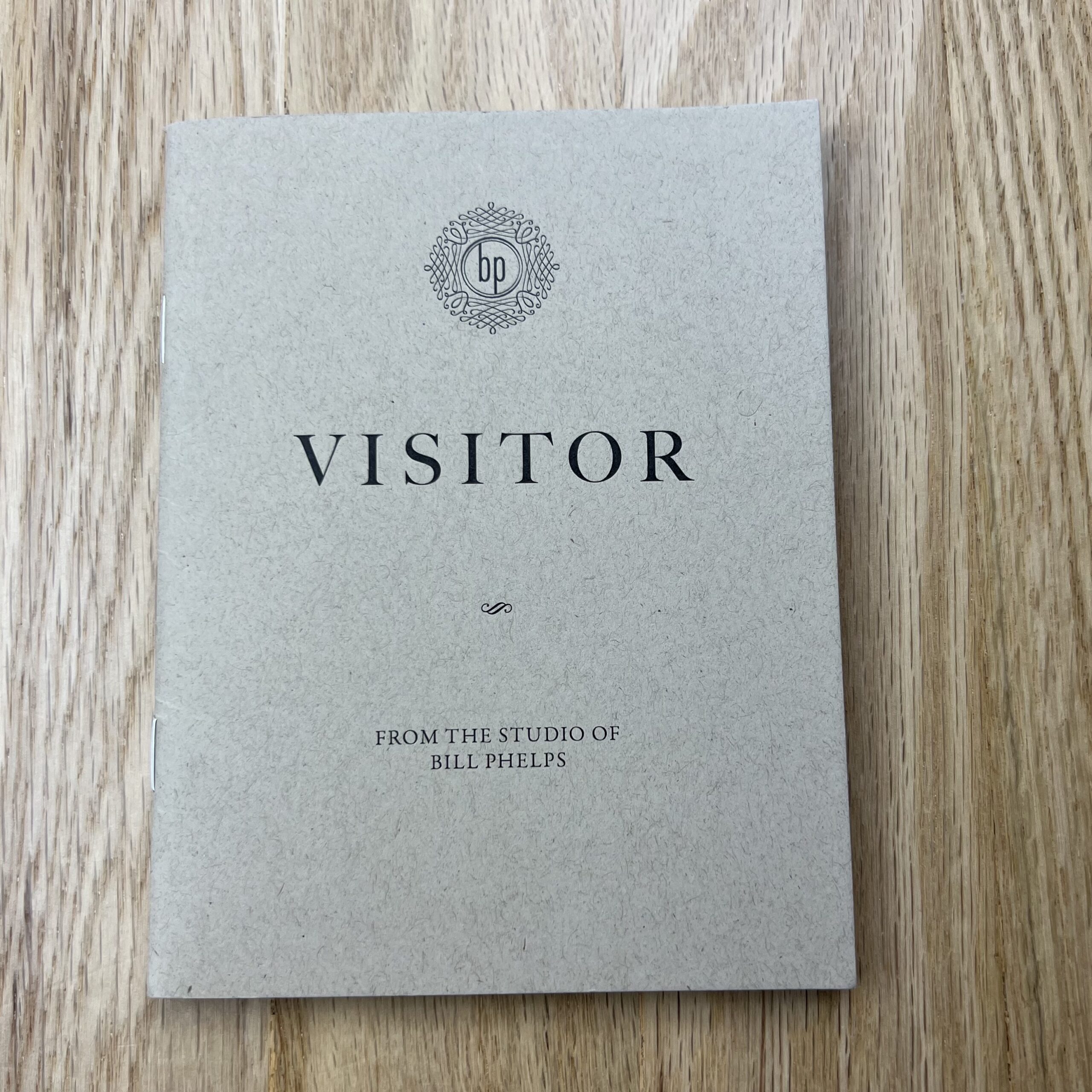
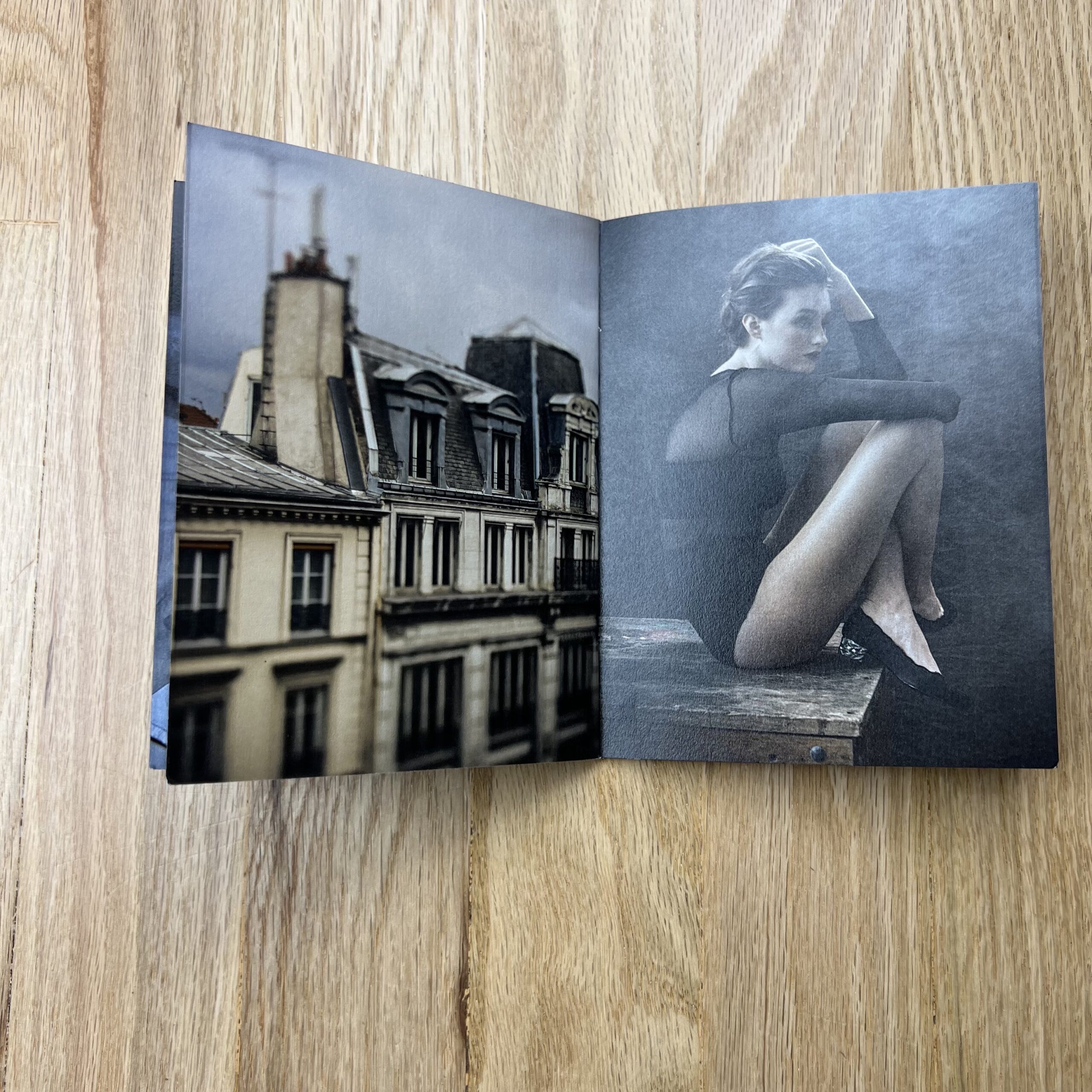
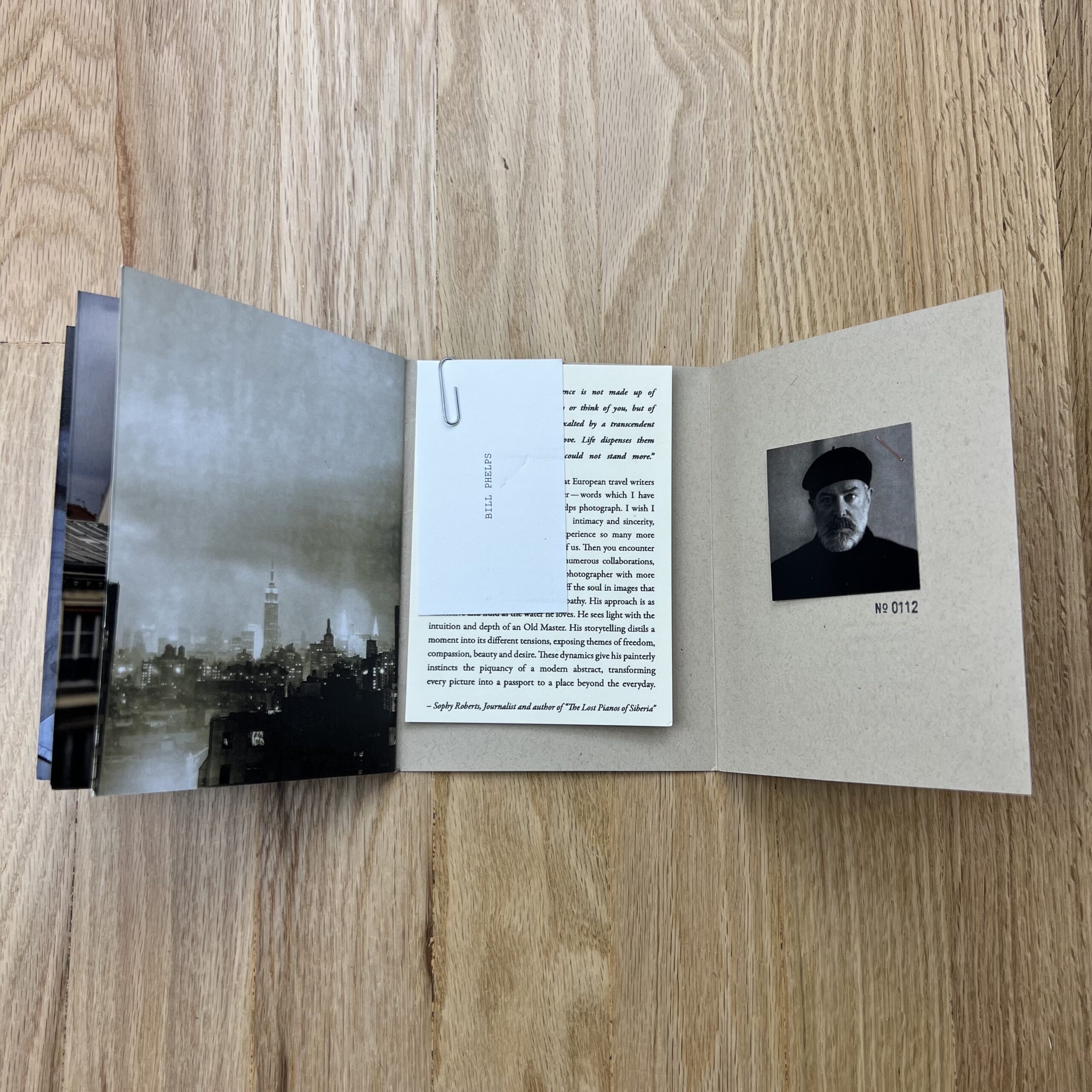
The art direction was a collaboration, inspired by the format and functionality of my international drivers license.

It was designed by Molly Sullivan of Minneapolis. http://www.missmollysullivan.com

Tell me about the images.
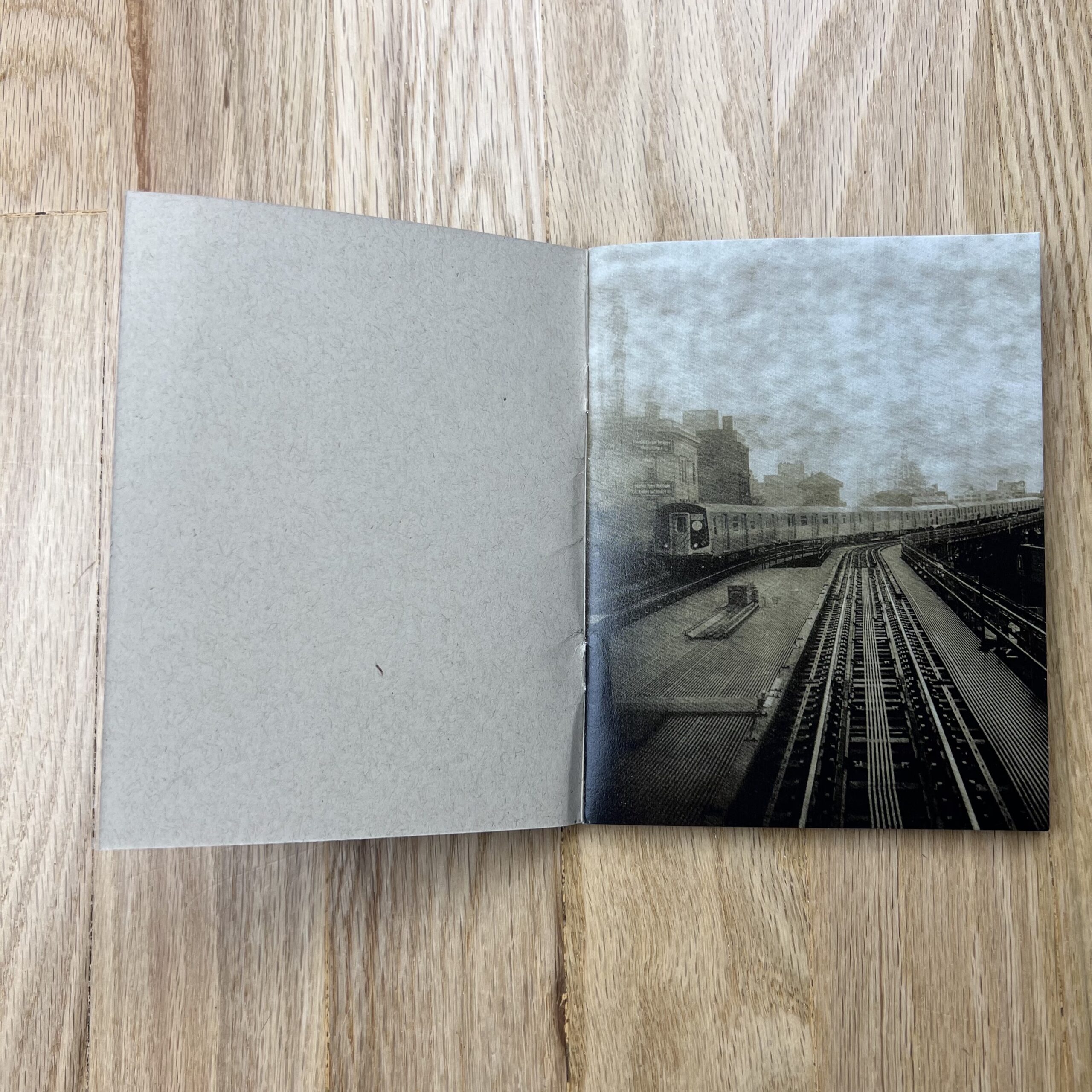
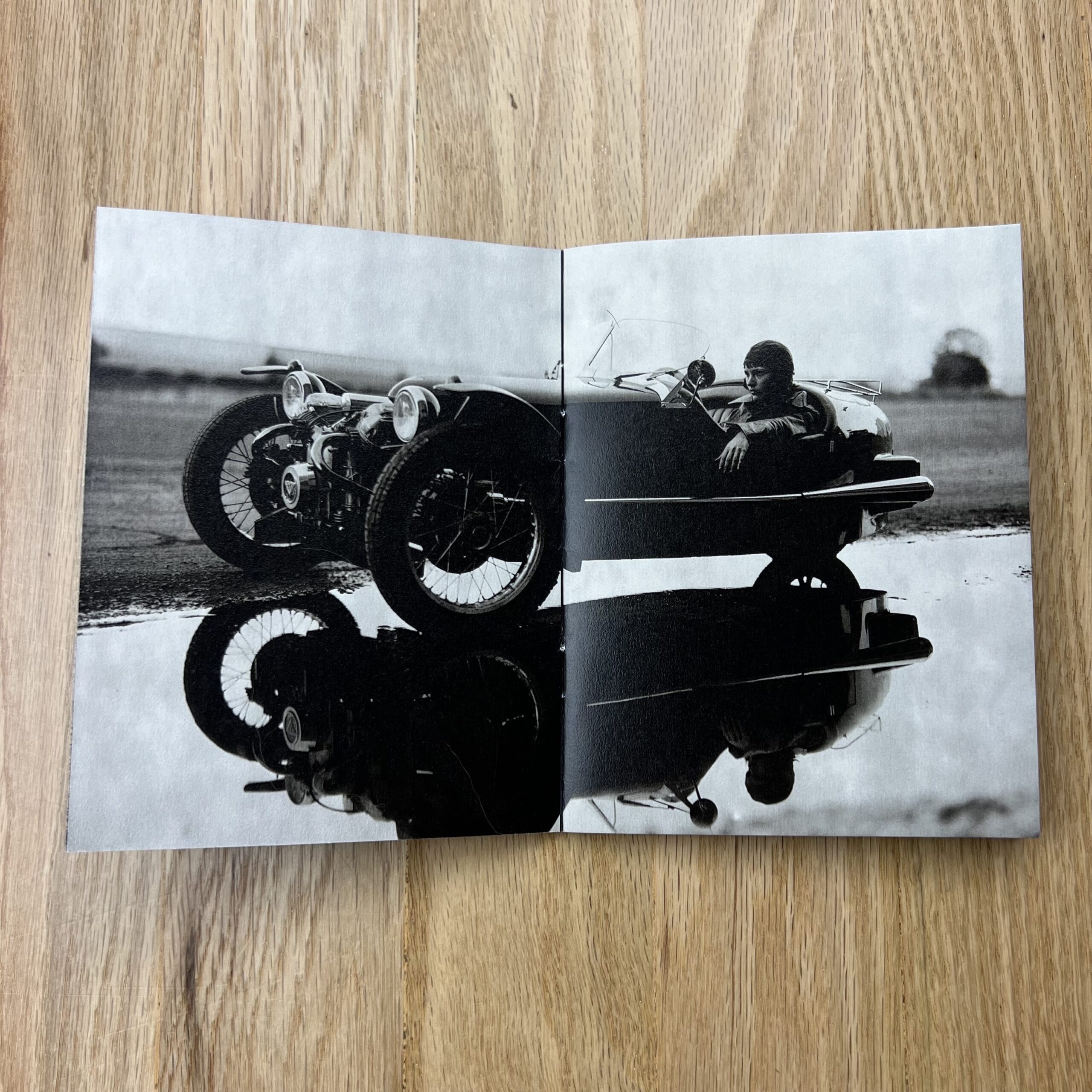
The images are from various years. A mix of large format Polaroid studio and location shots. The Polaroid work is personal, some inspired by a passion for vintage machines, and European motorsport. The opening frame is a medium format Polaroid shot on the tracks of the JMZ subway line above my own café in Williamsburg Brooklyn.

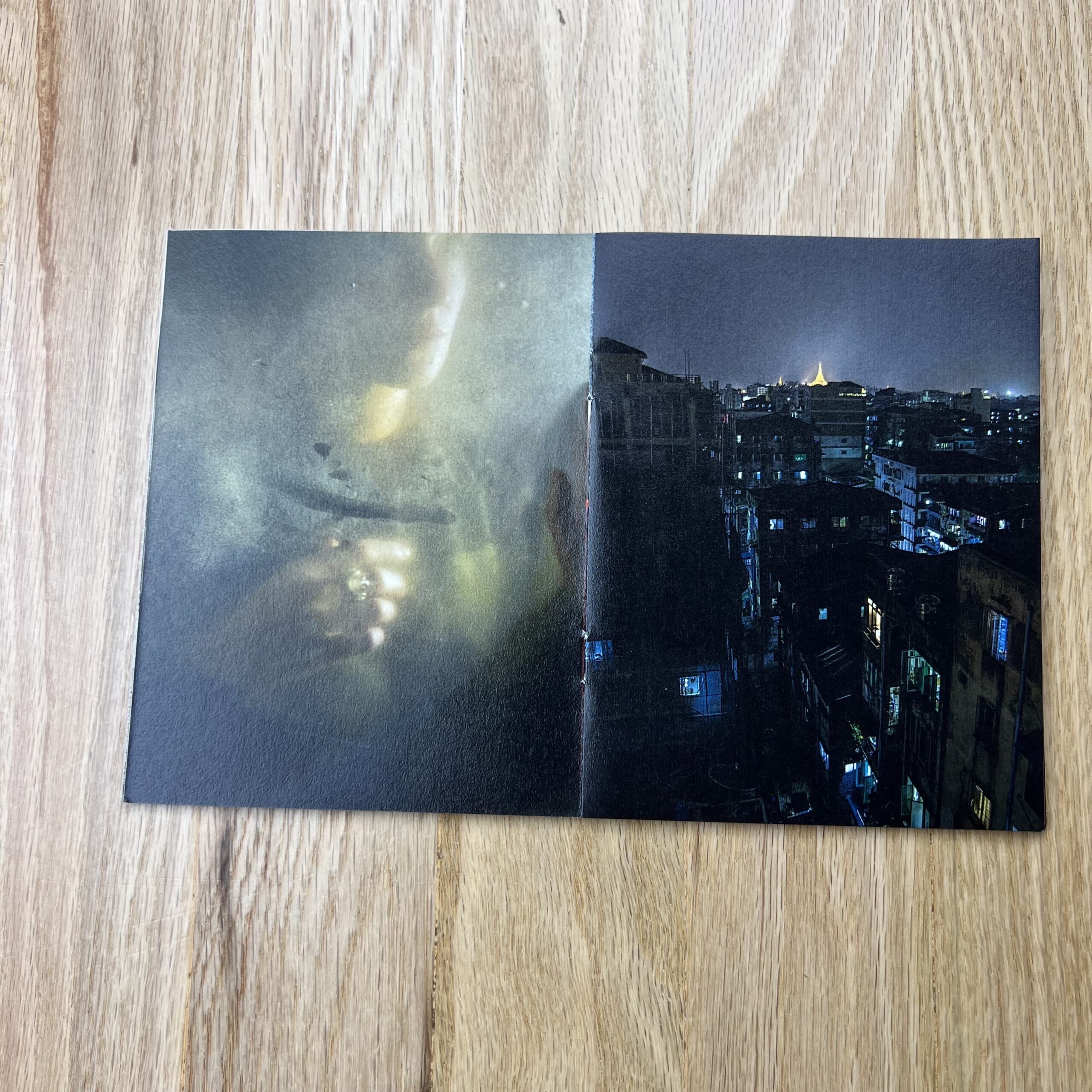
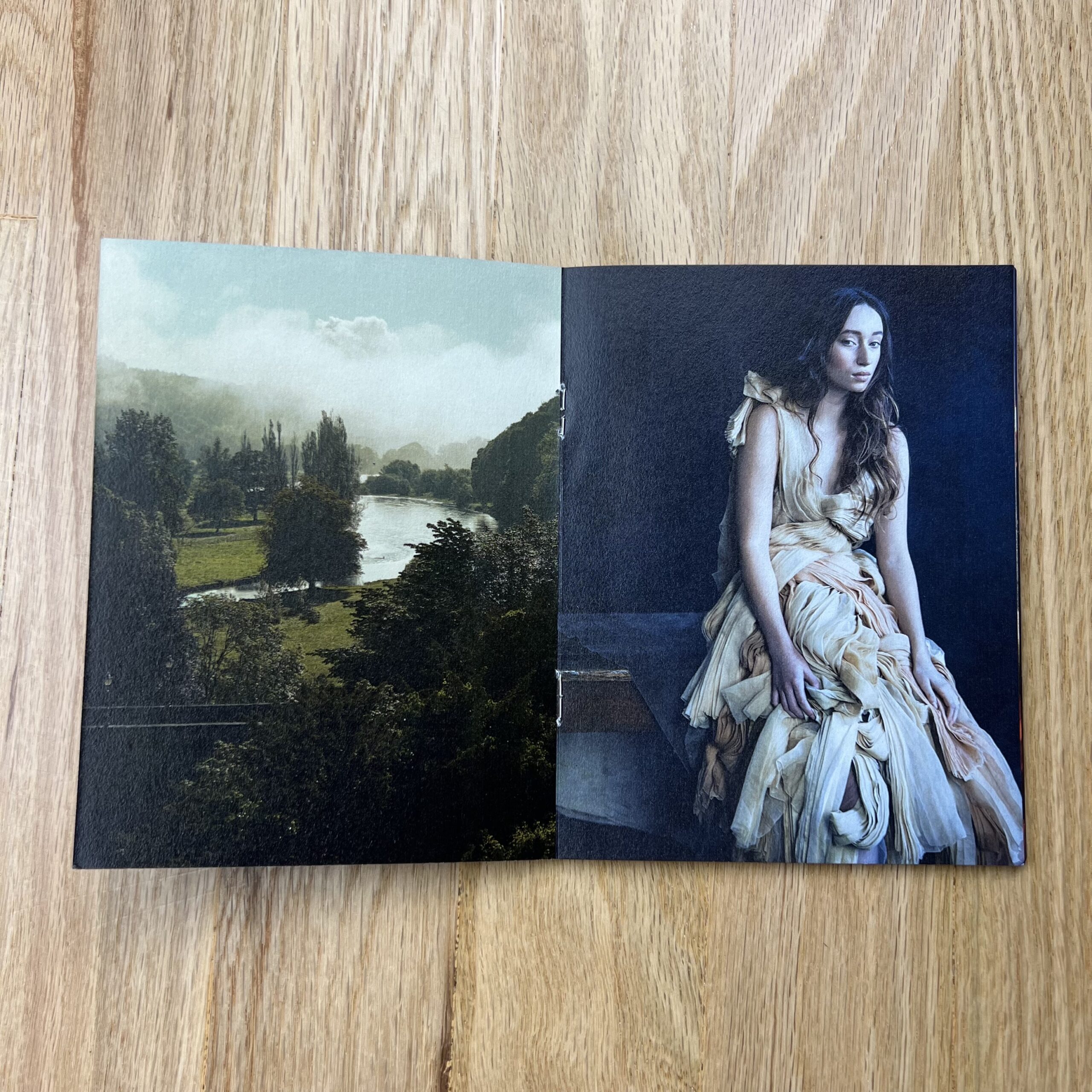
The color images are from various assignments for Condé Nast. Ireland, Mexico City, Yangon, as well as more personal views.

How many did you make?
On this first round we printed 500 pieces, though we plan to do another printing of them soon, they were incredibly well received.

Do you think printed promos are effective for marketing your work?
I find great satisfaction in the power of implied storytelling, beauty and simplicity. The lyric, mystery, story living in the shadows of an image, the inbetween.

I find a similar power in the printed page, the subtlety of design, the tactile, a reconnection.

Pricing & Negotiating: Ambassador Portraits For An Apparel Company

PRICING & NEGOTIATING: AMBASSADOR PORTRAITS FOR AN APPAREL COMPANY

Craig Oppenheimer, Wonderful Machine

Concept: Studio portraits of four brand ambassadors for an apparel company

Licensing: Web Advertising, Web Collateral, OOH (out-of-home), and POS (point-of-sale) use in the US and Canada of up to 24 images for one year from first use.

Photographer: Portraiture specialist

Agency: Medium-size, full service

Client: Apparel company

The client had four brand ambassadors that they wanted to photograph in a studio on one shoot day, and we were provided a creative brief showing them interacting with a few props while dressed in the apparel company’s clothing. They needed two looks with three poses each for all four talent, which would yield 24 images.

Fees

While the licensing could be limited to one year, they did have broad usage plans, including potential placement on large out-of-home displays and within the retail environments (POS) where the apparel would be sold. Even though they wanted multiple looks and poses for each talent, it was clear from the brief that they’d likely use one final image per subject. I decided to price the usage by the subject, and included $4,500 for each, totaling $18,000, and then added a $2,500 creative fee on top of that. While we typically combine creative and licensing fees into one line item, we were specifically asked by the agency to break these two line items out on our estimate. In addition to these two fees, I also added a pre-light/fit day fee for the photographer at $1,000, which included one day in the studio prior to the shoot — to set up lights and for the styling team to assess wardrobe with the talent.

Crew

We included a producer to help line up all aspects of the production, along with two assistants, all of which would attend the pre-light day as well. Additionally, we included a digital tech and a production assistant. Typically, I don’t include half days for crew members, but the photographer had crew at the ready who could jump in for a half-day to help set up lights on the pre-light day, and I based these numbers on local knowledge of rates in this specific market.

Styling

While the client would provide all of the apparel, we included a wardrobe stylist for both the pre-light day and the shoot day to manage inventory, prep the outfits, and help the talent try on and ensure proper fitting. We also included a hair/makeup stylist and a prop stylist to acquire a few minor items. We anticipated the prop stylist could procure these supplemental items and just drop them off at the studio, rather than needing multiple shop and return days.

Health and Safety

We included a covid compliance officer and testing as requested by the agency. As a cost-saving measure, they asked us if we could include PCR tests just for the subjects (two of which would have parents in attendance who would also be tested) as well as the two clients attending. Everyone else was approved to just use rapid tests prior to the shoot.

Location

The photographer had a studio in mind that offered a flat $2,000 fee for a half-day pre-light and a full shoot day.

Equipment

We included an adequate fee for both the pre-light and shoot day for cameras, grip and lighting equipment, plus a fee for the digital tech’s workstation on the shoot day.

Meals

I included $60 per person for a light breakfast and lunch on the shoot day.

Miscellaneous

I added a bit of a buffer for unforeseen minor expenses and also a nominal fee for insurance to contribute to the photographer’s existing policy.

Post Production

We included $500 for the photographer to perform basic color correction of the content and delivery of a gallery, plus $300 for a hard drive. The agency would provide further retouching on the selects.

Results

The photographer was awarded the job.

Featured Promo – Justin Cook

Justin Cook

Who printed it?
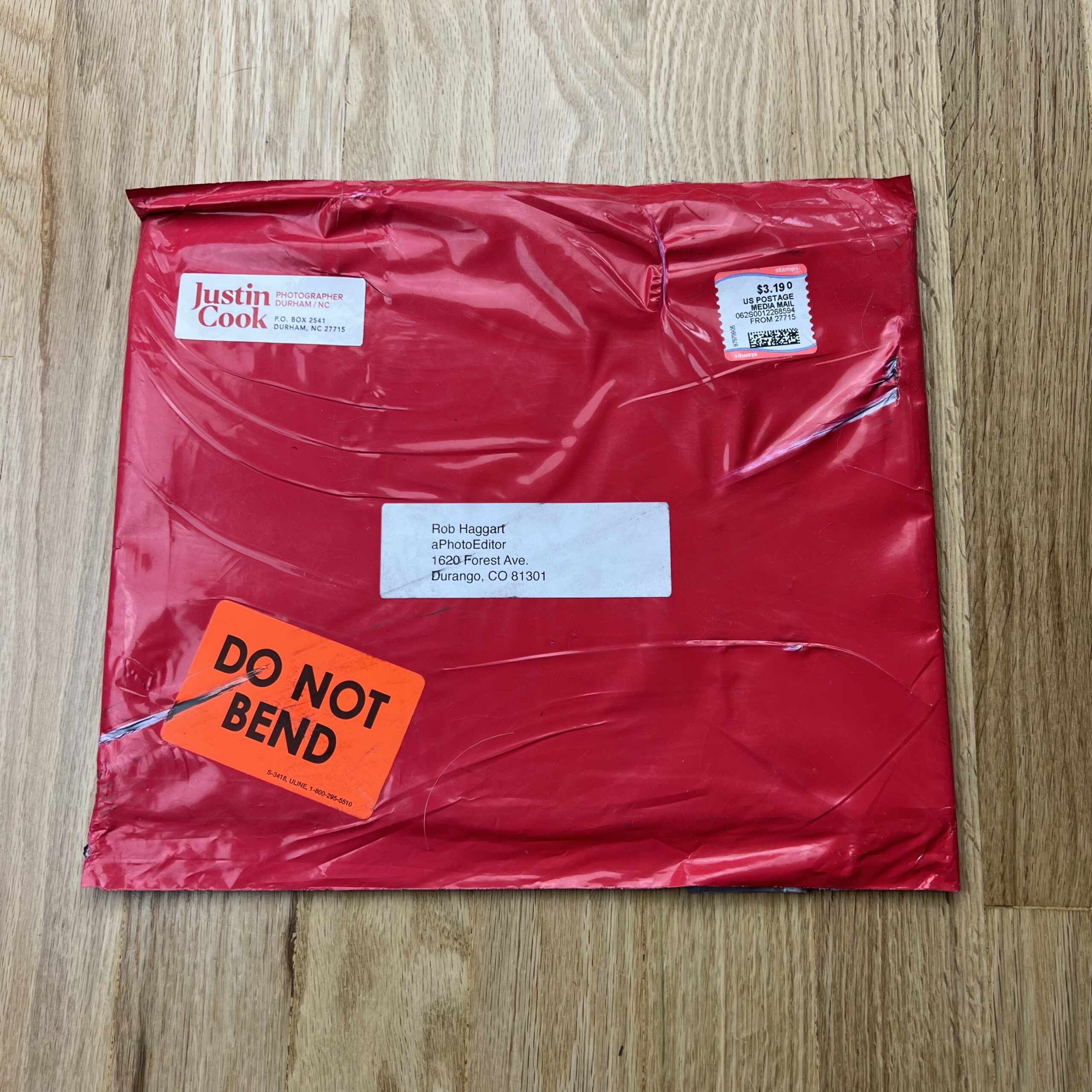
I work with Smartpress in Minnesota. Their ordering process is super simple, and they have file prep and print guides.

Who designed it?
I did! One of my best friends, photographer Jared Soares inspired me to make these zines. He makes some killer zine promos too.

Tell me about the images.
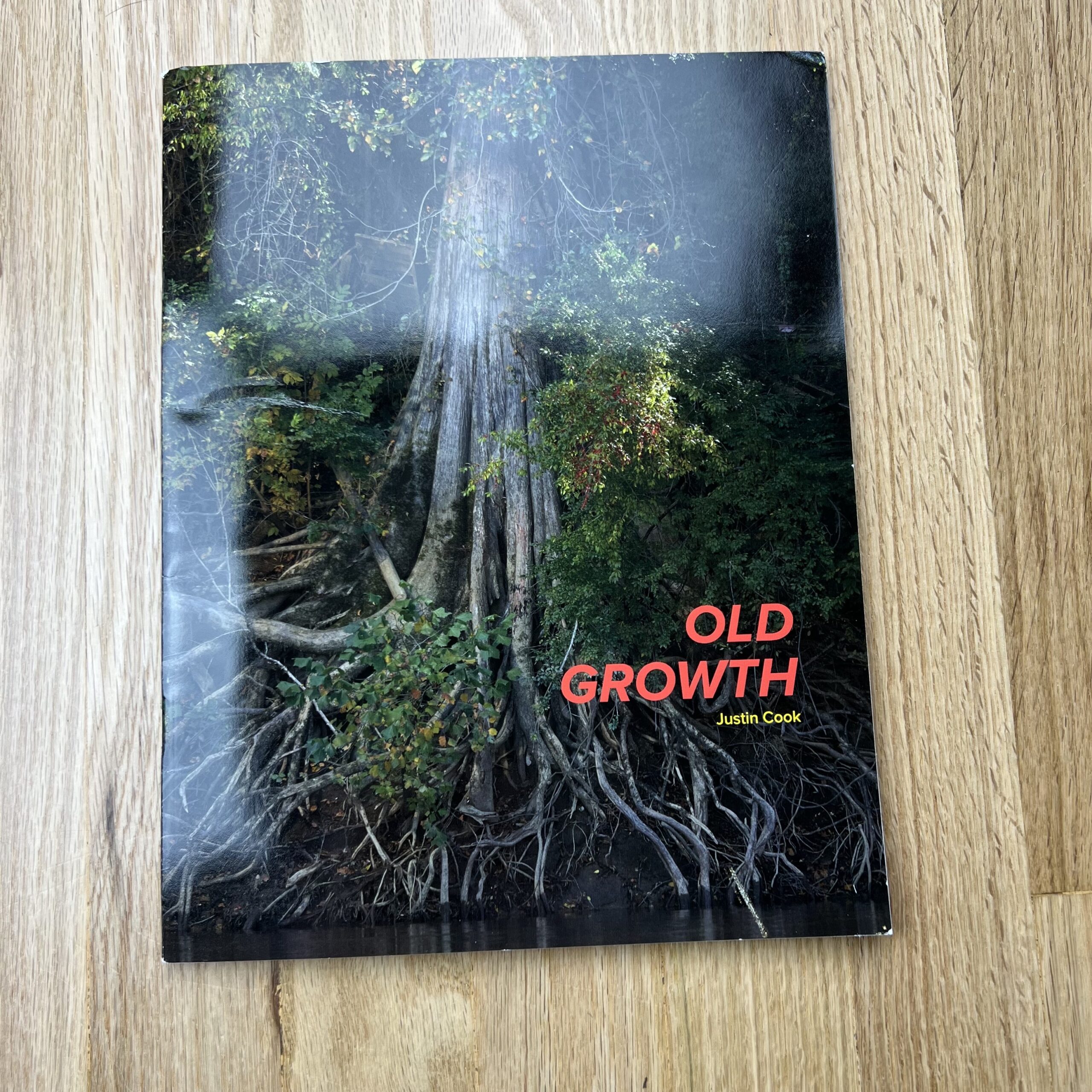
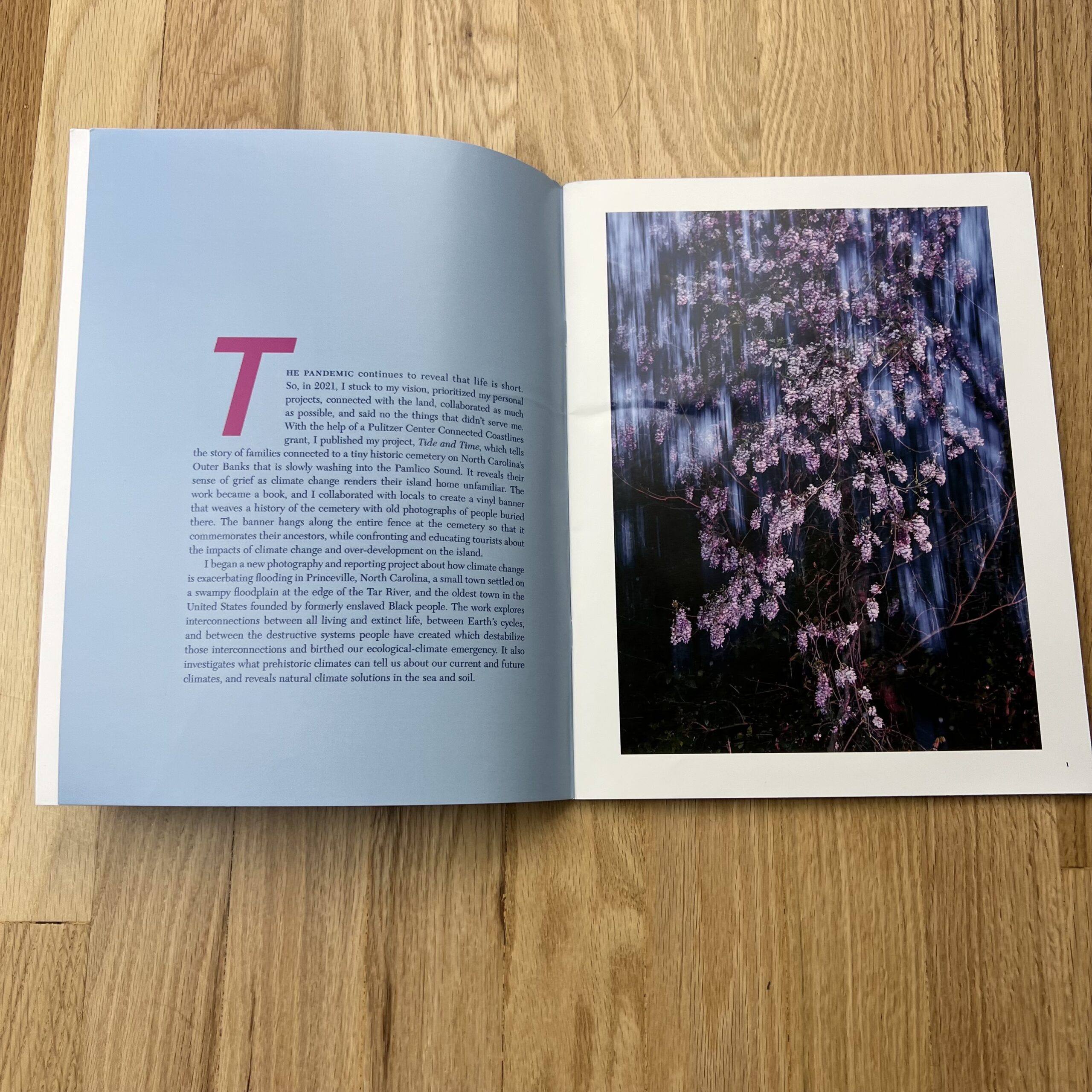
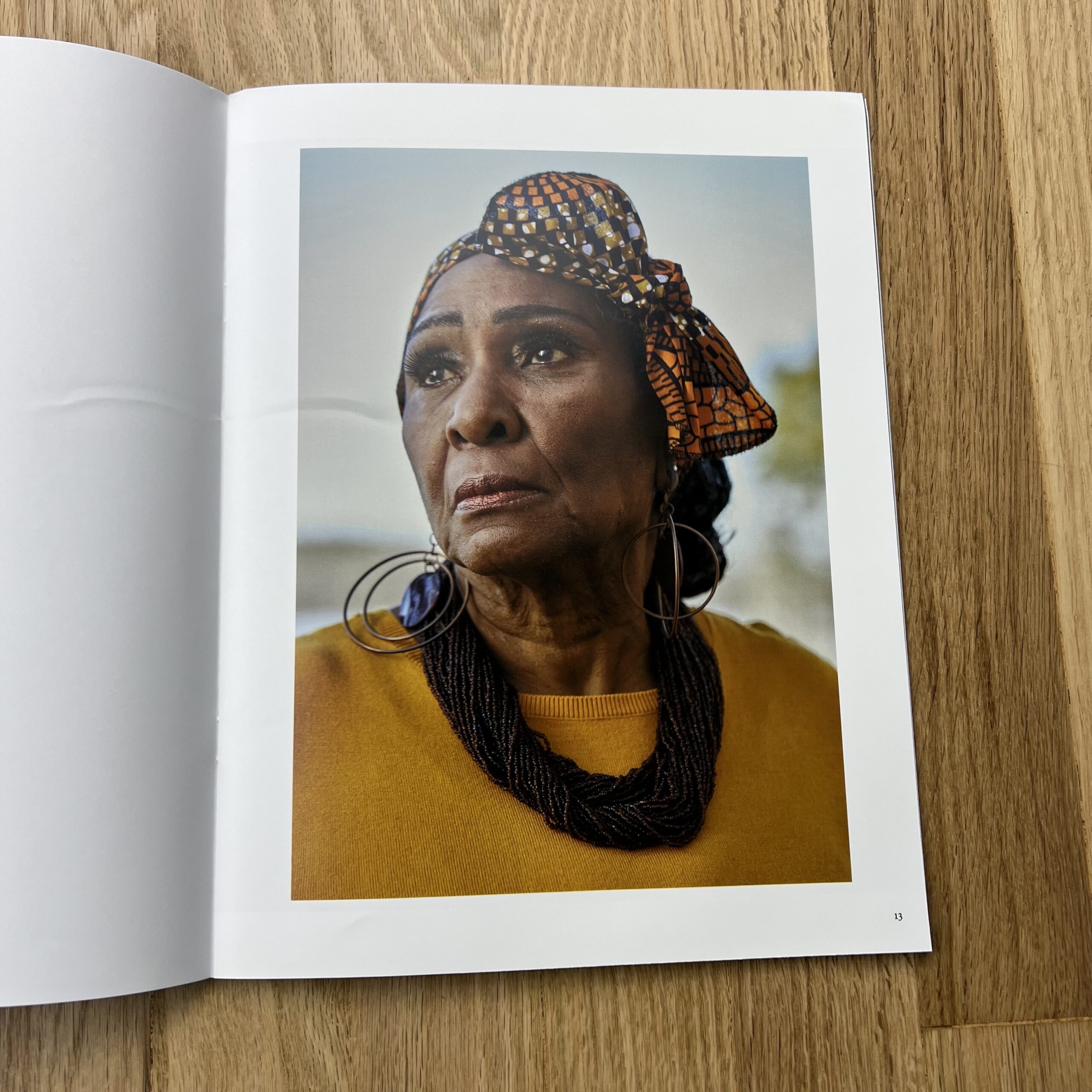
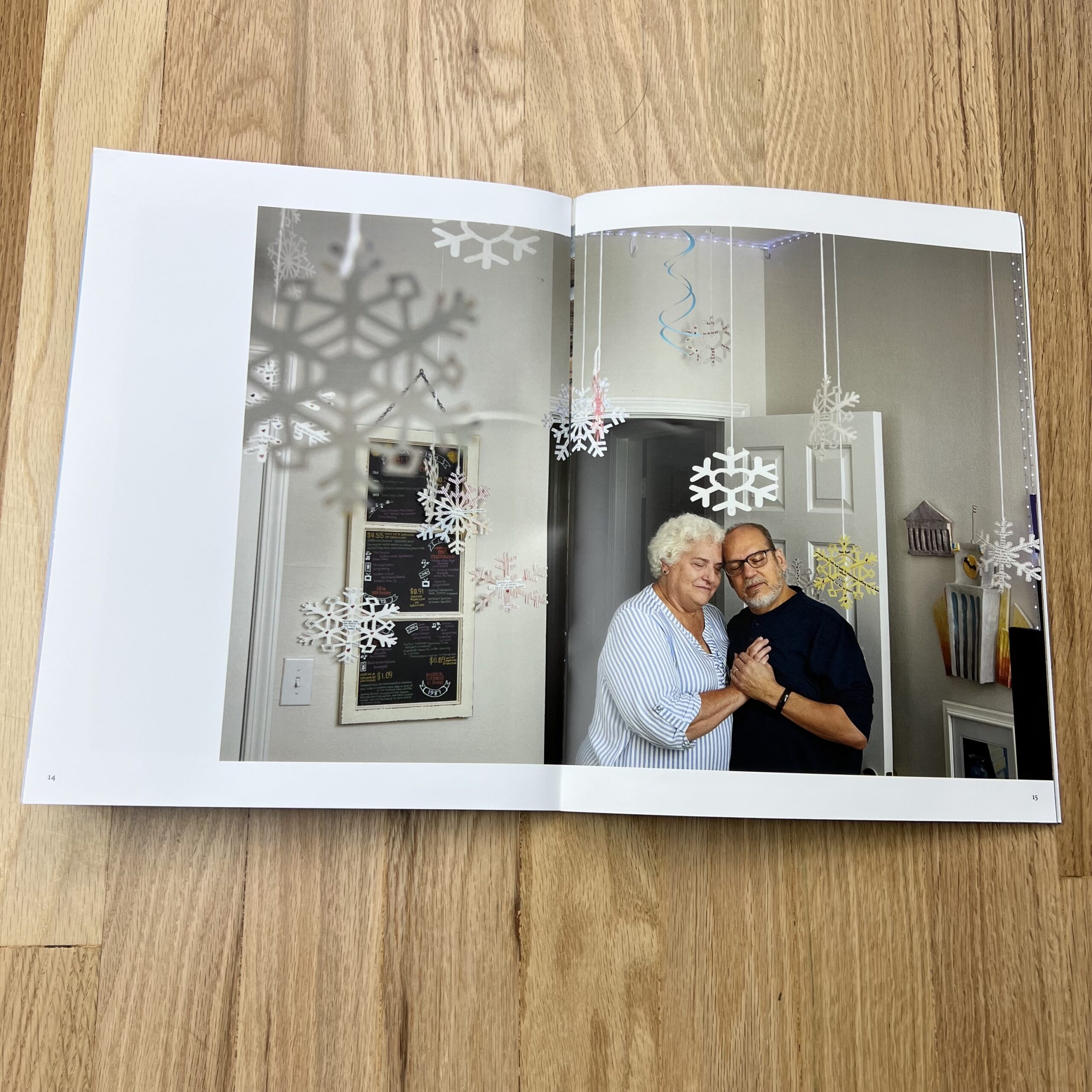
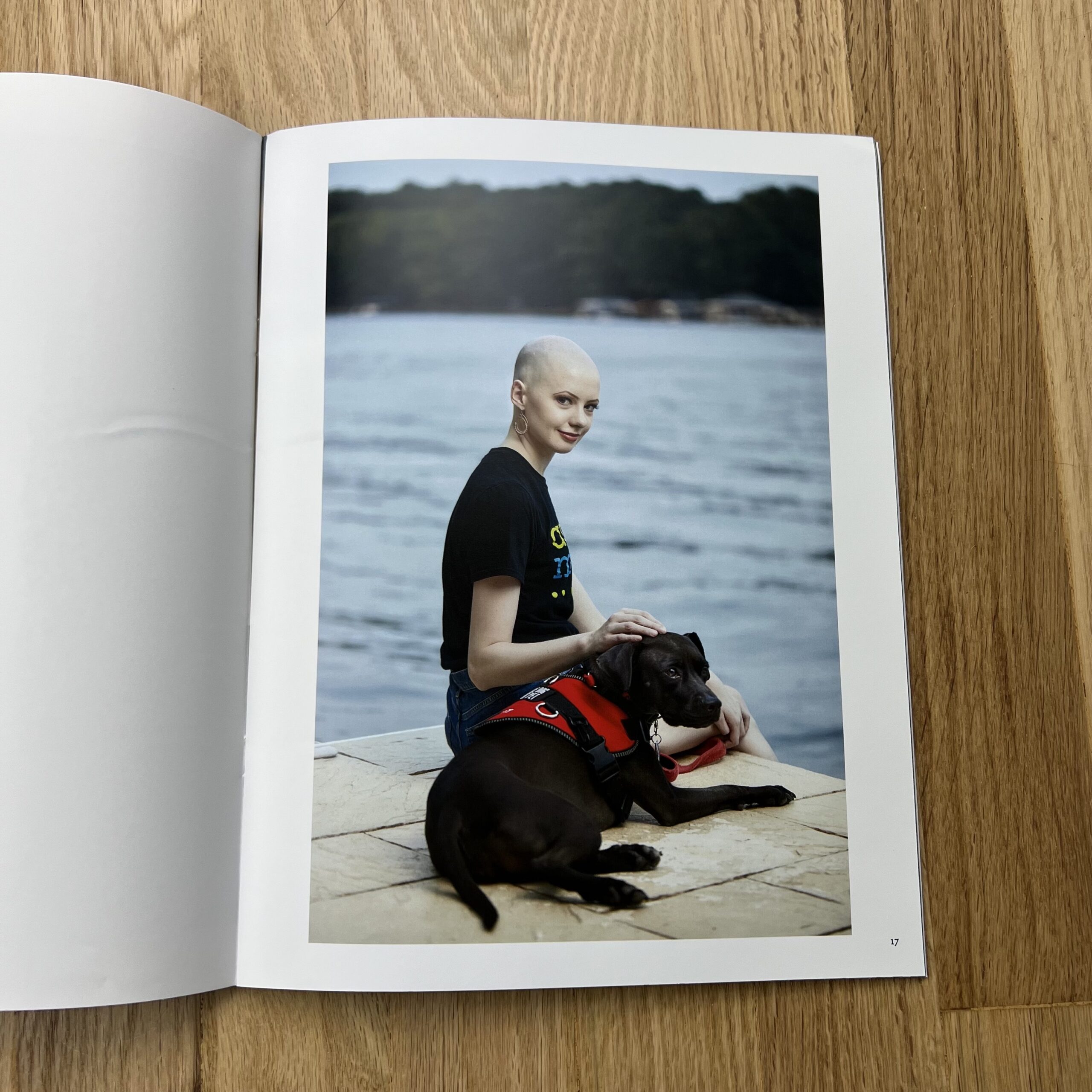
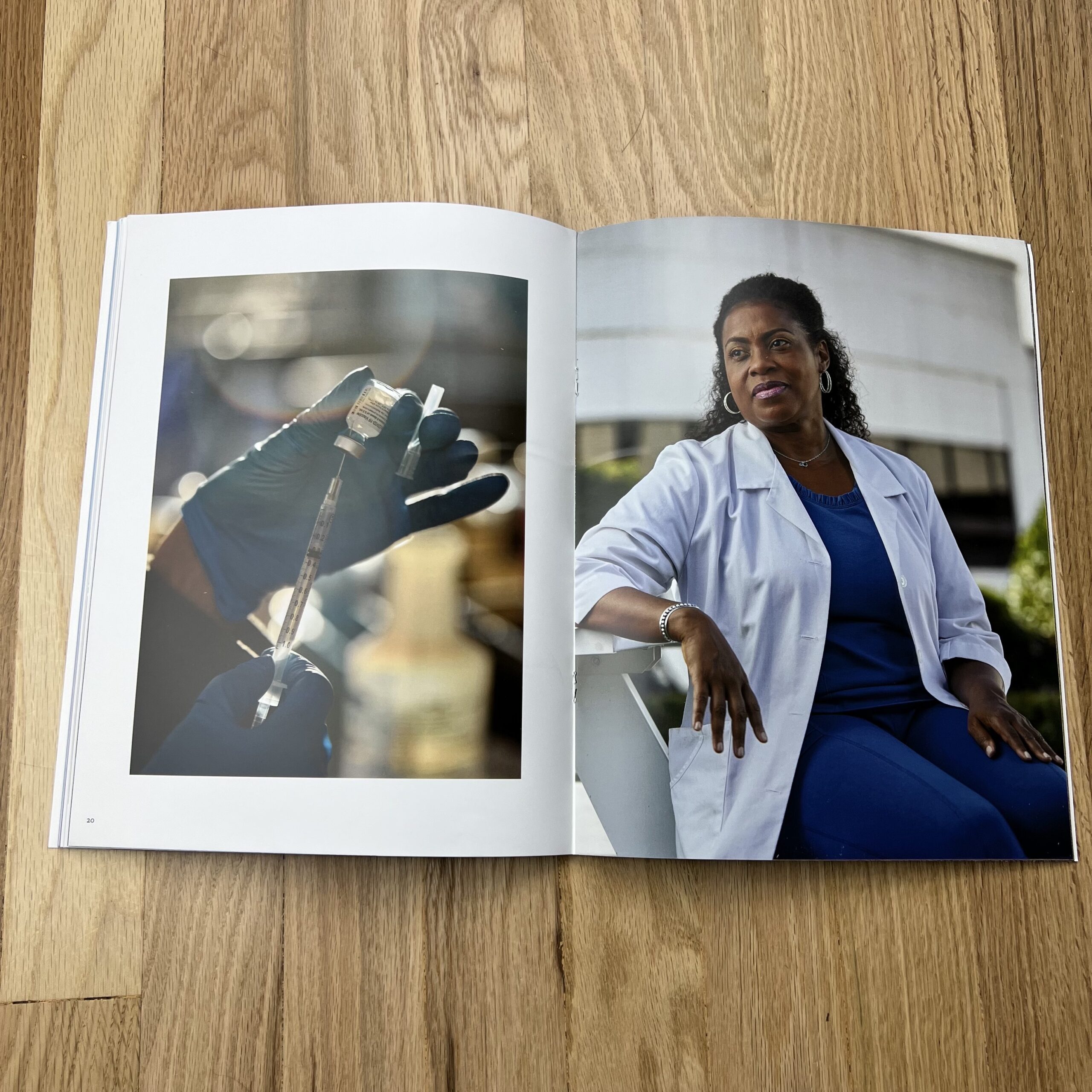
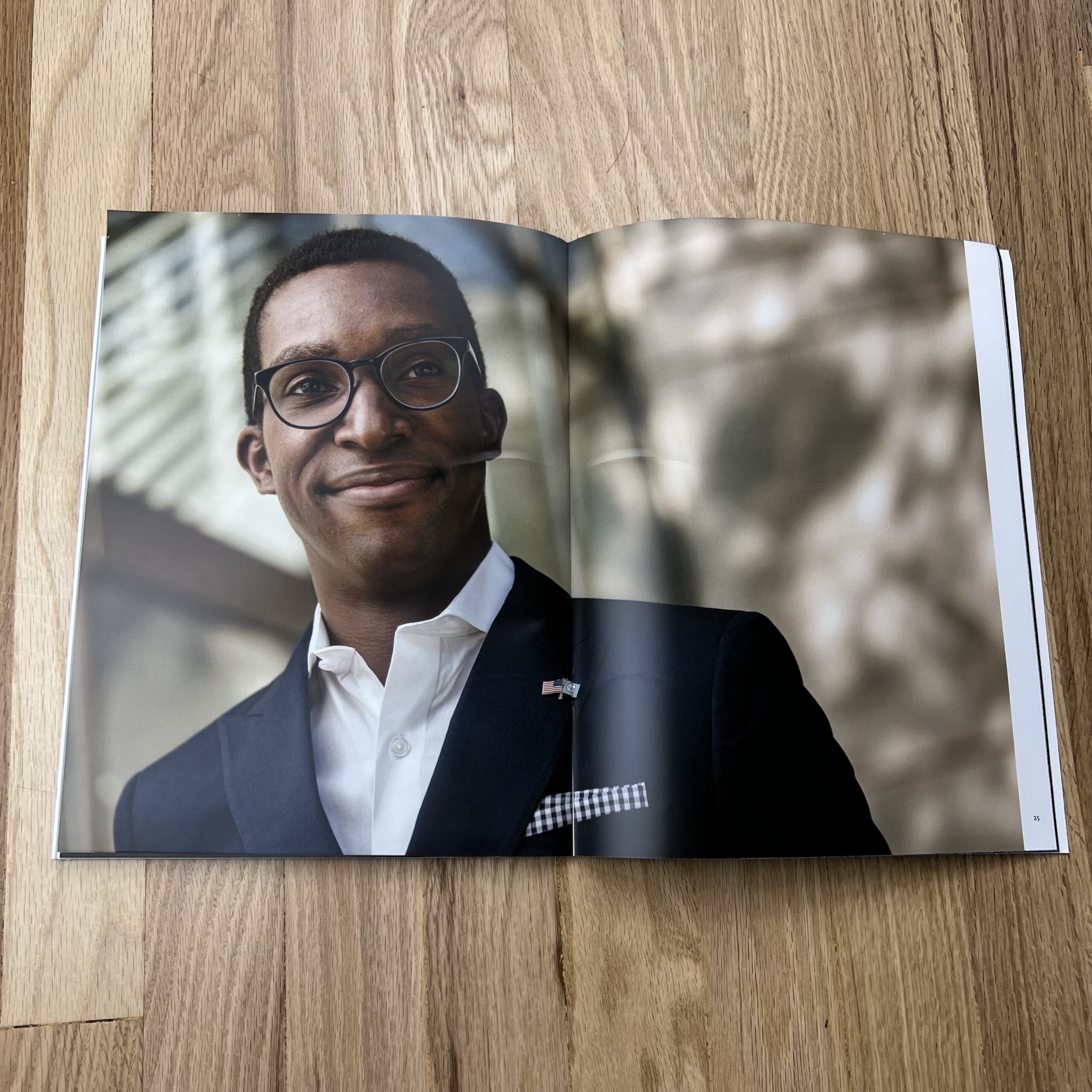
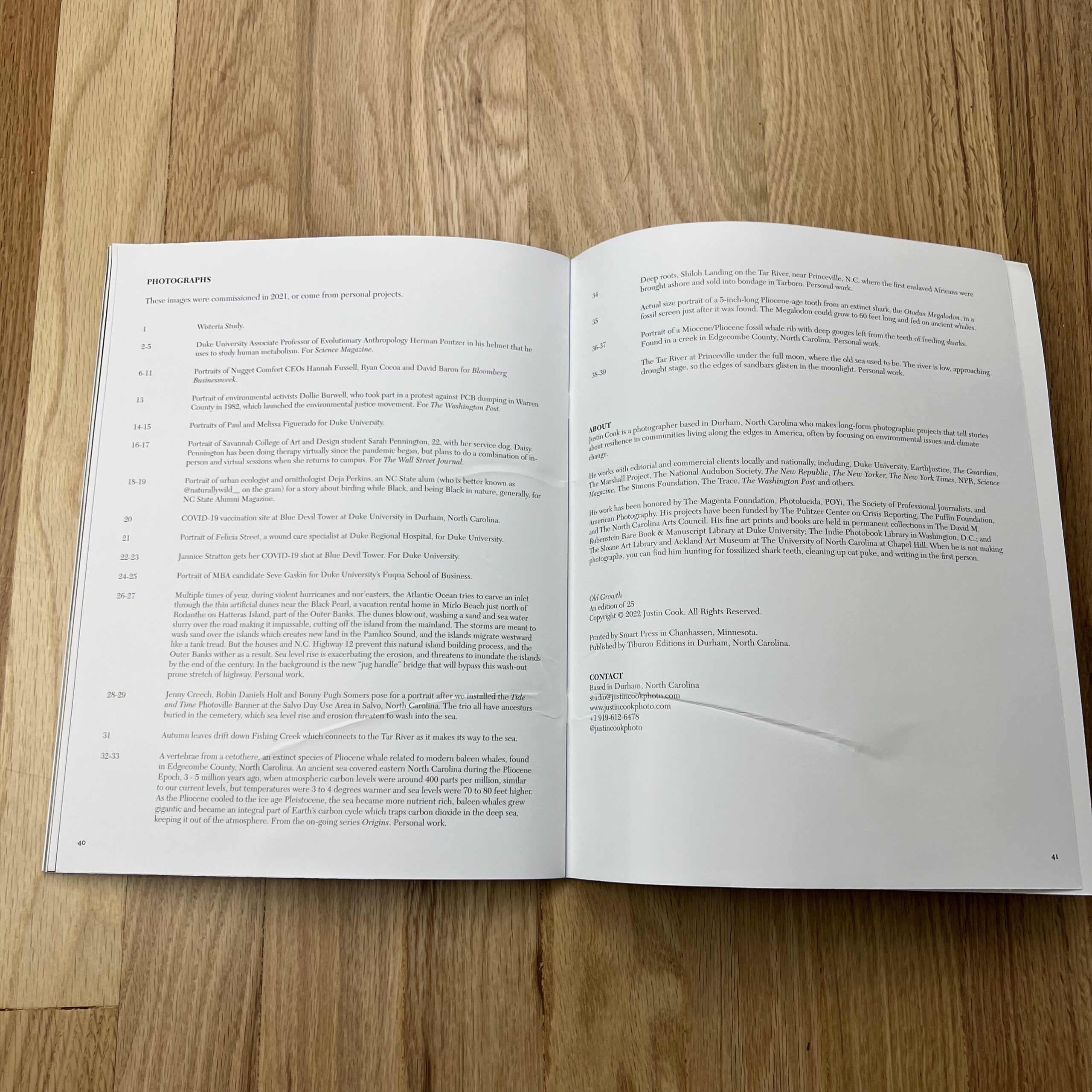
The images are a collection of my photos that I made in 2021 while on assignment, and from on-going personal projects, such as my work in Princeville, North Carolina, the oldest town in America founded by Black people, and its complicated relationship with the Tar River and climate change.

I love making zines because print is not dead, and my annual zine is a way to reflect on the year and celebrate my work and the people who helped me make it. Also, I often end up making images while on assignment that are never published, so it’s a way for those images to have life, and to see how my photographs speak to one another.

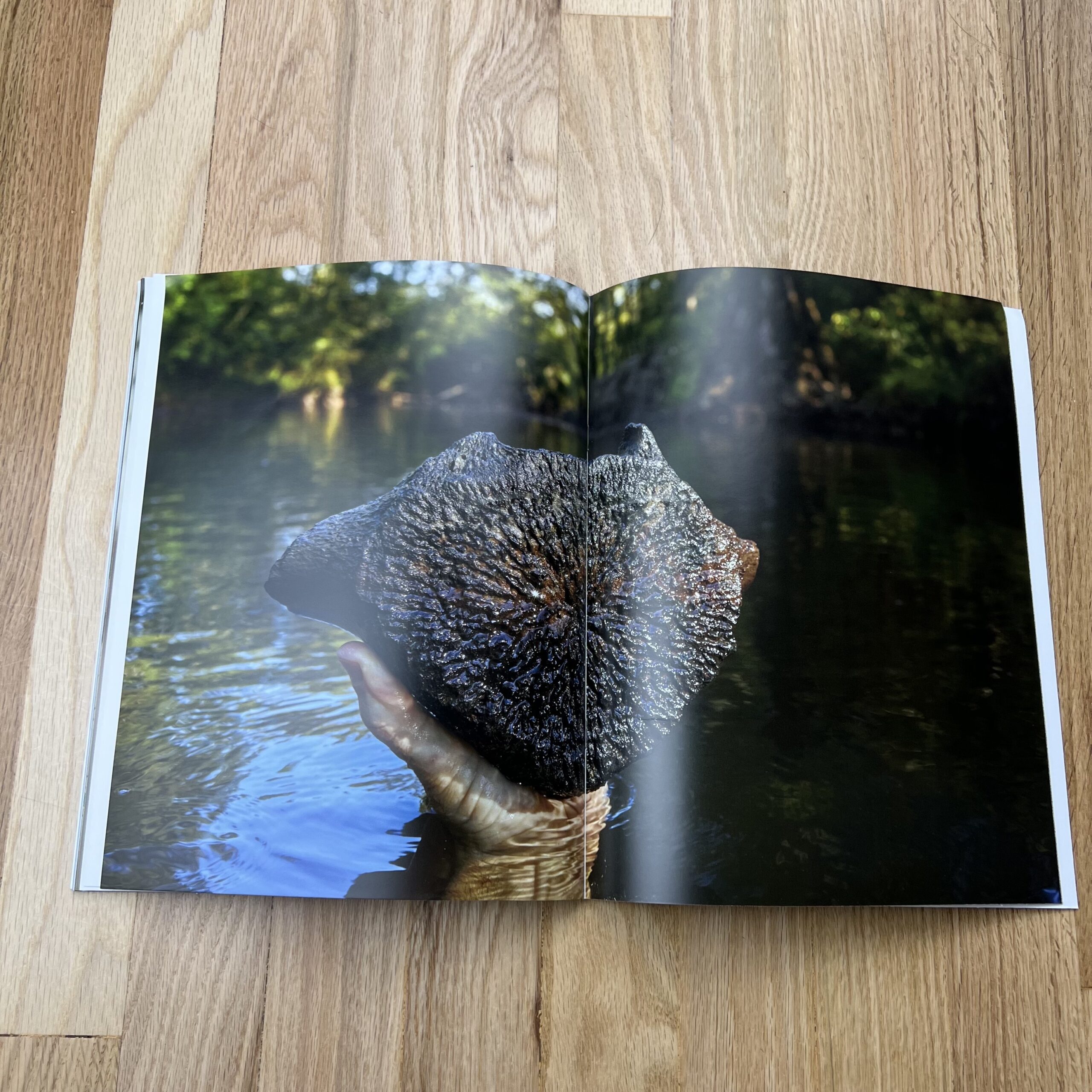
I am an avid fossil hunter, so at the end of the zine are photos from my fossil hunts in waterways of eastern North Carolina, where you can find the remains of prehistoric sharks and whales from when the eastern part of the state was an ocean millions of years ago.

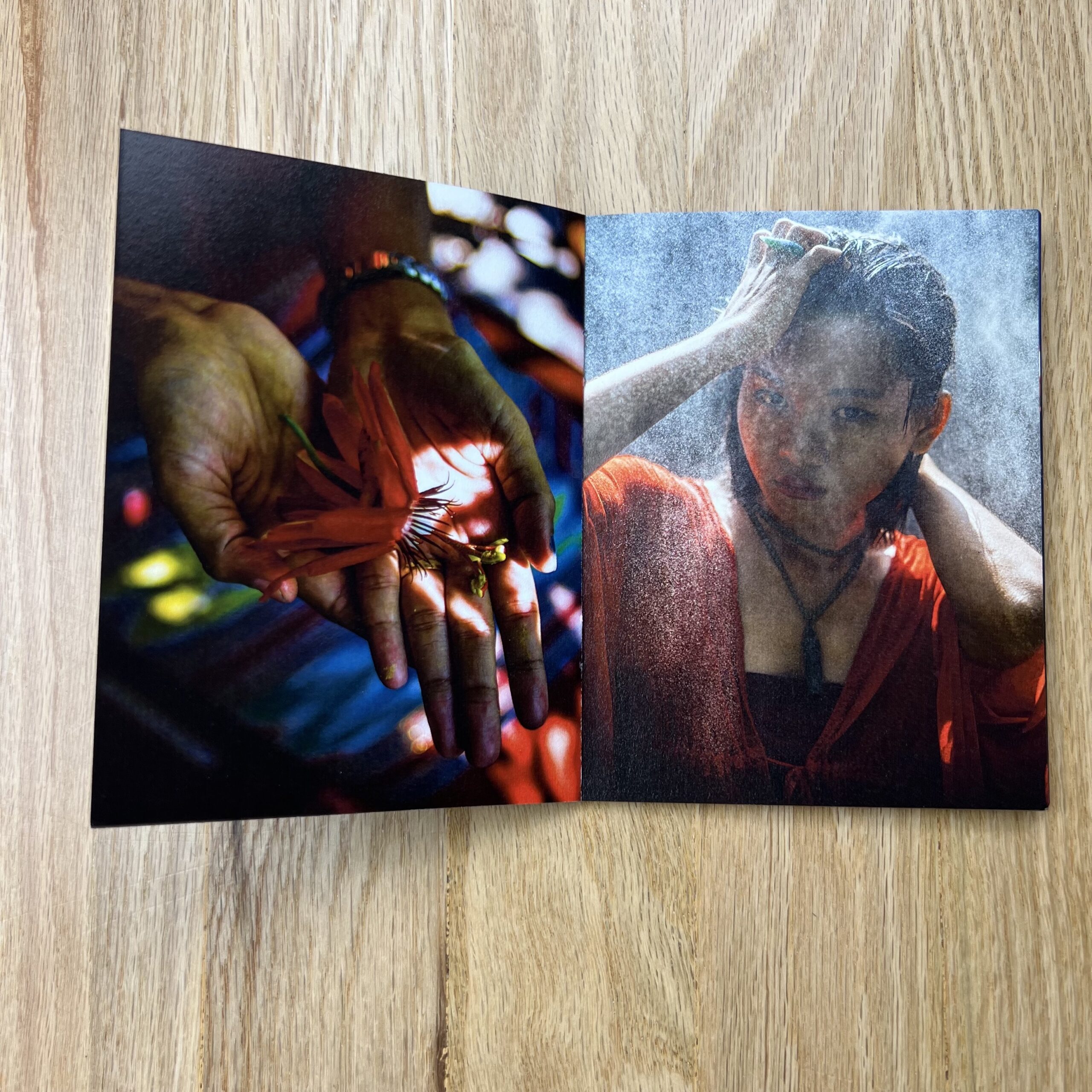
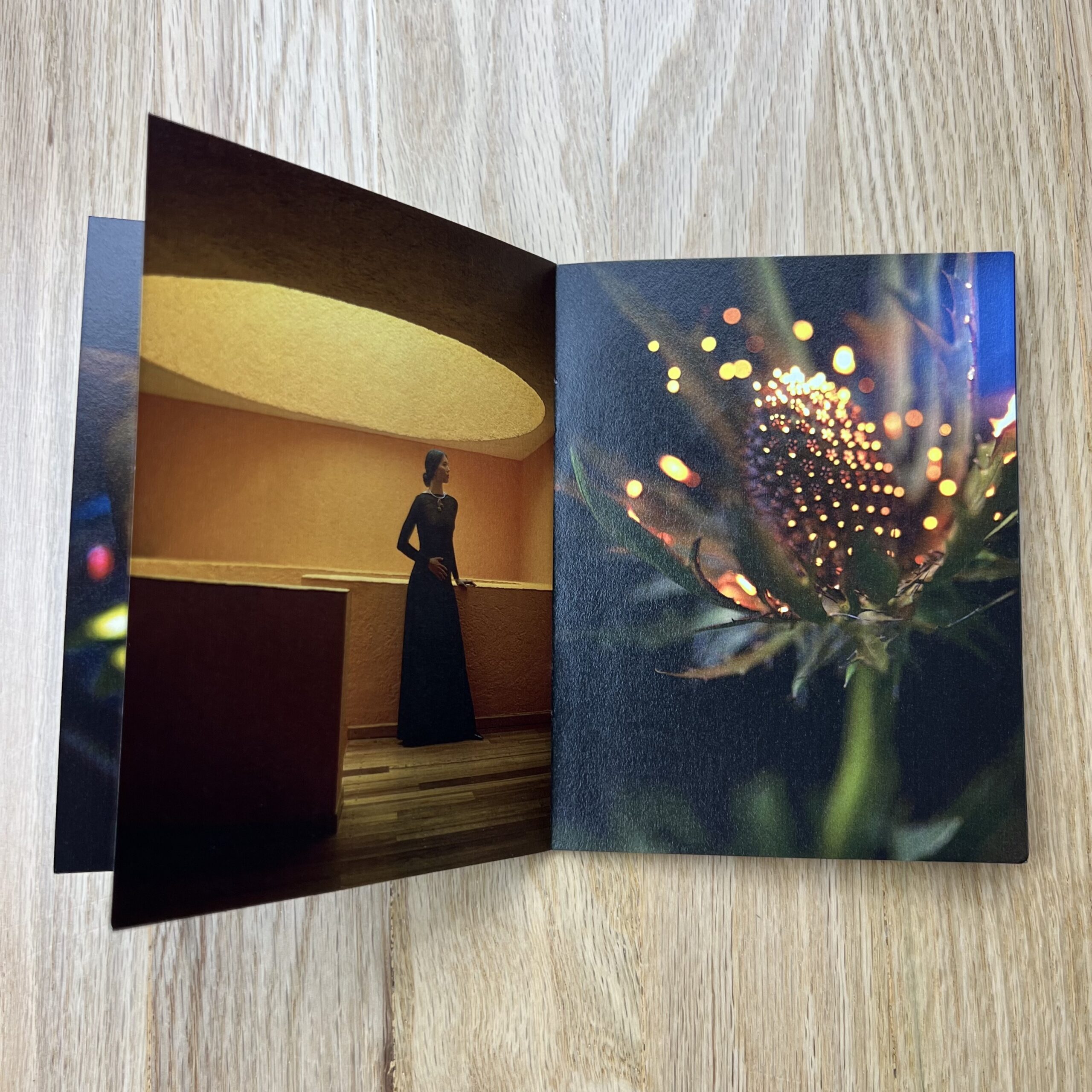
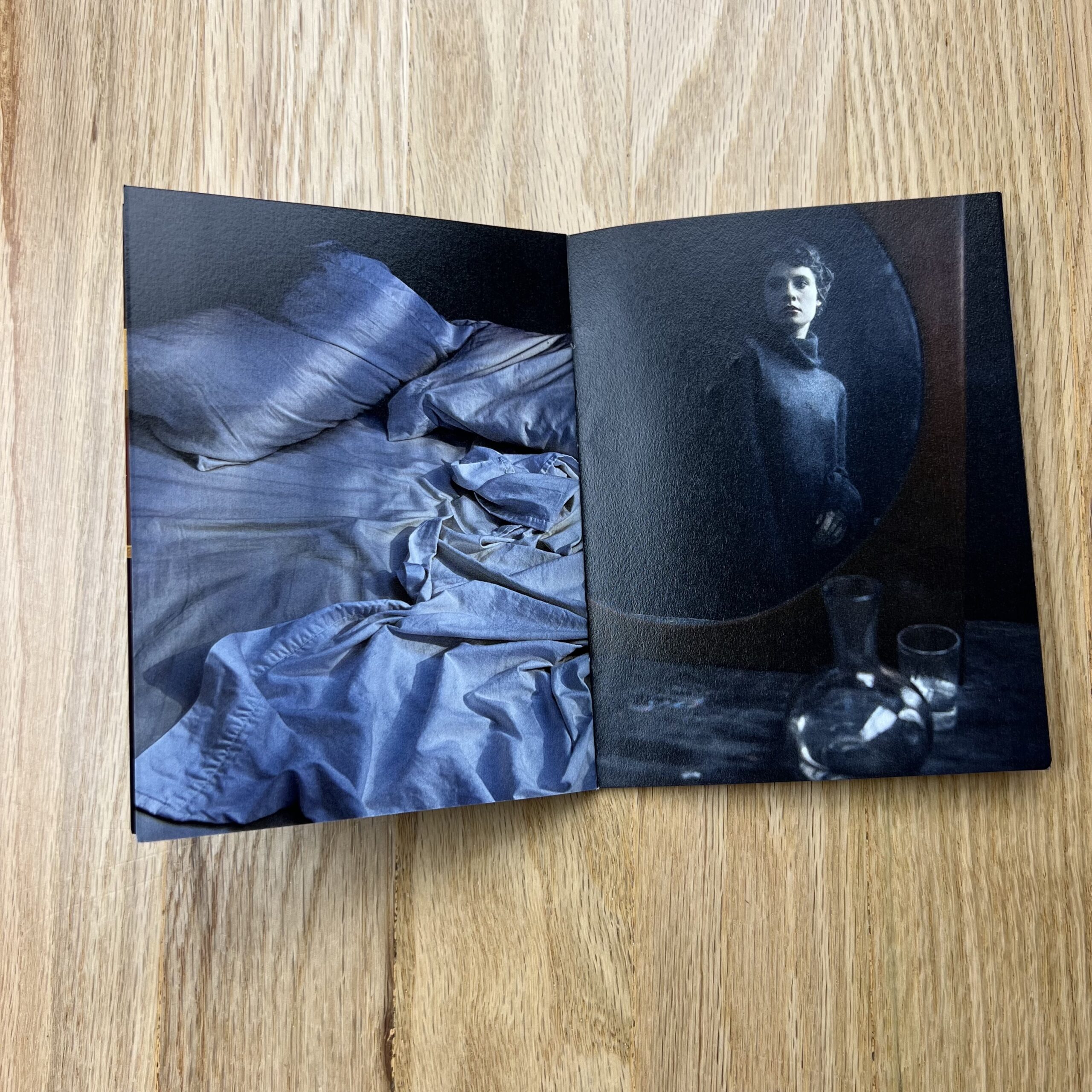
For the cover, I chose a portrait of a huge old tree that is growing out of the Tar River. My friend and fellow photographer, Megan May, helped me light it as I waded out into chest deep water to make the photograph. I love making lit portraits of old trees using the same techniques I’d use to make a portrait of a person. The name “Old Growth” is a mantra for how I want to work and grow: slow and steady, like that tree.

How many did you make?
This is an edition of 25.

How many times a year do you send out promos?
Once a year. I send them to editors I love and editors I’d love to work with. I made my own imprint called Tiburon, so I also sell them in my online store so everyone has access to my printed work. I also keep extra copies so I can give them to people I am photographing on long term projects so they can understand my work and see themselves in it.

Do you think printed promos are effective for marketing your work?
I hope so! I often don’t hear back from editors, and many editors were not working in their offices during the pandemic so I have no idea if they see the zines. But I still make them because it’s a fun exercise.

Featured Promo – Eric Thompson

Eric Thompson

Who printed it?
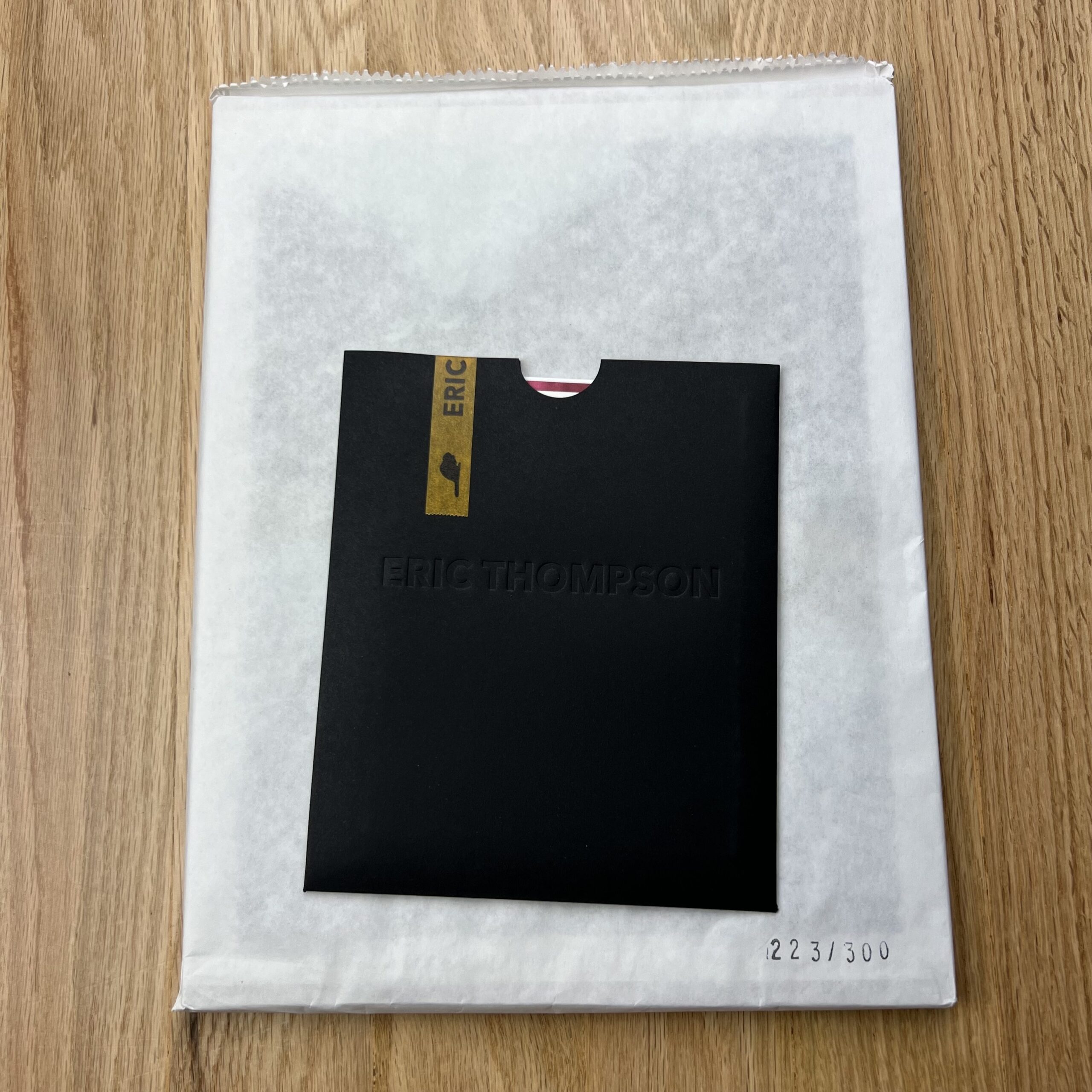
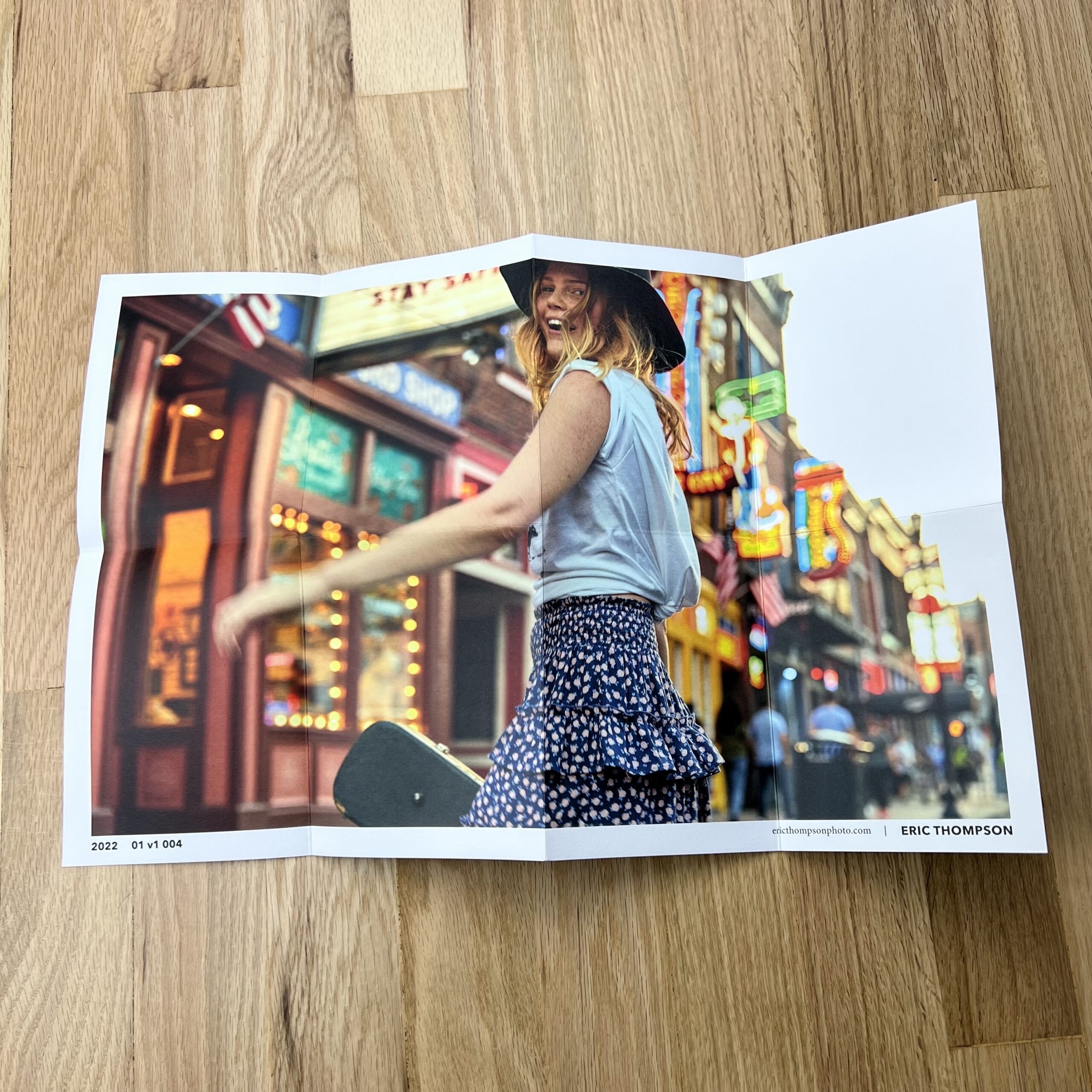
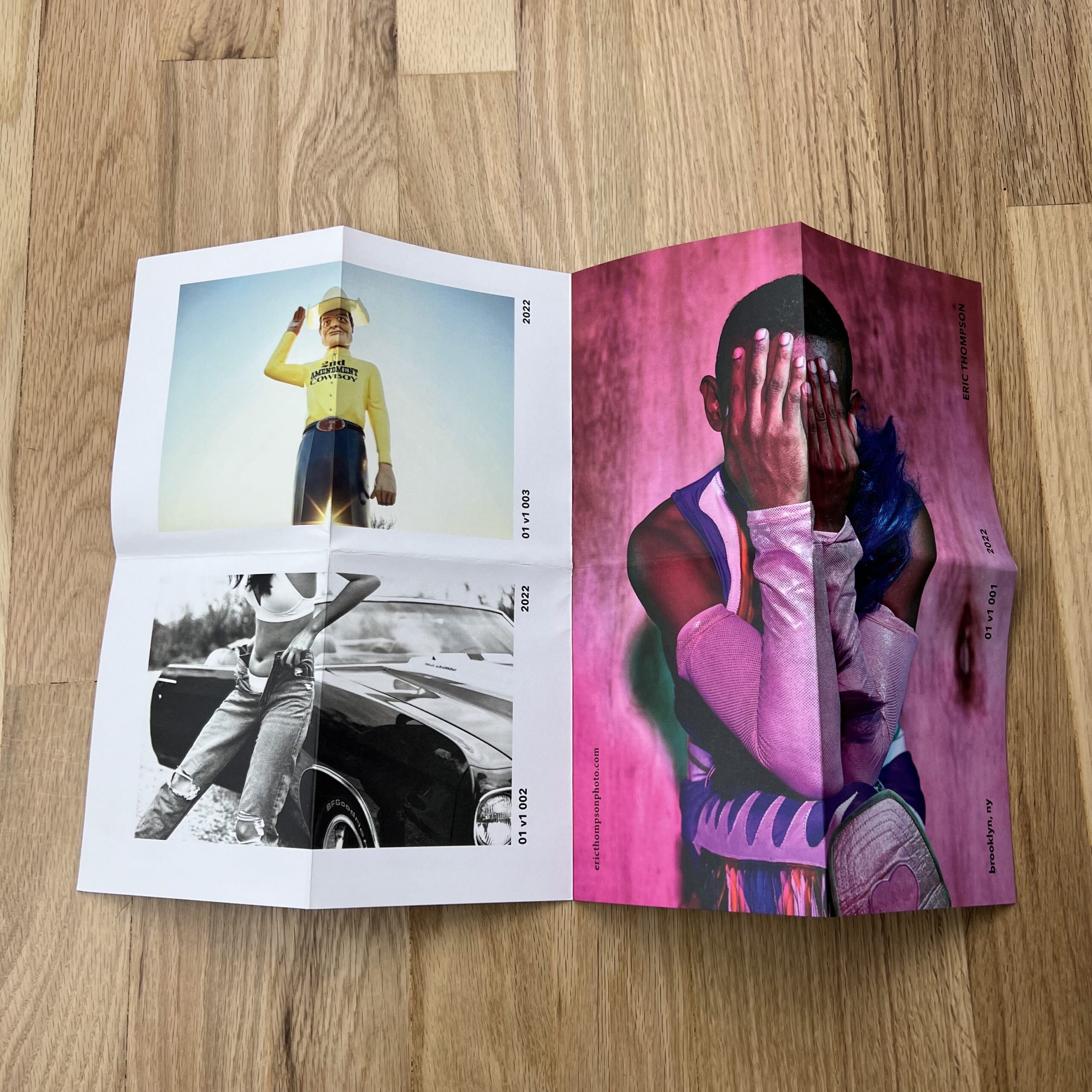
The folded poster promo and packaging was printed by Paper Chase Press in Los Angeles, and the book was printed by Small Editions in Brooklyn, NY. Custom printed washi tape by Continental Tape in Deer Park, NY.

Who designed it?
They were both designed by me.

Tell me about the images.
The images in the folded poster are from a few projects, some personal, and some commercial – They are intended to portray a glimpse into what I do as a photographer, for hire or otherwise. They were chosen to give a good sense of color, energy, and variety in subject matter that I feel is important to represent in my work.

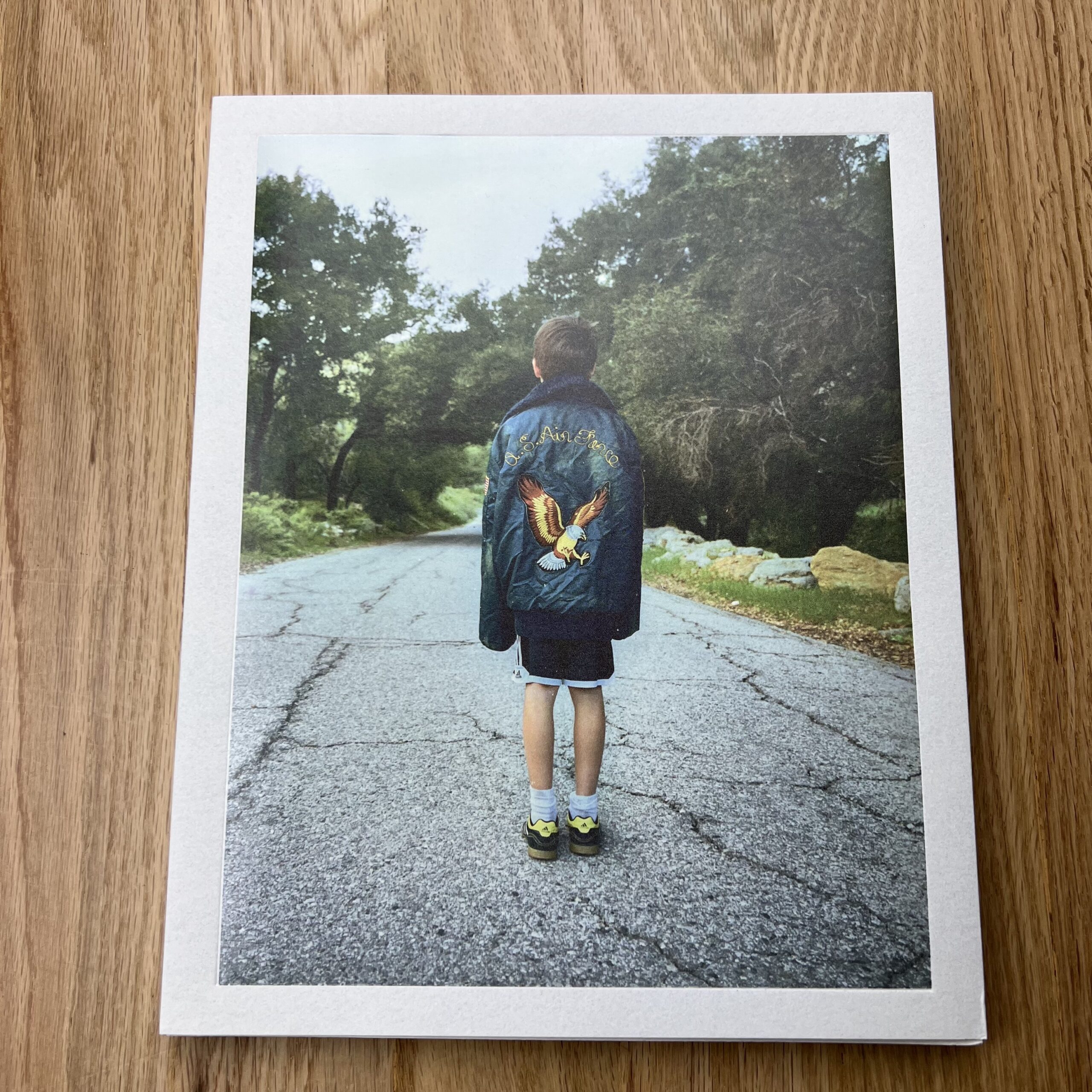
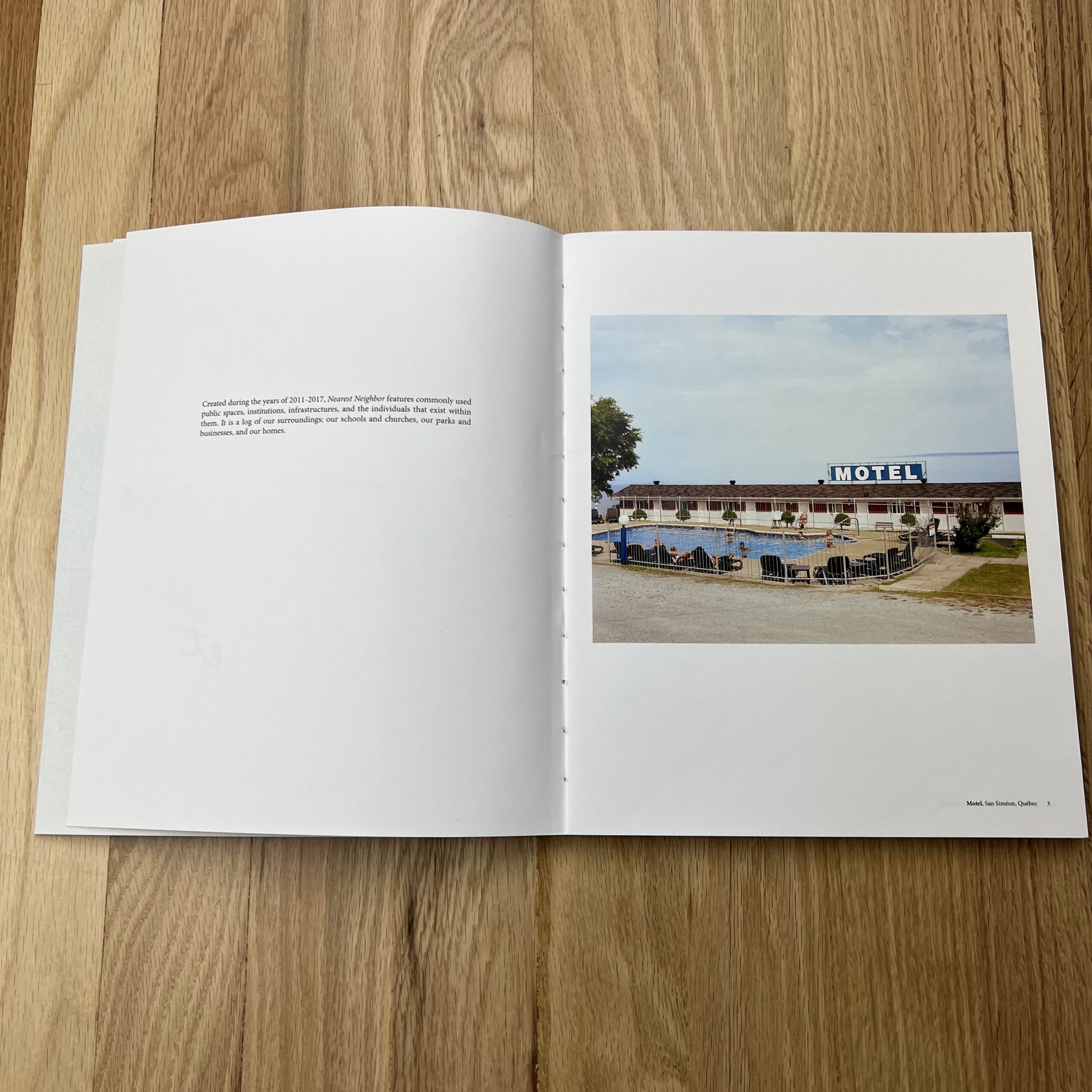
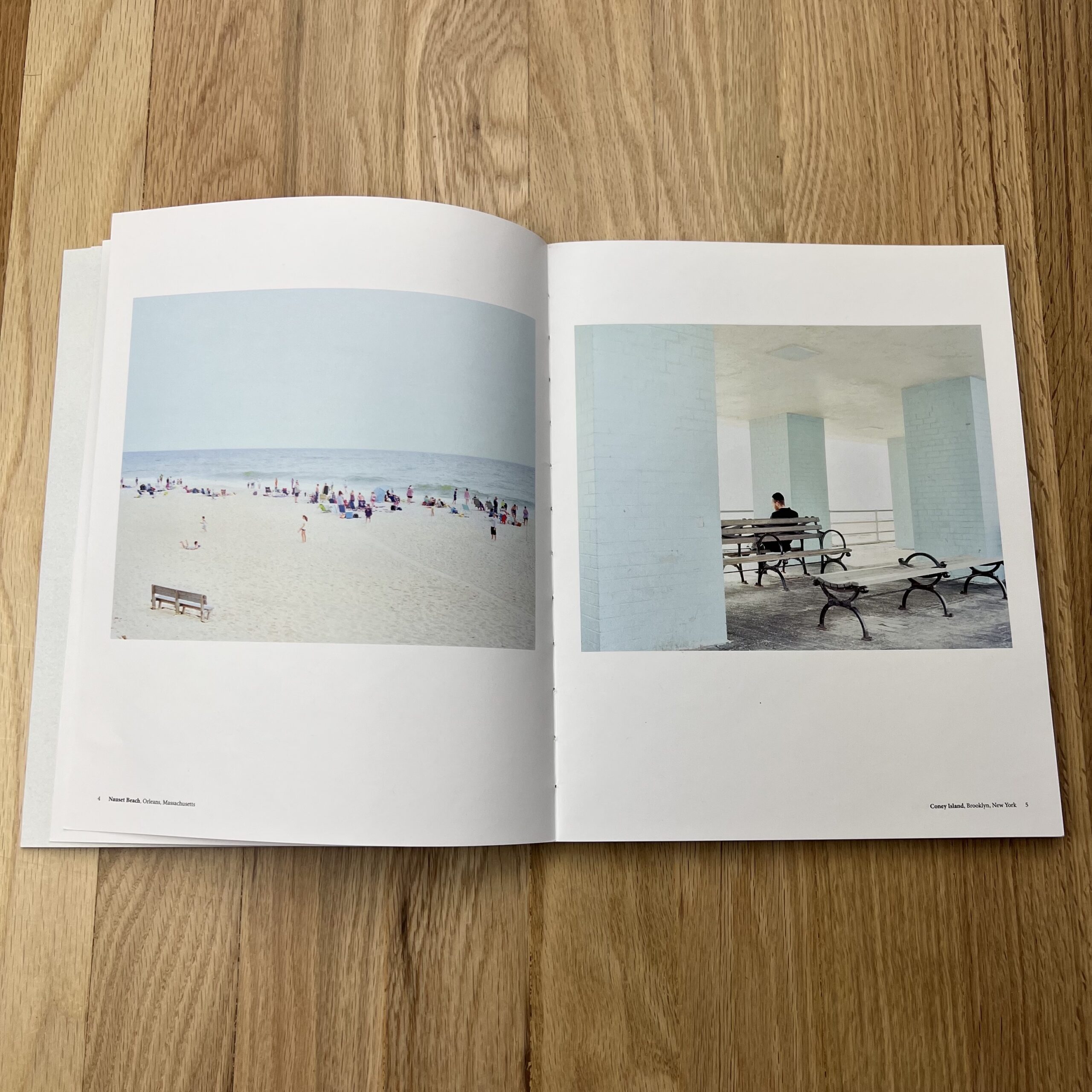
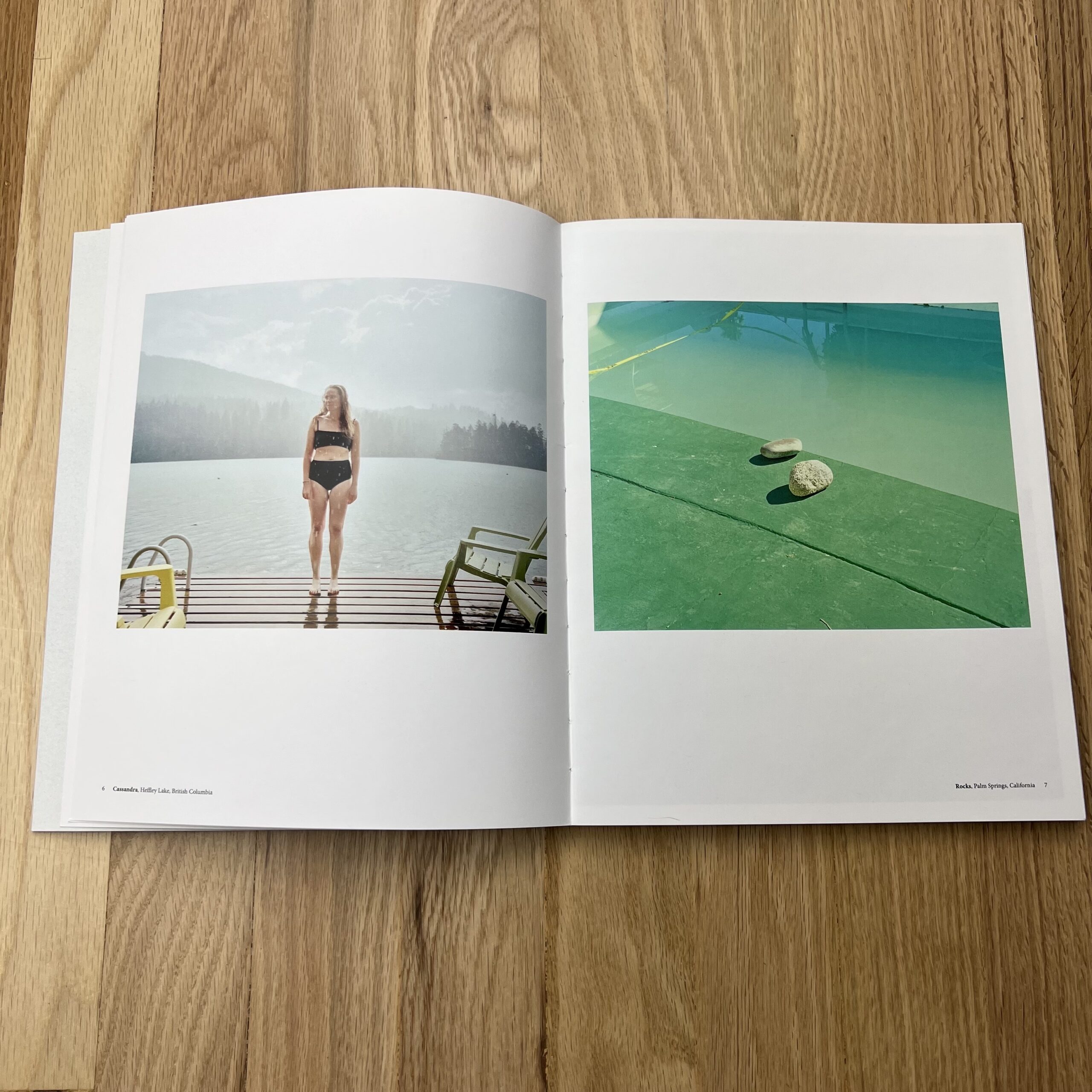
The photobook [Nearest Neighbor] is entirely personal, released as a book and as a gallery show as well. The work in it speaks most honestly to my personal style and viewpoint, and is very close to my heart. It was a tough project to take on from the ground up – learning how to publish and lay it out on my own while trying to retain the integrity and quality of something more bespoke and custom was a huge challenge. It features photos taken around the world while travelling for work mostly, using either a 55mm Voigtlander Bessa III 667W or an 80mm Fuji GF670, which I scanned myself on a Nikon Coolscan 8000/9000. As a project that spanned several years, my gear either changed or broke down, but 6×7 film became the only format I used for quite some time. The photos are meant to explore other peoples spaces + environments, how they are inhabited, shaped, and how often they seem so strange and peculiar from a foreign persons’ eye.

How many did you make?
For the folded posters, I believe it was 150, and for Nearest Neighbor, an edition of 300.

How many times a year do you send out promos?
This is the first set that I have sent out, and I have just completed a printed portfolio with an edition of 50 for 2022. I plan on doing one photobook/lookbook style portfolio per year and two folded posters per year, with the intention of finding specific creatives and art producers to direct them towards as opposed to casting a wide net.

Bookmaking and designing materials [when it comes to my work] has become something I really enjoy, I currently have several books that I would love to make – they end up coming from the strangest places, I kind of feel my way through them. It’s the one thing aside from shooting that continually gives me joy, it’s a bit narcissistic but I love looking through my own photos and creating cohesive collections. I have a deep relationship with them and the stories they evoke in me, so I feel like they’re better in a printed form, out in the world rather than on a hard drive.
Do you think printed promos are effective for marketing your work?
We will see! I have found that having a variety of printed material makes it more likely for something to land in the hands of creatives, when they may not want to take a full book, they are likely to take a small folded poster. My personal photobook has been effective, especially seeing as i’ve done a piss poor job of getting it out there. It has gotten me some work over the years, and for me is really great way to spark a conversation on why I love photography – also something I can speak to at length very easily.

Featured Promo – Paul Treacy

Paul Treacy

Can you tell me about your promo?

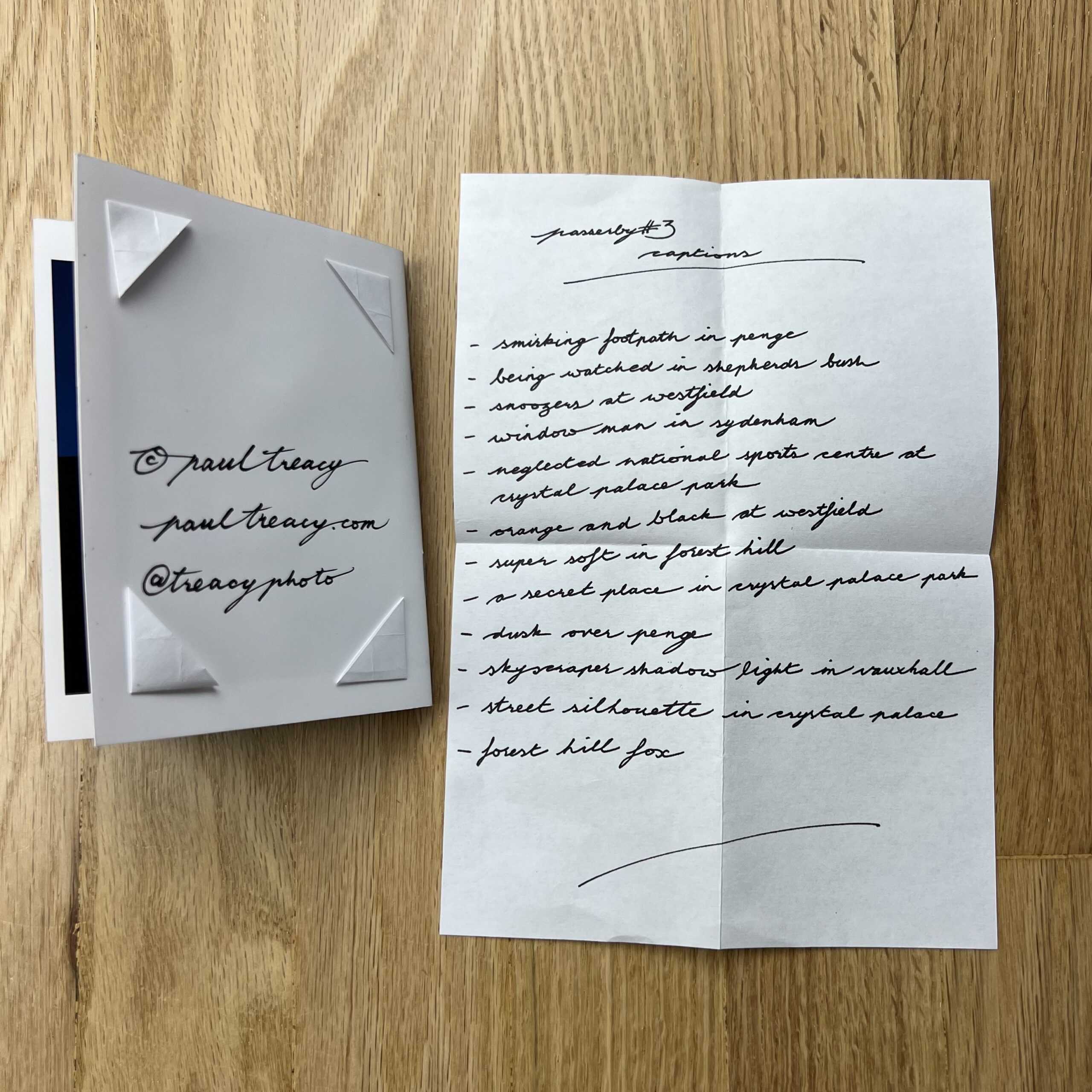
No one else is involved in this endeavour. Nor is it a promo piece. Rather it’s an exercise in focusing my mind.

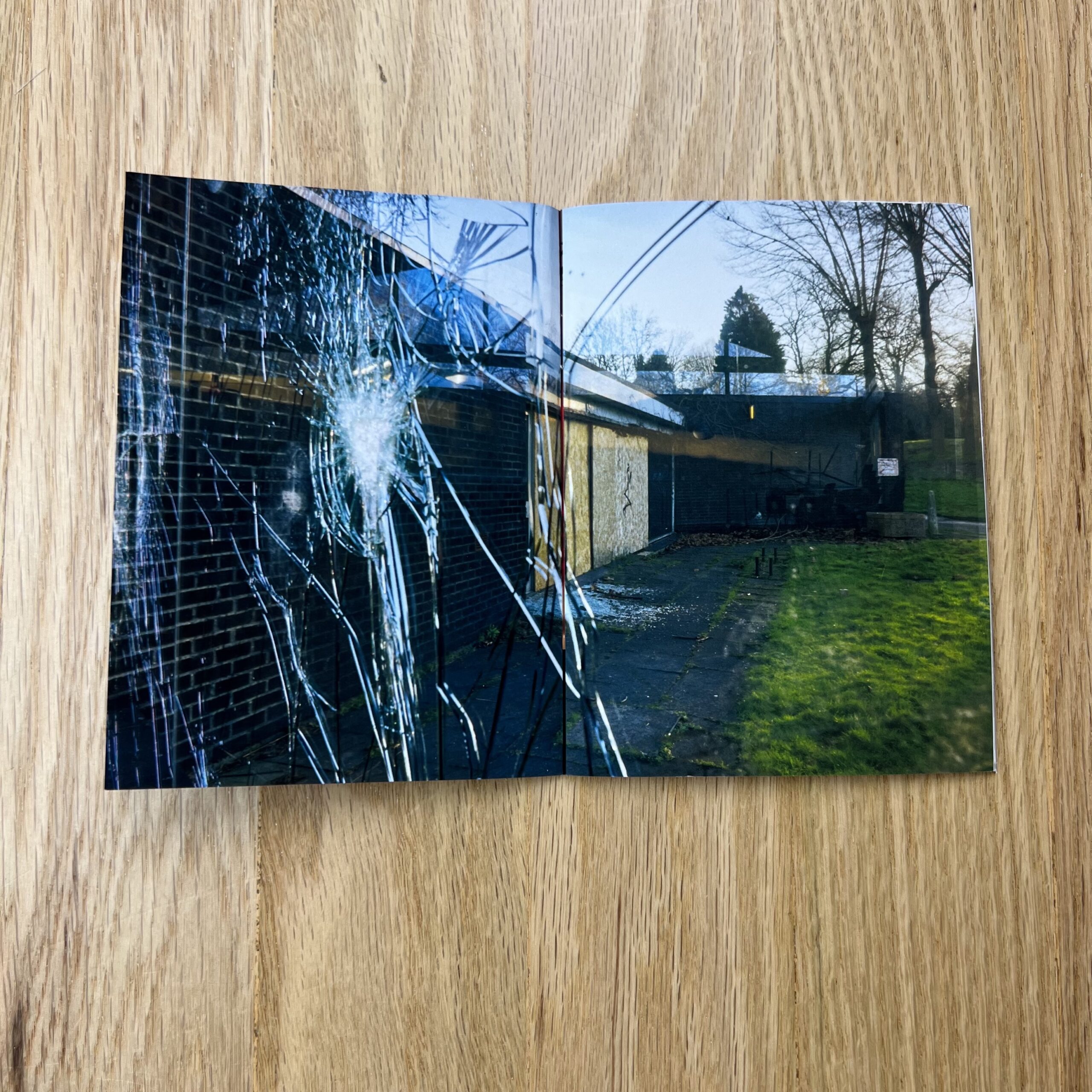
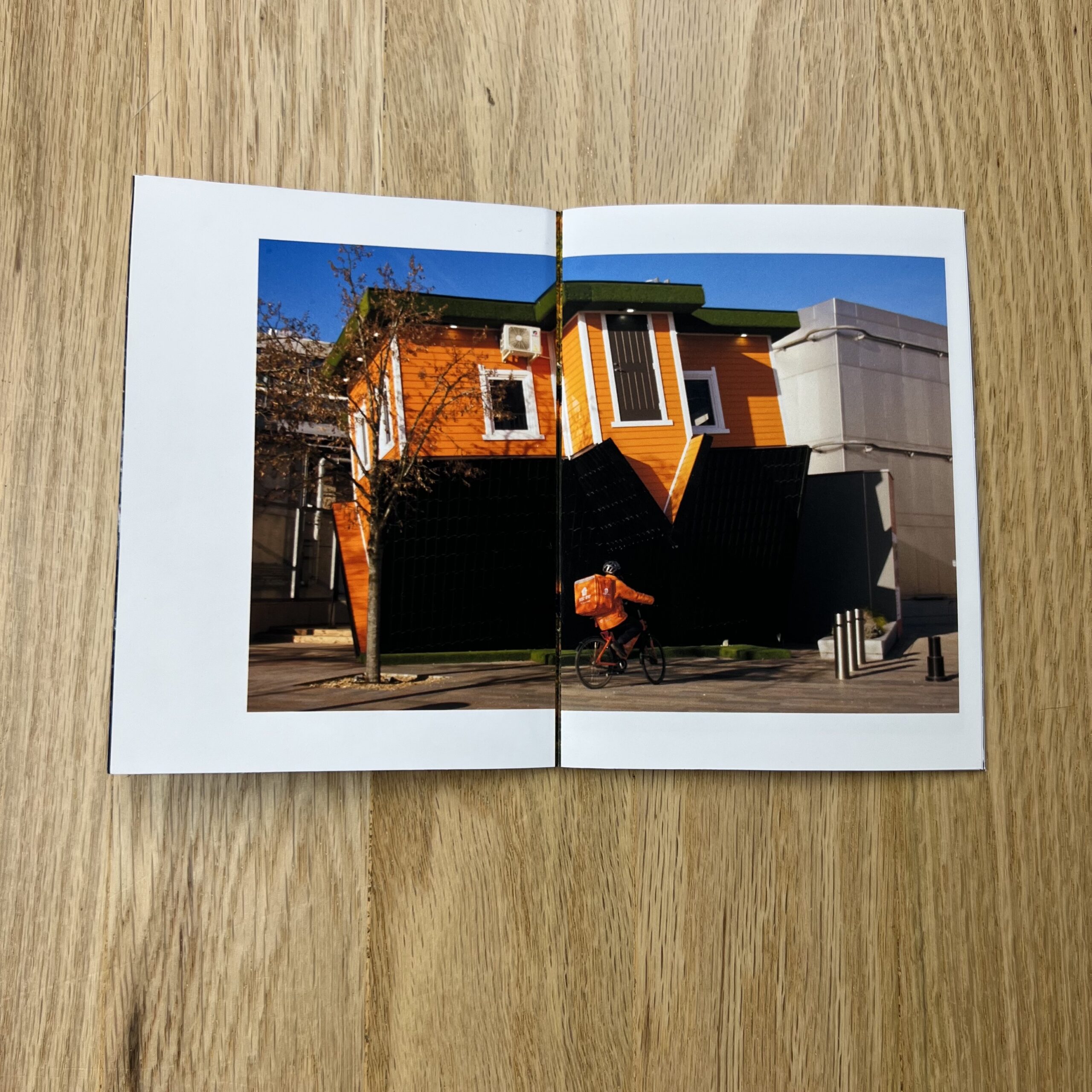
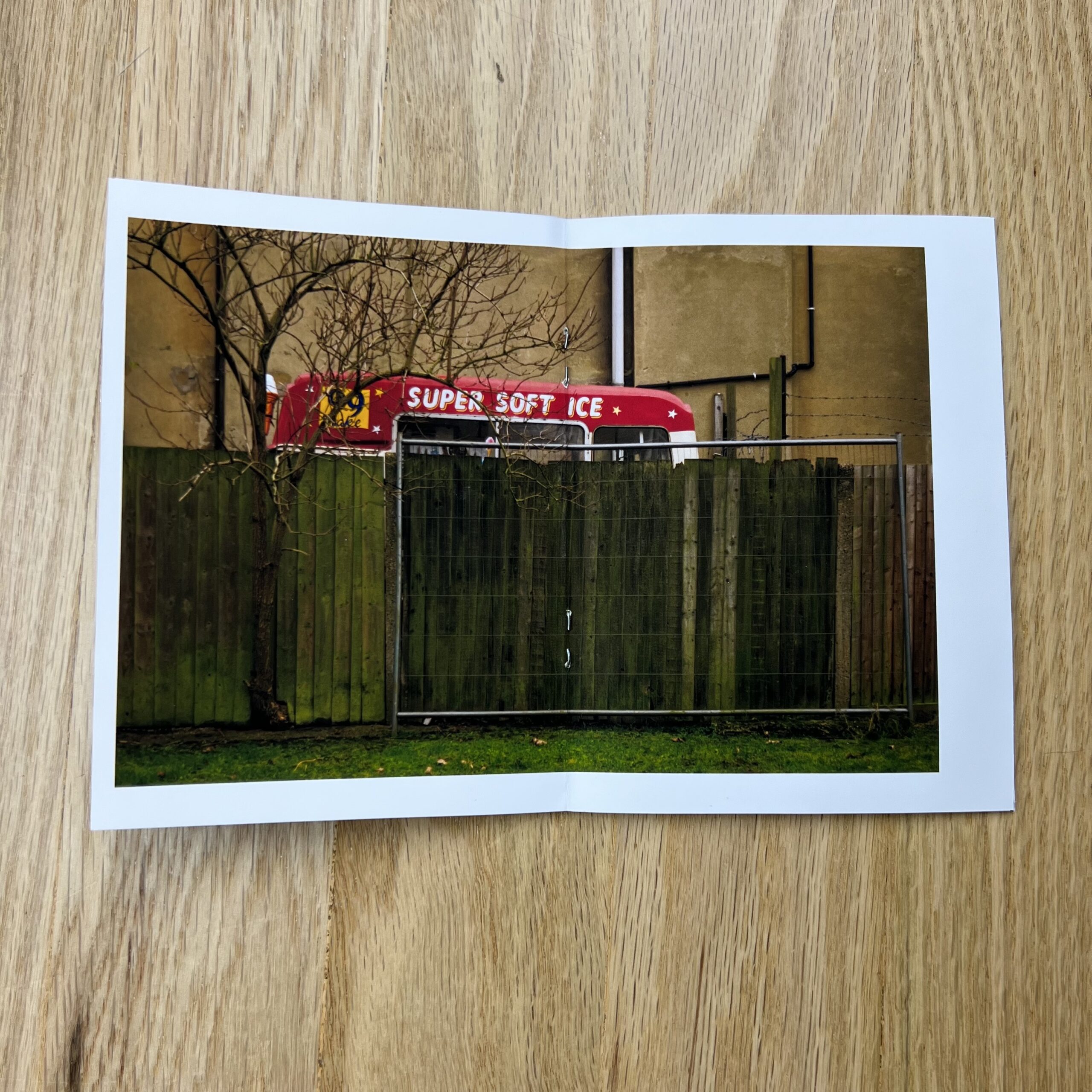
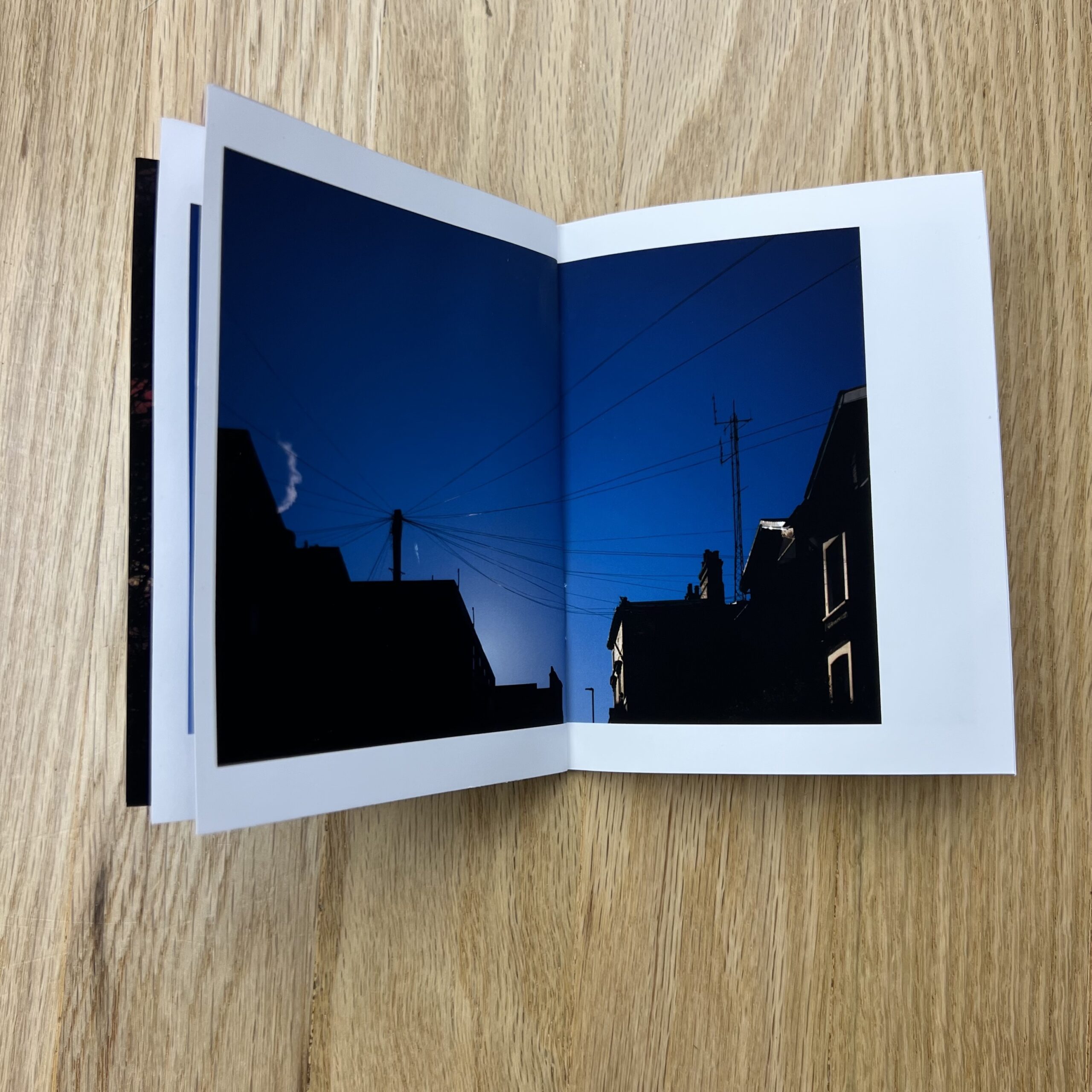
I’ve been a contributor to Millennium Images here in London since 2003. However, I’ve not always been consistent in supplying material for curation, particularly during a period when I was primarily a carer to my two sons. So in an effort to produce work I needed some kind of facility.
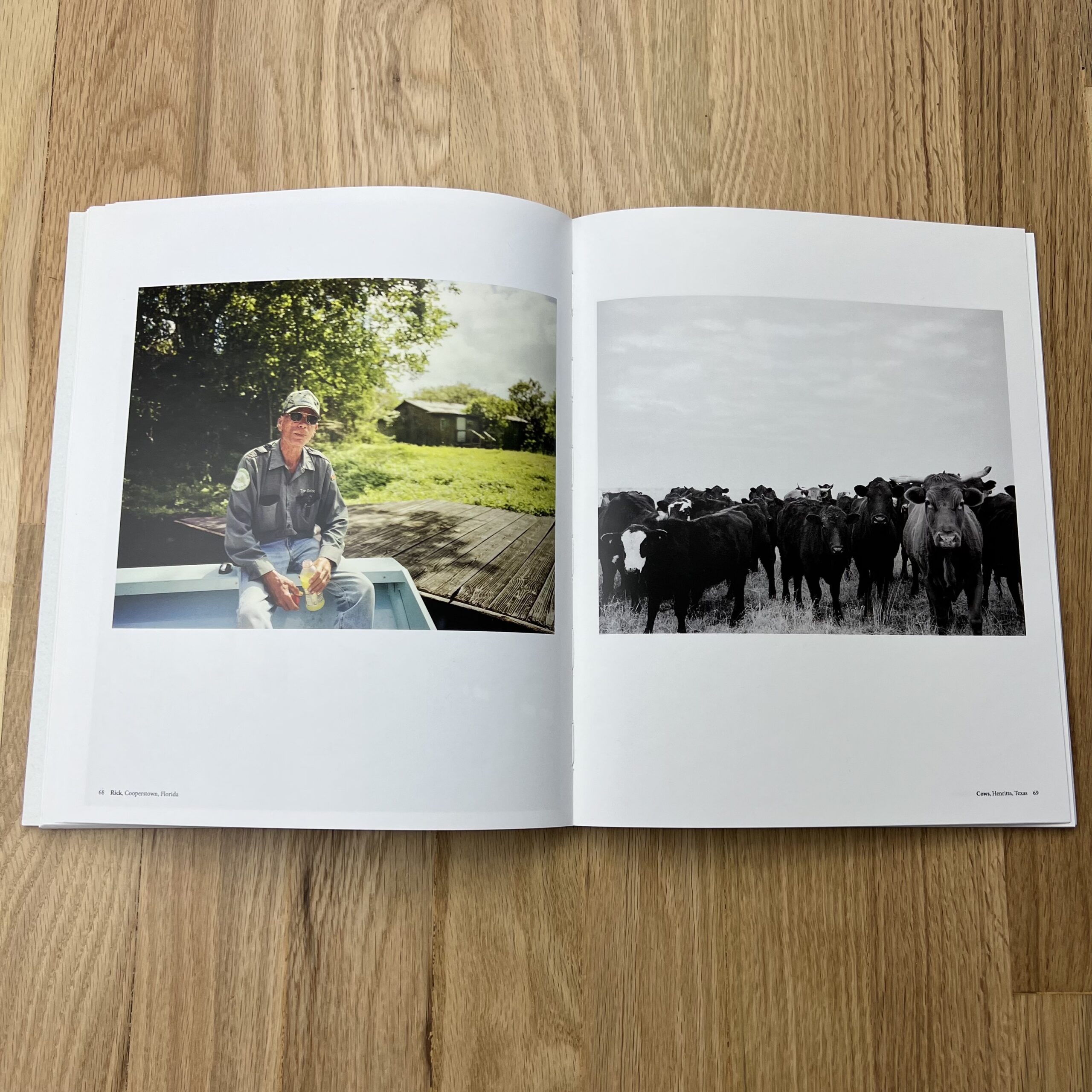
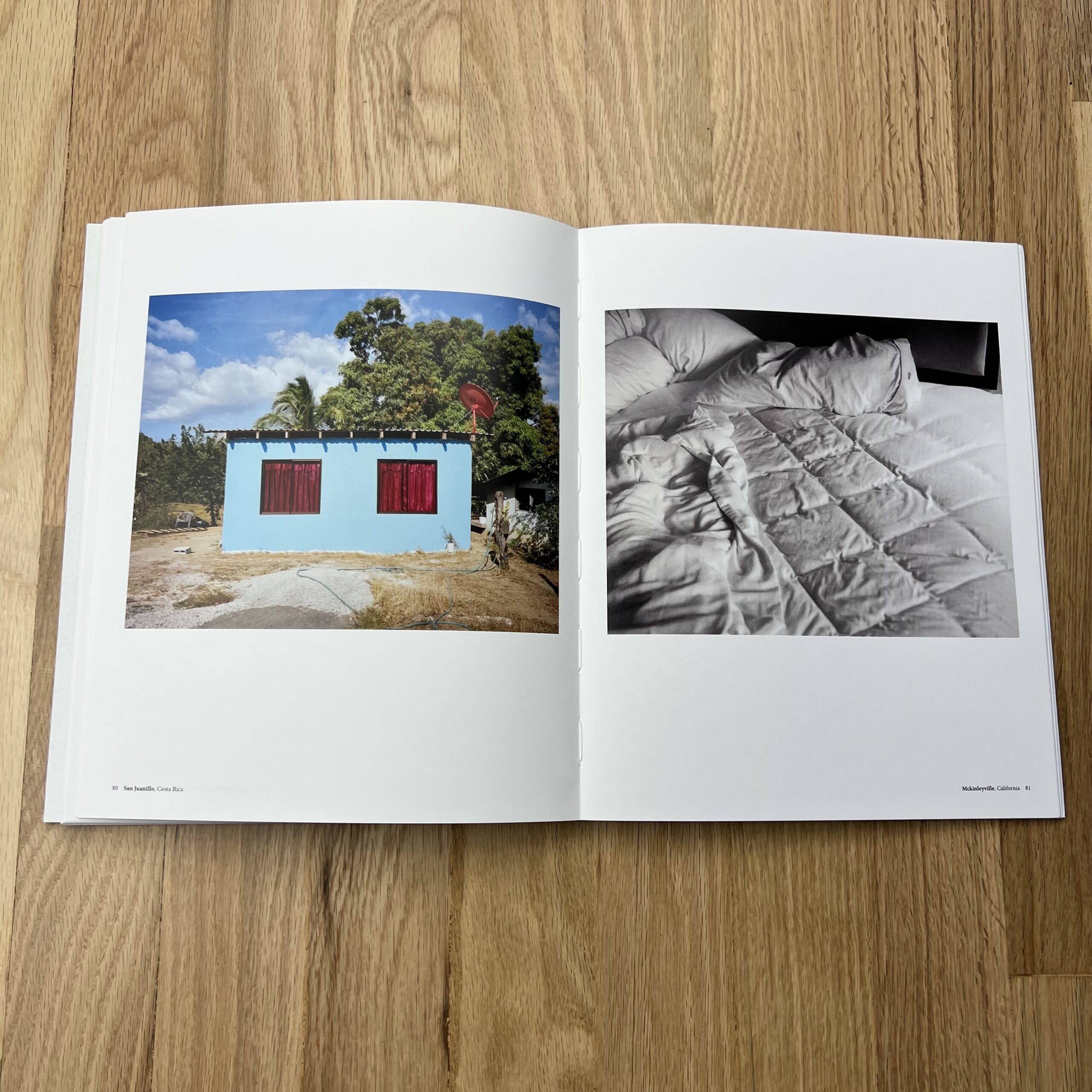
Between 2008 and 2020 I had been making work in my neighbourhood of South East London which I put out as a handmade book called Hinterland. I sold about 40 of these and received copious encouragement from my peers. But I didn’t know how to follow it up.

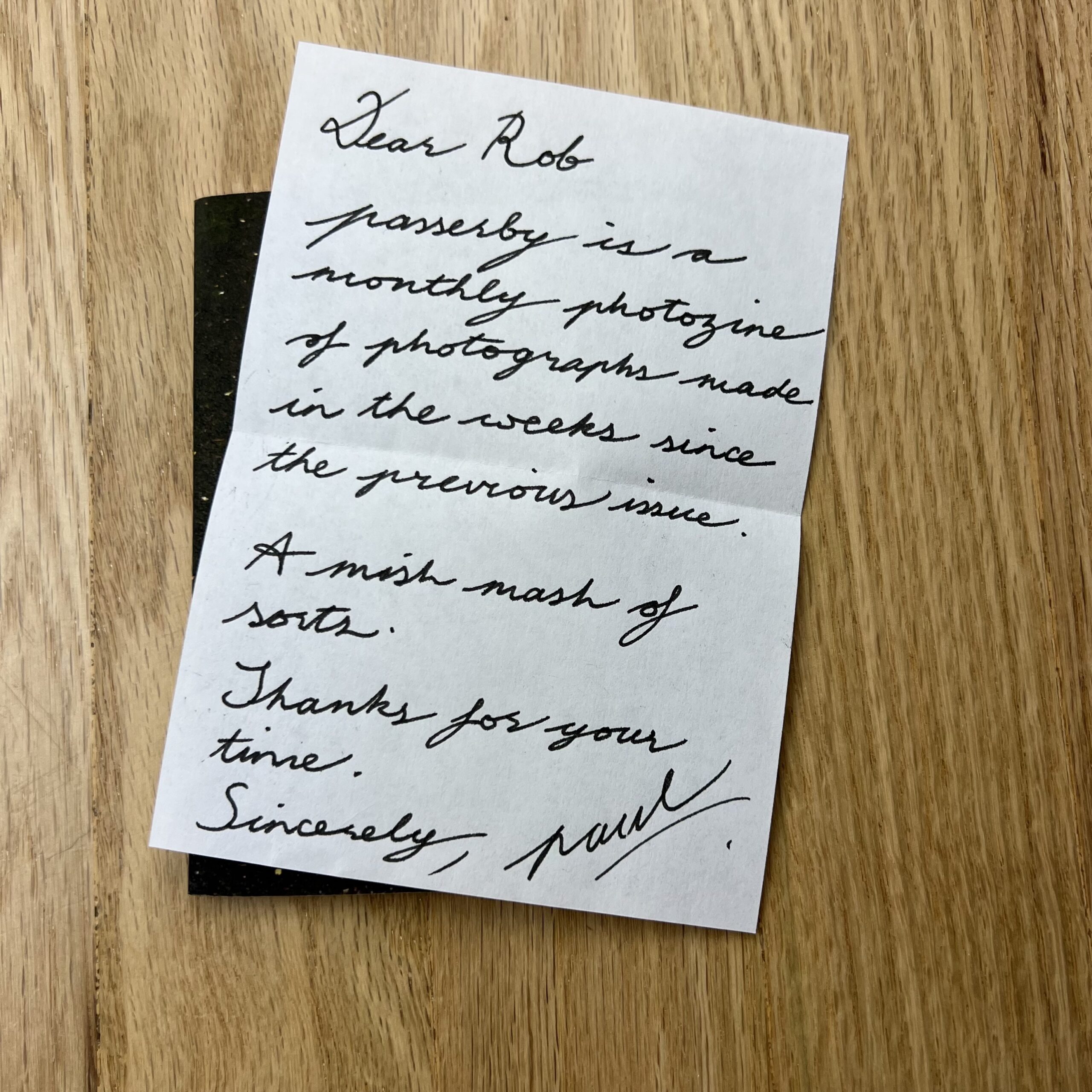
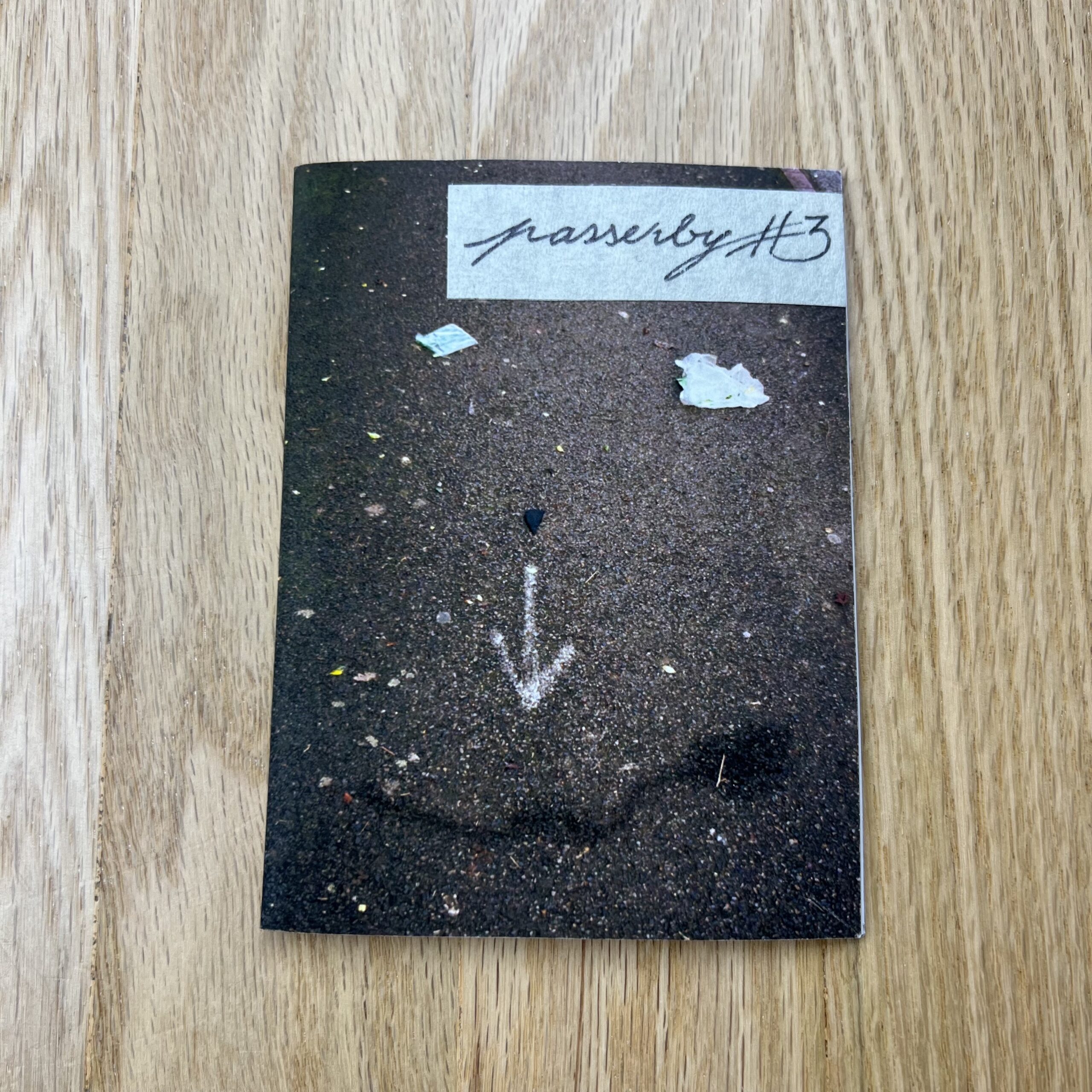
I continued making work during the pandemic which was featured on the BBC. Someone who had moved overseas years earlier had seen this work and it made them homesick. They contacted me and asked me to make work in their old neighbourhood for them over a period of time. I had no idea how to go about this. Their old haunts overlap with mine so I figured I would just keep doing what I was doing where I was doing it. So the Passerby Zine project emerged from all of these influences.

As I love the craft side of self-publishing and have some design chops having studied graphics in art school, I figured I would use the tools I already have to shoot, make and promote a periodical. I’ve been a serious street photographer since the late 80s and have a camera on me all the time so it seemed like an obvious thing to do.

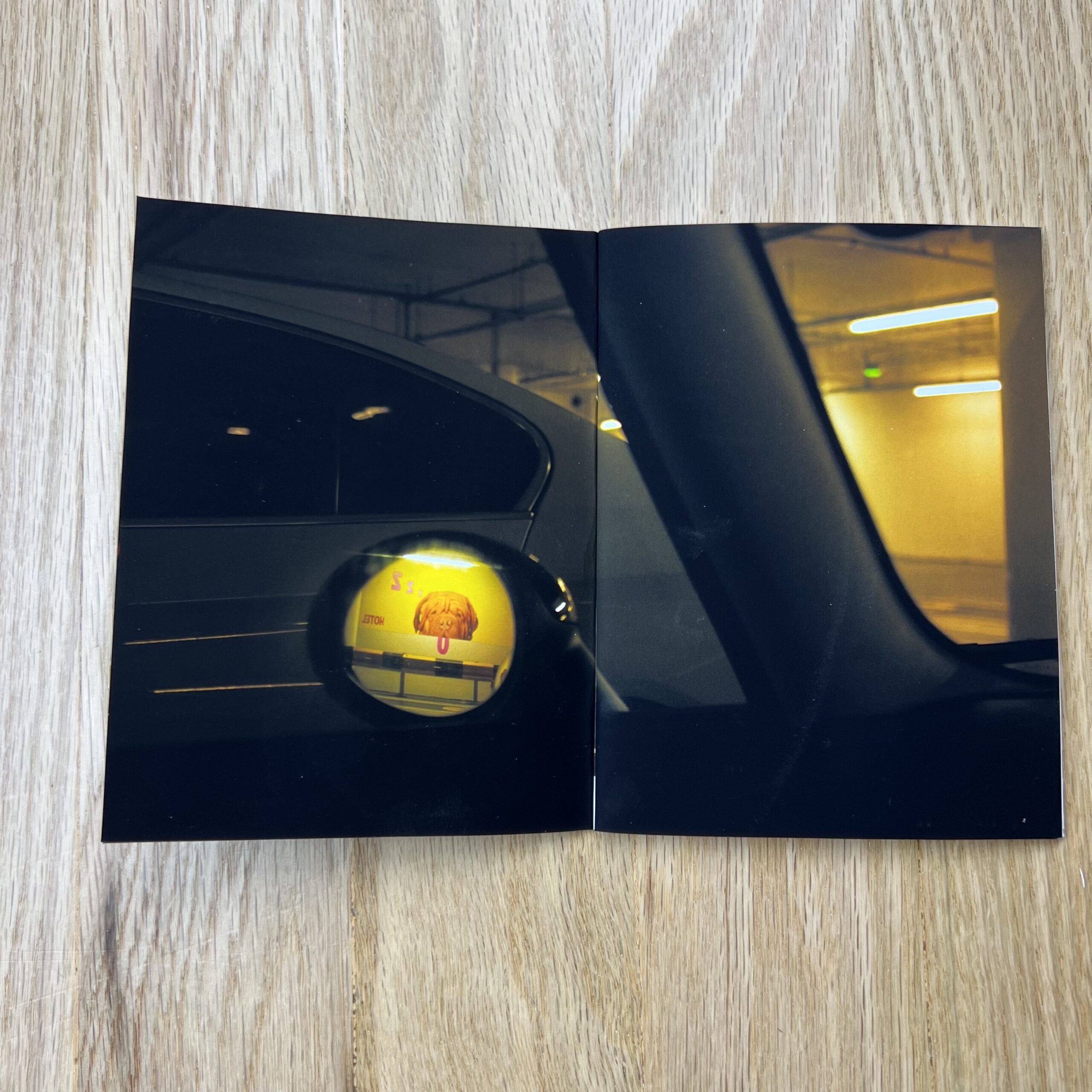
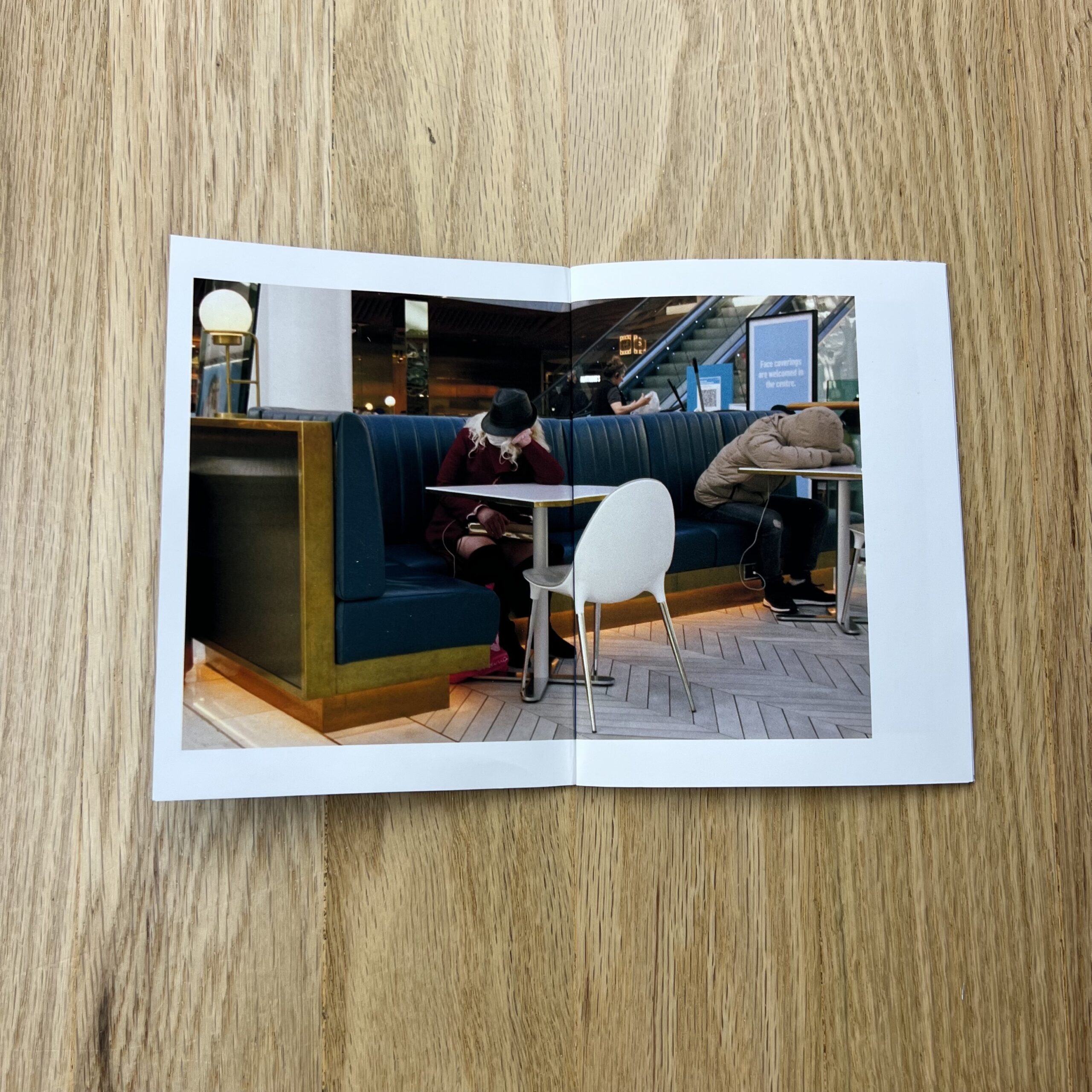
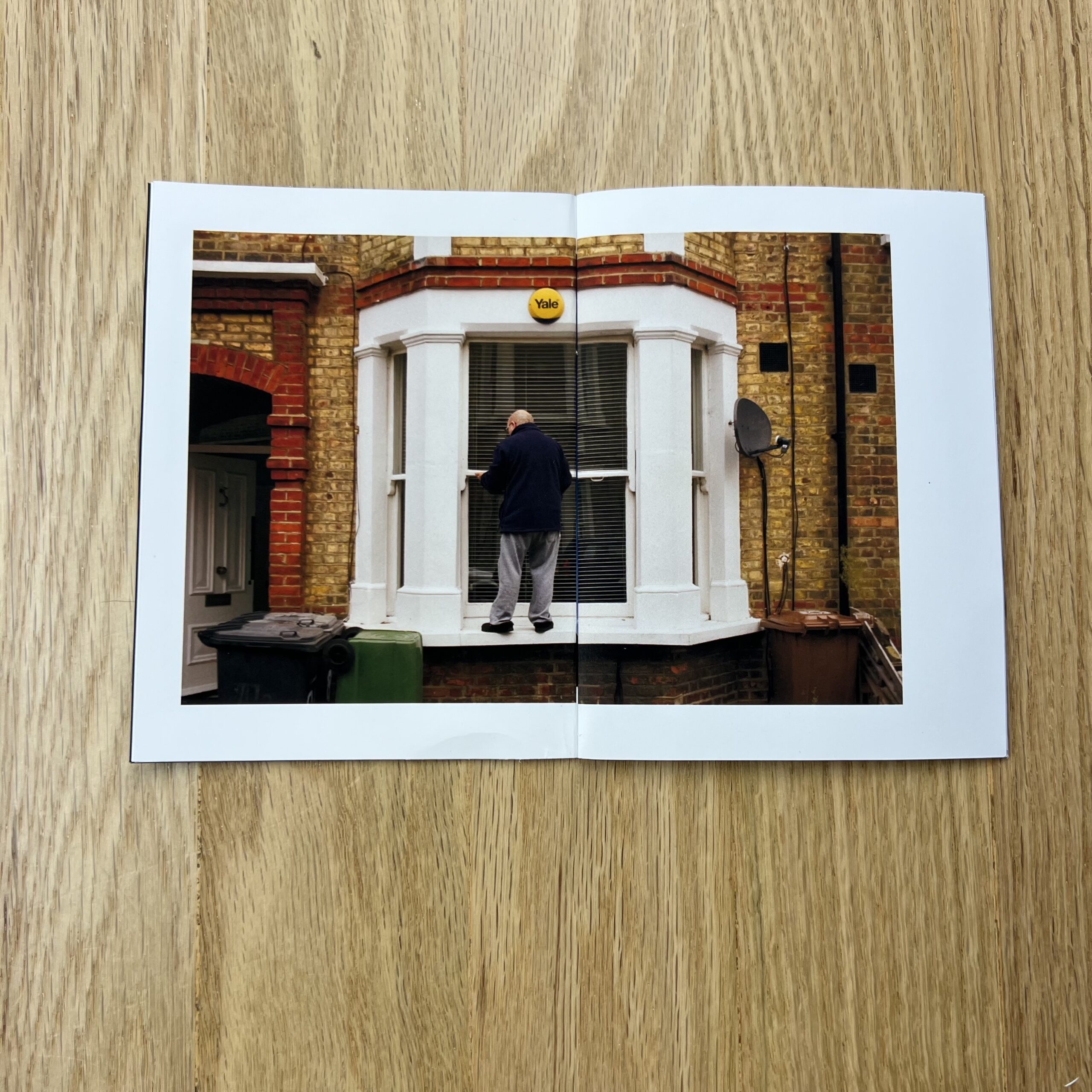
The plan is to gather a handful of decent images every 4-6 weeks then edit and sequence them into a tiny home printed zine. From each edit there should be some strong photographs that can then be submitted to my agency for curation and consideration for editorial and commercial licensing.

As I settle into this project I am already thinking of spinoff projects, including timed print sales and an annual best of book.

Niall O’leary, Creative Director at Millennium Images, said of my work the I “like to find mystery and menace in the everyday”. He’s right. And that’s what Passerby is all about.