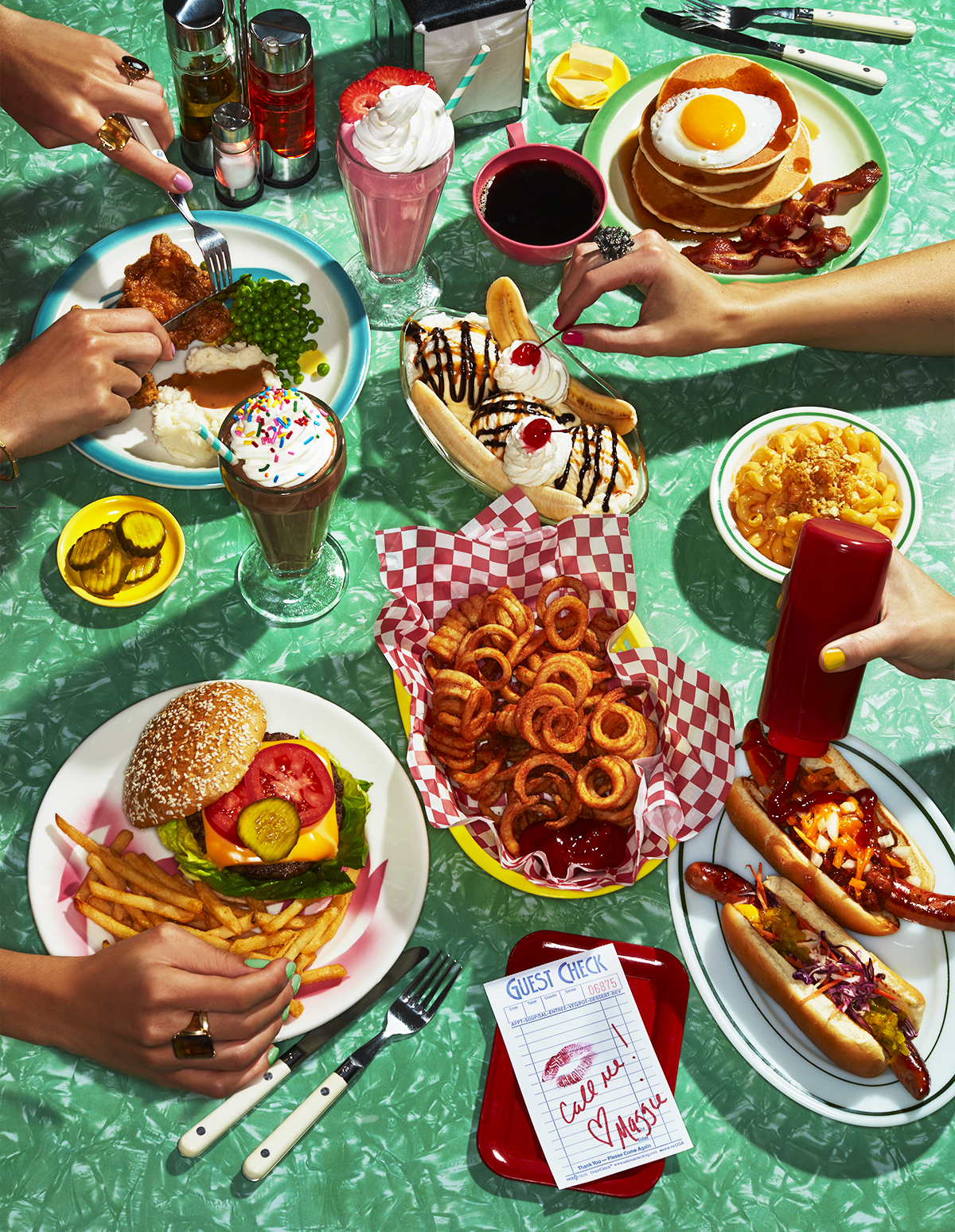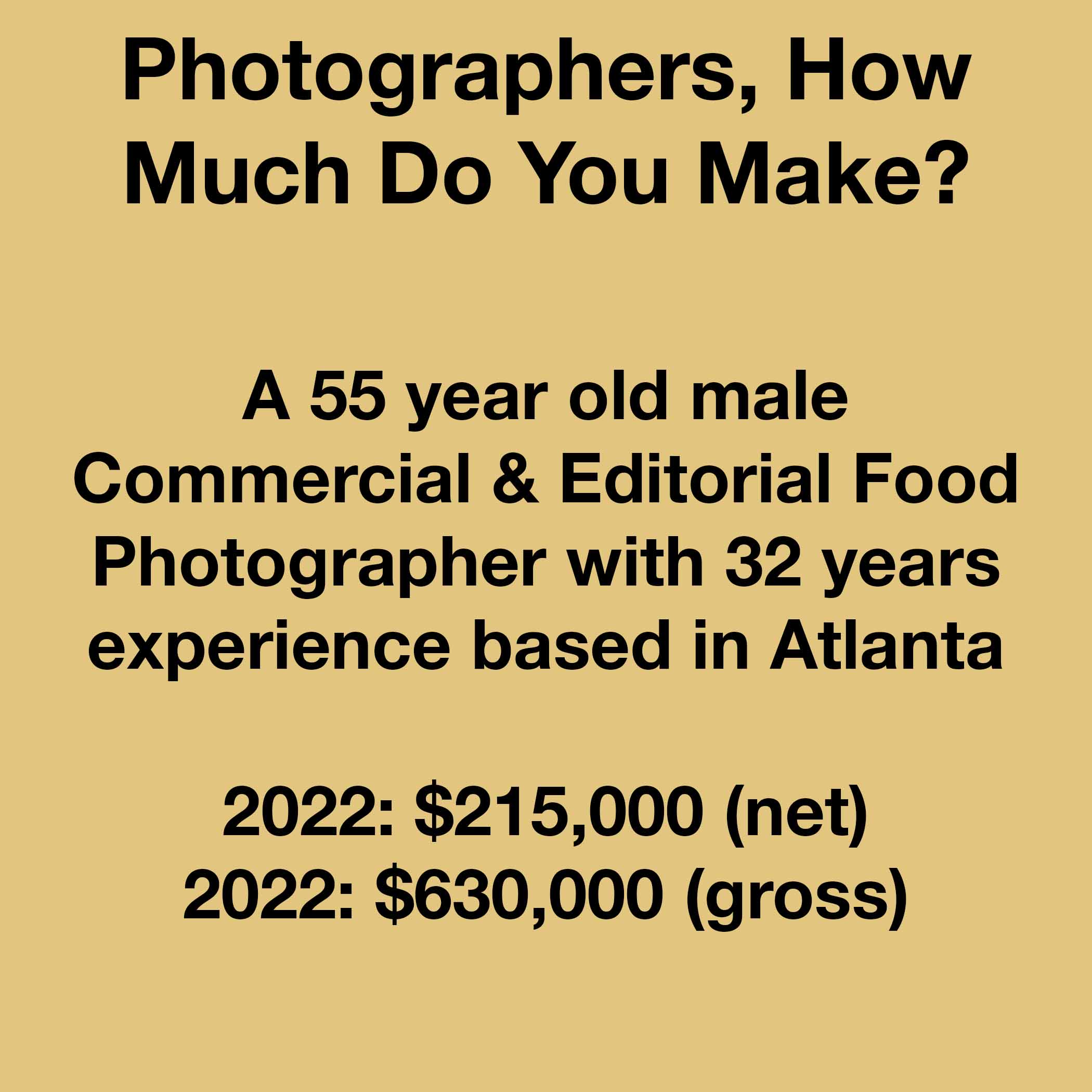
A Commercial & Editorial Food Photographer based in Atlanta: $215,000 (net)

I do shoot food related subjects too (Chefs, Bartenders, Farmers, Makers, some liquid’s etc). I’ve been lucky enough to be able to really specialize and think it has helped with longevity.

I do have a presence on Wonderful Machine, but not a rep currently. I have had maybe 5 reps over the course of my career. Some good, some not so. Some international and some regional. I think if you have a good relationship with a good rep, then it’s a win/win, but if the relationship is unbalanced, then it will never work as well as it should.

My income is 80% Commercial Clients, 20% editorial clients and of that 80% about 75% is stills and 25% motion. I am structured as an S-Corp.

I have a range of clients from global brands to small independent businesses like mine. The majority of my clients are corporations, so don’t do a ton of agency work-maybe 20%. Occasionally I’ll get an agency project, but honestly prefer to work direct with client. There seems to be less stress and clearer flow of info. A lot of agencies i’ve worked with over the years seem unorganized and unrealistic with their expectations-especially when it comes to pricing. Even though I’m based in Atlanta I don’t do much, if any agency work here. It tends to be other markets for me. I do feel that generally Atlanta agencies don’t have the budgets NY/CHI/West Coast have, so find myself getting priced out of the Atlanta market to a certain extent. If I do work locally, I do feel there’s a lot of pressure to price myself competitively with the local market, but I feel my experience and knowledge are what clients should value and if I’m expected to price myself to be competitive with some of the local shooters, then I’m already feeling slightly under appreciated. I’m more than happy to work locally, but there has to be some compromise, at least as far as i’m concerned.

I have 1 permalance assistant, 1 part time book keeper and permalance producer as well as a plethora of freelancers on a job by job basis.

My biggest overheads by far are studio & payroll. Studio Mortgage is reasonable at $1700 p/m, but the studio sucks cashflow out of my account as soon as it hits. I buy all my equipment and research thoroughly to determine if I will get value for money from it. Just today, I dropped $4300 for another Canon R5C as I have a video project looming and want to shoot it all on 3 R5C’s. Props & surfaces are a huge investment to stay current and contemporary, so that takes at least $1K a month & if I am shooting a larger project i’ll invest in props that I know I’ll be able to reuse, so will often spend well over that in a given month if there’s a big project going on. Marketing is another cash drain. I am committed to At-Edge which feel gives me a presence in agencies I wouldn’t necessarily get a ton of success marketing to directly and find their speed dating reviews to be great and really beneficial. Thats around $800 per month. I was doing Agency Access at about $165 a month, but just stopped this as I wasn’t getting a lot of traction and have replaced this with a custom marketing plan from Wonderful Machine which is too early in the process to know if it works. Studio insurance that covers both property and liability is about $500 per month. I pay myself through payroll so thats another $8K per month and supplement this by paying through distributions. My car is also paid by the business, so thats another $800. I pay myself via payroll and top that up with distributions.

My retirement is a combination of IRA, 401K and investments.

It’s around 6 days per month of actual shooting, so about 70 days a year, but there is so much to do in pre pro for my shoots, I’m always seemingly busy. This year, I wanted to spend more time in studio, so set myself personal projects when I’m not working on commissions, which has been great to rediscover some of the hunger that maybe got a little lost over the previous 6 or so years.

My income has stayed about the same for the last 8 or 9 years. We all took a hit during covid, but even though my hospitality clients stopped everything, the grocery store clients were keeping me busy. I have enough experience with all aspects of food photography I could work by myself and do the food & prop styling during the first few months. As more of us became vaccinated it was easier to hire crew again and get back to normal service. I do infrequently rent my space to trusted friends, but so far, luckily haven’t had to supplement my income.

Honestly every shoot is different. These days I seem to be ‘work for hire’ almost as much as I work via estimates/licensing, but even so, my work for hire clients generally pay my standard day rate. Obviously I don’t get to negotiate any licensing fee’s for these. For the clients I do work with via estimates, again each one seems different. My biggest paying client is global and I work for a day rate to include unlimited use in perpetuity that is $10K a day. On these shoots, we usually shoot between 6-8 images per day. Its not a huge project though, normally 2-3 days 3 times a year.

Most of my shoots are from 8am-6pm on shoot days, so a 3 day shoot would likely also have a full prep day, travel if on location or with one of my OOT clients, post work (I do my processing, simple retouching & color). The bigger retouching/compositing is sent out of studio. So a 3 day shoot really is about 6-7 days of my time. My prep/travel/pre light rates are $1k per day flat rate and for each 10 shots I charge 10 hours @ $100p/h for retouching.

Generally I pay assistants $500 per day for commercial clients and $350 per day for editorial clients. My permalance assistant also often doubles up as Digi Tech, so will also pass on that line item to him, so he can make $1000 a day on big shoots.

My best paying shoot in the last 2 years has been a menu/web redesign for a global QSR chain. It was 12 days of shooting 8.00am-6.00pm, 2 sets of stills (me on one set and my old assistant on the other), 1 set of motion. Not a very organized agency to be honest and partly explains why I appreciate working direct with client. They couldn’t give me an approved shotlist until the Friday before the shoot began on the Monday. So we were winging it and changing what I had proposed as the shoot order. They also couldn’t supply the quantities of food we requested so had to keep getting one of the restaurants to supply extra food. This did not go down well and we were thrown under the bus several times during the shoot for ‘not being organized enough’. I am too old to be thrown under the bus, so I did not accept this and immediately pointed out all the things they failed on to their client. They also kept adding shots, or tried to. Not even sure if this agency and client still work together. Needless to say though, we didn’t have any further problems during this shoot. The shoot overall was about $200K and after my overheads and crew costs, I made about $50K but with all the extra work reorganizing schedules and late nights reworking production books it probably took about 4 weeks of my time all told. so although a pretty big invoice, a lot of it went out to crew.

Editorial is so poorly paid now that I will shoot if its a story I’m excited about. Generally paying about $600-$1K per day. On those though, they are usually really fun so the pay off is work I’d likely use in my book and relatively stress free days.

I was doing WFH for a small agency working on a national chain for $1500 a day as I really liked the people I worked with, but after a disagreement with their client, who basically told me how to light his shitty product I told them I was done with giving them an unbelievable rate and they’d have to go with my regular standard rate. Needless to say, I’ve never worked with them again.

For marketing I’ve tried most things over the years. I’ve done all the source books at one time or another. I’ve done face to face with At-Edge over the years both in person and virtual, I’ve done printed promo’s at regular frequencies, i’ve done sporadic promo’s, i’ve done very targeted custom lists and also done the old school cold calling. Generally though I find most of my work comes through referrals from past/present clients. About 60% of my work comes from clients i’ve been with for 10+ years, so maintaining those relationships is important. I’m no kiss-ass though, so don’t send gifts, or take them to dinner unless we already have a project to discuss. I always liked face to face meetings & without things like At-Edge its really hard to get face to face meetings these days from cold calls. Obviously having a stellar website with good SEO optimization is probably one of the best marketing tools that works for me. I actually stepped back from Instagram as I don’t think my typical clients would source their photographers through this medium.

Best Advice: I always say something that was instilled in me when I started assisting and that is ‘you are only as good as your last shoot’. Meaning I won’t be remembered by a client for what I shot 10 shoots ago, so I approach each shoot like its my first one with that client.

Worst Advice: We can fix it in post.
It’s made us lazy IMO, and although there is some need to retouch & fix, its usually because we don’t have either the product or time to get right on set. Back in the day when shooting film, we’d probably only shoot 2 or 3 shots a day, but now its in the region of 6-8 generally, so don’t always have the time to get it right first time. Also as I deal with food, almost every food item will be different to the last. As an example, if I’m shooting steak, we could have a really beautiful steak, perfectly seared, fat lines in all the right places and when its cut it could look horrible. In the past, we factored this into how many shots a day are achievable and have the time to find the perfect steak, but now with more shots expected and smaller budgets for everything, we don’t have the time or in many cases, enough product to ensure we get it in camera.

Honestly this is all subjective, but for starters don’t be a jack of all trades. Even though I have the experience to shoot, food style and prop style, I would only do this if it was totally unavoidable such as when covid hit. A great food stylist will almost certainly give you better results than doing it yourself. Same applies to prop styling. A great prop stylist will almost always go the extra mile for a thin glass if we’re shooting drinks. I remember saying to an emerging prop stylist that I don’t expect them to style and purchase from chain stores as I could do that. I think that was a light bulb moment for her and although I can’t be credited with her establishing herself, she took on board what I said and has become quite well known and when we get to work together, she often brings this up as good advice.

Also, test as much as you can. Its so easy to get complacent-i’ve been like that many times, so keep engaged and focussed. I offer my space to any of my assistants to use if theres no shoots and most don’t take me up on it. Some do-which has always been great to see.

The biggest advice I have though, especially to those trying to take it to the next level is to really understand your market. Price yourself appropriately. Ask questions of your client. Before you even submit an estimate ask the client what their budget is. You might be surprised. If you low ball its really hard for you to get rates you probably could get. It hurts everyone. Some clients take that and use it against the entire community. Also, If you low ball and mess up, it doesn’t leave much in the pot for someone like me to reshoot. I can’t tell you how many times i’ve been asked to reshoot a project only to find out there is no budget because it was all spent on the first go. I know that doesn’t help nail the job first time, but it at least provides a bar for everyone to be more or less competitive with each other.

I honestly don’t know how we got to be shooting more than 8 shots a day, but again, it happens. Don’t be desperate and offer more than you can comfortably offer with the quality the client expects. I got offered a project last year through a huge agency and they wanted 16 shots in a day with video for 2 of them and they said this was standard. Not in my studio it isn’t. It’s less than 30 mins per shot with set changes and is impossible to do with any lasting quality. Once I broke it down like that they said I could bid it as a 2 day shoot. Needless to say I didn’t get that project & honestly didn’t want it, but at the very least I bid it as it should have been bid. I know they said it was too expensive, but in my mind it’s their loss. A slightly better budget would have proved beneficial for everyone. No-one wants to work 16 shots a day especially food stylists. It’s really demanding on them and I personally have their backs and know with almost certainty what it should take.

I have a saying I use as a mantra: ‘You can have cheap & you can have good, but you can’t have them both’.
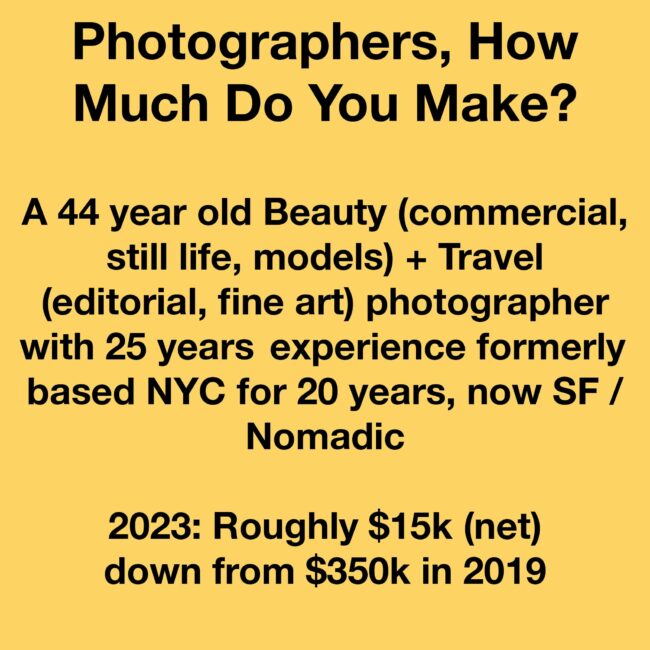
A Beauty (commercial, still life, models) + Travel (editorial, fine art) photographer: Roughly $15k (net) down from $350k in 2019

Most of my income was from the beauty industry in NY. Everything disappeared last year and I’m focusing on travel + travel writing now.

Up until last year: Commercial beauty 90%; Travel 10%. Clients included L’Oreal.

Now travel / editorial 100%. Clients are small editorial + gallery.

I have retirement savings and max out my SEP IRA each year.

Work days when I travel are vague because I’m not shooting every day.

I was bringing in $400k in the years right before Covid, but as of early last year, everything disappeared.

When I started shooting travel assignments, I began writing the stories as well. This really clicked for me creatively and the editors who knew me responded very well to it.

My previous beauty shoots: 1-2 days per month, 8-10 hours. Pre-covid $7k/day + roughly $10k retouching per shoot day. Licensing was all usage (digital, POS) except advertising.

Post covid, rates were slashed in half and the amount of work by a small fraction. Then everything disappeared.

Travel editorials: usually 1-2 weeks, $5K for images + story. 1-2 assignments per year.

Best recent shoots:
1. Retouching-only gig for Mac Cosmetics (APAC), about $10k for 10 images.
2. Travel Assignment in Bora Bora – $5k but everything was sponsored so zero expenses. I ended up getting 3 editorial stories + two fine art print sales ($4k) from that one trip.

Worst recent shoot:
God help me. It was an editorial cover story for The Explorers Club in NY. I did a trip to Vanuatu independently and the editor had seen some of the images and a story I wrote in another magazine and asked if I could do one for their magazine The Explorers Journal. It was of course for free but I thought it would be a great opportunity. I wrote a new story from scratch and gave her the best images. No response. I followed up again and again as she said it would be for the forthcoming issue. No response. After all that work I had done for free, she ghosted me. I was furious. She finally reappeared 6 months later and said it would be a cover story in the next issue and that she’d love to meet me and bring me to the club to get to know everyone. Great! She took the images and story, and never responded to a thing after that. Just appalling. I know I’m not alone in saying this but the level of ghosting and unresponsiveness in our industry has reached an unbelievable high.

I started learning video editing during covid and discovered I quite liked it. I’m just doing small projects with my iphone to practice and build a reel but maybe it’ll turn into something more.

I’ve tried everything for marketing from Agency Access (doesn’t work) to posting more on social media (doesn’t work) to networking events (doesn’t work). The only thing that has ever worked is pure word of mouth. When I let go of trying, things happen.

Best advice: when the creative director of Random House forced me against my will to write some travel blog posts for a Fodors rebrand. That turned into one of my biggest creative successes.

Worst advice: it’s ALWAYS something I never asked for and is always along the lines of “you just have to put yourself out there and demand to be seen”.

I share the frustration that ghosting and unresponsiveness has reached an all time high in this industry. My #1 client pre covid hadn’t paid me for 9 months yet I was still working nearly 7 days a week for them. The one in charge would post selfies all day long but “not have time” to deal with AP. I feel that the entire industry right now is a dumpster fire, everything is changing but no one knows what it’s changing into. The old trajectories don’t exist anymore and neither do the destinations. I feel like it’s time, at least for me personally, to take a step back and let the industry figure its shit out. We can blame it on social media, we can blame it on Gen Z’s taking the helm and not knowing how communication works, we can blame it on companies not willing to commit or invest in quality work, and we can blame it on magazines disappearing. But the unresponsiveness from people is what kills me. And I know I’m not alone.

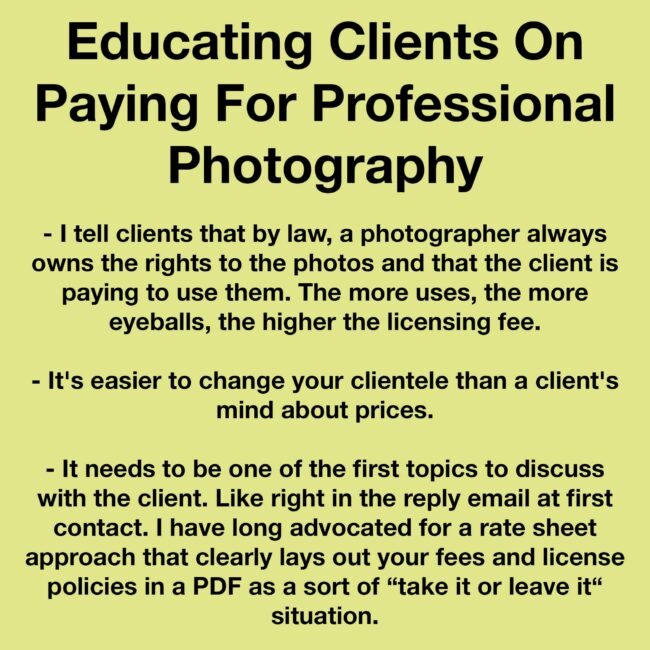
Educating Clients On Paying For Professional Photography

My rate structure explains what kind of usage is included and not included and it’s sent to them the minute they reach out to me, so they know. If they question the usage, I blame the government lol. I tell clients that by law, a photographer always owns the rights to the photos and that the client is paying to use them. The more uses, the more eyeballs, the higher the licensing fee. And they sometimes retort with “But so-and-so doesn’t charge me like that, I just get everything in the day rate…” And I reply “I know it’s confusing because every photographer creates the rate structure that works best for them.” I have heard that in markets outside of NYC/LA, photogs don’t always charge for licensing, so I think it’s a less challenging convo here in NYC. But the firmer I am on my policies/boundaries, the better my clients have gotten. It can be scary to say no to money, but I find it’s an energetic thing: say no to clients that question my business practices and my rates and yes to other prosperous people that value my worth.
– @reganwoodphoto

About 10 years ago, I got, from John Keatley, one of the best advices about pricing: it’s easier to change your clientele than a client’s mind about prices. If a client doesn’t understand usage, cost of doing business and production, I respectfully tell them we’re likely not a good match for their job.
– @pedrontheworld

It needs to be one of the first topics to discuss with the client. Like right in the reply email at first contact. I have long advocated for a rate sheet approach that clearly lays out your fees and license policies in a PDF as a sort of “take it or leave it“ situation. It shows potential clients that you are confident in your skills and pricing and leaves less room for haggling. Of course, this doesn’t work for all jobs, but it covers me for 80 to 90% of what I shoot. I imagine most photographers with the exception of purely agency repped advertising photographers could probably benefit from a similar approach.
– @apalmanac

This is a helpful resource: https://artistmanagementassociation.org/usage
– @post_photography

I find that even big companies in big cities still don’t understand licensing, prices. Or they do but they want it cheap and easy. Sometimes it’s better to walk away from a big name to prevent a headache. Stick to companies and clients who care!
– @karinnagylfphe

I fired clients several times early in my career. If you’re not a nepo baby you have to start at the bottom. Eventually my business was not able to afford working for certain clients so they had to go. Low-budget clients won’t suddenly come up with a pile of cash so fire them (kindly) ASAP. It’s just business and they’d do the same to us.
– @giuliosciorio

enjoying music personally on Spotify, but that doesn’t mean you can download it and use it on your YouTube video.
– @frenchlyphotography

When I get to that point, I explain what needs to be explained and then follow it with “sorry for all of that legalese, but this is how my industry operates. The bottom line is I’m making you images, and you have the license to use them how we discussed.” Works 9/10 of the time.
– @dave_pluimer

The Association of Photographers have a calculator for commercial photography. I have a gentle letter that links to the calculator explaining why commercial photography has usage limits and different pricing from personal photos.
– @really_rielle

https://digitalartthatrocks.com/blog/2020/11/10/what-is-a-usage-license-a-clients-guide-to-licensing-commercial-photography this article is a good start for the folk in the states
– @mauro_palmieri_photographer

I’m hearing a lot of ppl say just leave the client if they don’t understand. No. It’s so important to educate your clients even if you don’t want them. It’s all of our jobs to hold an industry standard and explain usage.
– @angela_peterman

This is a valid topic with a simple (and not so simple) answer. Simple: if you want your clients to pay more, illustrate and validate your value. Clients don’t just pay more because you’re telling them your services cost more, per se. Tell them WHY your services cost more (Experience? Special skill set? Ability to herd cats while still delivering A+ work?) What is it that makes you worth more? Not so simple answer: outside of big (or at least bigger) budget clients accustomed to 5 to 6 figure shoots, the creative fee + licensing model is antiquated and a huge stretch for most. Love it or hate it, it’s true. That doesn’t mean, however that you can’t still incorporate usage and time parameters into your fees. Simplify it for the client. Make it easy. Give them a lump “creative fee” that incorporates the your time and shooting skill/experience, specific deliverables, as well as usage and time parameters on the deliverables. This has been a common approach for me for the majority of my clients over the years and it is more effective, easier to understand and nearly always nets me more $$$ in the end. Ultimately, small market clients aren’t going to pay big market rates nor are they going to acquiesce to big market pricing strategy/mentality. You could educate and pontificate on your value till you’re blue in the face, but eventually you’ll realize that small market clients have a tolerance ceiling for what they’re willing to pay. And if you want to make more money, you’ll need to dial in larger market clients.
– @adambarkerphotography

I always give the example of doing a photo shoot for a small mom-and-pop coffee shop versus doing a photo shoot for Starbucks. Both shoots would have the same creative day rate and resulting photos would still be of coffee, people, places. Then, that gives me the opportunity to talk to them about usage and scale. They get it every time.
– @karlo.photo

The Art of the Personal Project: Margaret Lampert

The Art of the Personal Project is a crucial element to let potential buyers see how you think creatively on your own.  I am drawn to personal projects that have an interesting vision or that show something I have never seen before.  In this thread, I’ll include a link to each personal project with the artist statement so you can see more of the project. Please note: This thread is not affiliated with any company; I’m just featuring projects that I find.  Please DO NOT send me your work.  I do not take submissions.

Today’s featured artist:  Margaret Lampert

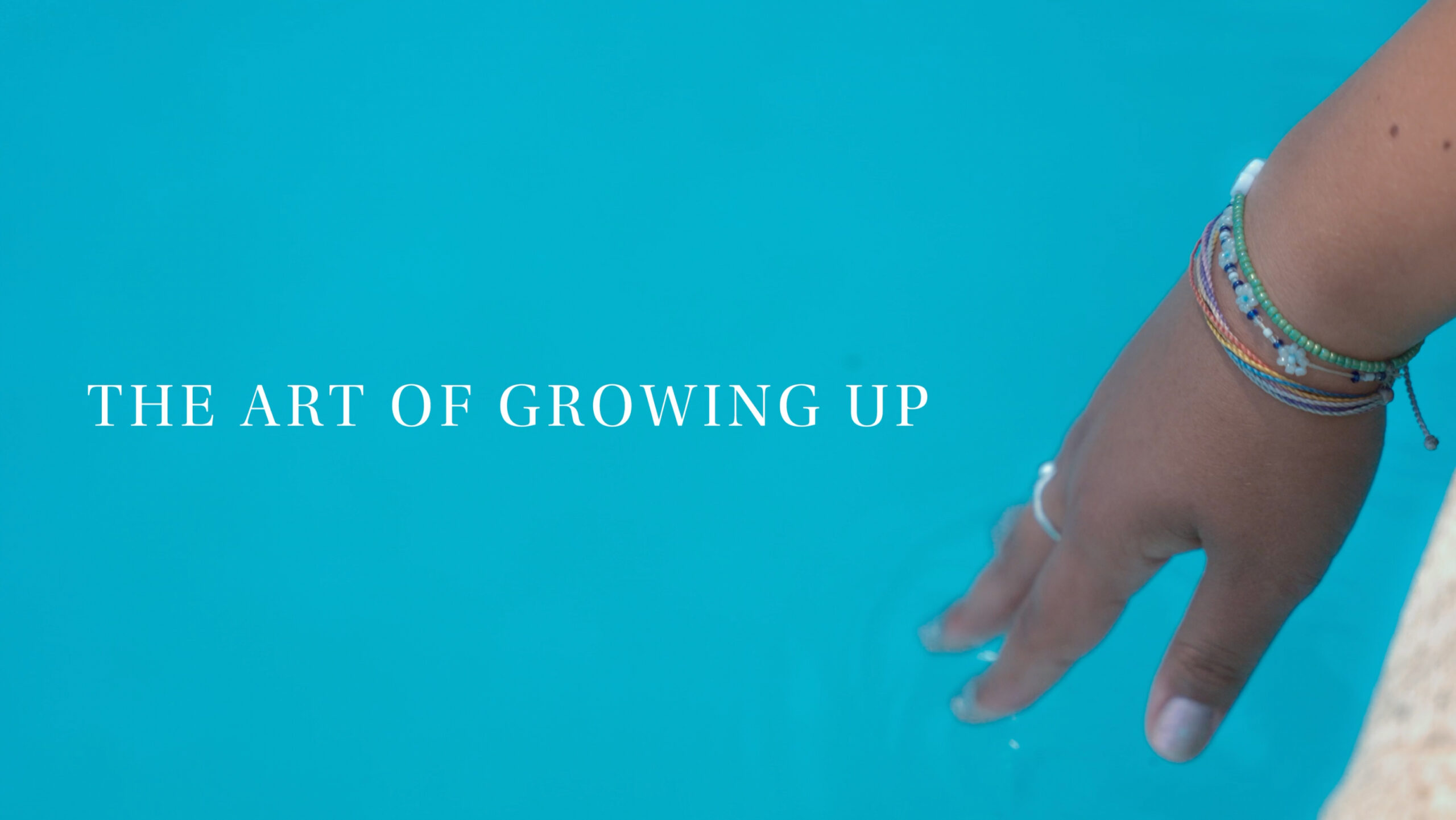
The Art of Growing Up

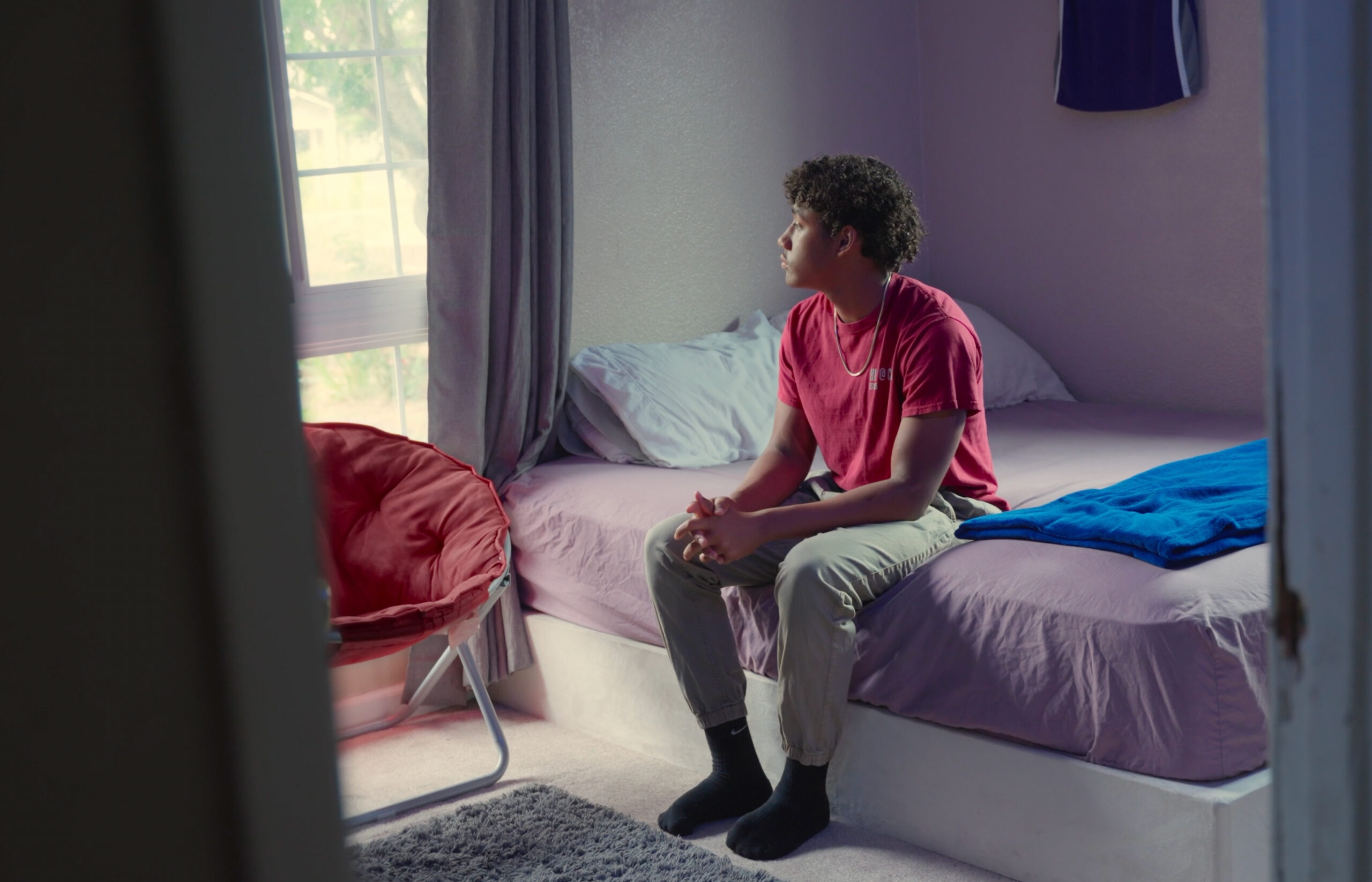
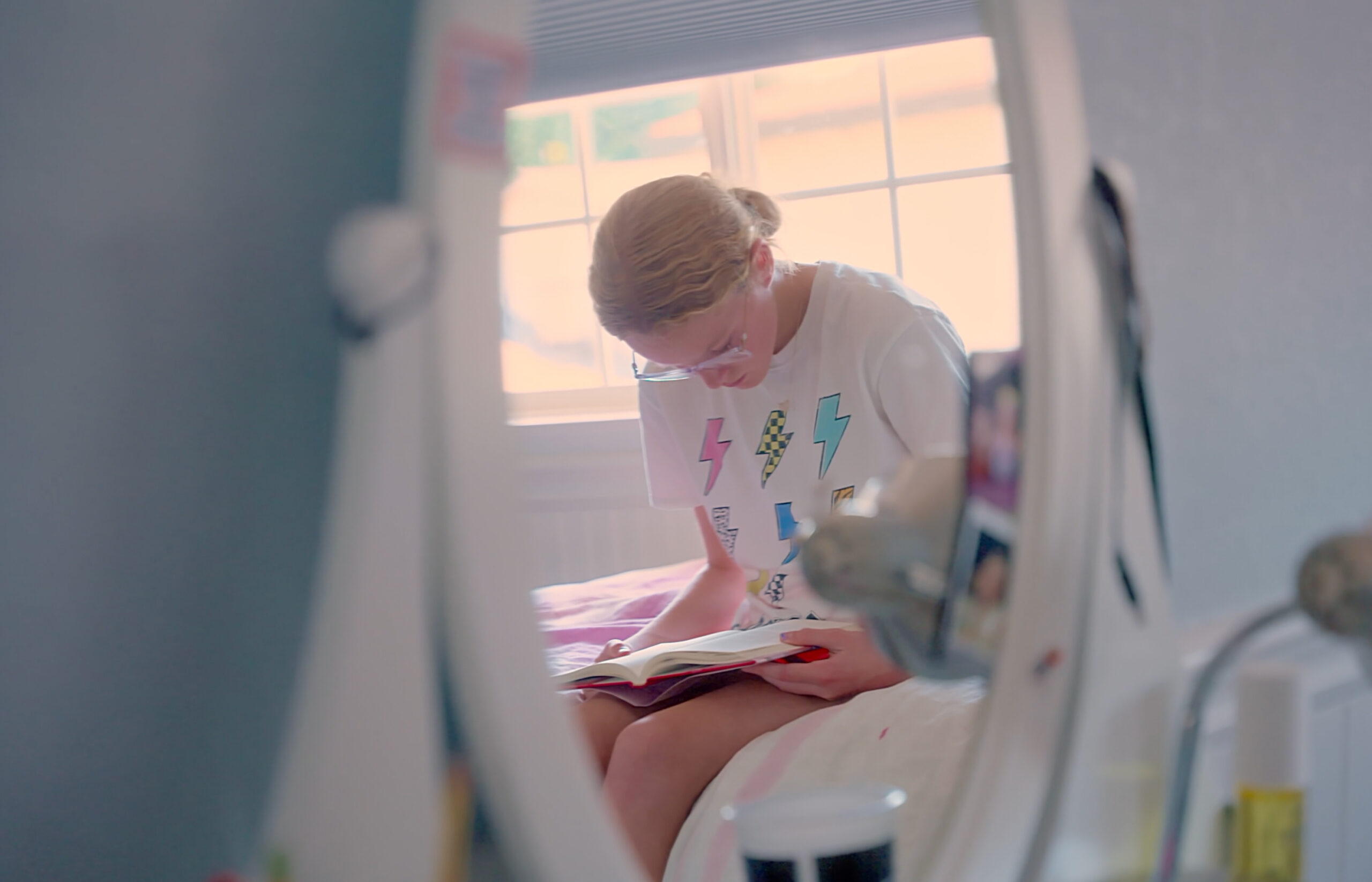
My documentary short, The Art of Growing Up, was inspired by a conversation I had with a mother of three about how one speaks to young children about all the craziness of the world we inhabit; how to make sense of so many things that are completely and utterly senseless. She said that, of course, these conversations are excruciating but so necessary, and that it was in these children she found hope for the future.

Since every advertising project includes a motion component, as photographers we must all demonstrate our ability to direct. Rather than showcase this skill through work made for clients I decided the most powerful way to make my case was to concept and direct an original piece.  As a lifestyle photographer I have always tried to set my work apart by capturing moments that feel completely authentic rather than performances conjured up only because a camera is present. As my goal was to show how my still work translates to motion, I decided I wanted to tell a story that was as authentic and honest as my still pictures.

I first presented my idea to a team I had worked with previously: creative director Andrea Diaz-Vaughn and producer Sarah Clough. They were both immediately enthusiastic about the project and collaborated with me on every detail related to bringing this idea to life including sharing family, friends, countless hours, and most of all their expertise in concepting, scripting and storytelling. Their passion for the project and guidance in the development and execution of the piece made it all possible. After seeing my DP Aurora Brachman’s short film ‘Joychild’ I knew she was the perfect fit both in terms of sensibility and her extensive experience working with kids and teens. Editors Jeff Ledell and AJ Serrano wove it all together so artfully with the perfect combination of voices, b roll & music. Our team was small but mighty and I am so proud of what we’ve created.


To see more of this project, click here

Instagram

APE contributor Suzanne Sease currently works as a consultant for photographers and illustrators around the world.  She has been involved in the photography and illustration advertising and in-house corporate industry for decades.  After establishing the art-buying department at The Martin Agency, then working for Kaplan-Thaler, Capital One, Best Buy and numerous smaller agencies and companies, she decided to be a consultant in 1999.  Follow her at @SuzanneSease.  Instagram

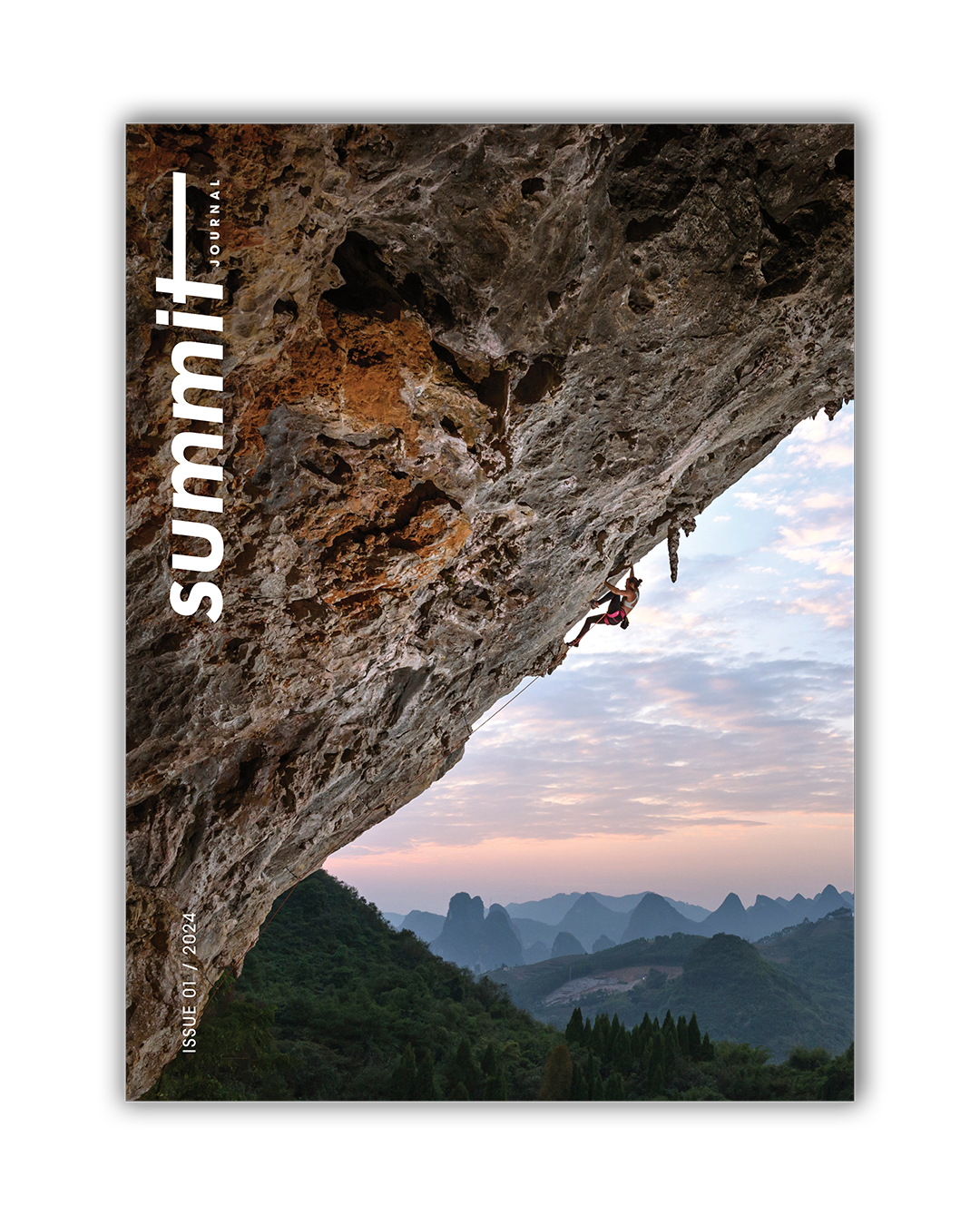
The Daily Edit – Summit Journal: Michael Levy


Summit Journal
Editor: Michael Levy
Creative Director: Randall Levensaler

Heidi: As a senior editor for many titles in the outdoor industry, you’ve seen dramatic change, why resurrect a magazine, and why summit journal?
Michael: There are a few reasons, I guess. Some of it had to do with other examples I’d seen of that. Duane Raleigh, my former boss at Rock and Ice magazine, bought the rights to Ascent magazine in the 2000s at some point. Ascent had been an annual climbing publication put out by the Sierra Club, and it did some incredible stuff, but it was well past its heyday by the time Duane acquired it. He breathed new life into it and created a wonderful new version of Ascent that – until a couple of years ago when it ceased publication – was the best climbing pub around, for my money. 

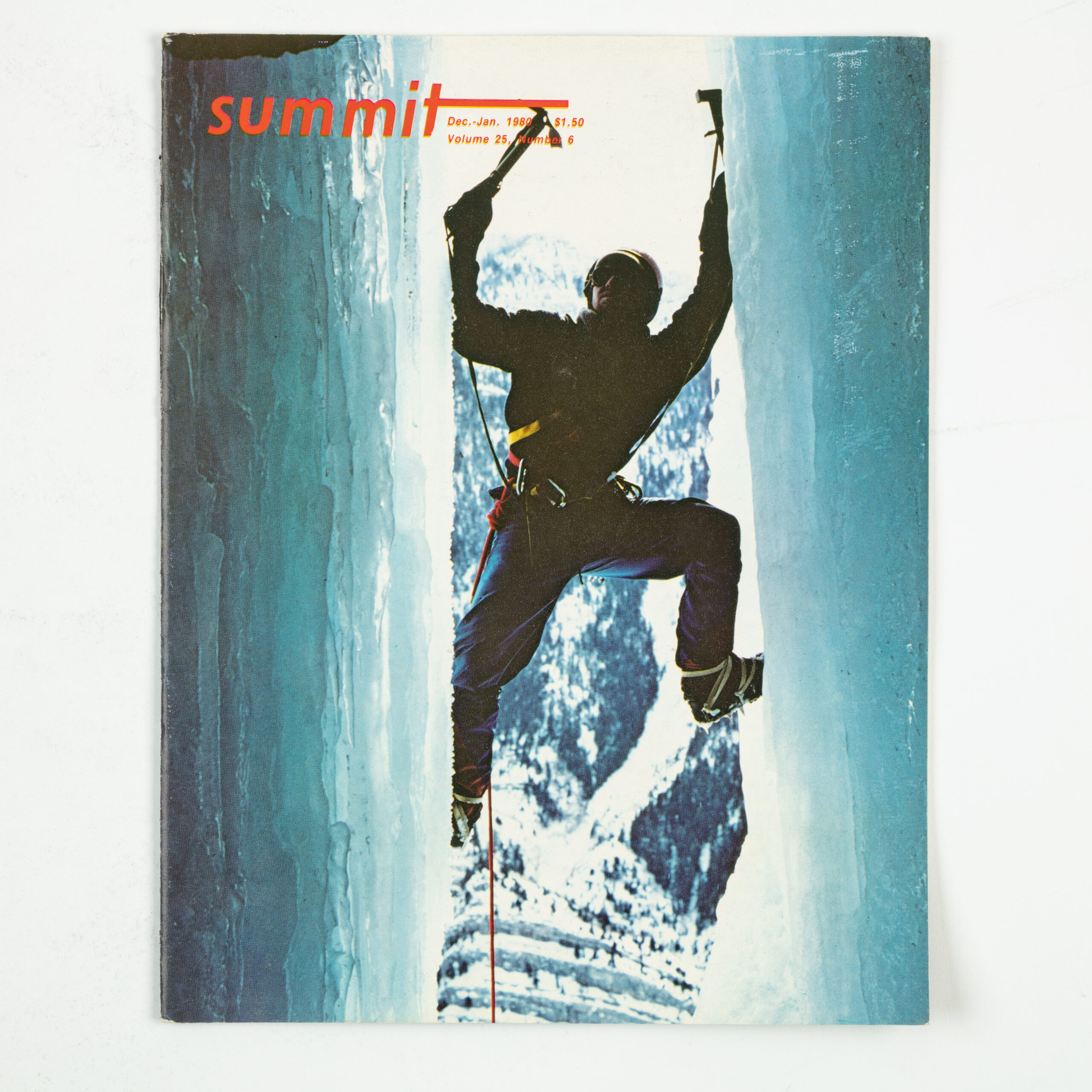
And so that model, of resurrecting a former title, really intrigued me. It allows you to leverage an older publication’s wonderful history and legacy, but also do something new. To have kind of the best of both worlds. Summit had been on my radar for a number of years. In the back of my mind, I’d always thought it seemed ripe to be resurrected. It was the first monthly climbing magazine in America, founded in 1955 by two women, Jean Crenshaw and Helen Kilness. They were visionaries, way ahead of their time in terms of climbing journalism. And so for a long time, Summit was the climbing magazine. Jean and Helen published it until 1989, and then they sold the rights. The title had a second life from 1990-1996 as a glossy quarterly that also did some great stuff. And since then it’s been dormant. 

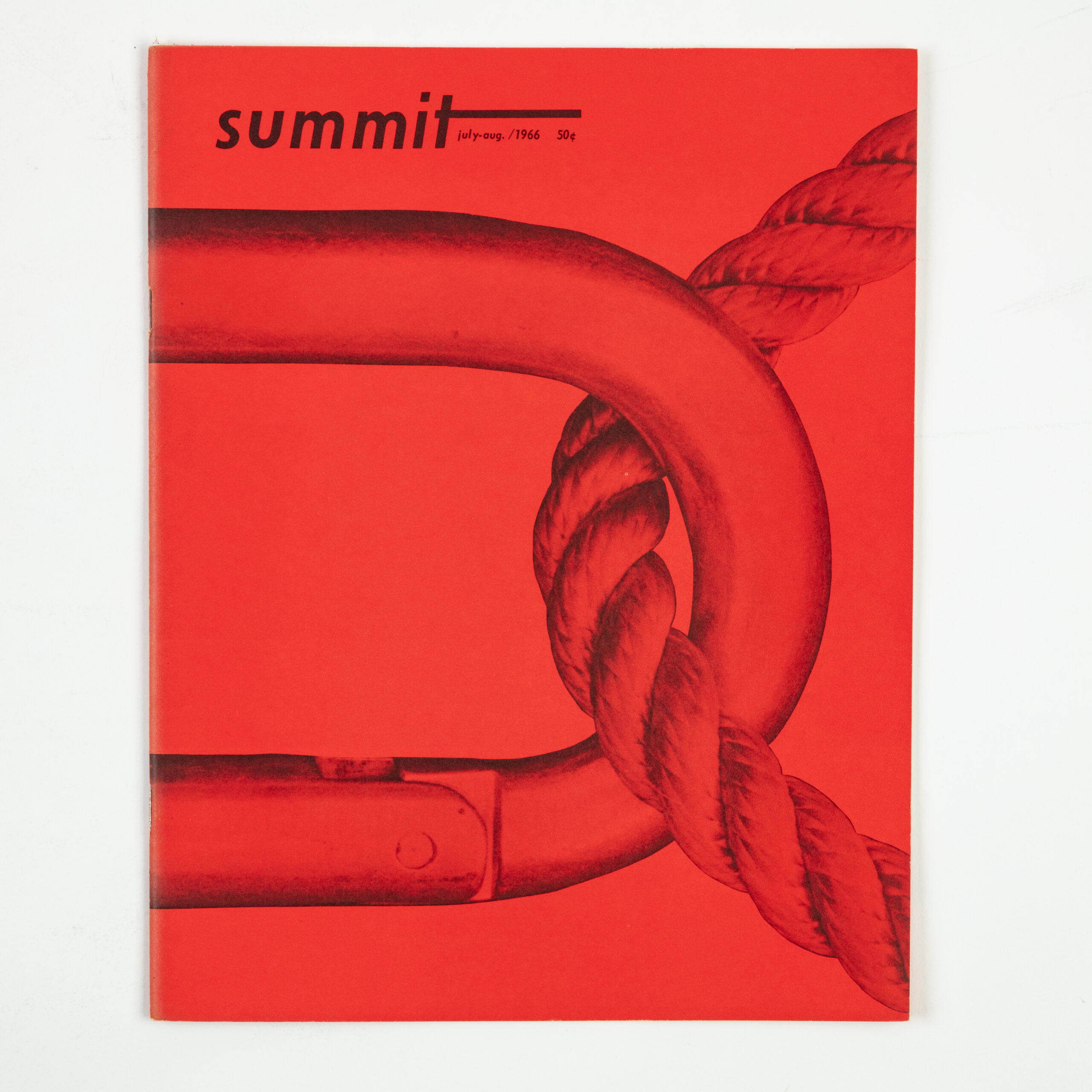
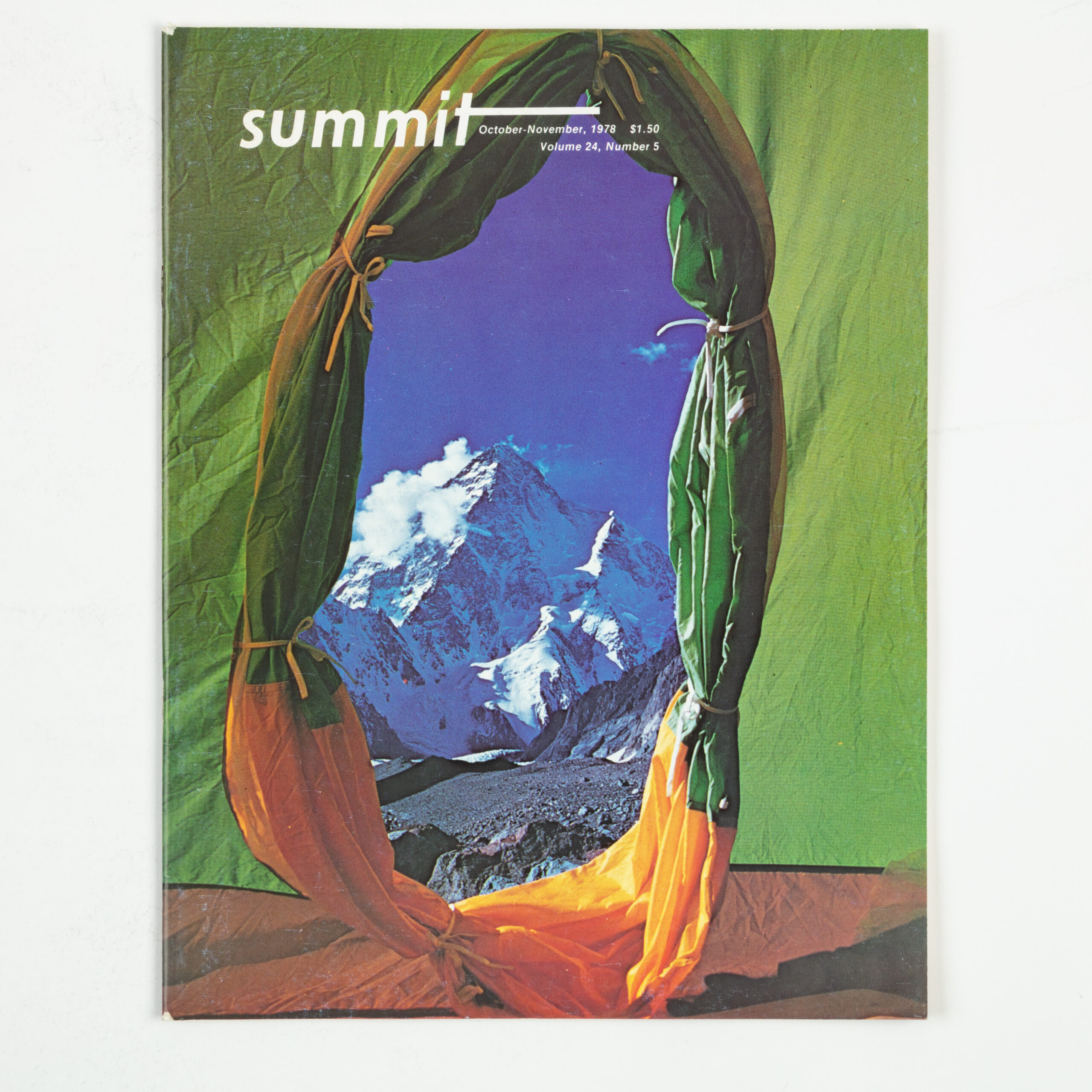
So what I loved about the idea of resurrecting Summit was being able to draw a straight line from Royal Robbins, Yvon Chouinard, Doug Robinson – all legends from the Golden Age of Yosemite Climbing who were involved with or wrote for the magazine – to today. Also, the magazine just had such a bold aesthetic: the retro covers are just too cool. Very stylish. I’m hoping to channel some of that into the new Summit Journal.

Will there be any digital content or only print?
It’s print only. My thinking on that is, basically, with the glut of content online, there’s something to be said for a highly curated, physical product. There’s so much out there on the Internet that a lot of stuff, much of it quite good, just gets lost in the noise. But something tactile that you can feel between your fingers and read over a cup of coffee or a beer, that prioritizes long-form. It might not reach as many people, but the people it does reach will be that much more invested. Print feels a bit like vinyl to me; what’s old is new again. Just like vinyl isn’t going to replace Spotify, print isn’t going to replace digital, but there is a very real audience out there (and I’m in it) that likes analog media, and appreciates reading things that aren’t on a screen. 

And building off that, print also felt like a more achievable business model, in a strange way. Though print has a higher bar to entry–the hard costs to get it off the ground are greater, and without attracting enough subscribers you’re dead in the water–once cleared, the way forward feels much clearer. You can only fill a magazine with so many articles, after all. 

Tell us about your first conversation with Paula Crenshaw, Jean’s niece, about bringing the Summit back.
So I actually first emailed with Paula several years ago, after Jean died. I wrote a short obituary. When I got back in touch with her early this year I shared what at that point was just my very vague idea of resurrecting Summit – and she was really supportive of it from the get-go. (That’s been one of the most gratifying things about this project: everyone has such fond memories of the original that they get really enthusiastic about the magazine coming back for a new era and a new audience.)

Paula herself was a climber back in the day. These days her real passion is marksmanship – she’s a competitive shooter! But professionally, she’s a doctor. Resurrecting Summit was never something that she wanted to do herself at any point. But she thought it would be a lovely thing for me to revive it – if I could figure out how, which was still a big if at that point. Until chatting with Paula, the idea was still just that, if only because as I told her in that call, I wouldn’t have pursued it any further without her blessing. The legacy of Summit, and what Jean and Helen built, didn’t feel like something that I had the right to mess with without getting explicit permission from their family. That was really important to me.

Who else is still involved from the magazine’s genesis and what has been their greatest insight?
So beyond Paula, another great supporter has been David Swanson, the guy who bought Summit from Jean and Helen in 1989 and then published it from 1990 to 1996 as Summit: The Mountain Journal. David’s publishing from that time is obviously worlds away from what the landscape is like today, but storytelling and good imagery never changes – he’s been a valuable resource and sounding board as I got my feet under me helming Summit Journal. He also has some great historical knowledge and connections. I’m in touch a little bit with John Harlin III, who edited the magazine in the 1990s and really did an incredible job. I’m hoping to have him write something for the new Summit at some point.

How are you sourcing photography?
So for this first issue I mainly turned to photographers whose work I was already familiar with from working in the industry, and then a few others who I stumbled across on Instagram and whose work I just really admired. Very little for this first issue was on commission – most of it, with a couple tiny exceptions, was already shot. 

But I’m hoping to shift toward more commissioned work going forward to get more of a balance between the two: I’d love to be able to fill the pages with photography that hasn’t already been plastered far and wide across social media, and that is in direct conversation with the written pieces in the magazine.

Another thing I’m trying to do is find ways to incorporate non-climbing photography into the magazine. Climbing photos are obviously at the magazine’s core, but I don’t want it to just all be dramatic mountain vistas and action shots. So in our first issue, for example, I commissioned an essay accompanied by some breathtaking macrophotography. Basically, even though Summit is a climbing magazine, I don’t think that limits us. If something is climbing-adjacent and allows us to broaden our mandate, that to me is really exciting.

Because this was founded by two women and there was controversy and pen names in its heyday, how are you planning to honor the two female founders and be inclusive?
This is something I’m very cognizant of. In short, though I don’t have any formula or anything, I’m trying to always have an eye on the overall make-up of the magazine. In the first issue, our contributors are roughly half women, and half men. At the end of the day, the final criterion for whether something makes it into the mag is whether it’s either good writing or good photography, but there’s fantastic and powerful storytelling and imagery coming out of every corner of the climbing world these days. The main problem is that I can’t fit it all!

And I’m happy to take pitches for photo essays. We have pretty few opportunities for one-off shots in the mag, but photo essays will figure heavily in each issue. Pitch me at mlevy@summitjournal.com. Our first issue is due early 2024.

A Commercial Director/DP/Photographer based in LA: $175k (gross) $135k (net)

My business is structured as an LLC .

My DP work is more Docu-Style. My Photo work is a mixed bag.

70 percent DP work, 20 percent Director work and 10 percent Photographer work.

Clients: Fortune 500 West Coast and East Coast.

Overhead: Cinema Cameras, Cine Lenses, Lighting and Grip gear, Camera support and Studio Rent.

Retirement: 401k nothing fancy at the moment.

I work 40-55 days a year.

My income has gone up quite a bit since the pandemic. I think being multi-hyphenate has been a blessing. I’m able to use my entire skillset and work many different jobs.

My average shoot is 1-2 days. As a DP, I usually pull in $2500 day rate + kit fee (ranges from $750-$1500). I typically take in most the earning due to investing up front in equipment once I put up 30% for taxes. I pay assistants 350-450.

My best paying shoot was a Commercial Director/DP job for a Fortune 500 airline. I worked about 3 days in total with meetings, scout and shoot day (1). I went home with $23k.

My worst paying shoot for a major streaming service. The day was hard and drawn out for no reason. It was a terrible production company who usually does music videos. The vibe was all off. I only made $1600 all in. I’ll never do work for them again.

Marketing: Word of mouth and Cold emails. Nothing beats word of mouth. How you show up and deliver is your reputation. Make it count.

Best advice I received was to be confident in myself and my skills and it will lead the way forward. The worst advice I received was to not take risks. Without risk taking, I wouldn’t live the life I live now.

Before you blame someone/something/that piece of gear, question yourself. Ask what could I have done differently to change the outcome I desire. Looking in the mirror often will push out insecurity and anxiety. We have one the best careers in the world. Enjoy your time here.

The Art of the Personal Project: Blair Bunting

The Art of the Personal Project is a crucial element to let potential buyers see how you think creatively on your own.  I am drawn to personal projects that have an interesting vision or that show something I have never seen before.  In this thread, I’ll include a link to each personal project with the artist statement so you can see more of the project. Please note: This thread is not affiliated with any company; I’m just featuring projects that I find.  Please DO NOT send me your work.  I do not take submissions.


Today’s featured artist:   Blair Bunting

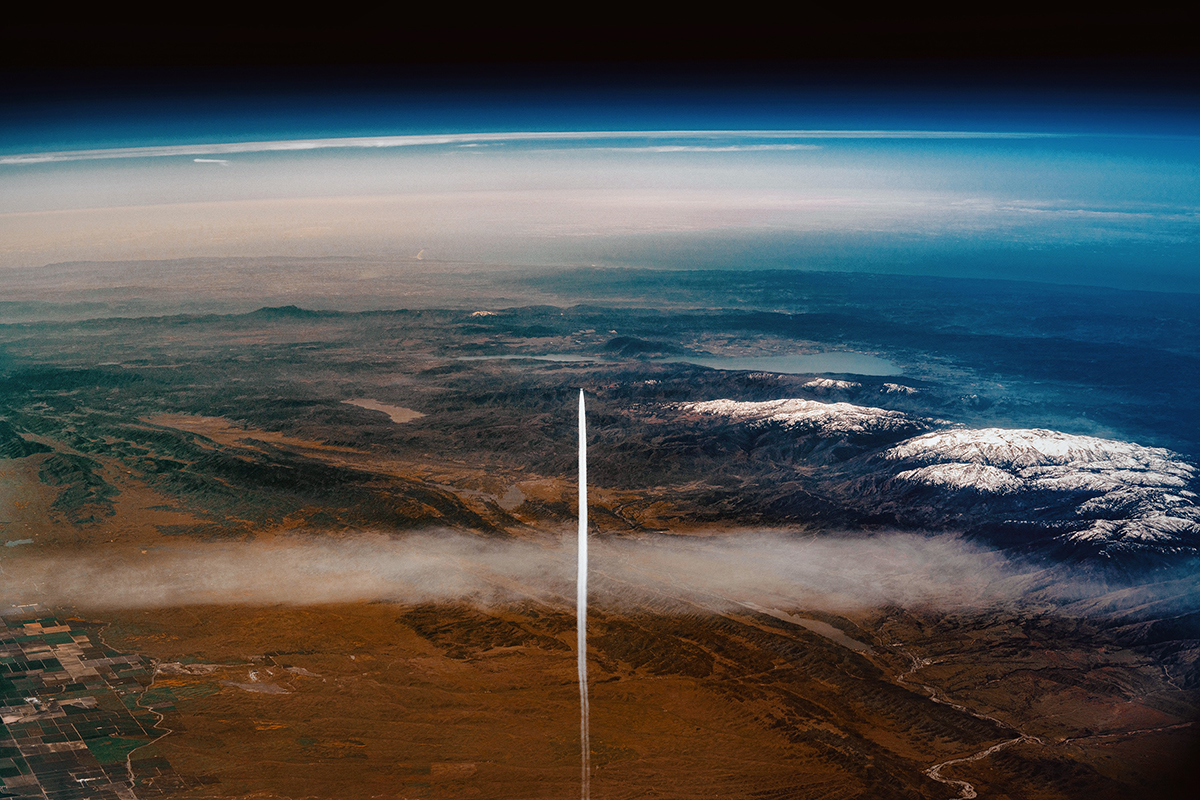
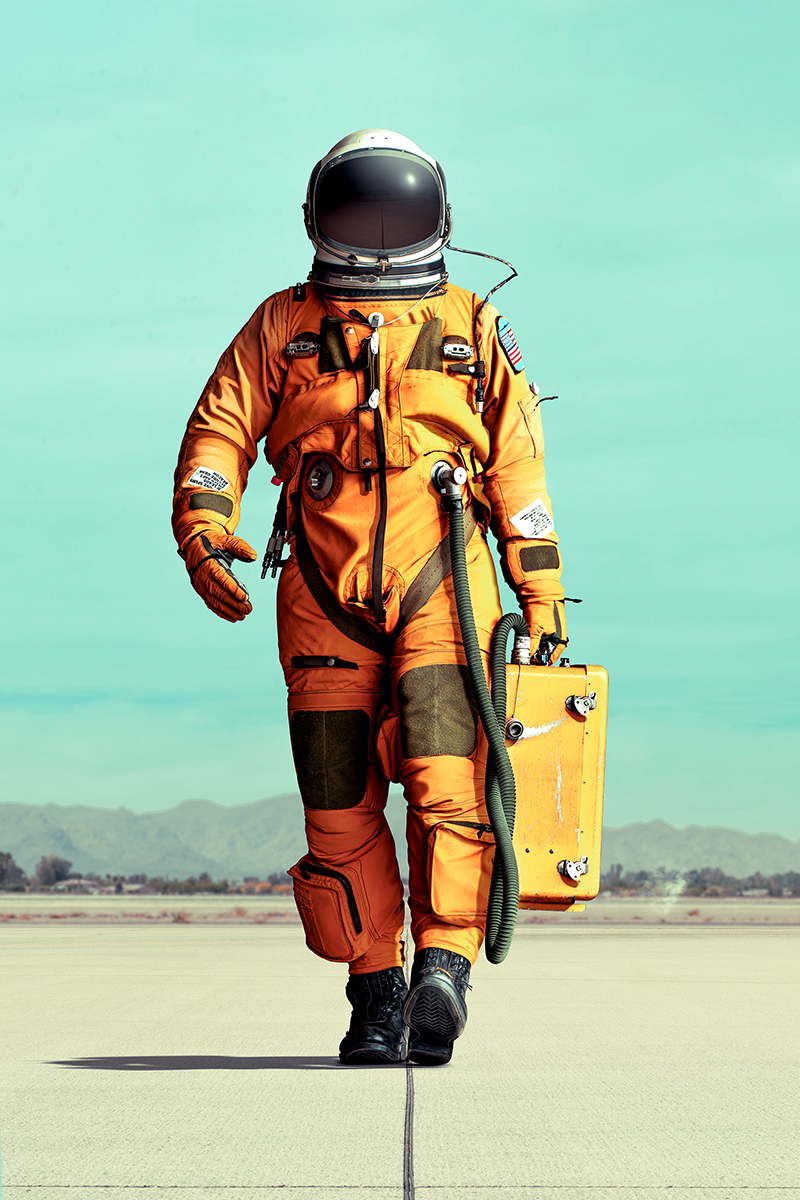
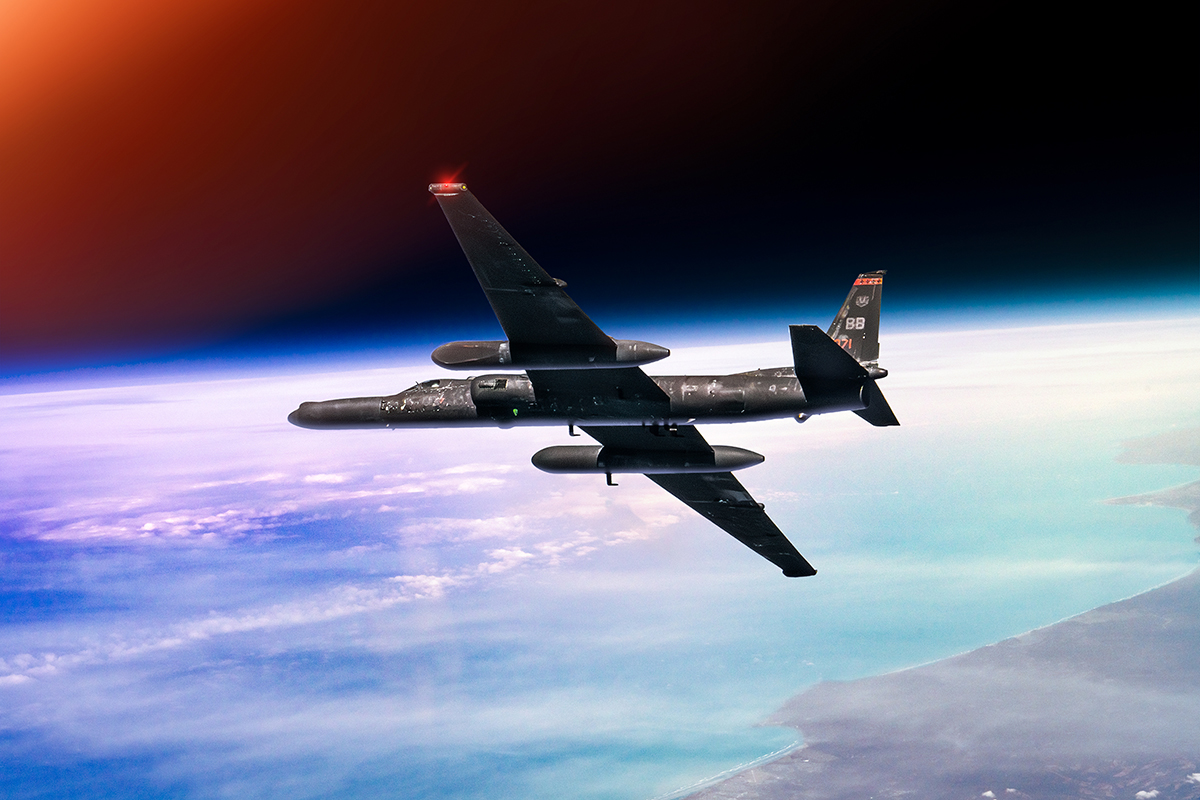
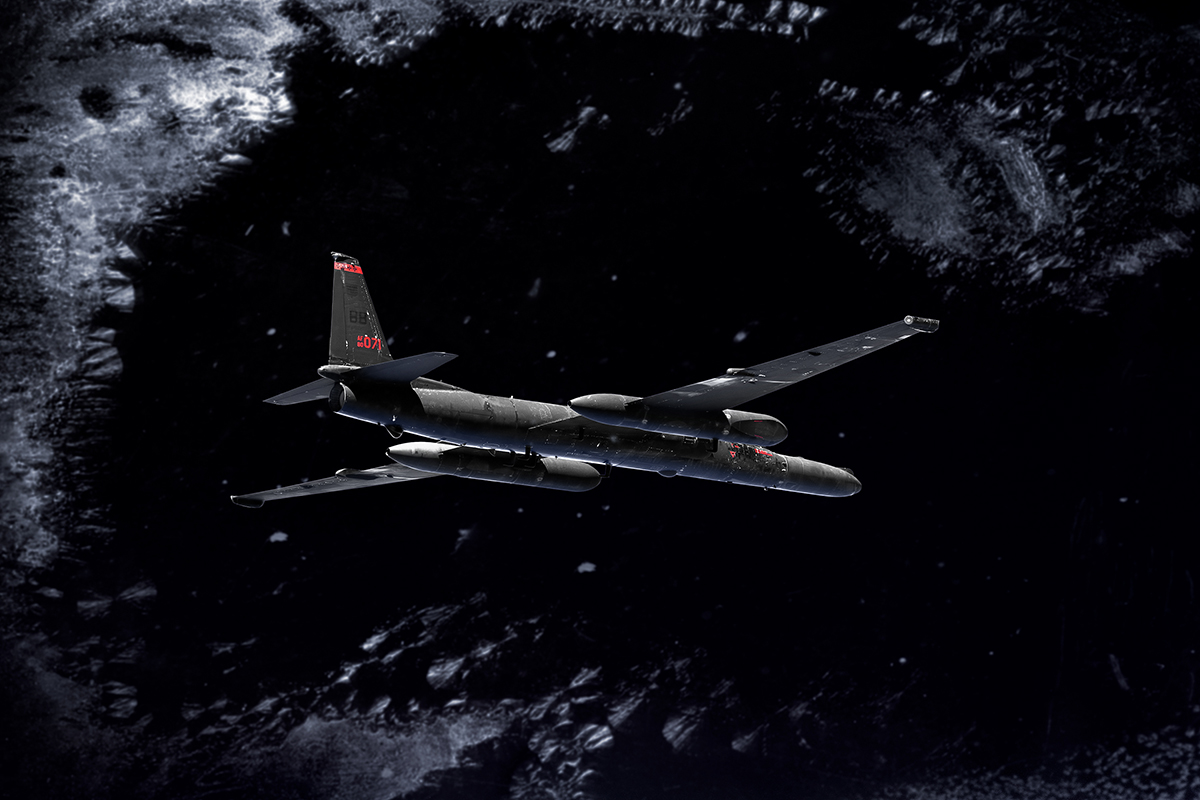
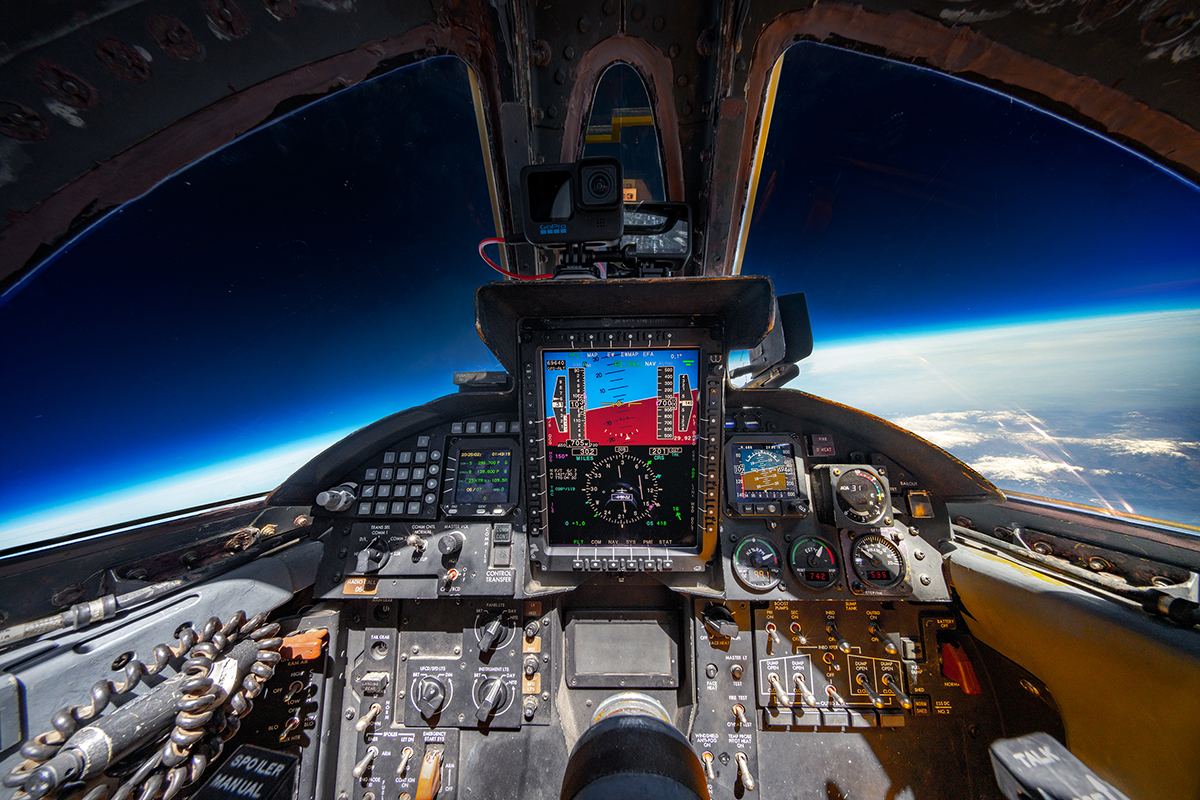
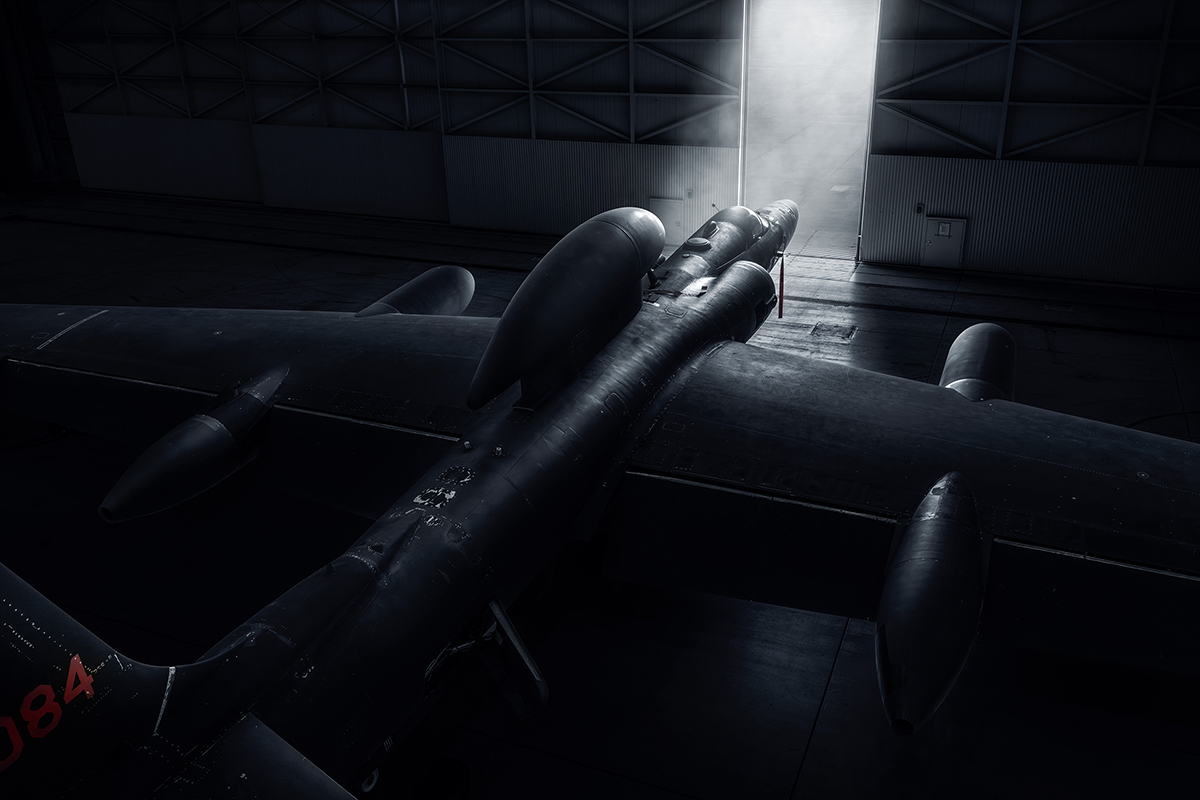
The World’s First U2 Spy Plane Photo Shoot at the Edge of Space

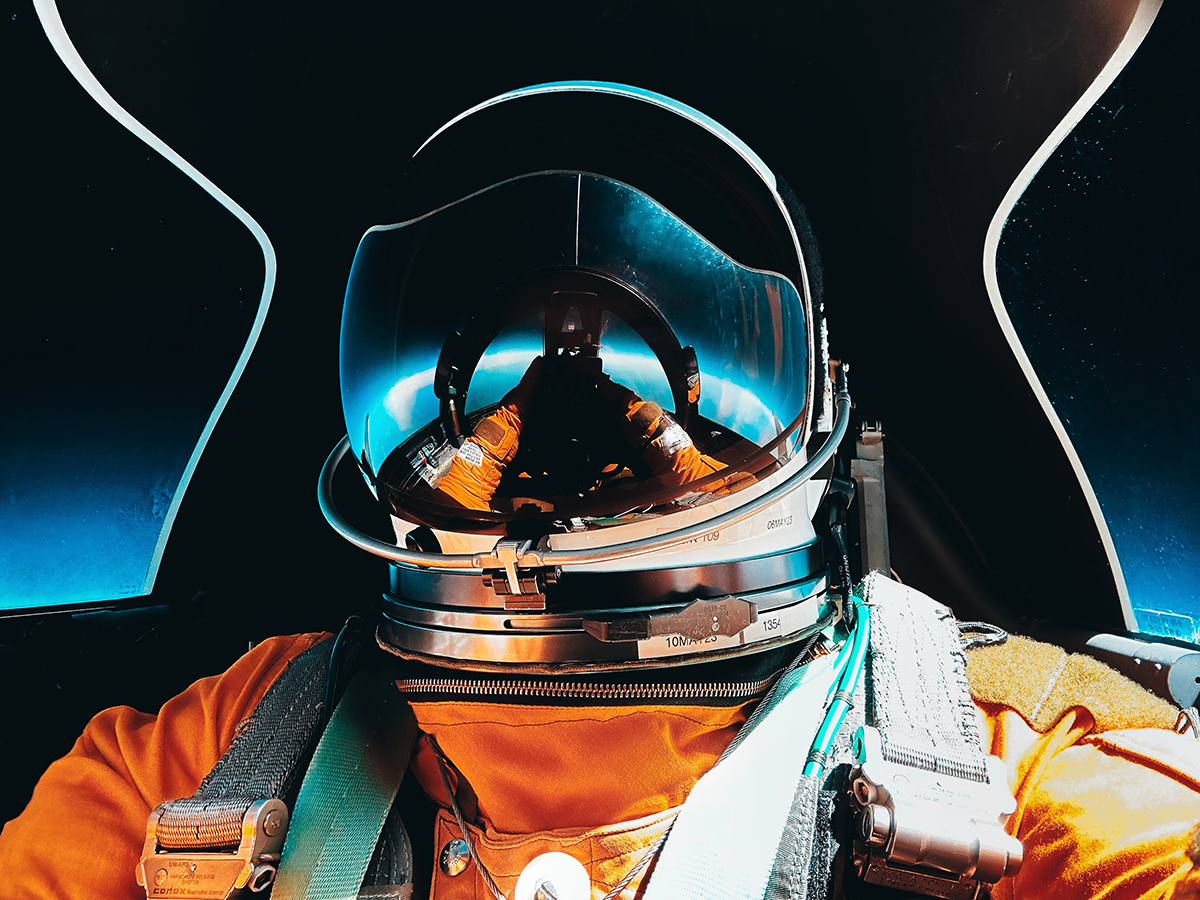
“Eight years of planning, and six months of training, all to sit in a cockpit for five hours to do a photoshoot while simultaneously being the furthest human being from the planet (other than those on the ISS). To put it simply, I would get into a spacesuit, climb into a Cold War spy plane that would then be chased by another spy plane to the Edge of Space to conduct a first-of-its-kind photoshoot.

Being overcome by emotions was not an option, as one cannot wipe their eyes in a spacesuit, and irritating them with tears can make focusing a camera impossible. It wasn’t the only wild challenge that faced me on this photoshoot. As to top it off, I could not get too excited or exhausted, for excess breathing and heart rate would immediately ice over the canopy at the altitudes we were at.

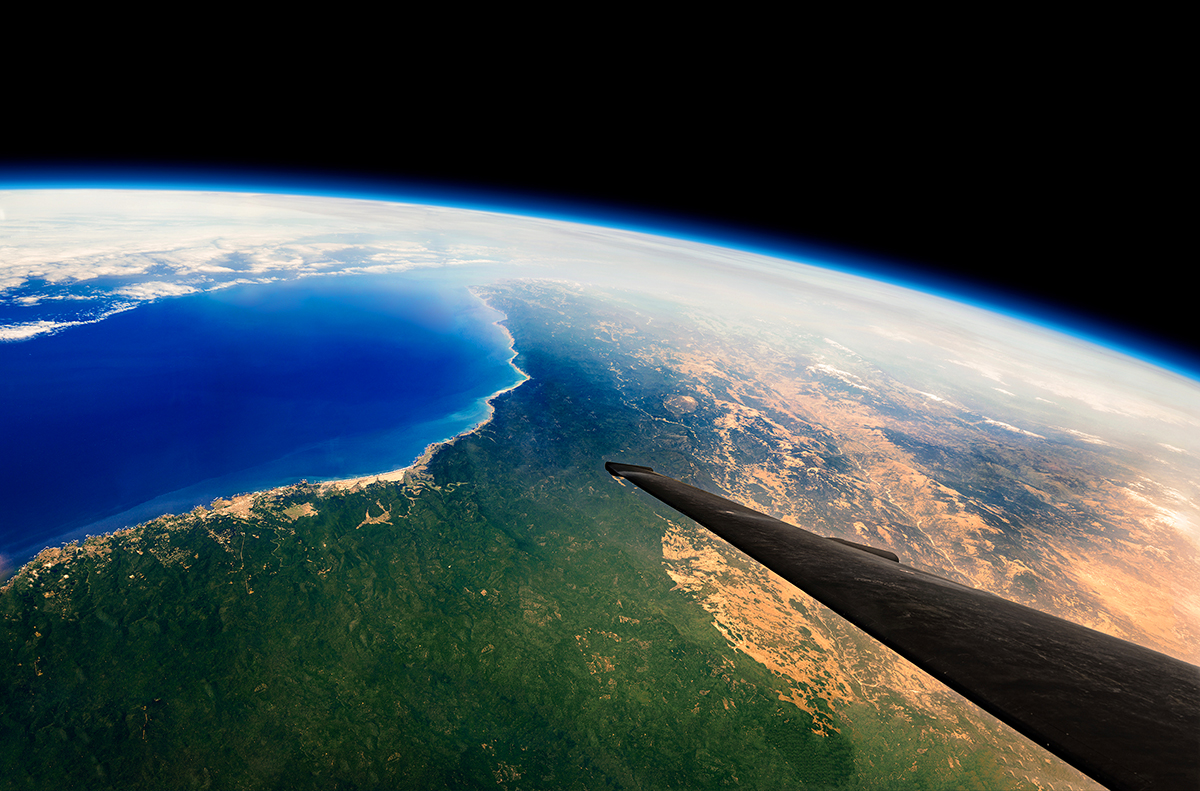
The sheer sight that existed at the apogee of the flight was (and still is) difficult to process. The sun sat not far from the half-moon, both against a black background as the blue sky I had seen all my life was behind me. Then as I veered down, the most emotional views I have ever witnessed existed, it was planet Earth. Beautiful blues, greens, and browns, but not even a hint of mankind could be seen, the curvature of the planet filled this absence.”

To see more of this project, click here

Instagram

APE contributor Suzanne Sease currently works as a consultant for photographers and illustrators around the world.  She has been involved in the photography and illustration advertising and in-house corporate industry for decades.  After establishing the art-buying department at The Martin Agency, then working for Kaplan-Thaler, Capital One, Best Buy and numerous smaller agencies and companies, she decided to be a consultant in 1999.  Follow her at @SuzanneSease.  Instagram

Photographers, Can We Talk About Working For Nonprofits?

I am a 43yo photographer working on the west coast for nearly two decades. I often receive requests from nonprofits to photograph for a discount or to “volunteer my time,” aka shooting for free. I have yet to take a gig without pay, and I still stay very busy.

Look into the company. Ask them what other vendors are volunteering their time or offering what discounts? Chances are they are paying for a venue, food, bar, mc, a/v, etc. There is a *big difference* between supporting a local non-profit or start-up that you believe in or benefits your community directly with a discounted rate, or, say, a free hour of your time after booking x amount of hours, as opposed to offering that same deal for a national company that pays their CEOs huge or doesn’t have the best track record. Personally, when I am passionate about a nonprofit, I offer to volunteer or help in other non-photo related ways. It keeps me grounded and I like the separation from photography work.

True story: another photographer called me the day before his nonprofit event asking if I could shoot for him because he was injured. He casually said the rate was $250 for a couple of hours documenting some kids for a nonprofit. I countered with a higher offer, wanting to help him in a tight situation, but still making it worth my time. Turned out it was the client’s yearly fundraiser event, $$$-per plate luncheon, formal attire, raffle tickets costing more than what they were paying me, and the org raised loads of money in 45 minutes. They treated me poorly, I wasn’t paid on time, and when I was, the check bounced, which is a career first for me. Pure madness…

This brings me to my second point: please be transparent with other photographers/creatives when you ask for their assistance. What I thought would be me covering children in our community event turned out to be so much more in scope, and I had to compartmentalize my anger the entire time I was there. In the end, it was my fault for not clarifying what was actually transpiring at the shoot because I was busy when he contacted me. Have I learned a lesson here? Definitely.

You can be friendly and still require fairness in business. Pick up the phone and ask questions. Above all, know that it is okay to say no to shooting (true scenario) a 3-hr cocktail, black-tie affair for a national nonprofit you’ve definitely heard of at my city’s most-expensive venue for FREE and instead, take the night off or work for a different client. Your mental health will thank you.

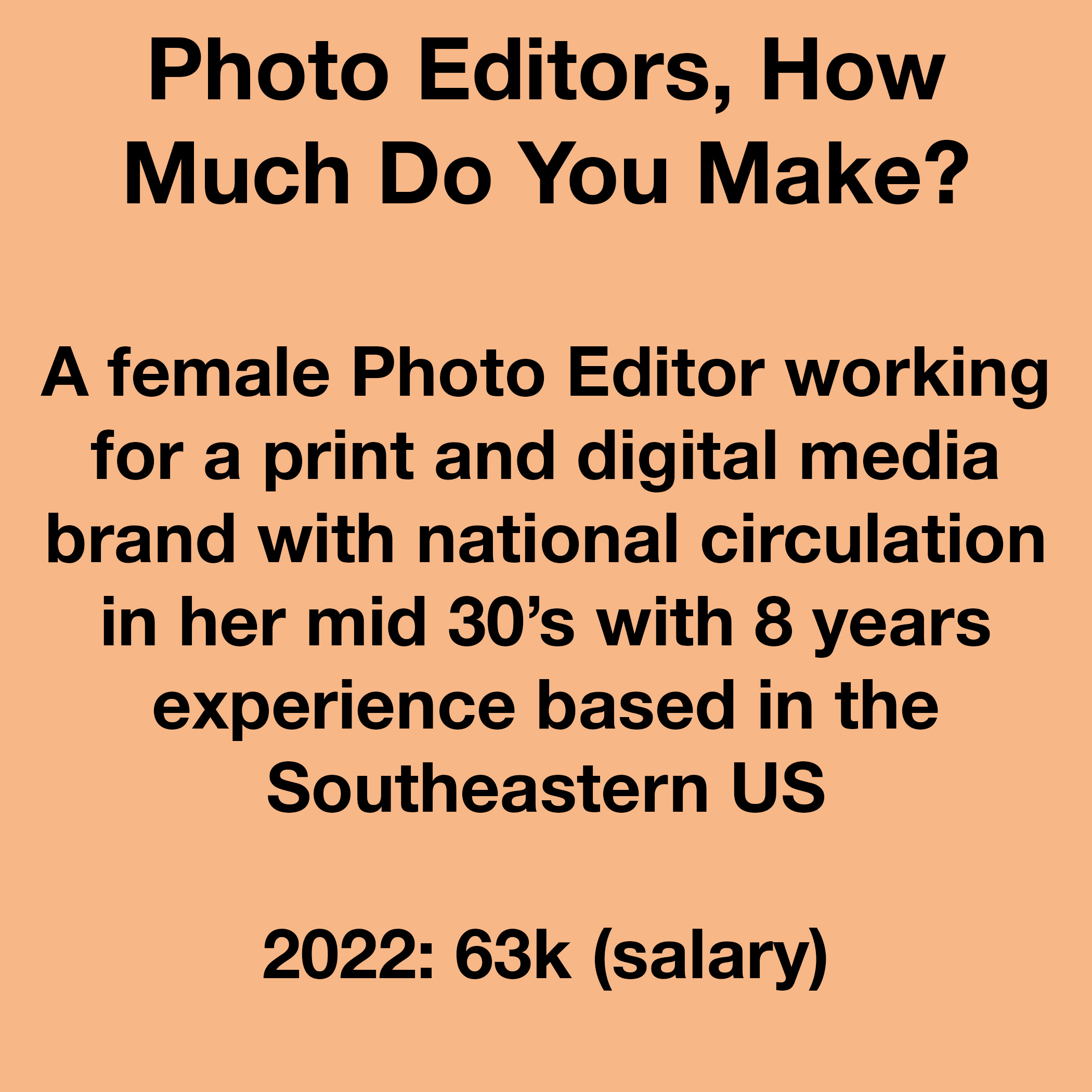
A Photo Editor working for a print and digital media brand with national circulation: 63k (salary)

I have 15+ years experience in the photo industry. I used to work as a freelance photographer but have not done so in several years.

I work approximately 260 days a year. We receive PTO and holidays. I’ll say though that for all my vacation time last year, there were really only 1-2 days where I didn’t actually work at least half the day.

The salary has risen slowly with consistent, but small, merit raises every year plus a couple of promotions. I feel like my salary is still low, especially in comparison with male peers in similar positions. But it’s hard to say, as we’re in a Southeastern city and cost of living here is lower than NYC or LA.

I have a 401k that the company matches up to 4-5%. I can’t remember–the amount changes every time our brand is bought and sold so it’s hard to keep up.

I work for an editorial brand that covers lifestyle, food, etc. We hire photographers for a variety of shoots like travel, food, homes, celebrity, etc. We have a roster of freelancers that we work with regularly and are always looking for more. I look at Diversify Photo, Color Positive, Indigenous Photograph, Wonderful Machine, and various email promos I get from agencies.

Travel is hardest to hire for. You’ve got to be good at food, outdoors, interiors, portraits, etc. It’s hard to find shooters who do it all well, quickly and reliably.

Saddens me to say but I wouldn’t recommend anyone pursue a career in print media at this time, especially for photo. IME, the photo departments are first to get slashed when cuts come around. We’re all operating with fewer and fewer people, yet the workload keeps increasing (hello print AND digital).

The toes you step on today could be attached to the ass you have to kiss tomorrow. Be kind. and treat people with respect – my grandmother (but I think it’s great career advice for creatives).

An email intro with link to your work is great, just make it clear that you know the brand. We get lots of emails from people who’ve clearly never read our magazine.

Instagram works great too. The main thing for me is that expectations regarding response need to be reasonable. Should anyone really feel entitled to a response on an unsolicited email or phone call?

The truth is: I try very hard to respond to everyone. I get it because I’ve been on the other side. But we get so many emails and messages. Some are borderline harassment! If you only knew the kinds of phone calls and emails your photo editor/producer/art director was getting. Unsolicited messages have to fall to the bottom of the to-do list, which unfortunately, is bottom-less. We just don’t have the bandwidth.

That being said, if I contact you first then I promise that I won’t ghost you. If I do, roast me. It’s rude and unprofessional. I’ve had to have uncomfortable conversations due to last minute changes but so far, everyone I’ve worked with has been gracious and understanding.

I lean on Instagram and magazines pretty heavy to find photographers. I do my best to pay attention to photo awards, photo websites, and blogs (like A Photo Editor).

Be easy to work with.
Be kind.
Respond in a timely manner to emails. It’s so important. If you’re consistently slow to respond or hard to reach, we’re can’t keep reaching out to you.

If you’re rude, you’re gonna lose out on gigs. People won’t want to work with you. Be nice to people. It is not hard.

And please talk to us! If you need something or have ideas, speak up. My favorite photographers to work with are the ones who call me up and talk to me like a friend. They know how to collaborate. They’re always looking for solutions instead of complaining or telling me why something can’t be done. This is how you earn our trust.

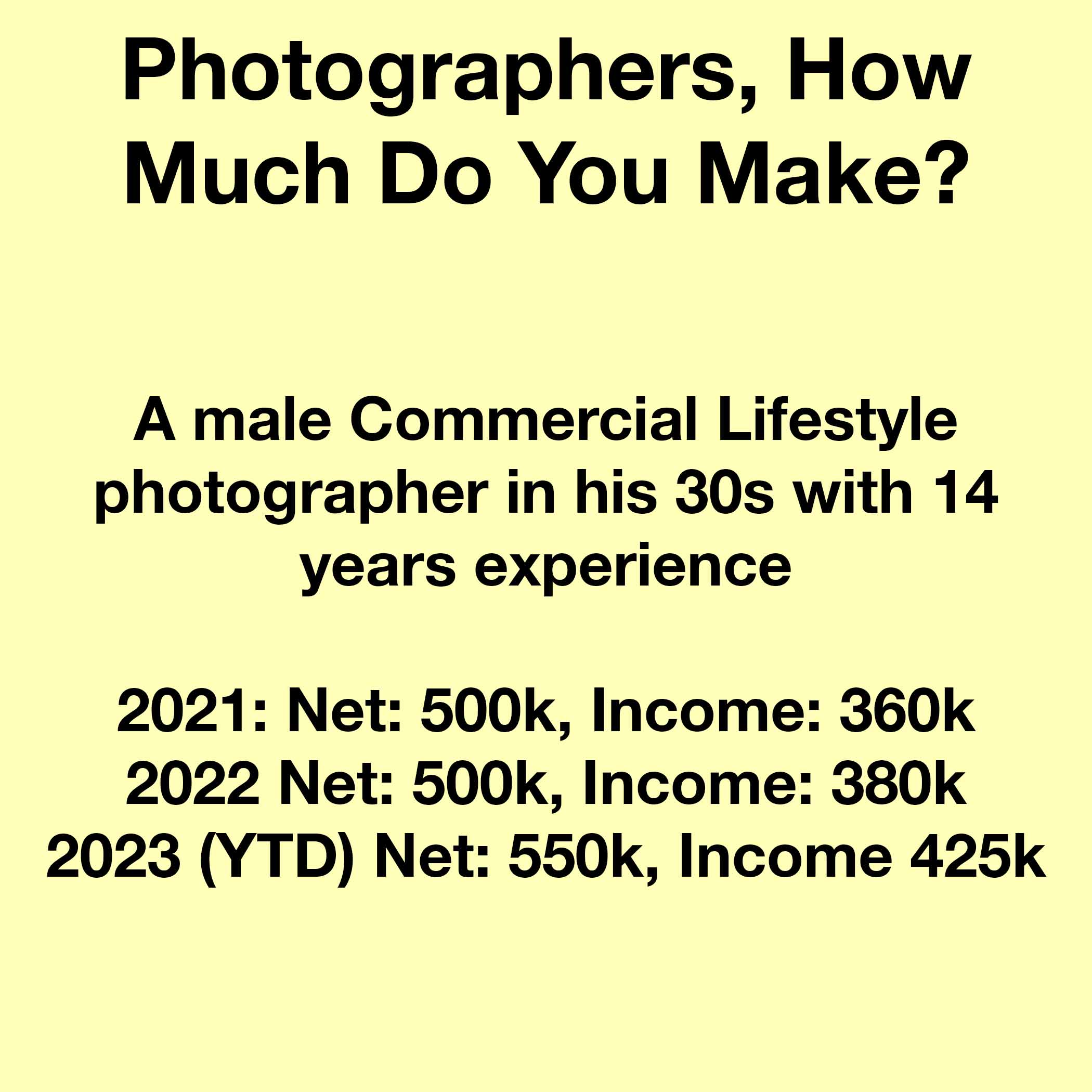
A Commercial Lifestyle photographer in his 30s: 2023 (YTD) Net: 550k, Income 425k 

Photo has basically been my whole life. Fell in love with photography in high school, assisted during and out of college. Started to get little assignments for the local rags, like $50 (in 2009) to shoot an entree at a restaurant for the regional paper, but I’d pretend I was shooting it for the New Yorker. Would embellish, ask the chef for a portrait even though I didn’t need it, just to build my portfolio. The paper would run the photo of the burger but I’d walk away with 5-10 new images for my book. Hustled a ton. Always sending emails of new work, always going to NYC for meetings. 

That approach lead me into a solid run of editorial work starting in 2009. Unwittingly/unknowingly, the style I was shooting in lent itself to commercial work. I got picked up by a rep in 2011 at 23, purely bewildered as to how I would fit into advertising. It was equal courtship and we talked for about a year before official signing. Looking back through those emails, I was so green. Not only in production experience but also communication. Many folks think getting picked up by a rep is just on the merit of your work, but it’s also about how you conduct your business, and how you communicate with clients on calls and emails. You are your own creative arm, but also communications and PR and admin and financial arms too. If your work is bad, if you can’t communicate well, if you’re careless with finances… these are all things a rep cares about. 

My work has slowly shifted from 90% editorial 10% commercial to 5% editorial 95% commercial. I miss the assignments and feel like it’s the absolute best training for commercial work. Nowadays with less editorial work going around, it’s a rougher transition from personal projects right into commercial. Editorial is boot camp, in the best way. You often have little time, not a huge budget, but you need to make something amazing. There is a growing gap between experience and expectation on commercial shoots. I have heard of photographers that literally can’t hit focus more than 10% of the time on their first commercial shoot or can’t run a crew or handle the time pressures. Just because your personal IG feed is cool doesn’t guarantee a smooth commercial shoot;  editorial used to vet and smooth that gap out.

I haven’t spent any money on marketing since Covid; I generally believe your time and money should go into your work and your work should be your marketing. That said, in person meetings are incredibly powerful and the only marketing I would consider. IG as a platform is trash but it’s free, the reach is huge, and I focus my time there in comprehensively sharing work. Lastly, I hate math and numbers and honestly thinking about money, so I have a CPA as well as a bookkeeper, but I do my own books that she looks over, because I like to stay tight to the numbers. Also I don’t want to have a Rihanna situation. When I hit my 30s, living in the States, my focus shifted away from trying to get cool clout-y fashion-y design-y assignments and towards just being able to fund my retirement, donate a good chunk each year to causes I believe in, and cross the finish line without debt. Sorry, Dazed. So I fully fund my SEP IRA each year, live within my means, and stack acorns. 
 
I don’t have a dream client or a number I want to hit for the year. My forever goal is life balance and happiness and to sustain a solid, long, consistent career.  Photo is fickle and challenging and all of the things, but it has given me a really incredible life, shown me the world, and I have domain over my time and schedule. I am grateful for that, and I keep the sentiment at the forefront of my mind. I keep negativity far, far away from me. Longevity and relevance are my biggest career goals. I often have 5-10 year old images in my treatments alongside work from a month ago. There are definitely clients looking to chase visual trends but there are also clients who need to use the images beyond the season and I look to meet them there.

Having an ego is dangerous. I begin each year expecting nothing work-wise and build up from there. Keep the hustle going. You can’t control much in this industry (jobs coming in or not, types of shoots that hit your inbox), but you can control how much you apply yourself and your mental state, which often informs the quality of your photography. My main mantra is ‘own your shit’. Don’t make excuses. Make every shoot count. If you’re shooting and are not interested in the photos you’re making, figure out why and change it on the spot. Don’t waste your time or your clients money making work you don’t like, or not being 100% dialed 100% of the time. Commercial shoots are like a one-time circus performance that has no rehearsals so pre-production prep and a focus on the details are huge. 
It’s pointless to gripe, complain, or expend energy on being negative. Similarly, don’t compare yourself to others, and be supportive of your peers. Share contacts, give advice, be excited for folks in this industry when they make amazing work or get the job you were both bidding on. It’s not all about you, and they deserved it and worked hard for it. Photographers are awarded jobs because of the whole package: their work, their treatments, their communication, their experience… what they bring to the table overall. Speaking of treatments, I put a shit-ton of work into them. It’s the document the whole client and agency team will see, and it’s super helpful for non-visual people (like a CMO) to read your writing because they might not get the photos but they get the words. And they weren’t on the creative call this is your one shot. Treatments are highly personal; I have spent hundreds of hours on mine over the years and words are easy to lift, so it’s the one thing I don’t share. 

If I had advice for aspiring/emerging photographers it’s to avoid spending too much time online/proverbially in the comments. Instead, sharpen your eye and develop your visual voice and personal sense of taste. This is especially important as IG is a continual echo chamber of work viewed on a tiny phone that begins to bleed together. It’s hard to get hired for anything remarkable until your photos can only look like they came from you. Look at every author, every musician, it’s the same way. 

As I’ve worked my way into bigger shoots, I’ve learned that I can shine if I am a very dedicated collaborative partner through the whole preproduction process right through the shoot. 95% of what I focus on is everything peripheral to the act of taking photos, 5% is holding a camera and taking photos. The 95% is meeting deadlines, being dialed and prepared for calls, giving 1000% attention in casting and locations, organizing, assembling, communicating and setting up the crew for success, being a calm communicative air traffic control on set. 

Photo assistants are the most important members in my crew. When there are no margins in the schedule on some of the late stage capitalism commercial photoshoots I’m on, where everything has to run as tight as a Beyonce concert, I absolutely need a dialed team of assistants. A good 1st/gaffer can direct a whole crew and pre-set the next shot, which frees me up to think/work in the present, so I’m trying to get them between $800-1000/day for shoot days pending complexity. That rate cascades down the rest of the crew. Assistants are some of the hardest workers on set and deserve every dollar. 

I follow a strict Monday to Friday 9-5(ish) schedule, unless I’m shooting or scouting, I don’t do email or even post work to IG on weekends. Computer gets turned off. I have told many a producer to stop emailing the agency on a weekend because then the agency emails back and it becomes a 24/7 work-a-thon to the bottom and we all end up on Lipitor in our 30s. Everyone’s life is more important than their work. Thanks for reading :) 

A Music packaging/music publicity, commercial, fine art and portrait photographer who is Nashville based: $66k (net)

I work as a photographer in the music industry (album packaging, publicity) as well as a 1st/2nd assistant in the tv/film industry.

My income is 60% tv/film assisting 40% key photographer in music industry.

My clients are Indy and major label for music. Top tier Hollywood studios for tv/film (Disney, Marvel, AMC, FX, Sony, Netflix, Hulu, etc).

Overhead is business insurance, online website costs and file delivery fees. (About $200/month).

For retirement I have long term stock market investments.

In 2022 I worked about 80 days (much less in 23 due to writers/actors strikes). 2020 was nearly wiped due to pandemic. 21 and 22 showed increase in tv/film travel productions (added 3-4 new clients/producers)
2023 has been at a near standstill for tv/film due to the strikes.

As a photographer I’ve shot a lot more bigger music related jobs for Indy and major labels but with smaller budgets.

For a recent music publicity shoot:
1 day shoot with two location and studio shots. One assistant. Budget was $4,500 with allowances for digital billboards and up to 5 magazine cover licenses. All glam/wardrobe and day-of expenses were handled through label. After my assistant ($500),I made $4,000.00. Included multiple phone meetings and concept discussions. Shot, edited and delivered high res files within 10 days.

For tv/film assist jobs:
Average 4-6 days, including two travel days, one/two prelight days, 1-2 shoot days. Based on 10 hours but it’ss usually 12-17 hour pre-light and shoot days. My assist rate in tv/film is $750/10 (1st) and $650/10 for 2nd assist.

Best shoot was ad campaign for Jack Daniels. Included 2 half day travels, 2 shoot days. After expenses (digital tech and assistant, plus producer), I took home about $22,000.

Worst was probably a $1,000 publicity shoot for a well known musician. They (management) ended up licensing out 3 billboards and at least 5 magazine covers without additional fees to me.

I shoot video, but very little on purpose. Other than a few music videos I’ve done some recording session video footage for a few artists while also shooting stills.

My best marketing is reputation and acknowledgment/credit from other projects. Tags and mentions on social media is huge.

Best and worst advice: say yes to everything and shoot more than expected.

Know your worth. Be willing to work for less if it’s a project you want to be associated with. Be willing to walk away from a job that you don’t want to be associated with (no matter the budget). Your reputation is everything.

The Art of the Personal Project: Andy Anderson

The Art of the Personal Project is a crucial element to let potential buyers see how you think creatively on your own.  I am drawn to personal projects that have an interesting vision or that show something I have never seen before.  In this thread, I’ll include a link to each personal project with the artist statement so you can see more of the project. Please note: This thread is not affiliated with any company; I’m just featuring projects that I find.  Please DO NOT send me your work.  I do not take submissions.


Today’s featured artist:   Andy Anderson


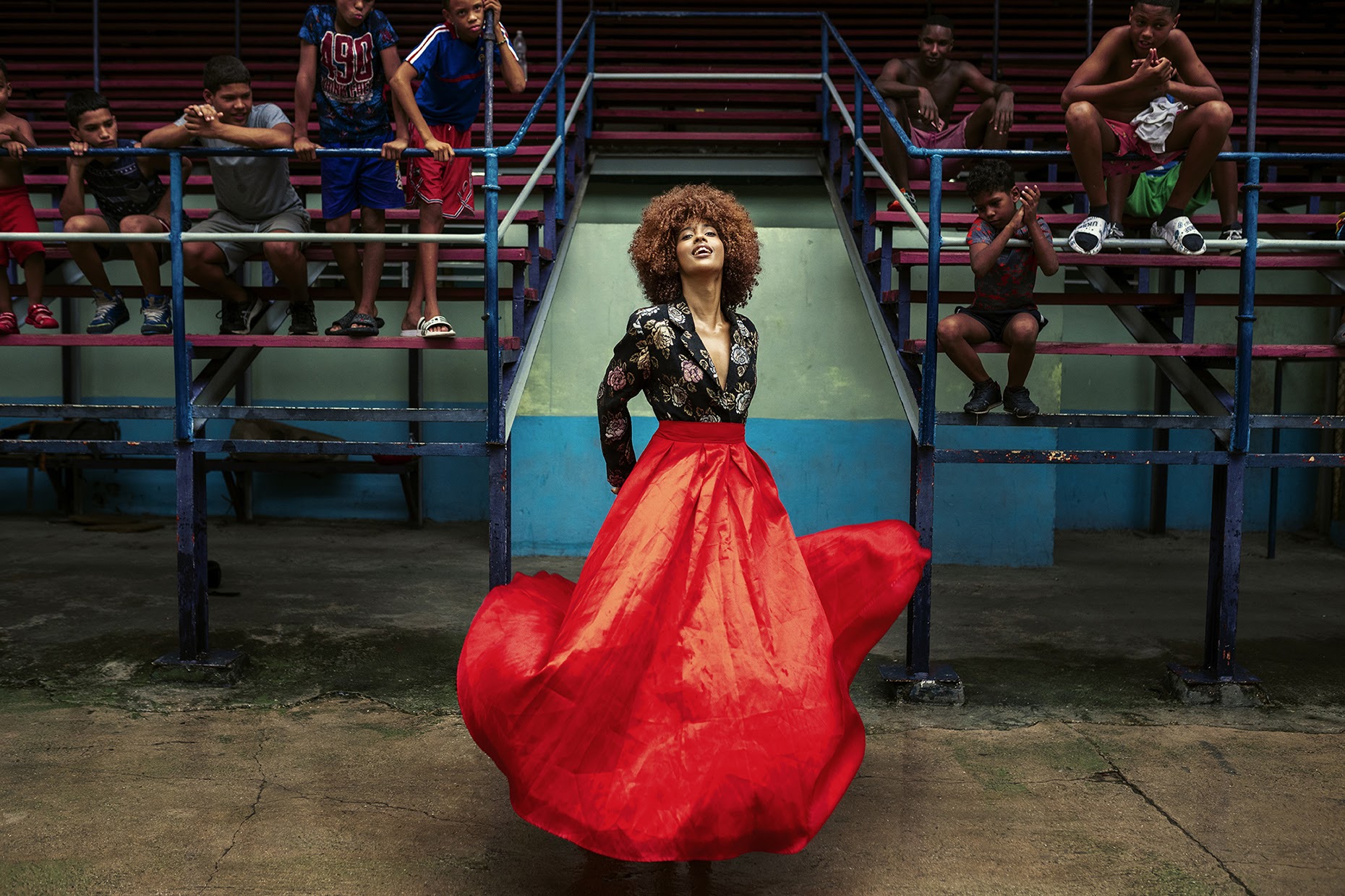
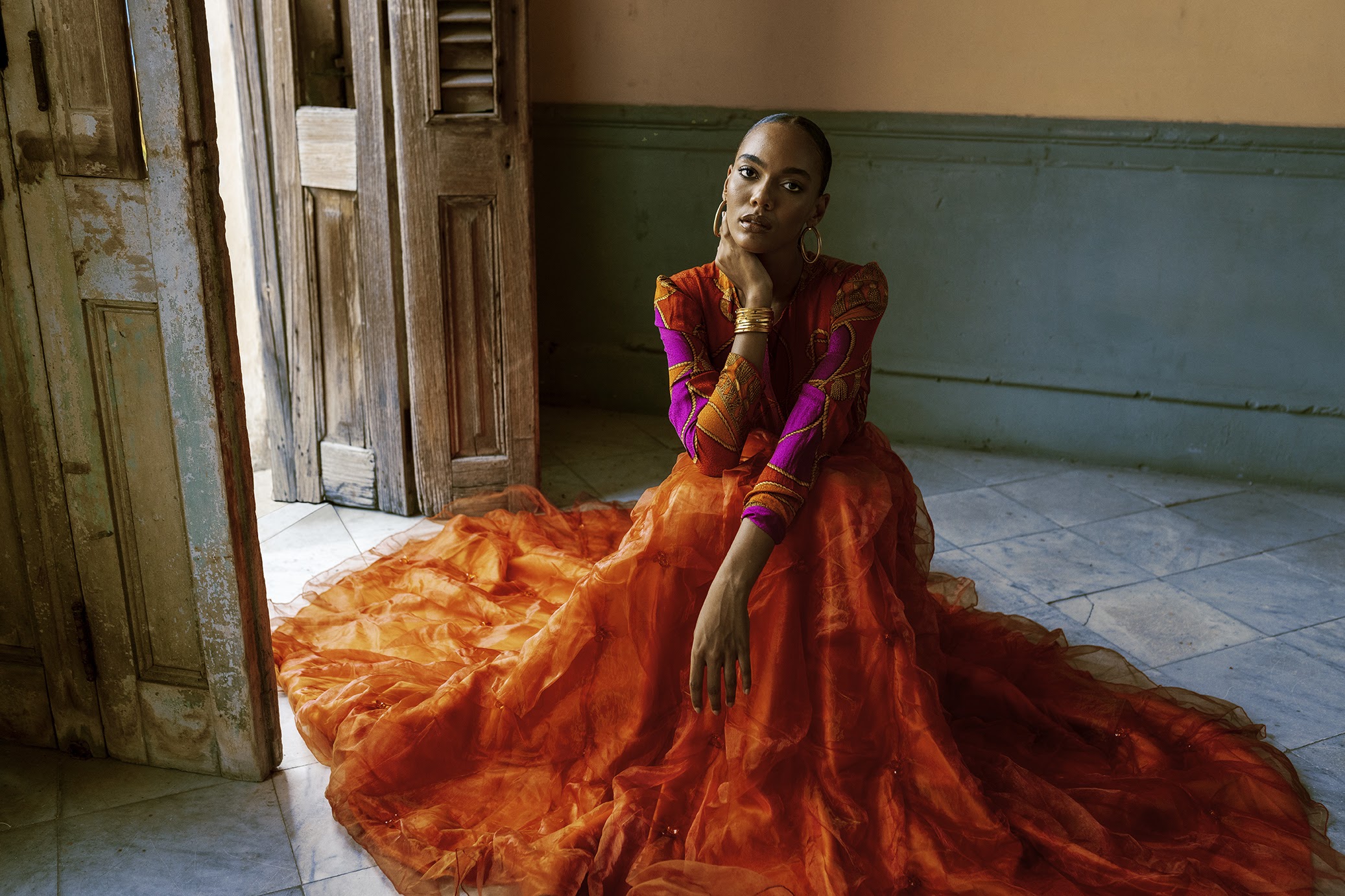
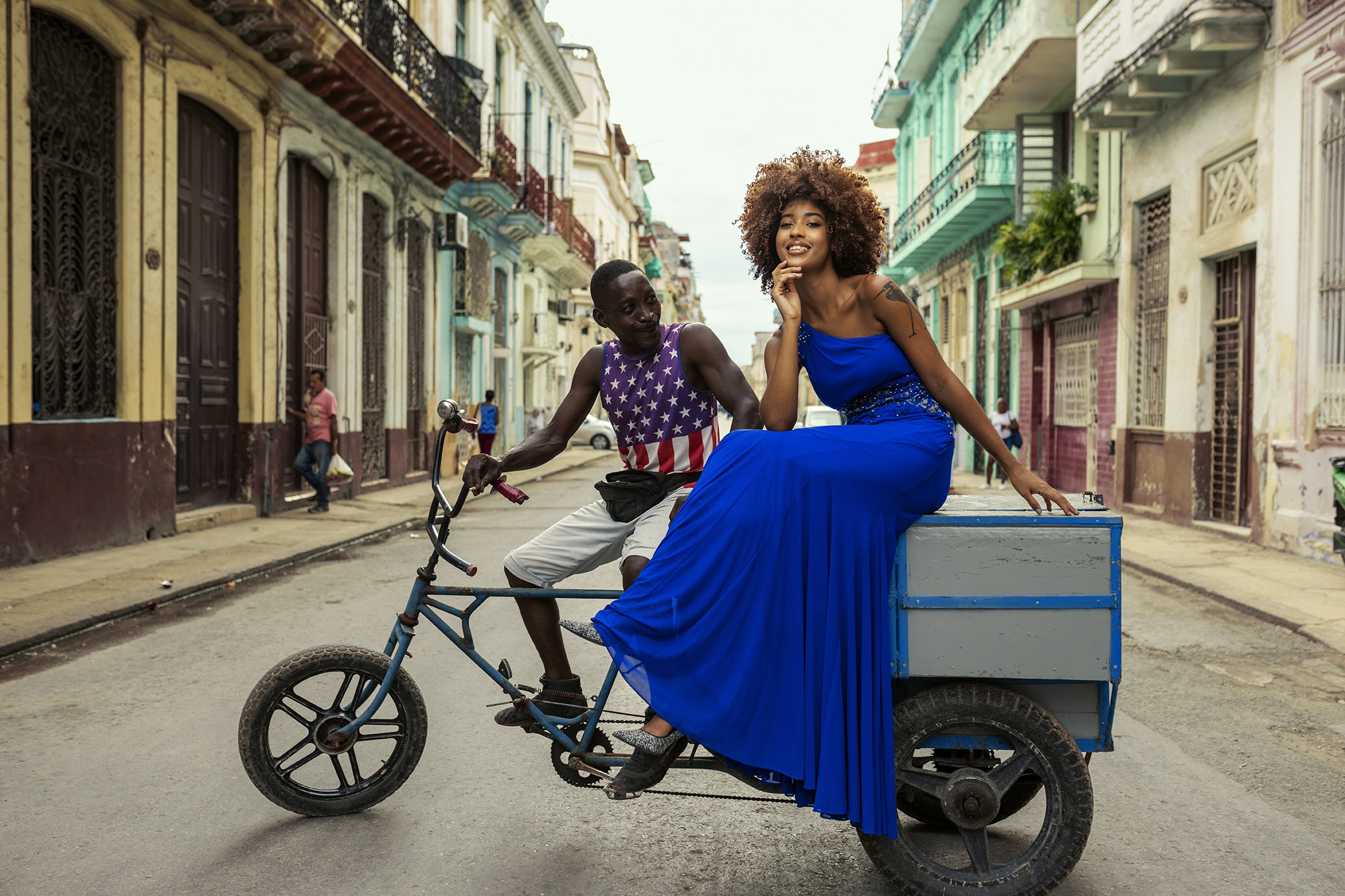
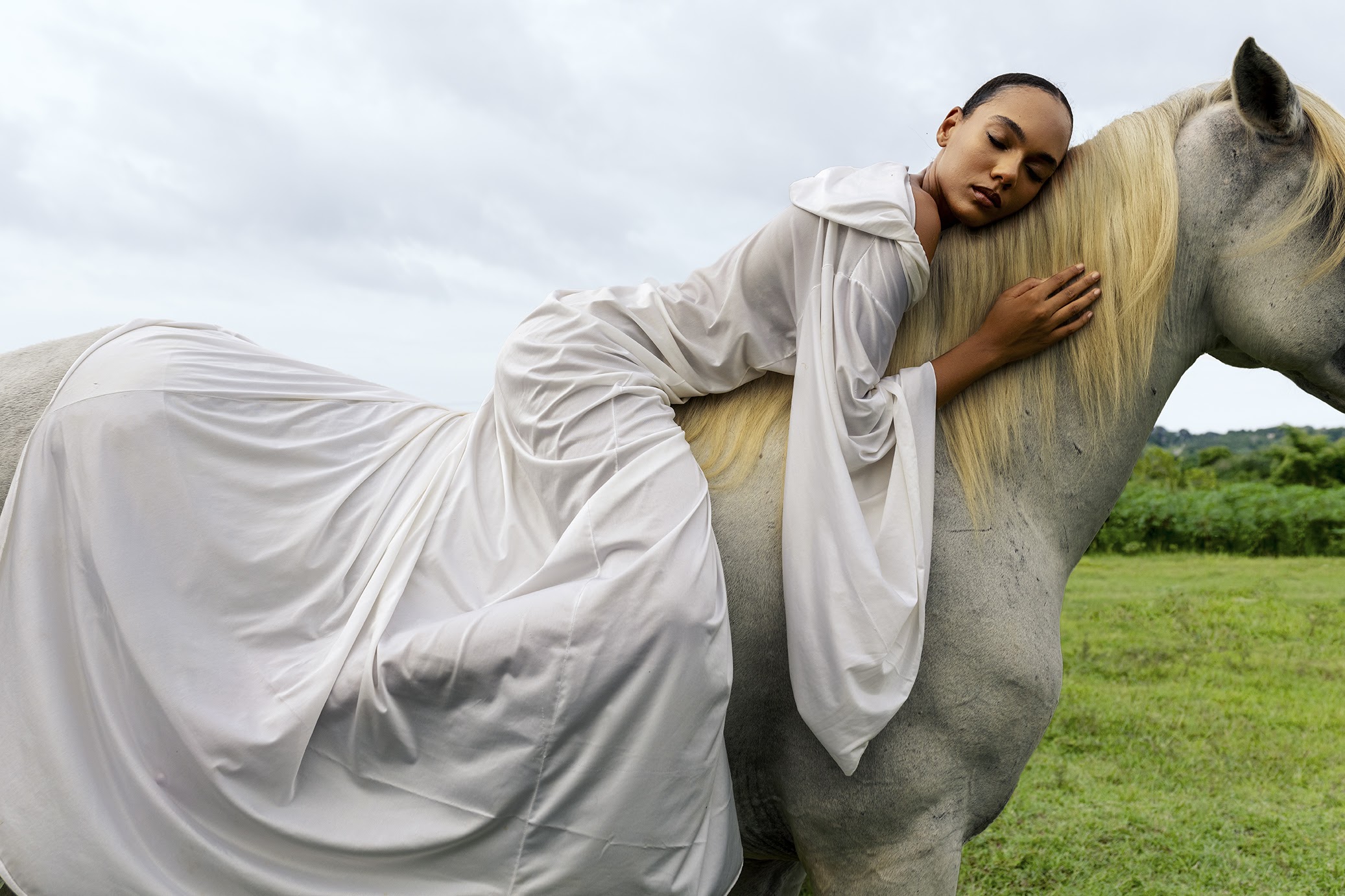
Andy Anderson Taps Into Cuba’s Diverse Visual Canvas for a Personal Fashion Project

Andy Anderson believes that to have true success as a photographer, it requires you to be obsessed with the art form and for Andy, staying curious. It’s this fervor for the craft that fuels his creativity and a deep appreciation for collaboration that brings his visions to life. Recently, Andy created a personal project focusing on fashion photography, a genre he has explored over the past year.

Not commissioned by a client, this personal journey was to expand his portfolio and test his ability to art direct a fashion shoot. The shoot was a celebration of craft, an opportunity to grow as an artist and in the end, the images prove that Andy’s philosophy and talent meld together to create beautiful imagery.

Andy says that his choice to travel to Cuba comes from visiting the country for the past 30 years and learning about the country’s rich diversity of people, architecture, and clothing. All of these things offer the perfect palette for his creative vision. The visual diversity of Cuba provided an ideal canvas for the shoot and Andy’s deep love for the country only fueled his enthusiasm for the project.

When asked what the best part of this shoot was, Andy unequivocally responded with “the crew.” The significance of a solid crew was amplified by the unique challenges of working in a closed society like Cuba. Not only did the local crew help to facilitate the logistics of the shoot, but they also helped navigate complexities like obtaining locally sourced clothing for the fashion project. This wasn’t just about dressing the models; it was about embracing the authentic Cuban style by using clothing that was sourced within the country, some of which were vintage and celebrated the rich history of Cuba. The expertise and professionalism of the crew were vital in ensuring that every aspect of the shoot, from location scouting to art direction, was executed flawlessly. Andy Anderson described them as the most professional crew he had ever worked with, and their dedication to the project was a testament to their commitment to making this personal shoot a success.

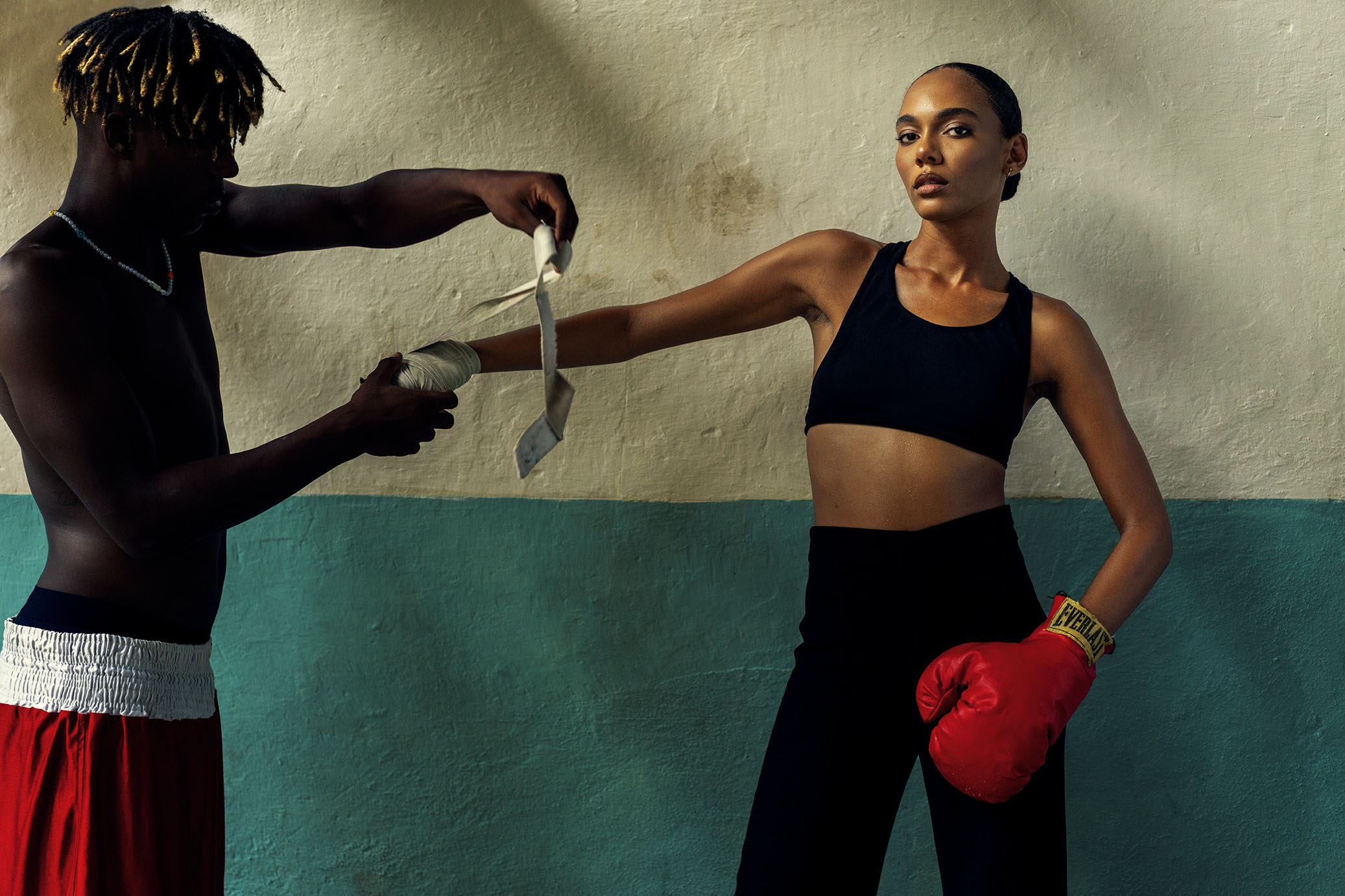
During the nine-day shoot, Andy and his team scouted a variety of locations, from sandy beaches to private homes, bustling streets, and boxing gyms. Each location was carefully chosen to showcase the distinct beauty and culture of Cuba. Havana, with its captivating scenery and frozen-in-time charm, proved to be a visual treasure trove and enhanced the allure of the images. Working with local talent added authenticity to the shoot, as the models were local to the area and represented the community visually and culturally.

Andy’s approach to the project was fluid and open-minded. He began with a rough idea but allowed the creative process to evolve organically and collaboration and experimentation were key. This project inspires us and is a reminder that curiosity and creativity and instrumental in evolving your work. We’re excited to share the still imagery work with you now and keep an eye out for the 16mm film Andy and his DP Cavin Brothers shot on location in the coming months.

Local Cuban Crew:

Executive Producer – Josue Lopez Lozano

Producer – Daniela de Mello

Stylist – Narciso Martinez

Hair and Make Up Artist – Jennifer González Vigo 

Model – Melanie Wilma

Model – Lea Vall

To see more of this project, click here

Instagram

APE contributor Suzanne Sease currently works as a consultant for photographers and illustrators around the world.  She has been involved in the photography and illustration advertising and in-house corporate industry for decades.  After establishing the art-buying department at The Martin Agency, then working for Kaplan-Thaler, Capital One, Best Buy and numerous smaller agencies and companies, she decided to be a consultant in 1999.  Follow her at @SuzanneSease.  Instagram

Marketing methods from photographers in my salary survey

Here’s a selection of marketing methods from photographers I’ve surveyed. Head over to instagram for more discussion: https://www.instagram.com/p/C0PNiUiu18K

I am strictly word of mouth.

My philosophy in general has been “throw enough shit at the wall and some of it is bound to stick.

At the end of the day, I’ve found the most success with in-person events (trade shows, speaking panels, etc) where I can get face time with the right people.

I have better luck with Instagram and LinkedIn.

I mainly market on Instagram, LinkedIn and my website.

Putting time and effort into a strong and visually appealing website has done more for my business than anything else.

My biggest effort goes into SEO where I rank number one in google for several key terms in my target markets.

I find most of my work comes through referrals from past/present clients.

Word of mouth and Cold emails.

I’m a huge fan of trying to meet as many people as you can in person.

word of mouth.

I think that creating coherent bodies of personal work, then submitting them for features in prominent online magazines is pretty much the best marketing you can do.

Instagram is of course the necessary evil and undoubtedly the most important marketing tool for a photographer

Instagram, Google, Facebook and word of mouth are my highest returning markets.

I would prefer to invest energy into LinkedIn being a B2B business this gets the right eyeballs on my work.

I rely on social, website and word of mouth

I really built my brand heavily thru instagram. Everything else has been word of mouth

I have an Instagram, which is meh, and I go out and approach people, or cold call people, which is better.

Word of mouth is my best marketing. I make sure that I do my best to please any client, but or small as they might tell someone else about me. I also do a lot of emails to photographers, agents and producers.

Just posting candidly on Instagram. Haven’t sent personal marketing out besides what my agency shares.

I’ve started sending out a newsletter, which has been fun. I’ll take meetings when I’m in different cities. I keep up with clients on Instagram.

My agent does most of the marketing. They send out newsletters all the time, and they take meetings constantly.

to be completely honest, I’m not sure what’s effective anymore.

I invested a lot in my network in the beginning, reconnecting with old contacts, posting a lot on social media, and cold emailing/newsletters.

Other then maintaining a current website and posting on Instagram, we have not marketed in the traditional sense for years.

Typically word of mouth and when people who hire us change jobs is how we pick up new clients.

Most effective out of that is Linkedin

Only marketing is keeping up with Instagram posts.

Email is my gold for marketing all of my business buckets

Wonderful Machine – every once in a while someone reaches out who finds me there.

I’ve been on Found, BLVD, Wonderful Machine, Luupe, and PhotoPolitic. The only one that has gotten me any interaction was Wonderful Machine where I at least got to put in two bids for large projects.

doing in-person meetings in all major cities 4 times a year.

Since I was never chasing giant commercial clients, most of my marketing focused on building personal relationships with people within my market.

I’ve had great success by shooting and sharing ambitious personal projects that were picked up by local and national press.

SEO is ever

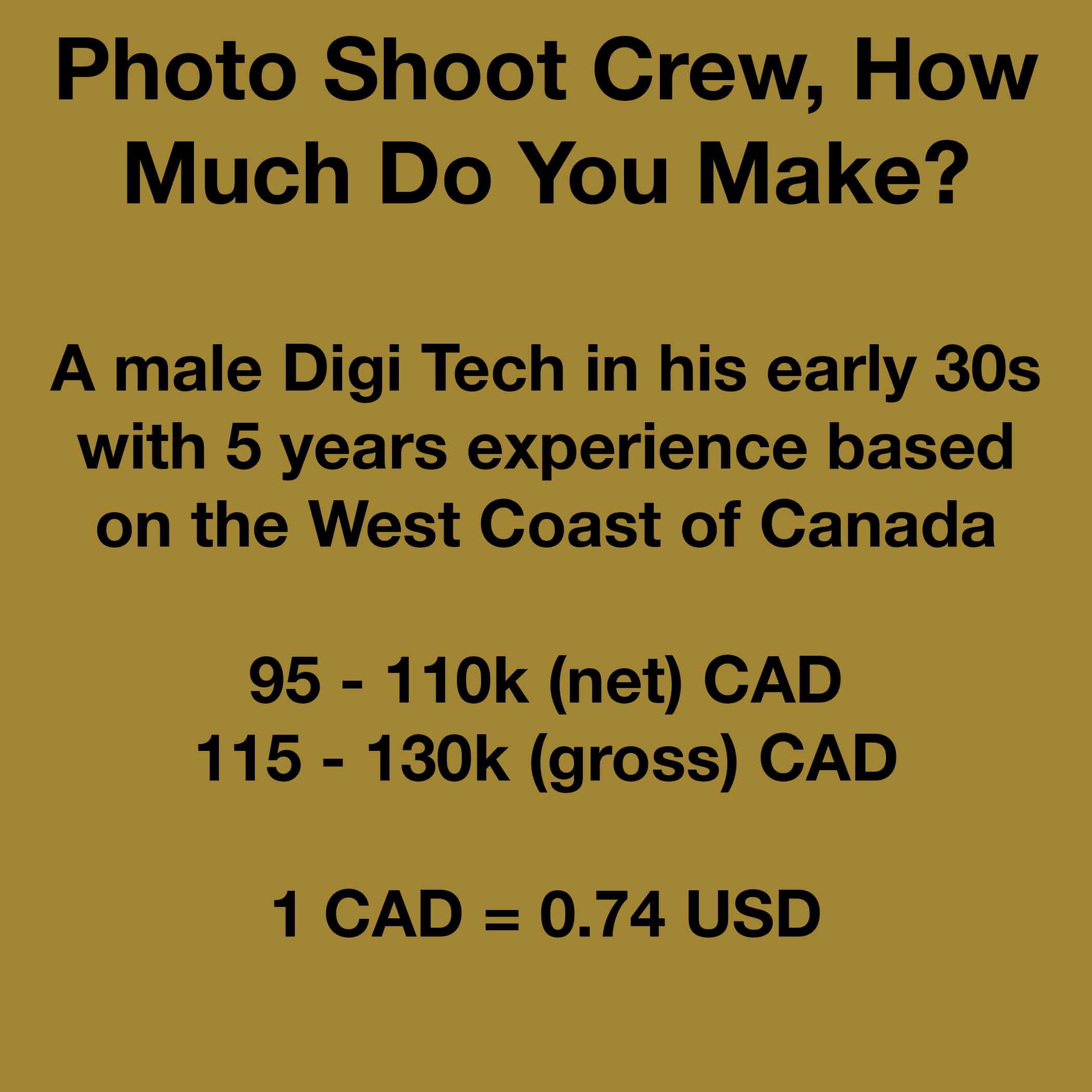
A male Digi Tech based on the West Coast of Canada: 95 – 110k (net) CAD

I’m a Sole Proprietor and looking into incorporating, but held off to maximize my income on paper in the interest of getting a mortgage (In Canada, for sole proprietors, most banks take your previous two years income, average it and multiply by 5 to determine the mortgage amount you are eligible for). I recently did and will likely be incorporating at the start of the coming year

90% is digi tech work, 10% is photography. I occasionally shoot editorially and sometimes get the opportunity to shoot for small brands or small/pick up portions of a larger commercial shoot. I worked 4 years prior as a Photo Assistant.

80% of jobs are for clothing brands based on the West Coast of Canada that sell internationally.

I own a lot of digital tech gear, but not as much as a lot of other techs I know. Most of my shoots are on location and “medium budget” shoots, usually a tripod mounted tech station, a fleet of ipads, maybe a cart and monitor. I own and maintain enough to service clients needs for these shoots and rent anything that I won’t be able to get on set regularly or pay itself off efficiently.

I don’t have a studio or office space, but I do have a home office. My personal vehicle is insured for business use and is a great gear hauler. Small costs like new tether cables, hard drives, memory cards, digi accessories, etc. are the most frequent. I usually spend 10K~ per year on digital tech gear.

I’ve only recently got to a point where I can comfortably contribute to an RRSP, I aim to put 10% of earnings per year into it, hoping to increase that and create a more solid plan in the coming years.

100 average digi tech days a year and 10~ as a photographer.

To be very honest, I got lucky with the timing of Covid. In the previous years, I had invested a lot of time and money into tech gear and transitioning from primarily an assistant to a digi tech. Early 2020, I had paid off most of my current gear and found clients that hired me semi-consistently – if it had of been a year earlier, I would have been in a much more precarious position. When work picked back up again, I was busier than ever with digi tech work as creating space by providing screens and alternate ways to collaborate was more necessary. The clients that were busiest and have continued to be my most frequent were primarily clothing brands with most of the campaigns targeting online sales.

Most shoot days are on location, usually right on 10hrs, some more with travel time to locations. Roughly 60% of my bookings are 1-2 day shoots, while the other 40% are 3-5 days. Most shoots have two photo assists on our crew, sometimes three, sometimes just one. We rarely have video, sometimes incorporating a day or two of it into a multi-day shoot, but more often than not, purely photography.

My digital tech rate is $750CAD/10hr, except for some clients I have worked with since I started teching, the lowest being $650CAD/10hr which will raise at year end. I aim to raise my rates every year or two to account for inflation and for the most part, clients are receptive to the increase. My basic digi tech gear kit starts at $550CAD/day for a tripod mounted laptop setup and increases with additional add ons (ipads, cart, monitor, battery power, etc). As an average, gear rental usually amounts to roughly $650CAD/day. Most photographers I work with use their own camera(s).

I sometimes have the opportunity to hire photo assistants for photographers I work with frequently, if so $550CAD/10hr or higher depending on the budget or the assistant.

There hasn’t been much variation in my pay as a digital tech. On the rare occasion I tech for a commercial job from the US that is shooting in Canada, it can be more lucrative where rates are the same number, but in USD ($750/10hr CAD becomes $750/10hr USD or higher). Most of the time production will come to me with a rate they have already budgeted for. Those shoots usually require a lot more digi gear, but that doesn’t make much a difference to my take home pay as I’m usually renting that extra gear to supplement my modestly sized tech kit.

Nothing stands out as the worst paying, but everything low paying for me has been associated with editorial work. Whether it is teching or assisting for a photographer friend with a small budget or shooting my own editorial, I have taken budget cuts to make something creatively satisfying happen for myself, a friend or to try and distribute a slim to non-existent budget evenly between a small crew.

As a digital tech, almost all of my work has been word of mouth. Consistently trying to meet new contacts and being a reliable, friendly person to work with has done well for me.

Best Advice – be friendly, helpful and support the people you work with! No one wants to work with a jerk. Be aware of the varying reasons you might be a part of a crew and try to excel at those. Support your talented friends and help them make connections that will help them grow in the industry. We’ve all got different stories and are all trying to make this work. Also, most things on Jake Stangel’s instagram are great advice!

Check your ego with your crew – not just digi techs and photo assists, the whole crew. We’re all here to help you do this job in the best possible way if we’re given the space to. Be direct and honest, but there’s no need for unnecessary shade to be thrown.

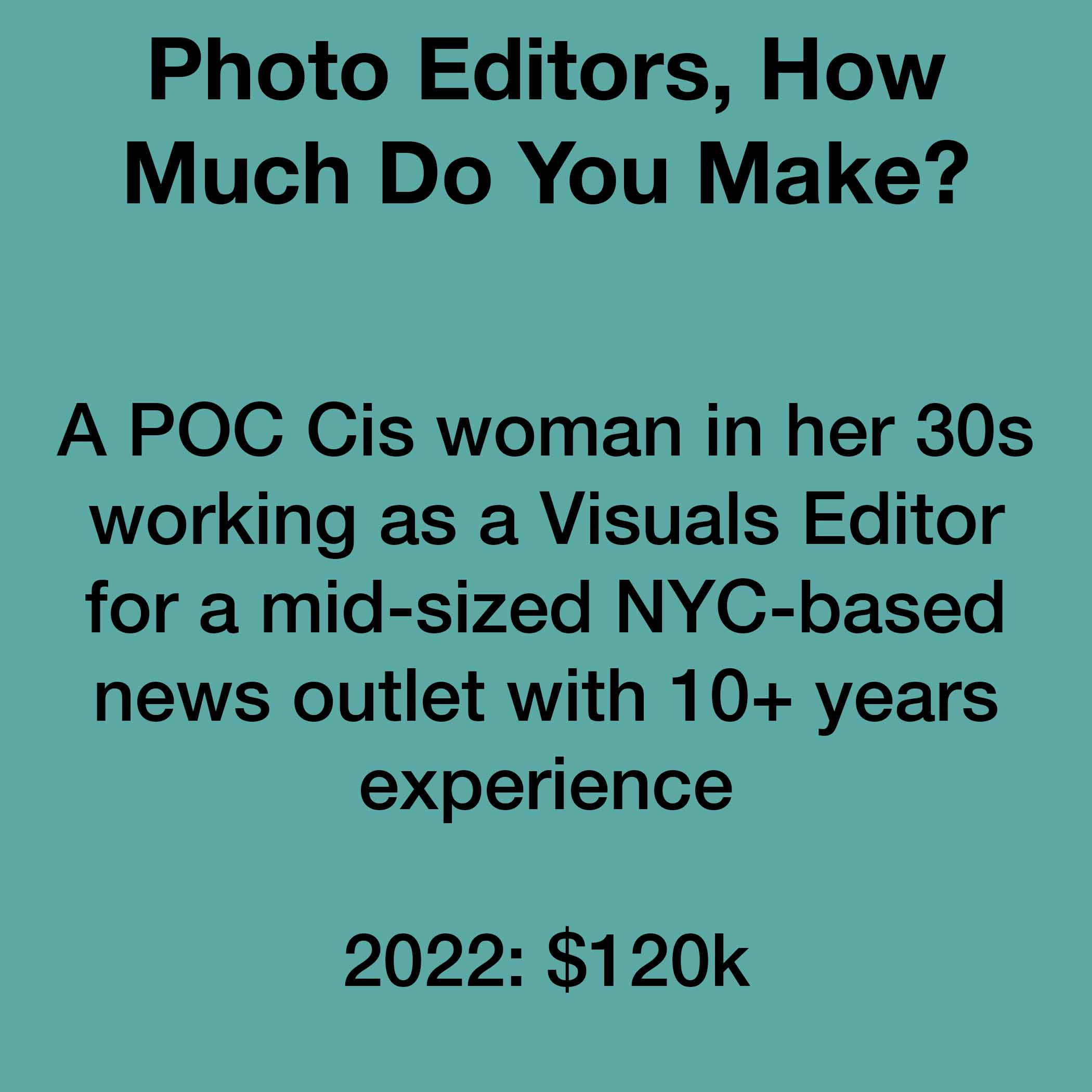
A Visuals Editor in NYC: $120k

I work at a mid-sized NYC-based news outlet with a national distributed staff. Most of us work remotely.

My company offers 100% match on our retirement fund up to 5% of your base salary and the money vests immediately so it’s yours, even if you leave the company. I also have about $30k in a Roth IRA from my freelance days. Getting a retirement account with a company contribution was a big factor in me taking a staff job. I didn’t see a way to save enough for retirement as a freelancer.

I work about 315 days a year. We get 6 weeks of PTO (including sick days) + company holidays. It’s very difficult to take time off without falling behind on work but my manager and company try really hard to encourage everyone to use all their PTO.

I’ve aggressively negotiated to raise my salary more than 20% over the past few years at my current company. I love to see colleagues at other outlets being paid more than me because it gives me a data point to bring back to my managers to ask for more. Rising tides lift all boats. My income was no where close to what it is now when I was a freelancer living off maxed out credit cards and taking out loans to cover basic living expenses.

I still do a little freelancing on the side that brings in $5-30k/year depending on the year.

We pay photographers $500/day + $250/day for travel + meals and expenses. If days are longer than 8 hours, we will pay extra. We’ve paid as much as a triple day rate for a super long day. I try really hard to be humane to our people by proactively communicating what I can do (like booking their travel expenses on my corporate credit card if the expenses are a burden) and reminding people to invoice as soon as they file (we don’t require people wait for stories to publish before they invoice).

Photo editing is a really gratifying job if you love it, but it’s very different from being a photographer. I think a lot of photographers consider photo editing to be just a plan b photo job but if you got into photo because you want to be outside in the world, ask yourself if you’d really be happy with a corporate desk job being stuck behind a computer and in meetings all day. There’s a LOT of office politics to navigate and the work is really difficult. You have to look at a very high volume of really distressing content and there’s a lot of pressure being responsible for the wellbeing and safety of the freelancers you hire. But if you love telling stories in pictures and love supporting photographers and coaching people to create something special it might be a really good job for you.

Whether you decide it’s the right fit for you or not, be generous because everything in this industry is about relationships. The more you’re willing to give of yourself to others, the more others will want to return the favor when you are in need. For photo editing specifically, good relationships will get you in the door but you also need good relationships to be effective in the job. So much of setting photographers up for success comes down to photo editors having good personal relationships with reporters and word editors and colleagues across the newsroom so we can get the information and resources you need (soon enough) to do your best work.

Best Advice: The best professional opportunities of my career have been totally unexpected but they came about because I was headed in a particular direction. Work hard in the direction that feels right to you but be open to pivoting when something unexpectedly wonderful comes up along the way.

I also heard Bill Cramer say at an NPPA conference years ago that you are not entitled to make a living doing what you love. It’s so true. If you’re able to making a living doing what you love you need to consider yourself immensely privileged (as I do). My immigrant ancestors didn’t have that luxury and most workers in America don’t either. I think photography (news photography especially) is very important to society but passion is not enough for success if the market conditions are not right. I don’t know any photojournalists anymore who make a living 100% from editorial. So you have to take a cold hard look at yourself and your situation and if it’s not working, something needs to change. I see a lot of very miserable (mostly older white male) photographers who lament that the industry isn’t what it once was, walking around with a chip on their shoulders as though in a ruthless capitalist industry, they should be entitled to more than they currently have. The photographers I see who are happiest are the ones who have embraced learning new skills and reinventing themselves, subsidizing their editorial work with other sources of income. I don’t think it’s a coincidence that these tend to be people whose identities were excluded in the “good old days”.

Worst: I was raised to believe that working hard and following your passion is enough and that it’s crass to pursue money. That’s not true. I got into a lot of debt working very hard for many years doing work I was very passionate about without valuing money sufficiently. I wish I had learned earlier in my career that money buys you choices. Not making or having enough money can trap you in bad, sometimes dangerous, relationships and work situations. The easiest way to save enough for retirement without being a super high earner is to leverage compound interest by starting to save and invest a little bit of money as early as you possibly can. If you’re in your 20s, start now. Max out your Roth IRA if you can. And invest as much as you can so your money can start earning interest, and your interest can earn interest.

I prefer photographers reach out to me by email or in person at conferences or gatherings but I also know it’s hard out there and I don’t think it’s fair or reasonable for editors to expect photographers to cater to each of our individual communication preferences. However you reach out, please remember that I am a human and be kind. It feels gross to be approached in a transactional or extractive way. I really encourage you to find ways to connect with editors beyond “I’m a photographer and I want you to hire me”. I like to get to know photographers as people because a lot of my hiring decisions are about more than just what your pictures look like. I’m looking to know what you are passionate about and how you would handle different situations. And I’m always looking for people I can trust to be kind and sensitive to the people I send you out to photograph so I need to see that energy from you in our interactions as well.

I find photographer anywhere and everywhere. Women photograph, diversify photo, indigenous photograph, instagram, other publications, portfolio reviews, word of mouth, at conferences and festivals.

Working in photo and journalism can brainwash us into a scarcity mindset but there are a lot of flourishing industries with higher pay, more job security, and more room for growth. If you absolutely love what you do and are finding a way to make it work, that’s a beautiful thing. But if you’re not, know that you’re not a failure. You’re a victim of a collapsing industry. And there’s no shame in closing the door on one chapter and moving onto another chapter of your career. There are many ways besides photo or journalism to contribute meaningfully to this world.

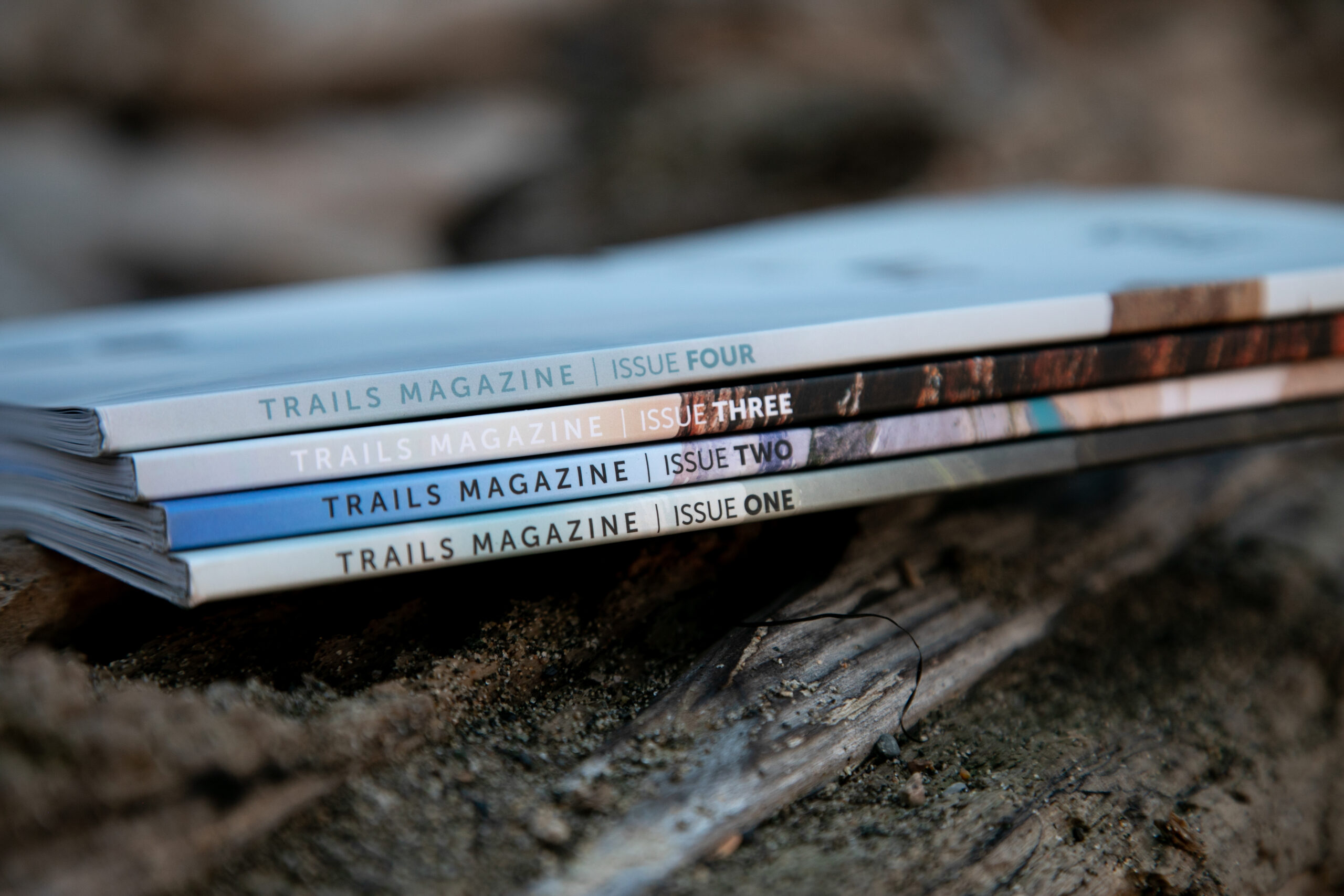
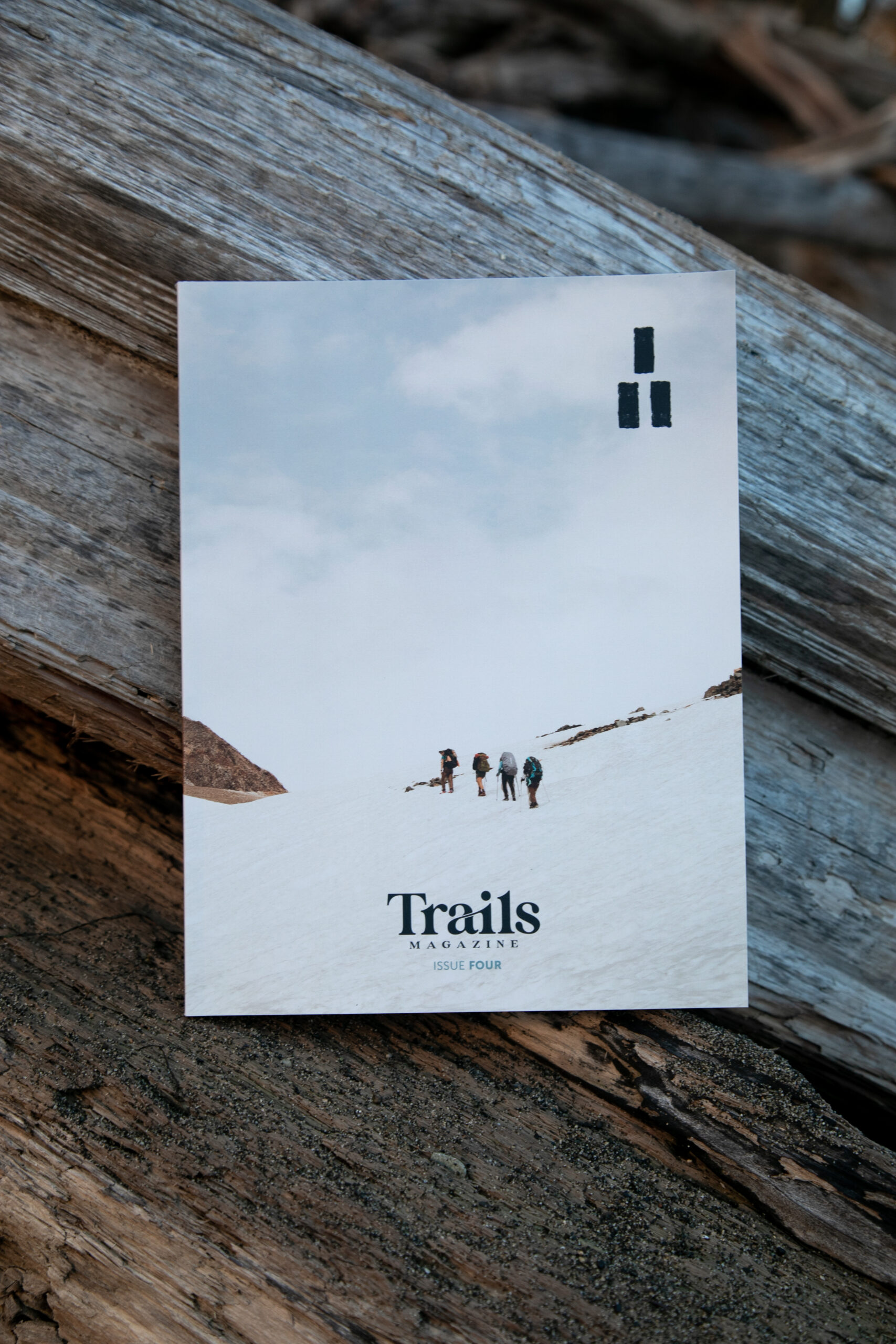
The Daily Edit – Trails Magazine

 
Trails Magazine
Editor-in-Chief: Ryan Wichelns

Cover Photographer: Sarah Attar

Heidi: Now that you’re 4 issues in and poised for 8, what has been your biggest creative challenge as a team?
Ryan: We’re definitely continuously trying to innovate. I feel like a lot of corporate magazines can get a little bit stagnant. It’s more difficult for them to switch things up. I like the fact that we can take advantage of our size and nimbleness to try new things and deliver new things to our readers. So I’m definitely trying to encourage new ideas from our contributors. 

Your team is fully remote across four time zones, with a distributed workforce what are some of the benefits and challenges?
Yeah, it’s easily the most geographically diverse team I’ve ever worked on. Our photo editor is on Alaska time, I’m on Pacific time, our managing editor is on Mountain time, our designer on Central, and our marketing director on the East. Scheduling obviously has its challenges but I like that we all get out to experience different places and different mountain ranges. We all have a little bit of geographic “expertise” I think. I grew up back East and used to think the big magazines had a little bit of a Rocky Mountain bias. Having our team spread out makes it harder to focus too hard on one spot.

You were funded via Kickstarter initially, what are your plans to keep the presses humming? (I enjoyed your ASMR of the printing press)
Our Kickstarter definitely got the ball moving and funded Issue 1, but every issue since then has been funded by our subscribers. Advertising is a very small part of our business, so we really rely on our subscribers and readers to keep the ship afloat.

How would define the editorial and photo direction of the magazine?
That’s an interesting question. I try not to pigeonhole our content too much, but I do think we try to put an emphasis on bigger, more research-intensive, more immersive, and frankly more important stories. Longform stuff. So much of journalism these days is quick-hit: Listicles, short reads, etc. We’re trying to fill the magazine with the kind of journalism that takes real work.  

You’ve spent your career as an outdoor journalist, so why start your own magazine?
I loved Backpacker. It was the first magazine I ever read as a kid—It was really important to me. Before Backpacker shut down, starting a magazine frankly wasn’t on my radar at all. But once they shut it down, it felt obvious. The backpacking community really didn’t have anything else and it felt like an important hole to fill. After a long time behind the scenes, I felt pretty confident that there was a way to do it better, so here we are.

What words of advice do you have for others considering independent journalism?
Trust your readers. If you make a product for them and make it something that’s easy to like (good content, quality, etc.) they will read it. Print isn’t dead, it’s only that cheap, mass-produced brands of print not thriving. Readers are willing to support good print.

Can you share the backstory for this cover image?
We made our way up and over McGee Pass in early September, on day two of our five-day backpacking trip through California’s High Sierra. On our way up to 11,895 feet, the lingering late-summer snowfields and still-thawing lakes were evidence of the record-breaking winter prior. I appreciated the rhythm and pace of moving among the mountains, allowing for quiet and continuous observation of the landscape, of the lines and the light and the colors, a moving meditation with each step.
 How did you get connected with Trails Magazine?
Sarah: I came across Trails Mag when it first emerged and was immediately intrigued and keen to submit work. I’ve always loved independent, photo-focused, magazines and was excited to see another pop onto the scene. Seeing my work printed is incredibly special, especially amongst some lovely storytelling and other incredible work. I try to engage with it in that way as much as I can, whether that’s through print sales, publications, or my own personal photo cards, it’s so special to bring the digital world into a tangible space. It’s also been a really fun way to build community in the outdoor photo industry. I started submitting some favorite images to Trails Mag and had one featured as a “Vantage Point” in the issue prior, and was incredibly excited and grateful to hear that this photo landed the Issue 4 cover.

How has nature and being human-powered shaped your photography?
Sarah: Photography and movement in nature have evolved symbiotically together in my life. They feel totally interwoven and inform each other constantly. It was over 10 years ago that I ran my first marathon and brought a disposable camera along with me to document it, one exposure for every mile. It was when I was training full-time and living in Mammoth Lakes, CA that I really started to develop my photographic style. I would spend miles running, observing the light, the mountains, the colors, the trails, and then return to these places to photograph them. This felt like a very intimate study and experience of the land. These two very natural and effortless ways of engaging continually inform and inspire the other. A lot of my initial work during this time was very landscape-focused, and that’s still one of my favorite areas to work in. Since diving into photography full-time, it has naturally evolved into documenting people moving through these landscapes. I love photographing people in their element, finding their flow, working hard, and going after their goals in these big beautiful spaces; capturing human-powered movement in the places that move us, while physically exploring the earth and our connection to it. Photography and movement in nature are the ways that I find most presence. They both turn my attention to the world around me. And I’d say a majority of my favorite images have involved some form of time and movement getting out into the mountains.

How can photographers get involved?
Anyone interested in contributing can find out more at trailsmag.net/contribute.
Subscribers can just go to trailsmag.net
Images for the blog post:  Lauren Danilek


The Art of the Personal Project: Annabelle Breakey

The Art of the Personal Project is a crucial element to let potential buyers see how you think creatively on your own.  I am drawn to personal projects that have an interesting vision or that show something I have never seen before.  In this thread, I’ll include a link to each personal project with the artist statement so you can see more of the project. Please note: This thread is not affiliated with any company; I’m just featuring projects that I find.  Please DO NOT send me your work.  I do not take submissions.

Today’s featured artist:  Annabelle Breakey

This is a body of work that focuses on a world that we all secretly have, but don’t really talk about: Guilty Pleasures. Guilt oftentimes is deeply intertwined with our relationship with food. Those tantalizing, excessive, and undoubtedly indulgent yummy experiences that we all pine for – to gorge, swig, smoke, stuff, dip, indulge, just over your fill. This work is not to be a guilt trip; It’s meant to be a guilty pleasure and to be enjoyed and explored with your own sense of wanting and to have a giggle over your own experiences. No judgement, all fun.

The reason why the subject is so appealing is that 38 percent of Americans confess they’re at least a little ashamed of their guilty pleasures, with 39 percent admitting to lying about them and 22 percent hiding one from their partner.

Whether the food is expensive, like indulging in a Tomahawk steak and bottle of red wine, by yourself, or excessive such as ordering way too much Chinese takeout and reading trashy novels in bed while eating by yourself, the goal of this work is to have a playful poke at our inner selves. We’ve all wanted what’s in the pictures to some degree.

Through this project, I want to free viewers to enjoy their own culinary guilty pleasures. In other words, go there and not be shy, within reason. We’re all human. Your love for food should be a sign of self-care, not weakness. Sometimes we just need a little fun with our relationship with food and not feel bad about it. Live a little.

To see more of this project, click here

Instagram

APE contributor Suzanne Sease currently works as a consultant for photographers and illustrators around the world.  She has been involved in the photography and illustration advertising and in-house corporate industry for decades.  After establishing the art-buying department at The Martin Agency, then working for Kaplan-Thaler, Capital One, Best Buy and numerous smaller agencies and companies, she decided to be a consultant in 1999.  Follow her at @SuzanneSease.  Instagram

Pricing & Negotiating: Trade Show Photos For Healthcare Client

By Andrew Souders, Wonderful Machine

Concept: Multi-day photo shoot of a branded trade show booth with accompanying product photography
Licensing: Unlimited use of up to 110 images in perpetuity
Photographer: Brand Narrative, Still Life/Product Specialist
Agency: Mid-size US-based branding & design agency with multiple international offices
Client: Mid-sized Global Diagnostic Healthcare Product Manufacturer

Summary

I recently helped a photographer build an estimate for a West Coast-based healthcare product manufacturer. The brief described capturing the brand’s large, high-end trade show/product display booth during an event at a convention center in the southwestern US. The images needed to showcase the branded booth design and the products it featured. It also included a shot list of individual products on white in a studio set-up at the same venue. The creative plan was for single-day coverage of the booth during the event and an additional 2 days of product photography in an on-site studio. The final use of the images would be for web and print ads as well as collateral purposes, including the client’s website, social media, and marketing/publicity for other industry events.

After reviewing the creative brief and a few revisions to the estimate based on feedback from the agency the client was working with, we landed on a budget to provide up to 110 images over 3 shoot days. This was comprised of 20 final selects of the booth at the trade show and up to 90 images of an anticipated 18 individual products, which would include multiple angles and close-up details of each.

We included a note that the client would be responsible for location coordination at the venue, providing, transporting, and styling for all of the products (some of the products were noted as quite large, and would require extra attention and coordination when moving and preparing them for photographing). Also, the client would be responsible for providing meals for the crew during shoot days.

Fees

We initially suggested Unlimited use for up to 2 years. The client returned requesting to see pricing for a “full buyout.” We tend to avoid this term because it is vague and can mean different things to different people. After clarifying with the client, we landed a license for Unlimited use in perpetuity for up to 110 selected images. I estimated $27k would be an agreeable combined creative/licensing fee for 3 shoot days and the intended use. In this scenario, the size of the client and the amount of content put upward pressure on the fee. However, the niche market of this brand and the smaller audience it would appeal to applied downward pressure. You can read our guide about our lists of vertical markets and more about what vertical markets are in this article.

Air travel would be required for the photographer to reach the venue. We budgeted for the photographer to travel to the location for 1 day to photograph the trade show booth. Then return a few days later after the client had time to transport and prep the products in a separate room at the venue for the 2 days of product shots. Since this would require 2 trips to and from the venue city, I included 4 travel days at $750 each. Aside from that, I added 2 days for the photographer’s pre-production and prep time at $1000 each.

Crew

Since there was a need for a large amount of imagery over the 2 product shoot days, we included a budget for a local producer to aid in coordination. We also included a secondary stills photographer during the days that the product photography occurred. Our aim would be to run 2 individual sets to cover as much product content as possible over the 2 shoot days available for this part of the job.

We added a first assistant for all 3 shoot days at $550/day. They would help with lighting and camera equipment management during the trade show as well as the product days. We also budgeted 2 days for a second assistant at $450/day to act as an extra set of hands on the product shoot days. In addition to the assistants, we budgeted for 2 digital techs (1 for each set). They would handle file management, cleanup, and adjustments during the product shoot portion.

Equipment

The photographer would be able to provide some of their own gear and we included a $6750 budget for the appropriate cameras, lighting, and grip equipment to accommodate the larger products that would need to be photographed, taking into consideration the anticipated 2 sets that would be running during the product shoot as well. I added a $4000 budget for both digital techs’ workstations for 2 days and $220 for portable hard drives and media backups.

Travel

The photographer planned to fly to and from the shoot location. Thus, I included $435 for flights and baggage and $1150 for 5 nights at a hotel. We also included $100 a day for car rentals/transportation and $75 per diem for the photographer. All other crew were intended to be hired locally and wouldn’t need a travel budget.

Miscellaneous

We decided to absorb the insurance costs for the shoot. This included $450 for miscellaneous expenses like production supplies, parking, extra meals, etc.

Post Production

The photographer would include a basic initial edit of the content for the client’s review and to make selections. We then included $7750 to cover up to 30 minutes on each selection for basic processing and file cleanup. We also included product background knockouts and delivery of the final assets to the client.

Results

The estimate was quickly approved, and the photographer was awarded the project. The photographer let us know that he was able to get an additional budget approved to include a DP/filmmaker colleague of his on the shoot. They would provide the client with some motion content of the trade show booth and products as well.

Follow our Consultants @wonderful_at_work.