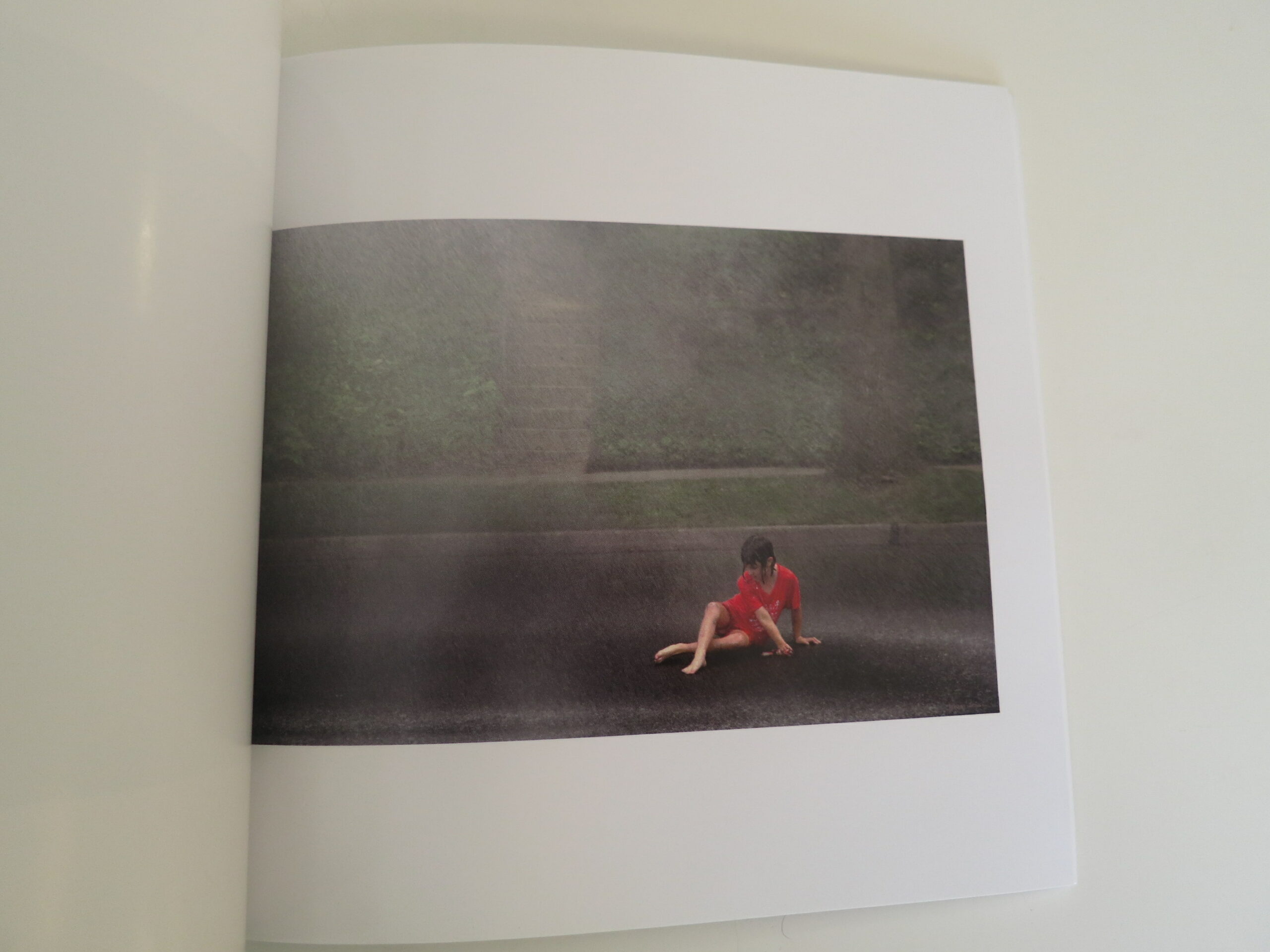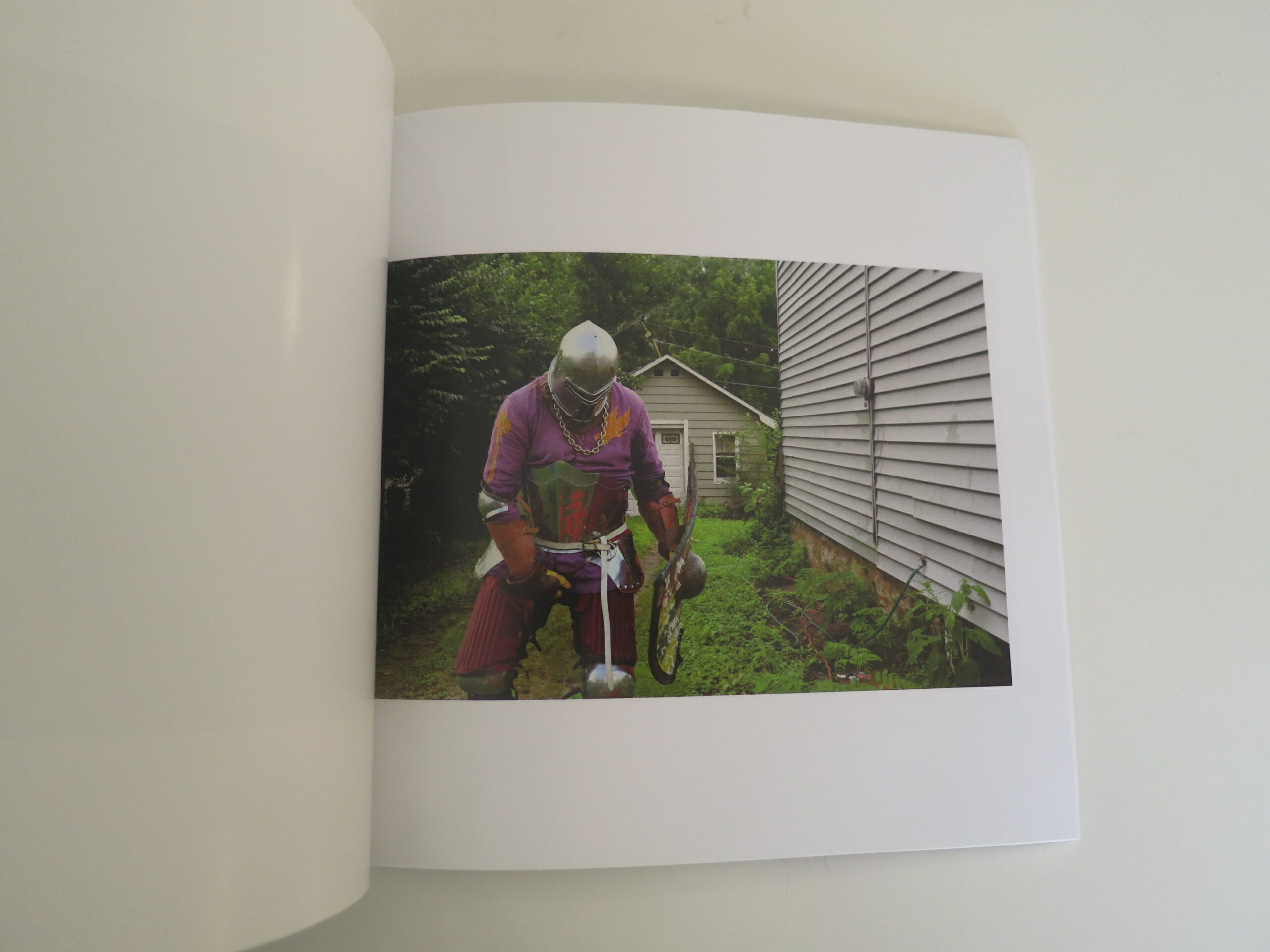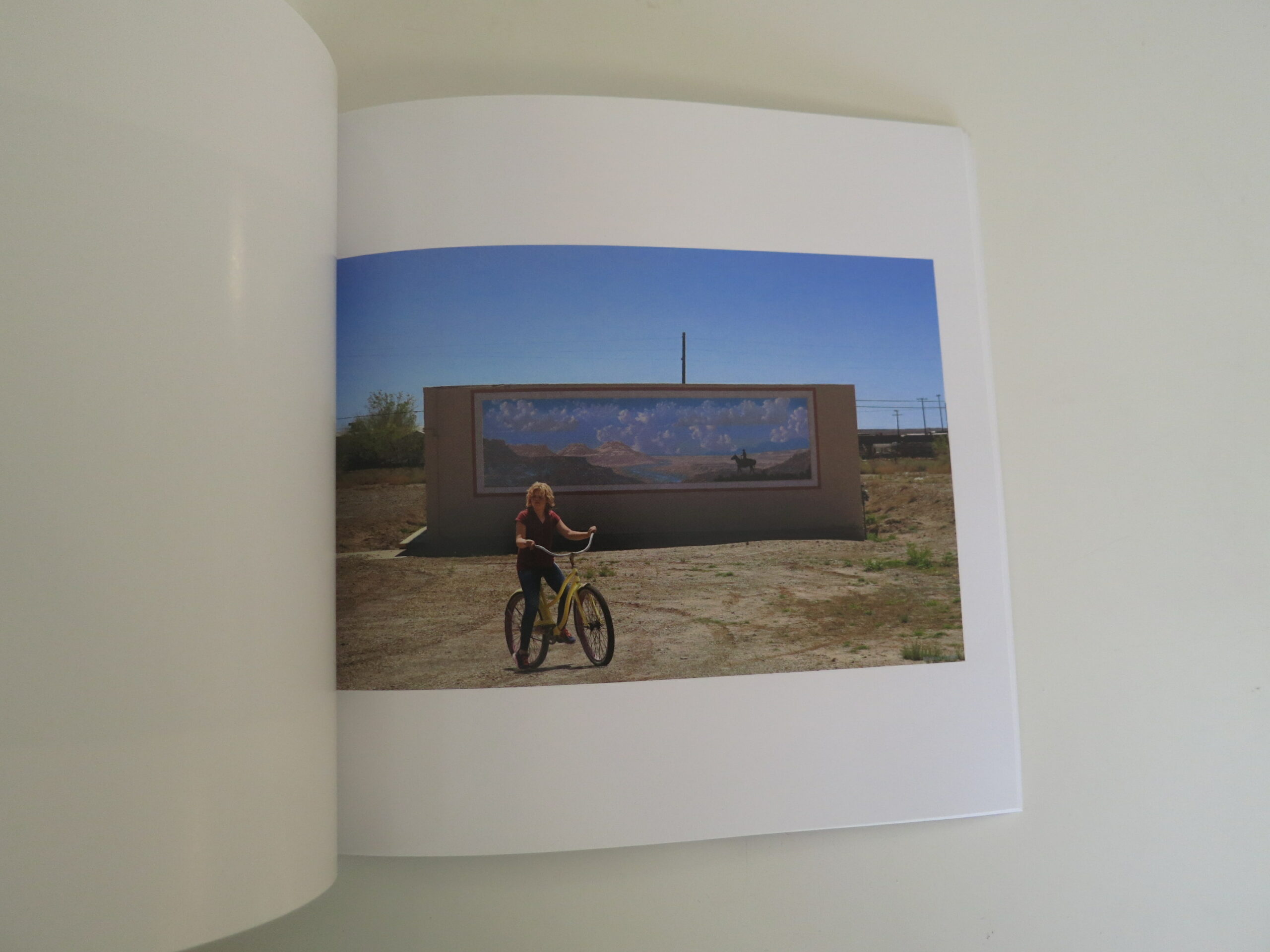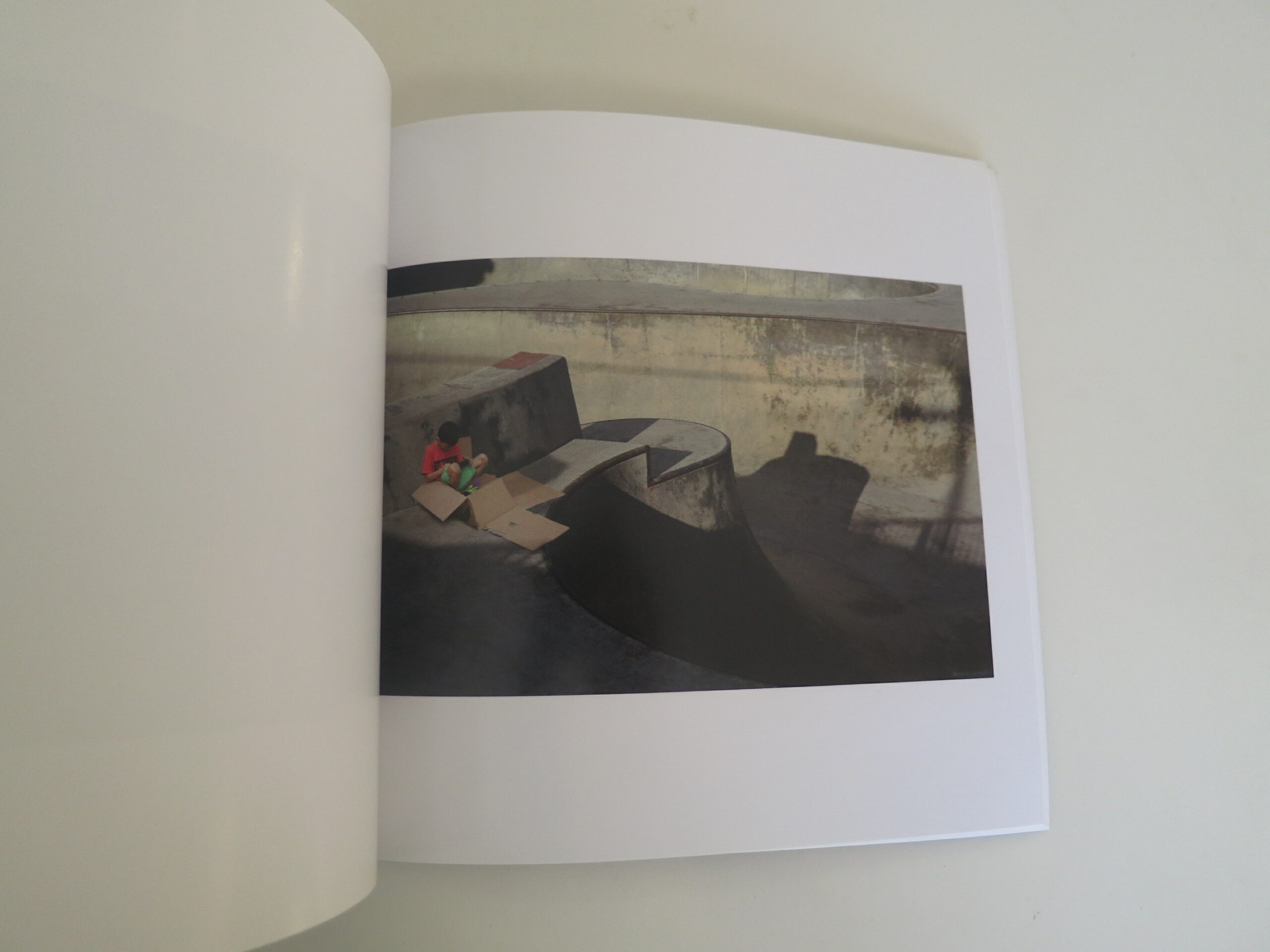
The Daily Edit – Drew Smith

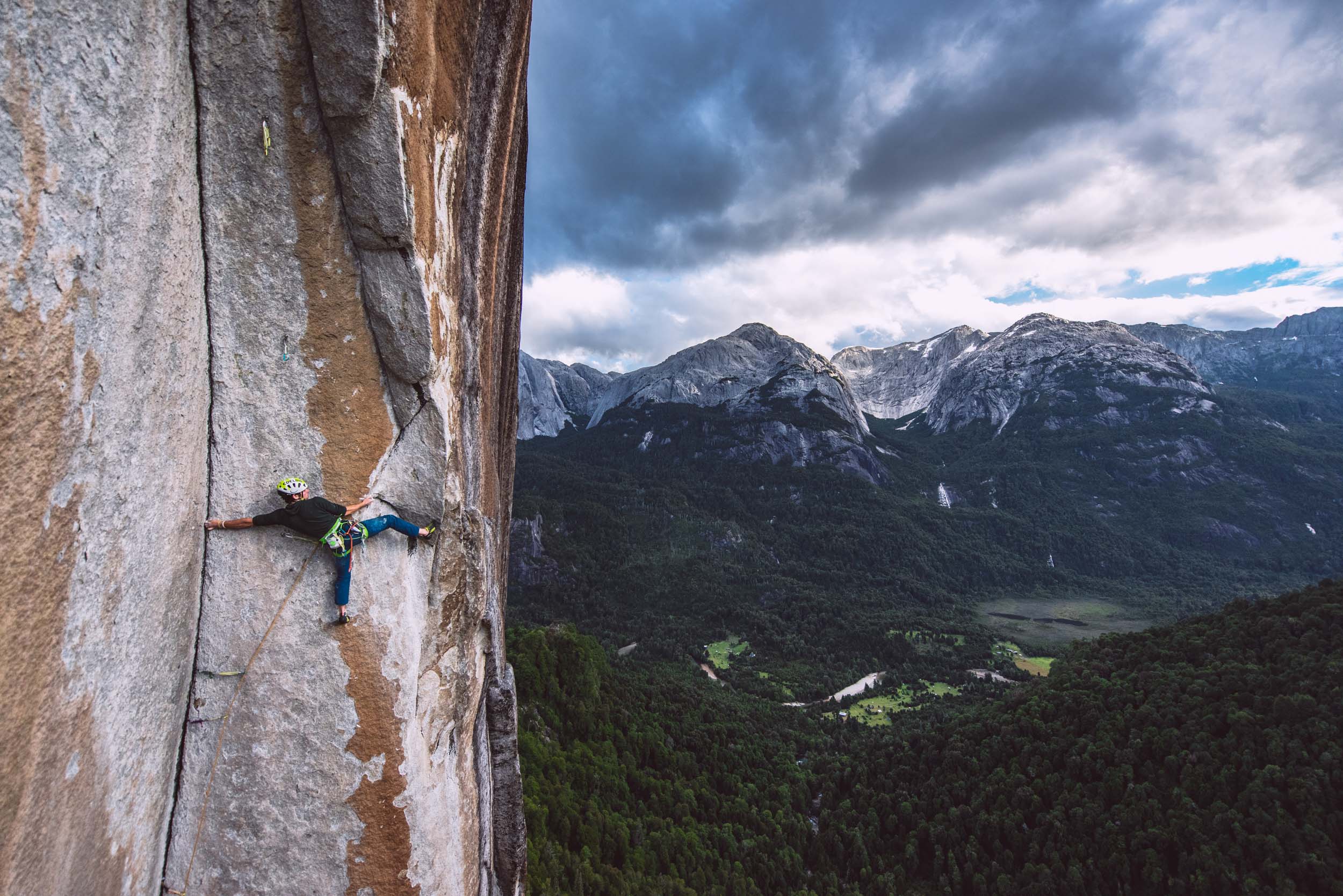
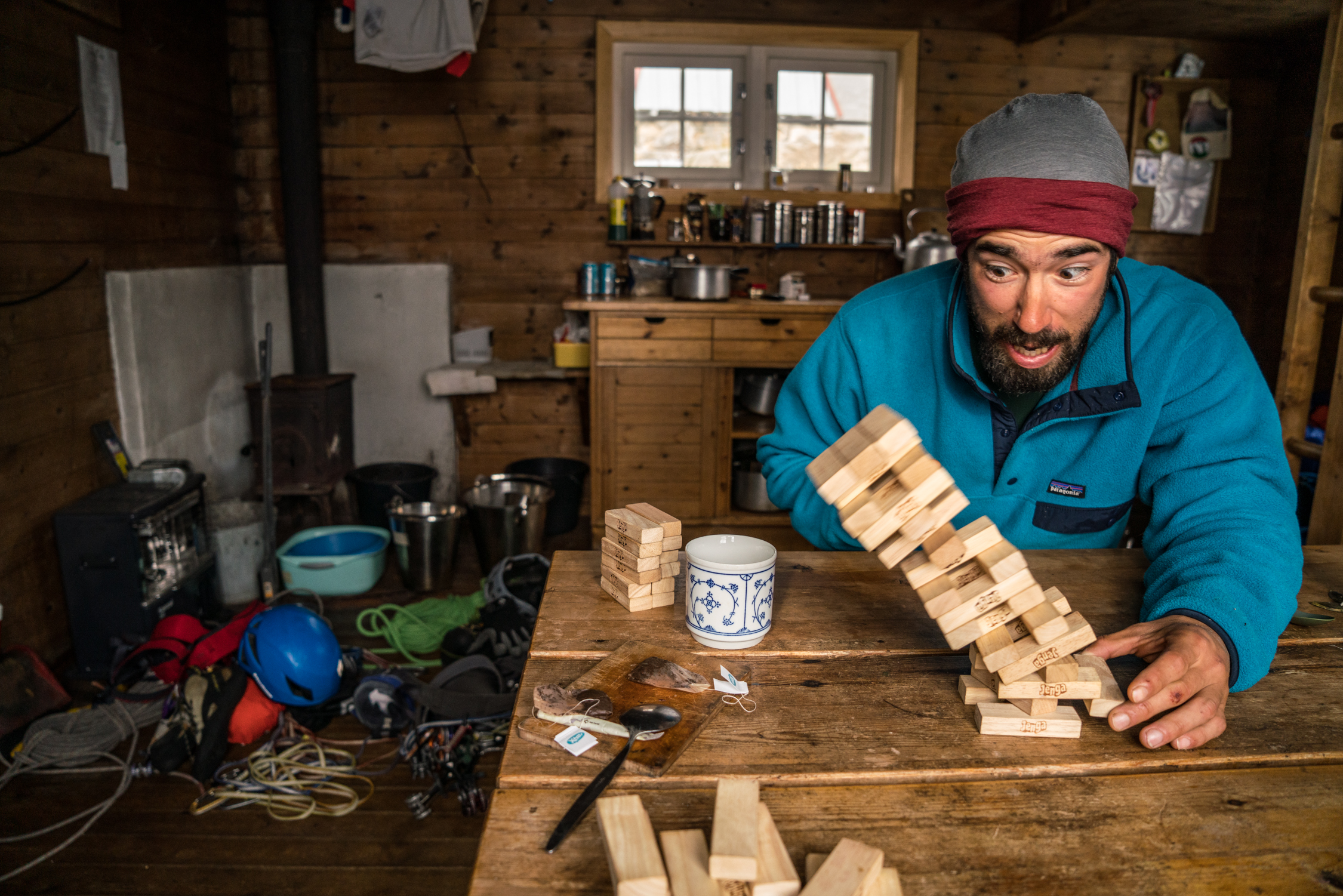
Robbie Phillips working out the moves on “The Corner” 5.14+ (8c/+?) – Pitch 15 with Ian Cooper belaying.
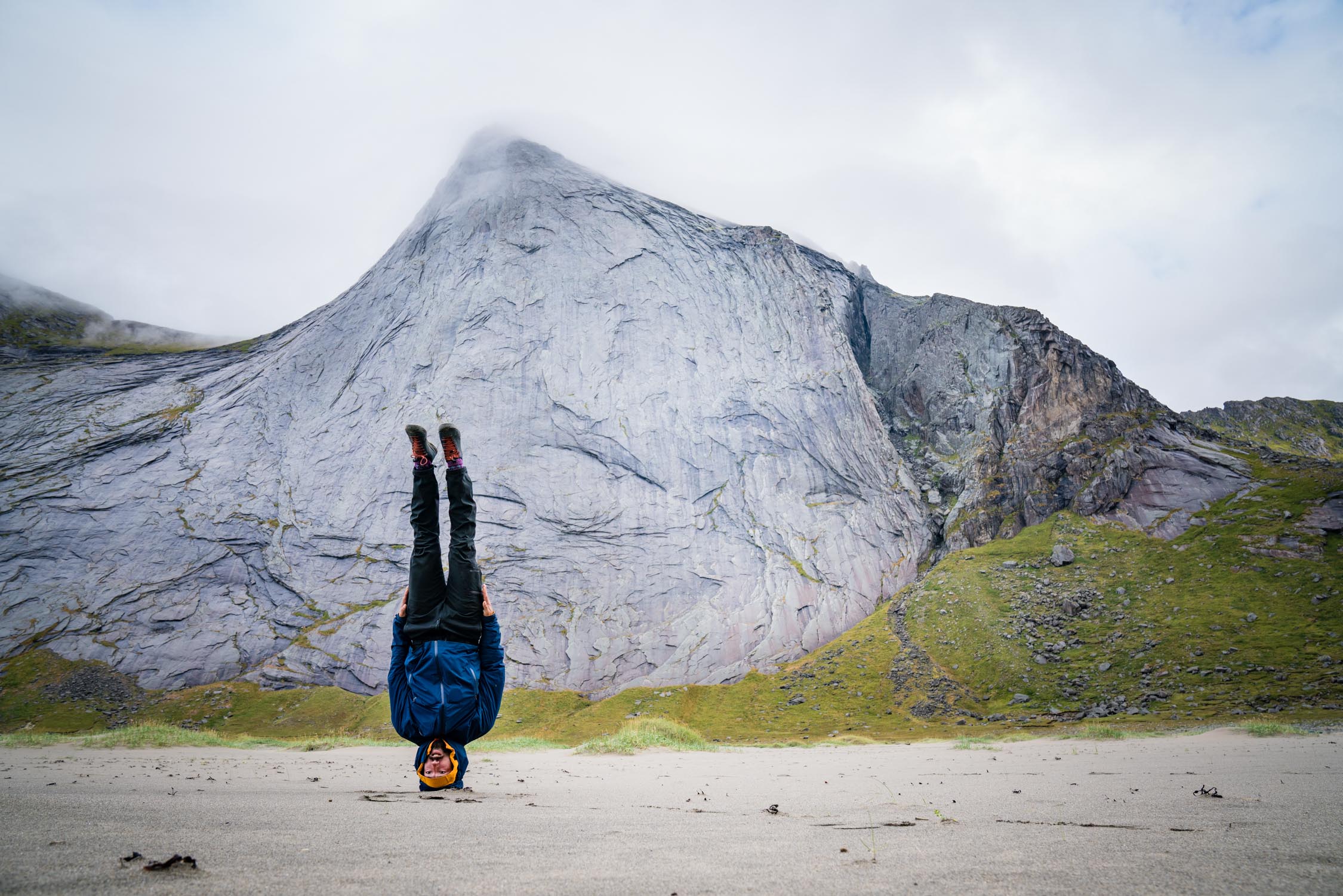
Ivar Van Der Stijl killing time in the rain while waiting for the wall to dry, Helvetestind. Norway
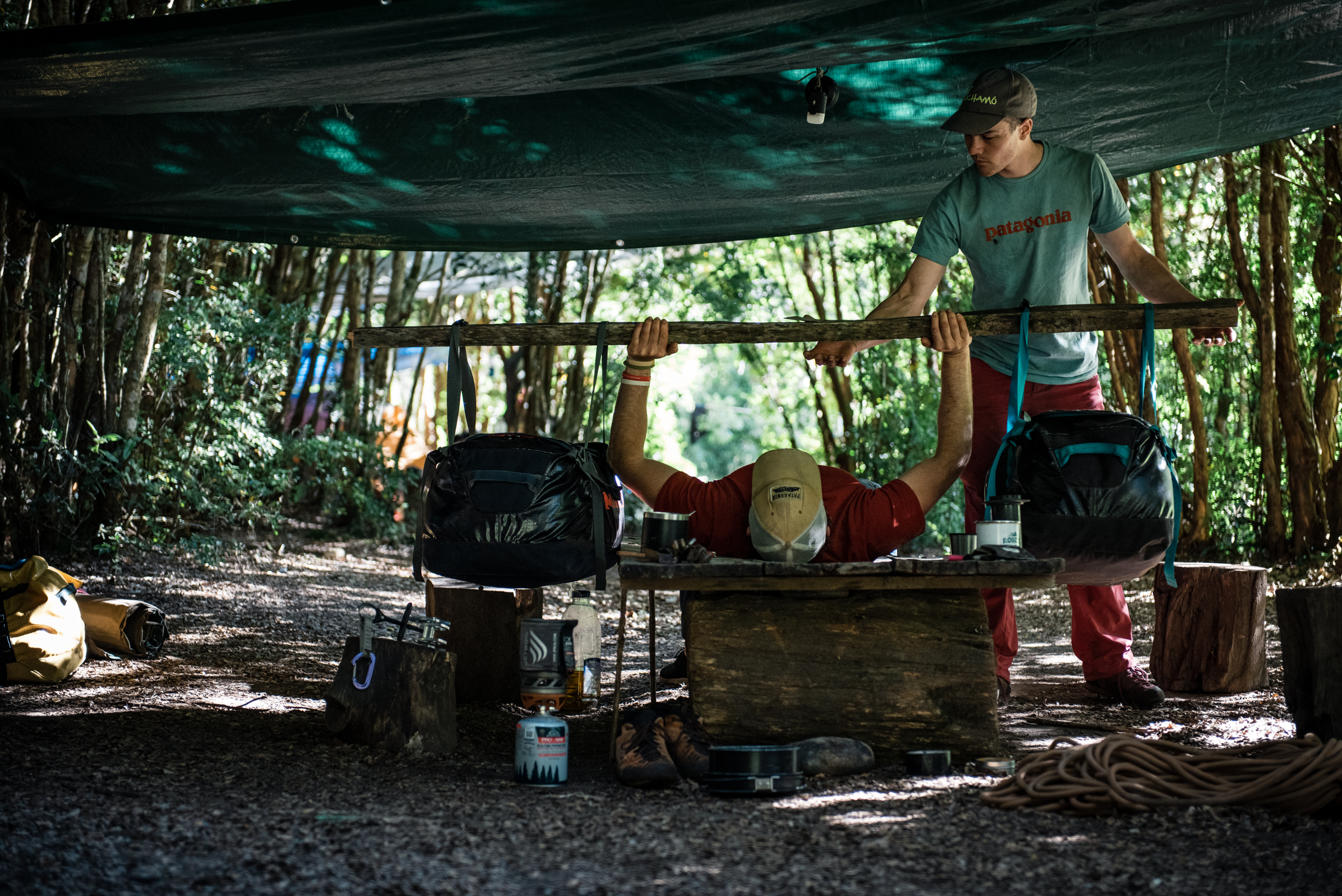
robbie phillips does some bench pressing to stay fit while in cochamo and ian cooper gives him a spot. la junta camping, cochamo valley, chile.
Rainy rest day with Ivar Van Der Stijl relaxing at the climbers hut at the base of baugen, norway.
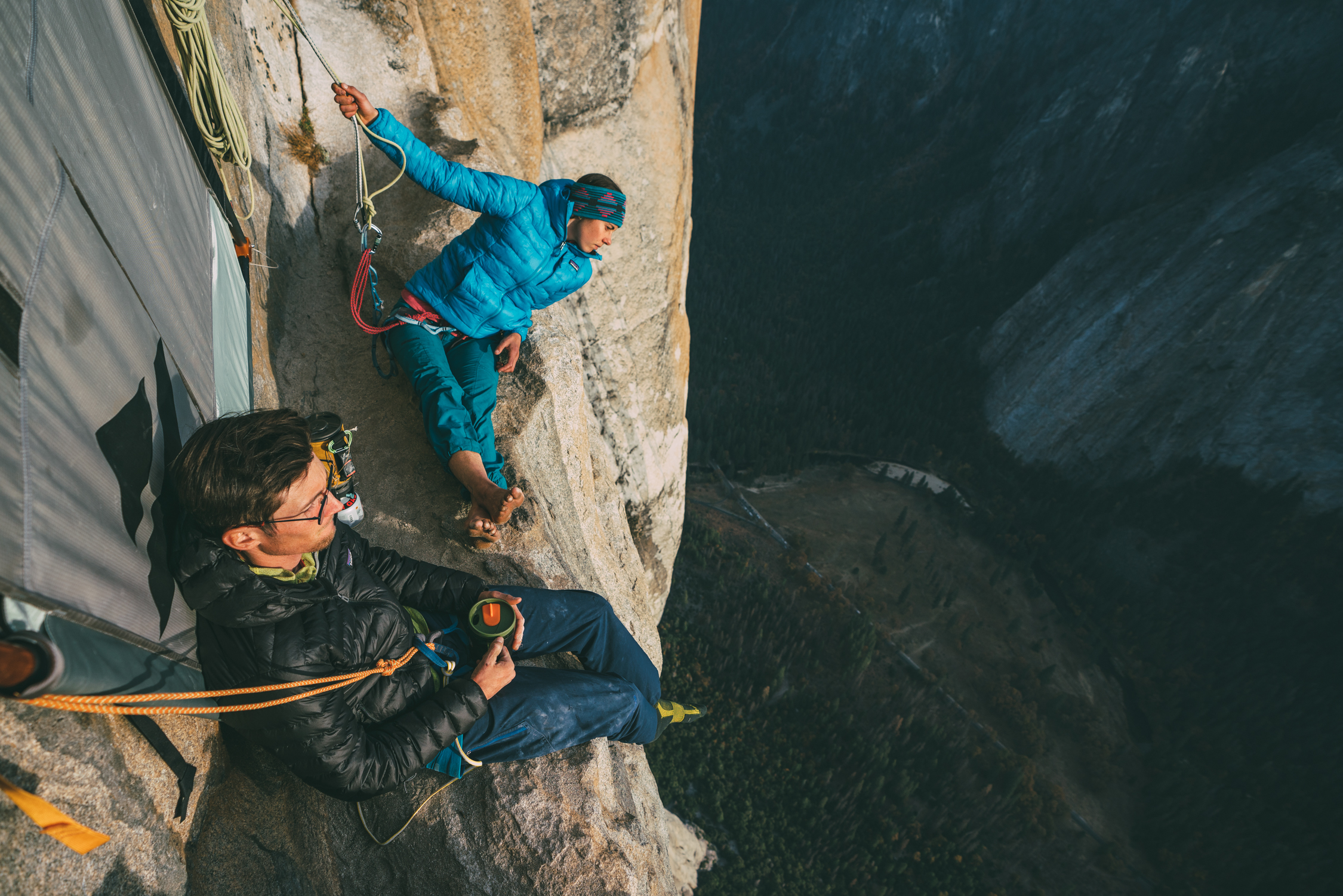
Eric Bissell and Jane Jackson hang out on long ledge a few pitches short of topping out the Salathe Wall 5.13 b/c on El Capitan. They spent a week attempting to free climb the route ground up. Yosemite, CA.

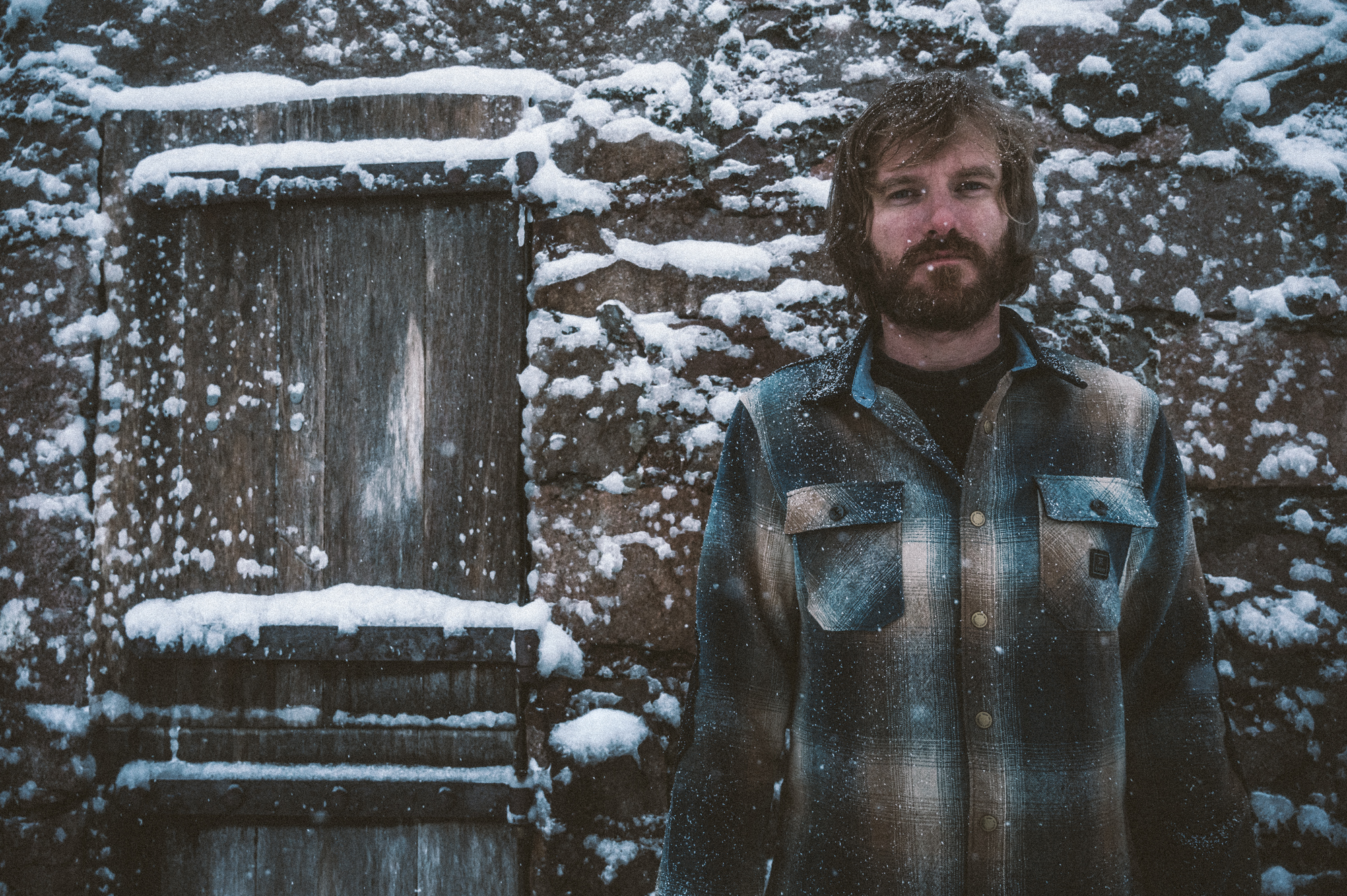
Drew Smith photographed by Dylan Gordon
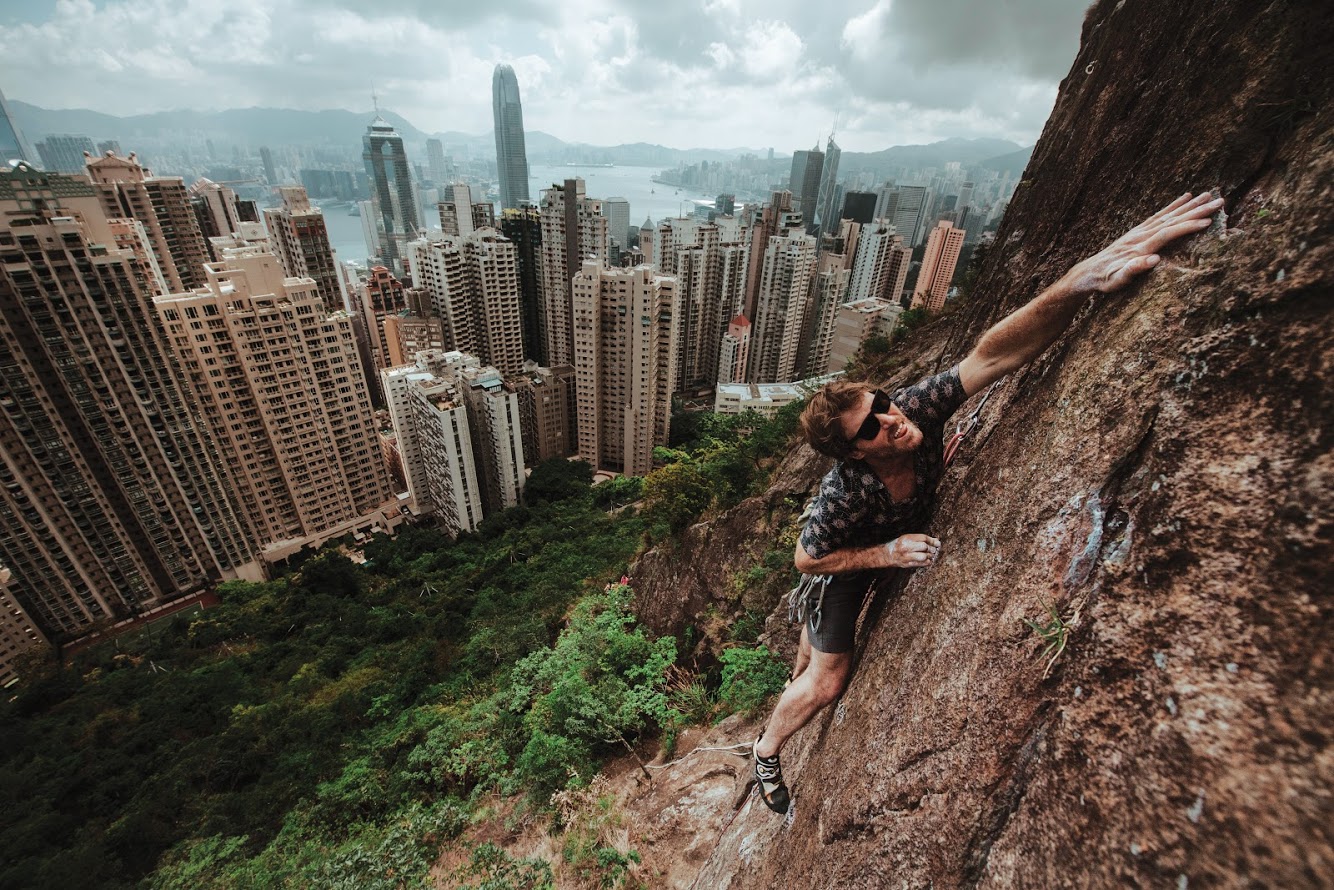
Photograph by Dylan Gordon

Drew Smith

Heidi: You’ve been able to align with brands that celebrate your truth and core values, how did that develop?
Drew: Working with brands that align with my core values started from friendships first. Those friendships eventually led to various opportunities and work relationships. Knowing who stands behind the brand is a good sign of what the company values. It’s just as much about the people involved as it is about the brand and I will always put that first when it comes to companies that I choose to work with.
What would you have told your younger self about brand work?
I would tell myself to align with brands that appreciate me as much as I do them. The journey to success might take longer but will be more of an enriched path.
How did your work with Patagonia shape you?
Over the years, Patagonia has given me the opportunity to continue to live my life and simply document it along the way. They value authenticity and encourage photographers to capture those real moments, so if anything, working with Patagonia has encouraged me to hold on to what feels honest and true to myself. I’ve also built a lot of confidence working with the editors who I’ve built relationships with. Those relationships have provided a path where I constantly grow as a photographer due to genuine conversations and feedback about my work.

How have you been navigating life interrupted this year?
Usually, I travel internationally for expeditions and shoots throughout the year, but this year I’ve shifted to keeping things closer to home. I’ve been spending more time shooting product and doing more commercial photography: taking advantage of this time to invest in different realms of this art form. In a lot of ways, shooting on expeditions is easy for me – it’s what I’m comfortable with and the inspiration comes easily. I know this time, strengthening other skills, will only help me to become more well-rounded and a better photographer overall. I’ve also been spending more time exploring closer to home. I’ve spent the past year around Montana, Wyoming, and Utah, going to places off the beaten path in my own backyard. It amazes me how fast humans adapt and how the new norm can shift with the blink of an eye.

Covid left us all wanting to help those in need, how did that manifest for you?
When Covid first hit, I felt a mix of depression and helplessness with a conviction to do something. People were getting laid off left and right. Families and businesses were suffering and still are. In many ways, I was largely unaffected and covid enlightened the disparity of people’s experiences living in the same country. Right away there was a high demand for masks for people in the healthcare industry. I felt that making masks was one small thing I could do to help. My girlfriend and I learned how to sew and made masks from scrap fabric I had at the house. We donated the masks through a program where they got distributed to local organizations in need. It wasn’t much, but I could see how the cumulative effect of small actions could be a powerful force for support and change.
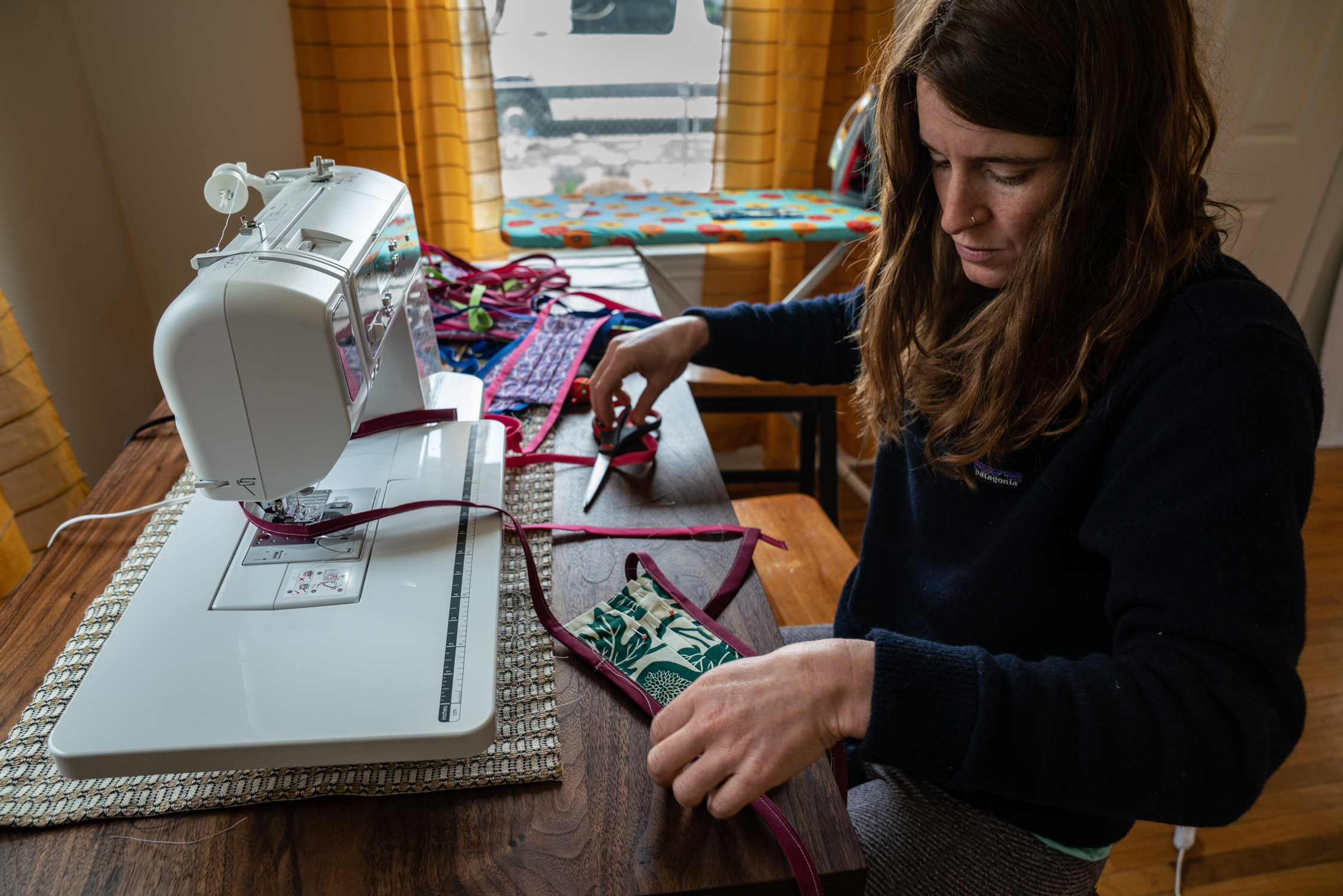
Rhiannon Klee sewing mask. Salt Lake City. Lock Down.

This year has been pretty awful, share some stoke about your close to home adventures.
I spent most of the summer in my home state of Montana exploring new areas with my girlfriend. We did a ton of adventure climbing, where no other climbers were venturing, and enjoyed the solitude. We also spent time finding hot springs and waterfalls on rest days. It was a meaningful experience to reconnect with the place I grew up in.

You’ve been on the road for 15 years, 3 best lessons from that experience?
1. The most valuable part of being on the road is getting to interact with a wide range of people because it’s an opportunity to have a better understanding of those that differ from you. My experience on the road has not been limited to climbing trips. I’ve worked in construction, wilderness therapy, search and rescue (just to name a few). I’m grateful for all I’ve absorbed from those different experiences. You carry that stuff with you and it becomes a part of who you are.
2. In a weird way, not having security has made me feel secure. being less rooted, I’m more comfortable not having a plan and more comfortable with change.
3. In our world of consumerism, people are constantly buying stuff. Being on the road, you really can’t have much and so you realize that you don’t need much. For years I only owned what I could fit in my vehicle and it’s been a good reminder throughout my life.

I know you’re committed to creating meaningful and honest images, what’s the key ingredient?
Connecting with authenticity. Finding those moments that feel real, when people are being themselves. When people are comfortable and doing what they love, that’s when you’ll catch genuine moments. I also think the more genuine and honest I am as the photographer, the more people give back that same level of authenticity: real gets real.

You’re living life fully and your parents support you with the power of love, how do you balance risk and love?
I factor the people that I love into my decision making when it comes to risk. In all of my years of climbing, I’ve developed an understanding of my abilities and I try to approach risk that is in line with my skill level. I think my parents have taught me a lot about the relationship between love and risk. They not only support me out of love, but they support me because they want me to be who I am, which to me is the greatest form of love.

You were recently featured in Firestone Walker, how did that inform your creative process after that project? You were in front of the lens this time.
I think being behind the lens, as well and in front of it, is an important part of any creative process. After seeing what was captured and chosen with the angels and compositions, it made me even more aware of the differences in perspectives. How I see myself might be different than how others see me since they are bringing their own narratives into it. It’s more collaborative than you might realize. My family said the film captured who I was and that made me proud because that’s how I want people to see me, (in a genuine way)

Tell us about Kyrgyzstan.
Last winter, two friends and I traveled around Tajikistan and Kyrgyzstan. We drove 3,000 miles around remote areas in search of new ice lines. It was a personal trip with no professional agenda and it connected me to the origin of why I started taking photos in the first place. I felt fully immersed in the experience without pressure and found myself wanting to capture it all: from the people we met, to the broke down van that barely got us around, and of course the remote ice lines. I was taking photos constantly. It was a good reminder that you don’t need a big mountain or a solid plan to have a good adventure.
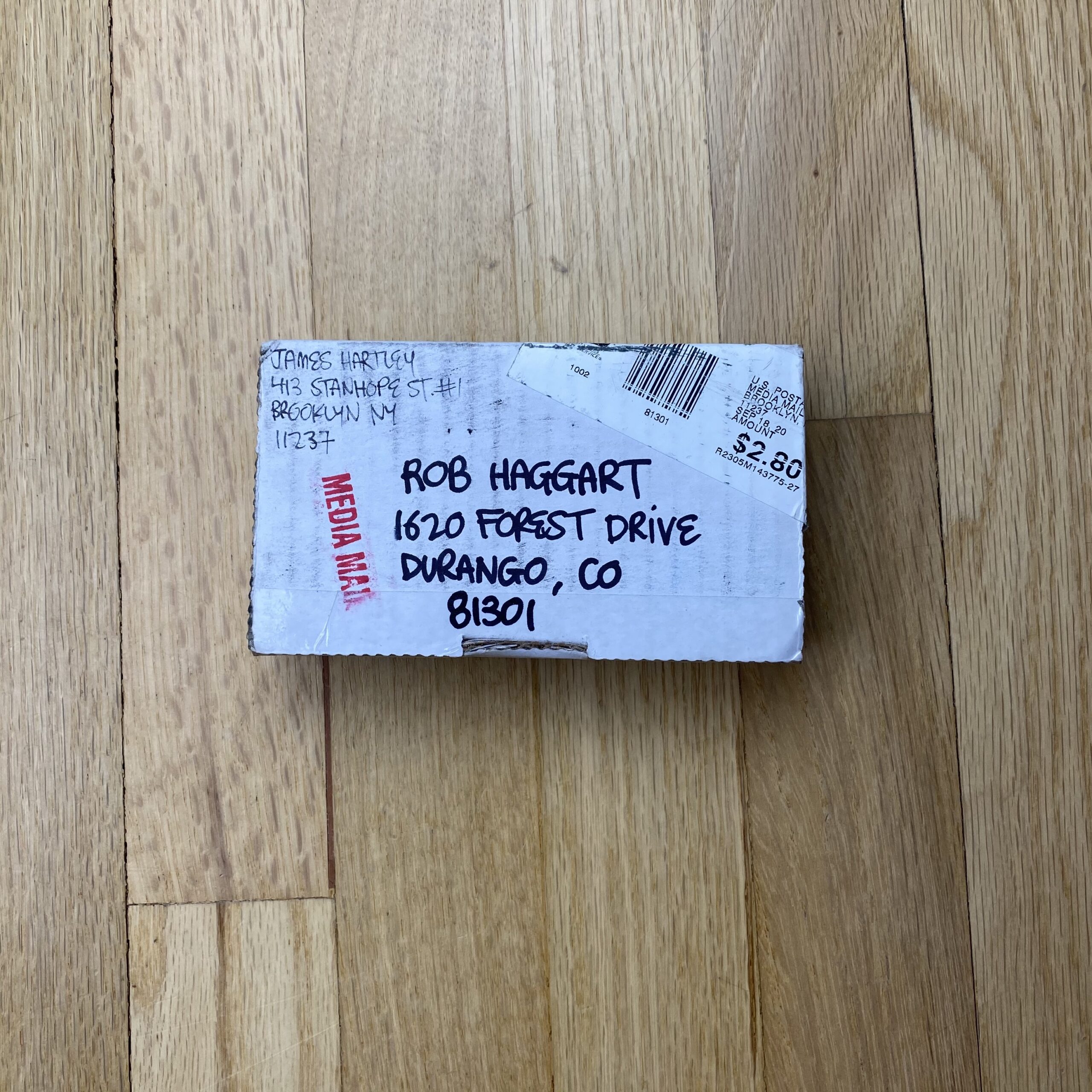
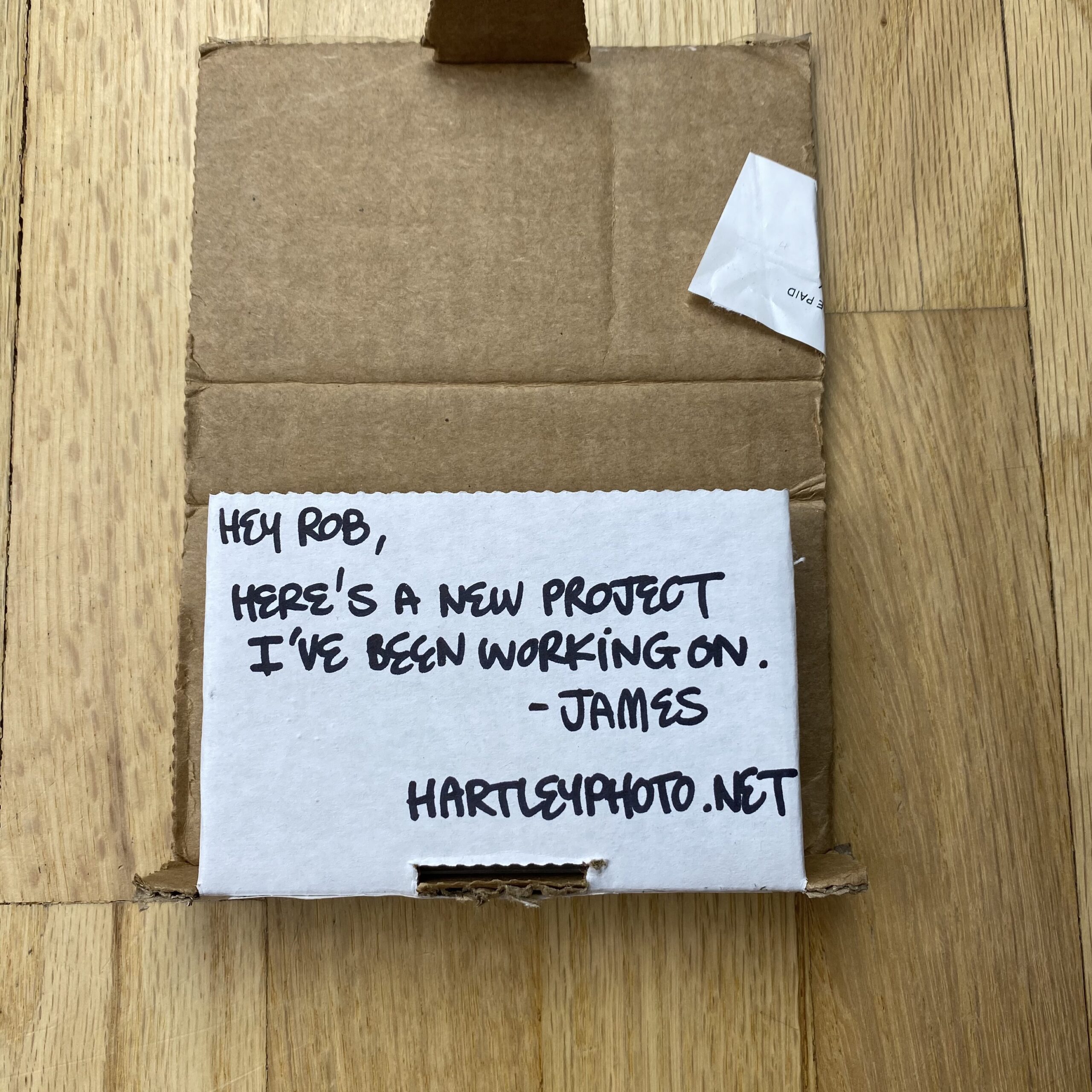
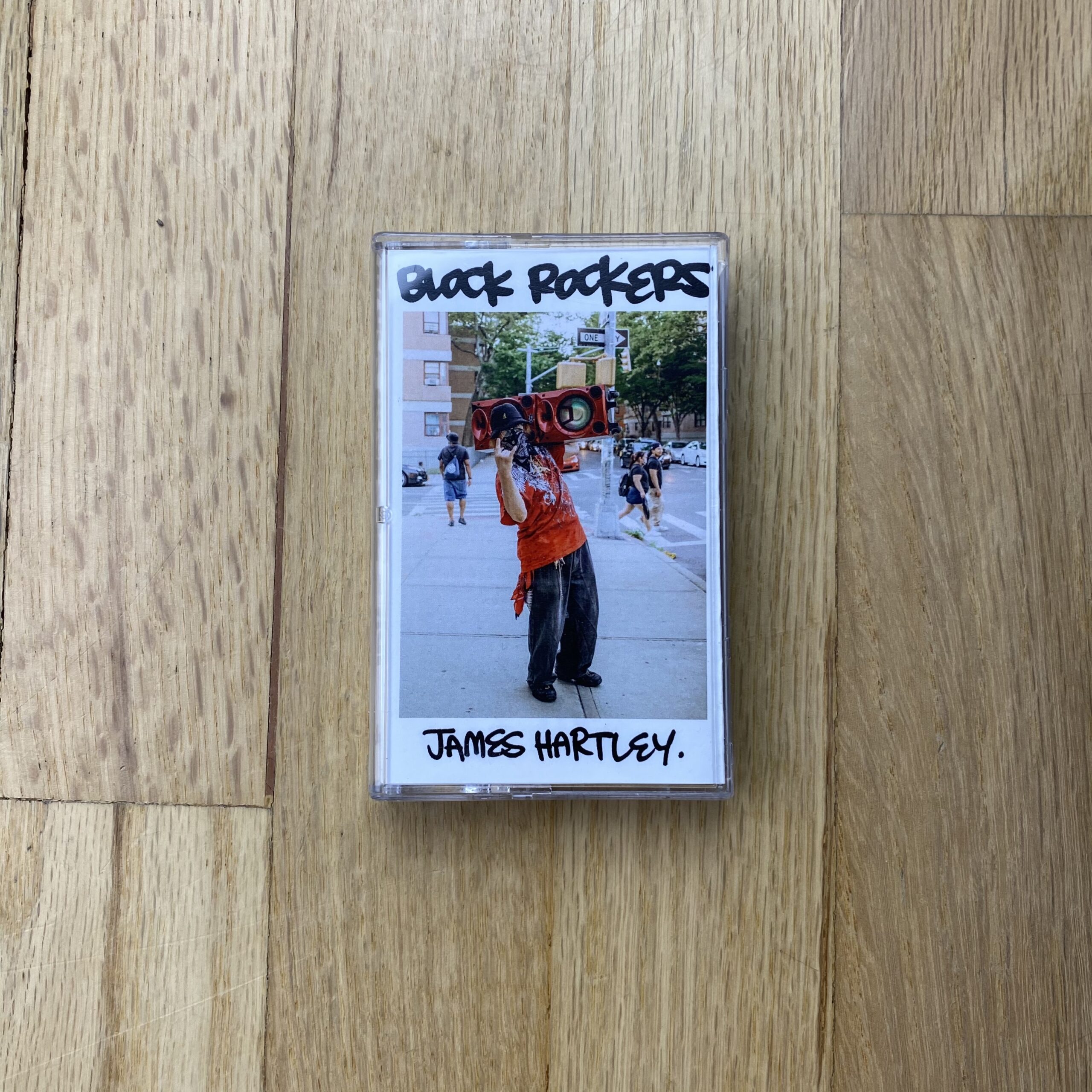
Featured Promo – James Hartley

James Hartley

Who printed it?
Cryptic Carousel in Brooklyn, NY.
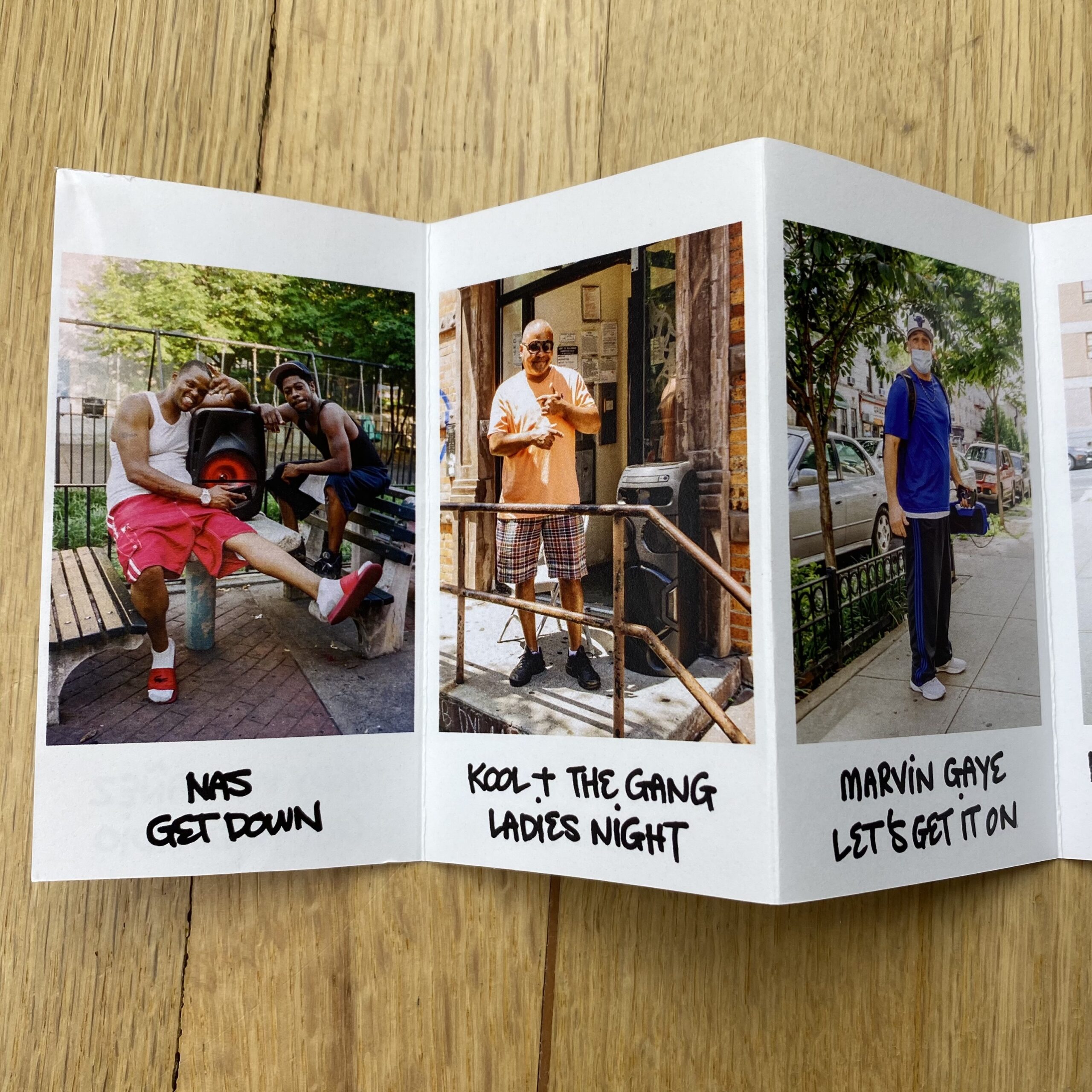
They do cassette duplication and manufacturing, and could make a custom cover that functioned as a photo booklet.

Who designed it?
I did. It’s a mixtape, had to keep it hand-written and personal.

Tell me about the images?
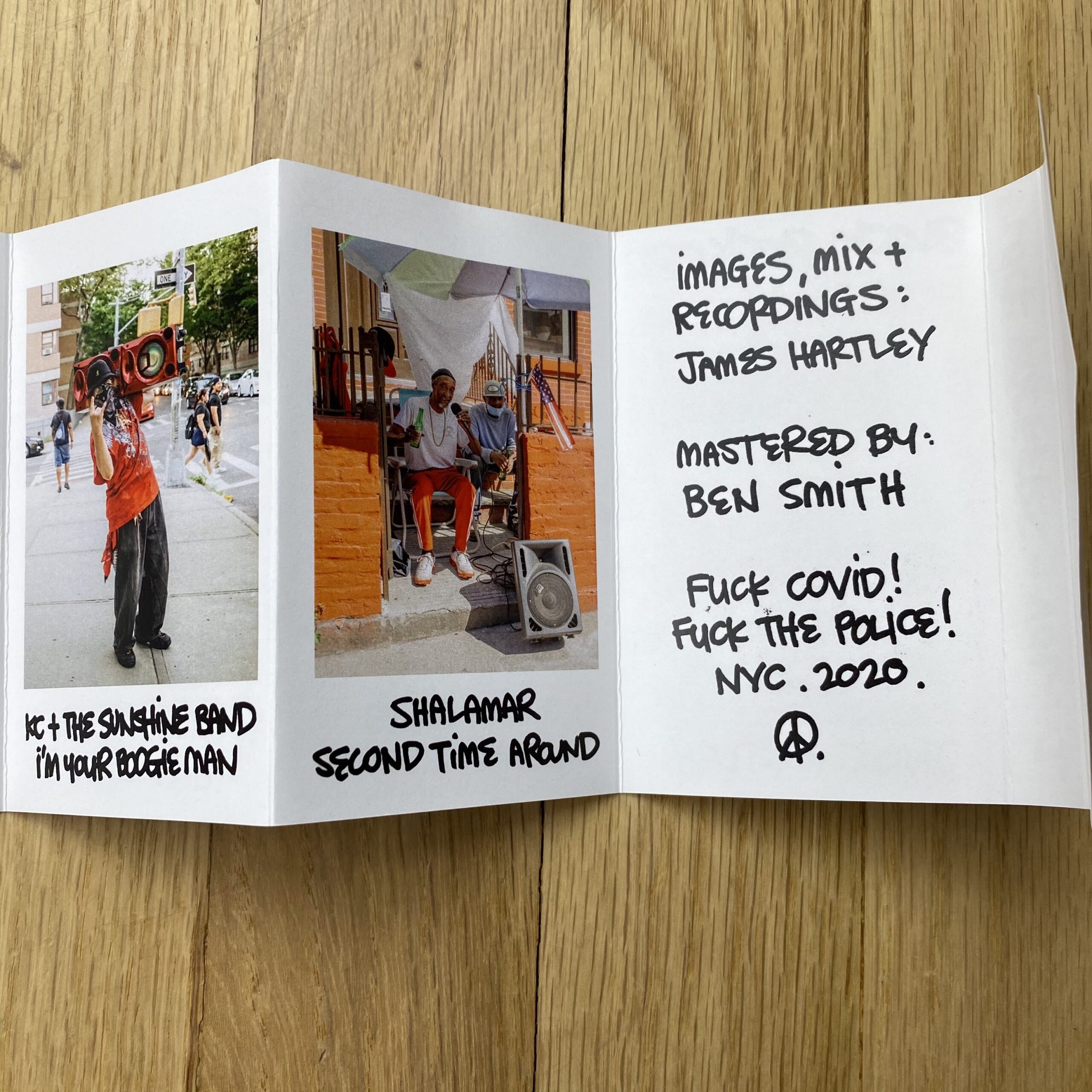
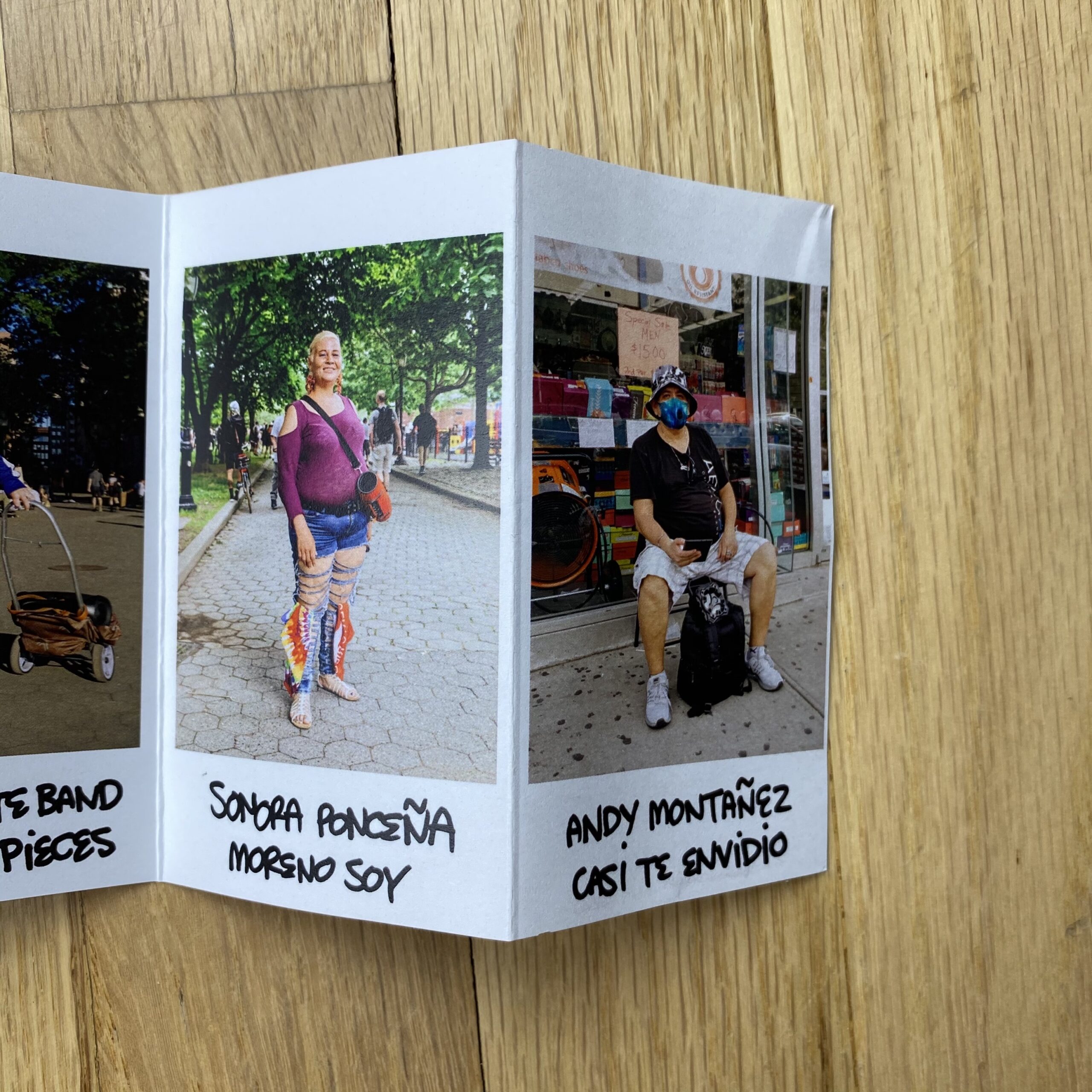
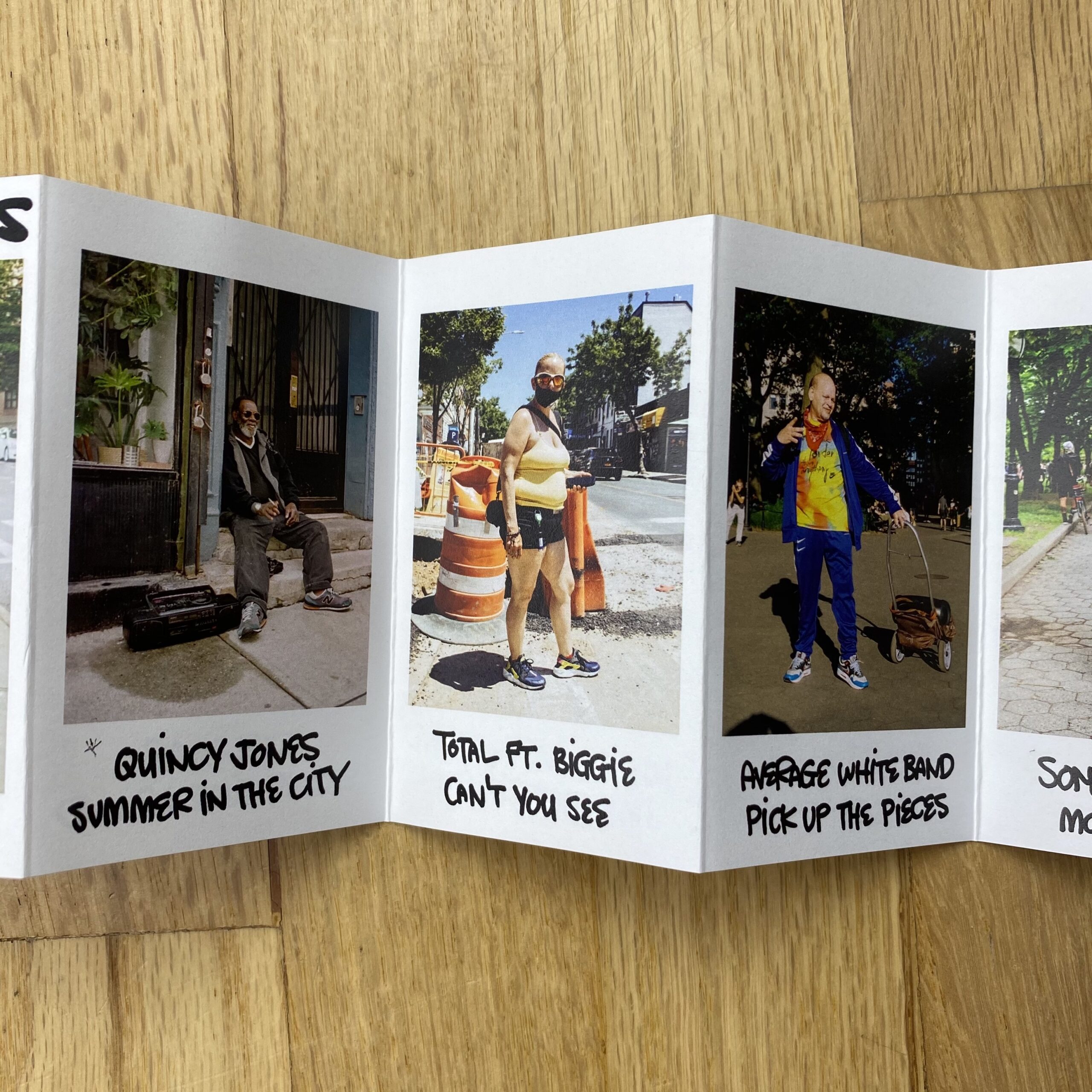
Block Rockers is an ongoing portrait series of New Yorkers i’ve seen out on the street, playing music through their boomboxes and outdoor speakers. When the portraits are made, the song they’re playing is noted, and later mixed with field recordings I’ve made around the city. The images, songs & recordings combine to create a visual mixtape of the city.

Tell me about combining images with sound?
The booklet functioning as a visual tracklist is what brought the project together for me. Seeing who’s playing what song brings personality to the photos and the music, like you’re walking the city and these are the characters you meet. It’s a quintessential New York thing!

How many did you make?
100. I sent about 10 out as press/promo, and the rest sold at the launch or online.

How many times a year do you send out promos?
I’ll send stuff out whenever I release or self publish something. I’ll aim for one a year, but it varies.

Do you think printed promos are effective for marketing your work?
I don’t think it’s essential, nor should anyone feel pressured to, but it can’t hurt. I think it’s good to see your work on different mediums, and I like having physical copies of personal projects I’ve done. Doesn’t hurt to share that…

This Week in Photography: The End is Nigh?


I’ve always been an optimist.


And if you’ve been reading this column for any length of time, you’ll know it’s true.

(Until this year, that is.)

Fucking #2020.
What a bitch.

If I’m being honest, I probably started questioning my faith in positivity a bit earlier in the thankfully-soon-to-be-over Trump presidency.

Because back in my young 30’s, with Barack Obama’s ascent, I was enamored of his theory that the long arch of history bends towards justice.

Hasn’t Hollywood been pumping us full of that happy-ending juice for a Century now? (Until Tom Holland’s Spiderman dies at the end of that Avengers film, that is.)

Haven’t we been primed to believe things will work themselves out eventually?

Because there is ample evidence in human history that corruption, and the lust for power and wealth, can also create super-long periods where “regular” people consistently get the shit end of the stick.

For every Pax Americana, or Athenian Democracy, there has been a counter-balancing Aztec Empire, Nazi Regime, or Enrique Peña Nieto nightmare. (Sorry, Mexico. Didn’t mean to pick on you twice.)

Which makes a week like this one feel so very, perfectly, unbelievably #2020.

The US surpasses 300,000 dead, but we also get the vaccine. The Electoral College does its job and votes for Biden, but certain right-wing figures continue to imply a Civil War is coming.

People are dying, constantly.
But maybe better days are ahead?

It’s hard to make sense of things, in the week before Xmas, and after I confidently slammed the door on #2019, begging for #2020, I’m now cautiously peeking around the corner, hoping 2021 doesn’t kick us in the balls.

I’m not even sure the calendar will turn as it’s supposed to, because this year has felt like 10 years and 10 days simultaneously.

In previous columns, we’ve discussed that time functioned differently during this plague year, but still, my optimism is buried deep enough that even New Year’s Eve seems illusory.

The year has been so long, in fact, that I received a book in late February, just before lockdown, and it’s sat in my submission pile ever since. (That part is understandable, as it often takes me a year to comb though the stack.)

But this book, a small catalogue really, was one I didn’t request, nor did the artist reach out before sending, so when I finally opened it up, I was clueless as to what I’d be seeing.

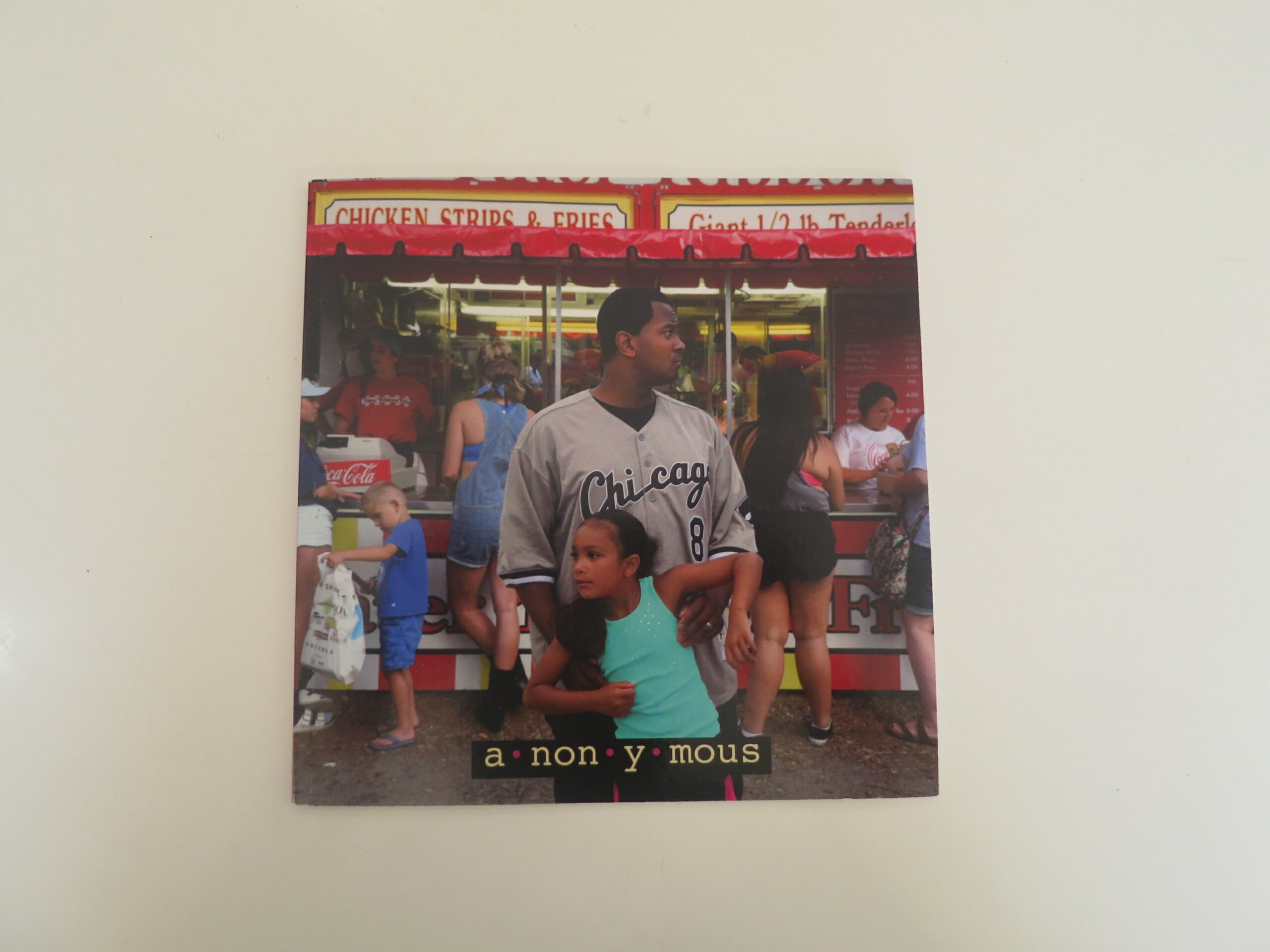
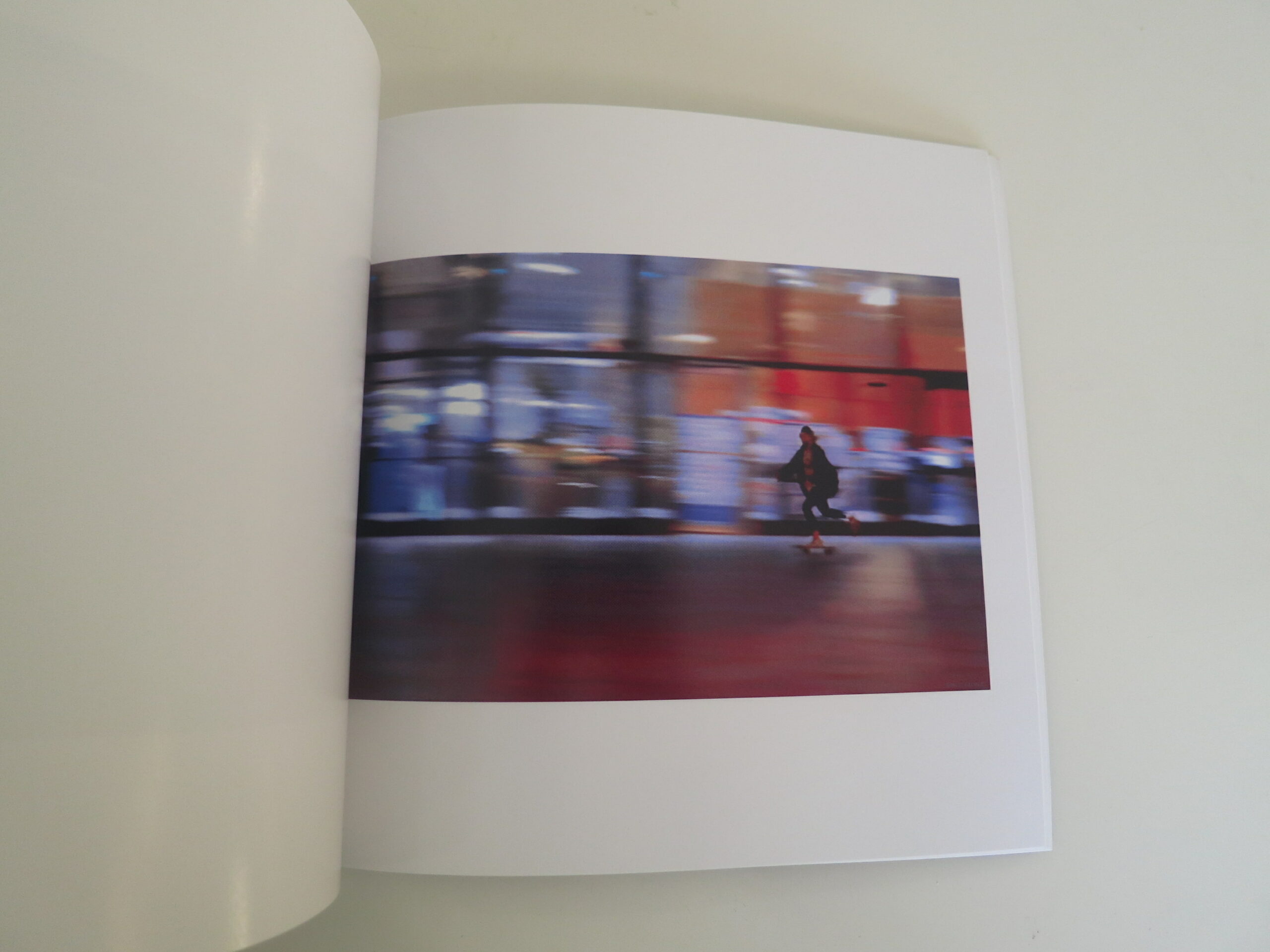
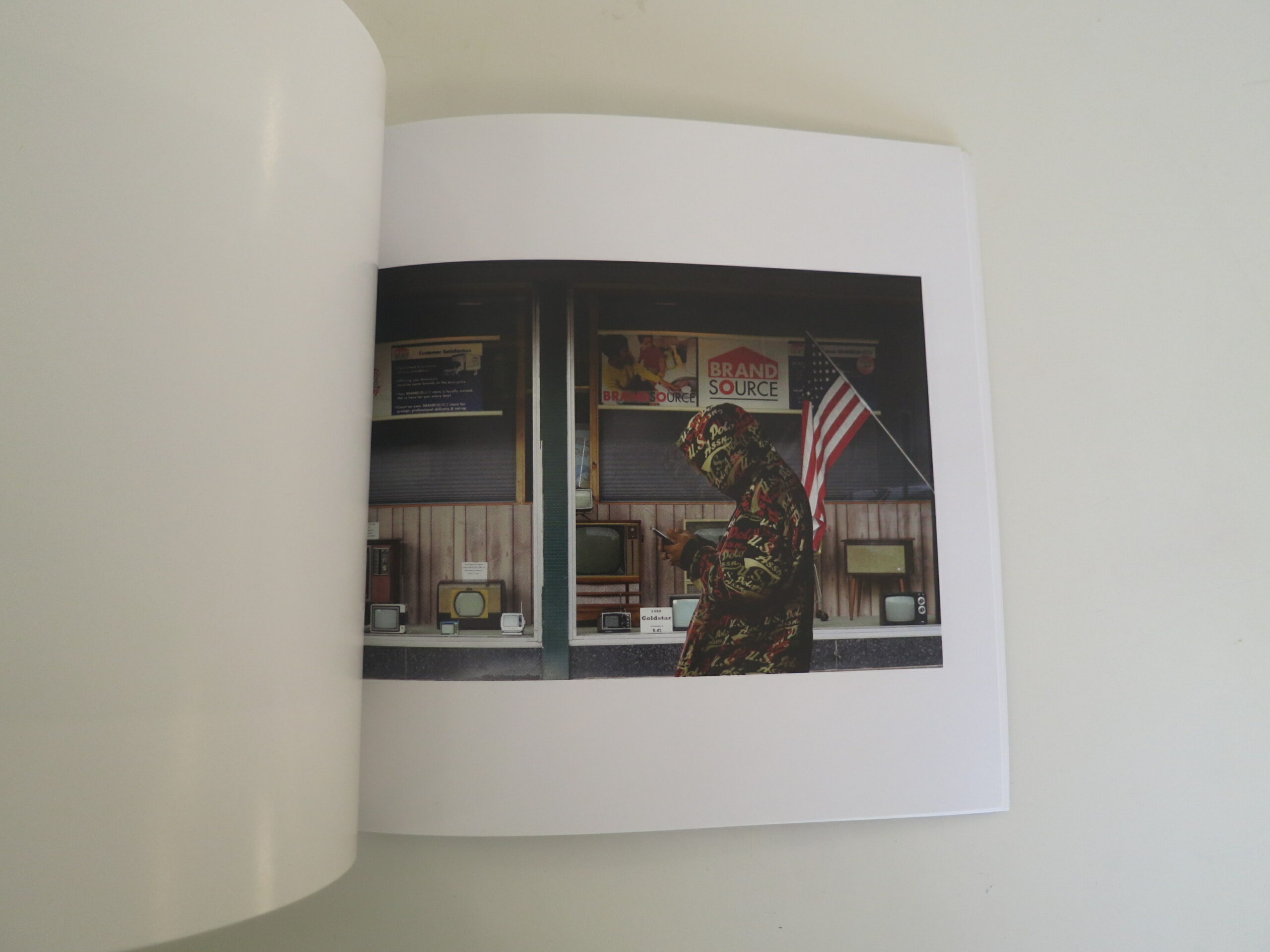
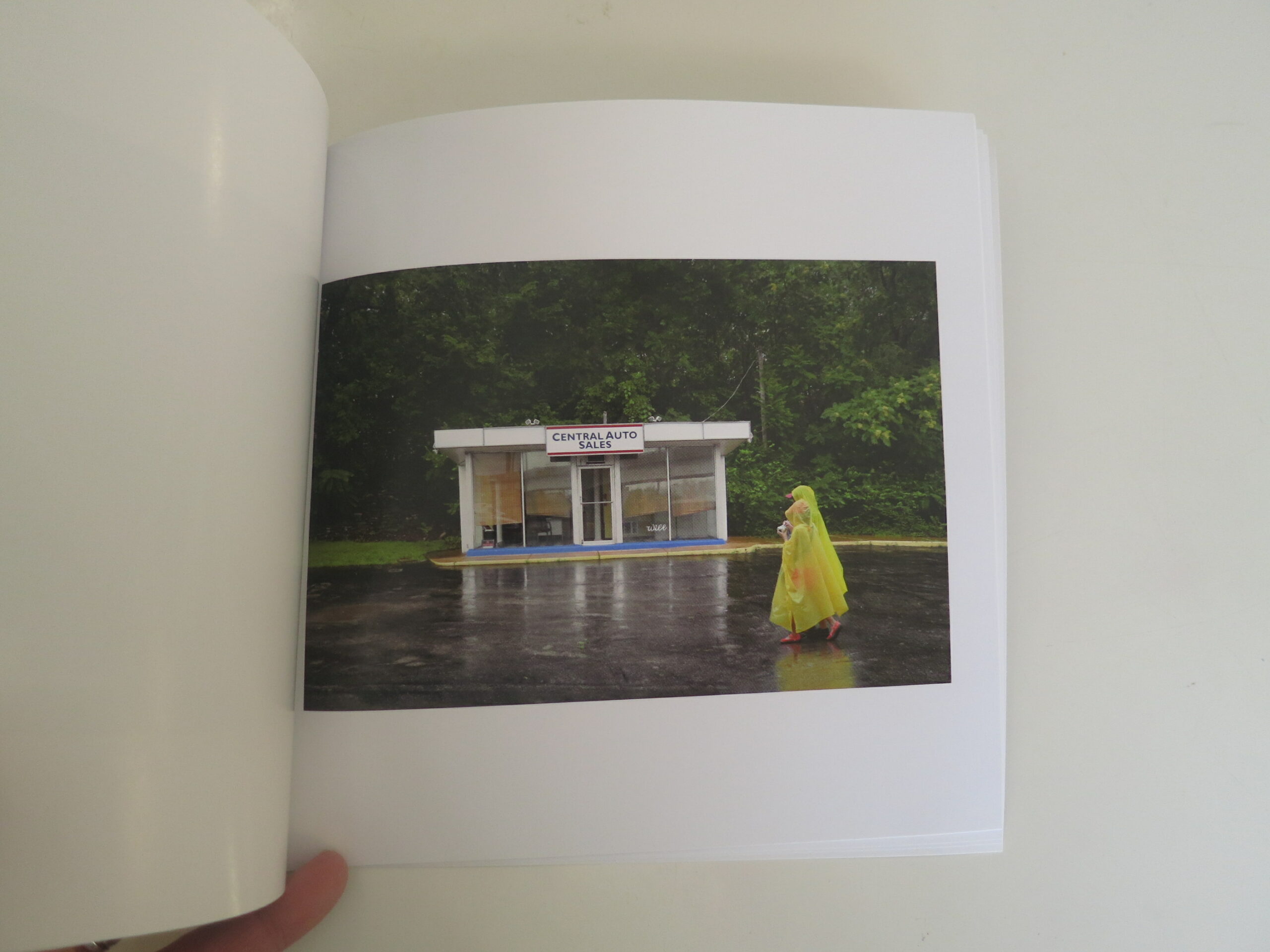
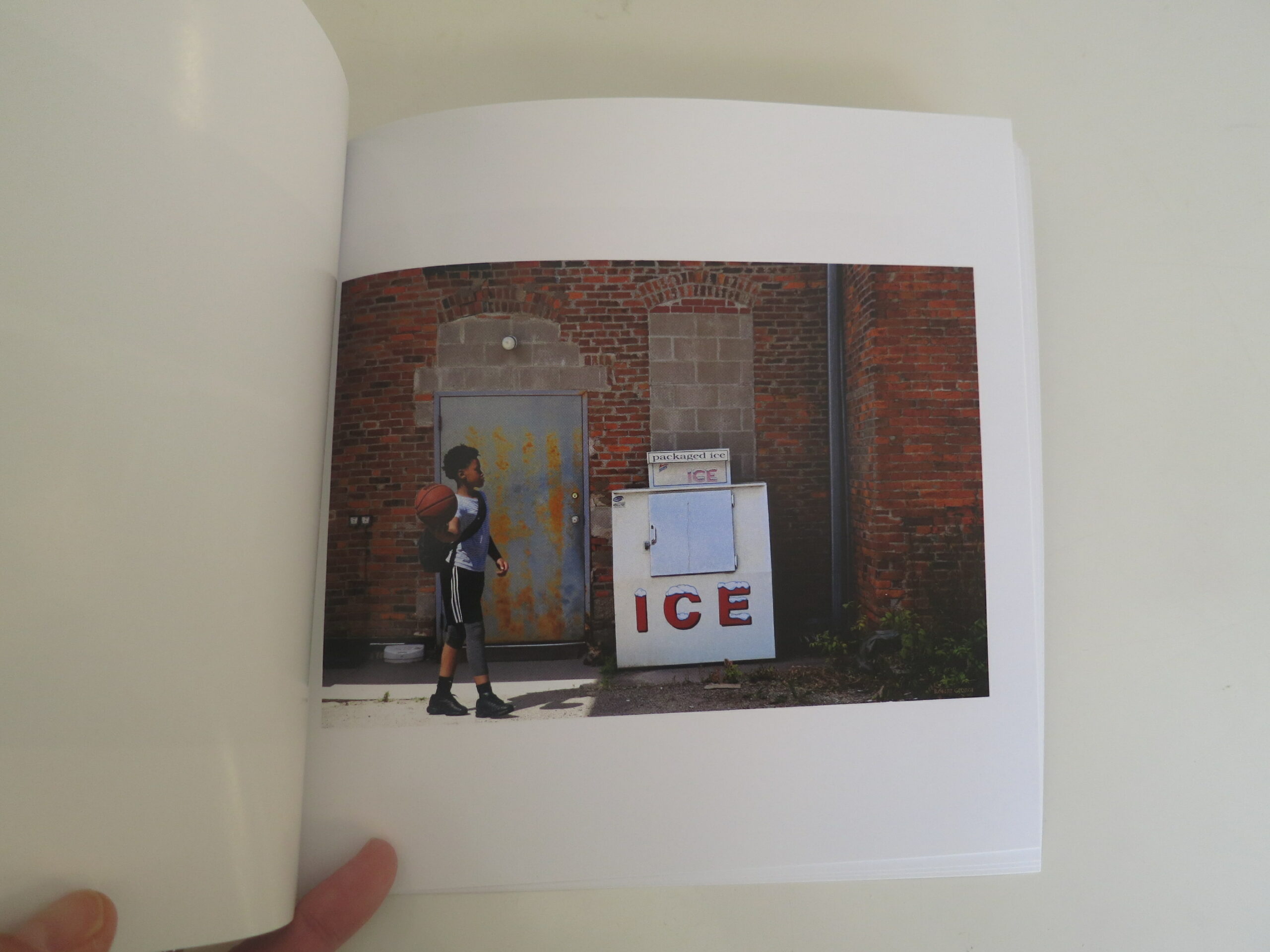
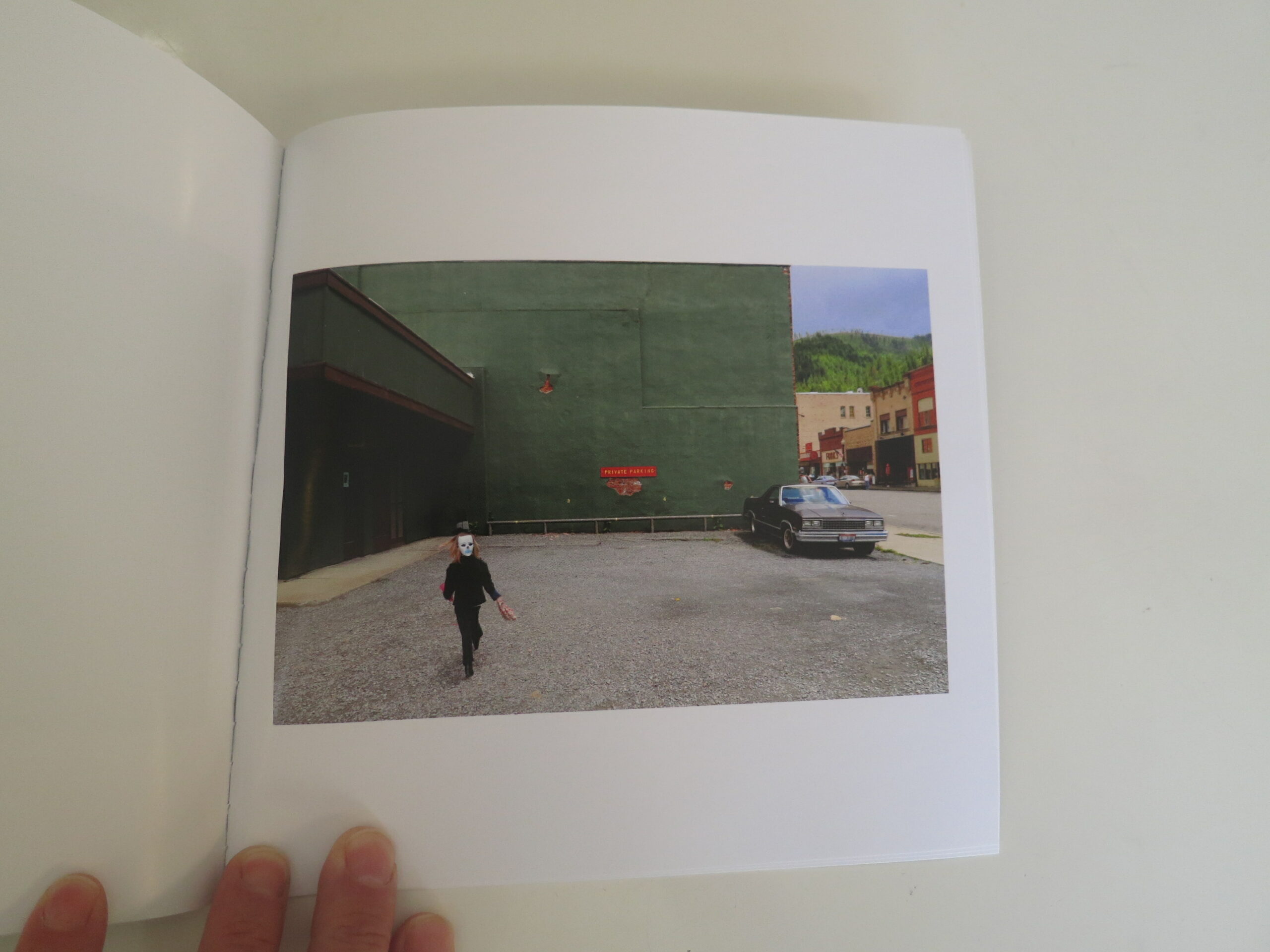
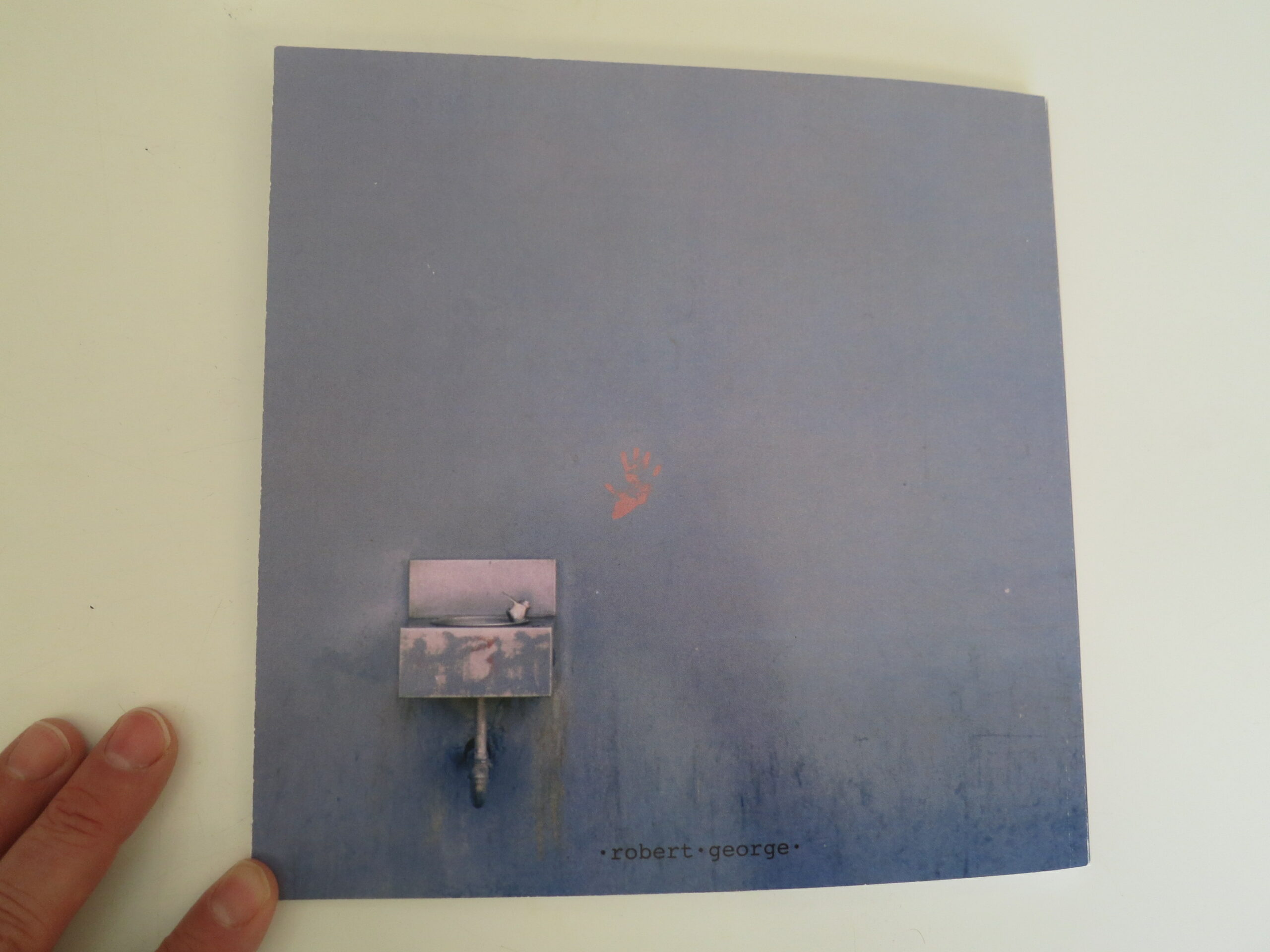
It’s called “a.non.y.mous,” by Robert George, published by Archer Gallery Press, and the return address was from Saint Louis, so I was really flying blind.

There is a well-written, short statement in the beginning, that veers towards art-speak, but never crosses the line. It intrigued me, in particular this line: “individualism has defined America in the past, but as the world grows larger, we become more and more anonymous.”

Late last year, I wrote a huge article comparing China and America, and questioned whether our over-reliance on individuality, at the expense of any sense of collective responsibility, might soon bite us in the ass?

(And #2020 answered that question, did it not?)

I’m no fan of autocracy, as everyone knows, but I suggested we could do with a slightly stronger sense of social fabric, as Trump was shredding so much of our decency and moral standing.

(And here we are, in a world where people would rather allow others to die than wear a stupid fucking mask.)

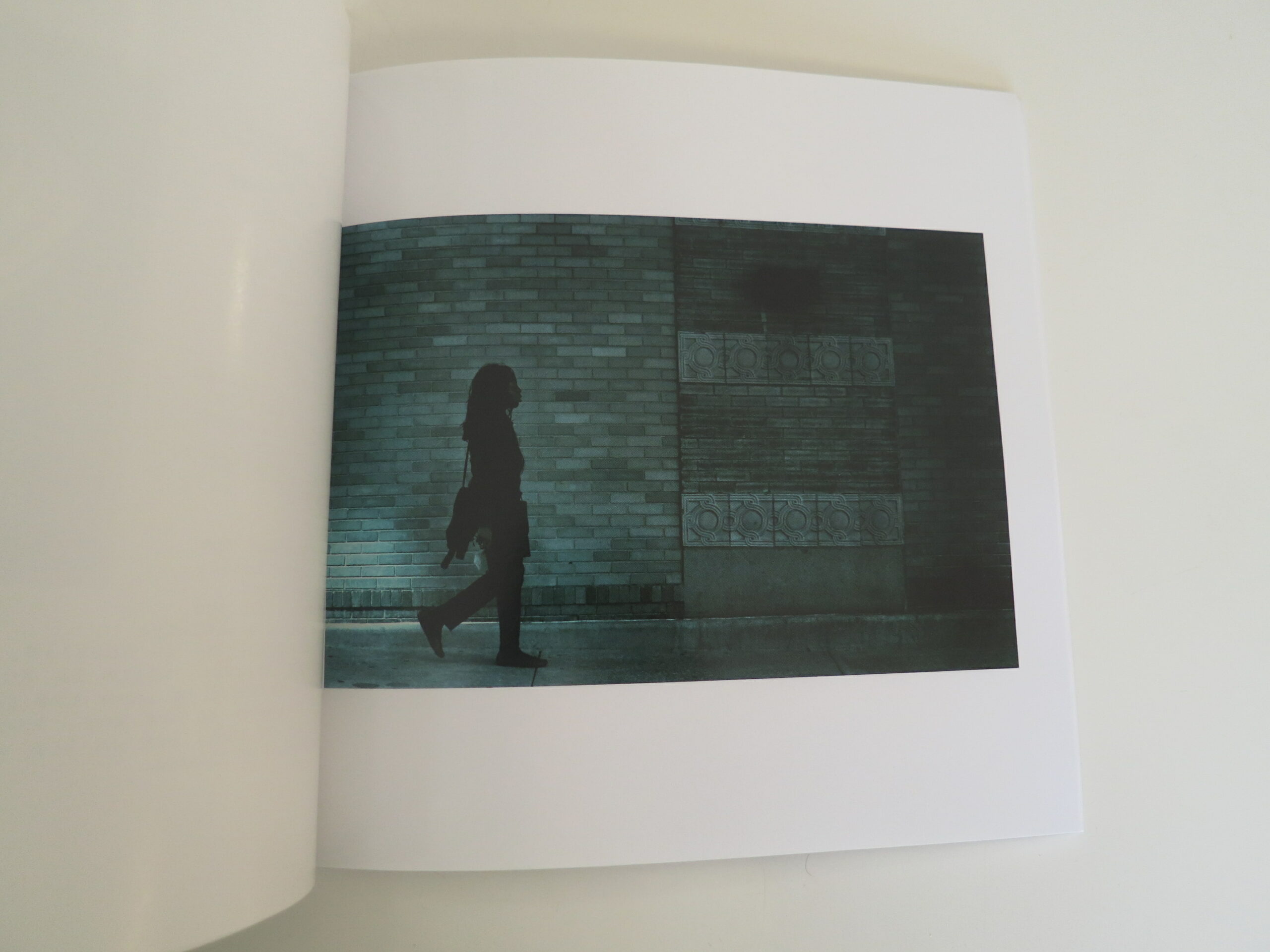
Though the book’s introduction suggests it will have a bit of an intellectual, or scholarly bent, we end up with a lovely, short jaunt through a set of cohesive street photos. (Or documentary images, depening on your preference of terms.)

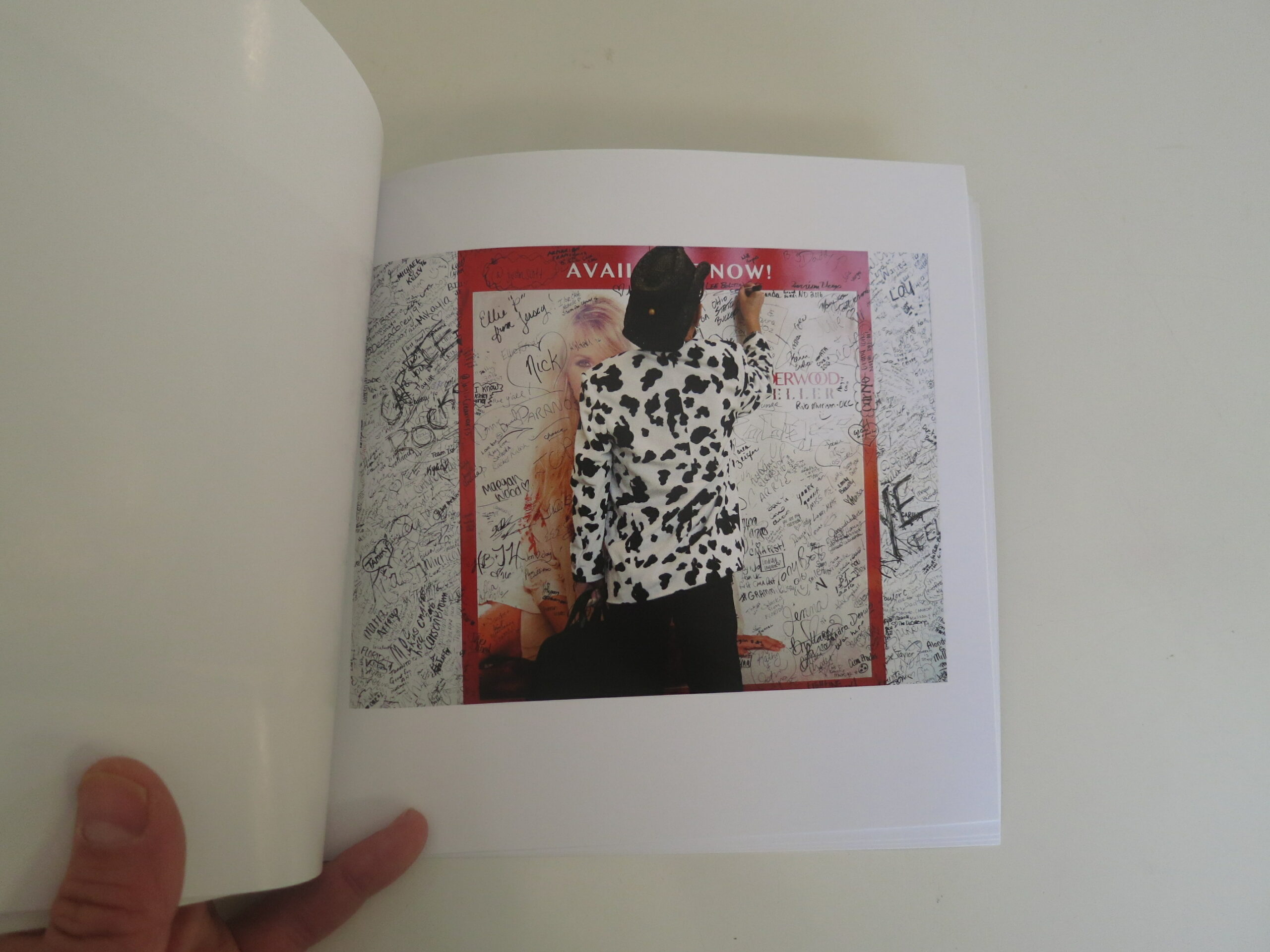
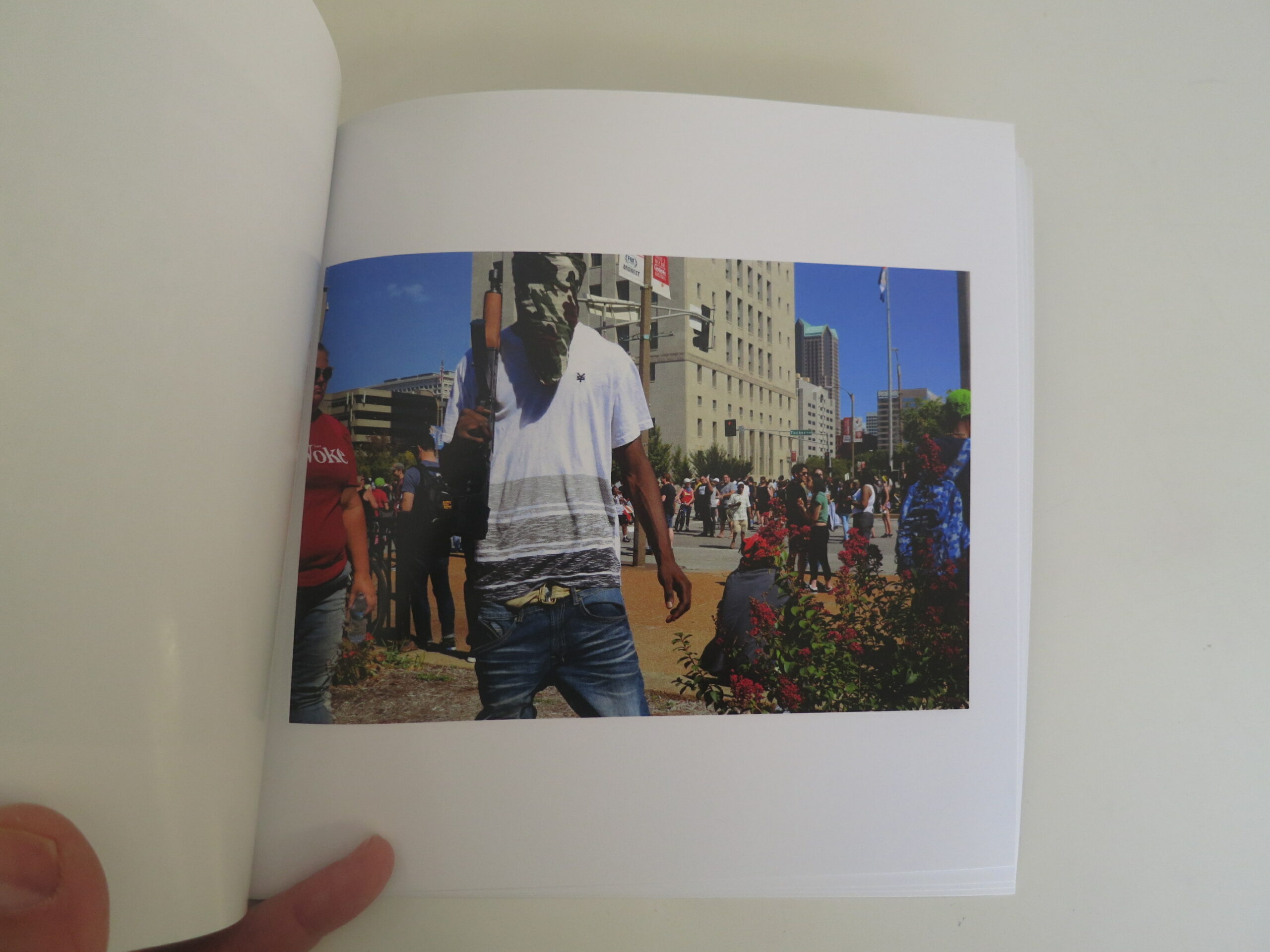
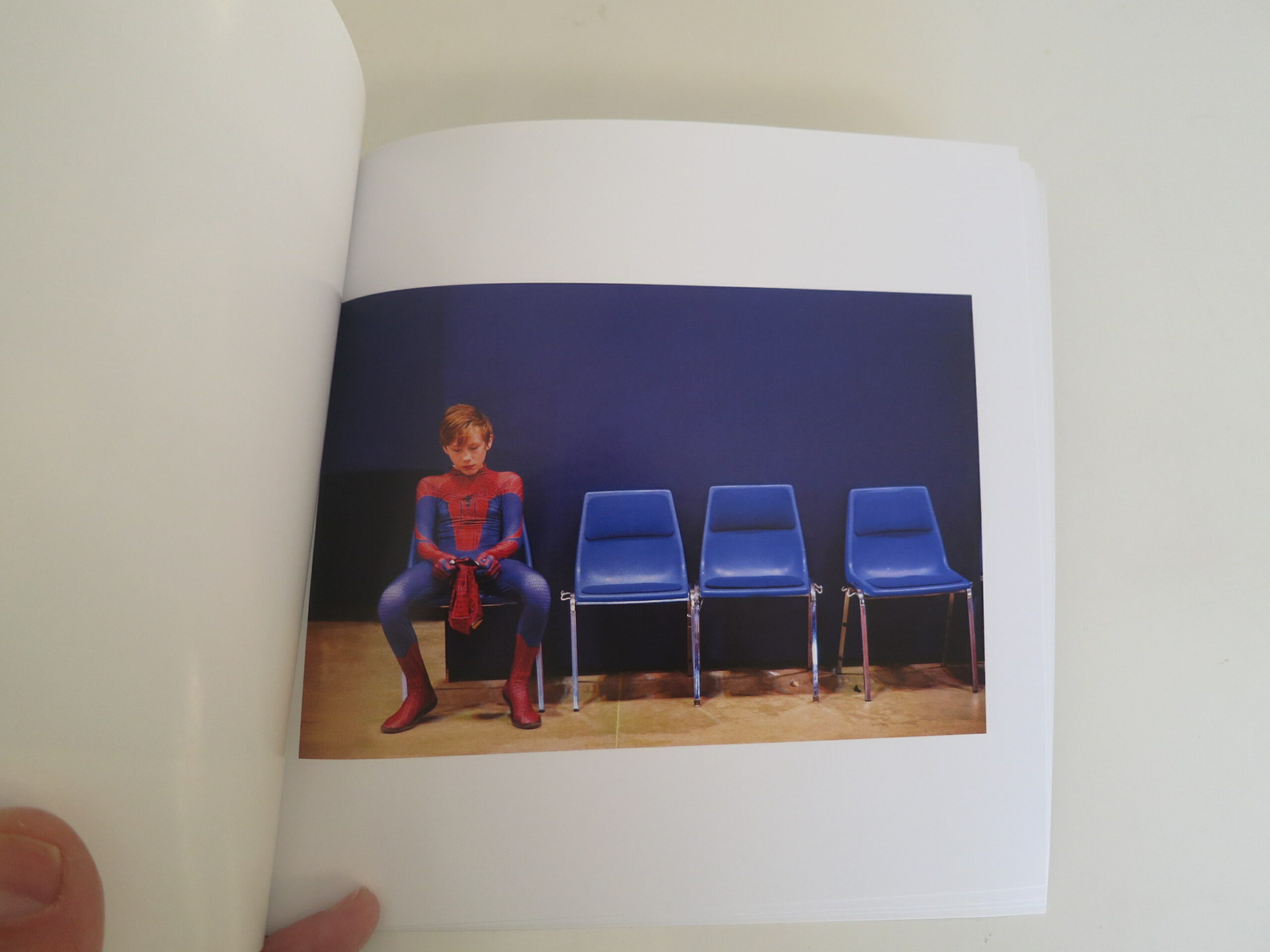
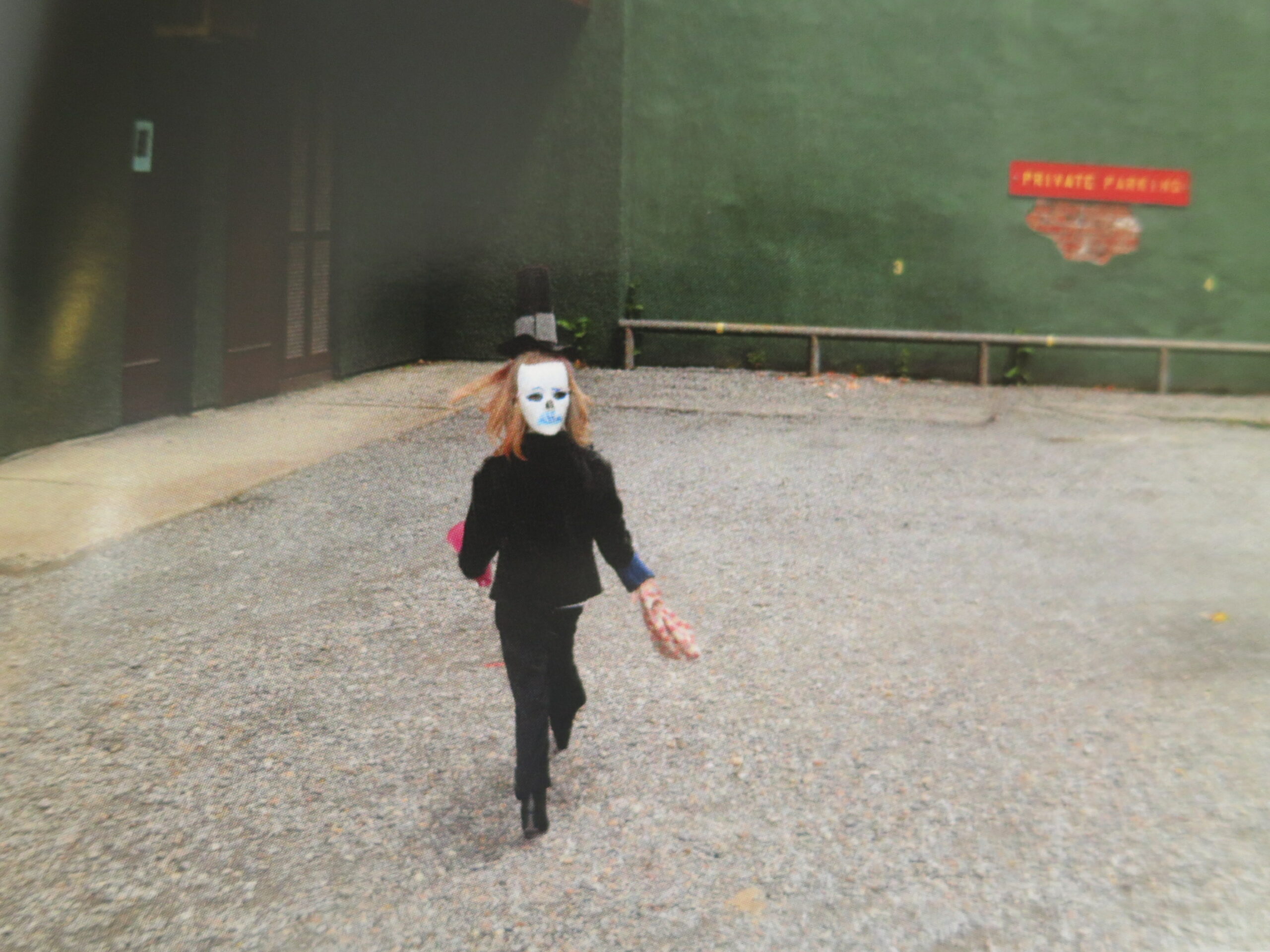
Mostly, we see solitary figures, often children, out in a varied world. (Not exclusively Saint Louis, I’m guessing.) That there are so many subtle symbols of American culture and history, in such a short book, is commendable. (Like Spiderman.)

But here’s the kicker: the book implies it was shot and published in #2020. (Based on the end notes.)

All of it?

But it arrived in my mailbox at the end of February.

So the entire narrative must span the beginning of this year; all of it before lockdown?

The masks.
The loneliness.
The broken heroes.

All of it?

Somehow, a story that feels like it was made for our 9 month ordeal, was created just before it began?

Including the protests?

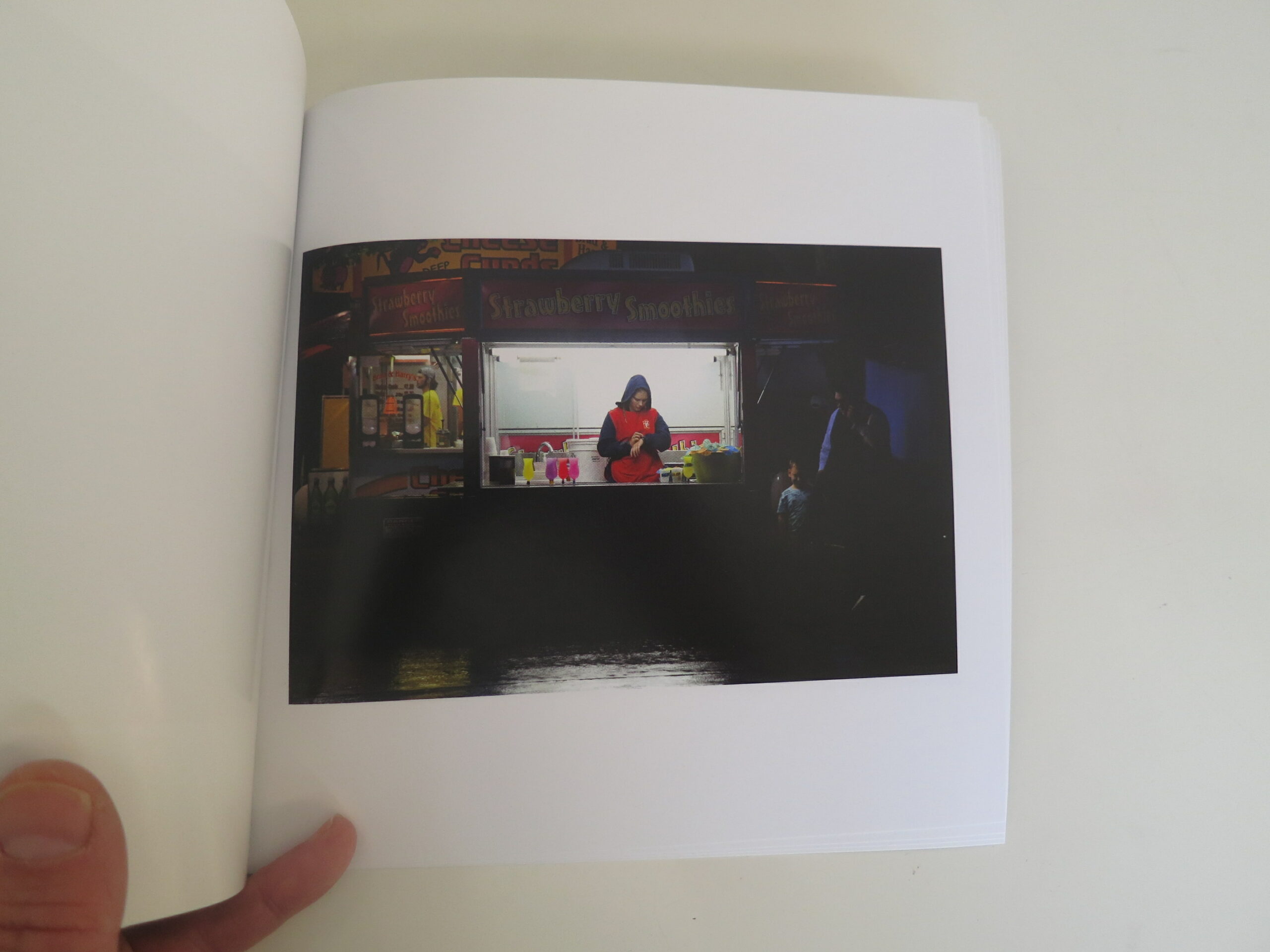
We also see two carnivals, which are pretty much the perfect examples of what we have lost.

(The fun, freedom, and whimsy.)

I’m properly impressed by this little volume, and do wonder if it would have had the same power if they’d tried to cram in 60 pictures, and built the thing with more a more imposing physical structure?

Instead, it feels more poem than novel. (More Robert Frost than Jonathan Franzen.)

I hope you enjoy it, and as I’ll be off next week for the holiday, I’ll see you again in 2021.

(If Armageddon doesn’t get here first…)

To contact the artist about the book, click here


The Art of the Personal Project: Cam Camarena

The Art of the Personal Project is a crucial element to let potential buyers see how you think creatively on your own.  I am drawn to personal projects that have an interesting vision or that show something I have never seen before.  In this thread, I’ll include a link to each personal project with the artist statement so you can see more of the project. Please note: This thread is not affiliated with any company; I’m just featuring projects that I find.  Please DO NOT send me your work.  I do not take submissions.


Today’s featured artist:  Cam Camarena

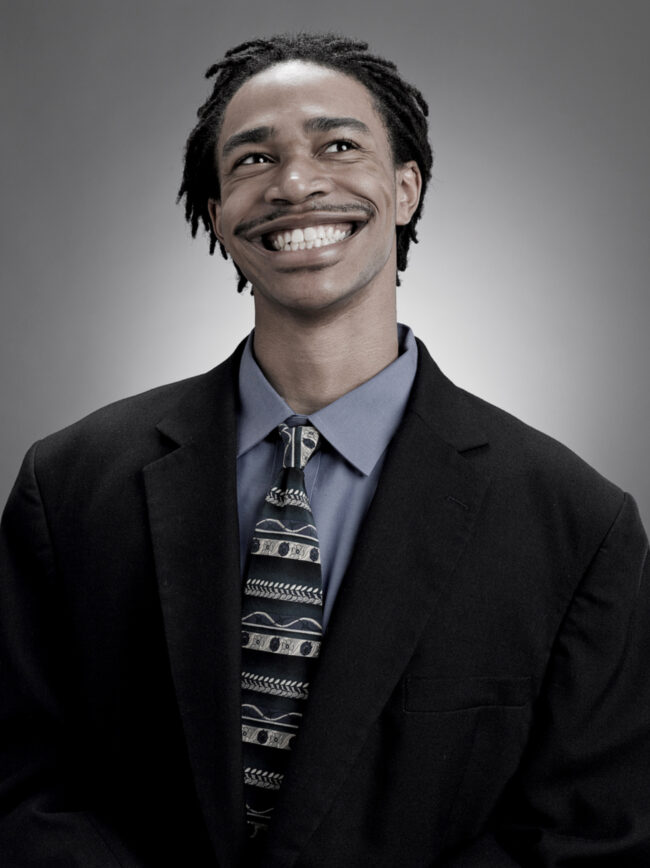
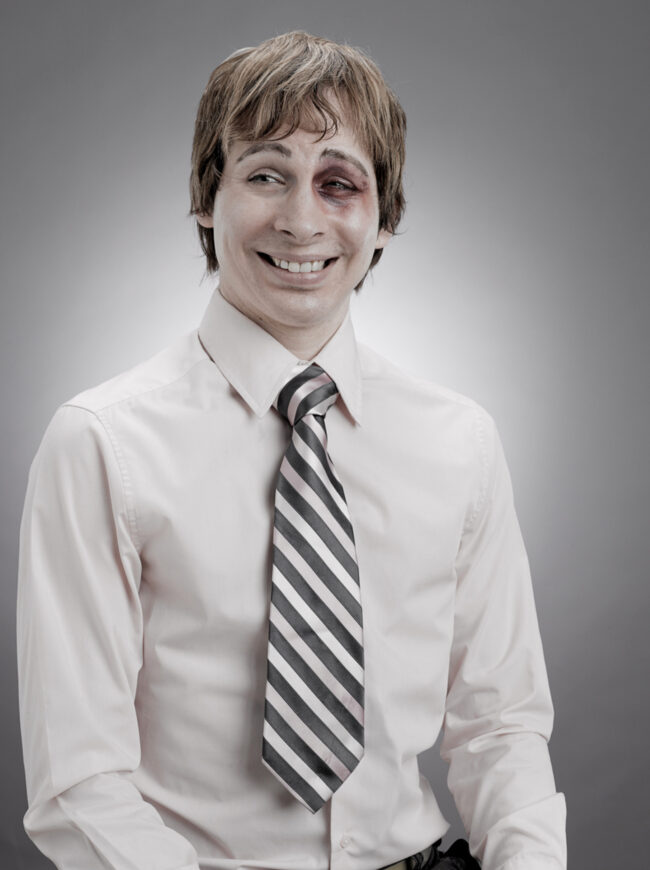
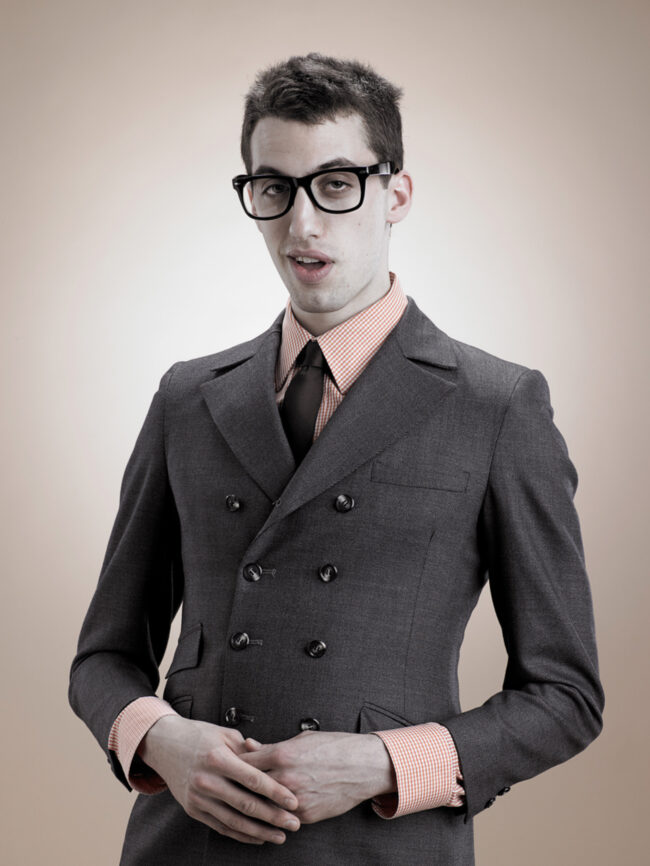
The concept behind the “Awkward” series was to explore the Inner Awkward that each of us experience. Sometimes it’s an alter ego, sometimes it’s a feeling we express or experience either by choice or involuntarily within certain situations. I believe the human condition we all share includes those moments when we either say the wrong thing, laugh at the wrong moment, or make an attempt at a joke that nobody else seems to relate to. We have all been there.

My artistic objective of “Awkward” is to visually recreate some of these emotions. Finding that precise moment of having just put my foot in my mouth, the butterflies created when that pretty girl looked at me in such a way, or that struggle of faking my way through a conversation in which I am totally lost. These are all occasions we feel vulnerable or maybe even disconnected. However these experiences do not always have to be uncomfortable, they can be exploratory and even liberating, and many times down right funny.

Central to my work and process is connection. There has to be a human connection to the process of creating these images, and that’s where my job becomes important and for me one of the best elements. I truly enjoy working with people, connecting with them and letting each do their thing/be themselves with some guidance and instruction. Through this process I guide my subject, they guide me, somewhere something will get Awkward, and together we create our images. It’s my goal for the viewer to possibly identify with something within this series as it invokes an awareness to a visceral moment in time, remember that time, and smile about it.

To see more of this project, click here.

APE contributor Suzanne Sease currently works as a consultant for photographers and illustrators around the world. She has been involved in the photography and illustration industry since the mid 80s.  After establishing the art-buying department at The Martin Agency, then working for Kaplan-Thaler, Capital One, Best Buy and numerous smaller agencies and companies, she decided to be a consultant in 1999. She has a new Twitter feed with helpful marketing information because she believes that marketing should be driven by brand and not by specialty.  Follow her at @SuzanneSeaseInstagram

Success is more than a matter of your talent. It’s also a matter of doing a better job presenting it.  And that is what I do with decades of agency and in-house experience.


The Daily Edit – Sports Illustrated: Jeffery Salter

Sports Illustrated

Director of Photography: Marguerite Schropp Lucarelii
Photo Editor: Abby Nicolas
Photographer: Jeffery Salter

Heidi: You’ve been a long time contributor to SI, what made this project different?
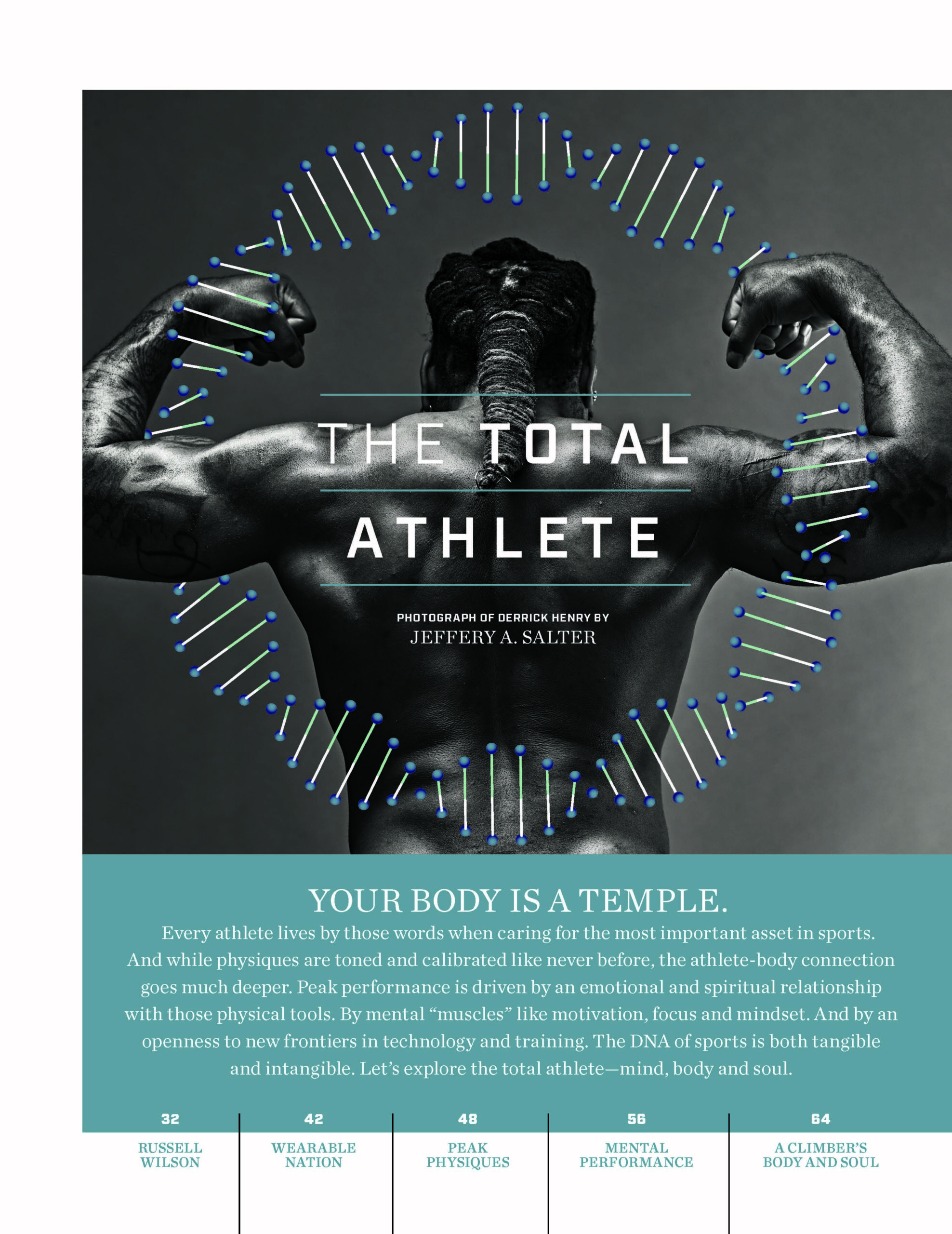
Jeffery: I have always received commissions from Sports Illustrated for assignments which involved trust.  That’s creative images that require me to establish that trust very quickly with the professional athlete. When I was on staff at the magazine my beat was hang out with the athlete at home, in the barbershop or even in the nightclub to capture their life off the field.  Now I do covers for the magazine which involve a concept, mood and energy.

What type of direction did you get from the magazine?
This feature “Total Athlete” also was about trust.  The players were willing to discard the uniform and gear to display their physiques.  They trusted that I would make them look powerful.  It was an honor and a challenge. Normally I bring in a lot of lights, modifiers, effects and even a haze machine to help bring on the drama.  I was asked to keep the images poetic and strong.  I still used a lot of gear….tho!  But controlled them so they simply built layers of shadow and highlights to create texture and drama.  More Chiaroscuro and less snap, crackle pop!It was a rare opportunity to show what’s the force or engine underneath the athletes uniform.  A snapshot to capture the strength in a frozen moment.

How did covid affect your production or creative process?
Having a COVID safe production was and is top of mind when working on set with an top athlete or even being commissioned to do a small portrait of mom and pop business owner.   For this set – it was mainly one trusted photo assistant who also is strict about maintaining social distance – off the set and on set.  I used a longish lens to do the portraits to keep my distance – which wasn’t problem because the athletes – Derrick Henry and Caeleb Dressel are huge. Since it was more of a collaboration being me and the athlete I did let them take a look at the laptop – I would stand six feet away – so they could spot check their form

Why black and white?
We wanted to keep the focus on the muscles – sinewy and powerful – combined with perfect form.   Black and white combined with light and shadow allowed us to create images which helped us achieve both of those goals.


Featured Promo – Michael Kleber

Michael Kleber

Who designed it?
Me

Tell me about the images and the promo.
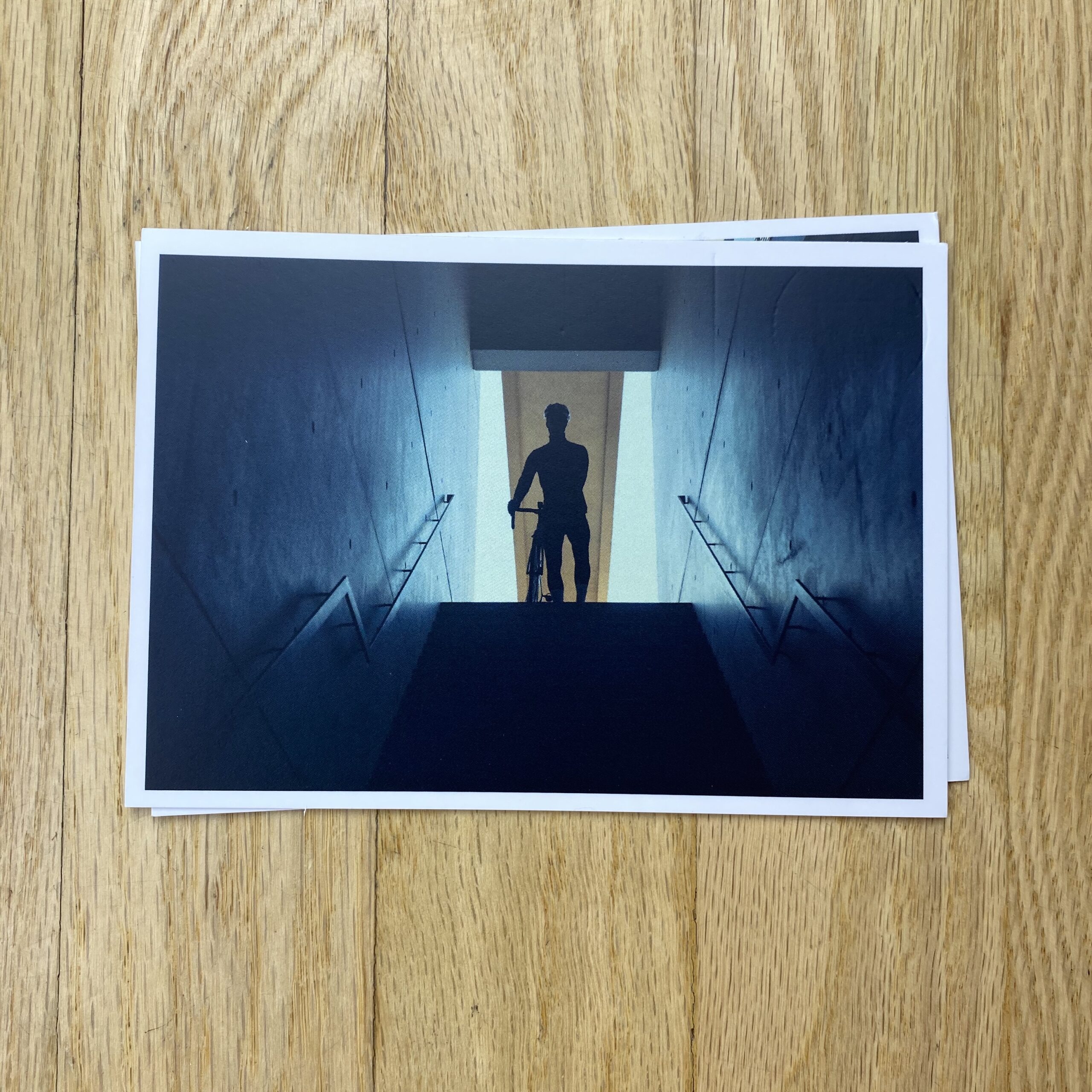
At the beginning of 2020 I received an inquiry from Felix Rähmer an athlete from Berlin to accompany him to the triathlon 70,3 in Graz, Austria. I was intrigued by the idea, and we decided to work together right away.

My original concept was to document not only his participation in the triathlon itself but also to feature his preparation process prior to the event. We wanted to shoot a series of photos showcasing his daily routines, running, cycling and swimming as well as a performance test at the hospital.

Then came February and the Corona pandemic hit the world at full force. As restrictions came crushing down on us all cultural and sports events got cancelled. Graz triathlon was no exception.

At this point we had already started our documentation process and were quite frustrated to see the whole thing falling apart.

But every setback is a chance in disguise. As social contacts were heavily restricted at the time. Felix and I began a one on one sports routine and went biking together on a regular basis.

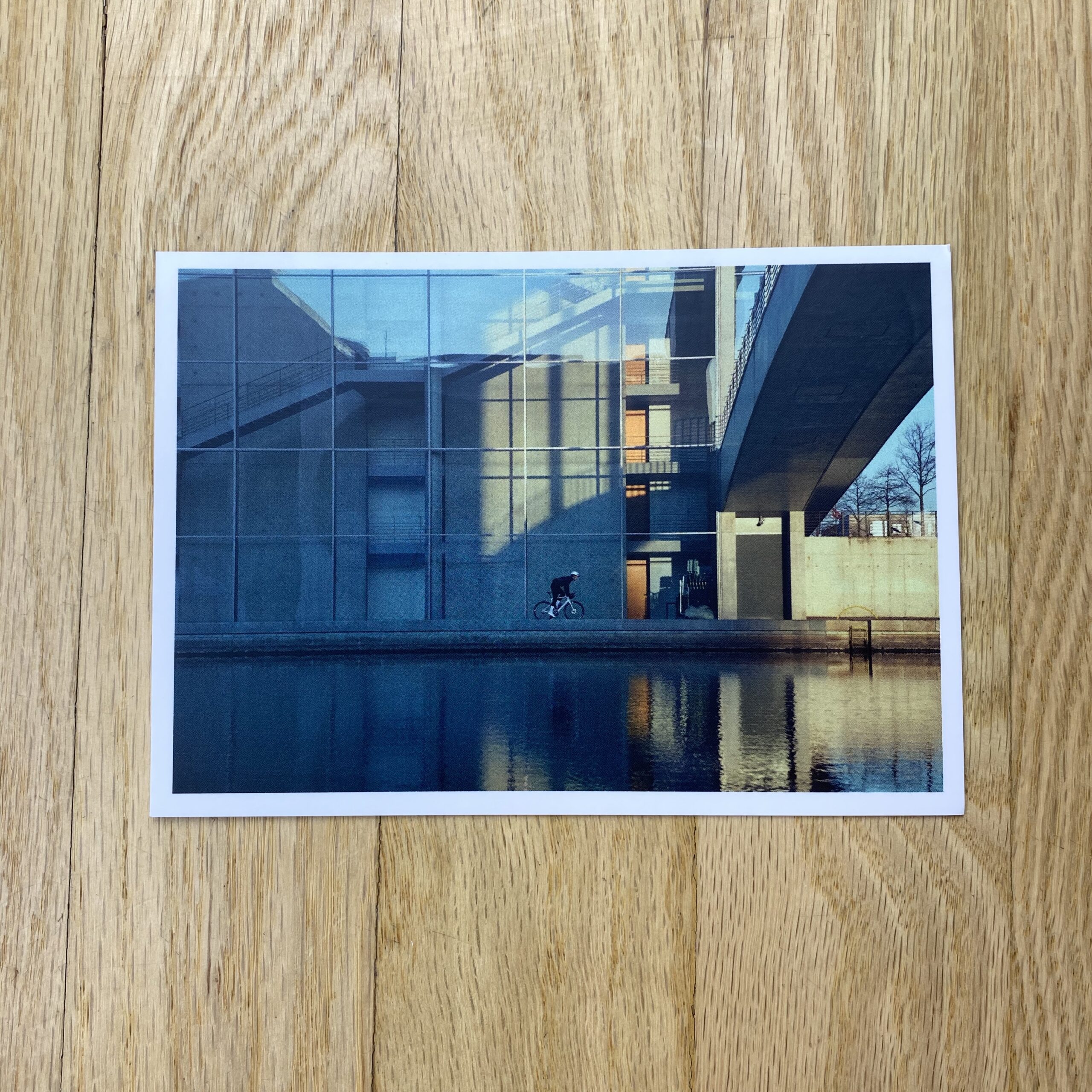
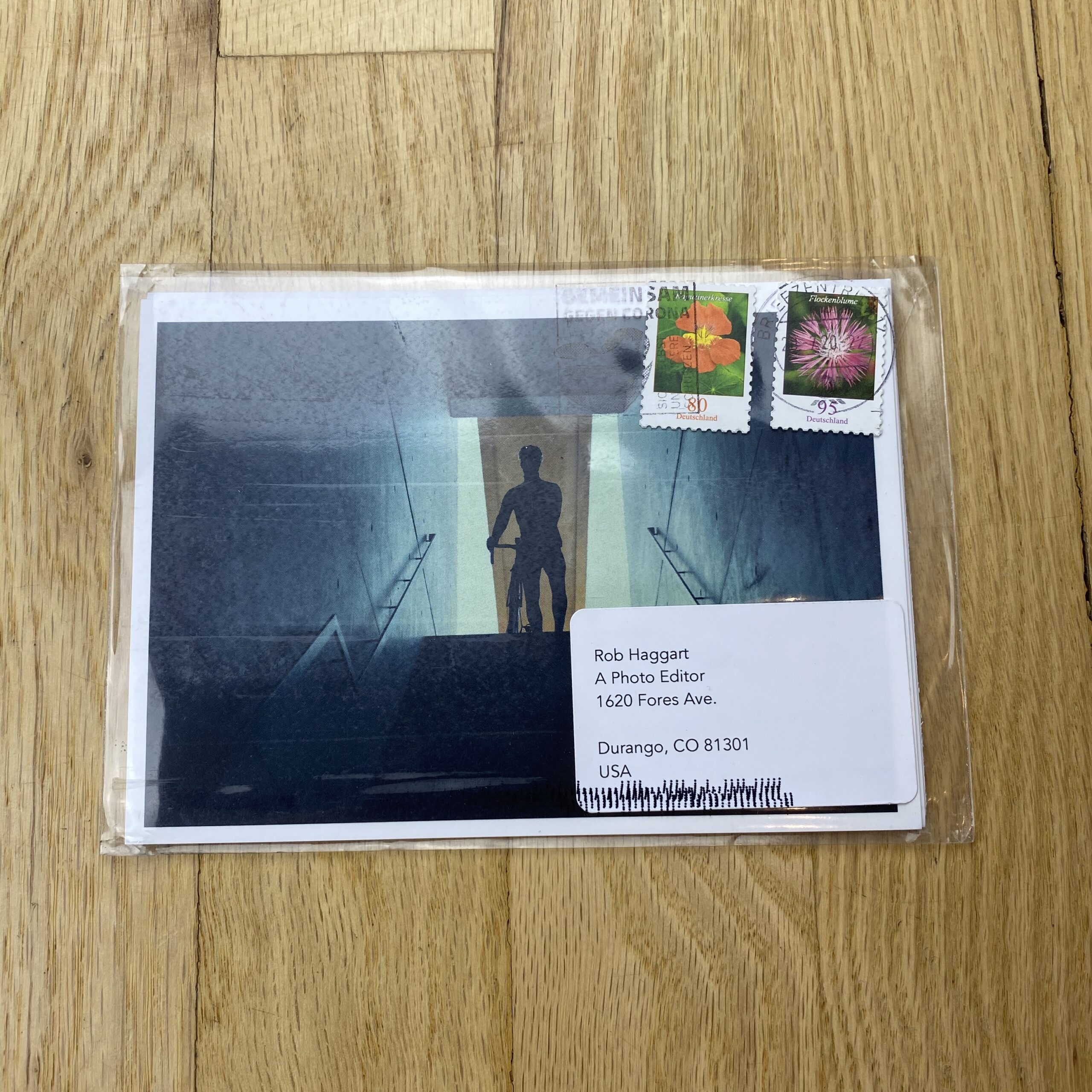
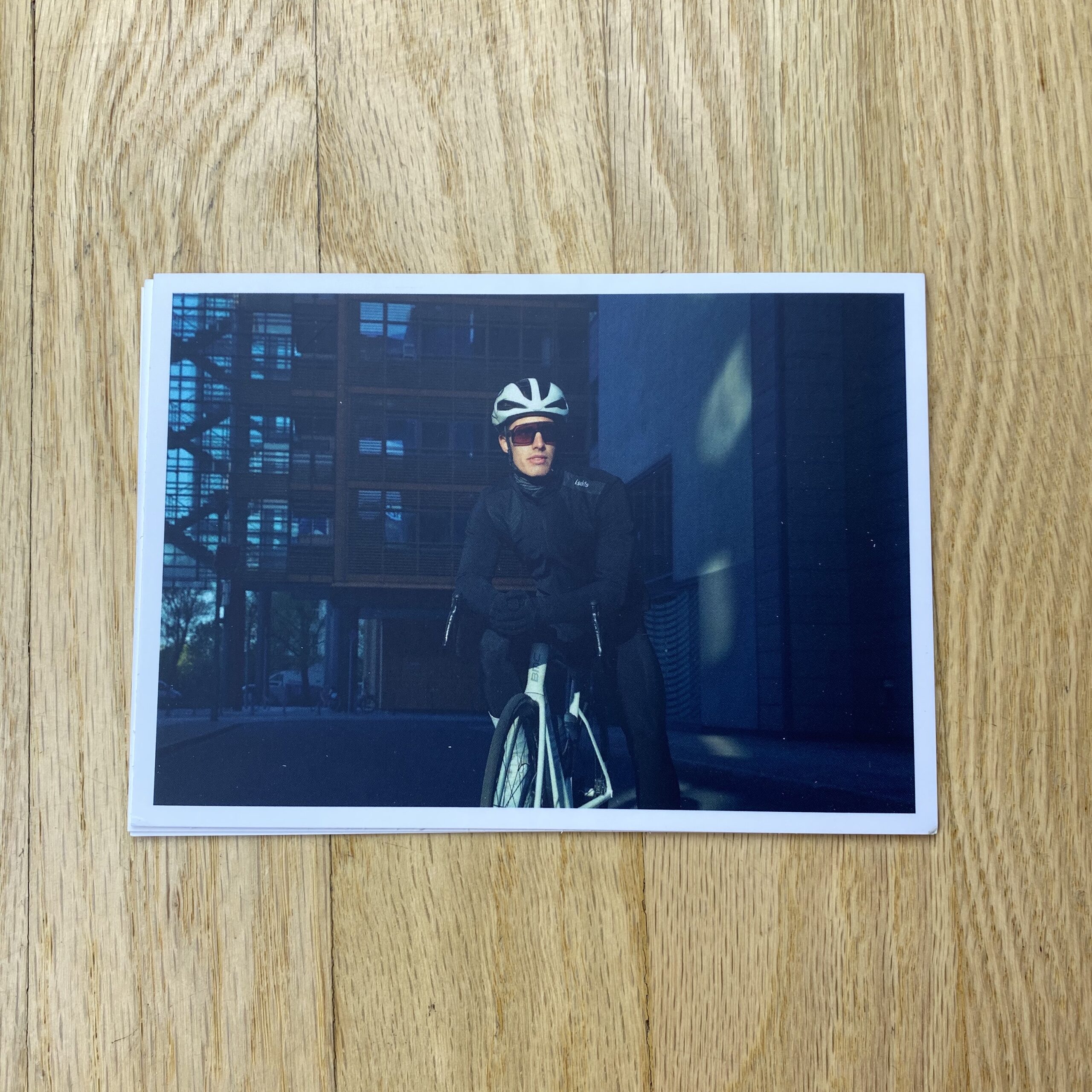
During a two month period my „urban cycling“ series came to be, was finalized soon after and finished of with wonderful retouches from vividgrey. This project was also the first time that I used “back on track“ as a slogan for the backside of my cards. I like to give my promos a personal touch, something a little more tangible and handcrafted. So I decided to write it by hand instead of just printing it.

How many did you make?
I made 500 sets with 3 cards each.

How many times a year do you send out promos?
At least two times a year. I send out postcards and booklets highlighting certain aspects of my work. Alongside with my digital newsletters you this will give you a good overview to the work I do.

Do you think printed promos are effective for marketing your work?
For sure. Even though printed promos make up for just a small fraction of my marketing, they are a vital asset.

Especially at times were in person meetings with my clients are very limited I still like to have a way to get through to them on a personal level. A postcard is a nice way to achieve that.

In my experience, a print on paper is appreciated so much more than another email getting lost in the infinite flood of messages.

This Week in Photography: A Year in Review


I’m writing on Wednesday this week.

I never write on Wednesdays.


It’s weird. Strange.

Odd.


By the time this column is posted on Friday morning, I’ll be reviewing portfolios, virtually, for Photo NOLA.

It’s commonplace, by now, that festivals and events have migrated online, and we’ve all adjusted.

Adapted.

Sorted it out.

For whatever reason, the other day, I was thinking of my word of the year, whether I could encapsulate the entire bonkers, tragic, confusing experience of #2020 in just a few syllables.

My choice was adapt.

The verb tense, not the noun. (Adaptation.)

I feel like we’ve all had to adapt, whether we wanted to or not. That word always annoyed me, when used in conjunction with Climate Change, as if we could never surmount our problems, so we’ll simply have to adapt to a new environment.

Now, after seeing our inability to come together as a species to battle corona, I guess I’ve been disabused of my naiveté.

But as we’re almost halfway through December, the last month in this mountaintop of a year, I realized just how little I was able to travel, and experience cool things for you, the readers, in #2020.

I got to Amsterdam and Houston just moments before travel became impossible and lockdowns the norm, in the early part of this year, but ever since, I’ve been out here on my farm.

Looking at books.
Walking in circles.

And, occasionally, reminiscing.


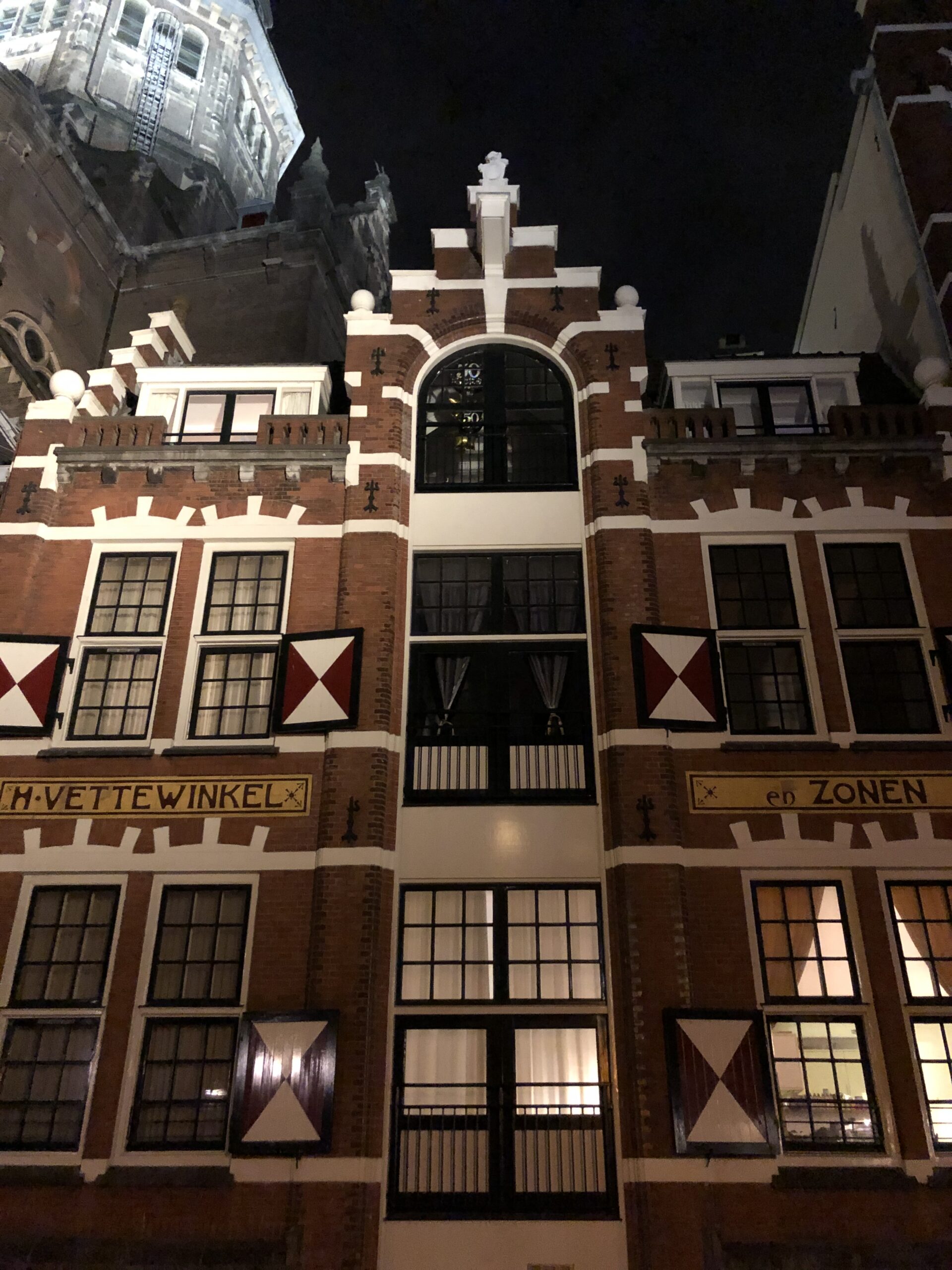
On the canal behind my hotel, Amsterdam, 2020


But most of the column this year has been generated from reacting to things in my house, holding photo books in hand, and then making judgements.

(So different from wandering the world, and then telling you about it.)

If ever there were two opposite years, lived back to back, it’s #2019 and #2020.

#2019 was the year to celebrate, rather than begrudge, (in retrospect,) because I got to visit so many brilliant cities, smashing up against people from every walk of life.

I was on airplanes constantly, bouncing around America, and then I even got to England.

(What a celebration of all the things we can’t do now.)

In late March, I drove up along the spine of the Rocky Mountains to Denver, to meet my friends Kyohei and Jeff, at the Month of Photography, Denver.

We had really good beer at Union Station, Denver’s downtown train hub that also became a social center, with tons of bars and restaurants. (Remember, all of this is #2019. No masks, and no issues with humans congregating.)

In April, I went to New Jersey and New York, which I wrote about here at length. From this vantage point, crushing against all those people on the High Line, with the skyscrapers behind us, seems downright decadent.

And I recall the beauty of stepping in off the street, into one of my all time favorite restaurants, (Grand Szechuan,) and having a piping hot pot of tea delivered, so quickly, to warm me up.

(What seemed commonplace now seems unimaginable.)

April brought me to Portland, for Photolucida, which has been postponed for 2021, due to the pandemic.

Last year, though, I partied in a heavy metal concert at Dantes, and pressed through a packed Portland Museum of Art, for the festival’s portfolio walk. (At Photo NOLA this year, the portfolio walk will be held in virtual reality.)

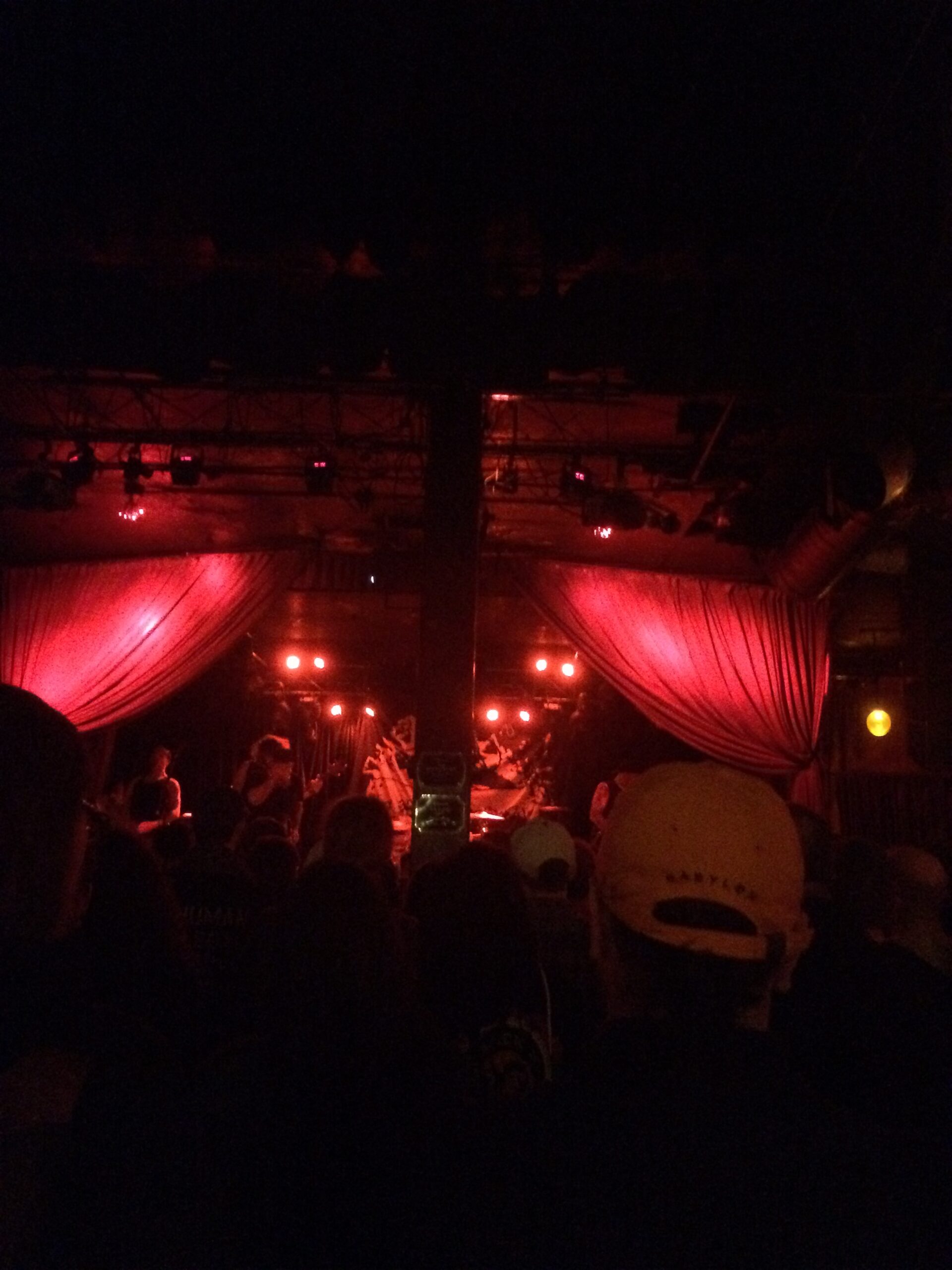
Dante’s, in Portland, 2019


In May, I went to London for a week, and was in and out of more public spaces than I can even believe.

Galleries, museums, trains, shops, squares, baths, movie theaters…

All of it.

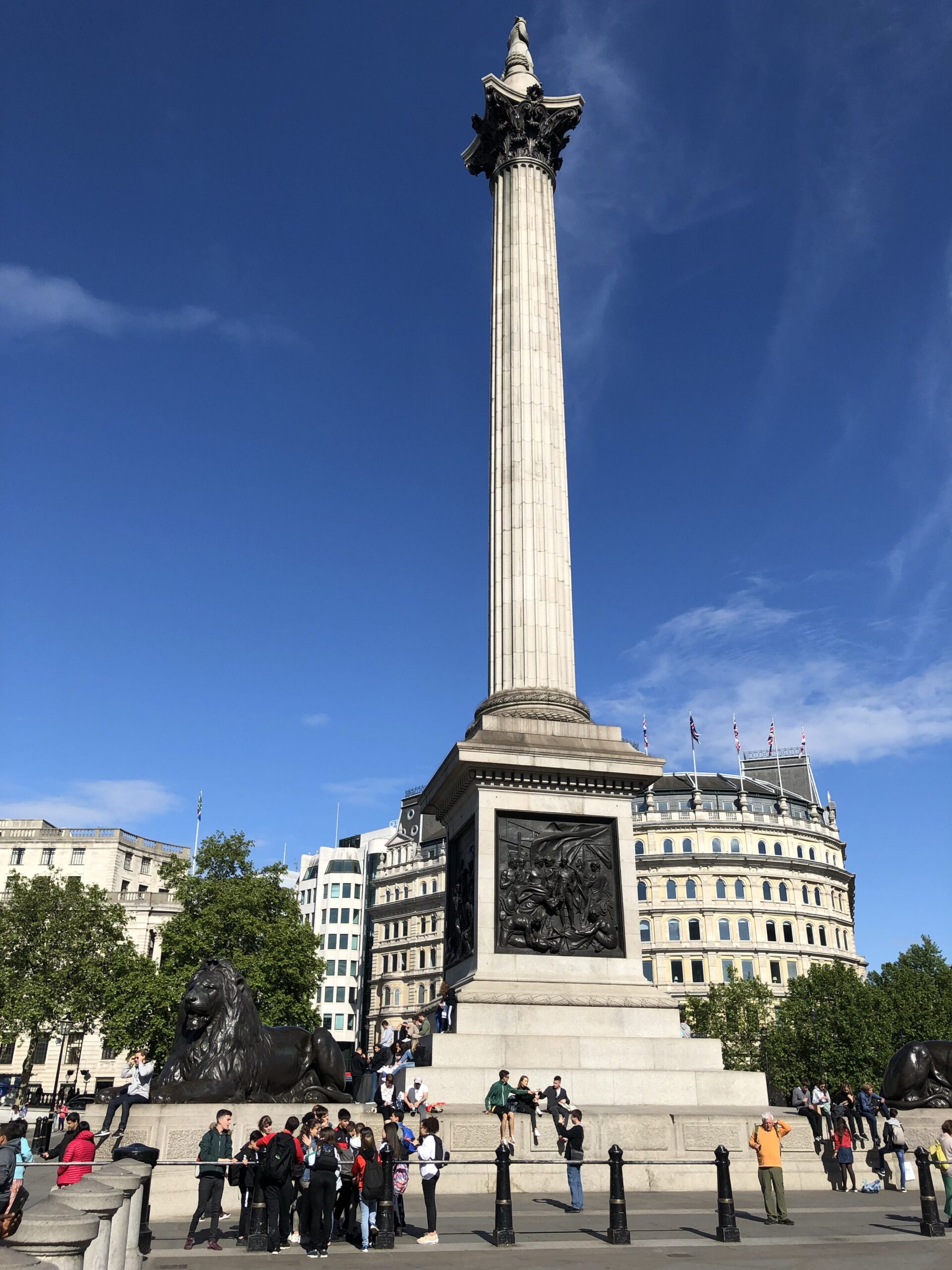
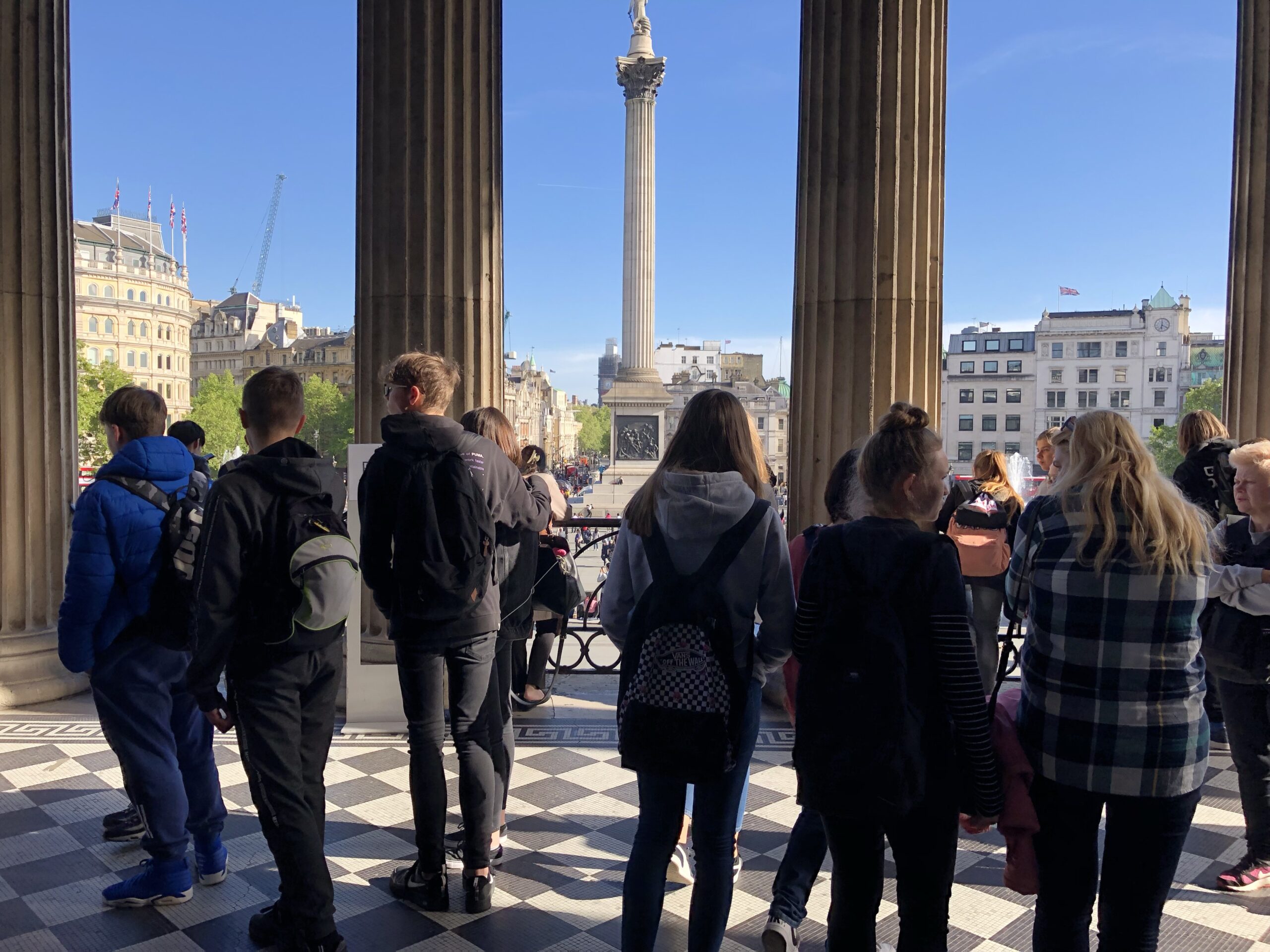
Trafalgar Square, London, 2019
Inside the National Gallery of Art, London, 2019
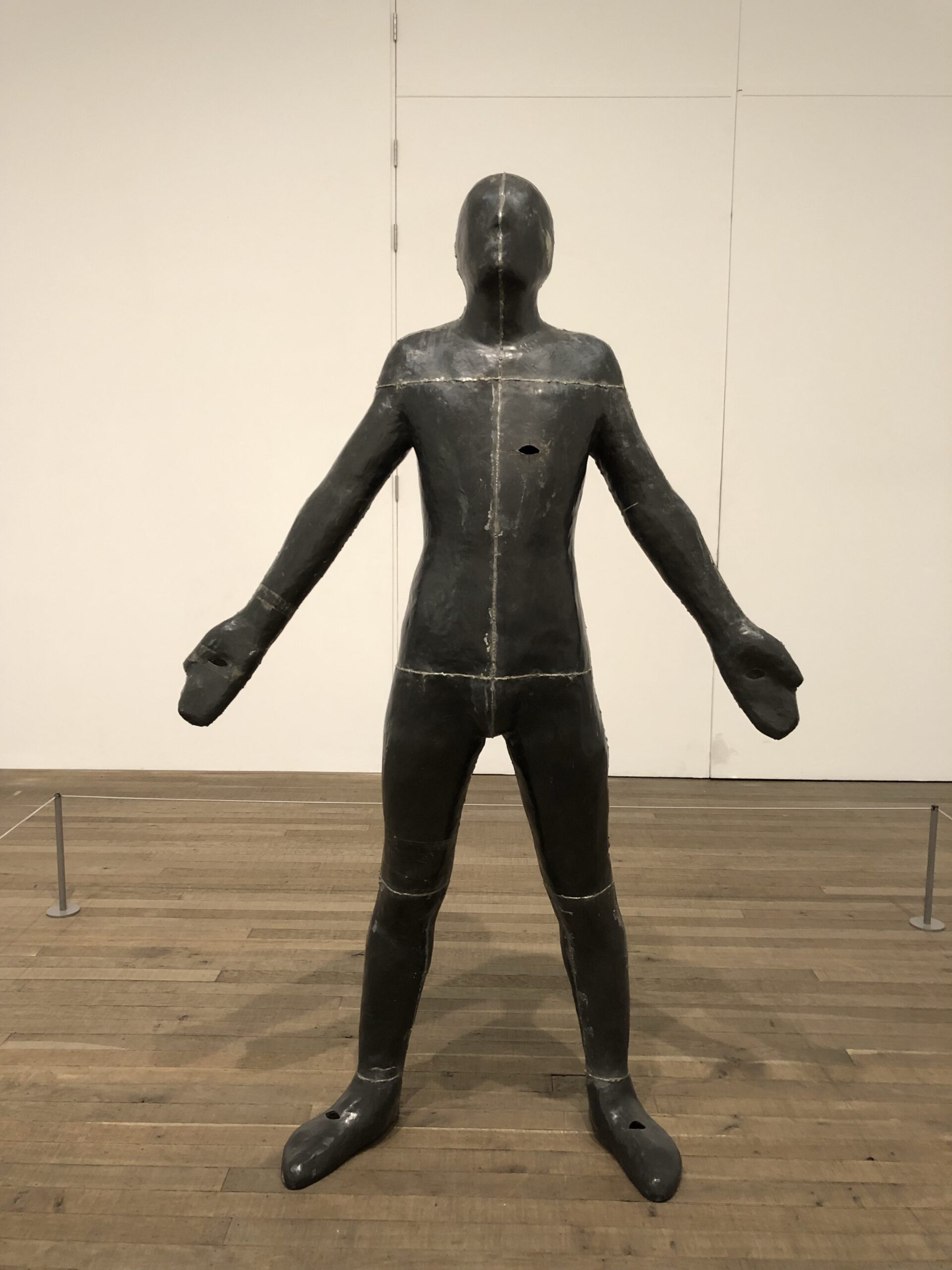
Sir Antony Gormley sculpture, Tate Modern, London, 2019
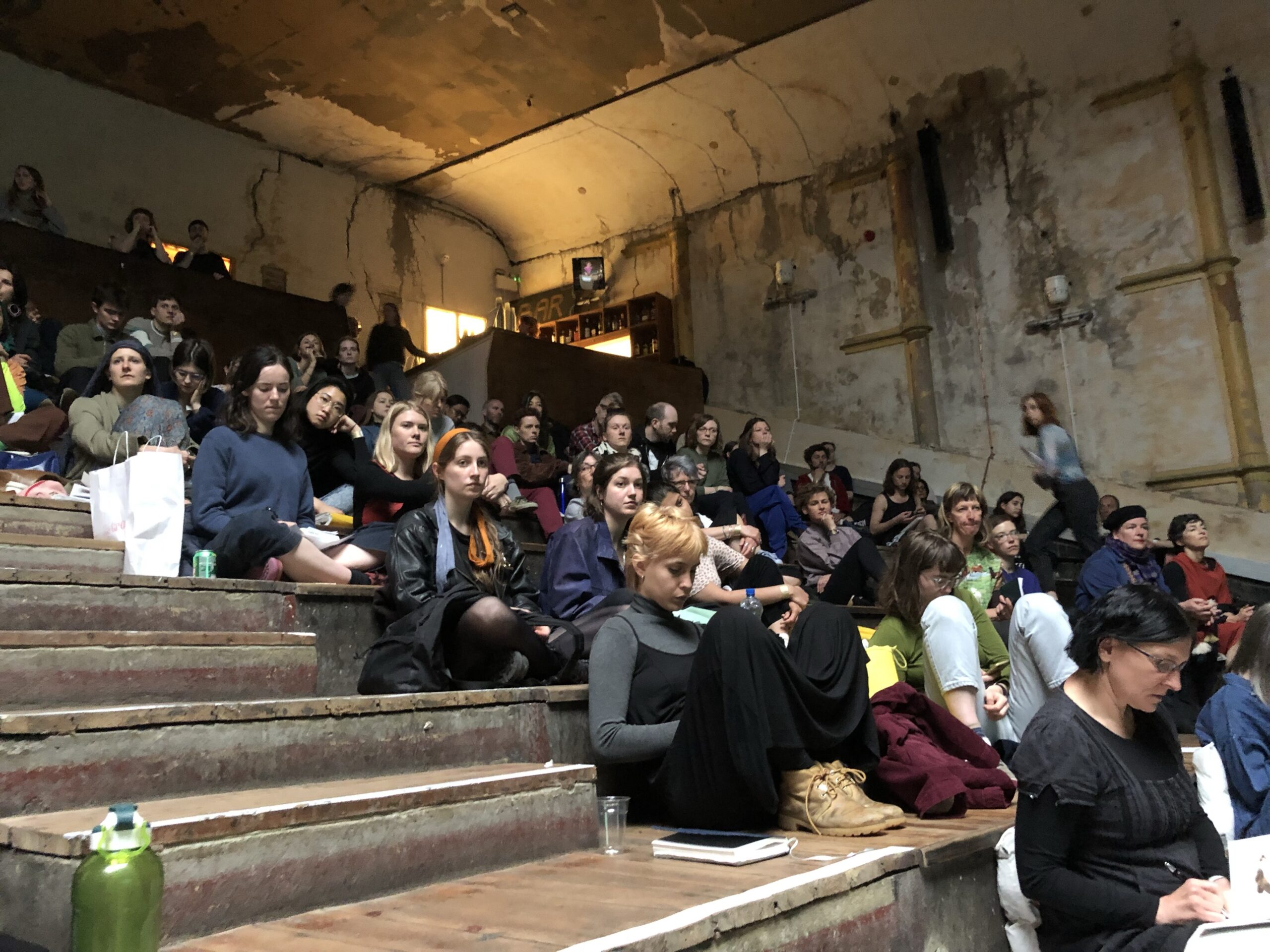
Art and Ecology conference, London, 2019
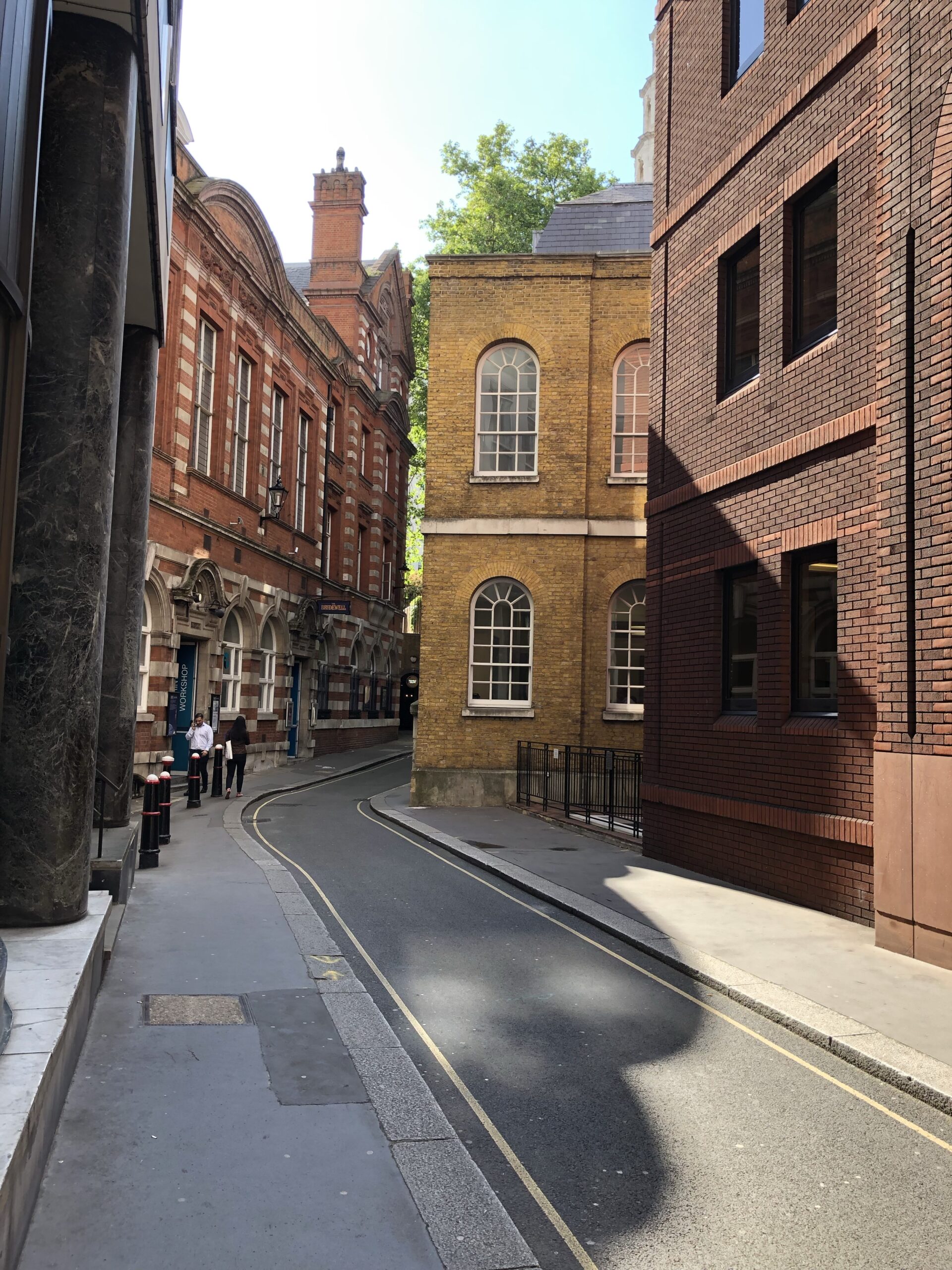
Walking around, London, 2019

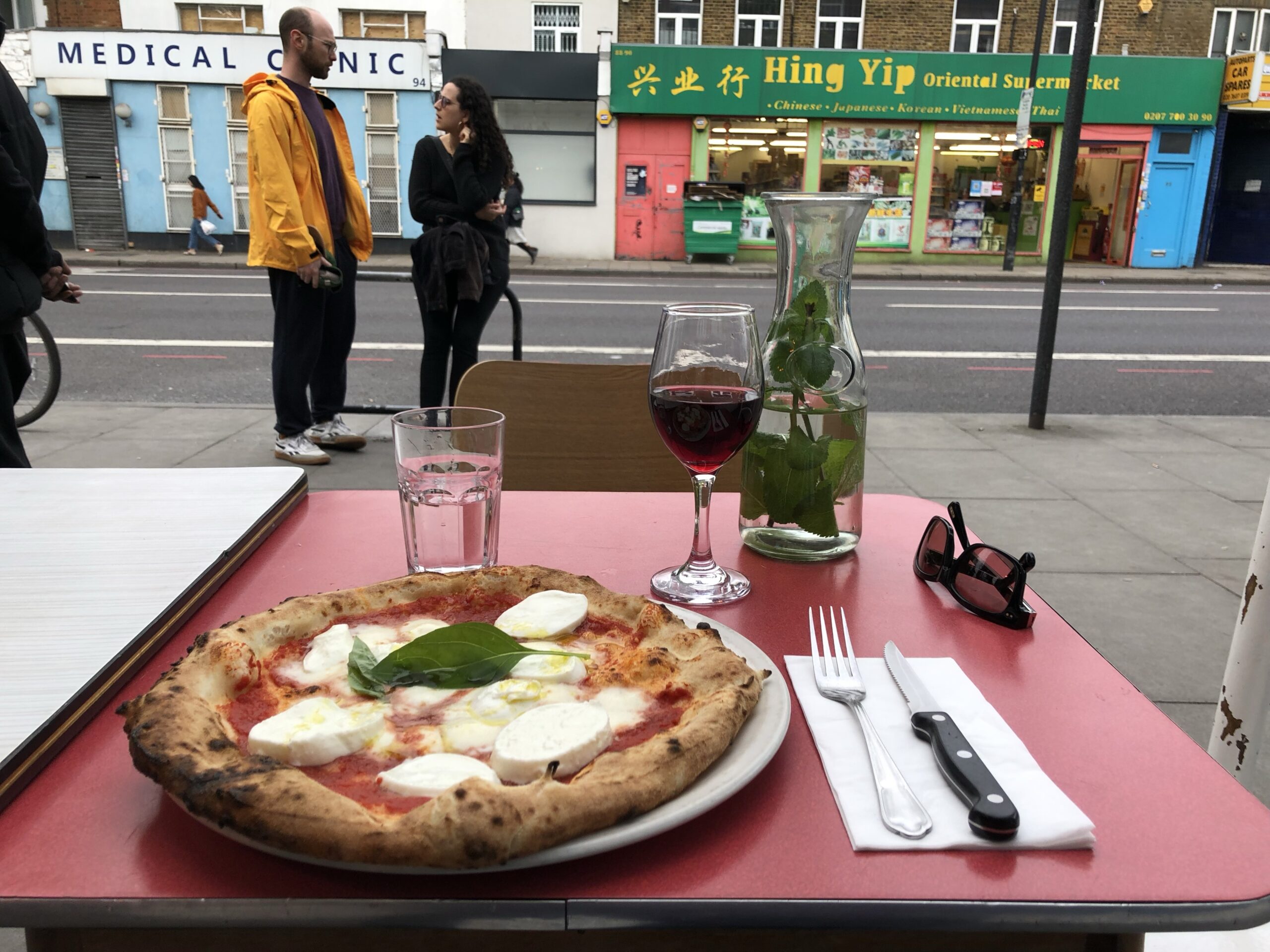
If I could teleport, and eat a pizza margherita with mozzarella di bufula, from Zia Lucia, right near Hugo’s house on the Holloway Road, that would be ideal.

Zia Lucia, Holloway Road, London, 2019


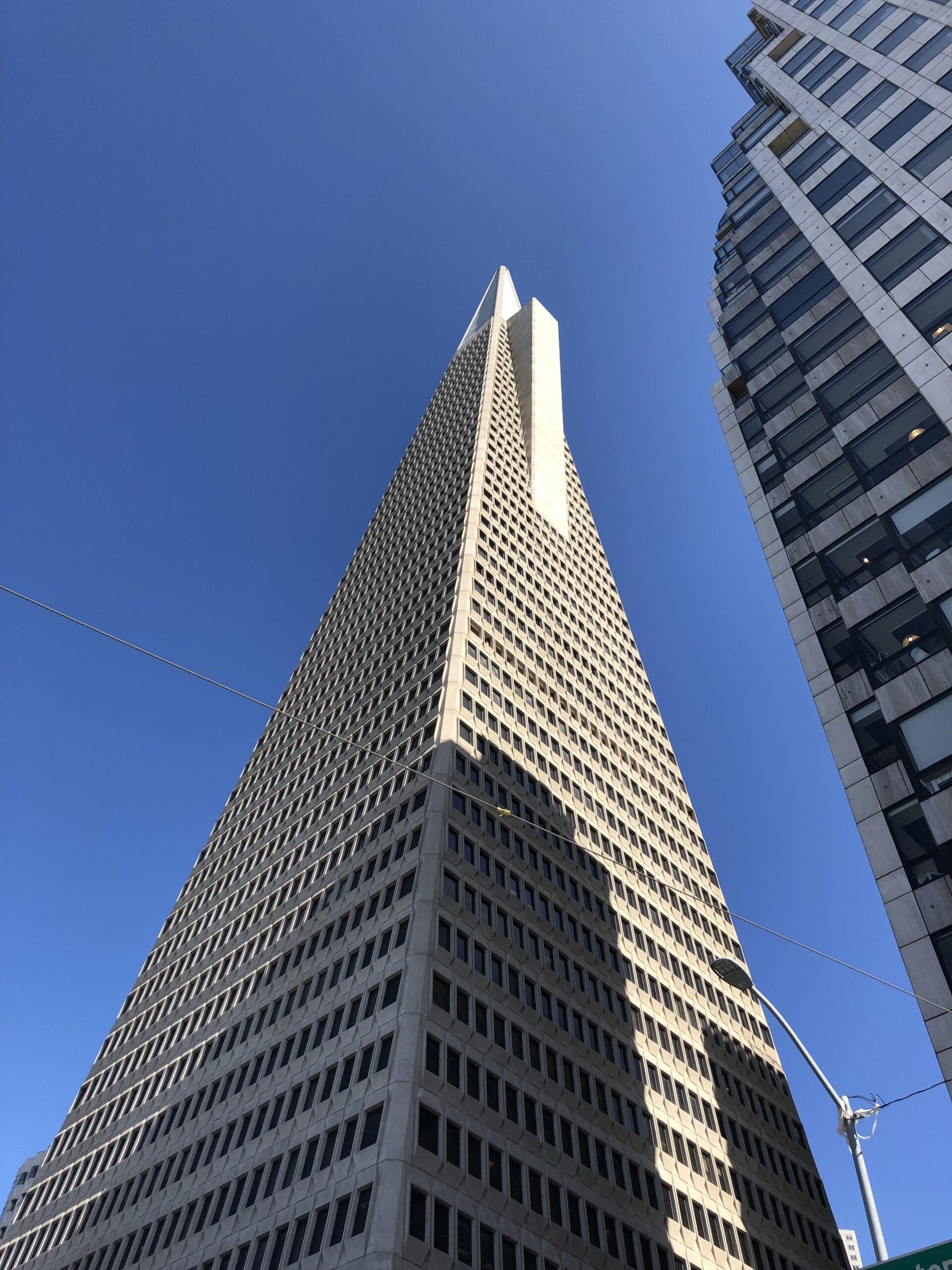
June was quiet, but then July brought California, bouncing from Oakland to San Francisco to Monterrey to Carmel to Oakland to San Francisco and back to Oakland. (A microcosm of the year.)

Sitting on the steps of the 19th Century City Hall building in Monterey, at twilight, with my wife all dressed up for a wedding that we’d just escaped round the corner, just the two of us, was one of the best moments I can recall.

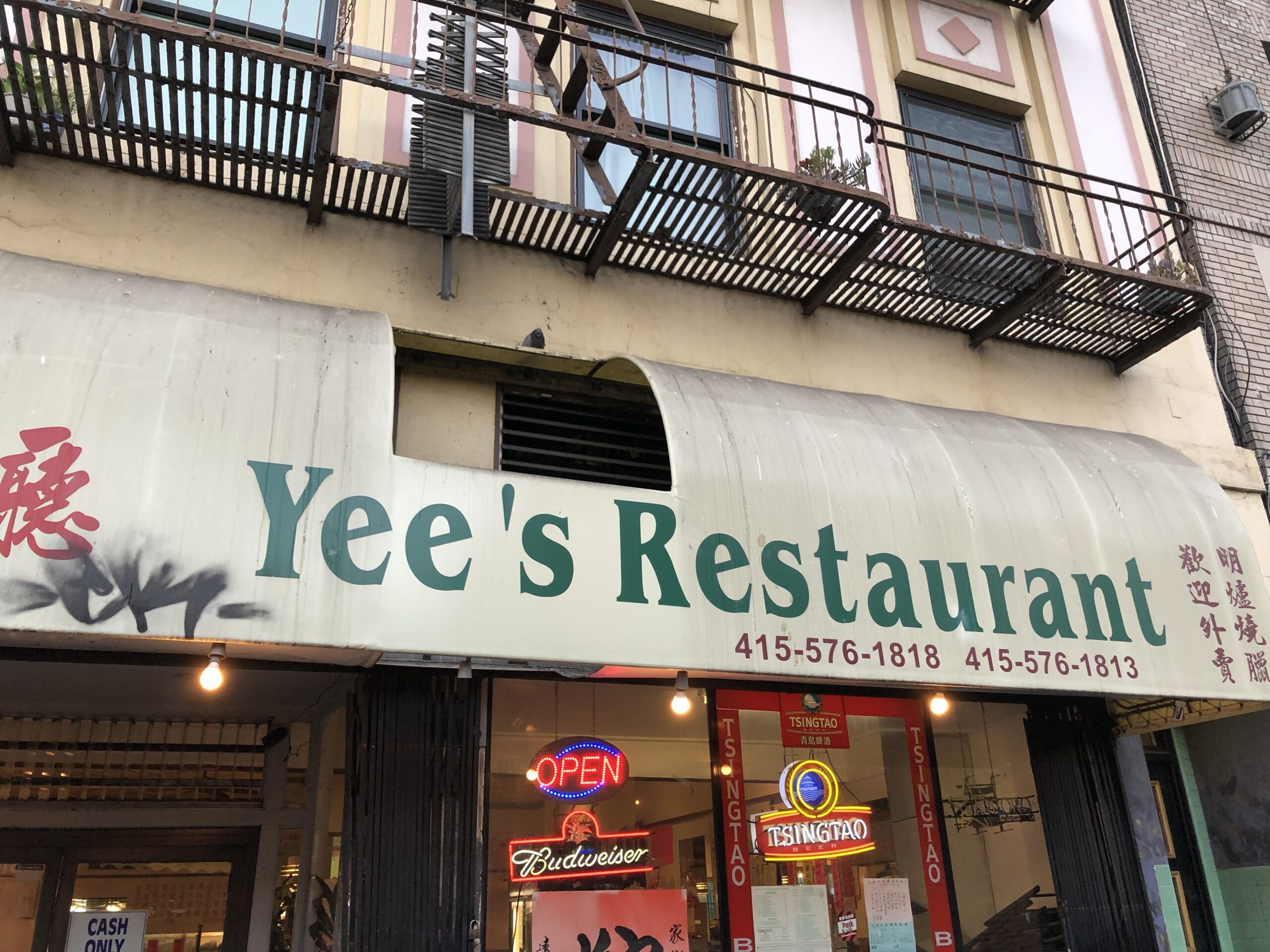
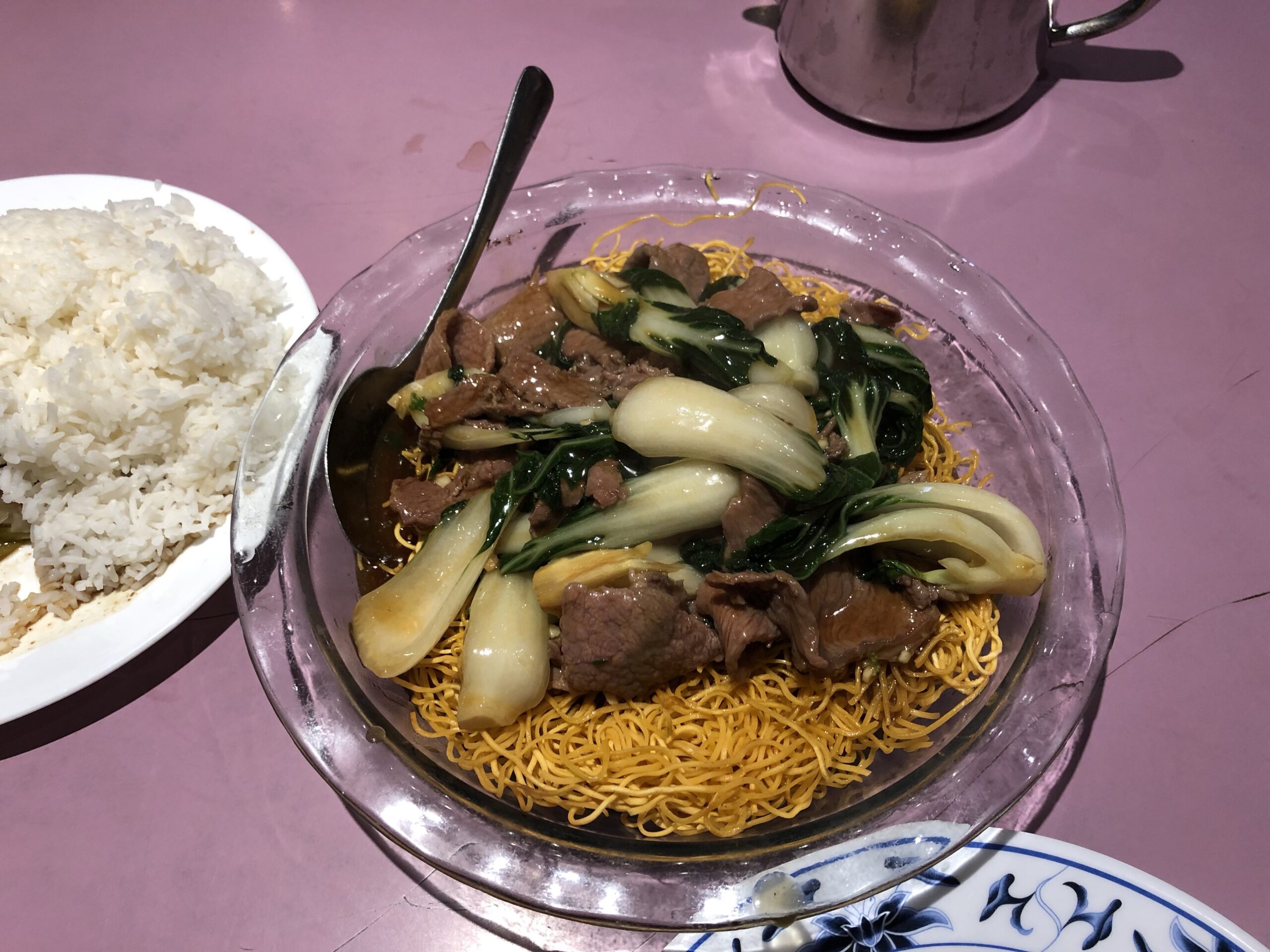
That week we ate Italian, Indian, Thai, Chinese, Salvadoran, and Mexican food.

(And totally took that for granted.)

Transamerica Tower, San Francisco, 2019
Yee’s Restaurant, Chinatown, San Francisco, 2019
Beef with pan fried noodles, 2019
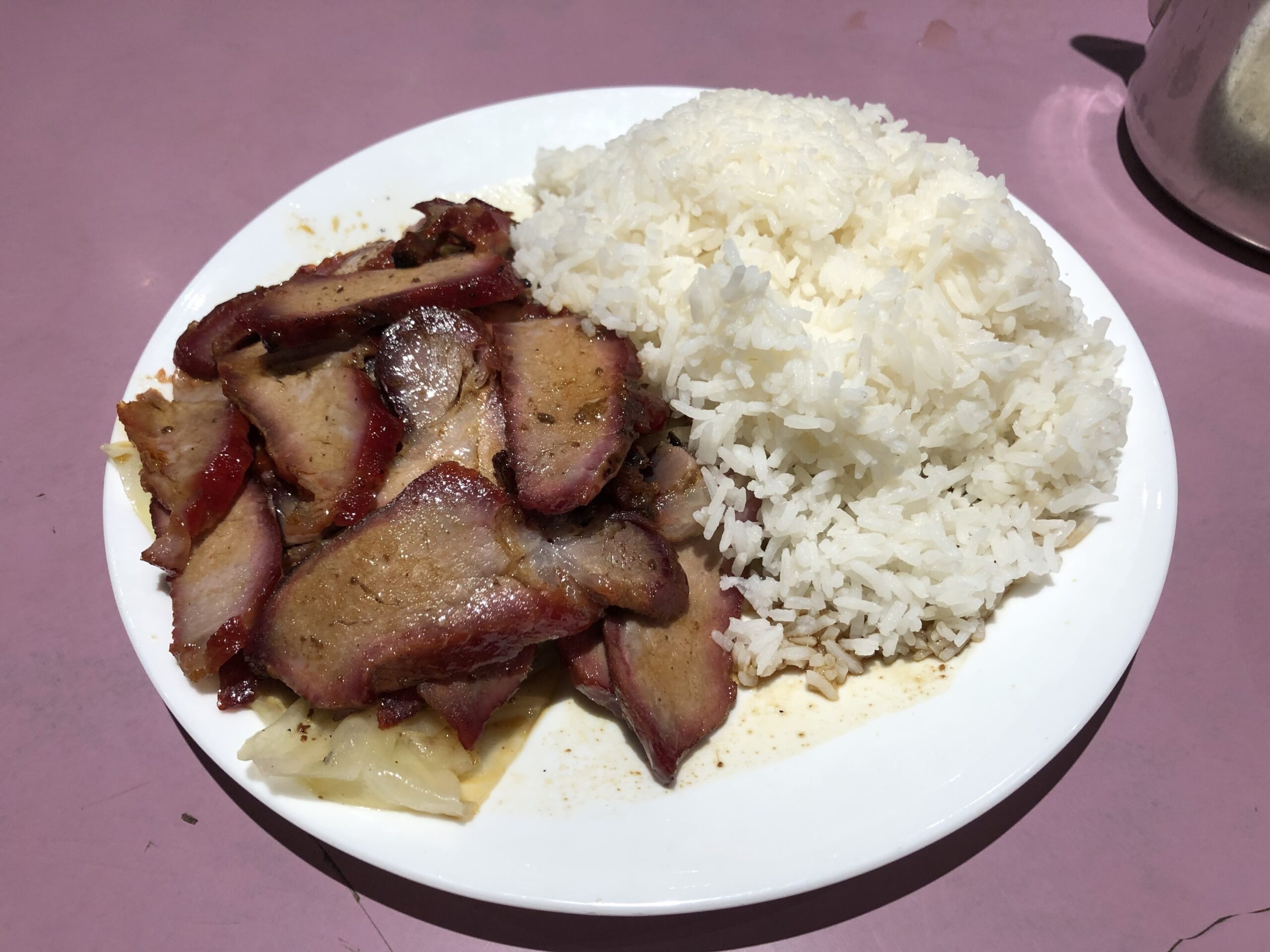
BBQ Pork with cabbage, 2019


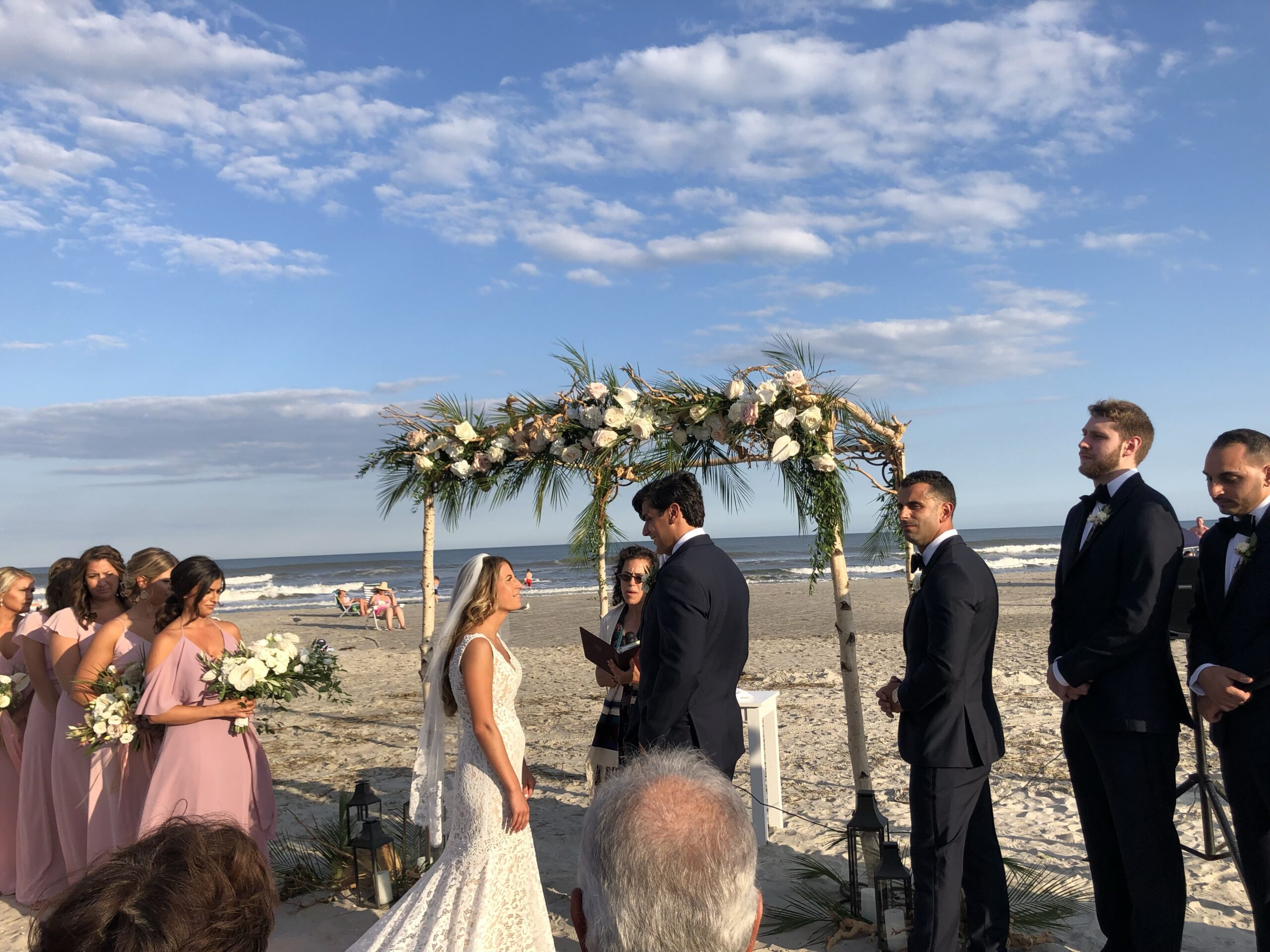
In early September, the wife, kids and I flew into Philadelphia, for a family wedding at the Jersey Shore. (Down in South Jersey, near Cape May.)

The wedding on the beach, Avalon, 2019
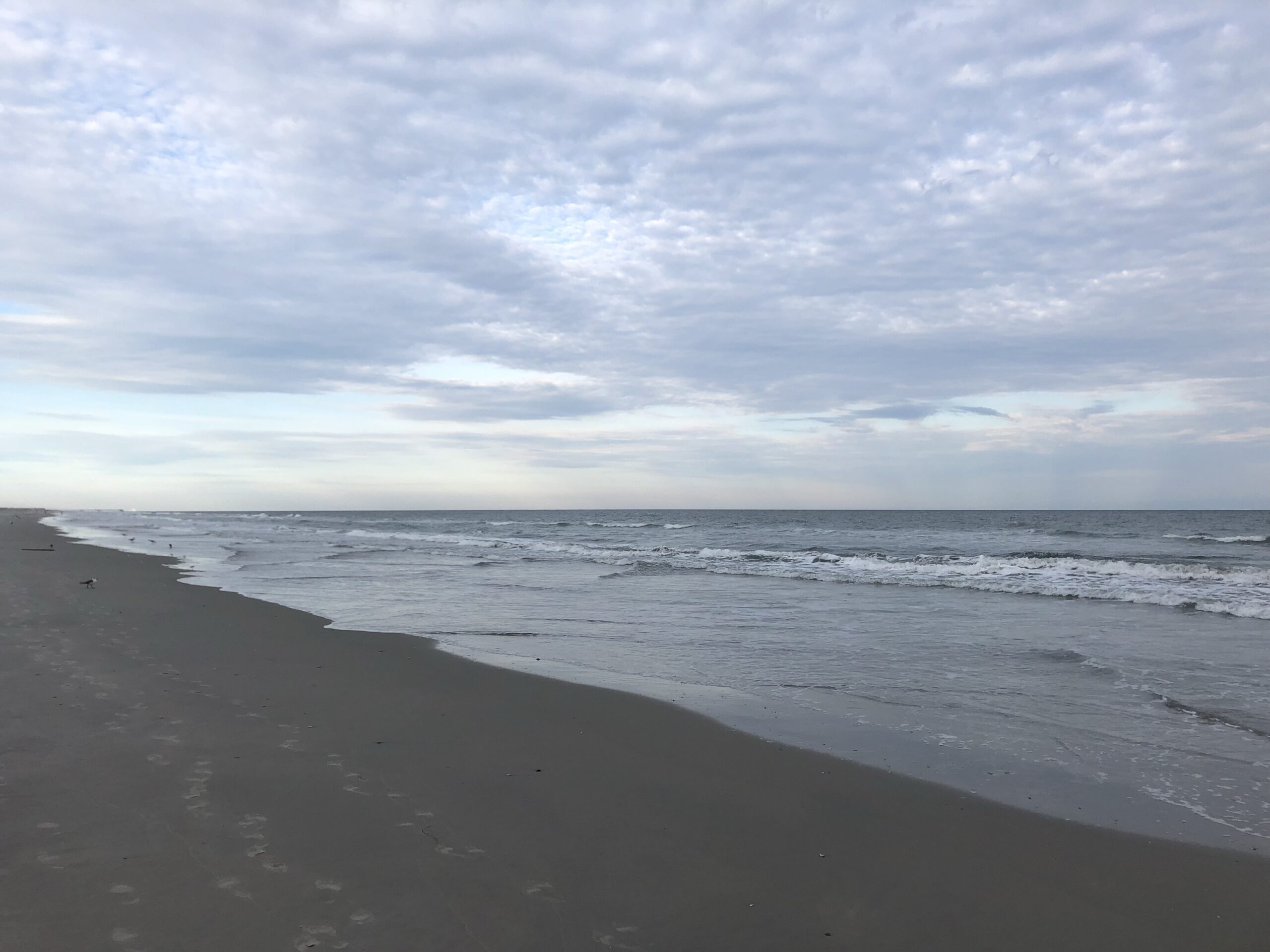
The last time I saw the ocean, Avalon, 2019


The kids and I picked up wedding confetti off the beach, and we ate pizza each day until we were sick of it.

My wife showed her first real symptoms of depression; moments that DEFINITELY got my attention.

(The Geno’s cheesesteak at the Philly airport was the best airport food I’ve ever eaten, fyi.)

In mid-September, I went to Chicago, for the Filter Photo Festival, and even wrote here how such partying and festival hopping had become the norm.

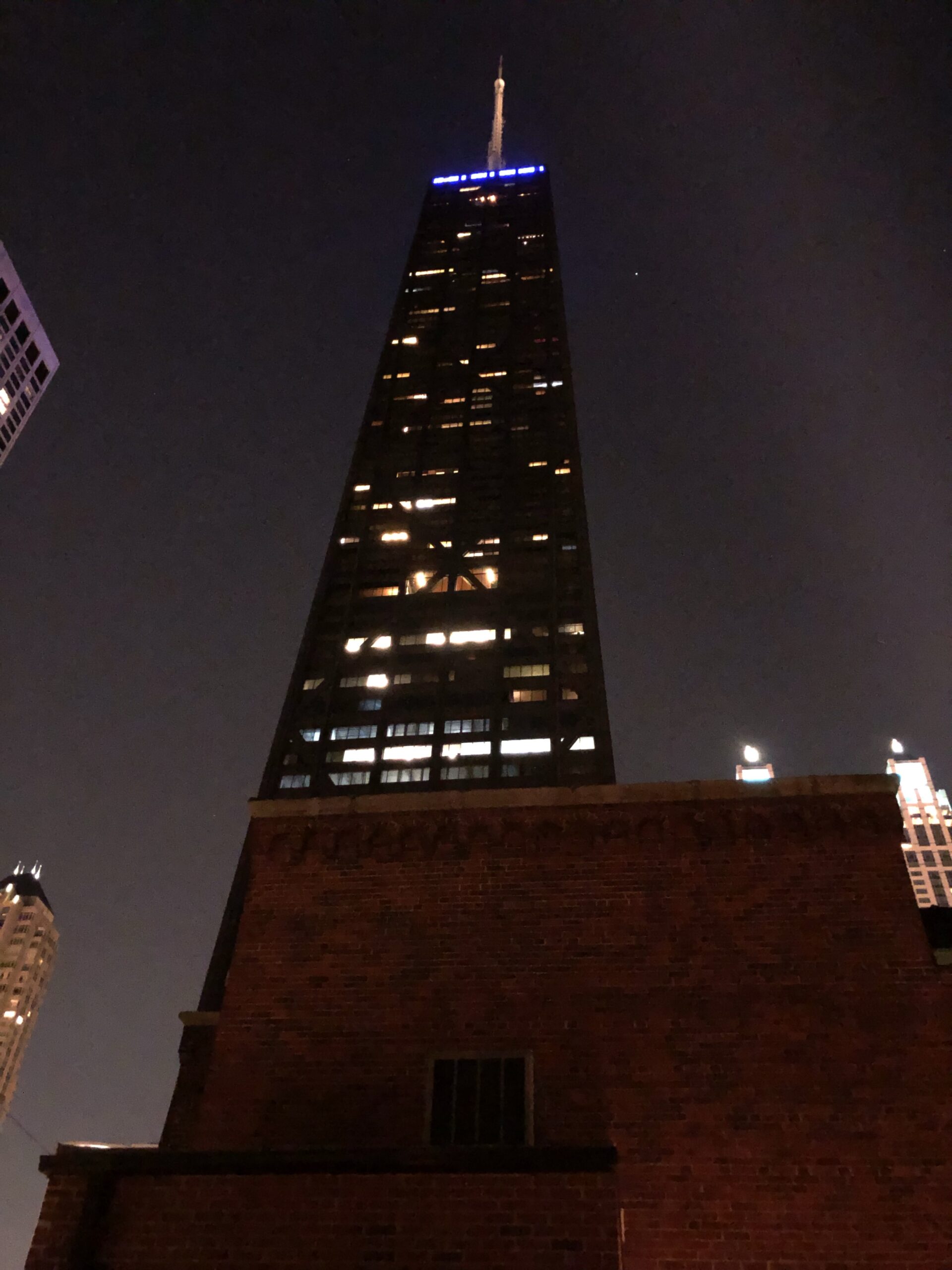
View of the Hancock Tower, from the rooftop bar, Chicago, 2019


How will they top what they’ve done before, I wondered?

Entertain me!

I’ve been to so many festivals, in so many cities, that I’m no longer satisfied by good food, music, and friends.

I’ve seen the concerts, and done the karaoke.

I want next-level fun, your hear me!!!

Of course, that attitude seems silly now, nine months into a quarantine that might well last that much longer, depending on when my family gets the vaccine.

It seems out of whack, that I’d take such things for granted. (Or that I’d travel 20,000+ miles and think nothing of it.)

October was Albuquerque, and then Boulder in November.

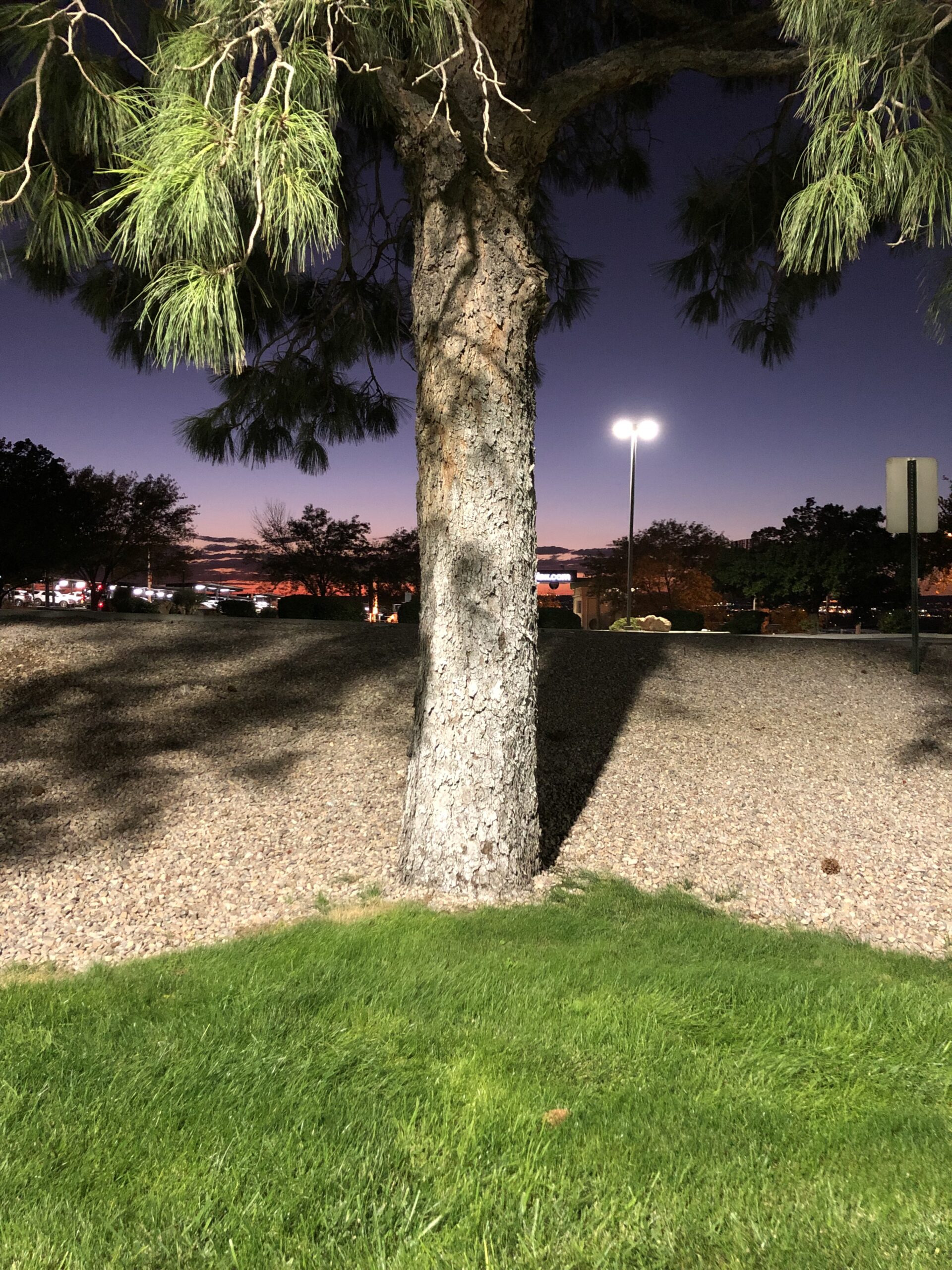
Airport hotel lawn, where we played football, Albuquerque, 2019

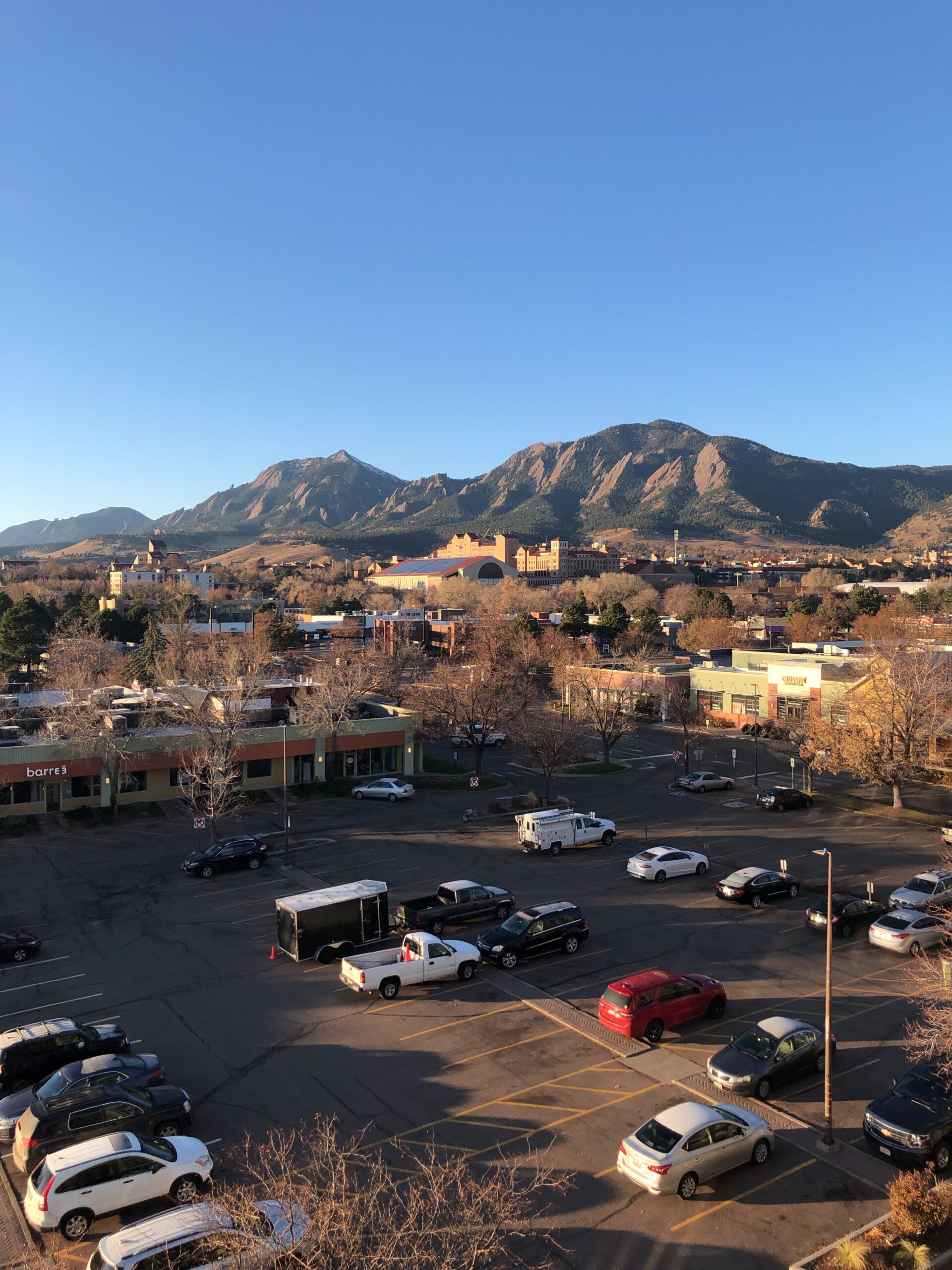
I remember in Colorado, finding a quiet balcony at the Boulder Hilton, with no people around, and Jessie and I would do some stretching, staring at the Flatirons, so close we could touch them.

Though we were above all the shopping centers, all the cars and the activity, up there on that balcony, it felt so peaceful, and private.

View of the Flatirons, Boulder, 2019


It felt like we were the only people in the world, with our bird’s eye view, and our mountains right there in the sky.

Just us, all alone.

Now, at the end of #2020, that’s how I feel every day.

Alone.
Quiet.
Hoping I can travel again in 2021.


The Art of the Personal Project: Will Templeman

The Art of the Personal Project is a crucial element to let potential buyers see how you think creatively on your own.  I am drawn to personal projects that have an interesting vision or that show something I have never seen before.  In this thread, I’ll include a link to each personal project with the artist statement so you can see more of the project. Please note: This thread is not affiliated with any company; I’m just featuring projects that I find.  Please DO NOT send me your work.  I do not take submissions.


Today’s featured artist:  Will Templeman

Despite the vastly different complexities in each of our lives, there is a unifying light that shines through us all – something showing us there is far more connecting us than bringing us apart. I have never been able to truly describe this with words, so I try my best to capture it through my work. I have met so many amazing people on the streets of Richmond, Virginia and hope to help share their stories and spread their light.

To see more of this project, click here.


APE contributor Suzanne Sease currently works as a consultant for photographers and illustrators around the world. She has been involved in the photography and illustration industry since the mid 80s.  After establishing the art-buying department at The Martin Agency, then working for Kaplan-Thaler, Capital One, Best Buy and numerous smaller agencies and companies, she decided to be a consultant in 1999. She has a new Twitter feed with helpful marketing information because she believes that marketing should be driven by brand and not by specialty.  Follow her at @SuzanneSeaseInstagram

Success is more than a matter of your talent. It’s also a matter of doing a better job presenting it.  And that is what I do with decades of agency and in-house experience.


Pricing & Negotiating: Last Minute Automotive/Portraiture Assignment

Craig Oppenheimer, Wonderful Machine

Concept: Portraits of a community leader posing with a vehicle

Licensing: One-time Print Advertising use of one image in a single publication, as well as Web Collateral use for 6 months.

Photographer: Portraiture and lifestyle specialist

Agency: Medium in size, based in the Northeast

Client: Large automotive brand

Here is the estimate:

Redacted estimate for an automotive/portrait shoot

Fees: The agency reached out about a shoot that was to take place within a few days of the initial correspondence and needed the project to be pulled together quickly. The project revolved around a major sporting event taking place elsewhere, and the creative assets to be generated at that event were driving the creative approach and the timeline for this project. The scope was relatively simple, and they needed portraits of a person who was heavily involved in their local community photographed in front of a vehicle. The subjects and vehicle would be provided, no styling was needed, the client/agency did not plan to attend, nor would they need remote approval as the shoot unfolded. Those factors made the project very straightforward. For usage, we were told that they only needed one final image, and the licensing would be very limited and include placement one-time in a single publication, and the image would live online for 6 months. Given the straightforward nature of the project and limited licensing, I decided to include $3,500 as a creative/licensing fee. Additionally, I included $500 as a fee for the photographer to go scout the provided location ahead of time.

Crew: I included two assistants for the shoot day, based on local rates

Equipment: This was to be shot in an editorial style without any major lighting setups, and I included $800 to cover the photographer’s own camera, lenses, lighting, and grip.

Health and Safety: On most shoots these days, I’m typically including fees and expenses for a COVID Compliance Office to be on set to ensure that everyone is complying with COVID prevention protocols. In this case, considering the very limited amount of people on-site, the lack of items/areas that would need continuous cleaning, and the fact that they’d be outside the entire time, we decided to omit a compliance officer.

Misc.: While we anticipated the shoot would only take about a half day to accomplish, I included a few hundred dollars to cover a quick meal, mileage, and a bit of extra money for unforeseen items.

Post Production: I included $500 for the photographer’s time to batch process all of the images and provide a web gallery for the client to review. I added $300 to cover the retouching of one image and noted that this included up to 2 hours of retouching time.

Results: The photographer was awarded the project.

If you have any questions, or if you need help estimating or producing a project, please give us a call at 610.260.0200 or reach out. We’re available to help with any and all pricing and negotiating needs

The Daily Edit – The Free Republic of California: Cole Sternberg

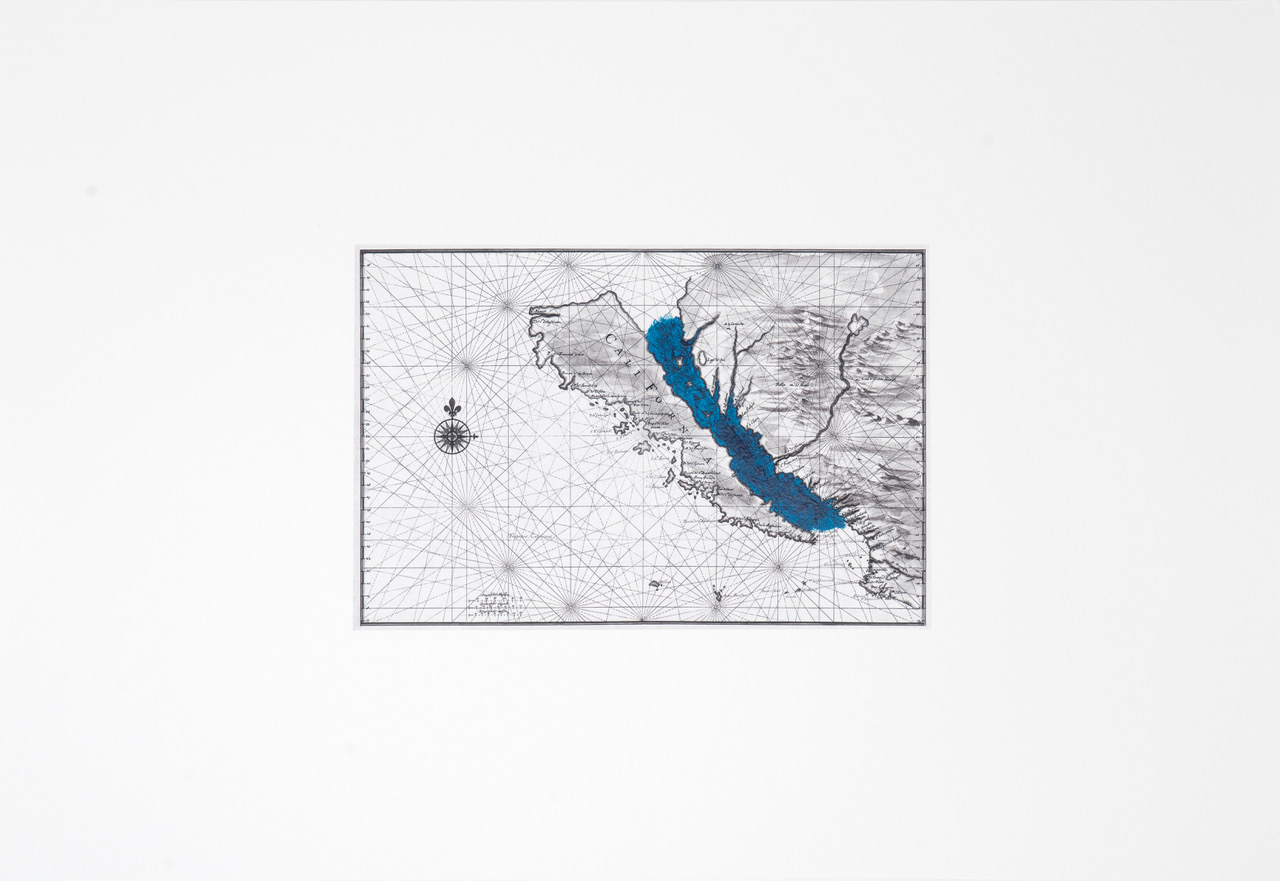
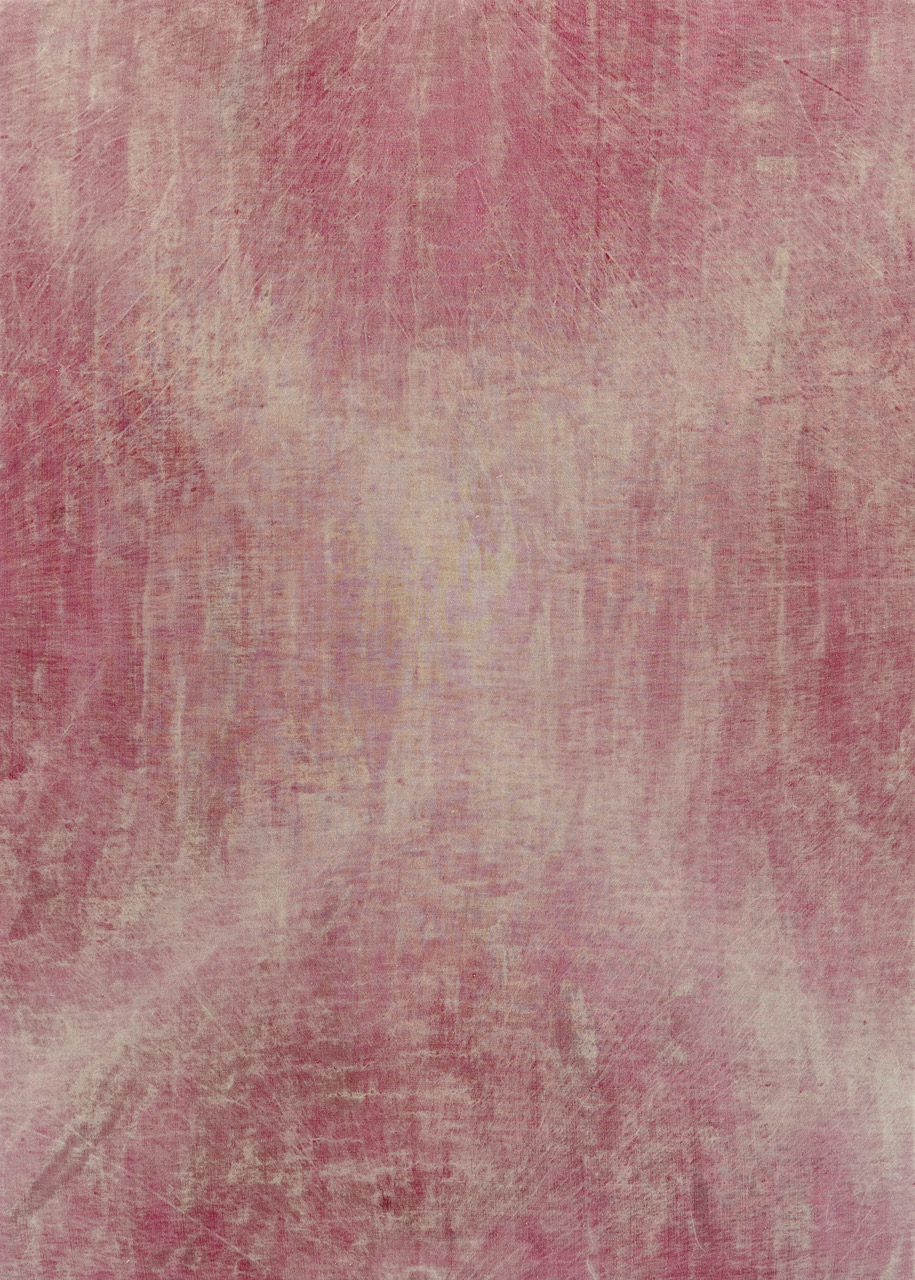
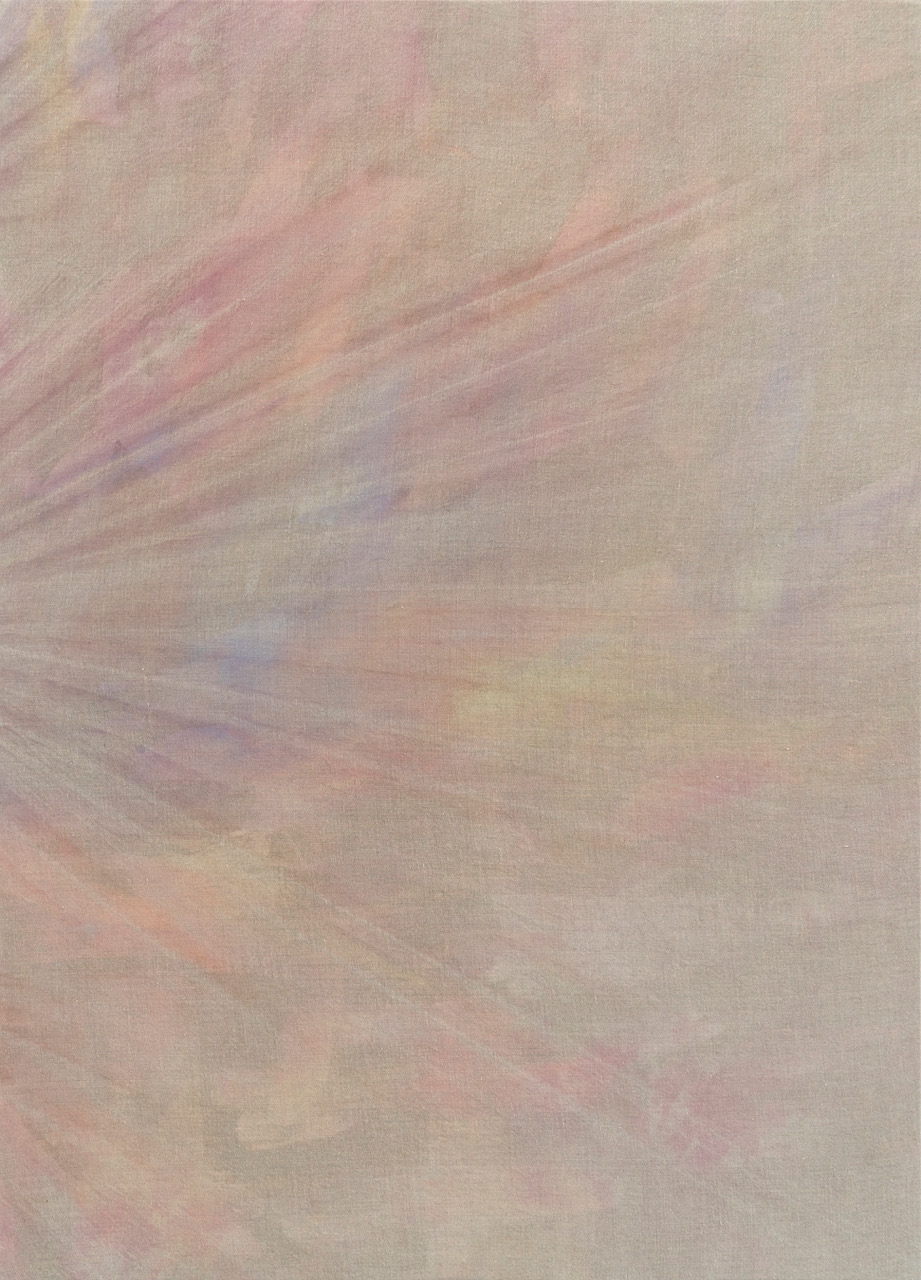
untied, 2020, acrylic and pigment print on etching paper, an amendment to the El Segundo beachfront.

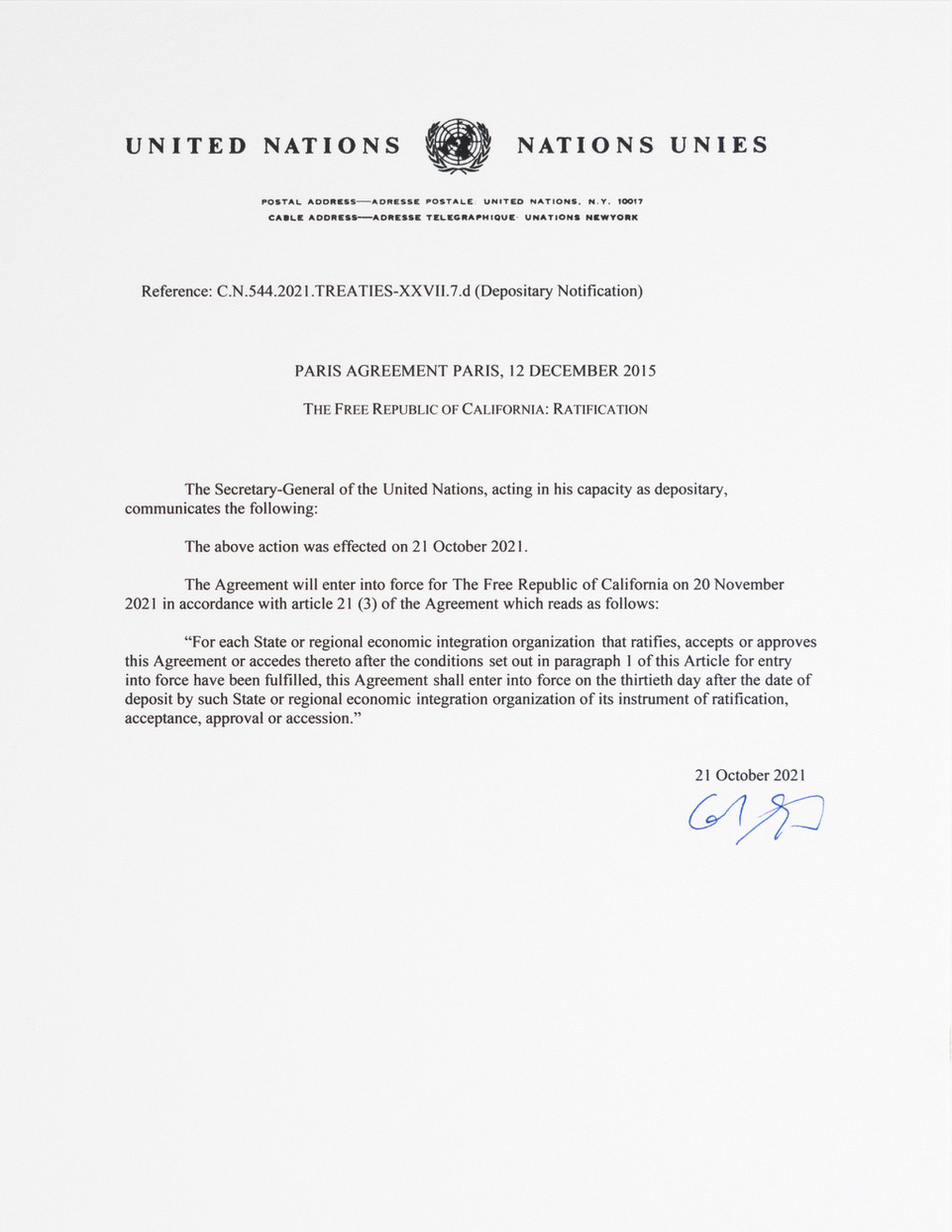
the ratification of the paris agreement, 2020, ink and pigment print on etching paper
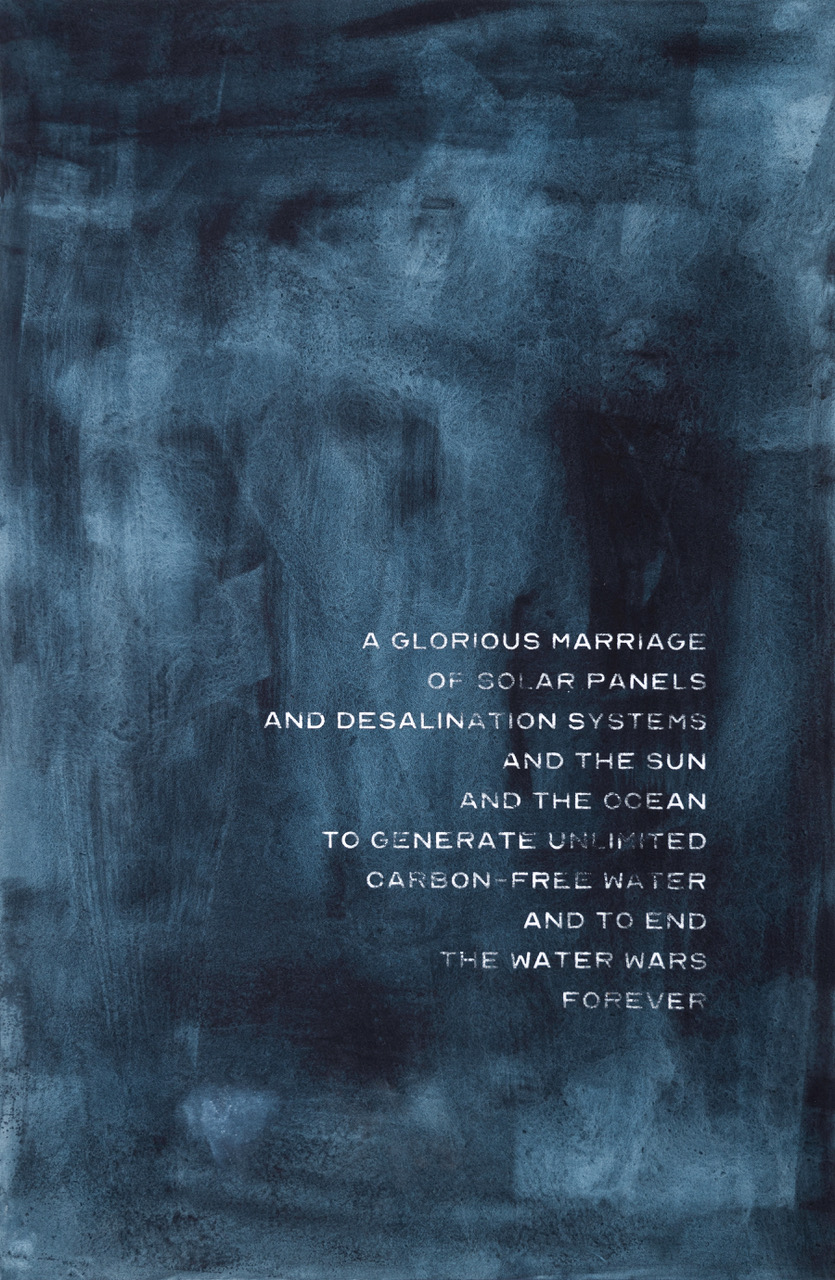
a glorious marriage, 2020, acrylic and watercolor print on paper.
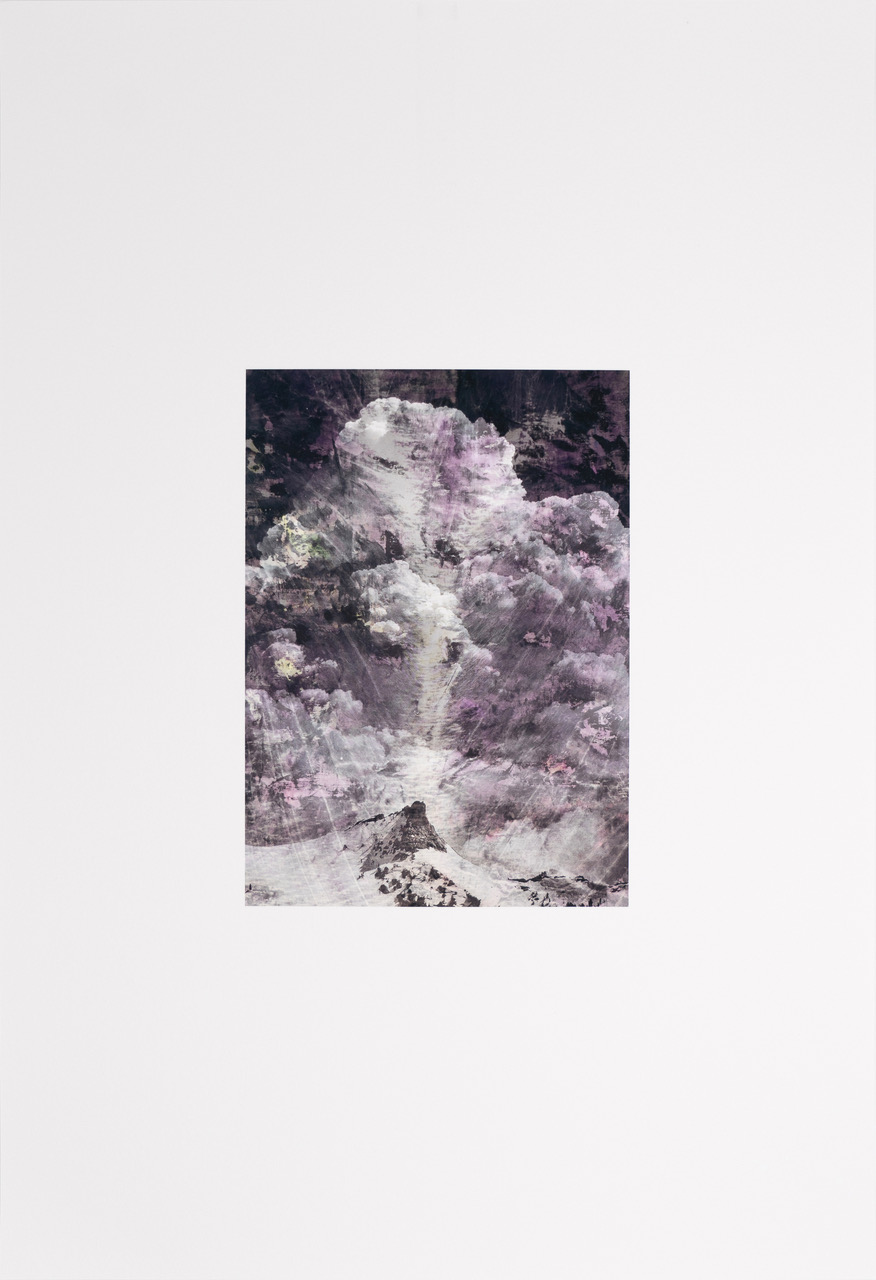
the brightest, crispiest, roughest looking clouds, 2020, pigment print on etching paper.
a grand ramble, 2019, mixed media on linen.
the douglas is nearly allied to the red squirrel, 2019, mixed media on linen.
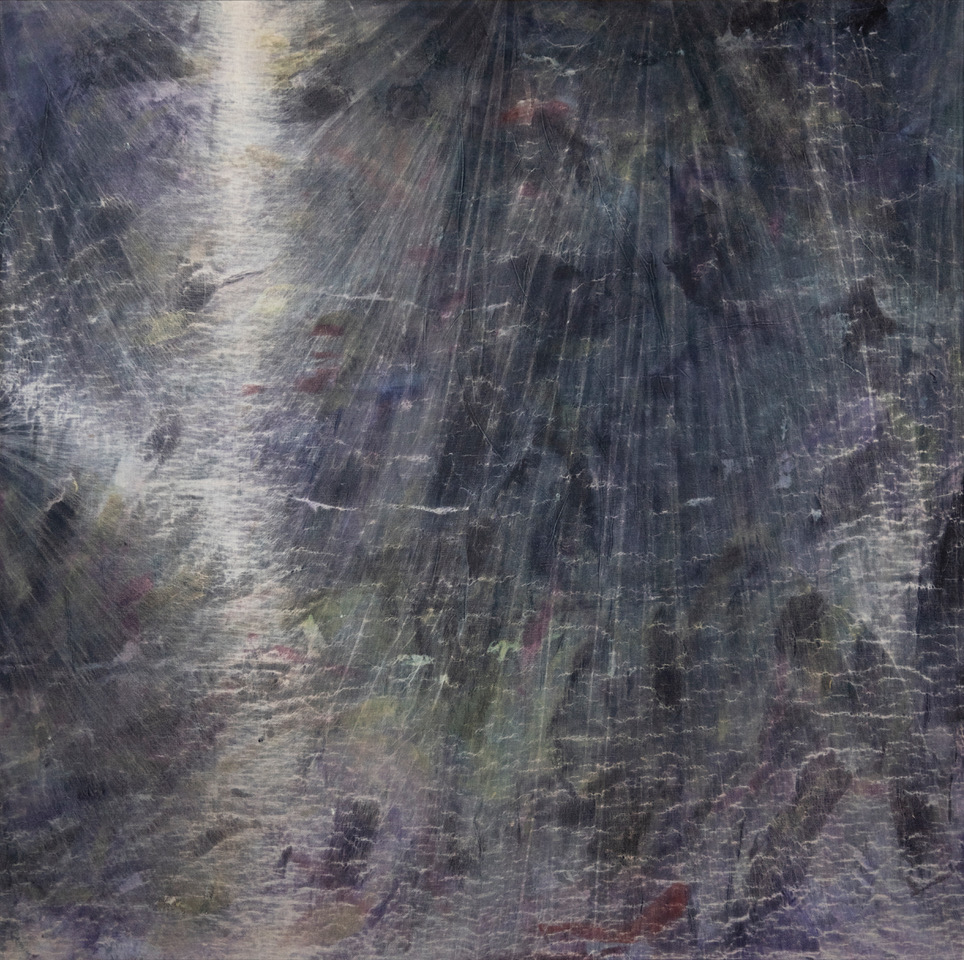
into the recess of the echoing mountains, where they seem to be welcomed home, 2019, mixed media on linen.

The Free Republic of California 

Artist: Cole Sternberg


Heidi: When did your complex relationship with nature present itself?
Cole: I’m not sure there’s a clear moment that it presented itself. At some point the gaze to the sea, to the sky and to the trees merged with my creative desires and pragmatism. I wanted to make pieces that subtly referenced humankind’s erasure of our environment, as well as, the ethereal patterning of nature itself. That subtlety remains today, but there are also louder statements emerging as I see the time to rescue ourselves slipping away.

How do you find hope considering CA has had a consistently difficult water and fire season?
Hope is simply a necessity in continuing forward, continuing to fight. I see the fires as a reason to work harder, which helps in avoiding the despair of such horrific destruction.

Nature of Breathing in Salt: That was a study in marco/micro experiences, marco of the sea, mirco of the shipping vessel; how did that isolation of the vessel impact your creative process?
Existing on this floating island, surrounded by the infinite sea, greatly impacted my practice. Being stuck on a rocking ship unable to communicate with the outside world for weeks was stressful but also freeing. As a storm would pass and we would walk on the deck at sunrise, the feeling of the crisp wind and the sight of the bent horizon were incomparable. The paintings, photography and film I made on this journey took on that feeling not just conceptually, but also physically. For example, I left paintings out in the wind and rain, dragged them in the sea and dried them in the sun.

Had you worked with the elements before?
My practice had addressed the elements in the past, but never had the environment literally become the artist or controller of the work’s destiny.

Was each piece a creative surprise to you, did you find freedom your lack of control?
Each piece certainly had elements of surprise. I never knew exactly how a mix of colors and layers would respond to a sixty-foot drop into ice cold waters, or how it would crack being whipped by the wind for days. I wouldn’t call it freedom, more simply excitement; an anticipatory joy in seeing the patterns of the earth emerge in different manners each time around.

How did you actually drag the work through the sea?
Just a rope, grommets and carabiners.

What did you discover about yourself as an artist?
I discovered that losing control can lead to the most amazing breakthroughs and that isolation can be the most productive of places for creative thought to blossom.

Did you find returning to the studio less dynamic, was it a hard transition?
Yes, I didn’t think I could ever reach that far again, nor paint anything as interesting. It took me nine months to start painting again.

How long had you been working on the vision for the Free Republic of California?
I think the vision for the Free Republic of California started when I was three-years-old and living in Richmond, Virginia. My parents sold me on a move to California by the mention of Disneyland and the singing of Diane Warwick’s song ‘Do you know the way to San Jose?’ which I repeated in nauseam. I had no idea that Disneyland was quite a drive from San Jose.

In adulthood, the idea percolated over the last two decades via interest, research and writing in the fields of law, sociology and political science, and solidified in the last two years as I prepared for the museum exhibition Freestate at ESMoA. During these two years, and especially in the isolation of the COVID times, I’ve been able to fine tune the concept, design the visuals, draft the constitution and budget, and build the surrounding conceptual infrastructure.

’their sounds never cease


How does photography come to life in your work?

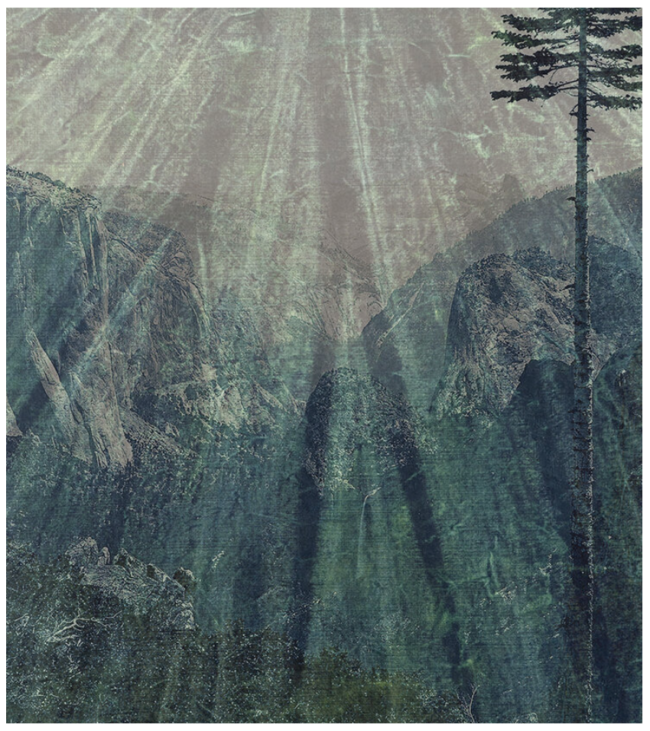
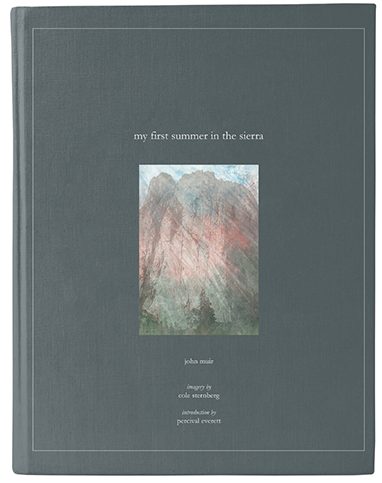
I used a vintage photo of yosemite from the 1800s layered with a painting of mine. It is one of the works in my re-visualization of John Muir’s first book about California ‘My First Summer in the Sierra’

How do you free your mind from the real trappings of life to envision a new life?
I don’t think they can be separated, I find it necessary to analyze today to make it to tomorrow. The Free Republic is about these real trappings of life and how we can improve those situations.

Once you come back to reality, is it difficult to cope?
Reality is always there and yes it is difficult to cope with. It is hard to see the destruction and the ignorance, the lack of humanity, the yells of cowardly trolls and flat-earthers, the content overload diluting our minds into a collective haze of nothingness; all of it is hard to cope with, but we have to keep walking up the hill.

Exhibitions: exhibitions: Freestate: The Free Republic of California, ESMoA, El Segundo, ongoing until September 2021, Year One, Ojai Institute, Ojai, ongoing public and educational programming through October 2021, and Threads and Tensions: The Interconnected World, Yeo Workshop, Singapore, January-February 2021.

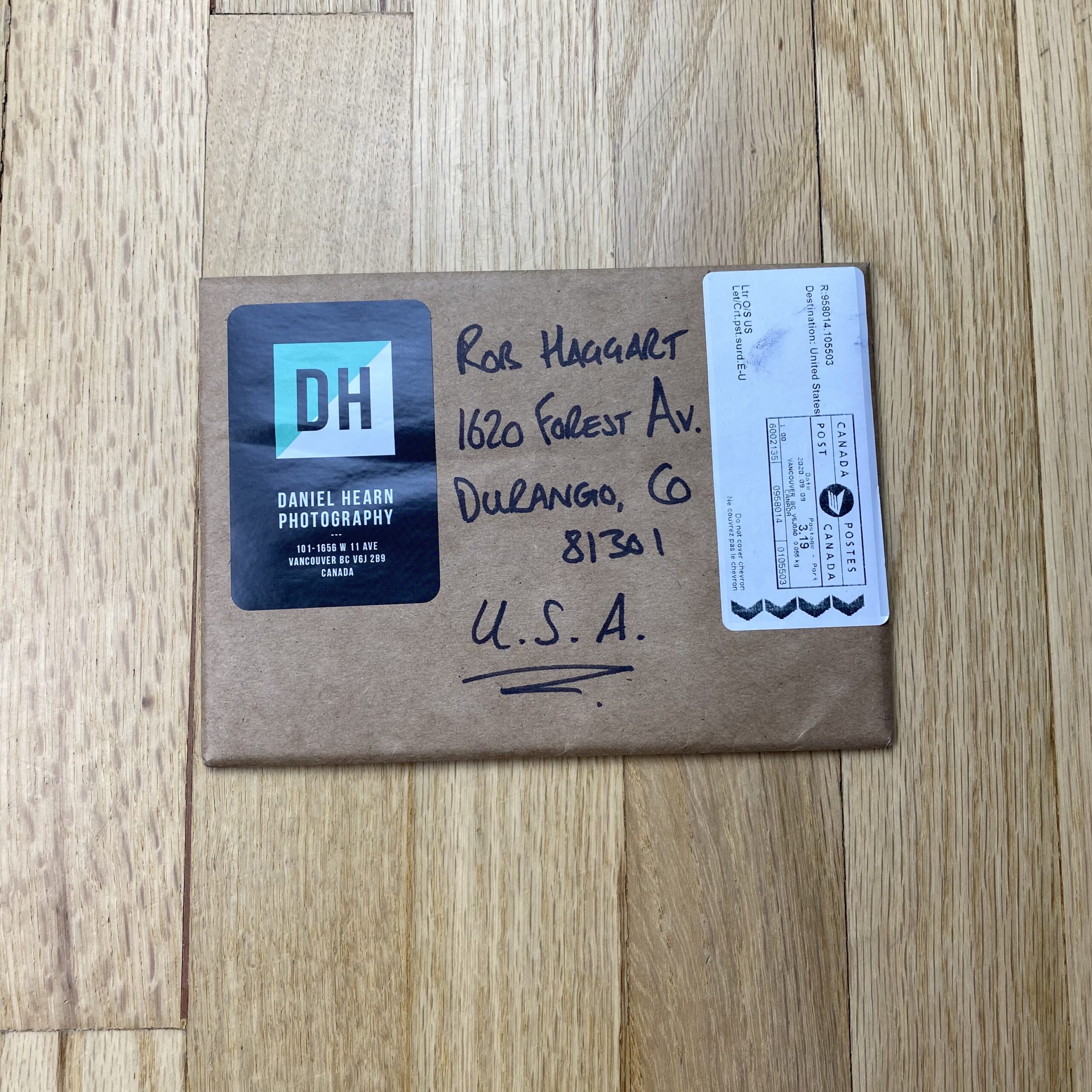
Featured Promo – Daniel Hearn

Daniel Hearn

Who printed it?
I went with moo.com for this one. In the past, I’ve tried elaborate folding creations which I get custom made by ExWhyZed in the UK, but Moo’s premium postcards are actually pretty good straight off the shelf, as long as you do a couple of test runs to get the colours looking right.

Who designed it?
I designed it myself, which is why the design elements are all pretty minimal. My partner is a designer and always provides some guidance, but this time I just got a straight thumbs up.

Tell me about the images?
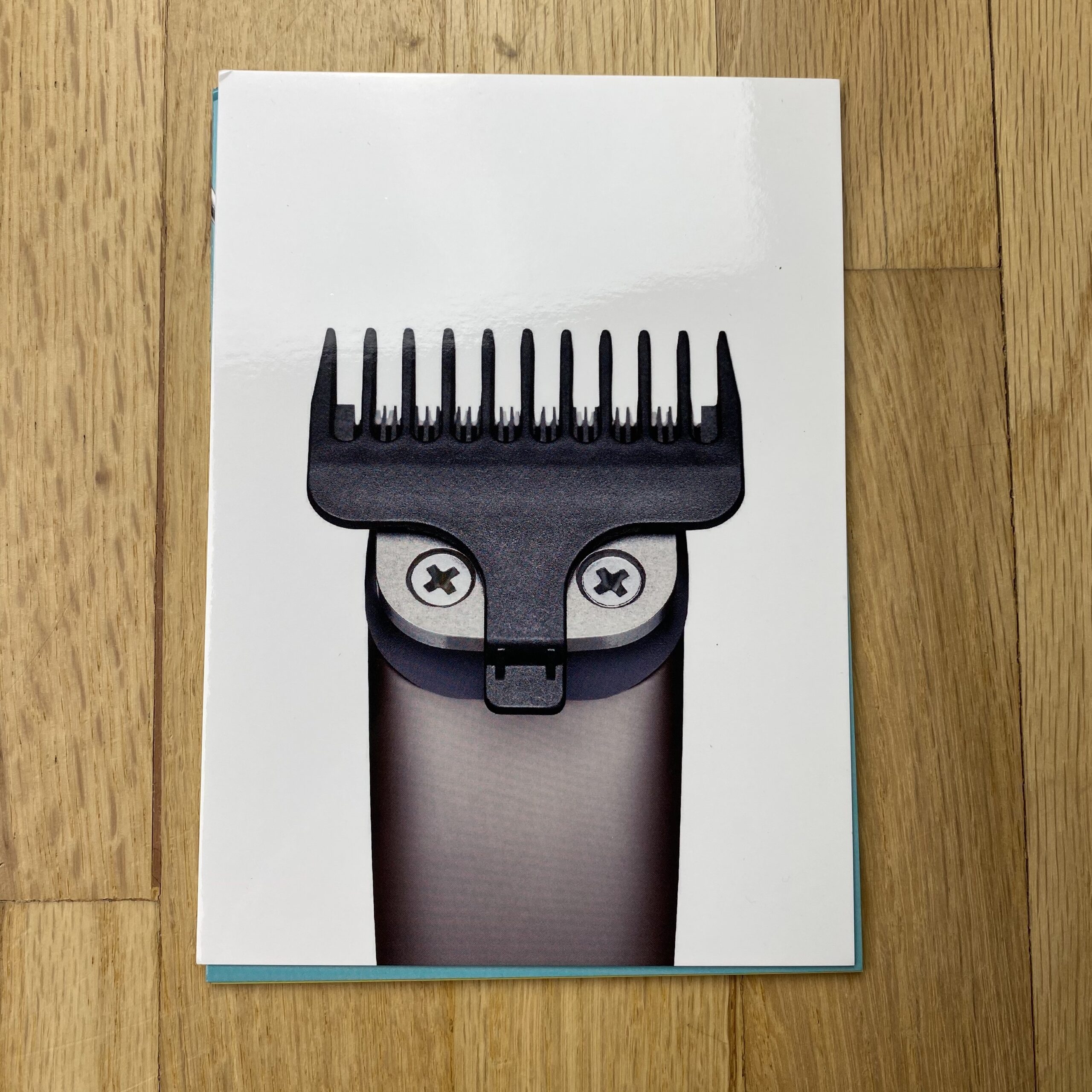
Ever since I started studying photography I was drawn to extremely concise images that contain a burst of visual information in as minimal a composition as possible. I remember walking into the photo dept at my college on my first day and seeing a framed print of a red handbag that looked unmistakably like a lobster. I always wanted to make something like that and I think I achieved it with my shaver/owl image.

It’s taken me a while to take my work in that direction and to hone my style, but I’m starting to get there. I actually wish I had the imagination and attention span to make more complex work, but it’s never as effective as I’d like it to be. But simplicity is a real challenge in itself, so I’m going to continue to focus my efforts in that direction.

How many did you make?
I made 200, but I can never distribute as many as that.

How many times a year do you send out promos?
I try to do one per year, but there’s no particular schedule. Usually, they come about during a lull between projects. One day I’ll open up Illustrator and get started. Then a few weeks later I’ll work on it a little more. Finally, several months down the line, it’ll be ready to go having undergone many revisions and image swaps.

Do you think printed promos are effective for marketing your work?
Occasionally they can be. They always pay for themselves, but it’s unlikely that they justify the time spent on their design and creation, for me at least. I think really what they provide is an opportunity to look back at some recent projects, reflect on the images, consider them together as a body of work, and figure out where exactly you are with your photography. If the images select themselves, then it’s a good sign.

This Week in Photography: Feeling Lucky


Here’s a little secret: Donald J. Trump is a fake tough guy.

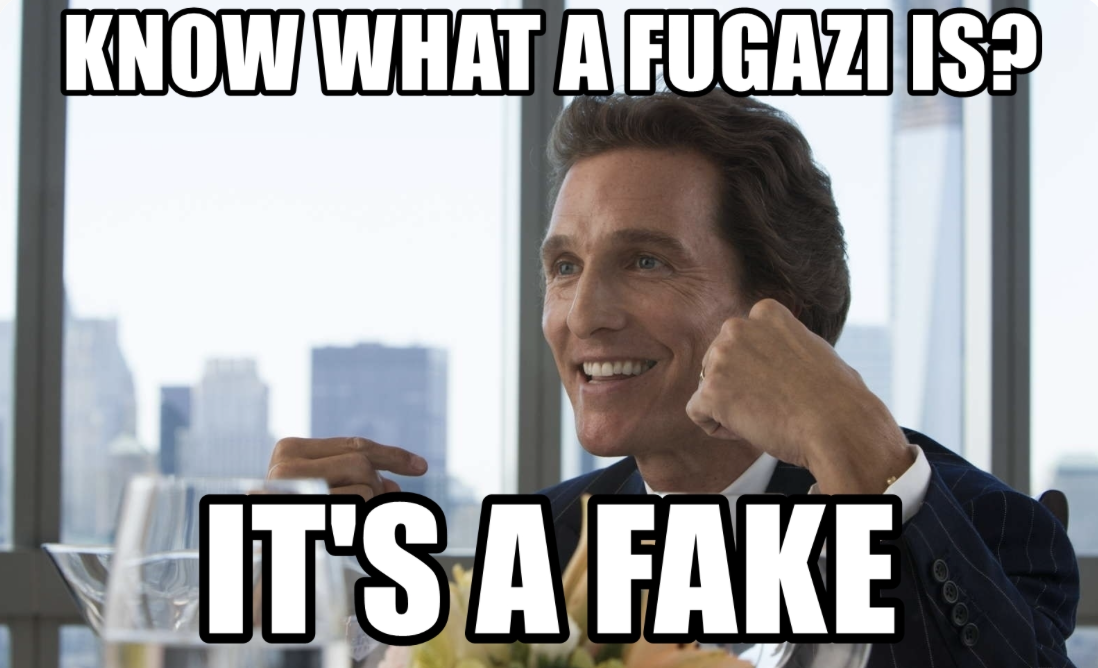
A fugazi.


I understand he’s tall, and tall guys have a different path in life, so that must have gone to his head.

But given his obesity and age, many of us could beat the shit out of him, if he didn’t have all that Secret Service protection.

He talks like a tough guy, and squints like a tough guy, but like many a bully before him, it’s all bark, no bite. (Assuming he doesn’t launch a Civil War between now and January 20th.)


Now that he’s lost, few things will give me more pleasure than not having to write about him all the time.

Or think about him.
Or talk about him.

With any luck, he’ll fade from the media firmament, allowing the rest of us to focus on more important things, like saving the planet, or discovering the perfect show on Netflix. (The Queen’s Gambit?)

Frankly, I think just like Trump was playing a successful business executive on TV, he’s spent his presidency pretending to be Clint Eastwood, circa the 70’s.

I love Clint Eastwood, sure, and his Spaghetti Westerns are some of the best art of the 20th Century. (Though he owes a lot of that to Sergio Leone, Eli Wallach, Lee Van Cleef, and Ennio Morricone.)

As to the “Dirty Harry” films, the ones that obviously inspired Trump, (as did those of Charles Bronson,) they are far more problematic, when seen from a 21st Century vantage.

I like them, (though I saw them ages ago,) but the overt racism, and denigration of the counter culture, make Old Clint look like a white-guy-marauder, swinging his big gun around liberal San Francisco, cleaning up the mess on behalf of respectable society.

Take his most famous clip, for instance.

“You’ve got to ask yourself one question. Do I feel lucky? Well, do you punk?”

Everyone over 40 knows that quote, but how many of you have seen the scene?

Big Clint stands over an African-American criminal, (with a nefarious mustache,) and threatens to shoot him, if the prone man reaches for his shotgun.

Clint has his 44 Magnum, of course.

But the big question is whether he has any bullets left, after the broad daylight, while-eating-a-hot-dog, shootout in downtown SF.

Does he?

Did he shoot five, or six shots?

So the African-American criminal is laying there, being threatened with having his head blown clean off, and he has to wonder?

It is worth the risk?

5 or 6?
6 or 5?

One number is lucky, the other means death.

So he decides NOT to take his chances, surrenders, and only then does he get Clint to admit it was a bluff.

The gun was empty.

All talk.

(Sound like anyone we know?)

Was he actually lucky then? By rolling the dice on staying alive, he wins, right?

Or was he unlucky to get shot in the first place?

How do we define luck, given that we all supposedly know what it means?

Just last night, on Twitter, I described #2020 as a kick in the balls, which it certainly has been.

But the early stages of the pandemic, with its attendant lockdown, allowed me to figure out my wife had clinical depression, and now, 9 months later, she’s healthier and happier than she’s been in years?

Was it good “luck” that the world fell apart, so I could save my family?

I really don’t know how to answer that question.

Is luck just chance by another name?

Was I lucky today, when I decided rather than opening a new book box, to stare at my book shelf and see if anything jumped out?

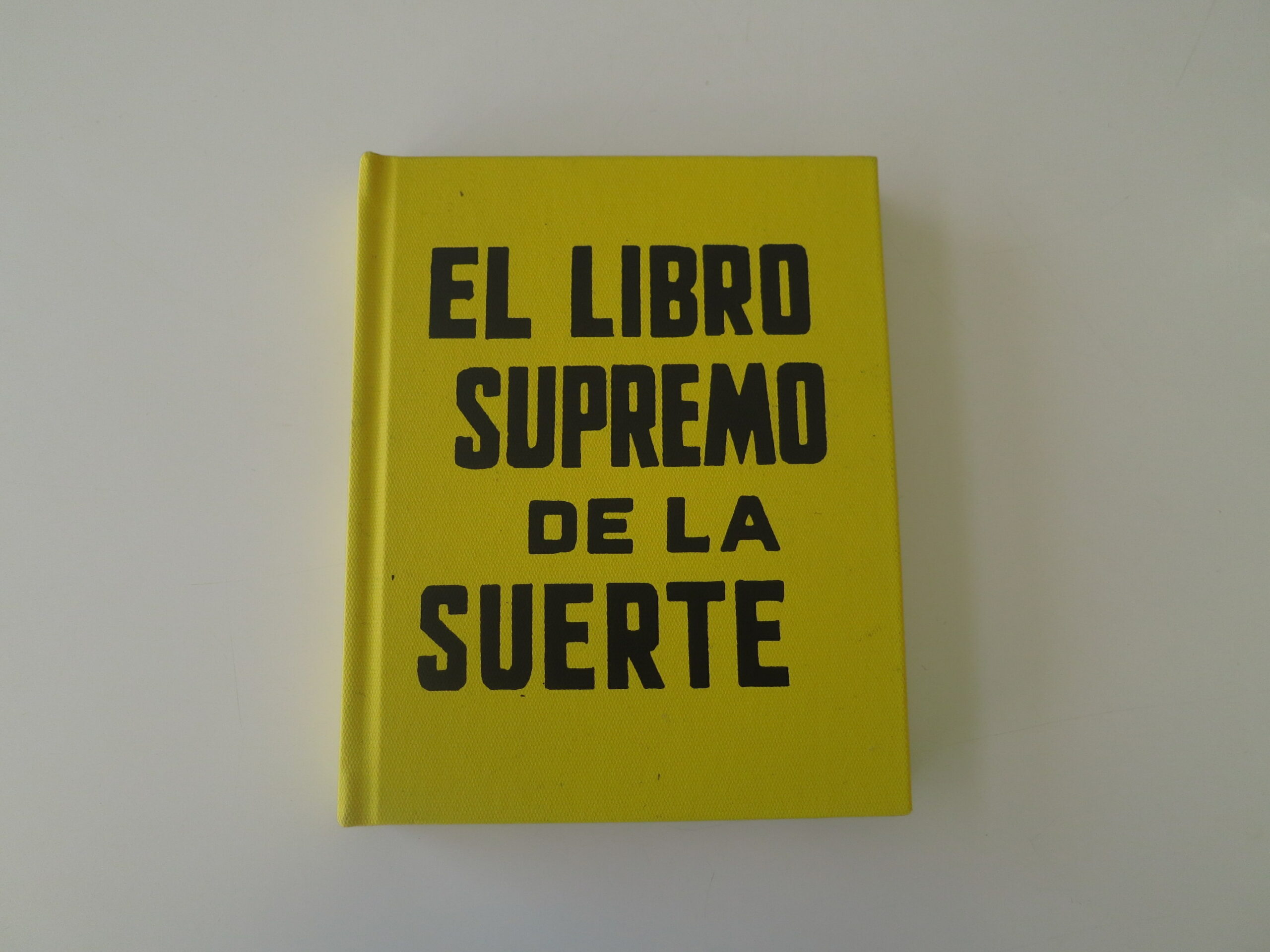
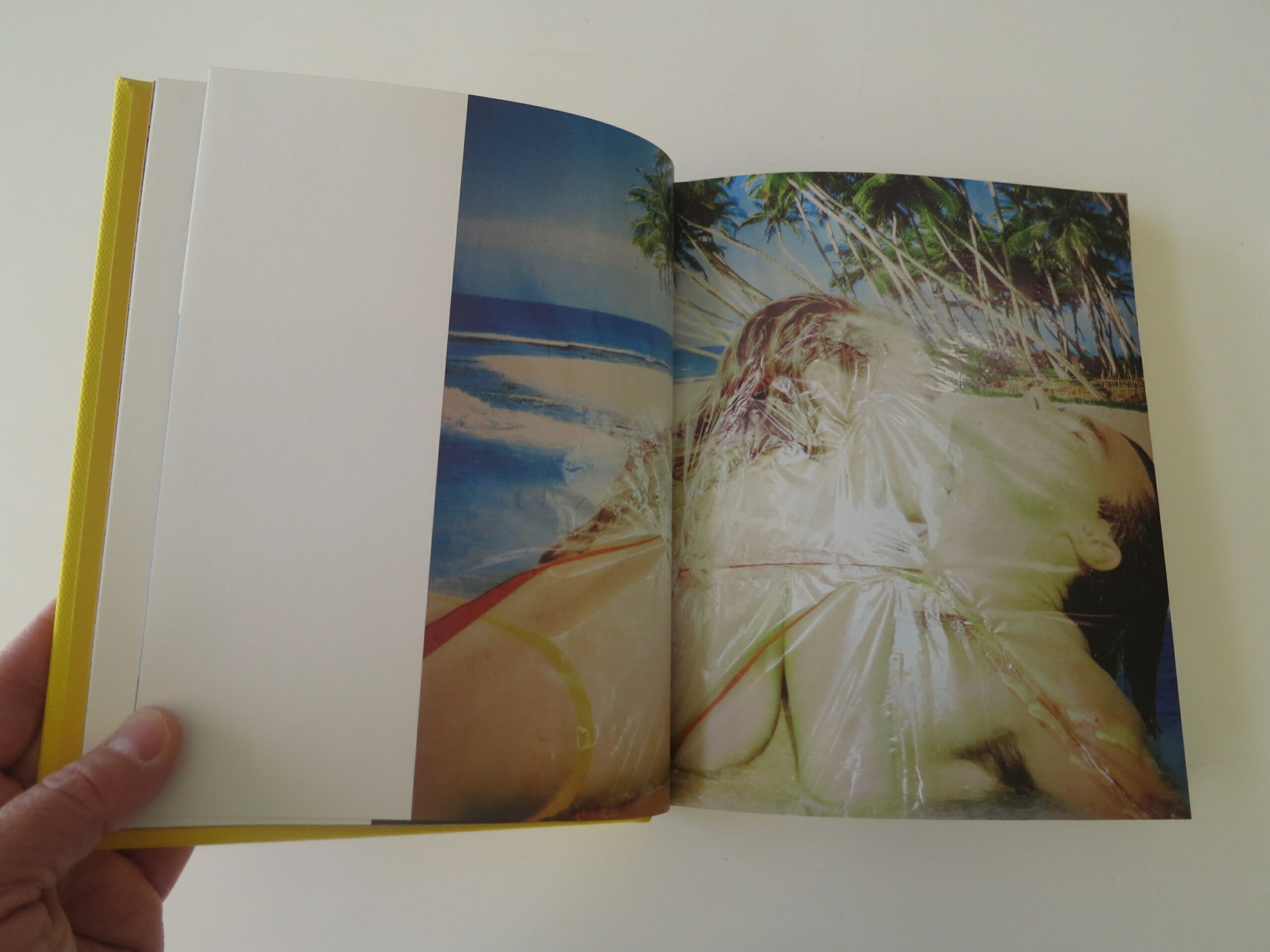
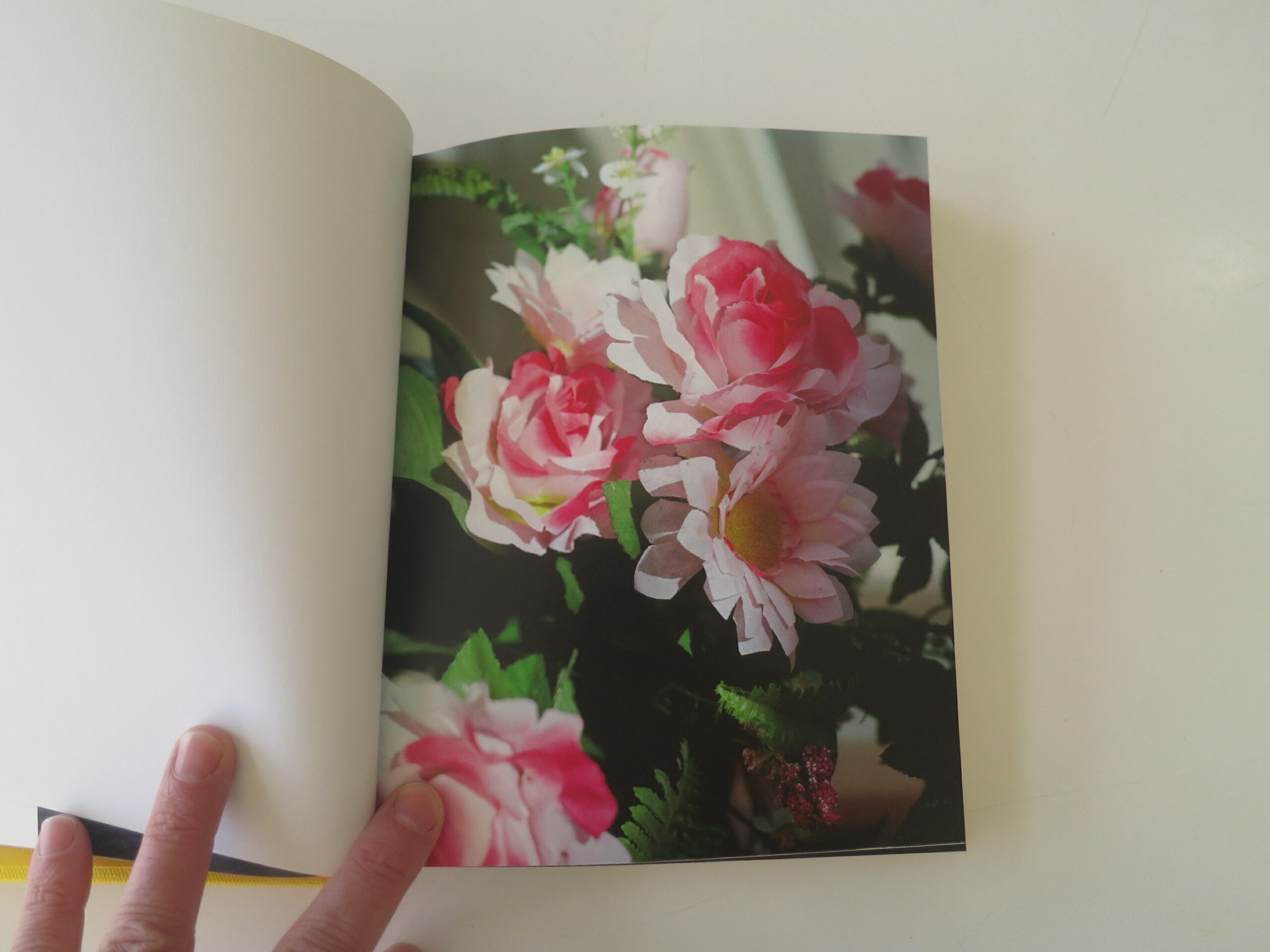
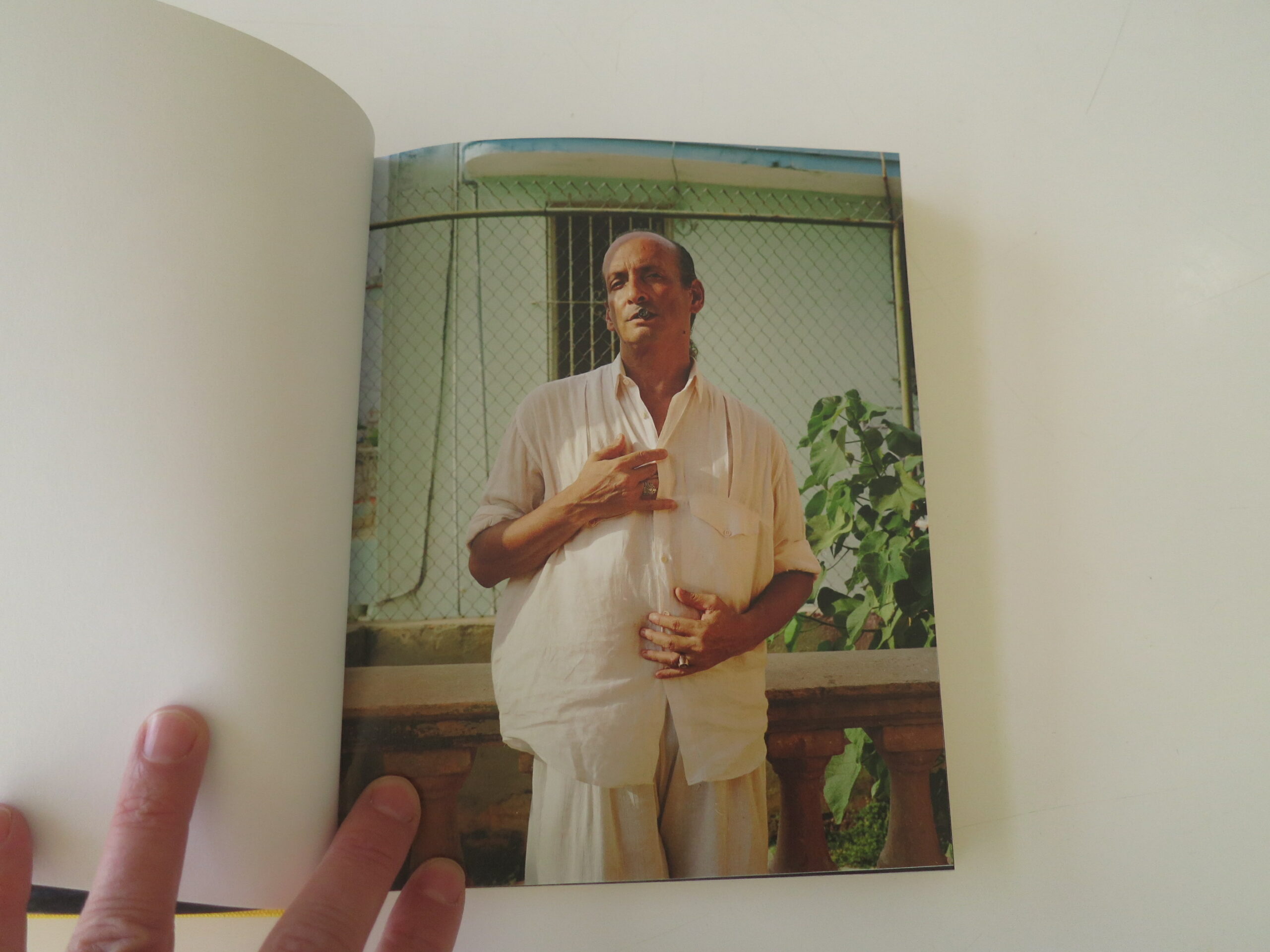
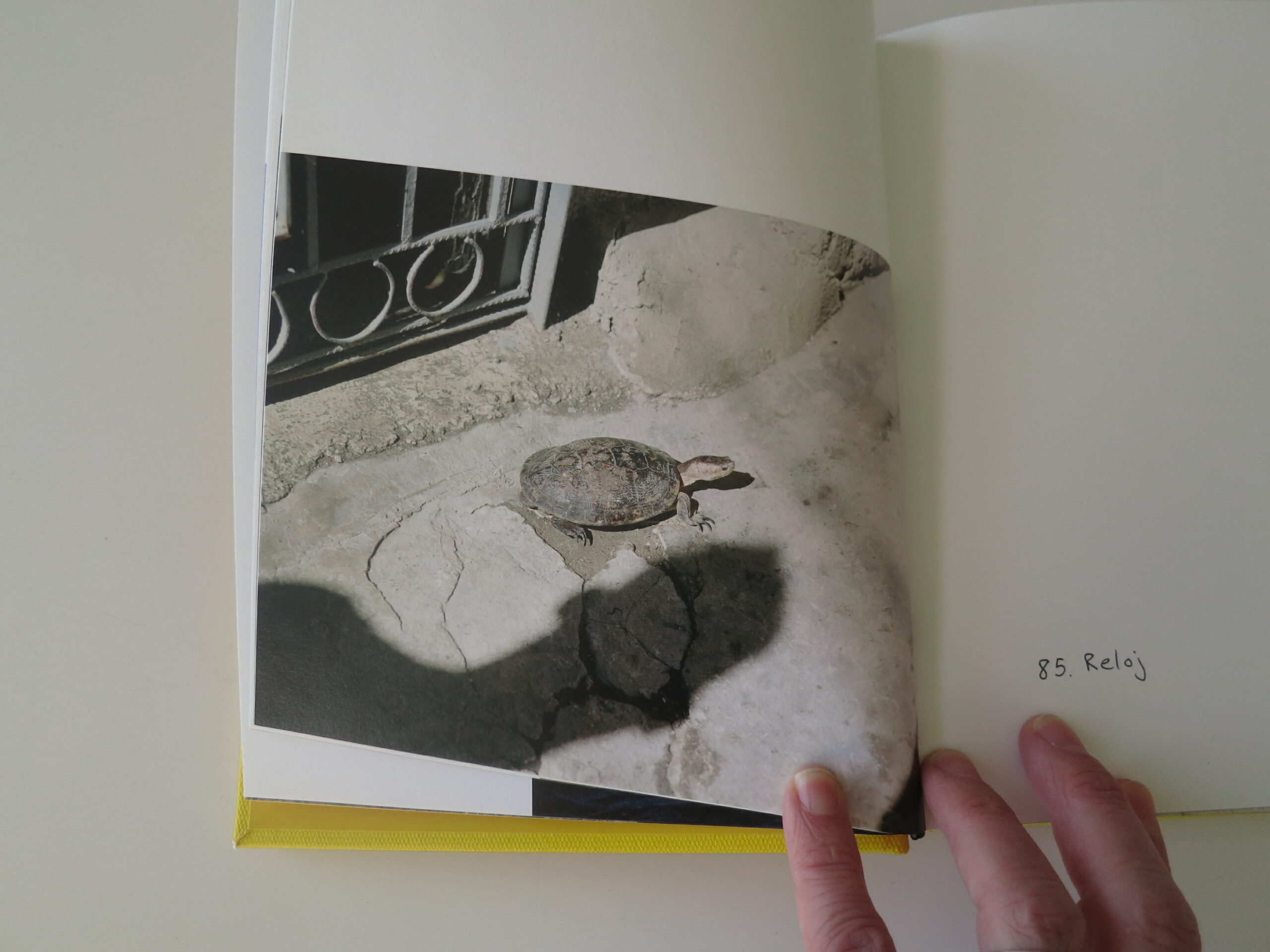
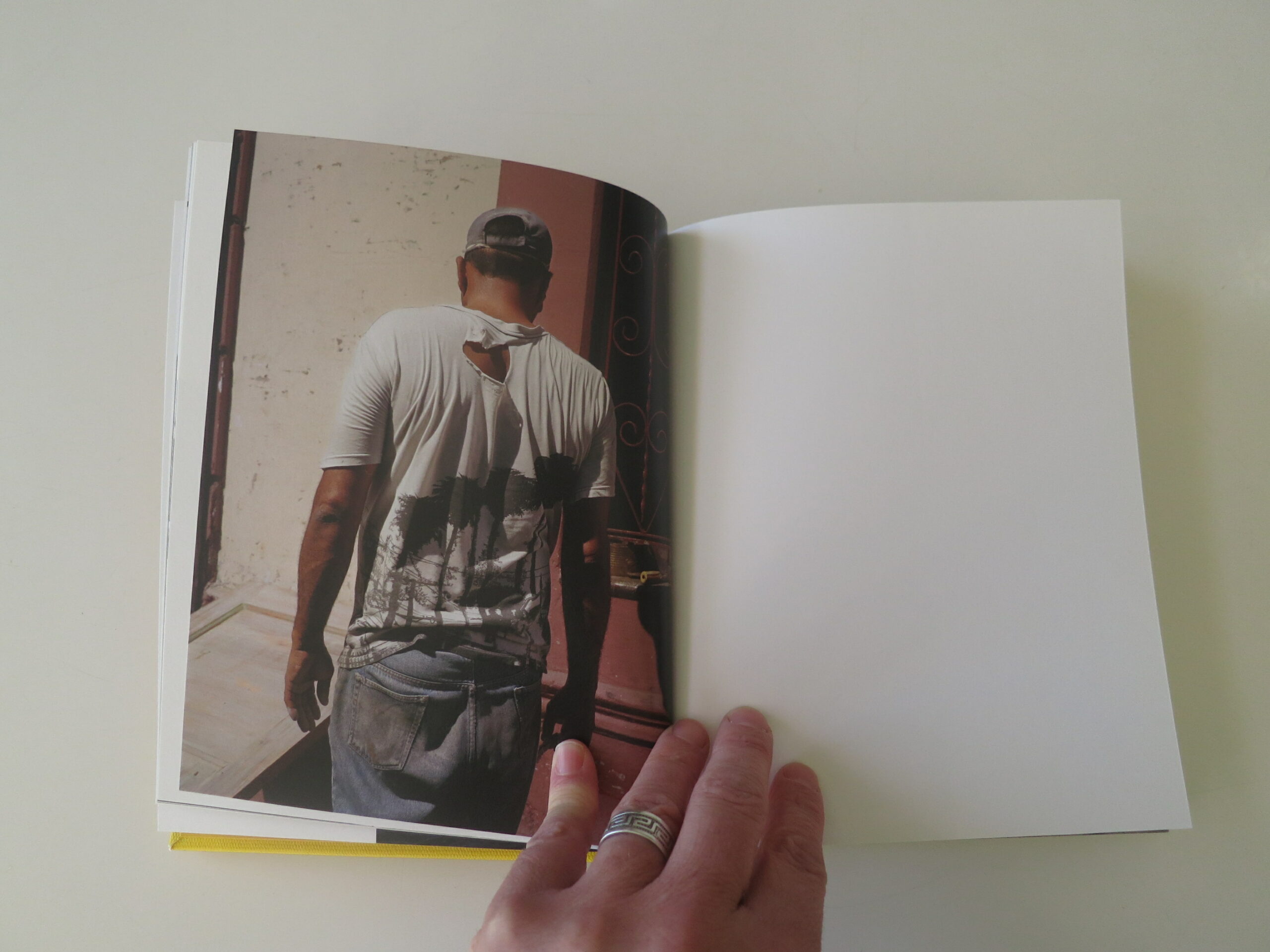
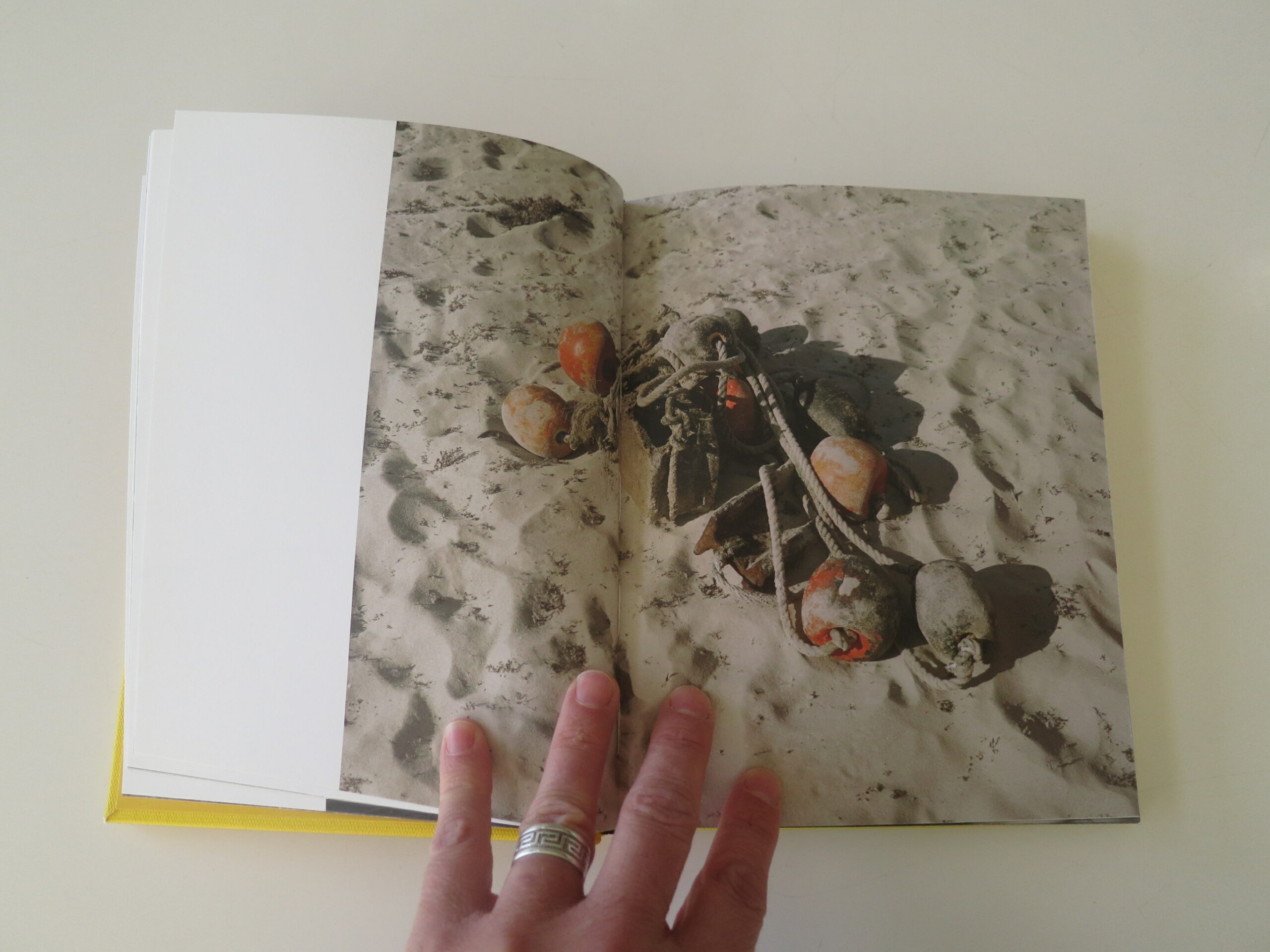
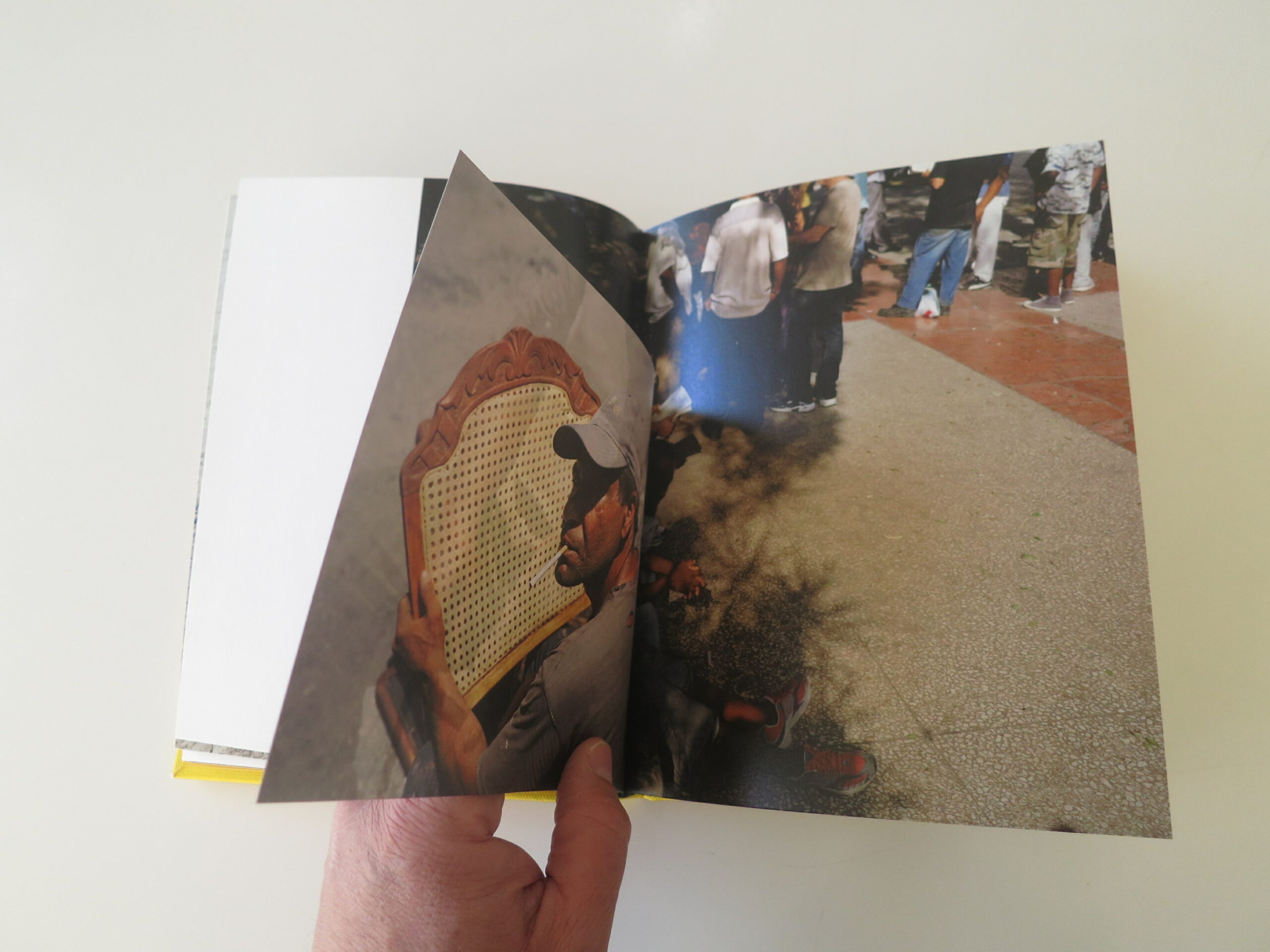
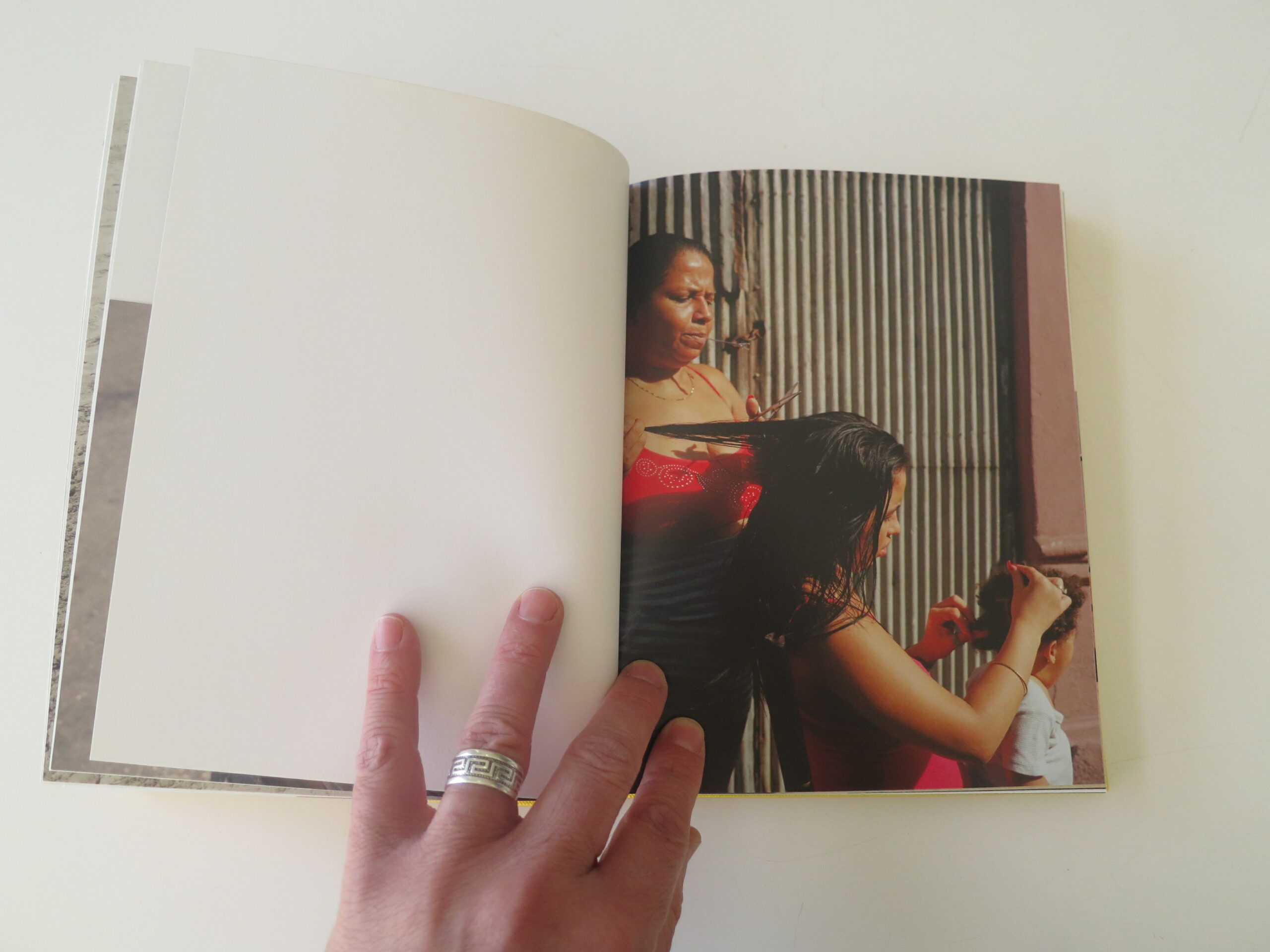
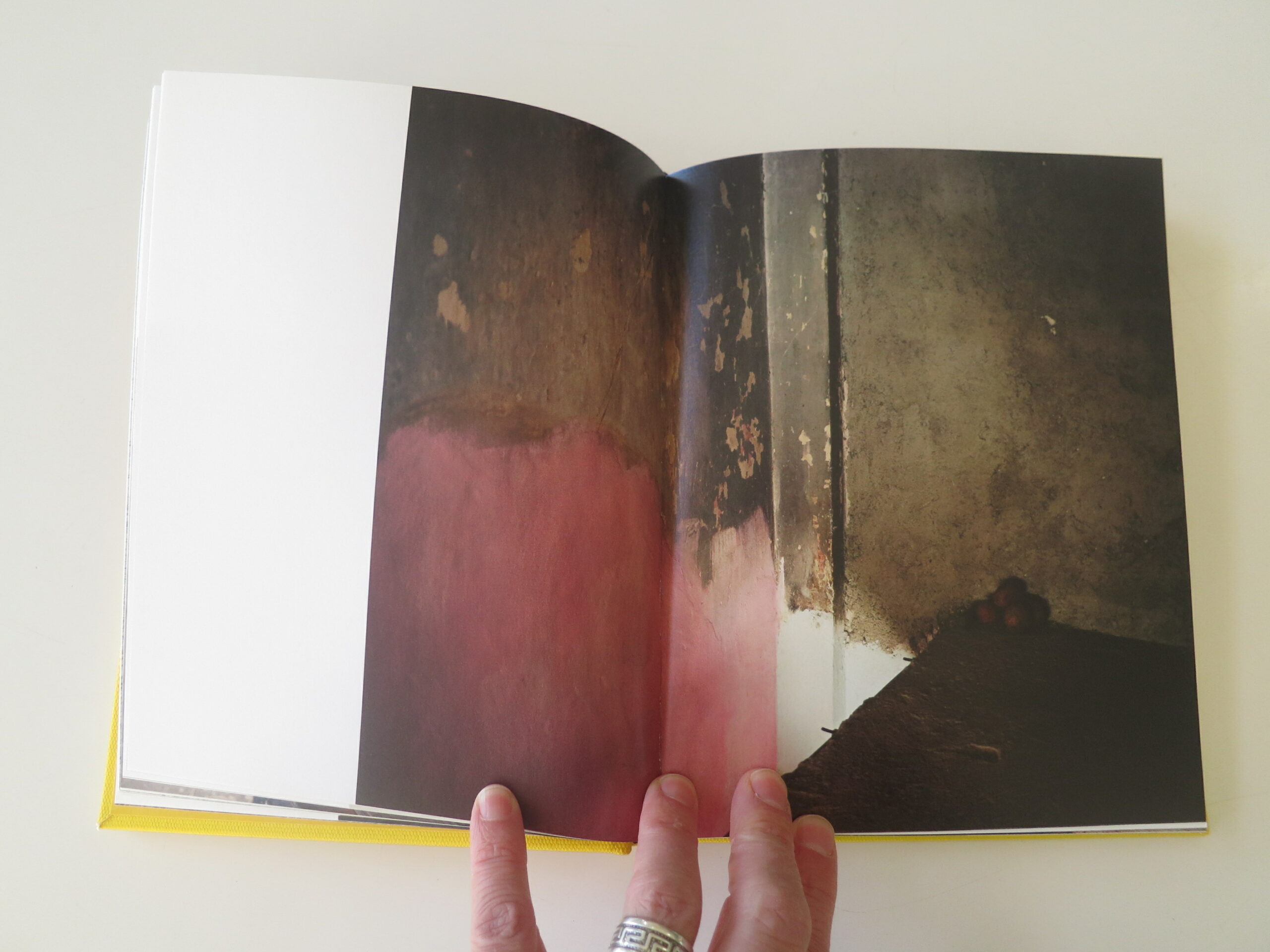
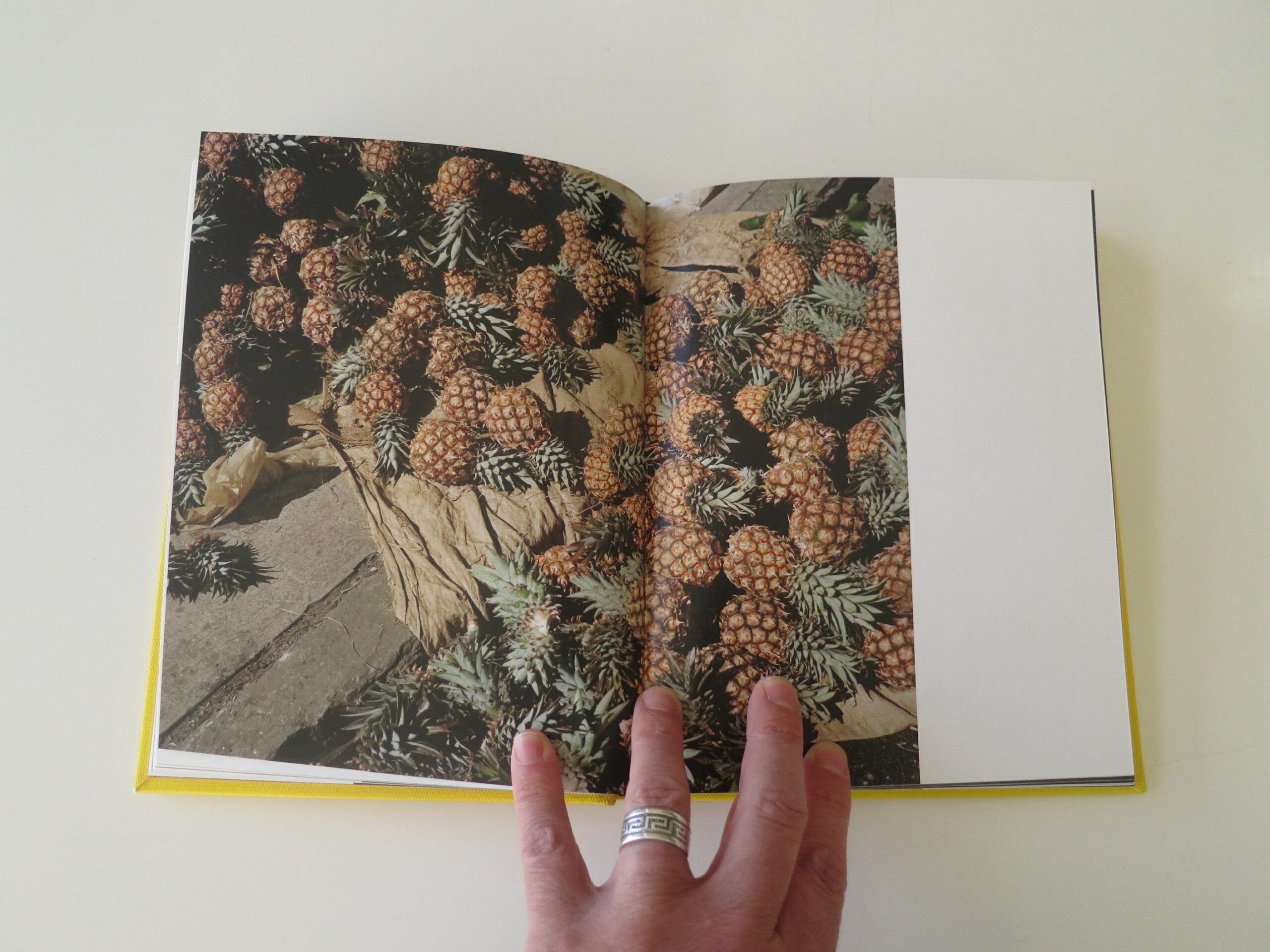
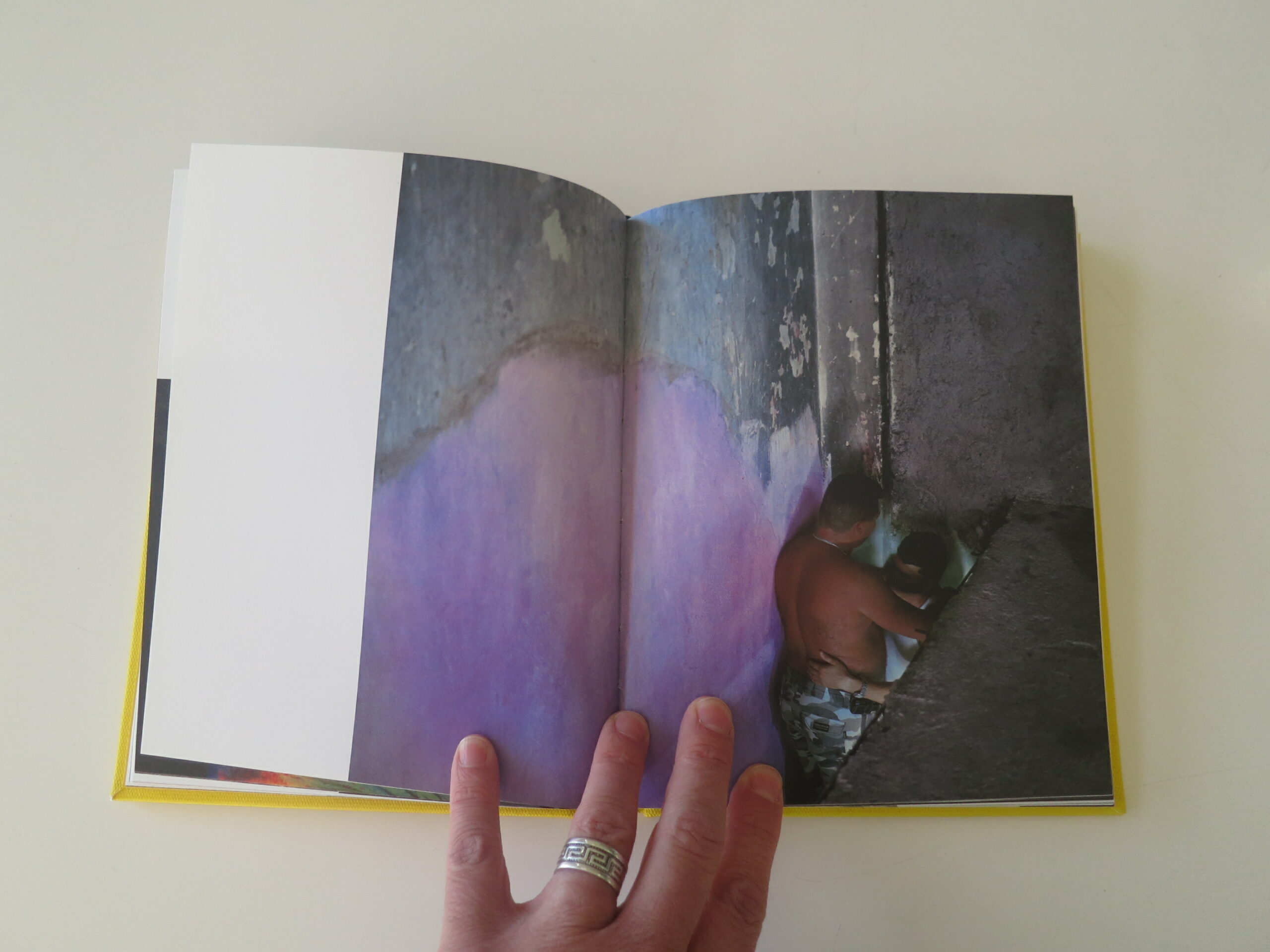
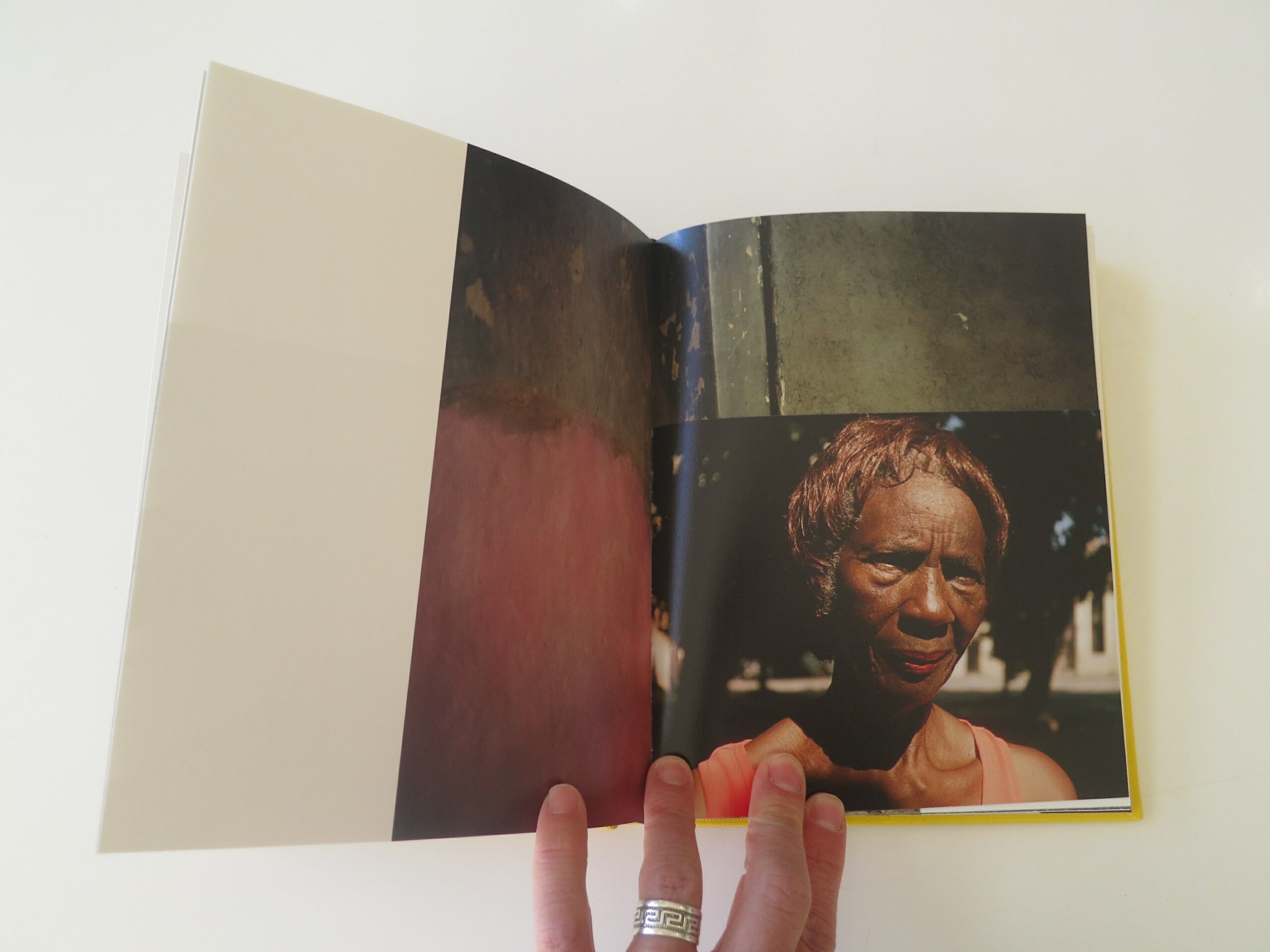
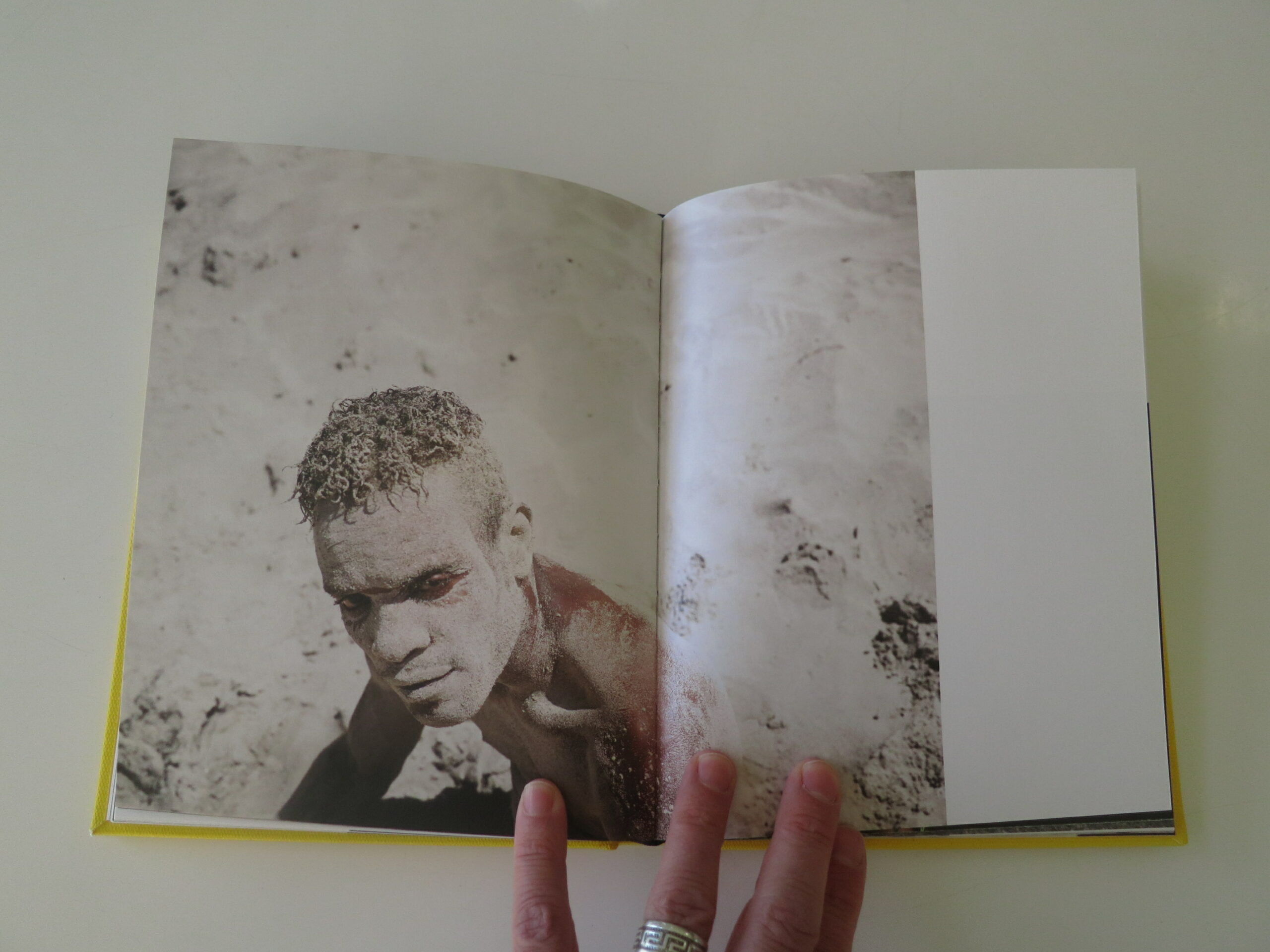
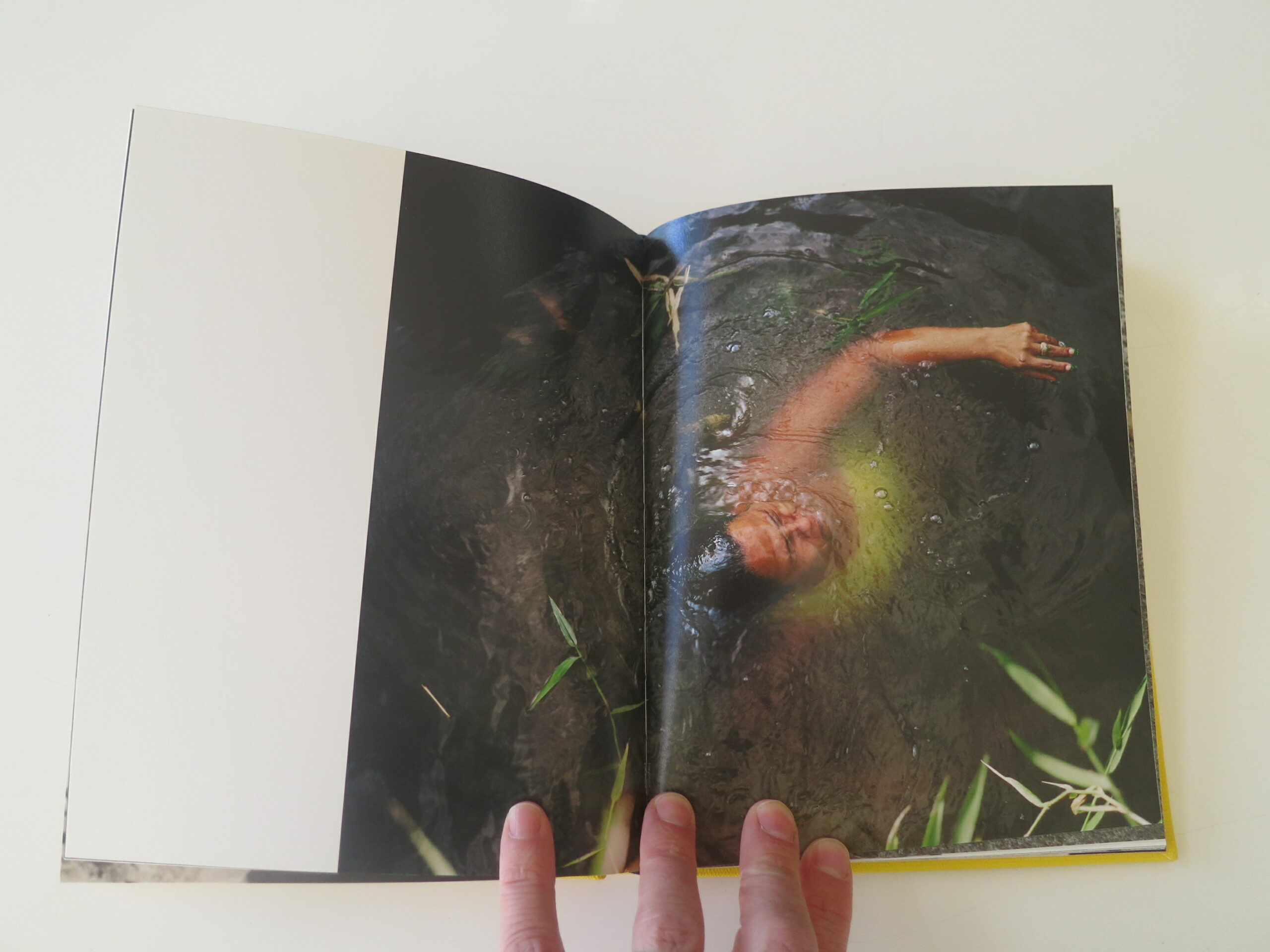
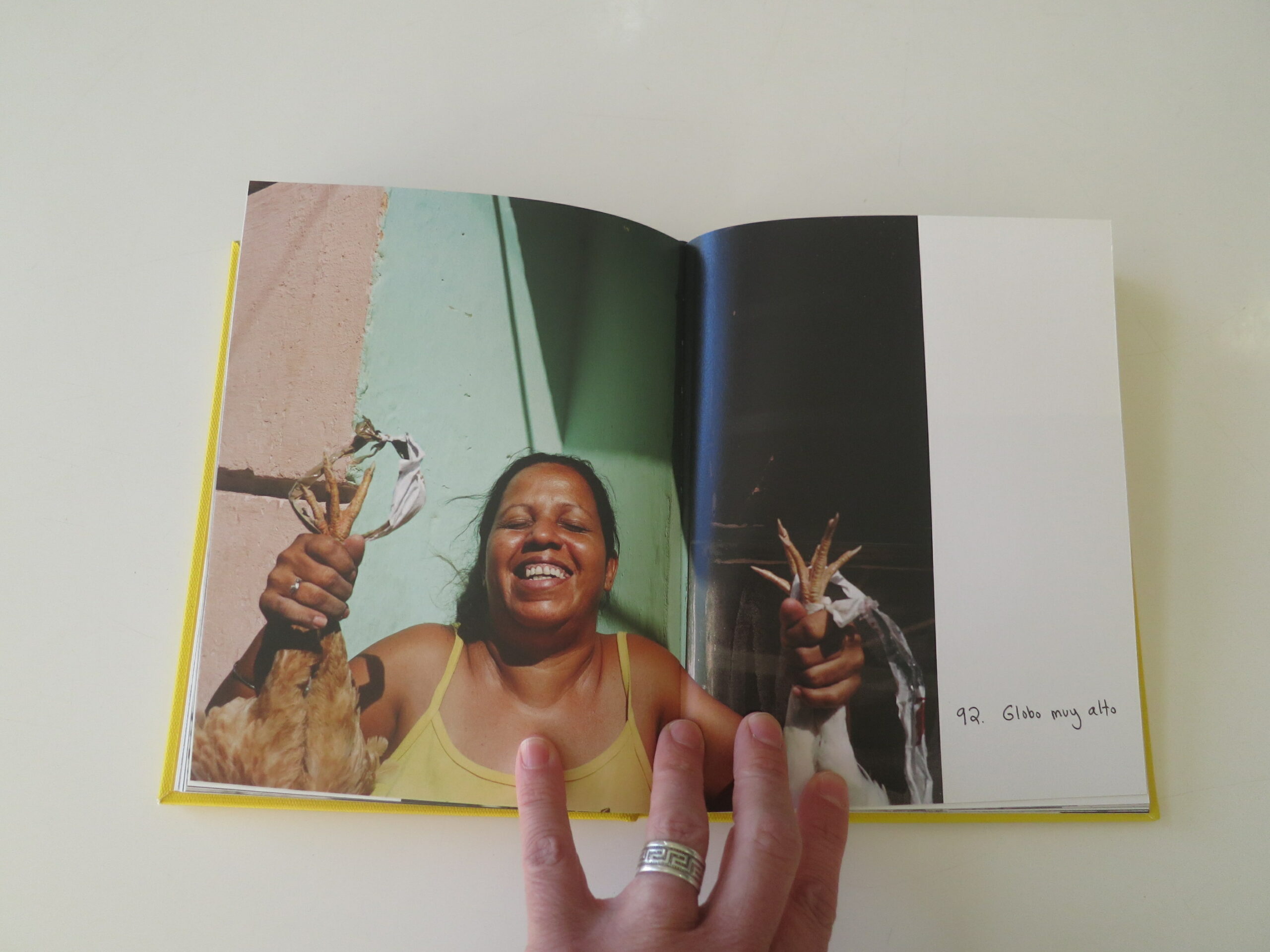
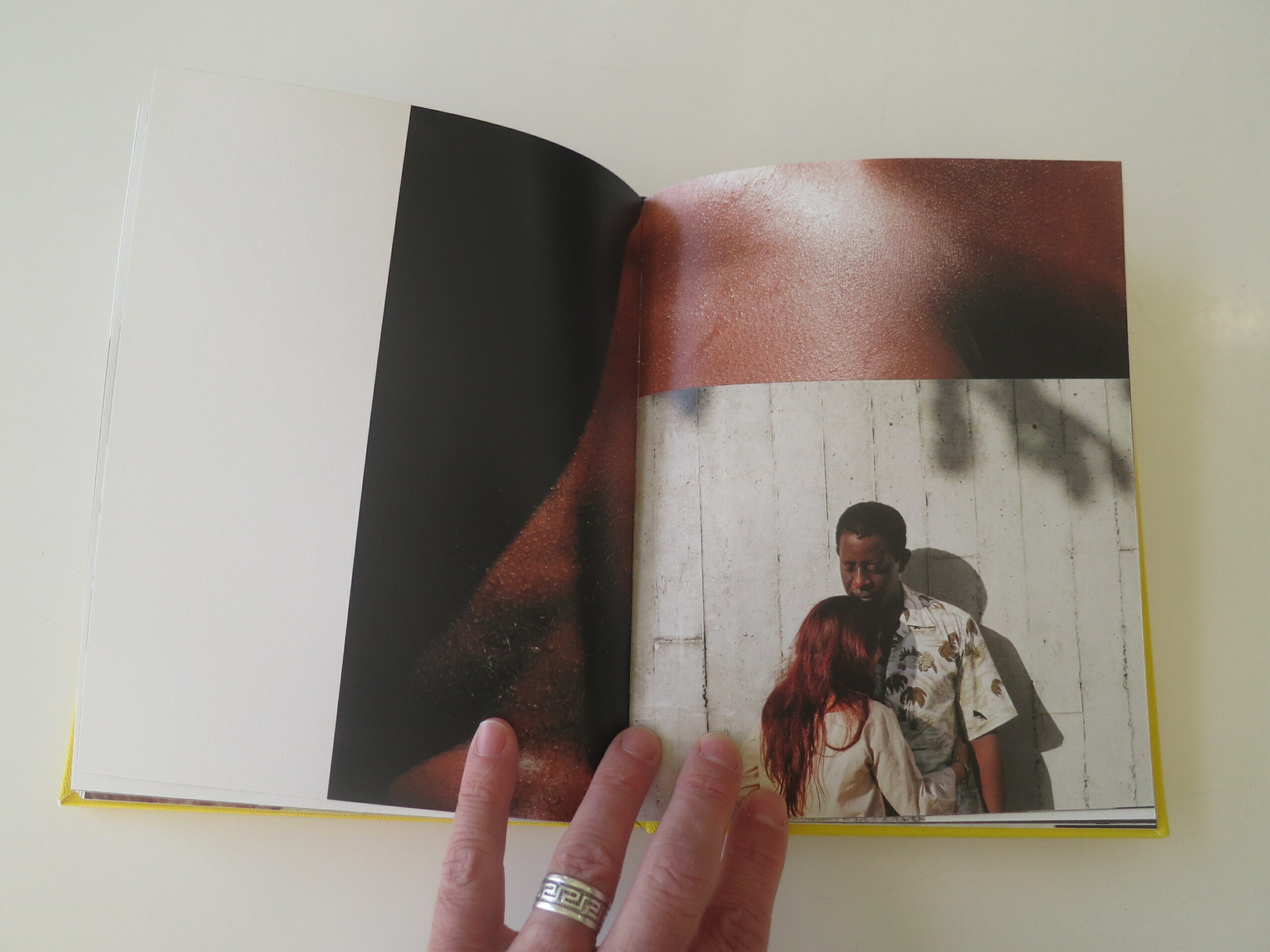
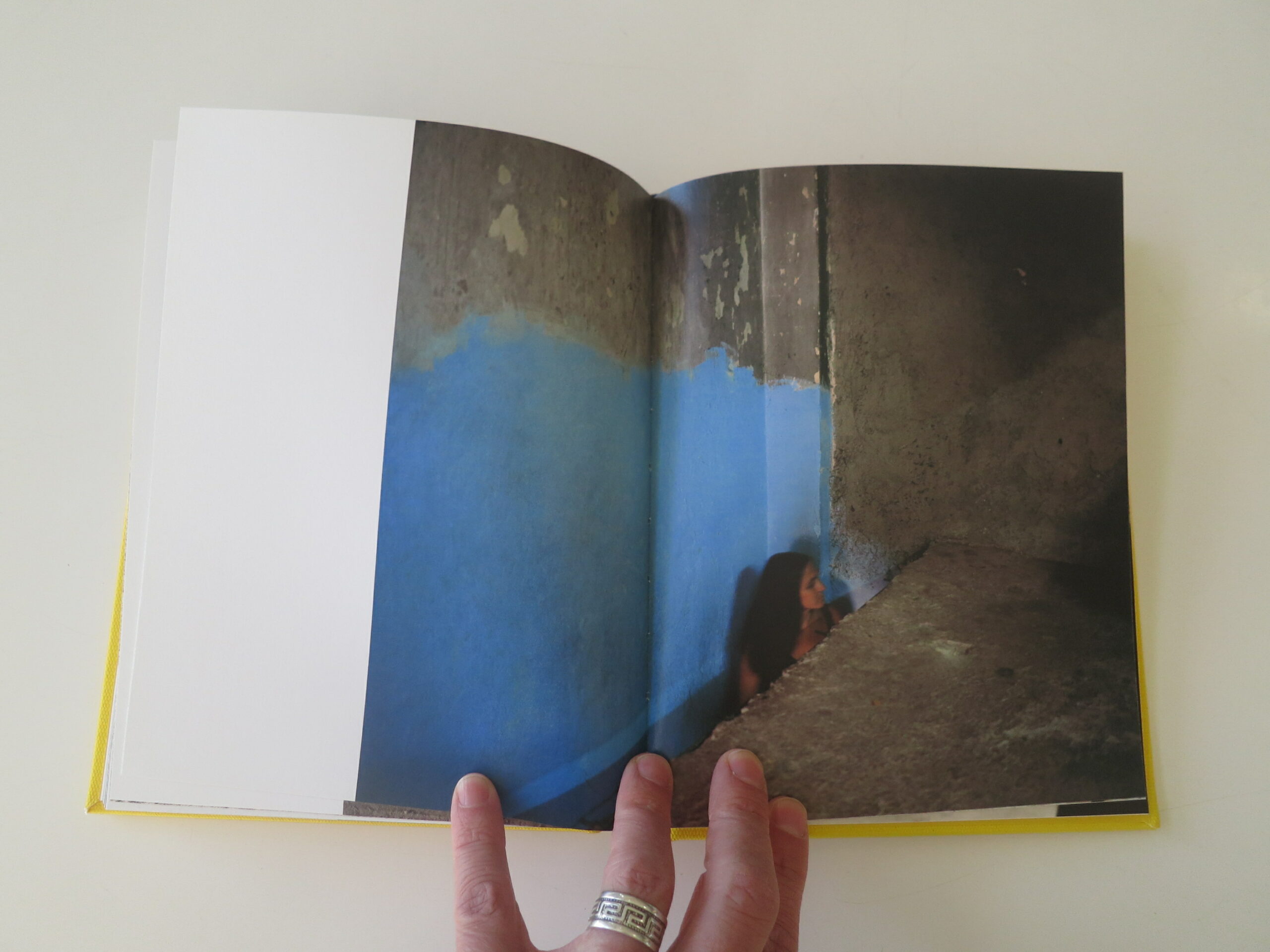
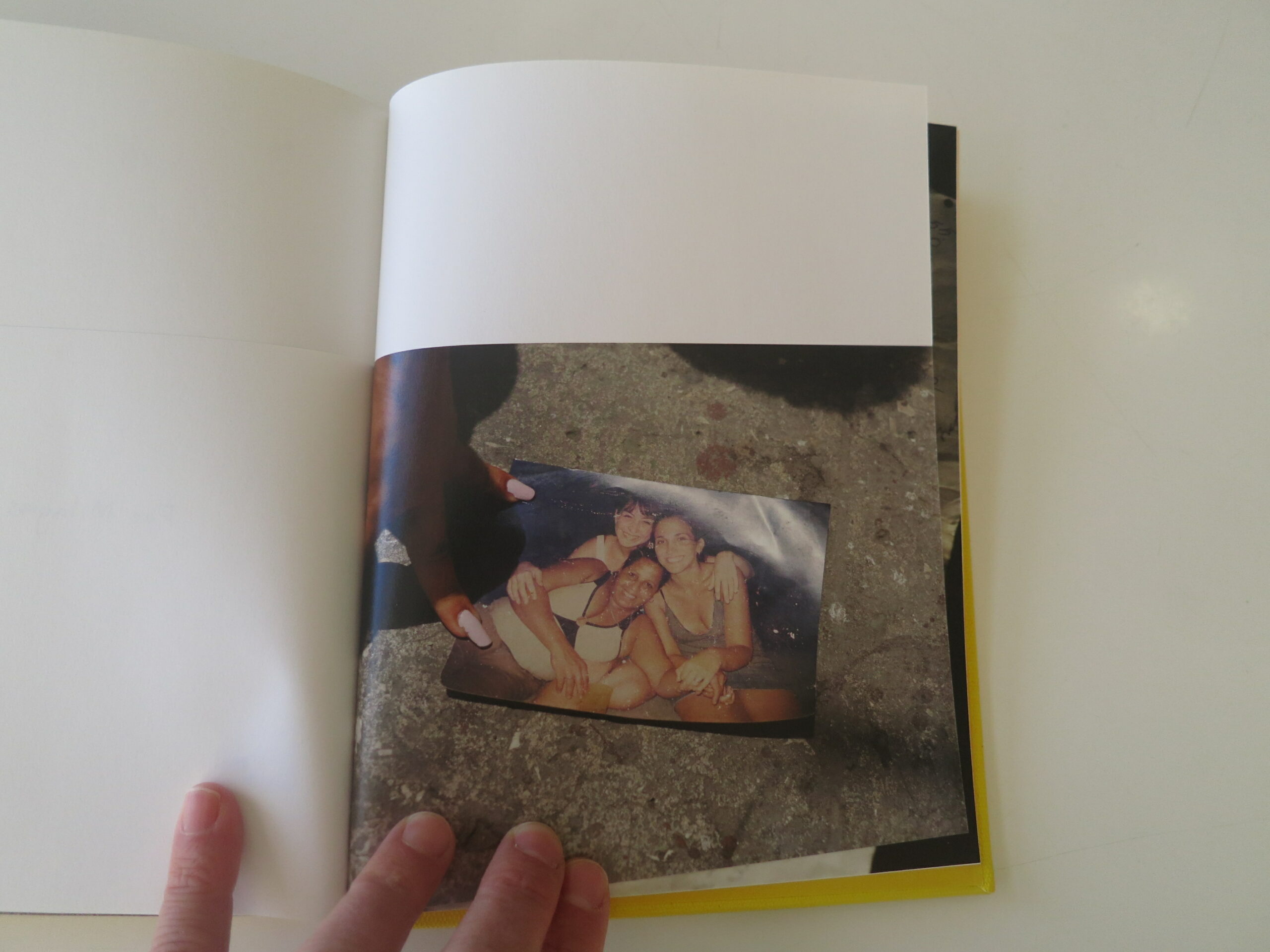
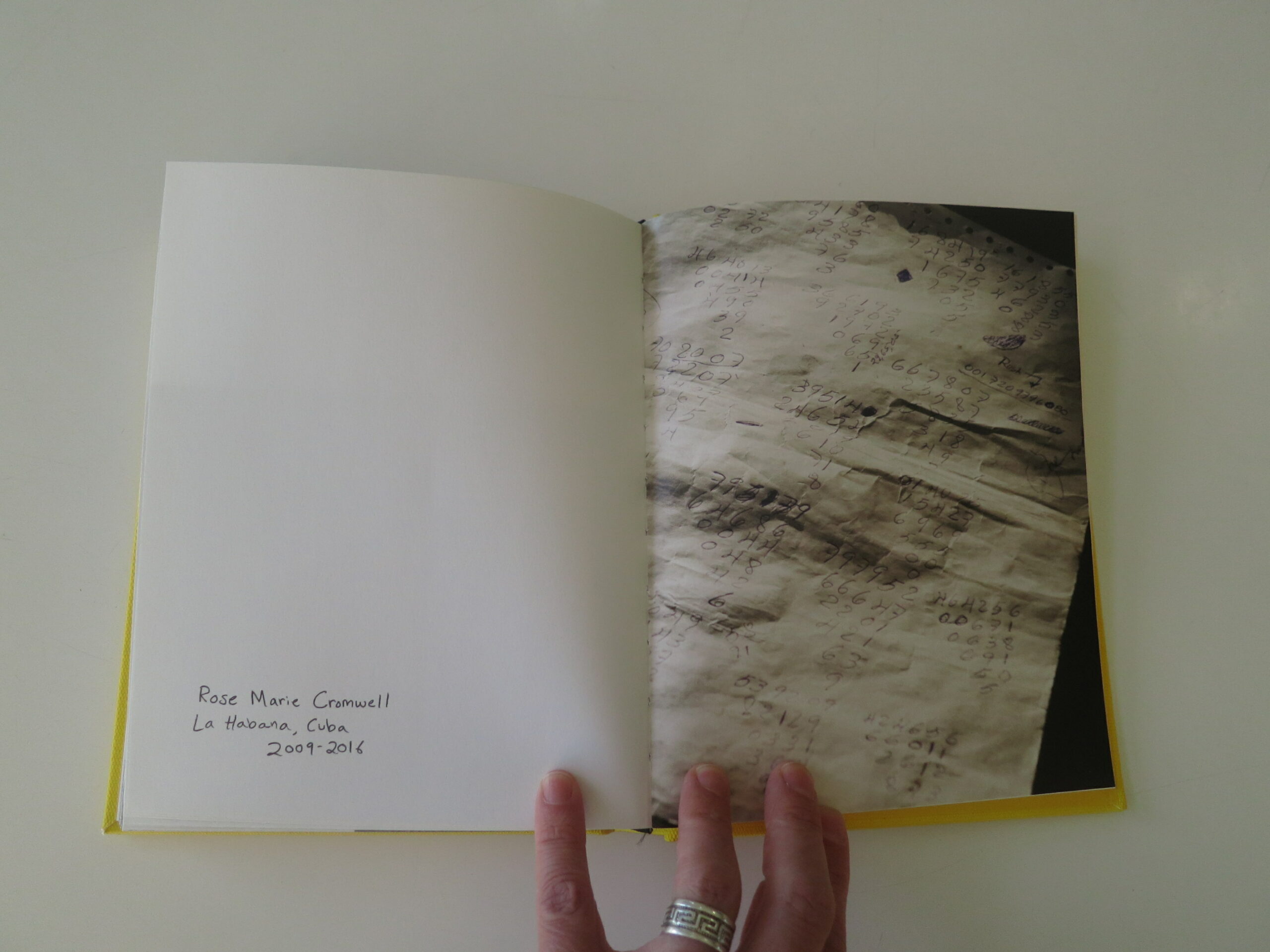
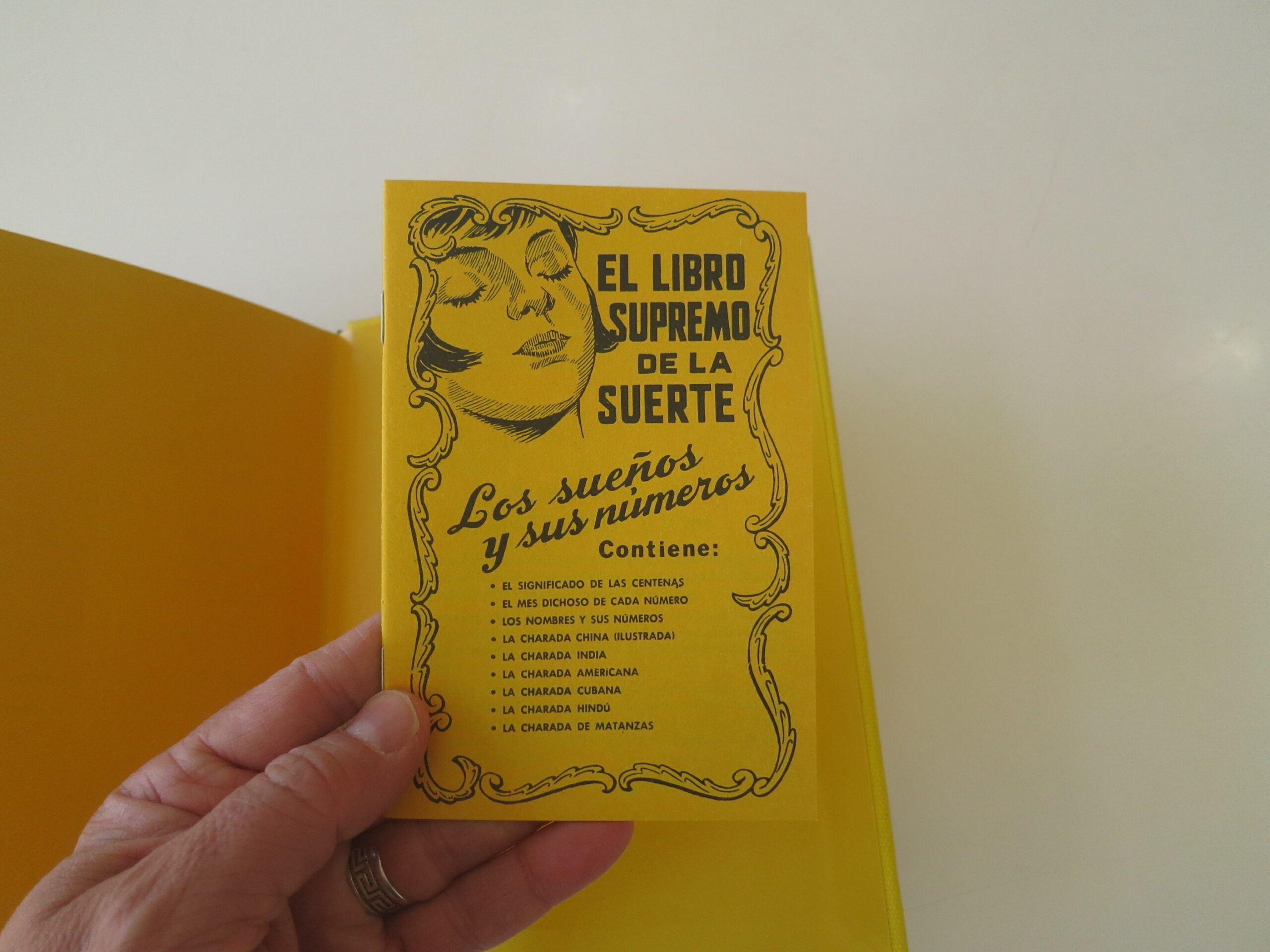
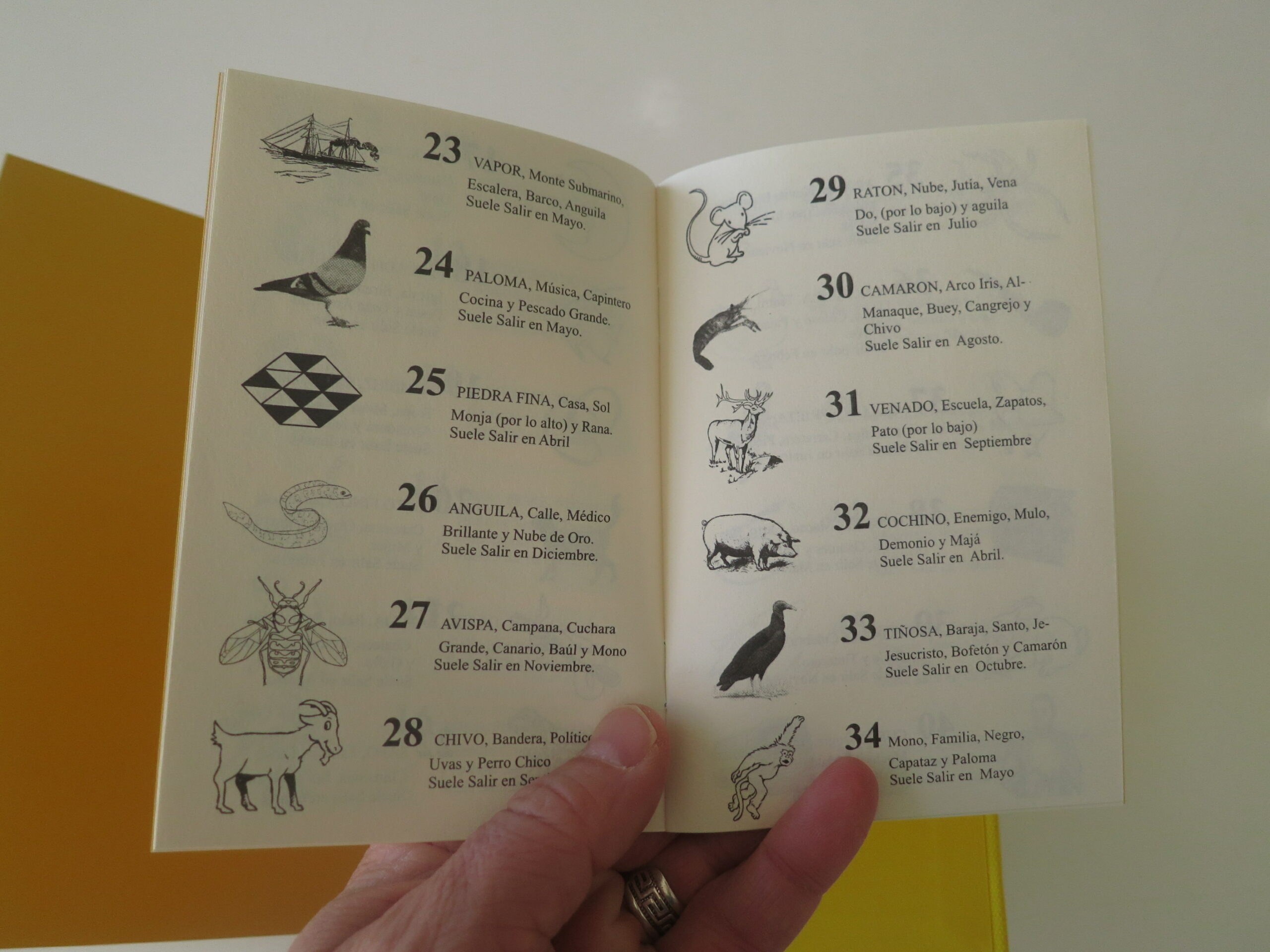
Because I plucked the very yellow “El Libro Supremo De La Suerte,” by Rose Marie Cromwell, published by TIS books in 2018, and it was just right for today.

Why is that luck?

Well, I’ve tried to review this book no less than 4 times before, as I met Rose at a festival in Virginia in 2010, and respect her artistic practice, but each time, I couldn’t sort it out.

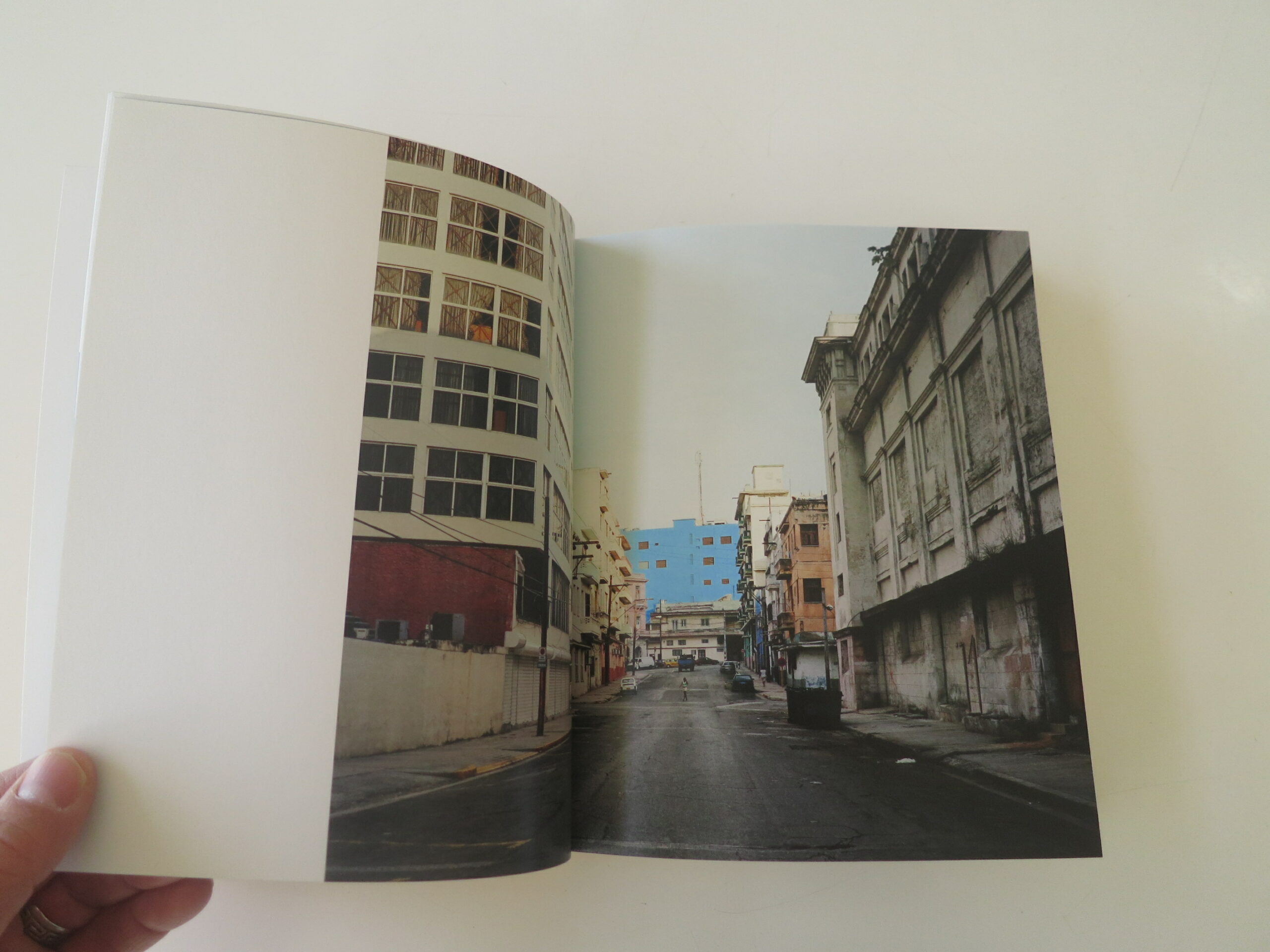
The project was shot in Cuba, between 2009-16, and even though Rose is bilingual, and did lots of good work with youth in Panama over the years, it still read like a “Cuba” book to me.

Maybe a bit weirder than the norm, but there is so much “Cuba” out there, and we all know it.

So why today?

What changed, other than my luck?

I guess I figured the book out this time, which I wasn’t able to before.

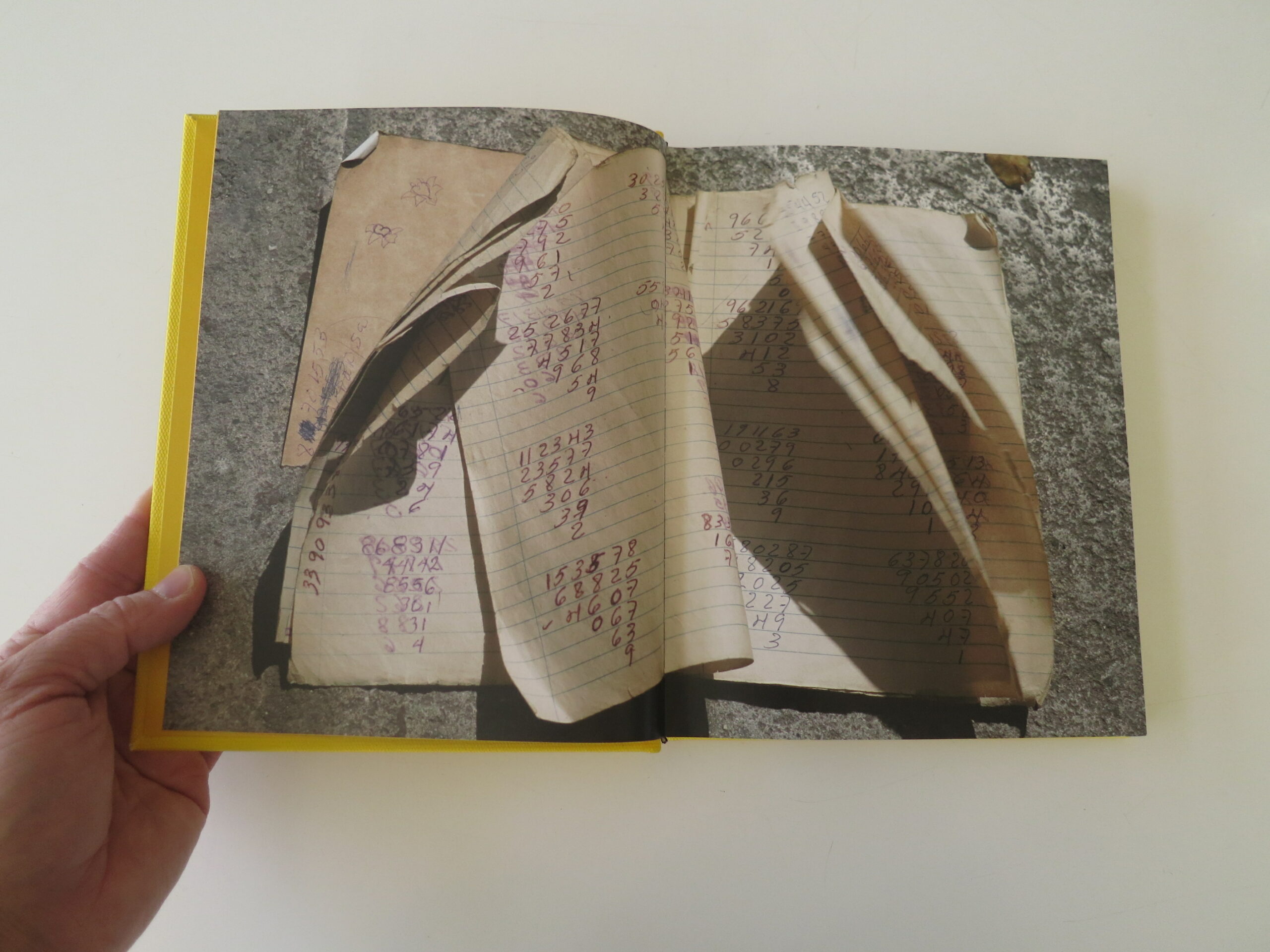
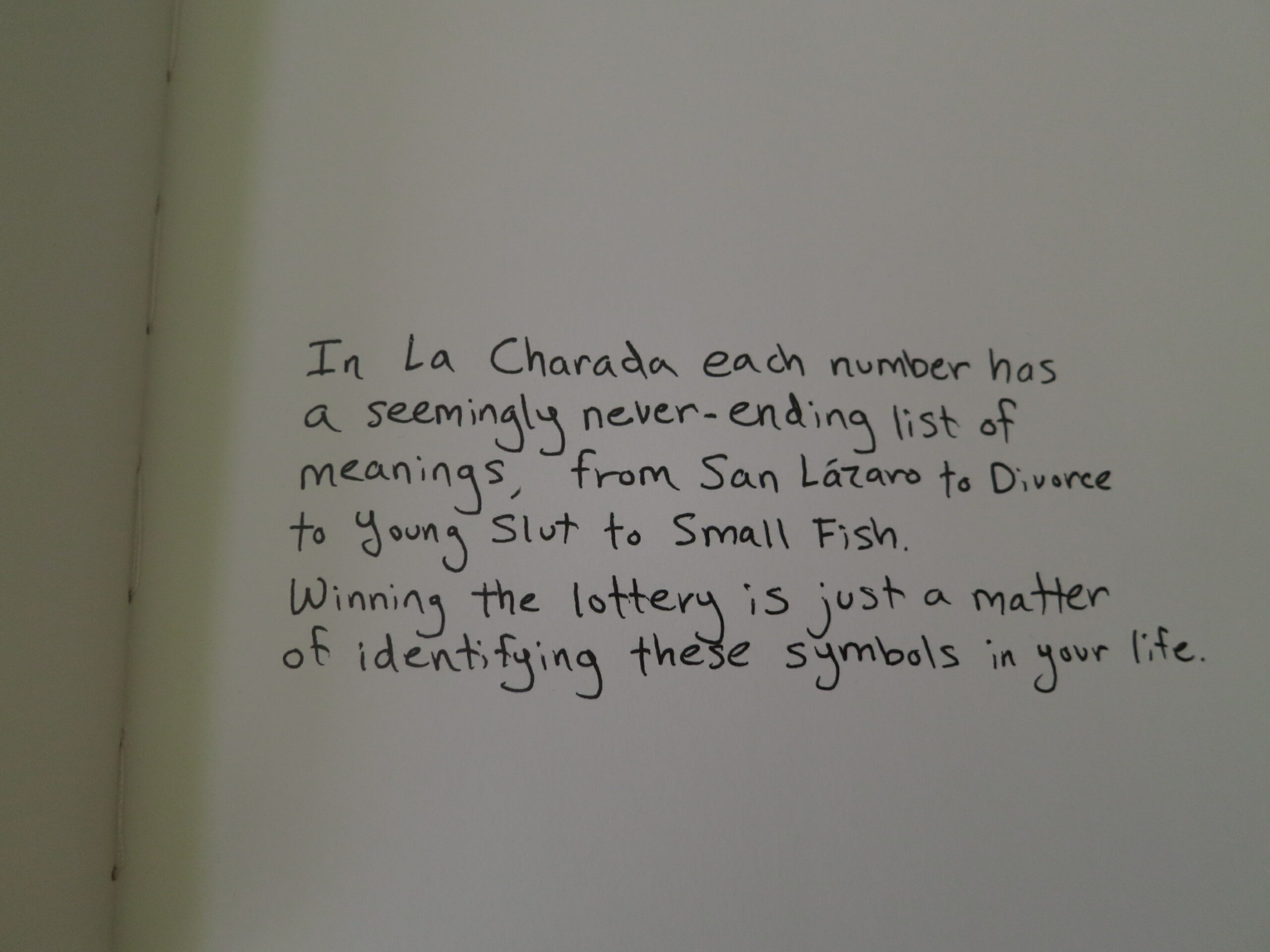
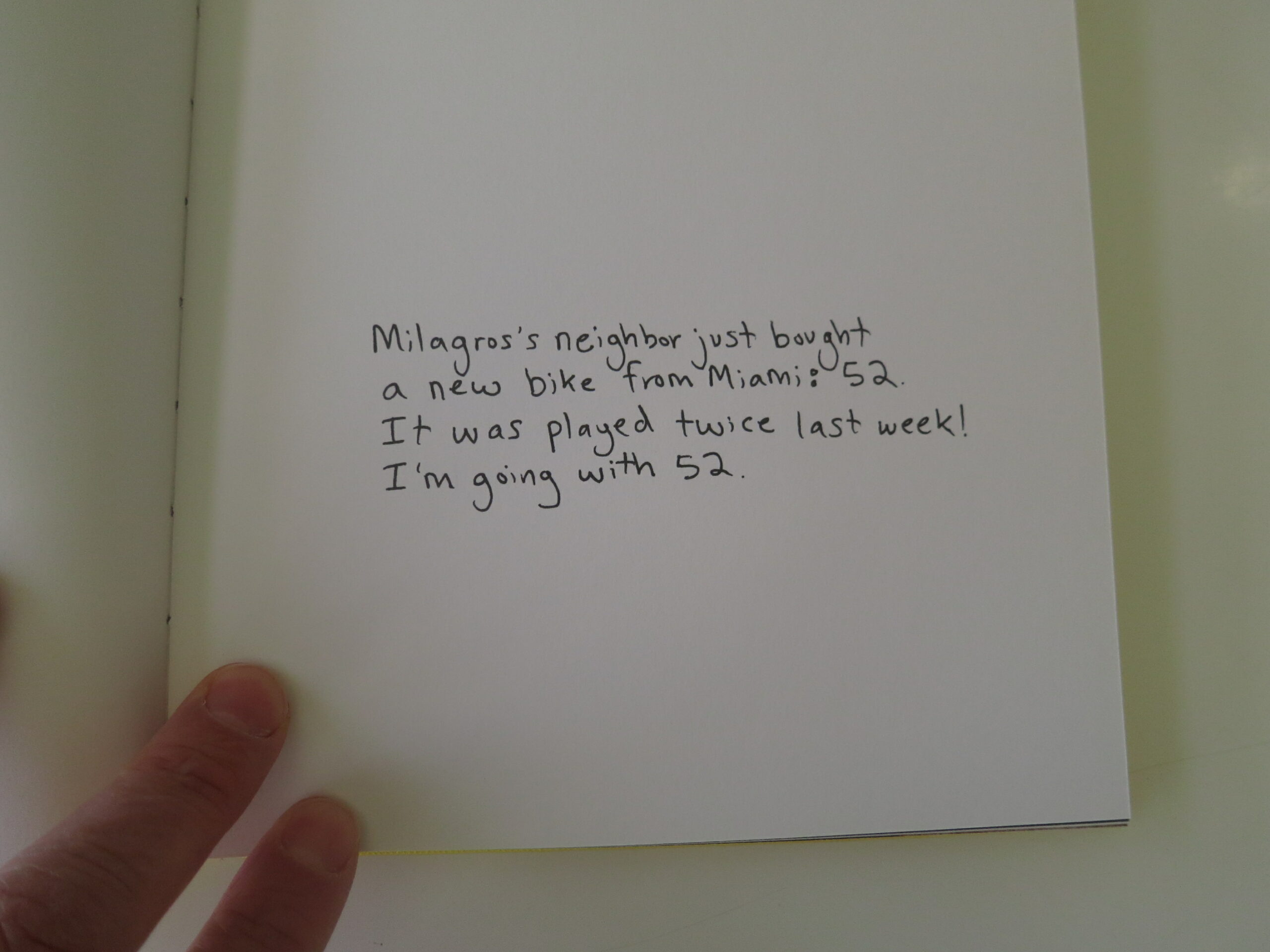
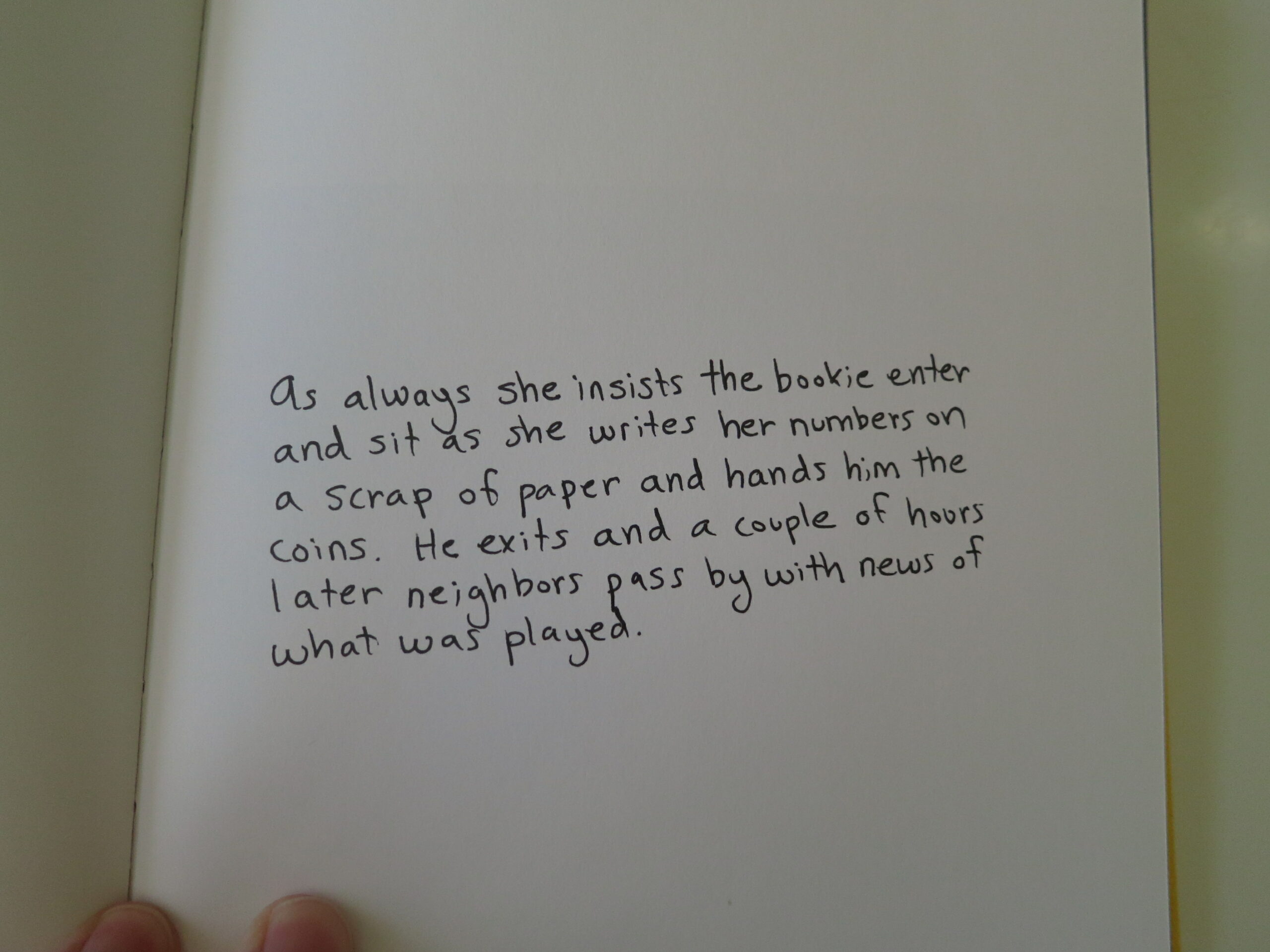
And as you might have surmised from the book’s title, and my generous-length lede, it’s a book about luck, as the subject is a form of lottery that is played in Havana, called La Charada.

The book explains that in the hand-written-font-opening-statement, but previously, I blew past that and just saw Cuba.

Not this time.

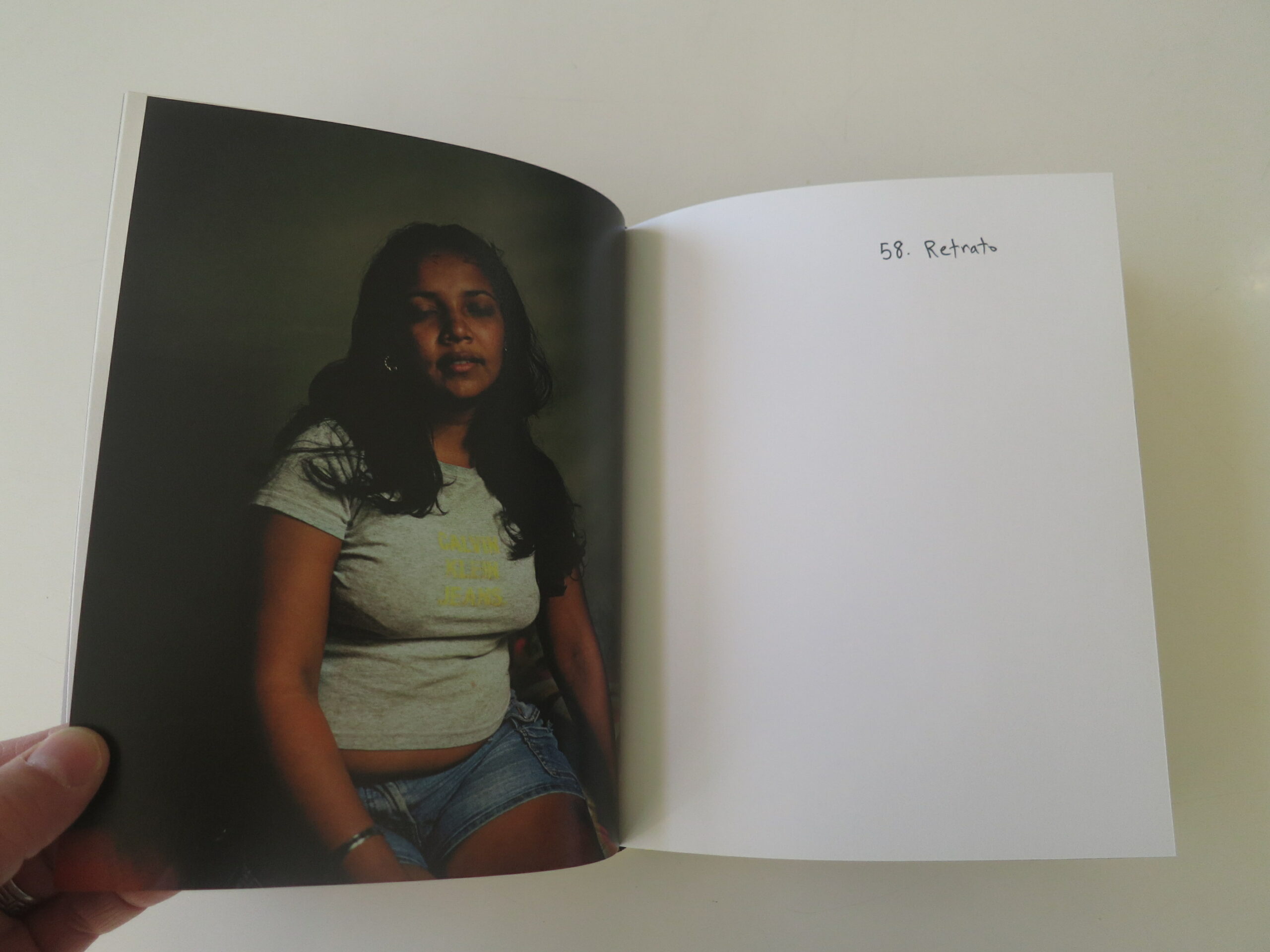
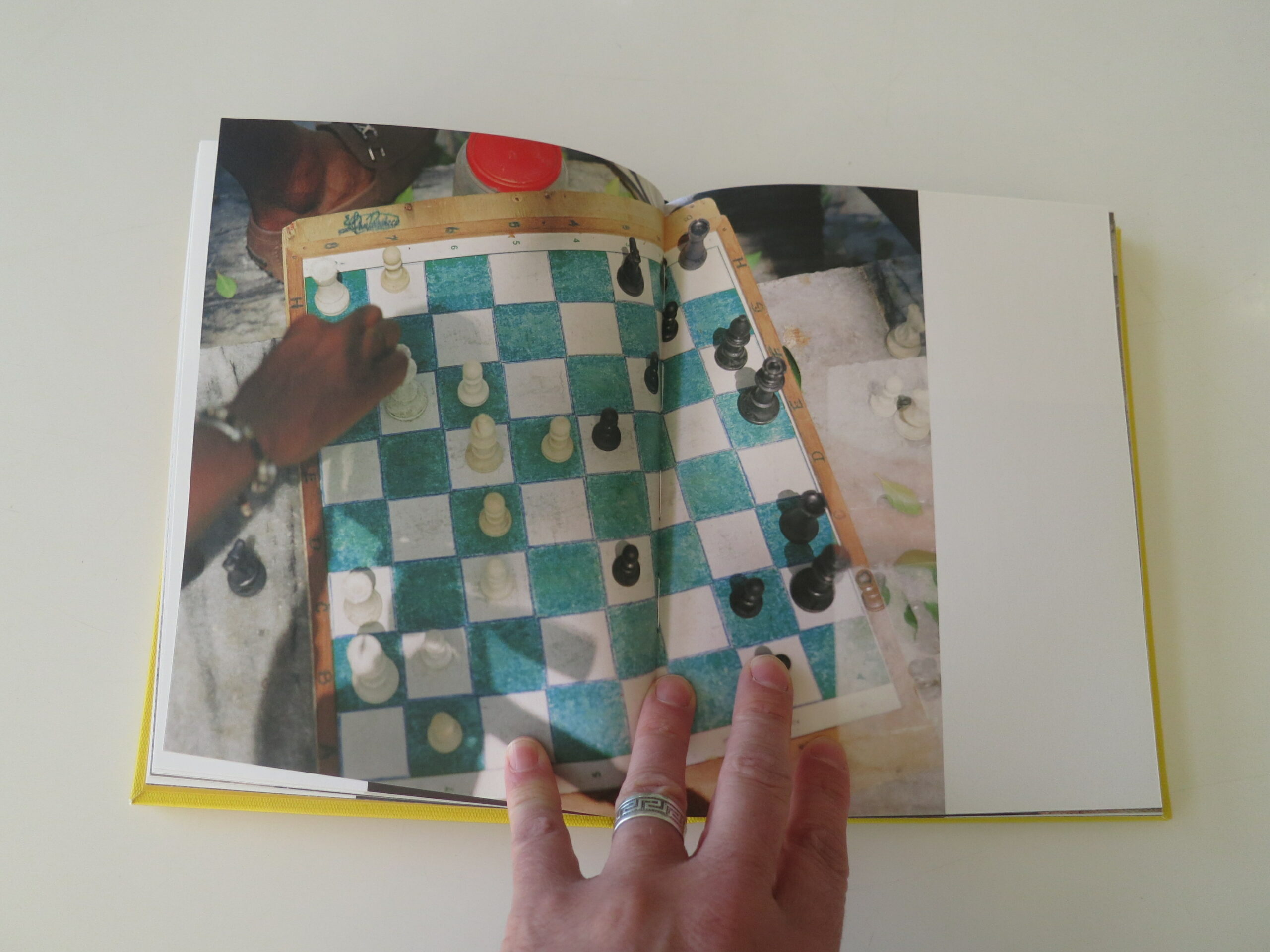
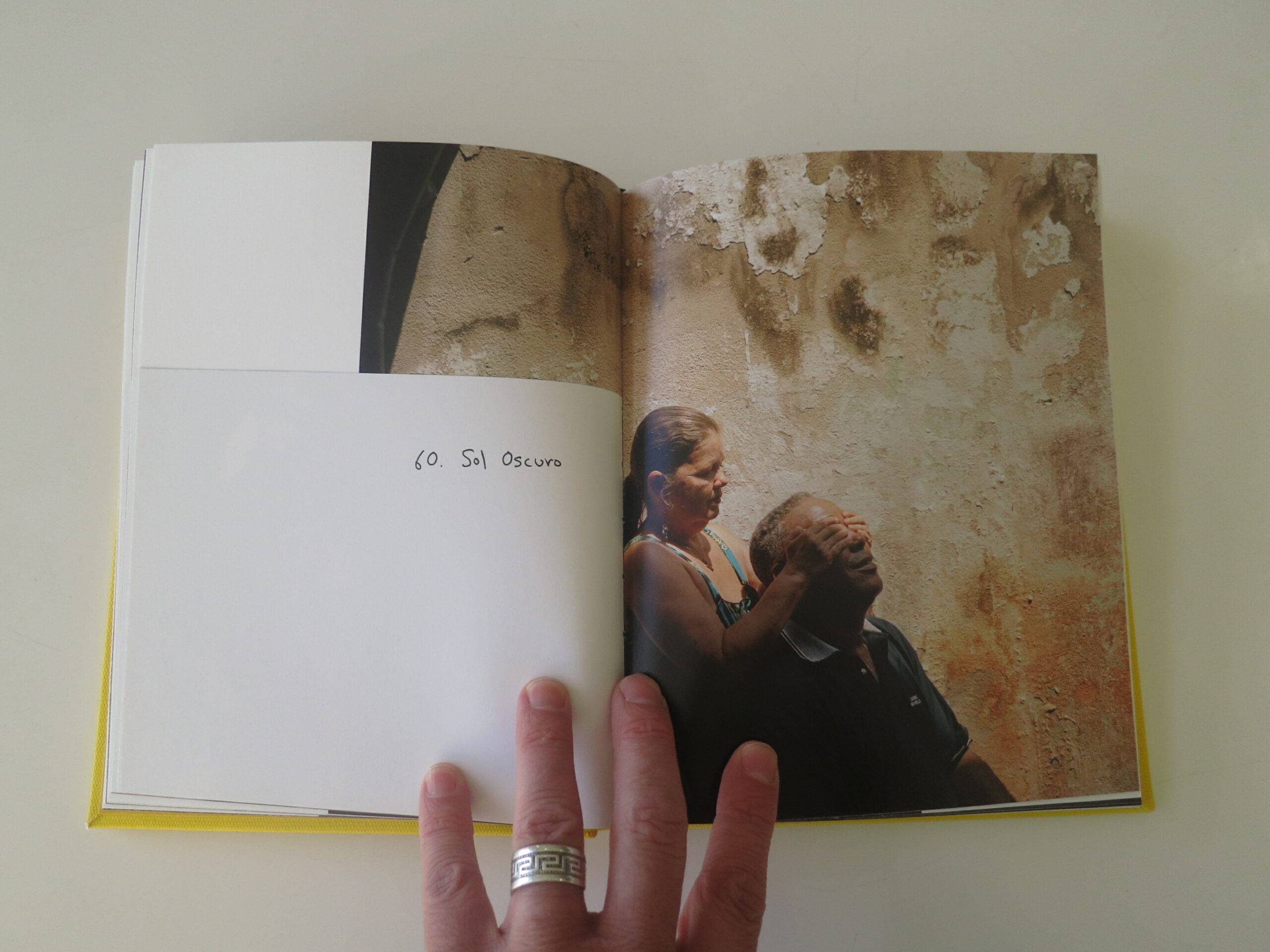
The book is broken into sections, each matching up with a lottery number, and the subject to which it is attached. (Like old whore, or dark sun.)

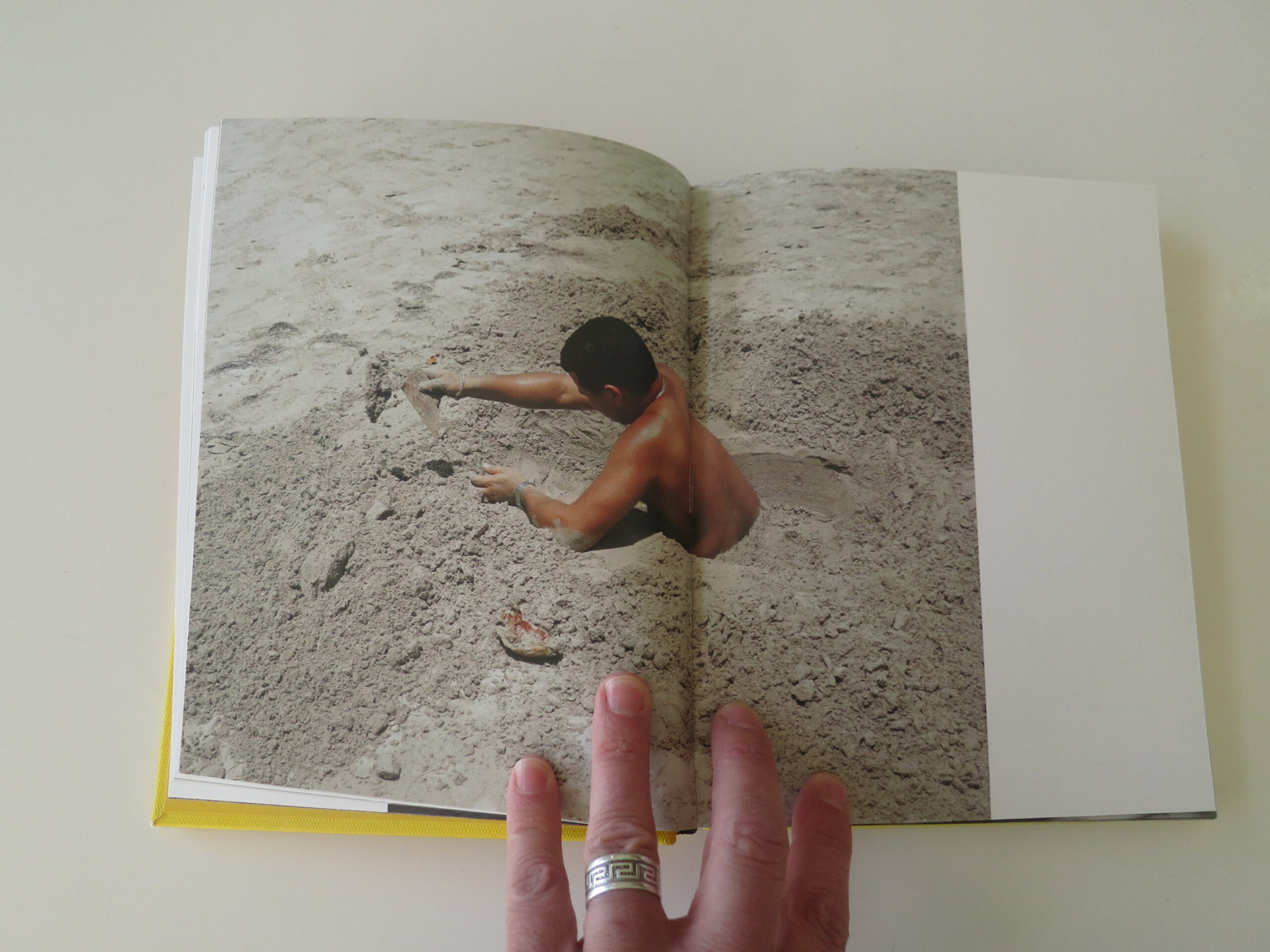
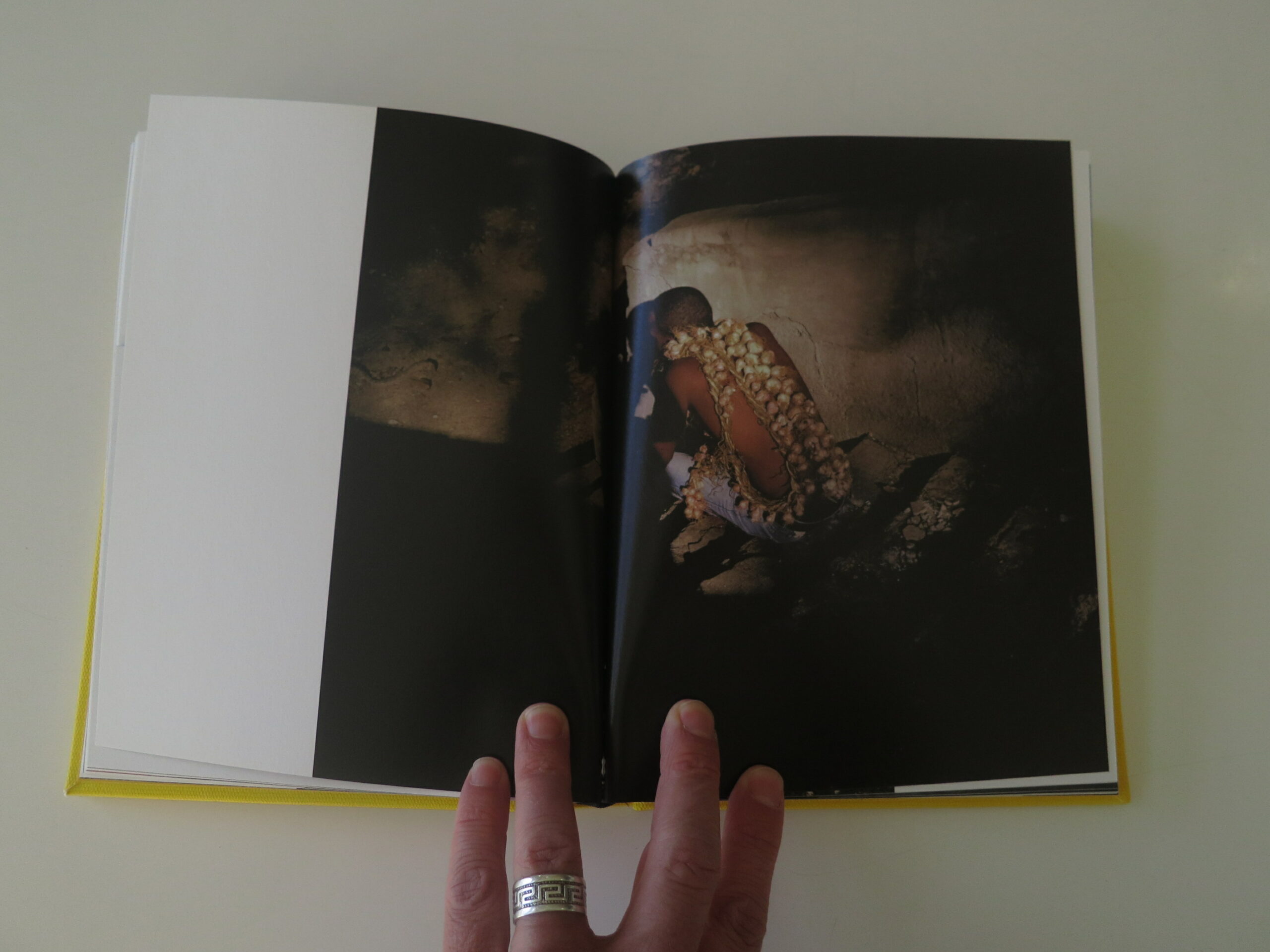
The book, which is creatively constructed, (in addition to its noticeable cover,) with plenty of half-pages, feels non-linear.

Poetic.

Maybe even just the slightest bit occult, with the chicken feet, dark corners, and sense of ritual. (Like the two men buried in the sand, intertwined.)

Obviously, I got lucky today, as I needed a book to write about, and this presented itself. In the past, I wasn’t up for the challenge of understanding it, so I chose to pass, trusting that only 5 bullets had been discharged.

Thankfully, I got over myself, stood tall, and was able to appreciate this cool project for what it has to offer.

To purchase “El Libro Supremo De La Suerte,” click here 

If you’d like to submit a book for potential review, please contact me directly at jonathanblaustein@gmail.com. We are particularly interested in books by women, and artists of color, so we may maintain a balanced program. 

The Art of the Personal Project: Eric Axene

The Art of the Personal Project is a crucial element to let potential buyers see how you think creatively on your own.  I am drawn to personal projects that have an interesting vision or that show something I have never seen before.  In this thread, I’ll include a link to each personal project with the artist statement so you can see more of the project. Please note: This thread is not affiliated with any company; I’m just featuring projects that I find.  Please DO NOT send me your work.  I do not take submissions.


Today’s featured artist:  Eric Axene

I am Small Business is a “personal project” not only because it’s self-assigned, but because it’s just as much of a journey of self-discovery as it’s an exploration of neighborhoods and small shops. Raised by a single mom who ran her own jewelry business, I’ve seen first-hand the balancing act required to keep things moving. I’ve been running my small photography business and working closely with my clients to create their visions for years. This project has allowed me to readdress who I am as a photographer mid-way into my craft and develop a new methodology for expressing how I experience the world.

I began my project a year ago, in a vibrant and popular neighborhood of Northeast Los Angeles. Highland Park is known as a trendy destination, but if you look closer you find a wonderful mix of old and new. I walked up and down the two major streets that transect the neighborhood (Figueroa and York) pushing my cart of gear and asking in every store if the owner was willing to be photographed. The resulting portfolio is a peek into some of the many worlds that co-exist along the avenues of Southern California. Turns out that the Cinemascope format is closest to what I was experiencing when standing in a store, so I recreated the super-wide framing by piecing together 5 photos for each image.

I’m looking forward to expanding the project, exploring small businesses across America and sharing their stories. I was recently commissioned by my hometown of Glendale to produce 7 small business portraits for an online exhibition titled Art Happens Anywhere. For that, I wanted to create extremely detailed images, and I ended up making photo-collages with over 200 shots used per store. I’ve begun interviewing my subjects, and maybe that will eventually lead to a documentary.

In LA we’re facing another round of restrictions just ahead of the holidays, bookending a critical and defining year. Small business is a big deal to me, and I’m thrilled that especially now, with everything going on, people have been receptive to the project. I’m psyched to advocate for small businesses, and I hope that my photos will continue to bring awareness to the wonderful establishments I’ve discovered and the people who are working hard to keep the doors open. I’ve learned a lot this year about tenacity, readjustment, and my own process through photographing them.

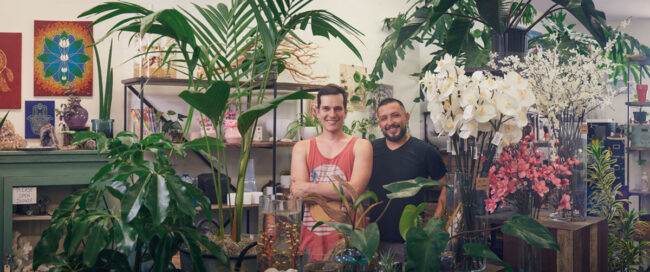
The Juicy Leaf– Felix is selling DIY kits based on his unique succulent arrangements. The kits come with everything you need to create an arrangement at home, including a QR code to access video tutorials. On Friday evenings he goes on Instagram Live and shows how to put together the “kit of the week” in real time. The Juicy Leaf is also hosting private Zoom parties where you can buy kits and he ship kits anywhere in the world.  You can then schedule a live Zoom session where Felix will personally guide the group through the project. Private parties can be up to 20 people.    https://thejuicyleaf.com/pages/planting-parties

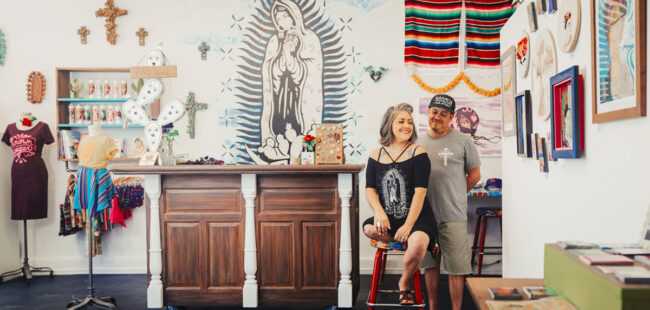
Mi Vida  Noelle sells unique handmade clothing and gifts inspired by “nuestra Vida, Arte y Cultura” in Los Angeles. Mi Vida’s website is fully running, and they ship anywhere.

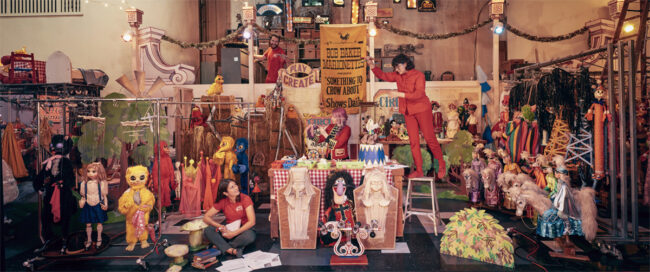
Bob Baker Marionette Theatre-    A recent addition to Highland Park, the Bob Baker Marionettes have been around since 1963. They had just opened their newly renovated theater when they were shuttered in the Spring. They’ve gone online with their Holiday on Strings show at the link below: https://playhouselive.org/programs/holidayonstrings?categoryId=45020&mc_cid=8545e1d7af&mc_eid=f81310abbd

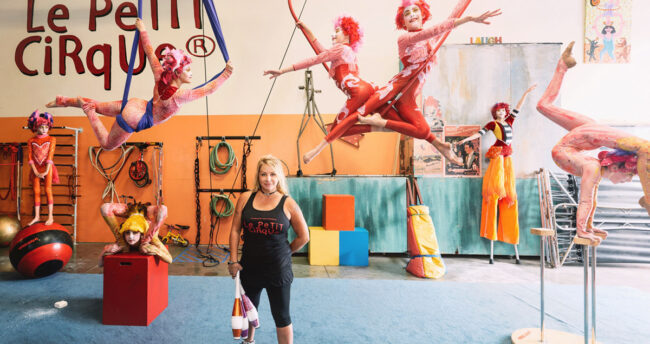
Le Petite Cirque–   Le Petite Cirque is offering Zoom training sessions for all different ages (4- up) and abilities. From beginner handstands and dance to advanced choreography and acrobatics. Group sessions are just $10-$15 each and are 45mins.

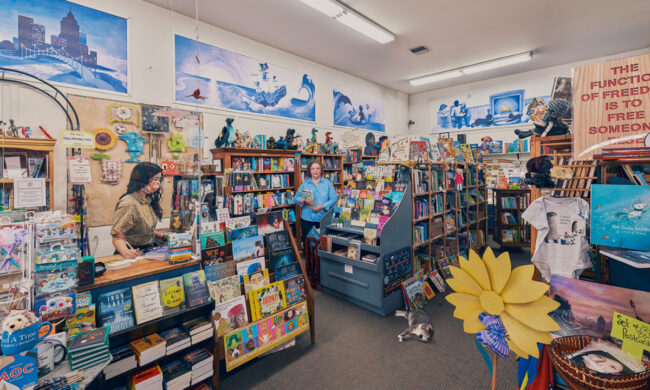
Once Upon A Time Bookstore   Located in Montrose, CA, Once Upon a Time is America’s oldest children’s bookshop. Maureen and her daughter Jessica will ship anywhere, and their website offers recommendations and hosts author discussions and readings. If you can’t find what you are looking for, or want a personal recommendation for a great gift, they answer the phone and emails.

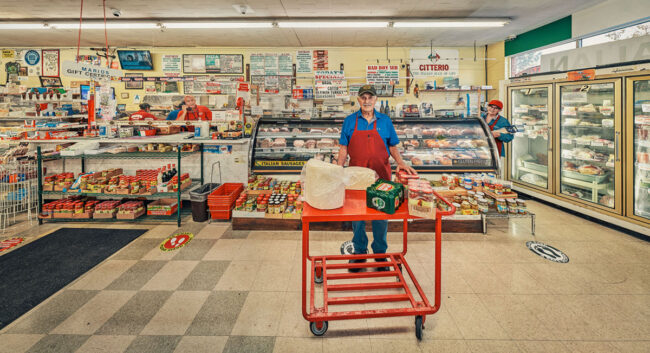
Mario’s Italian Deli-Mario’s Deli makes the best sandwiches in Glendale! They make all their pastas, sausages, and salads in house. They stock vintage Italian wines and stock all the cheeses and charcuterie of Italy as well as imported olive oils.

Call ahead for quick service: 818-242-4114

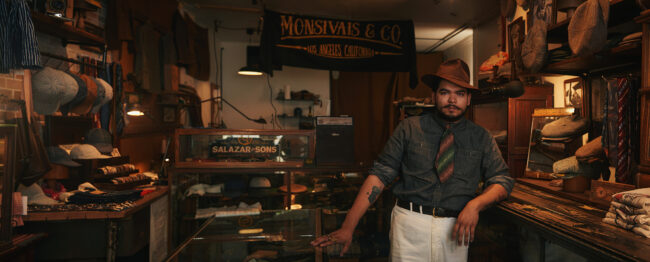
Monsivais & Co.   Damian designs and creates caps, clothes, and accessories inspired by the early 1900s. He uses antique machinery and tools to make them as authentic as possible. His e-commerce site is fairly extensive, and he ships worldwide.

To see more of this project, click here.


APE contributor Suzanne Sease currently works as a consultant for photographers and illustrators around the world. She has been involved in the photography and illustration industry since the mid 80s.  After establishing the art buying department at The Martin Agency, then working for Kaplan-Thaler, Capital One, Best Buy and numerous smaller agencies and companies, she decided to be a consultant in 1999. She has a new Twitter feed with helpful marketing information because she believes that marketing should be driven by brand and not by specialty.  Follow her at @SuzanneSeaseInstagram

Success is more than a matter of your talent. It’s also a matter of doing a better job presenting it.  And that is what I do with decades of agency and in-house experience.


The Daily Edit – Texas Monthly: Shayan Asgharnia


Texas Monthly


Art Director: Victoria Milner
Photographer:
Shayan Asgharnia
Online Story here

Heidi: What type of direction did you get from the magazine?
Shayan: It had been a dream of mine to shoot for my home state and legendary publication, Texas Monthly. Victoria Millner, their art director, emailed me to shoot this assignment, my first for TM. The references she sent from my own work were my portraits of David Crosby, Ed Harris, Billy Dee Williams and my father smoking a cigar and giving two fingers.

Victoria wanted detailed closeups of his iconic face with all the history and weathered grit that comes with it, but she also wanted environmental shots that truly displayed the vast spectrum of the man’s humanity. I love working with Victoria and Claire Hogan, Texas Monthly’s photo editor. They’re so clear with their vision and their understanding of the artist’s vision. Not a modicum of uncertainty to be found in working with them, and they’re kind Texans to boot.

He’s both intense and joyful, how did you bring both of the emotions out?
Danny is intense, but even before I started seeing him in photos with rescue dogs or his smiling face next to donuts and tacos, I knew he had a gentle, fun side thanks to his role as Uncle Machete in Spy Kids. In person, the man is joy and empathy personified; the scowl is more a part of the brand.

Knowing Danny’s love of dogs and prison reform, I arrived with a framed 17×22 print of one of my photos from my personal project, Rescued, a story on a program where rescue dogs live with and are trained by incarcerated men.


While shooting, we spoke at length about rescuing dogs, prison reform, his car collection and the Great State of Texas. He told me one of the funniest stories I’ve heard from one of his recent trips to Texas pre-COVID: while walking around 6th St. with a few of his assistants who also did time in the past, his assistants were getting heated up and wanting to fight with people flashing what they thought were gang signs. Danny laughed out loud and made the sign himself: the good ol’ University of Texas “Hook ’em.” As a Longhorn, I love seeing that image in my head.

After we wrapped the portraits of him, we went into his personal gym and photographed each of his dogs against seamless just for him to have, to immortalize them in a way. Photographing animals is my happy place, and the smile that comes across their humans’ faces makes it that much more wonderful. You want a moment of true happiness? Listen to Danny Trejo babytalk his pups and see the smile on his face as they’re being photographed.

Danny lived a colorful life, how much prep did you do prior to the job?
I don’t prep too much beyond a bit of research on subjects to find some common ground I share with the subject instead of just talking about their work. With Danny, this was simple. We’re both dog rescue people who also share a passion for prison and criminal justice reform. I’ve never been incarcerated, but I spent a few months documenting the Pawsitive Change program at California City Correctional Facility. I didn’t need much of an icebreaker beyond that.

In terms of technicality, I’m not the most technical photographer. I shoot a lot of studio work with strobes, but goddamn, I love working with natural light and merely shaping it with reflectors and negative fill when need be. I wanted the shoot to feel as little like a production as possible. When a shoot feels like a conversation between myself and the subject and we just happen to have a camera nearby, that’s the best.

What did you imagine his demeanor to be, and did that live up to your expectations?
I have a number of friends who have worked with Danny in some capacity throughout the years, and not a single one of them had anything but praise for the man. They were all right; the man is a true gem. As someone who’s been told many times that I look unapproachable and unfriendly until people actually meet me, I get it. I love breaking the barrier between my genetics and my personality.

Danny and myself at the end of our shoot


Describe the vibe on set.
The vibe on set was truly jovial and comfortable. This is one of the perks of being at the home of your subject, especially when your subject keeps it so damn real and lives deep in the Valley. Add cute, friendly dogs running around, and you’re solid. Every shoot should have dogs on hand. While we didn’t take more time than we needed, it felt like we could have continued to hang out beyond the shoot. Danny invited us to come watch fights in his backyard in the future, so let’s hope that offer stands.

Did you direct him or was he naturally falling into form in front of the camera?
My approach to directing a subject is fairly loose. I know the general idea of where I want them to be and how I want them to be, but beyond that, I like subjects to fall into themselves. I’m not trying to create a fantastical scene. I did ask him to bring out some of his cars, I did ask him to pose with his pups and have them all jump into the vehicle, and I did ask him to take off his shirt and bare those tattoos, but beyond that, we go with the flow. I’m more of a people person and a documentarian in my approach as a photographer, so when I’m trying to get something out of someone, I meet them where they are with their energy and emotions on the day. I pick up on these things quickly and adjust subtly enough so I don’t push a subject too far, or worse yet, not push far enough that I lose them. It’s all collaborative.

This Week in Photography: Black Friday


It’s 2pm on Tuesday, so that’s something different.

(I haven’t written a non-Thursday column in ages.)


I’ve worked on Thanksgiving for years, never planning ahead enough to write earlier in the week.

This year, though, I got my shit together, having promised my wife I’d take the holiday offline, to get a bit of rest.

#2020 has left me feeling like my Gi used to smell after Brazilian Jiu Jitsu, back when things like martial arts classes existed in the world.

And it seems like most people I speak with feel the same way.

Worn out. Unproductive.
Ready for a break

It’s gotten so bad, my lack of focus, that I spent most of today searching for jackets and coats on the internet.


(Normally, I’d be ashamed to admit that, but I don’t remember what the word shame means these days.)

Since I don’t have a proper Winter jacket for our climate, I’ve spent days sifting through killer Black Friday deals, looking for just the right jacket.

Or coat.

Should it be gore-tex, or down?

Maybe wool, and if so, what cut?

Jacket after jacket.
Coat after coat.

Click link.
Absorb details.
Read reviews.
Consider price.

Move on.

Jacket or coat?
Coat or jacket?
Jacket. Jacket.
Coat. Coat.
Coat.

On and on, for hours.


I’m not proud; I’ve seen hundreds of jackets over the last week. (And coats.)


Onward I shop.

My brain is mush. Clicking links like a trained monkey is all I’m good for. And when I find my perfect, Goldilocks coat, I’ll wear it with pride!


Jackets and coats.

I have plenty of them, but not the kind I need, as my previous Winter coat was ruined when I accidentally bumped into a parked bicycle on a narrow street in Amsterdam. (Right before I was almost hit by a bus.)


Jackets and coats.

They serve an important purpose.

Keeping us warm.
Occasionally, as fashion, they might even be art.


But no matter how much we gussy them up, it’s just sewn fabric to keep our bodies warm, protected from the elements.

So basic.


What’s more utilitarian than a coat?

Maybe a cooking fire?
A drinking vessel?

Or a broom?

Some little reeds or twigs tied together, lashed to another stick?


You can’t have a clean space, even if it’s a tiny hut 1000 years ago, without a broom, right?


Brooms are everywhere, and we need them desperately, but we never pay them any mind.

No one ever says, “Why thank you, Old Broom, as I wish to convey my general appreciation for the service you provide on a regular basis. Cheers and Bully to you, Sir!”

I don’t say that to my broom.

Do you?


Brooms are the Rodney Dangerfield of household items: they don’t get any respect.

Until now.

(You knew I was getting there, right?)

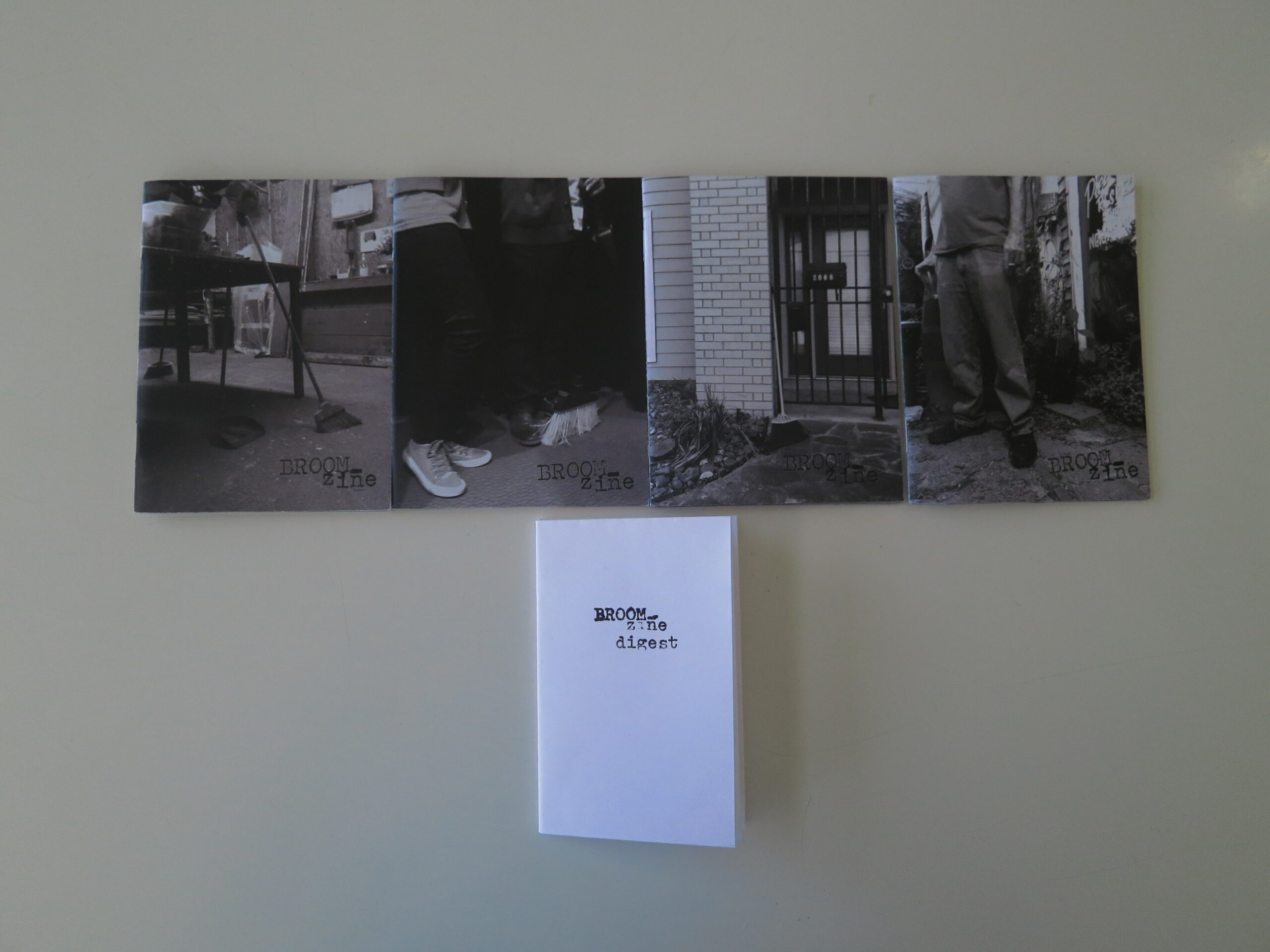
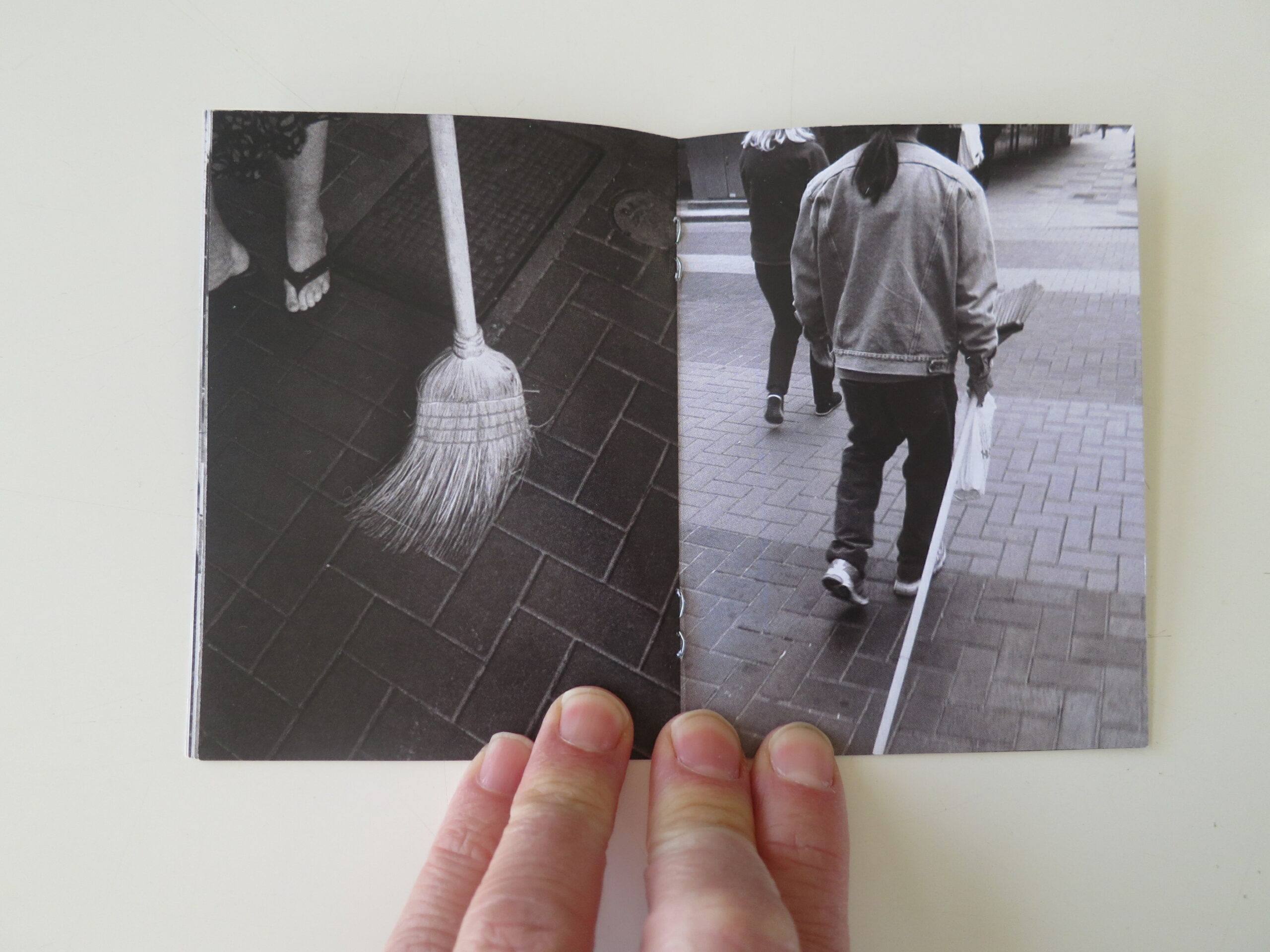
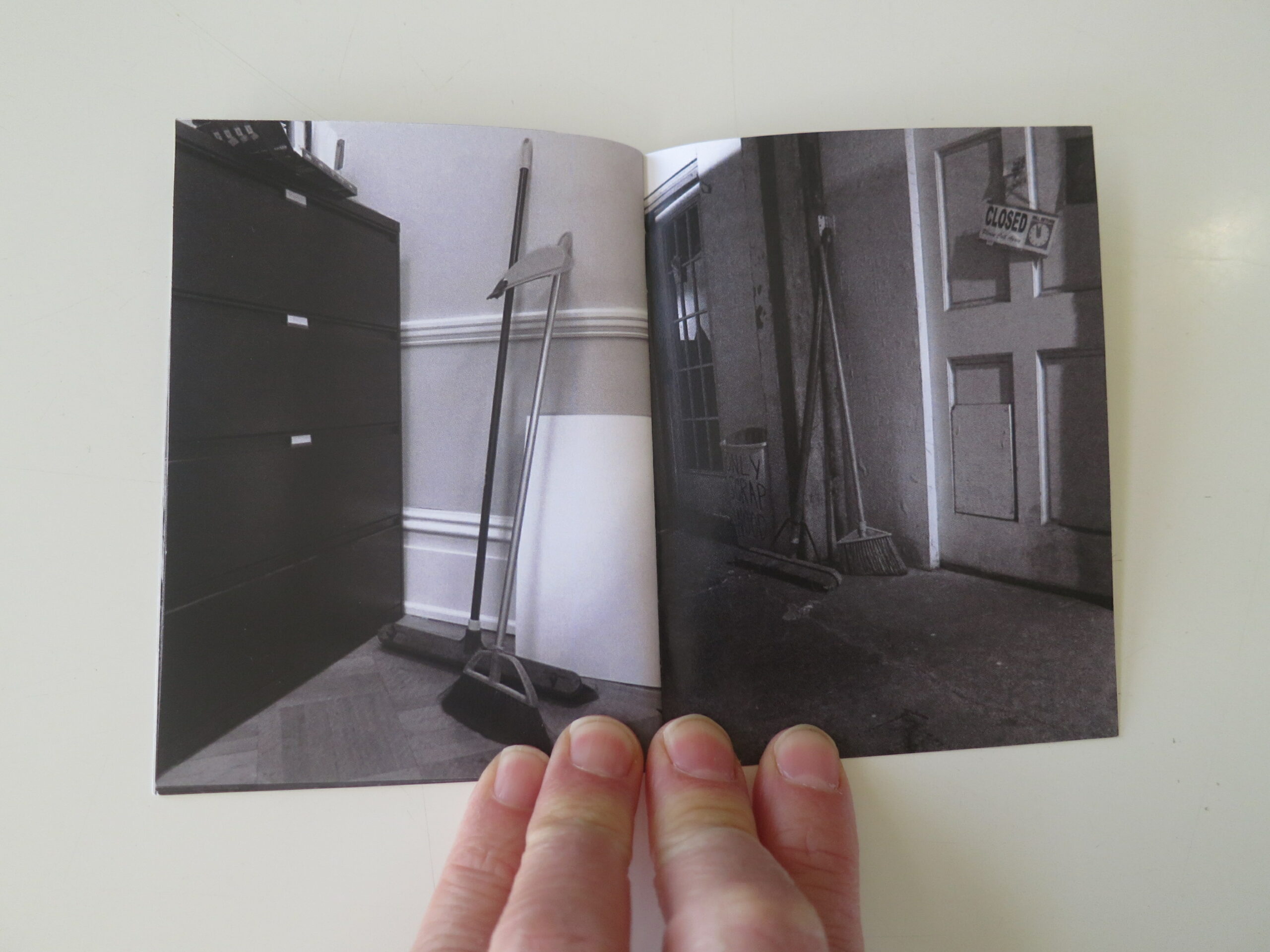
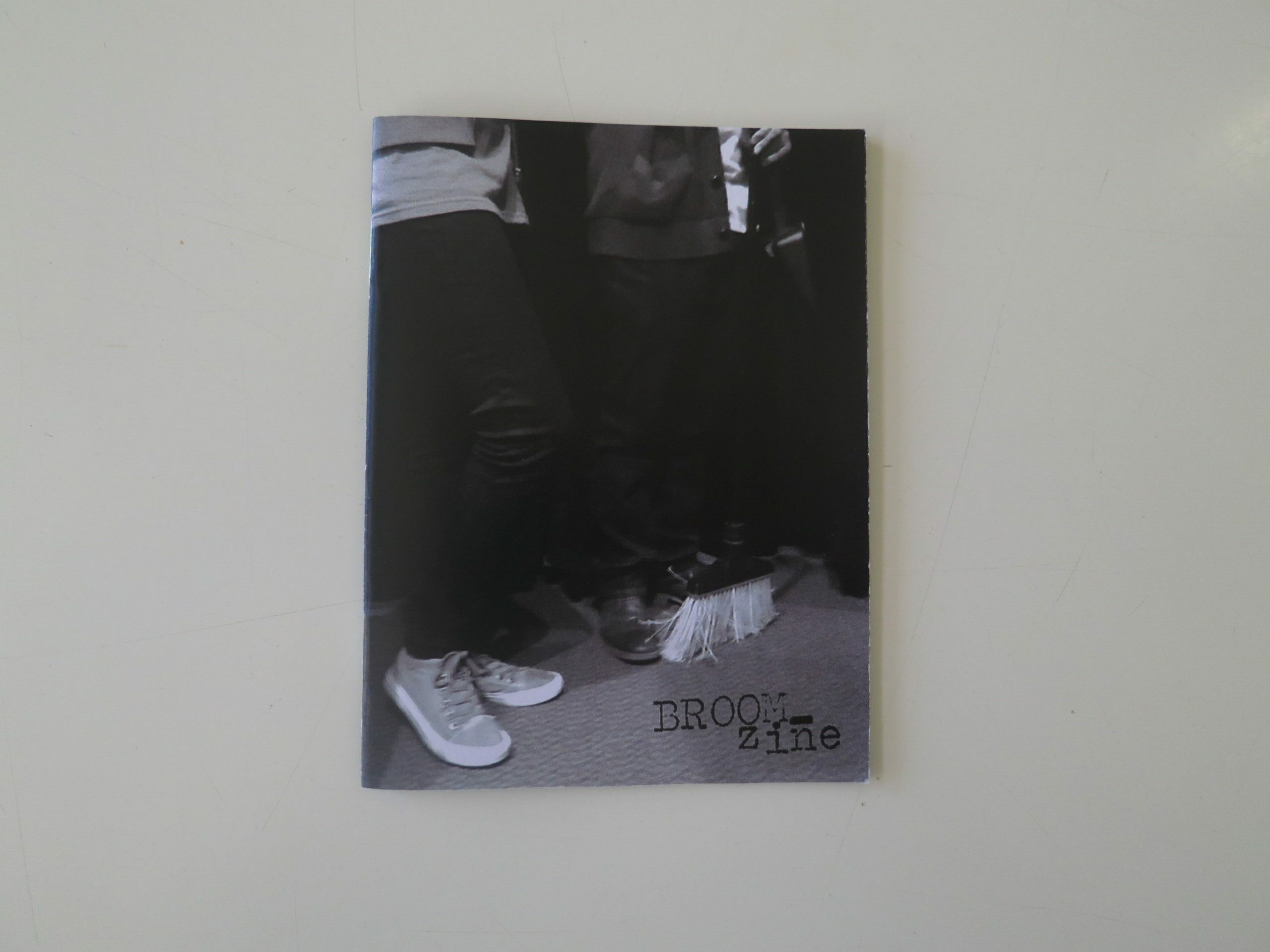
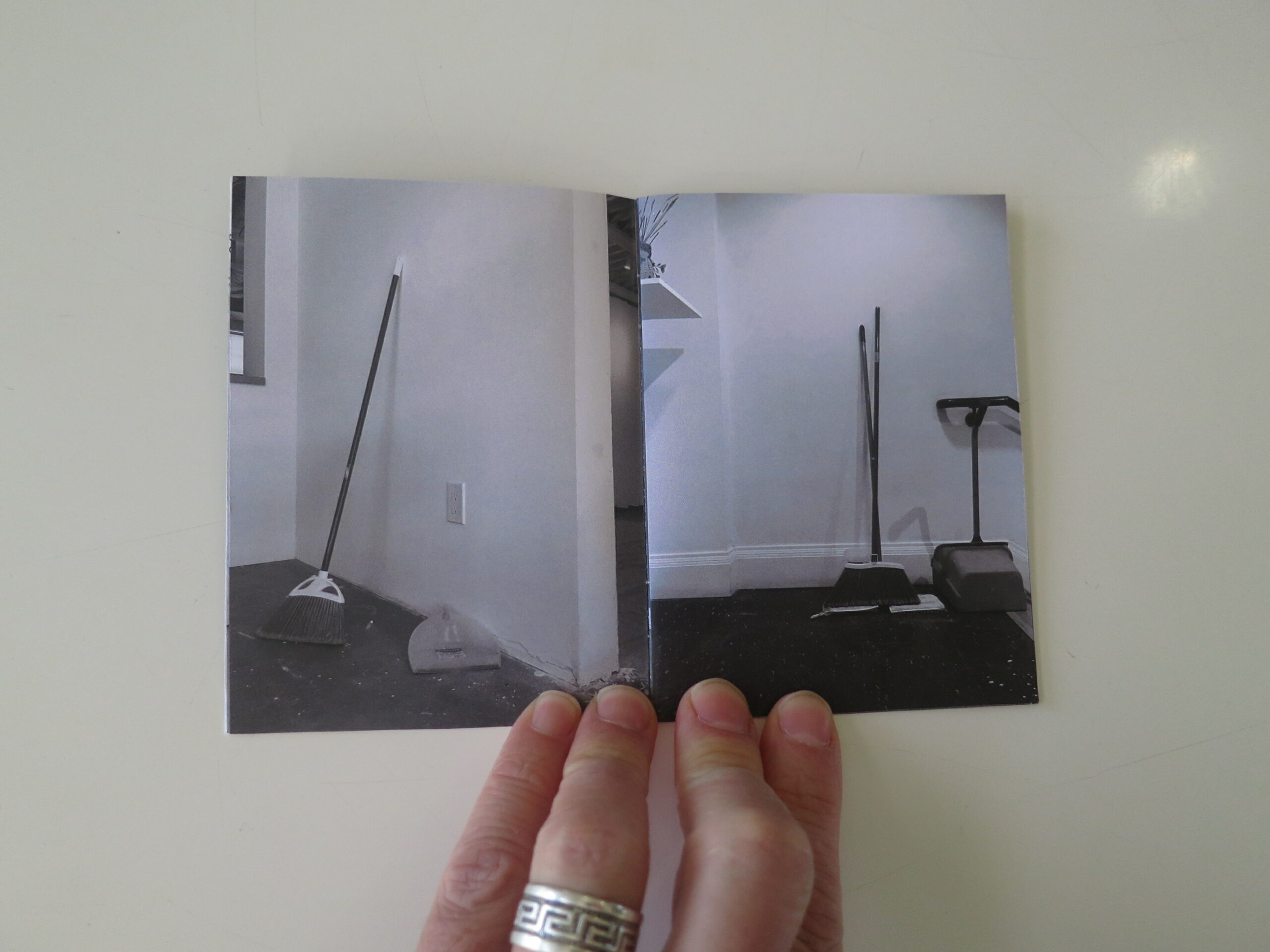
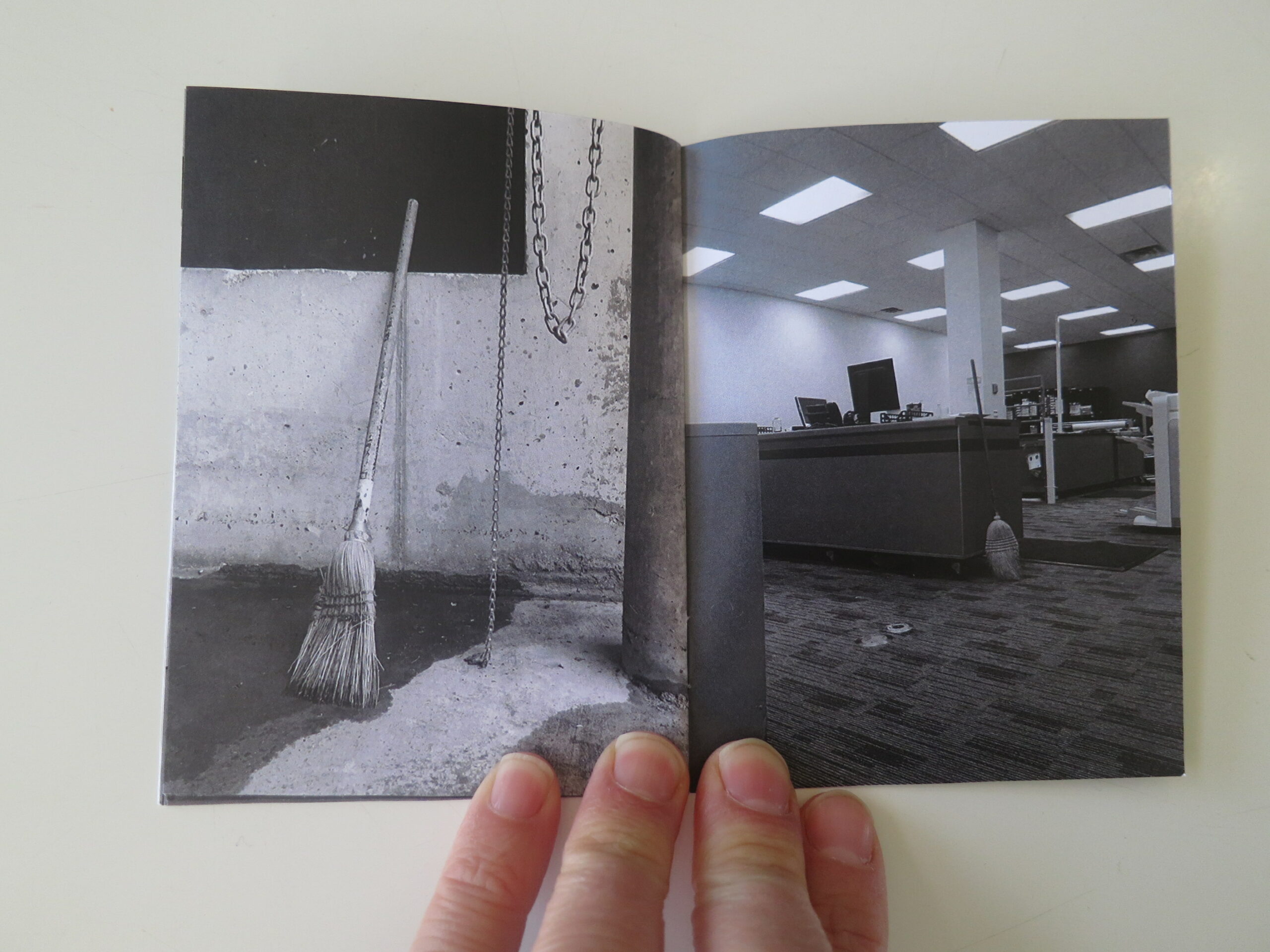
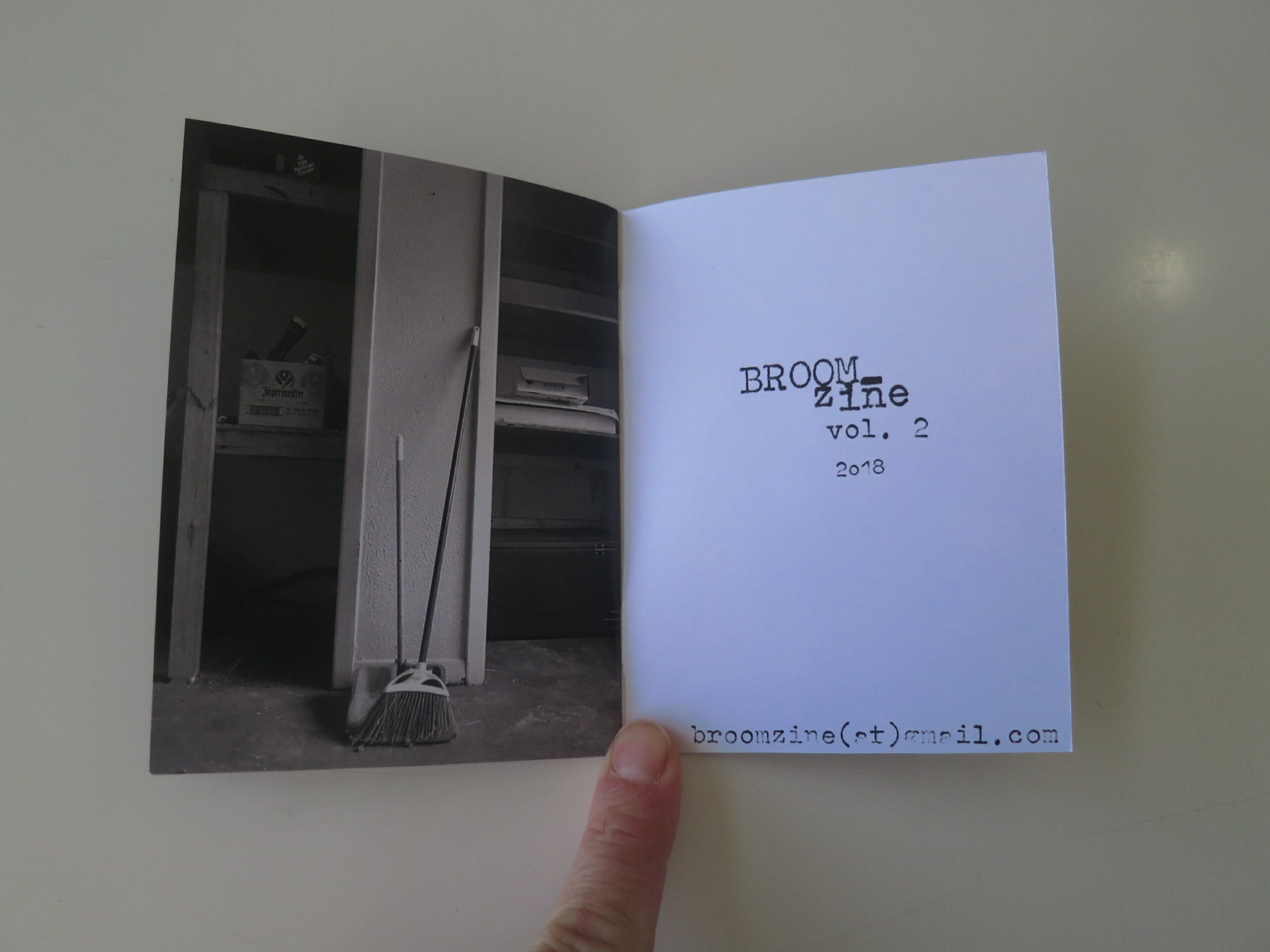
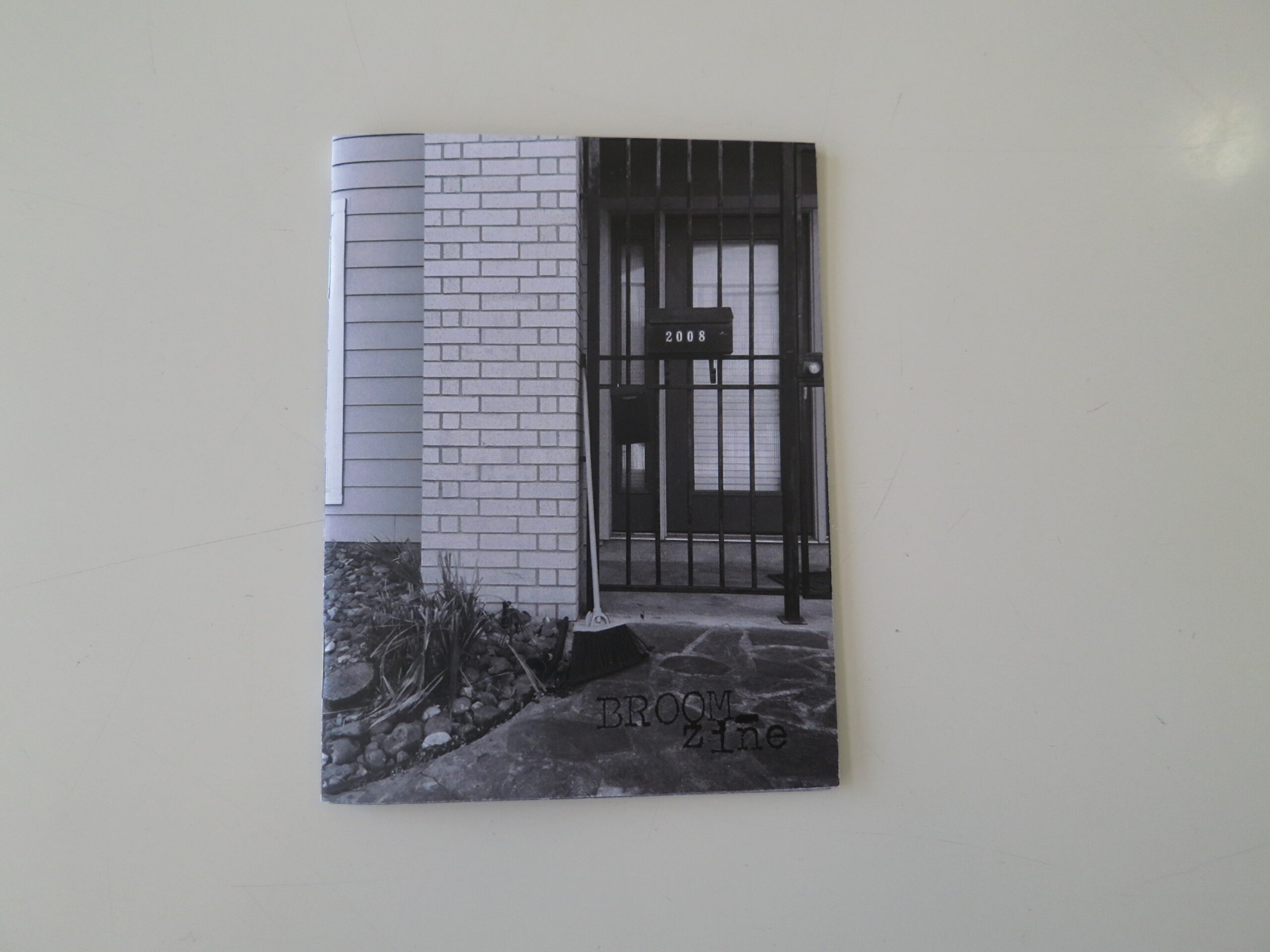
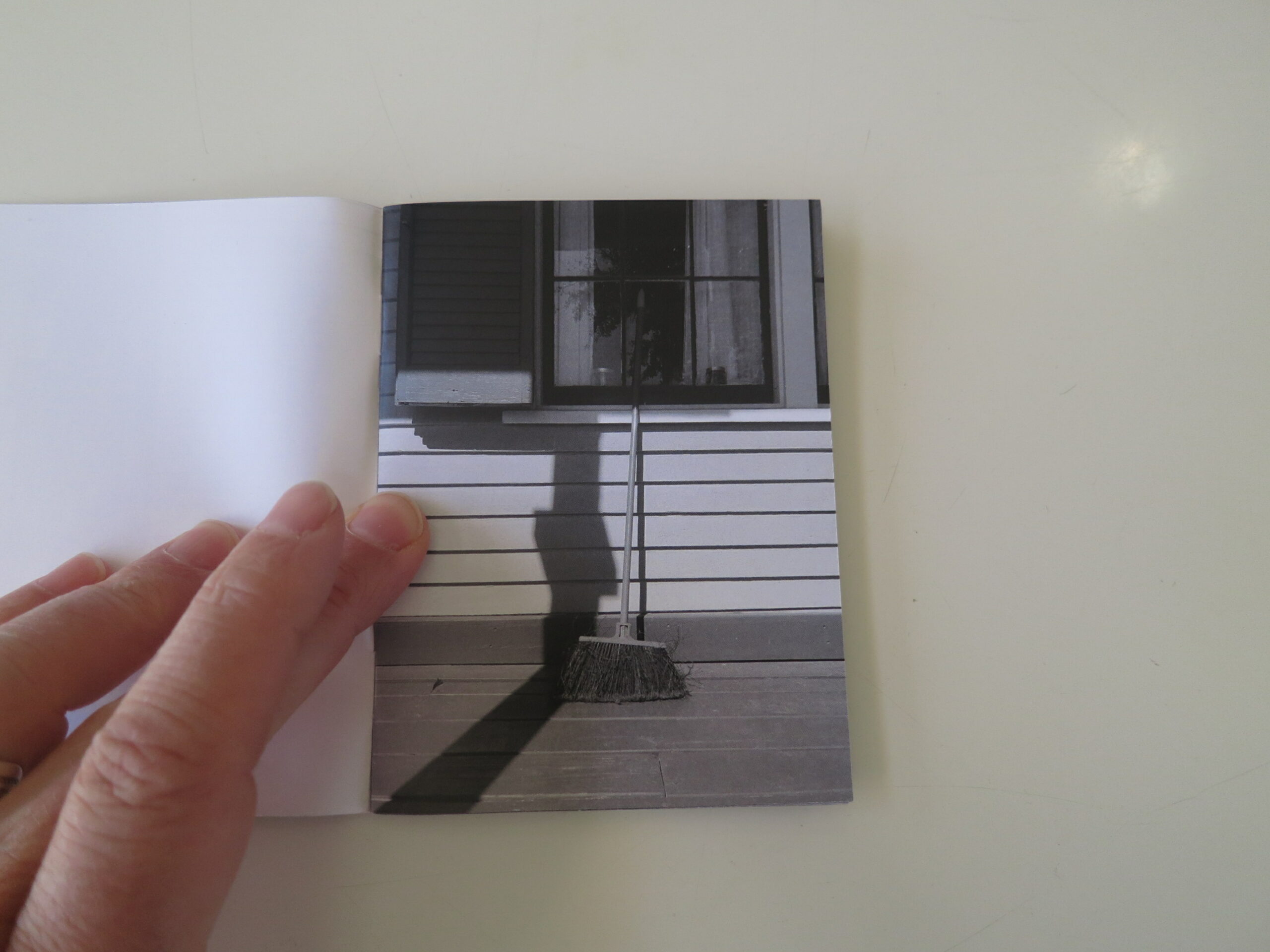
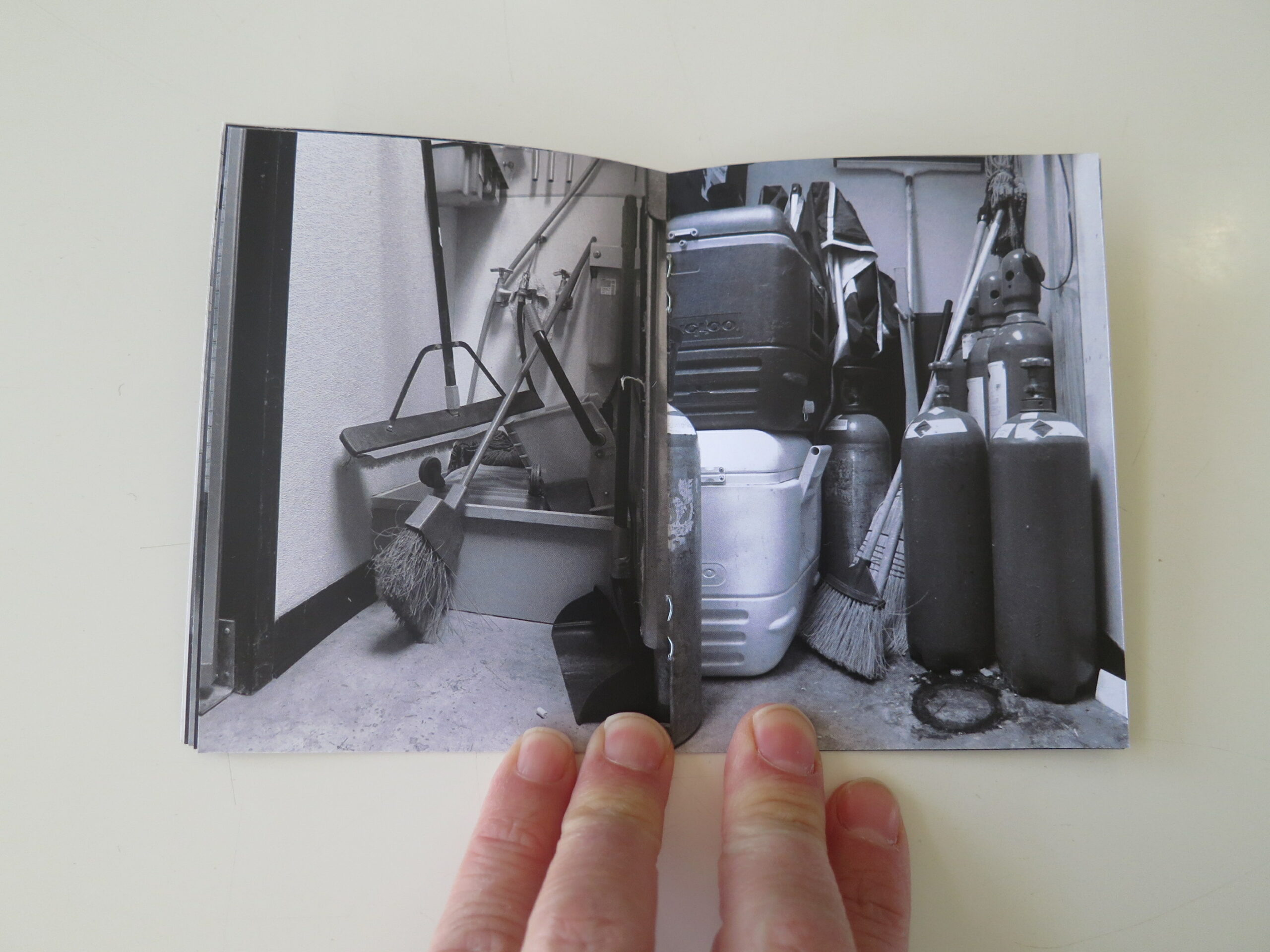
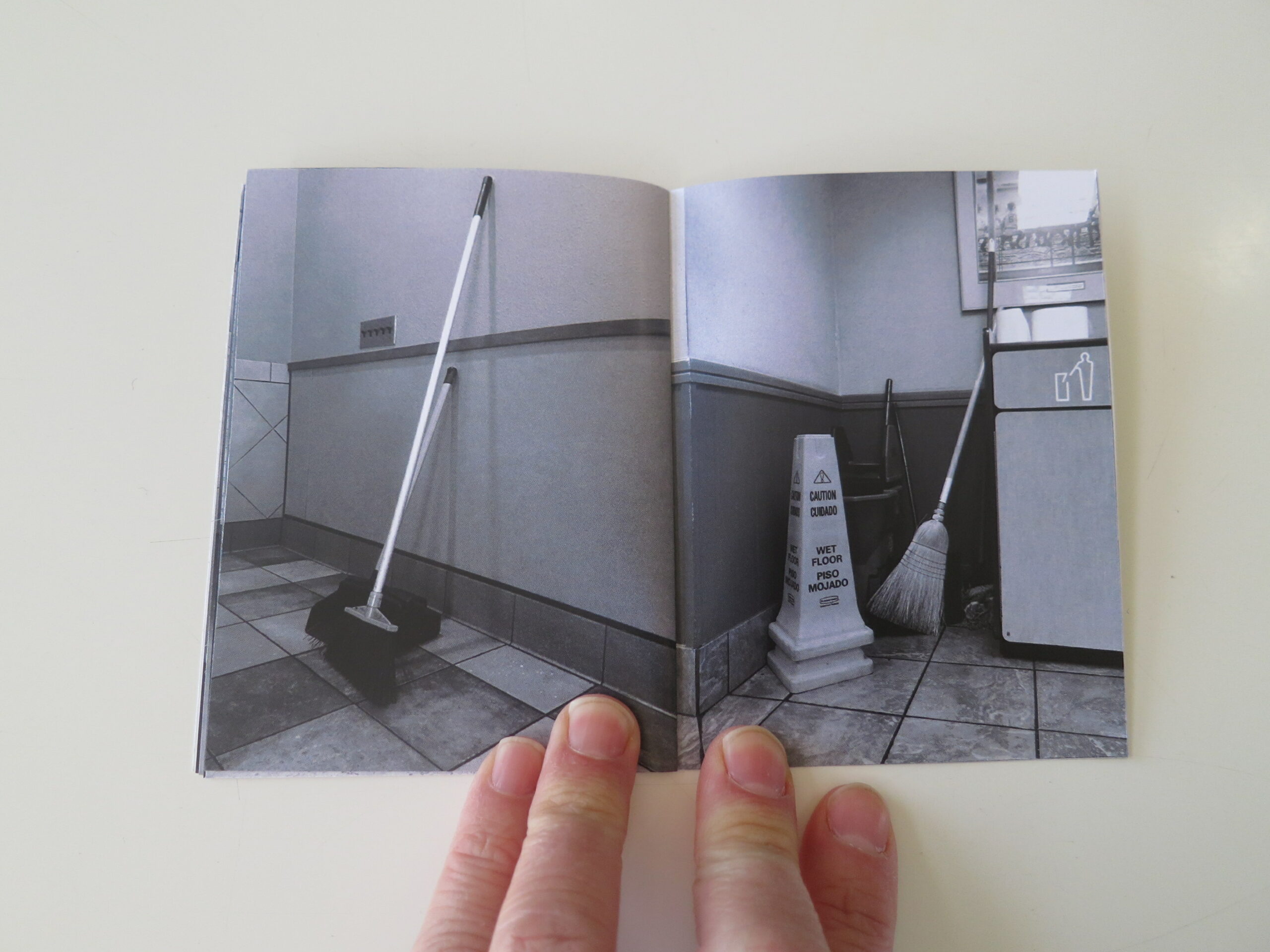
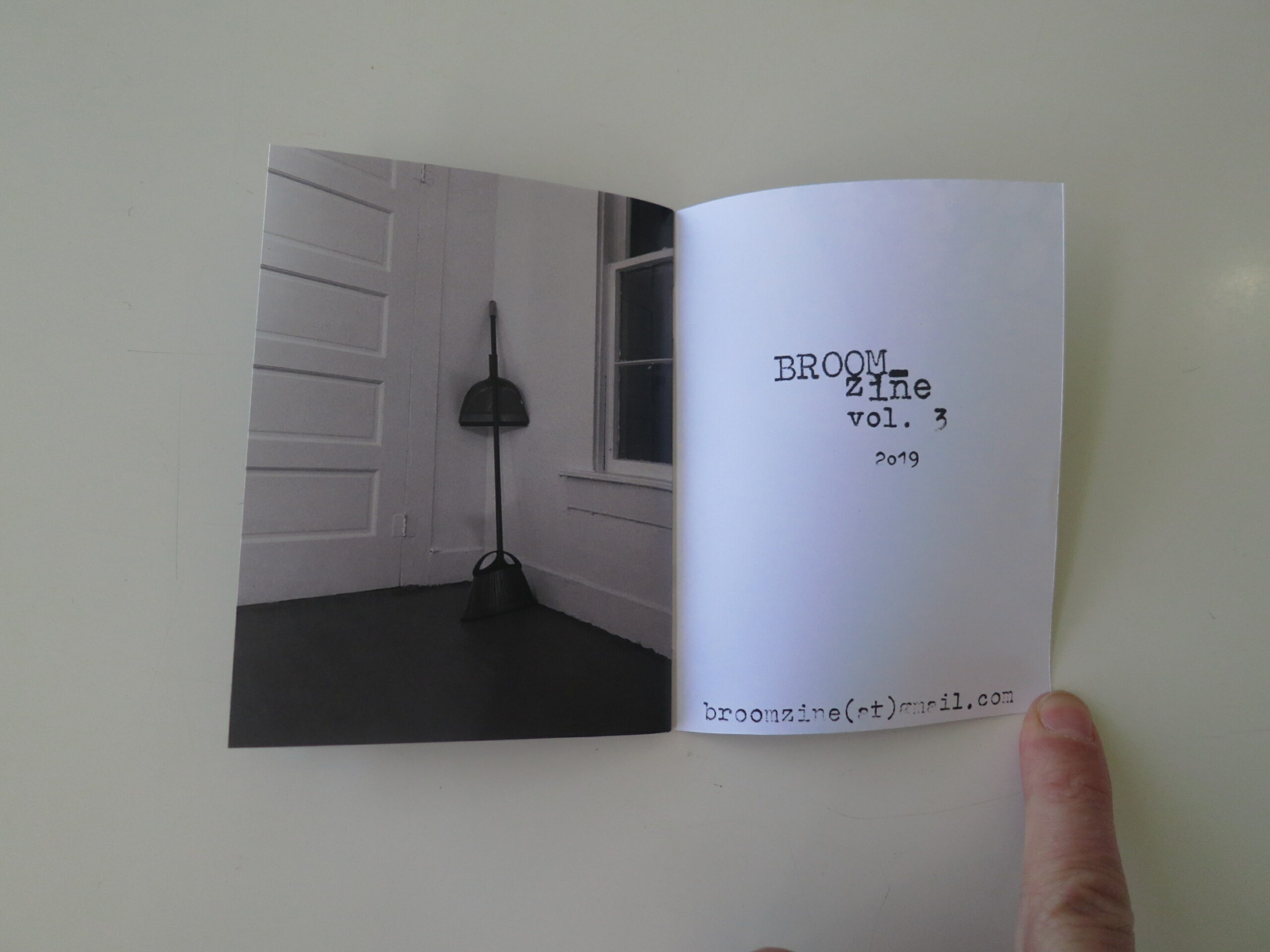
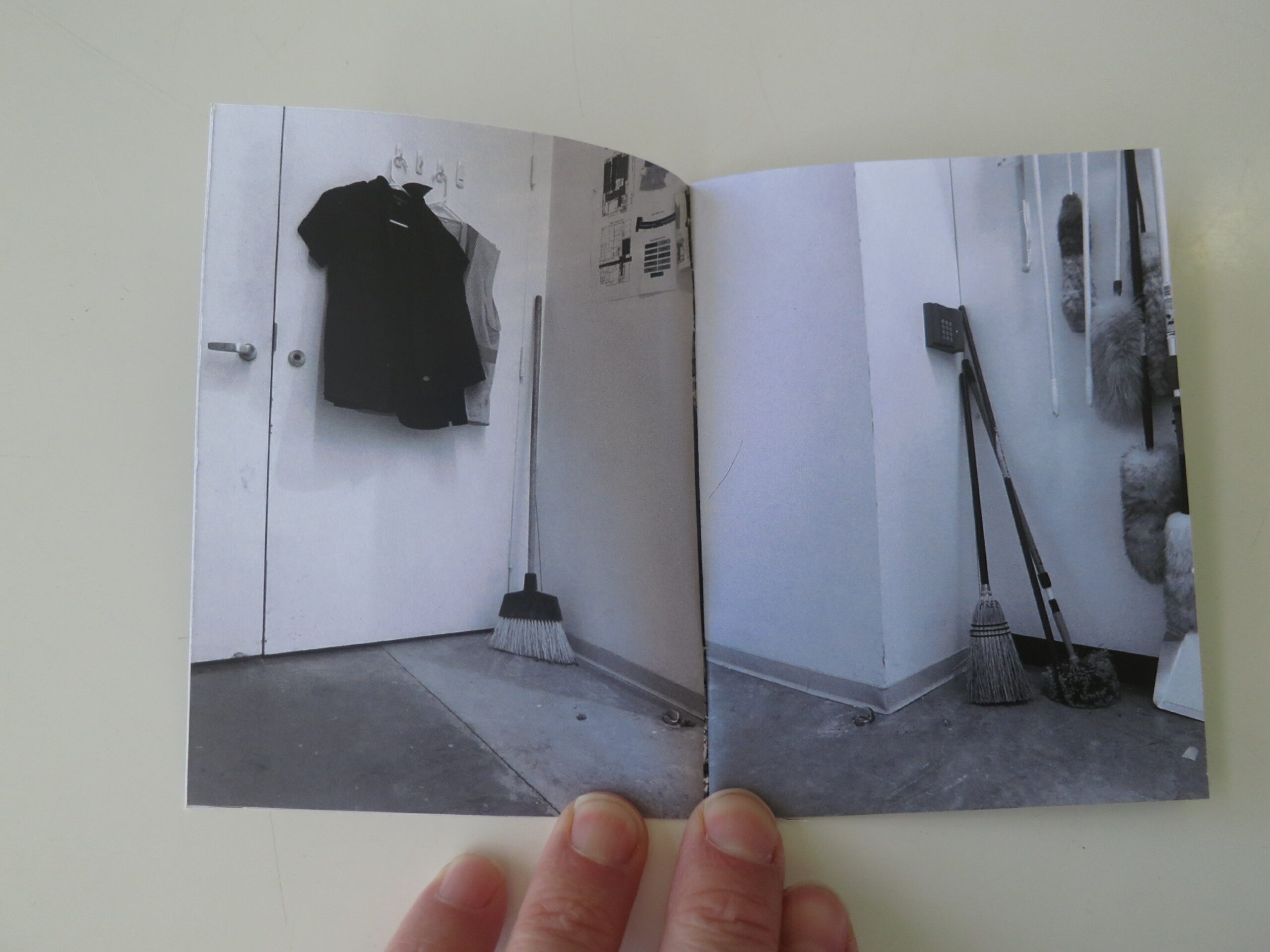
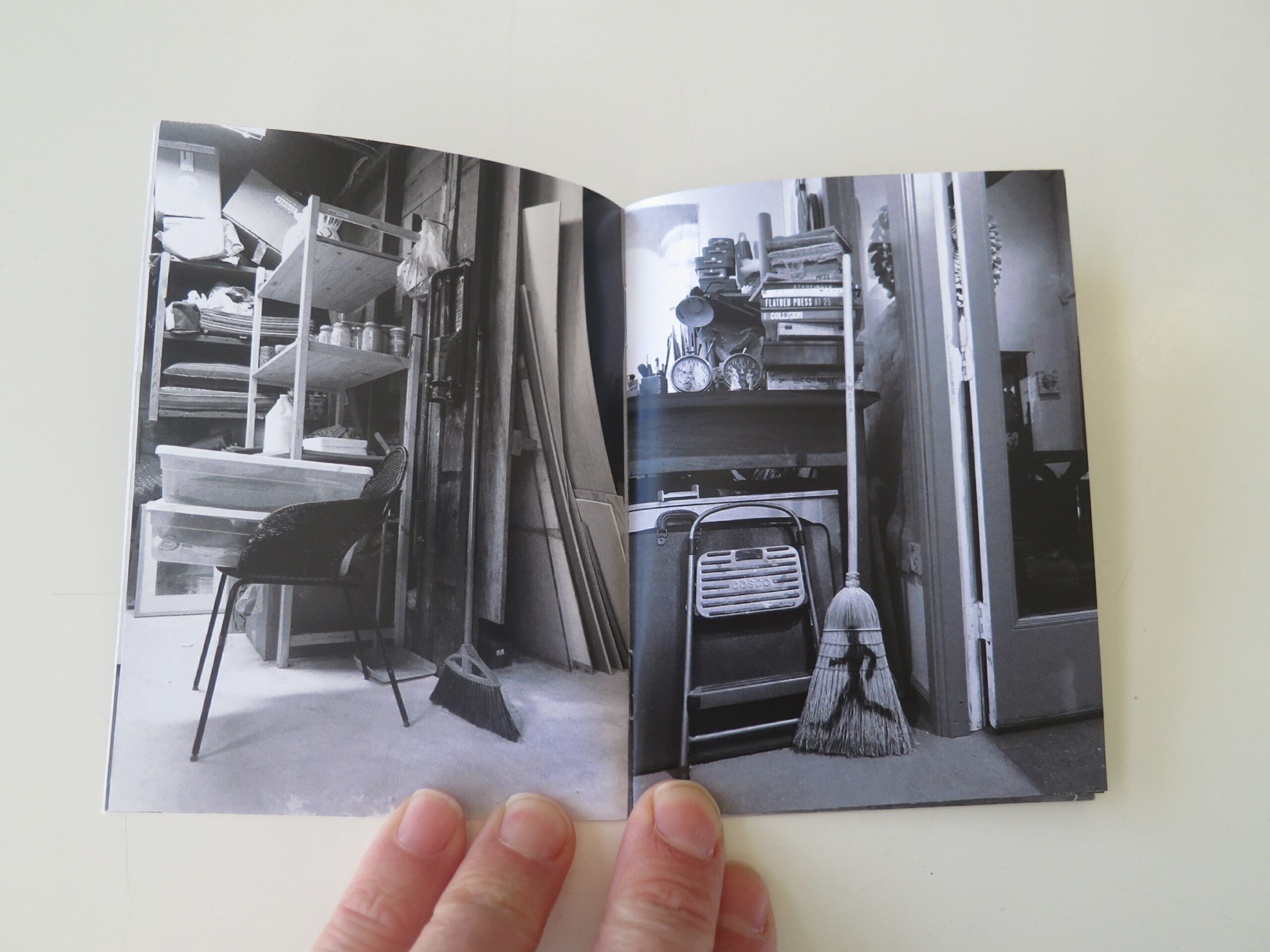
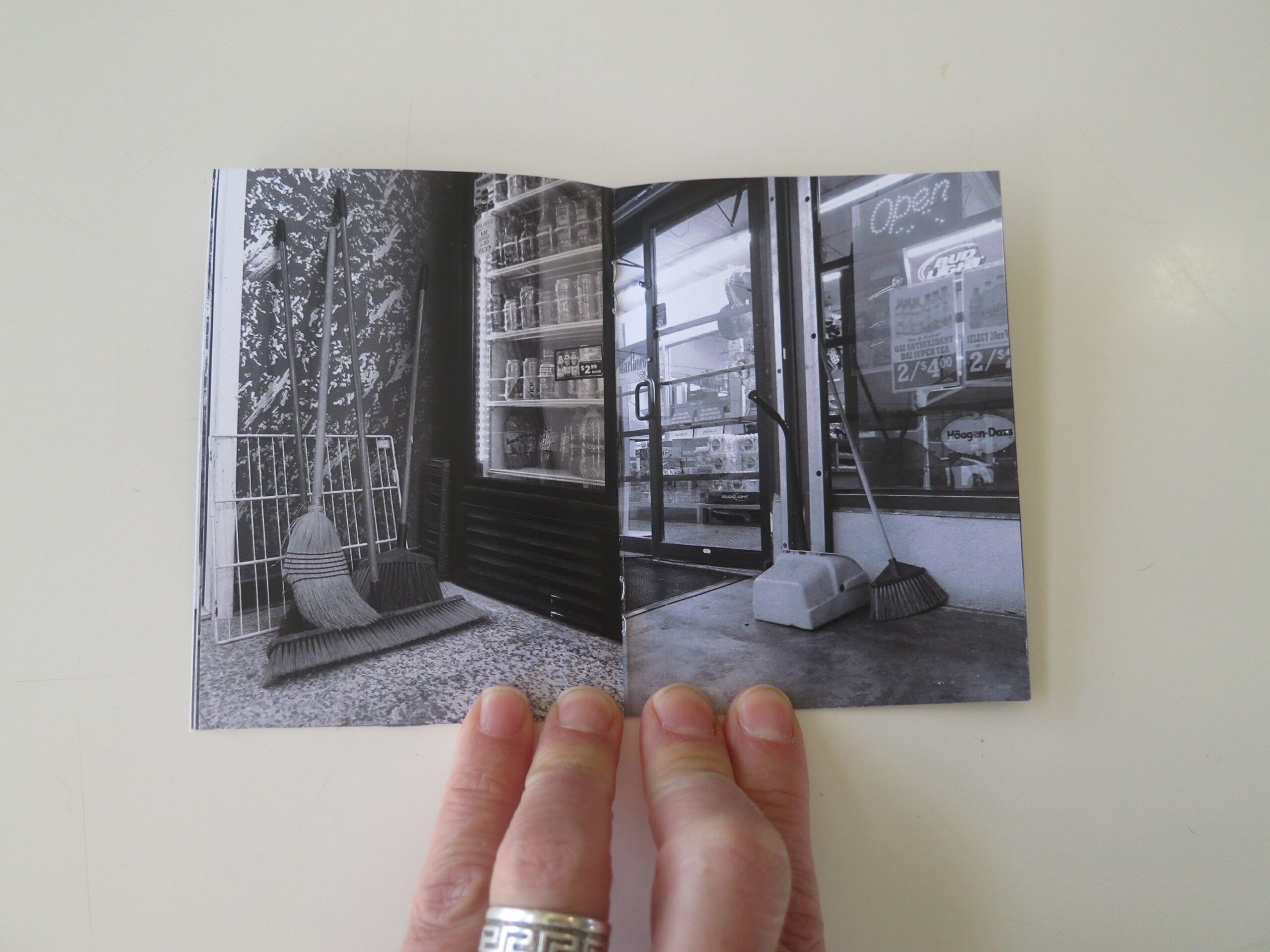
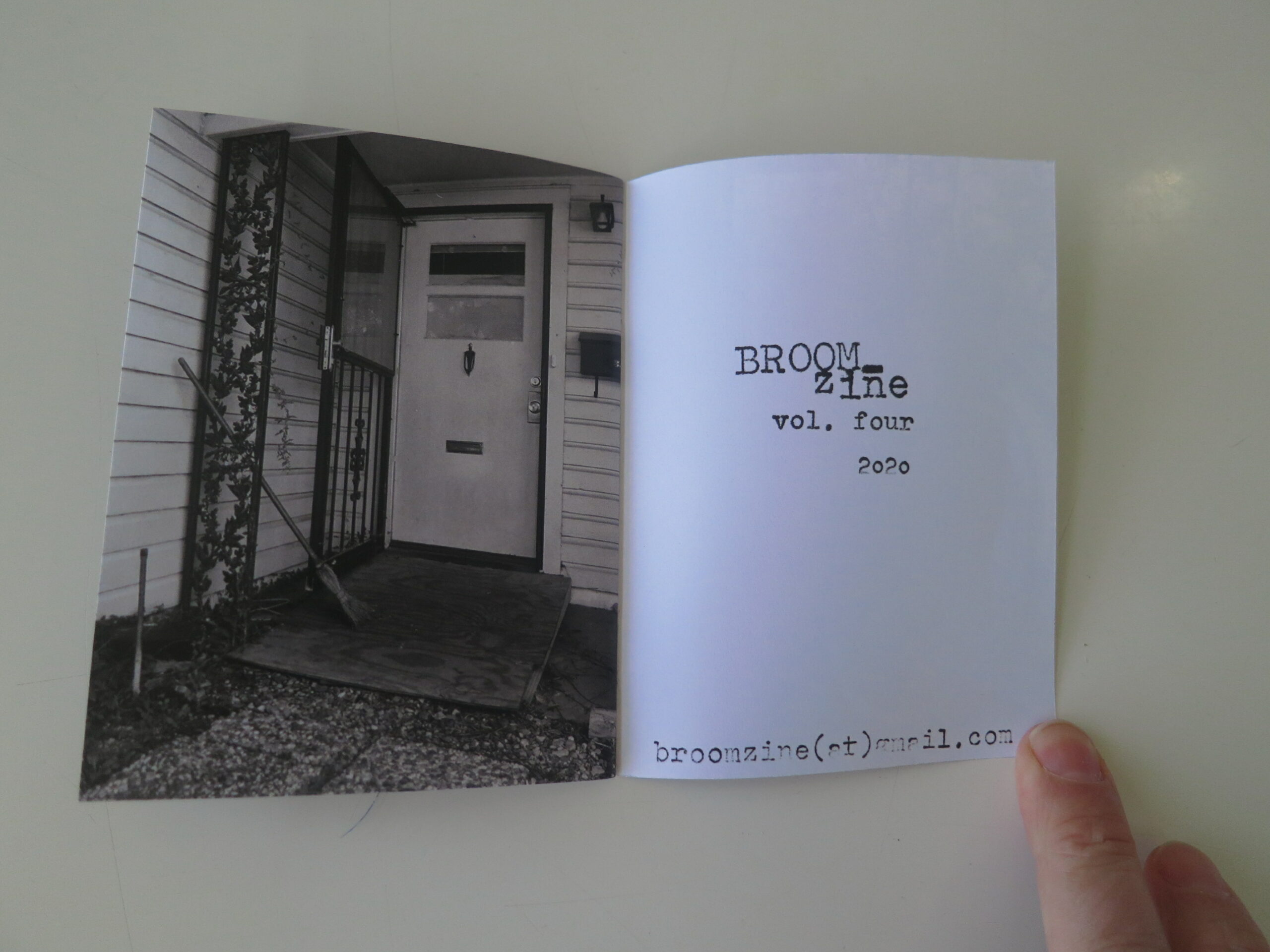
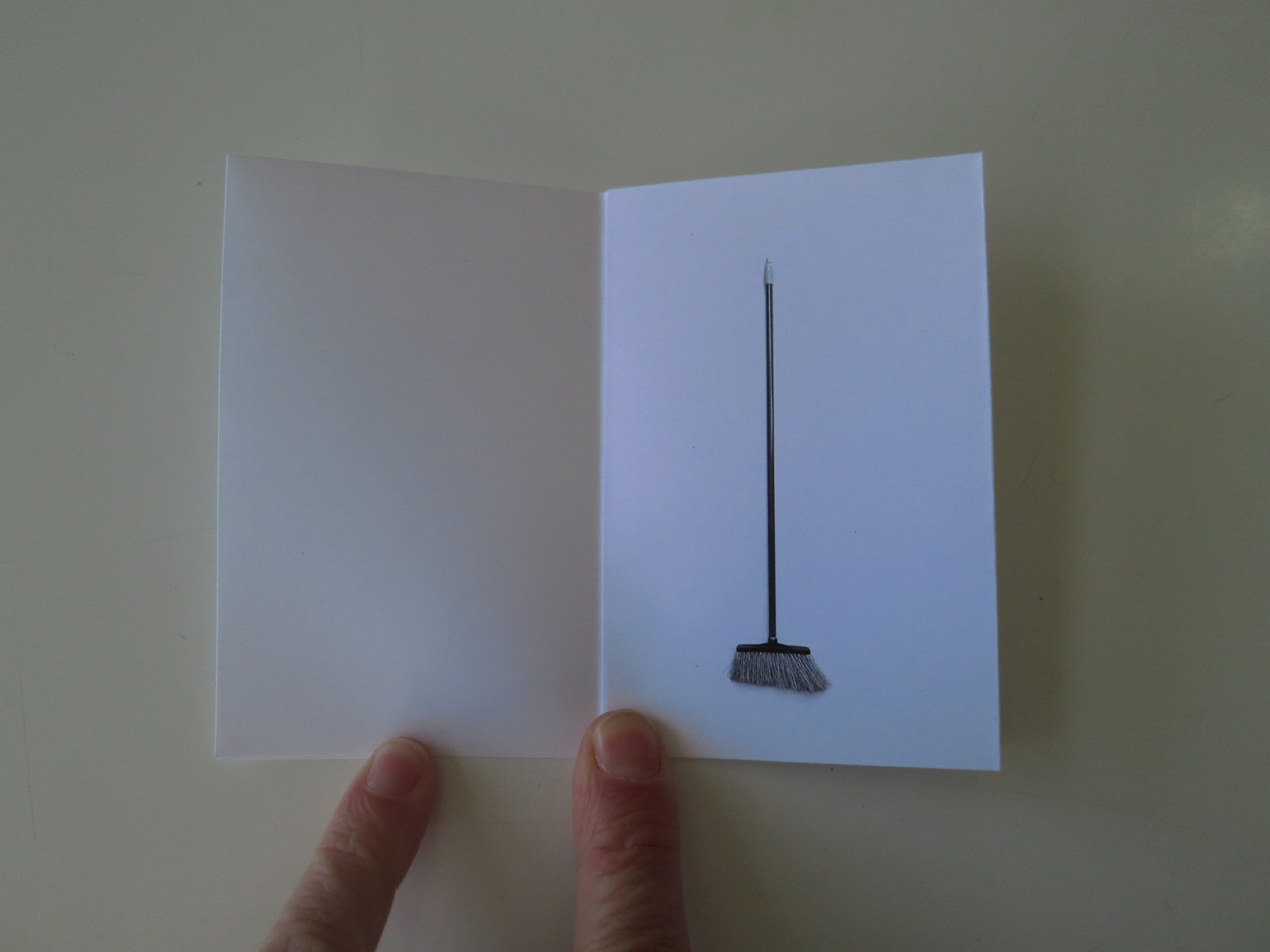
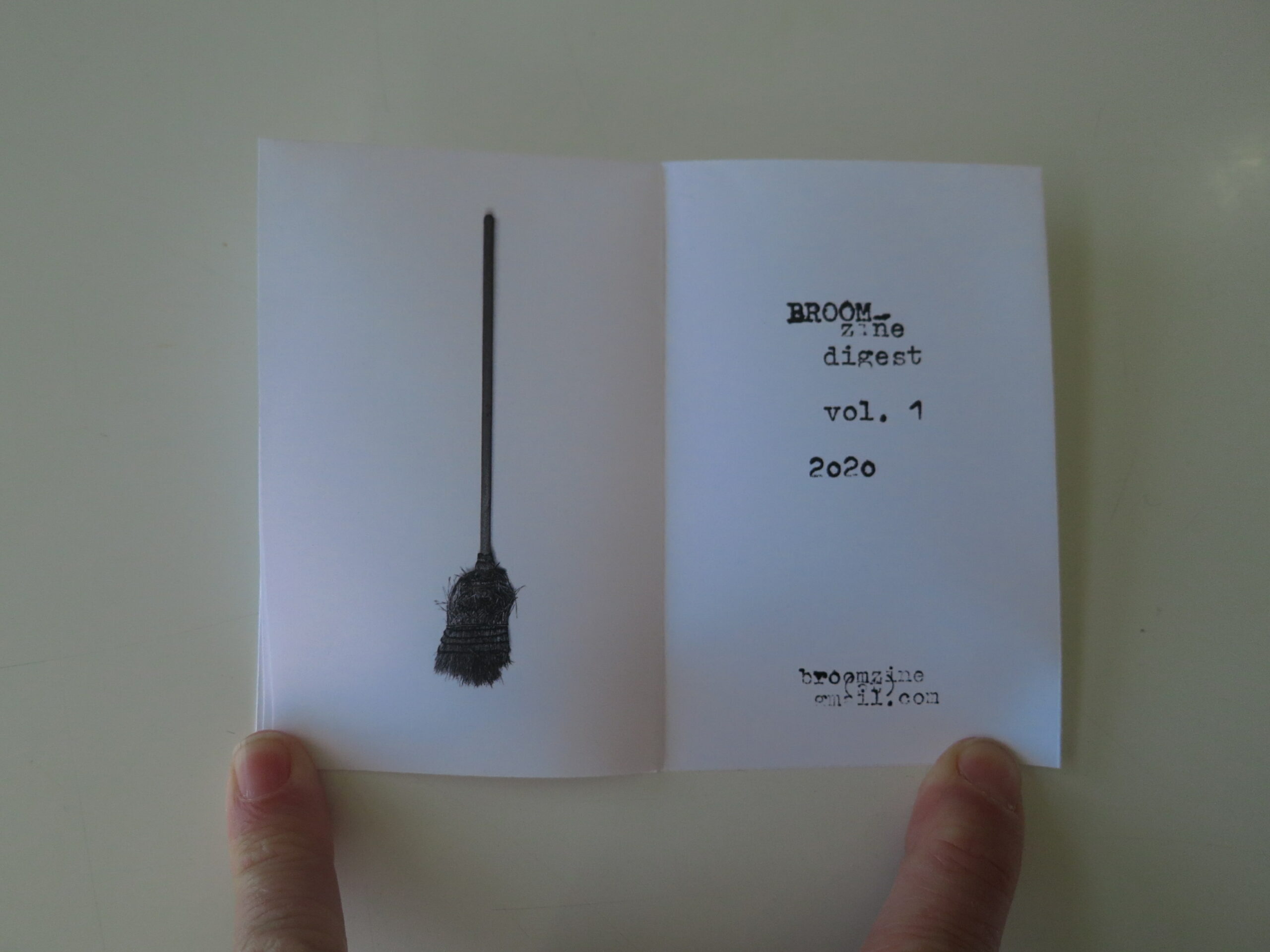
My friend and colleague Jason Dibley, an artist and museum professional based in Houston, offered to send me a ‘zine this Fall, so I said thanks, and that was that.

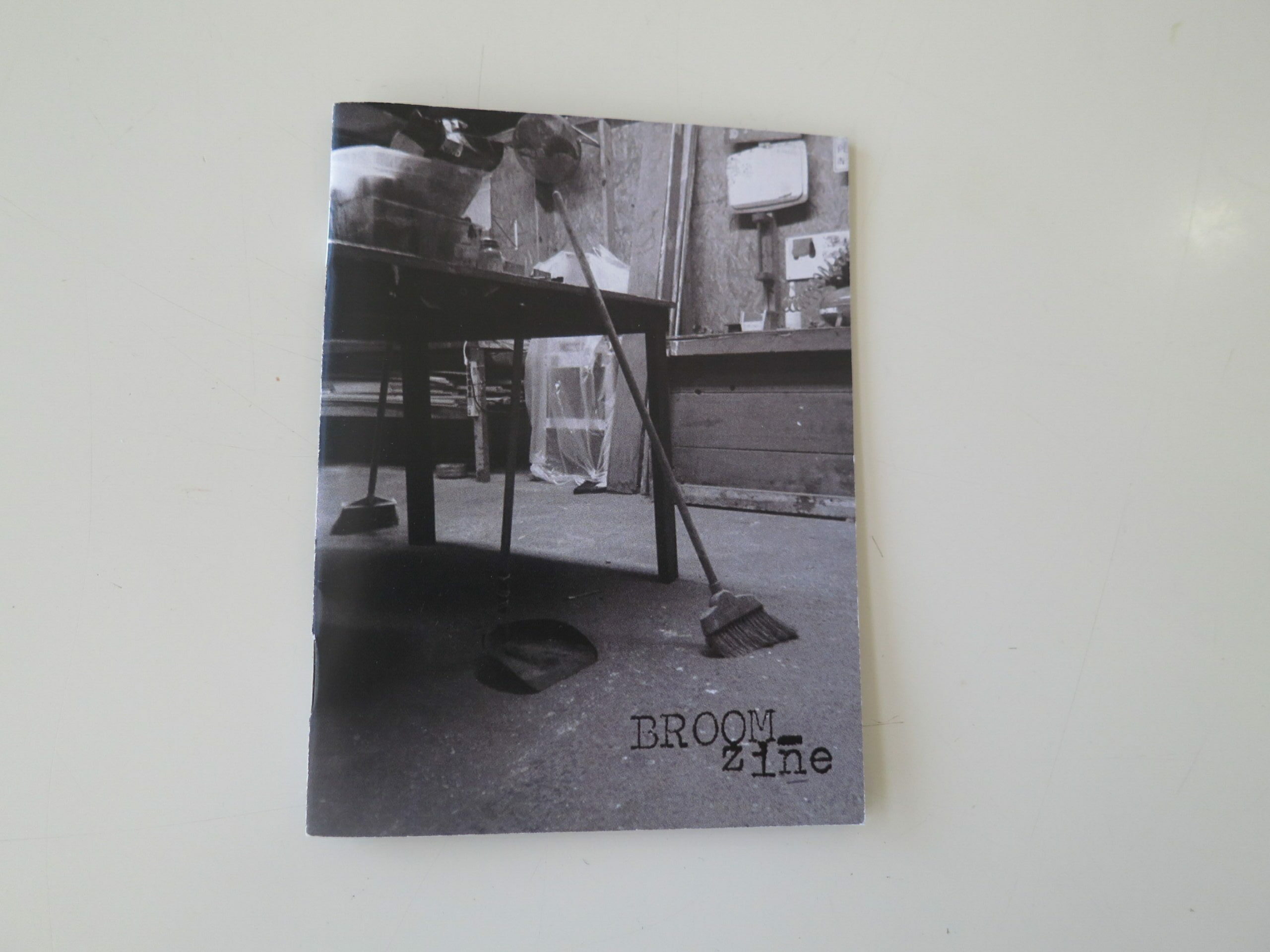
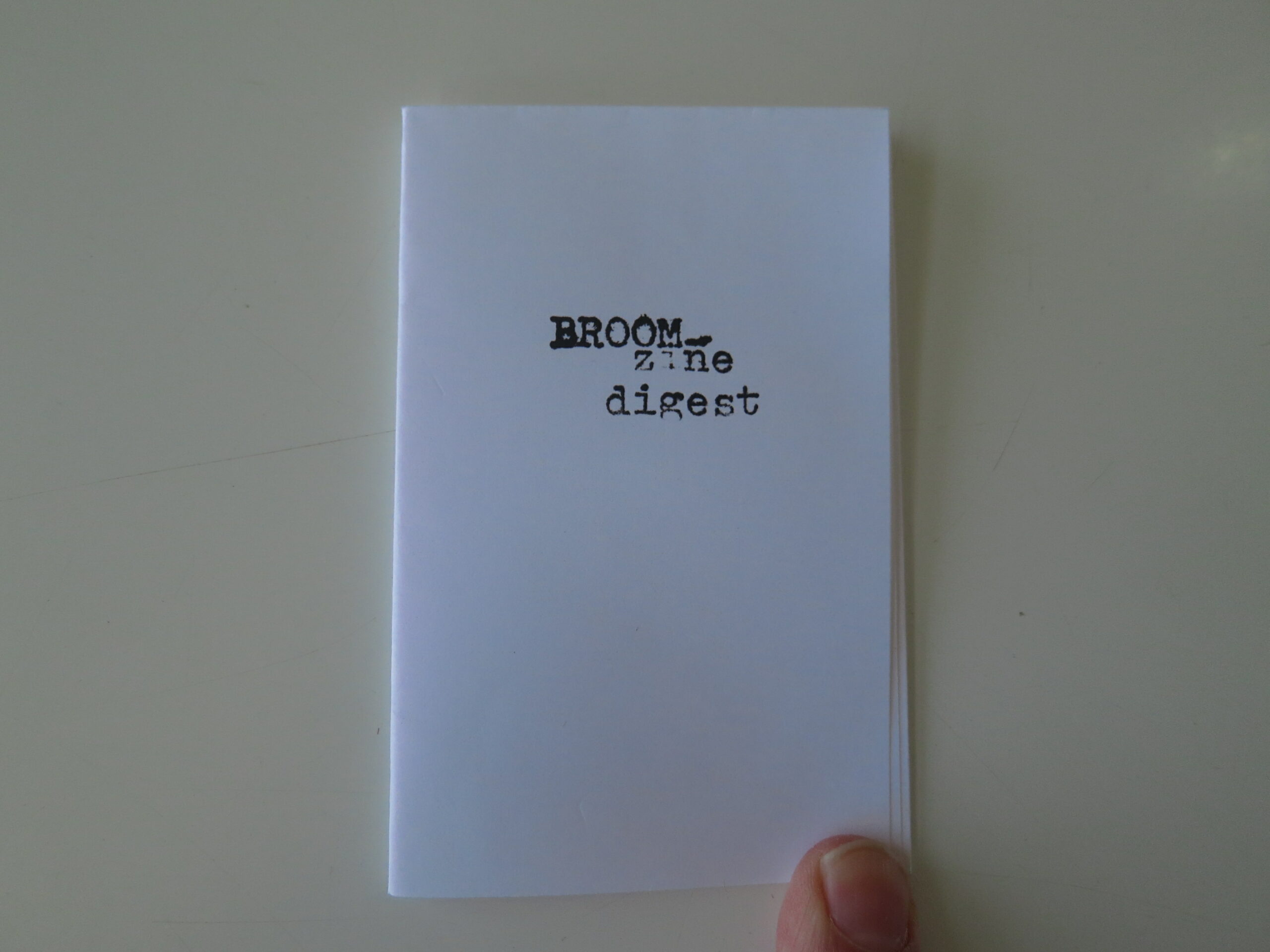
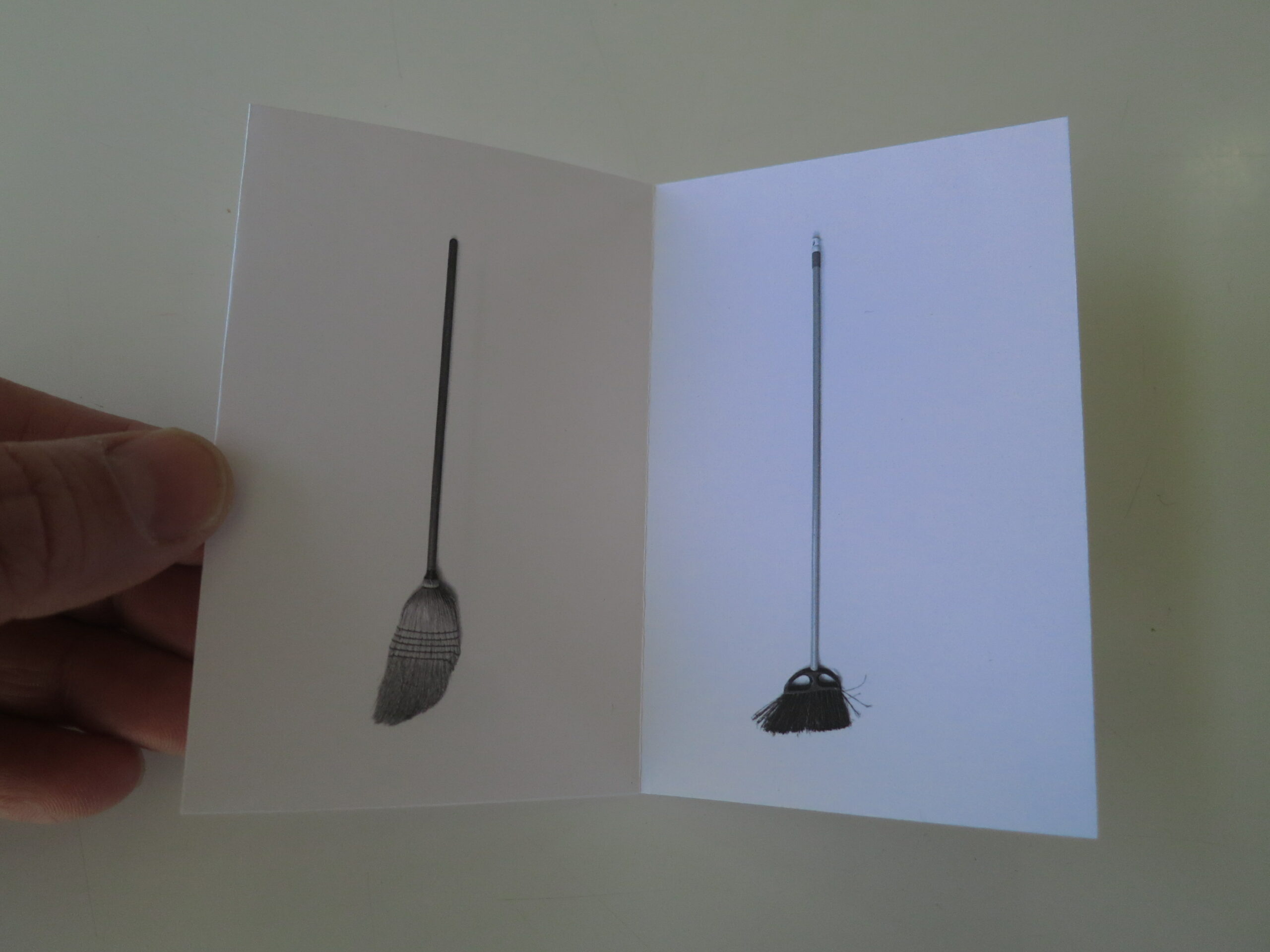
In the small envelope, tucked inside a hilarious plastic bag from Texas institution, H.E.B., I found the Minimalist white Digest sitting atop four annuals, from 2017-2020, of the Broom Zine.

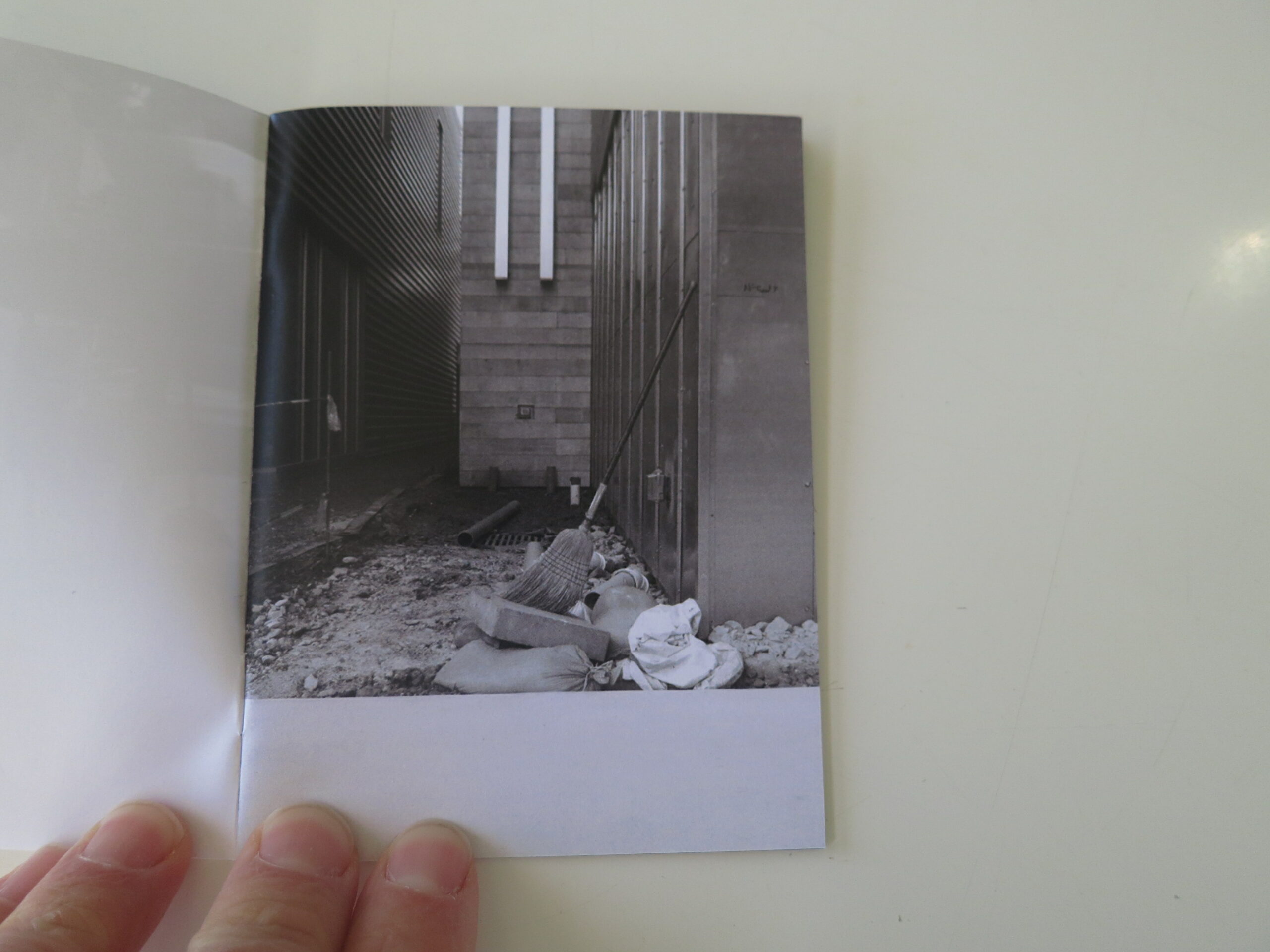
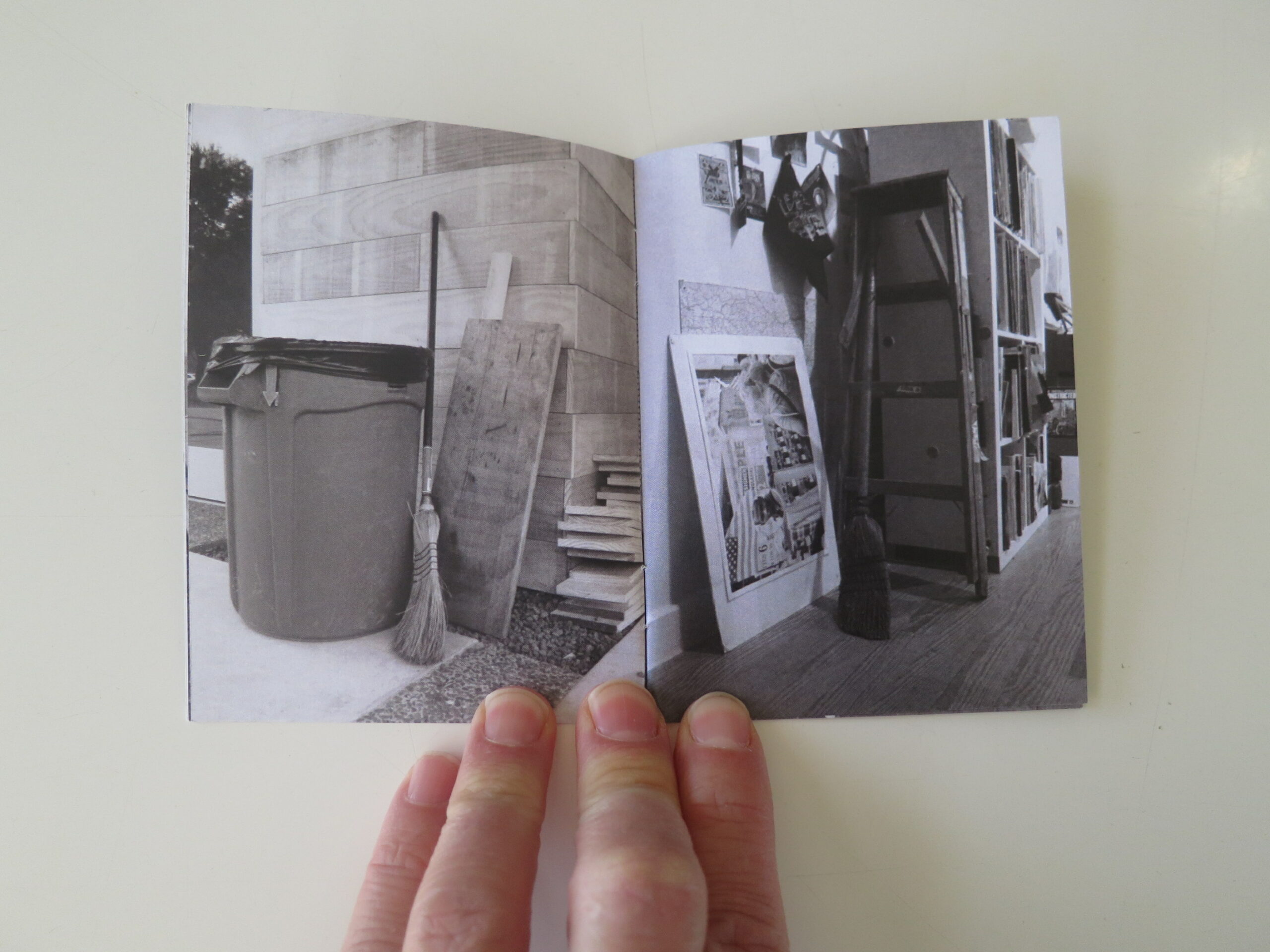
These impeccable, odd, fun little volumes are so perfect for today.

One thing. Over and over again.

Brooms.
Brooms.
Brooms.
(Dustpans are a co-star in the 2018 volume.)

It forces one to think about what we ignore each day, paying no mind as we live in our heads, imagining the Amazing Technicolor Dreamcoat.

(RIP David Cassidy.)


As cool as the annual ‘zines are, I must say, I love the Digest best.


It could not be more pared down.

A graphic, stripped of context, printed and folded, on clean, white paper.


Yet the four brooms are more noble, and sculptural for it.

Regal brooms!


Happy Black Friday.

For more info on Broom Zine, follow on IG here


If you’d like to submit a book for potential review, please contact me directly at jonathanblaustein@gmail.com. We are particularly interested in books by women, and artists of color, so we may maintain a balanced program. 


The Art of the Personal Project: Paul Ernest

The Art of the Personal Project is a crucial element to let potential buyers see how you think creatively on your own.  I am drawn to personal projects that have an interesting vision or that show something I have never seen before.  In this thread, I’ll include a link to each personal project with the artist statement so you can see more of the project. Please note: This thread is not affiliated with any company; I’m just featuring projects that I find.  Please DO NOT send me your work.  I do not take submissions.


Today’s featured artist:  Paul Ernest  (originally posted in 2018)

Claimed as the 21st century Norman Rockwell, Paul Ernest’s photographic work has been received as a soulful interpretation of timelessness in today’s evolving informational and technological culture. Using the camera and his appreciation for American Realism, Paul has developed a style he calls Mise En Scene Realism. His focus on composition and lighting are primarily drawn from painters such as Wyeth, Rockwell and Johnson but with an influence from his former career as a Creative Director and designer. “We are a people of storytelling, parables and fables. Our perception of the aesthetics in life are absorbed and interpreted in a way that is no different than any style or technique that have ever been in existence. We learn from stories and the adoption of them into our way of thinking and living.”

Since 2011 Paul’s work has earned him awards from WPPI and PPA, including Diamond Photographer of the Year in 2012 and 2015 and earning his Craftsman and Master Degree. Paul’s work has been accepted in galleries such as Craighead Green and premiere arts festival throughout the state of Texas. His commissioned work hangs in restaurants, hotels and private collections including the lobby of his alma mater where he received his Bachelor of Fine Arts. He also has developed his style into a line of home interior products sold nationally.

Paul’s passion for education and continued growth in himself and others is evident in his teaching and mentoring which he does in his home state as well as across the U.S. He lives just outside of Dallas, Texas with his wife and children.


To see more of this project, click here.
APE contributor Suzanne Sease currently works as a consultant for photographers and illustrators around the world. She has been involved in the photography and illustration industry since the mid 80s.  After establishing the art buying department at The Martin Agency, then working for Kaplan-Thaler, Capital One, Best Buy and numerous smaller agencies and companies, she decided to be a consultant in 1999. She has a new Twitter feed with helpful marketing information because she believes that marketing should be driven by brand and not by specialty.  Follow her at @SuzanneSeaseInstagram

Success is more than a matter of your talent. It’s also a matter of doing a better job presenting it.  And that is what I do with decades of agency and in-house experience.
 

The Daily Edit – Manjari Sharma

Manjari Sharma

Heidi: How has your relationship with the work changed if at all since moving to the United States?
Manjari: It’s been an incredible journey, and one I wouldn’t change anything about. I came here to the USA at 21 and looking back I knew very little about the “history” of America. What I did know was I was going to make a lot of pictures, meet a lot of new people and ask a lot of questions. I wanted to grow and that curiosity led me across the globe. My relationship with my work over the years has become more intimate. I am more transparent with my practice and I think it’s because simplicity and complexity in equal parts are inextricably tied to aging. Time is certainly the best teacher. When I was younger things were more black and white and now I know there are multiple realities to most all stories. When I was younger I was honing my craft, and then I started telling my own stories. This is where my path changed, where the story became so important that it had to be told at any and all costs. It didn’t matter who was publishing the work or inviting it for a show. The work had its own preordained path and it had to be born.
As you gain distance, is it reinforcing something for you?
Gaining distance from that which we love is a double-edged sword. At twenty one I knew or cared very little about the duality of stepping away from my home and my family. The sense of adventure and the draw to pursue and carve my own unknown path was so strong, I wouldn’t have it any other way. I am fortunate that my family supported my unbridled wishes. Over the years I have both learned and unlearned a great deal about both my Indian descent and my adopted American culture and they are bittersweet truths. What this distance or as Pico Iyer calls it the “Gift of exile” is that it has allowed me to do is make up a culture of my own; A hybrid identity that draws from both these incredible countries that I am fortunate to straddle.

What marked a pivotal time in your career here in the US?
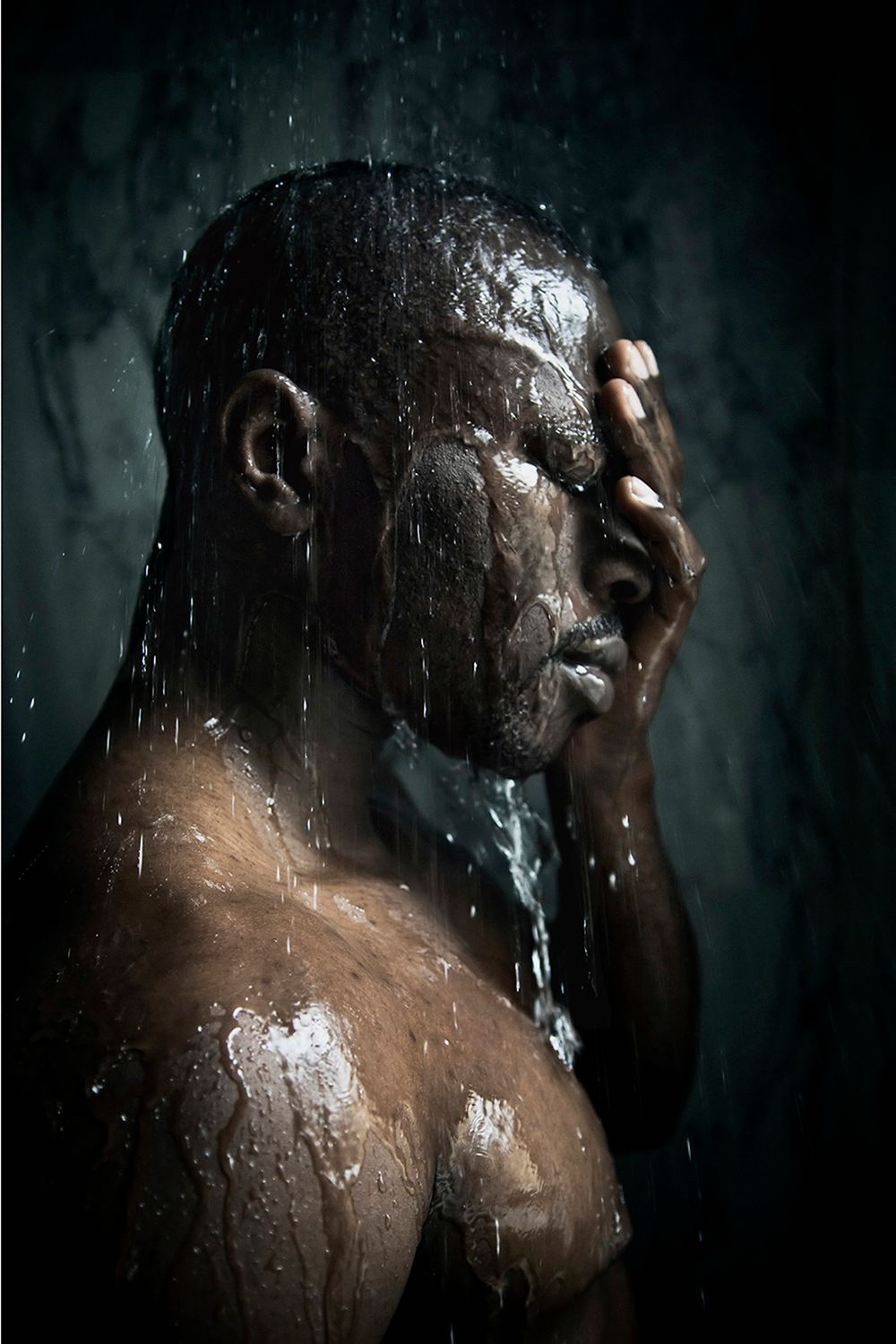
2008-2013 I photographed a series titled The Shower Series. I invited people I didn’t know very well to take a shower in my shower as I photograph them. The premise was risque and clothes were optional. I photographed a plethora of people showering and ended up having these unexpectedly disarming conversations with them. The water became a conduit and almost every single time I photographed someone, I felt entrusted with a really personal story. I made audio recordings of the protagonists’ short stories with their consent of course, and they were so honest and beautiful. A shower is such a sacred space that our intimacy and the cleansing aspect of water turned the experience into a really meaningful connection. I won’t lie I felt like I fell in love with every one of my subjects. I also found myself quite consumed by the process of making this work. I was addicted to hearing these raw and vulnerable stories because they turned my subjects into these complex, powerful characters that had so much depth. Somewhere during these sessions, several portraits were taken; My lens got fogged, my toes got wet and the photograph became a reason to connect to something beyond. This series was a pivotal point in my practice because I realized the camera had become an extension of my personality. Meeting a new human being, learning who they are, what takes them down, what makes them tick, is was what brought me to another country. So much of that series was a discovery that the lesson I learned here was to pay attention and follow the lure of my unconscious mind.

Now that you have lived almost half of your life in India and half in the US when you created this work, which part of you did you relate to the most?
When I look at my work I see a pluralistic lens. I am guided by American inquiry but I assess my work from an inner core that is rooted in Indian culture. Many of these experiences of growing up in India I am present with on a daily basis, and then there are others that time has made opaque, yet, I know they are deeply embedded in my inner landscape. The best example of this might be like the lyrics of a Hindi song that I forgot I knew verbatim. As an artist never losing sight of this unknown murky middle ground that lies between the known and the unknown is probably my most challenging yet rewarding part. Mining that cerebral interlude for answers is what I derive my greatest satisfaction from.

Are you talking about the lyrics to a particular song, why do you think it resonated?
Recently I was at my friend’s house Sarita, and she played a Hindi song I hadn’t listened to for a really long time, maybe even decades, but I found myself knowing it word for word. My palette for music was a gift from my mother. I specifically remember moments when she shook her head and wiped her tears because the melody and lyrics of a song could move her so much. The songs that had meaning to her were played and overplayed in my home. I listened to Indian music on my mom’s Panasonic cassette player and she exposed me to such terrific names RD Burman, Naushad, Mohammed Rafi to name a few. Anyway, I’m digressing I am using this as an analogy to share that formative experiences from 21 years in Bombay are burned and embedded into my psyche. I’m shaped by these and so is my art.

How did the sari impact you as a young woman, and how does it impact you as an adult? What life lessons can be drawn from this complex piece of fabric, once properly tied? or not tied?
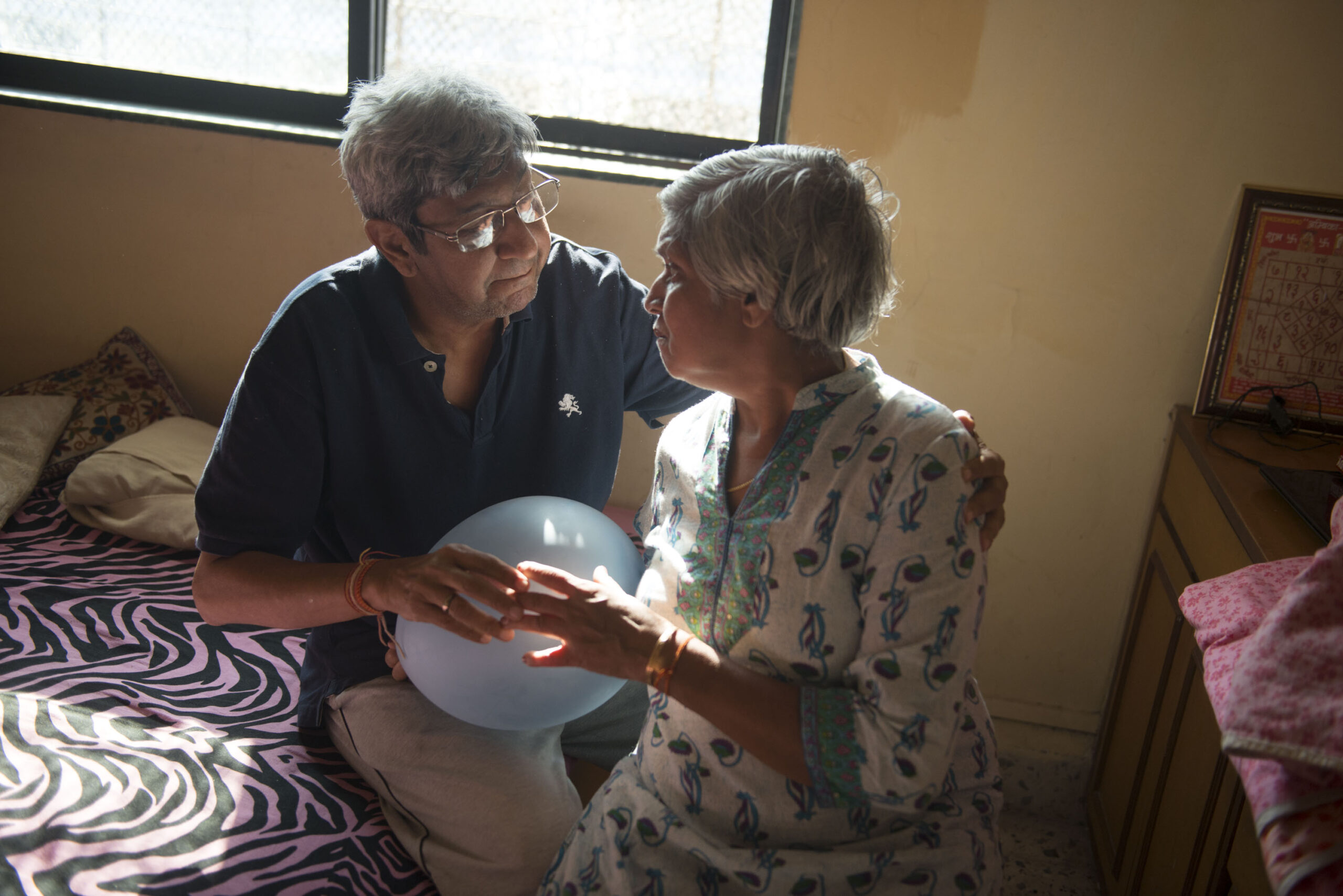
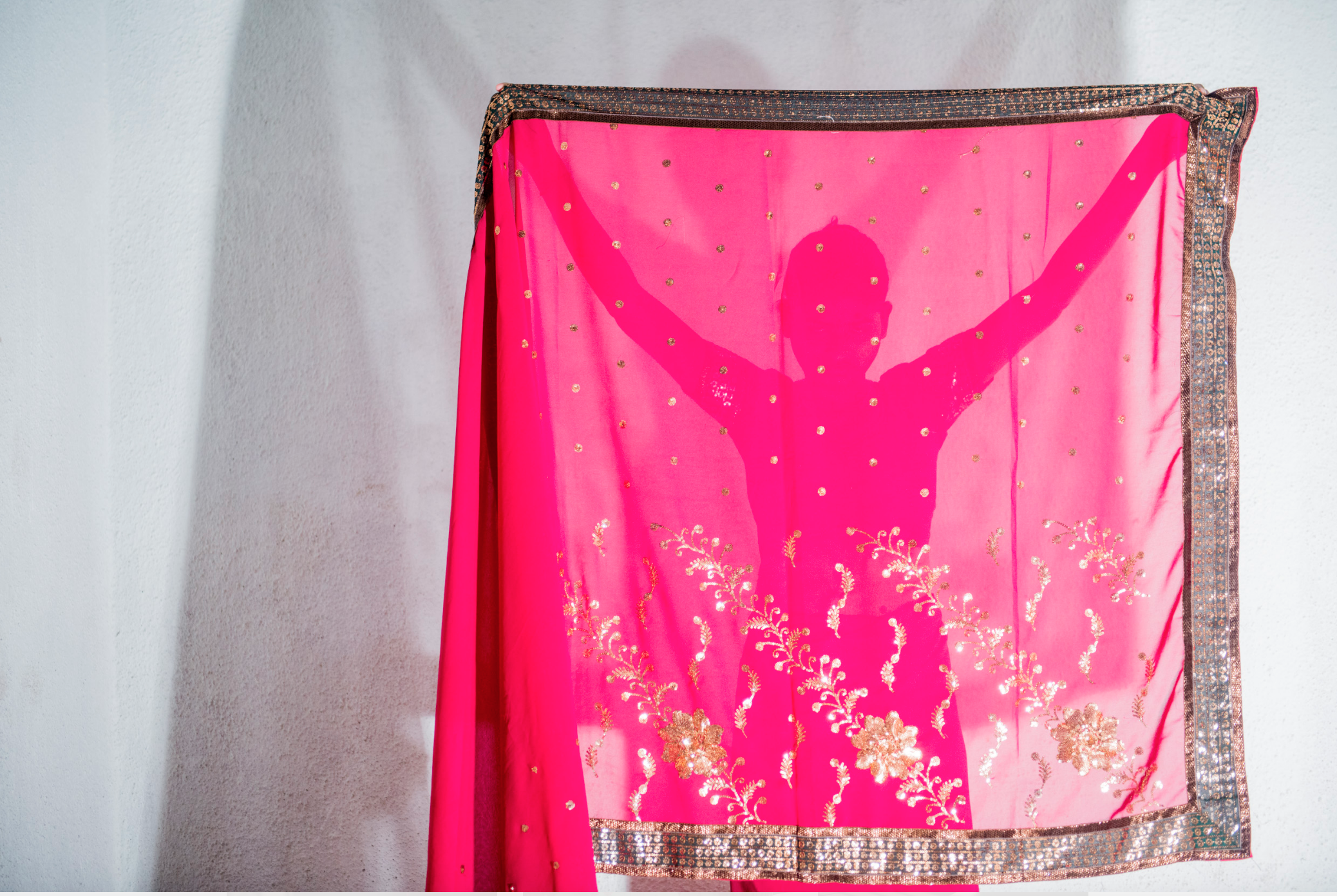
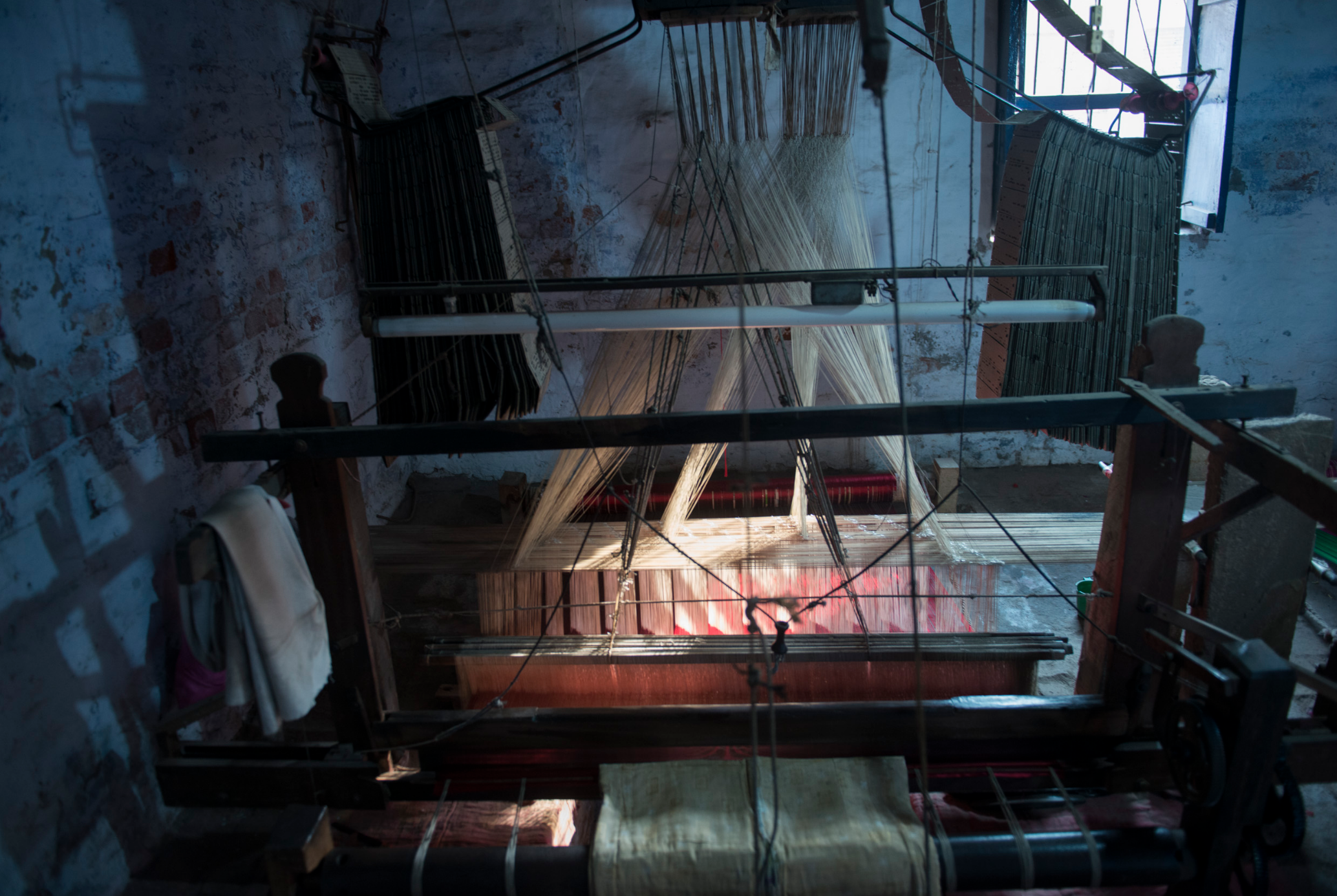
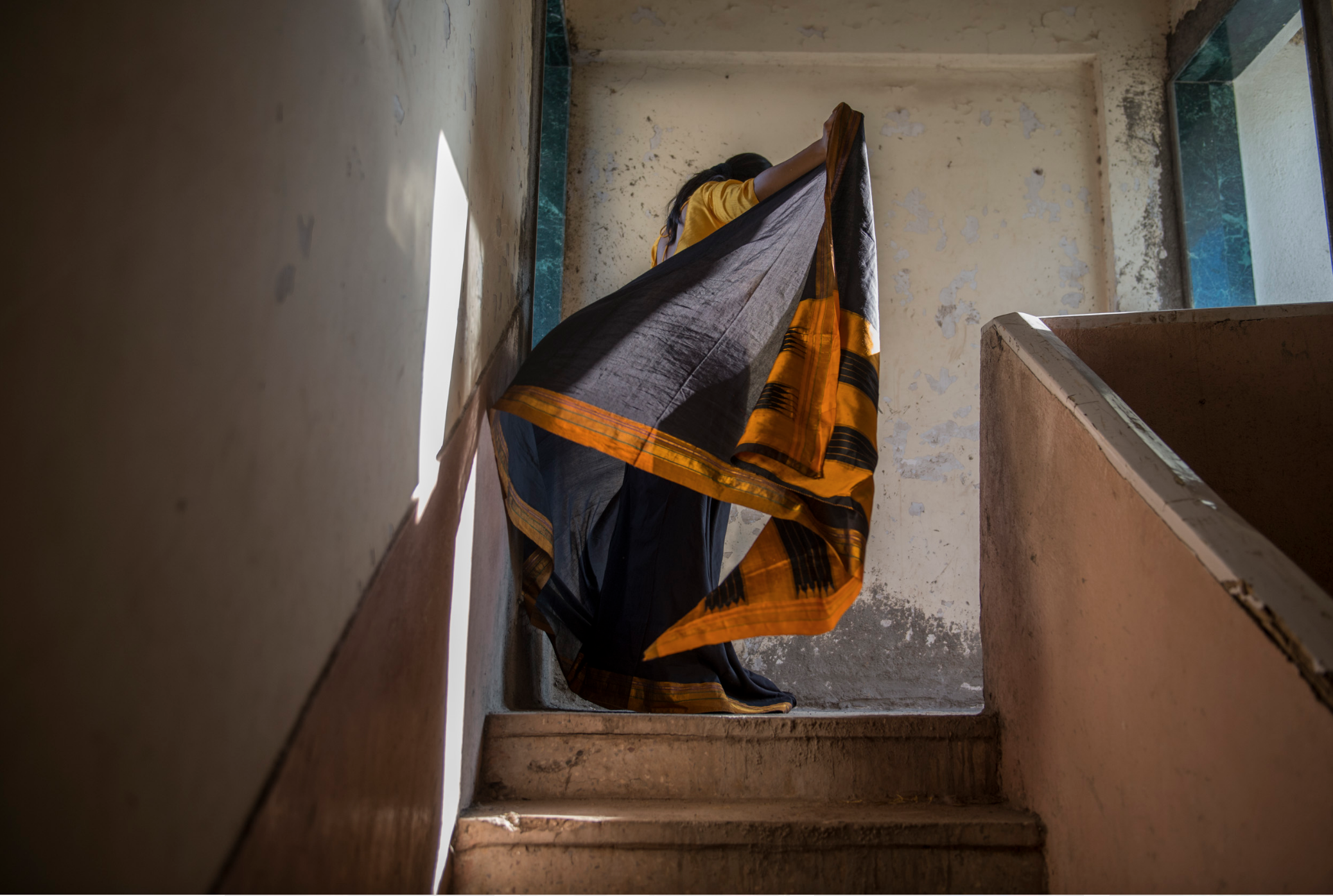
Fabric in general holds a lot of meaning for me. Indian customs, rituals, and relationships are symbolically represented by color, textiles, and knots in an immense way. The act of tying and untying has great relevance in Indian culture. A knot represents a promise. The act of who ties a knot between the bride and the groom at an Indian wedding for example has ancestral significance. As a young woman, the Saree to me was regarded as a garment that commanded respect. I remember staring at my mother when she draped herself in one. Wearing a saree was an occasion in itself and from that perspective, as a young woman, I romanticized it. Walking gracefully in a saree took practice and poise and an improperly tied saree was not only sloppy but dysfunctional. In that sense spending time with folding, pleating, and draping nine-yards of fabric was a meditation in its own right. As an adult, I look at it a bit more microscopically because as life would have had it my mother (a dementia patient) can no longer drape herself in a saree. Also as I examine India from a sexist lens, I look at the saree not just as a delicate decorative but also as a symbol of patriarchal control. I have a deep and spiritual admiration for this garment, but I also critique it as a modern Indian woman. I had a teacher in a college in Bombay and her name was Putul Sathe she was a counter-culture spitfire who imbued me with radical liberal thought. The saree is incredible and incredibly limiting and I wanted to address both those aspects in my series “How to wear a saree

What was the tipping point for your recent letter titled “Love Letter to America?”
George Floyd’s death in particular shook me to the bone. “Love letter to America” as you know weaves my own experiences into the fold but what began with “Talking Pictures” came to more honest fruition with Love Letter to America. You can read it here


“Talking Pictures” was influenced by the 2016 elections, so here we are 4 years later, how has this current landscape informed your work?
Talking Pictures was an assignment through The Metropolitan Museum of Art and a big subject of that commission became the growing life inside my body as I discovered that I was pregnant during the course of the assignment. However, the outcome of the election, and particularly Donald Trump’s win was something I had to address as part of my work. Trump’s win was the first time I found myself traveling to DC on a bus at 4 am to exercise my rights and protest against the disturbing political landscape of America. I understand that we are bipartisan as a country but I have known, befriended, and even loved many republican leaning Americans. However, Donald Trump represented an America that was at odds with everything I understood and respected about this country. I am brown, grew up in India, and over the years my understanding of racism and white supremacy has grown steadily but Trump’s America permitted behaviors I didn’t realize this country was capable of. This speaks to my privilege of course, but my art practice could no longer ignore that I needed to headlong address certain racist inequities that I now found myself shielding.

There is so much expression of life in the streets of India, are you drawn to mural work?
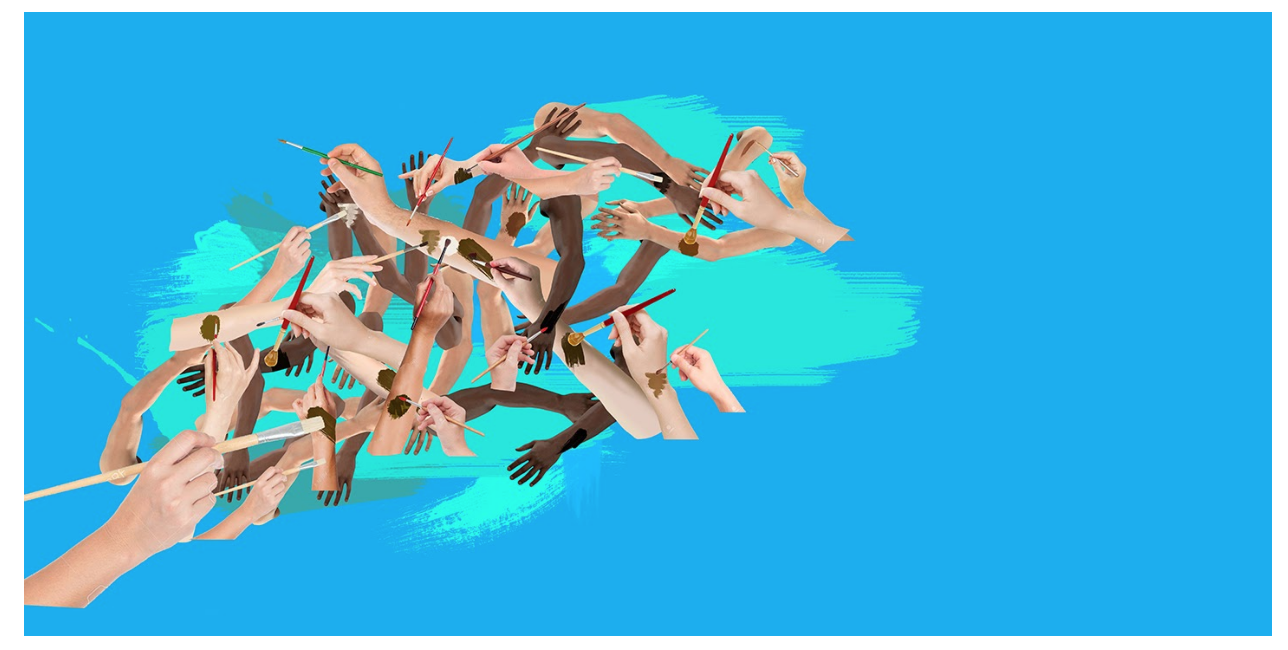
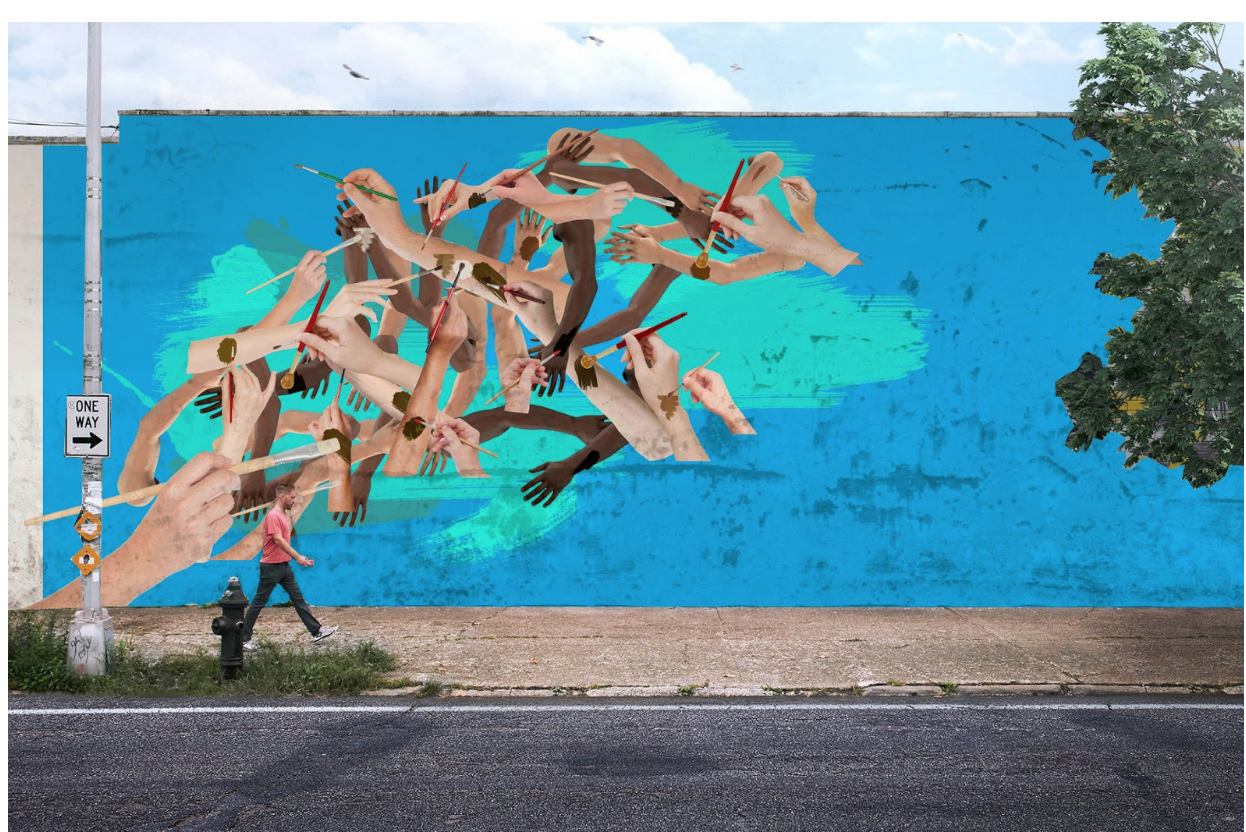
Yes public art was vivid in Mumbai and I certainly have a sense of belonging to it. With galleries and museums being shut down due to the Coronavirus pandemic, Public Art and the vitality it brings to communities is more important than ever. This mural, A cacophony of human hands rising like a wave, is also an extension of a recent piece I wrote “Love Letter to America”

What does it mean?
Sometimes we don’t see people for what they are, we see them for who “we think” they are. Are we programmed to misunderstand each other? Can we fight this programming? The purpose of the mural is to invite the viewer to examine and self-reflect on our racial lens and actions as a community.

I know you’re on the board of the organization Art Bridge, an initiative that helps early-career artists have a brilliant platform. Tell us about this piece “Simultaneous Contrast” pictured above, in a sketch and a comp.
Simultaneous contrast is a new body of work I’m only just beginning work on. Much like my series Darshan it is currently a sketch and is yet to be constructed. It is based on a phenomenon rooted in color theory. Simultaneous contrast is a term that refers to the influence of one color when in close proximity to another. The theory is that when placed side by side, one color can change how we perceive the tone and hue of another. In reality, the colors themselves never change, but in our recognition, we see them as altered. No normal eye, not even the most trained one can see color independently. This series is an exercise in challenging the framework of our consciousness. What does the color of our skin represent in society? What is our role in shaping the perception of colors around us? Simultaneous Contrast invites the viewer to examine the illusion of stereotypes, and question our role in altering the perceptions of implicit bias.

Artbridge has an auction up for about a week and people have the opportunity to grab amazing art. You can buy this piece from my series “Surface Tension” to support this incredible organization or browse some amazing other artists here. 

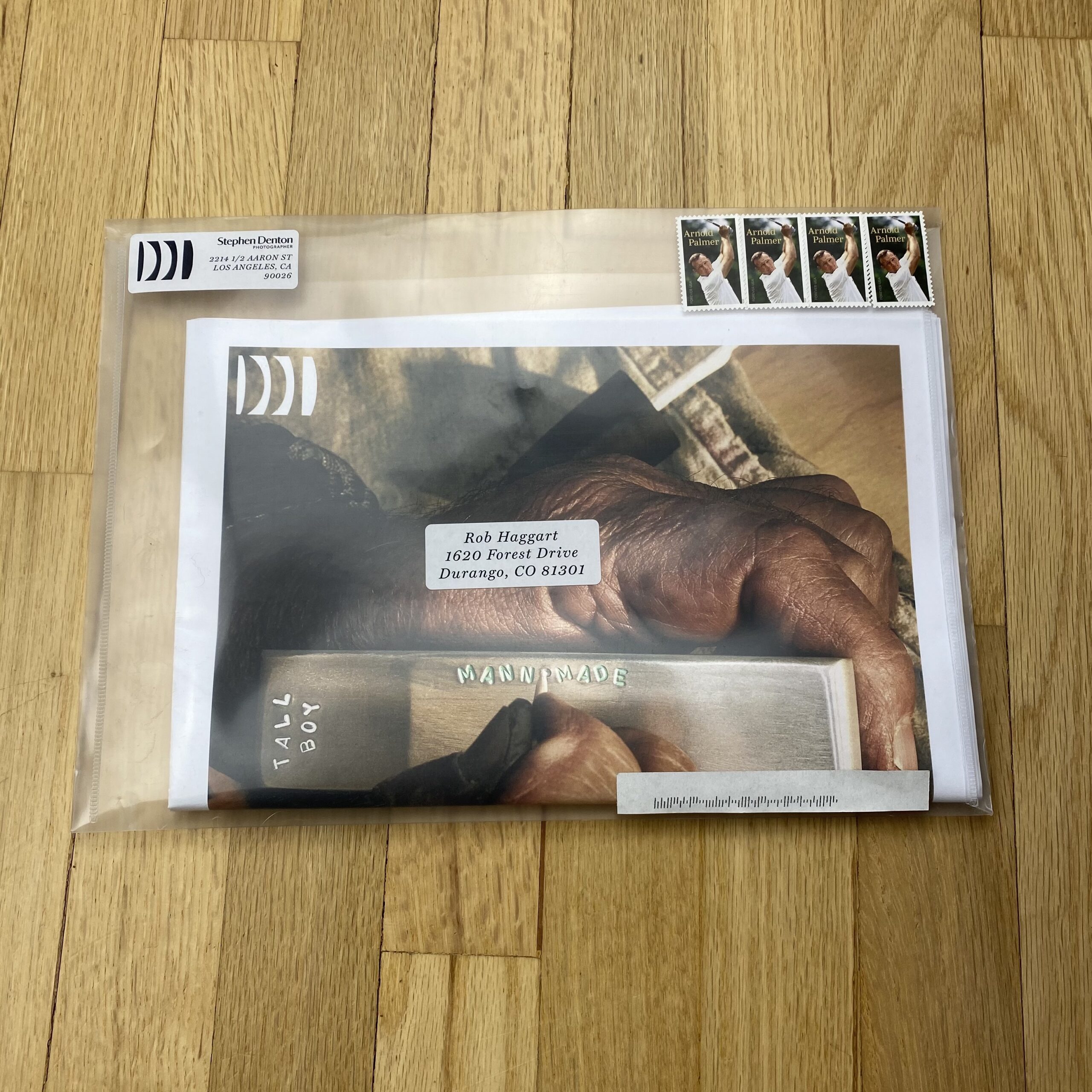
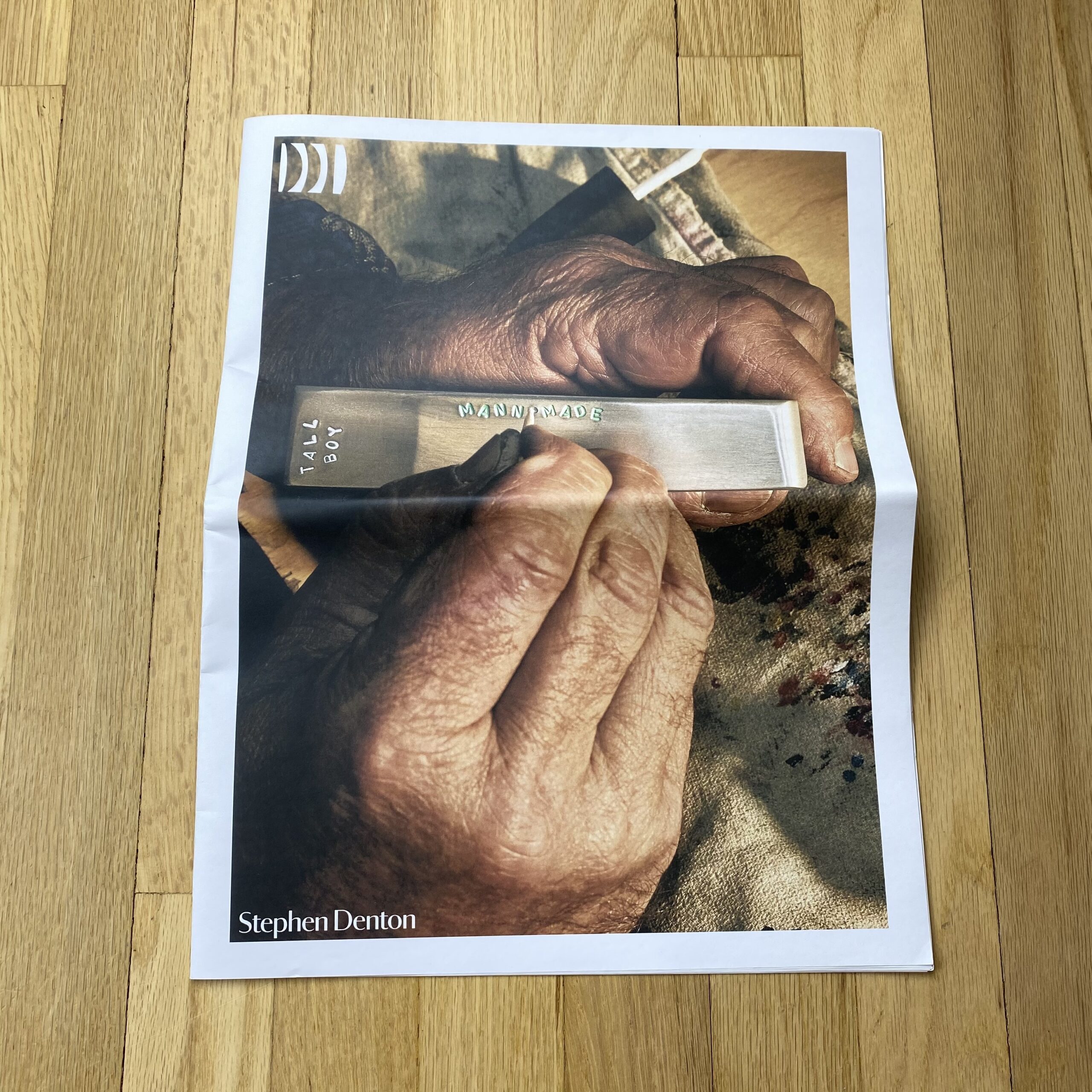
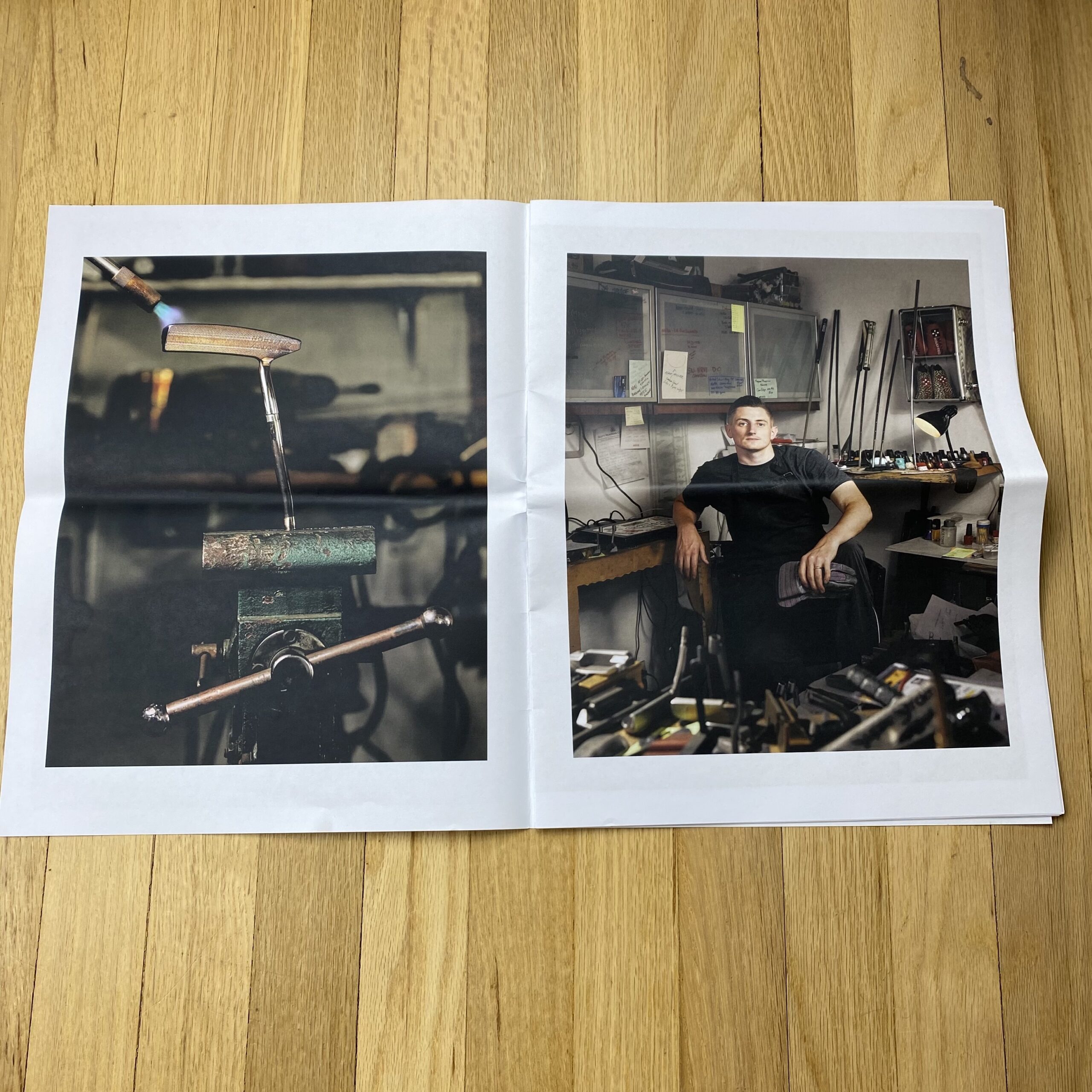
Featured Promo – Stephen Denton

Stephen Denton

Who printed it?
The Promo was printed at Newspaper Club – www.newspaperclub.com. I have used them a couple of times over the years and really like the service they offer.

Who designed it?
I designed the piece myself with image sequencing help from my friend and amazing photographer, Jesse Rieser.

Tell me about the images?
The images are from a personal project of mine called “Handmade by MannMade.” They tell the story of the unique process used by two guys who share a small workshop in Fountain Hills, Arizona where they create completely custom and handmade putters. Each step of their process is done with such care, attention to detail, and deliberate intent from start to finish. Right away I thought their story was special and it was something that I would like to capture. In an industry that is fascinated by giving lengthily scientific explanations for club design, it was incredible to watch them both make putters by hand, without any CNC milling, simply “eyeballing” each part of their creations, and in the end creating top-rated, completely custom putters.

How many did you make?
I had 50 promos made. I created a more targeted list of people for this promo due to the cost of the piece and somewhat niche content of the promo.

How many times a year do you send out promos?
I try to send out at least three promos a year showing new personal work.

Do you think printed promos are effective for marketing your work?
I do think that printed promos are effective for marketing my work. I don’t always get responses to print promos, but when I do the recipients are often very thankful to have received one. To me, they seem more meaningful and thoughtful than sending out email promos. I have no idea if they’re received that way but a dear friend and longtime mentor of mine, Jeff Williams has always tried to instill in me the importance of print promotions and how effective they can be if done correctly