


Kora Shapes Snowboards
Nicholas Wolken
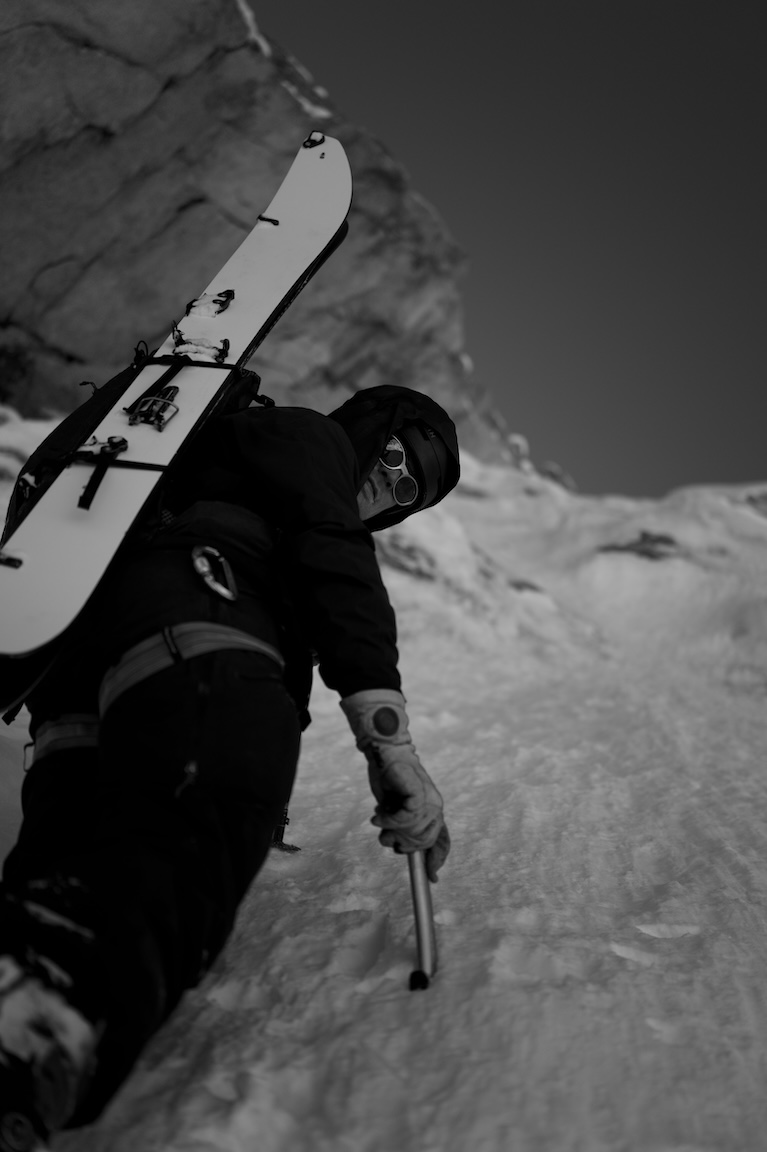
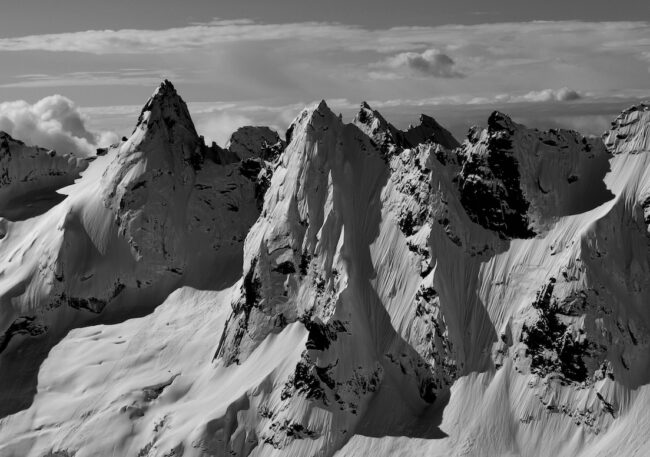

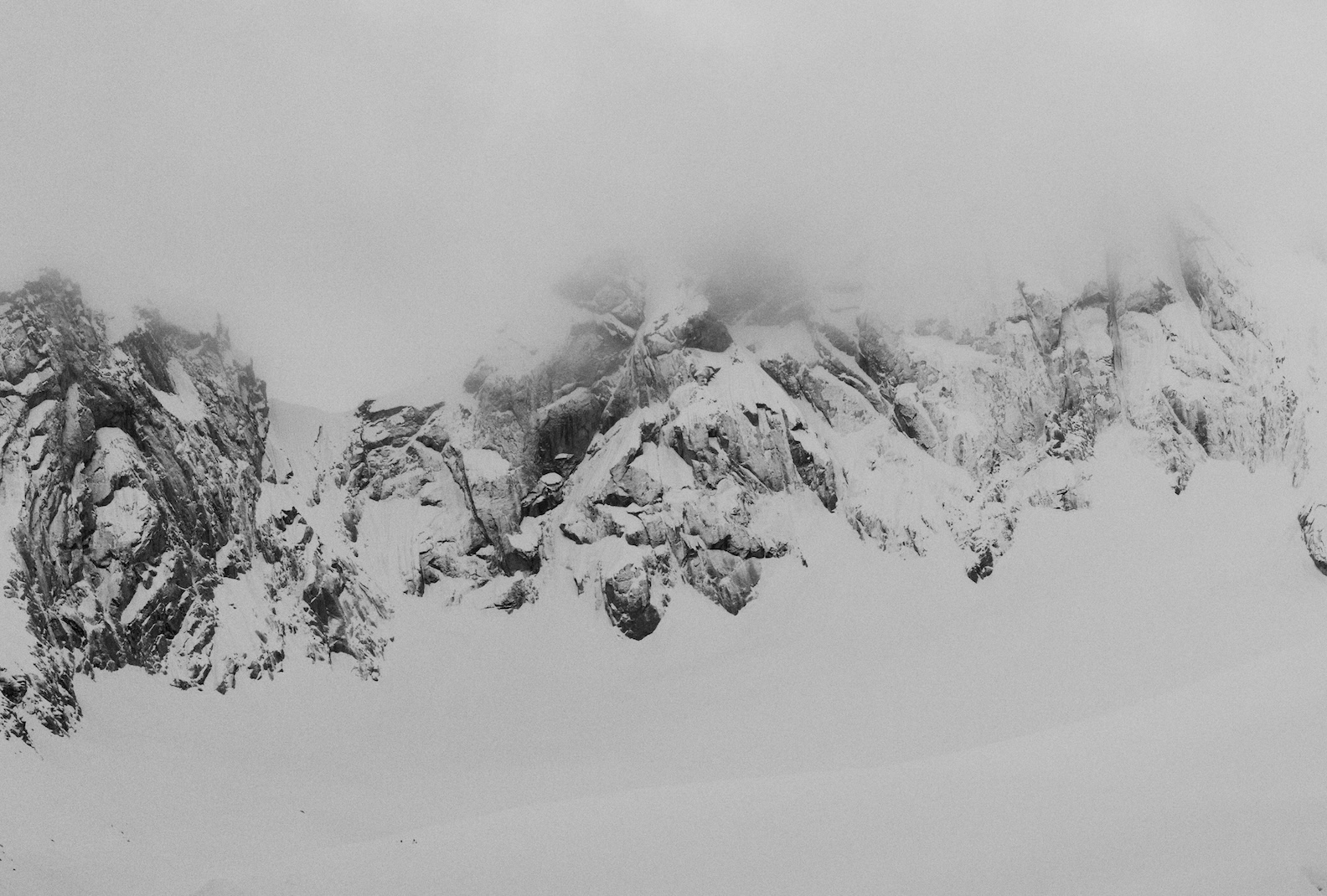
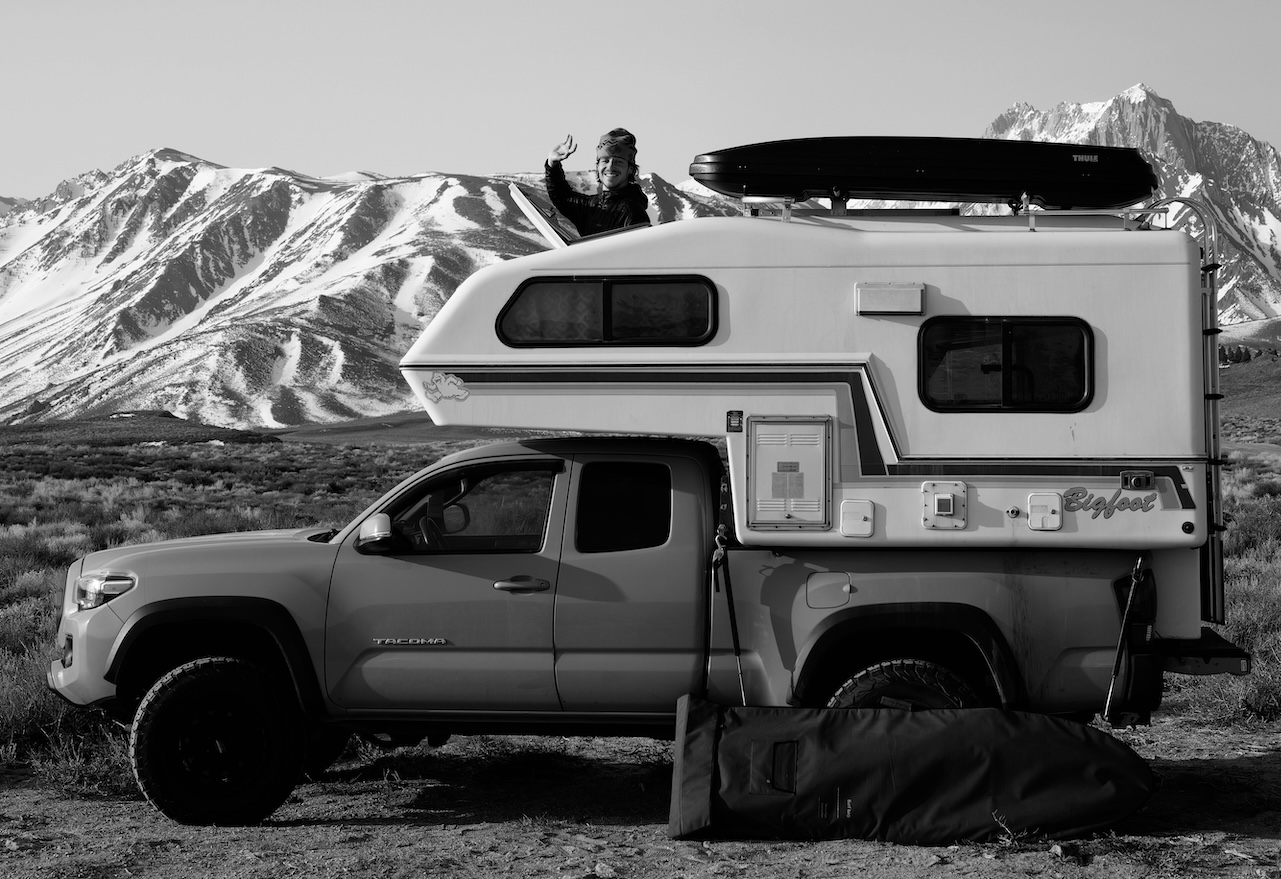
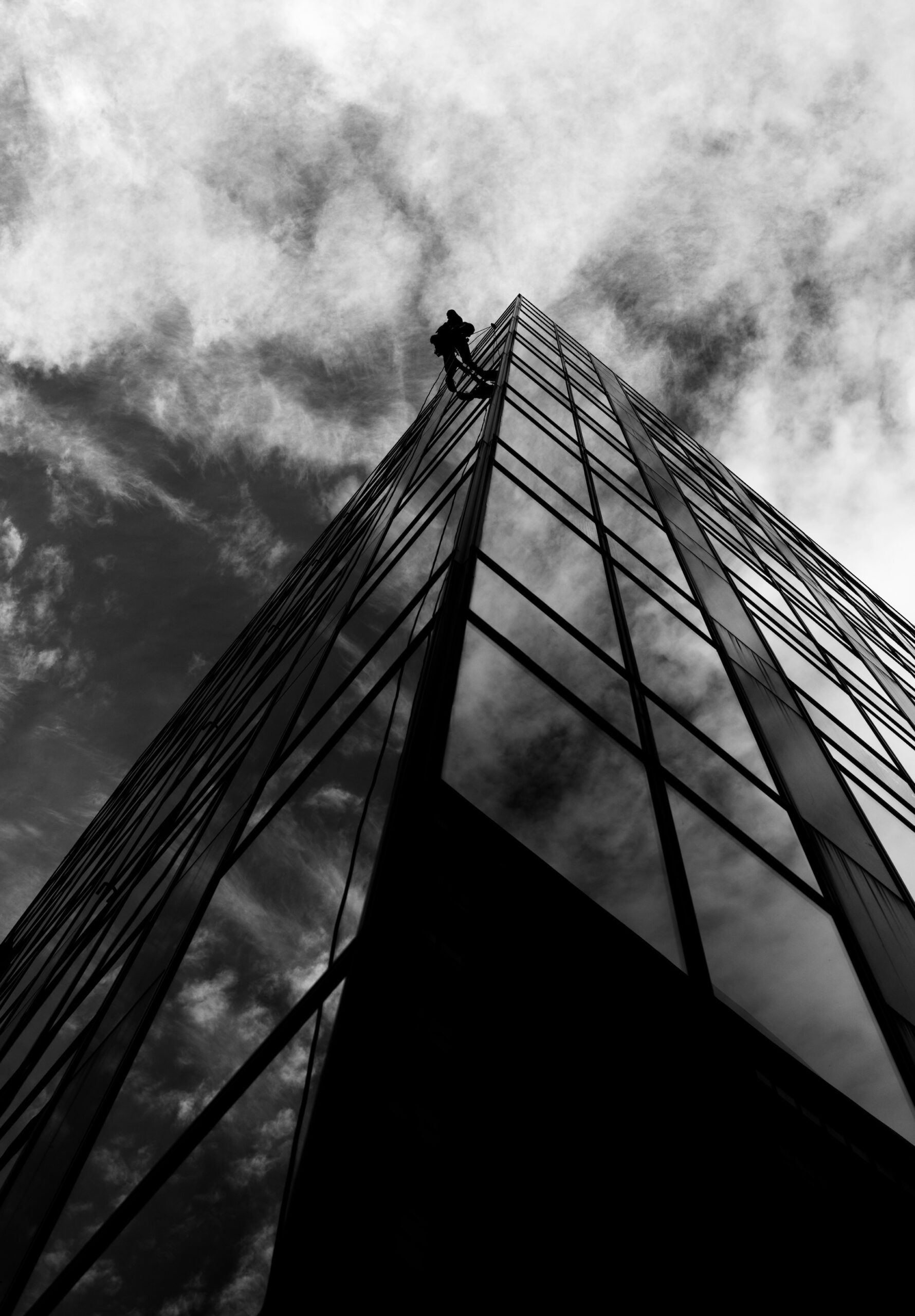
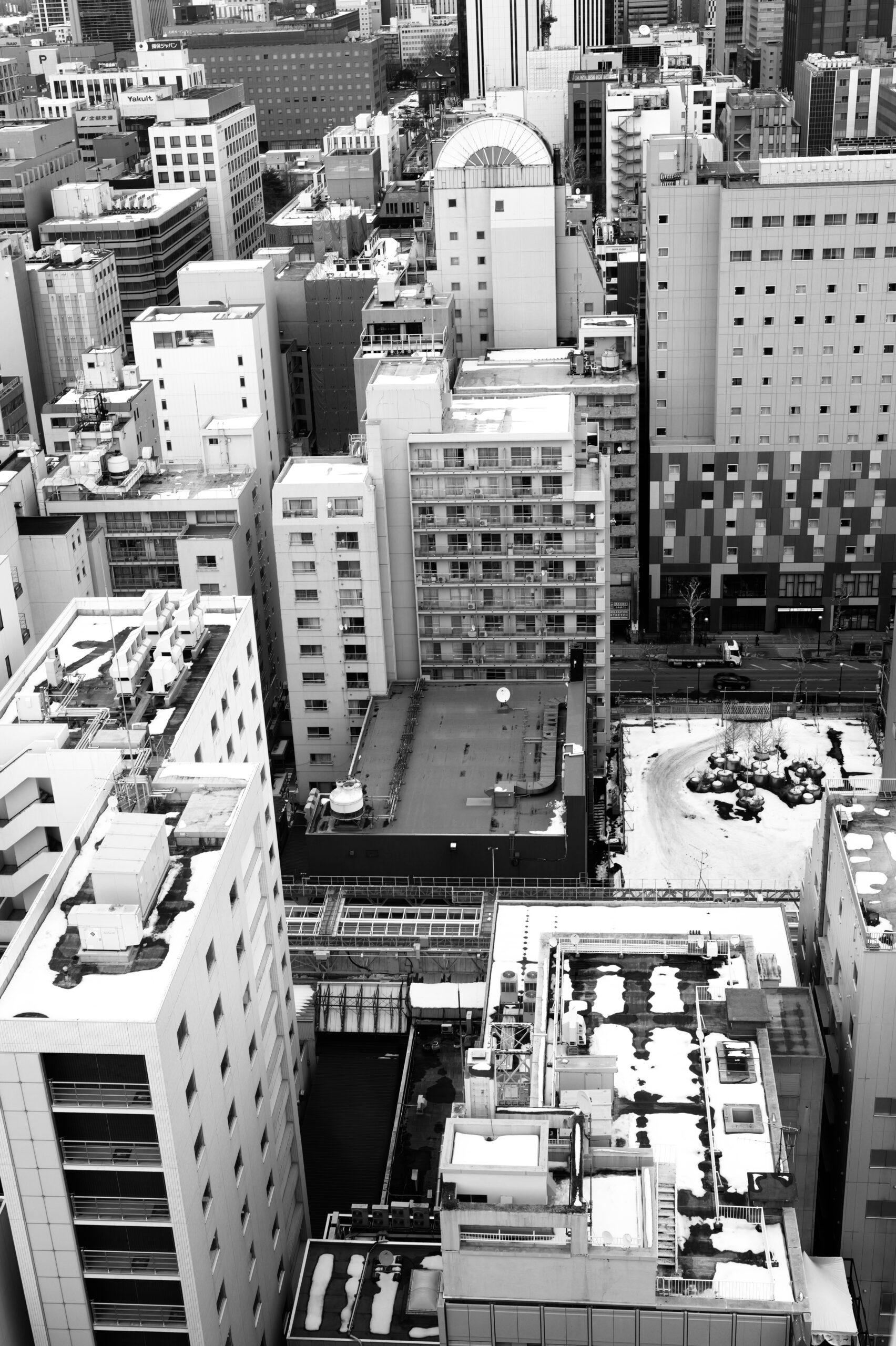
Heidi: Your creative world revolves around movement. How do snowboarding, photography, and design inform one another — and which came first?
Nicholas: Snowboarding shaped it first. I’ve always looked at the world through movement — asking where you can do something, how it would feel to ride or jump of something. Design slots into that as the tool that lets the idea become real — boards that make those visions possible. I see Photography as another tool: it captures the feeling the moment. All three share that when it’s right, you know it in your body before you can explain it.
What role does restraint play in your creative process? Your images feel timeless and avoid falling into overproduced snow-sports clichés.
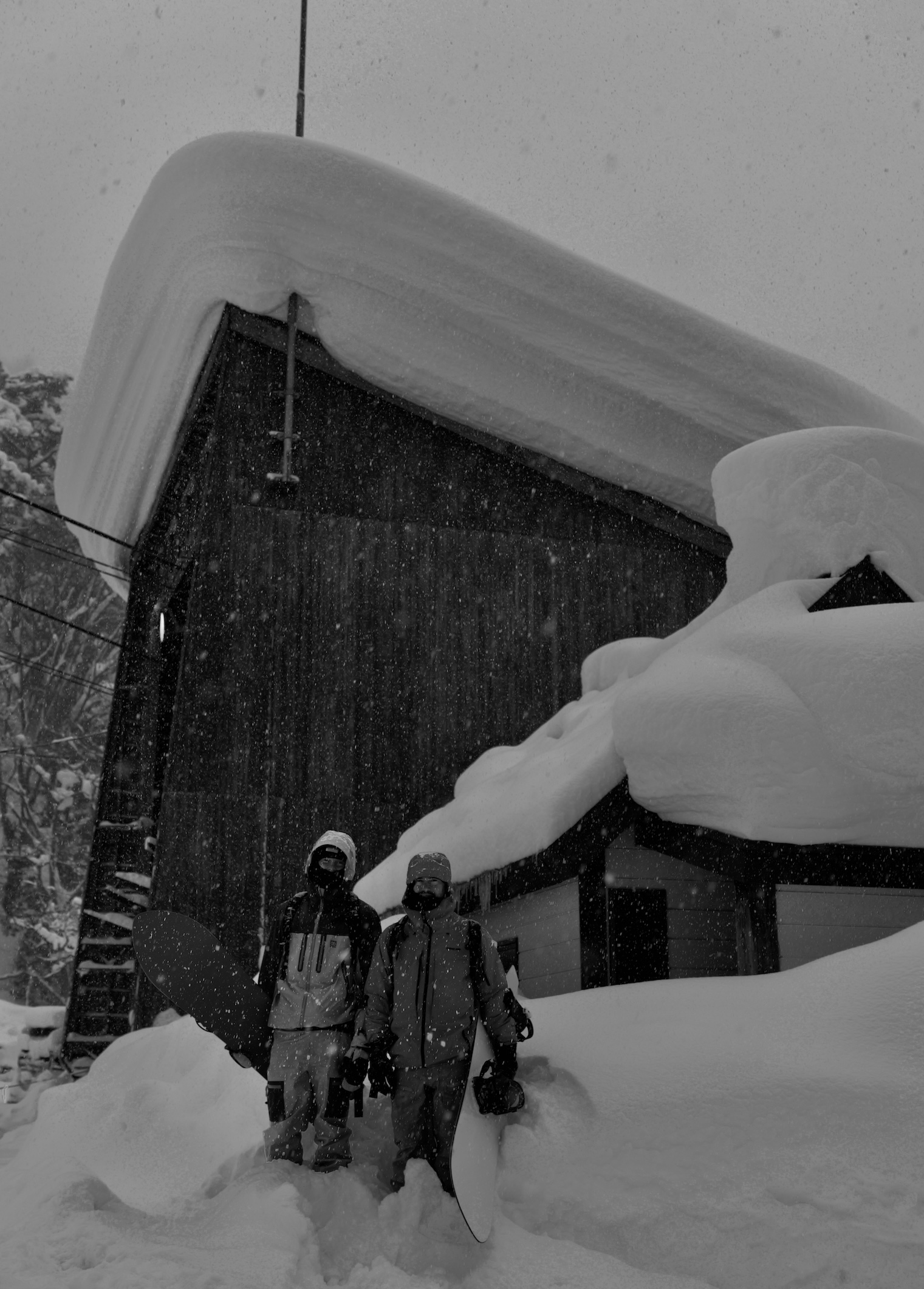
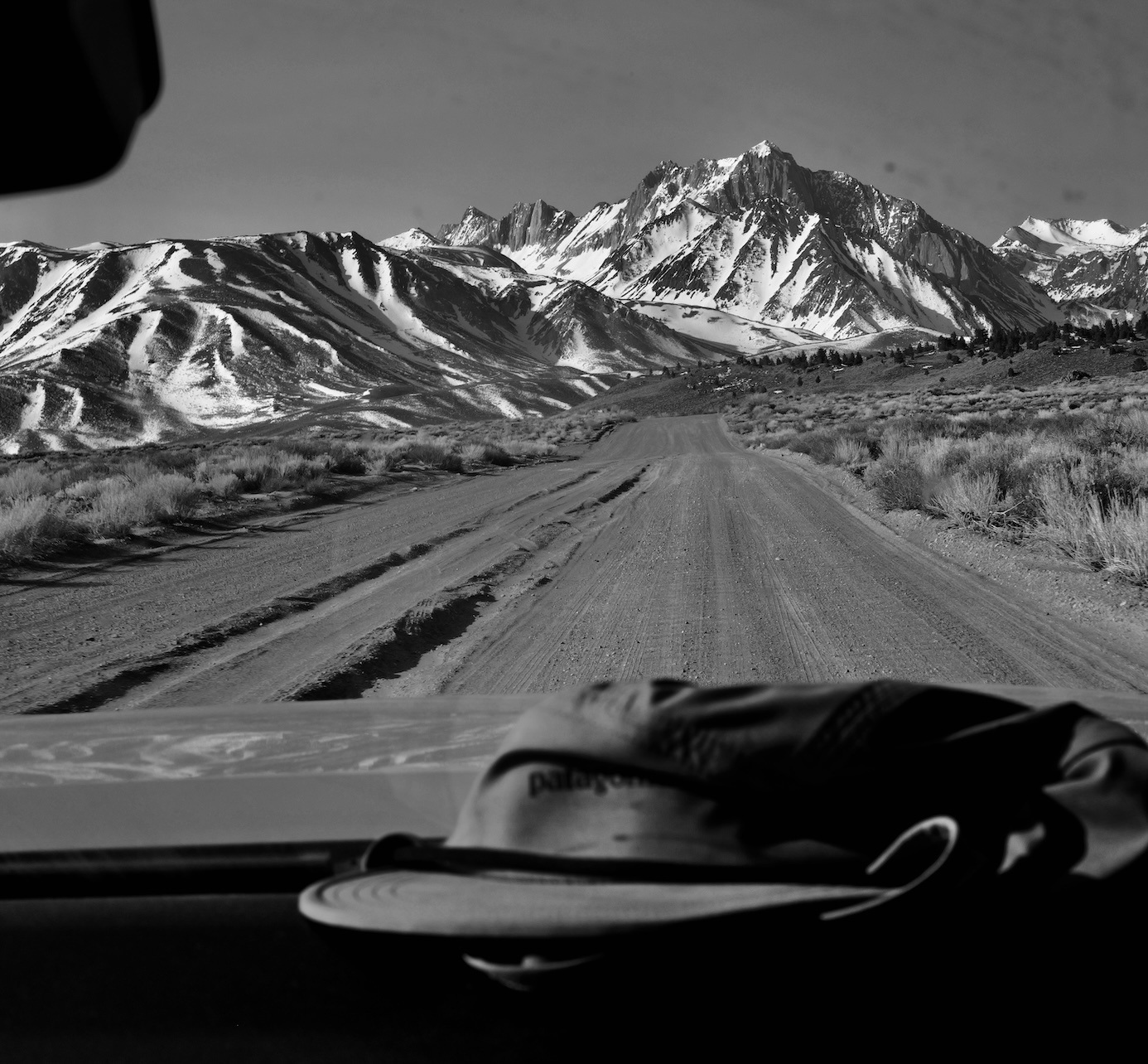
I’m on the mountain as a rider first. So I can’t be shooting in the obvious moment or from the obvious angle when the riding is going on. On the other hand there’s no pressure for me to come home with photos — I shoot because it’s fun. I’m quick, a bit lazy with settings, and I look for angles on the go, letting the shots come to me rather than working for them. If I remember the camera, I pop it out, grab what’s there, and move on. I like the less obvious frames that feel closer to real life. The classic action snowboard shot is often similar so if you have seen a lot of them over the years a lot of them loose their uniqueness and it gets a bit repetitive and boring and it only represents a tiny slice of the reality and what it means to be in the mountains; the in-between moments say more about the day.
You studied psychology before dedicating yourself fully to riding and creative work. How does that background influence the way you approach photography?
Likely, but not in a way I can diagram. I feel like training as a psychotherapist also makes you a little bit more aware — of your own emotions, your state of mind, whats being said behind the words and awareness of the relationship. I can see how that would seep into everything, including how I sense and choose to capture a moment, but it’s more undercurrent than a aware technique.
You’ve mentioned the tension between being in the moment as a rider and documenting it as a creative. How do you navigate that balance of riding vs creating an image?
Snowboarding comes first. I use the in-between times — waiting, hiking, catching my breath — to shoot. That means I end up with more lifestyle, atmosphere, and rarely the big action frame. I’m not trying to balance anything; I’m just adding another layer of being creative and having fun to the day, zero pressure.
You’ve spoken about the psychology of attention and presence – does the camera interfere?
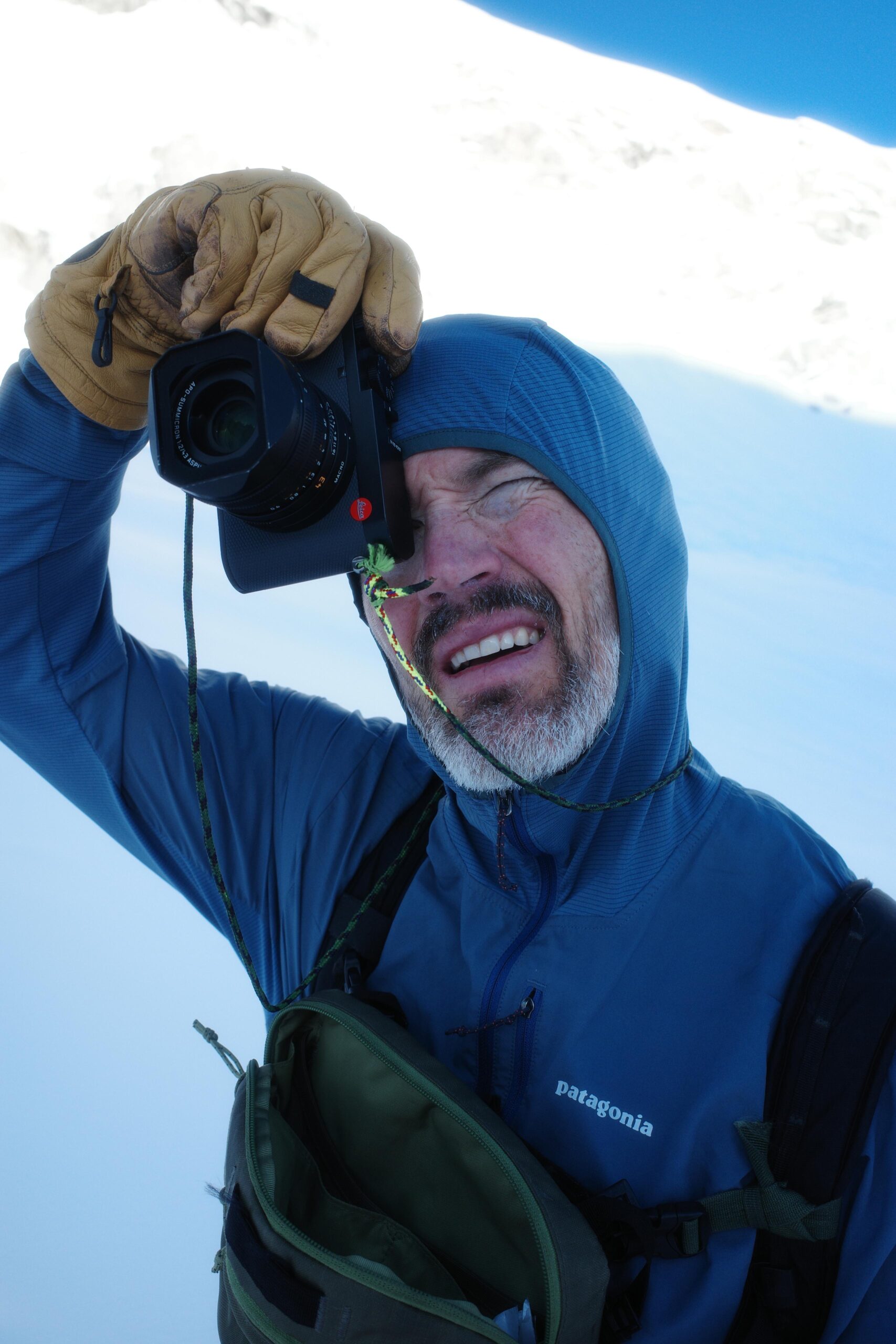
No not really I’d rather the camera disappear so I can stay in the flow connected to my self and my surroundings. I miss plenty of fleeting moments as is; a fast easy, tool helps me. Ironically, the best images often appear when it’s the last thing on your mind: too steep, too cold, a bit scared — that’s when the magic is happening and thats when I want a fast tool.
Your films like “Turn of Mind” connect snowboarding to environmental awareness in subtle, emotional ways. Do you see your photography as a form of activism or resistance?
Not knowingly yet, but you know I just realized I really should be using and seeing it as such and I hope it eventually will become just that, like my role within our Snowboard company eventually led us to work with 1% For the Planet or Snowboarding in movies for POW about important climate votes in Switzerland, I can see my photography eventually become a tool for change as well. Most of us in privileged positions have the ability to make change with what we already do. Thanks for reminding me of this!