
Photographer: Trevor Traynor
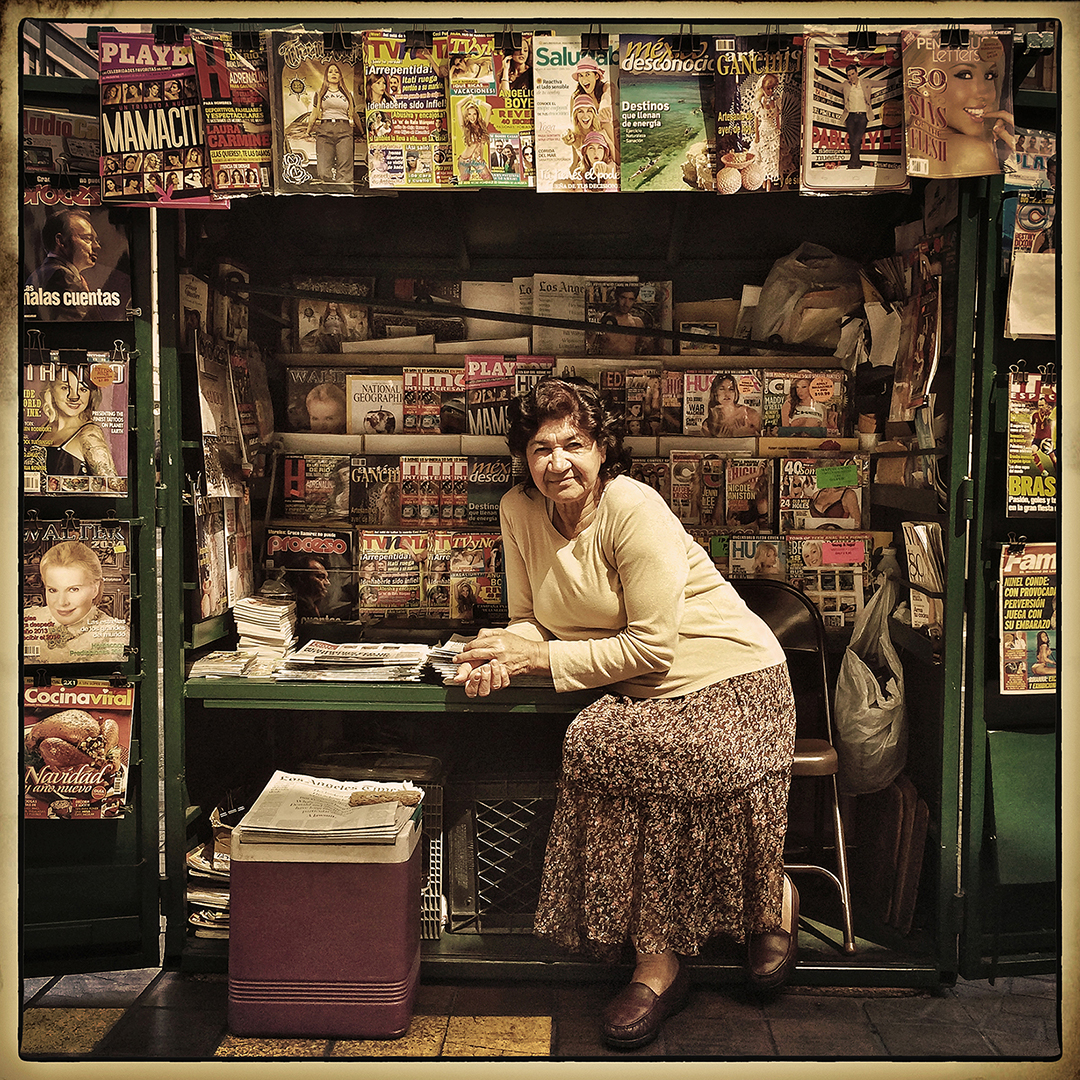
Now that NEWSSTANDS has been published as a hardbound book — a substantial archive of 110 kiosks across 22 cities over 12 years — how has the act of sequencing and preserving these images in print changed the way you think about the project as a cultural artifact in 2025?
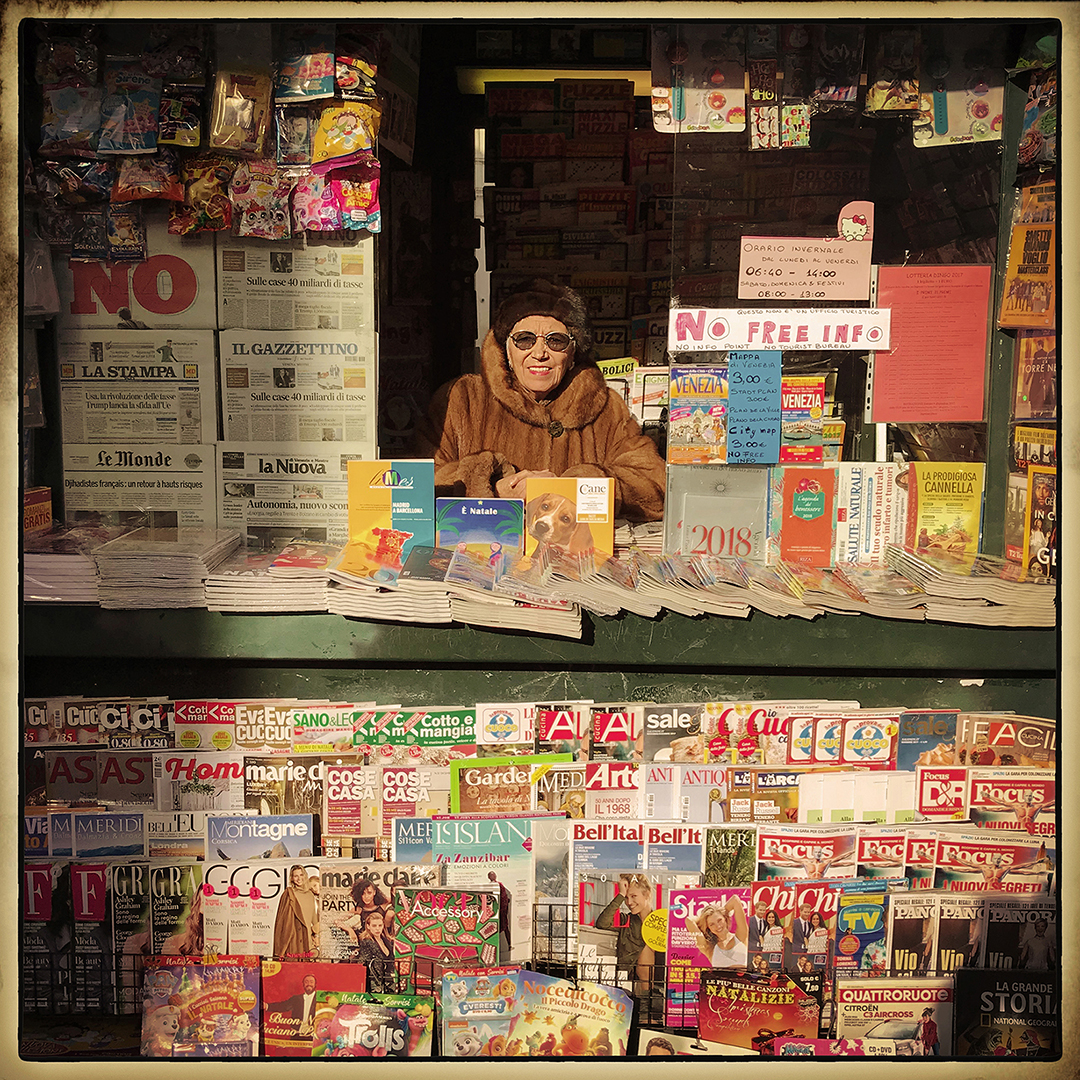
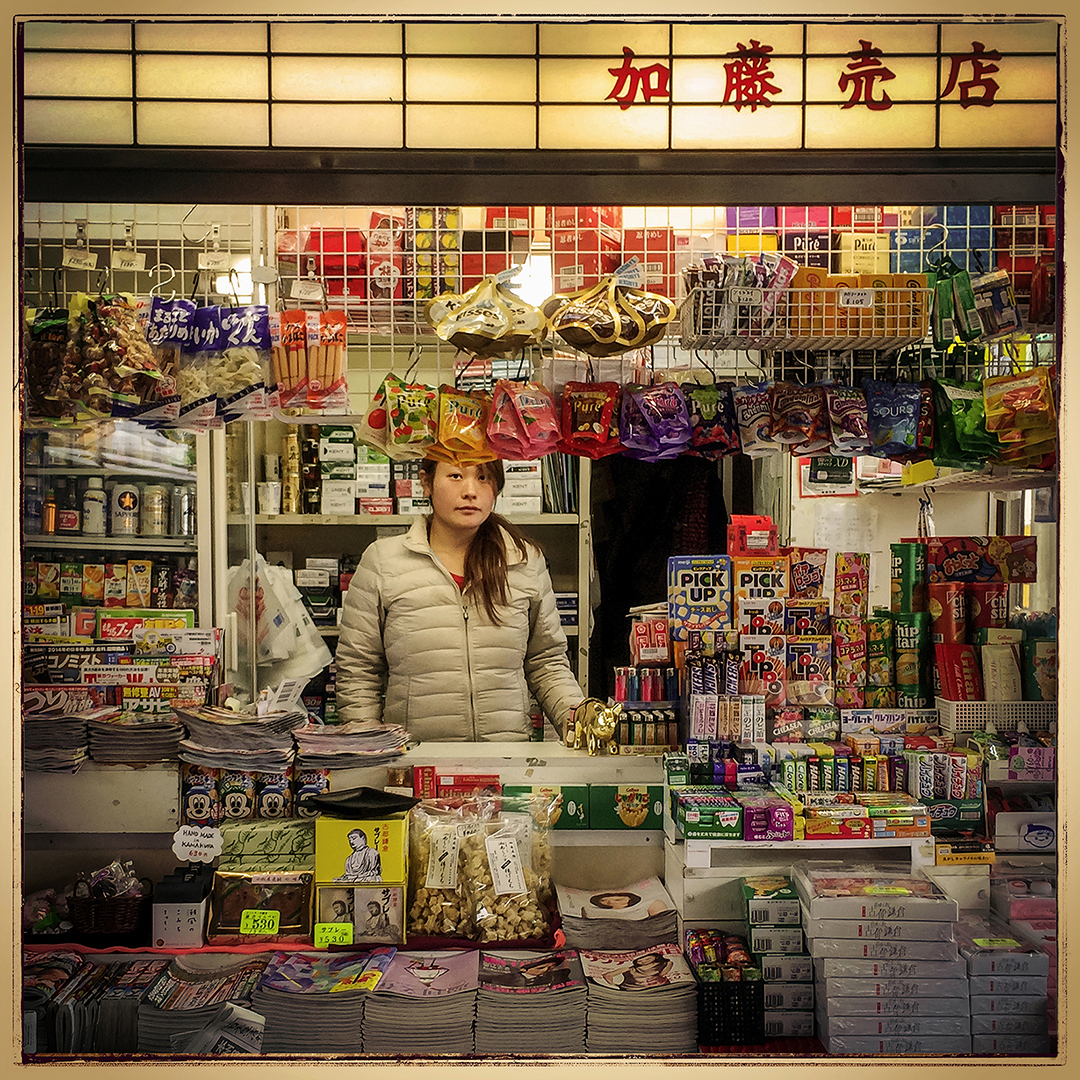
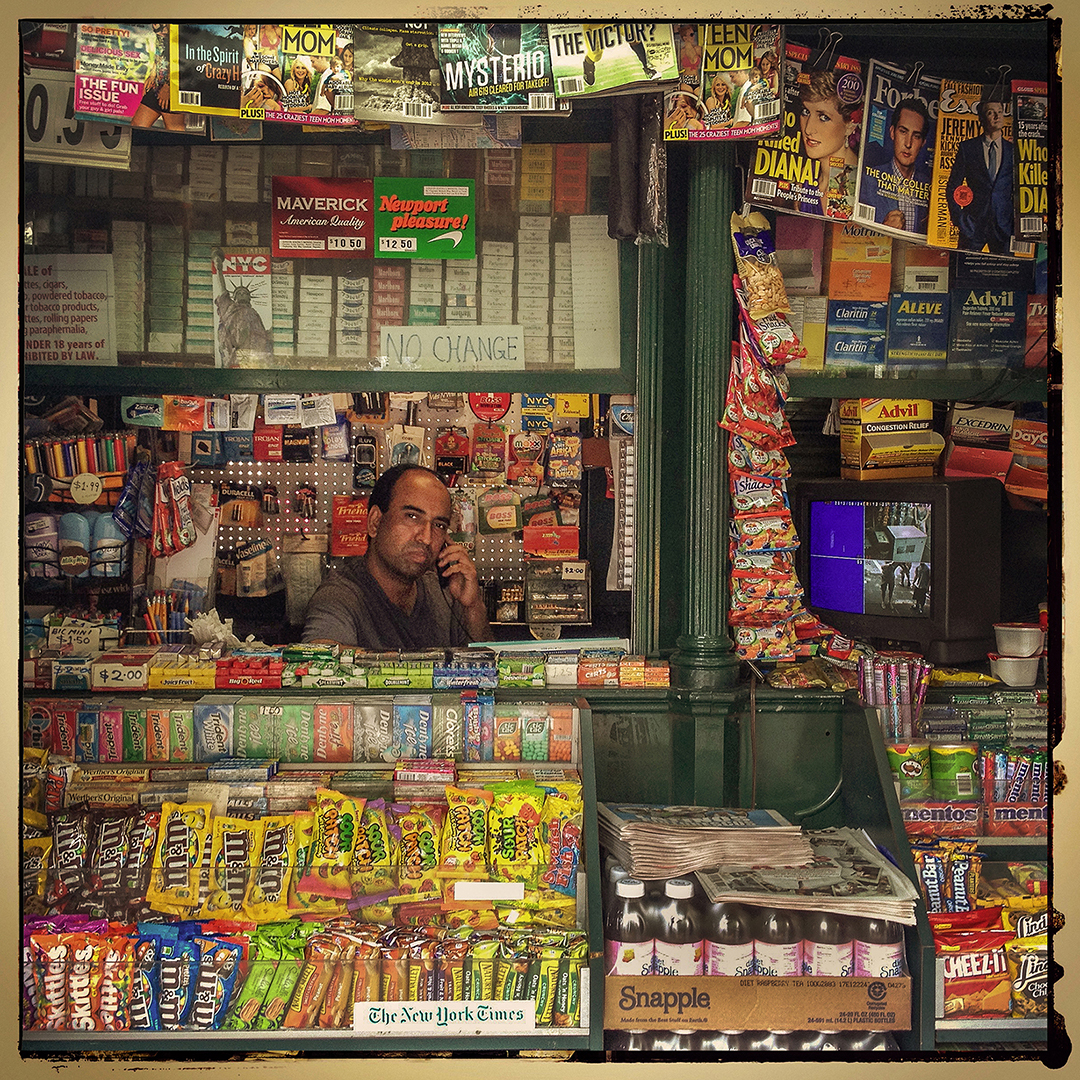
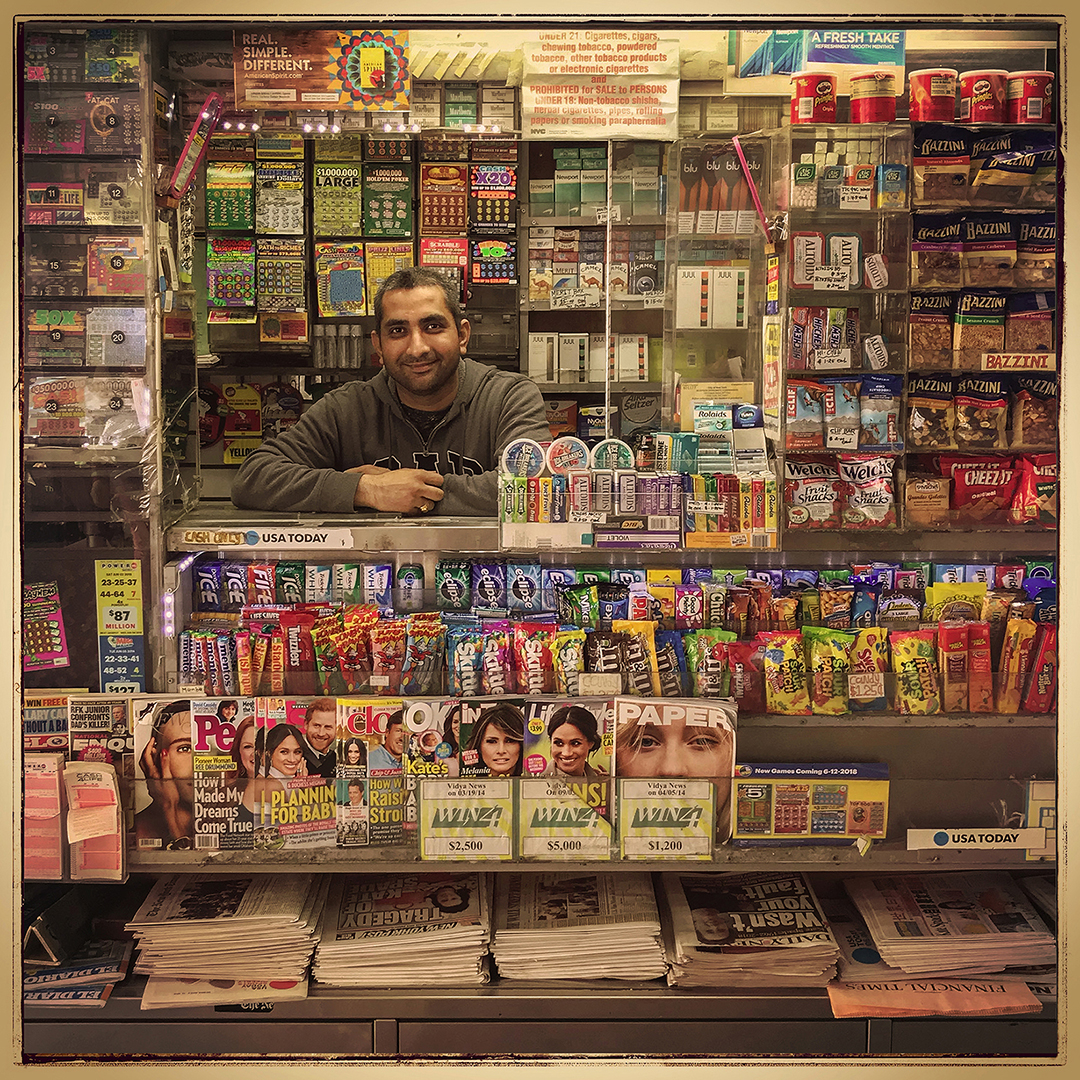
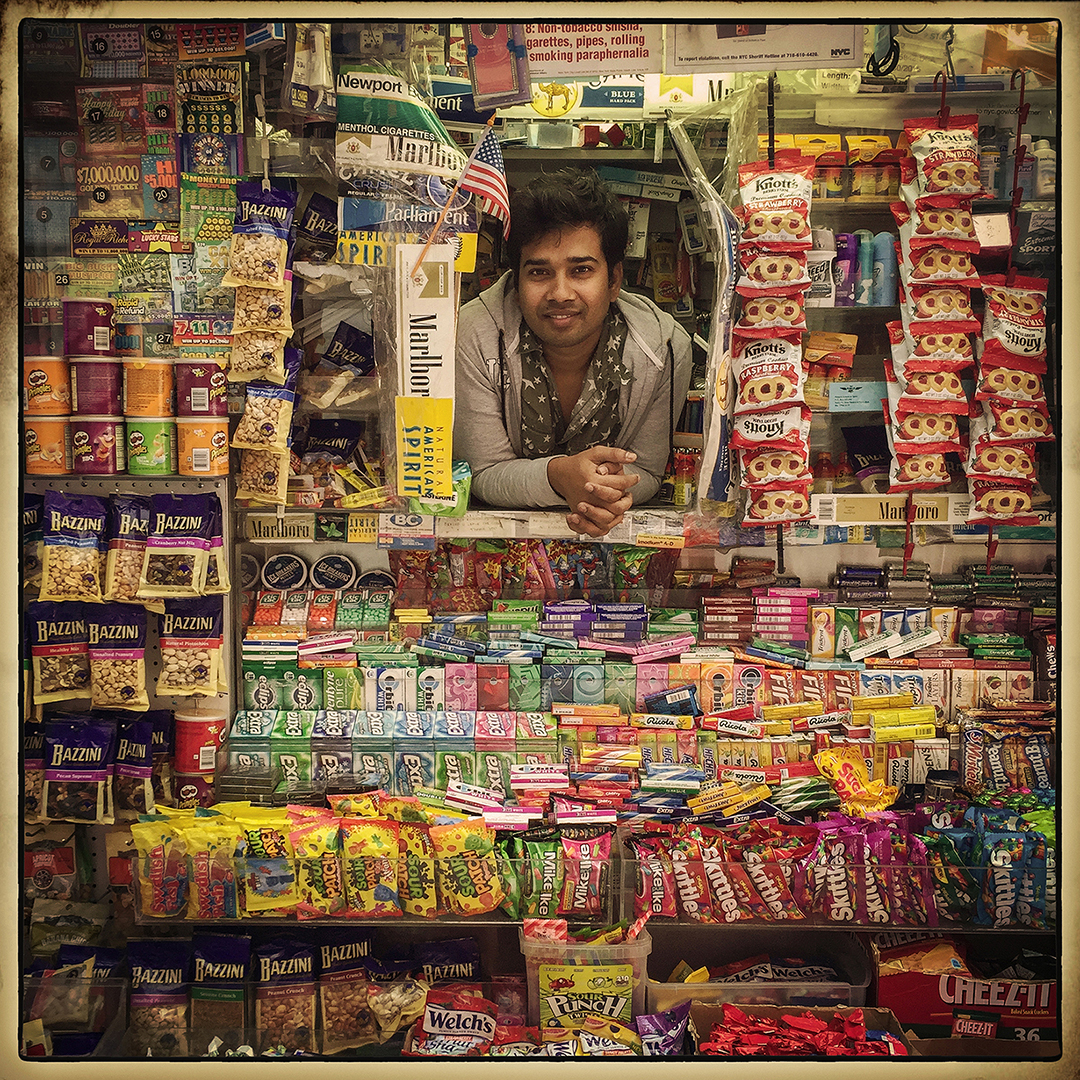
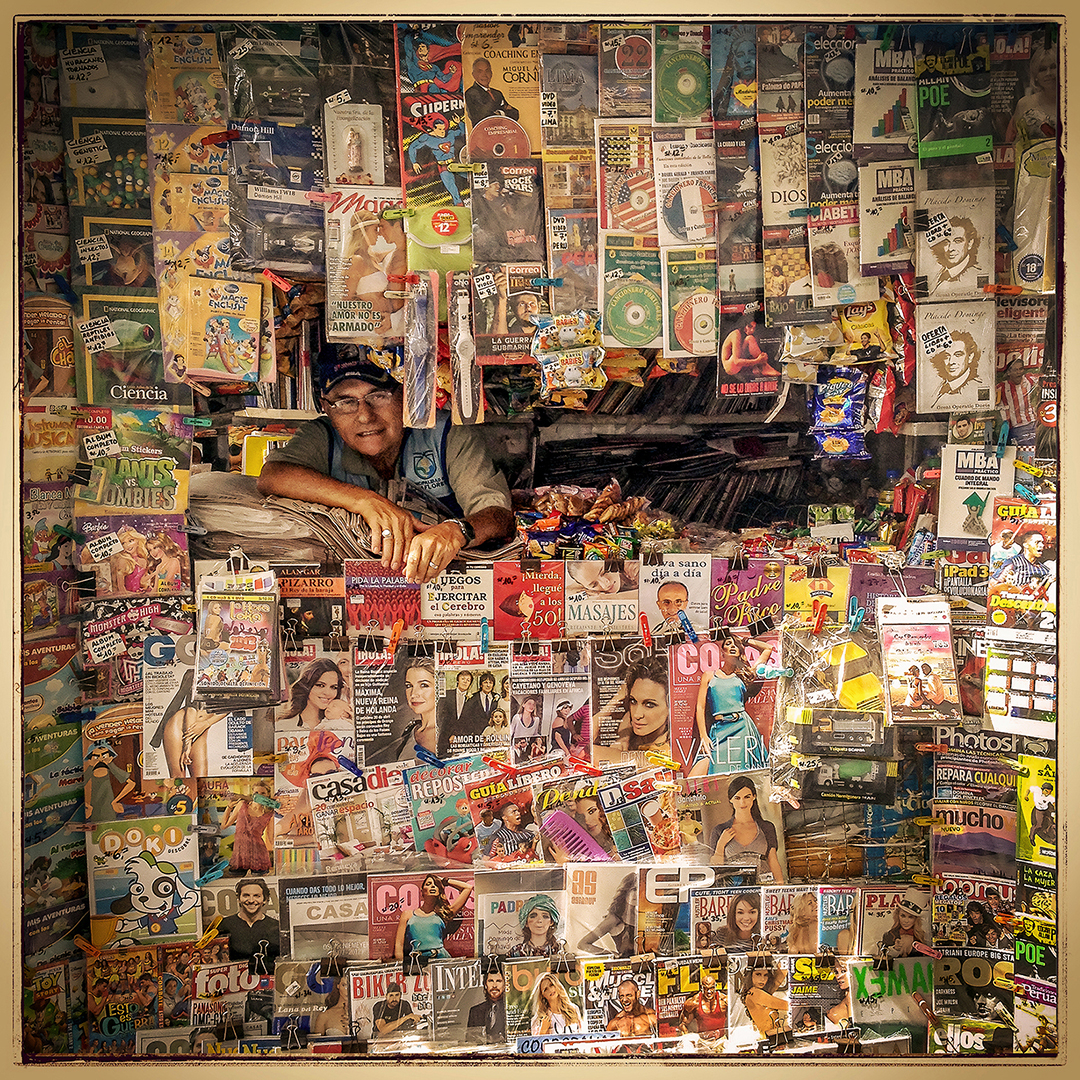
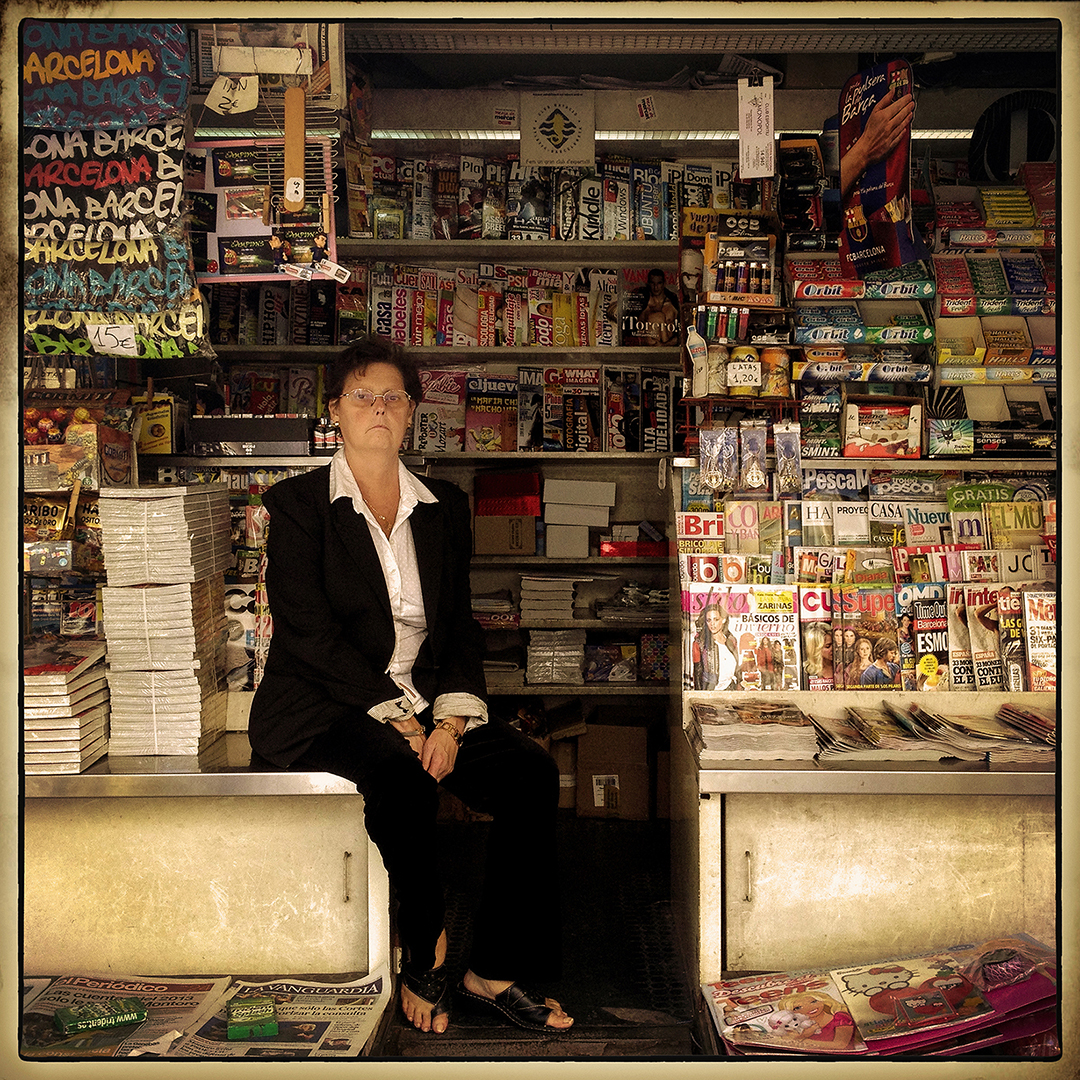
When I first started photographing Newsstands it was all about framing and collecting kiosks so to speak, It felt like an open ended series that was endless and I was working very much in the present tense. What’s interesting now is that a project rooted in constantly changing headlines and the documentation of isolated kiosks has been preserved in book form. Read this way, the images function as cultural markers, mostly paired as diptychs to reveal visual and social parallels, whether it’s a sidewalk book stall along the Nile in Cairo or stacks of magazines at El Periódico on La Rambla in Barcelona. So in short, the series feels complete in book form. It’s my first hardbound book, self-published edition of 250 and I’m grateful to have it out in the world for people to enjoy.
When you transitioned Newsstands into tangible objects — from an NFT collection to broadsheet posters with a QR link — what role did the physicality of print play in how you wanted audiences to experience the work?
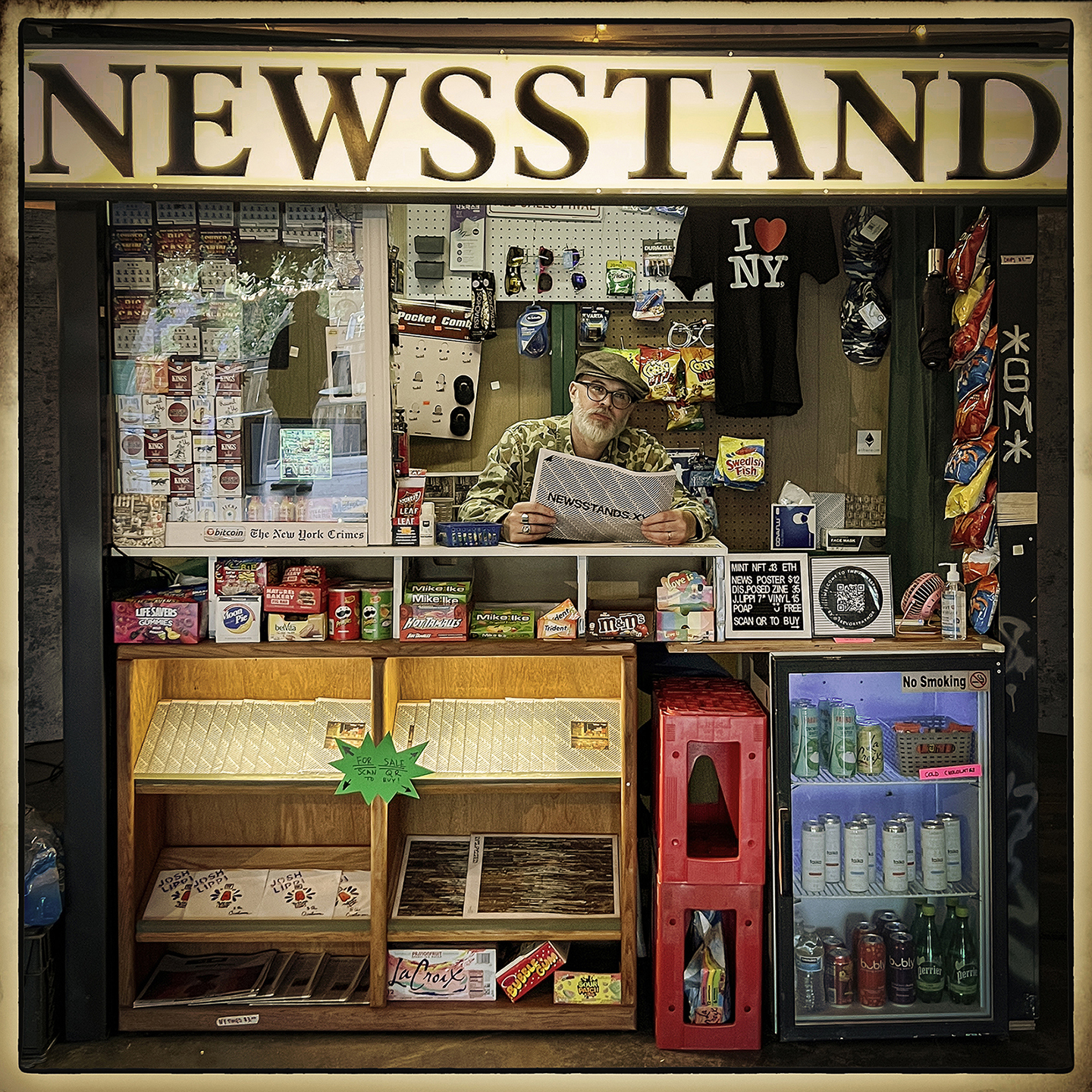
This marked an exciting transition for me. The book quickly became the goal and was something I felt compelled to realize but by 2022 I was also curious about the idea of preserving art on the blockchain. Because the series already had continuity in its presentation, the unified golden border naturally lent itself to becoming a cohesive on-chain collection, readable as a single & recognizable body of work rather than isolated images. To elevate the launch of that NFT collection it was important to create an IRL experience. I built a replica newsstand where visitors could physically engage with the stand and take away a piece of actual newsprint which honored the project in its most elemental form. I’ve often used the phrase Web0 kiosks, shot on Web2, minted on Web3 as a kind of tagline during that time. It speaks to pre-internet kiosks photographed on an iPhone and shared via Instagram, then permanently preserved on the blockchain. So a bit of irony in what was never meant to last has now become permeant.
When did the series shift from “something fun between commercial shoots” to a body of work with its own artistic and cultural significance?
I think the shift happened the first time I photographed a newsstand outside of New York City. It opened up a new perspective on what these kiosks might look like on a global scale. It was a top box to tick during my down time on work trips and a necessity during personal travel. I never treated it like work though, and made sure all the small encounters with kiosks operators were genuine which was important for the integrity of the project.
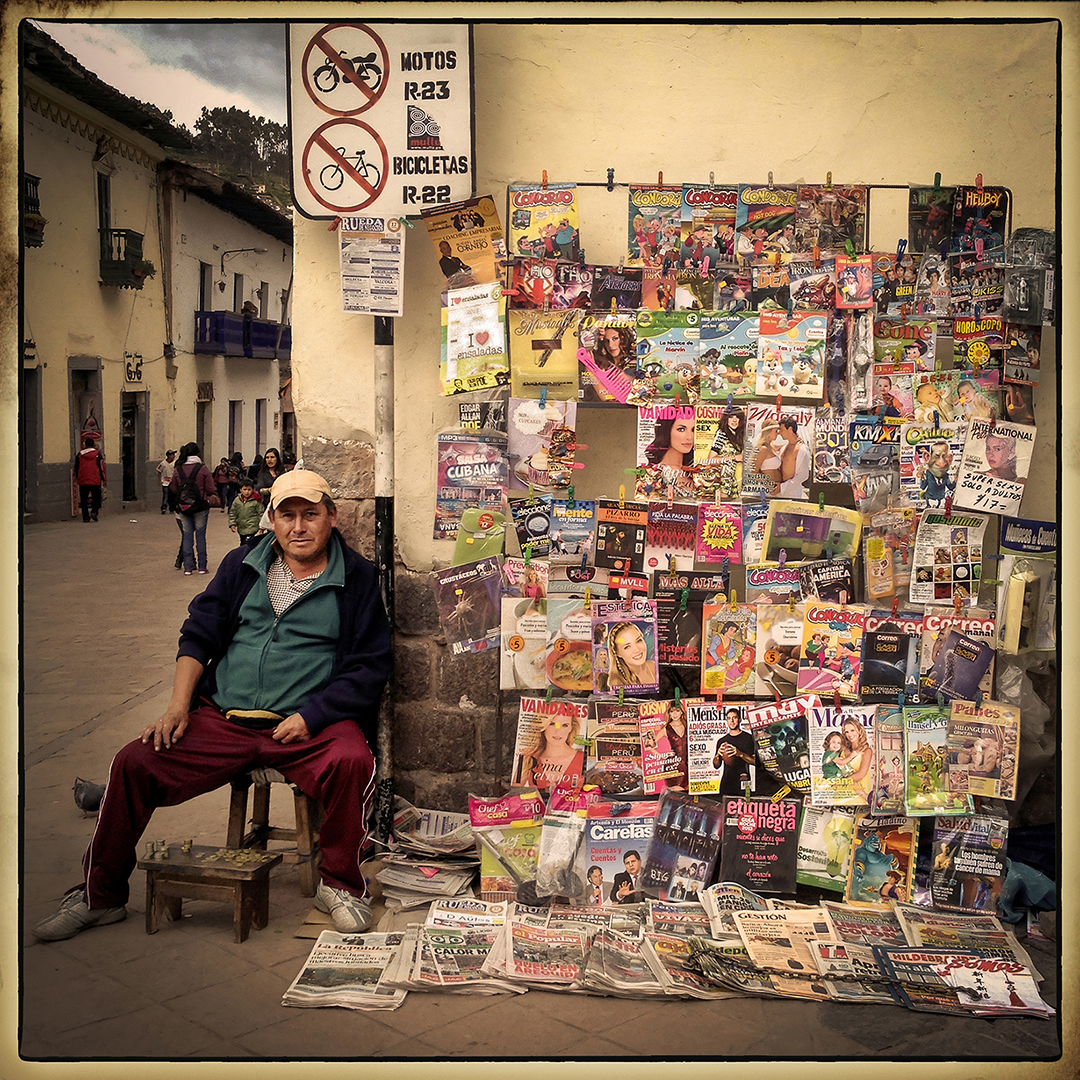
You’ve called a wall pop-up in Cusco, Peru “probably the most unique.” What about that specific site stood out to you?
The wall pop-up in Cusco felt like it could appear on any corner. Assembled with a metal frame and clothes pins it gave the operator the ability to set-up and takedown fast. That mobility, paired with a focus on classic items such as magazines & newspapers made the stand feel singular & somewhat timeless. Also the stack of coins he collected struck a familiar chord that echoed my childhood memories of subway tokens, or watching adults place coins on a bodega counter for a newspaper and a cup of joe. It was a quiet reminder of simpler times.
Looking at a newsstand now—amid digital media’s decline of print—how do you think these kiosks function as time capsules, and what do you hope this book preserves for future audiences?
I think simply put, it preserves memories. The act of archiving a fragment of the world through art. One of I hope to be a handful of my small artistic contributions that find their way into bookstores and libraries. I will always love photography books. Having the opportunity to release one and have folks collect it for their coffee table is an honor and feels like a rarity in this digital era.
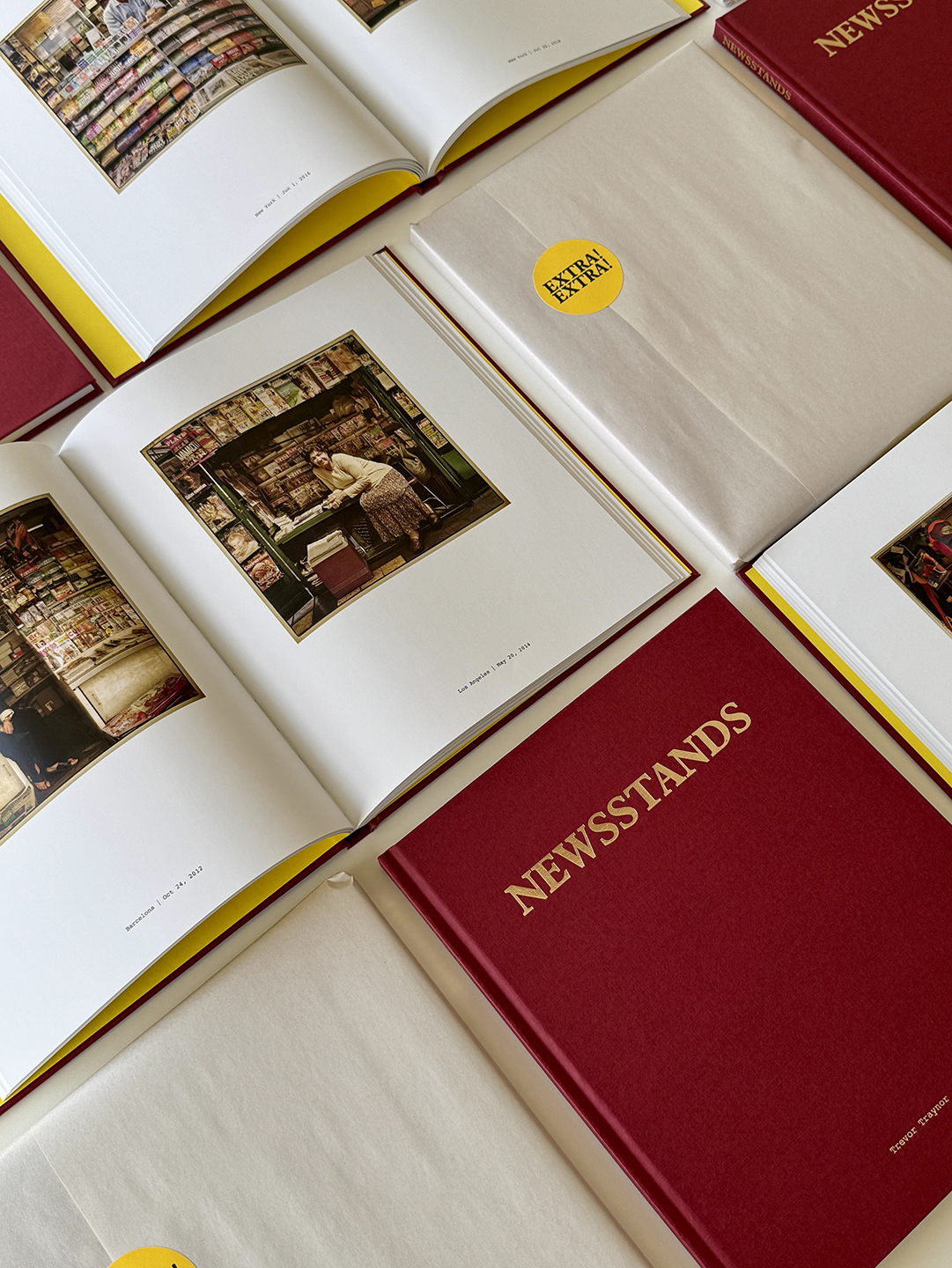
What was the defining moment or experience that made you realize this project deserved a standalone book rather than remain a long-term photo series?
With each newsstand sharing a common thread across continents and time, creating an artifact that is itself a collection of artifacts felt important to archive. I briefly entertained going a bit meta by printing the book on newsprint, allowing the physical object to age and decline more quickly, much like the printed matter these newsstands were built to serve but in the end, I chose to give the book a little more time which in turn will feel like a true relic of relics to our newly born generation beta.
No comment yet, add your voice below!