

James Ross Mankoff
Heidi: After 20 years as a professional photographer, when did you realize you wanted to move from capturing light to designing objects that create light?
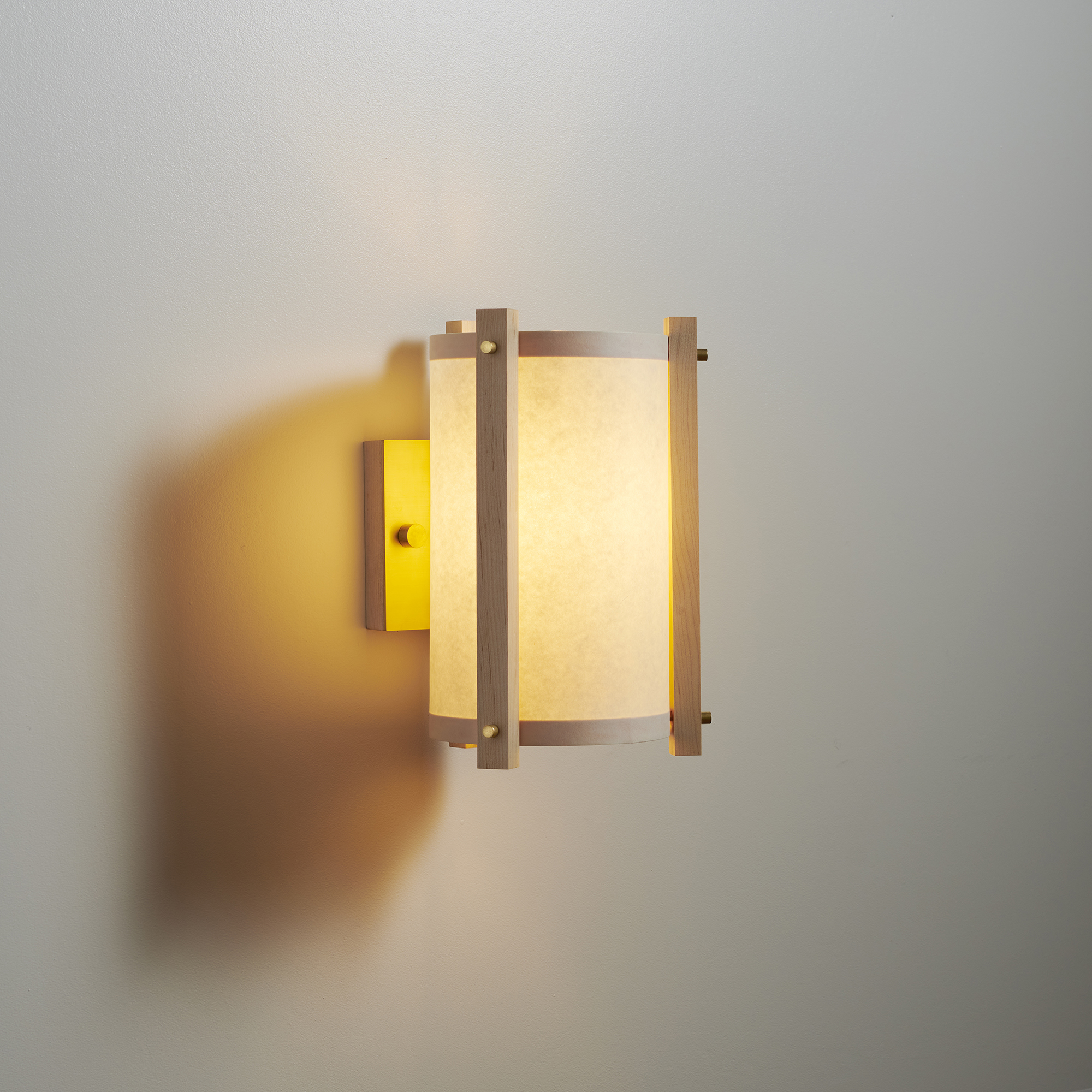
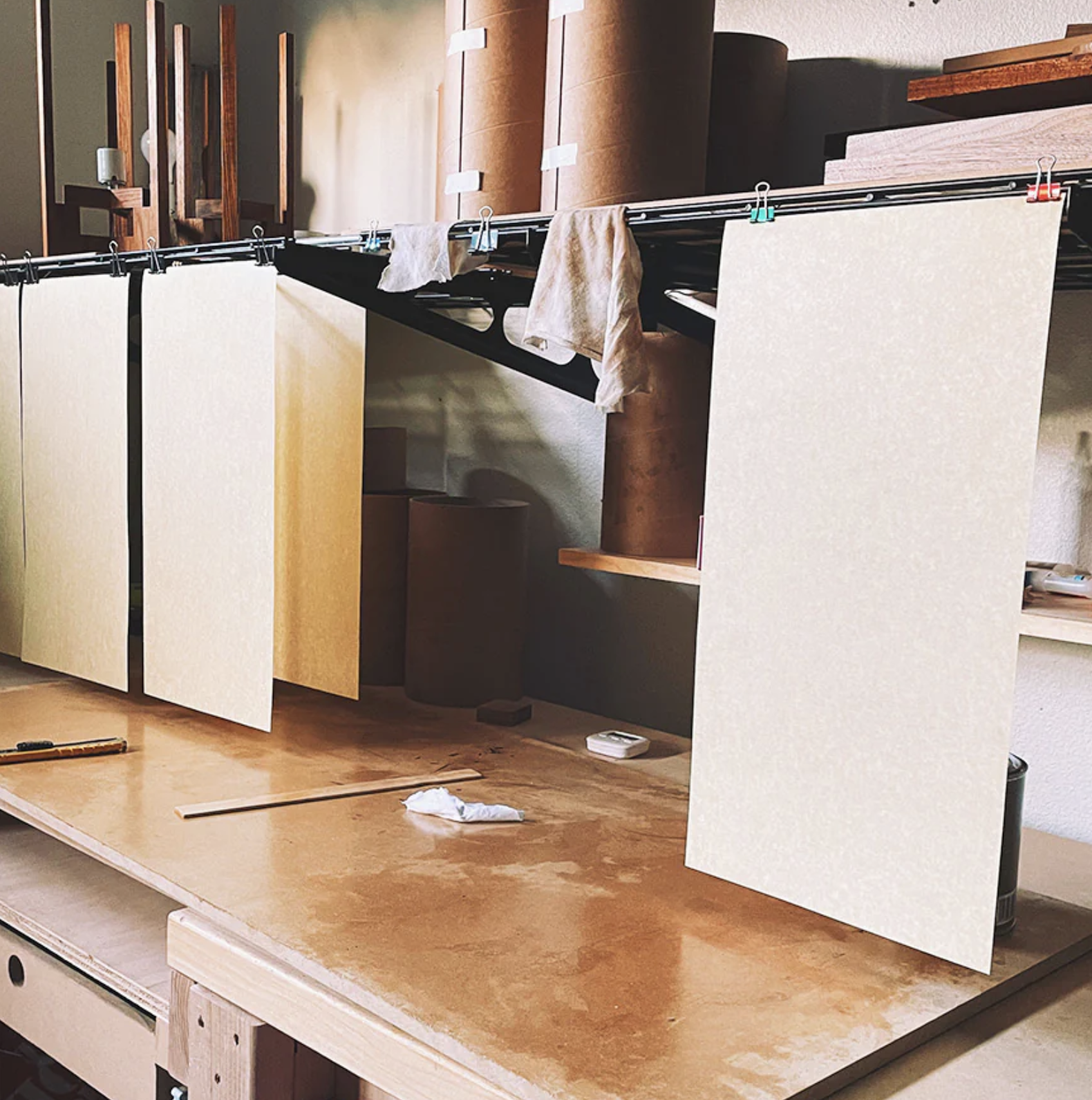
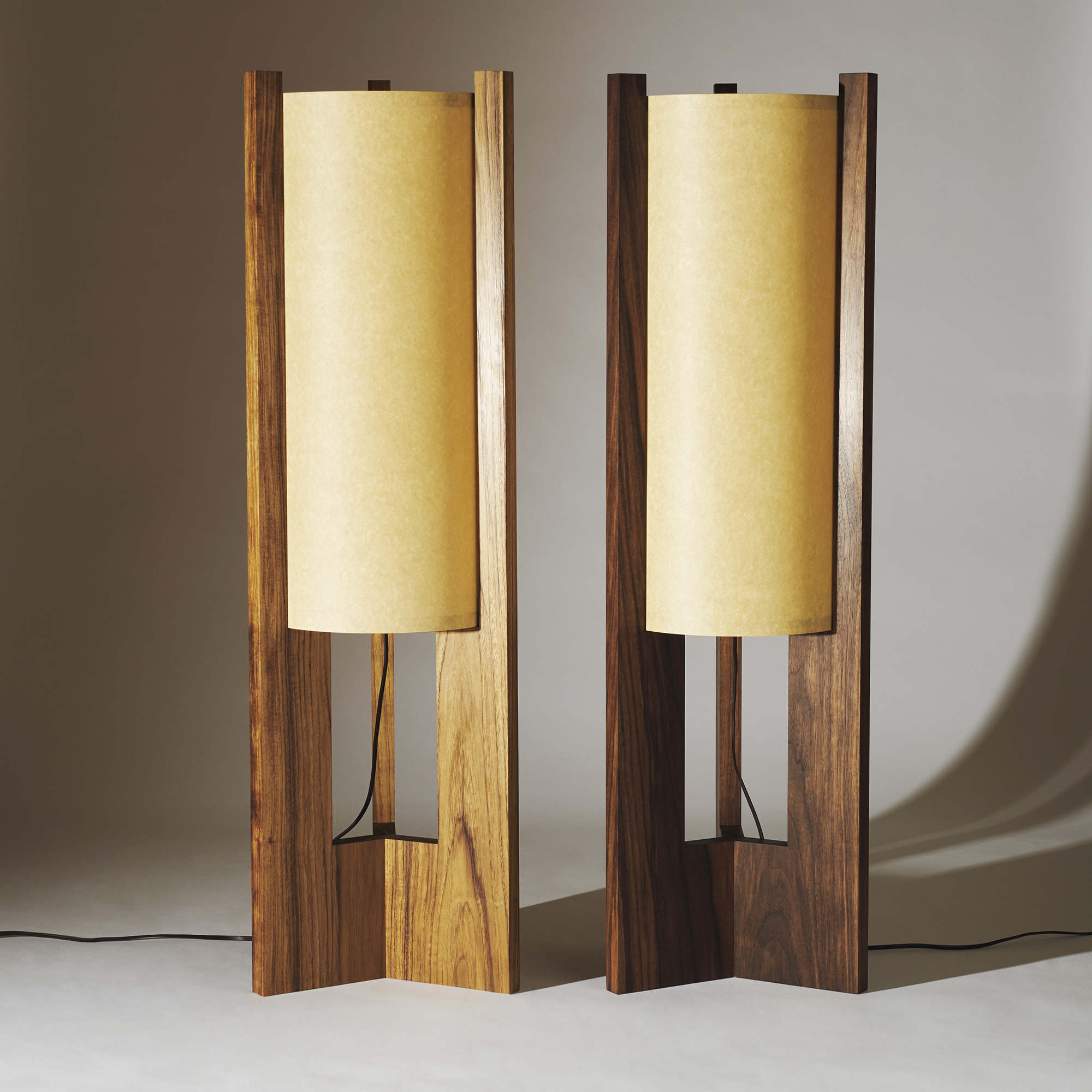
James: I’ve always considered myself an artist first, and photography was just one aspect of the way I express myself. About five years I moved into a house with a garage and immediately built a workshop. I’ve always collected furniture, and I’ve always collected lighting and admired it. And so I started learning woodworking so I could build a small lamp that was a genuine expression of myself. It all felt very fluid. The process to come up with the design, to experiment with materials, to learn tools… it was all so freeing.
How did the transition change your creative process?
I’m many ways, they are similar. My approach to photography was always to let the subject or location tell me how they want to be photographed. Not to force myself upon an image, but to observe, listen, and work alongside that. The same is with woodworking. I think people often design lamps from an aesthetic standpoint. I wanted to make sure the light that came off my lamps was equally as beautiful as the lamp itself. I knew what I wanted, but I need to play with materials, to educate myself on them, in order to get where I wanted to go. And those materials often changed the direction I was heading. They changed the design process.
What lessons about light from behind the camera translated directly into your lamp-making process?
Everything. Years of looking at the way light moves through a space. The way light reflects and diffuses through whatever houses it. I worked a lot with soft and indirect lighting. Learning that bouncing a light off a warm or a cold wall changes the feeling of an image. There are so many subtleties to the way light moves. It took years to master. So I created my own version of a spherical soft box with a warm tone to it. I wanted the lighting from my lamps to emulate the same light I’ve fallen in love with. The same light I create for my photographs.
Are you still creating imagery? If so, what type of projects are you working on?
I’m not shooting much these days. The industry has changed so much, and as I evolved to make a career that could financially sustain myself, I made too many artistic compromises. I’m burnt out. I’m really proud of my career, but I just don’t have the drive in me to shoot with the same enthusiasm as I once did. So I’m taking a break. I put down my camera 3 years ago, and I’m just now starting to enjoy taking pictures again.
I’m enjoying taking a backseat right now. I do still take on assignments, but it’s rare, and I have to feel connected to them. I often pick up work as a Digital Tech working for other photographers. It’s fun to be in a supportive role right now. It’s simpler, and I’m focusing on other creative venues – I have so much I want to express… and I’m happy with this shift.
What did making something tangible teach you that photography never could?
That in order for myself to evolve, I need to change. That I can now give “my light” to anyone. They can experience it in their homes. It’s a much more evolved gift than a photograph. It’s something that can literally brighten their day.
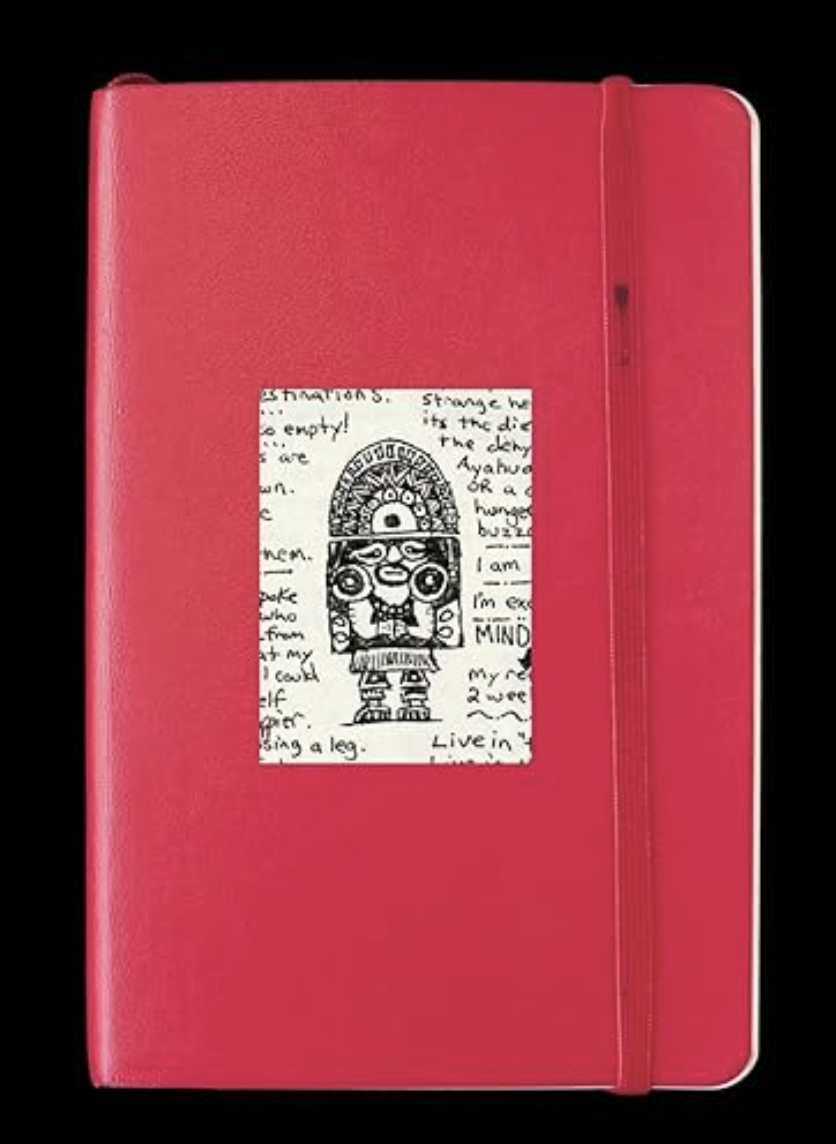
Many artists reinvent themselves over the course of their careers. Looking back, was the move from photography to lighting design the first step toward a more personal creative practice that eventually led to writing Blue Butterfly?
I’ve always loved working on myself. My bookshelf is lined with books on spirituality, personal development, indigenous practices, nature, and religion. I’ve been working on myself for nearly as long as I’ve been a photographer. I suppose they go hand in hand. Blue Butterfly was just a glimpse into a moment in time. A glimpse into my journey of self-development, a memoir of my journey into the Amazon Rainforest to find myself again.