

Geoffrey Lowe
Heidi: What happens when the dream of becoming an Olympian evolves into a lifelong pursuit of documenting greatness, how has that changed the way you tell stories through sport?
Geoff: I think it gave me respect and admiration for the athletes I capture, the hard work and discipline that goes into the dreams that they are chasing. I didn’t have that when I was younger, but I found an obsession and dedication to capturing these moments and creating images that allow me to express dreams I once had.
Many sports photographers document what happened; your images often interpret what it felt like. How do composition and post-production help you transform sporting moments into something more personal and cinematic?
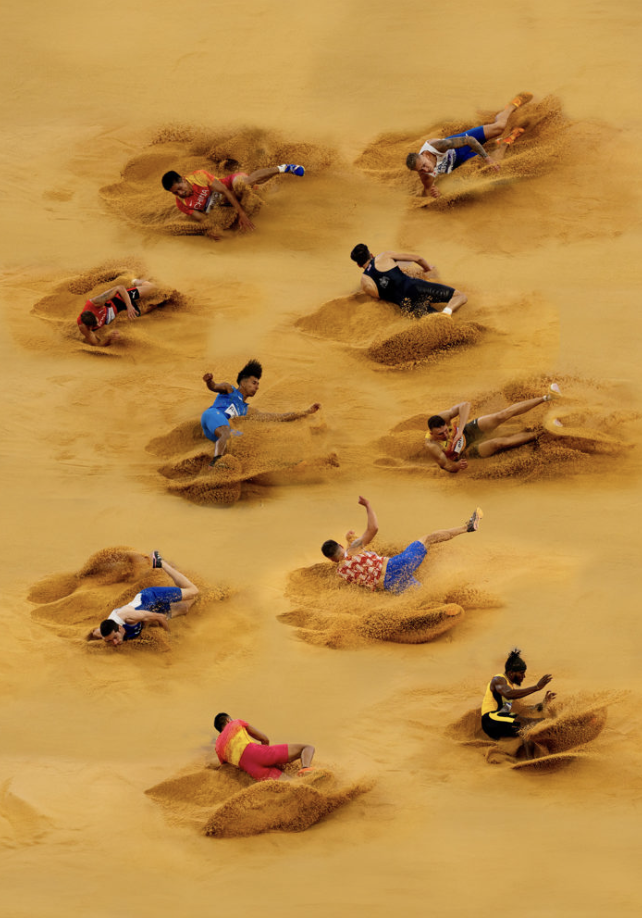
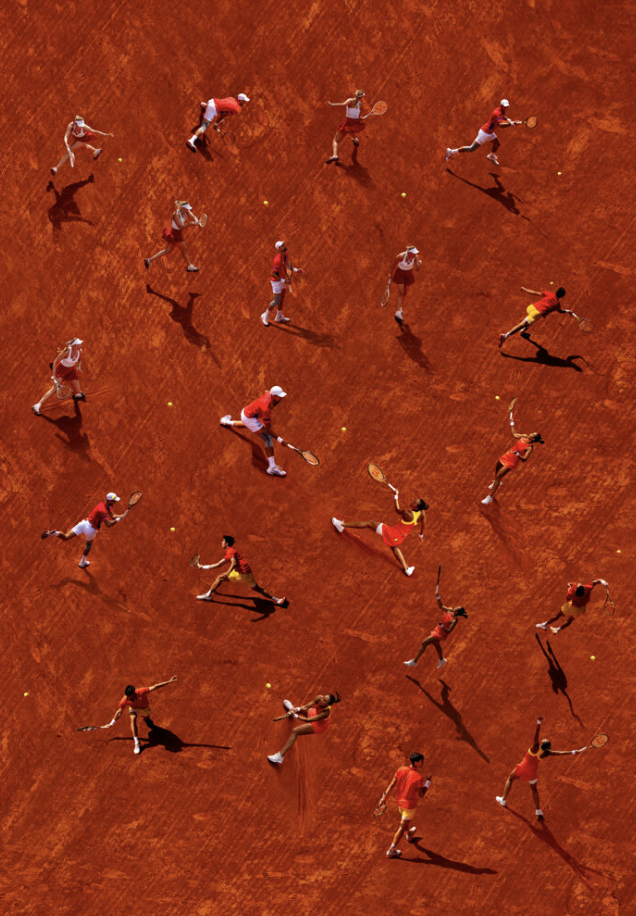
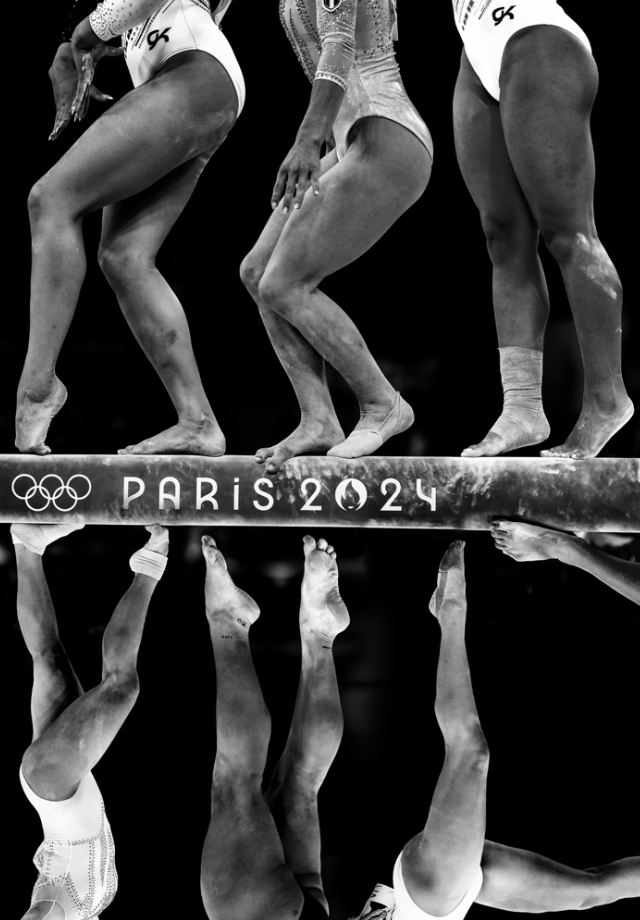
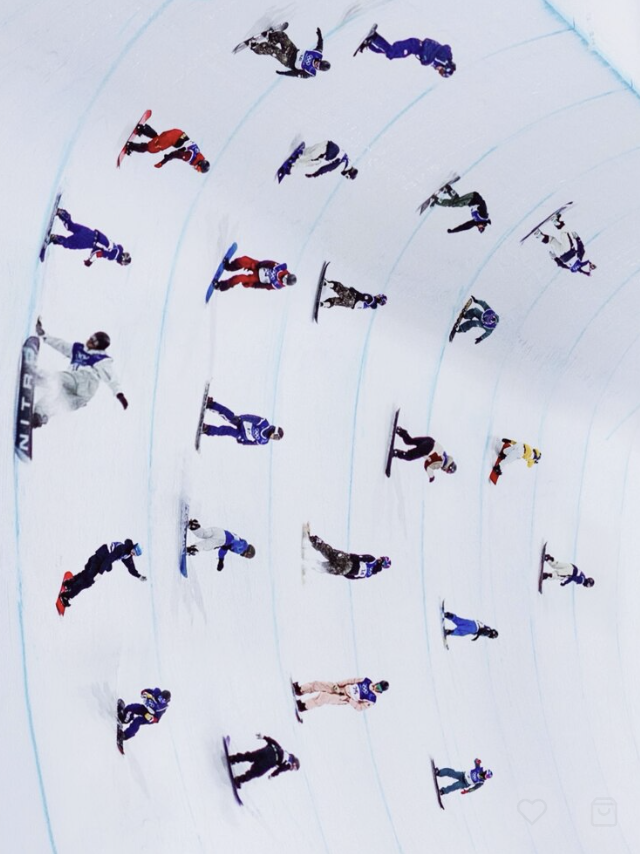
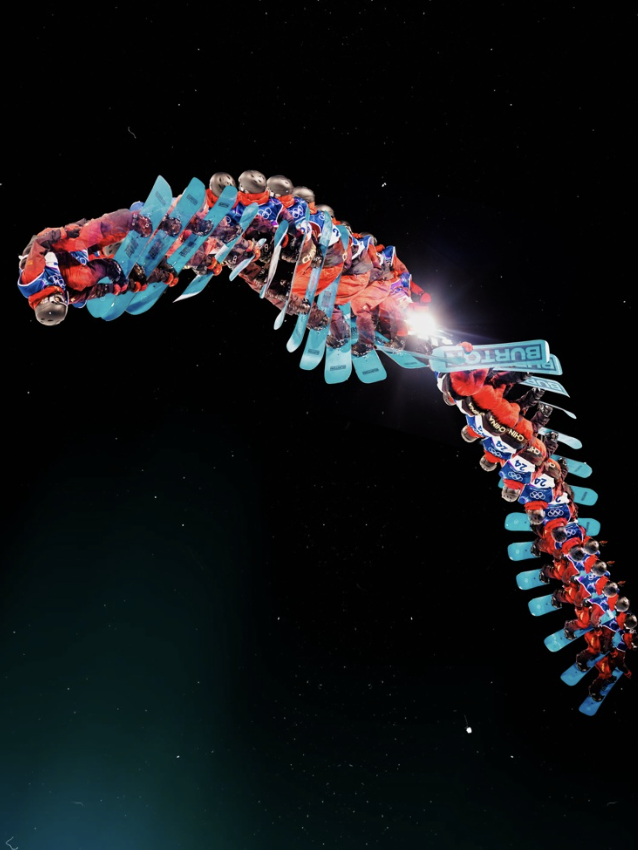
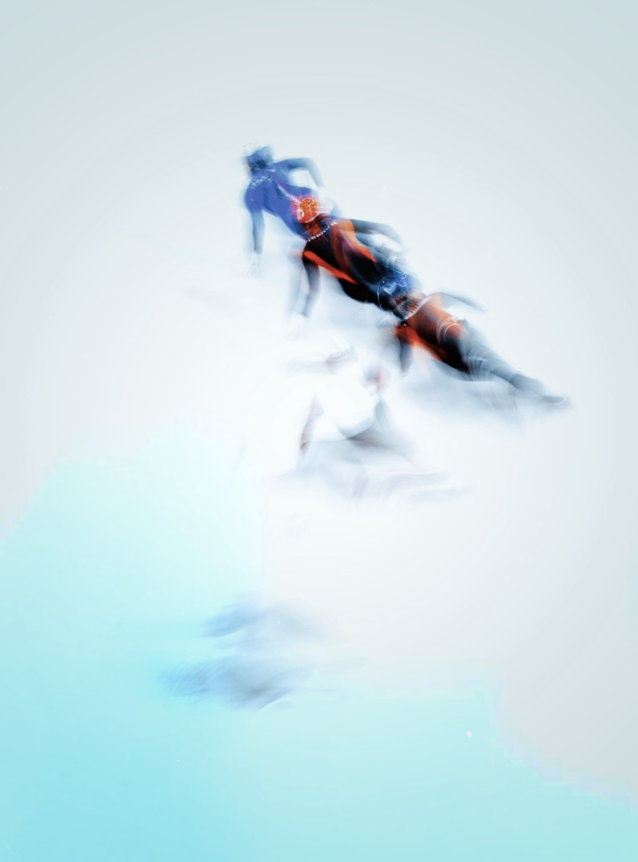
When I shoot sports, I am looking in a completely different way from a documentary or press photographer. I don’t really have any idea about what happened in the game or what happened in the race. I’m purely looking to capture movement and emotion and these can be found in the moments between or around the big moments that journalists need to capture. I am not tied to the rules of journalism; I don’t need to ensure my images are real. I want to create dreamlike scenes out of the real moments.
What is it about the human dimension of performance that continues to fascinate you?
The more time you spend around high performers, the more you realize that they are not heroes…they are ordinary people with the same insecurities and struggles that we all face…but they have a way to live in the moments and to focus intensely on what they are doing. To block out all the noise and achieve what they want despite everything that gets in the way. I find this extremely inspirational and fascinating and how contagious it is, how athletes can lift each other or bring each other down. I love noticing the effects we as people have on each other on the sports fields or in general life.
What’s the most ambitious image you’ve attempted that completely failed, and what did it teach you about your process?
I am always trying different things, when I shot the Paris Olympics I had pressure to create a piece of art for a different sport everyday…I didn’t have anything planned, I had no idea where or what I would be shooting each day but I knew I had to make something, sometimes my ideas would have taken way to long and almost all my images during that competition were rushed, but seeing images I didn’t like resonating with thousands of people, really made me realize that it doesn’t really matter what I think of my work, people will have there own opinions and that is beautiful. I don’t create for athletes, I don’t create for other creatives or for brands to appreciate me. I create because it’s an obsession I have and when I am shooting or editing, all my problems disappear and I live in the moment. And this is how I find peace.
Your photographs seem less concerned with documenting sport and more focused on preserving the emotional energy surrounding it. When you’re shooting an event like FIFA World Cup 2026, are you looking for action, or are you looking for something deeper?
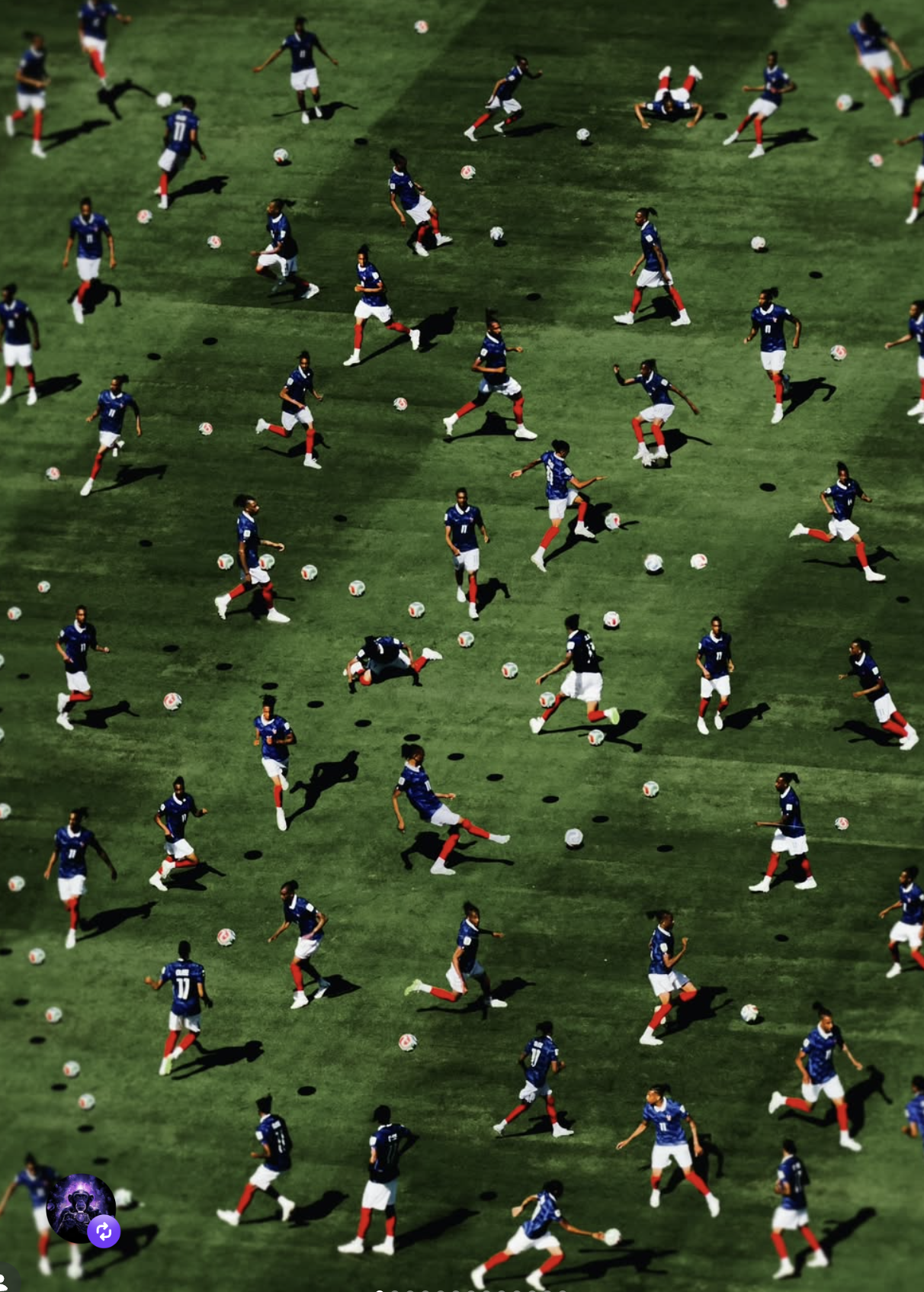
For this World Cup, my challenge was to create with only my phone as a fan in the stands. I was looking to capture as much action as I could on the pitch and piece all the moments together like a puzzle to showcase the game in a way that tells the whole story in a single frame like a painting.
Do you see your work as resisting the speed at which modern sports content is consumed? Your composite work literally manipulates time.
I definately use colors, patterns and composition to grab the viewers eye, to have them stop and look deeper into the image. I don’t really like how content is seen by people who do well and then gets copied and reposted becoming a huge trend, but it does not last. I hope the images I create will be looked back on in years to come, and people will still find them interesting.
In the age of AI-generated imagery, how important is it that the foundation of your work remains rooted in something that actually happened?
It’s the only thing for me that makes the images special. Anyone can make a collage of images but I am living in that moment on the field or in the stands, surrounded by the atmosphere and energy. I capture the moments I want exactly. I don’t use remote cameras or tripods, I hand hold and shoot the images I want in the best way possible, and then I put the puzzle together in post production where sometimes my original idea transforms into something completely different to what I imagined, and I really love the unexpected. We don’t know what will happen on the field and I like the same when I get back to edit, I hope something unexpected happens