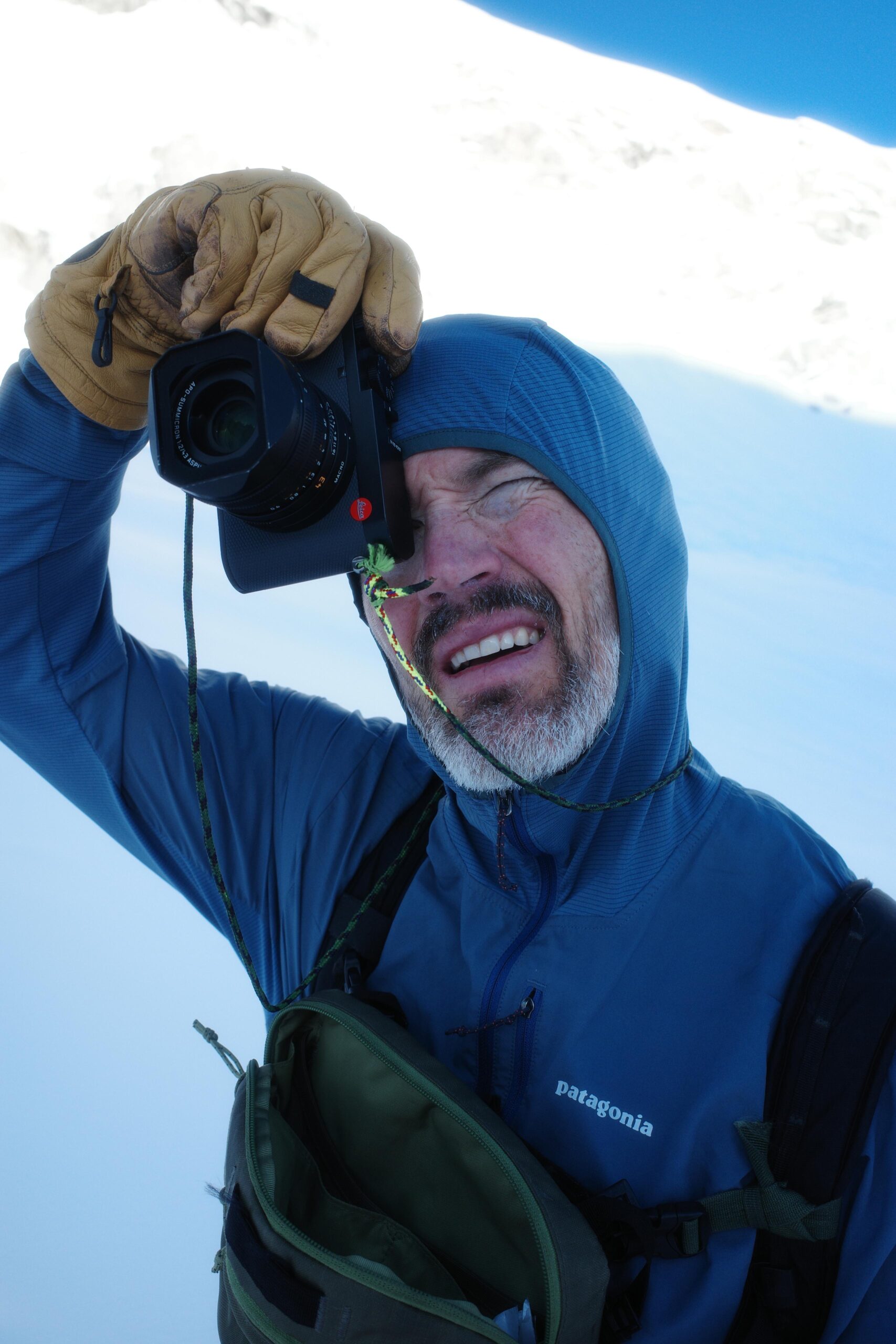
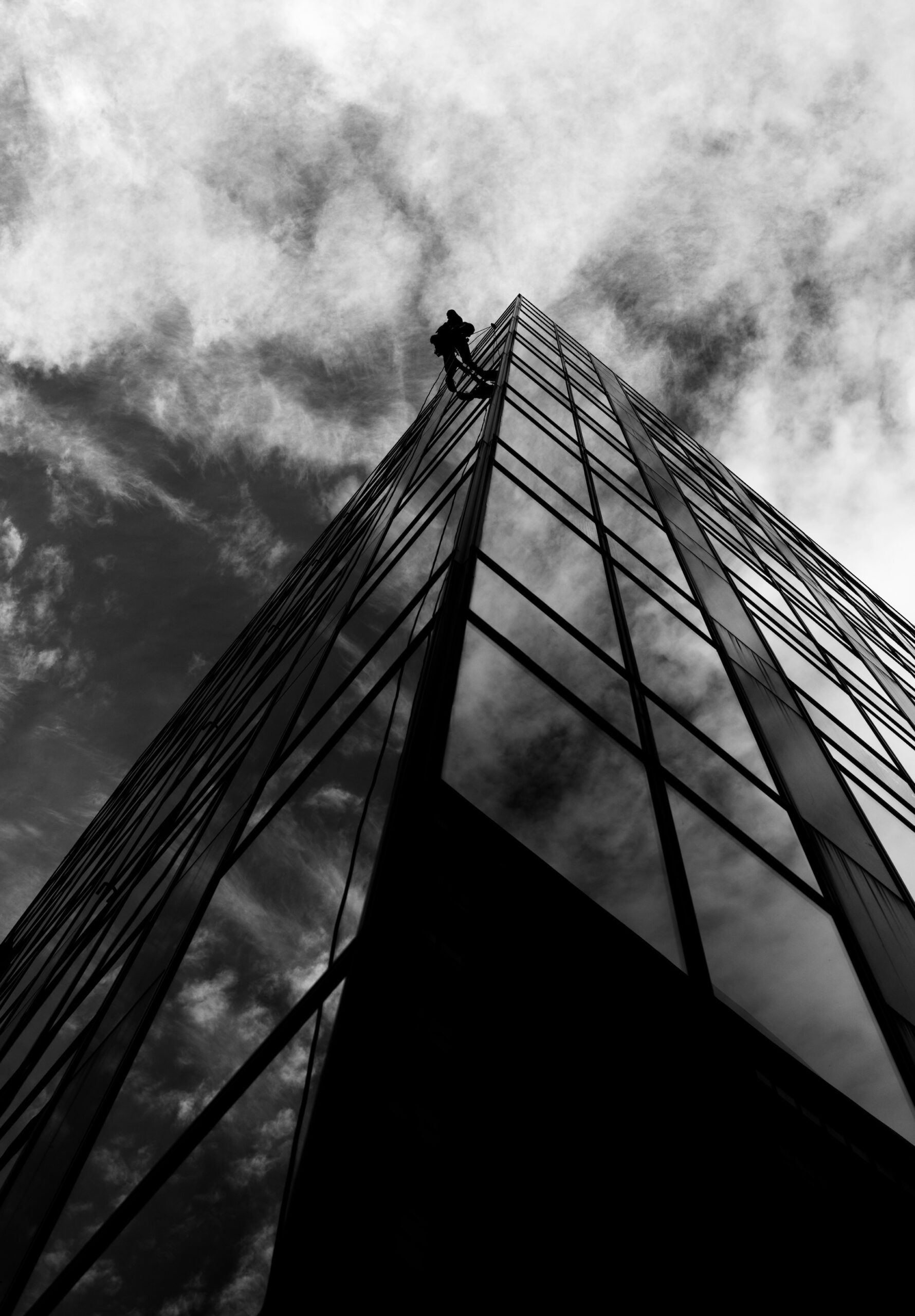
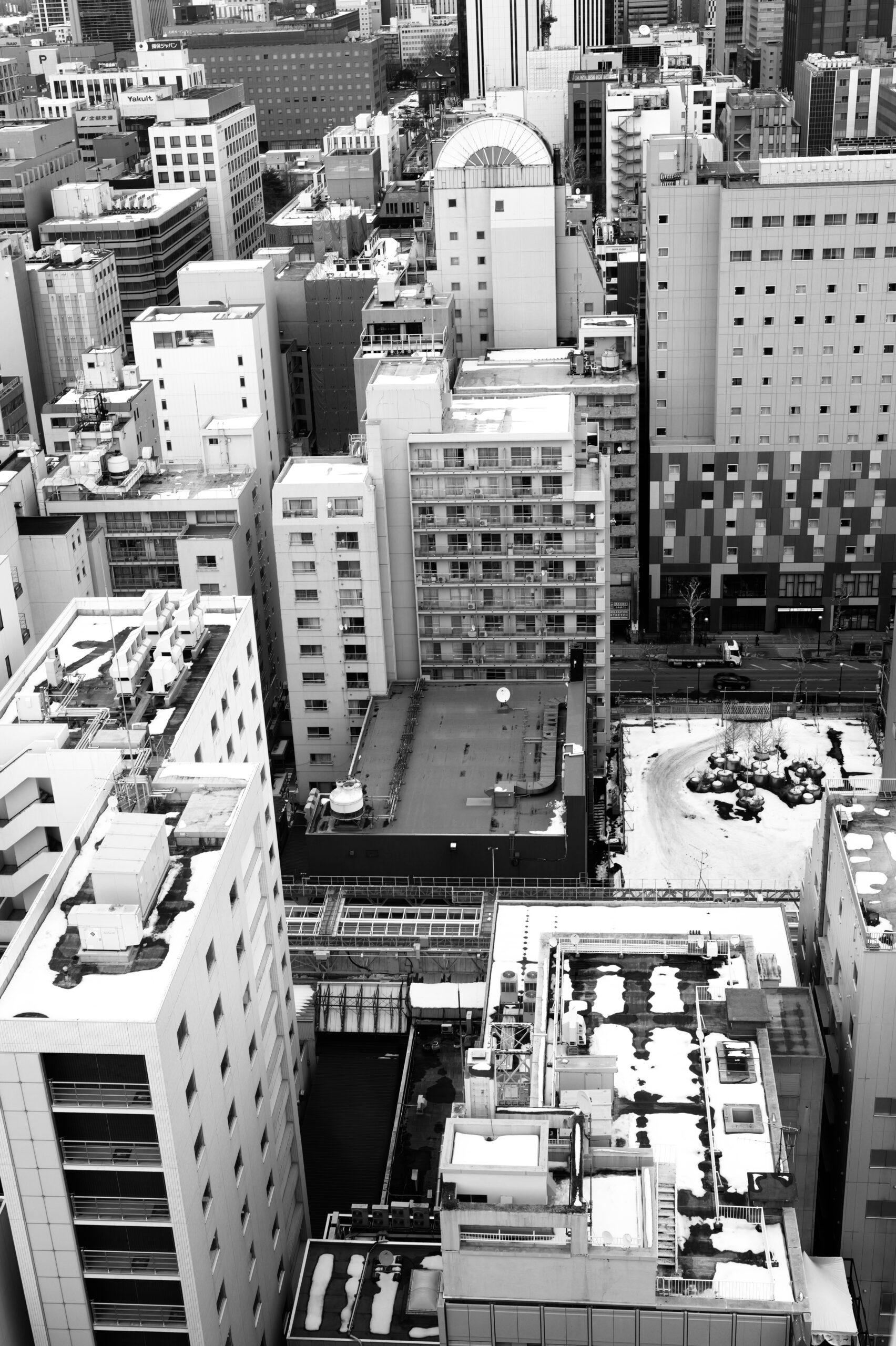
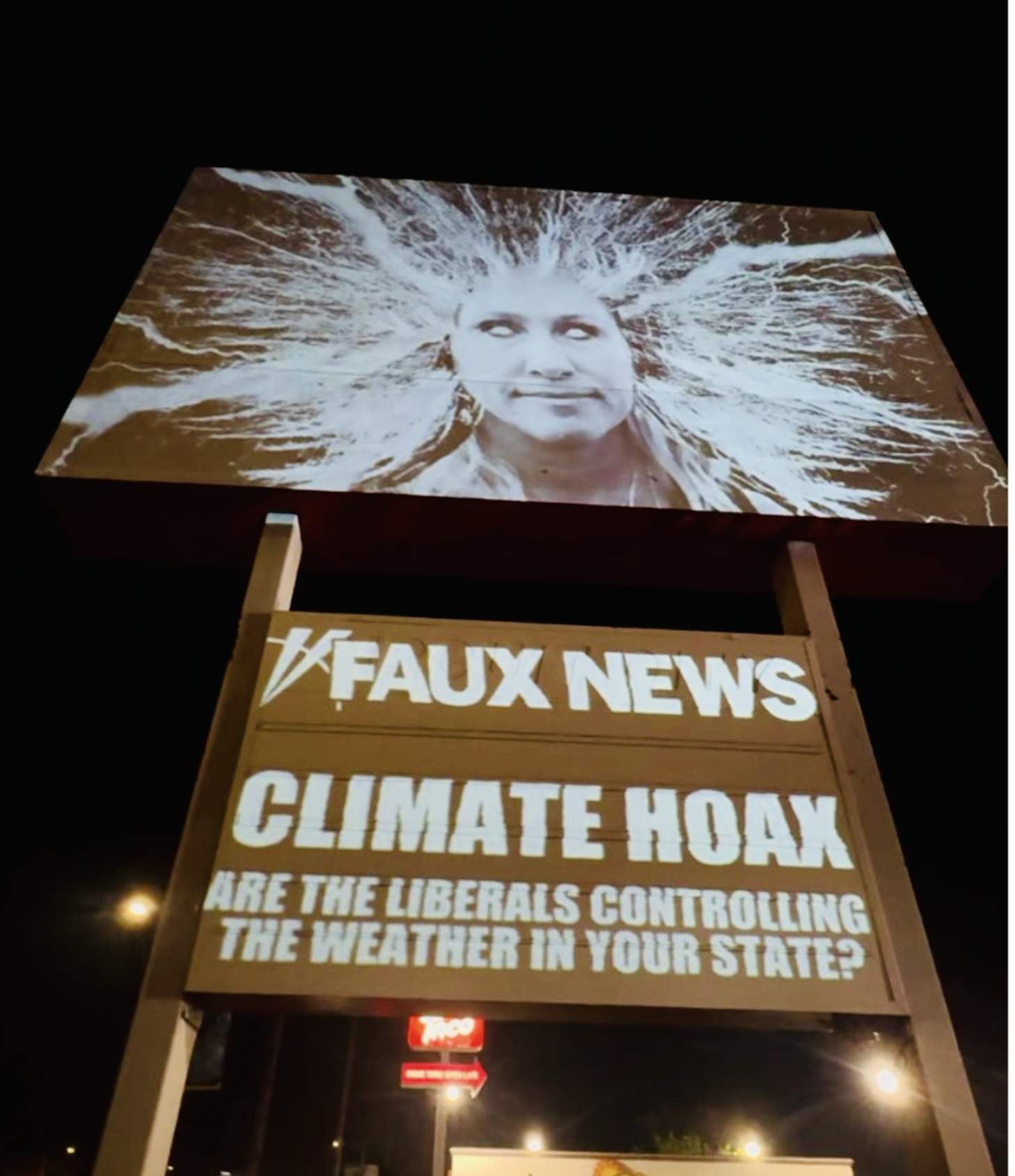
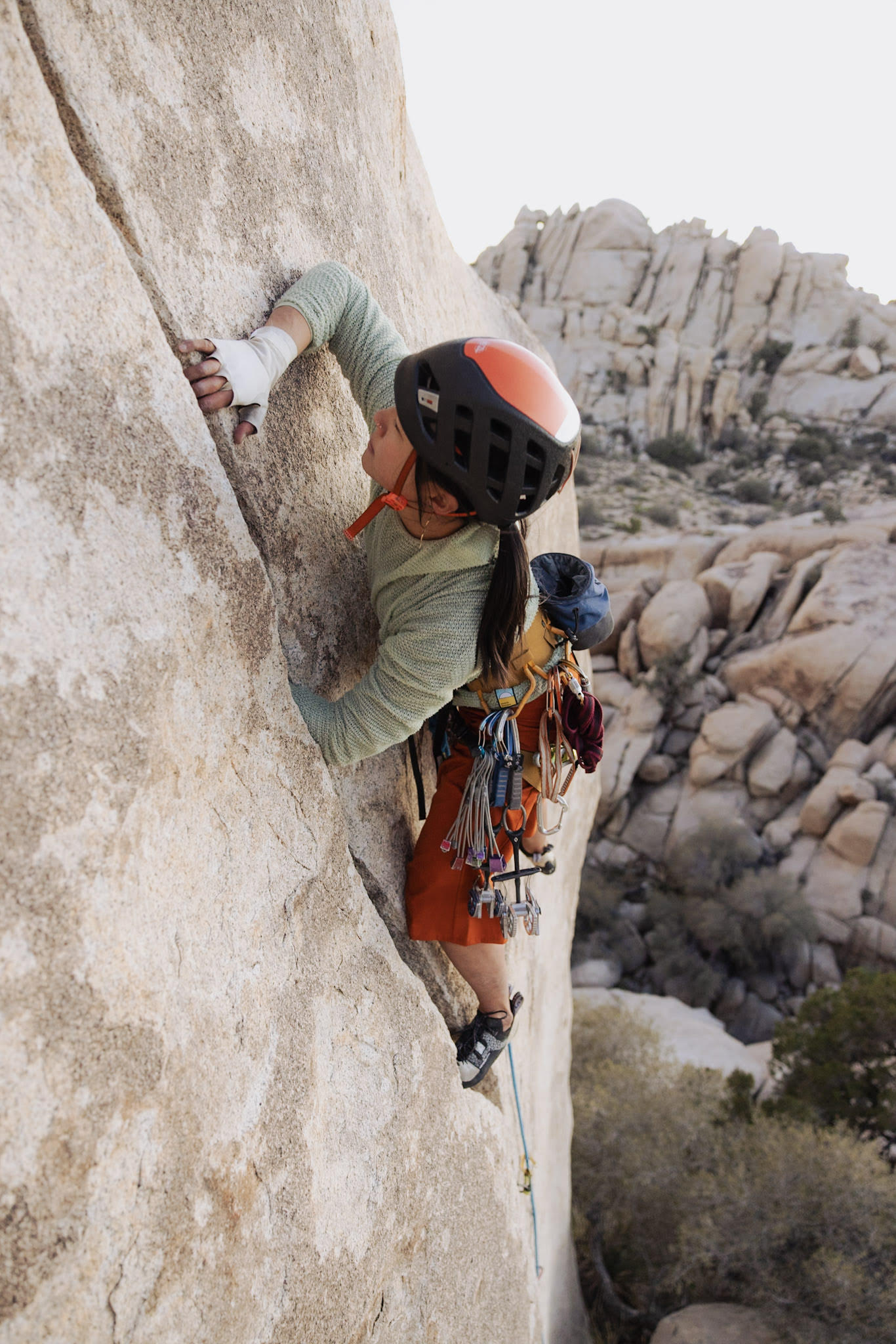
The Daily Edit – Kriston Jae Bethel: Photojournalism and coaching fosters resilience and empathy

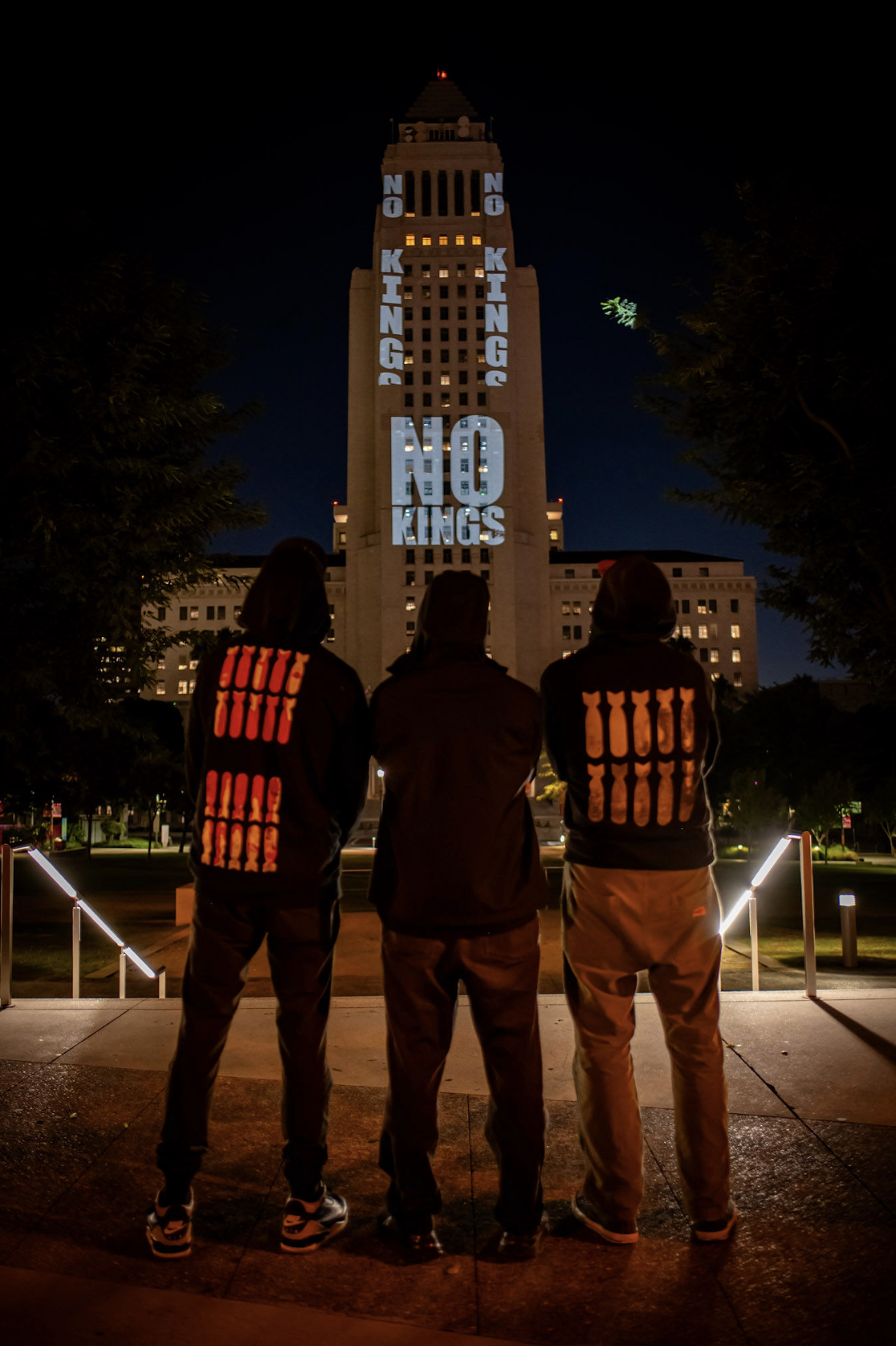
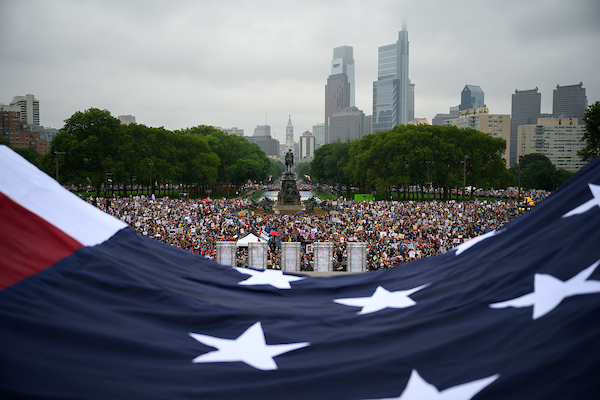
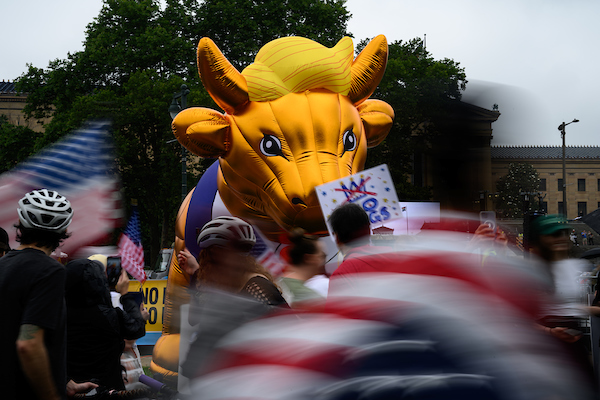
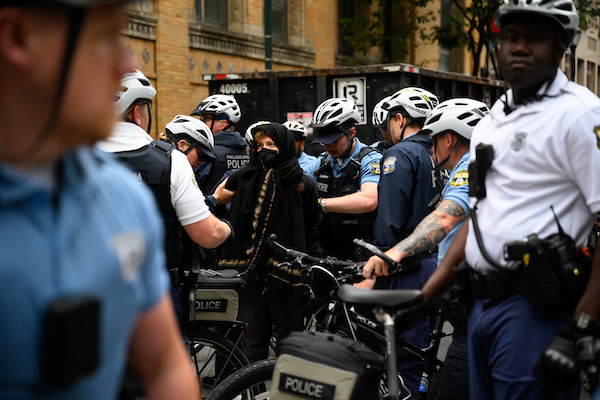
PHILADELPHIA – JUNE 14, 2025: An American flag extends across the steps of the Philadelphia Museum of Art as an estimated 80,000 participants joined the “No Kings” protest.

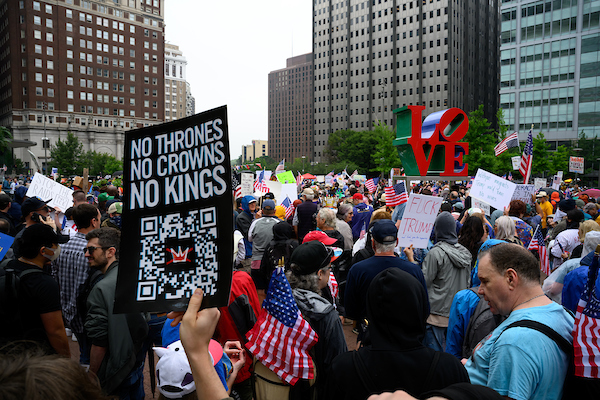
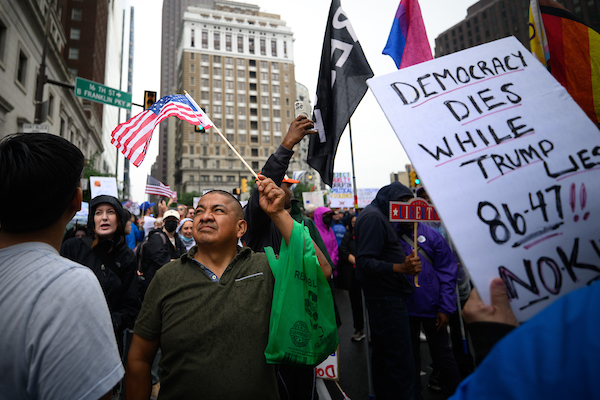
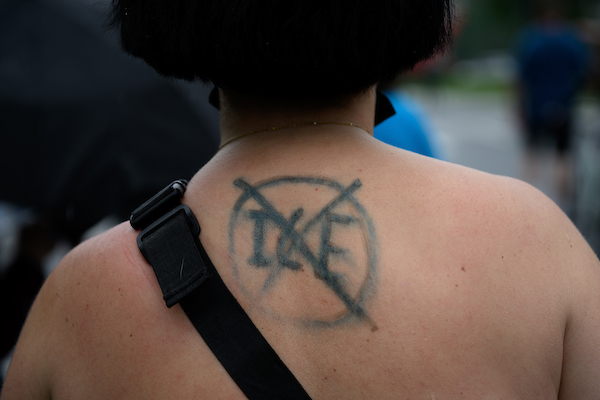
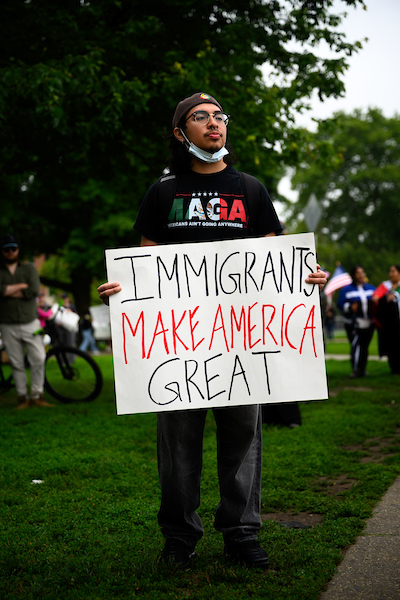
Participants in Philadelphia join the national “No Kings” protest on the same day as a military parade in Washington, coinciding with the Army’s 250th anniversary and President Donald J. Trump’s birthday.

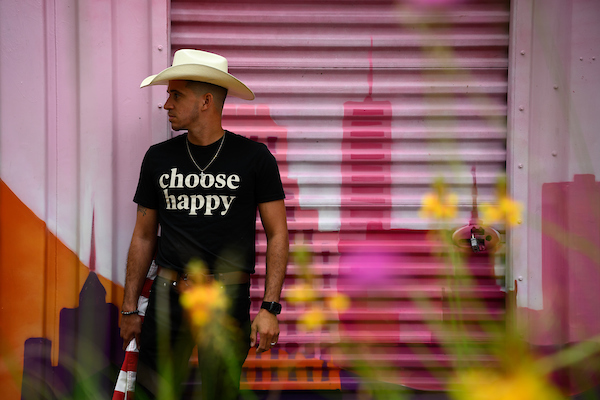
Kriston Jae Bethel

Heidi: You studied journalism and political science at Temple University and transformed into a lecture adjunct. How did that academic foundation shape your approach to documentary and protest photography?

Kriston: I think my choice to study both journalism and political science was more a function of who I am and what I want to see in the world, so in a sense, the same thing that drives my approach to photography is what led me to my academics. The two are intertwined, but a core part of who I am is that I like to understand people and I love to learn how things work. I do believe having that formal background allows me to think more deeply about the issues I cover and try, as much as possible, to see what’s unfolding without inserting my own emotions. Of course, as a visual journalist, I’m also trying to capture the feeling behind that, so I can build a connection with the audience. But it also lets me have much more nuanced conversations, which can help people feel at ease or even open doors that may otherwise remain closed.

As noted in Diversify Photo’s “Solutions Photography” talks, trauma-informed long-form story creation is central. How do you ethically build trust with protest participants—especially in emotionally-charged environments?
When you’re working in a crowd of people, whether it’s dozens or tens of thousands, I think the first, and hopefully easiest part, is to just be a genuine human being. I take the time to talk to people, I’ll answer questions about what I’m working on, or even make a portrait of someone just because they asked. You’re not there to participate in a protest, but that doesn’t mean you can’t have humanity. I think this is even more important when you’re working with people whose viewpoints may differ from your own. It’s the little things that I think go a long way, even non-verbal communication like a smile or a nod, that help people feel at ease. Authenticity is key.


How do you maintain that journalistic neutrality when covering emotionally charged social justice issues, where public sentiment often runs high?

I think there’s a misconception about what neutrality means and how we handle it as journalists. I mean, nearly everyone wants to believe that they’re neutral, that they’re completely unbiased, that they’re thinking with their head and not their heart. If that were true, politics would probably be a lot more boring and social media would be a much kinder space!

But the fact is that we’re not robots. The important part of being a journalist isn’t that you exist without personal opinions or feelings, but that you don’t let those get in the way of your coverage. We all come with our own life experiences that shape who we are and how we see the world, but when you’re doing the work, it’s important to discern how those may affect your perceptions. I think good journalists learn to allow themselves to feel, without letting it override their reporting.

There are a thousand tiny moments where decisions are made as a photographer – the stories we pitch, where you choose to point our camera, what we leave out of the frame, what makes our final edit. Things like gender, ethnicity, orientation, religion, economic background – all of these qualities shape our world view, giving us unique knowledge and insight. But it’s important to acknowledge these, especially in cases where they may lead to privilege, so we can minimize blind spots.


In high-pressure work, how do you stay flexible—able to fully feel intense moments and then bounce back—and what small habit helps you reset?

Something you and I talked about is this idea of “emotional elasticity” – being flexible with your experiences, your life, your emotions. When talking to my colleagues and friends who work in the industry, a lot of people are feeling the toll of working in a field that’s often driven by high pressure moments, while capturing intense emotions that you’re deeply embedded in. It can be a lot to manage, but it’s important to stay healthy through that. Whether you’re seeing a therapist or journaling on your own, talking it through with someone else or just doing mental check-ins with yourself. For me, I try not to center my entire being around the work, but have outside interests. I rock climb, I coach and overall practice cultivating a positive mindset. I think trying to push things down without recognizing your own experience is a good way to burn out. That’s where the ability to remain flexible and resilient becomes important, so that you can experience everything in the moment, but still come back to who you are.

How do you, as a coach, foster resilience and empathy in your athletes—helping them face failure, handle negative thoughts during long runs, and grow not just as runners, but as people?
I coach high school track and cross country, predominantly working with distance athletes. This is something I do simply because I enjoy being there for them, but it’s a lot less about the athletics than I think most people think. When you have to run a distance event, there can be a lot of time in your head for negativity to creep in and take over. What we try to teach is resiliency, the ability to overcome, how to come back after failure. It’s not about never having those negative thoughts, but how you deal with those emotions. These are the lessons we’re really working on and sport kind of just comes out of it. I hope the thing they’ve learned after graduating isn’t how to be a better runner, but how to be a better version of themselves.

There really is a tremendous amount of pressure on young people today. I think we’re suffering as a society from a lack of empathy and willingness to actually listen to one another. This has us pushing further and further in opposite directions, looking for confirmation more than critical understanding. Combine that with the internet and social media that allows us to see what we want – this has us in a very challenging position right now. Bringing it back around, I hope that my work helps us build a more resilient society, that helps us grow closer together, to see the tough things and understand more about what the other is feeling.

You were embedded in the flagship Philadelphia action, among an estimated 80,000 protesters on June 14. How did you ensure your images reflected both the collective voice and the individual stories within such a massive crowd?
Scale is always impressive and often provides a sense of how important or urgent an issue may be. It’s the big picture. However, it’s also crucial to take viewers into the ground level and create images that capture emotion (something I seem to be talking about a lot). I’m constantly looking through a crowd and trying to find a variety of emotions and moments that tell us how people are feeling. There’s always something that stands out to me. And in addition to that, I’m always trying to find something that may subvert expectations. I’m not always successful, but It’s definitely something I’m keeping an eye out for.

Crowd density and police presence bring unique risks. How do you assess and manage personal risk while on assignment—especially in fast-moving situations?
I want to preface my answer by saying I’m not a HEFAT (Hostile Environment First Aid Training) instructor and anyone looking to learn more about how to stay safe in potentially hostile environments should definitely look into taking a course. That said, there are a lot of steps you can take to keep yourself safe, but the first thing to know is your level of risk tolerance. You have to be honest with yourself about how much you can handle, depending on your training and experience, and to not exceed that. Then you have to have a risk assessment. Who might be working against you, what threats do they pose and how do you mitigate that. In regard to physical safety, having eye protection, head protection and respiratory protection are all things you should have on hand.

What are two key things to consider for anyone covering fast moving situations?
I think the two most important things are 1. Good communication and 2. Having a field buddy.

To the first part, always talk to your editors about your plan, then remain in communication with them throughout the day. And if you’re going into something alone, make sure you have someone at home to keep updated. This could be a partner, friend or family member. Before the protest, I reached out to several other freelance colleagues that were going to be covering the protest and got us all in a chat with one another. While we were all working for different publications, I wanted us to all be able to rely on one another on the ground. This was all in addition to remaining in contact with my editors and security team.

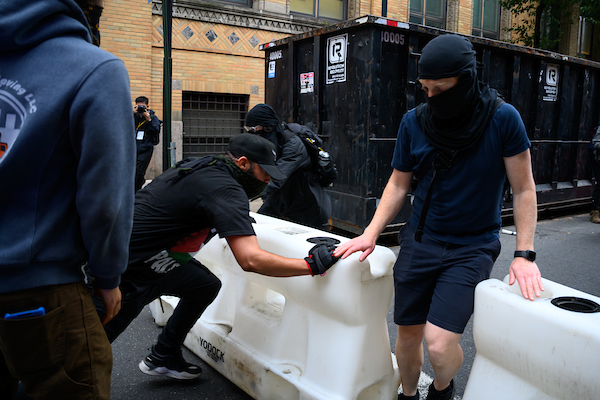
To the second part, having someone in the field with you that you can rely on really does increase your safety level. During the protest, my colleagues and I checked in with one another throughout the day and later in the evening, many of us traveled together, so no one was alone. Things can get more unpredictable when it starts getting dark. A group of protestors separate from the “No Kings” event gathered outside the Federal Detention Center and marched through the city, leading to some conflict with law enforcement. Having someone that can see the things you miss, especially in situations like these, could be the difference between going home and taking a trip to the hospital.

There’s a lot more that can be said about this, like maintaining situational awareness, deescalation (whether it’s with protestors, law enforcement or just someone on the street), when to blend in and when to stand out, but I would highly recommend taking a course for those interested in pursuing more of this type of work.

At the end of the day, the number one thing to remember is to use good judgement and avoid risks beyond what you’re prepared for, because you’re more important than a photo.

###

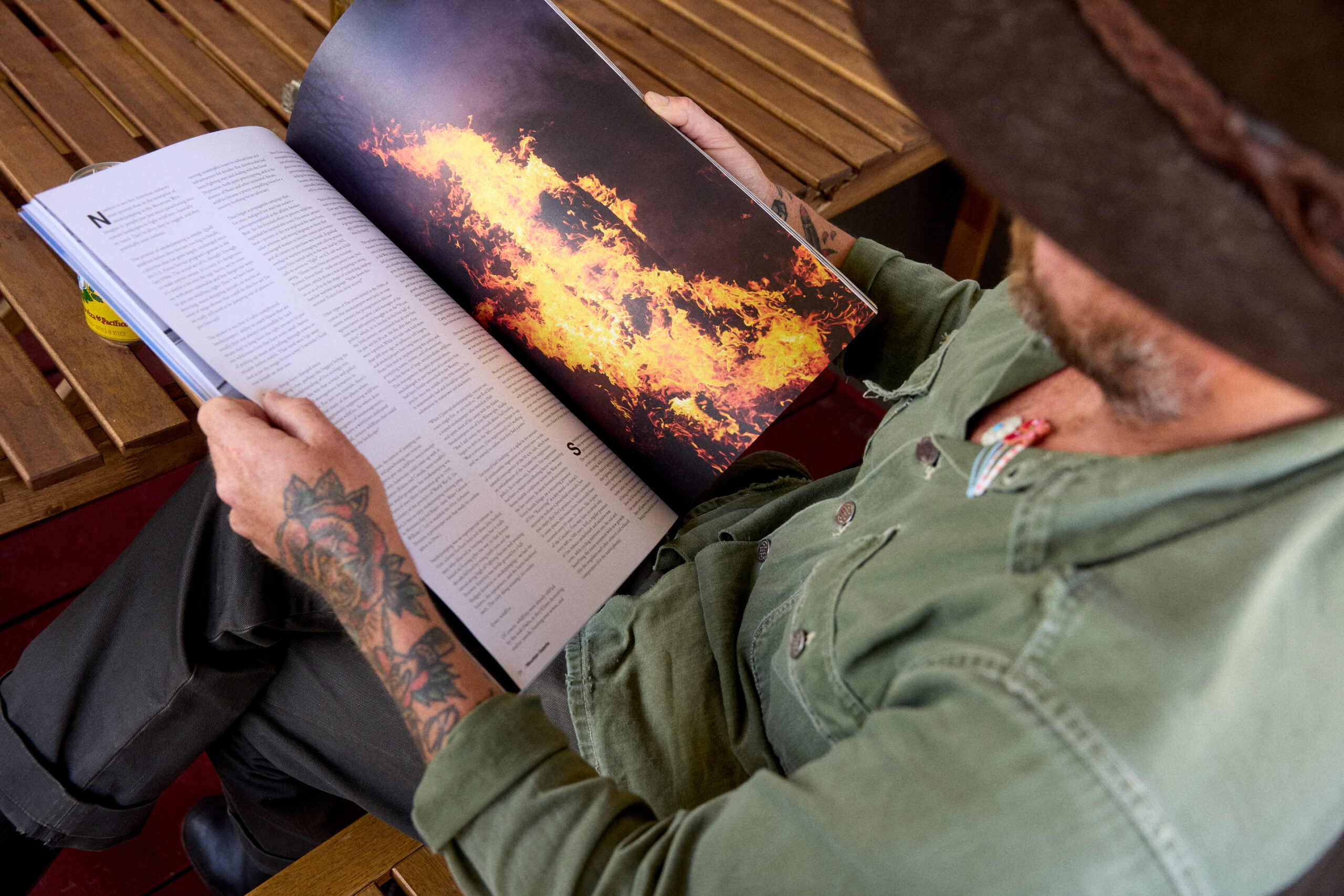
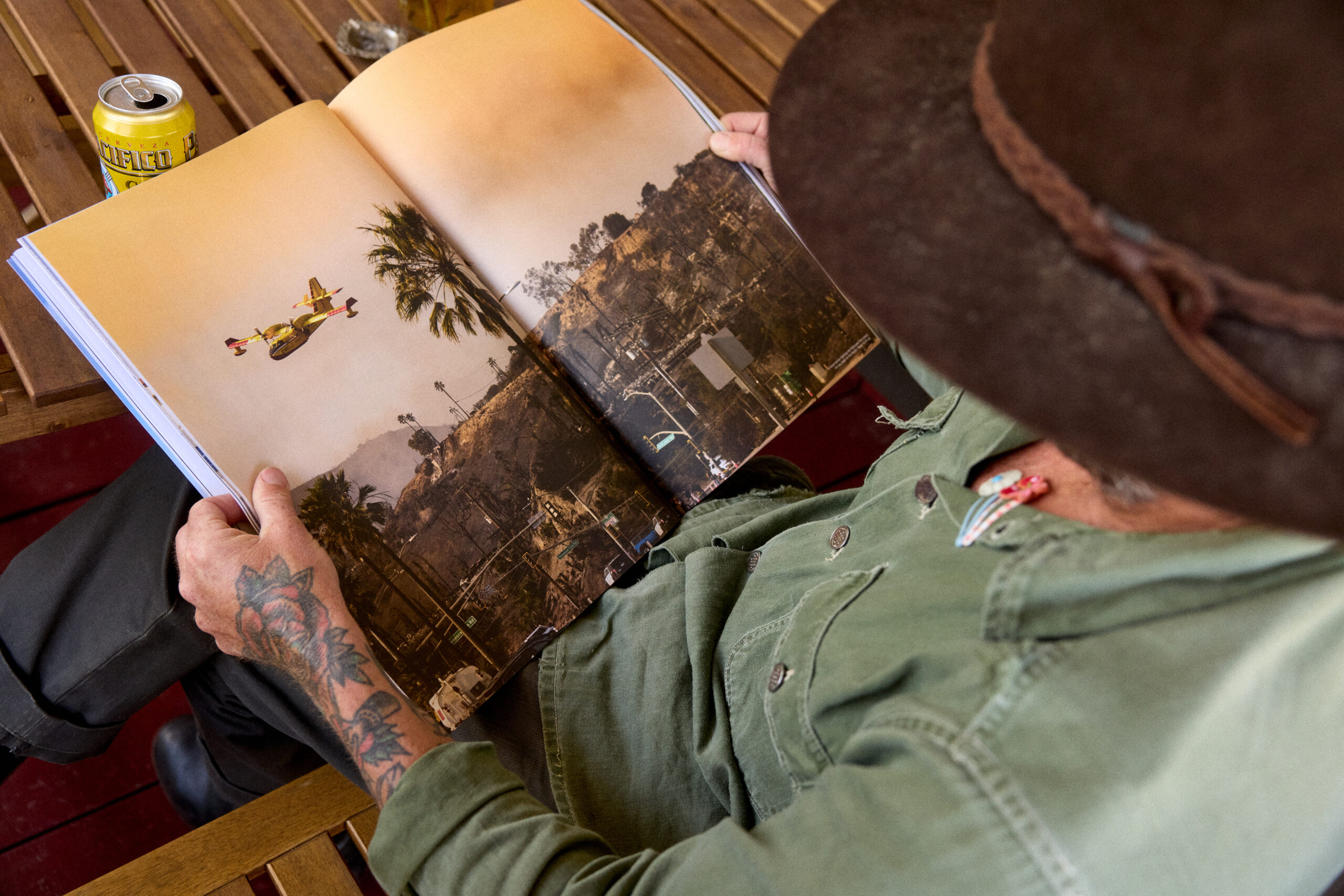
The Daily Edit – Mountain Gazette: Mike Rogge


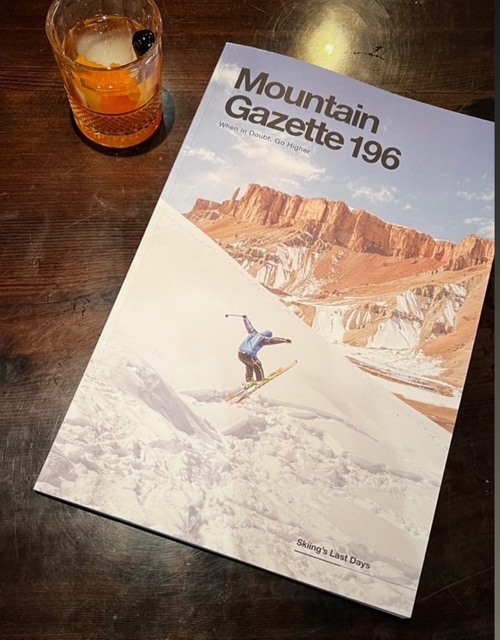
Mountain Gazette

Editor: Mike Rogge
Art Director: John Coleman
Copy Editor: Kim Stravers
Managing editor: Doug Schnitzpahn
Office Dog Boss: Quinn, Mike’s BF 

 Mountain Gazette has had multiple lives since its origins in the 1960s, including its most recent resurrection in 2020 under your lead. What drew you personally to this legacy publication, and how are you preserving its original spirit while modernizing it for a new audience?
I liked the alternative side of Mountain Gazette. I’m drawn to creative, outside-the-box thinkers and you would be hard pressed to find anyone more outside the norms than the 60s and 70s writers, photographers, and artists of those early issues of Mountain Gazette. The late-Tom Benton designed the second ever cover of MG. He also did the first ever Earth Day poster and much of Hunter S. Thompson’s Gonzo campaign for sheriff of Aspen. It would be wrong for me to try to find the next Hunter or John Fayhee. Rather, I search for writers, photographers, poets, artists, weirdos who carry that spirit of seeing the world differently than those writing the ins and outs of gear reviews, advetorials, and overblown everything-ness of modern outdoor writing.  I’m editing a Best of Anthology book to celebrate the sixtieth anniversary of Mountain Gazette’s founding. I have discovered the spirit of those early writers—embedding in a rodeo, following an obscure sport to obsession, writing about music and the outdoors—spans across generations. As far as modernizing it, we allow readers to subscribe with a credit card. It used to be a check or cash in the mail. Other than that, we try to keep it real. Keep it core. Keep it us.


Your love and print and its revival run deep for you, can you share with our readers your POV on independent publishing?
Independent publishing gets a bad rap sometimes. The image of ordering 1,000 books, selling none, and having boxes in a garage for eternity is not lost on me. The reality is without private equity backing you, independent publishing is a bootstrapper’s endeavor. And I like that. Sales not going well? Do something about it. Magazine sucks? Do something about it. As an independent publisher I’m free to work with whomever I’d like whether that’s Harry Bliss and Steve Martin or some young dirtbag journalist making a really good point in a Substack post. Independent publishing is freedom.  Recently I came to terms through my agent on a book deal with Penguin Randomhouse and their subsidiary Clarkson Potter. As a 20 year-plus ski writer, it’s a dream project, dream team over at Clarkson Potter, and dream scenario. Next week I will go to work just a few blocks south of Central Park. As an Adirondack born and raised kid, that feels like walking on the moon. I am greatly looking forward to learning how it all works in traditional publishing. I see the benefits of both indie and traditional publishing. I’m grateful I no longer have to choose which path to follow. “I can ski both lines” is how I’ve been thinking about it.  At Mountain Gazette, I’m the editor, owner, publisher, trash guy, HR, and what I’m getting at is I wear many hats. Our General Manager Austin Holt has taken a lot off my plate as has Meghan Rogge who is our VP. Conor Sendak our VP of Sales has taken excellent care of our advertising partners by setting realistic expectations and delivering.  We’re a small team and we’re constantly refining our way of doing things. We’re in the pursuit of making our title the gold standard when it comes to publishing, working with contributors, and taking care of our readers. We are not perfect. Far from it. The work is never done. There are a lot of indie titles, but there is only one Mountain GazetteWith this book I’m working on, I get to work with longtime contributors from the ski world who I consider family. I’m still meeting the team at Clarkson Potter, but they’ve been nothing but supportive. It’s nice to join a team. It’s nice to build one, too. 

You famously bought the rights to Mountain Gazette for “a few hundred bucks and a Coors Banquet.” Beyond the romance of that moment, what were the biggest challenges you faced in relaunching a print-focused magazine in a digital era—and how did you build a passionate readership around it?
I have been called a romantic person by more than one person in my life. I tend to get romantic about the small moments in life. The world was in the middle of the global pandemic, pre-vaccines, and I figured I should spend my time making something good for the world rather than freaking out about everything. My original intent was to grow the subscriber base to 1,000 people or so. A friend and former Mountain Gazette editor Peter Kray has always told me to write what I wanted to read. I wanted to make a magazine I couldn’t find anywhere else. I wanted it to be big, really big, pages, great writing, surprises, and just find things in the world that made me say, “Wow. That is fucking cool!” I haven’t gotten bored yet.  I’ve always believed if you focus entirely on the editorial the readers will find it. They did. My favorite stories from subscribers are when they have friends over for a dinner party or to have a drink and the magazine is on the table. Their guests stumble upon the magazine and say something to the effect of “What the heck is this?” I believe we get a lot of new readers that way. We hear a version of this story all the time.  We’re also print-focused, but in no way digital ludites. I’ve made what’s called “digital content” for two decades now. Print gave me a chance to focus. It gave me a page count. We could all use more page counts, some limits. Just because everything can be posted all of the time doesn’t mean it’s good. McDonald’s makes a quick meal, but it also gives you a stomach ache if you eat it all of the time. It’ll actually kill you. Digital media is fast food. It’s hard to find the good stuff online. The good stuff is in the real world. We should all try to remember that more.

The NYT referred to Mountain Gazette as “gusty and wise” – You mentioned that “we went too far in the digital realm — and now we’re pulling it back.” How does Mountain Gazette intentionally design its print experience to provide that “lean back” feeling and stand apart from the overwhelming pace of digital media?
John Branch did a great job with that piece. The first thing we, John Coleman, our art director, and I did was talk about how a magazine should be pieced together. The best way to do anything, in my opinion, is to talk a lot about what’s wrong with the way things are done. Start by not repeating someone else’s mistakes. Print magazines for a while now used crappy paper, too many poorly designed ads, not enough pages…it all reeked of desperation to do anything to keep the lights on. We pushed our advertisers to make ads that were above all beautiful. We also took a note out of podcast formatting and made it clear that ads would appear at the beginning of the book and at the end of the book. The feature well would be uninterrupted by ads for the benefit of the reader’s enjoyment. John and I determined we could do four-page features, but bigger ones would be better. The early Gazette had cartoons, so I reached out to my friend Cy Whitling and he’s had a cartoon in every single issue of the revival. Later, we found Mike Handzlik also known as The Dead Dirtbag. He pairs so well with the Jaded Local column. He and Hans are a good team. I brought on Harry Bliss and Steve Martin. Harry is one of the best artists I’ve had the privilege of working with. I like the way his mind works and how he dissects the world with a pen. Saying Steve Martin is funny is an obvious thing to say, but in our email interactions we can debate the funniness of a single word. He emailed Harry and I about the strip a few hours after he hosted the monologue of Saturday Night Live’s 50th anniversary show. Steve and Harry are dedicated to the strip and for that I am grateful. I feel this dedication to editorial cartoons is a major thing that separates us from others.  On our features, we get weird, we get soulful, we get rad, we get serious, but everything has to have heart and a perspective. We don’t phone a single page or line in. We try to publish what others would not. That’s not to be provocative. We don’t do anything for shock value in the magazine. That’s for the internet. We don’t need to get you with a headline. If you have the magazine, we already have you in the community. So we just lay it all out in a way that’ll make you put down the phone, pour a nice beverage, and take a deep breath. And to be honest with you, I don’t think any part of digital media does any of what I mentioned above. That’s what sets us apart. We don’t do silly dance videos. Maybe that sets us apart? Maybe we should do silly dance videos. I don’t know. I think I’d rather make two good magazines then go do literally anything else. 


As part of a broader resurgence of high-end, niche outdoor journals, Mountain Gazette has embraced collectible large formats and minimal online presence. How do you balance being “unapologetically analog” with the need to grow a modern readership and engage digitally without diluting the print experience? What was your inspiration for the large format – or was it simply to represent vast and wild spaces?
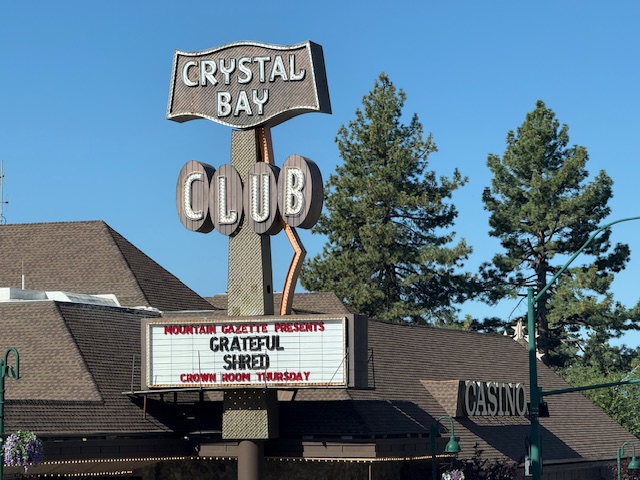
We have never shared a single story in the magazine online. And we won’t. Our readers pay good money for the magazine. It’s their magazine. We owe it to them to not cheapen by giving it away for free. We can use the internet for what it was intended to be—a tool. We’re sitting with around 30,000 subscribers right now. I don’t believe there are other titles sitting at those numbers. It’s our job to communicate with our readers. We keep our magazine exclusive to print. Our online presence is mostly for advertising to get the title in front of more people, make a few jokes, sell a few t-shirts. I find the more our team engages online the less happy we are. Recently, we threw a show at the Crystal Bay Club here in North Lake Tahoe with the band Grateful Shred. We had over 300 people show up. I met local readers, but also a group of 9 people who drove up from Los Angeles to Tahoe to see the band and hang with other Mountain Gazette readers. It’s a community. No hashtags needed. The large format was inspired in large part by Victory Journal and coffee table books. I wanted to make a coffee table book twice per year. I don’t know what I was thinking but it’s worked out so far. 

Congratulations on the reprint of issue 203 – what makes that issue so special in your mind, Drew Smith shot the powerful cover story. How did the story pitch unfold?
Thank you. We have 6,000 additional copies coming off the press at the end of the month. We’re close to having our tenth sold out issue in a row. That makes me the single worst product forecaster in the industry. We typically slow down business-wise in June. School is ending. Summer is beginning. So I ordered a few thousand more copies than we needed, but when the world saw Drew’s cover…it just went nuts. We sold out in about three and a half weeks. We actually didn’t even use our marketing materials to promote the issue. They weren’t ready in time. The cover did all the work. That felt special and it’s really a testament to Jim Morrison, his vision for skiing the Great Trango Tower, and then pitching the story to me on the Granite Chief chairlift at Palisades Tahoe. He’s the only person to ever successfully pitch me on a chairlift. Another first for Jim.

Trango (TNF movie)  is set in one of the most dramatic alpine environments on Earth. What were the biggest challenges editing the 18 page spread story to show the scale and vertical exposure of the Great Trango Tower as well as the isolation for the reader?
John and I did our best to edit down the selections, but ultimately we leaned on Jim over a Zoom session or two and a few phone calls to share with us the ins and outs of the journey. When Jim’s eyes lit up at parts in the story, we knew those were the images we needed to find a home for. Authenticity is important to our stories. There were plenty of rad shots Drew took that didn’t make the cut. That’s what happens when you work with insanely talented people in print. It can’t all get into the feature. The Trango film does an excellent job telling the story of the expedition. We wanted to tell the story of Jim’s experience, what his heart was telling him to do or not do, and the consequences of decisions in the mountains. For me, the film and the feature are entirely different and complimentary. For the design, we try to stick to singles and spreads for images. An 11×17 page lends itself to vertically oriented shots. The spreads can show the vastness and remoteness of the range. Drew has a great eye and the variety we had to work with was a ton of fun for John and me. 

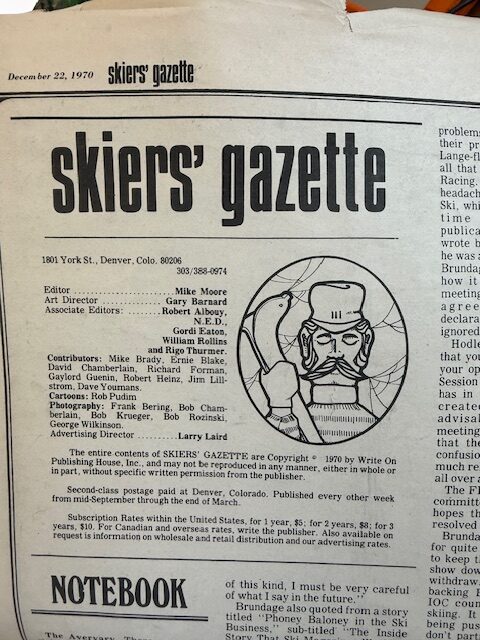
Mountain Gazette began as Skier’s Gazette in 1966 and evolved into a cultural touchstone by the 1970s, featuring icons like Hunter S. Thompson and Edward Abbey. Looking back, what do you think made the magazine resonate with readers during that era—
and what lessons did you learn over the past few issues?
Counter culture is needed in the world. We can’t let those in power tell us how to have fun, how to love, how to feel, or how to live a meaningful life. Skiers’ Gazette began with horror stories of the US Ski Team from former members. That’s just not something people wrote about in 1966. Powder wouldn’t come along until 1972. I like to think it was directly or indirectly influenced by that anti-establishment story in Skiers’ Gazette. I’ll have to ask the Moe Brothers one day. It’s not hard to see one story show folks that “this is not the way” and then another picks up the narrative and says “actually this way is kind of fun and funky.” That kind of speaking out is important. As storytellers we focus too much today on the intended outcome of a piece, but I believe the message and the medium are more important. We can pretend, as editors, that we can control outcomes, but we cannot. The best we can hope is we put something powerful into the world. We don’t build the fires. We can, however, create the spark. 

Abbey and Thompson, they lit the match. The Jaded Local column by Hans Ludwig, today, he does the same thing. Cy Whitling does the same thing. Jason Roman, Megan Michelson, Amanda Monthei, Ari Schneider, George Sibley, Emily Leibert…they write and shoot and create art from their hearts. It’s never mailed in. That way of creating resonated then and it is what resonates now. We work with people who genuinely give a shit. 

Over the last few issues I’ve learned a few things. Number one is that if our team at Mountain Gazette isn’t right, nothing can be right. Thankfully, I have the best team with me right now. Two is that there is no end to editorial. Just when I think I’ve figured out the formula, it needs to change. The world evolves and so does the magazine. What someone loved about MG 194 might not be what they love about MG 204 this fall. We have got to evolve our editorial as the world changes. We’re at our best when we reflect how the outdoor world actually is. That is an on-going job. I’ve been wrong about many things. I don’t enjoy running a business as much as I love making a magazine. We switched printers. That was unexpected, unfortunate, but the right move for the future of the magazine. Being wrong is just a chance to grow and learn. I’m grateful our readers allow me to do that. If I end up being more wrong than I am now, from an editorial standpoint, if I feel like I’m slipping or the readers let me know the edge is gone, I’ll step aside and allow the next editor of the magazine to take it down the next path. The goal here is to not die in this chair. The goal of this revival is that another one will never be necessary. 

How do photographers get in touch for potential story ideas?
We have a submissions page at MountainGazette.com. We receive over 6,000 story submissions per year for around 40-45 slots over two stories. It’s hard to get in our pages, but I promise when you do it’ll be worth it.


Issue 200 marked a creative milestone for Mountain Gazette, with Tom Benton’s golden aspen leaf not just serving as cover art, but as a visual metaphor for the magazine’s deep Colorado roots, artistic, “soul ride” aesthetic
What made that particular image—and Benton’s legacy—so essential to this moment in the Gazette’s history?
I love Tom Benton and all of his work. He’s someone I wish I could have met. Powerful messaging through simplicity is the hardest creative act in the world. Benton was a master. I have one of his originals hanging in my living room. For the 200th issue, we felt it was deeply important to pay homage to the Colorado roots, specifically Aspen, Colorado, and the freak, gonzo, dirtbag, ski bum culture that inspired our magazine and generations of people.


How big is your creative team?
John Coleman is our art director. Kim Stravers is our copy editor. Doug Schnitzpahn is our managing editor. Quinn is my dog. I am the editor/Quinn’s best friend. We work with a handful of contractors on retainer.

What’s something you want photographers to know about Mountain Gazette?
Shooting with your subjects dead center works for Instagram, but not for magazines. Use the rule of thirds and quit putting all the rad stuff in the middle. It ends up in the gutter. Shoot for print. Shoot with a goal in mind. Intention is everything. Have fun. Be different.


The Daily Edit – Sacha Stejko talks about balancing vulnerability and power infront of and behind the lens

Photographer: Sacha Stejko

I had the pleasure of serving on the 2025 Communication Arts Photography Competition jury—a fantastic opportunity to step outside my usual discipline and review photography alongside my esteemed peers. One standout moment was discovering Sacha Stej Sacha, an Auckland-based photographer represented by Image Driven Content. Her accolades include being named one of the top 200 advertising photographers globally by Lürzer’s Archive and being recognized as one of the 23 World’s Best Sport Photographers by The Agents Club in 2023. I recently had the pleasure of catching up with Sacha to discuss her award-winning image.

Your photography is known for its cinematic and powerful portrayal of women—what are the key elements you look for when capturing intensity and resilience in your subjects?
When I’m gearing up to capture my subjects, there are a few key elements I always keep in mind. First and foremost, getting to know my subjects is essential. I want to know what shapes who they are. Before the shoot and even during it, I dive into conversations that reveal what makes them tick.

Once I have a sense of them, I try matching their emotional tone; if they’re fiery and passionate, I want that to jump off the frame. I aim to include a piece of who they are in every shot, whether it’s a glimmer in their eye or the way they hold themselves. I strive to create an image they can recognize, one that resonates with their energy. It’s all about connection, and that’s what I love most about photography: being able to freeze a slice of someone’s narrative, a moment of resilience and intensity, in time.

In your “Girls in Sports” campaign for 2 Degrees, you highlighted both strength and vulnerability in your subject. Can you talk about how the casting went and what direction you gave?
This campaign was shot alongside a TVC, and the fantastic Director Taylor Ferguson did the casting. When I met these young women I could see that they radiated talent and spirit. For this brief, I wanted to capture that passion and grit. They don’t just play the game—they own it. I love the dichotomy between their sweet appearances and the fierce determination they display on the field – there is nothing more badass than seeing these girls in their element. Take the rugby girl, for instance. I asked her to sprint full speed towards the camera, like she was dodging the opposing team. In that moment, she transformed into a powerhouse charging at me like a freight train, the fire in her belly blazing as she zoomed closer. It was exactly the energy we were after.

How do you balance storytelling with advocacy in your visual work, particularly around gender representation?
Women in sports face a harsh reality—they often get overshadowed, and it’s disheartening to see that women’s sports internationally don’t get the same spotlight as men’s. That’s why campaigns like this are so crucial; encouraging fans—especially from a young age—to rally behind these amazing athletes.

In my visual work, I find that storytelling and advocacy naturally go hand in hand—probably without me even realizing it. As a woman photographer, I’m drawn to capturing fierce, strong women because I know just how powerful we can be. In a society that often tries to box us in or undermine our strength, it’s crucial to keep that fire alive. That passion burns even brighter as a mother to a spirited young daughter. I want her to see women as capable and unafraid, sensitive and kind, just like the women I photograph.

How do you ensure your images challenge traditional portrayals, particularly of femininity and athleticism, while still maintaining authenticity and emotional depth?
I’m usually guided by how I want the image to feel, especially when it comes to capturing femininity and athleticism. My images become a deep dive into an energy that connects the viewer to the subject. I want to create an atmosphere where the audience feels confronted, pulled into the frame, and unable to look away.

I find authenticity through genuine human connections, digging beyond the surface, whether I’m photographing a seasoned athlete or someone new to the sport. There’s something superhuman about athletes; they possess more than just physical strength; they embody resilience and discipline. There’s a profound sacrifice that comes with striving for excellence, and that narrative fascinates me. Each image I capture is a testament to that journey—an exploration of what it truly means to balance vulnerability and power.

Can you talk about the role visual media plays in shifting public perception and promoting equity, especially in underrepresented communities and activist movements? 
Photography holds a unique power in shaping public perception and promoting equity. As a visual person myself, I’ve always felt that a single image can convey emotions and stories far more effectively than words ever could. It’s the raw authenticity of a photograph that can resonate with someone’s heart, breaking down barriers and connecting us all on a fundamental level.

Through the lens of a camera, we can reveal the complexities of human nature and amplify voices that often go unheard. In this visual storytelling landscape, images become tools for change, not just documenting reality but actively reshaping how we view each other. Ultimately, photography fosters a shared humanity that can inspire action and fight against injustice. They remind us that, at our core, we are all just humans with similar desires for love, acceptance, and dignity.

The Daily Edit – Climate Visuals: Alastair Johnstone-Hack

A school playground in the neighbourhood of the Belchatów coal-fired power plant. Kleszczow, Poland.  November 14th 2023.

Climate Visuals: Alastair Johnstone-Hack

Heidi: Archival and historical records play an important visual role in the future of accountability – who did what, when, and with what impact? What type of photography are you looking for to support these themes?
Alastair: Absolutely, and photography can bring this kind of accountability to life in ways that words and data can’t. At Climate Visuals we are predominantly working with photojournalistic imagery, prioritising photography that tells real stories and engages, educates and informs audiences. 

In the most obvious sense, photography can powerfully highlight what is going on, raising awareness and driving public concern. This could be in an immediate, more news focused context, or over a longer period of time. With the latter, the value really comes through in the power of images to show a change over time, to make clear what has happened, changed, been lost or damaged. Some of these changes may be visibly dramatic and obvious, but they could also be more discreet, happening at a scale or pace not immediately visible day to day. In both instances, photography can be a powerful tool in recording and archiving, and in highlighting and proving a reality. 

To maximize this potential for engaging audiences we are often looking for images that distill wider issues into tangible, relatable human-focused stories – what was the effect on a community? How did that community adapt to the changes? We’re also looking for images that go beyond overly familiar visual stereotypes and tell stories in new, compelling ways. We are now all familiar with images of polar bears clinging to melting ice, forest fires sweeping across hillsides, and smokestacks pumping out pollution into the air – and there’s no doubt that these photographs have powerfully contributed to the public image of climate change. But it is our responsibility as photographers and picture editors to build on this and seek new ways of telling these stories and to continue to develop how we visualize these issues. Think about how complex, intersecting issues can be distilled into tangible stories, how your audience might approach an issue and what kind of imagery they are likely to respond to. 

Photography has the potential to fulfill an evidentiary role and then go further, going beyond literal illustration to demonstrating to an audience why something matters. We are looking for photography that can do this – telling the stories of what is happening and then providing a compelling narrative for the viewer to engage with. 

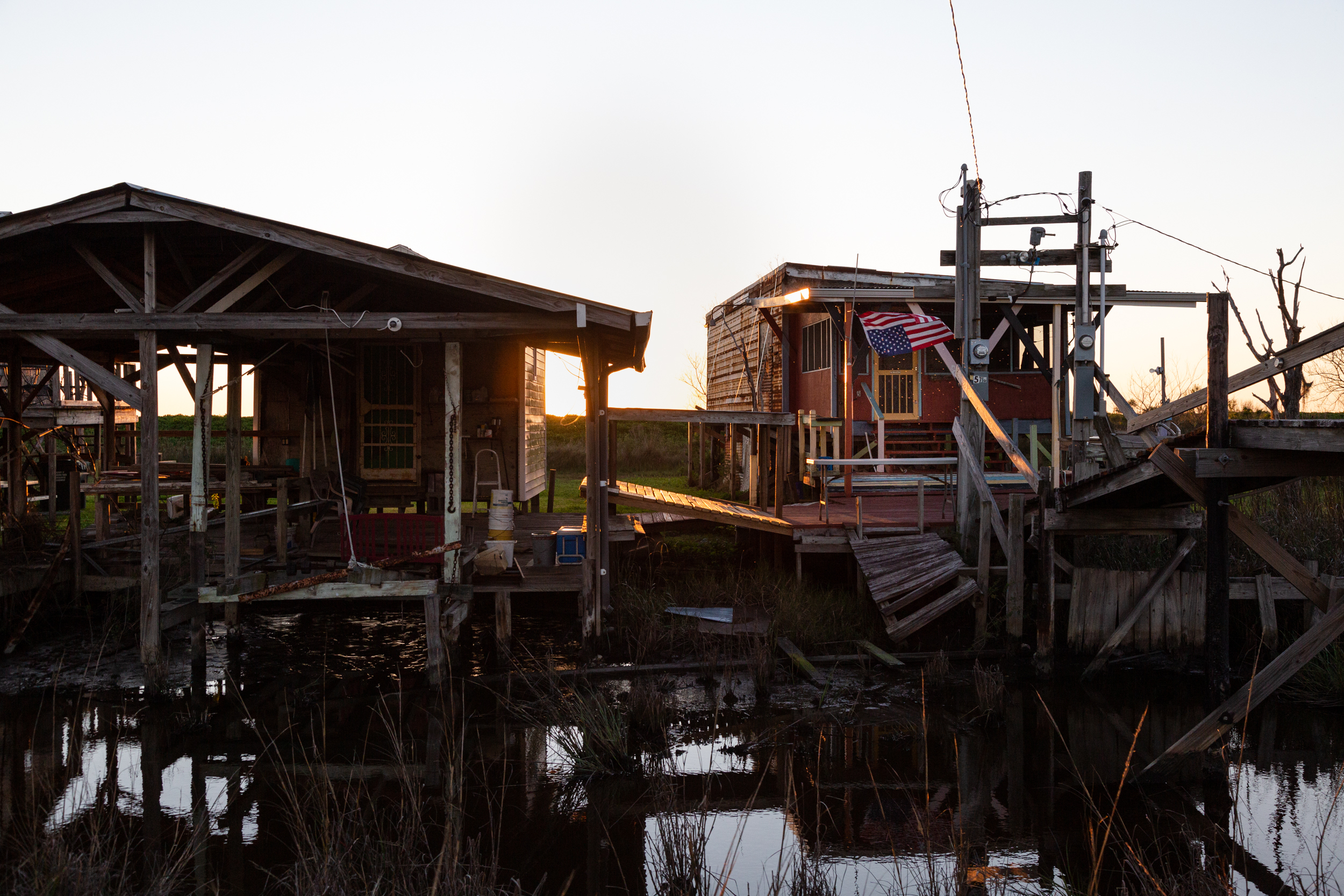
Abandoned homes along the only road traversing Isle de Jean Charles. Home to the Band of Biloxi-Chitimacha-Choctaw Indians that have inhabited this narrow island since the 1830s. Located in the Terrebonne Parish, LA, the island and its residents have been in direct threat from hurricanes and sea level rise, which has led to a controversial resettlement project for the community. The increased and consistent threat of climate related events for the island has resulted in a majority of residents moving away, with only 5 families remaining on the island. February 8, 2020. Photo credit: Juan Diego Reyes / Climate Visuals

Proof of degradation, before and after comparisons and human rights angles come to mind, what else?
All of those themes are very important. I’d add highlighting the impacts of climatic changes both locally and globally, the inequality of how impacts are felt, and foregrounding any systemic issues at the heart of a story.

I’d also say that connecting all of these angles into a compelling narrative is an essential role for photography. From an editorial perspective, photography presents a powerful opportunity to knit all of these elements together, again coming back to the idea of helping audiences to engage with what is going on, why a story matters, why they should stop scrolling and engage in more detail, and why this subject deserves their concern. In distilling complex issues into tangible stories, photography can play a vital role in taking climate storytelling out of the abstract, humanising technical details and building a compelling, relatable sense of why stories matter. 

What examples came across your desk recently that felt powerful to you?
We recently worked on a project looking at the effects of air pollution on communities in Indonesia, Poland, South Africa and the UK. In South Africa, photographer Gulshan Khan made some great work with communities in the Highveld region, showing the serious health effects of air pollution in the area. These effects were part of the so-called Deadly Air Case, where the poor air quality over the Highveld Priority Area was deemed a breach of residents’ section 24(a) constitutional right to an environment that is not harmful to their health and well-being. These photographs, combining striking portraits of affected individuals with documentary images of daily life and compelling general views really tell the story of the effects on the local community.

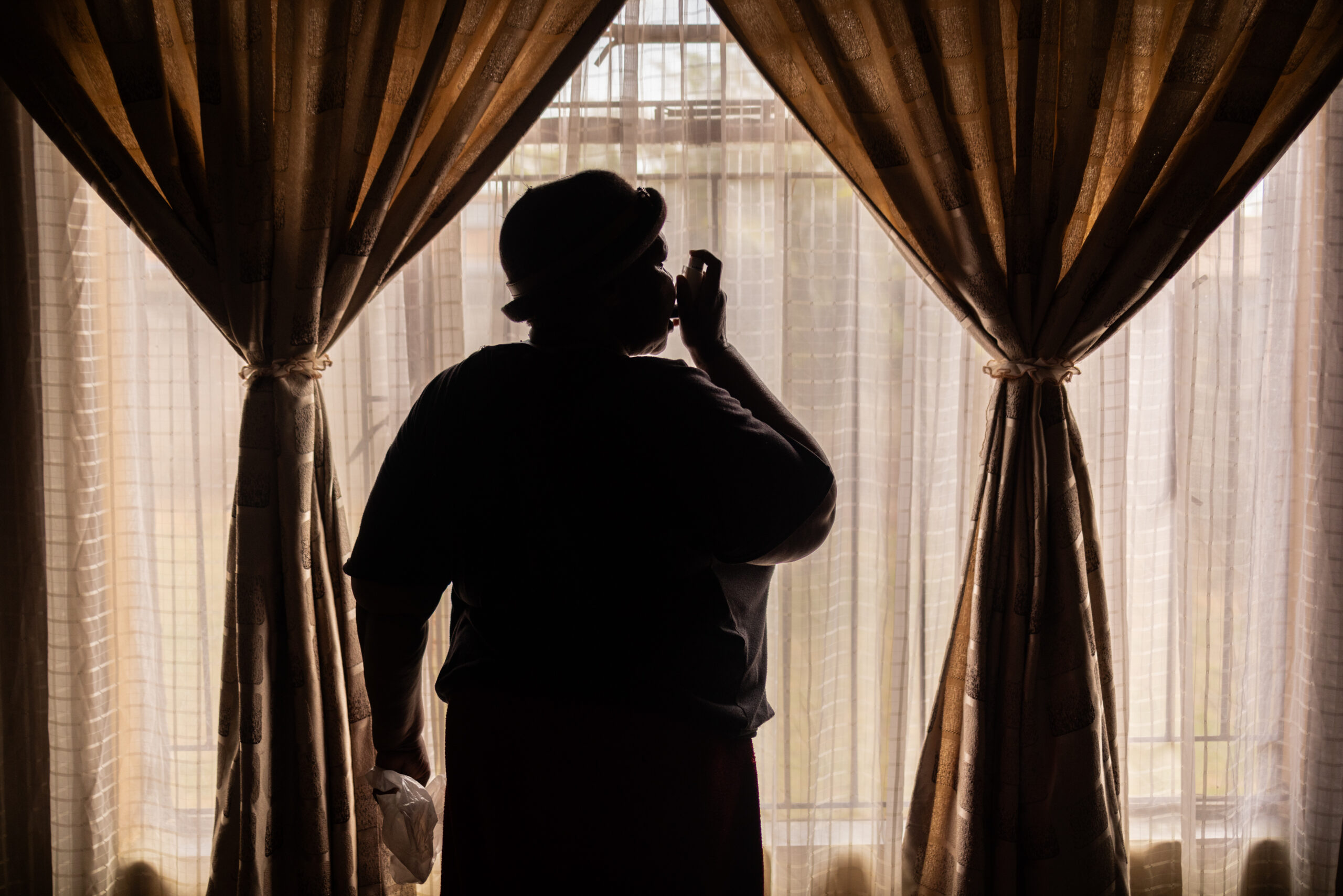
Maria Nkosi* demonstrates how she uses a few times a week for her asthma at her home which is a street away from a mine in Clever, Witbank, Emalahleni, South Africa, on November 28, 2023. In 2021 the High Court in Pretoria confirmed a judgement in what was called the Deadly Air Case, that the poor air quality over the Highveld Priority Area is a breach of residents’ section 24(a) constitutional right to an environment that is not harmful to their health and well-being.  *not her real name. Photo credit: Gulshan Khan/Climate Visuals

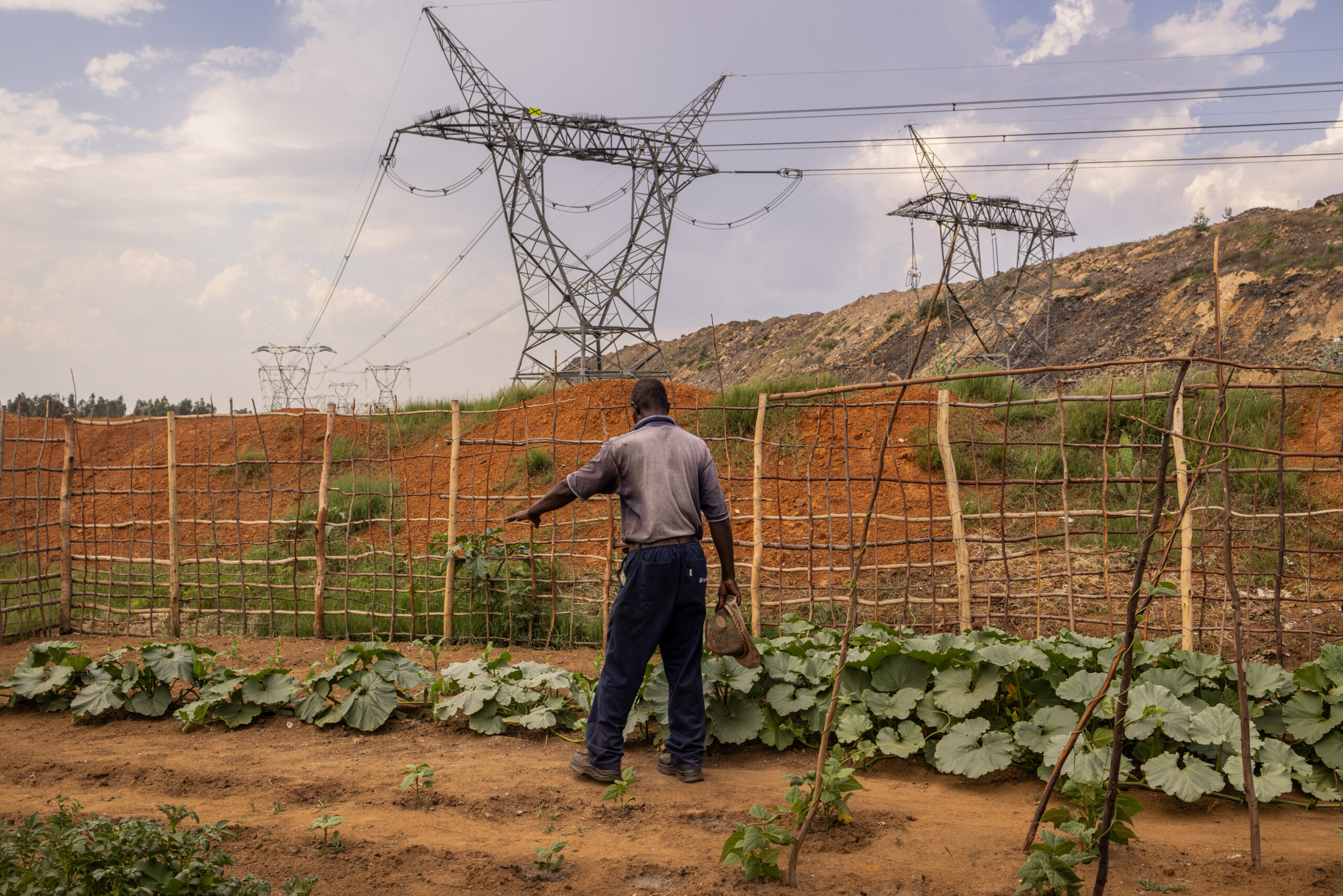
Samuel Nkosi* walks through a plot of land next to a mine where he farms vegetables which he donates to the church in Witbank, Emalahleni, South Africa, on November 28, 2023. *not his real name. Photo credit: Gulshan Khan/Climate Visuals

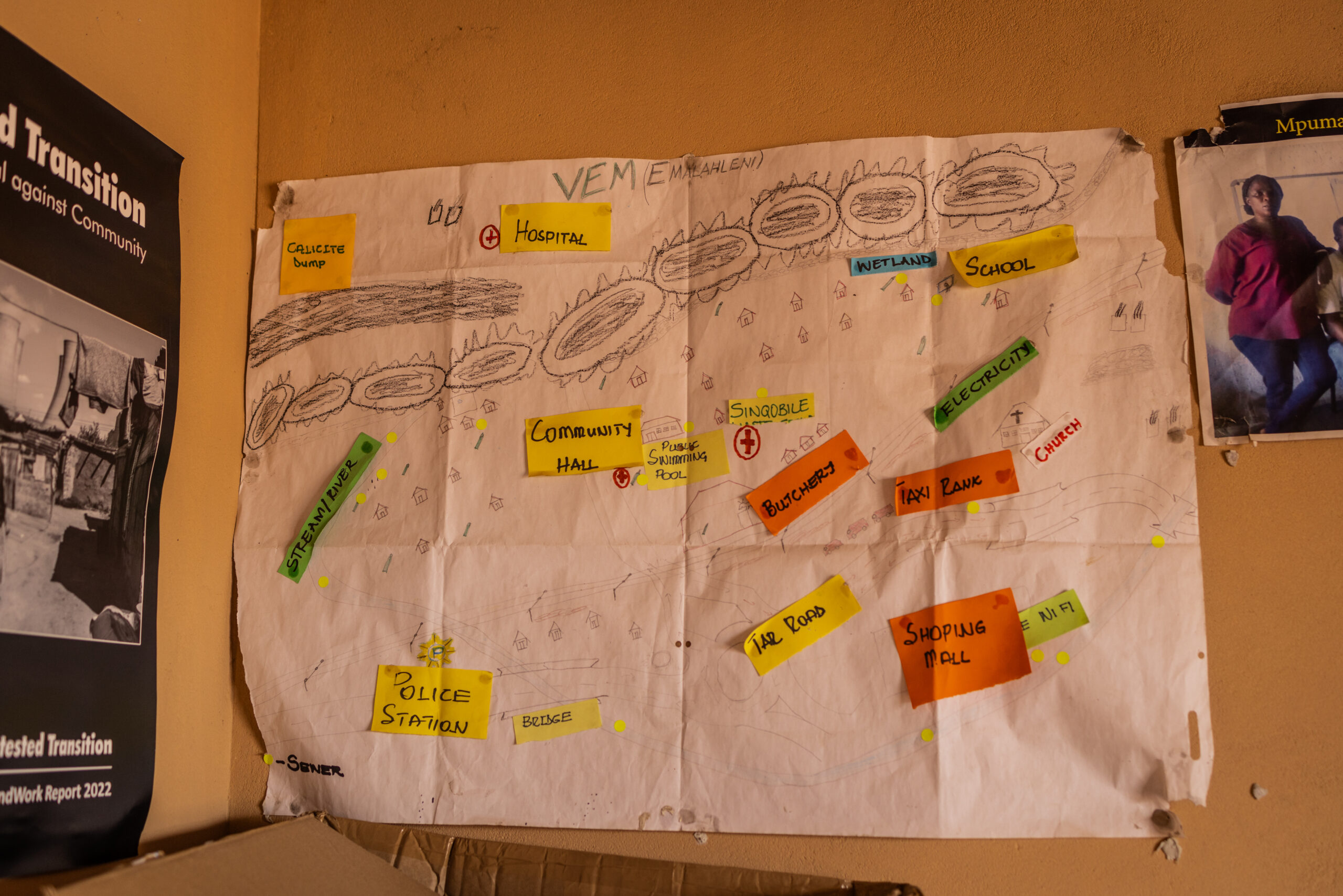
A map of the Vosman area drawn by founder Vusi Mabaso hangs on the wall of the offices of Vukani Evironmental Movement (VEM) discuss the issue of informal miners called Zama-Zamas at their offices in Witbank, Emalahleni on November 28, 2023. VEM is a non profit organisation that was established in 2016, focused on environmental justice issues like Air Pollution, Climate Change and Energy, Water and Sanitation. Photo credit: Gulshan Khan / Climate Visuals

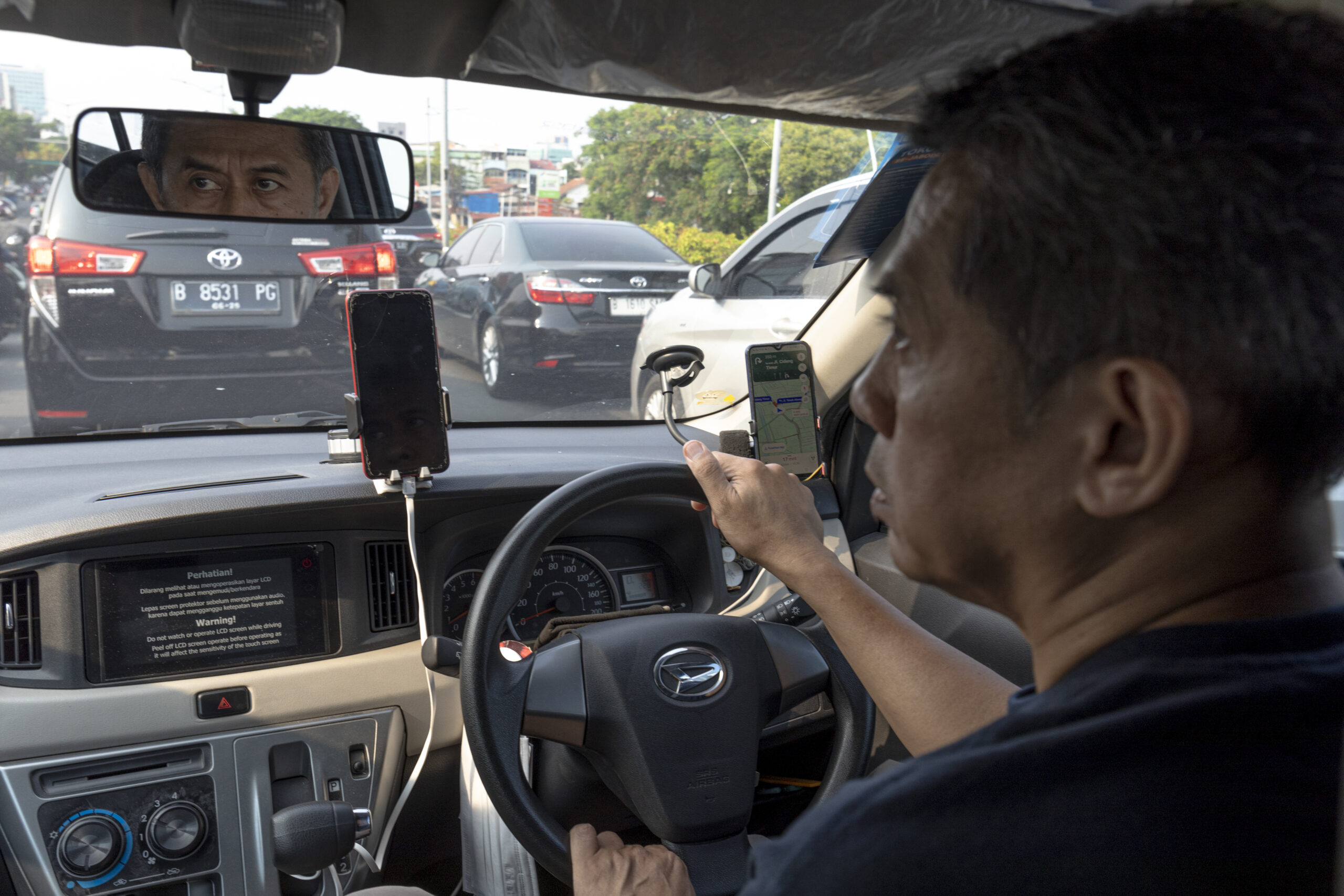
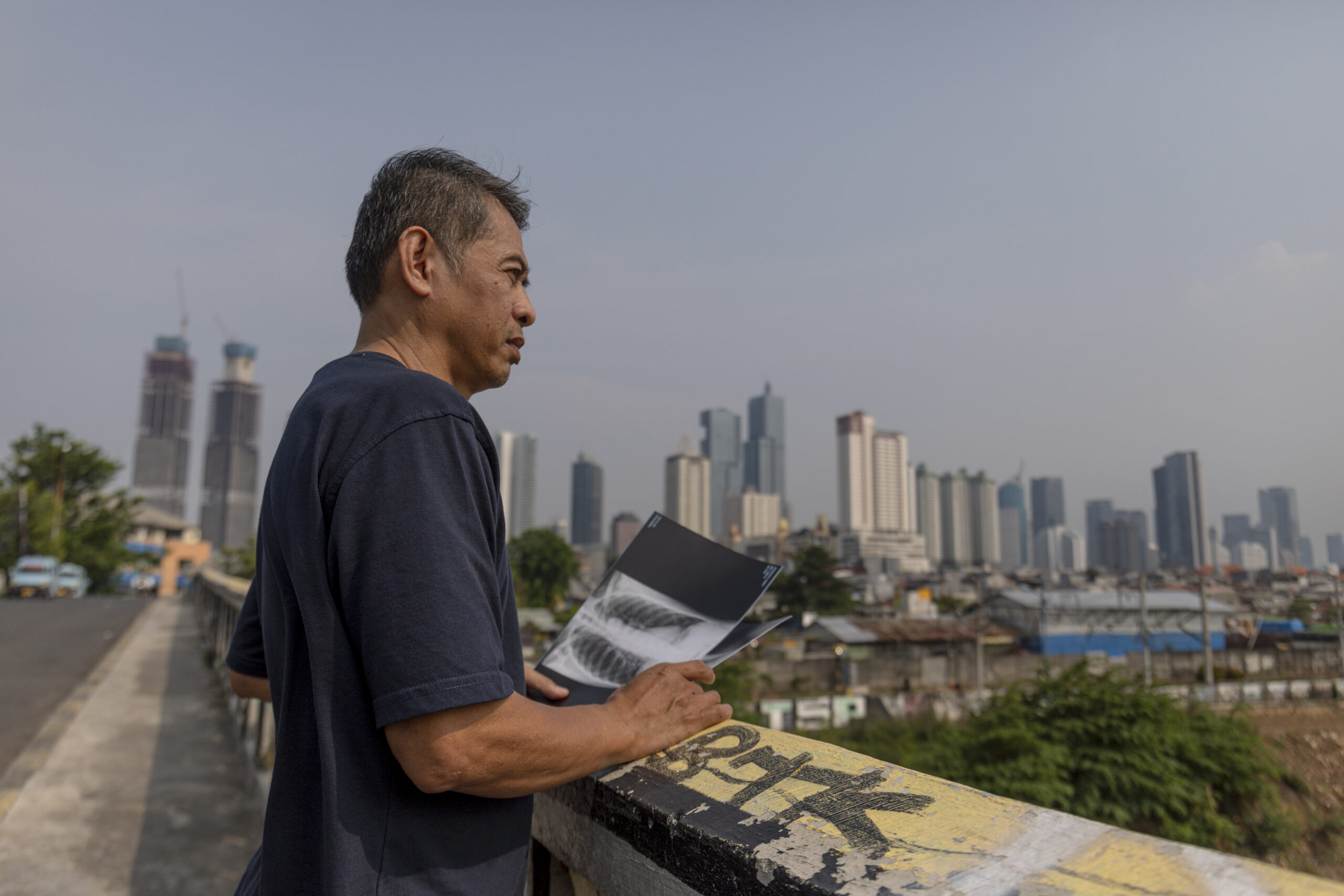
Similarly, in Indonesia, photographer Aji Styawan photographed taxi driver Istu Prayogi in Jakarta who was part of a group of residents of the city who filed a lawsuit relating to air pollution problems. In portraits and reportage of daily life, these images help to ground an expansive problem in real world, relatable stories.

Istu Prayogi (58) working as an online taxi driver, looking for passengers amid the traffic in Jakarta, Indonesia, on November 16, 2023. Every morning he coughs and spits out ripples of thick blood, affected by the air pollution. In 2016, Istu was diagnosed with respiratory problems, referred to as Acute Respiratory Infections (ARI). In August 2019, Prayogi as part of a group of 31 residents who are members of IBUKOTA (Capital) Coalition filed a citizen lawsuit to the Central Jakarta district court related to air pollution problems. They sued the President of Indonesia, the Minister of Health, the Minister of Transportation, Minister of Environment and Forestry, Governor of Jakarta Capital Special Region, West Java and Banten Province. One of their demands is regarding improving regulations for handling air pollution in Jakarta and its surroundings. Photo credit: Aji Styawan/Climate Visuals

Away from our work, I thought that Chris Donovan’s photography of St. John, New Brunswick, recently featured in the New York Times, was a standout example of the power of deeply reported visual storytelling to communicate complex, intersecting stories to an audience and I was really pleased to see the work given the space to tell the story in this way. 

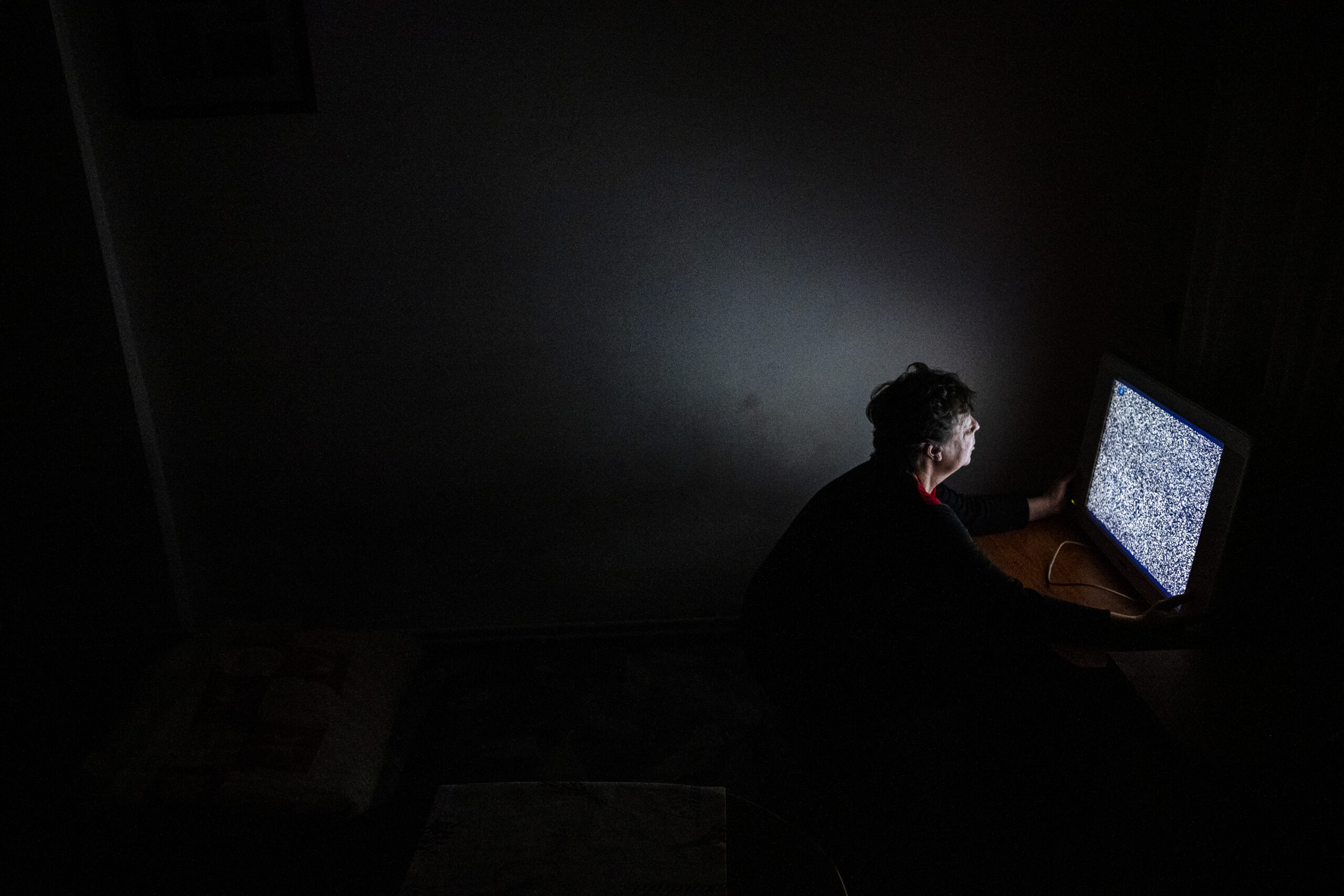
Ewa Pisarzowska worked for over 25 years in the coal mines and salt extraction industry in Rybnik. She lost work during the pandemic and so did her partner, they soon could no longer afford to rent an apartment and for a few months lived at their friend’s place. Recently they rented a studio apartment with central heating, but without furniture. They struggle to pay for food or electricity. Ewa sometimes helps at the “Wspolny Stol” center, she looks for food, still edible but not for sale, in dustbins near big grocery stores. To save money on electricity and still know what is happening in the world she often uses TV as the only source of light in the house.  Rybnik, Silesia, Poland. December 14 2024. Photo credit: Kasia Strek / Climate Visuals

While photography could be a game-changer for climate litigation, there are real, structural, and even ethical barriers that prevent the kind of visual storytelling and documentation that would truly support justice-centered climate work. What do you see as the biggest barriers?
Firstly, time and money. Much of what Climate Visuals advocates for has detailed, in-depth, photographic storytelling at its heart, which as we all know is often expensive and time consuming to produce and all too often out of reach for many. Relatedly – display space. This kind of photojournalism needs to be afforded the space on publication to get into the detail and hold a narrative structure. Whilst there are outlets publishing fantastic, long-form and in-depth, visual reporting, the opportunities for this are only ever decreasing, whilst all the while the dominance of single-image distribution via social media grows. This is a challenging environment for the kind of imagery our evidence tells us audiences want to see. 

Interlinked with these three challenges is the appetite for a less literal, limited and illustrative role for photography in the coverage of climate change. As above, much of what our evidence base encourages becomes more possible when photography’s role in storytelling is not restricted to place-holder, generic images at the top of web articles and in social media thumbnails. Whilst digital platforms provide near limitless opportunities for complex and in depth visual storytelling formats, all too often comprehensive reporting is accompanied by generic, familiar imagery and the potential for compelling and engaging photography is missed. 

As a photography industry we need to continue to push for the expanded role that I’m sure we all believe images should fulfill. We need to seek evidence and rationale for this expanded role to build that justification – be it research evidence like at Climate Visuals, or case studies of high performing exemplary content through audience metrics. It is with these kinds of insights that you can build a case and achieve the necessary buy-in. 

Beyond those structural barriers, I would highlight a couple of other key issues, firstly the safety of participants. This must be at the heart of any considerations about visual coverage of climate litigation and include the full spectrum of potential image uses into the future. Appearing in imagery and being linked to litigation could bring with it significant personal and community risks for participants. Truly informed consent and frank, detailed and empathetic conversations including all available information with any potential participants is essential. Added to this is the ethics of using individual stories to represent wider, more systemic issues. This needs to be carefully considered on a case by case basis, and individuals and their stories need to be appropriately protected, for example with clear limitations on how, where and when imagery can be used. Ensuring that a diverse range of perspectives contributes to the visual coverage is also key. As commissioners and photographers we must collaborate with communities in telling their stories, seek to work with photographers connected to the stories, locations and contexts they are photographing and prioritise expanding the diversity of perspectives seen by audiences. Only by doing this can the full potential for engaging, empathetic and ethical, justice-centered climate visual storytelling be realised. 

Visual evidence-based imagery can serve as critical documentation in legal cases – how are you verifying these images are not manipulated?
Climate Visuals works to, and promotes, photojournalism industry best practice with regards to image manipulation. With commissioned work we are collaborating with trusted photographers who know, understand and actively represent the values and ethics that underpin our work. With submitted images we work with a set of submission guidelines that include standards for manipulation as well as ethical best practice. In addition to these safeguards we carry out verification checks on imagery through a mix of processes including OSINT analysis of content, scenes and locations, fact checking of details and caption information, and working with trusted local partners to confirm image and story details. 

We also prioritise accompanying images with detailed caption information and encourage its inclusion when images are used to ensure that further detail, context and nuance accompany the images.

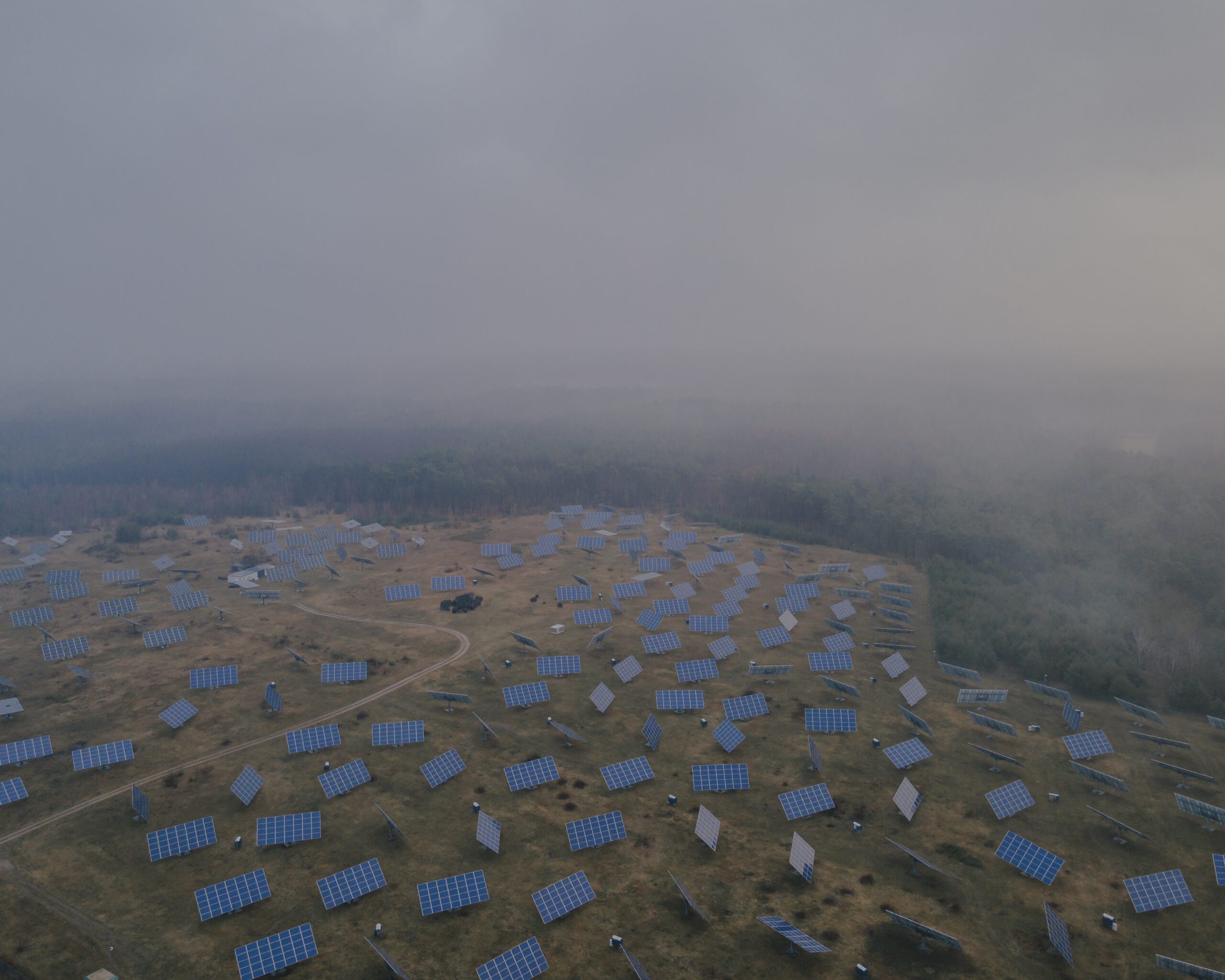
The solar park located outside the village of Feldheim, Germany on February 21, 2023. The park produces  enough energy to meet the yearly electricity demands of approximately 600 households consisting of four individuals each. Feldheim is the first village in Germany to be completely self-sufficient in energy. With the help of wind energy, photovoltaics, biogas, biomass, a regulating power plant and a local heating network, the village covers its own needs. The large amounts of surplus energy generated in the process are fed into the public grid. Photo credit: Ingmar Björn Nolting / Climate Visuals

What role do you see photography playing within political activism to support the themes of climate change and justice?
Photography can play an important role in helping audiences understand and relate to complex issues. From performing an evidentiary role, recording and highlighting what is happening around our planet, to driving public concern and opinion, there’s a long history of photography playing a powerful role in the issues of climate change and justice. In our ever increasingly image-saturated world I still believe that photography has an essential role to play here, but I do think that the way in which it can play this has changed. I believe that the potential for single photojournalistic images to take on ‘iconic’ status and go on to represent whole issues is now greatly reduced, the volume of new imagery being produced and consumed, and the speed of its consumption, is just too great. Instead, photography’s power as a tool for in-depth, empathetic storytelling, across different platforms and use contexts, should be prioritised. In a highly competitive visual environment, compelling visual reporting presents an opportunity to capture audiences’ attention, inform and build understanding, concern and empathy. To do this however, photography’s role in telling stories of climate change and justice needs not to be restricted to pure illustration, but instead to have the scope and freedom to tell these stories in depth, from a diverse range of perspectives, and with adequate space on publication. Only then can photography fulfil its full potential to humanise complex issues and build empathy, ground stories in a reality that audiences can relate to, and build a weight of evidence behind concerns. 

I also think photography can play an important role in helping audiences to visualise a future. It can show how a situation could be improved, how a community elsewhere came together and solved a similar problem, and what opportunities could come were a cause to be fought. Photojournalism’s role in telling constructive stories shouldn’t be overlooked – we know from our research that images of climate change impacts are very emotionally powerful, but they can also overwhelm audiences. One way to combat this is to pair them with images highlighting tangible, relatable actions that audiences can take, or visual reporting that shines the light on ‘what happened next’ – it’s vitally important to record and show the devastating impacts of climate change, but don’t stop there, seek ways to demonstrate future potential through imagery too.

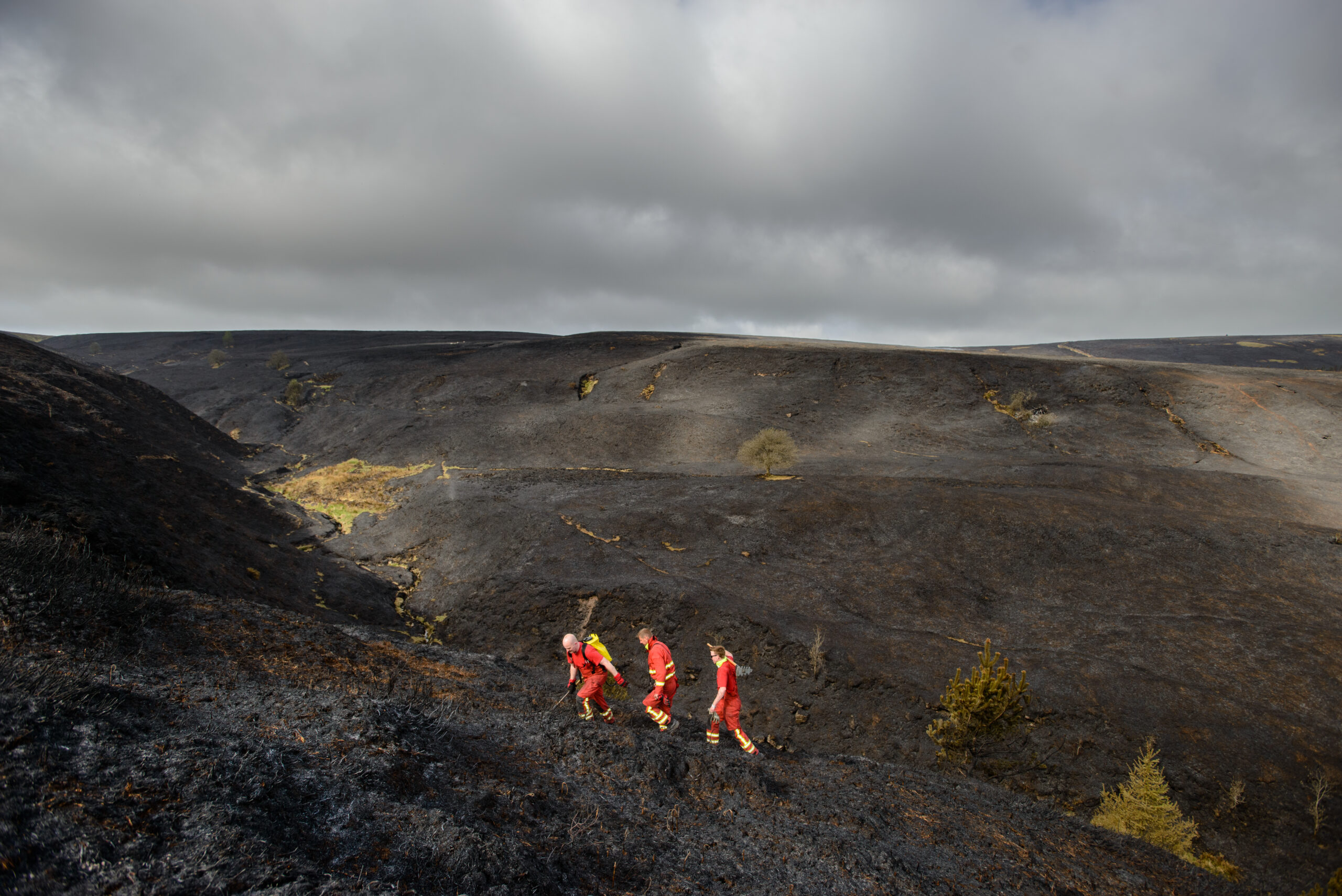
Firefighters are surrounded by a scorched landscape as they continue to work to tackle a large moorland wildfire in the Goyt Valley, near Buxton in the Peak District. Derbyshire, England. 3rd May 2025. The blaze caused extensive damage to vegetation in the area. Credit: Alastair Johnstone-Hack / Climate Visuals 

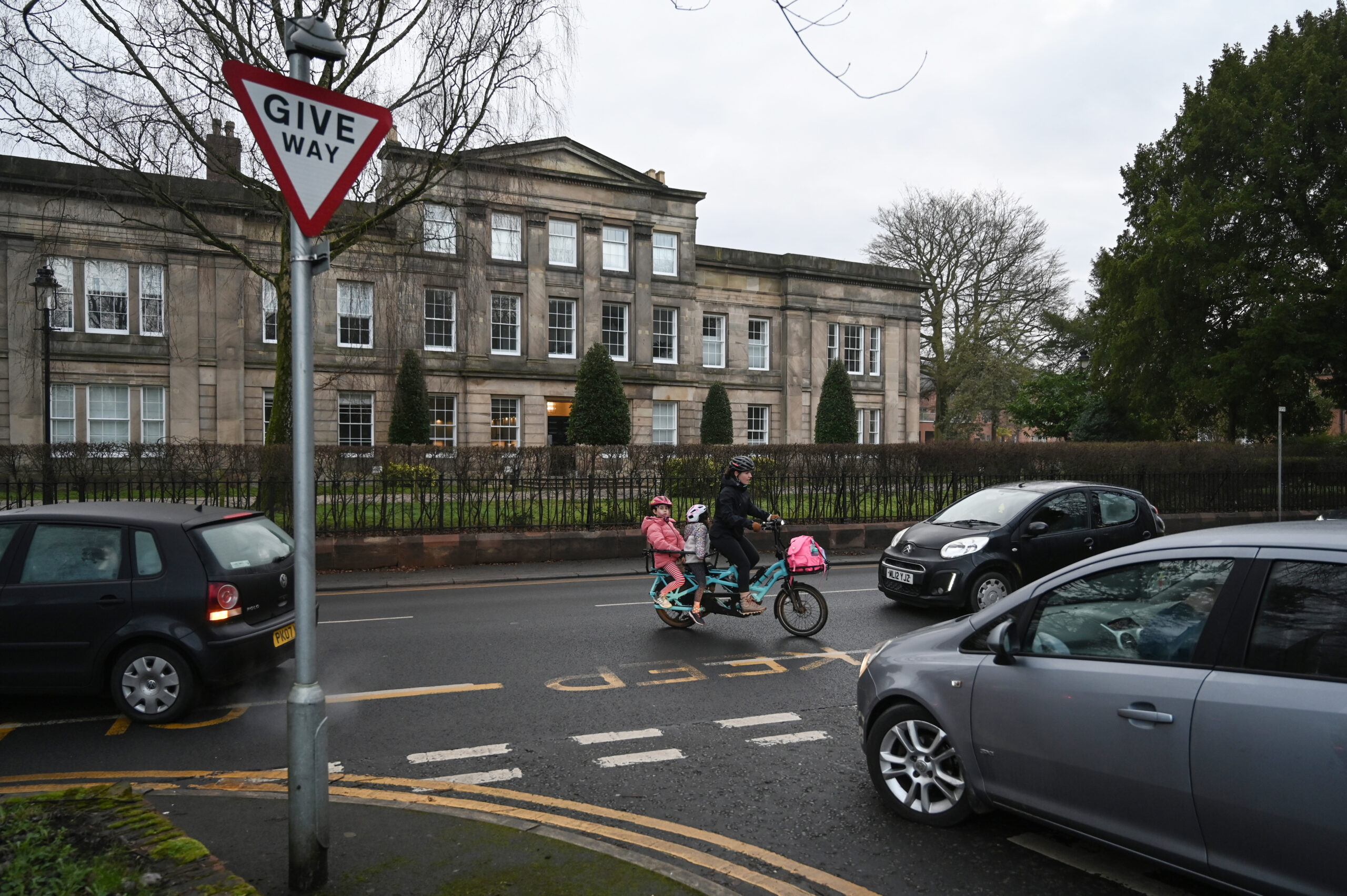
Rachel cycles her children to school on a cargo bike, through busy traffic, in Didsbury, Manchester, UK. 2nd February 2024. Photo credit: Mary Turner / Climate Visuals

How did you get involved in Climate Visuals and what are your core themes?
I came to Climate Visuals from my previous role as Deputy News Picture Editor of The Times and The Sunday Times newspapers in London. Before that I was an agency news photographer in south west England. I have long been a keen follower of the work Climate Visuals was doing to combine research insight with practical, usable guidance and resources, and jumped at the chance to get involved. 

At the heart of what we do is our evidence base – this underpins our guidance and the resources that we provide users. It is founded in an original piece of research looking at audience responses to different climate images and led to our 7 Climate Visuals Principles. Since then, we have continued to expand our understanding through further projects, including ones focussed on photographing the ocean and climate link, diversity in images of England’s green and natural spaces, best visual practice for working with those with, or who are from, Indigenous and forest communities of Central and South America, and guidance for photographing extreme heat.
Alongside our guidance resources we run an image library which contains thousands of images that exemplify our findings. Many of these are available through licences that allow for free non-profit, editorial and educational use – making compelling and engaging images of climate change available for those who often find them out of reach. You can browse the library here.

If a photographer wanted to submit images, are you centered around specific themes?
I’m always interested to hear from photographers and see any work people think we might be interested in. Our thematic focus depends on the specific projects that we are working on, but broadly I’m always excited to see images and stories that fulfil our guiding principles/evidence and tell new, compelling environment and climate stories. Whilst we aren’t always able to accept submissions, I am always seeking to expand our network and awareness of photographers working on climate and environment stories in case the opportunity arises for collaboration.  

How does the funding work and is there any assignments, or is this all submission based?
It depends on the project we’re working on – we work with a mix of commissioned assignments, such as with this project on air pollution, and submissions such as with our Ocean Visuals and Visualising Climate Change initiatives. For updates on what we are currently working on you can follow us on social media @climatevisuals.

The Daily Edit – Aidan Klimenko talks about “wins” or “successes” stemming from work personal


Aidan Klimenko


Heidi: Your work has an impressive range – it would be hard to categorize. You mentioned your work asks questions. What questions you thinking about in your recent personal work.
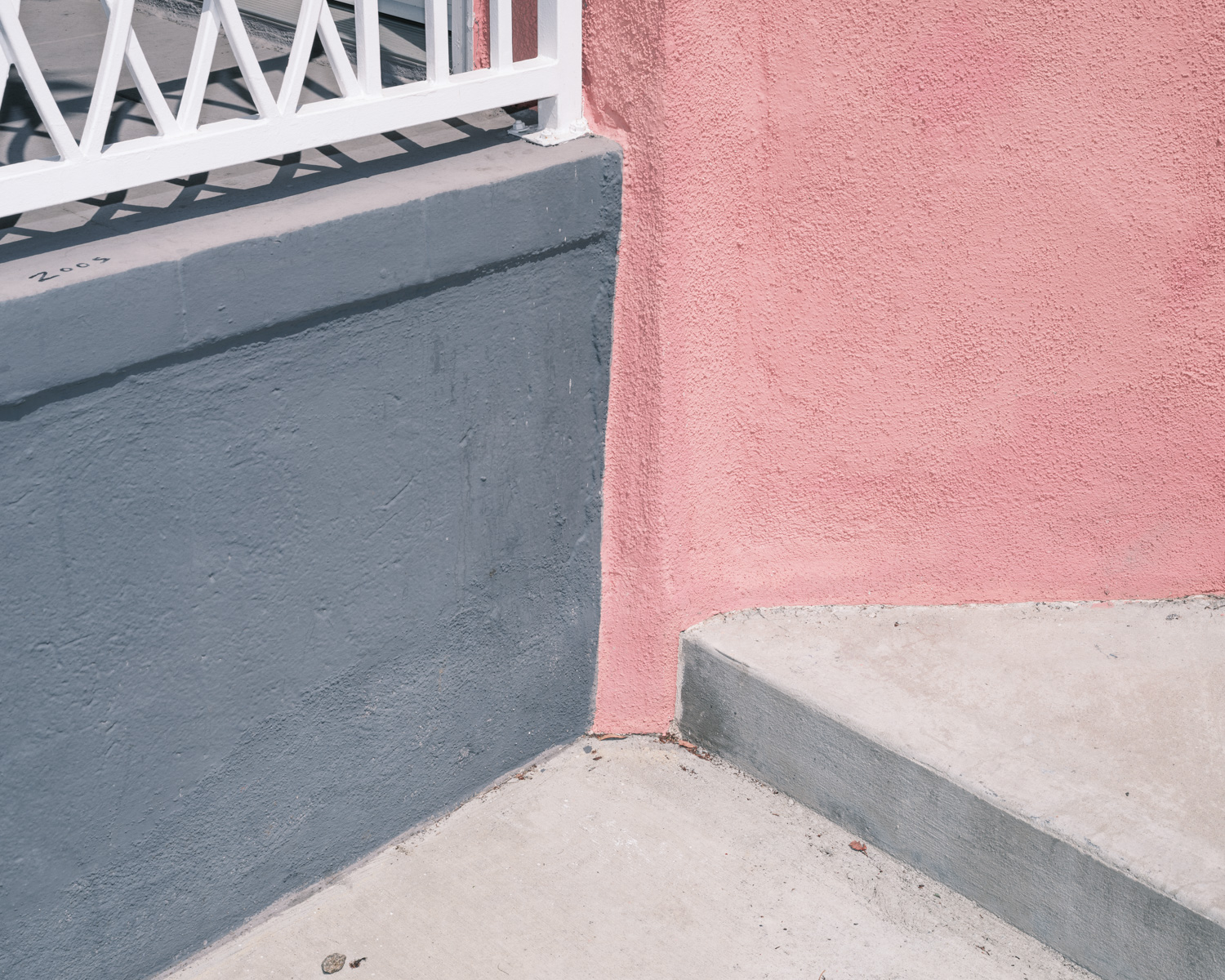
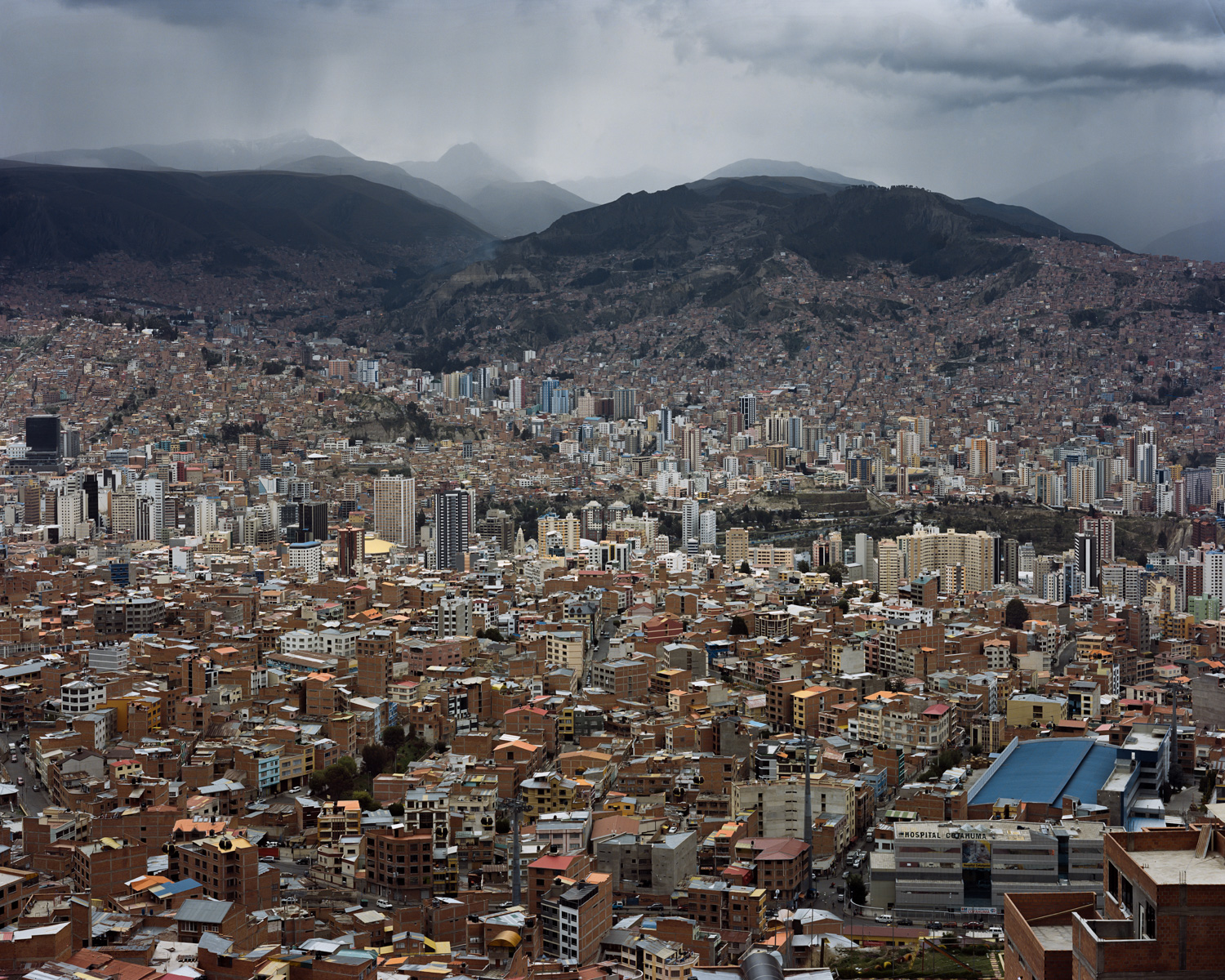
Aidan: I’ve always been drawn to photography because Ive seen it as an access point to the world. A license to ask, to look, and to learn. Sometimes I find answers, but most often I just find more questions. With this current work that Im making while in grad school, Im taking my interest in landscape—an interest thats been fostered in objectively beautiful places like Antarctica, the Amazon, and Patagonia—and applying it to the contemporary urban, corporate, and residential environments of Los Angeles.
The questions that Im finding myself thinking about while I walk around and photograph stem from my personal experience of moving to a big city for the first time after years spent living on the road, mostly outside in nature. LA is bizarre and layered. Its a mix of so many things without really having a centralized, defined identity. And its home to a lot of this American obsession with concrete, stucco, and bright colored walls that Ive been finding myself interested in using as elements to question our relationship with this environment weve built and surrounded ourselves with. Im using this time in school to learn about creating work that provides space for the viewer to have their own relationship with the images—space to ask their own questions instead of making images that are limited by the answers they provide.

It’s interesting, you’re challenging what a wall is – using that typology to question the meaning of a barrier or confining something. Is this an act of resistance in your mind?
Yes, I think so. Or, at least it started out that way. When I first started walking around Los Angeles, it was easy to make work that directly contrasted the open air, natural landscapes that most would think of when they consider the term landscape”. The images came easily, but quickly felt cliche. Somehow singular and predictable in their general pessimism. Its easy to focus on the strictly negative–especially here in LA. Its a dirty city with a massive unhoused population contrasted with insane wealth, all in and around and on top of itself. To treat it only as one thing—whether grimy or glamorous—would be a very narrow point of view. There are so many aspects to LA, and as I continued to walk and to photograph, I began to find myself interested in the complexity of these layers and in how theyre represented in the community architecture of subways, storefronts, traffic markings, and yes, walls. So much of it is colorful and built to look nice, but ultimately to direct or deter us in one way or another. Not meant to be comfortable. Liminal in nature. Youre allowed here, but only to a certain capacity and not for very long.

And then, layered onto these surfaces of glossy colorful paint or polished steel are traces left—markings, scribbles, covered graffiti or hand prints that show a back and forth that is sometimes violent and other times subtle. Visual responses to this landscape, or in resistance to it.

Its been a fun exercise to shift from relying on obviously compelling subject matter (like penguins in Antarctica or secluded communities in Greenland) to make compelling images. I miss spending my time in nature, and Im sure thats seeping into my work. But this has been a very rewarding chapter thats leading me in a direction that Im finding quite engaging.

Rather than responding to a market need and losing control of your photographic voice, you are staying true to your development.
Hey, Im trying! Your best work will always be the stuff youre passionate about. Ive always believed that leaning into finding and establishing your own voice as an artist will eventually lead to an identity thats more uniquely yours rather than a style that looks like everyone elses following whatever the latest trend. And on top of that the work that is the most fun to make often is the often strongest. Good things come from good work so I try to stay true to making work that inspires me.

Im still very much on this path of finding my visual identity and am constantly reminding myself to prioritize making work that gets me excited. But doing this is easier said than done, especially when you depend on your artistry for income. In my 20s, my answer was to live in my truck. By not needing to keep up with rising rent costs I was able to pursue projects that I resonated with rather than having to sacrifice my vision to pay bills. But I recognized this as somewhat temporary solution—despite lasting 7 years on the road without paying rent!—and not likely a sustainable long term path that would lead to the things that I wanted for adult-me, like a stable family lifestyle. Now that Im in LA, married and starting a family, things have changed and that discipline of staying true to the work that inspires you is much more difficult. LA is an expensive city and my continued path of finding my place within its working professional photography scene has not been a direct one or particularly easy. But its led me to some interesting places—some of which have resonated in surprising ways, like commercial fashion and architecture and others not as much. Ive tried to remember that its hard to know whether or not you like something without ever trying it. There are lessons to be learned in even the most unexpected places and on the most unpleasant of jobs.

How do you exercise discipline and fight the temptation of trends?
Im as tempted by trends as anyone and Im happy to experiment with new ideas and see what sticks. I take with me whatever I think I can use to get closer to my evolving identity and leave the rest behind.


How does fashion and architecture interplay in your images, does one inform the other?
Im curious about what connects us, both across continents and within our communities. My work has always touched on environment, sometime on a personal or cultural level and sometimes in more remote, abstract ways. But even when Im in the middle of nowhere Im thinking about how we are affected by these places and how we in turn affect them. Fashion reflects how we present ourselves to one another socially—how we choose to either fit into a social environment or stick out from it. One of the many threads that connect us” if thats not too on-the-nose. And I think architecture deals with how we as a society choose to interact with our physical environment. The building materials we use, the colors we choose, the space we give ourselves (or dont) reflects so much about our societal values, our place in the world and our relationship to it. The work Im making in school is architectural and while it doesnt directly feature people (yet) it is still very much about people.


Your Antarctica work is a sharp contrast to your state fair work in both tools and approach. Tell us about the approach for each.
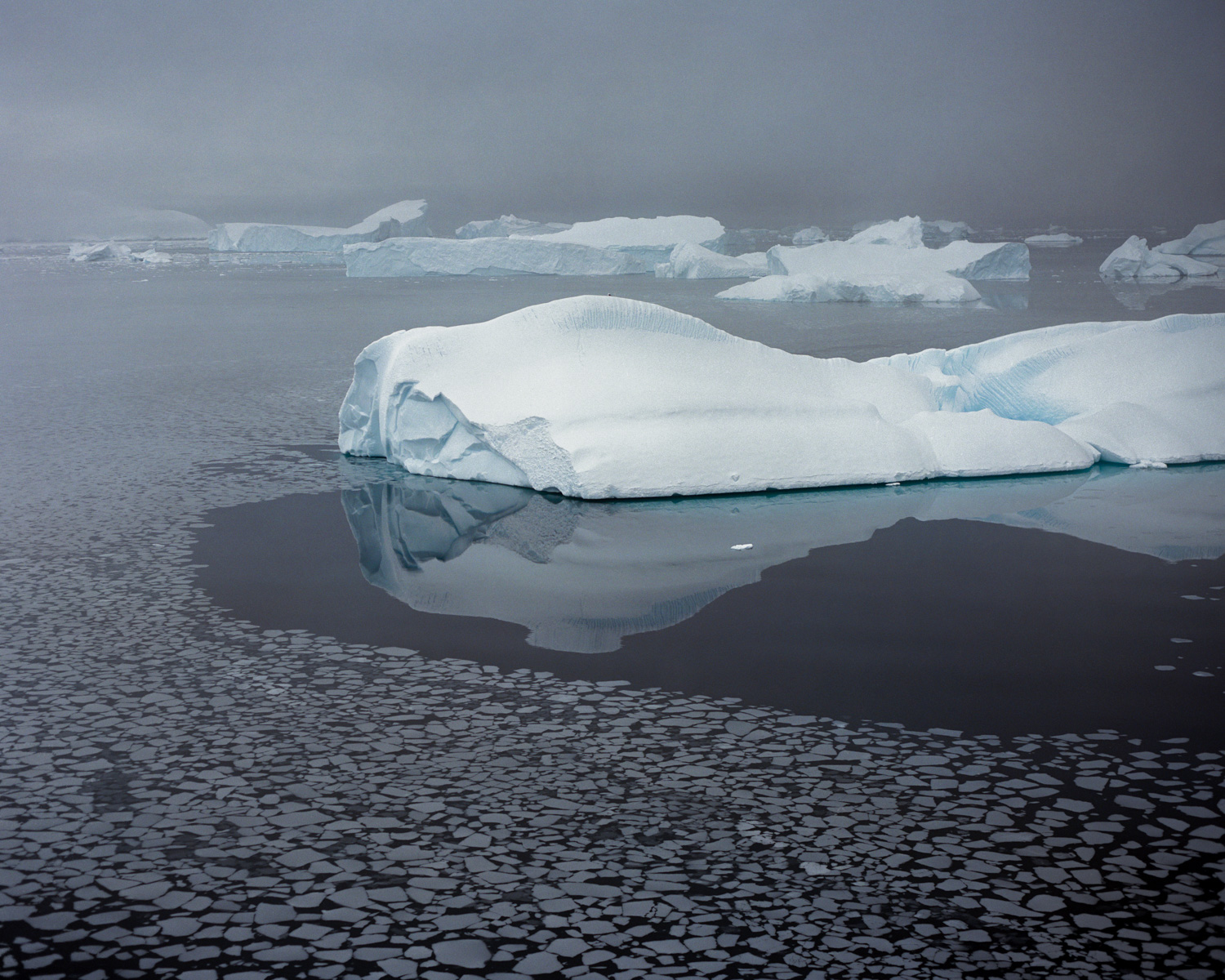
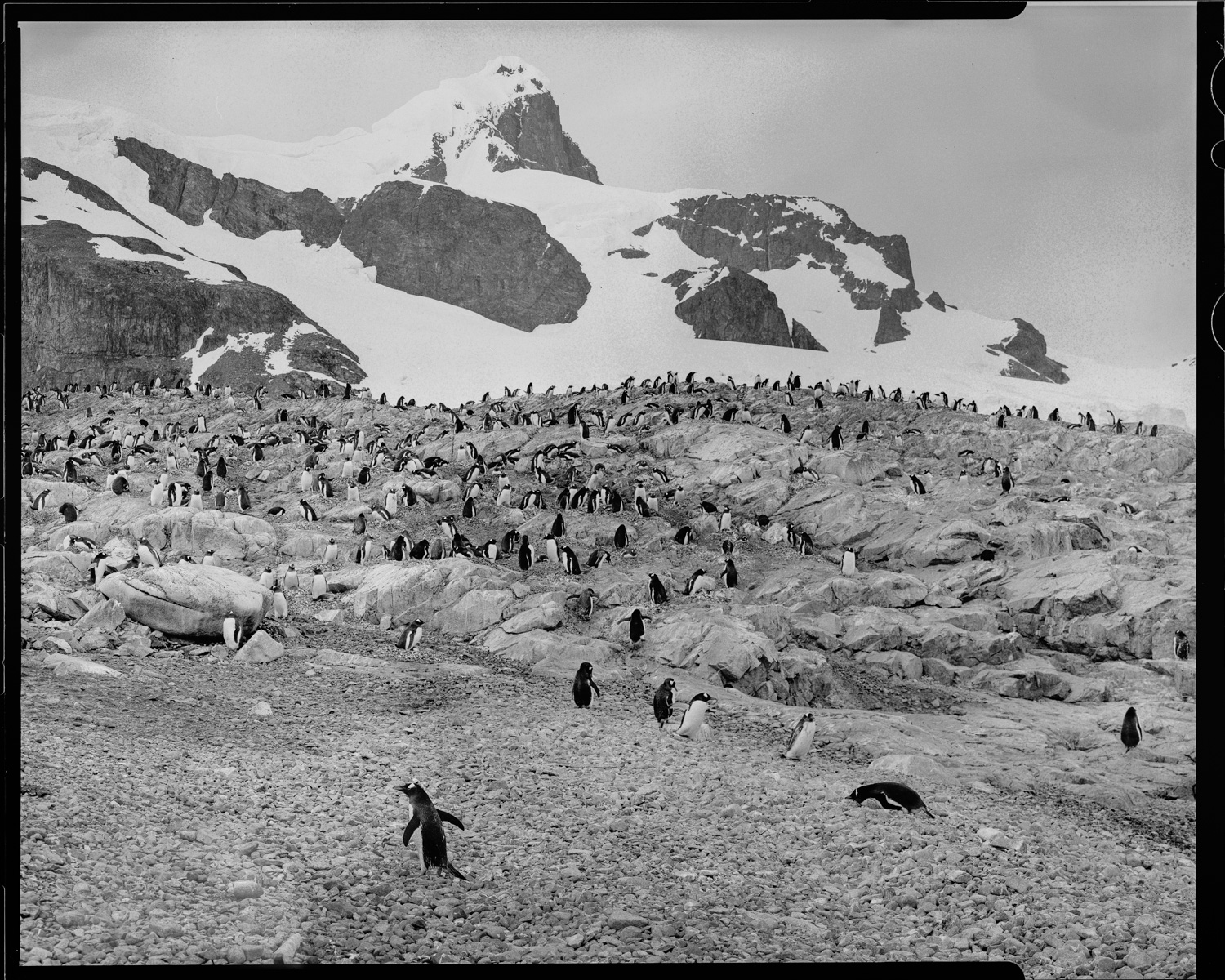
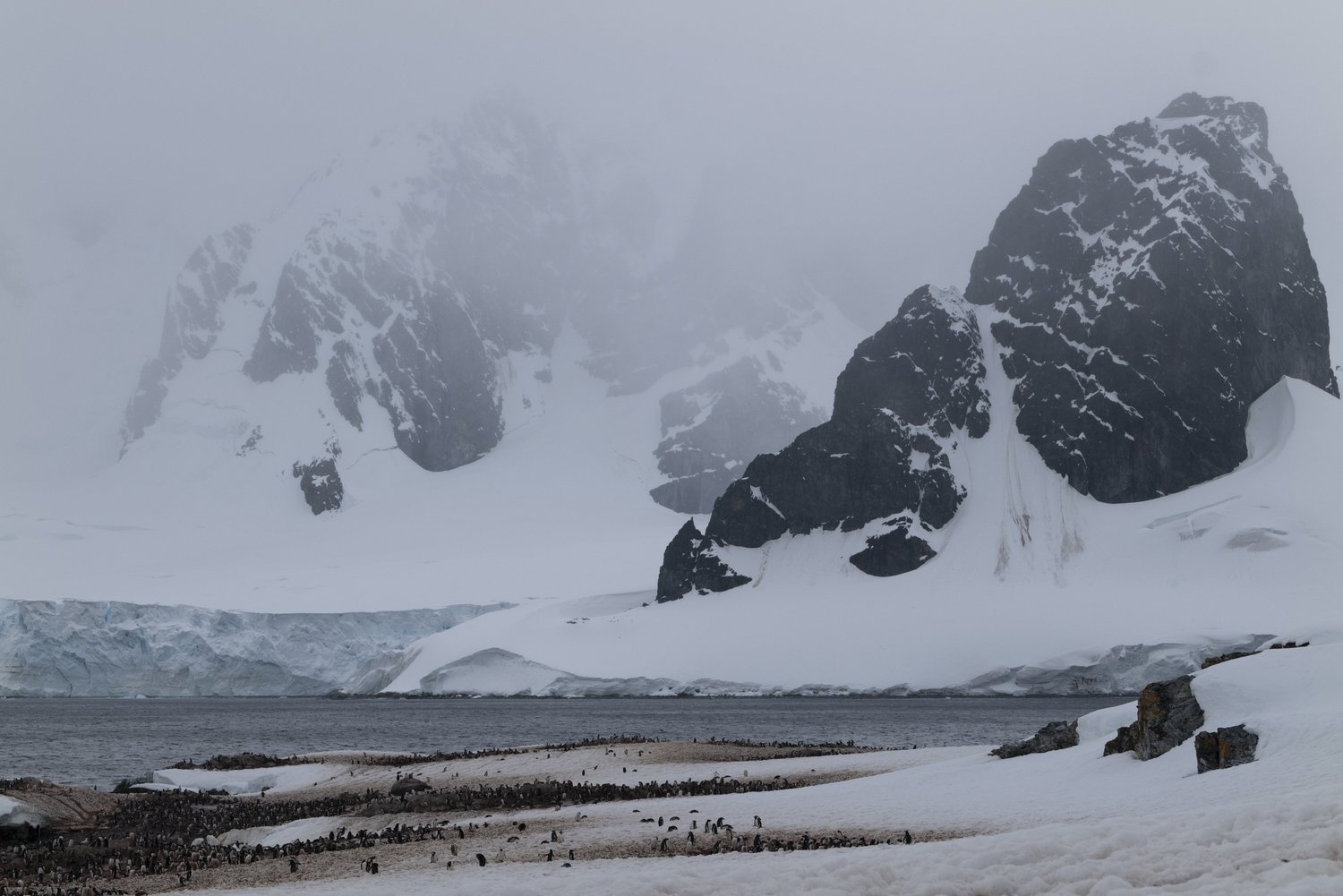
Both my Antarctica and State Fair work are ongoing projects and contrast each other (and themselves) as they are both unfinished collections of images made over the span of a few years and a few different developmental stages in my photographic path. Ive had the privilege of having visited Antarctica a handful of times since 2019, and each time I go down Ive experimented with different viewpoints and perspectives. This often manifests in a variety of obsessions with different cameras and the aesthetics that each camera system provides. From grainy black and white 35mm to color 4×5 film to digital medium format… who knows where Ill be in my journey of endless experimentation the next time I get the opportunity to get back down there.

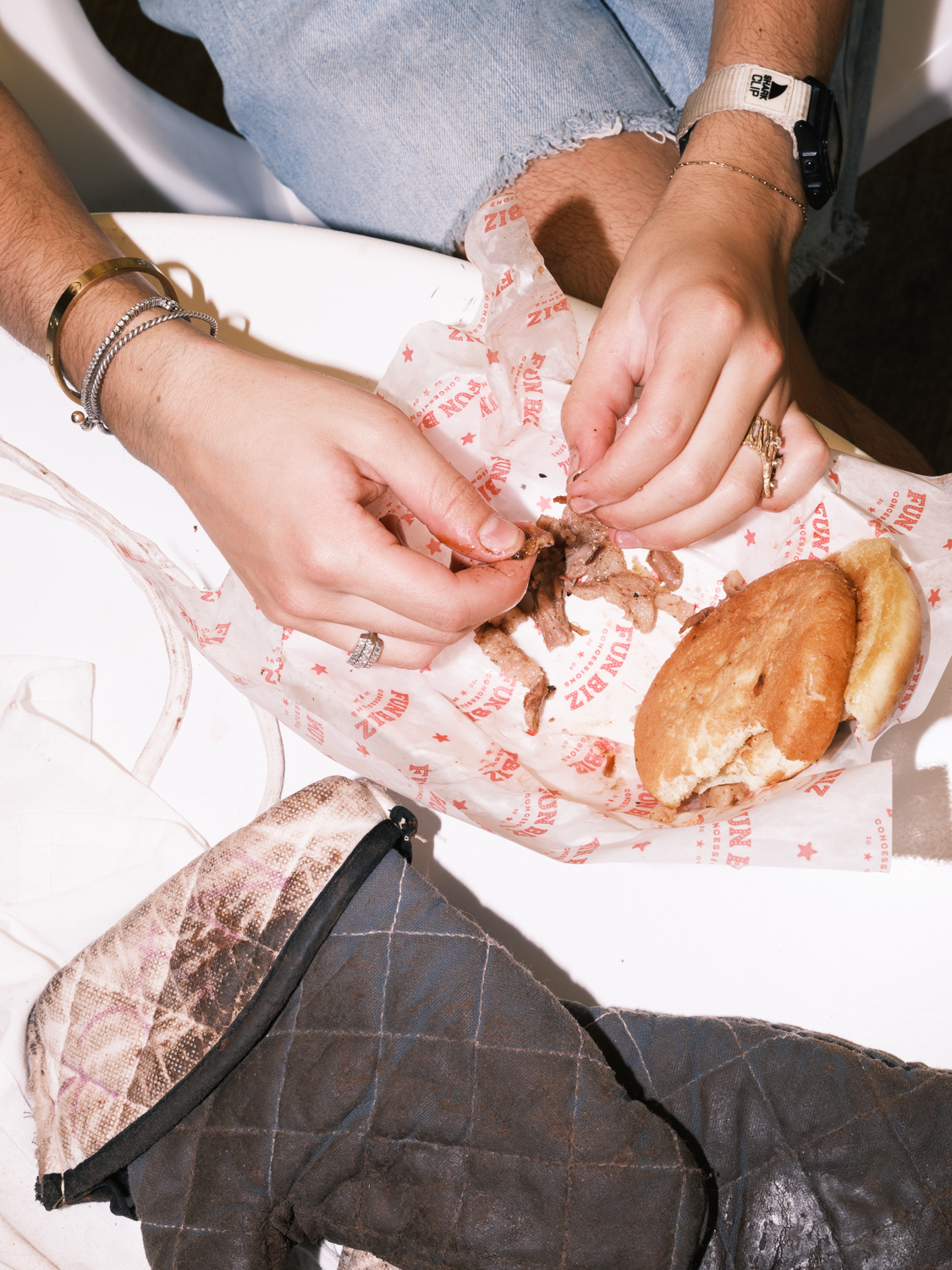
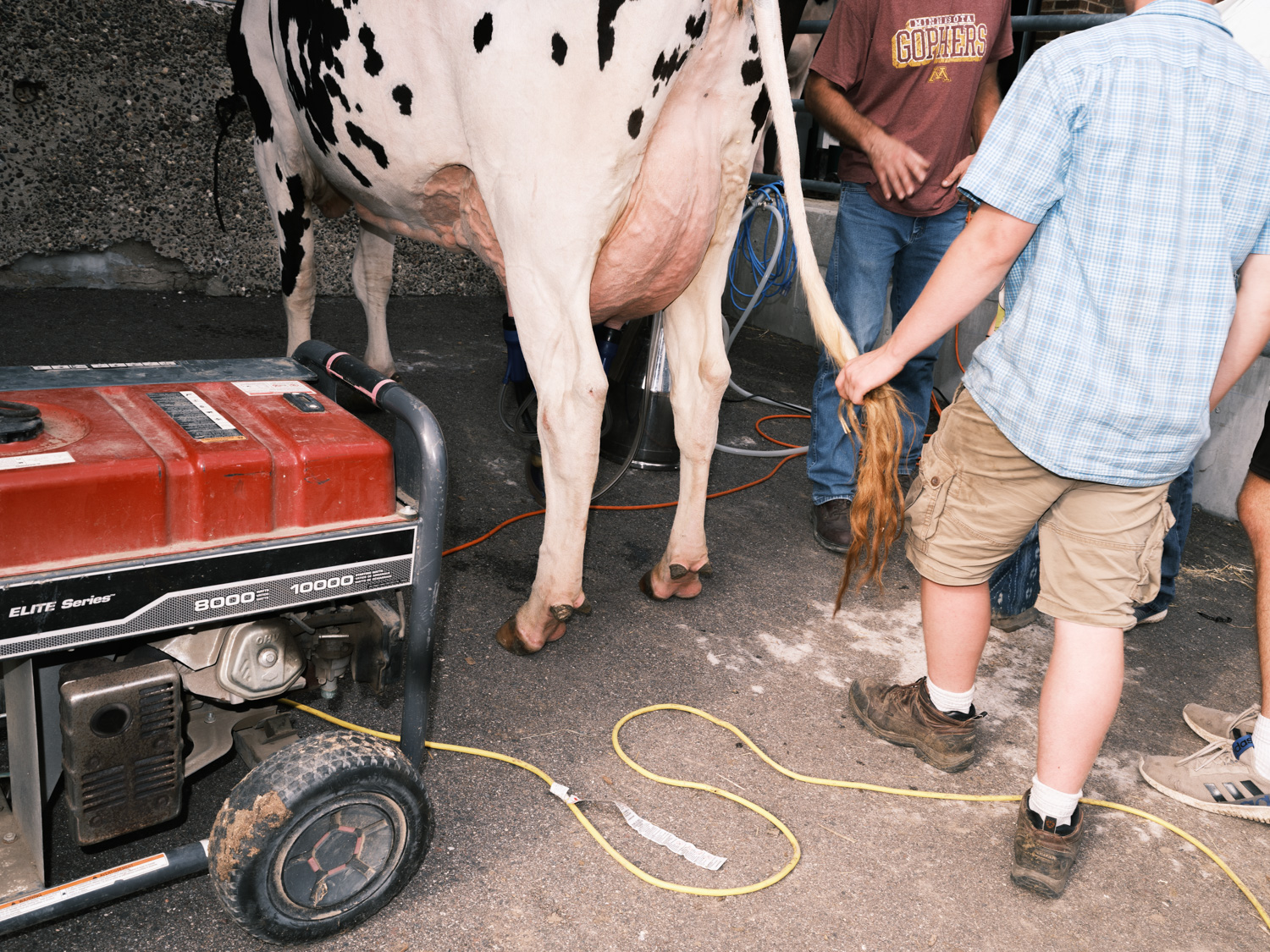
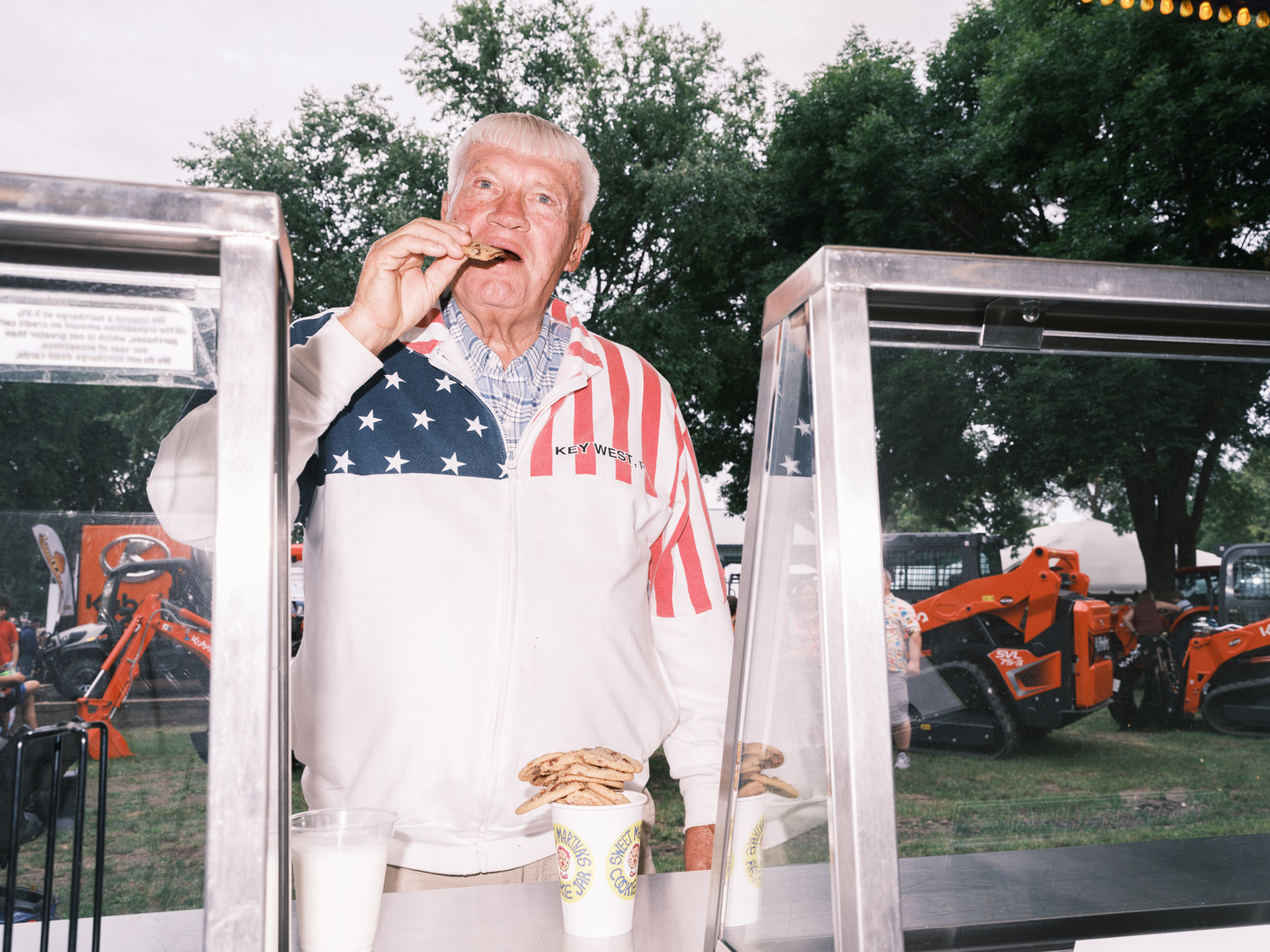
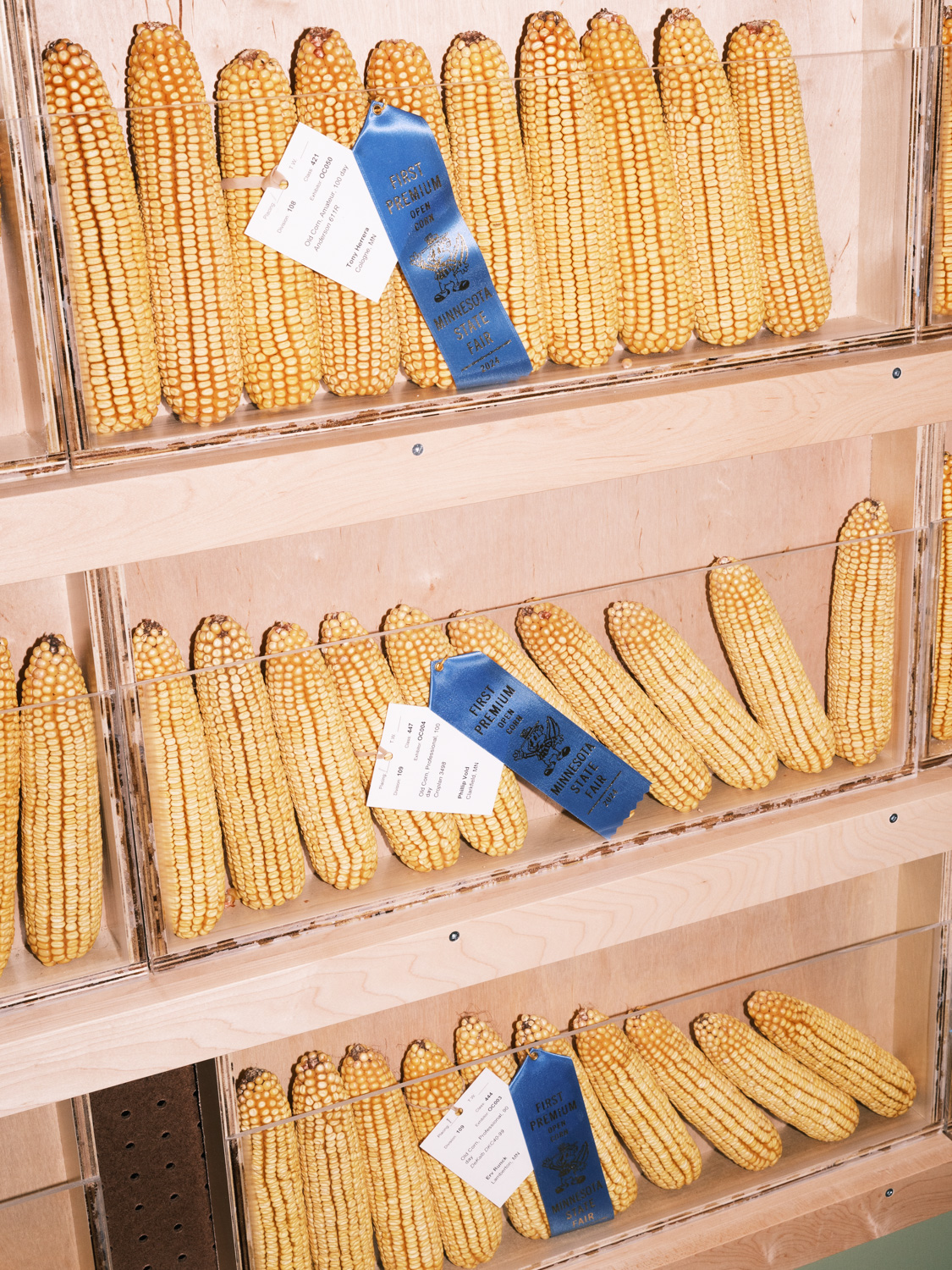
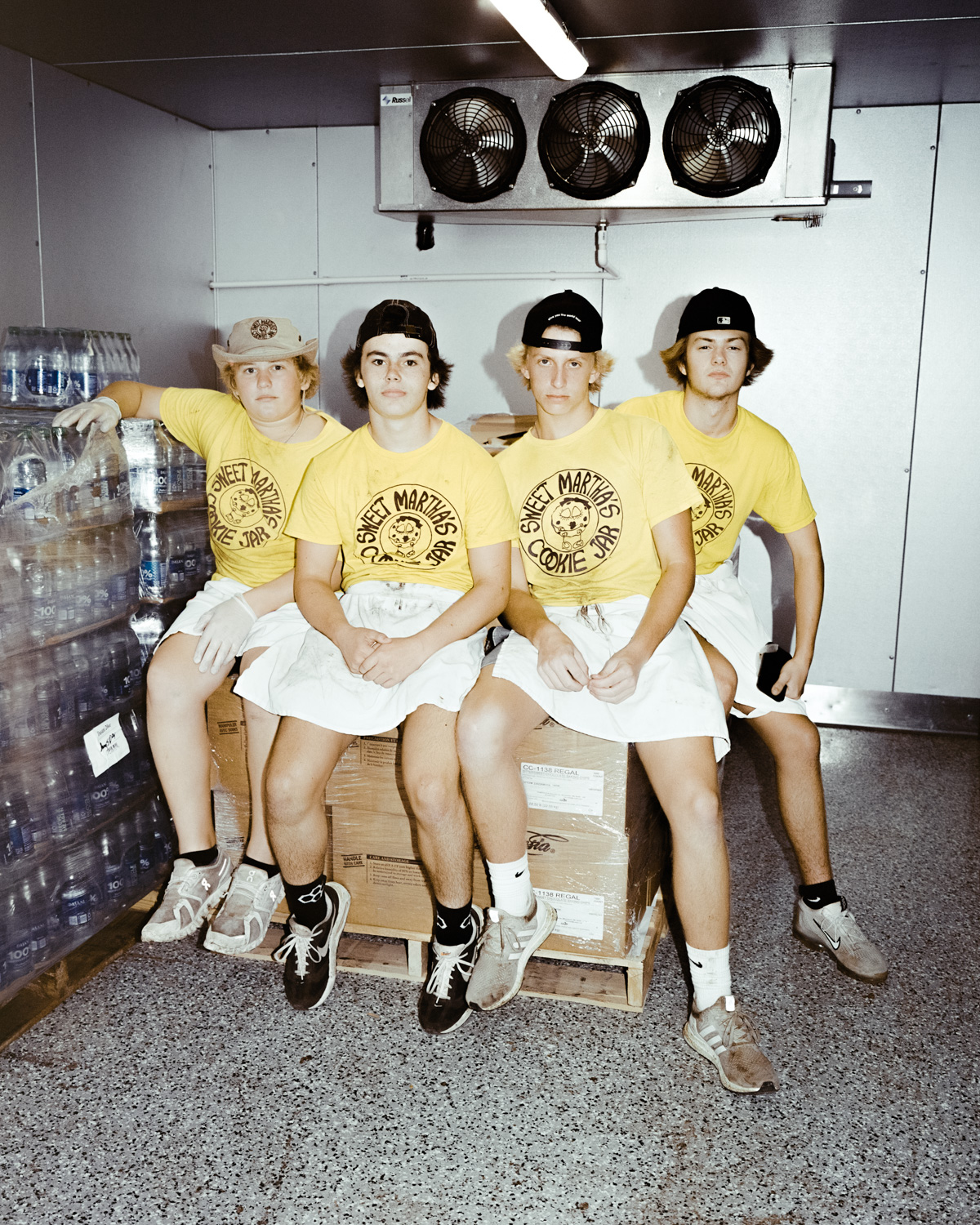
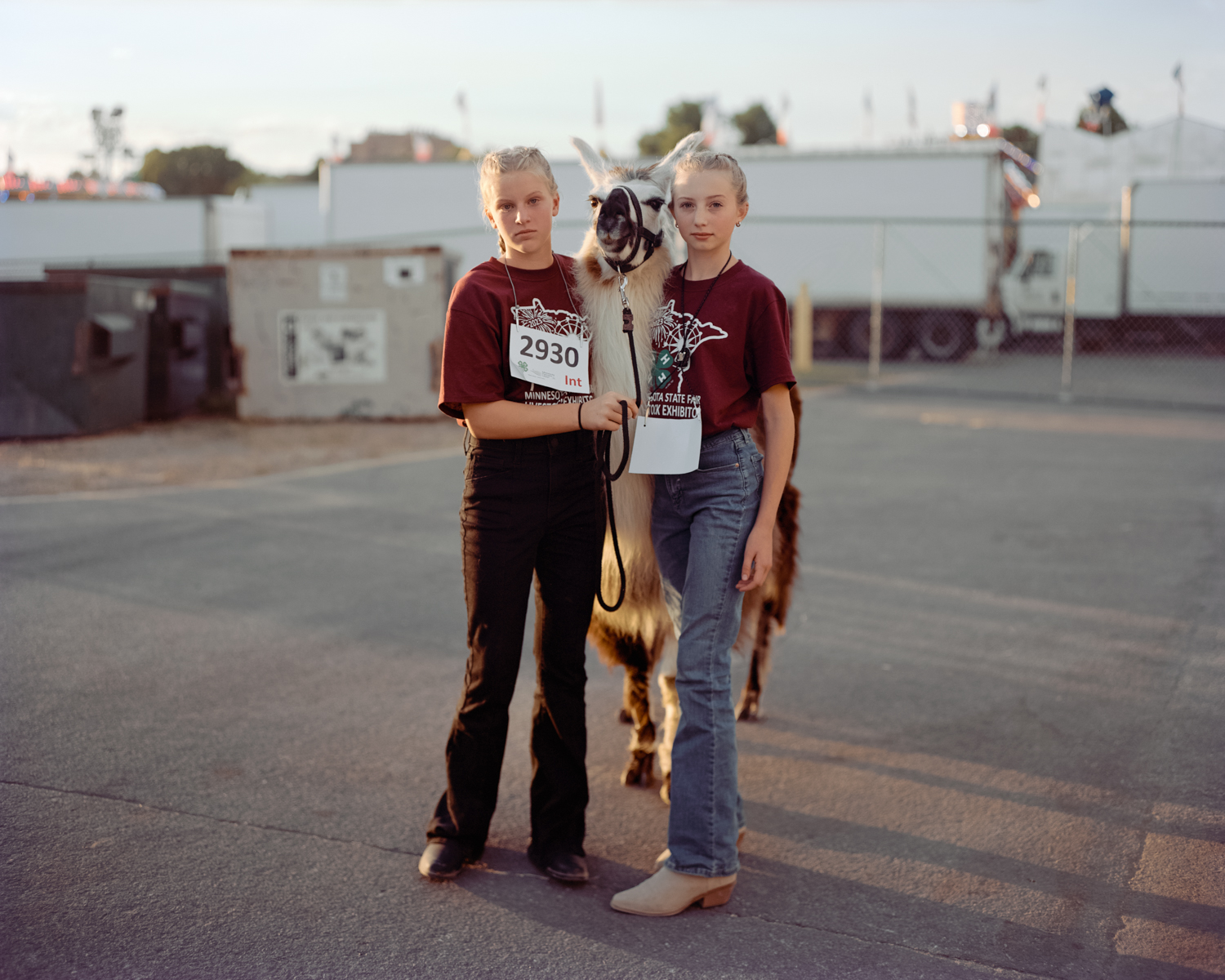
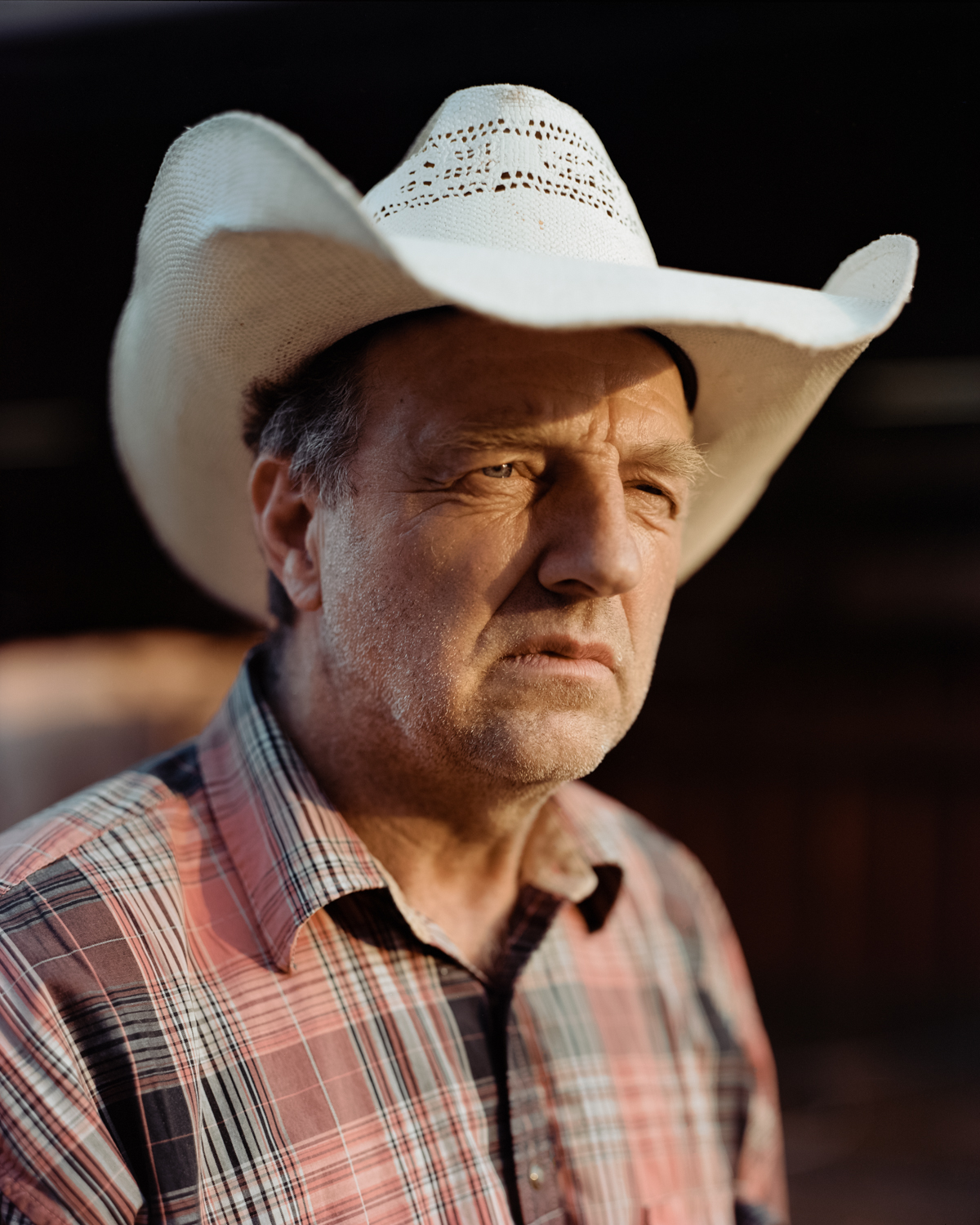
As far as the State Fair goes, my wifes family runs a chocolate chip cookie company at the Minnesota State Fair. I was never a big state fair goer growing up but since it now looks like Ill now be going every year to bake cookies until the end of my days, I figured Id better make some images along the way. I started with my 4×5 over my shoulder finding quieter moments amidst the dusty chaos of fried food and farm animals. The 4×5 is an ice breaker. People are curious about it and much more willing to have their photo taken than when I carry a more normal” looking camera. But after starting back at school I was tasked with trying something completely different. Give up control. So I decided to lean into the chaos, ditch the tripod, shoot digital, play with flash, and shoot from the hip (maybe glancing at the cameras fold-out screen, maybe not). Ive recently been combining the 4×5 images with the digital in editorial pitch-deck PDFs with the thought that it shows the breadth of my technical skills while covering a single event.

After commercial and editorial success, here you are back with creating more personal work – asking more questions – what are you hopes for pushing the personal body of work?
Ive written like 10 different responses to this question and still dont know if Im any closer to being able to answer it. Ive been pushing into the commercial and editorial worlds and Ive certainly had wins here and there but I have by no means found any sure-footedness in either. While I continue to pursue financial stability I keep coming back to the mindset that I mentioned above: make the work that makes me feel something, at any cost, because that will be my strongest work. All the wins” or successes” Ive had seem to have stemmed from work that Ive made solely because Im passionate about it. Personal work.

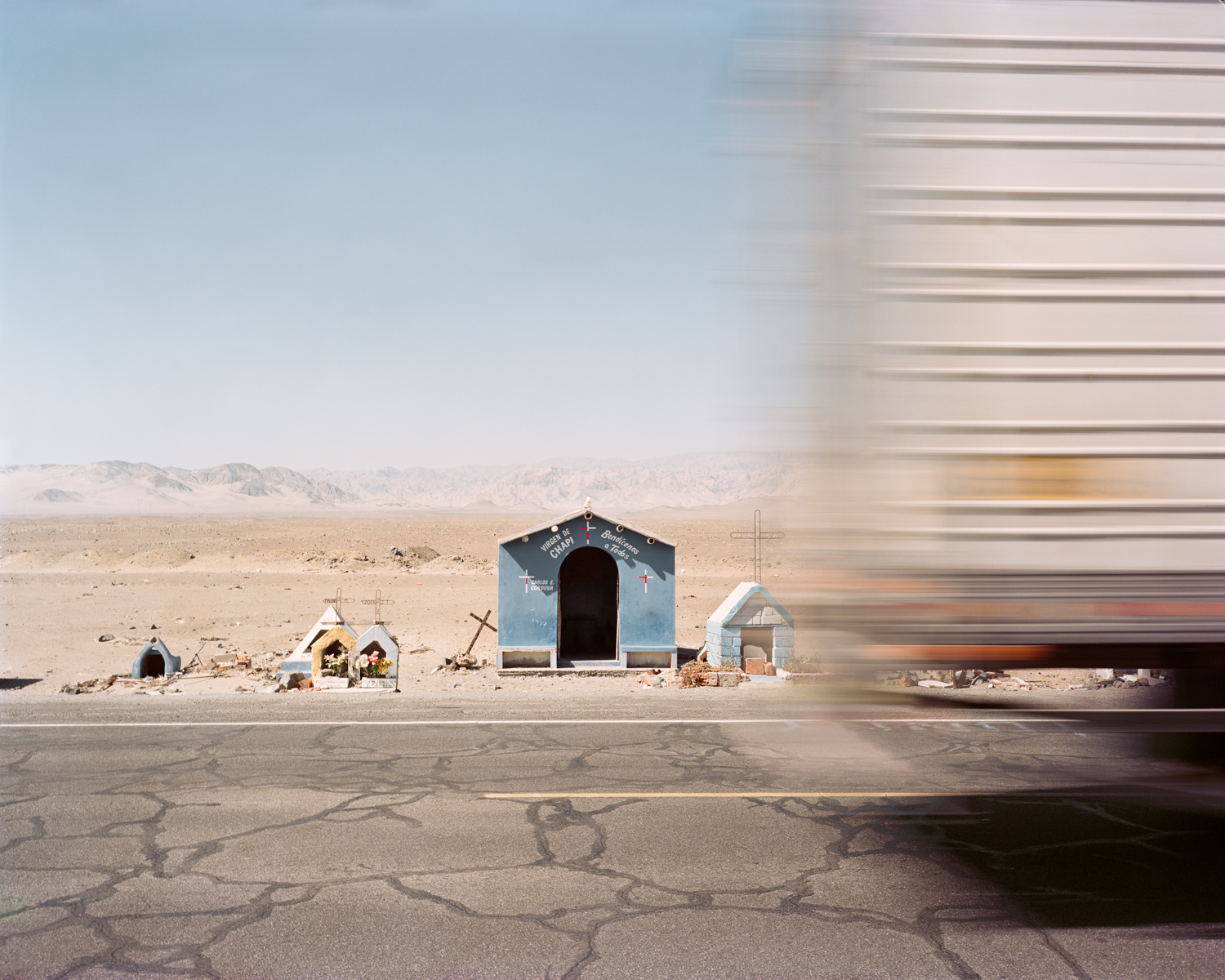
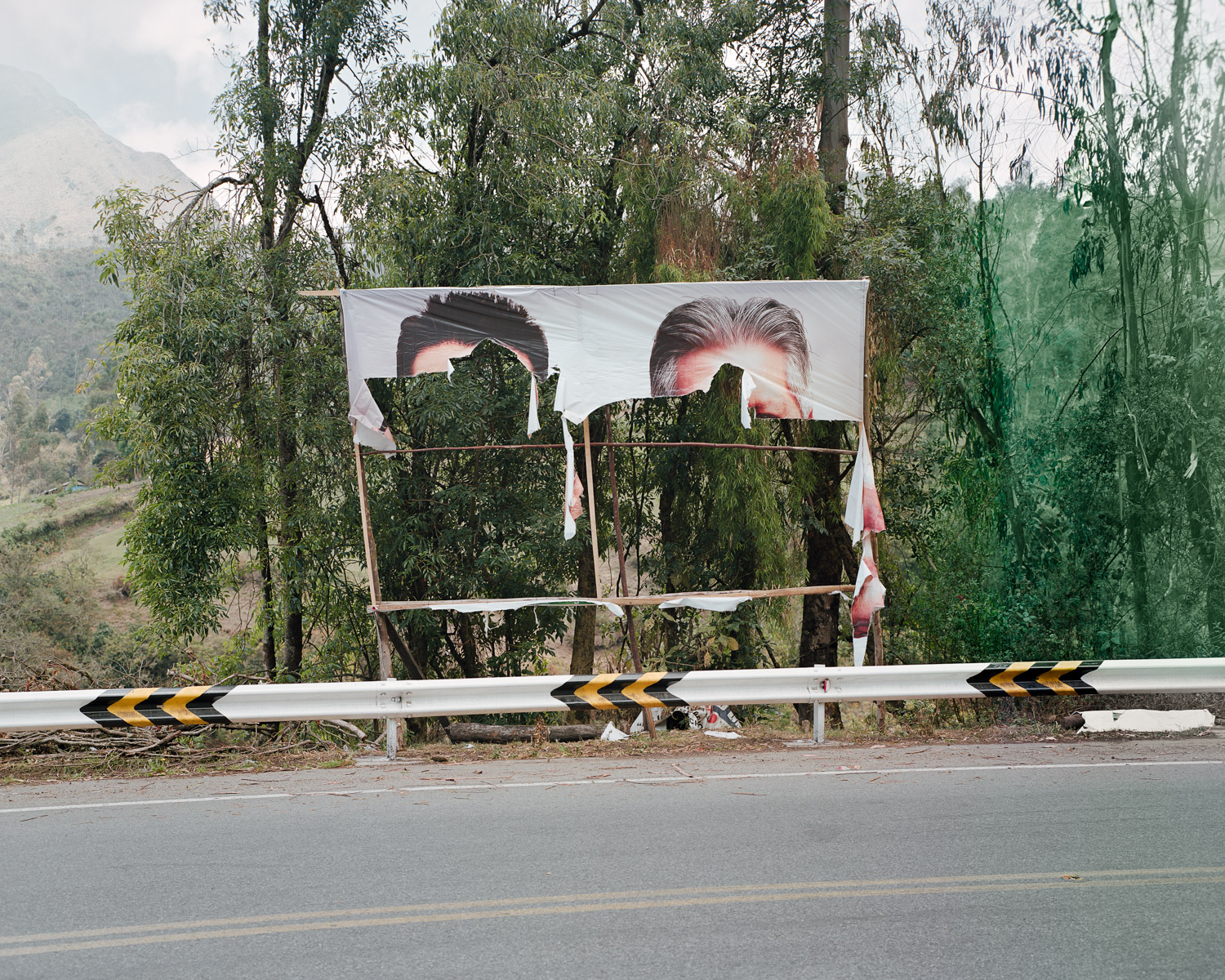
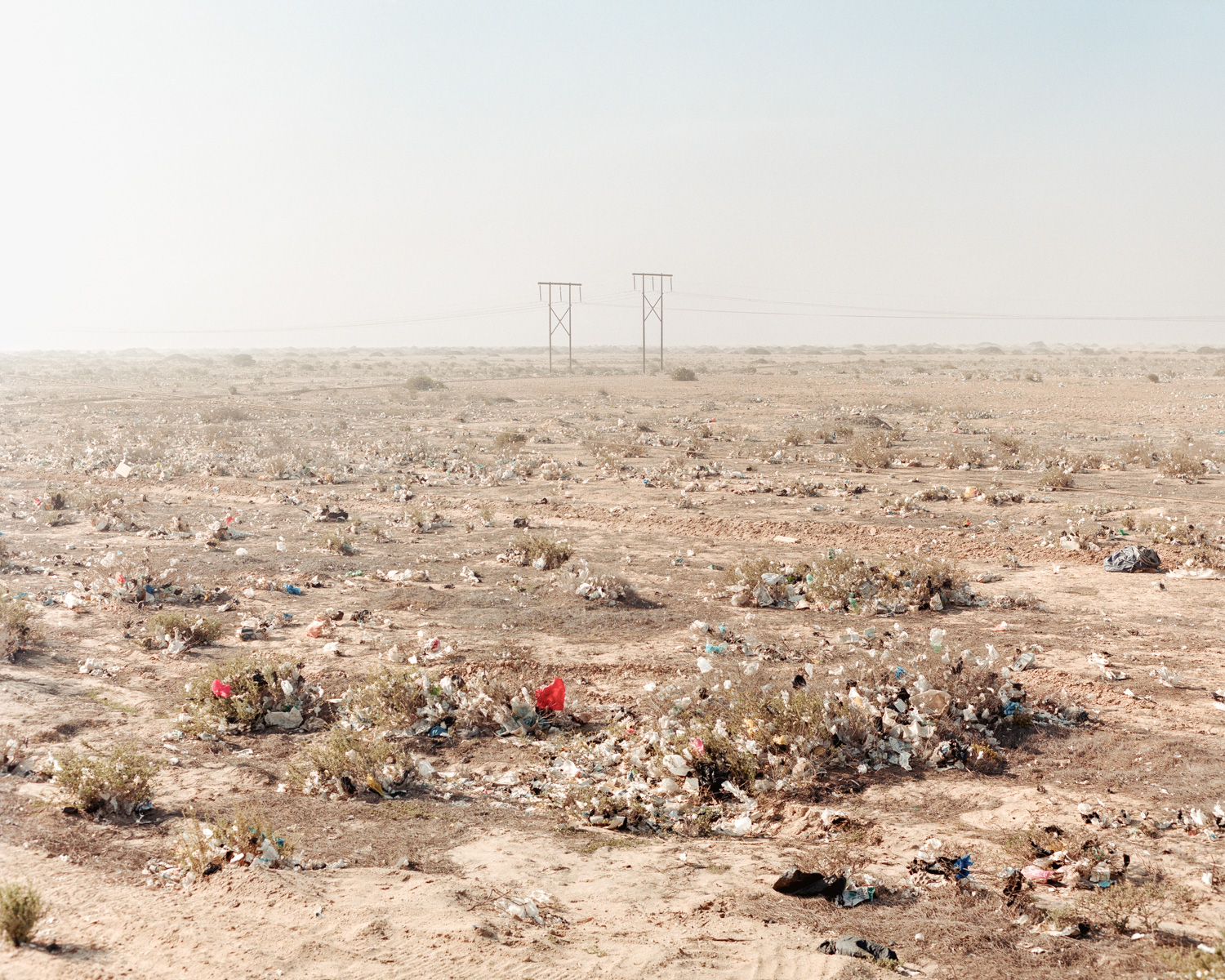
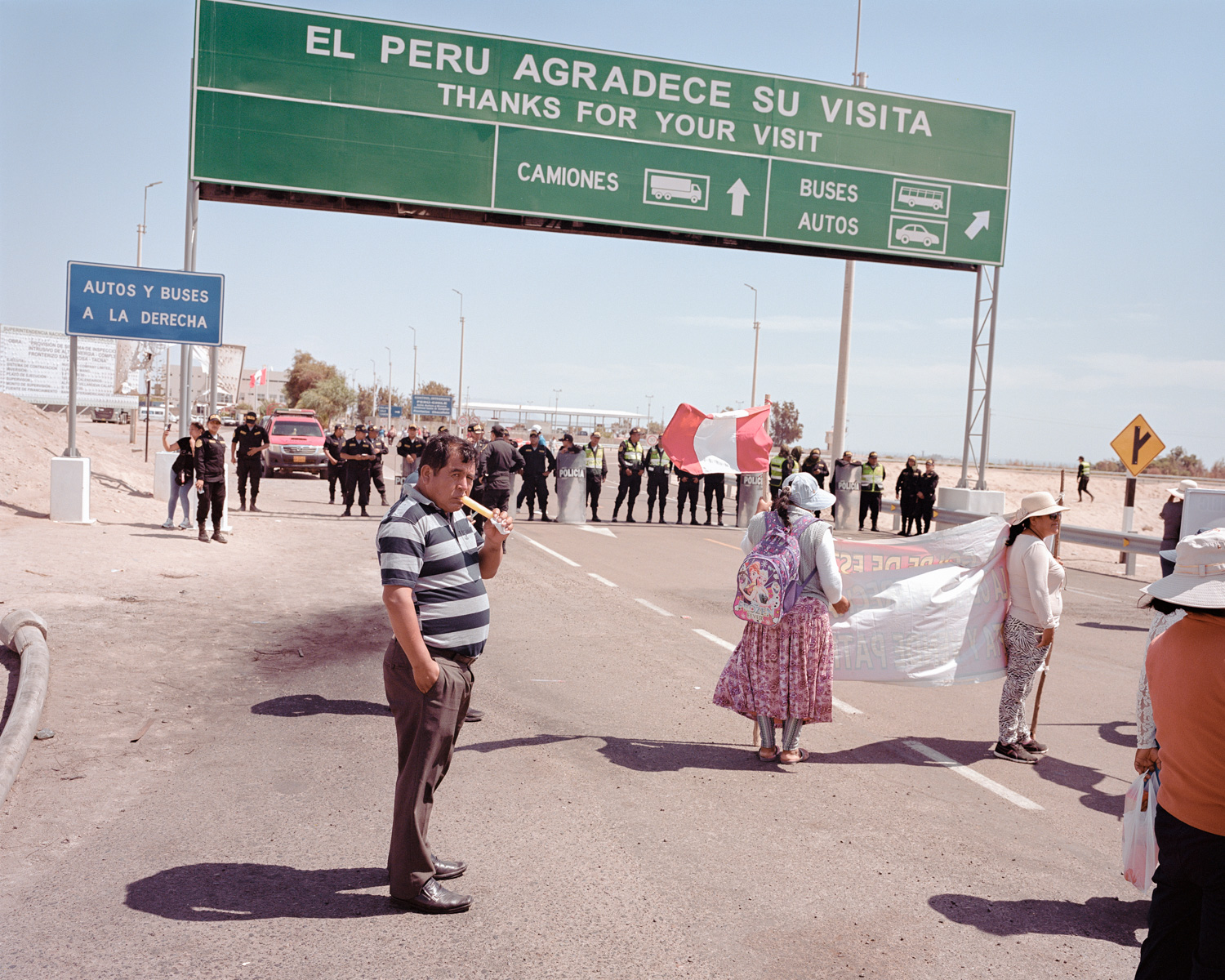
However, when I was last in South America making Autopista Autopsia, I wasnt quite able to find the creative flow that Ive heard other artists talk about. I was pushing my personal work in a new direction but I was having a hard time knowing how to get there. Listening to interviews and reading about the making of projects and books that Ive always looked to for inspiration, I would hear stories about how one image would effortlessly lead to the next or about how good it felt to be making the work that artist was making. I, on the other hand, was feeling blocked up and I didnt know how to move past feeling like I was forcing the work. On top of it all, I didnt feel like I had the right community to turn to for constructive criticism. For too long, I was using social media as the only arena for showing personal work and getting feedback.

I needed help rethinking my creative process and reestablishing my relationship to the medium altogether.

The pursuit of a MFA in photography will absolutely not provide a road-map to success in the commercial world. In fact, if anything, its sure to steer me in a completely different direction all together. Though I do think it will bring me closer to creating work that points me towards the core of my artistic identity. And the stronger the personal work that I can put out into the world the more likely itll lead to that next win”.

I won’t ask you about your truck, when was the last time you heard from the previous owners?
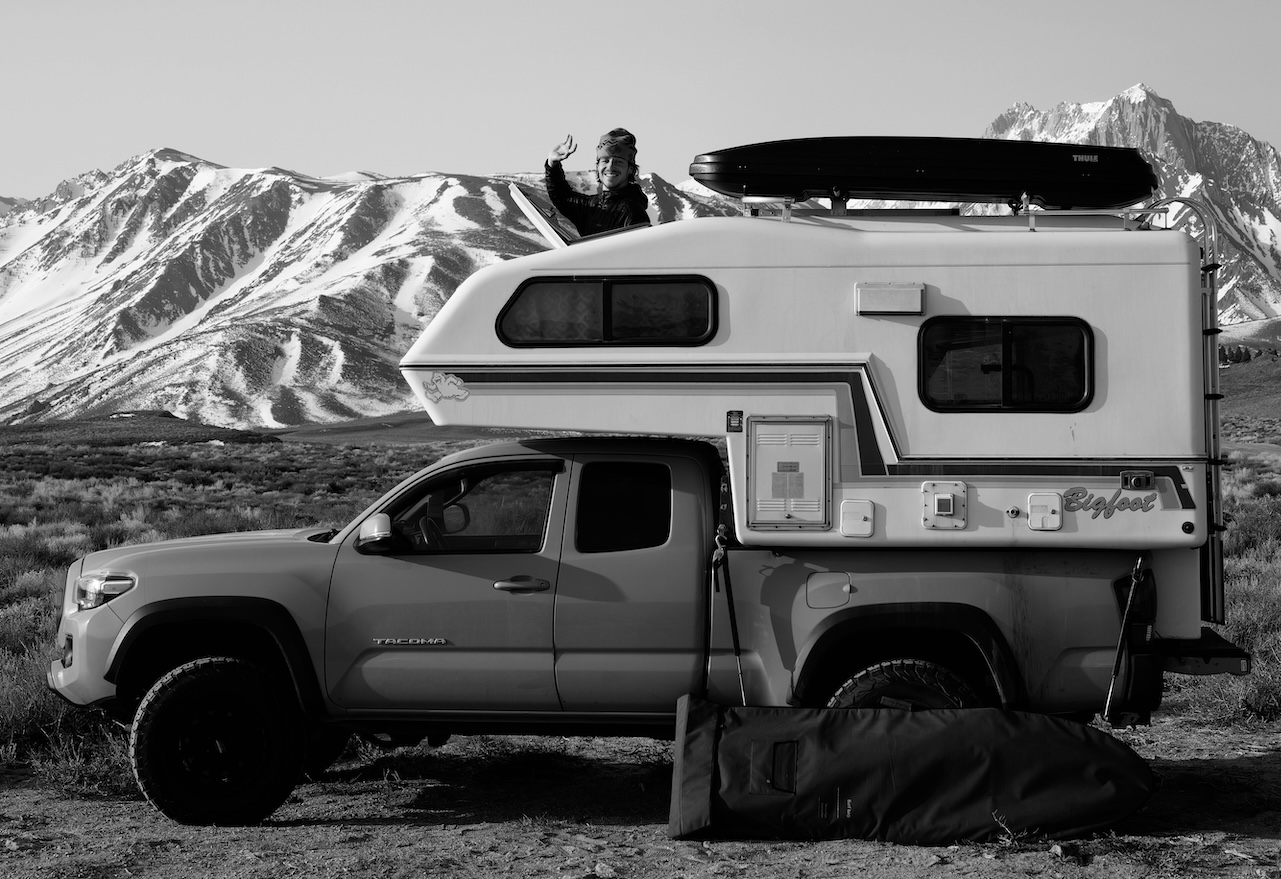
The truck! The previous owners are a Swiss couple who are currently living out of their van somewhere in Europe. We follow each other on Instagram and I drop them a line every few month with photos or with mechanical questions about this or that as all the manuals they left me are in German. Its a very wholesome relationship that I hope to have with whoever I pass the truck along to, someday, maybe.

The Daily Edit – Perrin James


Patagonia Spring25 Catalog

Photographer: Perrin James
Freediver: Kimi Werner
Photo Editor: Jenning Steger

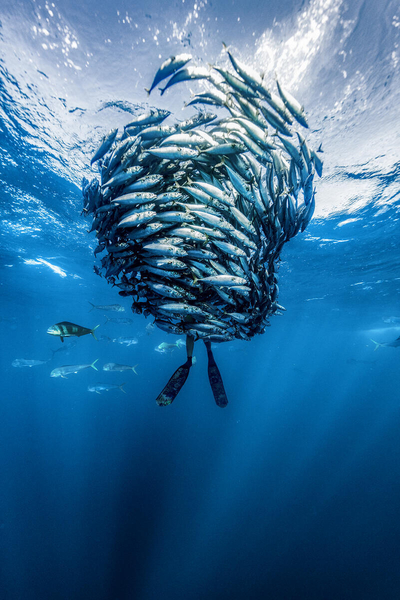
Heidi: This stunning cover image intersects magic, nature, and those who respect her. – tell us the backstory around how you and Kimi met this moment?
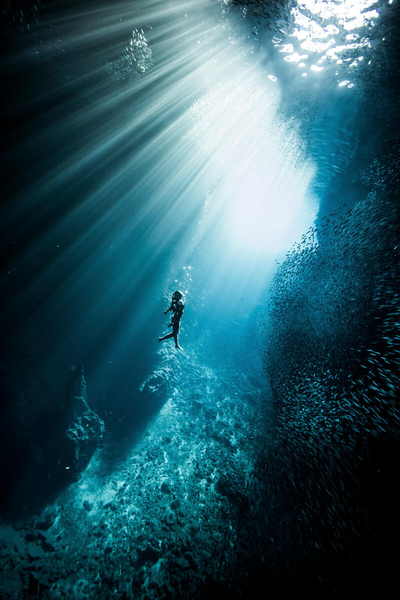
Perrin: Kimi and I were invited on a bit of a reunion trip with our good friend Edmund Jin, We had all traveled extensively for a few years together and we wanted to revisit some of our adventures. We were about 100 miles from the mouth of Isle Magdaleña. Every year there’s a sardine run that is usually met with striped marlin as the main predatory fish. But this year was a transitional year from El Niño to La Niña, and the ocean seemed to have exploded with a few different types of baitfish and millions of mahi mahi. We swam playfully into the bait balls until that mahi fish crashed into us. At one point a bull mahi caught me right below the eye and now I have the cool little scar to show from that one. Kimi was filling her spearfishing cup and preparing to bring back a bunch of Mahi for Buddy and Turk. I swam over and asked if could shoot this particular baitball. It was a different type of mackerel. This vortex of fish was just so beautifully formed. She swam up through the bait and came out with two fish one in each hand. We laughed so hard I think I drank some saltwater.

How many covers have you two collaborated on?
Perrin: This is our second Patagonia cover. I think we’ve gotten close to 15 though in the outdoor space, it’s been a beautiful journey of creating, and ocean time.

Patagonia Cover, 2016


BTS of their first Patagonia cover, published in 2016

Nature reigns supreme as the ultimate producer. How do you know when you got the image and not overstay your welcome?
Perrin: For this particular situation I think the bait fish were actually incredibly happy to have us. The moment we would swim away the ongoing feeding frenzy would continue. I feel that with my dive buddies and best friends we have language underwater that really doesn’t rely on speaking. it’s mostly hand gestures and facial expressions and occasional underwater grouper calls (a grunting noise that can be heard underwater. As soon as I shot this image I broke the silence communication and just yelled WE GOT IT.

How did this photo come across your desk at Patgonia and ultimately make it as the coveted cover placement?
Jenning: I received a text from Kimi post dive saying she and Perrin shot some on point Patagonia photos that she thought I would love. It was a few weeks by the time Perrin got home from Mexico and sent me the submission. Its always a treat when we receive Perrin photos as he is a remarkable underwater photographer and we love all things Kimi. I renmbember excitingly downloading his photo folder, after a quick glance I knew what they (Kimi, Perrin + Mother Nature) managed to create + capture was something special. I shared my top selects with the Patagonia Journal (catalog) team who shared the same thoughts I did that the image set was solid and captured the essence of Patagonia photography. My department manager Heidi Volpe helped secure the coveted journal cover. I emailed Perrin + Kimi and told them to keep the photo on ice for us, since the journal is print the lead times are longer but I was jockeying for some prime real-estate for the bait ball story + images and to please be patient as I pushed photo thru the process to image final.

What does nature tell you about women in the water?
Perrin: Women have a special place in the ocean. It’s always interesting the way whales and other cetaceans or even predatory fish that would typically be shy, always seem to swim directly up women in the ocean.

What cues do you tap into when searching for a potential location to free dive?
There are a number of factors that play into looking for a new freedive spot. I think the biggest one is the underwater architecture of that location and how the tide affects that location. It’s also seasonal just as surf follows the seasons, so do fish. Everything is timing ( at least for the best spots).

Once you find the spot, what does your prep look like?
I like to let people go first and watch the drift. Then work with the captain on how we can improve the angle of the current or the distance from the pinnacle or point of interest. If the current is fast you need a greater distance to breathe up enough before your dive.

How does your creativity differ in these two worlds: immersion in the ocean vs terra firma?
Oh I really do my best to do everything in the ocean or around it. I’m not very good at being on dry land for too long.

Photo: Nick Kelly


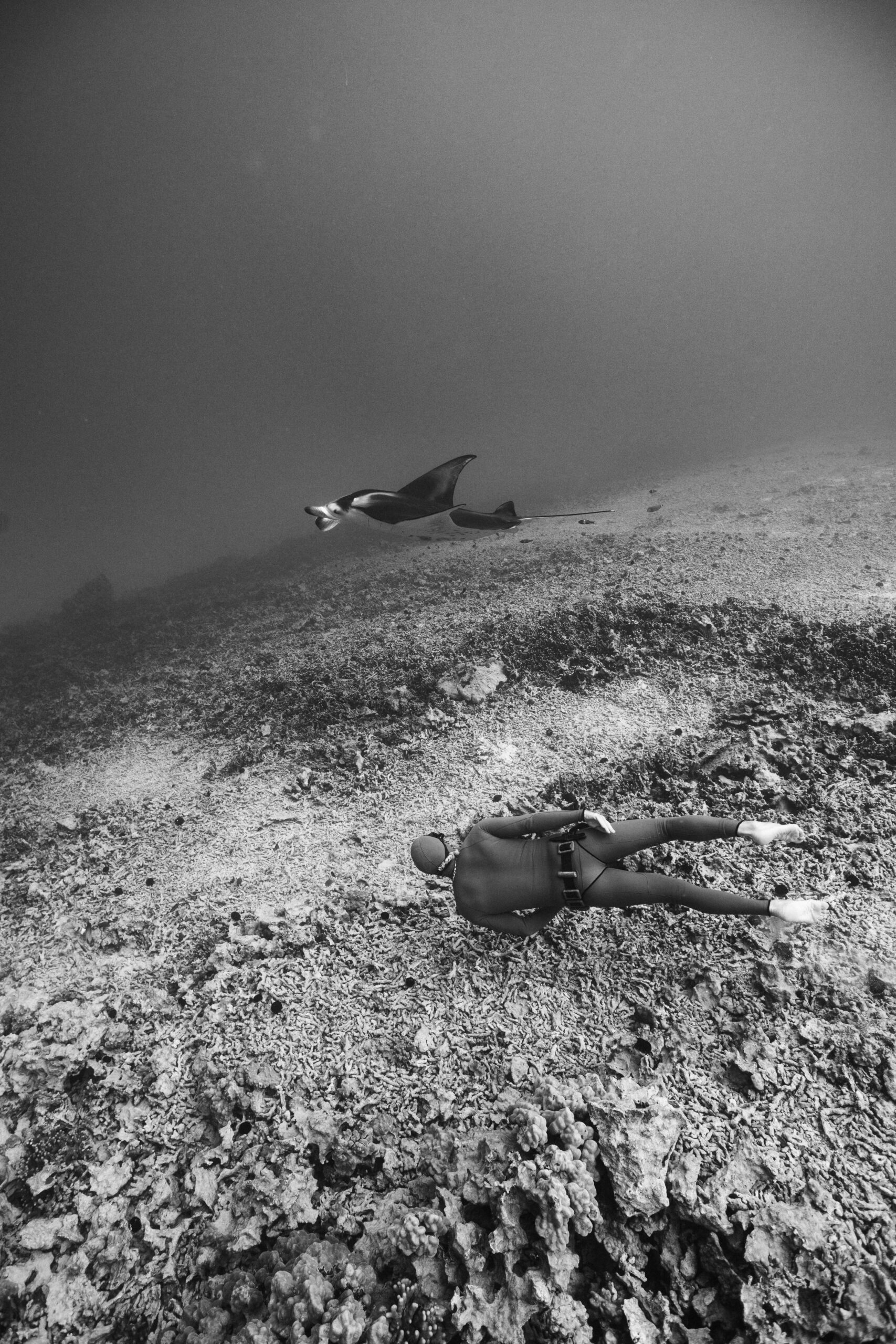
All black and white photos: Katharine Kollman


Photo: Geoff Coombs
After so many years in the water, what are the most drastic changes you’ve seen, what can everyday people think about or what behaviors can we change to avoid further ocean impact?

I always think about the saying (well you should have seen it in my day). that is usually coming from much older people. I feel that I watched it change drastically from a kid till now and again once I started traveling oceans and revisiting places only a few years later.

Single use plastic is an easy one but also just being conscious of the type of fish you are consuming and where it came from or more importantly how it was caught.
The ocean faces challenges that are almost without borders however. I think there needs to be more attention addressing factory fishing and the global fishing fleets that are quite literally emptying the oceans.

You’ve contributed to several films around the ocean as a healer, how did you expand as a creative after working on those two projects?
I think my style of work has always leaned towards the darker more mysterious parts of the ocean showing beauty in the shadows and unknown. After working on Learning to Drown and Daughter of the Sea I think the importance of telling these types of stories was just amplified. The ocean helped me through the darkest parts of my life and I hope it can help others as well.

What ocean-based projects are you working on now?
We are just going into post production on the story of my friend Vaimiti, Its kinda a surf story but highlighting the cultural similarities and hardships that Hawaiians and Tahitians share through colonization and loss of identity and culture.

The next project is a Freedivers journey through a traumatic brain injury.

The Daily Edit – Midnight Sun: Joseph Seif


Photographer/Cinematographer: Joseph Seif
Pianist and Composer

Heidi: You’re a multifaceted creative, synthesizing photography, filmmaking, painting, composing, and creating music. How does each skill inform the other?
Joseph: For me, it all began with the piano. I started playing at a very young age, and at the same time, I was the kid that sat in the back of the classroom sketching everything, with my head in the clouds. As I progressed musically and artistically through many years of classical piano training, I found that being a pianist unlocked a series of other doors in the realm of creativity. I became more attuned to nuance, emotion, atmosphere, and the contrast of light and shadow. This innate understanding, thanks to studying the likes of Satie, Ravel, and Rachmaninoff, as well as diving into the works of Sargent, Bouguereau, Avedon, Lindbergh, Koudelka, and Salgado allowed me to jump right into painting, photography, and cinematography, spending many years honing each skill to the point where I find myself “medium-agnostic.”

I’ve been told many times that I risk being a jack of all trades when I don’t focus on one thing. That never sat well with me. I’m much happier and more productive when I can switch mediums depending on what I want to express. I look at the Renaissance for inspiration, where multi-faceted creativity was celebrated and surpassed the limitations imposed by the expectations of a single and defined profession. When I was training as a cinematographer with the late Vilmos Zsigmond, he taught me to paint a set with light. First with the wide brush strokes of large sources, creating deep contrast that can be felt with eyes closed, then rendering details with smaller sources. Vilmos was widely known for his distinct visual style, often referred to as “poetic realism” and his mastery of cinematography came from a deep understanding of the human condition. A reflection here, a shadow there, making a composition sing with light and shadow, and somehow tapping into the unknown. That felt just like composing for the piano to me, or connecting deeply with a subject matter in photography.

Even as my photography and cinematography careers took off, I never stopped making music, having released two full-length albums of original piano compositions and currently working on my third. I’m deep into painting as well, studying at an atelier in Los Angeles with a focus on realism. I strongly believe my work in other mediums has ultimately made me a better photographer and cinematographer. Being a multi-disciplinary artist has also heightened my sensitivity and empathy substantially, and I find that I can usually connect with my subjects and clients effortlessly when making portraits or photographing commercial campaigns or assignments.

How do you manage your creative resources as you’re wildly prolific?
It’s always a challenge, but with the right amount of time management, anything is possible! When not on set, my days are divided into 4-hour sections where I balance client interactions, admin time for my business, personal creative projects, and most importantly, parenting. I also have “seasons” where I’m focused on one medium over another. For example, a typical week would entail prepping for a shoot, being on set capturing campaigns for major brands, managing post production, and being present and very much focusing on my seven-year old daughter. I’ve also recently joined the board of directors at APA-LA, so that’s been keeping me busy with new opportunities to serve our photo community. So I tend to compose at night, with headphones on, and after many months when I’ve had everything dialed in and written down, I would go to a fantastic studio here in LA and record everything in just a few days. On weekdays when I’m not on a shoot or in pre-pro, I will typically be painting or working on a personal photography project.

For inspiration, I find that the ocean does incredible things. I’ve taken up sailing, and will hop on my friend’s timeshared 36-foot sailboat once or twice a month to cut through water with some dolphins in Santa Monica Bay whenever I feel creatively stuck. It’s also been tough to stay creative with the horrific current state of the world, so lately I’ve been turning my lens onto environmental issues I care deeply about, such as the human impact on the polar regions and ocean conservation. That comes with an inherent sense of purpose, which is even more fuel for creativity. No matter what it is I’m doing, it always feels like a race against the clock as I tend to work in big bursts of energy, which I somehow channel like an antenna in a thunderstorm!

When you are composing music, are you seeing images?
Yes! It’s hard to describe perfectly. Sometimes I’m seeing nostalgic images that have velvet edges and blue, purple and magenta hues. Other times, I feel a heavy weight in my chest that flows through my fingers until it all exists outside of me. I also see light and shadow, or more accurately, I sense contrast. There is a lot of pain and beauty inside and outside of us, it’s everywhere, and I tap into it very deeply. Sometimes that manifests as colors and imagery, other times as a force that propels you or pulls you in like a freight train or a black hole.

Is the inverse also true, that by creating imagery you hear music?
I don’t hear music when making images, though I love to have good music on in a portrait session. Especially something that will influence the direction I want to take the work in. I do often get the same feeling in my chest while on set though, that intuitive push/pull towards the desired outcome of the work, especially when it comes to light and contrast.

Tell me about your upcoming project Midnight Sun, what is it and how did it come about?
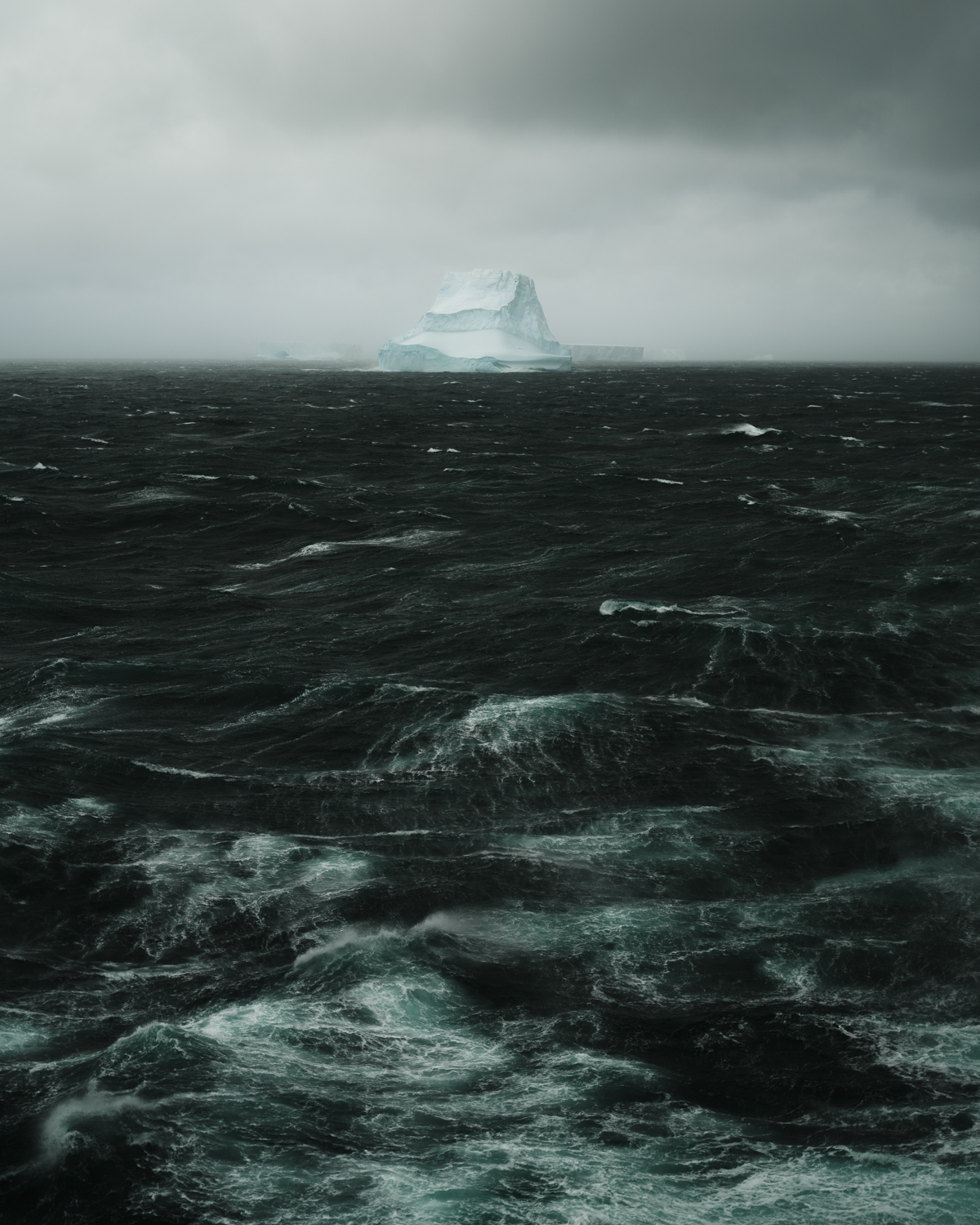
I began work on Midnight Sun three years ago. It’s essentially a collection of personal images captured during assignments in Antarctica and the Arctic. In this work, I wanted to not only focus on the epic natural beauty of these remote regions but also the pressing issues of human impact, militarization, over-tourism, mining, and the effects of colonization on indigenous communities. The experience of visiting the Antarctic and the Arctic have been nothing short of life-changing for me. It ignited a sense of purpose and urgency to take my personal work in this direction, despite being a commercial photographer and cinematographer for most of my career with little experience in landscape photography and reportage. So I tried to keep everything authentic to how I see and feel things, which led to shooting this typically more documentary-style subject matter with more of a fine art aesthetic.

Midnight Sun is taking the form of a book and a music record – the images for the most part are devoid of people, a contrast to your commercial work. How did you expand creatively during that project?
Midnight Sun, while (mostly) devoid of people, is really all about humanity! It’s about our relationship to nature, our need to dominate and conquer resources, and our incessant urge to impose our way of life on indigenous communities. But it’s also about the beauty and fragility of our planet, our responsibility as stewards of the Earth, and our spiritual growth as a species going through some tough transitions. I experienced all of those things while in the polar regions and it completely transformed me and how I view my role as an artist in this era. The work is complete and is currently being shopped around with several publishers in proposal form. I am also deep in the process of composing my third record, which will accompany the book as a “soundtrack” of sorts. Unlike my last two albums, which were primarily classical piano records, the Midnight Sun record will have a more orchestral and “cosmic” sound that comes from the use of analog synthesizers along with acoustic pianos. It is influenced by more modern composers such as Vangelis, M83, Yann Tiersen and Max Richter, but infused with my own personal style of classical piano. Like the last two albums, I’m planning on releasing it on vinyl along with the book, as well as a boxed set.

How did the Lecia relationship begin, and what are you working on now?
I’ve been photographing my personal work with a Leica M6 since the mid-2000’s. This led to a book I published in 2019 called “Onward,” which is a collection of black and white images captured while on the road for 12 years as a cinematographer on travel assignments, mostly taken with my M6. Along with several great bookstores such as Hennessey + Ingalls, Skylight Books, and William Stout Architectural Books, Leica LA and Leica NY began to carry the book, which has done really well and almost sold out the first edition. I also had the opportunity to work with the late John Kreidler early on in my photography career, and he became Leica’s director of education well before he passed away last year. He was kind and gracious to me as always, and introduced me to some wonderful people at Leica. Then there’s the amazing Paris Chong! The curator at Leica Gallery LA, who is an absolute gem in our industry. She has been instrumental in guiding the direction of my Midnight Sun project, and I’m very grateful for her insight and encouragement.

On a related note, I use Leica’s SL-series cameras and lenses for all my commercial photo assignments, and all of Midnight Sun was captured with the same cameras and lenses as well. Those cameras and lenses have been incredibly compatible with how I make images, with beautiful color science and deep, rich blacks that make the images feel like you can dive right into them. I also often use Leica cinema lenses in my cinematography work. Essentially, I view Leica as a partner on both the artistic and the technical side to keep my photography evolving into the future.

With commercial work, have you found it necessary to narrow down what you’re known for? 
My commercial photography and cinematography work is also wide-ranging. I’m interested in so many things, especially in authentically capturing images of people doing things. So in a given month, I find myself working on fashion campaigns, editorial portrait assignments, automotive campaigns, advertorial portraiture for healthcare and technology companies, lifestyle image libraries for brands, and even underwater work, such as the two Toyota commercials I shot for the Olympics featuring members of the USA swim team. I’ve always been a hybrid shooter, so while I’ll either come onto a union commercial as cinematographer, or capture an advertising campaign as a photographer, I’m most often doing both and have been developing and building a signature workflow for hybrid campaigns for many years, to the point where it’s what I’ve become known for and what I naturally gravitate to, work-wise.

The Daily Edit – Florian Schulz and the vital role photography has in shaping public awareness and influencing policy

Photographer, Filmmaker, and Conservationist: Florian Schulz

Heidi: We are a culture distracted by screen and cell service – is your photography and film work partially an act of resistance?
Floiran: As a photographer and filmmaker, I often find myself at the intersection of creativity and technology. While social media platforms like Facebook and Instagram are undeniably powerful tools for sharing work and connecting with others, I have a complex relationship with them. On one hand, they provide valuable insights into the work of colleagues and friends, as well as access to news and thought-provoking statements. However, I also see them as significant sources of misinformation, where quantity often trumps quality, and the loudest voices can overshadow meaningful content.

In my personal life, my wife and I have made a conscious decision to limit screen time for our children. Our 9- and 13-year-olds do not have cell phones, and screens are not used for entertainment. (We do watch nature documentaries on the TV) This choice has allowed them to develop remarkable creativity and a keen awareness of the world around them. They observe how excessive screen time affects their peers, and it’s heartening to see them thrive without the constant distraction of digital media.

In this sense, my photography and filmmaking can be seen as acts of resistance against the prevailing culture of distraction. By focusing on creating meaningful, high-quality content that encourages reflection and engagement, I aim to counterbalance the fast-paced, often superficial nature of social media. My work is about capturing moments that inspire, provoke thought, and foster connection on a deeper level.

Moreover, the process of creating art without the constant influence of social media allows me to tap into my own creative potential more authentically. It enables me to explore themes and ideas that might not fit into the algorithm-driven narratives that dominate online platforms. This approach not only enriches my work but also contributes to a broader cultural dialogue that values substance over spectacle.

Ultimately, my goal is to inspire others to step back from the screens and engage with the world around them. By doing so, I hope to contribute to a shift in how we consume and interact with media, one that prioritizes depth, creativity, and genuine connection.

Nature is wild and she works on her terms – how has this lack of control informed your creative work and life?

Yes, nature is wild and unpredictable. That is exactly what I love about my work! This career that I have chosen is not such much of a simple job, work, a career, – it is rather the inevitable path I had to walk because of my passion for wild places, the adventure that comes with it and the desire to be in the presence of wild creatures. To do my work well, I need to be out in the wild for extended periods of times. This has always been my goal and accordingly I have chosen projects that allowed me to do this. What is beautiful about it is that one has to let go of control and especially when documenting wildlife I have to give in to a more organic approach. Sometimes when I am waiting for hours for an animal to appear or a certain behavior to show this work has a meditative element. I have to be here and now in the present. The sounds, sights, smells – the wind and weather conditions. All of it is important to take in or to capture in a series of photographs to document an ecosystem with its wildlife. I love the idea that moments and images have to “come to you”. The animals have to present themselves, that is when the good images get taken. After doing this for so many decades I also realize that it is not just the final image that counts for me – but the entire experience.
As all of this takes a lot of time, we are just now at a particular crossroads. Even though I have always tried to have my family be a part of the adventure it was only possible at certain times. We are now embarking onto a new path where we are going to be exploring the wild as an entire family. We will start with some of the most exciting wild places across Alaska. From the fjords and forests of South East Alaska to the Arctic Tundra of the North or the bears coast along the Alaska peninsula.

Does all your work come with a call to action? If a photographer wanted to get started supporting a cause, what’s the best way to start?
You are right that a lot of my work over the past decades has been mission driven and often included a call to action. The hope to help with the conservation of ecosystems comes across in the stories I tell through my images. As a conservation photographer, my goal is to inspire viewers to care about the natural world and its wildlife. Whether it’s documenting the majesty of wild places or highlighting the challenges faced by endangered species, my work aims to raise awareness and encourage action.

For photographers looking to support a cause, I would recommend starting by identifying what truly resonates with them. It might be a specific species, ecosystem, or environmental issue. Once you’ve found your passion, immerse yourself in learning about the topic. Collaborate with experts, such as scientists or conservationists, to gain a deeper understanding of the challenges and potential solutions.

Networking is also crucial. Join organizations like the International League of Conservation Photographers (ILCP), which I co-founded, to connect with like-minded photographers and learn from their experiences. Engage with conservation groups and consider partnering with them to amplify your message.

Lastly, use your platform to share your story. Whether through social media, exhibitions, or publications, make sure your work reaches the right audience. Remember, the power of photography lies not just in capturing stunning images but in inspiring change and motivating others to take action.

In my own journey, projects like “Freedom to Roam” or the effort to help with the permanent protection of the Arctic Refuge have shown me the impact that visual storytelling can have on conservation efforts. By sharing compelling narratives and images, photographers can play a vital role in shaping public awareness and influencing policy decisions.

What cues do you recall when your first realized your photography/filmmaking gave agency to the biodiversity and landscape, presenting the Arctic as worth protecting rather than just a barren energy resource? 
I believe a big reason why conservation was such a big topic for myself from early on was me growing up in Germany. In Germany and across most European countries we had lost large interconnected wild ecosystems. While we have a 1000 year old castle around the corner from where I grow up, we had lost wild places. This feeling of loss, made me cherish the big wild places across North America. Whether it was the Greater Yellowstone Ecosystem where we would still find bears, bison, elk and wolves, or the wild coastlines or the Arctic where the ancient caribou herds would still roam. There was never a time where I could look at these great arctic landscapes as “barren wastelands”.
The fight for the Arctic Refuge has been going on for many decades and I have been involved with the Refuge for the last 25 years. It has always been a collaborative effort to fight for the Arctic Refuge alongside the Gwich’in People and many conservation organizations. My images and film work have been a central part in a lot of these efforts and campaigns. From big live speaking tours, many magazine articles to massive signature campaigns, like during the #ProtectTheArctic campaign that inspire millions to take action. This campaign resulted in an unprecedented 6 million comments submitted to the U.S. Fish and Wildlife Service, effectively stopping seismic testing in the Arctic Refuge. Unfortunately, the battle the Arctic Refuge and other wild places is long lasting tug of war.

What can you share about this image from your coffee table book, To The Arctic?
I near a group of muskox bulls and find myself wishing for a musk ox’s coat to protect me from the weather. Their long guard hair hangs from their bodies like beautiful overcoats. Underneath, their wool is eight times warmer than the highest-quality sheep wool.
I feel the gripping cold, especially on my face, where the snow crystals lash my skin like grains of sand. But I am excited about this turn in the weather. It allows me to create photographs that show a true Arctic scene, with conditions these musk oxen have to withstand many times in the course of the year.
The wind becomes so intense that the animals almost disappear behind a curtain of blowing snow, their long hair rippling around them like soft cloth. I try to get close enough to capture their image before the sun dips behind the ridgeline. Dropping to my knees, I frame the scene as the last rays cast pink light on the musk oxen’s fur.
Then something magical happens. Three bulls take off from the group, heading directly toward the setting sun. For an instant they are in perfect formation. The blowing snow is so thick that it makes the three bulls seem to float magically above the ground. A photograph of a lifetime-and worth everything I had to endure to get it.

Patagonia celebrated your conservation work for ANWR in their Fall catalogs (2016 and 2024) both being election years, what feels different this second time around about impacts we can make as individuals and collectives?
I’m honored to have been a part of Patagonia’s conservation efforts, including their campaigns highlighting the importance of protecting the Arctic National Wildlife Refuge (ANWR). The recent “Alaska Needs You” campaign underscores the urgency of our collective action. What is different today after the recent election: “ Alaska Needs You More Than Ever! “ However, it is not just about Alaska; many wild places are under threat due to a wholesale mentality of exploiting public lands and resources, which will ultimately rob future generations of their natural heritage.

The current landscape is complicated by attacks on democratic values, the environment, public lands, and marginalized communities. Misinformation is a significant obstacle, as it often misleads people into believing that exploiting public lands will benefit underprivileged Americans, when in reality, it primarily enriches corporations and billionaires.

However, I remain hopeful. There is a growing recognition of the need for collective action. By coming together as a community, we can fight against these challenges and protect our planet’s biodiversity. The power of collaboration, as seen in campaigns like “Alaska Needs You,” demonstrates that when individuals and organizations unite, we can inspire meaningful change and safeguard the future of our wild places.

One of the oil drill pads at the edge of the Arctic Refuge just west of the Canning River delta. Oil companies have pushed for opening the Arctic Refuge to the east of the Canning River for oil development. Canning River Delta, Alaskan Arctic

You’ve called Alaska home for the past 15 years, a place where mining, drilling, and extraction remain real threats to land, biodiversity, how are you thinking about your work these days?
Every day we are chipping away at the last open spaces and wild lands. The current administration is doing this at a massively accelerated pace. Unfortunately, it is the same old story that is repeating itself. The main difference is, that we have less and less wilderness around us and the speed of exploitation is ever faster. What I am planning to continue to do is fight the same old fight but with different stories and from different perspectives. I personally have to pace myself and also consider my children. If I will always bring up all the critical things I see it is hard for them to be joyful. All this consciousness weighs hard on myself and that gets passed on to them. I want to let my children go and see the beauty of this planet with their curious joyful eyes. So in the coming years, that might be part of the way I will tell stories for us to protect earth for future generations.

What are you working on now?
I am currently putting on the finishing touches on a presentation I will give at the Patagonia Soho Store in New York City on March 19th.
At the same time we are in the middle of planning multiple expeditions across Alaska. This spring we are hoping to document bears coming out of their winter dens. We will also be working in areas across the vast coastal areas of Southeast Alaska and later in the summer across Arctic Alaska. My family will be part of many of the expeditions.

The Daily Edit – Tracy Barbutes: San Franciso Chronicle

Tracy Barbutes

Heidi: Being based near Yosemite National Park for over two decades, how did the Rim Fire change your perspective on today’s wildfires?
Tracy: This was my first intimate experience with wildfire, as a photojournalist and as someone directly impacted by the fire. Our neighborhood was asked to evacuate, but I returned home each night to a smoky home, where I watched from my kitchen window as flames encroached into our community. I observed national and international media materialize into and out of our rural, gateway community, bringing with them certain ideas and prejudices, many of whom had almost no experience in a wildfire landscape. I witnessed fear and uncertainty in the region, especially in the early stages, which brought about a lot of mis- and dis-information. I listened to many Monday morning quarterbacks. With each new large fire, I cringe when I see similar behaviors. Here’s what I learned to be true – the firefighting personnel (firefighters, dozer drivers, sawyers, air attack, water tenders, incident commanders, etc.) – all share the common goal of wanting to protect people and property. All of this informs the work I generate with each new fire. At the time, the fire was the third largest in the state: it burned 400+ square miles. Given what the state has experienced since then, it now seems almost quaint.

How did the Public Information Officers impact your understanding of how to safely document fires?

I owe the Rim Fire PIOs a world of gratitude. I spent many days on the fire line with them, often 1-1, and they gave me the tools to walk confidently, knowledgeably into a wildfire. They also taught me about chain of command, and most importantly, they encouraged me to take the US Forest Service Basic 32 (it’s now called Basic 40). The following spring, I took the course, training with folks who went on to become firefighters. The course gave me an understanding of how fire burns in different conditions, as well as what it’s like to be on the ground as a firefighter. All of it, the PIOs, the courses – informed the work I create and how I create.
In your mind, how has social media impacted the natural wonder of the Firefall, if at all?
Having lived near an entrance to Yosemite for more than two decades, I can say that yes, social media has brought a lot of attention to Firefall. There are now required reservations to enter on weekends during the event, whereas it was a beautiful, quiet, peaceful, reflective, somewhat non-event in the pre-social media obsession days.

Once the American flag unfurled from the top of El Cap, how did the crowd react to the protest during Firefall?
There wasn’t any one big unfurling moment, so there wasn’t a collective gasp or anything from the crowd. There were mixed reactions on the ground as the flag became more visible. I heard a lot of different chatter as I moved around those gathered to watch Firefall:
“Is that a Puerto Rican flag? Do they realize the flag is upside down? Are those trump supporters up there? Oh, I wonder if this is a protest? If this is a protest in support of The Park, then I am all for it. I don’t appreciate it – no hand of man. I don’t think it should be there.”
People mentioned that they would crop the flag out of the photo if it was still there during Firefall.

Did you understand this as a historical moment considering the threats to our public lands and those who care for them? 
I didn’t understand the historical magnitude at the time, as I was focused on creating imagery and meeting deadline. With a bit of space between now and then – I absolutely understand how the act, and the imagery, ignited awareness and action. I believe the real discussions, the emotion, the action, the new acts of resistance – began once the San Francisco Chronicle (and eventually others) published photos of the flag in distress.

Did other news agencies inquire about using this photo?
Many. I did license the image to a few other agencies – as time has allowed. I’m a one-person operation, and I have been working out of the area on other assignments since the event.

Have you navigated usage and copyright infringement before?
I have had to go to battle to protect one of my registered copyrighted images. Several years ago, I noticed one of my images on a billboard while driving to an assignment. I knew exactly who I had created the image for, and we had a very clear-cut photo agreement that did not involve using my work for a billboard. My first call was to the National Press Photographers Association’s (NPPA) legal counsel. I am a member, and it is another invaluable organization for photographers. They connected me with a copyright attorney, and I took on the fight with her minimal, and sage, counsel. I couldn’t afford expensive legal bills-hence minimal counsel. It was wickedly stressful and enormously empowering – and I won. Photographers – register your work with the U.S. Copyright office!

How has being part of Women Photograph supported your career thus far?
Women Photograph’s mission is to shift the makeup of the photojournalism community and ensure that the industry’s chief storytellers are as diverse as the communities they hope to represent. The private database includes more than 1,400 independent documentary photographers based in 100+ countries. WP consistently promotes members’ work, directs members to grant and learning opportunities, and it was a lifeline during the pandemic. It’s a safe space for members to ask questions, vent, share knowledge, support and encourage one another. It’s an invaluable organization that has created, and continues to create, opportunities and awareness. If I may say, this is a non-profit organization, please consider a donation.

The Daily Edit – Gate44 Artist in Residency : Colin Sussingham


Graphic Design / Art Direction:  Elle Rotstein 
Photographer: Colin Sussingham

Heidi: Was the desire to make something tangible born from getting away from the computer, screens, and behind a lens?
Colin: I’d say the goal generally for my personal work always has that in mind. Making something physical, whether it’s a book, zine, poster or just prints is really important to me. As a society we’re obviously fed way too much imagery through social media, streaming and advertisements, so making something that is tactile and can give the viewer a moment to pause and actually hold printed work is something special and meaningful to me.

In this age of digital overload, what suggestions do you have for those who want to get started making something physical?
My advice would be just go for it and don’t be afraid to experiment or mess up. I’ve been making zines since 2009 and to this day I still make some on a shitty laser printer at my house, and I still mess up my sequencing and flipping pages incorrectly when trying to print front and back. It’s all part of the fun and the process for me. There’s a ton of websites that offer affordable and high quality zine printing and many helpful tutorials on how to lay out artwork for print. Or if you have any friends that work corporate jobs you might be able to get them print some off for you at work. I did that for years. 

How much did the cultural immersion of being in Milan for the Gate 44 residency inform the work?
Milan as a city didn’t play much of a role. All the photographs were made prior to us arriving in Milan, and my wife, who attended the residency with me, had completed 75% of the layout prior to us arriving as well. We treated the residency like a full-time job, so we mainly got to explore the city in the evenings and on the weekends.

What was the creative intent of the book Constructive Interference?
This will be a long answer because there were multiple steps that brought us to the book concept and title. Originally we didn’t have a fully thought out idea. I took 100s of photos based off of Elle’s creative direction and my personal inspirations and then she sat with everything and made connections between the new images and many from my archive. Since she’s also an artist that mostly works in analog, we both collaborated on altering my digital works through collage and painting and then retaking photos of the new pieces to bring them back into the digital world.  The concept grew organically from Elle’s layout where she was making physical connections between my photos, one image would bleed into the other through the seam. While we were at the residency we didn’t have a title but we knew we wanted to express how human beings and nature are intertwined if you just pay attention. While we were brainstorming  titles I started researching water ripples since we had a few images in our layout. The term “constructive interference” refers to when two waves or pulses (whether it’s water, light, sound) align in sync and create a wave of greater magnitude than it’s original parts. We felt that it was a perfect title and metaphor for the book for many reasons. First, we were making connections between images that felt stronger once paired together, second, we were actually interfering with the images through our collaboration, physical touch, and all the printing methods. Lastly, the fluidity of the accordion binding and the silkscreened water pattern connected back to the water ripples that lead us to the title.

Are these pairings commentary on biomimicry?
Biomimicry definitely comes into play. A lot of the work I’ve been shooting over the past few years has related to that theme in some way. Not only how we as humans copy what we see in nature, but finding moments within nature that relate to each other. Finding connections and also moments of contrast. There were some pairings that came from happy accidents and some that were much more intentional. A lot of it is to the credit of Elle’s art direction though. She spent a lot of time composing the layout

How did this idea evolve, and were you and your partner involved in the program?
We were invited to do the residency in March of 2024. Our time slot was going to be the first two weeks of September that year, so we started working on the project pretty much immediately after we found out.
My wife is an artist and we collaborate often on projects, she did the art direction and design/layout of the book. We hand-printed it with two print/book binding technicians from the residency.

Was this more of a book-making process and photography sequencing experience?
Yes, our intention was to create something special between the two of us, and different from what we both typically create as artists. Both Elle and I have printmaking experience from our college days, but this was a totally new direction for me in terms of creating an art object. I’ve been combining analogue techniques with my photos for many years now, but I had never thought about hand binding my work. This experience definitely opened my eyes to another level of photography and presentation that I would like to continue to explore. In terms of the concept and photography sequencing, it was very fluid and experimental. We didn’t have a concept at the start, we just gathered inspiration and let the idea behind the book unfold naturally.

This looks like 4 accordion signatures, hand-bound with a belly band – were all these new techniques for you?
Yes these were new techniques for us. One of the technicians at the residency is focused solely on book binding, so she was there to walk us through the process and bind the book while we worked on printing and the design.
If the book is open end to end, it’s about 18 feet or more. We printed on two different kinds of paper, so the pages had to be glued page to page with an overlap at certain points.

Tell us about the overlap.
They had to overlap because the book is made up of two different kinds of paper. Due to that we couldn’t print in one continuous sheet. We printed on a paper with a metallic sheen and some that were more matte. So there were spreads where those two papers met and therefore had to be glued together on their backsides.Elle’s art practice involves drawing with graphite and black ink, and she felt strongly about using a paper that could create that same metallic shine effect as another nod to combining our two art practices. Once printed I also felt it added a level of depth that the book wouldn’t have had if we printed the whole thing on one kind of white paper. We individually silkscreened the back of each page with an inverted water texture from the book.

Can you describe a typical day in the Gate 44 program?
There’s an apartment at the residency so you’re staying right next to the studio. We would normally start working around 9am, break for lunch, (Italian work lunches are apparently around 1.5 to 2 hours, which we loved) fresh pasta from a small family run spot that everyone who works at the residency goes to. Of course finish with a coffee or tiramisu before going back to work until 6pm. Then we’d explore the city, have dinner or meet up with friends at a bar, sleep and repeat.

Assume all the photography was collected before the project and then the body of work took shape while there?
All the photographs were taken before, the majority of the design and layout as well. The first week was mostly experimentation and troubleshooting with a variety of media and printing methods (collage,silkscreen,relief printing,painting,burning). The second week was focused mostly on printing and binding. We made an edition of 4 books.

What are you working on now?
I’m working on publishing a new personal photo book that I’ve been shooting since 2020. In the process of reaching out to publishers currently.

The Daily Edit – Respect, curiosity without judgment, human to human. By Sarah Sherman


Sarah Sherman

Heidi: You attended the event as a photojournalist and part of “the huddled masses” – can you unpack how you felt like you were both?
Sarah: Everyone was expecting D.C. to be cold, but as all major events moved inside or were canceled entirely, everyone was left outside with dwindling options, including press.

The photographers with indoor access were swiftly cut down to a slim group of AP and White House Press Pool photographers stationed inside. Most press passes became mute—they didn’t get you inside the Rotunda anymore. You had access to the streets like everyone else.

The Capital 1 Arena was opened as a holding shell for the simulcast. It was the official backup location, so that’s where most of the core base of Trump supporters were going, and I was going with them. We all walked together trying to find the place.

As part of the “huddled masses,” I shared in the frustration, cold, and confusion. But as a photojournalist, I was there to observe and catch the images that illustrated this complicated political and emotional backdrop, and the historic day. Being in the cold gave me a physical show of the disparity between the wealthy attendees’ experience and that of the everyday supporters.

The city was fenced off like a maze. Members of the Special Services, police, National Guard, and military manned the barricades. As such, they were the only people to ask for directions. We asked guards at every gate we passed. They simply didn’t know where the Arena was or how to get there, and it seemed they hadn’t been told. And it seemed like it was on purpose. The disorganization and lack of information for the people felt almost cruel, or, to assume the best of the Trump Administration, a huge failure in planning.

There was a massive lack of pomp and circumstance. Sharing in the same experience as the average Trump supporter showed me the event’s class divide—for the more well-to-do attendees there were packed and patriotic schedules—spreadsheets filled with exclusive galas, private watch parties, luncheons, music, and a banquet of indoor events that you either had to pay quite a lot for, or be invited by an insider. For the average person the choices were to either wait in line for two hours to see Trump simulcast on a screen, or watch from a bar if there was any space/tickets left. Most bars and restaurants were not allowing free entry to see the inauguration on their TVs.

You did a stellar job at dealing with comments on IG about the bag pile and the polarizing narrative by thanking the person for their insight and knowledge. In a few words, how do you use respect as a tool during these dynamic times?
Yes, a woman in my comments wrote that the experience I described of attendees being required to throw their bags into a trash pile to enter the arena was not her experience at all. I know what I saw, so I took no offense. I sent her a link to a video of all the piles of bags. She commented back that actually her bag was one of the bags in that pile, but that it was more than worth it for her, and that’s why she did it. I thanked her for sharing that honesty, because that is the truth that people want to hear. A lot of Democrats would be quick to ask what could compel someone to throw an LV purse away to see a simulcast in an arena, but when we listen, we often get the answers. I really felt honored that she was able to let her guard down and share that with me, and my followers.

You had a lovely and very human framing of your images on IG, “We are all brothers and sisters on this earth together” – how do you let those you are photographing know you come in peace and respect?
We really are all in this together whether we like it or not. The hate won’t help. Things might get a lot worse and they might get better–those who voted for him will experience the outcomes too, just like people who didn’t vote for Trump. The way I view it, there is evidence in the world to support any conclusion. Respect is about recognizing the humanity behind every perspective, even when it’s challenging.
My approach is rooted in nonverbal safety–I try to attune to the emotion of my subject and match it so they see me seeing them. I rarely cover my face with my camera—I want them to see my eyes and share a moment with them. Or if they’re smiling and singing I smile and sing too so they know I’m with them, and not here to embarrass them. By being present and engaging with my subjects in a truly curious and nonjudgmental manner, they know I am a friend. Sharing moments of camaraderie—whether through conversation, shared laughter, or simply by showing gratitude for their openness— helps establish that trust. When people feel respected, they’re more willing to let you into their world. And how boring would it be if I only knew people who dressed and thought just like me? I want to see the circus. I want to be immersed in the circus.

Observe History: As an observer, you bring an aesthetic and POV with your framing and the moments you select. What were you trying to communicate with this image set?
I wanted to show moments of extreme highs–screaming, singing, embracing–with more somber images of people in the cold, to show the whole gamut. The “huddled masses” and their sacrifices and big emotions were so visually different from the exclusivity and mild smiles of wealthier attendees’. I was highlighting the tension between unity and disparity.  By highlighting the perseverance, emotions, and camaraderie of the people in the cold, I wanted to show the commitment and resilience of everyday individuals, and what that looks like. There were high spirits amidst harsh conditions, reflecting a realistic view of the event–Trump’s supporters were all there because they wanted to be, and come rain, snow, or shine, they were not giving up on seeing him sworn in, even if they were left out in the cold.

What was left out of frames on the image sets? Meaning, what was happening outside the frame that didn’t support your POV, if anything?
Some moments of hostility among the attendees were left out—not that they didn’t happen, but if there was a fight in the Capital 1 Arena line, the offenders were removed immediately, and the police were quicker than I was. These next four years will be a shared experience for all Americans no matter if we voted for him or not. Images that reinforced oversimplified or harmful stereotypes were left out. Images of angry white women were left out (too much of the blame for Trump’s success has already gone to women). It’s important for me to show viewers that not just white Americans attend these events. I wanted to include what I believe is a powerful and underestimated diversity amongst the President’s supporters. Additionally, the experiences of those inside luxurious events weren’t my focus. I didn’t include images of law enforcement even though that was a staple for me when I documented the Republican National Convention. They weren’t the focus, the people were. I caught glimpses and images of opulence in hotel lobbies, or in lines for fundraising Galas, and even outside, but the story to me was more about staying aligned with what I really saw–the narrative of the “huddled masses”, and what seemed to me like a suddenly discarded pillar of Trump’s supporters–the poor and working class base.

How did you get to the point where they were dropping pants to show their tattoos in total elation?
Moments like these are often born from genuine camaraderie and mutual trust. He was elated, he was so proud to show me his tattoos and that his commitment to Trump had paid off. And that his guy won. I encourage people by talking to them while I’m photographing. I say what I really feel, and I give them compliments; “Dude, this is insane and badass, you’re so brave,”. When he dropped his pants, I knelt down on the floor of the bar to look. Once I did that, a whole crowd gathered to take their own photos because they saw his art being respected and they realized he wanted his art to be seen. My ability to connect with people from a place of curiosity—without judgment, human to human—makes people feel comfortable and safe enough to express themselves freely. Moments of unfiltered reaction are easily able to be photographed when people feel seen and respected.

By being present and effusive in a celebratory atmosphere, I build verbal and nonverbal rapport with my subjects through shared energy and curiosity. Their joy makes me feel joy, because it’s very real and it’s intimate. When I hear a man belting out ‘Glory Glory Hallelujah’ with the choir on the bar TV, I feel the power and vibration of his voice and how genuine his feelings are, even on a controversial subject. I can feel their relief and excitement. In those moments I am totally present with them, not thinking of any potential “worst case scenario” outcomes of the election. In those moments I am embedded in the atmosphere and that alignment allows the images to almost flow through me with very little decision making.

The Daily Edit – Ashok Sinha: Art of Looking through Windows and “The Fight to Save Googie”

The Arby’s cowboy hat sign on Sunset Boulevard in Los Angeles still remains while the location is now a Prince Street Pizza pop-up

America’s oldest surviving McDonald’s dates to 1953:  Architect Stanley Clark Meson
initially outlined the tall sheet metal arches with flashing pink neon. Subsequent
corporate modernization mandates got ignored since this franchise predated the
McDonald’s Corporation. After McDonald’s purchased the property with demolition
plans, the National Trust for Historic Preservation listed it as endangered, in 1994.
The stucco shed structure and canted plate glass windows were subsequently
restored.
Norm’s Coffee Shop: Restauranteur Norm Roybark opened this Googie 1957 landmark by Louis Armet, Eldon Davis, and Helen Fong. Currently the oldest in his Norm’s diner chain, it preserves the nautical sign and sharp cantilevered canopy. In 2015, real estate investors applied for demolition, but the local cultural commission voted for preservation as a Historic-Cultural Monument.
Pann’s: Original family owners lovingly maintain this space-age 1958 diner with a “tortoise
shell” roof by Louis Armet, Eldon Davis, and Helen Fong. Classic Googie features
include the animated neon sign, tropical plantings, terrazzo floors, plate glass
windows, and stone walls. Frequently used in films, the building received a 1993
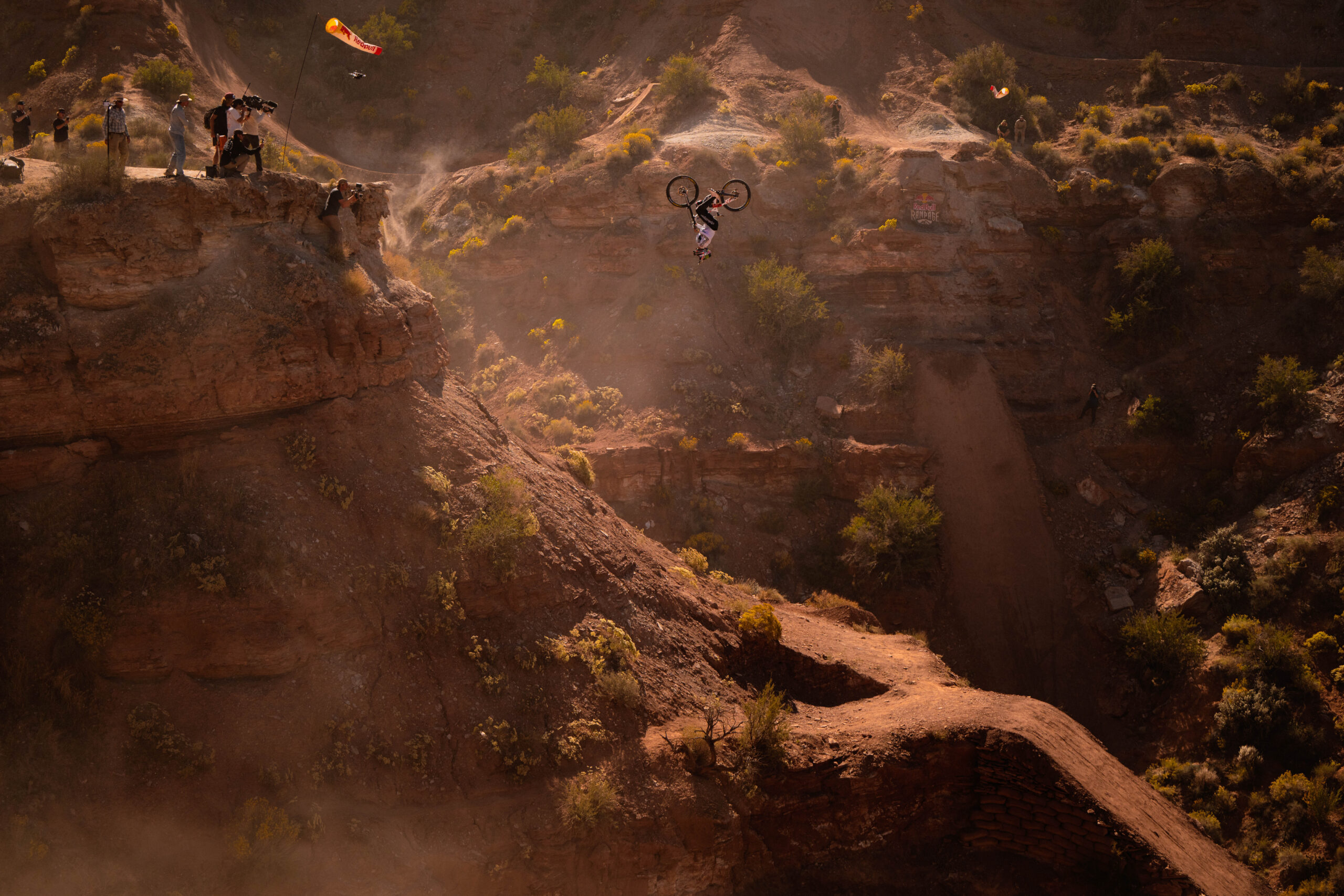
Conservancy Preservation Award following restoration.
Apollo Theater, 253 West 125th St., Manhattan
Rainbow Room, 30 Rockefeller Ctr.
White Horse Tavern 567 Hudson Street, Greenwich Village, Manhattan
Early evening view of LED sign
Dublin House

Ashok Sinha 

Heidi: “Just as today’s brands are built to shine on Instagram and TikTok, Googie structures were built to entice through a car window” – The New York Times noted people are looking out the window decades later you peer from an airplane seat. What are the creative parallels?
Ashok: I have been intrigued by LA’s love affair with the automobile and how it shaped the city’s built environment, tracing back to a time when cars themselves were objects of beauty. Those cars are no longer on the streets today but the buildings from that era (built in the ‘Googie’ architectural style) still remain. These buildings were like advertising billboards – symbols of consumerism that sent a universal messaging to the drivers and beckoned them to come inside. The Googie project recently published in NYT is a continuation of my personal photo series and book titled ‘Gas and Glamour’ and allowed me to connect with that lost design history and capture LA’s car-culture-induced optimism and ambition reflected in polychromatic, star-spangled coffee shops, gas stations, car washes, and others that once lured the gaze of passing motorists.
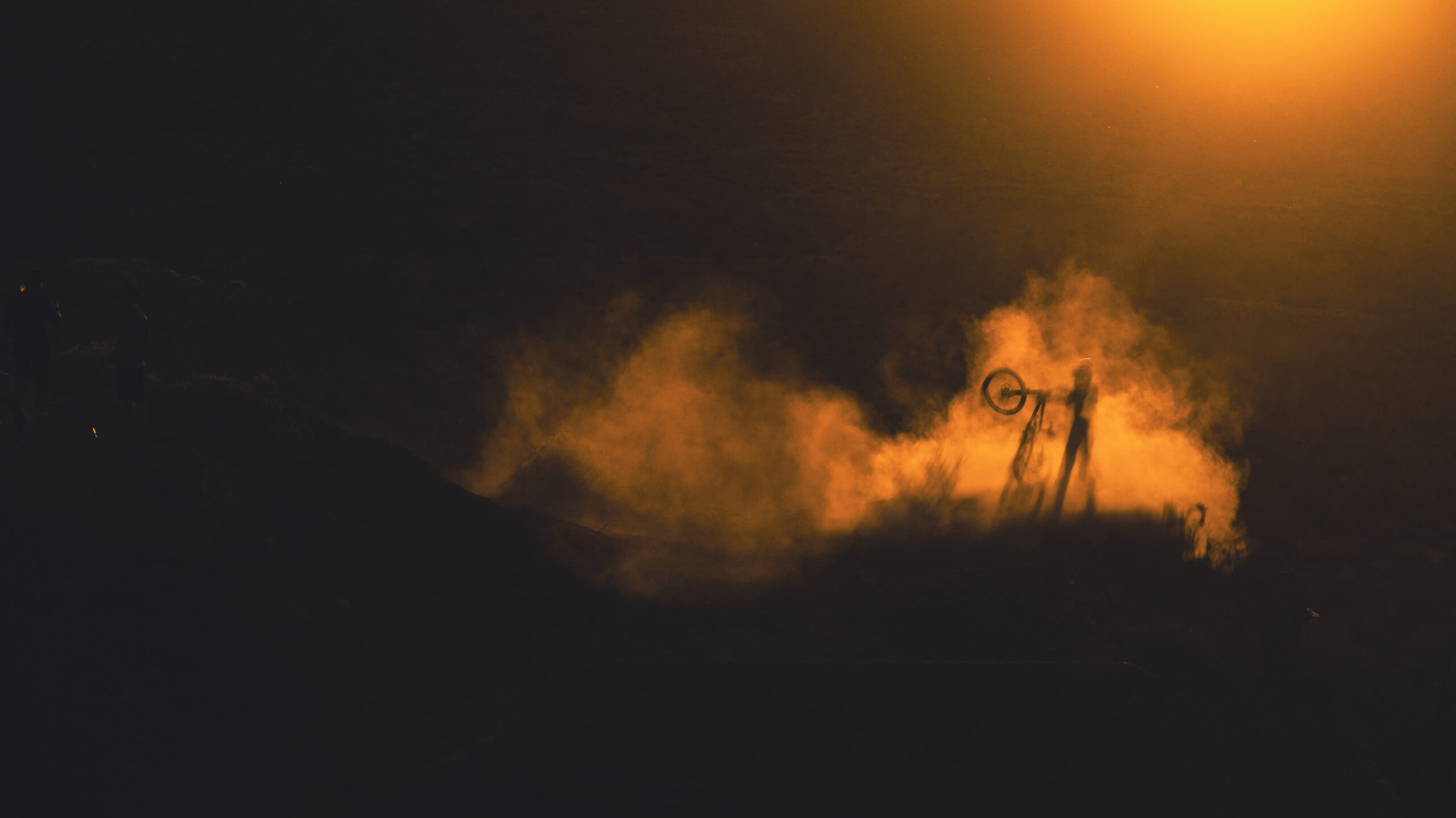
As luck might have it, I was recently assigned to photograph a similar story for the NYT, but this time in New York about the city’s disappearing neon signs.
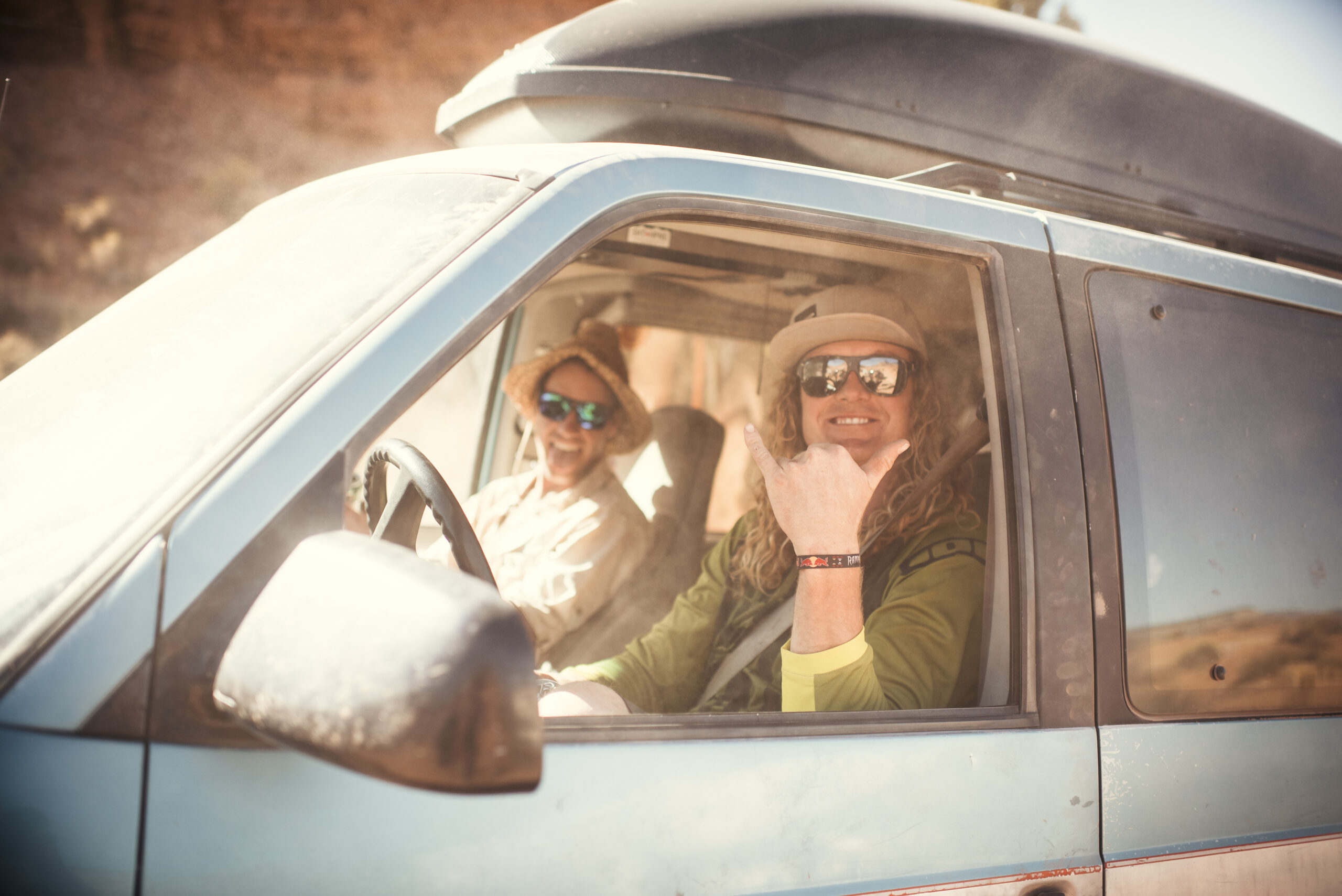
This year marks the centennial anniversary year of the first neon sign in Times Square, yet it has been marked with a loss of one vintage neon sign after another, either because the business it hangs on is shuttered or its owners opt for LEDs. This photo series captures an urban landscape in transition, highlighting iconic New York City neon signs that are about to be turned off, and others that have already been dismantled or replaced by LEDs. Much like the last of the Googie establishments in LA, the story about neon signs highlights the typography, graphic design, and curbside appeal and neon’s importance in luring the gaze of passing pedestrians of New York City. Fittingly, it might be the beginning of a sequel to the west coast Googie project- ‘Glass and Glamour’ this time, perhaps?

How did the visual experience of programming satellites for the U.S. government inform your personal work?
Working on satellites is often a lonely and solitary affair (and I frankly hated it). However, it does give you a sense of humanity’s place in the universe and how we are just a tiny part of that giant extraterrestrial equation. The work is monotonous, but you do get to dream a bit and get lost in that world on a daily basis.  Looking back at those years, I believe that that mindset of logical thinking, patience, problem-solving and daydreaming all contribute to the way I manifest my thoughts and ideas through my photography work today.

Exacting Proportion asks the viewer to consider the sense of place and self—why are these considerations important to you?
Many years ago, when I visited the top of the Empire State Building one foggy night, my view of the world changed. I was consumed by the immense sky to which very few people have access in Manhattan. That led me to document a view of the world that put the scale of our communities in perspective. Living in a big city like New York, we often lose ourselves in the world surrounding us and fail to realize civilization is limiting, even at its best. Only when you start looking under the prism of a collective horizon can we evoke the constraints of our existence and better understand the delicate balance between us and the universe we all share. Through my photographs, I wanted to point out the environmental and cultural similarities between all of us, taking delight in the colorful differences, as well as infuse a hint of humor by positioning humankind as tiny in such a large universe.

Tell us about the self-made camera modification for your work “New York to LA.” What were the considerations around the seat assignments and weather conditions?
The entire body of work was shot through airplane windows and made over many years of personal trips between New York and Los Angeles. Minimizing reflections on the (plexiglass) airplane window was my main goal for creating an ad hoc attachment to the camera lens. Using black cine foil and gaffer’s tape, I devised a flexible “tent” to put the entire camera inside it and get the lens as cloo the plexiglass as possible.

Seat assignments were crucial. You ideally want to be sitting forward of the wing, otherwise, the engine turbulence creates blurry areas in the image. I also studied airplane seat maps and flight paths to make sure I was sitting on the correct side of the airplane, what terrain the airplane would be flying over etc. Most importantly, I only shot when the flight was below cruising altitude, and only at those moments whne the airplane (window) is almost parallel to the ground below, which usually means a few minutes while the airplane is turning and pitching during takeoff and landing. In order to maximize my chances of “usable” photography time, I often opted for multi-stop flights over nonstop ones.

What were some of the biggest lessons while creating this body of work since there are so many variables?
Weather was also a big factor and while I had no control over it, I used it as much as possible to work in my favor. For example, I have photographed the same landscape over different times of the year and have been delighted by the results.
While this project has definitely taught me the power of preparation and planning before any shoot, it has helped me in having an open mind and remaining flexible because the best pictures are often made that way.

Your architecture and interior work celebrate clean lines, structure, and beauty – how do your personal projects and initiatives contrast this work?
I have a curious mind that is constantly working overtime! As much as I enjoy and relish the minimalist simplicity in architecture and interiors, my personal projects are an outlet to explore other topics and subjects that I’m interested in. For example, my interest in human-driven stories has resulted in short documentaries (Forgotten Artisans of New York, Pigeon Kings of Brooklyn, Sticker City), while my affinity towards the natural world has led me to create several bodies of work that explore landscape (Exacting Proportion, New York to L.A.) and lastly, my curiosity about identity and self-expression has resulted in portrait projects (The Hindu Bagpipers of Secaucus in NYT and the Languages of New York short video interview series.)


The Daily Edit – Jay L. Clendenin: Los Angeles Fire and Citizen Journalism


PACIFIC PALISADES, CALIFORNIA – JANUARY 08: Embers fly through the air in the Highland neighborhood during the Palisades Fire.
PACIFIC PALISADES, CALIFORNIA – JANUARY 08: Firefighters battle flames from the Palisades Fire
PACIFIC PALISADES, CALIFORNIA – JANUARY 08: A tree remains intact, in the devastation
PACIFIC PALISADES, CALIFORNIA – JANUARY 08: Power lines hang on broken power poles, in the middle of a street
PACIFIC PALISADES, CALIFORNIA – JANUARY 09: Gail Wirth, whose home of 35 years on Charm Acres Place was destroyed in the Palisades Fire, says she thought she’d be back in to get things after a couple days, only to lose everything
PACIFIC PALISADES, CALIFORNIA – JANUARY 08: Melted metal near a destroyed car
PACIFIC PALISADES, CALIFORNIA – JANUARY 09: A firefighter walks back to his vehicle after checking out a spot fire along Pacific Coast Highway
BRENTWOOD, CALIFORNIA – JANUARY 11: A Cal Fire plane drops fire retardant over the Palisades Fire, along Mandeville Canyon, photographed from the Mountaingate development, above Mandeville
BRENTWOOD, CALIFORNIA – JANUARY 11: A man on his mountain bike stops to take a picture, while a watering dropping helicopter prepares to drop on the Palisades Fire, along Mandeville Canyon, photographed from the Mountaingate development, above Mandeville
BRENTWOOD, CALIFORNIA – JANUARY 11: An L.A. County Fire watering dropping helicopter drops on the Palisades Fire, along Mandeville Canyon, photographed from the Mountaingate development
BRENTWOOD, CALIFORNIA – JANUARY 11: Flames are seen behind homes in the Mountaingate development, above Mandeville Canyon, After the sun went down and fire air operations worked to extinguish flames
BRENTWOOD, CALIFORNIA – JANUARY 11: A fire air operations helicopter drops water along Mandeville Canyon during the Palisades Fire, photographed from the Mountaingate development

PACIFIC PALISADES, CALIFORNIA: Cars left behind in driveways following evacuation.

Jay L. Clendenin

Since leaving the Los Angeles Times,  Jay Clendenin has primarily been photographing corporate and commercial projects, mostly in the entertainment world where he spent the majority of his 16 years at the LAT.
“When doing editorial work, I’ve started distributing my news and enterprise images through Getty Images and entertainment work through Shutterstock – all that got turned on its head last week with the merger of these two companies.”

We caught up about his experience covering the LA fires.

Heidi: Please share your thoughts on citizen journalists and what they need to consider.
Jay: The term “citizen journalist” makes me cringe. I am very aware of human behavior and the desire to “know” and “report” what’s happening (in particular when it’s their neighborhood). But there are a couple of significant distinctions between said “man-on-the-street” spreading a “story” and a trained Journalist (capital J) reporting: ethics and facts. It’s true that the Rodney King video (dating myself) was “citizen journalism” and was incredibly impactful on society – unfortunately, not enough to convict?! Where as today, I’m seeing people abusing the homeless with humiliating videos of their circumstances, all in the name of “citizen journalism.” And with the fires, people are sharing wild accusations/aspersions about the number of fire personnel, water supplies, and who happened to be on vacation when the fires broke out. No investigating for facts, just hitting “share” and adding “this has to stop,” as if the things said were facts vetted by credentialed journalists.

You were a staff photographer for the Los Angeles Times where editorial integrity was essential.  How have things changed when stories go unchecked or lack empathy for the crisis?
Being a trained, experienced Journalist as part of a major news organization comes with great responsibility. We try for multiple sources, probe officials for more info, and try to be on the ground to see things first-hand. It is also important to vet people we talk to. During the Palisades fire, after a couple of questions to some people on e-bikes, I realized they did NOT live in the neighborhood, and I said they shouldn’t be riding around amongst the ruins. If they didn’t have bad intentions, they could easily have been accused of it. And thankfully, there are curfews now and they’re making arrests.

LA Magazine and Wired were recently called out for posting illegal drone footage – how has the increase in social media and scooping news impacted traditional media gathering practices?
Drones are an incredible tool that can add a very visceral, immersive effect to story telling. I’ve embraced it, even got my Part 107 license. Part of getting a license and being “legal” is following FAA regulations and local laws. During major disasters, especially fires, a Temporary Flight Restriction (TFR) often goes out, to keep the skies clear for fire and safety aircraft. You don’t fly your drone. Period. When these media outlets choose to run these very “clickable” videos acquired illegally, they encourage the behavior. And for the “haters” on social who love saying “you’re just jealous you didn’t think of it first!” Let me tell you, all of us licensed operators, are VERY aware of the visual impact of these scenes and have interest in capturing the scene with our drone, but we KNOW the safety considerations and are very conscious of the illegal behavior by un-licensed “content creators” and hobbyists.

Explain the danger of flying drones during an active fire of this magnitude while a Temporary Flight Restriction (TFR) is in place.
The near-worst-case-scenario of flying a drone during a TFR happened during the Palisades fire, when a fire righting aircraft hit a drone, damaging the aircraft and knocking it out of commission. Someone’s greater interest in clicks, lead to interrupted fire-fighting capabilities during this horrific disaster. I can’t imagine the anger of homeowners who see that story while they’re praying all the efforts can save their home and community.  Losing the air attack is huge. I was at the top of Mandeville Canyon last night (Saturday) and the fire retardant and water drops did the majority of flame suppression, slowing the growth on the eastern flank. Further update on drone activity and arrests can be read about here. “California authorities say there have been at least 40 incidents in which unauthorized drones have forced firefighting aircraft to pause operations, putting more lives at risk as the fires continue to spread and firefighters on the ground are left without air support.“

What safety considerations have you taken while covering the fires?
I have a fire brush jacket and pants, helmet and goggles. I use n-95 masks, conveniently on-hand after Covid! I don’t have “fire” boots, but wear my Blundstones and try to avoid walking on smoldering piles – they aren’t rated for that high a heat. I also work to only wear cotton items, which is hard these days, as so much of my wardrobe has become nylon/synthetic fibers. Synthetics are much quicker to ignite and I’d rather decrease the chances of melting clothes on my body.

Are you part of a photo collective during a local crisis?
I’m not part of a formal collective, but stay in contact with many photojournalists on assignments, who tend to have more resources available to them. Again, with big events, experienced PhotoJournalists know the ropes and safety is a priority. I’ll ask for best routes to enter areas, etc. It’s also great for hearing about spots that are super sketchy or not easily accessible without additional gear, like a 4×4 vehicle.

How did you get your start in photojournalism?
I started in photojournalism at L.A. Pierce College, running on several fires in the L.A. region in the early 90’s. We had our college paper as an outlet/publication, but also were able to get the Daily News to let us process and print our film, occasionally publish, and always give us replacement roles of film. We weren’t fully-vetted journalists yet, we were training to be. So we were still more reliable than a “citizen journalist.” I don’t want to prevent accurate reporting from being done, but someone who has a big TikTok following, does NOT a journalist make. Reach out to real Journalists, see how they report, what questions they ask. And please stop with the video Supercuts of people’s property burning and using gimble spins, even if you actually did it “by hand” and brag about it. 🤬

A New Winter – Sofía Jaramillo


A New Winter – Sofía Jaramillo

Heidi: What are your hopes for this body of work?
Sofia: This is an ongoing project. I hope to make a book eventually!
This project has two main goals:

  • To encourage conversations about diversity and inclusion in winter sports
  • To create representation for people of color in winter sports culture.

I plan to showcase this work at various museums and galleries, particularly in the Mountain West, to promote dialogue about the evolving culture of winter sports and explore ways to make it more welcoming for everyone.

How did this project come about?
This project began years ago when I walked through the Sun Valley Lodge. Sun Valley is the first ski destination resort in the U.S., meaning it has some of the earliest marketing images of destination skiing in the country. These were the first images to define what ski culture would be like in the United States. Many of these photographs are displayed in the lodge, particularly in an iconic hallway lined with hundreds of images.

While I was there, I noticed that out of the hundreds of images on the walls, only one featured a person of color. This stark observation made me reflect on the correlation between the representation of individuals in those historic images and what we see, on average, at ski slopes today. For those who don’t ski or haven’t spent much time on ski hills in the U.S., according to the Snow Sports Industry of America’s 2022-2023 annual report, only 13% of all skiers were Hispanic, 9% were Black, and 8% were Asian, making skiing one of the least diverse sports.
When I saw those images, I thought, “How does this relate to who we see skiing today, and how exciting would it be to remake and reimagine ski history in a more inclusive way?” As a young Latina who grew up in Sun Valley, this project reflects my personal journey with identity and my desire to see a future in winter sports culture where everyone feels they belong.

How did you decide on the casting?
The first year of casting, I called up all my friends to see who might want to support and be part of my crazy idea. I am lucky that some of my good friends are also great models and we got a really great group together for the first year this way. I invited everyone out to Sun Valley and we shot for 3 days.
The second year was way different. We started planning casting a lot further in advance and we worked with a dedicated Casting Director. Terumi Alana Murao, who is also our stylist, stepped it up and offered to do the casting as well. Turns out Terumi is just as talented at styling as she is casting and we were able to lock in some incredible models!

We are specifically seeking athletes and models who are not only outstanding in their fields but also share our project’s mission of representation and inclusion in outdoor sports. Many of the models we have chosen are involved in either operating or volunteering with nonprofits and organizations that promote participation in outdoor sports among people of color. Quannah ChasingHorse and her family started Native Youth Outdoors, which provides access to the slopes for Native Youth in Alaska. Juju Milay started Colour the Trails, a nation wide organization in Canada that helps get folks of color outdoors in many different sports.

How did you decide on which images to reimagine?
I spent about a year researching images and looked at different sources from library archives and books, to online archives.

My main source was actually the Wood River Historical Museum in Sun Valley. I spent hours going through old slides with an archivist looking at images and browsing their online archive. The historic images absolutely fascinate me! Many of the images that caught my eye were shot by Union Pacific Railroad photographers. The railroad started Sun Valley Resort and had their own photographers. Beyond those photos, I was drawn to the works of other photographers like Slim Aarons, George Silk and Ray Atkeson for their minimalistic style and ability to showcase the pure joy and pleasure of ski culture.

Historically, Black and Brown bodies have rarely been depicted in moments of joy, pleasure, and strength in photography. Instead, the images that dominate history often reflect narratives rooted in struggle or oppression. This absence speaks volumes and it’s one I seek to challenge with my work. In this photo series, I juxtapose Black and Brown bodies with spaces and scenes they have not traditionally been depicted in, such as the world of skiing and luxury. Slim Aarons’ work, for instance, often celebrated exclusivity and affluence, aligning closely with the early imagery of skiing in the U.S. By placing BIPOC+ individuals in these contexts—where their presence has historically been erased or marginalized—I want to reimagine these spaces and expand our understanding of who belongs in them.

How can people support the project?
If brands or agencies would like to support this project, they can either hire me for similar concepts or donate vintage clothing for the shoots. Anyone can contribute directly to the project by donating to the Sun Valley Museum of Art and specifying that the donation is for “A New Winter”. Supporters can also purchase fine art pieces through Ochi Gallery, where we offer a variety of sizes and price points. If you know a book publisher who might be interested, please connect me with them. Additionally, I am available to speak at your event! I have a 20-minute keynote presentation on the history of skiing and this project.

Can you share a little bit about the process from the first photo to creating the last photo?
This was quite a journey for us. In the first year, our goal was to prove we could even just make this happen with a dedicated team of eight people. We learned a lot, starting with five scenes that were all single portraits.

By the second year, we shot eight scenes, including three group shots. We went from having a small crew the first year to having over 30 people on set on year two for some of the scenes. During the second year we were way more set up because I had built community connections in Sun Valley like private supporters and the Sun Valley Resort that was a huge supporter of this project. They ran lifts for us even after they were closed, helped us dig snow pits and gave us lift access. One of the most unexpected parts of this project, was how much the community in Sun Valley showed up to support it and make it happen. I plan to continue it in the snow sports realm and beyond, and I’m excited to see how it evolves after being showcased at the museum and gallery this winter.

We sat together at Center in Santa Fe for The Democratic Lens: Photography and Civic Engagement lecture. What kind of framing did that provide?
Yes! Getting to hear that talk was such a treat. I remember it being very informative and was so grateful that you invited me. The talk was about how photography informs who belongs and the different ways photographs currently and previously influence citizenship and who is deemed worthy of it. The talk had a significant impact on this project because it helped me realize the true purpose of my work: to question how images inform and influence notions of belonging. How do images, especially in a historical context, inform and influence who belongs? How do historical images perpetuate stereotypes?

The Daily Edit – Getting it Right in Camera: Daniel Pullen


Daniel Pullen

Heidi: You started during the tail end of disposable cameras and analog creativity—how did that impact your early career? 
Daniel I started with disposable cameras, then eventually moved on to a point-and-shoot and then an SLR. Shooting with film was challenging for me; it had a steep learning curve. You would wait weeks to get the film back, only to learn from your mistakes. Additionally, I couldn’t afford a lot of film, so I had to be selective about what I wanted to shoot. You really had to think about what you were photographing. Now, with digital, I often find myself not thinking and just firing away—there’s not even an inkling of thought, just mindless shooting. Forcing myself to slow down is difficult; however, I find that I make better photographs when I take my time. I believe that slowing down works for both photography and life.

Homesick was your first zine, documented on film, followed by Mommicked—both have soul-stirring narratives, why no surf photography?
Homesick was a zine my wife and I put together; they were all shot over a few years using a digital camera. The idea was to highlight aspects of Hatteras Island that I would miss the most or things that are dear to me. There are very few surf photos, but the ocean is prevalent in the zine. Surfing is obvious; however, I didn’t want it to revolve around surfing. There is so much more to life here than just surfing. Hatteras Island is incredibly dynamic, and putting surfing prominently in my work would have pigeonholed it. A couple of years later, we released Mommicked. Mommicked is about living through and navigating heavy weather here on Hatteras and how it impacts our community. Once again, even though surfing is the obvious focus, I chose to go in the opposite direction—to showcase what truly happens here before, during, and after storms. I guess I moved away from surf photography and fully embraced documentary photography.

How did working with film inform your digital work, if at all?

When I began photography, I was shooting film. Since I wasn’t developing my own work, I had to get it right in the camera, which became ingrained in me: get it right in camera, get it right in camera. That mindset has certainly carried over into the digital side of photography. Although there is more leeway with post-processing, I still aim to do my best in getting it right in camera, which also means less time sitting in front of a computer.
You’ve been photographing dynamic weather for almost 30 years—how did that documentary work evolve into a successful wedding photography business?
Documenting weddings and family portraits provided income to cover my bills and living expenses. Documenting the weather has always been a passion for me, but it never really generated that much income. Even to this day, it doesn’t generate income, but photographing weddings and family portraits gives me the time to shoot the things I’m passionate about (weather/surf) that don’t generate income but feed my soul. I photograph an average of around 40-50 weddings and about 90-120 family portraits a year. This allows me to pursue my passions while managing wedding and portrait numbers, which is definitely a juggling act.

Tell us about the making of this photo from an abandoned rental home and the trajectory that followed.
We are a really small community here, and pretty much everybody knows everybody. You grow up with half the island. It has its faults, but for the most part, it’s great; I love the small-town vibes.
The houses aren’t abandoned; they are rented out by the week. I think, for this particular storm, the people who were supposed to stay at that house were moved to one that wasn’t flooding. My friend Jake Throne posted a video of water pouring into the downstairs area of the house, which had a pool table in the middle of the room. I texted him to ask which house it was. I knew it was in a general area but wasn’t sure which particular house it was.

The next morning, I went out with my daughter and entered the house I thought Jake was talking about, but it turned out to be a completely different one. When we went in, the pool table was racked; someone had already played and set it back up. My daughter broke the balls, and I snapped a few pictures of her playing pool. I then asked her to step out of the frame so I could take a few empty shots. There wasn’t a danger of getting arrested for trespassing, just the potential for a tongue-lashing for being in a rental house. We yelled before stepping inside to see if there were any renters there, but it was empty.

There is a massive rental home industry here on Hatteras Island and the Outer Banks as a whole. When I was a kid growing up here, there weren’t many houses on the beach. The rental property industry exploded in the 80s and 90s, with very few zoning laws to keep things in check. Thank God for the Park Service and the National Park, or else every square inch of the island would have been developed. Homes weren’t necessarily built on the beach, but over time, they have ended up there due to island migration, erosion, and sea level rise. Now, there are rows of houses in each village that are in danger of being destroyed by the ocean. When it’s calm here, the views from the houses are great, and the proximity to the beach makes for a short walk to the ocean. However, that doesn’t translate well when we have a storm.

I snapped about 10-15 frames, was in the house for about 5 minutes, then left. I shared the image on Instagram, and within 24 hours, an editor from Time Magazine reached out to me. It was initially supposed to run in a climate change issue but ended up as an image in Time’s Top 100 of 2020. It’s surreal to have the image in that collection, especially since it seemed like the world was on fire back then, and the images taken worldwide were incredible. Having a photo in that collection will always be a career highlight for me.

You’re a self-described climate advocate and have been documenting the barrier island, which behaves like a living, breathing piece of land. When did you start to see catastrophic changes, and what are your hopes for this body of work?
I live on a barrier island off the coast of North Carolina. It is a sandbar—a thin strip of sand located 30 miles out in the Atlantic Ocean. It’s a wild place. Barrier islands are supposed to migrate over time from east to west. When you take something as dynamic as a barrier island and place static structures on it, like roads and houses, conflict is bound to arise over time. It’s a slow process, but it currently appears to be happening rapidly; this has been building up over the past 40-50 years. Houses are falling into the ocean, and roads are washing out. That has always happened here, but due to the way homes were built in proximity to the ocean, we are witnessing drastic changes. I think we have lost about six houses this year due to island migration, erosion, and sea level rise, and the road has washed out numerous times. As for houses collapsing, there has definitely been a shift over the past couple of years, and it is only going to get worse. I don’t have a specific plan for what will happen with the photos I am creating about these storms, but for now, my aim is to tell the story of how our community is dealing with these weather events. If my work can somehow inform policy changes related to zoning laws and educate people about how barrier islands function, I suppose that would be the long-term goal. At some point, I would selfishly like to create an updated version of Mommicked.

You grew up in Buxton, NC, home to the famed Old Lighthouse Beach, the spot where East Coast pro surfing was born. Russell Blackwood, a great surfer and photographer, was a friend and mentor and he passed down advice along with his old Nikonos V camera. Years later, Russell’s son, Wolfi, named you as one of his mentors. What does that say about the Cape Hatteras community?
Daniel: I wouldn’t say I’m one of Wolfi’s mentors, but we are good friends. I got to see Wolfi grow up and was there for his first attempt at paddling out at big Lighthouse and getting denied. I’ve witnessed him turn into an amazing surfer, charging the Lighthouse at its absolute rawest. We still surf together—me, Wolfi, and his dad. Wolfi and his wife are expecting a girl in a couple of months, starting a family of their own. It’s super odd to think that our kids will grow up together since I have a 20-year-old, an 18-year-old, and a 1-year-old. Our community is incredibly tight-knit. We are small, and for better or worse, we experience our community’s highs and lows. I wouldn’t have it any other way.

Best career advice?
I wish I would have gotten this advice when I first picked up a camera (but I prolly wouldn’t have listened)…over 30 years ago.
Buckle up….
Compose and wait.
Create photos that resonate with the heart.
Do what it takes, do the work.
Be honest with yourself.
Don’t take the easiest safest path.
Technical has to be automatic…like breathing.
Make your work personal.
Look beyond the obvious.
Compose and wait…(needs to be said again and again and again)
Work the scene.
Trust your gut.
In every situation there is opportunity for a great photograph.
Always shoot with a purpose.
Show the truth.
Success does not give you knowledge, failures do.
Start appreciating things around you.
A moment can change your life.
Great photography is always on the brink of failure.
In any given moment…we have two options…to step forward into growth…or step back into comfort…

And worst?
Probably when I was starting to shoot surf photos.
you need to shoot really tight.
You have to shoot surfing a certain way…
Looking back it was so cookie cutter…but I get the advice…it was a way to help you produce surf images that fit into a narrative or into the pages of a magazine or website…
But leaves absolutely no room for growth or creativity

The Daily Edit – Standing Strong: Josué Rivas

Canoe ceremony at Oceti Sakowin Camp. Cannon Ball, North Dakota, USA. August, 2016.
Children running free. Cannon Ball, North Dakota, USA. August, 2016.
Men setting up an altar. Cannon Ball, North Dakota, USA. August, 2016.
Spirit of the Missouri River. Cannon Ball, North Dakota, USA. September, 2016.
Man braiding his hair. Cannon Ball, North Dakota, USA. September, 2016.
Tepee poles. Cannon Ball, North Dakota, USA. November, 2016.
Thanksgiving ceremony. Cannon Ball, North Dakota, USA. November, 2016.
Water of Life. Cannon Ball, North Dakota, USA. November, 2016.
Police mace Water protectors. Cannon Ball, North Dakota, USA. November, 2016.
A group of women carry a wounded warrior. Cannon Ball, North Dakota, USA. November, 2016.
A man gets treated with a solution made of half liquid antacid and half water after being sprayed with mace. Cannon Ball, North Dakota, USA. November, 2016.
Police barricade. Cannon Ball, North Dakota, USA. November, 2016.
Chief Arvol Looking Horse sits near the Dakota Access Pipeline during a prayer. Cannon Ball, North Dakota, USA. November, 2016.
Resistance. Cannon Ball, North Dakota, USA. November, 2016.
Matriarch. Cannon Ball, North Dakota, USA. November, 2016.
Water protector praying by the river. Cannon Ball, North Dakota, USA. November, 2016.
A girl and her horse. Oceti Sakowin Camp. Cannon Ball, North Dakota, USA. November, 2016.
Diné walker. Cannon Ball, North Dakota, USA. November, 2016.
Elder praying during a peaceful demonstration. Cannon Ball, North Dakota, USA. November, 2016.
People cross a handcrafted bridge to Turtle Island, a sacred site and burial ground. Cannon Ball, North Dakota, USA. November, 2016.
People stand near a handcrafted bridge. Cannon Ball, North Dakota, USA. November, 2016.
Man under a tepee near the Dakota Access Pipeline. Cannon Ball, North Dakota, USA. November, 2016.
A woman walks in the snow during a blizzard. Cannon Ball, North Dakota, USA. November, 2016.
Two men get sprayed by law enforcement with high pressure water during a demonstration near the Oceti Sakowin Camp. Cannon Ball, North Dakota, USA. November, 2016.
Last stand at Oceti Sakowin Camp. Cannon Ball, North Dakota, USA. February, 2017.
The end of the Oceti Sakowin Camp. Cannon Ball, North Dakota, USA. February, 2017
People peacefully leave the Oceti Sakowin Camp. Cannon Ball, North Dakota, USA. February, 2017.
Sacred Fire. Fort Yates, North Dakota, USA. September, 2017.
Young man putting down tobacco. Fort Yates, North Dakota, USA. September, 2017.
People harvesting wild sage. Fort Yates, North Dakota, USA. September, 2017.
Young man leaving a tepee. . Fort Yates, North Dakota, USA. September, 2017.

An upside down American flag waves at a healing gathering. Fort Yates, North Dakota, USA. September, 2017.

Creative Director: Josué Rivas
Founder of  INDÍGENA

Heidi: You drove 1,400 miles to Standing Rock and committed seven months of your life to being in the community, serving as a witness and documentarian to ensure that Indigenous perspectives were included in the narrative. Eight years later, the images made in “Standing Strong” remain iconic and impactful. How has this body of work informed your creative evolution?
Josue: In retrospect, I gained a deeper understanding of the significance of a movement transcending traditional creative practices. The protocols and prayers I experienced, led by both elders and youth at Standing Rock, were integral to this transformation. Addressing the question of creative evolution, it’s fascinating to reflect on how this large gathering was inherently infused with conflict. The challenge lies in honoring these moments through spiritual practice while still innovating the narrative. My approach to creating that work was rooted in intention—seeking to create a space where we could tell our own stories, which I believe is a fundamental human right. I think there’s something we can all learn from Indigenous stories, especially in this current time.


Two of your illustrated images appear in “Protecting the Right to Protest,” written by Annie Leonard. Can you share the story behind the weather conditions on the night when two water protectors were sprayed by police with high-pressure hoses? The image holds a tension between peace and violence, appearing almost magical at first glance.
On November 20, water protectors were sprayed with freezing water by law enforcement. Standing Rock represented a moment in time we probably won’t relieve in a while. These impactful moments served as a portal—through my documentation I hoped to document an awakening for both Indigenous peoples and society at large.

One of my mentors, Nick Tilsen who is the president and CEO of NDN, described this as the “curb cut effect.” When certain groups are treated with dignity, it leads to broader societal and cultural shifts in how we treat one another. The stories I create aim to ignite a piece of this curb effect by honoring Indigenous sovereignty.

Looking at Standing Rock and the lasting value of that work in society, I see how it can continue to evolve. It was during my time in the Magnum Foundation Fellowship with Fred Ritchin that he encouraged me to let go of the pressure to be overly precious about my images. He reminded me that I don’t have to be a traditional photojournalist or win a Pulitzer Prize to create images that are a cultural currency to society. This approach has influenced how I approach my later projects. The collaboration with Patagonia was a reflection of this, layering existing images with elements not visible through the lens.

How did your storytelling process align with current cultural narratives?
During my time at Standing Rock, I began to grasp the longevity of the experience and its stories. Storytelling should not merely document a fleeting moment or platform, nor should it reside solely in a viral image. The iconic image had a profound societal impact, yet it can be exchanged for something more immediate—a viral video or story that shifts perceptions and cultures. Layering images creates a new toolkit for storytellers. We are shifting away from the notion that an award represents the pinnacle of achievement, and embracing how short form videos or images from a smartphone can profoundly influence communities and society.


Purpose, collective healing, and the power of community are central to your work. Why do you believe this story held purpose and power?
In an era where social media dominates our lives, it’s crucial to remember that it can serve as a transformative tool—regenerative instead of exploitative. My intent is to reveal through this work that transformation is possible when you share your story.

I’ve always appreciated the added layers of context that photography and storytelling can provide, tell us about your process.
With the Patagonia project, we layered images, granting the process its own significance while remaining open to how it might be perceived.
For “The Right To Protest” project, I collaborated closely with artist Tekpatl from our creative agency INDÍGENA. Despite my busy schedule, we leaned on one another to showcase various layers of the story. This collaboration was particularly poignant since the images we illustrated were created on Thanksgiving Day about seven years prior. Tekpatl brought balance to our work, grounding it by representing unseen energies in the images—using a technique Yael Martinez introduced in photojournalism, who has been a significant inspiration

Please download, print this image and scan the QR code in the bottom right.

When did you begin incorporating AR into your photography? Was “Be a Good Ancestor” the starting point for your multimedia and motion work?
I’ve always seen myself as more than a photographer and more of a conduit to something bigger than myself. My intention is to be of service. What happens when we accept that images are tools for society, not mere illusions; they can convey truths. Can one story carry a universal truth?

To try and find the answer to some of these questions we created “Standing Strong,” a multi-disciplinary visual project using augmented reality and community intervention. This project showed how we can innovate within our imagery while embracing new technologies—the message continues to evolve and spread.

Empowering Indigenous youth and refining journalism to be more inclusive and collaborative are essential values in your work. Fast forward to 2022; as a juror for the World Press Photo Contest and with your recent inclusion in the ICP’s exhibit “We Are Here: Scenes from the Streets,” have you noticed increased representation among storytellers?
Yes and no, at times I see the intention for collective change and it’s also a process. I think our days are ahead as we build systems to transform visual storytelling. I think it’s the beginning of the blossoming of years worth of work by people that came before us, we just keep doing the work.

You founded INDÍGENA. Are you returning to your role as a witness and documentarian, ensuring Indigenous perspectives are part of the narrative—especially in light of recent election results?
Social Justice Documentary work is always going to be part of my creative practice, it’s also limiting. I see this practice as an evolving song, an offering. Currently, I am co- documenting stories from boarding school survivors through a trauma informed lens. We are also innovating the way we tell those stories. Reflecting on the recent election results, I see how images will be powerful tools for communication and change but also confusion. We have reached a point where images serve not only as interpretations but as instruments for shifting societal consciousness. Ultimately, I hope my work demonstrates that transformation is possible when you share your story.

The Daily Edit – Haiyun Jiang

ELECTIONDAY. Trash is seen after former president Donald Trump speaks at an election watch party in West Palm Beach, Florida, on Wednesday, November 6, 2024. (Photo by Haiyun Jiang for The New York Times)
ELECTIONDAY. A worker cleans up trash after an election watch party for former president Donald Trump in West Palm Beach, Florida, on Wednesday, November 6, 2024. (Photo by Haiyun Jiang for The New York Times)
ELECTIONDAY. Former president Donald Trump and former First Lady Melania Trump hold holds as he speaks at an election watch party in West Palm Beach, Florida, on Tuesday, November 5, 2024. (Photo by Haiyun Jiang for The New York Times)
TRUMP. Secret service agents are on the watch as former president Donald Trump holds a rally in Wilmington, North Carolina, on Saturday, September 21, 2024. (Photo by Haiyun Jiang for The New York Times)


New York Times

Photographer: Haiyun Jiang
2022 -2023 The New York Times Fellowship Recipient – Washington, D.C. 


Heidi: You created Grassroots, a magazine that focused on individuals involved in the different aspects of the 2018 midterm election. What trends did you notice then, and how were they represented in this 2024 election cycle?

Haiyun: When I created Grassroots for a class assignment at Ohio University, I felt the momentum from local Democrats, as well as women, to run for public office at a local level, after almost two years into Donald Trump’s first presidency. I was interested in how local elections reflected a national sentiment or lack thereof. I followed Erica Crawley, a black single mother who was running for Ohio State Representative at the time, on her campaign.I covered both former President Donald Trump’s and Vice President Kamala Harris’s campaigns on and off for this election cycle, and from my experience I felt a stronger sense of urgency from both sides to get their candidates elected to the White House, more so than the 2018 midterm election.

Did your photography approach change as the election and divides became more unpredictable?
I am constantly trying to learn and refine my photographic approach on every assignment, and the learning will never stop. I freelance for the New York Times for the majority of the time and the Times always is on a mission of searching for unique, revealing, fair, and strong visuals to inform its readers. And that mission requires photographers, like me, to find new ways to illustrate mundane situations. I think it’s more the sense of providing readers with information and scenes I see in the field that helps refine the photographic approach than the election itself. The image you were thinking was made after the first attempted assassination of the former president. I have seen lots of photos of snipers as a sign of heightened security around Donald Trump’s rallies from my colleagues and I was trying to make frames that could offer a bit of larger context. The election and divides might have become more eruptive but the bottom line for my photographic approach has always been and will always be remaining fair to whomever I may cover.


Did you pre-visualize this image? or was this a surprise moment for you?
I was assigned to document former president Donald Trump’s rally in Grand Rapids, Michigan, right after the Republican National Convention in July, 2024. After a while, I started walking around the “press pen”, where all my colleagues from different media outlets were typically confined at rallies. When I noticed a glare from the stage, I stopped and observed for a bit. I wondered what the rally attendees, who were sitting at this exact angle towards the podium, could see with the glare. Then I made the photo.

How did this election coverage challenge you as a photojournalist?  or what made this one different?
This election, in many senses, has been an unprecedented one. With the current president dropping out after the first presidential debate and the vice president having to scramble together a campaign that helped reintroduce herself to the nation, nothing was ordinary. It challenged me to be adaptable and flexible, having a sense of knowing things may happen super fast and being ready for anything. Physically, especially, it could be exhausting for photojournalists to hop from place to place, and still remain focused and creative on every assignment. My mentors and colleagues, Doug Mills, Erin Schaff, and Kenny Holston, spent on average 12-14 hours a day following a candidate across multiple states. I think the human resources and effort into this campaign were remarkable.

What were the most salient points Doug Mills, whose been photographing presidents since 1983 shared with you and why is it important to have a mentor?
One of the most important lessons I learned from Doug is not to dwell on your mistakes. Learn from them, then move on to the next thing. Also, do not be afraid to take risks. Instead of getting the “safe shots” that everyone else is making, do something or go somewhere different. It is a tough business to be an editorial freelancing photographer. There are very few staff jobs available and I am very, very fortunate to be able to work consistently on editorial assignments. Having a mentor has helped me navigate the photojournalism industry and get feedback often. And Doug Mills couldn’t be any more nicer, wiser, and generous towards younger photographers like me. I am very lucky to have him as a mentor.

Can you share thoughts about your process for covering the election?

My process of covering the election, again, was mostly informed by the NYT’s mission in searching for strong and unique visuals that help provide the readers more context. Therefore, when I covered campaign events, I was trying to keep an eye on details, subtle moments, etc. that might have been overlooked.
For the most part, when I covered candidates, I either joined them on the tarmac as they landed in the city of a rally or campaign events, or I did preset at the rally venue. There usually was not much of a location scouting for me, per se, before events actually started. I would have some ideas of photographs that I would like to make but also need to constantly remind myself to be alert and flexible as anything could change in a split second. I finished my year-long NYT fellowship at the end of May in 2023 and have been freelancing since then. I am extremely fortunate to have continued working for the Times, but most of the campaign coverage I have done was during my time as a freelancer.

Can you share the mood, your approach, what it was like photographing VP Harris?
The SNL photos are more of moments from a photo spray than a project. As VP Harris finished a campaign rally in Charlotte, North Carolina, and was scheduled en route to Detroit, Michigan, the traveling press was told midway through the flight that we were making an unscheduled stop in New York City. After holding for more than three hours, the traveling photographers were brought into the SNL studio and when Vice president Harris took the stage, we were given the time of the cold opening to photograph her interacting with comedian Maya Rudolph. Audience members erupted as they saw her on stage and the mood was jubilant.
When I photographed VP Harris, I was always trying to find moments that she was more introspective, not performative. I would try to educate myself about the news of the day and observe how it affects the mood of hers, as well as her campaign’s.

What is a photo spray?
A photo spray is when press photographers are brought into an event or meeting for a short period of time to photograph. It can range anywhere from 10 seconds to 5 minutes.

Where were you on election night and what was your assignment? Take us to that moment – what was going on in your mind as the results rolled in?
I was assigned to photograph Republican presidential nominee, now president-elect Donald Trump’s election watch party at the West Palm Beach Convention Center. There were supporters of Mr. Trump trickling in throughout the night, wearing his signature red “Make America Great Again” hats, and lining up at mini bars for drinks. There were many TV news outlets and photographers on a riser and on ladders at the back of the ballroom where the watch party took place. The mood was jubilant among the crowds as the election results rolled in. Many news reports stated that we wouldn’t know the election result on election night but I was prepared for anything that might happen. It was incredibly fast as the results rolled in and the crowds’ mood improved significantly. I thought to myself that there was a good chance that we would know the result tonight and Mr. Trump would take the stage once his margin of victory widened more. Therefore, I was keeping an eye on the movements on stage as well as the TV screens.

What moments were you looking for that evening and what stood out to you during those subtle times?
As news coverage as the election results rolled in I was looking for moments of either despair or jubilation among former president Donald Trump’s supporters, depending on how the electoral map looked. More importantly, I tried to keep an eye on more subtlety, people chatting, taking a moment for themselves, etc.
At the end of the election night, after president-elect Donald Trump’s remarks and his supporters exited, I noticed workers of the convention center started cleaning up the plastic cups as well as other trash discarded on the floor. I photographed the workers bending over to pick up trash, with the America-themed lights as background.

Photographically covering an election requires a range of elasticity and neutrality for your own personal feelings, how do you stow that away?
When I am working, I am focused on making photos that help illustrate a story and identify moments that sometimes writers may have overlooked; and I’l fairly good at compartmentalizing. When I am off, I do not spend time thinking about work and instead, I focus on my hobbies, such as Legos and reading. As a journalist, I remain neutral to whomever I may cover and my number one goal has always been fair coverage. It is not my job to insert my personal feelings to make the public feel certain ways. My job is to be their eyes and bring photos to the audience for information consumption.

How do you take chances or risks to convey a point of view?
When I see a photo with potential, I would stick with the frame. I may miss other photos but it’s a risk worth taking. For example, the snipers photo at Mr. Trump’s rally that you mentioned, took five minutes for me to be in the same spot, to get the right symmetry and composition. That means I might not have photographed the candidate himself or his supporters behind me during that five minutes. That being said, I always photograph with both of my eyes open, so I could see peripheral movements while photographing.

The Daily Edit – Rosser Lebeau

   
Rosser / Lebeau

Francois and Ben say “life is an intricate narrative that requires us to appreciate its depth and authenticity by embracing its genuine, spontaneous, and natural beauty.” By adopting a documentary approach, they focus on capturing spontaneous, realistic moments to showcase the raw beauty of life and evolved their friendship into a new photography business. I checked in with them to learn more now that Volume 2 is out.

Heidi: How did your friendship begin?
Rosser / Lebeau: It was in 2012. We were both new to living in NYC and learning how to navigate that place. Our paths were bound to cross because we were both in the photo industry already and avid rock climbers. We got to assist a friend at the same time, and we just got along instantly. We started rock climbing and sharing photo ideas, knowledge, and experience, and our friendship just grew from this.

Now that you are 4 years into this project, what surprised you about this new endeavor?
It surprises us that we’ve been doing this together for four years! Also, the reception of our service has been above and beyond our expectations. Our work gets in front of people who appreciate what we observe in the daily lives of the families we work with, which is very rewarding. To see that our initial vision and drive found their audience, we couldn’t ask for better.

As a team, we consistently reevaluate the business, asking each other what we could do differently to improve, which leads to a to-do list that we are tackling one by one. But as of now, I don’t really know what we could have done differently cause it’s been going quite well.

Ben’s photography career has some early influences from event, fashion, and celebrity photography, and François’s in the outdoor industry – how did both these influences inform your business?
The experience we were able to accumulate helped to mold how we approach our shoots with Rosser / Lebeau. When we met, we realized quickly that we had a very similar taste in photography. Being observant, and build the strength of a photograph through composition, light, and somewhat the decisive moment. In Ben’s career, there’s a lot of this that is applicable to get the best of his coverage or portraiture. Always need to be fully present and have a high sense of anticipation.

On François’s career side, it is practically the same, but just in a different environment. Planning the shoot around the best light, be there and ready for the unexpected, and being involved with the story itself to have a high sense of intimacy through the images.

All those tools, from our perspective, are necessary to allow ourselves to create what we want to create with Rosser / Lebeau. Working with kids is not easy, and it can go in EVERY direction imaginable. So when we decided to take the leap, we were well-equipped to start this endeavor. We’ve learned a lot since then, and that new knowledge pays back now in our solo careers too.

How do you complement each other?
Great question. Ben has a high sense of elevated imagery, due to his background covering celebrities, fashion, and events. Well composed, clean, and thoughtful. Ben always has good remarks on what makes a good photograph and how we can improve from one image to the next.

François, on his side, always loved the saying “imperfect perfection”. He often embraces being organic and in the moment, often pushing further in that realm to see through what people should expect. He is a firm believer there’s beauty in anything and uses it to his advantage when he creates.

On the business side, well, we learn together everyday. We definitely have separate strengths that when combined, makes those tasks easier too.

François is a father of two now, how is family life fueling that creativity? Do you think you’d take the same photos if you were both child-free? This is assuming Ben has kids….
Francois: I think having kids doesn’t affect much how I perceive things. At least for me. But what I understand way more is the value of those images we are doing for the families. When Ben gets to spend time with us in Colorado, he always carry his camera and shoots loosely. And ALL the images that he takes are SOOO precious to us. I cannot imagine how it is to receive a gallery of that caliber, without being used to be surrounded by quality imagery.

It just lines up with our motivation when we started Rosser / Lebeau : We wanted to create images that will last a lifetime and be passed to the next generations, instead of being a short lived creation that the nature of commercial photography is. And by experiencing it myself, it means a lot to have those images for our family.

In Volume 2 the images feel more intimate, and graphic – is this a reflection of you both feeling more comfortable in this new space?
Probably just the nature of putting the hours in. We have more opportunities, we met many types of families and people, and we also have the work we created that supports us. We are totally aware that it is very vulnerable to open yourself to be photographed this way, but when people embrace it and feel comfortable with us, that’s when ‘’the good stuff’’ happens.

How much time do you spend with the families, there’s spontaneity and intimacy to this work which is hard-won.
We allow ourselves to let things happen, so the classic 30 minutes session is not applicable for us. If we want to deliver the product and service we promise ourselves to do, a minimum of 2 hours is a must, but if we feel the energy is still there and thing are happening (or will happen) we will definitely stay with the family.

Do you both travel to the locations or is the work divided by location?
Definitely. We had inquiries from all over the continent and hoping that we will find a way to make it sustainable even on the international level. For families, we shoot them most of time solo. Ben being located in NYC will take care of the east coast, while Francois being in Denver will connect with the people on the west coast. Everything is interchangeable depending on availabilities, but it’s been working great like this. And for weddings, we tackle the coverage together. Having our style being very similar, it is nice to be working under the Rosser / Lebeau umbrella, and being able to trust each other with delivering images of the quality our company aspires to.