Jan Novak
Heidi: How long have you been working with Patagonia, and how did it all start?
Jan: If I remember correctly in 2016, there were a few outdoor images of ski and landscapes of mine that Patagonia licensed for their story, The Real Alps: The Valle of the Haute-Durance Is In Danger. The story objected to the construction of the new huge power lines THT (Très Haute Tension) in the Hautes-Alpes. This project would require clear-cutting a forest for the power lines and damage the environment right at the entrance of the French national park “Les Ecrins”.
Those power lines were built for exporting/selling nuclear electricity to neighboring countries. At this time in 2016, I was shooting imagery for the “Office de Tourisme” de Pays des Ecrins, and it was Arnaud Petit (one of my mentors in climbing photography and rope access) who connected me with Patagonia. I really appreciate that Patagonia continues to support environmental protection.
Tell us the story behind the cover image.
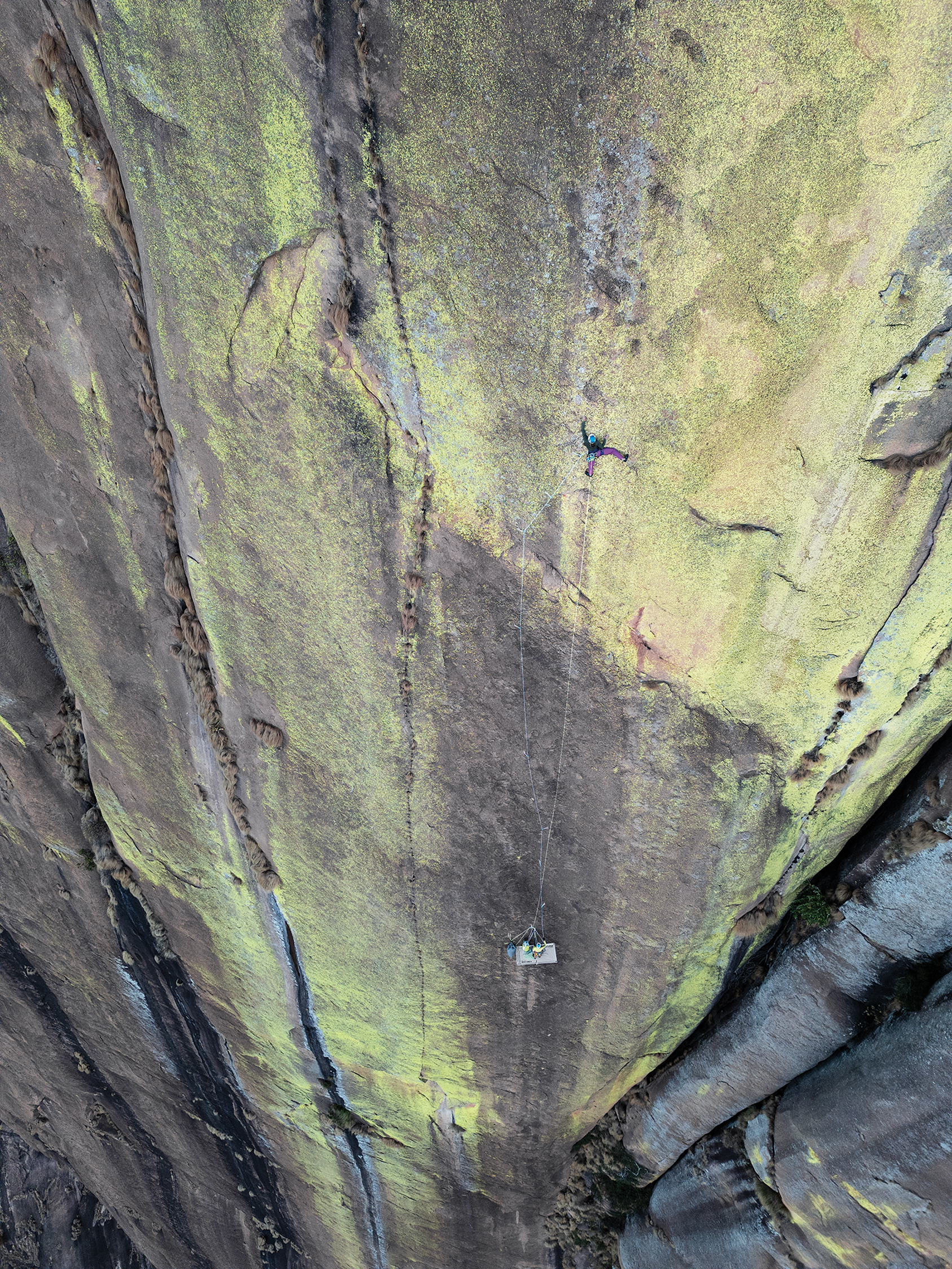
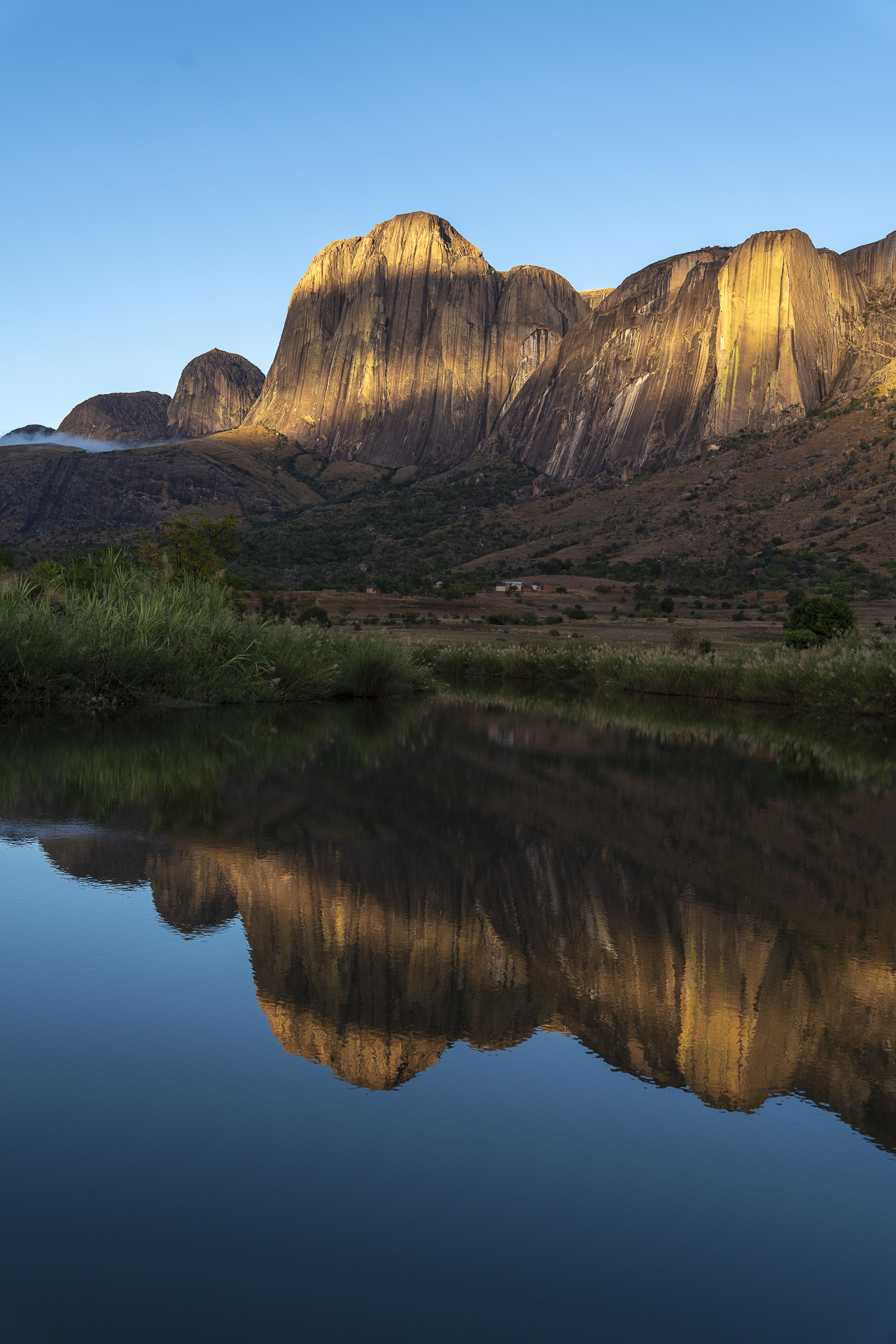
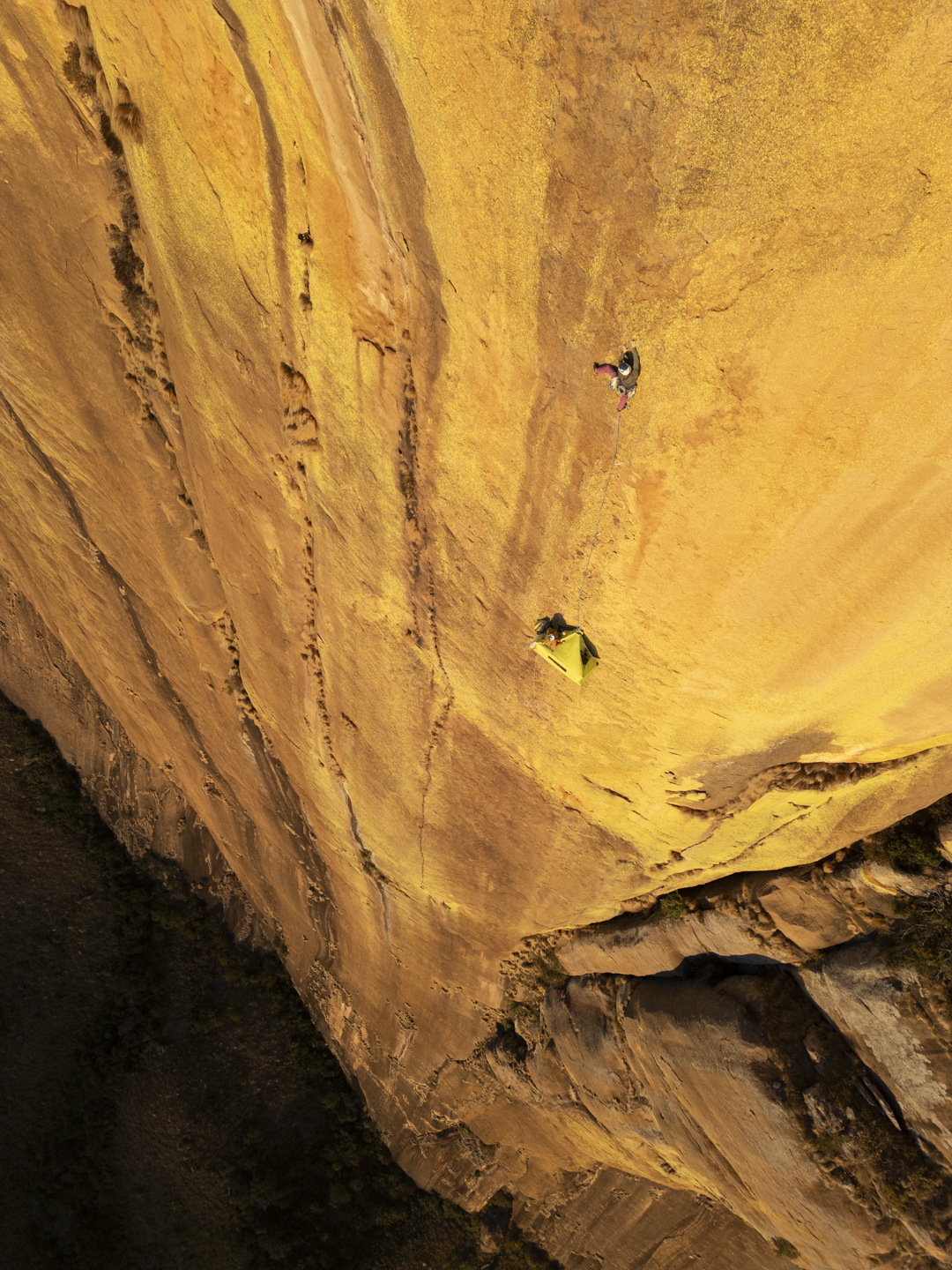
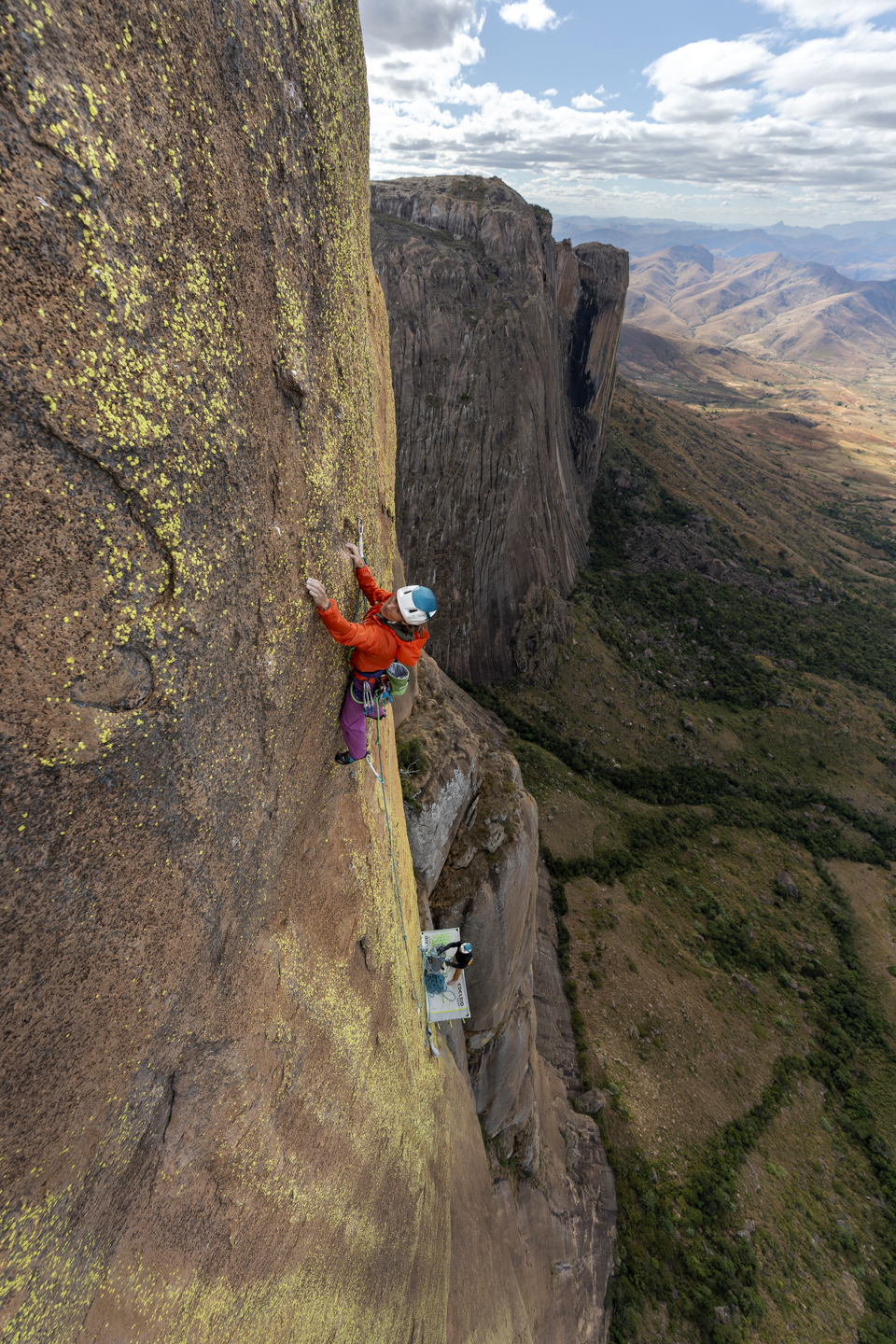
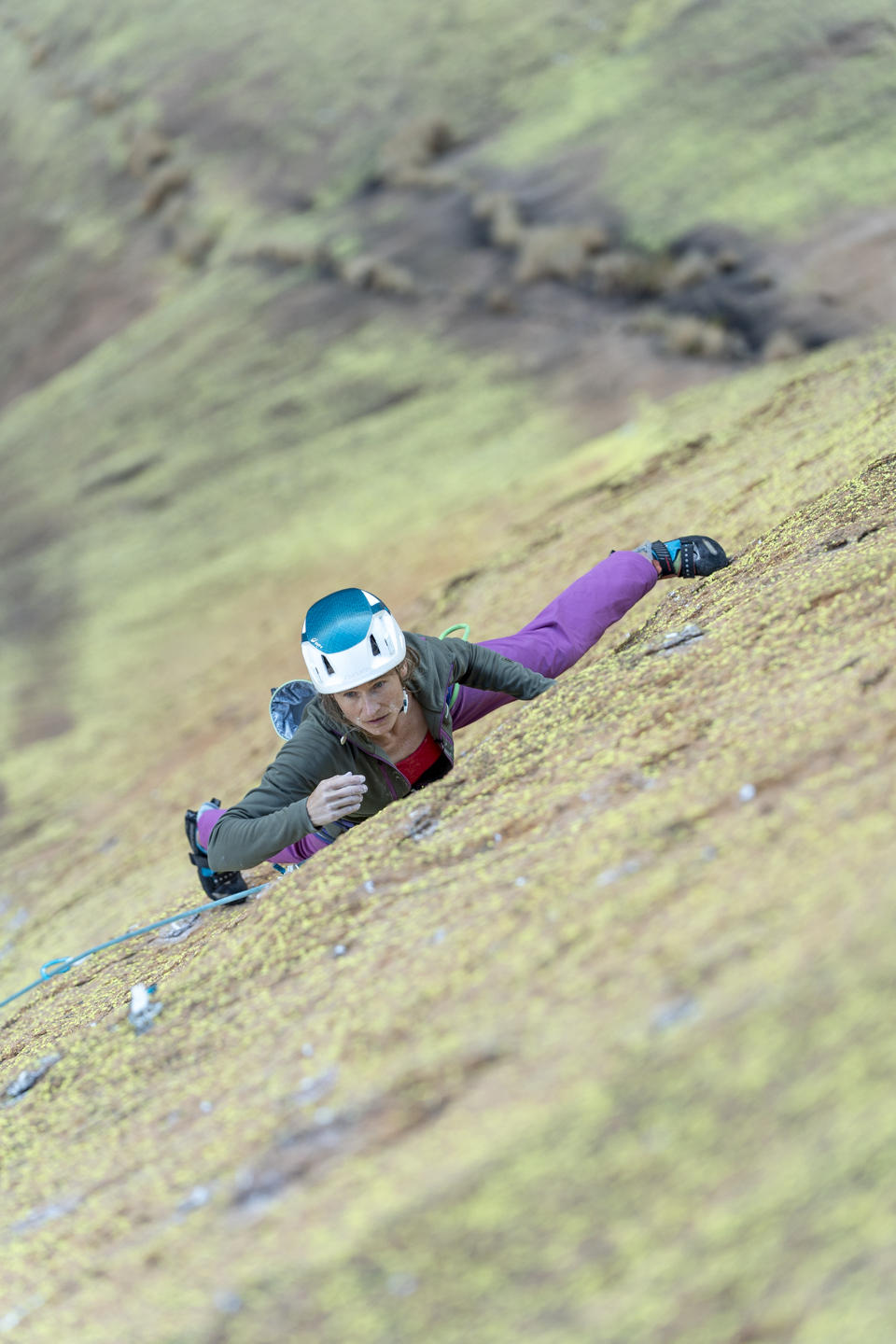
It was like a dream come true. I visited Tsaranoro in Madagascar multiple times before for climbing and “of course” with the idea to make photos as well. I was in awe of these beautiful walls covered with green/yellow lichen. In my opinion, these are the most beautiful and unique walls on this planet. Not many climbers were there, which eliminated me from potentially teaming up to create imagery, so I was only imagining all these “dream” photos. The last year (2025) I was back there on assignment for Patagonia with ambassador Döerte Pietron and her life partner Daniel Gebel. Döerte and Daniel took some time to choose the line they wanted to climb; they finally sent one of the best lines of the Tsaranoro called “Lalan’i Mpanjaka” which literally means “King line” in Malagasy. This route has the most outstanding features and colors on the headwall. At first they went alone on the wall to try to free-climb the crux pitches to see if this line would be a good objective to invest their time into. It was an excellent opportunity for me to do some drone imagery while they explored the line. Using a drone you can enhance the richness of all these colored stripes on the wall, see the different shapes and features, enhancing the enormity and beauty of the walls.
I have to admit, while using the drone I was running around like a crazy person. I was mindful of recharging batteries, efficiently flying and shooting, making sure not to bother them too much on the wall. Then running back to the camp, recharging the external batteries, catching a quick sleep and running back for sunrise… While it was nonstop, I was quite happy with the photography. As a bonus, one of the images was chosen as the cover of Patagonia Journal, which is for me like winning an “Oscar” of outdoor photography.
You’ve photographed many remarkable climbers throughout your career. What made photographing Döerte on Lalan’i Mpanjaka feel different, and what did the experience remind you about why you still carry a camera into the mountains?
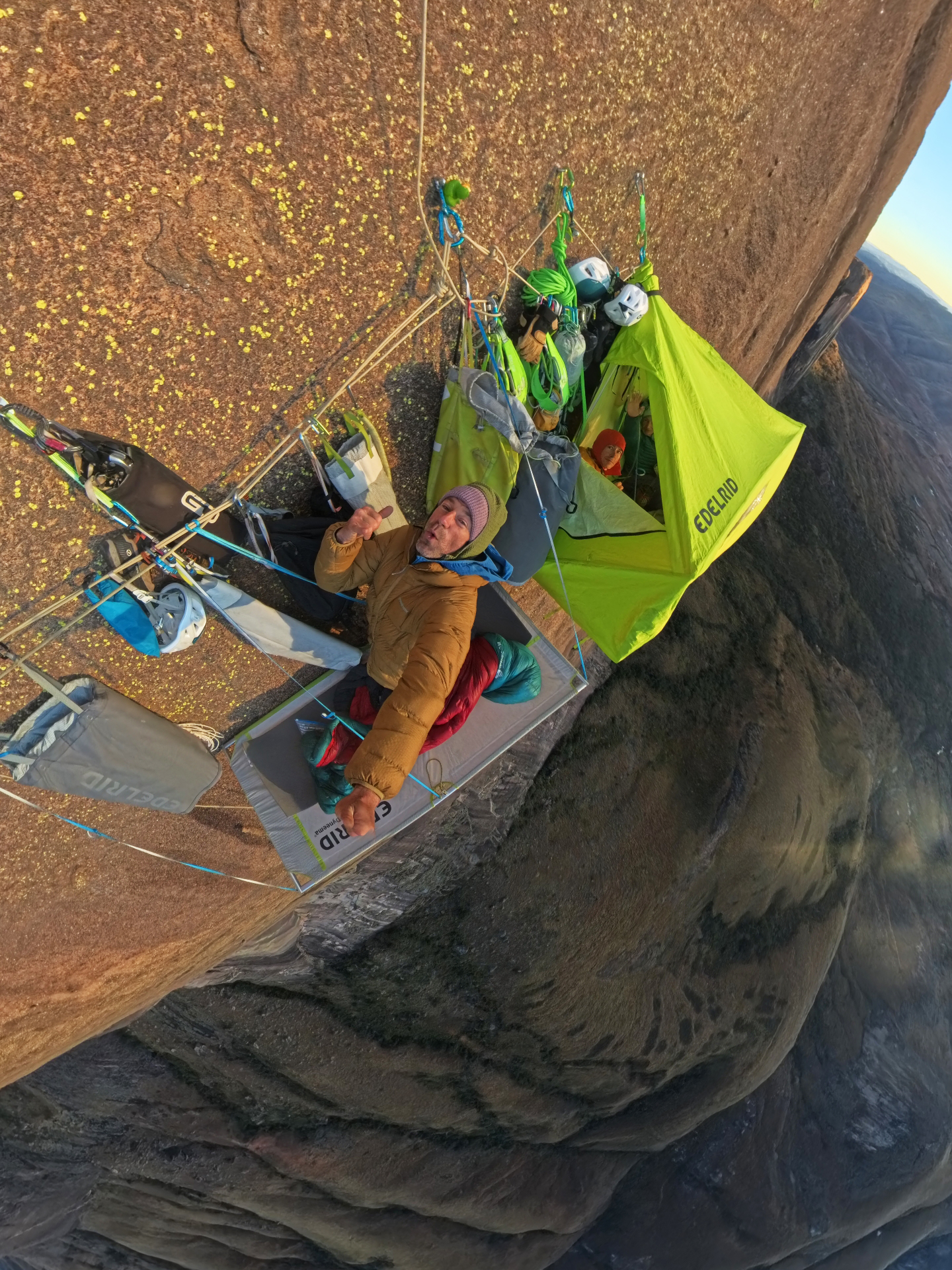
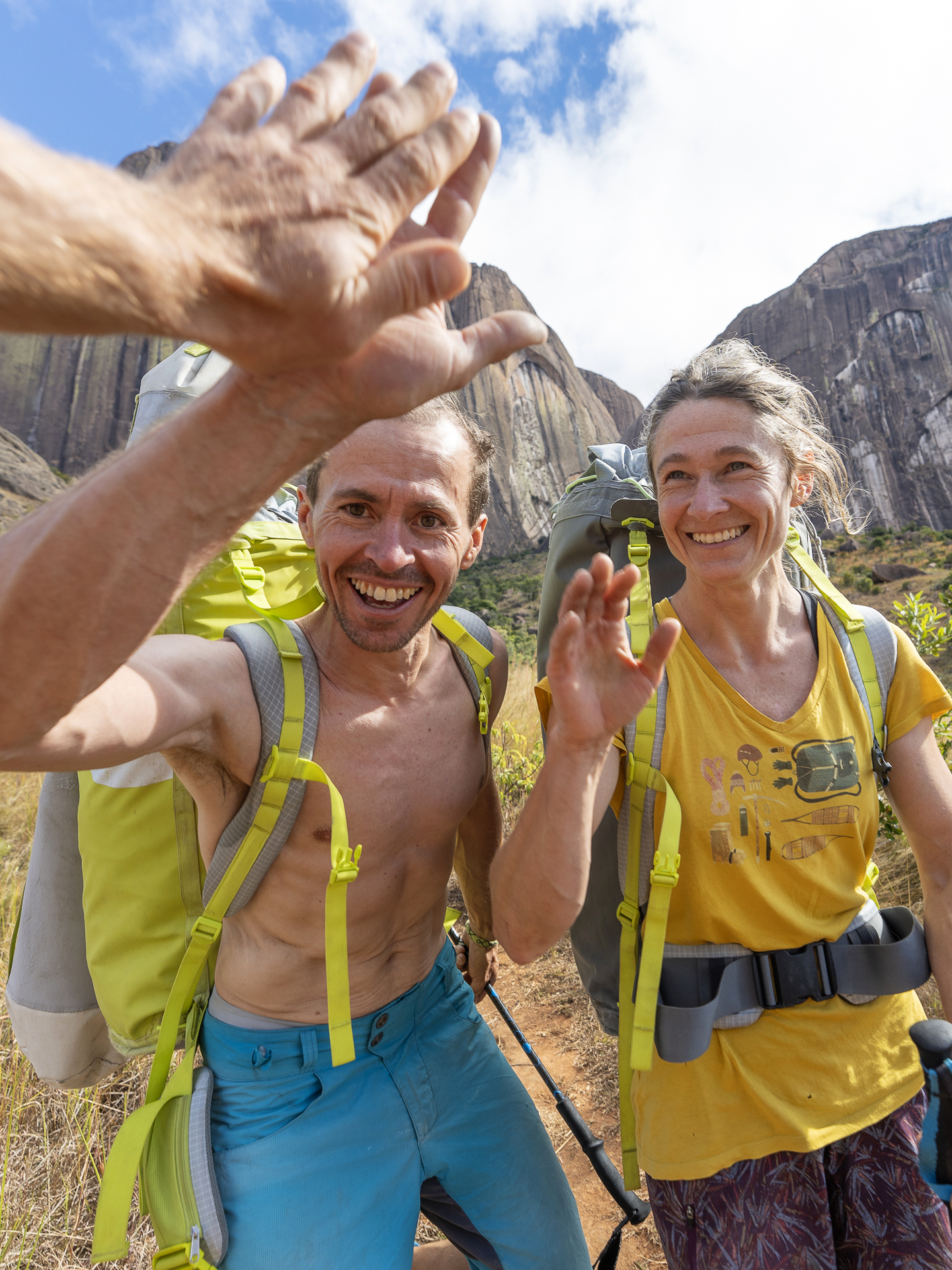
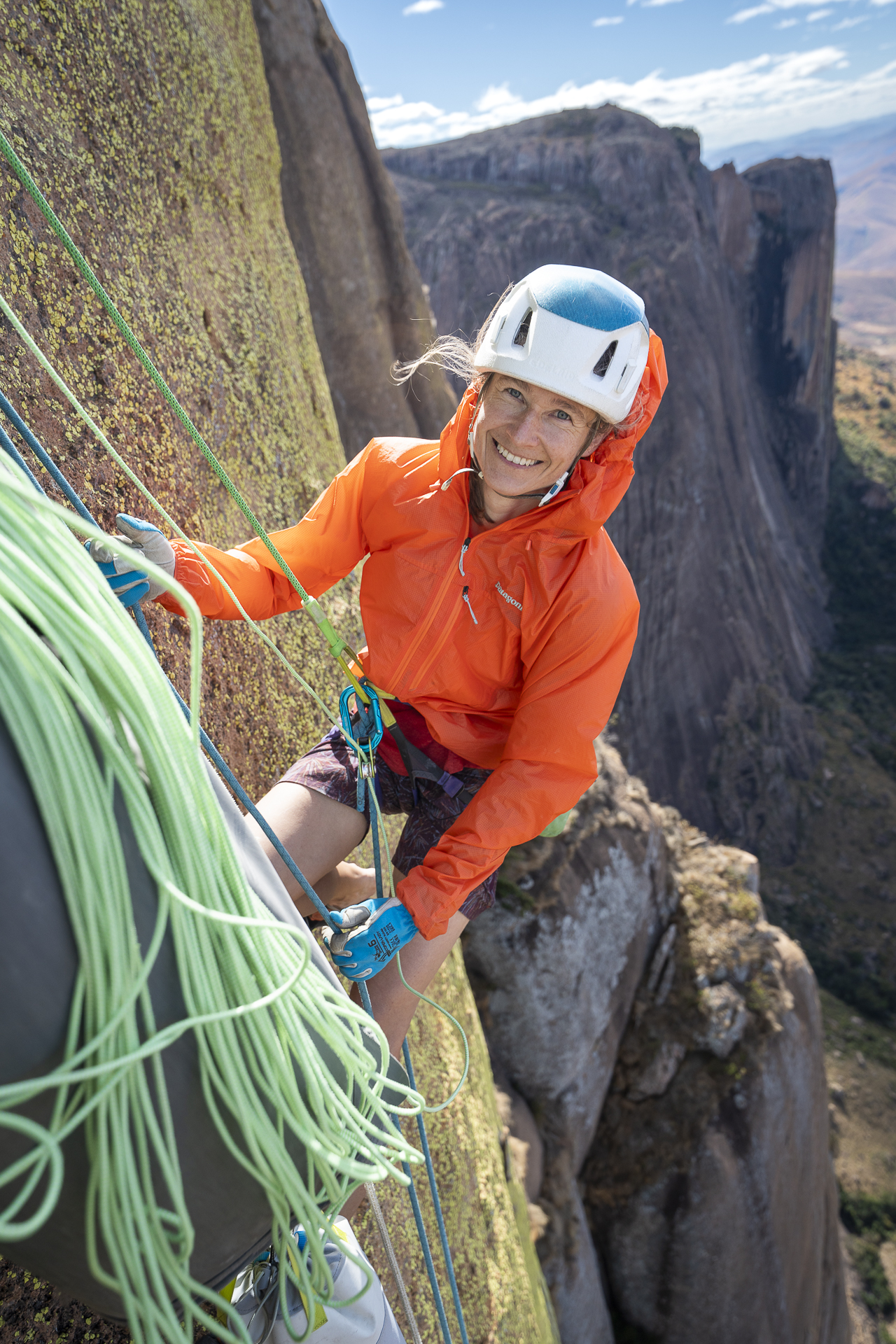
I am mostly shooting sport climbing, and I don’t have much experience with big walls where the logistics are crucial for success and safety. So, I am still learning, and it’s still pretty intimidating for me to be on such massive walls. I am forever grateful to learn with the best team. Döerte and Daniel are extremely kind humans with a sense of humor, efficient with big wall techniques, rope skills, and clear communication. They always made me feel comfortable. To feel safe on the wall with the climbers you are with is indispensable for creating great images. Some climbers are just good climbers, but they don’t have a clue about the safe way to fix the static ropes, which involves special rope access logistics and techniques.
How has developing your own climbing ability influenced the kinds of images and films you’re able to make?
My own climbing is important to me. I take care and keep my body strong for rope access (following the climbers on the wall), which is pretty physically demanding. It is also helpful for “reading” the moves on the route and visualizing how the climbers are going to move through each sequence. Being a climber allows me to consider the best position on the rope and how to anticipate the important moves. Especially if the climber is “onsighting or flashing” the pitch on a big wall without falling, which means that you have only one shot, one chance to do this photo or video sequence.
You also worked with Miya Tsudome on this project; what did working with a female climber bring to the imagery?
I really like working with Miya on the ropes during “the push” because we always collaborated on the best positions so both of us could find the vantage point for the best video and stills. The configuration was not an easy task, as the wall is in the sun all morning; the climbers were climbing fast without falling, so you have no second chance. Because we were hanging on the same static rope, we had been constantly looking for the best and safest positions. Döerte is exceptional; she is so strong, so unbreakable, and at the same time humble and helpful in all situations.
Honestly, I consider myself observant of the mix of energy needed on successful climbing objectives – having both perspectives from men and women is important from my point of view. I feel it is essential to have that combination of energy in the group of climbers. In the past I experienced climbing missions with only men, but I prefer to have a combination of men and women for the balance of energy and judgement – women are an important part of that dynamic and equally as skilled and strong as men.
Big wall climbing demands efficiency, trust in your system, and the ability to move fluidly. How did you approach moments like the cover?
Yes, it definitely does. Even if I did a French course of rope access work, there are always some details and techniques to learn, especially when you are on a project with such a genius as Daniel, he has so much experience – currently he’s working with Edelrid and developing their gear. It’s worth noting Daniel is a living legend of the Tsaranoro. About 20 years ago, he bolted/opened the hardest and most beautiful routes on the Karambony wall called “Tough Enough” 8b+/c, which was the reason Adam Ondra visited Madagascar back in 2010.
You’ve experienced the vulnerability, commitment, and joy of climbing firsthand. How has living those emotions yourself changed the way you photograph someone else experiencing them?
I am not focusing only on the nice climbing moments, moves, and composition but also on the emotions, doubts, excitement, and concentration before, during, and after the climb. Happiness, deceptions, and suffering are all part of the experience.
Climbing has always been built on community, shared beta, and looking after one another. How has being part of that community shaped the way you see people through your lens and the stories you feel are worth telling?
Whatever your level is as a climber, the sensations, emotions, and limits are the same. Meaning, I am experiencing the same feelings to climb one 8a route, which is on my limits as the strongest climbers trying to PR a 9c-rated route.
There is so much to say about the passion we have as climbers. We have reverence for nature and the art of climbing, along with kindness and good behavior in the mountains. I don’t resonate with the “introvert” climber who’s trying the hardest route and who has nothing to say or share with others. Climbing also gives us the confidence and motivation in our daily lives to stay healthy – you’ve almost got no choice if you want to excel. Personally, I am using outdoor climbing as the best way to stay connected to nature and simply spend more time in the mountains.
What are you working on now?
Ah, funny thing is that just a few weeks ago I was back in Madagascar, where I was documenting Döerte and Daniel with their friends. With continuity from the last year, they had a great project to re-bolt and climb the route called “Mora, mora” (Slowly, slowly), which was unclimbable last year due to the rusted bolts. They have been brave again, showing great examples for the next generation of climbers as to the value of re-bolting existing classic routes in Tsaranoro, that it’s more important than doing the first ascent. I was alone this time doing both video and stills, so I am right now on my computer editing all the work and excited to share it soon.
Any advice for photographers starting, or what would you tell your younger self?
Everything is possible if you put all the creative and good energy into it, if it becomes your passion without limits, if your self-judgment is more than the external critics. BUT the most important thing is to find a balance between work and spending quality time with a loving partner, family, and friends.