Robel Fessehatzion
Shelton Johnson has spent more than three decades helping visitors understand that Yosemite belongs to everyone. As someone whose work also explores belonging and identity, what did photographing him mean to you personally?
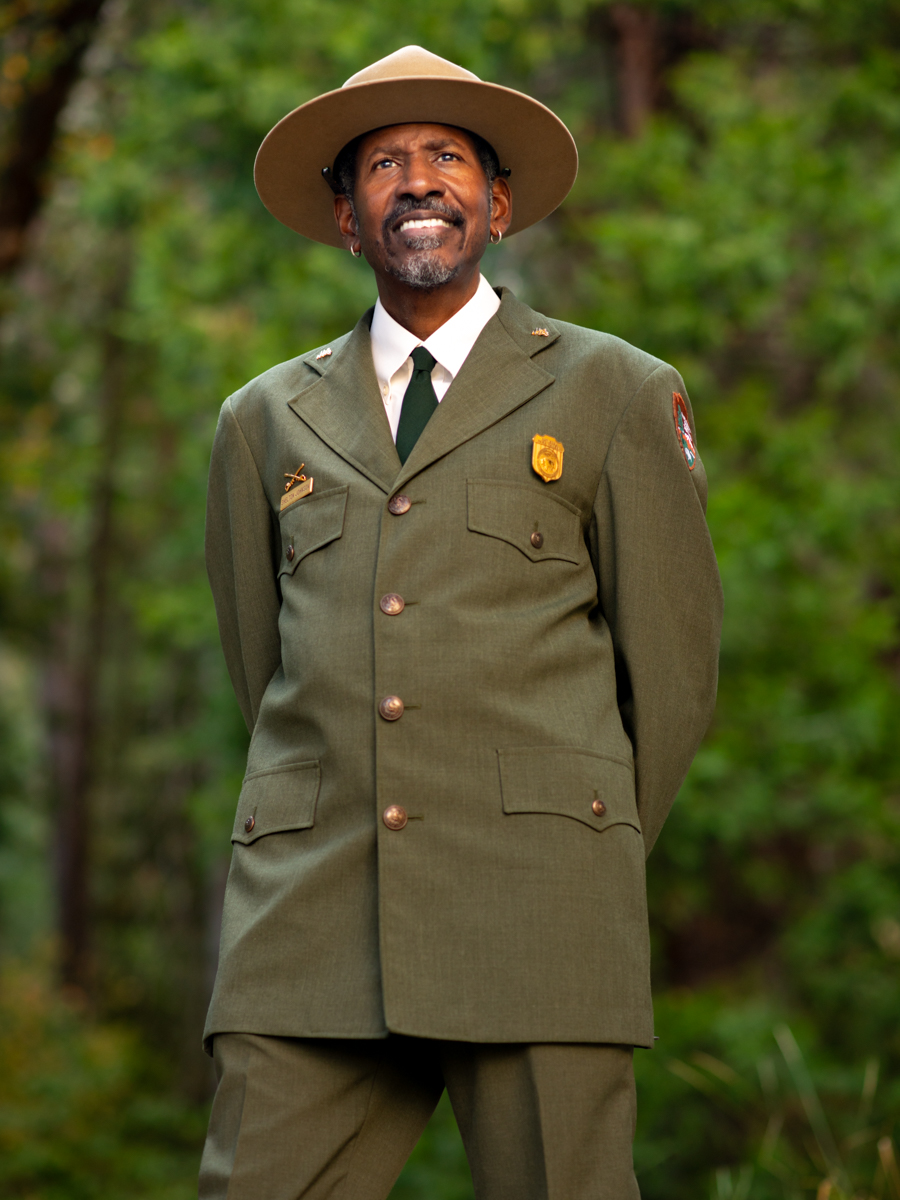
I first met Shelton at the inaugural United in Yosemite climbing festival in 2023, when he made time to talk with Eddie Taylor and me. I had always been an admirer of Shelton because of his profound work on rediscovering the story of the Buffalo Soldiers, a Black infantry regiment assigned to protect Yosemite as some of its first park rangers. They built trails, fought fires, and managed the park as early as 1899. His work gave me a historical connection to Yosemite, a place I love dearly.
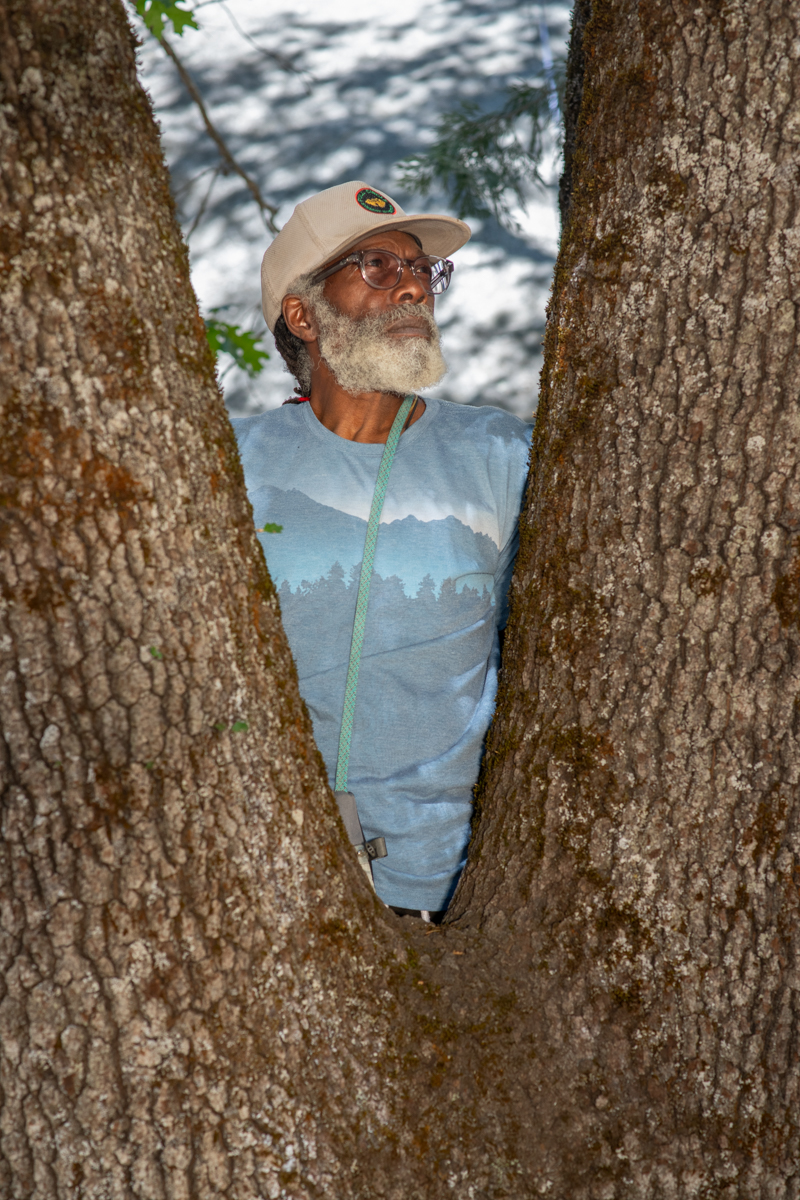
While visiting him in Mariposa, he mentioned that he wanted his portrait made, and I told him I’d ask Lewis Watts, a renowned photographer and mentor, if he was interested. Months later, the three of us spent a day in the Valley with Shelton showing us his favorite spots. At some point he asked whether I was going to photograph him too. I told him I was there to support Lewis, but that if an opportunity presented itself, I’d take it.
Well, that opportunity came at a secluded stretch of the Merced River. The sunlight reflected off El Capitan and then the river to create this incredible soft fill light, which I’d later call “double bank.” Unsure if the light would hold, I asked Shelton as politely as I could manage to hurry up a small hill so I could get his portrait. Making his portrait on that fall afternoon felt surreal. He spent three decades restoring a record of Black people in Yosemite that had gone missing, and I’m making one now. Here I was, someone who had long admired Shelton, capturing the light that is within him. It is a memory that I will never forget.
Your work often explores the relationship between landscape and identity, reframing nature as a place of belonging rather than just a backdrop. How did growing up near the northern Sierra shape that perspective, and how has it evolved over time?
I sometimes wonder if I ever would have discovered my deep connection to the landscape if I hadn’t grown up in Chico, CA, with easy access to the northern Sierra foothills. Those early experiences were transformative, and I longed to spend as much time in that place as possible.
I quickly developed a desire to convince my friends and family to spend time in nature, but they weren’t interested, so I decided to turn my photography hobby into a tool of persuasion, with the goal of capturing the serenity I was experiencing to create images that evoked something comparable in them. They were receptive to my photographs but not convinced.
In 2004, to satisfy my growing desire to spend time in the landscape, I visited Yosemite for the first time on a three-day guided backpacking trip. I made a few meaningful images on that trip with my trusty Nikon FM3A and transparency film. That experience became the genesis of exploring the American West and photographing it as a pristine and untouched wilderness. However, my deep connection to the landscape never quite settled the tension I felt being the only Black person in the backcountry.
In 2022, the direction of my photography made a significant pivot when I met Binh Danh at the PhotoAlliance Portfolio Review in San Francisco. He’s a very talented Vietnamese-American artist who uses the daguerreotype to photograph Yosemite and other national parks, working through themes of identity and belonging. It was the first time I had ever spoken with a landscape photographer about those themes, and it allowed me to delve into the tension I had been feeling in the wilderness.
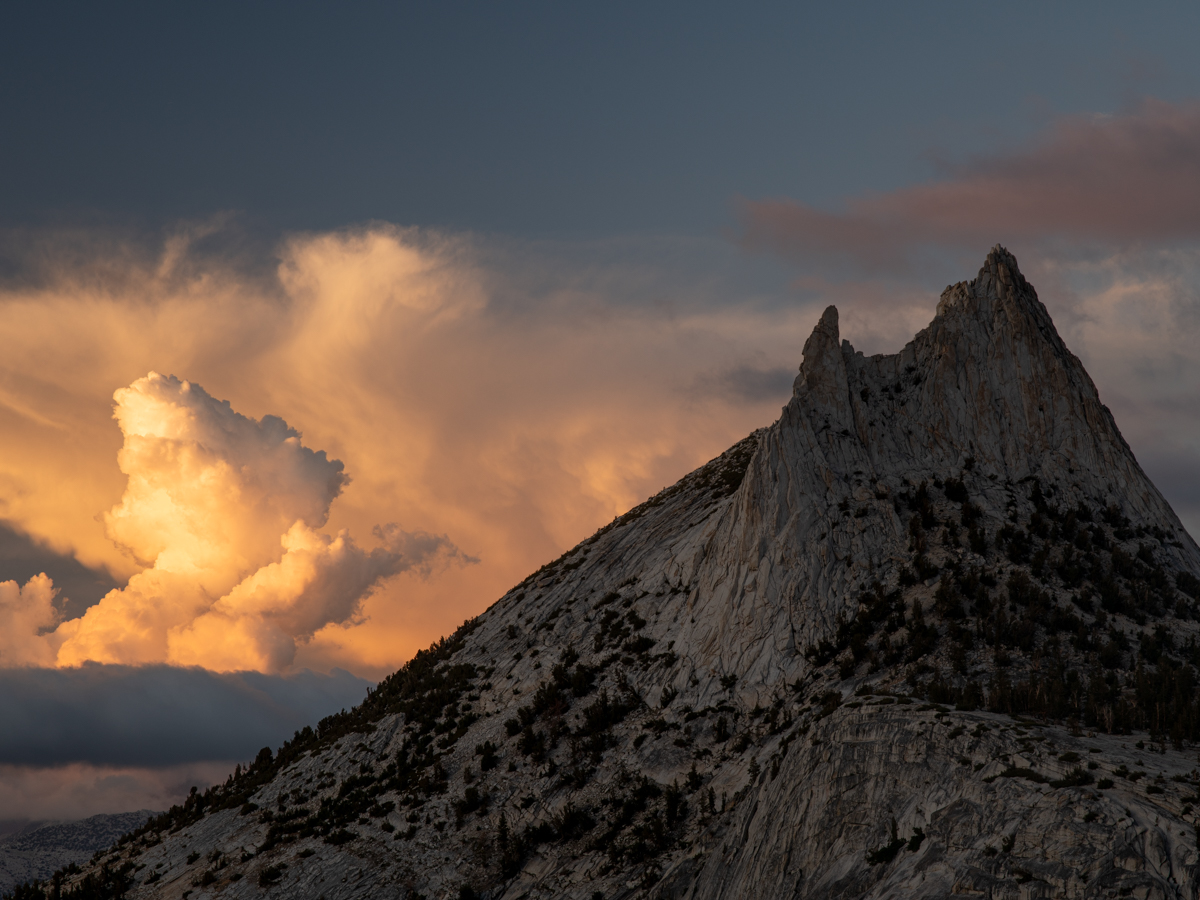
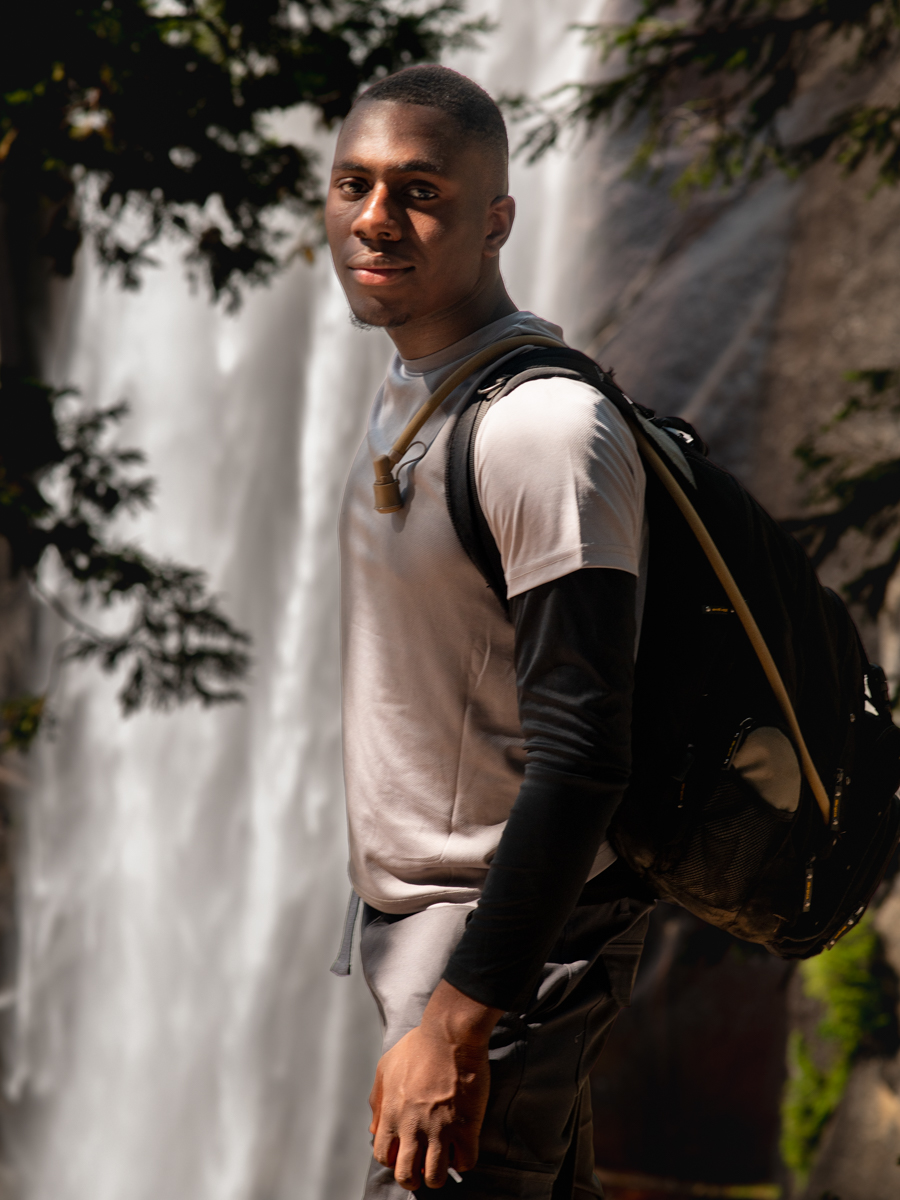
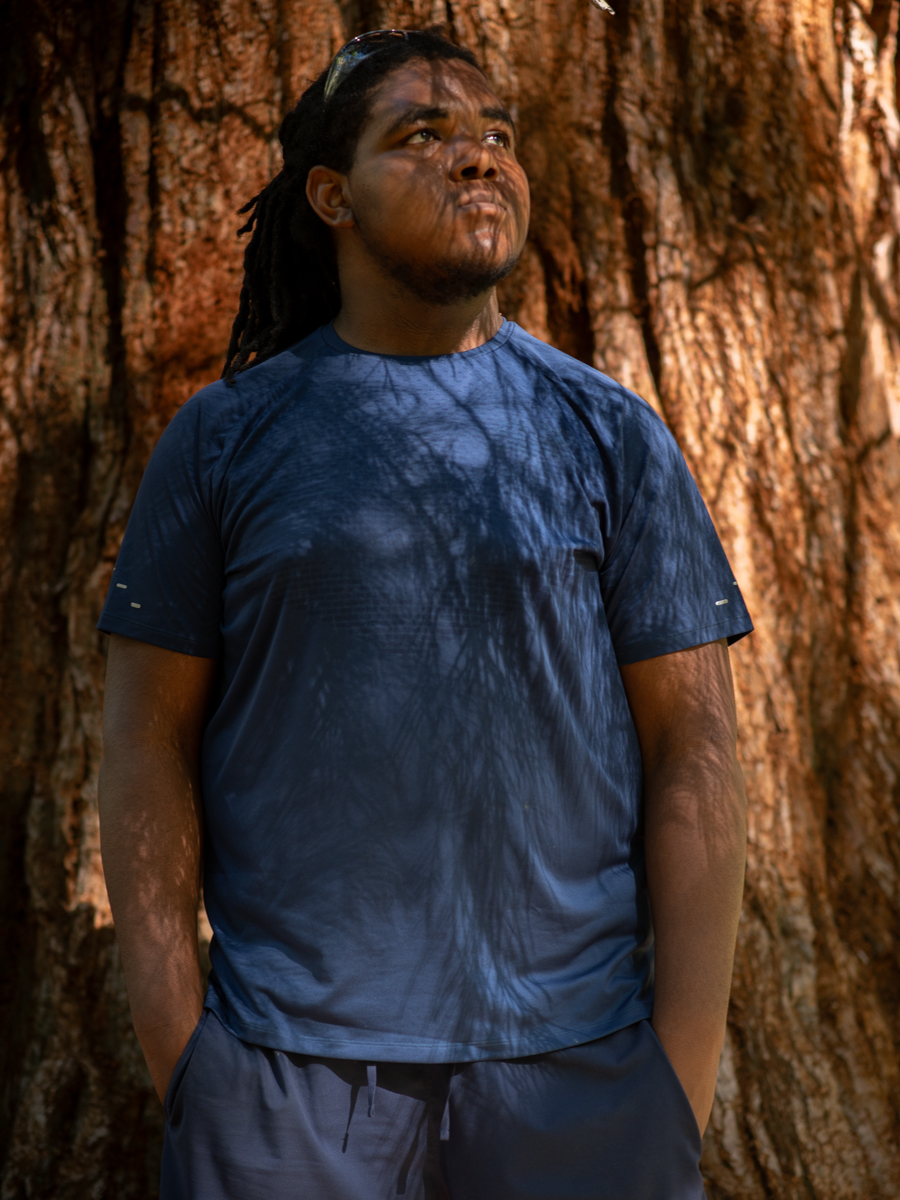
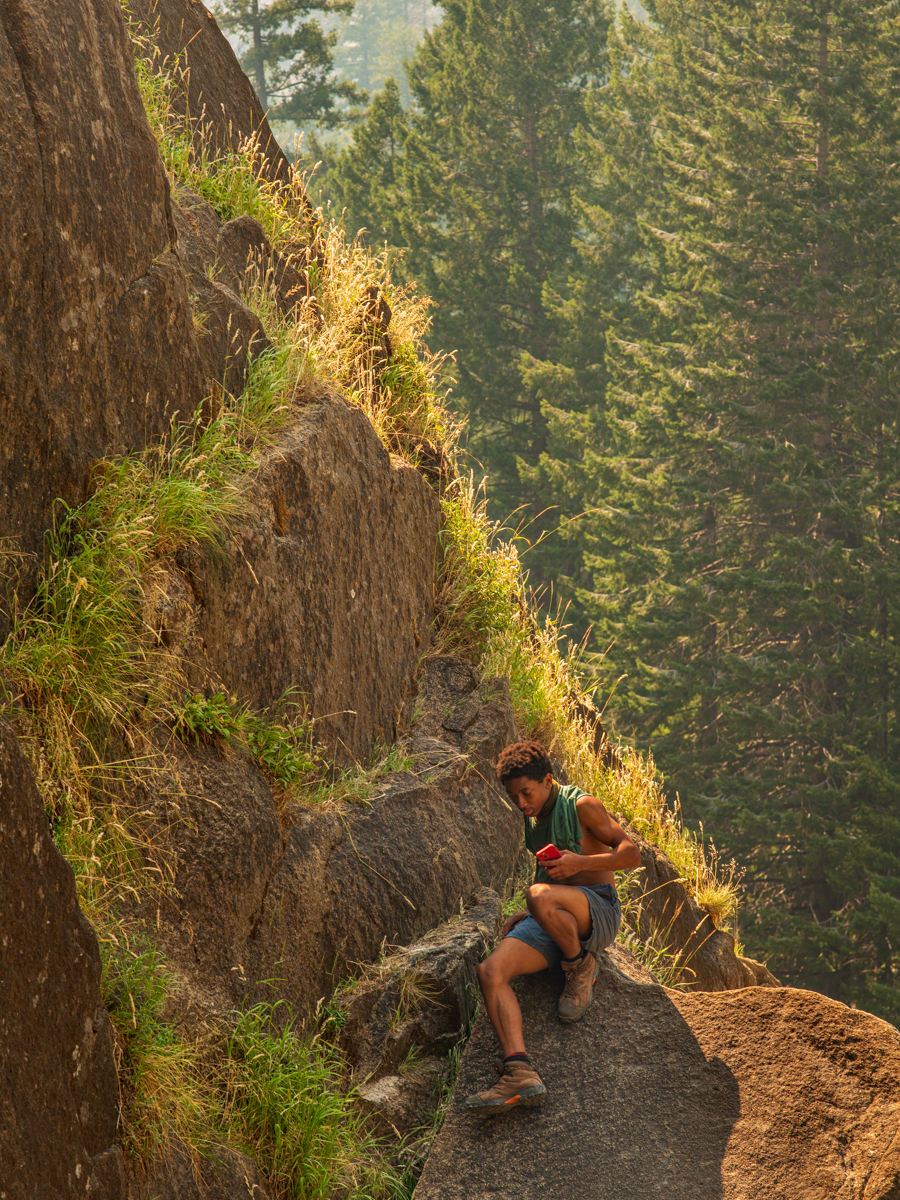
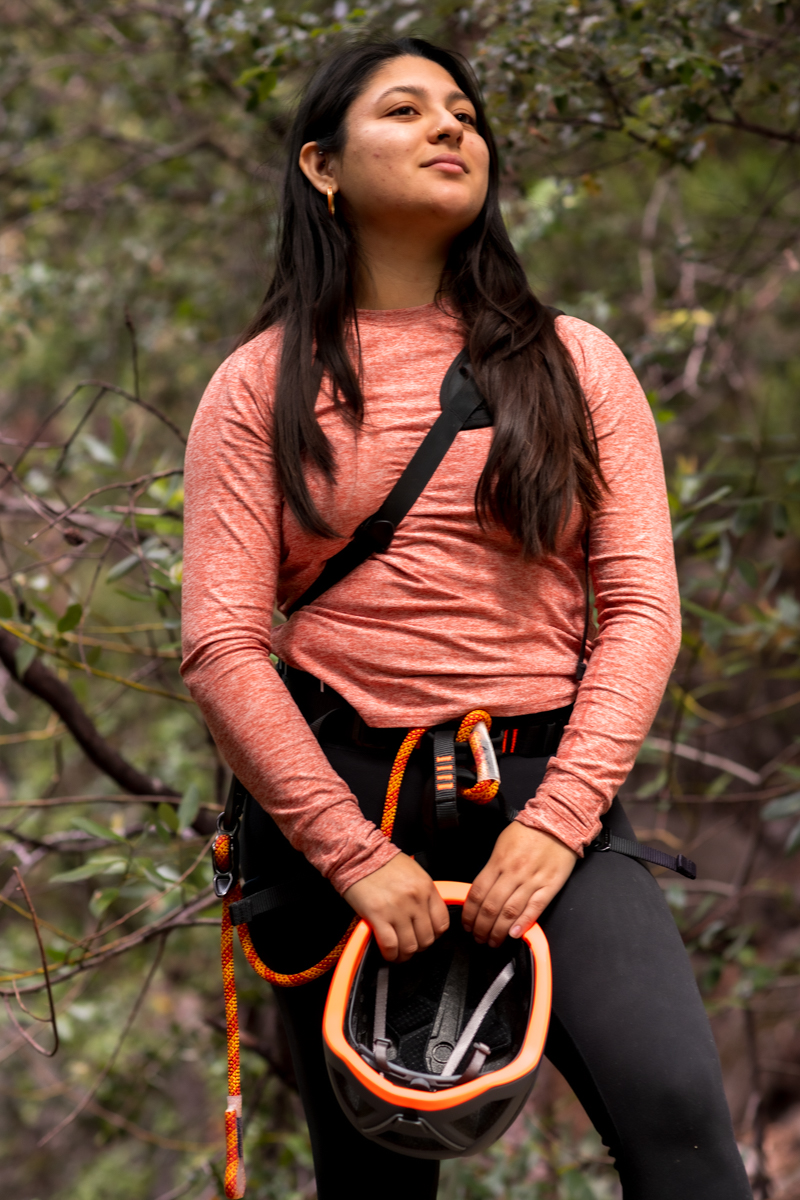
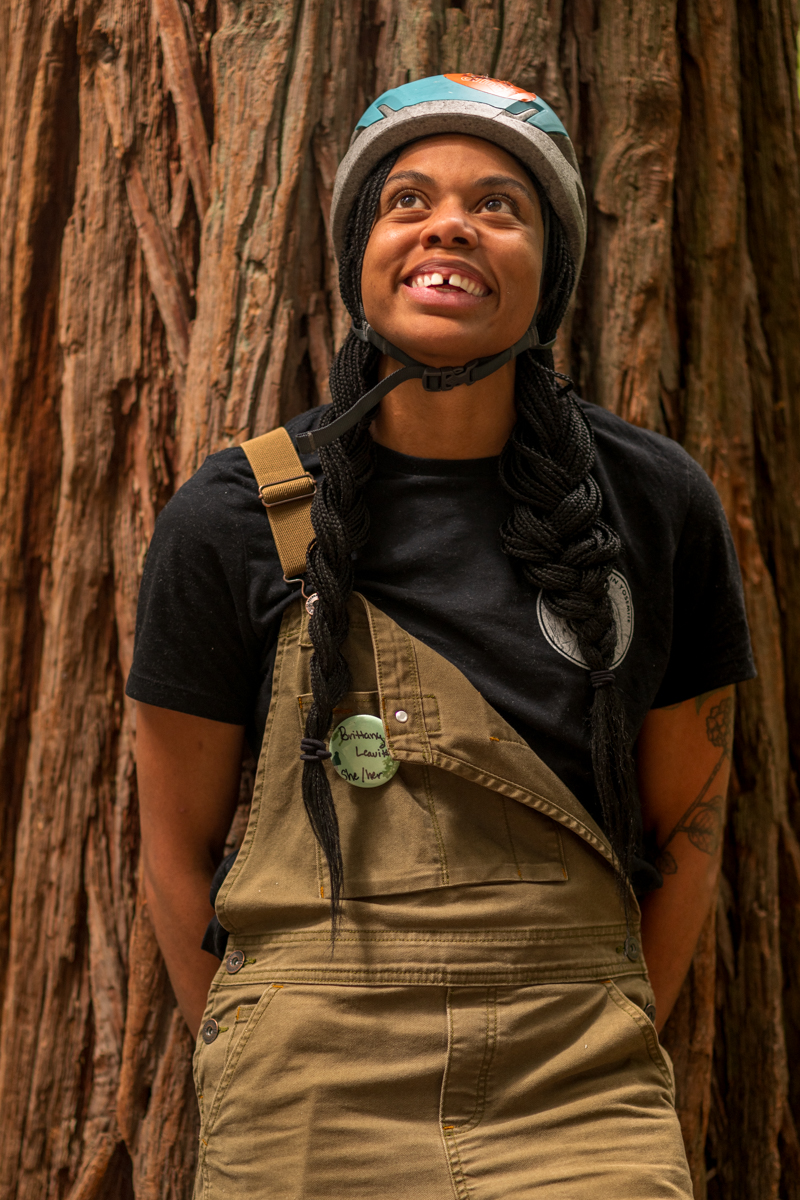
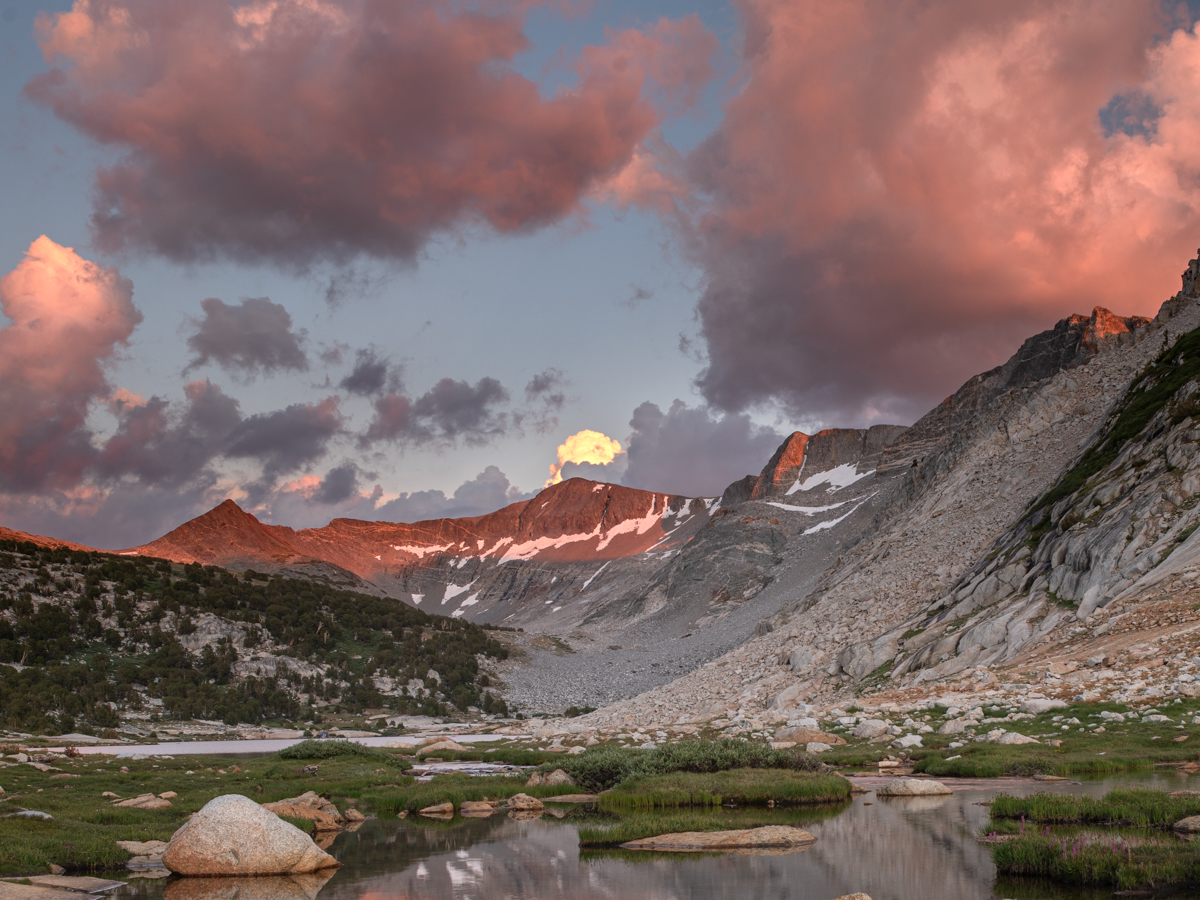
That autumn, I went on a 55 mile solo backpacking trip in the High Sierra. I intentionally captured self-portraits to assert myself in the wilderness. That work was cathartic, and it opened the door to my environmental portraiture, photographing people of color in Yosemite and other wilderness areas. That work is possible in a way it wouldn’t have been a decade ago, because organizations have been bringing people of color into these places since 2020. Both bodies of work break from the tradition of photographing the landscape as pristine and untouched, and ask the question who belongs in it. Two decades of photographing the light and color of the sublime landscape is what enables me to make an image beautiful enough to hold the viewer there. Borrowing from my mentor Richard Misrach, the beauty draws them in, then asks them to reckon with the tension of a body being in that space.
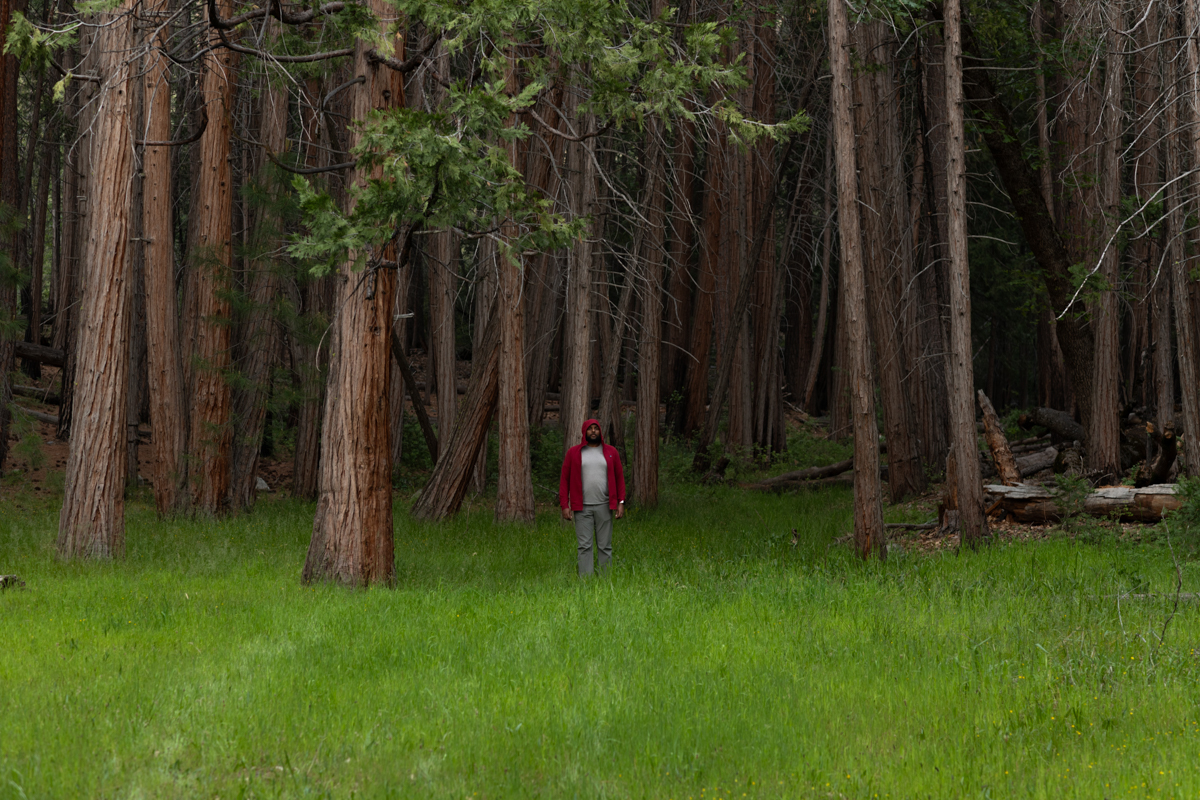
How did Richard become your mentor?
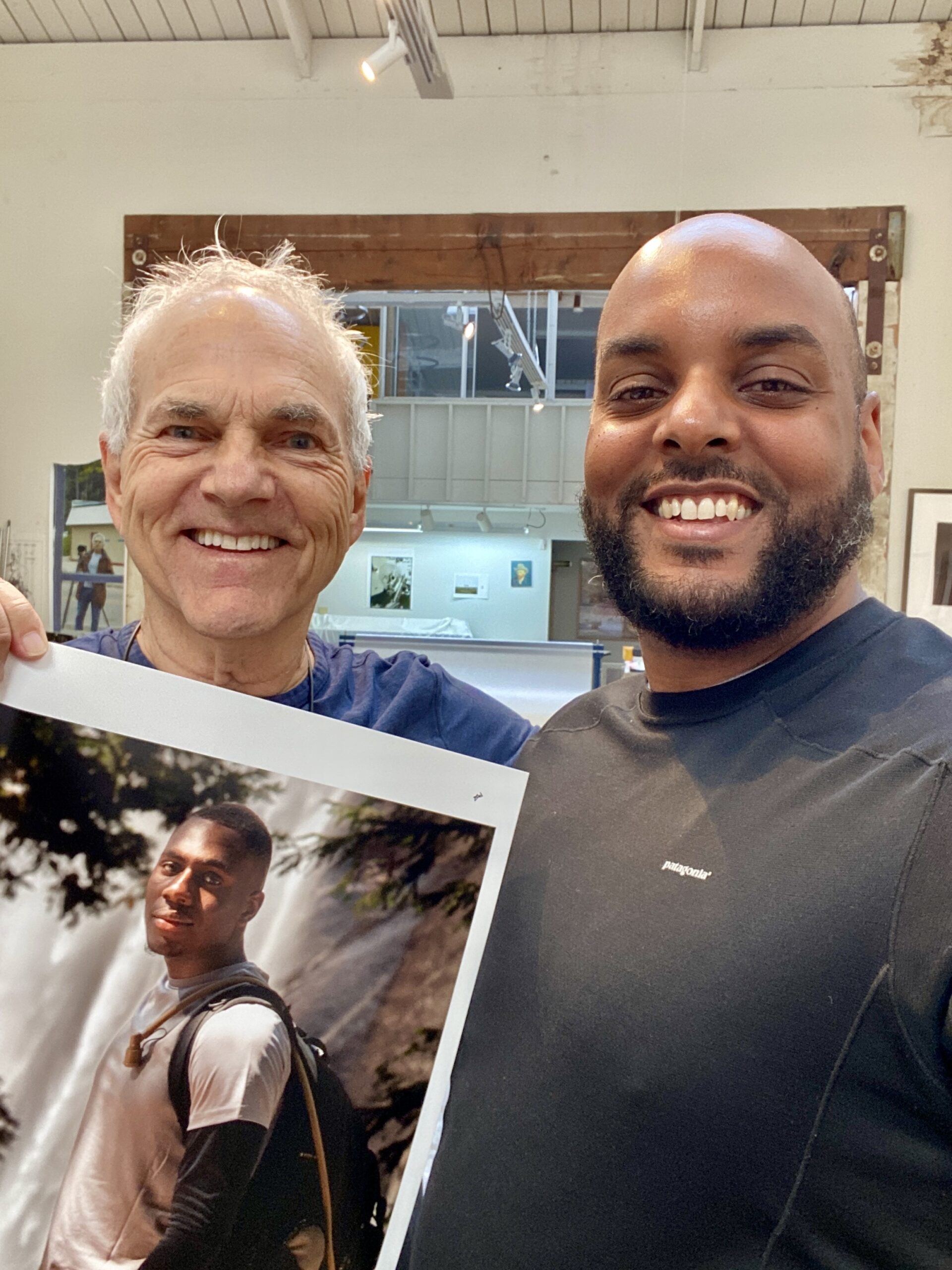
I met Richard at a retrospective talk on his work. When he got to “The Pit”series, he described how he found the pit of dead animals in the Nevada desert. The local Paiute tribe had told him to look for the crows circling around two in the afternoon. During the Q&A I asked him how he built a relationship with the local Paiute tribe for them to share that sacred information with him. He was intrigued by my question and asked to speak afterward. We got along and exchanged contact information. The following week, I sent him my work. He wrote back that I was doing important work, and asked to set up a studio visit and see some prints. The rest is history.
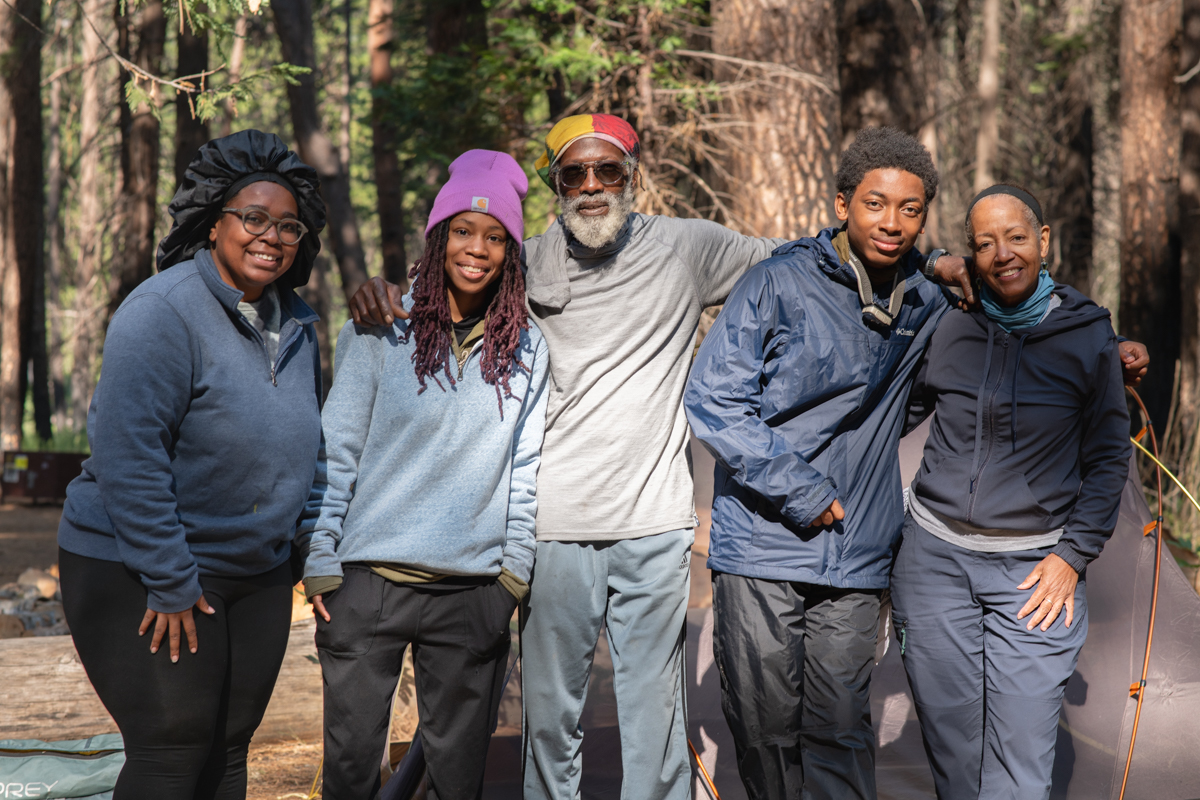
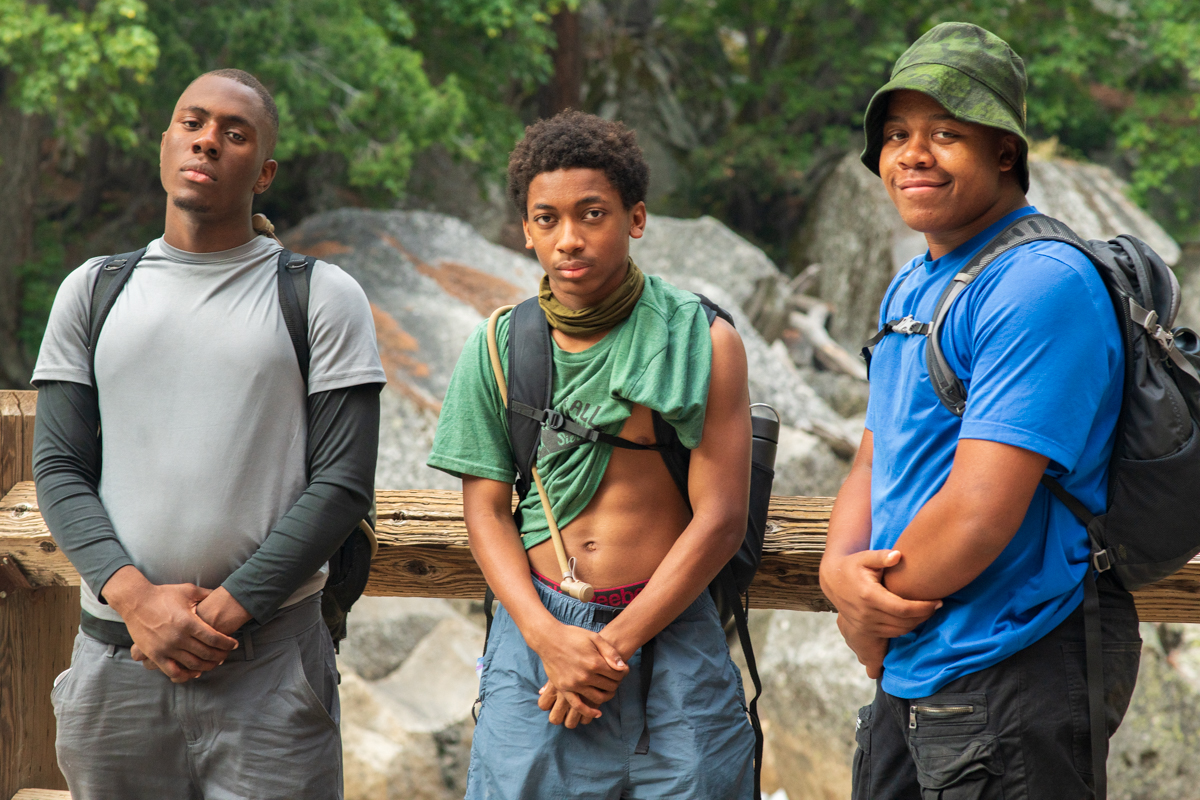
You’ve spent three summers photographing alongside youth from Detroit through the Sierra Club’s Outdoors for All program. For many of these young people, Yosemite is their first experience in a national park. How does photography impact that visit?
I’m incredibly grateful for Phil Henderson connecting me with Detroit Outdoors, and my time with them has become one of my all-time Yosemite highlights.
Photography is one part of a larger ecosystem that makes them feel like they belong. Within that, I think it plays a role at three levels. As viewers, photographs let them explore and learn about Yosemite. Then, when they can relate to the photographer, they get a sense of permission to be there.
But the most powerful role is when they make their own images. And I’ve had the privilege to lead a photowalk for them. I teach them the difference between grandeur and introspective sublime images and environmental portraiture by showing them examples of my own work. Then while in the field I teach them to trust their intuition, and when something grabs them, to let that gravity pull them in.
The evening recap is where it lands. Each of them shares their favorite image from the day and talks about why they chose it. They’re not describing what they saw, they’re describing how it made them feel connected to Yosemite.
What conversations do you hope your work inspires—not just within photography, but within the broader culture of conservation and public lands?
Our public lands have a complicated history, and making them genuinely inclusive is going to require honest discussion from more than one direction. I don’t think that’s optional. Yosemite is the origin of the wilderness idea, and I think the conversation should start there.
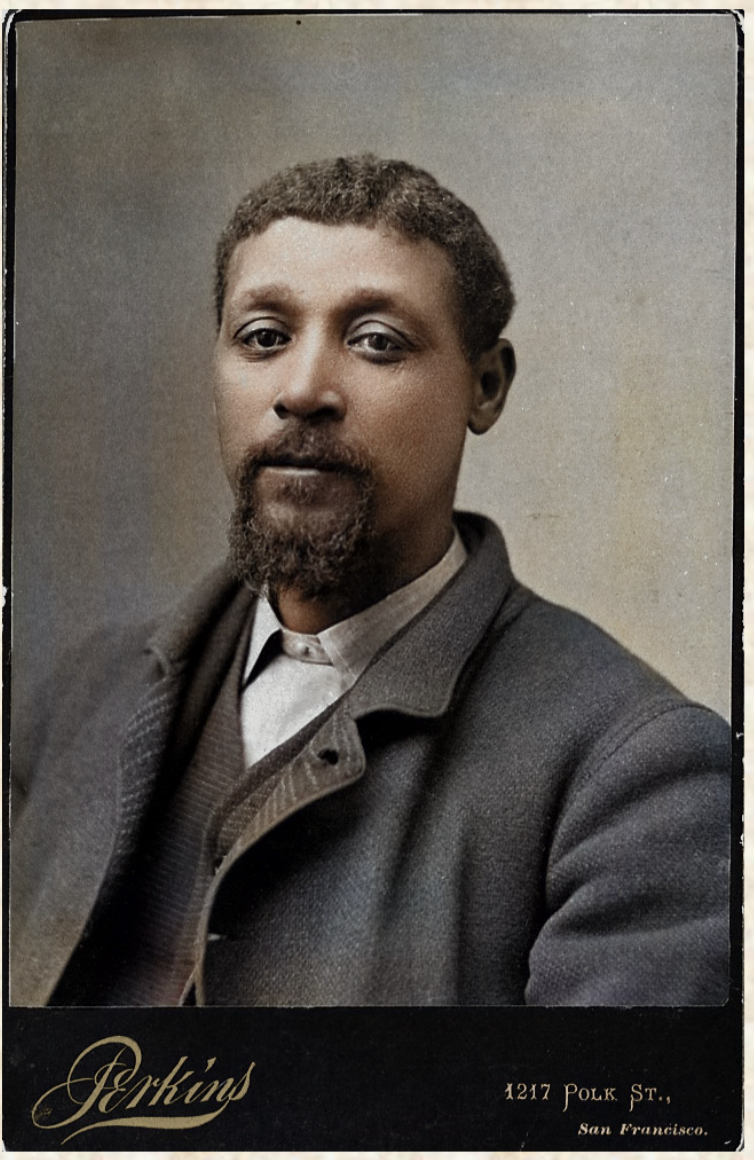
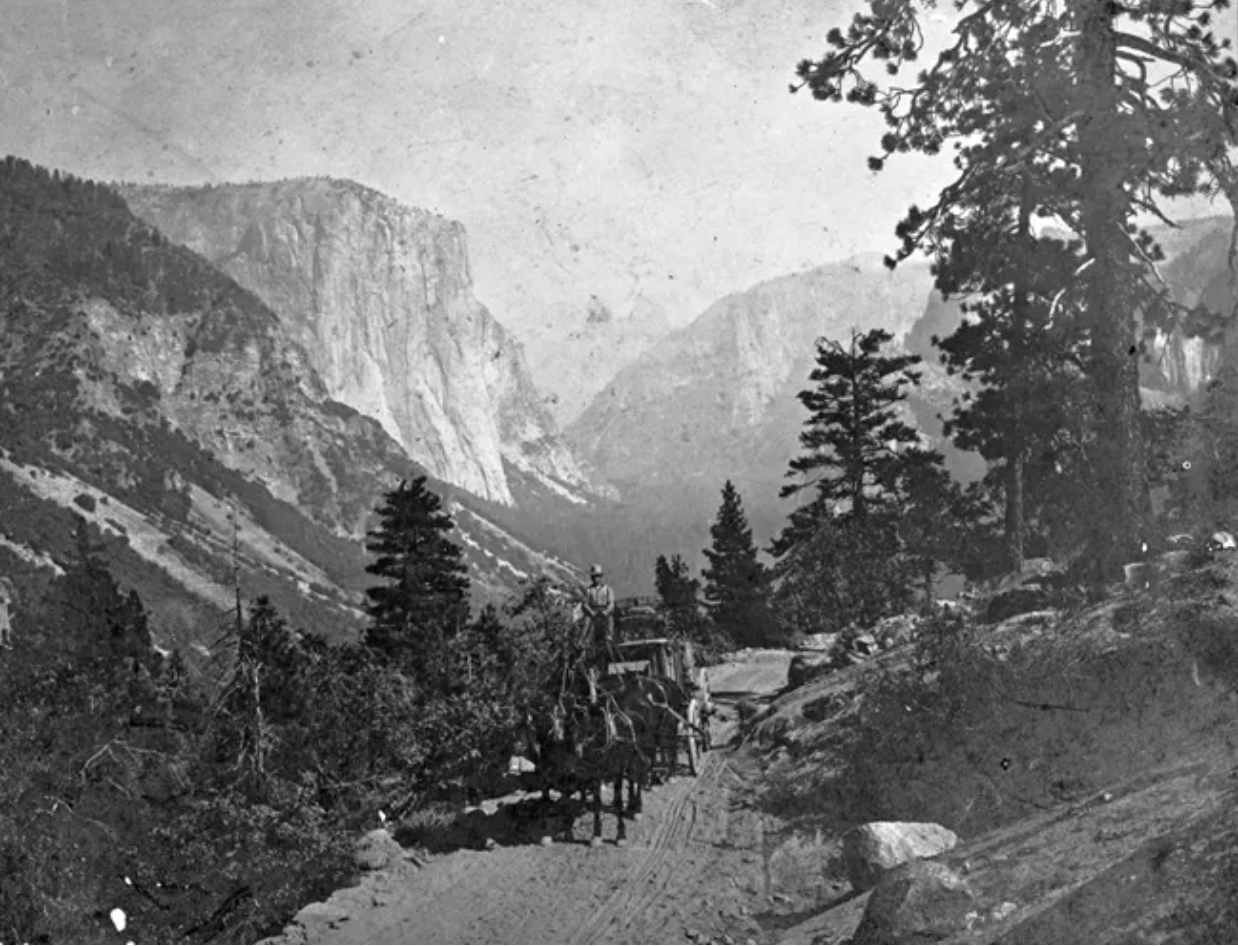
In 2024, Yosemite released visitation data from the previous year showing that 89% of its visitors were white. The reasons for that are multifaceted, but it doesn’t help that people of color were omitted from Yosemite’s photographic canon for so long. The visual history exists if you look for it. There are photographs of the Buffalo Soldiers in Yosemite taken in 1899. There’s a portrait of George Monroe from the 1800s, a Black stagecoach driver in Yosemite Valley who was personally requested by three different U.S. presidents. There’s a 1920s snapshot of Black folks at the Wawona Tree. Their omission from Yosemite’s visual record is directly tied to why so many people felt excluded in the first place. I hope my work isn’t seen as just retroactively adding people of color to Yosemite’s photographic canon, but as a conversation showing that we have always been here. Everyone has a historical connection to this landscape, and acknowledging that complete history is how these public lands can truly become places of healing and belonging for all of us.
How did you meet Ben Ditto, and what can you share about that evolving friendship?
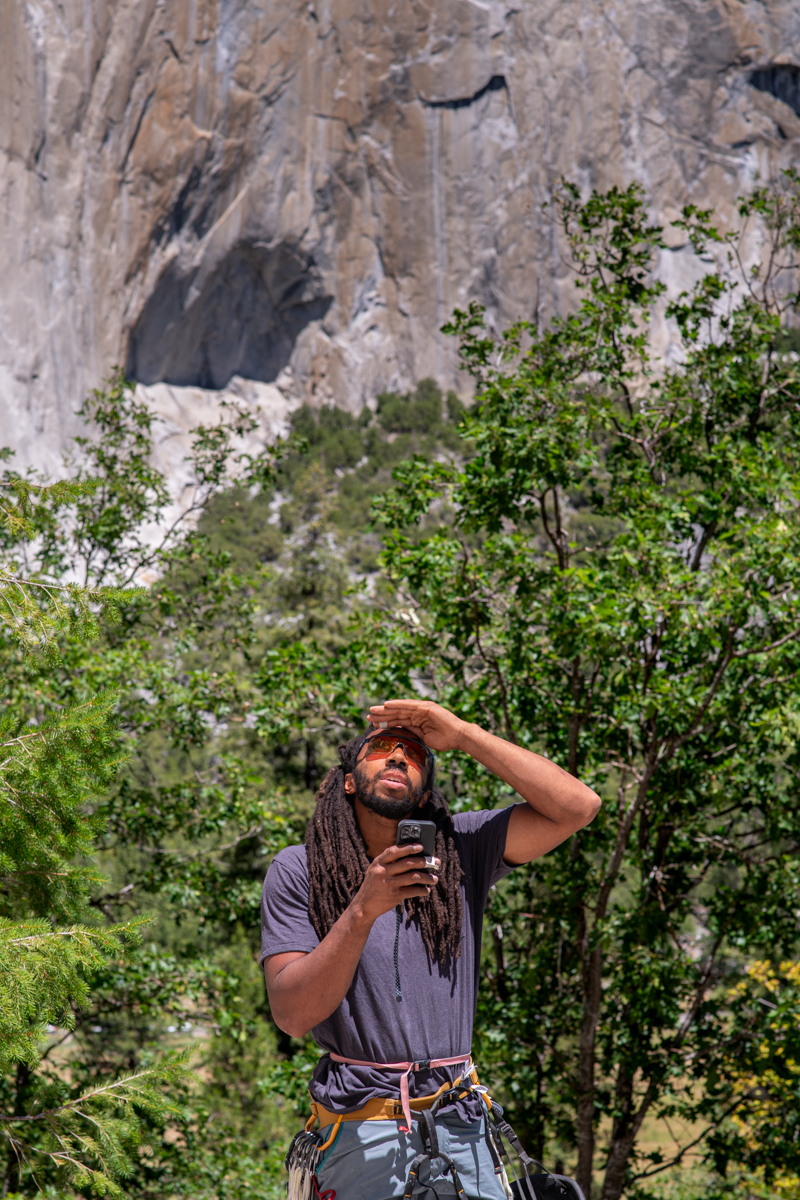
I met Ben at the Mountain Rambler Brewery in Bishop, CA last winter. We were both drinking water while our mutual friend had a few beers. By chance, I had an SLR and DSLR camera with me, and that sparked a conversation about each other’s practice. He invited me to his studio that following day where I got to learn about his fine art photography in addition to his incredible adventure photography career. Since then we’ve had multiple exchanges discussing various photography topics. And I can’t wait to see what Ben accomplishes in his fine art photography journey. I recently spent 5 days backpacking in Yosemite’s High Country with Ben, and it was my first time in the backcountry with a photographer of his caliber. It was a great time sharing techniques and photographing together, and a privilege to be out there with such an accomplished climber. Although I met Ben less than a year ago, I get along with him as if we were lifelong friends. I really appreciate his humility and authenticity, and I’m looking forward to more photography discussions and backcountry adventures.