Willie Maahs
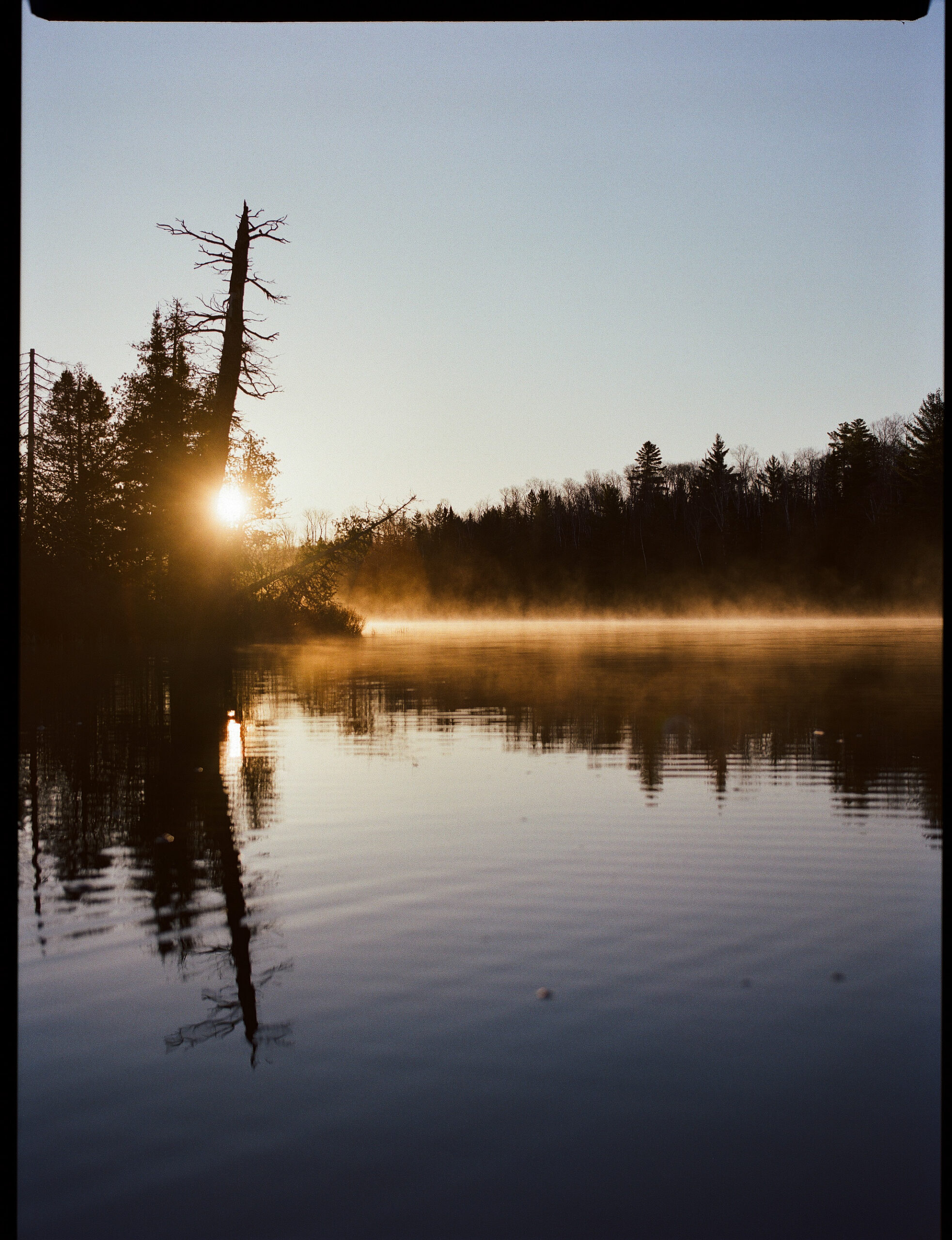
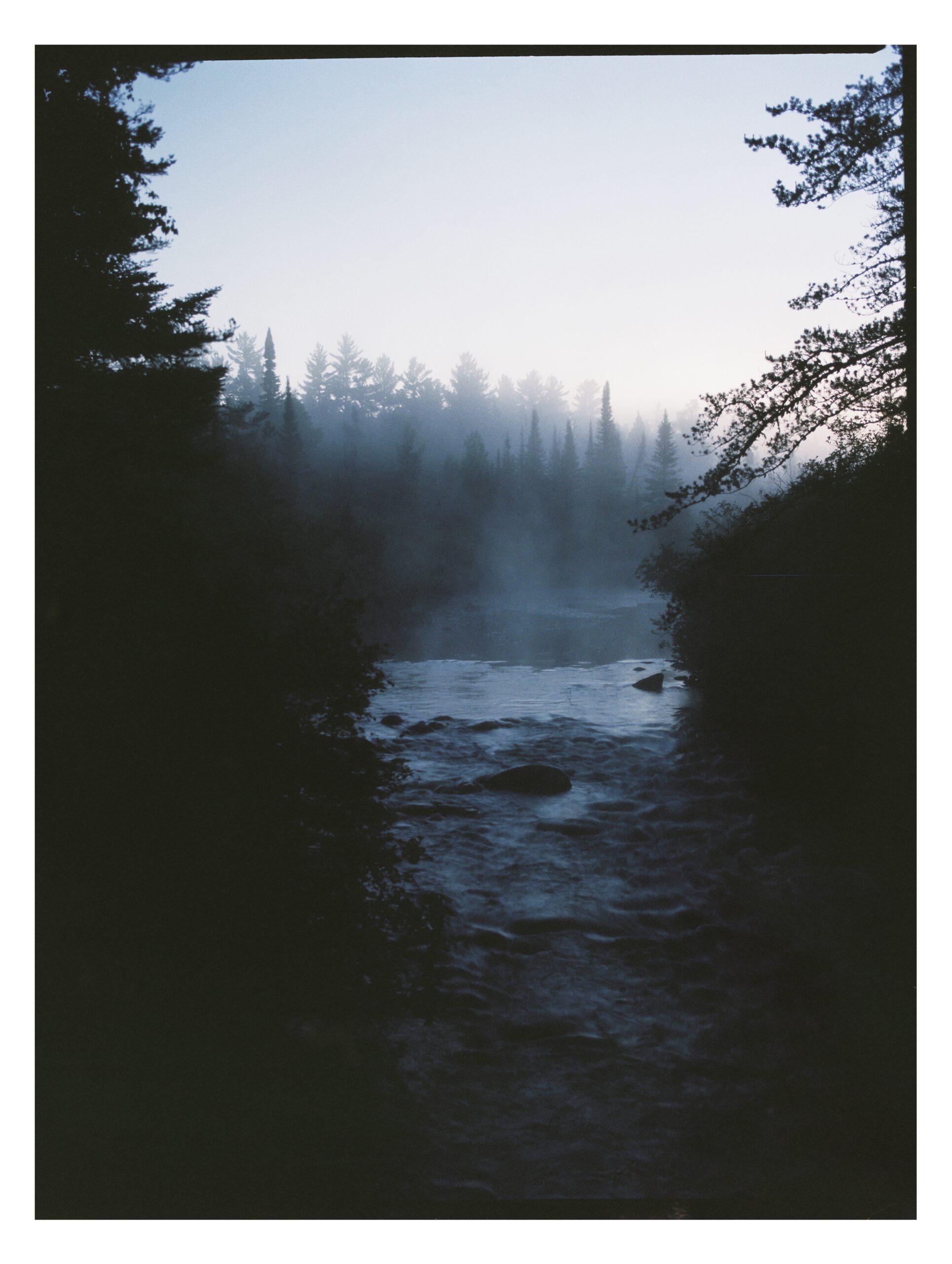
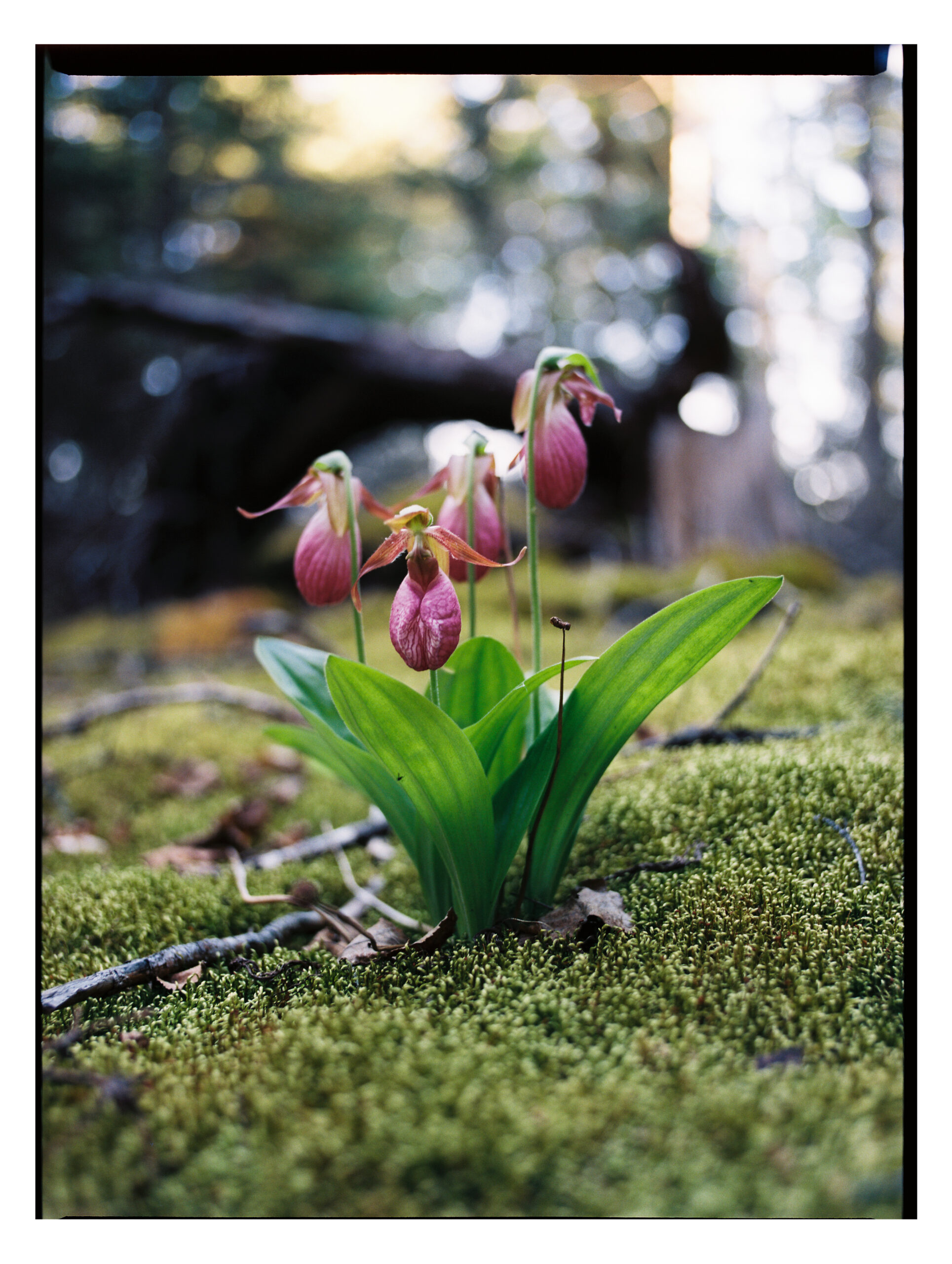
Heidi: You started with disposable cameras and now shoot 35mm and medium format. What changed about the way you see and compose photographs as your camera collection and experience have grown?
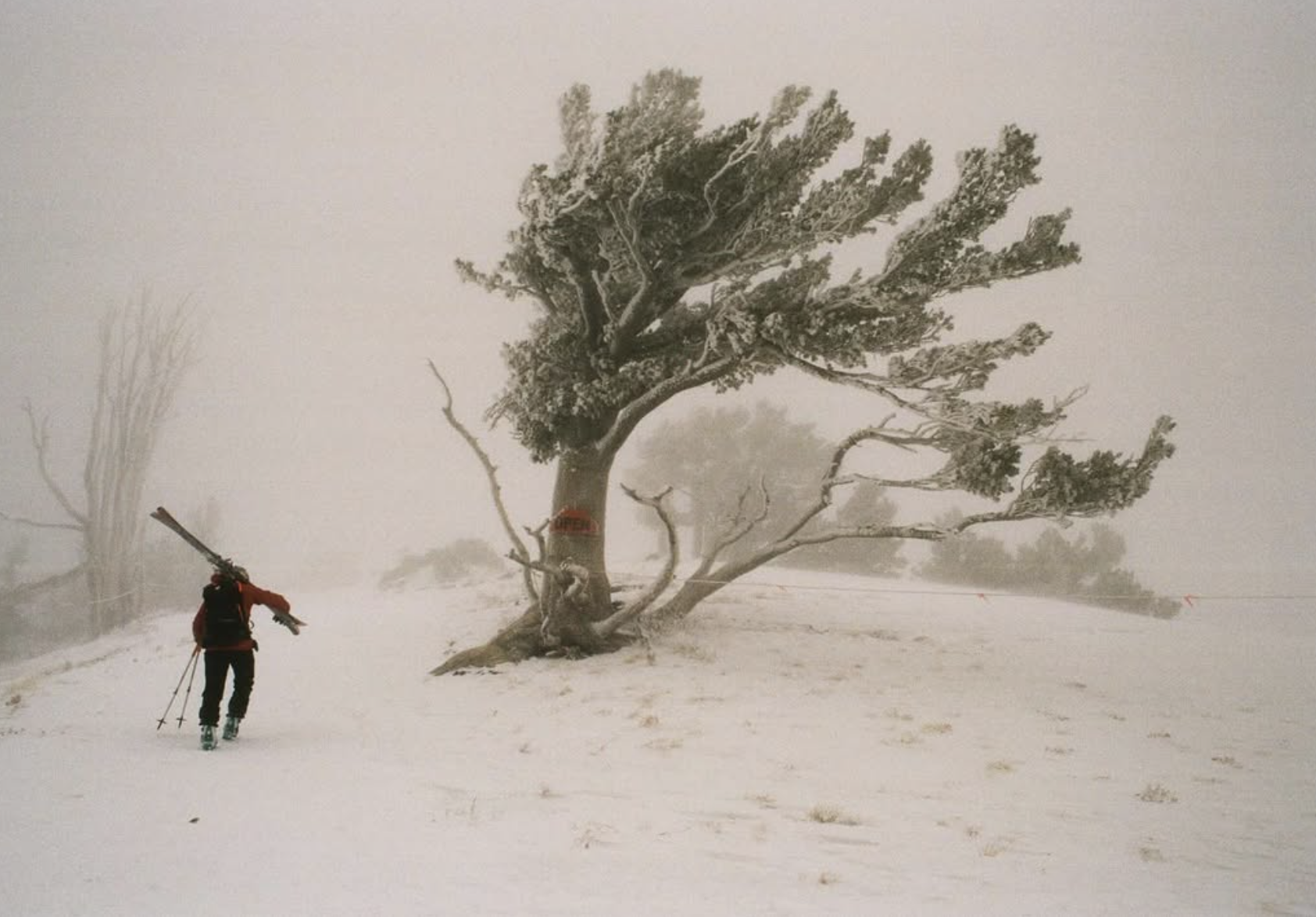
Willie: My photography started simply as a way to preserve memories with friends. I never sent anyone digital copies of photos from disposables until I either handed them the print in person or mailed it to them. I reserved disposables for vacations and special events and didn’t think too much about it. Then I moved to Salt Lake City to start ski patrolling in Park City. That’s when I started to carry a disposable camera at all times in my ski kit.
I noticed that so many ski patrollers had been working this job for decades and didn’t have any photos of themselves in uniform, and I wanted to make sure they had photos of themselves. Also, as a kid from the Midwest, I was enamored by the mountain setting and experiencing so many weather conditions and sunrises on the mountain. By the end of the season, I realized I wanted more from my photos, and my neighbor suggested I take their Canon AE-1 and give it a try. After my first roll I was hooked.
Expensive cameras just felt out of reach for me to take simple photos for a hobby, so film cameras were a great gateway for me. For many years before I had any defined projects or goals, my mission was to simply shoot one roll a month, about a photo per day.
Eventually, word got around the ski patrol community that I was a film photographer, and I started to get gifted cameras and lenses that people were no longer using. A lot of my camera collection is still these cameras that other people have given me. From there, it was a lot of trial and error; I still make mistakes and ruin rolls of film from time to time. There are always photos that are just in my memory because I misloaded a roll or dropped my camera and exposed all the film. Ultimately, I think each of these events has made me more aware and careful of each photo. I take the time to compose the first time perfectly and struggle to shoot the same scene twice.
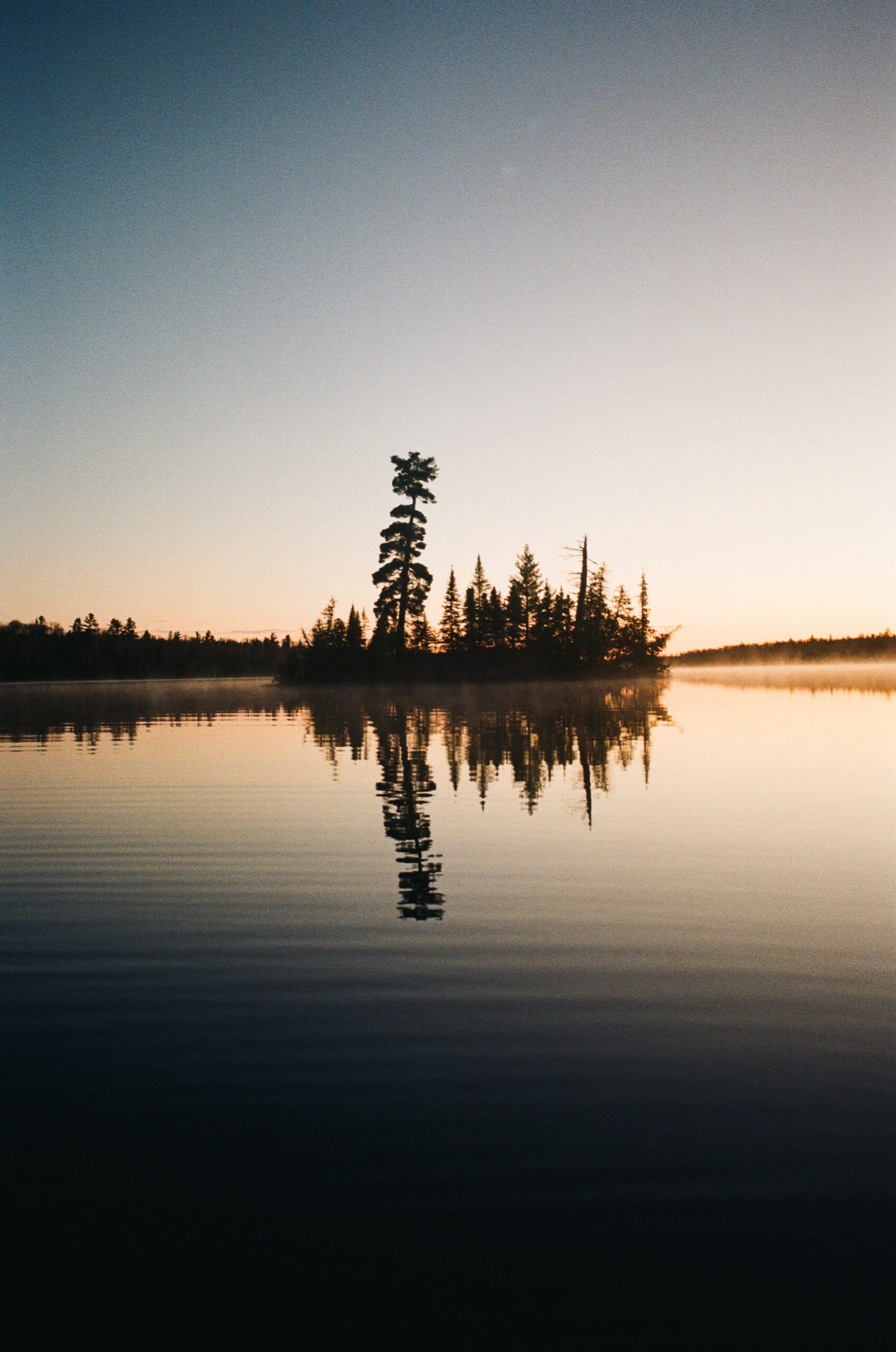
As my experience is growing, I am starting to pay more attention to optimal lighting and unique scenes that others don’t feel like putting in the work to get. I like to get far out in the wilderness and set alarm clocks to catch sunrises. From there, I go about enjoying my day and staying present in the moment. I’ll keep my camera on me, but photos are not the mission throughout the day. It takes a moment of inspiration for me to shoot.
Why film for the Boundary Waters?
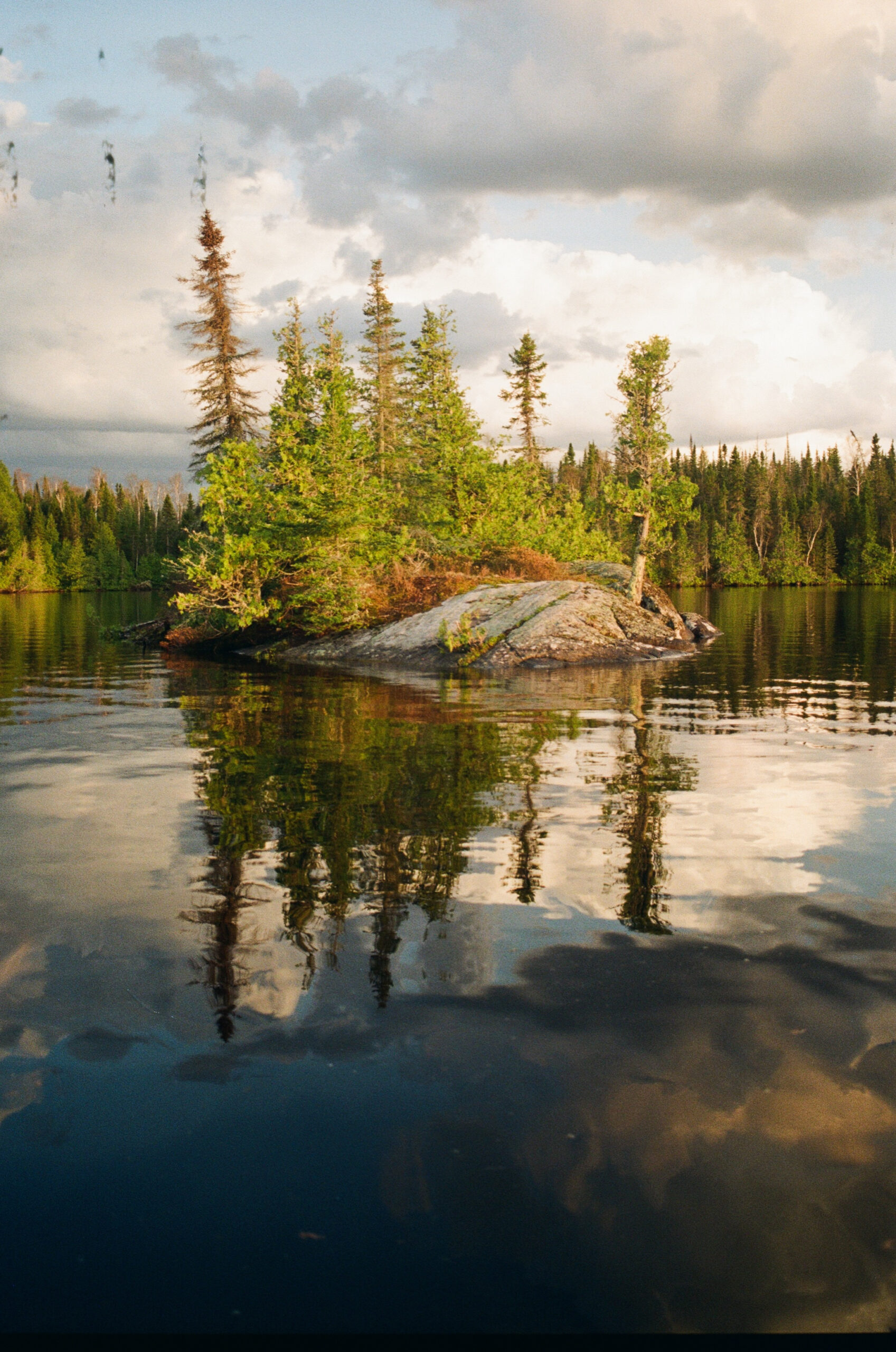
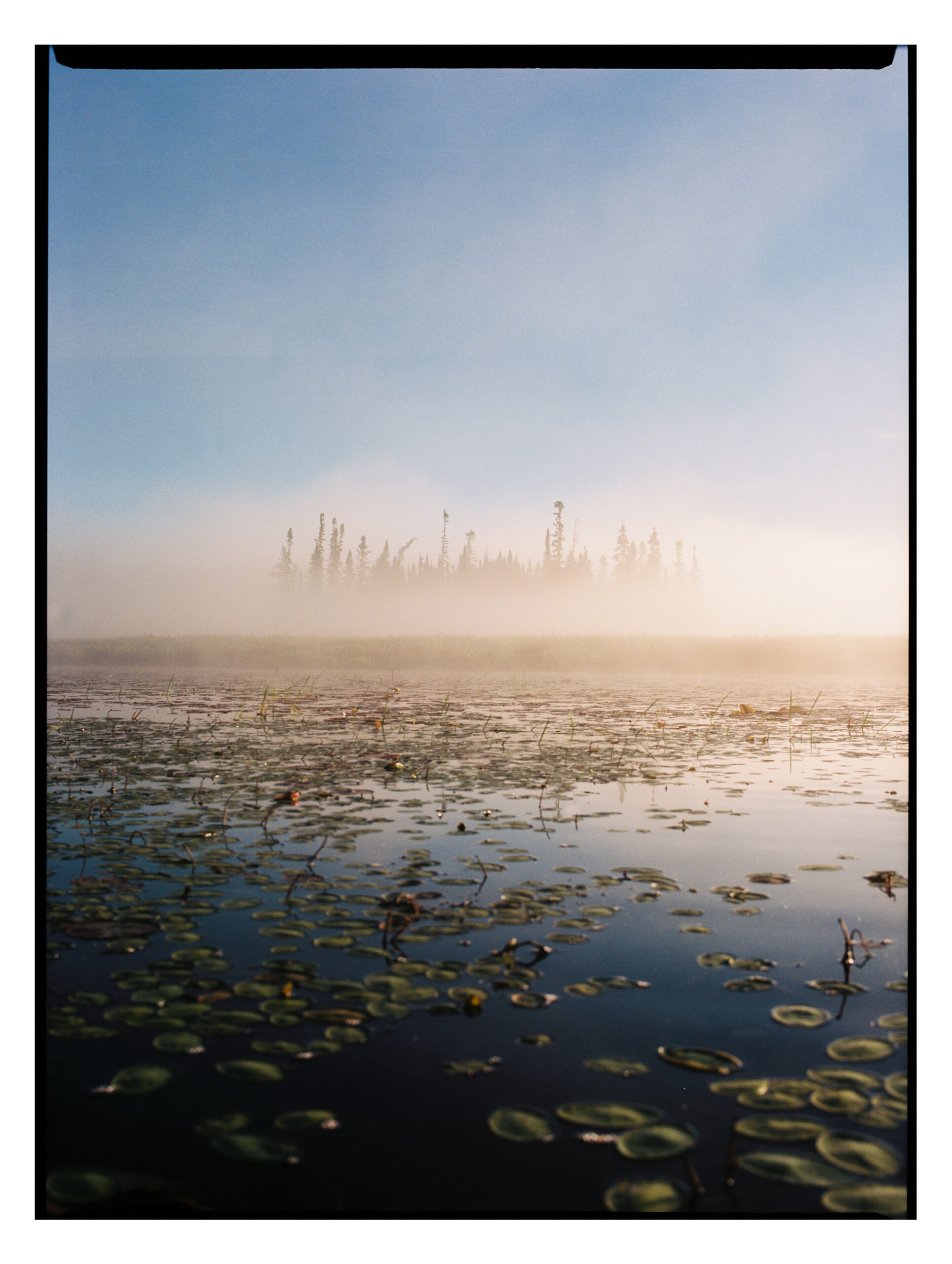
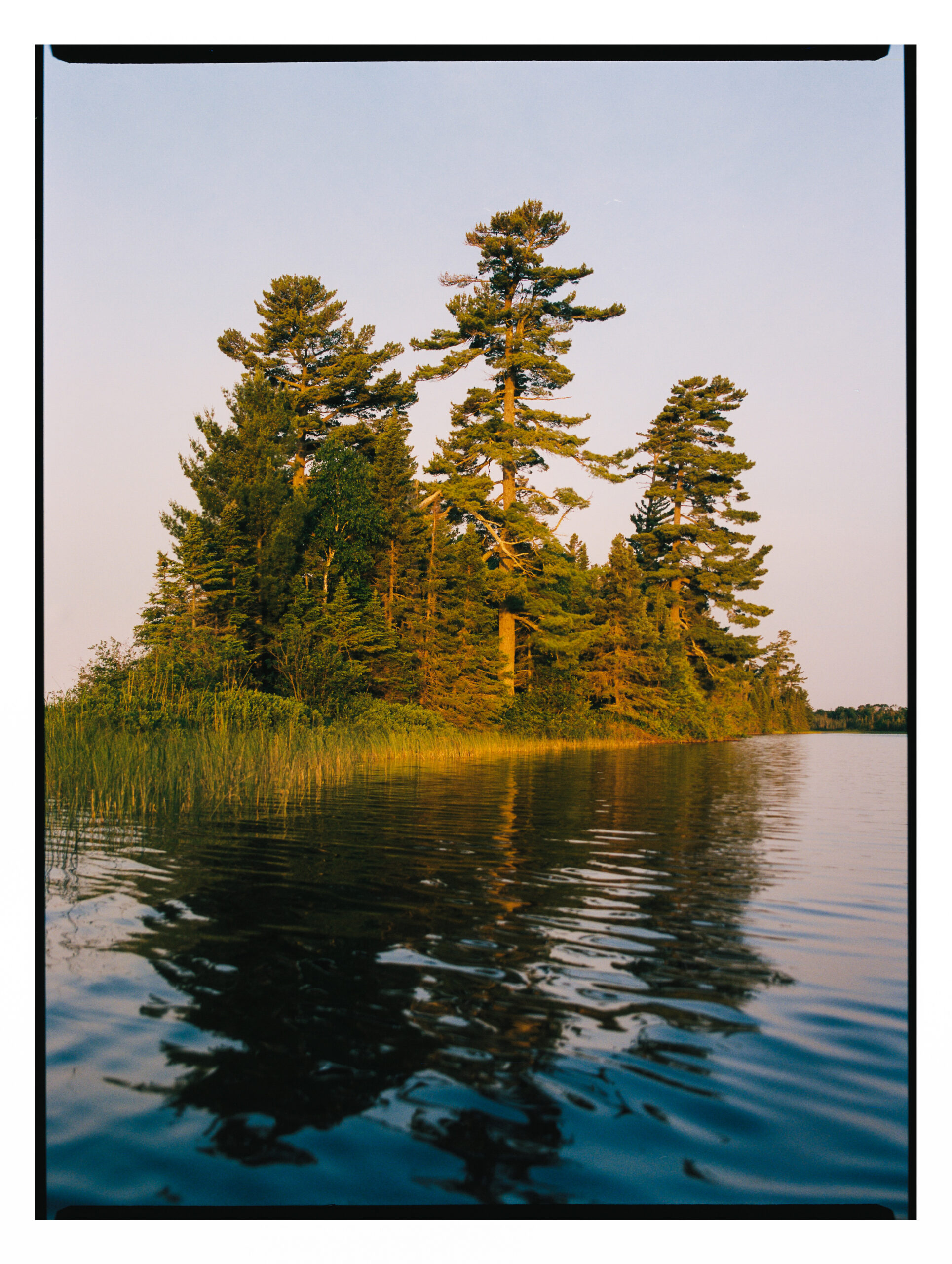
The Boundary Waters is a place that forces people to slow down and enjoy life along the way. To me, it feels like using film is the perfect medium to document this landscape. Sure, there is new technology, nicer cameras, and more megapixels, but that is not the point. The point is to experience the place and take a photo that accurately documents the mood, emotion, and feeling of spending time in the wilderness. Having a dedication to using film matches the mood with the environment that surrounds me.
How has your relationship with the Boundary Waters shaped your photography, and do you see your images as a form of advocacy for protecting public lands?
100 percent this project is a form of advocacy. Working as a ski patroller this past season in Utah, I was faced with a record-low snow year, and then Trump rescinded the 20 year mining moratorium. I was down in the dumps, but I wanted to change the way I felt about the situation; I wanted to take action. I knew how to take photos and publish books, so my thought was simply to spend the Paddling Season documenting life in the Boundary Waters to create a coffee table book.
I knew there were so many people that felt the same as I did and photography has the power to connect people to a place and moment in time. I try to take unique photos and give a true view of what paddling through this extraordinary part of the world is like. Oftentimes, cameras and phones struggle to accurately depict an experience in the Boundary Waters, which makes for a great challenge. How can I create images that are extremely relatable to those who have visited, and simultaneously encourage those who have never visited to want to protect the area? At times it can be very hard to photograph, and other times it is effortless.
There is a lot of time spent paddling and portaging heavy gear to get deep into the woods, followed by some extreme relaxation. It’s a place that sometimes makes you want to set down your gear and just enjoy the moment, deeply connected to the world and disconnected from society. That is when the best moments happen, and it almost feels like a sacred time that I’m not allowed to photograph. I think that’s why shooting on film feels more natural. I can take the photo, set the camera down and forget I was even there because of photography. A few weeks later, I’ll be transported right back to that moment when I see the first scans, the delayed satisfaction is such a treat in today’s world. From there I can show the rest of the world what the Boundary Waters is all about, and why it is so important we continue the tradition of maintaining this region in its most natural form.
Years from now, what do you hope someone looking at this photograph understands about the Boundary Waters, wildfire, and this particular moment in its history?
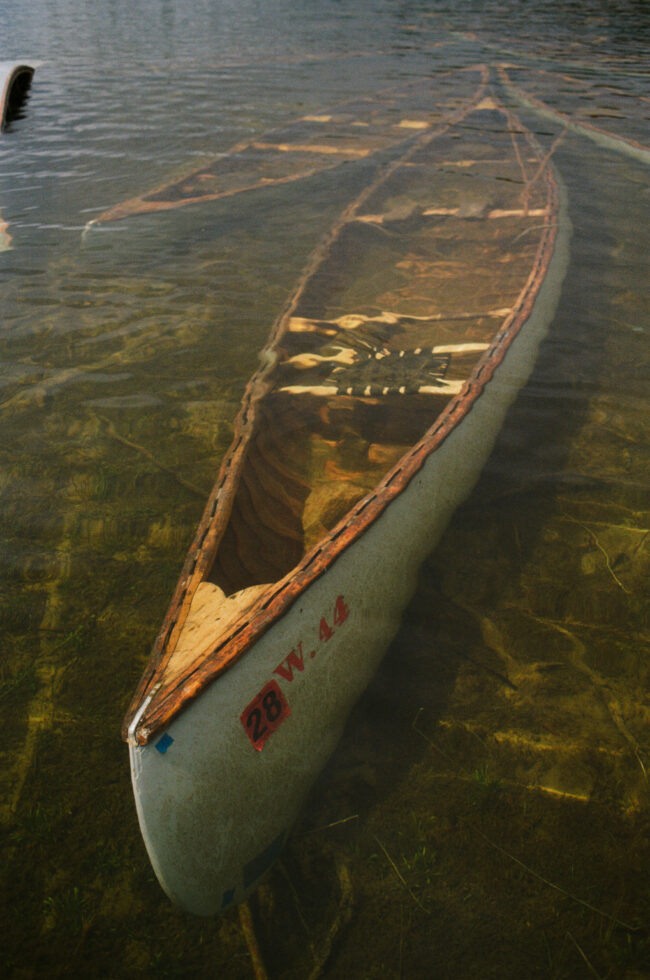
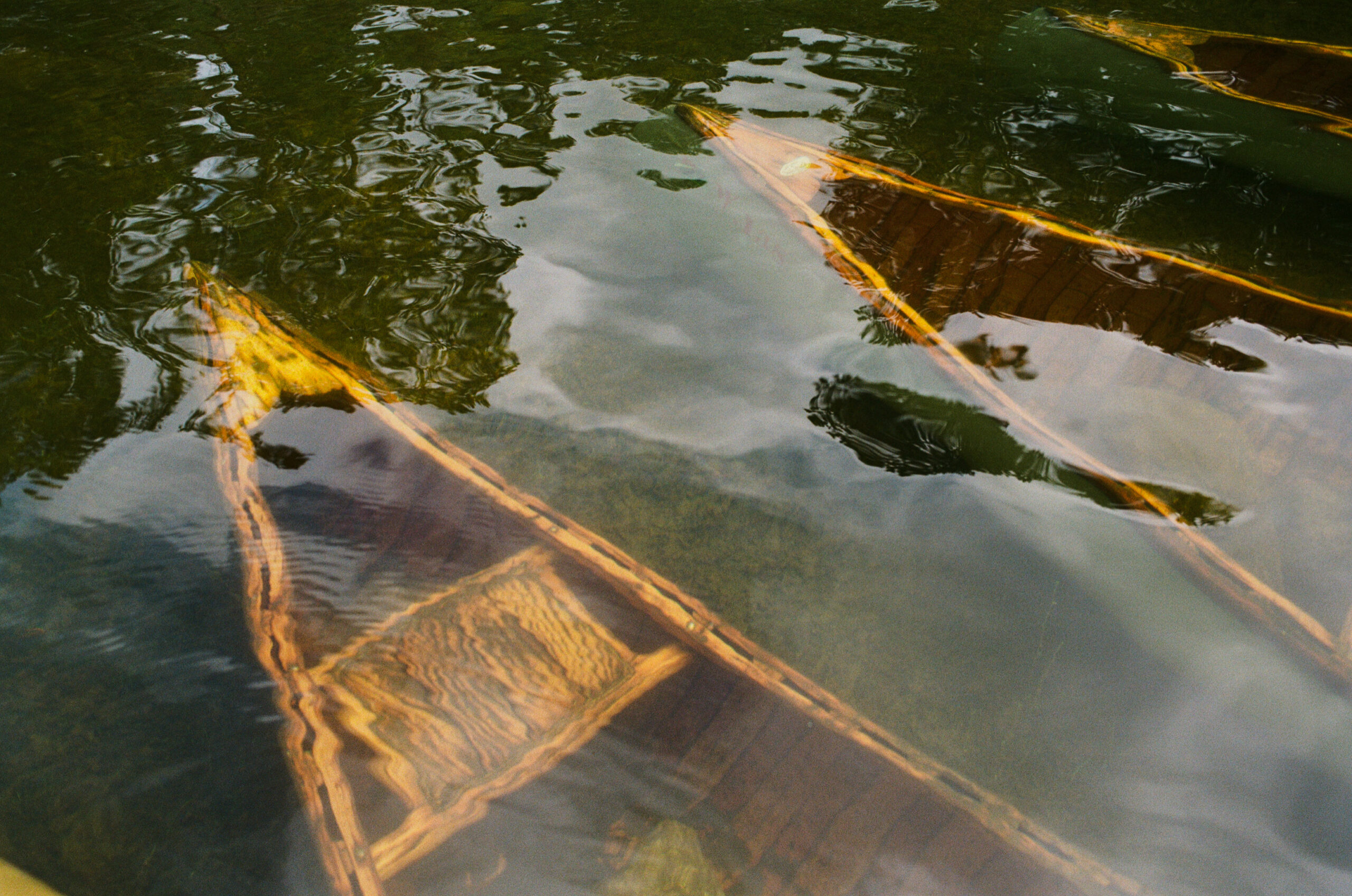
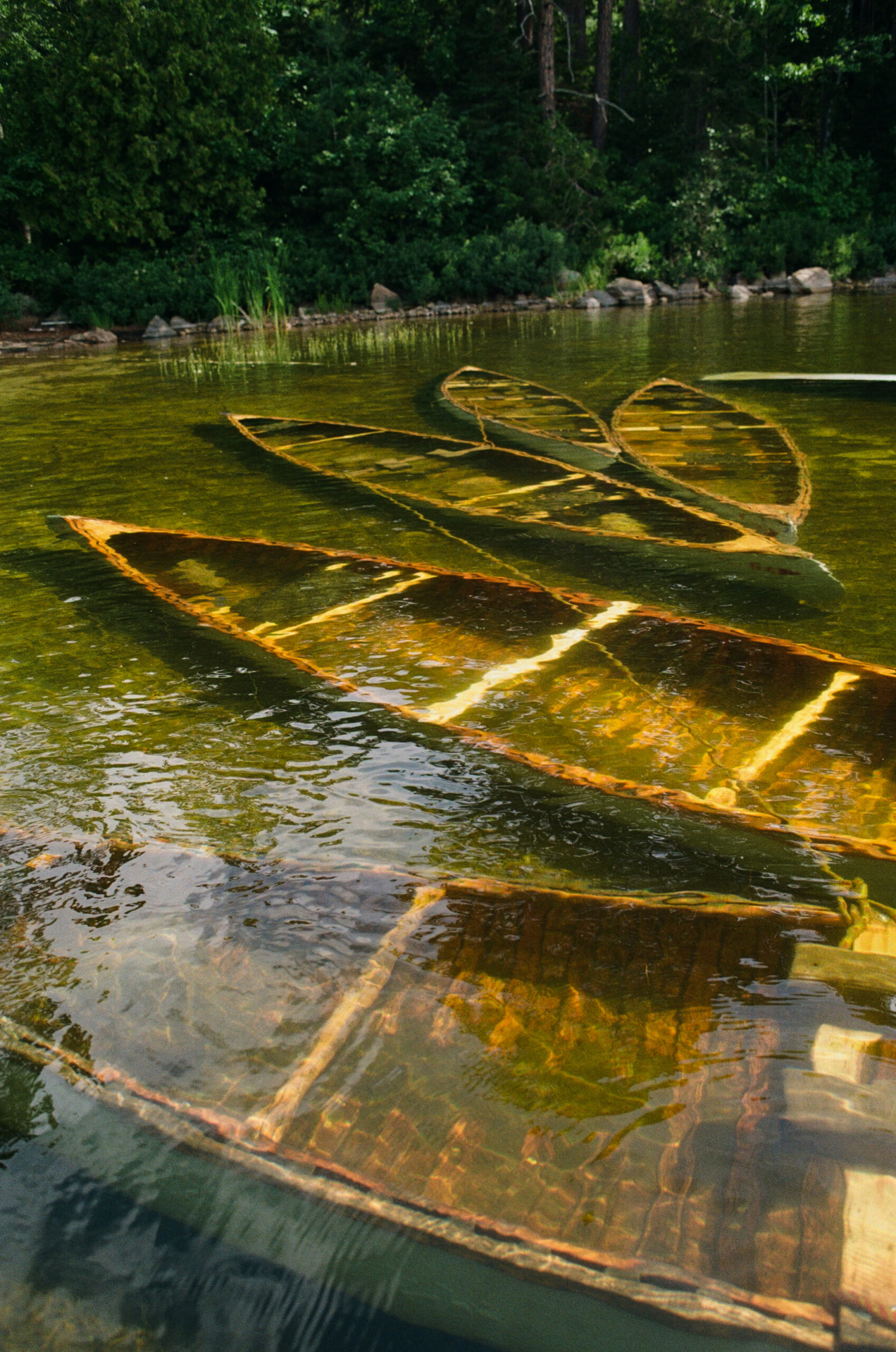
I think this photo represents generations of tradition. These canoes are part of the largest wood canvas canoe fleet in the world. Canoes are the way of the world in this region. Back in the early 1900s this region was exposed to logging, motorboats and cabins. The creep of human advancement was at play, but due to the hard work of conservationists, they turned the clocks back and made the Boundary Waters a wilderness area. Logging stopped, motorboats were mostly outlawed, and cabins were dismantled. Many people were forced to sacrifice their way of life, but the Boundary Waters was able to turn the clocks back.
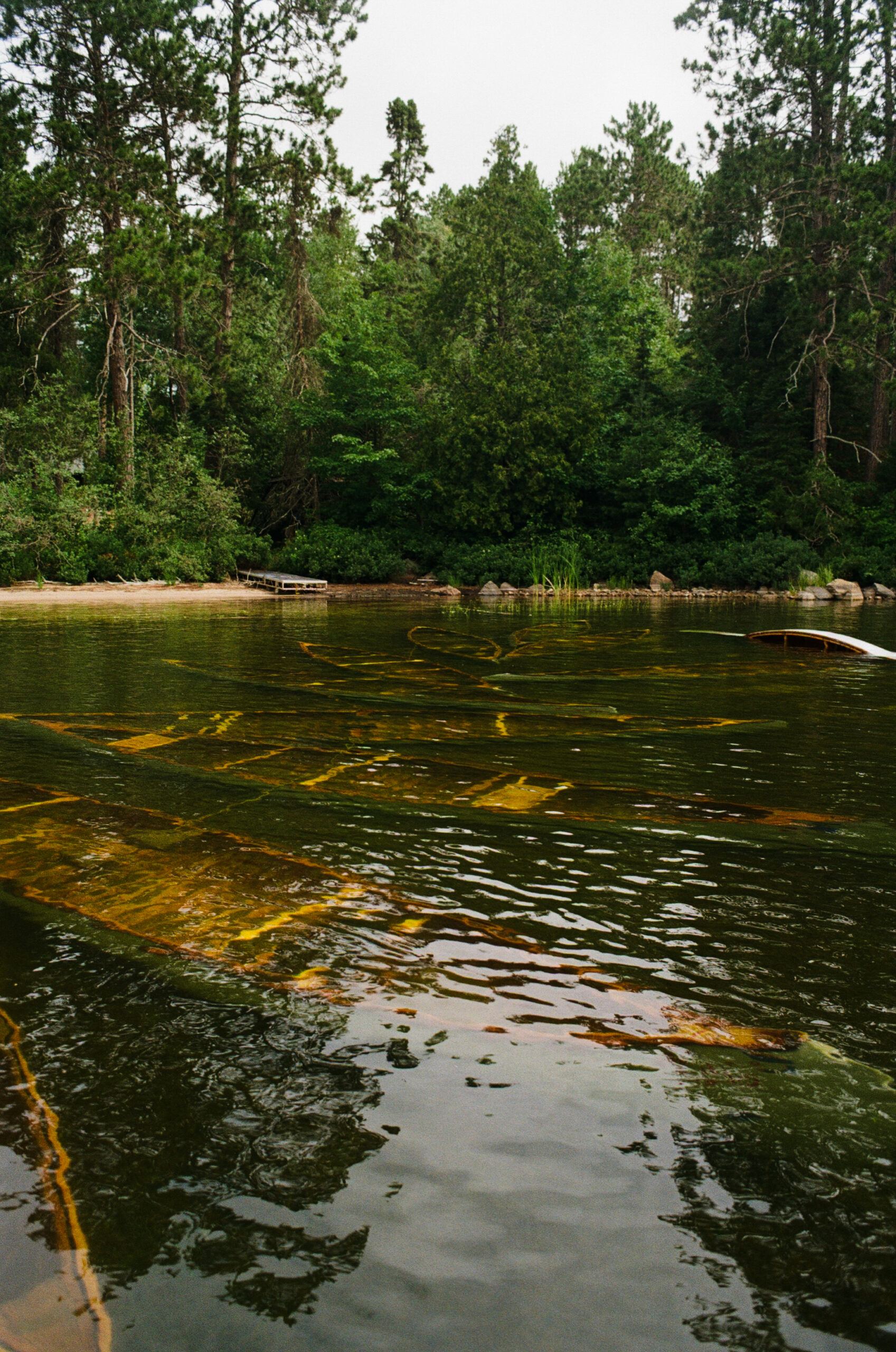
These canoes turn the clock back as well. With modern kevlar canoes, it makes portaging a lot easier. Wood canvas canoes are heavy and almost archaic, but they are traditional. These canoes have introduced thousands of people to the wilderness. Placing them underwater to protect them from forest fires shows dedication to preserving the tradition of canoe culture, so that things will remain that way even after a potentially devastating forest fire.
How did knowing why these historic canoes were underwater influence the way you composed and created this photograph?
I really didn’t have any plans to photograph these canoes. I saw a news article about the historic event and was in the area of Ely, Minnesota to document anything and everything about the forest fire. Just down the road from these canoes, firefighters were cutting protection lines through the woods. I was hoping to take photos of trucks and firefighters but ultimately got skunked, so I went down the road and thought, “well I can’t walk away with nothing.”
I figured I drove all that way and I should probably see what the canoes looked like at the very least. It was slightly overcast so I didn’t think it would make for the best photos but I made the short paddle over in my canoe. Without gear my canoe only displaces an inch or two of water, which meant I could float over the entire submerged fleet of canoes. It felt so of surreal to paddle over them. I felt a little silly because I probably could’ve gotten out of the canoe and stood to get these photos in just a foot or two of water, but for some reason it felt intrusive to the scene. After all these were not my property, but floating over the top of them felt like a shipwreck. I end up doing lap after lap of letting the wind push me around and trying to capture the right combination of lighting and ripple on the surface.
How many other photographers were there, and how did you know about this?
I was alone in the water; not a soul was around, as the entire area was under a “set” evacuation order. The camp was empty in what would normally be a bustling time of the summer. The news article showed drone footage but I thought it would just be a moment in time that deserved to be documented.