I first came across Sara’s work while reviewing the ICP Documentary Practice program, where she was a Paul Fusco Fellow. With a background in craft design, art history, and social anthropology, and photographic training at Centro de la Imagen in Mexico, Sara brings these disciplines together in a practice rooted in place, memory, and inherited knowledge.
Sara’s work has received international recognition, including a 2024 finalist nomination for the Leica Oskar Barnack Award, and has been exhibited at the Ernst Leitz Museum and BASE Milano with PhotoVogue, among others. We caught up with her about her project, Calling the Water, its roots in her family and Tlaxcala, and how photography can become a way to listen to knowledge carried across generations
Heidi: What drew you to the history and practice of the graniceros (traditional Mexican weather shamans), and how did it become the foundation of this personal project?
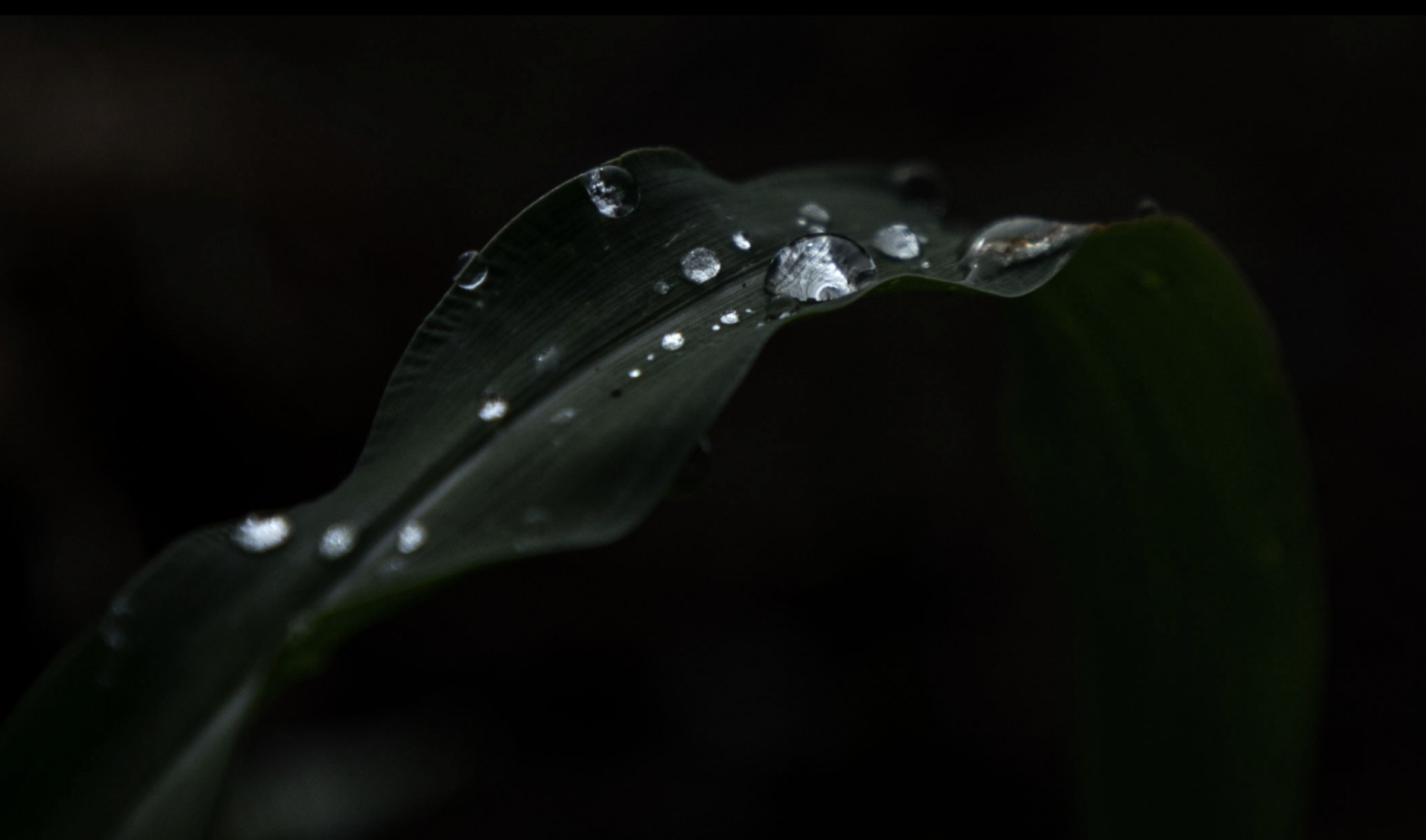
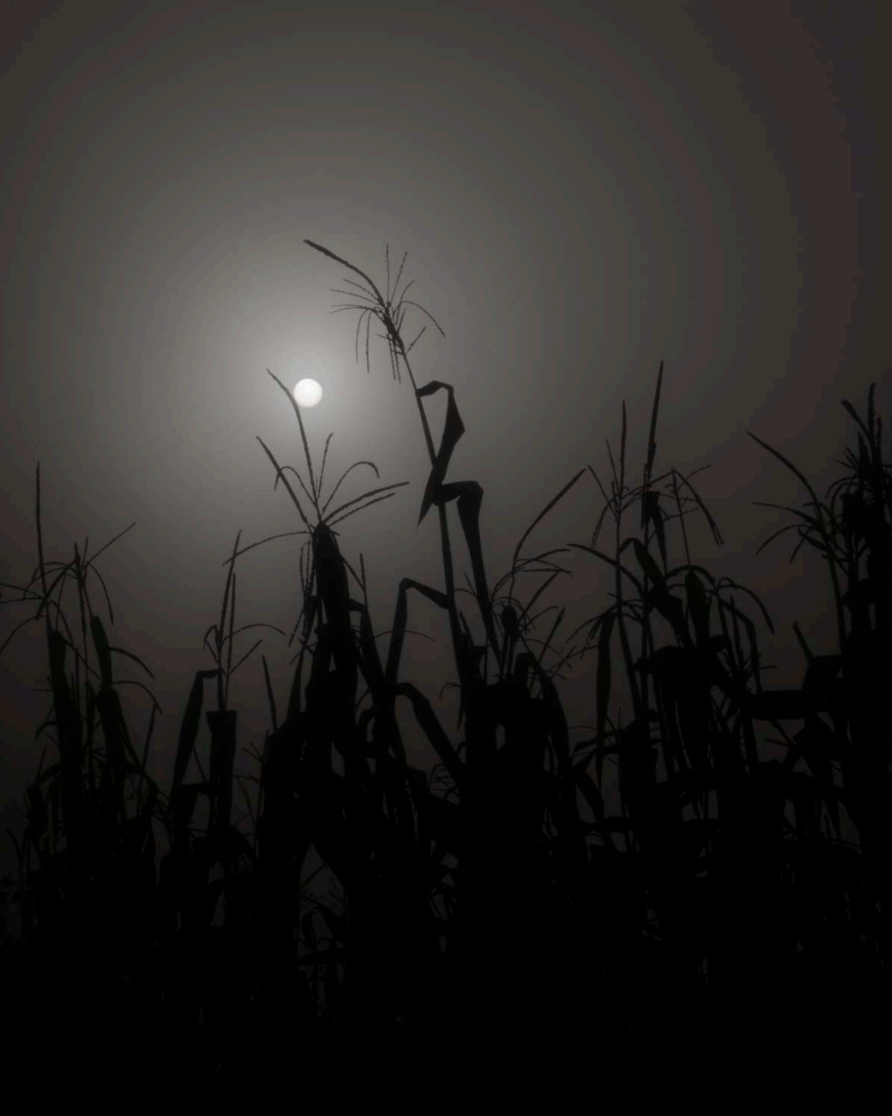
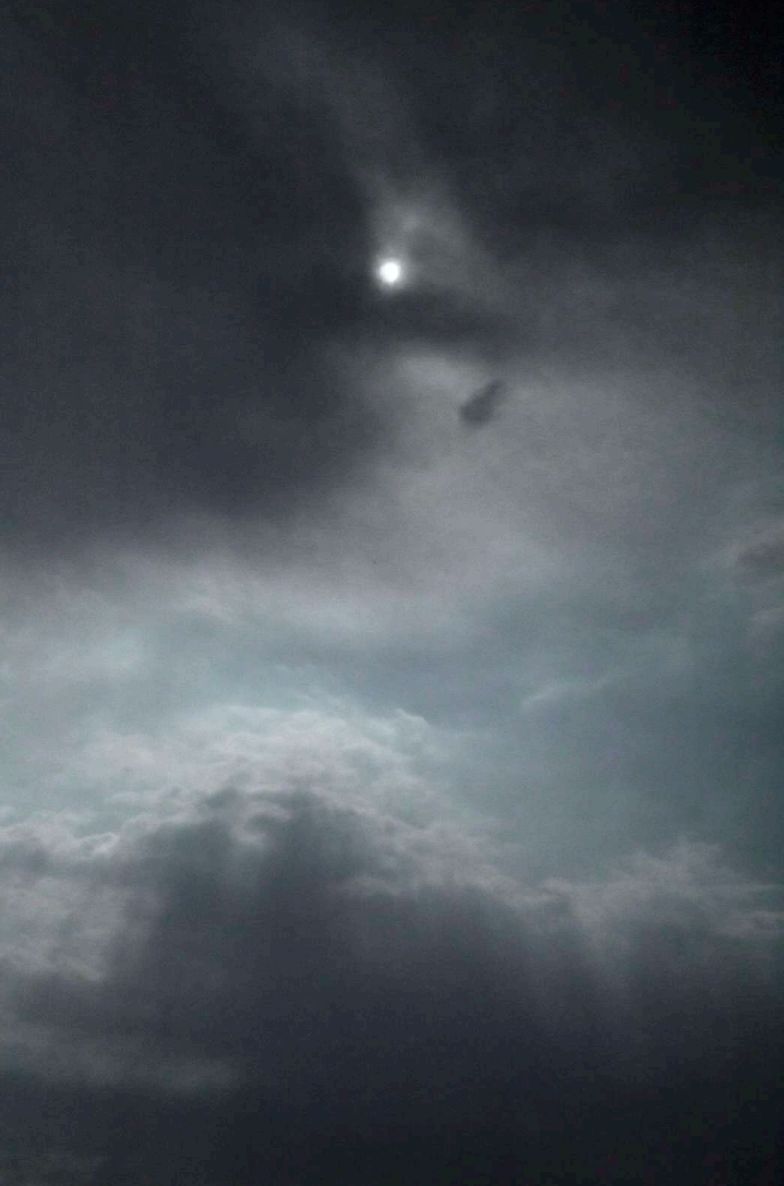
Sara: My first sense of curiosity about the practice of the graniceros emerged when I was a child. At the time, I had a teacher whom I studied with for several years. One day, he told me that, in order to keep it from raining, he would stand among the magueyes (a type of agave plant that is sacred in Mexico) to scare and scold the clouds. That story stayed with me from then on. I wondered restlessly: could it be real? Did he have some kind of special power?
Over time, through the stories and practices within my family and in the region where I grew up, I came to understand who the graniceros were, what their work involved, their abilities, and their importance.
How has your relationship to your Nahua heritage changed through making this work
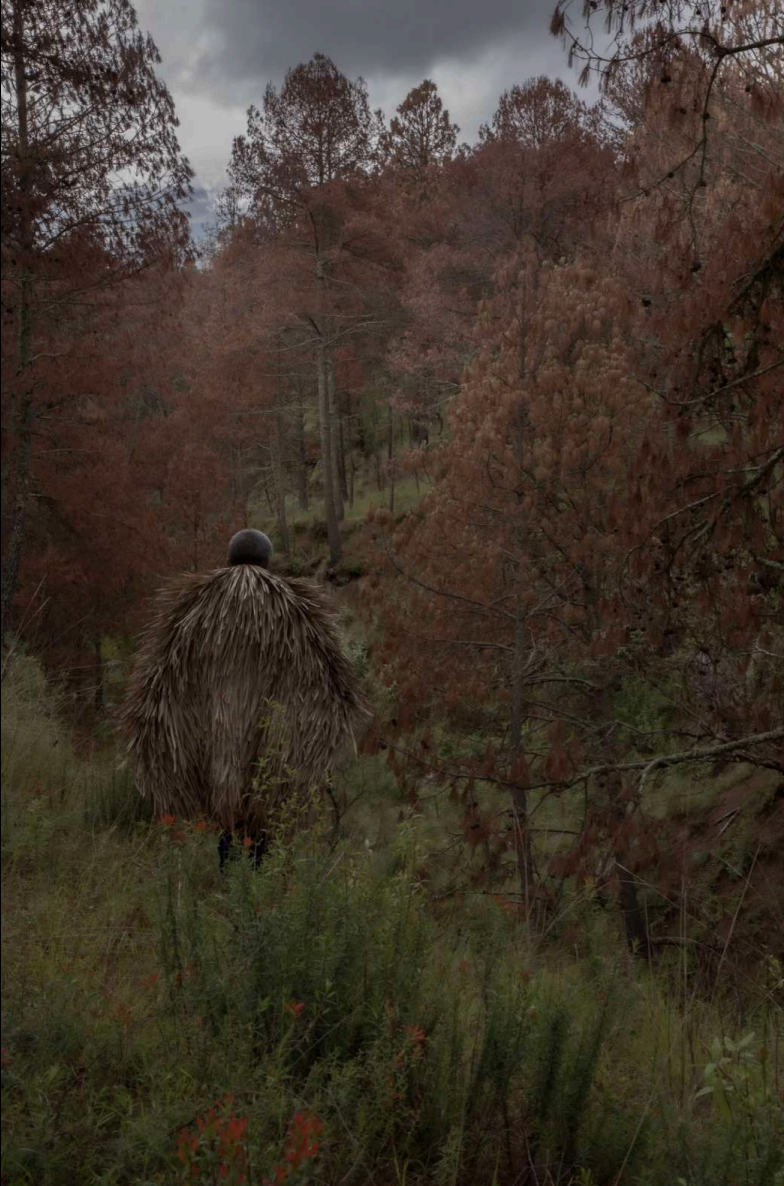
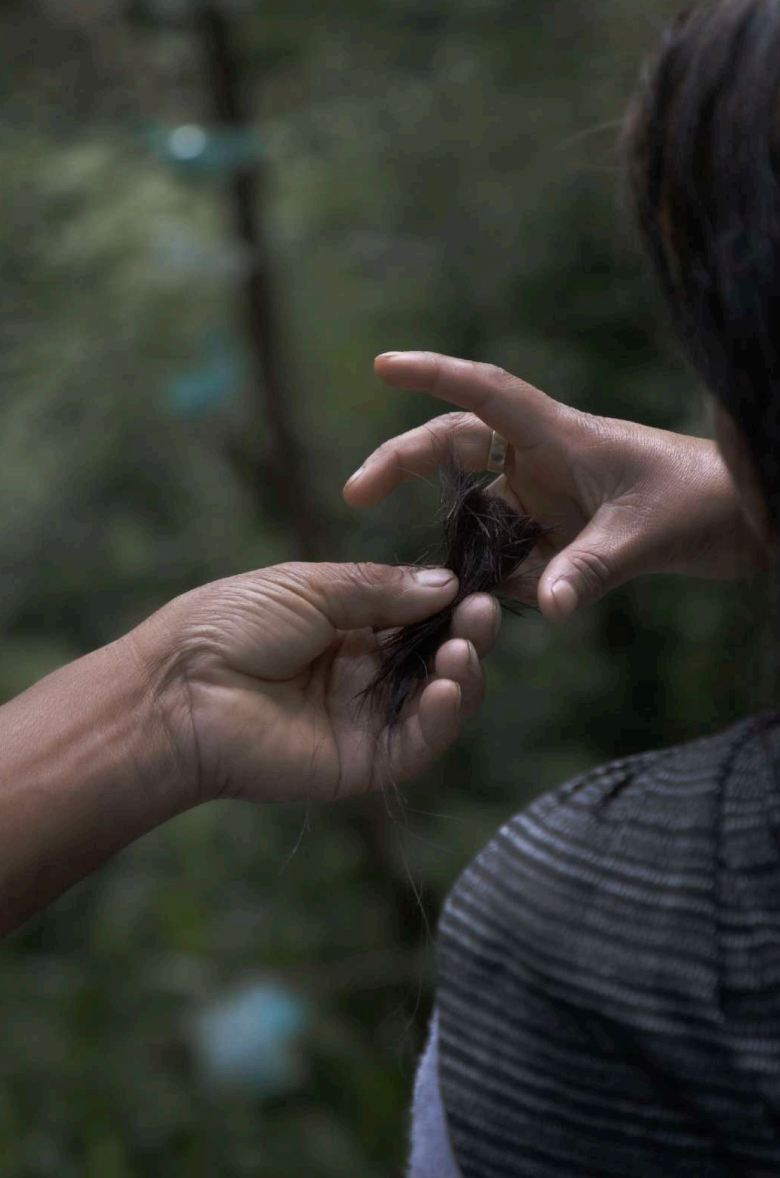
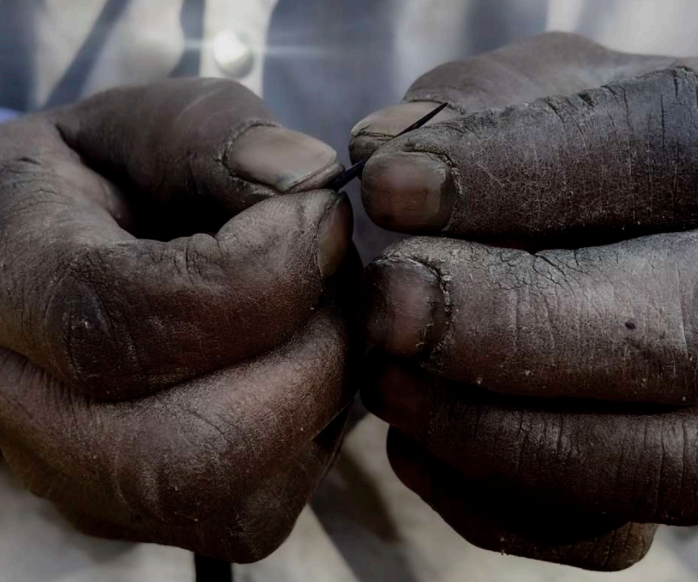
During the development of this project, what has undoubtedly surprised me most is discovering that there was also a granicero in my family. Connecting with the memories of him carrying out his work, his movements, what he wore, and the conditions in which he was seen working, is very important to me. This series explores not only something external, but also a family memory.
How do you decide when an image should is documentary and when it should move into a metaphor?
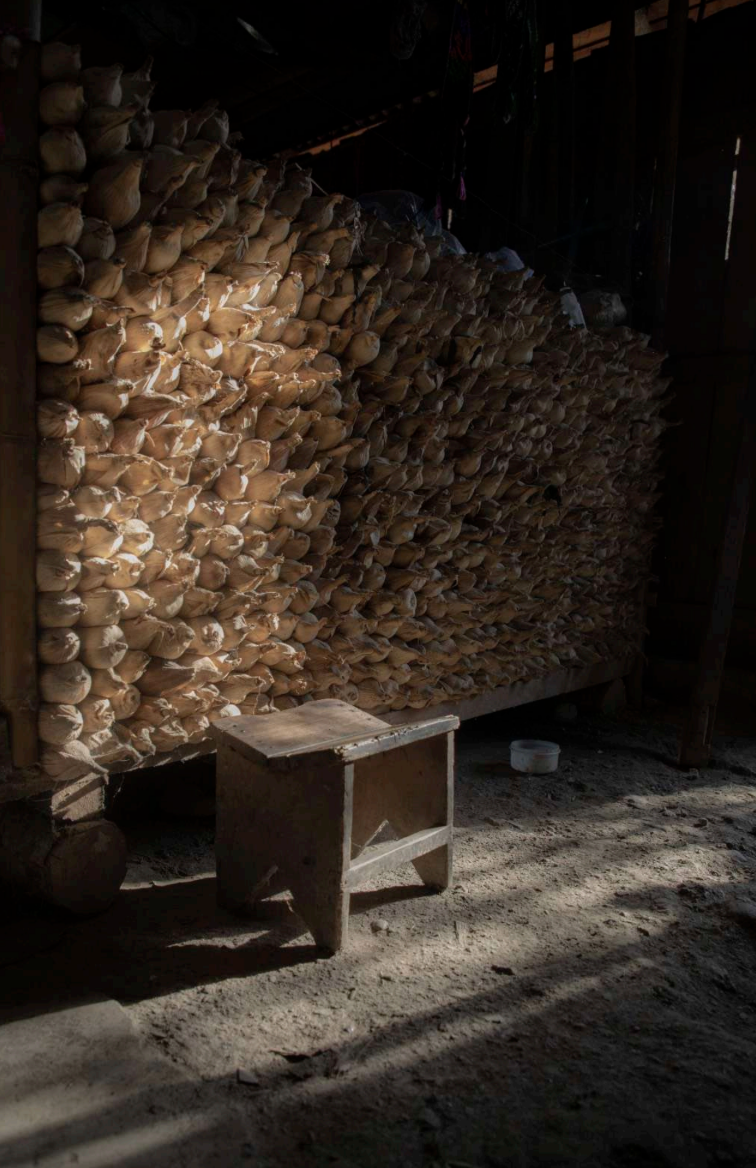
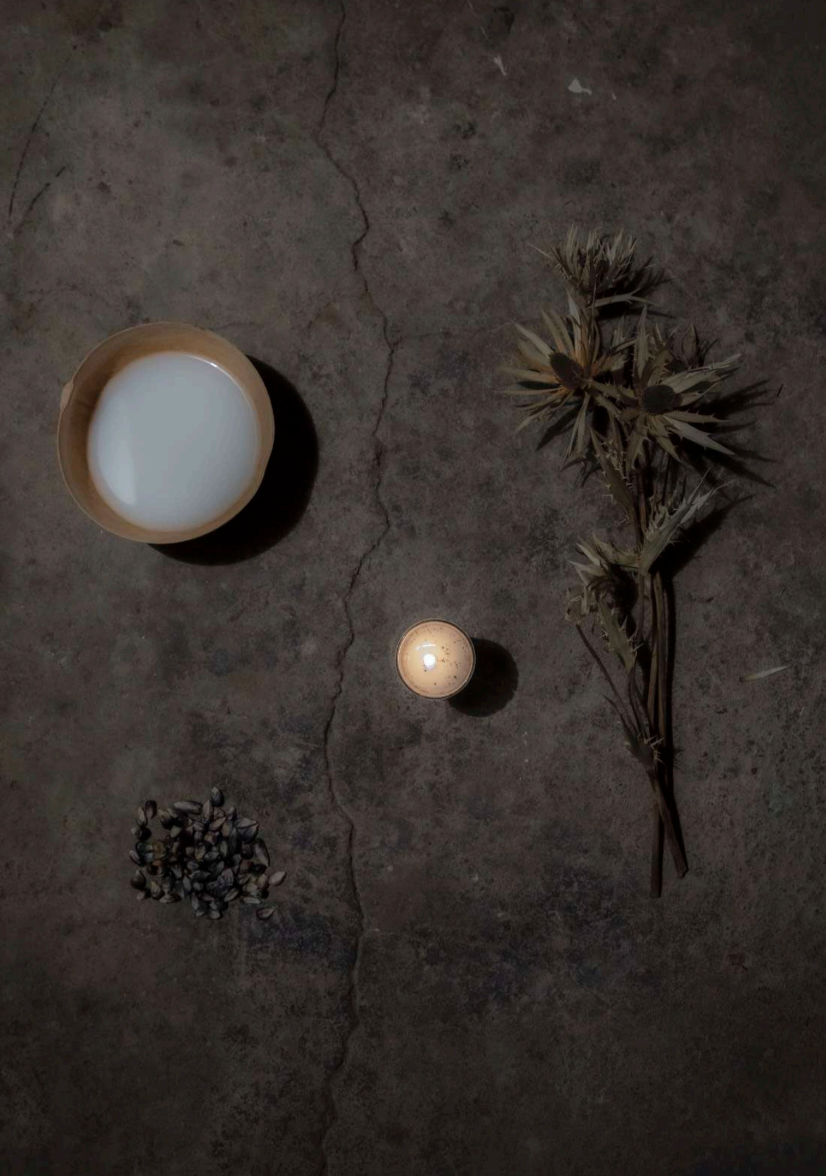
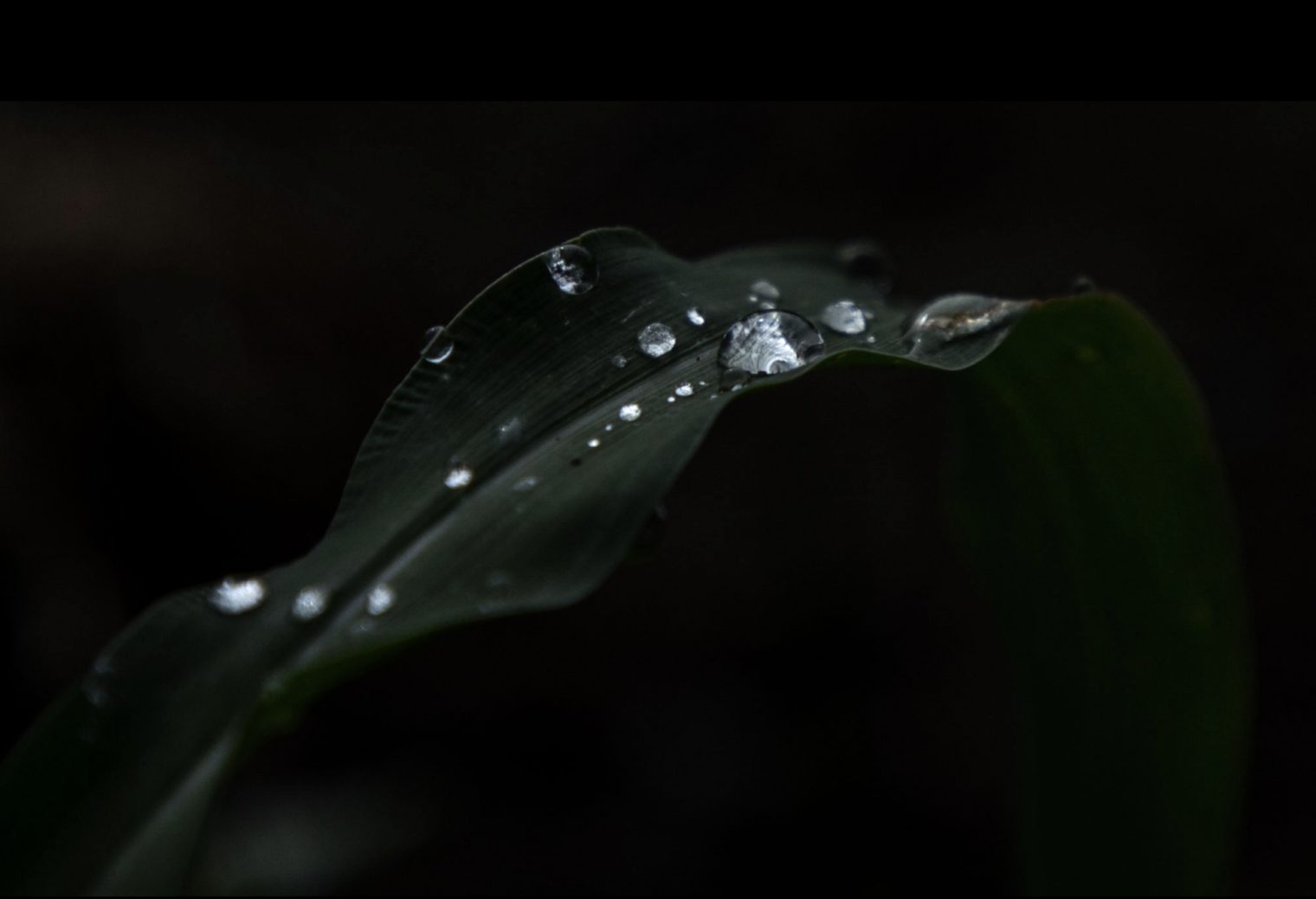
For me, an image remains documentary when I am trying to make something visible: a problem, a discovery, something that is real and deserves to be reflected upon or confronted. When what I want to communicate is emotional, intangible, magical, or symbolic, I think it is necessary to evoke it through the construction of environments that make it perceptible within the image.
What memories from your family shaped the direction of these images?
I feel that, since I was a child, I grew up speaking about these things very naturally with my family: from practices for scaring away the clouds, to the communities I spent time in, where people would set off fireworks to prevent hail from falling, and to speaking of graniceros and their work as simply another kind of “job”.
It was only when I grew up, as an adult, that I realized this way of relating to the weather is “different” from the way many societies do. The memories and conversations with my family live within this series, from its original intention to the images and the thoughts behind it.
What do you hope this work illustrates in the context of our climate crisis?
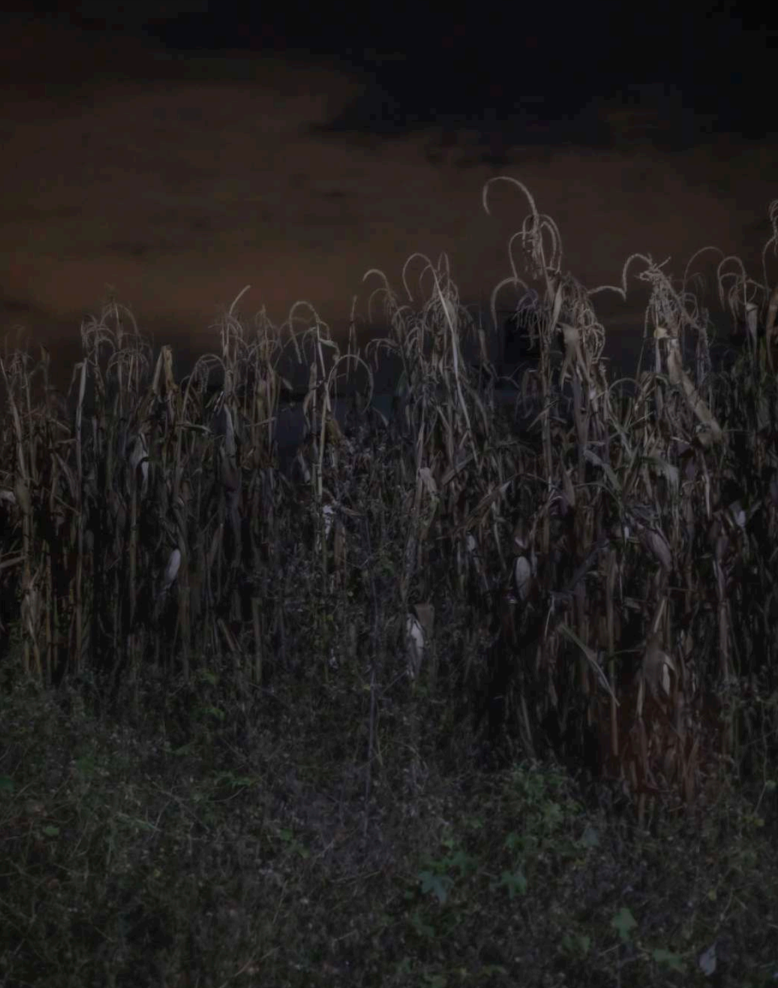
I think that in the geography where I grew up, a sensitivity and connection to nature is still very evident. But I am surprised to observe how, in some cities, people are very disconnected from non-human lives: animals, plants, light, humidity, wind, and so on.
People live without stopping to feel, but it is not only that. There are also their consumption habits, from the amount of water they use to clean something, to living surrounded by plastics, or living a life in which they have never planted a single tree.
I am interested in the possibility that this series might provoke, even if only for a moment, a pause in the face of that disconnection.
No comment yet, add your voice below!