Lead photo by Joao Canziani
Confidante
Angie Smith
Heidi: After 25 years working in photography, what inspired you to launch Confidante, and what gap did you see in the way creative teams find images? Tell us about the name, too.
Angie: I moved to Mexico City in late 2022 and that set off a number of monumental life changes. I moved to an entirely different country, got married and then helped my husband beat cancer. Before moving to Mexico, I had been an editorial photographer for about 20 years in the States but was starting to feel this inner desire to explore my talents outside of photography. I didn’t want to stop being a photographer; I never will, but I felt the industry slowly crumbling beneath me. Coupled with moving to another country, I questioned how sustainable the career would continue to be.
When I moved to Mexico, my husband and I doubled down on the food tour company that he started in 2019 called Taco Mensch. I helped him take that business from a single Airbnb experience into a full-fledged company with our own booking platform and brand identity, and then watched it grow exponentially. I realized that I had another talent: I help creatives and entrepreneurs take the seed of an idea and grow it into a substantial business. At first, I thought this would be a creative consulting business and that’s how I first came up with the name ‘Confidante.’
A few months later, I was contacted by a recruiter about a major photo research job for a foundation. I hadn’t done a lot of it since I was a photo editor in the early 2000s, when I was an Associate Photo Editor at Men’s Journal working under Rob Haggart. I loved working with Rob on cover and feature stories about legendary climbers, surfers and historical events in the adventure world. I would spend weeks researching images to support the story. There was something about the challenge of finding a needle in a haystack that I couldn’t get enough of. I got a lot of pleasure out of turning over every rock and the satisfaction of finding an amazing photograph was unmatched.
That first research job reminded me how much I enjoyed doing research. In the last 5 years, I learned firsthand that many ad agencies and companies are leaning on pre-existing imagery versus commissioning shoots. And the reality is, there are so many amazing images out there. They are just hard to find. I realized that there is a gap in the industry and there is a need for the role of a researcher.
As a photographer, I know this from the inside. I have stacks of hard drives full of great work, and so do all of my colleagues. There are plenty of stock agencies, but very few have work that feels authentic, and images can start to look dated fast. Submitting to stock is also tedious, and most photographers can’t keep up. The simple reality is that to find amazing pictures, you need to know where to look, and you have to personally reach out and ask people what’s in their archives. Confidante exists to be that go-between: the hunter and the messenger.
You’re both a photographer and an experienced photo researcher. How does your own photographic aesthetic influence the images you seek out? Is finding the right photograph as much about having an eye as knowing where to look?
My aesthetic is layered. I studied photography at Bard College under Stephen Shore and Larry Fink, so my foundation is in color, large format, and an artful documentation of American culture. On top of that came years working at magazines in New York. Men’s Journal opened up the world of adventure photography to me, and 25 years of working with magazines, as a photo editor and a photographer, gave me an editorial sensibility. Having both means I can recognize beautiful work and work that’s right for a story.
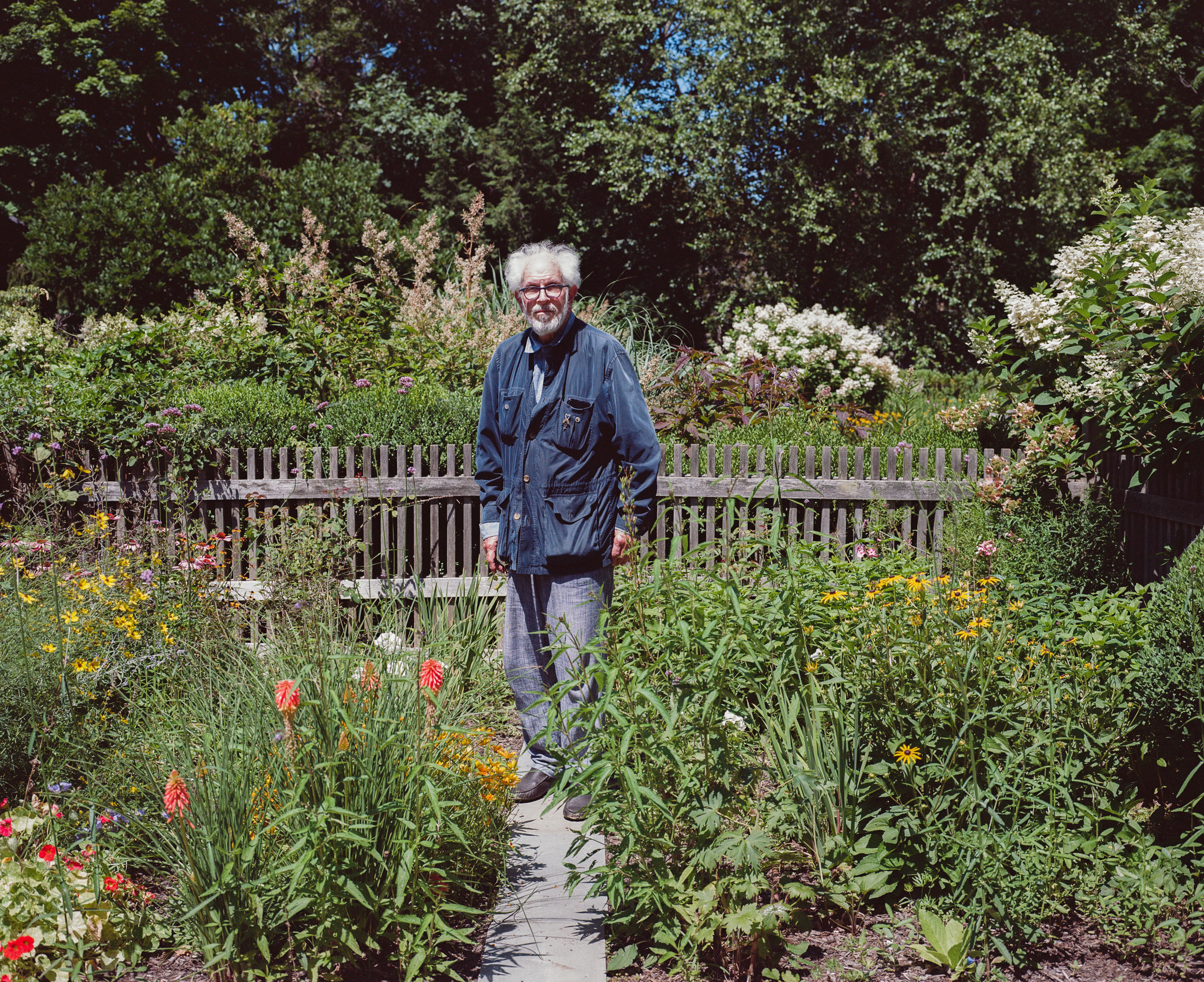
My recent portrait I took of Stephen Shore at his house in Tivoli, NY in July 2026 which represents my history and my aesthetic and how it developed.
And yes, finding the right image is as much about having an eye as knowing where to look. It comes from years of looking at and studying images, observing what photographers are shooting, remembering the personal projects of colleagues, and making my own work. You have to be able to recognize images that have a point of view and bring something interesting to the table. When you’ve worked with different magazines and clients for 25 years, you can quickly put yourself in the shoes of that photo editor, magazine, or company and immediately understand the aesthetic they like to publish. That’s a huge part of it.
Sometimes the subject I’m searching for is really literal, and sometimes it’s very metaphorical. With those searches, you have to think like a photo editor, figure out how a photograph can represent an obscure concept, and then find a great image that isn’t in a stock agency. That’s challenging, and not everyone can do it.
So much of your work involves finding photographs that aren’t searchable — images tucked away in personal archives, forgotten collections, and family albums. What makes these discoveries so valuable, and how can they transform an editorial story or institutional project?
As the world becomes more digital, there are still negatives and prints sitting in boxes and albums in basements all over the country. What happens when hard drives crash, or someone finally throws out the old family albums? We lose our history.
It’s happening with our phones, too. I’ve lost most of the snapshots I took ten or more years ago because my cloud wasn’t set up properly or I didn’t want to pay for storage. But I still have the prints from my high school point-and-shoot. Prints are hard to lose. You have to decide to throw them away; it’s an intentional decision.
The history we remember is the history someone made a point to document, archive, share, and deem important. Who gets to decide what gets remembered? When I do historical research about communities, I look for the moments that happened behind closed doors. There’s an intimacy and authenticity in those images that can’t be recreated or found in the masses of photos online.
I recently went to an independent publishing fair in Mexico City and met Brooklyn-based artist Zoë Pulley, who makes large-scale textile pieces from photographs, text, and family objects about her family’s history. Newspaper clippings, her grandmother’s belongings, things that could easily have been thrown away, become colorful, arresting installations people don’t forget. When we build work from these objects, we’re saying this is worth looking at, worth talking about, worth remembering. And you don’t have to be an artist to do this. That’s why zines inspire me so much. For very little investment, anyone can make an object that focuses attention on something that shouldn’t be forgotten.
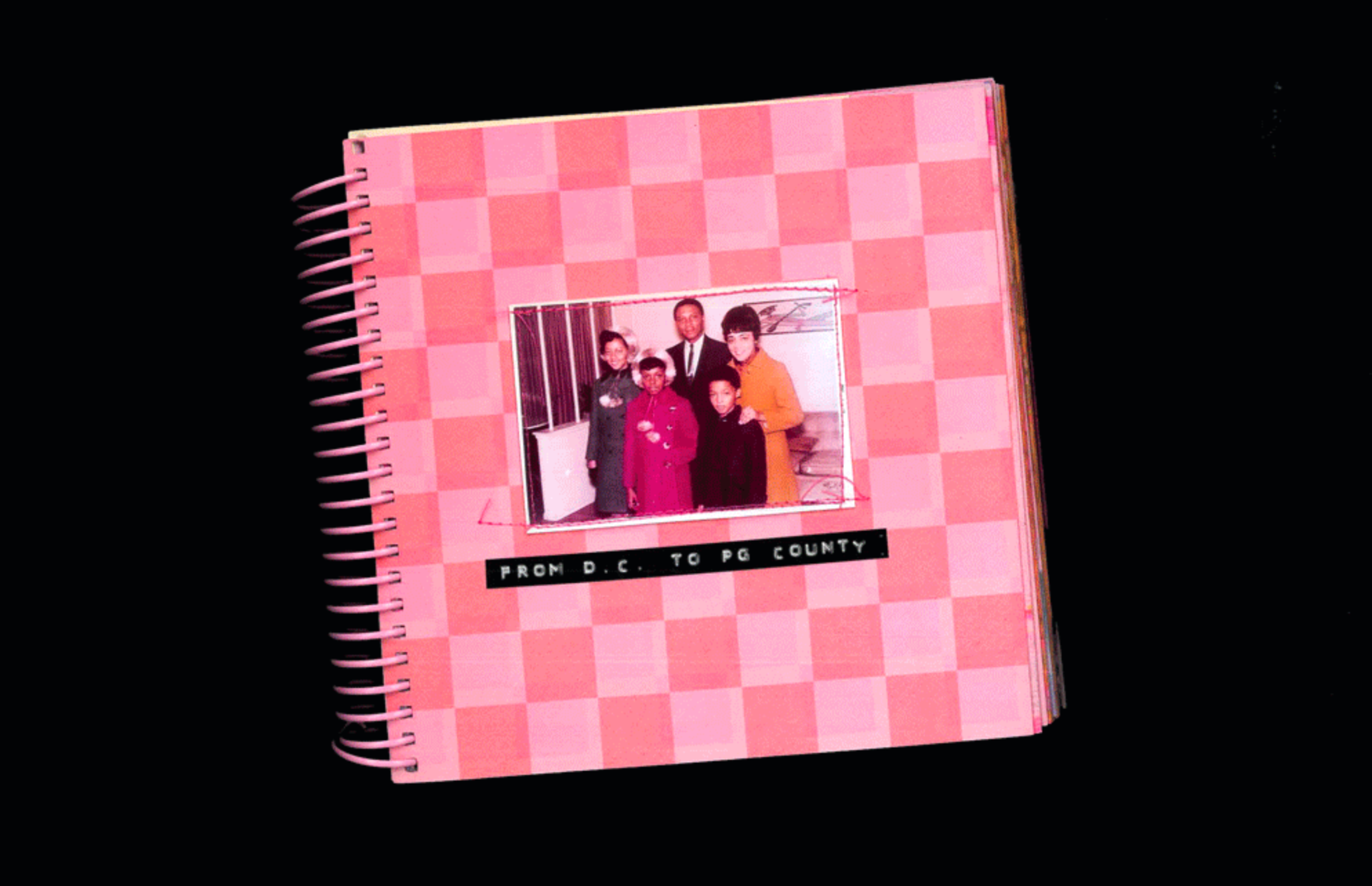
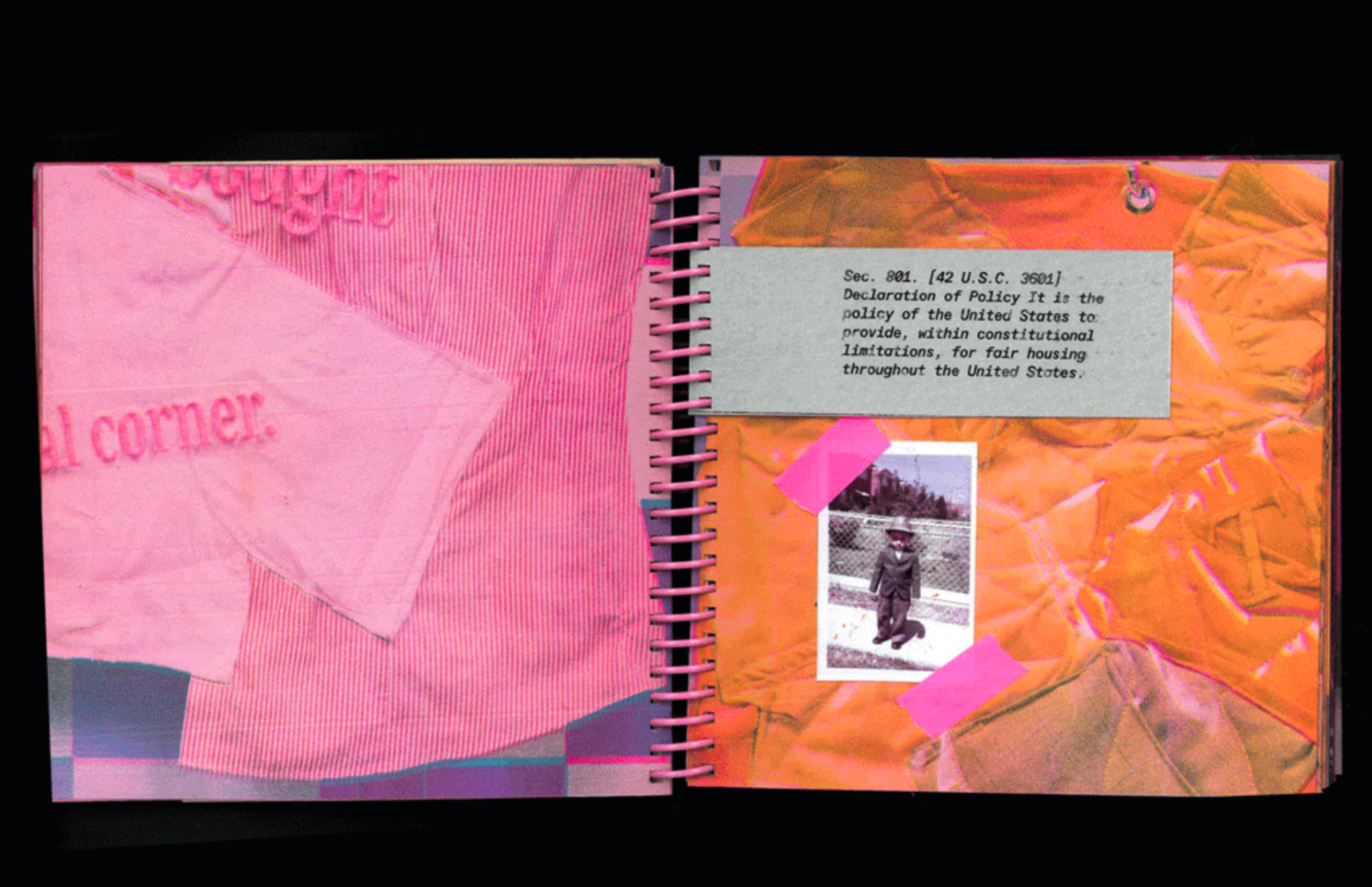
Zoe Pulley is the artist I mentioned that I find very inspiring. She is making installations, albums and beautiful works from family artifacts and old photographs.
You mentioned being inspired by the extraordinary depth of research Quentin Nardi brought to assignments at Men’s Journal. What did her approach teach you about the value of going further than the obvious image choices?
When I worked at Men’s Journal, I was a young, very green photo editor. We went through a period where we were short-staffed and there was too much work to handle. The solution was to hire a freelance researcher for the stories that needed in-depth research. Quentin Nardi, who is now the Photo Director of the Smithsonian, would step in and save us. Her specialty was adventure, outdoors, and climbing photography, and she knew that world so well that she’d come back with images we never would have found on our own. A lot of them came straight from photographers’ archives, not stock agencies.
What it taught me is that the best images usually aren’t the obvious ones, and that finding them comes from knowing a genre deeply and knowing who to ask. She set the bar for what research could be. That memory helps me put myself in my clients’ shoes. I want them to feel the way we felt when Quentin came back with her research. It’s also why I hope to build a team of researchers with different areas of expertise as Confidante grows.
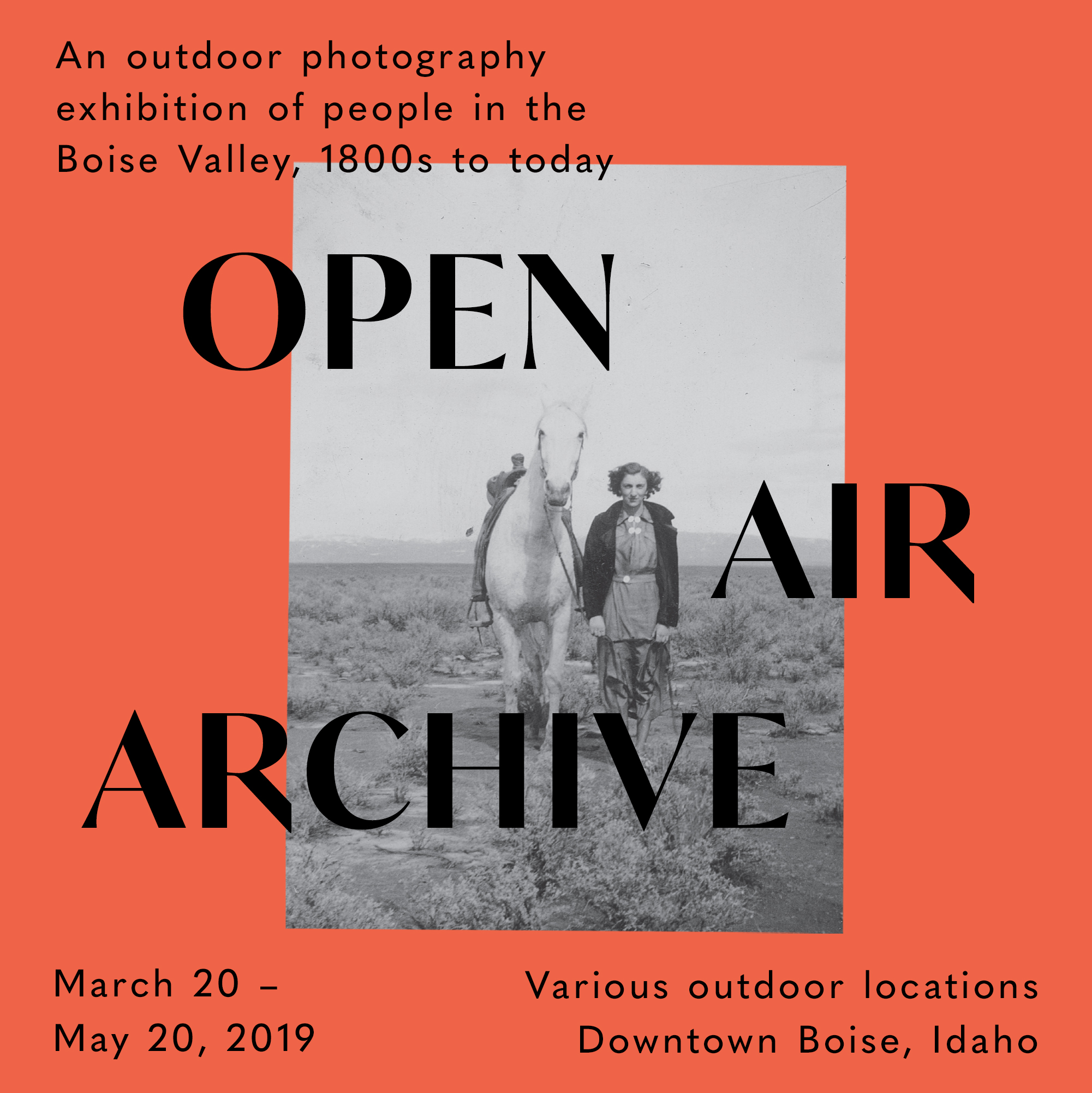
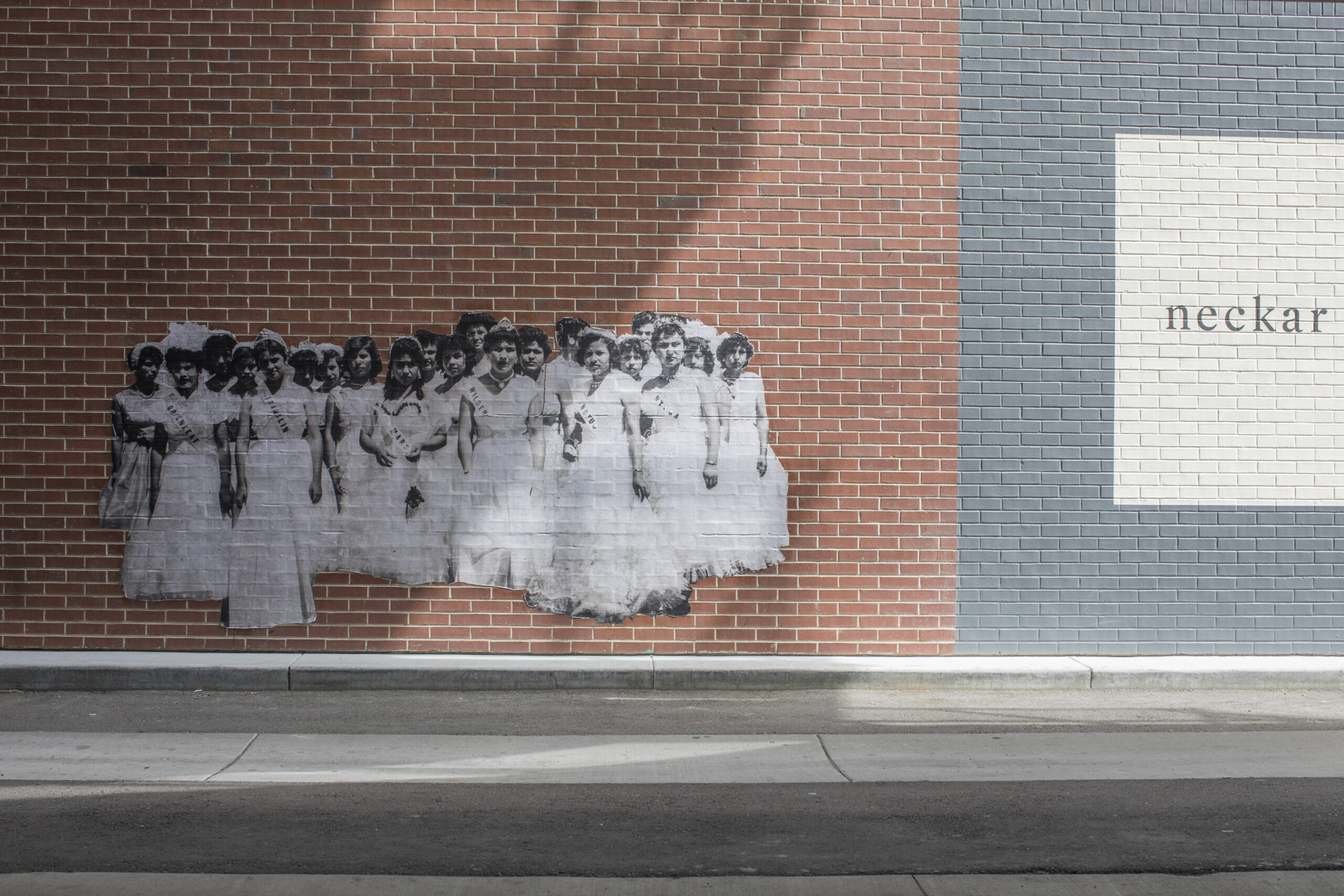
I received a grant in 2019 from the City of Boise Dept of Arts and History to create Open Air Archive a project where I researched historic photographs of the earliest immigrants that helped build and establish Boise. That’s where I found Basque family albums as well as this image of a beauty pageant of Mexican American women from migrant families that were farming in Idaho.
A few years ago, you spent a year tracking down former residents of a historic Boise neighborhood, digging through personal archives and recording oral histories. What did that experience reveal about the importance of preserving overlooked histories, and how did it help shape Confidante?.
My interest in historical research really started a year earlier. In 2019, I received a grant from the City of Boise for a project called Open Air Archive. I researched the immigrant groups who helped build and establish Boise, scanned historical photographs of them, and we pasted those photos onto the sides of buildings throughout downtown. I scanned images from Basque families who still have descendants living in Boise, and a photograph of young Mexican migrant workers at a beauty pageant. That project got me really excited about researching historic photos, and it was one of the first seeds of Confidante.
Then, at the start of the pandemic, the City of Boise commissioned me to help them create the River Street Neighborhood Collection, an online archive the public can access for free.
River Street was a section of town that took shape near the Boise River in the 1890s and thrived as a neighborhood until the 1960s. In a predominantly white city, housing discrimination and redlining made it home to most of Boise’s Black residents and many of its immigrant families. It was a quiet, close-knit community. Beginning in the 1960s, as the city turned River Street into a through-street and land was sold for commercial development, families were displaced and the neighborhood was slowly broken apart.
I had the funding to work with five families to scan their family albums and record oral histories. I would spend hours sitting on the floor in their living rooms with my Epson scanner as they told me the stories behind each photograph so that I had the correct caption information.
The other interesting aspect of researching for a community archive is the type of images you decide to keep from the sea of options. I found plenty of photographs taken by newspaper photographers, but those images felt staged and stiff, and lacked intimacy. The images I scanned were the ones that felt like you were inside their lives, witnessing it. I wanted the photographs to show what life was really like living in the River Street neighborhood.
The experience showed me how much of our history lives only in private hands. These photographs weren’t in a library or a museum. They were in albums in people’s homes, and if no one had asked, they could have been lost. So much of our history was recorded, and the artifacts still exist. What’s missing is the time and intention to make it known.
River Street also shaped how I approach research. The best images came from sitting with people, earning their trust, and listening. That’s at the heart of Confidante: knowing that the most meaningful photographs often aren’t searchable, and doing the work to find them.
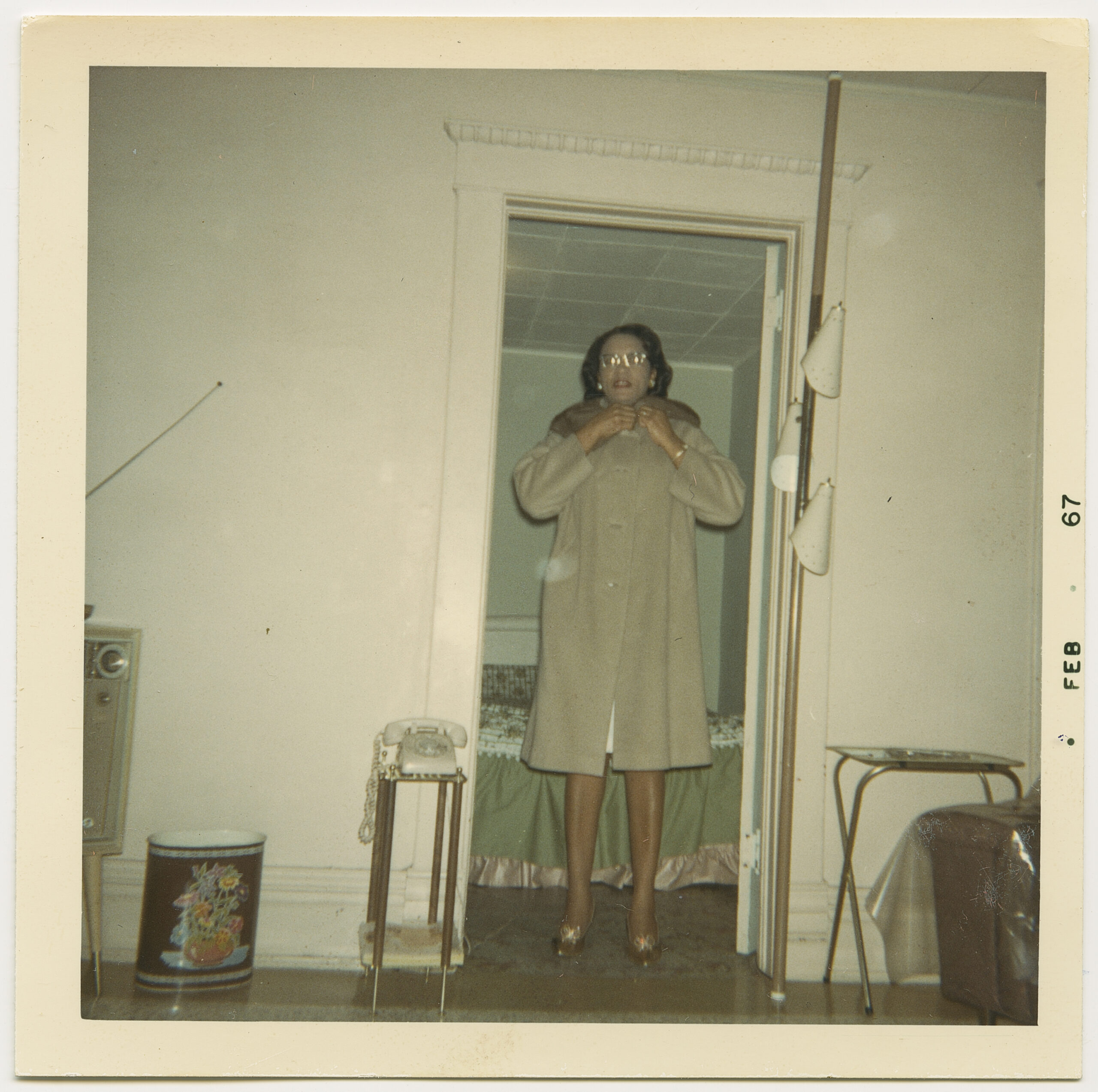
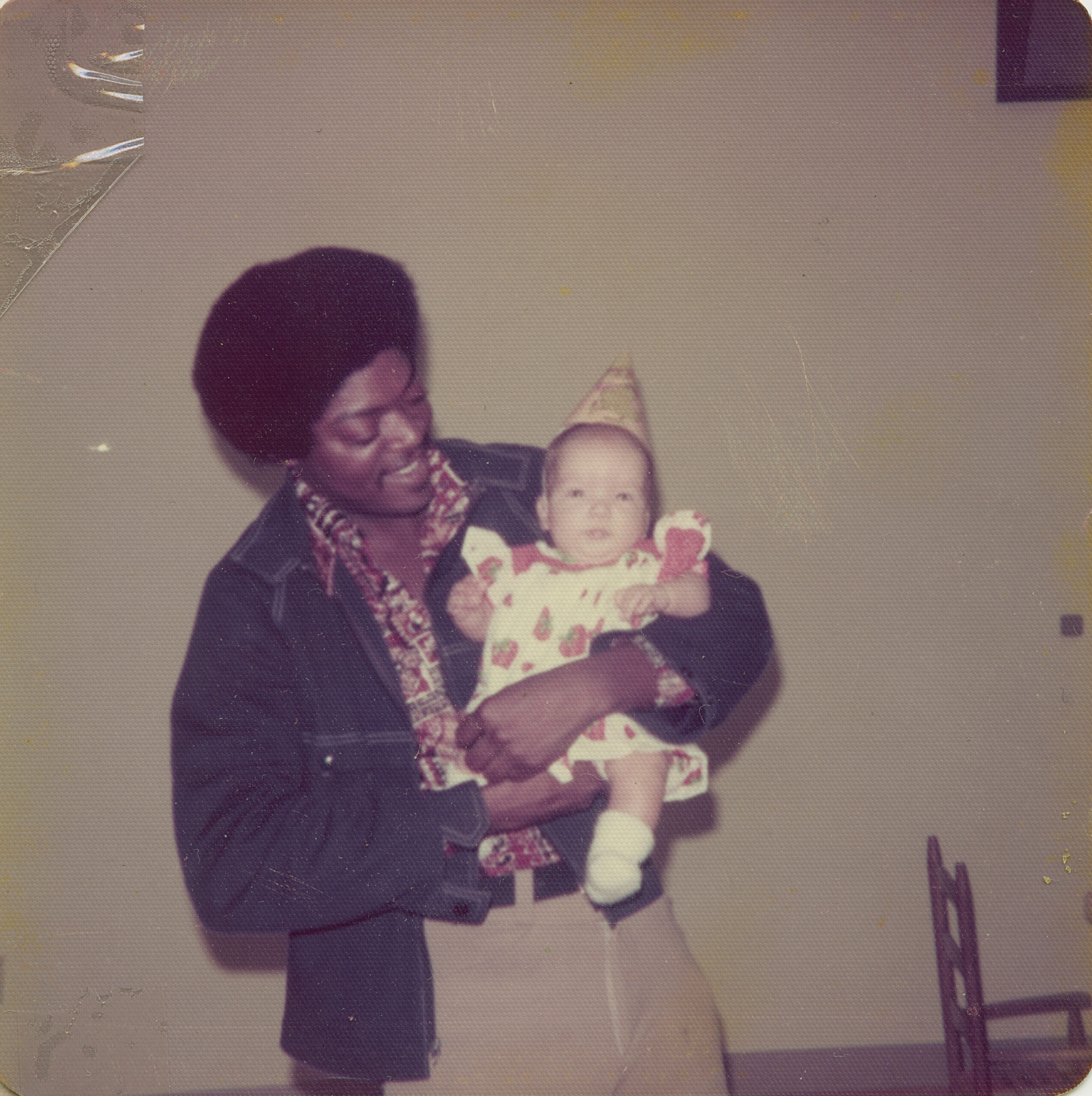
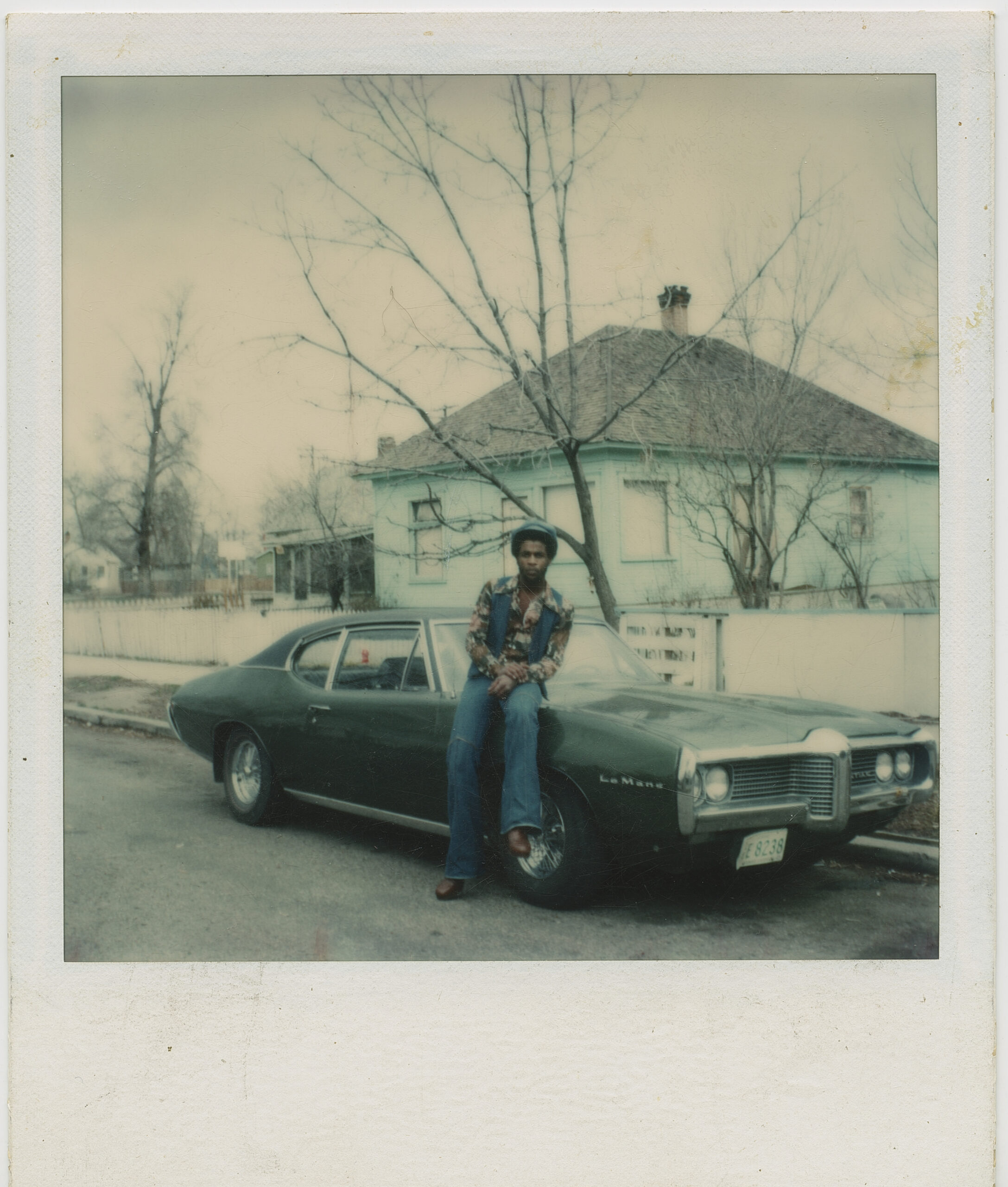
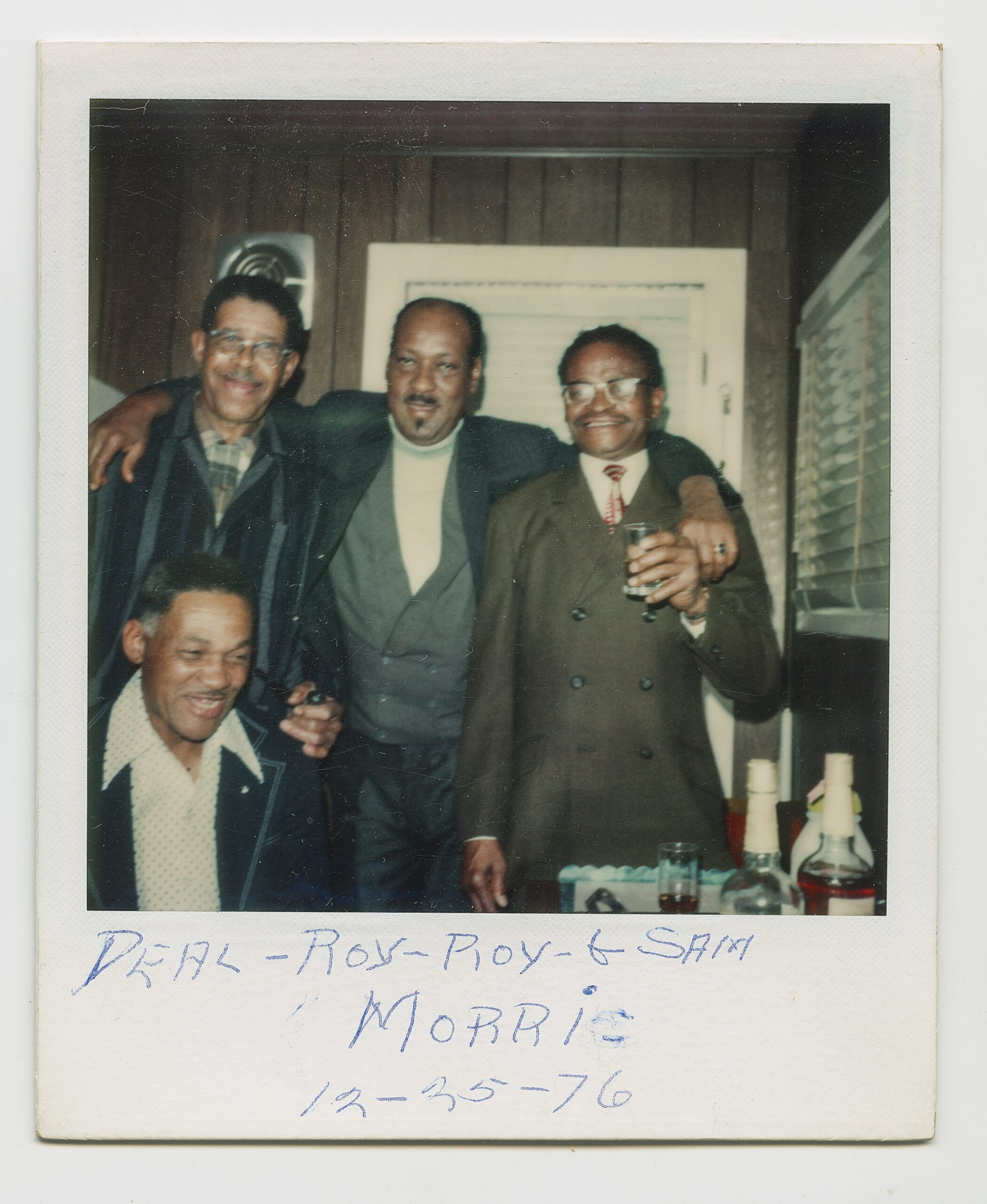
River Street images: These were some of the images that to me represent intimacy. These are the photos that helped show what life was like in River Street.
You’re planning to share subjects you’re interested in researching through Instagram Stories, inviting people into the discovery process. How do you imagine this working, and what kinds of photographs, collections, or unexpected connections are you hoping it will uncover?
Unlike a stock agency, Confidante isn’t a searchable archive. Our value is in our expertise, our network, and our community. We know where the photographs live, and when we don’t, we know how to track them down.
With every research project, I find new photographers and filmmakers and add them to a running database: where they’re based, what they shoot, and the personal projects they’re working on. Many projects also call for video, so I’m constantly reaching out to filmmakers for b-roll too. The next step is building Confidante’s newsletter and Instagram into a hub. Each time I take on a new search, I’ll post the theme and send an alert to subscribers.
When I post a search, I want people to send me a DM or email if they have that subject matter in their archive, or tag a photographer they know who might. The research itself stays behind the scenes, but the more people who see the call, the wider the net, and the faster I can reach the people who have exactly what I need.
Once I find the right images, I reach out to the photographer to confirm they’re available to license. Sometimes I start the licensing conversation and negotiate the fee myself. Other times, the client prefers to handle that part.
What I’m hoping to uncover changes with every client. If a city wants to build a public archive, a family’s photo albums might be exactly what’s needed. For another project, it could be a photographer’s forgotten personal work, or a local photographer in a place I’d never have thought to look. Recently I was searching for high-quality footage of caregivers working with their clients, and for short documentaries about dementia and Alzheimer’s. That’s exactly the kind of search where a wider audience would have helped. The connections I’m most hoping for are someone pointing me to a collective I didn’t know existed, or to a personal project about the exact topic I’m looking for.
I also think there aren’t enough platforms that really celebrate photographers themselves: where they’re coming from, their perspective, and how they do what they do. We’re always focused on where a photographer has been published. But photographers spend countless hours and energy on personal projects they believe are important, and those projects rarely get enough attention. Through the Confidante newsletter and Instagram, I want to create a platform that digs into that work through interviews, and not just with photographers in the US, but in other countries too.
Do you hope Confidante will encourage photographers to keep pursuing and preserving their long-term projects, knowing those images may have a life and value beyond their original purpose?
Yes, absolutely. You never know where a photo could end up or what an agency, magazine, or foundation might be looking for. I think when photographers and filmmakers work on a personal project, they get deep and intimate with that subject. They spend a lot of time, they build trust, and from that, they document it authentically. Authenticity is the main ingredient that every client is looking for. That’s why searching the stock agency platforms often doesn’t turn up the gold. Sometimes it does, but you have to sift through a lot of cheesy stuff to find it.
I think photographic education needs to treat preserving and archiving our work as essential, not an afterthought. We need to caption everything, use a consistent keyword system, and store it so any photograph can be found quickly. We need to start becoming our own archivists because if we don’t, our pictures and our history could be lost forever. So keep going with those projects, archive them carefully and always look for opportunities to share them with the world.
For an editor, creative director, brand, or cultural institution developing a project, when should they bring someone like you into the process? What becomes possible when visual research helps shape the narrative rather than simply illustrate a story that’s already been written?
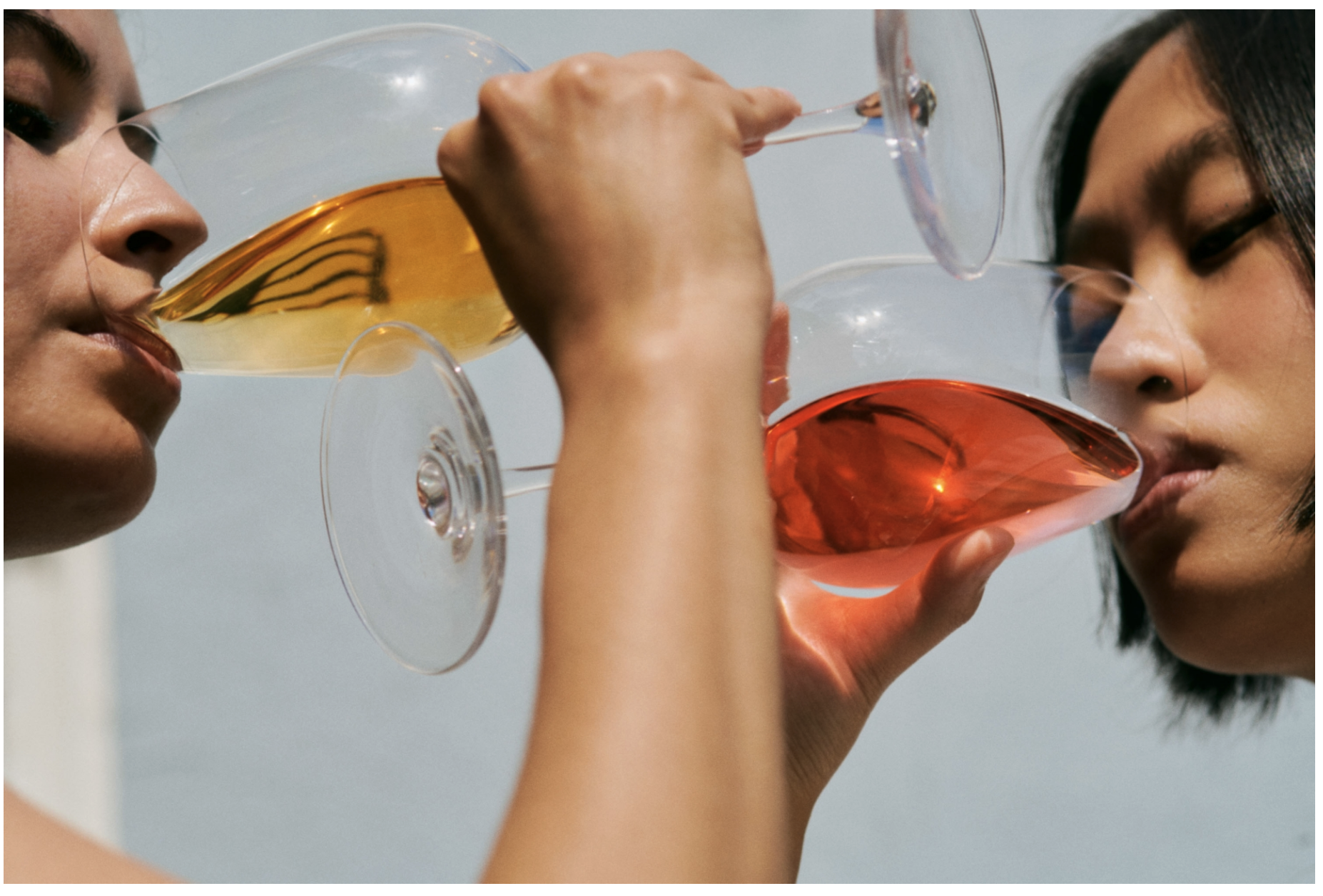
As early as possible. I recently worked with a designer leading a rebrand for a food company. Before anything was shot, I spent 10 hours studying the best food photographers I could find, down to their lighting styles, and put together a curated moodboard. That research went into the photography guide for the new brand book and introduced the company to photographers they hadn’t considered.
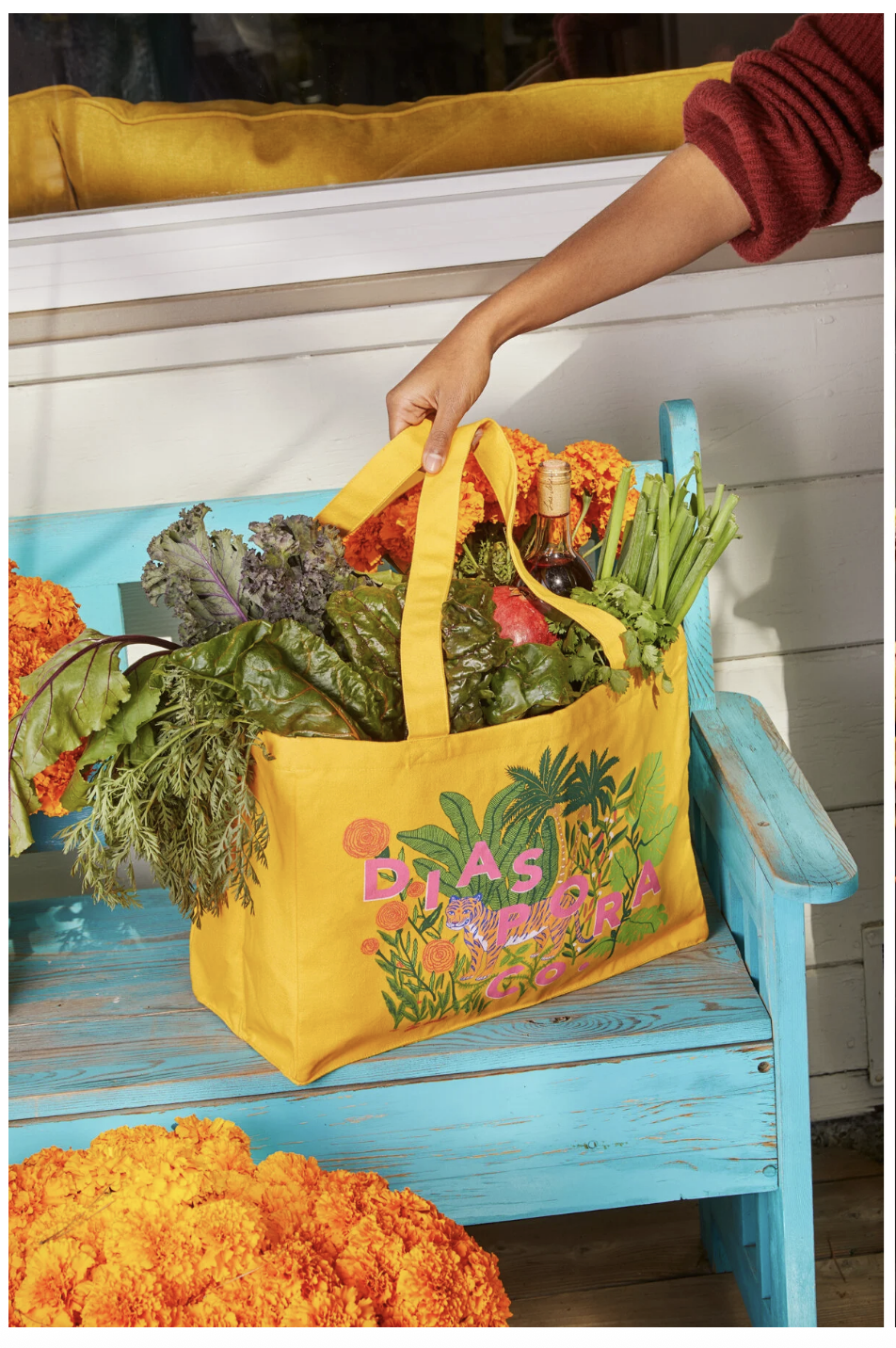
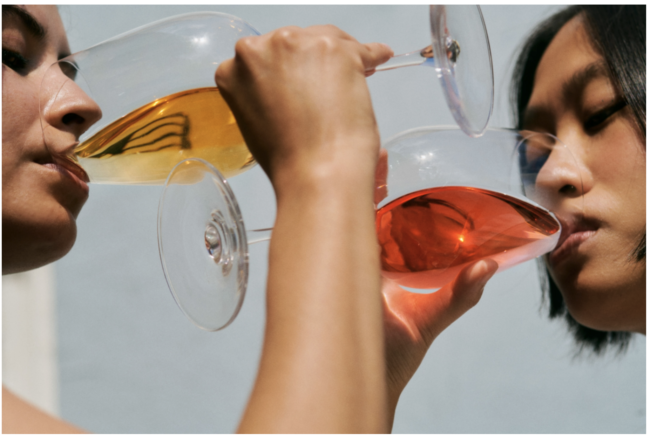
Photograph by Caroline Tompkins
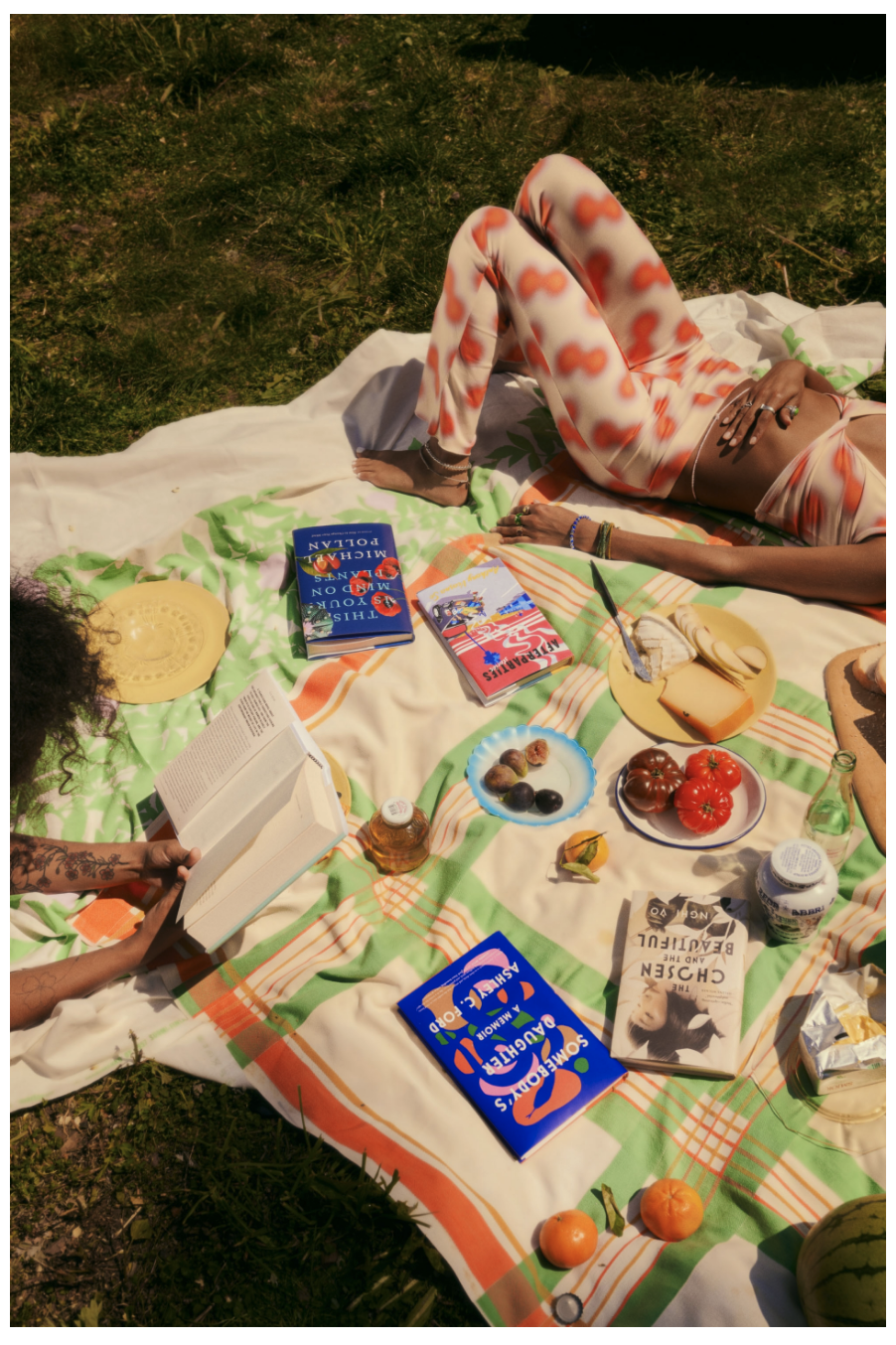
Photograph by Caroline Tompkins
I also worked with a small digital magazine whose editor was also acting as creative director and photo editor. To keep costs down, each issue featured one photographer, licensing a large body of their work and using it throughout. It was a smart approach, and the work was beautiful. My role was research: I built on the aesthetic they’d established and found photographers and styles for several articles that broadened the visual range. The editor handled the licensing and paperwork.
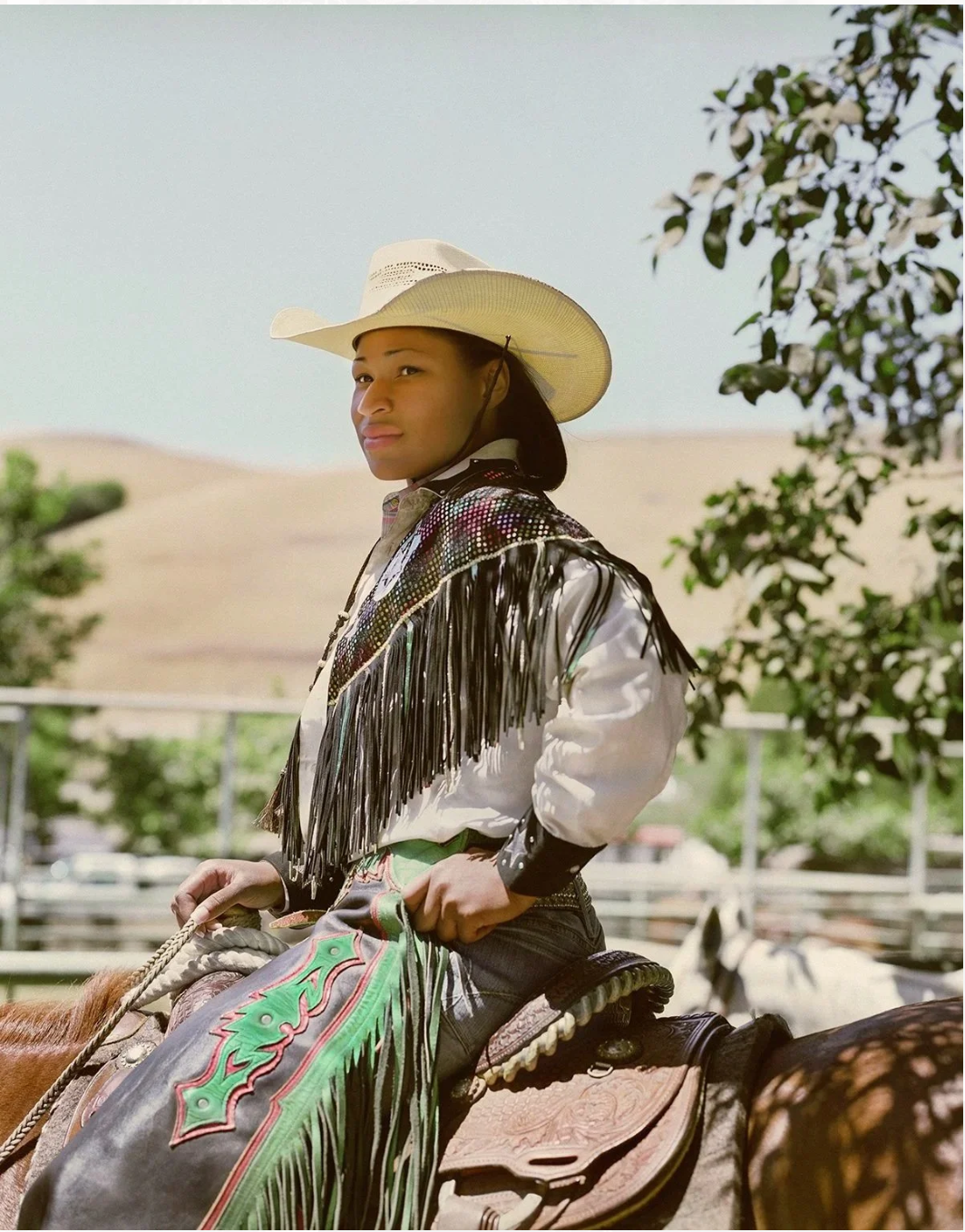
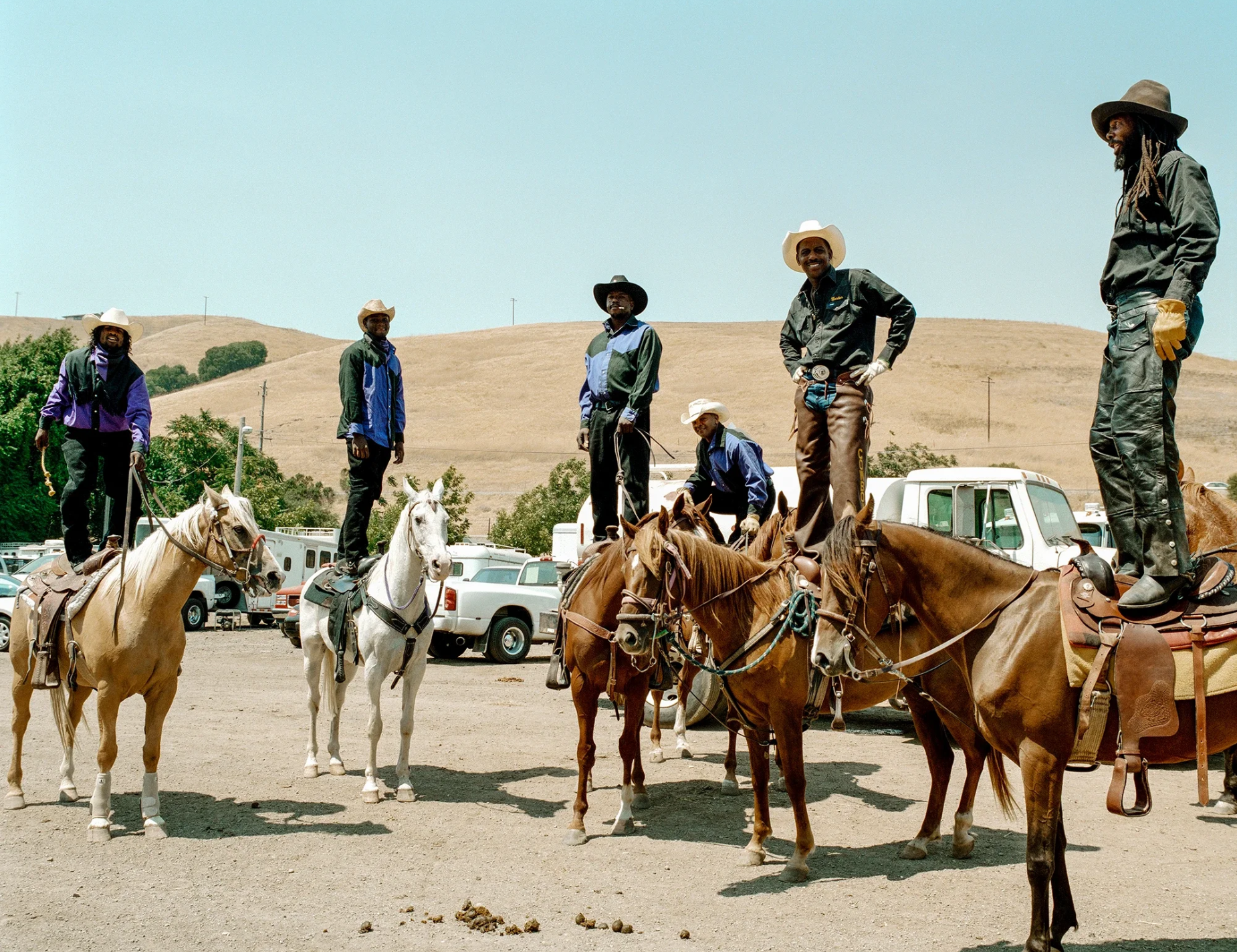
Gabriela Hasbun’s work (above) from the New Black West published in Peace and Riot (digital magazine) I was looking for images to help support an article called Beyond the Cowboy. Two of her images made it into the issue.
When research comes in early, the images stop being decoration and start shaping the story. Clients see possibilities they wouldn’t have found on their own, and the work feels more considered because the visual direction was part of the thinking from the start.
Can you share why meaningful images often require human relationships rather than algorithms?
The number of photographs that photographers have that aren’t online is endless. An algorithm or a chatbot won’t necessarily know that in the early 2000s, Joao Canziani shot a beautiful project of 4×5 color images of churches at night in Los Angeles. It’s not going to know that around 2012, there was a photo collective of about 15 photographers in LA called En Masse. Every photographer in the collective worked on a project about LA at the same time, each documenting some aspect of the city in their own way, creating an archive of images that could now be licensed.
Algorithms or AI might be able to find leads, but they’re only going to find things that already exist online. That doesn’t cover all the projects with no digital footprint. Photographers open their archives to people they know and trust, and those relationships, plus critical thinking and memory, can pull in so much more material.
How has this project evolved your relationship to photography and being a photographer?
It actually feels like I’m coming full circle, back to a significant part of my foundation as a creative adult. I’ve been obsessed with magazines since I was a teenager, and I had the fantasy of working as a photo editor in New York. I did that, yet realized my true calling was to be a photographer.
Throughout all those years of working as a photographer, I had to advocate for myself, which led me to advocate for photographers in general. I know firsthand the energy it takes to put a shoot together and then execute it. As our creative skill has become more and more devalued, my conviction that photographers play an irreplaceable role in society has only gotten stronger. We document life as we all know it, and it takes tremendous skill and courage to navigate the situations we find ourselves in. The images we share, and how we share them, force people to stop, see them, and hopefully value them.
Confidante brings me back to that editor’s seat, but now with everything I’ve learned as a photographer. It’s given me a new way to act on that conviction. My favorite part of the work is reaching out to photographers I admire and bringing their work to clients. I know how hard photographers work, and getting to give them an opportunity to earn unexpected money from it brings me a lot of satisfaction. Advocating for them also means protecting their work from the AI clauses that are starting to appear in many contracts now.
Tell us about the name.
A confidante is someone you can confide in, someone you trust. That’s what I want Confidante to represent, and it works in two directions. Photographers can trust me because of who I am, the relationships I’ve built, and what they know of me. Clients can trust me to find the images their project needs because of the editorial eye I’ve honed over 25 years and a deep knowledge of photographers and their personal projects.
I think trust is the word that sums everything up. It’s trusting someone to take something off your plate and knowing they’ll do a good job. Most full-time art directors, photo editors, and producers are completely overwhelmed, often doing the jobs of several people. I want Confidante to give them a feeling of relief and confidence that we can take the load off their shoulders to source unique, incredible visuals that can’t be found without the expertise of an experienced researcher.
No comment yet, add your voice below!